EDENBROOK OF ROCHESTER
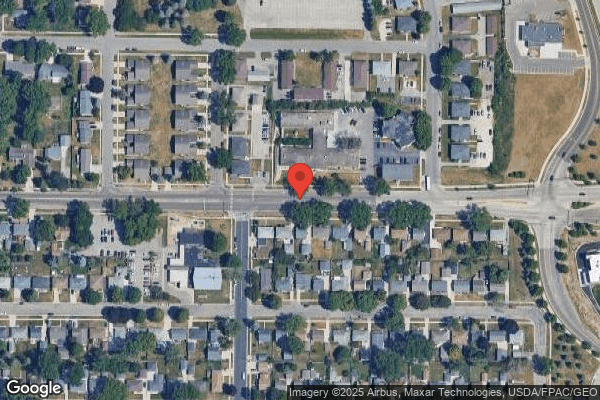
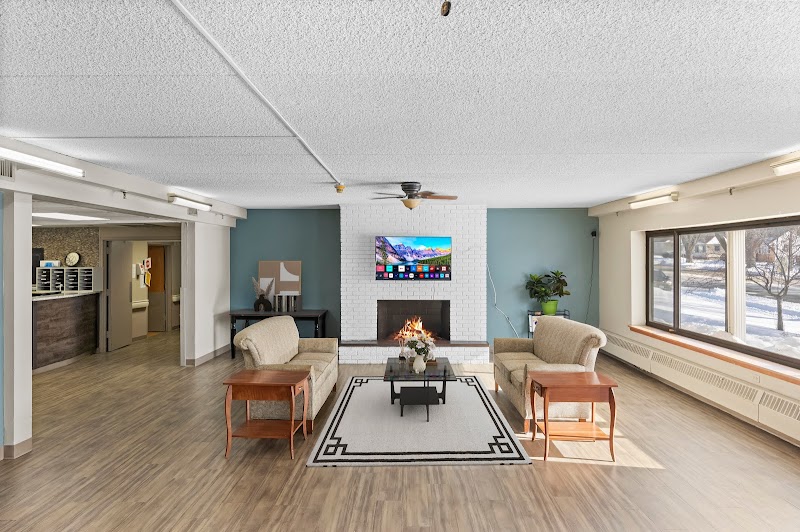
1875 19TH STREET NORTHWEST, ROCHESTER, MN 55901 (507) 282-9449
For profit - Limited Liability company 81 Beds EDEN SENIOR CARE Data: November 2025 1 Immediate Jeopardy citation
Trust Grade
0/100
#286 of 337 in MN
Last Inspection: May 2025

Inspected within the last 6 months. Data reflects current conditions.

Overview

Edenbrook of Rochester has received a Trust Grade of F, indicating significant concerns about the quality of care provided. It ranks #286 out of 337 facilities in Minnesota, placing it in the bottom half of the state, and #6 out of 8 in Olmsted County, meaning only two local options are worse. The facility's trend is improving, as it has reduced the number of issues from 14 in 2024 to 10 in 2025, but it still faces serious challenges, including $67,936 in fines, which is higher than 90% of Minnesota facilities. Staffing is a relative strength with a rating of 4 out of 5 stars, though turnover is at 51%, which is average. Specific incidents of concern include a critical failure to provide a resident with the correct diet to prevent choking and serious issues with wound care that led to harm, highlighting both the potential for improvement and serious risks that families should consider.

Trust Score
F
0/100
In Minnesota
#286/337
Bottom 16%
Safety Record
High Risk
Review needed
Inspections
Getting Better
14 → 10 violations
Staff Stability
⚠ Watch
51% turnover. Above average. Higher turnover means staff may not know residents' routines.
Penalties
✓ Good
$67,936 in fines. Lower than most Minnesota facilities. Relatively clean record.
Skilled Nurses
✓ Good
Each resident gets 56 minutes of Registered Nurse (RN) attention daily — more than average for Minnesota. RNs are trained to catch health problems early.
Violations
⚠ Watch
42 deficiencies on record. Higher than average. Multiple issues found across inspections.
★☆☆☆☆
1.0
Overall Rating
★★★★☆
4.0
Staff Levels
★★★★☆
4.0
Care Quality
★☆☆☆☆
1.0
Inspection Score
Stable
2024: 14 issues
2025: 10 issues

The Good

  • 4-Star Staffing Rating · Above-average nurse staffing levels
  • 4-Star Quality Measures · Strong clinical quality outcomes
  • Full Sprinkler Coverage · Fire safety systems throughout facility
  • No fines on record

Facility shows strength in staffing levels, quality measures, fire safety.

The Bad

1-Star Overall Rating

Below Minnesota average (3.2)

Significant quality concerns identified by CMS

Staff Turnover: 51%

Near Minnesota avg (46%)

Higher turnover may affect care consistency

Federal Fines: $67,936

Well above median ($33,413)

Moderate penalties - review what triggered them

Chain: EDEN SENIOR CARE

Part of a multi-facility chain

Ask about local staffing decisions and management

The Ugly 42 deficiencies on record

1 life-threatening 4 actual harm
May 2025 5 deficiencies
CONCERN (D)

Potential for Harm - no one hurt, but risky conditions existed

Deficiency F0554 (Tag F0554)

Could have caused harm · This affected 1 resident

Based on observation, interview and record review, the facility failed to ensure a self-administration of medication (SAM) assessment was completed and a provider order obtained to self-administer med...

Read full inspector narrative →
Based on observation, interview and record review, the facility failed to ensure a self-administration of medication (SAM) assessment was completed and a provider order obtained to self-administer medications for 1 of 1 residents (R20) reviewed for medication administration. Findings include: R20's admission Minimum Data Set (MDS) assessment, dated 3/17/25 indicated R20 had intact cognition, with diagnoses of atrial fibrillation (an abnormal heartbeat), heart failure, respiratory failure, cataracts (clouding over the eyes lens), glaucoma or macular degeneration. R20's order summary indicated R20 had orders for the following medications: Brimonidine Tartrate Ophthalmic Solution 0.2% - instill 1 drop in both eyes two times a day related to glaucoma, and Dorzolamide HCl-Timolol Mal Ophthalmic Solution 22.3-6.8mg/mg - instill 1 drop in both eyes two times a day related to glaucoma. R20's record lacked evidence an assessment was completed or a provider order obtained for R20 to self-administration medications. During an observation on 4/29/25 at 9:05 a.m., a white bottle with a blue cap was noted to be sitting on the bedside table and within reach of R20. Licensed practical nurse (LPN)-C entered the room, picked up the bottle and placed it in her front right pocket. R20 stated to LPN-C I finished the blue one. LPN-C then left the room. R20 stated staff would bring her eye drops into the room and leave them for her to self-administer. During an interview on 4/29/25 at 2:08 p.m., LPN-C stated she took both of R20's prescribed eye drops into R20's room during the morning medication administration and had left one sitting on the bedside table and identified the medications was Dorzolamide-Timolol eye drops. LPN-C then reached into her front right pocket and removed the white bottle with a blue lid labeled with R20's name and identified the medication as Dorzolamide HCl-Timolol Mal Ophthalmic Solution 22.3-6.8mg/mg. LPN-C stated R20 did not have an order to self-administer medications. During interview on 5/1/25 at 1:58 p.m., Director of Nursing (DON) stated any residents who wished to administer their own medications require a self-administration of medication assessment and a physician order to do so. DON confirmed R20 did not have an order to self-administer medications and expected staff to verify a SAM assessment was completed in order to determine is a resident was appropriate to safely self-administer medications. DON added a physician order was to be in place before leaving any medications at bedside. She went on to say this was important to ensure the resident knew how to safely administer their medications. Facility policy Medication Self Administration dated 2/12/24, indicated the resident shall have a screen completed by a licensed nurse to determine factors that may impact the safe administration of medications. The ability to self-administer medications will indicate: A) able to self-administer medications independently, B) able to self-administer medications with supervision, cueing and/or set-up, C) not able to self-administer medications safely. Residents who have been deemed appropriate to self-administer medications independently or with supervision/cueing or after set-up shall have a physician order to do so. The self-administration of medications will be care planned with interventions specific to the individual resident.
CONCERN (D)

Potential for Harm - no one hurt, but risky conditions existed

Safe Environment (Tag F0584)

Could have caused harm · This affected 1 resident

**NOTE- TERMS IN BRACKETS HAVE BEEN EDITED TO PROTECT CONFIDENTIALITY** Based on observation, interview and document review, the facility failed to ensure resident equipment was kept in a clean and in...

Read full inspector narrative →
**NOTE- TERMS IN BRACKETS HAVE BEEN EDITED TO PROTECT CONFIDENTIALITY** Based on observation, interview and document review, the facility failed to ensure resident equipment was kept in a clean and in a sanitary manner to promote resident well-being for 1 of 1 resident (R31) observed for wheelchair cleanliness. In addition, the facility failed to provide comfortable sound levels for 1 of 1 resident (R44) observed for uncomfortable noise levels. Findings Include: R31 R31's Quarterly Minimum Data Set (MDS) assessment dated [DATE], indicated R31 is unable to speak and uses an iPad for communication needs. R31 has impaired vision requiring glasses, adequate hearing, and understands himself and others. R31's had intact cognition. R31 had functional impairment of both lower extremities requiring an electric wheelchair and functional limitations of both upper extremities requiring supervision and intermittently assistance for feeding task. R31 was admitted on [DATE] with a diagnosis of right-sided cerebrovascular disease (disease affecting blood flow to the brain), quadriplegia, dysphagia-oropharyngeal phase (difficulty swallowing, coughing, or choking when eating), muscle weakness, diffuse traumatic brain injury, and recurrent pneumonia. During observation and interview on 4/28/25 at 12:29 p.m., R31 was going to lunch in a personal electric wheelchair. R31's wheelchair foot plate, under seat platform, and right wheel and wheel cover had a thick layer of a dried substance of varying colors. R31 communicated on his iPad the substance was food and covered the bottom right side of the wheelchair for some time. R31 indicated he is unable to control his food when he eats and spills onto his wheelchair. R31 indicated he sometimes drops partially chewed food from his mouth because of his dysphagia. R31 indicated he is unable to clean his wheelchair due to his physical disabilities. R31 indicated he does not like the dried foods on his wheelchair. During observation and interview on 4/29/25 at 8:18 a.m., R31 was returning to his room from the dining room. R31's wheelchair continued to have chewed or spilled food dried on his wheelchair. Nursing assistant (NA)-A stated R31's wheelchair often had spilled or chewed food on it . NA-A stated she thought the night shift was responsible for cleaning the wheelchairs. NA-A stated she does not know how often residents' wheelchairs are cleaned. During interview on 5/01/25 at 12:08 p.m., director of nursing (DON) stated she knew R31 had old dried partially chewed food on his personal wheelchair and verified it was there for a while. DON stated the facility has a policy to clean facility and resident wheelchairs on the night shift. DON was unable to confirm the last time R31's wheelchair was cleaned and stated it would be in a progress note if it was completed. DON stated R31's wheelchair looks unsightly after every meal. DON stated R31's wheelchair should be cleaned after every meal as he does spill a lot. DON confirmed there is no interventions in R31's care plan to protect the wheelchair during meals. Per facility policy titled Cleaning and Disinfection of Resident Care Equipment dated 5/8/24, how often resident equipment was cleaned was not specified. R44 R44's Minimum Data Set (MDS) assessment dated [DATE] was incomplete, although included, R44 did not have any vision or hearing disabilities and was cognitively intact. R44 was observed using bilateral upper extremities, required assistance from staff for mobility and toileting. R44 was admitted on [DATE] with a diagnosis of muscle weakness, adult failure to thrive, severe obesity, chronic fatigue, rheumatoid arthritis, and need for assistance with person cares. During observation and interview on 4/28/25 at 4:20p.m., upon entering R44's room, the sound level in the room was loud and unpleasant. R44 stated her roommate's television (TV) was always very loud. R44 stated she had made multiple complaints about the noise of the roommate's television at all hours, but nothing has been done. R44 stated she told the social worker (SW) approximately one month ago about the unpleasant sound levels in her room. R44 stated she is unable to get up without assistance, or she would lower the volume herself. R44 stated her roommate leaves the room frequently throughout the day but she leaves the TV volume loud even when she's not in the room. R44 stated she will put her call light on during the day to have staff the lower the volume when the resident is not in the room; staff have told her they can't turn the volume down because it is the roommate's choice to have the TV volume up. During interview on 4/29/25 at 8:18 a.m., nursing assistant (NA)-A stated R44's roommate's TV is very loud; the roommate doesn't like to hear any of the other facility sounds. NA-A stated R44 will ask to have the volume turned down, informs R44 it is roommate's right to have her TV loud. NA-A stated if the staff notice the roommate is not in the room, they will try to turn the volume of the TV down, things are busy so they don't' always notice when the roommate leaves the room. NA-A confirms R44 is unable to turn the volume down due to her physical limitations. During observation and interview on 4/29/25 at 2:00 p.m., R44's roommate's TV is very loud, and can be heard halfway down the hall. Upon entering the room, R44 had facial wincing, when asked indicated because of the volume of the TV. R44 stated she had asked staff to turn it down, but resident just turns it back up when she returned to the room. During interview on 4/30/25 at 1:25 p.m., social services (SS)-A stated she was aware the roommate's TV volume could be loud at times. SS-A stated she had asked facility staff to keep an eye on the volume and turn it down when the resident was not in the room. SS-A confirmed no other interventions were in place to reduce the sound levels. SS-A confirmed R44 had told her approximately one month ago she was not sleeping well due to the volume of the roommates TV. SS-A stated this was when she asked facility staff to turn the TV volume down; no other interventions were initiated. During interview on 5/01/25 at 12:08 p.m., director of nursing (DON) confirmed she was not aware there was a potential roommate incompatibility with R44. DON confirmed R44's roommate leaves the room frequently as she can walk without assistance. DON stated social services would evaluate a situation; if the residents in the room aren't compatible, one resident can be moved to another room. DON confirmed there were no current plans to move either resident. The facility does not have a policy regarding roommate incompatibility or appropriate sound levels in each room.
CONCERN (D)

Potential for Harm - no one hurt, but risky conditions existed

Comprehensive Care Plan (Tag F0656)

Could have caused harm · This affected 1 resident

**NOTE- TERMS IN BRACKETS HAVE BEEN EDITED TO PROTECT CONFIDENTIALITY** R20 R20's admission Minimum Data Set (MDS) assessment dated [DATE], indicated R20 admitted on [DATE], was cognitively intact, ha...

Read full inspector narrative →
**NOTE- TERMS IN BRACKETS HAVE BEEN EDITED TO PROTECT CONFIDENTIALITY** R20 R20's admission Minimum Data Set (MDS) assessment dated [DATE], indicated R20 admitted on [DATE], was cognitively intact, had no behaviors, did not refuse cares and had the following pertinent diagnoses: A-fib (irregular heartbeat), congestive heart failure (the heart does not pump enough to adequately supply the body with blood or oxygen), and high blood pressure. R20's order summary indicated the following cardiac related orders: -Apply gradient compression garments to lower extremities-on during the day and off at night -CHF monitoring: monitor respiratory status (i.e. Orthopnea and dyspnea), edema, (i.e. leg or abdominal swelling), fatigue, change in mental status every shift and document findings in PCC (Point Click Care). Update provider with any signs/symptoms of worsening CHF. -Daily weights upon admission for residents with heart failure unless directed otherwise by provider. Notify [provider] if weight greater than 198.41 lbs one time a day. Process for weight: every morning before breakfast, perform in same manner (e.g. use same scale, same method) R 20's medical record indicated 22 of 29 weights recorded exceeded 198.4 lbs. for the month of April 2025 : 4/29/25 recorded weight 201.0 lbs. 4/28/25 recorded weight 200.4 lbs. 4/27/25 recorded weight 202.2 lbs. 4/25/25 recorded weight 209.0 lbs. 4/24/25 recorded weight 200.8 lbs. 4/23/25 recorded weight 199.2 lbs. 4/21/25 recorded weight 201.6 lbs. 4/20/25 recorded weight 199.3 lbs. 4/17/25 recorded weight 201.0 lbs. 4/16/25 recorded weight 201.4 lbs. 4/15/25 recorded weight 204.0 lbs. 4/14/25 recorded weight 201.8 lbs. 4/13/25 recorded weight 200.4 lbs. 4/12/25 recorded weight 199.8 lbs. 4/11/25 recorded weight 200.6 lbs. 4/10/25 recorded weight 202.6 lbs. 4/9/25 recorded weight 199.0 lbs. 4/8/25 recorded weight 199.6 lbs. 4/5/25 recorded weight 202.0 lbs. During observation and interview on 04/29/25 at 09:11 a.m., resident was in her room seated in wheelchair, feet in dependent position. Two ace wraps noted on counter above dresser. Resident stated her feet swell up and they should be wrapped up but staff don't always do it. Bilateral feet swollen and puffy. Resident stated she had too much fluid on her heart and sometimes had shortness of breath with talking. During observation on 04/29/25 at 12:45 p.m., resident noted in room seated in wheelchair, feet in dependent position. Ace wraps were not on. Feet swollen. During observation and interview on 04/30/25 at 10:33 a.m., resident in her room seated in wheelchair, feet in dependent position, watching TV. Ace wraps not on at the time; stated I think the pollen is up I've been short of breath today. Feet swollen and an indent from socks observed on both feet. During observation on 4/30/25 at 12:39 p.m., resident in her room seated in wheelchair, feet swollen and in dependent position. Ace wraps noted rolled up on counter area above dresser. During interview on 4/30/25 at 3:48 p.m., licensed practical nurse (LPN)-B stated he was familiar with R20 and her diagnoses. LPN-B stated residents with congestive heart failure should be closely monitored for edema, shortness of breath and weighed daily. He went on to say residents with ACE wraps or compression wraps should have them applied in the morning before they got up for the day and started to accumulate fluid in their legs. LPN-B stated nurses were responsible for applying ACE wraps and monitoring for any weight gain, and then follow their orders for increased weight such as updating a provider or giving an extra diuretic (medications to assist with fluid excretion). During interview on 4/30/25 at 4:03 p.m., LPN-C stated she was familiar with R20 and worked with her almost daily. LPN-C stated R20 had CHF, wore ACE wraps and took a 'water pill'. LPN-C stated resident weights should be completed at the same time each day using the same scale and ideally before the first meal of the day. She stated either nurses or aides could obtain the resident weights, but the nurses were responsible for monitoring for any increase in weight. LPN-C stated ACE wraps should be put on in the morning when residents get up, but sometimes she put them on late or after lunch due to time constraints. During interview on 4/30/25 at 4:15 p.m. Director of Nursing (DON) stated residents with CHF should be monitored for changes in mental status, increased weight, shortness of breath or difficulty breathing. DON stated a resident with daily weights should be weighed before the first meal of the day, and using the same scale, this would be the truest reflection of the residents' weight. DON stated if there was an increase in weight the nurse would be able to immediately identify this in the electronic medical record (EMR) because the weight would be highlighted in red to alert staff a change. In this instance she expected the nurses to assess the resident, notify the provider, document the assessment and put in a progress note in the resident's chart. She went on to state for residents wearing compression stockings they should be applied first thing in the morning before any fluid had accumulated and these were scheduled between 6:00 a.m. and 10:00 a.m . DON reviewed R20's weights for April 2025, acknowledged staff was to notify the provider for weights over 198 lbs, and confirmed there was no progress notes or provider notification of when weights were over 198 lbs in R20's record. DON stated it was important to follow an individual residents' orders to prevent an exacerbation of CHF and avoid potential hospitalizations. Based on observation, interview and document review, the facility failed to implement specific resident-centered interventions for 2 of 2 residents (R35, R20) reviewed for care plans. Findings Include: R35's minimum data set (MDS) assessment dated [DATE] indicated moderately impaired cognition and moderately severe depression. R35 had a history of refusing cares and treatments. R35 was admitted on [DATE] with a diagnosis of chronic obstructive pulmonary disease (COPD, lung disease causing breathing problems), obstructive and reflex uropathy (blockage preventing urine from flowing normally), liver transplant, chronic kidney disease, major depressive disorder, and hydronephrosis with renal and ureteral calculous obstruction (urine buildup in the kidney due to blockage caused by kidney stones). R35's orders included, monitor for signs and symptoms of liver rejection including fever, pain in abdomen, yellowing skin, itching, increase in tiredness/weakness, swelling in abdomen or legs, and pale in color; notify provider and transplant coordinator immediately. Further, weigh every morning before breakfast; perform in the same manner (same scale, same method) every day and notify provider and transplant coordinator if weight increases by more than 5 pounds in one week. R35's daily weight record reviewed from 4/4/25 to 4/30/25 revealed R35 was not weighed daily and when completed was not according to provider orders (perform in same manner): -4/4/25 at 11:14 a.m. (166 pounds) -4/5/25 at 2:24 p.m. (166 pounds) -4/8/25 at 12:57 p.m. (165 pounds) -4/10/25 at 10:54 a.m. (164 pounds) -4/20/25 at 2:31 a.m. (166.5 pounds) -4/30/25 at 3:31 p.m. (165.8 pounds) R35's missed daily weights were documented as: -17 days were documented as refused R35's progress notes lacked a provider had been notified of R35's refusal of daily weights. During interview on 4/29/25 at 2:12 p.m., licensed practical nurse (LPN)-A stated R35 does refuse cares and medications sometimes. LPN-A stated due to R35's poor kidney function, the provider team ordered to have weights done daily. LPN-A stated accurate daily weights are important because if R35 was gaining weight rapidly it could indicate liver transplant rejection or if his kidney function gets worse, he could also have a rapidly increase in weight. LPN-A confirmed it is an expectation when a resident refuses cares or medication more than 2 days in a row, the provider would be notified. LPN-A confirmed provider notification would be a progress note and phone call. During interview on 4/29/25 at 2:52 p.m., registered nurse (RN)-A stated R35 will agree to medications and cares if staff explain the purpose of the medications and cares to him. RN-A stated R35's liver transplant anti-rejection medications and daily weights are important. RN-A stated R35 likes to remain in bed a lot, and needs a lot of encouragement to get up for eating, weights, daily cares. RN-A confirmed the expectation is to notify the provider if R35 refuses medications and cares; providers are notified by a progress note and phone call. During interview on 4/30/25 at 10:50 a.m. RN-B stated she works with R35's transplant team. RN-B stated daily weights are important because a rapid increase in weight could indicate liver transplant rejection. RN-B confirmed she had not been notified of R35 refusals of daily weights up to 10 days in a row. During interview on 4/30/25 at 2:18 p.m., nurse practitioner (NP)-A stated she works with R35's nephrology (kidney) team. NP-A stated daily weights for R35 are very important; daily weights allow the nephrology team to make specific medication changes based on weight increases or decreases. NP-A stated an acute increase in weight could indicate a decrease in kidney function and the sooner the team is aware of weight changes, the sooner they can begin to make medication changes to help kidney function. NP-A confirmed she had not been notified of R35 refusals. During interview on 5/01/25 at 12:08 p.m., director of nursing, (DON) stated it is an expectation ordered daily weights are completed per provider instructions. DON confirmed daily weights are ordered in the morning for R35 as this is the most accurate time of day to obtain weights. DON confirmed R35 had daily weights ordered so his provider teams can monitor liver transplant status and kidney function status. DON confirmed if R35 was refusing daily weights, it is the expectation to notify the provider as soon as possible. DON stated the provider would be notified by progress note or phone call. Per facility policy titled Resident Height and Weight policy dated 1/7/25, the stated purpose of this document is to provide guidelines for MD notification and documentation of weight changes.
CONCERN (E)

Potential for Harm - no one hurt, but risky conditions existed

Deficiency F0761 (Tag F0761)

Could have caused harm · This affected multiple residents

Based on observation, interview and document review, the facility failed to ensure medications were properly labeled with open dates, expired medications were removed and disposed of properly and disc...

Read full inspector narrative →
Based on observation, interview and document review, the facility failed to ensure medications were properly labeled with open dates, expired medications were removed and disposed of properly and discharged and/or expired residents' medications were removed from the cart in a timely manner to decrease the potential for drug diversion for 2 of 2 medication carts reviewed for medication storage. This deficient practice had the potential to affect all residents receiving medications from these medications' carts. Findings include: On 4/29/25 during continuous observation from 2:41 p.m. through 3:01 p.m., -2:41 p.m. an unidentified staff wearing dark blue scrub pants and top and was not wearing a name badge was working at the north medication cart and walked away from the cart and left it unlocked -2:42 p.m. an unidentified resident and guest walked past the unlocked medication cart - 2:44 p.m. the unidentified staff member walked back to the north medication cart, placed box of gloves on cart and walked away but did not lock cart - 2:45 p.m. to 2:53 p.m., the north medication cart remained unlocked and unattended - 2:53 p.m. an unidentified staff member wearing black scrub pants and printed floral scrub top walked by the unlocked medication cart and entered a resident room - 2:53 p.m. registered nurse manager (NM) walked down hallway, passed the unlocked medication cart but did not lock cart - 2:55 p.m. the unidentified staff returned to cart with paper in his right hand, placed paper on top of medication cart and walked away. Medication cart remained unlocked. - 3:01 p.m. the unidentified male staff returned to cart, opened top drawer, locked cart and walked away During an observation and interview on 4/30/25 at 7:10 a.m., licensed practical nurse (LPN)-C was administering medication from the north medication cart. LPN-C placed medications into med cup, did not lock the medication cart and walked into resident room. At 7:13 a.m., LPN-C returned to medication cart, locked the cart and walked away. Upon returning to the medication cart LPN-C acknowledged she had left the medication cart unattended when asked. LPN-C opened the north medication cart for a random review of medications and identified the following: R20's opened bottle of saline nasal gel lacked an opened-on date. An opened bottle of Vitamin C approximately one fourth full had an expiration date of 3/2025. LPN-C stated she did not use the expired bottle, and the bottle should have been removed and the medication destroyed. During an observation and interview on 4/30/25 at 10:08 a.m., NM was observed during a medication cart audit of the west medication cart. The following was revealed: R16's opened bottle of liquid Haloperidol lacked an open date. R5's opened bottle of Prednisolone eye drops lacked an opened-on date. R40's opened bottle of Lantoprost eye drops, an opened bottle of Dorzolamide eye drops, an opened bottle of Deep-Sea nasal spray and an opened bottle of Flonase nasal spray all lacked an opened-on date. Additionally, R16's-25 tabs lorazepam 1mg, 20 tabs lorazepam 0.5 mg, 51 tabs hydromorphone 2mg, 60mL hydromorphone 2mg/ml, and 12mL hydromorphone 1mg/ml was identified in the locked narcotic box of the medication cart. NM stated R16 had expired the previous day, and the medications should have been removed and destroyed at that time to prevent potential diversion. During interview on 5/1/25 at 1:58 p.m. director of nursing (DON) stated she expected multi dose medications like eye drops, nasal sprays and creams to be dated with the date it was opened for use. DON stated this practice is important because medications are good for a limited amount of time after opening and the open date ensures the resident is not getting expired medications. DON stated the NM audits carts to look for outdated/expired medications, undated medications and general cleanliness. She stated this was to be completed at least monthly and as needed. DON stated she expected medications for expired residents to be removed and destroyed the same shift as the resident expired on. She went on to state this was to avoid potential medications errors and drug diversion. Facility policy titled Policy and Procedure Medication Storage with revision date of 2/12/24, indicated the following: No discontinued, outdated, or deteriorated medications should be available for use in the facility. All such medications are destroyed per policy. Expired medications are to be removed from areas/medication carts prior to or at the time of expiration.
CONCERN (E)

Potential for Harm - no one hurt, but risky conditions existed

Infection Control (Tag F0880)

Could have caused harm · This affected multiple residents

**NOTE- TERMS IN BRACKETS HAVE BEEN EDITED TO PROTECT CONFIDENTIALITY** Based on observation and interview the facility failed to ensure a mechanical transfer lift was cleaned after resident use for 1...

Read full inspector narrative →
**NOTE- TERMS IN BRACKETS HAVE BEEN EDITED TO PROTECT CONFIDENTIALITY** Based on observation and interview the facility failed to ensure a mechanical transfer lift was cleaned after resident use for 1 of 1 resident (R14), observed for infection control practices. Findings Include: R14's significant change Minimum Data Set (MDS) assessment dated [DATE], indicated R14 was cognitively intact, dependent on staff for toileting, required substantial/maximal assistance with transfers, personal hygiene, and dressing and used a wheelchair for mobility. R14's care plan dated 4/30/24, indicated R14 required the use of a standup lift (EZ stand) for transfers. During observation on 4/30/25 at 7:38 a.m., nursing assistant (NA)-A entered R14's room to answer his call light. NA-A went out of room and retrieved the EZ stand from the hall and brought into R14's room. The EZ stand had debris of a white flaky substance on it. NA-A and NA-B both assisted R14 from bed to the commode with the EZ stand. After completing task, NA-A removed EZ stand from R14's room and placed in hallway. The EZ stand was not cleaned after use. During observation on 4/30/25 at 9:09 a.m., NA-B removed the previously used EZ stand from the hallway and took into another resident room, the EZ stand was not cleaned prior to using it or after use on the other resident. During interview on 4/30/25 at 12:28 p.m., NA-B stated standard precautions are used to prevent the spread of infection from resident to resident. NA-B stated it is important to clean equipment in between use to prevent infection. NA-B stated it is an expectation to clean equipment such as an EZ stand after use. NA-B confirmed she did not wipe down the EZ stand after use with R14 or before use with second resident. NA-B confirmed staff receive infection control training at hire and annually thereafter. During interview on 4/30/25 at 8:40 a.m., licensed practical nurse (LPN)-A stated standard precautions are used to prevent infection, are used for every resident regardless of infection status, including hand washing, gloves, and cleaning commonly used equipment in between residents. LPN-A stated standard precautions are important because they protect residents from getting infections. LPN-A confirmed it is an expectation to clean commonly used equipment, like the EZ stand, after each use. LPN-A confirmed staff receive infection control training as a new employee and annually thereafter. During interview on 5/01/25 at 12:08 p.m., director of nursing (DON) stated standard precautions are a set of measures, they are the same for all residents, they are used to prevent infection. DON stated it is an expectation all commonly used equipment, such as an EZ stand, are cleaned after each use. Per facility policy titled Disinfection of Resident Care Equipment dated 5/8/24, reusable equipment will be cleaned and disinfected after each use of resident and before use with another resident.
Mar 2025 3 deficiencies
CONCERN (D) 📢 Someone Reported This

A family member, employee, or ombudsman was alarmed enough to file a formal complaint

Potential for Harm - no one hurt, but risky conditions existed

Deficiency F0838 (Tag F0838)

Could have caused harm · This affected 1 resident

**NOTE- TERMS IN BRACKETS HAVE BEEN EDITED TO PROTECT CONFIDENTIALITY** Based on observation interview and document review the facility failed to ensure their Facility Assessment (FA) included residen...

Read full inspector narrative →
**NOTE- TERMS IN BRACKETS HAVE BEEN EDITED TO PROTECT CONFIDENTIALITY** Based on observation interview and document review the facility failed to ensure their Facility Assessment (FA) included resident diagnoses of organ transplant recipients who currently resided in the facility. In addition, the facility assessment failed to identify education on specific care or practices necessary to meet identified care needs regarding organ transplant recipients which had the potential to affect 1 of 1 resident (R1) and all future organ transplant residents reviewed for quality of care. Findings include: The Edenbrook Rochester Requirements of Participation Facility Assessment, revision dated 9/18/24, was reviewed and lacked evidence identifying organ transplant recipients and specific care or practices related to organ rejection monitoring. In addition, the (FA) further lacked training/competencies and provision of care related to organ transplant recipient monitoring, and care services. Record review identified: R1's admission Minimum Data Set (MDS) dated [DATE], identified R1 had a diagnosis of Liver transplant and end stage kidney disease. Attempted phone interview completed on 3/11/25 at 12:35 p.m., with the medical director office assistant (MDOA)-A who stated the medical director (MD)-A would be out of the office until 3/17/25. During an interview on 3/11/25 at 1:23 p.m., licensed practical nurse (LPN)-A identified he was the nurse responsible for R1's care. LPN-A stated he had never received any training related to organ transplant recipients and was unaware of the signs and symptoms for liver rejection monitoring. During an interview on 3/11/25 at 1:42 p.m., nurse manager (NM)-A identified she was the nurse manager for R1 and stated she did not remember receiving an education regarding organ transplant recipient care. NM-A stated they did not have any information on R1's liver transplant team and did not know how to get a hold of them. During an interview on 3/11/25 at 3:23 p.m., director of nursing DON) indicated their facility assessment did not identify organ transplant recipient provision of services care or monitoring. DON stated they did not have access to R1's liver transplant team for coordination of care as R1 came from another facility and that information was not in R1's medical records. During an interview on 3/11/25 at 3:28 p.m., regional nurse manager (RNM)-A stated the facility assessment does not identify organ transplant recipients or education regarding provision of care or services. During an interview on 3/11/25 at 3:49 p.m., nurse practitioner (NP)-A stated the facility does not have contact information regarding R1's liver transplant care coordinator. During an interview on 3/11/25, at 4:55 p.m. the Administrator confirmed the facility assessment had not identified organ transplant recipients, and did not indicate specific care or practices related to organ transplant recipient care. During an interview on 3/12/25 at 9:20 a.m., via phone registered nurse liver transplant care coordinator (RNLTCC)-A stated she had wondered what happened to R1 as she had not heard from him in quite some time. RNLTCC-A stated with liver transplant recipients it is very important to be monitoring for liver rejection signs and symptoms, ensure anti-rejection medications are given daily, and will need routine monitoring of labs and ultrasounds of the liver. A policy for facility assessment was requested, but not provided.
CONCERN (D) 📢 Someone Reported This

A family member, employee, or ombudsman was alarmed enough to file a formal complaint

Potential for Harm - no one hurt, but risky conditions existed

Infection Control (Tag F0880)

Could have caused harm · This affected 1 resident

**NOTE- TERMS IN BRACKETS HAVE BEEN EDITED TO PROTECT CONFIDENTIALITY** Based on observation, interview, and document review the facility failed to ensure enhanced barrier precautions (EBP)-(an infect...

Read full inspector narrative →
**NOTE- TERMS IN BRACKETS HAVE BEEN EDITED TO PROTECT CONFIDENTIALITY** Based on observation, interview, and document review the facility failed to ensure enhanced barrier precautions (EBP)-(an infection control intervention designed to reduce transmission of multidrug-resistant organisms that employs targeted gown and glove use during high contact resident care activities.) were implemented for management of an indwelling catheter to reduce the risk of infection to others for 1 of 1 resident (R1) reviewed for quality of care. Findings include: R1's face sheet identified diagnoses of obstructive and reflux uropathy and need of assistance with personal cares. R1's order summary dated 6/19/24, identified R1 had an order to provide catheter care every shift, ensure catheter is anchored via Velcro or tape. R1's care plan revised 8/2/24, identified a focus of actual/potential for alteration in elimination related to obstructive and reflux uropathy .goal identified will have no signs and symptoms of infection after completion of treatment through next review. Intervention dated 6/20/24 identified to change Foley catheter as ordered and monitor/document/report signs and symptoms of UTI: abdominal pain, weakness, functional decline, nausea, vomiting, dark cloudy urine, blood in urine and pus in urine. Did not identify EBP precautions. An additional focus revised 2/18/25 identified a focus related to renal failure due to end stage renal disease and had fistula created, waiting for fistula to mature, no start date for dialysis, does not want dialysis initiated. Intervention dated 7/2/24 identified to use enhanced barrier precautions. Care plan does not identify what cares identify the need for EBP nor does the foley catheter identify the need for EBP. During an observation and interview on 3/11/25 at 1:16 p.m., upon entrance to R1's room a paper sign was hung on the wall to the right side of R2's door. Two, STOP signs noted at the top on either side. Signage read: ENHANCED BARRIER PRECAUTIONS EVERYONE MUST: clean their hands, including before entering and when leaving the room. PROVIDERS AND STAFF MUST ALSO: Wear gloves and a gown for the following activities. Dressing, Bathing/Showering, Transferring, changing linens, Providing Hygiene, changing briefs or assisting with toileting. Device care or use: central line, urinary catheter, feeding tube, tracheostomy. Wound care: any skin opening requiring a dressing. Do not wear the same gown and gloves for the care of more than one person. The sign also had color pictures of hand cleanser, gloves, and gown. During an interview on 3/11/25 at 1:23 p.m., licensed practical nurse (LPN)-A verified R1's catheter was lying on the floor and should not be related to infection control concerns. During an observation on 3/12/25 at 10:10 a.m., R1 was lying in bed and his catheter bag was hooked to the bed control cord and the bottom of the catheter bag was lying on the floor. At 2:17 p.m., NA-A verified the catheter bag was lying on the floor and should not be. NA-A stated he would have to find a catheter bag covering to put it in. At 10:19 a.m., LPN-A verified the catheter bag was lying on the floor, walked into R1's room with washing his hands and picked up the catheter bag without applying EBP per the room signage and hooked the catheter to the bed. LPN-A then picked up R1's breakfast tray and walked out of the room without washing his hands, walked down the hall, set the breakfast tray on the cart in between the east and west hallways, then proceeded to walk down the hall. LPN-A stated R1 should be on EBP precautions due to his Foley catheter and fistula and stated he should have used them in addition to washing his hands before and after entering/leaving the room. During an interview on 3/12/25 at 10:26 a.m., director of nursing DON stated staff should be using EBP's when touching R1's catheter bag. All residents with EBP have a sign clearly posted outside their room and staff should be looking for that and following our policy for EBP to help prevent the spread of infection. DON further stated staff should be washing hands prior to entrance of a room, after leaving a resident's room and between glove changes. DON stated not following EBP would be an infection control issue. Facility policy, enhance Barrier Precautions, dated 3/6/24, identified it is the policy of this facility that Enhanced Barrier Precautions, in addition to Standard and Contact Precautions will be implemented during high-contact resident care activities when caring for residents that have an increased risk for acquiring a multidrug-resistant organism (MDRO) such as a resident with chronic wounds requiring a dressing, indwelling medical devices or residents with infection or colonization with an MDRO 1. Enhanced Barrier Precautions (EBP) refer to an infection control intervention designed to reduce transmission of multidrug-resistant organisms that employs targeted gown and glove use during high contact resident care activities. Enhanced Barrier Precautions will not only focus on residents with infection or colonization with MDRO's but will also address residents at risk for developing or becoming colonized. Enhanced Barrier Precautions are precautions that are between Standard Precautions and Contact Precautions. Enhanced Barrier Precautions require gown and glove use for residents with a novel or targeted MDRO or any resident with a wound or indwelling medical device during specific high-contact resident care activities. Novel or Targeted MDROs include: Pan-resistant organisms Carbapenem's-producing carbapenem-resistant Enterobacter [NAME], carbapenems-producing carbapenem-resistant Pseudomonas spp., carbapenems-producing carbapenem-resistant Acinetobacter baumannii, and Candida auris1Additional MDROs that are epidemiologically important include: Methicillin-resistant Staphylococcus aureus (MRSA), ESBL-producing Enterobacterales, Vancomycin-resistant Enterococci (VRE),Multidrug-resistant Pseudomonas aeruginosa, Drug-resistant Streptococcus pneumoniae. The purpose of Enhanced Barrier Precautions is to prevent opportunities for transfer of MDROs to employee's hands and clothing during cares, beyond situations in which staff anticipate exposure to blood or body fluids. High-Contact Resident Care Activities include1: Policy & Procedure: Enhanced Barrier Precautions: Dressing, Bathing/showering, Transferring, providing hygiene, Changing linens, Changing briefs or assisting with toileting, Device care or use: central line, urinary catheter, feeding tube, tracheostomy/ventilator. Wound care: any skin opening requiring a dressing1. Standard Precautions should be applied to all residents at all times. 2. Transmission-based precautions should be applied to all residents when standard precautions alone do not prevent pathogen transmission. 3. EBP are used in conjunction with standard precautions and expand the use of PPE to donning of gown and gloves during high-contact resident care activities that provide opportunities for transfer of MDROs to staff hands and clothing. A. EBP are indicated for residents with any of the following: Infection or colonization with a CDC-targeted MDRO when Contact Precautions do not otherwise apply; or Wounds and/or indwelling medical devices even if the resident is not known to be infected or colonized with a MDRO. b. Wounds generally include chronic wounds, not shorter-lasting wounds, such as skin breaks or skin tears covered with an adhesive bandage (e.g., Band-Aid®) or similar dressing. Examples of chronic wounds include, but are not limited to, pressure ulcers, diabetic foot ulcers, unhealed surgical wounds, and venous stasis ulcers. c. Indwelling medical device examples include central lines, urinary catheters, feeding tubes, and tracheostomies. A peripheral intravenous line (not a peripherally inserted central catheter) is not considered an indwelling medical device for the purpose of EBP. d. EBP should be used for any residents who meet the above criteria, wherever they reside in the facility. 4. Post clear signage on the door/wall outside resident room a. Type of precautions i. Contact Link: Contact Precaution sign ii. Droplet Link: Droplet Precaution sign iii. Airborne Link: Airborne Precaution sign iv. Enhanced Barrier Precautions Link: EBP Sign 5. For residents for whom EBP are indicated, EBP is employed when performing the following high-contact resident care activities: 1. Dressing 2. Bathing/showering 3. Transferring 4. Providing hygiene 5. Changing linens 6. Changing briefs or assisting with toileting 7. Device care or use: central line, urinary catheter, feeding tube, tracheostomy/ventilator 8. Wound care: any skin opening requiring a dressing 1 ii. In general, gowns and gloves would not be recommended when performing transfers in common areas such as dining or activity rooms, where contact is anticipated to be shorter in duration. Outside the resident's room, EBP should be followed when performing transfers or assisting during bathing in a shared/common shower room and when working with residents in the therapy gym, specifically when anticipating close physical contact while assisting with transfers and mobility. iii. Residents are not restricted to their rooms or limited from participation in group activities. Because EBP do not impose the same activity and room placement restrictions as Contact Precautions, they are intended to be in place for the duration of a resident's stay in the facility or until resolution of the wound or discontinuation of the indwelling medical device that placed them at higher risk. 6. Facility will ensure PPE and alcohol-based hand rub are readily accessible to staff. 7. Communication and education will be provided to all staff caring for or entering resident room for directions. 8. The Infection Preventionist may consult Public Health when needed for additional decisions regarding practices to prevent the spread of MDROs. Requested a handwashing policy and was not received.
CONCERN (F) 📢 Someone Reported This

A family member, employee, or ombudsman was alarmed enough to file a formal complaint

Potential for Harm - no one hurt, but risky conditions existed

QAPI Program (Tag F0867)

Could have caused harm · This affected most or all residents

**NOTE- TERMS IN BRACKETS HAVE BEEN EDITED TO PROTECT CONFIDENTIALITY** Based on document review and interview, the facility's Quality Assurance Performance Improvement (QAPI) committee failed to iden...

Read full inspector narrative →
**NOTE- TERMS IN BRACKETS HAVE BEEN EDITED TO PROTECT CONFIDENTIALITY** Based on document review and interview, the facility's Quality Assurance Performance Improvement (QAPI) committee failed to identify, investigate, analyze, and respond to medication errors by developing and implementing action plans for process improvement. This had the potential to affect all 50 residents who resided in the facility. Findings include: Review of the facility Quality Assessment Performance Improvement Committee Agenda Minutes in conjunction with Medication Error reports from December 2024 to February 2025. The QA minutes were not all dated nor identify which members of the committee were present. The Medication Error reports were identified in QA however, the reports did not consistently include a causal analysis/investigation, nor measures developed and implemented to prevent reoccurrence. The Quality Assessment Performance Improvement Committee Agenda/Minutes were reviewed and did not identify the date or time of the meeting, nor did it identify who the members were of the committee who attended. Further the QA minutes consistently did not address specific action plans to decrease the medication error rates. January minutes: The facility's Quality Assessment Performance Improvement Committee Agenda Minutes, form did not identify the date of the meeting nor quality members who were in attendance. The form identified Medication Errors as a topic to review and analyze. A goal for medication errors was not identified. In the section Current trends vs Historical Trends, Goals, included 1 medication error in December 2024, down from 6 medication errors in November 2024 due to tracking medication not available from house stock or pharmacy. Process followed to notify provider and placing medication on hold when not available or getting medication delivered stat. The data collected for analysis included: The undated Agenda minutes identified for December 2024 the facility had one medication error: R17's medication was not available from the pharmacy due to it being a special-order medication, family provided the medication and did not include measures to prevent reoccurrence. February minutes: The facility's Quality Assessment Performance Improvement Committee Agenda Minutes, form did not identify the date of the meeting nor quality members who were in attendance. The form identified Medication Errors as a topic to review and analyze. A goal for medication errors was not identified. In the section Current trends vs Historical Trends, Goals, included 5 medication errors in January 2025, up from one medication error in December 2024, due to tracking medication not available from house stock or pharmacy. Process followed to notify provider and placing medication on hold when not available or getting medication delivered stat. Two transcription errors, one entered as twice a day was ordered daily, one entered as self-administered instead of staff to administer, one medication not delivered from the pharmacy as new regulation state dialysis needs to supply, one over the counter eye drop not delivered due to a weather delay of ordered supplies, one resident was a readmit. one medication not delivered until night run and one medication were not sent at all. The section Historical Actions taken/New Action Plans/Steps, was left blank and did not identify who was responsible for the action step, did not specify what component of medication errors was being monitored daily at stand-up, nor specific activities associated with decreasing medication errors associated with types of medication errors that were identified in the report. The data collected for analysis included: Review of January 2025 Medication Error reports identified a total of five medication errors from 5 residents: 1. R4's Medication Error report dated 1/16/25 at 10:48 a.m., identified R4 received prophylactic Tamiflu 75 milligrams (mg) once daily for two weeks. Resident was receiving Tamiflu 75 MG BID (twice a day) for last eight days. Provider was updated and will discontinue Tamiflu as R4 has received adequate doses of prophylactic Tamiflu.R4 has not no adverse reactions from medication being given BID. Reviewed by IDT team. R4 had no adverse reaction. Medication was discontinued, provider stated he had sufficient medication for prophylaxis. The report did not include a causal analysis/investigation nor include measures to prevent reoccurrence. The reports did not identify who made the error nor any education for retraining. The report is unclear as to how many extra doses R4 received. 2. R16's Medication Error report dated 1/20/25 at 11:47 a.m., identified R16 missed Sevelamer Carbonate (medication to reduce phosphorus levels in dialysis patients) on 1/17/25 at 8:00 a.m., 1/18/25 at 8:00 a.m., 12:00 p.m., and 5:00 p.m. doses. Omnicare contacted they stated that they do not supply this medication, stating that dialysis is responsible. Dialysis notified of missed medication by assigned nurse on 1/18/25. This resident did not receive his 8:00 a.m., or 11:00 a.m., dose of Sevelamer Carbonate today before dialysis. The facility has no more on cards and this medication is not kept in the Omnicell. Writer called Omnicare to ask them about this and they said that this medication is not covered under insurance for R16 and they also said that it must be ordered through Dialysis. Writer then called Dialysis who stated that this does not create a problem that R16 did not get it today as it only means that the phosphorus will excrete via his bowel movements versus urination. Fax sent to Mayo Clinic Nursing Home office as well. Reviewed by IDT. Omnicare pharmacy stated they no longer supply this medication due to it being a non-covered med and that dialysis is responsible for it. Dialysis team notified. Dialysis ordered medication for resident to pick up from Mayo pharmacy. R16 was able to pick up medication and facility has it in stock to be administered. The report did not include measures to prevent reoccurrence for other dialysis patients. The report did not identify who made the errors nor any education for retraining. This would be six missed doses which reflects six medication errors. 3. R15's Medication Error report dated 1/20/25 at 11:47 a.m., identified R15's over the counter (OTC) medication Muro eye drops (an eye drop used to treat corneal edema) TID (three times a day) administration missed from 1/14/25 - 1/20/25. Reviewed by IDT. Medication has been ordered. Supply has been delayed due to weather in the states that supply warehouses are located. Attempted to locate medication at a local pharmacy, none of them carry this medication. Awaiting supply. 1/23/2025 Medication placed on hold and supply ordered via Amazon. The report did not include a causal analysis/investigation nor include measures to prevent reoccurrence. The reports did not identify who made the error nor any education for retraining. This would be twenty-one missed doses which reflects twenty-one medication errors. 4. R14's Medication Error report dated 1/20/25 at 11:52 a.m., identified R14 missed Advair (inhaled medication to prevent flare-ups or worsening of chronic obstructive pulmonary disease) AM and PM on 1/17/25 to 1/19/25 indicating 6 missed doses. In addition, R14 missed Erythromycin Ophthalmic ointment (ointment used to treat eye infections) on 1/17/25. R14 was readmitted to the facility 1/17/2025. Erythromycin Ophthalmic ointment was a new medication and was delivered on the night run. Advair was not delivered. Reviewed by IDT. R14 readmitted to the facility on [DATE]. Erythromycin Ophthalmic ointment was a new medication and was delivered on the night run. Medication start date should have been the following day. Advair was not delivered. Pharmacy was contacted on 1/18/25 at 8:00 a.m., they stated Advair would be delivered on the run tonight. Pharmacy did not deliver Advair until 1/19/2025 at 9:33 pm. R14 had no adverse effects from missing doses. The report did not include a causal analysis/investigation nor include measures to prevent reoccurrence. The reports did not identify who made the errors nor any education for retraining. This would be seven missed doses which reflects seven medication errors. 5. R3's Medication Error report dated 1/27/25 at 8:00 a.m., identified R3's Heparin (blood thinner) order appears on MAR as completed as transcribed as self-med. No medication was administered by staff. Does not identify how many missed doses. Reviewed by IDT. R3 had no adverse reaction from missing doses. Order was corrected in the computer. Review of R3's MAR dated January 2025, identified R3 had nine omitted doses of heparin from 1/24/25 to 1/27/25 resulting in 9 medication errors. The report did not include a causal analysis/investigation nor include measures to prevent reoccurrence. The reports did not identify who made the error nor any education for retraining. The report did not identify who made the errors nor any education for retraining. This would be nine missed doses which reflects nine medication errors. After reviewing the facility's data analysis from the medication error reports for January 2025, the medication error rate would be 44 medication errors and not 5 medication errors with a difference of 39 medication errors that were not brought forward to quality assurance. Review of Medication errors dated February 2025, the facility identified 12 medication errors however review of medication error reports identified 42 medication errors, a difference of 30 medication errors that were not accounted for. During an interview on 3/11/25 at 2:42 p.m., director of nursing stated the facility department heads meet monthly for QAPI meetings. DON indicated at each monthly meeting they will discuss medication errors from the previous month. DON verified the QAPI notes from February 2025 identified six medication errors and the error rate was up 5 medication errors from the previous month. DON verified there was no new action plan in place to prevent future medication errors. DON further verified February 2025 medication errors increased to twelve, up seven from the previous month. DON stated they had not been tracking each omitted medication as one error rather identified if a resident who had several omitted doses as one error. DON indicated they had not completed an analysis of the February medication errors as they had not had their QAPI meeting for March yet, so no action plan was put in place to prevent future medication errors. During an interview on 3/11/25 at 3:49 p.m., nurse practitioner (NP)-A stated one omitted medication would be counted as one medication error and facility should be identifying this, should be analyzing for trends in medication errors to put prevention plans in place to prevent future medication errors. The facility policy, QAPI Policy and Procedure, updated 5/5/24, identified It is the policy of the facility to develop a QAPI plan in accordance with Federal Guidelines to describe how the facility will address clinical care, resident quality of life and residents' choice and is based on the scope and complexity of services defined by the Facility Assessment. The objective of this requirement is the completion and implementation of the QAPI plan to identify the high risk, problem prone and high volume areas to evaluate for improvement and identify, collect and use data relevant to the unique characteristic and needs of the residents . PROCEDURE: 1. The facility will develop, implement, and maintain a QAPI program that is effective, data driven, comprehensive and will focus on indicators of the outcomes of care and quality of life. 2. The plan describes the process for identifying and correcting quality deficiencies and contains the necessary components such as: a. Tracking and measure performance; b. Establishing goals and thresholds for performance measurement; c. Identifying and prioritizing quality deficiencies; d. Systematically analyzing underlying causes of systemic quality deficiencies; e. Developing and implementing corrective action or performance improvement activities; and f. Monitoring or evaluating the effectiveness of corrective action/performance improvement activities, and revising as needed. 3. The facility maintains documentation and can demonstrate evidence that the program meets CMS requirements. 4. The facility presents evidence in the form of documentation to substantiate the ongoing implementation and QAPI program compliance with regulations to the State Survey Agency, Federal Surveyor or CMS if requested. 5. The Quality Assessment and Assurance Committee consists at a minimum of: a. The director of nursing services; b. The Medical Director or his/her designee; c. At least three other members of the facility's staff, at least one of who must be the administrator, owner, a board member or other individual in a leadership role; and d. The infection Preventionist - effective November 28, 2019 . 4. Our QAPI plan includes the policies and procedures used to i. Identify and use data to monitor our performance ii. Establish goals and thresholds for our performance measurement iii. Utilize resident, staff and family input iv. Identify and prioritize problems and opportunities for improvement v. Systematically analyze underlying causes of systemic problems and adverse events vi. Develop corrective action or performance improvement activities . Guidelines for Performance Improvement Projects (PIPs). Identified PIPs will be the center of the QAPI program. Identified areas of improvement will stay as focal issues until desired outcomes have been achieved. If the measures of interventions implemented are not delivering results, the details will need to be adjusted either at the quarterly, preferably monthly, meeting or sooner as appropriate. Once achieved they will be maintained and discussed routinely, however new focal points or PIPs will be introduced. Performance improvement activities must track medical errors and adverse resident events, analyze causes, and implement preventative actions and mechanisms that include feedback and learning throughout the facility. Responsibility and Accountability The administrator has responsibility and is accountable to the governing body and our corporation for ensuring that QAPI is implemented throughout our organization. QAPI activities and discussion will be a standing item on our regular governing body meeting agendas. The administrator will, report on and solicit input on all QAPI activities on a regular basis. The administrator is responsible for assuring that all QAPI activities and required documentation is provided to our corporation . Conducting Performance Improvement Projects (PIPs) Our organization will conduct Performance Improvement Projects that are designed to take a systematic approach to revise and improve care or services in areas that we identify as needing attention. We will conduct PIPS that will lead to changes and guide corrective actions in our systems, which cross multiple departments, and have impact on the quality of life and quality of care for residents living in our community. We will conduct PIPs that will improve care and service delivery, increase efficiencies, lead to improved staff and resident outcomes, and lead to greater staff, resident, and family satisfaction. An important aspect of our PIPs is a plan to determine the effectiveness of our performance improvement activities and whether the improvement is sustained. Method to Identify Potential Topics for PIPs The QAA committee will review data and input on a quarterly, preferably monthly, basis to look for potential topics for PIPs. We will monitor and analyze data, and review feedback and input from residents, staff, families, volunteers, providers, and stakeholders. We will look at issues, concerns, and areas that need improvement as well as areas that will improve the quality of life and quality of care and services for the residents living and staying in our community. Factors we will consider: high-risk, high-volume, or problem-prone areas that affect health outcomes, quality of care and services, and areas that affect staff. In addition, we will consider: o Existing standards or guidelines that are available to provide direction for the PIP o Measures that can be used to monitor progress o Quality Measures publically reported on Nursing Home Compare o Evidence based practices o Projects that require systemic changes o Projects that require environmental changes o Projects affecting staff Criteria for Prioritizing and Selecting PIPs Our QAA committee will prioritize topics for PIPS based on the current needs of the residents and our organization. Priority will be given to areas we define as high-risk to residents and staff, high-prevalence, or high-volume areas, and areas that are problem-prone. The QAA committee will use the CMS Prioritizing Worksheet for Performance Improvement Projects to prioritize PIPs. Consideration will be given to include staff most affected by the PIP. Anticipated training needs will be discussed as well as other resources to complete the PIP. The QAA committee will provide guidance on how to address issues that arise and need immediate corrective action. How and When PIP [NAME] Will be Developed A project charter will be developed for each Performance Improvement Project at the beginning of the project that clearly establishes the goals, scope, timing, milestones, team roles, and responsibilities. The PIP charter will be developed by the QAA committee and then will be given to the team that will carry out the PIP. Designating a PIP Team When designating a PIP team, the QAA committee will consider and give opportunity to all staff in the organization. The QAA committee will ensure that the team is interdisciplinary, there is representation from each job role that is affected by the project, and resident and/or family member representation is included, if appropriate. When chosen to participate on a PIP team, staff with direct care responsibilities will be replaced so that the needs of residents continue to be met. A team leader will be selected that has the ability to coordinate, organize, and direct the work. How the Team will Conduct the PIP: The PIP teams will consider each PIP a learning process. The team will follow steps and processes that are needed for any quality improvement project. The responsibilities for the PIP teams will be to determine what information is needed for the PIP and how to obtain the information. They will determine a timeline based on the PIP Charter. Requests for needed supplies, staff availability, and equipment will be made to the QAA committee. The QAA committee will respond in a timely manner to assure momentum is maintained. The team will develop an action plan using the organization's usual format. Interventions that will make change will be implemented by the team. The team will use root cause analysis to ensure that the root cause and contributing factors are identified. When determining and implementing interventions, PDSA cycles will be used. The team will select and/or create measurement tools to ensure that the changes they are implementing are having the desired effect team will be accountable to the QAA committee. Process for Documenting and Communicating Performance Improvement and Trends in Performance Measures: For ongoing monitoring of the PIP, we will use the CMS PIP Inventory to include milestones, PDSAs, outcomes, and other lessons learned from the PIP. Information about PIPs will be shared with staff, resident, and families. Systemic Approach to Quality Improvement: Our facility uses a systematic approach to determine when in-depth analysis is needed to fully understand identified problems, causes of the problems, and implications of a change. To get at the underlying cause(s) of issue, we bring teams together to identify the root cause and contributing factors using the Five Whys, Flowcharting, and the Fishbone Diagram. Preventing Future Events and Promoting Sustained Improvement To prevent future events and promote sustained improvement our organization develops actions to address the identified root cause and/or contributing factors of an issue/event that will affect change at the systems level. We use Plan-Do-Study-Act cycles to test actions and recognize and address unintended consequences of planned changes. Ensuring Planned Changes/Interventions are Implemented and Effective To ensure the planned changes/interventions are implemented and effective in making and sustaining improvements, our organization chooses indicators/measures that tie directly to the new action and conducts ongoing periodic measurement and review to ensure that the new action has been adopted and is performed consistently .
Jan 2025 2 deficiencies 1 IJ
CRITICAL (J) 📢 Someone Reported This

A family member, employee, or ombudsman was alarmed enough to file a formal complaint

Immediate Jeopardy (IJ) - the most serious Medicare violation

Menu Adequacy (Tag F0803)

Someone could have died · This affected 1 resident

**NOTE- TERMS IN BRACKETS HAVE BEEN EDITED TO PROTECT CONFIDENTIALITY** Based on observation, interview and document review the facility failed to ensure a system to provide the correct physician orde...

Read full inspector narrative →
**NOTE- TERMS IN BRACKETS HAVE BEEN EDITED TO PROTECT CONFIDENTIALITY** Based on observation, interview and document review the facility failed to ensure a system to provide the correct physician ordered textured diet for 1 of 1 resident (R1) who was at risk for choking and history of aspiration pneumonia. This resulted in a immediate jeopardy for R1 and has the likelihood to effect current and future residents who required changes to textured diets to prevent choking/aspiration. The immediate Jeopardy (IJ) began on 1/3/25, when R1 returned from the hospital with new diet texture orders and received a regular textured diet through 1/9/25 related to facility system failure when dietary orders are changed. The administrator and director of nursing (DON) were notified of the IJ on 1/9/25 at 5:49 p.m. The IJ was removed on 1/10/25, but noncompliance remained at the lower scope and severity, level D with no actual harm with potential for more than minimal harm that was not immediate jeopardy. Findings include: International Dysphagia Diet Standard Initiative (IDDSI) Level 5 Minced and Moist Diet tool dated January 2019, identified foods that are soft and moist but with no liquid leaking/dripping from the food, biting is not required, minimal chewing is required, lumps of 4 millimeters (mm) in size, lumps can be mashed with tongue, foods can easily be mashed with just a little pressure from the fork, and should be able to scoop food onto the fork with no liquid dripping and no crumbles falling off the fork .may be used if you are not able to bite off pieces of food safely but have some basic chewing ability. Some people may be able to bite off a large piece of food but are not able to chew it down into little pieces that are safe to swallow. Minced & Moist foods only need a small amount of chewing and for the tongue to 'collect' the food into a ball and bring it to the back of the mouth for swallowing. It's important that Minced & Moist foods are not too sticky because this can cause the food to stick to the cheeks, teeth, roof of the mouth or in the throat. These foods are eaten using a spoon or a fork .examples of foods to avoid .tough or fibrous foods-steak and pineapple .crumbly bits-dry cake crumble . International Dysphagia Diet Standard Initiative (IDDSI) Level 7 Regular: meant for individuals who do not have issues chewing or swallowing. R1's care plan dated 12/16/24, identified a focus, R1 had the potential for altered nutritional status related to pain, osteoarthritis, diabetes, increased body habitus, heart disease, generalized weakness, decreased mobility, antidepressants and on Ozempic (injectable diabetic) medication. Interventions dated 12/16/24, identified R1 was to receive a level 7 regular liberalized renal diet. On 12/18/24, identified R1 required set up assist with eating. R1's admission minimum data set (MDS) dated [DATE], identified R1's cognition was intact, diagnoses were diabetes, chronic obstructive pulmonary disease (COPD), and dyspnea (shortness of breath). R1 was independent with eating and required a therapeutic diet. R1's progress note dated 12/23/24 at 9:39 a.m., identified R1 was sent to the emergency department (ED) for altered mental status, abdominal breathing 30+ breaths per minute, possible aspiration as there was vomit beside her. R1 unable to speak clearly only mumbling. R1's emergency department (ED) note dated 12/23/24 at 10:21 p.m., identified R1 presented to the ED with shortness of breath from the nursing home, R1 had vomited and was noted to be aspirating on the vomit, was hypoxic and oxygen saturations were 80% (normal 90-100%) on 8 liters of oxygen. Antibiotics started because chest Xray shows right lower lobe pneumonia .will be admitted to the intensive care unit given her new BiPAP (a machine that helps remove carbon dioxide) status. R1's after visit summary (AVS) dated 12/23/24 to 1/3/25, identified R1 was hospitalized for acute hypoxemic(low level of oxygen in the blood)/hypercapnic (carbon dioxide buildup) respiratory failure presumed secondary too aspiration pneumonia (developed following presumed episode of emesis) and COPD exacerbation requiring BiPAP. She was also encephalopathic (a change in how your brain functions requiring medical intervention) on admission. R1 participated in a bedside dysphagia (difficulty in swallowing) evaluation on 12/26/24, to assess safety with oral intake/risks for aspiration. Factors contributing to aspiration risk include generalized weakness, respiratory status cognitive involvement and decreased activity intolerance. History of odynophagia (painful swallowing) secondary to Warthin's tumors (benign tumor occurring in the salivary glands) noted in the electronic medical record. Discharge orders included: Dysphagia clinical evaluation results: R1 participated in oral trials of thin liquids, puree and solid consistencies resulting in no observable signs of aspiration/penetration. However prolonged mastication with very small bite of cracker. No oral retention/pocketing. Current diet: solids IDDSI level 5 minced and moist, recommended form of medications crushed with puree. Recommendations: Dysphagia treatment. Aspiration precautions: Recommended Aspiration Precautions: Watch closely for signs of aspiration, Sit upright with all oral intake and when completing oral cares, Eat small bites, take small sips, eat slowly, Empty mouth before adding more food or liquid, Good oral care 3-5 times a day. Compensation Techniques/Adaptive Equipment: Requires supervision/assistance. Positioning: Positioning Recommendations: Upright as possible for all oral intakes take small sips, eat slowly, empty mouth before adding more food or liquid, minimize talking during meals, avoid lying down for 15 minutes after meals, good oral care 3-5 times a day every shift. Follow-up Information: Recommend dysphagia therapist evaluate and treat. Frequency and duration to be determined by the evaluating therapist. R1's physician order summary dated 1/3/25, included an order for liberalized renal diet Level 5 minced and moist texture with level 0 thin (regular) consistency. Aspiration precautions: Watch closely for signs of aspiration, Sit upright with all oral intake and when completing oral cares, Eat small bites, take small sips, eat slowly, empty mouth before adding more food or liquid, Good oral care 3-5 times a day. Review of R1's medical record identified R1's care plan and [NAME] (abbreviated care plan for direct care staff) was not updated to include Level 5 minced and moist diet nor any interventions identified on the hospital discharge summary including but not limited to: R1 required supervision/assistance, minimize talking during meals, and avoid laying down for 15 minutes after meal. R1's progress note dated 1/5/25 at 10:36 p.m., identified R1 needed constant reminders to use call light. R1 stayed in her room the entire shift and had supper in bed and was able to feed self with appropriate set up. Oxygen saturations were 89% on room air with head of bed elevated, denied shortness of breath and pain. R1's physician visit dated 1/8/25 identified R1 followed a renal diet. Since admission to the facility average intake at meals ranging from 76-100%. Identified assessment plan for dysphagia to remain minced and moist renal diet and thin liquids. R1's [NAME] dated 1/9/24 identified R1 required a level 7 regular renal diet. During an interview on 1/9/25 at 4:28 p.m., nursing assistant (NA)-A stated to ensure a resident received the right diet, staff would verify the food on the plate against the meal ticket and could also check the care plan as well. During an interview on 1/9/25 at 4:29 p.m. NA-B stated when staff have to serve food to a resident when they are eating in their room, we would verify the food ticket against what was served on the plate, if staff had questions they would ask the nurse. During an interview on 1/9/25 at 4:31 p.m. licensed practical nurse (LPN)-C stated when we deliver food to residents in their rooms, we would check the food ticket against what is plated. If there were any discrepancies we would ask the kitchen. During an interview on 1/9/25 at 4:33 p.m. registered nurse (RN)-A if there was a discrepancy with the food and the meal ticket, we could check the care plan and would notify my nurse manager. During an interview on 1/9/25 at 4:25 p.m., director of nursing (DON) verified R1's care plan was not updated with level 5 minced and moist diet and the care plan identified R1 was to receive a regular textured diet. DON explained NA's were trained to verify the food on resident's plates by the meal ticket and not the care plan. The facility had seven (7) days to update the care plan with diet changes. During an observation and interview on 1/9/25 at 12:53 p.m. R1 was seated in her wheelchair and had her tray table in front of her. R1 stated she would normally eat in the dining room but had gotten up late today so would be eating in her room. At 1:20 p.m., an unknown male nursing assistant delivered R1's meal tray and set it up on R1's tray table. Male aide then left the room. R1 attempted to use the side of her fork to cut off a bite of the roast beef and stated, this meat is tough. R1 took one bite at a time taking several minutes to chew and swallow each bite. After R1 swallowed a bite of her pineapple upside down cobbler, R1 coughed two times. R1 stated she was supposed to have moist and minced roast beef but they were not moist or minced nor were the carrots. R1's meal ticket dated 1/9/25 located on her tray included, Noon, regular level 7 diet. Entrée roast beef, beef gravy, mashed potatoes, carrots, and pineapple upside down cobbler. R1 stated my meal ticket doesn't say moist and minced. At 2:03 p.m., licensed practical nurse (LPN)-A entered R1's room looked at R1's meal ticket that identified the regular diet, and reported R1 had received the wrong diet then removed the tray. LPN-A stated that R1 usually ate in the dining room and would be observed for aspiration as there is staff in the dining room during meal time. During an interview on 1/9/25 at 2:08 p.m., LPN-A stated she was unsure how R1's meal ticket did not match the current MD order and deferred the question to the dietary staff as they handle the meal tickets. LPN-A reported until she was prompted to refer to the record she was not aware R1 required her medications crushed in apple sauce and not whole; LPN-A gave R1 her medications whole this morning based on R1's response when she was asked how she took her pills. During an interview on 1/9/25 at 2:44 p.m., health unit coordinator (HUC)-A stated with a new admit she would be responsible to put new orders into the EHR physician orders which would include including diet orders and a nurse managers would doublecheck the entry to ensure accuracy. The clinical managers would be responsible to notify the kitchen staff with new diet orders. During an interview on 1/9/25 at 2:50 p.m. LPN-B stated he was one of the nurse managers. LPN-B stated the HUC would normally put the orders into the EHR and one of the nurse managers would be responsible to doublecheck the orders. LPN-B stated he was unsure who would be responsible for notifying the kitchen staff of new diet orders. The facility used to use a diet communication paper form but have not used one for quite some time. During an interview on 1/9/25 at 2:18 p.m., cook (C)-A stated residents who have new diet orders that would go through my manager (culinary director-CD). Level 5 diet is moist and minced, residents on this diet may not have teeth or have difficulty swallowing. For the noon meal today to meet the level 5 minced diet, the roast beef would have to be put through the food processor, similar to mashed-chunky texture, mashed potatoes would be fine, the carrots would have to go through the food processor too. During an interview on 1/9/25 at 2:23 p.m., culinary director (CD)-A stated when a new diet was ordered, nursing would enter it into the electronic health record (EHR), would typically email her that there was a diet change order, and/or verbally communicate the order. CD-A would then put the information on a dietary communication form, keep the form in a folder on her desk, then would enter the diet information into the [NAME] Brothers system that allows the meal ticket to print out which was used to inform dietary and nursing staff at meal times what was supposed to be plated. CD-A explained she was the only person who had access to to change diets in the system. CD-A did not get an email from nursing about R1's diet change when she returned from the hospital and had herself just returned from vacation. CD-A verified the ticketing system currently identified R1 was to receive a regular textured diet. CD-A verified R1's dismissal summary identified R1 was to receive a level 5 diet minced and moist starting on 1/3/25, and this was not done. R1 would have received the wrong textured diet from 1/3/25 to 1/9/25 due the meal ticket being wrong. During an interview on 1/9/25 at 2:52 p.m., DON stated the kitchen should have access to the resident discharge summary to see what the residents diet order was. DON indicated whoever was doing the admission should have notified the kitchen of a new diet order. The risk of R1 receiving the wrong textured diet would be aspiration and choking risk. Further R1 should have received her pills crushed in applesauce and not whole. During a phone interview on 1/9/25 at 3:13 p.m., speech therapist (ST)-A stated he had not been asked to evaluate R1 for swallowing. A person who received a regular diet who should have had a level 5 minced and moist diet would be at risk for aspiration and choking. For a level 5 minced and moist diet the food should be cut up small enough to fit through a fork tine, be well moistened with no excess fluid. Someone on a level 5 diet typically can not chew food particles or swallow well. During a interview on 1/9/25 at 4:34 p.m., nurse practitioner (NP)-A stated R1 had clear orders to receive a level 5 moist and minced textured diet. NP-A further stated if R1 had been receiving a regular diet since 1/3/25, the risk would be aspiration and pneumonia. NP-A indicated with this type of diet her pills should be crushed and not given whole. During a phone interview on 1/9/25 at 4:58 p.m., medical director (MD)-A stated R1's level 5 diet would require supervision with eating and the risk would be aspiration. MD-A stated signs and symptoms to watch for aspiration while eating would be a new cough, problems with breathing, choking, spitting up, fever and fatigue. Facility policy, Diet and Diet Orders, revised 12/11/23, identified Policy: All diets will be prescribed by the Attending Physician. The Dietitian will review diets for accuracy and therapeutic goals and recommend changes to the Physician as deemed appropriate. Purpose: The purpose of this policy is to provide consistency and accuracy in all diets provided to our residents and patients. Procedure: 1. All diets must be prescribed by the Attending physician and reviewed by the Dietitian. 2. Upon admission, the diet order is entered into the EMR, using the terminology on the attached Diet Conversion Chart. The diet ordered should match the terminology used by Dietary Services. 3. Diets are ordered or changed in writing and communicated to the Dietary department. 4. All diet orders should include diet type (e.g. regular or therapeutic), diet texture, and liquid consistency. 5. Specific requests such as high protein, low potassium, high fiber, etc. will be assessed by the Dietitian and adjusted on the resident tray card and listed in the care plan. 9. The facility will utilize a tray identification system to ensure diet accuracy in the service of the meals. 10. The Dietitian, Speech-Language Pathologist and Nursing department will document significant information relating to the resident's response to the diet offered in the resident's medical record, including the care plan. When diet orders are changed, the care plan and tray card will be updated to reflect the change in order. 11. Residents on therapeutic or mechanically altered diets will not receive foods or fluids outside the diet order unless approved by the Attending physician in conjunction with the Dietitian, nursing and/or therapy . Responsibilities: o Dietitian - Monitor compliance with policy by ensuring accuracy of diets and communicating changes or recommendations. Ensures that care plan is updated with diet changes. o Food Service Director/Dietary Manager - Ensures that food provided is consistent with diet order and that tray card accurately reflects resident/patient diet order and food preferences.- Nursing Department - Enters diet orders in EMR per Physicians order and in compliance with approved diet type and texture. In cooperation with the other departments, ensures appropriate diet and liquids are provided and reports any discrepancies The IJ was removed on 1/10/25, when it was verified through observation, interview and document review the facility completed the following: - Reviewed and revised policies and procedures related to serving resident meals and ensuring residents receive correct textured meals. - Educated to procedures as appropriate. -Educated all nursing staff to utilize diet communication form and give to kitchen staff and on updating the care plan for diet orders. - Educated dietary and all staff who serve resident food to recognize each specific diet type/textured meal. - Educated dietary staff related to the importance of ensuring the meal ticket is updated. - Educated all staff who serve resident food items on the importance of checking the diet slip, ensure the resident is getting the correct textured food, and then delivering the correct diet order to the resident. - Developed and implemented a plan to complete all training before each staff worked their next shift.
CONCERN (D) 📢 Someone Reported This

A family member, employee, or ombudsman was alarmed enough to file a formal complaint

Potential for Harm - no one hurt, but risky conditions existed

Quality of Care (Tag F0684)

Could have caused harm · This affected 1 resident

**NOTE- TERMS IN BRACKETS HAVE BEEN EDITED TO PROTECT CONFIDENTIALITY** Based on observation, interview, and document review the facility failed to assess and monitor non-pressure related skin injurie...

Read full inspector narrative →
**NOTE- TERMS IN BRACKETS HAVE BEEN EDITED TO PROTECT CONFIDENTIALITY** Based on observation, interview, and document review the facility failed to assess and monitor non-pressure related skin injuries (bruises) for changes until resolved for 1 of 3 residents (R1), reviewed for injury of unknown origin. Findings include: R1's admission screener dated 12/13/24, directed staff to complete a full body skin audit and identified R1's skin color was normal, warm, and dry. Further identified R1 had a left forehead hematoma as a consequence of a fall, bilateral upper extremity bruising and on abdomen and trunk. Skin assessment did not include bruising color, characteristics, measurements, and pain. R1's admission Minimum Data Set (MDS) dated [DATE], identified R1's cognition was intact, diagnoses included diabetes with other open ulcer, obesity, and peripheral vascular disease. R1 was at risk for development of pressure ulcers. R1 had one venous/arterial ulcer and required a pressure relieving device for bed, nutrition, or hydration intervention to manage skin problems, pressure ulcer injury care, and application of nonsurgical dressings other than to feet. R1's record identified R1 was hospitalized from [DATE] to 1/3/25. R1's care plan revised 12/26/24, identified a focus, R1 was at risk for alteration in skin integrity related to pain, osteoarthritis, diabetes, increased body habitus (obese), heart disease, generalized weakness, decreased mobility, limited Range Of Motion (ROM) black box medications, antidepressants and venous ulcer on shin. Interventions dated 12/16/24 included but not limited to, provide R1 education to promote skin integrity, manage individual risk factors as applicable related to nutrition, friction, shearing, and continence; keep skin clean and dry; manage clinical conditions and contributing factors to decrease risk of skin breakdown-notify MD and/or Registered Dietician (RD) of any significant changes; provide diet, supplements, and vitamins; use a draw sheet and two people when pulled up in bed (to prevent shear), and use a pressure relieving cushion for wheelchair. An additional focus revised 12/23/24, identified R1 had an alteration in skin integrity related to venous sore due to increased edema. Interventions dated 12/19/24, included but not limited to assess/ monitor alteration in skin integrity and document status weekly. R1's progress note dated 1/3/25 at 10:16 p.m., identified R1 was readmitted from the hospital and had multiple bruises on the entire lower abdomen, left hand and wrist . R1's readmission screener dated 1/3/25, identified R1 had bruising on left hand (palm) and bruising on lower abdomen and no interventions were in place for the skin alterations because they were not indicated. Skin assessment did not include bruising color, characteristics, measurements, and pain. R1's Weekly Skin check dated 1/3/25, identified bruising on left wrist and lower abdomen. Skin assessment lacked bruising color, characteristics, measurements, and pain. R1's order summary dated 1/4/25, included an order to administer aspirin 81 mg delayed release daily for coronary artery disease. R1's MD visit dated 1/8/25, identified during R1's hospitalization on 1/2/25, the visit note indicated R1 had experienced symptoms of a gastrointestinal bleed (GI) and directed to hold aspirin 81 mg in the setting of GI bleed. R1's January medication administration record (MAR), dated January 2025 identified R1 received aspirin 81 mg daily from 1/9/25 to 1/13/25, with no orders to hold. R1's Weekly Skin check dated 1/11/25, identified bruising on left face. Skin assessment lacked bruising color, characteristics, measurements, and pain. R1's record was reviewed between 12/13/24 through 1/13/25 and did not include a comprehensive skin assessment and monitoring of the bruises identified on 12/13/24, 1/3/25, and 1/11/25. Additionally R1's care plan did not include a focus that identified R1's risk and had actual bleeding/bruising with associated interventions to decrease the risk and protect R1's skin from further injury. During an observation and interview on 1/13/25, at 10:32 a.m., R1 was seated in her wheelchair in her room wearing a short sleeve blue shirt. R1 was noted to have dark purple bruises on her left arm. R1 stated she just got done with a shower and thought the bruising was from her fall back in December but couldn't really remember. During an interview on 1/13/25 at 11:41 a.m., nursing assistant (NA)-C stated she had given R1 a shower today and further stated she had never bathed R1 before. NA-C told her nurse when it was time to do the skin assessment. NA-C remembered R1 had bruises up and down her left arm and a bruise on her right inner thigh that was dark purple. NA-C stated she has nowhere to document bruises that the nurse would do that. NA-C was not sure where the bruising was from. During an interview on 1/13/25 at 2:02 p.m., licensed practical nurse (LPN)-A indicated she was the nurse for R1 and did her skin assessment because it was her bath day today. LPN-A stated R1 did have healing bruises on her arms. LPN-A thought that the arm bruising had been there prior to R1's hospitalization. Today R1 did have some dark purple bruising on her inner thighs, hopefully someone put that on her readmission assessment, I don't know what those are from. Upon resident admission/readmission a full body skin assessment should be documented with measurements and characteristics. LPN-A verified she did not measure any of R1's bruises or document characteristics. During an observation and interview on 1/13/25 at 2:33 p.m., R1 was lying in bed, LPN-B measured the following bruises: -left upper triceps 10.8 centimeters (cm) x 9 cm, bruise is red in color with a light purple dusky color. -cluster of bruising on left forearm measured 17.3 cm x 3 cm, fading bruise almost the same color as the skin. -left lateral elbow measured 5.2 cm x 4 cm, dark purple bruise. -left hand thumb side measured 6 cm x 3.5 cm, wide dark purple bruise with some light fading in the margins. -right medial thigh bruising measured 9 cm x 12.5 cm, dark purple bruise with fading in the margins. -fading bruise on triceps/bicep area measured 17 cm x 11 cm. -Resolved skin tear on left triceps with slight skin discoloration measured 1.8 cm x 1.8 cm. During an interview on 1/13/25 at 1:52 p.m., LPN-C stated skin assessments were completed once a week on the residents bath day and documented in the weekly skin assessment. When staff find a bruise it would also be documented in risk management, a skin progress note, reported to the oncoming nurse and to the DON. Once the bruise is healed, we would discontinue it off the treatment administration record (TAR). During an interview on 1//13/25 at 1:58 p.m., LPN-C stated when a bruise was found on a resident, it was documented and investigated on how it got there. LPN-C further stated If if could not be determined how the bruise ws sustained then prevention measures were taken and documented. LPN-C indicated measurements of the bruise were not taken unless the bruise increases in size and that would be documented in a skin assessment. LPN-C stated there was no daily monitoring of bruises that he knows of. .During an interview on 1/13/25 at 2:14 p.m., LPN- B indicated he was a unit manager. LPN-B stated on admission/readmission nursing would complete a skin assessment. LPN-B further stated with bruises, nurses should document color, location, size, pain. I would expect measurements for it to be monitored daily until healed. LPN-B stated when a nurse first found a bruise a nursing order should be put in to the electronic health record to monitor for healing which would populate on the TAR alerting the nurse to check the bruise and document on healing. LPN-B stated he was more focused on getting skin assessments for pressure ulcers done and the assessing and monitoring for bruises kind of fell off the radar. LPN-B verified R1's bruises did not include measurements, characteristics, size, and pain. During an interview on 1/13/25 at 2:47 p.m., director of nursing (DON) stated with new admissions and readmissions nursing would do a skin assessment in the admission and readmission screener. DON further stated with bruises the facility did not measure but would monitor them until they healed and document in a weekly skin assessment. DON was unable to articulate the size a bruise would need to be before you would measure it. During an interview on 1/13/25 at 2:48 p.m., regional nurse manager (RNM)-A stated the facility did not have a non-pressure skin care policy. Staff would utilize our pressure ulcer prevention policy. For an injury of unknown origin (bruises) staff would follow our abuse policy. Facility policy. Pressure Injury Prevention and Wound Care Management, revised 3/4/24, identified . purpose: to promote a systematic approach and monitoring process for the care of residents with existing wounds and for those who are at risk for skin breakdown .Policy: It is the policy of this facility that each resident receives the necessary care and services to attain or maintain the highest practicable physical, mental, and psychosocial wellbeing, in accordance with the comprehensive assessment and plan of care .5. Resident's skin will be monitored daily during cares by nursing assistant and skin check will be completed weekly by licensed nurse .7. Skin impairments, including pressure injuries, non-pressure injury wounds, surgical wounds, skin tears, abrasions, etc., should be assessed and documented weekly by the Wound Nurse, or designee, using the PCC Weekly Wound Assessment. a. Weekly documentation will include pertinent characteristics of existing ulcers, including location, size, depth, maceration, color of the ulcer and surrounding tissues, and a description of any drainage, eschar, necrosis, odor, tunneling, or undermining. b. Wounds/skin alterations may be grouped or clustered together into one measurement following these guidelines: Pressure injuries cannot be clustered. Wounds need to be close in proximity and in same anatomical location on the body. Wounds must have the same etiology. 8. Documentation of the wound characteristics will be completed in PCC using the PCC Skin and Wound Assessment. This assessment is started in the mobile application. If a device is not available or in need of service, the documentation will be completed in the resident's electronic medical record. Consent for photography will be obtained in the admission packet. 9. Daily, the clinicians responsible for caring for the resident will assess the status of the dressing if present, (intact, soiled, leaking), and evaluate for complications such as infection and/or uncontrolled pain .12. Wound and skin care interventions will be monitored and evaluated for effectiveness. Care plans will include specific and measurable goals and interventions. The care plan will be reviewed and revised at least quarterly, or with significant change in condition . Facility policy, Policy and Procedure Vulnerable Adult Abuse and Neglect prevention revised on 10/29/24, identified . 15. Injuries of Unknown Source: An injury should be classified as an injury of unknown source when all of the following criteria are met: The source of the injury was not observed by any person; and the source of the injury could not be explained by the resident; and the injury is suspicious because of the extent of the injury or the location of the injury (e.g., the injury is located in an area not generally vulnerable to trauma) or the number of injuries observed at one particular point in time or the incidence of injuries over time. (a) Examples of when an Injury of Unknown Source should be reported: i. Bruising, scratches, redness, or any other bodily injury that is suspicious in location and size. Some examples include A. bruising that looks like an object, e.g. fingers, equipment, etc. B. the location of the bruise is in an area not susceptible to bruising, e.g. breast, inner thigh, groin area, etc .
Jul 2024 7 deficiencies 1 Harm
SERIOUS (G) 📢 Someone Reported This

A family member, employee, or ombudsman was alarmed enough to file a formal complaint

Actual Harm - a resident was hurt due to facility failures

Quality of Care (Tag F0684)

A resident was harmed · This affected 1 resident

**NOTE- TERMS IN BRACKETS HAVE BEEN EDITED TO PROTECT CONFIDENTIALITY** Based on interview and document review the facility failed to identify, comprehensively assess, monitor surgical wound changes f...

Read full inspector narrative →
**NOTE- TERMS IN BRACKETS HAVE BEEN EDITED TO PROTECT CONFIDENTIALITY** Based on interview and document review the facility failed to identify, comprehensively assess, monitor surgical wound changes for 1 of 1 resident (R5). This resulted in harm when the physician was not notified of R5's fall that caused R5's wound to dehisce which delayed healing because of required surgical intervention. Findings include R5's Minimum Data Set (MDS) assessment dated [DATE], indicated R5 admitted to the facility on [DATE] from a hospital with diagnoses including encounter for orthopedic aftercare following surgical amputation, acquired absence of right leg below knee, and type 2 diabetes mellitus. The MDS indicated R5 had a major surgical procedure during her prior inpatient hospital stay that required active care during her stay at the facility and had surgical wounds. R5's care plan included a focus dated 5/31/24, that included I have an alteration in skin integrity related to aftercare following surgical amputation of right lower extremity. Goals with revision date of 6/18/24 included I will be free of complication and minimized pain related to my skin alteration through the review date and My alteration in skin integrity will show signs of improvement in healing by the review date. Interventions dated 5/13/24 included administer my treatments as ordered, assess/monitor the alteration in my skin integrity and document status weekly, prevent trauma, and ensure I have proper fitting footwear. R5's physician note dated 7/3/24, indicated she had a right below the knee amputation (BKA) on 5/22/24 with placement of a wound VAC (negative pressure wound therapy via vacuum assisted closure dressing) placed for postoperative healing. On 6/21/24 R5 was evaluated by orthopedic surgery with the incision in excellent condition per reports and care with the wound VAC was continued. R5's physician order with start date of 7/2/24, instructed staff to complete a weekly skin check every Thursday on the day shift. R5's physician visit note from doctor of medicine (MD)-A dated 7/5/24, indicated R5 was seen in the cast room clinic for orthopedic surgery follow-up. It noted R5 had a right transtibial amputation (BKA) on 5/22/24. Her wound VAC was discontinued, 23 centimeter (cm) incision was noted to be healed, the remining sutures were removed, Steri-Strips were applied and to be removed in two weeks, she was fitted with a compression sock, she had a future appointment with the amputee clinic scheduled on 7/18/24, and further follow-up with orthopedic surgery was to be as needed. R5's Incident Note progress note by licensed practical nurse (LPN)-C dated 7/9/24 at 5:49 p.m., indicated therapy yelled for help and we discovered res[ident] lying face down on her floor and her wheel chair was lying beside her she was trying to reach for something in her drawer she said, we asked her where she hurt and if she hit her head, she said no to head and her stump was hurting and it was also bleeding the bp [blood pressure] machine was not working so we got her up with Hoyer [type of mechanical lift] and then we took her vs [vital signs] 174/70 [blood pressure] p [pulse/heart rate] 75. The corresponding Incident Report #1758, added the injury was located on front left lower leg and was described as a laceration. The report did not include further assessment of the laceration. R5's record did not include a comprehensive assessment of the injury to the residual limb that was identified in the Incident Note and Incident report dated 7/9/24. An SBAR [Situation, Background, Assessment, and Recommendation-physician communication form] progress note by LPN-C dated 7/9/24 at 5:55 p.m., included right hip abrasion and end of stump bleeding but did not include further assessment of the wound. R5's progress note dated 7/10/24, indicated R5 refused her shower that evening, she had one on Saturday. It did not include assessment of R5's skin or identify the wound on R5's right residual limb. R5's FOCUS progress note dated 7/10/24, indicated the reason for review was 7/9 17:10 [5:10 p.m.] unwitnessed fall in room and the skin and wounds section noted surgical incision with routine healing. It did not identify the recent alteration in R5's right residual limb wound or include assessment of the wound. R5's Post Fall assessment dated [DATE], noted the presence of leg pain but did not identify or include assessment of the wound on R5's right residual limb. R5'sWeekly Skin Check dated 7/11/24, noted an other type skin alteration on the front right knee 8 cm long with old blood stain, marked no new skin alterations identified, and the summary included no skin issues noted except old blood stain from recent fall per resident. It did not include further assessment of the wound on R5's right residual limb. R5's Post Fall assessment dated [DATE], did not identify or include assessment of the wound on R5's right residual limb. R5's provider note dated 7/12/24, indicated R5 was seen by the primary care provider team at the facility and did not indicate R5 had a recent fall or had experienced injury and bleeding at the incision site of her right residual limb. The physical exam noted skin is warm and dry and right lower leg: no edema. The physician note did not identify the appearance of the incision. R5's Post Fall assessment dated [DATE], did not identify or include assessment of the wound on R5's right residual limb. R5's second Post Fall assessment dated [DATE], did not identify or include assessment of the wound on R5's right residual limb. R5's Weekly Skin Check dated 7/18/24, noted R5 had a surgical incision on the front of her right lower leg and the summary indicated on the right leg, the removed one when she fell out of wheel chair she landed on her stump and broke it open, she still has an open area that we are now dreeing [sic], also coccyx area has small open area. The measurements section of the skin alteration charting for the wound on R5's residual limb was blank. No further assessment of the wound was included. R5's progress note dated 7/18/24, indicated she had a rbka [right BKA], right now it has an open spot due to fall that we are dressing, the cant fir [sic, they can't fit] the prosthetic until the wound has healed. It did not include further assessment of the wound on R5's right residual limb. Review of R5's Treatment Administration Record (TAR) for dates the month of July 2024, included a treatment ordered 6/26/24 and discontinued 7/23/24 directing staff to monitor for signs or symptoms of bleeding/bruising. Notify provider of any changes every shift. The order was scheduled to be completed on day shift, evening shift, and overnight shifts and charted with a check mark indicating completion on all shifts from 7/9/24 through 7/18/24. R5's physician visit note from MD-B dated 7/18/24, indicated R5 was seen in a clinic for physical medicine and rehabilitation follow-up. The note included unfortunately about a week ago she tells me she fell out of her wheelchair. She was not sure how she fell but she did land directly on her right residual limb and notice bleeding soon after . upon removal of her shrinker sock [compression sock over residual limb site] she had a gauze dressing and Steri-Strips still in place. The Steri-Strips had blood on them. Upon removal of the Steri-Strips there was a superficial dehiscence present with subcutaneous fat visible in the wound bed .unfortunately 1 week ago she slipped out of her wheelchair on her residual limb and has now suffered a superficial dehiscence of her residual limb . I called [MD-A's] service and discuss[ed] the case with them. They may want to see her back in the cast room for further evaluation given that her incision is now dehisced. I will follow the patient closely along with orthopedics and once she was [sic, is] healed have her seen back in the amputee clinic for prosthetic prescription. R5's progress note dated 7/19/24, indicated Resident out to cast room for appointment, cast room had called facility last night and stated resident would be a direct admit following appointment. R5's hospital records included an orthopedic surgery physician note dated 7/19/24, which noted Her [R5's] recovery from her right transtibial amputation was uneventful until this past week when she reportedly fell in her nursing home and developed an area of dehiscence distally over her tibia. She had a follow up appointment with the PM&R [physical medicine and rehabilitation] team yesterday, at which point we were contacted given concern for this dehiscence. Today in the cast room, she was examined and the decision was made to admit her directly to the hospital for right transtibial revision amputation on 07/21/2024. R5's hospital Discharge Planning assessment dated [DATE], included Patient has been residing at [facility] working on rehabilitation. Patient experienced a fall after a PT [physical therapy] session in which she stated she 'saw a lot of blood.' Patient stated she inquired about the status of her leg but was re-assured many times by staff at [facility] that it was 'fine' and 'not to worry about it.' Patient returned for a follow-up outpatient visit and was informed her wound had dehisced and required surgical intervention . The patient stated her current admission could have been prevented had she not had a fall. R5's hospital physician consult note by infectious disease dated 7/21/24, included Patient was initiate on empiric vancomycin and cefepime [intravenous antibiotics] prior to surgery. Patient was [is] currently status post revision and closure of dehisced wound following trauma to right BKA incision. Intraoperative cultures are currently in process. Given the superficial wound as well as source control with debridement, it is reasonable to continue empiric antibiotics for an additional 5 days. Would recommend p.o. [oral] Augmentin and doxycycline to complete course. R5's hospital physician progress note by the orthopedic surgery team dated 7/25/24, included [R5] underwent revision closure of the right leg wound on 7/21/24. The aftercare plan section included nonweightbearing right lower extremity until the wound has healed [and] the residual limb is ready for prosthetic fabrication (typically 6-7 weeks in this situation) . Wound care: incision VAC . Additionally, given the high risk of impaired wound healing, we will recommend extended negative pressure wound therapy to support the 9 cm x 7 mm [millimeter] x 5 mm wound during the first six postoperative weeks and perhaps longer depending on her clinical course . Orders have been placed for three cast room visits. Next vac change on Wednesday 7/31 . She will be seen again on Wednesday 8/7/24 to change the incisional VAC sponge (order placed). We anticipate retaining the sutures for a minimum of four weeks. R5's hospital physician consult note by MD-B dated 7/25/24, included We discussed the healing timeline after revision surgery. I will place an order for follow up in the amputee clinic in 6 weeks. The amputee service will continue to follow her in the hospital. In an interview on 7/25/24 at 3:20 p.m., hospital social worker (SW)-A stated R5 was still in the hospital and would discharge tomorrow, 7/26/24. In an interview on 7/29/24 at 9:12 a.m., MD-B stated he saw R5 at an appointment on 7/18/24 and the purpose of the appointment was to see her and prescribe a prosthesis for her residual limb. R5 had seen orthopedic surgery with MD-A on 7/5/24 and was cleared to get prosthetic fitting after her appointment with MD-B, and MD-B was expecting her residual limb to be healed on 7/18/24 and to begin the prosthetic fitting process. MD-B stated when he saw R5, he noted dried blood on her Steri-Strips and shrinker sock, removed them both and noted her wound was open and dehisced about two to three inches which hadn't been the case at the visit with MD-A on 7/5/24. MD-B stated R5 reported she fell about a week prior and landed on her residual limb and saw bleeding immediately that got on the floor but told him that her limb wasn't really looked at. MD-B stated based on the incision now being an open wound, he contacted orthopedic surgery and R1 was admitted the next day for revision surgery; since the wound was now open it needed to be surgically closed to avoid infection and to improve healing time of the wound. MD-A was not planning revision surgery when he saw her on July 5th as the incision had been completely closed. MD-B stated he was not aware prior to seeing R5 on 7/18/24 that she had fallen and injured her residual limb which had been bleeding and he did not see any evidence that MD-A was notified as he was the one who alerted MD-A. MD-B stated the medical recommendation would be if trauma occurs to a residual limb during the healing process and bleeding is seen the medical teams be alerted for further evaluation. Normally this far after surgery we would not expect bleeding from a residual limb, she was already six weeks past surgery. MD-B stated MD-A had to perform a revision surgery on R5's residual limb and it does delay the time healing, now we have to reset the clock to get her prosthesis and certainly there is going to be heightened emotional impact. MD-B thought R1 was understandably quite disappointed; R1 told him that. MD-B also noted that intraoperative cultures (soft tissue samples taken from the wound) returned positive for a bacterium and the orthopedic surgery team consulted with the infectious disease team who prescribed two antibiotics for treatment. In an interview on 7/30/24 at 12:24 p.m., R5 stated she had to have a second surgery after she fell and hit her residual limb. She stated staff did not seem too concerned about it the bleeding even though R5 told the nurse it's bleeding quite bit. The nurse responded oh, it's not that bad even though R5 told the nurse there was blood on the floor, to which the nurse responded we'll just clean it up later. R5 stated to her knowledge it wasn't ever checked again. R5 exclaimed thank god I had an appointment at the [physical medicine and rehabilitation clinic] already, I saw [MD-B]. R5 indicated MD-B contacted her surgeon, MD-A, who decided she needed to have another surgery and had her admitted to the hospital. R5 stated I could already be in my prosthetic if this hadn't happened and I'm angry. R5 explained it had already been a long healing process and has impacted her a lot. It has been really hard and very emotional. The wound delayed her from getting her prosthesis by maybe four weeks. It's not something I planned on at [AGE] years old, you know, and now I'm in another [rehabilitation] facility. R5 was noted to be tearful and emotional throughout the interview. In an interview on 7/29/24 at 11:00 a.m., LPN-C stated she was working when R5 fell and responded to the situation along with clinical manager (CM)-A. LPN-C stated she remembered seeing a small amount of blood coming from R5's stump, she removed the compression sock and there was blood coming from in-between the Steri-Strips over the incision site. LPN-C stated she cleaned the area with some gauze and put gauze over the Steri-Strips and the bleeding stopped. LPN-C noted that at the time of the fall she assessed the wound dressing, noted the Steri-Strips were intact and that there was blood and would document that in the risk management Incident Report in the injuries section. LPN-C stated she worked the next day and did not recall seeing any further bleeding from the site, the care for the site was just putting the compression sock on and off and we weren't doing anything else with it, just monitoring it and checking it. In an interview on 7/29/24 at 11:36 a.m., CM-A stated R5 had a fall on 7/9/24 and he responded because staff said there was bleeding. CM-A stated he assessed the site and there was bleeding obviously, but cleaning it up and applying pressure resolved the bleeding. There were no visible signs of opening or dehiscence, it sill looked intact, but obviously it was not because it was bleeding, but it wasn't a gaping wound. CM-A stated he did not see the wound after that but should have put an order in for nurses to monitor the wound and change the dressing and check up on it. CM-A had instructed LPN-C of what to include in the incident report. CM-A noted for a fall with injury there is a need for continued intervention from nurses including daily assessment of the site of the injury, should be looked at probably every shift. Nursing would monitor for new or worsening concerns and reporting those concerns to the provider groups if necessary. CM-A stated the findings should be documented in resident record. CM-A noted R5's EHR contained four Post Fall Assessments, dated 7/10/24, 7/12/24, and two on 7/14/24, and confirmed the first assessment should have been completed eight hours after the fall. CM-A stated he expected R5's surgical team to have been notified of the fall with injury to residual limb and the surgical team was not notified to his knowledge. He confirmed the Weekly Skin Check dated 7/18/24 did not include comprehensive assessment of the wound. Facility policy titled Post Fall Policy dated 10/13/23, included Monitoring and Re-evaluation: Document on resident's condition at a minimum of every shift for 72 hours. Staff should document relevant post-fall clinical findings, such as vital signs, pain, swelling, bruising, and changes in function or cognitive status. o Staff will have increased awareness that the resident has recently fallen and report any changes in function, increased pain, and changes in cognition to the nurse for further evaluation . Update MD/NP with evidence of acute changes after a fall. Facility policy titled Pressure Injury Prevention and Wound Care Management dated 3/4/24, included Skin impairments, including pressure injuries, non-pressure injury wounds, surgical wounds, skin tears, abrasions, etc., should be assessed and documented weekly by the Wound Nurse, or designee, using the PCC Weekly Wound Assessment. Weekly documentation will include pertinent characteristics of existing ulcers, including location, size, depth, maceration, color of the ulcer and surrounding tissues, and a description of any drainage, eschar, necrosis, odor, tunneling, or undermining . Daily, the clinicians responsible for caring for the Resident will assess the status of the dressing if present, (intact, soiled, leaking), and evaluate for complications such as infection and/or uncontrolled pain .Nursing staff should update the attending physician immediately of wounds that have developed complications and/or not healing as anticipated.
CONCERN (D) 📢 Someone Reported This

A family member, employee, or ombudsman was alarmed enough to file a formal complaint

Potential for Harm - no one hurt, but risky conditions existed

Notification of Changes (Tag F0580)

Could have caused harm · This affected 1 resident

**NOTE- TERMS IN BRACKETS HAVE BEEN EDITED TO PROTECT CONFIDENTIALITY** Based on observation, interview, and document review the facility failed to notify the physician of an injury after a fall for 1...

Read full inspector narrative →
**NOTE- TERMS IN BRACKETS HAVE BEEN EDITED TO PROTECT CONFIDENTIALITY** Based on observation, interview, and document review the facility failed to notify the physician of an injury after a fall for 1 of 3 residents (R5) who fell from the wheelchair and landed on a freshly healed below knee amputation causing bleeding and dehiscence to the healed site which resulted in surgery and facility failed to notify the physician of the inability to procure and administer an emergent medication for 1 of 3 residents (R1) which resulted in a visit to the emergency department to lower potassium level. Findings include: R5's Minimum Data Set (MDS) assessment dated [DATE], indicated R5 admitted to the facility on [DATE] from a hospital with diagnoses including encounter for orthopedic aftercare following surgical amputation, and acquired absence of right leg below knee. The MDS indicated R5 had a major surgical procedure during her prior inpatient hospital stay that required active care during her stay at the facility and had surgical wounds. A Incident Note progress note by licensed practical nurse (LPN)-C dated 7/9/24 at 5:49 p.m., indicated therapy yelled for help and we discovered res[ident] lying face down on her floor and her wheel chair was lying beside her she was trying to reach for something in her drawer she said, we asked her where she hurt and if she hit her head, she said no to head and her stump was hurting and it was also bleeding the bp [blood pressure] machine was not working so we got her up with Hoyer [type of mechanical lift] and then we took her vs [vital signs] 174/70 [blood pressure] p [pulse/heart rate] 75. An SBAR [Situation, Background, Assessment, and Recommendation] Rochester progress note by LPN-C dated 7/9/24 at 5:55 p.m., included an assessment/appearance section with note right hip abrasion and end of stump bleeding and a provider notified of SBAR (date/time) section with note 7-9. A progress note by LPN-C dated 7/18/24 at 3:00 p.m., indicated R5 had a right BKA and right now it has an open spot due to fall that we are dressing and she was unable to be fitted for a prosthetic until the wound healed. A physician visit note from MD-B dated 7/18/24, indicated R5 was seen in a clinic for physical medicine and rehabilitation follow-up. The note included unfortunately about a week ago she tells me she fell out of her wheelchair. She was not sure how she fell but she did land directly on her right residual limb and notice bleeding soon after . upon removal of her shrinker sock [compression sock over residual limb site] she had a gauze dressing and Steri-Strips still in place. The Steri-Strips had blood on them. Upon removal of the Steri-Strips there was a superficial dehiscence present with subcutaneous fat visible in the wound bed .unfortunately 1 week ago she slipped out of her wheelchair on her residual limb and has now suffered a superficial dehiscence of her residual limb . I called [MD-A's] service and discuss[ed] the case with them. They may want to see her back in the cast room for further evaluation given that her incision is now dehisced. A progress note dated 7/19/24 at 11:15 a.m., indicated R5 went to a cast room clinic appointment and the clinic called the previous night and stated R5 would be directly admitted to the hospital following the appointment. In an interview on 7/29/24 at 9:12 a.m., MD-B stated he was a physical medicine and rehabilitation provider and had seen R5 on 7/19/24. He noted his team followed their patients before surgery, during inpatient hospitalizations, and outpatient the purpose of the visit on 7/19/24 was to see her and prescribe a prosthesis for her residual limb as she had been orthopedic surgery and MD-A on 7/5/24 who had cleared her to get a prosthetic fitted after seeing MD-B. He stated I was expecting her residual limb to be healed on the 18th and begin the prosthetic fitting process. He further stated her wound was dehisced, about two to three inches of the incision was open at this point which had not been the case when she had seen [MD-A] on July 5th. MD-B noted my medical recommendation would be if trauma occurs to a residual limb during the healing process and bleeding is seen I would recommend that the medical teams be alerted for further evaluation and that did not happen to my knowledge, I was not notified. MD-B noted he would expect either the surgical or physical medicine and rehabilitation team to be notified as they collaborate. He stated We are in close communication. I see no evidence that they [MD-A's team] were alerted, if they had been they would have evaluated her. And I was the one that alerted them and it was news to them. MD-B stated that because R5's incision site became an open wound he contacted MD-A's team who admitted her to the hospital for revision surgery to surgically close the incision. In an interview on 7/25/24 at 3:46 p.m., LPN-C stated she was working on 7/9/24 when R5 fell. She noted after the fall she applied pressure to the [R5's] stump because it was bleeding, she said it was hurting, we noticed there was blood on the floor from the stump. LPN-C stated she notified R5's attending primary provider at the facility, MD-C, of the fall by faxing the SBAR progress note. When asked what MD-C's response was, LPN-C stated she did not get a response. In an interview on 7/29/24 at 10:35 a.m., MD-C stated she had last seen R5 on 7/3/24 and was not notified of her fall on 7/9/24. MD-C stated there was an on-call twenty-four seven and we would have documented a fall on the 9th if they had call us. I don't see any documentation that they notified us. MD-C noted that if R5 had a fall with bleeding to her incision site and a complaint of pain we would have notified orthopedic [MD-A's team] at [hospital], and also would have done an x-ray and examined for possible infection as well. She confirmed she expected the facility to notify the orthopedic team but sometimes they notify the primary provider team and she would then have instructed them to notify the orthopedic team. She further specified she would have expected staff to give her primary care team a phone call with a description of the wound, R5's pain level, if she was on any PRNs [as needed medications], and her current vital signs and would expect to have been notified immediately. MD-C stated the facility has a 24 hours per day seven days per week on-call phone number they use to contact her team and for something really critical, including falls with injuries, she would expect a phone call even after hours and not just an SBAR report via fax. She noted that all SBAR reports are answered by 4:30 p.m. and expected staff to reach out again if they had not heard back by that time because a fax may not have gone through or there may have been an error. In an interview on 7/29/24 at 11:00 a.m., LPN-C stated providers should be notified of falls with injury and this was done via the SBAR report generated in the electronic health record that is then printed and faxed unless it is really serious and we just send them in [send the resident to the hospital via emergency medical services] and let them know. She stated that if she sent an SBAR notification to a provider and did not hear anything back I just assume nothing is needed. She stated she did not hear anything back from MD-C's team after notifying them via faxing the SBAR progress note about R5's fall and didn't expect to because the injuries were not serious. LPN-C did not indicate that R5's surgical or physical medicine and rehabilitation providers were notified. In an interview on 7/29/24 at 11:36 a.m., clinical manager (CM)-A stated he responded along with LPN-C to R5's fall on 7/9/24. CM-A stated R5's surgical team was not notified of the fall to his knowledge, and he would have expected the surgical team to be notified. CM-A confirmed R5's orders contained an order active at the time directing staff to notify the provider of bleeding and would expect notification of the surgical team for bleeding from a surgical site regardless of if there was an order. R1's admission Record dated 7/24/24, identified diagnoses of type 1 diabetes, acute kidney failure (condition where one or both kidneys no longer work properly), chronic kidney disease, pancreas transplant, kidney transplant, immunodeficiency due to drugs, end stage renal disease, disorder of phosphorous metabolism and hyperkalemia (potassium levels in the blood are too high and can damage the heart and muscles). R1's Minimum Data Set (MDS) dated [DATE], identified R1 was cognitively intact. R1's care plan dated 7/23/24, identified intervention to monitor/document/report as needed (PRN) any signs/symptoms (s/sx) of hypokalemia (low potassium) in residents receiving diuretic therapy: fatigue, muscle, weakness, diminished appetite, nausea and vomiting and dysrhythmias, monitor potassium levels. R1's progress notes dated 7/16/24 did not identify hyperkalemia, medical doctor (MD) communication, pharmacy communication, R1 going or returning from an appointment, or staff assessments of R1 while hyperkalemic. R1's progress note dated 7/17/24 at 3:00 p.m., identified a call from MD-D stating R1 had elevated potassium. Order for kayexalate 30 grams (g) and send to emergency room (ER) for additional tests and treatment. R1 left at 3:50 p.m. R1's progress note dated 7/18/24 at 5:44 a.m., identified R1 returned from ER at 1:00 a.m. with new order. During an interview on 7/24/24 at 11:53 a.m., R1 was sitting on the side of the bed with a side table in front of her with food on plate. R1 stated she did not have any symptoms when her potassium was high. During a phone interview 7/25/24 at 2:49 p.m., MD-D ordered two doses of lokelma 10g to be given 7/16/24 and to recheck basic metabolic panel (BMP) on 7/17/24 for R1's elevated potassium of 6.0. MD-D stated he called the facility to give the order and was told the facility only accepts faxed orders. MD-D called the facility around 5:00 p.m., to ensure R1 would receive lokelma as ordered on 7/16/24 and if the order was ok. MD-D stated BMP results came for 7/17/24 and the potassium results were higher 6.4 and that does not make sense because the potassium should be better. MD-D called the facility again and was informed R1 did not get the medication on 7/16/24. MD-D stated he would have sent R1 to the emergency room on 7/16/24 if the facility would have told him they would not have the medication to give R1. MD-D ordered kayexalate 30g and send to ER for treatment on 7/17/24. I am not going to take the risk and wait for you to get the medication, send the patient [R1] to the ER. During an interview on 7/25/24 at 9:37 a.m., health unit coordinator (HUC)-A reviewed the high potassium order and lab sheet. HUC-A discussed with director of nursing (DON) what times the lokelma should be given. HUC-A faxed the order to the pharmacy. During a phone interview on 7/29/24 at 3:10 p.m., licensed practical nurse (LPN)-E did not get information on the elevated lab for R1 on 7/16/24. LPN-E stated while doing the medication pass if a medication is unavailable she will mark '9' and leave a nurses note that the medication is not there. I remember talking to the DON on the 17th but not on the 16th about the critical lab. During a phone interview on 7/29/24at 8:35 a.m., LPN-D stated the medication had not come from pharmacy I had never heard of it [lokelma]. I did not call the DON because sometimes meds don't show up till the next day. LPN-D stated she was unaware of the importance of lokelma. During an interview on 7/25/24 at 2:04 p.m., DON verified that both lokelma doses needed to be given on 7/16/24 and BMP was scheduled to be checked on 7/17/24 in the morning. DON verified the order was not received until 1:30 p.m. and that it would come on the next run unless the pharmacy was notified it was needed right away. No one thought from the order that it needed to be called on right away. DON was under the impression that R1 would have had the lokelma either from direct delivery or the emergency kit. MD-D called DON and asked if R1 received lokelma, DON verified R1 did not receive the medication and informed MD-D they had kayexalate on hand. DON stated MD-D did not want to wait for the lokelma to come from pharmacy and ordered R1 to go to the emergency room. Facility policy titled Post Fall Policy dated 10/13/23, included Notification and communication: Notify the physician and a resident representative as applicable . update MD/NP [doctor of medicine/nurse practitioner] with evidence of acute changes after a fall. A facility policy regarding notification of changes was requested but not received.
CONCERN (D) 📢 Someone Reported This

A family member, employee, or ombudsman was alarmed enough to file a formal complaint

Potential for Harm - no one hurt, but risky conditions existed

Deficiency F0583 (Tag F0583)

Could have caused harm · This affected 1 resident

**NOTE- TERMS IN BRACKETS HAVE BEEN EDITED TO PROTECT CONFIDENTIALITY** Based on observation, interview, and document review, the facility failed to ensure personal privacy and confidentiality was pro...

Read full inspector narrative →
**NOTE- TERMS IN BRACKETS HAVE BEEN EDITED TO PROTECT CONFIDENTIALITY** Based on observation, interview, and document review, the facility failed to ensure personal privacy and confidentiality was provided for 1 of 1 resident (R2) noted to have a facility video monitoring recording device with a view that included the interior of a resident room without resident knowledge or consent. Findings include: R2's Minimum Data Set (MDS) dated [DATE], indicated R2 admitted to the facility on [DATE] with diagnoses including hemiplegia following cerebral infarction affecting the left side (left-sided paralysis after a stroke), had intact cognition, and required maximal assistance with personal hygiene cares and transfers and was dependent on staff for toileting hygiene and bathing. Review of R2's electronic health record (EHR) failed to identify documentation of a consent form for video surveillance. During an interview on 7/25/24 at 11:28 a.m., the facility administrator presented recorded video footage from the facility's video monitoring system from the camera named North Medroom Camera. The administrator stated the cameras are a brand that are triggered when they sense something and begin to record when there is movement but do not run continuously. The administrator stated she was unsure of the length of time for which the recorded footage was stored before deletion. The administrator noted the facility had footage of all resident hallways from different cameras and they do not capture the inside of resident rooms. The facility administrator presented recorded clips dated 7/22/24, from between 4:00 a.m. and 4:10 a.m. of varying lengths. The administrator confirmed that in the clips the camera view included the interior of R2's room and R2 could be seen lying in bed from mid-torso up while receiving cares from nursing assistant (NA)-B with the door open. The administrator stated that in the 4:06 a.m. clip, NA-B was seen changing R2's gown. NA-B removed R2's gown while he was lying on his back in bed and after his gown was removed his unclothed body was visible from the mid-torso up. The administrator stated the facility need a consent from R2 for video monitoring in his room and confirmed the facility did not have a consent form from him for video monitoring in his room. During interview on 7/25/24 at 11:40 a.m., the administrator opened the live stream footage of the North Medroom Camera and confirmed the viewpoint was the same as in the footage from 7/22/24. The administrator stated the camera footage was of the North unit hallway and doorways to resident rooms on the hallway were visible but not the interiors of the rooms, but if R2's door was open the camera would have a view into his room. The administrator stated residents have a right to privacy and confidentiality, stated she was not previously aware of this issue, and confirmed the camera view did not protect R2's privacy and confidentiality. Review of live video feeds confirmed the interior of resident rooms were not visible on any other camera. The administrator noted she and the maintenance director had access to the camera footage and she believed he installed them last fall. She stated she would be moving the camera outside R2's room in the North unit hallway immediately so the interior of his room would not be visible. During observation on 7/25/24 at 12:05 p.m., the camera's placement in the North unit hallway was noted to have been adjusted such that it no longer pointed towards R2's doorway. During an interview on 7/25/24 at 12:10 p.m., the social services director (SSD) stated residents have the right to privacy and confidentiality and she believed the facility would need consent to record a resident inside of their room. The SSD stated, If I found out I had been being recorded and part of my body in various states of dress was visible, I would feel upset. The SSD noted that as a female having the upper half of her body exposed would be very revealing and upsetting. The SSD stated being recorded without knowledge or consent could affect someone with a history of trauma, it could be triggering to not have the privacy and confidentiality. During an interview on 7/25/24 at 1:28 p.m., the environmental services director (ESD) stated he installed the facility's cameras and they had been installed over approximately the last year and a half. He stated the cameras were used for security purposed and monitored areas like the exterior of the facility, main hallways, parking lot, and common areas and there were 12 total cameras. He noted the cameras were for monitoring common areas and not resident rooms and as far as he understood the facility was not allowed to have cameras in resident rooms because it would be a violation of the Health Insurance Portability and Accountability Act. The ESD opened the live video feeds application and the North Medroom Camera was noted to be pointed at the North unit nurse station and the North unit medication room. He confirmed that R2's room was now outside the view of the camera and stated he wasn't aware that you could previously see in the room with that camera. The ESD noted when he originally installed the cameras, he utilized his phone to check the views of each and had never noticed you could see into the room. He confirmed access to the live and recorded video footage was limited to himself and the administrator who were able to access it via phone or laptop. He confirmed that video feeds were not displayed anywhere in the facility like on a monitor at a nurse station. During an interview on 7/25/24 at 3:01 p.m., R2 stated the SSD had just spoken with him and she told me something about they had a video tape of me with a shirt off. R2 stated if I was completely naked or doing something weird or a bunch of people were seeing it and laughing, I wouldn't like that at all. However, he stated he did not feel like has privacy had been invaded. R2 did not express further concerns. During an interview on 7/25/24 at 3:04 p.m., the SSD stated she had a talk with R2 about the camera and it went good. She stated I did tell him that one of the cameras had accidentally been turned and while we were investigating we noticed that it did catch part of him in his room and part of it with his shirt off. I told him it didn't catch anything below his midline, and he said that's alright. She noted she asked R2 how he felt about it and he said it was alright, did not seem concerned, and did not display signs of distress. The SSD noted she told R2 the camera was no longer pointing into his room and she thought the footage all automatically deleted after thirty days. In an interview on 7/25/24 at 3:06 p.m., the administrator stated all the facility cameras were on either a two week or thirty-day storage plan and the footage deleted after that time frame. The administrator stated she was not sure what the oldest stored footage from the North Medroom Camera was, but confirmed there were none from the month of June. She noted that the facility's cameras had been in the same positions since they were originally installed and noted the bed in R2's room used to be near the window in the room and would not have been visible on the North Medroom Camera at that time, but the bed was moved at some point into position to the left of the doorway upon entry and was then visible on the footage. Facility policy titled Video Surveillance dated 2/5/24, included The facility may employ video cameras, digital video recorders (DVR) and other surveillance technology on the facility property for the purposes of protecting the safety and property of the campus community, deterring crime, and assisting police in criminal investigations . Surveillance technology may be positioned in appropriate places within and around the company buildings. Surveillance technology does not allow for the viewing of any residents'/participant's or tenants' personal health or other private information nor does it allow for viewing inside private areas of restrooms, spas, showers, dressing rooms and resident or tenant rooms. Facility policy Resident Rights: Dignity dated 10/24/23, included The facility must protect and promote the rights of the residents . Federal and state laws guarantee certain basic rights to all residents of this facility. These rights include the resident's right to . s.) privacy and confidentiality.
CONCERN (D) 📢 Someone Reported This

A family member, employee, or ombudsman was alarmed enough to file a formal complaint

Potential for Harm - no one hurt, but risky conditions existed

ADL Care (Tag F0677)

Could have caused harm · This affected 1 resident

**NOTE- TERMS IN BRACKETS HAVE BEEN EDITED TO PROTECT CONFIDENTIALITY** Based on observation, interview, and document review, the facility failed to ensure routine grooming and personal hygiene care (...

Read full inspector narrative →
**NOTE- TERMS IN BRACKETS HAVE BEEN EDITED TO PROTECT CONFIDENTIALITY** Based on observation, interview, and document review, the facility failed to ensure routine grooming and personal hygiene care (i.e. nail care) was provided for 1 of 1 resident (R2) reviewed for activities of daily living (ADLs) and who was dependent on staff for such care. Findings include: R2's Minimum Data Set (MDS) dated [DATE], indicated R2 admitted to the facility on [DATE] and had diagnoses including diabetes mellitus and hemiplegia following cerebral infarction affecting the left side (left-sided paralysis after a stroke). The MDS identified R2 had intact cognition, did not exhibit behaviors or reject cares, and required maximal assistance to complete personal hygiene cares. R2's facesheet included a diagnosis dated 1/22/24, of need for assistance with personal care. R2's care plan for ADLs dated 1/23/24, noted R2 had an ADL self-care performance deficit related to hemiplegia, hypertensive heart disease, and dysphagia (difficulty swallowing). Interventions included BATHING/SHOWERING: Check nail length and trim and clean on bath days as necessary. Report any changes to the nurse. R2's most recent Weekly Skin Check assessments dated 7/5/24 and 7/25/24, identified R2 had no new skin alternations, but lacked detail or evidence R2's nails had been reviewed with the completed skin check. R2's task charting dated 7/25/24, for the previous 14 days for bathing indicated R2's most recent bath was a bed bath performed on 7/23/24 at 9:59 p.m. Further charting indicated the activity did not occur on 7/20/24 and 7/18/24, and resident not available on 7/16/24 and 7/13/24. Review of R2's task charting lacked evidence nail care was offered or completed. During an observation on 7/23/24 at 2:48 p.m., R2 was lying in bed in his room and noted to have long fingernails with a brown substance underneath them. During observation and interview on 7/25/24 at 9:14 a.m., R2 had a dark brown substance under the ends of the nails and around the cuticles of fingernails on both hands with fingernails that extended multiple centimeters past the nail bed. R2 stated he got a bath a couple of nights ago and they said they were going to clip my fingernails but they never did it and that happens a lot. He further stated he would like for my fingernails to be cut and I prefer them to be short, god no I don't like them long. During an observation on 7/25/24 at 9:17 a.m., licensed practical nurse (LPN)-A confirmed R2's nails were long and stated R2's nails were long and they are soiled. LPN-A asked R2 if he wanted his nails cut and R2 stated I don't like them long, yes, I want them cut. During an interview on 7/25/24 at 2:41 p.m., LPN-A stated I went to school for cosmetology and was trained to do nails and did a little study on the growth of nails and it is not possible with how long his nails are that they grew in two days. In an interview on 7/25/24 at 2:43 p.m., nursing assistant (NA)-A confirmed R2 needed assistance with hygiene. She stated usually the aides complete resident showers and are responsible for nail care, but aides could not complete nail care for people who were diabetic, nurses did that. NA-A stated she did not think there was charting for nail care in the electronic health record (EHR), she usually just told the nurse. In an interview on 7/25/24 at 2:51 p.m., LPN-B stated showers are a good time to perform nail care and she usually checked residents' nails every week. LPN-B noted the aides were typically responsible for nail care but if the resident had diabetes the nurse would take care of it. LPN-B confirmed R2 needed assistance to cut his nails because of his stroke and hemiparesis and noted he was very dependent on staff for all cares. She stated weekly skin checks are usually done on the same days as showers and when aides complete showers they let her know and she would then complete the skin check and perform nail care for diabetic residents at that time. In an interview on 7/25/24 at 3:32 p.m., the director of nursing (DON) stated nail care is done by the aides with baths and nail care is also sometimes offered as an activity by the activities department for residents without diabetes. The DON noted nail care was offered with bathing and nurses performed nail care for diabetic residents, the aides would report it to the nurses when giving baths if they noted nails were in need of care and the nurses would then address it. The DON confirmed R2's care plan instructed staff to check his nail length and trim and clean nails on bath days as necessary and R2 would need assistance to do so. She stated she would expect fingernails to be trimmed on a weekly basis in accordance with resident wishes and she expected care plans to be followed. The DON confirmed she did not see documentation of fingernail care being offered or completed in R2's EHR, stating she could not provide documentation of when his nails were last cut. Facility policy titled Activities of Daily Living (ADLs) dated 3/15/21, included A resident will be given the appropriate treatment and services to maintain or improve his or her ability to carry out the activities of daily living, The facility will provide care and services for the following activities of daily living: Hygiene - bathing, dressing, grooming, and oral care, ADLs will be provided per the resident's individualized plan of care, and ADL cares will be provided based on the resident preferences.
CONCERN (D) 📢 Someone Reported This

A family member, employee, or ombudsman was alarmed enough to file a formal complaint

Potential for Harm - no one hurt, but risky conditions existed

Deficiency F0760 (Tag F0760)

Could have caused harm · This affected 1 resident

**NOTE- TERMS IN BRACKETS HAVE BEEN EDITED TO PROTECT CONFIDENTIALITY** Based on observation, interview and record review, the facility failed to provide and administer medications and failed to have ...

Read full inspector narrative →
**NOTE- TERMS IN BRACKETS HAVE BEEN EDITED TO PROTECT CONFIDENTIALITY** Based on observation, interview and record review, the facility failed to provide and administer medications and failed to have a system in place to identify, record, and report omitted medications as medication errors for 3 of 3 (R1, R2, R3) residents reviewed for medication errors. Findings include: R1's admission Record dated 7/24/24, identified diagnoses of type 1 diabetes, acute kidney failure (condition where one or both kidneys no longer work properly), chronic kidney disease, pancreas transplant, kidney transplant, immunodeficiency due to drugs, end stage renal disease, disorder of phosphorous metabolism and hyperkalemia (potassium levels in the blood are too high and can damage the heart and muscles). R1's Minimum Data Set (MDS) dated [DATE], identified R1 was cognitively intact. R1's care plan dated 7/23/24, identified intervention to monitor lab reports of electrolytes and report to physician. Notify if serum potassium over 5.5. Monitor/document/report as needed (PRN) the following signs/symptoms (s/sx): edema, weight gain of over two pounds in a day, neck vein distention, difficulty breathing, increased heart rate, elevated blood pressure, skin temperature, peripheral pulses, level of consciousness, monitor breath sounds for crackles. R1's Vulnerable Adult Maltreatment Report dated 7/17/24, identified R1 had admitted to the emergency department from facility on 7/17/24 for critically elevated hyperkalemia of 6.3 and medication to lower potassium was not provided to R1 at facility. R1's nephrology clinic record dated 7/16/24 and signed at 1:36 p.m., identified Medical Doctor (MD)-D contacted facility nurse and initiated lokelma 10 grams (g) orally in two doses and recheck the basic metabolic panel (BMP) 7/17/24. The lab for potassium included with the order identified 6.0!! (crit H) [critically high] with normal range identified as 3.6-5.2. On 7/11/24, potassium level was 4.7. R1's medication administration record (MAR) for July 2024, identified sodium zirconium cyclosilicate (lokelma) 10g be mixed into 3 tablespoons of water and drink suspension immediately, do not leave any medicine in glass. Drink it all. Medication was scheduled to be given at 3:00 p.m. and 8:00 p.m. on 7/16/24. R1's MAR at 3:00 p.m. on 7/16/24 identified staff initials with a '9' which indicated other/see progress note. R1's MAR at 8:00 p.m. on 7/16/24 identified staff initials with an '18' which indicated med not available from pharmacy. There was no indication the pharmacy was contacted. R1's pharmacy shipment summary dated 7/16/24, identified R1's medication lokelma 10g powder packet was delivered to facility at 10:33 p.m. on 7/16/24 and signed for by facility staff. However, no indication R1 had received either of the doses of lokelma. In review of R1's record it was not evident the physician was notified of the missed doses, plan to administer the doses, nor monitoring for any side effects of the missed medication. R1's progress note dated 7/17/24 at 3:00 p.m., identified R1 had elevated potassium, an order for kayexalate 30g, and send to emergency department (ED) for additional tests and treatment. R1 left via ambulance at 3:50 p.m. R1's ED note dated 7/18/24 at 12:41 a.m., identified BMP drawn 7/17/24 at 4:35 p.m., with the potassium level increased to 6.4 from 6.0 on 7/16/24. R1 was treated at the ED with one dose of lokelma and returned to the facility with new order for lokelma 10g two times a day for seven days and potassium lab drawn in two days. Review of the facility's medication error reports did not identify the facility had recognized the missed doses as a medication error with appropriate follow-up to the error completed per policy. R1's progress note dated 7/18/24 at 5:44 a.m., identified R1 returned from ED at 1:00 a.m., via taxi. During an interview on 7/24/24 at 11:53 a.m., R1 stated she had no symptoms when potassium was high on 7/16/24 and 7/17/24. During an interview on 7/25/24 at 9:37a.m., health unit coordinator (HUC)-A stated she received the lokelma orders and processed the order with direction from director of nursing (DON) on times the medication should be given. HUC-A faxed the order to pharmacy. During an interview on 7/29/24 at 12:06 p.m., case manager (CM)-A stated he overheard DON received an order from the provider for lokelma due to elevated potassium. CM-A stated he told LPN-E about the order but did not tell LPN-E the critical importance of the medication. CM-A stated only clinical managers and DON would confirm orders. CM-A verified the order in the MAR did not state that it is to lower potassium. During a phone interview on 7/29/24 at 3:10 p.m., LPN-E stated she did not get lab information and was unaware that R1 had a critical lab value. LPN-E did not have access to Omnicell so did not check if the lokelma was available and signed the medication as other/see progress note in the MAR. LPN-E did not recall hearing about the critical lab until 7/17/24 when MD-D had called DON. During a phone interview on 7/29/24 at 8:35 a.m., LPN-D stated she was supposed to give the 8:00 p.m. dose of lokelma. LPN-D stated she had never heard of lokelma before and was unaware what the medication was for, why it was ordered, and the importance of the medication. LPN-D marked 18 on the MAR because the medication had not come from the pharmacy at 8:00 p.m. when it was scheduled to be given. LPN-D did not notify the DON, clinic, or the pharmacy that the medication was not available. During an interview on 7/25/24 at 8:38 a.m., licensed practical nurse (LPN)-A stated the floor nurses do not have access to labs and do not usually put orders in the computer. During a phone interview on 7/24/24 at 1:05 p.m., consultant pharmacist (CP)-A stated for a facility to get medications quicker than the normal run times the facility must include STAT on the order sent to the pharmacy. CP-A verified STAT was not written on the order sent to the pharmacy. CP-A stated lokelma was not a medication available from the Omnicell (medication dispenser at facility). During a phone interview on 7/25/24 at 2:49 p.m., MD-D stated the lokelma was an emergent and time sensitive order. MD-D stated facility should have let the clinic know that they would not have the lokelma on 7/16/24, and MD-D would have sent R1 to the ED for treatment on 7/16/24, had he known the facility was not going to administer the doses. MD-D called the facility after the potassium result had increased to 6.3 when drawn on the morning of 7/17/24. MD-D had hoped to avoid an ED visit by having the facility administer the lokelma. During a phone interview on 7/25/24 at 4:20 p.m., MD-E stated the facility could have sourced the lokelma from another pharmacy or communicated back to the ordering provider the medication was not available and MD-D could have elevated R1 to the ED. MD-E stated serious ramifications and a significant error could occur with R1 not receiving lokelma and potassium increased with known medical diagnoses. During an interview on 7/25/24 at 2:04 p.m., DON stated both lokelma doses on 7/16/24 needed to be administered that day and that is how the order was put in the computer. DON stated the order would come on the next run unless STAT was on the order or staff called pharmacy. DON stated no one thought from the order that it needed to be called on right away. DON was under the impression R1 would receive the lokelma doses from direct delivery or the Omnicell. DON stated she was unaware that R1 did not receive lokelma on 7/16/24 until MD-D called her on 7/17/24. MD-D ordered kayexalate and to be sent to the ED for treatment on 7/17/24. During an interview on 7/29/24 at 12:10 p.m., administrator verified that when she read the order it did not appear critical, or STAT. Administrator acknowledged the order was for two doses lokelma with BMP checked in the morning. Reviewed pharmacy order that facility signed received on 7/16/24. R2's Minimum Data Set (MDS) dated [DATE], indicated he diagnoses including hemiplegia following cerebral infarction affecting the left side (left-sided paralysis after a stroke), depression, psychotic disorder, and diarrhea. The MDS identified R2 was always incontinent of bowel and bladder, had intact cognition, did not exhibit behaviors or indicators of psychosis, had range of motion impairment in one upper and one lower extremity, and required maximal assistance with transfers and bed mobility and was dependent on staff for bathing and toileting hygiene. R2's care plan dated 6/14/24, denitrified R2 had dehydration or potential fluid deficit related to cerebral vascular accident (CVA), c.diff infection, diarrhea, elevated BUN. Intervention to administer medications as ordered. R2's July 2024 MAR included an order for saccharomyces boulardii 250 milligrams (mg) twice a day (BID) for diarrhea. July 1-July 11, 2024, both a.m. and p.m. medication administrations were marked '18'-med not available from pharmacy. July 12, 14, and 15th, 2024, were blank for a.m., July 12, 13, 14, p.m. and 13 a.m. were marked '6'-hospitalized . Medication discontinued on 7/15/24. R2's record did not identify physician notification the medication had not been available nor administered, a plan to administer the medication, nor monitoring for symptoms as a result of the medication not being administered. Review of the facility's medication error reports did not identify the facility had recognized the missed doses as a medication error with appropriate follow-up to the error completed per policy. During an interview on 7/30/24 at 3:30 p.m., CM-A verified R2 did not receive scheduled medication for diarrhea from July 1-15, 2024. CM-A stated the facility has had trouble obtaining saccharomyces boulardii for R2. CM-A stated he has talked with nurse practitioner (NP)-A about the order, and pharmacy with no results. CM-A stated he did not document his requests to NP-A or calls to the pharmacy for the medication. R3's MDS dated [DATE], indicated she admitted to the facility on [DATE] with diagnoses including aftercare following explanation of knee joint prosthesis (knee joint prosthesis surgery after amputation), pyogenic arthritis (acute arthritis due to infection), urinary tract infection in the last thirty days, anxiety, depression, and chronic pain syndrome. The MDS identified R3 was frequently incontinent of both bowel and bladder, had no memory impairment, did not exhibit behaviors, and was dependent on staff for toileting hygiene and transfers. R3's care plan dated 4/5/24, identified chronic pain with a goal of pain controlled at an acceptable level of 5/10. Interventions included to administer pain medication, anticipate need for pain relief and respond immediately to any complaint of pain. R3's MAR for July 2024 identified pregabalin 75mg BID for pain ordered 7/5/25 and discontinued 7/8/24. R3 did not receive medication on 7/5/24 p.m. shift or 7/6/24 a.m. shift due to medication not at facility. During an interview on 7/30/24 at 3:30 p.m., CM-A verified R3 did not receive pregabalin on 7/5/24 and 7/6/24. CM-A stated pregabalin was not available in the Omnicell or emergency kit and facility would have to wait until pharmacy delivered the medications. CM-A would expect the floor nurse to call the pharmacy to make sure a supply would be sent STAT because it is important to have pain medication. The Pharmacy Information page dated 4/23, identified three order by times and delivery windows: Order by 11:00 a.m. receive between 1:00 p.m. and 7:00 p.m. Order by 3:00 p.m. receive between 6:00 p.m. and 12:00 a.m. Order by 6:00 p.m. receive between 8:00 p.m. and 2:00 a.m. Review of the facility's medication error reports did not identify the facility had recognized the missed doses as a medication error with appropriate follow-up to the error completed per policy. Emergency Medication Procedure: if medication is needed prior to the next scheduled tote deliver and is not in the starter/emergency/back-up supply, follow the regular process to submit the order, then call to request the medications STAT. The Pharmacy policy Receipt of Interim/STAT/Emergency Deliveries revised 1/1/22, identified facility should immediately notify pharmacy when facility receives from a physician/prescriber a medication order that may require an interim/stat/emergency delivery. If any item ordered is not received and the reason for missing item is not evident, facility should contact pharmacy and document any delivery discrepancies. The facility Medication Error and Drug Interactions Policy and Procedure revised 2/12/24, identified residents will be free of any significant medication errors. All medication errors and drug reactions will be reported promptly to the Director of Nursing, the attending physician, and will be documented according to established procedures. All medication error/incident reports relating to medication errors and drug reactions will be reviewed by the Quality Assurance committee at their next regularly scheduled meeting.
CONCERN (D) 📢 Someone Reported This

A family member, employee, or ombudsman was alarmed enough to file a formal complaint

Potential for Harm - no one hurt, but risky conditions existed

Medical Records (Tag F0842)

Could have caused harm · This affected 1 resident

**NOTE- TERMS IN BRACKETS HAVE BEEN EDITED TO PROTECT CONFIDENTIALITY** Based on interview and document review, the facility failed to maintain a complete, accurately documented, and readily accessibl...

Read full inspector narrative →
**NOTE- TERMS IN BRACKETS HAVE BEEN EDITED TO PROTECT CONFIDENTIALITY** Based on interview and document review, the facility failed to maintain a complete, accurately documented, and readily accessible medical record in accordance with accepted professional standards and practices for 2 of 3 residents (R1, R2) reviewed for medical record accuracy. Findings include: R1's admission Record dated 7/24/24, identified diagnoses of type 1 diabetes, acute kidney failure (condition where one or both kidneys no longer work properly), chronic kidney disease, pancreas transplant, kidney transplant, immunodeficiency due to drugs, end stage renal disease, disorder of phosphorous metabolism and hyperkalemia (potassium levels in the blood are too high and can damage the heart and muscles). R1's Minimum Data Set (MDS) dated [DATE], identified R1 was cognitively intact. R1's care plan dated 7/23/24, identified intervention to monitor lab reports of electrolytes and report to physician. Notify if serum potassium over 5.5. Monitor/document/report as needed (PRN) the following signs/symptoms (s/sx): edema, weight gain of over two pounds in a day, neck vein distention, difficulty breathing, increased heart rate, elevated blood pressure, skin temperature, peripheral pulses, level of consciousness, monitor breath sounds for crackles. R1's nephrology clinic record dated 7/16/24 and signed at 1:36 p.m., identified Medical Doctor (MD)-D contacted facility nurse and initiated lokelma 10 grams (g) orally in two doses and recheck the basic metabolic panel (BMP) 7/17/24. The lab for potassium included with the order identified 6.0!! (crit H) [critically high] with normal range identified as 3.6-5.2. R1's facility electronic health record did not note the critical value. R1's medication administration record (MAR) for July 2024, identified sodium zirconium cyclosilicate (lokelma) 10g be mixed into 3 tablespoons of water and drink suspension immediately, do not leave any medicine in glass. Drink it all. Medication was scheduled to be given at 3:00 p.m. and 8:00 p.m. on 7/16/24. R1's MAR at 3:00 p.m. on 7/16/24 identified staff initials with a '9' which indicated other/see progress note. R1's MAR at 8:00 p.m. on 7/16/24 identified staff initials with an '18' which indicated med not available from pharmacy. R1's pharmacy shipment summary dated 7/16/24, identified R1's medication lokelma 10g powder packet was delivered to facility at 10:33 p.m. on 7/16/24 and signed for by facility staff. R1's progress note dated 7/17/24 at 3:00 p.m., identified R1 had elevated potassium, an order for kayexalate 30g, and send to emergency department (ED) for additional tests and treatment. R1 left via ambulance at 3:50 p.m. R1's ED note dated 7/18/24 at 12:41 a.m., identified BMP drawn 7/17/24 at 4:35 p.m., with the potassium level increased to 6.4 from 6.0 on 7/16/24. R1 was treated at the ED with one dose of lokelma and returned to the facility with new order for lokelma 10g two times a day for seven days and potassium lab drawn in two days. During an interview on 7/25/24 at 8:38 a.m., licensed practical nurse (LPN)-A stated the floor nurses do not have access to labs and do not usually put orders in the computer. During a phone interview on 7/29/24 at 8:35 a.m., LPN-D stated she was supposed to give the 8:00 p.m. dose of lokelma. LPN-D stated she had never heard of lokelma before and was unaware what the medication was for, why it was ordered, and the importance of the medication. During a phone interview on 7/29/24 at 3:10 p.m., LPN-E stated she does not get lab information and was unaware that R1 had a critical lab value. LPN-E did not have access to Omnicell so did not check if the lokelma was available and signed the medication as other/see progress note in the MAR. LPN-E did not recall hearing about the critical lab until 7/17/24 when MD-D had called DON. During an interview on 7/29/24 at 12:06 p.m., CM-A stated he overheard DON received an order from the provider for lokelma due to elevated potassium. CM-A stated he told LPN-E about the order but did not tell LPN-E the critical importance of the medication. CM-A stated only clinical managers and DON would confirm orders. CM-A verified the order in the MAR does not state that it is to lower potassium. During an interview on 7/29/24 at 12:10 p.m., administrator verified that when she read the order it did not appear critical, or STAT. Administrator acknowledged the order was for two doses lokelma with BMP checked in the morning. Reviewed pharmacy order that facility signed received on 7/16/24. R2 R2's facesheet indicated R2 was admitted to the facility on [DATE] with diagnoses including type two diabetes mellitus with foot ulcer, peripheral vascular disease (a condition causing reduced blood flow to the limbs), and non-pressure chronic ulcer of other part of left foot. R2's Wound Evaluation & Management Summary physician visit note uploaded to R2's electronic health record (EHR) dated 7/26/24, included a recommendation of transfer to the hospital for exacerbation of necrosis (tissue death) and pain in left third and fourth toes despite taking oral antibiotics, transfer to hospital for wet gangrenous (infected tissue with compromised blood flow) left third and fourth toes, and need for evaluation. A faxed document uploaded into R2's EHR titled Medical Necessity Certification Statement for Ambulance Transport dated 7/26/24 identified R2 required transportation via ambulance from the facility to the hospital for an emergency department evaluation. The census record in R2's EHR, noted he was on hospital unpaid leave status with effective date of 7/26/24. R2's order administration notes linked to medication and treatment order administration records dated 7/26/24 to 7/28/24, included admit, hospitalized , res[ident] is in the hospital, and res[ident] in the hospital. The last progress note was dated 7/21/24 and included Resident came to facility after having a cerebral infarction affecting his left non dominant side, along with a severe diabetic ulcer on the left 4th toe which he was recently seen for at the Mayo Clinic. Daily dressings are completed on this foot. Resident ate his entire lunch today and 90% of his supper tonight. Resident's brother came and talked his brother into getting up and going outside with him for a while' they spent 30 minutes outside but then resident wanted to return to his room to lay down. No progress notes from 7/22/24 to 7/30/24 were noted in review of R2's record and no progress notes identified when, where, why, or how R2 was transferred from the facility on 7/26/24. In an interview on 7/30/24 at 3:56 p.m., the director of nursing (DON) stated R2 was seen by a provider on 7/26/24 and his foot wounds were draining so they said to send him to the hospital. The DON stated she would expect nurses to make a progress note if transferring someone to the hospital shortly after the resident left, and by the end of the shift at the very least. The DON stated she would also expect the progress note to indicate what notifications were made about the transfer and confirmed she did not see evidence of that in R2's record. The DON stated the progress notes do not indicate why he is in the hospital or what happened to him and confirmed the last progress note was from 7/21/24. Facility policy titled Acute Care Transfer dated 9/15/21, included: Purpose: To establish criteria to determine the appropriateness to transfer the resident to the hospital or emergency room for evaluation and/or treatment to either stabilize a condition or to determine if admission to the hospital is required . Documentation in the medical record will include: a.) Identification and assessment information regarding change in condition b.) Resident condition at time of transfer c.) Notification of physician and orders obtained d.) Notification of Durable Power of Attorney/Responsible Party e.) Acute care facility accepting resident f.) Other pertinent information.
CONCERN (E) 📢 Someone Reported This

A family member, employee, or ombudsman was alarmed enough to file a formal complaint

Potential for Harm - no one hurt, but risky conditions existed

Resident Rights (Tag F0550)

Could have caused harm · This affected multiple residents

**NOTE- TERMS IN BRACKETS HAVE BEEN EDITED TO PROTECT CONFIDENTIALITY** Based on interview, and document review, the facility failed to ensure residents were treated with dignity and respect for 3 of ...

Read full inspector narrative →
**NOTE- TERMS IN BRACKETS HAVE BEEN EDITED TO PROTECT CONFIDENTIALITY** Based on interview, and document review, the facility failed to ensure residents were treated with dignity and respect for 3 of 3 residents (R2, R3, R4) who required assistance with activities of daily living (ADLs) and reported concerns about a staff member. Findings include: R2 R2's Minimum Data Set (MDS) dated [DATE], indicated he had diagnoses including hemiplegia following cerebral infarction affecting the left side (left-sided paralysis after a stroke), depression, psychotic disorder, and diarrhea. The MDS identified R2 was always incontinent of bowel and bladder, had intact cognition, did not exhibit behaviors or indicators of psychosis, had range of motion impairment in one upper and one lower extremity, and required maximal assistance with transfers and bed mobility and was dependent on staff for bathing and toileting hygiene. R2's care plan for physical mobility included an intervention dated 6/14/24, BED MOBILITY ASSIST - Extensive assist x ONE. R2's care plan for communication included interventions dated 6/14/24, including ensure/provide a safe environment: call light in reach, adequate lighting, bed in lowest position, and wheels locked. Avoid isolation, anticipate and meet needs, and speak at an adult level, speaking clearly and slower than normal. R2's care plan for vulnerability included interventions dated 1/23/24 including encourage resident to report to staff if resident feels threatened or bothered by other residents and/or staff, observe for potential pain, discomfort, and/or mental anguish, and validate resident to convey empathy/understanding and bolster self-coping skills. Vulnerable Adult Maltreatment Report number 357344 submitted to the State Agency (SA) by the facility dated 7/22/24, noted R2 reported concerns about rough handling by a staff member and was interviewed by the social services director (SSD). R2 reported that last night around 4:00 a.m. he spilled water on himself and the nurse thought it was urine and started changing his sheets without asking and he felt like he was going to fall out of bed. He stated the staff member sometimes hit his legs, told him to straighten out your legs damn it, and was mean to him often. The report noted the facility identified nursing assistant (NA)-B as the staff member and reviewed video footage of care provided by NA-B to R2 around 4:00 a.m. on 7/22/24 and there were no concerns noted. In an interview on 7/23/24 at 2:48 p.m., R2 stated a NA was pissed off and sick of changing diapers and the NA got on my ass. He noted a recent incident where my legs were the problem. I have one that is kind of curving and she wanted me to put my legs straight and said put your legs straight and then probably just one of them she hit. I had a stroke and it messed up a lot of things for me. In an interview on 7/25/24 at 9:33 a.m., R2 stated the aide treated him roughly about a week prior and noted she has a temper problem, it makes me feel violated. He further stated she doesn't treat me with respect and dignity, she doesn't like me. He stated I just wanted you to be aware this is going on, I'm not afraid of her, she's just mean. During interview, R2 noted the discussion to be talking about things that are painful. R3's MDS dated [DATE], indicated she had diagnoses that included aftercare following explanation of knee joint prosthesis (knee joint prosthesis surgery after amputation), pyogenic arthritis (acute arthritis due to infection), urinary tract infection in the last thirty days, anxiety, depression, and chronic pain syndrome. The MDS identified R3 was frequently incontinent of both bowel and bladder, had no memory impairment, did not exhibit behaviors, and was dependent on staff for toileting hygiene and transfers. R3's care plan identified bowel and bladder incontinence and included an intervention dated 5/10/24, of BRIEF USE: The resident uses (XXL brief) disposable briefs. Change q2H [every two hours] and prn [as needed]. R3's care plan identified a focus dated 4/2/24, of I have experienced events and/or circumstances which have been physically and/or emotionally harmful, which have adverse effects on my individual functioning and/or well-being. Interventions dated 4/2/24, included approach resident warmly and positively. R3's care plan identified a focus on vulnerability with interventions dated 3/29/24 of validate resident to convey empathy/understanding and bolster self-coping skills, remove resident from potentially abusive situations, encourage resident to report to staff if resident feels threatened or bothered by other residents and/or staff, and observe for potential pain, discomfort, and/or mental anguish. Vulnerable Adult Maltreatment Report number 357364 submitted to the SA by the facility dated 7/23/24, noted R3 reported concerns about care provided by a staff member determined to be NA-B. During interview, R3 reported to facility staff that over the weekend during the night an aide had helped her onto the bed pan and she noticed after using the restroom that the bed pan wasn't properly placed and alerted the aide who entered the room and said what the fuck did you do. The aide then left the room, returned with a soaker pad [absorbent pad], placed it under her, and told R3 there, now you can sleep in it. In an interview on 7/23/24 at 2:58 p.m., R3 stated I can't walk and I need help and if I can't get someone to get here quick enough I end up peeing in the bed and I have some nastiness from one nurse [nursing assistant] in particular for that. R3 stated the staff member had said to her Girl, why you gotta do this again? after an episode of incontinence when the other night she put the bed pan under me and I peed and it wasn't in the right place so the pee went in the wrong place and she said 'I don't know why you do this to me' and started throwing things and grabbed a couple of soakers and put them under me instead of changing me. So, she was pretty nasty to me. R3 stated she would pee the bed every night because I would sleep right through it and I would wake up in the morning wet and she would harass me about that. R3 stated NA-B had had previously told her don't fuck with me tonight. In an interview on 7/25/24 at 8:36 a.m., R3 confirmed the staff member previously discussed with NA-B and indicated on one of the nights the weekend prior NA-B had provided care to her and she thought she was funny that night but I didn't think she was funny. R3 stated I don't feel like I was treated with dignity and respect, not at all and she needs an attitude adjustment. R4's MDS dated [DATE], indicated she was admitted to the facility on [DATE] with diagnoses including a wedge compression fracture of fourth lumbar vertebra (fractured lower back), arthritis, dementia, anxiety disorder, and tremor. The MDS identified R3 was frequently incontinent of both bowel and bladder, had no memory impairment, did not exhibit behaviors, and required moderate assistance from staff with toileting hygiene and maximal assistance with toilet transfers. R4's care plan for bowel incontinence included an intervention dated 7/15/24, of check resident every two hours and assist with toileting as needed. R4's care plan for bladder incontinence included an intervention dated 7/15/24, of INCONTINENT: Check (Q2H [every two hours]) and as required for incontinence. Wash, rinse and dry perineum. Change clothing PRN [as needed] after incontinence episodes. R4's care plan identified a psychosocial well-being problem with interventions dated 7/15/24, including Allow the resident time to answer questions and to verbalize feelings, perceptions, and fears, increase communication between resident/family/caregivers about care and living environment. Explain all procedures and treatments, medications, results of lab tests, condition changes, rules, options, and monitor/document resident's feelings relative to isolation, unhappiness, anger, or loss. R4's care plan for vulnerability included interventions dated 7/16/24, including encourage resident to report to staff if resident feels threatened or bothered by other residents and/or staff, observe for potential pain, discomfort, and/or mental anguish, and validate resident to convey empathy/understanding and bolster self-coping skills. Vulnerable Adult Maltreatment Report number 357365 submitted to the SA by the facility dated 7/23/24, noted R4 reported concerns about care provided by a staff member determined to be NA-B. During interview, R3 reported to the SSD that on the weekend during the night an aide entered her room to answer her call light and said what do you want now, [R4] R4 reported she had to use the restroom and noted she did not appreciate the aide's attitude. In an interview on 7/23/24 at 3:40 p.m., R4 stated there was an overnight NA who is ornery all the time, like she'll go 'Oh, off, [R4] what do you want' in a gruff voice. R4 stated one night I had to go to the bathroom several times in the night and she said 'aren't you every going to quit going to the bathroom' and I can't help it if I gotta go. She acts like it's a real problem. R2/R3/R4 In an interview on 7/25/24 at 8:59 a.m., trained medication aide (TMA)-A stated if she were a resident and an aide complained about cleaning her up or seemed frustrated, she would feel neglected, I would feel like my dignity and respect wasn't given to me. Residents have the right to be treated with dignity and respect . I would not feel right if my family or loved ones were treated that way. TMA-A indicated that if she were a resident and a staff member asked if she was ever going to stop going to the bathroom she would be shocked, like I have to go to the bathroom, like they are denying my dignity and my needs because I need to go and I'm a resident and I need help, that's what I'm here for. In an interview on 7/25/24 at 9:20 a.m., NA-C stated that if she was a resident and needed assistance with toileting and staff complained about cleaning her up or seemed frustrated I would feel very belittled, I would be here to get care and not receiving that would feel very bad. I expect residents to be treated with the most respect that we can give them and as much care as we can. In an interview on 7/25/24 at 10:37 a.m., NA-B stated she was aware of concerns expressed about the care she provided to R2, R3, and R4. NA-B denied these accusations or reports were true. NA-B stated yes, I'm aware residents say I'm rough with cares. NA-B stated R2 said he was going to fall out of the bed which is not true, I think she's [R3 is] pissed off because she had wet the bed, the bed pan tipped over, and I don't know what's wrong with her [R4]. I've just changed her, changed the soaker pad, but she want [sic] to say that I put it under her head but I didn't. NA-B stated of course residents have the right to be treated with respect and dignity. I never had a problem with them. In an interview on 7/25/24 at 12:10 p.m., the SSD stated all residents have the right to be treated with respect and dignity by all staff. SSD indicated she was aware of recent concerns voiced by R2, R3, and R4 regarding care from NA-B. She noted that on Monday R2 had expressed concern and on Tuesday R3 and R4 also came forward with concerns and the facility identified all three concerns to be regarding NA-B. SSD stated she interviewed R2 about the concerns he reported and NA-B's actions were not in line with my expectations of treating residents with respect and dignity. She stated it felt like [R2] felt she [NA-B] assumed it was urine which it wasn't, which like don't assume he had incontinence. And then just asking him before you can change the sheets and being gentle. If he feels like he's falling out of bed I would expect that someone would listen to that and . I would expect you to stop the activity and respect what he's saying and reposition so he's more comfortable. The SSD confirmed that if she was the resident she probably wouldn't feel like I was treated with respect and dignity in that situation. The SSD stated she had not interviewed R3, but was aware she expressed a concern about NA-B and the care that was provided during an incontinence episode. The SSD stated R4 reported there was a night where she put on her call light and the aide that answered it came in the door and said 'What do you want now, [NAME]?' which made [NAME] feel as if why did I put on my call light. The SSD confirmed this was not treating residents with dignity and respect, it was not in line with her expectations of staff treatment of residents, and if someone said that to me I wouldn't feel good, it makes people feel like they're a burden when we're here to help them. The SSD noted that if a staff member expressed frustration with providing cares or made comments such as why you gotta do this to me, I don't know why you do this to me, or when are you gonna quit to residents regarding the provision of cares, it did not demonstrate treating a resident with dignity and respect and it is a violation of their right to be treated with dignity and respect. In an interview on 7/25/24 at 3:32 p.m., the director of nursing (DON) confirmed residents have the right to be treated with respect and dignity. She confirmed that the reported about NA-B's treatment and communication obviously wasn't respecting the residents' respect and dignity. When asked how she would feel as a resident if an aide made comments complaining or expressing frustration with providing cares it would have to be in the context and did not identify such treatment as a violation of respect and dignity. Facility policy titled Resident Rights: Dignity dated 10/24/23, included The facility must treat each resident with respect and dignity and care for each resident in a manner and in an environment that promotes maintenance or enhancement of his or her quality of life .Federal and state laws guarantee certain basic rights to all residents of this facility. These rights include the resident's right to: a) a dignified existence; b) be treated with respect, kindness, and dignity.
Jul 2024 2 deficiencies
CONCERN (D) 📢 Someone Reported This

A family member, employee, or ombudsman was alarmed enough to file a formal complaint

Potential for Harm - no one hurt, but risky conditions existed

Deficiency F0583 (Tag F0583)

Could have caused harm · This affected 1 resident

**NOTE- TERMS IN BRACKETS HAVE BEEN EDITED TO PROTECT CONFIDENTIALITY** Based on interview and document review, the facility failed to protect a resident's right to privacy during a routine skin obser...

Read full inspector narrative →
**NOTE- TERMS IN BRACKETS HAVE BEEN EDITED TO PROTECT CONFIDENTIALITY** Based on interview and document review, the facility failed to protect a resident's right to privacy during a routine skin observation/assessment, making a resident feel their personal privacy was violated for 1 of 1 resident (R2) reviewed for resident rights. Findings include: R2's Minimum Data Set (MDS) discharge assessment, dated 6/27/24, indicated R2 was admitted on [DATE] and had an unplanned discharge to home on 6/27/24. No other MDS information was identified. A Nursing Home Incident Report Summary submitted to the State Agency (SA) on 6/27/24 at 11:04 a.m., indicated R2 reported that while working with physical therapy, licensed practical nurse (LPN)-A entered the room and completed a skin check of her back and buttocks. Further indicated LPN-A did not ask for her permission and exposed R2's bare skin in the presence of the male physical therapist (PT). This caused R2 to be embarrassed to be exposed in front of him. R2's care plan dated 6/26/24, included R2 had a potential psychosocial well-being problem related to recent hospitalization admission to a skilled nursing facility (SNF), depression, anxiety, panic disorder, personality disorder, medical condition, and loss of independence. During interview on 7/9/24 at 11:05 a.m., R2 indicated this was her first stay in a SNF and it was not a good experience. R2 further explained she was admitted on [DATE] and a male PT was working with her in her room when all of a sudden this wild woman came in and whipped my pants down and told me she had to look at my butt. R2 described the experience as being scared and in shock that the woman pulled my pants down in front of that man. R2 indicated shortly after the incident she moved to a different facility. During interview 7/9/24 at 11:39 a.m., the physical therapist indicated he was aware of the allegation and explained he was in R2's room during the time LPN-A did R2's skin observation. Further indicated he was in the process of R2's physical therapy assessment and LPN-A came into R2's room to do the admission skin check. PT was in front of R2 holding the walker and R2 was standing with the walker. LPN-A quickly pulled the back of R2's shorts down to check her back and buttocks and then left the room. The PT assessment continued. During interview on 7/10/24 at 12:23 p.m., LPN-A indicated R2 was admitted on [DATE] at approximately 2:00 pm. R2 was working with PT in her room when she entered the room and announced she was going to take a quick peek at her [R2's] bottom as long as she was standing. Further indicated she pulled R2's pants not far down in the back and R2 did not say anything. The facility Resident Rights: Dignity policy last revised 10/24/23, identified the facility must treat each resident with respect and dignity and care for each resident in a manner and in an environment that promotes maintenance or enhancement of his or her quality of life, recognizing each resident's individuality. The facility must protect and promote the rights of the residents. Further states that basic rights to all residents of the facility include the resident right to privacy and confidentiality and be treated with respect, kindness, and dignity.
CONCERN (D) 📢 Someone Reported This

A family member, employee, or ombudsman was alarmed enough to file a formal complaint

Potential for Harm - no one hurt, but risky conditions existed

Deficiency F0624 (Tag F0624)

Could have caused harm · This affected 1 resident

**NOTE- TERMS IN BRACKETS HAVE BEEN EDITED TO PROTECT CONFIDENTIALITY** Based on interview and document review the facility failed to safely discharge 1 of 1 resident (R4), who was discharged from the...

Read full inspector narrative →
**NOTE- TERMS IN BRACKETS HAVE BEEN EDITED TO PROTECT CONFIDENTIALITY** Based on interview and document review the facility failed to safely discharge 1 of 1 resident (R4), who was discharged from the facility without a source or a plan to obtain supplemental oxygen. Findings include: R4's admission Minimal Data Set (MDS) dated [DATE], indicated R4 was cognitively intact with diagnoses including heart failure, end stage renal disease, diabetes, obstructive sleep apnea, and morbid obesity. The MDS indicated R4 received intermittent oxygen therapy and a bi-level positive airway pressure (Bi-PAP uses mild air pressure to keep breathing airways open while you sleep). R4's Discharge Summary/Recap of Stay dated 7/1/24, indicated R4 was discharged to a hotel on 7/1/24 at 1500 (3 p.m.). R4 was oriented to person, place, and time. Equipment needed at time of discharge was blank although Bi-PAP and Oxygen were listed as options. R4's physician order dated 12/8/23, indicated Bi-level PAP with 2 liters of oxygen supplementation to Bi-level PAP. Indicated duration of use would be lifetime for obstructive sleep apnea. R4's care plan last revised on 6/28/24, indicated altered respiratory status/difficulty breathing related to pulmonary hypertension, obstructive sleep apnea, and shortness of breath when lying flat. Included interventions of CPAP/Bi-Pap settings per MD orders and oxygen per MD order. R4's facility social service progress note dated 7/1/24 at 15:18 (3:18 p.m.), indicated R4 decided to discharge to the hotel that day to avoid paying privately to remain in the facility. Further indicates discharge papers were reviewed and signed by R4. In-home therapy orders were provided to R4 to her preferred home care agency once she moves back to her home state. The progress note lacks any mention of oxygen durable medical equipment (DME) referral. R4's facility progress note title Discharge summary dated [DATE] at 1640 (4:40 p.m.), by the DON indicates R4 was discharged to the hotel with personal belongings and Bi-Pap machine. Discharge instructions given to resident. During an interview on 7/9/24 at 3:00 p.m., R4 indicated she had severe sleep apnea and heart problems. The cardiologist had encouraged her to wear her Bi-Pap at night and any time she lays down. Further explained that she also had oxygen that was to be used with the Bi-Pap. R4 indicated she was discharged to a hotel on 7/1/24 but did not have any oxygen. Further stated, the facility was still trying to figure that out [how to get oxygen to her]. Did not have the oxygen to use the first night but called a number she had found on her discharge papers to the clinic and called them the next day. Indicated the clinic staff helped her get oxygen on 7/2/24. Denied any further contact or assistance by the facility. During an interview on 7/9/24 at 11:08 a.m., the director of nursing (DON) indicated R4 required supplemental oxygen connected to her Bi-Pap and was using her oxygen and Bi-pap at discharge. Verified R4 was discharged to a hotel on 7/1/24 with all medications and Bi-Pap supplies but was not able to secure oxygen delivery for R4 at the hotel. The DON indicated she called their oxygen supplier but, because R4's permanent mailing address was out of the state of Minnesota, it was out of their region and would not supply the oxygen. Further indicated the social worker usually secures all services, medical equipment, and referrals in preparation for discharge. Indicated the social worker was not available for interview. During an interview on 7/9/24 at 2:20 p.m., the administrator indicated that once a discharge date has been identified, the expectation is the social worker will get orders from providers and make referrals for home care services and DME equipment needs. Review of facility policy titled Admission, Readmission, Bed Hold, and Transfer/Discharge last revised 10/12/2021, indicated the facility must provide and document sufficient preparation and orientation to residents, in a form and manner that the resident can understand, to ensure safe and orderly transfer or discharge from the facility.
Mar 2024 5 deficiencies 1 Harm
SERIOUS (G) 📢 Someone Reported This

A family member, employee, or ombudsman was alarmed enough to file a formal complaint

Actual Harm - a resident was hurt due to facility failures

Pressure Ulcer Prevention (Tag F0686)

A resident was harmed · This affected 1 resident

**NOTE- TERMS IN BRACKETS HAVE BEEN EDITED TO PROTECT CONFIDENTIALITY** Based on observation, interview and document review, the facility failed to ensure assessed and care-planned interventions for p...

Read full inspector narrative →
**NOTE- TERMS IN BRACKETS HAVE BEEN EDITED TO PROTECT CONFIDENTIALITY** Based on observation, interview and document review, the facility failed to ensure assessed and care-planned interventions for preventative skin care were consistently implemented; and failed to comprehensively reassess and, if needed, develop interventions after a change (i.e., increase) in pressure ulcer risk for 1 of 2 residents (R11) reviewed for pressure ulcer care. This resulted in actual harm for R11 who developed an avoidable stage III (i.e., full-thickness tissue loss) pressure injury on their heel. Findings include: The Centers for Medicare (CMS) State Operations Manual (SOM) Appendix PP, dated 2/2023, identified definitions for pressure ulcer care and treatment. This included, Avoidable, being outlined as, . the resident developed a pressure ulcer/injury and that the facility did not do one or more of the following: evaluate the resident's clinical condition and risk factors, define and implement interventions that are consistent with resident needs . monitor and evaluate the impact of the interventions; or revise the interventions as appropriate. In addition, the guidance provided several stages of injury definition which included, Stage 3 Pressure Ulcer: Full-thickness skin loss . subcutaneous fat may be visible in the ulcer and granulation tissue and epibole (rolled wound edges) are often present. Slough and/or eschar may be visible . depth of tissue damage varies by anatomical location . Undermining and tunneling may occur . On 3/26/24 at 8:31 a.m., R11 was observed lying in bed while in his room. R11 had a standard hospital-style bed with a non-air mattress in place. R11 had a light-green colored Prevalon boot (used to relieve pressure on the heel) on their left foot, however, under the right foot the linens were stained with visible, dark red-colored drainage. Shortly after, licensed practical nurse (LPN)-A entered the room and stated they had to complete a dressing change to R11's right heel. R11's foot was elevated from the mattress using a folded-over pillow and R11's heel was observed which contained a circular, dark-red area with a visible, black-colored center which appeared like a scab-type texture. LPN-A stated, I think it's pressure [related] when asked about the area and expressed the area, just on physical appearance, was approximately 2.5 centimeters (cm) by 1.5 cm in size when asked. R11 stated the area had developed over time to his recall but was unsure how long it had been present adding it had been a couple weeks or more he believed. LPN-A stated this was my first time seeing the wound so they could not comment on if it was healing or not. LPN-A then completed a dressing change to the area which involved cleansing the site with wound cleanser, patting it dry using gauze, applying a Santyl ointment (used to debride the area) to the site and covering it with a silicone-foam dressing. R11's admission Minimum Data Set (MDS), dated [DATE], identified R11 admitted to the care center from the community, had intact cognition, and demonstrated no behavioral symptoms (i.e., rejection of care, physical behaviors). The MDS outlined R11 had multiple medical conditions including anemia, heart failure, and thyroid disorder; and he consumed anticoagulant (i.e., blood thinners) and diuretic medications. The MDS identified R11 was at risk for pressure ulcer formation, however, had no current pressure ulcers present upon admission; and he used pressure-reducing devices for the chair and bed, however, the space to record a formal turning and/or repositioning program was left unchecked. The completed MDS' corresponding Pressure Ulcer/Injury Care Area Assessment (CAA), identified R11 was at risk for pressure ulcer development but had . no skin concerns at this time. The CAA outlined a care plan would be developed to minimize the risk of development and listed dictation reading, Risk for impaired skin integrity care plan was developed with the overall goal for skin to remain intact without breakdown and be free from pressure related injury . interventions were added for Braden scale score and according to Braden scale flow chart. Additional interventions will be added as needed to maintain skin integrity . will continue to complete Braden scale assessments as scheduled and [as needed]. Staff will monitor for changes in physical and medical conditions and report changes . Care plan will be reviewed and updated as needed. R11's admission Screener - V5, dated 3/1/24, identified multiple sections to be reviewed upon admission to the care center including communication, vital signs, skin condition, oral status, sleep patterns, and elimination systems. The completed screener identified R11 admitted to the care center from the community (i.e., home) and had an admitting diagnosis listed, Neurocognitive disorder with Lewy Bodies. A section labeled, C. Skin Observation, identified R11's skin as normal coloration, warm to touch, and dry with a subsection labeled, Skin Integrity, listing no skin alterations were identified. A subsequent section labeled, Details/Comments, was left blank and no dictation was present. The section was signed as completed by licensed practical nurse unit manager (LPN)-B on 3/1/24. However, the completed screener lacked information on how much, if any, physical assistance R11 required with bed mobility, the medications used by R11 which could affect their skin condition and risk for ulcer development (i.e., steroids, anticoagulants), or if R11 had any previous history of pressure ulcer injuries. R11's corresponding Braden Scale For Predicting Pressure Sore Risk, dated 3/1/24, identified R11 had slightly limited sensory perception, had occasionally moist skin, walked occasionally (i.e., short distances), had slightly limited mobility (i.e., frequent though slight changes in body position), and a potential problem with friction or shearing. The scale scored R11 at a 17 which outlined, Mild Risk. R11's initial Baseline Care Plan/Evaluation - V13, signed 3/1/24, identified multiple sections had been evaluated including communication, allergies, functional status, and skin condition. The care plan outlined R11 had an activities of daily living (ADL) self-care deficit due to neurocognitive deficit and heart failure, and directed R11 needed assistance of one to complete personal hygiene, toileting, dressing, transfers and bed mobility. The care plan outlined R11 consumed diuretic and anticoagulant medications, and he was not diabetic. The care plan included a section labeled, 4. Skin Risk, which identified R11 had no current skin issues; however, a subsequent subsection labeled, 4d. Risk for skin breakdown, outlined R11 was determined to be at risk for an alteration in skin integrity and listed a goal which read, I will be free from skin breakdown through the review date. The care plan listed several interventions to help R11 meet this goal which included floating the heels while in bed, keeping the skin clean/dry, and, Turn and reposition me at least every 2 hours, per my particular tolerance and schedule. In addition, R11's corresponding comprehensive skin care plan, revised last 3/12/24, identified R11 was at risk for an alteration in skin integrity related to incontinence and listed a goal which read, . will be free from skin breakdown through the review date. The care plan listed several interventions to help R11 meet this goal including floating his heels while in bed, positioning his body to protect bony prominences, using a pressure-relieving cushion in his wheelchair, and, Turn and reposition me at least every 2 hours, per my particular tolerance and schedule. R11's subsequent Weekly Skin Check - V3, dated 3/10/24, identified R11 had bilateral edema present but added, No new skin issues. The form provided a human figure in anatomical position and corresponding spaced to record what, if any, skin wounds or irregularities were present. However, this was left blank and no skin issues were identified. However, R11's subsequent Braden Scale For Predicting Pressure Sore Risk, dated 3/15/24, identified R11 remained with slightly limited sensory perception, but he had declined in other areas and now had very moist skin, was chair-fast (i.e., ability to walk severely limited, cannot bear own weight and must be assisted into chair or wheelchair), and had very limited mobility (i.e., unable to make frequent or significant changes independently). The new completed scale scored R11 at 13 which outlined, Moderate Risk. R11's medical record was reviewed and lacked evidence R11 had been comprehensively reassessed for their skin risk, including with any tissue tolerance testing, to determine what, if any, new or modified interventions were needed to reduce the risk of pressure ulcer development despite this increased risk score (via the Braden). Further, the record lacked evidence what, if any, education had been completed with R11 pertaining to repositioning or the importance of such. R11's next completed Weekly Skin Check - V3, dated 3/17/24, identified R11 now had a skin impairment on their right heel which the check recorded as, Pressure Ulcer. The ulcer had recorded measurements of 4.5 (cm) by 3.5 cm with no depth and listed the wound as a stage I ulcer (i.e., non-blanchable redness over a localized area). This was recorded as a new skin alteration for R11 and included dictation, Measurement on RLE by the heel . cleaned with wound cleanser and foam border applied. No other skin concern noted. The completed form lacked any further information on what, if any, actions were immediately taken to re-evaluate R11's risk for ulcer development or what, if any, modifications to the care plan would be made to promote healing and prevent additional ulcers. R11's subsequent progress note, dated 3/19/24 (two days later), identified a Skin/Wound Note was completed which outlined, . has a newly noted pressure sore on right heel, it measures .2 cm deep, 4.3 cm long, and 3.4 cm wide, it is a stage 2 pressure sore, applied calcium alginate and a mepilex border and also will float heels while in. bed and when in recliner, also a mepi border on left heel for protectin [sic] it is soft. A corresponding Skin & Wound Evaluation V7.0, dated 3/19/24, identified the area on R11's heel as, 15. Pressure, and listed it as, 2. Stage 2: Partial-thickness skin loss with exposed dermis. The wound was recorded as in-house acquired, being newly onset, and measured at 4.3 cm X 3.4 cm X 0.2 cm with no tunneling or undermining evident. The wound bed was listed as having 20% granulation tissue (beefy, red-colored tissue) and 80% slough (dead tissue separating from living tissue) with moderate serous (clear to yellow fluid) drainage present. The wound was listed as, Healable, and a dressing option was selected with dictation present, Resident has new pressure ulcer to right heel . added to VOHRA wound rounds. The completed evaluation was signed by LPN-B on 3/19/24. R11's VOHRA Initial Wound Evaluation & Management Summary, dated 3/22/24, was completed via medical doctor (MD)-A and identified R11 as an [AGE] year old male with services being rendered (i.e., provided) at the care center. R11's past medical history and medication use was outlined, and the note directed to a completed Focused Wound Exam which was attached. The Focused Wound Exam (Site 1) identified a determination, STAGE 3 PRESSURE WOUND OF THE RIGHT HEEL FULL THICKNESS, and listed an etiology which read, Pressure, along with a duration listed, > [over] 7 days. The wound measurements were listed as 2.1 X 4 X 0.2 (cm) with moderate purulent drainage (thick, milky drainage which may indicate infection) and the wound bed having 80% slough tissue present. A treatment plan was outlined which included a review or R11's care plan and corresponding recommendations which read, Float heels in bed; Off-load wound; Reposition per facility protocol; Turn side to side in bed every 1-2 hours if able; Prevalon boots: On in am and remove at bedtime; Obtain consent from POA [power of attorney] for debridement. Further, the note outlined R11's dementia as a factor which could complicate wound healing but listed, The best medical estimate of the time required for this wound to heal with continued physician evaluation is 98 days . estimate is made with an 80% degree of certainty. When interviewed on 3/26/24 at 1:09 p.m., nursing assistant (NA)-A stated they had worked with R11 multiple times since they admitted to the care center and described (R11) as needing assistance of one to complete most ADLs. NA-A stated they were aware R11 had a wound on their right heel and explained they had noticed it when working with R11 adding just that morning (3/26/24) it had bled onto R11's linens so they alerted the nurse who dealt with it. NA-A stated they believed R11 had admitted to the care center with the wound as it was a really big wound and not just an overnight wound. NA-A stated the wound seemed to be from pressure on it [heel] for a long time and expressed, as a result, the staff were now using the Prevalon boots for off-loading and helping him reposition. NA-A explained staff were not helping R11 to reposition on a scheduled basis, nor were they floating their heels using the Prevalon boots or other devices prior to R11 having the wound to their recall as they had not been directed to do so. On 3/26/24 at 1:28 p.m., R11 was observed seated in their recliner chair with their family member (FM)-A present. FM-A was interviewed and explained R11 admitted to the care center due to themselves (FM-A) having a planned surgery soon and R11 needing respite care which may end-up being more long-term. FM-A verified R11 had no skin issues to their knowledge when he admitted to the care center and expressed the heel ulcer had developed onsite adding, Not to point fingers. FM-A stated now, since the wound developed, the staff were repositioning him and using Prevalon boots to off-load the heels but added, They weren't doing that before [the wound]. FM-A stated they were unable to recall the exact date R11 developed the wound but added they had been updated about it shortly after they discovered it. Further, FM-A stated R11 did wear shoes when he admitted to the care center but they were old shoes which R11 had for a long time prior without issue. When interviewed on 3/26/24 at 3:50 p.m., NA-B explained they had worked with R11 before and described him needing more physical help with mobility when he first admitted compared to now; however, NA-B explained R11 had trouble moving his legs and added doing so, Takes him a long time. NA-B stated R11 was able to somewhat move himself while in bed but added staff have to tell him as he would not do it on his own. NA-B stated R11 was not currently, or ever, on a repositioning program to their recall as he [R11] can do that himself. NA-B stated they were aware R11 had developed a wound on his right heel and expressed staff, including themselves, had not been floating his heels or repositioning him prior to it developing adding aloud, Not before the wound. NA-B stated they were unaware how R11 developed the wound. NA-B explained resident' repositioning was tracked using a paper sheet which was left at the nursing station but added, A lot of days we don't have that sheet. NA-B reviewed the nursing station and was unable to locate it but expressed, had one been there, the staff use it to track repositioning and the nurse then could review it. NA-B reiterated R11 was not on a repositioning program nor having his heels floated while in bed or the chair prior to the wound developing adding, Not that I'm aware of. R11's POC (Point of Care) Response History, printed 3/27/24, identified R11's bed mobility self-performance since 3/7/24, with spaces provided to record the level of assistance R11 needed from the care center staff. A total of 12 episodes were recorded in the five days prior (i.e., 3/13/24 to 3/17/24) to R11 being discovered with a pressure ulcer on his right heel and, of these episodes, seven of them were recorded as R11 needing, EXTENSIVE ASSISTANCE - Resident involved in activity, staff provide weight-bearing support. However, R11's entire medical record was reviewed and lacked any recorded or documented evidence (i.e., task or POC charting) to demonstrate R11 had been repositioned every two hours as directed by the care plan and despite R11 being recorded as needing extensive assistance with bed mobility on multiple occasions prior; nor was any documented evidence during the recertification survey to demonstrate such repositioning had occurred (i.e., tracking sheets). When interviewed on 3/27/24 at 9:37 a.m., registered nurse (RN)-B stated they had worked at the campus for a few months and worked all over on the various units. RN-B verified R11 had a developed pressure ulcer and explained when a resident admitted to the care center, the nurse will do your [their] intake and review them for skin risks in coordination with the therapy department who completed a slip which the aides used to know someone's transfer status and how much help with mobility they needed. These then were placed onto the care plan which was kept on a sheet the aides could keep with them but, upon looking for them at the nurses' station, RN-B stated they were unable to locate one adding they were not sure where such documents were kept. RN-B stated any assessment or comprehensive evaluation, outside of the completed Braden Scale(s), would be the nurse manager' responsibility to complete. RN-B stated some residents who needed more oversight to ensure repositioning was done had an intervention directing such placed on the Treatment Administration Record (TAR) so-as to prompt the nurse, but reiterated this was not done for all residents and rather only for those who needed closer supervision to ensure it was completed. If no such intervention was listed on the TAR, then RN-B explained the expectation was for the NA(s) to follow the care plan and complete repositioning, as needed, and added they should have a sheet to track such repositioning on, to their recall. Further, RN-B stated they had not worked with R11 prior so they were unable to comment on how the wound looked now versus a week (or more) prior, but expressed when staffing levels were short then some tasks, including repositioning, did suffer and not always got completed timely, if at all. R11's TAR, dated 3/2024, listed R11's treatments along with spaces for staff to record their initials if completed or if R11 refused. However, the TAR lacked any interventions or documentation for heel off-loading or repositioning prior to R11 developing the right heel pressure injury on 3/17/24. On 3/27/24 at 10:32 a.m., LPN-B was interviewed and verified they were the campus' wound nurse. LPN-B explained the process for a comprehensive skin assessment included, upon admission, reviewing hospital documentation and doing a skin observation using the admission screener along with a Braden Scale. If an active skin issue was present, then the floor staff were to notify the nurse manager who would ensure appropriate orders were in place. LPN-B explained the Braden Scale was then completed on a weekly basis for one month (i.e., four total) and then monthly moving forward in coordination with the MDS' schedule. When questioned on if any other skin assessments, including a tissue tolerance evaluation, had been completed for R11 upon admission or since, LPN-B responded, Not really. LPN-B explained if a skin issue, like a pressure ulcer, developed after admission, then a new Braden Scale would be completed which could be done by either the floor nurse or the nurse managers. LPN-B reviewed R11 and his medical record, and they verified R11 admitted to the care center with no active wounds present. LPN-B stated R11's mobility, including bed mobility, remained limited as had been for the entirety of his admission adding R11 was, at times, very weak with transfers. LPN-B stated, to their understanding, R11 was able to make repositioning movements himself while in bed with cues and reminders adding, He still is [today]. LPN-B explained R11's care plans, including the baseline and comprehensive, were developed using R11's completed Braden Scale' scores expressing R11's preventative skin care plan had been last revised on 3/12/24 which was before the pressure injury was noted. The interview continued, and LPN-B acknowledged the medical record lacked evidence R11 had received any education on repositioning and expressed aloud, I didn't go through that with him, adding further they were unaware if anyone else had or not. LPN-B stated completed education with repositioning was also most likely not officially documented even if completed. LPN-B explained repositioning was tracked, at times, using a 'task' within the EMR through the NA POC charting; however, upon review this had not been activated for R11 so there was no documentation to provide to demonstrate what, if any, repositioning had actually taken place prior to the pressure injury developing. LPN-B stated there was not a systematic reason when or when not to activate that task within the EMR but verified repositioning should be completed in accordance with the care plan adding, My expectation is they [residents] are repositioned. LPN-B explained R11 developed the wound, per the documentation, on 3/17/24 but they were not notified of the wound until 3/19/24 (two days later). LPN-B stated their expectation was for the staff to notify the on-call nurse immediately of such a wound but, after their investigation, they had determined that did not happen. LPN-B continued and explained the corporate regional nurse had identified the wound on 3/18/24 and, as a result, emailed the director of nursing (DON) and themselves (i.e., LPN-B) about it but neither of them had seen the e-mail adding, We get so many e-mails, they get lost. LPN-B stated they were unaware the aides had not been floating R11's heels or repositioning him, as care planned, prior to the pressure ulcer developing and expressed, I don't understand why they weren't doing it. LPN-B reviewed R11's medical record and verified R11 was not in a terminal condition and had adequate nutritional intake, and they also verified the Prevalon boots were implemented after R11 developed the wound. LPN-B stated they were unaware exactly how R11 developed the pressure injury and explained they had discussed it with MD-A and the nurse practitioner (NP)-A who observed the wound together on 3/22/24, who expressed it could have been a blister which progressed or due to R11's feet being pressed against his recliner chair. LPN-B stated the facility had completed a mock survey a few months prior and skin issues were identified as a potential issue, however, the resulted audits they implemented focused more on persons with active wounds, not preventative interventions, and LPN-B explained the facility' was still reviewing and trying to form a different program to help prevent ulcers. LPN-B stated a UDA [user defined assessment] was made which the interdisciplinary team (IDT) had not yet completed and, from that document and corresponding investigation, they would complete any needed education (i.e., following the care plan, documentation) with staff. Further, LPN-B stated, in hindsight, R11 likely needed more help with bed mobility than LPN-B originally believed (i.e., the documented extensive assist with bed mobility, worsening Braden Scale score) and expressed the developed pressure ulcer possibly could have been avoided had R11 had his heels floated and been repositioned according to the care plan. On 3/27/24 at 12:57 p.m., the director of nursing (DON), regional nurse consultant (RNC)-A and administrator were interviewed, and the DON verified they had reviewed R11's medical record. DON explained upon admission, a resident's skin was checked for any current issues and the staff review any referrals or hospital documentation to determine what, if any, treatments or supplies were needed. DON stated the admission screener was then completed, including with the skin review, and interventions were placed in the baseline care plan, if needed, such as repositioning or heel off-loading adding they felt the screener encompassed and covered all areas for skin risk, such as continence and nutrition, as outlined under the regulatory expectation just possibly not in one single section [i.e., skin]. DON stated the interventions marked in the care plans, including baseline and comprehensive, then pulled to the NA [NAME] (a tool used to show what assistance a resident needed) with a symbol (i.e., small 'K') demonstrating such in the EMR. DON verified R11 developed the pressure ulcer after admission to the care center, and they explained a resident' mobility, including when considered for their respective skin risk, was evaluated between nursing and therapy and came from hospital notes, nurse-to-nurse report, and the screener completed upon admission adding those items gave staff a starting point and, if needed, a resident could be downgraded. DON verified R11 was listed as needing assist of one with transfers and bed mobility, and expressed the aides should be recording completed repositioning under the tasks in the POC charting. DON reviewed the completed POC charting and verified R11 was often recorded as needing extensive assistance with bed mobility, and there was no completed charting to demonstrate repositioning or heel off-loading had been completed. DON stated there were no sheets used, to their knowledge, to track repositioning, either. DON explained, since the wound developed, staff were using Prevalon boots and elevating his feet adding they believed those interventions had also been indicated on the baseline care plan. DON stated they would often see R11 in the recliner chair but, in hindsight, did not pay particular attention to the boots [if placed or not]. The interview continued, and DON explained resident' education, including with repositioning and the need thereof, was done as part of the initial screener adding, I don't know that we have a specific place [to document it]. DON stated they had early on talked to FM-A about making sure R11's feet were kept elevated but added, I did not put a note in [about it]. DON verified the medical record lacked evidence any education had been completed with R11 on the need to reposition himself while in bed or the chair. DON explained the skin evaluation process, including upon admission, did not routinely include tissue tolerance evaluation or pressure mapping. The administrator expressed there was an outside company whom, at times, would do it, if needed, for various residents at risk though. DON reviewed R11's completed Braden Scales and verified R11 increased in risk on the 3/15/24 evaluation, adding they felt the reason was due to different nurses' completing the evaluation. However, DON verified there was no other corresponding assessment or evaluation of R11's skin risk at the time to determine what, if any, additional interventions were needed to prevent skin injuries or pressure ulcers adding, I don't see anything in the notes. DON reiterated since the wound had developed, the staff were repositioning R11 and ensuring the heels were off-loaded adding, Now we're doing everything. The administrator explained the UDA process was still pending a full, documented review but reiterated R11's immediate needs and treatment once the wound developed had been completed. The administrator expressed they were aware of ongoing issues with staff not always getting cares or repositioning completed and were taking various steps to better ensure cares were getting completed including a planned education with the aides in the near-future. Further, DON explained they were aware MD-A and NP-A had observed R11's pressure injury and expressed they recalled NP-A thinking the wound was potentially unavoidable due to R11's inadvertent non-compliance (i.e., dementia and unable to full understand interventions) and himself being evaluated, but not started or approved, for hospice care prior to admission. However, DON verified R11 was not considered terminal or actively dying at the time of survey or since admission. On 3/27/24 at 2:00 p.m., NP-A was interviewed and verified they helped oversee R11's medical care while at the care center. NP-A stated, to their recall, R11 did not have any skin issues or pressure ulcers upon admission to the care center in early March 2024 adding, None that I know of. NP-A stated if a wound developed, they would then be notified by the nurse manager and added to a weekly wound rounding until it was resolved. NP-A explained they had been notified last week of R11 developing a wound on his right heel and, as a result, they observed the wound with MD-A and LPN-B on 3/22/24 (see VOHRA note). NP-A stated herself and MD-A felt the wound was likely pressure from not off loading, and they had a discussion with the care center to ensure an appropriate sized bed was in place due to R11's height. NP-A reviewed the EPIC (i.e., hospital) charting and stated R11's last albumin (lab value to help determine nutritional status) was in October 2023 and, at that time, was within normal range. NP-A stated they felt the pressure ulcer could have been preventable adding, I think it's healable. NP-A stated R11 had no personal history of wounds or pressure ulcers and expressed, I'm very optimistic that it will heal, adding further, It probably shouldn't have [happened]. A facility' provided Pressure Injury Prevention and Wound Care Management policy, dated 3/2024, identified a purpose which included, To identify factors that placed the residents at risk for the development of pressure injuries and to implement appropriate interventions to prevent the development of clinically avoidable wounds. The policy outlined a resident who admitted without a pressure injury would not develop such injury unless clinically unavoidable, and listed a procedure which included completion of a comprehensive assessment to identify risk factors and, based on such assessment, be addressed using the RAI process and care plan. The policy continued, Residents at risk for the development of a pressure injury will have their individualized care interventions and approaches documented in the resident care plan. However, the policy lacked information or direction on how repositioning would be documented, if at all, within the medical record.
CONCERN (D)

Potential for Harm - no one hurt, but risky conditions existed

Quality of Care (Tag F0684)

Could have caused harm · This affected 1 resident

**NOTE- TERMS IN BRACKETS HAVE BEEN EDITED TO PROTECT CONFIDENTIALITY** SKIN MONITORING: R32's significant change MDS dated [DATE], indicated R32 had intact cognition and was diagnosed with breast can...

Read full inspector narrative →
**NOTE- TERMS IN BRACKETS HAVE BEEN EDITED TO PROTECT CONFIDENTIALITY** SKIN MONITORING: R32's significant change MDS dated [DATE], indicated R32 had intact cognition and was diagnosed with breast cancer, heart failure, kidney failure, and diabetes. The MDS indicated R32 required maximal assistance for upper and lower body dressing, required supervision with bathing, and was independent with toileting. R32's order summary dated 2/23/24, indicated weekly skin checks were to be completed on Fridays, a Velcro compression garment or low-stretch compression wraps were to be applied to the left upper extremity and remain on for 23 hours and off for one hour and changes were to be reported to therapy and the provider. The order summary indicated that the nursing staff should have monitored for any signs of bleeding or bruising every shift and notified the provider of any changes. R32's care plan dated 3/21/24, indicated that R32 had limited physical mobility related to chemotherapy-induced neuropathy (nerve damage leading to weakness, numbness, and tingling) with goals including remaining free of skin breakdown, thrombus (blood clot) formation, and contractures. The care plan indicated that R32 was at risk for an alteration in skin integrity related to decreased mobility, lymphedema (excessive fluid accumulation in tissure related to poor circulation), weakness, sensory neuropathy, and a compression garment. The care plan indicated that R32 was at risk for bruising related to anticoagulant (blood thinner medication) therapy and should have been assessed during cares. R32's Weekly Skin Check dated 3/27/24 at 4:31 p.m., indicated that R32 had lymphedema to the left hand with small scratches on her arm with no further skin alterations were noted. R32's progress note dated 3/27/24 at 3:09 p.m., indicated that facility staff notified the provider that R32 had a blue/purple bruise with a red border about the size of a dime inside of her left fifth finger (pinky finger). The progress notes were reviewed and did not document prior provider notification or documentation of a skin alteration to the left hand. During an observation and interview on 3/26/24 at 3:10 p.m., R32 was observed sitting in her wheelchair with no compression wraps noted on her left arm or hand. R32 stated that the nurse had removed both her compression glove and her ace bandages for her shower around noon and they had not been back yet to re-apply them. On observation, a purple/blue skin alteration covered the lower one-third of the inside of R32's left fifth finger was present. R32 stated that she thought the skin alteration was from the wraps because of how the wrap was positioned on her fifth finger. R32 stated that she has no movement anymore in her left hand and very minimal feeling after she got surgery and treatment for her cancer. During an interview on 3/26/24 at 3:17 p.m., registered nurse (RN)-B stated that she had removed R32's compression wraps and glove for R32's shower and had noted scratches on R32's arm. RN-B stated that she had not noticed any skin alterations to the inside of R32's hand as she had not assessed the inside of R32's hand but would pass it along to the evening nurse to look into. During an interview on 3/27/24 at 10:28 a.m., nurse practitioner (NP)-A stated R32 had chronic lymphedema since admission and was receiving compression wraps as part of her treatment. NP-A stated she would expect nursing to assess for skin integrity before applying and when removing the compression wraps to help avoid new or further skin alterations from developing. NP-A stated it was important to ensure that skin monitoring was completed and documented so changes could be noted and acted upon when necessary. NP-A stated that she would have expected nursing staff to notify her of any new skin alterations so the provider team could assess if any plan of care changes were necessary but she had not been. During an interview on 3/27/24 at 10:38 a.m., licensed practical nurse (LPN)-C stated that he had reapplied R32's compression wraps the previous day around 4:00 p.m. LPN-C stated he had not assessed R32's hand for any skin alternations before reapplying the compression glove and wraps because he thought the previous nurse was supposed to assess the skin when the compression devices were removed and was not something he normally did. R32 stated he had not received education from the facility on what steps were necessary when applying the compression devices. During an interview on 3/27/24 at 2:05 p.m., RN-C, the nurse manager, stated she had unwrapped and rewrapped R32's hand today and had noted a fresh bruise on R32's left fifth finger. RN-C described the skin alteration as black and blue with a red border about the size of a dime. R32 stated she normally does not feel pain in her hand and that she had once cut one of the fingers on her left hand with a scissor and hadn't noticed until there was a large puddle of blood. RN-C stated this was the first time the facility had noted that R32 had a bruise and she believed that it was new. RN-C stated nursing staff was expected to assess for skin alterations before applying and when taking off the compression devices to ensure sores or open areas did not develop unnoticed. RN-C stated they completed weekly skin assessments but if a new skin alteration was assessed, nursing staff would have been expected to write that in a progress note. During an interview on 3/28/24 at 10:45 a.m., the director of nursing (DON) stated she expected nursing staff to observe the skin before and after applying a compression device and to assess if the wraps had left an alteration related to wraps being too tight and then those alterations should have been documented and reported to the provider. The DON stated if the skin was not comprehensively assessed she would worry a minor skin alteration would develop into something else without nursing staff noticing. The DON stated she was going to work on a system for additional skin observation and accompanying documentation as that was not something they had in place currently. A policy regarding non-pressure related skin monitoring was requested from the facility and not received. Based on observation, interview and document review, the facility failed to ensure potential constipation was identified and, if needed, comprehensively assessed for proactive bowel management interventions for 1 of 2 residents (R11); and failed to ensure an area of developed bruising was evaluated or monitored to promote healing and reduce the risk of complication (i.e., worsening) despite the application of a medical device for 1 of 1 resident (R32) observed to have dark-colored bruising on their hand. Findings include: BOWEL MANAGEMENT: R11's admission Minimum Data Set (MDS), dated [DATE], identified R11 had intact cognition, demonstrated no delusional thinking during the review period, and was frequently incontinent of bowel. Further, the MDS contained section H0600 labeled, Bowel Patterns, which outlined, Constipation present? This was recorded with, 0. No. R11's initial Bowel Evaluation - V3, dated 3/2/24, identified R11 as frequently incontinent and having dementia. R11's health was recorded as, Stable ., and R11 consumed no medications, including laxatives, which could affect his bowel continence. R11 was listed as having adequate fluid and fiber intake but with a diminished perception of the need to defecate. A section was provided labeled, Note stool characteristics ., which contained several options to select including soft, formed, bloody, and hard; however, none of these were selected and the section was left blank. The evaluation concluded with R11 recorded as not being on a toileting program. R11's care plan, dated 3/7/24, identified R11 consumed pain medication and had both bladder and bowel incontinence. The care plan outlined several interventions which included to observe for constipation; along with multiple other interventions to help promote continence for R11 including observing what, if any, pattern of incontinence was present, providing a bedpan or bedside commode, and using loose-fitting clothing. On 3/26/24 at 8:49 a.m., R11 was observed lying in bed. R11 was interviewed and expressed he felt constipated adding, I haven't had a bowel movement in at least a week. R11 stated he, to his knowledge, consumed laxative medication but expressed, [It] doesn't seem to help. R11 stated he felt more action needed to be taken on his bowels and expressed nobody, to his memory, had talked to him about a proactive bowel management program or what, if any, options were available to promote more regular bowel movements. When interviewed on 3/26/24 at 1:18 p.m., nursing assistant (NA)-A explained they had worked with R11 multiple times since he admitted to the care center, and described him as needing one assist with most activities of daily living (ADL) cares (i.e., transfer, dressing, hygiene). NA-A stated they last helped R11 with care during or after a bowel movement maybe a week ago and voiced it had been kinda soft but a small amount. NA-A stated R11 had not voiced any complaints of constipation to them but added, He's kind of a quite person. NA-A stated any resident' bowel movements would be recorded in the POC (point of care) charting which was reviewed by the nurse director. R11's POC (Point of Care) Response History, dated 3/1/24 to 3/26/24, identified R11's recorded bowel movements with spaces to select the size of each. This identified R11 had a medium-sized bowel movement on 3/16/24, 3/17/24, and 3/22/24. The remainder of the days between 3/17/24 and 3/26/24 were recorded with, None. When interviewed on 3/26/24 at 1:28 p.m., R11's family member (FM)-A stated R11 had issues with constipation in the past. FM-A explained R11 consumed a daily medication for his bowels and, to their recall, believed R11 had a bowel movement within the past week but was not sure when. FM-A stated R11 had not complained about constipation to them recently but added, [R11] has always been pre-occupied with that function. Further, FM-A stated there had not been any discussion from the care center about a proactive bowel management program for R11. R11's Medication Administration Record (MAR), dated 3/2024, identified R11's consumed or was provided medications for the month along with staff initials to demonstrate their respective administration. The MAR outlined an order for Miralax (a laxative-type medication) which directed, Give 1 packet orally one time a day for constipation, and a start date listed, 03/07/2024. This was recorded as being provided and/or consumed daily from 3/8/24 to 3/26/24. The MAR recorded no other bowel-type medications as given, including from any associated standing orders, prior to 3/26/24 despite R11 being recorded as only having one medium-sized bowel movement in the last nearly 10 day period. In addition, R11's entire medical record was reviewed and lacked evidence the facility had identified or acted upon R11's potential constipation despite being recorded as only having one medium-sized bowel movement in the last nearly 10 day period; including comprehensively evaluating for any proactive bowel management program or options (i.e., increased medication, daily prune juice) to help promote more regular bowel movements and avoid acute constipation issues. When interviewed on 3/26/24 at 2:07 p.m., licensed practical nurse (LPN)-A stated they believed an alert would show on the electronic medical record (EMR) when a resident went over three days without a bowel movement which, in turn, should prompt staff to do some intervention. LPN-A stated the NA staff should also, if they note such, be reporting constipation issues to the nurse. LPN-A explained they had worked at other care centers where the night shift would develop a bowel-list and provide it to the next shift with resident' names who were on multiple days without a bowel movement; however, LPN-A stated, Here [Edenbrook of Rochester], I don't know, but added, I think they're supposed to do that. LPN-A stated nobody had reported R11 as only having one bowel movement in the past nearly 10 days to them and reviewed R11's medical record. LPN-A pulled up a BM Report in the EMR and verified the POC charting. LPN-A reiterated nobody had reported R11 as being on the (now) fourth day without a bowel movement; and verified they had not, thus far, provided any additional medication or intervention, including from the care center' standing orders, to R11 despite the POC charting. LPN-A expressed both of us [nurse and NA] were responsible to catch that and, if needed, ensure it was acted upon. LPN-A stated, had they been told, they would have listened to R11's bowel sounds, reviewed their fluid intake, and evaluated him for needed intervention adding such was important to do for care of the resident. On 3/27/24 at 8:27 a.m., licensed practical nurse unit manager (LPN)-B was interviewed and verified they had reviewed R11's medical record. LPN-B explained resident' bowel status was evaluated upon admission using a screener which was done through hospital documentation review and visiting with the resident or family adding the evaluation was done when the resident had been here a matter of hours only. LPN-B explained more formal bowel evaluations, and the need for any programs for such, were then re-evaluated according to the MDS schedule (i.e., quarterly or with significant change). LPN-B verified R11's POC charting and expressed their expectation would be for the night shift to pull a report and monitor for residents' who needed bowel interventions adding the reporting had sometimes been missed due to agency staff not doing it for various reasons. LPN-B stated they had not been told R11 had potential constipation issues, given the POC charting, and stated they would have done a GI assessment and record such in an SBAR note in the medical record. LPN-B verified the medical record lacked evidence R11's constipation had been evaluated or acted upon and expressed, We didn't fully circle back around and focus on his bowel management. LPN-B stated it was important to ensure constipation and, if needed, any bowel management needs were evaluated as constipation could lead to further complications like fecal impaction. Further, LPN-B stated the care center had identified a need to review their bowel management process after a mock survey a few months prior and, as a result, they were working to develop a better process and bowel and bladder diary which, as of 3/27/24, was still a work in progress. A provided Bowel and Bladder Management policy, dated 6/2020, identified each resident would receive appropriate treatment and services to restore normal bowel or bladder function as possible. The policy outlined each resident would be evaluated for bowel or bladder continence upon admission and quarterly thereafter; and a care plan would be developed to address any identified issues and goals for elimination. The policy included, Resident who is incontinent of bowel is identified, assessed and provided appropriate treatment and services to restore as much normal bowel function as possible. However, the provided policy lacked information on how, or how often, constipation would be identified, acted upon or evaluated for proactive bowel management needs.
CONCERN (D)

Potential for Harm - no one hurt, but risky conditions existed

Medication Errors (Tag F0758)

Could have caused harm · This affected 1 resident

**NOTE- TERMS IN BRACKETS HAVE BEEN EDITED TO PROTECT CONFIDENTIALITY** Based on interview and document review, the facility failed to ensure as-needed (PRN) antipsychotic medications were limited to ...

Read full inspector narrative →
**NOTE- TERMS IN BRACKETS HAVE BEEN EDITED TO PROTECT CONFIDENTIALITY** Based on interview and document review, the facility failed to ensure as-needed (PRN) antipsychotic medications were limited to 14 days of use or re-evaluated by the medical provider to ensure necessity and reduce the risk of complication for 1 of 6 residents (R45) reviewed for unnecessary medication use. Findings include: R45's significant change Minimum Data Set (MDS) dated [DATE], indicated that R45 had severely impaired cognition with a continuously altered level of consciousness and was receiving hospice services. R45 did not display any hallucinations, delusions, behavioral symptoms directed toward others, rejection of care, or wandering during the look-back period. R45 was dependent on staff for eating, hygiene, dressing, and bed mobility. R45's Diagnostic Report dated 12/19/23, indicated R45 was diagnosed with anxiety, post-traumatic stress disorder, and a stroke. R45's care plan dated 2/7/24, indicated R47 received antipsychotic medication for agitation and end-of-life care. The care plan indicated that the facility would consult with the pharmacist and provider regarding the ongoing need for the medication. R45's pharmacy Consultation Report dated 2/16/24, indicated R45 had an order for PRN haloperidol (an antipsychotic medication) with no duration listed. The note indicated that hospice is not an exclusion from the federal regulation outlining that PRN antipsychotic medications must be limited to 14 days. The note indicated the consulting pharmacist (CP) recommended discontinuing the medication and if the medication was still needed, the prescriber must directly examine the resident to determine and document the specific condition treated before issuing a new 14-day PRN order. The report indicated the provider declined the recommendation and did not wish to implement any changes due to the resident receiving hospice cares. The report was signed both by the provider and the director of nursing (DON). R45's pharmacy Consultation Report dated 3/15/24, indicated that R45 continued to have an order for haloperidol without a duration noted and reiterated that hospice was not an exclusion from federal regulation. The note continued by indicating that not having a duration noted for a PRN antipsychotic places [the] facility at risk for citation. R45's Order Summary Report dated 3/26/24, indicated an active order for one milligram (mg) of PRN oral haloperidol every two hours for agitation with no end date indicating the order was to continue until end of life. The report included a discontinued order for one mg of oral PRN haloperidol every two hours for agitation, that was active from 2/6/24- 3/26/24. R45's Medication Administration Record (MAR) dated 3/1/24- 3/28/24, indicated R45 had received nine doses of PRN haloperidol during that period. During an interview on 3/28/24 at 10:31 a.m., the CP stated R45 had an order for PRN haloperidol, and she had noticed on her visit on 2/16/24 and 3/15/24 that the medication was prescribed without an end date which did not follow current regulations. The CP stated that antipsychotics can cause side effects and must be used judiciously and have adequate monitoring so they should not be used for an indefinite period. During an interview on 3/28/24 at 10:54 a.m., the DON stated that the facility had difficulty reaching the hospice providers and that was why the CP had to readdress the PRN antipsychotic medication use without an end date. The DON stated that the facility's nurse practitioner had signed off on the pharmacy report, but they had expected the hospice provider to complete any needed alterations to the resident's medication regimen. The DON stated the needed changes had not been completed so she would make sure the report was sent again to the hospice provider again. The facility Psychotropic Medication policy dated 3/17/23, indicated that orders for PRN antipsychotic medication were limited to 14 days and cannot be renewed unless the attending physician or prescribing practitioner evaluates the resident for the appropriateness of that medication.
CONCERN (D)

Potential for Harm - no one hurt, but risky conditions existed

Deficiency F0883 (Tag F0883)

Could have caused harm · This affected 1 resident

**NOTE- TERMS IN BRACKETS HAVE BEEN EDITED TO PROTECT CONFIDENTIALITY** Based on interview and document review, the facility failed to ensure recommended pneumococcal vaccinations, as outlined by the ...

Read full inspector narrative →
**NOTE- TERMS IN BRACKETS HAVE BEEN EDITED TO PROTECT CONFIDENTIALITY** Based on interview and document review, the facility failed to ensure recommended pneumococcal vaccinations, as outlined by the Centers for Disease Control (CDC), were offered and/or provided in a timely manner to reduce the risk of severe disease for 2 of 5 residents (R10, R37) reviewed for immunizations. Findings include: A CDC Pneumococcal Vaccine Timing for Adults feature, dated 3/2023, identified several tables with corresponding recommendations when to receive various versions (i.e., PPSV23, PCV13, PCV20) of the pneumococcal vaccine. The graph labeled, Adults [at or older than] [AGE] years old, outlined persons with a complete series of pneumococcal vaccination (i.e., PCV13 at any age, PPSV23 at or above [AGE] years old) should have shared clinical decision-making between the resident and healthcare provider to determine if PCV20 was appropriate. R10's significant change in status Minimum Data Set (MDS), dated [DATE], identified R10 had intact cognition and was greater than [AGE] years old. When interviewed on 3/27/24 at 11:34 a.m., R10 stated he had not been asked or had any discussion with his medical provider or the care center about getting the PCV20 adding, Nope. However, R10 stated he was willing to discuss the vaccination with his provider adding, I would listen to them if they tell me what's all involved. R10's Clinical - Immunization record, printed 3/28/24 from the electronic medical record (EMR), identified R10 as [AGE] years old along with his immunization history both during admission to the care center and prior (i.e., historical). The record identified R10 received the PCV13 vaccination in 7/2016 and, most recently, had the PPSV23 vaccination in 1/2018 (i.e., over five years prior). The medical record, including physician progress notes, lacked evidence R10 had received, been offered, or refused the PCV20 despite being recommended by the CDC guidance. R37's significant change in status MDS, dated [DATE], identified R37 was greater than [AGE] years old and had intact cognition along with several medical conditions including diabetes mellitus. When interviewed on 3/27/24 at 12:30 p.m., R37 stated he could not recall anyone, including his physician, talking to him about the PCV20 vaccination. When asked if he would like information about possibly getting the vaccination, R37 responded aloud, I don't know. R37's Clinical - Immunization record, printed 3/28/24 from the electronic medical record (EMR), identified R37 as [AGE] years old along with his immunization history both during admission to the care center and prior. The record identified R37 had only received a single PPSV23 dose in 6/2005 (i.e., well over five years prior). There were no recorded doses of PCV13 or PCV15/20; and the medical record, including physician progress notes, lacked evidence R37 had received, been offered, or refused the PCV20 despite being recommended by the CDC guidance. On 3/27/24 at 3:02 p.m. the director of nursing (DON) and regional nurse consultant (RNC)-A were interviewed. DON explained they were in charge of the care center' vaccination effort and verified they had reviewed R10 and R37's respective medical records. DON acknowledged they both lacked evidence the PCV20 vaccination had been offered, discussed or reviewed by the healthcare provider. DON explained they had identified the need to have vaccinations reviewed a few months prior on a mock survey so, as a result, they had reached out to the providers to have them address it but added, I haven't gotten any responses from anybody. DON stated, I have to follow up with the docs [physicians]. RNC-A stated they had reviewed the MIIC (Minnesota Immunization Information Connection) and had nothing recorded about PCV20 being offered or provided. DON stated it was important to ensure vaccinations were offered or, if needed, provided timely so as to help protect the resident and keep them out of the hospital (i.e., with pneumonia). A provided Pneumococcal Vaccination policy, dated 6/2023, identified all residents would be assessed for appropriateness of receiving the vaccinations. The policy outlined, Residents who have been deemed as appropriate . and who consent . will be given the vaccine following the CDC guidelines for the administration of the PPSV23, PCV13, PCV15, and PCV20 as per the recommendations on the CDC website [site listed].
CONCERN (F)

Potential for Harm - no one hurt, but risky conditions existed

Food Safety (Tag F0812)

Could have caused harm · This affected most or all residents

**NOTE- TERMS IN BRACKETS HAVE BEEN EDITED TO PROTECT CONFIDENTIALITY** Based on observation, interview, and document review, the facility failed to perform adequate testing to ensure proper sanitizat...

Read full inspector narrative →
**NOTE- TERMS IN BRACKETS HAVE BEEN EDITED TO PROTECT CONFIDENTIALITY** Based on observation, interview, and document review, the facility failed to perform adequate testing to ensure proper sanitization of dishware used for meal preparation and meal service when using a low-temperature dishwashing machine. This had the protentional to affect all 48 residents residing in the facility. Findings include: The CMA Dish Machines undated Owner's Manual for Model C, indicated the dishwashing machine water temperature should have been assessed before each shift to ensure the minimum of 120 degrees Fahrenheit was reached. The manual indicated that chemical lines on chemical containers should also be assessed and when performing chemical testing using litmus paper, follow the directions precisely found on the litmus paper vial. The facility's Dish Machine Temperature Log dated 1/24, indicated the wash and rinse dishwasher temperatures as well as the chemical parts per million (PPM) had been assessed on 13 out of 93 occasions (columns labeled breakfast, lunch, and supper with rows for [DATE]-[DATE]) during that month. Additional dishwashing machine temperature logs were requested and not recieved from the facility. During an interview on [DATE] at 12:59 p.m., the certified dietary manager (CDM) stated that she was unsure if the facility had dishwashing machine temperature logs other than the 1/24 log that was displayed by the dishwashing machine, but she would attempt to find them. During observation and interview on [DATE] at 1:03 p.m., cook (C)-A was observed filling a hard plastic rack with serving utensils and placing it in the CMA model C-2 chemical sanitizing single rack dishwashing machine. C-A stated that the dishwashing machine did not have a temperature gauge, so she did not have a way to measure the water temperature. C-A stated when kitchen staff were documenting the water temperature, they were documenting what the temperature was supposed to be, 120 degrees Fahrenheit, as they did not have a way to measure this. The CDM stated that they did not have to measure the water temperature because the dish machine was a low-temperature machine that used chemical sanitization. C-A started the dishwashing machine and held a Chlorine Hydrion test strip in the exterior machine bowl water for approximately fifteen seconds. C-A was then observed to take the strip out and without blotting with a paper towel compared the strip to the color chart. The C-A stated that the strips were not getting to the correct color. The Chlorine testing strips were observed to have an expiration date of [DATE] and have the following instructions, Dip and remove quickly. Blot immediately with paper towel. Compare to Color chart at once. The CDM stated that they did not have any additional strips that were not expired so she would have to order more. During an interview on [DATE] at 12:23 p.m., the regional dietician (RD) stated that the facility had a chemical provider who visited monthly, but the dishwashing machine did not have regularly scheduled maintenance as facility staff were expected to closely monitor the dishwasher temperatures and chemical levels. During an interview on [DATE] at 10:45 a.m., the director of nursing (DON) stated that questions regarding dishwasher use, and procedures could be best answered by the CDM. The facility's undated Dishwashing Procedure, indicated that all dish machines should have been operated according to manufacturer instructions. The procedure indicated that wash and rinse temperatures as well as sanitizer concentrations should have been measured before sending the first rack through when using a chemical sanitizing machine. The facility's undated Dishwasher Temperature Log policy, indicated that wash and rinse temperatures, as well as chemical levels, should have been documented for each meal on the dish machine temperature log and when using a chemical sanitizing dishwashing machine.
Nov 2023 1 deficiency
CONCERN (D) 📢 Someone Reported This

A family member, employee, or ombudsman was alarmed enough to file a formal complaint

Potential for Harm - no one hurt, but risky conditions existed

Infection Control (Tag F0880)

Could have caused harm · This affected 1 resident

**NOTE- TERMS IN BRACKETS HAVE BEEN EDITED TO PROTECT CONFIDENTIALITY** Based on observation, interviews and record review the facility failed to follow implementation of transmission-based precaution...

Read full inspector narrative →
**NOTE- TERMS IN BRACKETS HAVE BEEN EDITED TO PROTECT CONFIDENTIALITY** Based on observation, interviews and record review the facility failed to follow implementation of transmission-based precautions for 1 of 1 resident (R3) diagnosed with clostridium difficile colitis, (C. Diff.), an inflammation of the colon caused by bacteria, easily spread from person-to-person through infected spore and use appropriate hand hygiene for C.Diff. In addition, the facility failed to disinfect reusable medical equipment between use. Findings include: The Centers for Disease and Control and Prevention (CDC) website titled 2007 Guideline for Isolation Precautions: Preventing Transmission of Infectious Agents in Healthcare Settings, http://www.cdc.gov/infectioncontrol/guidelines/isolation/index.html identified the level of precautions and PPE required when caring for residents with active C. difficile infections. Appendix A of this CDC publication, updated September 2018, identified C. difficile infection indicates the need to implement Standard Precautions in addition to Contact Precautions. Contact Precautions indicate the use of an isolation gown and gloves to prevent the unintended spread of infectious organisms through incidental contact with the healthcare personnel. Section III.B.1 indicated Contact Precautions should be observed whenever coming into contact with the resident, or the resident's environment, and should be discarded upon exit from the resident's room. In addition to Contact Precautions, Section IV.A.4. indicated hand hygiene must be completed by hand washing with soap and water, as traditional alcohol-based hand-sanitizer are not effective in neutralizing or removing C. Difficile bacterial spores. A Minnesota Department of Health (MDH) website dated 10/22/23 https://www.health.state.mn.us/facilities/patientsafety/infectioncontrol/pre/standard.html indicated standard precautions are the basic level of infection control that should be used in the care of all patients all the time. Patient care equipment identified equipment is to be cleaned, disinfected, or reprocess non-disposable equipment before reuse with another patient. R3's significant change Minimum Data Set (MDS) dated [DATE] indicated R3 had a Brief Inventory of Mental Status (BIMs) score of 10 indicating head had moderate cognitive impairment. R3 required extensive assistance of two staff members for transfers, dressing and activities of daily living. R3's care plan revision date 10/2/23 indicated R3 had confirmed C. Diff. R3's interventions included to communicate R3 status and precautions needed to all care providers and isolation precaution (contact precautions). Upon observation 11/1/23 at 12:04 p.m. R3's room had a stop sign and a contact precaution sign attached to his door. The contact precaution sign instructed everyone must cleanse their hands including before entering and when leaving the room. Providers and staff were must. 1. Put on gloves before room entry. Discard gloves before room exit. 2. Put on gown before room entry. Discard gown before room exit. 3. Do not wear the same gown and gloves for the care of more than one person. R3 had PPE in plastic draws outside his room with gloves, gowns, goggles, and sanitizer. Upon observation on 11/1/23 at 12:05 p.m. licensed practical nurse (LPN)-A was observed in R3's room completing an oxygen saturate rate using the facilities portable blood pressure machine on a rolling cart. LPN-A was standing next to R3 placing the oxygen saturate probe on his finger. LPN-A was wearing a face mask. She was not wearing the required gown or gloves when providing care to R3. Upon observation and interview on 11/1/23 at 12:10 p.m. nursing assistant (NA)-A delivered a lunch tray to R3 in his room. NA-A carried his tray into his room wearing a face mask. She moved a couple of items off R3's tray table, set his tray down and opened it up. She did not stop and put on the gown and gloves or cleanse her hands prior to entering the room. NA-A stated she was not aware that dropping off a tray required the use of any addition personal protective equipment (PPE). Upon interview on 11/1/23 at 12:15 p.m. LPN-A stated that she should have worn the PPE in the room with R3. Upon interview on 11/1/23 at 12:28 p.m. the director of nursing (DON) stated that the signs on the door for R3 should be adhered by all staff even when bringing in the meal trays. Upon interview on 11/2/23 at 12:35 p.m. R3 stated he was aware that he was on precautions for diarrhea and that staff was supposed to wear gowns when they entered his room. He stated most of the staff do not put the gowns on. He did not recall if staff used gloves or not. Upon observation on 11/2/23 at 11:00 a.m. NA-B used the facility portal vital signs machine on the rolling cart to measure the oxygen saturation rate of an unidentified resident sitting in a common area. NA-B placed the machine back in a corner and plugged in the machine where it is stored without sanitizing the machine. NA-B walked away to assist another resident. Upon observation on 11/2/23 at 11:09 a.m. NA-B used a wrist blood pressure monitor on an unidentified resident in the hallway. When completed NA-B placed the monitor on top of the medication cart without cleansing the monitor. NA-B also took the temperature of the resident seated in the hallway with a tympanic thermometer. NA-B then placed the thermometer in the pocket of her scrub suit shirt. She sanitized her hands with the sanitizer mounted on the wall, entered another resident room, and took his temperature using the same thermometer she had placed in her pocket without cleansing. NA-B left that resident's room and sanitized her hands with hand sanitizer mounted on the wall. NA-B was walking towards another room when surveyor asked her for an interview. Upon interview NA-B stated she is supposed to be using the bleach wipes after each use. She stated she was rushing to get all the vital signs taken before lunch and stated forgot to sanitize. Upon interview on 11/2/23 at 1:54 p.m. registered nurse, (RN)-A stated staff have been trained to cleanse all equipment after use with the provided wipes on the floor. A facility policy titled Infection Control Program dated 3/7/2017, revised on 1/16/23 indicated what procedures such as isolation, should be applied to an individual resident' and main maintains a record of incidents and corrective actions related to infections. The policy did not indicate standard precautions protocols.
Jul 2023 1 deficiency
CONCERN (D) 📢 Someone Reported This

A family member, employee, or ombudsman was alarmed enough to file a formal complaint

Potential for Harm - no one hurt, but risky conditions existed

Accident Prevention (Tag F0689)

Could have caused harm · This affected 1 resident

**NOTE- TERMS IN BRACKETS HAVE BEEN EDITED TO PROTECT CONFIDENTIALITY** Based on observation, interview, and document review the facility failed to comprehensively assess each fall to identify and ana...

Read full inspector narrative →
**NOTE- TERMS IN BRACKETS HAVE BEEN EDITED TO PROTECT CONFIDENTIALITY** Based on observation, interview, and document review the facility failed to comprehensively assess each fall to identify and analyze causal factors for potential root cause in order to determine individualized interventions to prevent or decrease the risk for future falls for 1 of 3 residents (R3) reviewed for falls. Findings include: R3's admission Minimum Data Set (MDS) dated [DATE], indicated R3's diagnoses included left hip fracture, dementia, and restless leg syndrome. R3 had severe cognitive impairment and disorganized thinking that fluctuated throughout the day. R3 required extensive assist of one staff with dressing, hygiene, walking, and locomotion on the unit and required the assist of two staff for bed mobility, transfers, and toileting. In addition, R3 had a fall within the last month and a fall with fracture within the last six months. R3 had one fall while at the facility with no injury. R3's Morse Fall Scale assessment dated [DATE], identified a score of 40 indicating a moderate risk for falls. R3's care plan dated 7/8/23, indicated R3 was a high fall risk related to left femur fracture, rib fractures, cognitive impairment/confusion. Interventions dated 7/8/23 directed staff to provide physical therapy/occupational therapy (PT/OT) to evaluate and gripper socks on when up. Additional interventions dated 7/18/23, directed to keep bed in lowest position and fall mat bedside when in bed. R3's provider visit dated 7/11/23, indicated R3 had a recent fall with a left hip fracture and is at the facility for rehab following the fracture. R3 has a history of falls. Primary diagnosis History of falls-Has had multiple ED visits for witnessed and unwitnessed falls. Most recently she was admitted [DATE] to 7/11/23, for an unwitnessed fall resulting in 6-11 right rib fractures, left inferior pubic ramus fracture and left femoral head fracture. Family feels R3 has been having more frequent falls since moving into the assisted living facility. R3's progress note, dated 7/13/23 at 8:10 p.m. indicated R3 was found on the floor next to her bed, was seated on her buttocks and holding her body upright, was confused and conversive, and unable to state what she was trying to do. R3 was assessed and had no injury, family, director of nursing (DON) and MD notified. R3's record did not include a causal analysis that identified potential causal factors and probable root cause in order to determine individualized interventions that would prevent and/or reduce the risk for falls related to modifiable causal factors/root cause. Despite the lack of analysis, according to a progress note dated 7/18/23 (five days after the fall) a care plan intervention was added to keep bed in lowest position and a fall mat. During an observation on 7/20/23, at 4:00 p.m. R3 was lying in bed with the head of the bed slightly elevated. R3 was awake and talking, however spoke non-sensically. R3's bed was in the lowest position and a mat was on the floor next to her bed. During an interview on 7/20/23, at 3:28 p.m. physical therapist (PT)-A indicated he evaluated R3 on 7/7/23. R3's history was she came to us from an assisted living with a history of falls. R3's last fall resulted in a left hip fracture and multiple rib fractures. R3 was not alert at all, her physical condition was much better than her cognition. During an interview on 7/20/23, at 3:30 p.m. physical therapy assistant (PTA)-A stated R3 needed a lot of cues due to lots due to her significant confusion. PTA-A indicated because R3 was fidgety and had poor cognition increased supervision would probably prevent her from falling. During an interview on 7/20/23, at 3:34 p.m. director of therapy services (DOTS)-A indicated that when a resident falls, the floor nurse would open up an event in risk management. The floor nurse was responsible for implementing an immediate intervention at the time of the fall and update the care plan. During stand up and stand down meetings that department heads have Monday through Friday falls were reviewed and discussed. On 7/13/23, during the evening R3 fell out of bed, she was confused at baseline. R3 did not like to get up early and was very social. Good fall interventions would be encouraging her to come out for meals because it would increase supervision and decrease isolation. During an interview on 7/20/23, at 4:08 p.m. registered nurse (RN)-A indicated R3 was very forgetful at baseline. She can be restless, wants to get out of bed, and was frequently incontinent of bladder. RN-A explained he was the nurse working the floor on 7/13/23, when R3 fell out of bed around 7:50 p.m. R3 was unable to say what she was trying to do and was not able to determine the root cause. However, RN-A indicated he did not check to see if R3 was continent at the time of the fall. RN-A did not check with the aides working the floor when the last time R3 was assisted to the bathroom or last time R3 was assisted with anything. RN-A reviewed R3's record and stated the last time he could find R3 was assisted to the toilet according to her medical record was 12:15 p.m. which was almost 8 hours earlier that day. RN-A stated for fall interventions he put R3's bed in low position and placed a fall mat next to her bed. RN-A verified the care plan was not updated until five days later on 7/18/23, and indicated it should have been updated right away. During an interview on 7/20/23, at 5:01 p.m. director of nursing (DON) stated R3 was very confused per her baseline. R3 was admitted here for rehabilitation as she had a fall with left hip fracture and numerous rib fractures at her previous assisted living facility. DON indicated R3's care plan intervention for fall prevention were not person centered and included PT/OT evaluate and treat and ensure gripper socks were on when she was in bed. DON indicated the fall was not investigated thoroughly to ensure R3's basic needs were being met and therefor unable to determine probable root cause. DON stated they did update the care plan five days after the fall on 7/18/23 to put her bed in low and a fall mat at bedside and stated it should have been done immediately. Facility policy, Fall Reduction Policy, revised 5/18/22, indicated the purpose is to provide an environment that remains free of accident hazards as possible, to identify residents who are at risk of falling and to develop appropriate interventions, and to promote a systemic approach and monitoring process for the care of the residents who have fallen and those who are determined to be at risk. 1. Any risk factors identified by the Morse Fall Scale, MDS or other assessment should be reviewed and addressed as determined appropriate through the MDS process, including the residents care plan. 2. The PCC Risk Management report will be completed after a resident fall 3. Report will include location of fall, injuries and factors related to the fall such as environmental factors, cognitive factors and/or medical conditions. 4. Evaluate and assess the resident for injury .6. If no injury is present from, he falls notify the physician of the incident assessment and possible signs of injury and notify the responsible party. 7. Document in the clinical record a summary of the fall, including, but not limited to assessment, intervention, and resident response. 8. Immediate intervention will be added to the care plan and communicated to the care givers. 13. Summary of the incident will be completed by IDT and include care plan review, effectiveness of interventions and root cause of fall.
Jun 2023 1 deficiency
CONCERN (D) 📢 Someone Reported This

A family member, employee, or ombudsman was alarmed enough to file a formal complaint

Potential for Harm - no one hurt, but risky conditions existed

Deficiency F0655 (Tag F0655)

Could have caused harm · This affected 1 resident

**NOTE- TERMS IN BRACKETS HAVE BEEN EDITED TO PROTECT CONFIDENTIALITY** Based on observation, interview and record review, the facility failed to offer and/or provide a written copy of the baseline ca...

Read full inspector narrative →
**NOTE- TERMS IN BRACKETS HAVE BEEN EDITED TO PROTECT CONFIDENTIALITY** Based on observation, interview and record review, the facility failed to offer and/or provide a written copy of the baseline care plan to resident or resident representative, for 1 of 3 (R1) residents reviewed for care planning. Findings include: R1's admission, Minimum Data Set (MDS), dated [DATE], indicated R1 had diagnoses of umbilical hernia repair, long term use of anticoagulants and chronic kidney disease. R1 had moderate cognitive impairment and required limited to extensive assist of 1 staff with most activities of daily living (ADL's). R1's baseline care plan summary, dated 5/24/23, identified R1's vision was partially impaired and hearing impaired. Initial admission goals to participate in physical rehabilitation and return home. Specifically, will return to own home. Discharge caregiver will be family member (FM)-A. Will assess for home therapy services. During an interview on 6/15/23, at 11:23 a.m. R1's resident representative (RR)-1 indicated she had attended R1's care conference on 5/26/23, and requested a copy of R1's care plan. RR-1 stated she was told by social worker (SW) one would be emailed to her; however, she never did. RR-1 indicated she emailed the facility again requesting a copy and someone did not get back to her until 5/31/23. During an interview on 6/15/23 at 6:10 p.m., director of nursing (DON) stated, if the resident or resident representative would ask for a copy of the baseline care plan, we would give them a copy, if not we typically don't. We would usually go over the baseline care plan in a residents care conference. DON indicated there was no documentation to support that a baseline care plan was offered to R1 or his representative. During an interview on 6/15/23, at 6:11 p.m., the administrator stated, we have not provided people with a written copy of care plan unless they ask for it. I don't think we typically document that in the record. Facility policy, Baseline Care Plan, sated 2/14/22, does not identify providing a written copy of baseline care plan to resident or resident representative or documenting in the medical record.
Apr 2023 10 deficiencies
CONCERN (D)

Potential for Harm - no one hurt, but risky conditions existed

Deficiency F0553 (Tag F0553)

Could have caused harm · This affected 1 resident

Based on interview and document review, the facility failed to provide the opportunity for 1 of 1 resident (R14) to participate in the care planning process and be included in decisions about their ca...

Read full inspector narrative →
Based on interview and document review, the facility failed to provide the opportunity for 1 of 1 resident (R14) to participate in the care planning process and be included in decisions about their care, treatment and/or interventions in the required time frames. Findings include: R14's admission Record identified admission date of 12/1/22. R14 had diagnosis of diabetes mellitus, morbid obesity, atrial fibrillation, chronic pain syndrome, bilateral osteoarthritis of knee, major depressive disorder, hypothyroidism, peripheral vascular disease, long term anticoagulants, nutritional anemia, and gastro-esophageal reflux disease. R14 had an admission Minimum Data Set (MDS) assessment completed on 12/7/22 and a significant change MDS completed on 2/11/23, that identified R14's cognition was intact. R14 required extensive assistance of 2 staff for all cares. R14 had no behaviors. R14 took antidepressant and anticoagulant 7 days out of the assessment period. R14 was frequently incontinent of both bowel and bladder. R14 had frequent pain and rated pain at 8 on scale of 1 to 10. Interview on 4/3/23 at 10:25 a.m., with R14 identified he had not been invited to a care conference. He revealed he had even asked about it and was never told of any care conferences. R14's 12/22/22, Care Plan Conference Summary identified an initial care conference held where his medication, cares, and code status was reviewed. The record lacked identification of a care conference following the significant change MDS that had been completed on 2/11/23. There had been no other care conferences held other than the initial one on 12/22/22. Interview on 4/5/23 at 10:52 a.m., with registered nurse (RN)-B who was the facility MDS coordinator identified a care conference should be held after each MDS that is completed. RN-A confirmed that R14 had only one care conference that occurred in his room on 12/22/22. She confirmed that R14 had no other care conference but should have had one after his Significant Change MDS done in February. She revealed that the LSW was fairly new and was responsible for setting up the care conference and must have missed it after the significant change MDS done in February. Interview on 4/5/23 at 11:01 a.m., with LSW identified she was responsible for setting up the care conference meetings and she followed the MDS schedule. She revealed the care conference schedule was a work in progress as she had identified some care conference had been missed including R14. She revealed R14 would have a care conference scheduled after his MDS in May. Review of 1/23/23, Opportunity for Improvement Plan form, identified compliance in care conference scheduling to ensure quarterly, and significant change care conferences were scheduled. The social worker had discovered during review that the previous social worker had not ensured regular care conferences had occurred. All residents were potentially affected and reviewed for past non-compliance and would be scheduled or offered a care conference. Systemic measures to prevent recurrence included education to new social worker to ensure care conferences schedule was timely, IDT reviewed concern and plan to prevent non-compliance, and a tracking log implemented. Review of 1/26/23, email from the administrator to unknown personnel identified that the LSW had brought it to the administrators attention that the care conferences had been far behind. The LSW was working on catching this up however, the facility still had a ways to go. Interview on 4/5/23 at 11:04 a.m., with administrator identified that care conferences should be held upon admission, quarterly, annually, and with a significant change. She revealed that R14 should have had a care conference following the significant change MDS. Interview on 4/5/23 at 12:28 p.m., with regional operations manager (ROM) identified that the LSW had identified the care conference concern regarding them not always being completed. She revealed that the LSW had been educated on the process and that care conferences should be completed upon admisson, quarterly, annually and with a significant change. She confirmed that the facility was not in compliance with this requirement. Review of the 2/14/22, Care Conference policy identified a calendar of resident conferences should be distributed by the interdisciplinary team for the purpose of development of the residents individualized care plan. The policy lacked identification of time frames for care conferences and when they should be occurring.
CONCERN (D)

Potential for Harm - no one hurt, but risky conditions existed

Deficiency F0576 (Tag F0576)

Could have caused harm · This affected 1 resident

R55's admission Record identified a diagnosis of end stage renal disease, dependence on renal dialysis, adult failure to thrive, type II diabetes, muscle weakness, and cognitive communication deficit....

Read full inspector narrative →
R55's admission Record identified a diagnosis of end stage renal disease, dependence on renal dialysis, adult failure to thrive, type II diabetes, muscle weakness, and cognitive communication deficit. R55's 3/22/23, Minimum Data Set (MDS) assessment identified R55 was cognitively intact and required extensive assistance with cares, had received an anticoagulant for 7 out of 7 days and had a received as needed pain medications. Interview on 4/2/23 at 7:37 p.m., R55 revealed that the only phone available is at the nurses station and when he has requested to use the phone in the evening the staff have not known how to use it. Interview on 4/4/23 at 9:48 a.m., with licensed social worker (LSW) who identified she had allowed residents to use her office phone at times. She confirmed her office was not available after hours and on weekends in order for residents to make a private call. She further confirmed that resident phone calls made at the nurses station would not be private. Interview on 4/5/23 at 4:37 p.m., with director of nursing (DON) identified that she was not aware there was a requirement to provide a private place for resident to make a phone call. She revealed after reviewing the requirement she was working on correcting the issue. Interview on 4/4/23 at 4:48 p.m., with Administrator identified it was her expectation that staff would assist resident as needed with the telephone. We do not have a private place for residents to make phone calls or a phone for residents to take to their rooms. Administrator stated we do not currently have a good process in place for residents to make private phone calls A facility phone policy was requested but not provided. Based on observation and interview the facility failed to provide reasonable access and privacy to use a telephone for 2 of 2 (R28 and R55) residents reviewed for communication. Findings include: R28's admission Record identified an admission date of 3/8/23, with diagnosis of fracture of left lower leg, osteomyelitis of left ankle and foot, dementia, insomnia, muscle weakness, need for assistance with personal care, hypertension, anemia, and fibromyalgia. R28's 3/14/23, Minimum Data Set (MDS) assessment identified R28 was cognition was intact. R28 needed extensive assistance with cares. R28 had pain and scheduled pain medication. R28 had a fall prior to admission with a fracture. R28 had injections, anticoagulant, and opioid 6 days out of 7 during the assessment period. Interview on 4/3/23 at 9:24 a.m., with R28 identified that the facility had no portable phone in order to make a private phone call. R28 revealed that if you did not have your own phone and needed to make a phone call you needed to use the phone at the nurses station where staff would listen to your call. Interview on 4/4/23 at 9:48 a.m., with licensed social worker (LSW) who identified she had allowed residents to use her office phone at times. She confirmed her office was not available after hours and on weekends in order for residents to make a private call. She further confirmed that resident phone calls made at the nurses station would not be private. Interview on 4/5/23 at 9:11 a.m., with R28 revealed that she had no cell phone and if she needed to call someone she had to go to the nurses station and that was not private as someone was always there and they could hear everything you say. Interview on 4/5/23 at 4:37 p.m., with director of nursing (DON) identified that she was not aware there was a requirement to provide a private place for resident to make a phone call. She revealed after reviewing the requirment she was working on correcting the issue. A facility phone policy was requested but not provided.
CONCERN (D)

Potential for Harm - no one hurt, but risky conditions existed

Deficiency F0625 (Tag F0625)

Could have caused harm · This affected 1 resident

Based on interview and document review, the facility failed to ensure 1 of 1 resident (R45) and/or the resident's representative was provided written notice of the bed hold policy at the time of hospi...

Read full inspector narrative →
Based on interview and document review, the facility failed to ensure 1 of 1 resident (R45) and/or the resident's representative was provided written notice of the bed hold policy at the time of hospitalization. Finding include: R45's, 2/24/23 Discharge return anticipated, Minimum Data Set (MDS) assessment identified her cognition was intact, and she required extensive assistance from one staff for bed mobility, locomotion on/off unit, and dressing, supervision was needed for transfers, walking in room/hall, toileting, and personal hygiene. R45 had diagnoses of diabetes, debility and cardiorespiratory conditions, heart failure (CHF), high blood pressure (HTN), and chronic obstructive pulmonary disease (COPD). R45's, 2/24/23 at 7:17 a.m., progress note identified her roommate was in the hall calling for help and when an unidentified staff member entered the room it was noted R45's Oxygen tubing had come off the humidifier on the oxygen concentrator and she was not receiving any oxygen. R45 was noted to have shortness of breath with lung sounds diminished following the incident. The doctor (MD) was updated on 2/24/23 at 7:30 a.m. and advised transferring R45 to the Emergency department (ED) for further evaluation. R45 was transferred to the local ED at 8:45 a.m., by ambulance and the facility received notification via phone at 12:32 p.m., of R45's admission to acute care. R45's, inpatient discharge summary identified she was admitted to acute care hospital from the ED on 2/24/23 and discharged back to the facility on 2/27/23. Her primary discharge diagnosis was Acute on chronic diastolic (congestive) heart failure, pneumonia of both lower lobes, acute on chronic respiratory failure with hypoxia (absence of enough oxygen in the tissues to sustain bodily functions), and hypercapnia (high levels of carbon dioxide in the blood). R45 was treated with antibiotics, steroids, and diuretics and upon improvement transferred back the facility. Interview on 4/3/23 at 10:36 a.m., with R45 reported she had been hospitalized for 3 days in February due to her oxygen becoming disconnected while she was sleeping. She reported she had put her oxygen back on, but it was not helping, and her roommate had called for help. The unidentified nurse that had come to help her had reconnected the oxygen and checked her vital signs. She reported the nurse had remained with her and someone else had called her doctor and she had been sent to the ED where she was admitted to the hospital. R45 reported she had not been given either a verbal or written bed hold policy when she was sent to the ED or when admitted to the hospital. Review of the documentation in both the hospital medical record and the resident's facility medical record failed to identify a bed hold had been communicated and/or obtained from R45 or her representative. Interview on 4/5/23 at 10:23 a.m., with the director of nursing (DON) provided documentation the incident with R45 had occurred at 7:17 a.m., the provider was telephoned at about 7:30 a.m., with the order received to transfer to the ED for further evaluation. R45 was transferred to the ED by ambulance at 8:45 a.m The DON reported the bed hold should have been sent with R45's transfer paperwork and completed when the decision was made to admit R45 to acute care. The DON confirmed there was no documentation in either the hospital for facility records the bed hold had been completed. Interview on 4/05/23 at 4:05 p.m. with the facility administrator reported a bed hold should have been completed either with the resident or representative when they were admitted to the hospital and there was no documentation on file that a bed hold had been completed for R45's hospitalization. A Bed Hold policy was requested but not provided by the completion of the survey period.
CONCERN (D)

Potential for Harm - no one hurt, but risky conditions existed

Deficiency F0655 (Tag F0655)

Could have caused harm · This affected 1 resident

**NOTE- TERMS IN BRACKETS HAVE BEEN EDITED TO PROTECT CONFIDENTIALITY** Based on interview and record review, the facility failed to develop a baseline care plan within 48 hours and to retain this pla...

Read full inspector narrative →
**NOTE- TERMS IN BRACKETS HAVE BEEN EDITED TO PROTECT CONFIDENTIALITY** Based on interview and record review, the facility failed to develop a baseline care plan within 48 hours and to retain this plan for 1 of 1 resident (R55) reviewed for care planning. Findings include: R55's undated admission record identified R55 had admitted to the facility on [DATE]. R55's admission Minimum Data Set (MDS) dated [DATE], identified R55 required extensive assistance of 2 staff with bed mobility and extensive assist of 1 staff for transfers, toileting, and personal hygiene. He was admitted with diagnosis that included end stage renal disease, atrial fibrillation, hypertension, orthostatic hypotension, and diabetes mellitus. R55 was dependent on routine renal dialysis. R55's undated comprehensive care plan, identified an ADL self performance deficit related to decreased mobility due to end stage renal disease (ESRD) and dependence on dialysis requiring assistance of one staff for dressing, toilet use, and personal hygiene. The care plan also identified R55 was weak, had limited physical mobility, potential for acute pain, and was at risk for alteration in skin integrity requiring turning and repositioning every 2 hours. Interview on 4/6/23 at 9:30 a.m., licensed practical nurse (LPN)-A identified that when a resident was admitted to the facility, the nurse would complete a base line care plan using information gathered from assessment, information from the resident and family or resident representative, and the hospital discharge records. The baseline care plan is completed within 48 hours. LPN-A agreed that R55's base line care plan had not been completed within 48 hours of his admission to the facility. Interview on 4/6/23 at 9:45 a.m., director of nursing (DON) identified that it was her expectation that nursing staff would complete the base line care plan within 48 hours of admission. DON further agreed that nursing staff had not completed a base line care plan for R55. Review of 2/14/22, Care Plans-Baseline policy identified a baseline care plan would be developed within 48 hours of admission.
CONCERN (D)

Potential for Harm - no one hurt, but risky conditions existed

Deficiency F0676 (Tag F0676)

Could have caused harm · This affected 1 resident

Based on observation, interview and document review, the facility failed to ensure feeding assistance was provided for 1 of 1 resident (R5) observed during dining room observations. Findings include:...

Read full inspector narrative →
Based on observation, interview and document review, the facility failed to ensure feeding assistance was provided for 1 of 1 resident (R5) observed during dining room observations. Findings include: R5's 12/14/22, Significant change Minimum Data Set (MDS) assessment identified moderate cognitive impairment and extensive assistance with activities of daily living (ADLS), except eating which was identified as needing supervision, oversight, encouragement, or cueing. At the time of survey, a 3/6/23, Significant change MDS was in process which identified severe cognitive impairment, and extensive assistance of one staff needed for all ADLs including eating. R5 had diagnosis which included history of a stroke and hemiplegia and hemiparesis, aphasia, a malignant brain tumor, and dementia. R5 was also receiving Hospice services. R5's undated, current care plan identified an ADL performance deficit due to a stroke and history of a brain tumor. R5 required the assistance of one staff for all ADLs, with frequent reminders and cues and assistance as needed. R5's diet orders included a regular diet with a Level 5 Minced and Moist texture, and thin liquids. Special instructions were on the medical record order sheet identified R5 was to be placed at the assist table for meals. Observations and interviews during the noon meal with R43 and the visitor (V)-A on 4/3/23, identified at: 1) 11:54 a.m., the noon meal consisting of spaghetti, broccoli, vanilla ice cream and a glass of chocolate milk. The meal was placed in front of R5 who was seated at a table in the dining room with R43 and a former resident that visited and ate dinner at the facility most days. Nursing assistant (NA)-A was seated at the end of the room with his legs crossed, an ear bud in his ear and looking at his phone. NA-A would occasionally look around the room as residents were served but did not get up or respond when another resident called out or attempt to assist or encourage any of the residents to eat. 2) 12:00 p.m., R5 picked up her glass of chocolate milk and drank. As she looked around the room, she watched the two persons at her table talk and eat their meals. She picked up her spoon and attempted to soon up a spaghetti noodle but was not able to do so. 3) 12:03 p.m., R5 was able to take a small bite, and then dropped her spaghetti on the table in front of her plate. She was focused on attempting to pick up the food with her spoon but was not able to do so. The visitor prompted R5 not to worry about the dropped food, but to go ahead and eat what was on her plate. R5 looked at her and looked around but made no attempt to feed herself. 4) 12:06 p.m., R5 took another small bite with her spoon after R43 prompted her to do so. Both the visitor and R- reported R5 needed help to eat, but no one helped her. R43 reported sometimes someone would help R5 to eat, and she ate better at breakfast, but did not eat much unless someone was helping her. The visitor picked up R5's fork and cut up her spaghetti and encouraged her to eat, but R5 continued to sit and look around the room, making no attempt to eat. 5) 12:10 p.m., NA-A remained seated at the end of the room where he had been located since the beginning of the noon meal and made no attempt to assist or encourage any of the residents in the dining room. 6) 12:21 p.m. R5 continued to sit with her plate of food in front of her. The visitor commented she was at the facility almost every day, and R5 usually was unable to eat independently and required staff to assist. V-A remarked she usually did not have anyone to assist her. 7) 12:27 p.m., NA-A continued to sit in a chair at the end of the room, and R5 sat with her plate of food in front of her not making any attempt to take more than a nibble of her food when her tablemate prompted her to take a bite. 8) 12:29 p.m., an unidentified NA walked into the dining room, walked over to R5, looked at her with her plate of uneaten food, turned and left the room without any attempt to assist R5 or encourage her to eat. Table mates continued to attempt to prompt R5 to eat. 9) 12:32 p.m. NA-A got up from the chair and walked out of dining room. He returned a short time later carrying a gray plastic bin and began collecting dishes from the tables. He walked to the table where R5 was seated and picked up dishes from other residents but did not speak or attempt to assist R5 to eat. 10) 12:37 p.m. R43 continued to prompt R5 to take a bite of her food. She would take a small bite of food and then gaze around the room at the other residents who were finishing eating. 10) 12:40 p.m., R5 continued to sit in dining room with same plate of food in front of her and would occasionally take a small nibble and then gaze around the room. No staff in attendance and no one had attempted to assist R5 with her meal. 11) 12:45 p.m., visitor moved R5's partially melted dish of ice cream in front of her and encouraged her to try her ice cream. R5 looked at her, and visitor picked up R5's spoon and offered her a bite of ice cream which R5 took willingly. The visitor then set the spoon in the dish and encouraged R5 to eat her ice cream. R5 looked from the dish to the visitor but did not attempt to feed herself. 12) 12:50 p.m., NA-B entered the dining room, walked over to R5, and asked if she had eaten anything or if anyone had been helping her. R43 and the visitor both responded R5 had only taken a couple of bites, and no one had attempted to help her. NA-B reported she had fed R5 breakfast that morning and she had eaten very well. NA-B would go retrieve another glass of milk and a fresh plate of food and assist R5 to eat. 13) 12:55 p.m. NA- returned with a warm plate of food, sat down beside R5, and began offering her bites of food, which R5 readily accepted. NA-B reported therapy had worked with R5 and she was supposed to be encouraged to feed herself initially, but if she did not begin eating than staff was supposed to assist her. R5's weight records identified her weight on 2/28/23 was 159.5 pounds (lbs) and on 3/28/23 she weighted 156 lbs, identifying a 3.5 lbs weight loss. Interview on 4/03/23 at 12:10 p.m., with NA-A reported he was supposed to monitor the dining room and make sure the residents were safe during their meal. NA-A made no reference to attempting to assist or prompting residents to eat. Interview on 4/4/23 at 10:13 a.m., with the director of nursing (DON) reported her expectation that a NA-A was to be in the dining room during meals to monitor for any issues and assist and/or prompt when a resident was having issues or needed assistance with eating. She reported it was not acceptable for an NA to sit in the dining room and not attempt to assist a resident if they did not begin eating on their own. A policy on assistance for meals, and or duties of staff assigned to the dining room was requested, but not provided by the end of the survey period.
CONCERN (D)

Potential for Harm - no one hurt, but risky conditions existed

ADL Care (Tag F0677)

Could have caused harm · This affected 1 resident

Based on observation, interview and document review, the facility failed to provide nail care and shaving for 1 of 1 (R55) resident who required assistance from staff reviewed for activities of daily ...

Read full inspector narrative →
Based on observation, interview and document review, the facility failed to provide nail care and shaving for 1 of 1 (R55) resident who required assistance from staff reviewed for activities of daily living (ADL's). Findings included: R55's 3/22/23, admission Minimum Data Set (MDS) assessment identified R55 was cognitively intact and required extensive assist of 1 staff for transfers, toileting, and personal hygiene. R55's undated care plan, identified staff were to check nail length and trim and clean on bath days and offer extensive assistance with personnel hygiene. Observation and interview on 4/2/23 at 7:46 p.m., R55 was laying in bed, his hands were at his side, and nails appeared overgrown, the tips were yellowish with a black substance under each nail bed. R55 had a beard and mustache with an area around the beard and on his neck that appeared to have been previously shaven but now had approximately 1/4 hair growth. R55 identified that he had requested assistance from facility staff but that staff indicated they were unable to find a shaver or a clipper to provide those cares. Interview on 4/5/23 at 12:44, registered nurse (RN)-A identified that residents generally receive 2-3 baths weekly and should receive nail care on bath days. She also indicated that if a resident refuses nail care or shaving it is the licensed nurses responsibility to note the refusal and what interventions had been attempted in the nursing progress notes. Review of nursing progress notes made no mention of R55 refusals of nail care or shaving. Interview on 4/5/23 at 12:56 p.m., the director of nursing identified that it is her expectation the NA's would assist residents with a bath as they are scheduled and follow the care plan, which would include nail care on bath days and offer shaving daily. She would expect the licensed nurse to provide nail care if the resident is diabetic and would also expect the licensed nurse to ensure the tasks have been completed. She further identified that if a resident refuses care, the license nurse should identify the refusal in a progress note. ADL policy was requested, none was provided.
CONCERN (D)

Potential for Harm - no one hurt, but risky conditions existed

Tube Feeding (Tag F0693)

Could have caused harm · This affected 1 resident

**NOTE- TERMS IN BRACKETS HAVE BEEN EDITED TO PROTECT CONFIDENTIALITY** Based on observation, interview and document review, the facility failed to ensure follow facility policy and train 1 of 1 staff...

Read full inspector narrative →
**NOTE- TERMS IN BRACKETS HAVE BEEN EDITED TO PROTECT CONFIDENTIALITY** Based on observation, interview and document review, the facility failed to ensure follow facility policy and train 1 of 1 staff (licensed practical nurse (LPN)-B) to that policy to appropriately verify gastrostomy (G) tube placement prior to feedings and medication administration for 1 of 1 resident (R110) reviewed with a feeding tube. Findings include: R110 was admitted [DATE], with diagnoses of a stroke, aphasia (loss of ability to understand or express speech), asthma with chronic obstructive pulmonary disease (COPD), dysphasia (difficulty swallowing), high blood pressure, and a new diagnosis of metastatic colon cancer. Review of R110's initial baseline care plan identified a discharge goal to regain strength and mobility and return to her previous independent living status. R110 had an altered nutritional status due to dysphagia which required the use of a gastric tube for nutrition, hydration, and medications. admission orders were for R110 to receive nothing by mouth (NPO). She also had limited mobility and required the assistance of one staff for activities of daily living and utilized a walker and/or wheelchair for mobility. R110 utilized an oral suction machine for comfort management of oral secretions and utilized oxygen via nasal cannula. Medications included psychotropic medications and anticoagulants and all medications were crushed and administered via the gastric tube. Staff were to monitor for placement of tube and check for gastric contents/residual volume per facility protocol. Hold feeding if greater than 240 milliliters (mLs) residual or per MD orders. Monitor for signs/symptoms of aspiration, weight, labs/diagnostic work. Provide all medications through feeding tube. Observation and interview on 4/2/23 at 7:42 p.m., with licensed practical nurse (LPN)-B as she prepared to administer R110's physician ordered medication and feeding. LPN-B set up and crushed each medication, placed them in a medication cup. LPN-B entered R110's room, explained she needed to administer her medication and feeding and went into the bathroom where she washed her hands and applied gloves. LPN-B retrieved a calibrated container and syringe from the shelf in R110's room and filed the container with tap water and returned to R110's bedside. LPN-B used the syringe to take 10 millimeters (ml) of water from the graduated container and mixed with the crushed medications in the medication cup. LPN-B exposed R110's gastric tube, drew up 30 ml of water into the syringe, opened the gastric tube port, inserted the tip of the syringe into the port, released the clamp and injected the 30 ml of water into the tube. LPN-B neither auscultated R110's abdomen or checked aspiration fluids (fluids from the stomach indicating correct positioning is maintained) to confirm tube placement prior to injection of the water. LPN- B mixed the medication and water in the medication cup and poured the diluted medication into the syringe which was still connected to the tube. Following medications, LPN-B poured 30 ml of water into the syringe and reported she allowed the water to infuse via gravity flow to flush the medication from the tube. LPN-B reported R110 also received 150 ml of water before and after each feeding for a total of 1200 [NAME] of water and 4 cans of Isosource for a total feeding volume of 1000 cc/day. LPN-B then prepared the feeding by pouring 1 can- 250 ml of Isosource into the feeding bag positioned on an IV stand at the bedside. She reported the bag was changed daily and dated and initialed. LPN-B primed the tubing with the feeding to remove the air, clamped the tube, and drew up 50 ml of water from the graduated container x 3 and allowed to infuse via gravity into the gastric tube. LPN-B failed to perform any checking of gastric tube placement prior to performing the flush or connecting the feeding and beginning R110's feeding. She then removed her gloves and washed her hands. When asked about checking for placement she reported her procedure was to aspirate for residual following completion of the feeding and final flush with 150 ml of water. LPN-B reported she had not received any specialized training on checking for placement and administering a gastric tube feeding but had been instructed by other staff when she came for her shift. Interview on 4/3/23 at 10:30 a.m., with the director of nursing (DON) reported her expectation for staff to follow the facility policy for checking of placement of a gastric tube prior to administration of any fluids or medications. She reported gastric tube placement was expected to be checked prior to administration as checking for a residual after the feeding and flush would not be appropriate to ensure the tube was in the proper location. Review of the 10/20/21, Policy and Procedure verifying Placement of Feeding Tubes identified staff were to check for feeding tube placement to prevent aspiration during administration of medications and feedings. Procedures for checking of placement included marking the tube at the site of insertion and checking for movement prior to accessing the tube. The gastric tube was to be checked by aspiration of gastric contents prior to initiation of the feeding. The resident was to be observed for any signs or symptoms of discomfort or upset and if there was evidence the tube was not in the correct position, the provider was to be updated, an x-ray requested, and the feeding held until placement was confirmed.
CONCERN (D)

Potential for Harm - no one hurt, but risky conditions existed

Deficiency F0698 (Tag F0698)

Could have caused harm · This affected 1 resident

**NOTE- TERMS IN BRACKETS HAVE BEEN EDITED TO PROTECT CONFIDENTIALITY** Based on observation and interview, the facility failed to coordinate care and arrange transportation to and from dialysis for 1...

Read full inspector narrative →
**NOTE- TERMS IN BRACKETS HAVE BEEN EDITED TO PROTECT CONFIDENTIALITY** Based on observation and interview, the facility failed to coordinate care and arrange transportation to and from dialysis for 1 of 1 resident (R55) reviewed. R55's admission Minimum Data Set (MDS) dated [DATE], identified R55 required extensive assistance for bed mobility, transferring, toileting, and personal hygiene. He was admitted with diagnosis that included End Stage Renal Disease with dependence on renal dialysis, and failure to thrive. R55's undated current, careplan identified R55 had chronic renal failure related to end stage renal disease, he was to receive renal dialysis on Mondays, Wednesdays, and Fridays and would be transported to dialysis by Handi Van transportation services. There was no mention staff should coordinate these services to ensure transportation had been arranged. Observation on 4/3/23 at 12:15 p.m., ( a Monday) identified R55 was sitting at the table in the dining room eating dinner. R55 was scheduled to have dialysis that day. Interview on 4/3/23 at 12:15 p.m., R55 stated he did not make it to dialysis because nobody had set up transportation. Facility staff had told him he would need to call his insurance company to set it up. R55 stated he was going to speak with social services about using her phone to make arrangements. Interview on 4/5/23, at 2:12 p.m., transportation coordinator (TC) identified that when they receive a referral for an admission that required dialysis, it is the hospitals responsibility to set up transportation for the first 2 to 3 weeks. After the resident is admitted to the facility the facility, the TC will then take the responsibility of setting up the transportation. She revealed that in R55's situation, the facility relied on his insurance company to set up the transportation. The TC identified the facility had not implemented a process to ensure transportation had been set up. Interview on 4/5/23 at 3:28 p.m., director of nursing (DON) identified the facility has had some issues with the coordination of services between the insurance companies and the transportation company. The DON revealed the facility had relied on the insurance company to coordinate with a transportation service, known as Handi Van. The facility does not have a process in place to confirm with Handi Van the ride to and from dialysis had been set up. Review of 6/28/21, Care of Hemodialysis Resident policy identified, residents receiving dialysis are transported out of the facility, but had made no mention of how the facility should coordinate and collaborate with outside entities to arrange transportation in order to ensure the continuity of care for residents dependent on routine dialysis.
CONCERN (D)

Potential for Harm - no one hurt, but risky conditions existed

Deficiency F0761 (Tag F0761)

Could have caused harm · This affected 1 resident

**NOTE- TERMS IN BRACKETS HAVE BEEN EDITED TO PROTECT CONFIDENTIALITY** Based on observation and interview, the facility failed to ensure insulin pens were dated when opened for 3 of 3 residents (R2, ...

Read full inspector narrative →
**NOTE- TERMS IN BRACKETS HAVE BEEN EDITED TO PROTECT CONFIDENTIALITY** Based on observation and interview, the facility failed to ensure insulin pens were dated when opened for 3 of 3 residents (R2, R7, R8). The facility further failed to ensure medication were stored securely when staff were not present. Findings include: Observation on [DATE] at 12:24 p.m., with trained medication aide (TMA)-A of the [NAME] side medication cart identified that R2's Lantus (insulin Glargine) pen injector had no open date and the pen was almost empty. R2's Lantus order identified to inject 12 units subcutaneously two times a day. R7's Lantus (insulin Glargine) pen injector had no open date with about a quarter of the pen emptied. R7's Lantus order identified to inject 82 units subcutaneously one time a day. R8's Humalog (insulin Lispro) pen injector had no open date and the pen was almost empty. R8's Humalog order identified to inject 12 units with breakfast, 10 units with lunch, and 12 units with supper. R8 also had a sliding scale order. TMA-A revealed that insulin pens are normally dated when opened. Observation on [DATE] at 12:42 p.m., of the East hall medication cart was left unlocked and no staff were present. Licensed practical nurse (LPN)-B returned to the medication cart and confirmed the cart had been left unlocked and should never be left unlocked. Interview on [DATE] 12:44 p.m., with LPN-C identified that insulin pens are to be marked with open date upon first use. She confirmed the insulin pens had no open date identified and that there would be no way to know when they expired without knowing the open date. Observation on [DATE] at 9:18 a.m., of the North medication room door being open with no staff present or nearby. At 9:21 a.m., LPN-D was observed coming out a resident room and summons to the nurse desk to be notified of the medication room door being open. LPN-D confirmed the medication room door was open and was surprised that she had left it open. LPN-D confirmed the medication room door should always be shut and secured. Observation of the medication room with LPN-D revealed a medication refrigerator just inside the medication room that contained R19's Humulin N (insulin NPH) 1 vial, and Humulin N pen injector (6) total, R27's Victoza pen injector (1) total, R47's Lantus (insulin Glargine) pen injector (4) total and R54's Insulin NPH pen injector (1) total. The refrigerator also contained stock TB and R54's lansoprazole. The medication room further contained several boxes of Lidocaine Aspercreme patches for R51. Interview on [DATE] at 9:39 a.m., with registered nurse RN-A confirmed that the medication cart should be locked when staff are not actively obtaining medications from the cart and the medication room door should always remain shut and locked. Interview on [DATE] at 2:36 p.m., with director of nursing (DON) identified her expectation would be nursing staff were to date when an insulin pen was opened. She would expect nursing staff to lock the medication cart whenever leaving the medication cart and to always keep the North medication room door shut and locked to ensure medications were stored securely. Review of [DATE], Medication Storage policy identified medications are to be stored in a secure and safe manor. Compartments containing medications should be locked when not in use. Vials must be dated upon opening and discarded within 30 days unless otherwise specified by manufacturer. There is no indication the policy had been reviewed yearly per regulation. Review of [DATE], Administering Medications policy identified medications are to remain secured in a locked cart unless in direct view of the individual administering the medications.
CONCERN (F)

Potential for Harm - no one hurt, but risky conditions existed

Room Equipment (Tag F0908)

Could have caused harm · This affected most or all residents

**NOTE- TERMS IN BRACKETS HAVE BEEN EDITED TO PROTECT CONFIDENTIALITY** Based on observation, interview, and document review the facility failed to maintain 1 of 1 tiled walls, 1 of 1 tile floor in th...

Read full inspector narrative →
**NOTE- TERMS IN BRACKETS HAVE BEEN EDITED TO PROTECT CONFIDENTIALITY** Based on observation, interview, and document review the facility failed to maintain 1 of 1 tiled walls, 1 of 1 tile floor in the dry storage area, 1 of 1 baseboard on the [NAME] cooler, and 1 of 1 stainless steel food prep-counter and cupboard that contained shelving for storage of clean pots and pans. The facility also failed to ensure the kitchen was maintained in a sanitary manner as part of a preventative maintence program. This had the ability to affect all 56 residents. Observation on 4/4/23 at 8:56 a.m., registered dietician (RD) identified several missing tiles on a wall next to the 3 compartments sink with broken tiles laying on the floor below. The exposed wall had a black, mold like substance adhered to it. The RD revealed she had known about the broken tile for a while and had reported her concerns to the administrator. The dry storage room had several missing tiles with broken pieces laying under the dry storage racks exposing a sticky surface with dirt like debris where the tile had been adhered. The food prep area contained a long free standing counter-top with a sink at one end, beneath the sink had been a shelf that was rust covered with multiple holes and pieces of the deteriorating shelf laying on the floor below, connected to this area was an open sided shelf used to store clean pots and pans used for cooking. Below the walk-in cooler door was an area approximately 3 feet in length that had been missing the vinyl base board exposing a sticky black surface with dirt like debris. Interview on 4/4/23 at 10:00 a.m., with the maintenance director who identified that when anything at the facility was in need of repair, staff were to document the concern into an electronic system called Tells, that notified him of the concern. When he received the notification it was his responsibility to make the repairs or call a contractor to make the repairs. The maintenance director revealed that he had known of the above mentioned concerns for a while now but had not corrected the concerns and should have. He identified there was no preventative maintenance program to ensure oversight of the physical environment in the kitchen as part of a preventative maintenance program. Interview on 4/4/23 at 11:19 a.m. with the administrator identified he was aware of the above-mentioned physical environment concerns and stated he agreed these issues have been here for a long time. He would expect the maintenance supervisor be notified through their program Tells and would correct any and all concerns. The administrator agreed the areas of exposed plaster, broken tiles, dirty floors, etc were an infection control concern and should have been addressed. The administrator was unaware of a specific preventative maintenance program to ensure routine inspections and repairs occurred. There was no policy related to physical environment and/or preventative maintence provided by the end of survey.
Jan 2023 1 deficiency 1 Harm
SERIOUS (G) 📢 Someone Reported This

A family member, employee, or ombudsman was alarmed enough to file a formal complaint

Actual Harm - a resident was hurt due to facility failures

Accident Prevention (Tag F0689)

A resident was harmed · This affected 1 resident

**NOTE- TERMS IN BRACKETS HAVE BEEN EDITED TO PROTECT CONFIDENTIALITY** Based on observation, interview, and document review, the facility failed to use a gait belt during transfer and ensure facility...

Read full inspector narrative →
**NOTE- TERMS IN BRACKETS HAVE BEEN EDITED TO PROTECT CONFIDENTIALITY** Based on observation, interview, and document review, the facility failed to use a gait belt during transfer and ensure facility shower chairs were maintained for safety for 1 of 3 residents (R1) reviewed for falls. The facility's failures resulted in actual harm when R1 sustained a fall while being transferred incorrectly, and received a severe skin laceration after her fall when the shower chair seat fell onto her. R1 required transfer to the hospital and 16 stitches. Findings include: A facility Incident Report dated 12/21/22, at 7:53 a.m. indicated on 12/20/22, at 6:45 p.m. nursing assistant (NA)-A reported to licensed practical nurse (LPN)-C that R1 had fallen in shower room and needed assistance. R1 had completed her shower and was independently transferring from the shower chair to the wheelchair when R1's legs gave out, and NA-A assisted R1 to the floor. During the process of assisting R1 to the floor, the shower chair flipped over and landed on top of R1. When NA-B arrived to assist, he lifted the shower chair off of R1 and the seat cushion detached and fell onto R1's right lower extremity (RLE). A sharp metal piece created a serious skin tear and laceration that appeared quite deep. Due to the large laceration and profuse bleeding, it was deemed necessary to transfer R1 to the emergency department (ED). R1's Face Sheet dated 12/13/22 indicated R1 was admitted to the facility on [DATE], for short term rehabilitation. R1's diagnoses included abnormalities of gait and mobility, severe morbid obesity, and metabolic encephalopathy (delirium: confused thinking and disrupted attention). R1's admission Minimum Data Set (MDS) dated [DATE], lacked identification of R1's cognitive status. The MDS indicated R1 required extensive assistance of one staff member with transferring and toileting. R1's care plan dated 12/13/22, indicated R1 had limited physical mobility related to metabolic encephalopathy, obesity, and functional decline. The care plan identified R1 required extensive assist of one staff member for transfers, required a gait belt, and was at moderate risk for falls. Further identified R1 was at risk for skin/wound infection related to large laceration of right lower extremity (RLE) requiring suture repair and antibiotics. R1's late entry FOCUS Note (interdisciplinary meeting note) dated 12/20/2022, at 6:45 p.m. identified the reason for the Interdisciplinary FOCUS Review was R1 had a fall and subsequent skin tear to the right lower shin on 12/20/22, at 6:45 p.m. R1's skin tear required 16 stitches. The note identified R1 required extensive assistance from one staff. New interventions: all staff educated to not complete transfers in shower room. During an interview on 01/18/23, at 10:45 a.m. NA-A stated she was with R1 when she had the fall. NA-A explained she had finished R1's shower, wheeled her over to the dry area just past the half-wall. She dried R1 off, applied gripper socks, and wiped the floor with a blanket. NA-A assured the wheelchair brakes were locked, held the back of the shower chair and directed R1 to self-transfer to the wheelchair. NA-A stated she had previously directed R1 to independently walk to her bathroom in her room and did not place a gait belt for support. NA-A stated she had not looked in the care plan or medical record to see how R1 transferred, and she was not aware R1 required a gait belt. NA-A stated she was an agency nursing assistant and did not know the residents well. NA-A stated as R1 was standing, the chair started sliding backwards. This caused R1 to sit back down hard toward the front of chair. Because she was not all the way back, she started sliding off the front of the chair. NA-A reported R1 was a large lady, she could not keep R1 from falling off the shower chair, but she assisted R1 to the floor. The shower chair then tipped over and landed on top of R1. When the shower chair was picked up and moved by NA-B, the seat fell off, and a sharp metal piece cut R1's RLE. NA-A stated again she had not put a gait belt on R1 to assist with transfers because she did not know R1 needed a gait belt. NA-A had access to the care plan but did not review it before transferring R1. Attempts to contact NA-B on 01/18/23, at 1:06 p.m. and 01/24/23, at 9:22 a.m. were not successful and no return telephone call was received. On 01/22/23, at 7:56 a.m. the facility provided a picture of the broken shower chair and the bottom of the seat cushion. There was approximately eight jagged holes on the bottom of the seat cushion where the mounting brackets had been. The metal brackets that connected the seat to the PVC pipe frame were not pictured. During an observation on 1/18/23, at 12:00 p.m. bath chairs #47 and #101 observed on the floor in service (but not in use at the time), did not have weight stickers, and labels were not legible. During an interview on 1/18/23, at 12:38 p.m. the director of maintenance director (DM)-A stated the facility utilizes the TELS Building Management software system to schedule and track preventive maintenance tasks. DM-A stated the facility performed monthly visual inspections of the shower chairs. DM-A then logged into the TELS system, and stated monthly shower chair inspections were not included as a task. DM-A stated he would have to enter shower chair inspections as a monthly task, but does not have any documentation of these visual inspections. During an interview on 1/17/23, at 3:05 p.m. family member (FM)-A confirmed R1 was hospitalized and receiving antibiotics. FM-A stated R1 was very confused and did not remember she was in a nursing home when she fell. R1 stated she was at home when she fell. FM-A further stated with R1's confusion, cognitive communication deficit, and being a poor historian, an interview with R1 would not be credible. During an interview on 1/18/23, at 8:50 a.m. DM-A was re-interviewed and stated he had looked at the shower chair after the incident. DM-A stated it looked like there had been rust on the metal mounting brackets of the chair seat. DM-A further stated when R1 fell onto the shower chair, due to her excessive weight, she broke the mounting brackets. DM-A stated the facility did not have manufacturer's user manual due to the shower chair estimated to be greater than ten years old. DM-A stated due to the age of the shower chair and the inability to purchase replacement mounting brackets, the shower chair was thrown away. A new replacement shower chair was just purchased. DM-A identified after the accident, he looked at the other three facility shower chairs but two of the chairs in service did not identify weight restrictions. Due to the age of the two shower chairs, DM-A stated he was not able to identify the name brand or model number to identify what the maintenance schedule was per the manufacturer for these chairs. DM-A identified the facility uses the TELS Preventative Maintenance System for all equipment in the facility; no alerts for repair nor prevented maintenance had been recorded in the system for the shower chair involved in the incident. During an interview on 1/18/23, at 9:54 a.m. the administrator stated an awareness of the R1's fall. The administrator stated NA-A should have used a gait belt for R1's transfers. During an interview on 1/18/23, at 2:30 p.m. LPN-F stated there were no issues with the shower chair prior to R1's fall. LPN-F stated if there was a problem with the shower chair or any equipment concern, the equipment would be removed from service and taken to DM-A's office. LPN-F stated there were other shower chairs in the facility and the nursing assistants would move them around as they needed to so residents received their shower. During an interview on 1/18/23, at 11:10 a.m. the director of nursing (DON) stated it was reported to her that R1 stood up and fell back to the shower chair and began to fall to the floor. NA-A assisted R1 to the floor but R1 did not sustain an injury from the fall. When NA-B picked up the shower chair the cushion fell off and struck R1's RLE and tore her leg open. The DON stated NA-A did not have a gait belt placed and should have. The DON stated R1 was assessed to require extensive assistants to transfer which required a gait belt to be used. DON stated NA-A knew she should have used a gait but did not; NA-A also had access to care plan which directed the proper equipment for transfers. After the accident, the DON did not provide re-education to all staff on following care plans and gait belt usage, however, informed all staff the new policy of not transferring residents in the shower rooms due to small size and slip hazard. The facility policy Gait-Transfer Belt Policy & Procedure dated 8/1/15, directed staff to use a transfer/gait belt with transfers.
Nov 2022 4 deficiencies 1 Harm
SERIOUS (G) 📢 Someone Reported This

A family member, employee, or ombudsman was alarmed enough to file a formal complaint

Actual Harm - a resident was hurt due to facility failures

Pressure Ulcer Prevention (Tag F0686)

A resident was harmed · This affected 1 resident

**NOTE- TERMS IN BRACKETS HAVE BEEN EDITED TO PROTECT CONFIDENTIALITY** Based on observation, interview and document review, the facility failed to complete a comprehensive pressure ulcer assessment, ...

Read full inspector narrative →
**NOTE- TERMS IN BRACKETS HAVE BEEN EDITED TO PROTECT CONFIDENTIALITY** Based on observation, interview and document review, the facility failed to complete a comprehensive pressure ulcer assessment, implement care plan interventions, follow physician orders to promote healing and/or reduce the risk of deterioration for 2 of 3 residents (R6 and R12) that had current pressure ulcers. The facility's failure resulted in harm to R6 who developed a stage 3 pressure ulcer after admission. Findings include: Stage 1 Pressure Injury: Non-blanchable erythema (redness) of intact skin Intact skin with a localized area of non-blanchable erythema (redness). Stage 2 Pressure Ulcer: Partial-thickness loss of skin with exposed dermis, presenting as a shallow open ulcer. The wound bed is viable, pink or red, moist, and may also present as an intact or open/ruptured blister. Adipose (fat) is not visible and deeper tissues are not visible. Granulation tissue, slough and eschar are not present. This stage should not be used to describe moisture associated skin damage including incontinence associated dermatitis, intertriginous dermatitis (inflammation of skin folds), medical adhesive related skin injury, or traumatic wounds (skin tears, burns, abrasions). Stage 3 Pressure Ulcer: Full-thickness loss of skin, in which subcutaneous fat may be visible in the ulcer and granulation tissue and epibole (rolled wound edges) are often present. Slough and/or eschar may be visible but does not obscure the depth of tissue loss. The depth of tissue damage varies by anatomical location; areas of significant adiposity can develop deep wounds. Undermining and tunneling may occur. Fascia, muscle, tendon, ligament, cartilage and/or bone are not exposed. If slough or eschar obscures the wound bed, it is an Unstageable PU/PI (pressure ulcer/pressure injury). Deep Tissue Pressure Injury (DTPI): Intact skin with localized area of persistent non-blanchable deep red, maroon, purple discoloration due to damage of underlying soft tissue. This area may be preceded by tissue that is painful, firm, mushy, boggy, warmer or cooler as compared to adjacent tissue. This injury results from intense and/or prolonged pressure and shear forces at the bone-muscle interface. The wound may evolve rapidly to reveal the actual extent of tissue injury, or may resolve without tissue loss. If necrotic tissue, subcutaneous tissue, granulation tissue, fascia, muscle or other underlying structures are visible, this indicates a full thickness pressure ulcer. Once a deep tissue injury opens to an ulcer, reclassify the ulcer into the appropriate stage. Skin Tears: acute wounds that result from a mechanical force such as shearing or friction or a traumatic injury such as from a fall. R6's face sheet dated 11/8/22, identified R6 had diagnoses of diabetes type II, chronic kidney disease, and heart failure. R6's significant change minimum data set (MDS) dated [DATE], indicated R6 was severely cognitively impaired, required extensive 1-2 person assist with most cares. MDS indicated R6 was total dependence on staff for hygiene and toileting, and was always incontinent of bowel and bladder. Further the MDS identified R6 was at risk for pressure ulcers, did not have pressure ulcers and/or any skin impairments. Skin treatments included pressure reducing cushions for chair and bed. No other interventions were identified. R6's progress note dated 10/14/22 indicated the physician was notified of the following: R6 had a new sacral injury that measured 1.3 cm x 1.0 cm., 100% epithelial tissue. Skin surrounding the wound was reddened, fragile with raised edges. Photo was obtained for monitoring. R6's MDS note dated 10/18/22, at 11:28 a.m., indicated R6 was completely incontinent of bowel and bladder, was currently checked and changed in bed. R2 had a stage 2 on his coccyx that had been noted on 10/14/22. R6's skin integrity care plan focus dated 10/27/22, identified R6 had alteration in skin integrity related to impaired mobility and bowel and bladder incontinence. Associated interventions dated 10/14/22 included: -Complete dressing changes as ordered -Position my body with pillows/support devices, and protect bony prominence's -Turn and reposition every two hours per particular tolerance and schedule. On 10/18/22, intervention identified R6 had a ulcer to coccyx (stage not identified) see treatment administration record. On 10/24/22 intervention was air mattress to be added. R6 skin/wound note dated 10/27/22, at 4:32 p.m., Identified R6 had a skin tear to left buttock caused from full body mechanical lift sling removal. New interventions included put an air mattress on R6's bed. The note did not include measurements and/or further assessment of the skin impairment. Corresponding photo dated 10/27/22 identified a pink area on sacral/coccyx area which was identified as resolved. Left buttock had an open wound approximately size of quarter. The wound bed was deep red in color with no skin flap visible in the photo. The skin surrounding the wound was excoriated or consistent with moisture associated skin damage. R6's record lacked a comprehensive wound assessment of the skin impairment identified as a skin tear. Additionally R6's care plan was not revised to reflect the resolution of the stage 2 pressure ulcer. An additional skin integrity focus was added to the care plan that identified the left buttock skin tear. R6's care plan included additional skin integrity care plan focus dated 10/27/22, identified R6 had a skin tear to left buttock. Associated interventions dated 10/27/22 included: -Air mattress -Toileting program initiated : check change approximately every two hours during wake hours and every 3 hours at night. -Turn and repositioning approximately every 2 hours when in bed, approximately every hour when in wheelchair. -Administer treatments as ordered. -Assess/monitor the alteration in skin integrity and document status weekly. -11/3/22 intervention; new dressing change orders received. R6's wound evaluation dated 11/3/22 identified R6 had a new skin tear to left buttock that measured 2.7 cm x 3.0 cm. with attached edges that appeared flush. Wound bed had slough (dead skin), 10% granulation tissue present (new connective tissue that forms on wound surfaces during healing process) and was pink or red. Surrounding wound was red, and fragile. Further identified wound as improving and healable. Interventions used included: mattress with pump, turning and repositioning program, and moisture barrier and control. R6's left buttock wound order dated 11/3/22, directed to clean wound with cleanser, pat dry, apply Medi honey (honey fiber) to wound bed. Then apply Duoderm to buttocks skin tear. The dressing was to be changed on the evening shift on Mondays and Fridays or sooner if it falls off or was soiled. During an observation on 11/8/22, at 8:27 a.m. R6 laid in his bed on his back. R6's mattress was not an air mattress in accordance with the care plan dated 10/27/22 or the skin evaluation dated 11/3/22. At 10:28 a.m. unknown staff members assisted R6 to his wheelchair. During a continuous observation on 11/8/22, that began at 2:02 p.m. and ended at 3:17 p.m. R6 sat in his wheelchair without offers/attempts to reposition/offload R6 in accordance with the care plan. -At 2:02 p.m. R6 sat in his wheelchair, self-propelling down the hallway. -At 2:33 p.m. R6 continued to sit in his wheelchair in the same position in the sunroom at a table with a puzzle. -At 2:55 p.m. administrator pushed R6 back to his room. -At 2:57 p.m. R6 self-propelled his wheelchair out of his room and an unidentified staff member pushed R6 back to the sunroom. -At 3:12 p.m. R6 sat at the puzzle table and unidentified staff member put his glasses on. -From 3:15 p.m. to 3:17 p.m. R6 observed self-propelling around tables in the sunroom. During an interview on 11/8/22, at 3:24 p.m. NA-A indicated after R6 was up in his chair at 10:30, she had repositioned R6 after lunch, it was about two hours ago around 1:30 p.m. (three hours after R6 was up in his chair). NA-A explained she completed the repositioning by moving R6 around a little bit by the mechanical lift sling that he was sitting on. NA-A demonstrated the action with her arms; action was that of moving back and forth or side to side. NA-A's demonstration would not alleviate pressure to R6's buttock area. On 11/8/22, at 3:29 p.m. NA-A and NA-E observed doing personal cares on R6 in bed. NA-A stated she needed to apply barrier cream and stated she would go to the nurse and get the cream and be right back. R6's right sacral area of redness approximately size of quarter. Coccyx was excoriated with superficial open slit. Right outer gluteal fold (buttock) was excoriated /peeling. Left buttock had an open wound between quarter and half dollar sized. Wound periphery was reddened with surrounding excoriation/peeling skin on the buttock/gluteal fold. R6 stated,OWW, OWW! as NA's cleaned the areas excoriation where the skin was peeling and red. When NA-A was done wiping, with same gloves on, she applied barrier cream to the wound. Then with the same gloves on she applied a bordered dressing to the wound. NA-E asked NA-A if she should be applying the dressing rather than the nurse. NA-A replied, yes, the nurse told me to go ahead and put it on, so I am. Staff removed gloves, did not perform hand hygiene, and left room. R6's progress note dated 11/8/22, indicated as of 10/10/22, R6 wounds have resolved except a new wound found to right buttock-will await update to recommend supplementation. Registered dietician (RD) recommends increased magic cup to 4 ounces twice per due to decreased appetite. Discontinue Prostat (sugar free liquid protein often used for wound healing) due to resolved skin tears, pressure injury as of 10/6/22. R6's record did not identify measurements of the wound after 11/3/22. During an interview on 11/8/22, at 4:00 p.m., nurse manager (NM) indicated R6 had a history of wounds on his bottom. NM stated R6's wound on sacrum was first evaluated on 10/14/22 and had measurements 1.27cm x 1.03cm and had resolved on 10/27/22 by the physician. On 10/27/22 the new wound (skin tear) was identified however that measured 3.91 cm x 2.56 cm.; total surface area was 7.06 cm. On 11/3/22 measurements of wound were 2.73cm x 2.95cm; total surface area 6.18 cm. NM stated staff should follow R6's care plan; he should be offloaded every hour when in a wheelchair by using a pillow or such. NM stated it was definitely not appropriate to shift a sling under a resident because it would not remove the pressure from the wound. NM stated nursing assistance (NA) were not to complete dressing changes as they do not have the education on assessing and it was out of their scope. During an interview on 11/9/22, at 9:34 a.m. administrator and director of nursing indicated they had identified the nurse had indeed delegated the task of wound care to the NA and had given the wrong directions. Education to staff was provided. Additionally, facility also provided job description to staff and what to do if they were directed to complete tasks out of their scope of practice. During an interview on 11/10/22, at 1:34 p.m. wound doctor (WD) stated R6 spent a lot of time in his wheelchair and R6 was bony and susceptible to pressure ulcers. WD stated he had not seen R6's wound last week but had seen the wound today; he debrided the wound as much as R6 would tolerate. Wound measured 0.1 and 1.4 cm, width was 1.8 cm. There was 80% slough, 10% granulation tissue, and 10% other with a little drainage. WD stated the wound had gotten smaller in the surface area than what he had seen previously. The skin impairment was caused by skin tear and the bias from that was pressure related as well as he (R6) did have fragile skin (shearing wound caused by pressure). WD stated the wound was (currently) stage III pressure ulcer because it had some depth to it. WD indicated treatment was xeroform (medicated gauze dressing) and mepilex with border (foam dressing). WD explained R6 should be repositioned in his wheelchair every one hour and every two hours while in bed, additionally should have an air mattress. R12 R12's admission record indicated R12 was admitted on [DATE], with diagnoses that included left femur fracture, diabetes with diabetic polyneuropathy (damage to nerves), and stage 3 pressure ulcer of the left heel. R12's admission Minimum Data Set (MDS) dated [DATE], identified R12 to be cognitively intact and had no rejection of cares exhibited. R12 required extensive assistance of two or more staff for toileting, bed mobility, transfers, and required extensive assistance of one staff for hygiene. MDS also identified R12 was at risk for pressure ulcers and had one stage 1 pressure ulcer. Skin and ulcer treatments included: pressure reducing device for chair and bed, along with pressure ulcer care. R12's hospital After Visit Summary (AVS) dated 11/3/22, identified R12 was admitted to the hospital with a femur fracture after a fall that required surgical intervention. Details of hospital stay identified R12 had a history of left heel ulcer from 8/8/22 hospitalization and indicated R12 had current left heel healing stage 3 that was treated with Santyl (enzymatic debrider ointment used for debriding dermal ulcers and aid in wound healing) to area covered with Mepilex (absorbent foam dressing) heel. Addition interventions were Prevalon boots (have a cushioned bottom that floats the heel off the surface of the mattress, helping to reduce pressure) when lying or sitting to help protect. R12's right heel was intact but at risk (for skin breakdown) just like her left. Assessment and plan for pressure ulcer of left heel stage 3 included, unable to assess today, nursing to evaluate upon admission. R12's medical record lacked a comprehensive skin assessment upon admission to the facility as directed by the hospital summary. Further even though the hospital summary directed to use Santyl, R12's physician orders directed to use zinc-based cream, which is not an enzymatic debrider. Physician order dated 11/4/22, indicated apply zinc-based cream to left posterior heel and change daily. R12's record did not identify an order to discontinue the Santyl and/or why there was a change to the treatment as identified by the hospital discharge summary. R12's Baseline care plan, signed 11/4/22, indicated R12 was at risk for alteration in skin integrity related to obesity, decreased mobility and dependence on staff. Interventions: float my heels or use heel suspension boots while I am in bed and keep my skin clean and dry. The baseline care plan indicated current skin integrity issues to include scratches/rash on right wrist, pressure injury left heel, surgical incision of left hip/thigh, and left shin scratches. R12's progress note, dated 11/4/22, at 8:44 p.m. indicated R12 complained of left heel pain. Mepilex applied. Skin dry and intact. R12's record did not include further assessment that identified source of pain, color, and texture (bogg/firm) of skin, and interventions used to relieve pain. During observation and interview on 11/8/22, at 8:55 a.m. R12 laid in her bed on her back with both of her heels directly on the bed. Both heels had a dressing around the bottom wrapped with gauze and secured with tape; the dressings were undated. R12 stated she used to have a pressure ulcer on her left heel that she got in the hospital a while back. R12 explained she thought her dressings were supposed to be changed daily, however, no one had changed her dressing in a few days. She was not aware if the treatment had changed. R12 stated staff did not come in and help her to reposition in the bed and was not aware she was supposed to call for assistance and/or reposition. R12 indicated no one ever offers and/or puts her leg up on a pillow like they did in the hospital. R12 explained she usually just laid in bed; she worked with therapy and sometimes therapy would get her up. R12's November treatment administration record (TAR) identified physician order to apply zinc based cream to heel and cover with mepilex daily. The TAR indicated R12's treatment to heel was completed from 11/5/22 to 11/10/22, however did not include description of R12's heel or wound. Additionally, TAR identified R12 had diabetic foot check completed on the night shift from 11/3/22 to 11/10/22, however, did not address R12's skin integrity to her heel. During an observation and interview on 11/8/22, at 2:13 p.m. R12 laid in bed on her back covered with a sheet. R12 stated she did not get the dressing on her left heel changed yet. R12 stated she had been in bed all day, and no one had offered to reposition her or offer to put a pillow under her leg. R12's heels were directly on the mattress and not floated. R12's pressure relieving boots were observed to be on the shelf at the end of her bed. During an observation and interview on 11/8/22, at 2:21 p.m. licensed practical nurse (LPN)-B stated because they were short staffed last night (11/7/22) she had not changed R12's heel dressing per physician orders. Instead, she reinforced the dressing with a gauze wrap. LPN-B walked to R12's room and verified R12's heels were not offloaded (floated) per the care plan. Further LPN-B did not offer and/or attempt to float R12's heels, place pressure relieving boots on her or offer to reposition. LPN-B indicated R12 refused to wear the pressure relieving boot because she thought it caused the pressure ulcer, no one has followed-up with therapy about the boot, and thought someone should do that. Although, R12's hospital discharge summary and base line care plan dated 11/4/22, directed to offload pressure from R12's heel and use pressure relieving boot, R12's TAR did not identify the directive or order until 11/10/22. The order included offload heel with Prevalon boots and wear Darco shoe outside. Float heel when sitting with pillows to keep heel pressure free every shift for pressure injury (ulcer) of left heel stage 3. A progress note dated 11/5/22 indicated R12 refused interventions, and on 11/9/22 identified R12's heels were offloaded, the facility did not consistently implement interverventions to prevent pressure ulcers. During an observation on 11/8/22, at 3:02 p.m. LPN-B removed R12's dressing to her left heel and verified the dressing was not dated. The back of R12's left heel (Achilles tendon area) was observed; heel had a rectangular butterfly shaped open wound that had small red dots on the wound bed, approximately 1.0 inch by 2.5 inch, no surrounding redness. Above the wound there was an area of dry skin, no areas scabbing were observed over or surrounding the wound. LPN-B looked at the Mepilex and stated, there was a small amount of serous drainage (watery discharge that is pale yellow and transparent) on it. While LPN-B removed the dressing there was a distinct pungent foul odor which LPN-B verified. LPN-B looked at the wound on the back of left heel and stated it was open. LPN-B explained she did not think it was open before, but since there was drainage on the dressing it must have been open. LPN-B measured area on left heel; announced measurements of 5.0 cm x 3.0 cm. Stated she was going to clean the area with soap and water and have the wound nurse look at it prior to applying the zinc and Mepilex. During an observation and interview on 11/8/22, at 3:22 p.m. Nurse manager (NM) verified he was the wound nurse for the facility. NM explained a wound specialist (WD) was at the facility every Thursday. On Thursdays, residents were brought to the treatment room where they used a computer application to take pictures of the wound. WD would complete assessments, obtain measurements, and ensure treatments were appropriate. NM entered R12's room and looked at R12's left heel- Achilles tendon area. NM stated the left heel was definitely open with multiple red pinpoint areas located across the wound base. NM stated the wound was most likely from pressure. NM measured the wound; he reported results of 3.6 cm x 4.0 cm which were inconsistent with LPN-B's measurements. NM explained there was nothing on her heel upon admission on [DATE]. The area had some dry skin around it and was not open. As NM was touching R12's left heel he asked R12 if she could feel his hand. R12 closed her eyes and stated she could not feel it. NM stated for now he would cleanse the area with wound cleanser and apply a Mepilex and call the doctor to see what he wants to do with this. NM then put a pillow under R12's left leg so that the heel was off the bed. R12 allowed this without any rejection and/or refusals. R12's physician notification note, dated 11/8/22, at 4:46 p.m. included background of pressure ulcer to R12's left posterior (back) heel. Assessment included: posterior heel has a hard scab to previous pressure ulcer (documentation of a hard scab was inconsistent with observation at 3:22 p.m.). Upon evaluation on this day, the site measured 4.0 cm x 3.0 cm (Length x Width) to peri wound site appears with multiple pinpoint red areas. Old dressing had light serous drainage. Updated orders requested, currently using zinc barrier cream, site is dry. R12's progress note dated, 11/9/22, at 9:49 a.m. indicated a new order of Arginaid (Powder nutritional supplement drink mix that promotes the healing of pressure ulcers) two times a day to aid in wound healing related to pressure ulcer of the left heel. R12's progress note dated, 11/9/22, at 3:20 p.m. response from physician notification was, continue to follow wound MD. R12's progress note dated 11/9/22, at 7:34 p.m. included Mepilex to bilateral heels in place, left heel pressure injury present at this time. R12's admission MD visit dated 11/10/22, identified history of R12's left heel wound however, however did not identify current staging. The note included the following treatment orders and interventions: cleanse the wound with wound cleanser, pat dry, cover the wound bed with Mepilex. Change daily and as needed if soiled. [R12] to offload heel with Prevalon boots and wear Darco shoe outside. Float heel when sitting with pillows to keep heel pressure free. Nutritional consult with goal to improve nutritional status for wound healing. Any acute changes between visits should be documented and communicated ASAP (as soon as possible) to provider: a new wound or a change, if there is new or worsening drainage from a wound, redness, swollen or painful to the touch, if wound changes from pink or red to a tan or brown or black color, if development of fever or wound odor gets worse. Document and alert provider if patient declined repositioning or dressing change. During an observation and interview on 11/10/22, at 9:56 a.m. R12 laid on her back in her bed, heels were not offloaded/floated. R12's left heel had a Mepilex dressing placed underneath her heel but was not secured. R12 stated a doctor had just looked at her heel and no one has offered/attempted to offload her heel yet today. R12's weekly skin assessment dated [DATE], indicated left heel had blanchable redness measuring 6.5 cm x 4.0 cm. Further identified left heel pressure ulcer was a suspected deep tissue injury (SDTI) measuring 1.9 cm x 1.5 cm. Above blanchable redness surrounds the SDTI. The SDTI area is non-blanchable purple appearance, skin intact. During a phone interview on 11/10/22, at 12:27 p.m. WD stated he had not had a chance to review R12's medical records yet. WD explained R12 had told him she had the pressure ulcer on her left heel since August. WD indicated he had assessed R12's wound today; measured 1.4 cm x 1.9 cm. The new treatment orders will be to apply Betadine (antiseptic liquid, put on minor wounds, cuts, abrasions or burns that helps reduce the risk of developing an infection) and a Mepilex dressing. WD further explained R12 would need to float her heels with a pillow or use the boots. Facility policy entitled, Pressure Injury Prevention and Wound care management, dated 8/26/2018, revised 4/27/21, stated that the policy was created for the facility to ensure that a resident who is admitted without a pressure injury does not develop a pressure injury, unless clinically unavoidable, a resident who has pressure injury will receive care and services to promote healing and to prevent additional ulcers. Policy indicates to refer to dressing change policy and procedure for dressing changes. Education provided to nursing staff on 11/8/22 and 11/9/22, indicated wound care MUST be performed by a licensed nurse. A licensed nurse cannot delegate wound care to certified nursing assistant (CNA) staff. This is outside their scope of practice. Any CNA staff being asked by a licensed nurse to complete wound care on a resident is to notify the Nurse Manager/Charge Nurse/Director of Nursing immediately and not follow the direction of the licensed nurse related to the wound care.
CONCERN (E) 📢 Someone Reported This

A family member, employee, or ombudsman was alarmed enough to file a formal complaint

Potential for Harm - no one hurt, but risky conditions existed

Deficiency F0725 (Tag F0725)

Could have caused harm · This affected multiple residents

**NOTE- TERMS IN BRACKETS HAVE BEEN EDITED TO PROTECT CONFIDENTIALITY** Based on observation, document review and interview, the facility failed to ensure sufficient staffing was available in order to...

Read full inspector narrative →
**NOTE- TERMS IN BRACKETS HAVE BEEN EDITED TO PROTECT CONFIDENTIALITY** Based on observation, document review and interview, the facility failed to ensure sufficient staffing was available in order to provide timely assistance with personal cares according to the residents' assessed need and as directed by the care plan. This practice had to the potential to effect 4 of 4 residents (R12, R9, 16, R4) who interviewed. Findings include: See F686- Based on observation, interview and document review, the facility failed to complete a comprehensive pressure ulcer assessment, implement care plan interventions, follow physician orders to promote healing and/or reduce the risk of deterioration for 2 of 3 residents (R12 and R6) that had current pressure ulcers. The facility's failure resulted in harm to R6 who developed a stage 3 pressure ulcer after admission. Resident observations and interviews: R12 R12's admission Minimum Data Set (MDS) dated [DATE], identified R12 to be cognitively intact. R12 required extensive assistance of two or more staff for toileting, bed mobility, transfers, and required extensive assistance of one staff for hygiene. During observation and interview on the East Hall on 11/8/22, at 8:55 a.m. R12 laid in her bed on her back with both of her heels directly on the bed. Both heels had a dressing around the bottom wrapped with gauze and secured with tape; the dressings were undated. R12 explained she thought her dressings were supposed to be changed daily, however, no one had changed her dressing in a few days. R12 stated staff did not come in and help her to reposition in the bed and was not aware she was supposed to call for assistance and/or reposition. R12 explained she usually just laid in bed; she worked with therapy and sometimes therapy would get her up. R12 stated sometimes staff would answer call lights right away, other times it would take 20 minutes or more. About three days ago, R12 had to go in my diaper because it took them so long to get to me. I just couldn't wait anymore. During an observation and interview on 11/10/22, at 9:56 a.m. R12 was noted to be lying on her back in her bed, heels were not offloaded. R12 stated no one has offered to offload her heel yet today. R12 reported she had a tantrum this morning when her call light was on for way over 45 minutes. R12 stated she had to pee so bad. R12 put down her head, stated to make matters worse, she had started banging her cup on the table to get help. I feel like I acted like a child. R12 indicated she felt ashamed and embarrassed and never thought she would have to resort to banging a cup on the table to get help. R12 explained she had thought her call light was not working so her roommate (R16) put on her call light too. R12 indicated she did make it to the bathroom in time; explained the aides run ragged but she should not have to wait that long. R9 R9's significant change MDS dated [DATE], identified R9 did not have cognitive impairment. R9 required extensive assistance from one staff for toileting and personal hygiene. During an interview on the [NAME] Hall, on 11/8/22, at 2:38 p.m. R9 stated the facility was short staffed. R9 pointed at her legs and stated her legs did not get wrapped like they were supposed and at least twice a week they were no wrapped. R9 explained when her legs were not wrapped, her legs feel heavy and get swollen. Both of R9's legs were observed to be swollen and without wraps on. R16 R16's significant change MDS dated [DATE] identified R9 did not have cognitive impairment. R16 required extensive assistance from one staff for transfers, dressing, toileting, and hygiene. During an interview on 11/10/22, at 9:56 a.m. R16 was noted to be lying in her bed in a facility gown. R16 stated she had to put her call light to help R12 because she had to go to the bathroom so bad. R16 stated it took them over 45 minutes to answer it. R16 explained there was not enough staff, there was usually only one aide working down this hallway. R16 further explained sometimes there was not an aide and the nurse had to do everything herself. R16 reported she liked to be up by 7:30 a.m. before she gets her breakfast, however, has not gotten out of bed yet today and still sitting in her night gown. R16 indicated she did not complain about getting up because she wanted to make sure residents who cannot speak for themselves gets the care, they need first. R16 stated maybe they need to start doing the 100-dollar bonuses for their staff like they did last year. I don't know what the hell is going on here, but it is plain ridiculous. R4 R4's significant change MDS dated [DATE] identified R4 did not have cognitive impairment. R4 required extensive assistance from one staff for toileting and supervision for bed mobility, hygiene, and dressing. During an interview on 11/10/22, at 10:37 a.m. R4 was seated at the edge of her bed in her room. R4 explained she used to be a nursing assistant and a staff coordinated for 25 years and was familiar with staffing patterns and problems. R4 thought there was approximately 18 other residents on the hallway she resided on. R4 stated the facility was lacking in staff really bad; that was probably a reason they gave her the wrong insulin. R4 reported when you guys (state surveyors) are in the building staffing is better, but then when surveyors leave it is bad. R4 explained her pain medication was usually an hour late but could tolerate it. She was more worried about other residents who could not speak for themselves. R4 stated on this hallway there was only one aide and one nurse with a lot of full body mechanical lift transfers that required two aides. R4 explained if there was only one aide working, then a nurse would have to be pulled from what she was doing and that was not good. R4 stated she had complained to the nurses about the staffing; the nurse's response was they will not schedule anymore and they were doing the best they could. Staff's concerns: During an interview on 11/8/22, at 8:31 a.m. nursing assistant (NA)-F, was observed to be passing out breakfast trays to rooms. NA-F stated she was the only aide scheduled for the North hallway and would be responsible for providing cares to all 16 residents. NA-F explained she needed to wash, toilet, reposition and transfer all the residents in addition to help anyone that that required assistants with eating. NA-F reported R14 and R15's call lights had been on for awhile (time unknown); she still needed to get them done yet. NA-F stated she did not always get everyone up that wanted to be up in their chair or out to the dining room for breakfast. NA-F indicated there were always a lot of call lights going off and if there was another aide we could get everything done. During an interview on 11/8/22, at 10:18 a.m. NA-A stated the facility was short staffed. She was the only aide scheduled today for the East Hall wing for 18 residents. NA-A explained she was responsible to get all 18 residents cares done and get them all up. NA-A reported right now, the nurse for this hallway is on break along with the only NA scheduled for the [NAME] hallway. Making her responsible for watching over 30 residents and watching for call lights. She still had to get R6 up yet. NA-A further explained when there was only one aide schedule, she could not get the 9-10 residents that required repositioning done on time. During an interview on 11/8/22, at 2:03 pm, licensed practical nurse (LPN)-A stated, last night she worked her assigned unit by herself until 6:00 p.m. when a nurse manager was mandated to stay to work as an aide. LPN-A indicated when she worked by herself there were safety concerns. LPN-A reported because she had to work the hall by herself a lot of stuff did not get done and it was not fair to the residents. Subsequent interview at 2:28 p.m. LPN-A stated, she did not get R12's dressing on her heel changed last night, we were too short staffed, she did reinforce the dressing. During an interview on the East Hall on 11/8/22, at 2:45 p.m. licensed practical nurse (LPN)-A reported the day shift nurse did not have time to replace R12's lidocaine patch (pain patch) on her leg, so it was passed along to her. The patch should be put on early in the morning. During an interview on 11/10/22, at 10:28 a.m. LPN-C stated there was only one aide on their wing with 18 residents to care for. It would be better with 2 aides. We do not have enough staff to care for the residents we have now, but they keep filling beds. LPN-C reported residents complained to her daily about staffing and long call lights. She has brought these concerns forward several times and nothing changed. Administration tells us there is adequate staff and are even overstaffed. LPN-C explained inadequate staff leads to medication errors, care was being rushed, cares like toileting and repositioning did not get completed according to the care plan. It's a safety hazard. During an interview on 11/8/22 at 9:53 a.m. registered nurse (RN)-A stated on this hallway most of the resident's required assistance from two staff to transfer; we only have one NA down here. Because of not having adequate staff, we can not get everyone out of bed at a normal time in the morning. RN-A stated she kept saying more staff were needed more staff, however the reply has been because of the number of residents, more staff hours could be cut. Call light logs were requested and not received. Staff schedule was requested from 11/8/22 to 11/10/22 and was not received. Facility Assessment that was provided was not current; last updated 4/20/21, and was last reviewed by quality assurance on 10/14/21. Further, the assessment was missing even pages, which included the facility staffing information.
CONCERN (E) 📢 Someone Reported This

A family member, employee, or ombudsman was alarmed enough to file a formal complaint

Potential for Harm - no one hurt, but risky conditions existed

Pharmacy Services (Tag F0755)

Could have caused harm · This affected multiple residents

Based on observation, interview and document review the facility failed to ensure resident medication was not preset until the administration of medication for 5 of 5 residents (R7, R8, R9, R10 and R1...

Read full inspector narrative →
Based on observation, interview and document review the facility failed to ensure resident medication was not preset until the administration of medication for 5 of 5 residents (R7, R8, R9, R10 and R11) who were observed during a medication pass. Findings include: During an observation on 11/8/22, at 9:18 a.m. licensed practical nurse (LPN)-A, pulled open the top drawer of the [NAME] Hall medication cart, where 5 clear plastic medication cups were stacked on top of each other and observed to have several pills in each cup with two different letters written in black marker on the side of each cup. LPN-A stated, she always presets the medications. LPN-A removed the top med cup with R7's initials; LPN-A was unable to articulate what medications were in the cup. LPN-A looked up the physician order on the medication administration record (MAR) and compared it with the R7's cards of medications in the lower drawer. The cup contained 10 pills: pantoprazole 40 milligrams (mg), risperidone 1 mg, venlafaxine extended release (ER) tablet 150 mg tablets (2 tablets) and 37.5 mg (1 tablets), metformin HCL tablet 500 mg (2), gabapentin 300 mg, and sennoside-docusate sodium tablet 8.6-50 mg (2 tablets). After verifying the medications LPN-A then walked to R7's room and administered the medications per physician's orders. During an observation on 11/8/22, at 9:25 a.m. LPN-A removed another med cup from cart drawer, stated these pills were for R8. LPN-A was unable to articulate what the medications in the cup were. LPN-A looked up the physician order on the medication administration record (MAR) and compared it with the R8's cards of medications in the lower drawer. The cup contained 5 pills: azithromycin 250 mg tablet, hydrochlorothiazide 12.5 mg tablet, metoprolol succinate ER 100 mg tablet, and hydralazine tablet two 10 mg tablets. After verifying the medications LPN-A walked into R8's room and administered the medications per physician order. During an observation on 11/8/22, at 9:29 a.m. LPN-A removed another med cup from the cart drawer, stated these pills were for R9. LPN-A was unable to articulate what the medications in the cup were. LPN-A looked up the physician order on the MAR and compared it with the R9's cards of medications in the lower drawer. The cup contained 7 pills: atorvastatin calcium 20 mg tablet, calcium carbonate vitamin D3 500mg-200 international units (IU) tablet (2 tablets), coenzyme Q10 100 mg tablet (2 tablets), losartan potassium 25mg tablet, and duloxetine 30 mg delayed release capsule. After verifying the medications, LPN-A then walked into R9's room and administered the medications per physician order. During an observation on 11/8/22, at 9:36 a.m. LPN-A removed another med cup from the med cart drawer, stated these pills are for R10, and was unable to articulate what the medications in the cup were. LPN-A looked up the physician order on the MAR and compared it with the R10's cards of medications in the lower drawer. The cup contained 6 pills: Centrum Silver 400mg-250 mcg chewable tablet, duloxetine 60 mg delayed release capsule, lisinopril 2.5 mg tablet, calcium carbonate vitamin D3 600mg-400 IU tablet, and acetaminophen 500 mg (2) tablets. After verifying the medications, LPN-A then walked into R10's room and administered the medications per physician order. During an observation on 11/8/22, at 9:45 p.m. LPN-A removed another med cup out of the med cart drawer, stated these pills are for R11, was unable to articulate what the medications in the cup were. LPN-A looked up the physician order on the MAR and compared it with the R10's cards of medications in the lower drawer. The cup contained 10 pills: escitalopram 20 mg tablet, glipizide 5mg tablet, prednisone 5 mg tablet, bupropion HCL ER 300 mg tablet, apixaban 5mg tablet, calcium carbonate 600 mg tablet, gabapentin 300 mg capsule (2 capsules), levetiracetam 1000 mg tablet, and buspirone 5mg tablet. After verifying the medications, LPN-A then walked into R11 ' s room and administered the medications per physician order. During an interview on 11/8/22, at 9:52 a.m. LPN-A verified she should not have preset the resident medications and stated it can increase the risk of medication errors. During an interview on 11/8/22, at 10:09 a.m. director of nursing (DON) stated it was not appropriate to preset medications as it increases the risk of medication errors. During an interview on 11/10/22, at 11:32 a.m. consultant pharmacist (CP)-A stated, it is not good practice to preset medications as it increases the risk of medication errors. CP-A further stated they typically do a medication pass review once a year. CP-A could not remember the last time they did one and stated, it sounds like a good idea to do one now especially if they were presetting medications. Facility policy, titled, Policy and Procedure Administering Medications, revised 8/15/22, indicated a purpose to ensure safe and effective administration of medication in accordance with physician orders and state/federal regulations. 2. The director of nursing services is responsible for the supervision and direction of all personnel with medication administration duties and functions. 5. Medications may not be prepared in advance. Medications that are removed from their original packaging and not immediately administered must be destroyed in accordance with facility policy.
CONCERN (E) 📢 Someone Reported This

A family member, employee, or ombudsman was alarmed enough to file a formal complaint

Potential for Harm - no one hurt, but risky conditions existed

Infection Control (Tag F0880)

Could have caused harm · This affected multiple residents

**NOTE- TERMS IN BRACKETS HAVE BEEN EDITED TO PROTECT CONFIDENTIALITY** Based on observation, interview, and document review the facility failed to maintain infection control measures related to hand ...

Read full inspector narrative →
**NOTE- TERMS IN BRACKETS HAVE BEEN EDITED TO PROTECT CONFIDENTIALITY** Based on observation, interview, and document review the facility failed to maintain infection control measures related to hand hygiene for 2 of 3 residents (R2, R6) reviewed during personal cares. In addition, the facility failed to perform hand hygiene in between residents receiving their medications for R7, R8, R9, R10 and R11. This deficient practice had the potential to affect all 48 residents residing in the facility. Findings included: During an observation on 11/8/22, at 8:26 a.m. nursing assistant (NA)-A was observed providing cares to R2 in R2's room. NA-A donned a pair of gloves and went to the bathroom to fill a pan to provide a bed bath. NA-A was observed leaving room and returning with same gloves. NA-A removed the gloves upon re-entering the room and applied clean gloves, without sanitizing or cleaning hands. NA-A provided full bed bath including peri cares with the same cloth and gloves. NA-A took the water basin to sink in bathroom rinsed it out and put it back on shelf. Took the dirty linens put them in a pile and moved the garbage container and left the room to inform the nurse she needed assistance. NA-A assisted to apply sling for mechanical lift with registered nurse (RN)-A while using the same gloves. NA-A and RN-A then transferred R1 to the wheelchair. RN-A removed gloves and sanitized hands before leaving the room. NA-A adjusted R1 in the wheelchair and removed the sling. NA-A removed soiled gloves and applied clean gloves without hand hygiene and proceeded to brush R1 teeth. NA-A again changed gloves without hand hygiene, bagged up garbage (removed bag from container in the room), and bagged up the soiled linens and brought it to the soiled linen room in the hallway. Upon returning to the room NA-A brought in a clothing protector and applied it to R1. NA-A again left the room without preforming hand hygiene and went to the utility room to obtain a comb and combed R2's hair wearing the same gloves. NA-A then pushed R1 to the sunroom table and RN-1 stated she was going to check on R1's feeding status. NA-A then began to open containers on R1's tray and stir her food and offered bites of food to R1. NA-A then gave R1 the spoon and R1 began feeding herself. During an observation on 11/8/22, at 3:29 p.m. NA-A and NA-E provided peri cares to R6 using gloves. NA-A removed her gloves and stated she needed to go and get some barrier cream and left the room to go talk to nurse (no hand hygiene observed). NA-A returned and put on gloves from her pocket. She applied barrier cream to resident's peri-area, with same gloves on she then applied wound dressing, then placed clean incontinent brief in place. NA-A removed gloves and did not sanitize or wash hands. NA-A grabbed a pillow, raised the head of his bed, lowered the bed and covered R6, attaching his call light to the bed. NA-A left the room (no hand Hygiene) then entered room [ROOM NUMBER]. NA-A left the room get a blanket. Upon returning to the room NA-A touched the TV remote and bedside table as she was conversing with the resident. NA-A then left room [ROOM NUMBER] and entered room [ROOM NUMBER], she grabbed a cup, walked to the kitchen, filled the cup and then returned to room [ROOM NUMBER]. No hand hygiene was observed after NA-A left R3 ' s room. During an interview on 11/8/22, at 3:54 p.m. nurse manager (NM) stated the expectation for all staff was to wash hands or sanitize before and after all cares of residents and when soiled. NM stated that if gloves were worn staff were still to sanitize and wash each time when changing gloves. During a medication pass on 11/8/22 from 9:18 a.m. until 9:45 a.m. licensed practical nurse (LPN)-A was observed to pass out medications to R7, R8, R9, R10 and R11 consecutively. During this medication pass LPN-A was not observed to perform any hand hygiene. During an interview on 11/8/22, at 9:45 a.m. LPN-A stated, I normally use hand sanitizer in between residents and after glove use. LPN-A verified that she did not perform any hand hygiene and stated she should have. During an observation on 11/8/22, 9:48 a.m. RN-A set up medications for residents in room [ROOM NUMBER] and went down to the room providing them with medications and returned to the cart to set up another resident's medications. No hand hygiene noted before or after this medication administration. During an interview on 11/8/22, at 10:09 a.m. director of nursing (DON) stated, I would expect handwashing to be done between residents with each medication pass and after the use of gloves. Hand hygiene is important to help decrease the risk of spreading infection and should be performed per our policy. Facility's Hand Hygiene Policy dated 8/1/15, revised 9/17/18, indicated the use of gloves does not replace hand hygiene. Hand hygiene is always the final step after removing and disposing of personal protective equipment (PPE.) Staff will perform hand hygiene by washing hands for at least twenty seconds with antimicrobial or non-antimicrobial soap and water should be performed under the following conditions: when hands are visibly soiled with blood or other body substances: before entering and leaving an isolation room, before applying gloves and after removing gloves or other PPE; After contact with blood, body, secretions, mucous membranes, or non-intact skin; before moving from a contaminated body site to a clean body site during resident care: after providing peri-care, before applying moisture barrier or other treatments, before eating. Using Alcohol-Based Hand Gel 1. If hands are not visibly soiled; Before preparing or handling medications, after using the restroom. Facility's Policy titled, Policy and Procedure Administering Medications, revised 8/15/22, indicated to ensure safe and effective administration of medication in accordance with physician orders and state/federal regulations. 12. Adherence to established facility infection control procedures shall be followed during the administration of medications. Hand hygiene per policy shall be required between residents.
Understanding Severity Codes (click to expand)
Life-Threatening (Immediate Jeopardy)
J - Isolated K - Pattern L - Widespread
Actual Harm
G - Isolated H - Pattern I - Widespread
Potential for Harm
D - Isolated E - Pattern F - Widespread
No Harm (Minor)
A - Isolated B - Pattern C - Widespread

Questions to Ask on Your Visit

  • "What changes have you made since the serious inspection findings?"
  • "Can I speak with families of current residents?"
  • "What's your RN coverage like on weekends and overnight?"

Our Honest Assessment

Strengths
  • • Licensed and certified facility. Meets minimum state requirements.
Concerns
  • • Multiple safety concerns identified: 1 life-threatening violation(s), 4 harm violation(s), $67,936 in fines. Review inspection reports carefully.
  • • 42 deficiencies on record, including 1 critical (life-threatening) violation. These warrant careful review before choosing this facility.
  • • $67,936 in fines. Extremely high, among the most fined facilities in Minnesota. Major compliance failures.
  • • Grade F (0/100). Below average facility with significant concerns.
Bottom line: Trust Score of 0/100 indicates significant concerns. Thoroughly evaluate alternatives.

About This Facility

What is Edenbrook Of Rochester's CMS Rating?

CMS assigns EDENBROOK OF ROCHESTER an overall rating of 1 out of 5 stars, which is considered much below average nationally. Within Minnesota, this rating places the facility higher than 0% of the state's 100 nursing homes. A rating at this level reflects concerns identified through health inspections, staffing assessments, or quality measures that families should carefully consider.

How is Edenbrook Of Rochester Staffed?

CMS rates EDENBROOK OF ROCHESTER's staffing level at 4 out of 5 stars, which is above average compared to other nursing homes. Staff turnover is 51%, compared to the Minnesota average of 46%.

What Have Inspectors Found at Edenbrook Of Rochester?

State health inspectors documented 42 deficiencies at EDENBROOK OF ROCHESTER during 2022 to 2025. These included: 1 Immediate Jeopardy (the most serious level, indicating potential for serious harm or death), 4 that caused actual resident harm, and 37 with potential for harm. Immediate Jeopardy findings are rare and represent the most serious regulatory concerns. They require immediate corrective action.
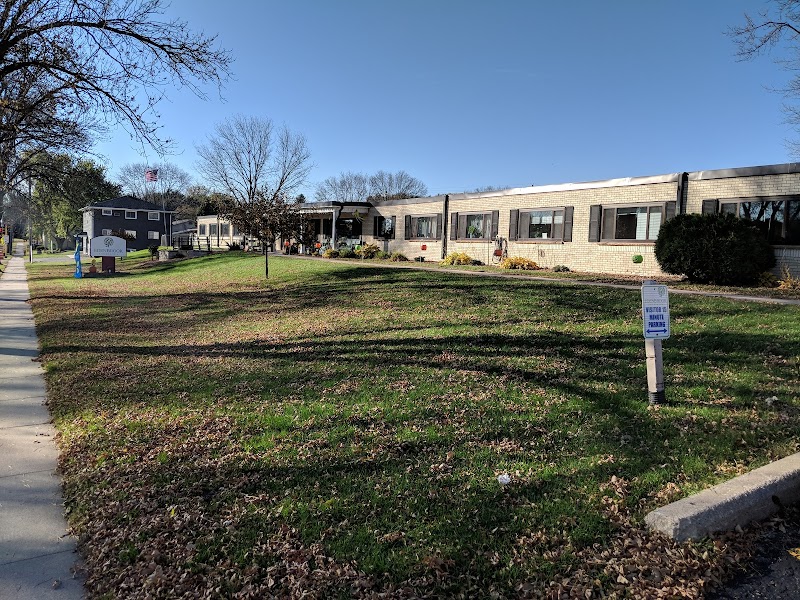
Who Owns and Operates Edenbrook Of Rochester?

EDENBROOK OF ROCHESTER is owned by a for-profit company. For-profit facilities operate as businesses with obligations to shareholders or private owners. The facility is operated by EDEN SENIOR CARE, a chain that manages multiple nursing homes. With 81 certified beds and approximately 52 residents (about 64% occupancy), it is a smaller facility located in ROCHESTER, Minnesota.
How Does Edenbrook Of Rochester Compare to Other Minnesota Nursing Homes?

Compared to the 100 nursing homes in Minnesota, EDENBROOK OF ROCHESTER's overall rating (1 stars) is below the state average of 3.2, staff turnover (51%) is near the state average of 46%, and health inspection rating (1 stars) is much below the national benchmark.

What Should Families Ask When Visiting Edenbrook Of Rochester?

Based on this facility's data, families visiting should ask: "What changes have been made since the serious inspection findings, and how are you preventing similar issues?" "Can I visit during a mealtime to observe dining assistance and food quality?" "How do you handle medical emergencies, and what is your hospital transfer rate?" "Can I speak with family members of current residents about their experience?" These questions are particularly relevant given the facility's Immediate Jeopardy citations.

Is Edenbrook Of Rochester Safe?

Based on CMS inspection data, EDENBROOK OF ROCHESTER has documented safety concerns. Inspectors have issued 1 Immediate Jeopardy citation (the most serious violation level indicating risk of serious injury or death). The facility has a 1-star overall rating and ranks #100 of 100 nursing homes in Minnesota. Families considering this facility should ask detailed questions about what corrective actions have been taken since these incidents.

Do Nurses at Edenbrook Of Rochester Stick Around?

EDENBROOK OF ROCHESTER has a staff turnover rate of 51%, which is about average for Minnesota nursing homes (state average: 46%). Moderate turnover is common in nursing homes, but families should still ask about staff tenure and how the facility maintains care continuity when employees leave.

Was Edenbrook Of Rochester Ever Fined?

EDENBROOK OF ROCHESTER has been fined $67,936 across 4 penalty actions. This is above the Minnesota average of $33,758. Fines in this range indicate compliance issues significant enough for CMS to impose meaningful financial consequences. Common causes include delayed correction of deficiencies, repeat violations, or care failures affecting resident safety. Families should ask facility leadership what changes have been made since these penalties.

Is Edenbrook Of Rochester on Any Federal Watch List?

EDENBROOK OF ROCHESTER is not on any federal watch list. The most significant is the Special Focus Facility (SFF) program, which identifies the bottom 1% of nursing homes nationally based on persistent, serious quality problems. Not being on this list means the facility has avoided the pattern of deficiencies that triggers enhanced federal oversight. This is a positive indicator, though families should still review the facility's inspection history directly.