EDENBROOK ROCHESTER WEST

2215 HIGHWAY 52 NORTH, ROCHESTER, MN 55901 (507) 288-1818
For profit - Corporation 48 Beds EDEN SENIOR CARE Data: November 2025 4 Immediate Jeopardy citations
Trust Grade
0/100
#287 of 337 in MN
Last Inspection: October 2024

Within standard 12-15 month inspection cycle. Federal law requires annual inspections.

Overview

Edenbrook Rochester West has received a Trust Grade of F, indicating significant concerns about the quality of care, placing it among the lowest-rated facilities in Minnesota. It ranks #287 out of 337 statewide, which means it is in the bottom half of nursing homes, and #7 out of 8 in Olmsted County, with only one local facility performing worse. While the facility has shown some improvement in recent years, reducing issues from five in 2024 to one in 2025, it still reported a concerning 40 total issues during inspections, including allegations of abuse that were not thoroughly investigated and poor infection control practices that led to gastrointestinal illness among residents. Staffing is a relative strength, with a 4 out of 5-star rating and more RN coverage than 95% of facilities in the state, though the high staff turnover rate of 71% raises concerns about consistency in resident care. Additionally, the facility imposed fines totaling $14,518, which is average compared to other nursing homes, but families should be aware of the serious and critical incidents that have been reported.

Trust Score
F
0/100
In Minnesota
#287/337
Bottom 15%
Safety Record
High Risk
Review needed
Inspections
Getting Better
5 → 1 violations
Staff Stability
⚠ Watch
71% turnover. Very high, 23 points above average. Constant new faces learning your loved one's needs.
Penalties
✓ Good
$14,518 in fines. Lower than most Minnesota facilities. Relatively clean record.
Skilled Nurses
✓ Good
Each resident gets 109 minutes of Registered Nurse (RN) attention daily — more than 97% of Minnesota nursing homes. RNs are the most trained staff who catch health problems before they become serious.
Violations
⚠ Watch
40 deficiencies on record. Higher than average. Multiple issues found across inspections.
★☆☆☆☆
1.0
Overall Rating
★★★★☆
4.0
Staff Levels
★★☆☆☆
2.0
Care Quality
★☆☆☆☆
1.0
Inspection Score
Stable
2024: 5 issues
2025: 1 issues

The Good

  • 4-Star Staffing Rating · Above-average nurse staffing levels
  • Full Sprinkler Coverage · Fire safety systems throughout facility
  • No fines on record

Facility shows strength in staffing levels, fire safety.

The Bad

1-Star Overall Rating

Below Minnesota average (3.2)

Significant quality concerns identified by CMS

Staff Turnover: 71%

24pts above Minnesota avg (46%)

Frequent staff changes - ask about care continuity

Federal Fines: $14,518

Below median ($33,413)

Minor penalties assessed

Chain: EDEN SENIOR CARE

Part of a multi-facility chain

Ask about local staffing decisions and management

Staff turnover is very high (71%)

23 points above Minnesota average of 48%

The Ugly 40 deficiencies on record

4 life-threatening 1 actual harm
Sept 2025 1 deficiency 1 IJ
CRITICAL (J) 📢 Someone Reported This

A family member, employee, or ombudsman was alarmed enough to file a formal complaint

Immediate Jeopardy (IJ) - the most serious Medicare violation

Quality of Care (Tag F0684)

Someone could have died · This affected 1 resident

**NOTE- TERMS IN BRACKETS HAVE BEEN EDITED TO PROTECT CONFIDENTIALITY** Based on interview and record review the facility failed to identify, assess, monitor, and follow physicians' orders for signs a...

Read full inspector narrative →
**NOTE- TERMS IN BRACKETS HAVE BEEN EDITED TO PROTECT CONFIDENTIALITY** Based on interview and record review the facility failed to identify, assess, monitor, and follow physicians' orders for signs and symptoms of hypoglycemia (low blood sugar) for 1 of 3 residents (R1) who had diagnosis of diabetes. This resulted in an immediate jeopardy (IJ) situation for R1 who had continuous low blood sugars without treatment that resulted in hospitalization with hypoglycemia. The IJ began on 8/29/25 at 4:00 p.m., when interventions were not implemented to prevent hypoglycemia. The facility did not notify the provider and R1's blood sugars continued to drop until he was sent to the ED on 8/30/25 at 1:20 a.m. The administrator, director of nursing (DON), assistant director of nursing ADON), regional nurse consultant (RNC), activity director (D), health unit coordinator (HUC), and licensed social worker (LSW) were notified of the IJ on 9/4/25 at 5:14 p.m. The immediacy was removed on 9/5/25, but noncompliance remained at the lower scope and severity level 2 (D), which indicated no actual harm with potential for more than minimal harm that is not immediate jeopardy.Findings include:According to the American Diabetes Association (ADA) the recommendations for target blood sugar levels are: Before a meal (pre-prandial): Typically, between 80 and 130 mg (milligrams/deciliter); Two hours after starting a meal (postprandial): Less than 180 mg/dL According to the ADA, hypoglycemia is defined as a blood glucose level below 70 mg/dL (3.9 mmol/L). Hypoglycemia is further categorized into three levels: Level 1 is below 70 mg/dL but above or equal to 54 mg/dL (3.9-3.0 mmol/L), Level 2 is below 54 mg/dL (<3.0 mmol/L), and Level 3 is a severe event requiring assistance, regardless of the glucose level. R1's admission minimum data set (MDS) dated [DATE], identified R1 was admitted on [DATE] and discharged to a hospital on 8/30/25. Further identified R1's cognition was intact and had diagnoses of diabetes mellitus, rhabdomyolysis (A breakdown of muscle tissue that releases a damaging protein into the blood that can cause damage to the kidneys).R1's order summary dated 8/27/25, included the following orders for diabetic management:-Metformin (oral medication given to reduce blood sugar levels) 1000 milligrams (mg) twice daily for diabetes (start date 8/27/25).-Glimepiride (medication used to increase insulin secretion resulting in lowered blood sugar levels) 2 mg twice daily for diabetes (start date 8/27/25). -Accu-Chek (blood glucose monitoring system) every morning and evening and PRN (as needed) -(start date 8/27/25).-If Blood Sugar (BS) <70 and resident is symptomatic and not alert, give 1 mg Glucagon (an injectable medication used to counter the effects of insulin to raise blood glucose levels) intramuscular/subcutaneous (IM/SQ). Recheck blood glucose in 15 minutes. Repeat if resident is not alert and symptomatic. If resident is now alert, BS <70 and symptomatic, give orange juice or tube of Glucose gel (medication used hypoglycemia to raise blood glucose when it becomes dangerously low). Recheck blood sugar in 15 min. If BS >70 and not symptomatic, do not treat. If BS <70 and resident is alert, symptomatic or asymptomatic, give orange juice or tube of Glucose Gel followed by a complex carbohydrate. Recheck blood sugar in 15 minutes as needed for monitoring (Start date 8/28/25)-8/28/25 Glucagon Emergency Kit 1mg, inject 1 dose IM as needed for blood sugar <60, use if resident is unresponsive. Notify MD (Start date 8/28/25) . -8/28/25 Glucose Gel 40 %, give 1 dose by mouth as needed for hypoglycemia- blood glucose of <70, symptomatic and alert, notify MD recheck blood sugar in 15 minutes (Start date 8/28/25).R1's care plan identified a focus, the resident has Diabetes Mellitus, dated 8/28/25, with interventions dated 8/28/25 to Monitor/document/report as needed any sign/symptoms of hypoglycemia: Sweating, Tremor, Increased heart rate (Tachycardia), Pallor, Nervousness, Confusion, slurred speech, lack of coordination, Staggering gait and Fasting Serum Blood Sugar as ordered by doctor. R1's Blood glucose vital summary document identified blood sugar at 7:59 a.m. on 8/29/25 was 81. R1's plan of care response form identified on 8/29/25, R1 ate 75%-100% for breakfast. R1's medication administration record (MAR) for 8/29/25, identified Metformin1000 mg and Glimepiride 2 mg was signed as given on 8/29/25 at 8:00 a.m. when R1's blood sugar was 81.According to FDA Glimepiride starts working within about an hour, peak concentration is 2 to 3 hours after dose taken and the glucose-lowering effect is maintained for 24 hours after a single dose.R1's plan of care response form identified on 8/29/25, R1 ate 75%-100% for lunch. R1's record did not identify a blood sugar recording between 7:59 a.m. and 4:49 p.m. R1's blood glucose vital summary document identified blood sugar documented at 4:50 p.m. R1's blood sugar was 54 and R1's plan of care response form identified on 8/29/25, R1 ate 50% of his meal. In review of R1's record on 8/29/25 identified there was no indication R1 was assessed for signs/symptoms of hypoglycemia nor physician orders followed that directed intervention if the blood sugars were less than 70 that included administration of medications and/or give carbohydrates to raise the blood sugar and notify the physician. Further no indication R1's blood sugar was rechecked after R1 completed his meal.R1's MAR on 8/29/25, at 8:00 p.m. identified R1 was administered both Metformin1000 mg and Glimepiride 2 mg even though there was no indication R1's blood sugar was checked prior to the administration of the medications that would lower blood sugar. On 8/29/25 R1's Blood glucose vital summary document identified blood sugar at 9:05 p.m. R1's blood sugar was 39. In review of R1's record there was no indication the physician was notified after R1's blood sugar was 39 nor was there evidence R1 was continuously monitored and assessed for signs and symptoms of hypoglycemia. R1's Situation, Background, Assessment, and Recommendation (SBAR) note dated 8/29/25 at 9:45 p.m., identified R1 had Diabetes type 2, blood sugar during daytime was 81, blood glucose at 4:00 p.m. (which was inconsistent with the documentation in the vital summary), was 54, had eaten a half sandwich for dinner, now is 39. R1 was alert and oriented and not exhibiting signs and symptoms of hypoglycemia, R1 got IM glucagon 1 mg injection from emergency kit and blood sugar will be checked again in 15 minutes. Review of R1's record MAR indicated the glucagon was not documented as given. R1's blood glucose vital summary document identified blood sugar on 8/29/25 at 10:05 p.m. was 86. According to the Food Drug Administration (FDA) the Glucagon Injection the blood glucose concentration rises within 10 minutes of injection and maximal concentrations are attained at approximately 30 minutes after injection. The duration of hyperglycemic action after intravenous or intramuscular injection is 60 - 90 minutes.R1's blood glucose vital summary document identified blood sugar on 8/30/25 at 12:20 a.m. was 51. R1's late entry progress note for 8/30/25 identified R1 was transferred to the emergency department at 1:30 a.m. R1's ED to hospital admission notes dated 8/30/25 to 9/5/25, identified R1was admitted to the ED at 1:31 a.m. for hypoglycemia with a history of diabetes where he was receiving oral medications. R1 was recently hospitalized for rhabdomyolysis and discharged to Edenbrook Rochester [NAME] on 8/30/25. R1 presented to the ED from skilled nursing facility (SNF) for hypoglycemia and lethargy, endorsing symptoms of weakness, lightheadedness and dizziness. R1's glucose was 29 upon arrival prompting administration of intravenous (IV) dextrose (a sterile solution of glucose and water, administered directly into a patient's vein to restore blood glucose levels) 25 grams. R1 was admitted for continued evaluation and management. Upon admission to the hospital R1 continued to be persistently hypoglycemic requiring frequent dextrose injections and continuous D10 infusion (an IV solution containing 10% dextrose (D-glucose) in water, used to increase blood glucose levels). Per R1 history it was believed to be driven by Glimepiride. R1 returned to normal glycemic state on D10 infusion around 24 hours following his last Glimepiride dose. During a phone interview on 9/4/25 at 2:12 p.m., hospital registered nurse (HRN)-A stated R1 was admitted early morning of 8/30/25, and his primary diagnosis was hypoglycemia. When R1 arrived at the ED his blood glucose was 29. HRN-A stated regulating R1's blood glucose levels to normal ranges took about 16 hours and R1 was still in the hospital.During a phone interview on 9/8/25 at 11:22 a.m., R1 stated he has no recollection of the day at the facility when he was sent to the hospital for hypoglycemia. During an interview on 9/4/25 at 4:30 p.m., registered nurse (RN)-B stated she was the nurse that was responsible for R1 on 8/29/25 from 2:00 p.m. until 10:30 p.m. R1 was a new resident, and it was the first time she worked with him. RN-B checked R1's blood sugar at 4:00 p.m. At 4:50 and it was 54, she gave him orange juice. R1 questioned why he had to drink the juice, RN-B stated she explained to R1 it was very risky to have a blood sugar that low and if we don't do something he could die from it. RN-B stated she never called the provider for further direction for the blood sugar of 54. Then R1 had supper between 5:00-6:00 p.m.; he ate about a half white bread sandwich, ham, mayonnaise, and cheese. RN-B explained R1 told her he only ate half the sandwich because he did not like it, and she did not offer him any other food. RN-B stated at 8:00 p.m., she did give R1 1000 mg of Metformin and 2 mg of Glimepiride and stated she did not think to call the provider to see if it would be safe to give the medications. When she checked his blood sugar at 9:30 p.m., (which was inconsistent vital summary indicating 9:05) he was down to 39, that's when she gave him the glucagon injection. RN-B could not recall if she documented giving the glucagon and stated she did not call the on-call provider to get further instruction rather faxed an SBAR to the provider. RN-B stated she did work two days later after the event and typically worked at this facility three times a week. RN-B stated she had not received any education regarding diabetic monitoring or when to notify the provider with a change in condition.During a phone interview on 9/9/25 at 9:31 a.m., RN-C stated she worked the night shift on 8/29/25, she got to the facility at about 9:50 p.m. RN-C explained she received report from RN-B that R1 had low blood sugars, had some orange juice, a half a sandwich and required glucagon. RN-B was not told the times R1 was given orange juice/sandwich, what time the glucagon was administered, and R1 was still in the facility. RN-C indicated she had not immediately gone to evaluate R1, and some time had passed (could not recall how long) by the time she got to R1's room to check his blood sugar. When RN-C did check the sugar (documented at 12:20 a.m.) it was 51 and at that time R1 was kind of groggy. RN-C left R1's room, consulted with RN-A and it was decided to give orange juice and call the physician. RN-C brought R1 orange juice then left the room again to call the physician. RN-C explained she was on the on the phone for quite a while (did not know how long) trying to get through to an on-call provider and the person on the phone finally told her he would have a provider call her back. RN-C then went back to R1's room, she did not recheck the blood sugar because R1 was sleeping had 1/2 glass of orange juice in his hand that was tipped, and there was no point because the blood sugar would not have gone up in the time she was gone. RN-C then left the room again to talk to RN-A, decided to just call 911 and get R1 sent to the hospital. R1 was transferred out on 8/30/25 at 1:20 a.m. RN-A had only taken R1's blood sugar one time between 10:50 p.m. and 1:20 a.m. RN-C stated the nurse at the hospital called and reported R1's blood sugar was 29 when he got to the hospital. That was so dangerous to have a blood sugar that low. During an interview on 9/4/25 at 1:42 p.m., RN-A stated she was the charge nurse on 8/29/25. RN-A indicated at 9:30 p.m. RN-B came running down the hallway with glucagon injection in one hand and a glucometer in the other reporting R1's blood sugar was 39. RN-A stated she had not been aware of the blood sugar of 54 at supper time. RN-A directed RN-B to give Glucagon, check blood sugars every 15 minutes, and notify the provider. RN-A went to R1's room, his mentation was not great, woozy could not complete sentences and only could answer yes/no questions. She would not have considered R1 to have the ability to speak for himself because of the way he was speaking/acting because of his low blood sugars. R1 was sent to the hospital for further evaluation. However, RN-A reported her concerns to the director of nursing (DON). RN-A stated R1 had elevated risk of death from hypoglycemia with the predisposing diagnosis of rhabdomyolysis if he had not been sent the ED. During an interview on 9/4/25 at 1:28 p.m., DON stated she expected nurses to follow the hypoglycemic protocols with assessment and monitoring, providing emergency medications, and notify the provider. She expected for blood glucose under 50 the nurse would give emergency med, notify the provider and recheck every 15 minutes. DON verified the protocols were not followed and should have been. DON confirmed RN-B had not been provided any education nor had any other staff. The DON identified RN-B last worked on 8/31/25 and remained on the current schedule.During an interview on 9/4/25 at 1:22 p.m., medical doctor (MD)-A stated R1's low blood sugars may have been low related to the rhabdomyolysis and stated she would have expected to be notified if a resident's blood glucose was under 70 and after giving the glucagon, especially since R1 was a newer admit and the facility was unaware of his baseline. After glucagon was administered blood glucose needed to be checked every 15 minutes until they are within normal range. MD-A indicated failing to identify and treat hypoglycemia would result in further decreasing blood sugars and decline in mental status.Facility policy, Care of the Diabetic Resident, revised 6/30/25, identified a purpose to assist the resident to establish a balance between diet, exercise, and insulin; prevent recurrence of hyperglycemia/hypoglycemia; recognize, assist, and document the treatment of complications commonly associated with diabetes; and individualize teaching according to carefully assessed resident and family needs. Diabetes Mellitus is a chronic, hereditary, or developmental disorder in which there is relative or absolute lack of insulin characterized by glucose intolerance. It is defined as Type I (Insulin-Dependent Diabetes Mellitus) and Type II (Non-Insulin-Dependent Diabetes Mellitus) .2.Hypoglycemia a. Signs and symptoms of hypoglycemia (low blood sugar), usually have a sudden onset and may include the following: i. polyphagia (excessive eating/hunger); ii. weakness, dizziness, or faintness; iii. nervousness and/or muscle twitching; iv. tachycardia (increased heart rate); v. pale, cool, moist skin; vi. excessive perspiration; vii. dilated pupils; viii. irritability or bizarre changes in behavior; ix. blurred or impaired vision; x. headaches; xi. numbness in the tongue and lips/thick speech; xii. trembling and/or restlessness; xiii. paralysis with tonic or clonic spasms; xiv. incontinent of urine; xv. awkward body movement; xvi. stupor, unconsciousness and/or convulsions; and xvii. coma. b. Upon presentation of symptoms, the licensed nurse should check the blood glucose level via an Accu-Chek. I. If an Accu-Chek reveals a blood glucose level below 70 mg/dl or level identified per individual physician orders, hypoglycemia should be suspected. 1. Should evidence of severe, or life-threatening signs/symptoms exist, contact the physician immediately or call 911. ii. If any of the above signs or symptoms, or other abnormal condition, are identified, report the diabetic resident's condition to the physician immediately. c. Follow the resident's individual hypoglycemic protocol, if ordered by a physician. If no individual protocol is ordered, update the physician based on clinical assessment and current blood sugar. d. Hypoglycemic Treatment Protocol i. Treat hypoglycemia promptly with 15 to 20 g of fast-acting (simple) carbohydrates for blood sugar less than 70 mg/dl. ii. Half cup (4oz) juice OR 1 cup (8 oz) skim milk OR glucose gel/tablets OR four sugar packets. iii. Glucagon 1 mg (subcutaneously or I.M.) is given by a licensed staff if the patient cannot ingest a sugar treatment, per physician orders. iv. Repeat the Accu-Chek and report findings to the physician v. Repeat the protocol only once if the blood glucose level remains less than 70mg/dl and report findings to the physician. 3. If any of the above signs or symptoms, or other abnormal condition, are identified, report the diabetic resident's condition to the nurse and/or physician immediately.The immediate jeopardy that began on 8/29/25, was removed on 9/5/25, when it was verified, the facility implemented the following corrective actions:-Educated licensed nursing staff and agency staff about diabetic management of hypoglycemia and hyperglycemia monitoring, assessing, treatments, physician notification and standards of documentation with competency testing.-Reviewed all current residents with diagnosis of diabetes to ensure blood glucose levels were within range, had diabetic protocols in place, care plans were accurate and provider orders were followed.-Reviewed facility Diabetic Monitoring and Change of Condition policies for accuracy
Dec 2024 1 deficiency
CONCERN (D) 📢 Someone Reported This

A family member, employee, or ombudsman was alarmed enough to file a formal complaint

Potential for Harm - no one hurt, but risky conditions existed

Deficiency F0692 (Tag F0692)

Could have caused harm · This affected 1 resident

**NOTE- TERMS IN BRACKETS HAVE BEEN EDITED TO PROTECT CONFIDENTIALITY** Based on observation, interview and document review the facility failed to ensure food preferences were comprehensively assessed...

Read full inspector narrative →
**NOTE- TERMS IN BRACKETS HAVE BEEN EDITED TO PROTECT CONFIDENTIALITY** Based on observation, interview and document review the facility failed to ensure food preferences were comprehensively assessed, a physician ordered nutritional supplement was available for administration and further failed to obtain physician ordered daily weights for 1 of 3 residents (R1) with impaired nutrition to help maintain adequate nutritional status that was consistent with the residents nutritional assessment, reviewed for weight loss. Findings include: Nutritional supplement: refers to products that are used to compliment a residents dietary needs (e.g., calorie or nutrient dense drinks .and meal replacement products). R1's order summary dated 2/20/24, identified an order to daily call MD if weight change of 3 pounds in 1 day or greater than 7 pounds in 1 week every day. An additional order dated 6/27/24, for Boost Breeze (a nutritional fruit flavored drink that provides extra calories and protein) every day at HS for additional nutritional support. On 8/27/24, identified to provide ProHeal (a liquid protein supplement for maximum protein content and absorption) give 1 ounce every day due to dialysis. R1's care plan revised 3/7/24, identified a problem, R1 was at risk for altered labs related to CKD (chronic kidney disease (when your kidneys are severely damaged and have stopped working properly, or are very close to failure) stage 5 with dialysis with potential for weight fluctuations. Goal revised 9/17/24, identified R1 will be free of signs and symptoms of dehydration, pertinent labs will remain within normal limits. Interventions revised 3/7/24, identified to record weight per facility protocol/MD orders. Monitor intake per facility protocol. R1's care plan did not identify and address goals for the physician ordered nutritional supplements and did not identify R1's food preferences. R1's annual Minimum Data Set (MDS) dated [DATE], identified R1's cognition was intact and had diagnoses of CKD stage 5, dialysis dependent (treatment that helps people with kidney failure by removing waste and excess fluids from the blood), left and right Below Knee Amputation (BKA) and diabetes. R1's height was 63 inches, and his weight was 120 pounds, had a loss of 5% or more in the last month or loss of 10% or more in the last 6 months, was not on a prescribed weight loss plan by the MD and received a therapeutic diet. Further identified it was very important to have snacks available in between meals. R1's Nutritional assessment dated [DATE], identified R1 did not have a nutrition problem, was 63 inches and weighed 124.6 pounds and his usual body weight was 125 - 167 pounds in the last year which identified R1 had a significant weight change. R1 reported he liked most foods with the exception of pork .smaller carbohydrate portions given due to history of diabetes .received nutritional supplements and fortified foods. R1's current average meal intake was 2 meals per day on average, occasionally refused meals, and occasionally accepted snack between meals. R1 received regular renal diet, was independent with eating, no chewing or swallowing disorders and R1's current diet order/oral nutritional supplement(s) order provided adequate calories/protein to meet estimated nutritional needs. Continue current nutrition care plan, care plan was reviewed and updated. R1's Weight Vital Signs dated 12/10/24 identified R1 had weights taken on the following days: -10/16/24: 130.4 pounds -10/22/24 118.2 pounds -10/29/24: 114.6 pounds -11/5/24: 114.2 pounds -11/12/24: 114.2 pounds -11/28/24: 114 pounds R1's medical record reviewed and lacked documentation of daily weights as identified per MD orders and further lacked information that MD was notified of not following MD orders for further guidance with the monitoring of R1's weights. R1's Dialysis Fluid record reports identified the following weights: -10/23/24: 119.1 pounds -11/4/24: 119.7 pounds -11/13/24: 116.2 pounds -11/20/24: 116 pounds -11/26/24: 121 pounds -12/6/24: 116 pounds -12/9/24: 113.3 pounds R1's Medication Administration Record (MAR), dated November 2024, identified that R1 received 100% of nutritional supplements with the exception of the following dates: ProHeal: -11/20/24, 11/24/24 through 11/27/24, and 11/29/24 -11/21/24 received 50% -11/28/24 received 40% Boost Breeze: -11/4/24, 11/14/24, 11/15/24, 11/23/24, 11/27/24, 11/28/24 and 11/29/24 received 50% -11/5/24, 11/16/24, 11/17/24, 11/28/24, 11/20/24, 11/21/24, 11/21/24, 11/22/24, 11/25/24, and 11/26/24, was not received. R1's MAR dated December 2024, identified that R1 did not receive any of the ProHeal or Boost Breeze supplements, the spaces were either left blank, had a 2 which identified drug refused or a 9 indicating to see the progress note. R1's nutrition/dietary progress note dated 10/10/24, identified R1 was being monitored monthly due to high risk due to dialysis .supplement 8 ounces of Boost Breeze daily for additional nutritional support and ProHeal 1ounce daily for additional protein due to dialysis 100% .weights every day .eats 50 to 100% of meals, refuses occasionally, additional fluids offered between meals, accepts snacks 25%, renal Register dietician (RD) noted that resident may be ordering food from restaurants and bringing food in .RD will monitor monthly at high risk and follow up prn, will continue to communicate with renal RD, Executive Dietician (ED) to check in with resident related to food preferences. R1's progress note dated 11/17/24 identified Boost Breeze for additional nutrition was on order. R1's nutrition/dietary progress note dated 11/18/24, identified R1 was being monitored monthly due to high risk due to dialysis .supplement 8 ounces of Boost Breeze daily for additional nutritional support 50 to 100% refused x 1, and ProHeal 1ounce daily for additional protein due to dialysis 100% .weights every day .eats 0 to 100% of meals, refuses occasionally, additional fluids offered between meals, accepts snacks less than 50 %, renal Register dietician (RD) noted that resident may be ordering food from restaurants and bringing food in .weight on 10/22/24 was 1182 pounds and on 11/12/24 was 112.2 pounds, intake does not appear to be adequate to meet Emergency Nutrition Network (ENN) with snacks and supplements, will change diet to regular portion size carbohydrates due to weight loss. 1) RD will monitor monthly at high risk and f/u prn. 2) Will continue to communicate w/ Renal RD, updating on sig weight loss and change to regular portion carbohydrate 3) ED to check in w/ res re: food preferences. 4) Will change to regular portion size carbohydrate due to weight loss, Nursing to update NP. R1's progress note dated 11/18/24 identified Boost Breeze for additional nutrition was on order. R1's progress note dated 11/20/24, at 9:33 a.m., identified daily weight not obtained before resident left for appointment. R1's progress note dated 11/20/24 identified Boost Breeze for additional nutrition was on order. R1's progress note dated 11/21/24 identified Boost Breeze for additional nutrition was on order. R1's progress note dated 11/22/24 identified Boost Breeze for additional nutrition was on order. R1's progress note dated 12/2/24 identified daily weight was refused and ProHeal was refused made resident vomit. R1's progress note dated 12/2/24 identified no supply of Boost Breeze found. R1's progress note dated 12/3/24 identified daily weight and ProHeal was refused. R1's progress note dated 12/4/24 identified daily weight refused and ProHeal not given made him nauseated. R1's progress note dated 12/5/24 identified daily weight and ProHeal was refused. R1's progress note dated 12/7/24 identified daily weight refused and ProHeal not given made him sick. R1's progress note dated 12/8/24 identified daily weight and ProHeal was refused. R1's progress note dated 12/9/24 identified daily weight and ProHeal was refused. Review of Residents medical record there was no indication the physician was notified of R1's refusals to obtain the physician ordered daily weights nor evident the physician and/or RD was notified of R1's refusals to consume the nutritional supplement offered or the availability of the nutritional supplements so that alternative interventions if any could prescribed. R1's record did not include a comprehensive evaluation that addressed R1's behavior of refusing/rejecting the supplements for the development and implementation of alternative individualized interventions Furthermore, R1's record did not identify a physician evaluation that identified or determined R1's weight loss was expected and/or planned. During an interview on 12/10/24 at 2:21 p.m., R1 was lying in bed. Interview was performed via phone language interpreter. R1 stated, I do not like any of the food the facility has here, I do not like it, it is awful and has no taste. R1 stated he can't eat the breakfast here because the eggs are overcooked and taste bad. One year ago, my weight was 160 pounds and today I take a bath and weigh me, and I am 112 pounds. When asked if there was anything that could be done to help gain the lost weight back, R1 stated he needed the food he liked because the food here makes him nauseated, and he will only eat the food his son brings. When asked if nutritional supplements were offered, R1 stated sometimes they offer them but preferred the juice-based ones because the milk-based ones burn his stomach. During an interview on 12/10/24 at 10:06 a.m., nursing assistant (NA)-B stated R1 preferred Mexican food and very rarely ate the facility food. NA-B further stated she was usually unable to get him to eat breakfast unless he was really hungry. NA-B indicated R1 liked all authentic Mexican food, tamales, and all kinds of beans, scrambled and fried eggs. NA-B indicated R1 never refused to get weighed and his weight needed to be done without his clothes or prosthetics in the morning for an accurate reading using the full body mechanical lift weight. NA-B stated she did R1's weight today and was 114 pounds and indicated R1 was sleeping this morning so breakfast was not offered. During an interview on 12/9/24 at 2:13 p.m., NA-A stated R1 was very upset at another staff member yesterday because the staff member brought in a tray of the facility food. He yelled at her and called her horrible names, he told me he wanted his tamales from the refrigerator heated up. NA-A stated she heated up his tamales and R1 ate all of them, after he was done eating, he told me he was so upset because he was so hungry. NA-A stated R1 has asked to go to the store for him to get him a can of pinto beans and heat them up in the microwave for him, but NA-A was unable to because she does not drive. NA-A indicated R1 was not a daily weight and only got a weight on his bath day. During an interview on 12/9/24 at 1:54 p.m., licensed practical nurse (LPN)-A indicated R1 was a daily weight and verified his weights were not performed daily due to refusals. LPN-A indicated R1 always refused his ProHeal because it made him nauseated and was not aware that he was supposed to receive Boost Breeze nutritional supplement. LPN-A reviewed the medical record and stated R1's weights have not been performed per MD orders and was not receiving his nutritional supplements ProHeal and Boost Breeze daily as ordered. LPN-A stated the provider was not notified that R1 was not receiving his nutritional supplements and of the weight refusals and should have been. LPN-A further stated R1's meal intake is not that great, rarely eats breakfast, he has lost weight, will not eat the facility food, and only liked Mexican food that R1's son would bring in. During an interview on 12/9/24 at 2:33 p.m., registered nurse (RN)-A stated R1 had not been refusing his Boost Breeze nutritional supplements, we haven't had them available in the building to give him, it's been a couple weeks. RN-A indicated R1 would only eat Mexican food, when we try to give him facility food, he will not eat it. RN-A stated R1 was supposed to have daily weights every morning and was not sure if he had lost weight. RN-A stated she had documented in R1's medical record that the nutritional supplements were not given because they were not available to give. During a phone interview on 12/9/24 at 4:09 p.m., registered dietician (RD)-A stated she was a new employee with the facility on 12/2/24 but had reviewed R1's medical record and noted a concern with his weight loss. RD-A stated R1 was not getting daily weights as ordered along with not always receiving his nutritional supplements. RD-A further stated she would prefer to be notified right away when a resident is not receiving supplements along with several days of low food intakes. RD-A was notified the facility did not have any Boost Breeze available and indicated Boost Breeze was a juice flavored nutritional supplement versus a milk based one and was ordered due to his refusals of the milk-based supplements. RD-A stated the nutritional supplements were ordered to provide additional nutrition, protein, and calories to help maintain R1's nutrition and weight loss. RD-A further stated she would need to confer with R1's dialysis registered dietician (RD) to ensure identified interventions are put in place for R1 due to his high risk for malnutrition and weight loss and would need very close monitoring of his nutritional intake. During a phone interview on 12/10/24 at 11:04 a.m., dialysis nurse manager (DNM)-A stated R1 received dialysis once a week to clean his blood, we do not pull fluid from him. DNM-A indicated R1 did not bring any lunch to his appointments but would be offered a protein shake Novosource which is a milk-based supplement. DNM-A stated sometimes R1 would drink one towards the end of his appointment. DNM-A stated R1 last had dialysis on 12/9/24 and his pre-dialysis weight was 113.6 and post dialysis weight was 118.4 pounds. DNM-A further stated she gave R1 saline fluids to keep his blood pressure up so post weights are typically more than the pre-weights. DNM-A stated R1's food preferences were authentic Mexican food, yesterday R1's family brought Mexican food to him here to take back to the facility with him. During an interview on 12/9/24 at 2:38 p.m., director of nursing (DON) reviewed R1's medical record and indicated R1 had recent weight loss, acknowledged R1's MD orders for weight monitoring and notification, and stated R1's weights were not being provided daily and the provider had not notified. DON indicated an unawareness that R1 was only eating the food his son would bring in. DON stated they had been out of the Boost Breeze due to being bought out my another company and the ordering was not followed through. Facility policy and procedure, Diet and Diet Orders, revised 12/11/23, identified Policy: All diets will be prescribed by the Attending Physician. The Dietitian will review diets for accuracy and therapeutic goals and recommend changes to the Physician as deemed appropriate. Liberalized diets will be provided whenever applicable to improve quality of life and provide optimum nutrition without the use of restrictive diets. When necessary, the Attending Physician will order therapeutic or mechanically altered diets to address certain diseases and/ or facilitate oral intake . Responsibilities: Dietitian - Monitor compliance with policy by ensuring accuracy of diets and communicating changes or recommendations. Ensures that care plan is updated with diet changes. Food Service Director/Dietary Manager - Ensures that food provided is consistent with diet order and that tray card accurately reflects resident/patient diet order and food preferences.
Oct 2024 4 deficiencies
CONCERN (D)

Potential for Harm - no one hurt, but risky conditions existed

Assessment Accuracy (Tag F0641)

Could have caused harm · This affected 1 resident

**NOTE- TERMS IN BRACKETS HAVE BEEN EDITED TO PROTECT CONFIDENTIALITY** Based on observation, interview, and record review, the facility failed to appropriately assess for broken/missing teeth and dif...

Read full inspector narrative →
**NOTE- TERMS IN BRACKETS HAVE BEEN EDITED TO PROTECT CONFIDENTIALITY** Based on observation, interview, and record review, the facility failed to appropriately assess for broken/missing teeth and difficulty chewing for 1 of 1 (R24) resident. Findings include: R24's 8/27/24, admission Minimum Data Set (MDS) assessment identified her cognition was moderately impaired. R24's diagnosis list identified diagnosis of moderate protein calorie malnutrition, paranoid schizophrenia, dementia, and weakness. R24's oral assessment dated [DATE], indicated R24 had her own teeth and does not wear dentures, has chewing problems and R24 would be a regular diet with thin liquids with a care plan intervention to provide diet as ordered. R24's Nutritional assessment dated [DATE], identified R24 ate independently, was on a regular diet, had no difficulty chewing or swallowing, and would be given a supplement three times daily. The assessment summary identified the current diet order remains appropriate, resident appears to be tolerating diet texture and consistency, and current diet order/oral nutritional supplement order provides adequate calories/protein to meet estimate nutritional needs. The summary further identified R24 should continue current nutrition plan of care and care plan had been reviewed and updated. R24's 8/21/24, care plan item identified she was at risk for inadequate intake related to recent hospitalization due to dizziness, with interventions of eating independently, provide diet as ordered, and record weight per facility protocol/MD [medical doctor] orders. During an observation and interview on 10/22/24 at 12:40 p.m., R24 was seated at the edge of her bed with an overbed table in front of her with a meal tray on the table. Her plate had a whole potato with unopened packet of sour cream and butter on the side, R24 attempted to open the sour cream but was unable to. Included on the plate was an open-faced chicken sandwich with large bite size pieces of chicken mixed with gravy on top of a bun, green beans, and a mixed fruit cup on the side. R24 placed a bite of the chicken in her mouth, chewed it up and spit it back out on her spoon. She placed the chewed food to the side of her plate then took another bite, chewed the food and then again spit it out on the spoon and laid it to the side of her plate. R24 said she cannot chew the meat stating, this would be good if it was done right, the sauce is good, but I can't chew the meat. During the observation a nursing assistant (NA)-A looked into the room and said she was just checking to see if R24 was done eating, she then closed the door. During and interview on 10/22/24 at 12:54 p.m., NA-A said she offered assistance to R24 when she dropped of her meal tray, she said R24 doesn't like people to help her, she identified she could have opened her sour cream prior to bringing the tray into her room but she did not think of that at the time. During an observation and interview on 10/23/24 at 8:53 a.m., R24 identified she has difficulty chewing, she opened her mouth to reveal no top teeth and several missing lower teeth. During an observation and interview on 10/23/24 at 12:33 p.m., R24, meal tray was on the overbed table in front of her, food items included whole boneless, chicken breast, mixed vegetables, and a dinner roll. R24 looks at her plate and stated same old same old, R24 points to the chicken breast and states I can't eat that, I don't have any top teeth. I need a blender so I can blend my food up so I can eat it. R24 said it was not anyone fault she can't eat the food, it's just her teeth. She asked surveyor if someone could give her a ride to the store to get a blender. During an interview on 10/23/24 at 3:24 p.m., registered dietitian (RD), identified she completes the nutritional assessment for residents at the facility. She determines the need for a mechanically altered diet by looking at the doctor orders and reviewing the nursing progress notes or from feedback at the interdisciplinary team meeting (IDT). RD identified she had completed a preference assessment with R24, and she had told her staff cut up her food. RD stated, I didn't really pursue it much more since that. RD identified they do not observe the resident eating as part of their assessment and agree R24 should have been evaluated by speech therapy if she had missing teeth and difficulty chewing. The RD identified she works for the facility 8 hours a week, of those hours she currently works 5 hours every other week on site and the rest of the hours are completed remotely. The facility provide Nutritional Assessment guidelines from the Food & Nutrition Services which identified the assessment process includes identifying and assessing the resident's nutritional status and risk factors, evaluating the assessment information, developing, and consistently implementing pertinent approaches, monitoring the effectiveness of interventions, and revising them as needed. The assessment should be completed with residents who are at risk for unplanned weight loss or compromised nutritional status. The guidelines identify the elements of the assessment which includes general appearance such as cognitive status, affect, oral health, and dentition.
CONCERN (D)

Potential for Harm - no one hurt, but risky conditions existed

Deficiency F0760 (Tag F0760)

Could have caused harm · This affected 1 resident

Based on observation, interview and document review the facility failed to ensure an insulin FlexPen was appropriately primed prior to insulin administration for 1 of 2 residents (R14) who received sl...

Read full inspector narrative →
Based on observation, interview and document review the facility failed to ensure an insulin FlexPen was appropriately primed prior to insulin administration for 1 of 2 residents (R14) who received sliding scale (SS) insulin. Findings include: During an observation and interview on 10/22/24 at 4:32 p.m., registered nurse (RN)-A prepared to administer R14's SS insulin dose. R14's blood glucose (BG) reading checked on 10/22/24 at 4:26 p.m. was 264. The physician orders for SS Novolog Aspart insulin (FlexPen) identified the dose to be administered as 8 units. RN-A checked the pen against the MAR, removed the pen cap, dialed the pen to 2 units and depressed the plunger. She then obtained a package containing the needle for the pen, and additional supplies and preceded to R14's room. RN-A performed hand hygiene, applied gloves, wiped the end of the pen with an alcohol pad and attached the needle. She then dialed the pen to 8 units, and prepared to administer the insulin dose. RN-A was interrupted and she and the surveyor exited the room, where RN-A was asked about priming the pen without the needle attached. She responded was the way she had always done it and reported she was not aware the needle should be attached prior to priming the pen. RN-A responded she was glad to learn this, and stated she had received training which included medication administration, but she was not aware of the FlexPen package insert detailing the correct method of applying the needle, then priming with 2 units to remove the air before dialing the ordered insulin dose. Review of the manufacture's steps for use of a FlexPen included: 1.) check the label to ensure the pen contains the ordered form of insulin 2.) Pull off the pen cap 3.) Pull off the outer needle cap. Keep it to remove the needle from the pen after injection, pull off the inner needle cap and dispose of it. 4.) Turn the dose selector to 2 units 5.) Hold the FlexPen with the needle pointing upwards. Tap the cartridge gently with your finger a few times to make any air bubbles collect at the top of the cartridge. 6.) Keep the needle upwards and press the push-button all the way in. The dose selector should return to 0. A drop of insulin should appear at the needle tip. If not, change the needle and repeat the procedure no more than 6 times. If a drop still does not appear, you must use a new FlexPen. 7.) Turn the dose selector to select the number of units you need to inject. 8.) Push the needle into the skin, press the dose button until you reel or hear a click and the dose indication lines up with 0. Hold for 6 seconds and remove it. 9.) Guide the needle back into the outer needle cap and when completely on unscrew the needle and dispose of in a sharps container. Interview on 10/22/24 at 4:45 p.m., director of nursing (DON) and the corporate nursing consultant who was also in attendance identified the facility had a policy on administration of medication which included insulin's, and staff had all been trained on medication administration. She reported her expectation for nursing staff to read and follow the policy, and/or manufacture's instructions for use of an insulin pen, in addition to any other medication. Review of the January 2022 Medication Administration Subcutaneous Insulin from the Nursing Care Center Pharmacy & Procedure Manual Contained photo instructions on administration of insulin with a pen. The policy clearly explained how to attach and detach the needle safely, prime the pen, administer the ordered insulin dose, and safely remove the needle following the administration.
CONCERN (D)

Potential for Harm - no one hurt, but risky conditions existed

Infection Control (Tag F0880)

Could have caused harm · This affected 1 resident

**NOTE- TERMS IN BRACKETS HAVE BEEN EDITED TO PROTECT CONFIDENTIALITY** Based on observation, interview, and record review the facility failed to ensure utilization of proper personal protective equip...

Read full inspector narrative →
**NOTE- TERMS IN BRACKETS HAVE BEEN EDITED TO PROTECT CONFIDENTIALITY** Based on observation, interview, and record review the facility failed to ensure utilization of proper personal protective equipment (PPE) with cares for 1 of 2 residents (R8) evaluated for enhanced barrier precautions (EBP). Findings include: R8's quarterly Minimum Data Set, dated [DATE] indicated R8 was cognitively intact with no behaviors, limited range of motion to both upper and lower extremities, frequent incontinence of bowel and bladder, G-tube (tube surgically placed in stomach), and tube feeding (liquid nutrition provided via g-tube) R8's face sheet indicated diagnoses of Parkinson's disease, severe protein-calorie malnutrition, nutritional anemia, and gastrostomy status. R8's orders indicated check tube placement before initiation of formula, medication administration, and flushing tube every 8 hours, flush tube with 20-30 ml of water before and after medications, check and record residuals, Compleat (brand of liquid nutrition) intermittent gravity 2.5 cans/day. ½ can at 9 am, 1 can at 2 pm, and 1 can at 9 pm. Water flushes of 90 ml before and after feeding. It also indicated enhanced barrier precautions d/t tube feeding. R8's careplan indicated risk for inadequate intake related to Parkinson's disease and need for supplemental enteral nutrition, incontinence of urine/bowel, assist with daily hygiene, grooming, dressing, oral cares and eating as needed. Bed mobility assist of 1-2, EZ stand lift (brand of lift used to assist residents to a standing position) for transfers and need for physical assist with transfers related to physical limitations. It also indicated feeding tube related to need for nutritional support. During observation and interview on 10/23/24 at 8:10 a.m., NA-A was wearing gloves and a hospital gown while providing cares for R8. NA-A assisted resident to a sitting position on the edge of bed. NA-A positioned the EZ stand in front of resident. NA-A assisted R8 to standing position and transferred the resident to the wheelchair. NA-A removed the resident's gown, provided underarm care, and assisted R8 with donning undergarments and shirt. NA-A then removed linens off bed and placed them on the floor and straightened remaining linens. NA-A picked up linens off the floor and placed them in an empty bag. NA-A removed hospital gown by pulling it over their head placing it in dirty laundry bag, removed gloves and washed hands. NA-A put on new gloves, gathered garbage and linens, and placed them in soiled utility room. During interview, NA-A stated residents are placed on EBP if they have devices such as catheters and g-tubes. NA-A stated staff would wear blue plastic gowns and gloves for incontinence cares and other close contact with residents. NA-A confirmed wearing a hospital gown and should have worn a disposable blue gown. During interview on 10/23/24 at 9:28 a.m., the infection preventionist (IP) stated EBP are implemented for residents with catheters, g-tubes, central lines, and some wounds to prevent the spread of multidrug resistance organisms (MDROs). PPE is required for resident cares and transfers. The IP stated signs are placed on the residents' doors identifying the level of precautions, the type of PPE to be warn, and the resident interactions require PPE. The IP stated the expectation is for staff to read the signs on a resident's door and apply the appropriate PPE prior to entering the residents' room. The IP confirmed NA-A should have worn a blue disposable gown to provide cares to R8. During interview on 10/23/24 at 11:40 a.m., the director of nursing (DON) stated staff are expected to wear the proper PPE for residents on transmission-based precautions to prevent the spread of MDRO's. The DON confirmed NA-A should have worn a disposable blue plastic gown when providing cares to R8. A policy titled Enhanced Barrier Precautions dated 8/8/24, indicated EBP is implemented for the prevention of transmission of MDRO's. EBP is initiated for residents with chronic wounds and/or indwelling medical devices such as central lines, urinary catheters, feeding tubes and tracheostomies/ventilator tubes. PPE (gowns and gloves) are to be donned for high-contact resident care activities such as dressing, bathing, transferring, hygiene, changing linens, and changing briefs/assisting with toileting. It is also required for indwelling device care and wound care. A policy titled Personal Protective Equipment dated 3/17/23 indicated the facility promotes appropriate use of PPE to prevent the transmission of pathogens to residents, visitors, and other staff. Gowns are worn to protect arms, exposed body areas, and clothing from contamination with blood, body fluids, and other potentially infectious material. Dispose of gowns into the appropriate waste receptacle.
CONCERN (E)

Potential for Harm - no one hurt, but risky conditions existed

Food Safety (Tag F0812)

Could have caused harm · This affected multiple residents

Based on observation, interview, and document review the facility failed to ensure food temperatures were monitored consistently prior to serving to prevent risk of food born illness. The facility fur...

Read full inspector narrative →
Based on observation, interview, and document review the facility failed to ensure food temperatures were monitored consistently prior to serving to prevent risk of food born illness. The facility further failed to maintain a clean refrigerator and freezer for food storage. This had the potential to affect all 28 residents residing at the facility. Findings include: During dining/kitchen tour on 10/21/24 at 2:30 p.m., with dietary manager (DM) identified resident refrigerator in the dining room adjacent to the kitchen was to have loose debris laying on the bottom , unknown sticky substance spilled on bottom and on the shelves. In addition, items were not labeled to identify what items belonged to what residents. Observation of the freezer located in the basement of the facility had loose frozen carrots on the bottom, looked like ice buildup on top shelf, and frost around the door. DM reported cleaning the refrigerator and the freezer are shared by nursing and dietary staff. DM revealed there was no cleaning log or schedule to ensure completion. DM further identified they are to be getting a new freezer in the basement and is why it is has not been cleaned. During the evening meal on 10/21/24 at 5:07 p.m., cook (C-A) who checked the temperature of all food on the steam table. The temperature of the puree pasta was 98.9 and the puree ground beef was 142.7. C-A recorded the temperatures on the Service Line Checklist form and continued set up the area in preparation for serving. C-A then started to dish up the meal after looking at the meal slips. C-A proceeded to dish up puree pasts and was about to place it on the plate when surveyor asked C-A what the holding temperature for the food on the steam table should be and [NAME] A replied 140. Surveyor asked about the temperature of the pasta being 98.9 and C-A paused and said he needed to heat it up. During an observation on 10/22/24 at 11:50 a.m., DM-B was dishing up the noon meal. DM dished up a plate of puree food included chicken, mashed potatoes, gravy, and vegetables. DM took temperature of the food on the steam table; puree chicken at 111 degrees and the mashed potatoes at 123 degrees. DM indicated the holding temperature should be 145 degrees and he then proceeded to place the plate in the microwave to warm it up. Service Line forms which contained the food temperatures reviewed for October 1, 2024 through noon meal of October 22, 2024 indicated: 10/4/24 One temperature documented for hot cereal and not other temperatures monitored. 10/7/24 All meals had documentation of temperature monitoring completed. 10/8/24 Breakfast was monitored, lunch main entree was monitored, but no other food temperatures were recorded. 10/9/24 All meals temperatures were documented. 10/10/24 All meals temperatures were documented. 10/11/24 Breakfast and lunch had completed temperatures logged, however no other temperatures logged for dinner. 10/13/24 All meals had documented temperatures. 10/14/24 No temperatures for pureed foods at lunch and dinner. 10/15/24 All meals had documented temperatures. 10/16/24 All meals had documented temperatures. 10/17/24 Pureed food (broccoli) had temperature monitored for lunch and the alternate puree was monitored also for dinner. 10/18/24 Only pureed meat was monitored for temperature at lunch and no pureed food monitored at dinner. 10/19/24 All meals had temperatures monitored. 10/20/24 No temperatures were monitored for breakfast or lunch. No pureed food monitored for temperature for dinner 10/21/24 Lunch had no meat or starch pureed temperature monitored. 10/22/24 Breakfast temperature was monitored, and lunch was not. And six days no temperatures taken of food prior to serving. During an interview on 10/22/24 at 12:10 p.m., DM-B confirmed he had not checked the temperature of the food prior to dishing up for service. During an interview on 10/23/24 at 2:15 p.m., Regional Dietary Manager (RDM-C) indicated the expectation was for the cook to monitor food temperatures prior to serving the meal to ensure safe serving temperatures. During an interview on 10/23/24 at 3:21 p.m., dietician indicated their role was to oversee sanitation audits, review temperature logs, and assess residents for dietary needs. The dietician reported the cleanliness of the resident refrigerator has been a concern and she has been monitoring this. She confirmed food not held at appropriate holding temperature could be a risk to residents for food born illness. She identified her expectations would be food temperatures were monitored prior to being served to assure the proper temperature was maintained. Interview on 10/23/24 at 4:45 p.m., director of nursing indicated she would expect kitchen staff monitor the food temperatures to assure appropriate safe serving temperatures to prevent food born illnesses.
Nov 2023 4 deficiencies
CONCERN (D) 📢 Someone Reported This

A family member, employee, or ombudsman was alarmed enough to file a formal complaint

Potential for Harm - no one hurt, but risky conditions existed

Deficiency F0561 (Tag F0561)

Could have caused harm · This affected 1 resident

**NOTE- TERMS IN BRACKETS HAVE BEEN EDITED TO PROTECT CONFIDENTIALITY** Based on observation, interview and document review the facility failed to ensure waking times were honored for 1 of 1 residents...

Read full inspector narrative →
**NOTE- TERMS IN BRACKETS HAVE BEEN EDITED TO PROTECT CONFIDENTIALITY** Based on observation, interview and document review the facility failed to ensure waking times were honored for 1 of 1 residents (R2) for choices. Findings include: R2's admission Minimum Data Set (MDS) dated [DATE], indicated R2's did not have cognitive impairment. R2's quarterly psychosocial assessment, dated 11/27/23, identified R2 was Spanish speaking, under section 5. Culturally competent care included a focus of cultural/ethnic preferences: Spanish speaking services when needed. The assessment did not identify interventions to provide choice making activities. R2's care plan dated 10/23/23 did not identify R2's preferences for waking times and daily routines. R2 required assistance from two staff for bed mobility, toileting, and transfers and required assist of one staff for personal hygiene. During an observation and interview on 11/29/23 at 11:48 a.m., R2 was dressed in facility gown lying in bed. R2 explained he did not like to get up early and preferred to get up after lunch. He was not asked upon admission about times he would like to wake. R2 stated he could not get up out of bed on his own and [NAME] would offer to get him out of bed on the evening shift. During an interview on 11/30/23 at 3:27 p.m., register nurse (RN)-B and licensed practical nurse (LPN)-A indicated an unawareness of R2's preferences for waking times. During an interview on 11/30/23 at 3:56 p.m. assistant director nursing (ADON), indicated R2's preference of waking time was not assessed on admission and should have been. ADON was not aware of times R2's preferences to awaken for the day. During an interview on 11/30/23 at 3:54 p.m. director of nursing (DON) was not aware of R2's preferences for waking time. Resident preferences for wake/sleep schedule should be assessed on admission. DON reviewed R2's record and indicated R2's admission assessment for preferences was not filled out. Facility policy requested for resident choices was requested and not received. Facility policy comprehensive care plan dated 9/30/22 indicated it is the policy of this facility to develop and implement a comprehensive person-centered care plan for each resident, consistent with resident rights, that includes measurable objectives and timeframes to meet a resident's medical, nursing, and mental and psychosocial needs that are identified in the resident's comprehensive assessment. 1.The care planning process will include an assessment of the resident's strengths and needs and will incorporate the residents personal and cultural preferences in developing goals of care. Services provided or arranged by the facility, as outlined by the comprehensive care plan, shall be culturally- competent and trauma-informed.
CONCERN (D) 📢 Someone Reported This

A family member, employee, or ombudsman was alarmed enough to file a formal complaint

Potential for Harm - no one hurt, but risky conditions existed

Comprehensive Assessments (Tag F0636)

Could have caused harm · This affected 1 resident

**NOTE- TERMS IN BRACKETS HAVE BEEN EDITED TO PROTECT CONFIDENTIALITY** Based on observation, interview and document review the facility failed to complete a comprehensive assessment for food preferen...

Read full inspector narrative →
**NOTE- TERMS IN BRACKETS HAVE BEEN EDITED TO PROTECT CONFIDENTIALITY** Based on observation, interview and document review the facility failed to complete a comprehensive assessment for food preferences for 1 of 1 residents (R2) who preferred foods consistent with R2's culture. Findings include: R2's admission Minimum Data Set (MDS) dated [DATE], indicated R2's cognition was intact with diagnoses of diabetes and chronic kidney disease. MDS identified R2 was independent withe eating and did not identify R2's preferences for food choices. R2's care plan dated 10/23/23, did not identify R2's food choices/preferences. R2's Nutritional assessment dated [DATE], indicated R2 had a history of liking most foods with the exception of pork and was satisfied that the food is hot. The assessment did identify R2's food choices pertaining to cultural or individualized preferences to ensure adequate nutritional needs were met. R2's internal medicine visit dated 10/30/23, indicated R2 had nausea which limited his intake, R2 stated it's because he does not like the facility food. R2's progress note dated 11/7/23 at 1:00 p.m., R2 was educated on the importance of eating and preventing low blood sugar. R2's progress note dated 11/26/23 at 1:08 p.m., R2 refused lunch but ate Cheetos, cookies, and Mountain Dew. R2 stated he did not like lunch, offered sandwich or an alternate food option, R2 declined. R2's Nutritional assessment, dated 11/27/23, indicated R2 had a history of liking most foods with the exception of pork and was satisfied that the food is hot. R2's progress note dated 11/27/23 at 12:29 p.m., indicated R2 had a care conference, only eats when R2 feels like it, and prefers to eat a lot of junk food and snacks. During an observation and interview on 11/29/23 at 11:49 a.m., R2 was dressed in facility gown lying in bed. Interpreter was present as R2 was Spanish speaking. When asked if food preferences were being met R2 indicated they were not and that he would like Mexican food and the hamburger was too tough here. During an interview on 11/30/23 at 2:25 p.m., registered dietician (RD)-A indicated with new admissions the dietary manager assesses residents for food preferences. RD-A indicated R2 did not have a food preference assessment completed and should have been completed within the first 48 hours and then should be completed quarterly. RD-A was not aware of R2's preference for Mexican food. During an interview on 11/30/23 at 3:16 p.m., dietary manager (DM)-A indicated he started one month ago and has bee mainly working as a cook. DM-A has not been trained in the role of dietary manager yet. DM-A has not assessed any residents for the food preferences since he started. DM-A stated he has not noticed anyone wanting to have specific preferences other than the regular meals served. During an interview on 11/30/23 at 3:33 p.m., nursing assistant (NA)-B indicated R2 does not like the facility food. NA-B stated, family will bring in traditional food but that isn't right. NA-B indicated an unawareness of how communication with kitchen staff to let them know when resident does not like food. During an interview on 11/30/23 at 3:27 p.m., registered nurse (RN)-B and licensed practical nurse (LPN)-A both indicated R2 did not like the food and his family would bring him traditional Mexican food. Both indicated they were not aware of any specific food preferences other than R2 liked his cultural Mexican foods. During an interview on 11/30/23 at 3:54 p.m., director of nursing (DON) indicated an unawareness that R2 preferred Mexican food, also indicated the care plan was not updated to reflect it. DON stated, we should be able to get him some Mexican food incorporated. Facility policy, Dining and Food Preferences, revised 9/2017, indicated individualized dining, food, and beverage preferences are identified for all residents. 2. The Dining Service Director, or designee, will interview the resident or resident representative to complete a food preference interview within 48 hours of admission. The purpose of identifying individual preferences for dining location, meal times, including times outside the routine schedule, food, and beverage preferences. 3. The food preference interview will be entered in the medical director. 4. Food allergies, food intolerances, food dislikes, and food and fluid preferences will be entered into the resident profile in the menu management software system. 6. The Dining Service Director, RDN or other clinically qualified nutrition professional, or designee, will enter information pertinent to the individual meal plan in the plan of care.
CONCERN (D) 📢 Someone Reported This

A family member, employee, or ombudsman was alarmed enough to file a formal complaint

Potential for Harm - no one hurt, but risky conditions existed

Deficiency F0694 (Tag F0694)

Could have caused harm · This affected 1 resident

**NOTE- TERMS IN BRACKETS HAVE BEEN EDITED TO PROTECT CONFIDENTIALITY** Based on observation, interview, and document review, the facility failed to ensure a peripherally inserted central catheter (PI...

Read full inspector narrative →
**NOTE- TERMS IN BRACKETS HAVE BEEN EDITED TO PROTECT CONFIDENTIALITY** Based on observation, interview, and document review, the facility failed to ensure a peripherally inserted central catheter (PICC) was appropriately managed based on professional standards of practice and in accordance with physician orders for 1 of 1 resident (R2) reviewed for intravenous (IV) medications. Findings include: R2's hospital after visit summary (AVS) dated 10/4/23 to 10/23/23, R2 underwent placement of a PICC line for two weeks of antibiotics for MSSA (Meticillin-Sensitive Staphylococcus aureus (MSSA)-a blood stream infection) to be discontinued on 10/30/23. After antibiotic therapy PICC line will be removed. R2's admission Minimum Data Set (MDS) dated [DATE], indicated R2's cognition was intact and included diagnoses of MSSA. MDS did not identify any IV medications. R2's order summary dated 11/10/23, included an order for normal saline flush solution 10 milliliter (ml) intravenously as needed (PRN) for PICC patency. The order did not include a scheduled routine and only directed PRN with no direction on when the flush would be required to maintain patency. The orders also included, IV-PICC transparent dressing change on admission then weekly and PRN daily every seven days and monitor IV PICC site for signs and symptoms of infection every shift. R2's medication administration record (MAR) from October and November 2023 were reviewed and lacked documentation of flushing R2's PICC line. From 10/23/23 to 11/18/23, the MAR indicated R2's PICC dressing was not changed as ordered. Additionally, MAR indicated IV PICC site was not monitored for signs and symptoms of infection every shift per provider order from 10/23/23 to 11/9/23. R2's progress note dated 11/29/23 at 4:01 p.m., indicated R2's left upper chest central line flushed well. Last dressing change was 11/22/23. During an observation and interview on 11/29/23 at 11:48 a.m., R2 was dressed in facility gown lying in bed. R2 pointed at his PICC line on his upper left chest area; R2 indicated that was for antibiotics and received them while he was hospitalized . R2 indicated he did not receive any IV antibiotics while in the facility. During the conversation R2 picked at the PICC line dressing from time to time. The bottom of PICC dressing was peeling back about half way, the dressing was dated 11/22/23. During an interview on 11/30/23 at 10:19 a.m., registered nurse (RN)-A indicated R2's PICC line should be flushed and monitored daily for signs and symptoms of infection. RN-A indicated there was no spot on the MAR to document the PICC flushes and was unsure why it had never been documented on R2's MAR. During an observation on 11/30/23 at 11:16 a.m., R2 was lying in bed wearing a facility gown, date on PICC dressing was dated 11/22/23, dressing peeled back on the bottom of the dressing. RN-A was observed to flush 10 ml of normal saline in R2's PICC line for patency. During an interview on 11/30/23 at 10:31 a.m. DON indicated an unawareness of why R2's PICC flushes were not scheduled on the MAR. DON stated physician orders for R2's PICC line should have been followed since admit on 10/23/23; orders were not followed to include timely dressing changes and flushes to keep PICC line patent. DON indicated that R2 currently has PICC line and was unsure when it was supposed to be removed. During an interview on 11/30/23 at 2:56 p.m., medical director stated professional standards of practice to keep a PICC line open for patency was to flush with normal saline 10 ml daily. Risks of not flushing the PICC line would be occlusion and not changing the PICC dressing as ordered includes a risk of infection. Facility policy for IV maintenance was requested and not received.
CONCERN (D) 📢 Someone Reported This

A family member, employee, or ombudsman was alarmed enough to file a formal complaint

Potential for Harm - no one hurt, but risky conditions existed

Deficiency F0760 (Tag F0760)

Could have caused harm · This affected 1 resident

**NOTE- TERMS IN BRACKETS HAVE BEEN EDITED TO PROTECT CONFIDENTIALITY** Based on observation, interview and document review the facility failed to accurately transcribe and administer an intravenous (...

Read full inspector narrative →
**NOTE- TERMS IN BRACKETS HAVE BEEN EDITED TO PROTECT CONFIDENTIALITY** Based on observation, interview and document review the facility failed to accurately transcribe and administer an intravenous (IV) antibiotic, cefazolin (an antibiotic to treat moderate to severe bacterial infections) for seven days and omitted four doses of an injectable medication, Retacrit (an injectable medication used to treat anemia due to chronic kidney disease to decrease the need for a blood transfusion) per provider orders for 1 of 3 residents (R2) reviewed for medication administration. Findings include: R2's hospital after visit summary (AVS) dated 10/4/23 to 10/23/23, identified R2 was hospitalized for osteomyelitis (inflammation of bone caused by infection) and had a left leg below the knee amputation. R2's developed a fever during hospital course. R2's work up resulted in Meticillin-Sensitive Staphylococcus aureus (MSSA-a blood stream infection caused by a bacteria) from the dialysis line. Dialysis line was removed and R2 was stabilized on IV antibiotics. Because of clinical improvement R2 underwent placement of a peripheral inserted central catheter (PICC) line for two weeks of antibiotics, to protect peripheral access for likely arteriovenous malformation (AVM) (an abnormal tangle of blood vessels that causes problems with the connections between your arteries and veins) for outpatient dialysis. On 10/24/23, R2 will start cefazolin IV give 1 gram daily for 7 days and on 10/27/23, will start Retacrit 10,000 unit/milliliter (ml) injection; give 1.15 ml under the skin once a week for 28 days. R2's hospital Discharge summary dated [DATE] indicated during hospitalization R2 was treated with Unasyn (an injectable antibiotic to treat bacterial infections on 10/23/23, R2 was switched to cefazolin and should continue this medication through 10/30/23. R2 was initiated with Aranesp (an injectable bone marrow stimulant used to treat anemia) for the management of chronic kidney disease (CKD) stage 5 (means kidneys are close to failure or have already failed). A prior authorization request has been submitted for R2 to continue weekly outpatient subcutaneous injections of Retacrit which is the alternative on formulary with his insurance. Please follow-up on the authorization and continue this medication as prescribed. R2's admission Minimum Data Set (MDS) dated [DATE] indicated R2 was admitted on [DATE], cognition was intact and included diagnoses of bacteremia, MSSA, diabetes, unilateral renal agenesis (born with one kidney), CKD stage 5, and anemia in CKD (when kidneys are damaged there is less erythropoietin (EPO), a hormone that signals your bone marrow-the spongy tissue inside most of your bones-to make red blood cells). R2's provider order summary dated 10/23/23, did not identify the hospital discharge orders for cefazolin or Retacrit. R2's nurse practitioner (NP) visit dated 10/24/23, indicated a plan to continue cefazolin through 10/30/23 for MSSA bacteremia, remove PICC line at the end of antibiotic therapy. R2 was initiated on Aranesp (bone marrow stimulant) for anemia of CKD5. A prior authorization request has been submitted for him to continue weekly outpatient subcutaneous injections of Retacrit, which is the alternative on formulary with his insurance. Please follow up the status of his prior authorization and continue this medication as prescribed. R2's medication administration record (MAR) from October and November 2023 were reviewed and identified cefazolin or Retacrit were not administered to R2. R2's progress note dated 10/28/23 at 5:15 p.m. indicated R2 developed a rash on arms, upper legs, and trunk. Medical doctor (MD)-A was notified and asked if R2 was on an antibiotic. R2 was not on an antibiotic. MD-A indicated he would review the chart further and thought R2 should be on an IV antibiotic, at 5:30 p.m. MD-A called back and was concerned about R2's antibiotic, MD-A was given the director of nursing's (DON) phone number due to nurse not being involved with R2's admission. R2's telephone provider encounter note, dated 10/28/23 indicated MD-A spoke with facility nurse and DON they were confident R2 had not received IV cefazolin. MD-A indicated R2 having missed five days of antibiotics, there was no point in restarting it as R2 was afebrile and vital signs are fine. Will send a note to NP about the error, DON will look further into what could have led to R2 not receiving the cefazolin as outlined in the dismissal summary. R2's medication error report dated 10/28/23, indicated it was discovered on 10/28/2023 R2 had been released from the hospital with an order for an antibiotic that was not continued upon arrival to facility. On-call provider was called as R2 had developed a rash and learned R2 should be on an antibiotic that was not being given. On call provider determined there were no active signs and symptoms of infection to support continuing the antibiotic. Root cause of error was transcription missed due to being embedded in discharge instructions instead of being listed as active medication. R2's nephrology visit dated 10/30/23, indicated R2 should be started on EPO, which was recommended at discharge, but was not sure R2 was receiving it, will doublecheck with the facility. R2's internal medicine visit, dated 10/30/23 indicated R2's hemoglobin dropped to 6.4 prior to dismissal from hospital and received one unit of packed red blood cells (PRBC), continue weekly Retacrit injections. R2's Nephrology visit dated 11/27/23 indicated R2 was not on any erythropoiesis-stimulating agent (ESA)-for treatment of anemia due to CKD in patients on dialysis and not on dialysis. R2 to start Aranesp 80 micrograms (MCG) monthly injections. Plan for MSSA indicated there was a miscommunication and the facility was not aware. R2 was supposed to have IV antibiotics and therefore had not been receiving them, today was supposed to be R2's last day. Will not initiate antibiotics, a report will be processed and root cause analysis of the event will be performed. Will remove PICC line. During an observation and interview on 11/29/23 at 11:48 a.m. R2 was dressed in facility gown lying in bed. R2 pointed at his PICC line and indicated this was for antibiotics and received them while R2 was hospitalized . R2 indicated he did not receive any IV antibiotics while in the facility. R2's medication error report dated 11/29/23 at 1:02 p.m. included during sample review with MDH it was noted R2 had an order for Retacrit at admission that was not transcribed or started. Order indicated medication was for end stage renal disease on dialysis. R2 was not on dialysis and nurse did not transcribe as the medication was usually given at dialysis. Nurse did not seek clarification of order, educated on need to confirm all orders and clarify any orders that are questionable. Provider notified at 1:16 p.m. During an interview on 11/29/23 at 2:30 p.m. consultant pharmacist (CP)-A indicated with new admissions normally I look at discharge medications when I do my pharmacy review The nurse practioner (NP)-A had already signed off on R2's medications, so CP-A assumed R2's medications were correct. CP-A did not see anything about R2's cefazolin IV antibiotic or Retacrit injections upon review, if it was identified recommendations would have been made. CP-A indicated this would be a significant medication error. CP-A indicated the facility had not notified them of the medication errors. During an interview on 11/29/23 at 3:01 p.m. DON indicated she did R2's admission and missed the cefazolin and Retacrit injections. DON usually looked at the AVS and not the dismissal summary for medication orders. DON stated, she was aware of R2's cefazolin being missed on 10/28/23, the on-call provider was upset but did not want it restarted. DON verified through R2's discharge summary that R2 should have gotten a weekly Retacrit injection starting 10/27/23 for 4 weeks and it was not done. DON stated, these are pretty significant medication errors. At 3:54 p.m. DON stated nurse practioner (NP)-A signed off on R2's orders and missed the cefazolin and Retacrit, as did CP-A. During an interview on 11/30/23 at 2:56 p.m. medical director stated, with new admission we encourage all of our facility staff to read the dismissal summary to ensure orders are transcribed. With any questions on the orders the staff should be calling the dismissing provider and not the on-call provider as the dismissing team knows the resident first hand for continuity of care. Facility policy, Medication Error Reporting and Adverse Reaction Prevention and Detection dated 9/2010, identified the facility utilizes a system to assure that medication usage is evaluated on an ongoing basis. Medication errors and adverse drug reactions are assessed, documented, and reported as appropriate to the residents attending physician and/or prescriber's, the Pharmaceutical Services Committee, the pharmacy, and Food and Drug Administration MedWatch Program or USP/ISMP Medication Error Reporting Program (when applicable).1. Medication Error/Variance shall be defined as any preventable event that may cause or lead to inappropriate medication use or resident harm while the medication is in the control of the health care professional, resident, or consumer. Such events may be related to professional practice, health care products, procedures, and systems, including prescribing, order communication, product labeling, packaging, nomenclature, compounding, dispensing, distribution, administration, education, monitoring and use. (National Coordinating Council for Medication Error Reporting and Prevention). 3. A. The prescriber is notified promptly of any significant error or adverse medication reaction, b. Any new prescriber's orders are implemented, and the resident is monitored closely for 24 to 72 hours or as directed. 8. ADRs and medication errors will be communicated to the provider pharmacy and the consultant pharmacist as they occur. When an incident appears to involve a problem with medication formulation or other aspects of medication quality, the information is given to the provider pharmacy for investigation of the incident and report to the medication quality reporting program, using the FDA MedWatch voluntary report form, if appropriate.
Nov 2023 14 deficiencies
CONCERN (D) 📢 Someone Reported This

A family member, employee, or ombudsman was alarmed enough to file a formal complaint

Potential for Harm - no one hurt, but risky conditions existed

Investigate Abuse (Tag F0610)

Could have caused harm · This affected 1 resident

Based on interview and document review, the facility failed to complete a thorough investigation to identify potential diversion for 1 of 1 resident (R134) whose Fentanyl narcotic pain patch was missi...

Read full inspector narrative →
Based on interview and document review, the facility failed to complete a thorough investigation to identify potential diversion for 1 of 1 resident (R134) whose Fentanyl narcotic pain patch was missing. Findings include: Review of 6/6/23, complaint submitted identified that on 6/5/23 at 6 a.m., nursing had discovered R134's fentanyl transdermal patch (medicated skin patch used to treat severe pain) was missing from her skin. Nurse reported that she had searched R134's skin, bedding, bathroom, and room and the fentanyl patch could not be found. The nurse applied a new patch and notified hospice. The report identified that the director of nursing (DON) requested the physician order an alternate medication regimen. The DON was notified that a Minnesota Adult Abuse Reporting Center (MAARC) report was submitted. R134's Face sheet printed 11/2/23, identified R134 was admitted to the facility in February of 2023, and was receiving hospice services while at the facility. R134's 7/5/23, quarterly Minimum Data Set (MDS) assessment identified R134's cognition was severely impaired. She had diagnosis of a blood clot, colon cancer, dementia, and required extensive assistance of staff for activities of daily living (ADL's). Review of nursing progress note entered in R134's 6/5/23, nursing progress note at 10:42 a.m., identified fentanyl patch was missing and hospice would be notified. Review of nursing progress note entered in R134's 6/5/23, nursing progress note at 3:12 p.m., the DON reported she spoke to medical director requesting to change from a fentanyl transdermal patch to an alternative pain medication because patches have been missing and she believes R134 is removing them and throwing them away. Review of nursing progress note entered in R134's 6/5/23, nursing progress note at 3:43 p.m., the DON reported fentanyl patch was discontinued and R134 would start a different pain medication. Interview on 11/2/23 at 10:58 a.m., with the DON identified she recalled the incident of the missing fentanyl patch from R134. They had looked in R134's bed linens and garbage but did not find the patch. She did not complete an investigation and had no documentation of any interviews with staff that had been working during the time that the fentanyl patch went missing. She was unable to identify if the facility had taken any steps to review their process to ensure it was effective in lowering the risk of drug diversion. The DON reported she did not know how to do a thorough investigation and had not been trained on investigations, she identified she was currently on a performance improvement project for her organizational skills. There was no policy or procedure related to drug diversion or investigations provided by the end of the survey.
CONCERN (D) 📢 Someone Reported This

A family member, employee, or ombudsman was alarmed enough to file a formal complaint

Potential for Harm - no one hurt, but risky conditions existed

Transfer Requirements (Tag F0622)

Could have caused harm · This affected 1 resident

Based on interview and record review, the facility failed to appropriately discharge 1 of 1 resident (R136) with known dementia with behaviors. The facility also failed to ensure policies related to d...

Read full inspector narrative →
Based on interview and record review, the facility failed to appropriately discharge 1 of 1 resident (R136) with known dementia with behaviors. The facility also failed to ensure policies related to discharge and transfers were reviewed yearly for appropriateness and accuracy. Findings include: R136 was admitted for respite (short period of rest and relief) stay at the facility on February 2023 with a diagnosis of Lewy body neurocognitive disorder (a progressive dementia that results from protein deposits in nerve cells of brain affecting movement, thinking skills, mood, memory, and behavior) dementia, heart failure, Parkinson's, hypertension and arthritis. R136's February 2023, medication administration record indicated clonazepam (sedative used for seizures, painic disorder and anxiety) 1 milligram (mg) at night for Parkinsons, Nuplazid (antipsychotic used to treat hallucinations and delusions cause by Parkinson's disease) 34 mg daily, Eliquis (blood thinner) 5 mg twice a day and melatonin (for sleep) 15 mg at night for insomnia. R136's 2/24/23, skilled progress note indicated R136 was alert with confusion, displayed behaviors, required observation and use of chair and bed alarm for fall prevention. R136's 2/25/23, late entry progress note identified: 1) 10:00 to 10:50 p.m., R136 was combative, yelling and was transferred to his wheelchair by staff and placed in the lobby for observation with chair alarm. 2) 10:50 p.m., a decision was made from the provider for R136 be sent to the local ED (emergency department) for evaluation related to R136 hitting the right side of his head on wall. In addition, the facility revealed to the provider that R136 was on blood thinners. 3)11:00 p.m., local law enforcement was contacted for R136 combative behavior. 4) 11:20 p.m., director of nursing was informed of R136 transfer to ED for evaluation related to his behavior. 5)12:00 a.m., Family member (FM-F) was contacted via phone of R136 transfer to local ED. 6) 3:00 a.m., the local ED notified the facility R136 was stable and safe to discharge back to facility. 7) 3:15 a.m., local ED informed the facility R136 had no psychiatric behaviors and was stable for discharge. The facility refused to take R136 back to the facility. 8) 3:25 p.m., facility informed the nursing home administrator they would not accept R136 back to the facility. 9) 3:30 a.m., R136 FM-F was informed the facility would not accept R136 back for his behavior that was displayed at the time of transfer to the ED. FM-F agreed to take R136 home from the local ED. Interview on 11/01/23 at 10:15 a.m., with director of nursing (DON) and regional nurse consultant (RNC-A) both agreed the facility based their decision to discharge and not accept R136 back to the facility on his behaviors that were displayed at the time of transfer to the ED and not after receiving medical treatment. There was no indication how the DON and RNC-A identified R136 was appropriate for admission based on criteria of the facility, or if the refusal of readmission following the ED visit was appropriate. Review of 7/15/22, Transfer and Discharge (including AMA (against medical advice) policy identified when a facility-initiated discharge occurred, the facility was to document that appropriate information was communicated to the receiving facility. The facility was able to discharge a resident if it was necessary for the resident's welfare, or their needs could not be met and must be documented by the resident's physician and be made at least 30 days before discharge or if the safety of individuals was endangered, notice was to be made as soon as possible. the facility was to document the danger the failure to discharge would pose. To discharge a resident to the hospital, the facility was required to obtain orders from the physician, provide a bed hold notice to the resident within 24 hours of transfer, and completed a Notification of Transfer or Discharge form. There was no indication the facility had reviewed the policy yearly to ensure accuracy and appropriateness.
CONCERN (D)

Potential for Harm - no one hurt, but risky conditions existed

PASARR Coordination (Tag F0644)

Could have caused harm · This affected 1 resident

**NOTE- TERMS IN BRACKETS HAVE BEEN EDITED TO PROTECT CONFIDENTIALITY** Based on interview and document review the facility failed to ensure a level II Pre-admission Screening and Resident Review (PAS...

Read full inspector narrative →
**NOTE- TERMS IN BRACKETS HAVE BEEN EDITED TO PROTECT CONFIDENTIALITY** Based on interview and document review the facility failed to ensure a level II Pre-admission Screening and Resident Review (PASARR) was completed for 1 of 1 resident who was admitted with a diagnosis of Schizoaffective disorder. Findings include: R18's electronic admission record identified R18 was admitted [DATE], with a diagnosis of Schizoaffective disorder upon admission and dementia. R18's admission Minimum Data Set (MDS) assessment identified that a Pre-admission Screening was completed and that the resident had been evaluated with a Pre-admission Screening (PAS I), dated 3/19/20, and OBRA: dated 3/23/20 on the PAS I, the option was checked which indicated that Senior LinkAge did not complete the screening, it was forwarded to a county/managed care organization for processing. The OBRA indicated that R18 did not have a major mental disorder diagnosis. Interview on 11/01/23 at 9:23 a.m., with Licensed Social Worker, (LSW) identified that the facility reviewed the pre-admission screener and PASARR Level I form when a resident was admitted . LSW also stated that R18's diagnosis was known at the facility when admitted , but a level II screening was not needed, based on the resident's provided PAS level I and OBRA screeners information. These screeners indicated that the resident did not have a mental health diagnosis, upon admission. This contradicted the resident's diagnosis. A PASARR policy was requested, however none was provided at the end of the survey.
CONCERN (D)

Potential for Harm - no one hurt, but risky conditions existed

Respiratory Care (Tag F0695)

Could have caused harm · This affected 1 resident

Based on observation, interview, and document review, the facility failed to ensure oxygen tubing was changed in a timely manner for 1 of 2 residents (R26) reviewed for respiratory care. Findings inc...

Read full inspector narrative →
Based on observation, interview, and document review, the facility failed to ensure oxygen tubing was changed in a timely manner for 1 of 2 residents (R26) reviewed for respiratory care. Findings include: R26's admission Record identified R26 had diagnosis which included Multiple Sclerosis, Spastic Hemiplegia, Chronic Respiratory Failure with Hypoxia and Sleep Apnea. R26's Care Plan directed staff to administer oxygen per MD orders, titrate for comfort, 1-4 liters (L). The care plan did not address oxygen tubing changes. R26's medical record lacked direction for oxygen tubing changes. On 10/30/23 at 7:26 p.m., R26 was observed in room, wearing oxygen via nasal cannula, the tubing was either dated for 10/8 or 10/18, the writing made it hard to distinguish if it was a slash between the 0 and 8 or a 1. On 10/31/23 at 10:00 a.m., R26 was observed in room, wearing oxygen via nasal cannula, that appeared to be the same the tubing that was either dated for 10/8 or 10/18, the writing made it hard to distinguish if it was a slash between the 0 and 8 or a 1. On 10/31/23 at 04:17 p.m., interview and observation with assistant director of nursing (ADON). ADON stated the facility's expectations are that the resident's oxygen tubing was changed by night nurse, at least once per week. This included oxygen tanks and nebulizers tubing. ADON further stated that the facility completed random room audits to ensure that oxygen tubing had been changed. ADON further confirmed that it was important to change the oxygen tubing to stop possible growth of bacteria and other organisms that could make the resident ill. The ADON accompanied the surveyor to R26's room to inspect R26's oxygen tubing. ADON stated it could not be determined if the date was 10/8 or 10/18, but that it should've been changed weekly. On 10/31/23 4:27 p.m., interview and observation with director of nursing (DON). The DON stated that oxygen tubing was changed by the night nurse at least once per week with a date, this was to be completed on Sunday as best practice by the facility. DON stated it was important to change the oxygen tubing to stop potential bacteria growth, and ensuring the tubing does not have a crack or hole in it that would prevent it from delivering oxygen. DON also stated that the facility conducted random room audits to check proper oxygen tubing labelling. The DON accompanied surveyor to R26's room, inspected R26's oxygen tubing. DON stated that the date listed on the tubing was vague, and could be 10/8 or 10/18, but should have been changed weekly. The facility policy on oxygen tubing was requested but the only policy provided did not mention direction for how often oxygen tubing should be replaced and/or labeled. The DON stated that while this was not indicated in the policy, it has been the best practice, and expectation, since she has been at the facility.
CONCERN (D)

Potential for Harm - no one hurt, but risky conditions existed

Medication Errors (Tag F0758)

Could have caused harm · This affected 1 resident

R185's 10/18/23, admission Minimum Data Set (MDS) assessment identified R185's cognition was moderately impaired, he had diagnosis of irregular heartbeat, recent stroke, hypertension, heart failure, k...

Read full inspector narrative →
R185's 10/18/23, admission Minimum Data Set (MDS) assessment identified R185's cognition was moderately impaired, he had diagnosis of irregular heartbeat, recent stroke, hypertension, heart failure, kidney failure, and weakness. R185 required moderate assistance with toileting, dressing and bed mobility and was dependent on staff for transfers. R185's undated care plan identified R185 was at risk for adverse effects related to use of an antipsychotic and staff should evaluate for side effects of medication, decrease or eliminate psychotropic medication, obtain labs as ordered and notify doctor of results, provide resident teaching of risks and benefits of medications, and report to physician signs of adverse reactions such as decline in mental status, decline in positioning or ambulation ability, lethargy, complains of dizziness or tremors. Review of R185's diagnosis list identified diagnosis of muscle weakness, lack of coordination, unsteady gait, type II diabetes, chronic kidney disease, chronic respiratory failure with hypoxia, poor vision, dysphagia, and stroke. R185's diagnosis list lacked any indication of a qualifying diagnosis for the use of antipsychotic medication. R23's 8/18/23, quarterly Minimum Data Set (MDS) assessment identified R1's cognition was moderately impaired, he had diagnosis of parkinson's, dementia, and chronic pain and required assistance with dressing. R23's undated care plan printed 11/2/23, identified R23 was at risk for adverse effects related to use of antipsychotic medication and staff should evaluate effectiveness and side effects of medication for possible decrease or elimination of psychotropic drugs. Care plan did not identify what symptoms or behaviors the antipsychotic medication was being used for. Review of R23's November of 2023, medication administration and treatment record identified R23 had been taking an antipsychotic Seroquel since 2/8/23, with a diagnosis listed of behavior disturbances. however, R23 did not have behavioral disturbances listed as an actual diagnosis. R23's MAR lacked identification of individualized target symptoms that the Seroquel had been prescribed to treat or alleviate. It is unknown if the ordered medications were effective as there were no target symptoms or behaviors identified to monitor for effectiveness. Interview on 11/2/23 at 1:14 p.m., with pharmacist identified she agreed with the above findings and would expect facility to ensure target behaviors are being monitored to identify the continued need and effectiveness of the antipsychotic medication. She would also have expected facility would ensure the appropriate diagnosis in place per CMS guidelines. Based on interview and document review, the facility failed to individualize the care plan to include target behaviors for psychotropic medication use for 1 of 1 (R12) resident. Additionally, the facility failed to have appropriate diagnoses for antipsychotic medication for 2 of 2 (R23 and R185) residents. Findings include: R12's 9/27/23, quarterly Minimum Data Set (MDS) assessment identified R12's cognition was impaired, R12 required staff assistance for cares, had one fall with minor injury since last assessment, took an antipsychotic medication on a routine basis, and had diagnoses of heart failure, hypertension, renal insufficiency, dementia, and schizoaffective disorder. R12's October 2023, Medication Administration Record (MAR) identified R12 had an order for Olanzapine 20 milligram (mg) by mouth at bedtime for schizoaffective disorder bipolar type and Sertraline HCL 150 mg by mouth every morning for schizoaffective disorder bipolar type and somatoform disorder. The MAR further identified an order for Olanzapine/Zyprexa side effect monitoring: observe for signs/symptoms these include but are not limited to: Somnolence (sleepiness), insomnia, agitation, headache, dizziness, tremor, and confusion every shift. There was also an order for antidepressant medication, monitor for sedation, drowsiness, dry mouth, blurred vision, urinary retention, tachycardia, muscle tremor, agitation, headache, skin rash, photosensitivity, excessive weight gain and if any new symptoms are observed to document in the progress notes every shift. The MAR lacked identification of individualized target symptoms that the Zyprexa or the Sertraline HCL had been prescribed to treat or alleviate. Unknown if either of the ordered medications were effective as there were no target symptoms or behaviors identified to monitor for effectiveness. R12's undated, care plan identified risk for behavior symptoms related to schizoaffective disorder bipolar type. R12 will accept care and medications from staff. Staff were to provide reassurance by answering questions with health-related concerns. Staff will use consistent approaches when assisting with cares. The care plan lacked identification of what the behavior symptoms were or had been in the past. The care plan further, identified at risk for adverse effects related to use of antidepressant medication and use of antipsychotic medication related to schizoaffective disorder. R12 would show minimal, or no side effects of medications taken. R12 would show improvement in mood and behavior. However, there was no mention of what the individualized target symptoms or behaviors were to monitor for effectiveness. Interview on 11/1/23 at 7:21a.m., with licensed practical nurse (LPN)-A identified that R12 had no behaviors and took the psychotropic medication because of her diagnosis of Schizophrenia. Interview on 11/1/23 at 2:44 p.m., with registered nurse consultant (RNC) identified that R12 should have had target behaviors identified that the medication was prescribed to treat per the facilities policy. Interview on 11/2/23 at 8:41 a.m., with director of nursing (DON) identified all residents receiving a psychoactive medication should have individualized target behaviors identified on the MAR for monitoring. She revealed her expectation was that residents receiving psychoactive medications would be monitored for effectiveness and in order to monitor if the medication was effective or not there would need to be target behavior to monitor. She revealed that R12's care plan had just been reviewed and if there were no target behaviors identified that must have just been missed. Review of 10/24/22, Psychotropic Medications policy identified residents will only receive psychotropic medications to treat specific conditions. The medication should be beneficial to the resident as demonstrated by the facilities documentation of the response to the prescribed medication. Residents prescribed psychotropic medications will have documented indication for the medication and target symptoms will be included in the documentation. The resident should have non-pharmacological interventions identified as well. Gradual dose reductions will be attempted unless contraindicated in an effort to discontinue the psychotropic medication. The effects of the psychotropic medications prescribed will be evaluated on an ongoing basis. The residents' symptoms and goals for the medication will be clearly documented. There is no indication the policy had been reviewed and updated yearly per the regulation.
CONCERN (D)

Potential for Harm - no one hurt, but risky conditions existed

Deficiency F0805 (Tag F0805)

Could have caused harm · This affected 1 resident

Based on observation, interview, and document review, the facility failed to provide an ordered therapeutic diet for 1 of 1 resident (R138) reviewed for provision of therapeutic diets. Findings includ...

Read full inspector narrative →
Based on observation, interview, and document review, the facility failed to provide an ordered therapeutic diet for 1 of 1 resident (R138) reviewed for provision of therapeutic diets. Findings include: R138's admission Record identified the following diagnoses history of stroke, dysphagia, type 2 diabetes mellitus, cirrhosis of the liver, fracture of left femur, muscle weakness, pulmonary fibrosis, chronic right heart failure, and anemia. R138's 8/29/23, admission Minimum Data Set (MDS) assessment identified R138's cognition was intact, he had no behaviors, required assistance with cares, took scheduled pain medication and rate pain a 5 on scale of 1 -10. R138 received daily insulin injections and was working with speech therapy, physical therapy, and occupational therapy. R138 had plans to return to the community. Review of 8/29/23, Nutritional Care Area Assessment identified R138's diet order as cardiac L2 mechanical textures (moist and soft-textured foods that are easy to chew), thin liquids. R138 had difficulty with chewing present related to edentulism (whole or partially toothless) and awaiting new dentures. R138's 8/22/23, care plan identified risk for nutritional status change related to edentulism (whole or partially toothless). Provide diet as ordered cardiac, L2 textures, thin liquids. Interview on 10/31/23 at 2:34 p.m., with therapy director identified that R138 was supposed to get his new dentures when he fell at home and broke his femur. She revealed that R138 had been seen by speech therapy and his diet had been addressed for safety. Observation on 11/1/23 at 8:49 a.m., of nursing assistant (NA)-G setting up R138's breakfast tray on his bedside table in his room. He had three round pieces of Canadian bacon that appear dry and overcooked, and he had a waffle. R138 took a bite of the waffle and stated, I can't chew that. NA-G responded to R138 she could see if she could get him something softer to eat. This writer asked NA-G to double check the tray ticket and when she did, she immediately apologized and stated she had given R138 the wrong tray. NA-G then took the tray of food and said she would be back with the correct food. NA-G returned shortly with another tray that contained hot oatmeal, some pudding, a banana, and a couple glasses of juice. Interview on 11/1/23 at 2:44 p.m., with registered nurse consultant (RNC) identified her expectation was that staff provided the correct diet to the residents as ordered. Staff were to check the tray ticket and validate that they are serving the correct meal to the correct resident. There was no policy on providing a therapeutic diet provided by the end of the survey.
CONCERN (D)

Potential for Harm - no one hurt, but risky conditions existed

Deficiency F0883 (Tag F0883)

Could have caused harm · This affected 1 resident

**NOTE- TERMS IN BRACKETS HAVE BEEN EDITED TO PROTECT CONFIDENTIALITY** Based on interview and document review, the facility failed to ensure 2 of 5 (R8, R12) resident were appropriately vaccinated ag...

Read full inspector narrative →
**NOTE- TERMS IN BRACKETS HAVE BEEN EDITED TO PROTECT CONFIDENTIALITY** Based on interview and document review, the facility failed to ensure 2 of 5 (R8, R12) resident were appropriately vaccinated against pneumococcal disease upon admission and/or offered updated vaccination per Centers for Disease Control (CDC) vaccination recommendations. Findings include: Review of the current CDC pneumococcal guidelines located at https://www.cdc .gov/vaccines/vpd/pneumo/hcp/pneumo-vaccine-timing.html, identified for adults [AGE] years of age or older, staff were to offer and/or provide based off previous vaccination status as shown below: a) If NO history of vaccination, offer and/or provide: aa) the PCV-20 OR bb) PCV-15 followed by PPSV-23 at least 1 year later. b) For PPSV-23 vaccine ONLY (at any age): aa) PCV-20 at least 1 year after prior PPSV-23 OR bb) PCV-15 at least 1 year after prior PPSV-23 c) For PCV-13 vaccine ONLY (at any age): aa) PCV-20 at least 1 year after prior PCV13 OR bb) PPSV-23 at least 1 year after prior PCV13 d) For PCV-13 vaccine (at any age) AND PPSV-23 BEFORE 65 years: aa) PCV-20 at least 5 years after last pneumococcal vaccine dose OR bb) PPSV-23 at least 5 years after last pneumococcal vaccine dose e) Received PCV-13 at Any Age AND PPSV-23 AFTER age [AGE] Years: aa) Use shared clinical decision-making to decide whether to administer PCV-20. If so, the dose of PCV-20 should be administered at least 5 years after the last pneumococcal vaccine. Review of 5 sampled residents for vaccinations identified: 1) R8 was [AGE] years old and was admitted in July of 2023. R8 received his PCV-13 on 10/26/15 and his PPSV-23 on 5/5/2008. There was no documentation to support R8 had been offered the PCV-20 to ensure he was updated with current CDC guidance for vaccines. 2) R12 was [AGE] years old and was admitted in December of 2022. R12 received his PCV-13 on 3/13/15 and his PCV-23 on 7/18/14. There was no documentation to support R12 had been offered the PCV-20 to ensure he was updated with current CDC guidance for vaccines. Interview on 11/01/23 at 4:30 p.m., with Infection Preventionist (IP) identified he confirmed residents were not offered and/administered PCV-15 or PCV-20 and lacked form of refusal of vaccine upon admission to the facility. Review of March 2023, facility Infection Prevention and Control Program policy indicates pneumococcal immunizations would be offered according to CDC recommendations upon admission.
CONCERN (E)

Potential for Harm - no one hurt, but risky conditions existed

Safe Environment (Tag F0584)

Could have caused harm · This affected multiple residents

Based on observation, interview, and document review, the facility failed to ensure 1 of 1 hall (200 wing) multi-resident bathroom ceiling, 1 of 1 dining room tiles and ceiling, 1 of 1 wing (200 wing)...

Read full inspector narrative →
Based on observation, interview, and document review, the facility failed to ensure 1 of 1 hall (200 wing) multi-resident bathroom ceiling, 1 of 1 dining room tiles and ceiling, 1 of 1 wing (200 wing) shower tile, 1 of 1 resident (R1) room wall, 4 of 4 hallway walls which were scuffed had been painted, 2 of 2 mechanical stand-lifts were maintained to have cleanable surfaces, and 1 of 1 entryway tiles was maintained to promote a safe, sanitary, and homelike environment. Findings include: Observations on 10/31/23 from 11:15 a.m., through 11:45 a.m. of the facility identified in the 200 wing shower room, directly above the wall heater unit, 1 tile was broken and half missing. Directly adjacent to that, a piece of sheet-rock, approximately 6 inches wide by 2 inches tall was missing from the wall. There were numerous spots of missing paint noted. The shower tiles were heavily soiled with a dirt-like substance that may be stained into the tile. On the door sill, numerous rust spots and paint chips were noted, and caulk in was loose and missing from around the edges of the shower. Across from the tub room was a resident bathroom room. In that room, there was a stand lift that was stored, missing paint on the foot pedal ring, making it an un-cleanable surface as it was bare metal. On the ceiling in that room, around the vent, there was pieces of ceiling that were missing, cracked and were broken. In the dining room, several tiles were pushed back in, exposing the artificial wall behind it. Directly under that, were missing chunks of ceiling that had not been patched or puttied. Numerous unpainted spots and scuffs were noted on most resident door frames, the majority of the 200 hallway walls, and dining room tiles were pushed in and the ceiling was cracked and missing plaster. Interview on 10/31/23 at 11:20 a.m., with nurse aide (NA)-F in the common-use resident bathroom on the 200 wing identified the ceiling around the exhaust fan was chipped and crack sand some parts were missing from the plaster. Maintenance doesn't fix them. She was unsure if any staff alerted maintenance to the needed repairs. Interview on 11/01/23 at 10:55 a.m. with the contracted housekeeping supervisor (HS)-A identified she worked for the contracted housekeeping service. Her staff never clean nor disinfect either shower room on the 100 or 200 wing. She thought it was the NA's responsibility to perform cleaning of the 2 shower rooms. Further interview on 11/1/23 at 11:21 a.m., with NA-F of the 200 wing shower room walls and floor identified she agreed the missing tiles on the wall were a hazard to all residents as the broken tile could potentially come into contact with a residents foot or leg if they brushed up against it. In the shower room, staff had stored multiple resident items like shampoos, conditioners and body wash along side a bottle of Clorox disinfectant spray. NA-F agreed co-mingling cleaning chemicals with resident items was a hazard as staff could inadvertently get the bottles mixed up. NA-A stated staff did not clean and disinfect the shower room, only the shower chair. Observation and interview on 11/01/23 11:34 AM with maintenance supervisor (MS) identified he had worked at the facility for approximately 2 years and was also responsible for other sister facilities in town. He trained staff to put in a fix it request using a software program called Fix-it The MS identified he did no maintenance rounds at the facility and only fixed any concern if it was brought to his attention. In showing him all the above mentioned concerns, he agreed he needed to perform repairs in the facility to ensure it was a safe and homelike environment. At 11:40 a.m., the regional nurse consultant (RNC) and infection preventionist joined the interview and agreed to all concerns as well as the torn padding on the stand lifts and missing paint on those lifts should be repaired to maintain those resident-use items. The MS stated he attended the Quality Assurance Performance Improvement monthly meetings, but brought no environmental concerns to the meetings. Observation on 11/1/23 at 12:50 p.m., of front entrance by the nurses station floor tiles identified a 3 in horizontal piece of tile is missing from the floor. Observation and interview on 11/01/23 1:01 p.m., with R1 in her room identified behind her bed on the wall were numerous paint chips and scrapes. R1 noted maintenance had never touched up those spots with paint. Review of the QAPI monthly meeting minutes from January to September 2023 identified no environmental data related to the upkeep of the facility was brought forward to ensure QAPI was aware of the disrepair. Review of the 6/16/22, Safe and Homelike Environment policy identified the facility would provide a safe, clean and comfortable, homelike environment and the physical environment would not pose a safety risk. Maintenance services were to be provided as necessary. There was no mention the MS should perform active preventative maintenance to ensure the facility was maintained in he above mentioned manner.
CONCERN (E)

Potential for Harm - no one hurt, but risky conditions existed

Accident Prevention (Tag F0689)

Could have caused harm · This affected multiple residents

Based on observation, interview and document review, the facility failed to to ensure 1 of 2 shower room wall ties were repaired to prevent potential injury for 14 of 34 residents (R1, R4, R5, R9, R10...

Read full inspector narrative →
Based on observation, interview and document review, the facility failed to to ensure 1 of 2 shower room wall ties were repaired to prevent potential injury for 14 of 34 residents (R1, R4, R5, R9, R10, R12, R15, R17, R19, R22, R24, R29, R334, and R335) who resided on the 200 wing and used that shower. Findings include: Observations on 10/31/23 from 11:15 a.m., through 11:45 a.m. of the facility identified in the 200 wing shower room, directly above the wall heater unit, 1 tile was broken and half missing. Directly adjacent to that, a piece of sheet-rock, approximately 6 inches wide by 2 inches tall was missing from the wall. Interview on 10/31/23 at 11:20 a.m., with nurse aide (NA)-F in the common-use resident bathroom on the 200 wing identified the ceiling around the exhaust fan was chipped and crack sand some parts were missing from the plaster. Maintenance doesn't fix them. She was unsure if any staff alerted maintenance to the needed repairs. Further interview on 11/1/23 at 11:21 a.m., with NA-F of the 200 wing shower room walls and floor identified she agreed the missing tile on the wall was a hazard to all residents as the broken tile could potentially come into contact with a residents foot or leg if they brushed up against it. In the shower room, staff had stored multiple resident items like shampoos, conditioners and body wash along side a bottle of Clorox disinfectant spray. NA-F agreed co-mingling cleaning chemicals with resident items was a hazard as staff could inadvertently get the bottles mixed up. Observation and interview on 11/01/23 11:34 AM with maintenance supervisor (MS) identified he had worked at the facility for approximately 2 years and was also responsible for other sister facilities in town. He trained staff to put in a fix it request using a software program called Fix-it The MS identified he did no maintenance rounds at the facility and only fixed any concern if it was brought to his attention. In showing him all the above mentioned concern, he agreed he needed to perform repairs in the facility to ensure it was a safe and homelike environment. At 11:40 a.m., the regional nurse consultant (RNC) and infection preventionist joined the interview and agreed the broken tile was a risk to resident safety. The MS stated he attended the Quality Assurance Performance Improvement monthly meetings, but brought no environmental concerns to the meetings. Observation on 11/1/23 at 12:50 p.m., of front entrance by the nurses station floor tiles identified a 3 in horizontal piece of tile is missing from the floor. The hole was big enough where a wheelchair or walker could become stuck or unleveled if crossed over the tile posing a risk to resident safety. Review of the QAPI monthly meeting minutes from January to September 2023 identified no environmental data related to the upkeep of the facility was brought forward to ensure QAPI was aware of the disrepair. Review of the 6/16/22, Safe and Homelike Environment policy identified the facility would provide a safe, clean and comfortable, homelike environment and the physical environment would not pose a safety risk. Maintenance services were to be provided as necessary. There was no mention the MS should perform active preventative maintenance to ensure the facility was maintained in he above mentioned manner.
CONCERN (E) 📢 Someone Reported This

A family member, employee, or ombudsman was alarmed enough to file a formal complaint

Potential for Harm - no one hurt, but risky conditions existed

Deficiency F0725 (Tag F0725)

Could have caused harm · This affected multiple residents

R185's 10/18/23, admission, Minimum Data Set (MDS) assessment identified R185's cognition was moderately impaired, he had diagnosis of irregular heartbeat, recent stroke, heart failure, and weakness. ...

Read full inspector narrative →
R185's 10/18/23, admission, Minimum Data Set (MDS) assessment identified R185's cognition was moderately impaired, he had diagnosis of irregular heartbeat, recent stroke, heart failure, and weakness. R185 required staff assistance with toileting, dressing and bed mobility, and transfers. Review of R185's diagnosis list identified additional diagnosis of muscle weakness, lack of coordination, unsteady gait, chronic respiratory failure with low oxygen levels, poor vision. Interview on 10/30/23 at 2:19 p.m., with R185 identified staff do not wash me up or brush my teeth in the morning or at bedtime unless he requests them to. Interview on 10/31/23 at 2:30 p.m., family member (FM)-A reported R185 told her staff do not assist him with personal hygiene. She comes every morning at around 9:00 a.m., and stays until around 3:00 p.m., R185's partial dentures are still in when she arrives at the facility from the night before and have not been cleaned. I know they are not cleaning them because they look terrible, and they are full of food. She always has to brush them when she gets to the facility in the morning. FM-A identified staff do change his clothes daily, but they do not wash him up. Interview on 10/31/23 at 3:04 p.m., nursing assistant (NA)-B identified nursing aid staff are supposed to wash residents up and provide oral cares every morning and at bedtime. If a resident refuses, they are supposed to make 3 attempts to re-approach and report to the charge nurse. Interview on 10/31/23 at 3:10 p.m., with the director of nursing (DON) identified they verify cares are being completed by looking at point of care charting. Management does not complete competencies to ensure cares are being completed correctly. They only provide online training. The DON was unable to provide any documented competencies for the above-mentioned sampled staff. She was aware they needed some kind of orientation for new staff and stated, I've been thinking about that and I have talked about it. The DON was unable to provide any documentation to support the facility was working on developing a new process to ensure staff were deemed competent during orientation and yearly thereafter and had no policy or procedure for ensuring competencies would be performed on staff. Observation and interview on 11/1/23 at 7:40 a.m., with R185 identified he was sitting up in his wheelchair and was dressed. He reported staff washed him up because he spilled his urinal in bed. I don't feel like they did a good job . but at least they did something. They did not provide oral cares the night before or this morning. R185 pulled his partial out of his mouth and food particles were observed remaining in his dentures. Staff did not comb his hair, nor had they shaved him. This was not an unusual occurrence and stated, They never do any of those things. His family member usually has to brush his teeth, shave him, and comb his hair when she came to visit. R185's hair appeared unkempt, and he had facial hair growth of approximately 1/8 to 1/4 inches. Observation on 11/1/23 at 7:45 a.m., of R185 identified staff wheeled R185 to the dining room for breakfast. R185's point of care nurse aide (NA) documentation showed staff documented they had documented they had performed and completed personal hygiene, such as brushing his dentures to R185. Interview on 11/1/23 at 10:09 a.m., with NA-H identified she and another NA assisted R185 on this morning. She stated she had not brushed his teeth, combed his hair, or shaved him. NA-H identified mornings are very busy. She worked both wings and had to run back and forth from one wing to the other to help other staff with resident transfers. We don't have enough help .we need more help. She typically does not get a morning or lunch break because she inferred the facility did not have enough help. NA-H revealed they often do not get cares done with residents especially in the morning because there is not enough time. Interview on 11/1/23 at 10:22 a.m., with NA-F identified she assisted R185 with morning cares that day. She was not able to brush his teeth, comb his hair, or shave him because there was not enough time. I do try to get everything done, but I just can't. NA-F revealed staff often only get residents dressed and up in their chairs because they don't have enough help. It's very sad. Most residents at the facility require 2 staff assist, and we only have 3 nurse aids scheduled. Observation and interview on 10/31/23 at 5:20 p.m., with R335 in the dining room, identified he had a plate of containing one slice of pizza. R335 stated my food ain't worth a {expletive]. my food is cold because they took me away from it. Registered nurse (RN)-A had wheeled him back to his room to check his blood sugar and administer his medications and now his food was cold. He reported that was frustrating when you have been looking forward to hot pizza all day. Interview on 10/31/23 at 5:30 p.m., with RN-A identified R335's blood sugar check was due at 4:00 p.m She acknowledged she should have completed the blood sugar check and medication administration earlier, but she was late with her medication administration for all her residents. She had a new admission today and also had to assist some residents with cares. there is nobody available to help on the nursing floor if we fall behind [with her duties]. It was impossible to get medications admistered on time. The only time staff get help from management was when the facility had to replace a nurse when they were unavailable to work and the shift needed to be filled. The facility normally scheduled 3 nurse aids and 2 licensed nurses. She often only had 2 nurse aids to provide cares for the residents as they were commonly short staffed. If she was busy attending to nurse aid duties or admitting a resident, her routine job duties could not be accomplished. She has brought forth her concerns to facility management but in her experience the situation has never been resolved. The DON never made herself available to assist nursing staff when they were short staffed. Interview on 11/1/23 at 1:05 p.m., with nursing department scheduler identified staffing is done using a census grid, she has never been directed to consider acuity and did not know how that worked. Interview on 11/1/23 at 1:30 p.m., with DON identified staff is scheduled based on census, they go by a census grid that indicates the number of staff needed related to the number of resident census. She would speak to her nurse consultant to request more staffing hours if her staff told her they were having difficulty completeing cares. There was no staffing policy or procedure related to staffing provided by the end of the survey. Based on observation, interview and document review, the facility failed to ensure sufficient staffing was available to provide timely assistance with personal cares for 1 of 3 residents (R185) and 2 of 8 resident council members (R1 and R29) who voiced concerns with an inadequate number of staff to routinely meet their needs in a timely manner. Findings include: Interview on 11/1/23 at 11:23 a.m., during a resident council meeting, the residents in attendance expressed concerns for sufficient staffing. There were two residents R1 and R29 who gave examples of sufficient staffing concerns. R1 reported there had been times she had not received her morning medication until 11:30 a.m. which makes her feel sick. R1 reported when that happened it was an agency staff passing medication and R1 needed to tell the agency staff that she cannot get her morning medications that late or she becomes ill. R1 further reported during the resident council meeting that there are times that she had to wait an hour after putting her call light on for someone to come and assist her to get up for the day. R29 reported that he had to wait 25 minutes to get a ride to attend the resident council meeting today. R29 expressed frustration of having to wait extended amounts of time related to the limited staff available to get his call light answered. R29 revealed sometimes he took it personally like staff did not like him or because his room was at the end of the hall. R1 reported that the residents tried not to make piddly request for things especially in the morning as they were aware of the limited staff available to assist them. All residents that attended the resident council meeting expressed there was a greater lack of staffing on the weekends and at times there had only been 2 direct care staff on duty with the nurses. R1 revealed that the R1's 11/1/23, printed admission Record identified diagnoses of schizoaffective disorder bipolar type, mild cognitive impairment, borderline personality disorder, rheumatoid arthritis, congestive heart failure, chronic kidney disease, tremors, anemia, hypothyroidism, solitary pulmonary nodule, gastro-esophageal reflux disease (GERD), and low back pain. R1's November 2023, Order Summary Report identified the following medication orders to treat R1's pain, rheumatoid arthritis, schizoaffective disorder, tremors, and current respiratory infection: Acetaminophen 1000 milligrams (mg) three times a day (TID), Benzonatate oral capsule 1 capsule three times a day for cough, Cefdinir 300 mg twice a day for respiratory infection last dose due 11/5/23, Divalproex Sodium ER 1500 mg three times a day for schizoaffective disorder, Divalproex Sodium 2000 mg before bed for schizoaffective disorder, gabapentin 300 mg twice a day for essential tremors, Haloperidol 5 mg five times a for schizoaffective disorder, levothyroxine sodium 175 mcg every morning for hyperthyroidism, Pantoprazole sodium 40 mg twice a day for GERD, prednisone 2.5 mg every day for rheumatoid arthritis, Rexulti 2 mg twice a day for schizoaffective disorder, sulfasalazine 1500 mg twice a day for rheumatoid arthritis, and Torsemide 20 mg every day for fluid retention. R1's 9/1/23, significant change Minimum Data Set (MDS) assessment identified R1's cognition was intact, R1 required minimal assistance with cares, R1 took an antipsychotic medication routinely. R29's 11/1/23, printed admission Record identified diagnoses of lack of coordination, unsteadiness of feet, type 2 diabetes mellitus with diabetic neuropathy, leg pain, pressure ulcers, abdominal aortic aneurysm without rupture, spinal stenosis, cervical disc disorder, and chronic kidney disease. R29's 9/7/23, care plan identified R29 was non-weight bearing and did not ambulate, R29 required two staff assistance with an EZ (easy) stand lift, and substantial assistance with cares. R29's 9/14/23, admission MDS assessment identified R29's cognition was intact, R29 required substantial assistance with cares, R29 used a manual wheelchair and was dependent on staff to move the wheelchair. R29 had been admitted with 5 venous/arterial ulcers and 1 stage 2 pressure ulcer. R29 was working with physical and occupational therapy and planned to return to the community. Review of 7/26/22, Call Light Accessibility and Timely Response policy identified residents and staff will be trained on the call light system and how to request assistance using the call light system. All staff that observe and/or hear an activated call light are responsible to address the call light. If additional assistance was needed to assist the resident staff should stay with the resident until help arrives.
CONCERN (E)

Potential for Harm - no one hurt, but risky conditions existed

Deficiency F0726 (Tag F0726)

Could have caused harm · This affected multiple residents

Based on observation, interview, and document review, facility failed to ensure 5 of 5 sampled nurse aids (NA-A, NA-B, NA-C, NA-D, and NA-E) were deemed competent upon hire or yearly thereafter to pro...

Read full inspector narrative →
Based on observation, interview, and document review, facility failed to ensure 5 of 5 sampled nurse aids (NA-A, NA-B, NA-C, NA-D, and NA-E) were deemed competent upon hire or yearly thereafter to provide care to residents. Findings include: R185's 10/18/23, admission, Minimum Data Set (MDS) assessment identified R185's cognition was moderately impaired, he had diagnosis of irregular heartbeat, recent stroke, heart failure, and weakness. R185 required staff assistance with toileting, dressing and bed mobility, and transfers. Review of R185's diagnosis list identified additional diagnosis of muscle weakness, lack of coordination, unsteady gait, chronic respiratory failure with low oxygen levels, poor vision. Interview on 10/30/23 at 2:19 p.m., with R185 identified staff do not wash me up or brush my teeth in the morning or at bedtime unless he requests them to. Interview on 10/31/23 at 2:30 p.m., family member (FM)-A reported R185 told her staff do not assist him with personal hygiene. She comes every morning at around 9:00 a.m., and stays until around 3:00 p.m R185's partial dentures are still in when she arrives at the facility from the night before and have not been cleaned. I know they are not cleaning them because they look terrible and they are full of food. She always has to brush them when she gets to the facility in the morning. FM-A identified staff do change his clothes daily, but they do not wash him up. Interview on 10/31/23 at 3:10 p.m., with the director of nursing (DON) identified they verify cares are being completed by looking at point of care charting. Management does not complete competencies to ensure cares are being completed correctly. They only provide online training. The DON was unable to provide any documented competencies for the above-mentioned sampled staff. She was aware they needed some kind of orientation for new staff and stated, I've been thinking about that and I have talked about it. The DON was unable to provide any documentation to support the facility was working on developing a new process to ensure staff were deemed competent during orientation and yearly thereafter and had no policy or procedure for ensuring competencies would be performed on staff. Observation and interview on 11/1/23 at 7:40 a.m., with R185 identified he was sitting up in his wheelchair and was dressed. He reported staff washed him up because he spilled his urinal in bed. I don't feel like they did a good job . but at least they did something. They did not provide oral cares the night before or this morning. R185 pulled his partial out of his mouth and food particles were observed remaining in his dentures. Staff did not comb his hair, nor had they shaved him. This was not an unusual occurrence and stated, They never do any of those things. His family member usually has to brush his teeth, shave him, and comb his hair when she came to visit. R185's hair appeared unkempt, and he had facial hair growth of approximately 1/8 to 1/4 inches. Observation on 11/1/23 at 7:45 a.m., of R185 identified staff wheeled R185 to the dining room for breakfast. R185's point of care nurse aide (NA) documentation showed staff documented they had documented they had performed and completed personal hygiene, such as brushing his dentures to R185. Interview on 11/1/23 at 10:09 a.m., with NA-H identified she and another NA assisted R185 on this morning. She stated she had not brushed his teeth, combed his hair, or shaved him. NA-H identified mornings are very busy. She worked both wings and had to run back and forth from one wing to the other to help other staff with resident transfers. We don't have enough help .we need more help. She typically does not get a morning or lunch break because she inferred the facility did not have enough help. NA-H revealed they often do not get cares done with residents especially in the morning because there is not enough time. Interview on 11/1/23 at 10:22 a.m., with NA-F identified she assisted R185 with morning cares that day. She was not able to brush his teeth, comb his hair, or shave him because there was not enough time. I do try to get everything done, but I just can't. NA-F revealed staff often only get residents dressed and up in their chairs because they don't have enough help. It's very sad. Most residents at the facility require 2 staff assist, and we only have 3 nurse aids scheduled. There was no policy or procedure related to staff competency provided by the end of the survey.
CONCERN (E)

Potential for Harm - no one hurt, but risky conditions existed

Deficiency F0761 (Tag F0761)

Could have caused harm · This affected multiple residents

Based on observation, and interview, the facility failed to have a method in place for timely removal of discarded medications in 3 of 3 medication containers from the facility. Findings include: Obs...

Read full inspector narrative →
Based on observation, and interview, the facility failed to have a method in place for timely removal of discarded medications in 3 of 3 medication containers from the facility. Findings include: Observation of the medication room on 11/1/23 at 3:23 p.m., accompanied by director of nursing (DON) identified 3 large black medication containers with lids. Each container had a label identifying they were able to hold up to 66 pounds. Interview on 11/1/23 at 3:23 p.m., with the DON identified the containers were full of discarded medications and she did not know why they had not been picked up and was uncertain how long they had been there. Interview on 11/1/23 at 4:30 p.m., with the maintnance director identified the facility had previously used Stericycle to pick up destroyed/discarded medication but they currently did not have a contract with them. He stated it has been about 3 years since the last time Stericycle had picked up the black bins and they had been having some difficulty renewing the contract due to missing paper work. Interview on 11/2/23, at 1:14 p.m., with the pharmacist consultant identified she did not notice the 3 full bins of destroyed medication and she only looks to see if they are using the appropriate container for disposal. She agreed that the facility should have a process in place to properly dispose of destroyed medication. A policy was requested but nothing was provided.
CONCERN (F)

Potential for Harm - no one hurt, but risky conditions existed

Staffing Data (Tag F0851)

Could have caused harm · This affected most or all residents

Based on interview and document review, the facility failed to submit accurate and/or complete data for staffing information, including information for agency and contract staff, based on payroll and ...

Read full inspector narrative →
Based on interview and document review, the facility failed to submit accurate and/or complete data for staffing information, including information for agency and contract staff, based on payroll and other verifiable and auditable data during 1 of 1 quarter reviewed Quarter 3, to the Centers for Medicare and Medicaid Services (CMS), according to specifications established by CMS. Findings include: Review of the Payroll Based Journal Report (PBJ) [NAME] Report 1705 D identified the following dates triggered for review: 4/22, 4/23, 4/30, 5/2, 5/4, 5/6, 5/7, 5/8, 5/10,5/11, 5/13, 5/14,5/21, 6/3, 6/4, 6/18,6/19, 6/24, and 6/25. for failure to have licensed nurse coverage 24 hours per day. Review of staffing schedules identified the facility had licensed staff identified to have worked. Review of the licensed staff timecards on the above-mentioned dates confirmed licensed nursing staff had worked and therefore the data submitted in the PBJ to CMS was inaccurate. Interview on 10/31/23 at 5:08 p.m., with registered nurse consultant (RNC) who identified the facility had received a report from the corporate office to review the identified of 4/22, 4/23, 4/30, 5/2, 5/4, 5/6, 5/7, 5/8, 5/10,5/11, 5/13, 5/14,5/21, 6/3, 6/4, 6/18,6/19, 6/24, and 6/25. She revealed the facility used a lot of agency staff who have not used the time clock and the facility had no system in place to monitor their time that they worked. The corporate office completes the updates after we reviewed and validated the licensed staff times. She revealed that the corporate office had reached out to the facility after an error report or a warning of some sort that we were short, licensed staff hours. The facility confirmed the licensed nursing hours and sent back the information to be updated. There was no policy related to PBJ entries provided by the end of the survey.
CONCERN (F)

Potential for Harm - no one hurt, but risky conditions existed

Infection Control (Tag F0880)

Could have caused harm · This affected most or all residents

Based on interview and document review, the facility failed to have a comprehensive infection control surveillance program to include tracking resident illnesses through to resolution and identify whe...

Read full inspector narrative →
Based on interview and document review, the facility failed to have a comprehensive infection control surveillance program to include tracking resident illnesses through to resolution and identify when employees would be able to return to work after illness, dependent upon their symptoms. The facility further failed to ensure 1 of 1 discontinued hydrocollator was drained and maintained in a sanitary manner to prevent mold-like buildup and prohibit a potential Legionella source of infection and failed to ensure staff had not stored personal items in 1 of 1 occupational therapy (OT) refridgerator and 1 of 1 family room fridge was maintained in a clean and sanitary manner, and staff food was not stored within. Additionally, the facility failed to ensure 2 of 2 mechanical stand lifts were maintained in a clean manner with washable surfaces. This had the ability to affect all 34 residents. Findings include: SURVEILLANCE Review of the May through October 2023, resident surveillance log identified two infections not treated with antibiotics, were COVID positive and they were noted to be treated at the emergency department (ED). No other non- antibiotic therapy illnesses were identified on the surveillance logs. Review of July through October 2023, employee illness logs identified the last staff call in was reported to be in August 2023. There was no determination how staff were able to come back to work or if residents were tested per CDC after COVID positive staff illness. Surveillance logs lacked identification of broad-based testing and/or contact training had occurred. Interview on 10/31/23 at 3:51 p.m., with infection preventionist (IP) confirmed resident surveillance logs lacked thorough information of antibiotic indication of use, duration, if symptoms resolved, or there was a need to contact the resident's physician to change or alter treatment if not resolved. The surveillance further lacked identification of any non-antibiotic, non-COVID illnesses. Interview and staff illness log review on 11/1/23 at 4:30 p.m., with IP who confirmed If staff were out ill, or when they were identified to be positive for COVID, he had not added how staff were able to come back to work. He further, revealed the logs lacked identification if staff were tested or if the residents were tested per CDC regulations, after a positive COVID result. The IP agreed staff illness tracking was critical to prevent potential infectious illness from staff to residents and identify potential exposure and determine when staff would be able to return to work. Review of October 2022, Return to Work Criteria for Healthcare Personnel and with COVID-19 Infection or Exposure to COVID-19 policy identified, employees were required to report symptoms of illness. The employee, IP, and supervisor were to collaborate to determine, if significance, of any employee health condition would require restrictions regarding direct resident contact. Review of November 2022, Antibiotic Stewardship Program identified the system was monitored facility wide under the direction of the Director of Nursing and IP. The antibiotic program was to implement protocols to determine the dose, duration, and indication for usage and if adjustments should be made, and reviewed for appropriateness of use. Review of March 2023, Infection Surveillance policy identified the intent of surveillance was to identify possible communicable disease or infections before they spread to other persons in the facility. The facility was to have established a surveillance, based on nationally recognized surveillance and standards of practice to closely monitor all residents, staff, volunteers and contract employees who exhibit signs or symptoms of infection through ongoing surveillance, including, a systemic method for collecting, analyzing and interpretation of data, followed by dissemination of that information to identify infections, infections risks and outbreaks to those who can improve the outcomes for quality. ENVIRONMENT Observation on 11/1/23 at 9:30 a.m., in the physical therapy room identified a hydrocollator (heated treatment machine filled with hot packs for residents) was noted. There was a small padlock on the hydrocollator. Observation and interview on 11/01/23 at 9:34 a.m., with occupational therapist (OT)-A identified she has been at the facility and had never used the hydrocollator that she could recall. OT-A then went to find the key in her office and returned to open the hydrocollator. Once opened, it was observed to have a slimy, black and white mold-like substances in the water. OT-A stated she would notify maintenance right away to clean and disinfect the hydrocollator. Observation and interview on 11/1/23 at 9:40 a.m., with the maintenance supervisor (MS) identified he was unaware the facility's hydrocollator was in the therapy room. He agreed the presence of standing water in the hydrocollator posed an infection control hazard source such as Legionella and mold spores to affect any resident who used the therapy room. Observation on 11/1/23 at 9:50 a.m., of the occupational therapy fridge identified what appeared to be staff lunches, such as homemade salsa and a lunch box and 2 cans of pop. There were no recorded temperatures on the log on the door. Interview on 11/01/23 at 9:51 a.m., with OT-A identified therapy provides services in that room to residents. The refridgerator has not been temped and contained staff lunches and drinks. She agreed staff usage of resident care area equipment should not occur. Staff were to store their personal items in their breakroom. Observation on 11/1/23 at 10:35 a.m. of the family room refridgerator identified there was food and liquid debris inside the refridgerator on the racks, shelves, and bottom. Observation and interview with the dietary manager (DM) at 10:39 a.m., identified he was unaware the refridgerator was not on the cleaning schedule and agreed it should be to prevent contamination to food stored in the refridgerator. Review of the 6/16/22, Safe and Homelike Environment policy identified the facility would provide a safe, clean and comfortable, homelike environment and the physical environment would not pose a safety risk. Review of the undated, Food: Safe Handling for Food from Visitors policy identified refrigerators were to be cleaned weekly. Review of the 10/1/23, Water Management Plan policy identified there was no mention sources of potential Legionella, like equipment with standing water were included as a potential source of Legionella risk.
Oct 2023 4 deficiencies 1 IJ
CRITICAL (J) 📢 Someone Reported This

A family member, employee, or ombudsman was alarmed enough to file a formal complaint

Immediate Jeopardy (IJ) - the most serious Medicare violation

Deficiency F0760 (Tag F0760)

Someone could have died · This affected 1 resident

**NOTE- TERMS IN BRACKETS HAVE BEEN EDITED TO PROTECT CONFIDENTIALITY** Based on observation, interview, and document review the facility failed to administer the right prescribed medications to right...

Read full inspector narrative →
**NOTE- TERMS IN BRACKETS HAVE BEEN EDITED TO PROTECT CONFIDENTIALITY** Based on observation, interview, and document review the facility failed to administer the right prescribed medications to right residents for 1 of 3 residents (R1). R1 had developed hypotension (low blood pressure) and bradycardia (low heart rate) that required emergency medical treatment and admitted to the hospital ICU (intensive care unit) to stabilize R1's condition which resulted in an immediate jeopardy (IJ). The immediate jeopardy (IJ) began on 10/9/23, when registered nurse (RN)-A failed to identity R1 prior to the administration of prescribed medications. The director of nursing (DON) and vice president of success (VPOS) were notified of the IJ on 10/24/23, at 6:30 p.m. The facility immediately implemented corrective action on 10/9/23, the deficient practice was corrected on 10/9/23, prior to the start of the survey and was therefore issued at Past Noncompliance. Findings include: Facility reported incident (FRI) dated 10/9/23, indicated registered nurse (RN)-A (who was in training as new employee) was orienting with RN-B working together on the cart to dish up medications. RN-A stated to R1 is your name (R2's name), R1 stated yes. RN-A went to the med cart and told RN-B that R1 did not want the nasal spray. RN-B went to check in the bathroom and realized RN-A had accidentally given R2's medications to R1. Vitals signs were checked, provider called, R1 was visually monitored throughout the shift, and R1 was sent to the ED. Education provided to RN-A and RN-B on medication competency checklist, review of cardiac medications, side effects and policies of medication administration and errors. All trained medication assistants (TMAs) and licensed staff will be educated prior to the start of their next shift. R1's quarterly Minimum Data Set (MDS) dated [DATE], indicated R1's cognition to be moderately impaired and included diagnoses of multiple sclerosis (a neurological disease that results in nerve damage that disrupts communication between the brain and the body), hypertension (high blood pressure), and dementia. Further, the MDS identified R1 had adequate hearing without hearing aides. R1's medication administration record (MAR) dated 10/9/23, at 9:08 a.m. indicated R1 received the following scheduled medications per physician orders: amlodipine besylate 10 milligrams (mg) (a calcium channel blocker that helps to lower blood pressure), lisinopril 20 mg (relaxes blood vessels to help lower blood pressure), lactase 9,000 units (an enzyme that helps break down milk), acetaminophen 1,000 mg (pain reliever), and cholecalciferol (vitamin D),1000 units. R1's progress note dated 10/9/23, at 9:35 a.m. indicated R1 was given the wrong medications this morning, and received her own scheduled medications. R1 received in error, diltiazem (blood pressure medication)120 milligrams (mg), furosemide 20 mg (diuretic medication), metoprolol 20 mg (blood pressure medication), quetiapine fumarate 20 mg (antipsychotic medication), senna (stimulant laxative) and Tylenol 1000 mg (pain medication). Provider team notified, family notified. Blood pressure-151/51, pulse-66, O2 sats 94% on room air and temperature was 97.3, no pain noted. R1's med error report, dated 10/9/23, at 9:30 a.m. identified RN-B was mentoring RN-A had medications dished up and gave them to the wrong resident (R1). RN-B administered crushed medications to R1 instead of R2. R1 was aware she was given the wrong medications and vital signs are stable, no signs and symptoms of overdose at this time. Nursing at this time will continue to monitor. RN-B educated orientee RN-A about importance of following the medication administration rights. Also discussed not to go by what the resident says, some may not be able to answer accurately. There were no progress notes or vital signs records from 9:35 a.m. until 1:15 pm, to identify staff were monitoring R1's condition as a result of the medication error which she received medications diltiazem, furosemide, metoprolol, and quetiapine that could potential to lower blood pressure and/or heart rate. R1's progress note dated 10/9/23 at 1:15 p.m., indicated R1's vital signs were rechecked, blood pressure 55/32, pulse 32, respirations-12, and oxygen saturations were 96% on room air. R1 appeared pale cool, very lethargic, was able to respond to verbal commands. 911 was called, emergency medical services (EMS) arrived at 1:20 p.m. Intravenous (IV) started, fluids started IVP Atropine (used to treat slow heart rate) was given by EMS at 1:30 p.m. EMS obtained blood sugar 192 mg/dl (normal 80-120 mg/dl). Blood pressure 55/23 and pulse 26. Family member (FM)-A was called and wanted all action to be taken at this time. EMS took R1 via ambulance at 1:35 p.m. According to the American Heart Association a normal blood pressure for an adult is a systolic (top number) reading that is below 120 and a diastolic (bottom number) reading that is below 80. A blood pressure would be considered low if under 90/60. A normal pulse is 60 - 100. R1's nurse practitioner note, dated 10/9/23, at 1:25 p.m. identified Chief Complaint was medication overdose incident; R1 was administered another resident's medications. R1's heart rate recorded 36 bpm (beats per minute) and she was getting symptomatic. Nursing is sending R1 in for immediate evaluation and intervention. EMS has been called and is currently at the facility. R1's ambulance report dated 10/9/23, at 1:45 p.m. indicated upon arrival R1 was slumped over in her wheelchair and alert to painful stimuli. Staff reported shortly before arrival, R1 reported not feeling well with more sluggish behavior and weak pulses. Staff reported pulses between 30's -40's. R1 was not able to answer questions well, unknown if this was due to dementia or shock. R1's skin was pale and dry; speech was slurred and not able to follow commands appropriately and had noted hypotension and bradycardia. R1 transferred patient care to receiving team at Saint Mary's Hospital. R1's ED to hospital note, dated 10/9/23, indicated reason for visit was a drug overdose with a primary diagnosis as bradycardia. Hospital course: R1 presented with bradycardia and hypotension in the setting of iatrogenic (illness caused by medical treatment) medication administration, generally takes amlodipine 10 mg and lisinopril 20 mg daily while at Rochester West. R1 received diltiazem XL and metoprolol instead of her usual medications. R1 was then transferred to intensive care unit (ICU) where R1 weaned off of the vasopressor (a group of medicines that constrict (tighten) blood vessels and raise blood pressure) medications within hours. During an observation and interview on 10/24/23 at 8:40 a.m., R1 was seated in a wheelchair up to the table in the dining room. R1 stated I did have to go to the hospital recently, that's why I have bruises all over my arms from where they shot me up. R1 indicated not remembering why she was hospitalized . During a phone interview on 10/24/23 at 4:13 p.m., registered nurse (RN)-A indicated it was her first day of orientation at the facility on 10/10/23, and RN-B was training her in. RN-A indicated she mistakenly gave R1, R2's medications. RN-B told her R1 would be on the toilet. RN-A had asked R1 if she was R2 and R2 indicated she was R1, so she gave R1 the pills. R1's vital signs were checked right away and they were normal. We tried calling the provider three different times with no call back. We finally called 911 because R1's pulse was in the 30's and R1 was sent out to the hospital. RN-A indicated it was not known when R1's blood pressure and heart rate started to drop because no one was monitoring vital signs and did not identify why monitoring was not in place. RN-A stated R1's vital signs should have been frequently monitored after the error. During a phone interview on 10/24/23 at 10:33 a.m., RN-B stated on 10/9/23, she was mentoring RN-A who was a new nurse to the facility. Around 9:30 a.m. RN-B stated RN-A had dished up R2's medications and went to the bathroom and gave the medications to R1 in error. RN-B indicated R1 had received her morning meds around 7:30 a.m. and then received R2's morning meds around 9:30 am. RN-B stated she took R1's vital signs right away and they were within normal limits, attempted to call the on-call physician, but was unable to get a return call timely. RN-A indicated R1's vital signs had not been monitored after the medication error and before the physician returned the call at 1:15 p.m. RN-A was unable to articulate why there was no monitoring in place. When the provider called back at 1:15 p.m., R1 was lethargic, cool to the touch, and had a pulse of 32. The on-call provider gave the order to send to the hospital. She stayed with R1 trying to keep her awake until the ambulance arrived; they immediately started an IV and gave R1 some Atropine (a medication that increases heart rate) and sent to the hospital. During an interview on 10/24/23 at 3:02 p.m., director of nursing (DON), indicated that on 10/9/23, RN-A should not have been passing medications because it was her first day of orientation. RN-A should have just observed, that was the reason access to the electronic health record was not immediately given to new staff. RN-A gave R1, R2's medications in addition to her own mistakenly. DON indicated she informed RN-B to check vital signs and call the provider. DON was not aware there was difficulty with contacting the provider until after lunch time and not aware R1's vital signs were not being monitored or assessed. R1 was transferred from the ER to the ICU for cardiac treatment; her diagnoses were a drug overdose and bradycardia. DON immediately educated RN-A and RN-B on the five rights of medication administration, triple checking medications, cardiac med side effects, the monitoring and assessing of a change in condition, and education on how to contact the on-call medical provider. Additionally she educated all trained medication assistants (TMAs) and licensed staff prior to their next shift. During an interview on 10/25/23, at 11:00 a.m. medical director (MD) indicated he was aware of the medication error had occurred however was not aware of the details that led up to the error, did not realize R1's vital signs were not monitored from 9:09 a.m. until R1 was sent by ambulance at 1:15 p.m., and unsure why their was a delay with the on-call physician services. At a minimum MD expected frequent monitoring of R1's vital signs for changes and when R1's pulse dropped to 32 and blood pressure dropped to 55/32 with signs and symptoms of lethargy became an emergent situation requiring emergency services. MD further indicated medications R1 received in the hospital increased and stabilized her blood pressure and heart rate. Facility policy Medication Administration General Guidelines dated 01/21, identified .10. Residents are identified before medication is administered using at least two resident identifiers. Methods of identification include a. check identification band, b. check photograph attached to medical record, C. verifies resident identification with other nursing care center personnel. Note: the residents room number or physical location is not used as an identifier. Facility policy Medication Error Reporting and Adverse Reaction Prevention and Detection dated 9/2010, identified 3. Medication errors and adverse drug reactions are considered significant if they: a. require discontinuing a medication or modifying a dose, b. require hospitalization .require treatment with a prescription medication .F. are life threatening 6. In the event of a significant medication error or adverse drug reaction, immediate action is taken, as necessary, to protect the residents safety and welfare. A. The prescriber is notified promptly of any significant error or adverse medication reaction, b. Any new prescriber's orders are implemented, and the resident is monitored closely for 24 to 72 hours or as directed. Facility policy Change in Condition of the Resident, dated 9/20/22, identified A facility should immediately .consult with the resident's physician .when there is an accident involving the resident which results in injury and has the potential for requiring physician intervention; a significant change in the resident's physical, mental, or psychosocial status (that is, a deterioration in health, mental, or psychosocial status in either life-threatening conditions or clinical complications); or a need to alter treatment significantly. Facility policy, Physician Visits, dated 6/17/19, identified a facility must provide or arrange for the provision of physician services 24 hours a day, in case of emergency. Lacked a procedure. The past noncompliance immediate jeopardy that began on 10/9/23, was removed on 10/9/23, after the facility implemented a systemic plan which included training of all staff responsible for medication administration to include: the right patient, right medication, right dose, right time, right route, and documentation. Assessing for a change in condition and monitoring the residents condition along with provider notification. A plan was made for medication competency checks and audits to ensure compliance, which was verified through interview and document review.
CONCERN (D) 📢 Someone Reported This

A family member, employee, or ombudsman was alarmed enough to file a formal complaint

Potential for Harm - no one hurt, but risky conditions existed

Deficiency F0554 (Tag F0554)

Could have caused harm · This affected 1 resident

**NOTE- TERMS IN BRACKETS HAVE BEEN EDITED TO PROTECT CONFIDENTIALITY** Based on observation, interview and document review, the facility failed to assess and determine safety for self-administration ...

Read full inspector narrative →
**NOTE- TERMS IN BRACKETS HAVE BEEN EDITED TO PROTECT CONFIDENTIALITY** Based on observation, interview and document review, the facility failed to assess and determine safety for self-administration of medications (SAM) for 2 of 6 residents (R3 and R4) reviewed for medication administration. Findings include: R3's admission Minimum Data Set (MDS) 8/23/23, indicated R3 had severely impaired cognition, and diagnoses of chronic obstructive pulmonary disease with acute exacerbation, chronic respiratory failure with hypoxia (lack of oxygen), Alzheimer's disease with late onset, and dementia. During an observation on 10/24/23, at 8:39 a.m., licensed practical nurse (LPN)-A prepared R3's -Duo neb inhalation (breathing medication). At 8:45 a.m. LPN-A entered R3's room as he was seated in a wheelchair. LPN-A put the Duo neb fluid into the nebulizer reservoir and started the nebulizer machine and placed the mask on R3, stated she set a timer (did not report how long), and left R3 unattended in his room. At 9:07 a.m. R3 remained seated in his wheelchair with the nebulizer mask on his face with the treatment running. At 9:12 a.m. R3 took his mask off and hung it on the nebulizer machine. R4's quarterly MDS dated [DATE], indicated R4's cognition was intact and had diagnoses of diabetes and lack of coordination. During an observation on 10/24/23, at 9:08 a.m. LPN-A prepared R4's morning medications. Medications included: -Amlodipine 2.5 mg (hypertension medication) -Metformin 1000 mg (diabetic medication) -Metoprolol tartrate 25 mg (hypertension medication) -Novolin N 10 units (insulin) subcutaneous injection At 9:14 a.m. LPN-A walked into R4's room as R4 was seated in his wheelchair. LPN-A placed the medication cup that contained the pills and a small cup of applesauce on R4's bedside table. LPN-A then left the room without watching R4 take the medications. At 9:21 a.m. LPN-A returned to R4's room the pills on the bedside table were no longer there. LPN-A asked R4 if the medications went down ok, R4 indicated, yes. During an interview on 10/24/23 at 2:37 p.m., LPN-A indicated she left R3 unattended with his nebulizer and R4 unattended with his medications. Further verified they did not have self-administration assessments completed to determine if they were safe to take medications safely themselves. During an interview on 10/24/23 at 2:52 p.m., director of nursing (DON) indicated the only time a self-administration assessment was completed on a resident to determine if they were able to safely self-administer their own medications was upon request. DON indicated R3 and R4 have not been assessed to safely to self-administer their own medications. Facility policy, Self-Administration by Resident, dated, 11/17, identified residents who desire to self-administer medications are permitted to do so with a prescriber's order and if the nursing care center's interdisciplinary team has determined that the practice would be safe, and the medications are appropriate and safe for self-administration. 2. The interdisciplinary team determines the resident's ability to self-administer medications by means of a skill assessment conducted as part of the care plan process. The nursing care center may use the following as a guideline or establish an alternate procedure: The resident is instructed in the use of the package, purpose of the medication, reading of the label, and scheduling of medication doses. The resident is then requested to read the label on each package and indicate at what time the medication should be taken and any other special instructions for use and know what conditions they are taken for. Resident is able to tell time to know when medications need to be taken. Resident comprehends instructions for the medications they are taking, including the dose, timing, and signs of side effects, and when to report to facility staff. The resident is asked to demonstrate the removal of the medication from the package and, in the case of nonsolid dosage forms such as an inhaler, to verbalize the steps involved in administration. The resident's physical capacity to swallow without difficulty and to open medication bottles. The resident is asked to complete a bedside record indicating the administration of the medication. Resident understands what refusal of medication is, and appropriate steps taken by staff to educate when this occurs. 3. The results of the interdisciplinary team assessment are recorded on the Medication Self-Administration Assessment, which is placed in the resident's medical record. Facility policy, Nebulizer Administration, dated 09/10, identified 2. Assemble equipment and supplies on the resident ' s overbed table, with a barrier between supplies/medication and table. 3. Perform hand hygiene. 4. Position resident in semi-Fowler ' s position. 5. Obtain baseline pulse, respiratory rate and lung sounds. 6. Draw up the medication to be nebulizer if the medication is not in a unit-dose container. 7. Pour medication into a clean nebulizer cup. 8. Add the diluent, if ordered or required by the manufacturer (see package insert). 9. Assemble nebulizer equipment and attach to nebulizer compressor or gas source per manufacturer ' s instructions. Adjust the flow rate as ordered or per facility protocol.10. Turn on the nebulizer and check the outflow port for visible mist. 11. Ask the resident to hold the mouthpiece gently between his/her lips (or apply face mask).12. Instruct the resident to take a deep breath, pause briefly and then exhale normally. Repeat pattern throughout treatment.13. Remain with the resident for the treatment unless the resident has been assessed and authorized to self-administer. 14. Monitor for medication side effects, including rapid pulse, restlessness and nervousness. 15. Stop the treatment and notify the physician if the pulse increases 20 percent above baseline or if the resident complains of nausea or vomits. 16. Tap the nebulizer cup occasionally to ensure release of droplets from the sides of the cup. 17. Encourage the resident to cough and expectorate as needed. 18. Administer therapy until medication is gone (mist has stopped) or until the designated time of treatment has been reached. 19. When treatment is complete, turn off nebulizer and disconnect T-piece, mouthpiece and medication cup. 20. Obtain post-treatment pulse, respiratory rate and lung sounds and document findings on the MAR or in the resident ' s medical record following facility policy. 21. Rinse and disinfect the nebulizer equipment according to manufacturer ' s recommendations and facility policy. 22. Wash hands thoroughly. 23. When equipment is completely dry, store in a plastic bag with the resident ' s name and the date on it. 24. Change equipment and tubing per nursing facility policy. 25. Disinfect outside of the compressor between residents, according to manufacturer ' s instructions and facility policy.
CONCERN (D) 📢 Someone Reported This

A family member, employee, or ombudsman was alarmed enough to file a formal complaint

Potential for Harm - no one hurt, but risky conditions existed

Pharmacy Services (Tag F0755)

Could have caused harm · This affected 1 resident

**NOTE- TERMS IN BRACKETS HAVE BEEN EDITED TO PROTECT CONFIDENTIALITY** Based on observation, interview and record review, the facility failed to ensure insulin was administered in accordance with man...

Read full inspector narrative →
**NOTE- TERMS IN BRACKETS HAVE BEEN EDITED TO PROTECT CONFIDENTIALITY** Based on observation, interview and record review, the facility failed to ensure insulin was administered in accordance with manufacturer recommendations for 1 of 1 resident (R4) reviewed for insulin administration. Findings include: R4's quarterly Minimum Data Set (MDS) dated [DATE], indicated R4's did not have cognitive impairment and had diagnoses of diabetes and lack of coordination. MDS further identified R4 received daily insulin injections. R4's medication administration record (MAR) dated 10/9/223, included the physicians order to inject NPH (Human) (Isophane) insulin 10 units subcutaneously at 8:00 a.m. During an observation on 10/24/23 at 9:08 a.m., licensed practical nurse (LPN)-A prepared R4's insulin. During preparation LPN-A did not clean the rubber seal of the insulin flex pen with an alcohol wipe, put the disposable needle on, pulled off the inner needle cap and dialed up 8 units of insulin without priming the needle. At 9:14 a.m. LPN-A administered the insulin to R4 in the abdomen. LPN-A informed R4 she needed to get 2 more units of insulin. LPN-A walked to the medication room, obtained a new insulin pen, did not clean the rubber seal of the insulin flex pen with alcohol, and did not prime the needle, and dialed up 2 units. At 9:21 a.m. LPN-A returned to R4's room and administered the remaining 2 units of insulin without first priming the insulin. During an interview on 10/24/23, at 2:37 p.m. LPN-A confirmed she did not prime the insulin pen with 2 units to ensure the correct dose of insulin was delivered when she administered R4's insulin. During an interview on 10/24/23, at 2:52 p.m. director of nursing (DON) confirmed staff should be priming insulin pens with 2 units prior to dialing up the ordered dose of insulin. Facility policy, Subcutaneous Insulin, dated 01/22, identified to administer subcutaneous insulin as ordered in a safe, accurate and effective manner. Always perform the safety test before each injection. Performing the safety test ensures that you get an accurate dose by: ensuring that pen and needle work properly and removing air bubbles. A. Select the dose of units by turning the dosage selector. You can set the dose in steps of 1 unit, from a minimum of 1 unit to a maximum of 80 units. If you need a dose greater than 80 units, you should give it as two or more injections. Check that the dose window shows 0 following the safety test. Select your required dose (in the example below, the selected dose is 30 units). If you turn past your dose, you can turn back down. C. Take off the outer needle cap and keep it to remove the used needle after injection. Take off the inner needle cap and discard it. D. Hold the pen with the needle pointing upwards. E. Tap the insulin reservoir so that any air bubbles rise up towards the needle. F. Press the injection button all the way in. Check if insulin comes out of the needle tip. You may have to perform the safety test several times before insulin is seen. If no insulin comes out, check for air bubbles, and repeat the safety test two more times to remove them. If still no insulin comes out, the needle may be blocked. Change the needle and try again. If no insulin comes out after changing the needle, the pen may be damaged. Do not use this pen. Do not push the injection button while turning, as insulin will come out. You cannot turn the dosage selector past the number of units left in the pen. Do not force the dosage selector to turn. Manufacturer Recommendations, Humulin N KwikPen (insulin isophane human) injectable solution for subcutaneous use, revised June 2022, identified preparing your pen; Step 1 Pull the Pen Cap straight off. Do not remove the Pen Label. Wipe the Rubber Seal with an alcohol swab. Do not attach the Needle before mixing. Step 2: Gently roll the Pen between your hands 10 times. Step 3: Move the Pen up and down (invert) 10 times. Mixing by rolling and inverting the Pen is important to make sure you get the right dose. Step 4: check the liquid in the Pen. HUMULIN N should look white and cloudy after mixing. Do not use if it looks clear or has any lumps or particles in it. Step 5: Select a new Needle. Pull off the Paper Tab from the Outer Needle Shield. Step 6: Push the capped Needle straight onto the Pen and twist the Needle on until it is tight. Step 7: Pull off the Outer Needle Shield. Do not throw it away. Pull off the Inner Needle Shield and throw it away. Priming your pen; Prime before each injection. Priming your Pen means removing the air from the Needle and Cartridge that may collect during normal use and ensures that the Pen is working correctly. If you do not prime before each injection, you may get too much or too little insulin. Step 8: To prime your Pen, turn the Dose Knob to select 2 units. Step 9: Hold your Pen with the Needle pointing up. Tap the Cartridge Holder gently to collect air bubbles at the top. Keep Outer Needle Shield Throw Away Inner shield. Step 10: Continue holding your Pen with Needle pointing up. Push the Dose Knob in until it stops, and 0 is seen in the Dose Window. Hold the Dose Knob in and count to 5 slowly. You should see insulin at the tip of the Needle. If you do not see insulin, repeat priming steps 8 to 10, no more than 4 times. If you still do not see insulin, change the Needle, and repeat priming steps 8 to 10. Small air bubbles are normal and will not affect your dose.
CONCERN (E) 📢 Someone Reported This

A family member, employee, or ombudsman was alarmed enough to file a formal complaint

Potential for Harm - no one hurt, but risky conditions existed

Infection Control (Tag F0880)

Could have caused harm · This affected multiple residents

**NOTE- TERMS IN BRACKETS HAVE BEEN EDITED TO PROTECT CONFIDENTIALITY** Based on observation, interview and record review, the facility failed to ensure proper hand hygiene was performed during a medi...

Read full inspector narrative →
**NOTE- TERMS IN BRACKETS HAVE BEEN EDITED TO PROTECT CONFIDENTIALITY** Based on observation, interview and record review, the facility failed to ensure proper hand hygiene was performed during a medication pass between 2 of 6 residents (R3 and R4) reviewed for medication administration. Findings include R3's admission Minimum Data Set (MDS) 8/23/23, indicated R3 had severe cognitive impairment with diagnoses that included chronic obstructive pulmonary disease with acute exacerbation, chronic respiratory failure with hypoxia (lack of oxygen), Alzheimer's disease with late onset, and dementia. During an observation and interview on 10/24/23 at 8:39 a.m., licensed practical nurse (LPN)-A prepared R3's -Duo neb inhalation (breathing medication). At 8:45 a.m. LPN-A entered R3's room as he was seated in a wheelchair. LPN-A administered R3's medications. LPN-A put the Duo neb fluid into the nebulizer reservoir and started the nebulizer machine and placed the mask on R3, stated she set a timer (did not report how long), and left R3 unattended in his room. At 9:07 a.m. R3 remained seated in his wheelchair with the nebulizer mask on his face with the treatment running. At 9:12 a.m. R3 took his mask off and hung it on the nebulizer machine. LPN-A was not observed to use hand hygiene before or after administration. LPN-A was not observed to cleanse R3's nebulizer reservoir before or after treatment. R4's quarterly MDS dated [DATE], indicated R4's did not have cognitive impairment and had diagnoses of diabetes and lack of coordination. During an observation on 10/24/23 at 9:08 a.m., LPN-A prepared R4's morning medications without first completing hand hygiene. Medications included: -Amlodipine 2.5 mg (hypertension medication) -Metformin 1000 mg (diabetic medication) -Metoprolol tartrate 25 mg (hypertension medication) -Novolin N 10 units (insulin) subcutaneous injection At 9:14 a.m. LPN-A walked into R4's room as R4 was seated in his wheelchair. LPN-A placed the medication cup that contained the pills and a small cup of applesauce on R4's bedside table. LPN-A then left the room. At 9:21 a.m. LPN-A was not observed to use hand hygiene before or after entering R4's room. LPN-A further indicated she did not cleanse or sanitize R3's nebulizer reservoir before or after treatment. During an interview on 10/24/23 at 2:37 p.m., LPN-A indicated she did not perform hand hygiene in between administering resident treatments and medications and further indicated she did not cleanse the nebulizer reservoir before or after administration. During an interview on 10/24/23 at 2:52 p.m., director of nursing (DON) indicated hand hygiene should be performed before after medication administration and between residents and indicated the nebulizer reservoir should be cleansed before and after administration. Facility policy Medication administration dated 1/21, identified .11. Hands are washed with soap and water and gloves applied before administration of topical, ophthalmic, otic, parenteral, enteral, rectal, and vaginal medications. Hands are washed with soap and water again after administration and with any resident contact. Antimicrobial sanitizer may be used in place of soap and water as allowed per state nursing regulations and facility policy. Facility policy Nebulizer Administration dated 09/2010, identifed 2. Assemble equipment and supplies on the resident's overbed table, with a barrier between supplies/medication and table. 3. Perform hand hygiene. 4. Position resident in semi-Fowler's position. 5. Obtain baseline pulse, respiratory rate and lung sounds. 6. Draw up the medication to be nebulized if the medication is not in a unit-dose container. 7. Pour medication into a clean nebulizer cup. 8. Add the diluent, if ordered or required by the manufacturer (see package insert). 9. Assemble nebulizer equipment and attach to nebulizer compressor or gas source per manufacturer's instructions. Adjust the flow rate as ordered or per facility protocol.10. Turn on the nebulizer and check the outflow port for visible mist. 11. Ask the resident to hold the mouthpiece gently between his/her lips (or apply face mask).12. Instruct the resident to take a deep breath, pause briefly and then exhale normally. Repeat pattern throughout treatment.13. Remain with the resident for the treatment unless the resident has been assessed and authorized to self-administer.14. Monitor for medication side effects, including rapid pulse, restlessness and nervousness. 15. Stop the treatment and notify the physician if the pulse increases 20 percent above baseline or if the resident complains of nausea or vomits.16. Tap the nebulizer cup occasionally to ensure release of droplets from the sides of the cup.17. Encourage the resident to cough and expectorate as needed.18. Administer therapy until medication is gone (mist has stopped) or until the designated time of treatment has been reached. 19. When treatment is complete, turn off nebulizer and disconnect T-piece, mouthpiece and medication cup. 20. Obtain post-treatment pulse, respiratory rate and lung sounds and document findings on the MAR or in the resident's medical record following facility policy. 21. Rinse and disinfect the nebulizer equipment according to manufacturer's recommendations and facility policy. 22. Wash hands thoroughly. 23. When equipment is completely dry, store in a plastic bag with the resident's name and the date on it. 24. Change equipment and tubing per nursing facility policy.25. Disinfect outside of the compressor between residents, according to manufacturer's instructions and facility policy.
Aug 2023 1 deficiency
CONCERN (D) 📢 Someone Reported This

A family member, employee, or ombudsman was alarmed enough to file a formal complaint

Potential for Harm - no one hurt, but risky conditions existed

Accident Prevention (Tag F0689)

Could have caused harm · This affected 1 resident

**NOTE- TERMS IN BRACKETS HAVE BEEN EDITED TO PROTECT CONFIDENTIALITY** Based on interview and record review the facility failed to ensure a resident's environment remained free from accidents as poss...

Read full inspector narrative →
**NOTE- TERMS IN BRACKETS HAVE BEEN EDITED TO PROTECT CONFIDENTIALITY** Based on interview and record review the facility failed to ensure a resident's environment remained free from accidents as possible to prevent falls for 2 of 3 residents (R2 and R3) reviewed for falls when there was a lack of evaluation of factors to prevent future falls. Findings include: R2's face sheet printed 8/22/23 indicated R2's original admission date was 7/25/19, R2 readmitted to the facility on [DATE], discharged and was readmitted again on 12/26/22. R2's diagnosis included but not limited to chronic obstructive pulmonary disease, abnormalities of gait and mobility, dementia, blindness of right eye, and low vision in left eye. R2's care plan admission date 12/26/22 initiated, revised on: -Revised on 6/15/23, initiated on 7/25/19, R2 was at risk for falls due to deconditioning, weakness, and had a history of falls. Interventions included to anticipate and meet resident needs, to use call light, provide education on fall prevention measures, assure resident that using the call light is not a bother, encourage complete seated chair exercises for strength, use appropriate footwear, follow therapy recommendations for transfers, mobility and ambulation, no pillows behind her back while in recliners, encourage good seated positioning, R2 to use recliner remote, answer call light promptly, leave bedside lamp on lowest setting during overnight hours, review information on past falls and attempt to determine cause, prevention, to minimize falls, wear grippy socks and shoes. -Revised on 6/15/23, initiated on 8/5/19, R2 was incontinent of urine due to functional and stress incontinence. Interventions included staff to assist R2 to the bathroom on nightly rounds, awaken around 2:00 a.m. for toileting and that the resident believe this routine would help with early morning incontinence. Check R2 for incontinence for before and after meals, and as needed. Communicate any changes in urinary status to the nurse and physician immediately. When offering toileting, if R2 refuses remind R2 she needs assistance and she should not toilet herself as resident has cognitive impairment and watch for signs of restlessness, agitation, holding peri area, crying, calling out, and verbalizing need. -Revised on 6/15/23, initiated on 11/19/19, R2 was at risk for adverse effects related to medications. Interventions included notify physician of decline in activities of daily living ability for positioning and ambulation. -Revised on 6/15/23, initiated on 1/17/22, R2 had alteration to bowel incontinence. Interventions included to keep call light close to R2 and remind to use, limit caffeine and foods with sugar alcohols, monitor bowel frequency, provide assistance to toilet, use incontinent briefs for protection. -Revised on 6/15/23, initiated on 4/28/22, R2 had alteration in respiratory status due to chronic obstructive pulmonary disease. Interventions included staff were to monitor for hypotension, dizziness, unsteady gait, seating, nausea, and cramping that may increase the risk of falls. -Revised on 6/15/23, initiated on 4/28/22, R2 had impaired vision. Interventions included to keep frequently used items within easy reach, provide assistances as needed. -Revised on 6/15/23, initiated on 7/22/22, R2 was resistive to care, frequently attempts to self-transfer, cognitive impairment, and lack of understanding for personal safety. Interventions included to allow for flexibility in activities of daily living, use a chair alarm that notifies the nursing station, include family for best approaches, reapproach, inform in advance of cares to deliver, give two choice options. -Revised on 7/6/23, initiated on 8/6/19, R2 had a self-care deficit related to physical limitations. Interventions included R2 required assistance with showers, assistance with one staff with a gait belt for all transfers, R2 was independent with bed mobility. R2 required prompt voiding program upon rising in the morning after breakfast, before and after lunch/supper, on nightly rounds and as needed, R2 is blind in right eye is to wear glasses and has hearing loss. -Revised on 7/6/23, initiated on 1/24/20, R2 had a history of refusing to use the gait belt for walking and toileting. Interventions included staff to document refusal and ensure R2 wore grippy socks at all times when not wearing shoes. R2's therapy recommendations dated 3/15/23, identified R3 to use four wheeled walker and staff assist when ambulating in the hallway and to assist with transfers to the bathroom due to decreased safety awareness and fall risk. R2's progress notes and risk management reports indicated R2 had a history of falls - 3/28/23, 5/20/23, 6/16/23 where the facility followed the care plan and/or evaluated the fall to mitigate the risk of future falls. R2's quarterly, minimum data set (MDS) dated , 6/27/23, indicated R2's cognition was intact with diagnoses of dementia, schizophrenia, right eye blindness and unilateral mixed conductive and sensineural hearing loss. R2 required extensive assist of one staff for toileting, was frequently incontinent of bladder and had two or more falls without injury and one fall with injury. R2 had a pharmacy review of medication on 7/20/23 indicated no recommendations or irregularities identified at the time of the review. R2's risk management report dated 7/31/23, at 5:48 a.m. indicated R2 was ambulating without assistance while using her walker and fell in her room. R2 told the NA she fell when walking to her closet to get clothes to wear for the day. Additional contributions to the fall included gait imbalance, weakness, glasses not on. R2's vital signs were taken, R2 was assessed for injury and treated. R2 had swelling and bruising to left elbow and a hematoma to the right side of head. R2's nursing progress alert noted dated 7/31/23 summarized the 7/31/23 risk management report and indicated R2's physician was notified and to send R2 to the hospital for evaluation. R2's family was notified of the fall and physician recommendations. R2's medical record lacked an evaluation of the fall to mitigate the risk of future falls. R2's ED note dated 7/31/23, indicated R2 was diagnosed with a left sided neck strain and sent back to wear a Miami J collar (a neck device that It supports your neck muscles and gives your spinal cord and ligaments time to heal). During an interview on 8/21/23, at 2:56 p.m. registered nurse (RN)-A indicated that R2 had cognitive issues and needed help with toileting. RN-A stated R2 does not have an attention span, would prefer if one of us would be in her room at all times to help her, when R2 stands up on her own R2 easily loses her balance and needed frequent checks. R2 could use her call light or yells out for help. R2 had an increase in falls. RN-A stated, the fall process for the floor nurse is to assess the resident provide assist as needed, then make a note in risk management and that will automatically populate the event into the resident's progress note. For residents with cognitive issues, we determine if their basic needs were met to try and figure out why they fell, then put an intervention in place. We are not the ones that would update the care plan, the department heads do that at their meeting they have the next day. During an interview on 8/21/23, at 3:53 p.m. director of nursing (DON) indicated R2 had a diagnosis of dementia and can be forgetful. DON stated, R2 does have a history of falls and will not use her call light to ask for help to go to the bathroom, R2 is dependent of one staff for toileting needs, should be offered to be toileted before and after meals. The DON stated the facility tried an intervention for a chair alarm and R2 refused. Then on 7/31/23 R2 fell trying to get clothes out of the closet to get dressed for the day which resulted in a hematoma to R2's head and a bruising to her left elbow. The DON stated an unawareness of R2's preference of time to get up and dressed for the day. The DON stated there was no documentation to ensure that R2's basic needs were met or personalized prevention interventions for the root cause of R2's fall. The DON stated the day after a residents fall the interdisciplinary team (IDT) meets and discusses falls to determine appropriate interventions have been updated to the care plan. During an interview on 8/22/23, at 11:58 a.m. the vice president of success (VPOS)-A stated after the floor nurse assesses a resident after a fall, it should be documented in risk management which populates a progress note in the medical record. Then a post fall risk assessment should be completed to determine a root cause and a personalized prevention intervention to reduce the risk for falls. Then the floor nurses will fill out post fall events each shift for 72 hours to assess the resident for ongoing injuries. R3's face sheet printed 8/22/23 indicated R3's admission date was 2/9/22. R3's diagnosis included but was not limited to cancer, palliative care, and dementia. R3's care plan admission dated 2/9/22 initiate, revised on: - Revised on 4/17/23, initiated 3/10/22 R3 indicated R3 had self-care deficits. Interventions included the assistance of one staff with ambulating using a gait belt, and four wheeled walker to and from activities, and assistance with daily activities of daily. -Revised on 4/17/23, initiated 4/16/22 indicated R3 was incontinent of urine. Interventions included staff were to check resident before and after meals and as needed for incontinent episodes, monitor for nonverbal cues for toileting, keep call light within reach. -Revised on 4/17/23, initiated 2/15/22 indicated R3 was at risk for falls and had a history of falls. Interventions included staff to provide the assistance of one with gait belt and walker, signs in place to call, encourage slow transfer and change of position, have commonly used items in reach, medication as needed, report changes in ADLs to physician, and therapy to evaluate and treat as ordered. R3's therapy recommendations dated 2/16/23, indicated to please encourage R3 to toilet before and after meals, please cue R3 for: checking brief for bowel movement (BM), changing brief if soiled and performing thorough peri care. R3's quarterly MDS, dated [DATE], indicated R3's to have diagnoses of cancer, dementia, and iron deficiency anemia. R3's cognition was severely impaired and required limited assist of one staff with walking and toileting and was frequently incontinent of bowel and bladder. R3's progress note dated 7/22/23, at 12:22 a.m. indicated R3 was found in her room kneeling on the floor incontinent of bowel, wearing gripping socks, no injuries were noted. R3's physician and family were notified. R3's medical record lacked an evaluation of the fall to mitigate the risk of future falls. During an interview on 8/21/23, at 11:51 a.m. NA-B stated R3 was a check and change for toileting and was not sure if R3 had any falls. NA-B stated R3's bed was in a low position for a prevention intervention for falls. During an interview on 8/21/23, at 2:42 p.m. RN-A stated, R3 had memory issues, does not speak unless spoken to and has had falls when needing to use the bathroom. RN-A stated R3 will not request assistance for ambulation and staff are to anticipate her needs. R3 required staff assistance to use the bathroom. During an interview on 8/21/23, at 4:27 p.m. DON stated R3 has a history of confusion and required the assistance of one staff for toileting. R3's current toileting schedule was to offer toileting before and after meals. The facility was not able to determine the root cause of the fall and the prevention intervention was more frequent checks, which meant to check R3 every two hours. The DON stated they do not have documentation of the intervention or the effectiveness. Facility policy, Fall Prevention and Management Guidelines, dated 11/8/2022, indicated each resident will be assessed for fall risk and will receive care and services in accordance with their individualized plan of care to minimize the likelihood of falls or reduce the possibility/severity of injury. 7. When any resident experiences a fall, the facility will: a. Complete a post-fall assessment and review: 1) Physical assessment with vital signs 2) Neuro checks for any unwitnessed fall or witnessed fall where resident hits their head: o Initially then q15 minutes x 3, o Q30 minutes x2, o Hourly x4, o Q8 hours x 9; 3) Check for orthostatic blood pressure changes if postural hypotension suspected, 4) Resident and/or witness statements regarding fall, 5) Environmental review for possible factors, 6) Contributing factors to the fall, 7) Medication changes (new or discontinued), 8) Mental status changes, 9) Any new diagnoses, b. Complete an incident report in Risk Management. c. Notify physician and family/responsible party., d. Review the resident's care plan and update with any new interventions put in place to try to prevent additional falls., e. Document all assessments and actions., f. Obtain witness statements from other staff with possible knowledge or relevant information, 8. Review each fall/fall investigation during the next morning meeting/clinical meeting with the interdisciplinary Team (IDT). Actions of the IDT may include a. Review of investigation and determination of potential root cause of fall, b. Review of fall risk care plan and any updates to plan of care completed post-fall, c. Additional revisions to the plan of care including any physical adaptation to room, furniture,, wheelchair, and/or assistive devices, d. Education of staff as to any care plan revisions, e. Scheduling resident/family conferences, f. Verification of timely notification of physician and responsibly party of the fall. Note: If after IDT review, it is determined that existing interventions in the care plan are most appropriate, document rationale and describe any additional actions taken.
Nov 2022 1 deficiency 1 Harm
SERIOUS (G) 📢 Someone Reported This

A family member, employee, or ombudsman was alarmed enough to file a formal complaint

Actual Harm - a resident was hurt due to facility failures

Quality of Care (Tag F0684)

A resident was harmed · This affected 1 resident

**NOTE- TERMS IN BRACKETS HAVE BEEN EDITED TO PROTECT CONFIDENTIALITY** Based on interview and document review the facility failed to comprehensively assess and monitor a change in condition in respir...

Read full inspector narrative →
**NOTE- TERMS IN BRACKETS HAVE BEEN EDITED TO PROTECT CONFIDENTIALITY** Based on interview and document review the facility failed to comprehensively assess and monitor a change in condition in respiratory and mental status and failed to notify the physician for 1 of 3 residents (R3). The facility's failures resulted in harm when R1 was emergently transferred to the hospital after an unwitnessed fall which resulted in shoulder and rib fractures. Findings include: R1's Face Sheet indicated she was admitted to the facility on [DATE], and discharged on 10/5/22. R1's admitting diagnosis's included pneumonia with dependence on supplemental oxygen, atrial fibrillation (irregular heart rhythm), heart failure, and long term/current use of anticoagulants (blood thinning medication). R1's Minimum Data Set (MDS) dated [DATE], indicated R1 was unable to complete a Brief Interview for Mental Status evaluation, however a progress note dated 9/23/22, at 10:41 a.m. documented R1 was alert and oriented and able to communicate her needs. R1 also required extensive assistance from staff for bed mobility, transferring, walking, dressing and toileting. R1's undated comprehensive care plan was printed and provided on 11/2/22. Care plan identified R1 had a self-care deficit as evidenced by physical limitations requiring assistance of one and a four-wheel walker for ambulation. Further identified R1 was at risk for falls related to de-conditioning and weakness. R1 showed a potential for discharge. R1's Physician Orders included an order dated 9/21/22, to administer R1 oxygen at 1 liter per minute (LPM) while asleep, and 2 LPM as needed with exertion via nasal cannula. Further directed to check blood oxygen saturations every shift. Review of R1's treatment administration record (TAR) for September and October 2022, identified R1 received 1-2 L of oxygen; R1's oxygen saturations ranged from 92-97% (normal oxygen saturations are 97% to 99% on room air.) During an interview on 10/31/22, at 2:10 p.m. assistant director of nursing (ADON) stated she completed R1's admission assessment to the facility. R1's speech was clear, and she was able to communicate her care needs. During an interview on 11/02/22, at 2:00 p.m. nursing assistant (NA)-A stated throughout R1's stay at the facility, R1 was alert and able to voice her care needs. R1 was described as cooperative and did not have slurred speech. R1's progress note created by registered nurse (RN)-A dated 10/5/22, at 12:15 a.m. documented R1 was yelling, I can't breathe, I can't breathe. R1 was noted to have slurred speech and RN-A documented she was unable to understand what R1 was saying. R1's medical record lacked a comprehensive assessment(s), lacked documentation of vital signs were recorded, and lacked identification of what interventions were attempted or offered to stabilize R1. However, during an interview on 11/2/22, at 11:45 a.m. RN-A stated she placed the nasal cannula oxygen tubing back on R1 and calmed her down. RN-A stated she did not perform any other cares nor complete any other assessments. Further, R1's record did not identify if the physician was notified of a new onset of slurred speech or R1's difficulty breathing. R1's progress note created by RN-A dated 10/5/22, at 4:25 a.m. documented R1 yelled out and was found sitting on the floor. RN-A's assessment of R1 indicated R1 had a pulse oximetry reading of 76%. R1's progress note created by RN-A dated 10/5/22, at 5:30 a.m. indicated R1 was now sleeping but quiet. R1's medical record did not identify comprehensive assessment(s) were completed after identification of R1's low oxygen saturations, nor identify interventions implemented to stabilize R1's respiratory status, or evidence of ongoing monitoring. Further, it was not evident physician notification of the change in R1's respiratory status and R1 had sustained a fall. R1's progress noted created by RN-B dated 10/5/22, at 11:02 a.m. documented R1 had an unwitnessed fall that morning around 4:30 a.m. and now R1 was having neck and mid-shoulder pain. R1 was described as very pale and lethargic. Further, R1 was able to answer orientation questions appropriately, however, R1 was very slow to respond. RN-B additionally documented R1 was unable to keep her eyes open earlier in the morning. After an assessment and consulting with the assistant director of nursing (ADON), it was determined that R1 should be transported to the ED for further evaluation of the fall. During an interview on 11/2/22, at 11:45 a.m. RN-A stated R1 had been agitated, restless, uncooperative, and had strange and odd behaviors that started the evening of her shift on 10/4/22. At approximately midnight, R1 was yelling out and it was discovered R1 had taken her nasal cannula oxygen tubing off and the tubing was tangled in her night gown. R1 reported to RN-A that she could not breath and R1 had slurred speech. RN-A stated this was the first time she heard R1 slur her words. RN-A placed the nasal cannula oxygen tubing back on R1 and she seemed to calm down. RN-A stated she thought about contacting the doctor at the time, but she did not. RN-A stated at approximately 4:30 a.m. on 10/5/22, R1 was yelling out and upon entering her room, it was discovered R1 was sitting on the floor, next to her bed. RN-A asked R1 how she fell and R1 replied she sat down hard. RN-A obtained R1's vital signs and it was discovered R1's oxygen saturation was 76%. RN-A stated she again thought about contacting the physician on call, but she did not. RN-A indicated the reason she did not contact the physician was she was tired and had been assigned a double shift that included an overnight shift. RN-A further stated, it was a standard of practice to contact the physician for an unwitnessed fall, hypoxia, and change in condition. During an interview on 10/31/22, at 2:52 p.m. RN-B stated RN-A received an end of shift report the morning (at an unknown time) of 10/25/22, from RN-A. RN-A had reported to her R1 had had been awake all night, was having intermittent confusion, and had an unwitnessed fall while self-transferring. RN-B had questioned why R1 had not been sent into the hospital after the fall and change in condition, however she had not notified the physician of R1's change in condition after she had received report. RN-B described on 10/5/22, at approximately 11:00 a.m. R1 was complaining of shoulder and neck pain and seemed confused. RN-B stated when she attempted to obtain an oximetry reading that initially it did not read on the oximeter and when it did register, it was 71%. RN-B called ADON to assist in an assessment, and it was determined that R1 should be transported to the ED. During an interview on 11/2/22, at 10:37 a.m. DON stated R1 was a matter of a fact speaker and could verbalize her care needs. The DON stated when R1 had her first change in condition on 10/05/22, at 12:15 a.m., RN-A should have contacted the physician for instructions, but this did not happen. Further, when R1 had an unwitnessed fall on 10/5/22, at 4:30 a.m. and R1 had a low oximeter reading, RN-A should have immediately contacted the physician and R1 should have been transferred to the ED for evaluation. The DON stated that was facility policy and RN-A did not follow the policy. Review of the ED assessment, evaluation, and encounter summary dated 10/5/22 identified R1 was admitted to the ED for evaluation of falls and shortness of breath. MD-A documented the results of a computerized tomography scan and identified the following impressions: 1. new subacute (between acute and chronic) comminuted displaced intra-articular fracture of the left clavicular head (broken bone in the shoulder/neck area) and 2. new acute and subacute non-displaced fractures of the right anterolateral 5th and 6th ribs (broken ribs). The ED final diagnoses included delirium (confusion) and hypoxia (low oxygenation). Review of Minnesota Document of Death dated 10/13/22, indicated a significant condition contributing to R1's death included, multiple blunt force injuries (left clavicle and right rib fracture), (fall). A review of the facility Change in Condition of the Resident policy dated 9/20/22, directed the facility should immediately consult with the resident's physician of a significant change in the resident's physical, mental, or psychosocial status (that is, a deterioration in health, mental, or psychosocial status in either life-threatening conditions or clinical complications). Further, the provider should be immediately notified of acute or sudden onset of symptoms or a marked change in the residents condition. Resident assessment is to include vital signs, oxygen saturation, personality, behavioral and/or cognitive changes, speech disorder, and dyspnea (problems breathing). The policy also directs, but not limited to, staff documenting a description of change in condition and assessments or observations of findings.
Apr 2022 10 deficiencies 2 IJ (2 affecting multiple)
CRITICAL (K)

Immediate Jeopardy (IJ) - the most serious Medicare violation

Free from Abuse/Neglect (Tag F0600)

Someone could have died · This affected multiple residents

**NOTE- TERMS IN BRACKETS HAVE BEEN EDITED TO PROTECT CONFIDENTIALITY** Based on observation, interview and document review, the facility failed to thoroughly investigate allegations of abuse and negl...

Read full inspector narrative →
**NOTE- TERMS IN BRACKETS HAVE BEEN EDITED TO PROTECT CONFIDENTIALITY** Based on observation, interview and document review, the facility failed to thoroughly investigate allegations of abuse and neglect made by 4 residents (R9, R24, R5, and R17) about 1 nursing assistant (NA-A) and an unidentified NA. This resulted in an immediate jeopardy for R9, R24, R5 and R17 who expressed distress and psychosocial harm as they had not been protected from NA-A being verbally abusive towards them and rough with them. The IJ began on 4/20/22, when it was identified NA-A had multiple accusations of rough and verbally abusive behavior and neglectful behaviors made against her and the facility had not thoroughly investigated or protected residents during an investigation. The administrator and director of nursing (DON) of the facility were notified of the IJ on 4/20/22, at 2:13 p.m. The IJ was removed on 4/21/22 at 5:00 p.m., but noncompliance remained at the lower scope and severity level of D - no actual harm with potential for more than minimal harm. Findings include: R9's quarterly Minimum Data Set (MDS) dated [DATE], included cognitively intact with diagnoses including cerebral palsy and recurrent major depressive disorder. No behaviors or rejection of cares were noted. R9's care plan revised 8/3/21, indicated R9 was a vulnerable adult and at risk for potential abuse related to being a long term resident that utilized adaptive equipment and required staff assistance for activities of daily living (ADL's). R9's care plan indicated facility staff would be educated on reporting abuse and would redirect from potentially dangerous situations. R19 should remain free of retaliation if alleged abuse was reported. Facility staff would observe for changes in mood, behavior, psychosocial needs and cognition. R9's care plan also included, Has verbalized specific staff that she prefers not to provide care to her. The only interventions for this included, it would be reviewed at care conferences how it was going and, Staff have been made aware of resident preferences. During an observation and interview on 4/18/22, at 3:41 p.m. R9 stated nursing assistant (NA)-A was, such a smartass and does not listen to her residents. R9 stated NA-A told her, don't tell me what to do! R9 stated NA-A is two faced; stating one minute she is really sweet and the next time she will turn a cheek on you. R9 disclosed NA-A and activities aide (ACT)-B were family members. R9 had asked ACT-B to assist her with elevating legs from floor to bed. NA-A entered R9's room on 4/11/22, and yelled at ACT-B for assisting resident's legs into bed, stating you can't do that, you don't know what you're doing, and you're not doing it right. R9 stated NA-A, threw, her legs into bed and it hurt her legs and hurt her pride. R9 stated she felt NA-A treated her legs roughly on purpose. R9 stated she did not report the incident to management, but thought ACT-B would have notified them. R9 stated NA-A would often make her feel, less than human and as someone without a brain, when providing cares to her. NA-A would often tell R9 she did not know what she was doing when it came to her own cares, well-being, and knowing her own body. R9 was observed teary eyed and saddened when speaking to surveyor about the incident. R9 stated she felt NA-A verbally abused her and physically hurt her legs. R9 stated she knew her own body, she has full cognition, and has to tell NA's how to do their jobs as most of them are improperly trained at facility. When interviewed on 4/19/22, at 8:24 a.m. R9 stated NA-A is, just a thorn in my side. R9 stated she wished NA-A wasn't even at the facility as she gets very nervous when NA-A is around her. R9 stated she has told facility staff about NA-A's, psychosocial mistreatment, verbal abuse, and being rough, with her. R9 stated she had informed other NA's, activity staff, and the director of nursing (DON) but nothing was ever done about it. R9 stated she felt the DON, didn't do anything at all, to be honest. R9 stated she cringed at the sight of seeing NA-A out in the north hallway, let alone, when she comes into my room. R9 was observed shaking and teary eyed again after repeating incident. When interviewed on 4/19/22, at 8:56 a.m. activities director (AD)-A stated she was unaware of the situation involving R9, NA-A, and ACT-B as ACT-B did not mention it to her. AD-A stated ACT-B should not have been completing activities of daily living (ADL's) such as assisting legs into bed for R9. ACT-B was not available for interview. When interviewed on 4/19/22, at 9:25 a.m. the director of nursing (DON) stated she was unaware of an incident involving R9, NA-A, and ACT-B where R9 made an accusation NA-A had verbally abused her and provided rough treatment by throwing her legs into bed roughly. DON stated numerous times the facility was immediately suspending NA-A pending an internal investigation. DON stated she was going to notify the facility management team and start an investigations right away. DON stated R9 and NA-A had a concern approximately one year ago, but there were no recent concerns noted. The DON was notified R9 was very tearful when talking about NA-A and R9 stated she cringes at the sight of NA-A. DON confirmed again NA-A would be suspended. A facility reported incident dated 8/19/21, identified R9 had reported NA-A and another NA had transferred her roughly, this was found to be unsubstantiated by the facility investigation. When interviewed on 4/20/22, at 7:56 a.m. licensed practical nurse (LPN)-A stated she had no knowledge of R9 making any allegations against NA-A. When interviewed on 4/20/22, at 8:19 a.m. environmental services manager (EVS)-A stated R9 shared with her an incident that occurred sometime in the past month but was uncertain of exact date. EVS-A brought laundry to R9'S room the following morning. R9 informed EVS-A an incident happened the evening prior when NA-A was working. NA-A yelled at R9 telling her, No we are going to do it my way, not your way. EVS-A stated R9 was visibly upset about this, raised her voice, and shook as she spoke about it. EVS-A immediately reported it to the DON, but did not know if anything had been done about it. EVS-A reported DON has bimonthly nursing staff meetings so EVS-A assumed it was addressed. EVS-A stated she has heard, through the grapevine, that NA-A can be rough with residents at the facility, but had not witnessed this herself. When interviewed on 4/20/22, at 9:30 a.m. SW stated she had witnessed NA-A, rushing, resident cares and has told NA-A to slow down. Once in December 2021, NA-A was putting on R9's shoes, so quick it hurt her. SW had told NA-A to slow down and NA-A got defensive. SW had stayed in R9's room afterwards and R9 told her, I was so thankful you stayed in the room and were here. SW stated R9 had confided in her that she was, terrified, of NA-A. SW stated she had reported the episode to registered nurse (RN)-D, however, RN-D told NA-A and then NA-A came back to her and NA-A became upset and told SW, this is none of your business. When interviewed on 4/20/22, at 10:20 a.m. the DON stated R9 and NA-A had, prior encounters and had gone back and forth many times. R9 did not like NA-A because she was, loud, brassy, and a know it all. NA-A had been moved to the other hallway (south) at one time as R9 did not want NA-A on her hallway (north) nor providing cares for her. The DON stated R9 was, strong-minded, needs to be in control, and tells staff how she likes things done and does not like to it if anyone gives their own opinion. The DON stated NA-A, clashes with any resident who required delicate care. The DON stated there were residents on the other hall that would be considered delicate too and NA-A was eventually moved back to the hall where R9 resides. When interviewed on 4/20/22, at 1:40 p.m. the administrator stated she was unaware of incident involving R9, ACT-B, and NA-A. The DON typically does the initial report to the state agency, but stated she kept a full paper copy of all incidences reported. The administrator had not allegations of abuse from R9. When interviewed on 4/21/22, at 8:51 a.m. R9 stated she cringed every single time NA-A was working and especially if she was assigned to the north hall. R9 stated NA-A caused her a great deal of pain when she, grabbed, her legs and no other staff has ever done this to her before. R9 stated she found out today that NA-A was not coming back and she was happy she would not be abused again. R9 stated she was about at the end of her rope with the cares she received from NA-A. R9 stated she was treated with much disrespect and this made her feel mad. When interviewed on 4/25/22, at 9:25 a.m. R9 stated knowing NA-A was gone that it took a big load off of her shoulders. R9 stated she cried many times behind closed doors from the treatment she received from NA-A. R9 stated facility staff were aware NA-A was not welcome inside her resident room, but for some reason NA-A consistently worked on north hall. R9 stated NA-A was rough and would, just yank my legs which caused severe pain in my back and legs. R9 stated she almost slipped off the edge of her bed once as NA-A, yanked on me so hard and fast. R9 stated she told multiple facility staff which included NA's, SW, and DON that she preferred NA-A to not be in her room, but this never happened as R9 felt she was never heard by facility staff. R9 stated she kept quiet for a long time until she could not take it anymore as the treatment only got worse. R9 stated she felt NA-A verbally and physically abused her at facility. R24's significant change MDS dated [DATE], included cognitively intact with diagnoses including schizoaffective disorder, anxiety disorder, fibromyalgia, rheumatoid arthritis, and chronic pain syndrome. No behaviors or rejection of cares were noted. R24's care plan dated 4/16/21, indicated R24 was a vulnerable adult at risk for potential abuse due to requiring assistance for all activities of daily living (ADL's) and some assistance for decision making. R24's care plan indicated the facility staff were educated on reporting abuse and would redirect from potentially dangerous situations. R19 should remain free of retaliation if alleged abuse was reported. Facility staff would observe for changes in mood, behavior, psychosocial needs and cognition. When interviewed on 4/18/21, at 6:05 p.m. R24 stated some of the nursing assistants (NA) were, rough and tough. R24 stated she told them to be more gentle as it really hurt her. R24 stated an unnamed NA recently refused to get her a bedpan to have a bowel movement. NA instructed R24 to just go in her depends and they would change her afterwards. R24 stated the NA told her the bedpan was not big enough for her and the facility does not utilize bedpans. R24 stated she did not want to go in her pants and this was not okay with her. R24 would not provide specific information on who this NA was. R24 was observed to be teary eyed during interview and appeared to be hesitant in providing information specific to NA. When interviewed on 4/19/22, at 3:27 p.m. R24 stated she spoke to SW earlier today and informed her of the NA's name but was unwilling to share information as her roommate was in the room. R24 informed surveyor NA was a female. When interviewed on 4/19/22, at 4:43 p.m. SW stated R24 informed her the alleged perpetrator was NA-A and was very focused on this NA. When interviewed on 4/21/22, at 1:36 p.m. R24 stated the NA she had concerns with was NA-A. R24 stated NA-A on multiple occasions would grab her arm so hard it would hurt. Once she grabbed her arm so hard it lifted her right off the bed. R24 also stated NA-A would scrub so hard on her, private parts, that she felt like, a scrubbing board. R24 stated NA-A had left bruises on her arms and legs at times. R24 stated having to be cared for by NA-A had, taken a toll, on her mental health and she was depressed over it. Once R24 requested to be boosted up in bed by NA-A and NA-A told her to do it herself. When R24 told NA-A she was unable to do that, NA-A told her if she didn't stay in bed all the time, she would be able to do it. At that point R24 tried to explain her medical condition to NA-A and NA-A just walked out of the room while she was speaking. R24 stated she didn't know why NA-A was so rough and mean to her. I feel like a big fat nobody. R24 had tears in her eyes. R24 had not reported it, stating every time she would say something, NA-A would be take it out on her. R24 stated she felt she had been physically and verbally abused by NA-A on multiple occasions. When interviewed on 4/22/22, at 8:45 a.m. NA-B stated R24 had no behavioral concerns other than refusing cares at times. NA-A stated R24 could be, needy at times and demanding on staff. R5's annual MDS dated [DATE], identified R5 had had a slight decline in his cognitive score from being fully cognitively intact in January, to being moderately impaired, and also exhibited mild depression. The MDS indicated R5 did require assistance with his activities of daily living skills (ADLs). R5's care plan had a focus problem area dated 4/16/20: ADL self-care deficit related to: physical limitations. Associated interventions prompted NAs to provide assistance with his daily cares including bathing and hygiene, but did not indicate how many persons were required to assist with his care. Additionally, R5's care plan indicated: Resident was at risk for potential abuse due to requiring assistance with mobility and ADL's. The goal indicated he would be safe and free from abuse during his stay. Associated interventions indicated staff would be educated and R5 would be encouraged to verbalize concerns of problems. When interviewed on 4/19/22, 9:30 a.m. R5 stated there was a nursing assistant, that he was only able to describe as a black woman (her name possibly starting with a T) who would not respond to his request for assistance to clean up after a bowel movement. R5 stated, she will say, 'I need to find someone to help me', but then she will leave and it will be an hour or so. R5 stated the NA might come back and say she had not found anyone to help and would leave again. R5 felt he had waited up to four hours for help. R5 stated he was able to turn himself in bed so cares could be provided, and his ability to turn was observed during the interview. R5 stated he had asked for someone in leadership to come talk with him, but felt they did not respond to his requests. R5 also reported that he had complained to a NA about his care, feeling it was rough and caused him pain. R5 further reported, the NA responded to him in a mocking tone and said, why don't you call the ombudsman or your caseworker? R5 was unable to recall the name of the NA. R5 stated he had called his personal representative to report his concerns since he felt no-one was responding to his request to talk. R5 felt he had been treated roughly and rudely on multiple occasions by this NA. On 4/19/22, 4:31 p.m. the administrator brought in evidence of a past investigation related to R5, and also the nursing schedule for 4/7/22 through 4/10/22 that had been reviewed in response to R5's allegations. The administrator stated the only person with a name starting with T had worked on 4/7/22 prior to R5's stated concerns, and stated that individual did not fit the description, so they had no one they could suspend while they investigated. Administrator and DON were both present and stated they had not yet spoken with R5 since receiving the reported concern at 10:47 a.m. because the facility worked with R5's representative, a case worker-advocate (CW) instead, saying that was what he [R5] was comfortable with. The administrator was unaware R5 had requested management speak with him, but no one ever came. A review of a Grievance/Complaint form dated 4/13/22 indicated the facility had received a concern from R5's CW. It indicated the complaint was provided to the administrator and social worker (SW). The grievance outlined R5's concerns with the NA (a person of color, name starting with T) turning off the call-light after he had requested assistance, and included a statement that NA had indicated lack of knowledge of how to change a bed with a resident in it [standard of care for NA]. Grievance indicated NA did not return for four hours. Also, the form included a grievance that the same NA took two hours to bring a glass of ice, and also the same NA had told R5 to hurry up as NA was scheduled to leave soon as it was almost 10 p.m. A subsequent review of the nursing schedule for 4/8/22 and 4/9/22 did not show any nursing assistants with a name starting with the letter T. When interviewed on, 4/20/22, 8:54 a.m. CW, providing support to R5, stated R5 had had similar concerns in the past. In the last week or so, R5 had stated a similar complaint of a person not providing care when he had turned his light on for assistance after he had a BM. R5 had reported rude, mocking and disrespectful behavior by a nursing assistant to CW. CW stated, Last week we talked to SW and administrator to file a grievance. I didn't know another way to file a complaint. CW said R5 had requested to talk to anyone in leadership, the administrator, DON, but said no-one had responded to his request. CW stated she assisted R5 by calling the facility to file a grievance on 4/12/22. In response to that call, CW said the facility indicated they would investigate his concerns, pull a call-light report and try to talk with the staff person to address R5's concerns. CW also said R5 could not recall the name of the NA, but it might have started with a T, and the incident had occurred possibly Friday 4/8/22 or Saturday 4/9/22 during the evening shift. CW stated she attempted to advocate for R5, but felt it was difficult as the facility did not often reach out to her and she felt there was little change in response to any concerns brought forward. When interviewed on 4/20/22, at 9:30 a.m. SW stated she had spoken to R5's CW on 4/12/22, CW had been concerned because an aide had turned off his call light, was not attentive, would not give him ice and made him wait 4 hours in soiled undergarment before changing him. SW stated the CW was reporting neglect and this should have been reported to the state agency and investigated. When interviewed on, 4/25/22, 8:20 a.m. NA-F stated she usually took care of R5 in the morning and R5 would require a total change of bed linen almost every morning due to accidents with his urinal use. NA-F stated R5 did not get out of bed at that time because it was too painful for him to use the Hoyer lift, but his arms were strong. NA-F stated R5 only required a boost on his back or bottom to fully turn in bed. NA-F stated she could easily change the linens and provide personal cares to R5 independently without assistance. NA-F stated that R5 sometimes had refused to have cares completed, but one person could provide those cares when he was accepting of them. When interviewed on 4/25/22, 9:33 a.m. R5 again expressed distress about being left in BM unattended, and being talked to in a mocking tone of voice and stated it made him feel, so, so .I felt uncared for, like you're, like you're not good enough. R5 had difficulty speaking this, turned away and had tears in his eyes. R17's significant change MDS dated [DATE], identified cognitively intact and had no behavior problems. R17 required extensive staff assistance for most activities of daily living (ADL's) except could feed self with set up. R17 diagnosis included heart, kidney and respiratory failure. R17's care plan dated 9/23/21, included paranoia/suspiciousness related to life experiences history of unhealthy relationships. R17's goal was to feel safe and secure in the environment. Staff were directed to, use consistent daily routine and caregivers, praise for acceptable behavior and explain procedures. Another care plan area was, ruminating and catastophizing behavior. Staff were directed to keep details to a minimum, remain positive, and ask if would like to be left alone for a while. In addition, the care plan identified R17 as a vulnerable adult and was at risk for abuse. Staff were to be educated on abuse reporting and R17 would be encouraged to verbalize concerns or problems. When interviewed on 4/18/22, at 2:31 p.m. R17 stated she was unsure of the date, but there was an incident which occurred possibly in August or September 2021 with NA-A. R17 stated she was unsure of the date, but she had been stronger and had been able to get up to the toilet. R17 said she had not been able to get fully seated on the toilet stool and had dribbled on it, so asked NA-A for paper towels to clean it. Then R17 said she realized she had not finished urinating and asked NA-A to wait. R17 reported that NA-A had said, Jesus Christ [R17's name]. R17 stated there had been another incident with NA-A where NA-A had come to collect her meal tray while R17 was on the toilet, and R17 had told her she was not yet done with the tray, and heard NA-A say, that figures. R17 stated she still had her beverages to drink, a dish of sweet potatoes and dessert left. R17 said, sweet potatoes are my favorite thing. When R17 returned to her room she found NA-A had removed the tray but left her beverages and dessert. R17 said she told NA-A that she was not done with the sweet potatoes and NA-A left the room, cursing under her breath, saying, Fuck you, and slammed the door. R17 said she had tried to talk with NA-A about her treatment and told NA-A she could not talk to her like that. R17 said NA-A had replied, look at the way you talk to me! R17 said she did report NA-A's behavior to the DON. R17 said the DON sat on the foot of the bed with her head in her hands and said, I'm just so short [staffing]. R17 said she had replied, are you going to have someone so abusive work here? A facility reported incident dated 6/14/21, identified, Today the resident stated to facility interim Administrator that on Monday night around 6 pm, she was abused. The resident stated the evening aide came into the room, took her dinner tray, walked out of her room and slammed the door. The resident stated she repeatedly asked/told the aide she wasn't done eating yet. The alleged staff member, identified as NA-A, had been suspended pending investigation. The investigative report dated 6/23/21, identified NA-A had claimed she had been polite to R17. The facility assigned NA-A to a different group of residents and assigend R17 to, Cares in Pairs. When interviewed on 4/20/22, 2:53 PM R17 reported the DON and social worker (SW) had come to talk to her. R17 said the DON had asked if NA-A had left any bruises, R5 said, I said, 'no, it was verbal abuse,' I don't know why she can't remember it! When interviewed on 4/22/22, 11:07 a.m. R17 voiced frustrated on her interactions with NA-A in the past, stating how angry she felt about it, and that she felt it was abusive behavior and the facility did not protect her from being cared for by NA-A. On 4/25/22, 9:40 a.m. R17 stated she wanted to talk about her experience with NA-A again. R17 repeated that she had reported the incident, and described her feelings about how she had been treated. R17 said, I felt like I was going to throw up. I didn't feel safe. Each time she came in, I thought she would say nasty things to me. It pissed me off, and made me feel angry. When I tried to talk to her in the past, it was like a power play. She [NA-A] said, 'oh, [R17] get real! R17 shrugged her shoulders. An anonymous staff member had filed a complaint on 3/8/22, on behalf of all residents indicating NA-A was providing, rough treatment to residents and would often refuse to assist them. Another separate complaint from a staff member was also filed on 3/8/22, identified NA-A was, rough and rude to residents and would refuse to assist them with cares. It was unknown if either of these staff members had reported their concerns to the DON or administrator as required in the facility policy as they did not leave contact information. When interviewed on 4/20/22, at 8:00 a.m. RN-A stated she had witnessed NA-A treat residents poorly. RN-A stated NA-A was short with the residents and would not listen to their needs. A couple months ago two residents, R99 and R5 had complained about NA-A and had reported the concerns to the DON. NA-A was then not allowed in R5's, R17's, or R9's room, because they did not like how NA-A treated them. However, because of scheduling NA-A was actually still caring for those residents. RN-A had witnessed sometime in December of 2021, NA-A was talking in harsh tones to residents, she did not remember who, and RN-A had confronted NA-A, but NA-A told her the residents had behaviors. RN-A did not send NA-A home or provide continuous supervision. RN-A stated the executive director had a conversation with NA-A. NA-A then confronted RN-A. cornering her in a room and slamming the door and yelled at her, if you have a problem with me, we don't need to get leadership involved. In the past couple weeks RN-A had witnessed NA-A tell R18, You don't have to use the bathroom, you can wait until it is the right time. RN-A stated there had been multiple times NA-A had been reported to the DON. When interviewed on 4/20/22, at 8:53 a.m. NA-A stated the facility had called her yesterday and made her aware of allegations pertaining to R9, but they were not specific. NA-A stated back in December 2021, the executive director told her she had a poor bedside manner and talked to her about communication and not rushing residents. NA-A denied being rough with, abusing or neglecting any resident. NA-A stated, if we are honest, I feel it's a racist thing. NA-A stated she was not supposed to care for R9 or R17, but sometimes she was the only one available to care for them, so she did. NA-A stated she felt multiple residents were alleging neglect of care, being rough/physically abuse or verbally abusive towards them because she, speaks loud, is efficient with her work and dictative. NA-A stated she has never refused to take residents to the bathroom, but reminds them when they had just been there or it wasn't time to go yet. The administrator and director of nursing (DON) of the facility were notified of the IJ on 4/20/22, at 2:13 p.m. On 4/21/22, Between 8:30 a.m. and 10:00 a.m. LPN-A, NA-B, MAINT, HSK-A, EVS-A had been interviewed and had not recieved education on the abuse policy and abuse reporting prior to starting their shift. However, by noon all staff working had been educated. The immediate jeopardy that began on 4/20/22, was removed on 4/21/22, when the facility removed NA-A from working with residents and she subsequently resigned; psychosocial assessments were completed with affected residents, investigations into the allegations were started to include interviews with staff and other residents, staff were educated prior to working their next shift to include reporting of allegations of abuse, investigating and on their abuse policy and audits of grievances were reviewed to ensure none met the definition of abuse for reporting. However, the noncompliance remained at the lower scope and severity level of a G, actual harm that is not immediate jeopardy because R9 and R24 both had expressed they had lived in fear due to the abuse not being addressed by the facility and it had affected their psychosocial wellbeing. Actions taken by the facility were verified through interview of LPN-A, NA-B, MAINT, HSK-A, EVS-A, SW, RN-A and NA-C, and review of psychosocial assessments and documentation of staff being trained on abuse. A facility policy dated March 2018, titled Abuse Prevention Program included, residents have the right to remain free from abuse and neglect. Upon receiving an allegation of abuse, the staff member receiving the allegation must immediately notify the supervisor on duty. The supervisor will immediately notify the administrator or designee. The alleged perpetrator will be asked to leave the facility immediately and be escorted out of the facility. If necessary law enforcement would be notified. If an employee, they would be suspended immediately pending investigation. The resident would have a full physical assessment and psychosocial support as needed. The administrator or designee would report the allegation to the state agency within 2 hours. All facility staff would be inserviced on the abuse prevention policy.
CRITICAL (K)

Immediate Jeopardy (IJ) - the most serious Medicare violation

Infection Control (Tag F0880)

Someone could have died · This affected multiple residents

**NOTE- TERMS IN BRACKETS HAVE BEEN EDITED TO PROTECT CONFIDENTIALITY** Based on observation, interview and document review the facility failed to ensure infection control procedures were implemented ...

Read full inspector narrative →
**NOTE- TERMS IN BRACKETS HAVE BEEN EDITED TO PROTECT CONFIDENTIALITY** Based on observation, interview and document review the facility failed to ensure infection control procedures were implemented to reduce the risk and spread of an unknown gastrointestinal (GI) illness in the facility resulting in 10 of 28 residents (R82, R27, R1, R20, R18, R19, R26, R15, R13, and R9) developing GI symptoms and the facility lacked any investigation of causal factors and or testing for pathogen. In addition, the facility failed to implement timely isolation of symptomatic residents, and failed to perform hand hygiene following care of symptomatic residents, placing this vulnerable population of residents and health care workers at risk of serious illness. Further, the facility failed to use sanitary practices when passing ice water to residents, using bare hands and a cup inside with the ice to scoop, this had the potential to affect all 28 residents currently residing in the facility. The immediate jeopardy (IJ) began on 4/12/22 when the facility failed to ensure infection control procedures were implemented related to signs and symptoms of GI illness to reduce the risk of spread of unknown GI illness and was identified on 4/22/22. The administrator and director of nursing (DON) were notified of the IJ on 4/22/22, at 1:31 p.m. The IJ was removed on 4/27/22 at 1:07 p.m. when the facility ensured all residents with symptoms of GI illness were placed on transmission-based precautions with signage in place. All residents were screened for signs of GI illness, the physician was notified, policies and procedures were reviewed, all staff were educated, high touch areas were disinfected, tracking was started for employee call in's, and audits of handwashing were started. However, the non-compliance remained at the lower scope and severity of an E - a pattern with no actual harm with potential for more than minimal harm. Findings include: When interviewed on 4/20/22, at 2;39 p.m. the director of nursing stated they had some GI illness in the facility but it was resolved at this point. The DON stated they treated it as an outbreak and notified [NAME] County Public Health and notified the nurse practitioner and the medical director. One test had been ordered for R9, but canceled because R9 went to the hospital and they determined her symptoms were from constipation. Another specimen was ordered, but pending. Some staff had been ill with GI symptoms, but did not come back to work until all symptoms were gone. The DON had not tracked which staff had been ill. They were questioning if they had a norovirus (gastro-intestinal illness that is highly contagious), but did not have confirmation of that. The DON stated they put anyone who had one to two loose stools on precautions and anyone who had an emesis immediately. Staff were to wear gowns and gloves in any symptomatic resident room. Also, they placed the residents on, enhanced barrier protection, which meant staff were also supposed to use soap and water for washing hands after any cares rather than hand sanitizer. R82's admission Minimum Data Set (MDS) dated [DATE], identified moderate cognitive impairment, with diagnosis of heart failure and dementia. R82 required extensive assistance with toileting and was frequently incontinent of stool. R82's care plan dated 4/15/22, identified a gastro-intestinal illness related to an outbreak of Clostridium Difficile Colitis, (an inflammation of the colon caused by the bacteria Cloststridium difficile, often resulting from disruption of normal healthy bacteria in the colon, often from antibiotics. C. Diff can also be transmitted from person to person by spores and spores are not killed by hand sanitizer, they can be washed off with judicious hand washing with soap and water). Staff were directed to, Maintain droplet precaution as indicated for cdiff, and monitor for signs of dehydration. The care plan did not direct staff on contact precautions or direct them to use soap and water for hand washing rather than hand sanitizer and did not give any direction on cleaning room or dedicating equipment to prevent the spread of infection. R82's medication administration record dated 4/15/22, identified enhanced barrier precautions for cdiff. R82's bowel record showed she had frequent loose stools, up to several times per day since admission on [DATE]. The facility GI illness tracking log identified R82, but did not identify the start date of loose stool, it indicated, Ongoing, only. The map of GI illness had R82 listed as being, C. Diff. During observation on 4/19/22, at 4:10 p.m. R82's door was closed and there was a sign on the door indicating, enhanced barrier precautions, and instructed to staff to clean hands and there was picture of a bottle of hand sanitizer on it, use of gloves and gown. A bottle of hand sanitizer was on top of the cart and some disinfectant wipes. During observation on 4/20/22, at 8:20 a.m. NA-B entered R82's room with a meal tray. NA-B did not put on gown or gloves. NA-B set the meal tray on R82's over-bed table and with bare hands moved the table towards R82 and arranged items on the tray table. NA-B then took the plate cover off and left the room without performing any hand hygiene. NA-B placed the plate cover on the tray cart, then proceeded to move the cart down the hall with her bare hands. When interviewed at this time, NA-B stated R82, might have C. Diff. NA-B stated she had been told to wear a gown and gloves if she was working with, body fluids, and did not wash her hands due to being in a hurry. NA-B stated she should have used hand sanitizer and was unaware C. Diff spores are not removed by using hand sanitizer and hand washing with soap and water should be used instead. When interviewed on 4/20/22, at 9:38 a.m. the environmental services supervisor (EVS)-A stated hand sanitizer should be used before going into a resident room and after leaving the room. In the case of C. dif, EVS-A stated she was not aware of any difference, stating, we typically use hand sanitizer, it is quicker. EVS-A stated infection control education had been provided at the facility, but did not recall receiving anything specific related to washing hands with soap and water in the case of C. dif. or Rotavirus. When interviewed on 4/20/22, a 9:46 a.m. licensed practical nurse (LPN)-A stated, for residents such as R82 who had C. Diff, the resident should have separate dedicated equipment, staff should use gown and gloves and hands should be washed with soap and water instead of hand sanitizer. LPN-A stated staff should be using hand washing with soap and water for any residents with vomiting or diarrhea symptoms. LPN-A was not sure why the TBP sign indicated hand sanitizer was to be used for R82. During observation on 4/21/22, at 10:50 a.m. occupational therapist (OT)-A was observed assisting R82 to the bathroom, R82 had an incontinent loose stool and OT-A wearing gown and gloves assisted R82 with cleaning up, when completed OT-A placed the soiled items in a bag. OT-A removed her gloves and gown and left the room with a tablet, OT-A set the tablet down and used hand sanitizer. When interviewed, OT-A stated R82 had an infection, but was unsure what type of infection. OT-A did not know R82 had C. Diff and hand washing should be used instead of hand sanitizer. OT-A had not sanitized her tablet after it had been in R82's room and touched by OT-A with contaminated hands. It was noted at this time, R82 shared a bathroom with R15 in an adjacent room. When interviewed on 4/21/22, 10:59 a.m. a registered nurse (RN)-C stated staff would know what type of transmission based precautions (TBP) a resident required if infectious by the sign posted on their door. RN-C also said that staff should use soap and water hand washing instead of alcohol based sanitizer when working with a person with C. dif, but was unsure it that information was posted on the door, or how staff knew that. After checking R82's door, and not finding such information, RN-C stated he was going to post a sign immediately. When interviewed on 4/21/22, 11:30 a.m. the director of nursing stated there had been some gastro-intestinal (GI) infections in the facility over the past week, but normally they did not consider it to be an outbreak until they had three or more cases of diarrhea in residents. DON said the physicians and nurse practitioners (NP) had been notified, but said they, didn't think anything of it, but DON stated in her past experience they would have been hyper-vigilant. Three residents had received orders for testing, but DON said they had been unable to gather a sample for one resident, and the orders for another had been canceled. The test for R82 had indicated R82 was positive for C. Dif. DON said in the case of a GI outbreak, residents with symptoms would be monitored, signs regarding TBP would be posted, and personal protective equipment (PPE) supplies would be placed outside the room. DON said she was unsure if there was a sign posted about using soap and water instead of hand sanitizer in the case of C. Dif. DON said she had not posted a sign, but had started educating staff between 9:30 a.m. and 10:00 a.m. and she would go post the sign right away. DON said she was going to start PPE and handwashing audits. DON said R15 and R26 had developed symptoms of GI illness, and she had placed them in enhanced barrier precautions and droplet precautions and was going to talk with the medial providers and strongly encourage testing to be done on them, and any residents who developed GI symptoms. DON said R15's FM should not use the bathroom shared with R82, but was unsure if there was a sign on the door or in the bathroom. R27's admission MDS dated [DATE], identified cognitively intact and had heart disease and diabetes. R27 required limited assistance with toileting and was continent of bowel. R27 was not shown on the facility GI illness tracking log. R27's medical record identified R27 had loose watery stools and emesis on 4/12/22, and had been placed on TBP, which were removed on 4/14/22. When interviewed on 4/22/22, at 9:00 a.m. R27 stated he had gotten ill about 10 days ago and has had loose stools off and on since then. When interviewed on 4/22/22, at 10:19 a.m. the DON stated a stool collection order was not obtained for R27 as they only had vomiting and no diarrhea. The DON was not aware R27 reported he had loose stools along with the vomiting on 4/12/22. During an observation and interview on 4/22/22, at 10:31 a.m. RN-C was observed leaving R27's room and proceeded going from room to room on south hall completing vital signs on each resident. RN-C observed using hand sanitizer outside each resident room instead of hand washing. RN-C was observed not sanitizing thermometer and pulse oximeter equipment between resident use. RN-C stated he should have disinfected the equipment between each resident and used soap and water for hand washing. R1's annual MDS dated [DATE], identified cognitively intact with diagnosis of heart disease. R1 required extensive assistance to toilet and was frequently incontinent of stool. R1's bowel record identified loose stools as early as 4/9/22, with multiple daily loose stools starting on 4/12/22. R1's care plan dated 4/22/22, identified a gastro-intestinal illness related to C. diff and Rotavirus, staff were to educate on signs and symptoms of GI outbreak, frequent handwashing and encourage to stay in room along with contact precautions, and to monitor for signs of dehydration. The care plan also directed to use soap and water for hand washing. R1 was identified on the facility map of GI infections as being in one room but moved due to GI illness symptoms to another room where she did not have a room mate and a stool specimen was sent on 4/23/22. The line listing of GI illness identified R1 as starting symptoms on 4/20/222, with the word, again. A stool specimen had been sent and was back, with no information on pathogen. R1's Clinical Communication from Mayo Clinic lab identified they had received a stool specimen on 4/23/22, and the stool contained Rotavirus and C. Diff and directed facility to place R1 on isolation and provide proper infection control processes and a report was sent to community heath. Vancomycin (antibiotic used to treat C. Diff) was ordered. R1's progress note dated 4/23/22, at 10:42 p.m. included, Call received from [physician] from clinic with lab results for resident. Stool was tested and resulted with positive results for Rotavirus and C-diff. Pharmacy notified, as [physician] gave telephone order for Vancomycin 125 mg to start within 24 hrs. Pharmacy will be sending enough med through back up pharmacy to be started tomorrow morning. When interviewed on 4/24/22, 8:17 a.m. RN-C stated R1 had developed GI symptoms the previous evening, and had to be moved to a private room. Testing had been completed immediately and returned results indicated R1 had Rotavirus and C. Diff. RN-C stated staff were to isolate the resident, wear PPE of gown, gloves and mask and wash hands with soap and water. R20's quarterly MDS dated [DATE], identified cognitively intact and diagnoses including irritable bowel syndrome with diarrhea and a stroke. R20 required extensive assistance with toileting, but was always continent of bowel. R20's bowel and bladder elimination log for April 2022 identified loose stools starting on 4/14/22, had two loose incontinent stools on 4/15/22 and again on 4/21/22. R20's progress notes identified the DON had been notified of loose stools and R20 was placed on transmission-based precautions (TBP). R20 was identified on the facility GI illness tracking log as starting symptoms on 4/21/22. The map of GI illness's identified R20 as having Rotavirus and GI symptoms. R20's Clinical Communication from Mayo Clinic identified a stool sample had been obtained by the lab on 4/22/22, and on 4/25/22 the specimen identified Rotavirus (a very contagious virus that causes diarrhea, vomiting, fever and/or abdominal pain and can lead to dehydration or even death). The communication identified public health would need to be notified of this contagious virus. A nurse practitioner note dated 4/22/22, also identified R20's stool sample was positive for Rotavirus. During observation on 4/22/22, at 9:50 a.m. nursing assistant (NA)-B was in R20's room and arranged items on the bedside stand, removed gloves and left the room without washing hands. NA-A touched R20's door handle, then went to a mechanical lift in the hallway and brought it to the communal bath hallway. NA-A then went into R3's room and went into the bathroom where she washed her hands. NA-A did not disinfect the door handle or the lift after touching with contaminated hands. During observation on 4/22/22, at 9:58 a.m. medical doctor (MD)-C was observed to have assisted R20 with toenails, when MD-C exited the room he used hand sanitizer outside of the room. According to the Center for Disease Control (CDC) updated 2021, hand washing with soap and water is most effective for removing Rotavirus from hands versus hand sanitizer. MD-C used his personal laptop, touched a backpack then used personal cell phone from shirt pocket and proceeded to R30's room. MD-C donned gloves without washing hands with soap and water and assisted R30 with toenails. When interviewed on 4/22/22, at 12:11 p.m. MD-C stated staff had instructed him to don/doff gloves at door, but did not specify the type of illness the residents who were on TBP had. If he had known, he would have used soap and water versus hand sanitizer. During observation on 4/24/22, at 9:25 a.m. R18 attempted to bring a bottle of sparkling water to R20 whose room is directly across the hall. The regional nurse consultant (RNC)-B instructed R18 she could not take items from one room to another without using a bleach wipe on it. During observation on 4/25/22, at 8:27 a.m. the health unit coordinator (HUC) knocked on R20's door, donned personal protective equipment (PPE) and entered the room with a meal tray. The HUC set the tray on the bedside table, moved R20's urinal off the bedside table, removed gloves and stepped outside the room, where she punched a code into the utility room door and used the door handle to open the door. The HUC then washed her hands, but did not disinfect the code buttons or the door handle that she had touched with potentially contaminated hands. The facility provided room tracking log identified R20 as having GI symptoms, and the GI illness tracking log identified R20 as beginning symptoms on 4/21/22, even though loose stools were noted prior to that date. R18's significant change MDS dated [DATE], identified cognitively intact with diagnosis of multiple sclerosis. R18 required extensive assistance with toileting and was frequently incontinent of stool. R18's bowel record identified loose watery stools on 4/14/22. R18's medical record identified she had been placed on TBP on 4/16/22, but was removed on 4/18/22. A progress note identified a note was sent to R18's physician on 4/22/22 indicating she had loose stools again, so isolation precautions were started again. R18 was identified on the facility GI illness log as starting symptoms on 4/22/22. During an observation on 4/24/22, at 8:08 a.m. a new isolation cart was located outside R18's room. During an observation on 4/24/22, at 8:47 a.m. R18 was observed coming outside of her isolation room and into hallway. LPN-A glanced over and asked R18, What's up? and did not provide redirection to R18 to go back into her room. Family member (FM)-A was observed leaving another resident room on north hallway and redirected R18 to go back into her room. FM-A donned PPE and assisted R18 back to room. During an observation on 4/24/22, at 8:54 a.m. R18 was observed back in hallway requesting help to get to the bathroom. LPN-A observed at medication cart; while FM-A ran down the hallway to assist. FM-A requested help from DON; however, DON told FM-A to, hold on. R18 stated she couldn't wait. R19's quarterly MDS dated [DATE], identified cognitively intact with diagnosis of diabetes and prostate cancer. R19 required extensive assistance for toileting and was always continent of bowel. When interviewed on 4/19/22, at 11:35 a.m. R19 stated he had become ill with severed diarrhea starting 4/16/22. R19 stated staff were aware of his diarrhea and had placed incontinent pads on his bedding as he was unable to control the loose stools. R19 stated he had started to feel better on 4/18/22 in the evening, but was still unable to eat much dinner. R19 stated he had never been placed on any time of precautions and he went out to eat Easter lunch on 4/19/22, but was unable to eat as he still felt ill. R19's bowel elimination record for April 2022, identified regularly formed stools until 4/16/22, then had incontinent watery/diarrhea bowel movements after 4/16/22. R19's progress notes did not show any identification of the diarrhea, nor did R19's medical record show any evidence the physician had been notified of the illness or any monitoring of R19's illness. When interviewed on 4/22/22, at 10:19 a.m. the DON stated . DON confirmed she was aware R19 had diarrhea on 4/16/22 as she worked an overnight shift. DON failed to inform medical provider of gastrointestinal symptoms. DON confirmed R19 was never placed on isolation precautions and his symptoms still existed on 4/18/22. No stool sample had been sent to the lab. A facility provided map of GI illness symptoms, undated, identified several residents who had GI illness, but R19 was not identified as having any GI illness. A line listing of residents who had been ill with a GI illness dated 4/24/22, also did not identify R19. R26's quarterly MDS dated [DATE], identified cognitively intact with diagnosis of heart failure. R26 required extensive assistance with toileting and was frequently incontinent of bowel. R26 was identified on the facility GI illness tracking log as beginning GI symptoms on 4/21/22. The map of illness showed she had GI symptoms. R26 has 2 loose stools on 4/19/22, 4/20 had one loose, one formed, 4/21 had 7 loose stools, was put on isolation the 21st. During an observation on 4/21/22, 10:29 a.m. R26 had a sign on her door indicating the need for droplet precautions, but the door was wide open and R26 was sleeping without cough or obvious symptoms of respiratory disease noted. R26's bowel record showed R26 had loose stools on a regular basis, but had an increase in frequency on 4/21/22. R26's clinical communication from Mayo clinic identified R15's stool sample had been obtained on 4/22/22, and was identified to be Rotavirus and community health was to be advised. R15's admission MDS dated [DATE], identified cognitively intact, required extensive assistance with toileting, and was frequently incontinent of bowel and had a diagnosis of ulcerative colitis, Chrohn's disease or an inflammatory bowel disease. R15's bowel record showed she had started having loose stools on 4/16/22. R15's physician orders dated 4/24/22, identified staff were to collect a stool specimen for diarrhea over 7 days. The facility GI illness tracking log identified a start date of symptoms as 4/20/22. The map of infections identified her as having a GI illness. During an observation on 4/21/22, at 10:49 a.m. it was noted R15 shared a bathroom with R82 who had been placed on precautions for GI illness. Family member (FM)-C was visiting R15, but was not wearing a gown, gloves or mask. He was overheard on the phone to not visit as R15 had a case of, stomach flu. FM-C went into the shared to the bathroom. FM-C came out of the bathroom. At 10:57 a.m. FM-C said he was aware of R15's illness and also R82's illness. FM-C said persons should not enter without wearing a gown and gloves. FM-C stated it was too far to walk all the way down the hall to dump things such as unconsumed beverages, so he had gone in the bathroom to dispose of them. He said he had been told he should not use the bathroom. He stated there was no posted information in the bathroom regarding use of the toilet or handwashing. R15's progress note dated 4/22/22, at 8:45 a.m. identified R15 had developed, GI symptoms that have been going around the facility. R13's quarterly MDS dated [DATE], identified cognitively intact with diagnosis of a stroke. R13 required extensive assistance to toilet and was frequently incontinent of stool. R13 was identified on the GI illness tracking log that he had developed symptoms and was placed on isolation on 4/21/22. R9's quarterly MDS dated [DATE], included cognitively intact with diagnoses including cerebral palsy. R9 required extensive assistance with toileting and was always continent of bowel. A progress note dated 4/12/22, at 1:29 p.m. indicated R9 had four episodes of emesis which started at 7:15 a.m. Registered nurse (RN)-A documented R9 suddenly awoke this morning and threw up without no warning. R9 had one small, hard bowel movement but has refused enema at this time. RN-A documented there were reports of other residents with symptoms on emesis at the skilled nursing facility. A progress note dated 4/13/22, at 10:08 a.m. indicated R9 requested to go to emergency room for evaluation as she was not feeling well. R9 stated she felt weak and had abdominal discomfort. R9 refused enema at this time. At 4:50 p.m., R9 returned to facility. An emergency department note dated 4/13/22, at 1:47 p.m. indicated R9 was likely to have constipation; however, abdominal pain and vomiting resolved without further intervention. A fleets enema offered to R9, but she declined since her abdominal pain resolved. A progress note dated 4/16/22, at 10:21 a.m. indicated R9 had two emesis and two loose stools which was reported to director of nursing (DON). At 10:09 p.m., R9 had three emesis and diarrhea. On 4/17/22, at 6:30 p.m. licensed practical nurse (LPN)-A indicated R9 had no emesis or loose stools on this shift and the issues were resolved. When interviewed on 4/18/22, at 4:02 p.m. R9 stated she became violently ill on 4/12/22 with gastrointestinal signs and symptoms of vomiting and diarrhea. R9 stated she was so ill that it was coming out both ends at the same time. R9 stated she requested to be transferred to the local emergency department on 4/13/22. R9 stated other resident's down the south hallway with similar gastrointestinal symptoms. R9 stated she was sick all week with nausea, vomiting, and diarrhea and could barely eat as her stomach did not feel well. R9 stated the facility placed her on isolation precautions; however, the isolation cart which was located outside R9's room was not utilized on 4/18/22 and no door signs were posted. When interviewed on 4/22/22, at 10:19 a.m. the DON stated the nurse practitioner (NP)-A had canceled a stool specimen for R9 as she had issues with constipation not diarrhea and was maybe not part of the GI illness outbreak. When interviewed on 4/21/22, at 12:27 p.m. the facility social worker (SW) stated she had not received any new infection control training today. When interviewed on 4/21/22, at 12:31 p.m. RN-E stated she had not received any recent infection control training. When interviewed on 4/22/22, at 11:18 a.m. the DON stated it was important for staff to be using a bleach based cleaning solution for surfaces, but had not switched out their standard disinfectant with bleach. The DON stated they would do that right away. When interviewed on 4/22/22, at 10:19 a.m. the DON stated no stool samples had been obtained yet, they had received orders, and sent specimens in the wrong type of specimen cup so they had been rejected by the lab on 4/21/22. When interviewed on 4/24/22, 8:39 a.m. DON stated one staff person had developed GI symptoms 4/22/22 and was sent home, and another had called in sick overnight; R1 was moved due to symptoms and confirmed GI infections The facilities GI illness outbreak log identified a dietary aide had come down with GI symptoms on 4/22/22 and a nurse had on 4/24/22. When interviewed on 4/24/22, 8:39 a.m. DON stated one staff person had developed GI symptoms 4/22/22 and was sent home, and another had called in sick overnight; R1 was moved due to symptoms and confirmed GI infections. DON also said R18 had started to develop some GI symptoms on 4/22/22 in the afternoon. DON said she had done some staff audits on PPE use and handwashing for the facility IJ removal plan that morning when arriving at the facility. DON stated a regional nurse consultant (RNC)-B had come in to help, and they had been going through their infection control policies in the last two days. When interviewed on 4/24/22, 8:59 a.m. RNC-B stated she was not sure if the correct cleaning products were out on the isolation carts for staff to use, but then brought in a container of Oxivir TB wipes containing peroxide, and said they did have the correct cleaning solution. Shortly after this, an observation revealed there were no bleach, peroxide or Oxivir TB wipes on any isolation carts or with the shared equipment in the facility such as mechanical lifts. During an observation on 4/25/22, at 8:14 a.m. NA-F walked across the north hallway carrying unbagged laundry against her clothing to the dirty clothes bin. NA-F then washed hands located near the laundry receptacle. NA-F did not change her potentially contaminated clothing. When interviewed at 8:17 a.m. NA-F stated she should have bagged the laundry and not carried it against her clothing. During an observation on 4/25/22, at 8:27 a.m. HUC knocked on R20's door, donned appropriate PPE, entered the room with R20's breakfast tray, set the breakfast tray down the bed side table, moved R20's urinal off the bedside table, removed gloves, stepped outside the threshold of R20's room, removed her gloves, walked to the utility room door, punched the code in, used the door handle to open the door, entered and washed her hands with soap and water, exited the room and walked away. HUC did not disinfect the door handle. During an interview on 4/25/22, at 8:39 a.m. RNC-C indicated she had seen the HUC contaminate the door code and handle, and indicated more infection control audits of the staff needed to be completed. When interviewed on 4/25/22, at 9:29 a.m. registered dietician (RD) indicated even though she had educated nursing staff to not return trash from isolated resident trays back to the kitchen, the practice continued. RD indicated in order to mitigate this she had made signs so that this practice was stopped. When interviewed on 4/24/22, at 10:01 a.m. RNC-B and the administrator stated they had updated all resident care plans and had ordered disinfectant that works on Rotavirus and C. Diff. They had placed spray bottles of bleach solution for staff to use on each wing. Lab results for R20 and R26 had come back and were positive for Rotavirus. When interviewed on 4/25/22, at 11:28 a.m. RD stated even with all the signs on the resident doors who are on isolation and again talking to nursing staff, nursing brought back 5 trays from isolation rooms with garbage back to the kitchen. One was tray was even set on a kitchen countertop. During an observation on 4/25/22, at 11:49 a.m. R21 wheeled down to use the communal bathroom in the hallway and then returned to her room. R21's roommate remained on TBP for GI illness. The toilet bowel in the bathroom was observed to have brown spots all over the toilet bowel. At 11:57 a.m. NA-B walked down the hallway with gloves on carrying a used mattress protector up against her chest. NA-B then walked to a mechanical lift located down the hallway and used the appropriate disinfectant to wipe it off, then washed her hands with soap and water. NA-B did not change her contaminated clothing. At 11:59 a.m. NA-B assisted R9 onto mechanical lift and put her on the toilet in the communal bathroom, even though the brown spots on the toilet seat had not been cleaned off. During an interview on 4/25/22, at 12:04 a.m. NA-B confirmed she put R9 onto the toilet in the communal bathroom and stated R10 who was on TBP and was R21's roommate. NA-B stated R21 had a formed bowel movement, stated she had wiped down the toilet seat however did not clean the toilet bowel prior. NA-B indicated the toilet bowls were not cleaned between residents, the toilet had overflowed over the weekend, the brown spots on the bowl had been there the whole weekend, and housekeeping had not cleaned it after it overflowed. NA-B stated she knew that brown stuff has been there since Saturday, that's when I noticed it During an interview on 4/25/22, at 12:13 p.m. HSK stated she had been the housekeeper on Saturday. HSK indicated she had been told to clean only the resident room bathrooms and did not clean the communal bathrooms and/or toilets on Saturday. During an observation and interview on 4/25/22, at 12:21 p.m. EVS-A completed cleaning the toilet in the communal bathroom, brown spots were not longer observed in the toilet bowl. EVS-A verified the condition of the toilet bowl prior to cleaning. EVS-A stated that was the first time she had cleaned the bathroom/toilet today. Indicated she had not cleaned it prior because the bathroom had been busy. EVS stated the toilet bowls were not disinfected after each resident and were cleaned after breakfast, after lunch, and before leaving at the end of the day. EVS-A stated she had worked on Sunday and did not notice the dirty toilet bowl. During an interview on 4/25/22 at 12:39 p.m. RNC-C was unaware why commodes were not being used until surveyor brought it to her attention. RNC-C indicated in outbreak status it would be expected to be cleaning the toilet in between each use. RNC-C indicated the facility would need more time to have an interdisciplinary team [TRUNCATED]
CONCERN (D)

Potential for Harm - no one hurt, but risky conditions existed

Deficiency F0554 (Tag F0554)

Could have caused harm · This affected 1 resident

**NOTE- TERMS IN BRACKETS HAVE BEEN EDITED TO PROTECT CONFIDENTIALITY** Based on observation, interview, and document review, the facility failed to determine if the practice of self-administration of...

Read full inspector narrative →
**NOTE- TERMS IN BRACKETS HAVE BEEN EDITED TO PROTECT CONFIDENTIALITY** Based on observation, interview, and document review, the facility failed to determine if the practice of self-administration of medications was safe for 1 of 1 resident (R24) observed to self-administer nebulizer medications. Findings include: R24's significant change Minimum Data Set (MDS) dated [DATE], included cognitively intact with diagnoses including schizoaffective disorder, anxiety disorder, congested heart failure (CHF), chronic obstructive pulmonary disease (COPD), acute and chronic respiratory failure, asthma, pulmonary embolism, and obstructive sleep apnea. R24 required extensive assistance from staff for dressing and personal hygiene. R24's Order Summary Report dated 4/24/22, included Ipratropium-Albuterol Solution (medicine that is used to treat air flow blockage and prevent worsening of COPD, asthma or other lung diseases) 0.5-2.5 (3) mg/3 ml 1 vial inhale orally four times a day for shortness of breath. The physician orders lacked self-administration of medications. R24's care plan dated 6/1/21, included R24 had risk for respiratory impairment related to CHF, COPD, sleep apnea, and asthma, but interventions had not included self-administration of medications. During an observation and interview on 4/18/22, at 6:32 p.m. R24's nebulizer equipment in room was set up on nightstand table with clear fluid in chamber and moisture bubbles. R24 stated facility staff have her hold nebulizer treatment onto face while it is administering and she's supposed to turn on call light when the medication is done dispensing. During an observation and interview on 4/22/22, at 11:55 a.m. R24 was observed holding nebulizer equipment up to face without a nurse present. R24 stated the nurse told her to press her call light button when medication was finished administering. When interviewed on 4/22/22, at 12:32 p.m. registered nurse (RN)-B confirmed R24 did not have a current self-administration of medications order or an assessment completed by the interdisciplinary team from physician and stated R24 had self-administered the noon dose. When interviewed on 4/25/22, at 11:05 a.m. director of nursing (DON) stated residents should not self-administer nebulizer's without a nursing assessment to observe for safe administration and a current physician's order. The facility policy titled Medication Self Administration dated 6/1/17 indicated, residents are not permitted to administer or retain any medication in his or her room unless their attending physician writes an order for self-administration of the medication, and the resident is assessed.
CONCERN (D)

Potential for Harm - no one hurt, but risky conditions existed

Report Alleged Abuse (Tag F0609)

Could have caused harm · This affected 1 resident

**NOTE- TERMS IN BRACKETS HAVE BEEN EDITED TO PROTECT CONFIDENTIALITY** R9's quarterly Minimum Data Set (MDS) dated [DATE], included cognitively intact with diagnoses including cerebral palsy and recu...

Read full inspector narrative →
**NOTE- TERMS IN BRACKETS HAVE BEEN EDITED TO PROTECT CONFIDENTIALITY** R9's quarterly Minimum Data Set (MDS) dated [DATE], included cognitively intact with diagnoses including cerebral palsy and recurrent major depressive disorder. No behaviors or rejection of cares were noted. During an observation and interview on 4/18/22, at 3:41 p.m. R9 stated nursing assistant (NA)-A is such a smartass and does not listen to her residents. R9 stated NA-A told her, don't tell me what to do! R9 stated NA-A is two faced; stating one minute she is really sweet and the next time she will turn a cheek on you. R9 disclosed NA-A and activities aide (ACT)-B were family members. R9 asked ACT-B to assist her with elevating legs from floor to bed. NA-A entered R9's room on 4/11/22 and yelled at ACT-B for assisting resident's legs into bed, stating you can't do that, you don't know what you're doing, and you're not doing it right. R9 stated NA-A threw legs into bed and it hurt her legs and hurt her pride. R9 felt NA-A treated her legs roughly. R9 stated she did not report the incident to management, but thought ACT-B would have notified them. R9 stated this made her feel very frustrated. R9 stated NA-A makes her feel like she does not have a brain and makes me feel really bad. R9 observed teary eyed and saddened when speaking to surveyor about the incident. R9 stated she felt NA-A verbally abused her and physically hurt her legs. R9 stated she knew her own body, she has full cognition, and has to tell NA's how to do their jobs as most of them are improperly trained at facility. When interviewed on 4/19/22, at 8:24 a.m. R9 stated NA-A is just a thorn in my side. R9 stated she wished NA-A wasn't even at the facility as resident gets very nervous when aide is around her. R9 stated she told facility staff about NA-A's psychosocial mistreatment, verbal abuse, and being rough with her. R9 stated she informed other NA's, activity staff, and the director of nursing (DON) but nothing was ever done about it. R9 stated she felt the DON didn't do anything at all to be honest. R9 stated she cringed at the sight of seeing NA-A out in the north hallway; let alone, when she comes into my room. R9 observed shaking and teary eyed again after repeating incident. When interviewed on 4/19/22, at 8:56 a.m. activities director (ACT)-A stated she was unaware of the situation involving R9, NA-A, and ACT-B as her activities assistant did not mention it to her. ACT-A confirmed ACT-B should not have been completing activities of daily living (ADL's) such as assisting legs into bed for R9. ACT-A stated ACT-B should only be completing activities with residents. When interviewed on 4/19/22, at 9:25 a.m. director of nursing (DON) stated she was unaware of incident involving R9, NA-A, and ACT-B that included verbal abuse and tossing resident legs into bed. DON stated numerous times facility was immediately suspending NA-A pending internal investigation. DON stated she was going to notify facility management team and start investigations right away. DON stated R9 and NA-A had a concern approximately one year ago, but there is no recent concerns noted. Surveyor notified DON that R9 gets very tearful and cringes at the sight of NA-A. DON confirmed again NA-A would be suspended. In review of facility reported incidences on 4/19/22, at 3:45 p.m. the facility failed to report potential abuse and neglect to state agency within two hours. The facility policy titled Abuse Prevention Program dated March 2018 indicated, our residents have the right to be free from abuse, neglect, misappropriation of resident property and exploitation. This includes but is not limited to freedom from corporal punishment, involuntary seclusion, verbal, mental, sexual or physical abuse, and physical or chemical restraint not required to treat the resident's symptoms. -Upon receiving an allegation of abuse, committed against a resident, the staff member receiving the allegation must ensure the safety of the resident and immediately notify the supervisor on duty. The supervisor on duty will immediately notify the Administrator or designee. -The Administrator or designee will report to the state alleged abuse no later than 2 hrs. of the allegations. -Results of the investigation will be reported to the state within 5 days of the initial allegation. Based on interview and document review, the facility failed to report to the state agency allegations of neglect, physical and verbal abuse immediately and no later than 2 hours, for 2 of 4 resident (R5 and R9) reviewed for abuse. Findings include: R5's annual Minimum Data Set (MDS) dated [DATE], R5 had had a slight decline in his cognitive score from being fully cognitively intact in January, to being moderately impaired, and also exhibited mild depression. The MDS indicated R5 did require assistance with his everyday living skills (ADLs). When interviewed on 4/19/22, 9:30 a.m. R5 stated there was a nursing assistant (NA)who would not respond to his request for assistance to clean up after a bowel movement. R5 stated, she will say, 'I need to find someone to help me', but then she will leave and it will be an hour or so. R5 stated the NA might come back and say she had not found anyone to help and would leave again. R5 felt he had waited up to four hours for help. R5 stated he had asked for someone in leadership to come talk with him, but felt they did not respond to his requests. R5 also reported that he had complained to a NA about his care, feeling it was rough and caused him pain; R5 further reported, the NA responded to him in a mocking tone and said, why don't you call the ombudsman or your caseworker? R5 stated he had called his personal representative to report his concerns since he felt no-one was responding to his request to talk. On 4/19/22, 10:47 a.m. after being provided information related to R5 and R17's report, the director of nursing (DON) stated she was unaware of either R5's concerns or R17's and said, okay, I am going to tell the ED (executive director-administrator) right now and interview these people. On 4/19/22, 11:35 a.m. the facility administrator and DON asked if they had missed anything of priority for the survey. Administrator and DON then stated they were going to go at that time and talk to residents who had reported concerns with mistreatment and start investigating. On 4/19/22, 4:31 p.m. Administrator and DON came to the survey team and stated they had not yet spoken with R5 since receiving the reported concern at 10:47 a.m. because the facility worked with R5's representative, a case worker-advocate (CW) instead, saying that was what he [R5] was comfortable with. A review of a Grievance/Complaint form dated 4/13/22 indicated facility had received a concern from R5's CW. It indicated the complaint was provided to the administrator and social worker (SW). The grievance outlined R5's concerns with the NA turning off the call-light after he had requested assistance. Grievance indicated NA did not return for four hours. Also, the form included a grievance that the same NA took two hours to bring a glass of ice, and also the same NA had told R5 to hurry up as NA was scheduled to leave soon as it was almost 10 p.m. When interviewed on, 4/20/22, 8:54 a.m. CW, providing support to R5, stated R5 had had similar concerns in the past. In the last week or so, R5 had stated a similar complaint of a person not providing care when he had turned his light on for assistance after he had a BM; R5 had reported rude, mocking and disrespectful behavior to CW. CW stated, Last week we talked to SW and administrator to file a grievance. I didn't know another way to file a complaint. CW said R5 had requested to talk to anyone in leadership, the administrator, DON, but said no-one had responded to his request. CW stated she assisted R5 by calling the facility to file a grievance on 4/12/22. CW stated the incident had occurred possibly Friday 4/8/22 or Saturday 4/9/22 during the evening shift. CW stated she attempted to advocate for R5, but felt it was difficult as the facility did not often reach out to her and she felt there was little change in response to any concerns brought forward. When interviewed on 4/25/22, 9:33 a.m. R5 stated that being left in BM unattended, and being talked to in a mocking tone of voice, made him feel, so, so .I felt uncared for, like you're, like you're not good enough. R5 had difficulty speaking this, turned away and had tears in his eyes. In review of facility reported incidences on 4/19/22, at 3:45 p.m. the facility failed to report potential abuse and neglect to state agency within two hours.
CONCERN (D)

Potential for Harm - no one hurt, but risky conditions existed

Incontinence Care (Tag F0690)

Could have caused harm · This affected 1 resident

**NOTE- TERMS IN BRACKETS HAVE BEEN EDITED TO PROTECT CONFIDENTIALITY** Based on observations, interview, and document review, the facility failed to ensure appropriate management and routine care of ...

Read full inspector narrative →
**NOTE- TERMS IN BRACKETS HAVE BEEN EDITED TO PROTECT CONFIDENTIALITY** Based on observations, interview, and document review, the facility failed to ensure appropriate management and routine care of a condom catheter for 1 of 1 resident (R19) reviewed for catheter care. Findings include: R19's quarterly Minimum Data Set (MDS), dated [DATE], included cognitively intact with diagnosis including type 2 diabetes mellitus (DM2), diverticulosis, prostate cancer, cardiac pacemaker, and chronic kidney disease (CKD). R19 required extensive assistance from staff for transfer, dressing, toilet use, and personal hygiene. R19's physician orders included a condom catheter (a urine collection device that fits like a condom over the penis) change every 72 hours as needed for catheter care starting on 12/15/21, rinse out catheter bag that is removed with vinegar two times a day for catheter care starting on 2/24/22, and foley output every shift for catheter patency starting on 11/19/21. R19's care plan dated 11/19/21, included use of condom catheter needed due to disease process and history of prostate cancer and incontinence with goal to not have acute complications of urinary catheter use. Staff were directed to change urinary collection bag as needed, report any changes in amount and color or odor of urine, and report to medical doctor (MD) signs of urinary tract infection (UTI) such as blood, cloudy urine, fever, increased restlessness, lethargy, or complaints of pain and burning. R19's medication administration record (MAR) included, R19's condom catheter was changed zero times in December 2021, one time in January 2022, four times in February 2022, six times in March 2022, and three times in April 2022. R19's bladder/incontinence evaluation dated 2/18/22, indicated R19 used a condom catheter but no other information was filled out on the assessment record. R19's hospital Discharge summary dated [DATE]-[DATE], indicated R19's urine in catheter was cloudy, had leukocytosis (high white blood cell count) and bladder wall thickening concerning for infection so R19 was started on antibiotics 2/6/22 for a urinary tract infection (UTI). When interviewed on 4/19/22, at 10:13 a.m. R19 stated the facility does not have the space to clean his catheter equipment properly as he is in a semi-private room. R19 stated most facility staff do not wash out the leg bag with vinegar and water nightly to properly sanitize. R19 stated he finds his leg bag sitting on the floor and sometimes on the floor of the shared bathroom. R19 stated his equipment needs to be washed and hung up to dry properly. R19 stated he, passed out in the bathroom approximately two months ago and the hospital discovered he had a UTI. R19 stated the hospital, got after the facility for wrong doing. During an observation and interview on 4/19/22, at 4:30 p.m. licensed practical nurse (LPN)-C stated R19 can assist with putting on condom catheter himself. R19 stated the end piece cover to his catheter tubing is currently missing. R19 stated a nurse hung it up over the bathroom sink earlier today; otherwise, it is normally placed on the floor or in a bath basin all curled up without a place to dry. During an observation on 4/20/22, at 7:24 a.m. R19 was observed sleeping in bed with leg bag hanging over the bed rail with the catheter tubing tip touching the bath basin on the floor. R19's condom catheter was observed hooked up to resident's homemade overnight gravity bottle. There was white distilled vinegar and syringe in a bath basin on the floor next to the bathroom sink. During an observation on 4/20/22, at 9:00 a.m. R19's overnight gravity bottle was observed sitting in a bath basin on the floor with the catheter tubing hanging over the bed rails uncapped. During an observation on 4/20/22, at 12:09 p.m. R19's overnight gravity bottle was observed next to a shared bathroom toilet. The catheter tubing end was observed touching the dirty bathroom floor uncapped. During an observation on 4/21/22, at 8:58 a.m. R19's overnight gravity catheter tubing was observed draped over the bed rail uncapped. During an observation on 4/21/22, at 12:30 p.m. R19's overnight gravity catheter bottle was observed sitting in a bath basin next to the bed with the catheter tubing draping from the bed rail uncapped. During an observation on 4/21/22, at 2:29 p.m. R19's catheter tubing was observed hanging over the shared bathroom sink in bathroom. During an observation on 4/22/22, at 8:38 a.m. overnight gravity bottle was observed in a bath basin with catheter tubing hanging over bed rail touching frame of resident's bed. During an observation and interview on 4/22/22, at 8:59 a.m. R19 observed was wheeling back to room with unbuttoned, soiled pants. R19 explained to nursing assistant (NA)-B he needed a new catheter as the other one fell off. NA-B wheeled R19 back to room, donned gloves, transferred him to bed, pulled curtain divider to roommate, and grabbed residents phone that was ringing out of his left upper shirt pocket. NA-B was observed to not complete hand hygiene upon leaving R19's room. At 9:02 a.m., NA-B was observed back in R19's room without hand hygiene, but donned new gloves and started looking in resident nightstand for new condom catheter. Overnight catheter tubing observed touching the outside of bath basin uncapped. At 9:04 a.m., registered nurse (RN)-A arrived to room to assist R19 but had to leave to gather more supplies central supply room at facility. At 9:06 a.m. RN-A returned and informed NA-B she would take over from here. NA-B doffed gloves and performed hand hygiene upon exit. RN-A observed assisting R19 place new condom catheter and stated catheter should be changed every three days or more often if needed. RN-A stated all catheter supplies and tubing are to be cleaned daily with vinegar and water solution and hung to dry. RN-A stated she had noted other staff to not complete this task daily for R19 as his leg bag on most days is not clean in the morning when she arrives on shift and she works five dayshifts per week. RN-A stated night staff drapes R19's leg bag over the locked nightstand drawer handle if it is cleaned. RN-A verified catheter tubing should never be placed on floor or bathroom floor. RN-A stated a whole catheter system change would be required if found on floor due to potential contamination concerns which could lead to UTI's. RN-A stated R19 had one UTI since admission to facility. When interviewed on 4/22/22, at 12:32 p.m. RN-B stated she thought catheter supplies were changed once a month by nightshift staff. RN-B stated she was unaware of cleaning schedule for catheter supplies and tubing as she's, never done it on dayshift. RN-B stated she did not know what R19's orders for catheter cares were or what they cleansed his equipment with. RN-B stated catheter supplies should never be re-used if found on floors as you, never know what's on them. When interviewed on 4/22/22, at 12:55 a.m. RN-C stated catheters are changed out once a month or as needed. RN-C stated catheter equipment is cleaned out daily with a vinegar and water solution and set out to dry before re-use. RN-C stated catheter equipment and tubing should never be placed on flooring as it would increase a resident's chance for infection. When interviewed on 4/24/22, at 9:00 a.m. R19 stated his leg bag was not cleaned out with vinegar and water again last night. Overnight gravity bottle and tubing was observed draped over bed rail. When interviewed on 4/25/22 at 10:32 a.m. RN-A stated R19's overnight catheter equipment is getting cleaned by her; however, the night shift has not been completing leg bag cleaning. RN-A stated she's observed the vinegar solution in R19's bathroom to not decrease between her shifts as she will sometimes mark the level with a black sharpie marker. RN-A stated catheter changes should be charted in electronic medical record (EMR). RN-A stated R19's family would have to bring facility new overnight gravity catheter system and extension tubing as it is homemade. RN-A stated R19's condom catheter is changed approximately every two days as it falls off and it always gets completed on bath day. RN-A stated facility does not use caps on catheter tubing ends when not being used. When interviewed on 4/25/22, at 11:05 a.m. director of nursing (DON) stated the expectation for R19's condom catheter is to be changed every three days or more often if needed. DON stated expectation for staff nurses to clean catheter equipment with vinegar and water mixture daily keep supplies sanitary which could possibly lead to a potential infection such as a UTI. DON stated R19 and family have been educated and informed about the risks of using his homemade gravity night system; but stated it should not be a concern as long as the system is cleaned out properly every day. DON stated expectation for staff to replace catheter bag and tubing if it was ever accidentally placed on the floor as there would be a potential for cross-contamination leading to infection. When interviewed on 4/25/22, at 3:09 p.m. nurse practitioner (NP)-A expressed concern facility was not keeping R19's catheter equipment cleaned daily. NP-A confirmed R19 utilized a condom catheter prior to admission at home and was able to maintain it without difficulty. NP-A stated she believed in her medical opinion, R19's admission to hospital on 2/6/22 was caused by facility failure to maintain a sanitary catheter system which ultimately lead to R19's UTI. The facility policy titled Catheter Care, Indwelling revised 2/22/21 indicated, ensure, if applicable, if the leg bag urine collection device is cleaned/disinfected and stored per policy and manufacturer's guidance. The stored per policy was requested from the facility, but never provided upon request. -Use a dedicated urine collection device with a resident identifier and date. Avoid splashing and prevent contact of the drainage spigot with the nonsterile collecting container when emptying the drainage bag.
CONCERN (D)

Potential for Harm - no one hurt, but risky conditions existed

Respiratory Care (Tag F0695)

Could have caused harm · This affected 1 resident

**NOTE- TERMS IN BRACKETS HAVE BEEN EDITED TO PROTECT CONFIDENTIALITY** Based on observation, interview, and document review, the facility failed to label, date, and clean respiratory care equipment a...

Read full inspector narrative →
**NOTE- TERMS IN BRACKETS HAVE BEEN EDITED TO PROTECT CONFIDENTIALITY** Based on observation, interview, and document review, the facility failed to label, date, and clean respiratory care equipment and protect nebulized mist treatment (NMT) equipment (set up - including the breathing mask, medication cup, and tubing) and bipap (a type of ventilator designed to help with breathing support that treats central sleep apnea) equipment from environmental elements for 1 of 1 residents (R24) reviewed for respiratory care. The failure created the potential for outdated respiratory supplies to be used, unsanitary respiratory equipment to be used, and cross contamination of NMT set-ups. Findings include: R24's significant change Minimum Data Set (MDS) dated [DATE], included cognitively intact with diagnoses including , congested heart failure (CHF), chronic obstructive pulmonary disease (COPD), acute and chronic respiratory failure, asthma, pulmonary embolism, and obstructive sleep apnea. R24 required extensive assistance from staff for bed mobility, dressing, toilet use, personal hygiene, and transfers with mechanical lift. R24's Order Summary Report dated 4/24/22, included Ipratropium-Albuterol Solution (medicine that is used to treat air flow blockage and prevent worsening of COPD, asthma or other lung diseases) 0.5-2.5 (3) mg/3ml 1 vial inhale orally four times a day for shortness of breath started 5/25/21 and Saline solution (Soft Lens Products) 1 vial inhale orally via nebulizer two times a day for shortness of breath started 5/25/21. The medication was to be given via NMT. On 12/15/21, four Liters oxygen with nasal cannula ever shift for oxygen ordered by medical doctor (MD). On 2/22/22, to wear bipap with four Liters oxygen piped through at bedtime for sleep apnea. R24's plan of care dated 6/1/21, included R24 had risk for respiratory impairment related to CHF, COPD, sleep apnea, and asthma. Interventions included administer medications and oxygen per MD orders, report signs of infection or edema, provide assistance with activities of daily living (ADL's) to conserve energy, and evaluate lung sounds and vital signs (VS) as needed and report abnormalities to MD. During an observation and interview on 4/18/22, at 6:32 p.m. R24 stated she used four Liters oxygen continuously and received NMT's four times a day after each meal and before bedtime. R24 stated she needs to remind staff to keep her equipment cleaned regularly and confirmed NMT equipment was not cleaned after each use. Whole NMT equipment set up, which included the breathing mask, medication cup and tubing, observed not dated and left exposed to the environment. NMT tubing end observed lying on floor between resident bed and nightstand. Condensation observed in the medication cup. Whole bipap equipment set up, which included the breathing mask, humidified distilled water chamber, tubing, and machine observed not dated and left exposed to environment. Condensation observed in the tubing and humidified water chamber. R24's nasal cannula oxygen tubing observed running at four Liters; however, tubing is undated and R24 uncertain when it was last changed. During an observation and interview on 4/19/22, at 3:37 p.m. R24's bipap machine is appeared cleaned, dry, and tubing was coiled up on nightstand. R24's NMT tubing observed lying on floor next to bed with medication chamber and mask sitting on bedside table. Condensation observed in the medication cup. R24 stated staff nurses tell her to hold it in place and put on call light when medication is done dispensing. NMT medication chamber dated with 4/19 now. R24 stated the NMT has not been cleaned out since staff changed the equipment. Nasal cannula tubing remained undated and unchanged. During an observation on 4/20/22, at 7:07 a.m. condensation observed in R24's bipap humidified water chamber. NMT dated 4/19 observed sitting on nightstand with condensation in chamber. Nasal cannula tubing remained undated and unchanged. During an observation on 4/20/22, at 12:05 p.m. nursing assistant (NA)-B observed getting R24 out of bed to motorized scooter. The distal portion of NMT tubing observed lying on floor with condensation in medication chamber. Bipap continued to have condensation in water chamber. During an observation and interview on 4/21/22, at 8:45 a.m. R24's NMT dated 4/19 observed connected to nebulizer machine with full medication chamber of clear liquid but was not running. Registered nurse (RN)-A stated NMT tubing was changed on 4/19 with the medication chamber and mask. During an observation on 4/21/22, at 12:54 p.m. NMT dated 4/19 observed remained untouched on nightstand. During an observation and interview on 4/22/22, at 11:55 a.m. R24 observed self-administering NMT in room without staff assistance. R24 stated NMT had not been cleansed all week other than changing equipment on 4/19/22. When interviewed on 4/22/22, at 12:32 p.m. RN-B stated respiratory equipment was changed out on nightshift; however, was uncertain how often this was completed. RN-B stated uncertainty if equipment changes were charted in electronic medical record (EMR), triggered on task list, or just part of facility policy. RN-B confirmed it was never okay to use respiratory equipment that has been found lying on the floor as it could potentially have bacterial growth which could lead to an infection. RN-B confirmed she left R24 unattended while administering NMT in room. When interviewed on 4/22/22, at 12:55 RN-C stated respiratory equipment was changed out weekly by nightshift. RN-C stated all equipment and tubing should be dated. RN-C confirmed NMT's should be cleaned out after each treatment and set out to dry. RN-C confirmed oxygen tubing lying on the floor is never ok to reuse as there could be the potential for respiratory infection and cross-contamination. During an observation on 4/22/22, at 1:30 p.m. nasal cannula tubing, NMT tubing, and bipap equipment remained unchanged and undated. During an observation on 4/24/22, at 8:40 a.m. NMT's dated 4/19 observed placed on nebulizer machine on nightstand with a full medication chamber of clear fluid. Tubing for nasal cannula, NMT tubing, and bipap equipment remained undated. During an observation on 4/25/22, at 9:14 a.m. nasal cannula tubing labeled 4/25 and new equipment for NMT's are still enclosed in plastic wrap. When interviewed on 4/25/22, at 11:05 a.m. director of nursing (DON) stated expectation for all respiratory equipment for staff to date when changed, rinse/cleanse after each use, and left out to dry. DON stated orders should be in EMR on when to change equipment. DON confirmed R24 did not have an order and she would immediately place one. DON expressed expectation if any respiratory equipment was found on the dirty floors; she would expect nursing staff to change it immediately. DON stated her concern would be infection control and the potential for bacterial growth which could lead to further respiratory problems for residents. The facility policy titled Oxygen Administration dated June 2017 indicated, label humidifier with date and time opened. Change humidifier and tubing per facility policy. At regular intervals, check and clean oxygen equipment, masks, tubing, and cannula. The facility provided a policy from Northwest Respiratory Services titled positive airway pressure (PAP) EQUIPMENT Care and Cleaning undated indicated: -Daily: Wipe off PAP mask with a warm damp cloth, empty and set out water chamber to dry, drain excess water from tubing and hang dry, refill water chamber nightly; do not fill with chamber in the PAP device. -Weekly: Soak mask, headgear, tubing, and water chamber in warm soapy water for 30 minutes, rinse well and allow to dry. -Monthly: Change intake filter, wipe down machine as needed. -Replace tubing every 3 months, chamber every 6 months.
CONCERN (D)

Potential for Harm - no one hurt, but risky conditions existed

Medication Errors (Tag F0758)

Could have caused harm · This affected 1 resident

**NOTE- TERMS IN BRACKETS HAVE BEEN EDITED TO PROTECT CONFIDENTIALITY** Based on interview and document review, the facility failed to ensure a as needed psychotropic medication was evaluated by a phy...

Read full inspector narrative →
**NOTE- TERMS IN BRACKETS HAVE BEEN EDITED TO PROTECT CONFIDENTIALITY** Based on interview and document review, the facility failed to ensure a as needed psychotropic medication was evaluated by a physician and addressed every 14 days for 1 of 2 residents (R24) reviewed who had as needed orders. Findings include: R24's significant change Minimum Data Set (MDS) dated [DATE], identified R24 had diagnoses of anxiety disorder and schizophrenia. The MDS indicated R24 did not have cognitive impairment, had no signs/symptoms of delirium, did not have hallucinations or delusions, and had not displayed behaviors. The MDS also indicated R24 was administered antipsychotic, antidepressant, and antianxiety medications. R24's physician orders included the following -Lorazepam (antianxiety medication) 2 mg/ml (milligrams/milliliter), give 0.5 mg by mouth every four hours as needed for anxiety. The order start date was 4/5/22, the order did not include a stop date. -Seroquel (antipsychotic medication) 500 mg by mouth at bedtime related to schizoaffective disorder (start date 9/14/21) . R24's Psychotropic Medication Use evaluation dated 2/10/22, identified R24 was prescribed antipsychotic, antidepressant, and antidepressant medications for diagnoses of schizoaffective disorder, anxiety disorder, and chronic pain. The evaluation identified R24 had duplicative therapy and did not have delirium. The evaluation also indicated that R24's environmental and psychological stressors could be treatable/reversable. The evaluation did not identify R24's target behaviors, nonpharmacological interventions, nor an analysis of the effectiveness of the psychotropic medications. R24's behavior care plan dated 1/4/22, included At risk for behavior symptoms r/t [related to] illness. The only behavior interventions identified was Cares in pairs. R24's psychotropic medication care plan dated 6/3/21, indicated R24 was at risk for adverse effects related to use of antidepressant medication-pain, schizoaffective. Antianxiety medication. Associated interventions included, evaluate effectiveness and side effects of medication for possible decrease/elimination of psychotropic drugs, and Notify MD of decline in ADL [activities of daily living] or mood/behavior related to dosage change. R24's care plan lacked identification of target behaviors for Seroquel and Lorazepam. In addition, the care plan did not identify non-pharmacological interventions for Seroquel and Lorazepam. R24's medication administration record (MAR) was reviewed between 4/5/22 and 4/19/22 in combination with progress notes and Point of Care behavior/mood documentation. The MAR identified R24 was administered Lorazepam on 4/5/22 at 11:25 p.m., on 4/10/22 at 12:51 a.m., on 4/18/22 at 4:55 p.m. and on 4/19/22 at 11:03 p.m. R24's record did not identify anxiety symptoms/behaviors R24 had demonstrated, nor non-pharmacological intervention attempted prior to the administration of Lorazepam. R24's behavior documentation between 3/22/2022 and 4/19/22. The documentation identified R24 had seven occurrences of rejection of care, mainly in the morning. The dates/times are as follows: -3/22/22 at 10:47 a.m. -4/1/22 at 8:47 a.m. -4/3/22 at 1:59 p.m. -4/5/22 at 9:48 a.m. -4/7/22 at 10:19 a.m. -4/11/22 at 9:17 a.m. -4/12/22 at 9:00 a.m. The documentation does not identify the reason for R24's rejections. R24's progress notes reviewed between 3/22/2022 and 4/19/22, included behavior notes that indicated R24 had depressive symptoms on 3/28/22, 3/29/22, and 3/30/22. The record indicated the depressive symptoms were related to pain, R24 was checked on more frequently during those days, and a referral was made to outside social services for additional support. During an observation on 4/20/22, at 9:00 a.m. R24 observed calm, not restless, even tone of voice, no observed hallucinations or delusions, and her speech patterns were slow. When interviewed on 4/25/22, at 10:39 a.m. registered nurse (RN)-A stated uncertainty if staff utilized non-pharmacological interventions for R24's anxiety and mood. RN-A stated she was unaware if facility charted non-pharmacological interventions in their electronic medical record (EMR). RN-A indicated the EMR did not identify if non-pharmacological interventions were attempted or offered and stated refusals should be documented as well. When interviewed on 4/25/22, at 4:12 p.m. director of nursing (DON) stated expectation for non-pharmacological interventions should be attempted prior to giving pharmacological medications. DON expected staff to document in the EMR in a progress note. DON stated prn anti-anxiety medications are limited to 14 days and cannot be renewed unless the attending physician or prescribing practitioner evaluates the resident for the appropriateness of that medication. DON stated she knew R24's order was past 14 days as she handed the information to the practitioner on 4/21/22.
CONCERN (D)

Potential for Harm - no one hurt, but risky conditions existed

Deficiency F0849 (Tag F0849)

Could have caused harm · This affected 1 resident

**NOTE- TERMS IN BRACKETS HAVE BEEN EDITED TO PROTECT CONFIDENTIALITY** Based on observation, interview, and document review, the facility failed to coordinate services between the facility and the ho...

Read full inspector narrative →
**NOTE- TERMS IN BRACKETS HAVE BEEN EDITED TO PROTECT CONFIDENTIALITY** Based on observation, interview, and document review, the facility failed to coordinate services between the facility and the hospice agency by obtaining the hospice plan of care or the hospice schedule for providing services to ensure coordination of care for 1 of 1 resident (R24) reviewed for hospice. Findings include: R24's significant change Minimum Data Set (MDS) dated [DATE], included cognitively intact with diagnoses including schizoaffective disorder, anxiety disorder, congested heart failure (CHF), chronic obstructive pulmonary disease (COPD), acute and chronic respiratory failure, asthma, pulmonary embolism, obstructive sleep apnea, and chronic pain syndrome. R24 required extensive assistance from staff for bed mobility, dressing, toilet use, personal hygiene, and transfers with mechanical lift. R24's Order Summary Report dated 4/25/22, indicated R24 admitted to hospice services on 4/5/22. R24's hard medical chart only contained original hospice signed consent form on 4/1/22 and handwritten doctor's orders on 4/6/22. R24's care plan dated 4/1/22, identified terminal illness utilizing hospice services. There were no individualized interventions to direct staff on how to care for R24's terminal condition. The facility had not obtained the hospice plan of care or hospice schedule of visits for continuity of care. During an observation and interview on 4/18/22, at 5:35 p.m. R24 stated the hospice nurse was scheduled for a visit today, but did not show up or notify her of rescheduling. R24's room lacked any hospice schedule or notice. When interviewed on 4/20/22, at 2:50 p.m. licensed practical nurse (LPN)-D stated she had no idea if R24 had a hospice three ringed binder, plan of care, or schedule. LPN-D stated, I'm just a pool agency nurse so I don't need to know that. When interviewed on 4/20/22, at 2:54 p.m. LPN-A stated R24 did not have a hospice three ringed binder (which is normally kept at the nurses station and contains hospice care plan, schedule and any pertinent information the facility may need such as emergency contact for hospice) and the only hospice information was located in the hard medical chart. LPN-A stated R24 started on hospice the beginning of April 2022 for pain control. LPN-A stated a nurse comes, licensed social worker, and nursing assistants come during the day but was unable to articulate what they did for R24 other than pain control. When interviewed on 4/20/22, at 3:00 p.m. LPN-C stated she was unsure if R24 had a hospice binder. LPN-C stated hospice nurses come one to two times a week, music therapy was involved, and hospice only let staff know when they were here on site. LPN-C stated, I would hope they have a nursing assistant come. When interviewed on 4/21/22, at 10:59 a.m. registered nurse (RN)-A stated R24 has hospice for pain management. RN-A stated a hospice aide comes to facility, but R24 sometimes refuses cares. RN-A was unable to articulate what hospice aide completed for R24 or when they were supposed to come. During an observation and interview on 4/21/22, at 2:37 a.m. LPN-A stated she spoke to R24's hospice nurse last evening and confirmed the facility was supposed to have a three-ringed hospice binder. Binder observed located in correct spot in nurses station on book shelf. Hospice binder lacked information regarding R24 such as: this is a hospice patient (not filled out with resident name, hospice diagnosis, funeral home, or code status), your hospice team is blank, POLST is blank, no hospice plan of care, no aide plan of care, admission doctor's orders not filled out, no doctor's orders, no medications, no interdisciplinary group report, no aide notes, no social worker (SW) notes, no chaplain visit notes, no therapy notes, and no continuous care additional nursing notes. Hospice visit calendar was first completed on 4/20/22 by hospice nurse identifying she visited and will be back on 4/22/22. The only nurses notes found were from 4/20/22. When interviewed on 4/22/22, at 8:45 a.m. nursing assistant (NA)-B stated hospice will spend time with R24. When asked what hospice does for R24, NA-B stated, I don't know; you will have to ask them yourself. NA-B could not specify when hospice comes other than stated a hospice aide comes once or twice a week to shower R24. When interviewed on 4/22/22, at 1:30 p.m. hospice RN-F stated they are focusing on pain control and anxiety for R24. RN-F stated the hospice SW came out on 4/21/22 to address her motorized scooter. RN-F stated hospice increased nursing visits to twice a week, an aide to three times a week, bathing once a week, and music therapy. RN-F stated R24 really just wants someone to be with her to speak to, read to her, and someone to do her hair and keep it untangled. RN-F stated she was unable to find the hospice three-ringed binder on 4/20/22, but initiated one on 4/22/22 after a facility nurse informed her R24 did not have one. RN-F stated she speaks to the floor nurse and director of nursing (DON) after each visit and uses the hospice binder to look at past notes for communication. When interviewed on 4/25/22, at 11:05 a.m. DON stated that hospice emails social worker (SW) and herself. DON expressed frustration with nurses for not knowing the orders and hospice plan of care for R24. DON stated expectation of the hospice binder would at least include phone numbers to call in case of an emergency, hospice plan of care, to provide the facility with a calendar and schedule for each month of the hospice staff that planned on coming to the facility to provide care to R24, and a communication log in the binder so facility staff on all shifts knew the plan. The facility policy titled Hospice Benefit Care Requirements dated 6/1/17 indicated, the hospice and the facility will communicate with each other when any changes are indicated to the plan of care. -The hospice and the facility should be aware of the other's responsibilities in implementing the plan of care. -When a facility resident has also elected the Medicare hospice benefit, the hospice and the nursing home must communicate, establish and agree upon a coordinated plan of care for both providers which reflects the hospice philosophy and is based on an assessment of the individual's needs and unique living situation in the facility. -The facility and the hospice are responsible for performing each of their respective functions that have been agreed upon and included in the plan of care. The hospice retains overall professional management responsibility for directing the implementation of the plan of care related to the terminal illness and related condition.
CONCERN (E)

Potential for Harm - no one hurt, but risky conditions existed

Deficiency F0804 (Tag F0804)

Could have caused harm · This affected multiple residents

Based on observation and interview, the facility failed to provide meals that were palatable in taste, texture, appearance and at an appetizing temperature for 11 residents (R18, R19, R26, R13, R17, R...

Read full inspector narrative →
Based on observation and interview, the facility failed to provide meals that were palatable in taste, texture, appearance and at an appetizing temperature for 11 residents (R18, R19, R26, R13, R17, R9, R24, R5, R27) of the facility population of 28 observed for dining during the survey. Findings include: On 4/18/22, at 5:21 p.m. the evening meal trays were observed placed on an upright cart with doors to the front and back, but no heating element to maintain temperature. All facility trays had been plated before being brought out in the cart. Plates were covered with a domed cover. When staff began to pass the meal tray, both doors to the cart were opened and remained open until all trays were delivered. No condiments were observed on the trays. Beverages had come to the dining area on an open cart and had been served to residents prior to the trays arriving. A small basket of salt and pepper were observed on a small table away from the tray cart, and none were observed being placed on any tray being served. R18 received a hamburger as the alternative to the main meal of fried fish, and yelled at staff that she could not eat it, and asked staff if they would eat it. The burger was ground meat on a bun and there were no condiments. A licensed practical nurse (LPN)-A was unable to locate any condiments so went to the kitchen and came back with a handful of ketchup packets and also tarter sauce as this had not been provided for the fish meals. When interviewed on 4/19/22, at 10:05 a.m. R19 said, The food isn't very good. The food is not hot by the time I get them. When interviewed on 4/18/22, at 2:07 p.m. R26 said, I have ham up to three times per week. If it is not for breakfast it is for supper. The menu just comes. You could get a grilled cheese or hamburger but that's the same thing too, you get tired of the alternative. There are very few fresh fruits and vegetables. When interviewed on 4/18/22, at 2:11 p.m. R13 said, The food is not that great, every once in a while we get something good. Sometimes they cook it too much; the food gets tough to chew, the meats. Sometimes it can be a little charred and burnt on the edges. When interviewed on 4/18/22, at 2:48 p.m. R17 stated the food was, horrible. The eggs will come cold, like cold snot, the food is lukewarm-y. When interviewed on 4/18/22, at 4:02 p.m. R9 said, Their food is not the greatest. The food isn't always hot. The meat is sometimes chewy. We get too much ham, now I'm beginning to hate it as we get it too often. When interviewed on 4/18/22, at 6:19 p.m. R24 said, the hot food isn't always hot and the cold food isn't always cold; most of the time the meals are cold. When interviewed on 4/19/22, at 9:46 a.m. R5 said, the food is not good, some of the food is dry or burned. When interviewed on 4/19/22, at 11:19 a.m. R27 said he didn't get items he requested and complained the food was often cold. During an observation on 4/19/22, at 11:56 a.m. the beverage cart was observed sitting to the side of the dining area with no ice under or around the milk or juice containers to keep them cold. The outside of the beverages were slightly cool, but not cold to the touch. During an observation on 4/21/22, at 9:02 a.m. R18 was seated in the dining room and loudly calling a family member (FM)-A to look at her food. R18 complained that her omelet was burned, and flipped it over for FM-A to see. FM-A then asked another resident seated at the table (R20) to turn his eggs over, and they were observed to be burned as well. During an observation on 4/21/22, at 12:20 p.m. the meal trays were loaded on the cart and transported out to the dining area to be passed to residents in the dining room and on the units. A taste test tray had been requested to be served last, and when all trays were passed, at 12:37 p.m. the temperatures of the plated food were as follows: meatloaf 102.2 degrees, au gratin potatoes at 107 degrees and peas were 105 degrees. The meatloaf was tender and with good flavor, but felt barely warm in the mouth. The potatoes were dry around the edges and lacked significant seasoning, and felt only slightly warm. The peas were not seasoned but felt warmer than the other foods. A registered dietician (RD) also tasted the food and indicated that it did not feel warm, but thought the flavor was pleasant. RD stated the food should be appropriately warm when served to the residents. When interviewed on, 4/21/22, at 2:04 p.m. FM-A stated R18 had been really upset about her breakfast being burned. FM-A said R18 does not often complain of the food, but when she does, it is to say the food is cold. When interviewed on 4/25/22, at 12:46 p.m. the RD stated any cook might accidentally burn food, but it should not be served if it was burned. If omelets were heated in a large pan and not turned over before being served it would be possible to accidentally serve a burnt portion, but RD stated an expectation for food to be examined for being properly cooked before being served. RD stated food that was not properly prepared, that might be burned or was otherwise unpalatable for any reason should not be served and steps taken to remedy the situation. During an observation on, 4/25/22, at 9:33 a.m. R5 had received bacon and fried eggs for breakfast. The eggs were burned all over to the point that they were hard and brown. R5 said he had called for something else as he felt the eggs were overdone and the bacon was underdone, but had not yet received anything different and thought he had been waiting for about half an hour. When interviewed on 4/25/22, 9:40 a.m. R17 stated she did not get her breakfast. She had a tray with oatmeal in front of her. Later in the conversation R17 made it clear that she had asked staff to get her something different as the food she had was not what she wanted, and the oatmeal was cold and a solid lump. The oatmeal was observed to be in a mound, shaped like a scoop. R17 did not have any milk, sugar or other to add to her cereal. R17 said she had been waiting for an extended time for her requested alternative to arrive. A facility policy titled Food: Quality and Palatability dated May 2014 indicated that food was to be prepared by methods that conserve nutritive value, flavor and appearance. Food is palatable attractive and served at the proper temperatures.
CONCERN (F)

Potential for Harm - no one hurt, but risky conditions existed

Food Safety (Tag F0812)

Could have caused harm · This affected most or all residents

**NOTE- TERMS IN BRACKETS HAVE BEEN EDITED TO PROTECT CONFIDENTIALITY** Based on observation, interview and document review, facility failed to ensure refrigerator items were not stored beyond their e...

Read full inspector narrative →
**NOTE- TERMS IN BRACKETS HAVE BEEN EDITED TO PROTECT CONFIDENTIALITY** Based on observation, interview and document review, facility failed to ensure refrigerator items were not stored beyond their expiration dates for 2 of 2 kitchen refrigerators and 2 of 2 kitchen freezers, and failed to ensure refrigerator items were dated, labeled, and stored beyond their expiration dates for 1 of 1 dinette kitchen refrigerators. These failures had the potential to affect all 28 residents in the facility. Findings include: During observation on 4/18/22, at 11:50 a.m. Temperature logs for the cooler and freezer had multiple blank entries and identified temperatures that were above safe zones (41 degrees Fahrenheit (F) or lower for cooler and 0 degrees F for freezer). The facility lacked evidence of evaluation and/or interventions when temperatures were above safe zone temperatures. On 2/13/22, freezer log indicated in the morning the freezer door was found to be ajar. The temperature recorded on the log was 30 degrees. On 1/24/22, the cooler temperature was 55 degrees in the morning. During an initial brief kitchen tour on 4/18/22, at 11:52 a.m. with the dietary manager (CDM) the following items were noted to be undated, unlabeled, and expired in kitchen refrigerators: -opened and undated carrots, spinach. -opened bag of coleslaw with use by date of 4/14/22. -undated and unlabeled sliced tomato and cucumber in zip-lock baggies. -opened bag of bag of parmesan cheese dated 3/24/22; good for two weeks per certified dietary manager (CDM). -opened and undated bag of shredded mozzarella cheese; three quarters used. -opened and undated bag of finely shredded cheddar cheese. -opened, undated, and unlabeled cream of wheat and peaches pureed for an unknown resident per CDM. -opened container of cottage cheese on 3/31/22; best if used by date of 4/13/22; good for seven days per CDM. -opened chopped garlic in oil dated 2/24/22; only good for two weeks per CDM. -opened sticky and unlabeled bottle with white liquid substance. CDM confirmed this belongs to dietary aide (DA)-A and white substance is staff's personal coffee creamer. CDM confirmed staff food does not belong in kitchen refrigerators and staff have a breakroom where they can store personal items. -opened and undated Sweet Baby Ray's barbeque sauce. -opened French's Worcestershire sauce dated 12/21; best if used by 6/26/21. -opened soy sauce dated 12/8; best if used by 11/15/21. -opened soy sauce dated 2/6; delivered to facility on 3/11/21; best if used by 11/15/21. -opened and undated thickened dairy drink. -opened and undated liquid whole eggs. -opened and undated Hershey chocolate syrup; best if used by 5/21. -unopened and undated lettuce that was wilted, brown, mushy, and liquefied. -undated and unlabeled onion that was turning brown and mushy. -ham that was undated wrapped in Saran wrap was unknown when it was defrosted. One sliced ham was touching the bottom of the cooler. CDM verified with cook (C)-C that ham was sliced on 4/13/22; however, C-C uncertain on date it was defrosted from freezer. C-C stated she would have to look back on previous week's menus to verify exact date it was sliced and defrosted. C-C confirmed food should be labeled and dated upon opening items in kitchen. During an observation on 4/18/22, at 12:15 p.m. the following items were noted to be undated, unlabeled, and expired in kitchen freezers: -multiple open bags of cookie dough not dated had a thick yellowish layer of ice crystals. -opened undated bags of fish, breaded fish, sausage patties, beef patties, and white turkey. -opened undated bag of cinnamon rolls. -opened undated bag of dinner rolls. -opened undated bag of peas. During an observation on 4/18/22, at 12:30 p.m. the following items were noted to be undated and expired in dry storage: -opened and undated vegetable oil . -dented diced tomatoes. CDM pulled them off of storage rack and stated, those cannot be used and will have to be tossed out. CDM stated she does all the facility ordering from Sysco, dates all foods with received date, and uses the first in, first out method. -opened and undated bread crumbs. -opened, undated, and expired baking soda; expired on 1/28/22. -opened and undated parsley, paprika, garlic salt, ground nutmeg, ground cloves, and oregano. -opened and undated cinnamon; expired on 11/21/21. -opened and undated bay leaves; manufacturers date 7/20/20. -opened and undated fajita seasoning; manufactures date 2/27/20. -opened and undated whole sweet basil; manufactures date 6/30/20. -opened and undated ground thyme; manufactures date 12/24/20. -opened and undated lemon pepper; received on 7/31/20. -opened and undated ground rosemary; received 11/24/20. -opened and undated celery salt; received 7/9/20. -opened and undated ground ginger; CDM uncertain on date received as label has worn off. -opened and undated tarragon leaves; received 9/19/19. -opened and undated allspice; manufactures date 11/18/18. -opened and undated powdered sugar. -opened and undated vanilla. When interviewed on 4/18/22, at 12:48 p.m. CDM stated her expectation for dietary staff was to label and date foods upon opening and to dispose of expired foods. CDM expressed concern could potentially lead to food borne illnesses and unsanitary temperatures. CDM stated refrigerator and freezer temperatures should be checked and verified twice a day in the mornings and evenings. CDM confirmed these temperatures were not being completed in kitchen. CDM stated dishwasher temperatures should be completed three times a day; however, confirmed these were not getting completed either. CDM had to look at dishwasher log sheet to confirm how many times a day temperatures should be checked. CDM stated she would need to reeducate dietary staff right away. During an observation of the kitchen on 4/18/22, at 1:00 p.m. the kitchen was found to have dirty cooking equipment; the microwave was soiled with dry food particles, the three compartment sink had dishes soaking from breakfast and dry food debris was scattered throughout all three areas, the grill had a very thick layer of black grease, the floor was soiled with dry potato peels, and floors were sticky, counter tops were also not clean in appearance. CDM confirmed grill grease should be cleaned daily and, it had not been done in a very long time. During an observation on 4/18/22, at 1:15 p.m. the following items were noted to be undated, unlabeled, and expired in the dinette refrigerator: -opened and undated tomato juice; best use by 5/4/20. -opened and undated Member's [NAME] cheesecake. -undated and unlabeled take out meal with can of Sprite in white grocery bag. -undated and unlabeled broccoli and unknown meat with plastic white fork in Glad-wear container; C-C stated a nurse with blonde hair was eating this on 4/18/22 in the morning. -opened and unlabeled bowl of sausage dated 4/18; the aluminum foil cover was torn open with food exposed. -Chobani Greek strawberry banana yogurt; expired on 12/16/21. -opened, undated, and unlabeled crushed peppers. -undated and unlabeled mushy and brownish discolored apple slices. -undated and opened green top jar from R20; C-C uncertain what product inside jar included. -undated, unlabeled, and opened jar of beans and chicken. -opened and undated sweet relish labeled ARTS. -opened and undated Sweet Baby Ray's barbeque sauce labeled ARTS. -opened and undated Hershey's chocolate syrup labeled ARTS. -opened [NAME] Lea classic white bread found in countertop drawer without twist tie; dated 2/23/22; bread was hardened but not moldy. -opened and unlabeled Great Harvest Ambrosia sliced bread found on top of refrigerator. When interviewed on 4/18/22, at 1:19 p.m. C-C stated uncertainty if food in dinette refrigerator and freezer was for staff or residents. C-C confirmed food in this refrigerator was not for staff use of personal food items brought into facility. C-C confirmed two packages of room temperature sliced Hormel pepperoni packages were left on countertop area by activities director (ACT). C-C confirmed undated and room temperature leftover steak and chicken found on countertop in Outback Steakhouse brown paper bag belonged to R19. C-C confirmed knowledge of posted sign on outside of refrigerator door that stated, please mark sure all items are labeled and dated - anything not labeled and dated and/or is 7 days old or older will be thrown away. Unless otherwise specified. Any questions or concerns please see [NAME], dietary manager. An unidentified staff member who was giving a facility tour to a family member walked by and stated this refrigerator is for resident food only. When interviewed on 4/18/22, at 1:21 p.m. registered nurse (RN)-B confirmed dinette refrigerator and freezer were for resident food only. RN-B guessed leftover broccoli and meat with plastic fork was possibly a residents but was uncertain. RN-B stated anything labeled ACTS was used during resident activities and the activities director was in charge of labeling and dating these items. RN-B tossed leftover meal into garbage as she was not able to identify who it belonged to. RN-B uncertain who cheesecake belonged to or how long it had been opened, but she placed it back in refrigerator. During an observation on 4/19/22, at 8:40 a.m. the following items were noted to be undated and opened above the kitchen stove: -opened ground cumin; received 9/24/20. -opened and undated poultry seasoning, whole celery seed, ground sage, ground ginger, rosemary leaves, and beef base. When interviewed on 4/19/22, at 9:01 a.m. activities director (ACT) confirmed dietary is supposed to be checking temperatures on dinette refrigerator and freezer and making sure everything is dated and labeled. ACT stated nursing or activities staff will assist dietary if they were the ones who obtained and opened the food items first. ACT confirmed all food items should be dated/labeled and only kept for 72 hours after receiving. ACT stated activities foods are to be labeled and dated. During an observation on 4/19/22, at 11:15 a.m. the refrigerator in the kitchen had 4 individual package of ham wrapped in saran wrap dated 4/12/22. One package of ham was not completely wrapped, leaving the ham exposed and touching the bottom of the refrigerator. The bottom shelf of the refrigerator also had a metal pan with defrosted ground beef that was undated. A menu was observed hanging on the side of the refrigerator for 4/19/22. Menu included chicken soft shell taco, green chili rice, and Mexican corn. During an observation on 4/19/22, at 11:25 a.m. C-C was taking temperatures of food that was coming out of the oven and placing the metal pans on the steam table. An unused area of the steam table was covered with a metal lid in order to keep the water hot; the lid was warm to the touch. On top of the lid was metal pan of chopped lettuce and a separate pan with chopped tomatoes and onions (items noted there at 11:15 a.m.); there was no barrier or a pan of ice to keep the lettuce cool. C-C was not observed to take temperatures of the cold items that were on the steam table lid. During an observation on 4/19/22, at 11:39 a.m. an unidentified nursing assistant (NA) entered the kitchen from the small dinning room door without a hairnet, opened the refrigerator, removed unknown item, and then exited through the same door. During an interview on 4/19/22, at 11:43 a.m. C-C stated she had not taken temperatures of the cold food items, cold food items temperatures, stated we don't check temps of cold foods. C-C stated they [kitchen staff] did not check cold items because it was cold when they pulled them out of the refrigerator. When C-C was asked how to you make sure those items stay cold, C-C responded by stating because the food was cold. C-C was not able to articulate how cold food items maintained a safe temperature once items were removed from the refrigerator. During an observation on 4/19/22, at 11:51 a.m. C-C set five plates on the make table and placed menu items on the plates which included the toppers (lettuce/tomato/cheese) that had been sitting on the steam table cover. At 11:53 a.m. C-C with gloved hands, removed shredded cheese from refrigerator, put into a metal pan, placed the pan on the steam table cover next to the lettuce, and with the same gloves on put lettuce and cheese onto the tacos. At 11:58 a.m. C-C with the same gloves on touched the outside of the tray cart, turned the cart around, and without performing hand hygiene picked up clean plates. When C-C picked up 5 more plates during which time her thumb was touching the inside of the plate. With the same gloves on, C-C then placed taco shells onto those plates, used a scoop for the chicken however, when she put chicken on the first plate some of the chicken pieces rolled outside the taco shell, C-C picked up the chicken with her gloved hand and placed it back into the shell. During an observation on 4/19/22, at 11:56 a.m. beverage cart in the hallway was observed with no ice under the milk or juices. A nursing assistant (NA)-F was observed grabbing ice out of a pitcher with ungloved un-sanitized hands. From 4/18/22 to 4/21/22 resident freezer in the dining room had an open bag of ice with a cup that was used by multiple staff with ungloved un-sanitized hands. During an observation on 4/19/22, at 12:00 p.m. the following items were noted to be undated, unlabeled, and expired in the dinette freezer: -opened and undated bag of ice with a facility beverage cup located on bottom shelf to grab ice with. -undated and unlabeled Devour sweet and tangy pulled pork. -undated beef soup for R20. -undated, unlabeled, opened box of ice cream crunch bars and ice cream sandwiches. -unlabeled and opened container of rocky road ice cream dated 2/16. -undated and labeled CAT Cilantro and Lime burrito. During an observation and interview on 4/19/22, at 12:02 p.m. dietary assistance (DA)-A was asked by surveyor to take temperatures of the cold items that continued to be on top of the steam table lid and had not been temperature checked since removal from the refrigerator. DA-A stated lettuce was 75.0 degrees, tomatoes was 73 degrees, and cheese was 59 degrees. Despite the warm temperatures for these food items, they continued to be on top of the steam table lid until all meals were plated and delivered to the residents at approximately 12:40 p.m. During an observation on 4/19/22, at 12:05 p.m. ACT condiments found in refrigerator the day prior were no longer found. An unidentified female nurse grabbed ice cubes out of dinette freezer with un-sanitized bare hands; poured Shasta soda can for R11 into a covered sippy cup, touched wheelchair arms to adjust resident, then touched resident cup, then went back to refrigerator and then completed hand hygiene using wall mounted hand sanitizer. During an observation on 4/19/22, at 12:10 p.m. the following items were noted to be undated, unlabeled, and expired underneath popcorn cart located in dinette area: -opened and undated ranch popcorn seasoning. -opened and undated nacho cheddar popcorn seasoning. -opened and undated whole yellow kernel popcorn. -opened, unlabeled, undated, and uncapped popcorn oil with artificial butter flavor; best if used by 11/21. -opened, unlabeled, undated popcorn oil with artificial butter flavor; best if used by 3/21. -opened and undated pure vegetable oil. -opened and undated Nestle hot chocolate powder. -opened and undated Great Value honey graham crackers; best if used by 10/2/20. -opened bottle of Dawn platinum powerwash dish spray. -opened and unlabeled bottle of clear liquid cleaner. -opened bottle of Oxivir Tb spray cleaner. During an observation on 4/19/22, at 3:56 p.m. a footlong Subway sandwich and opened Body [NAME] beverage located inside resident dinette refrigerator. During an observation and interview of the kitchen on 4/20/22, at 8:36 a.m. the floor remained unchanged and sticky. Grease was still observed on the grill. Right side of grill was dated 2/10. Left side of grill was not dated and more soiled with half inch of grease. C-C stated grill aluminum foils should get changed once a month. C-C stated previous CDM used to complete this task as cooks and dietary aides do not have enough time in their shift to complete. C-C stated current CDM does not help out in the kitchen at all. C-C stated she just sits and watches us struggle to survive in here. C-C confirmed the dishwasher and herself are the only staff in kitchen on most days of the week and it is not enough help. C-C stated current CDM does not work full-time hours and is only at facility between 10 or 11am until 4pm at the very latest. During an observation on 4/20/22, at 8:42 a.m. NA-B walked into kitchen without a hairnet on and did not perform hand hygiene, grabbed an unidentified item from steam table, and walked out of kitchen with item. During an observation on 4/20/22, at 3:06 p.m. a saran wrapped plate with tomato, lettuce, and pickle for R11 was found in the resident dinette refrigerator; however, it was undated. A three piece chicken tenders package from Kwik Trip and Body [NAME] was placed on the counter top next to refrigerator. At 3:08 p.m., a licensed practical nurse (LPN)-D grabbed ice from resident freezer with un-sanitized gloved hands to refill ice water pitcher from medication cart. During an observation on 4/21/22, at 9:34 a.m. a facility plastic beverage glass was observed sitting inside opened ice cube bag inside resident dinette freezer. During an observation and interview on 4/21/22, at 9:36 a.m. CDM confirmed grill grease trays have not been cleaned yet. CDM stated her expectation for these to be cleaned once a week or more often if needed. CDM stated the cooks are to change these and she asked C-C to complete on 4/18/22 afternoon via verbal discussion. A cleaning schedule was observed taped to kitchen refrigerator door with numerous blanks last dated in February 2022. CDM confirmed she was the manager in charge in the kitchen to ensure cleaning schedule gets completed on time. CDM confirmed dietary staff check temperatures of resident dinette refrigerator/freezer, ensure everything is labeled and dated, and check once a week to ensure foods have not expired. CDM stated this is her task to complete and it has not been getting completed routinely. A March 2022 temperature log was taped to the outside of dinette freezer. CDM confirmed she did not post a new one and it was not getting completed twice a day. CDM expressed concern potentially leading to food spoilage, thawed frozen foods, improper food temperatures which could lead to food borne illnesses for residents. CDM confirmed the following items found in the dinette refrigerator/freezer: -kitchen sausage labeled 4/18; CDM stated this should be in the kitchen and not in the resident refrigerator. -2 liter bottle of Mt. Dew dated 2/10; CDM uncertain who this belongs to. -2 liter bottle of Pepsi dated 3/15 for R2; CDM stated this should be thrown out. -opened tart cherry juice dated 2/16 for R24. -opened, undated, unlabeled bottle of ensure; CDM confirmed seal was broken and which resident it was used for. -opened, undated, unlabeled crunch ice cream bars. -opened, undated, unlabeled ice cream sandwiches; 2 boxes. -opened, undated, unlabeled popsicles; CDM confirmed these were freezer burnt and threw them out. -undated, unlabeled, frozen pulled pork and soup -undated but labeled CAT burrito; CDM stated she's unable to identify CAT and uncertain if it's a resident's or employee's food. -opened [NAME] Lea Bread in drawer below countertop; CDM stated, this is very expired, hardened, and can't be served to anyone. When interviewed on 4/21/22, at 10:05 a.m. CDM stated the kitchen ice machine is unable to keep up with facility needs and the ice machine located in the coffee room is not functional currently so nursing staff use the ice placed in the dinette freezer. CDM confirmed all ice should be kept in a sealed container with an appropriate ice scoop that is not left in the bag. CDM confirmed ice was not labeled, dated, closed, or unsure how old it was. CDM threw the bag out immediately. CDM confirmed staff should use hand hygiene, clean gloves, a clean scoop or glass, and not place the scoop inside of bag between using. CDM confirmed ice should be used in their beverage cart container which holds milk and juices to ensure they are kept at appropriate temperatures. During an observation and interview on 4/21/22, at 10:19 a.m. ACT stated the popcorn machine in dinette kitchen is seldom used and confirmed activities uses it once a month. ACT stated she used the popcorn machine just the other day, however, it remains soiled and unsanitary today. ACT stated she uses the expiration dates of food items located in popcorn cabinet. ACT confirmed the popcorns expiration date she used just the other day had worn off and was unable to identify date. ACT stated she does not think popcorn seasonings need date opened labeled on them, but stated they were considered opened. ACT confirmed vegetable oils, hot chocolate cocoa powder, and graham crackers were opened, undated, and expired. ACT opened unidentified spray bottle cleaner, sniffed it, and stated it was vinegar and water and I guess it should state what's inside the bottle. ACT stated she was in charge of checking food items in popcorn cart; however, confirmed she only checks items she used and never checked the entire popcorn cabinet. ACT expressed concern of other facility staff using outdated and expired foods. ACT confirmed cleaning supplies with chemicals should not be with resident food items. When interviewed on 4/21/22, at 10:54 a.m. RN-A stated ice machine in coffee room has been broken for a very long time and the one in the kitchen is unable to keep up with demand. During an observation on 4/21/22, at 11:37 a.m. environmental services manager (EVS)-A observed entering kitchen without hairnet and unwashed hands prior to grabbing an unidentified item off of steam table. During an observation on 4/21/22, at 11:59 a.m. director of nursing (DON) entered kitchen door, then backed out, and then rummaged through where the hairnets should be kept. DON asked surveyor where she retrieved hairnet from and surveyor said the survey team brings their own. DON then asked CDM where the hairnets are kept and found one to don on her head. A personal staff lunch bag observed sitting on counter in kitchen underneath the bananas located next to steam table. DA-A observed putting away the weekly shipment of foods from Sysco and was not dating items with received date. Food temperatures were not tempted for dinner on 4/20/21. Grill tray observed very heavily soiled with great yet. During an observation on 4/21/22, at 12:20 p.m. beverage cart was observed without ice underneath milks and juices. When interviewed on 4/21/22, at 12:56 p.m. registered dietician (RD) stated kitchen has been part of facility quality assurance and performance improvement (QAPI) and part of their plan of correction since the last state survey. RD confirms CDM is supposed to be working full-time at 40 hours per week. RD confirms CDM is salaried and does not have to report hours worked. During an observation and interview on 4/21/22, at 4:20 p.m. NA-E observed entering kitchen without a hairnet or completing hand hygiene. NA-E stated she was unaware as nobody ever told me I'm not supposed to walk into kitchen without a hairnet. DON overheard conversation between NA-E and surveyor and quickly wanted to interrupt to do education. DON stated she was going to immediately put up a sign on the kitchen door telling all staff to not enter kitchen without a hairnet. DON observed starring at kitchen door when she realized a sign was already posted on their main door. A sign observed stated, Stop! Please put on a hairnet before Entering the Kitchen!!! Hairnets were not observed on the outside of the kitchen but inside the doorway to the kitchen. When interviewed on 4/21/21, at 4:26 p.m. CDM confirmed she has noticed nursing staff enter kitchen without hairnets. CDM stated she has not told any staff this week. CDM expressed concern could be loose hair getting into resident foods on dishware. When interviewed on 4/21/21, at 4:28 p.m. RD confirmed kitchen was cleaned on 3/28/22, by another dietary manager from a sister facility. RD was uncertain why CDM did not know this information and why there are two different forms (one in the kitchen and one in the CDM office downstairs in the basement). RD confirmed the kitchen was unsanitary when she arrived this week. RD expected her CDM to ensure facility staff wore hairnets in kitchen at all times and performed hand hygiene. RD expressed concern for the opportunity for hair to get in food and for staff to easily touch their hair and faces which could potentially lead to cross contamination. RD stated expectation for dietary staff to check cold food temperatures before severing as her concern would be potential food poisoning and foods being in the danger zone. RD stated, I would expect my CDM to know all of this. When interviewed on 4/22/22, at 1:10 p.m. RD stated she felt fortunate state survey walked into facility this week. RD stated, I can't find all of this out as my staff change how they act when I'm present in the facility. RD confirmed the temperatures and dating foods have been an issue for this facility for a very long time. RD expressed she did not realize how unknowledgeable her CDM really was. RD confirmed CDM had previously been verbally coached on being present in the kitchen and assisting staff with dietary duties and communicating with her team. RD stated CDM blatantly lies to your face. RD confirmed facility was without dietary staff on 4/17/22 for breakfast as CDM did not confirm a back-up plan with a sister facility. RD stated CDM dropped the ball. RD confirmed another instance when facility was without dietary staff as a new employee no called, no showed and residents were served McDonald's by activities director. RD confirmed she was in contact with North Shore corporate training to obtain Spanish educational materials for current staff as half of dietary speaks and reads Spanish. RD confirmed dietary staff takes quizzes on education and signs off on materials when completed. RD brought surveyor to basement where another freezer and dry storage was located. CDM failed to show surveyor the additional freezer and dry storage located in the basement. Freezer lacked temperature checks since 3/18/22. During an observation on 4/24/22, at 8:09 a.m. a sign is posted on refrigerator door stating, Please make sure all items are labeled and dated!!!! Anything not labeled and dated and/or is 7 days old or older will be thrown away, unless otherwise specified. Any questions or concerns please see [NAME], dietary manager. Freezer temperatures were not completed in evening on 4/22/22. No temperatures were obtained for refrigerator/freezers until C-D noticed surveyor noticed lack of tempting. C-C and C-D confirmed CDM never assists dietary staff in kitchen and usually is located in downstairs basement office when she is at facility. C-C confirmed CDM did not use a translator or use Spanish educational pamphlets with C-C or DA-A who primarily read and speak Spanish. During an observation on 4/24/22, at 8:20 a.m. undated and unlabeled Cream Dream donuts were observed sitting on top dinette refrigerator with only one donut leftover. C-D observed tempting resident dinette refrigerator and freezer on March 2022 temperature log for 4/24/22 morning. The facility policy titled Food: Preparation revised 9/2017 indicated, all foods are prepared in accordance with the FDA Food Code. -All staff will practice proper hand washing techniques and glove use. -Dining Services staff will be responsible for food preparation procedures that avoid contamination by potentially physical, biological, and chemical contamination. -The Dining Services Director/Cook(s) will be responsible for food preparation techniques which minimize the amount of time that food items are exposed to temperatures greater than 41 degrees F and/or less than 135 degrees F, or per state regulation. -All foods will be held at appropriate temperatures, greater than 135 degrees F (or as state regulation requires) for hot holding, and less than 41 degrees F for cold food holding. -All TCS foods that are to be held for more than 24 hours at a temperature of 41 degrees F or less, will be labeled and dated with a prepared date: (Day 1) and a use by date (Day 7). The facility policy titled Receiving revised 9/2017 indicated, all canned goods will be appropriately inspected for dents, rust or bulges. Damaged cans will be segregated and clearly identified for return to vendor or disposal, as appropriate. -All food items will be appropriately labeled and dated either through manufacturer packaging or staff notation. The facility policy titled Food Storage: Cold Foods revised 4/2018 indicated, all perishable foods will be maintained at a temperature of 41 degrees F or below, except during necessary periods of preparation and service. -Freezer temperatures will be maintained at a temperature of 0 degrees F or below. -A written record of daily temperatures will be recorded. -All foods will be stored wrapped or in covered containers, labeled and dated, and arranged in a manner to prevent cross contamination. The facility policy titled Storage: Chemicals revised 9/2017 indicated, all chemicals will be in a separate/secured area. -All chemicals will be retained in their original containers. If chemicals are not in original container, the holding container will be clearly labeled with the name corresponding with the Safety Data Sheet (SDS). The facility policy titled Ice revised on 9/2017 indicated, ice will be prepared and distributed in a safe and sanitary manner. -Ice scoops will be cleaned and stored in a separate container that limits exposure to dust and moisture retention. -Staff will adhere to proper utensil usage or clean gloved hands for handling. -In the event of a mechanical malfunction, ice will be purchased from an approved vendor and stored in a manner that maintains proper temperature and prevents cross contamination. The facility policy titled Staff Attire revised 9/2017 indicated, all staff members will have their hair off the shoulders, confined in a hair net or cap, and facial hair properly restrained. The facility policy titled Equipment revised 9/2017 indicated, all foodservice equipment will be clean, sanitary, and in proper working order. -All good contact equipment will be cleaned and sanitized after every use. -All non-food contact equipment will be clean and free of debris. The facility policy titled Environment revised 9/2017 indicated, all food preparation areas, food service areas, and dining areas will be maintained in a clean and sanitary condition. -The Dining Services Director will ensure that a routine cleaning schedule is in place for all cooking equipment, food storage areas, and surfaces. -All food contact surfaces will be cleaned and sanitized after each use. The facility policy titled Food: Safe Handling for Foods from Visitors revised 7/2019 indicated, when food items are intended for later consumption, the responsible facility staff member will: -Ensure that the food is stored separate or easily distinguishable from the facility food. -Ensure that foods are in a sealed container to prevent cross contamination. -Label foods with the resident name and the current date. -Refrigerator/freezers for storage of foods brought in by visitors will be properly maintained
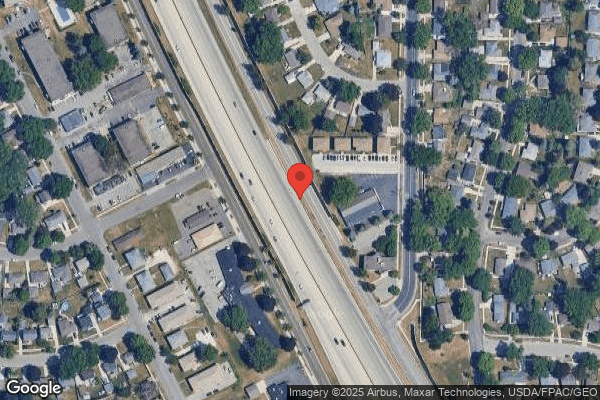
Understanding Severity Codes (click to expand)
Life-Threatening (Immediate Jeopardy)
J - Isolated K - Pattern L - Widespread
Actual Harm
G - Isolated H - Pattern I - Widespread
Potential for Harm
D - Isolated E - Pattern F - Widespread
No Harm (Minor)
A - Isolated B - Pattern C - Widespread

Questions to Ask on Your Visit

  • "What changes have you made since the serious inspection findings?"
  • "Why is there high staff turnover? How do you retain staff?"
  • "Can I speak with families of current residents?"
  • "What's your RN coverage like on weekends and overnight?"

Our Honest Assessment

Strengths
  • • Licensed and certified facility. Meets minimum state requirements.
Concerns
  • • Multiple safety concerns identified: 4 life-threatening violation(s), 1 harm violation(s). Review inspection reports carefully.
  • • 40 deficiencies on record, including 4 critical (life-threatening) violations. These warrant careful review before choosing this facility.
  • • $14,518 in fines. Above average for Minnesota. Some compliance problems on record.
  • • Grade F (0/100). Below average facility with significant concerns.
Bottom line: This facility has 4 Immediate Jeopardy findings. Serious concerns require careful evaluation.

About This Facility

What is Edenbrook Rochester West's CMS Rating?

CMS assigns EDENBROOK ROCHESTER WEST an overall rating of 1 out of 5 stars, which is considered much below average nationally. Within Minnesota, this rating places the facility higher than 0% of the state's 100 nursing homes. A rating at this level reflects concerns identified through health inspections, staffing assessments, or quality measures that families should carefully consider.

How is Edenbrook Rochester West Staffed?

CMS rates EDENBROOK ROCHESTER WEST's staffing level at 4 out of 5 stars, which is above average compared to other nursing homes. Staff turnover is 71%, which is 24 percentage points above the Minnesota average of 46%. High turnover can affect care consistency as new staff learn residents' individual needs. RN turnover specifically is 64%, which is notably high. RNs provide skilled clinical oversight, so turnover in this role can affect medical care quality.

What Have Inspectors Found at Edenbrook Rochester West?

State health inspectors documented 40 deficiencies at EDENBROOK ROCHESTER WEST during 2022 to 2025. These included: 4 Immediate Jeopardy (the most serious level, indicating potential for serious harm or death), 1 that caused actual resident harm, and 35 with potential for harm. Immediate Jeopardy findings are rare and represent the most serious regulatory concerns. They require immediate corrective action.

Who Owns and Operates Edenbrook Rochester West?

EDENBROOK ROCHESTER WEST is owned by a for-profit company. For-profit facilities operate as businesses with obligations to shareholders or private owners. The facility is operated by EDEN SENIOR CARE, a chain that manages multiple nursing homes. With 48 certified beds and approximately 26 residents (about 54% occupancy), it is a smaller facility located in ROCHESTER, Minnesota.

How Does Edenbrook Rochester West Compare to Other Minnesota Nursing Homes?

Compared to the 100 nursing homes in Minnesota, EDENBROOK ROCHESTER WEST's overall rating (1 stars) is below the state average of 3.2, staff turnover (71%) is significantly higher than the state average of 46%, and health inspection rating (1 stars) is much below the national benchmark.

What Should Families Ask When Visiting Edenbrook Rochester West?

Based on this facility's data, families visiting should ask: "What changes have been made since the serious inspection findings, and how are you preventing similar issues?" "How do you ensure continuity of care given staff turnover, and what is your staff retention strategy?" "Can I visit during a mealtime to observe dining assistance and food quality?" "How do you handle medical emergencies, and what is your hospital transfer rate?" These questions are particularly relevant given the facility's Immediate Jeopardy citations and the facility's high staff turnover rate.

Is Edenbrook Rochester West Safe?

Based on CMS inspection data, EDENBROOK ROCHESTER WEST has documented safety concerns. Inspectors have issued 4 Immediate Jeopardy citations (the most serious violation level indicating risk of serious injury or death). The facility has a 1-star overall rating and ranks #100 of 100 nursing homes in Minnesota. Families considering this facility should ask detailed questions about what corrective actions have been taken since these incidents.

Do Nurses at Edenbrook Rochester West Stick Around?

Staff turnover at EDENBROOK ROCHESTER WEST is high. At 71%, the facility is 24 percentage points above the Minnesota average of 46%. Registered Nurse turnover is particularly concerning at 64%. RNs handle complex medical decisions and coordinate care — frequent RN changes can directly impact care quality. High turnover means new staff may not know residents' individual needs, medications, or preferences. It can also be disorienting for residents, especially those with dementia who rely on familiar faces. Families should ask: What is causing the turnover? What retention programs are in place? How do you ensure care continuity during staff transitions?

Was Edenbrook Rochester West Ever Fined?

EDENBROOK ROCHESTER WEST has been fined $14,518 across 1 penalty action. This is below the Minnesota average of $33,224. While any fine indicates a compliance issue, fines under $50,000 are relatively common and typically reflect isolated problems that were subsequently corrected. Families should ask what specific issues led to these fines and confirm they've been resolved.

Is Edenbrook Rochester West on Any Federal Watch List?

EDENBROOK ROCHESTER WEST is not on any federal watch list. The most significant is the Special Focus Facility (SFF) program, which identifies the bottom 1% of nursing homes nationally based on persistent, serious quality problems. Not being on this list means the facility has avoided the pattern of deficiencies that triggers enhanced federal oversight. This is a positive indicator, though families should still review the facility's inspection history directly.