MADONNA TOWERS OF ROCHESTER INC
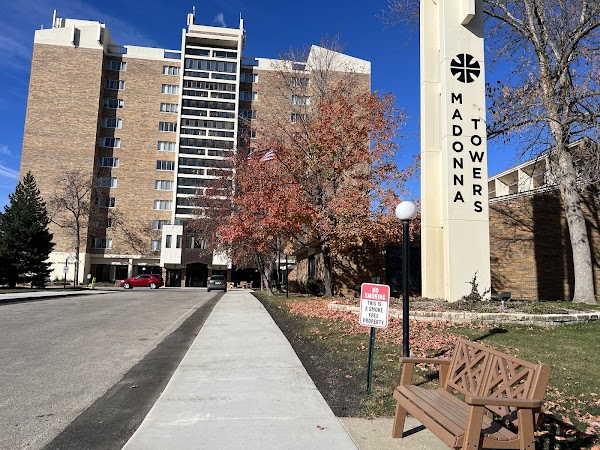
4001 19TH AVENUE NORTHWEST, ROCHESTER, MN 55901 (507) 206-2222
Non profit - Corporation 62 Beds BENEDICTINE HEALTH SYSTEM Data: November 2025 1 Immediate Jeopardy citation
Trust Grade
46/100
#184 of 337 in MN
Last Inspection: June 2025

Inspected within the last 6 months. Data reflects current conditions.

Overview

Madonna Towers of Rochester Inc has a Trust Grade of D, which indicates below-average performance with some significant concerns. It ranks #184 out of 337 facilities in Minnesota, placing it in the bottom half, and #3 out of 8 in Olmsted County, meaning only two local options are worse. The facility is experiencing a worsening trend, increasing from 4 issues in 2024 to 7 in 2025. Staffing is a relative strength with a rating of 4 out of 5 stars, but a turnover rate of 56% is concerning as it is higher than the Minnesota average of 42%. The facility has received $10,196 in fines, which is average compared to other homes, and it has average RN coverage, which is important for patient care. Specific incidents of concern include a resident who showed signs of wandering and elopement risk, indicating inadequate supervision, and failures in food safety practices where expired and undated food items were found in the kitchen, posing a potential health risk. Additionally, the facility did not regularly inspect bed frames and rails for safety, which could affect many residents. While there are strengths in staffing, the facility's overall performance raises several red flags that families should consider.

Trust Score
D
46/100
In Minnesota
#184/337
Bottom 46%
Safety Record
High Risk
Review needed
Inspections
Getting Worse
4 → 7 violations
Staff Stability
⚠ Watch
56% turnover. Above average. Higher turnover means staff may not know residents' routines.
Penalties
✓ Good
$10,196 in fines. Lower than most Minnesota facilities. Relatively clean record.
Skilled Nurses
✓ Good
Each resident gets 68 minutes of Registered Nurse (RN) attention daily — more than 97% of Minnesota nursing homes. RNs are the most trained staff who catch health problems before they become serious.
Violations
⚠ Watch
16 deficiencies on record. Higher than average. Multiple issues found across inspections.
★★★☆☆
3.0
Overall Rating
★★★★☆
4.0
Staff Levels
★★☆☆☆
2.0
Care Quality
★★★☆☆
3.0
Inspection Score
Stable
2024: 4 issues
2025: 7 issues

The Good

  • 4-Star Staffing Rating · Above-average nurse staffing levels
  • Full Sprinkler Coverage · Fire safety systems throughout facility
  • No fines on record

Facility shows strength in staffing levels, fire safety.

The Bad

3-Star Overall Rating

Near Minnesota average (3.2)

Meets federal standards, typical of most facilities

Staff Turnover: 56%

Near Minnesota avg (46%)

Frequent staff changes - ask about care continuity

Federal Fines: $10,196

Below median ($33,413)

Minor penalties assessed

Chain: BENEDICTINE HEALTH SYSTEM

Part of a multi-facility chain

Ask about local staffing decisions and management

Staff turnover is elevated (56%)

8 points above Minnesota average of 48%

The Ugly 16 deficiencies on record

1 life-threatening
Jun 2025 4 deficiencies
CONCERN (D)

Potential for Harm - no one hurt, but risky conditions existed

Quality of Care (Tag F0684)

Could have caused harm · This affected 1 resident

**NOTE- TERMS IN BRACKETS HAVE BEEN EDITED TO PROTECT CONFIDENTIALITY** Based on observation, interview, and document review, the facility failed to comprehensively monitor and assess for edema (swell...

Read full inspector narrative →
**NOTE- TERMS IN BRACKETS HAVE BEEN EDITED TO PROTECT CONFIDENTIALITY** Based on observation, interview, and document review, the facility failed to comprehensively monitor and assess for edema (swelling) so intervention effectiveness could be determined, and new interventions developed if needed for 1 of 1 residents (R43) assessed for edema management. Findings include: R43's quarterly Minimum Data Set (MDS) assessment dated [DATE], indicated R43 had intact cognition and was diagnosed with heart failure and debility. R43's care plan dated 5/23/25, indicated R43 was receiving a diuretic, which placed her at a high risk for adverse reactions staff were to monitor for an infective dose such as an increase in edema. The care plan indicated R43 was at risk for skin alteration related to a history of lymphedema (swelling from an accumulation of protein-rich fluid usually drained by the body's lymphatic system). The care plan indicated staff were to apply R43's left upper extremity edema wraps in the morning, leave them on until the next morning, take off and assess the skin, and then re-apply. The care plan indicated that compression devices were to be applied to R43's bilateral lower extremities in the morning and taken off at nighttime. R43's Weekly Skin Checks dated: 4/9/25, 4/16/25, 4/23/25, 5/7/25, 5/14/25, 5/21/25, 5/29/25, and 6/4/25 were reviewed and indicated R43 had no edema at the time of assessment. R43's medical record dated 4/9/25 to 6/9/25 was reviewed and did not include further assessment of R43's left upper extremity edema. During an interview and observation on 6/9/25 at 4:14 p.m., R43 was observed sitting in her wheelchair in her room. R43's arm was observed with significant swelling to her left upper extremity, with her left hand puffy. R43 was observed attempting to use her left hand and did not appear to be able to fully bend her fingers towards her palms. R43 was observed wearing long pants and her lower extremities were unable to be fully visualized. R43 stated she has had the edema in her left hand for a long time, but it has overall improved since being at the facility, although never fully goes away. R43 stated the edema in her left hand had been worse the past couple of weeks. During an interview on 6/10/25 at 12:54 p.m., registered nurse (RN)-C confirmed she was the nurse for R43 for the shift and was familiar with the resident. RN-C stated R43 had a history of edema and shortness of breath, had gotten better since being at the facility but had never gone away. RN-C stated R43 no longer has edema in her lower extremities, so she has not been documenting R43 has any edema. RN-C stated R43 had chronic edema in her left upper extremity and a compression device was used. RN-C stated R43's left upper extremity was pretty edematous and thought it had been to this degree almost a month but RN-C stated she was unable to find this was being documented. During an interview on 6/11/25 at 10:13 a.m., RN-B confirmed she was the nurse for R43 for the shift and was familiar with the resident. RN-B stated R43 had left upper extremity lymphedema for a while and always had some edema in that extremity. RN-B stated the edema R43 had in her upper extremity was normal for her but was unsure where they documented assessing this edema in her arm. RN-B stated R43's edema to her lower extremities had diminished and R43 usually only had trace edema or did not have any at all there. During an interview on 6/11/25 at 10:54 a.m., RN-A, stated R43's edema to her left upper extremity was a chronic issue for her and would have expected staff to document that in the weekly skin check form. RN-A stated it was important this edema was documented so staff and the provider could see if changes in her edema level had occurred and if the current interventions were still effective. The facility's Resident Examination and Assessment policy dated 10/2/23, indicated that a resident assessment would be completed on admission, with a change in physical function, or with an acute change in condition and documented in the electronic health record (EHR).
CONCERN (D)

Potential for Harm - no one hurt, but risky conditions existed

Deficiency F0883 (Tag F0883)

Could have caused harm · This affected 1 resident

**NOTE- TERMS IN BRACKETS HAVE BEEN EDITED TO PROTECT CONFIDENTIALITY** Based on interview and document review, the facility failed to ensure 3 of 5 residents (R43, R14, R22) reviewed for immunization...

Read full inspector narrative →
**NOTE- TERMS IN BRACKETS HAVE BEEN EDITED TO PROTECT CONFIDENTIALITY** Based on interview and document review, the facility failed to ensure 3 of 5 residents (R43, R14, R22) reviewed for immunizations were offered and/or provided the pneumococcal conjugate vaccine (PCV)20 as recommended by the Centers for Disease Control (CDC) to help reduce the risk of associated infections. Findings include: A CDC Shared Clinical decision-making document titled PCV20 or PCV21 Vaccination for Adults 65 years or older dated 9/11/24 indicated: Adults [AGE] years of age or older have the option to receive supplemental PCV20 or PCV21 (not both) if they previously completed the pneumococcal vaccine series with both PCV13 and PPSV23 [pneumococcal polysaccharide vaccine] and meet the following criteria: -Previously received one dose of PCV13 (but not PCV15, PCV20, or PCV21) at any age, and -Previously received all recommended doses of PPSV23 (including 1 dose of PPSV23 at or after [AGE] years of age) The determination to administer PCV20 or PCV21 is based on a shared clinical decision-making (SCDM) process between a patient and their healthcare provider. SCDM recommendations are optional and informed by the characteristics, values, and preferences of the patient, and the clinical discretion of the health care provider. It continues, Increased risk of exposure to PCV20 or PCV21 serotypes may occur among people who are living in: nursing homes or other long-term care facilities. If exposed, people with one or more of the following health issues are at increased risk of developing severe pneumococcal disease: -immunocompromising condition, one or more of these chronic medical conditions: alcoholism, chronic heart, liver, or lung disease; cigarette smoking; or diabetes. Protection against disease from both PCV13 and PPSV23 is expected to decrease over time. It continues, If you and your patient decide PCV20 or PCV21 is appropriate, give one dose of PCV20 or PCV21 at least 5 years after the patient's last pneumococcal vaccine dose. R43 R43's face sheet indicated she was [AGE] years of age. R43's facility preventative healthcare report dated 6/10/25 indicated R43 received the following vaccinations: -PPSV23 on 12/28/2012 -PCV13 on 12/19/16 R43's Minnesota Immunization Information Connection (MIIC) report indicated R43 received PCV13 on 12/19/2016 and PPSV23 on 10/24/2005 and 12/28/2012. R43's facility immunization review form dated 5/27/25 indicated R43's pneumococcal vaccinations were not up to date and the pneumococcal vaccines were not offered. R43's medical record lacked documentation of shared decision making with provider and resident/responsible agent regarding administration of PCV20 vaccination. R14 R14's face sheet indicated R14 was [AGE] years of age. R43's facility preventative health care report printed 6/10/25 indicated the following vaccinations: -PPSV23 on 12/13/2004 and 6/9/2015 -PCV13 on12/11/2014 R14's MIIC report indicated R14 received PCV-3 on 12/22/14, PPSV23 on 6/9/15 and 12/13/2004. R14's immunization review form, dated 2/6/25, indicated R14's pneumococcal vaccinations were up to date. A facility immunization consent or refusal form dated and signed on 7/12/24, indicated consent to administration of pneumonia immunizations. Date of pneumonia vaccinations was left blank. R14's medical record lacked documentation of shared decision making with provider and resident/responsible agent regarding administration of PCV20 vaccination. R22 R22's face sheet indicated age of 77. R22's facility preventative health care report dated 6/10/25 indicated: -PPSV23 on 12/5/2012 and 1/19/2018 -PCV13 on 2/11/2015 R22's MIIC report indicated R22 received PCV13 on 2/11/2015, PPSV23 on 12/5/2012 and1/19/2018. R22's facility vaccination review form dated 3/28/25, indicated R22's pneumococcal vaccinations were up to date. R22's facility immunization consent or refusal form dated and signed by R22 on 7/12/24, indicated consent to administration of the pneumonia immunizations. Date of pneumonia vaccinations was left blank. R22's medical record lacked documentation of shared decision making with provider and resident/responsible agent regarding administration of PCV20 vaccination. During interview on 6/11/25 at 12:57 p.m., the regional nurse consultant confirmed there was no documentation of shared decision making or offer/administration of PCV20 vaccination for R14, R43, or R22. The infection preventionist stated residents were offered the PPSV23 vaccinations and confirmed the PCV20 vaccinations had not been offered to residents. A facility policy titled Pneumococcal Vaccines for residents dated 3/18/22, indicated the policy purpose was: To reduce the mortality and morbidity from pneumococcal disease by vaccinating all residents who meet criteria established by the CDC. It is the policy of [corporate owner] to provide education and administration of the PPSV23 and PCV13 to the residents of the facility according to CDC recommendations. CDC now recommends pneumococcal conjugate vaccine PCV15 or PCV20 for adults who have NEVER received a prior pneumococcal conjugate vaccine PCV13 if they are 65 years or older and have certain chronic medical conditions or other risk factors. For adults who have only received PCV13 but not PPSV 23, CDC recommends vaccine providers give PPSV23 as previously recommended. Line 6 under Procedure indicated the type pf pneumococcal vaccine (PCV15, PCV20, or PPSV23/PPSV) offered will depend upon the recipients age and susceptibility to pneumonia in accordance with current CDC guidelines and recommendations. Line 10 indicated A pneumococcal vaccination is recommended for all adults 65 years and older and based on the following recommendations: A. For adults 65 years or older who have not previously received any pneumococcal vaccine, give 1 dose of PCV15 or PCV20. B. For adults 65 years or older who have only received a PPSV23 give 1 dose of PCV15 or PCV20. The PCV15 or PCV20 dose should be administered at least 1 year after the most recent PPSV23.
CONCERN (F)

Potential for Harm - no one hurt, but risky conditions existed

Food Safety (Tag F0812)

Could have caused harm · This affected most or all residents

Based on observation, interview, and document review, the facility failed to ensure food stored in the refrigerators were labeled, dated and discarded properly. This deficient practice had the potenti...

Read full inspector narrative →
Based on observation, interview, and document review, the facility failed to ensure food stored in the refrigerators were labeled, dated and discarded properly. This deficient practice had the potential to affect all 55 residents, staff and visitors who received food from facility kitchen. Findings include: During the initial kitchen tour on 6/9/25 at 1:42 p.m., dietary manager (DM) stated the dates listed on the food was the date of opening or when it was prepped and should be tossed after one week. The following items were observed in the fridge expired or undated food: -Mushrooms dated 5/30/25 -Undated, opened celery appearing soft and browning -Undated, opened lettuce -Undated, opened chopped celery appearing with browning spots -Undated, opened carrots During interview on 6/9/25 at 1:42 p.m., culinary director (CD) stated the normal practice they follow is once foods are opened, the opened date is written on the container. The dated food is good for one week; the staff on evening shift will throw undated and expired foods every evening. CD confirmed the mushrooms, celery, lettuce, and carrots should have been thrown out previously, due to being expired or undated. During interview on 6/11/25 at 11:02 a.m., cook (C)-A stated the practice for dating stored foods is to put the date on the container when it was opened, the food is then thrown out in one week. C-A stated the evening shift is responsible for going through the refrigerators and toss undated or expired foods. Per facility Food Storage policy dated August 2019, sanitary procedures will be maintained in perishable food storage to keep foods safe.
MINOR (C)

Minor Issue - procedural, no safety impact

Staffing Information (Tag F0732)

Minor procedural issue · This affected most or all residents

Based on observation, interview, and document review, the facility failed to ensure the required nurse staffing information was posted daily and contained the facility name. This had the potential to ...

Read full inspector narrative →
Based on observation, interview, and document review, the facility failed to ensure the required nurse staffing information was posted daily and contained the facility name. This had the potential to affect all 55 residents residing in the facility and/or visitors who may wish to view the information. Findings include: During observation, document review, and interview on 6/11/25 at 8:32 a.m., the nursing staff posting was observed in the main lobby near the entrance and was dated 6/9/25 with a resident population of 55 and did not have the facility name on it. The staff posting indicated the morning shift began at 6:00 a.m. The administrator confirmed the staff posting had not been updated since 6/9/25 as the staffing coordinator (SC) was on paid time off (PTO). The administrator stated she thought the health unit coordinator (HUC)-A would be the staff member in charge of updating the staff posting while the staffing coordinator was away. During an interview on 6/11/25 at 9:06 a.m., HUC-A stated the SC oversaw posting the staff posting and was not sure who oversaw completing this task while she was on PTO. During an interview on 6/12/25 at 8:54 a.m., the SC stated that she was unsure who oversaw posting the nurse staffing information while she was on PTO. The SC confirmed the staff posting did not have the facility name on it and stated after reviewing the staff postings that it had been like this since September of 2024. The SC stated she had not noticed the change in the form and would have to call cooperate to see why the form no longer had the facility name on it. The facility's Posting of Nursing Hours policy dated 9/20/22, indicated the nurse staffing information would be posted daily at the beginning of each shift and would include the facility name.
Feb 2025 3 deficiencies
CONCERN (D) 📢 Someone Reported This

A family member, employee, or ombudsman was alarmed enough to file a formal complaint

Potential for Harm - no one hurt, but risky conditions existed

Deficiency F0561 (Tag F0561)

Could have caused harm · This affected 1 resident

**NOTE- TERMS IN BRACKETS HAVE BEEN EDITED TO PROTECT CONFIDENTIALITY** Based on observations, interview, and document review, the facility failed to provide the opportunity to make choices related to...

Read full inspector narrative →
**NOTE- TERMS IN BRACKETS HAVE BEEN EDITED TO PROTECT CONFIDENTIALITY** Based on observations, interview, and document review, the facility failed to provide the opportunity to make choices related to toileting for 2 of 3 residents (R1, R2) reviewed for choices. Findings include: R1's face sheet dated 2/12/25, identified diagnoses of stress fracture of left tibia (hairline crack in the shin bone) and fracture of middle phalanx of left finger. R1's admission minimum data set (MDS) dated [DATE], identified resident to be cognitively intact. R1 was dependent for all transfers and frequently incontinent of bowel. R1's care plan dated 2/12/25, identified R1 was dependent for all transfers with a total mechanical lift. During an interview on 2/11/25 at 3:50 p.m., R1 stated it had been two days since she has been able to have a bowel movement due to having to use the bedpan instead of using the toilet. R1 stated, I don't feel like I have any power over anything anymore, they tell me when to eat, when to bathe, and when to get up. R1 stated when she puts her call light on to bathroom to have a bowel movement, staff just put her on a bedpan and do not give her an option to sit on the toilet. During an interview on 12/12/25 at 2:08 p.m., R1's family member (FM)-A stated it is a point of dignity she should not have to ask to go to the bathroom laying in bed if it does not work for her. R2's face sheet dated 2/12/24, identified diagnosis of multiple sclerosis (a disease in which the immune system eats away at the protective covering of the nerves) and neurogenic bladder (condition where a person has lack of bladder control). R2's quarterly MDS dated [DATE], identified R2 was cognitively intact and occasionally incontinent of bowel and bladder. R2's care plan dated 12/12/24, identified R2 was assist of two for toileting with a total mechanical lift. During an interview on 2/11/25 at 1:48 p.m., R2 stated staff were using a ceiling lift in her room previously to allow her to sit on the toilet to have a bowel movement, but since the ceiling lift has been out of use the only way she can have a bowel movement was to sit on a bedpan or go in her incontinent garment. R2 explained when she asked to use the toilet to have a bowel movement, staff told her she had to use the bedpan instead of the toilet. Using the bedpan made made R2 feel not good . During an interview on 12/12/25 at 8:47 a.m., regional director registered nurse (RDRN)-B stated if a resident requests to use the toilet it should be care planned to do so and staff should be honoring their request. During an interview on 12/12/25 at 2:50 p.m., director of nursing (DON) stated if a resident's preference to use the toilet to have a bowel movement this should reflect on their care plan, along with their request to not use the bedpan. The staff should be treating the resident in a dignified manner and staff should follow the resident wishes. Review of the facility's Activities of Daily Living policy dated 6/21, identified interventions to improve and or minimize a resident's functional abilities will be in accordance with the resident's assessed needs, preferences, stated goals and recognized standards of practice.
CONCERN (D) 📢 Someone Reported This

A family member, employee, or ombudsman was alarmed enough to file a formal complaint

Potential for Harm - no one hurt, but risky conditions existed

Comprehensive Care Plan (Tag F0656)

Could have caused harm · This affected 1 resident

**NOTE- TERMS IN BRACKETS HAVE BEEN EDITED TO PROTECT CONFIDENTIALITY** Based on observation, interview and document review the facility failed to ensure a comprehensive care plan was developed to imp...

Read full inspector narrative →
**NOTE- TERMS IN BRACKETS HAVE BEEN EDITED TO PROTECT CONFIDENTIALITY** Based on observation, interview and document review the facility failed to ensure a comprehensive care plan was developed to implement care and services for catheter care and bowel continence for 1 of 1 resident (R1) reviewed for bowel and bladder incontinence/catheter. Findings include: R1's face sheet dated 2/12/25, identified diagnoses of diabetes mellitus, stress fracture of left tibia, chronic kidney disease. R1's admission Minimum Data Set (MDS) dated [DATE], identified R1 was cognitively intact and had an indwelling urinary catheter and frequent bowel incontinence. R1's care area assessment (CAA) dated 12/19/24, identified R1 needed assistance for toileting due to indwelling catheter. R1's physician progress note dated 12/18/24, identified R1 had an indwelling urinary catheter placed during a hospitalization for urinary retention. R1's nursing assistant care guide updated 2/5/25, directed staff that R1 had a catheter. However, did not give any direction to staff to provide catheter care or toileting plan. R1's care plan infection focus dated 12/13/24, identified R1 required enhanced barrier precautions (EBP) due to presence of indwelling catheter. Intervention for staff to apply gloves and gowns prior to high-contact activities. R1's care plan did not identify interventions to manage or care for the indwelling catheter or a toileting plan for bowel continence. During an interview on 2/12/25 at 2:08 p.m., family member (FM)-A stated R1 would have a bowel movement every day like clockwork at home. During an interview on 2/12/25 at 2:13 p.m., R1 stated she was able to hold her bowel when she was at home and did not have any episodes of incontinence. R1 stated the facility did not discuss the risks of having a catheter or inquire about my bowel pattern at home. During an interview on 2/12/25 at 2:33 p.m., nursing assistant (NA)-J stated R1's nursing assistant care sheet did reflect she has a catheter, however, did not reflect how to care for it or have a toileting schedule on it. During an interview on 2/12/25 at 2:50 p.m., director of nursing (DON) stated R1's comprehensive care plan did not address interventions for catheter care or toileting plan for bowel continence. Facility's Comprehensive Assessment and Care Planning policy dated 9/27/23, identified the facility must assess continence to develop, review and revise the resident's person-centered comprehensive care plan and all person-centered care plan interventions will be implemented by qualified personnel, and may be communicated through the electronic health record, resident profile, assignment sheets, and/or verbal communication. Residents and resident representatives will be involved in the comprehensive person-centered care planning.
CONCERN (D) 📢 Someone Reported This

A family member, employee, or ombudsman was alarmed enough to file a formal complaint

Potential for Harm - no one hurt, but risky conditions existed

Incontinence Care (Tag F0690)

Could have caused harm · This affected 1 resident

**NOTE- TERMS IN BRACKETS HAVE BEEN EDITED TO PROTECT CONFIDENTIALITY** Based on observation, interview, and record review the facility failed to comprehensively reassess and demonstrate adequate just...

Read full inspector narrative →
**NOTE- TERMS IN BRACKETS HAVE BEEN EDITED TO PROTECT CONFIDENTIALITY** Based on observation, interview, and record review the facility failed to comprehensively reassess and demonstrate adequate justification for the continued use of indwelling catheter for 1 of 1 resident (R1) reviewed for falls. In addition the facility failed to ensure a resident who was continent of bowel received services to maintain bowel continence for 1 of 1 resident (R1) reviewed for resident safety. Findings include: Catheter justification: R1's care plan dated 12/13/24, identified R1 required Enhanced Barrier Precautions (EBP) related to presence of indwelling catheter device .R1's care plan was reviewed and identified no indication for a foley catheter with no interventions to monitor for signs and symptoms of infection. R1's Care Area Assessment (CAA) dated 12/14/24, section 6 urinary incontinence identified CAA triggered due to use of an indwelling catheter and need for assistance with toileting. R1 has a catheter in for skin care management, due to history of incontinence and reduced mobility with current fracture. The CAA did not address plan for urinary indwelling catheter removal. R1's admission Minimum Data Set (MDS) dated [DATE], identified R1's cognition was intact and had the use of indwelling catheter. R1's Physical Therapy (PT) progress note dated 12/21/24, identified R1 complained of catheter pain. R1's PT progress note dated 1/22/24, identified R1 complained of catheter pain. R1's Occupational Therapy (OT) progress note dated 12/22/24, identified R1 complained of burning in her catheter site. R1's OT progress note dated 12/27/24, identified R1 complained of pain in her catheter. R1's MD progress note dated 12/27/24, identified during R1's hospitalization from 12/4/24 to 12/23/24, R1 developed urinary retention and hence Foley catheter was placed .R1 was recommended to follow-up with urology to undergo voiding trial (a procedure used to assess a patient's ability to urinate without the assistance of a urinary catheter). R1 has an upcoming appointment on 1/24/2024 with urology. R1's MD Progress note dated 1/24/25, identified .R1 had developed urinary retention while hospitalized in December 2024 and has had an indwelling urinary catheter since. She will be seeing urology today and anticipates a voiding trial will be done . R1's Urology Appointment dated 1/24/25, identified R1 experienced urinary retention in the hospital with over a liter in her bladder with moderate hydronephrosis (a condition where urine builds up in the kidney, causing it to swell). This was in the setting orthopedic injury and surgery with narcotics. R1 has an indwelling Foley catheter that has been in place for the last month. This was really helpful to her because she still is not mobile. New orders identified that a catheter change will be completed, will keep catheter in and do monthly catheter changes until R1 is mobile enough so she would be able to go to the bathroom if the catheter was removed, at that time a voiding trial will be done. R1's progress note dated 2/4/25 at 10:28 p.m., identified a nursing assistant reported that R1 was uneasy and complained of discomfort. R1 stated that she feels the urge to pee. Abdomen noted to be tender and has low urine output in the catheter bag, 100 cc. On-call provider notified and obtained verbal order to flush the urinary catheter with 60 mL of sterile normal saline. Urinary catheter was flushed as per order. Catheter was draining with urine output of 1000 milliliters (ML) in the catheter bag. During an observation and interview on 2/11/25 at 4:05 p.m., R1 was seated in her wheelchair in her room and was noted to have a catheter bag. R1 stated she has had the catheter for convenience because since she fractured her leg she can't get to the bathroom easily. At 4:38 p.m., nursing assistant (NA)-J and NA-K assisted R1 to the toilet. NA-J stated she needed to change R1's brief because it was wet from R1's leaking urine from her catheter. During a phone interview on 2/12/25 at 2:08 p.m., family member (FM)-A stated she brought R1 to the urology appointment on 1/24/25, where they changed R1's catheter. FM-A further stated R1 has her catheter for convenience every time she would have to urinate, she would need a full body mechanical lift to go to the commode. The facility has a hard time getting her to the toilet now. FM-A stated prior to R1's hospitalization R1 was completely continent of bladder. FM-A stated last week the facility called her about a blockage in R1's catheter they had to call the doctor to take care of it. During an interview on 2/12/25at 2:13 p.m., R1 stated she did not remember anyone in the facility talking to her about the risks of having the catheter. R1 further stated, they never talked to her about it and did not have a doctor here tell me about the risks. During an interview on 2/12/25 at 2:50 p.m., director of nursing (DON) indicated she was aware that R1 did not have a clinical diagnosis for her catheter use. DON stated she was not aware that R1 had an appointment with urology on 1/24/25, that indicated R1 had new orders to have her catheter changed once a month. DON would follow up with urology to ensure if the facility would be doing the catheter change or if R1 would have to go to an outside appointment for it. DON was unable to find documentation of education of risks and benefits of catheter use were given to R1. During an interview on 2/12/25 at 3:37 p.m., medical director (MD)-A stated R1 currently has a catheter for convenience and does not have a diagnosis for justification of use. Facility policy, Prevention of Catheter-Associated Urinary Tract Infections (CAUTI), revised 8/30/23, identified Purpose: Though prevalence of indwelling urinary catheter use in the long-term care setting is lower than in the acute care setting, catheter-associated UTI (CAUTI) can lead to such complications as cystitis, pyelonephritis, bacteremia, and septic shock. These complications associated with CAUTI can result in a decline in resident function and mobility, acute care hospitalizations, and increased mortality. Prevention is key. Policy: It is the policy of Benedictine communities that indwelling urinary catheters are eliminated whenever possible. A resident who admits to the community without an indwelling catheter is not catheterized unless the resident's clinical condition indicates categorization is necessary for their well-being. General Considerations: 1. When a resident is admitted to the facility with a catheter in place, a thorough physical assessment, as well as history review will be completed. 2. Once reviewed, primary physician will be notified for catheter removal, if there is not a medical reason for use of catheter. 3. Intermittent catheterization will be used whenever possible rather than indwelling catheter. 4. An indwelling catheter is used only after alternative methods have failed . Bowel Continence: R1's Bowel Observation dated 12/18/24, identified R1 was always continent of bowel and to monitor R1 for constipation due to opiate use. Section 6 treatment/management for program placement was not assessed. Section 7 Bowel summary was left blank. R1's care plan dated 12/18/24 identified a problem with ADL's functional status. R1 had a self-deficit with bowel and bladder. Interventions dated 2/4/25, identified do not use the belted mesh hygiene (toileting) sling. R1's care plan was reviewed and did not identify person centered interventions to resident preference with toileting such as bed pan, commode or toilet, and did not identify toileting plan interventions to maintain bowel continence. R1's Care Area Assessment (CAA) dated 12/19/24, section 5: Activities of Daily Living (ADL's) identified R1's CAA triggered due to left tibial fracture, with non-surgical treatment, was in a long cast and non-weight bearing for at least 6 weeks and being followed by orthopedics and medical doctor. Care plan will be developed due to mobility and cares. R1's admission Minimum Data Set (MDS) dated [DATE], identified R1's cognition was intact and R1 was frequently incontinent of bowel. Further identified R1 was dependent with toileting transfers and required substantial to maximal assist with toileting hygiene. R1's care sheet dated 2/3/25, identified R1's toileting to transfer to/from bed, to pull down pants before/after toileting for clothing management. R1 required assist of 1 with adl's and transferred with ez-way mechanical lift x 2. R1's care sheet lacked information how to transfer R1 to the toilet what type of sling to use and also lacked toileting plan to maintain bowel continence. During an observation and interview on 2/11/25 at 4:05 p.m., R1 was seated in her wheelchair in her room and was noted to have her call light on. R1 stated she had her call light on to try and get on the toilet because she had not had a bowel movement for two days since the staff have been making her use the bed pan. R1 further stated, I used to go every day like clockwork between 1 and 3 pm and it would take me less than 5 minutes. R1 stated now that she hadn't had a bowel movement in two days. R1 had felt gassy earlier and felt full. R1 stated she was going to ask for a laxative if nothing happens. At 4:08 p.m., nursing assistant (NA)-J came in the room, R1 asked NA-J if she could get on the toilet, NA-J stated she was unable to find another staff to help with that. R1 asked NA-J if she would be here tomorrow to try and help her with that? NA-J stated to R1, ok I will see you tomorrow and left the room. R1 stated she did not get the option to use the toilet only the bed pan. R1 stated, I just can't have a bowel movement laying down on a bed pan, I have to be sitting up to go. At 4:14 p.m., RN-D walked in the room and offered R1 some Miralax, R1 asked when she would be able to be able to get to the toilet if she took the Miralax. R1 then asked when it would be a good time for her to go to the bathroom. Registered nurse (RN)-D did not answer R1 and R1 declined the Miralax and RN-D left the room. During a continuous observation on 2/11/25 from 4:18 p.m. to 4:40 p.m., NA-J and NA-K positioned a sling under R1 in the wheelchair and were attempting to transfer R1 to the toilet with the ez-way lift (mechanical lift). NA-J and NA-K struggled to get R1's pants down, but were able to get her pants down and pull R1's brief to the side, R1 then was lowered onto the toilet that had a toilet riser on it. When R1 was seated on the toilet her legs were dangling about a foot above the ground. R1 stated she had a bowel movement and was done. NA-J and NA-K transferred R1 with the use of the ez-way lift from the toilet in her bathroom to her bed and performed toileting hygiene. R1 stated you can't imagine how much better I feel. NA-J stated R1 had a medium formed bowel movement and stated they had not been offering R1 the toilet only the bed pan because it took a lot of time to transfer R1 to the toilet with the ez-way lift. During an interview on 2/12/25 at 8:47 a.m., regional director registered nurse (RDRN)-B stated if a resident requested to use the toilet versus the bed pan it should be care planned to do so and the staff should be honoring her request. During a phone interview on 2/12/25 at 2:08 p.m., family member (FM)-A stated prior to R1's stay here she was completely continent of bowel. FM-A stated the staff have not been offering R1 the toilet instead had been offering a bed pan. FM-A stated R1 had shared the struggles of not being able to have a bowel movement with a bed pan. During an interview on 2/12/25 at 2:13 p.m., R1 stated she was able to hold her bowel when she was at home and did not have any episodes of incontinence. During an interview on 2/12/25 at 2:50 p.m., director of nursing (DON) stated R1's bowel assessment did not identify patterns of incontinence to determine a toileting schedule and stated the care plan did not identify a preference for how R1 preferred to use the bathroom. Facility bowel assessment policy was requested and not received. Facility policy, Activities of Daily Living (ADL), dated June 2021, identified the Purpose: To provide residents with care, treatment and services appropriate to maintain or improve their ability to carry out activities of daily living (ADLs). Policy: Residents unable to carry out ADLs independently will receive the services necessary to maintain good nutrition, grooming, personal hygiene, elimination, communication and mobility. Implementation: 1. Care and services will be provided for residents who are unable to carry out ADLs independently, with the consent of the resident and in accordance with the plan of care, including appropriate support and assistance with: a. Hygiene (bathing, dressing, grooming, and oral care), b. Mobility (transfer and ambulation, including walking) c. Elimination (toileting) .4. Interventions to improve and/or minimize a resident's functional abilities will be in accordance with the resident's assessed needs, preferences, stated goals and recognized standards of practice. 5. The resident's response to interventions will be documented, monitored, evaluated and revised as appropriate.
Aug 2024 3 deficiencies 1 IJ
CRITICAL (J) 📢 Someone Reported This

A family member, employee, or ombudsman was alarmed enough to file a formal complaint

Immediate Jeopardy (IJ) - the most serious Medicare violation

Accident Prevention (Tag F0689)

Someone could have died · This affected 1 resident

**NOTE- TERMS IN BRACKETS HAVE BEEN EDITED TO PROTECT CONFIDENTIALITY** Based on interview and record review the facility failed to provide adequate supervision for R2. This resulted in an immediate j...

Read full inspector narrative →
**NOTE- TERMS IN BRACKETS HAVE BEEN EDITED TO PROTECT CONFIDENTIALITY** Based on interview and record review the facility failed to provide adequate supervision for R2. This resulted in an immediate jeopardy (IJ) for R2 who was identified as an elopement risk and was able to leave the facility through a fire door without staff knowledge. R2 was last seen on August 14 at 9:15 p.m. and found approximately two blocks away from the facility and brought back to the facility by police at 11:13 p.m. Staff was unaware that R2 had eloped due to the the door alarm not sounding. The IJ began on 8/14/24 when R2 eloped from the facility. The IJ was identified on 8/23/24. The Director of Nursing was notified of the IJ on 8/23/24 at 3:10 p.m. The IJ was removed on 8/15/24 and deficient practice was corrected on 8/16/24, prior to the start of the survey and was therefore past noncompliance. Findings include: R2's observation for elopement risk dated 7/30/24, indicated R2 recently had changes in medications and recently moved to the facility. R2 was disoriented. His elopement risk was low. R2's care plan dated 8/1/24, indicated R2 exhibited wandering (moves with no rational purpose, seeming oblivious to need or safety). Wander guard (an arm bracelet which notifies staff if resident leaves the premises) placed to wrist to alert staff to exit seeking behavior. R2's physician order sheets dated 8/5/24, indicated R2 had placement of a wander alert system. R2's progress note dated 8/14/24 at 12:23 p.m. indicated R2 walked to the fire door and set off the alarm. Staff responded and let him back in. R2's observation of elopement event dated 8/15/24, indicated R2 had successful and unsuccessful elopement attempts in the past. R2 wandered with no rational purpose and attempted to open the door. R2 was found in a parking lot of a large retail store. R2 had dementia and Covid-19. R2's interventions were 15-minute checks with a paper log. A progress narrative note indicated on 8/14/24 at 12:23 p.m. R2 walked to the door and set off the alarm. Staff responded and escorted him back in. On 8/14/24 at 11:56 p.m. documentation indicated at around 11:13 p.m. a police officer arrived at the facility at the main entrance using the nursing doorbell. The writer and another nurse approached the officer and asked if they knew R2. The officer stated he found him around 11:04 p.m. at a large retail store. R2 wasn't able to explain how he left the building or which door he used. Skin assessment was completed with no concerns. R2 was placed on 15-minute checks. R2's wander alert on his right wrist was checked at 12:00 a.m. and was not working. The writer had last seen R2 from 7:30-7:50 p.m. giving medication. R2's family was left a voicemail. No alarm was heard by the staff to notify them there was an elopement. Maintenance was called after R2 returned and writer expressed concerns of the doors not being properly secured. Maintenance came out and checked the door. The director of nursing (DON) and the on-call nurse were notified of the incident. Staff were educated on resident being on 15-minute checks and a paper log was provided to the staff. R2's admission Minimum Data Set (MDS) indicated R2 had a Brief Interview for Mental status (BIMS) score of 9 indicating R2 was cognitively impaired. The MDS indicated R2 had wandering behavior 4 to 6 days, but less than daily. R2 required supervisor or touching assistance for transfers and walking. R2's pertinent diagnoses were Parkinson's disease, radiculopathy of the lumbar region (injured nerve roots in the lower back), and bradycardia (slow heart rate). Upon interview on 8/22/24 at 5:10 p.m. nursing assistant (NA)-B stated she had assisted R2 to get ready for bed on 8/14/24 at around 7:30 and did not see him after that. She stated she was aware of his elopement and was retrained on how to reset the door alarm. Upon interview on 8/23/24 at 8:45 a.m. the director of nursing (DON) stated he was called regarding the elopement on 8/14/24. The registered nurse (RN)-C told him R2 was returned to the facility by the police at around 11:13 p.m. He had returned safely with no injuries. RN-C stated the staff did not hear an alarm sound. RN-C placed R2 on 15-minute safety checks and requested the on-call maintenance staff to go onsite and assess the doors. The DON stated the root cause of the elopement was after R2 sounded the alarm on 8/14/24 at 12:30 p.m. the door was not reset. He stated the alarm has to be reset or the door alarm will not work. He stated the maintenance staff found that the door in R2's hallway, the same door he used for his attempted elopement, was not armed when he checked the doors during the night on 8/14/24. The following morning, 8/15/24 the DON reviewed video footage and the footage did not show R2 leaving the building. The DON collaborated with the camera company and found out the camera system had a 10 second delay. The DON further stated R2 had been given medications at approximately 7:30 p.m. by nursing and a nursing assisted viewed him around 9:15 p.m. R2's physician and family were notified. The facility provided an in-service/education on the elopement policy, wander guard system, egress door alarm system, temporary magnetic alarm, and the Wimplisafe alarm system on 8/16/24. Upon interview on 8/23/24 at 9:30 a.m. R2 stated it was a dark night and it was [NAME] outside. He stated he used a doorway and rode in the backseat of a car. He did not know what the wander guard around his was or what it was for and he couldn't recall why or how he left the facility. Upon interview on 8/23/24 at 12:11 p.m., the maintenance director stated one of his staff was on-call when the elopement occurred and went to the facility at approximately 1:00 a.m. He stated the following day he found out that R2 had sounded the fire door alarm on 8/14/24 around 12:30 p.m. and the maintenance department was not notified to reset the door alarm. He stated if the alarm is not reset it will not work. He stated since the elopement incident all staff were trained on how to reset the door. The facility also increased security so staff can see if a door was ajar on the television screens mounted in the hallways the same television that shows the staff which call lights are on. Upon interview on 8/23/24 at 12:33 p.m., registered nurse (RN)-A stated she was the nurse on call on 8/14/24 when R2 eloped. She stated R2 was a wanderer and had a wander guard placed on his wrist. She stated on 8/14/24 she heard R2 sound the fire door alarm at around 12:30 p.m. and saw that a nursing assistant was redirecting R2 back to his room. RN-A stated she was aware of how to reset the door when the alarm sounded, however found out following the elopement that nursing assistant staff had not been trained to reset the doors. Upon interview on 8/23/24 at 12:48 p.m. a maintenance staff worker stated on 8/14/24, he had worked in the facility until 9:00 p.m. At 11:45 p.m. he received a call from RN-C who told him a resident had eloped from the facility, was found about two blocks west of the facility and the door alarms did not sound. The maintenance staff member stated he arrived at the facility at approximately 1:00 a.m. He checked all the doors at the facility and found that door 6 was not alarmed. He stated he reset the alarm, checked it, and went home. The next day, through the facility investigation, he found out that R2 had sounded that alarm earlier on 8/14 and the alarm had not been reset. The NA who assisted R2 back to his room following the elopement attempt on 8/14/24 at 12:30, did not return a call during the survey. Upon interview on 8/23/24 at 4:19 p.m., nursing assistant (NA)-A stated R2 was a wanderer. She stated the evening he eloped from the facility she had walked past his room at approximately 9:15 p.m. and R2 was seated in the chair in the corner of his room looking out into the hallway. A facility policy titled Elopement dated 2018 indicated the facility was to provide a safe and least restrictive environment for resident. To maintain the safety of residents who are at risk of wandering and/or active elopement. This IJ was called at past non compliance due to action the facility took prior to survey entrance. Actions taken included, all staff were educated on how to reset all the doors at the facility, the door alarm company was onsite the following day and checked all the tags for the all the doors, equipment was added that allowed the staff to see any door that an alarm had gone off on the televisions, the facility updated their camera system post motion on the video from the default of 3 seconds to 10 seconds.
CONCERN (E) 📢 Someone Reported This

A family member, employee, or ombudsman was alarmed enough to file a formal complaint

Potential for Harm - no one hurt, but risky conditions existed

Deficiency F0700 (Tag F0700)

Could have caused harm · This affected multiple residents

**NOTE- TERMS IN BRACKETS HAVE BEEN EDITED TO PROTECT CONFIDENTIALITY** Based on observation, interview, and record review the facility failed to attempt to try alternative devices before using bedrai...

Read full inspector narrative →
**NOTE- TERMS IN BRACKETS HAVE BEEN EDITED TO PROTECT CONFIDENTIALITY** Based on observation, interview, and record review the facility failed to attempt to try alternative devices before using bedrails on resident's beds for 7 of 7 resident (R1, R2, R3, R4, R5, R6, R7) when the facility failed to accurately assess the resident for risk of entrapment by assessing residents medical diagnoses, size and weight, cognition, communication, mobility, and risk of falling. In addition, the facility failed to provide ongoing assessments to assure the bedrail is used to meet the resident's needs. Findings include: Centers for Medicare and Medicaid Services, Long-Term Care Facility Resident Assessment Instrument 3.0 User's Manual Version 1.18.11 dated October 2023 indicated a physical restraint is defined as any manual method or physical or mechanical device, material, or equipment attached or adjacent to the resident's body that the individual cannot remove easily and that restricts freedom of movement or normal access to one's body. The important consideration is the effect of the device on the resident, and not the purpose for which the device was placed on the resident. Residents who are cognitively impaired are at a higher risk of entrapment and injury or death caused by physical restraints. It is vital that physical restraints used on this population be carefully considered and monitored. Any manual method or physical or mechanical device, material or equipment should be classified as a restraint only when it meets the criteria of the physical restraint definition. This can only be determined on a case-by-case basis by individually assessing each and every manual method or physical or mechanical device, material, or equipment (whether or not it is listed specifically on the MDS) attached or adjacent to the resident's body, and the effect it has on the resident. R1's annual Minimum Data Set (MDS) dated [DATE] indicated R1 was cognitively intact. R1 did not have any behaviors. R1 was dependent in rolling left to right, transferring, dressing and personal hygiene. R1 was frequently incontinent of bowel and bladder. R1's pertinent diagnoses were Parkinson's disease, osteoarthritis, and chronic congestive heart failure. R1 was taking an anticoagulant and a diuretic. R1's MDS did not indicate she had a bedrail in place. R1's restraint/adaptive equipment use observation form dated 9/18/23 indicated R1 had side rails. R1 was taking diuretics and sedative/hypnotics. R1 was to use the quarter assist bars for bed mobility in bed. The form indicated the siderails were not a restraint. No alternative devices were attempted. No other Restraint/Adaptive Equipment observations were completed in R1's medical record. Upon interview on 8/22/24 9:15 nursing assistant (NA)-C stated he had worked at the facility for about a year and R1 was never able to move herself in bed with or without the bedrails. He stated it took two staff to hold her on her sides. Upon interview on 8/22/24 at 11:29 a.m. NA-D stated R1 did not use the bedrails when the NA's were caring for her. She was a heavy total assistance of two, she could not reposition herself. Upon interview on 8/22/24 at 3:18 p.m. family member (FM)-A stated R1 did not use the bedrails. Upon interview on 8/26/24 at 9:09 a.m. registered nurse (RN)-B stated R1 was dependent on two staff members to assist her with bed mobility. She was not certain if R1 could assist with any mobility. She stated R1 had not had an observation for the side rails since 9/18/23 and she stated R1 had declined since that date. RN-B did not believe R1 could physically remove the bedrails by herself. She was unaware of any devices attempted and failed for R1. R2's admission Minimum Data Set (MDS) indicated R2 had a Brief Interview for Mental status (BIMS) score of 9 indicating R2 was cognitively impaired. The MDS indicated R2 had a wandering behavior of 4 to 6 days of the 7-day assessment periods, but less than daily. R2 required supervisor or touching assistance for transfers and walking R2's pertinent diagnoses were Parkinson's disease, radiculopathy of the lumbar region (injured nerve roots in the lower back), and bradycardia (slow heart rate). R2's MDS did not indicate if he had bedrails on his bed or not. R2's care plan dated 8/8/24 indicated R1 had cognitive loss/dementia. R1 exhibited cognitive loss, no diagnosis of dementia, has Parkinson's disease, delirium in hospital. BIMs score of 5 on admit. R2's care plan dated 8/15/24 did not indicate R2 had quarter bedrails on his bed. R2's Restraint/Adaptive Equipment Use Observation document dated 7/30/24 indicated R1 had siderails and grab bars. The observation did not indicate R2 had behavior symptoms, which included wandering and wore a wander guard (a bracelet which alerts staff when residents have attempted elopement). The form indicated that no alternative to the bedrails or grab bars were tried in the past. The form indicated the device met the definition of a physical restraint with no further documentation. The siderails were to be used for decreased mobility when R2 was in bed to assist with transfers, bed mobility and boundary limitations. Upon observation and interview on 10:20 a.m. R2 had quarter side rails in his room. R2 was unable to state what the siderails were and what they were to be used for. Upon interview on 8/26/24 at 10:55 a.m. RN-A stated she was not certain of R2's cognition since had a different BIMs score on his MDS versus his care plan. R2's MDS dated [DATE] indicated his BIMS scare was a nine and his care plan dated 8/8/24 indicated his admission BIMs was a five. She stated she believed R2 used the bedrails to transfer in and out of bed. RN-A denied trying any alternative devices for R2 and did not believe that PT tried any other methods as well. She stated R2 was a wanderer and he had wandered into other residents' bedroom. R2 sounded the fire door alarm on 8/14/24 and later that same day of 8/14/24 eloped without recollection. RN-A was not certain if R2 understood the bedrails or if he could remove then easily. R3's care plan dated 9/6/23 indicated R3 displayed the following behaviors related to yelling out and verbally abusive toward others. Staff was to distract resident when an upsetting situation develops. If R3 became aggressive staff was to leave room and return later. If resident became delusional staff was not to challenge the situation. If resident became verbally aggressive staff was to respond calmly and not raise their voice. Staff was to remove objects that might be used to harm resident or others. R3's quarterly MDS dated [DATE] indicated R3 had a BIMS score of 3 indicating severe cognitive impairment. R3 was not identified as having any behaviors. R3 required maximum assistance to roll from left to right in bed. R3 was dependent with all transfers. R3 was always incontinent of bladder and frequently incontinent of bowel. R3's pertinent diagnoses were chronic kidney disease, spastic hemiplegia affecting right dominant side (muscles on one side of the boy being in a constant state of contraction and dementia. The MDS indicated R3 did not have a bedrail in use. R3's Restraint/Adaptive Equipment observation form dated 8/23/24 (completed the during the survey process) indicated R3 had bilateral grab bars. The form indicated R3 had no behaviors. R3 was taking antidepressant and diuretics. The device would be used while R3 was in bed. The form did not indicate if any alternatives to the current device had been tried in the past, if based on the findings if the use of the device supported by appropriate reason for use or if based on the findings the device was safe for the resident. The form did not classify the grab bars as side rails, they were classified as adaptive equipment. The form did not include any behaviors for R3. Upon interview on 8/26/24 at 9:09 a.m. RN-B stated maybe R3 could hold one of the bedrails with his left hand only during a repositioning with staff if staff asked him to. When R3 was on his own in bed cognitively he would not have been able use the bedrail to reposition. R3 could not remove the bedrail himself. No other alternative devices were attempted. R4's Restraint/Adaptive Equipment observation form dated 8/13/24 indicated an admission assessment for bed rails was completed. No other information was documented on the form. Including the type of device, behaviors, alternative methods attempted, falls, when and why a device was used, falls and if the device was a restraint. R4's quarterly MDS dated [DATE] indicated R4 had a BIMS score of 15 meaning she was cognitively intact. R4 had no behaviors. R4 required moderate assistance to roll in bed and with all transfers. R4's pertinent diagnoses were congestive heart failure, Type 2 Diabetes, and osteoarthritis. R4 did not have a bed rail. R4's Restraint/Adaptive Equipment observation form dated 8/23/24 (during the survey process) indicated R4 had bilateral grab bars. The form did not identify R4 as having any behaviors. R4 preferred to have the grab bars to aid in repositioning when she was in bed always. The grab bars were not classified as siderails, they were classified as adaptive equipment. No alternative devices were tried in the past. Upon interview on 8/26/24 at 9:09 a.m. RN-B stated she did not believe that R4 could physically remove the bedrails. She denied any alternative devices attempted. R5's Restraint/Adaptive Equipment observation dated 7/25/23 indicated R5 had siderails. No alternative devices were attempted. The type of side rail was a top half used for assistance with transfers and bed mobility. R5's quarterly MDS dated [DATE] indicated R5's BIMS score was a five indicating she had severe cognitive impairment. R5 had no behaviors. R5 required extensive staff assistance with bed mobility. R5 had a pressure relieving mattress. The MDS did not indicate if R5 had a bedrail. R5 had no concerns with skin conditions. Upon interview on 8/26/24 at 9:09 a.m. RN-B stated R5 would be able to follow directions if staff guided her to use the siderail during her cares, but not on her own. She stated R5 cognitively would not be able to remove the bedrails on her own. An alternative device was not attempted for R5. R5's last Restraint/Adaptive Equipment observation was over a year ago. RN-B stated she believed assessments were to be done quarterly by the MDS nurse. R6's care plan dated 7/17/23 indicated R6 was on the turning and reposition program due to decreased mobility with assistance and grab bars in bed and one staff member. R6 could not always verbally ask for assistance. R6's care plan dated 8/2/23 indicated R6 required the assistance of two staff members while in bed. R6's care plan dated 6/20/24 indicated R6 was admitted to Hospice for a terminal diagnosis. R6 was taking antidepressant and antianxiety medications. R6's quarterly MDS dated [DATE] indicated R6 had a BIMS score of 0 indicating severe cognitive impairment. R6 had no behaviors. R6 required extensive assistance with bed mobility and transfers. R6 had a pressure relieving mattress on her bed. The MDS did not indicate if R6 had a bedrail. R6's care plan dated 8/17/24 indicated R6 had a perimeter mattress to define edges and prevent falls. R6's Restraint/Adaptive Equipment observation form dated 8/22/24 (completed during the survey process) indicated. R6 had side rails. R6 had no behaviors, she was taking narcotics. She had a resident decline in medical condition. She used the bed rail for bed mobility. No alternatives to the current device had been tried in the past. The form did not indicate whether the device was safe for R6 at this time, or the side rails were a restraint. Upon interview on 8/26/24 at 9:09 A.M. RN-B stated R6 was on hospice and would not be able to remove the bedrail by herself cognitively or physically. She did not believe that R6 was using the bedrail, but maybe she was holding onto it when the nursing assistants, (NA) were providing care. R6 did not have a Restraint/Adaptive Equipment observation prior to 8/22/24 during the survey process. R7's admission MDS dated [DATE] indicated R7 had a BIMs score of 3 indicating she had severe cognitive impairment. R7 did not have any behaviors. R7 was dependent with rolling in bed and with all transfers. R7's pertinent diagnoses were dementia, chronic obstructive pulmonary disease, Kienbock's disease (a disease of the wrists where the bone deteriorates and causes pain and swelling), and osteoporosis. R7's MDSH did not indicate R7 had bedrails on her bed. R7's care plan dated 8/1/24 indicated R7 used a Hoyer lift for all transfers. R7 required the assistance of two staff for bed mobility. R7 could not verbally ask for assistance. R7 was on the turning and repositioning program due to decreased mobility every 2-3 hours. R7 had a floor mat while she was in bed and frequent checks in bed due to a history of falls. Care plan did not indicate R7 had bedrails. Upon interview on 8/26/24 at 10:55 a.m. RN-A clarified that R7 was a newer admission and did have siderails. She stated with a BIMs of 3 R7 was not able to remove the bedrails on her own. She stated no other devices were attempted. Upon interview on 8/23/24 at 11:15 a.m. the regional nurse stated the nursing managers are to be assessing the bedrails quarterly per the facilities policy. She was not aware that alternative device methods were required prior to the use of bedrails. Upon interview on 8/26/24 at 11:55 a.m. physical therapist (PT)-A stated she look at mobility when she is assessing a resident, whether they can get out of bed or not. She stated there was only a handful of residents at the facility who did not have bedrails. PT-A stated the therapy department does not try alternatives. She stated bedrails and siderails are defined as rails placed on a bed for mobility and grab bars silver bars that are mainly hung in the bathrooms to assist with mobility. A facility policy titled Bedrails dated 2018 indicated prior to installation or use of a side or bed rail, alternatives to the use of side or bed rails are attempted. Alternatives may include verbal cuing, PT/OT evaluation, strengthening exercises, over-bed trapeze and other mobility and positioning strategies. If attempted alternatives do not adequately meet the resident's needs the resident may be evaluated for the use of bed rails. This interdisciplinary evaluation includes: -An evaluation of the alternatives to bedrails that were attempted and how these alternatives failed to meet the resident's needs. -The residents risk associated with the use of bedrails, input from the resident and/or representative and consultation with the attending physician. -Before using bedrails for any reason, the staff shall inform the resident or representative about the benefits and potential hazards associated with the bedrails and obtain informed consent. The following information will be included in the consent: -The assessed medical needs. -The residents' risks from the use of bed rails and how those will be mitigated. -The alternatives that were attempted but failed to meet the resident's needs -The alternatives that were considered but not attempted and the reasons. Any use of side rails will meet the FDA guidelines to reduce entrapment risk.
CONCERN (F) 📢 Someone Reported This

A family member, employee, or ombudsman was alarmed enough to file a formal complaint

Potential for Harm - no one hurt, but risky conditions existed

Deficiency F0909 (Tag F0909)

Could have caused harm · This affected most or all residents

**NOTE- TERMS IN BRACKETS HAVE BEEN EDITED TO PROTECT CONFIDENTIALITY** Based on observation, interview, and record review the facility failed to conduct regular inspections of all bed frames, mattres...

Read full inspector narrative →
**NOTE- TERMS IN BRACKETS HAVE BEEN EDITED TO PROTECT CONFIDENTIALITY** Based on observation, interview, and record review the facility failed to conduct regular inspections of all bed frames, mattresses, and bedrails as a part of the regular maintenance program to identify areas of possible entrapment. All of the residents at the facility have the same beds. The facility census was 55 and 50 of those residents had the same quarter siderails on the beds. The bed manufacturer guidelines indicated to visually inspect the bed and accessories monthly. This failure had the potential to affect 50 residents in the facility. Findings include: A side rails safety environment inspection form dated 9/20/22 indicated one resident with bedrails was assessed with revisions made and again on 5/24/24 one resident with siderails was inspected with revisions made. Upon observation on 8/23/24 at 10:10 a.m. all residents' rooms at the facility were observed for bedrails. Fifty residents had beds with quarter sized bedrails attached by the head of the bed and five residents did not have any bedrails. The bed manufacturer guidelines indicated maintenance/inspection information: Visually inspect the bed and accessories for broken welds or cracks and check for loose hardware on a monthly basis. If any broken welds or cracks are found remove bed from service immediately and replace affected parts or contact technical support and tighten any loose hardware. Upon interview on 8/23/24 at 11:15 a.m. the regional nurse stated she believed maintenance inspects the bedrails quarterly. She stated she would provide documentation. She provided a log of a bedrail assessment dated [DATE] completed during the survey process for one resident. Upon interview on 8/26/24 at 9:09 a.m. registered nurse (RN)-B, nurse manager stated the nursing department does not inspect the bedrails. If the nursing staff noticed a concern with any bedrails the staff would notify the maintenance department. She was not aware how often maintenance inspected the rails. Upon interview on 8/26/24 at 9:29 a.m. the director of maintenance stated the beds are inspected yearly. He stated the facility is only required to check one of the beds because all the beds are the same and bedrails to all of the beds are the same as well. Upon interview on 8/26/24 at 11:33 a.m. the director of nursing (DON) stated he did not consider the rails on beds to be bedrails. He stated he considered them to be grab bars. Defining a grab bar as a small bar attached to the bed and a bedrail would be taking up a quarter of a bed. He stated the appliance the facility used is only about a foot above the mattress and does not restrict residents therefor they are not bedrails. A facility policy titled Bed Safety and Bedrails dated 2022 indicated bedrails are adjustable metal or rigid plastic bars that are attached to the bed. They are available in a variety of types, shapes, and sizes. Bedrails included: side rails, safety rails, and grab/assist bars. The policy indicated siderails and mattresses are checked for entrapment concerns annually. Findings are documented. Maintenance will routinely inspect beds and related equipment to ensure proper function, identify risk and problems including potential entrapment risks.
Jan 2024 1 deficiency
CONCERN (D) 📢 Someone Reported This

A family member, employee, or ombudsman was alarmed enough to file a formal complaint

Potential for Harm - no one hurt, but risky conditions existed

Accident Prevention (Tag F0689)

Could have caused harm · This affected 1 resident

**NOTE- TERMS IN BRACKETS HAVE BEEN EDITED TO PROTECT CONFIDENTIALITY** Based on observation, interview and document review the facility failed to ensure process's were followed for safe mechanical li...

Read full inspector narrative →
**NOTE- TERMS IN BRACKETS HAVE BEEN EDITED TO PROTECT CONFIDENTIALITY** Based on observation, interview and document review the facility failed to ensure process's were followed for safe mechanical lift transfers for 3 of 18 residents (R1, R2, R3) reviewed for safety with mechanical lift transfers. Findings include: R1: R1's admission Minimum Data Set (MDS) dated [DATE], identified R1 had severe cognitive impairment. R1 had impaired range of motion (ROM) on one side of lower extremity and was completely dependent on staff for all transfers. R1's undated Facesheet identified diagnoses of right leg above the knee amputation, history of falling, and dementia. R1's care plan dated 12/8/23, identified R1 had a self-care deficit with transfers. An intervention on 12/22/23, identified R1 required assist of two staff for transfers with a ceiling lift for all transfers. Must use gold full body sling for all transfers; however, did not identify the size of gold sling to be used. R1's physical therapy (PT) treatment encounter note dated 12/22/23, identified R1 utilized a ceiling lift with an assist of two staff. Educated nursing assistant on appropriate sling to use with ceiling lift a motorized device that lifts and transfers a person from point to point along an overhead track) which was gold full body sling; the sling size was not identified. R1's progress note dated 12/22/23, identified R1 required assist of two staff for transfers with a ceiling lift for all transfers. Must use gold full body sling for all transfers; however the lift sling size not identified. R1's Fall Event Report dated 1/20/24 at 11:45 a.m., identified R1 was transferred with a full body mechanical lift from the wheelchair to the bed when R1 slipped out of the sling and onto the floor. R1 was transferred back to bed with full body mechanical lift and assist of three staff. R1 complained of right shoulder pain with no ROM concerns. A facility reported incident dated 1/21/24, identified on 1/20/24 at 11:45 a.m. R1 experienced a fall out of the full body lift mechanical sling during cares. The provider and family were notified. R1 was sent to the emergency room (ER) for evaluation returned the same day with no injury. R1's PT treatment encounter note dated 1/23/24, identified safety assessment for use of full body mechanical sling for an amputee. Multiple trials performed with two different style slings; bucket style sling and single limb wrap sling and was determined the bucket style sling with black loops was most appropriate option due to size of R1's right residual limb. PT trained two different aides with return demonstration competency. Discussed making care plan to have sling stay underneath R1 to ensure proper positioning of sling when R1 needed to be transferred out of wheelchair, staff instructed to not use this sling with toileting, only transfers to bed; however, R1's care plan did not identify to not transfer R1 to toilet with this type of sling. During an interview on 1/29/24 at 8:54 a.m., certified occupational therapy assistant (OTA)-A stated that all mechanical lift transfers would be assisted by two people. The therapy department would help to determine what sling to use on a resident. R1's record lacked evidence a sling size was determined, as part of the assessment process, for a safe transfer with the use of a ceiling lift or a full body mechanical lift; and there was no evidence staff were directed on what sling to use with the full body mechanical lift while the ceiling lift was not available for use. During an interview on 1/29/24, at 8:59 a.m. regional director of clinical services (DOCS)-A identified R1 fell from a full body mechanical lift on 1/20/24, at 11:45 a.m. R1 fell when R1 was transferred with only one staff. The facility policy was to always use two staff with mechanical lift transfers. Also a ceiling repositioning sling was used to try and transfer R1 from the wheelchair to the bed with a full body mechanical lift. Prior to R1's fall on 1/20/24, residents that utilized mechanical lifts were not being assessed for sling sizes. DOCS-A- identified all residents who required a mechanical lift were weighed and the EZ-Way (brand of standing mechanical lift) sling guide was used to determine safe sling size for each resident and each care plan and care guide was updated. DOCS-A identified all nursing and therapy staff were educated and competency tested with the EZ-Way lift, care plan and care guide updated. In addition, audits of resident transfers were being performed to ensure education was effective. On 1/29/24 at 11:37 a.m., R1 laid in bed covered by a sheet. R1 stated that on 1/20/24, NA-A attempted to transfer R1 from wheelchair to bed when the fall happened. R1 identified the ceiling lift was not used. During an interview on 1/29/24 at 1:50 p.m., NA-A stated that on 1/20/24, R1 needed to use the bathroom. NA-A stated the ceiling lift was not working and staff had to use the EZ-Way smart lift (a name brand full body mechanical lift) to get R1 into bed. NA-A identified the top of the gold sling was placed at the base of R1's neck and tried to shimmy the bottom of the sling to cover the bottom of R1's feet while in the wheelchair. NA-A stated, the gold sling was huge and covered R1 like a cocoon. NA-A identified the EZ Way smart lift was hooked to the four-point harness sling and R1 was lifted approximately two inches above the wheelchair and NA-A pulled on the sling for adjustment while lifting R2 in the full body mechanical lift. R1 slid out of the sling hitting her right shoulder on the wheelchair cushion and R2's bottom landed on the floor. NA-A stated a picture was taped to the closet that identified only the gold sling could be used for transfers because of R1's right leg amputation. NA-A confirmed the gold sling was supposed to go over R1's head not at the base of the neck. NA-A realized now that was the wrong type of sling to use with the EZ-Way smart lift. During a phone interview on 1/30/24 at 9:22 a.m., LPN-A stated they worked the day shift on 1/20/24. At 11:45 a.m. NA-A was standing outside R1's room requesting help as R1 had slid out of the sling onto the floor. LPN-A identified a gold body sling was used for the transfer of R1 and was the only sling available for staff to use. R1 should have been transferred with two staff and one staff was used for the transfer with R1's fall. R2: R2's quarterly MDS dated [DATE], identified R2 had moderate cognitive impairment and a diagnosis of Parkinson's disease. R2 was dependent with transfers from bed to chair to toilet and required substantial to maximal assist with wheelchair for mobility with no falls identified. R2's care plan updated 1/23/24, with an intervention that included R2 required two staff to assist with use of mechanical lift for toileting and transfers with the use of a beige medium sized sling. R2's care guide updated 1/26/24, identified R2 required two staff assist with use of mechanical lift for toileting and transfers with the use of a beige medium sized sling. During an observation on 1/29/24, at 10:21 a.m. R2 was suspended from a full body mechanical lift being transferred by NA-D and NA-F from the toilet to the wheelchair. R2's sling that had burgundy-colored tubing and a size large tag was identified. During an interview on 1/29/24 at 10:25 a.m. NA-D identified they recently had education on all of the care guides being updated to include the right sized sling to be used for each resident. NA-D stated, I always use the large toileting sling for R2. NA-D identified the size the care guide directed would be a size medium and beige in color. During an interview on 1/29/24 at 10:54 a.m. NA-E walked to R2's room and identified the large size toileting sling was the one they always used to transfer R2 with. NA-E identified the size on R2's care guide should be a medium. NA-E stated, this is the wrong size sling in here, I will take it out and go get a medium sized one. Each resident should have their own sling in their room for infection control purposes. During an interview on 1/29/24 at 11:35 a.m. NA-F verified R2's care plan was not being followed as R2 was transferred to and from the toilet using the wrong size sling, as a large sling was used instead of the medium sized one. R3: R3's quarterly MDS dated [DATE], identified R2's had intact cognition and diagnoses included left knee pain and adjustment disorder with depressed mood. R2 was dependent with transfers from bed to chair to toilet and required substantial to maximal assist with wheelchair for mobility with no falls identified. R3's care plan updated 1/23/24, with direction that R3 required two staff assist with use of mechanical lift for toileting and transfers with the use of a beige medium sized sling. On 1/29/24 at 11:20 a.m., R3 was seated in a recliner in her room with her legs extended. R3 stated, I am on a schedule and prefer to be transferred to the bathroom at 9:00 am and won't need to be transferred again until 6:00 p.m. R3 identified two staff always assist to transfer with the sling and R3 identified the lift sling staff used on R3 by pointing to the sling with burgundy colored tubing and was a size large that was the chair, and it was the same one staff used earlier in the day when they toileted R3 During an interview on 1/29/24 at 11:42 a.m. clinical manager (CM)-B walked to R3's room and identified the sling in R3's chair was a large sling and R3 was care planned to use a medium size sling. CM-B removed the large sized sling from R3's room. During an interview on 1/29/24 at 12:05 p.m., DOCS-A identified R2 was transferred with a large sized sling instead of the care planned medium sized sling. The aides should always look at their care guides to ensure they are using the right sized sling for transfers. Our policy was for each resident to have their own sling in their room to avoid confusion and for infection control purposes. DOCS-A identified an unawareness of the wrong sized sling being in R3's room and verified R3 should be transferred with a medium sling per care plan and resident safety to reduce the risk of falls. The facility policy Mechanical Lift dated 12/02, identified the mechanical lift was used to lift/transfer a heavy and/or dependent resident and included the following direction: A minimum of two (2) staff will operate/be present during transfer. PROCEDURE 1. Identify the resident by reading the wristband or other method. 2. Explain what you would like to do to the resident. 3. Wash hands. 4. Gather supplies 5. Mechanical lift with sling a. Wheelchair/Chair b. Blanket/lap robe 6. Obtain assistance of another staff member to assist with transfer procedure. 7. Provide privacy. 8. Position the wheelchair/chair near the bed. 9. Raise the bed to working level. 10. Lock the brakes of the bed. 11. Inspect the lift sling for possible tears or weak areas. 12. Roll the resident to one side and place the sling halfway under the resident. 13. Rolls the resident to the other side and pull the sling through, smoothing while checking for correct placement. 14. Roll the resident back onto the center of the sling. 15. Raise the head of the bed slightly. 16. Position lift over the bed. 17. Guide the lift to the proper position. 18. Attach the sling to the lift according to manufacturer's instructions. 19. Instruct the resident to fold hands over his/her chest or hold on to the frame of the lift. Monitor all tubing, i.e., catheters, IV tubing, etc. to prevent displacement. 20. Lower the level of the bed as the lift raises the resident off the bed, until the resident's buttocks have cleared the bed. 20. Steady the resident while in the sling while positioning the lift/sling over the chair. 21. Lock wheelchair legs. 22. Stand behind the chair and place arms around the resident's waist or use the handle that may be on the back of the sling to guide the resident until he/she is lowered into a sitting position in the chair. 23. Disconnect the sling according to manufacturer's instructions. 24. Move the lift away from the chair. 25. Position the resident's feet on chair rests as appropriate, Cover legs and lap with blanket. 26. Leave the resident comfortable, Place call light within reach. 27. Return mechanical lift to storage area; DO NOT leave the lift in the resident's room. 28. Wash hands. 29. Report/record resident position, reaction to procedure and tolerance. 30. To transfer resident to bed, reverse the process, washing hands before and after transfer. The EZ Way Smart lift operator's instructions revised 6/14/23, identified The EZ Way Smart Lift' was designed primarily to lift patients from the bed, chair, toilet, and floor. The maximum lifting capacity is located by the model and serial number of your lift. For safe operation of the EZ Way Smart Lift', operators should watch the training video, read through this manual, complete the competency checklist, and practice on fellow staff members before use with patients. Do not modify the sling design in any way. Please make sure the accessories used with each lift are appropriate for both the patient and the transferring situation. EZ Way slings are made specifically for EZ Way Smart Lift's. For the safety of the patient and caregiver, only EZ Way slings should be used with EZ Way lifts. Warning: For safe operation of the EZ Way Smart Lift, the lift must be used by trained personnel in accordance with the operator's manual, video, and training checklist to avoid injury to the patient. Multipurpose slings these slings are used primarily for above the knee amputees and people with large thighs and delicate skin. EZ Way Sling Sizing Chart revised 7/31/18, identified sling color coding system was used on the binding of slings, not used with specialty slings. It is important that the base of the sling be positioned two inches below the tailbone and the top of the sling is parallel with the top of the shoulder line (base of the neck). Note: The size/weight designations are merely estimates and basic guidelines. A proper fit will depend on factors other than weight measurements, including the height and girth of the patient. A proper fit will involve the judgement of the care giver. Applied to washable and disposable slings: -size small: 70 - 100 pounds (lbs.) and height from patients tailbone to base of neck 21 inches, gray color -size medium: 90 - 220 lbs., height 24 inches, beige color -size large: 190 - 320 lbs., height 26 inches, burgundy color -size extra-large: 280 - 450 lbs., height 29 inches, green color -size XXL: 400 - 600 lbs., height 36 inches, black color -size XXXL: 600 + lbs., height 37 inches, brown color The Guldmann Ceiling Hoist manufacturer instructions dated 12/11, identified a Purpose and use: the GH2 is a ceiling-mounted hoist that covers the need for lifting and moving people in hospitals, at nursing homes, institutions, swimming pools, riding schools and in private homes. The preconditions for using the GH2 hoist are that: the staff who operate this aid facility have received training, the instruction offered by Guldmann to all customer groups in connection with the purchase of a ceiling-mounted hoist has been received, the caregiver pays close attention to the well-being of the person being lifted, the hoist is used in rail systems approved and tested in acc. with Guldmann' s stipulations, installation and testing of rail systems should only be performed by Guldmann-approved engineers. the hoist is used with a Guldmann lifting hanger or with another suitable lifting hanger. The hoist is used with a Guldmann lifting sling. Slings made by other manufacturers Guldmann shall not be liable for faults or accidents that occur as a result of using lifting slings made by other manufacturers. If you are in doubt regarding the choice or use of the lifting sling: please contact your supplier. Guldmann shall not be liable for faults or accidents due to incorrect use of the lifting sling, or for reasons of inadequate attention on the part of the carer or user. The Guldmann repositioning sling manual dated 8/23, identified the intended purpose was for lifting or supporting a person or body parts of a person. Area of use the sling was suited for use in hospitals, nursing homes, institutions, rehabilitation centers and in private homes. Conditions of use was designed for use with ceiling hoist systems and was suitable for placing users in lateral position, repositioning in a bed, lift of head and trunk to half-sitting position, supine lateral transfers to other surfaces such as beds and stretchers, or in connection with change of linen. The use of the sling is subject to the following: The sling is used by trained staff or persons who have been instructed in the use of the sling in question. The sling is used for lifting or repositioning a person in a lying position. The helper pays attention to the well-being of the user when using the sling. The sling is used with the Guldmann lifting hanger. Important! Plan the move. Never leaving the user in the lifting sling unattended. Do not start to lift until it has been checked that the user cannot get trapped and that the sling does not catch on the bed, wheelchair, or other obstacles. The user's head, arms, hands, and feet must not be in danger of becoming trapped. Be careful with any tubes and wires that are attached to the user and/or equipment. Check that the hand control and hand control cable is free of hanger, patient and other object before the hoist is activated up. Guldmann shall not be liable for faults or accidents due to incorrect use of the lifting sling, or for reasons of inadequate attention on the part of the carer or user. If the sling is used in combination with products that are not manufactured by Guldmann, a risk assessment must be made by qualified staff. Guldmann shall not be liable for faults or accidents due to incorrect use of the lifting sling, or for reasons of inadequate attention on the part of the carer or user. If the sling is used in combination with products that are not manufactured by Guldmann, a risk assessment must be made by qualified staff.
Dec 2023 2 deficiencies
CONCERN (E) 📢 Someone Reported This

A family member, employee, or ombudsman was alarmed enough to file a formal complaint

Potential for Harm - no one hurt, but risky conditions existed

Quality of Care (Tag F0684)

Could have caused harm · This affected multiple residents

**NOTE- TERMS IN BRACKETS HAVE BEEN EDITED TO PROTECT CONFIDENTIALITY** Based on observation, interview, and document review the facility failed to complete neurological assessments and comprehensivel...

Read full inspector narrative →
**NOTE- TERMS IN BRACKETS HAVE BEEN EDITED TO PROTECT CONFIDENTIALITY** Based on observation, interview, and document review the facility failed to complete neurological assessments and comprehensively assess and monitor skin injuries following falls for 4 of 4 residents (R1, R2, R3, R4) who had unwitnessed falls or unwitnessed falls with injuries. Findings include: R4's face sheet included diagnoses of trochanteric bursitis, left hip, type 2 diabetes mellitus with diabetic nephropathy, age related osteoporosis without current pathological fracture, mild neurocognitive disorder, history of falling. R4's admission Minimum Data Set (MDS) dated [DATE], indicated R4 was cognitively intact, was dependent on staff for lower body dressing, was substantial to max assistance from staff for hygiene, and was partial to moderate assist from staff for toileting, mobility, and transfers. MDS also indicated R4 had a fall in the last month and another in the last 2-6 months. R4's Safety Events report-Falls dated 10/26/23, indicated R4 had an unwitnessed fall at 7:05 p.m., that resulted in a bump on the head (no location of bump on the head was identified) and was sent to the emergency room (ER). Treatment included monitor for 72hours for bruising, change in mental status/condition, pain or other injuries related to fall. Neuro checks for every 15 minutes-times 4, then every hour- times 2, then every 2 hours- times 2, then every 4 hours- times 2, then every shift- times 3. Post fall observation every shift- times 9 to equal 72 hours. R4's progress note dated 10/26/23, at 10:55 p.m. indicated R4 arrived back at the facility. R4's physician visit note dated 10/27/23, indicated R4 was seen by the physician for post fall follow-up. The note did not address R4's injury to her head. Note directed staff to continue with neuro and vital sign monitoring. R4's follow up vital signs and neuro checks sheet initiated on 10/26/23, indicated R4 was at the hospital till 8:00 p.m., on 10/26/23. R4's neuro checks did not resume until midnight on 10/27/23 then checked again on 10/27/23 at 4:00 a.m. On 10/27/23, 10/28/23, and 10/29/23, there were two other entries marked as AM and PM but no time was specified when the neuro assessments were completed. In review of R4's record it was not evident vital signs were monitored in conjunction with neuro assessments, nor a comprehensive assessment of head bump was completed, nor evident R4's head injury was continuously monitored following the incident on 10/26/23. R4's progress note dated 12/5/23 at 11:49 p.m., indicated R4 was found on the floor at 11:35 p.m. bleeding from left forehead. Resident was sent to ER. R4 returned to the facility at 4:28 a.m. with a visible wound on the left eyebrow and lump on her forehead. No further description of the head wound was included. R4's progress note from 12/6/23, at 8:03 a.m. indicated R4 was in her recliner and had a dressing on her forehead, no active bleeding. No further description was included. R4's skin assessment dated [DATE], included a diagram of a body. The front (face) had a circle drawn on the forehead with the words Bump on forehead written next to the circle. On the back of the diagram there was a circle on the middle of the back of the head with words Bumps on head written next to the circle. No other description of wound was included. Subsequent skin assessments were completed on 12/14/23 and 12/19/23, however, did not address R4's head wound. In review of R4's record it was not evident the injury to R4's head was comprehensively assessed and continuously monitored falling the fall on 12/5/23. R4's progress note dated 12/20/23 at 8:33 a.m. indicated R4 had an unwitnessed fall and was found on the floor hitting left forehead, L [left] forehead has a big bump with actively bleeding. R4 stated my head is very sore and pian The note indicated R4 was sent to the ER for further evaluation. No further description of the injury was included. Subsequent progress note at 2:18 p.m. included, she [R4] continues to have bruising on her face and bandage on her forward [sic] The progress note had no further description of the bruising or injury the bandage covered. Skin assessment dated [DATE] and 12/27/23, did not identify the injury to R4's head. In review of R4's record it was not evident the injury to R4's head was comprehensively assessed and continuously monitored falling the fall on 12/20/23. During an observation on 12/28/23 at 10:51 a.m., R4 sitting in her wheelchair participating in an activity. R4 had a large bandage on her forehead. R2's face sheet included diagnoses of Parkinson's disease without dyskinesia, Alzheimer's disease, history of falling, and abnormalities of gait and mobility. R2's quarterly MDS dated [DATE], indicated R2 had moderate cognitive impairment. R2 required partial to moderate assistance with dressing, bathing, toilet hygiene, and transfers. MDS identified no fall since re-admission on [DATE]. R2's Event report dated 11/5/23 at 1:50 p.m., indicated R2 was lowered to the floor while toileting by NA. R2 sustained a skin tear to each wrist. On the left wrist skin tear measured 5.5 centimeter (cm) by 3.0 cm and on right wrist skin tear measured 2.0 cm by 2.0 cm. Area cleaned and covered with non-stick gauze. New treatment initiated to cleanse wound with soap and apply clean dressing change as needed. Xeroform gauze to be applied over the entire lacerated area then covered with 4 by 4 gauze and secured in place with roller gauze. In review of R2's record between 11/5/23 and 12/28/23, it was not evident the wrist wounds were assessed weekly and continuously monitored. R2's record included the following; R2's weekly skin checks completed on 11/9/23, 11/17/23, 11/20/23 did not address R2's injuries to her wrists. R2's event report dated 11/22/23 at 6:31 p.m., indicated left arm wound sustained from fall is not healed and sanguineous drainage noted in the old dressing. No further description of the wound was included. R2's skin audit dated 11/24/23, included no new skin changes and did not address injuries to R2's wrist. R2's skin audit dated 12/4/23, identified R2 had sore on left wrist, redness on her right shoulder and small bruises on both arms. The note did not include any further descriptions of impaired skin integrity. R2's progress note dated 12/8/23, indicated weekly skin assessment completed with no new injuries. The note did not identify the injuries to R2's wrist. R2's skin audit dated 12/14/23, indicated R4 refused to take shower skin check not completed. R2's skin audit dated 12/15/23 and 12/25/23, did not address R2's wrist injuries. During on observation on 12/27/23, at 3:51 p.m. R2's left wrist had a thin reddish/pink line with no open areas and had minimal bruising to both arms in various stages of healing. During an interview on 12/28/23, at 10:02 a.m., case manager (CM)-A reviewed R2's record and stated R2's wrist skin tears should have been documented on in the providers notes and in the progress notes. If it wasn't in the progress notes, it wasn't done. R3's face sheet included diagnoses of heart failure, chronic obstructive pulmonary disease (COPD), diabetes mellitus with diabetic chronic kidney disease, history of falling, unsteadiness on feet, and difficulty in walking. R3's quarterly MDS dated [DATE], indicated R3 had severe cognitive impairment. R3 was dependent on staff for bathing and bathing transfers, R3 did not walk, R3 required substantial to maximal assistance for transfers and dressing. R3's Safety Events Falls dated 10/27/23, identified R3 had an unwitnessed fall at 4:31 p.m. and was unable to explain why she fell. The report did not identify if R3 sustained injuries as a result of the fall. In review of R3's record it was not evident neurological assessments were completed and not evident skin assessment was completed immediately following the fall. R3's skin audit dated 11/1/23, identified R3 had bruises to his legs and arms, however, did not include any further description and did not identify causation of the bruises. R3's Safety Events Falls dated 11/25/23, identified R3 had an unwitnessed fall at 9:30 a.m. She was found sitting on the floor between bed and wheelchair. In review of R3's record it was not evident neurological assessments were completed after the unwitnessed fall and not evident a skin assessment was completed immediately following the fall. R3's Safety Events Falls dated 12/19/23 at 6:52 a.m., identified R3 had an unwitnessed fall, she was found outside her room in a seated position. R3 reported she had lost her balance, fell, and did not hit her head. A skin check was done, and no injury was noted. Neuro checks started. R3's follow-up vital signs and neuro checks document included neuro checks on 12/19/23. The first recorded neurological check was recorded at 10:00 a.m. and had multiple missing entries when neurological assessments were supposed to be completed. The last entry was recorded on 12/22/23 at 1:00 p.m. R3's skin assessments were reviewed between 11/8/23 and 12/27/23. Skin assessment dated [DATE], indicated R3 had old skin bruises and a scab on left leg. However, the skin evaluations dated 11/8/23, 11/15/23, 11/21/23, 11/22/23, 11/29/23, and 12/13/23 did not identify R3 had any bruising and/or a scab on left leg. Additionally, the record did not identify when or how R3 sustained bruises that were described as old on the 12/27/23 assessment. R1's face sheet included diagnoses of fracture of neck of left femur, chronic systolic heart failure, vascular dementia, muscle weakness, difficulty walking, long term use of anticoagulants, and cognitive communication deficit. R1's progress note dated 12/15/23 at 6:33 p.m., indicated R1 had an unwitnessed fall and was found on the floor laying on his right side around 12:30 p.m. R1 stated she fell forward out of his recliner. R1 was sent to ER related to being on anticoagulant and returned at 6:45 p.m. R1's progress note dated 12/16/23, at 5:23 a.m., indicated R1 had an unwitnessed fall at 5:00 a.m. R1 was found sitting on the floor beside his bed. R1 denied hitting his head and had pain in right leg. R1's progress note dated 12/16/23, 6:38 a.m., indicated R1 wanted to go to the hospital and was transferred to the hospital at 6:34 a.m. In review of R1's record it was not evident neurological assessments were initiated and completed after R1's falls on 12/15/23 and 12/16/23. During an interview on 12/27/23 at 11:02 a.m., registered nurse (RN)-B stated after resident falls the floor nurse assigned to the resident gathered all the information. The nurse then provided the information to the clinical managers. RN-B indicated nurses were supposed to complete and document skin inspections after each fall. Floor nurses completed weekly skin audits and would only report new or worsening skin problems to the clinical managers. RN-B stated she has never measured or documented wound assessments and when she did wound dressing changes she would not document wound descriptions or measurements. During an interview on 12/28/23, at 11:04 a.m. RN-C stated if a fall was unwitnessed, the floor nurse should initiate neuro checks and assess for injury. Facility fall protocol directed staff take vital signs every shift for 72- hours. If a wound was found RN-C would inform the wound nurse or providers. Measuring of all wounds should be done during wound rounds by the team or wound nurse. RN-C had only completed comprehensive wound assessments and measurements on new wounds and did not complete weekly assessments and measurements for existing wounds. During an interview on 12/27/23 at 9:48 a.m., clinical manager (CM)-B stated neuro checks were supposed to be completed after any unwitnessed fall or a fall with head injury. CM-B indicated there was a fall check list that needed to be initiated after a fall and turned into the clinical managers once completed. During an interview on 12/28/23, at 10:02 a.m., CM-A explained when a wound was found, the floor nurse would document the wound on the wound sheet and in a progress note. Existing skin tears were supposed to be monitored and documented on weekly on the wound assessments and in a progress note. The documentation should also include if the wound was new, worsened, or if resolved. If the wound was diabetic, venous, arterial, pressure, or surgical the wound nurse and provider would follow them until resolution, but they did not follow other types of impaired skin integrity. During an interview on 12/28/23 at 11:40 a.m., director of nursing (DON) stated, expectations for new wounds following a fall would be to monitor the wound after and chart on it every shift for 3 days. The case managers were responsible for ensuring this was completed by the floor nurses. Any wound even if a bruise should be assessed and measured at a minimum weekly, then monitored until it was gone. DON indicated the facility policy was for neuro checks to be completed for every unwitnessed fall or if there was a bump to the head. DON stated, I can see there are holes in the facilities documentation and will be discussing it with the IDT [interdisciplinary team]. During an interview on 12/28/23 at 11:53 a.m., [NAME] director of clinical services (RDCS) stated with all falls the facility should have falls check list to follow. The policy directs if a resident sustains a new wound from a fall, the wound should be monitored weekly at a minimum. On all residents the skin was observed daily by nursing assistants (NAs); if anything new was noted the NAs should notify the nurse. Floor nurses monitored skin weekly and documented either on the paper evaluation or in a progress note. A proper wound assessment would include looking at and documenting on redness/pinkness, swelling, edema, pain, drainage, measurements, smell, and surrounding tissue. The documentation should also identify if the wound was getting better or worse. RDCS explained the skin assessments/evaluations and monitoring were not getting done right now. Facility document Fall Event Checklist dated 7/18/18, included proactive interventions placed to decrease risk of repeat falls. Monitor vital signs every shift for 72 hours this is to be put in the electronic medication administration record/electronic treatment administration record (eMAR/eTAR). Neurological checks initiated for all un-witnessed falls and /or falls in which a resident hits their head. Charge of building or DON to make sure follow-up assessment done within 24-48 hours.
MINOR (B) 📢 Someone Reported This

A family member, employee, or ombudsman was alarmed enough to file a formal complaint

Minor Issue - procedural, no safety impact

Transfer Notice (Tag F0623)

Minor procedural issue · This affected multiple residents

Based on interview and document review, the facility failed to provide the resident and/or resident representative (RR) with a written notice of facility initiated transfer for 1 of 1 resident (R1) re...

Read full inspector narrative →
Based on interview and document review, the facility failed to provide the resident and/or resident representative (RR) with a written notice of facility initiated transfer for 1 of 1 resident (R1) reviewed for hospitalization. Findings include: R1's face sheet included diagnoses of fracture of neck of left femur, chronic systolic heart failure, vascular dementia, muscle weakness, difficulty walking, long term use of anticoagulants, cognitive communication deficit. R1's progress note dated 12/15/23 at 6:33 p.m. indicated R1 had a fall and was on anticoagulation medication. He was transferred to the hospital for further evaluation. R1 returned to the facility at 6:45 p.m. In review of R1's record, it was not evident R1 and/or R1's resident representative was provided with a written transfer notice. During an interview on 12/28/2023, 2:40 p.m. regional director of clinical services (RDCS) reviewed R1's record and stated the facility completed the bed hold notice but did not complete a transfer notice. RDCS stated she was not aware of the regulation or requirement of transfer forms in the nursing home. During an interview on 12/28/23 at 2:45 p.m., the director of nursing (DON) stated the nurses were expected to notify the resident or representative verbally about the reason for emergent transfers and was unsure of a process for written notice. The facility policy titled Emergency Transfer and discharge date d 02/19, identified should it be necessary to make an emergency transfer or discharge to a hospital or other related institution, the facility will prepare a transfer form to send with the resident.
Jun 2023 1 deficiency
CONCERN (D) 📢 Someone Reported This

A family member, employee, or ombudsman was alarmed enough to file a formal complaint

Potential for Harm - no one hurt, but risky conditions existed

Infection Control (Tag F0880)

Could have caused harm · This affected 1 resident

**NOTE- TERMS IN BRACKETS HAVE BEEN EDITED TO PROTECT CONFIDENTIALITY** Based on observation and interview the facility failed to perform appropriate hand hygiene during a clean dressing change to pre...

Read full inspector narrative →
**NOTE- TERMS IN BRACKETS HAVE BEEN EDITED TO PROTECT CONFIDENTIALITY** Based on observation and interview the facility failed to perform appropriate hand hygiene during a clean dressing change to prevent or mitigate risk of wound infection for 1 of 2 residents (R3) who had physician ordered wound treatments. Findings include: R3's quarterly Minimum Data Set (MDS) dated [DATE], indicated R3's cognition was intact, and required extensive assist of two staff for bed mobility, transfers, hygiene, and dressing. In addition, R3's diagnoses included congestive heart failure, emphysema, and failure to thrive. During an observation and interview on 6/21/23, at 11:05 a.m. registered nurse (RN)-A was in R3's room to do multiple dressing changes to R3's pressure ulcers. RN-A put gloves on without performing hand hygiene, took the dressing off R3's left heel, disposed the dressing in the garbage, then took gloves off. RN-A put a new pair of gloves on without performing hand hygiene, touched the pressure ulcer on the bottom of R3's left heel, then put a new dressing on the wound. RN-A then removed gloves, put a new pair of gloves without performing hand hygiene, removed dressing from the right heel, took gloves off, and applied new gloves without hand hygiene. RN-A then put a new dressing on R3's right heel. With the same gloves on RN-A removed R3's grippy socks that were lying on the bed, put the socks into the dirty linen bag lying on the floor, and then put R3's ordered pressure reduction boots on bilateral feet and floated R3's heels with a pillow. Without washing her hands, RN-A then put new gloves on, removed R3's sacral dressing, took off gloves, put on new gloves, did not perform hand hygiene prior to putting the new dressing on. RN-A then removed her gloves, no hand hygiene, put new gloves on and removed R3's right buttock dressing, RN-A then took bandage scissors that were lying on the table and cut a slit into the bottom of R3's sacral dressing and laid the scissors back on R3's tray table. RN-A did not perform hand hygiene or remove gloves and proceeded to remove R3's dressing on his right upper back. Old dressing had 3 area of scant amount of serous drainage. RN-A then removed gloves and did not perform hand hygiene and applied new gloves, then cleaned R3's three wounds on his right upper back. RN-A applied a dressing to R3's right upper back and removed her gloves and used hand sanitizer. RN-A stated, I usually wash my hands in between glove use and verified she had not. During an interview on 6/21/23, at 12:22 p.m. interim director of nursing (IDON) indicated she would expect staff to use appropriate hand hygiene to include hand hygiene in between glove use during a dressing change especially when a resident had multiple wounds. Facility policy, Hand Hygiene, dated June 2017, indicated a purpose that Infection Prevention begins with the basic hand hygiene. By following proper hand hygiene practices, associates will reduce the spread of potentially deadly germs, as well as reduce the risk of healthcare provider colonization caused by germs acquired from the residents. Hand hygiene simply means cleaning hands using either handwashing (washing hands with soap and water), or antiseptic hand rub (i.e., alcohol-based hand sanitizer, including foam or gel). Times to Perform Hand Hygiene are, but not limited to: Before and after changing a dressing, after contact with a resident's mucous membranes and body fluids or excretions, after handling soiled or used linens, dressing, bedpans, catheters, and urinals, after handling soiled equipment or utensils, and after removing gloves or aprons. Hand Hygiene using Alcohol-Based Hand Sanitizer: Use Alcohol-Based Hand Sanitizer: o Anytime hands are not visibly dirty o When not dealing with Clostridium difficile.
May 2023 2 deficiencies
CONCERN (D)

Potential for Harm - no one hurt, but risky conditions existed

Deficiency F0583 (Tag F0583)

Could have caused harm · This affected 1 resident

**NOTE- TERMS IN BRACKETS HAVE BEEN EDITED TO PROTECT CONFIDENTIALITY** Based on observation, interview and document review, the facility failed to ensure personal privacy was maintained for 1 of 1 re...

Read full inspector narrative →
**NOTE- TERMS IN BRACKETS HAVE BEEN EDITED TO PROTECT CONFIDENTIALITY** Based on observation, interview and document review, the facility failed to ensure personal privacy was maintained for 1 of 1 resident (R2) while using the bathroom and during personal cares. Findings include: R2's quarterly Minimum Data Set (MDS) assessment dated [DATE], identified R2 had intact cognition and required moderate assistance with most activities of daily living (ADLs). Diagnoses included depression, muscle weakness, hypertension (high blood pressure), thyroid disorder, and lymphedema (localized swelling of the body). R2's care plan dated 1/27/22, indicated staff would always leave her room door open and bathroom door ajar however lacked interventions for staff to use to ensure personal privacy. During an observation on 5/22/23, at 6:39 p.m., R2 was in her bathroom, with the door opened, disrobed while seated on the toilet. R2 was visible to other residents and visitors from the hallway. At 6:45 p.m., nursing assistant (NA)-E asked R2 if she needed more time or if R2 was done using the bathroom. R2 stated she needed more time and would place on her call light when she was ready. NA-E left R2's bathroom and the doors remained open. During an interview on 5/22/23, at 6:50 p.m., NA-E confirmed R2 was in her bathroom undressed, seated on the toilet and was visible to other residents, family and visitors from the hallway. NA-E stated R2 requested the doors be left open. NA-E confirmed R2 was visible to all staff, residents, and family from the hallway when she was in the bathroom with the doors left open. During an interview on 5/23/23, at 2:55 p.m., trained medication aide (TMA)-D stated staff did not close R2's doors because she would become angry with staff when they closed the doors. TMA-D confirmed that R2's doors remained open during personal cares and toileting. TMA-D stated she attempted to stand in front of R2 to block others from seeing her however sometimes R2 requested to be left alone in the bathroom for a few minutes. During those times, she was exposed and visible to others who walked past her room. During an interview on 5/24/23, at 8:30 a.m., registered nurse (RN)-A stated all residents should be provided privacy during cares. RN-A indicated R2 did not want her doors closed so they were left open when R2 used the bathroom and during personal cares. RN-A was not aware of any interventions the facility could implement that would allow R2's doors to remain open while still being provided privacy. During an interview on 5/24/23, at 9:10 a.m., NA-F stated R2 refused to have her doors closed during personal cares and while she used the bathroom. NA-F stated anyone in the hallway could see R2 seated on the toilet or see staff assisting her with personal cares. NA-F stated he attempted to position himself in front of R2 to prevent others from seeing her exposed. NA-F indicated R2 usually requested a few minutes alone when using the bathroom and stated again anyone who walked past her room could see her exposed. NA-F stated he would like to be informed of other ways he could provide privacy while respecting R2's wishes to have her doors remain open. During an interview on 5/24/23, at 10:07 a.m., R2 stated she wanted her bathroom and room doors left open because she is claustrophobic. R2 stated she was aware when she was receiving cares in her bathroom she could be exposed to anyone who walked past her room. R2 indicated she would prefer to have privacy while in her bathroom however closing the doors caused her anxiety. R2 stated the facility had not attempted any alternative options that would allow her personal privacy in her bathroom while continuing to leave the doors open. During an interview on 5/24/23, at 10:56 a.m., licensed social worker (LSW)-A stated R2 refused to have her doors closed and would scream at staff if they attempted to shut them. LSW-A confirmed when R2 was in her bathroom she was visible to other residents and visitors from the hallway. During an interview on 5/25/23, at 9:41 a.m., NA-G stated she assisted R2 with her baths twice a week. NA-G indicated she would pull the curtain to provide privacy if R2 refused to have the door closed however stated R2 allowed her to close the door with each bath. During an interview on 5/25/23, at 10:30 a.m., the director of nursing (DON) stated she expected staff would provide privacy when providing personal cares to R2. DON stated privacy could be achieved in various ways by closing doors, pulling the privacy curtain, closing the window blinds, keeping resident's private areas covered and only expose what was necessary at the time. DON stated when a resident's door could not be closed, she would still expect personal privacy to be a priority and staff would offer alternative choices to provide privacy. DON stated she was unaware R2 had not been provided privacy when using the bathroom and during personal cares and indicated it was unacceptable. A facility policy titled Resident rights and notification of resident rights, dated 11/28/17, indicated the facility acted to protect and ensure the rights of the residents.
CONCERN (D)

Potential for Harm - no one hurt, but risky conditions existed

Deficiency F0699 (Tag F0699)

Could have caused harm · This affected 1 resident

**NOTE- TERMS IN BRACKETS HAVE BEEN EDITED TO PROTECT CONFIDENTIALITY** Based on observation, interview and document review, the facility failed to identify triggers to avoid potential re-traumatizati...

Read full inspector narrative →
**NOTE- TERMS IN BRACKETS HAVE BEEN EDITED TO PROTECT CONFIDENTIALITY** Based on observation, interview and document review, the facility failed to identify triggers to avoid potential re-traumatization and failed to develop the care plan to include individualized trauma-informed approaches for 1 of 1 resident (R17) who had post-traumatic stress disorder (PTSD). Findings include: R17's quarterly Minimum Data Set (MDS) assessment dated [DATE], identified R17 had intact cognition and required assistance with most activities of daily living (ADLs). Diagnoses included: PTSD, anxiety, paraplegia, and major depressive disorder. R17's care plan dated 4/4/23, lacked individualized trauma-informed approaches or interventions and lacked identification of triggers to avoid potential re-traumatization related to PTSD. R17's hospital Discharge summary dated [DATE], identified diagnosis of PTSD resulting from being a victim of abuse. During an interview on 5/22/23, at 3:37 p.m., R17 indicated she had a diagnosis of PTSD however stated she did not wish to discuss it as it was personal to her and hard to discuss with someone she was not familiar with. During an interview on 5/23/23, at 4:42 p.m., nursing assistant (NA)-B stated he was not aware R17 had PTSD. NA-B indicated he was not sure if he had received training regarding trauma informed care. During an interview on 5/23/23, at 4:45 p.m., registered nurse (RN)-B stated she would discover a resident had PTSD upon admission after she reviewed the hospital discharge summary. RN-B stated she was not aware of specific requirements of care planning for a resident with PTSD. RN-B indicated R17 had a diagnosis of PTSD and verified she was not aware of any specific triggers or interventions in place for R17. RN-B confirmed R17's care plan lacked evidence of trauma triggers and interventions for her diagnosis of PTSD. During an interview on 5/23/23, at 4:57 p.m., licensed social worker (LSW)-A stated she completed a trauma informed care observation for every resident upon admission. LSW-A indicated when a resident had a diagnosis of PTSD, the nursing staff would add the trauma triggers and interventions to the resident's care plan. LSW-A stated the care plan was shared with all staff through their electronic health records (EHR) behavior monitoring documentation. LSW-A confirmed R17 had a diagnosis of PTSD. During an interview on 5/23/23, at 5:05 p.m., the director of nursing (DON) and regional director (RD), DON stated each resident was assessed for trauma upon admission. If a resident had a diagnosis of PTSD, the staff were expected to find out what the trauma was associated with, identify the triggers, care plan how to avoid the triggers, and identify the specific interventions to be used if the resident's triggers were activated. Both DON and RD stated R17 had a diagnosis of PTSD and confirmed R17's care plan lacked specific triggers and interventions related to PTSD and past trauma. A facility policy titled Trauma-Informed Care, dated 8/2022, identified residents who were trauma survivors received culturally competent, trauma-informed care in accordance with professional standards of practice and accounting for residents' experiences and preferences in order to eliminate or mitigate triggers that may cause re-traumatization of the resident. If the trauma survivor was reluctant to share history, the facility was still responsible to try to identify triggers which may cause re-traumatization and develop care plan interventions which minimize or eliminate the effect of the trigger.
Understanding Severity Codes (click to expand)
Life-Threatening (Immediate Jeopardy)
J - Isolated K - Pattern L - Widespread
Actual Harm
G - Isolated H - Pattern I - Widespread
Potential for Harm
D - Isolated E - Pattern F - Widespread
No Harm (Minor)
A - Isolated B - Pattern C - Widespread

Questions to Ask on Your Visit

  • "What changes have you made since the serious inspection findings?"
  • "Why is there high staff turnover? How do you retain staff?"
  • "Can I speak with families of current residents?"
  • "What's your RN coverage like on weekends and overnight?"

Our Honest Assessment

Strengths
  • • Licensed and certified facility. Meets minimum state requirements.
Concerns
  • • Multiple safety concerns identified: 1 life-threatening violation(s). Review inspection reports carefully.
  • • 16 deficiencies on record, including 1 critical (life-threatening) violation. These warrant careful review before choosing this facility.
  • • $10,196 in fines. Above average for Minnesota. Some compliance problems on record.
  • • Grade D (46/100). Below average facility with significant concerns.
Bottom line: Trust Score of 46/100 indicates significant concerns. Thoroughly evaluate alternatives.

About This Facility

What is Madonna Towers Of Rochester Inc's CMS Rating?

CMS assigns MADONNA TOWERS OF ROCHESTER INC an overall rating of 3 out of 5 stars, which is considered average nationally. Within Minnesota, this rating places the facility higher than 0% of the state's 100 nursing homes. This mid-range rating indicates the facility meets federal standards but may have areas for improvement.
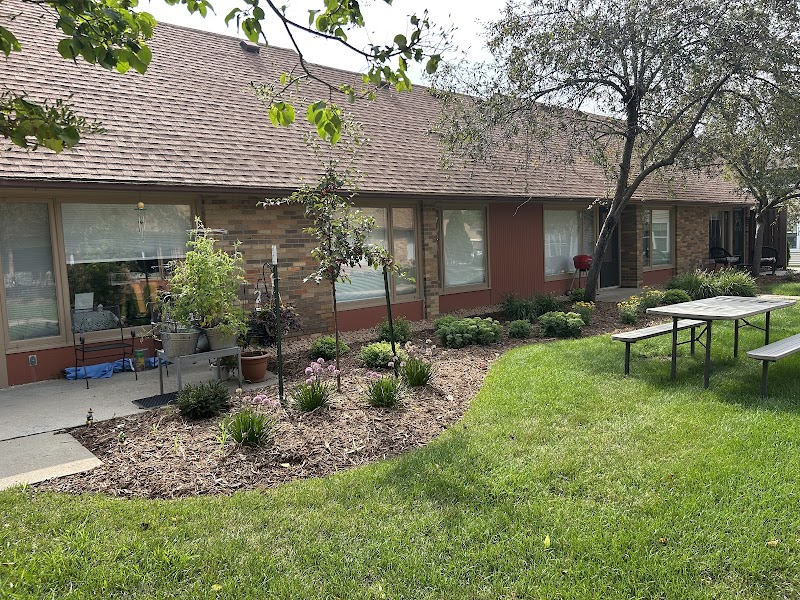
How is Madonna Towers Of Rochester Inc Staffed?

CMS rates MADONNA TOWERS OF ROCHESTER INC's staffing level at 4 out of 5 stars, which is above average compared to other nursing homes. Staff turnover is 56%, which is 10 percentage points above the Minnesota average of 46%. High turnover can affect care consistency as new staff learn residents' individual needs. RN turnover specifically is 56%, which is notably high. RNs provide skilled clinical oversight, so turnover in this role can affect medical care quality.

What Have Inspectors Found at Madonna Towers Of Rochester Inc?

State health inspectors documented 16 deficiencies at MADONNA TOWERS OF ROCHESTER INC during 2023 to 2025. These included: 1 Immediate Jeopardy (the most serious level, indicating potential for serious harm or death), 13 with potential for harm, and 2 minor or isolated issues. Immediate Jeopardy findings are rare and represent the most serious regulatory concerns. They require immediate corrective action.
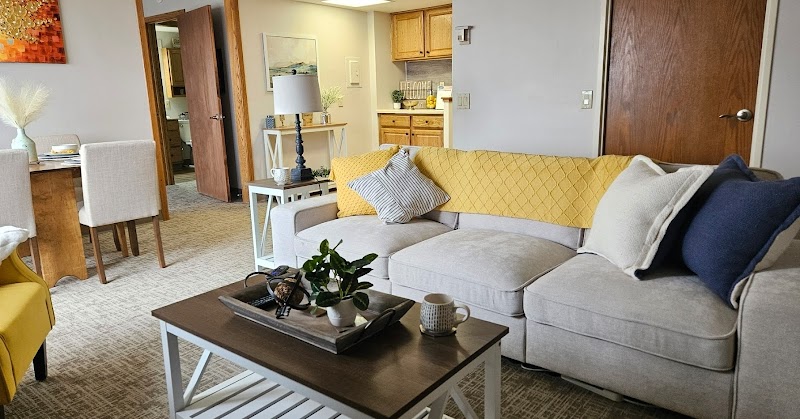
Who Owns and Operates Madonna Towers Of Rochester Inc?

MADONNA TOWERS OF ROCHESTER INC is owned by a non-profit organization. Non-profit facilities reinvest revenue into operations rather than distributing to shareholders. The facility is operated by BENEDICTINE HEALTH SYSTEM, a chain that manages multiple nursing homes. With 62 certified beds and approximately 54 residents (about 87% occupancy), it is a smaller facility located in ROCHESTER, Minnesota.
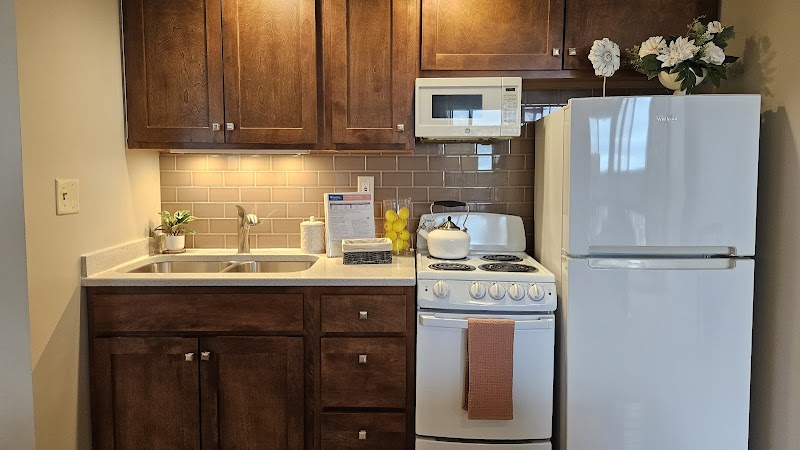
How Does Madonna Towers Of Rochester Inc Compare to Other Minnesota Nursing Homes?

Compared to the 100 nursing homes in Minnesota, MADONNA TOWERS OF ROCHESTER INC's overall rating (3 stars) is below the state average of 3.2, staff turnover (56%) is near the state average of 46%, and health inspection rating (3 stars) is at the national benchmark.

What Should Families Ask When Visiting Madonna Towers Of Rochester Inc?

Based on this facility's data, families visiting should ask: "What changes have been made since the serious inspection findings, and how are you preventing similar issues?" "How do you ensure continuity of care given staff turnover, and what is your staff retention strategy?" "Can I visit during a mealtime to observe dining assistance and food quality?" "How do you handle medical emergencies, and what is your hospital transfer rate?" These questions are particularly relevant given the facility's Immediate Jeopardy citations and the facility's high staff turnover rate.

Is Madonna Towers Of Rochester Inc Safe?

Based on CMS inspection data, MADONNA TOWERS OF ROCHESTER INC has documented safety concerns. Inspectors have issued 1 Immediate Jeopardy citation (the most serious violation level indicating risk of serious injury or death). The facility has a 3-star overall rating and ranks #100 of 100 nursing homes in Minnesota. Families considering this facility should ask detailed questions about what corrective actions have been taken since these incidents.

Do Nurses at Madonna Towers Of Rochester Inc Stick Around?

Staff turnover at MADONNA TOWERS OF ROCHESTER INC is high. At 56%, the facility is 10 percentage points above the Minnesota average of 46%. Registered Nurse turnover is particularly concerning at 56%. RNs handle complex medical decisions and coordinate care — frequent RN changes can directly impact care quality. High turnover means new staff may not know residents' individual needs, medications, or preferences. It can also be disorienting for residents, especially those with dementia who rely on familiar faces. Families should ask: What is causing the turnover? What retention programs are in place? How do you ensure care continuity during staff transitions?

Was Madonna Towers Of Rochester Inc Ever Fined?

MADONNA TOWERS OF ROCHESTER INC has been fined $10,196 across 1 penalty action. This is below the Minnesota average of $33,181. While any fine indicates a compliance issue, fines under $50,000 are relatively common and typically reflect isolated problems that were subsequently corrected. Families should ask what specific issues led to these fines and confirm they've been resolved.

Is Madonna Towers Of Rochester Inc on Any Federal Watch List?

MADONNA TOWERS OF ROCHESTER INC is not on any federal watch list. The most significant is the Special Focus Facility (SFF) program, which identifies the bottom 1% of nursing homes nationally based on persistent, serious quality problems. Not being on this list means the facility has avoided the pattern of deficiencies that triggers enhanced federal oversight. This is a positive indicator, though families should still review the facility's inspection history directly.