Rochester East Health Services
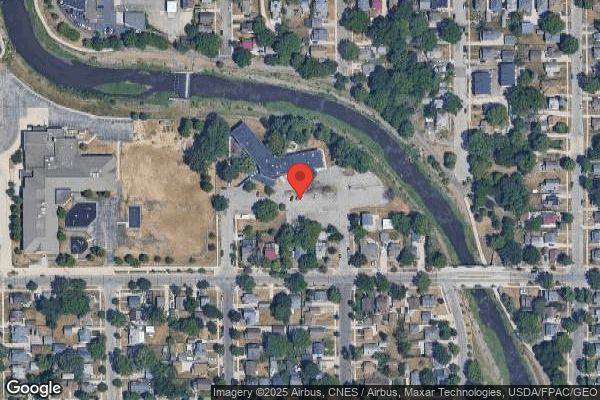
501 EIGHTH AVENUE SOUTHEAST, ROCHESTER, MN 55904 (507) 288-6514
For profit - Corporation 111 Beds NORTH SHORE HEALTHCARE Data: November 2025 1 Immediate Jeopardy citation
Trust Grade
13/100
#258 of 337 in MN
Last Inspection: January 2025

Within standard 12-15 month inspection cycle. Federal law requires annual inspections.

Overview

Rochester East Health Services has received a Trust Grade of F, indicating a poor performance with significant concerns about care quality. Ranking #258 out of 337 nursing homes in Minnesota places it in the bottom half, and #4 out of 8 in Olmsted County suggests only three local options are better. The facility is worsening, with issues increasing from 2 in 2024 to 24 in 2025. While staffing is a strength with a perfect 5-star rating and lower turnover at 33%, the facility has alarming fines totaling $111,761, which is higher than 91% of Minnesota facilities, pointing to ongoing compliance problems. Specific incidents of concern include a critical failure to assess and manage fall risks, leading to severe injuries for one resident, and serious mismanagement of pressure ulcers that resulted in actual harm for another resident. Overall, while there are some strengths in staffing, the significant issues and fines raise serious red flags for potential residents and their families.

Trust Score
F
13/100
In Minnesota
#258/337
Bottom 24%
Safety Record
High Risk
Review needed
Inspections
Getting Worse
2 → 24 violations
Staff Stability
○ Average
33% turnover. Near Minnesota's 48% average. Typical for the industry.
Penalties
✓ Good
$111,761 in fines. Lower than most Minnesota facilities. Relatively clean record.
Skilled Nurses
✓ Good
Each resident gets 80 minutes of Registered Nurse (RN) attention daily — more than 97% of Minnesota nursing homes. RNs are the most trained staff who catch health problems before they become serious.
Violations
⚠ Watch
53 deficiencies on record. Higher than average. Multiple issues found across inspections.
★★☆☆☆
2.0
Overall Rating
★★★★★
5.0
Staff Levels
★★☆☆☆
2.0
Care Quality
★☆☆☆☆
1.0
Inspection Score
Stable
2024: 2 issues
2025: 24 issues

The Good

  • 5-Star Staffing Rating · Excellent nurse staffing levels
  • Full Sprinkler Coverage · Fire safety systems throughout facility
  • No fines on record
  • Staff turnover below average (33%)

    15 points below Minnesota average of 48%

Facility shows strength in staffing levels, fire safety.

The Bad

2-Star Overall Rating

Below Minnesota average (3.2)

Below average - review inspection findings carefully

Staff Turnover: 33%

13pts below Minnesota avg (46%)

Typical for the industry

Federal Fines: $111,761

Well above median ($33,413)

Significant penalties indicating serious issues

Chain: NORTH SHORE HEALTHCARE

Part of a multi-facility chain

Ask about local staffing decisions and management

The Ugly 53 deficiencies on record

1 life-threatening 2 actual harm
Sept 2025 2 deficiencies
CONCERN (D) 📢 Someone Reported This

A family member, employee, or ombudsman was alarmed enough to file a formal complaint

Potential for Harm - no one hurt, but risky conditions existed

Deficiency F0554 (Tag F0554)

Could have caused harm · This affected 1 resident

**NOTE- TERMS IN BRACKETS HAVE BEEN EDITED TO PROTECT CONFIDENTIALITY** Based on observation, interview, and document review, the facility failed to complete a comprehensive assessment for self-admini...

Read full inspector narrative →
**NOTE- TERMS IN BRACKETS HAVE BEEN EDITED TO PROTECT CONFIDENTIALITY** Based on observation, interview, and document review, the facility failed to complete a comprehensive assessment for self-administration of medications for 1 of 1 resident (R1) reviewed for respiratory and oxygen. Findings include: R1's face sheet dated 9/10/25, identified diagnoses of chronic obstructive pulmonary disease (a group of lung disease that block airflow and make it difficult to breathe) and asthma (a condition in which a person's airway becomes inflamed, narrows, swells, and produces mucus). R1's admission Minimum Data Set (MDS) dated [DATE] identified R1was oxygen dependent and had moderate impaired cognition. R1's care plan focus dated 8/12/25, identified R1 was at risk for respiratory impairment with a goal to not develop acute respiratory distress. Interventions were as followed: administer medications as ordered; administer oxygen as ordered; encourage deep breathing exercises; and elevate head of bed. R1's physician orders included the following:-Ventolin (inhaler used to treat or prevent bronchospasm-airway tightening) inhaler to take one puff every four hours as needed (PRN) for wheezing or shortness of breath (start date of 8/12/25).-Dulera (corticosteroid) inhaler to take two puffs twice daily for COPD (start date of 8/12/25). R1's progress note dated 8/14/25, identified R1 self-administered Dulera inhaler due it being in her pocket. R1's progress note dated 9/9/25 at 5:33 p.m., identified R1 had taken her Dulera inhaler shortly after lunch and had medication in pocket. R1's record did not include a comprehensive self-administration of medication assessment nor a physician's order for R1 to self-administering medications per facility policy. During an interview and observation on 9/9/25 at 4:52 p.m., registered nurse (RN)-A entered R1's room to administer Dulera inhaler. R1 informed RN-A that she would not take another dose, because she had already self-administered the medication earlier. RN-A then informed R1 that the dose of Dulera was scheduled and she still would need to take the dose. R1 stated to RN-A, I don't want to take it, because then I would get a double dose. R1 then removed a clear baggie out of her left pocket that contained two inhalers (Ventolin and Dulera). R1 stated she had asked her daughter to bring the inhalers from home, because in the event she becomes short of breath she needed to have quick access to her inhalers, and I do not have time to find a nurse to get them for me. R1 had informed staff she wanted to be able to continue to administer them herself, however, staff told her the inhalers need to be kept in the medication cart, so R1 stated I just keep them in my pocket then. During an interview on 9/9/25 at 5:10 p.m., RN-A stated a self-administration medication assessment needed to be completed prior to a resident to be able to keep medications at bedside and be able to self-administer such medications. RN-A stated she had been aware that R1 had the Ventolin and Dulera inhalers in her possession for at least two weeks and had been self-administering the medications herself at times, however, R1 had not had a comprehensive assessment completed to determine if she was able to self-administer the inhalers. During an interview and observation on 9/10/25 at 7:23 a.m., R1 was in her wheelchair sitting in the doorway of her room and informed RN-B she administered her Dulera inhaler and would not need to have a dose. RN-B stated she had been aware R1 had two inhalers (Ventolin and Dulera) in her pocket for the last couple of weeks and had been administering them herself, however, R1 had not had a comprehensive assessment completed to determine if she was capable to administer the medications. During an interview on 9/10/25 at 1:43 p.m., director of nursing (DON) stated R1 had not had a self-administer medication assessment completed due to her not being aware R1 had the inhalers on her person and wanted to self-administer and keep at bedside. DON stated all residents who chose to self-administer medication should have a comprehensive assessment completed to determine if they are able to administer the medications safely and appropriately, however, R1 had not had this completed. Review of the facility's Self-Administration by Resident Policy dated 1/23, identified residents who desire to self-administer medications are permitted to do so with a prescriber's order and if the nursing care center's interdisciplinary team (IDT) has determined that the practice would be safe and the medications are appropriate and safe for self-administration.
CONCERN (D) 📢 Someone Reported This

A family member, employee, or ombudsman was alarmed enough to file a formal complaint

Potential for Harm - no one hurt, but risky conditions existed

Medical Records (Tag F0842)

Could have caused harm · This affected 1 resident

**NOTE- TERMS IN BRACKETS HAVE BEEN EDITED TO PROTECT CONFIDENTIALITY** Based on interview and document review the facility failed to maintain a complete, accurate, and readily accessible medical reco...

Read full inspector narrative →
**NOTE- TERMS IN BRACKETS HAVE BEEN EDITED TO PROTECT CONFIDENTIALITY** Based on interview and document review the facility failed to maintain a complete, accurate, and readily accessible medical record for 2 of 4 residents (R1, R4) reviewed for medical record accuracy. Findings include:R1's face sheet dated 9/10/25, identified diagnoses of chronic obstructive pulmonary disease (a group of lung disease that block airflow and make it difficult to breathe), asthma (a condition in which a person's airway becomes inflamed, narrow, and swell, and produce mucus).R1's admission Minimum Data Set (MDS) dated [DATE], identified R1was oxygen dependent. R1's care plan focus dated 8/12/25, identified R1 was at risk for respiratory impairment with a goal to not develop acute respiratory distress. Interventions were as followed: administer medications as ordered; administer oxygen as ordered; encourage deep breathing exercises; and elevate head of bed.R1's physician orders included the following:-Oxygen continuous at 3 liters/minute (L/min) via nasal cannula (NC) (start date 8/12/25 with an end date of 9/9/25) R1's physician progress note dated 8/19/25, included order placed for oxygen at 2 L/min via NC-wean as tolerable; R1's electronic health record (EHR) did not identify the order for oxygen 2 L was transcribed into the physician's orders as directed. R1's August and September 2025 treatment administration record (TAR), identified the physician order for oxygen at 3 L via NC every shift but did not identify the order written by the physician on 8/19/25. In review of the TAR in conjunction with progress notes, it could not be ascertained how much oxygen R1 was administered; R1's TAR identified R1 received 3 L of oxygen from 8/12/25 through 9/8/25 except when documentation identified R1 refused oxygen the evening shifts of 8/26/25 and 9/7/25, and on the day shift of 9/9/25. Even though the TAR identified 3L was administered, R1's progress notes identified R1 was administered 2L of oxygen on 8/14/25; 8/19/25; 8/25/25; 8/29/25; 8/31/25; 9/1/25; and 9/7/25. R1's progress note dated 9/9/25, included a Situation Background Assessment Response (SBAR) was sent to the physician to inform them that R1 refused to wear continuous oxygen and had not used for two days and would like to change oxygen to as needed (PRN). During an interview on 9/10/25 at 10:40 a.m., registered nurse (RN)-C stated R1's TAR was not accurate. R1's TAR consistently showed that R1 was receiving 3 L of oxygen, however, R1's progress notes identified R1 was administered 2 L of oxygen at times. RN-C indicated she had written the SBAR notification to the physician pertaining to R1's oxygen usage. RN-C noted R1's record did not have documentation of refusals. RN-C had received verbal reports from nurses that R1 had been refusing her oxygen; she based the notification to the physician on verbal reports and not what was documented. During an interview on 9/10/25 at 7:43 a.m. RN-B stated he documented in R1's progress notes that 2 L of oxygen was administered, however, documented in the TAR that R1 received 3 L of oxygen. RN-B stated that this would make R1's medical record inaccurate. During an interview on 9/10/25 at 1:43 p.m., director of nursing (DON) stated R1's 8/19/25 physician order to change oxygen to 2 L per minute- wean as tolerable, was not entered into R1's medical record and the physician order for R1's oxygen remained at 3 L continuous, however, R1's progress notes identified that R1 had been getting oxygen at 2 L and the TAR was being signed since 8/12/25 that R1 was getting 3 L of oxygen. DON stated R1's record was inaccurate due to conflicting information regarding oxygen use. R4's face sheet dated 9/11/25, identified diagnoses of chronic kidney disease, cellulitis of left toe, diabetes, and heart failure. R4's Significant Change Minimum Data Set (MDS) dated [DATE], identified R4 received dialysis and was taking an antibiotic. R4's hospital after visit summary (AVS) dated 8/27/25, included a physician order for Augmentin (antibiotic) 500 milligram (mg)-125 mg take one tablet by mouth two times per day for 28 doses. R4's electronic health record (EHR) physician orders identified an order entered into the system as a verbal order dated 8/28/25 for Augmentin 500 mg-125 mg give one tablet twice daily for 28 administrations with a start date of 8/28/25. The order was updated on 8/29/25 to identify a stop date of 8/29/25. There was no further information regarding the stop date of the order. In review of R4's record which included but was not limited to progress notes, physician's orders, and documents electronically scanned into the MISC tab of the facility's EHR system there was no corresponding written order and/or physician note that addressed the discontinuation of the antibiotic that was on the hospital AVS dated 8/27/25. During an interview on 9/10/25 at 5:30 p.m. RN-D reviewed R4's facility electronic records and was unable to find a physician order and/or visit note that addressed the discontinuation of the Augmentin on 8/29/25 and indicted she did not know where it would be or came from. During an interview on 9/10/25 at 9:06 a.m. health unit coordinator (HUC) stated she had access to the outside medical records but was not aware of the process on who was responsible for pulling the notes out of the outside EHR to make sure they got into the resident's medical record at the facility. During an interview on 9/10/25 at 5:40 p.m., DON reviewed R4's facility electronic records and confirmed the record did not address the discontinuation of Augmentin. DON referenced a clinic/hospital outside record system that the facility staff had access to so that they could retrieve clinic and/or hospital records. DON logged into the outside EHR system and was able to locate a nurse practitioner note dated 8/29/25 that identified R4 was to receive intravenous cefepime (antibiotic) with dialysis through 9/5/25. DON explained there was only certain staff that had access to the clinic/hospital EHR; herself, nurse managers, and health unit coordinator. During the interview the DON did not specify a process/system pertaining to how the documents were downloaded from the outside EHR and uploaded to the facility's EHR. Review of the facility's Medical Record Policy dated 11/12/19, identified medical record documentation will be done according to the resident's level of care. Documentation will occur when an activity, event, or incident that is not usual for the resident or change in level of assistance occurs.
Jul 2025 11 deficiencies 1 IJ
CRITICAL (J) 📢 Someone Reported This

A family member, employee, or ombudsman was alarmed enough to file a formal complaint

Immediate Jeopardy (IJ) - the most serious Medicare violation

Accident Prevention (Tag F0689)

Someone could have died · This affected 1 resident

**NOTE- TERMS IN BRACKETS HAVE BEEN EDITED TO PROTECT CONFIDENTIALITY** Based on observation, interview, and document review, the facility failed to comprehensively assess each fall, identify causal f...

Read full inspector narrative →
**NOTE- TERMS IN BRACKETS HAVE BEEN EDITED TO PROTECT CONFIDENTIALITY** Based on observation, interview, and document review, the facility failed to comprehensively assess each fall, identify causal factors to determine reason for falls, identify potential effective interventions to decrease the risk for falls, and failed to comprehensively evaluate and implement fall interventions for 3 of 3 residents (R1, R2, and R3) reviewed for resident safety. The facility's failures resulted in an immediate jeopardy (IJ) for R1 who sustained fractures after his first and second fall.The IJ began on 5/23/25, when the facility failed to complete a comprehensive fall assessment along with root cause analysis and implement appropriate interventions after R1 attempted to self-transfer, resulting in an unwitnessed fall requiring hospitalization with a right frontal sinus fracture. Upon return from the hospital, on 6/10/25, R1 again attempted to self-transfer resulting in an unwitnessed fall requiring hospitalization where R1 sustained two left pubic bone fractures with bleeding and hematoma formation surrounding the fractures. The vice president of success (VPS)-A, vice president of human resources (VPHR)-A and director of nursing (DON) were notified of the IJ on 7/24/25 at 5:51 p.m. The IJ was removed on 7/28/25 at 2:02 p.m. after it could be verified that the facility had implemented an acceptable removal plan, however, non-compliance remained at D isolated severity level, which indicated no actual harm with potential for more than minimal harm that is not immediate jeopardy.Findings include:R1's admission Evaluation dated 5/19/25 at 6:00 p.m., identified that R1 verbalized understanding of call light/bell and was unable to use devices so a soft touch call light was provided. R1's activity of daily living (ADL) care plan identified R1 required extensive assist of one staff with bed mobility and personal hygiene. R1 required extensive assist of two staff with transfers and toileting. R1 was alert to person and was aphasic (difficulty finding words, nonsensical speech). R1 had bladder incontinence one to two times daily during the day and evening. R1 exhibited, dizziness or lightheadedness, vertigo (feeling of spinning or whirling), impulsivity or poor safety awareness, and moved too quickly. R1 exhibited gait and balance problems.R1's care plan identified a focus date 5/19/25, at risk for falls related to Arteriovenous Malformation (AVM)-(a condition where an abnormal tangle of blood vessels connecting arteries and veins, bypassing the normal capillary network in the brain that can cause bleeding and a lack of oxygen to reach the tissues which can put the person at risk for hemorrhage or ruptures that can lead to a stroke), hydrocephalus-(-condition where cerebrospinal fluid (CSF) builds up in the brain's ventricles, leading to increased pressure on brain tissue that can cause headaches, nausea, vomiting, vision problems, and difficulty with walking and balance, and cognitive deficit following a brain bleed), and medications. Interventions dated 5/19/25, included to encourage to transfer and change positions slowly, reinforce wheelchair safety as needed such as locking brakes, report development of pain, bruises, change in mental status, ADL function, appetite, or neurological status post fall, reinforce need to call for assist and scoop mattress. On 5/22/25, interventions included anti-rollbacks to wheelchair, fall mat beside bed-left side toward door, medications as ordered, medication regiment review, soft touch call light and therapy to eval and treat as ordered.R1's medical doctor (MD) progress admission note dated 5/22/25, identified reason for admission was hydrocephalus and metabolic encephalopathy- (a condition that causes brain dysfunction that can cause confusion, memory problems, and changes in mood or behavior). COGNITION: R1 exhibited a severe to profound cognitive-communication impairment characterized by deficits in orientation, attention (focused, sustained, alternating, divided), memory (immediate, delayed), visual perceptual skills (L inattention), problem solving/reasoning (insight/awareness, safety), and significantly delayed processing speed. R1 was impulsive and motor restless, requiring consistent redirection. No vital signs were taken for this visit and R1 was drowsy, but arousable and largely unintelligible. Further identified R1 had a fall within the last year.R1's admission Minimum Data Set (MDS) dated [DATE], noted R1 had moderately impaired cognition. Further identified R1 needed substantial to maximal assist of one staff with bed mobility, transfers and toileting. R1 had one fall with no injury and was occasionally incontinent of bladder and bowel. R1's Unwitnessed Fall document dated 5/23/25 at 5:50 p.m., identified R1 was found sitting on the floor in an upright position with legs extended next to his wheelchair in his room. R1 was wearing shoes and had his tray table in front of him. Family member (FM)-A reported she left R1 for a moment to get water and when she came back R1 was sitting on the floor and staff were in the room. Immediate Action taken: R1 was assessed, initial blood pressure (B/P) was elevated, but after assisting into bed B/P was checked and was 128/78. Heart Rate (H/R) was 113, Respiratory Rate (RR) was 20. Temp was 98.1, oxygen (O2) saturations 96% on 3 liters per nasal canula (NC). R1 was able to move all extremities and denied hitting his head. Corresponding Post Fall Assessment document dated 5/23/25 at 5:50 p.m. revealed incomplete sections; it did not identify R1's fall history, physical, mental/behavioral status, or medications status of R1 prior to fall. New immediate intervention was R1 was reminded to call for assist when needing help and further identified R1 was last seen 2 minutes ago by FM-A., however, did not identify when R1 was last assisted by staff and/or what services were last provided prior to the fall. R1's progress note dated 5/23/25 at 5:50 p.m., identified R1 had an unwitnessed fall, was on heparin injections every eight hours, had a history of metabolic encephalopathy, was able to move all extremities, denied hitting his head, neuro at baseline, and no bruises noted on head. Skin tear to left elbow measured 3 centimeters (cm) x 2 cm x 0.5 cm. R1 was sent to the hospital for evaluation due to being on a blood thinner.In review of R1's fall record for 5/23/25, there was no indication R1's care plan was updated to include the new interventions nor was the care plan updated to include the reminders to use the call light for assistance. Further not evident a comprehensive analysis was completed that identified modifiable and non-modifiable risk factors that may have contributed to the fall so that appropriate individualized interventions could be developed and implemented to prevent and/or mitigate the risk for recurrent falls and/or falls with major injury. Additionally, according to R1's record there was no indication of interdisciplinary team (IDT) involvement. R1's Care Area Assessment (CAA) dated 5/28/25, identified section 11. Falls, actual problem. One fall noted since admission. Out to emergency room (ER) for assessment and admitted to the hospital. Care plan considerations identified an alteration in mobility with risk of falls related to recent cardio vascular accident (CVA) with aphasia- (can include difficulty finding words, speaking in short phrases, struggling to understand others, and problems with reading and writing, cognitive/communication deficit, safety awareness issues), metabolic encephalopathy, hydrocephalus, left side neglect, insomnia, ongoing need for percutaneous endoscopic gastrostomy (PEG) tube with tube feedings per order, medications with current need for assistance to complete ADL's, toileting, and mobility tasks. R1 continued to work with physical therapy/occupational therapy (PT/OT) for rehab. Discharge plans at this time are uncertain, dependent on his final abilities/status. Continued to need assist from staff to complete his transfers. No adverse issues noted with medications. Interventions noted to be ongoing per care plan.R1's Hospital Discharge summary dated [DATE], identified R1 was hospitalized from [DATE] to 6/9/25. Details of hospital stay identified reason for admission was initial head injury, history of falling and pneumonia. Hospital course identified R1unfortunately sustained a fall at his skilled nursing facility (SNF) on 5/23/25, related to his impulsiveness and weakness. CT scan of R1's head showed fracture lines extending through the frontal sinus with communication intracranially and new extra axial fluid collection adjacent to the fracture lines [indicates a serious injury involving the skull, where a break in the frontal bone has opened a path into the brain, leading to an accumulation of fluid outside the brain and within the skull].Decision was made to focus on keeping R1 comfortable with comfort focused care and will be discharged back to the skilled nursing facility.R1's MD Progress note, dated 6/10/25, identified a readmission visit, brief summary of hospitalization form 5/23/25 to 6/9/25, identified R1 suffered an unwitnessed fall at SNF on 5/23, subsequently readmitted to the hospital and the ED workup demonstrated frontal sinus fracture. Narrative history identified that FM-A cited R1's urinary and stool incontinence as well as impulsivity and safety concerns as barriers to returning home. Regarding stool incontinence, R1 has significant diarrhea and cannot seem to get up and go to the bathroom on time. FM-A described R1's impulsivity and that he does not realize that he isn't safe to walk and often tries to get up and go on his own. FM-A has noticed more cognitive decline in the last few weeks.Although R1's physician note dated 6/10/25 identified safety concerns with impulsivity, indicated R1 had an unawareness of his limitations in ability to walk, tried to self-transfer, and had urinary and bowel incontinence with significant diarrhea, there was no indication of comprehensive bowel and bladder assessment that would determine an individualized toileting program nor an assessment that determined R1's required level of supervision to mitigate risk of falls related to impulsivity, self-transfers, and incontinence. R1's Unwitnessed Fall document dated 6/10/25 at 4:00 p.m., identified R1 was found lying on his right side with his head facing the bed. R1 said yes when asked if he hit his head, stated he was trying to get up. R1 complained of right hip pain 9/10, PRN (ad needed) Tylenol 500 mg was administered, pain was still 9 out of 10 thirty (30) minutes later and was not able to bear weight on his right side. R1 was sent to the hospital for further evaluation. Further identified R1 was confused, room had poor lighting, was transferring self. Lacked mental status assessment. Corresponding Post Fall assessment dated [DATE] at 4:00 p.m., did not list date and time of most recent falls, indicated R1 was last seen at 5:00 p.m., (even though documentation identified the fall occurred at 4:00 p.m.) by registered nurse (RN)-B. Further identified R1 was wearing socks/stockings and was getting up from a chair at the time of the fall. Care plan portion identified the new immediate intervention was shoes put on and call light within reach, however care plan was not updated.R1's progress note dated 6/11/25 documented approximately 8.0 hours after the fall at 12:04 a.m., identified R1 had a fall at around 4:00 p.m., [6/10/25] complained of 9/10 pain, was given Tylenol 500 milligrams (mg), was still in pain and unable to bear weight on right side and was sent to the hospital. In review of R1's 6/10/25 fall record did not in include a comprehensive analysis; the record did not include physical status, medication(s) administered, when R1 was last assisted, and which services were provided prior to the fall.R1's emergency room (ER) progress note dated 6/10/25, identified the chief complaint was at approximately 2:00 p.m. (time conflicted with the facility documentation that identified 4:00 p.m.), R1 suffered an unwitnessed ground level fall at SNF. He was amnestic to the events of the fall, was found by nursing staff and emergency medical services (EMS) was called. History identified R1 had a fall at SNF on 5/23/25, his workup demonstrated a frontal sinus fracture with right frontal complex fluid collection. On arrival to the emergency department (ED), computed tomography (CT) scans demonstrated R1 had an acute nondisplaced left superior and inferior pubic rami fractures-(cracks in the bones of the pelvic ring on the left side), acute intramuscular left obturator hematomas- (blood collected in the muscles of the left obturator region, indicating bleeding), acute bleeding from peri vesicular space adjacent to pubic ramus-(blood loss into the space around the bladder, located next to the broken pubic bone). R1 was admitted to medicine floor.R1's IDT Clinical review progress note dated 6/11/25 at 10:05 a.m., identified R1 had a fall on 6/10/25, root cause analysis was impulsivity, and intervention was to do frequent purposeful rounding.R1's care plan had an added intervention dated 6/11/25, to do frequent purposeful rounding, however, did not specify the intervals of frequent rounding R1 required nor address what type of footwear needed. During a phone interview on 7/23/25 at 1:09 p.m., FM-A stated R1 could not safely get up by himself that's why he was at the facility to work with therapy. Since the day R1 was admitted FM-A told the facility R1 needed constant supervision because he was so impulsive, but did not feel like anyone listened to her. FM-A was at the facility in his room every day from about 9:00 a.m. to around 5:00 p.m. and then another family member would come for a couple hours in the morning and a couple hours in the evening after she left until R1 was asleep. Family thought this was necessary because they had noticed no staff would ever come into R1's room to check on R1 or offer toileting; family were the ones that had to put on the call light when R1 needed help. R1 was very impulsive, a typical day, no matter where he was or what he was doing, he would try to get up. FM-A told the facility R1 needed more than a low bed and a floor mat to keep him from falling, she told staff he needed supervision to which staff responded- they would do the best they can do. On 5/23/25, R1 was in his wheelchair, his tray table was in front of him with food on it. FM-A had told him she would go refresh his ice water, don't move, and would be right back. FM-A explained on her way back she heard a ruckus and heard a nursing assistant yelling someone help me we have a fall. FM-A indicated R1 sustained a skin tear which was bleeding and he was sent to the hospital where he was found to have some kind of a sinus fracture. FM-A stated I knew he was going to fall he did not have enough supervision or safety interventions in place. R1 came back from the hospital on 6/9/25, a day later he fell again fractured his pelvis and broke his hip. R1 was sitting in his recliner on 6/10/25, between 1:00 p.m. and 1:30 p.m., he was covered in a blanket, and was dozing off so she thought it would be a good time to go to the store. FM-A told staff she would be back in an hour; she wasn't gone 30 minutes when the facility called to inform her R1 had fallen and was now complaining of a sore left hip. FM-A asked the staff what happened, and they told her they didn't know. The ER doctors said he broke his left hip and pelvis, and they really couldn't do anything for his type of injury and the only choice was comfort care. FM-A stated R1 needed more supervision but felt this was not provided by the facility and now he [R1] was gone. During an interview on 7/28/25 at 11:53 a.m., registered nurse (RN)-A stated she was the one who admitted R1. He was very impulsive and slightly aphasic; he would climb out of his wheelchair without saying what he was doing. R1's family was here all the time they were always afraid he was going to fall because he was so impulsive. RN-A was unaware R1 had a fracture after his first fall. RN-A was asked at what point they would do increased supervision for a fall prevention intervention. RN-A indicated R1 probably required one-to-one supervision but did not think the facility provided that level of care. During an interview on 7/29/25 at 2:33 p.m., RN-B indicated when R1 was first admitted the family was toileting him not the facility staff. The family was worried about him falling because R1 was so impulsive, so they were here a lot. RN-B was working when R1 fell on 6/10/25. RN-B stated she could not remember how he was found on the floor and that the documentation in his medical records did not identify that. When RN-B walked into R1's room to assess him, he was on the floor lying on his right side in front of his recliner without his shoes on and only regular socks. RN-B did not investigate the fall to determine if R1's basic needs were met such as the last time he was assisted with toileting or if he was incontinent at the time of the fall. R1 was having severe pain, and they decided to send him to the hospital for further evaluation. RN-B stated she documented the root cause of the fall as not wearing shoes but stated she did not update the care plan to reflect that. During an interview on 7/23/25 at 2:56 p.m., nurse manager (NM)-A described R1 as complex, cognition varied, was incontinent of bladder, required extensive assist with ADLs and was very impulsive with his movements. NM-A further indicated R1's family spent a great deal of time with R1 because they were afraid R1 was going to fall due to his impulsivity. NM-A explained when a resident falls, the floor nurse should first assess the resident for injury, notify physician and family, document findings in risk management, in progress note, and on the post fall assessment. The nurse was supposed to put an immediate fall prevention intervention in place and that would be documented in the post fall assessment. The interdisciplinary team (IDT) would then meet Monday through Friday at 9:00 a.m., where falls would be reviewed to ensure each resident had a root causal analysis with an appropriate intervention added to the care plan. NM-A was unsure who was responsible to ensure each resident's care plan was updated. NM-A stated R1 had a fall on 5/23/25, the fall was not comprehensively assessed to determine a root cause and there was no new intervention developed/implemented to his care plan for future fall prevention. NM-A stated R1 was sent to the hospital on 5/23/25 and did not return to the facility until 6/9/25, he was hospitalized for pneumonia. R1then fell on 6/10/25; that fall was not comprehensively analyzed either. NM-A stated IDT met on 6/11/25, to discuss root cause and they came up with R1 fell due to impulsivity and put an intervention in place to do purposeful frequent rounding. However, identified that intervention would not be measurable and was not able to articulate how staff would know when to round on R1 or how to document. NM-A stated at the very least the care plan should have been developed/implemented to ensure appropriate footwear was on since R1 had regular socks on. R1 was a resident who needed frequent supervision due to his impulsivity. During an interview on 7/24/25 at 3:20 p.m., director of nursing (DON) explained the process for a resident with an unwitnessed fall included the nurse completed a full body assessment for injury and start neuro checks. After it was determined the resident was safe staff were to notify the physician and family. The nurse should then document the fall in risk management which included completing the incident report and post fall assessment along with making a progress note. The floor nurse should then put an immediate intervention in place. DON indicated IDT met Monday through Friday and discussed each fall in real time except for falls that happened on the weekends to ensure there was a root cause and prevention intervention documented in the resident care plan. If IDT met about a residents fall there would be an IDT note in the resident's progress notes. R1 had a complex medical history and came to facility with neurological problems and had impulsivity and R1's family stayed with R1 most of the day because they were scared, he would fall. DON indicated they tried to put several interventions in place to prevent his falls but did not consider increased supervision as one of the interventions. R1 had an unwitnessed fall four days after his admission on [DATE]. The facility did not ensure R1's basic needs were met indicating the fall assessment was not comprehensive. DON was unable to articulate why IDT never met to try and find a root cause and appropriate fall prevention intervention to prevent future falls and indicated it may have been because R1 was hospitalized from [DATE] to 6/9/25. DON was unaware that R1 sustained a right frontal sinus fracture from R1's fall and stated NM-A would have been responsible to thoroughly read through the hospital record upon readmission to determine that. DON stated R1 fell on 6/10/25, and IDT met the following day and determined the root cause to be impulsivity with a prevention intervention to do frequent purposeful rounding that was updated on R1's care plan. DON stated the intervention would not be measurable and was not able to articulate how staff would know when to round on R1 or how to document said intervention. R1's care plan should have been developed/implemented to ensure R1 was wearing appropriate footwear and should have had increased supervision due to his impulsivity.The immediate jeopardy for R1 was removed on 7/28/25, at 2:02 p.m., when it was verified, the facility developed and implemented the following:-Reviewed falls policy and remained current -Completed comprehensive fall risk assessments on all residents, reviewed/revised/implemented care plan with appropriate interventions.-Identified like residents who were at high risk for falls with falls since 5/23/25 and reviewed/revised care plans with appropriate fall interventions in place.-All staff were provided education on the fall program policy, comprehensive fall assessments, root cause analysis and ensuring fall prevention interventions are care planned and implemented as it pertained to their scope of practice. R2R2's admission Evaluation dated 5/2/25, identified R2 required limited assist of one staff for transfers, bed mobility, toileting and personal hygiene. Level of consciousness not assessed. R2 was continent of bladder and on diuretics. Balance identified R2 was impulsive and had poor safety awareness. Fall history of one to two falls within the last 30 days. Agitated behavior that occurred less than daily in the last seven days. R2 was at risk for falls. Care plan portion identified goals to minimize risk for falls and injury related to falls. Interventions included bed in low position and encourage to transfer and change positions slowly.R2's care plan identified a focus dated 5/2/25, at risk for falls related to right sided hemiplegia (paralysis on one side of the body) and right sided hemiparesis (weakness on one side of the body) secondary to a cerebral vascular infarction (stroke). Interventions dated 5/2/25, was to encourage to transfer and change positions slowly. On 5/9/25, included to have commonly used articles within easy reach, therapy eval and treat as ordered and use wheelchair for independent locomotion and walker with gait belt and assist of one for ambulation.R2's admission MDS dated [DATE], identified R2 had severely impaired cognition, diagnoses of ischemic stroke with hemiplegia affecting right dominant side, dysarthria-(a motor speech disorder that makes it difficult to speak clearly due to impaired muscle control in the face, mouth, or respiratory system that can impact articulation, voice quality, and speech rhythm), diabetic neuropathy-(nerve damage caused by diabetes, often leading to numbness, tingling, and pain in the extremities, particularly the hands and feet), osteoarthritis of right knee, pain in right shoulder and right foot, and urinary retention. R2 required partial to moderate assist with hygiene and transfers and required substantial to maximal assist with dressing and donning and doffing footwear. In addition, R2 had a fall within the last 30 days prior to admission.R2's CAA dated 5/9/25, identified Falls as an actual problem. No falls noted since admission. Care plan considerations identified R2 had alteration in mobility with risk for falls following hospital stay for pneumonia, underlying hemiplegia, diabetes mellitus (DM), acute kidney injury (AKI), chronic kidney disease (CKD), right foot pain, and medications that could affect his overall mobility status. R2 continues to work with PT/OT for rehab. Currently needs assist with completing ADL's, toileting, and mobility tasks. Lived with family with plan to return back to that living situation, pain management continues to be ongoing, noted to have right foot and shoulder pain. Staff will continue with ongoing assistance. Interventions remain ongoing per care plan to assist with preventing any future falls.R2's Unwitnessed Fall document dated 5/11/25 at 1:00 p.m., identified R2 was found sitting between the leg rests of the wheelchair. R2's shoe Velcro was caught in leg rest. R2 stated, he was trying to go to the bathroom. R2 denied hitting his head. Further identified R2 had improper footwear and was transferring self. The form was not completed; did not address mental status, predisposing environmental and physiological factors. Corresponding Post Fall assessment dated [DATE] at 1:00 p.m., identified R2 did not have a fall history, indicated R2 was last seen at 3:00 p.m., by registered nurse (RN)-B. Further identified R2 was going to the bathroom at the time of the fall and that R2 had unsteady gait. Mental status prior to the fall and after the fall identified that R2 was confused some of the time. Care plan portion identified the new immediate intervention was to ensure the call light was within reach, however review of R1's care plan revealed the care plan was not updated.R2's progress note dated 5/11/25 at 3:11 p.m., identified R2 was found sitting between the leg rest of the wheelchair, R2's shoe Velcro was caught in leg rest. R2 stated he was trying to go to the bathroom and denied hitting head.R2's IDT Clinical Review progress note dated 5/12/25 at 9:41 a.m., identified root cause of R2's fall was to catch Velcro on the wheelchair. Intervention was to make sure Velcro was trimmed and remove the foot pedals.In review of R2's 5/11/25 fall record identified no indication a comprehensive fall analysis had been completed to determine appropriate individualized interventions were developed and implemented. Further, even though the fall record identified R2 fell trying to get to the bathroom, R2's care plan did not include a toileting schedule when R1 required assist of one staff with toileting.R2's Unwitnessed Fall document dated 6/4/25 at 3:10 p.m., identified activity manager reported that R2 was on the floor. Was trying to get up and his wheelchair wheels did not lock. Upon assessment writer found R2 lying on his back on the floor, denied hitting head. R2 did not sustain any injuries from the fall, DON on duty notified along with family. R2's progress note dated 6/4/25 at 3:56 p.m., identified that activity manager reported that R2 was on the floor, upon assessment writer found R2 lying on his back on the floor, denied hitting head. R2 did not sustain any injuries from the fall. Although R2's care plan was updated on 6/6/25, to have R2 evaluated by therapy as needed to assist for safe transfers and walking. Review of R2's OT and PT notes identified he had been receiving both therapy services since 5/5/25. In review of R2's 6/4/25 fall documentation revealed no indication of IDT involvement. Further the records did not include a comprehensive analysis to determine modifiable and non-modifiable risk factors so that individualized interventions could be developed and implemented to prevent and/or mitigate R2's risk of re-current falls. R2's quarterly MDS dated [DATE], identified R2 had severely impaired cognition, required limited assist with bed mobility, transfers and toileting and had two or more falls without injury.R2's Unwitnessed Fall document dated 6/9/25 at 4:50 p.m., identified an aide found R2 sitting on the floor next to his bed and stated, I was trying to clean the floor. R2 denied hitting head and pain form falling. R2 was alert and oriented to the event. DON and family notified. Document was not completed- lacked predisposing physiological factors. Corresponding Post Fall assessment dated [DATE] at 4:50 p.m., identified the aforementioned information and included the following additional information; R2 had one to two falls in the last 30 days but lacked dates and times of falls; safety check (record does not address why R2 was on 15-minute checks) was provided 15 minutes prior to the fall at 4:20 p.m. he was sitting in his wheelchair but did not identify when he was last assisted. R2 had a behaviors that occurred daily or more: wandering, verbally abusive, physically abusive, calls out, socially inappropriate, noisy, screams, disrobes, self-abusive, rummages hoards etc.Identified R2 had call light within reach and bed locked. Care plan portion identified R2 was educated to call for help before getting up, R2 was on 15-minute safety checks by writer to prevent falling. Writer an aide needs to check on resident. Care plan was not updated. R2's progress note dated 6/9/25 at 5:31 p.m., identified aide found R2 sitting on the floor in room.R2's IDT Clinical Review progress note dated 6/10/25 at 12:30 p.m., identified root cause of fall was R2 continued to walk with wheelchair, prevention intervention was to educate R2 on need not to use wheelchair as a walker.In review of R2's 6/9/25 fall record there was no indication of a comprehensive fall analysis that identified root cause, and the care plan was not updated to reflect the15-minute checks. During an interview on 7/28/25 at 11:10 a.m., nursing assistant (NA)-B stated she was the aide responsible for R2. R2 did walk but he was very unsteady and did try and get up frequently. NA-B thought he was independent with toileting and ADLs and was unaware he had falls. NA-B indicated R2 was incontinent at times and stated she would look at the Kardex to determine how often to offer toileting or any safety checks. During an interview on 7/23/25 at 3:35 p.m., NM-A stated after reviewing falls on 5/11/25, 6/4/25, and 6/9/25, they were not comprehensively assessed to determine if R2's basic needs were met as he needed staff assist with ADLs. R2's fall on 5/11/25, should have addressed his toileting routine/needs but it did not. The fall on 6/4/25, should have addressed his wheelchair brakes and it did not. The fall on 6/9/25, was not root caused and the intervention to the care plan was not updated until 6/24/25. During an interview on 7/24/25 at 3:18 p.m., DON indicated R2's falls on 5/11/25, 6/4/25, and 6/9/25 were not comprehensively assessed and interventions were not always implemented or related to the root cause. DON stated R2's fall on 5/11/25 had to do with toileting, R2 has incontinence, and the care plan should have addressed that. In relation to the fall that occurred on 6/9/25, she was unaware the unaware the nurse had him on 15-minute checks or why, the fall should have been comprehensively assessed to determine if his basic needs were met so we could figure out a more appropriate fall preventions intervention.R3R3's admission Evaluation dated 6/2/25 at 12:00 p.m., identified that R3 required extensive assist of one staff with bed mobility, transfers and toileting. R3 was alert to person, place and time, had bladder incontinence one to two times daily during the day and evening once or more a shift and had difficulty initiating urine flow. R3 had a history of falls: one to two falls in the last 30 days, last two months and last six months. R3 was at risk for falls with a goal to minimize the risk for falls. No fall interventions identified.R3's care plan identified a focus date 6/2/25, at risk for falls due to: Parkinsonism, dementia with cognitive losses, restless leg syndrome, bladder incontinence, constipation, decline in mobility status. In
CONCERN (D) 📢 Someone Reported This

A family member, employee, or ombudsman was alarmed enough to file a formal complaint

Potential for Harm - no one hurt, but risky conditions existed

Deficiency F0573 (Tag F0573)

Could have caused harm · This affected 1 resident

**NOTE- TERMS IN BRACKETS HAVE BEEN EDITED TO PROTECT CONFIDENTIALITY** Based on interview and document review the facility failed to ensure 1 of 1 resident (R1) received a copy of their medical recor...

Read full inspector narrative →
**NOTE- TERMS IN BRACKETS HAVE BEEN EDITED TO PROTECT CONFIDENTIALITY** Based on interview and document review the facility failed to ensure 1 of 1 resident (R1) received a copy of their medical record per request in a timely manner, within 2 working days upon request excluding weekends and holidays. Findings include:R1's admission Minimum Data Set (MDS) dated [DATE], noted R1 had moderately impaired cognition. Section F identified preferences for customary routine and activities. Interview for daily preferences indicated it was very important to have family, or a close friend involved in discussions about your care.R1's Medical Record Request form dated 7/1/25, identified family member (FM)-A requested R1's entire medical record from 5/19/25 until 6/11/25. The facility form was signed by FM-A and director of nursing (DON) on 7/1/25.During a phone interview on 7/23/25 at 1:09 p.m., FM-A stated for the last three- and one-half weeks, she had been trying to get R1's medical records and still had not received them. FM-A indicated she spoke with the DON on 7/1/25, she had her fill out a medical request form and told her no problem we will get those records for you. FM-A stated she called the executive director on 7/9/25 and was told she didn't know anything about it, and she would get it taken care of. FM-A stated she tried to call the corporate office on 7/14/25, and when she called no one answered and there was no voicemail option to leave a message. FM-A indicated she had called the DON to try and get an update on 7/22/25 and left a voicemail and had not heard back from anyone why it was taking so long to receive R1's medical records. During an interview on 7/24/25, at 3:20 p.m. DON stated FM-A had reached out asking for R1's medical records, FM-A signed a medical release form on 7/1/25. FM-A did reach out to several of us at the facility wanting R1's medical records in the last two to three weeks. DON explained we can't just send the medical records when requested, we have to send the request to corporate and then they take care of it. DON stated FM-A should have received the medical records by now.A facility policy titled Release of Medical Records, implemented 7/24/23, identified medical records will be released with a valid request and in accordance with state and federal laws.1. Medical Records are a collection of documents prepared and maintained during the course of a resident's stay in the facility that records the clinical/medical care of the resident. These documents can be written or electronic information and include progress notes, physician orders, nursing notes, consultations, laboratory and diagnostic reports, and plans of care. These documents do not include risk management reports such as incident reports, investigation reports, witness statements, or other quality assurance documents such as skin reports, weight loss reports, etc. 2. Requests for records should immediately be emailed to North Shore Healthcare's Medical Records request inbox at medrecords@nshorehc.com, along with a copy of the relevant legal document and/or authority for the requestor to obtain copies of said records. If no legal papers are in the possession of the facility, the facility should request copies of any legal papers necessary to authenticate authority. The Director of Nursing for said facility shall be copied on said communications. 3. Upon request to access or obtain copies of the medical record, the legal department shall review the authorization to ascertain access rights of that person. Authority to access or release records is only granted by the resident or the resident's legal representative. 4. A valid request for medical information concerning a resident, by a party other than the resident, includes: a. Name of resident, b. Name and address of facility, c. Name and address of individual or organization requesting information, d. Specific information and reports requested, e. Period of stay for which information is to be released, f. Date of the request, and g. Signature of the resident or legally appointed representative authorizing release of information. 5. The legal department will advise the facility if it should complete the request on its own or if the request will be completed by legal staff at the Support Center. Records should not be released prior to discussion with Support Center staff, to further validate authenticity of the request. 6. Upon receipt of a request for medical record copies, the designee (facility or legal department as deemed in #5, above) should notify the requesting party, in writing, of the cost for obtaining records and that records are available two days after receipt of payment for the copies. Copies should not be released prior to the receipt of payment for copying charges, if applicable. 7. Fees for copying medical records are determined according to state regulations. See specific state codes for state specific release information and allowable charges. 8. Once a request for records is received, all records for that resident should be gathered and secured in a place inaccessible to anyone except the Legal Department, Administrator, Director of Nursing or designee. If the resident is a current resident, the minimum required information should be maintained at the nurse's station. As the active medical record is thinned, those documents should be filed with the secured record. 9. If requested by legal staff, nursing personnel should assist with gathering records from the active medical record, thinned records, and any other locations within the facility where records are maintained. Records should be assembled in chronological order. When documents are missing, the person assembling the record should make a notation of the items missing.10. Once the record is assembled, it should be reviewed to ensure inappropriate records have not been included.The resident or his/her legal representative may receive a copy of his/her record within 2 working days after the request has been made.
CONCERN (D) 📢 Someone Reported This

A family member, employee, or ombudsman was alarmed enough to file a formal complaint

Potential for Harm - no one hurt, but risky conditions existed

Deficiency F0655 (Tag F0655)

Could have caused harm · This affected 1 resident

**NOTE- TERMS IN BRACKETS HAVE BEEN EDITED TO PROTECT CONFIDENTIALITY** Based on interview and document review the facility failed to ensure the baseline care plan was revised and updated as needed to...

Read full inspector narrative →
**NOTE- TERMS IN BRACKETS HAVE BEEN EDITED TO PROTECT CONFIDENTIALITY** Based on interview and document review the facility failed to ensure the baseline care plan was revised and updated as needed to meet 1 of 1 resident (R1) toileting needs reviewed for falls.R1's admission Evaluation dated 5/19/25, identified under section J., R1 was incontinent of bladder more than a month, but less than a year. R1 was wet one to two times daily during the day and the nighttime, also exhibited dribbling. Bladder incontinence care plan identified a goal will be maintained in as clean and dry dignified state as possible. Continence in the last 14 days identified R1 was frequently incontinent of bladder daily but some control present.R1's baseline care plan dated 5/19/25, at 7:30 p.m., identified initial goals were to rehab and go home. Section titled, Personal Care, had a list of tasks going down the page vertically, that included: bath/shower, skin care, brushing teeth/dentures, shaving, hair care, dressing/undressing, walking, bathroom needs, eating, exercise and moving in chair/bed and other. Next to each task there was a header titled, How often, and Provided by. Under, How Often, next to bath/shower were the handwritten words, daily/weekly, with a long arrow going all the way down the page through all of the tasks. Header titled, Provided by, there was handwritten word, nursing, with a long arrow going all the way down the page through all of the tasks. R1's corresponding electronic health record (EHR) care plan identified a focus dated 5/19/25, that identified activity of daily living (ADL) self-care deficit as evidenced by needing assistance completing self-care tasks related to generalized weakness and lack of coordination secondary to multiple strokes. Interventions dated 5/19/25, assist of one with bed mobility and personal hygiene, and assist of two staff with toileting. On 5/22/25, assist of two staff with gait belt and front wheeled walker for transfers. An additional focus dated 5/22/25, for urinary incontinence related to (r/t): (specify) dated 5/19/25. Under interventions it was blank. R1's EHR care plan also identified a focus date 5/19/25, at risk for falls related to Arteriovenous Malformation (AVM)- (a condition where an abnormal tangle of blood vessels connecting arteries and veins, bypassing the normal capillary network in the brain that can cause bleeding and a lack of oxygen to reach the tissues which can put the person at risk for hemorrhage or ruptures that can lead to a stroke), hydrocephalus-(a condition where cerebrospinal fluid (CSF) builds up in the brain's ventricles, leading to increased pressure on brain tissue that can cause headaches, nausea, vomiting, vision problems, and difficulty with walking and balance), and medications. Interventions dated 5/19/25, included to encourage to transfer and change positions slowly, reinforce wheelchair safety as needed such as locking brakes, report development of pain, bruises, change in mental status, ADL function, appetite, or neurological status post fall, reinforce need to call for assist and scoop mattress. On 5/22/25, interventions included anti-rollbacks to wheelchair, fall mat beside bed-left side toward door, medications as ordered, medication regiment review, soft touch call light and therapy eval and treat as ordered. On 6/11/25, intervention included to do frequent purposeful rounding. R1's baseline care plan did not include measurable person-centered interventions to manage bowel/bladder incontinence such as type of incontinent garment usage and toileting routines. R1's progress note dated 5/23/25 at 5:50 p.m., identified R1 had an unwitnessed fall, was on heparin injections every eight hours, had a history of metabolic encephalopathy, was able to move all extremities, denied hitting his head, neuro at baseline, and no bruises noted on head. Skin tear to left elbow measuring 3 centimeters (cm) x 2 cm x 0.5 cm. R1 was sent to the hospital for evaluation due to being on a blood thinner. R1's admission Minimum Dat Set (MDS) dated [DATE], noted R1 had moderately impaired cognition with diagnoses of AVM, metabolic encephalopathy- (a condition that causes brain dysfunction that can cause confusion, memory problems, and changes in mood or behavior), hydrocephalus, and cognitive deficit following a brain bleed. Further identified R1 had one fall with no injury, needed substantial to maximal assist of one staff with mobility transfers and toileting and was occasionally incontinent of bladder and bowel. R1's Care Area Assessments (CAA) for falls and incontinence were signed as completed on 5/28/25. In review of R1's record there was no indication after the MDS was completed on 5/23/25 there was no indication R1's base line care plan interventions for falls and urinary/bladder incontinence were reviewed for appropriateness or effectiveness; no new interventions were added until after R1 returned from the hospital on 6/9/25. R1's readmission Evaluation dated 6/9/25, identified under section J., R1 was incontinent longer than a year. R1 was wet one to two times daily during the day and the nighttime. Further identified small amount of urine (spots on clothes/bed). R1's baseline care plan dated 6/9/25, at 2:00 p.m., identified initial goals were for comfort care, maintain quality of life and dignity. Section titled, Personal Care, had a list of tasks going down the page vertically, that included: bath/shower, skin care, brushing teeth/dentures, shaving, hair care, dressing/undressing, walking, bathroom needs, eating, exercise and moving in chair/bed and other. Next to each task there was a header titled, How often, and Provided by. Under, How Often, next to bath/shower were the handwritten words, weekly, All other tasks has the handwritten word, daily. Header titled, Provided by, there was handwritten word, nursing, with a long arrow going all the way down the page through all of the tasks.R1's baseline care plan was reviewed and did not identify the level of assist needed for toileting assist or how often R1 was to be assisted with toileting.R1's Bowel and Bladder task, dated June 2025 identified the following dates where R1 was incontinent of bladder, along with Toilet Use task identifying level of assist:-6/9/25 at 9:57 p.m., R1 required 1-person limited assist, and at 3:11 a.m., R1 required 1-person limited assist.-6/10/25 at 9:40 a.m., R1 required 1-person limited assist.R1's Kardex printed 7/24/25, identified R1 should not be left alone in the bathroom and required assist of 2 with toileting. During a phone interview on 7/23/25 at 1:09 p.m., family member (FM)-A stated she was at the facility with R1 from 5/19/25 until he was hospitalized after a fall at the facility on 5/23/25. FM-A stated she was there every day from 9:00 a.m. until 6:00 p.m. FM-A indicated during the time she was there no staff never came in to offer toileting to R1 and he needed help. FM-A stated she would have to put the call light on for R1 when she smelled something because R1 was in diapers, or he told her he needed to go to the bathroom. FM-A stated she was never given a copy of R1's baseline care plan.During an interview on 7/23/25 at 2:56 p.m., nurse manager (NM)-A stated that R1 was incontinent upon admit based on his admission evaluation and indicated R1's care plan did not identify any interventions for his urinary incontinence. During an interview on 7/24/25 at 3:20 p.m., the director of nursing (DON) indicated R1's baseline care plan did not include any interventions regarding R1's urinary incontinence.Baseline care plan policy requested and not received.
CONCERN (D) 📢 Someone Reported This

A family member, employee, or ombudsman was alarmed enough to file a formal complaint

Potential for Harm - no one hurt, but risky conditions existed

Comprehensive Care Plan (Tag F0656)

Could have caused harm · This affected 1 resident

**NOTE- TERMS IN BRACKETS HAVE BEEN EDITED TO PROTECT CONFIDENTIALITY** Based on interview and document review the facility failed to ensure a comprehensive care plan was developed to maintain or rest...

Read full inspector narrative →
**NOTE- TERMS IN BRACKETS HAVE BEEN EDITED TO PROTECT CONFIDENTIALITY** Based on interview and document review the facility failed to ensure a comprehensive care plan was developed to maintain or restore bladder continence for 1 of 3 residents (R2) reviewed for falls. Findings include:R2's admission Evaluation dated 5/2/25, identified under section J., R2 was continent of bladder.R2's Daily Skilled progress notes from 5/3/25 to 7/2/25, identified R2 was both incontinent and continent of bladder. R2's admission Minimum Data Set (MDS) dated [DATE], identified R2 had severe cognitive impairment and was occasionally incontinent of bladder and bowel. R2 had diagnoses of stroke with hemiplegia and urinary retention. R2's Care Area Assessment (CAA) dated 5/9/25, identified actual Urinary incontinence. Type of incontinence identified was functional (can't get to toilet in time due to physical disability, external obstacles, or problems thinking or communicating). Alteration in urinary elimination r/t occasional incontinence with need for assistance to complete task. Noted to have underlying hemiplegia, diabetes mellitus (DM), acute Kidney Injury (AKI), chronic kidney disease (CKD), medication, that could affect his elimination status. Staff will continue with assistance as needed. Monitor for any changes in elimination status, s/s of infection or skin issues r/t incontinence. It is expected that R2 will regain his continence and toileting independence as he regains strength. Interventions ongoing per care plan.R2's care plan identified a focus dated 5/9/25, identified an alteration in elimination (Urinary Retention) related to probable neurogenic bladder secondary to cerebral vascular accident and incontinence. Interventions dated 5/9/25, identified to encourage fluids if not contraindicated, evaluate for urinary complaints, monitor for abdominal distention, monitor for signs and symptoms of urinary tract infection (UTI), and report any urinary concerns to the provider.An additional focus dated 5/2/25, identified an alteration in self-care related to right sided hemiplegia and right sided hemiparesis secondary to a cerebral vascular accident. Also related to right shoulder and right foot pain. Interventions dated 5/2/25, identified R2 needed assist of 1 with bed mobility, personal hygiene, dressing, transfers and toileting.R2's care plan did not identify measurable appropriate interventions to maintain/restore continence such as a toileting program/prompted voiding schedule, cognitive cuing, easy to remove clothing. R2's progress note dated 5/11/25, at 3:11 p.m., identified R2 was found seated between the leg rest of his wheelchair, R2 stated, I was trying to go to the bathroom.R2's medical doctor (MD) progress note dated 5/22/25, identified R2 had diagnosis of urinary retention. Since R2's stroke, there has been some concern for urinary retention. It is sometimes difficult for R2 to initiate a stream, and he feels the urge to urinate frequently. Likely has an element of neurogenic bladder, not yet evaluate by urology. Currently on doxazosin (medication given to improve urination for those with an enlarged prostate). R2 wears disposable absorbent briefs. Review of R2's care plan did not include identification, goals or interventions for urinary retention diagnosis, nor identify R2 wore absorbent briefs. R2's Kardex printed 7/24/25, identified R2 required assist of 2 with toileting.During an interview on 7/23/25 at 3:35 p.m., nurse manager (NM)-A indicated R2 does have bladder incontinence. NM-A stated R2's care plan should have measurable person-centered interventions addressing his incontinence.During an interview on 7/24/25 at 3:18 p.m., director of nursing (DON) stated R2 does have bladder incontinence, and the care plan should have measurable person-centered interventions addressing R2's incontinence and verified it does not have that.During an interview on 7/28/25 at 11:10 a.m., nursing assistant (NA)-B stated she was the aide scheduled to take care of R2. NA-B stated she had not helped R2 to the bathroom today because she thought he was independent with toileting. NA-B reviewed R2's kardex and indicated he should have 1 assist with toileting. But it doesn't say how often to offer toileting. NA-B stated R2 was incontinent at times but usually takes himself to the bathroom. Facility policy, Comprehensive Care Plan, revised 9/23/22, identified It is the policy of this facility to develop and implement a comprehensive person-centered care plan for each resident, consistent with resident rights, that includes measurable objectives and timeframes to meet a resident's medical, nursing, and mental and psychosocial needs that are identified in the resident's comprehensive assessment. 1. The care planning process will include an assessment of the resident's strengths and needs and will incorporate the resident's personal and cultural preferences in developing goals of care. Services provided or arranged by the facility, as outlined by the comprehensive care plan, shall be culturally competent and trauma informed. 2. The comprehensive care plan will be developed within 7 days after the completion of the comprehensive MDS assessment. Care Assessment Areas (CAAs) triggered by the MDS will be considered in developing the plan of care. Other factors identified by the interdisciplinary team, or in accordance with the resident's preferences, will also be addressed in the plan of care. The facility's rationale for deciding whether to proceed with care planning will be evidenced in the clinical record.
CONCERN (D) 📢 Someone Reported This

A family member, employee, or ombudsman was alarmed enough to file a formal complaint

Potential for Harm - no one hurt, but risky conditions existed

Deficiency F0657 (Tag F0657)

Could have caused harm · This affected 1 resident

**NOTE- TERMS IN BRACKETS HAVE BEEN EDITED TO PROTECT CONFIDENTIALITY** Based on observation, interview and document review the facility failed to ensure a comprehensive fall care plan was revised for...

Read full inspector narrative →
**NOTE- TERMS IN BRACKETS HAVE BEEN EDITED TO PROTECT CONFIDENTIALITY** Based on observation, interview and document review the facility failed to ensure a comprehensive fall care plan was revised for 2 of 3 residents (R2 and R3) reviewed for falls. Findings include:R2's care plan identified a focus dated 5/2/25, at risk for falls related to right sided hemiplegia and right sided hemiparesis secondary to a cerebral vascular infarction. Interventions dated 5/2/25, included to encourage to transfer and change positions slowly. 5/9/25 have commonly used articles within easy reach, therapy eval and treat as ordered and use wheelchair for independent locomotion and walker with gait belt and assist of 1 for ambulation. R2's CAA dated 5/9/25, identified Falls an actual problem. No falls noted since admission. Care plan considerations identified R2 had alteration in mobility with risk for falls following hospital stay for pneumonia, underlying hemiplegia, DM, acute kidney injury (AKI), chronic kidney disease (CKD), right foot pain, medications that could affect his overall mobility status. R2 continues to work with PT/OT for rehab. Currently needs assist with completing ADL's, toileting, and mobility tasks. Lives with his son with plan to return back to that living situation, pain management continues to be ongoing, noted to have right foot and shoulder pain. Staff will continue with ongoing assistance. Interventions remain ongoing per care plan to assist with preventing any future falls.R2's progress note dated 5/11/25 at 3:11 p.m., identified R2 was found sitting between the leg rest of the wheelchair, R2's shoe Velcro was caught in leg rest. R2 stated he was trying to go to the bathroom and denied hitting head. R2's IDT Clinical review progress note dated 5/12/25 at 9:41 a.m., identified root cause was to catch Velcro on the wheelchair. Intervention was to make sure Velcro was trimmed and remove the foot pedals. R2's medical record was reviewed and identified no indication care plan interventions were reviewed for effectiveness and no new person-centered intervention was developed on R2's care plan for fall prevention. R2's care plan did not include a toileting plan even though he required assist of 1 staff with toileting and the medical record identified he fell trying to get to the bathroom. R2's progress note dated 6/4/25 at 3:56 p.m., identified that activity manager reported that R2 was on the floor.R2's care plan was revised on 6/6/25 to include have resident evaluated by therapy as needed to assist for safe transfers and walking and an intervention added on 6/10/25 re-educate resident on need to not use wheelchair for a walker. However no interventions were added to addressed R2's toileting needs.R2's quarterly MDS dated [DATE], identified R2 had severely impaired cognition, diagnoses of ischemic stroke with hemiplegia affecting right dominant side, dysarthria-a motor speech disorder that makes it difficult to speak clearly due to impaired muscle control in the face, mouth, or respiratory system that can impact articulation, voice quality, and speech rhythm, diabetic neuropathy-nerve damage caused by diabetes, often leading to numbness, tingling, and pain in the extremities, particularly the hands and feet, osteoarthritis of right knee, pain in right shoulder and right foot, and urinary retention. R2 required limited assist with bed mobility, transfers and toileting. R2 had two or more falls without injury.During an interview on 7/23/25 at 3:35 p.m., NM-A stated the fall prevention intervention should have been developed/implemented for R2's fall on 5/11/25, to identify toileting since R2 needed assist with toileting. NM-A stated for R2's fall on 6/4/25, his care plan lacked the development and implementation of a fall prevention intervention.During an interview on 7/24/25 at 3:20 p.m., DON indicated the fall prevention intervention should have been revised for R2's fall on 5/11/25 to identify toileting since R2 needed assist with toileting. DON stated R2's care plan for his fall on 6/4/25, lacked a fall prevention intervention.R3's care plan identified a focus date 6/2/25, at risk for falls due to: Parkinsonism, dementia with cognitive losses, restless leg syndrome, bladder incontinence, constipation, decline in mobility status. Interventions dated 6/10/25, included to report development of pain, bruises, changes in mental status, ADL function, appetite, or neurological status post fall, reinforce need to call for assistance, medications as ordered, have commonly used articles within easy reach, fall risk and encourage to transfer and change positions slowly. R3's admission MDS dated [DATE], identified R3's cognition was intact and had diagnoses of dementia, parkinsonism-a syndrome that can cause a collection of symptoms that resemble Parkinson's disease, including tremors, stiffness, and slow movement, history of traumatic brain injury, and generalized anxiety disorder. R3 required staff assist with mobility, transfers and toileting. R3 had falls a month prior to admission and 2 to 6 months prior to admission. R3's CAA dated 6/8/25, identified section 11. Falls, actual problem. No falls noted since admission. Care plan considerations identified R3 had an alteration in mobility with risk for falls: noted to have history of multiple falls at home, found on the floor at home with resulting rhabdomyolysis, underlying parkinsonism, dementia with cognitive losses, restless leg syndrome, history of slow transient constipation, occasional bladder incontinence, anemia, anxiety with current need for assistance to meet his mobility needs. Will continue with ongoing assistance, PT/OT ongoing to assist with strengthening, endurance, balance. ST will assist with cognitive modalities. Interventions ongoing per care plan to assist with falls prevention and increase safe independent mobility per his ability. R3's progress note dated 7/18/25 at 6:25 p.m., identified R3 had an unwitnessed fall without injury. R3 was seated in his recliner when last seen. Staff heard a loud bang and R3 was found on his knees next to the recliner. R3 was visibly shaken up but was able to calm down with staff reassurance. R3's unwitnessed fall report dated 7/18/25, identified R3 had an unwitnessed fall at 6:00 p.m., R3 stated, I was trying to pick up the table after it collapsed when I pressed on it. R3's IDT Clinical review progress note dated 7/21/25, identified root cause was R3 was trying to lift up a large object. Intervention was to educate R3 to call for help if something falls on the floor. R3's medical record was reviewed, and care plan did not identify a fall prevention intervention to address why the tray table collapsed. Furthermore, the care plan was not updated after R3's fall on 7/18/25. During an observation and interview on 7/23/25 at 3:29 p.m., R3 was seated in his recliner in his room. R3 stated he needed help with things like getting to the bathroom and to bed. R3 stated the fall he had here about a week ago was blown out of proportion. R3 stated he had his supper delivered on his tray table and the tray table was up too high, so he had tried to use the button on the side to get the table to the right height so he could eat and it tipped over. R3 stated he fell trying to pick the table back up. During an interview on 7/23/25 at 3:52 p.m., nurse manager (NM)-A stated she didn't realize R3 fell because his tray table was not at the right height, that is what should have been added to the care plan; ensure tray table is at appropriate height when delivering meal trays to his room.During an interview on 7/24/25 at 4:19 p.m., DON stated the care plan was not revised with appropriate fall prevention interventions for R3's fall on 7/28/25. DON indicated if comprehensive assessments, and root cause analysis would have been done, it would have been easier to find a person-centered fall prevention intervention. After a fall, the care plan prevention intervention should be developed/implemented immediately. Facility policy Comprehensive Care Plan revised 9/23/22, identified to develop and implement a comprehensive person-centered care plan for each resident, consistent with resident rights, that includes measurable objectives and timeframes to meet a resident's medical, nursing, and mental and psychosocial needs that are identified in the resident's comprehensive assessment.2. The comprehensive care plan will be developed within 7 days after the completion of the comprehensive MDS assessment. Care Assessment Areas (CAAs) triggered by the MDS will be considered in developing the plan of care. Other factors identified by the interdisciplinary team, or in accordance with the resident's preferences, will also be addressed in the plan of care. The facility's rationale for deciding whether to proceed with care planning will be evidenced in the clinical record. 3. The comprehensive care plan will describe, at a minimum, the following: a. The services that are to be furnished to attain or maintain the resident's highest practicable physical, mental, and psychosocial well-being. 5. The comprehensive care plan will be reviewed and revised as appropriate by the interdisciplinary team after each comprehensive and quarterly MDS assessment, and as needed with changes in condition. 6. The comprehensive care plan will include measurable objectives and timeframes to meet the resident's needs as identified in the resident's comprehensive assessment. The objectives will be utilized to monitor the resident's progress. Alternative interventions will be documented, as needed. 8. Staff responsible for carrying out interventions specified in the care plan will be notified of their roles and responsibilities for carrying out the interventions, initially and when changes are made.
CONCERN (D) 📢 Someone Reported This

A family member, employee, or ombudsman was alarmed enough to file a formal complaint

Potential for Harm - no one hurt, but risky conditions existed

Incontinence Care (Tag F0690)

Could have caused harm · This affected 1 resident

**NOTE- TERMS IN BRACKETS HAVE BEEN EDITED TO PROTECT CONFIDENTIALITY** Based on interview and document review the facility failed to complete a comprehensive assessment and implement individuals inte...

Read full inspector narrative →
**NOTE- TERMS IN BRACKETS HAVE BEEN EDITED TO PROTECT CONFIDENTIALITY** Based on interview and document review the facility failed to complete a comprehensive assessment and implement individuals interventions to ensure a resident who was continent of bladder upon admission received appropriate treatment and services to maintain/restore or prevent increased incontinence for 1 of 3 residents (R2) reviewed for falls.Findings include:R2's admission Evaluation dated 5/2/25, identified under section J., R2 was continent of bladder.R2's admission Minimum Data Set (MDS) dated [DATE], identified R2 had severe cognitive impairment and was occasionally incontinent of bladder and bowel. R2 had diagnoses of stroke with hemiplegia and urinary retention.R2's Care Area Assessment (CAA) dated 5/9/25, identified actual urinary incontinence. Type of incontinence identified was functional (can't get to toilet in time due to physical disability, external obstacles, or problems thinking or communicating). Alteration in urinary elimination related to (r/t) occasional incontinence with need for assistance to complete task. Noted to have underlying hemiplegia, diabetes mellitus (DM), acute kidney injury (AKI), chronic kidney disease (CKD), medication, that could affect his elimination status. Staff will continue with assistance as needed. Monitor for any changes in elimination status, signs/symptoms (s/s) of infection or skin issues r/t incontinence. It is expected that R2 will regain his continence and toileting independence as he regains strength. Interventions ongoing per care plan. Review of R2's record identified, although CAA dated 5/9/25 identified R2 was occasionally incontinent and directed to Monitor for any changes in elimination status the assessment did not identify R2's change from being continent (except for [R2] will regain his continence) according to the admission Evaluation dated 5/2/25 . Further, there was no indication a comprehensive bladder assessment was completed to determine causal factors of R2's new incontinence and determination of R2's normal voiding routines in order to establish and implement appropriate interventions that included but not limited to individualized toileting program to restore/maintain/ or prevent worsening urinary incontinence (R2's bladder assessments and voiding diaries were requested and not received). Additionally, although the CAA identified R2 It is expected that R2 will regain his continence and toileting independence , review of R2's care plan did not include individualized appropriate interventions to reduce R2's risks of incontinence and restore or prevent worsening of R2's bladder function while R2 regained his strength. R2's care plan focus dated 5/2/25, identified an alteration in self-care related to right sided hemiplegia and right sided hemiparesis secondary to a cerebral vascular accident. Also related to right shoulder and right foot pain. Interventions dated 5/2/25, identified R2 needed assist of 1 with bed mobility, personal hygiene, dressing, transfers and toileting. R2's care plan identified a focus dated 5/9/25, identified an alteration in elimination (Urinary Retention) related to probable neurogenic bladder secondary to cerebral vascular accident and incontinence. Interventions dated 5/9/25, included encourage fluids if not contraindicated, evaluate for urinary complaints, monitor for abdominal distention, monitor for signs and symptoms of urinary tract infection (UTI), and report any urinary concerns to the provider. R2's care plan did not include an individualized toileting program or routine. R2's Kardex printed 7/24/25, identified R2 required assist of 2 with toileting. No other interventions were included. R2's Daily Skilled progress notes (completed while R2 was receiving therapy) from 5/3/25 to 7/2/25 identified R2 had a fall on 5/11/25 at 3:11 p.m. when he was trying to go the bathroom. Progress notes also identified R2 was both incontinent and continent of bladder. R2's medical doctor (MD) progress note dated 5/22/25, identified R2 had diagnosis of urinary retention. Since R2's stroke, there has been some concern for urinary retention. It is sometimes difficult for R2 to initiate a stream, and he feels the urge to urinate frequently. Likely has an element of neurogenic bladder, not yet evaluate by urology. Currently on doxazosin (medication given to improve urination for those with an enlarged prostate). R2 wears disposable absorbent briefs.In review of R2's record following the MD visit on 5/22/25 that identified diagnosis of urinary retention, there was no indication of assessments, monitoring, and care plan revisions with interventions such as bladder assessment to determine post-void residuals, monitoring the effectiveness of the doxazosin, monitoring urinary patterns for frequency/urgency/and difficulty voiding, and scheduled toileting program or prompted voiding. During an interview on 7/23/25 at 3:35 p.m., nurse manager (NM)-A stated upon admission the aides complete a 72-hour bladder diary. NM-A stated she does not take the data from this form to assess the residents need for a toileting plan to maintain continence and stated she should be doing that. NM-A indicated R2 does have bladder incontinence and R2's care plan should have measurable person-centered interventions addressing his incontinence such as a scheduled toileting plan.During an interview on 7/24/25 at 3:18 p.m., director of nursing (DON) stated upon admission the aides will fill out a 72-hour bowel and bladder diary, this helps us look for trends with toileting. The nurse will do a formal bladder assessment, this would show the type and cause of incontinence. DON indicated with the data collected they would be able to put a toileting plan in place to maintain continence or if a resident was incontinent to attain continence. DON stated R2 does have bladder incontinence, and the care plan should have measurable person-centered interventions addressing R2's incontinence such as a toileting plan since he needs staff assist to toilet and verified it does not have that.During an interview on 7/28/25 at 11:10 a.m., nursing assistant (NA)-B stated she was the aide scheduled to take care of R2. NA-B stated she had not helped R2 to the bathroom today because she thought he was independent with toileting. NA-B reviewed R2's Kardex and indicated he should have one assist with toileting. NA-B stated it doesn't say how often to offer toileting. NA-B stated R2 was incontinent at times but usually took himself to the bathroom.Facility policy, Bowel and Bladder, reviewed 6/19/25, identified it is the policy of this facility to identify and evaluate residents for actual or potential bowel and bladder incontinence upon admission, readmission, significant change, and at regular intervals. Residents will receive services to prevent incontinence and, when present, to restore as much bladder and bowel function as possible and t prevent complications such as skin breakdown, infections and psychosocial distress. Policy Explanation and Compliance Guidelines: 1. The IDT, led by nursing, must complete a comprehensive bowel and bladder assessment: a. Within 14 days of admission or significant change in condition, or upon: 1. onset of incontinence 11. return form hospital stay with incontinence issues. 2. Continence status will be reviewed during quarterly MDS assessments and as part of routine care planning. 3. Assessment includes a. residents' continence status b. history and pattern of elimination c. underlying causes (e.g., medications, mobility, cognition, infections, diseases) d. ability to toilet independently or with assistance, e. use of medications affecting bowel and bladder, f. resident preferences and continence goals, g. environmental factors 4. If the resident is incontinent or at risk, the IDT should: a. determines the type and the cause (e.g. urge, overflow, functional, mixed) b. develop individualized care plans with measurable objectives, c. Implement interventions such as 1. schedule toileting/prompted toileting, 11. bladder retraining/habit training 111. pelvic floor muscle exercises (as appropriate), 1v. dietary management and hydration, v. medications to treat constipation or incontinence, if clinically indicated. d. document resident refusal if they decline offered programs 6. Use of incontinent products a. use incontinent products (briefs, pads etc .) when: 1. resident is not a candidate for retaining, 11. resident refuses retraining, 111. as a temporary measure while continence program is in progress.
CONCERN (F) 📢 Someone Reported This

A family member, employee, or ombudsman was alarmed enough to file a formal complaint

Potential for Harm - no one hurt, but risky conditions existed

Deficiency F0838 (Tag F0838)

Could have caused harm · This affected most or all residents

**NOTE- TERMS IN BRACKETS HAVE BEEN EDITED TO PROTECT CONFIDENTIALITY** Based on interview and document review, the facility failed to review and update the facility assessment to identify the facilit...

Read full inspector narrative →
**NOTE- TERMS IN BRACKETS HAVE BEEN EDITED TO PROTECT CONFIDENTIALITY** Based on interview and document review, the facility failed to review and update the facility assessment to identify the facility's staffing plan for number of staff needed to ensure sufficient qualified staff were available to meet residents' needs. This deficient practice had the potential to affect all 51 residents residing in the facility. Findings include:The facility assessment dated [DATE], identified Staffing Levels Process: As potential residents are referred for intake into our community, they are evaluated by the nursing department, DON, Unit Manager, in conjunction with other members of the IDT Team to assure that we are capable of meeting their individual needs. We may also review the potential resident with our regional directors for guidance and support. If necessary, a call can be made to our Medical Director. At times a face-to-face assessment may be attained. The staffing ratios are fluid and vary day to day and shift to shift. The staffing is based on resident need. Needs such as two person transfers, lift and Hoyer use as well as resident level of cognition and or need for 1-1. These instances will increase or decrease the need for staffing levels. Special unit of memory care is on our third-floor special consideration for staffing based on resident cognition and behaviors change the ratios of staffing to resident need.The facility assessment did not identify minimum or baseline number of direct care staff and licensed staff that would be required and sufficient to provide care and services based resident's diagnoses, assessed needs, and comprehensive care plan daily and across all shifts in order to maintain or attain their highest practicable physical, functional, mental, and psychosocial well-being and meet current professional standards of practice. The assessment did not address staffing hours per resident day (PPD) goals or the division/breakdown of the PPD between licensed staff and direct care staff that would be required to meet the needs of their resident population. During an interview on 7/28/25 at 3:04 p.m., scheduler (S)-A stated she will staff nursing based off of what the DON directs her to staff daily. S-A stated for the last year I have been told to staff for 3.35 per patient day (PPD), about a year ago she was staffing at about 3.4 PPD. S-A stated for day shift we staff at least 3 nurses and one trained medication aide (TMA) and 5 nursing assistants. It would be one nurse on first floor, 2 nurses on each wing on second floor and a TMA or nurse on third floor locked unit. In addition, we would staff two nursing assistants for 3rd floor and second floor and one aide for first floor. We would staff the same for evening shift. Night shift should have two nurses, and 2 aides scheduled. S-A stated sometimes depending on census we will have to send people home early, so an aide would be sent home early that was scheduled on the 1st floor. S-A stated the problem with that is if a TMA is working the 3rd floor and they need a nurse up there form a fall or something, the first floor nurse will have to go to 3rd floor to do the assessments and that leaves no scheduled staff on 1st floor, so they would have to pull one of the aides from second floor to cover first floor. S-A stated she was unsure if the facility assessment identified the number of nursing staff to staff daily. During an interview on 7/29/25 at 9:23 a.m., vice president of success (VPS)-A stated the facility assessment does not identify a staffing plan for number of staff needed to ensure sufficient qualified staff were available to meet residents' needs.During an interview on 7/29/25 at 10:27 a.m., director of nursing (DON) stated every day she reviews the resident census and acuity. However, DON then stated based on the acuity she will tell S-A how many nursing staff to schedule for resident care needs; we use the low end of the PPD, it should not be higher than 3.3 and 3.4 PPD (hours per patient day between licensed staff and direct care staff) for the entire building. DON indicated the facility assessment does not identify a staffing plan for number of staff needed or type of staff (RN/LPN/NA/TMA) to ensure sufficient qualified staff were available to meet residents' needs.Facility assessment policy requested but not received.
CONCERN (F) 📢 Someone Reported This

A family member, employee, or ombudsman was alarmed enough to file a formal complaint

Potential for Harm - no one hurt, but risky conditions existed

Deficiency F0865 (Tag F0865)

Could have caused harm · This affected most or all residents

Based on interview and record review, the facility failed to ensure the Quality Assessment and Assurance committee effectively identified quality deficiencies, developed and implemented appropriate ac...

Read full inspector narrative →
Based on interview and record review, the facility failed to ensure the Quality Assessment and Assurance committee effectively identified quality deficiencies, developed and implemented appropriate actions; and provided its written Quality Assurance and Performance Improvement plan when requested at the time of survey. This deficient practice had the potential to affect all 51 residents in the facility at the time of the survey.Findings include:During an interview on 7/29/25 at 10:56 a.m., documentation and evidence of the facilities ongoing QAPI program was requested. [NAME] president of success (VPS)-A stated she would have to check with the corporate office due to QAPI minutes being protected by their legal team. The director of nursing (DON) stated the QAA team meets monthly, the committee members include myself, the executive director, pharmacist, medical director, social worker, managers from nursing, dietary, housekeeping, medical records personnel, scheduler, human resources, maintenance, and the business office manager. DON was unable to articulate the date of the last meeting but stated it was in June 2025 sometime. DON indicated that the executive director was the contact person for the QAA committee, was responsible for documentation of QAPI meeting minutes and was currently on vacation.Undated Facility form, Rochester East QAPI Report: May 2025 Meeting (April 2025 Data), was blank with no information on the form. Attached was an undated form, North Shore Healthcare QAPI Agenda and Meeting Minutes. Under the title of the form identified in the left-hand column each QAPI Committee member name, the second column identified the job title, and the third column identified a signature. The signatures included 11 committee members: medical records, unit manager, scheduler, business office manager, human resources, executive director, infection control nurse, MDS, social worker, medical director and maintenance. Undated Facility form, Rochester East QAPI Report: June 2025 Meeting (May 2025 Data), was blank with no information on the form. Attached was an undated form, North Shore Healthcare QAPI Agenda and Meeting Minutes. Under the title of the form identified in the left-hand column each QAPI Committee member name, the second column identified the job title, and the third column identified a signature. The signatures included 8 committee members: medical records, unit manager, scheduler, business office manager, DON, executive director, MDS and medical director.Facility quality form that was not dated included a header Topic Summary of analysis Should include Trends and Root Cause Analysis. Under the header included Center Specific Topics: with a listing of months across the page. Underneath was a section labeled Summary of Analysis Trending and Root Cause and Analysis and Action plans with months listed. The topics listed included infection prevention rates (Urinary tract infections rates were identified for March and April 2025) with no corresponding analysis, infection control prevention activity, or plans identified. Health associated antibiotic orders for current month; antibiotics were listed with no identification of usage and analysis was completed however there was no ongoing infection control activities, plans, or audit results; kitchen sanitation audit was blank, lab report was blank; environmental rounding audits was blank, skills competency was blank, center culture was blank was blank, Current performance improvement plans (PIPs)- this section was blank, Support center visits, and drills was blank. 1) Under the header included Center Specific Topics: with a listing of months across the page; there was no topic. Underneath was a section labeled Summary of Analysis Trending and Root Cause and Analysis and Action plans with months listed. 1st page no topic was identified but had January 2025 through March included None and April included customer service expectations/training/planning. Committees are in. Focus Quality measures flagging over 75%. Although according to there were no recorded quality measures over 75% there were quality measure percentages above the state and/or national average. The from did not identify and it could not be ascertained if any of the areas listed were quality performance projects; the form did not include action plans for any of the quality measures listed and no other information was provided. Topic Fall Incidence had entries for March and April. Recorded for March 13 falls, all falls were on the day shift, 1 person had 2 fall; in the section Proceed to Action plan/PIP Y/N - plan of correction for state. Recorded for April 14 falls for the month, 3 were unwitnessed falls. 5 before noon, 1 close to. No action plan was identified. May through July were blank. During an interview on 7/29/25 at 11:58 a.m., VPS-A stated the executive director was currently on vacation and was unable to find any documentation of QAPI plan documented activities that were requested.Facility policy, Quality Assurance Performance Improvement (QAPI), revised 7/11/22, identified the purpose of QAPI is to take a proactive approach to continually improving the way we care for and engage with our residents, team members, and other partners so that we may realize our mission of being the premier health services provider and employer in each of the communities we serve. To do this, all employees will participate in ongoing QAPI efforts which supports us by establishing a culture based on our values of Trust, Engagement, Respect, Passion and Competence. Data may be collected and reviewed weekly, monthly, or quarterly depending on frequency of data updates from each source. The Executive Director or designee oversees the maintenance of the QAPI Plan, the QAPI monthly reports, QAPI minutes of all meetings and the center's PIP Inventory form.
CONCERN (F) 📢 Someone Reported This

A family member, employee, or ombudsman was alarmed enough to file a formal complaint

Potential for Harm - no one hurt, but risky conditions existed

QAPI Program (Tag F0867)

Could have caused harm · This affected most or all residents

Based on observation, interview, and record review, the facility failed to ensure the Quality Assessment and Performance Improvement (QAPI) plan and program identified, analyzed, implemented correctiv...

Read full inspector narrative →
Based on observation, interview, and record review, the facility failed to ensure the Quality Assessment and Performance Improvement (QAPI) plan and program identified, analyzed, implemented corrective actions, and re-evaluated corrective actions to address adverse events and quality deficiencies. This deficient practice had the potential to affect all 51 residents in the facility. Actual harm occurred related to the quality of care to one resident (R1).Findings include:During an interview on 7/29/25 at 10:56 a.m., the director of nursing (DON) stated the QA committee meets monthly. We discuss quality issues and get feedback form our IDT team. DON indicated the facility was cited previously for failure to comprehensively assess falls, root cause analysis, putting appropriate interventions in place and failure to implement the care plan. DON stated after the last fall citation the facility received their plan of correction identified to do fall audits from 2/12/25 to 3/11/25. DON indicated as part of the audit they ensured a fall intervention was put in place and ensured the interventions was updated to the care plan. DON indicated the audits did not include comprehensive fall assessments and root cause analysis. DON stated they stopped doing audits on falls because the audits showed they did not have any concerns indicating deficient practice and that was what they put in their plan of correction. DON was unsure where the executive director kept documentation of the facility's QAPI plan. See F689, facility failed to comprehensively assess each fall and identify causal factors to determine reason for falls, identify potential effective interventions to decrease the risk for falls, failed to comprehensively evaluate and implement fall interventions for 3 of 3 residents (R1, R2, and R3) reviewed for resident safety. The facility's failures resulted in an immediate jeopardy (IJ) for R1 who sustained fractures after his first and second fall. Further review of R1, R2 and R3's falls revealed a lack of analysis of its root causes, and there were no implemented corrective actions, and re-evaluated corrective actions to address adverse events and quality deficiencies.Undated Facility form, Rochester East QAPI Report: May 2025 Meeting (April 2025 Data), was blank with no information on the form. Attached was an undated form, North Shore Healthcare QAPI Agenda and Meeting Minutes. Under the title of the form identified in the left-hand column each QAPI Committee member name, the second column identified the job title, and the third column identified a signature. The signatures included 11 committee members: medical records, unit manager, scheduler, business office manager, human resources, executive director, infection control nurse, MDS, social worker, medical director and maintenance. Undated Facility form, Rochester East QAPI Report: June 2025 Meeting (May 2025 Data), was blank with no information on the form. Attached was an undated form, North Shore Healthcare QAPI Agenda and Meeting Minutes. Under the title of the form identified in the left-hand column each QAPI Committee member name, the second column identified the job title, and the third column identified a signature. The signatures included 8 committee members: medical records, unit manager, scheduler, business office manager, DON, executive director, MDS and medical director.The facility provided two undated quality reporting worksheets which included a header Topic Summary of analysis Should include Trends and Root Cause Analysis.1) Under the header included Center Specific Topics: with a listing of months across the page; there was no topic. Underneath was a section labeled Summary of Analysis Trending and Root Cause and Analysis and Action plans with months listed. 1st page no topic was identified but had January 2025 through March included None and April included customer service expectations/training/planning. Committees are in. Focus Quality measures flagging over 75% did not include falls. Topic Fall Incidence had entries for March and April. Recorded for March 13 falls, all falls were on the day shift, 1 person had 2 fall; in the section Proceed to Action plan/PIP Y/N - plan of correction for state. Recorded for April 14 falls for the month, 3 were unwitnessed falls. 5 before noon, 1 close to. No action plan was identified. May through July were blank. 2) undated quality reporting worksheet with the headings and columns for recording quality information and activity. This worksheet did not include a fall topic nor any fall prevalence, action plan, or activity. During an interview on 7/29/25 at 11:58 a.m., vice president of success (VPS)-A stated the executive director was currently on vacation and was unable to find any documentation of QAPI plan documented activities that were requested.Facility policy, Quality Assurance Performance Improvement (QAPI), revised 7/11/22, identified the purpose of QAPI is to take a proactive approach to continually improving the way we care for and engage with our residents, team members, and other partners so that we may realize our mission of being the premier health services provider and employer in each of the communities we serve. To do this, all employees will participate in ongoing QAPI efforts which supports us by establishing a culture based on our values of Trust, Engagement, Respect, Passion and Competence. Our QAPI program addresses the full range of care and services provided at our center and in our organization, which may include the following: 1) Quality of Care a. Incidents and Accident Prevention including falls, medication errors and injuries of unknown origin. Our center will monitor multiple data sources and performance indicators to determine areas of concern and opportunities for improvement. All data will be reviewed and compared with state, national and industry specific benchmarks or thresholds as appropriate and will be reported to the Support Team on a quarterly basis. Potential sources of data may include: Survey outcomes. Risk Management Reports including Fall and Medication Error Incidence Rates and all adverse events. Return to Acute Incidence Rates. Care audits including Medication Administration Audits and Care Plan Implementation Audits. Data may be collected and reviewed weekly, monthly, or quarterly depending on frequency of data updates from each source. The Executive Director or designee oversees the maintenance of the QAPI Plan, the QAPI monthly reports, QAPI minutes of all meetings and the center's PIP Inventory form. Our center will review the designated sources of data and will identify areas where gaps in performance may negatively affect resident or staff outcomes. When opportunities for improvement are detected, the QAPI Steering Committee with input from the Support Team will prioritize focus areas for PIP development. In prioritizing activities, the team will consider: High risk or problem-prone concerns identified through data collection and analysis that affect residents' quality of care and/or quality of life. Performance Improvement Plans will be developed by the QAPI committee for data reviewed and analyzed to be an area of concern and above accepted thresholds. The PIP team will be established by the QAPI committee to work in collaboration towards an anticipated goal. The leader for any PIP will also be determined by the QAPI committee. The project lead will be responsible for analyzing data and presenting outcomes and changes to the data based on interventions or actions steps designed and planned by the QAPI committee. Our center uses a systematic root cause analysis approach to determining the root of an issue and any contributing factors. Center staff and management have been trained on Root Cause Analysis. In general, the action steps to identify root causes of problems are the same and may be carried out to identify and solve all organizational concerns. The team will utilize available resources to implement action steps to address the cause of the problem. PIPs will be modified as needed with the attainment of new data at monthly QAPI meetings.
CONCERN (F) 📢 Someone Reported This

A family member, employee, or ombudsman was alarmed enough to file a formal complaint

Potential for Harm - no one hurt, but risky conditions existed

Deficiency F0868 (Tag F0868)

Could have caused harm · This affected most or all residents

Based on interview and record review, the facility failed to ensure that its Quality Assessment and Assurance Committee (QAA) consisted of the required members and to meet at least quarterly, which ha...

Read full inspector narrative →
Based on interview and record review, the facility failed to ensure that its Quality Assessment and Assurance Committee (QAA) consisted of the required members and to meet at least quarterly, which had the potential to affect all 51 residents residing in the facility.Findings include:During an interview on 7/29/25 at 10:56 a.m., the director of nursing (DON) stated the QAA team meets monthly, the committee members include myself, the executive director, pharmacist, medical director, social worker, managers from nursing, dietary, housekeeping, medical records personnel, scheduler, human resources, maintenance, and the business office manager. DON was unable to articulate the date of the last meeting but stated it was in June 2025 sometime. DON indicated that the executive director was the contact person for the QAA committee, was responsible for documentation of QAPI meeting minutes and was currently on vacation.The facility provided quality meeting documentation, including QAPI Committee attendance signature logs for meetings held between January 2025 and June 2025. However, the documentation did not clearly distinguish which meetings were routine monthly sessions and which were designated quarterly meetings. As required under F867, committee members must meet at least quarterly. Furthermore, no attendance signature logs were provided for March 2025. Facility form, North Shore Healthcare QAPI Agenda and Meeting Minutes 1/19/25 (December 2024 Data.) Under the title of the form identified in the left-hand column each QAPI Committee member name, the second column identified the job title, and the third column identified a signature. The signatures included 11 committee members: medical records, unit manager, scheduler, business office manager, human resources, executive director, infection control nurse, MDS, social worker, life enrichment director and director of nursing. Form indicated those not in attendance included, medical director, maintenance director, dietician, and pharmacy consultant.Facility form North Shore Healthcare QAPI Agenda and Meeting Minutes dated 2/20/25, identified all members were present except for the DON. The facility provide two forms that were not dated1) Undated facility form North Shore Healthcare QAPI Agenda and Meeting Minutes identified all members were present except for the DON 2) Undated facility form North Shore Healthcare QAPI Agenda and Meeting Minutes idenified members not present were human resources, infection control nurse, and the social worker. Undated Facility form, Rochester East QAPI Report: was blank with no information on the form. Attached was an undated form, North Shore Healthcare QAPI Agenda and Meeting Minutes. Under the title of the form identified in the left-hand column each QAPI Committee member name, the second column identified the job title, and the third column identified a signature. The signatures included 11 committee members: medical records, unit manager, scheduler, business office manager, human resources, executive director, infection control nurse, MDS, social worker, medical director and maintenance. Undated Facility form, Rochester East QAPI Report: June 2025 Meeting (May 2025 Data), was blank with no information on the form. Attached was an undated form, North Shore Healthcare QAPI Agenda and Meeting Minutes. Under the title of the form identified in the left-hand column each QAPI Committee member name, the second column identified the job title, and the third column identified a signature. The signatures included 8 committee members: medical records, unit manager, scheduler, business office manager, DON, executive director, MDS and medical director. Those not in attendance included human resources and admissions, infection control nurse, and social worker.During an interview on 7/29/25 at 11:58 a.m., vice president of success (VPS)-A stated the executive director was currently on vacation and was unable to find any documentation of QAPI plan documented activities that were requested.During a phone interview on 8/4/25 at 11:24 a.m., executive director stated she only had QAPI sign in sheets for 1/19/25, 2/20/25 and 6/24/25. The executive director stated she was pretty sure we had QAPI meeting in May of 2025, she couldn't find the sign in sheet. Executive director further stated she usually keeps the QAPI data in her computer but couldn't find the documentation. Executive director indicated she had a QAPI book where department heads send me things from each department quarterly. Facility policy, Quality Assurance Performance Improvement (QAPI), revised 7/11/22, identified the purpose of QAPI is to take a proactive approach to continually improving the way we care for and engage with our residents, team members, and other partners so that we may realize our mission of being the premier health services provider and employer in each of the communities we serve. To do this, all employees will participate in ongoing QAPI efforts which supports us by establishing a culture based on our values of Trust, Engagement, Respect, Passion and Competence. The QAPI committee consists of representatives from all departments including nursing, dietary, life enrichment, social services, environmental services, maintenance, therapy, human resources, business office, and administration. The Executive Director and the Director of Nursing (DON) are responsible and accountable for the development, implementation, monitoring and leadership of the center's QAPI program. A core team of individuals will be appointed to spearhead the QAPI program and will engage in monthly QAPI meetings which will include the creation/modification of performance improvement plans (PIPs). The center's QAPI Committee may include the following team members: the Executive Director, Director of Nursing, Medical Director, Infection Preventionist, Life Enrichment Director, Social Services Director, Maintenance Director, Housekeeping Director, Business Office Manager, Human Resources Director, Dietary Manager/Registered Dietician, MDS Coordinator and at least one non-licensed direct care staff. Support staff should be encouraged to participate in each center's QAPI meetings either in-person or via remote meetings on a quarterly basis. North Shore Healthcare's Chief Operating Officer and Chief Clinical Officer will co-chair a quarterly Support Center QAPI Committee containing members from each discipline from the Support Center Team to identify trends and opportunities for improvement within the organization. The Executive Director or designee oversees the maintenance of the QAPI Plan, the QAPI monthly reports, QAPI minutes of all meetings and the center's PIP Inventory form.
MINOR (C) 📢 Someone Reported This

A family member, employee, or ombudsman was alarmed enough to file a formal complaint

Minor Issue - procedural, no safety impact

Deficiency F0730 (Tag F0730)

Minor procedural issue · This affected most or all residents

Based on interview and document review, the facility failed to complete annual performance evaluations for 4 of 5 nursing assistants (NA-A, NA-B, NA-C and NA-D) who had been employed by the facility f...

Read full inspector narrative →
Based on interview and document review, the facility failed to complete annual performance evaluations for 4 of 5 nursing assistants (NA-A, NA-B, NA-C and NA-D) who had been employed by the facility for over one year.Findings include:NA-A staff listing identified a hire date of 8/22/1996. An annual performance evaluation was requested and not received.NA-C staff listing identified a hire date of 3/12/2019. An annual performance evaluation was requested and not received.NA-D staff listing identified a hire date of 1/11/2024. An annual performance evaluation was requested and not received.NA-E staff listing identified a hire date of 1/4/2023. An annual performance evaluation was requested and not received.During an interview on 7/28/25 at 11:32 a.m., NA-D stated she had been an employee at the facility for a bout a year and a half and did not remember ever receiving a performance review. During interview on 7/28/25 at 12:30 p.m., NA-A stated she had been employed at the facility for almost 19 years and was unaware of when her last annual performance review was done. During an interview on 7/29/25 at 10:27 a.m., director of nursing (DON) stated she would be responsible to ensure annual performance evaluations are performed on nursing staff and would typically be done on their anniversary date. DON stated she did not do yearly performance evaluations for NA-A, NA-C, NA-D and NA-E. DON further stated once a performance evaluation is completed it would put in the employee's personnel file.Policies regarding performance reviews requested, not received.
Jan 2025 11 deficiencies
CONCERN (D)

Potential for Harm - no one hurt, but risky conditions existed

Deficiency F0554 (Tag F0554)

Could have caused harm · This affected 1 resident

**NOTE- TERMS IN BRACKETS HAVE BEEN EDITED TO PROTECT CONFIDENTIALITY** Based on observation, interview and document review, the facility failed to ensure 2 of 2 residents (R6, R49) who were observed ...

Read full inspector narrative →
**NOTE- TERMS IN BRACKETS HAVE BEEN EDITED TO PROTECT CONFIDENTIALITY** Based on observation, interview and document review, the facility failed to ensure 2 of 2 residents (R6, R49) who were observed to have medications in their rooms, had been appropriately assessed and deemed safe to self-administer medications. Findings include: R6's facesheet printed on 1/28/25, included diagnoses of rheumatoid arthritis and dementia. R6's annual Minimum Data Set (MDS) assessment dated [DATE], indicated R6 had moderately impaired cognition, clear speech, could understand and be understood. R6 required assistance of staff for most activities of daily living (ADL). R6 did not ambulate. R6's physician orders dated 10/28/24, included Voltaren (treats joint and muscle pain) external gel 1%. Apply 2 g (grams) to knees topically as needed for pain four times a day. Orders did not include authorization for self-administration of medication. R6's care plan dated 12/5/23, indicated R6 had pain in her knees related to arthritis and to administer pain medications per physician orders. The care plan did not include self-administration of medication. No assessment for safe self-administration of medication was noted in the electronic medical record (EMR). During an observation and interview on 1/27/25 at 3:39 p.m., observed a large tube of Voltaren, 3.53 ounces on bedside dresser on the vacant side of the room. R6 stated she did not put it on herself, adding They do sometimes. R49 R49's facesheet printed on 1/28/25, included diagnoses of stroke, type 1 diabetes and dementia. R49's quarterly MDS assessment dated [DATE], indicated moderately impaired cognition, clear speech, could understand and be understood. R49 was independent with ADL's and ambulatory with a walker. R49 physician orders dated 6/17/24, included glucose oral tablet chewable, give 4 gram by mouth as needed for low blood sugar. Give if blood sugar less than 70 mg (milligrams) wait 15 minutes, recheck blood sugar level. If still less than 70 take an additional 4 gm tablet. Repeat until blood sugar above 70. R49's orders did not include aspirin, iron or an order for self-administration of medications. R49's care plan dated 6/18/24, did not include self- administration of medication. No assessment for safe self-administration of medication was noted in the EMR. During an observation and interview on 1/27/25 at 1:52 p.m., observed the following medications in R49's room: --Chewable glucose tablets, three large bottles, 50 tablets in each bottle, observed on a bookcase --Aspirin 325 mg, one bottle of 500 tablets observed on the bedside dresser --Iron 65 mg, one bottle of 365 tablets observed on a tall dresser R49 stated he brought the medications from home, but didn't use them anymore. During an interview and observation on 1/28/25 at 11:30 a.m., along with the director of nursing (DON) went to R6 and R49's rooms. In R6's room, the Voltaren had been moved to the bedside table next to R6's bed. The DON removed it, stating it could not be left in R6's room unless she had a self-administration order and didn't think she did. In R49's room, and with R49's permission observed the aspirin and iron bottles had been moved to the top drawer of his bedside dresser. The glucose tablets remained on the bookcase. The DON stated R49 did not have a self- administration order and the medications should not be in his room. The DON did not know why staff had not observed the medications that were in plain sight -- adding they should have caught that. During an interview on 1/29/25 at 7:43 a.m., licensed practical nurse (LPN)-A stated a resident couldn't have medications in their room without a self- administration order and it also needed to be care planned. LPN-A stated she was not aware R6 had a tube of Voltaren in her room -- she had not seen that. LPN-A stated R49 did have an order for self-administration of glucose tablets - she had personally sent a message to the provider to request it. LPN-A looked in the EMR and acknowledged there was no order, nor was it care planned. The facility Medication Self-Administration policy dated 6/1/17, indicated residents were not permitted to administer or retain any medication in his or her room unless their attending physician wrote an order for self-administration of the medication and resident was assessed.
CONCERN (D)

Potential for Harm - no one hurt, but risky conditions existed

Notification of Changes (Tag F0580)

Could have caused harm · This affected 1 resident

**NOTE- TERMS IN BRACKETS HAVE BEEN EDITED TO PROTECT CONFIDENTIALITY** Based on interview and document review, the facility failed to notify resident representatives following falls with subsequent t...

Read full inspector narrative →
**NOTE- TERMS IN BRACKETS HAVE BEEN EDITED TO PROTECT CONFIDENTIALITY** Based on interview and document review, the facility failed to notify resident representatives following falls with subsequent transfer to the hospital for 2 of 2 residents (R20, R164) reviewed for falls. Findings include: R20's facesheet printed on 1/29/25, included diagnoses of chronic kidney disease with heart failure, dependence on renal dialysis, recent femur fracture, morbid obesity and diabetes. R20's significant change Minimum Data Set (MDS) assessment dated [DATE], indicated R20 was cognitively intact, had clear speech, could understand and be understood. R20 was independent with some activities of daily living (ADL) including eating, toileting, and self-propelling in her wheelchair. R20 was dependent upon staff for dressing, showering and transferring in and out of bed. R20's care plan dated 3/25/18, indicated a history of falls. Care plan dated 12/28/24, indicated R20 had pain and impaired mobility related to recent femur fracture with surgical repair. During an interview on 1/27/25 at 5:12 p.m., R20 stated on 12/28/24, she was standing in the bathroom when her knees gave out, causing her to fall and fracture her left femur. Incident report dated 12/28/24 at 7:07 p.m., for R20's unwitnessed fall, under a heading titled: Agencies / People Notified -- indicated a statement: No notifications found. A progress note dated 12/28/24 at 9:52 p.m., indicated R20 was found on the floor in her room with left knee and calf shifted laterally. Paramedics were called; R20 was inconsolable. R20 left the facility around 7:30 p.m., and the director of nursing and nurse manager were notified. A progress note dated 12/28/2024, at 10:48 p.m., indicated family member (FM)-A called the facility to inform them R20 would be admitted to the hospital and taken to surgery the next morning to reduce a fracture of her left femur. FM-A expressed dissatisfaction and was upset no staff had called to notify her of the fall and transfer to the emergency department (ED). During a telephone interview on 1/28/25 at 3:11 p.m., FM-A stated she found out about R20's fall and subsequent transfer to the ED when R20 called her from the ED. FM-A stated she was R20's emergency contact and the facility had been informed previously to notify FM-A if R20 was sent to the ED --- which R20 had requested too. FM-A stated the fall happened around 6:30 p.m. on 12/28/24, and R20 was not able to contact her until between 8:30 p.m., and 9:00 p.m. FM-A stated she worried for R20 being alone because R20 liked her to be present to ask questions and give her opinion. FM-A stated she talked to the administrator about it and voiced her concerns. FM-A stated the administrator informed her that R20 was her own person and FM-A didn't need to be notified. FM-A stated she informed the administrator that she was listed as R20's emergency contact and the administrator told her she didn't see that listed in R20's care plan. FM-A then spoke to the business office manager (BOM)-D who was very apologetic and found right away that FM-A was listed as R20's emergency contact on R20's facesheet. During an interview on 1/29/25 at 10:57 a.m., the administrator stated she went to see R20 in the hospital and R20 told her FM-A was upset she wasn't notified when R20 was transferred to the hospital on [DATE]. The administrator then called FM-A and told her R20 was her own person, and therefore it would have been up to R20 to notify FM-A. The administrator acknowledged FM-A was listed as R20's emergency contact on R20's facesheet in the electronic medical record (EMR). Administrator was aware facility policy indicated to notify the resident representative when there was an accident involving injury to a resident. During an interview on 1/29/25 at 11:22 a.m., R20 stated before she left the facility to go to the hospital on [DATE], she told staff to call FM-A, but they did not. R20 stated she contacted FM-A from the hospital, who then came right away. R20 stated she looked to FM-A when she went to the hospital to help speak on her behalf. During an interview on 1/29/25 at 11:34 a.m. the director of nursing (DON) stated she was aware FM-A had not been notified of R20's fall and subsequent transfer to the hospital on [DATE]. The DON stated R20 was her own person so R20 would need to contact FM-A herself. The DON admitted R20 was not likely in a position to contact FM-A herself as she had fractured her femur and according to the staff was in considerable pain. R164's facesheet printed on 1/29/25, included diagnoses of post-op orthopedic after care for neck surgery, mild cognitive impairment, and lack of coordination. R164's admission MDS assessment dated [DATE], indicated R164 had moderately impaired cognition, clear speech, usually understood and could usually understand. R164 needed assistance with ADLs and did not walk. He had two or more falls since admission. R164's care plan dated 1/22/25, indicated risk of falls due to impaired mobility. During an interview on 1/27/25 at 4:31 p.m., FM-B stated R164 had two falls that she was aware of since admission on [DATE]. FM-B stated after the second fall (she wasn't sure of the date), R164 had been sent to the ED. FM-B stated no one from the facility contacted her to inform her he had fallen and was being sent to the ED. FM-B stated the first she knew about it was when the ED called her and by that time he had already been returned to the facility. FM-B was worried about R164 being by himself at the hospital because he is not able to communicate well and had been experiencing confusion. FM-B stated she lived close by and could have gone to the hospital. Progress notes in the EMR and/or indecent reports indicated R164 had three falls since admission: 1. 1/22/25 2. 1/24/25, and R164 was sent to the ED. A progress note at the time of the transfer indicated: notified the situation to resident's family. 3. 1/26/25, and R164 was sent to the ED. A progress note at the time of the transfer did not indicate FM-B was notified. The incident report for this fall indicated: emergency contact was called; not currently answering; nurse will attempt to contact them again. During an interview on 1/29/25 at 11:52 a.m., the DON was informed of FM-B's concern about not being informed of R164's fall with transfer to the ED on 1/26/25. The DON was informed the incident report indicated there was an attempt to contact FM-B, but there was no answer. The DON stated, it's not one and done -- staff need to attempt again and/or ask the next shift to try. The facility Change in Condition policy with revised date of 10/10/24, indicated a facility would immediately inform the resident; consult with the resident's physician; and notify, consistent with his or her authority, the resident representative(s) when there is an accident involving the resident which results in injury and has the potential for requiring physician intervention; a significant change in the resident's physical, mental, or psychosocial status (that is, a deterioration in health, mental, or psychosocial status in either life-threatening conditions or clinical complications); or a need to alter treatment significantly (that is, a need to discontinue an existing form of treatment due to adverse consequences, or to commence a new form of treatment). Notify resident's family/responsible party as applicable and in accordance with resident's wishes. Documentation should include notification of responsible party - include date, time, what was conveyed, any comments (each time notified).
CONCERN (D)

Potential for Harm - no one hurt, but risky conditions existed

Deficiency F0655 (Tag F0655)

Could have caused harm · This affected 1 resident

**NOTE- TERMS IN BRACKETS HAVE BEEN EDITED TO PROTECT CONFIDENTIALITY** Based on interview and document review, the facility failed to complete a baseline care plan for 1 of 2 residents (R164) reviewe...

Read full inspector narrative →
**NOTE- TERMS IN BRACKETS HAVE BEEN EDITED TO PROTECT CONFIDENTIALITY** Based on interview and document review, the facility failed to complete a baseline care plan for 1 of 2 residents (R164) reviewed who was newly admitted to the facility. Findings include: R164's facesheet printed on 1/29/25, indicated R164 had been admitted on [DATE]; diagnoses included post-op orthopedic after-care for neck surgery. R164's admission Minimum Data Set (MDS) assessment dated [DATE], indicated R164 had moderate impaired cognition, clear speech, was usually understood and could usually understand. R164 needed assistance with ADLs and did not walk independently. During an interview on 1/27/25 at 4:29 p.m., family member (FM)-B stated neither she nor R164 had received a copy of a care plan after he was admitted on [DATE]. FM-B looked through a folder of all the paperwork she had received from the facility and a baseline care plan was not among them. During review of R164's electronic medical record (EMR), a baseline care plan was not found. During review of R164's paper chart, observed a two-page, carbonless form (a white and yellow copy) titled Baseline Care Plan Summary. R164's name and room number had been filled in by hand, but the rest of the form was blank. During an interview on 1/28/25 at 12:33 p.m., the director of nursing (DON) was provided with the carbonless form from R164's paper chart. The DON stated it was the correct form for documentation of a baseline care plan. The DON acknowledged it had R164's name and room number on it, that it was blank and therefore had not been completed. The DON stated she would have expected it to have been completed and a copy given to the resident and/or resident representative. The facility Comprehensive Care Plan policy with revised date of 9/23/22, did not include language about a baseline care plan to be developed and summary given to a residents and/or resident representative.
CONCERN (D)

Potential for Harm - no one hurt, but risky conditions existed

Comprehensive Care Plan (Tag F0656)

Could have caused harm · This affected 1 resident

**NOTE- TERMS IN BRACKETS HAVE BEEN EDITED TO PROTECT CONFIDENTIALITY** Based on observation, interview, and document review, the facility failed to develop a comprehensive care plan for 1 of 2 reside...

Read full inspector narrative →
**NOTE- TERMS IN BRACKETS HAVE BEEN EDITED TO PROTECT CONFIDENTIALITY** Based on observation, interview, and document review, the facility failed to develop a comprehensive care plan for 1 of 2 residents (R163) reviewed for urinary catheter. Findings include: R163's facesheet printed on 1/29/25, included a diagnoses of urinary retention. R163's discharge assessment/return anticipated Minimum Data Set (MDS) assessment dated [DATE], indicated R163 was dependent upon staff for most activities of daily living (ADL) and had an indwelling urinary catheter. R163's physician orders dated 1/27/25, indicated indwelling Foley catheter (drains urine from bladder). R163's care plan dated 1/27/25, did not include R163's urinary retention, use of an indwelling Foley catheter, leg bag, or urinary drainage bag. During an interview on 1/29/25 at 9:02 a.m., registered nurse (RN)-C who was also the MDS nurse stated she added focus areas to resident care plans, as did the nurse manager and director of nursing (DON). RN-C was informed R163's care plan did not include urinary retention or urinary catheter. RN-C looked in R163's electronic medical record (EMR) and confirmed it did not. RN-C stated she had just been in R163's record yesterday to update it and missed the urinary catheter. RN-C stated it was a mistake and she would correct it right away. During an interview on 1/29/25 at 11:43 a.m., the DON was informed R163's urinary retention and urinary catheter had not been care planned. The DON stated she expected it to be care planned so staff would know what cares to provide pertaining to R163's catheter, leg bag and urinary drainage bag. The facility Comprehensive Care Plan policy with revised date of 9/23/22, indicated it was the policy of the facility to develop and implement a comprehensive person-centered care plan for each resident, consistent with resident rights, that includes measurable objectives and timeframes to meet a residents medical, nursing, and mental and psychosocial needs that were identified in the residents comprehensive assessment. The comprehensive care plan would describe, at a minimum, services that are to be furnished to attain or maintain the residents highest practicable physical, mental, and psychosocial well-being. Staff responsible for carrying out interventions specified in the care plan would be notified of their roles and responsibilities for carrying out the interventions, initially and when changes were made.
CONCERN (D)

Potential for Harm - no one hurt, but risky conditions existed

Quality of Care (Tag F0684)

Could have caused harm · This affected 1 resident

**NOTE- TERMS IN BRACKETS HAVE BEEN EDITED TO PROTECT CONFIDENTIALITY** Based on observation, interview and document review, the facility failed to comprehensively assess and provide ongoing treatment...

Read full inspector narrative →
**NOTE- TERMS IN BRACKETS HAVE BEEN EDITED TO PROTECT CONFIDENTIALITY** Based on observation, interview and document review, the facility failed to comprehensively assess and provide ongoing treatment for edema for 1 of 2 residents (R5) who required leg wraps to prevent and treat edema. Findings include: R5's face sheet printed 1/29/25, included diagnoses of pneumonia, urinary tract infection, Alzheimer's disease, traumatic arthropathy (inflammation of joint) left ankle and foot, and patent foramen ovale (flap-valve opening in the heart from right to left of the top two heart chambers which generally closes at birth, causing abnormal flow of blood). R5's significant change Minimum Data Set (MDS) assessment dated [DATE], indicated R5 understands and is understood, has moderately impaired cognition, requires moderate to substantial and maximal assist with transfers and walking and has impaired range of motion in both lower extremities. R5 has had multiple falls without major injury and takes anticoagulant, diuretic and opioid medications. R5's provider orders dated 10/21/24, included Right leg: Low stretch compression wraps from toes to knee. Left Leg: Low stretch compression wraps from toes to thigh, both one time a day for edema and remove per schedule. R5's plan of care dated 8/23/21, with revision on 11/10/24, included R5 had impaired cardiovascular status related to high blood pressure with interventions including elevate lower extremities as indicated, and Right Leg: Low stretch compression wraps from toes to knee. Left Leg: Low stretch compression wraps from toes to thigh. Apply in a.m., and remove at bedtime. Review of the electronic medical record (EMR) for January 2025 included right and left legs compression wraps were not applied 6 times due to resident sleeping, 3 times for other reasons/see progress notes, which were reviewed and lacked documentation as to why. R5 refused 10 times to have ace wraps applied. No reattempts were documented. During observation and interview on 1/27/25 at 3:39 p.m., R5 was in his wheelchair roaming the hallways asking where his shoes were. R5 had gripper socks on both feet and no compression wraps present on bilateral legs. R5 was unsure were he was and repeatedly asked for his socks and shoes and roamed into other residents rooms. During interview on 1/27/25 at 4:55 p.m. family member (FM)-D stated R5 should have both his legs ace wrapped daily due to swelling but it doesn't happen. FM-D indicated his left knee and ankle have had a lot more swelling due to previous injury, so the left leg is wrapped from the thigh down. FM-D added they (staff) are supposed to massage legs, put lotion on before applying wraps but I can see how dry his legs are so I know that isn't happening. During interview and observation on 1/28/25 at 11:27 a.m., FM-D was at bedside. R5 was sitting in his wheelchair in his room with legs down and no ace wraps present. Swelling was present per FM-D and stated its getting worse. FM-D opened the bedside drawer and pointed at the ace wraps present and stated a request was made for one of the nursing assistants (NA) this morning to put them on and she indicated the nurse has to do that but not one has come to wrap his legs yet. During observation and interview on 1/28/25 at 1:49 p.m., R5 was lying in bed. No ace wraps were present on either leg. NA-C and NA-D stated they were unsure if R5 was supposed to have ace wraps on his legs as R5 just moved to floor yesterday. NA-C further added the NA role can put compression stockings on, but it is the nurses responsibility to do compression wraps or ace wraps. During interview on 1/28/25 at 2:28 p.m., registered nurse (RN)-D indicated R5 should have leg wraps applied in the morning and taken off at bedtime. RN-D indicated per charting, R5 refused them at 6:00 a.m. this morning. RN-D indicated especially on the memory care unit, staff should reproach a minimum of 3 times to attempt to provide cares like compression stockings that are ordered. RN-D was not aware R5 did not have his legs wrapped and indicated she just started her shift at 2:00 p.m. During interview on 1/28/25 at 2:30 p.m., licensed practical nurse (LPN)-B indicated she was not sure if R5 required ace wraps as he was new to the floor. LPN-B indicated NA's can apply ace wraps. During observation 1/28/25 at 3:45 p.m. R5 had his feet out of the bed, attempting to stand up at bedside. No ace wraps were present on lower legs. During observation 1/29/25 at 8:00 a.m., R5 was lying in his bed, awake attempting to get out of bed. No ace wraps were present on lower legs. During observation and interview on 1/29/25 at 8:28 a.m., NA- E and NA-C transferred R5 from bed to wheelchair using stand assist device and brought R5 to the dining room. NA-E and NA-C stated the wraps are put on by the nursing staff. NA-C added only the nurses can do, but NA's can apply compression stockings. During interview 1/29/25 at 8:01 a.m., trained medication aide (TMA)-A stated she hasn't worked with R5 before and is unsure if he should have wraps on his legs. TMA-A indicated the nurse on 1st floor is covering for treatments on this floor and she would be the one to put them on. During interview 1/29/25 at 9:28 a.m., registered nurse (RN)-E, covering nurse for R5's floor indicated R5 is supposed to wear wraps up to thigh on left leg and right leg is compression socks. RN-E was unaware the wraps were not present on R5 and stated they should be put on by night shift. Documentation review 1/29/25 at 9:40 a.m., of the medication administration record for January 2025 indicated compression wraps were applied 1/29/25. During interview 1/29/25 at 9:53 a.m., the director of nursing (DON) confirmed there was an order present for bilateral leg wraps for R5. The DON stated I would expect staff to put them on daily and take them off at bedtime. The DON indicated if residents refused, they should be reproached a minimum of three times. The DON added only one TMA is trained to apply wraps, otherwise it is the nurses responsibility. A policy on edema prevention and treatment was requested but not received.
CONCERN (D)

Potential for Harm - no one hurt, but risky conditions existed

Accident Prevention (Tag F0689)

Could have caused harm · This affected 1 resident

**NOTE- TERMS IN BRACKETS HAVE BEEN EDITED TO PROTECT CONFIDENTIALITY** Based on observation, interview and document review, the facility failed to assess and evaluate causal factors for a fall and fa...

Read full inspector narrative →
**NOTE- TERMS IN BRACKETS HAVE BEEN EDITED TO PROTECT CONFIDENTIALITY** Based on observation, interview and document review, the facility failed to assess and evaluate causal factors for a fall and failed to ensure interventions were implemented to reduce the risk of falls for 2 of 2 (R5, R164) who were reviewed for accidents. Findings include: R5's facesheet printed 1/29/25, included diagnoses of pneumonia, urinary tract infection, Alzheimer's disease, traumatic arthropathy (inflammation of joint) left ankle and foot, and patent foramen ovale (flap-valve opening in the heart from right to left of the top two heart chambers which generally closes at birth, causing abnormal flow of blood). R5's significant change Minimum Data Set (MDS) assessment dated [DATE], indicated R5 understands and is understood, has moderately impaired cognition, requires moderate to substantial and maximal assist with transfers and walking and has impaired range of motion in both lower extremities. R5 had more than 2 falls without major injury and takes anticoagulant, diuretic and opioid medications. A Care Area Assessment (CAA) dated 1/15/25, included assist as needed with activities of daily living. R5 able to make needs known. Has had several falls, with no injury. Has use of wheelchair and walker. No pressure ulcers. Is assisted with toileting and skin care needs. Is reminded to call and wait for assist. Care plan reviewed and up to date. Continue with plan of care. R5's plan of care last revised 11/10/24, included R5 is at risk for falls related to history of falls and chronic knee pain. Interventions included call do not fall sign in room, commonly used items to be placed within resident's reach, education for resident on fall prevention measures, ensure all daily necessitates are within reach, ensure proper footwear, ensure wheelchair is close to bed with brakes locked while resident is in bed and follow therapy recommendations for transfers, mobility and ambulation. An admission Fall Risk assessment dated [DATE], indicated R5 was a low risk for falls. A Fall Risk Assessment completed 1/19/25, indicated R5 remained a low risk for falls. R5 had 7 falls between 10/30/24 and 1/25/25. Falls included: -An Event report dated 10/30/24 at 3:45 p.m. indicated R5 was sitting up on floor head facing the bathroom door. Resident then laid flat on floor, short of breath and confused. Resident indicated he needed to use the toilet. R5 was sent to the hospital. No injury was identified. Interdisciplinary team (IDT) meeting 10/31/24, indicated root cause as self-transfer with confusion. Intervention included: call do not fall sign in room. -Event report dated 11/14/24 at 6:45 p.m., indicated R5 was found in between bed and nightstand. Resident was confused and sitting up right. R5 stated he slipped out of bed and the television was on and was trying to turn that off. No injuries observed. An added note on 11/15/24 at 9:40 a.m., indicated confusion was root cause and fall mat placed next to the bed. - Event report dated 11/19/24 at 5:30 p.m., indicated resident was found on the floor with no injury. Resident was unable to relay preceding events that led to fall. No injuries observed. IDT meeting 11/20/24, indicated root cause as attempting to self-transfer to go to bed. Intervention included to toilet him after meals. -Event report dated 12/6/24 at 2:45 a.m., indicated R5 was found sitting on the floor next to his bed. Stated he was trying to stand up to grab a brief from his closet and slipped and fell. IDT team review 12/6/24 9:59 a.m., indicated fall was related to resident needing incontinent brief with intervention to move incontinent briefs to a drawer in his night stand for easier access. -Event report dated 12/14/24 at 9:04 a.m., indicated call light was on and found R5 sitting on the floor next to resident's bed. R5 stated he slid down on the floor while he was trying to get to the wheelchair. IDT team review 12/15/24 at 1:16 p.m., indicated root case of self-transferring from bed to wheelchair. Intervention included ensure wheelchair is close to bed with wheels locked while resident is in bed. -Event report dated 12/21/24 at 3:30 p.m., indicated resident was found sitting on the floor next to his wheelchair and leaning against the bed. He stated he was trying to reach for the bed remote and slid off the bed. The resident had on grip socks and call light was within reach but not on. Two hour safety checks initiated. The record lacked root cause analysis and review by IDT team or any new interventions. -Event report 1/19/25 at 3:30 p.m., R5 was found on the floor. R5 stated he was trying to sit on the wheelchair after coming from the bathroom and the chair slid away and he fell. No injuries noted at time of incident. Frequent 15 minutes checks initiated. Provider notified with request to check for urinary tract infection. IDT met 1/20/25 at 10:06 a.m., with confusion and self-transferring as root cause. Intervention is to have him evaluated by the provider. During observation on 1/27/25 at 3:39 p.m., R5 was seated in his wheelchair with grippy socks on both feet. R5 was in the hallway entering other resident's rooms looking for his shoes and socks. R5 came out of another resident's room with one slipper, 2 pairs of socks and a blue incontinent pad in his lap. At 3:54 p.m., nursing assistant (NA)-F approached R5 in the hallway and began to take him back to his room when she noted names on the items in R5's lap. NA-F then took items from R5, placed back in the correct residents room and took R5 back to his room. R5 self-propelled himself back out of room and continued to wheel self up and down the hallway in his wheelchair. No call don't fall sign was present in R5's room. During interview on 1/27/25 at 5:07 p.m., family member (FM)-D stated R5 has had multiple falls since he was hospitalized in October 2024 but none with injury. FM-D indicated R5 hasn't worn shoes since last April 2024 due to swelling issues in his feet. FM-D stated she doesn't know if the facility is doing anything to prevent falls or injury. During interview and observation 1/28/25 at 11:27 a.m., FM-D was present at the bedside with R5 sitting in his wheelchair in his room. There was no call don't fall sign present in his room. Call light way lying on the bed. FM-D indicated R5 is less confused than the previous 4 or 5 days and is much calmer today. During observation on 1/28/25 at 3:45 p.m., R5 was sitting on the edge of bed attempting to get feet on the floor. R5's wheelchair was parked out of reach of resident, call light was on the floor under the bed. Upon request for assistance, staff came and transferred R5 to his wheelchair. During observation and interview 1/29/25 8:08 a.m., R5 was lying with feet over the side of the bed, attempting to pull his shirt off. There was no call don't fall sign present in the room. The call light was on the floor, wheelchair was out of reach and no bedside table was present next to the bed. R5's bedside table was located towards the foot of R5's bed which had personal items present on top but not within R5's reach. R5 requested assistance and staff were notified. NA-G entered the room and stated she can't assist with cares as she is currently on light duty but will get others to assist. NA-G indicated R5 was previously on 1st floor and was not a fall risk at that time so doesn't believe R5 is a high fall risk. NA-G is unsure if R5 has had previous falls. NA-C and NA-E arrived into room at 8:28 a.m. and assisted R5 with morning cares. Incontinent pads were in bottom drawer of bedside stand. A stand lift was used to transfer R5 to his wheelchair. NA-E indicated staff informed her in report this morning to use the stand as R5 has been very unsteady on his feet since moving to this floor 2 days ago. NA-E and NA-C were unsure if R5 was a high fall risk or not and confirmed there was no call don't fall sign in the room. During interview on 1/29/25 at 8:01 a.m., trained medication aide (TMA)-A indicated she hasn't worked with R5 in the past and is unsure if he is a fall risk or not and confirmed there is no call don't fall sign in his room. During interview on 1/29/25 at 9:28 a.m., registered nurse (RN)-E indicated R5 has been declining lately and got moved from 1st floor to 3rd floor 2 days ago. RN-E stated R5 is a high fall risk and had fallen when he was on 1st floor. RN-E indicated communication from the IDT meetings and of new interventions implemented aren't always communicated to the staff after a fall event. RN-E indicated they should be alerted to any changes right away. During interview 1/29/25 at 9:53 a.m., the director of nursing (DON) confirmed R5 is a high fall risk and has been since he was hospitalized in October 2024 for pneumonia. The DON stated she would expect staff to follow the plan of care with all interventions. The DON indicated staff might have forgotten to take the call don't fall sign when he moved to another floor 2 days ago. R164's facesheet printed on 1/29/25, included diagnoses of post-op orthopedic after care for cervical myelopathy (compression of the spinal cord in the neck) and laminectomy (removal of bony arch that protects the spinal cord) repair on 1/14/2025, mild cognitive impairment, and lack of coordination. R164's admission MDS assessment dated [DATE], indicated R164 had moderately impaired cognition, clear speech, was usually understood and could usually understand. R164 needed assistance with ADLs (activities of daily living) and did not walk independently. R164 had two or more falls since admission. R164's physician orders dated 1/21/25, included physical therapy (PT) and occupational therapy (OT) evaluate and treat. R164's nursing admission evaluation dated 1/22/25, indicated R164 was at risk for falls. R164's care plan dated 1/22/25, indicated risk of falls due to impaired mobility. The following interventions were entered by registered nurse (RN)-G who was also the nurse manager: --Bed in low position - 1/22/25 --Encourage to transfer and change positions slowly - 1/22/25 --Have commonly used articles within easy reach - 1/22/25 --Reinforce need to call for assistance -1/22/25 --Reinforce wheelchair safety as needed such as locking brakes -1/22/25 --Report development of pain, bruises, change in mental status, ADL function, appetite, or neurological status post fall - 1/22/25 On 1/23/25, the DON added the following to R164's care plan: have evaluated by therapy. However, this was already an admission order dated 1/21/24. R164's CAA for falls dated 1/27/25, indicated R164 had periods of confusion, several falls, no injuries. May be linked to Roxicodone (narcotic pain medication) use for pain management. Monitoring closely and trying Tylenol for pain when able. Is assisted with cares as needed. Is working with therapy and goal is to return home. Incontinent at times, use of disposable undergarments as needed. Taking Effexor for mood/behavior which put at greater fall risk. During an interview on 1/27/25 at 4:31 p.m., FM-B stated R164 had two falls that she was aware of since his admission on [DATE]. FM-B stated R164 was at the facility for short-term rehabilitation following neck surgery. FM-B stated R164 has been confused and had been impulsive, trying to stand without assistance. Progress notes in the EMR and/or incident reports indicated R164 had three falls since admission: 1. 1/22/25 - witnessed fall, R164 was using the toilet and once done attempted to get off toilet independently. R164 lowered himself to the floor. No injury sustained. 2. 1/24/25 -- unwitnessed fall. R164 was found on the floor in supine position and told staff he got up from the wheelchair and fell to the floor. R164 was sent to the ED. No injury sustained. 3. 1/26/25 -- unwitnessed fall. R164 was found on the floor next to his bed. R164 was sent to the ED. No injury sustained. Two of three incident reports requested were received for falls on 1/22/25, and 1/26/25, but not for the fall on 1/24/25. Incident reports did not identify causal factors for falls nor did they identify new interventions to prevent future falls. During an interview on 1/29/25 at 11:52 a.m., with RN-J who was also corporate vice president of success, and the DON, RN-J stated she was not able to locate an incident report for R164's fall on 1/24/25. The DON stated she was usually notified when a resident sustained a fall but was not notified of the fall on 1/24/25. The DON stated IDT (interdisciplinary team) met every weekday morning and discussed residents who sustained a fall to determine root cause and potential interventions. With RN-J and the DON, reviewed each of R164's three falls: --1/22/25: IDT note indicated the root cause of the fall appeared to be difficulty with transfers and intervention was evaluation by therapy. Therapy evaluation was completed on 1/23/25. --1/24/25: No incident report. This fall was not discussed at IDT as the DON was unaware of the fall until R164 returned to the facility. The DON stated that should have prompted her to look for an incident report, but she stated she missed it. Consequently, this fall was not discussed at IDT, no root cause analysis was done and no new interventions were put into place. RN-J stated she would have expected an IDT review and new intervention(s) initiated. --1/26/35: Not discussed at IDT; no root cause analysis was done and no new intervention(s) were initiated. The DON described the process that should be following after a resident falls: nurses address the physical needs of the resident, and once addressed, expected staff to initiate an incident report, inform the provider, the DON and resident representative and enter a note in the electronic medical record (EMR). Each weekday, the DON reviewed risk management notes in the EMR and if there was a fall, looked for an incident report. The fall was then discussed at IDT. The IDT discussed the nature of the fall and potential interventions. RN-J stated the nurse would also complete a post-fall assessment which was used to determine last fall, reasons for the fall, patterns of falls and interventions currently in place and what new interventions to consider. RN-J stated a fall risk assessment was to be completed upon admission and following each fall. The DON and RN-J verified R164 had been admitted on [DATE], and sustained three falls within seven days. Further verified an incident report was completed for only two of three falls, IDT reviewed only one of three falls. No causal factors were identified and no new interventions were identified for two of the three falls, and a post-fall assessment was completed for only one of the three falls. The DON admitted in regard to R164's falls, the facility did poorly. The facility Fall Prevention and Management policy dated 7/18/24 included: -Each resident will be assessed for fall risk and will receive care and services in accordance with their individualized plan of care to minimize the likelihood of falls or reduce the possibility/severity of injury. -Suggested standard interventions may include: Implement universal environmental interventions that decrease the risk of falling including a clear pathway to the bathroom and bedroom doors, bed is locked and lowered to a a level that allows the resident's feet to be flat on the floor when resident is sitting on edge of bed, call light and frequently used items within reach, wheelchairs and assistive devices in good repair. Implement routine rounding schedules, monitor changes in resident's cognition, gait, ability to rise/sit and balance, encourage residents to wear shoes or slippers with non-slip roles, complete a fall risk assessment quarterly, post-fall and as with a significant change of condition. -Review of each fall/fall investigation during the next morning meeting/clinical meeting with the IDT team. Actions of the IDT may include: Review of investigation and determination of potential root cause of fall; review of fall risk care plan and any updates to plan of care completed post-fall; additional revisions to the plan of care including any physical adaptation to room, furniture, wheelchair and or assistive devices; education of staff as to any care plan revisions.
CONCERN (D)

Potential for Harm - no one hurt, but risky conditions existed

Incontinence Care (Tag F0690)

Could have caused harm · This affected 1 resident

**NOTE- TERMS IN BRACKETS HAVE BEEN EDITED TO PROTECT CONFIDENTIALITY** Based on observation, interview, and document review, the facility failed to ensure appropriate management of an indwelling cath...

Read full inspector narrative →
**NOTE- TERMS IN BRACKETS HAVE BEEN EDITED TO PROTECT CONFIDENTIALITY** Based on observation, interview, and document review, the facility failed to ensure appropriate management of an indwelling catheter was provided for 1 of 1 residents (R163) reviewed for urinary catheter, when his leg bag had not been changed to a urinary drainage bag at night. Findings include: R163's facesheet printed on 1/29/25, included a diagnoses of urinary retention. R163's discharge assessment/return anticipated Minimum Data Set (MDS) assessment dated [DATE], indicated R163 was dependent upon staff for most activities of daily living (ADL) and had an indwelling urinary catheter. R163's physician orders dated 1/27/25, indicated indwelling Foley catheter (drains urine from bladder). R163's care plan dated 1/27/25, did not include R163's urinary retention, use of an indwelling Foley catheter, leg bag, or urinary drainage bag. During an observation on 1/27/25 at 2:21 p.m., R163 was resting in bed; urinary drainage bag visible. During an observation on 1/28/25 at 10:19 a.m., R163 was sitting on top of his bed with a urinary leg bag in place on his left leg. During an observation on 1/29/25 at 7:17 a.m., R163 was in bed sleeping. No urinary drainage bag was visible. During an interview and observation on 1/29/25 at 7:53 a.m., licensed practical nurse (LPN)-A stated residents who had a urinary catheter with leg bag should have the catheter hooked up to a urinary drainage bag at night so the urine drained properly. Together went into R163's room. LPN-A pulled the sheet back and observed R163's urinary catheter was still hooked up to his leg bag and was about three-quarters full of yellow urine. Observed two urinary drainage bags hanging in R163's bathroom. LPN-C didn't know why the catheter had not been hooked up to the drainage bag last night. During an interview and observation on 1/29/25 at 8:01 a.m., nursing assistant (NA)-B stated residents were not supposed to sleep with their leg bag on -- should be switched to a urinary drainage bag so the urine drained properly. NA-B stated it would be the responsibility of the evening shift to switch from leg bag to urinary drainage bag, then in the morning the day shift switched back to the leg bag. NA-B was informed R163 had his leg bag on. Together with NA-B, went into R163's room. NA-A helped R163 to sit on the side of the bed. NA-A emptied the urine from the leg bag into a urinal. NA-A observed straps from the leg bag had made R163's skin red, so removed the leg bag and attached the urinary drainage bag to relive R163's skin and stated she would inform the nurse. During an interview on 1/29/25 at 11:43 a.m., the DON was informed R163's urinary catheter had not been switched from a leg bag to a urinary drainage bag last night. The DON stated typically a resident who used a leg bag would have a urinary drainage bag hooked up at bedtime in order for gravity to pull urine away from bladder. The DON states it was important to prevent urine backflow into the bladder in order to prevent a urinary tract infection. The facility Catheter Care policy with revised date of 3/15/23, indicated it was the policy of this facility to ensure that residents with indwelling catheters received appropriate catheter care when indwelling catheters are in use. Legs bags may be worn during the day but need to be removed and a bedside drainage bag replaced on the catheter at night.
CONCERN (D) 📢 Someone Reported This

A family member, employee, or ombudsman was alarmed enough to file a formal complaint

Potential for Harm - no one hurt, but risky conditions existed

Deficiency F0804 (Tag F0804)

Could have caused harm · This affected 1 resident

**NOTE- TERMS IN BRACKETS HAVE BEEN EDITED TO PROTECT CONFIDENTIALITY** Based on observation and interview, the facility failed to ensure meals were served at a warm and palatable temperature to promo...

Read full inspector narrative →
**NOTE- TERMS IN BRACKETS HAVE BEEN EDITED TO PROTECT CONFIDENTIALITY** Based on observation and interview, the facility failed to ensure meals were served at a warm and palatable temperature to promote quality of life and nutritional intake for 3 of 3 residents (R6, R9, R35) reviewed for dining. This had the potential to affect all 30 residents who resided on second floor. Findings include: R6's facesheet printed on 1/28/25, included diagnoses of congestive heart failure (when the heart doesn't pump as it should) and diabetes. R6's annual Minimum Data Set (MDS) assessment dated [DATE], indicated R6 had moderate cognitive impairment and ate independently after set up help. R6 was on a consistent carbohydrate, cardiac diet. R6's care plan dated 11/27/23, indicated her food preferences would be honored. R9's facesheet printed on 1/29/25, included diagnoses of stroke and diabetes. R9's admission MDS assessment dated [DATE], indicated moderate cognitive impairment and ate independently after set-up help. R9 was on a consistent carbohydrate, cardiac diet. R9's care plan dated 1/8/25, indicated her food preferences would be honored. R35's facesheet printed on 1/29/25, included diagnoses of multiple sclerosis and diabetes. R25's quarterly MDS assessment dated [DATE], indicated intact cognition and ate independently. R35 was on a regular diet. During an interview on 1/27/25 at 3:28 p.m., R6 who ate meals either in her room or the dining room, stated most of the time her food was cold. R6 stated she poured coffee in her oatmeal to warm it up and her eggs this morning were cold -- food was cold for every meal. During an observation on 1/28/25 at 12:35 p.m., carts with meal trays were observed parked on second floor. One cart was a metal, enclosed thermal cart and one was a tall open sided cart with plastic over it. Residents were seated at tables in the dining room waiting for their meals. No staff were delivering the trays. During an observation on 1/28/25 at 12:41 p.m., the first meal tray was delivered; several staff had begun passing trays. Per a menu posted on a bulletin board, the menu was burgundy beef tenderloin tips, waxed beans, roasted potatoes, roll, and apple crisp. During an observation on 1/28/25 at 12:55 p.m., staff starting to deliver room trays. During an observation on 1/28/25 at 1:02 p.m., four room trays left to be passed. During an observation and interview on 1/28/25 at 1:07 p.m., room meal trays on the open sided cart had been standing in the hallway for at least 32 minutes. Staff scheduler (SS)-J was asked to remove the last meal tray and take it to the dining off the kitchen to have the temperature of the food checked. SS-J was accompanied to the dining room. During an interview and observation on 1/28/25 at 1:09 p.m., in the dining room with dietary manager (DM)-F, the director of nursing (DON), DM-F temped the food with an instant read dial thermometer. Readings were as follows: Beef tips: 120 degrees Fahrenheit (F) Potatoes - 110 degrees F Waxed beans - 115 degrees F The DON and surveyor tasted the food for purposes of temperature palatability. The DON stated she thought it was fine -- she didn't like her food too hot. Surveyor felt food was lukewarm. DM-F stated the temperature of the food should be closer to 135 degrees F. DM-F stated their plate warmer broke down about two weeks ago and maintenance was looking for someone to service it. The DON stated she would expect resident food to taste good and be hot. The DON stated nursing assistants (NA) and nurses were expected to deliver meal trays on second floor, and that most days a manager or two assisted with passing trays. The DON stated no managers were assigned to pass trays, nor were they required to help. During an interview on 1/28/25 at 1:18 p.m., registered dietician (RD)-E stated food served to residents should be 130 degrees or higher for hot food. RD-E was informed of meal trays sitting on second floor for over 30 minutes before being delivered to residents, and of the temperatures obtained by DM-F. RD-E stated when hot food temps were below 130-135 degrees, there was a concern for food being in the temperature danger zone, resulting in formation of bacteria causing foodborne illness. RD-E stated and if food wasn't hot, it may be a palatability issue for residents. RD-E stated she would help look into how they could improve the process. During an interview on 1/28/25 at 1:32 p.m., R9 who received a room tray on second floor stated her lunch today was okay but it wasn't very warm. R9 stated her food was usually not warm - especially the dinner meal, and asked if surveyor could do something about that. Resident Council Meeting: During an interview on 1/29/25 at 10:31 a.m., R35 stated she had voiced her concern to management last week (could not recall to whom) about cold food. R35 stated breakfast, lunch and supper were cold on second floor. R35 stated there were not enough staff to pass meal trays, so trays sat for a long time and food got cold. R35 stated the kitchen staff delivered the trays to second floor in carts, and if nursing staff were not in the immediate vicinity, they don't know trays were there. The facility Food Quality and Palatability policy with revised date of 2/2023, indicated food would be prepared by methods that conserved nutritive value, flavor and appearance. Food would be palatable, attractive and served at a safe and appetizing temperature. The cook(s) prepared food using temperature guidelines as outlined in the Federal Food Code. Food was prepared in a manner, form and texture that meets each residents needs.
CONCERN (D)

Potential for Harm - no one hurt, but risky conditions existed

Safe Environment (Tag F0921)

Could have caused harm · This affected 1 resident

Based on observation and interview, the facility failed to ensure 1 of 1 tub/shower room on second floor was maintained in good repair and in sanitary conditions for the 30 residents on second floor w...

Read full inspector narrative →
Based on observation and interview, the facility failed to ensure 1 of 1 tub/shower room on second floor was maintained in good repair and in sanitary conditions for the 30 residents on second floor who could potentially use the area. Findings include: During an observation on 1/28/25 at 2:26 p.m., the second floor tub/shower room had a wall partially enclosing the shower area. The wall was covered with yellow tiles, approximately 4 inches x 4 inches in size. On the lower portion of a wall adjacent to the floor, six tiles were missing creating an opening in which wood and plaster were visible. During an interview and observation on 1/28/25 at 3:52 p.m., along with the corporate maintenance director (CMD), looked at the wall in the tub room. CMD was not aware of the missing tiles and stated maintenance relied on staff to inform them of this sort of thing so it could be repaired. CMD acknowledged this was not sanitary nor a homelike environment for residents. During an interview on 1/29/25 at 8:24 a.m., housekeeper (H)-A stated he was aware of the missing tile and stated he had told someone about it but couldn't recall who or when. During an interview on 1/29/25 at 8:58 a.m., facility maintenance director (MD)-A stated he had only been in this position for two months and had not been aware of the missing tiles and didn't recall if he had a received a maintenance requisition informing him of it. MD-A stated he had been trying to catch up on the backlog of repairs. A policy on building maintenance, upkeep and repairs was requested and not received.
CONCERN (E)

Potential for Harm - no one hurt, but risky conditions existed

Infection Control (Tag F0880)

Could have caused harm · This affected multiple residents

**NOTE- TERMS IN BRACKETS HAVE BEEN EDITED TO PROTECT CONFIDENTIALITY** Based on observation, interview and document review the facility failed to ensure personal protective equipment (PPE) was utiliz...

Read full inspector narrative →
**NOTE- TERMS IN BRACKETS HAVE BEEN EDITED TO PROTECT CONFIDENTIALITY** Based on observation, interview and document review the facility failed to ensure personal protective equipment (PPE) was utilized for 2 of 2 residents (R54, R23) reviewed for medication administration and performed cares on these residents that were on enhanced barrier precautions (EBP). Finding include: R54's quarterly Minimum Data Set (MDS) assessment dated [DATE], indicated severe cognitive impairment, dependent on staff for activities of daily living (ADL's), feeding tube, diagnoses included Parkinson's disease, gastrostomy (g-tube, surgical procedure used to insert a tube through the abdomen and into the stomach, and dysphagia (condition that makes it difficult to swallow). R54's care plan revised 1/27/25, indicated at risk for infection r/t (related to) indwelling medical device tube-feeding and interventions included enhanced barrier precautions when performing high-contact care activities. On 1/27/25 at 3:38 p.m., registered nurse (RN)-A entered R54's room and failed to don PPE, R54 was lying in bed. RN-A used gloved hands lifted up R54's shirt and exposed the g-tube with gloved hands, then removed the covering of the g-tube, connected a syringe to the tube and pulled back the syringe. RN-A stated she was checking for residual prior to administering the medication. RN-A was observed to use a syringe and administered medication in the g-tube, and then flushed the g-tube with water. After the medication administration, RN-A changed gloves, disinfected hands, applied new gloves, pulled R54's shirt down over upper body, and then placed blankets on R54's upper body. RN-A confirmed R54 was expected placed on EBP due to the g-tube, with a sign indicating EBP and PPE cart outside R54's door. RN-A confirmed sign was not posted on R54's door as expected to indicate EBP precautions and a gown was not worn as expected. On 1/27/25 at 3:40 p.m., trained medication aide (TMA)-A stated she was not aware R54 was on EBP precautions and confirmed PPE was not worn during the care of R54 during transfers or cares. TMA-A stated a gown and gloves were expected to be worn during transfers for residents placed on EBP. TMA-A stated a sign on the door was expected for resident on EBP. On 1/27/25 at 4:52 p.m., RN-B, known as the infection preventionist, stated R54 was recently on isolation precautions for COVID and stated the EBP sign had been removed mistakenly and not replaced. RN-B stated residents on EBP had signage posted on the resident doors that indicated the resident was on EBP, PPE cart outside the room, and EBP placed on the resident's care plan. RN-B stated R54 did not have a sign on the door as expected or PPE outside of the room. On 1/28/25 at 11:15 a.m., the director of nursing (DON) stated residents with a g-tube were expected on EBP and a EBP sign was expected on resident doors for staff to know the residents on EBP. The DON stated during g-tube medication administration staff were expected to wear gown and gloves. On 1/29/25 at 8:58 a.m., RN-B, confirmed R54 was on EBP due to a g-tube, and stated staff were expected to wear a gown and gloves during high contact care including medication administration, transfers, brief changes, and dressing changes. RN-B stated a sign on R54's door indicating she was on EBP was expected to ensure staff were aware. RN-B stated the EBP was not on the care plan as expected until 1/27/25. R23's facesheet printed on 1/30/25, included diagnoses of unspecified dementia, anxiety, osteoarthritis, atrial fibrillation (abnormal heartbeat). R23's quarterly MDS assessment dated [DATE], indicated R23 had no cognitive impairment, clear speech, could understand and be understood. R23 required substantial to maximum staff assistance with some ADL's including dressing and toileting hygiene, incontinent of bowel and bladder. R23 was dependent upon staff for transferring in and out of bed. R23 did not walk. MDS further identified R23 had stage 2 pressure ulcer (Partial thickness loss of dermis presenting as a shallow open ulcer with a red-pink wound bed, without slough. May also present as an intact or open/ ruptured blister). R23's care plan dated 1/13/25, indicated at risk for infection r/t (related to) wound (coccyx wound) and interventions included enhanced barrier precautions when performing high-contact care activities. During an observation on 1/28/25 at 12:17 p.m., R23 was calling for help to go to the bathroom. RN-E entered room, placed gloves on and assisted R23 while in bed, including performing peri cares for R23 with no gown in place. RN-E then repositioned R23 and proceeded to leave room after performing cares and completing hand hygiene. Sign on outside of R23's door directed EBP precautions, and PPE cart outside of room. During an interview on 1/28/25 at 12:26 p.m., RN-E stated she works full time and was familiar with R23. RN-E stated was aware that R23 did have pressure ulcers on bottom. RN-E explained that she forgot to put on a gown when doing cares with R23. When prompted RN-E explained that she remembered after she came out of R23's room that R23 was on EBP precautions. On 1/28/25 at 2:19 p.m., RN-B, known as the infection preventionist, stated R23 was placed on EBP precautions due to her increase in skin alteration (pressure sore). RN-B stated residents on EBP were expected to have signage posted on resident doors with EBP precautions, PPE cart outside the room, and EBP placed on the resident's care plan. On 1/28/25 at 11:15 a.m., DON stated residents with pressure sores were expected on EBP and a EBP sign was expected on resident doors for staff to know the residents on EBP. The DON stated while performing cares staff were expected to wear gown and gloves. The facility Enhanced Barrier Precautions policy dated 8/8/24, indicated The facility will have the discretion on how to communicate to staff which residents require the use of EBP, as long as staff are aware of which residents require the use of EBP prior to providing high-contact care activities. Initiation of Enhanced Barrier Precautions: An order for enhanced barrier precautions (in accordance with physician-approved standing orders) will be initiated for residents with any of the following: Wounds (e.g., chronic wounds such as pressure ulcers, diabetic foot ulcers, unhealed surgical wounds, and chronic venous stasis ulcers) and/or indwelling medical devices(e.g., central lines, peripherally inserted central catheters (PICCs), hemodialysis catheters, urinary catheters, feeding tubes, tracheostomy/ventilator tubes) even if the resident is not known to be infected or colonized with a MDRO. Ostomies, such as colostomies or ileostomies, are not defined as a wound for Enhanced Barrier Precautions. infection or colonization with a CDC-targeted or novel MDRO when Contact Precautions do not otherwise apply. Implementation of Enhanced Barrier Precautions: Make gowns and gloves available immediately near or outside of the resident's room. Note: face protection may also be needed if performing activity with risk of splash or spray (i.e., wound irrigation, tracheostomy care).
CONCERN (F)

Potential for Harm - no one hurt, but risky conditions existed

Food Safety (Tag F0812)

Could have caused harm · This affected most or all residents

Based on observation, interview, and document review the facility failed to ensure dishwashing sanitization at the correct level and was appropriately monitored during dishwashing. Further, staff fail...

Read full inspector narrative →
Based on observation, interview, and document review the facility failed to ensure dishwashing sanitization at the correct level and was appropriately monitored during dishwashing. Further, staff failed to ensure expired food was identified and removed from a unit refrigerator that stored resident personal food. Findings include: Dishwashing On 1/27/25 at 3:00 p.m., during the kitchen tour dietary aide (DA)-A placed dishes through the dish machine. DA-A stated the wash dial needed to indicate a temperature of 120 degrees Fahrenheit (F) and rinse dial at 140 degrees F. During the observation DA-A placed dishes through the dish machine and the wash dial indicated a temperature of at 130 degrees F and rinse dial at 140 degrees F. A vial of Ecolab chlorine test paper strips was on top of the dish machine. DA-A stated the dish machine sanitized dishes with hot water. DA-A stated the bottle with the test strips were used to test the chemicals of the water after dishwashing was completed. DA-A confirmed she had not checked the chemicals of the water and had already washed dishes. DA-A removed a test strip from the bottle and dipped the test strip in the water reservoir of the dish machine and the paper did not change color, DA-A was observed to check the chemicals six times with six different strips, and the strip did not change color. DA-A stated the strip was expected to change color to know the dishes were sanitized. DA-A stated the strip was to change to a purple or darker color. A box above the machine dish machine had a light flashing red and dietary manager (DM)-A stated, we have been battling the dish machine. The DM-A confirmed the dish machine used the sanitization of chemicals not temperature of water. DM-A viewed the Ecolab chlorine test paper strips on top of the dish machine and DM-A verified the strips were not expired. DM-A stated she would immediately contact Ecolab to troubleshoot the problem. DA-A and DM-A provided a clipboard with a form titled Dish Machine Log dated January 2025. The log had 13 columns for date, wash and rinse temperatures, ppm (parts per million) and staff initials for each meal service of breakfast, lunch and dinner. DM-A stated chemicals was used in the dish machine to sanitize dishes. When asked how the ppm of the chemical sanitizing solution was determined, DM-A stated with strips. The log was reviewed, and documentation indicated all the readings documented were the same (and were within range noted below). DA-A stated she had not documented the readings on the log for the day. DM-A pointed to the bottom of the log which indicated temperature and ppm standards of: Chemical sanitizing (low temp): Wash 120-140 F. Rinse 120-140 F. Manufacturer recommended PPM: 50-200 ppm. On 1/27/25 at 7:10 p.m., DA-A and DM-A stated an Ecolab representative had been to the facility and fixed the sanitization on the dish machine. DM-A stated the sanitization line was clogged. The box above the dish machine was no longer blinking red. DA-A was currently using the dish machine and DA-A stated the test strips were used prior to check the level and the test strip now changed color and was measured at 50ppm. DA-A was observed and removed a test strip from Ecolab vial and checked the water in the dish machine reservoir and the strip changed a purplish color and was observed at 50ppm. DA-A and DM-A stated the expectation going forward is to check the level of sanitization prior to all the dishes washed. On 1/28/25 11:24 a.m., DM-G, known as the district dietary manager, stated the dish machine chemicals were expected checked prior to the first load of dishes washed to ensure the test strip the chemicals were at the proper level to sanitize the dishes. On 1/28/25 at 11:26 a.m., registered dietician (RD)-E stated she came to the facility weekly. RD-E stated the level of chemicals with the test strips was expected checked during the dish washing process to ensure the dishes were properly sanitized. Food Storage On 1/28/25 at 11:00 a.m., a refrigerator on second floor was observed with a sign posted on the door and indicated please note this refrigerator is cleaned every Tuesday night after 10 p.m., all items must be labeled with the resident's name and the date its placed in the refrigerator. On 1/28/25 at 11:04 a.m., the second-floor refrigerator was observed with registered nurse (RN)-B. RN-B stated the refrigerator was used for residents' personal food items brought in from outside the facility. The refrigerator was observed with a freezer section located without a built-in door. The inside freezer section was not able to be observed due the ice built up and enclosed the freezer section. RN-B confirmed the following items located in the refrigerator were expired and were not expected in the refrigerator: clear plastic container dated 12/2/24, with resident name with red sauce and pasta. An ice-cream sandwich with no date or name, miracle whip expired 10/21/24 with resident name, yogurt expired 1/1/25 with resident name , cantaloupe expired 12/31/24, Styrofoam container with ¼ piece of lemon pie dated 12/22/24 with resident name , cardboard pizza box with 3 pieces of pizza dated 1/8/25, cardboard box with cheese breads dated 1/1/2 with resident name 5. RN-B removed the food from the refrigerator and stated the food was expired food removed from the refrigerator and would discard them. On 1/28/25 at 11:15 a.m., the DON stated the second-floor unit refrigerator was for resident's personal food and the overnight night NA's were expected to clean and discard of expired food. The DON observed the fridge and confirmed the fridge was not clean. The DON stated expired food was not expected in the refrigerator, and staff were expected to discard the expired food, and confirmed the fridge and freezer were not clean. On 1/28/25 at 11:33 a.m., DM-F stated nursing was expected to clean and discard of expired food of the resident unit refrigerator on second floor. DM-F stated she had mentioned to the DON during meeting the refrigerator was not cleaned and expired food had not been removed as expected. DM-F stated the food was expected removed after three days or based off the expiration label on the product. On 1/28/25 11:36 a.m. RD-E stated staff were expected to ensure expired food was not located in the unit refrigerators. The facility Ware Washing policy with revised dated of 2/2023, indicated all dishware would be cleaned and sanitized after each use. The dining services staff will be knowledgeable in the proper technique for processing dirty dishware through the dish machine and proper handling of sanitized dishware. All dish machine water temperatures would be maintained in accordance with the manufacturer recommendations for high or low temperature machines. Temperature and/or sanitization concentration logs would be completed as appropriate, and that all dishware would be air dried and properly stored. The facility Food Brought in from Outside Sources and Personal Food Storage policy dated 4/2020, indicated . will be handled according to safe food handling guidelines. Designated staff will monitor foods and beverages brought in from outside sources for storage refrigeration units for food or beverage disposal, units the tips in the Resource: food Safety for Your Loved One.
Oct 2024 2 deficiencies
CONCERN (D) 📢 Someone Reported This

A family member, employee, or ombudsman was alarmed enough to file a formal complaint

Potential for Harm - no one hurt, but risky conditions existed

Respiratory Care (Tag F0695)

Could have caused harm · This affected 1 resident

**NOTE- TERMS IN BRACKETS HAVE BEEN EDITED TO PROTECT CONFIDENTIALITY** Based on observation, interview, and record review the facility failed to ensure oxygen was delivered according to physician ord...

Read full inspector narrative →
**NOTE- TERMS IN BRACKETS HAVE BEEN EDITED TO PROTECT CONFIDENTIALITY** Based on observation, interview, and record review the facility failed to ensure oxygen was delivered according to physician orders for 1 of 3 residents (R8) reviewed for respiratory care. Findings include: R8's face sheet dated 10/8/24, identified R8's diagnoses included chronic respiratory failure (condition in which the lungs have trouble loading blood with oxygen or removing carbon dioxide), interstitial lung disease (progressive scarring of lung tissue), iron deficiency anemia (body does not have enough red blood cells or iron), history of pulmonary embolism (blood clot that blocks the artery in the lung), and dependence on supplemental oxygen. R8's quarterly Minimum Data Set (MDS) dated [DATE], identified R8 did not reject cares. R8 required moderate assistance with personal hygiene. R8 did not have shortness of breath. R8's physician orders dated 12/26/23, included oxygen 1 liter per minute (LPM) via nasal cannula (NC) continuously. R8's care plan dated 8/19/24, identified R8 was at risk for respiratory impairment related to interstitial lung disease. Interventions included to administer oxygen per orders, elevate head of bed, obtain pulse oximetry and report abnormal findings. R8's progress note dated 8/27/24, identified R8 used oxygen at 1-2 LPM (the range dosage of oxygen was not included in the physician order dated 12/26/24). During an observation and interview on 10/8/24 at 9:17 a.m., R8 laid in bed while nursing assistant (NA)-B applied compression socks to R8's legs. R8's head of bed was not raised and was in a flat position. The oxygen concentrator was dialed to 2 LPM. R8 had the oxygen nasal cannula on her right cheek instead of in her nose. NA-D entered the room and removed the oxygen cannula from R8's face and placed it on the bed. NA-B and NA-D provided [NAME] cares to R8. When cares were completed, NA-B and NA-D transferred R8 to a wheelchair. Licensed practical nurse (LPN)-B was brought in the room to check R8's oxygen saturation while not on oxygen. At 9:46 a.m., R8's oxygen level was 64%, LPN-B applied oxygen cannula into the nares of R8. R8 stated she was having shortness of breath (SOB). LPN-B requested NA-B increase the level of oxygen that R8 was receiving to 3 LPM. NA-B went to the concentrator and turned the dial to 3 LPM. At 9:49 a.m., the oxygen saturation was 82%. At 9:50 a.m., oxygen saturation was 85%. At 9:51 a.m., oxygen saturation was 89% and at 9:51 p.m., it was 90%. At 9:52 a.m., R8 stated she was no longer short of breath. During an interview on 10/8/24 at 12:00 p.m., NA-B stated R8 was supposed to have continuous oxygen so she should never be without it. NA-B was unaware of how long a person could go without oxygen on if they required continuous oxygen. NA-B stated that NA's had the ability to titrate the oxygen if the nurse told them what number they wanted the oxygen at. During an interview on 10/8/24 at 12:04 p.m., LPN-B stated nursing assistants were able to transfer a resident from the oxygen concentrator to the portable oxygen tank, fill the portable tanks, and use the oximeter to assess a residents oxygen saturation. NA's were not able to titrate oxygen. During cares NA's could remove the oxygen if it interfered with caregiving and reapply with the intention of not having the oxygen off longer than five minutes. During an interview on 10/8/24 at 2:18 p.m., vice president of success (VPS)-A stated NA's could remove oxygen to complete certain tasks and return the oxygen back on. VPS-A stated that without oxygen a resident could experience hypoxia (low oxygen). The facilities oxygen policy, revised 6/27/22, identified that oxygen is a basic human need and people would not survive without it. Supplemental oxygen may be required to maintain normal body function.
CONCERN (E) 📢 Someone Reported This

A family member, employee, or ombudsman was alarmed enough to file a formal complaint

Potential for Harm - no one hurt, but risky conditions existed

Deficiency F0804 (Tag F0804)

Could have caused harm · This affected multiple residents

**NOTE- TERMS IN BRACKETS HAVE BEEN EDITED TO PROTECT CONFIDENTIALITY** Based on observation, interview, and record review the facility failed to ensure food was maintained at proper temperatures to e...

Read full inspector narrative →
**NOTE- TERMS IN BRACKETS HAVE BEEN EDITED TO PROTECT CONFIDENTIALITY** Based on observation, interview, and record review the facility failed to ensure food was maintained at proper temperatures to ensure palatability for 6 of 6 residents (R6, R12, R13, R14, R15, R16) interviewed who complained about cold food. Findings include: R6's face sheet dated 10/8/24, identified R6 admitted 4/24. R6's quarterly Minimum Data Set (MDS) dated [DATE], identified R6 was cognitively intact. R6 was independent with meals. R6's Grievance Form completed 9/2/24, inidicated R6 was concerned lunch had not been served until 2:00 p.m. and he had not recieved what was ordered. Additionally, almost every meal lately had been cold. Grievance was reviewed with dietary manager and interdisciplinary team at morning meeting, along with maintenance notified that hot plate warmer needed to be serviced. Corrective action included utilization of a second warmer to warm plates and stainless-steel inserts while repairs done on warmer. Dietary staff retrained on proper temperature procedures and holding temperature standards on 9/4/24. During an interview on 10/8/24 at 9:13 a.m., R6 stated the food sucks. R6 would have meals in his room or in the dining room and it would not matter where he was at, the food was always lukewarm to cold. The plates would be warm but not the food. Sometimes something that should be served cold was on the warm plate. R12's face sheet dated 10/9/24, identified R12 admitted 7/21. R12's care plan dated 8/12/24, identified an intervention to provide meal set up and encouragement to finish meals, and dine in the dining room. During an observation and interview on 10/8/24 at 3:05 p.m., R12 was in her room with a lunch tray sitting on the overbed table. Food on the plate was untouched, a tulip bowl was empty on the tray. Sometimes when I get the food it is cold and sometimes it is not. R12 stated there was no particular reason why she did not eat the food on the plate. R13's face sheet dated 10/9/24, identified R13 admitted 6/23. Diagnoses included diabetes mellitus type 2. R13's care plan dated 4/17/23, identified interventions to honor residents food preferences, provide diet as ordered. During an interview on 10/8/24 at 3:08 p.m., R13 stated the food is cold all the time. I don't ask them to reheat it, I just eat it and hope the next time it will be better, and it really isn't. R14's face sheet dated 10/9/24, identified R14 admitted 2/23. R14's care plan dated 8/24/23 had an intervention that R14 preferred to eat in her room. Intervention from 12/23/24, identified R14 preferred small portions at meal with no green vegetables. During an interview on 10/8/24 at 3:09 p.m., R14 stated the food is cold. Last night I had rice. It was supposed to be hot, and it was very cold. R15's face sheet dated 10/9/24, identified R15 admitted 3/23. R15's care plan dated 5/29/19, identified risk of inadequate oral intake related to hospice status. Interventions included fortified foods-extra gravy, sour cream, butter. R14 required set-up at meals and assist of one. During an interview on 10/8/24 at 3:13 p.m., R15 stated sometimes the food is cold, but it is good. R16's face sheet dated 10/9/24, identified R16 admitted 4/24. R16's care plan dated 4/17/24, identified R16 had increased nutritional needs due to low body mass index and parkinsonism. Interventions included to encourage snacks everyday for weight and nutritional support. R16 dislikes meat and requests alternative entrees for those meals. During an interview on 10/8/24 at 3:16 p.m., R16 stated the food is occasionally cold. During an observation on 10/3/24 at 12:51 p.m., meal trays were being handed out to residents on the third floor in the dining room. During an interview on 10/3/24 at 12:52 p.m., licensed practical nurse (LPN)-B stated nursing staff does not check the temperature of the food prior to service. Sometimes the trays come up at noon and yesterday we did not receive them until 1:30 p.m. LPN-B stated the dietary department does not pass out the trays, their policy is to only prepare and plate the food, nursing passes the trays and pours the drinks. Hot plates are not normally on the food and hardly ever are, but they are today. LPN-B stated some of the residents complain about the food, especially if they have family present. A lot of the times we heat up the food in the microwave before serving it. During an observation on 10/3/24 at 12:59 p.m., dietary cook (DC)-B came to third floor and temped a tray of food from the steam cart; Fruit crisp 132 degrees Fahrenheit (F), macaroni and cheese 127.4 F, cornflake chicken 111.2 F California vegetables 213.8 F. Guidelines for food temperatures from the article Must know nursing home food temperature regulations dated 7/21/24, identified hot food maintained at a minimum 135 Fahrenheit (F) or 57 C. Cold food maintain at 41 F or 5 C. During an interview on 10/3/24 at 2:52 p.m., dietary account manager (AM)-A and operational excellence manager (OEM)-A stated those were not acceptable numbers for the food that was temped on third floor. AM-A stated food was taken out of the oven at 11:45 a.m. and taken right to the steam table. The cooks dish each meal plate by plate, tray by tray. OEM-A stated the metal discs that go under the hot plate and then encased in a plastic dome to keep the food warm were heated to 125 degrees and have a 25-50-minute time rating for 125 degrees and are not used to heat food but to maintain food temperatures. AM-A stated food was temped three times during service: right out of the oven, when it was put on the steam table, and a test tray out on the floors. AM-A stated her work hours were to come during breakfast and leave during supper to have eyes on all the meals served. During an observation and interview of dining service on 10/8/24 that began at 11:30 a.m. and ending at 2:08 p.m., DC-A removed food from the oven. Temperature of the food at 12:00 p.m.: Fish 157.4 F Hamburger 176 F Potatoes 168.4 F Cabbage 176.6 F new potatoes 157.5 F Pureed cabbage 167.1 F Coleslaw 50.9 F Minced fish 165.9 F Pureed hamburger 177.6 F Gravy 184.2 F Puree wheat bread 120 F 12:15 p.m. the food was brought to the steam table on the first-floor dining room. 12:22 p.m. steam table temperatures: Fish 144.5 F Hamburger 162.6 F Mashed potatoes 158.7 F Cabbage 155.4 F Minced fish 161 F New potatoes 133.5 F Puree hamburger 152.3 F Gravy 156.2 F Wheat bread 125.9 F Puree cabbage 180.5 F Coleslaw didn't temp 12:30 p.m. DC-A began plating food. We don't have enough space on the steam table to hold all the hot foods so it makes a big difference in the temps. 12:35 p.m., DC-A left the serving area and went to the kitchen and brought back a large metal bowl with chicken salad. DC-A stated it did not need to be temped because it came from the walk-in. 12:45 p.m., DC-A loaded trays for 1st floor with food. Coleslaw was added directly to the warm plate. The plates were placed on trays without lids. 12:48 p.m., dietary aide began putting lids on trays. 12:55 p.m., 1st floor trays were given to nursing to disperse. 12:55 p.m. - 1:15 p.m., DC-A prepared trays for 2nd floor and gave to nursing staff to disperse. DC-A stated the fish is horrible, stuck to the pan. 1:15 p.m. - 1:45 p.m., DC-A plated meals for 3rd floor. No food temperatures were taken on trays by DC-A. During an observation on 10/8/24 at 2:08 p.m., last tray on the cart, which was a sample tray was temped by clinical manager (CM)-A on 3rd floor. New potatoes 121.6 F Hamburger 114.6 F Potatoes and gravy 124.3 F Fish 116.6 F Cabbage 124.3 F During an interview on 10/8/24 at 2:18 p.m., vice president of success (VPS)-A stated it was her expectation that meals be served timely and not be cold or lacking in temperature. The facility Quality and Palatability of food policy revised 2/23, identified food would be prepared by methods that conserve nutritive value, flavor, and appearance. Food will be palatable, attractive. And served at a safe and appetizing temperature. Proper (safe and appetizing) temperature food should be at the appropriate temperature as determined by the type of food to ensure resident's satisfaction ad minimizes the risk for scalding and burns. The cooks prepare food in a sanitary manner utilizing the principles of Hazard Analysis Critical Control Point (HACCP) and time and temperature guidelines as outlined in the Federal Food Code.
Nov 2023 8 deficiencies
CONCERN (D)

Potential for Harm - no one hurt, but risky conditions existed

Deficiency F0554 (Tag F0554)

Could have caused harm · This affected 1 resident

**NOTE- TERMS IN BRACKETS HAVE BEEN EDITED TO PROTECT CONFIDENTIALITY** R1's facesheet printed on 11/29/23, included a diagnosis of eczema (a skin condition causing dry, itchy patches of skin). R1's ...

Read full inspector narrative →
**NOTE- TERMS IN BRACKETS HAVE BEEN EDITED TO PROTECT CONFIDENTIALITY** R1's facesheet printed on 11/29/23, included a diagnosis of eczema (a skin condition causing dry, itchy patches of skin). R1's quarterly Minimum Data Set (MDS) assessment dated [DATE], indicated R1 was cognitively intact. R1's care plan initiated on 9/11/18, did not address self-administration of medications. R1's physician orders dated 3/31/23, included Nystatin powder (a medicated powder used to treat fungal infections) 100000 units per gram to be applied to the groin two times per day, and AmLactin (a medicated lotion to treat dry, scaly skin) 12-percent lotion to be applied to upper and lower extremities two times per day but did not include an order for self-administration of medications. During an observation and interview on 11/28/23 at 8:21 a.m., a bottle of Nystatin powder and a bottle of AmLactin 12-percent lotion were observed to be on the dresser next to where R1 was sitting in her recliner. R1 stated the staff applied the lotion and powder for her in the morning and at bedtime. During an interview on 11/28/23 at 2:04 p.m., RN-A and RN-C known as the vice president of success stated for a resident to have self-administration of medications they would need to be assessed, have provider orders and be addressed in the care plan. The facility Self-Administration by Resident policy dated 11/17, indicated residents who desired to self-administer medications were permitted to do so with a prescriber ' s order and if the nursing care center ' s interdisciplinary team had determined the practice to be safe, and the medications appropriate and safe for self-administration. The results of the interdisciplinary team assessment were recorded on the Medication Self-Administration Assessment, which was placed in the resident ' s medical record. Based on observation, interview and document review, the facility failed to ensure 2 of 2 residents (R51 and R1) who were observed to have medications in their rooms, had been appropriately assessed and deemed safe to self-administer medications. Findings include: R51's facesheet printed on 11/29/23, included a diagnosis of orthopedic after care following surgery for leg amputation. R51's admission Minimum Data Set (MDS) assessment dated [DATE], indicated R51 was cognitively intact, had adequate vision and hearing, could understand and be understood. R51 required assistance or was dependent upon staff for most activities of daily living. R51's care plan initiated on 10/13/23, did not address self-administration of medications. R51's medical record did not include an assessment for self-administration of medications. R51's physician orders did not include an order for self-administration of medications. During an observation and interview on 11/27/23 2:10 p.m., observed a bottle of Prevagen (memory enhancer) Regular Strength dietary supplement, 30 capsules on R51's overbed table next to his bed. R51 stated he had brought them from home and took them for his memory. R51 stated he had been taking them on his own while in the facility. The bottle had only a few capsules in it as noted when bottle was picked up and shaken gently. During an interview and observation on 11/28/23 at 5:50 p.m., registered nurse (RN)-D stated residents could not have medications in their room and stated R51 did not have a self-administration of medication order nor had he been assessed to determine if safe to take medication without supervision. Together with RN-D, went to R51's room. RN-D picked up the bottle of Prevagen and asked R51 if he had been taking the medication and R51 replied he had. RN-D informed R51 she would like to take the medication and get a physician order for it but R51 refused to let her take it. Progress note dated 11/28/2023 at 11:07 p.m., written by RN-D indicated: Resident had a bottle of pills in his room that help with memory loss. Author ask resident to keep it in the med (medication) cart and advised the resident he should not have medication in his room. Resident was upset about it and grabbed the bottle from author's hand. Resident stated, I am keeping it in my room. It's only three pills left. During an observation and interview on 11/29/23 at 12:31 p.m., together with the interim director of nursing (DON), went to R51's room. The interim DON questioned R51 about the bottle of Prevagen and noted there was one pill left in the bottle. R51 admitted he took the medication every day and had taken one that morning. Family member (FM)-F who was present, stated she brought the bottle of Prevagen to the facility. The interim DON explained to R51 and FM-F that she would need to take the medication and get a doctor order for it to be kept in R51's room. After exiting R51's room, the interim DON stated she could not explain why staff had not secured the medication earlier when the bottle of Prevagen had been in plain sight. R51 had been admitted to the facility on [DATE].
CONCERN (D)

Potential for Harm - no one hurt, but risky conditions existed

Accident Prevention (Tag F0689)

Could have caused harm · This affected 1 resident

**NOTE- TERMS IN BRACKETS HAVE BEEN EDITED TO PROTECT CONFIDENTIALITY** Based on observation, interview and document review the facility failed to comprehensively assess the root cause of falls and in...

Read full inspector narrative →
**NOTE- TERMS IN BRACKETS HAVE BEEN EDITED TO PROTECT CONFIDENTIALITY** Based on observation, interview and document review the facility failed to comprehensively assess the root cause of falls and incorporate new fall interventions to prevent falls and injury for 1 of 1 resident (R45) who had frequent falls. Findings include: R45's facesheet printed on 11/29/23, included diagnoses of acute and chronic respiratory failure, COPD (chronic obstructive pulmonary disease), arthritis of both knees, muscle weakness, unsteadiness on feet, and lack of coordination. R45's quarterly Minimum Data Set (MDS) assessment dated [DATE], indicated R45 was cognitively intact, had adequate vision and hearing, could understand and be understood. R45 was independent in most activities of daily living (ADL's) and did not walk due to medical condition. R45's care plan dated 8/31/22, indicated R45 was at risk for falls due to impaired mobility. Interventions included gripper socks, commonly used articles within easy reach, reinforced need to call for assistance and to wait for assistance with transfers. In addition, R45's care plan updated 8/1/23, indicated cognitive loss due to non-compliance with oxygen usage and resistance/non-compliance with treatments and care. Further, 45's care plan updated 11/9/23, indicated R45 had hoarding tendencies. R45's physician orders dated 10/26/23, included OT (occupational therapy) and PT (physical therapy) to evaluate and treat. A progress note dated 10/11/2023, indicated that at 10:45 a.m., R45 had been found lying on the floor in front of her bed and was difficult to arouse. When asked how she got on the floor, R45 stated she fell. R45 was transferred to the hospital via ambulance. Fall incident reports provided by registered nurse (RN)-C who was the vice president of success, indicated R45 had six falls on the following dates: 10/1/23, two falls on 10/10/23, 10/11/23, 10/21/23, and 11/21/23. Despite six falls, the only new fall interventions to prevent further falls had been to remind R45 to call for assistance and for therapy to screen for wheelchair positioning. Post Fall Assessments had been completed for only four of the six falls. Three of four interventions indicated R45 had been educated to call staff for help when she wanted something. The fourth assessment did not indicate an intervention to prevent further falls. During an interview and observation on 11/28/23, at 6:00 p.m., R45 was sitting on the side of her bed in her room, barefoot, with oxygen cannula in her nose with hose running across the floor to an oxygen concentrator toward the foot of the bed. R45 was in a double room and her side of the room was next to the window. A curtain seperated R45's space from her roommates. R45's personal space was very limited from the curtain to her bed; approximately a width of 4 feet. In the space was a bedside table, wheelchair and a significant amount of personal items/clutter on the floor. R45 stated she had been working on cleaning it up. R45 stated she had frequent falls because her carbon dioxide levels got too high. Other times she fell when she went to sit in her wheelchair and slid out of it. R45 was not sure how many times she had fallen recently but admits to having gone to the hospital once or twice after falling where they found she had pneumonia. R45 stated she did not want to tell anyone when she fell because she was worried about getting in trouble. R45 stated she broke her arm during one fall, but could not recall when that occurred. During an interview on 11/29/23, at 8:18 a.m., nursing assistant (NA)-E stated she thought the cause of R45's falls were from R45 removing her oxygen which caused her to lose her balance and fall. NA-E stated R45 had many offers from staff to help clean and organize the personal items in her room, but R45 refused staff assistance. NA-E stated fall interventions for R45 included keeping clutter out of her path and to remind her to ask for help to reach things. NA-E stated R45 was independent with mobility and could transfer from bed to wheelchair by herself and could toilet herself. During an interview on 11/29/23 at 1:44 p.m., with RN-C, went through the incident reports for each of six falls. All of the falls were documented as being unwitnessed; five occurred in R45's room and one in the dining room. After the fall on 10/11/23, R45 was transported to the hospital, returning on 10/18/23. A hospital Discharge summary dated [DATE], indicated R45 was noted to be quite altered and lethargic with multiple bruises noted most significantly on her left orbital area, but also upper and lower extremity, shoulders and back. X-rays revealed chronic fractures, deformity of proximal right humerus and left clavicle; no acute fracture. R45 was also found to have pneumonia. During the same interview, RN-C acknowledged the incident reports were brief and did not include documentation of comprehensive assessments, nor was information documented elsewhere to determine the root cause of R45's frequent falls and to determine patterns or trends, nor did they indicate documentation of new interventions. When an incident report indicated the fall had been reviewed by IDT, there had been no documentation to indicate if R45's falls were indeed analyzed by IDT, what was discussed and whether new fall interventions had been identified to prevent further falls. RN-C stated the facility had conducted performance improvement projects (PIPs) around falls in 2023, but improvement efforts had not been sustained. RN-C stated with new leadership at the facility - administrator and director of nursing (DON) -- they would need to resume fall performance improvement efforts. The facility Fall Prevention and Management Guidelines dated 11/8/22, suggested interventions for residents determined to be at higher risk for falls may include providing interventions that address unique risk factors measured by the risk assessment tool: medications, psychological, cognitive status, or recent change in functional status. When any resident experienced a fall, the facility would complete a post-fall assessment and review including resident and/or witness statements, contributing factors to the fall, medication changes (new or discontinued), mental status changes and any new diagnoses. An incident report would be completed in Risk Management. The residents care plan would be reviewed and updated with any new interventions put in place to try to prevent additional falls. Documentation of all assessments and actions. Obtain witness statements from other staff with possible knowledge or relevant information. Each fall would be reviewed during the next morning meeting/clinical meeting with the interdisciplinary team (IDT). Actions of the IDT may include: a. Review of investigation and determination of potential root cause of fall b. Review fall risk care plan and any updates to plan of care completed post-fall c. Additional revisions to the plan of care including any physical adaptation to room, furniture, wheelchair, and/or assistive devices d. Education of staff as to any care plan revisions e. Scheduling resident/family conferences If after IDT review it was determined that existing interventions in the care plan are most appropriate, rationale would be documented to describe any additional actions taken.
CONCERN (D)

Potential for Harm - no one hurt, but risky conditions existed

Deficiency F0744 (Tag F0744)

Could have caused harm · This affected 1 resident

**NOTE- TERMS IN BRACKETS HAVE BEEN EDITED TO PROTECT CONFIDENTIALITY** Based on observation, interview and document review, the facility failed to develop and implement activity programming for 1 out...

Read full inspector narrative →
**NOTE- TERMS IN BRACKETS HAVE BEEN EDITED TO PROTECT CONFIDENTIALITY** Based on observation, interview and document review, the facility failed to develop and implement activity programming for 1 out of 3 residents (R15) with dementia residing in a secure dementia care unit. Findings include: R15's admission Minimum Data Set (MDS) dated [DATE], identified severe cognitive impairment and diagnoses of Alzheimer's dementia, dementia with mood disturbance, major depressive disorder, and insomnia. R15's MDS identified observation of wandering behavior on up to three of seven days, and very important for her to listen to music she liked, to do things with groups of people, to get fresh air, and to attend religious activities. R15 required extensive assistance with her activities of daily living. R15's care plan identified a focus for activities, initiated on 8/18/23, which included interests of music, pets, group activities, outdoors and religious practices. Facility staff were to provide transport for R15 to and from activities of choice, to attend activity therapy exercise programming, encourage participation in group activities of interest, offer activities consistent with known interests, physical and intellectual abilities, offer redirection and diversion as needed, and to provide materials for leisure activities as needed. R15's care plan also identified a focus for behaviors of wandering and pacing related to cognitive impairment, restlessness, and disruptive calling out. Interventions for R15 included administering medications as ordered, to distract, if possible, explain and explore effects of behavior on others, provide privacy, remove from area, provide supervision in social gatherings, remain calm and provide redirection. R15's provider orders current on 11/29/23, identified Remeron (an antidepressant medication) 30 mg at bedtime for dementia, melatonin 3 mg at bedtime for insomnia, and Risperdal (an antipsychotic medicine that works by changing the effects of chemicals in the brain) 0.5 mg two times per day for dementia with mood disturbance. R15's progress notes, from admission of 7/31/23 to current, revealed documented participation in arts and crafts, trivia, and story time on September 20, 21, 25, 26, 27, 29, and October 10, 2023. A progress note dated 10/24/23, identified R15 continued to yell out and show signs of anxiety. On 10/23/23 the pharmacist consultant requested a dose increase for Remeron for continued behaviors of depression and restlessness, or consider a cross-taper and adding duloxetine (an antidepressant medication which can also help nerve pain) if R15's calling out and restlessness were related to pain. On 11/27/23, R15 was observed: -2:20 p.m., self-propelling wheelchair up and down the hall calling out and asking where she should go. Staff were not in the area at that time. -5:20 p.m., 14 residents were seated in the dining room, all were served a glass of water or milk. A television was on with the volume turned up loud, the dining tables were void of any decoration, place settings or activity-type materials for distraction or entertainment. -5:50 p.m., R15 had been seated with her back to the television for about 30 minutes when she began calling out help me. Nursing assistant (NA)- H sat with R15 and assured her dinner was coming soon. R15 called out take me home. -6:21 p.m., NA-H pushing R15's wheelchair up and down the hall. -6:34 p.m., setting in wheelchair at the opposite end of the hallway as the dining room with another resident. R15 was observed on 11/28/23: -11:37 a.m., in dining room self-propelling wheeling chair while pushing a dining room chair across the floor. There were eight residents in the dining area. The television was on, and a radio was playing. There was nothing on the tables in front of the residents. -2:20 p.m., R15 was amongst five other residents sitting in the dining room, one was watching television, the others were staring off. The activity calendar was on the wall in the hallway outside the dining room. Today was nail care at 10 a.m. on the third floor, at 11 a.m. on second floor and coloring on the first floor at 2 p.m. Three or four residents were assisted from the third floor to the first floor for that activity, R15 was not amongst those residents. -3:22 p.m., R15 wheeling herself backwards down the hall talking about mother and daughter and friend, this needs to be looked at. The two NAs were assisting the residents requiring two-person transfers to use the bathroom and there were no other NAs on the unit. There were two other residents going up and down the hall in their wheelchairs, there were eight residents in the dining room and television was on, however they were not watching it. -3:34 p.m., an unidentified resident pushed R15 from the hallway to a table in the dining room and locked the right wheel of her wheelchair. Trained medication aid (TMA)-B was sitting in the dining room at the time and told that resident R15 just liked to roll around. Seeing what had happened, NA-I came and unlocked the right wheel and removed R15 from the dining room. During an interview on 11/28/23 at 2:25 p.m., TMA-B stated she wasn't sure how it was decided which residents got to go off the unit for activities, activities were the ones who decided who got to go. During an interview on 11/28/23 at 4:00 p.m., NA-I stated the activity aid left about 2 p.m., so they had to do their own activities for the residents, along with caring for their other needs, for the past few months since the activities director left. NA-I further stated they didn't have a whole lot to provide for activities, there were some coloring books and some crayons. If they wanted to use snacks as an activity, they needed to go downstairs and get something from the kitchen. They used to have snacks stocked on the unit, but that hadn't been happening for a while. During an interview on 11/28/23 at 12:18 p.m., activity aid (AA)-A stated she worked 20 hours a week and there were no other activity staff since around August of 2023. AA-A provided they did not have much for pre-set activities the nursing staff could easily grab and use with residents. There were three planned activities each day, on Fridays they did karaoke downstairs, on the memory care unit they did mind games and nail care once a week, and on days she was not working the residents did BINGO. AA-A stated she would pick residents from the memory care unit to bring downstairs for activities, usually whoever she could manage to bring down there. She stated there were coloring books and crayons in the storage room if the staff wanted to do an activity. During an interview on 11/29/23 at 7:37 a.m., social worker (SW)-A stated she and an RN were doing the activity assessments and related MDS duties, there was only one activity aid working part time in activities but they had a new director starting on Friday. SW-A added she agreed there weren't enough activities, it really wasn't a debate. During an interview on 11/29/23 at 12:40 p.m., the administrator stated they had not had an activity director since August 2023, and there was one 20-hour per week activity aid for 55 residents who reported to her. The administrator added she had a passion for activities and had been a certified therapeutic recreations director in the past. The aid was responsible for making the activity calendars and arranging the activities and then the administrator would review them before they were posted. The administrator stated she would expect there should be activities after 2 p.m During an interview on 11/29/23 at 3:57 p.m., the interim director of nursing (DON) stated she felt activities were important to keep residents busy, and to help decrease behaviors on a memory care unit. The interim DON was not aware of what the expectation for documenting activities was. Policies regarding activity programming or activities in general was requested, and a policy on Activity Interest Reviews was received and did not provide insight into activity planning and programming.
CONCERN (D)

Potential for Harm - no one hurt, but risky conditions existed

Deficiency F0761 (Tag F0761)

Could have caused harm · This affected 1 resident

**NOTE- TERMS IN BRACKETS HAVE BEEN EDITED TO PROTECT CONFIDENTIALITY** Based on observation, interview, and document review the facility failed to ensure an insulin pen stored in the medication cart ...

Read full inspector narrative →
**NOTE- TERMS IN BRACKETS HAVE BEEN EDITED TO PROTECT CONFIDENTIALITY** Based on observation, interview, and document review the facility failed to ensure an insulin pen stored in the medication cart was labeled for one resident (R31) and the facility failed to ensure eye drops were discarded per manufactures instructions for one resident (R26). Findings include:. R26's medication administration record (MAR) dated [DATE]-[DATE], indicated netarsudil dimesylate (Rhopressa eye drop used to lower eye pressure) ophthalmic solution 0.02 % instill one drop in both eyes at bedtime and Latanoprost (eye drop used to treat certain kinds of glaucoma) instill one drop in both eyes at bedtime. R31's MAR dated [DATE]-[DATE], indicated an order for Novolin N Flexpen subcutaneous suspension pen-injector 100 unit/ml inject 29 unit subcutaneous in the evening. During an observation and interview on [DATE] at 6:46 p.m., registered nurse (RN)-A removed an insulin pen from R31's labeled designated space from the medication cart, the insulin pen was labeled with a manufacturers sticker with Novolin N Flexpen subcutaneous suspension pen-injector 100 unit/ml. RN-A confirmed R31's insulin pen had been opened before today and lacked a label with the opened date, expiration date, or resident name. RN-B stated she used the EMR to obtain directions for R31's insulin dose. During the medication storage tour on [DATE] at 7:36 a.m., with the interim director of nursing (DON) of the first floor medication cart, the following was observed: R26's Latanoprost eye drops had a date of 10/12 hand wrote with black marker. R26's Rhopressa eye drops had no open date and no expiration date. During an interview on [DATE] at 7:39 a.m., interim DON stated staff were expected to write the open date and expiration date on the eye drop bottle. The interim DON stated the eye drops would be expired 28-30 days after the eye drop was opened and, the interim DON further stated she would review the manufactures instructions and confirm the expiration dates of eye drops after they are opened. During a follow up interview the interim DON stated the Latanoprost eye drops should have been discarded 42 days after the open date. The interim DON stated all medications were expected to be labeled with resident name, open date, and expiration date and stated would expect insulin pens labeled with resident name and date opened. The facility Medication Storage policy dated 1/21, indicated 12. Insulin products should be stored in the refrigerator until opened. Note the date on the label for insulin vials and pens then first used. The opened insulin vial may be stored in refrigerator or at room temperature. Opened insulin pens must be stored at room temperature. Do not freeze insulin. If insulin has been frozen, do not use. 14. Outdated, contaminated, discontinued or deteriorated medications and those in containers that are cracked, soiled, or without secure closures are immediately removed from stock, disposed of according to procedures for medication disposal Facility undated document titled PharMerica Did You Know Abridged List of Medications with Shortened Expiration Dates indicated: Once certain products are opened and in use, they must be used within a specific timeframe to avoid reduced stability, sterility and potentially reduced efficacy. Product-specific storage and expiration details can be found in the drug product's Package Insert (PI) under the How Supplied/Storage & Handling section. A drug product's Beyond Use Date (BUD) is the manufacturer supplied expiration date OR the shortened date after opening (see BUD Notes below), whichever comes first. These In-Use medications should be labeled such that the DATE OPENED is noted, clearly visible and securely attached to a part of the package to not be discarded. This date is to be referenced when auditing to clear medications prior to expiration.
CONCERN (E)

Potential for Harm - no one hurt, but risky conditions existed

Resident Rights (Tag F0550)

Could have caused harm · This affected multiple residents

Based on observation, interview and document review, the facility failed to ensure served meals were provided in a dignified, homelike manner when the residents food was served on trays, second floor ...

Read full inspector narrative →
Based on observation, interview and document review, the facility failed to ensure served meals were provided in a dignified, homelike manner when the residents food was served on trays, second floor dining room was used as a plating and serving area in 1 of 2 dining rooms reviewed. In addition, staff failed to ensure privacy during insulin administration for 1 of 1 resident (R31). Findings include: During observation on 11/27/23 at 5:45 p.m., nine residents were seated in the second floor dining room, no table settings were present, glassware, or décor. The residents were overheard and made comments they wanted to eat, when do we get to eat, I guess we don't get supper tonight, and wonder if we will ever get our food. At 5:47 p.m., dietary manager (DM)-D was observed and brought an insulated cart with plates and cook-(C)-A brought another insulated cart with food and placed the food in the warmers on the steam table located in the second floor dining room. At 5:50 p.m., nursing assistant (NA)-A and NA-B offered residents seated in the dining room beverages and stated to the residents they would get their food soon. At 6:12 p.m. R8 hollered out, I guess we don't get supper. At 6:22 p.m., observed DM-D, and C-A plate food, then placed food on a tray, and the tray was placed on a metal cart. There were two metal carts located in the second room dining room located within 20 feet of the residents and within two feet of one of the residents. Five of the residents were seated within ten feet of the steam table. During the plating of food, loud clatter was heard of the plates, C-A and DM-E were observed to exit and enter the dining room kitchen area multiple times as they stated they needed to go the first floor kitchen to obtain more food items or dining ware. At 6:22 p.m., a tall metal utility cart with meal trays was removed from the second floor dining room and DM-D stated the cart was going to first floor. On 11/27/23 at 6:27 p.m., staff were observed to pass trays from the steam table to the residents seated in the second floor dining room. When residents were served their meals, the plates and beverages were not removed from the serving tray while residents ate. During observations from 5:45 p.m. until 7:10 p.m., meal delivery service and plating of food was observed on the second-floor dining room, with large metal carts observed in the dining room, C-A and DM-D, social worker (SS)-A, and nursing staff entered and exited the dining area several times to obtain food, beverages, dinnerware, and utensils for other floors and room meal delivery. A shelved cart was observed with a garbage and three buckets, and another cart with boxes, food items, plastic bins was observed against the window in dining room in second room dining room with 20 feet of residents in the dining room. On 11/27/23 at 6:46 p.m., R31 was seated at the dining room table on second floor and had a fork in her right hand and food in her left and was approached by registered nurse (RN)-A. RN-A was observed with an insulin pen and injected R31's back of her right arm. RN-A stated she would not typically give insulin while a resident ate in the dining room, but stated R31 said it was fine. RN-A confirmed R31 was not offered to move to a private area. On 11/27/23 at 6:53 p.m., observed DM-remove plates from plate cart and created loud clattering heard throughout the second floor dining area as nine residents ate and observed dietary staff observed dietary staff continue to plate food on second floor for room delivery and food delivery for third floor. On 11/27/23 at 7:13 p.m., DM-E stated he had been the district manager for the facility for four weeks, and comes to the facility weekly. DM-E stated the residents were expected to be served food at 6:00 p.m., and stated the food is prepared in the main kitchen and then brought to second floor dining area steam table and plated for first floor, then second floor, next third floor residents, and then second floor room delivery. DM-E stated the second floor dining environment with staff coming and going, noise level, storage of kitchen items on carts was not homelike. DM-E stated he would expect table settings, a quiet environment for residents to eat and visit, and the current meal service of dietary staff plating the food on second floor dining room was acceptable, but was the current practice at the facility. On 11/27/23 at 7:21 p.m., DM-D stated the meal service and plating of food, staff coming and going through the second floor dining area, loudness of staff and plates, was not a homelike environment for residents and caused a delay in food delivery. DM-D stated the meal service that was observed was ordinary and typical for the facility. On 11/28/23 at 7:58 a.m., food was observed to be removed from insulated carts and placed on steam table on second floor to start the meal service that included plating, serving and placing the food on carts for first and third floor for the facility. Metal carts visible in the second floor dining area while residents ate breakfast, and no table settings were observed. On 11/28/23 at 10:23 a.m., during interview with the administrator and RN-C known as the vice president of success, the administrator stated the process of kitchen and dining was complicated and there had not been a defined leader since August. The administrator confirmed lot of education and training needs to be done to provide residents a homelike dining experience. The administrator stated the facility practice was for the food to be prepared in the commercial kitchen on first floor then brought to second floor where the food was plated and then delivered to the other floors. The administrator stated she would not expect all the food plated on the second floor though. RN-C stated she was only made aware of the plating of food on second floor since last night [11/28/23]. The administrator and RN-C stated they would expect napkins, tablecloths, and water on the dining tables. The administrator stated she has been aware of the plating practices for about a month. RN-C and the administrator stated a resident should not receive any injections in the dining room, even if the resident stated it was fine. The facility Dinning Experience policy dated 7/27/22, indicated : Policy Explanation and Compliance Guidelines 1. Dining areas will have comfortable sound levels, adequate lighting, furnishing, ventilation, space and absence of negative odors to accommodate dining. 2. Patients/residents will have adequate space to enter or exit the dining area with ease. 3. Dining areas will have adequate space for staff to access and assist patients/residents quickly in the event of an emergency. 4. Tables should be properly set (example: forks on the left, knives and spoons on the right). If knives are not provided in certain dining areas and an individual needs their food cut, food should be cut neatly, so the individual can still identify the original food. 8. Use of napkins will be encouraged, and dignified clothing protectors will be available as needed or requested. 13. Individuals at the same table should be served and assisted at the same time. The facility Dining Experience: Staff Responsibilities policy dated 8/9/22, indicated Policy Explanation and Compliance Guidelines 1. Staff will treat each individual with dignity and respect and strive to meet their personal needs. During meals staff will socialize with, focus on - listen, pay attention, and converse with each individual. During dining service staff will: a. Respect the confidentiality of any special or pertinent individual directives b. Be positive. Staff attitudes and actions directly affect the individual's acceptance of the meal. c. Keep noise levels to a minimum. If music is played in the dining area, the type of music should be appropriate for the population being served. 2. Staff should provide service that will help to make dining a special event that individual patients/residents look forward to and that will create lasting memories. This includes but is not limited to: a. Offering as many choices as possible when it comes to mealtime: choices on what to eat, when to eat and who to eat with. b. Providing an attractive, safe, functional, sanitary, home-like or restaurant-like dining environment (depending on the facility) that is roomy, comfortable with nice décor, contrasting colors, and appropriate furniture for patients/residents, staff and the public. c. Providing comfortable sound levels, adequate lighting, furnishing, ventilation, space and absence of odors to accommodate dining. Providing adequate space for storing wheelchairs, walkers or other mobility devices for individuals who prefer to sit in a dining room chair. The director of food and nutrition services/Dietary Manager will perform meal rounds routinely to determine if the meals are timely, attractive, nutritious, and meet the needs and preferences of each individual. The director of food and nutrition services/Dietary Manager will observe meals for preferences, portion sizes, temperature, flavor, variety and accuracy. Concerns will be reported to the executive director, director of nursing, registered dietitian nutritionist (RDN) or designee, or other staff as appropriate.
CONCERN (E)

Potential for Harm - no one hurt, but risky conditions existed

Deficiency F0809 (Tag F0809)

Could have caused harm · This affected multiple residents

**NOTE- TERMS IN BRACKETS HAVE BEEN EDITED TO PROTECT CONFIDENTIALITY** Based on observation interview and document review the facility failed to ensure all residents were consistently offered and pro...

Read full inspector narrative →
**NOTE- TERMS IN BRACKETS HAVE BEEN EDITED TO PROTECT CONFIDENTIALITY** Based on observation interview and document review the facility failed to ensure all residents were consistently offered and provided a nutrient and/or calorie substantive snack after the dinner meal and before bedtime for 7 of 7 residents (R3, R8, R24, R25, R30, R35, R49) who voiced a concern. Findings include: R3's significant change Minimum Data Set (MDS) assessment dated [DATE], indicated intact cognition. R8's quarterly MDS assessment dated [DATE], indicated intact cognition. R24's quarterly MDS assessment dated [DATE], indicated intact cognition. R25's quarterly MDS assessment dated [DATE], indicated intact cognition. R30's quarterly MDS assessment dated [DATE], indicated intact cognition. R35's quarterly MDS assessment dated [DATE], indicated intact cognition. R49's quarterly MDS assessment dated [DATE], indicated intact cognition During an interview on 11/28/23 at 2:57 p.m., at a resident council meeting, residents were asked if they received snacks after dinner and before bedtime. All seven residents in attendance (R3, R8, R24, R25, R30, R35, R49), who resided on second floor shook their heads no, or stated they did not receive snacks. R25 stated no snacks were offered at any time. R30 stated they used to get snacks at bedtime, but now do not receive any snacks, not morning, afternoon or after dinner. Residents (R3, R8, R25, R30, R35, R49 ) acknowledged they would like a snack before bedtime and thought they could get a snack if they asked for one, but R24 stated she did not know if staff had access to snacks. During an interview on 11/29/23 at 8:31 a.m., (NA)-E on second floor stated snacks were offered to residents at 10:00 a.m., 2:00 p.m. and 8:00 p.m. NA-E could not explain why residents who resided on second floor indicated during resident council they were not offered snacks. NA-E stated snacks were located in the second floor kitchenette and stated up until about a month ago, they did not have snacks until a new dietary manager started at the facility. During an interview on 11/29/23 at 8:37 a.m., dietary manager (DM)-D stated he put snacks on each floor in the dining rooms. DM-D stated he had been trying to increase the variety of snacks. When informed residents stated they were not being offered snacks and didn't know snacks were available, DM-D stated they needed to get the word out about snacks. During an interview on 11/29/23 at 10:36 a.m., nursing assistant (NA)-F on third floor stated there were no snacks stocked on third floor. If a resident wanted a snack, NA-F stated staff would need to get something from the kitchen or ask the kitchen to bring something to third floor. During an interview on 11/29/23 at 10:50 a.m., with registered nurse (RN)-C who was also the vice president of success, the interim director of nursing (DON) and registered nurse (RN)-A who was also the assistant director of nursing, RN-A stated snacks were available on the units and some residents could help themselves. RN-C, the DON and RN-A acknowledged not all residents would be able to help themselves. RN-C, the DON and RN-A could not confirm whether or not residents were offered snacks after dinner and before bedtime. During an interview on 11/29/23 at 12:32 p.m., (NA)-G on first floor stated she did not offer snacks to residents but would get them food from the kitchen if they requested it. NA-G stated there were no snacks on first floor that she was aware of. During observations on 11/29/23 from 2:57 p.m. to 3:13 p.m., of the first, second and third floor refrigerators and kitchenettes, no nutrient and/or calorie substantive snacks were observed; only some pudding in refrigerators, ice cream in the freezers and a bin of chips on second floor. During observations on all three survey dates: 11/27/23 from 1:00 p.m. to 7:30 p.m., on 11/28/23 from 8:00 a.m. to 5:00 p.m., and 11/29/23 from 8:00 a.m. to 4:00 p.m., no observations were made of snacks being passed or offered to residents on any of the three floors. The facility Snack policy dated 9/2017, indicated HS (bedtime) snacks would be provided for all residents. The dining services department would assemble and deliver to each unit the individually planned snack items and bulk snack items to be offered at bedtime. Nursing services was responsible for delivering the individual snacks to the identified residents and for offering evening snacks to all other residents.
CONCERN (F)

Potential for Harm - no one hurt, but risky conditions existed

Food Safety (Tag F0812)

Could have caused harm · This affected most or all residents

Based on observation, interview and document review, the facility failed to ensure food was stored in accordance with professional standards for food service safety by failing to label and date food, ...

Read full inspector narrative →
Based on observation, interview and document review, the facility failed to ensure food was stored in accordance with professional standards for food service safety by failing to label and date food, to remove expired food from food storage areas. In addition , the facility failed to ensure proper cleaning for 1 of 1 commercial mixer, ensure pans in the kitchen were completely dry before storing, accurately monitor chemical sanitization for 1 of 1 dish machine, and perform hand hygiene while serving food. These practices had the potential to affect all residents, staff and visitors consuming food at the facility. Findings include: During a tour of the kitchen's dry storage on 11/29/23 at 10:42 a.m., dietary manager (DM)-H confirmed the following observations: -an undated, opened package of marshmallows, manufacturer's expiration date of July 2023, which was not tied shut. -canned goods were not removed from their shipping flats and shrink wrap, just cut open and cans taken out from the middle. DM-H identified two dented cans of Campbell's Cream of Chicken soup amongst a flat of of soup still in shrink wrap and cardboard. The shrink wrap was torn open on top with two cans gone from the middle of the flat. DM-H removed the dented cans. During an interview on 11/29/23 at 10:48 a.m., DM-H stated there didn't seem to be a real system for rotating the stock. DM-H stated the expectation was to use a first in and first out rotation system for the canned and dry goods. DM-H added there were stickers available for indicating which stock should be used first and any dented cans should be removed from food storage areas and placed on the dented cans to be returned shelf. During a tour of the kitchen's walk-in cooler on 11/29/23 at 10:51 a.m., DM-H confirmed the following observations and removed the items from food storage areas: -an unlabeled storage container of about 10 biscuits. -a labeled storage container of turkey lunch meat, expired on 11/23/23. -a labeled storage container of chopped green peppers, expired on 11/27/23. -a labeled storage container with three peeled, hard boiled eggs, expired on 11/26/23. During a tour of the kitchen's equipment on 11/29/23 at 10:56 a.m., DM-H pulled a baking pan from a stack of clean baking pans. DM-H confirmed the pan was wet and the expectation would be for dishes to air dry before being stacked. The commercial mixer had dried streaks of an off-white batter-like substance dried to the mechanics of the mixer where there would be a risk of pieces falling off into the mixing bowl. The DM-H stated could lead to contamination of food and attract rodents. During a tour of the kitchen's dish room on 11/29/23 at 11:07 a.m., DM-H verified the dishwasher sanitized dishes via chemical sanitization and was checked with Ecolab brand test strips, manufacturer expiration date 11/2025, for the parts per million (PPM) of the sanitizing chemicals during a wash cycle after each meal service. A Dish Machine Log form indicated testing during breakfast, lunch, and dinner. There was a column for the wash and rinse cycle temperatures, the PPM result and the initials of the person recording the values. The values under the column marked PPM for breakfast, lunch and dinner all indicated 300 on each entry for all 28 days of this month. At the bottom of the form there was a key for normal temperature and chemical PPM values should. The recommendation for chemical values was 50 to 200 PPM. At 11:15 am, on the side of the dish room where the clean dishes go, there was observed to be food particles and water on the stainless counter where clean dishes would dry. DM-H stated she was not sure why it was like that but that it should not be as that is where the clean dishes go. During an interview on 11/29/23 at 12:11 p.m., the registered dietician nutritionist (RDN) stated she had done a monthly sanitation audit at this facility, most recently on 11/15/23. The RDN had noted at that time food labeling wasn't being done, and identified a bag of expired flour, so she provided education to the dietary manager (DM)-D about food labeling expectations. The RDN further stated it had been a work in progress. During a tour of the dish room at 11/29/23 at 1:12 p.m., with the administrator and DM-H the chemical PPM from the dishwasher chemical test strip was observed at 100 PPM. During an interview on 11/29/23 at 4:55 p.m., DM-E stated he would expect someone would have said something if the PPM were consistently out of range. It was important to check and monitor to make sure the germs were getting killed. Policies and procedures regarding food storage, kitchen cleaning, and dishwasher testing were requested but not received. Hand Hygiene During an observation on 11/27/23 from 5:47 p.m. to 7:06 p.m., cook (C)-A was observed in the second floor dining area handling multiple food items, food serving utensils, plates, and surfaces while wearing blue gloves; and at no time during this observation did C-A perform hand hygiene. C-A was observed plating food while standing at the steam table, would leave the dining room area with blue gloves, return, and enter the plating area and failed to perform hand hygiene. C-A (gloved hands) and dietary manger (DM)-E (bare handed) handled multiple paper meal slips, plates, drinking cups, and meal trays, placed mandarin oranges on plates using a scoop, placed sandwiches on the plates, then covered the plates with a plastic thermal cover and set the plate on the steam table or tray that was placed on a metal utility cart an. This process was repeated until all resident food orders had been filled, without hand hygiene observed. During an observation on 11/27/23 at 6:30 p.m., DM-E was observed to remove a cell phone from his front shirt pocket with his bare hand talk on the cell phone and return the cell phone to his shirt pocket, and was observed to continue to plate food and failed to perform hand hygiene. During an observation on 11/27/23 at 7:06 p.m., DM-E took a bowl from a resident in the dining room, entered the kitchen area placed food in the microwave to reheat, stirred the food with a spoon, took the temperature of the food, and returned the food to the resident in the dining area, reentered the kitchen area and failed to complete hand hygiene. During an interview on 11/27/23 at 7:10 p.m., C-A stated she wore gloves in the kitchen area and when plating food and confirmed hand hygiene was not performed when entering the kitchen area, and further stated that's why she wore the gloves. During interview on 11/27/23 at 7:13 p.m., DM-E stated he was the district food service manager and confirmed hand hygiene should be completed if touching personal items such as glasses, entering or exiting the kitchen area, when touching the microwave and after phone use. DM-E stated there was no hand sanitizer available for staff when entering the kitchen area on second floor or sink available for staff and confirmed staff had failed to properly disinfect hands during meal preparation. During an interview on 11/28/23 at 10:01 a.m. with the administrator and registered nurse (RN)-C, who was the vice president of success, the administrator stated there was lots of education and training that needs to be done with dietary staff. The administrator stated she had witnessed things such as dietary staff not washing hands, not wearing hair or beard nets, and provided on the spot education. RN-C stated staff were expected to wash hands when entering the kitchen area or disinfect hands, and using gloves did not replace hand hygiene. RN-C and the administrator stated nursing staff had received education on cup handling and would expect staff to handle the cups on the side not on the rims The facility Hand Washing - Food and Nutrition Services policy dated 8/16/22, indicated: Employees will wash hands as frequently as needed throughout the day using proper hand washing procedures. Hand washing facilities will be readily accessible and equipped with hot and cold running water, paper towels, soap, trash cans and signage outlining hand washing procedures. Policy Explanation and Compliance Guidelines Hands and exposed portions of arms should be washed immediately before engaging in food preparation. 1. When to wash hands: a. When entering the kitchen at the start of a shift. b. After touching bare human body parts other than clean hands and clean, exposed portions of arms. c. After using the restroom. d. After caring for or handling service animals or aquatic animals. e. After coughing, sneezing, using a handkerchief or disposable tissue, using tobacco, eating or drinking. f. After handling soiled equipment or utensils. g. During food preparation, as often as necessary to remove soil or contamination and to prevent cross contamination when changing tasks. h. When switching between working with raw food and working with ready to eat food. i. Before donning disposable gloves for working with food and after gloves are removed. j. After engaging in other activities that contaminate the hands. 3. Staff will be educated on the importance of hand washing and retrained and reminded as necessary on the above guidelines. 4. Hand washing procedures will be posted by each hand-washing sink. 5. Food preparation and/or pot sinks will not be used for handwashing.
CONCERN (F)

Potential for Harm - no one hurt, but risky conditions existed

Infection Control (Tag F0880)

Could have caused harm · This affected most or all residents

Based on observation, interview and document review, the facility failed to ensure staff completed proper hand hygiene and glove use during meal preparation and distribution of meals, and failed to pr...

Read full inspector narrative →
Based on observation, interview and document review, the facility failed to ensure staff completed proper hand hygiene and glove use during meal preparation and distribution of meals, and failed to properly disinfect a glucometer for 1 of 2 residents (R2) . This had the ability to affect all 55 residents who consumed food in the facility. Finding include: Hand Hygiene During an observation on 11/27/23 at 6:53 p.m., nursing assistant (NA)-H removed a three-ring binder from a table and brought it to the counter. Without performing hand hygiene, NA-H got a resident meal tray from the delivery cart, removed the plate cover, and cut the sloppy joe into pieces with a fork. NA-H then started stacking plate covers from trays onto the counter, grabbed some ketchup packets, brought them to a resident table and opened one squeezing the contents onto the plate. NA-H then proceeded to gather dirty glasses by the rims, dropped them off at the counter and got two clean mugs, filled them with water and dropped them off at a resident table. During an observation on 11/27/23 at 7:03 p.m., trained medication aid (TMA)-A was wearing gloves while preparing a resident's tray. She turned and grabbed a chair with arms by the arms and dragged it to the table. TMA-A then used her same gloved hands to grab the handles of a four-wheeled walker and move it out of the way, and then sat down next to the resident and proceeded to feed them. During an interview on 11/27/23 at 7:12 p.m., NA-H stated they should be washing their hands between resident's trays, but they just got in such a hurry with the meal being so late, they should have used hand sanitizer or something. NA-H confirmed there was not a hand sanitizer dispenser in the dining room. During an interview on 11/27/23 at 7:22 p.m., TMA-A stated she wore gloves so that she didn't transmit germs from one table to the next, but acknowledged hand hygiene should be performed between different residents. TMA-A added she would use hand sanitizer, but they didn't have any in the dining room, and the nearest one was about 10 yards away down the hall away from there. TMA-A recalled they had one on the wall in the dining room, but a resident took it down and she had told housekeeping and maintenance, but they still didn't have one there. TMA-A confirmed there weren't any portable bottles of hand sanitizer in the dining area or on the dining carts. During an interview on 11/28/23 at 10:01 a.m., the administrator and registered nurse (RN)-C who was known as the vice president vice president of success stated they would expect employees to be washing their hands between assisting residents in the dining room, there were bathrooms nearby. Both the administrator and the vice president of success agree there should be hand sanitizer available to staff when serving in the dining room. On 11/29/23 at 9:51 a.m., the administrator stated she expected there to be some hand sanitizer closer to the kitchen, she estimated the distance to be about 20 feet to the nearest one for the dining room. Glucometer R2's Medication Administration Record (MAR) dated 11/1/23-11/30/23, indicated blood glucose four times a day related to type 2 diabetes. On 11/29/23 at 8:20 a.m., RN-E removed a black case with R2's name on it from the medication cart, and removed a glucometer. RN-E entered R2's room, donned gloved, placed a test strip in the glucometer, used a alcohol wipe and wiped R2's finger, used a lancet to obtain a drop of blood from R2's finger and placed a drop of blood on the test strip, removed the test strip from the glucometer, and RN-E removed her gloves, exited the room, washed hands and placed the glucometer back in R2's glucometer case. RN-E stated each resident had their own glucometer and residents did not share glucometers, and stated she did not know rule for disinfecting personal glucometers. RN-E stated her current practice was not to wipe them down after each use, and stated I guess it would be a good idea to wipe them between each resident if they are kept in the medication cart and handled by multiple people. On 11/29/23 at 10:50 a.m. RN-C who was known as the vice president of success stated all glucometers should be wiped after resident use. On 11/29/23 at 3:44 p.m., RN-A, the infection prevention nurse, stated each resident had their own glucometer and staff were expected to disinfect glucometer after every use . The facility Glucometer Disinfection policy dated 11/11/22, indicated : Policy: The purpose of this procedure is to provide guidelines for the disinfection of capillary-blood glucose sampling devices to prevent transmission of blood borne diseases to residents and employees. Definitions: Cleaning is the removal of visible soil from objects and surfaces normally accomplished manually or mechanically using water with detergents or enzymatic products. Disinfection is a process that eliminates many or all pathogenic microorganisms, except bacterial spores, on inanimate objects. Policy Explanation and Compliance Guidelines 1. The facility will ensure blood glucometers will be cleaned and disinfected after each use and according to manufacturer ' s instructions for multi-resident use. 2. If the manufacturers are unable to provide information specifying how the glucometer should be cleaned and disinfected, then the meter will not be used for multiple residents. 3. The glucometers will be disinfected with a wipe pre-saturated with an EPA registered healthcare disinfectant that is effective against HIV, Hepatitis C and Hepatitis B virus. 4. Glucometers will be cleaned and disinfected after each use and according to manufacturer ' s instructions regardless of whether they are intended for single resident or multiple resident use. 5. Procedure: a. Obtain needed equipment and supplies: Gloves, glucometer, alcohol pads, gauze pads, single-use lancet, blood glucose testing strips, disinfecting wipes. b. Wash hands. c. Explain the procedure to the resident. d. Provide privacy. e. Put on gloves. f. Obtain capillary blood glucose sampling according to facility policy. g. Remove and discard gloves, perform hand hygiene prior to exiting room. h. Reapply gloves if there is visible contamination of the device or if the resident is HIV or Hepatitis B or C positive. i. Retrieve disinfectant wipe(s) from container. j. Clean and disinfect the glucometer thoroughly with the disinfectant wipe(s), following the manufacturer ' s instructions. Allow the glucometer to air dry. k. Discard disinfectant wipes in waste receptacle. l. Perform hand hygiene.
Nov 2023 2 deficiencies 1 Harm
SERIOUS (G) 📢 Someone Reported This

A family member, employee, or ombudsman was alarmed enough to file a formal complaint

Actual Harm - a resident was hurt due to facility failures

Quality of Care (Tag F0684)

A resident was harmed · This affected 1 resident

**NOTE- TERMS IN BRACKETS HAVE BEEN EDITED TO PROTECT CONFIDENTIALITY** Based on interview and document review the facility failed to comprehensively assess and monitor for a change in condition after...

Read full inspector narrative →
**NOTE- TERMS IN BRACKETS HAVE BEEN EDITED TO PROTECT CONFIDENTIALITY** Based on interview and document review the facility failed to comprehensively assess and monitor for a change in condition after a fall with a head strike for 1 of 1 residents (R1) who had a history of significant bleeding disorder. This resulted in delay of diagnoses and treatment for a subdural hemorrhage (brain bleed) and left hip contusion. The facility's failures resulted in actual harm for R1. Findings include: R1's hospital Discharge summary dated [DATE], identified R1 had been admitted to the hospital on [DATE], with chief complaint of generalized weakness and acute blood loss anemia. R1 had a history of acquired platelet dysfunction with multiple bleeding events leading to frequent hospitalization. R1 was discharged from the hospital to the facility in stable condition on 10/26/23. R1's Face Sheet identified R1 had diagnoses of myelodysplastic syndrome (a group of cancers in which immature blood cells in the bone marrow do not mature or become healthy blood cells,) thrombocytopenia (a condition that occurs when the platelet count in your blood is too low,) and muscle weakness. R1's activities of daily living care plan, dated 10/27/23, identified R1 required assist of one with toileting, transfers, and ambulation with a device. R1's care plan did not identify R1 had a bleeding disorder. R1's occupational therapy (OT) progress note dated 10/26/23, indicated R1's cognition was independent for decision making ability for routine activities and did not have any barriers likely to impact discharge. R1's OT progress note dated 10/27/23, indicated R1 sat on the edge of the bed unsupported with no loss of balance. R1 took off and put on upper extremity clothing with set-up and completed personal hygiene with moderate assist to wash his back. Completed transfer from bed to wheelchair with stand by assist. R1's OT progress note dated 10/30/23, indicated R1 was completing dressing task when OT entered the room and set-up assist. Physical therapy completed sit to stand, stand by assist and was ambulating R1 to the bathroom when he had a loss of balance and fell. Therapist had stepped away to grab a comb. R1 did hit his head and nursing was notified. Vitals were taken and all within normal limits. R1 stated slight pain in his head. R1 was assisted off the floor by two staff and R1 asked to walk with therapy; he walked in the hall 150 feet with no rest break. R1 then asked to lay down versus sit in his wheelchair. R1's Post Event Observation dated 10/30/23, identified R1 had a witnessed fall at 2:12 p.m. Vital signs post fall included blood pressure 113/50, heart rate 97, respirations 16, and temperature 98.2. R1's Neurological Check List dated 10/30/23 at 2:12 p.m. only included vital signs that had been obtained prior to the fall at 1:53 p.m. Sections of the checklist with no documentation recorded included Orientation, Level of Consciousness, Responses (to simple commands/verbalizes appropriately), Pain, and Extremities (movement and sensation) R1's progress note dated 10/30/23, at 11:42 p.m. indicated Situation, Background, Assessment, Recommendations, Response (SBAR)-Change of Condition=Situation; certified nursing assistant (CNA) reported that resident fall while walking in room with therapy, Background; [AGE] year-old with acute cystitis hematuria and chronic kidney disease stage 3A. Assessment/Appearance; Resident did not have an injury. Therapy stated, resident walking to the bathroom and fell. Resident is alert and oriented. Assessment: Blank, Recommendations: FYI [for your information], Response: Blank. R1's OT progress note dated 10/31/23, indicated R1 declined to get out of bed due to soreness from previous days fall. Bruising on left hip from where he landed during the fall. Vitals taken were blood pressure 123/57 and heart rate 98; nursing was notified. R1 was transferred from bed to wheelchair with walker and stand-by assist. R1 was observed with heavier breathing. Oxygen on RA [room air] 92-94%. In review of R1's medical record between 10/30/23 through 11/1/23, it was not evident bruising was monitored for worsening nor evident neurological assessments were completed to ensure R1 did not have symptoms of a brain bleed as a result of hitting his head. Additionally, not evident a respiratory assessment was completed after OT identified R1 had heavier breathing. R1's medication and treatment administration records (MAR/TAR) between 10/30/23 through 11/1/23, indicated every shift R1 had a 0/10 pain rating even though OT records identified R1 had soreness. R1's hospital emergency room records dated 11/1/23, indicated R1 presented to the ED for evaluation after a fall at skilled nursing facility (SNF). R1 described he was actively participating in physical therapy 2 days ago when he subsequently fell backwards and hit the left side of his head on a bed rail and landed on his left hip. Physical exams identified R1 had small hematoma over left parietal region of his head and tenderness to palpation of left lateral hip with small amount of ecchymosis (bruising). After the fall, R1 did not have loss of consciousness, numbness, tingling, focal weakness, or was incontinent. Associated symptoms include slight headache, while denying any fever, chills, vision changes neck pain, shortness of breath, chest pain, nausea, emesis, abdominal pain, or other complaints. R1 complained of left hip pain that had been constant and worsening since the fall; currently rating pain 7/10, with sharp aching quality while denying radiation. Computed Tomography (CT) (imaging test helps detect internal injuries and disease by providing cross-sectional images of bones, blood vessels and soft tissues.) of head, spine, left hip/pelvis x-ray, and labs were ordered. The CT scan identified a thin hyperdense subdural hemorrhage (brain bleed) measuring 2 millimeters that was not present on 12/17/22. CT of the hip identified reticulated soft tissue stranding left gluteal region, increased from 10/16/23 CT, comparable with soft tissue contusion. Labs identified R1's hemoglobin was 6.9 down from 8.0 (normal values for men 13.2 to 18.0) blood work remarkable for acute anemia down from 8. Given slight lightheadedness, headache, he will need [blood] transfusion. Given hip pain and fall, patient could have hematoma, but no obvious sign on examination. During an interview on 11/8/23, at 1:33 p.m. R1 stated he was working with the therapist on 10/30/23, when he was walking to the bathroom, had lost his balance and fell, hitting his head and landing on his left hip. R1 stated the nurse and therapist helped him up off the floor and took his vital signs. R1 stated he had quite a bit of bruising and lump on his head. R1 explained the day after the fall when he was working with therapy he knew his hemoglobin dropped because he could not breath when he stood up and told the therapist he could not breath. He laid in bed most of the day because he was too sore. R1 had been told by his previous doctor that if he ever had a fall, he needed to be seen right away because of his bleeding disorder. R1 stated he became afraid because he had a bleeding problem with a history of blood clots, he could not use his right light leg because of hematoma. He kept checking his own left leg to make sure it would move. R1 stated no staff ever came to check on him. The nurses had told him he wasn't bleeding so he was okay. R1 indicated he had requested to see the doctor, but it wasn't until three days later when he and a family member insisted on seeing a doctor. He was told by the facility staff the best way to do that was to go to the hospital. R1 had the facility call the non-emergent number and went to the emergency room (ER.) R1 stated he was very scared and felt unsafe at the facility and refused to return. During an interview on 11/8/23, at 10:53 a.m. occupational therapist registered and licensed (OTR/L) stated she worked with R1 on 10/30/23 the day of the fall. R1 had been walking beside OTR/L to assist him to the bathroom when R1's family member asked for a comb. OTR/L stated she stepped aside to get the comb when R1 lost his balance and fell backwards and hit his head and left hip. OTR/L indicated nursing came into the room with vital sign machine, R1 complained there was slight pain in the back of his head but nowhere else, so he was assisted by two staff to his chair. R1 was upset and wanted to continue to walk with therapy, so we completed a sit to stand transfer with contact guard assist and walked 150 feet with no rest breaks. After the walk he wanted to go to bed. Nurses had not completed any neurochecks while OTR/L was with him. On 10/31/23, OTR/L saw R1 via telehealth, he did not want to get out of bed. R1 had left hip bruising and had observed heavier breathing, however oxygen saturations were within normal limits. The nurse came into the room to get vital signs at which point R1 complained of soreness but was agreeable to complete exercises in bed. During an interview on 11/8/23 at 3:19 p.m. nursing assistant (NA)-A indicated she worked the overnight shift on 10/30/23. NA-A indicated she was not there when R1 fell, however was aware R1 had a fallen. NA-A indicated R1 had been pretty independent with activities of daily living. At the start of her shift he was in bed with his clothes still on. On her rounds she had asked R1 if she could help him get cleaned up and put pajamas on, however, R1 refused and told her he was good and remained in bed. During an interview on 11/8/23, at 4:26 p.m. licensed practical nurse (LPN)-A stated he was working on the day of R1's fall. LPN-A stated the therapist informed him of R1's fall in the room. LPN-A stated he and registered nurse (RN)-B helped R1 up at the end of his shift. R1 complained that his butt was hurting but pointed to the back of his head. R1 was alert and talking to staff the whole time. LPN-A stated he had not completed any assessments after R1 fell because it was the end of his shift and a RN had just started their shift. LPN-A thought RN-B had completed the neurological assessment. LPN-A did not identify R1 had a history of a bleeding disorder. LPN-A explained when someone falls and hits their head neurological status is supposed to be checked every 15 minutes for an hour then hourly for 4 hours, then every 4 hours-4 times, then every shift for total assessment period of 72 hours. The physician was also supposed to be notified by fax, but that recently changed to actually talk to the doctor During an interview on 11/8/23 at 2:39 p.m., registered nurse (RN)-B stated she worked the evening shift the day R1 fell from 2:00 p.m. to 10:30 p.m. and was not present at the time of R1's fall. R1 had told RN-B that he had a fall. RN-B stated she took R1's vital signs later in the shift and filled out the fall incident report. RN-B did not identify R1 had a history of a bleeding disorder. RN-B indicated R1 had not asked to see a doctor, voice concerns about bleeding, and he did not have complaints of pain. R1 only got up once during her shift to use the bathroom. RN-B indicated she had not completed monitoring or assessments for bleeding related to R1's history nor completed neurological checks, and did not inform the doctor of R1's fall. During an interview on 11/8/23 at 3:47 p.m., regional director of nursing (RDON) stated she was made aware of R1's fall on Wednesday 11/1/23. RDON stated on Thursday, 11/2/23 she looked in R1's medical records and found no fall assessment or after fall monitoring had been completed. R1 had not been on blood thinners and the bleeding disorder had not been identified in the care plan because he was a new resident. The facility's policy directs if a resident is on blood thinners, it is reflected in the care plan with interventions to monitor for bleeding. R1's hospital discharge summary did not direct R1 to be sent to the hospital immediately if there was a fall as R1 stated. RDON stated the expectation would be for a nurse to do a full body exam to check for injuries, complete range of motion, and do neuro checks because R1 hit his head. Everything should have been documented. RDOM stated the physician should be notified after all falls per the facility policy. During an interview on 11/8/23, at 3:27 p.m. nurse practitioner (NP) stated she was not notified of R1's fall and had not seen him during his stay at the facility. NP stated the facility is supposed to notify her of all resident falls. NP stated if she had known R1 had fallen and hit his head she would have wanted him sent to the hospital right away. During an interview on 11/8/23, at 4:40 p.m. medical director (MD) stated he was not aware of R1's fall in the facility. MD stated the NP is the primary medical provider in the facility and the facility should be notifying them timely of all falls. MD stated the facility nurse should be completing a total body assessment and doing a basic neurological exam with on-going monitoring if a resident hit his head. MD stated facility protocols and policies should be followed. Facility policy titled Change in Condition of the Resident, revised 9/20/22, identified the facility's policy was to inform the resident; consult with the resident's physician; and notify resident representatives when there is an accident involving the resident which results in injury and has the potential for requiring physician interventions. When a resident has a possible change of condition, after a fall or other possible trauma, or noted changes in mental or physical functioning: the direction given is to 1. Assess the resident's need for immediate care/ medical attention. Provide emergency care as needed. 2. Assess/evaluate the resident by the following and a long list of descriptions are given. Documentation to include description of the change in condition noted and assessments or observations of findings, emergency care provided, notification of the provider, notification of responsible party and names and titles of employees involved with resident's care at that time.
CONCERN (D) 📢 Someone Reported This

A family member, employee, or ombudsman was alarmed enough to file a formal complaint

Potential for Harm - no one hurt, but risky conditions existed

Notification of Changes (Tag F0580)

Could have caused harm · This affected 1 resident

**NOTE- TERMS IN BRACKETS HAVE BEEN EDITED TO PROTECT CONFIDENTIALITY** Based on interview and document review the facility failed to ensure timely notification of a fall with injury according to the ...

Read full inspector narrative →
**NOTE- TERMS IN BRACKETS HAVE BEEN EDITED TO PROTECT CONFIDENTIALITY** Based on interview and document review the facility failed to ensure timely notification of a fall with injury according to the facility policy for 1 of 1 residents (R1) who had a bleeding disorder and a fall with a head injury. Findings include: R1's hospital Discharge summary dated [DATE], identified R1 had been admitted to the hospital on [DATE], with chief complaint of generalized weakness and acute blood loss anemia. R1 had a history of acquired platelet dysfunction with multiple bleeding events leading to frequent hospitalization. R1 was discharged from the hospital to the facility in stable condition on 10/26/23. R1's Face Sheet identified R1 had diagnoses of myelodysplastic syndrome (a group of cancers in which immature blood cells in the bone marrow do not mature or become healthy blood cells,) thrombocytopenia (a condition that occurs when the platelet count in your blood is too low,) and muscle weakness. R1's care plan dated 10/27/23, did not identify R1 had a bleeding disorder. R1's occupational therapy (OT) progress note dated 10/26/23, indicated R1's cognition was independent for decision making ability for routine activities and did not have any barriers likely to impact discharge. R1's OT progress note dated 10/30/23, indicated R1 was completing dressing task when OT entered the room and set-up assist. Physical therapy completed sit to stand stand by assist and was ambulating R1 to the bathroom when he had a loss of balance and fell. Therapist had stepped away to grab a comb. R1 did hit his head and nursing was notified. Vitals were taken and all within normal limits. R1 stated slight pain in his head. R1 was assisted off the floor by two staff and R1 asked to walk with therapy; he walked in the hall 150 feet with no rest break. R1 then asked to lay down versus sit in his wheelchair. R1's progress note dated 10/30/23, at 11:42 p.m. indicated Situation, Background, Assessment, Recommendations, Response (SBAR)-Change of Condition=Situation; certified nursing assistant (CNA) reported that resident fall while walking in room with therapy, Background; [AGE] year-old with acute cystitis hematuria and chronic kidney disease stage 3A. Assessment/Appearance; Resident did not have an injury. Therapy stated, resident walking to the bathroom and fell. Resident is alert and oriented. Assessment: Blank, Recommendations: FYI [for your information], Response: Blank. R1's OT progress note dated 10/31/23, indicated R1 declined to get out of bed due to soreness from previous days fall. Bruising on left hip from where he landed during the fall. Vitals taken were blood pressure 123/57 and heart rate 98; nursing was notified. R1 was transferred from bed to wheelchair with walker and stand-by assist. R1 was observed with heavier breathing. Oxygen on RA [room air] 92-94%. In review of R1's medical record between 10/30/23 through 11/1/23, it was not evident the physician was notified of R1's fall that resulted in a head strike and bruising. R1's hospital emergency room records dated 11/1/23, indicated R1 presented to the ED for evaluation after a fall at skilled nursing facility (SNF). R1 described he was actively participating in physical therapy 2 days ago when he subsequently fell backwards and hit the left side of his head on a bed rail and landed on his left hip. Physical exams identified R1 had small hematoma over left parietal region of his head and tenderness to palpation of left lateral hip with small amount of ecchymosis (bruising). R1 complained of left hip pain that had been constant and worsening since the fall; currently rating pain 7/10, with sharp aching quality while denying radiation. Computed Tomography (CT) (imaging test helps detect internal injuries and disease by providing cross-sectional images of bones, blood vessels and soft tissues.) of head, spine, left hip/pelvis x-ray, and labs were ordered. The CT scan identified a thin hyperdense subdural hemorrhage (brain bleed) measuring 2 millimeters that was not present on 12/17/22. CT of the hip identified reticulated soft tissue stranding left gluteal region, increased from 10/16/23 CT, comparable with soft tissue contusion. Labs identified R1's hemoglobin was 6.9 down from 8.0 (normal values for men 13.2 to 18.0) blood work remarkable for acute anemia down from 8. Given slight lightheadedness, headache, he will need [blood] transfusion. Given hip pain and fall, patient could have hematoma, but no obvious sign on examination. During an interview on 11/8/23, at 4:26 p.m. licensed practical nurse (LPN)-A stated he was working on the day of R1's fall. LPN-A stated the therapist informed me of the fall in the room. LPN-A stated he did not assess R1 and did not notify the provider. During an interview on 11/8/23, at 2:39 p.m. registered nurse (RN)-B stated she worked with R1 on the day of the fall and did not assess him after the fall. RN-B stated he was fine and had no complaints of pain. RN-B stated she did not inform the provider of the fall as she was not present during the time of the fall. During an interview on 11/8/23, at 3:47 p.m. regional director of nursing (RDON) stated she was made aware of R1's fall on Wednesday 11/1/23 and asked the facility director of nursing (DON) to investigate it. RDON stated because of the time of the fall at 2:15 p.m. the a.m. nurse thought the p.m. nurse should complete the assessment and notify the provider and the p.m. nurse thought the a.m. nurse should complete the fall assessment and notify the provider, so it wasn't completed. During an interview on 11/8/23, at 3:27 p.m. nurse practitioner (NP) stated she was not notified of R1's fall and had not seen him during his stay at the facility. NP stated the facility is supposed to notify her of all resident falls. NP stated if she had known R1 had fallen and hit his head she would have wanted him sent to the hospital right away. During an interview on 11/8/23, at 4:40 p.m. medical director (MD) stated he was not aware of R1's fall in the facility. MD stated the NP is the primary medical provider in the facility and the facility should be notifying them timely of all falls. MD stated facility protocols and policies should be followed. Facility policy titled Change in Condition of the Resident, revised 9/20/22, identified the facility's policy was to inform the resident; consult with the resident's physician; and notify resident representatives when there is an accident involving the resident which results in injury and has the potential for requiring physician interventions. When a resident has a possible change of condition, after a fall or other possible trauma, or noted changes in mental or physical functioning: the direction given is to 1. Assess the resident's need for immediate care/ medical attention. Provide emergency care as needed. 2. Assess/evaluate the resident by the following and a long list of descriptions are given. Documentation to include description of the change in condition noted and assessments or observations of findings, emergency care provided, notification of the provider, notification of responsible party and names and titles of employees involved with resident's care at that time.
Jul 2023 2 deficiencies 1 Harm
SERIOUS (G) 📢 Someone Reported This

A family member, employee, or ombudsman was alarmed enough to file a formal complaint

Actual Harm - a resident was hurt due to facility failures

Pressure Ulcer Prevention (Tag F0686)

A resident was harmed · This affected 1 resident

**NOTE- TERMS IN BRACKETS HAVE BEEN EDITED TO PROTECT CONFIDENTIALITY** Based on observation, interview, and document review the facility failed to ensure accuracy of comprehensive skin assessments an...

Read full inspector narrative →
**NOTE- TERMS IN BRACKETS HAVE BEEN EDITED TO PROTECT CONFIDENTIALITY** Based on observation, interview, and document review the facility failed to ensure accuracy of comprehensive skin assessments and failed to follow physician orders for pressure ulcer management and treatment for 2 of 3 residents (R1 and R3). The facility's failures resulted in actual harm for R1 when ongoing wound mismanagement caused closed sacral surgical incision to deteriorate back to open stage 4 pressure ulcer, infection, and discontinuation of wound vac management. Findings include: Negative Pressure Wound Therapy (NWPT) also known as a wound vac helps to heal wounds by providing a moist environment, promote new tissue formation, and removing excess fluid and infection. The negative pressure or vacuum suction is provided by a pump that is connect to your wound. A foam dressing is placed in the wound and covered with an occlusive dressing. The fluid that is removed is collected in a canister on the pump. Stage 4 PU: Full-thickness skin and tissue loss with exposed or directly palpable fascia, muscle, tendon, ligament, cartilage or bone in the ulcer. Slough and/or eschar may be visible on some parts of the wound bed. Epibole (rolled edges), undermining and/or tunneling often occur. Depth varies by anatomical location. If slough or eschar obscures the wound bed, it is an unstageable PU/PI. R1's face sheet identified R1 was admitted to the facility on [DATE], with diagnoses that included osteomyelitis of vertebra sacral and sacrococcygeal region (a rare spine infection that's often caused by bacteria), bone density disorder of multiple sites, and pressure ulcer of sacral region stage 4. A vulnerable adult maltreatment report submitted to the state agency (SA) on 7/12/23 at 5:18 p.m., indicated the facility incorrectly followed wound care orders which caused worsening of R1's stage 4 sacral (a bone located at the base of your spine) ulcer and an additional wound from the misplacement of the wound vac dressing. A second vulnerable adult maltreatment report submitted to the SA on 7/13/23 at 6:48 p.m., noted concerns regarding the facilities' ability to manage R1's stage 4 sacral ulcer and wound vac stating concerns of wound vac dressing not being changed after being placed on 6/28/23 till removed at the wound clinic on 7/12/23. R1's admission Minimum Data Set (MDS) dated [DATE], indicated staff assessed R1 to have moderate cognitive impairment; R1's activities of daily living assessment identified R1 required extensive assistance with bed mobility, transferring, dressing, toileting, personal hygiene and locomotion. R1 was occasionally incontinent of bladder and always continent of bowel. R1 was a risk for pressure ulcers and had a stage 4 pressure ulcer that indicated would be addressed in the care plan. R1's care plan dated 4/19/23, identified R1 had osteomyelitis of vertebra, sacral and sacrococcygeal region, interventions included administer medications as ordered, encourage resident to use good clean hygiene techniques to avoid cross contamination. Monitor for side effects from antibiotic therapy and report to physician if present. Monitor lab work as ordered and report results to physician. Additionally, the care plan identified R1 had stage 4 pressure area. Interventions included, report evidence of infection to MD as needed dated (dated 4/19/23) follow treatments per MD orders (dated 4/19/23), Obtain labs as ordered (dated 4/30/23), Specialty air mattress (dated 4/19/23 revised on 7/14/23), use pillows and or repositioning devices as needed (dated 4/30/23). R1's Weekly Pressure Injury Daily Trackers were reviewed in conjunction with the wound clinic's evaluations. The record identified facility skin assessments that had not been consistent with the wound clinic's assessment of the wound status. R1's medical record lacked a comprehensive skin assessment of the sacral incision upon admission on [DATE]. R1's wound clinic office visit summary dated 4/26/23, identified R1's wound as a sacral incision with Prolene sutures (non-absorbable, sterile surgical sutures.) The sutures and wound was intact and incisional line was nonblanching (discoloration of the skin that does not turn white when pressed) periwound erythema (superficial skin redness), slough (a specific type of nonviable tissue that occurs as a byproduct of the inflammatory process) midline, no dehiscence (when a closed incision re-opens). R1's wound clinic office visit summary dated 5/2/23, identified R1's wound as sacral incision with Prolene sutures that were intact with minimal nonblanching periwound erythema, slough midline, no dehiscence, right gluteal Jackson Pratt (JP) drain (a closed suction device, meaning that the fluids are collected within a closed system, without the need for an outside suction machine) with minimal serosanguinous (a thin and watery fluid that is pink in color due to the presence of small amounts of red blood cells). R1's record did not include a wound assessment for the sacral incision until 5/9/23. The Weekly Pressure Injury Tracker dated 5/09/23, identified the sacral wound. R1 had a wound flap procedure over a stage 4 pressure ulcer prior to admission and was on 2 intravenous (IV) antibiotics. R1 was followed by the wound clinic with an appointment today (5/9/23) for remaining suture removal. The sacral wound measurements included length 4.2 centimeters (c.m.) x width 1.4 c.m. x depth 0.0 c.m. Surface area area was between 4.1 cm and 8.0 cm2. The assessment indicated R1 did not have pain, periwound was bright red and/or blaches to touch, no inflammation or signs of infection. Further indicated the flap of skin was in place, red/pink in color with a small open area near top left, no drainage and surrounding tissue looked healthy. The assessment indicated the wound as improving despite documentation that identified the wound had a small open area. R1's wound clinic office visit summary dated 5/09/23. indicated R1's wound as a pressure injury that was down to muscle with some granulation, slough, and fibrinous material with circumferential undermining present (presence of undermining was not identified on the facility wound evaluation). Proximal and distal sutures intact with central area of dehiscence, central tissue parameters with new pressure injury to flaps, infected. Pre debridement measurements Length 9.0 cm, width 3.0 cm, depth 2.3 cm total 27 cm ^2 Post debridement measurements Length 9.0 cm, width 3.0 cm, depth 2.5 cm total 27 cm^2 New orders given . -perform the following twice a day: 1)carefully remove all prior wraps dressings 2) rinse sacral wound with saline 3) 2 or 3 inch Kling wet with Dakin's ¼ strength twice daily 4) barrier cream 5) if dressing becomes soiled, saturated, or displaced, please remove the dressing and replace as above. 100% nonweightbearing to the sacrum Significant deterioration noted today during wound visit from pressure and loose stools, tissue culture obtained and increase protein intake Return to wound clinic in 1-2 weeks-plan for negative pressure wound therapy. R1's Weekly Pressure Injury Tracker dated 5/16/23, indicated wound measurements of : Length 4.1 c.m. x width 1.7 c.m. x depth 20 c.m. Further identified no tunneling and wound was unchanged. R1's wound clinic visit note dated, 5/23/23, indicated R1 had incisional dehiscence after sitting in stool for prolonged periods of time which led to flap necrosis along the incision and dehiscence down to the muscle fascia, R1 reported her dressings were not being changed consistently to wound clinic orders. The visit note indicated the wound had worsened. Pre debridement measurements Length 4.5 cm, width 2.0 cm, depth 2.5 cm total 9.0 cm ^2 Post debridement measurements Length 4.5cm, width 2.0 cm, depth 2.8 cm total 9.0 cm^2 R1's wound clinic visit note dated, 5/30/23, indicated R1 had concerns about her wound care, stated when she uses the restroom packing falls out and is not reapplied correctly, resident stated she was not receiving the Dakin's gauze and is often not getting packing at all or barrier cream. Wound description included pressure injury to muscle increased granulation, increased slough, intact proximal and distal incision, left lateral flap with stable subcutaneous necrosis, infected. Wound culture was taken. Pre debridement measurements Length 3.2 cm, width 2 cm, depth 2.5 cm total 6.4 cm ^2 Post debridement measurements Length 3.2cm, width 2 cm, depth 2.8 cm total 6.4 cm^2 R1's Weekly Pressure Injury Tracker dated 5/30/23, measurements were consistent with the wound clinic.Identified wound was unchanged. Assessment did not identify the wound was necrotic nor that it was infected. R1's Weekly Pressure Injury Tracker dated 6/5/23, describes wound as Measurements: Length 4.0 c.m. x width 2.0 c.m. x depth 2.4 c.m. The assessment indicated the wound did not have tunneling, periwound tissue was normal, and wound progress was unchanged. R1's wound clinic visit note dated 6/6/23, indicated R1's wound had a polymicrobial infection (Pseudomonas and Enterococcus Faecalis-bacteriums) and new orders for Cipro and Augmentin (antibiotics) were given. Pressure wound down to muscle with increased granulation, decreased slough, intact proximal and distal incision, periwound dermatitis, tunneling at 5:00 approximately 6.2cm (tunneling not identified on facility assessment). Identified the wound was overall slightly improved. Pre debridement measurements Length 4.0 cm, width 2 cm, depth 2.4 cm total 8.0 cm ^2 Post debridement measurements Length 4.0 cm, width 2 cm, depth 2.8 cm total 8.0 cm^2 Dressing change orders were changed to twice daily, acetic acid soaked gauze ensure packing to undermining, and application of Calmoseptine to periwound skin followed by nystatin powder. R1's Weekly Pressure Injury Tracker dated 6/13/23 and 6/20/23, included measurements, indicated no undermining or tunneling, no signs/symptoms of infection, and wound was unchanged. R1's Weekly Pressure Injury Tracker dated 6/26/23, described wound as Measurements: Length 3.8 c.m. x width 2.0 c.m. x depth 1.8 c.m. No tunneling, no undermining, no inflammation or infection. Wound was improving. R1's wound clinic visit note dated, 6/28/23, indicated residents dressings continued to not be changed as ordered and wound was not being packed and was often being left uncovered. Resident continues to be interested in wound vac therapy when she can safely use. Wound described as pressure injury sacrum down to muscle, periwound dermatitis, tunneling at 5:00 approximately 4.4 cm, increased granulation tissue, resolved malodor (unpleasant smell), minimal slough, overall slight improvement. Pre debridement measurements Length 3.8. cm, width 2 cm, depth 1.7 cm total 7.6 cm ^2 Post debridement measurements Length 3.8 cm, width 2 cm, depth 1.8 cm total 7.6 cm^2 The visit note included new orders for wound vac dressing change for three times a week. R1's June's 2023 treatment administration record (TAR) identified between 6/1/23 through 6/6/23, documentation identified a chart code of '9' indicating the dressing was not completed or the box was left blank on 5 of 12 occurrences where the dressing was supposed to be changed. Documentation between 6/7/23 through 6/29/23 identified the acetic acid packing at 5 o'clock position was left blank or a chart code of '9', for 10 of 22 possible changes. Physician order for sacral wound treatments with a start date of 6/30/23 (end date 7/23/23) included the following: 1) Remove old dressing. Rinse all open ares with saline 2) Aceitc acid 0.25% 2 or 3 inch kling gauze allow to soak for 10-15 minutes (in wound) and then rinse with saline 3) Black foam negative pressure wound therpay system at 125 mmHg continuous making sure to avoid any pressure points to the sacrum (use bridge dressing. change dressing if it becomes spoiled, saturated, or displaced.) Every Monday, Wednesday, and Friday. R1's June and July 2023 TAR included the physician order for wound vac dressing changes to be completed on Monday, Wednesday, and Friday. The TAR indicated on 6/30/23, 7/3/23, 7/5/23, 7/7/23, and 7/10/23 the sacral dressing was supposed to be changed however a chart code of '9' was recorded which indicated the dressing was not completed and directed to see progress notes. The box for 7/12/23 was left blank. Corresponding progress did not identify reason why dressing was not changed. Additionally, R1's care plan was not revised to include wound vac therapy, and R1's record did not include ongoing monitoring for signs/symptoms of infection, amount of drainage, R1's tolerance or associated pain related to wound vac, wound improvement/deterioration, and wound vac function and efficacy. R1's Weekly Pressure Injury Tracker dated 7/03/23, indicated a wound assessment had been completed even though the TAR identified the dressing was not changed. The assessment identified wound measurements of: Length 4.0 c.m. x width 2.0 c.m. x depth 2.5 c.m. Tissue described as 100% granulation tissue, moderate serosanguinous drainage, no tunneling or undermining, and no inflammation or infection. Wound was improving. R1's wound clinic visit note dated, 7/12/23, indicated when resident presented, she stated wound VAC had been left on from June 29th till July 6th. Patient also requested that the VAC be removed as it was painful and uncomfortable and stated she had requested it to be removed at the facility had not been acknowledged. Wound VAC was noted to be on healthy skin and not in the correct location or incorporating the wound. Resident indicated she was in much more discomfort than she had in the past even after undergoing surgery. Wound description: pressure injury sacrum down to muscle, new area of tissue breakdown to fat layer at 2:00 circumferential to periwound dermatitis, increased wound bed slough, malodor, deteriorated. Pre debridement measurements Length 3.2. cm, width 3.5 cm, depth 2.0 cm total 11.2 cm ^2 Post debridement measurements Length 3.2 cm, width 3.5 cm, depth 2.4 cm total 11.2 cm^2 Assessment/Plan: New wound orders obtained without wound VAC, R1 indicated significant wound care concerns and wound care orders not being followed. The current wound is a result of a surgical wound dehiscence that was healing postoperatively and resulted after patient was sitting in her own stool for hours. The wound VAC had been left on too long and resulted in significant wound deterioration. R1's Weekly Pressure Injury Tracker dated 7/13/23, described wound as Measurements: Length 3.5 c.m. x width 2.8 c.m. x depth 2.5 c.m. no tunneling or undermining, peri-wound skin is bright red and irritated about 1cm wide in circumferential redness/irritation. Resident describes pain and stated area has felt sore for a couple days. Wound is worsening. During an observation on 7/18/23, at 11:01 a.m. licensed practical nurse (LPN)-A entered R1's room to complete the coccyx dressing change. LPN-A obtained two towels, applied soap and water to one and left the other one dry. As she carried the towels over to R1, she dropped the dry towel on the floor twice and picked it back up. LPN-A then cleaned the wound with the soapy towel then used the towel that had been on the floor to dry the wound. LPN-A packed the gauze into the wound. LPN-A stated she had soaked the gauze in acetic acid before it was packed. During an interview on 7/17/23 at 4:41 p.m. R1 indicated she had admitted to the facility with a wound. During her weekly wound clinic appointments she had been informed the wound was not healing the way it should be and the dressing did not appear to be getting done correctly. R1 explained at the beginning of wound there had been discussion about a wound vac but had to wait until the infection in the wound cleared up. The wound vac was put on 6/29/23. R1 indicated after the wound vac was put on she had asked multiple nurses when it was supposed to be changed. Nobody was changing it, the nurses would put tape over it. Finally on July 9th R1 recalled the machine was beeping, one of the nurses came in, and applied tape over the dressing. The nurse did eventually change the dressing after I had informed her, I was seeing the wound doctor on 7/12/23. She had waited 11 days for the dressing to be changed. On 7/12/23, the wound clinic took it off and could tell the facility hadn't been changing it. During an interview on 7/18/23, at 10:41 a.m. LPN-A stated she had put on R1's wound vac but was unable to recall the date she had done so. LPN-A explained she was not comfortable with wound vacs because she had not had any training. LPN-A stated she did not tell anyone she was not competent or asked anyone questions. LPN-A stated she was going to change it one time but R1 had told her someone had changed it on the previous night. LPN-A documented R1 refused without further verifying with the record and/ or other nurses. During an interview on 7/18/23, at 12:49 registered nurse (RN)-B stated she had worked with R1 and thought she was reliable historian. RN-B stated she had not ever completed a wound vac change in the facility and stated R1 had told her the wound vac changes were being completed in the wound clinic. RN-B had not changed a wound vac since 2005 or 2006, had not had any wound vac education since, and would not feel comfortable changing it. RN-B stated if a 9 was marked on the TAR that meant the order/task was not completed; nurses were supposed to write a progress note explaining why it was not done. During an interview on 7/18/23 at 12:59 p.m. RN-A stated she had not taken care of R1's wound vac. RN-A reported she had worked for the facility for several years and never received any training related to wound vac dressings or cares. During an interview on 7/18/23 at 1:54 p.m. with clinical manager (CM)-A stated R1 is alert and oriented but can occasionally be forgetful. CM-A had not completed R1's dressing changes. CM-A indicated the findings of the facility's investigation identified floor nurses admitted to not changing R1's wound vac. CM-A explained no training on wound vacs had been offered at the facility and it was her belief the reason why it was not completed by nurses. During an interview on 7/18/23, at 1:24 p.m. wound clinic wound nurse (WN) stated, she had been following R1 since 4/26/23 after her surgery. WN stated R1 had sutures and a JP drain The plan was to keep pressure off the wound and bacitracin on suture line and Xeroform and Mepilex around the tube of the drain to prevent further injury. The wound clinic was monitoring it weekly. The end of April, beginning of May we had not seen R1, when we did see her the wound started opening and by 5/23/23, it had completely opened. We felt the biggest issues were that the dressings were not being done as ordered. The wound continued to worsen, and she ended up with another infection which caused the wound vac treatments to be pushed back. The wound vac was supposed to be started on 6/28/23. We did not receive any calls or questions at the wound clinic from the facility. When WN saw R1 on 7/12/23, the wound vac had been placed incorrectly and the wound appeared worse. The facility was contacted, and the orders were changed back to stop the wound vac because of the infection and improper placement. R1 had told us the facility had not changed the dressing since 6/29/23. During an interview on 7/18/2023 at 8:33 a.m. wound clinic doctor (MD)-A stated every visit R1 came in there were issues. R1 had reported to the wound clinic staff there were times she would sit in stool for hours before getting help. Her wound opened up. We found the facility was not completing the dressings as ordered. When R1 came into the clinic with the vac on, R1 reported the facility was not changing the vac dressing; we found the dressing had been applied wrong. The facility had put the sponge on normal viable skin which created a bigger problem of a new wound and no granulation tissue, the wound had deteriorated and became bigger. MD-A explained if a wound vac dressing was left on too long, it could cause infection, which happened to R1. We had to resect to the bone and put R1 back on antibiotics. MD-A further explained since the facility could not follow the basic dressings orders, it was decided to stop the wound vac. MD-A stated the wound should be healed already. MD reported no staff at the facility informed the clinic they didn't know how to manage the wound vac or called with questions. R3's quarterly Minimum Data Set (MDS) dated [DATE], indicated R3 had moderate cognitive impairment; R3's activities of daily living assessment identified R3 required extensive assistance of two people with bed mobility, transferring, dressing, toileting, personal hygiene needed one person physical assistance and locomotion was supervision of one person. Walking had not occurred during assessment period. R3 was frequently incontinent of bladder and bowel. R3 was a risk for pressure ulcers and had a stage 2 pressure ulcer. R3's care plan dated 3/20/23, indicated, R3 had diagnoses that included, diabetes mellitus, diabetic neuropathy, and pressure ulcer stage 2. R3's skin care plan identified R3 had diabetic ulcers to toes left foot and pressure ulcer to ankle. Interventions included enhanced barrier precautions related to wound care (dated 11/22/22), Inspect skin during cares for redness, open areas and report (revised 7/5/22) and Treatments as ordered monitor for effectiveness. R3's physician orders signed included: Left malleolus (ankle) Cleanse ulcer base with normal saline or wound cleanser. Pat dry and then cover with gauze and secure in place with Kerlix.Change daily and as needed (ordered 6/2/23, started 6/3/23) Avoid wearing shoe until left malleous (ankle) is completely healed, document refusals every shift (11/2/22) During an observation on 7/17/23 at 12:23 p.m. R3 had a sign on his door that directed R3 required contact precautions (personal protective equipment). R3 had both shoes on his feet even though physician order directed to keep the left shoe off. R3 stated his dressings were not being done daily; R3's ankle dressing was not dated to show how long the dressing had been on. Nurse practitioner (NP) was prepping for R3's left ankle dressing change, NP did not have a gown on in accordance with the sign on R3's door. NP stated R3 was not supposed to have his left shoe on, it was supposed to be off till his wounds were completely healed. NP removed left ankle dressing with gloves on, then cleaned the wound without changing her gloves. After NP cleaned the wound she removed gloves and she washed her hands and put on new gloves. The NP applied Xeroform gauze over the wound, which was not consistent with the physician order dated 6/2/23. NP explained she had previously wrote the dressing change order directing Xeroform usage and was not sure when the order was changed that excluded the Xeroform. Physician order for left ankle with start date of 7/18/23, included xeroform cut to fit wound bed cover with soft gauze and secure with kerlix change daily and as needed (PRN) every day shift. During an observation on 7/18/23 at 9:33a.m. LPN-A was completing a dressing change on R3. LPN-A had gown and gloves on. LPN-A wet a towel and wash cloth in the bathroom. While walking back to R3 from the bathroom a towel dropped on the floor. LPN-A cleaned the wound and dried it with the towel that had dropped on the floor. LPN applied barrier cream to foot with same gloved hands and removed soiled gloves, washed hands and put on clean gloves. LPN-A cut the Xeroform and applied it to the whole malleolus going outside the wound edges (instead of fitting to wound bed according to physcian orders) and applied Mepilex. During an interview on 7/18/23, at 2:10 p.m. Regional Registered Nurse Consultant (RNC) stated she was notified on 7/13/23 with a call of concern from the wound clinic. The wound clinic stated the wound vac had only been changed once since 6/29/23 by LPN-A and LPN-B. RNC stated she had interviewed the nurses and LPN-A and LPN-C had indicated when they read the wound vac order they thought the dressing was only to be changed on Monday, Wednesday, and Friday if the dressing was soiled and needed to be changed. They both also mentioned they had not been comfortable changing a wound vac. RNC stated she had since checked all orders to make sure they have clear timelines and had separated PRN orders from scheduled orders. RNC stated training had been initiated on 7/13/23 and continued 7/14/23. Wound vac dressings and complicated dressings have been suspended until nurses can be trained. RNC also stated she had also talked to the floor nurse managers about holding floor nurses accountable for missed treatments and now missed treatments are now showing up first during the daily record reviews. Facility policy, Clean Dressing Change, Dated 7/20/22, indicated, the policy of the facility to provide wound care in a manor to decrease potential for infection and or cross-contamination. Physician's orders will specify type of dressing and frequency of changes.
CONCERN (D) 📢 Someone Reported This

A family member, employee, or ombudsman was alarmed enough to file a formal complaint

Potential for Harm - no one hurt, but risky conditions existed

Deficiency F0773 (Tag F0773)

Could have caused harm · This affected 1 resident

**NOTE- TERMS IN BRACKETS HAVE BEEN EDITED TO PROTECT CONFIDENTIALITY** Based on document review and interview the facility failed to ensure laboratory tests were completed according to the physician ...

Read full inspector narrative →
**NOTE- TERMS IN BRACKETS HAVE BEEN EDITED TO PROTECT CONFIDENTIALITY** Based on document review and interview the facility failed to ensure laboratory tests were completed according to the physician orders for 1 of 1 (R1) residents reviewed. Findings include: R1's face sheet identified R1 was admitted to the facility on [DATE], with diagnoses that included osteomyelitis of vertebra sacral and sacrococcygeal region (a rare spine infection that's often caused by bacteria), bone density disorder of multiple sites, and pressure ulcer of sacral region stage 4. R1's wound clinic progress note dated 5/9/23, indicated resident had numerous loose stools and had an inability to keep her incision out of her stool since her last visit. Wound was described as infected. R1's physician order dated 6/16/23 included Lab-C.Diff (lab that tests for clostridium difficile which causes that causes diarrhea and colitis. R1's June 2023 treatment administration records (TAR) identified the lab order and directed staff to obtain a stool sample and discontinue order once obtained with a start date of 6/17/23 and end date of 6/29/23. From 6/17/23 through 6/29/23, the chart code of '9' was recorded indicating the specimen was not collected, see progress notes. Corresponding progress notes did not consistently identify why the specimen was not collected as ordered. R1's progress note dated 6/17/23, indicated the sample was collected however contaminated. R1's progress note dated 6/26/23, at 7:24 p.m. indicated stool sample was obtained at 3:20 p.m. and was in the fridge waiting to be sent to lab. R1's progress note dated 6/27/23 indicated the sample was collected on the evening shift on 6/27/23. In review of R1's record it was not evident the specimen was sent to the lab for processing. R1's progress note dated 6/28/23, indicated a sample was not able to be obtained. R1's physician order dated 6/29/23 included, Please obtain a liquid stool if sample for C-difficile toxin due to her recent antibiotic use. R1's June/July TAR identified the lab order dated 6/29/23, from 6/29/23 through 7/14/23, the chart code '9' was recorded indicating the specimen was not collected. During an interview on 7/17/23, at 3:09 p.m. Regional Registered Nurse Consultant (RNC) stated when the provider writes an order for a stool specimen with labs it is expected to be collected at the next loose stool and to notify the provider with in 48 hours if the resident has no loose stools so the order can be discontinued. RNC confirmed the labs were not obtained but should have been completed timely. A policy related to following physician's orders was requested but not provided by the end of the survey.
Apr 2023 2 deficiencies
CONCERN (D) 📢 Someone Reported This

A family member, employee, or ombudsman was alarmed enough to file a formal complaint

Potential for Harm - no one hurt, but risky conditions existed

Report Alleged Abuse (Tag F0609)

Could have caused harm · This affected 1 resident

**NOTE- TERMS IN BRACKETS HAVE BEEN EDITED TO PROTECT CONFIDENTIALITY** Based on interview and document review the facility failed to ensure an incident of serious bodily injury was reported to the st...

Read full inspector narrative →
**NOTE- TERMS IN BRACKETS HAVE BEEN EDITED TO PROTECT CONFIDENTIALITY** Based on interview and document review the facility failed to ensure an incident of serious bodily injury was reported to the state agency (SA) immediately, but no later than 2 hours for 1 of 3 residents (R1) reviewed for allegations of abuse. Findings include: A facility reported incident was submitted to the state agency (SA) on 4/13/23, at 6:15 p.m. The incident report identified an allegation of physical abuse resulting in skin tear and bruise to R1's right arm. The report indicated the allegation was reported to facility staff on 4/13/23 at 3:15 p.m. during a care conference. The injuries had initially been identified by staff on 4/10/23, when R1 had reported she bumped her arm on the side rail. However, on 4/13/23, during her care conference, R1 reported the injuries were the result of a staff member striking R1's arm with a fist. R1's admission Minimum Data Set (MDS) dated [DATE], included diagnoses of cognitive communication deficit and aphasia (difficulty with speech) following a cerebral infarct (stroke). MDS indicated R1 had moderate cognitive impairment with behaviors directed toward others and rejection of cares behaviors. R1 required extensive assist of two staff with bed mobility, transfers, dressing, toilet use, personal hygiene and bathing. R1's progress note dated 4/10/23, at 10:30 p.m. indicated R1 had a skin tear. Progress note dated 4/11/23, identified R1 had two skin tears on right arm, one measured 1.5 centimeters (cm) and the other one measured 4.0 cm. R1's late entry progress note dated for 4/13/23 at 1:48 p.m. indicated during care conference R1 reported that the skin tear on her forearm was from R1 swinging out at staff on 4/10/23, and then staff swung back at her causing the skin tears. During an interview on 4/20/23, at 12:22 p.m. nurse manager (NM)-B indicated she was present during R1's care conference on 4/13/23. During the care conference R1 reported staff had caused the skin tears by hitting her. NM-B stated she reported R1's allegation to the director of nursing (DON) after all of her scheduled care conferences were completed. NM-B stated she was not aware of the time frame for reporting allegations of abuse. Review of the facility's abuse, neglect and exploitation policy dated 3/2018, indicated: VII. Reporting/Response, A 1. Reporting of all alleged violations to the Administrator, SA, adult protective services and to all other required agencies (e.g. law enforcement when applicable) within specified timeframes: a. Immediately, but no later then 2 hours after the allegation is made, if the events that caused the allegation involve abuse or result in serious bodily injury, or b. no later than 24 hours if the event that caused the allegation do not involve abuse and do not result in serious bodily injury.
CONCERN (D) 📢 Someone Reported This

A family member, employee, or ombudsman was alarmed enough to file a formal complaint

Potential for Harm - no one hurt, but risky conditions existed

Infection Control (Tag F0880)

Could have caused harm · This affected 1 resident

**NOTE- TERMS IN BRACKETS HAVE BEEN EDITED TO PROTECT CONFIDENTIALITY** Based on observation and interview the facility failed to perform appropriate hand hygiene during a clean dressing change to pre...

Read full inspector narrative →
**NOTE- TERMS IN BRACKETS HAVE BEEN EDITED TO PROTECT CONFIDENTIALITY** Based on observation and interview the facility failed to perform appropriate hand hygiene during a clean dressing change to prevent or mitigate risk of wound infection for 1 of 1 resident (R1) observed who had skin impairment. Finding include: R1's admission Minimum Data Set (MDS) dated [DATE], R1 had moderate cognitive impairment and required extensive assist of two staff with bed mobility, transfers, and personal hygiene. During an observation on 4/20/23, at 12:15 p.m. licensed practical nurse (LPN)-A took R1 to her room and explained to R1 he was going to change her dressing. LPN-A washed his hands, applied gloves, removed the old dressing, dated 4/19/23, and placed in trash can. There was a milky whitish/yellowish drainage over the top of the wound. LPN-A with the same gloves on, cleaned wound with 4 x 4 gauze and saline. LPN-A then opened the Mepilex dressing and applied it to R1's wound without removing gloves and performing hand hygiene. LPN-A indicated he was going to inform the physician of the discolored drainage could be a sign the wound was infected. During an interview on 4/20/23, at 12:20 p.m. LPN-A, stated he followed the facility's policy/procedure for clean dressing changes. During an interview on 4/20/23, at 12:22 p.m. nurse manager (NM)-B stated she did not know what or where to find the policy/procedure for clean dressing changes. NM-B was unable to articulate the dressing change procedure according to facility policy. NA-B did not articulate gloves needed to be removed and hand hygiene completed after the removal of the old dressing and before cleaning the wound, and then again after the wound was cleaned. During an interview on 4/20/23, at 12:52 p.m. NM-C indicated during wound care anytime gloves were removed, hand hygiene needed to be completed. NM-C explained to start a dressing change nurses would wash hands, put cloves on, remove the dressing, remove gloves, perform hand hygiene, apply new gloves, clean wound, remove gloves/hand hygiene, new gloves to put dressing on. During an interview on 4/20/23, at 1:20 p.m. NM-A stated an expectation nurses follow the policy/procedure when completing wound dressing changes. Facility Clean Dressing Change policy dated 7/2022, included: 7. Wash hands and put on clean gloves. 9. Loosen the tape and remove the existing dressing. If needed to minimize skin stripping or pain, moisten with prescribed cleansing solution or use adhesive remover to remove tape. 10. Remove gloves, pulling inside out over the dressing. Discard into appropriate receptacle. 11. Wash hands and put on clean gloves. 12. Cleanse the wound as ordered 14. Wash hands and put on clean gloves. 15. Apply topical ointments or creams and dress the wound as ordered. 16. Secure dressing. 17. Discard disposable items and gloves into appropriate trash receptacle and wash hands
Jan 2023 13 deficiencies
CONCERN (D)

Potential for Harm - no one hurt, but risky conditions existed

Deficiency F0554 (Tag F0554)

Could have caused harm · This affected 1 resident

**NOTE- TERMS IN BRACKETS HAVE BEEN EDITED TO PROTECT CONFIDENTIALITY** Based on observation, interview, and document review, the facility failed to ensure an interdisciplinary team assessment for saf...

Read full inspector narrative →
**NOTE- TERMS IN BRACKETS HAVE BEEN EDITED TO PROTECT CONFIDENTIALITY** Based on observation, interview, and document review, the facility failed to ensure an interdisciplinary team assessment for safety was completed prior to self administration of medication for 1 of 1 resident (R32) reviewed for medication administration. Findings include: R32's Face Sheet printed 1/12/23, indicated diagnosis including asthma, type 2 diabetes mellitus, heart failure, kidney failure, high blood pressure and chronic pain. R32's significant change Minimum Data Set (MDS) assessment dated [DATE], indicated R32 was cognitively intact, had adequate hearing and vision and required supervision with eating, locomotion and toileting, and one person assist with dressing and personal hygiene. R32 received 4 days of insulin, and 7 days of diuretic, antidepressant and antibiotic. R32's Self-Administration of Medication assessment dated [DATE], indicated R32 was considered safe for self-administration of Novolin N suspension twice a day and Victoza Solution Pen injector 18 milligrams (mg)/3 milliliters (ml) daily, both medications to be kept with staff. R32's physician orders included: -Advair HFA 230-21 MCG/ACT 2 puffs inhaled orally two times a day -Claritin 10 mg tablet by mouth one time a day -Coreg 25 mg by mouth two times a day -Cozaar 100 mg tablet by mouth one time a day -torsemide 40 mg tablet by mouth one time a day -Novolin N suspension inject 22 units subcutaneously one time a day -Novolog FlexPen Solution 100 units/ml, inject 4 units subcutaneously one time a day -Novolog Flex pen 100 units/ml, inject 6 units subcutaneously two times a day -Plaquenil tablet 400 mg tablet by mouth one time a day -Senokot-S tablet 8.6-50 mg tablet, 2 tablets by mouth two times a day -vitamin D3 tablet 25 mcg by mouth one time a day -Victoza pen-injector 18 mg/3ml, inject 1.8 mg subcutaneously one time a day -artificial tears solution 1-0.3% instill 1 drop in both eyes as needed three times a day R32's plan of care dated 8/9/22, indicated R32 may self-administer insulin, nebulizer and inhaler medications following set up by nursing staff. During interview on 1/9/23, at 5:22 p.m., R32 indicated she can self-administer her insulin and check her own blood sugars. R32 indicated she requested to keep her glucose monitor and insulin in her room as she sometimes doesn't get her insulin pen until long after she eats her meal but has been told no32. R32 indicated she has a locked bedside storage container in her room and is capable of doing things herself. R32 added she is independent in making her meals and doing all her own activities of daily living activities such as dressing, toileting and transferring herself and feels she is capable of self-administering all her own medications. During observation and interview on 1/9/23, at 6:10 p.m., licensed practical nurse (LPN)-B entered R32's room with a tray that included insulin pen, glucometer and pill cup with 1 tablet present. LPN-B set the tray on the bedside table and left the room. R32 checked her blood sugar and took her oral medication and said she will wait until her meal is prepared to complete her insulin. LPN-B indicated the oral medication was Coreg 25 mg for blood pressure and heart failure. LPN-B indicated R32 is able to safely administer all her medication and will go back later and retrieve the insulin pen and glucometer. During interview on 1/11/23, at 11:26 a.m., registered nurse (RN)-A indicated R32 is allowed to self administer her insulin's and check her blood sugar but both are kept in the carts and are brought into her to complete. RN-A indicated it has been a struggle as RN-A has found insulin pens in R32's room on multiple occasions long after self- administration and R32 gets upset if staff observe her self-administering her medications. RN-A added she is not allowed to self-administer her oral medications as R32 has a history of leaving her medications sitting on her bedside table and forgetting to take them. During interview on 1/11/23, at 12:34 p.m., LPN-B indicated she had just brought R32's insulin pen and her oral medications and left them in R32's room. During observation and interview on 1/11/23, at 12:36 p.m., R32 indicated she is allowed to take her oral medications and insulin without a nurse in the room. R32 had an empty pill cup sitting on the bedside table along with her insulin pen and said she had just taken her oral medications and her insulin. During observation and interview on 1/12/23, at 7:46 a.m., LPN-D indicated she had just placed R32's insulin pens, glucometer, and oral medications including Cozaar, Claritin, Plaquenal torsemide, Vitamin D3 and 2 senna tablets in cup and sat on R32's bed side table on a tray. LPN-D indicated R32 can self-administer all her medications and gets upset if staff watch her. LPN-D indicated R32 generally gets up at 8:00 a.m. so she tries to set up her medications and insulin and put on a tray for her so they are all ready for her when she gets up. During observation on 1/12/23, at 7:53 a.m., R32 was sleeping in her bed. 1 pill cup container with multiple pills, 1 inhaler, 1 eye drop bottle and 3 insulin pens was present on her bedside table. During interview on 1/12/23, at 8:04 a.m., LPN-E indicated R32 may self-administer her insulin and inhalers/nebulizers, but not her oral medications. During observation and interview on 1/12/23, at 8:28 a.m., R32 was sting in her wheelchair in her room. Insulin pens were sitting on the bed and the pill cup container was empty. R32 was checking her blood sugar and indicated she just took her oral medications, eye drops and inhaler and will give her insulin after she checks her blood sugar. During interview on 1/12/23, at 9:02 a.m., the director of nursing (DON) indicated R32 can self-administer her own insulin but staff should be observing her. The DON indicated staff are to observe R32 take her oral medications and should not be left for her to take on her own. The DON indicated they previously tried allowing R32 to self-administer her oral medications and R32 would say she would take them later and then would forget. The DON indicated R32 should be reassessed for self-administration of her oral medications as she is independent with many of her own activities of daily living. Facility policy and procedure titled Self-Administration by Resident dated 11/17, included: -Residents who desire to self-administer medications are permitted to do so with a prescriber's order and if the nursing care center's interdisciplinary team has determined that the practice would be safe and the medications are appropriate and safe for self-administration. -If a resident desires to self-administer medications, an assessment is conducted by the interdisciplinary team of the resident's cognitive, physical and visual ability to carry out this responsibility during the care planning process. -Results of the interdisciplinary team assessment are recorded on the Medication Self-Administration Assessment which is placed in the residents medical record. -If the resident demonstrates the ability to safely self-administer medications, a further assessment of the safety of bedside medication storage is conducted. -At least once during each shift, the nursing staff checks for usage of the medications by the resident. -If the interdisciplinary team determines that bedside or in-room storage of medications would be a potential safety risk to other residents, the medications of residents permitted to self-administer are stored in the central medication cart. -The decision that a resident has the ability to self-administer medications is subject to periodic assessment by the interdisciplinary team (IDT), based on changes in the resident's medical and decision-making status. If self-administration is determined not to be safe, the IDT should consider, based on the assessment of the residents abilities, options that allow the resident to actively participate in the administration of their medications to the extent that is safe.
CONCERN (D)

Potential for Harm - no one hurt, but risky conditions existed

Deficiency F0561 (Tag F0561)

Could have caused harm · This affected 1 resident

**NOTE- TERMS IN BRACKETS HAVE BEEN EDITED TO PROTECT CONFIDENTIALITY** Based on observation, interview, and document review, the facility failed to ensure preference for location of dining were honor...

Read full inspector narrative →
**NOTE- TERMS IN BRACKETS HAVE BEEN EDITED TO PROTECT CONFIDENTIALITY** Based on observation, interview, and document review, the facility failed to ensure preference for location of dining were honored and implemented for 1 of 4 residents (R205) reviewed for food. Findings include: R205's face sheet printed on 1/12/23, included diagnoses of stroke, kidney disease and diabetes. R205's quarterly Minimum Data Set (MDS) assessment dated [DATE], indicated R205 was cognitively intact and was independent with eating. During an interview on 1/12/23, at 11:02 a.m., R205 stated no one had asked her where she preferred to eat -- her room, or the dining room, adding before Covid she always ate in the dining room. R205 stated as far as she knew, they couldn't eat in the dining room, adding she would like to as she missed socializing with other residents. During an interview and observation on 1/11/23, a 12:51 p.m., observed all but three residents on second floor eating lunch in their rooms. Nursing assistant (NA)-B stated she heard residents were still eating in their rooms because there wasn't enough kitchen help to to serve food directly from the steam table in the second floor dining room. During an interview on 1/12/23, at 9:56 a.m., the director of nursing (DON) stated residents could eat in the dining room if they wanted, that dining rooms were back open, however could not answer how a resident would know that. The DON stated a resident just had to ask. The DON stated that pre-Covid 19 pandemic, residents ate in the dining room on second floor from food served directly from the steam table located in the dining room. The DON stated there wasn't a lot of room on second floor for social distancing, and there had been an issue with whether or not the kitchen had enough help to man the steam table. The DON stated leadership had discussed, but had not made a decision about residents resuming communal dining on second floor. During an interview on 1/12/23, at 10:33 a.m., (RN)-A stated residents could eat in the dining room if they wanted, but could not answer how a resident would know that. RN-A stated it was a question asked of new residents upon admission -- if they preferred to eat in their room or in the dining room however admitted she didn't communicate that preference to the nursing staff. RN-A stated they would need to reassess all residents for preferred location to eat. RN-A stated it would be time-saving for the nursing staff if residents could eat in the dining room and it would probably address cold food complaints. RN-A stated leadership had talked about cold food complaints in the past, but recalled something about dietary not having enough staff to serve food from the steam table on second floor. RN-A stated she wasn't aware of current guidelines regarding communal dining during Covid 19, but the IDT (interdisciplinary team) would meet and discuss it.
CONCERN (D)

Potential for Harm - no one hurt, but risky conditions existed

Deficiency F0583 (Tag F0583)

Could have caused harm · This affected 1 resident

**NOTE- TERMS IN BRACKETS HAVE BEEN EDITED TO PROTECT CONFIDENTIALITY** Based on interview, observation, and document review, the facility failed to protect a resident's right to personal privacy and ...

Read full inspector narrative →
**NOTE- TERMS IN BRACKETS HAVE BEEN EDITED TO PROTECT CONFIDENTIALITY** Based on interview, observation, and document review, the facility failed to protect a resident's right to personal privacy and space for 1 of 1 resident (R24), who voiced concern regarding resident (R51) coming into room on multiple occasions without permission. Findings include: R24's quarterly Minimum Data Set (MDS) assessment dated [DATE], indicated R24 had moderately impaired cognition and required set-up from staff for activities of daily living (ADL). The MDS also indicated R24 had diagnosis including dementia (memory loss), epilepsy (seizure disorder), major depression, and homonymous bilateral field defects of right eye (vision loss). R51's quarterly MDS assessment dated [DATE], indicated R51 had severely impaired cognition, required supervision and limited staff assistance for ADLs. R51's care plan, printed on 1/11/23, indicated a history for wandering, interventions for staff consisted of; accompanying to meals and scheduled activities, calmly redirect to an appropriate area, engage in activities/tasks to keep occupied, observe for changes in mood/behavior/psychological needs/cognition, and to redirect when R51 around others that disturb R51 or that R51 disturbs. R51's face sheet, printed on 1/11/23, included diagnosis of; Alzheimer's disease (disorder of the brain causing memory loss and mental dysfunction) and cataract (cloudy vision). R51's behavior monitoring form, reviewed from 12/13/22-1/11/23, indicated R51 displayed behaviors of frequent wandering, occasional repetitive movements and verbal threatening towards others. During an observation and interview, on 1/9/23 starting at 3:50 p.m., ending at approximately 4:30 p.m., R24 indicated she was bothered by R51 always coming into room. R24 stated staff were aware of multiple incidents of R51 coming into room without permission, staff would come into room and escort R51 back to her room. Surveyor observed R51 come into R24's room [ROOM NUMBER] times during interview, R24 noted to be upset when R51 would open door, walk into room. R24 was witnessed saying to R51 in an irritated, angry manner Get out of my room, this is not your room, go back to your own room. Staff were not present during time of interview with R24. When interviewed, on 1/11/23 at 9:48 a.m., nursing assistant (NA)-A indicated awareness of R51 going into R24's room daily. NA-A stated when R51 went into R24's room, R24 would tell R51 to leave room; if staff present and visualized R51 going into R24's room, staff would escort R51 back to own room. NA-A stated R51 was provided constant re-direction when going into R24's room, which was effective only 25% of time, and not aware of any further interventions put in place to prevent R51 from going into R24's room. NA-A indicated awareness of R51 going into another resident's room a couple of months ago and had taken resident's cell phone, exact resident unknown. NA-A stated staff looked for missing cell phone for 2 days, found in R51's room after R51 called 911, 911 called facility to update about a report received by R51. During an interview, on 1/11/23 at 10:40 a.m., licensed practical nurse (LPN)-A indicated R24 reported to her a couple of times R51 had gone into her room. LPN-A stated she had placed a do not enter sign on R24's bathroom door, no longer there. LPN-A indicated staff had been providing re-education/re-direction when R51 wandered into R24's room. LPN-A stated she had brought concerns of R51 going into R24's room to the director of nursing (DON), approximately 1 month ago, the DON stated she would investigate situation further, no resolution to issue yet. While interviewed, on 1/11/23 at 2:18 p.m., the DON indicated awareness of R51 wandering into R24's room, issue brought to her attention per staff. The DON stated staff tried to involve R51 in various activities, tried to redirect R51 when going into R24's room. The DON indicated R24 had been informed to keep her door shut to keep R51 from wandering into room, and staff are looking into a room change for R51. Facility policy and procedure titled Resident Rights revised 7/22, indicated the resident has the right to personal privacy, the resident has the right to voice grievances to this facility or other agency concerning treatment/care/behavior of staff and/or other residents, deny visitors as chooses.
CONCERN (D)

Potential for Harm - no one hurt, but risky conditions existed

Grievances (Tag F0585)

Could have caused harm · This affected 1 resident

**NOTE- TERMS IN BRACKETS HAVE BEEN EDITED TO PROTECT CONFIDENTIALITY** Based on observation, interview and document review, the facility failed to follow their grievance process for missing personal ...

Read full inspector narrative →
**NOTE- TERMS IN BRACKETS HAVE BEEN EDITED TO PROTECT CONFIDENTIALITY** Based on observation, interview and document review, the facility failed to follow their grievance process for missing personal property for 1 of 1 resident (R9) who reported missing property in the facility. Findings include: R9's admission record printed,1/11/23, indicated R9 had diagnosis including dementia and type 2 diabetes mellitus. R9's quarterly Minimum Data Set (MDS) assessment dated [DATE], identified R9 had severely impaired cognition with cognitive decision making highly impaired. R9 required extensive assistance of two with all activities of daily living except eating which required supervision of one person. R9 had no partial dentures, missing or broken teeth and no difficulty with chewing or swallowing. R9's care care assessment (CAA) dated 6/22/22, indicated R9 was edentulous with no natural teeth and is on a mechanical soft diet. R9's plan of care dated 8/5/22, indicated a self-care deficit with interventions including oral care for upper and lower dentures. During interview on 1/9/23, at 2:20 p.m., R9's family member (FM)-D indicated R9's bottom denture plate disappeared about 6 months ago. FM-D added staff indicated R9 likely wrapped them up and threw them in the garbage. FM-D indicated administrative staff but was unable to identify who stated they would replace the lower denture plate and R9 could see the dentist here at the facility, but FM-D included so far no dentist has seen R9 and doesn't understand what the delay is. FM-D added he would also replace her top plate which is [AGE] years old. FM-D indicated R9 has been able to eat without difficulty but indicated R9 should have a bottom denture plate regardless. During interview on 1/10/23, at 1:36 p.m., licensed practical nurse (LPN)-A indicated R9 has both upper and lower dentures and was not aware her bottom plate was missing. LPN-A observed R9 eating but indicated she was not able to determine if her bottom denture plate was missing or not. During interview on 1/10/23, at 1:30 p.m., FM-D indicated dentures were lost about 4 months ago prior to her moving from 2nd floor to 3rd floor. FM-D again stated she should have her bottom denture plate replaced. During observation and interview on 1/11/23, at 8:53 a.m., R9 was in the dining room eating breakfast. R9 had her upper denture plate in her mouth, but bottom plate was not present in mouth. R9 did not remember what happened to them. During interview on 1/11/23, at 8:55 a.m., NA-D indicated R9's dentures have been missing for about two years. During interview on 1/11/23, at 11:17 a.m., registered nurse (RN)-A indicated R9 was residing on the 2nd floor until October 2022. RN-A remembers R9's denture plate went missing and R9 would wrap the dentures in napkins and leave them sitting all over the place. RN-A indicated she remembers NA-E notifying her of the bottom denture plate missing but does not remember when or what happened to them. RN-A indicated R9 moved up to 3rd floor in October and at that time a care conference was held and the missing dentures were talked about at that time. RN-A indicated she can not make a promise about replacing dentures because she does not have the authority to do so. RN-A indicated FM-D still brings up the missing denture plate whenever he see's her. RN-A added they probably should have filled out a grievance form. During interview on 1/12/23, at 7:48 a.m., NA-E indicated he was working on 2nd floor during late September 2022 or early October 2022, unable to recall specific date, and noticed R9 no longer had her bottom denture plate. NA-E contacted FM-D thinking he maybe took them home, but FM-D reported he had not. NA-E indicated he searched everywhere for them but was not able to locate the bottom denture plate. NA-E indicated he reported the denture plate missing to the nurse working that day (was not able to identify who was working) and the nurse manager. During interview on 1/11/23 at 11:59 a.m., the administrator indicated there were no grievance reports completed for R9 since admission. During interview on 1/12/23, at 8:53 a.m., with vice president of success (VPS) and the director of nursing (DON), the DON indicated she was aware of the missing denture plate and the plan is to replace it. The VPS indicated they are in the process of switching companies for the dental contract and the last dental services offered at the facility was in September. The DON indicted R9 is on the list to see the dentist as soon as services at the facility resume. The DON indicated she did not complete a grievance form. During interview on 1/12/23, at 9:00 a.m., the administrator indicated a grievance form should have been completed for R9's lost bottom denture plate for proper follow-up. A facility policy and procedure titled Grievance Policy dated 2/2018, included: -Residents will be in-serviced through Resident Council Meetings and on admission that they can access and initiate a concern form and that staff members, the residents family members/friends can assist them in completing the form upon request. -A copy of the initiated concern form will be placed in the Grievance Notebook as a reminder that the grievance is still being investigated and resolved. The original form will be forwarded to the department head for which the grievance pertains. -The department head that is assigned the concern form is responsible for investigating he issue and follow-up to provide a resolution to the issue within 72 hours of being assigned the grievance.
CONCERN (D)

Potential for Harm - no one hurt, but risky conditions existed

Deficiency F0660 (Tag F0660)

Could have caused harm · This affected 1 resident

**NOTE- TERMS IN BRACKETS HAVE BEEN EDITED TO PROTECT CONFIDENTIALITY** Based on interview, and document review, the facility failed to develop and implement an effective discharge planning process th...

Read full inspector narrative →
**NOTE- TERMS IN BRACKETS HAVE BEEN EDITED TO PROTECT CONFIDENTIALITY** Based on interview, and document review, the facility failed to develop and implement an effective discharge planning process that included the resident and/or responsible party for 1 of 1 resident (R53) closed record reviewed for discharge planning. Findings include: R53's admission Record printed 1/12/23, indicated R53 was admitted to the facility on [DATE], and discharged to home on [DATE], diagnoses included compression fracture of vertebra, muscle weakness, repeated falls, abnormalities of gait and mobility, lack of coordination, need for assistance with personal care, severe protein-calorie malnutrition, dementia, and Alzheimer's disease R53's admission Minimum Data Set (MDS) assessment dated [DATE], indicated R53 was rarely or never understood, short term and long term memory problem, severely impaired cognition, required two-person assist for bed mobility, transfers, dressing, toilet use, personal hygiene; one-person assist with eating, and utilized a wheelchair. MDS indicated discharge plan in place for resident to return to the community. R53's care plan dated 10/10/22, indicated R53 does not show potential for discharge to the community due to physical care needs and interventions included provider referrals to area centers upon request, reassess care needs and potential for discharge as needed, support resident, family, and or representative as needed. Progress note dated 10/5/22, indicated R53 was admitted from the hospital, in a wheelchair, with a T12, L1, and L2 fracture from a recent fall. The note further indicated R53 was at the facility for short term rehab, before hospitalization was living at home with the son and the son reported that over the last few months, R53 has been declining, and he doesn't think that he and his brother are able to give her the care she needs anymore. Looking into options for more long term care. Resident is very pleasant, she has advanced dementia. She does not have any complaints of pain, and is on scheduled Tylenol for pain management. R53's record review failed to indicate the facility provided documents, or information regarding facility discharge planning to R53 or R53's representative. On 1/12/23, at 10:47 a.m. vice president of success (VPS) indicated the facility process for resident discharge included recapitulation of stay, and a brief discharge summary. The VPS confirmed a discharge summary was not completed for R53. The VPS indicated the discharge was initiated by R53's representative after 10 days and insurance no longer paying for the stay. VPS confirmed the facility did not provide discharge planning for R53 through interdisciplinary team involvement, discharge notes, or a discharge summary. The VPS indicated would expect discharge planning starting on admission and during care plans. On 1/12/23 at 10:54 a.m. the director of nursing indicated R53's family abruptly discharged R53 home, and stated discharge planning was difficult due to R53's short stay at the facility. The DON confirmed a recapitulation or discharge summary of R53's stay at the facility was not done. Facility policy titled Transfer and discharge date d 7/15/22, indicated Anticipated Transfers or Discharges -initiated by the resident a. Obtain physician orders for transfer or discharge and instructions or precautions for ongoing care. b. A member of the interdisciplinary team completes relevant sections of the discharge summary. The nurse caring for the resident at the time of discharge is responsible for ensuring the Discharge summary is complete and included but not limited to the following: i. A recap of the residents stay that included diagnoses, course of illness/treatment or therapy, and pertinent lab, radiology, and consultation results. ii. A final summary of the resident's status iii. Reconciliation of all pre-discharge medications with the resident's post-discharge medications iv. A post discharge plan of care that is developed with the participation of the resident, and the resident representative which will assist to adjust to his or her new living environment. c. Orientation for transfer or discharge must be provided and documented to ensure safe and orderly transfer or discharge from facility, in a form and manner that the resident can understand. Depending on the circumstances, this orientation may be provided by various members of the interdisciplinary team. d. Assist with transportation arrangements to the new facility and any other arrangements as needed. e. The comprehensive, person-centered plan shall contain the resident's goals for admission and desired outcomes and shall be in alignment with the discharge. f. Supporting documentation shall include evidence of the residents or residents representative verbal or written notice of intent to leave the facility, a discharge plan and documented discussion with the resident or resident representative.
CONCERN (D)

Potential for Harm - no one hurt, but risky conditions existed

Deficiency F0661 (Tag F0661)

Could have caused harm · This affected 1 resident

**NOTE- TERMS IN BRACKETS HAVE BEEN EDITED TO PROTECT CONFIDENTIALITY** Based on document review and interview, the facility failed to complete summaries of the resident stay (recapitulation) and medi...

Read full inspector narrative →
**NOTE- TERMS IN BRACKETS HAVE BEEN EDITED TO PROTECT CONFIDENTIALITY** Based on document review and interview, the facility failed to complete summaries of the resident stay (recapitulation) and medication reconciliation for 1 of 1 resident (R53) reviewed for closed record discharge. Findings include: R53's admission Record printed 1/12/23, indicated R53 was admitted to the facility on [DATE], and discharged to home on [DATE], diagnoses included compression fracture of vertebra, muscle weakness, repeated falls, abnormalities of gait and mobility, lack of coordination, need for assistance with personal care, severe protein-calorie malnutrition, dementia, and Alzheimer's disease R53's admission Minimum Data Set (MDS) assessment dated [DATE], indicated R53 was rarely or never understood, short term and long term memory problem, severely impaired cognition, required two-person assist for bed mobility, transfers, dressing, toilet use, personal hygiene, one-person assist with eating, and utilized a wheelchair. MDS indicated discharge plan in place for resident to return to the community. R53's care plan dated 10/10/22, indicated R53 does not show potential for discharge to the community due to physical care needs and interventions included provider referrals to area centers upon request, reassess care needs and potential for discharge as needed, support resident, family, and or representative as needed. Progress note dated 10/5/22, indicated R53 was admitted from the hospital, in a wheelchair, with a T12, L1, and L2 fracture from a recent fall. The note further indicated R53 was at the facility for short term rehab, before hospitalization was living at home with her son and the son reports that over the last few months, R53 has been declining, and he doesn't think that he and his brother are able to give her the care she needs anymore. Looking into options for more long term care. Resident is very pleasant, she has advanced dementia. She does not have any complaints of pain, and is on scheduled Tylenol for pain management. R53's record review failed to indicate the a recapitulation of the stay, lacked medication reconciliation or a discharge summary. On 1/12/23, at 10:47 a.m. vice president of success (VPS) indicated facility process for resident discharge included recapitulation, and a brief discharge summary, the VPS confirmed a discharge summary was not completed for R53. The VPS indicated the discharge was initiated by R53's representative after 10 days and insurance no longer paying for the stay. VPS confirmed the facility did not provide discharge planning for R53 through interdisciplinary team involvement, discharge notes, or a discharge summary. The VPS indicated would expect discharge planning starting on admission and during care planning. On 1/12/23 at 10:54 a.m. the director of nursing (DON) indicated R53's family abruptly discharged R53 home, and stated discharge planning was difficult due to R53's short stay at the facility. The DON confirmed a recapitulation or discharge summary of R53's stay at the facility was not done. Facility policy titled Transfer and discharge date d 7/15/22, indicated: Anticipated Transfers or Discharges -initiated by the resident a. Obtain physician orders for transfer or discharge and instructions or precautions for ongoing care. b. A member of the interdisciplinary team completes relevant sections of the discharge summary. The nurse caring for the resident at the time of discharge is responsible for ensuring the Discharge summary is complete and included but not limited to the following: i. A recap of the residents stay that included diagnoses, course of illness/treatment or therapy, and pertinent lab, radiology, and consultation results. ii. A final summary of the resident's status iii. Reconciliation of all pre-discharge medications with the resident's post-discharge medications iv. A post discharge plan of care that is developed with the participation of the resident, and the resident representative which will assist to adjust to his or her new living environment. c. Orientation for transfer or discharge must be provided and documented to ensure safe and orderly transfer or discharge from facility, in a form and manner that the resident can understand. Depending on the circumstances, this orientation may be provided by various members of the interdisciplinary team. d. Assist with transportation arrangements to the new facility and any other arrangements as needed. e. The comprehensive, person-centered plan shall contain the resident's goals for admission and desired outcomes and shall be in alignment with the discharge. f. Supporting documentation shall include evidence of the residents or residents representative verbal or written notice of intent to leave the facility, a discharge plan and documented discussion with the resident or resident representative.
CONCERN (D)

Potential for Harm - no one hurt, but risky conditions existed

Deficiency F0676 (Tag F0676)

Could have caused harm · This affected 1 resident

Based on observation, interview, and document review, the facility failed to ensure activities of daily living (ADLs) were provided, including shaving for 1 of 2 residents (R48) reviewed, who needed s...

Read full inspector narrative →
Based on observation, interview, and document review, the facility failed to ensure activities of daily living (ADLs) were provided, including shaving for 1 of 2 residents (R48) reviewed, who needed staff assistance to maintain good personal hygiene. Findings include: R48's annual Minimum Data Set (MDS) assessment, dated 11/25/22, indicated R12 had severe cognitive impairment and required 1 staff to assist for personal hygiene. R48's care plan, printed on 1/11/22; indicated R48 prefers to shower every Saturday on pm shift; required assist of 1 staff member for showering and personal hygiene needs. R48's task report titled, trim or remove unwanted facial hair, reviewed from 12/30/22-1/11/23; indicated R48 was provided shaving of facial hair daily. During observation, on 1/09/23 at 4:05 p.m., R48 was observed to have long, white facial hair present to chin and above right side of lip, which continued to be noted upon visualization on 1/10/23 at 12:26 p.m. and again on 1/11/23 at 9:27 a.m. While interviewed, on 1/11/23 at 10:06 a.m., nursing assistant (NA)-A indicated awareness R48 preferred facial hair to be removed and clean shaven daily. NA-A stated R48's facial hair grew very fast and required staff assistance with shaving cares to maintain good hygiene. During interview and observation, on 1/11/23 at 10:57 a.m., licensed practical nurse (LPN)-A indicated awareness R48 preferred face to be clean shaven, and needed staff assistance to maintain good hygiene. LPN-A indicated R48 was shaved on her scheduled bath days, every p.m. on Saturdays, as well as when noticed and needed during routine cares. LPN-A visualized R48's facial hair above right lip and to chin, and verified long facial hair present to areas, should've been removed per staff during routine cares. While interviewed and during observation, on 1/11/23 at 2:47 p.m., the director of nursing (DON) indicated R48 needed staff assistance for personal hygiene needs, including shaving. DON stated residents were provided shaving cares on scheduled bath days and anytime when needed. The DON visualized R48's facial hair above right lip and to chin, and verified long facial hair present to chin and above right lip, should've been removed per staff during routine cares. Facility policy titled Activities of Daily Living (ADLs) revised on 7/26/22, indicated the facility will, based on the resident's comprehensive assessment and consistent with the resident's needs and choices, ensure a resident's abilities in ADLs do not deteriorate unless deterioration is unavoidable, Care and services will be provided for the following activities of daily living: Bathing, dressing, grooming, and oral care.
CONCERN (D)

Potential for Harm - no one hurt, but risky conditions existed

Quality of Care (Tag F0684)

Could have caused harm · This affected 1 resident

**NOTE- TERMS IN BRACKETS HAVE BEEN EDITED TO PROTECT CONFIDENTIALITY** R25 R25's quarterly MDS assessment, dated 12/8/22, indicated R25 had severely impaired cognition and diagnoses which included Al...

Read full inspector narrative →
**NOTE- TERMS IN BRACKETS HAVE BEEN EDITED TO PROTECT CONFIDENTIALITY** R25 R25's quarterly MDS assessment, dated 12/8/22, indicated R25 had severely impaired cognition and diagnoses which included Alzheimer's dementia (memory loss), osteoarthritis (degenerative joint disease), low back pain, chronic pain syndrome. The MDS further indicated R25 required extensive assistance with bed mobility and transfers, required staff assistance with locomotion on and off unit, had no impairment of all extremities, and used a wheelchair for mobility. R25's care plan, printed on 1/11/23, instructed staff to provide assist of 1 staff with locomotion, monitor and report changes in physical functioning ability, rehab therapy services as ordered, position in an upright position for meals to enhance focus on eating task, explore non-pharmacological pain alleviating interventions such as repositioning if R25 became restless/exhibited facial grimacing, provide pressure reducing wheelchair cushion. Review of R25's occupational therapy (OT) recert, progress report, and updated therapy plan; last certification period dated 7/10/20-8/8/20, indicated R25 was provided a high back wheelchair with left lateral support, elevating leg rests, calf, and foot support. During an observation, on 1/09/23 at 5:53 p.m., while R25 was sitting in dining room at table being assisted with feeding per staff; R25 noted to be leaning to left side of rock-n-go recliner (Tilt-N-Space recliner, rocking) wheelchair armrest, head and chin tilted forward towards chest, legs wrapped in Rooke boots (boot designed for protection and insulation of lower extremities), legs dangling towards flooring. While visualized, on 1/11/23 at 9:29 a.m., R25 was observed asleep in rock-n-go recliner wheelchair, back was leaning to left side of chair armrest, head was propped on corner edge of a pillow that was buckled/secured to top of chair, legs dangling towards flooring. During an interview, on 1/11/23 at 9:43 a.m., nursing assistant (NA)-A indicated R25 had a rock-n-go recliner wheelchair, had had for a couple of years. NA-A stated she often sees R25 leaning to one side of chair throughout the day, and needed to be repositioned in wheelchair frequently per staff. NA-A indicated R25 had foot pedals for feet, but too short, and did not really need foot pedals with Rookie boots in place. NA-A indicated awareness of pressure reducing device for R25's wheelchair, had not used for a couple months, as R25 would scoot more in seat with use of pressure reducing device. NA-A stated staff to ensure R25 sitting upright at 90-degree angle when eating to reduce choking, and was not aware of any other interventions or devices used while R25 up in rock-n-go recliner wheelchair. While interviewed, on 1/11/23 at 10:35 a.m., licensed practical nurse (LPN)-A indicated R25 had a rock-n-go recliner wheelchair, often noted R25 leaning to one side of chair. LPN-A indicated R25's care plan included to ensure R25 was sitting upright in rock-n-go recliner wheelchair while eating, stated unawareness of any supportive devices to be used in wheelchair. LPN-A indicated R25 had not been evaluated for wheelchair positioning within past year to her knowledge, stated staff could request physical therapy (PT) or occupational therapy (OT) evaluations if positioning concerns including; noticing residents sliding out of wheelchair, leaning to sides or forward in wheelchair, or wheelchair appearing to be of inappropriate size. During an interview, on 1/11/23 at 2:25 p.m., the director of nursing (DON) indicated awareness of R25 having a rock-n-go recliner wheelchair, had had for many years. The DON stated she was not aware of R25 having any positioning concerns when sitting in her wheelchair, and stated if staff notice residents sliding out of wheelchair or leaning to one side of wheelchair, the standard protocol was for staff to notify PT/OT and request an evaluation for positioning needs. The DON stated she was unaware if PT/OT had ever evaluated R25 for wheelchair positioning, and would need to confer with therapy department. During observation on 1/12/23 at 7:22 a.m., R25 was visualized sitting in rock-n-go recliner wheelchair at dining room table, leaning towards left side of chair armrest, foot pedals attached to front of wheelchair and stationed high, bilateral legs/feet dangling down towards flooring. R25 was observed to have facial grimacing at time, was moving to arch back while sitting in rock-n-go recliner wheelchair. During an observation and interview, on 1/12/23 at 8:44 a.m., certified occupational therapy assistant (COTA)-E observed R25 sitting in rock-n-go-recliner wheelchair, indicated R25 was arching back while sitting in recliner wheelchair, stated R25 appeared uncomfortable. COTA-E stated leg/footrest positioned on recliner wheelchair were placed inappropriately, too high up for R25 to reach; confirmed appropriateness for re-evaluation of R25's positioning and wheelchair needs. COTA-E indicated upon review of therapy department progress notes, R25 was last evaluated for wheelchair positioning on 7/15/20, unsure how often residents positioning needs are re-evaluated, needed to check with physical therapy assistant (PTA)-F. During an interview and observation, on 1/12/23 at 9:00 a.m., PTA-F indicated residents were routinely screened for positioning/mobility needs as part of the quarterly MDS assessments. PTA-F stated R25's positioning/mobility screen appeared appropriate during last MDS review on 12/8/22. PTA-F observed R25 sitting in rock-n-go-recliner wheelchair, indicated footrest in place at time were not the footrests originally placed per therapy department. PTA-F stated per R25's last therapy note, R25 was to be placed in a high back wheelchair with left lateral support, have elevating leg rests, calf, and foot support. PTA-F indicated upon observation of R25 and wheelchair at time, the wheelchair R25 was in was not the wheelchair provided per therapy department in 7/2020, stated she had remembered previous nursing case manager of unit replaced R25's wheelchair provided per therapy department approximately 1 year ago, reason unknown. PTA-F indicated when nursing staff notice changes/decline in resident mobility, licensed nursing would complete a mobility assessment, then refer resident to PT/OT for further evaluation/re-evaluation. PTA-F stated she had met with DON yesterday to discuss R25's positioning/wheelchair needs, and planned to have orders for re-evaluation today. Facility policy for positioning was requested, and not received. Based on observation, interview and document review, the facility failed to follow physician orders for leg wraps for 1 of 1 resident (R205) reviewed for edema, and failed to ensure proper wheelchair positioning for 1 of 1 resident (R25) reviewed for positioning. Findings include: R205's face sheet printed on 1/12/23, included diagnoses of stroke, kidney disease, morbid obesity, and diabetes. R205's quarterly Minimum Data Set (MDS) assessment dated [DATE], indicated R205 was cognitively intact, had adequate vision and hearing, required extensive assistance of one or two staff for bed mobility, transfers and toileting, and was independent in moving about the unit in a wheelchair. R205 did not walk. R205's care plan with date range of 6/13/18, to 2/12/23, did not address wraps for lower leg edema. R205's physician orders dated 9/20/22, indicated bilateral low stretch wraps, on in the morning and off at bedtime, and staff were to document refusal. R205's TAR (treatment administration record) indicated bilateral low stretch wraps were applied 30/30 days in November 2022; 24/30 days in December 2022; and 2/12 days in January 2023. In the TAR when wraps were not applied, nursing staff entered a number that corresponded to a reason they were not applied. The reasons ranged from refusals, to absent without medications, sleeping, or other. There was to be a corresponding progress note if the resident refused. There was no documentation of leg wrap refusals in R205's EMR (electronic medical record) in December or January. During an interview and observation on 1/9/23, at 3:35 p.m., R205 was in her room, in her wheelchair. Observed both lower legs to be edematous. R205 stated staff used to wrap her legs .but not anymore, adding they had not been wrapped for about three weeks. During an interview and observation on 1/10/23, at 1:08 p.m. in R205's room, along with licensed practical nurse (LPN)-E, observed R205's edematous lower legs. LPN-E stated she needed her legs wrapped, adding there were no wraps available .I've told about 10 people, but couldn't recall who or when. During an interview and observation on 1/12/23, 8:28 a.m., after observing lower leg wraps on R205, LPN-E stated he informed registered nurse (RN)-A about the lack of wraps the day before and was informed there were extra wraps in the laundry department that could be used. During an interview on 1/12/23, at 10:44 a.m., RN-A stated R205 had had lower legs wraps for a long time and they might have gone to the laundry and been lost. RN-A stated nurses didn't tell her R205 no longer had leg wraps until 1/11/23, when LPN-E told her. RN-A stated when staff were not able to find something, they didn't always pursue it by telling someone who could address it. During review of R205's TAR, RN-A confirmed when refusals of leg wraps had been documented on the TAR, there were no corresponding progress notes. RN-A confirmed the physician order indicated to document refusal of leg wraps. RN-A verified the last time R205 consistently had leg wraps applied was in November 2022. During an interview on 1/12/23, at 12:29 p.m., the director of nursing (DON) and vice president of success (VPS) were informed of findings. The VPS stated they had not been aware of this, and couldn't assist staff if not informed. The DON stated there had been extra leg wraps in the laundry department that could have been used. Both acknowledged nurses were expected to follow physician orders, and also expected to inform someone when resident supplies were not available. Facility policies were requested for leg edema and/or leg wraps, and following physician orders. None were received.
CONCERN (D)

Potential for Harm - no one hurt, but risky conditions existed

Deficiency F0688 (Tag F0688)

Could have caused harm · This affected 1 resident

**NOTE- TERMS IN BRACKETS HAVE BEEN EDITED TO PROTECT CONFIDENTIALITY** Based on observation, interview, and document review, the facility failed to ensure services were provided to maintain and preve...

Read full inspector narrative →
**NOTE- TERMS IN BRACKETS HAVE BEEN EDITED TO PROTECT CONFIDENTIALITY** Based on observation, interview, and document review, the facility failed to ensure services were provided to maintain and prevent loss of range of motion (ROM) for 1 of 2 residents (R21) reviewed for contractures and limited ROM. Findings include: R21's significant change in status Minimum Data Set (MDS) assessment, dated 12/7/22, indicated R21 had severely impaired cognition and no rejection of cares. R21 had functional limitations in activities of daily living (ADL), impairment of left upper and lower extremity; required extensive assistance from 2 staff members with bed mobility, transfers, dressing, toileting, personally hygiene, and 1 staff assist to support with eating. R21 did not ambulate. The MDS further indicated diagnosis including hemiplegia (paralysis) affecting left side, dysphagia (swallowing difficulty), brain disorder, epilepsy (seizure), and neuralgia and neuritis (inflammation and pain of nerves), and hospice care. R21's care plan, printed on 1/11/23, indicated for rehab as ordered, don left soft hand splint with/AM care and remove after lunch, monitor, and report changes in physical function ability, monitor and report changes in ROM ability, passive range of motion (PROM) to left upper extremity (LUE) to patient tolerance. PROM exercises instructed staff to complete twice daily- once in AM and once in PM, PROM exercises included lift left arm up towards ceiling x10, bend and straighten elbow x10, bend and straighten wrist x10, open/close hand (bend and straighten fingers) x10. Review of Occupational Therapy Treatment Encounter Note (s), dated 8/14/20, indicated due to increased risk of skin breakdown/contractures; R21 to wear left resting hand splint, discussed wear schedule, application/removal process for certified nursing assistants (CNAs). Review of Therapy Communication to Nursing form, orders originally dated 4/13/18, renewed orders dated 6/29/22; informed staff to complete PROM to left and right upper extremities twice daily, once in a.m. shift and once in p.m. to patient tolerance. Directions included lift left and right arm up towards ceiling x10, bend and straighten elbow x10, bend and straighten wrist x10, open/close hand (bend and straighten fingers) x10. On 1/9/23 at 5:18 p.m., R21 was observed sitting in broda recliner chair, left upper extremity lying on a pillow across her chest, fingers of left hand appeared rigid and curled in towards palm of hand. When R21 tried to open her hand to extend fingers, all fingers of left hand observed to be slightly rigid with extension. R21 was asked if she wore a hand splint for left hand, she replied no, but would like to. R21 was asked if she received any restorative nursing exercises for upper extremities, she replied no, but would like to. During an observation, on 1/10/23 at 11:47 a.m., R21 was observed sitting in broda recliner chair in dining room, left upper extremity noted resting on pillow across her chest, left hand splint not in place. During interview and observation on 1/10/23 at 1:30 p.m., nursing assistant (NA)-C indicated awareness of R21's left hand contracture, unaware if R21 was to wear a left-hand splint, and stated R21 did not receive any restorative nursing exercises for bilateral upper extremities to her knowledge. NA-C stated resident therapy orders could be found in point click care (PCC) under NA task list and in a black binder labeled, FMP functional maintenance program, book kept at nursing station. NA-C was observed to look at NA task list in PCC regarding cares needing to be completed for R21, and was unable to verify NA task included application/removal of left-hand splint or bilateral upper extremity restorative nursing exercises for R21. NA-C was visualized to have found active orders for R21's restorative nursing exercises for staff to complete in a black binder labeled, FMP functional maintenance program, at nursing station. R21's orders noted per therapy communication, originally dated 4/13/18, revised date 6/29/22, indicated for staff to complete PROM to bilateral upper extremities 2x/day in AM and PM- lift left and right arm up towards ceiling x10; bend and straighten elbow x10, bend and straighten wrist x10, open/close hand (bend and straighten fingers) x10. During an interview and observation, on 1/11/23 at 10:53 a.m., licensed practical nurse (LPN)-A indicated unawareness of left-hand contracture for R21, unaware if R21 had orders for left hand splint or restorative nursing exercises. LPN-A stated if R21 had orders for left hand splint or restorative nursing exercises, could find in physician orders or care plan. LPN-A was observed to look at R21's care plan in PCC, and verified R21 had orders for left soft hand splint and PROM exercises for bilateral upper extremity to be completed per staff per care plan. While interviewed, on 1/11/23 at 1:50 p.m., physical therapy aide (PTA)-F indicated R21's last note addressing left hand splint was 8/14/20, splint continued to be appropriate for use with known left-hand contracture. PTA-F stated R21's PROM was readdressed on 6/24/22, and was deemed appropriate to continue. PTA-F indicated awareness R21 had transitioned to hospice, unsure if hospice would have discontinued therapy recommendations, if hospice did not discontinue therapy orders, staff should still be continuing per therapy recommendations, unless R21 refused care. During an interview, on 1/11/23 at 2:38 p.m., the director of nursing (DON) indicated awareness of R21's left-hand contracture. DON verified R21's care plan orders for soft hand splint to be applied by NA in AM and removed at lunch time. DON stated NAs to complete R21's PROM exercises needed, stated no restorative nurse at time. The DON indicated if NA unaware of resident needed cares, can pull up NA task list ([NAME]) in PCC, stated orders on care plan flow over to NA task list ([NAME]) for documentation. The DON reviewed R21's cares on NA task list ([NAME]) and verified R21's care plan orders for left soft hand splint and PROM restorative exercises had not flowed over to NA task list ([NAME]), therefore R21 had not been receiving left soft hand splint for contracture or PROM restorative exercises for limited ROM. The DON indicated R21 had been in the hospital a couple of months ago, orders must have dropped off during hospitalization, and R21 now on hospice care. While interviewed, on 1/12/23 at 10:41 a.m., hospice nurse (HN)-G indicated R21's orders for left soft hand splint and PROM to upper extremities were not discontinued per hospice team. HN-G stated it would be good for R21 to continue to use left soft hand splint, if R21 wants to use it and remains comfortable, as use of splints typically keep skin from breakdown with contractures. HN-G indicated R21 should continue PROM exercises to bilateral upper extremities as tolerable to prevent further limitation in ROM. Facility policy for ROM was requested, received a policy titled Activities of Daily Living (ADLs), dated 7/26/22; indicated the facility will, based on the resident's comprehensive assessment and consistent with the resident's needs and choices, ensure a resident's abilities in ADLs do not deteriorate unless deterioration is unavoidable, the facility will provide a maintenance and restorative program as applicable to assist the resident in achieving and maintaining the highest practicable outcome based on the comprehensive assessment. Tips for improving or maintaining ADL skills: training of nursing staff in restorative care concepts, involvement of the therapy or restorative nursing personnel to retrain resident, responding to decline in ADL skills as a change in medical condition.
CONCERN (E)

Potential for Harm - no one hurt, but risky conditions existed

Pharmacy Services (Tag F0755)

Could have caused harm · This affected multiple residents

Based on observation, interview and document review, the facility failed to ensure a system for routine reconciliation of controlled substance medications in 2 of 2 medication carts and destroyed cont...

Read full inspector narrative →
Based on observation, interview and document review, the facility failed to ensure a system for routine reconciliation of controlled substance medications in 2 of 2 medication carts and destroyed controlled substance medications for 1 of 2 medication rooms. Findings include: During initial tour of medication room on floor 3 on 1/10/23, at 1:44 p.m., with licensed practical nurse (LPN)-A indicated destruction of narcotics required 2 nursing staff, demonstrated by signing off on the Medication Destruction Form. Review of Medication Destruction Forms was completed and LPN-A confirmed there were 4 entries that included only one signature. The Medication Destruction Forms included: -12/28/22 hydromorphone 1 mg/ml, quantity 60 ml's and signed by licensed practical nurse (LPN)-C. -12/14/22 oxycodone 5 mg tablets quantity of 27, signed by LPN-C -12/6/22 oxycodone 5 mg tablets quantity of 27 signed by LPN-C -11-16-22 oxycodone 5 mg tablets quantify of 24 half tablets, signed by LPN-C. During interview regarding narcotic counts on 1/10/23, at 2:10 p.m., LPN-A indicated the narcotic reconciliation are completed at the end of each shift using the Narcotic Book and they sign on a separate sheet at the nurses station in a binder. Upon review of signatures, it was noted multiple counts lacked signatures. LPN-A indicated they are required and should be signed off by both staff at the end of each shift. During interview and review of narcotic count book on 2nd floor on 1/11/23, at 9:45 a.m., LPN-B indicated narcotic reconciliation is required at the end of each shift using the Narcotic book on each cart and signed off by the two staff who complete it. Review of Controlled Substance Count Sheets from 2nd floor included: 1/2023: 13 of 33 possibilities completed with 2 signatures present 12/2022: 26 of 93 possibilities completed with 2 signatures present 11/2022: 54 out of 90 possibilities with 2 signatures present 10/2022: 31 out of 93 possibilities with 2 signatures present Review of Controlled Substance Count Sheets from 3rd floor included: 1/2023: 21 out of 27 possibilities with 2 signatures present 12/2022: 54 out of 93 possibilities with 2 signatures present 11/2022: 83 out of 90 possibilities with 2 signatures present 10/2022: 33 out of 93 possibilities with 2 signatures present During interview on 1/11/23, at 7:19 a.m., the vice president of success (VPS) confirmed 2 nurses are required for destruction of all narcotic medications. During interview on 1/12/23, at 9:10 a.m., the VPS confirmed narcotic counts require two staff and two signatures of completion and confirmed that has not been completed upon review. Facility policy and procedure titled Controlled Medication Storage dated 11/17, included at each shift change or when keys are surrendered, a physical inventory of all schedule II, including refrigerated items, is conducted by two licensed nurses or per state regulation and is documented on the controlled substances accountability record or verification of controlled substances count report. Facility policy and procedure titled Disposal of Medications, Syringes and Needles dated 12/12, included: - For the State of Minnesota, controlled substances shall be disposed of by the nursing care center in the presence of appropriately titled professionals which includes two licensed nurses employed by the nursing care center. -A controlled medication disposition log or equivalent form, shall be used for documentation and shall be retained as per federal privacy and state regulations. This log shall contain the resident's name, medication name and strength, prescription number, quantity/amount disposed, date of disposition and signatures of the required witnesses.
CONCERN (E)

Potential for Harm - no one hurt, but risky conditions existed

Deficiency F0761 (Tag F0761)

Could have caused harm · This affected multiple residents

Based on observation and interview, the facility failed to ensure doses of controlled substances were stored in a manner to reduce the risk of theft and/or diversion in 2 of 2 refrigerators observed i...

Read full inspector narrative →
Based on observation and interview, the facility failed to ensure doses of controlled substances were stored in a manner to reduce the risk of theft and/or diversion in 2 of 2 refrigerators observed in use for medication storage. This had potential to affect 2 of 2 residents (R21, R38) residing in the facility who receive this medication and 2 of 2 residents (R155 and R156) who were discharged . Findings include: During observation and interview on 1/10/23, at 1:44 p.m., in the medication room on floor 3 with licensed practical nurse (LPN)-A, a refrigerator was present and secured with a padlock. LPN-A opened the refrigerator, and 2 boxes of lorazepam concentrate (Benzedrine used to treat seizures and anxiety and a schedule IV controlled substance) 2mg/ml were present in the door. One was labeled for R21 and one for R38. LPN-A indicated inside the door is where they normally store residents lorazepam. Multiple insulin pens were also present in the refrigerator. During observation and interview on 1/11/23, at 9:45 a.m., LPN-B opened the locked refrigerator in the medication room on floor 2. Lorazepam 2 mg/ml 2 boxes were present in the door along with Firvanq (vancomycin used to treat infections) 50mg/ml. The lorazepam boxes were labeled for R155 and R156. Firvanq was labeled for R17. Written in marker on the refrigerator door was ATIVAN above where the lorazepam was stored. The refrigerator also included multiple syringes of labeled and unlabeled insulin pens. LPN-B indicated both residents receiving lorazepam were no longer at the facility. During interview on 1/12/23, at 9:02 a.m., vice present of success (VPS) confirmed lorazepam is a scheduled IV controlled substance and should be stored in a separately affixed box within the refrigerator. Facility policy and procedure titled Controlled Medication Storage dated 11/17 included: -Medications included in the Drug Enforcement Administration (DEA) classification as controlled substances are subject to special handling, storage, disposal and record keeping in the nursing care center in accordance with federal, state and other applicable laws and regulations. -Controlled medications requiring refrigeration are stored within a locked, permanently affixed box within the refrigerator.
CONCERN (E)

Potential for Harm - no one hurt, but risky conditions existed

Deficiency F0804 (Tag F0804)

Could have caused harm · This affected multiple residents

**NOTE- TERMS IN BRACKETS HAVE BEEN EDITED TO PROTECT CONFIDENTIALITY** Based on observation, interview, and document review, the facility failed to ensure food was served at a palatable and appetizin...

Read full inspector narrative →
**NOTE- TERMS IN BRACKETS HAVE BEEN EDITED TO PROTECT CONFIDENTIALITY** Based on observation, interview, and document review, the facility failed to ensure food was served at a palatable and appetizing temperature for 4 of 4 residents (R3, R205, R49, R27) whom resided on the second floor, and were reviewed for food. Findings include: R3 R3's face sheet printed on 1/12/23, included diagnoses of diabetes and chronic kidney disease. R3's quarterly Minimum Data Set (MDS) assessment dated [DATE], indicated R3 was cognitively intact and was independent with eating. During an interview on 1/9/23, at 5:18 p.m., R3 stated she ate in her room, and her food was usually cold, stone cold, but had not told anyone. During an interview and observation on 1/11/23, at 9:04 a.m., observed R3 eating breakfast in her room, and she stated it was cold. Observed biscuits and gravy on her plate. The gravy over the biscuit appeared congealed. R3 stated she would just eat it rather than ask staff to reheat it. During an interview and observation on 1/11/23, at 1:30 p.m., R3 stated her noon meal of meatloaf, scalloped potatoes and peas were, Just barely warm and would eat it that way rather than ask staff to warm it. R205 R205's face sheet printed on 1/12/23, included diagnoses of stroke, kidney disease and diabetes. R205's quarterly Minimum Data Set (MDS) assessment dated [DATE], indicated R205 was cognitively intact and was independent with eating. During an interview on 1/9/23, at 3:25 p.m., R205 stated her food often came cold, adding her food was a lot warmer when they used to eat in the dining room. R205 stated she ate in her room all the time now - ever since Covid. During an interview and observation on 1/11/23, 9:02 a.m., R205 stated her breakfast was cold, and, Who wants to eat a cold biscuit and sausage. In addition, R205 stated, Staff said they can't warm it up in the microwave for me unless they have a cover from the kitchen [to carry the plate to the microwave in the dining room]. R49 R49's facesheet printed on 1/12/23, included diagnoses of diabetes and high blood pressure. R49's admission Minimum Data Set (MDS) assessment dated [DATE], indicated R49 was cognitively intact and was independent with eating. During an interview and observation on 1/12/23, at 8:54 a.m., R49 received a plate of one fried egg, bacon strips and a small cinnamon roll. R49 stated, the temperature of the egg was, So so -- not cold, but not hot, adding she would be able to eat it. R49 stated the bacon was not warm, but would eat it. R27 R27's facesheet printed on 1/12/23, included diagnoses of chronic kidney disease and COPD (chronic obstructive pulmonary disease - a lung disease that blocks airflow from the lungs). R27's quarterly Minimum Data Set (MDS) assessment dated [DATE], indicated R27 was cognitively intact and was independent with eating. During an interview and observation on 1/12/23, at 8:56 a.m., R27, stated in general, his food was always cold or room temp, adding I'm used to it, but it's not like home. R27 stated he was last in the line [to receive his meal trays] and attributed that to his food being cold. During resident council meeting on 1/10/23, at 2:08 p.m., R14, who was cognitively intact and independent with eating, stated most food was served cold or just luke warm. R32 who was cognitively intact and required supervision when eating stated cold food had been going on for several years, adding staff would reheat the food when able. Both R14 and R32 resided on second floor. During an observation on 1/11/23, noon meal trays for second floor were delivered to the East wing from the first floor kitchen at 12:55 p.m. Some meal trays were delivered in a thermal cart and some were delivered on bakers racks enclosed in thin, clear plastic. Meals were delivered first to the approximately 17 residents on the East wing and to a few residents in the dining room. A bakers rack was then moved to the [NAME] wing, 25 to 30 minutes after the meal carts were delivered to second floor (between 1:25 p.m. and 1:30 p.m.), and the approximately 16 residents on the [NAME] wing received their meal trays. The meal trays did not have a mechanism for keeping food warm such as an enclosed thermal cart, or a plate warmer. They did have a lightweight plastic thermal cover over the plate. During an observation on 1/12/23, breakfast trays were delivered to the [NAME] wing at 8:43 a.m. on a bakers cart and R2's tray was delivered to her room [ROOM NUMBER] minutes later at 9:04 a.m. During an interview and observation on 1/11/23, a 12:51 p.m., observed all but three residents on second floor eating lunch in their rooms. Nursing assistant (NA)-B stated she heard residents were still eating in their rooms because there wasn't enough kitchen help to serve food directly from the steam table in the second floor dining room. During an interview on 1/12/23, at 9:56 a.m., the director of nursing (DON) was informed of resident complaints of cold food on second floor and it taking about 30 minutes from the time trays arrived on second floor for residents on the [NAME] wing to receive their meal trays. The DON stated residents could eat in the dining room if they wanted, that dining rooms were back open, however could not answer how a resident would know that. The DON stated a resident just had to ask. During an interview on 1/12/23, at 10:33 a.m., (RN)-A stated residents could eat in the dining room if they wanted, but could not answer how a resident would know that. RN-A stated it would be time-saving for the nursing staff if residents could eat the dining room and it would probably address cold food complaints. RN-A stated leadership had talked about cold food complaints in the past, but recalled something about dietary not having enough staff to serve food from the steam table on second floor. Facility policy titled Food: Quality and Palatability with revised date of 9/2017, indicated food would be palatable, attractive and served at an appetizing temperature. Facility Food policy titled Meal Distribution: Infection Control Considerations, revised date 9/17, indicated all food items will be transported promptly for appropriate temperature maintenance.
CONCERN (F)

Potential for Harm - no one hurt, but risky conditions existed

Food Safety (Tag F0812)

Could have caused harm · This affected most or all residents

Based on observation, interview, and document review; the facility failed to date opened containers of food and failed to ensure expired food were identified and removed from walk-in cooler. This had ...

Read full inspector narrative →
Based on observation, interview, and document review; the facility failed to date opened containers of food and failed to ensure expired food were identified and removed from walk-in cooler. This had the potential to affect all 57 residents who were served food and beverages from the facility kitchen. Findings include: During observation and interview of kitchen on 1/9/23 at 2:16 p.m., with registered dietician (RD)-H, observed food items in walk-in cooler that were not dated or marked and/or were expired. RD-H indicated all kitchen staff were responsible and were aware of checking all food for opened dates and expiration dates daily, and removing all expired or damaged food. RD-H stated any food or drink not marked/dated when opened, should be removed immediately. RD-H indicated all left-over prepared food and beverage when marked/dated were good for 3-7 days from date opened per facility policy. The following items were observed during tour: Walk-in cooler: 1 Lactulose free dairy star fat free milk-1.89L -approx. ½ full; not marked/dated; exp date 2/21/23 2. Grape juice-1.36L- approx. ½ full, not marked/dated, exp. date 6/10/23 3. Grape juice-1.36L- approx. ¼ full, not marked/dated, exp date 6/10/23 4. Grape juice-1.36L-approx. ½ full, not marked/dated, exp date 6/10/23 5. 2% reduced fat milk- 3.78 L -approx. ¼ full, not marked/dated, exp date 1/17/23 6. Facility prepared liquid in facility container- 1 gallon- full, orange in color, not marked/dated, no expiration date 7. Facility prepared liquid in facility container- 1 gallon- approx. ½ full, yellow in color, not marked/dated, no expiration date 8. Facility prepared liquid in facility container- 1 gallon- approx. 3/4 full, purple in color, not marked/dated, no expiration date 9. Facility prepared liquid in facility container- 1 gallon- full, red in color, not marked/dated, no expiration date 10. Sliced Swiss cheese in facility container- approx. 1/2 package left, unlabeled, date on container 12/28 When interviewed on 1/9/23 at 2:26 p.m., RD-H indicated she was filling in for dietary manager who was out ill, not sure what dietary manager's routine was for ensuring proper food storage, stated typically when food and beverage items are delivered to facility, food items should be rotated, newer food items placed towards the back and older food items brought towards the front to ensure older food items were used up first. RD-H indicated when food items were opened, staff should be placing date opened to indicate when staff needed to discard items, items should be discarded within 3-7 days per facility policy. Facility policy titled Food Storage: Cold Foods revised date 4/18, indicated all foods will be stored wrapped or in a covered container, labeled and dated, and arranged in a manner to prevent cross contamination. Facility policy titled Food: Safe Handling for Foods from Visitors, revised date 7/19, consisted of, daily monitoring for refrigerated storage duration and discard of any food items that may have been stored for >7 days. (Storage of frozen foods and shelf stable items may be retained for 30 days).
Understanding Severity Codes (click to expand)
Life-Threatening (Immediate Jeopardy)
J - Isolated K - Pattern L - Widespread
Actual Harm
G - Isolated H - Pattern I - Widespread
Potential for Harm
D - Isolated E - Pattern F - Widespread
No Harm (Minor)
A - Isolated B - Pattern C - Widespread

Questions to Ask on Your Visit

  • "What changes have you made since the serious inspection findings?"
  • "Can I speak with families of current residents?"
  • "What's your RN coverage like on weekends and overnight?"

Our Honest Assessment

Strengths
  • • 33% turnover. Below Minnesota's 48% average. Good staff retention means consistent care.
Concerns
  • • Multiple safety concerns identified: 1 life-threatening violation(s), 2 harm violation(s), $111,761 in fines, Payment denial on record. Review inspection reports carefully.
  • • 53 deficiencies on record, including 1 critical (life-threatening) violation. These warrant careful review before choosing this facility.
  • • $111,761 in fines. Extremely high, among the most fined facilities in Minnesota. Major compliance failures.
  • • Grade F (13/100). Below average facility with significant concerns.
Bottom line: Trust Score of 13/100 indicates significant concerns. Thoroughly evaluate alternatives.

About This Facility

What is Rochester East Health Services's CMS Rating?

CMS assigns Rochester East Health Services an overall rating of 2 out of 5 stars, which is considered below average nationally. Within Minnesota, this rating places the facility higher than 0% of the state's 100 nursing homes. A rating at this level reflects concerns identified through health inspections, staffing assessments, or quality measures that families should carefully consider.

How is Rochester East Health Services Staffed?

CMS rates Rochester East Health Services's staffing level at 5 out of 5 stars, which is much above average compared to other nursing homes. Staff turnover is 33%, compared to the Minnesota average of 46%. This relatively stable workforce can support continuity of care.

What Have Inspectors Found at Rochester East Health Services?

State health inspectors documented 53 deficiencies at Rochester East Health Services during 2023 to 2025. These included: 1 Immediate Jeopardy (the most serious level, indicating potential for serious harm or death), 2 that caused actual resident harm, 49 with potential for harm, and 1 minor or isolated issues. Immediate Jeopardy findings are rare and represent the most serious regulatory concerns. They require immediate corrective action.

Who Owns and Operates Rochester East Health Services?

Rochester East Health Services is owned by a for-profit company. For-profit facilities operate as businesses with obligations to shareholders or private owners. The facility is operated by NORTH SHORE HEALTHCARE, a chain that manages multiple nursing homes. With 111 certified beds and approximately 54 residents (about 49% occupancy), it is a mid-sized facility located in ROCHESTER, Minnesota.

How Does Rochester East Health Services Compare to Other Minnesota Nursing Homes?

Compared to the 100 nursing homes in Minnesota, Rochester East Health Services's overall rating (2 stars) is below the state average of 3.2, staff turnover (33%) is significantly lower than the state average of 46%, and health inspection rating (1 stars) is much below the national benchmark.

What Should Families Ask When Visiting Rochester East Health Services?

Based on this facility's data, families visiting should ask: "What changes have been made since the serious inspection findings, and how are you preventing similar issues?" "Can I visit during a mealtime to observe dining assistance and food quality?" "How do you handle medical emergencies, and what is your hospital transfer rate?" "Can I speak with family members of current residents about their experience?" These questions are particularly relevant given the facility's Immediate Jeopardy citations.

Is Rochester East Health Services Safe?

Based on CMS inspection data, Rochester East Health Services has documented safety concerns. Inspectors have issued 1 Immediate Jeopardy citation (the most serious violation level indicating risk of serious injury or death). The facility has a 2-star overall rating and ranks #100 of 100 nursing homes in Minnesota. Families considering this facility should ask detailed questions about what corrective actions have been taken since these incidents.

Do Nurses at Rochester East Health Services Stick Around?

Rochester East Health Services has a staff turnover rate of 33%, which is about average for Minnesota nursing homes (state average: 46%). Moderate turnover is common in nursing homes, but families should still ask about staff tenure and how the facility maintains care continuity when employees leave.

Was Rochester East Health Services Ever Fined?

Rochester East Health Services has been fined $111,761 across 2 penalty actions. This is 3.3x the Minnesota average of $34,196. Fines at this level are uncommon and typically indicate a pattern of serious deficiencies, repeated violations, or failure to correct problems promptly. CMS reserves penalties of this magnitude for facilities that pose significant, documented risk to resident health or safety. Families should request specific documentation of what issues led to these fines and what systemic changes have been implemented.

Is Rochester East Health Services on Any Federal Watch List?

Rochester East Health Services is not on any federal watch list. The most significant is the Special Focus Facility (SFF) program, which identifies the bottom 1% of nursing homes nationally based on persistent, serious quality problems. Not being on this list means the facility has avoided the pattern of deficiencies that triggers enhanced federal oversight. This is a positive indicator, though families should still review the facility's inspection history directly.