The Estates at Roseville LLC


2727 NORTH VICTORIA, ROSEVILLE, MN 55113 (651) 483-5431
For profit - Corporation 140 Beds MONARCH HEALTHCARE MANAGEMENT Data: November 2025 1 Immediate Jeopardy citation
Trust Grade
31/100
#270 of 337 in MN
Last Inspection: May 2025

Inspected within the last 6 months. Data reflects current conditions.

Overview

The Estates at Roseville LLC has received a Trust Grade of F, indicating significant concerns about the quality of care provided. Ranking #270 out of 337 facilities in Minnesota places it in the bottom half, and at #23 out of 27 in Ramsey County, it is one of the least favorable options in the area. Unfortunately, the facility is worsening, with reported issues increasing from 9 in 2024 to 11 in 2025. Although staffing is rated average with a turnover of 40%, less RN coverage than 84% of Minnesota facilities raises concerns about care quality. Specific incidents include a critical failure to properly use mechanical lifts, which resulted in serious injuries, and a serious oversight in medication monitoring, both of which reflect troubling compliance issues. While the facility has some strengths, such as a lower-than-average staff turnover, the overall picture suggests families should proceed with caution.

Trust Score
F
31/100
In Minnesota
#270/337
Bottom 20%
Safety Record
High Risk
Review needed
Inspections
Getting Worse
9 → 11 violations
Staff Stability
○ Average
40% turnover. Near Minnesota's 48% average. Typical for the industry.
Penalties
✓ Good
$22,161 in fines. Lower than most Minnesota facilities. Relatively clean record.
Skilled Nurses
○ Average
Each resident gets 37 minutes of Registered Nurse (RN) attention daily — about average for Minnesota. RNs are the most trained staff who monitor for health changes.
Violations
⚠ Watch
28 deficiencies on record. Higher than average. Multiple issues found across inspections.
★★☆☆☆
2.0
Overall Rating
★★★☆☆
3.0
Staff Levels
★★☆☆☆
2.0
Care Quality
★★☆☆☆
2.0
Inspection Score
Stable
2024: 9 issues
2025: 11 issues

The Good

  • Full Sprinkler Coverage · Fire safety systems throughout facility
  • No fines on record
  • Staff turnover below average (40%)

    8 points below Minnesota average of 48%

Facility shows strength in fire safety.

The Bad

2-Star Overall Rating

Below Minnesota average (3.2)

Below average - review inspection findings carefully

Staff Turnover: 40%

Near Minnesota avg (46%)

Typical for the industry

Federal Fines: $22,161

Below median ($33,413)

Minor penalties assessed

Chain: MONARCH HEALTHCARE MANAGEMENT

Part of a multi-facility chain

Ask about local staffing decisions and management

The Ugly 28 deficiencies on record

1 life-threatening 1 actual harm
May 2025 11 deficiencies
CONCERN (D) 📢 Someone Reported This

A family member, employee, or ombudsman was alarmed enough to file a formal complaint

Potential for Harm - no one hurt, but risky conditions existed

Deficiency F0558 (Tag F0558)

Could have caused harm · This affected 1 resident

**NOTE- TERMS IN BRACKETS HAVE BEEN EDITED TO PROTECT CONFIDENTIALITY** Based on observation, interview and document review the facility failed to ensure call lights were within reach for 2 of 2 resid...

Read full inspector narrative →
**NOTE- TERMS IN BRACKETS HAVE BEEN EDITED TO PROTECT CONFIDENTIALITY** Based on observation, interview and document review the facility failed to ensure call lights were within reach for 2 of 2 residents (R42, R440 ) reviewed for call lights. Findings include: R42's quarterly Minimum Data Set (MDS) dated [DATE], indicated R42 had severe cognitive impairment and diagnoses of dementia and anxiety. Furthermore, R42 required extensive assist with transfers. R42's care plan revised 3/27/25, indicated R42 had an alteration in mobility related to dementia and anxiety. The care plan directed staff to provide extensive assist of 1 for toileting and transfers and to keep call light within reach at all times. An observation on 5/18/25 at 2:05 p.m., R42 was lying in bed resting. R42's call light was lying on the floor on the left side of their bed. The call light was pushed up against the wall and was tangled in a second soft touch call light. An observation on 5/19 at 1:47 p.m., R42 was lying in awake. R42's call light was on the floor on the left side of the bed. The call light was still pushed up against the wall tangled in with a soft touch call light. When interviewed on 5/19/25 at 1:50 p.m., nursing assistant (NA)-E verified R42 did not have their call light in reach. NA-E untangled the call lights and clipped the red push button call light to R42's blanket. NA-E pushed the call light and looked outside the door to ensure that was the correct call light for R42. NA-E stated residents need to have the call lights at within reach. When interviewed on 5/20/25 at 11:26 p.m., registered nurse (RN)-B stated call lights should be within reach of residents. RN-B further stated R42 was able to communicate some and wasn't sure if they would use it, and still should be in place in case. When interviewed on 5/20/25 at 2:25 p.m., the Director of Nursing (DON) expected call lights to be in a place where residents reach them. Even if the resident may not use it all the time, it still needed to be in place. R440's admission MDS dated [DATE], indicated R440 had moderate cognitive impairment, required extensive assistance with transfers, bed mobility, locomotion in manual wheelchair and personal hygiene. R440's diagnoses included fracture of thoracic vertebra, osteoporosis with current fracture, and low back pain. R440's care plan (CP) dated 1/29/25, indicated R440 was at risk for falling due to back pain, impaired mobility, and other diagnoses. The CP instructed staff to keep room clean and free of clutter, and to ensure call light was in reach. R440's falls risk assessment on 1/30/25 indicated R440 was at risk for falls and had one to two falls in the past six months, taking narcotics, dependent for cares, incontinent and hands on assistance for mobility. During interview on 5/21/25 with family member (FM)-B on behalf of R440 stated on dates: -1/29/25 R440 called reported could not find call light, FM-B called nurses desk to ask them for assistance with R440. -2/3/25 FM-B called and talked with licensed practical nurse (LPN- E) to report call light not in reach. -2/5/25 R440 called FM-B reported needed help, unable to find call light. -2/6/25 at 4:50 p.m., FM-B observed the call light was at R440 feet in bed out of reach. A staff member stated to FM-B that the call light was under the bed earlier that day. -2/8/25 at 4:30 p.m., FM-B observed R440 in wheelchair the call light was across the room on the bed out of reach. -2/11/25 FM-C observed R440 in wheelchair the call light was across the room under the bed, out of reach. During documentation review a progress note on 2/5/25 at 5:49 a.m., FM-B called around 5:15 a.m., stated that R440 called her because she can't find the call light. FM-B went on to say that this is starting to happen every day and what are we going to do about it. Unidentified nursing assistant (NA) grabbed another call light with a clip and clipped to clothing. R440 asked NA how to use call light and NA said she demonstrated how to use. R440 had used call light shortly after to ask when breakfast is coming. During interview on 5/21/25 with LPN-E stated call lights are expected to be answered timely, they need to be next to resident, within arm reach. Confirmed conversation with FM-B about the call light being out of reach. During interview on 5/21/25 with RN-C stated the process for call lights and the location was to be answered promptly. The call light needs to be with hands reach of residents. A facility policy titled Call Light Policy revised 4/25/23, directed staff to ensure each resident has a directly call nursing staff for assistance. Call cords, buttons must be placed where they are within reach of each resident.
CONCERN (D)

Potential for Harm - no one hurt, but risky conditions existed

Deficiency F0604 (Tag F0604)

Could have caused harm · This affected 1 resident

**NOTE- TERMS IN BRACKETS HAVE BEEN EDITED TO PROTECT CONFIDENTIALITY** Based on observation, interview and record review, the facility failed to ensure freedom of movement was not restricted for 2 of...

Read full inspector narrative →
**NOTE- TERMS IN BRACKETS HAVE BEEN EDITED TO PROTECT CONFIDENTIALITY** Based on observation, interview and record review, the facility failed to ensure freedom of movement was not restricted for 2 of 2 residents (R122, R335) who were observed during activities. Findings include: R122's admission Minimum Data Set (MDS) dated [DATE], indicated R122 had severe cognitive impairment a diagnosis of dementia. R122 required supervision assistance with verbal cues or touching/steadying when going from sitting to standing. R122's electronic medical record lacked indication an assessment was done to determine if R122 could independently unlock their wheelchair breaks. R122's orders lacked indication R122 had orders for locked brakes when in the wheelchair. R122's social service progress note dated 5/9/25 at 8:52 a.m., R133 had been attempting to self-transfer and attempting to climb up and over the wheelchair while sitting at the table. R122's nursing progress note dated 5/13/25 at 1:43 p.m., R133 continued to self-transfer in the supervised area and had been non-directable. R122's nursing progress note dated 5/13/25 at 8: 05 p.m., R122 complained of their back hurting while sitting in the wheelchair. R122 continued to self-transfer and lean forward. R122 was assisted into a broda chair for comfort and make no other attempts to self-transfer. R122's care plan dated 3/25/25, indicated R122 was at risk for falls related to dementia. Interventions included to keep R122 in the supervised area when out of bed and to ensure wheelchair in good working condition, including locks. R122's care plan lacked indication R122 required locked brakes when in the wheelchair. R335 was recently admitted on [DATE], and had diagnoses of Parkinson's Disease ( ) and dementia. R335's provider and nursing orders lacked indication R335 had orders to lock wheelchair breaks when in the wheelchair. R335's physical therapy progress note dated 5/15/25, indicated R335 was dependent to lock/unlock breaks and was able to self-propel in the wheelchair. R335's care plan dated 5/15/25, indicated R335 was a risk for falls related to Parkinson's Disease and dementia. R335 required assistance with transfers. R335's care plan lacked indication R335 required locked brakes when in the wheelchair. An observation on 5/19/25 at 2:01p.m., R122 and R335 were in the common area during an activity. R122 was sitting in their wheelchair with breaks locked pushed in at a table. R335 was sitting in their wheelchair with the breaks locked in the entrance to the back portion of the common area and just behind activities aide (AA)-A. At 2:04 p.m., R122 attempted to stand up and the wheelchair started to tip back so R122 sat back down. R122 attempted to push back and move back on the wheelchair however was not able to as the breaks were locked. Nursing assistant (NA)-M walked over and R122 needed to use the bathroom. NA- unlocked R122's breaks and pushed out of the common area. At 2:17 p.m., NA-M wheeled R122 back into the common area. R122 was pushed up to a table and NA- locked the wheelchair breaks. At 2:20 p.m., R122 was trying to stand up. R122's wheelchair tipped back some and R122 then sat back down. R122 attempted to use feet to bush back and was not able due to the breaks being locked. At 2:22 p.m., R335 was attempting to propel their chair forward with their feet, however, was not able to as the breaks were locked. At 2:25 p.m., R335 again was trying to propel their chair forward and trying to reach for the wall to assist, however was not able to move the chair and not able to reach the wall. AA-A had turned around and briefly talked with R335. When AA-A went back to baking, R335 again started to reach for the wall and attempt to move their chair with their feet. R335 then put hands on the breaks and attempted to move the handles, however, was not able to. R335 started calling out for their husband. AA-A came over to talk to R335 and R335 stopped calling out. At 2:30 p.m., R335 once again attempted to propel their chair forward with their feet and was reaching for the wall without being able to move. AA-A walked past R335 to the sink in the back of the room. R335 began asking for he husband. AA-A came back through and stopped to talk to R335 and offered a snack. At 2:39 p.m., R122 was again attempting to stand up. R122's wheelchair was tipping back some. AA-A came over and requested R122 to sit back down and R122 did. When interviewed on 5/19/25 at 2:54 p.m., AA-A and NA-L stated some residents need breaks locked so they don't fall. AA-A further stated R122 did not have anti-rollback breaks on and could tip over the chair if he pushed back. R122 was always trying to get up or self-transfer. NA-L was not sure if R122 or R335 could unlock their breaks or if having breaks on was care planned. When interviewed on 5/20/25 at 10:40 a.m., NA-K stated residents wheel chairs should not be locked as it would restrict their movement. When interviewed on 5/20/25 at 11:33 a.m., registered nurse (RN)-B stated wheelchair breaks could not be locked unless the resident could unlock them. RN-B further state R122 and R335 would not be able to unlock their breaks due to their confusion. If breaks were needed to be on, there should be an assessment done. RN-B further stated if the residents want to stand or move, they need to be able to. When interviewed on 5/20/25 at 2:24 p.m., the Director of Nursing (DON) was not aware of an assessment that was done to determine if residents could unlock their wheelchair breaks. DON further stated wheelchair breaks should not be locked unless the resident can unlock them, otherwise it would be considered a restraint. A facility document titled Informed Consent for use of Physical Restraints, no date, directed nursing staff to complete a comprehensive assessment for the use of a restraint, educate risks and benefits of the use and obtain a written order from the physician.
CONCERN (D)

Potential for Harm - no one hurt, but risky conditions existed

Incontinence Care (Tag F0690)

Could have caused harm · This affected 1 resident

**NOTE- TERMS IN BRACKETS HAVE BEEN EDITED TO PROTECT CONFIDENTIALITY** Based on interview and document review the facility failed to provide monthly catheter changes for 1 of 1 resident (R46) reviewe...

Read full inspector narrative →
**NOTE- TERMS IN BRACKETS HAVE BEEN EDITED TO PROTECT CONFIDENTIALITY** Based on interview and document review the facility failed to provide monthly catheter changes for 1 of 1 resident (R46) reviewed for catheters. Findings include: R46's annual Minimum Data Set (MDS) dated [DATE], indicated moderately impaired cognition, diagnoses of multiple sclerosis (MS), neuromuscular dysfunction of the bladder, calculus of the kidney, and no rejection of care behaviors. It further indicated R46 was dependent on staff for toileting hygiene and had a suprapubic catheter. R46's care plan dated 4/4/25, indicated an alteration in elimination related to: neuromuscular dysfunction of the bladder and had a suprapubic (s/p) catheter. It further indicated the following interventions: -assist of 1-2 with toileting every 2 hours and as needed (PRN). -provide assistance with peri-cares (morning) AM, hour of sleep (HS), and PRN. -encourage adequate fluid intake -encourage good pericare -monitor skin integrity -keep call light within reach -monitor for signs and symptoms (S/S) of a urinary tract infection (UTI). -monitor s/p catheter output -change s/p catheter per policy -s/p catheter care per policy R46's physician's orders dated 4/10/24, indicated to change suprapubic catheter monthly and PRN. R46's Medical Adminstration Record (MAR) and Treatment Administration Record (TAR) for the months of November of 2024-April of 2025 lacked documentation R46's catheter had been changed since admission. R46's progress notes for the month of April and May of 2025, lacked documentation the suprapubic catheter had been changed. During interview on 5/21/25 9:06 a.m., registered nurse (RN)-F stated nurses should follow the physician or urology orders when determining how often a resident's catheter should be changed. During interview on 5/21/25 12:00 p.m., registered nurse (RN)-E from MN Urology stated R46 should be getting her catheter changed every 4 weeks and as needed (PRN). If it doesn't get changed every 4 weeks, it can lead to an increased risk of infection, sepsis, and hydronephrosis (swelling of the kidneys). During interview on 5/21/25 9:46 a.m., the nurse manager licensed practical nurse (LPN)-B verified there was no documentation of R46's suprapubic catheter being changed since admission. During interview on 5/21/25 at 10:06 a.m., the director of nursing (DON)/Infection Preventionist (IP) stated the doctor's orders should be followed and R46 should be getting the catheter changed according to those orders. A facility policy regarding catheter care was requested and received, however did not address the time frame of when a residents catheter should be changed.
CONCERN (D)

Potential for Harm - no one hurt, but risky conditions existed

Respiratory Care (Tag F0695)

Could have caused harm · This affected 1 resident

**NOTE- TERMS IN BRACKETS HAVE BEEN EDITED TO PROTECT CONFIDENTIALITY** Based on observation, interview and document review the facility failed to ensure provider orders to wean supplemental oxygen we...

Read full inspector narrative →
**NOTE- TERMS IN BRACKETS HAVE BEEN EDITED TO PROTECT CONFIDENTIALITY** Based on observation, interview and document review the facility failed to ensure provider orders to wean supplemental oxygen were followed for 1 of 1 residents (R34) reviewed for oxygen use. Findings include: R34's annual Minimum Data Set (MDS) dated [DATE], indicated R34 had severe cognitive impairment and diagnoses of chronic respiratory failure and dementia. Furthermore, R34 had no trouble breathing or shortness of breath and no oxygen use. R34's Discharge summary dated [DATE], indicated R34 had been hospitalized for sepsis, pneumonia and urinary tract infection. The summary indicated R34 had acute hypoxic respiratory insufficiency (low blood oxygen saturations) from the pneumonia and instructed to be weaned off supplemental oxygen as able. This summary included an order for oxygen continuous per nasal cannula and to wean as able to keep oxygen saturation greater or equal to 90%. R34's provider order dated 4/24/25, indicated R34 required continuous oxygen and directed staff to wean as able to maintain oxygen saturation greater or equal to 90%. R34's treatment administration record (TAR) dated 5/2025, indicated R34's oxygen weaning order had been checked off, however lacked indication of what R34's oxygen flow rate was for any attempts. R34's oxygen saturation summary for 5/2025, indicated R34 was on oxygen via nasal canula for all but two checks. The summary did not indicate what the flow rate was for the oxygen when checked. Two checks had R34 on RA, but the following was again on nasal canula. R34's nursing progress notes reviewed for 5/2025, lacked indication there had been an attempt to wean R34 from their oxygen. R24's care plan revised 4/21/25, indicated R24 had alteration in oxygen exchange and a goal of oxygen saturations greater than 90%. Interventions directed staff to administer oxygen as ordered. An observation on 5/9/25 at 1:57 p.m., R34 was sitting up in their bed with oxygen in place via a nasal canula. R34's oxygen tank was set at 2L. When interviewed on 5/20/25 at 11:12 a.m., registered nurse (RN)-B stated when a resident required oxygen, the providers orders were followed. When there are orders to wean oxygen, we would monitor oxygen saturations about every hour or so to see how low the oxygen rate could be. Documentation would be in the vital sign section of the medical record or in a progress note. RN-B stated R34 had been on oxygen for a long time and thought it was needed long term. RN-B verified the orders to wean R34's oxygen and stated this had not been attempted the past few days. RN-B then verified the oxygen saturations in the vital sign documentation and was not able to determine if any weaning had taken place. RN-B further stated they could not see any weaning attempts for R34's oxygen in the progress notes either and was not sure when the last time weaning was attempted for R34. When interviewed on 5/20/25 at 2:24 p.m., the Director of Nursing (DON) stated residents on oxygen had oxygen saturations checked each shift. If there were orders to wean, the nursing staff were expected to watch and titrate the oxygen and document in the chart. DON thought the order for oxygen weaning had been discontinued for R34 and verified it had been active since her last hospitalization. DON further verified nurses had not been documenting attempts to wean oxygen and would need to further investigate this. A facility policy for resident oxygen use was requested however was not recieved.
CONCERN (D)

Potential for Harm - no one hurt, but risky conditions existed

Deficiency F0710 (Tag F0710)

Could have caused harm · This affected 1 resident

**NOTE- TERMS IN BRACKETS HAVE BEEN EDITED TO PROTECT CONFIDENTIALITY** Based on interview and document review, the facility failed to ensure the provider maintained coordination of care with an outsi...

Read full inspector narrative →
**NOTE- TERMS IN BRACKETS HAVE BEEN EDITED TO PROTECT CONFIDENTIALITY** Based on interview and document review, the facility failed to ensure the provider maintained coordination of care with an outside provider in order to ensure an appropriate diagnoses and end date for an antibiotic, for 1 of 1 resident (R46) reviewed for prophylactic antibiotics. Findings include: R46's annual Minimum Data Set (MDS) dated [DATE], indicated moderately impaired cognition, diagnoses of multiple sclerosis (MS), neuromuscular dysfunction of the bladder, calculus of the kidney and had no rejection of care behaviors. It further indicated R46 was dependent on staff for toileting hygiene, had a catheter, was always incontinent of bowel, and received an antibiotic on a routine basis. R46's urology after visit summary dated 3/15/25, indicated: start taking Ciprofloxacin 500 milligram (mg) tablet. Take 1 tablet (500 mg) by mouth two times daily before meals for nephrolithiasis (kidney stone). R46's monthly signed physician orders dated 3/15/25, indicated Ciprofloxacin HCl oral tablet. Give 500 mg by mouth two times a day for calculus of the kidney (kidney stones). The PA continued to sign orders for Cipro even though it lacked an end date. R46's pharmacy recommendation dated 3/27/25, indicated the resident had continued on Ciprofloxacin 500 mg. BID since 3/15/25. Please clarify duration of therapy. It further indicated the PA failed to choose/document one of the 3 options given (agree, disagree, or other) and hand wrote prohylactive-urology, signed, and dated the recommendation on 3/28/25. The DON also hand wrote noted, signed and dated on 4/2/25. R46's monthly signed physician's orders dated 4/15/25, indicated Ciprofloxacin HCl oral tablet. Give 500 mg by mouth two times a day for prophylactic related to calculus of kidney before meals. Take at least 2 hours before or 6 hours after antacids or products containing magnesium, aluminum, calcium, iron, or zinc. The orders were signed by the PA on 5/2/25. The PA continued to sign orders for Cipro even though it lacked an end date. The medical record lacked justification of continued antibiotic use. During interview on 5/21/25 at 1:52 p.m., the Assistant Director of Nursing (ADON) verified the original order for Cipro was for post surgical stent placement in regards to kidney stone removal, and was not supposed to be given past 14 days, but they continued it prophylactically. The ADON stated she got the information from what the provider wrote on the pharmacist recommendation. During interview on 5/21/25 at 9:06 a.m. RN-F stated when a resident returns from the hospital with new physician's orders, the HUC or admitting nurse were responsible for entering them and then a 2nd nurse had to verify the orders. If there was a discrepancy (doesn't have an end date) then the nurse should call the provider to clarify the order. During interview on 5/21/25 at 9:34 a.m., licensed practical nurse (LPN)-C stated when a resident returns from the hospital with new physician's orders and there was a discrepancy (an antibiotic without an end date), they should call the hospital or the provider to get clarification During interview on 5/21/25 12:00 p.m., registered nurse (RN)-E from MN Urology-stated R46 was originally prescribed Cipro twice a day for 14 days on 2/4/25, because she had an infection prior to having a scheduled medical procedure and they wanted to clear it before then. RN-E verified R46 should no longer be on the anitbiotic and the provider didn't prescribe any refills so she wasn't sure how R46 was still receiving the medication. During interview on 5/21/25 at 12:52 p.m., the physician's assistant (PA) stated the process for when a doctor's order for a medication doesn't have an end date was to call the provider and get clarification. The PA further stated he didn't think R46 should be on Cipro (antibiotic) prophylactically but had contacted the urology clinic and they never got back to him stating his hands were tied. The surveyor asked how the prescription for Cipro kept getting refilled when the original order didn't have any refills. The PA stated he didn't know. The PA also stated he documented that he contacted urology in a progress note before her appointment (unknown date) but never heard back from them. R46's medical record lacked documentation the PA had followed up with the urology clinic. During interview on 5/21/25 at 1:24 p.m., the medical director (MD) stated We don't like using antibiotics prophylactically and there was no reason to do so for UTI's. He further stated his expectation was for the provider to contact the urologist and follow through in order to get an end date for the antibiotic and doing their due dilligence. R46's progress note dated 3/17/25, indicated LPN-B placed call to the urologist office regarding stop date for antibiotic, awaiting a return call. The progress note lacked the name of which antibiotic she was referring to. R46's progress notes lacked any indication LPN-B had followed through with the urology clinic since 3/17/25. During interview on 5/21/25 9:46 a.m. the nurse manager LPN-B stated when a resident returns from the hospital with new orders, the Health Unit Coordinator (HUC) should enter the orders and leave it pending for a nurse to confirm. Ideally, it should be the nurse manager but if that's not possible, then the admitting nurse can confirm it. If there were any discrepancies (no end date for an antibiotic), they should call the provider for clarification. LPN-B further stated she was aware R46's was taking Cipro (antibiotic) and that it didn't have an end date. She had been in contact with R46's urologist and asked about an end date but she hadn't heard back from them. She had also spoken to the PA about it but verified there was no documentation regarding their conversation. R46 has had a couple of hospitalizations and each time a resident was hospitalized they discontinue the physician's orders and when they return to the facility, they need to get new orders. During interview on 5/21/25 at 10:06 a.m., the director of nursing (DON)/Infection Preventionist (IP) stated it was the nurse managers responsibility to ensure the doctor's orders are up to date and being followed. If a resident returns to the facility with physician's orders and there was a discrepancy, the provider should be called for clarification. The last time R46 went to the hospital, she reached out to the urologist and asked if they wanted the antibiotic (Cipro) stopped. The surveyor requested documentation of contact with the urologist regarding an end date for the antibiotic and none was received. No policy provided.
CONCERN (D)

Potential for Harm - no one hurt, but risky conditions existed

Deficiency F0757 (Tag F0757)

Could have caused harm · This affected 1 resident

**NOTE- TERMS IN BRACKETS HAVE BEEN EDITED TO PROTECT CONFIDENTIALITY** Based on interview and document review the facility failed to ensure there was an end date or to investigate and/or document the...

Read full inspector narrative →
**NOTE- TERMS IN BRACKETS HAVE BEEN EDITED TO PROTECT CONFIDENTIALITY** Based on interview and document review the facility failed to ensure there was an end date or to investigate and/or document the justification for a prophylactic antibiotic for 1 of 1 resident (R46). Findings include: R46's annual Minimum Data Set (MDS) dated [DATE], indicated moderately impaired cognition, diagnoses of multiple sclerosis (MS), neuromuscular dysfunction of the bladder, calculus of the kidney, and had no rejection of care behaviors. It further indicated R46 was dependent on staff for toileting hygiene, had a catheter, was always incontinent of bowel, and received an antibiotic on a routine basis. R46's care plan dated 4/4/25, indicated an alteration in elimination related to: neuromuscular dysfunction of the bladder and had a suprapubic (s/p) catheter. It further indicated the following interventions: -assist of 1-2 with toileting every 2 hours and as needed (PRN). -provide assistance with peri-cares (morning) AM, hour of sleep (HS), and PRN. -encourage adequate fluid intake -encourage good peri care -monitor skin integrity -keep call light within reach -monitor for signs and symptoms (S/S) of a urinary tract infection (UTI). -monitor s/p catheter output -change s/p catheter per policy -s/p catheter care per policy R46's urology after visit summary dated 3/15/25, indicated: start taking Ciprofloxacin 500 milligram (mg) tablet. Take 1 tablet (500 mg) by mouth two times daily before meals for nephrolithiasis (kidney stone). R46's monthly signed physician orders dated 3/15/25, indicated Ciprofloxacin HCl oral tablet. Give 500 mg by mouth two times a day for calculus of the kidney (kidney stones). The PA continued to sign orders for Cipro even though it lacked have an end date. R46's pharmacy recommendation dated 3/27/25, indicated: resident has continued on Ciprofloxacin 500 mg. twice a day (BID) since 3/15/25. Please clarify duration of therapy. It further indicated the Physician Assistant (PA) failed to choose/document one of the 3 options given (agree, disagree, or other) and hand wrote prohylactive-urology, signed, and dated the recommendation on 3/28/25. The DON also hand wrote noted, signed and dated on 4/2/25. R46's monthly signed physician's orders dated 4/15/25, indicated Ciprofloxacin HCl Oral tablet. Give 500 mg by mouth two times a day for prophylactic related to calculus of kidney before meals. Take at least 2 hours before or 6 hours after antacids or products containing magnesium, aluminum, calcium, iron, or zinc. The PA continued to sign orders for Cipro even though it lacked an end date. The medical record lacked justification of continued antibiotic use. During interview on 5/21/25 at 1:52 p.m., the Assistant Director of Nursing (ADON) verified the original order for Cipro was for post surgical stent placement in regards to kidney stone removal, and was not supposed to be given past 14 days, but they continued it prophylactically. The ADON stated she got the information from what the PA had written on the pharmacist recommendation. During interview on 5/21/25 at 9:06 a.m. RN-F stated when a resident returns from the hospital with new physician's orders, the HUC or admitting nurse were responsible for entering them and then a 2nd nurse had to verify the orders. If there was a discrepancy (doesn't have an end date) then the nurse should call the provider to clarify the order. During interview on 5/21/25 at 9:34 a.m., licensed practical nurse (LPN)-C stated when a resident returns from the hospital with new physician's orders and there was a discrepancy (an antibiotic without an end date), they should call the hospital or the provider to get clarification During interview on 5/21/25 12:00 p.m., registered nurse (RN)-E from MN Urology-stated R46 was originally prescribed Cipro on 2/4/25, twice a day for 14 days because she had an infection prior to having a scheduled medical procedure and they wanted to clear it before then. RN-E verified R46 should no longer be on the antibiotic and the provider didn't prescribe any refills so she wasn't sure how R46 was still receiving the medication. During interview on 5/21/25 at 12:52 p.m., the physician's assistant (PA) stated the process for when a doctor's order for a medication doesn't have an end date was to call the provider and get clarification. The PA further stated he didn't think R46 should be on Cipro (antibiotic) prophylactically but had contacted the urology clinic and they never got back to him stating his hands were tied. The surveyor asked how the prescription for Cipro kept getting refilled when the original order didn't have any refills. The PA stated he didn't know. The PA also stated he documented that he contacted urology in a progress note before her appointment (unknown date) but never heard back from them. R46's medical record lacked documentation the PA had followed up with the urology clinic. During interview on 5/21/25 at 1:24 p.m., the medical director (MD) stated We don't like using antibiotics prophylactically and there was no reason to do so for UTI's. He further stated his expectation was for the provider to contact the urologist and follow through in order to get an end date for the antibiotic and doing their due diligence. R46's progress note dated 3/17/25, indicated LPN-B placed call to the urology office regarding stop date for antibiotic, awaiting a return call. The progress note lacked the name of which antibiotic she was referring to. R46's progress notes lacked any indication LPN-B had followed through with the urology clinic since 3/17/25. During interview on 5/21/25 9:46 a.m. the nurse manager LPN-B stated when a resident returns from the hospital with new orders, the Health Unit Coordinator (HUC) should enter the orders and leave it pending for a nurse to confirm. Ideally, it should be the nurse manager but if that's not possible, then the admitting nurse can confirm it. If there were any discrepancies (no end date for an antibiotic), they should call the provider for clarification. LPN-B further stated she was aware R46's was taking Cipro (antibiotic) and that it didn't have an end date. She had been in contact with R46's urologist and asked about an end date but was still waiting for a response and had not followed up with them since then. She had also spoken to the PA about it but verified there was no documentation regarding their conversation. During interview on 5/21/25 at 10:06 a.m., the director of nursing (DON)/Infection Preventionist (IP) stated it was the nurse managers responsibility to ensure the doctor's orders are up to date and being followed. If a resident returns to the facility with physician's orders and there was a discrepancy, the provider should be called for clarification. The last time R46 went to the hospital, she reached out to the urologist and asked if they wanted the antibiotic (Cipro) stopped. The surveyor requested documentation of contact with the urologist regarding an end date for the antibiotic and none was received. A facility policy on antibiotic stewardship dated 3/13/23, indicated the facility will engage the Consultant Pharmacist to provide guidance with development and implementation of antibiotic protocols and assist in reviewing antibiotic orders and usage and provide recommendations when appropriate. During monthly med reviews, the Consultant Pharmacist will identify orders for antibiotics that are not consistent with antibiotic stewardship practices and make recommendations improved outcomes. The facility will review and revise, if needed, current practices to improve antibiotic use. Action Prior to calling a provider to communicate a suspected infection, the nurse will obtain and have the following information available: . Signs and symptoms of suspected infection (based on McGreer's criteria) . History of present illness . Current medication list . Allergies . Last INR results (if currently receiving warfarin) . All pertinent lab, imaging or test results Prescribers will provide complete antibiotic orders including the following elements: . Drug name . Dose . Frequency of administration . Duration of treatment (including start and stop date or total days of treatment) . Route of administration . Indications for use If a resident is admitted to the facility with orders for antibiotic therapy, the orders will be reviewed for appropriateness and completeness. Any pertinent supporting documentation will also be reviewed and obtained for the medical record. When a resident is discharged home, the antibiotic orders will be reviewed with the resident and/or resident representative. Appropriate indications for antibiotic use include: . Criteria met for clinical definition of active infection or suspected sepsis; and . Pathogen susceptibility, based on culture and sensitivity, to antimicrobial (or treatment begun while culture is pending. . Empirical use of an antibiotic on clinical criteria may be appropriate. The Infection Preventionist, (IP), or designee, will review all antibiotic orders to determine if treatment is appropriate. Treatment is not appropriate if: . The organism is not susceptible to the antibiotic chosen. . The organism is susceptible to a narrower spectrum antibiotic. . Therapy was ordered for prolonged surgical prophylaxis. . Therapy was started awaiting culture, but no organism was isolated after 72 hours. Interventions that may resolve inappropriate treatment include: . Drug change . Dosage change . Duration change . Obtain culture . Discontinue antibiotic treatment The provider will be notified of the review findings and recommendations and a response will be documented in the resident ' s medical record.
CONCERN (D)

Potential for Harm - no one hurt, but risky conditions existed

Deficiency F0805 (Tag F0805)

Could have caused harm · This affected 1 resident

**NOTE- TERMS IN BRACKETS HAVE BEEN EDITED TO PROTECT CONFIDENTIALITY** Based on observation, interview, and document review, the facility failed to provide the ordered therapeutic diet for 1 of 1 res...

Read full inspector narrative →
**NOTE- TERMS IN BRACKETS HAVE BEEN EDITED TO PROTECT CONFIDENTIALITY** Based on observation, interview, and document review, the facility failed to provide the ordered therapeutic diet for 1 of 1 resident (101) reviewed for provision of modified diet. Findings include: R101's quarterly Minimum Data Set (MDS) dated [DATE], indicated R101 was cognitively intact, was independent with eating, required a mechanically altered diet, and did not experience mouth or facial pain, discomfort or difficulty with chewing. R101's diagnoses included cerebral infarction due to thrombosis (clot) of left middle cerebral artery, aphasia (difficulty speaking), and type 2 diabetes. R101's care plan dated 5/15/25, indicated R101 had an alteration in nutritional status related to cerebral infarction. The care plan indicated R101 required regular diet, thin liquids, and soft, bite-sized textures (SB6). R101's dental care area assessment (CAA) dated 8/5/24, indicated R101 had inflamed or bleeding gums or loose natural teeth. R101's clinical nutritional evaluation dated 4/30/25, indicated R101 required a regular diet of SB6 texture. R101's diet order dated 1/20/25, indicated, Regular diet, IDDSI [International Dysphagia Diet Standardization Initiative] Level 6; Soft and Bite Sized texture, IDDSI level 0: Thin Liquids consistency. The order status was active. R101's dental extraction consultation note dated 5/7/25, indicated R101 should eat a softer diet for two days and resume normal diet when comfortable. R101's post-op order dated 5/7/25, indicated, Eat adequate but softer diet for first 2 days, drinking plenty of fluids but avoiding very hot or cold fluids. Resume normal diet as comfortable. The order status was active. R101's diet order history printed 5/20/25, indicated, Regular diet, IDDSI Level 5; Minced and Moist texture, IDDSI level 0: Thin Liquids consistency had a start dated of 5/7/25 and an end date of 5/9/25. The order status was completed. R101's progress notes dated 5/7/25 through 5/18/25, lacked evidence of mouth/dental comfort assessment or diet preference conversation. During interview on 5/18/25 at 4:47 p.m., R101 stated he used to get a level 6 diet due to a history of stroke and since his dental extraction, his diet was downgraded to a level 5. R101 stated a level 5 looked like mush on his plate and was not very appetizing. R101 stated he was never reevaluated or asked his comfort level in order to advance his diet. During observation and interview on 5/19/25 at 12:42 p.m., R101's lunch meal included three mounds of unidentifiable minced food. R101 stated, Oh yay and could not tell me what he was eating. R101's lunch meal ticket indicated, 5 Minced & Moist. R101 stated he would love to go back to his previous diet as his teeth feel great and that no one had assessed his mouth in two weeks. During observation and interview on 5/20/25 at 9:06 a.m., nursing assistant (NA)-A delivered R101's breakfast meal and confirmed it was a level 5 texture. NA-A meals were served according to what was on the meal tickets which were printed in dietary, and NAs just confirmed the meal matched the meal ticket. R101 stated level 5 was mush and not sure what he was being served most of the time. During interview on 5/20/25 at 10:42 a.m., trained medical assistant (TMA)-B stated residents were admitted with diet orders and changes could occur after a change of condition. TMA-B stated typically speech therapy (ST) would have to do an assessment and then order a new diet. TMA-B stated following a dental procedure the diet could be downgraded temporarily and then the resident could be reassessed by the nurse who could upgrade the diet again. During interview on 5/20/25 at 10:54 a.m., registered nurse (RN)-A stated if a diet needed to be downgraded due to a procedure, there would be a limiting order with an end date and the resident would be reassessed prior to upgrading the diet again. RN-A stated there was always a nurse in the dining room and present at meals for assessments. If the resident took meals in their room, the nurse should still assess intakes and confirm diets were appropriate. During interview on 5/20/25 at 11:07 a.m., culinary director (CD) and corporate culinary director (CCD) stated nursing would supply the kitchen with a diet communication form with any changes in diet. CD and CCD further stated the order would also be in PCC sent down by nursing and also an order would be entered into in PCC (point click care). PCC interfaced with the dietary system from where the meal tickets were printed. CCD stated the temporary order stop date should trigger a reassessment and then the original order could be restarted. CCD further stated the resident should receive the diet that was ordered and active in PCC and could not explain why R101's meal ticket printed level 5 when the current active order was for a level 6. During interview on 5/20/25 at 12:46 p.m., licensed practical nurse (LPN)-B stated would expect residents to receive the meal that was ordered. During interview on 5/20/25 at 2:42 p.m., director of nursing (DON) stated expectation diets would be provided as ordered. Facility policy Therapeutic Diets dated October 2017, indicated, Diet will be determined in accordance with the resident's informed choices, preferences, treatment goals and wishes. The policy further indicated, The dietician, nursing staff, and attending physician will regularly review the need for, and resident acceptance of, prescribed therapeutic diets. The policy instructed the dietician and nursing staff to document in the medical record information relating to the resident's response to their therapeutic diet.
CONCERN (D) 📢 Someone Reported This

A family member, employee, or ombudsman was alarmed enough to file a formal complaint

Potential for Harm - no one hurt, but risky conditions existed

Infection Control (Tag F0880)

Could have caused harm · This affected 1 resident

**NOTE- TERMS IN BRACKETS HAVE BEEN EDITED TO PROTECT CONFIDENTIALITY** R123 R123's admission MDS dated [DATE], indicated R123 had moderate impaired cognition and diagnoses of dementia and frostbite t...

Read full inspector narrative →
**NOTE- TERMS IN BRACKETS HAVE BEEN EDITED TO PROTECT CONFIDENTIALITY** R123 R123's admission MDS dated [DATE], indicated R123 had moderate impaired cognition and diagnoses of dementia and frostbite to bilateral hands. R123's provider order dated 5/7/25 instructed staff to follow EBP while providing wound cares and other high contact activities. R123's care plan dated 4/3/25, indicated R123 required EBP related to frostbite of bilateral hands and surgical amputations. Furthermore the care plan directed staff to don personal protective equipment per EBP precautions when providing high contact cares. An observation on 5/20/25 at 10:45 a.m., registered nurse (RN)- B entered R123's room to perform a dressing change to their bilateral hands. R123's door had a sign that stated EBP and instructed staff to don gown and gloves when performing cares that require contact with the resident. RN-B performed hand hygiene and donned gloves, however, did not don a gown. RN-B proceeded to complete the dressing change for R123's left hand and right hand without concerns. RN-B then removed gloves, performed hand hygiene before exiting R123's room. When interviewed on 5/20/25 at 11:10 a.m., RN-B stated R123 was on EBP and verified she should have worn a gown when completing the dressing changes. When interviewed on 5/21/25 at 10:06 a.m., the Director of Nursing (DON), who was also the infection preventionist (IP) stated enhanced respiratory precautions were for residents who were positive for COVID-19. Staff were expected to use all the PPE that was needed, even if staff even for dropping off a meal tray. The PPE required was gown, gloves and 95 respirator mask. EBP was placed for residents who had wounds, catheters . etc. When a resident was on EBP, staff was expected to follow the sign on the doors and don PPE during high contact cares. A policy, COVID Policy, updated 12/6/24, indicated the facility followed standard and transmission based precautions (TBP) to prevent the transmission of COVID-19 within the facility. Further, staff entering the room of a patient with suspected or confirmed COVID infection should utilize enhanced respiratory precautions and utilize an approved N95 respirator, gown, gloves, and eye protection. A facility policy titled Enhanced Barrier Precautions revised 4/1/24, directed staff to implement EBP for residents with wounds (chronic, unhealed surgical wounds, etc) or indwelling medical devices. The policy further directed staff to wear appropriate PPE for any residents with wound care (any skin opening requiring a dressing). Based on observation, interview and document review the facility failed to ensure staff followed appropriate transmission-based precautions (TBP) for 1 of 1 residents (R388) who required enhanced respiratory precautions for COVID-19 and for 1 of 1 residents (R123) who required enhanced barrier precautions (EBP) for dressing changes. Findings include: R388's Medical Diagnoses form indicated R388 had COVID-19 on 5/16/25. Further, the form indicated R388 was on enhanced respiratory precautions related to COVID-19 and his last day of isolation was on 5/22/25, and R388 could come out of isolation on 5/23/25. R388's care plan dated 5/18/25, indicated R388 had COVID-19 and interventions included monitoring for signs and symptoms of COVID-19, restrict from group activities and exposure until symptoms have resolved, complete vital signs per orders. The care plan lacked information on what PPE to donn and when PPE should be donned. R388's progress notes dated 5/17/25, indicated R388 was admitted to the facility with a recent COVID-19 infection. During interview and observation on 5/20/25 at 8:46 a.m., nursing assistant (NA)-F entered R388's room with a surgical mask on and asked R388 what he wanted for breakfast. NA-F stated he thought R388 had COVID and stated when going into the room, he is supposed to wear a gown, mask, goggles, and gloves and an N95 mask and NA-F stated he only wore the surgical mask because he did not provide any cares for R388. NA-F verified signage indicated R388 had enhanced respiratory precautions signage. During interview and observation on 5/20/25 at 8:49 a.m., NA-G went into R388's room with a gown, gloves, and surgical mask and verified R388 had signage for enhanced respiratory precautions and stated R388 had COVID. NA-G stated he did not donn goggles or an N95 mask because he was not changing a brief and was only delivering breakfast. NA-G verified the signage on the door that indicated R388 was on enhanced barrier precautions and enhanced respiratory precautions. During interview on 5/20/25 at 8:55 a.m., licensed practical nurse (LPN)-C stated when a resident was on enhanced respiratory precautions, staff were required to wear an N95, gloves, gown, and goggles whenever they go in the room and verified R388 was on precautions until 5/22/25. LPN-C stated PPE was important to donn because COVID circulates and staff need to donn appropriate PPE because R388 had COVID. During interview on 5/20/25 at 9:00 a.m., registered nurse (RN)-C stated when a resident had COVID, they were on isolation precautions for a 10 day period and when on enhanced respiratory precautions, all services were provided in the resident's room. RN-C stated she expected staff donn PPE whenever they enter the room because they want to protect staff and other residents from catching COVID. RN-C further stated she thought staff needed additional education regarding the difference between enhanced barrier precautions and enhanced respiratory precautions. During interview on 5/21/25 at 10:06 a.m., the director of nursing stated enhanced respiratory precautions was strictly for COVID and staff were required to donn PPE including an N95, and eye protection even if dropping off a tray.
CONCERN (E)

Potential for Harm - no one hurt, but risky conditions existed

Deficiency F0700 (Tag F0700)

Could have caused harm · This affected multiple residents

**NOTE- TERMS IN BRACKETS HAVE BEEN EDITED TO PROTECT CONFIDENTIALITY** Based on observation, interview, and record review the facility failed to attempt alternative devices before the installation of...

Read full inspector narrative →
**NOTE- TERMS IN BRACKETS HAVE BEEN EDITED TO PROTECT CONFIDENTIALITY** Based on observation, interview, and record review the facility failed to attempt alternative devices before the installation of bed rails on resident's beds, identify medical needs to be met with bed rail use, and assess potential entrapment zones for 4 of 4 residents (R76, R23, R103, and R35) reviewed for bed rails. Findings include: R76 R76's quarterly Minimum Data Set (MDS) dated [DATE], identified moderately impaired cognition, no functional impairment to upper and lower body, partial/moderate assistance required to roll left and right, substantial/maximal assistance for sit to lying, lying to sitting on edge of bed, sit to stand and chair/bed to chair transfer. Diagnoses included stroke and depression. R76's care plan dated 1/31/25, identified an alteration in mobility related to weakness with interventions for PT (physical therapy) per MD (medical doctor) order, one staff assist for ambulation, assist with movement in/out of bed, one staff assist for transfers. Prior to 5/20/25, the care plan lacked intervention of bed rails. R76's IDT (interdisciplinary team) Care Conference dated 4/28/25, included a section for positioning devices which was left blank for type of positioning device, team reviewed risk and benefits and if bed mobility evaluation was completed. Prior to 5/20/25, R76 lacked a bed mobility device evaluation. R23 R23's quarterly MDS dated [DATE], identified severely impaired cognition, no functional impairment to upper and lower body, total dependence to roll left and right, substantial/maximal assistance for sit to lying, lying to sitting on edge of bed, sit to stand and chair/bed to chair transfer. Diagnoses included dementia, anxiety and depression. R23's care plan dated 8/22/18, identified ADL (activity of daily living) performance deficit related to dementia and pain with interventions for prn (as needed) assist of one staff, independent. The care plan lacked current use of bed rails. The care plan history showed a resolved intervention of assist bars on bed initiated 4/17/21 and resolved on 9/12/22. R23's IDT Care Conference dated 4/15/25, included a section for positioning devices which was left blank for type of positioning device, team reviewed risk and benefits and if bed mobility evaluation was completed. R23's Bed Mobility Device Evaluation dated 7/26/24, identified the resident was able to state a preference about bed mobility device and resident/representative requested a bed mobility device of grab bars. Resident/representative was informed on risks/benefits of bruising, skin tears, entrapment, entanglement). The section for alternatives attempted prior to placement of assist was marked N/A (non-applicable). The section for consideration of removal of bed mobility device or other possible alternatives was left blank. The facility had not evaluated alternatives to bed rails. R103 R103's quarterly MDS dated [DATE], identified severely impaired cognition, no functional impairment to upper and lower body, substantial/maximal assistance to roll left and right, substantial/maximal assistance for sit to lying, lying to sitting on edge of bed, sit to stand and chair/bed to chair transfer. Diagnoses included stroke and dementia. R103's care plan dated 10/24/24, identified an alteration in mobility related to TIA (transient ischemic attack; a brief period of symptoms like a stroke cause by blockage of blood flow) with interventions of one staff assist with transfer's, ambulation and movement in/out of bed. Prior to 5/20/25, the care plan lacked intervention of bed rails. R103's IDT Care Conference dated 3/25/25, included a section for positioning devices which was left blank for type of positioning device, team reviewed risk and benefits and if bed mobility evaluation was completed. Prior to 5/20/25, R103 lacked a bed mobility device evaluation. R35 R35's quarterly MDS dated [DATE], identified moderately impaired cognition, no functional impairment to upper and lower body, total dependence to roll left and right and from lying to sitting on side of bed, substantial/maximal assistance required sit to lying, sit to stand, and chair/bed to chair transfers. Diagnoses included dementia with behavior disturbance, anxiety and depression. R35's care plan dated 5/25/21, identified an alteration in mobility related to reduced mobility, syncope (fainting) and collapse, with interventions of one staff assist for transfers, one staff ext (extensive) assist with movement in and out of bed. Grab bars to aid in bed mobility was initiated on 12/19/23. R35's IDT Care Conference dated 3/25/25, included a section for positioning devices which was left blank for type of positioning device, team reviewed risk and benefits and if bed mobility evaluation was completed. R35's Bed Mobility Device Evaluation dated 3/19/24, identified the resident was able to state a preference about bed mobility device and resident/representative requested a bed mobility device of grab bars. Resident/representative was informed on risks/benefits of bruising, skin tears, entrapment, entanglement. The section for alternatives attempted prior to placement of assist bars was marked N/A (non-applicable). The section for consideration of removal of bed mobility device or other possible alternatives was left blank. The facility had not evaluated alternatives to bed rails During an observation on 05/18/25 at 1:54 p.m., R76 was in bed with bilateral bed rails identified as Assist Rail (a half rail that mounts to the midsection of the bed) in place. R76 stated he used the bed rails for exercises. During an interview on 5/20/25 at 7:33 a.m., trained medication assistant (TMA)-A stated R76 used the bed rails for transfers and bed mobility. During an interview and observation on 5/20/25 at 7:53 a.m., maintenance assistant (MA)-A stated their process was to place bed rails on a resident bed after nursing assessment. Additionally, nurses needed to let maintenance know if the rails were loose so they could adjust. MA-A accompanied surveyor into R23's room where the bed rails were observed to be loose. MA-A tightened the rails. MA-A stated the rails were the same brand as the bed frame so they were compatible, they would ensure a snug fit when installing. Next, entered R76's room together and the bed rails were loose, and were then tightened by MA-A. MA-A stated their department should have been notified about the loose rails. During an observation on 5/20/25 at 745 a.m., R76, R103, R35 and R23's rooms were observed to have bilateral bed rails in place. During an interview on 5/20/25 at 10:06 a.m., the director of rehab (DOR) stated they might give recommendations for bed rails, however nursing did the assessments and then maintenance would do the install. During an interview on 5/20/25 at 10:18 a.m., licensed practical nurse (LPN)-A, stated if a resident, family, or therapy suggested a bed rail, nursing would complete a bed mobility device evaluation, get consent, obtain an order for grab bars from the provider, and enter a request for maintenance to install. LPN-A stated maintenance was responsible to ensure the bed and rails were compliant. During an interview on 5/20/25 at 10:38 a.m., R76's resident representative (RR)-A stated she had not asked for bed rails but has seen R76 use his to get out of bed. RR-A stated the facility had not talked to her about rails prior to today. RR-A stated R76 had confusion and that was why he was in the dementia unit. During an interview on 5/21/25 at 10:07 a.m., the director of maintenance (DM) stated the resident beds came with the bed rails, and were the same brand so considered them to be compatible together. The DM stated the process for installing bed rails was for nursing to submit an order. Maintenance would install the rails onto the bed frames and look for gaps. The DM stated he was unsure of the exact measurements for entrapment zones. Manufacturer guidelines were not available for the beds or rails. During a phone call interview on 5/21/25 at 11:07 a.m., the bed and rail manufacturer customer support representative (CSR) stated the product number for the bed rails identified them as discontinued and could not provide manufactorer's guidelines, and would need to search further for the guidelines. Photos of the rails and product stickers were emailed to the CSR for review. During an interview on 5/21/25 at 1:53 p.m., the director of nursing (DON) stated there was not a current process to document alternative devices attempted before installing bed rails. Entrapment zones should be monitored by maintenance and nursing or therapy should complete an evaluation of the resident's medical need for the device. During follow up e-mails on 5/21/25 at 2:50 p.m., the CSR provided a bed user manual which identified the rails as compatible with the bed, however, noted to be a discontinued model. The CSR was not able to provide information about entrapment zones. Manufacturer's guidelines Invacare [NAME] CS Bed User Manual dated 2018 identified Patient entrapment from the use of bed side rails may cause injury or death. The Invacare mattress MUST fit firmly against the bed frame AND bed side rails to prevent patient entrapment. Follow the manufacturer's instructions. Monitor patient frequently. Read and understand the User Manual prior to using this equipment. An increased risk of patient entrapment may occur over time due to mattress compression. Periodically monitor gaps between the bed, mattress, and/or bed rail. Where gaps occur, patient entrapment is possible and the mattress should be. The user manual lacked description of the entrapment zones measurements for the bed rails. Manufacturer's guidelines for the Invacare bed rails was requested and not provided. The Food and Drug Administration's Guide to Bed Safety, revised April 2010, indentified When bed rails are used, perform an on-going assessment of the patient's physical and mental status, closely monitor high risk patients. The FDA also identified, Patients who have problems with memory, sleeping, incontinence, pain, uncontrolled body movement, or who get out of bed and walk unsafely without assistance, must be carefully assessed for the best ways to keep them from harm, such as falling. Assessment by the patient's health care team will help determine how best to keep the patient safe. The facility policy titled Safe Resident Handling Program dated 3/2020, identified when residents received care and required assistance from facility employee to move (e.g. transferring, lifting, repositioning), that assistance would be provided in a manner that was safe to both the resident and employee. The policy lacked a process to attempt alternative devices before the installation of bed rails on resident's beds, identify medical needs to be met with bed rail use, and resources to assess for risk of entrapment. The Nursing Form Schedule Grid dated 4/16/25, identified a Bed Mobility Device Evaluation should be completed before the initial MDS, quarterly, annually, with significant change and as needed.
CONCERN (E)

Potential for Harm - no one hurt, but risky conditions existed

Food Safety (Tag F0812)

Could have caused harm · This affected multiple residents

**NOTE- TERMS IN BRACKETS HAVE BEEN EDITED TO PROTECT CONFIDENTIALITY** Based on observation, interview, and document review, the facility failed to ensure food items were labeled and dated, milk was ...

Read full inspector narrative →
**NOTE- TERMS IN BRACKETS HAVE BEEN EDITED TO PROTECT CONFIDENTIALITY** Based on observation, interview, and document review, the facility failed to ensure food items were labeled and dated, milk was discarded past the best by date, cups were not stored in food bins, dented cans did not remain on the shelf, and failed to ensure kitchen floors and equipment were clean. Findings include: An email from the administrator dated 5/20/25 at 3:16 p.m., indicated floors have been cleaned weekly, sweeping and mopping after the truck delivers so last done was on Tuesday the week prior. Further, the facility developed a formal log on 5/20/25, to show the documentation going forward. The administrator stated the brown circle in dry storage under the rack had been there for two years and they mopped it, deck scrubbed it and will have the floor tech tackle it. During the initial tour of the kitchen on 5/18/25, from 11:39 a.m., to 11:55 a.m., with the assistant culinary director (ACD), observed the following: Freezers: • A bag of fish with no label or date, ACD stated there should be a label and a date. • A bag of approximately 22 pieces of chicken with no label or date and ACD stated it looked like chicken and verified there was no label or date. • a bag of tator tots with no label or date and ACD stated it should be labeled and dated. • A garbage bag of breadsticks, ACD stated the facility had lasagna the day prior and added it should have been labeled and dated. • An opened box of approximately 15 hamburgers were opened to the air in the freezer and ACD stated they should be closed. Cooler: • A gallon of milk with a best by date of 5/11/25, ACD asked staff if the milk could be thrown out. Dry Storage: • Two cups were located in a dry storage bin of bread crumbs and ACD stated the cups should not be in the bin. • One 6 pound can of diced peaches in light syrup with multiple dents, ACD stated the can should not be in with the other cans at all. • On the floor below wheeled shelving, was approximately a 12 inch by 12 inch area with a thick brown stain, ACD stated had been in the room since he started approximately two weeks prior and looked like something that got spilled and was never wiped up. During interview on 5/20/25 at 11:16 a.m., the corporate culinary director, (CCD) stated she thought floors should be cleaned weekly, but didn't know what the facility was doing. CCD further stated she thought the brown area on the floor should be cleaned with hot water and scraped. CCD further stated cans were returned if dented and should be dept separate and not on the shelf. Verified a 6 pound 10 ounce can of applesauce that was dented and stated she would not have that on the shelf and removed it. Further, CCD stated milk should be used by the best by date and food items in bags should be closed, labeled and dated. A policy was requested for food storage handling along with logs when the floors were last cleaned. CCD stated the culinary director (CD) was not a certified dietary manager and thought they were signing the CD up for Serv Safe. During interview on 5/20/25 at 2:26 p.m., the CCD stated they implemented a cleaning log today for the CD to track and stated ACD cleaned the floor last Tuesday and verified nothing was documented. During interview and observation on 5/21/25 at 12:18 p.m., cook (C)-A stated one of the ovens didn't have a knob on it and observed and there was a brownish substance along the oven doors with brown flakey particles on the handles. C-A stated it was last cleaned a month ago and stated it was a buildup of greese on the [NAME] stove and further stated it fell mostly on C-A to clean and didn't get attended to more often due to staffing. During interview and observation on 5/21/25 at 2:01 p.m., CD verified the dirty ovens and stated they would be on a cleaning list and stated they should be done weekly and looked at the stove and stated he wiped it down Monday and stated he would be talking to the night cooks to make sure they wipe down the oven fronts and the table tops and under the tables where there was a lot of buildup. The CD verified there was no cleaning log to show ovens had been wiped down and stated he would have logs when he wasn't running around as much. A policy, Food Receiving and Storage, dated October 2017, indicated food services or other designated staff will maintain clean food storage areas at all times. Dry foods that are stored in bins will be removed from original packaging, labeled and dated (use by date). All foods stored in the refrigerator or freezer will be covered, labeled and dated. Wrappers of frozen foods must stay intact until thawing.
CONCERN (F)

Potential for Harm - no one hurt, but risky conditions existed

Deficiency F0801 (Tag F0801)

Could have caused harm · This affected most or all residents

**NOTE- TERMS IN BRACKETS HAVE BEEN EDITED TO PROTECT CONFIDENTIALITY** Based on interview and document review, the facility failed to employ either a full-time registered dietician (RD) or a qualifie...

Read full inspector narrative →
**NOTE- TERMS IN BRACKETS HAVE BEEN EDITED TO PROTECT CONFIDENTIALITY** Based on interview and document review, the facility failed to employ either a full-time registered dietician (RD) or a qualified culinary director (CD) to carry out the functions of the food and nutrition services. This had the potential to affect all 135 residents. Findings include: The dietician's license indicated the license was valid and expired 11/30/25. An email was sent to the administrator on 5/21/25 at 8:48 a.m., requesting timecards from September to current for the Dietician's time at the Estates at Roseville. The dietician's timecards were provided on 5/21/25 at 9:27 a.m., from September 2024, to May 2025, however, the timecards did not break down to identify what location the dietician was at per day and week, additionally, the time card showed the dietician had already clocked out at 4:00 p.m. on 5/21/25. An email from the administrator on 5/21/25 at 10:36 a.m., indicated the dietician was full time and further, she's housed out of Roseville and for Monarch 30 hours a week is full time status (she's an 80 hour a pay period full time employee). Dietitian's usually help support other buildings, she has done this and so her hours also get coded that way. An email was sent to the administrator on 5/21/25 at 10:48 a.m., requesting a copy of the ACD and CD's certifications, credentials, education, and job descriptions. An email from the administrator on 5/21/25 at 12:12 p.m., indicated attachments for the CD's degree and transcript. The attachment included CD's transcripts for Le Cordon Bleu College of Culinary Arts that indicated a certificate was awarded on 3/27/2009, that included coursework in culinary skills and sanitation, principles of butchery, baking and pastry fundamentals, [NAME] manger, flavors of the world, restaurant production, and externship. The ACD's resume was provided on 5/21/25 at 12:57 p.m., that indicated ACD had experience as a culinary director and had a Bachelor's degree in Culinary Arts, however, proof of ACD's credentials, education, and certifications were not provided. During interview on 5/18/25 betweeen 11:39 a.m., and 11:55 a.m., the assistant culinary director (ACD) stated he had been at the facility almost two weeks. ACD stated they had a culinary director who would be at the facility on 5/19/25, and further stated they had a dietician, but did not know when she came to the facility and had been introduced to the dietician once. During interview on 5/20/25 at 11:16 a.m., the corporate culinary director (CCD) stated the CD used to be the ACD, and was now the CD. Further, the CCD stated the CD was not a certified dietary manager and thought the facility signed him up for Serv Safe. During interview on 5/20/25 at 11:34 a.m., the administrator stated their dietician was a certified dietary manager (CDM), and further stated the ACD was also CDM certified. During interview on 5/20/25 at 11:45 a.m., the dietician stated she was a full time employee, but split her time between two buildings and was not a CDM. During interview on 5/20/25 at 2:26 p.m., the CCD stated the CD started on 9/5/24, in the position of CD. Further, ACD was new and had Serv Safe and Certified Food Protection Manager (CFPM) and would bring certifications because human resources didn't have any certifications on file. CCD further stated the CD had a certificate from Cordon Blue and did not think this was in the CD's file. During interview on 5/20/25 at 2:30 p.m., the dietician stated she was full time, but went between facilities and further stated that was how they did it at Monarch and stated she also covered at [NAME] and thought she worked at the Estates at Roseville three days and maybe more or maybe less. Then stated she worked 30 to 36 hours. Requested work logs since 9/1/2025, for the Estates at Roseville. During interview on 5/20/25 at 2:36 p.m., the CD stated he started in September 2024, as the CD and was not a CDM but was going to be signing up for classes soon. CD stated he graduated from Cordon Blue in 2009 or 2010 and had Serv Safe, but did not renew Serv Safe and did not have an associate's degree or higher, had not had experience in the position of a director of food and nutrition services in a nursing facility setting, and did not complete coursework in food management. During interview on 5/20/25 at 2:41 p.m., the dietician stated the administrator would email her time logs. During interview on 5/21/25 at 8:43 a.m., registered nurse (RN)-D stated they did not have human resources in the building. On 5/21/25 at 10:12 a.m., attempted to contact the ACD by the phone number provided by the administrator and received an error message the call could not be completed as dialed. During interview on 5/21/25 at 11:16 a.m., the administrator stated the ACD had a CFPM and further stated the dietician worked 30 hours at the facility. Further, the administrator stated the dietician was a salaried employee and the purple lines on the dietician's time card was already set up for 8 hours because the dietician was salaried. The administrator stated the CD had been in the director role since 9/2024, and the facility was enrolling the CD today in the CDM program. Further, the administrator stated the ACD was new and did not have anything in his personnel file and expected human resources to have complete personnel files. During interview on 5/21/25 at 11:27 a.m., the ACD stated he did not have a CDM, but was a certified food protection manager and stated he had it for years, but was just recertified approximately 6 months ago and further stated human resources had a copy. ACD further stated he had a bachelor's degree in culinary, but did not have a copy and could get a copy and had been a director for the last 10 years and had completed coursework in foodborne illness, sanitation procedures, and food purchasing and receiving and worked 40 hours per week. During interview on 5/21/25 at 2:27 p.m., the administrator stated the ACD never made it into the facility today and further stated she sent all the information she had. Additionally, the ACD started on 4/9/25, and didn't start on the floor until 5/7/25. No additional information was provided regarding staff credentials, certifications, or a break down of the dietician's actual hours worked at the facility. A job description, Culinary Services Assistant Director, signed by the ACD on 4/14/25, indicated under qualifications, must have a desire and commitment to work with geriatric residents and understand their special needs, must have strong clear communication, must be able to follow directions, must be able to perform essential functions, must qualify for employment after criminal background check, per guidelines of the Minnesota Department of Human Services. A job description, Culinary Director, indicated the CD was responsible for managing the culinary service department in providing quality food and nutritional services to residents. The position provides therapeutic meal service based on RDA requirements and standards set forth for qualifty food provision. The director provides supervision and leadership to all culinary services personnel to assure that services are provided in a consistent quality manner. Under a heading, Education and Experience, indicated must be a graduate of or currently enrolled in an approved Culinary Services Director's course that meets the requirements for State and Federal long term care regulations. Must have management and leadership qualities with a basic understanding of budgeting, food purchasing and menu planning, must have strong clear communication is a must as well as a commitment to improving the knowledge and skill of culinary services to older persons.
Mar 2024 9 deficiencies
CONCERN (D)

Potential for Harm - no one hurt, but risky conditions existed

Resident Rights (Tag F0550)

Could have caused harm · This affected 1 resident

**NOTE- TERMS IN BRACKETS HAVE BEEN EDITED TO PROTECT CONFIDENTIALITY** Based on observation, interview, and document review, the facility failed to knock on a shared resident bedroom door and introdu...

Read full inspector narrative →
**NOTE- TERMS IN BRACKETS HAVE BEEN EDITED TO PROTECT CONFIDENTIALITY** Based on observation, interview, and document review, the facility failed to knock on a shared resident bedroom door and introduce themselves for 1 of 1 resident (R57) reviewed for dignity. Findings include: R57's Optional State Assessment (OSA) Minimum Data Set (MDS) dated [DATE], indicated intact cognition, had adequate hearing, did not reject care, required limited assist for transfers and bed mobility and required extensive assistance with toileting. R57's annual MDS dated [DATE], indicated R57 had a stage four pressure ulcer. R57's Medical Diagnosis form indicated the following diagnoses: pressure induced deep tissue damage of the sacral (between the lower back and tailbone) region, major depressive disorder, post traumatic stress disorder, adjustment disorder with mixed anxiety and depressed mood. R57's care plan dated 2/14/23, indicated R57 had an alteration in skin integrity with a stage four pressure ulcer and interventions included treatment to open areas per order. Resident #57's physician's orders dated 12/19/23, indicated the following order: wound care instructions for sacral wound 1 to 2 times per day and as needed, cleanse sacral wound with dilute hibiclens 30 cubic centimeters (CC's) in 500 cc's NS (normal saline). Pat dry with non sterile gauze. Apply skin prep to peri wound. Apply calcium alginate silver into and onto the wound and cover with bordered foam; be sure to seal the dressing at the bottom near rectum to help prevent stool from undermining the dressing. During interview on 3/11/24 at 1:18 p.m., R57 stated staff do not knock when she is in the bathroom and stated she tells staff they should have knocked. During interview on 3/13/24 at 10:20 a.m., nursing assistant (NA)-B stated R57 was able to do a lot of her activities of daily living (ADLs) herself and put her call light on if she needed anything. During interview and observation on 3/13/24 from 1:07 p.m., to 1:19 p.m., registered nurse (RN)-A assisted to help R57 in her room. R57's was in a shared room and her bed was located on the side towards the door to the hallway. The door to the outside was closed and RN-A closed the privacy curtain to provide privacy from the window on the opposite side of the room. R57 was standing in her room facing the outside door next to her bed while RN-A completed the dressing change to R57's sacral area. At 1:09 p.m., a staff person opened the outside door without knocking while R57 had her pants down and the staff person shut the door. At 1:16 p.m., when asked who opened the door to come into the room, RN-A stated it looked like somebody from the kitchen and they did not knock. At 1:19 p.m., RN-A stated the person who did not knock before opening R57's room door was a staff person and stated it was important to knock because R57 had her pants down and if staff knocked, the resident would know who is coming in and if they are not decent, can cover themselves. During interview on 3/13/24 at 1:33 p.m., R57 stated she was not happy having her butt to the wind. During interview on 3/14/24 at 12:45 p.m., the director of nursing (DON) stated she expected staff knock on the door and wait for a response if a door was closed and if there was no response to peak in the door, but you want to give residents the privacy they deserve because this was their home and residents should be made to feel like that and it was a breach of privacy. The facility provided a form, Combined Federal and State [NAME] of Rights, revised 11/28/16, that indicated the resident has a right to a dignified existence, self-determination, and communication with and access to persons and services inside and outside the facility. A facility must treat each resident with respect and dignity and care for each resident in a manner and in an environment that promotes maintenance or enhancement of his or her quality of life, recognizing each resident's individuality. The facility must protect and promote the rights of the resident. Further, the resident has a right to personal privacy that included accommodations, and medical treatment. The facility must respect the residents right to personal privacy. Facility staff shall respect the privacy of a resident's room by knocking on their door and seeking consent before entering, except in an emergency or where clearly inadvisable.
CONCERN (D)

Potential for Harm - no one hurt, but risky conditions existed

Safe Environment (Tag F0584)

Could have caused harm · This affected 1 resident

**NOTE- TERMS IN BRACKETS HAVE BEEN EDITED TO PROTECT CONFIDENTIALITY** Based on observation, interview, and document review, the facility failed to clean and maintain a resident's wheelchairs for 1 o...

Read full inspector narrative →
**NOTE- TERMS IN BRACKETS HAVE BEEN EDITED TO PROTECT CONFIDENTIALITY** Based on observation, interview, and document review, the facility failed to clean and maintain a resident's wheelchairs for 1 of 1 resident (R326). Reviewed for safe, clean, and homelike environment. Findings include: R326's annual Minimum Data Set (MDS) dated [DATE], indicated mildly impaired cognition, did not have physical, verbal, or other behaviors, and did not reject cares. Further, the MDS indicated R326 had a wheelchair, required partial to moderate assist with toileting hygiene, sitting to standing, and substantial assistance with showering, bathing, and lower body dressing and it was very important to take care of personal belongings or things. R326's Medical Diagnosis form indicated the following diagnoses: schizophrenia, unspecified psychosis not due to a substance or known physiological condition, unspecified mood affective disorder, weakness, difficulty in walking, cognitive communication deficit and schizoaffective disorder bipolar type. R326's care plan dated 9/10/20, indicated R326 had an alteration in mobility and an intervention revised on 6/7/23, indicated 326 had an anti rollback to his wheelchair. Additionally, an intervention dated 6/7/23, indicated R326 required stand by assist to assist of one with transfers to the wheelchair. R326's care plan dated 9/10/20, indicated R326 was a risk for falling and an intervention revised on 6/7/23, indicated R326 had a wheelchair with auto lock breaks. R326's care plan dated 3/18/21, indicated R326 had impaired cognitive function and interventions included anticipate resident needs so they can be met. R326's Census form indicated R326 had been in the same room since 9/13/23. R326's progress note dated 2/28/24 at 8:54 a.m., indicated R326 was sent to the hospital via emergency medical services (EMS) after staff called 911. R326's progress note dated 3/6/24 at 11:28 p.m., indicated R326 readmitted to the facility from the hospital and was transported on a gurney and accompanied by two paramedics and had a diagnosis of sepsis due to e-coli (bacteria) urinary tract infection. R326's progress note dated 3/13/24 at 9:58 a.m., indicated the administrator assisted R326 in getting his wheelchair cleaned and was recently in the hospital and R326 was pleased. During interview and observation on 3/11/24, at 3:40 p.m., R326 stated he had been at the facility for five years. The wheelchair arm rests were worn and there was debris on the bottom of the horizontal bars on the wheelchair. R326 was talking to himself and going down the hallway in his wheelchair. During observation on 3/12/24 at 10:00 a.m., R326 was in bed and his wheelchair was located next to the bed. The wheelchair still contained a thick layer of grey debris along the wheelchair spokes, center inner wheel, and along the bars on the bottom of the chair. Additionally, the top layer of the arm rests were cracked. During interview on 3/13/24 at 7:57 a.m., the environmental services director (ESD) stated the night shift staff followed a weekly schedule for washing wheelchairs on each unit. The wheelchairs are put in a machine that washes the chairs. During observation on 3/13/24 at 8:13 a.m., R326 was in the dining room and still had the cracks on the armrests of his wheelchair and the chair was visibly dirty. During interview on 3/13/24 at 9:26 a.m., nursing assistant (NA)-C stated they looked at care sheets to know what cares a resident required and staff on over nights cleaned wheelchairs. Further, NA-C stated R326 required assist of one for toileting and used his call light. During observation on 3/13/24 at 8:22 a.m., maintenance (M)-A was helping R326 in the hallway with his watch. During interview and observation on 3/13/24 at 8:25 a.m., housekeeping (H)-A stated it looked like R326's wheelchair had dust on it and was not sure how long it had been there. During interview and observation on 3/13/24 at 8:25 a.m., registered nurse (RN)-A stated there was a lot of build up of dust on R326's wheelchair and it had been there a while. The surface of the horizontal bars was touched and a layer of grey dust came off the chair. The administrator came over and stated it must have just happened and they had a cleaning schedule. During interview on 3/13/24 at 8:26 a.m., the administrator stated they had a schedule for cleaning wheelchairs and they were completed at night and stated she would have to look for the schedule. The administrator went to her office and tried to find the schedule and stated she did not have it, but would ask the director of nursing and stated wheelchairs were cleaned every week and also if needed and further stated R326 was recently in the hospital and his wheelchair may have gone with him because sometimes if a resident goes from an appointment to the hospital, the wheelchair would accompany them and added that R326 was messy and dirty and they would get it cleaned. A policy and a schedule for when the wheelchair was cleaned was requested. During interview and observation on 3/13/24 at 8:31 a.m., M-A stated he would place a work order for the cracked armrests. M-A looked at R326's arm rests on the wheelchair and stated they looked pretty shot and added the wheelchair needed to go in the washing machine and further stated the wheelchair was clean when he added the wheelchair locks on the chair. At 8:33 a.m., M-A stated the wheelchair needed to be better and stated he would run the wheelchair through the wash six times. During observation on 3/13/24 at 8:41 a.m., R326's wheelchair was no longer in his room. During interview on 3/13/24 at 8:45 a.m., M-A stated R326 had anti tips on his wheelchair since he was in his old room and stated the chair was clean when R326 was in his old room and he would have cleaned the chair when he applied the anti tips on the chair. During interview on 3/13/24 at 8:47 a.m., NA-D stated maintenance had the wheelchair schedules and stated they took wheelchairs downstairs to be cleaned and thought housekeeping cleaned the chairs. During interview on 3/13/24 at 9:44 a.m., M-A stated they scrubbed and scrubbed and R326's wheelchair was cleaned. During interview on 3/13/24 at 12:12 p.m., the administrator stated housekeeping did a deep cleaning monthly and stated R326 was a dirty resident and they should clean the chair if it was dirty and on-going. The administrator further stated the NA's were supposed to clean the chairs on the over night shift according the the wheelchair washing log. The administrator provided a form, Wheelchair Washing Log, with an area at the top to indicate the month and year. The month and year were incomplete. The form indicated R326's unit, Lexington, was supposed to have wheelchairs washed on Saturdays. Additionally, the form lacked documentation the wheelchair was cleaned and the administrator stated she did not know where completed logs were located. During interview on 3/13/24 at 12:17 p.m., licensed practical nurse (LPN)-A stated staff looked at the [NAME] and care plan to know what cares a resident required. LPN-A stated she sent R326 to the hospital on 2/28/24, by ambulance because he was very lethargic and stated R326 transfers with an assist of one person. On 3/14/24 at 3:26 p.m., the administrator provided an email with an attachment of their deep clean schedule for resident rooms and the wheelchair. The attachment included a calendar for the month of March 2024, with the room number listed on the day of the week. The calendar indicated R326 would receive a deep clean of his room which included the table, legs, and chairs on 3/20/24. Additionally, an attachment, Deep Clean Checkoff List, indicated to check off the following areas when completed which included to clean and wipe down any wheelchairs in the room. A completed form was not provided. A policy, Wheelchair Washing Procedure and Schedule, undated indicated residents wheelchairs will be washed in the wheelchair washing machine weekly and as needed to ensure a clean, homelike environment. The night NA will gather all the wheelchairs from the scheduled unit/hallway on the assigned night. The night NA will remove any cushions from the chair and leave them in the residents' rooms. Hand clean with a purple top sani wipe any spills on the cushions. The night NA will take the scheduled wheelchair to the wheelchair washing machine in the basement and run it throukgh the machine per the posted instructions. The night NA will dry the chair with a towel and replace any cushions and return the wheelchair to the residents rooms. All NAs on all shifts are responsible to observe for and wipe up spills as they occur to avoid dried on, heavy soiling of the wheelchair between cleanings. Under the heading, Wheelchair Washing Schedule, the Lexington unit which included the 400 rooms and the odd numbered rooms on the 300 hall were to be cleaned on Saturday nights. A provided form, Combined Federal and State [NAME] of Rights, revised 11/28/16, indicated the resident has a right to a safe, clean, comfortable and homelike environment, including but not limited to receiving treatment and supports for daily living safely. The facility must provide a safe, clean, comfortable, and homelike environment, allowing the resident to use his or her personal belongings to the extent possible. Housekeeping and maintenance services necessary to maintain a sanitary, orderly, and comfortable interior.
CONCERN (D)

Potential for Harm - no one hurt, but risky conditions existed

Report Alleged Abuse (Tag F0609)

Could have caused harm · This affected 1 resident

**NOTE- TERMS IN BRACKETS HAVE BEEN EDITED TO PROTECT CONFIDENTIALITY** Based on interviews, and document review the faciltiy failed to ensure an injury of unknown source was reported to the state age...

Read full inspector narrative →
**NOTE- TERMS IN BRACKETS HAVE BEEN EDITED TO PROTECT CONFIDENTIALITY** Based on interviews, and document review the faciltiy failed to ensure an injury of unknown source was reported to the state agency (SA) in a timely manner and thoroughly investigated for 1 of 1 residnet (R100) reviewed for reporting of alleged violations Findings include: R100's quarterly Minimum Data Set (MDS) dated [DATE], indicated severe cognitive impairment and no physical behavioral symptoms towards others were present. MDS also indicated R100 was dependent on staff for showers and/or bathing and personal hygiene. MDS indicated R100 required substantial to maximal staff assistance with bed mobility and transfers. R100's diagnoses included dementia (a loss of memory, language, problem-solving and other thinking abilities), delusional disorders, depression, and anxiety. R100's Care Area Assessment (CAA) for communication dated 10/27/23, indicated R100 had an actual communication problem due to his dementia diagnosis and was at risk for further decline in his ability to communicate needs and understand others. R100's CAA for cognitive loss/dementia dated 10/27/23, triggered due to his struggles with short and long-term memory impairment from dementia diagnosis. R100's care plan dated 9/15/22, identified a potential for abuse due to his decreased cognitive ability, need for care and decreased physical ability. The care plan's goal was to keep R100 safe and free from abuse. A nursing progress note dated 3/7/24 indicated a bruise was noted across R100's chest. The progress note indicated the bruise looks old and the nursing assistant (NA) who usually assisted R100 reported the bruise was not present on 3/4/24. A review of R100's electronic health record (EHR) on 3/11/24, lacked documentation of an investigation into this bruise to determine origin. During interview on 3/11/24 at 12:30 p.m., R100's family member (FM)-A reported noticing a bruise to his chest the previous week. FM-A pulled aside R100's shirt and revealed a dark yellow area to the right side of his chest and sternum and down to the diaphragm. The area looked to be approximately 6-inches x 6-inches. FM-A reported being unsure of the origin of the injury. During interview on 3/13/24 at 8:13 a.m., trained medication aide (TMA)-A stated when the bruise to R100's chest was observed, it was reported to the nurse immediately. During interview on 3/13/24 at 1:48 p.m., licensed practical nurse (LPN)-A stated first being made aware of the bruise on 3/7/24. LPN-A stated LPN-B, who discovered the bruise, was instructed to complete an incident review and analysis for the bruise but forgot. LPN-A stated if an injury with unknown origin was discovered, the process was to complete incident review and analysis documentation and update the resident's provider and family. Next, the incident review and analysis was reviewed at the following morning's standup meeting to determine the next steps. LPN-A stated the director of nursing (DON), and administrator were responsible for reporting anything further. During interview on 3/13/24 at 2:25 p.m., LPN-B reported becoming aware of the bruise on 3/7/24 when TMA-A provided the update about the bruise. LPN-B stated the process when finding a skin injury would be to notify the unit coordinator, who would notify the manager and/or the DON. Next, the resident's provider would be updated. LPN-B stated after finding skin concerns, monitoring of the area of concern could be added to the resident's treatment administration record (TAR) or medication administration record (MAR). LPN-B was unable to locate documentation of monitoring R100's bruise. During interview on 3/13/24 at 2:55 p.m., the administrator confirmed the bruise of unknown origin had been reported for R100 and stated, if we are investigating everything, we will report first and investigate secondly. During interview on 3/14/24 at 10:51 a.m., the DON stated the expectation for finding an injury of unknown origin was to put an incident report in and investigate it right away. The DON stated, we would expect that to be reported right away. During interview on 3/14/24 at 11:09 a.m., the administrator acknowledged the incident was not reported in a timely manner. The administrator verified the progress note dated 3/7/24, was not reviewed and brought up during daily standup meetings as expected. A facility policy titled Abuse Prohibition/Vulnerable Adult Policy dated 3/2024, indicated its purpose was to promptly investigate, report and determine probable cause of unknown origin injuries. The policy also indicated all staff are responsible for reporting any situation that is considered abuse or neglect along with injuries of unknown origin (including suspicious bruises, skin tears, or other injuries). Additionally, the policy indicated a supervisor will be notified immediately and will assess the situation to determine if any emergency treatment or action is required. If this is an injury of unknown origin, a nurse will also attempt to determine the cause of the injury. Furthermore, the policy indicated notification to the facility administrator will occur immediately for any incidents of resident abuse, alleged or suspected abuse, injury of unknown origin, neglect, financial exploitation, or involuntary seclusion. If the administrator is absent or unavailable, staff will follow the chair of command for notification. The policy indicated incidents that must be reported to Minnesota Department of Health (MDH) include injuries of unknown source - an injury should be classified as an injury of unknown source when both of the following conditions are met: a) the source of the injury was not observed by any person, or the source of the injury could not be explained by the resident; and, b) the injury is suspicious because of the extend of the injury or the location of the injury (e.g., the injury is in an area not generally vulnerable to trauma), or the number of injuries observed at one point in time or the incidence of injuries over time.
CONCERN (D)

Potential for Harm - no one hurt, but risky conditions existed

Quality of Care (Tag F0684)

Could have caused harm · This affected 1 resident

**NOTE- TERMS IN BRACKETS HAVE BEEN EDITED TO PROTECT CONFIDENTIALITY** Based on observation, interview, and document review, the facility failed to ensure transdermal pain patch placement was maintai...

Read full inspector narrative →
**NOTE- TERMS IN BRACKETS HAVE BEEN EDITED TO PROTECT CONFIDENTIALITY** Based on observation, interview, and document review, the facility failed to ensure transdermal pain patch placement was maintained for 2 of 2 residents (R14, R68) reviewed for medication patch application. Findings include: R14's significant change Minimum Data Set, dated [DATE], indicated R14 had moderate cognitive impairment, required extensive assistance with bed mobility and was dependent on staff for transfers. R14 was receiving scheduled pain medication and received pressure ulcer care. R14's diagnoses include diabetes, chronic kidney disease, multiple sclerosis and pain affecting multiple joints. R14's care plan dated 12/3/23, indicated R14 had alteration in comfort and would have adequate relief from pain as evidenced by verbalization, and freedom from signns [sic]/symptoms of non-verbal indicators of pain. The care plan instructed staff to provide pain medication as ordered by provider. R14's provider order dated 2/27/24, indicated, Butrans Transdermal Patch weekly 7.5 mcg/hr (Buprenorphine) *Controlled Drug*. Apply 7.5 mcg transdermally one time a day every Wed for pain. R14's order dated 3/20/23, instructed staff to check Butrans patch placement Q [every] shift-document site. R14's March medication administration record (MAR) indicated Butrans Transdermal Patch was applied 3/6/24 and 3/13/24. R14's March treatment administration record (TAR) indicated Butrans patch placement was checked every shift from 3/1/24 through 3/12/24 with the location indicated as back. During observation on 3/13/24 at 8:49 a.m., registered nurse (RN)-A entered R14's room for morning medication administration. RN-A assisted R14 to turn to his left side for a pain patch application. R14 moaned and complained about the pain as he moved. RN-A searched R14's back for the old patch for removal and could not find it. RN-A briefly looked in R14's bed and still could not find the old patch. RN-A proceeded to place the pain patch on R14's upper right shoulder. During interview on 3/13/24 at 08:56 a.m., RN-A stated she could not find the old pain patch and could not explain where it went. RN-A stated the process was to ensure the old patch was removed prior to placing a new one. RN-A stated that since this patch contained a controlled substance, they were supposed to wast the old patch with another nurse as a witness. During follow up interview on 3/13/24 at 9:50 a.m., RN-A verified R14's TAR was signed by her on 3/11/24 and 3/12/24 that the pain patch placement was confirmed on his back. RN-A stated she could not remember actually checking the placement of the pain patch on those days. RN-A stated she should not have signed off the TAR without actually verifying that the pain patch was in place. RN-A could not verify how long R14 was without the pain patch. Resident #68 Findings include: R68's admission Minimum Data Set (MDS) dated [DATE], indicated R68 had intact cognition and required partial to moderate staff assistance with bed mobility and transfers. MDS indicated R68 was receiving scheduled pain medication in addition to as needed (PRN) pain medication. MDS indicated R68 experienced frequent pain that occasionally effected his sleep, occasionally interfered with therapy, and frequently interfered with day-to-day activities. R68 had diagnoses of chronic pain syndrome, dementia (a loss of memory, language, problem-solving and other thinking abilities), spinal stenosis (narrowing of the spine), diabetes, and Parkinson's disease (a progressive disorder affecting the nervous system). R68's provider's orders dated 2/28/24, included Butrans transdermal (through the skin) patch weekly 7.5 microgram (mcg)/hour (buprenorphine), to Apply 7.5mcg transdermally one time a day every Wednesday for pain. R68's electronic health record (EHR) lacked orders to verify placement of Butrans patch. During observation on 3/13/24 at 8:41 a.m., registered nurse (RN)-B prepared R68's morning medications, including a Butrans pain patch. Before entering the room, RN-B reviewed documentation of where the patch was placed previously. RN-B administered R68's oral medications and asked him to turn on this left side. R68 turned to his left and groaned out. RN-B was unable to locate the patch. RN-B explained the need to verify the old patch site, and exited the room. RN-B returned and asked R68 to turn onto his left side. R68 turned to his left side. RN-B was unable to locate the patch. RN-B asked him to roll back over and assisted him in rolling onto his right side. RN-B inspected R68's back and was unable to locate the old patch. R68 laid flat onto his back, and RN-B looked over his abdomen, chest, and shoulders for the old patch. There was no visible patch on his back, chest, or abdomen. RN-B assisted R68 into a position of comfort and explained they would be right back. RN-B exited the room and reviewed R68's medication administration record (MAR), which indicated the patch was last applied on 3/6/24 and placed to his upper mid back. RN-B stated they would verify placement with whoever applied the patch last, update the unit manager, and ask the nursing assistants (NAs) to watch for the patch during cares. RN-B stated, for now, I will put the new one on. RN-B proceeded to apply the new Butrans pain patch to R68's upper right back. RN-B reported that R68 rated his pain a 5 out of 10 on the numerical scale. During interview on 3/13/24 at 11:00 a.m., trained medication aide (TMA)-A stated there should be an order for daily verification of patch placement. During interview on 3/13/24 at 11:08 a.m., licensed practical nurse (LPN)-B stated there should be an order to verify placement of a medication patch daily and if it could not be located, it should be documented. During interview on 3/14/24 at 8:29 a.m., assistant director of nursing (ADON) stated when a resident had an order for a pain patch, there should be another order for patch placement verification every shift as well. ADON stated verification of placement should be completed every shift and not just signed off and that no order should be signed off as completed if not actually done. ADON stated when a patch was discovered missing, it must be reported to the nurse manager and investigated. ADON stated the old pain patch should be removed prior to placing a new one and the old pain patch must be wasted with two nurses after removal. During interview on 3/14/24 at 9:51 a.m., director of nursing (DON) stated there should be a verification of placement order entered whenever there was a controlled substance medication patch ordered. DON stated expectation for the verification of placement to happen each shift and staff should never sign off the TAR as completed when not actually done for patch placement verification or any other ordered task. Facility policy Fentanyl Removal, Application and Destruction dated 10/22, indicated safe and secure handling of controlled medication was necessary to minimize loss or diversion and aid proper disposal. The policy instructed staff to locate and identify previous patch for removal prior to placing new one. The policy further instructed two licensed nurses must take the used patch to the locked medication room and dispose of the patch properly and log the disposal on a medication disposal form.
CONCERN (D)

Potential for Harm - no one hurt, but risky conditions existed

Pressure Ulcer Prevention (Tag F0686)

Could have caused harm · This affected 1 resident

**NOTE- TERMS IN BRACKETS HAVE BEEN EDITED TO PROTECT CONFIDENTIALITY** Based on observation, interview, and document review, the facility failed to ensure heel protectors were applied as ordered for ...

Read full inspector narrative →
**NOTE- TERMS IN BRACKETS HAVE BEEN EDITED TO PROTECT CONFIDENTIALITY** Based on observation, interview, and document review, the facility failed to ensure heel protectors were applied as ordered for 1 of 2 residents (R14) reviewed for pressure ulcers. Findings include: R14's significant change Minimum Data Set, dated [DATE], indicated R14 had moderate cognitive impairment, required extensive assistance with bed mobility and was dependent on staff for transfers. R14 was at risk for developing pressure ulcers and had one stage 2 (partial-thickness skin loss involving the epidermis and dermis), one stage 3 (full-thickness loss of skin extends to the subcutaneous tissue but does not cross the fascia beneath it), and one unstageable (full-thickness pressure injuries in which the base is obscured by slough and/or eschar) pressure ulcers. R14's MDS further indicated refusal of care behavior was not observed. R14's diagnoses include diabetes, chronic kidney disease, multiple sclerosis and pain affecting multiple joints. R14's care plan dated 12/3/23, indicated R14 was at risk for skin integrity related to extensive assistance needed for bed mobility and had a heel blister identified on 8/30/23. The care plan interventions included, Prevalon boots to be worn on both feet while in bed. R14's pressure ulcer care area assessment (CAA) dated 1/18/24, indicated R14 had a pressure injury and was at risk for developing more pressure injuries. The CAA directed nursing to complete treatment as ordered and complete cares per care plan. R14's Braden scale for predicting pressure sore risk dated 2/16/24, indicated R14 was at risk for developing pressure ulcers. R14's skin and wound evaluation dated 3/4/24, indicated an unstageable wound on left heel measuring 1.4 cm x 1.6 cm with a goal of care, Healable. R14's physician order dated 10/25/23, instructed, Prevalon boots while in bed. During observation and interview on 3/11/24 at 2:46 p.m., R14 was sitting up in a wheel chair and had three pair of blue (Prevalon) boots on the floor by his bed. R14 stated he had two open wounds-one on his back and one on his left heel. R14 stated he was supposed to have the blue boots on when he was in bed, but staff had not been applying them. R14 stated he would not refuse if staff offered to apply the boots. During observation and interview on 3/12/24 at 8:29 a.m., R14 was in bed waiting for breakfast. R14 did not have the blue boots on and his heels were resting on the bed. R14 stated he did not have the boots on over night and could not remember when they had last been applied. During observation and interview on 3/13/24 at 7:03 a.m., R14 was in bed watching TV and did not have the blue boots on. R14 stated the boots had not been on all night and that he did not refuse to have them applied. The three pair of blue boots were still on the floor at the end of the bed. During observation and interview on 3/13/24 at 8:49 a.m., registered nurse (RN)-A was in R14's room and confirmed R14 was lying in bed without his blue boots on. RN-A stated R14 had a wound on his left heel and was supposed to have the blue boots on any time he was lying in bed to protect his heels. During observation and interview on 3/14/24 at 8:22 a.m., R14 was sleeping in bed and did not have the blue boots on. Nursing assistance (NA)-A confirmed R14 did not have the boots on and had not seen them on him at all this shift. During interview on 3/14/24 at 8:35 a.m., assistant director of nursing (ADON) stated pressure ulcer interventions should be done as ordered and that R14 should have the blue boots whenever he was in bed. During interview on 3/14/24 at 9:50 a.m., director of nursing (DON) stated pressure ulcer interventions should be always be followed when ordered and care planned. DON's expectation was that R14 had the blue boots on while in bed unless he refused, and that any refusals should be documented. Facility policy Skin Assessment and Wound Management dated 2/24, indicated, Implement appropriate preventative skin measures.
CONCERN (D)

Potential for Harm - no one hurt, but risky conditions existed

Pharmacy Services (Tag F0755)

Could have caused harm · This affected 1 resident

**NOTE- TERMS IN BRACKETS HAVE BEEN EDITED TO PROTECT CONFIDENTIALITY** Based on observation, interview, and document review, the facility failed to ensure supply and administration of ordered medicat...

Read full inspector narrative →
**NOTE- TERMS IN BRACKETS HAVE BEEN EDITED TO PROTECT CONFIDENTIALITY** Based on observation, interview, and document review, the facility failed to ensure supply and administration of ordered medications for 2 of 2 residents (R50, R57) reviewed for pharmacy services. Findings include: R50's admission Minimum Data Set (MDS) dated [DATE], indicated intact cognition, did not reject care, had pain, was on a scheduled pain medication regimen, and received as needed pain medications, and had pain almost constantly that frequently affected sleep, activities, and rated pain a 7 on a 0-10 scale. R50's Diagnosis form indicated R50 had type two diabetes mellitus with unspecified complications, morbid obesity due to excess calories, age related physical debility, and acute respiratory failure with hypoxia. R50's care plan dated 2/27/24, indicated R50 had chronic pain syndrome, back pain, cervical disc disorder, and osteoarthritis of the right knee and interventions included to provide pain medications as ordered by the physician. R50's clinical physician orders indicated the following orders and started on the following dates: • 2/20/24: Buprenorphine apply 10 microgram (MCG) Transdermal one time a day every Wednesday for pain. • 2/27/24: Buprenorphine apply 15 mcg Transdermal one time a day every Wednesday for pain. • 3/2/24: Buprenorphine apply 10 mcg/hr (hour) apply 1 patch Transdermal one time a day every Wednesday for pain remove old patch prior to new patch application. • 3/8/24: Buprenorphine Transdermal patch 10 mcg/hr apply 10 mcg/hr Transdermal one time a day every Friday for pain remove old patch prior to new patch application. R50's medication administration record (MAR) dated February 2024, indicated R50 received 10 mcg of Buprenorphine on 2/21/24. There was no documentation on 2/28/24, to indicate R50 received 15 mcg/hr Buprenorphine patch. R50's MAR dated March 2024, indicated a 9 was documented on Wednesday, 3/6/24. The MAR indicated a 9 documentation code indicated Other/See nurse notes. Additionally, R50's new order dated Friday 3/8/24, indicated R50 received 10 mcg Buprenorphine on Friday, 3/8/24. R50's Nursing progress notes indicated R50 went to the emergency department on Tuesday, 2/27/24, and returned from the hospital on Saturday 3/2/24. R50's nursing progress notes dated Wednesday 3/6/24, indicated R50's Buprenorphine Transdermal patch 10 mcg/hr apply every Wednesday, was documented as on order. R50's nursing progress notes dated Thursday 3/7/24, indicated a call was placed to R50's physician to send a prescription to the pharmacy for the Buprenorphine Transdermal 10 mcg/hr patch and the patch would be delivered that evening. R50's nursing progress notes dated Friday 3/8/24 indicated the pain management team was contacted for a prescription for R50's Buprenorphine patch because the dose increased and R50 was supposed to receive the patch 3 days ago, but had not received the patch due to no prescription. R50's hospital MAR dated Wednesday 2/28/24, indicated R50 received a weekly 10 mcg/hr Buprenorphine patch. R50's hospital transfer orders dated Saturday 3/2/24, indicated Buprenorphine 10 mcg/hr patch was to be applied once weekly and remove the old patch prior to new patch application. During interview on 3/11/24 at 5:52 p.m., R50 stated she had to wait several days for her Buprenorphine pain patch and had been told by staff the patch would be there that evening, and continued to hear this from three nurses and got upset because it had been days since she was supposed to receive her pain patch and stated she did not receive an answer as to why it took several days to receive the ordered medication. R50 stated it wasn't until she blew up that someone got her the ordered medication. R50 stated her pain was usually rated at a 7 and would sometimes go down to a 5 or 6. During interview on 3/13/24, at 12:34 p.m., licensed practical nurse (LPN)-A stated pain was evaluated every shift and LPN-A checked the medication cart and the medication room to ensure medications were on hand and if the medication was not there, would check the Pyxis machine (an automated medication dispensing system), call the pharmacist for ordering the medication and then document in the chart if we were out. LPN-A stated if they were out of any medications, the family and physician would be notified and it would be documented in the medication chart with a 9 and a nursing note in the progress notes. LPN-A stated a 9 in the MAR meant other and staff would write a note. During interview on 3/14/24 at 11:09 a.m., pharmacist (P)-B stated stated the pharmacy makes two runs a day to deliver medications. The first run is completed in the evening and the next run is completed between 11:00 p.m., and 12:00 a.m. P-B stated Buprenorphine was used for chronic pain and they first received an order to fill the Buprenorphine on 3/8/24 at 4:51 p.m. P-B further stated the order went on the late delivery and would have arrived at the facility in the early a.m. on 3/9/24. P-B stated R50 was sent back from the hospital on Saturday, March 2, 2024, however they didn't receive a prescription for the Buprenorphine so the pharmacy sends a blank script to the facility and the facility was supposed to reach out to the provider to get the prescription because the medication was a controlled substance. P-B further stated a patch was sent on 3/7/24 and would have been at the facility at 12:30 a.m., on 3/8/24. P-B further stated if the resident was without the pain patch, R50 would have more pain. During interview on 3/14/24 at 1:01 p.m., the director of nursing (DON) stated R50 was hospitalized on Tuesday, 2/27/24, and returned on Saturday, 3/2/24. The DON further stated the patch was started on Wednesdays and stated staff should have followed up with obtaining a prescription from the physician sooner and added they had a hard time getting prescriptions from hospitals when a resident was admitted and stated it had been a struggle and seemed to have gotten worse over the past few months. R57's annual MDS dated [DATE], indicated intact cognition, did not reject cares, was on a scheduled pain medication regimen, frequently had pain, pain occasionally affected sleep, frequently interfered with day to day activities and rated pain a 7 on a 0 to 10 scale, and had arthritis. R57's Medical Diagnosis form indicated the following diagnoses: pressure induced deep tissue damage of sacral region, bilateral primary osteoarthritis of knees, degenerative disease of the nervous system, major depressive disorder, pain unspecified, spinal stenosis (a narrowing of the spinal canal that can cause pain) lumbar region, and chronic pain syndrome. R57's care plan dated 3/7/23, indicated R57 had an alteration in comfort due to osteoarthritis. Interventions included: pain medication as ordered by the physician. R57's clinical physician's orders indicated the following orders and started on the following dates: 1/27/24: Belbuca Buccal Film (a narcotic used for continuous pain relief) 450 microgram patch 1 film in the cheek three times daily related to pain. R57's MAR indicated R57 was given Belbuca Buccal Film 8 hours apart at 12:00 a.m., 8:00 a.m., and 4:00 p.m., and a 9 was documented on Tuesday, 3/5/23, at 12:00 a.m., 8:00 a.m., and 4:00 p.m. Additionally, on Monday, 3/11/24, a 9 was documented at 12:00 a.m., and 4:00 p.m. The MAR indicated a 9 documentation code indicated, Other/See nurse notes. R57's nursing progress notes dated 3/5/23, at 12:24 a.m., indicated the Belbuca Buccal Film was not available. R57's nursing progress notes dated 3/5/23, at 10:44 a.m., indicated the Belbuca Buccal Film 450 mcg film was On order. R57's nursing progress notes dated 3/5/23, at 5:34 p.m., indicated the Belbuca Buccal Film 450 mcg film was On order. R57's nursing progress notes dated 3/5/23, at 9:09 p.m., indicated R57 did not receive Belbuca for two shifts because the pharmacy did not deliver the medication on time and the pharmacy was called and the medication would be delivered that night. R57's nursing progress notes dated 3/11/24 at 12:50 a.m., indicated, Medication is not available, will call pharmacy. R57's nursing progress notes dated 3/11/24 at 11:40 a.m., indicated, Waiting for pharmacy to deliver, they have been called. R57's nursing progress notes dated 3/11/24 at 5:44 p.m., indicated, Belbuca Buccal Film 450 mcg 1 film in the cheek three times a day related to pain, unspecified R52 8 hours apart pharmacy states coming out tonight. R57's nursing progress notes were reviewed and lacked evidence the physician was notified the medication was unavailable. During interview on 3/11/24 at 1:35 p.m., R57 stated she has been out of her pain medications and stated she had not had any pain medication since either Friday night or Saturday a.m. R57 stated she took the medication for pain on the right side of her neck and rated pain a 7 out of 10, and further stated she did not want to go through withdrawal symptoms such as skin crawling and itching skin. During interview on 3/13/24, at 10:20 a.m., nursing assistant (NA)-B stated R57 sometimes had shoulder pain and when getting dressed the arm with pain went in the shirt first. During interview on 3/13/24, at 12:34 a.m., licensed practical nurse (LPN)-A stated pain was evaluated every shift and when a resident was on as needed medications. LPN-A further stated in order to make sure medications were on hand, she checked the medication cart and the medication room and would check their Pyxis and call the pharmacist to order the medication and then document in the chart. LPN-A further stated if the facility was out of any kind of medications, the physician and family were notified and was documented in the progress note or in the MAR, a 9 was documented and a note was also documented. LPN-A stated when a 9 was entered in the MAR, a note had to be entered. During interview on 3/13/24 at 2:40 p.m., (P)-A stated for reorder medications, they had a label on the forms, or the refills could be completed through their electronic medical record (EMR) or staff could place a call. P-A stated Belbuca film was a controlled medication that can be used for pain and a resident could have withdrawal symptoms if they missed three doses in one day. P-A stated depending on a resident's insurance, a 5 to 10 day supply is dispensed and for the last couple of times, they sent 5 days worth of medication for R57. P-A further stated R57's Belbuca film was last ordered on the 11th of this month and 15 doses was sent. P-A stated the request for a refill was sent on the 3/11/24, around 1:00 p.m., and the medication was sent on the first delivery that evening which would have left their pharmacy around 6:00 p.m. P-A stated he expected staff order the medication at least 24 hours before taking the last dose. P-A stated it can take 72 hours to complete refills, but they tried to get controlled medications out earlier. P-A further stated he expected staff to update the physician if there was no order on hand. P-A further stated Belbuca Buccal Film was not on the Pyxis cart and stated regarding missed doses on 3/5/24, the Belbuca film refill request was not called into the pharmacy until 3/5/24. During interview on 3/13/24 at 1:07 p.m., registered nurse (RN)-A stated R57 had an outside provider and staff never called to ask for a prescription to be sent to the pharmacy and RN-A stated she ended up contacting the pharmacy and stated on weekends they have outside agency staff, but the protocol was the same and did not know why the medication kept being documented as a 9. RN-A further stated a 9 meant the staff had to document the medication was not available. RN-A further stated there was no documentation indicating the physician was notified and stated the physician should have been notified right away of an unavailable medication. During interview on 3/14/24 at 11:27 a.m., P-B stated the pharmacy sent 10 Belbuca films on 3/5/24, and 14 more films on 3/11/24. P-B further stated they received the refill request on 3/11/24. During interview on 3/14/24 at 12:45 p.m., the DON stated medications could be reordered in the MAR, or they could be faxed or called into the pharmacy. It a medication is not available, staff should look for the medication, call the pharmacy and contact the provider and document in the nursing progress notes or in the MAR. DON verified R57 did not receive the Belbuca and further stated R57 saw an outside provider and when the medication runs out, it becomes a project for the nurse manager to call and obtain a prescription. DON further stated it has gotten to a point where she has reached out to the medical director due to not receiving timely prescriptions and their medical director was going to reach out to the provider. DON further stated they had to get better at this, they have had a hard time getting the prescriptions and R57 worries about withdrawal symptoms when she's not on the medication and expected R57 to have her ordered medications available because she becomes anxious about not having them. A policy, Medication Not Available in Medication Cart or in Medication Room in Overflow Bin, undated, indicated if a medication was unavailable in the MedBank, the provider was to be notified, obtain an order to hold the medication until the medication was obtained from the pharmacy, or obtain temporary orders for alternative medication that is in MedBank, document notification in the EMR and what the provider orders and directions are. Further, call the pharmacy to order the medication and have them send on their next run and document this was done in the EMR to notify the clinical leaders and document any other reasons why medication may not be able to be sent. Notify the family of orders regarding medication not being available. The floor nurse or clinical leader completes a pharmacy communication form to update them on what happened for follow up.
CONCERN (D)

Potential for Harm - no one hurt, but risky conditions existed

Drug Regimen Review (Tag F0756)

Could have caused harm · This affected 1 resident

**NOTE- TERMS IN BRACKETS HAVE BEEN EDITED TO PROTECT CONFIDENTIALITY** Based on observation, interview and record review, the facility failed to implement procedures to ensure monthly medication regi...

Read full inspector narrative →
**NOTE- TERMS IN BRACKETS HAVE BEEN EDITED TO PROTECT CONFIDENTIALITY** Based on observation, interview and record review, the facility failed to implement procedures to ensure monthly medication regimen reviews were addressed in a timely manner for 2 of 5 residents (R4, R41) reviewed for unnecessary medications. Findings include: R4's quarterly Minimum Data Set (MDS) dated [DATE], indicated no cognitive impairment and R4 took an antipsychotic and antidepressant medication. R4's had diagnoses of dementia (a loss of memory, language, problem-solving and other thinking abilities), depression, anxiety, mild intellectual disabilities, obsessive compulsive disorder, dependent personality disorder and delusional disorders. R4's MDS also indicated she exhibited no hallucinations, delusions, verbal, or physical behavioral symptoms. The MDS identified R4 took an antipsychotic on a routine basis and indicated a gradual dose reduction (GDR) was documented as clinically contraindicated by a physician on 8/2/23. R4's Care Area Assessment (CAA) for psychotropic drug use dated 4/15/23, indicated it was triggered secondary to R4's use of antipsychotic and antidepressant use during the lookback period. The CAA indicated R4 had diagnoses of delusions, depression, and anxiety. The CAA indicated staff were monitoring the resident daily for side effects of the medications and would report pertinent findings to nursing staff as needed. R4's physician orders included the following: - bupropion hydrochloride (HCl) extended-release (ER, XL) (Wellbutrin HCl XL) tablet, Give 150 milligrams (mg) by mouth one time a day to treat depression, dated 7/1/22. - quetiapine fumarate (Seroquel) tablet, Give 25 mg by mouth at bedtime to treatment dementia with behavioral disturbances, dated 5/18/22. R4's care plan, dated 10/28/21, indicated there was a potential for adverse drug reaction due to her daily use of psychotropic medications. R4's care plan identified interventions of having medications reviewed by the provider and pharmacist and updating the provider on the efficiency of medications or any adverse drug reactions as needed. Review of R4's progress notes indicated the consultant pharmacist had completed the medication regimen review (MRR) for 11/30/23 with recommendations, 1/25/24 with no irregularities, and 2/29/24 with recommendations. The consultant pharmacist notes dated 11/30/23 and 2/29/24, referred to the report for recommendations. A consultant pharmacist's MRR dated 12/27/23 indicated the recommendations were re-issued from 10/27/23 and 11/30/23. The MRR indicated R4 took the antipsychotic medication Seroquel, and the last AIMS assessment (Abnormal Involuntary Movement Scale) was last documented in April of 2023. The MRR reminded staff R4 was due for an AIMS assessment at that time and at least every six months to monitor for tardive dyskinesia (side effect of antipsychotic medications). - R4's EHR indicated an AIMS assessment was completed on 1/8/24 and 2/13/24 with no abnormalities noted. In a document titled note to attending physician/prescriber dated 2/29/24, the consultant pharmacist indicated during R4's MRR with the interdisciplinary team (IDT) on 12/27/23, a gradual dose reduction (GDR) of Seroquel was recommended since there was no recent documentation of distressing delusions. The consultant pharmacist recommended the current dose of R4's Seroquel, 25mg every night, be decreased to 12.5mg every night for two weeks and then discontinued. The document lacked a provider's response and signature. Resident #41 R41's quarterly Minimum Data Set (MDS) dated [DATE], indicated severe cognitive impairment and R41 took an antidepressant and antipsychotic on a routine basis. MDS also indicated a gradual dose reduction (GDR) had last been attempted on 3/2/19 and was documented as clinically contraindicated by a physician on 10/18/23. R41's diagnoses included dementia (a loss of memory, language, problem-solving and other thinking abilities), depression, paranoid personality disorder, delusional disorders, anxiety, insomnia (sleep disorder). R41's Care Area Assessment (CAA) for psychotropic drug use dated 12/16/23, indicated R41 was at risk for medication-related side effects and staff would monitor for side effects and update the provider as needed. R41's orders included the following: - duloxetine hydrochloride (HCl) capsule delayed release particles (Cymbalta) 30 milligrams (mg), Give 30 mg by mouth one time a day related to treat depression and anxiety, dated 1/16/20. - olanzapine oral tablet (Zyprexa), Give 5 mg by mouth in the morning for Agitation/restlessness related to dementia, dated 12/15/22. - olanzapine oral tablet (Zyprexa), Give 5 mg by mouth at bedtime for behavioral and psychological symptoms related to dementia. Please indicate the behavioral symptom being treated, dated 3/15/22. - trazodone HCl tablet, Give 25 mg orally at bedtime for insomnia, dated 1/24/20. R41's care plan, dated 8/16/18, identified R41's potential for psychotropic adverse drug reactions and indicated his medications would be reviewed by a provider and pharmacist. A review of R41's progress notes revealed the consultant pharmacist entered notes dated 11/30/23, 12/27/23, and 1/25/24 that indicated R41's monthly medication regimen review (MRR) was complete and revealed no irregularity. A consultant pharmacist note dated 2/29/24, indicated the MRR was completed and referred to the report for recommendation. A document titled note to attending physician/prescriber dated 2/29/24, indicated per Medical Doctor (MD) note 10/18/23, the diagnosis for olanzapine is delusional disorder. The diagnosis on the order in Point Click Care (PCC) was dementia with behavioral disturbances. The request was for clarification on the diagnosis for olanzapine, an antipsychotic, and for nursing staff to ensure the order in PCC had the accurate diagnosis listed. The document lacked a provider's response and signature. During interview on 3/14/24 at 3:38 p.m., the director of nursing (DON) stated psychotropic MRRs came from the consultant pharmacist and went to the nurse managers, who were expected to get them done. The DON stated the MRR should be reviewed by the nurse manager and put on the provider's desk to be signed off on within a week since providers rounded quite a bit at the facility. The DON acknowledge some MRRs had been missed and a new process was in place to ensure they were being completed timely. The DON verified R4's MRR was missed, and a GDR was potentially delayed. A facility policy titled Psychotropic Medication Use dated 7/8/21, indicated psychotropic medications will be prescribed at the lowest possible dosage for the shortest period of time and are subject to gradual dose reduction and re-review as outline within the Gradual Dose Reduction policy.
CONCERN (D)

Potential for Harm - no one hurt, but risky conditions existed

Infection Control (Tag F0880)

Could have caused harm · This affected 1 resident

**NOTE- TERMS IN BRACKETS HAVE BEEN EDITED TO PROTECT CONFIDENTIALITY** Based on observation, interview, and document review, the facility failed to ensure proper hand hygiene during wound care for 1 ...

Read full inspector narrative →
**NOTE- TERMS IN BRACKETS HAVE BEEN EDITED TO PROTECT CONFIDENTIALITY** Based on observation, interview, and document review, the facility failed to ensure proper hand hygiene during wound care for 1 of 1 resident (R57) reviewed for infection control practices. Findings include: R57's Optional State Assessment (OSA) Minimum Data Set (MDS) dated [DATE], indicated intact cognition, had adequate hearing, did not reject care, required limited assist for transfers and bed mobility and required extensive assistance with toileting. R57's annual MDS dated [DATE], indicated R57 had a stage four pressure ulcer. R57's Medical Diagnosis form indicated the following diagnoses: pressure induced deep tissue damage of the sacral (between the lower back and tailbone) region, major depressive disorder, post traumatic stress disorder, adjustment disorder with mixed anxiety and depressed mood. R57's care plan dated 2/14/23, indicated R57 had an alteration in skin integrity with a stage four pressure ulcer and interventions included treatment to open areas per order. R57's physician's orders dated 12/19/23, indicated the following order: wound care instructions for sacral wound 1 to 2 times per day and as needed, cleanse sacral wound with dilute hibiclens 30 cubic centimeters (CC's) in 500 cc's NS (normal saline). Pat dry with non sterile gauze. Apply skin prep to peri wound. Apply calcium alginate silver into and onto the wound and cover with bordered foam; be sure to seal the dressing at the bottom near rectum to help prevent stool from undermining the dressing. During interview and observation on 3/13/24 at 1:07 p.m., registered nurse (RN)-A donned gloves and removed R57's dressing from the sacral wound. RN-A took a 4 by 4 gauze and cleansed the wound with hibiclens. At 1:11 p.m., RN-A took off her gloves and RN-A was wearing another pair of gloves underneith the first pair. RN-A did not sanitize her hands in between glove changes. RN-A opened the calcium alginate dressing and cut a piece off, applied to the wound, applied a mepilex border to cover the wound, and dated the dressing. At 1:17 p.m., RN-A removed her gloves. At 1:19 p.m., RN-A placed the bedside table next to the bed and R57 got back into bed by herself. RN-A stated it was not her normal process to have double gloves and stated she does it when she was trying to hurry so she wouldn't have to go into the bathroom to grab more gloves. RN-A stated after she cleansed the wound she should have doffed her gloves and sanitized her hands and applied new gloves and verified she did not sanitize in between. During interview on 3/14/24 at 12:45 p.m., the director of nursing stated she expected hands are always sanitized when going from dirty to clean and did not expect staff to double glove and further stated RN-A should have taken off her gloves and sanitized hands and applied new gloves. A policy, Wound Care Treatment Procedure, dated February 2024, indicated wound care was essential to ensure that resident's wounds are taken care of properly. Steps to complete a dressing change: Prior to starting, wash your hands and prepare the dressing supplies in an established clean field. Apply clean gloves. Remove the previous dressing and note if it is intact, how saturated the dressing is, and the appearance of drainage. Dispose of previous dressing in designated container. Remove your gloves and complete hand hygiene. Clean the wound according to the physician's orders. Remove gloves, dispose of them in the designated container, and complete hand hygiene. Apply clean gloves and complete the residents dressing change while following the provider's order. When the treatment is completed, remove your gloves, dispose of any additional items in the designated container and complete hand hygiene. A policy, Handwashing, dated February 2024, indicated when conducting a procedure requiring the use of gloves, proper handwashing shall be completed before donning gloves and after removing gloves.
CONCERN (D)

Potential for Harm - no one hurt, but risky conditions existed

Deficiency F0883 (Tag F0883)

Could have caused harm · This affected 1 resident

**NOTE- TERMS IN BRACKETS HAVE BEEN EDITED TO PROTECT CONFIDENTIALITY** Based on interview and document review, the facility failed to ensure 2 of 5 resident (R4, R19) were offered or received the pne...

Read full inspector narrative →
**NOTE- TERMS IN BRACKETS HAVE BEEN EDITED TO PROTECT CONFIDENTIALITY** Based on interview and document review, the facility failed to ensure 2 of 5 resident (R4, R19) were offered or received the pneumococcal vaccine in accordance with the Center for Disease Control (CDC) recommendations. Findings include: The CDC Pneumococcal Vaccine Timing for Adults dated 3/15/23, indicated adults aged 65 years and older who have had no prior pneumococcal vaccinations could either have option A which indicated PCV20, or option B, give PCV15 and follow with PPSV23 after at least one year of giving PCV15. If only the PPSV23 vaccination was administered prior at any age, option A indicated PCV20 could be administered after 1 year or option B indicated PCV15 could be administered after 1 year. If only the PCV13 vaccination was administered at any age, option A indicated PCV20 could be administered after 1 year, or PPSV23. If PCV13 was administered at any age, and PPSV23 was administered prior to [AGE] years of age, option A indicated PCV20 could be administered after five years, or option B indicated PPSV23 could be administered after 5 years. Additionally, for those who already completed PCV13 at any age, and PPSV23 at age [AGE] or greater, together, with the patient, vaccine providers may choose to administer PCV20 to adults greater than [AGE] years old who have already received PCV13 (but not PCV15 or PCV20) at any age and PPSV23 at or after the age of [AGE] years old. R4's quarterly Minimum Data Set (MDS) dated [DATE], indicated intact cognition, had a diagnosis of non-traumatic brain dysfunction and was up to date on her pneumococcal vaccination. R4's Profile form indicated R4 was [AGE] years old. R4's medication administration record (MAR) dated October 2021, indicated allergies to honeybee venom. The MAR lacked evidence PCV20 was administered. R4's Minnesota Immunization Information Connection (MIIC) report dated 1/11/22, indicated R4 received Prevnar 13 on 3/12/15, Pneumo-PPSV23 on 1/8/03, and again on 3/31/2010. R4's Immunization form in the electronic medical record (EMR) indicated R4 received Prevnar 13 on 3/12/15, Pneumo-PPSV23 on 1/8/03, and again on 3/31/2010. R4's Standing Orders for Skilled Nursing Facilities form revised 4/2022, indicated per CDC guidelines, administer pneumococcal vaccinations unless contraindicated. R4's physician orders dated 1/11/22, indicated may use standing orders per facility policy. R4's Resident Vaccine Administration Consent form indicated next to vaccine(s) to be given per physician order and CDC guidelines included influenza, pneumococcal, COVID-19 vaccine booster, and next to the box marked, Other indicated Any other needed vaccines. Additionally, the form indicated R4 received information about the vaccines indicated. The form was authorized by R4's guardian and signed by the nurse on 8/31/22. R4's record was reviewed and lacked evidence a shared clinical decision making-discussion occurred. R19's quarterly Minimum Data Set (MDS) dated [DATE], indicated severe cognitive impairment, had a diagnosis of non-traumatic brain dysfunction, and was up to date on her pneumococcal vaccinations. R19's Profile form indicated R19 was [AGE] years old. R19's MAR dated July 2019, indicated allergies to morphine, contrast dye, diatrizoate meglumine, and penicillins. The MAR lacked evidence PCV20 was administered. R19's MIIC report dated 7/25/19, indicated R19 had Prevnar 13 on 9/16/15, and had Pneumo-PPSV23 on 10/21/08. R19's Immunization form in the EMR indicated R19 received Prevnar 13 on 9/16/15, and on 10/21/08, received PPSV23. Next to the pneumovaccinations in parenthesis, indicated to refer to CDC guidelines. R19's Standing Orders for Skilled Nursing Facilities revised April 2022, indicated per CDC guidelines, administer pneumococcal vaccinations unless contraindicated. R19's physician orders dated 7/25/19, indicated may use standing orders per facility policy. R19's Vaccine Administration Consent form dated 9/4/20, indicated R19 would receive an influenza vaccine. The form also contained an area where boxes could be checked to indicate whether R19 received or declined the pneumovax23 and Prevnar13 vaccines. The boxes were unchecked. Additionally, the consent form lacked information regarding consent or declination to a PCV20 vaccination. R19's record was reviewed and lacked evidence a shared clinical decision making-discussion occurred. During interview on 3/14/24 between 12:24 p.m., and 12:27 p.m., with the infection preventionist (IP) and the director of nursing (DON) the IP stated she followed the CDC recommendations for pneumococcal vaccinations and utilized an application to determine vaccine eligibility. IP stated she spoke with providers if a resident was supposed to receive a vaccination. At 12:27 p.m., the director of nursing (DON) stated she didn't think there was a conversation that occured on shared clinical decision making for PCV20 with R4 and R19. DON viewed provider notes and verified the record lacked evidence shared clinical decision making occurred regarding administration of PCV20 for R4 and R19. A policy, Pneumococcal Policy, revised 4/6/22, indicated it was the practice of the health care facility to offer all residents the pneumococcal vaccines to aid in the prevention of pneumococcal pneumonia infections. Prior to or upon admission to the facility (within 5 days), all residents will be assessed for current immunization status and eligibility to receive the pneumococcal vaccine. Within 30 days of admission, resident will be offered the vaccine, when indicated, unless the resident has already been vaccinated or the vaccine is medically contraindicated. Refer to the current CDC recommended Adult Immunization Schedule to determine recommended vaccines such as types, frequencies, intervals, and special considerations. If a vaccination is medically contraindicated, this will be documented in the resident's medical record. Before receiving a pneumococcal vaccine, the resident or resident representative shall receive information and education regarding the benefits and possible side effects of the pneumococcal vaccine. Consent will be obtained, and the pneumococcal vaccination will be administered to residents per physician order and CDC recommendations and will be documented in the resident's medical record. Resident/resident's representative has the right to refuse vaccination. If refused, the date of the refusal will be documented in the medical record. The policy lacked information regarding shared clinical decision making and deciding to administer pcv20 at least 5 years after last pneumococcal dose.
May 2023 5 deficiencies
CONCERN (D)

Potential for Harm - no one hurt, but risky conditions existed

Transfer Notice (Tag F0623)

Could have caused harm · This affected 1 resident

**NOTE- TERMS IN BRACKETS HAVE BEEN EDITED TO PROTECT CONFIDENTIALITY** Based on interview and document review the facility failed to notify the Office of the long-term care Ombudsman of transfers for...

Read full inspector narrative →
**NOTE- TERMS IN BRACKETS HAVE BEEN EDITED TO PROTECT CONFIDENTIALITY** Based on interview and document review the facility failed to notify the Office of the long-term care Ombudsman of transfers for 2 of 2 residents (R26 and R42) reviewed for hospitalization. Findings include: R26's progress note dated 2/4/23, identified increase in tremors, a congested nonproductive cough, and wheezes bilaterally with oxygen saturations in the 80's. R26 had oxygen applied but continued to be short of breath and was sent to the emergency department (ED) for evaluation per doctor's order. Progress note dated 2/7/23, identified R26 was re-admitted to the nursing home after being hospitalized for pneumonia. R26's medical record lacked evidence the LTC Ombudsman had been notified of hospital transfer R26' progress note dated 3/14/23, identified increased confusion, lethargy (a general state of fatigue that involves a lack of energy and motivation for physical and mental tasks), respiration rate of 9 and crackles on lung sounds. Progress note dated 3/15/23, identified R26 was re-admitted to the nursing home after being hospitalized for pneumonia. R26's medical record lacked evidence the LTC Ombudsman had been notified of hospital transfer. An Action Summary report, printed 5/17/23, indicated R26 was hospitalized on [DATE] and on 3/14/23. Admission/Discharge To/From Report dated for February and March of 2023, was faxed to the ombudsman. However, R26's name was not on the list of transfer out of the facility. On 5/15/23 at 4:58 p.m., R42 stated she had been hospitalized for a cardiac event. Document review revealed on 2/25/23, R42 requested to go the hospital and was sent via EMS (emergency medical service). R42's medical record lacked evidence the Ombudsman was notified of hospital transfer. The Action Summary printed 5/17/23 indicated R42 was transferred to hospital on 2/25/23. The Admission/Discharge To/From Report dated 2/1/23 to 2/28/23 was faxed on 3/3/23 to the Ombudsman. However, R42's name was not on the list of transfers out of facility. On 5/18/23 at 8:46 a.m. the director of social services (DSS) stated the Admission/Discharge To/From Report was ran monthly and faxed to the Ombudsman. DSS stated R42's name was not on the Admission/Discharge To/From Report. DSS stated the Action Summary report did not get faxed to the ombudsman man with R42's name on it. On 5/18/23 at 9:39 a.m., social worker (SW)-A stated the Admission/Discharge To/From Report was ran for the previous month and faxed to the ombudsman. SW-A stated R26's name was not on the Admission/Discharge To/From Report for February and March of 2023. SW-A confirmed the action summary report was not sent to ombudsman for neither of R26's hospital transfers. On 5/18/23 at 10:21 a.m., DSS stated social services faxed the information to the Ombudsman and R26 and R42 were missed on the report. The facility policy Bed-Holds and Returns dated 5/23 revealed when a resident is temporarily transferred on an emergency basis to an acute care facility, this type of transfer is considered to be a facility-initiated transfer and a notice of transfer must be provided to the resident and resident representative as soon as practicable before the transfer, according to 42 CFR 483.15(c)(4)(ii)(D). Copies of notice for emergency transfers must also still be sent to the ombudsman, but they may be sent when practicable, such as in a list of residents on a monthly basis, as long as the list meets all requirements for content of such notices.
CONCERN (D)

Potential for Harm - no one hurt, but risky conditions existed

ADL Care (Tag F0677)

Could have caused harm · This affected 1 resident

**NOTE- TERMS IN BRACKETS HAVE BEEN EDITED TO PROTECT CONFIDENTIALITY** Based on observation, interview, and document review, the facility failed to provide assistance with facial hair removal for 1 o...

Read full inspector narrative →
**NOTE- TERMS IN BRACKETS HAVE BEEN EDITED TO PROTECT CONFIDENTIALITY** Based on observation, interview, and document review, the facility failed to provide assistance with facial hair removal for 1 of 5 residents (R13) who was dependent on staff for activities of daily living (ADL's). Findings include: The annual Minimum Data Set (MDS) dated [DATE], indicated R13 had diagnoses of non-traumatic brain dysfunction and dementia. R13 had impaired cognition and required extensive assistance of one staff with personal hygiene. During an observation on 5/16/23 at 3:05 p.m., R13 was resting in bed with white chin hairs from 1/4 inch to one inch in length. During an observation on 5/17/23 at 7:12 a.m., R13 was dressed and sitting in a wheelchair in the dining room. R13 had white chin hairs from 1/4 inch to one inch in length. During an interview on 5/17/23 at 9:17 a.m., assistant director of nursing (ADON) stated R13's bath day was Tuesday (yesterday). The ADON stated the resident should be shaved on their bath day and the nursing assistant (NA) should document it was completed. During an interview on 5/17/23 at 10:02 a.m., NA-A stated nurses shaved the residents and document when it was completed. During an interview on 5/17/23 at 10:05 a.m., ADON stated R13 had chin hairs that were 1/4 inch long needed to be shaved. ADON stated NA's shaved the residents on bath day and when chin hairs were present. At 11:37 a.m. the ADON stated R13 has had no refusals of personal cares. During an interview on 5/17/23 at 10:08 a.m., licensed practical nurse (LPN)-D stated residents should be shaved every day. The facility policy Activities of Daily Living (ADLs)/Maintain Abilities Policy dated 3/31/23 indicated the facility would provide care and services for the following activities of daily living: a. Hygiene -bathing, dressing, grooming, and oral care, b. Mobility-transfer and ambulation, including walking, c. Elimination-toileting, d. Dining-eating, including meals and snacks. A resident who is unable to carry out activities of daily living will receive the necessary services to maintain good nutrition, grooming, and personal and oral hygiene.
CONCERN (D)

Potential for Harm - no one hurt, but risky conditions existed

Unnecessary Medications (Tag F0759)

Could have caused harm · This affected 1 resident

**NOTE- TERMS IN BRACKETS HAVE BEEN EDITED TO PROTECT CONFIDENTIALITY** Based on interview, observation, and record review the facility failed to ensure medications were administered in accordance wit...

Read full inspector narrative →
**NOTE- TERMS IN BRACKETS HAVE BEEN EDITED TO PROTECT CONFIDENTIALITY** Based on interview, observation, and record review the facility failed to ensure medications were administered in accordance with physician orders and standards of care for 2 of 5 residents (R85 and R81) reviewed for medication administration. A total of 2 of 25 opportunities were in error resulting in an 8% medication error rate. Findings include: R85's quarterly Minimum Data Set (MDS) dated [DATE], indicated diagnoses of dementia and depression. R85's order dated 12/9/19, indicated May crush meds/open capsules and combine all medications during med pass administration. (Refer to DO NOT CRUSH list for exceptions) Put in food/fluids per patients preference and or as needed unless otherwise indicated. R85's care plan printed 5/18/23, indicated Medications will be changed to dissolvable or liquid form when resident requires, with date initiated 12/13/19. During observation on 5/17/23 at 7:42 a.m., trained medication assistant (TMA)-A prepared medications for R85. TMA-A placed all medications into a medication cup, then a pouch for crushing. TMA-A crushed all medications and placed crushed medications in applesauce to be given to the resident. The crushed medications included bupropion HCL ER (XL) tablet extended release 24 hour (an antidepressant). During an interview on 5/17/23 at 7:55 a.m., TMA-A stated extended release medications should be placed in a separate medication cup and not be crushed. TMA-A confirmed all medications given to R85 were crushed. TMA-A stated HCL ER (XL) tablet extended release should not be crushed During an interview on 5/18/23 at 10:22 a.m., the pharmacist recommended bupropion HCL ER not be crushed. The medication may not maintain the extended-release properties when crushed. The pharmacist stated the medication may wear off sooner than anticipated but could not confirm. The pharmacist expected the bupropion formulation to be adjusted if all R85's medications needed to be crushed. During an interview on 5/18/23 at 11:00 a.m., the assistant director of nursing (ADON) stated she expected an order to say when a medication may be crushed and mixed with other medications. When a resident cannot swallow an extended-release medication whole, the medication was changed to a different type. When extended-release medications were crushed, the medication did not work properly and was received all at once instead of over a period of time. R81's quarterly MDS dated [DATE], identified R81 was cognitively intact. R81's admission Record dated 5/18/23, indicated diagnoses of slow transit constipation and gastro-esophageal reflux disease without esophagitis. R81's Medication Administration Record (MAR) printed 5/17/23, lacked an order for calcium carbonate. During observation and interview on 5/17/23 at 10:50 a.m., TMA-B prepared two calcium carbonate antacid oral tablets and brought to resident R81. R81 chewed and swallowed one calcium carbonate antacid oral tablet and stated she did not want the second tablet. TMA-B disposed the refused medication. TMA-B stated calcium carbonate antacid oral tablet was an as needed order. R81 decided whether to take one or two tablets. During an interview on 5/17/23 at 1:57 p.m., the licensed practical nurse (LPN)-B stated as needed medications were given when residents requested. When standing orders were utilized a few times for a resident, nursing called the doctor for a specific order. Utilized standing orders were placed in the resident's orders and documented. LPN-B confirmed there was no order for the calcium carbonate in R81's orders and administration was not documented. LPN-B stated TMA's were not able to enter orders. LPN-B expected the TMA to tell the nurse to put the standing order in R81's active orders. LPN-B checked and found a list of standing orders within R81's chart which included as needed calcium carbonate antacid tablets. LPN-B stated documentation of as needed orders was important so residents were not overdosed. During an interview on 5/18/23 at 11:00 a.m., the ADON stated standing orders were placed in the MAR. When used for a few days, the physician was updated. The MAR showed documentation of given standing orders. TMAs were required to notify the nurse when standing orders were utilized. Documentation was important because the facility needed to track which medications were given and the next shift needed to know when the medication was last given. The facility's Standing Orders for Skilled Nursing Facilities with revised date April 2022, identified Calcium carbonate 500 mg 1 tab PO (chewable) qid prn. The facility's Pharmacy Services for Nursing Facilities policy dated May 2022, indicated: -Refer to crushing guidelines prior to crushing any medication for assurance that it can be pulverized -Crush medications, if indicated by prescriber's order for this resident, only after checking the Medication Crushing Guidelines. However, these guidelines were not specified. -Chart medication administration on Medication Administration Record immediately following each resident's medication administration. -Licensed nurses implement standing orders. -Professional judgment is used in the initiation and administration of standing orders -The order is written following the procedure for verbal prescriber orders in accordance with the policy on prescriber medication orders indicating the source of the order, the abbreviation s.o. is used to indicate a standing order -Documentation of the situation requiring the use of the standing order is placed in the Nursing Notes section of the resident's medical record prior to initiation of the order
CONCERN (E)

Potential for Harm - no one hurt, but risky conditions existed

Safe Environment (Tag F0584)

Could have caused harm · This affected multiple residents

**NOTE- TERMS IN BRACKETS HAVE BEEN EDITED TO PROTECT CONFIDENTIALITY** Based on observation, interview, and document review the facility failed to maintain wheelchairs in clean and sanitary manner fo...

Read full inspector narrative →
**NOTE- TERMS IN BRACKETS HAVE BEEN EDITED TO PROTECT CONFIDENTIALITY** Based on observation, interview, and document review the facility failed to maintain wheelchairs in clean and sanitary manner for 3 of 4 residents (R14, R38 and R118) reviewed who utilized wheelchairs. This had the potential to affect 29 residents who used a wheelchair. Findings include: R14's admission Minimum Date Set (MDS) dated [DATE], indicated significant cognitive impairment with a diagnosis of dementia and dependent on staff for activities of daily living (ADL). On 5/17/23 at 8:00 a.m., R14's wheelchair was observed to be soiled with an unknown substance that was dried and splattered with crumbs on the arms, seat, backrest and wheels. R38's quarterly MDS dated [DATE], indicated significant cognitive impairment with a diagnosis of vascular dementia and dependent on staff for ADL's. On 5/17/23 at 8:00 a.m., R38's wheelchair was observed to be soiled with an unknown substance that was dried and splattered with crumbs on the arms, seat, backrest and wheels. R118's admission MDS dated [DATE], indicated significant cognitive impairment with a diagnosis of dementia and one assist for all ADL's. On 5/17/23 at 8:00 a.m., R118's wheelchair was observed to be soiled with an unknown substance that was dried and splattered with crumbs on the arms, seat, backrest and wheels. During an observation and interview on 5/17/23 at 8:05 a.m., licensed practical nurse (LPN)-A confirmed R14, R38 and R118's wheelchairs were dirty, there was stuff all over them. Housekeeping was responsible for washing them on nights. LPN-A stated staff was responsible to fill out a TELS (system used for building maintenance) ticket on the computer when wheelchairs needed cleaning. During an interview on 5/18/23 at 8:27 a.m., administrator stated wheelchairs went to housekeeping at night to be cleaned. There was a system in place, and wheel chair were expected to be cleaned at scheduled times. Staff put in a TELS ticket when they needed to be cleaned sooner. The residents reside in a dementia unit and can't tell us their needs, so we are responsible to anticipate and meet their needs. A copy of the cleaning schedule and policy were requested, none received.
CONCERN (E)

Potential for Harm - no one hurt, but risky conditions existed

Infection Control (Tag F0880)

Could have caused harm · This affected multiple residents

**NOTE- TERMS IN BRACKETS HAVE BEEN EDITED TO PROTECT CONFIDENTIALITY** Based on observation, interview, and record review the facility failed to implement appropriate infection prevention and control...

Read full inspector narrative →
**NOTE- TERMS IN BRACKETS HAVE BEEN EDITED TO PROTECT CONFIDENTIALITY** Based on observation, interview, and record review the facility failed to implement appropriate infection prevention and control practices regarding disinfection of glucometer for 1 of 5 residents (R17) who utilized a multi-person use blood glucometer. R17's admission Minimum Data Set (MDS) dated [DATE], identified diagnosis of diabetes mellitus and medication of daily insulin injections. R17's order summary printed 5/22/23, identified Blood Sugars before meals and at bedtime with start date of 4/28/23. During observation and interview on 5/15/23 at 5:43 p.m., licensed practical nurse (LPN)-C applied gloves, checked R17's blood glucose level with glucometer device and removed gloves. She sanitized hands when returned to medication cart. The used glucometer was returned to its basket with other supplies for blood glucose checks. However, LPN-C did not disinfect the glucometer. The basket was replaced into the top drawer of the medication cart. LPN-C proceeded to document R17's blood glucose results and continue onto next task. LPN-C stated the blood glucometer should have been cleaned after R17's blood glucose check. LPN-C wiped glucometer with an alcohol prep pad and placed glucometer back in medication drawer. LPN-C stated other residents used the glucometer. During an interview on 5/18/23 at 11:00 a.m., the assistant director of nursing (ADON) stated staff used bleach wipes and appropriate kill time to disinfect glucometers used for multiple residents. Glucometers used for multiple residents needed to be cleaned and disinfected properly to prevent the spread of blood pathogens. [NAME] TRUE METRIX PRO's user manual online undated, indicated: -If dedicating blood glucose meters to a single patient is not possible, the meters must be properly cleaned and disinfected after each use following the guidelines found in Meter Care, Cleaning/Disinfecting. -The blood glucose meter should be cleaned and disinfected after each use to prevent the transmission of blood-borne pathogens. -Instructions identified To Clean: -Make sure meter is off and a test strip is not inserted. -With ONLY PDI Super Sani Cloth Wipes (or any disinfectant product with the EPA [Environmental Protection Agency] reg. no. of 9480-4), rub the entire outside of the meter using 3 circular wiping motions with moderate pressure on the front, back, left side, right side, top and bottom of the meter. -Repeat as needed until all surfaces are visibly clean. -Discard used wipes. -To Disinfect: Using fresh wipes, make sure that all outside surfaces of the meter remain wet for 2 minutes. Make sure no liquids enter the Test Port or any other opening in the meter. The facility's Infection Control policy undated and labeled Monarch Healthcare Management Assisted Livings identified: Glucometers used by multiple patients must be cleaned and disinfected in the following manner between patient uses: - Clean the glucometer to remove blood and OPIM by following manufacturer instructions - Disinfect the glucometer by following manufacturer instructions, making sure any product you use is effective against bloodborne pathogens. - Follow disinfection product instructions to make sure it is applied properly and remains on the glucometer for the required amount of time. Always read labels to ensure that you are disinfecting for the correct amount of time; each product is different - Remove gloves, dispose of gloves, and wash hands - Store glucometer appropriately, per manufacturer direction and facility protocol
Jan 2023 1 deficiency 1 Harm
SERIOUS (G) 📢 Someone Reported This

A family member, employee, or ombudsman was alarmed enough to file a formal complaint

Actual Harm - a resident was hurt due to facility failures

Drug Regimen Review (Tag F0756)

A resident was harmed · This affected 1 resident

Based on interview and record review, the facility failed to ensure the consultant pharmacist performed a complete medical record review for prescribed Clozaril an antipsychotic medication for one of ...

Read full inspector narrative →
Based on interview and record review, the facility failed to ensure the consultant pharmacist performed a complete medical record review for prescribed Clozaril an antipsychotic medication for one of one residents (R1) reviewed for antipsychotic medications. The antipsychotic medication required strict monitoring of an absolute neutrophil count and dispensing from the Risk Evaluation and Mitigation Strategy to reorder and administer the medication as prescribed. R1 suffered physical withdrawal symptom and psychosocial decompensation. Findings include: U.S. Food & Drug Administration (FDA) website titled Information on Clozapine, https://www.fda.gov/drugs/postmarket-drug-safety-information-patients-and-providers/information-clozapine identified Clozapine resources FDA Pharmacy Outreach Presentation dated 8/19/2021, The Clozapine Risk Evaluation and Mitigation Strategy (REMS) Program Modification, Clozapine REMS website, and Clozapine REMS information. The FDA Pharmacy Outreach Presentation identified continued absolute neutrophil count monitoring must be obtained before dispensing from the REMS Dispensing Authorization (RDA). If an RDA is rejected there will be an option to request a Dispense Rationale through the website or contact center. To obtain a Dispense Rationale, the pharmacist must have an ANC that was obtained in the last 30 days within the acceptable range. The pharmacist will need to provide the following to the REMS: Prescriber's NPI number, Blood draw date, ANC value, Dispense Rationales are limited to three per patient per year. Clozapine REMS website titled Pharmacy Materials https://www.newclozapinerems.com/Public/home/Pharmacy identified guidance titled Clozapine and the Risk of Neutropenia: A Guide for Pharmacists indicated before dispensing Clozapine an absolute neutrophil count (ANC) must be submitted before starting and during Clozapine treatment. The risks to severe neutropenia associated with clozapine can lead to serious infections and death, severe neutropenia is defined as ANC less than 500/?L, Severe neutropenia replaces the previous terms severe leukopenia, severe granulocytopenia, and agranulocytosis. The risk appears greatest during the first 18 weeks of clozapine treatment, the mechanism is not dose dependent. It is unclear if concurrent use of other drugs known to cause neutropenia increases the risk or severity of clozapine-induced neutropenia. If clozapine is used concurrently with a medication(s) known to cause neutropenia: Consider monitoring patients more closely than the treatment guidelines recommend and consult with the treating oncologist in patients receiving concomitant chemotherapy. For a complete discussion of other risks, including other Boxed Warnings, please see the full Prescribing Information available at www.clozapinerems.com. In addition, the guidance indicated patients may transition to less frequent ANC monitoring based on the number of weeks of continuous Clozapine therapy and the patient's ANC's. The role of the pharmacy is to designate an authorized representative in the Clozapine REMS by completing three steps: Step 1: Certify in the Clozapine REMS by: Reviewing Clozapine and the Risk of Neutropenia: A Guide for Pharmacists Successfully complete and submit the Knowledge Assessment for Pharmacies Complete and submit the Inpatient Pharmacy Enrollment Form and/or the Outpatient Pharmacy Enrollment Form Step 2: Ensure training for all relevant staff involved in the dispensing of clozapine on the Clozapine REMS requirements using the Clozapine and the Risk of Neutropenia: A Guide for Pharmacists Once a staff is trained on the Clozapine REMS requirements, the authorized representative may invite that staff to become enrolled in the Clozapine REMS. Step 3: Put processes and procedures in place to verify an available, current ANC is within the acceptable range for patients enrolled but not authorized to receive the drug. Clozapine REMS website titled Prescribers Materials https://www.newclozapinerems.com/Public/home/Prescriber identified guidance titled Clozapine and the Risk of Neutropenia: A Guide for Healthcare Providers instructs providers in an inpatient to submit absolute neutrophil count (ANC) into the REMS program to initiate or continue Clozapine treatment. If another prescriber has previously treated the patient with Clozapine the current prescriber must enroll the patient by completing and submitting the Patient Enrollment Form to the Clozapine REMS (online or by fax) to be able to access the patient's ANC history. R1's discharge orders from the hospital dated 12/16/2022 indicated to continue taking Clozapine 100 milligram (mg) tablet. Instructions were to take 300 mg by mouth at bedtime. Lab results component value date white blood cells (WBC) 7.7 date 9/9/2021 and lab results component value date absolute neutrophil count (ABSNEUTS) 4.3 date 9/9/2021. Minimum Data Set (MDS) assessment, dated 12/22/2022, indicated R1's diagnoses included schizophrenia, depression, diabetes mellitus, alcohol dependence, and admitted to the Estates of Roseville on 12/16/2022 following a left knee arthroplasty. R1's Brief Interview for Mental Status (BIMS) score was 14 of 15, indicating he is cognitively intact. R1's Consultant Pharmacist Medication Regimen Review, completed by Pharmacist (P)-A on 12/22/2022, identified R1 was prescribed two other psychotropic medications and Clozapine instructing the facility staff to monitor for abnormal behaviors and to complete the Abnormal Involuntary Movement Scale (AIMS) assessment every 6 months to assess severity of dyskinesias. R1's medication administration record (MAR) dated December 2022 indicated Clozapine oral tablet, give 300 mg by mouth at bedtime for schizophrenia, start 12/16/2022 at 7:00 p.m., was not administered as prescribed and denoted as a 9 on 12/29/2022, 12/30/2022, and 12/31/2022. According to the MAR's legend, a 9 indicated to read the nursing notes for further details. A progress note written by licensed practical nurse (LPN)-B dated 12/29/2022, stated R1's Clozaril was not administered because the facility was awaiting its arrival from the pharmacy. A progress note written by LPN-A, dated 12/30/2022, stated that an on-call provider was informed that R1 did not receive his clozapine on 12/29/2022, and nursing staff anticipated his clozapine would arrive that evening. LPN-A reported she had contacted the facility's pharmacy, who had requested R1's absolute neutrophil count (ANC). LPN-A indicated an unspecified pharmacy employee had informed her a seven-day supply of Clozapine would be dispensed and delivered to the facility before 12/31/2022. LPN-A then updated an unspecified on-call nurse practitioner and the assistant director of nursing (ADON). R1's provider progress note written by Nurse Practitioner (NP)-A, dated 12/30/2022 indicated NP-A gave an order for a weekly lab blood draw for a complete blood count (CBC) until R1 was enrolled in the REMS program. An addendum to this progress note, dated 1/3/2023, indicated the REMS enrollment process and prescribing process needed to continue through R1's established psychiatric provider at the Veterans Affairs Medical Center. A progress note written by LPN-C, dated 12/31/2022, stated that R1's clozapine was not in the facility. R1's provider progress note written by NP-B dated 1/1/2023 indicated R1 missed three doses of Clozapine and is going through withdrawal was diaphoretic and chest was hurting, R1 was not in the REMS program. While on the phone with pharmacy, the pharmacy indicated they can dispense Clozapine with an ANC. The provider looked up the hospital ANC that indicated a count of 6.0, the results were faxed to the pharmacy and a seven-day transitional fill was to be dispensed. R1's psychiatrist needs to enroll R1 in the REMS program. A provider progress note addendum by NP-B, dated 1/1/2023 indicated stated that the pharmacy had delivered R1's clozapine and facility staff were given a verbal order to administer R1's 1/1/2023 bedtime clozapine dose as soon as possible. R1's MAR dated January 2023, indicated the facility was assessing the patient every 15-minutes for safety every shift and for any violent or anger outburst related to schizophrenia, due to medication withdrawals along with vital signs every four hours for two days. A facility form titled Medication Error Reporting Form, dated 1/1/2023 and completed by LPN-A, indicated that R1 suffered negative physical outcomes due to the not receiving his scheduled Clozapine on 12/29/2022, 12/30/2022, and 12/31/2022. A progress note written by LPN-C, dated 1/1/2023 indicated she began 15-minute safety checks on R1 at the instruction of an unspecified nurse manager. A progress note written by LPN-C, dated 1/1/2023 indicated R1 was experiencing withdrawal symptoms, including diaphoresis and hypertension. LPN-C reported R1 had told her he felt safe. LPN-C did not document further psychological assessment of R1. A progress note written by LPN-C, dated 1/1/2023, stated that R1's bedtime clozapine dose was administered at 1:28 p.m. During an interview with R1 on 1/25/2023 at 11:28 a.m., R1 stated when he was not receiving his Clozapine, he experienced uncomfortable withdrawal symptoms and thoughts of self-harm. R1 reported sweating profusely and feeling physically weak, preventing him from completing his physical therapy exercises. R1 stated his visual and auditory hallucinations worsened, he felt emotionally unstable, and he experienced disembodied voices instructing him to hurt himself and others. During an interview with the DON on 1/25/2023 at 2:50 p.m., she stated she was contacted by LPN-A on 12/31/2022 and informed of the Clozapine omission on 12/29/2022 and 12/30/2022. The DON stated the pharmacy intended to have the medication delivered to the facility on the evening 12/31/2022, however the Clozapine arrived on 1/1/2023. The she stated nursing staff are not expected to know which medications require ongoing labs. She indicated that any medications requiring ongoing lab monitoring would be notated in a resident's electronic medication administration record (EMAR). The DON stated it is the responsibility of the pharmacist during the monthly medication regimen review to notate which medications require ongoing monitoring for nursing staff. She expects the consultant pharmacist to note these medications in the EMAR and then report their findings to as part of the Medication Regimen Review. During an interview with LPN-A on 1/26/23 at 9:30 a.m., LPN-A stated on 12/30/2022 she noticed an order for CBC with differential had not been completed for R1. LPN-A reported she called the pharmacy to report the missed CBC order, who informed her that a 7-day supply of Clozapine would be dispensed that evening. LPN-A stated she then spoke with the on-call provider to communicate the issue and receive orders for a CBC with differential for R1 after the holiday weekend. During an interview with the pharmacist (P)-A on 1/26/2023 at 2:02 p.m., she stated Clozapine required regular ANC monitoring to administer safely. She stated that it is industry standard to review ANC levels during a Medication Regimen review. P-A stated she reviewed R1's electronic medical record, including his orders and hospital discharge paperwork, and did not see any ongoing orders to monitor R1's ANC. She stated she did not include the need for ANC monitoring in her Medication Regimen Review because the hospital obtained an ANC prior to R1's discharge and the facility's pharmacy was supplying his clozapine without issue. P-A stated it was R1's primary care provider or psychiatrist's responsibility to determine ongoing labs for ANC monitoring. A facility policy titled Medication Regimen Review, dated August 2019, indicated that the consulting pharmacist is required to complete a thorough review of the resident's medical record to identify clinical irregularities. Any lapses in care or monitoring regarding the resident's medications are to be reported to the Director of Nursing.
Jan 2023 2 deficiencies 1 IJ
CRITICAL (J) 📢 Someone Reported This

A family member, employee, or ombudsman was alarmed enough to file a formal complaint

Immediate Jeopardy (IJ) - the most serious Medicare violation

Accident Prevention (Tag F0689)

Someone could have died · This affected 1 resident

**NOTE- TERMS IN BRACKETS HAVE BEEN EDITED TO PROTECT CONFIDENTIALITY** Based on observation, interview and document review, the facility failed to follow manufacturer directions while using mechanica...

Read full inspector narrative →
**NOTE- TERMS IN BRACKETS HAVE BEEN EDITED TO PROTECT CONFIDENTIALITY** Based on observation, interview and document review, the facility failed to follow manufacturer directions while using mechanical full body lifts, by not opening the stabilizing legs fully, for 3 of 3 residents (R1, R6 and R7). This resulted in an immediate jeopardy for R1 when the lift tipped over while R1 was being transferred, fracturing both femurs, and for R6 and R7 when staff were observed transferring them (both R6 and R7) not following the manufactures instructions. The immediate jeopardy began on 12/28/22, when R1 was transferred incorrectly using a full body mechanical lift, the lift tipped over and R1's legs were fractured. The administrator and director of nursing (DON) were notified of the immediate jeopardy on 1/9/22, at 5:40 p.m. The immediate jeopardy was removed on 1/10/23, at 6:00 a.m. when it was verified the facility had educated staff and conducted competency evaluations for use of the full body mechanical lifts prior to the start of their next shift. However, noncompliance remained at the lower scope and severity of a D- isolated, scope and severity level, which indicated no actual harm with potential for more than minimal harm that is not immediate jeopardy. Findings include: R1's quarterly Minimum Data Set (MDS) dated [DATE], indicated R1 had intact cognition, was completely dependent on staff for transfers and bed mobility and did not reject cares. Further, the MDS identified a diagnosis of age related osteoporosis. R1's fall care plan revised on 1/2/23, indicated R3 transferred with assist of three utilizing a mechanical lift following the fall on 12/28/22. The nursing home incident report dated 12/29/22, at 4:31 a.m. indicated on 12/28/22, at 11:05 a.m. R1 was being transferred from her bed to the electric wheelchair utilizing a mechanical lift and two staff members when the mechanical lift tipped over and R1 was lowered to the floor. R1 sustained an oblique fracture of the left femur. Audits were completed for each resident utilizing a mechanical lift for the correct sling sizes and accuracy of care planning. The Invacare Reliant 600 manufacturer was the lift being used during the transfer. X-ray results were obtained on 12/29/22, at 3:50 a.m. and R1 was updated on fracture and R1 requested to go to the emergency department. The physician was notified. A late entry nursing note dated 12/28/22, at 11:05 a.m. indicated R1 was being transferred from her bed to the electric wheelchair when during the transfer, R1 was distraught and leaned back in the sling and the lift became unsteady due to the weight redistribution. The note indicated R1 was lowered to the floor by staff. R1's Associated Clinic of Psychology note dated 12/28/22, indicated R1 had rumination regarding her recent fall and worried it could happen again, which was triggering from a previous incident as well. The note indicated R1 may be cautious in attempts to use the lift to transfer. R1's North Star mobile x-ray report dated 12/28/22, indicated R1 had a complete oblique fracture of the left femur with soft tissue swelling. R1's history and physical dated 12/29/22, at 8:44 a.m. indicated R1 was being transferred on 12/28/22, when the mechanical lift tipped over, causing R1 to fall on the floor. R1 was transported by emergency medical services for evaluation on 12/29/22, and was found to have bilateral femoral fractures. A facility audit form dated 12/30/22, indicated R1 required a mechanical lift with an extra large sling and assist of three persons for transfers. R1's physician progress note dated 1/4/23, indicated R1 was admitted to the hospital on [DATE], with bilateral subtrochanteric femur fractures after a fall from a mechanical lift at her facility. R1's hospital Discharge summary dated [DATE], indicated R1 was admitted on [DATE], with bilateral subtrochanteric femur fractures after a fall from a mechanical lift at her facility. R1 underwent a left intramedullary nail (a rod or nail placed in the bone for stablization)on 12/30/22 and no operative intervention on the right. During interview and observation on 1/9/23, at 10:24 a.m. R1 stated the mechanical lift fell over and she fell to the floor and had two fractures and one of the fractures required a rod in her leg. R1 stated she had a dull constant pain, but did not like to take pain medication because of the side effects. R1 stated she returned from the hospital on 1/5/23, and had not gotten out of bed since she returned from the hospital. R1 stated the legs on the mechanical lift were not opened all the way when she fell. R1 stated falling from the lift was scary and started to cry. During observation on 1/9/23, at 10:45 a.m. R1 was in bed and stated to the physical therapist (PT)-C that she did not get up on 1/8/23, because she was scared. During interview on 1/9/23, at 12:33 p.m. maintenance director stated the lifts were checked monthly and routine maintenance performed per manufacturer's recommendations and would be done every two weeks due to R1's fall. The maintenance director stated the Invacare Reliant 600 mechanical lift had a low base in order to fit under beds well and when the legs are open on the lift, it is less likely to tip over. During interview on 1/9/23, at 12:58 p.m. nursing assistant (NA)-H stated she worked as a float NA and stated that usually two staff were needed for a mechanical lift and stated the legs of the lift were normally shut as a resident was transferred. NA-H stated if a resident was in bed, the legs of the lift should be shut and then the lift is pulled out and another staff member brings a chair. NA-H verified R1 required three staff to assist with transfers. R6's annual MDS assessment dated [DATE], indicated R6 was severely cognitively impaired and required extensive two plus person assistance for all transfers. R6's diagnoses included dementia and age related physical debility. R6's mobility care plan revised 10/21/22 indicated R6 required total assist of two with mechanical lift for all transfers. During observation and interview on 1/9/23, at 12:48 p.m. R6 was in wheel chair waiting to be transferred back to bed. NA-A maneuvered the full mechanical lift over R6 in the wheel chair by opening the legs fully of the mechanical lift . NA-A, NA-B and LPN-A worked together to attach R6's sling to the mechanical lift. R6 was lifted out of the wheel chair and the mechanical lift was pulled away from the wheel chair. NA-A used the manual lever to close the mechanical lift legs. The mechanical lift was pushed to R6's bed, R6 was positioned over the bed and lowered to the bed. The sling was removed. Once the mechanical lift legs were closed, they remained closed throughout the transfer. LPN-A stated R6 was a two-person extensive assist with transfers, but she was helping to ensure the NAs completed the transfer properly. R7's significant change MDS assessment dated [DATE], indicated R7 was severely cognitively impaired and required extensive two plus person assistance for all transfers. R7's diagnoses included dementia, Alzheimer's disease, difficulty walking, muscle weakness and unsteady on feet. R7's mobility care plan revised 10/18/22 indicated R7 required total assist of two with mechanical lift for all transfers. During observation and interview on 1/9/23, at 1:01 p.m. R7 was wheeled into the room to transferred to bed. NA-A positioned the mechanical lift over R7's wheel chair with the mechanical lift legs fully open. NA-A and NA-B worked together to attach the sling to the mechanical lift. R7 was lifted off the wheel chair and the mechanical lift was pulled away from the wheel chair. NA-A manually closed the mechanical lift legs and the mechanical lift was turned and moved to position over R7's bed. R7 was lowered to the bed and the sling was removed. NA-B stated the proper way to use a mechanical lift was to have the legs open over the wheel chair and then closed after the mechanical lift was moved away from the wheel chair. NA-A agreed and stated the legs of the mechanical lift were closed after it was pulled away from the wheel chair and remained closed during the remainder of the transfer for both R6 and R7 and it was the proper way to transfer a resident from wheel chair to bed. During interview on 1/9/23, at 1:21 p.m. NA-G stated she reviewed care sheets in order to know how a resident transferred. NA-G stated when transferring a resident from their bed to the chair, the mechanical lift legs are kept closed when they are lifted in bed and the resident is moved in the mechanical lift to their chair, then the legs on the lift are opened prior to lowering the resident to the chair. During interview on 1/9/23, at 1:53 p.m. NA-F stated the legs of the mechanical lift were closed when R1 was transferred prior to the mechanical lift tipping and R1 lowered to the floor. NA-F also stated the legs on the lift are closed when turning a resident and once you face the chair, the legs of the lift are opened to make room for the chair. During interview on 1/9/23, at 2:31 p.m. NA-C was making R7's bed and stated mechanical lift legs should be open the entire time a resident was in the lift. NA-C stated R7's bed had sufficient room under it for the mechanical lift legs to fit while they were fully open. During interview on 1/9/23, at 2:32 p.m. LPN-C stated the legs of the mechanical lift should always be open during a transfer. LPN-C further stated she did not see that NA-A and NA-B had done this incorrectly and that not having the mechanical lift legs fully open during the transfer could result in the mechanical lift tipping over. During interview on 1/9/23, at 2:35 p.m. the assistant director of nursing (ADON) stated R1 used an Invacare 600 lift and used this lift when she fell from it. R1 was an assist of two for transfers with the mechanical lift, but since returning from the hospital, R1 would be transferred with three person assist, but had not gotten up since returning per R1's request. The ADON stated she thought R1 was fearful because she fell and had discomfort from the fall. The ADON stated manufacturer recommendations are the legs of the mechanical lift are to be open at all times, and stated she could not recall if the legs of the mechanical lift were opened or closed when she was called to R1's room post fall. During interview on 1/9/23, at 3:02 p.m. the director of nursing (DON) stated when R1 fell, she was off balance, NA-D tried to step on the leg of the mechanical lift to prevent it from tipping over. The DON stated the legs of the lift should be open when resident is being hooked up and stated NA-D and NA-F stated the legs of the lift were open the entire time. The DON stated the legs of the mechanical lift should be open anytime anyone is in a lift because there needed to be a wider base of support if a resident shifted their weight so they wouldn't tip over. During interview on 1/9/23, at 3:47 p.m. the administrator stated there was no policy on mechanical lifts, they just used the competency. The mechanical lift competency was reviewed and lacked instruction on the position of the legs for transfers. During interview on 1/9/23, at 4:43 p.m. the DON stated for competencies on the mechanical lifts, they trained the trainer, signed them off, and went off the competency check list and verified there was no competency to verify the opening of the mechanical lift legs. During interview on 1/10/23, at 9:15 a.m. the Invacare Reliant 600 manufacturer customer service representative stated after talking to their technical support that the legs of the mechanical lift should not be in the closed position during a transfer because it could cause the lift to be unstable and fall over. She stated the use of the lift is not meant to be used in a closed position. During interview and observation on 1/10/23, at 10:47 a.m. the medical director stated R1's fall contributed to her fractures and stated R1's osteoporosis caused her to be more prone to fractures and wasn't aware the legs of the lift were not opened. A form, Competency 2.0 Mechanical Lifts dated 12/28/22, signed by NA-F indicated 18 specific steps for the skill: mechanical lifts per manufacturer guidelines and Monarch Healthcare management policy and procedure, but it lacked instruction on opening the legs of the lift during transfers. A manufacturer user manual was provided for the Invacare Reliant 450 RPL450-1/2 and Invacare Reliant 600 RPL600-1/2 battery powered patient lift that indicated danger, warning, and caution symbols used within the manual. Danger indicated an imminently hazardous situation which, if not avoided, will result in death or serious injury. Warning indicated a potentially hazardous situation which, if not avoided, could result in death or serious injury. Caution indicated a potentially hazardous situation which, if not avoided, may result in property damage or minor injury or both. A warning symbol for lifting the patient indicated the legs must be in the maximum open/locked position before lifting the patient. Under operation the warning indicated the legs of the lift must be in the maximum open position for optimum stability and safety. If it is necessary to close the legs of the lift to maneuver the lift under a bed, close the legs of the lift only as long as it takes to position the lift over the patient and lift the patient off the surface of the bed. When the legs of the lift are no longer under the bed, return the legs of the lift to the maximum open position. The IJ was removed on 1/10/23, at 6:00 a.m. when the facility developed and implemented a systemic plan which was verified by observation, interview and document review: The plan included: - The maintenance director inspected and performed routine maintenance per manufacturer's recommendations on the facility's mechanical lifts and will continue to inspect and perform routine maintenance on the facility's mechanical lifts every two weeks. This was verified through interview and document review. - The nursing staff were educated on the manufacturer's instructions on a full body transfer utilizing a mechanical lift. -The nursing staff completed the mechanical lift competency with return demonstration. This was verified through interview and document review. -The mechanical lift manufacturer's instructions were reviewed on 1/9/23, by the DON and will be utilized as the facility policy on mechanical lift full body transfers. This was verified by interview. -R1 was observed for transfer and staff demonstrated knowledge of the manufacturer's recommendations for transfers.
MINOR (C) 📢 Someone Reported This

A family member, employee, or ombudsman was alarmed enough to file a formal complaint

Minor Issue - procedural, no safety impact

Deficiency F0843 (Tag F0843)

Minor procedural issue · This affected most or all residents

Based on interview and document review, the facility failed to provide evidence of a written in-effect transfer agreement with one or more hospitals approved for participation under the Medicare and M...

Read full inspector narrative →
Based on interview and document review, the facility failed to provide evidence of a written in-effect transfer agreement with one or more hospitals approved for participation under the Medicare and Medicaid programs. This had the potential to affect all 117 residents in the facility who could require hospitalization on an emergent basis. Findings include: During the extended survey on 1/9/23 through 1/10/23, a written transfer agreement was requested to demonstrate the facility had a transfer agreement in place with Medicare and Medicaid participating hospitals. The facility provided a request for Community-Wide Transfer Agreement between Hospitals and Related Health Facilities in the Minnesota Seven County Metropolitan Area signed on 1/9/23, by the administrator, but lacked any receiving hospital signatures. During interview on 1/10/23, at 3:46 p.m. the administrator stated the facility submitted this same agreement two times - once on 11/13/17 during the facility's only other extended survey, and again on 1/9/23, during the current extended survey. Administrator stated the facility had not received back any confirmation or signed agreement by any hospital. Review of the Transfer Agreement policy revised 3/17, indicated the facility had a transfer agreement in place with a designated hospital should any resident need care that was beyond the scope of the care and services provided by the facility. The policy further indicated the transfer agreement was in writing and authorized by individuals who permitted to execute such an agreement on behalf of the institutions.
Understanding Severity Codes (click to expand)
Life-Threatening (Immediate Jeopardy)
J - Isolated K - Pattern L - Widespread
Actual Harm
G - Isolated H - Pattern I - Widespread
Potential for Harm
D - Isolated E - Pattern F - Widespread
No Harm (Minor)
A - Isolated B - Pattern C - Widespread

Questions to Ask on Your Visit

  • "What changes have you made since the serious inspection findings?"
  • "Can I speak with families of current residents?"
  • "What's your RN coverage like on weekends and overnight?"

Our Honest Assessment

Strengths
  • • 40% turnover. Below Minnesota's 48% average. Good staff retention means consistent care.
Concerns
  • • Multiple safety concerns identified: 1 life-threatening violation(s), 1 harm violation(s). Review inspection reports carefully.
  • • 28 deficiencies on record, including 1 critical (life-threatening) violation. These warrant careful review before choosing this facility.
  • • $22,161 in fines. Higher than 94% of Minnesota facilities, suggesting repeated compliance issues.
  • • Grade F (31/100). Below average facility with significant concerns.
Bottom line: Trust Score of 31/100 indicates significant concerns. Thoroughly evaluate alternatives.

About This Facility

What is The Estates At Roseville Llc's CMS Rating?

CMS assigns The Estates at Roseville LLC an overall rating of 2 out of 5 stars, which is considered below average nationally. Within Minnesota, this rating places the facility higher than 0% of the state's 100 nursing homes. A rating at this level reflects concerns identified through health inspections, staffing assessments, or quality measures that families should carefully consider.
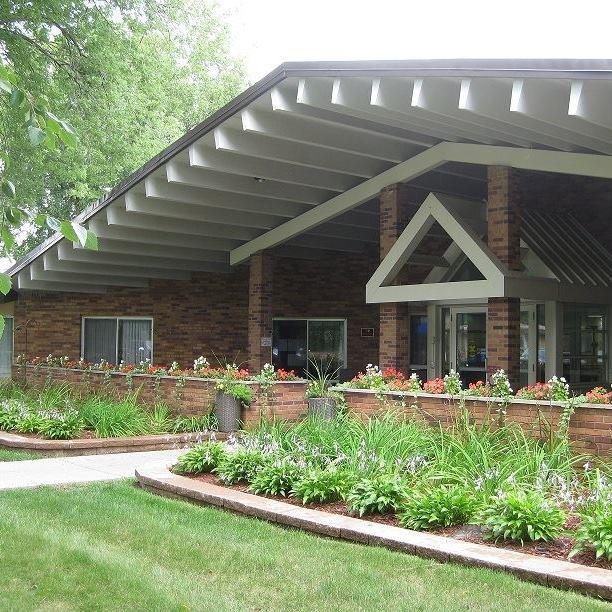
How is The Estates At Roseville Llc Staffed?

CMS rates The Estates at Roseville LLC's staffing level at 3 out of 5 stars, which is average compared to other nursing homes. Staff turnover is 40%, compared to the Minnesota average of 46%. This relatively stable workforce can support continuity of care. RN turnover specifically is 79%, which is notably high. RNs provide skilled clinical oversight, so turnover in this role can affect medical care quality.

What Have Inspectors Found at The Estates At Roseville Llc?

State health inspectors documented 28 deficiencies at The Estates at Roseville LLC during 2023 to 2025. These included: 1 Immediate Jeopardy (the most serious level, indicating potential for serious harm or death), 1 that caused actual resident harm, 25 with potential for harm, and 1 minor or isolated issues. Immediate Jeopardy findings are rare and represent the most serious regulatory concerns. They require immediate corrective action.
Who Owns and Operates The Estates At Roseville Llc?

The Estates at Roseville LLC is owned by a for-profit company. For-profit facilities operate as businesses with obligations to shareholders or private owners. The facility is operated by MONARCH HEALTHCARE MANAGEMENT, a chain that manages multiple nursing homes. With 140 certified beds and approximately 134 residents (about 96% occupancy), it is a mid-sized facility located in ROSEVILLE, Minnesota.

How Does The Estates At Roseville Llc Compare to Other Minnesota Nursing Homes?

Compared to the 100 nursing homes in Minnesota, The Estates at Roseville LLC's overall rating (2 stars) is below the state average of 3.2, staff turnover (40%) is near the state average of 46%, and health inspection rating (2 stars) is below the national benchmark.

What Should Families Ask When Visiting The Estates At Roseville Llc?

Based on this facility's data, families visiting should ask: "What changes have been made since the serious inspection findings, and how are you preventing similar issues?" "Can I visit during a mealtime to observe dining assistance and food quality?" "How do you handle medical emergencies, and what is your hospital transfer rate?" "Can I speak with family members of current residents about their experience?" These questions are particularly relevant given the facility's Immediate Jeopardy citations.

Is The Estates At Roseville Llc Safe?

Based on CMS inspection data, The Estates at Roseville LLC has documented safety concerns. Inspectors have issued 1 Immediate Jeopardy citation (the most serious violation level indicating risk of serious injury or death). The facility has a 2-star overall rating and ranks #100 of 100 nursing homes in Minnesota. Families considering this facility should ask detailed questions about what corrective actions have been taken since these incidents.

Do Nurses at The Estates At Roseville Llc Stick Around?

The Estates at Roseville LLC has a staff turnover rate of 40%, which is about average for Minnesota nursing homes (state average: 46%). Moderate turnover is common in nursing homes, but families should still ask about staff tenure and how the facility maintains care continuity when employees leave.

Was The Estates At Roseville Llc Ever Fined?

The Estates at Roseville LLC has been fined $22,161 across 2 penalty actions. This is below the Minnesota average of $33,300. While any fine indicates a compliance issue, fines under $50,000 are relatively common and typically reflect isolated problems that were subsequently corrected. Families should ask what specific issues led to these fines and confirm they've been resolved.

Is The Estates At Roseville Llc on Any Federal Watch List?

The Estates at Roseville LLC is not on any federal watch list. The most significant is the Special Focus Facility (SFF) program, which identifies the bottom 1% of nursing homes nationally based on persistent, serious quality problems. Not being on this list means the facility has avoided the pattern of deficiencies that triggers enhanced federal oversight. This is a positive indicator, though families should still review the facility's inspection history directly.