THE VILLAS AT ROSEVILLE
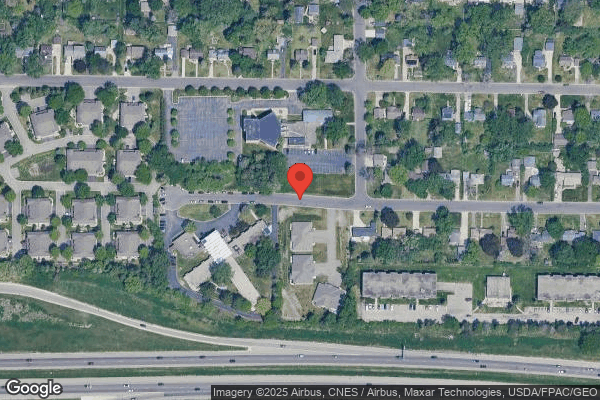
1000 LOVELL AVENUE, ROSEVILLE, MN 55113 (651) 484-3378
For profit - Limited Liability company 63 Beds MONARCH HEALTHCARE MANAGEMENT Data: November 2025 2 Immediate Jeopardy citations
Trust Grade
31/100
#204 of 337 in MN
Last Inspection: March 2025

Within standard 12-15 month inspection cycle. Federal law requires annual inspections.

Overview

The Villas at Roseville has received a Trust Grade of F, indicating significant concerns and overall poor quality. Ranked #204 out of 337 facilities in Minnesota, they fall in the bottom half, and at #15 out of 27 in Ramsey County, only a few local options are better. Unfortunately, the facility is worsening, with issues increasing from 1 in 2024 to 8 in 2025. Staffing is a notable concern, as their turnover rate is 62%, which is significantly higher than the state average, indicating instability among caregivers. Additionally, the facility has incurred $34,131 in fines, which is concerning and suggests ongoing compliance issues. On a positive note, the facility maintains average RN coverage, which is essential for identifying potential health problems. However, there have been critical incidents, including a resident missing vital medication for six days, which resulted in a hospitalization and a stroke, highlighting serious medication management failures. Additionally, another resident’s advanced directive was not accurately reflected in their medical records, risking their care preferences. While there are some strengths, families should weigh these serious issues when considering this facility for their loved ones.

Trust Score
F
31/100
In Minnesota
#204/337
Bottom 40%
Safety Record
High Risk
Review needed
Inspections
Getting Worse
1 → 8 violations
Staff Stability
⚠ Watch
62% turnover. Above average. Higher turnover means staff may not know residents' routines.
Penalties
✓ Good
$34,131 in fines. Lower than most Minnesota facilities. Relatively clean record.
Skilled Nurses
✓ Good
Each resident gets 43 minutes of Registered Nurse (RN) attention daily — more than average for Minnesota. RNs are trained to catch health problems early.
Violations
⚠ Watch
14 deficiencies on record. Higher than average. Multiple issues found across inspections.
★★★☆☆
3.0
Overall Rating
★★★☆☆
3.0
Staff Levels
★★★☆☆
3.0
Care Quality
★★★☆☆
3.0
Inspection Score
Stable
2024: 1 issues
2025: 8 issues

The Good

  • Full Sprinkler Coverage · Fire safety systems throughout facility
  • No fines on record

Facility shows strength in fire safety.

The Bad

3-Star Overall Rating

Near Minnesota average (3.2)

Meets federal standards, typical of most facilities

Staff Turnover: 62%

16pts above Minnesota avg (46%)

Frequent staff changes - ask about care continuity

Federal Fines: $34,131

Above median ($33,413)

Moderate penalties - review what triggered them

Chain: MONARCH HEALTHCARE MANAGEMENT

Part of a multi-facility chain

Ask about local staffing decisions and management

Staff turnover is elevated (62%)

14 points above Minnesota average of 48%

The Ugly 14 deficiencies on record

2 life-threatening
Mar 2025 6 deficiencies
CONCERN (D)

Potential for Harm - no one hurt, but risky conditions existed

Assessment Accuracy (Tag F0641)

Could have caused harm · This affected 1 resident

**NOTE- TERMS IN BRACKETS HAVE BEEN EDITED TO PROTECT CONFIDENTIALITY** Based on interview and document review, the facility failed to accurately code the Minimum Data Set (MDS) for 2 of 2 residents (...

Read full inspector narrative →
**NOTE- TERMS IN BRACKETS HAVE BEEN EDITED TO PROTECT CONFIDENTIALITY** Based on interview and document review, the facility failed to accurately code the Minimum Data Set (MDS) for 2 of 2 residents (R40) reviewed for pressure ulcers, and (R15) reviewed for psychotropic medications. Findings include: The Centers for Medicare and Medicaid (CMS) Long-Term Care Facility Resident Assessment Instrument (RAI) 3.0 user's manual dated 10/2024, identified the intent of section M, Skin Conditions, documented the risk, presence, appearance, and change of pressure ulcers and injuries. Further, it was important to recognize and evaluate each resident's risk factors and identify and evaluate all areas at risk of constant pressure and a complete assessment of skin was essential to an effective pressure ulcer prevention and skin treatment program. The RAI manual directed staff to review the medical record including skin care flow sheets, or other skin tracking forms, nurses' notes, and pressure ulcer injury risk assessments, speak with the treatment nurse and direct care staff on all shifts to confirm conclusions from the medical record review and observations of the resident, examine the resident and determine whether any ulcers, injuries, scars, or non-removable dressings, devices were present. Additionally, pressure ulcer staging was determined by the deepest anatomical stage and if a stageable pressure ulcer had been classified at a higher numerical stage than what was observed it should continue to be classified at the higher numerical stage and pressure ulcers do not heal in a reverse sequence. Stage three and four pressure ulcers fill with granulation tissue that is never as strong as the tissue that was lost and hence is more prone to future breakdown. Clinical standards do not support reverse staging or back staging as a way to document healing as it does not accurately characterize what is occurring physiologically as the ulcer heals. Once a pressure ulcer has healed, it is documented as a healed pressure ulcer at its highest numerical stage and a previously closed pressure ulcer that opens again should be reported at its worst stage, unless currently presenting at a higher stage or unstageable. The State Operations Manual (SOM) provided guidance on pressure ulcer staging that defined the following pressure ulcers/injuries: • Stage 1 Pressure Injury is intact skin with localized redness. • Stage 2 Pressure ulcer is partial-thickness loss of skin with exposed dermis, presenting as a shallow open ulcer. The wound bed is viable, pink or red, moist, and may also present as an intact or open or ruptured blister. Adipose (fat) is not visible and deeper tissues are not visible. Granulation tissue (new connective tissue), slough, (non-viable tissue) and eschar (dead tissue) are not present. • Stage 3 Pressure Ulcer is a full thickness loss of skin in which subcutaneous fat may be visible in the ulcer and granulation tissue and epibole (rolled wound edges) are often present. Slough and or eschar may be visible but does not obscure the depth of tissue loss. If slough or eschar obscures the wound bed, it is an unstageable pressure ulcer/injury. • Stage 4 Pressure Ulcer is a full thickness skin and tissue loss with exposed or directly palpable fascia, muscle, tendon, ligament, cartilage or bone in the ulcer. Slough and or eschar may be visible on some parts of the wound bed. Epibole (rolled edges), undermining and or tunneling often occur. Depth varies by anatomical location. If slough or eschar obscures the wound bed, it is an unstageable pressure ulcer/pressure injury. • Unstageable Pressure Ulcer is a full thickness skin and tissue loss in which the extent of tissue damage within the ulcer cannot be confirmed because the wound bed is obscured by slough or eschar. If the slough or eschar is removed, a stage 3 or stage 4 pressure ulcer will be revealed. If the anatomical depth of the tissue damage involved can be determined, then the reclassified stage should be assigned. • Deep Tissue Pressure Injury (DTPI) is intact skin with a localized area of persistent non-blanchable deep red, maroon, purple discoloration due to damage of underlying soft tissue. This injury results from intense and or prolonged pressure and shear forces at the bone-muscle interface. The wound may evolve rapidly to reveal the actual extent of tissue injury, or may resolve without tissue loss. Once a deep tissue injury opens to an ulcer, reclassify the ulcer into the appropriate stage. R40's annual MDS dated [DATE], indicated R40 had one or more unhealed pressure ulcers/injuries, 0 stage 1 pressure injuries, one stage 2 pressure ulcer/injury, 0 stage 3 pressure ulcers, 0 stage 4 pressure ulcers, 0 unstageable pressure ulcers with slough or eschar, and 0 unstageable DTPI's. The MDS directed staff to report based on the highest stage of existing ulcers/injuries at their worst; and do not reverse stage. R40's progress notes dated 1/1/25, indicated, R40's pressure ulcer 2 right Achilles-improving. R40's Skin and Wound Evaluation form dated 12/26/24, indicated R40 had a stage two pressure ulcer to the right Achilles that had been present for one week measuring 2.9 centimeters (CM) long by 2.1 cm wide. Further, and contrary to the definition of a stage two pressure ulcer, the note indicated the wound bed contained 70% granulation tissue, 10% slough, and 20% eschar. R40's Skin and Wound Evaluation form dated 1/1/25, indicated R40 had an in-house acquired stage two pressure ulcer to the right Achilles that had been present for one week measuring 4.1 (cm) long by 2.7 cm wide. Further, the note indicated the wound bed contained 80% granulation tissue, 20% slough, and no eschar. R40's Integrated Wound Care note dated 12/26/24, indicated R40 had a right heel unstageable pressure ulcer. Further, the wound was 2 cm long by 4.7 cm wide, by 0.4 cm deep and contained 10% slough, 20% necrotic tissue, and 70% granulation tissue. R40's Integrated Wound Care note dated 1/2/24, indicated R40 had a right heel unstageable pressure ulcer. Further, the wound was 2.5 cm long, by 4 cm wide by 0.4 cm deep and contained 20% slough, and 80% granulation. During interview on 3/10/25 at 5:18 p.m., R40 stated her heel was painful and pointed to her right heel and stated that was why it was elevated. R40's wheelchair foot rest on the right was pulled down and R40 had a sock on with her right heel resting directly on the foot rest. R40 stated she had a sore on her heel and stated staff usually changed the dressing in the morning, but stated it was changed mid morning on 3/10/25. During interview on 3/12/25 at 12:14 p.m., registered nurse (RN)-A stated he was the MDS coordinator and scheduled the MDS assessments, completed assessments, and made sure everyone completed their sections. RN-A stated he completed sections A, E, G, H, GG, I, J, K, L, M, N, O, P, and S. RN-A stated they were supposed to schedule skin assessments each week and when looking for skin assessments, looked at the Forms in the electronic medical record (EMR). RN-A stated R40 had an Annual MDS on 1/3/25, and when completing the MDS, looked for a skin assessment for 1/3/25, or around that date. RN-A stated they used to have a wound care manager who documented notes directly into progress notes but did not locate notes related to staging during the window for the MDS after reviewing the progress notes. RN-A stated he could not recall where he went to find the stage of the wound and knew it had been a stage two pressure ulcer and stated he used the RAI manual for guidance. RN-A stated according to the RAI manual, a stage two pressure ulcer was the first layer of skin removed and could also be a blister. RN-A further stated a stage two pressure ulcer did not contain slough, eschar, or granulation tissue. RN-A stated he viewed the Wound Evaluation form 1/1/25, for the MDS and stated the form indicated R40 had a stage two pressure ulcer but was staged incorrectly because a stage two pressure ulcer did not have granulation tissue, or slough and stated the MDS would need to be modified. RN-A stated he had been stating that staging of wounds was not being completed correctly and has completed education on staging of wounds. RN-A further stated he looked at wound pictures, but had to be more critical in what he saw and had not been doing that and further added it was important to have correct staging in order to know whether there has been a decline in the pressure ulcer which could indicate the wound was not being managed correctly. During interview on 3/12/25 at 2:14 p.m., the director of nursing (DON) stated she expected documentation align with the provider documentation and the documentation should be accurate. The DON verified the wound documentation note was not accurate for the wound staging according to the wound staging definitions. A policy was requested, however an email from the DON dated 3/12/25 at 3:01 p.m., indicated they utilized the RAI manual dated October 2024 for accuracy of assessments. R15's quarterly Minimum Data Set (MDS) dated [DATE] indicated he had intact cognition and identified his diagnoses of anxiety, depression, and bipolar disorder (a mental health condition characterized by extreme periods of elevated mood, or mania, and low mood, or depression). The MDS reported he was taking an antipsychotic medication on a routine basis and indicated a gradual dose reduction (GDR) had not been attempted and there was no physician documentation the GDR was clinically contraindicated. Furthermore, the MDS reported he was not taking an antianxiety medication. R15's active pharmacy orders were reviewed on dated 3/12/25 at 8:12 a.m., and revealed the following orders: - hydroxyzine hydrochloride (HCl) oral tablet 50 milligrams (mg), Give 50mg by mouth two times a day for anxiety, dated 12/15/23. - quetiapine fumarate oral tablet 100mg, Give 100mg by mouth three times a day for depression, dated 7/25/23. R15's medication administration record (MAR) dated 1/25 was reviewed 3/12/25 and reflected the following administered medication orders: - hydroxyzine hydrochloride (HCl) oral tablet 50 milligrams (mg), Give 50mg by mouth two times a day for anxiety, dated 12/15/23. - Seroquel oral tablet (quetiapine fumarate), Give 300mg by mouth at bedtime, dated 10/30/24. R15's care plan dated 7/26/23, identified his use of psychotropic drug medications and his alteration in psychosocial well-being related to his diagnoses of schizophrenia (chronic mental health condition characterized by disruption in thought processes, perceptions, emotions, and social interactions), agoraphobia with panic (anxiety disorder characterized by intense fear of being in situations that might cause panic, or being trapped), and anxiety. A pharmacist's recommendation to prescriber dated 9/16/24, recommended a GDR to R15's psychotropic medications. The prescriber ordered a reduction of his evening Seroquel (quetiapine). A provider progress note dated 11/12/24 indicated under the treatment and plan: no medication changes at this time. GDR attempts are not recommend[sic] at this time due to failed GDR and mental decompensation. Per interview on 3/12/25 at 9:19 a.m., licensed practical nurse (LPN)-A, confirmed R15 was taking hydroxyzine and verified this was an antianxiety medication. Per interview on 3/12/25 at 2:37 p.m., the director of nursing (DON) confirmed R15 was taking an antianxiety medication and had a failed GDR. The DON expected the MDS data to be accurate based on a review of a resident's recent medication list, progress notes, and provider notes. Per interview on 3/12/25 at 2:46 p.m., registered nurse (RN)-A confirmed accountability for completing R15's quarterly MDS dated [DATE]. RN-A verified answering no him taking an antianxiety on the MDS and reviewed his MAR dated 1/25 and stated, I missed the hydroxyzine. Furthermore, RN-A reviewed the provider progress note dated 11/12/24 and the pharmacist's recommendation to prescriber dated 9/16/24 and verified there had been a GDR performed as well as a clinical contraindication to GDR provided. RN-A stated the facility's procedure was to make a modification to erroneous MDS and submit the corrected one. A policy pertaining to MDS accuracy was requested but not received.
CONCERN (D)

Potential for Harm - no one hurt, but risky conditions existed

Deficiency F0645 (Tag F0645)

Could have caused harm · This affected 1 resident

**NOTE- TERMS IN BRACKETS HAVE BEEN EDITED TO PROTECT CONFIDENTIALITY** Based on interview and document review, the facility failed to ensure a Level 1 Pre-admission Screening (PAS) and, if needed, a ...

Read full inspector narrative →
**NOTE- TERMS IN BRACKETS HAVE BEEN EDITED TO PROTECT CONFIDENTIALITY** Based on interview and document review, the facility failed to ensure a Level 1 Pre-admission Screening (PAS) and, if needed, a a Level II Pre-admission Screening and Resident Review (PASARR) were completed, retained in the medical record, and readily available to ensure continuity of care with mental health needs for 1 of 1 resident (R1) reviewed for PASARR. Findings include: R1's admission Minimum Data Set (MDS) dated [DATE], indicated R1 was not considered by the state level II PASRR process to have a serious mental illness and or intellectual disability or a related condition, had intact cognition, and had the following active diagnoses: bipolar disorder and schizophrenia. R1's physician's orders indicated the following order: • 12/30/24, aripiprazole (an antipsychotic medication) 2 milligrams (MG) daily, take along with 5 mg for a total dose of 7 mg every day for schizoaffective disorder. • 12/30/24, aripiprazole 5 mg daily, take 5 mg along with 2 mg for a total of 7 mg per day. • 2/21/25, resident targeted behaviors of yelling, refusal of cares, isolation and interventions to redirect, remove from environment, and see notes, monitor resident for signs and symptoms of medication side effects and notify the physician if noted. R1's History and Physical dated 12/24/24, indicated R1 had active diagnoses of schizoaffective disorder and bipolar 1 disorder. R1's care plan, no date identified, indicated R1 had an alteration in mood and behavior due to bipolar and schizoaffective diagnoses and R1's goals included a stable mood and behavioral state, and R1 would respond to interventions. R1's medical record was reviewed and under a Miscellaneous form in the electronic medical record (EMR), indicated under the heading, PASRR included a document titled, ER 12-30-24 PAS.pdf The document, was opened and included a Preadmission Screening Referral form. The reason for the referral included two checked boxes indicating managed care, and waiver/AC/ECS. The form indicated the preadmission screen (PAS) was not completed by Senior LinkAge Line and the PAS required action. Further, the form indicated an OBRA Level II and level of care face to face assessment must be completed before nursing home admission. R1's medical record lacked evidence a Level 1 or, if needed, a Level II PASARR had been completed for R1 despite admitting to the nursing home a few months prior and having mental health-related diagnoses (i.e., schizophrenia and bipolar disorder) which could require active treatment. Further, the form lacked a determination of the PAS. During interview on 3/11/25 at 2:01 p.m., the admission coordinator (AC)-E stated she worked at the facility for over two years and her role included requesting preadmission screens through the Senior LinkAge Line. AC-E stated the PAS described what a resident was admitted for and showed the resident's medical and living situation. AC-E viewed R1's chart and initially stated R1 had a PAS, but after opening the form, stated R1 had a referral and the form was not the PAS. AC-E stated no other staff worked on preadmission screenings and verified the PAS were located in the EMR and a PAS would let staff know if a resident needed more than a level one and possibly a level II. AC-E stated R1 would stay at the nursing facility until they could find placement and further stated she would add R1 to her list to find out why she didn't have a PAS and stated it was probably overlooked and R1 should have had a PAS completed before being admitted to the facility. During interview on 3/11/25 at 2:11 p.m., the social services director (SSD) stated she was not a licensed social worker. SSD stated AC-E followed up on the PAS screens and further stated the purpose of the PAS was to help determine services and level II PAS included mental illness diagnoses like schizoaffective disorders would trigger a resident to need a level two PASARR. SSD stated the PAS screenings were supposed to be completed prior to admission and were uploaded into the miscellaneous tab. SSD viewed R1's miscellaneous tab and verified no PAS was uploaded and stated it was important to be completed for the whole team to assess and assist the resident and stated R1 could trigger for a level II PASARR and viewed the form and stated she thought AC-E uploaded the form at this time. SSD viewed a PAS scanned that indicated under a heading, Does the person have a current diagnosis of a mental illness that indicated R1 did not have a mental illness and stated she would ask their consultant if the answer for the question should be documented as yes. During interview on 3/11/25 at 2:22 p.m., AC-E stated she contacted Senior LinkAge right away and stated they never attached the PAS and had just sent the PAS. During interview on 3/11/25 at 2:58 p.m., SSD stated she reviewed the PAS with the consultant and was directed to submit a new PAS with the diagnosis of R1 having mental illness to further determine if R1 needed a Level II PASARR. During interview on 3/12/25 at 11:04 a.m., the director of nursing (DON) stated she expected the PAS to be completed and stated it was important to have the PAS in order to know how to take care of residents and create an individualized care plan. During interview and observation on 3/12/25 at 11:14 a.m., registered nurse (RN)-C viewed R1's paper chart and verified there was no PAS in the paper chart. A care plan with revision history was requested, but was not provided. A policy, Pre-admission Screening (PASSR), dated 6/2023, indicated social services would check for preadmission screening and OBRA Level II requirements and would ensure the initial Pre-admission Screening results state that the resident meets level of care for purposes of medical assistance payment prior to the resident being admitted to the facility. The initial Pre-admission Screening must be completed by a medical professional. If the requirements from the initial Pre-admission Screening cannot be determined, the admission will need to be postponed until the county can complete a face to face assessment and the county can confirm the consumer meets requirements for nursing facility level of care under Medicaid. Upon receipt of the hard copy of the preadmission form(s) from the Senior Linkage Line and or Lead Agency, social services or designated staff person will upload documentation to the resident's medical record. For residents discharging to a nursing facility from the hospital, assisted living, clinic and out of state, before accepting the admission you must receive a copy of the initial PAS from the referring agency which notes that consumer meets criteria for placement.
CONCERN (D)

Potential for Harm - no one hurt, but risky conditions existed

Deficiency F0657 (Tag F0657)

Could have caused harm · This affected 1 resident

**NOTE- TERMS IN BRACKETS HAVE BEEN EDITED TO PROTECT CONFIDENTIALITY** Based on interview and document review the facility failed to ensure care conferences were completed in a timely manner for 1 of...

Read full inspector narrative →
**NOTE- TERMS IN BRACKETS HAVE BEEN EDITED TO PROTECT CONFIDENTIALITY** Based on interview and document review the facility failed to ensure care conferences were completed in a timely manner for 1 of 1 resident (R14) reviewed for care planning. Findings include: R14's annual Minimum Data Set (MDS) dated [DATE], indicated intact cognition and diagnosis of chronic kidney disease. If further indicated R14 required staff assistance with most activities of daily living (ADL) and mobility. During interview on 3/10/25 at 2:53 p.m. R14 stated he couldn't remember if he'd had a care conference or not. R14's progress note dated 8/27/2024, indicated the following: care conference held today with resident. Resident was in a good mood and willing to participate. Interdiciplinary team (IDT) went over cares, nursing needs, therapy, and other questions as needed. Resident had no questions. IDT will continue to assist resident as needed. R14's medical record lacked documentation of a care conference since 8/27/24. During interview on 3/12/25 at 2:53 p.m., the director of social services stated the MDS nurse provided a list of who needed a care conference each month based off of the MDS assessments' schedule. When it was time for a resident to have a care conference she would talk to the team and then schedule it. The director of social services stated they were working on developing a better system in regards to care conferences and they're probably things that have been missed. She also verified the last time R14 had a care conference was on 8/27/25. A facilty policy on care conferences was requested but not received. .
CONCERN (D)

Potential for Harm - no one hurt, but risky conditions existed

Pressure Ulcer Prevention (Tag F0686)

Could have caused harm · This affected 1 resident

**NOTE- TERMS IN BRACKETS HAVE BEEN EDITED TO PROTECT CONFIDENTIALITY** Based on observation, interview, and document review, the facility failed to ensure and identify accurate wound care assessments...

Read full inspector narrative →
**NOTE- TERMS IN BRACKETS HAVE BEEN EDITED TO PROTECT CONFIDENTIALITY** Based on observation, interview, and document review, the facility failed to ensure and identify accurate wound care assessments for 1 of 1 resident (R40) reviewed for pressure ulcers. Findings include: The Centers for Medicare and Medicaid (CMS) Long-Term Care Facility Resident Assessment Instrument (RAI) 3.0 user's manual dated 10/2024, identified the intent of section M, Skin Conditions, documented the risk, presence, appearance, and change of pressure ulcers and injuries. Further, it was important to recognize and evaluate each resident's risk factors and identify and evaluate all areas at risk of constant pressure and a complete assessment of skin was essential to an effective pressure ulcer prevention and skin treatment program. The RAI manual directed staff to review the medical record including skin care flow sheets, or other skin tracking forms, nurses' notes, and pressure ulcer injury risk assessments, speak with the treatment nurse and direct care staff on all shifts to confirm conclusions from the medical record review and observations of the resident, examine the resident and determine whether any ulcers, injuries, scars, or non-removable dressings, devices were present. Additionally, pressure ulcer staging was determined by the deepest anatomical stage and if a stageable pressure ulcer had been classified at a higher numerical stage than what was observed it should continue to be classified at the higher numerical stage and pressure ulcers do not heal in a reverse sequence. Stage three and four pressure ulcers fill with granulation tissue that is never as strong as the tissue that was lost and hence is more prone to future breakdown. Clinical standards do not support reverse staging or back staging as a way to document healing as it does not accurately characterize what is occurring physiologically as the ulcer heals. Once a pressure ulcer has healed, it is documented as a healed pressure ulcer at its highest numerical stage and a previously closed pressure ulcer that opens again should be reported at its worst stage, unless currently presenting at a higher stage or unstageable. The State Operations Manual (SOM) provided guidance on pressure ulcer staging that defined the following pressure ulcers/injuries: • Stage 1 Pressure Injury is intact skin with localized redness. • Stage 2 Pressure ulcer is partial-thickness loss of skin with exposed dermis, presenting as a shallow open ulcer. The wound bed is viable, pink or red, moist, and may also present as an intact or open or ruptured blister. Adipose (fat) is not visible and deeper tissues are not visible. Granulation tissue (new connective tissue), slough, (non-viable tissue) and eschar (dead tissue) are not present. • Stage 3 Pressure Ulcer is a full thickness loss of skin in which subcutaneous fat may be visible in the ulcer and granulation tissue and epibole (rolled wound edges) are often present. Slough and or eschar may be visible but does not obscure the depth of tissue loss. If slough or eschar obscures the wound bed, it is an unstageable pressure ulcer/injury. • Stage 4 Pressure Ulcer is a full thickness skin and tissue loss with exposed or directly palpable fascia, muscle, tendon, ligament, cartilage or bone in the ulcer. Slough and or eschar may be visible on some parts of the wound bed. Epibole (rolled edges), undermining and or tunneling often occur. Depth varies by anatomical location. If slough or eschar obscures the wound bed, it is an unstageable pressure ulcer/pressure injury. • Unstageable Pressure Ulcer is a full thickness skin and tissue loss in which the extent of tissue damage within the ulcer cannot be confirmed because the wound bed is obscured by slough or eschar. If the slough or eschar is removed, a stage 3 or stage 4 pressure ulcer will be revealed. If the anatomical depth of the tissue damage involved can be determined, then the reclassified stage should be assigned. • Deep Tissue Pressure Injury (DTPI) is intact skin with a localized area of persistent non-blanchable deep red, maroon, purple discoloration due to damage of underlying soft tissue. This injury results from intense and or prolonged pressure and shear forces at the bone-muscle interface. The wound may evolve rapidly to reveal the actual extent of tissue injury, or may resolve without tissue loss. Once a deep tissue injury opens to an ulcer, reclassify the ulcer into the appropriate stage. R40's 5 day Minimum Data Set (MDS) assessment dated [DATE], indicated diagnoses of anemia, heart failure, peripheral vascular disease, diabetes mellitus, was at risk of developing pressure ulcers, had one stage 2 pressure ulcer that was not present upon admission. Additionally, R40 did not have any stage 1, 3, 4, pressure ulcers or unstageable, or deep tissue injuries. R40's annual MDS dated [DATE], indicated R40 had intact cognition, did not reject care, had anemia, coronary artery disease, heart failure, peripheral vascular disease, diabetes mellitus, one or more unhealed pressure ulcers/injuries, 0 stage 1 pressure injuries, one stage 2 pressure ulcer/injury, 0 stage 3 pressure ulcers, 0 stage 4 pressure ulcers, 0 unstageable pressure ulcers with slough or eschar, and 0 unstageable DTPI's. The MDS directed staff to report based on the highest stage of existing ulcers/injuries at their worst; and do not reverse stage. R40's Optional State Assessment (OSA) dated 1/3/25, indicated R40 required extensive assist with bed mobility, transfers, and toileting. R40's Care Area Assessment (CAA) for pressure ulcers indicated R40 had a stage two pressure ulcer and required partial assistance with lying to sitting, had a foley catheter which could increase the risk for pressure due to the tubing and the pressure ulcer would be addressed in the care plan. R40's care plan undated, indicated R40 had limited physical mobility related to non weight bearing to right lower extremity and interventions included to turn and reposition every 3-4 hours, uses wheelchair and ensure foot peddles are in place. R40's care plan indicated a self care deficit and required assist of one with grooming, bathing, and was encouraged to participate in dressing by placing arms and legs into clothing and staff were to assist with placing and removing socks and shoes. Further, R40's care plan indicated R40 was admitted with a right heel surgical wound and diabetic ulcer and on 3/9/23, had a right heel blister/suspected deep tissue injury and a pressure injury on the right Achilles and interventions included evaluating and treating per physician's orders, evaluate for signs and symptoms of possible infections, was followed by the wound care team weekly, took prostat (a protein supplement), was to be turned and repositioned every 3 to 4 hours, monitor skin during cares, provide a pressure reducing mattress. R40's physician's orders included the following order: • 1/29/25, cleanse right heel wound with generic wound cleanser or Vashe, apply collagen until Santyl arrives, cover with foam dressing, change dressing daily and as needed, inform the provider with any signs or symptoms of infection. Dressings need dates and initials and change daily for wound care. R40's re-admission History and Physical note dated 6/11/24, located in the progress notes indicated R40 had an unstageable pressure ulcer to the right heel. R40's re-admission History and Physical note dated 6/25/24, located in the progress notes indicated R40 had an unstageable pressure ulcer of the right heel. R40's progress notes dated 1/1/25, indicated, R40's pressure ulcer 2 right Achilles-improving. R40's Skin and Wound Evaluation form dated 11/21/24, indicated R40 had a stage two pressure ulcer to the right Achilles that had been present for one week measuring 2.9 centimeters (CM) long by 2.6 cm wide. Further, and contrary to the definition of a stage two pressure ulcer, the note indicated the wound bed contained 30% granulation tissue, 20% slough, and 50% eschar. R40's Skin and Wound Evaluation form dated 12/3/24, indicated R40 had a stage two pressure ulcer to the right Achilles that had been present for one week measuring 3.6 cm long by 2 cm wide. Further, and contrary to the definition of a stage two pressure ulcer, the note indicated the wound bed contained 60% granulation tissue, and 40% eschar. R40's Skin and Wound Evaluation form dated 12/10/24, indicated R40 had a stage two pressure ulcer to the right Achilles that had been present for one week measuring 3.9 centimeters (CM) long by 2.6 cm wide. Further, and contrary to the definition of a stage two pressure ulcer, the note indicated the wound bed contained 30% granulation tissue, 60% slough, and 10% eschar. R40's Skin and Wound Evaluation form dated 12/17/24, indicated R40 had a stage two pressure ulcer to the right Achilles that had been present for one week measuring 3.1 centimeters (CM) long by 2.0 cm wide. Further, and contrary to the definition of a stage two pressure ulcer, the note indicated the wound bed contained 30% granulation tissue, 60% slough, and 10% eschar. R40's Skin and Wound Evaluation form dated 12/26/24, indicated R40 had a stage two pressure ulcer to the right Achilles that had been present for one week measuring 2.9 centimeters (CM) long by 2.1 cm wide. Further, and contrary to the definition of a stage two pressure ulcer, the note indicated the wound bed contained 70% granulation tissue, 10% slough, and 20% eschar. R40's Skin and Wound Evaluation form dated 1/1/25, indicated R40 had an in-house acquired stage two pressure ulcer to the right Achilles that had been present for one week measuring 4.1 (cm) long by 2.7 cm wide. Further, the note indicated the wound bed contained 80% granulation tissue, 20% slough, and no eschar. R40's Skin and Wound Evaluation form dated 1/7/25, indicated R40 had a stage two pressure ulcer to the right Achilles that had been present for one week measuring 4.1 centimeters (CM) long by 2.5 cm wide. Further, and contrary to the definition of a stage two pressure ulcer, the note indicated the wound bed contained 90% granulation tissue, and 10% slough. R40's Skin and Wound Evaluation form dated 1/14/25, indicated R40 had a stage two pressure ulcer to the right Achilles that had been present for one week measuring 7.4 cm long by 2.8 cm wide. Further, and contrary to the definition of a stage two pressure ulcer, the note indicated the wound bed contained 90% granulation tissue, 10% slough, and no eschar. R40's Skin and Wound Evaluation form dated 1/21/25, indicated R40 had a stage two pressure ulcer to the right Achilles that had been present for one week measuring 2.4 cm long by 1.3 cm wide. Further, and contrary to the definition of a stage two pressure ulcer, the note indicated the wound bed contained 50% granulation tissue, no slough, and no eschar. R40's Skin and Wound Evaluation form dated 1/28/25, indicated R40 had a stage two pressure ulcer to the right Achilles that had been present for one week measuring 5.5 cm long by 2.4 cm wide. Further, and contrary to the definition of a stage two pressure ulcer, the note indicated the wound bed contained 70% granulation tissue, no slough, and no eschar. R40's Skin and Wound Evaluation form dated 2/6/25, indicated R40 had a stage two pressure ulcer to the right Achilles that had been present for one week measuring 5 cm long by 3.9 cm wide. Further, and contrary to the definition of a stage two pressure ulcer, the note indicated the wound bed contained 70% granulation tissue, 10% slough, and no eschar. R40's Skin and Wound Evaluation form dated 2/13/25, indicated R40 had a stage two pressure ulcer to the right Achilles that had been present for one week measuring 4.5 cm long by 2.7 cm wide. Further, and contrary to the definition of a stage two pressure ulcer, the note indicated the wound bed contained 70% granulation tissue, 10% slough, and 20% eschar. R40's Skin and Wound Evaluation form dated 2/20/25, indicated R40 had an unstageable pressure ulcer to the right Achilles that had been present for one week measuring 4.5 cm long by 2.7 cm wide. Further, and contrary to the definition of a stage two pressure ulcer, the note indicated the wound bed contained 70% granulation tissue, 10% slough, and no eschar. R40's Skin and Wound Evaluation form dated 2/25/25, indicated R40 had an unstageable pressure ulcer to the right Achilles that had been present for one week measuring 4.3 cm long by 2.4 cm wide. Further, and contrary to the definition of a stage two pressure ulcer, the note indicated the wound bed contained 20% granulation tissue, 20% slough, and no eschar. R40's Skin and Wound Evaluation form dated 3/7/25, indicated R40 had an unstageable pressure ulcer to the right Achilles that had been present for one week measuring 4.4 cm long by 2.8 cm wide. Further, and contrary to the definition of a stage two pressure ulcer, the note indicated the wound bed contained 20% granulation tissue, 20% slough, and no eschar. R40's Integrated Wound Care note dated 12/3/24, indicated a right lateral heel unstageable pressure ulcer measuring 3.8 cm long by 2.7 cm wide by 0.3 cm deep with 30% necrotic tissue, 20% eschar, and 50% granulation tissue. R40's Integrated Wound Care Note dated 12/17/24, indicated a right lateral heel unstageable pressure ulcer measuring 3 cm long by 3.5 cm wide by 0.5 cm deep with 10% necrotic tissue, 30% granulation tissue, and 60% slough. R40's Integrated Wound Care note dated 12/26/24, indicated R40 had a right heel unstageable pressure ulcer. Further, the wound was 2 cm long by 4.7 cm wide, by 0.4 cm deep and contained 10% slough, 20% necrotic tissue, and 70% granulation tissue. R40's Integrated Wound Care note dated 1/2/24, indicated R40 had a right heel unstageable pressure ulcer. Further, the wound was 2.5 cm long, by 4 cm wide by 0.4 cm deep and contained 20% slough, and 80% granulation. R40's Integrated Wound Care note dated 1/2/25, indicated a right lateral heel unstageable pressure ulcer measuring 4 cm long by 2.5 cm wide by 0.5 cm deep with 10% slough and 90% granulation tissue. R40's Integrated Wound Care note dated 1/14/25, indicated a right lateral heel unstageable pressure ulcer measuring 7.3 cm long by 2.8 cm wide by 0.4 cm deep with 10% slough and 90% granulation tissue. R40's Integrated Wound Care note dated 1/21/25, indicated a right lateral heel unstageable pressure ulcer measuring 2.3 cm long by 1.3 cm wide by 0.3 cm deep with 50% necrotic tissue, and 50% granulation tissue. R40's Integrated Wound Care note dated 1/28/25, indicated a right lateral heel unstageable pressure ulcer measuring 5.5 cm by 2.4 cm by 0.3 cm with 30% necrotic tissue and 70% granulation tissue. R40's Integrated Wound Care note dated 2/6/25, indicated a right lateral heel unstageable pressure ulcer measuring 5 cm long by 3.9 cm wide by 0.2 cm deep with 20% necrotic tissue, 70% granulation tissue, and 10% slough. R40's Integrated Wound Care note dated 2/13/25, indicated a right lateral heel unstageable pressure ulcer measuring 4.5 cm long by 2.7 cm wide by 0.2 cm deep with 20% necrotic tissue, 70% granulation tissue and 10% slough. R40's Integrated Wound Care note dated 2/20/25, indicated a right lateral heel unstageable pressure ulcer measuring 4.5 cm long by 2.7 cm wide by 0.2 cm deep with 20% necrotic tissue, 70% granulation tissue and 10% slough. R40's Integrated Wound Care note dated 2/25/25, indicated a right lateral heel unstageable pressure ulcer measuring 4.3 cm long by 2.4 cm wide by 0.2 cm deep with 30% necrotic tissue, 20% granulation, and 20% slough. R40's Integrated Wound Care note dated 3/7/25, indicated a right lateral heel unstageable pressure ulcer measuring 4.4 cm long by 2.8 cm wide by 0.2 cm deep with 30% necrotic tissue, 20% granulation, and 20% slough. During interview on 3/10/25 between 5:16 p.m., and 5:18 p.m., R40 stated she was going to the hospital on 3/11/25 to have an X-RAY of her leg to determine blood flow and further stated her heel was painful and pointed to her right heel and stated that was why it was elevated. R40's wheelchair foot rest on the right was pulled down and R40 had a sock on with her right heel resting directly on the foot rest. R40 stated she had a sore on her heel and stated staff usually changed the dressing in the morning, but stated it was changed mid morning on 3/10/25. During interview on 3/12/25 at 7:52 a.m., R40 stated she had a procedure the day prior to increase the blood flow and help heal her foot. During interview on 3/12/25 at 8:26 a.m., registered nurse (RN)-C stated R40 had a diabetic sore on her heel that was a stage II and had some slough but no eschar. During interview on 3/12/25 at 11:19 a.m., RN-B stated she conducted wound rounds with the nurses weekly and stated the wound assessment was documented under the Skin and Wound in the Forms tab. RN-B stated R40 had an unstageable pressure ulcer on the right Achilles heel. RN-B viewed the 2/13/25, note and verified the wound was documented as a stage two with slough and eschar and stated it could be documented as a stage two because of improvement in the heel. RN-B stated she was not sure if a stage two pressure ulcer presented with eschar and slough and was not sure about the recent staging because sometimes there was improvement in the wound and then the wound comes back. During interview on 3/12/25 at 12:14 p.m., registered nurse (RN)-A stated he was the MDS coordinator and scheduled the MDS assessments, completed assessments, and made sure everyone completed their sections. RN-A stated he completed sections A, E, G, H, GG, I, J, K, L, M, N, O, P, and S. RN-A stated they were supposed to schedule skin assessments each week and when looking for skin assessments, looked at the Forms in the electronic medical record (EMR). RN-A stated R40 had an Annual MDS on 1/3/25, and when completing the MDS, looked for a skin assessment for 1/3/25, or around that date. RN-A stated they used to have a wound care manager who documented notes directly into progress notes but did not locate notes related to staging during the window for the MDS after reviewing the progress notes. RN-A stated he could not recall where he went to find the stage of the wound and knew it had been a stage two pressure ulcer and stated he used the RAI manual for guidance. RN-A stated according to the RAI manual, a stage two pressure ulcer was the first layer of skin removed and could also be a blister. RN-A further stated a stage two pressure ulcer did not contain slough, eschar, or granulation tissue. RN-A stated he viewed the Wound Evaluation form 1/1/25, for the MDS and stated the form indicated R40 had a stage two pressure ulcer but was staged incorrectly because a stage two pressure ulcer did not have granulation tissue, or slough and stated the MDS would need to be modified. RN-A stated he had been stating that staging of wounds was not being completed correctly and has completed education on staging of wounds. RN-A further stated he looked at wound pictures, but had to be more critical in what he saw and had not been doing that and further added it was important to have correct staging in order to know whether there has been a decline in the pressure ulcer which could indicate the wound was not being managed correctly. During interview on 3/12/25 at 12:14 p.m., RN-A stated he spoke with the director of nursing and was told they had documentation the wound was almost healed so it would have been a stage two at that point, and added he did not want to retract anything he said. During observation and interview on 3/12/25 at 1:43 p.m., RN-C changed R40's dressing and completed measurements. RN-C stated R40's wound measured 1 cm long by 2.2 cm wide by 0.1 cm deep. RN-C stated he had training on how to stage wounds previously but not at the facility and stated R40's wound was at a stage three. During interview on 3/12/25 at 2:14 p.m., the director of nursing (DON) stated staff rounded with a wound nurse practitioner who changed orders or made recommendations and staged the wounds and nurses at the facility completed wound assessments and completed the Skin and Wound Evaluation and added if you don't click and change information, the information stays in place in the note. The DON stated R40 admitted with a wound vac (a treatment for the wound) and the wound healed and reopened and added R40 was non compliant and added R40 had an angiogram 3/11/25. The DON stated she expected the provider stage the wound and nursing documentation should align with the provider and should be accurate and verified wound documentation notes were not accurate for the wound staging according to the staging definitions. A care plan with the revision history was requested, but was not provided. A policy, Skin Assessment and Wound Management dated 2/2025, indicated a weekly skin inspection was completed by licensed staff. When a new pressure ulcer is identified the following actions will be taken, notify the provider/treatment ordered, notify the resident representative, complete education with the resident and resident representative including risks and benefits, initiate the skin and wound evaluation, notify the nurse manager/wound nurse.
CONCERN (D)

Potential for Harm - no one hurt, but risky conditions existed

Accident Prevention (Tag F0689)

Could have caused harm · This affected 1 resident

**NOTE- TERMS IN BRACKETS HAVE BEEN EDITED TO PROTECT CONFIDENTIALITY** Based on observation, interview and document review the facility failed to demonstrate safe patient handling to reduce the risk ...

Read full inspector narrative →
**NOTE- TERMS IN BRACKETS HAVE BEEN EDITED TO PROTECT CONFIDENTIALITY** Based on observation, interview and document review the facility failed to demonstrate safe patient handling to reduce the risk for accidents for 1 of 1 residents (R13) reviewed for safety with mechanical lift assisted transfers. Findings include: R13's annual Minimum Data Set (MDS) dated [DATE], indicated he had intact cognition and was dependent on staff for chair/bed-to-chair transfers. The MDS reported diagnoses of hemiplegia (one-sided weakness) following a cardiovascular accident (CVA, stroke), and hemiplegia (one-sided paralysis). R13's Care Area Assessment for functional abilities dated 12/19/24, indicated he was dependent on staff for transfers. R13's care plan revised 1/3/24, identified his activities of daily living (ADL) self-care deficit and directed staff to provide 2-person assistance using the EZstand. A therapy to nursing communication form dated 5/10/24, indicated R13's transfer status under Transfers: EZ Stand. During interview on 3/10/25 at 4:52 p.m., R13 reported using the EZ Stand for transfers and stated it caused him pain to his ribs and lungs. He stated during some transfers, he would hang there and when he would attempt to tell staff to lower him down because I can't breathe and its pushing on my lungs, staff would tell him to stop hollering at him. During observation and interview on 3/12/25 at 12:54 p.m., nursing assistant (NA)-A and NA-B were in R13's room to transfer him from his wheelchair to his bed. NA-B stood behind the mechanical standing lift with the remote control in hand. NA-A put the lift sling behind R13's back and ensured all the sling loops were fastened to the standing lift. NA-A stated because R13 had weakness to his left side, they would need to make sure he was holding onto the standing lift with his hand properly. After the NAs ensured his feet were secured on the standing lift's platform, NA-B used the remote control to lift R13 from the wheelchair into a semi-upright position. R13 was unable to stand straight up; his knees were bent at approximately 80 degrees while his arms were bent at approximately 90 degrees. He was hanging by both shoulders from the standing lift with the sling behind his back and shoulders. NA-A told NA-B to stop going up and began to move the standing lift over towards R13's bed. The surveyor asked R13 if he was able to stand up any straighter. He attempted and was able to straighten his legs, but his arms remained bent, and his upper extremity posture remained unchanged. NA-A pushed the standing lift over his bed and began to lower R13 onto the bed. R13 stated the transfer felt okay but said if he had to transfer like that repeatedly, he would be in a lot of pain. NA-A stated sometimes R13 would say he did not want to get up or that he was not feeling well, and they would leave him be and notify the nurse. When asked if the observed transfer was safe and positioning was appropriate, NA-A said it was okay because he was able to get into bed, but if he was not okay, they would report that to the nurse. During interview on 3/12/25 at 1:11 p.m., physical therapist assistant (PTA) stated if a resident using a mechanical standing lift was observed using bad posturing, like bowing of the arms out or sort of hanging there, it would be an indication the resident should be evaluated by therapy. PTA expected NAs to report such observations to nurses or nurse managers so it could be passed along to the interdisciplinary team (IDT) to discuss. PTA stated residents struggling to use mechanical standing lifts should be reviewed during IDT so they can get on the therapy caseload for evaluation. PTA stated the residents exhibiting bad posturing techniques during transfers could present risks such cutting off blood flow or circulation to their shoulder joints or risk slipping out of the mechanical standing lift during a transfer. PTA denied being notified of any concerns regarding R13's transfers. During interview on 3/12/25 at 2:30 p.m., the director of nursing (DON) stated a safe mechanical standing lift transfer would be one in which a resident could stand for eight seconds, they could fully hold onto or grasp the lift bars and could come to a complete stand without hanging in the mechanical standing lift. The DON expected if staff observed an unsafe transfer to complete a lift and mobility assessment, change the transfer status and update the care plan accordingly. Finally, the DON expected this to be communicated during morning standup so therapy could get involved. A facility policy pertaining to safe transfers was requested but not received.
CONCERN (D)

Potential for Harm - no one hurt, but risky conditions existed

Deficiency F0883 (Tag F0883)

Could have caused harm · This affected 1 resident

**NOTE- TERMS IN BRACKETS HAVE BEEN EDITED TO PROTECT CONFIDENTIALITY** Based on interview and document review, the facility failed to ensure 1 of the 5 residents (R1) reviewed for immunizations was o...

Read full inspector narrative →
**NOTE- TERMS IN BRACKETS HAVE BEEN EDITED TO PROTECT CONFIDENTIALITY** Based on interview and document review, the facility failed to ensure 1 of the 5 residents (R1) reviewed for immunizations was offered and/or provided the pneumococcal vaccination series as recommended by the Centers for Disease Control (CDC) to help reduce the risk of associated infection(s). Findings include: The CDC's PneumoRecs VaxAdvisor for Vaccine Providers dated 9/12/24, recommended based on R1's age and vaccine history to give a dose of PCV15, PCV20 or PCV21 at least 1 year after the last dose of PPSVR23. Regardless of which vaccine is used (PCV15, PCV20, or PCV21), their pneumococcal vaccinations are complete. R1's Clinical Profile printed on 3/12/25, indicated R1 was [AGE] years old. The immunization record, printed 3/12/25, indicated R1 received a PPSV23 on 1/17/13. R1's electronic medical record (EMR) lacked evidence of shared clinical decision making occurring with the physician for giving one dose of PCV15, PCV20, or PCV21 as it was more than 12 years after the previous pneumococcal dose. R26's EMR and paper chart lacked evidence of R1 being offered or receiving any pneumococcal doses or education. During interview on 3/11/25 at 3:33 p.m., R1 stated didn't remember staff talking or offering a pneumococcal vaccine. R1 stated would have accepted a pneumovax vaccine if offered. During interview on 3/12/25 at 11:28 a.m., the infection preventionist/director of nursing (DON) stated besides the duties as the infection preventionist and DON position, had also been fulfilling the nurse manager's duties. DON stated missed auditing R1. DON stated a resident who received the recommended pneumovax vaccination would prevent someone from getting pneumonia, or if they would get pneumonia, the symptoms won't be as severe. Facility's policy titled Pneumococcal Policy dated 2/2024 indicated: It is the practice of the Health Care Facility to offer all residents the pneumococcal vaccines to aid in the prevention of pneumococcal/pneumonia infections. Facility policy indicated the purpose was to follow recommendations of the Advisory Committee on Immunization Practices (ACIP) Centers for Disease Control (CDC) and/or the state Department of Health for prevention of Pneumococcal disease by identifying those residents at risk for Pneumococcal disease and offering Pneumococcal vaccination.
Mar 2025 2 deficiencies 1 IJ
CRITICAL (J) 📢 Someone Reported This

A family member, employee, or ombudsman was alarmed enough to file a formal complaint

Immediate Jeopardy (IJ) - the most serious Medicare violation

Deficiency F0760 (Tag F0760)

Someone could have died · This affected 1 resident

**NOTE- TERMS IN BRACKETS HAVE BEEN EDITED TO PROTECT CONFIDENTIALITY** Based on interview and document review, the facility failed to ensure residents received the medications ordered by the provider...

Read full inspector narrative →
**NOTE- TERMS IN BRACKETS HAVE BEEN EDITED TO PROTECT CONFIDENTIALITY** Based on interview and document review, the facility failed to ensure residents received the medications ordered by the provider for 1 out of 3 residents (R1) reviewed for significant medication errors, which resulted in hospitalization in the intensive care unit (ICU). This resulted in an immediate jeopardy (IJ) for R1 when the facility omitted her apixaban (medication that decreases clotting ability of blood) for six days, for a total of 12 doses, R1 had a stroke and was sent to the hospital. The facility implemented corrective action prior to the investigation so the deficiency was issued at Past Noncompliance. The IJ began on 2/18/25 at 4:00 p.m., when R1 missed her first dose of apixaban (Eliquis). The director of nursing (DON), administrator, social worker, and corporate clinical nurse were notified of the IJ on 3/5/25 at 11:50 a.m. The IJ was removed on 2/24/25 prior to the start of the survey and was therefore Past Noncompliance. Findings include: R1 was admitted to the facility on [DATE]. R1's care plan dated 2/18/25, indicated R1 was on anticoagulant medication. R1's admission Minimum Data Set, dated [DATE], indicated she had diagnoses of encephalopathy, atrial fibrillation (A-fib), and heart failure. R1's admission orders, dated 2/17/25, from the hospital, directed to administer apixaban 2.5 milligrams (mg) two times daily. R1's admission orders, dated 2/17/25, directed during your hospital stay, we transitioned you from warfarin (anticoagulant medication) to apixaban for your blood thinner. You should continue to take this as prescribed. R1's Medication Administration Record (MAR) order, entered on 2/17/25, directed give apixaban 2.5 mg two times a day for anticoagulant for one day. The MAR indicated R1 received the medication on 2/17/25 at 4:00 p.m., and 2/18/25 at 8:00 a.m. R1's MAR order entered on 2/24/25 directed give apixaban 2.5 mg two times a day for AFib. The MAR indicated R1 received the medication on 2/24/25 at 8:00 p.m., and on 2/25/25 at 8:00 a.m. A progress note, on 2/24/25 at 4:31 p.m., indicated R1 had a medication error due to missed apixaban doses. A physician note, on 2/25/25 at 2:12 p.m., indicated R1 was sent to the hospital for new onset slurred speech, left sided facial droop and left sided weakness. Patient missed recent doses of apixaban. A physician note, on 2/25/25 at 2:27 p.m., indicated R1's order for twice daily apixaban was entered as a one-time order. R1 was bridged from warfarin to apixaban. R1 received a dose the evening of 2/17/25 and in the morning on 2/18/25. R1 received her next dose in the evening on 2/24/25 and in the morning on 2/25/25, prior to the cerebrovascular accident (CVA) that occurred this afternoon. On 3/4/25, at 12:52 p.m., family member (FM)-A stated R1 had suffered a stroke and remained hospitalized . FM-A stated R1 was receiving hospice care in the hospital and could no longer take food or drink by mouth. On 3/4/25, at 2:27 p.m., registered nurse (RN)-A stated she was working on 2/17/25 when R1 was admitted to the facility. RN-A stated she did not complete verifying accuracy of R1's medications, but she signed them off in the computer system, when she had to abruptly leave her shift. RN-A stated two nurses are expected to verify the accuracy of all orders. On 3/4/25 at 3:05 p.m., the health unit coordinator (HUC) stated she made an error by entering an end date for R1's apixaban. On 3/4/25 at 3:45 p.m., the director of nursing (DON) stated the HUC mistakenly entered an end date for apixaban. The DON stated the process was to have two nurses verify the orders. The first nurse would indicate the verification was complete by documenting in the computer system and on the admission checklist. The first nurse (RN-A) did not complete the verification when she abruptly had to leave her shift, although she documented this was complete in the computer system. RN-A did not document this was complete on the admission checklist. The DON stated the second nurse missed noting an end date was entered for the apixaban. The second nurse signed admission checklist, indicating she verified the accuracy of the orders. The DON stated the policy for medication orders was not followed. On 3/4/25 at 4:24 p.m., FM-B stated she requested to review R1's medication list at a care conference on 2/24/25. FM-B discovered apixaban was omitted. FM-B stated at time of this interview, R1 was unresponsive and could no longer eat, drink, or swallow. FM-B stated R1 was actively dying. On 3/5/25 at 8:38 a.m., medical doctor (MD)-A stated, I think it was the direct cause of her having a stoke. The apixaban was supposed to prevent that. Much less likely that she would be in her current state on hospice. On 3/5/25 at 12:54 p.m., pharmacist-A stated apixaban stays in the system for 3 days. He stated it is for blood clot prevention only and would not work on existing blood clots. On 3/5/25 at 2:40 p.m., MD-A stated apixaban takes 48 to 60 hours to reach the desired therapeutic level. MD-A stated the half-life (time required for the quantity of the medication to reduce to half its initial value) of apixaban was 12 hours. MD-A stated during R1's previous hospitalization on 2/13/25 a CT of her head indicated she did not have a stroke at that time. MD-A stated apixaban would stay in the body's system for a couple of days. R1 had known atrial fibrillation, giving time for the left atrial appendage (area of the upper left corner of the left chamber of the heart) thrombus (blood clot) to form. MD-A stated R1 had an angiogram (medical imaging of the heart) while hospitalized , with a thrombectomy (medical procedure to remove a blood clot) attempt that was not successful. MD-A stated this resulted in the blood clot in R1's brain, causing a stroke. A facility policy, Medication and Treatment Orders, dated 2/24, directed orders for medications and treatments will be consistent with principles of safe and effective order writing. The past noncompliance IJ began on 2/18/25. The IJ was removed and the deficient practice was corrected by 2/24/25, after the facility implemented a systemic plan that included the following actions: review of procedure for transcribing orders, audit of all residents on apixaban, DON audit of all new resident orders, immediate education for all staff involved (HUCs, trained medication aides, licensed practical nurses, and RNs) with order transcription and further education on the medication apixaban.
MINOR (C) 📢 Someone Reported This

A family member, employee, or ombudsman was alarmed enough to file a formal complaint

Minor Issue - procedural, no safety impact

Staffing Information (Tag F0732)

Minor procedural issue · This affected most or all residents

Based on observation, interview and document review, the facility failed to ensure required nurse staff information was posted on a daily basis. This had the potential to affect all 58 residents resid...

Read full inspector narrative →
Based on observation, interview and document review, the facility failed to ensure required nurse staff information was posted on a daily basis. This had the potential to affect all 58 residents residing in the facility and visitors who may wish to view the information. Findings include: On 3/4/25 at 9:43 a.m., the daily nurse staffing form posted at the nursing station was dated 1/23/25. This was located in a wall mounted frame under directions to view survey results. On 3/4/25 at 9:48 a.m., the director of nursing (DON) stated the daily staffing form should be updated daily. She stated it was very outdated. The DON stated the purpose of posting the document was to provide a rough idea of nurse to patient ratio. On 3/4/25 at 3:24 p.m., the administrator stated staff posting was intended to let people know we are meeting the regulations. The administrator stated she was not aware the posting had not been updated since 1/23/25. The administrator stated she had been responsible for the facility staffing over the previous two months. A policy regarding the nurse staff posting was requested but not received.
Mar 2024 1 deficiency
CONCERN (D) 📢 Someone Reported This

A family member, employee, or ombudsman was alarmed enough to file a formal complaint

Potential for Harm - no one hurt, but risky conditions existed

Deficiency F0700 (Tag F0700)

Could have caused harm · This affected 1 resident

**NOTE- TERMS IN BRACKETS HAVE BEEN EDITED TO PROTECT CONFIDENTIALITY** Based on observation, interview, and record review, the facility failed to comprehensively assess residents for the use of bedra...

Read full inspector narrative →
**NOTE- TERMS IN BRACKETS HAVE BEEN EDITED TO PROTECT CONFIDENTIALITY** Based on observation, interview, and record review, the facility failed to comprehensively assess residents for the use of bedrails prior to the installation of bed rails for 2 of 4 residents (R2 and R3) and/or review the risk/benefits and obtain written informed consent prior the use of bed rails. Findings include: During an observation on 3/20/24 at 12:44 p.m., R3 did not have bed rails on her bed. During an observation on 3/21/24 at 12:34 p.m., the maintenance director (MD) was walking towards R3's room with grab bars in his hand. During an observation on 3/21/24 at 1:07 p.m., R2 and R3 had bed rails on their beds. R2's admission record printed on 3/20/24 indicated R2 was admitted to the facility on [DATE] with a primary diagnosis of malignant neoplasm of endometrium. R2's additional diagnoses included neoplasm related pain and muscle weakness. R2's bed mobility device evaluation assessment dated [DATE] indicated R2 had bed rails. The assessment indicated R2 has not became entangled in the bed mobility device, R2 used the bed rails for repositioning while in bed, R2 used the bed rails to assist with transfers, and the device does not restrict her freedom of movement or normal access to their body. The assessment indicated R2 was able to demonstrate appropriate use of the device. The assessment indicated no alternatives had been attempted prior to the placement of the bed rails. The assessment did not indicate a review of medical diagnoses/conditions/symptoms/behavioral symptoms, size and weight, sleep habits, medications, acute medical or surgical interventions, underlying medical conditions, existence of delirium, ability to toilet self safely, cognition, communication, mobility in and out of bed, or risks of falling. R2's brief interview for mental status (BIMS) assessment dated [DATE] indicated R2 had a score of 15 which indicated R2 was cognitively intact. R3's admission record printed on 3/20/24 indicated R3 was admitted to the facility on [DATE] with a primary diagnosis of undifferentiated schizophrenia. R3's additional diagnoses included osteoarthritis, vascular dementia with agitation, obesity, history of falling, muscle weakness, pain in left knee, and bilateral acute angle-closure glaucoma. R3's BIMS assessment dated [DATE] indicated R3 had a score of 15 which indicated R3 was cognitively intact. R3's bed mobility device evaluation assessment dated [DATE] indicated R3 had requested bed rails and was still waiting for them to be installed. During an interview with R3 on 3/21/24 at 1:36 p.m., R3 stated the facility nursing staff did not go over the risks versus benefits of the bed rails with her prior to installing the bed rails. During the interview with R3, R3 asked the surveyor what the risks were to having bed rails on her bed. During an interview with the therapy director (TD) on 3/21/24 at 2:06 p.m., the TD stated if a resident asked for bed rails on their bed, the interdisciplinary team (IDT) would meet and make a decision if the resident was appropriate for bed rails or not. The TD stated the nursing staff would go over the risks versus benefits with the resident if they are not on therapy services, but if the resident is on therapy services, the TD or other members of the therapy department would go over the risks versus benefits with the resident. The TD stated he was unaware R3 had bed rails installed earlier in the day. During an interview with the director of nursing (DON) on 3/21/24 at 2:19 p.m., the DON stated the bed rails assessments were completed when the resident was admitted into the facility. The DON stated if the resident needed bed rails during their admission, then the assessment was completed quarterly. The DON stated the assessment was called bed mobility device assessments. The DON stated whoever completed the bed mobility device assessments would go over the risks versus benefits of having the bed rails with the resident. The DON stated she was unaware R3 had bed rails installed earlier in the day. During an interview with the interim nurse manager (INM) on 3/21/24 at 2:39 p.m., the INM stated it was her responsibility to do the bed mobility device evaluation assessment on resident prior to the resident's receiving bed rails. The INM stated she completed an assessment on R3 prior to the installation of bed rails. The INM stated she reviewed entrapment concerns, asked R3 if she wanted the bed rails, went over the risks versus benefits, and explained the purpose of the bed rails. The INM stated she did not have R3 sign an informed consent prior to the installation of bed rails. The INM stated she did not look through R3's medical diagnoses, height, or weight prior to the installation of bed rails. The INM stated the staff member installing the bed rails would look at the height and weight of the resident prior to installing the bed rails. The INM stated she checked on R3 after the installation of the bed rails and stated R3 stated she was fine. During an interview with the INM on 3/22/24 at 9:30 a.m., the INM stated she would obtain informed consent by asking a resident if they wanted the bed rails and then she would do the bed mobility evaluation assessment. During an interview with the MD on 3/22/24 at 9:38 a.m., the MD stated the facility uses three different types of bed rails and each bed has specific rails that attach to each bed. The MD stated the bed rails are not interchangeable with the beds. The MD stated he does not look at the resident's height and weight prior to installing bed rails. The MD stated he did not look at R3's height and weight prior to installing her bed rails. During an interview with the INM on 3/22/24 at 10:54 a.m., the INM stated she did not know there are different types of bed rails. The INM stated the MD is responsible for doing the assessments to indicated what type of bed rails are appropriate for each resident. Bed rails policy and procedure was requested and none was given.
Dec 2023 1 deficiency
CONCERN (D) 📢 Someone Reported This

A family member, employee, or ombudsman was alarmed enough to file a formal complaint

Potential for Harm - no one hurt, but risky conditions existed

Assessment Accuracy (Tag F0641)

Could have caused harm · This affected 1 resident

**NOTE- TERMS IN BRACKETS HAVE BEEN EDITED TO PROTECT CONFIDENTIALITY** Based on observation, interview and document review the facility failed to ensure the completed Minimum Data Set (MDS) assessmen...

Read full inspector narrative →
**NOTE- TERMS IN BRACKETS HAVE BEEN EDITED TO PROTECT CONFIDENTIALITY** Based on observation, interview and document review the facility failed to ensure the completed Minimum Data Set (MDS) assessment was accurately coded to reflect cognition and mood for 2 of 3 residents (R1 and R2) reviewed for MDS accuracy. Findings Include: R1's optional state MDS dated [DATE], indicated R1 was admitted on [DATE] with diagnoses of cancer, anemia and adult failure to thrive. The assessments for sections for 'C'-Cognitive patterns and 'D'-Mood were blank and not completed in accordance with Resident Assessment Instrument (RAI). During an observation and interview on 12/27/23, at 8:57 a.m. R1 was seated in a wheelchair at a dining room table. R1 stated, I am here because I can't take care of myself anymore at home and I need assistance with basic things now due to my cancer. During an interview on 12/27/23, at 12:05 p.m. with therapy program manager (TPM)-A indicated R1 has not had any cognitive testing completed; R1 was seemingly with it, but did cry a lot. TPM-A stated R1 was stagnating in therapy and a hospice consult has been recommended. [R1's] cancer has metastasized to the right leg, gets weak easily, and needed time to complete activities of daily living (ADL)'s. R1's progress note dated 12/27/23, at 12:20 p.m. indicated R1 had brief interview for mental status (BIMS) and patient health questionnaire (PHQ)-9 assessments completed. R1's PHQ-9 scored a ten indicating moderate severe depression. R1 was offered associate clinic of psychology (ACP) services and agreed. R1's BIMS assessment dated [DATE] scored a 15, indicating R1's cognition was intact. R2's optional state MDS dated [DATE], indicated R2 was admitted on [DATE] with diagnoses of congestive heart failure, anemia, anxiety disorder, and schizophrenia. The assessments for sections for 'C'-Cognitive patterns and 'D'-Mood were blank and not completed in accordance with Resident Assessment Instrument (RAI). During an interview on 12/28/23 at 10:03 a.m., registered nurse (RN)-A indicated he was responsible to do portions of the MDS and submit them. RN-A indicated social worker designee (SWD)-A was responsible to complete section C for cognitive patterns and section D for mood patterns. RN-A stated, both R1 and R2's section C and D were missed for both assessments that were completed on 12/19/23 and 12/8/23 respectively and should have been assessed. During an interview on 12/28/23 at 2:18 p.m. SSD-A indicated she would have been responsible to do R1 and R2 section C and D for their MDS assessments. SSD-A indicated there was not always good communication on which residents she was responsible for doing the assessments on. During an interview on 12/28/23, at 10:42 a.m. nurse manager (NM)-A indicated R1 and R2's most recent MDS assessments lacked an assessment for section C and section D and indicated it should have been completed. During an interview on 12/28/23, at 12:56 p.m. interim DON indicated R1 and R2's most recent MDS assessments lacked an assessment for section C and section D and indicated it should have been completed. R2's BIM's assessment dated [DATE] at 7:06 p.m. identified R2 scored a 15, indicating intact cognition. MDS policy was requested and was not received.
Dec 2023 2 deficiencies 1 IJ
CRITICAL (J)

Immediate Jeopardy (IJ) - the most serious Medicare violation

Deficiency F0578 (Tag F0578)

Someone could have died · This affected 1 resident

**NOTE- TERMS IN BRACKETS HAVE BEEN EDITED TO PROTECT CONFIDENTIALITY** Based on interview and document review, the facility failed to ensure resident specific advanced directive orders were accuratel...

Read full inspector narrative →
**NOTE- TERMS IN BRACKETS HAVE BEEN EDITED TO PROTECT CONFIDENTIALITY** Based on interview and document review, the facility failed to ensure resident specific advanced directive orders were accurately reflected throughout the medical record for 1 of 3 residents (R13) reviewed for advanced directives. This resulted in an immediate jeopardy (IJ) for R13 who would have been denied cardiopulmonary resuscitation (CPR) contrary to their wishes, in the absence of a pulse or respirations. The IJ began on [DATE] when R13's Provider Orders for Life-Sustaining Treatment (POLST) identified R13 had an active order to administer CPR, however, the physician orders indicated R13 was do-not-resuscitate (DNR). The administrator was notified of the IJ on [DATE], at 3:15 p.m. The IJ was removed on [DATE], at 11:00 a.m., but non-compliance remained at the lower scope and severity level of D, isolated with no actual harm but potential to cause more than minimal harm. R13's quarterly Minimum Data Set (MDS) dated [DATE], indicated moderately impaired cognition and diagnoses of chronic kidney disease (stage 5) and type II diabetes mellitus. It further indicated R13 required assistance from staff with most activities of daily living (ADL). R13's face sheet/banner in point click care (PCC) (computer program) indicated R13's code status was DNR. R13's physician orders dated [DATE], indicated R13's code status was DNR. R13's POLST signed by provider on [DATE], indicated R13's code status was full code (attempt resuscitation/CPR) and to provide full treatment. R13's care plan dated [DATE], indicated current code status was full code with an intervention of advance directive in place and will be honored during the review period. Review resident's advance directive as needed per resident and/or family request. During interview on [DATE], at 10:28 a.m., R13 stated (via interpreter) he wanted to be full code/attempt CPR. During interview on [DATE], at 10:34 a.m., licensed practical nurse (LPN)-A stated the first place LPN-A would look for code status (if a resident was found unresponsive) would be on the banner of the resident's face sheet in PCC. During interview on [DATE] at 10:37 a.m., registered nurse (RN)-A stated the first place RN-A would look for code status (if a resident was found unresponsive) would be on the banner of the residents' face sheet in PCC. During interview on [DATE] at 11:17 a.m., RN-B stated the first place RN-B would go to look for code status (if a resident was found unresponsive) would be on the banner of the residents' face sheet in PCC. During an interview on [DATE] at 11:20 a.m., the nurse manager RN-C stated the first-place nurses should look to identify a resident's code status was on the banner of the face sheet in PCC. RN-C further stated when a resident returns from the hospital the nurse who readmits the resident was responsible for filling out a new POLST. If there was a discrepancy in the residents' code status between the readmission orders and R13's previous advance directive orders the nurses were to speak with the resident or power of attorney (POA) to find out what they would like their code status to be and then proceed from there depending on the resident's response. RN-C verified R13's physician's orders and the banner on his face sheet in PCC both indicated DNR and stated it was incorrect because he's a full code. During an interview on [DATE] at 1:25 p.m., the director of nursing (DON) stated when R13 came back from the hospital ([DATE]) he had a physician's order indicating he was a DNR. The health unit coordinator (HUC) entered the information into PCC and noticed R13's code status had been full code before he was admitted to the hospital and reported the discrepancy to the nurse (unknown). The nurse was supposed to ask R13 what his wishes were regarding code status but never followed through. The DON also stated nurses were responsible for verifying code status with the resident or POA when they return from the hospital and fill out a new POLST (if needed). If the nurses don't follow this process/procedure resident wishes would not be respected. The facility's policy on POLST documentation revised on [DATE], indicated the purpose of the policy was to identify a code status consistent with resident wishes and to facilitate providing emergency care and services in accordance with the resident ' s plan of care. The IJ was removed on [DATE], at 11:00 a.m. when the facility developed and implemented a systemic removal plan which was verified by interview and document review, which included an audit of all resident's code status to ensure residents have matching code status order, POLST and Advanced Directive. The facility also reviewed and updated their POLST Policy and Procedure, which outlined the implementation of code status and where the staff would locate the code status. All licensed nurses and HUC's were trained immediately or prior to their next scheduled shift regarding the updated POLST procedure and to speak with the resident or resident's POA regarding resident code status if any noted discrepancies. All new admissions and readmissions to the facility will have the order, POLST, and PCC banner match to align with the residents wishes.
CONCERN (D)

Potential for Harm - no one hurt, but risky conditions existed

Resident Rights (Tag F0550)

Could have caused harm · This affected 1 resident

**NOTE- TERMS IN BRACKETS HAVE BEEN EDITED TO PROTECT CONFIDENTIALITY** Based on observation, interview and document review, the facility failed to provide laundry services in a manner that promoted d...

Read full inspector narrative →
**NOTE- TERMS IN BRACKETS HAVE BEEN EDITED TO PROTECT CONFIDENTIALITY** Based on observation, interview and document review, the facility failed to provide laundry services in a manner that promoted dignity for 1 of 2 residents (R28) reviewed for dignity concerns. Findings include: R28's admission Minimum Data Set (MDS) dated [DATE], indicated R28 had moderate cognitive impairment and did not reject cares. R28 had diagnoses of muscle weakness and depression. R28's MDS indicated he required substantial to maximal assistance with dressing and undressing. Additionally, MDS indicated he found it somewhat important to choose what to wear and very important that his personal belongings were taken care of. R28's care plan dated 11/15/23, identified he had a focus area of self-care deficit and indicated he required assistance with personal hygiene and dressing. During observation and interview on 12/11/23 at 1:37 p.m., R28 sat in a wheelchair and wore a long-sleeved shirt and shorts. R28 stated he ran out of clean clothes and tried for three days to have them cleaned. R28 stated he preferred to wear pants, however, was unable to get staff to wash his soiled personal items and did not have more clean socks or pants to wear, which was his preference. During observation and interview on 12/12/23 at 8:24 a.m., R28 sat in his wheelchair with a white sheet covering the lower half of his body. He reported that during morning cares, he told a NA he had no clean pants and the NA searched the laundry room for pants but could not find any. R28 stated the NA did not take his dirty pants to the laundry. R28 stated he would not leave his room wearing only a sheet and that, it's not my normal lifestyle, but I don't have a choice but to wear dirty jeans. During observation and interview on 12/12/23 at 3:46 p.m., R28 sat in a wheelchair in the hallway wearing jeans that had many stains on both legs and he stated they were dirty. During observation on 12/13/23 at 8:11 a.m., R28 sat in his room with only underwear on. He reported no one had collected his dirty clothes to be laundered. During interview on 12/13/23 at 8:07 a.m., housekeeping manager (HSKP) stated the NAs placed soiled linens and personal items in a tied plastic bag, then down laundry chutes. HSKP stated this happened multiple times per day. HSKP stated that all personal items were labeled, and they tried to return items to residents within the same day or next day. HSKP stated they provide laundry services daily. During interview on 12/13/23 at 8:36 a.m., NA-A stated soiled linens and personal items were placed in a tied plastic bag, brought to the soiled utility room as needed throughout the shift. NA-A stated the housekeeper usually brought personal items back to resident rooms once finished. During interview on 12/13/23 at 9:19 a.m., RN-C stated staff brought soiled personal items out for laundry services a couple times a day. RN-C was not aware of any residents refusing laundry services. RN-C stated that if a resident did not have any clean clothes, the expectation for staff was to search a miscellaneous clothing bin for something to wear while the clothes were cleaned. RN-C stated if there was nothing available, staff could offer a sheet for decency. During interview on 12/13/23 at 1:33 p.m., the director of nursing (DON) stated if a resident did not have any clean clothes to wear, the expectation would be to find a gown to wear. The DON stated she expected staff would make sure residents have clean clothes before they go out or offer a gown or something to cover them otherwise, yes, it would be a dignity issue. Facility policy admission Policy dated 11/2023, indicated the facility would treat a resident with dignity in a manner and environment that recognized a resident's individuality and psychosocial needs.
Mar 2023 2 deficiencies
CONCERN (D)

Potential for Harm - no one hurt, but risky conditions existed

ADL Care (Tag F0677)

Could have caused harm · This affected 1 resident

**NOTE- TERMS IN BRACKETS HAVE BEEN EDITED TO PROTECT CONFIDENTIALITY** Based on observation, interview, and document review, the facility failed to provide nail care for 1 of 1 resident (R16) observe...

Read full inspector narrative →
**NOTE- TERMS IN BRACKETS HAVE BEEN EDITED TO PROTECT CONFIDENTIALITY** Based on observation, interview, and document review, the facility failed to provide nail care for 1 of 1 resident (R16) observed for activities of daily living (ADL). Findings include: R16's significant change Minimum Data Set (MDS) dated [DATE], indicated moderately impaired cognition and diagnoses of dementia, chronic kidney disease, and reduced mobility. The MDS further indicated R16 required extensive assistance with all other ADL's except eating in which he was independent. R16's care plan dated 3/7/23, indicated R16 had an actual ADL self-care performance deficit related to impaired mobility with an intervention of one staff participation with personal hygiene. During observation on 3/20/23, at 3:29 a.m. R16's fingernails were approximately one fourth to one half inch long with brown matter underneath. R16 stated he wanted to have his nails cut. During observation on 3/21/23, at 11:19 a.m. R16's fingernails had not been clipped and he stated he hoped staff would cut them today because it was his bath day. During interview on 3/22/23, at 8:17 a.m. R16 stated he hadn't received a bath yesterday and no one had cut his nails. Registered nurse (RN)-A verified R16's fingernails nails hadn't been cut and had brown matter underneath them. RN-A stated nursing assistants were responsible to cut the residents nails who were not diabetic and the nurses were responsible to cut the residents nails who were. During interview on 3/22/23, at 8:46 a.m. nursing assistant (NA)-A stated NA's were responsible for cutting the nails of residents who weren't diabetic and nurses were responsible for cutting the nails of residents who were. During interview on 3/22/23, at 11:10 a.m. NA-B stated NA's were responsible for cutting residents nails, unless they are diabetic then the nurses were responsible. During interview on 3/22/23, at 2:40 p.m. the director of nursing (DON) verified R16's fingernails had not been cut and there was brown matter underneath them. The DON stated the NA's were responsible for cutting residents nails who are not diabetic and the nurses were responsible for cutting resident's nails who are diabetic. A policy on ADL's was requested but not received.
CONCERN (D)

Potential for Harm - no one hurt, but risky conditions existed

Accident Prevention (Tag F0689)

Could have caused harm · This affected 1 resident

Based on interview and document review, the facility failed to ensure 2 of 2 (R8, R45) residents observed for smoking, used the appropriate receptacles for discarding cigarette butts. Findings includ...

Read full inspector narrative →
Based on interview and document review, the facility failed to ensure 2 of 2 (R8, R45) residents observed for smoking, used the appropriate receptacles for discarding cigarette butts. Findings include: Review of R8's Face Sheet located in electronic medical record (EMR) under the Profile tab revealed an admission date of 03/23/16. Review of R8's Minimum Data Set (MDS) located in the EMR under the MDS tab with an Assessment Reference Date (ARD) of 01/30/23, revealed the resident was cognitively intact. Review of R8's Smoking Evaluation located in the EMR under the Forms tab dated 01/25/23, revealed the resident was identified as a smoker, smokes morning, afternoon, evenings, resident can light own cigarette, no supervision, no apron was checked. The resident was noted to be able to safely smoke independently. Review of R8's Care Plan located in the EMR under the Care Plan tab dated 02/28/23, revealed R8 was a safe smoke and would demonstrate safe smoking, Observation/interview on 03/20/23, at 2:53 p.m. revealed R8 was in the designated smoking area. When R8 was finished smoking she put the cigarette out on the wheel of her wheelchair and placed the cigarette butt in her pocket. R8 confirmed she put the cigarette out on the wheel of her wheelchair and placed the cigarette butt in her pocket. Review of R45's Face Sheet located in the EMR under the Profile tab revealed an initial admission date of 03/18/22. Review of R45's Smoking Evaluation located in the EMR under the Forms tab dated 03/19/22, revealed resident was identified as a smoker, smokes less than hourly, resident can light own cigarette, no supervision, no apron checked. Resident is able to safely smoke independently. Review of the R45's MDS located in the EMR under the MDS tab with an ARD of 12/26/22, revealed the resident was cognitively intact. Review of R45's Care Plan located in the EMR under the Care Plan tab dated 03/16/23, revealed R45 was a smoker, resident has history of non-compliance with smoking policy for example smoking in non-designated areas, not putting cigarettes out in smoking receptacles. Instruct resident about the facility policy on smoking: locations, times, safety concerns. Observation on 03/20/23, at 2:26 p.m. revealed R45 was sitting outside smoking a cigarette. The resident put the cigarette out on the wall of the facility and placed the cigarette butt in the cigarette pack. Observation on 03/21/23, at 1:10 p.m. with the Assistant Director of Nursing (ADON) revealed R45 was sitting in the smoking area smoking. The resident indicated he did not put the cigarette out on the wall but on the wheel of his wheelchair, the resident demonstrated putting out his cigarette butt on the wheel of his wheelchair and placed the cigarette butt in the cigarette carton. Interview on 03/21/23, at 1:10 p.m. theADON confirmed R45 did not put his cigarette butt in the appropriate receptacle. Review of the facility policy titled, Resident Smoking Policy last revised in 10/22, read in pertinent part, Monarch Healthcare Management is committed to providing the highest level of customer care and service while assuring our residents' needs are being met in a safe manner. It is the intent of this policy to outline the procedure for safe resident smoking including evaluation of residents to determine those who are capable of smoking independently, and to provide a designated smoking area for those residents who choose to smoke. 9. Any residents who do not comply with this policy may lose smoking privileges until re-evaluated and determined to be a safe smoker. The resident may be subjected to discharge if unsafe practices are observed and this resident may endanger themselves or others.
Understanding Severity Codes (click to expand)
Life-Threatening (Immediate Jeopardy)
J - Isolated K - Pattern L - Widespread
Actual Harm
G - Isolated H - Pattern I - Widespread
Potential for Harm
D - Isolated E - Pattern F - Widespread
No Harm (Minor)
A - Isolated B - Pattern C - Widespread

Questions to Ask on Your Visit

  • "What changes have you made since the serious inspection findings?"
  • "Why is there high staff turnover? How do you retain staff?"
  • "Can I speak with families of current residents?"
  • "What's your RN coverage like on weekends and overnight?"

Our Honest Assessment

Strengths
  • • Licensed and certified facility. Meets minimum state requirements.
Concerns
  • • Multiple safety concerns identified: 2 life-threatening violation(s), $34,131 in fines. Review inspection reports carefully.
  • • 14 deficiencies on record, including 2 critical (life-threatening) violations. These warrant careful review before choosing this facility.
  • • $34,131 in fines. Higher than 94% of Minnesota facilities, suggesting repeated compliance issues.
  • • Grade F (31/100). Below average facility with significant concerns.
Bottom line: Trust Score of 31/100 indicates significant concerns. Thoroughly evaluate alternatives.

About This Facility

What is The Villas At Roseville's CMS Rating?

CMS assigns THE VILLAS AT ROSEVILLE an overall rating of 3 out of 5 stars, which is considered average nationally. Within Minnesota, this rating places the facility higher than 0% of the state's 100 nursing homes. This mid-range rating indicates the facility meets federal standards but may have areas for improvement.

How is The Villas At Roseville Staffed?

CMS rates THE VILLAS AT ROSEVILLE's staffing level at 3 out of 5 stars, which is average compared to other nursing homes. Staff turnover is 62%, which is 16 percentage points above the Minnesota average of 46%. High turnover can affect care consistency as new staff learn residents' individual needs. RN turnover specifically is 62%, which is notably high. RNs provide skilled clinical oversight, so turnover in this role can affect medical care quality.

What Have Inspectors Found at The Villas At Roseville?

State health inspectors documented 14 deficiencies at THE VILLAS AT ROSEVILLE during 2023 to 2025. These included: 2 Immediate Jeopardy (the most serious level, indicating potential for serious harm or death), 11 with potential for harm, and 1 minor or isolated issues. Immediate Jeopardy findings are rare and represent the most serious regulatory concerns. They require immediate corrective action.
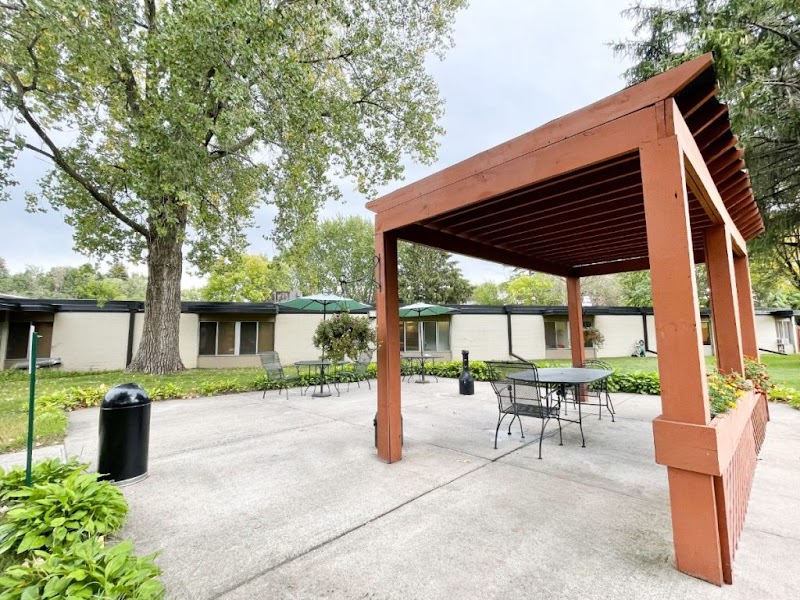
Who Owns and Operates The Villas At Roseville?

THE VILLAS AT ROSEVILLE is owned by a for-profit company. For-profit facilities operate as businesses with obligations to shareholders or private owners. The facility is operated by MONARCH HEALTHCARE MANAGEMENT, a chain that manages multiple nursing homes. With 63 certified beds and approximately 59 residents (about 94% occupancy), it is a smaller facility located in ROSEVILLE, Minnesota.
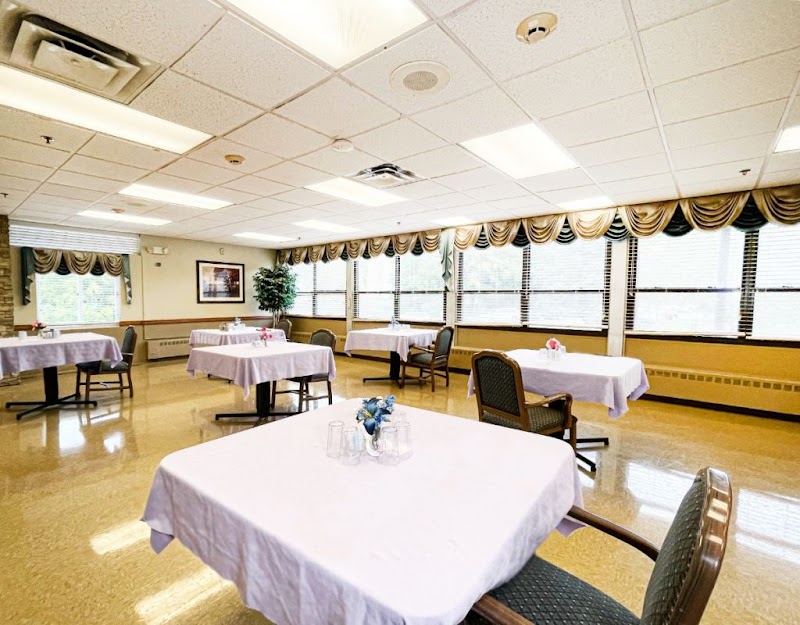
How Does The Villas At Roseville Compare to Other Minnesota Nursing Homes?

Compared to the 100 nursing homes in Minnesota, THE VILLAS AT ROSEVILLE's overall rating (3 stars) is below the state average of 3.2, staff turnover (62%) is significantly higher than the state average of 46%, and health inspection rating (3 stars) is at the national benchmark.

What Should Families Ask When Visiting The Villas At Roseville?

Based on this facility's data, families visiting should ask: "What changes have been made since the serious inspection findings, and how are you preventing similar issues?" "How do you ensure continuity of care given staff turnover, and what is your staff retention strategy?" "Can I visit during a mealtime to observe dining assistance and food quality?" "How do you handle medical emergencies, and what is your hospital transfer rate?" These questions are particularly relevant given the facility's Immediate Jeopardy citations and the facility's high staff turnover rate.

Is The Villas At Roseville Safe?

Based on CMS inspection data, THE VILLAS AT ROSEVILLE has documented safety concerns. Inspectors have issued 2 Immediate Jeopardy citations (the most serious violation level indicating risk of serious injury or death). The facility has a 3-star overall rating and ranks #100 of 100 nursing homes in Minnesota. Families considering this facility should ask detailed questions about what corrective actions have been taken since these incidents.

Do Nurses at The Villas At Roseville Stick Around?

Staff turnover at THE VILLAS AT ROSEVILLE is high. At 62%, the facility is 16 percentage points above the Minnesota average of 46%. Registered Nurse turnover is particularly concerning at 62%. RNs handle complex medical decisions and coordinate care — frequent RN changes can directly impact care quality. High turnover means new staff may not know residents' individual needs, medications, or preferences. It can also be disorienting for residents, especially those with dementia who rely on familiar faces. Families should ask: What is causing the turnover? What retention programs are in place? How do you ensure care continuity during staff transitions?

Was The Villas At Roseville Ever Fined?

THE VILLAS AT ROSEVILLE has been fined $34,131 across 2 penalty actions. The Minnesota average is $33,420. While any fine indicates a compliance issue, fines under $50,000 are relatively common and typically reflect isolated problems that were subsequently corrected. Families should ask what specific issues led to these fines and confirm they've been resolved.

Is The Villas At Roseville on Any Federal Watch List?

THE VILLAS AT ROSEVILLE is not on any federal watch list. The most significant is the Special Focus Facility (SFF) program, which identifies the bottom 1% of nursing homes nationally based on persistent, serious quality problems. Not being on this list means the facility has avoided the pattern of deficiencies that triggers enhanced federal oversight. This is a positive indicator, though families should still review the facility's inspection history directly.