The Estates at Rush City LLC
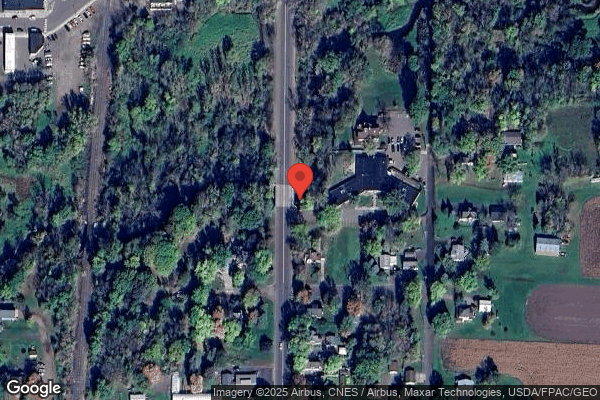

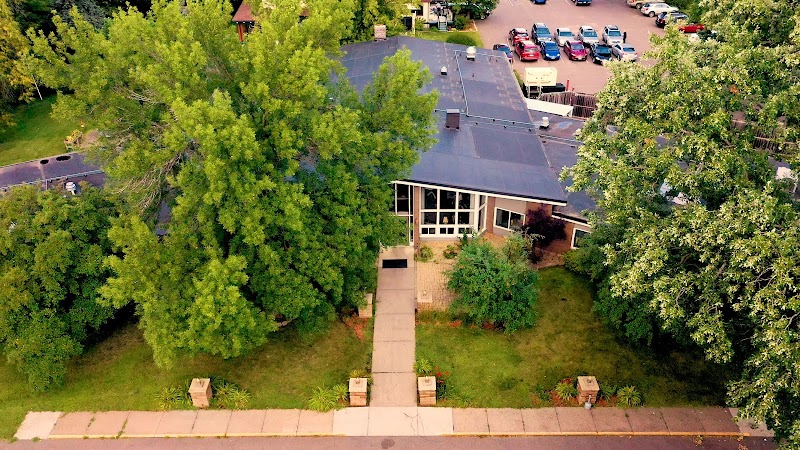
650 BREMER AVENUE SOUTH, RUSH CITY, MN 55069 (320) 358-4765
For profit - Corporation 41 Beds MONARCH HEALTHCARE MANAGEMENT Data: November 2025
Trust Grade
50/100
#211 of 337 in MN
Last Inspection: December 2024

Within standard 12-15 month inspection cycle. Federal law requires annual inspections.

Overview

The Estates at Rush City LLC has a Trust Grade of C, which means it is average and sits in the middle of the pack compared to other nursing homes. It ranks #211 out of 337 facilities in Minnesota, placing it in the bottom half, and is #4 out of 4 in Chisago County, indicating that only one nearby option is better. Unfortunately, the facility is worsening, with the number of issues increasing from 5 in 2023 to 9 in 2024. Staffing is relatively strong with a rating of 4 out of 5 stars, but there is a concerning turnover rate of 76%, which is much higher than the state average. While there have been no fines recorded, there are significant issues including a serious incident where a resident who required assistance was not properly managed during transfers, as well as concerns over staff training and hygiene practices related to blood glucose monitoring. Overall, while the facility has some strengths, families should be aware of its weaknesses and the recent trend of increasing issues.
Trust Score
C
50/100
In Minnesota
#211/337
Bottom 38%
Safety Record
Moderate
Needs review
Inspections
Getting Worse
5 → 9 violations
Staff Stability
⚠ Watch
76% turnover. Very high, 28 points above average. Constant new faces learning your loved one's needs.
Penalties
✓ Good
No fines on record. Clean compliance history, better than most Minnesota facilities.
Skilled Nurses
✓ Good
Each resident gets 104 minutes of Registered Nurse (RN) attention daily — more than 97% of Minnesota nursing homes. RNs are the most trained staff who catch health problems before they become serious.
Violations
⚠ Watch
14 deficiencies on record. Higher than average. Multiple issues found across inspections.
★★★☆☆
3.0
Overall Rating
★★★★☆
4.0
Staff Levels
★★☆☆☆
2.0
Care Quality
★★★☆☆
3.0
Inspection Score
Stable
2023: 5 issues
2024: 9 issues

The Good

  • 4-Star Staffing Rating · Above-average nurse staffing levels
  • Full Sprinkler Coverage · Fire safety systems throughout facility
  • No fines on record

Facility shows strength in staffing levels, fire safety.

The Bad

3-Star Overall Rating

Near Minnesota average (3.2)

Meets federal standards, typical of most facilities

Staff Turnover: 76%

30pts above Minnesota avg (46%)

Frequent staff changes - ask about care continuity

Chain: MONARCH HEALTHCARE MANAGEMENT

Part of a multi-facility chain

Ask about local staffing decisions and management

Staff turnover is very high (76%)

28 points above Minnesota average of 48%

The Ugly 14 deficiencies on record

1 actual harm
Dec 2024 5 deficiencies
CONCERN (D)

Potential for Harm - no one hurt, but risky conditions existed

Quality of Care (Tag F0684)

Could have caused harm · This affected 1 resident

Based on observation, interview and document review, the facility failed to ensure blood sugars were obtained as ordered for 3 of 3 residents (R2, R7, R11) reviewed for blood glucose monitoring. Find...

Read full inspector narrative →
Based on observation, interview and document review, the facility failed to ensure blood sugars were obtained as ordered for 3 of 3 residents (R2, R7, R11) reviewed for blood glucose monitoring. Findings include: R2's Diagnosis Report dated 12/6/24, identified R2 had type 2 diabetes mellitus. R2's active orders as of 12/5/24, identified the following order: Blood Sugars before meals and at bedtime And: Novolog FlexPen 100 units per milliliter (ml) Solution pen-injector Inject as per sliding scale: 70 - 149 = 0 150 - 199 = 1 200 - 249 = 2 250 - 299 = 3 300 - 349 = 4 350 - 399 = 5 400 - 999 = 6 subcutaneously with meals R7's Diagnosis Report dated 12/6/24, identified R7 had type 2 diabetes mellitus. R7's active orders as of 12/5/24, identified R7 required Humalog insulin per sliding scale: 70 - 149 = 0 150- 199 = 1 200 - 249 = 2 250 - 299 = 3 300 - 349 = 4 350 - 399 = 5 400 - 999 = 6 subcutaneously before meals R11's Diagnosis Report dated 12/5/24, identified R11 had type 2 diabetes mellitus with diabetic chronic kidney disease. R11's active orders as of 12/5/24, identified blood sugars needed to be checked three times a day. And: Humalog Injection Solution (Insulin Lispro) Inject as per sliding scale: 70 - 149 = 0 Units 150 - 199 = 8 units 200 - 249= 10 units 250 - 299 = 12 units 300 - 349 = 14 units; 350 - 399 = 16 units 400+ = 18 units 400 or greater give 18 units subcutaneously before meals On 12/4/24, at 12:53 p.m., licensed practical nurse (LPN)-A was observed leaving the dining room wearing gloves and carrying a small plastic container with a glucometer (device to measure blood sugars) in the container. The glucometer had a used glucose strip in the machine. Registered nurse (RN)-A had stopped LPN-A and told her she could not wear gloves in the hallway. LPN-A removed her gloves and proceeded to R7's room carrying the plastic container with the glucometer and the used strip in the machine (LPN-A did not clean the glucometer) or remove the used strip. LPN-A entered R7's room and was then asked to step out. When LPN-A was in the hallway she stated she had planned to clean the glucometer once she was in the room and stated she thought there would be wipes in the room. LPN-A cleaned the shared glucometer with purple top wipes in R7's room. R7 stated she had already had her meal, LPN-A stated she could not find R7 before lunch. R7's glucometer reading was 224 milligrams (mg) per deciliter (dl). LPN-A then proceeded to R11's room, R11's meal was in his room, he stated he had finished eating. LPN-A cleaned the glucometer using the purple top wipes she had carried with her and obtained R11's blood sugar which was 244 mg/dl. LPN-A stated she had checked R2's blood sugar in the dining room. On 12/4/24, at 1:10 p.m., the director of nursing (DON) stated she would expect blood sugars to be obtained prior to residents eating their meals. The DON stated she did not have any training for LPN-A on glucometer use. The blood glucose monitoring check list included verify practioner's order as the first step in blood glucose monitoring. The DON stated she would expect any nurse to be trained on obtaining blood sugars as part of their nursing school education. The DON stated she would expect nursing staff to clean a glucometer prior to placing the machine back in the container. The DON also stated each resident had their own glucometer and the glucometer LPN-A was using was only for emergencies.
CONCERN (D)

Potential for Harm - no one hurt, but risky conditions existed

Pressure Ulcer Prevention (Tag F0686)

Could have caused harm · This affected 1 resident

**NOTE- TERMS IN BRACKETS HAVE BEEN EDITED TO PROTECT CONFIDENTIALITY** Based on observation, interview and document review, the facility failed to ensure repositioning and checking and changing were ...

Read full inspector narrative →
**NOTE- TERMS IN BRACKETS HAVE BEEN EDITED TO PROTECT CONFIDENTIALITY** Based on observation, interview and document review, the facility failed to ensure repositioning and checking and changing were offered for 1 of 3 residents (R12) reviewed for pressure ulcers. Findings include: R12's quarterly Minimum Data Set (MDS) dated [DATE], identified R12 had diagnoses which included fibromyalgia (a long-term condition that involves widespread body pain and tiredness), muscle weakness, hypothyroidism, unspecified mood disorder, restless leg syndrome, and acute pain. R12's MDS identified R12 was cognitively intact, required substantial to maximum assistance with activities of daily living, was always incontinent of bowel and bladder, and was at risk for pressure ulcers. R12's nursing assistant care guide undated, identified staff were to assist with toileting every two to three hours and as needed and to turn and reposition every two to three hours and as needed. R12's care plan dated 2/16/24, identified R12 had an alteration in skin integrity, interventions included to turn and reposition every two to three hours and as needed. In addition, R12 had an alteration in elimination related to urinary incontinence, requiring staff assitance with toileting. Interventions included assist of one with toileting every two to three hours and as resident called. R12 orders dated 11/27/24, identified When resident refusing cares i.e. washing up, changing, repositioning, dressing make a note. Reattempt, utilize other staff and update provider if continued refusals. Every shift A review of R12's progress notes from 11/27/24, through 12/3/24, identified the following: -11/27/24 10:45 a.m., Risk versus benefits form filled out for refusing cares such as showering, turning/repositioning, am/pm cares, incontinence changes, getting up. Resident was educated on potential risks for non-compliance such as risk for infection, impaired skin integrity and pain. Residentwas understanding at this time. -Several notes regarding topical ointments refused, no documented refusals of repositioning or checking and changing. During a continuous observation on 12/4/24 from 7:04 a.m., to 10:05 a.m., no offers were made by nursing staff to reposition, toilet, or check and change. During an interview on 12/4/24 at 9:55 a.m., nursing assistant (NA)-B stated she was responsible for R12's care. She stated she had not offered any cares and would only go in if R12 put her light on. NA-B stated she thought nights had checked on her before they left and R12 only liked certain people like NA-A. NA-B stated she did not have a plan for checking and changing R12. During an interview on 12/4/24 at 10:01 a.m., NA-A stated no one had approached him with a plan for R12's care. NA-A stated R12 would often refuse cares but stated someone should still be offering repositioning and checking and changing every couple of hours. On 12/4/24 at 10:05 a.m., NA-A checked on R12 and asked her if she needed to be changed. R12 replied she thought she was okay and said the night person had changed her around 2:00 a.m., NA-A asked if he could check, R12 said ok but wanted privacy. During an interview on 12/4/24 at 10:19 a.m., NA-A stated R12 was wet, not soaking and said he would check in with her again after lunch. NA-A stated R12 said nights had last changed her between 1:00 a.m. and 2:00 a.m During an interview on 12/5/24 at 9:03 a.m., the director of nursing (DON) stated she would expect staff to offer cares, repositioning, and checking and changing even if the resident had a history of refusals. The DON stated she would expect the NA to tell the nurse and to document the refusals. The Skin Assessment and Wound Management policy dated 3/2024, identified pressure wounds wound be reviewed and the care plan would be updated including interventions.
CONCERN (D)

Potential for Harm - no one hurt, but risky conditions existed

Unnecessary Medications (Tag F0759)

Could have caused harm · This affected 1 resident

**NOTE- TERMS IN BRACKETS HAVE BEEN EDITED TO PROTECT CONFIDENTIALITY** Based on observation, interview, and document review, the facility failed to ensure they were free of a medication error rate of...

Read full inspector narrative →
**NOTE- TERMS IN BRACKETS HAVE BEEN EDITED TO PROTECT CONFIDENTIALITY** Based on observation, interview, and document review, the facility failed to ensure they were free of a medication error rate of five percent or greater. The facility had a medication error rate of 5.56 % with 2 errors out of 36 opportunities for error involving 2 of 7 residents (R9, R5) who were observed during the medication passes. Findings include: R9: R9's quarterly Minimum Data Set (MDS) dated [DATE], identified R9 was cognitively intact and had diagnoses which included diabetes mellitus. R9's current order summary report dated 12/5/24, identified R9 had the following order: Lantus Solostar 100 unit per milliliter (ml) inject 10 units subcutaneously at bedtime On 12/2/24 at 6:21 p.m., licensed practical nurse (LPN)-B stated R9 liked to have his bedtime medications at 6:00 p.m LPN-B removed the glargine/lantus insulin from the drawer scrubbed the hub of the insulin pen with an alcohol wipe, dialed up 2 units of insulin, pushed the plunger expelling the insulin, dialed up 10 units of insulin and then put the needle onto the pen. LPN-B then entered R9's room to give the insulin. During an interview on 12/2/24 at 6:27 p.m., LPN-A verified she primed the pen prior to putting the needle on the insulin pen and stated that was how she always did it. R2: R2's annual MDS dated [DATE], identified R2 was moderately cognitively intact and and had diagnoses which included diabetes mellitus. R2's current order summary report dated 12/5/24, identified R2 had the following order: Insulin glargine 20 units subcutaneously in the morning. On 12/4/24 at 8:49 a.m., LPN-A dialed up 20 units of insulin with the cover on the insulin pen and no needle, then placed the pen into the box with the glucometer. LPN-A stated R5 had already refused twice so she was going to ask registered nurse (RN)-B to give the insulin. RN-B went with LPN-A to the dining room, LPN-A dialed the pen back to zero. RN-B cleaned the top of the pen with an alcohol wipe, placed the needle on the pen, dialed 20 units, then brought R5 to his room, he refused the injection initially and then allowed RN-B to give the insulin. During on interview on 12/4/24 at 12:12 p.m., LPN-A stated she checks the insulin order, finds the right pen, checks for the number of units, dials up the units. When prompted about priming the needle LPN-A stated, oh yes need to prime with one unit of insulin. During an interview on 12/4/24 at 12:16 p.m., the director of nursing stated it was her expectation nurses would cleanse the top of the insulin pen, place a needle, and then prime the needle with 2 units of insulin prior to dialing the insulin units. A policy on priming insulin pens was requested but not provided.
CONCERN (E) 📢 Someone Reported This

A family member, employee, or ombudsman was alarmed enough to file a formal complaint

Potential for Harm - no one hurt, but risky conditions existed

Deficiency F0726 (Tag F0726)

Could have caused harm · This affected multiple residents

Based on observation, interview and document review, the facility failed to ensure direct-care nursing staff were appropriately trained and competent on blood glucose checks and infection control poli...

Read full inspector narrative →
Based on observation, interview and document review, the facility failed to ensure direct-care nursing staff were appropriately trained and competent on blood glucose checks and infection control policies of the facility for 2 of 2 resident (R2, R7) who had their glucose checked. The facility also failed to confirm agency staff (staff brought in on a temporary basis to assist in resident cares) received facility and resident specific orientation and training prior to working with the residents. Findings include: The facility Temporary Agency Staff Orientation Checklist (TASOC) undated, indicated agency staff would be oriented to facility policies and practices that included emergency preparedness, abuse policy, use of mechanical lifts, medication systems and infection control. On 12/4/24, at 12:53 p.m., licensed practical nurse (LPN)-A was observed leaving the dining room wearing gloves and carrying a small plastic container with a glucometer in the container. The glucometer had a used glucose strip in the machine. Registered nurse (RN)-A had stopped LPN-A and told her she could not wear gloves in the hallway. LPN-A removed her gloves and proceeded to R7's room carrying the plastic container with the glucometer and the used strip in the machine (LPN-A did not clean the glucometer) or remove the used strip. LPN-A entered R7's room and was then asked to step out. When LPN-A was in the hallway she stated she had planned to clean the glucometer once she was in the room and stated she thought there would be wipes in the room. LPN-A cleaned the shared glucometer with purple top wipes in R7's room. R7 stated she had already had her meal, LPN-A stated she could not find R7 before lunch. R7's glucometer reading was 224 milligrams (mg) per deciliter (dl). LPN-A then proceeded to R11's room, R11's meal was in his room, he stated he had finished eating. LPN-A cleaned the glucometer using the purple top wipes she had carried with her and obtained R11's blood sugar which was 244 mg/dl. LPN-A stated she had checked R2's blood sugar in the dining room. During an interview on 12/4/24 at 1:06p.m. LPN-A stated the facility had not given her any kind of orientation or training to the facility policy, procedures, or equipment prior to working with the residents and/or equipment. On 12/4/24 at 1:48 p.m., LPN-A's TASOC and schedule were reviewed. A blank TASOC with LPN-A's name was provided. LPN-A's working schedule indicated LPN-A's first shift at the facility as an agency nurse was on 11/30/24. On 12/4/24 at 1:50 p.m., registered nurse (RN)-B's TASOC and schedule were reviewed. RN-B's TASOC was completed and dated 12/4/24. RN-B's schedule indicated the first day worked as an agency nurse was 3/31/24. During and interview on 12/4/24 at 1:00p.m. RN-B stated she could not remember if the facility gave her any kind of orientation or training to the facility policy, procedures, or equipment prior to working with the residents and/or equipment. RN-B did confirm the facility had just finished the orientation packet prior to the interview. During an interview on 12/5/24 at 10:18 a.m., the director of nursing (DON) reviewed the dates and education of LPN-A and RN-B. The DON confirmed the education was not completed the day of their first shift, but days later. The DON stated the expectation was that staff working with the new agency staff member would perform the checklist with the new staff member before they started work with the residents and equipment. A facility policy for orientation of agency staff was requested but not provided.
CONCERN (E)

Potential for Harm - no one hurt, but risky conditions existed

Infection Control (Tag F0880)

Could have caused harm · This affected multiple residents

Based on observation, interview and document review, the facility failed to ensure a shared glucometer was properly cleaned and disinfected between residents for 3 of 3 residents (R2, R7, R11) reviewe...

Read full inspector narrative →
Based on observation, interview and document review, the facility failed to ensure a shared glucometer was properly cleaned and disinfected between residents for 3 of 3 residents (R2, R7, R11) reviewed for blood glucose monitoring. Findings include: R2's Diagnosis Report dated 12/6/24, identified R2 had type 2 diabetes mellitus. R2's active orders as of 12/5/24, identified the following order: Blood Sugars before meals and at bedtime And: Novolog FlexPen 100 units per milliliter (ml) Solution pen-injector Inject as per sliding scale: 70 - 149 = 0 150 - 199 = 1 200 - 249 = 2 250 - 299 = 3 300 - 349 = 4 350 - 399 = 5 400 - 999 = 6 subcutaneously with meals R7's Diagnosis Report dated 12/6/24, identified R7 had type 2 diabetes mellitus. R7's active orders as of 12/5/24, identified R7 required Humalog insulin per sliding scale: 70 - 149 = 0 150- 199 = 1 200 - 249 = 2 250 - 299 = 3 300 - 349 = 4 350 - 399 = 5 400 - 999 = 6 subcutaneously before meals R11's Diagnosis Report dated 12/5/24, identified R11 had type 2 diabetes mellitus with diabetic chronic kidney disease. R11's active orders as of 12/5/24, identified blood sugars needed to be checked three times a day. And: Humalog Injection Solution (Insulin Lispro) Inject as per sliding scale: 70 - 149 = 0 Units 150 - 199 = 8 units 200 - 249= 10 units 250 - 299 = 12 units 300 - 349 = 14 units; 350 - 399 = 16 units 400+ = 18 units 400 or greater give 18 units subcutaneously before meals On 12/4/24, at 12:53 p.m., licensed practical nurse (LPN)-A was observed leaving the dining room wearing gloves and carrying a small plastic container with a glucometer (a device used to measure blood sugars) in the container. The glucometer had a used glucose strip in the machine. Registered nurse (RN)-A had stopped LPN-A and told her she could not wear gloves in the hallway. LPN-A removed her gloves and proceeded to R7's room carrying the plastic container with the glucometer and the used strip in the machine (LPN-A did not clean the glucometer) or remove the used strip. LPN-A entered R7's room and was then asked to step out. When LPN-A was in the hallway she stated she had planned to clean the glucometer once she was in the room and stated she thought there would be wipes in the room. LPN-A cleaned the shared glucometer with purple top wipes in R7's room using one wipe. LPN-A then proceeded to R11's room, R11 stated he had finished eating. LPN-A cleaned the glucometer using one wipe from the purple top wipes container that she had carried with her. She did not clean the glucometer after using the machine. On 12/4/24 at 1:03 p.m., LPN-A brought the plastic bin with the used glucometer and placed it on top of the medication cart. LPN-A did not clean or disinfect the glucometer machine prior to walking away from the cart. On 12/4/24, at 1:10 p.m., the director of nursing (DON) stated she did not have any training for LPN-A on glucometer use. The DON stated she would expect nursing staff to clean and disinfect a glucometer prior to placing the machine back in the container. The DON also stated each resident had their own glucometer and the glucometer LPN-A was using was only for emergencies. On 12/4/24 at 1:18 p.m., LPN-A stated she thought she had wiped the glucometer off before putting it back in the box. LPN-A stated she thought the glucometer should stay wet for about 20 seconds. The document titled Blood glucose monitoring no date, identified the following: Clean and disinfect the blood glucose meter with a disinfectant wipe, following the manufacturer's instructions wet/kill time. Contaminated blood glucose monitoring equipment increases the risk of infection by such blood borne pathogens as hepatitis B, hepatitis C, and human immunodeficiency virus . The Assure Prism user instruction manual dated 2/2020, page 38 identified the following: Cleaning and Disinfecting: The meter should be cleaned and disinfected after each use on each patient. The products listed were Clorox Healthcare bleach Germicidal Wipes -contact time 1 minute Dispatch Hospital Cleaner Disinfectant Towels with Bleach - contact time 1 minute CaviWipes1 - contact time 1 minute PDI Super Sani-Cloth Germicidal Disposable Wipe - contact time 2 minutes (purple top wipes) Cleaning: Wearing gloves using 1 towelette wipe the entire surface of the meter 3 times horizontally and 3 times vertically. Disinfecting: Pull out 1 new towelette and wipe the entire surface of the meter 3 times horizontally and 3 times vertically. Allow the exteriors to remain wet for the corresponding contact time for each disinfectant.
Sept 2024 3 deficiencies 1 Harm
SERIOUS (G) 📢 Someone Reported This

A family member, employee, or ombudsman was alarmed enough to file a formal complaint

Actual Harm - a resident was hurt due to facility failures

Accident Prevention (Tag F0689)

A resident was harmed · This affected 1 resident

**NOTE- TERMS IN BRACKETS HAVE BEEN EDITED TO PROTECT CONFIDENTIALITY** Based on interview and document review the facility failed to complete comprehensive fall analysis to determine accurate causal ...

Read full inspector narrative →
**NOTE- TERMS IN BRACKETS HAVE BEEN EDITED TO PROTECT CONFIDENTIALITY** Based on interview and document review the facility failed to complete comprehensive fall analysis to determine accurate causal factors and implement appropriate care plan interventions to prevent or mitigate the risk of recurrent falls for 1 of 3 residents (R1) reviewed for falls. The facility's failures resulted in actual harm when R1 fell and sustained an acute nondisplaced fracture involving sacral (tailbone). Findings include: R1's Face Sheet, undated, identified R2 had diagnoses that included Cerebral infarction due to unspecified occlusion or stenosis of unspecified cerebral artery (stroke) and fracture of T7-T8 vertebra (thoracic area of back). R1's admission data collection tool dated 8/23/24, identified R1 arrived at facility on 8/23/24 at 12:00 noon. R1 was not cognitively intact. R1 was assessed for pain with non-verbal sounds (e.g. Crying whining, gasping, moaning or groaning). Vocal complaints of pain (e.g. that hurts, ouch, stop), protective body movements (e.g. bracing, guarding, rubbing or massaging a body part/area, clutching or holding a body part during movement). R1 was totally dependent on two or more staff for transfers. R1's orders dated 8/23/24 direct R1 to wear back brace (TLSO) during showers, no lifting greater than 10 lbs., wear brace for three months, when head of bed is greater than 30 degrees and this includes when resting in bed, sitting and walking. Avoid excessive, bending, twisting or turning. Monitoring for falls was added on 8/28/24. R1's care plan dated 8/23/24, identified a fall risk related with the intervention for staff to monitor and document on safety. Review information on past falls and attempt to determine cause of falls. Record possible root causes and after remove any potential cause if possible. Educate resident/family/caregivers/ interdisciplinary team as to causes. There was no interventions identified to reduce R1's risk of falls. R1's fall incident report dated 8/23/24 at 8:00 p.m., indicated R1 had an unwitnessed fall. R1 was found face down in between the bed and window with his back brace lying on the bed. R1 was pleasantly confused, orientated to person, and was not able to answer the nurse's questions. R1 moaned in pain when repositioned. Immediate action taken: resident transferred from floor to bed using a full body mechanical lift. Skin check completed no new injury noted, No changes from range of motion from the time of admit. Temperature 100.1 (normal 97-99 degrees Fahrenheit ), pulse 103 (normal 60-100), respirations 19 (normal 12-18), blood pressure 138/82 (normal 90/60 to 120/80 mmHg), oxygen at 92% (normal 95-100%) on room air. The on call provider was notified and new order to send R1 to the emergency room for further evaluation. Predisposing environmental factors included medical device (bed, wheelchair, cords etc.) Resident removal of safety devices. Predisposing physiological factors include change in behavior, confused, forgetful, unsteady gait, gait imbalance, and impaired memory. Predisposing situation factors include new admission and rolled out of bed. R1's progress note dated 8/24/24, identified R1 returned to the facility after the emergency room (ER) visit at 3:30 a.m. Document titled Incident Review and analysis dated 8/26/24, identified the R1's fall on 8/23/24 at 8:00 p.m. and indicated the interdisciplinary team (IDT) reviewed the fall. The review indicated staff noticed R1 had increased pain, R1 was not incontinent at the time of the incident, there were no cords R1 could have tripped on, and the call light was within reach when R1 was in bed. Contributing factors included: R1 was new admission, was confused, had an unsteady gait, forgetful, unable to realize limitations. The section for current intervention in place directed see care plan and the section Possible interventions and Other Interventions was left blank. Although R1's record identified potential causal factors, it was not evident further analysis was completed to identify interventions that addressed R1's contributing risk factors of R1's not recognizing own limitations, confusion, impaired memory, unsteady gait, and forgetful. R1's care plan dated 8/26/24 identified intervention added on 8/23/24 environmental changes to room: bed position change. During interview on 09/06/24 at 3:30 p.m., registered nurse RN-(B) reported to be the admitting nurse for R1 and aware of R1's fall history prior to admission. RN-B also the nurse who found R1 on the ground on 8/23/24 reported R1 was located face down between the bed and the window, his back brace was on the bed. R1 was incontinent of bowel movement (which was inconsistent with the 8/26/24 Incident Review report). RN-B reported R1's care plan was not followed as R1 did not have TLSO brace on at time of the fall. R1 went to hospital due to unwitnessed fall and pain, arrived back at the facility at 3:30 a.m. with no injuries. During interview on 9/4/24 at 11:28 a.m., nursing assistant (NA)-A reported R1 was a major fall risk when he was admitted and checked on him frequently because of that. NA-A would use a lot of pillows on both sides of him when he was in bed to prevent him from falling. R1 was supposed to have a concave mattress but did not. NA-A recalled on 8/24/24 between 6:00 and 6:45 a.m. she had been walking past R1's room and saw R1 off the edge of the bed with a hand on the ground and foot nearly touching the ground demonstrating the shape of a star fish with his back against the side of the bed. NA-A communicated to RN-A who entered the room, they boosted R1 back to bed. Not long after the near miss fall around 7:00 a.m. NA-A went to check on R1 and found him on the floor. R1 was incontinent. NA-A was unsure if R1 hit his head so she had RN-A assess R1 and NA-B assisted with putting four to five pillows on each side of R1. NA-A thought that was the best course of action to secure R1 in bed. After the fall R1 had been moaning a little during the day. NA-A indicated the intervention to use pillows was not part of the care plan until a few days later. During interview 9/5/24 at 1:54 p.m., RN-A stated he worked on 8/24/24. RN-A stated the first incident was a near fall where he was partially on the floor and then he was found on the floor a short time later. RN-A stated anything he did that day would be documented in the medical record. During interview on 9/5/24 at 2:30 p.m., nursing assistant (NA)-B worked the morning of 8/24/24. NA-B stated R1 had fallen because she assisted NA-A to transfer R1 off the floor and into bed. R1 was incontinent at the time of the fall. During on 9/5/24 at 1:45 p.m., NA-A and DON-A reviewed circumstances of a fall and NA-A confirmed this had happened on her shift of 8/24/24. DON-A reported the facility was unaware of the first incident as RN-A never reported the fall. R1's Mobility assessment dated [DATE] identified, R1 required substantial/maximal assistance for rolling left and right, substantial/maximal assistance for sitting to lying. R1 was dependent to wheel 50 feet with two turns in a manual wheelchair. R1's fall incident report dated 8/28/24 at 9:35 a.m., indicated R1 had an unwitnessed fall in his room at 9:30 am. R1's call light had been on when staff found R1 on the floor lying on his left side near his bed with his back brace on. R1 denied hitting his head and pain. R1's vital signs: blood pressure 103/93, pulse 113, respirations 18, and blood glucose 170 (normal 70-99 mg/dl). No injuries noted at the time of the incident, pain level was zero, and R1 was alert to person however confused. Predisposing physiological fall risk factors included: history of falls, not always able to realize limitations, narcotics, and anticoagulant (blood thinning medication). Predisposing situation factors was blank. The immediate intervention directed staff to use a body pillow while in bed. The physician, administrator, family were notified at 11:23 a.m.-11:28 p.m. R1's incident report dated 8/28/24 at 10:45 a.m., indicated R1 had an unwitnessed fall at 10:45 a.m. The report indicated R1 had appeared to roll out of bed and was found on the floor lying on his back with his back brace on. R1 reported he had not hit his head, denied pain, and no injuries were observed. R1 was confused and his urine appeared to be dark in color compared to baseline. The body pillow was in place and the care plan followed at the time of the fall. Predisposing physiological fall risk factors included: anticoagulant, not always able to realize limitations, and narcotics. The physician, administrator, family were notified at 11:35 a.m.-11:36 p.m. Immediate action identified was a physician order to send R1 to the hospital for altered mental status and multiple falls. Document titled Incident review and analysis dated 8/28/24, identified the aforementioned fall information with additional information that included the IDT reviewed the incident. Further included the contributing factors was documented as R1 had recent hospice consult, R1 BIMS of 0 (indicating severe cognitive impairment). R1's records did not include a comprehensive analysis for individualized fall interventions that addressed R1's contributing risk factors such as (but not limited to) R1's not recognizing own limitations, confusion, severe cognitive impairment, and narcotic pain medication. R1's care plan was updated on 8/28/24 with the intervention of Body pillow when resident is in bed to prevent falls. R1's hospital record dated 8/28/24, indicated R1 arrived via ambulance at 12:01 p.m. for urgent admission following two unwitnessed falls from his bed today (8/28/24). The note indicated the need for further evaluation because R7 had recent thoracic spine fracture (T7), was on a Plavix therapy (blood thinner), and had a potential head strike. R1 was alert, but unreliable historian, somewhat confused, and had back pain. R1's neurological exam was listless, low level of interactivity and R1 was only able to answer yes or no questions. CT (computed tomography) identified R1 had an acute nondisplaced fracture involving an anterior marginal endplate osteophytes at S1 with questionable extension into the vertebral body anterior. Further lab tests identified R1 had have worsening leukocytosis (high white blood cells), abnormal urine analysis (UA), COVID 19 positive, evidence of dehydration, and abnormal liver function tests (LFT's). Plan for transfer for further evaluation and treatment following imaging. During interview on 09/04/24 at 9:03 a.m., R1's medical power of attorney (POA) indicated upon admission they made the facility aware R1's fall history and were concerned with the level of supervision the facility had been providing. POA stated the facility had called them on 8/23/24 at 11:46 to report R1 had a fall out of bed. Then on 8/28/24 at 2:45 p.m. the facility had called to inform them R1 had two falls and was transferred to the hospital. POA stated R1 was hospitalized for an additonal fracture in his spine. During interview on 9/6/24 at 1:37, p.m. nurse manager (NM)-A indicated she had worked on 8/28/24 when R1 rolled out of bed twice. NM-A was not sure if R1 was crawling out of bed or if he had rolled out of bed and why R1 would be trying to get out of bed. NM-A explained she had implemented the intervention of the body pillow after the first fall with the goal of reducing the risk of R1 rolling out of bed, however NM-A did not complete an assessment to determine if the pillow would be effective and/or appropriate. During a subsequent interview on 9/4/24 at 2:27 p.m., Nurse manager NM-A explained after resident falls the nurse immediately completes an assessment for injuries then the nurse completes a checklist. Nurses are expected to document the fall, complete a causal analysis, and determine and immediate intervention to prevent recurrent falls. The IDT then meets to complete the comprehensive analysis and evaluate for any further fall interventions. The expectation was to immediately notify director of nursing (DON), physician, and family. On 9/5/24 at 10:50 a.m., a group interview was held with administrator, NM-A, DON-A, DON-B, regional manager (RM)-A (on phone) and regional director of operations (RD)-A (on phone). DON-A reviewed R1's falls and indicated the fall that occurred on 8/28/24 at 9:35 a.m. staff should have started neurological assessments. The fall was unwitnessed and was not known if R1 hit his head even though he reported he did not; he was not a reliable historian because he had severe cognitive impairment. R1's level of supervision was not increased to prevent or reduce his risk for falls. R1 was sent to the hospital following the second fall due to being worried about his safety, altered mental status, and signs of infection. First immediate intervention to prevent falls was environmental and moving the bed following the fall on 8/23/24 at 10:00 p.m., Second fall on 8/28/24 at 9:35 a.m. with a second immediate intervention was a body pillow and the third fall on 8/28/24 at 10:45 a.m. R1 was sent to the hospital and did not return. Facility staff were not aware of a 8/24/24 when R1 was found half out of bed, almost on the floor. Facility policy titled fall prevention and management dated 2/2024, identified nursing staff are to complete a fall risk evaluation to identify and document risk factors for falls upon admission, annually, with a significant change in condition, and as needed. Facility staff will identify interventions related to the residents specific risks and try various interventions, based on the nature or type of fall, until falling is reduced, stopped or until the reason for the continuation of falling is identified as unavoidable. Staff may also identify and implement relevant interventions to try to minimize serious consequences of falling. Staff will monitor and document each residents response to the intervention intended to reduce the risk of falling . When a fall occurs: when a resident has fallen, or is found on the floor, nursing staff will provide comfort, but not move the resident until evaluated for injury. The nursing staff will record vital signs (including orthostatic BP) when appropriate. If a bump on the head is suspected or confirmed complete neuro checks and update the provider timely. Nursing should utilize the neuro flow sheet per policy. I a resident is noted to be on a blood thinking medication and sustains a fall there is significant risk of bleeding. This should be reported to the provider in a timely manner. If there is evidence of a significant injury such as a fracture or bleeding, nursing staff will provide appropriate first aid. If a fracture is suspected, do not move resident, but stay with resident and wait for instructions. From medical provider or emergency medical staff to arrive. Reporting to the state survey agency. All falls with serious injury that are determined to be a result of abuse, neglect, exploitation or misappropriation shall be reported to the state survey agency through the only reporting process immediately but not later than 2 hours after identifying the injury. For all other falls, follow the Abuse and Neglect Allegations decision tree. Avoidable accident -means that an accident occurred because the facility failed to evaluate/analyze the hazards and risks and eliminate them, if possible , or if not possible identify and implement measures to reduce the hazards/risks as much as possible and/or implement interventions including adequate supervision and assistive devices, consistent with a residents need, goals, care plan and current professional stands of practice in order to eliminate the risk, if possible, and if not, reduce the risk of an accident and/or monitor the effectiveness of the intervention and modify the care plan as necessary in accordance with current professional standards
CONCERN (D) 📢 Someone Reported This

A family member, employee, or ombudsman was alarmed enough to file a formal complaint

Potential for Harm - no one hurt, but risky conditions existed

Pressure Ulcer Prevention (Tag F0686)

Could have caused harm · This affected 1 resident

Based on observation, interview and document review the facility failed to comprehensively assess pressure ulcers and monitor for skin breakdown to prevent and/or mitigate the risk of deterioration re...

Read full inspector narrative →
Based on observation, interview and document review the facility failed to comprehensively assess pressure ulcers and monitor for skin breakdown to prevent and/or mitigate the risk of deterioration resulting in potential harm when 1 of 1 residents (R1)'s wound was not comprehensively monitored or cleaned. Findings include R1's Face Sheet, identified R2 had diagnoses that included Cerebral infarction due to unspecified occlusion or stenosis of unspecified cerebral artery (stroke) and fracture of T7-T8 vertebra. R1's admission data collection dated 8/23/24, identified R1 arrived at facility on 8/23/24 at 12:00 p.m. R1 required total dependance for transfers from two or more staff. The skin assessment identified R1 had redness to mid upper vertebrae, redness to groin, and left buttock pressure ulcer, and both heels were red. The assessment indicated treatment(s) and monitoring had been set-up. R1's record did not include comprehensive assessments of the areas of impaired skin integrity that included further description, stage of ulcer(s), measurements, and any associated pain. R1's care plan dated 8/24/24, included R1 had alteration in skin integrity related to bruising on bilateral upper extremities, redness in groin and upper mid vertebrae, discoloration of front of right knee, pressure on left buttock. Staff were to monitor skin integrity daily during cares. Weekly skin inspection by nurse. Monitor for skin breakdown for signs/symptoms of infection. Report signs/symptoms to medical doctor or physician assistant, certified (PA-C). R1's physician orders dated 08/24/24, included the following: -Monitor scattered bruises on bilateral upper extremities for any signs of pain and infection until healed- every shift. -Monitor resident pressure sore on the left bottom for any signs of pain and infection until healed. -Monitor reddened bilateral heals until healed every shift. -Monitor redess to groin until healed. R1's treatment administration record (TAR) identified the aforementioned treatment orders. The documentation indicated the treatments were completed by check marked boxes with no other information aside from the staff intials who completed the documentation. R1's progress note dated 8/24/24 at 12:57 p.m., identified R1's skin was warm/dry, had surgical wound to back and did not have open wounds. Treatment to wound performed on shift as ordered. No further description was given. R1's progress note dated 8/24/24 8:54 p.m. identified Skin was warm/dry. Additionally note indicated No surgical wound noted. Turned and repositioned frequently. Offloading of affected area. Skin treatments performed as ordered. R1's progress note dated 8/24/24 1:56 p.m., identified Skin was cool and clammy.Additionally note indicated no surgical wound noted. No open wounds noted. Turned and repositioned frequently. Free from signs and symptoms of pain. R1's progress note dated 8/25/24 at 11:36 p.m. identified Skin is warm/dry. Additionally note indicated no surgical wound noted. No open wounds noted.Turned and repositioned frequently. Offloading of affected area. R1's progress note dated 8/26/24 12:36 p.m., identified Skin is warm/dry. Additionally note indicated No surgical wound noted. No open wounds noted. Turned and repositioned frequently. Offloading of affected area. Free from signs and symptoms of pain. Client Coordination note report from the hospice team dated 08/26/24 identified resident chose not to admit to hospice services. R1 does not ambulate or transfer and is bed bound. Skin was identified to have a coccyx wound. The note did not include a comprehensive assessment of the wound. R1's care plan dated 8/26/24 identified, R1 was on enhanced barrier precautions due to surgical incision, pressure sore on left bottom. Staff were to monitor skin integrity daily during cares Weekly skin inspection by nurse. Report signs symptoms to medical doctor (MD) or physician assistant. R1's progress note dated 8/27/24 4:01p.m. identified Skin is warm/dry. Additionally note indicated no surgical wound noted. No open wounds noted.Turned and repositioned frequently. Offloading of affected area. R1's Nurse practitioner note dated 8/27/24, identified R1 as a new patient. Skin inspection identified no rashes or ulcers. R1's progress note dated 8/28/24 at 12:28 p.m., Skin is warm/dry. No surgical wound noted. No open wounds noted. Turned and repositioned frequently. Free from signs and symptoms of pain. R1's Hospital note dated 08/29/24 at 2:14 a.m. identified while providing care to R1 writer noted a wound on his left buttocks. See chart for picture. The picture that was included identified a large unstageable oblong pressure ulcer that covered almost all of R1's left buttock. The ulcer base was approximately 95-98% black eschar, with yellowish slough surrounding the top ½ of the eschar, the entire wound periphery was red. Approximately 2-5% of the wound bed was red with one small fluid filled blister located within the wound periphery. The note further indicated R1 was taken to the medical surgical floor and given a shower. Barrier cream applied to his wound on his buttocks. Signed at 2:22 a.m. hospital note at 8:02 a.m. hospital registered nurse (RN)-D reported R1's family friend had called for an update and had reported the facility had informed them the wound was healing well. During a return call interview from 9/6/24 at 2:12 p.m., RN-D reported R1's left buttock wound was identified by the overnight RN from 8/28/29 to 8/29/29. RN-D indicated the facility had not informed the hospital of R1's buttock wound upon or after the transfer to the hospital. RN-D described the wound as a stage three pressure ulcer from the top of R1's buttocks down to the bottom. The eschar tissue is noted to be black with not a lot of drainage. Yellow crust on the outside on the outer edge. Scar tissue starting to form on the outside of the wound. There may have been a open area on the outer left side. Approximation of size was at least 15 centimeters (CM) by 8.0 or 9.0 cm. During interview on 9/4/24 at 9:03 a.m. family member (FM)-A reported concerns for R1's care while in the facility. FM-A was concerned of the wound located on R1's left buttock and would ask staff how the wound was healing; staff reported the wound was healing and doing really good. Once R1 arrived at the hospital on 8/28/29 hospital staff were concerned regarding the size and coloring of the wound. Hospital staff reported to the family R1's wound was not healing. During interview on 9/6/24 at 3:30 p.m., registered nurse (RN)-B stated he/she completed R1's admission and completed the skin assessment. R1 had a pressure ulcer upon admission on the left buttock that was approximately 5.0 cm by 5.0 cm with some black/purple eschar. RN-B recalled doing the skin assessment and notifying management per the facility's wound care policy. RN-B did not recall if R1 had orders from the hospital for wound cleaning and R1 did not call to clarify orders regarding wounds. During interview on 9/4/24 at 11:28 a.m., nursing assistant (NA)-A stated he/she was familiar with R1. On 8/24/24, NA-A recalled R1's bottom to be red but did not remember any ulcers and would consider the skin to be normal otherwise. NA-A stated R1 had ongoing diarrhea and used barrier cream to protect the skin. NA-A stated she would reposition/offload a couple of times a shift but R1 did not have a specific repositioning/off-loading schedule. During interview on 9/5/24 at 2:30 p.m., nursing assistant (NA)-B stated he/she assisted NA-A with changing R1 on 8/24/24 and did not recall any sores but R1's bottom was red because of diarrhea. They applied a lot of barrier cream During interview on 9/5/24 at 1:54 p.m., registered nurse (RN)-A stated no recollection of R1 having an unstageable wound on his left buttock and only recalled his bottom being red. During interview nurse manager (NM)-A 9/5/24 at 12:38 p.m., nurse manager (NM)-A indicated she participated in wound rounds which were completed weekly. Since R1 was only in the facility for five days so R1 was not seen by the wound nurse on wound rounds. NM-A reviewed R1's record and confirmed the admission record identified a left buttock pressure ulcer and there was not a comprehensive pressure ulcer assessment completed. NM-A indicated it was not possible to ascertain the size of the ulcer upon admission and not possible to identify if the ulcer had deteriorated or improved because there was not a description, or measurements recorded. NM-A indicated pressure ulcers were supposed to be comprehensively assessed upon identification and then weekly. Additionally, wounds should be routinely monitored for changes. During interview on 9/6/24 at 12:58 p.m. nurse practitioner (NP)-A reported R1 had a wound on his buttocks, however never visualized it. Typically, if there was a concern about a wound, a specialized wound nurse practitioner would do a full skin assessment. NP-A was not notified about any concerns regarding the wound. NP-A reported R1 was in the facility less than a week and R1 may have missed the wound care rounding. NP-A was unable to locate measurements of the left buttock wound upon admission, was not able to locate a monitoring order for R1's wound, there was no documentation of monitoring from 8/24/24 through 8/28/24 and did not locate any treatment orders. The goal for monitoring wounds was to identify if it was getting better or worse. NP-A indicated wounds when identified should be comprehensively assessed to include the stage and measurements to determine if the wound is worsening or improving. During interview on 9/5/24 at 3:20 p.m., director of nursing (DON)-B reviewed R1's record and confirmed the admission skin assessment identified pressure ulcer on R1's left buttock. DON-B stated based on the assessment there should have been treatments orders however, R1's records did not have any treatment orders for the left buttock wound. During interview on 9/6/24 at 1:15 p.m., director of nursing (DON)-A reported she had not ever visualized R1's buttock and had not ever met R. DON-A reported if there were any concerns DON-A would report to NM-A for R1 to be seen for wound rounds. DON-A indicated an unawareness R1 had a pressure ulcer on his left buttock. During interview with administrator on 9/6/24 at 2:05 p.m., administrator reported its the facilities responsibility to prevent or mitigate the risk of pressure sores and possible wounds. Skin assessment and wound management policy dated 3/2024 identified the purpose is prevention and identification to Provide guidelines for assessing and managing wounds. 1) a pressure ulcer risk assessment (Braden Scale) will be completed per monarchs assessment schedule/grid. 2) implement appropriate preventive skin measures. Examples include, but are not limited to, nutrition interventions, mobility and repositioning plan, pressure redistribution plan. 3) Skin evaluation and skin risk factors form was to be completed prior to the initial MDS, annually and upon significant change. 4) Staff were to provide routine skin inspections (with daily care). 5)Nurses to be notified if skin changes are identified. 6) A weekly skin inspection will be completed by licensed staff. Pressure wounds: New skin problems: when a pressure ulcer is identified, the following actions will be taken: 17. notify provider/treatment orders 18. notify resident representative 19. complete education with resident/resident representative including risk and benefits. 20. Initiate skin and wound evaluation 21. notify nurse manager/wound nurse 22. Referral to dietary 24. review and update care plan including interventions 25. update resident care lists 26. update care plan to identify risk for skin breakdown. Ongoing skin isses: -update provider and resident/representative as needed. - update care plan as needed.
CONCERN (D) 📢 Someone Reported This

A family member, employee, or ombudsman was alarmed enough to file a formal complaint

Potential for Harm - no one hurt, but risky conditions existed

Deficiency F0692 (Tag F0692)

Could have caused harm · This affected 1 resident

Based on interview and record review, the facility failed to comprehensively assess, monitor for signs and symptoms of dehydration and implement timely interventions for 1 of 1 residents (R1) reviewed...

Read full inspector narrative →
Based on interview and record review, the facility failed to comprehensively assess, monitor for signs and symptoms of dehydration and implement timely interventions for 1 of 1 residents (R1) reviewed for hydration status. Findings include: R1's Face Sheet dated 8/23/24, identified R1 had diagnoses that included frontal lobe and executive function deficit following cerebral infarction, aphasia following cerebral infarction, fracture of T7-T8, type 2 diabetes mellitus and benign prostatic hyperplasia without lower urinary tract symptoms. R1's admission data collection dated 8/23/24, identified R1's nutritional status identified weight loss/gain in the last month and mechanically altered diet. R1 used a foley catheter. R1's care plan dated 8/23/24, identified a focus of nutritional status with the goal to maintain adequate nutritional status. R1 was to have diet regular diet, mechanical soft texture, and nectar consistency. Care plan was updated on 8/26/24 as R1 required assist with feeding. R1's orders dated 8/23/24, identified R1 required staff to obtain output every shift. Staff are to monitor for discolored urine, black tarry stools, sudden severe headache, nausea and vomiting, diarrhea, muscle/joint pain, lethargy, bruising, sudden changes in mental status and/or vital signs, shortness of breath, nose bleeds. R1's record did not include a comprehensive nutritional assessment that identified daily caloric and fluid needs and goals. R1's fluid intake and output logs were reviewed from 8/23/24 through 8/28/24. R1's record did not include an evaluation of 24-hour daily intake to ensure adequate hydration. R1's Fluid record log included the following documentation: o 8/24/24 at 9:49a.m. 120cc's (cubic centimeters), and at 1:22 p.m. 355cc's o 8/25/24 at 11:39a.m. 120 cc's, at 1:36 p.m. resident refused, at 8:19 p.m. 150 cc's o 8/26/24 at 10:37 a.m. resident refused, at 1:58 p.m. resident refused, at 8:59 p.m. 150 cc's o 8/27/24 at 12:00 noon 480 cc's, at 12:17 p.m. 480cc's, at 7:44 p.m. 240 cc's o 8/28/24 - Resident not available R1's output log included the following documentation: o 8/23/24 nocturnal shift (Noc) 650 cc's o 8/24/24 Day 850 cc's, Evening1,000 cc's, Noc 500 cc's o 8/25/24 Day 700 cc's, Evening 350 cc's, Noc 300 cc's o 8/26/24 Day 500 cc's, Evening 250 cc's, Noc 250 cc's o 8/27/24 Day 250 cc's, Evening 350 cc's, Noc 300 cc's o 8/28/24 hospitalized During interview on 9/6/24 at 10:18 a.m., registered Dietitian-(A) stated typically residents who are short term rehab, without specifically calculating, calculating it would say a rough estimate of 1,500 ml intake a day and food at least 50%. D-A explained based off chart review R1 had poor oral intake and could have benefited from a supplemental source of hydration. He would have been at risk for dehydration because he had Covid and had pressure ulcers. There was a tool to screen for malnutrition however R1 had not been at the facility so one was not completed, and a comprehensive assessment was not completed. The facility had not notified her of any concerns or was a part of his care. R1's record did not include and was not evident R1 was continuously assessed and monitored for signs and symptoms of dehydration for any necessary treatments or interventions even though R1 was at risk for dehydration. R1's progress note dated on 8/23/24 and 8/24/24, indicated R1 was alert and orientated only to himself. R1 had an indwelling urinary catheter (Foley) that was draining clear yellow urine. The note indicated R1 ate meals and drinks fluids by mouth, he had adequate food/fluid intakes this shift. Fluids were encouraged. R1's progress note dated on 8/25/24 at 1:56 p.m. R1 was disoriented to person place and time. Urine color as clear yellow. R1's progress note dated on 8/25/24 at 7:55 p.m., identified R1 was alert and oriented to person. 240 cc of fluid this shift, few bites of his meal. R1 was febrile with a temperature of 101.4 (normal ?). Tylenol was administered and effective. R1's progress note dated on 8/26/24 at 7:55 p.m., indicated R1 was alert and oriented and urine color was clear yellow. Adequate food/fluid intake this shift. Holding food in mouth/cheeks or residual food in mouth after meals. Encouraged fluid intake. R1 was more alert and offered few words but responding to yes/no questions. R1 had 240 cc of fluid for this shift, few bites of meals. R1's progress note dated on 8/26/24 at 1:18 a.m., identified. R1 had 120 cc nectar apple juice. At 10:17 a.m. no swallowing difficulties observed, encouraged increase fluid intake, and R1 displayed difficulty of movement in extremities. R1's progress note dated on 8/27/24 at 3:59 p.m. R1 ate 100% breakfast and 50% lunch with fluid intake. Clear amber urine and fluids were encouraged this shift. R1's history and physical by nurse practitioner dated 08/27/24, Identified since admission R1 was minimally responsive, will occasionally answer yes/no questions, R1 had not been out of bed and had poor intake by mouth. R1's progress note dated on at 8/28/24 12:28 p.m., Urine was amber color. Fluids encouraged this shift. Displays a decreased appetite this shift. Decreased fluid intake this shift. R1's progress note dated on 8/28/24 at 11:36 a.m., Order received to send R1 to hospital for altered mental status and multiple falls Resident urine appears to be dark in color compared to baseline. R1's current diet was nectar consistency (resident doesn't like the consistency currently working with speech therapy). R1's Emergency Medical Services (EMS) records identified being notified on 8/28/24, at 10:52 a.m. due to a fall and altered mental status. Facility staff reported to EMS R1 had an altered baseline, but on this day, it was worse and R1 was not using complete sentences like usual. Staff reported R1 was on thickened liquids and not receiving enough water and R1 was dehydrated. Fluid bolus administered and as a result did increase responsiveness. R1 was receiving 550 milliliters (ml) of normal saline. R1's blood pressure at 11:20 a.m. was 98/65 pulse was 113 regular, respirations at 30 with rapid effort. During a follow up return call from 09/06/24 at 1:27 p.m., emergency medical technician (EMT)- A reported to be present and part of the transport assist to the hospital. On arrival R1 was noted to be found sitting alone in a wheelchair in his room with his head down and his fluids were across the room on a table out of his reach. Upon physical observation R1 appeared extremely dehydrated and was difficult to arouse. R1 had thick build up on his lips, his tongue was dry/discolored, his mouth had a heavy layer of thickened matter on it and EMT-A was concerned R1 was dehydrated. EMT-A had asked the facility staff the last known time R1 had fluids and they were unable to answer. EMT-A explained oxygen and intravenous fluid (IV) fluids were immediately initiated and R1 started to perk up and engage more after he got some fluids. R1's emergency department visit note dated 8/28/24 at 3:18 p.m. indicated R1 arrived to the hospital at 12:01 p.m. R1 was ill appearing and mouth mucous membranes were dry. Abnormal urinalysis and evidence of dehydration. Sodium level was 150 compared to last taken on 8/23/24 when it was 138, creatine now 1.97 compared to 1.05 on 8/23/24. During interview on 9/4/24 at 11:28 a.m., nursing assistant (NA)- A indicated familiarity with R1. R1 was Covid positive and had to eat in his room, required staff assistance, and did not eat a lot. There were a lot of times when she delivered a food tray to his room and he would be sleeping so she would re-attempt. R1 would maybe eat 25% and drink a cup a day during NA-A'S shift for breakfast and lunch. NA-A recalled R1's urine was usually darker in color and R1 had loose stools and diarrhea frequently. During interview on 9/5/24 at 2:30 p.m., NA-B recalled R1 typically ate about 25% of his food and would help him drink his fluids. He would typically drink about 160 cc's of fluid for breakfast and would drink more than he ate. R1 frequently had diarrhea and his urine was darker in color. During interview on 9/5/24 at 12:26 p.m., NA-C worked the night shift and R1 was not ever hungry or thirsty. During interview on 9/6/24 at 9:41 a.m., registered nurse (RN)-C stated when residents were on thickened liquids they were at risk for dehydration. When a resident was at risk for dehydration the facility would implement a standing order to monitor for signs and symptoms for dehydration such as confusion, lethargy, tenting of skin or delayed rebound, and dry oral mucosa. The monitoring would be documented on the treatment administration record (TAR). RN-C reviewed R1's record and reported on 8/25/24 an order was put to monitor output however, there was not an order to monitor for dehydration and 24 hour-intake was not calculated. During interview on 9/5/24 at 1:54 p.m., RN-A worked with R1 multiple times. Staff would attempt to assist R1 with eating and drinking but he would not drink a lot. RN-A thought R1 was dehydrated. During interview on 9/5/24 at 12:38 p.m. nurse manager (NM)-A reported residents who were identified at risk of dehydration should see a dietician to lower risks of becoming dehydrated so the nutritionist can assess the fluid needs of the resident. NA-A was not aware if R1 had been seen by the dietician. During interview on 9/5/24 at 2:53 p.m., culinary director (CD)-A recalled R1 required a room tray due to isolation precautions and was on a mechanical soft nectar thick diet (fluids had been altered to a thicker consistency). CD-A recalled R1 was not really eating or drinking. He would be offered water, juice or milk with all of his meals and would eat and drink about half of what was served. CD-A was involved in general conversations with R1 not drinking enough, but figured R1 was not feeling well because of Covid. CD-A could not recall if R1 was in the facility long enough to meet the dietitian. During interview on 9/6/24 at 12:58 p.m., nurse practitioner (NP)-A reported R1 was at risk of dehydration and was notified by facility staff R1 was not drinking very much fluid. Staff were expected to manage the fluid intake by encouraging fluid consumption and document the results. NP-A would expect ideally a resident in that situation would have had a dietician consult. Policy titled hydration dated 09/2012, identified aging is one of the major factors for dehydration resulting from physiological changes in kidney functions, changes in thirst mechanism, ad chronic diseases impairing the elderly's functional abilities. Dehydration in the elderly has long been considered a significant health problem which can lead to increased morbidity and mortality and costly medical care. It is the policy to provide adequate hydration to each resident so that each one is able to achieve and maintain overall health status. The facility will provide adequate hydration by taking into consideration each residents underlying disease state, mental and physical limitations; unless the residents clinical condition indicates that a decline is unavoidable. 1. Upon admission the hospitality services director and/or dietitian will assess each resident for a minimum fluid needs. 2. Hydration status will be assessed upon admission by the nurse manager or other designated nurse and documented on the initial nursing assessment form. 3. A resident's actual fluid requirement will be jointly determined by the Hospitality service doctor and/or Dietitian and Nurse Manager and/or Director of Nursing, and documented on the Nutrition Assessment Form. 4. Actual fluid requirement will be determined using the following guideline: a. 30cc/kg of actual body weight for resident with a weight within 1WR. b. 100ml/kg for first 10 kg, 50 m/kg for next 10 kg, and 15 ml for remaining kt for underweight and over weight residents. 5. It is believed that a resident shall receive a minimum fluid requirement of 1500 cc/day to compensate for the expected weight loss through skin, lungs, kidneys, and bowel for unusual losses resulting from vomiting, diarrhea, hemorrhage or fever, unless otherwise noted by physician. 6. Additional fluid will be offered when the resident experiences and increased in fluid needs. 7. A resident is receiving approximately 1485 cc fluid from trays at meal times if all fluid is consumed. 8. Additional fluid will be provided between meals though the water pass program. 9. If a therapeutic diet eliminates coffee or limits milk to two cups per day, water or other fluid will be sent on the trays as a replacements. NOTE: for resident with impaired swallowing mechanisms or diabetes mellitus . Water or other appropriate beverages thickened to the appropriate consistency will be used. 10. Fluid intake will be monitored for three days for all newly admitted residents by the primary nurse. If the resident is consuming adequate amounts of fluid, then the fluid intake monitoring will be discontinued until a risk factor emerges. Note: intake and output (I/O) will be monitored only if ordered by physician. 11. The following are risk factors for dehydration. A resident health may or may not be placed in jeopardy based on the following risk factors: a. Inability to obtain water freely, due to any number of conditions such as a stroke, impaired movement, impaired cognition, impaired communication, or those physically or chemically restrained. b. Extra sweating, such as hot weather, high fever. c. GI volume loss such as vomiting and diarrhea d. Any change in the residents mental status or those residents with persistent cognitive deficits. e. Residents with severe kidney or hepatic failure. f. Residents taking diuretics or any medication that alters volume or electrolyte balance. g. Resident with impaired swallowing. h. Resident with impaired digestion, such as Crohn's disease. i. Resident with significant increase in respiratory rates for prolonged periods of time. j. Residents with wounds that have large volumes of drainage. k. Resident with determined at nutritional risk, l. Resident with meal intake less than 50%. Fluid intake will be monitored for the resident per nurse manager and/or hospitality service directors discretion. If it is determined their condition is compromised due to inadequate fluid intake, their individual fluid requirements will be documented in the care plan
Jul 2024 1 deficiency
CONCERN (D) 📢 Someone Reported This

A family member, employee, or ombudsman was alarmed enough to file a formal complaint

Potential for Harm - no one hurt, but risky conditions existed

Accident Prevention (Tag F0689)

Could have caused harm · This affected 1 resident

**NOTE- TERMS IN BRACKETS HAVE BEEN EDITED TO PROTECT CONFIDENTIALITY** Based on observation, interview and document review, the facility failed to comprehensively assess when a new fall risk was iden...

Read full inspector narrative →
**NOTE- TERMS IN BRACKETS HAVE BEEN EDITED TO PROTECT CONFIDENTIALITY** Based on observation, interview and document review, the facility failed to comprehensively assess when a new fall risk was identified and failed to safely implement and maintain resident equipment for 1 of 3 residents (R1) who utilized an air mattress that was not maintained at the recommended pressure. Additionally, the facility failed to assess and immediately implement new interventions for 1 of 3 residents (R2) who had falls related to self-transfers. Findings include: R1: R1's significant change Minimum Data Set (MDS), dated [DATE], identified R1 was severely cognitively impaired and received total physical assist for most cares; however, extensive assist was provided for bed mobility. R1 was free of falls in the past quarter. Diagnoses included traumatic brain injury (TBI), sleep disorder, and muscle spasms. An Order Summary Report identified an order was entered on 6/5/23 for an air mattress to R1's bed. Staff were directed every shift to ensure proper function, inflation, and tie downs. A [comprehensive] Fall Review Evaluation form, locked 5/16/24, identified no history of falls in the past three months; however, R1 was at risk due to the following: medications administered, cognitive impairments, total bowel and bladder incontinence, wheelchair dependence with disorientation, and hands-on assistance to move from place to place. The Summary/Interventions section indicated R1 required dependence on a wheelchair for mobility as she was unable to walk. She was limited to only making slight changes to her extremities and required assistance with mobility. The evaluation lacked a fall analysis and information related to air mattress use, muscle spasms, chronic pain, or seizure activity, nor did it address any potential associated risks related to these. On 7/18/24, R1's weight was 145.8 pounds. R1's care plan identified an intervention for skin integrity that included a pressure redistribution mattress and for mobility she required two staff for bed mobility. The interventions were free of an assessed pressure setting identification or any additional mattress instructions. In addition, with a revision date of 3/17/22, R1 was a fall risk related to defined medication usage, impaired cognition and mobility, along with history of seizures. The goal was for her to be safe and free from falls. Interventions directed placement of foam side boards to her wheelchair for proper body alignment. Staff were directed to monitor and document on safety, review information on past falls and attempt to determine cause(s), record possible root causes of falls, and alter or remove any if possible. A Risk Management Found on Floor incident report, dated 7/20/24 at 10:40 p.m., indicated R1 was observed on the floor wrapped up in her bedding. She displayed intermitted confusion and she stated she tried to get up. R1 moaned and reported back, hip, and neck pain at a 10 when transferred to bed. She appeared still and refused to move when a skin assessment was attempted. An order was received for emergency department evaluation. Predisposing Environmental Factors identified Other and Bed Position. Predisposing Situation Factors identified Rolled out of bed. The form lacked intervention and/or any investigatory information. R1's progress notes identified the following: -7/21/24 at 0:18 a.m.: the ambulance arrived at 12:10 a.m. and R1 was transported at 12:35 a.m. A copy of the incident report was placed in the director of nursing (DON)'s box. -7/21/24 at 6:11 a.m.: hospital staff updated the facility R1 was assessed to have a C2 (cervical) fracture and was being transferred to another hospital. -From 7/21/24 through 7/24/24, the progress notes lacked identification a 7/21/24 fall analysis and/or any interventions to mitigate a reoccurrence. R1's hospital information identified the following: -7/22/24, a neurosurgical consultation note identified R1 was seen at an outside hospital where imaging revealed a C2 fracture with possible widening of the disc space. Fortunately, MRI [was] without disc injury, ligament injury or significant edema. There is a minimal fracture line at C2 - difficult to determine acuity. -An MRI cervical spine final report identified an oblique fracture at the anterior-inferior corner of the C2 vertebral body without significant displacement. There was no overlying prevertebral soft tissue swelling or evidence of ligamentous injury or malalignment. There was minimal T2 hyperintense signal along the fracture. Given the minimal associated marrow T2 hyperintensity, as well as the lack of prevertebral soft tissue swelling, this fracture is age indeterminate and could be hyperacute or subacute to chronic in nature. -R1's hospital documentation lacked evidence of suspected head/cranial injury. A progress note, dated 7/23/24 at 4:10 p.m., identified R1 returned to the facility at 1:30 p.m. An Incident Review and Analysis form, dated 7/23/24 at 2:49 p.m., identified R1's 7/20/24 fall where R1 reported she potentially laid too close to the edge of the air mattress and pressed her call light after she fell. Her mattress was assessed and functioned properly with the right weight. She was potentially too close to the edge of the bed, causing her to slip out. An intervention section directed to See Care Plan. Other interventions were identified as a foot cradle and a perimeter air mattress overlay. The form indicated that during the investigation, therapy reported R1 was unable to turn her body at all but was able to move her arms. She was not incontinent at the time of the fall and was checked on 40 minutes prior where she was left laying supine with no pillows used to offload her body and gripper socks on. R1's care plan history identified fall risk interventions were created on 7/23/24 (three days later) to include a foot cradle and a perimeter air mattress overlay. Resident group sheets were reviewed. R1 was identified as a fall risk, and she was to utilize nonskid footwear and to provide safety if a seizure occurred. Under bed mobility, staff were directed to ensure her air mattress functioned properly every shift. The group sheet lacked information related to R1's observed right sided leaning, perimeter overlay, bed cradle, mattress pump setting, bed height, and/or head elevation. An Order Listing Report, printed 7/25/24, identified all orders entered for R1 since 7/20/24. On 7/21/24, an order to send R1 to the ED for post-fall evaluation was entered. The orders lacked a fall batch order entry. When interviewed on 7/24/24, at 10:27 a.m., R1 lacked signs and/or symptoms of distress. Her forehead/face was free of bruising or signs of injury. A neck collar was in place while she laid on an inflated air mattress that housed a head and foot sectioned perimeter overlay. A foot cradle was in place without concerns. She was centered within the bed with her head slightly elevated (approximately 20-30 degrees). She was questioned on her observed neck collar use. She explained she fell from bed a couple of weeks ago when she attempted to get out of bed as it was morning. R1 confirmed this was her first fall and she was able to move in bed. However, R1 was unable to move her lower extremities when cued by the surveyor, but she brought her arms to her forehead when asked to do so. She denied any staff concerns or fears while staff rolled her in bed. R1 identified she rolled off the bed, yelled for help, and staff came right away. She acknowledged this was the first time she attempted to get out of bed herself. R1 identified she went to the hospital after the fall to get checked out and she denied any injuries were found. R1 denied concerns with her air mattress. On 7/24/24, at 10:46 a.m., immediately after R1's interview, her air mattress pump was examined. The pump identified it was a Custom Medical Solutions - Matrix ALAL Mattress System. The mattress pump identified the pump was on and lacked any lit warning identifications. The alternating cycle mode was set to every 15 minutes and the setting was set to 6. The Soft to Firm setting scale identified a setting of 6 was for a person who weighed an estimated 245 pounds. On 7/24/24, at 2:27 p.m., R1's family member (FM)-A was interviewed via telephone. He stated he visited with R1 most evenings; however, missed the evening of her fall. He was concerned on how someone who was immobile for almost 40 months could flop themselves out of bed. FM-A informed him she remembered being on the floor, but she did not remember any overall details. He explained there were instances about three to four months ago when she pushed herself in her wheelchair with her left leg, and so maybe she pushed on the wall with her left leg enough to slide out of bed. Sometimes she sits too straight and may have slid a little also. He adjusted her in bed at times due to this. FM-A identified R1's head was often elevated at a 45-degree angle. He stated R1 thought she could stand and walk. She is bullheaded. FM-A stated when R2's MRI/CT scan results came back, R1 had a C2 fracture; however, no one could figure out if this was new or old as there was no swelling of the ligaments and no indication it was an acute fracture. FM-A identified R1's air mattress was never to be static; it was always to be rotating. He often checks this as he had found this on static in the past. FM-A was unaware of what the other pump settings should be. During an interview on 7/24/24, at 3:40 p.m., TMA-B stated resident care plans identified their fall risk. She did not consider R1 a fall risk prior to the fall despite episodes where she witnessed R1 leaning while in bed. When this occurred, staff just helped reposition her. TMA-B explained R1 preferred to lay on her back, with her head elevated so she could watch TV, along with the bed frame as close to the floor as it went to ensure overall safety. She indicated this was the position she left R1 in around 7:00 p.m. the evening relevant to her fall. TMA-B was unaware of R1's mattress pump settings and explained the monitoring on the TAR indicated she was to check the bed and make sure it was on and inflated: maintenance or management adjusted the beds as she was not allowed to touch any of the settings. TMA-B was unaware of any new or updated interventions to mitigate R1's fall risk. She was unaware if R1 had bumpers on her bed even though she previously worked with R1 this day. R2: R2's Face Sheet identified R2 admitted on [DATE], from the hospital, after he sustained multiple fractures of his right sided ribs. Additional diagnoses present on admission were history of a fall, muscle weakness, unsteadiness on his feet, aphasia, fracture of right femur, malnutrition, and history of TBI. R2's Admission/Initial Data Collection form, dated 7/9/24, identified memory impairments, both short and long, assistance needed for mobility and toileting, ROM impairments on both upper and lower extremities right sides. In addition, R2 was frequently incontinent of bowel and bladder, had broken ribs and femur, and experienced falls in the past month and again in the past six months. R2's 48 Hour Care Plan, dated 7/10/24, identified he was at risk for falls. No etiologies were identified. The goal was for him to remain safe and free from falls. Staff were directed to follow therapy instructions for mobility and to monitor and document on safety, review information on past falls and attempt to determine cause(s), record possible root causes of falls, and alter or remove any if possible. Staff were then to educate resident, family, caregivers, and the IDT (interdisciplinary team) on any findings. Resident group sheets were reviewed. R2's was identified a fall risk. There was no additional information under the safety heading. Toileting directions were provided for every two to three hours. A Leisure Act. - Rehab. - Restorative section identified he was to be offered to get up around 4:00 a.m. and 6:00 a.m., toilet, provide a cup of coffee, turn the news on, and offer to lay back down when coffee was finished. The group sheet lacked information related to his self-transfers, the use of a night light, or ensuring a Reacher was near him. R2's medical record identified the following entries and identified information: -7/10/24 progress note at 2:56 p.m.: R1 required one-on-one supervision with staff due to his high fall risk. The note lacked any additional details. -7/10/24 progress note at 10:53 p.m.: R1 attempted self-transfers and was restless. -7/11/24 progress note at 9:34 p.m.: R1 was observed standing next to his wheelchair. -7/12/24 provider progress note: R2 was assessed. The note lacked information related to the self-transfers. The plan of care was to be continued and there were no concerns from R2 or staff at that time. -7/15/24 Task behavioral documentation at 5:59 a.m.: one self-transfer attempt. Despite reassurance being provided, the behavior was unchanged. -7/15/24 progress note at 10:25 a.m.: after a three-day bowel and bladder screen, R2 was incontinent of bowel and bladder and required assistance with toileting. A plan was initiated for him to be assisted with his toileting needs every two to three hours and as needed. -7/15/24 Task behavioral documentation at 1:59 p.m.: one self-transfer attempt. Despite reassurance being provided, the behavior was unchanged. -7/15/24 progress note at 2:33 p.m.: R2 liked to self-transfer and wandered. -7/15/24 progress note at 3:01 p.m.: R2 was found seated on the floor [at 6:00 a.m.]. No injuries were assessed. R2's only response was 'look at all of this' as he pointed at the room. -7/15/24, an occupational therapy (OT) progress note at 3:01 p.m., identified OT approached R2 and found him on the floor. The note did not identify at what time R2 was found. No injuries were observed. -7/15/24 order listing report identified fall batch orders to complete a post fall progress note every shift for 72 hours with directions to Make sure to include any [signs/symptoms (s/s)] of injury and effectiveness of new fall interventions. The second order identified interventions for medication review request and call light reminder sign. There orders were discontinued 7/16/24. A Risk Management Found on Floor incident report, dated 7/15/24 at 6:00 a.m., identified R2 was found seated on the floor. He was unable to identify what happened and he was injury free. He was returned to bed and checked on frequently afterwards. Immediate actions identified staff placed a sign in his room to call for assistance and he was frequently checked on throughout the day. Lighting concerns were identified, along with R2's confusion, history of falls, and not always able to realize his limitations in which R2 ambulated/transferred without assist. R2's medical provider was updated at 2:59 p.m., the DON at 3:00 p.m., and FM-B at 3:24 p.m. An admission [comprehensive] Fall Review Evaluation form, dated 7/15/24 at 9:50 a.m., identified R2's history of multiple falls in the past month and past six months with risk factors related to psychotropic medication, memory impairments, impaired mobility, occasionally incontinent of bowel and bladder, and exhibited agitated, or wandering, behaviors in the past seven days. Environmental factors provided an option for Lighting [as identified on the Risk Management 7/15/24 form]; however, this was blank. A summary identified R2 had potential risk for falls related to decreased mobility and listed medication and he was disoriented and required two staff for transfers. Fall interventions directed to see the care plan and staff would continue to monitor and update the plan of care as needed. The evaluation was free of information related to the 7/15/24, 6:00 a.m. fall. An Incident Review and Analysis form, dated 7/15/24 at 10:20 a.m. and signed as complete on 7/18/24, identified the information from R2's 7/15/24 Found on Floor incident report. The form analysis indicated R2 was brought to the activity room after the incident. Contributing factors included inability to always realize his limitations, history of falls, lacked remembrance to use the call light, expressive aphasia, and the lack of room light. The form directed one to the care plan for interventions and indicated RN-C spoke to FM-B and was informed R2 enjoyed picking things up from the ground, such as sticks in the yard. In addition, he liked things tidy. The call do not fall sign was removed as R2 was severely cognitively impaired and he was provided with a grabber/Reacher. An admission MDS driven Behavioral Symptoms CAA (Care Area Assessment), dated 7/16/24, identified R2 displayed three occurrences of self-transferring within a seven day look back period. The behaviors would be care planned to slow or minimize declines and risks. The CAA was free of information related to self-transfer mitigation. An admission MDS driven Falls CAA, dated 7/16/24, identified R2's fall history with injury and that he fell once since admission. R2 displayed balance problems during surface transitions and transfers in which staff ensured his footwear prevented slipping, his room was set up to accommodate his needs, and his personal items were within his reach. The fall risk would be care planned to avoid complications and minimize risks. The CAA was free of information related to R2 footwear or room accommodation specifics. In addition, the CAA lacked details related to his 7/15/24 fall, his self-transfers, or any overall comprehensively assessed fall risk details and determined resident specific fall interventions. R2's subsequent medical record identified the following entries and identified information: -7/16/24 provider note identified R2 had 2 falls last night and 1 this morning. R2 continued to be forgetful and impulsive with self-transfers. A fall matt next to his bed was recommended. -7/16/24 progress note at 6:52 a.m.: Fall Charting - vitals and neuros within R2's norm. No falls tonight on this shift. The note lacked effectiveness of interventions. -7/16/24 progress notes at 10:35 a.m.: R2 was seated on his bedroom floor [at 6:25 a.m.]. No injuries assessed. R2 unable to provide fall details. He was checked on frequently afterwards. -7/16/24 order listing report identified the fall batch orders were initiated with direction to monitor the effectiveness of a medication review request and call light reminder sign. A Risk Management Found on Floor incident report, dated 7/16/24 at 6:25 a.m., identified R2 was found seated on the floor without injury. He was unable to identify what happened. He was returned to bed and checked on frequently. An immediate intervention was a fall mat. Poor Lighting was identified, along with R2's incontinence, gait imbalance, and cognitive impairments. The medical provider was updated at 11:59 a.m., the DON at 12:01 p.m., and FM-B at 11:59 a.m. An Incident Review and Analysis form dated 7/16/24 at 4:08 p.m., and signed as completed on 7/18/24, identified the information from the 7/16/24 Found on Floor incident report. R2 was found incontinent, and the room was dark. He was cleaned up and new cloths donned. Current interventions directed one to the care plan. RN-C spoke with FM-B as the falls occurred at approximately the same time on two consecutive days. Based on FM-B's statements of R2's routines, interventions were implemented; however, the poor lighting concern and the fall matt from the incident report on 7/16/24 was not addressed. R2's subsequent medical record identified the following entries and identified information: -7/18/24 progress note at 5:44 a.m.: R2 remained a fall follow up. He continued to self-transfer. The note lacked effectiveness of interventions. -7/18/24 physical therapy (PT) progress note identified R2 continued to require two staff due to his fall risk and impulsive movements. -[7/19/24 progress notes lacked documentation R2 fell at 5:00 a.m.] -7/19/24 order listing report identified an order to cleanse above the right elbow skin tear, apply skin prep, and cover with non-adherent dressing. Change every three days. -7/19/24 order listing report identified fall batch orders to complete a post fall progress note every shift for 72 hours with monitoring the effectiveness of a fall mat and night light interventions. -7/19/24 provider note identified R2 was assessed for pain, fall, and blood pressure follow-up. He continued to have multiple falls, was impulsive, and had a fall matt in place. He was reminded to use the call light and was agreeable; however, he was forgetful. Blood pressure would continue to be monitored. A Risk Management Found on Floor incident report, dated 7/19/24 at 5:00 a.m., identified R2 was found on the floor in which he was not on the fall mat. He and his bed were wet with urine. He was without socks and his bed was in the lowest position. He was unable to identify what happened and sustained a right elbow skin tear. He was changed into a new brief and gown, and socks were placed. An immediate intervention was a a toileting plan. The form lacked specific toileting plan detailed adjustments to the 7/15/24 and 7/16/24 initiated toileting plans. Lighting, Noise, and Poor Lighting concerns were identified. The report lacked evidence FM-B was notified. An Incident Review and Analysis form dated 7/22/24 (three days after the fall), at 2:57 p.m., identified the information from the 7/19/24 Found on Floor incident report; however, did not identify R2 was found off the fall mat or there were lighting issues identified. Current interventions directed one to the care plan. Other intervention identified a toileting plan. The form lacked specific toileting plan detailed adjustments to the 7/15/24 and 7/16/24 initiated toileting plans. R2's fall risk care plan identified he was at risk related to history of falls with injuries. He was to remain safe and free of falls. The following information was identified: -On 7/18/24 [two days after a fall], a grabber or Reacher intervention was initiated. -On 7/18/24 [two days after a fall], a 4:00 a.m. to 6:00 a.m. plan to offer R2 the opportunity to get out of bed, use the bathroom, have a cup of coffee, place channel 9 news on, and after done offer him to lay down for a nap was entered on the care plan. -On 7/19/24, auto-lock brakes to the wheelchair were entered on the care plan. R2's chart lacked additional information on the brakes. R2's subsequent medical record identified the following entries and identified information: -7/19/24 progress note at 11:00 p.m.: R2 remained on fall follow up. Continued to attempt self-transfers but was easily redirectable. Confused per baseline. The note lacked effectiveness of interventions. -7/20/24 Task behavioral documentation at 1:59 p.m.: five attempts at self-transfers. Despite redirection the behavior was unchanged. -7/20/24 progress note at 3:06 a.m.: R2 was found seated on his bedroom floor [at 12:30 a.m.]. He was unable to state what happened. He was free of injury and toileted with his call light left within reach. Gripper socks were applied, and he was redirected to call for help instead of self-transferring. The incident report was placed in the DON's box. -7/20/24 order listing report lacked evidence fall batch orders were initiated related to R2's 7/20/24 fall. A Risk Management Found on Floor incident report, dated 7/20/24 at 12:30 a.m., identified R2 was found seated on the floor by the bathroom and was without injury. He was unable to identify what happened. R2 was toileted. Other and Poor Lighting were identified as concerns and he continued with previously identified risk factors. The report identified RN-C was notified at 3:04 a.m., but lacked evidence FM-B was notified, and/or the provider. An Incident Review and Analysis form, dated 7/20/24 at 1:51 p.m. and signed as completed on 7/23/24, identified the information from the 7/20/24 Found on Floor incident report. Contributing factors identified the room was dark when he was found. Current interventions directed one to the care plan. An implemented intervention was a night light to his room. R2's provider was updated; however, the Responsible Party incident review designation box was unchecked. R2's subsequent medical record identified the following entries and identified information: -7/20/24 progress note at 9:39 p.m.: R2 remained a fall follow up. He continued to demonstrate weakness and self-transfers. He was redirected successfully. The note lacked effectiveness of interventions. -7/21/24 Task behavioral documentation at 1:59 p.m.: one self-transfer attempt. Despite a change in location the behavior was unchanged. -7/22/24 PT progress note identified R2 was found self-transferring to the toilet upon therapy approach. The note lacked identification nursing was updated. -7/22/24 OT progress note identified R2 stood alone in the bathroom upon approach. The note lacked identification nursing was updated. -7/23/24 provider note identified R2 was assessed; however, the note lacked information related to his 7/20/24 fall, his continued fall risk, and self-transfers, or involved discussion related to fall interventions. -7/23/24 Task behavioral documentation at 1:59 p.m.: one self-transfer attempt. Despite redirection the behavior was unchanged. -From 7/10/24 to 7/24/24, neither OT or PT progress notes identify R2 fell on 7/16/24, 7/19/24, or 7/20/24 and/or any involvement with nursing staff related to fall analysis and intervention discussions. R2's fall risk care plan identified he was at risk related to history of falls with injuries. He was to remain safe and free of falls. The following information was identified: -On 7/22/24 [two days after a fall], toilet R2 every two to three hours was entered on the care plan. -On 7/23/24, [three days after a fall], night light to room was entered on the care plan. R2's July 2024 TAR was reviewed. This identified 19 shift opportunities which directed staff to monitor injury and the effectiveness of designated fall interventions associated with orders initiated on 7/15/24, 7/16/24, and 7/19/24. The TAR lacked directions related to R2's 7/20/24 fall. All 19 opportunities were signed off by staff as completed. In relation, progress notes from 7/15/24 through 7/24/24, identified six progress notes for fall follow-up. Out of these six, none evaluated the effectiveness of the fall interventions. During an initial tour on 7/24/24, at 10:18 a.m., R2 was not observed in his room. A red colored mat was on the floor. In addition, a soft-touched call light rested on the bed and the standard mattress was at an average bed height. Immediately after, TMA-A confirmed this was a fall mat. When interviewed on 7/24/24, at 1:35 p.m., R2's room was free of the previously noted red fall mat and there were two signs within his room to remind him to put his call light on for help before getting out of his wheelchair and a sign on the bathroom door to please use call light for assistance. The bed height was at a standard height. Communication was more drawn out due to his expressive aphasia; however, with communication techniques, the interview progressed. He was good and agreed it was July. When asked where he was, he responded I am not really sure. He confirmed falls since admission and these falls were from bed. When asked the reason for the falls, he stated, I know the reason .was trying to go to the bathroom. He denied injury from the falls. He was able to find his call light when cued and his Reacher when asked if he was able to use it. He acknowledged episodes where he had a hard time controlling his bladder and bowels and he felt staff toileted him to his liking. He denied concerns with his stay. During an interview on 7/24/24, at 1:51 p.m., trained medication aide (TMA)-A stated resident fall risk was identified on the group sheets and within their charting system. He lacked the group sheets on him at that time. TMA-A thought fall interventions were identified on the group sheets but was not 100 percent sure. He did not feel R1 was a fall risk, and her recent fall surprised him. He stated R1 preferred to be in bed, on her back, and was not up for long periods of time. TMA-A explained R1 was able to move herself a little bit when in bed and she preferred her head elevated. R1 was overall dependent on staff but she helped feed herself at times. TMA-A indicated R1 utilized an air mattress and denied any noted concerns with it. He denied the facility educated him on air mattress expectations and/or what the manufacturer guidelines for use were. TMA-A denied he adjusted the pump settings as It is there for a reason. He was unsure what R1's pump settings were expected to be set at. When he worked with her, he just checked to ensure the mattress was on and inflated. He was unable to identify when the perimeter overlay was placed. -TMA-A stated he continued to monitor R2 constantly, somewhere where he needs to be in sight as he tries to jump out of his wheelchair. He identified R2 was much better when he was in bed and less likely to self-transfer. Fall interventions utilized on R2 were the obvious ones such as gait belt, making sure he had a steady rail in the bathroom, etc. He did not feel R2 had any specialized fall risk interventions. However, he explained basically every two to three hours they toileted him and attempted to keep him involved in as many activities he could for distraction purposes. Despite this, R2 continued to self-transfer and required his interception. The self-transfers varied per shift and depended on what R2 was doing at those moments. He denied nurses and/or management spoke to him about his insight into R2 and his fall risk for potential assist with intervention development and/or adjustments. When interviewed on 7/24/24 at 2:58 p.m., registered nurse (RN)-A stated the nurse managers performed the fall risk assessments but explained all the residents were at risk for falls - some were just higher risk than others. After a resident fell, she was expected to enter an incident report into PointClickCare (PCC) which management then reviewed and who then developed intervention(s). RN-A explained if she were to initiate an intervention, this would be documented with her fall note. She expected all fall interventions to be entered in the care plan or on the group sheets. RN-A identified that on 7/20/24, she observed R1 on the floor wrapped up in her bedding. R1 informed RN-A that she attempted to get up. R1's call light was unplugged from the wall and her bed was high despite R1's need for a low bed. RN-A clarified R1's bed was expected to be at standard height but she was higher. She was unsure of R1's head elevation status as she was more concerned with getting R1 off the floor, but R1 preferred the head of her bed elevated about 30 to 45 degrees. The air mattress was inflated, and she did not feel she remembered any notable concerns. RN-A explained the NAs checked the air mattresses every shift to ensure they functioned properly and thus she did not personally check to ensure functionality: if staff did not approach her with any concerns, she initialed it off on the treatment administration record (TAR) that it was checked. R1's mattress setting(s) were unknown to her and she guessed the setting should be maybe around 350. RN-A denied knowledge of previous R1 falls but within the past few months she had assisted R1 to reposition as she was closer to the edge of the bed with her head elevated, in which R1 had a tendency of doing when her head was elevated. RN-A explained the intervention put into place after R1's fall was her transfer to the hospital. She did not investigate any potential causes of the fall, or her concern related to[TRUNCATED]
Oct 2023 5 deficiencies
CONCERN (D)

Potential for Harm - no one hurt, but risky conditions existed

Assessment Accuracy (Tag F0641)

Could have caused harm · This affected 1 resident

**NOTE- TERMS IN BRACKETS HAVE BEEN EDITED TO PROTECT CONFIDENTIALITY** Based on interview and document review, the facility failed to ensure accurate coding of the Minimum Data Set (MDS) for 1 of 1 r...

Read full inspector narrative →
**NOTE- TERMS IN BRACKETS HAVE BEEN EDITED TO PROTECT CONFIDENTIALITY** Based on interview and document review, the facility failed to ensure accurate coding of the Minimum Data Set (MDS) for 1 of 1 resident (R8) reviewed for MDS accuracy. Findings include: R8's quarterly MDS dated [DATE], identified R8 was cognitively intact and included diagnoses of right-sided hemiplegia (one-sided paralysis) and hemiparesis (one-sided weakness) following a stroke. R8 used anticoagulation (to prevent blood clotting) medication daily. R8's undated provider orders identified R8 was not prescribed anticoagulation medication during the look back period. During an interview on 10/25/23 at 2:50 p.m., registered nurse (RN)-B stated she was not sure what happened with R8's MDS from 8/15/23, because R8 was not on an anticoagulant medication. RN-B stated she would talk with the regional director and then modify the MDS. During an interview on 10/25/23 at 3:33 p.m., the administrator stated the expectation was MDS' were accurate so billing and care provided were appropriate. A policy regarding MDS accuracy was requested but not received.
CONCERN (D)

Potential for Harm - no one hurt, but risky conditions existed

Quality of Care (Tag F0684)

Could have caused harm · This affected 1 resident

**NOTE- TERMS IN BRACKETS HAVE BEEN EDITED TO PROTECT CONFIDENTIALITY** Based on observation, interview, and document review the facility failed to ensure a comprehensive assessment was completed to i...

Read full inspector narrative →
**NOTE- TERMS IN BRACKETS HAVE BEEN EDITED TO PROTECT CONFIDENTIALITY** Based on observation, interview, and document review the facility failed to ensure a comprehensive assessment was completed to identify causative factors and ensure appropriate interventions were implemented to promote healing for 1 of 1 residents (R21) who's heel wound was observed. Finding include: R21's quarterly Minimum Data Set (MDS) dated [DATE], identified R21 was cognitively intact and at risk for developing pressure ulcers. No pressure or non-pressure foot wounds were documented. R21's undated, face sheet, included diagnoses of acute chronic congestive heart failure, edema, type 2 diabetes, and severe chronic kidney disease. The undated provider orders included the following orders: - 6/27/23, weekly skin inspection completed by a licensed nurse on bath day. - 8/25/23, float heels until healed okay to use Prevalon boot (cushioned boot worn to protect heels) as resident allows. - 8/25/23, apply skin prep to bilateral heals every shift for prevention. This order was updated on -10/26/23, to include monitor heels for any changes and update NP with concerns. R21's medical record lacked a comprehensive assessment related to the heel wound, to identify potential causative factors, measurements, classification of the wound and a plan and interventions. R21's undated care plan was requested, but not received. The following MHM Weekly Skin Inspection V-4 completed by licensed nursing staff lacked comprehensive assessment and documentation of R21's right heel wound: - 8/29/23, did not document on the heel. - 9/5/23, R21 had redness on abd [abdomen] and left breast, heel dressing prep applied. - 9/12/23, under left breast red, middle abd red, heel boot and skin prep applied to right heel. - 9/20/23, skin prep to heels done. Visible areas of skin were CDI [clean dry and intact]. - 9/29/23, bed bath, no redness skin fold, abdomen, or breast. Right heel looked the same. Skin prep applied to right heel. - 10/3/23, bed bath, skin is CDI [clean dry and intact], left foot edema, leg elevated. -10/17/23, redness skin breakdown lower abd fold. washed and powder applied. Right heel gets skin prep. The weekly skin inspections failed to identify size, description of the wound and whether it was healing. The nurse practitioner note dated 10/16/23, described R21's heel as an intact callous with no signs of drainage. R21's nursing progress notes identified the following: - 8/25/23, R21 had a 2-centimeter (cm) x 5 cm bluish black area on the right heel. Skin prep was applied, and the area was covered with a gauze dressing and a boot was placed that foot. - 8/25/23, the provider was notified R21 had a purple spot on their heel. The provider ordered float heels, and skin prep to both heels. -10/2/23, identified R21 had been seen by podiatry. Podiatry recommended floating R21's heels while in bed to prevent injuries. During an interview on 10/25/23 at 3:13 p.m., registered nurse (RN)-A confirmed R21 had a heel wound and identified the wound was being treated two times a day with skin prep. The last time they was the wound, the part with open areas started to grow new skin and there was an area over the purple part where skin started to flake off. All wounds and/or skin conditions should have a documented assessment on the weekly skin assessment until healed. The assessment was needed to determine if the wound is getting better or worse. During an interview on 10/26/23 at 9:18 a.m., R21 stated the regular nurses treated his heel wound a couple times a day, but a wound nurse had not looked at it. About two weeks ago a podiatrist looked at the wound and shaved some skin off it. On 10/26/23 at 9:50 a.m., LPN-A reviewed R23's medical record and could not find a wound classification for R21's wound. R21's wound was observed. The outer aspect of R21's heel had a purple hued area with a pink center which contained small scabs and sloughing skin. The wound was not measured but was approximately 3 centimeters (cm) x 4 cm. On 10/26/23 at 10:00 a.m., the director of nursing (DON) looked at R21's heel and indicated she was not wound certified but felt R21 did have a wound with skin break down. R21's medical record identified R21's wound was not assessed comprehensively assessed and not adequately described during weekly skin checks. The facility wound nurse stated R21's heel was bruised so it was not included in wound rounds. Bruises or other types of skin impairment should be included in the weekly skin inspection until they are resolved. When R21's skin started to break down, the facility process should have been implemented and the wound nurse should have been consulted for weekly rounding. The DON expected R21's heel wound to be assessed and documented on in the weekly skin check assessment until resolved. The facility Skin Assessment & Wound Management policy dated 2/10/23, identified routine skin inspections should be done with routine care, and weekly skin inspection should be completed by a licensed nurse. Staff were also directed to initiate a weekly wound evaluation for newly discovered pressure ulcers, significant non-pressure wounds, and/or altered skin integrity.
CONCERN (D)

Potential for Harm - no one hurt, but risky conditions existed

Respiratory Care (Tag F0695)

Could have caused harm · This affected 1 resident

Based on observation, interview, and document review, the facility failed to ensure oxygen tubing was changed in a timely manner for 1 of 1 residents (R11) reviewed for respiratory care. Findings inc...

Read full inspector narrative →
Based on observation, interview, and document review, the facility failed to ensure oxygen tubing was changed in a timely manner for 1 of 1 residents (R11) reviewed for respiratory care. Findings include: R11's undated admission Record included diagnoses of heart failure (a condition in which the heart muscle doesn't pump blood as well as it should), anxiety disorder, restlessness and agitation, and wheezing. R11's care plan dated 10/18/23, directed staff to administer oxygen therapy for comfort and to keep oxygen saturations greater than 88%. The care plan did not address oxygen tubing changes. R11's medical record lacked direction for oxygen tubing changes. On 10/23/23 at 6:12 p.m., R11 was their room wearing oxygen via nasal cannula, the tubing was undated. On 10/26/23 at 9:17 a.m., registered nurse (RN)-E verified R11's oxygen tubing changes were not documented in the Treatment Administration Record (TAR). RN-E thought oxygen tubing was changed by the night shift on Saturdays and should be dated. On 10/26/23 at 9:24 a.m., RN-E verified R11's oxygen tubing was not dated. On 10/26/23 at 1:10 p.m., the director of nursing verified oxygen tubing should be changed weekly, dated, and documented on the TAR to prevent infection. A policy on oxygen therapy was requested but not provided.
CONCERN (E)

Potential for Harm - no one hurt, but risky conditions existed

Deficiency F0576 (Tag F0576)

Could have caused harm · This affected multiple residents

Based on interview and document review, the facility failed to ensure mail was delivered to residents on Saturdays. This had the potential to affect all residents who receive mail to the facility. Fin...

Read full inspector narrative →
Based on interview and document review, the facility failed to ensure mail was delivered to residents on Saturdays. This had the potential to affect all residents who receive mail to the facility. Findings include: On 10/25/23 at 10:09 a.m., during a resident council interview, the participating residents were unsure if mail was delivered on Saturdays. On 10/25/23 at 10:36 a.m., therapeutic recreation director (TRD)-A stated she delivered the mail Monday through Friday and did not know if the mail was delivered to residents on Saturdays. The mail generally came between 11:00 a.m. and 11:30 a.m., and was delivered to a mailbox on the edge of the property. When TRD-A arrived Monday at 8:00 a.m. she would check the mail box before going into the facility and there would generally be mail in the box from the weekend. On 10/25/23 at 10:49 a.m. registered nurse (RN)-D stated she was not sure if anyone picked up and delivered mail to residents on Saturdays. On 10/25/23 at 10:50 a.m., the director of nursing stated she was unsure how or if mail was delivered to residents on Saturdays and thought it probably sat in the mailbox until Monday when TRD-A picked it up. On 10/25/23 at 10:53 a.m., the administrator stated she was unsure if mail was delivered to residents on Saturdays. Mail delivery was a resident right and resident's should not have to wait to receive their mail delivered in the Saturday mail until Monday. The Resident Right policy dated 2016, identified one of the resident's rights was to receive mail. The undated, Resident Care Policy, identified Mail is available to the Center's residents each day that the mail is delivered to the center.
CONCERN (E)

Potential for Harm - no one hurt, but risky conditions existed

Food Safety (Tag F0812)

Could have caused harm · This affected multiple residents

Based on observation, interview and document review, the facility failed to ensure food was stored in accordance with professional standards for food service safety by failing to maintain safe food st...

Read full inspector narrative →
Based on observation, interview and document review, the facility failed to ensure food was stored in accordance with professional standards for food service safety by failing to maintain safe food storage temperatures. This practice had the potential to affect all residents consuming food at the facility. Findings include: During an observation on 10/24/23 at 11:10 a.m., dietary aid (DA)-A filled the top shelf of a cart with two gallons of milk, and some pitchers of juice, none of which were held on ice. DA-A filled glasses with beverages and placed them on resident trays stacked on a speed cart for delivery. During an observation on 10/24/23 at 11:20 a.m., DA-A brought the cart of beverages, not on ice, out to the dining room. During an observation on 10/24/23 at 12:08 p.m., the cart with juice and milk, not on ice, was still sitting in the dining room. During an interview on 10/24/23 at 12:10 p.m., the dietary manager (DM) poured a glass of milk from the one of containers on the cart and took the temperature for 15 to 20 seconds, and stated it was 55 degrees Fahrenheit. The DM stated he would not serve this, and discards the two gallons of milk, because there was a risk of bacterial growth from not being held below 41 degrees Fahrenheit. During an interview on 10/25/23 at 3:34 p.m., the administrator stated her expectation was that milk would be kept at proper temperatures because the risk would be spoiled milk that may cause illness. An undated document, Food Preparation and Service, identified the danger zone for food temperatures was between 41 to 135 degrees Fahrenheit. Potentially hazardous foods (PHF) were identified as meats, poultry, seafood, cut melon, eggs, milk, yogurt, and cottage cheese. The longer foods remain in the danger zone the greater the risk for growth of harmful pathogens. Therefore, PHF must be maintained below 41 degrees Fahrenheit or above 135 degrees Fahrenheit.
Understanding Severity Codes (click to expand)
Life-Threatening (Immediate Jeopardy)
J - Isolated K - Pattern L - Widespread
Actual Harm
G - Isolated H - Pattern I - Widespread
Potential for Harm
D - Isolated E - Pattern F - Widespread
No Harm (Minor)
A - Isolated B - Pattern C - Widespread

Questions to Ask on Your Visit

  • "Why is there high staff turnover? How do you retain staff?"
  • "Can I speak with families of current residents?"
  • "What's your RN coverage like on weekends and overnight?"

Our Honest Assessment

Strengths
  • • No fines on record. Clean compliance history, better than most Minnesota facilities.
Concerns
  • • 14 deficiencies on record, including 1 serious (caused harm) violation. Ask about corrective actions taken.
  • • Grade C (50/100). Below average facility with significant concerns.
  • • 76% turnover. Very high, 28 points above average. Constant new faces learning your loved one's needs.
Bottom line: Mixed indicators with Trust Score of 50/100. Visit in person and ask pointed questions.

About This Facility

What is The Estates At Rush City Llc's CMS Rating?

CMS assigns The Estates at Rush City LLC an overall rating of 3 out of 5 stars, which is considered average nationally. Within Minnesota, this rating places the facility higher than 0% of the state's 100 nursing homes. This mid-range rating indicates the facility meets federal standards but may have areas for improvement.
How is The Estates At Rush City Llc Staffed?

CMS rates The Estates at Rush City LLC's staffing level at 4 out of 5 stars, which is above average compared to other nursing homes. Staff turnover is 76%, which is 30 percentage points above the Minnesota average of 46%. High turnover can affect care consistency as new staff learn residents' individual needs. RN turnover specifically is 77%, which is notably high. RNs provide skilled clinical oversight, so turnover in this role can affect medical care quality.

What Have Inspectors Found at The Estates At Rush City Llc?

State health inspectors documented 14 deficiencies at The Estates at Rush City LLC during 2023 to 2024. These included: 1 that caused actual resident harm and 13 with potential for harm. Deficiencies causing actual harm indicate documented cases where residents experienced negative health consequences.

Who Owns and Operates The Estates At Rush City Llc?

The Estates at Rush City LLC is owned by a for-profit company. For-profit facilities operate as businesses with obligations to shareholders or private owners. The facility is operated by MONARCH HEALTHCARE MANAGEMENT, a chain that manages multiple nursing homes. With 41 certified beds and approximately 27 residents (about 66% occupancy), it is a smaller facility located in RUSH CITY, Minnesota.

How Does The Estates At Rush City Llc Compare to Other Minnesota Nursing Homes?

Compared to the 100 nursing homes in Minnesota, The Estates at Rush City LLC's overall rating (3 stars) is below the state average of 3.2, staff turnover (76%) is significantly higher than the state average of 46%, and health inspection rating (3 stars) is at the national benchmark.

What Should Families Ask When Visiting The Estates At Rush City Llc?

Based on this facility's data, families visiting should ask: "How do you ensure continuity of care given staff turnover, and what is your staff retention strategy?" "Can I visit during a mealtime to observe dining assistance and food quality?" "How do you handle medical emergencies, and what is your hospital transfer rate?" "Can I speak with family members of current residents about their experience?" These questions are particularly relevant given the facility's high staff turnover rate.

Is The Estates At Rush City Llc Safe?

Based on CMS inspection data, The Estates at Rush City LLC has a clean safety record: no substantiated abuse findings (meaning no confirmed cases of resident harm), no Immediate Jeopardy citations (the most serious violation level indicating risk of serious injury or death), and is not on the Special Focus Facility watch list (a federal program monitoring the lowest-performing 1% of nursing homes). The facility has a 3-star overall rating and ranks #100 of 100 nursing homes in Minnesota. While no facility is perfect, families should still ask about staff-to-resident ratios and recent inspection results during their visit.

Do Nurses at The Estates At Rush City Llc Stick Around?

Staff turnover at The Estates at Rush City LLC is high. At 76%, the facility is 30 percentage points above the Minnesota average of 46%. Registered Nurse turnover is particularly concerning at 77%. RNs handle complex medical decisions and coordinate care — frequent RN changes can directly impact care quality. High turnover means new staff may not know residents' individual needs, medications, or preferences. It can also be disorienting for residents, especially those with dementia who rely on familiar faces. Families should ask: What is causing the turnover? What retention programs are in place? How do you ensure care continuity during staff transitions?

Was The Estates At Rush City Llc Ever Fined?

The Estates at Rush City LLC has no federal fines on record. CMS issues fines when nursing homes fail to meet care standards or don't correct problems found during inspections. The absence of fines suggests the facility has either maintained compliance or corrected any issues before penalties were assessed. This is a positive indicator, though families should still review recent inspection reports for the full picture.

Is The Estates At Rush City Llc on Any Federal Watch List?

The Estates at Rush City LLC is not on any federal watch list. The most significant is the Special Focus Facility (SFF) program, which identifies the bottom 1% of nursing homes nationally based on persistent, serious quality problems. Not being on this list means the facility has avoided the pattern of deficiencies that triggers enhanced federal oversight. This is a positive indicator, though families should still review the facility's inspection history directly.