The Estates at St Louis Park LLC
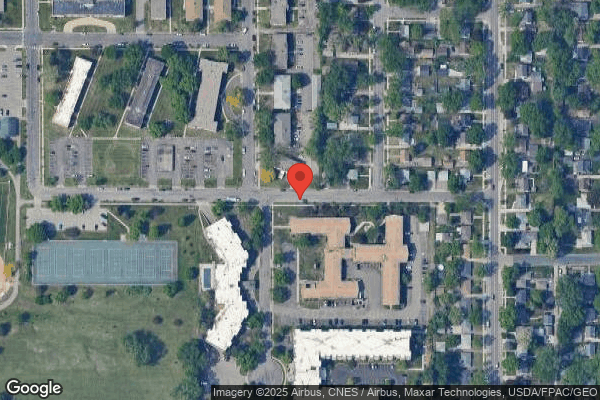
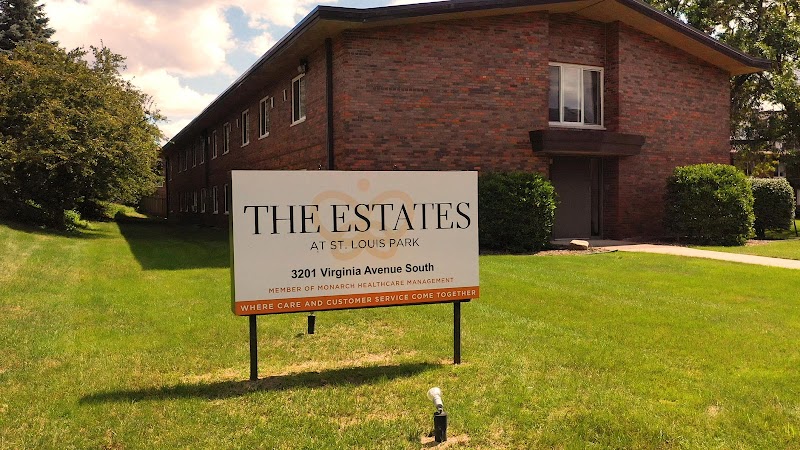
3201 VIRGINIA AVENUE SOUTH, SAINT LOUIS PARK, MN 55426 (952) 935-0333
Non profit - Corporation 145 Beds MONARCH HEALTHCARE MANAGEMENT Data: November 2025 2 Immediate Jeopardy citations
Trust Grade
6/100
#271 of 337 in MN
Last Inspection: August 2025

Inspected within the last 6 months. Data reflects current conditions.

Overview

The Estates at St Louis Park LLC has a Trust Grade of F, indicating significant concerns about the care provided, making it one of the poorer options available. It ranks #271 out of 337 facilities in Minnesota, placing it in the bottom half of the state, and #43 out of 53 in Hennepin County, meaning there are only a few local facilities that might be better. While the facility has shown some improvement, reducing issues from 23 in 2024 to 11 in 2025, it still has a long way to go. Staffing is a strong point, with a 5 out of 5 star rating and low turnover of 16%, which is much better than the state average. However, the facility has incurred $214,545 in fines, which is troubling as it exceeds the fines of 94% of Minnesota facilities, indicating ongoing compliance issues. There have been serious incidents, including critical failures related to physical abuse by a nursing assistant and a resident being assaulted in the community due to lack of supervision. While there are some strengths in staffing, the overall quality and safety concerns are significant, making it essential for families to thoroughly consider this facility.
Trust Score
F
6/100
In Minnesota
#271/337
Bottom 20%
Safety Record
High Risk
Review needed
Inspections
Getting Better
23 → 11 violations
Staff Stability
✓ Good
16% annual turnover. Excellent stability, 32 points below Minnesota's 48% average. Staff who stay learn residents' needs.
Penalties
✓ Good
$214,545 in fines. Lower than most Minnesota facilities. Relatively clean record.
Skilled Nurses
✓ Good
Each resident gets 68 minutes of Registered Nurse (RN) attention daily — more than 97% of Minnesota nursing homes. RNs are the most trained staff who catch health problems before they become serious.
Violations
⚠ Watch
48 deficiencies on record. Higher than average. Multiple issues found across inspections.
★★☆☆☆
2.0
Overall Rating
★★★★★
5.0
Staff Levels
★★★★☆
4.0
Care Quality
★☆☆☆☆
1.0
Inspection Score
Stable
2024: 23 issues
2025: 11 issues

The Good

  • 5-Star Staffing Rating · Excellent nurse staffing levels
  • 4-Star Quality Measures · Strong clinical quality outcomes
  • Low Staff Turnover (16%) · Staff stability means consistent care
  • Full Sprinkler Coverage · Fire safety systems throughout facility
  • No fines on record
  • Staff turnover is low (16%)

    32 points below Minnesota average of 48%

Facility shows strength in staffing levels, quality measures, staff retention, fire safety.

The Bad

2-Star Overall Rating

Below Minnesota average (3.2)

Below average - review inspection findings carefully

Federal Fines: $214,545

Well above median ($33,413)

Significant penalties indicating serious issues

Chain: MONARCH HEALTHCARE MANAGEMENT

Part of a multi-facility chain

Ask about local staffing decisions and management

The Ugly 48 deficiencies on record

2 life-threatening 2 actual harm
Aug 2025 6 deficiencies
CONCERN (D)

Potential for Harm - no one hurt, but risky conditions existed

Deficiency F0679 (Tag F0679)

Could have caused harm · This affected 1 resident

**NOTE- TERMS IN BRACKETS HAVE BEEN EDITED TO PROTECT CONFIDENTIALITY** Based on observation, interview and document review, the facility failed to ensure a resident's preferred activities for individ...

Read full inspector narrative →
**NOTE- TERMS IN BRACKETS HAVE BEEN EDITED TO PROTECT CONFIDENTIALITY** Based on observation, interview and document review, the facility failed to ensure a resident's preferred activities for individual entertainment were available for 1 of 1 resident (R3) reviewed for activities. Findings include:R3's annual Minimum Data Set (MDS) dated [DATE], indicated R3 had severe cognitive impairment and was dependent on staff for all activities of daily living (ADLs). Preferences for routine and activities was not assessed. R3's MDS indicated R3 had zero minutes of recreational therapy (to include recreational and music therapy) in the lookback period. R3's diagnoses include hemiplegia (weakness) and hemiparesis (paralysis) following cerebral infarction affecting right dominant side, dementia, contracture of muscle, aphasia (conditioning affecting speech) and depression. R3's care plan (CP) dated 7/8/25, indicated R3 spoke Vietnamese, Cantonese, and some English. In his free time, he enjoys watching TV-especially Chinese dramas, listening to Vietnamese music, and watching movies. The CP further indicated, Resident has a smart TV so he can watch TV and listen to music in his language. This is his favorite thing to do. R3's physician order dated 12/13/24, indicated, Non-pharmacologic interventions offered to relieve pain: 1. Music 2. Redirection 3. Reposition.Document which # intervention was used.In addition, R3's order dated 12/13/24, indicated, Ensure resident is in the dining room for lunch and dinner. R3's Activity/Leisure Time task report dated 7/1/25 through 7/31/25, indicated the following: -TV in room/group-11 times-Looking out the window/music/time spent in room-independent-9 times R3's Activity/Leisure Time task report dated 8/1/25 through 8/5/25, indicated the following:-TV in room/group on 8/2, 8/4, and 8/5. -Looking out the window/music/time spent in room-independent on 8/4. During observation on 8/4/25 at 1:36 p.m., R3 was in room in Broda-type wheelchair in middle of the room facing the wall opposite his TV. The TV had a purple screen indicating, we are having difficulty connecting. R3 was not facing the window. During interview 8/4/25 at 4:24 p.m., family member (FM)-A stated expectation for staff to take R3 out to the common area 2-3 hours each day. FM-A also stated R3 liked to be next to the window so he could look outside and that R3 also enjoyed watching TV or listening to Vietnamese music in his room. During observation on 8/5/25 at 8:29 a.m., R3 lying in bed awake by window. TV was on a dresser at the foot of the bed. The TV was on with the purple screen still displaying, we are having difficulty connecting on the screen. During observation on 8/5/25 at 1:21 p.m., R3 sitting up in wheelchair in room awake in the middle of the room. The room was quiet and the TV still showing the no connection message. During observation on 8/5/25 at 1:37 p.m., an activity with a movie, music and nail care in the common area on the first floor. R3 was not in attendance. During observation on 8/5/25 at 3:03 p.m., R3 was lying in bed awake. The room was quiet, and the TV still displayed the no connection message. During observation on 8/5/25 at 3:16 p.m., licensed practical nurse (LPN)-B was in R3's room assisting with reposition. Replaced called and left the room. LPN-B did not address the TV or lack of music. During observation on 8/6/25 at 7:23 a.m., R3 was lying in bed awake with the TV on still displaying the no connection message. Nursing Assistant (NA)-C performed cares on R3's roommate and left the room. NA-C did not address the TV or lack of music. During observation on 8/6/25 at 8:38 a.m., LPN-B, NA-B and NA-C in to perform morning cares and get R3 up for a shower. R3's window blinds were closed for privacy during cares. R3 moaned during cares and transfer. During observation on 8/6/25 at 9:14 a.m., R3 was wheeled back to his room after the shower, dressed in a new gown and transferred back to bed by NA-B and NA-C. R3's window blinds were still closed and the TV displaying the same message. During observation on 8/6/25 at 9:36 a.m., LPN-A in R3's room to administer medications via G-tube (gastronomy tube). LPN-A placed medications and other supplies on top of the dresser where the TV sat. R3 moaned several times during medication administration. LPN-A left the room and did not address the no connection message on the TV, lack of music, or the closed blinds. During observation on 8/6/25 at 10:37 a.m., LPN-A in R3's room to apply face lotion, neck brace and palm protector. R3 awake and groaning. LPN-A left the room and did not address the no connection message on the TV, lack of music, or the closed blinds. During observation on 8/7/25 at 8:16 a.m., R3 lying in bed in room awake. R3's blinds were still closed and the TV still displaying the no connection message. During observation and interview on 8/7/25 at 8:21 a.m., NA-A stated R3 should be out of his room for lunch and when in his room he enjoyed looking out the window, watching TV and listening to music in his own language. NA-A into R3's room and confirmed the TV was not tuned to any show or music and the blinds were closed. During interview on 8/7/25 at 8:26 a.m., registered nurse (RN)-A stated R3 should be out of his room in the morning and back to lie down after lunch. RN-A stated R3 enjoyed phone calls with his family and watching TV. RN-A further stated R3 liked to look outside and that his blinds should be open when cares not being performed. During interview on 8/7/25 at 8:31 a.m. LPN-B stated would expect R3's TV to be working properly and if not would expect staff to notify maintenance via a workorder. LPN-B further stated R3 enjoyed looking outside and his blinds should be open when not receiving cares. During interview on 8/7/25 at 8:49 a.m., therapeutic recreation director (TRD) stated R3 was taken to a music activity twice a month and to church once a month. TRD further stated R3 enjoyed TV in his own language and looking outside when in his room. TRD stated expectation for staff to close his blinds during cares and open them when completed. During interview on 8/7/25 at 9:23 a.m., maintenance assistant (M)-A stated staff were supposed to enter a workorder in their TELS system when something was not working properly. M-A stated not being notified of an issue or receiving a workorder for R3's TV until this morning. During interview on 8/7/25 at 9:48 a.m., director of nursing (DON) stated would they had recently rearranged R3's room so he could better see outside and his TV since those were two activities he really enjoyed. DON stated would expect staff to submit a workorder if R3's TV was not working and that his blinds should be open in between cares. DON stated recently spoke to FM-A who requested R3 be able to look outside and watch TV. Facility Therapeutic Recreation/Activities policy requested but not provided. Email received 8/7/25 at 10:11 a.m., indicated, For Therapeutic rec policy, we do not have a specific policy, we follow the guidelines.
CONCERN (D)

Potential for Harm - no one hurt, but risky conditions existed

Quality of Care (Tag F0684)

Could have caused harm · This affected 1 resident

**NOTE- TERMS IN BRACKETS HAVE BEEN EDITED TO PROTECT CONFIDENTIALITY** Based on observation, interview, and document review, the facility failed to comprehensively assess and monitor a skin condition...

Read full inspector narrative →
**NOTE- TERMS IN BRACKETS HAVE BEEN EDITED TO PROTECT CONFIDENTIALITY** Based on observation, interview, and document review, the facility failed to comprehensively assess and monitor a skin condition for 1 of 1 resident (R88) reviewed for red areas on chin. Further, the facility failed to ensure a critical lab was followed up on timely for 1 of 1 resident (R138) reviewed for labs. Findings include: R88‘s quarterly Minimum Data Set (MDS) dated [DATE], indicated R88 had short- and long-term memory problems and moderately impaired cognitive skills for daily decision making. R88 was independent for most activities of daily living. R88‘s diagnoses included coronary artery disease, heart failure, hypertension, diabetes mellitus, dementia, anxiety, and depression. R88 had no skin condition concerns. R88‘s care plan had a focus area for skin initiated 7/23/20 and indicated R88 was at risk for alteration in skin breakdown secondary to diagnosis of diabetes and refusals of cares: showers/baths, etc R88 had history of rash to arms, upper back, and body which healed up and returned after a few days to months. The focus area included an update dated 8/5/25 which indicated R88 had red spots on her face around her mouth. Interventions included to encourage and reapproach if refusing shower, R88 had a pressure reducing mattress to bed, skin assessment to be completed per policy, treatments as ordered as needed, and R88 turned and repositioned independently. An intervention dated 8/6/25, indicated R88 tended to scratch her head and skin and refused nail care and directed staff to keep nails trimmed. A provider encounter dated 6/30/25, indicated R88 had a past medical history of seborrheic dermatitis (itchy, scaly skin patches and flakes on oily areas of skin), rash and other nonspecific skin eruption, pruritus (sensation of itching). The encounter indicated R88 had no new rashes, lumps, sores, dryness, pruritic lesions, or skin breakdown. Progress notes reviewed did not indicate R88 had red areas on her chin prior to 8/5/25. Physician orders did not indicate R88 had red areas on her chin prior to 8/6/25. A physician order dated 8/6/25, directed staff to apply triamcinolone acetonide external cream 0.025% (percent) to R88‘s rash/lesions on face two times a day for two weeks and monitor for worsened skin condition. R88‘s skin assessments dated 6/30/25 to 8/4/25, indicated R88 refused skin checks/showers at times, but R88‘s visible skin was intact with no new skin issues. During observation and interview on 8/4/25 at 4:03 p.m., R88 had approximately five to six red circular spots on and around her chin. The red areas were not raised. R88 stated she would use lotion if given to her, and red areas on skin had been happening for “forever”. During observation and interview on 8/5/25 at 1:54 p.m., R88 was sitting in her room in a chair watching television. The red areas around R88‘s chin appeared unchanged from previous observation. R88 stated the areas were not painful and did not itch. R88 was not sure if the red areas were better or worse than prior. R88 stated she got the red areas from resting her chin on her hands while watching television. During observation and interview on 8/5/25 at 2:08 p.m., registered nurse (RN)-B stated they were not aware of the red areas on R88‘s face. RN-B stated residents had weekly skin checks on their shower days. RN-B stated staff documented new skin concerns, called the provider, and monitored the area of concern. RN-B looked at R88‘s face and stated the red areas looked like R88 picked her skin. RN-B stated R88 scratched her head and scratching her chin may be new. RN-B stated they encouraged R88 to stop scratching herself and observed for bleeding or redness when they saw R88 scratch her forehead. During interview on 8/6/25 at 10:25 a.m., nursing assistant (NA)-D stated R88 required minimal or set-up assistance for cares and worked on the unit frequently. NA-D stated R88 did not scratch her head often, and NA-D distracted her with television and coffee. NA-D stated they saw the red areas on R88‘s chin “some time back”. During interview on 8/7/25 at 11:07 a.m., licensed practical nurse (LPN)-C stated staff noted the red areas on R88‘s face two days ago and called the provider. LPN-C stated R88 had a history of rashes on her body and requested the provider look at the red areas around R88’s chin to determine what treatment was needed. LPN-C stated they had never seen R88 scratch her head or skin but added the scratching to the care plan when they were made aware by other staff. During interview on 8/7/25 at 1:08 p.m., the director of nursing (DON) expected staff to call a provider for possible treatment and monitor residents with a new skin concern. The DON stated it was important for staff to manage skin concerns. The facility’s Skin Assessment and Wound Management policy dated 2/2025, directed staff to notify a nurse when skin changes were identified and implement appropriate preventative skin measures. See also F698. R138's admission Minimum Data Set (MDS) dated [DATE], indicated intact cognition, did not have behaviors or reject care, had a wheelchair for mobility, required substantial assistance with dressing, toileting hygiene, and personal hygiene, had anemia (low hemoglobin or HGB), end-stage renal disease (ESRD), a coagulation defect (a bleeding disorder affecting the blood's ability to clot), and thrombocytopenia (a condition of a low platelet count in the blood which can lead to increased bleeding and bruising). Further, R138 was on dialysis. R138's Physician's Orders form indicated the following orders: 7/16/25, dialysis every Monday, Wednesday, and Friday. 8/5/25, lab CBC (complete blood count which includes a HGB), CMP, Mg, PTH, CRP, INR (a blood test that indicates how well the blood is able to clot), Phosphorus on 8/5/25. R138's hospital discharge orders dated 7/27/25, indicated a CBC, INR, and CMP was recommended on 7/30/25. R138's care plan dated 7/14/25, indicated R138 was at risk for complications related to dialysis and interventions included to call the physician if any changes in the dialysis port line, fistula to left forearm, excess bleeding, notify dialysis of any concerns, send communication folder to dialysis with each run. Additionally, an intervention dated 8/6/25, indicated to monitor the central dialysis port line on the right upper chest for signs of bleeding every shift. R138's care plan dated 7/15/25, indicated R138 had a nutritional problem related to ESRD and interventions included obtaining and monitoring lab and diagnostic work as ordered and report the results to the physician and follow up as indicated. R138's labs collected on 8/5/25 at 6:05 p.m., with a fax time stamp at the top of the form dated 8/5/25 at 8:53 p.m., indicated the following: HGB 6.7 (LL) and the normal reference range was 13.5 to 17.5 g/dl (grams per deciliter). Platelets (platelets are essential for blood clotting) 78 (L) and the normal reference range was 150 to 450 x 10(9)L. A legend at the bottom of the lab form indicated an (LL) was a critically low lab value and an (L) value was a low lab value. Further, the lab result form contained an illegible signature. R138's labs collected on 8/5/25 at 6:55 p.m., with a fax time stamp at the top of the form dated 8/5/25 at 9:33 p.m., indicated the following: INR: 3.2 (H) with a reference range of 0.9 to 1.1. The legend at the bottom of the lab form indicated an (H) was a high level. Further, the lab result form contained an illegible signature. R138's nurse practitioner (NP)-E notes dated 8/4/25 at 2:25 p.m., indicated on 7/29/25 R138 had chronic, stable anemia of chronic disease and required multiple transfusions during hospitalization with no signs of bleeding. The note further indicated to check HGB as soon as possible (lab can't come until tomorrow), and discussed low HGB during dialysis can cause aches due to blood pull off and if abdominal pain is severe before work up can be completed by lab, can discuss hospitalization for uncontrolled pain and suspected symptomatic anemia. Additionally, the note indicated R138 received 2 units of packed red blood cells the week of 7/20 and R138's HGB at the time of discharge was 7.8. NP-E indicated R138 was visibly uncomfortable duet o lower abdominal pain and was concerned about symptomatic anemia and R138's code status was a full code and was unclear what R138's baseline HGB was but, the note indicated r138's HGB was stable at 7 to 8 now. R138's progress notes dated 7/21/25 at 10:46 p.m., indicated R138 was transferred to the hospital with a HGB of 6.3. R138's progress notes dated 7/27/25 at 10:25 p.m., indicated R138 was readmitted from the hospital. During interview on 8/4/25 at 1:42 p.m., family member (F)-B stated R138 went to the hospital with a low HGB and the physician put notes in for discharge to check a HGB on 7/30/25, and when asked, the facility did not have the labs set up until Monday so the labs will be drawn on 8/5/25, and added R138 had transfusions every two to three weeks because his HGB dropped. During interview on 8/6/25 at 12:16 p.m., licensed practical nurse (LPN)-E stated R138 had low HGB's and health unit coordinators (HUC's) collect lab results and if a lab was critical, staff received a call from the pathway and then staff were to contact the provider as soon as possible. During interview on 8/6/25 at 12:29 p.m., HUC-H stated when lab results came back she prints the lab and verified she received orders for labs from the NP on 7/30/25 but did not see any results. HUC-H added R138 came back on a weekend and they did not work on the weekend so nursing processed the orders. HUC-H stated R138's HGB was 6.7 on 8/5/25 and stated the lab was not critical and if there were critical results, the lab calls to report the results to the nurse. HUC-H further stated the lab reports had a reference range on the report that indicated the HGB should be 13.5 to 17.5 and if it was above or below that range, they called the provider. HUC-H stated they faced the results to NP-E on 8/5/25. During interview on 8/6/25 at 12:46 p.m., nursing assistant (NA)-H stated R138's wheelchair came back from dialysis, but he thought R138 went to the hospital because the chair came back but R138 did not. During interview on 8/6/25 at 1:58 p.m., registered nurse (RN)-E stated the lab calls to inform of a critical lab and then staff are supposed to call the provider right away. If a lab is not critical staff fax the provider. Further, RN-E stated if they receive a lab it was documented in the electronic medical record (EMR). RN-E viewed R138's labs and verified R138's HGB was low and stated LL meant the HGB was low and added maybe the lab was low from the previous lab. RN-E verified a lab value of LL indicated it was critically low and opened NP-E's note dated 8/4/25 that indicated R138's HGB was 7.8 on 7/26/25, and verified R138's HGB on 8/5/25, was 6.7 and stated she had to check the progress notes. RN-E verified the progress notes lacked evidence the physician was called and stated a HGB of 6.7 was a critical lab and stated the nurse should have called the provider. During interview on 8/6/25 at 2:32 p.m., LPN-E stated she had not heard the results of R138's labs and stated staff observe the lab results and call the provider right away when a lab was critical versus faxing and is documented in a progress note and stated the HGB result should have been called to the provider already. LPN-E stated when a lab result is received, the HUC collects them and scans them and puts them in the nursing station and the nurses should have visual checks to send information to the provider. If a lab is normal it will be faxed. LPN-E clarified the lab will be received at the nursing station and whoever sees the fax reads it and stated the physician should have been contacted right away. During interview on 8/6/25 at 2:35 p.m., with the director of nursing (DON) and LPN-E, LPN-E verified RN-F signed R138's lab form. The DON stated the NP should have been notified immediately. During interview on 8/6/25 at 2:39 p.m., RN-F stated he worked on the evening of 8/5/25, and viewed R138's lab results, however did not call the provider. During interview on 8/6/25 at 2:41 p.m., NP-E stated she has not received a call on R138's labs and stated usually critical lab results were called to the provider and had not seen anything from the on call provider either. During interview on 8/7/25 at 10:43 a.m., the DON stated R138's baseline HGB on follow up notes were 7 to 7.2 and further stated RN-F was suspended and added the lab always called when there was a critical lab and RN-F did not receive a call, however expected if a nurse put a signature on a lab, they had to review it and still expected if a nurse placed their name on something they had to look at what the report indicated and further stated they conducted house-wide education and added, the lab didn't do their part, but that didn't excuse the nurse from doing their part. A policy on critical lab results was requested on 8/7/25 at 1:30 p.m., however was not provided. A PDF form provided on 8/8/25 at 3:02 p.m., indicated education was provided to RN-F the provider of a critical lab must be notified immediately, ensure monitoring is in place for the critical lab, notify the guardian and representative, call the DON, and if hospitalization is recommended, it must happen immediately.
CONCERN (D)

Potential for Harm - no one hurt, but risky conditions existed

Deficiency F0688 (Tag F0688)

Could have caused harm · This affected 1 resident

**NOTE- TERMS IN BRACKETS HAVE BEEN EDITED TO PROTECT CONFIDENTIALITY** Based on observation, interview and document review, the facility failed to ensure range of motion (ROM) was completed on 2 of 2...

Read full inspector narrative →
**NOTE- TERMS IN BRACKETS HAVE BEEN EDITED TO PROTECT CONFIDENTIALITY** Based on observation, interview and document review, the facility failed to ensure range of motion (ROM) was completed on 2 of 2 residents (R3, R35) reviewed who had limited range of motion. In addition, the facility failed to ensure the regular use of a palm protector for 1 of 1 residents (R3) reviewed for splint/brace use. Findings include: R3’s annual Minimum Data Set (MDS) dated [DATE], indicated R3 had severe cognitive impairment and was dependent on staff for all activities of daily living (ADLs). R3’s MDS indicated zero minutes of restorative nursing to include passive and active range of motion (ROM) and splint or brace assistance. R3’s MDS further indicated “Behavior not exhibited” for rejection of care assessment. R3’s diagnoses include hemiplegia (weakness) and hemiparesis (paralysis) following cerebral infarction affecting right dominant side, Parkinson’s, dementia, contracture of muscle, aphasia (conditioning affecting speech) and depression. R3’s care plan (CP) dated 7/8/25, indicated R3 had hemiplegia/hemiparesis and Parkinson’s and required “Range of motion (active or passive) with am/pm care daily.” R3’s CP further indicated R3 often refused donning of or often removed splint from right hand. The CP indicated R3 had a history of and was at risk for skin breakdown on right hand due to contracture and instructed staff to keep a [NAME] hand guard on at all times. R3's nursing care sheet updated 8/6/35, instructed staff, Perform Passive ROM LE [lower extremity] and upper twice daily. The care sheet indicated, Palmar guard on. R3’s Restorative/Functional Maintenance Program dated 6/21/24, indicated, “Right Hand…Palmar hand guard…please keep palmar hand guard on at all times…” R3’s physician order dated 12/13/24 indicated, “Perform PROM twice a day every day and evening shift.” R3’s physician order dated 7/15/25 indicated, “Protection from skin breakdown: Please keep Palmar Hand Guard on R hand on at all times. Okay to remove to wash or during bathing tasks.” R3’s physician order dated 7/23/25 indicated, “PROM [passive range of motion] to Bilat [bilateral] UE’s [upper extremities] once daily – work within pt’s pain tolerance.” During observation on 8/4/25 at 1:36 p.m., R3 in room in Broda type chair and has a piece of gauze in right contracted hand. dry lips. During interview on 8/4/25 at 4:14 p.m. family member (FM)-A, stated facility was supposed to be getting a brace or splint for R3’s right hand but could not recall ever seeing one. FM-A stated R3’s right arm and hand were severely contracted. FM-A stated R3 should be receiving ROM and that his right palm required protection from skin breakdown. During observation on 8/5/25 at 1:21 p.m., R3 was awake and up in wheelchair in room. R3 did not have a brace or palmar hand guard on right hand. During observation and interview on 8/6/25 at 8:38 a.m., licensed practical nurse (LPN)-B, nursing assistant (NA)-B, and NA-C into R3’s room for morning cares and transfer to shower chair for weekly shower. NA-B and NA-C performed peri care and prepped R3 for a shower. NA-B stated he worked with R3 regularly and had not seen R3’s palmar guard for about two weeks. NA-C stated had last seen a brace or palmar guard on R3 a long time ago. NA-B had to move the foot of R3’s bed in order to access the top drawer of R3’s nightstand. R3’s palmar guard was in the drawer. NA-B stated R3 should have it on at all times when not in shower. R3 was transferred to shower chair via Hoyer lift and then taken to the shower room. No ROM observed. During interview on 8/6/25 at 9:12 a.m., LPN-B stated she trimmed R3’s fingernails the previous day and did notice he was not wearing a brace or palmar protector. LPN-B stated she placed a piece of gauze in R3’s hand since she could not find the protector. LPN-B stated R3 should have at least two palmar protectors so he would have one available while they washed the other one, and that one should be on at all times. During observation on 8/6/25 at 9:14 a.m., NA-B and NA-C wheeled R3 back to room in shower chair. R3 was transferred back to bed. NA-B and NA-C dried R3, placed a new brief, and donned a new gown. NA-B left the room while NA-C finished performing morning cares on R3. NA-C applied body lotion, but did not perform any ROM. The palm protector that NA-B found earlier remained on top of R3’s nightstand and was not applied. NA-C left the room. During observation and interview on 8/6/25 at 10:37 a.m., LPN-A into R3’s room to apply face cream and done a neck brace. LPN-A also placed R3’s palm protector on right hand by prying open each of R3’s fingers and actively wrap R3’s hand around it. LPN-A stated sometimes R3 would not have the palm protector in place because he would sometimes remove the palm protector himself. LPN-A stated the palm protector was to prevent skin breakdown on R3’s palm and to prevent the contracture from getting worse. During observation on 8/6/25 at 1:34 p.m., LPN-B and NA-C in R3’s room providing cares. No ROM observed. During observation on 8/7/25 at 8:16 a.m., R3 was awake lying in bed in room. R3 had the palm protector on and did show evidence of rejecting the splint or trying to remove it. During interview on 8/7/25 at 8:26 a.m., registered nurse (RN)-A stated R3 should receive ROM on arm and hands daily and should have his hand guard on all the time. During interview on 8/7/25 at 8:31 a.m., LPN-B stated would expect R3 to receive ROM twice a day as ordered and to have the palmar grip on all the time. During interview on 8/7/25 at 8:59 a.m., physical therapist (PT)-A stated would expect restorative nursing orders to be carried our as written. PT-A stated continuous refusal, or noncompliance should be communicated to therapy and a new assessment could be completed to determine if the ROM and/or the protector was still appropriate. During interview on 8/7/25 at 9:08 a.m., occupational therapist (OT)-A would expect [NAME] guard on for skin protection if ordered and would expect ROM to be completed as ordered or recommended. OT-A stated the goal of long term care restorative nursing was to maximize the functioning yet understood that as residents approached end of life, they were allowed to refuse treatment or services. During interview on 8/7/25 at 9:48 a.m., director of nursing (DON) stated expectation for ROM to be completed as ordered for R3 and that a palm protector would be on at all times. DON stated if staff were unable to locate the palm protector, she would expect to be notified so a replacement could be ordered. DON further stated if a resident always continuously refused or rejected care, that would be documented and communicated to therapy so they could re-evaluate the need for treatment. Facility policy requested but not received. Per email received on 8/7/25 at 10:30 a.m., “Related to ROM/maintenance policy, we also do not have one. Each program is individualized for the resident, and we would follow therapies recommendations related to that resident.” R35’s Optional State Assessment (OSA) dated 7/15/25, indicated intact cognition, did not have behaviors, and did not reject cares. Additionally, R35 required extensive assistance with bed mobility, toileting, and was dependent on staff for transfers. R35’s quarterly Minimum Data Set (MDS) dated [DATE], indicated an impairment in range of motion to one side on the upper and lower extremities. R35’s medical Diagnosis form indicated the following diagnoses: discitis unspecified lumbosacral region (inflammation of discs in the spine), other paralytic syndrome following unspecified cerebrovascular disease bilaterally (both sides), hemiplegia (paralysis on one side of the body), major depressive disorder, and chronic pain syndrome. R35’s physician orders saved 8/5/25 at 12:07 p.m., lacked orders resident was on a range of motion program. R35’s care sheet dated 8/2025, indicated R35 required assist of 1 with dressing, grooming, oral cares, and bathing. The care sheet lacked information R35 was on any type of range of motion program or that R35 had a contracture. R35's care sheet updated on 8/5/25, lacked evidence R35 was on any type of range of motion program or that R35 had a contracture. R35’s care plan revised on 8/5/25, indicated R35 had an alteration in mobility related to a history of stroke with paraparesis and pain. Interventions indicated R35 required encouragement to perform bilateral lower extremity and right-hand range of motion to prevent further contracture and assist as needed. Further, interventions indicated to follow handouts in the closet door. All physical therapy (PT) and OT evaluations and progress notes were requested on 8/7/25 at 1:30 p.m. The following notes were provided: R35’s occupational therapy (OT) evaluation and plan of treatment form dated 4/22/22, indicated R35 had an evaluation only and reached a plateau and utilized a Hoyer lift. R35’s right and left upper extremity range of motion was within functional limits and there were no functional limitations were present due to contractures. The notes lacked information a range of motion program was recommended or initiated, or that R35 refused a ROM program. R35’s OT evaluation and plan of treatment form dated 8/26/22, indicated a referral was made due to wheelchair seating and positioning. R35’s assessment indicated right upper extremity range of motion was within normal limits, and the left upper extremity range of motion was impaired. Further, left upper extremity range of motion to the shoulder, wrist, and forearm was impaired OT did not try range of motion to the left upper extremity hand. Further, no functional limitations were present due to contractures. Additionally, R35 could not propel the wheelchair due to a flaccid left upper extremity due to a stroke. The notes lacked information a range of motion program was recommended or initiated, or that R35 refused a ROM program. R35’s OT evaluation and plan of treatment form dated 10/9/25 through 11/7/24, indicated nursing reported an ill-fitting wheelchair and was referred for wheelchair positioning. Further, R35’s right and left upper extremity range of motion was within functional limits and did not have functional limitations [NAME] to a contracture. The notes lacked information a range of motion program was recommended or initiated, or that R35 refused a ROM program. R35’s OT evaluation and plan of treatment form dated 5/2/25 to 5/31/25, indicated R35’s back rest was uneven due to a broken piston. Further, R35’s right and left upper extremity range of motions was within functional limits and did not have functional limitations due to contractures. Additionally, adjustments to current wheelchair were beyond the scope of OT, but R35 would require additional services to assess and correct positioning after repairs are made. The notes lacked information a ROM program was recommended or initiated, or that R35 refused a ROM program. R35’s OT evaluation and plan of treatment forms from 4/22/22, to 5/31/25, lacked information R35 refused treatments. An OT evaluation and plan of treatment form dated 8/6/25, and completed by OT-B, indicated R35 was referred to therapy by staff for bilateral hand contractures R35 had previously refused range of motion or splinting to address the issue and would benefit from skilled OT to assess bilateral upper contractures and develop passive range of motion (PROM) to maintain function. Further no contraindications were present. R35’s evaluation indicated R35’s ROM to index finger had a resting contracture, and middle, ring, and little finger was impaired. Further, R35’s left upper extremity ROM indicated the index and ring finger was impaired. Further, functional limitations were not present due to a contracture. R35’s PT (physical therapy) evaluation and plan of treatment notes dated 4/22/22, indicated R35 had functional limitation present due to contractures of both ankles and had PRAFO boots and PT was not treating contracture however nursing managed the contracture with the PRAFO boots. The form lacked information regarding R35’s upper extremities. R35’s PT evaluation and treatment plan dated 9/13/22 to 10/12/22, indicated nursing managed R35’s contractures with an AFO (foot and ankle brace) for bilateral lower extremities that were worn daily. The form lacked information regarding R35’s upper extremities. R35’s PT progress report forms dated 9/13/22 to 9/27/22, were reviewed and lacked information PT addressed upper extremity ROM or whether R35 had contractures to upper extremities. R35’s PT evaluation and treatment plan form dated 11/15/23, indicated R35 was referred to therapy for strengthening and assessment for an upgrade in transfers. R35 had PRAFO boots for contracture management by nursing staff and the contractures were too advanced that standing and ambulation was not realistic and was at maximum potential. The form lacked information regarding R35’s upper extremities. R35’s PT evaluation and treatment plan form dated 10/11/24, indicated R35 was referred for a PT evaluation and treatment and prior functioning indicated R35 required a Hoyer lift for transfers and nursing managed R35’s bilateral ankle contractures with PRAFO boots. The notes lacked information regarding R35’s upper extremities. R35’s progress notes were reviewed from 4/21/22, to 8/6/25, and lacked evidence R35 refused a passive range of motion (PROM) program, until 8/6/25 at 12:26 p.m., when a therapy note was entered indicating R35 was assessed for bilateral contractures by OT and acknowledged previous refusals to develop a PROM program but was now willing to participate and design a PROM program and further education to nursing and to aides on administration to promote maximal function. R35’s nurse practitioner (NP) notes dated 5/23/24, 5/28/24, 5/29/24, 8/9/24, 9/26/24, 12/2/24, 1/1/25, 1/9/25, 1/16/25, 1/23/25, 3/5/25, 3/19/25, 4/17/25, 6/9/25, 6/25/25, and 8/6/25, indicated R35 had contractures to his left-hand fingers. During interview and observation on 8/4/25 at 2:59 p.m., R35 stated sometimes staff did exercises. R35 could not open his left-hand ring finger and 5th digit (pinky). R35 did not have a splint or brace on his left hand. During interview on 8/5/25 at 2:54 p.m., R35 stated he could not move his left hand much and wanted help with that. R35 could not bend his left pointer finger and could not straighten his left ring finger and stated he had this prior to coming to the facility. During interview on 8/5/25 at 1:08 p.m., nursing assistant (NA)-A stated they used a care plan and followed what was on the Kardex in order to know what cares a resident required and stated if a resident required ROM, it would be on their care plan and if a resident refused, they let the nurse know and refusals were documented in the computer. NA-A stated most of the time, R35 did not refuse cares and stated she did not see R35 had any ROM for his hands and stated ROM was on their care sheet. R35 pulled out a care sheet and stated R35 was not on her group but could ask the nurse. During interview on 8/5/25 at 1:14 p.m., NA-F stated they looked at their care plan to know who had ROM and further stated pictures showed what to do up to patient tolerance for ROM. NA-F verified R35 did not have ROM instruction in his room and was not located inside or outside R35’s closet. NA-F stated he just set down his care sheet and did not have the care sheet. During interview on 8/5/25 at 1:27 p.m., OT-B ROM was largely based on diagnosis at evaluation and if a resident had impaired muscle function would require passive or active ROM. (passive ROM is when someone else moves the limb, active ROM is when the patient moves the limb) and further stated residents who had a stroke could have ROM to possibly regain function. OT-B stated both PT and OT completed ROM, but if it was for the upper body, OT completed ROM and PT completed the lower body ROM. OT-B stated last time he saw R35 was in May 2025, for a wheelchair issue and in October to November 2024 saw R35 and stated he was very nice and was not resistant to therapy and was willing to participate and did not recall R35 having any contractures and stated R35 had paralytic syndrome, cerebrovascular disease and discitis and did not see anything about upper body ROM in the notes. OT-B viewed R35’s notes and stated he had not seen a need for ROM for R35’s upper extremities. OT-B further stated instructions for therapy would be posted in a resident’s room. During interview on 8/5/25 at 2:31 p.m., physical therapist (PT)-A stated OT handled upper body ROM and sometimes if PT saw a resident, would incorporate upper body in their plans. PT-A stated residents who required ROM included those with a diagnosis of hemiplegia and some residents came in with baseline contractures and would work on preventing the contractures from getting worse. PT-A further stated contractures were painful and viewed therapy notes and verified R35 did not have any PROM but had PRAFO boots and thought R35 had a home exercise program for his legs and verified R35 did not have any documentation for upper body ROM and verified there was no home exercise program for R35’s upper body and did not know if R35 had contractures to his upper body adding their last evaluations didn’t identify upper body contractures. During interview on 8/5/25 at 2:58 p.m., NA-E stated he knew what cares a resident required based on the care plan and further stated R35 never refused cares and added if a resident refused, they documented in the chart and the nurses documented refusals. NA-E stated had not seen a hand brace for R35 and stated they used them to make sure a resident’s hand didn’t close. During interview on 8/5/25 at 3:09 p.m., licensed practical nurse (LPN)-D stated she knew what cares a resident required by looking at the care plan and refusals were documented in progress notes. LPN-D stated therapy instructs staff how to complete ROM and either the nurses or the aides complete ROM, if the nurse completes ROM, it shows up on the medication administration record (MAR) and treatment administration record (TAR) and further stated there is an order for ROM if nursing completes ROM. LPN-D stated she did not think R35 was on a therapy program. LPN-D viewed R35’s orders and verified there were no orders for a ROM program and further, reviewed R35’s care plan and verified R35’s care plan indicated to follow PT and OT for mobility but lacked any instruction and verified there was no ROM care plan in R35’s chart. LPN-D stated R35 was alert and oriented and stated R35 was so contracted. LPN-D stated all the care plan indicated was to follow instructions and that it was from 2022 and did not know where the instructions were. LPN-D further stated R35 had a contracture on his left hand that was present when LPN-D started working at the facility and added R35 may need something for his hand and had not seen a brace for R35 and added normally they put a brace on to keep the hand from closing. During interview on 8/5/25 at 3:30 p.m., LPN-B stated she supervised the floor and further ROM exercises would be on a care guide and the nurses make sure aides perform the ROM, and the ROM was on a nursing order. LPN-B stated if a resident had a contracture, she expected a resident to have something in place such as home exercises because they want to maintain functioning and if a program was recommended and the resident refused, it was documented in a progress note. LPN-B stated R35 had paralysis on one side and stated R35 had a contracture on the left hand and viewed the care sheet and verified there was no direction for ROM for R35’s extremities on the care sheet. LPN-B viewed R35’s care plan and verified the care plan lacked ROM interventions. LPN-B further stated R35’s risks for contractures included having discitis, paralytic syndrome, hemiplegia and chronic pain and expected R35 have a cushion to prevent his hand from closing. LPN-B viewed nursing assistants Task forms and verified the NA’s did not have ROM on a Task for documenting. During interview on 8/7/25 at 10:55 a.m., the director of nursing stated therapy completed screening but was not sure how frequently. Further, the DON stated contractures were documented in the care plan and the physicians should have documentation in their notes as well as treatment orders. If a resident refuses treatment orders, it was documented in a progress note. The DON stated she thought R35 had a home program. The DON further stated they hadn’t had ROM programs at the facility and completed a sweep and provided ROM programs if residents had a contracture to maintain and improve abilities and further stated they put exercises in residents’ rooms in the closets or by the bed if a resident approved. The DON stated she recognized they were working out the kinks. R35’s physician’s orders form saved 8/7/25, at 8:03 a.m., was later updated to include the following orders: 8/6/25, ROM: thumb: 1. Flexion and extension (thumb bending and straightening, 2. Abduction and adduction see detailed instructions in resident closet or restorative binder. 8/6/25, ROM fingers 1) flexion and extension (finger bending and straightening), 2) abduction and adduction finger spreading, see detailed instructions in resident closet or restorative binder. 8/6/25, home exercise program daily seated in chair, kick, straighten operated leg and try to hold it for 3 seconds. Repeat 20 times, 1 to 2 times per day. 8/6/25, home exercise program daily seated in chair 8 leg out to the side, sitting straight, move legs slowly apart, then together again. Do one leg at a time. Repeat 20 times, one to two times a day. 8/6/25, home exercise program daily seated in the chair pillow squeeze, place one pillow under and one between knees. Squeeze knees together while straightening them by pushing down into the pillow, hold for 5 seconds. Repeat 20 times one to two times a day. 8/6/25, home exercise program daily, seated in chair, march, bring knee up toward chest, repeat with the other leg to complete the set. Repeat 20 times one to two times a day. 8/6/25, home exercise program daily supine, slide foot up, bend knee and pull heel toward buttocks. Hold three seconds. Return and repeat with the other knee to complete the set. Repeat 20 times once daily. 8/6/25, home exercise program daily supine straight leg raise, bend one leg, raise other leg 6 to 8 inches with knee locked. Exhale and tighten thigh muscles while raising the leg. Repeat using the other leg. Repeat 20 times once daily. 8/6/25, home exercise program daily supine push knee into the bed, slowly tighten muscles on thigh of straight leg while counting out loud to 10. Repeat 20 times once daily. 8/6/25, home exercise program daily supine butt squeezes squeeze buttocks muscles as tightly as possible while counting out loud to 10. Repeat 20 times once daily. 8/6/25, home exercise program daily to bilateral lower extremities supine leg out to the side slide one leg out to the side. Keep the kneecap pointing toward the ceiling and gently bring leg back to the pillow and repeat with the other leg to complete the set. Repeat the set 20 times, once daily. A PDF document signed by OT-B on 8/7/25, was later provided by the facility on 8/7/25, at 1:19 p.m., that indicated R35 was previously evaluated for wheelchair placement and positioning in the fall of 2022 and the fall of 2025 and had resting contractures at both evaluations, but had no complaints of pain with functional ROM and refused a ROM program or splinting and was not appropriate for splinting as reversal of his contractures was unlikely and would not contribute for increased activity of daily living (ADL) performance.
CONCERN (D)

Potential for Harm - no one hurt, but risky conditions existed

Deficiency F0697 (Tag F0697)

Could have caused harm · This affected 1 resident

**NOTE- TERMS IN BRACKETS HAVE BEEN EDITED TO PROTECT CONFIDENTIALITY** Based on observation, interview, and record review, the facility failed to ensure a scheduled pain medication was available as o...

Read full inspector narrative →
**NOTE- TERMS IN BRACKETS HAVE BEEN EDITED TO PROTECT CONFIDENTIALITY** Based on observation, interview, and record review, the facility failed to ensure a scheduled pain medication was available as ordered for 1 of 1 resident (R102) reviewed for pain. Findings include:R102's significant change Minimum Data Set (MDS) dated [DATE], indicated intact cognition, required partial to moderate assistance with toileting hygiene, supervision with upper and lower body dressing and set up assist with personal hygiene. Further, R102's active diagnoses included: amputation, diabetes mellitus, acquired absence of left leg below the knee, and cutaneous abscess of limb. Additionally, R102 had scheduled pain medication, as needed pain medications, did not receive non medication interventions, had occasional pain during the last 5 days, that occasionally affected sleep, interfered with therapy activities, day to day activities and had a numerical rating of a 4 out of 10 on a 0 to 10 pain scale. R102 had a surgical wound and required surgical wound care and took opioid medications.R102's pain care area assessment 7/13/25, indicated pain would be addressed in the care plan to avoid complications and minimize risks. Further, medications and treatments were in accordance with the physician or nurse practitioner (NP) order and the floor nurse was to update the provider on any changes in pain complaints as needed and staff were directed to observe resident for non-verbal signs of pain with examples given of facial grimacing or guarding.R102's care plan dated 11/11/24, indicated R102 had an alteration in comfort due to recent left below the knee amputation (BKA) and interventions indicated completing a pain assessment per protocol, providing non medicinal forms of pain such as positioning, rest, massage, providing pain medication as ordered by the physician, documenting on the effectiveness of the pain medication, encouraging resident to verbalize discomfort, monitor for verbal and nonverbal indicators of discomfort, and further resident would be interviewed to determine acceptable level of pain control and contact the provider when pain level was not acceptable. R102's care plan dated 8/6/25, indicated R102 had an alteration in skin integrity due to left lower extremity BKA and interventions included R102 preferred to do his own dressing on his own pace due to pain, NPWT (negative pressure wound therapy, a treatment that uses controlled suction to promote healing in slow healing or non-healing wounds): Suction -125 on left BKA.R102's Pain Evaluation form dated 7/7/25 at 10:56 a.m., indicated R102 had occasional pain in the last 5 days that occasionally affected sleep, therapy activities, day to day activities and rated his worst pain over the last 5 days as a 4 on a 0-10-point scale. R102 stated pain was mild. Further, R102 was on a Butrans transdermal patch (a long-acting opioid) weekly 10 mcg/hr (micrograms/hour) every Tuesday, along with methocarbamol (a muscle relaxant) 500 milligrams (MG) three times, pregabalin (a medication to treat nerve pain) 100 mg three times a day and a Lidocaine patch 4% (a medication to treat pain) once daily. Additionally, R102 received oxycodone (an opioid) 10 mg every three hours as needed and acetaminophen (Tylenol) 1000 mg every 8 hours as needed. The evaluation indicated R102's pain was controlled with scheduled and PRN (as needed) pain medication and the pain regimen was effective. No other pain evaluation forms were completed after 7/7/25. R102's Physician's Orders form indicated the following orders related to pain:2/12/24, non-pharmacological pain interventions: 0=no intervention, 1=ice, 2=heated blankets, 3=massage, 4=repositioning, 5=music, 6=essential oils, 7=food and drink, 8=relaxation breathing.7/1/25, Lidocaine external patch 4% apply to BKA left lower extremity topically one time a day for pain 12 hours on and 12 hours free and remove per schedule.7/30/25, Acetaminophen (Tylenol) 1000 mg by mouth three times a day for pain.6/30/25, Methocarbamol (a muscle relaxant brand name Robaxin) oral tablet, give 500 mg by mouth three times a day for pain.7/25/25, hold from 7/25/25 to 7/26/25 and discontinue on 8/6/25 at 11:40 a.m., Pregabalin oral capsule 150 mg give 150 mg by mouth three times a day for pain related to complete traumatic amputation of left lower leg.8/6/25, Pregabalin oral capsule 150 mg by mouth three times a day for pain.-Oxycodone (opioid)7/1/25, and discontinued on 7/18/25, oxycodone 10 mg tablet, give 10 mg by mouth every 3 hours as needed for severe pain. 7/18/25, and discontinued on 7/25/25, oxycodone 5 mg tablet, give 10 mg by mouth every 3 hours as needed for pain, do not use 10 mg tablet, give two tablets a maximum of 5 doses per day (50mg/day).7/25/25, and discontinued on 7/30/25, oxycodone 5 mg tablets, give 10 mg by mouth every 3 hours as needed for pain a maximum of 5 doses per day (50 mg/day).7/30/25, and discontinued on 8/6/25 at 11:42 a.m., oxycodone 5 mg tablets, give 15 mg every 4 hours as needed for pain for a maximum of 3 doses per day (45mg/day).8/6/25, Oxycodone 5 mg tablets, give 15 mg every 4 hours as needed for pain. -Butrans7/1/25, and discontinued on 7/18/25, Butrans transdermal patch weekly 10 mcg/hr apply 1 patch transdermally one time a day every Tuesday for pain and remove per schedule. 7/22/25, and discontinued on 7/25/25, Butrans transdermal patch weekly 15 mcg/hr apply 1 patch transdermally one time a day every Tuesday for pain and remove per schedule.7/29/25, and discontinued on 8/5/25 at 9:16 a.m., Butrans transdermal patch weekly 15 mcg/hr apply 1 patch transdermally one time a day every Tuesday for pain and remove per schedule. 8/6/25, and discontinued on 8/6/25 at 11:40 a.m., Butrans transdermal patch weekly 15 mcg/hr apply 1 patch transdermally one time a day every Wednesday for pain and remove per schedule.8/13/25, Butrans transdermal patch weekly 15 mcg/hr apply 1 patch transdermally one time a day every Wednesday for pain and remove per schedule.R102's medication administration record (MAR) and treatment administration record (TAR) dated July 2025 indicated R102 utilized as needed oxycodone as follows:7/1/25, and discontinued on 7/18/25, oxycodone 10 mg tablet, give 10 mg by mouth every 3 hours as needed for severe pain. R102 utilized 40 doses.7/18/25, and discontinued on 7/25/25, oxycodone 5 mg tablet, give 10 mg by mouth every 3 hours as needed for pain, do not use 10 mg tablet, give two tablets a maximum of 5 doses per day (50mg/day). R102 utilized 14 doses.7/25/25, and discontinued on 7/30/25, oxycodone 5 mg tablets, give 10 mg by mouth every 3 hours as needed for pain a maximum of 5 doses per day (50 mg/day). R102 utilized 10 doses.7/30/25, and discontinued on 8/6/25 at 11:42 a.m., oxycodone 5 mg tablets, give 15 mg every 4 hours as needed for pain for a maximum of 3 doses per day (45mg/day). R102 utilized 3 doses.R102's MAR and TAR dated August 2025 indicated R102 was to have a new Butrans transdermal patch applied on 8/5/25 at 8:00 a.m., and a 9 was documented on the MAR for 8:00 a.m. indicating Other/See Nurse Notes. R102's progress notes dated 8/5/25 at 9:15 a.m., indicated R102's Butrans patch was unavailable, and the nurse manager called the pharmacy to get the patch delivered and the pharmacy stated they would deliver on their run that evening. Further the note indicated the order would be rescheduled for the following a.m. shift. R102's provider encounter note dated 7/31/25, indicated R102 had a pain management team involved due to difficult to control pain at the BKA site and R102 reported severe leg pain. R102's nursing home visit note dated 8/6/25, at 1:52 p.m., indicated R102's chief complaint was left BKA site pain. R102 was in the hall and a phone interpreter was used during the visit. R102 reported having pain every morning and the pain decreases about 12:00 p.m. The note indicated R102's oxycodone was increased at the last visit and R102 could feel a difference and reported feeling stable on his current pain regimen. R102 had mild to moderate pain in his left leg. R102's oxycodone 5 mg tablets 3 tablets three times a day were renewed along with the Butrans 15 mcg 1 patch every week and was filled on 8/6/25.During interview and observation on 8/4/25 at 5:34 p.m., R102 stated he had pain at night when viewing pain on his communication sheets. During interview and observation on 8/5/25 at 8:39 a.m., registered nursing (RN)-C prepared R102's medications, except for R102's Butrans 15 mcg/hour patch and stated the medication was on order and was not in the medication cart after looking for the patch. Licensed practical nurse (LPN)-E asked RN-C if she checked the other medication cart and LPN-E checked the medication cart and stated they didn't have it, and it should be there. LPN-E stated they would call the pharmacy and ask for an immediate order and added the patch was applied every 7 days. LPN-E stated the medication should be at the facility but might be on back order and added sometimes the pharmacy delivers and they switch the patch to p.m.'s or if there is no order, call the pain provider to write a new order and send the prescription. LPN-E stated the patch was not a medication they had in stock and did not have an emergency kit with the medication either. During interview on 8/5/25 at 8:50 a.m., RN-C stated R102 last had the Butrans patch administered on 7/29/25, on his right shoulder and added the pharmacy usually provided one or two patches at a time. The narcotic book indicated there were 0 patches left on 7/15/25. On 7/22/25, R102 had 2 patches on hand, and one was used and R102 had one left. Then on 7/29/25, R102 had 1 patch left and after the patch was administered, had no patches remaining.During interview on 8/5/25 at 9:07 a.m., when asked how R102 was, R102 shook his head no and pointed to his leg amputation site and made a fist opening and closing his fist. During interview on 8/6/25 at 9:05 a.m., R102 was grabbing at his amputation site and when asked how he was stated, no good. During interview with R102 and the interpreter on 8/6/25 at 9:12 a.m., R102 stated he had a lot of pain and pain medications helped but when the effects passed pain built up again and stated he was more uncomfortable when his dressing was changed. During interview on 8/7/25 at 11:10 a.m., the director of nursing stated medication orders were faxed to the pharmacy and the medications were sent to the facility twice daily. Some medications are on back order or prior authorization is needed. If a medication is not available, they ask the pharmacy to send the medication on the next run. The DON further stated Butrans was a medication used to treat pain and stated if a patch was due to be changed, the patch should be available in the medication cart and stated when staff apply the last patch, they need to contact the provider so they don't run out and further stated she knew medications weren't always available on the cart and has seen this happen. The DON further stated R102 had an amputation, had severe pain and literally cried with pain and were supposed to premedicate for the NPWT and the Butrans was more of a steady medication. The DON stated R102 had pain when rubbing the amputation site and viewed R102's MAR and verified the Butrans wasn't administered as ordered on 8/5/25, and stated she expected the patch to be administered when it was ordered. A policy on medication ordering and pain management was requested. During interview on 8/7/25 at 11:26 a.m., the administrative tech at Polaris pharmacy (AT)-F stated they received a prescription on 8/6/25, and sent four patches. Additionally, two patches were sent on 8/5/25, and prior to that, a script was sent on 7/18/25, for two patches that went out on 7/18/25, and stated the Butrans wasn't requested again until 8/5/25, and added a script was sent on 7/25/25, and may have been too soon to send additional patches. During interview on 8/7/25 at 11:32 a.m., Polaris pharmacist, (P)-G stated Butrans was a once weekly patch applied every week and the medication was slowly released depending on the dose every hour for chronic pain and was used when other pain medications don't work, or don't get good relief with other tablets. Further, P-G stated patients who don't receive the patch as ordered may experience pain.A progress note was later added dated 8/7/25 at 2:22 p.m., that indicated the provider was updated and was ok with rescheduling R102's Butrans patch to Wednesday a.m. shift and R102's pain would be controlled with PRN pain medication and R102's PRN pain medication dose was recently increased to accommodate the pain control.A policy, Pain Management Protocol, dated 3/23/23, indicated residents with pain or at risk for pain, have an effective pain management plan in place. The provider will order appropriate medication interventions to address individuals' pain. The policy further indicated, if the prescribed medications are not available or there is a delay in obtaining the medication, the provider will be notified, and alternative medications or interventions will be obtained to meet the resident's pain management needs. Resident and or the resident representative will be updated.
CONCERN (D)

Potential for Harm - no one hurt, but risky conditions existed

Deficiency F0698 (Tag F0698)

Could have caused harm · This affected 1 resident

**NOTE- TERMS IN BRACKETS HAVE BEEN EDITED TO PROTECT CONFIDENTIALITY** Based on interview, and document review, the facility failed to ensure ongoing communication and collaboration with dialysis ser...

Read full inspector narrative →
**NOTE- TERMS IN BRACKETS HAVE BEEN EDITED TO PROTECT CONFIDENTIALITY** Based on interview, and document review, the facility failed to ensure ongoing communication and collaboration with dialysis services for 1 of 1 resident (R138) who had a critically low hemoglobin. Findings include:See also F684: R138's admission Minimum Data Set (MDS) dated [DATE], indicated intact cognition, did not have behaviors or reject care, had a wheelchair for mobility, required substantial assistance with dressing, toileting hygiene, and personal hygiene, had anemia (low hemoglobin or HGB), end-stage renal disease (ESRD), a coagulation defect (a bleeding disorder affecting the blood's ability to clot), and thrombocytopenia (a condition of a low platelet count in the blood which can lead to increased bleeding and bruising). Further, R138 was on dialysis. R138's Physician's Orders form indicated the following orders:7/16/25, dialysis every Monday, Wednesday, and Friday. 8/5/25, lab CBC (complete blood count which includes an HGB), CMP, Mg, PTH, CRP, INR (a blood test that indicates how well the blood can clot), Phosphorus on 8/5/25. R138's hospital discharge orders dated 7/27/25, indicated a CBC, INR, and CMP was recommended on 7/30/25.R138's care plan dated 7/14/25, indicated R138 was at risk for complications related to dialysis and interventions included to call the physician if any changes in the dialysis port line, fistula to left forearm, excess bleeding, notify dialysis of any concerns, send communication folder to dialysis with each run. R138's labs collected on 8/5/25 at 6:05 p.m., with a fax time stamp at the top of the form dated 8/5/25 at 8:53 p.m., indicated the following:HGB 6.7 (LL) and the normal reference range was 13.5 to 17.5 g/dl (grams per deciliter). Platelets (platelets are essential for blood clotting) 78 (L) and the normal reference range was 150 to 450 x 10(9)L. A legend at the bottom of the lab form indicated an (LL) was a critically low lab value and an (L) value was a low lab value. Further, the lab result form contained an illegible signature.R138's labs collected on 8/5/25 at 6:55 p.m., with a fax time stamp at the top of the form dated 8/5/25 at 9:33 p.m., indicated the following:INR: 3.2 (H) with a reference range of 0.9 to 1.1. The legend at the bottom of the lab form indicated an (H) was a high level. Further, the lab result form contained an illegible signature.R138's nurse practitioner (NP)-E notes dated 8/4/25 at 2:25 p.m., indicated on 7/29/25, R138 had chronic, stable anemia of chronic disease and required multiple transfusions during hospitalization with no signs of bleeding. The note further indicated to check HGB as soon as possible (lab can't come until tomorrow), and discussed low HGB during dialysis can cause aches due to blood pull off and if abdominal pain is severe before work up can be completed by lab, can discuss hospitalization for uncontrolled pain and suspected symptomatic anemia. Additionally, the note indicated R138 received 2 units of packed red blood cells the week of 7/20 and R138's HGB at the time of discharge was 7.8. NP-E indicated R138 was visibly uncomfortable due to lower abdominal pain and was concerned about symptomatic anemia and R138's code status was a full code and was unclear what R138's baseline HGB was but, the note indicated R138's HGB was stable at 7 to 8 now.R138's hospital history and physical note dated 8/6/25, indicated R138 presented with abdominal pain with abdominal wall cellulitis, possible cholecystitis, and chronic normocytic anemia with a HGB of 7.2 and further indicated the HGB was stable from baseline of 7-8 g/dl range. R138's progress notes dated 7/21/25 at 10:46 p.m., indicated R138 was transferred to the hospital with a HGB of 6.3. R138's progress notes were reviewed from 8/5/25, and lacked evidence dialysis staff or the provider were notified of R138's critically low HGB. During interview on 8/6/25 at 12:46 p.m., nursing assistant (NA)-H stated R138's wheelchair came back from dialysis, but he thought R138 went to the hospital because the chair came back but R138 did not. During interview on 8/6/25 at 12:51 p.m., with the dialysis registered nurse (RN)-D stated they sent R138 to the hospital from dialysis due to confusion following dialysis and due to an issue with R138's skin on his abdomen and stated she had not been informed by the facility of any declining health and had not received a report from the facility. RN-D stated per dialysis policy, if a HGB is 7 or below, the patient needs to go to the emergency room for a blood transfusion and further stated she did not receive a report on R138's HGB and stated the facility should have called the provider. During interview on 8/6/25 at 1:58 p.m., RN-E stated the lab calls to inform of a critical lab and then staff are supposed to call the provider right away. If a lab is not critical staff fax the provider. Further, RN-E stated if they receive a lab it was documented in the electronic medical record (EMR). RN-E viewed R138's labs and verified R138's HGB was low and stated LL meant the HGB was low and added maybe the lab was low from the previous lab. RN-E verified a lab value of LL indicated it was critically low and opened NP-E's note dated 8/4/25, that indicated R138's HGB was 7.8 on 7/26/25, and verified R138's HGB on 8/5/25, was 6.7 and stated she had to check the progress notes. RN-E verified the progress notes lacked evidence the physician was called and stated a HGB of 6.7 was a critical lab and stated the nurse should have called the provider. During interview on 8/6/25 at 2:32 p.m., LPN-E stated she had not heard the results of R138's labs from 8/5/25. LPN-E stated staff observe the lab results and call the provider right away when a lab was critical versus faxing and was documented in a progress note and stated the HGB result should have been called to the provider already. LPN-E asked RN-E if RN-E was informed of the critical lab and RN-E stated she had not been informed and LPN-E stated staff had not been informed because there was no progress note.During interview on 8/6/25 at 2:35 p.m., with the director of nursing (DON) and LPN-E, LPN-E verified RN-F signed R138's lab form. The DON stated the NP should have been notified immediately and would have expected dialysis be updated as well. During interview on 8/6/25 at 2:39 p.m., RN-F stated he worked on the evening of 8/5/25, and viewed R138's lab results, however, did not call the provider. During interview on 8/7/25 at 8:58 a.m., RN-D stated dialysis sent R138 to the hospital at approximately 11:45 a.m., on 8/6/25 and further stated dialysis absolutely needs to be informed of a critically low HGB because when a resident is on treatment for dialysis, 250 milliliters (ML) of blood is not in their body at any given time because it is going through an artificial kidney and they cannot treat people when their HGB is low because their HGB can drop lower and can be a big reason to send someone to the emergency room. Their HGB needs to be higher than 7 because they are taking blood out of a person's body to clean it. RN-D further stated dialysis was not aware of R138's critically low HGB and further stated dialysis also draws labs, but the labs are not seen right away.During interview on 8/7/25 at 10:43 a.m., the DON stated R138's baseline HGB on follow up notes were 7 to 7.2 and further stated RN-F was suspended and added the lab always called when there was a critical lab and RN-F did not receive a call and assumed everything was ok, however the DON expected if a nurse put a signature on a lab form, they had to review it and still expected if a nurse placed their name on something they had to look at what the report indicated and further stated they conducted house-wide education and added, the lab didn't do their part, but that didn't excuse the nurse from doing their part. The DON further stated dialysis obtained labs, but the facility should have given the dialysis staff a heads up. Updates from the facility to the dialysis center on 8/6/25, were requested on 8/7/25 at 1:30 p.m., however no additional information was provided. A policy, Dialysis, dated 5/2003, indicated residents will receive safe administration of hemodialysis, in a certified dialysis facility from qualified staff, the facility staff and the dialysis center will have ongoing communication and collaboration regarding dialysis care and services. The facility will collaborate with the dialysis unit to create an individualized emergency protocol based upon the resident's dialysis access device and other care needs. The facility will complete emergency procedures, as indicated, per dialysis protocol and recommendations i.e. clamping a cut catheter, applying pressure to an access site, and or calling dialysis unit/nephrologist, primary provider, or 911. Communication shared between the facility and dialysis provider can include, but is not limited to, the resident's response to the dialysis treatment, medications administered, labs drawn and their results, the resident's end weight, changes in condition or mood, and evaluation of the access site.
CONCERN (E)

Potential for Harm - no one hurt, but risky conditions existed

Food Safety (Tag F0812)

Could have caused harm · This affected multiple residents

Based on observation, interview, and record review, the facility failed to ensure kitchen staff used hair restraints while serving food. This had the potential to affect all the residents who reside o...

Read full inspector narrative →
Based on observation, interview, and record review, the facility failed to ensure kitchen staff used hair restraints while serving food. This had the potential to affect all the residents who reside on 2 South wing who receive eat meals. Findings include:During observation and interview on 8/7/25 at 8:33 a.m., cook (C)-A served food from a steam table on the 2 South unit. C-A had a full head of hair and facial hair on chin and cheeks approximately 1/4 inch long. C-A did not wear a hair net or beard guard. C-A stated he was supposed to wear a hair net but forgot to don one, but was not familiar with a beard guard. C-A left the unit. During observation on 8/7/25 at 8:43 a.m., C-A came back to unit with hair net on and a beard guard and continued to serve food from the steam table. During interview on 8/7/25 at 8:54 a.m., culinary director (CD) stated expectation for servers to wear hair nets and beard guards when dishing up food from the steam table. During interview on 8/7/25 at 9:48 a.m., director of nursing (DON) stated would expect hair nets on when serving food but was unfamiliar with the regulations regarding beard guards. DON further stated would expect staff to follow the policy. Facility policy on hair restraint was requested but not provided. Email received on 8/7/25 at 10:30 a.m., indicated, We do not have a specific policy related to hairnets. Here is a snippet from our handbook: Hairnets must be worn when walking in or through the kitchen areas.
Jun 2025 2 deficiencies
CONCERN (D) 📢 Someone Reported This

A family member, employee, or ombudsman was alarmed enough to file a formal complaint

Potential for Harm - no one hurt, but risky conditions existed

Deficiency F0655 (Tag F0655)

Could have caused harm · This affected 1 resident

**NOTE- TERMS IN BRACKETS HAVE BEEN EDITED TO PROTECT CONFIDENTIALITY** Based on observation, interview, and record review the facility failed to implement the baseline care plan developed for 1 of 3 ...

Read full inspector narrative →
**NOTE- TERMS IN BRACKETS HAVE BEEN EDITED TO PROTECT CONFIDENTIALITY** Based on observation, interview, and record review the facility failed to implement the baseline care plan developed for 1 of 3 residents (R2, R3 and R4) reviewed. The care plans indicated the residents had cognitive concerns and were to have one-to-one staff care and 15-minute checks. R2 had a fall within hours of admitting to the facility. Upon observation R3 and R4 were not receiving one-to-one cares or 15 minutes checks. Findings include: R2's baseline care plan dated 5/20/25 indicated safety monitoring would be implemented as needed to ensure residents safety, (i.e.) 15-minute safety checks and 1:1 staff to resident ratio. R2's nursing progress note dated 5/20/25 at 2:39 p.m. indicated R2 was arrived at the facility at 2:00 p.m. on a stretcher with one emergency medical systems (EMS) person. R2 was [AGE] years old with a primary diagnosis of glioblastoma (aggressive brain cancer) with recent craniotomy revision (a section of the skull bone is removed to expose the brain for surgery), sepsis (infection of the blood) and diabetic wound with a history of bacteria (bacteria found in the blood stream). He was a fully code (CPR was to be performed). R2 had a PICC (peripherally inserted central catheter) line on his right arm. R2 was at the facility for rehab, physical therapy (PT) and occupational therapy (OT). R2's note did not indicate any safety checks to be performed on R2. R2's admission Minimum Data Set (MDS) dated [DATE] was not completed as R2 was admitted to the facility on [DATE] and discharged on 5/21/25. Upon interview on 5/30/25 at 3:25 p.m. registered nurse (RN)-B stated he worked the night shift on 5/20/25. He stated R2 was not a 1:1 or receiving 15-minute safety checks because the facility could not manage that on the night shift as they only staff one nurse and one nursing assistant (NA). Upon interview on 6/2/25 at 10:11 a.m. RN-A reviewed R2's care plan and stated the care plan should not have stated 1:1 care for R2. His care plan was meant to be 15-minute checks. The 15 minutes safety are informal checks completed by all the staff, for example looking in the room, answering call lights, assisting with toileting, or giving medications. R3's baseline care plan dated 5/31/25 indicated safety monitoring would be implemented as needed to ensure residents safety, (i.e.) 15-minute safety checks and 1:1 staff to resident ratio. R3's nursing progress notes dated 5/31/25 at 9:00 p.m. indicated R3 admitted from the hospital at 7:43 p.m. on a stretcher by two EMS staff. R3 had a history of left femoral neck fracture, total hip arthroplasty with WBAT (weight bearing as tolerated, Type II diabetes, depression, generalized anxiety. R3 was alert and oriented and continent of bowel and bladder. The note did not indicate any 1:1 care or 15-minute safety checks. R3's MDS dated [DATE] was not completed since R3 had admitted on [DATE]. Upon interview on 6/2/25 at 10:51 a.m. R3 stated she was weak when she stood and has a brain injury therefor since she had not been assessed by therapy, she should have had 15-minute safety checks. Since her admission staff only entered her room when they brought her meds or meals and when she pressed the call light. She stated she did not recall her care were supposed to be. R4's baseline care plan dated 5/24/25 indicated safety monitoring would be implemented as needed to ensure residents safety, (i.e.) 15-minute safety checks and 1:1 staff to resident ratio. R4's nursing progress notes dated 5/24/25 at 2:53 p.m. indicated R4 was admitted to the facility at 2:30 p.m. with two EMS personnels from the hospital. R4 was admitted to the facility due to multiple falls and was at the facility for PT. Per R4's hospital notes R4 was impulsive and did not use his call light. R4 was alert and oriented to himself. The notes did not indicate 1:1 care or 15-minute safety checks. Upon interview on 6/2/25 at 11:08 a.m. R4 stated he was not certain what was supposed to be doing for him. He stated staff came into his room [ROOM NUMBER]-3 times a day to bring him food and medications. Upon continuous observation on 6/2/25 from 11:08 a.m. to 12:33 p.m. R3 and R4 both had their doors closed. At 11:39 a.m. the director of nursing (DON) and the social worker (SW) entered R3's room. The DON exited her room at 11:42 and the SW exited at 11:50 a.m. At 12:25 p.m. R3 walked out of her room with her walker as the food cart was coming down the hall. She turned around and went back into her room. R3's meal was delivered to her room at 12:33 p.m. No staff entered R4's room during the observation period. His meal was delivered at 12:40 p.m. R3 and R4 were not receiving 1:1 care or 15-minute safety checks. Upon interview on 6/2/25 at 12:16 p.m. nursing assistant (NA)-A stated the transitional care unit which housed R2, R3, and R4 did not have any residents with 1:1 care 15-minute checks. He stated the only time had a worked with 15-minute safety checks was when residents were combative with each other, otherwise safety checks were every two hours. The checks were the when the NA's rounded the unit, provided visualization of the residents, repositioned the residents or check and changed incontinent briefs. He stated he had not had a 1:1 resident in years at the facility. Upon interview on 6/2/25 at 1:18 p.m. the Social Worker stated she was not certain how 1:1 care or 15-minute checks got on the care plans. Upon interview on 6/2/25 at 1:30 p.m. RN-C stated the unit did not have any 1:1 care or 15-minute safety checks. Upon care plan review, she stated she was not aware the care plans indicated 1:1- or 15-minute checks. If the care plan indicated specific checks, then the facility is required to do what the plan indicated. In addition, it should indicate 1:1 or 15-minute checks, not both. The initial care plan needed to be patient centered and accurate so staff can do their job properly. Upon interview on 6/2/25 at 1:59 p.m. the Administrator stated when the facility staff create a 48-hour care the 1:1 and 15-minute safety checks are an example to use. She stated the care plan was meant to offer safety checks as needed for new residents. She stated after the 48-hours it should be reviewed and removed if that is not what the facility doing. She did not expect the staff to follow the example on the baseline care plan however the care plan should indicate clear parameters for the safety checks needed. A facility policy titled Baseline Care Plan with a revision date of 8/2017 indicated the interdisciplinary team reviewed the healthcare practitioner's orders and implement a baseline care plan within 48 hours of admission to meet the resident's immediate base care needs, including things as; initial goals, physical orders, nursing orders, dietary orders, therapy services and social services as needed.
CONCERN (D) 📢 Someone Reported This

A family member, employee, or ombudsman was alarmed enough to file a formal complaint

Potential for Harm - no one hurt, but risky conditions existed

Quality of Care (Tag F0684)

Could have caused harm · This affected 1 resident

**NOTE- TERMS IN BRACKETS HAVE BEEN EDITED TO PROTECT CONFIDENTIALITY** Based on interview and record review the facility failed to provide fundamental quality of care of professional standards of pra...

Read full inspector narrative →
**NOTE- TERMS IN BRACKETS HAVE BEEN EDITED TO PROTECT CONFIDENTIALITY** Based on interview and record review the facility failed to provide fundamental quality of care of professional standards of practice for 1 of 3 residents reviewed for quality of care. R2 had a fall, and the facility was unable to ensure neurological checks (a critical assessment to identify any potential damage to the brain and nervous system) had been completed. Findings include: R2's baseline care plan dated 5/20/25 indicated safety monitoring would be implemented as needed to ensure residents safety, (i.e.) 15-minute safety checks and 1:1 staff to resident ratio. R2's nursing progress note dated 5/20/25 at 2:39 p.m. indicated R2 arrived at the facility at 2:00 p.m. on a stretcher with one emergency medical systems (EMS) person. R2 was [AGE] years old with a primary diagnosis of glioblastoma (aggressive brain cancer) with recent craniotomy revision (a section of the skull bone is removed to expose the brain for surgery), sepsis (infection of the blood) and diabetic wound with a history of bacteria (bacteria found in the blood stream). He was a full code (CPR was to be performed). R2 had a PICC (peripherally inserted central catheter) line on his right arm. R2 was at the facility for rehab, physical therapy (PT) and occupational therapy (OT). R2's note did not indicate any safety checks to be performed on R2. R2's incident note dated 5/20/25 at 10:43 indicated R2 was found seated on the floor less than five minutes after two nursing assistants and the nurse offered to help him use the bathroom. R2 stated he was trying to stand up to use the bathroom. He denied pain, hitting his head and had no injury. R2's vital signs were; blood pressure 145/98 (normal 120/80), pulse 85 (normal 60-100), respirations 18 (normal 12-20), oxygen saturation was 96% on room air (normal 92% - 100%), pain 0/10 (0 being no pain and 10 being great pain). Under the heading hit head title on the document (initiate neuro-checks for head bump) indicated R2 did not hit his head. A voice mail was left for the on-call provider. The immediate action that took place was to lower the bed and re-educated R2 on using the call light and placed his telephone within reach. The note did not indicate what R2 was doing prior to the fall, where he fell from or what his immediate or follow-up neuro-checks indicated. R2's nursing note dated 5/21/25 at 10:10 a.m. indicated R2 was found seated on the floor of his room, when asked he stated, I was trying to go to the bathroom and fell. R2 denied hitting his head, no injury was noted at that time. Neuro check sheet was started. R2 was reeducated on using the call-light. The note was documented the morning following the fall and after he went to the hospital. R2's nursing note dated 5/21/25 indicated R2 was sent to the emergency department (ED) around 9:00 a.m. related to a fall. The Family called emergency medical services (EMS). R2's admission Minimum Data Set (MDS) dated [DATE] was not completed as R2 was admitted to the facility on [DATE] and discharged on 5/21/25. R2's electronic Medical Administration Record (EMAR) dated 5/21/25 at 6:00 a.m. indicated to complete neuro sheet as applicable for three days. This was initiated 7 hours after R2's fall. R2's (EMAR) dated 5/21/25 at 6:00 a.m. indicated for staff to make a progress note post fall x72 hours, make sure to include any signs of symptoms of injury and effectiveness of new fall interventions every shift for 3 days. This was initiated 7 hours after R2's fall. R2's (EMAR) dated 5/21/25 at 6:00 a.m. indicated post fall vital sign checks every shift for 24 hours. This was initiated 7 hours after R2's fall. R2's (EMAR) dated 5/21/25 at 0700 indicated to monitor R2 for signs and symptoms of injury post fall x 72 hours. This was initiated 8 hours after R2's fall. R2's (EMAR) dated 5/21/25 did not indicate any neuro-checks to be completed after R2's fall. A written statement to the facility on 5/22/25 by RN-B indicated: Taking care of R2 was very exhausting R2 was demanding and time consuming. He was verbally aggressive, arrogant, loud, and condescending, talking down to staff during cares. You guys don't know what you are doing. FM-B was present all night and witnessed R2's ranting and even shouting at her. All R2 wanted to do all night was Eat! Eat! Eat! He was constantly demanding more food, one after another enabled by FM-B. FM-B came to the nurses desk for multiple things one after the other, asking for help including more food for R2. She asked for help with him to the bathroom, RN-B helped him to the bathroom when the NA was on a break and for some reason R2 was pretending he was not able to walk/stand. That night NA was in his room multiple times either doing cares, delivering food, or fixing R2's incontinent brief. Between RN-B and NA-A R2's needs and wants were addressed to the best of their ability. Trying to do vital signs on R2 and administer his IV antibiotics was time consuming because he wanted to do something else instead. RN-B's statement did not include the assessments he provided for R2's behavior and post fall. RN-B did not document R2's behaviors in the progress notes. Upon interview on 5/30/25 at 12:15 p.m. R2's family member (FM)-A stated she had not heard from R2 for a few hours on 5/20/25. At approximately 10:45 p.m. she called his room and did not receive an answer. She then called the reception area to ask for staff to check on R2. She was on the phone and registered nurse (RN)-A stated R2 was on the floor, and he was looking for staff to assist him to get him up with the mechanical lift. She stated she was worried because the staff were unable to provide information on how he fell to her over the phone. R2 was a fall risk due to his brain cancer and recent surgery, therefor he was to be closely monitored. FM-A called FM-B and asked her to go to the facility to see R2 and stay with him until the morning until the family could speak with the facility. FM-B got to the facility at approximately 12:30 a.m. FM-B was concerned about R2 as she noticed he appeared short of breath, confused, and combative. FM-B was told the facility conducts 15-minute neuro-checks for the first hour following a fall, 30 minutes for the next hour and then hourly for 24 hours. FM-B stated the staff were not completing half hour or hourly checks when she was there. FM-B had to go out and get staff at the desk when R2 needed assistance because the staff did not answer the call light. Another family member, FM-C, arrived at the facility on 5/21/25 at approximately 8:00 a.m. Upon interview on 5/30/25 at 1:31 p.m. RN-C the nurse manager stated she spoke with FM-C the morning after R2's fall. FM-C stated R2 was to be a 1:1 with his cares as he was in the hospital. RN-C stated she re-read the hospital discharges notes and did not find an order to indicate R2 was to be a 1:1 for cares. FM-C requested documentation of what cares were performed following R2's fall including his neuro-checks. FM-C was told the nurse on duty puts batch orders (the facility fall protocol) into the residents electronic chart, so the staff are sure to complete all the post fall assessments. RN-C stated the neuro-checks can be documented on a hard copy instead in the electronic chart. RN-C could not locate the neuro-checks at the time of the survey. The morning of 5/21/25 RN-C attempted to complete a risk assessment for R2 around 8:30 a.m. however the family would not allow her to and was wanting R2 to be sent to the hospital. The family called EMS. Upon interview on 5/30/25 at 3:10 p.m. RN-A stated he worked and completed R2's admission on [DATE]. He stated two nursing assistants had asked R2 if he wanted assistance to the bathroom moments before he found R2 on the floor. He was walking past R2's room and found him seated on the floor. He stated R2's wife was on the phone with him. RN-A told FM-A R2 was on the floor, and he was getting assistance and a mechanical lift. About 40 minutes after the fall, FM-C arrived at the facility and stayed the night with R2. RN-A stated he started a hard copy of a neuro-flow sheet and completed the first three neuro-checks. RN-A reported the fall and left the neuro-check sheet for RN-B, the incoming night nurse. Upon interview on 5/30/25 at 3:25 p.m. RN-B stated he worked the night shift on 5/20/25 and referred to it as a crazy night stating FM-C was in his face all night with questions about R2. He stated he came to work the following day and heard the family had complained that no staff were in R2's room all night. His response was he took R2 to the bathroom when the NA-A was busy. In addition, he hung R2's IV medication and completed his admission vital signs, which were every 4 four hours for the first 24 hours. When prompted about R2's fall RN-B stated the fall happened on the evening shift, so all the fall evaluations were completed at that time. He stated he could not recall if the neuro-checks were still ongoing into the night, if they were he completed them on a hard copy sheet. NA-A was not available for an interview during the survey. Upon interview on 6/2/25 at 8:49 a.m. FM-C arrived at the facility on 5/21/25 due to concerns RM-B called and informed her of. FM-C observed R2's mental status to be altered, increased confusion and anxiety along with grabbing his head. FM-C requested post fall documentation, especially concerned with R2's neuro-checks. The staff could not provide the neuro checks. FM-C was given copies of R2's vital signs taken 5/20/25 at 2:34 p.m., 5/20/25 at 8:01 p.m. (these were before the fall), 5/20/25 at 11:03 p.m. (this was right after the fall), 5/21/25 at 12:47 a.m. and 5/21/25 at 4:03 a.m. and R2's incident fall note from 5/20/25 at 10:43 p.m. FM-C was concerned about R2's neurological status. She called EMS around 9:00 a.m. Upon interview on 6/2/25 at 1:59 p.m. the Administrator expected staff to follow the facility protocol for falls. She was not certain what documentation was completed post-fall for R2. An email request dated 6/2/25 at 3:16 p.m. sent to the Administrator requesting R2's neuro-checks. None were provided. A policy regarding neuro-checks was requested however none was provided. A facility policy titled falls with a revision date of 2/20/25 indicated: Fall occurs: a. When a resident has fallen, or is found on the floor, nursing staff will provide comfort, but not move the resident until evaluated for injury. b. The nursing staff will record vital signs (including orthostatic BP), when appropriate. c. If a bump to the head is suspected or confirmed complete neuro checks and update the provider timely. Nursing should utilize the neuro flow sheet per policy. d. If resident is noted to be on a blood thinning medication and sustains a fall there is significant risk of bleeding. This should be reported to the provider in a timely manner. e. If there is evidence of a significant injury such as a fracture or bleeding, nursing staff will provide appropriate first aid. If a fracture is suspected, do not move resident, but stay with resident and wait for instructions from medical provider or for emergency medical staff to arrive. e. Once an assessment rules out significant injury, nursing staff will help the resident to a comfortable sitting, lying, or standing position, and then document relevant details. f. Nursing staff will notify the resident's medical provider and family in an appropriate time frame. When a fall results in a significant injury or condition change, nursing staff will notify the practitioner immediately by phone. When a fall does not result in significant injury or a condition change, nursing staff will notify the practitioner routinely (e.g., by fax, phone, or in-house communication book, the next office/visit day). g. Nursing staff will observe for delayed complications of a fall for (72) hours after an observed or suspected fall and will document findings in the medical record. h. Documentation will include any observed signs or symptoms of pain, swelling, bruising, deformity, and/or decreased mobility; and any changes in level of responsiveness/consciousness and overall function. It will note the presence or absence of significant findings. i. Nursing staff will complete an incident review and analysis. 2. Defining Details of Falls: a. After an observed or probable fall, the staff will clarify the details of the fall, such as when the fall occurred, where it occurred and what the individual was trying to do at the time the fall occurred. 3. Identifying Causes of a Fall or Fall Risk: a. Nursing staff will begin to try to identify possible or likely causes of the incident. They will refer to resident-specific evidence including medical history, known functional impairments, etc. b. Staff will evaluate chains of events or circumstances preceding a recent fall, including: 1) Time of day of the fall; 2) What the resident was doing or attempting to do; 3) Whether the resident was standing, walking, reaching, or transferring from one position to another; 4) Whether the resident was among other persons or alone; 5) When was the last time the resident was repositioned or toileted; 6) Time of the last meal; 7) Whether any environmental risk factors were involved (e.g., slippery floor, poor lighting, furniture or objects in the way); and/or 8) Whether there is a pattern of falls for this resident. c. The interdisciplinary team will review falls daily at morning meeting. d. The staff will continue to collect and evaluate information until they either identify the cause of falling or determine that the cause cannot be found. e. As indicated, the attending physician may examine the resident or may initiate testing to try to identify causes. f., when possible, the attending physician or nursing staff will document the basis for identifying specific factors as the cause. g. If the cause of a fall is unclear, the fall has a significant medical cause such as a transient ischemic attack or an adverse drug reaction (ADR), or if the resident continues to fall despite attempted interventions, the nursing staff will discuss the situation with the attending physician or Medical Director. h. If causes of a fall cannot be readily identified and if the fall is accompanied by other signs and symptoms (e.g., confusion, lethargy, restlessness), the staff and physician will consider a possible underlying acute medical cause. Based on interview and record review the facility failed to provide fundamental quality of care of professional standards of practice for 1 of 3 residents reviewed for quality of care. R2 had a fall, and the facility was unable to provide documentation that neurological checks (a critical assessment to identify any potential damage to the brain and nervous system) had been completed. Findings include: R2's baseline care plan dated 5/20/25 indicated safety monitoring would be implemented as needed to ensure residents safety, (i.e.) 15-minute safety checks and 1:1 staff to resident ratio etc. R2's nursing progress note dated 5/20/25 at 2:39 p.m. indicated R2 arrived at the facility at 2:00 p.m. on a stretcher with one emergency medical systems (EMS) person. R2 was [AGE] years old with a primary diagnosis of glioblastoma (aggressive brain cancer) with recent craniotomy revision (a section of the skull bone is removed to expose the brain for surgery), sepsis (infection of the blood) and diabetic wound with a history of bacteria (bacteria found in the blood stream). He was a full code (CPR was to be performed). R2 had a PICC (peripherally inserted central catheter) line on his right arm. R2 was at the facility for rehab, physical therapy (PT) and occupational therapy (OT). R2's note did not indicate any safety checks to be performed on R2. R2's incident note dated 5/20/25 at 10:43 indicated R2 was found seated on the floor less than five minutes after two nursing assistants and the nurse offered to help him use the bathroom. R2 stated he was trying to stand up to use the bathroom. He denied pain, hitting his head and had no injury. R2's vital signs were; blood pressure 145/98 (normal 120/80), pulse 85 (normal 60-100), respirations 18 (normal 12-20), oxygen saturation was 96% on room air (normal 92% - 100%), pain 0/10 (0 being no pain and 10 being great pain). Under the heading hit head title on the document (initiate neuro-checks for head bump) indicated R2 did not hit his head. A voice mail was left for the on-call provider. The immediate action that took place was to lower the bed and re-educated R2 on using the call light and placed his telephone within reach. The note did not indicate what R2 was doing prior to the fall, where he fell from or what his immediate or follow-up neuro-checks indicated. R2's nursing note dated 5/21/25 at 10:10 a.m. indicated R2 was found seated on the floor of his room, when asked he stated, I was trying to go to the bathroom and fell. R2 denied hitting his head, no injury was noted at that time. Neuro check sheet was started. R2 was reeducated on using the call-light. The note was documented the morning following the fall and after he went to the hospital. R2's nursing note dated 5/21/25 indicated R2 was sent to the emergency department (ED) around 9:00 a.m. related to a fall. The Family called emergency medical services (EMS). R2's admission Minimum Data Set (MDS) dated [DATE] was not completed as R2 was admitted to the facility on [DATE] and discharged on 5/21/25. R2's electronic Medical Administration Record (EMAR) dated 5/21/25 at 0600 indicated to complete neuro sheet as applicable for three days. This was initiated 7 hours after R2's fall. R2's (EMAR) dated 5/21/25 at 0600 indicated for staff to make a progress note post fall x72 hours, make sure to include any signs of symptoms of injury and effectiveness of new fall interventions every shift for 3 days. This was initiated 7 hours after R2's fall. R2's (EMAR) dated 5/21/25 at 0600 indicated post fall vital sign checks every shift for 24 hours. This was initiated 7 hours after R2's fall. R2's (EMAR) dated 5/21/25 at 0700 indicated to monitor R2 for signs and symptoms of injury post fall x 72 hours. This was initiated 8 hours after R2's fall. R2's (EMAR) dated 5/21/25 did not indicate any neuro-checks to be completed after R2's fall. A written statement to the facility on 5/22/25 by RN-B indicated: Taking care of R2 was very exhausting R2 was demanding and time consuming. He was verbally aggressive, arrogant, loud and condescending, talking down to staff during cares. You guys don't know what you are doing. FM-B was present all night and witnessed R2's ranting and even shouting at her. All R2 wanted to do all night was Eat! Eat! Eat! He was constantly demanding more food, one after another enabled by FM-B. FM-B came to the nurses desk multiple things one after the other, asking for helpe including more food for R2. She asked for help with him to the bathroom, RN-B helped him to the bathroom when the NA was on a break and for some reason R2 was pretending he was not able to walk/stand. That night NA was in his room multiple times either doing cares, delivering food or fixing R2's incontinent brief. Between RN-B and NA-A R2's needs and wants were addressed to the best of their ability. Trying to do vital signs on R2 and administer his IV antibiotics was time consuming because he wanted to dosomething else instead. RN-B's statement did not include the assessments he provided for R2's behavior and post fall. RN-B did not document R2's behaviors in the progress notes. Upon interview on 5/30/25 at 12:15 p.m. R2's family member (FM)-A stated she had not heard from R2 for a few hours on 5/250/25. At approximately 10:45 p.m. she called his room and did not receive an answer. She then called the reception area to ask for staff to check on R2. She was on the phone and registered nurse (RN)-A stated R2 was on the floor, and he was looking for staff to assist him to get him up with the mechanical lift. She stated she was worried because the staff were unable to provide information on how he fell to her over the phone. R2 was a fall risk due to his brain cancer and recent surgery, therefor he was to be closely monitored. FM-A called FM-B and asked her to go to the facility to see R2 and stay with him until the morning until the family could speak with the facility. FM-B got to the facility at approximately 12:30 p.m. FM-B was concerned about R2 as she noticed he appeared short of breath, confused, and combative. FM-B was told the facility conducts 15-minute neuro-checks for the first hour following a fall, 30 minutes for the next hour and then hourly for 24 hours. FM-B stated the staff were not completing half hour or hourly checks when she was there. FM-B had to go out and get staff at the desk when R2 needed assistance because the staff did not answer the call light. FM-C arrived at the facility on 5/21/25 at approximately 8:00 a.m. (see her interview below). Upon interview on 5/30/25 at 1:31 p.m. RN-C the nurse manager stated she spoke with FM-C the morning after R2's fall. FM-C stated R2 was to be a 1:1 with his cares as he was in the hospital. RN-C stated she re-read the hospital discharges notes and did not find an order to indicate R2 was to be a 1:1 for cares. FM-C requested documentation of what cares were performed following R2's fall including his neuro-checks. FM-C was told the nurse on duty puts batch orders (the facility fall protocol) into the residents electronic chart, so the staff are sure to complete all the post fall assessments. RN-C stated the neuro-checks can be documented on a hard copy instead in the electronic chart. RN-C could not locate the neuro-checks at the time of the survey. The morning of 5/21/25 RN-C attempted to complete a risk assessment for R2 around 8:30 a.m. however the family would not allow her to and was wanting R2 to be sent to the hospital. The family called EMS. Upon interview on 5/30/25 at 3:10 p.m. RN-A stated he worked and completed R2's admission on [DATE]. He stated two nursing assistants had asked R2 if he wanted assistance to the bathroom moments before he found R2 on the floor. He was walking past R2's room and found him seated on the floor. He stated R2's wife was on the phone with him. RN-A told FM-A R2 was on the floor, and he was getting assistance and a mechanical lift. About 40 minutes after the fall, FM-B arrived at the facility and stayed the night with R2. RN-A stated he started a hard copy of a neuro-flow sheet and completed the first three neuro-checks. RN-A reported the fall and left the neuro-check sheet for RN-B, the incoming night nurse. Upon interview on 5/30/25 at 3:25 p.m. RN-B stated he worked the night shift on 5/20 and referred to it as a crazy night stating FM-B was in his face all night with questions about R2. He stated he came to work the following day and heard the family had complained that no staff were in R2's room all night. His response was he took R2 to the bathroom when the NA-A was busy. In addition, he hung R2's IV medication and completed his admission vital signs, which were every 4 four hours for the first 24 hours. When prompted about R2's fall RN-B stated the fall happened on the evening shift, so all the fall evaluations were completed at that time. He stated he could not recall if the neuro-checks were still ongoing into the night, if they were he completed them on a hard copy sheet. NA-A was not available for an interview during the survey. Upon interview on 6/2/25 at 8:49 a.m. FM-C arrived at the facility on 5/21/25 due to concernss RM-B called and informed her of. FM-C observed R2's mental status to be altered, increased confusion and anxiety along with grabbing his head. FM-C requested post fall documentation, especially concerned with R2's neuro-checks. The staff could not provide the neuro checks. FM-C was given copies of R2's vital signs taken 5/20/25 at 2:34 p.m., 5/20/25 at 8:01 p.m. (these were before the fall), 5/20/25 at 11:03 p.m. (this was right after the fall), 5/21/25 at 12:47 a.m. and 5/21/25 at 4:03 a.m. and R2's incident fall note from 5/20/25 at 10:43 p.m. FM-C was concerned about R2's neurological status. She called EMS around 9:00 a.m. Upon interview on 6/2/25 at 1:59 p.m. the Administrator expected staff to follow the facility protocol for falls. She was not certain what documentation was completed post-fall for R2. An email request dated 6/2/25 at 3:16 p.m. sent to the Administrator requesting R2's neuro-checks. None were provided. A policy regarding neuro-checks was requested however none was provided. A facility policy titled falls with a revision date of 2/20/25 indicated: Fall occurs: a. When a resident has fallen, or is found on the floor, nursing staff will provide comfort, but not move the resident until evaluated for injury. b. The nursing staff will record vital signs (including orthostatic BP), when appropriate. c. If a bump to the head is suspected or confirmed complete neuro checks and update the provider timely. Nursing should utilize the neuro flow sheet per policy. d. If resident is noted to be on a blood thinning medication and sustains a fall there is significant risk of bleeding. This should be reported to the provider in a timely manner. e. If there is evidence of a significant injury such as a fracture or bleeding, nursing staff will provide appropriate first aid. If a fracture is suspected, do not move resident, but stay with resident and wait for instructions from medical provider or for emergency medical staff to arrive. e. Once an assessment rules out significant injury, nursing staff will help the resident to a comfortable sitting, lying, or standing position, and then document relevant details. f. Nursing staff will notify the resident's medical provider and family in an appropriate time frame. When a fall results in a significant injury or condition change, nursing staff will notify the practitioner immediately by phone. When a fall does not result in significant injury or a condition change, nursing staff will notify the practitioner routinely (e.g., by fax, phone, or in-house communication book, the next office/visit day). g. Nursing staff will observe for delayed complications of a fall for (72) hours after an observed or suspected fall and will document findings in the medical record. h. Documentation will include any observed signs or symptoms of pain, swelling, bruising, deformity, and/or decreased mobility; and any changes in level of responsiveness/consciousness and overall function. It will note the presence or absence of significant findings. i. Nursing staff will complete an incident review and analysis. 2. Defining Details of Falls: a. After an observed or probable fall, the staff will clarify the details of the fall, such as when the fall occurred, where it occurred and what the individual was trying to do at the time the fall occurred. 3. Identifying Causes of a Fall or Fall Risk: a. Nursing staff will begin to try to identify possible or likely causes of the incident. They will refer to resident-specific evidence including medical history, known functional impairments, etc. b. Staff will evaluate chains of events or circumstances preceding a recent fall, including: 1) Time of day of the fall; 2) What the resident was doing or attempting to do; 3) Whether the resident was standing, walking, reaching, or transferring from one position to another; 4) Whether the resident was among other persons or alone; 5) When was the last time the resident was repositioned or toileted; 6) Time of the last meal; 7) Whether any environmental risk factors were involved (e.g., slippery floor, poor lighting, furniture or objects in the way); and/or 8) Whether there is a pattern of falls for this resident. c. The interdisciplinary team will review falls daily at morning meeting. d. The staff will continue to collect and evaluate information until they either identify the cause of falling or determine that the cause cannot be found. e. As indicated, the attending physician may examine the resident or may initiate testing to try to identify causes. f., when possible, the attending physician or nursing staff will document the basis for identifying specific factors as the cause. g. If the cause of a fall is unclear, the fall has a significant medical cause such as a transient ischemic attack or an adverse drug reaction (ADR), or if the resident continues to fall despite attempted interventions, the nursing staff will discuss the situation with the attending physician or Medical Director. h. If causes of a fall cannot be readily identified and if the fall is accompanied by other signs and symptoms (e.g., confusion, lethargy, restlessness), the staff and physician will consider a possible underlying acute medical cause.
Apr 2025 1 deficiency
CONCERN (D) 📢 Someone Reported This

A family member, employee, or ombudsman was alarmed enough to file a formal complaint

Potential for Harm - no one hurt, but risky conditions existed

Comprehensive Care Plan (Tag F0656)

Could have caused harm · This affected 1 resident

**NOTE- TERMS IN BRACKETS HAVE BEEN EDITED TO PROTECT CONFIDENTIALITY** Based on interview and document review, the facility failed to ensure the comprehensive care plan indicated the presence of a ve...

Read full inspector narrative →
**NOTE- TERMS IN BRACKETS HAVE BEEN EDITED TO PROTECT CONFIDENTIALITY** Based on interview and document review, the facility failed to ensure the comprehensive care plan indicated the presence of a ventriculoperitoneal (VP) shunt and include signs and symptoms of VP shunt malfunction for 1 of 3 residents (R1) reviewed for comprehensive care plans. Findings include: A VP shunt is defined as a plastic tube that drains extra fluid from the brain into the stomach. A VP shunt may become blocked and can cause excess fluid in the brain which is a neurosurgical emergency. R1's quarterly Minimum Data Set (MDS) assessment dated [DATE], indicated R1 was cognitively impaired and was mostly independent with activities of daily living. R1's face sheet dated 4/17/25, included diagnoses of dementia, psychotic disturbance, nontraumatic intracranial hemorrhage, restlessness and agitation and, mechanical complication of ventricular intracranial shunt. R1's care plan printed 4/17/25, indicated R1 had a traumatic brain injury and was at risk for alteration in skin integrity related to wandering into other resident's rooms and bumping into doorways. The care plan lacked indication that R1 had a VP shunt, or interventions related to shunt malfunction. R1's physician order dated 1/20/25, indicated to monitor drainage from area on the right back of the scalp. Document any signs or symptoms of infection and notify the doctor. The order did not clarify the open area on the scalp was where the VP shunt was placed. R1's physician order dated 3/6/25, indicated to cleanse the area on the right temple with wound cleanser and pat dry. Apply calcium alginate with silver to wound bed and cover with foam dressing, daily and as needed. The order did not clarify the open area on the scalp was where the VP shunt was placed. On 4/17/25 at 12:19 p.m., licensed practical nurse (LPN)-A was interviewed and stated when R1 arrived, he had a small open area. R1 would constantly pick at it and remove the bandage so the area opened more and began to show signs of infection. There were no interventions in his care plan related to his VP shunt. On 4/17/25 at 1:11 p.m., LPN-B who was R1's care coordinator was interviewed and stated she was not sure if the care plan mentioned the VP shunt or not. LPN-B stated when R1 was transferred to the facility, staff were not initially aware he had a VP shunt. On 4/17/25 at 1:45 p.m., the director of nursing (DON) was interviewed. DON stated there should have been a care plan for the VP shunt, there was an existing process for adding VP shunt management to the care plan in the facility's care planning process. On 4/17/25 at 2:39 p.m., the administrator was interviewed and stated she would expect a resident to have a section in their care plan about shunts if they have a shunt. The administrator stated there were wound care orders for the shunt but did not clarify the wound was related to the shunt. Administrator verified that it would be difficult for a nurse to respond appropriately to a shunt malfunction without a care plan for malfunction signs, symptoms and interventions. Facility Care Planning policy last revised 11/2024, directed the care plan interventions are derived from a thorough analysis of the information gathered as part of the comprehensive assessment.
Feb 2025 1 deficiency
CONCERN (D) 📢 Someone Reported This

A family member, employee, or ombudsman was alarmed enough to file a formal complaint

Potential for Harm - no one hurt, but risky conditions existed

Resident Rights (Tag F0550)

Could have caused harm · This affected 1 resident

**NOTE- TERMS IN BRACKETS HAVE BEEN EDITED TO PROTECT CONFIDENTIALITY** Based on observation, interview, and document review, the facility failed to provide care in a manner that promoted dignity for ...

Read full inspector narrative →
**NOTE- TERMS IN BRACKETS HAVE BEEN EDITED TO PROTECT CONFIDENTIALITY** Based on observation, interview, and document review, the facility failed to provide care in a manner that promoted dignity for 2 of 3 residents (R1, R6) reviewed for dignity concerns. Findings include: R1 R1's admission Minimum Data Set (MDS) dated [DATE], indicated R1 was cognitively intact and was frequently incontinent of bowel and required assistance with bathing. R1's diagnoses list printed 2/21/25, included diagnoses of melena (passage of black, tarry stools), and bipolar disorder. R1's care plan dated 1/31/25, indicated R1 required assistance with activities of daily living (ADLs) related to persistent diarrhea and identified staff were to assist R1 with personal cares including washing hands, cleaning self, and using the toilet. During an interview on 2/21/25 at 11:44 a.m., family member (FM)-A stated R1 left the facility against medical advice when FM-A visited and found R1 with stool dripping down his leg in the dining room, on his hands, and no sheets on R1's bed. FM-A stated R1 would not like to have stool on his hands and body, and no sheets on his bed. On 2/21/25 at 12:49 p.m., during document review, two photographs sent by FM-A, taken on 2/16/25, demonstrated R1 had stool on his hand and was lying on a bed with no bed sheets. During an interview on 2/21/25 at 4:46 p.m., nursing assistant (NA)-A stated R1 should not have been in the dining room with stool on his hands, and R1 would have been embarrassed to have stool on his hands for others to see. During an interview on 2/21/25 at 5:09 p.m., registered nurse (RN)-A stated other residents would not like to see stool on R1's hands in the dining room. R6 R6's quarterly MDS dated [DATE], indicated R6 was cognitively intact. R6's diagnoses list printed 2/24/25, indicated unspecified psychosis, morbid obesity, and bipolar disorder. R6's care plan dated 9/22/24, indicated R6 had an alteration in psychosocial well-being and staff would try to meet her needs. During an interview and observation on 2/24/25 at 9:52 a.m., R6 was not in her room. The bed lacked a bed sheet. NA-B stated R6 would not like to lie in her bed without a sheet and would be upset staff had not made her bed. During an interview on 2/24/25 at 10:47 a.m., R6 stated she slept on her bed with no bed sheet, she did not like it and was angry about it. During an interview on 2/24/25 at 10:55 a.m. social worker (SW)-A stated every resident should have a made bed if it was their preference and should have sheets on their beds. During an interview on 2/24/25 at 11:44 a.m., the administrator stated the facility had enough sheets for the beds and residents should have sheets on the their beds if it was their preference. Administrator indicated the residents would not like to sleep on beds with no sheets. The administrator stated the facility did not have a policy related to dignity. During an interview on 2/24/25 at 12:24 p.m., the director of nursing (DON) stated R1 would try to clean himself and he was embarrassed by the stool on himself. The DON further stated residents should have a sheet on their beds, and sleeping on the bed without a sheet would be uncomfortable. The DON stated her expectation was all residents would have a sheet on their bed for comfort and hygiene if that was their preference. Review of facility policy titled The Residents Rights dated 01/2024, indicated it was the practice of the facility to uphold the rights of all residents.
Feb 2025 1 deficiency
CONCERN (D) 📢 Someone Reported This

A family member, employee, or ombudsman was alarmed enough to file a formal complaint

Potential for Harm - no one hurt, but risky conditions existed

Deficiency F0692 (Tag F0692)

Could have caused harm · This affected 1 resident

**NOTE- TERMS IN BRACKETS HAVE BEEN EDITED TO PROTECT CONFIDENTIALITY** Based on observation, interview, and document review, the facility failed to ensure 1 of 1 resident (R1) remained nothing per or...

Read full inspector narrative →
**NOTE- TERMS IN BRACKETS HAVE BEEN EDITED TO PROTECT CONFIDENTIALITY** Based on observation, interview, and document review, the facility failed to ensure 1 of 1 resident (R1) remained nothing per oral (NPO), receiving nutrition via tube feeding per his hospital discharge orders. Findings include: R1's quarterly Minimum Data Set (MDS) dated [DATE], indicated R1 had Parkinson's, hemiplegia and was severely cognitively impaired. In addition R1's MDS indicated he had no behaviors, had impairment in upper and lower extremities, no or unknown for weight loss or weight gain and received feeding via tube feeding and also had a mechanically altered diet, and 51% or more alternative route and 501 cubic centimeters (CC) or more per day by IV (intravenous) or tube feeding, which R1 received tube feeding. R1's Care Plan dated 2/04/25, indicated R1 had Parkinson's and was at risk for malnutrition and dehydration due to dysphagia (swallowing disorder), and received tube feedings per physician order, staff to check placement of tube feeding, residents head of bed to be elevated 30-40 degrees during feeding and thirty minutes after tube feedings, monitor resident every shift for signs and symptoms of aspiration. R1 received enteral nutrition via PEG (Percutaneous endoscope gastrostomy) (a tube is passed into a patient's stomach through the abdominal wall) with nursing staff managing and mechanically altered diet due to dysphagia benefiting from puree with honey thicken liquids. R1's past hospitalizations indicated the following: 1) Discharge Summary (DC) orders dated 12/13/24, indicated R1 was admitted on [DATE] through 12/13/24, for aspiration pneumonia and to take amoxicillin 10.9 milliliters (ml) by mouth two times a day for 4 days. 2) D/C Summary dated 1/01/25, indicated R1 was admitted from 12/27/24 through 1/01/25, for sepsis due to pneumonia, acute respiratory failure. The D/C summary further indicated R1 had chronic tube feeding, Parkinson's disease, stroke, and risk of aspiration pneumonia on-going and was re-admitted on [DATE] with sepsis. R1's Interagency Assessment and Orders dated 1/01/25 indicated R1's diet was to be NPO (nothing by mouth). And to have continuous Tube feeding prescription four cans of Iso-source 1.5 formula per day given through the PEG tube set at 65 ml/hr. per day 7:00 p.m. to 10:00 a.m. water flushes 150 ml every 4 hours. In addition to orders for Occupational Therapy, Physical Therapy and Speech Therapy. Review of the facility documentation indicated R1 received food/oral liquids even though R1 was supposed to be NPO on 1/01/25 through 1/27/25, R1 received oral intake of foods with percentages eaten on the following dates: -1/02/25 76% - 100% -1/3/2025 0 - 25% -1/4/2025 26% - 50% -1/5/2025 08:00 a.m. 51% - 75% -1/5/2025 12:00 p.m. 51% - 75% -1/07/25 51-75% -1/09/25 20-51% -1/10/25 51-75% -1/11/25 75-100% -1/13/25 25-50% -1/14/25 75 to 100% -1/15/25 75 to 100% -1/16/25 0-25% -1/17/25 51 -75% -1/18/25 0-25% -1/22/25 0 to 25% -1/25/25 0-25% -1/26/25 0-25% in the a.m. and 75-100% in the evening -1/27/25/25 0-25% in the a.m. and 0-25% in the evening. A Hospital Discharge Summary (DC) indicated a admit date of 1/28/25 and discharge date of 1/31/25, R1's primary problem of right lower lobe pneumonia. R1 currently resided at a long-term care facility. R1 had sepsis pneumonia due to aspiration (unclear origin) and was to be NPO with tube feedings managed per registered dietician (RD). Staff were to to continue elevation of head of bed (HOB) greater than 30 degrees at all times and administer Vantin (antibiotic) 200 mg via tube feed twice daily. During observation on 2/04/25, licensed practical nurse (LPN)-A was observed to hook up R1's tube feeding and provide physician ordered water flush. R1 was observed to be in bed with his HOB greater than 30 degrees. During interview on 2/05/25, at 10:00 a.m. LPN-A stated R1 has been eating food in the dining room with staff assistance until the discharge from the hospital on 1/31/25, when he was placed on NPO. LPN-A was unaware R1 was supposed to be NPO after his discharge on [DATE]. During observation on 2/05/25, at 10:10 a.m. R1 was observed to be lying in bed with his HOB elevated greater than 30 degrees. During interview on 2/05/25, at 10:21 a.m. registered nurse (RN)-A stated she was not aware of R1's diet changed to NPO 1/01/25 and referred me to the facilities speech language pathologist (SLP). During interview on 2/05/25, at 10:30 a.m., the speech-language pathologist (SLP)-A stated she was unaware R1 was placed on NPO after his 1/01/25, hospitalization. SLP-A stated it would make sense he was placed on 1/01/25, since R1 was hospitalized twice for aspiration pneumonia. She would not have approved R1 to be eating unless R1 had a swallow study in a hospital since he was unable to fully participate in a bedside swallow study. During interview on 2/05/25, at 10:56 a.m. with R1's nurse practioner (NP), she noted somewhere it was lost that R1 was supposed to be NPO after his hospitalization return on 1/01/25. Looking at the discharge orders, R1 should have been NPO and received PT/PT and ST evaluations. R1 was a Full Code and was at a high risk for aspiration with the tube feeding and even with oral intake. It would be really hard to know if he aspirated from food or the tube feeding, however, staff should not be feeding him oral foods without a swallow study evaluation. During interview on 2/05/25, at 11:13 a.m., hospital registered dietician (RD)-B stated she was unaware R1 had been receiving food by mouth after his discharge on [DATE]. RD-B spoke with the facilities RD-A and was never informed he was eating along with getting his tube feedings. During interview on 2/05/25, at 11:41 a.m. the director of nursing (DON) stated after reviewing R1's discharge orders on 1/01/25, it was noticed staff did not sign off on the diet orders of NPO. The DON stated there is not a policy for checking the orders, and noted the facility had an ineffective process and they needed to change processes. Facility policy Therapeutic Diets revised October 2017, indicated therapeutic diets are prescribed by the attending physician to support the resident's treatment and plan of care. No policy was provided related to reconciliation of physician orders by the end of the survey.
Oct 2024 1 deficiency
CONCERN (D) 📢 Someone Reported This

A family member, employee, or ombudsman was alarmed enough to file a formal complaint

Potential for Harm - no one hurt, but risky conditions existed

Quality of Care (Tag F0684)

Could have caused harm · This affected 1 resident

**NOTE- TERMS IN BRACKETS HAVE BEEN EDITED TO PROTECT CONFIDENTIALITY** Based on observation, interview and document review, the facility failed to ensure physician ordered weights were implemented as...

Read full inspector narrative →
**NOTE- TERMS IN BRACKETS HAVE BEEN EDITED TO PROTECT CONFIDENTIALITY** Based on observation, interview and document review, the facility failed to ensure physician ordered weights were implemented as ordered for 2 of 3 residents (R3 and R4), reviewed for nutrition. Findings include: R3's care plan identified a focus dated 5/30/19, of alteration in nutrition .malnutrition related to history of inadequate oral intakes related to variable oral intakes as evidenced by underweight status .intervention dated 5/28/19, directed staff to have dietary consult as needed for weight gain/loss or other problems noted. An additional intervention dated 6/15/22, directed staff to obtain and record weights at least monthly, and more often as indicated by physician orders. R3's Care Area Assessment (CAA) dated 11/16/23, identified R3 had a potential for nutritional risk due to reduced micronutrient needs as evidenced by hemodialysis .therapeutic diet related to diabetes and End Stage Renal Disease (ESRD), with hemodialysis. R4 had a history of inadequate oral intakes related to variable oral intake, refusals to eat/be fed by staff as evidenced underweight status. No fluid restrictions at this time due to thickened liquids diet. Modified diet related to dysphagia (swallowing difficulties) as evidenced by pureed diet with honey liquids. R3's quarterly Minimum Data Set (MDS) dated [DATE], identified R3 had moderately impaired cognition and diagnoses of ESRD (end stage renal disease), dependence on renal dialysis, diabetes, stroke, malnutrition, and aphasia (loss of ability to swallow). Further identified R3 received dialysis and had a mechanically altered and therapeutic diet. R3's physician order summary dated 10/1/24, include an order for R3 to have daily weights related to dialysis one time every day. R3's Medication Administration Record (MAR) dated October 2024, identified R3 had weights on the following days: 10/2/24: 117 pounds 10/4/24: 118 pounds 10/7/24: 122.5 pounds 10/9/24: 121.5 pounds 10/11/24: 120.3 pounds R3's MAR dated October 2024 did not identify weights on any other days from 10/1/24 to 10/21/24. R3's weight recorded under the vital signs tab included the following: -10/11/24 at 6:03 a.m., identified a weight of 120.3 pounds -10/11/24 at 1:40 p.m., identified a weight of 102 pounds -10/13/24 at 11:50 a.m., identified a weight of 103.5 pounds -10/14/24 at 5:11 a.m., identified a weight of 103.5 pounds -10/16/24 at 6:07 a.m., identified a weight of 100 pounds R3's progress notes were reviewed and did not identify if the physician was contacted for R3's missed physician ordered weights for further direction nor did the record include an assessment that accounted for weight gains/weight loss. R3's DaVita Dialysis pre and post weights dated 10/2/24 to 10/21/24 that were not in the record and obtained from the dialysis clinic, identified the following: 10/2/24: pre weight: 123.5 pounds; post weight: 124.1 pounds 10/4/24: pre weight: 126.5 pounds; post weight: 124.1 pounds 10/7/24: pre weight: 124.8 pounds; post weight: 120.2 pounds 10/9/24: pre weight: 119.7 pounds; post weight: 115.3 pounds 10/11/24: pre weight: 116.8 pounds; post weight: 117.5 pounds 10/14/24: pre weight: 122.1 pounds; post weight: 116.2 pounds 10/16/24: pre weight: 118.9 pounds; post weight: 115.3 pounds 10/18/24: pre weight: 117.9 pounds; post weight: 115.1 pounds 10/21/24: pre weight: 115.1 pounds; post weight: 114.2 pounds During an interview on 10/22/24 at 11:40 a.m., nurse manager (NM)-A indicated R3 had a current MD order to obtain daily weights due to dialysis. NM-A stated the last recorded weight for R3 was on 10/16/24 and was 100 pounds. NM-A was unable to articulate why daily weights were not being done and indicated the physician had not been notified. Further NM-A was unable to articulate how R3 on 10/11/24, went from 120.3 pounds to 102 pounds in one day. During an interview on 10/22/24 at 11:52 a.m., nursing assistant (NA)-A stated for residents with daily weights we would obtain a weight prior to the resident eating breakfast and let the nurse know the weight so they could document it. NA-A indicated R3 was on daily weights, and she was made aware of the list of residents who require daily weights by the sheet of paper with a list of residents that was taped to the nurses desk. NA-A stated NA-B would be responsible for R3 and indicated she did not get R3's weight this morning. During an interview on 10/22/24 at 12:09 p.m., NA-B stated she was responsible for the care. NA-B was not aware that R3 was a daily weight and stated the nurse usually lets her know and had not done that. This surveyor showed NA-B the list of daily weights taped to the nurses desk and NA-B verified R3's name was on there. NA-B stated typically with daily weights we would want to get a weight in the morning before the resident ate breakfast and verified R3 ate at 8:00 a.m. when she fed him and had not gotten his weight. During an interview on 10/22/24 at 12:23 p.m., licensed practical nurse (LPN)-A indicated R3 was a daily weight due to being on dialysis and he had not yet received R3's weight today. LPN-A stated he would expect the weight to be done prior to breakfast for accuracy. LPN-A verified on 10/11/24 at 6:00 a.m., R3 was 120.2 pounds, then at 1:00 p.m., R3 was 102 pounds, and stated R3 should have been reweighed. LPN stated R3's weights have been lower ever since. LPN-A indicated he did not notify the doctor of the daily weights not being done or of the weight changes, stated he didn't realize it until just now. During an interview on 10/22/24 at 12:24 p.m., NA-D stated daily weights should be completed in the morning before a resident has eaten breakfast and verified R3 was a daily weight and would know that by looking at the sheet that is taped to the desk. NA-D assisted NA-B with getting R3's weight with the full body mechanical lift, R3 weight was 106 pounds. During an observation and interview on 10/22/24 at 1:08 p.m., NA-B brought R3's lunch tray to his room and began to assist R3 with eating. R3 would open his mouth opening and swallow the food quickly. NA-B stated R3's appetite had been poor prior to his hospitalization a couple weeks ago, we struggled to get him to eat. At 1:17 p.m., NA-B stated R3 ate like this during breakfast earlier and stated he must be hungry today. R4 R4's significant change MDS dated [DATE], identified R4 had diagnoses including traumatic brain injury and malnutrition. R4 had weight loss of 5% or more in the last month or loss of 10% or more in the last six months and was not on a physician-prescribed weight-loss regimen. R4's CAA dated 9/13/24, identified R4 had an alteration in nutrition of malnutrition related to altered mental status as evidenced by inadequate oral intakes, requiring cues and encouragement at meals to consume adequate oral intake, and weight loss post hospitalization with a hospital weight of 233 pounds and previous weight of 255 pounds. R4's care plan identified a focus dated 8/13/24 of alteration in nutrition: Malnutrition related to altered mental status as evidenced by inadequate oral intakes, requires cues and encouragement at meals to consume adequate oral intake and weight loss post hospitalization. Does not initiate task of eating. Requires assist as needed if does not initiate task . Weight loss progressive and significant over 30, 90, and 180 days related to inadequate oral intakes. Remeron [psychiatric medication] use initiated 9/18/24 and side effect of increased appetite would be therapeutic. Referred to interventional radiology for G-tube [feeding tube] placement related to ongoing poor oral intakes and malnutrition, however resident recently reporting does not desire feeding tube. Intervention dated 8/13/24, identified to monitor, record, and report to the doctor signs and symptoms of malnutrition as needed including emaciation, muscle wasting, and significant weight loss. An additional intervention dated 8/13/24, directed staff to obtain weight per policy/order. R4's Clinical Nutrition Evaluation V-5 completed by dietician (D)-A dated 9/10/24, noted R4 had significant weight loss and included a recommendation for weekly weights due to malnutrition. R4's provider note dated 10/2/24, indicated R4 had not eaten for approximately one week with very little oral intake with discussion of a G-tube placement. Orders included weekly weights starting now. R4's provider note dated 10/17/24, included plan and orders of follow up visit for poor appetite and decline in condition . last weight available for review was from 10/3/24 . please ensure weekly weights are taken and recorded in [EHR system]. Diagnosis, assessment, and plan included malnutrition: little to no appetite, requires frequent reminders from staff to eat. Has not eaten in 1+ week, and was sparsely eating for weeks before that. History included weights have gone down from the 260s down to 223. R4's TAR dated October 2024 included multiple physician orders for weights: weekly weight every evening shift every Thursday with start date 9/19/24 and end date 10/13/24; weekly weight one time a day every Thursday for monitoring with start date 10/3/24 and end date 10/17/24; weekly weight one time a day every Thursday for monitoring with start date 10/24/24. R4's TAR for October 2024 included scheduled administrations for physician ordered weekly weights on 10/3/24, 10/10/24, and 10/17/24 with corresponding documentation of: 10/3/24: 223.8 pounds 10/10/24: X listed as weight and notation to see corresponding nurse note which indicated the weekly weight was done. 10/17/24: Blank, documentation not completed R4's electronic health record (EHR) included a vital sign section with the following weights recorded in October 2024: 10/3/24 at 2:08 p.m.: 223.8 pounds 10/10/24 at 8:00 a.m.: 220.2 pounds R4's TAR, and vital signs did not include weights on any other days from 10/1/24 to 10/22/24. During an interview on 10/22/24 at 3:24 p.m., NA-C stated residents with weekly weights were weighed on their shower days. NA-C noted aides used a shower sheet that listed what day showers and weights were to be done and also used a group sheet that identified what day of the week residents had weekly weights. NA-C noted the shower sheet indicated R4 was to be weighed on Thursday mornings and the group sheet indicated R4 was to be weighed on Wednesdays. NA-C did not know why they were different. During an interview on 10/22/24 at 3:36 p.m., registered nurse (RN)-A stated weights were done weekly on shower day or more frequently per provider orders. RN-A noted weights showed up on the MAR or TAR on the days they were due and were completed by aides or nurses. During an interview on 10/22/24 at 3:45 p.m., NM-B stated she knew R4 had orders for weekly weights. NM-B verified the direction for aides to weigh R4 was wrong on the group sheet and did not match the order for R4 to be weighed on Thursdays. NM-B stated it was important for R4 to be weighed because it was recommended by the dietician, he had stopped eating as much as before, and he had lost weight. NM-B noted it would be concerning if he was not weighed as directed because staff needed to track his weights because he was not eating. NM-B verified R4 was seen by a provider on 10/17/24 and visit orders included ensuring weekly weights were taken and entered in the EHR. NM-B verified there was no record of R4's weight on 10/17/24 as ordered, and stated her expectation was that he would be weighed weekly and should have been weighed on 10/17/24. NM-B noted R4's last recorded weight was on 10/10/24 which was 12 days prior. NM-B stated R4's care was not provided in accordance with provider orders and R4's plan of care. NM-B could not say why R4 had not been weighed since 10/10/24 and did not know why he was not weighed on 10/17/24. During a phone interview on 10/22/24 at 3:20 p.m., D-A stated R3 was on daily weights to monitor for fluid shift in between dialysis sessions that he received three times a week. D-A also indicated R4 was at risk for weight loss and has had frequent hospitalizations. R4 had been declining and we tried several interventions to maintain his weight. D-A verified the weights were not being performed per MD orders for R3 and R4 and should have been. D-A indicated it was important to follow the care plan and provider orders. D-A stated she could implement the orders but at this particular facility their process was to have the physician order the frequency of weights for the residents. During an interview on 10/22/24 at 3:44 p.m., director of nursing (DON) indicated provider ordered weights should be followed along with the care plan and were not followed for R3 and R4. DON indicated the weights the staff were getting were not accurate due to a failure in using the right equipment, we are currently in the process of getting everyone educated. DON further indicated the physician ordered weights should be implemented as ordered and if they are missed a provider should be notified for follow up. Facility policy, Weight Policy, dated 5/1/24, identified it is the policy of Monarch Healthcare Management to obtain accurate weights and provide monitoring to ensure each resident's nutrition parameters are maintained within acceptable parameters to prevent avoidable decline in nutritional status, unless their clinical condition demonstrates that this is not possible. Policy Interpretation and Implementation 1. All residents are weighed by nursing staff upon admission and at least monthly thereafter. All weights obtained will be entered into the resident's medical record. 2. This weight protocol shall also be implemented for resident returns or re-admissions from the hospital when they have been out of the building for over 24 hours. This protocol shall not apply for therapeutic leaves of absence. 3. Weights are to be taken utilizing consistent technique, e.g. at the same time of day, using the same scale, wearing, or not wearing prostheses or orthotics, etc. whenever possible. 4. At the discretion of the interdisciplinary team and/or physician, residents at high risk may be continued on more frequent weight monitoring. Signs that a resident may be deemed high risk may include but are not limited to changes in food intake, refusal to eat, average food intake levels falling below 50%, Residents on hemodialysis, residents with open wounds, residents with use of enteral or parenteral nutrition, heart failure, etc. 5. For residents with unintended weight loss, the facility or provider may initiate interventions which can include a. Addition of high calorie/nutrient fortifiers to food (i.e., protein powder, addition of whole milk, butter, extra gravy, sauces, mayo, half and half or whipped cream). b. Offering additional food snacks between meals, based on the resident's specific needs and preferences c. Increasing the resident's portions at meals d. Liberalizing the resident's diet. Interviewing the resident to ensure their preferred foods are being added to meals and snacks f. Nutritional Supplements g. Supplements may be scheduled between meals or with medication pass h. Referral to therapy or other disciplines i. Collaboration with family or friends to encourage intakes j. Medication review 8. Resident-specific interventions shall be recorded in the resident's comprehensive care plan. 9. The resident's physician and/or responsible party shall be notified of weight changes at the discretion of the interdisciplinary team. 10. The registered dietitian (RD) and/or registered dietetic technician (DTR) shall review residents who trigger for significant weight gain or loss. Significant is defined as a person with 5% weight change over 30days, 7.5% weight change over 90 days, or 10% weight change over 180days. 11. The interdisciplinary team and/or facility designee shall review weights for significant weight changes and will be discussed to determine individualized care plan interventions and documented in the electronic medical record. 12. Residents on hospice may experience unavoidable weight loss. Weighing and weight monitoring may not be warranted for individuals at the end of life who may be receiving comfort measures only or are on hospice care. Requested MD order policy and not received.
Jun 2024 17 deficiencies 1 Harm
SERIOUS (G) 📢 Someone Reported This

A family member, employee, or ombudsman was alarmed enough to file a formal complaint

Actual Harm - a resident was hurt due to facility failures

Free from Abuse/Neglect (Tag F0600)

A resident was harmed · This affected 1 resident

Based on observation, interview, and document review, the facility failed to ensure residents on a secure memory unit were free from harm for 2 of 2 residents (R82 and R17) reviewed for resident-to-re...

Read full inspector narrative →
Based on observation, interview, and document review, the facility failed to ensure residents on a secure memory unit were free from harm for 2 of 2 residents (R82 and R17) reviewed for resident-to-resident abuse. This resulted in actual harm when R17 was struck in the face by R82 causing a subconjunctival hemorrhage of the left eye (broken blood vessels in the eye) requiring emergency medical attention. Findings include: According to the state agency (SA) Incident Report, dated 6/9/24, identified a facility's reported allegation of physical abuse involving R17 and R82. The report outlined R17 reported he was struck by R82 in the eye with the incident occurring in R17's room. R17 had a laceration on his left eye and transported to the hospital for evaluation. R82 R82's quarterly Minimum Data Set (MDS) assessment, dated 5/15/24, identified R82 had dementia, post-traumatic stress disorder (a psychiatric disorder that may occur after experiencing or witnessing a traumatic event), restlessness, agitation, and severe impaired cognition. Furthermore, R82 demonstrated able to walk in room and unit independently, no hallucinations or delusions. No physical or verbal behaviors . R82 noted to wander daily and reject cares one to three days in the last 7 day look-back period for MDS. R82's care plan, identified R82 moved into facility on 8/5/21 and resides on locked memory care unit. R82's care plan included, -R82 at risk for alterations in behavior related to trauma, including PTSD(post-traumatic stress disorder) from time spent in Vietnam war with a goal resident will develop coping skills to address stated trauma . Interventions included: redirect resident to a different activity to help self sooth and when resident is getting agitated and engages in screaming, redirecting him from other residents is of value for safety. - R82 had a history of aggressive behavior including verbal and/or physical altercations with other residents, The goal was to prevent reoccurrence and keep other resident safe . -R82's has alteration in socialization related to difficulty engaging due to diagnosis of dementia and related cognitive deficits. Resident appears to enjoy visiting with staff and other resident around him. Resident would benefit from socializing with others during group activities. Resident also enjoys music groups and independently listening to music in his room. -R82 has alteration in behavior related to diagnosis of dementia. Resident often wanders and enters other residents' rooms , The goal related resident will respond to intervention by staff to calm and redirect . R82 does have periods of increased confusion and agitation will typically increase in the afternoon. At times, resident is difficulty to redirect .history of wandering . has history of physical altercations with other residents. Goal of resident will respond to interventions by staff to calm and redirect with a revision date of 4/19/24. Interventions included: Staff reported more wandering and anxiety in the night. Implement an exercise program where staff walk with him in the hallway for 5-10 minutes in the evenings to help release excess energy and anxiety with initiation date of 5/6/24. -R82 Care plan included an alteration in psychosocial wellbeing related to diagnosis of Dementia. Resident is pleasant at baseline, preferring to be around others for most of the day, liking to converse with others, though often conversation is hard to follow. Resident has periods of increased agitation or restless, will start walking around the unit quickly and asking others to help him get to his car. R82's treatment administration record (TAR) for 5/1/24 and 6/13/24 had the following order for staff to monitor and document altercations if the following behaviors were identified: picking at skin, restlessness, agitation, hitting, increase in complains, biting, kicking, spitting, cussing, racial slurs, elopement, staling, delusions, hallucinations, psychosis, aggression, refusing care. The records indicate staff checked the box R82 had behaviors every shift for the month of May and June except one shift. R82 had a history of behaviors prior to most recent incident involving R17 as indicated in R82 progress notes: -2/1/24 at 2:19 p.m.: exiting seeking .another resident keeps talking to resident .causing resident to become increasingly agitated. -3/7/24 at 1:21 p.m.: emotional and exit seeking -3/13/24 at 11:52 a.m.: agitated, pacing and shouting at others -3/13/24 at 9:42 p.m.: agitated -4/7/24 at 5:19 p.m.: was exit seeking and agitated. -5/3/24 at 6:31 a.m.: aggressive with staff with cares, resident not able to calm down, he started chasing other res [resident] cursing and yelling . difficult to calm down. -5/3/24 at 7:50 a.m.: physical altercation with another resident. R82 was transferred to the hospital for further evaluation as was bleeding from right eye. -5/4/24 at 7:23 a.m.: exhibited escalating behaviors including grabbing a fire extinguisher from wall, attempting to hit staff with it, and was unable to be redirected. All other resident doors needed to be shut for safety. R82 attempted to fight another resident. -5/4/24 at 9:59 p.m.: aggressive during cares and attempted to elbow a nursing assistant. -5/9/24 at 11:52 a.m.: exit seeking. -5/18/24 at 4:03 p.m.: exit seeking. -6/1/24 at 9:44 p.m.: pacing the hallways, going back and forth between all the doors looking for how to get out. -6/4/24 at 7:17 a.m.: refused cares despite multiple attempts. -6/7/24 at 3:29 p.m.: attempted to strike a nursing assistant with the shower hose during care. -6/9/24 at 7:37 p.m., reported by R17 that R82 entered R17's room and struck him in the eye, R82 unable to explain. Although R82's TAR indicated behaviors charted daily by staff, the progress notes lacked daily documentation of what altercations R82 were exhibiting and what interventions were implemented. R82's nursing assistant care sheet, included R82 was independent with ambulation and transfers. History of res [resident] to res [resident] and whom altercations occurred with. R17 R17's care plan identified: -R17 is a vulnerable adult while residing in a skilled nursing facility and is at risk for decreased cognitive and physical ability related to diagnosis included dementia . The goal related resident will remain free from abuse and/or neglect . -R17 is at risk for alteration in psychosocial well-being related diagnosis of dementia while residing on a secure memory care unit. At baseline. Resident is pleasant to others, though often keeps to himself. Resident does like to watch TV in the common area with others. He likes to watch the other resident . Accused another resident of hitting him in the chin, no injury noted, and this was unwitnessed. Resident gets upset when other residents wander into his room . Stop sign on the doorway of his room to help prevent other resident form entering his room with a date initiated of 1/22/24 with a revision added after altercation on 6/12/24, [R17] often takes the stop sign off his door and he will put it in his drawers or closet. During an observation and interview on 6/10/24 at 2:03 p.m., R17's left eye was black and blue and the white of his eye was bright red. R17 indicated he was punched by another resident which caused his black and blue eye. R17 denied pain at this time. There was no stop sign observed to be on R17's door when entering. During follow up observation on 6/11/24 at 1:22 p.m., there was no stop sign observed to be hanging on R17's door. During breakfast on 6/12/24 at 8:17 a.m., R17 stated, he was hit in the eye by another resident. On 6/12/24 at 8:31 a.m., during an observation, it was noted there was no stop sign on R17's door. R17's quarterly MDS assessment, dated 5/7/24, identified R17 had dementia, schizophrenia, slurred speech, and severe cognitive impairment. MDS indicated R17 used wheelchair for mobility and dependent on staff for transferring to and from wheelchair. R17 noted to have verbal behavioral symptoms directed towards others (threatening others, screaming at others, cursing at others) and other behavioral symptoms not directed towards others both of which occurred one to three days. R17's nursing assistant care sheet, identified R17 was HOH [hard of hearing] has a pocket talker to aide with HOH, R17 was Assist of 1 with transfers. He often self-transfers. Stop sign on his door to prevent others from entering. R17's progress notes included the following: 2/1/24 at 2:22 p.m. R82 had been wandering around the dining room and hallways exiting seeking and R17 continues to talk to R82 stating thinks like I'll knock you out, and I'll through you out the window. R17 has some speech that is hard to understand and R82 is becoming agitated with R17. Writer asked R17 not to talk to R82 and give him space. R17 continues to move seats in the dining room and go near R82 and make statements causing more and more agitation to R82. Staff will redirect as necessary. 6/9/24 at 7:33 p.m., writer went to resident room at around 8:20 a.m., to check with him and remind him to come out for breakfast. Noted resident left eye reddened. Per resident, someone came to his room and punched him to his eye. Resident was asked to come out with writer and identify the person who had punched him. He came out and went straight to dining area where he pointed at a resident R82. Resident has impaired speech, he was heard mumbling and pointed at R82 he punched me, he did it. sent to hospital for further evaluation. 6/9/24 at 10:23 p.m., patient returned from emergency department, no new orders, or treatments. R17's emergency department note, dated 6/9/24, indicated R17 was seen following an assault. R17 reported some pain in left eye and a little more difficult to see out of the left eye but is still able to see. CT scans indicated no evidence of acute hemorrhage, or skull fracture and no orbital, facial bone, or mandibular fracture. R17 discharge diagnosis subconjunctival hemorrhage of left eye. R17's record lacked interventions to prevent additional verbal or physical altercations. During an interview on 6/12/24 at 10:32 a.m., licensed practical nurse (LPN)-E verified working with R82 and R17 for over a year. LPN-E indicated received report R82 hit R17 . LPN-E reported no other incidents (verbal or physical altercations) between R17 and R82. LPN-E stated R17 should have a stop sign on his door but he takes it off all the time. LPN-E indicated the stop sign was to stop other residents from entering his room. On 6/12/24 at 10:39 a.m., nursing assistant (NA)-M verified working with R82 and R17 for over a year. NA-M indicated they worked the morning of 6/9/24. NA-M stated they were in the dining room when R82 walked up to them and hit NA-M in the arm stating, do you need another? NA-M stated they encouraged R82 to sit in the dining room, and it was shortly after R17 reported R82 hit him in the face. NA-M stated they do not know of any other incidents (verbal or physical altercations) between the two residents but adds we have been trying to follow him around since this happened. NA-M verified R17 should have a stop sign on his door and does not have it on there. NA-M was able to find the stop sign which was found in R17's drawer. On 6/12/24 at 10:54 a.m., NA-B verified they are familiar with R17 and R82 and have worked with them for over a year. NA-B stated they knew about the physical altercation between R17 and R82. NA-B stated R82 has been more aggressive recently and difficult to get things done. NA-B stated, we just re-approach a lot and offer a lot of reassurance. NA-B stated there have been no other incidents (verbal or physical altercations) between R17 and R82. On 06/12/24 at 2:22 p.m., LPN-D verified they update the care plans. LPN-D reviewed the chart and verified the verbal altercation with R17 and R82 on 2/1/24. LPN-D verified the care plan had not been updated. LPN-D stated R17 was having an increase in behaviors due to having a gradual dose reduction on a medication, a urinary tract infection and then kidney stones. LPN-D verified this was not on his care plan. LPN-D indicated R17 and R82 are seated at separate tables in the dining room, R17 has a stop sign on his door, put in extra behavioral monitoring, the unit is small so we can watch people closely, and make sure staff are aware of the situation so we can continue to watch and see problems. LPN-D further indicated it's not like it's a daily occurrence referring to R17 and R82. LPN-D verified R17 or R82's care plans had not been updated following the 2/1/24 verbal altercation. On 6/13/24 at 12:04 p.m., administrative administrator (AA) and administrator verified they were familiar with R17 and R82 and recent incidents. AA indicated on 2/1/24 there was an argument between R17 and R82. The interventions to follow were staff asked R17 not to talk to R82, R82 was seen by Associated Clinic of Psychology (ACP) on 2/5/24 and a (Patient Health Questionnaire-9) PH-Q9 completed on 2/6/24 with no disturbances. AA and administrator agreed there were no similar incidents. AA stated she was on-call on 6/9/24 and received a call from the supervisor regarding the physical altercation. AA verified she filed the state agency report. AA explained what had been done immediately following the physical altercation. AA verified R17's care plan had been updated on 6/12/24 following the incident. When asked what had been added since the verbal altercation to R17's care plan to prevent another altercation, AA stated I don't know, I need to look thoroughly. AA verified R82's care plan had been updated on 6/12/24 regarding a new medication for behaviors. AA stated she needed to look at R82's care plan more to verify if it had been updated to reflect 2/1/24 incident. On 6/12/24 at 12:30 p.m., administrator stated, I did not have a chance to look into IDT [interdisciplinary team] notes yet. Administrator indicated I think there was education to staff on the floor following each of the incidence. An in-service training record for all staff, dated 2/15/24, indicated the abuse policy, review that facility must report abuse to the state within 2 hours, and when to notify nursing home administrator and notification of director of nursing guideline. Two items are highlighted on each: serious injuries such as a fracture and resident to resident altercations. The abuse prohibition / vulnerable adult policy was attached. No further documentation was provided on any education provided to staff regarding these incidents. Furthermore, no documentation was provided on how to ensure other resident safety with a resident with known and multiple aggressive behaviors. Documents provided by facility after survey exit, on 6/17/24, included R17 and R82's care plan with highlighted areas, ACP notes for R17 and R82, timeline of events following 2/1/24 and 6/9/24 incidents and R82 medication changes were reviewed. The additional documentation lacked evidence on how the facility ensured through specific interventions, staff education, or care planned interventions to ensure the safety of R17 from physical abuse from R82 who had known history and increasing aggressive behaviors. A facility policy titled Abuse Prohibition/Vulnerable Adult Policy, review date 3/24, was provided. The document indicated the purpose is to protect resident against abuse by anyone, including, but not limited to, facility staff, other residents, consultants or volunteers, staff of other agencies serving the individual, family members or legal guardians, friends or other individuals, or self-abuse. Furthermore, under the prevention section, The Interdisciplinary Care Plan Team reviews residents requiring behavioral interventions at least quarterly and/or during Target Behavior meeting to develop individual behavior plans.
CONCERN (D)

Potential for Harm - no one hurt, but risky conditions existed

Deficiency F0583 (Tag F0583)

Could have caused harm · This affected 1 resident

Based on observation and interview, the facility failed to ensure resident records which contained private, medical, and personal information were kept private and not accessible to unauthorized perso...

Read full inspector narrative →
Based on observation and interview, the facility failed to ensure resident records which contained private, medical, and personal information were kept private and not accessible to unauthorized personnel for 1 of 1 residents (R35) reviewed for privacy. Findings include: During observation on 6/10/24 at 5:35 p.m., an unattended medication cart located at entrance of second floor dining room with laptop open to R35 medication list was observed. Dining room had 12 residents in the room eating dinner and numerous staff walking past the medication cart. During observation and interview with registered nurse (RN)-C on 6/10/24 at 5:36 p.m., RN-C walked up to the unattended medication cart and closed the laptop screen. RN-C stated, nurses should be sure the med carts are locked and laptop should be closed due to privacy. RN-C stated the nurse responsible for the unattended medication cart was not in the area and would try to locate them. During interview with licensed practical nurse (LPN)-B on 6/10/24 at 5:37 p.m., LPN-B stated he was responsible for the unattended medication cart and, it is a violation [to leave the resident medical record visible when walking away from the medication cart]. The laptop should be turned off due to HIPAA [Health Insurance Portability and Accountability Act]. During interview with director of nursing (DON) on 6/11/24 at 9:11 a.m., DON stated, medication carts should always be locked when staff step away from the cart. The laptop should be turned off [when leaving the med cart]. Facility policy provided to survey team by administrator titled Department of Health Combined Federal and State [NAME] of Rights for Residents in Medicare/Medicaid Certified Skilled Nursing Facilities or Nursing Facilities, revised 6/18/19 states, The resident has a right to personal privacy and confidentiality of his or her personal and medical records.
CONCERN (D)

Potential for Harm - no one hurt, but risky conditions existed

Deficiency F0657 (Tag F0657)

Could have caused harm · This affected 1 resident

Based on interview and record review the facility failed to ensure timeliness of person-centered care conferences were conducted to ensure resident goals and preferences were discussed for 1 of 1 resi...

Read full inspector narrative →
Based on interview and record review the facility failed to ensure timeliness of person-centered care conferences were conducted to ensure resident goals and preferences were discussed for 1 of 1 residents (R93) reviewed for care conferences. Findings include: R93's quarterly Minimum Data Set (MDS) assessment, dated 3/28/24 identified admission to facility on 4/6/22, was severely cognitively impaired, with diagnoses of hemiplegia (paralysis) affecting right dominant side, stroke, depression, gastrostomy (feeding through a tube into the abdomen), and Parkinson's (progressive brain disorder affecting muscle control, balance and movement). R93's electronic medical record (EMR) indicates MDS assessments were completed on 4/12/22, 7/9/22, 10/5/22, 1/3/23, 3/30/23, 6/9/23, 9/27/23, 12/28/23, and 3/28/24. R93's EMR indicated care conferences were conducted on 1/4/23, 3/29/23, 4/5/23, 10/5/23 and 2/19/24. R93's medical record failed to show care conference were conducted on 4/12/22, 7/22/22, 10/5/22, 6/9/23, 12/28/23. During interview with director of nursing (DON) on 6/13/24 at 8:27 a.m., DON stated care conferences are expected, to be done quarterly and with significant change status. During interview with social services director (SS)-D on 6 13/24 at 9:57 a.m., SS-D stated she had been in role since 2022. SS-D stated, care conferences should be done quarterly and 21 days after admission. SS-D stated care conference timing are expected to be done with each MDS assessment. SS-D looked in R93's EMR and stated his care conferences were, not done for a year. SS-D stated there were missing care conferences for R93. Facility policy on care conference timing was requested and not received.
CONCERN (D)

Potential for Harm - no one hurt, but risky conditions existed

Deficiency F0676 (Tag F0676)

Could have caused harm · This affected 1 resident

**NOTE- TERMS IN BRACKETS HAVE BEEN EDITED TO PROTECT CONFIDENTIALITY** R56's quarterly MDS assessment, dated 4/4/24, indicated R56 had intact cognition. MDS indicated R56 required partial assistance ...

Read full inspector narrative →
**NOTE- TERMS IN BRACKETS HAVE BEEN EDITED TO PROTECT CONFIDENTIALITY** R56's quarterly MDS assessment, dated 4/4/24, indicated R56 had intact cognition. MDS indicated R56 required partial assistance for shaving. MDS indicated no behaviors or rejection of care. R56's care plan, identified R56 needed assist with facial shaving- weekly on bath day as needed. R56's nursing assistant care sheet identified R56 was assist of 1 for all ADLs-make sure she is completing hygiene daily. Shave facial hair as needed on shower day. On 6/10/24 at 1:21 p.m., R56 was observed standing in her room and had a facial beard, approximately half inch long. R56 stated, I would feel better if it was gone I would like to try something, maybe an electric razor. R56 indicated they gave me a razor once, but it left it rough, and further expressed that she did not like the facial hair, and would like it gone. On 6/11/24 at 1:15 p.m., R56 was observed in her room. R56 stated she had just taken a shower and stated, they helped me shave. R56 further expressed, I feel much better. R56 stated they don't always do that but did today .used a razor that just rolled over and it worked pretty good I feel a lot better. R56 stated it's been a while . I don't remember the last time they asked me about shaving. On 6/13/24 at 9:37 a.m., licensed practical nurse (LPN)-E stated R56 was assist of 1 with ADLs, needs set up, and needs staff assistance to shave facial hair once a week on shower days as needed. LPN-E verified this on the nursing assistance sheet. On 6/13/24 at 9:42 a.m., nursing assistant (NA)-J verified they are familiar with R56. NA-J stated R56 needs set up for most ADL's, further clarifying staff set up her clothing and she can put them on herself. NA-J stated R56 needs set up and stand by assist for showers and R56's facial hair is done by staff on shower days. NA-J stated it is important to keep R56 facial hair shaved for dignity purposes. On 6/13/24 at 11:15 a.m., director of nursing stated getting rid of facial hair for women is a dignity issue, want to make sure that residents are presentable and feel good. A facility policy titled Activities of Daily Living (ADLs)/Maintain Abilities Policy, dated 5/9/24, was provided. The document indicated it will create and sustain an environment that humanizes and individualizes each resident's quality of life. R93 R93's quarterly Minimum Data Set (MDS) assessment dated [DATE] indicates admission to facility on 4/6/22, was severely cognitively impaired, and diagnoses of hemiplegia (paralysis) affecting right dominant side, stroke, depression, gastrostomy (feeding through a tube into the abdomen), and Parkinson's (progressive brain disorder affecting muscle control, balance and movement). In addition, R93's preferred language was documented as OTHER. R93's Care Area Assessment (CAAs) dated 6/29/23, identified Communication as a concern. R93's care plan (CP) dated 4/8/22 reads Alteration in communication r/t primary language Vietnamese. Resident does not understand English, with the interventions to; -Staff will use interpreter phone line schedule an interpreter to communicate with resident, -Speak clearly and distinctly to resident or use resident preferred communication method, -Alternate communication method, use of interpreter phone line. R93's care sheet updated 6/6/24, direct staff to Use interpreter line, resident speaks Vietnamese. During interview with nursing assistant (NA)-B on 6/10/24 at 1:36 p.m., NA-B stated he was full time employee and worked over fifteen years at facility and is familiar with R93. NA-B stated, I don't use anything to communicate with [R93]. There is nothing on the walls here to help us figure out what [R93] wants. I will usually just look at his face and speak slowly. I don't really know if [R93] understands me. [R93] just goes along with it. Nothing in the care sheet [that I know of] about communicating with [R93] using a language board or language line. During observation on 6/10/24 at 5:40 p.m., R93 sleeping in bed. Interpreter line phone number with password printed on paper is attached to R93's closet door. During interview with licensed practical nurse (LPN)-A on 6/11/24 at 8:38 a.m., LPN-A stated she was very familiar with [R93]. LPN-A stated, we don't do anything to help him communicate. There are no signs on the walls or near him to help us talk to him. We just ask yes or no questions. That is all. And, His primary language is not English. During interview with NA-F on 6/12/24 at 7:45 a.m., NA-F stated she was familiar with [resident care on R93's wing] NA-F stated, I go off facial expressions. I go by care plan and grimacing. He is not verbal and, [I have] never seen any staff use the interpreter line for R93. During interview with director of therapeutic services (DT) on 6/12/24 at 10:51 a.m., DT stated, I would recommend the interpreter [for staff to communicate with R93]. It is the best shot in the dark to communicate with him. R93 is non verbal. Also, R93 was given a communication board with pictures along with Vietnamese and English words. [It] should be there [and visible] for staff to bridge the gap. During interview with family member (FM)-A on 6/12/24 at 11:15 a.m., FM-A stated, there is a phone number staff can use to get an interpreter for R93. I expect them to use the language line if there is a question R93 can answer. During interview with RN-D on 6/12/24 at 11:20 a.m., RN-D looked at R93 electronic medical record (EMR) including care plan and stated, language board should be in the care plan. I don't see anything in R93 chart to tell staff [about using] a language board. During interview with RN-C on 6/12/24 at 11:32 a.m., RN-C looked at R93's EMR and stated, [R93] has a communication sheet that he can point to for us and, No it is not in the care plan for staff to use the communication sheets [language board] to communicate with [R93]. During interview with RN-H on 6/13/24 at 9:15 a.m., RN-H stated, If someone is not English speaking, we are supposed to use interpreter line to communicate such things as, 'where is your pain? And questions not requiring a yes or not answer. Also, RN-H stated, we all need to look in the care plan to see if we are to use an interpreter. Facility policy titled Interpreter Policy updated 02/2024 state, language access services must be provided to patients with limited English proficiency (LEP). Based on observation, interview and record review, the facility failed to ensure routine personal hygiene assistance was provided to 2 of 2 residents (R28 and R56) reviewed for ADLs. In addition, facility failed to implement a communication system to ensure resident needs were met for 1 of 1 resident (R93) whose primary language was not English. Findings include: R28's quarterly Minimum Data Set (MDS) assessment dated [DATE] identified admission to facility on 1/5/12 and intact cognition. During observation on 6/10/24 at 2:13 p.m., R28 laying in bed, dressed and had black matter under her fingernails. During observation and interview with R28 on 6/11/24 at 2:27 p.m., R28 laying in bed, dressed and had black matter under her fingernails. R28 stated, No, no one asks me if they can cleanout my nails. They can be gross if not soaked and taken care of. The aide [nursing assistant] should be asking me at least. During interview with registered nurse (RN)-D on 6/11/24 at 2:27 p.m., RN-D stated she had worked full time at the facility for five years and normally worked on the unit with R28. RN-D stated, nurses are responsible for making sure the nails are cleaned and washed up for the day. RN-D looked at R28's nails and stated, they should be cleaned and trimmed. During interview with RN-C on 6/11/24 at 2:48 p.m., stated she was the nurse manager of the unit R28 resides on. RN-C stated, nursing assistants should take care of nail care right away. During interview with RN-C on 6/12/24 at 8:10 a.m., RN-C said she looked at R28's nails yesterday,they are taken care of now and verified R28 had black stuff under them which needed to be cleaned. During interview with director of nursing (DON) on 6/13/24 at 8:28 a.m., DON stated nail care is to be done, weekly and as needed.
CONCERN (D)

Potential for Harm - no one hurt, but risky conditions existed

Deficiency F0679 (Tag F0679)

Could have caused harm · This affected 1 resident

**NOTE- TERMS IN BRACKETS HAVE BEEN EDITED TO PROTECT CONFIDENTIALITY** R106's significant change Minimum Data Set (MDS) assessment, dated 5/22/24, indicated R106 had severe cognitive impairment, was ...

Read full inspector narrative →
**NOTE- TERMS IN BRACKETS HAVE BEEN EDITED TO PROTECT CONFIDENTIALITY** R106's significant change Minimum Data Set (MDS) assessment, dated 5/22/24, indicated R106 had severe cognitive impairment, was dependent on staff for activities of daily living, and was admitted to the facility on [DATE]. R106's Associated Clinic of Psychology (ACP) note, dated 4/15/24, indicated treatment recommendations including, R106 was reporting feeling bored and lonely. He may benefit from multiple strategies such as leaving the TV on his favorite channel, having music playing, one-to-one type activities, visits from family and other similar strategies may mitigate distress and improve quality of life. He may also like colorful blankets or stimulus that could be made available in his room. R106 ACP note, dated 5/13/24, indicated R106 stated he would like to participate more in things like music, TV shows, pet therapy and being read to. He is a good candidate for one-to-one type activities to be engaged in something like reading him. He continues to say he is depressed and anxious and will need strategies such as listening to music on headsets to help shift his thinking and mood. R106's electronic medical record (EMR) lacked an initial Therapeutic Recreational Evaluation and Social History form. R106's admission Interdisciplinary Team (IDT) Note, dated 4/16/24, indicated R106 stated interest in structured and non-structured programming and was able to decide participation level in structured and non-structured programs. R106's Quarterly IDT Note, dated 5/30/24, indicated R106 stated interest in structured and non-structured programming and preferred independent leisure of choice. R106's Tasks documentation for activity participation for the month of June, printed 7/13/24, indicated different choices of activities for participation to document on such as TV room in group, wheelchair rides, 1:1 visits, group movies, group activities, family or friend visit, community outings, pet visits, socializing with others, sensory stimulation, group music, massage, etc., with an option for Active, Passive, Observation, or Independent participation. R106 had activity 27 (looking out the window/music/time spent in room) documented at 13:59 on the 4th, 5th, 6th, 7th, 8th, 10th, and 12th with participation listed as P for passive for his activity participation. During observation on 6/10/24 at 3:22 p.m., R106 was heard yelling out from his room, calling for staff, asking if he was going to get medications. R106 was laying in his bed in a hospital gown, with the door to his room half closed. No music was heard in the room and the TV was not on. During observation on 6/11/24 at 2:34 p.m. and 6/12/24 at 11:40 a.m., R106 was up in his wheelchair in his room, alone and without staff interaction, watching TV. During an interview on 6/13/24 at 11:02 a.m., the Therapeutic Recreational Director (TR) stated all residents, both transitional care and long-term residents, would be assessed at admission for social history and activities of interest using the Therapeutic Recreational Evaluation and Social History form. This form was used to create an individualized care plan and so staff was aware of what activities to invite residents to and what their interests were. The TR confirmed R106 did not have an initial assessment completed. During an interview on 6/13/24 at 12:20 p.m., nursing assistant (NA)-N stated R106 would voice feeling bored, stating he wanted to go home and get out of here. NA-N stated R106 liked fast cars and motorcycles and had been asking for a radio lately but did not have one. During an interview on 6/13/24 at 12:23 p.m., an unnamed recreational therapy aide confirmed they did have a radio for residents to use. During an interview on 6/13/24 at 1:51 p.m., the director of nursing (DON) stated the expectation was for all residents, including TCU residents, to be comprehensively assessed by the therapeutic recreation department upon admission. Facility policy on activities was requested and not received. Based on observation, interview and record review, the facility failed to ensure a resident's preferred activities for individual entertainment were available for 1 or 1 residents (R93) reviewed for activities. Additionally, facility failed to comprehensively assess for, and provide, individualized activities for 1 of 1 transitional care unit (TCU) resident (R106). Findings include: R93's quarterly Minimum Data Set (MDS) assessment dated [DATE] indicates admission to facility on 4/6/22, was severely cognitively impaired, and diagnoses of hemiplegia (paralysis) affecting right dominant side, stroke, depression, gastrostomy (feeding through a tube into the abdomen), and Parkinson's (progressive brain disorder affecting muscle control, balance and movement). In addition, R93's preferred language was documented as OTHER. R93's Therapy Recreation Evaluation and Social History evaluation on 4/6/22 state R93 nationality of Vietnamese, and enjoyed fishing, listening to music and watching movies. R93's care plan (CP) dated 4/7/22 with a focus of, 1) Alteration in socialization, potential for activity deficit r/t Parkinson's and Hemiplegia with mobility deficit, Communication deficit. CP Intervention dated 4/18/22 state, Provide 1:1 activities offered as resident is willing to accept them. A CP intervention dated, 10/3/22 direct staff to, Offer one to one visits to include: reminiscing, discussion of family, life history, current events, historical facts, and other interests. R93's quarterly Care Conference Form, dated 2/19/24, state, Resident participates in independent activities like looking out the window, family visits, 1:1 staff visits. R93's May and June 2024 Therapeutic Recreation record indicate R93 not provided or offered activities for May 10, 11, 12, 18, 19, 24, 25, 26, 30th and June 1, 2, 9, and 11th. During interview with family member (FM)-A and primary emergency contact on 6/10/24 at 3:36 p.m., FM-A stated, I would like them [facility] to move him [R93] next to a window. And When [R93] first got there [admitted to facility] he was next to window but roommate wanted it too, so they [facility] moved him [away from window]. [R93] is very cooped up. Activities has not worked with him. [R93] used to have TV and now he doesn't. FM-A stated watching TV and window watching was an enjoyable activity for R93 before admission to facility. During interview with licensed practical nurse (LPN)-A on 6/11/24 at 8:38 a.m., LPN-A stated she was very familiar with [R93]. LPN-A was unaware of R93's preference to watch TV and sit by a window. During interview with nursing assistant (NA)-F on 6/12/24 at 7:45 a.m., NA-F stated, activities will come in the room but [I] don't know what he does. NA-F was unaware of R93's preference to watch TV and sit by a window. During interview with director of nursing (DON) on 6/13/24 at 8:32 a.m., DON stated, activities department will set up and arrange [R93] activities. During interview with therapeutic director (TR) on 6/13/24 at 10:44 a.m., TR stated expectation of therapeutic recreation staff to communicate with TR about what activities were provided and which residents attended the activities being offered. Then, TR would document in the Therapy Recreation form for each resident in their EMR. TR stated he was familiar with R93 and looked in the R93's EMR. TR stated R93 did not have visits on the weekends and that R93 did not have a TV or radio in his room.
CONCERN (D)

Potential for Harm - no one hurt, but risky conditions existed

Deficiency F0688 (Tag F0688)

Could have caused harm · This affected 1 resident

**NOTE- TERMS IN BRACKETS HAVE BEEN EDITED TO PROTECT CONFIDENTIALITY** R108's quarterly Minimum Data Sat (MDS) assessment, dated 5/14/24, indicated R108 had severe cognitive impairment, had no impair...

Read full inspector narrative →
**NOTE- TERMS IN BRACKETS HAVE BEEN EDITED TO PROTECT CONFIDENTIALITY** R108's quarterly Minimum Data Sat (MDS) assessment, dated 5/14/24, indicated R108 had severe cognitive impairment, had no impairment to her upper or lower extremities and required partial to moderate assistance with activities of daily living (ADLs) including ambulation. R108's physician order, dated 4/25/24, directed staff to walk R108 three times a day to meals using a four wheeled walker. R108's care plan, dated 6/5/24, indicated R108 should be walked to meals three times a day using a four wheeled walker per therapy. R108's care sheet, printed 6/12/24, indicated the nursing assistants were to walk R108 three times a day to meals using a four wheeled walker. R108's Tasks documentation for the nursing assistance for the month of June indicated R108 walking in the unit hallway was documented as not applicable. During observation on 6/12/24 at 7:10 a.m., R108 was sitting out in the main dining area in her wheelchair, waiting for breakfast. During an interview on 6/12/24 at 7:15 a.m., nursing assistance (NA)-J stated the nursing assistants use the care sheets to know what cares to provide the residents. NA-J confirmed R108 can walk but was wheeled out in her wheelchair to the breakfast table after morning cares. During observation on 6/12/24 at 9:16 a.m., R108 was wheeled away from the dining room table and wheeled into her room. During an interview on 6/12/24 at 2:04 p.m., clinical coordinator and licensed practical nurse (LPN)-D stated the expectation was for the nursing assistants to follow the care sheets and walk R108 to meals. LPN-D confirmed the aides were not walking R108 to meals stating, they need to be better at that to help R108 maintain her mobility. During an interview on 6/13/24 at 1:51 p.m., the director of nursing (DON) confirmed it would be expected that the nursing assistants are following the care sheets and walking R108 to meals every day. A facility polity titled Activities of Daily Living (ADLs)/Maintain Abilities Policy updated 5/9/24, state the facility will ensure a resident is given the appropriate treatment and services to maintain or improve his or her ability to carry out the activities of daily living. Based on observation, interview and record review, the failed to provide services to maintain and/or prevent loss of range of motion and contracture care for 1 of 1 residents (R93 ) reviewed for limited range of motion. Further, the facility failed to maintain a resident's walking program to prevent any loss of independence, strength or range of motion for 1 of 1 resident (R108) reviewed. Findings include: R93's quarterly Minimum Data Set (MDS) assessment dated [DATE] included severely cognitively impaired, and diagnoses of hemiplegia (paralysis) affecting right dominant side, stroke, depression, and Parkinson's (progressive brain disorder affecting muscle control, balance and movement). R93's physician orders (PO) dated 2/1/23 indicates, Tx [treatment] to R[right] hand to protect from skin breakdown: Wash hand with warm soapy water, ensure skin is dried completely, weave gauze between fingers, place ABD (abdominal pads or ABD dressings for large or draining wounds) to palm of hand and wrap with kerlix. Change QOD [every other day]. Update manager and MD/NP [medical doctor/nurse practitioner] if open areas appear. Every evening shift every other day. R93's care plan (CP) goal dated 4/8/22 included, history of open area to palm of hand, Self care deficit related to impaired mobility, and contractures of [NAME] (upper right extremity) and associated interventions of Follow OT [occupational therapy] instructions and R93 required extensive assist of 1 with personal hygiene and dressing. During observation on 6/10/24 at 1:36 p.m., R93 sitting in wheelchair in room with right hand contracted and pulled into the torso with left hand supporting the right hand. Right hand had rolled up washcloth in it. During observation on 6/10/24 at 5:40 p.m., R93 in bed with rolled up washcloth in his hand. R93's clothes closet, which was across from R93's bed had printed PROM exercises taped to the closet door. PROM exercise instructions, dated 4/15/22 showed diagrams and explanations included, Ankle Rotation, Knee and Hip Flexion and Extension, Toe Flexion and Extension, Ankle Flexion and Extension, Hip Abduction and Adduction (out and in). Exercises should be done 2-3 times per day with 10-20 reps. The form had highlighted area stated, Do all movements slowly and smoothly. Don't force the body to move beyond its comfortable range. R93's nursing assistant care sheet updated 6/6/24, failed to include passive range of motion exercises to be provided to resident and what cares were needed for the right contracted hand. During interview with nursing assistant (NA)-B on 6/10/24 at 1:36 p.m., NA-B stated he was full time employee and worked over fifteen years at facility and familiar with R93. NA-B stated, I don't know anything about helping with R93's exercises. It should be on the care sheet and care plan for me to do. I don't' know anything about a splint for R93's hand . NA-B stated he was unaware of why there was a rolled up washcloth in R93's right hand. During observation on 6/11/24 at 8:24 a.m., R93 in bed wearing hospital gown. Right hand with rolled up washcloth in it. During interview with licensed practical nurse (LPN)-A on 6/11/24 at 8:38 a.m., LPN-A stated she was familiar with R93 and was unaware why the washcloth was in his hand. LPN-A verified they were not in the care plan or orders and should be. During interview with NA-F on 6/12/24 at 7:45 a.m., NA-F verified being familiar with R93's wing and PROM was to be completed daily. NA-F was not aware of the washcloth or who placed it. During observation on 6/12/24 at 8:16 a.m., R93 laying in bed wearing hospital gown. Right hand with rolled up washcloth in it. During interview with occupational therapist (OT) on 6/12/24 at 9:45 a.m., OT stated PROM exercises are recommended for all residents with hand and limb contractures to prevent decline in mobility. OT stated therapy orders and recommendations are provided to the nurse manager on the unit once each residents is assessed on admission and as needed per physician order. The exercises are then posted with instructions to post on the closet door of each resident for staff to refer to when performing the daily exercises. Then, the nurse manager will update nursing assistant care sheets and the resident care plan to implement the PROM and other recommendations. OT looked in R93's EMR and stated, [I] don't know anything about a washcloth rolled up in [R93's] hand. Also, OT stated R93s EMR failed to identify what PROM exercises were recommended. During interview with the director of therapy (DT) on 6/12/24 at 10:17 a.m., DT stated all residents are seen for therapy evaluations upon admission. If [they have] contractures like R93, we find out if they had a splint [prior to admission] and assess them for it. DT stated R93 is non verbal so they [therapy] rely on family and nurses to determine if R93 tolerates it. DT looked in R93's EMR and stated, I would recommend a palm guard or rolled up washcloth [to R93's right hand]. I would expect that to be in his [R93's] care plan [and care sheets] to let staff know what to do with his hand. DT stated R93's care plan, orders, and care sheets did not have interventions to perform PROM or apply a washcloth or splint to R93's right hand. DT stated, I don't see it and it should be [in R93's EMR]. During interview with registered nurse (RN)-D on 6/12/24 at 11:22 a.m., RN-D stated, yes, he [R93} has a hand splint. All of this [including PROM exercises] should be in the care plan [sic] for staff to know what to do. RN-D looked in R93's EMR and stated, it should be in [R93's] care plan. I don't see anything in his chart to tell staff about his hand splint [and PROM]. During interview with family member (FM)-A on 6/12/24 at 11:15 a.m., FM-A stated he was R93's primary emergency contact, [R93] had a splint to right hand. He had one but I don't know if he still has one. I haven't seen it for along time. In fact, I don't know if he still has it. FM-A stated facility had not communicated with him in the past year about the contracture to R93's right hand. Also, FM-A stated he was unaware of R93 receiving any form of PROM exercises, and he should. During interview with director of nursing (DON) on 6/13/24 at 2:49 a.m., DON stated R93's EMR failed to address PROM and splint use or palm guard. DON stated, these should be in there for staff to know what to do and when. R93 paper form received by DT to surveyor and downloaded on 6/13/24 at 11:26 a.m., titled Splint and ROM Implementation Timeline indicate occupational therapy recommended on 4/19/22, PROM established and paper copy with instructions provided to nursing-splinting not indicated due to pts noncompliance with splint assessment and trials. Form also indicated on 4/15/22 physical therapy established a PROM for R93 and, paper copy with instructions provided to nursing.
CONCERN (D)

Potential for Harm - no one hurt, but risky conditions existed

Deficiency F0697 (Tag F0697)

Could have caused harm · This affected 1 resident

**NOTE- TERMS IN BRACKETS HAVE BEEN EDITED TO PROTECT CONFIDENTIALITY** Based on observation, interview and document review, the facility failed to ensure pain with mobility (i.e., repositioning) was ...

Read full inspector narrative →
**NOTE- TERMS IN BRACKETS HAVE BEEN EDITED TO PROTECT CONFIDENTIALITY** Based on observation, interview and document review, the facility failed to ensure pain with mobility (i.e., repositioning) was appropriately monitored and comprehensively re-assessed then, if needed, interventions developed to promote comfort with mobility for 1 of 2 residents (R92) reviewed for pain management. Findings include: R92's Medicare - 5 Day Minimum Data Set (MDS) assessment, dated 5/10/24, identified R92 had intact cognition and demonstrated no delusional thinking. The MDS outlined R92 consumed scheduled and as-needed (i.e., PRN) pain medication, however, did not receive any non-pharmacological interventions during the review period. The MDS recorded R92's pain interview responses (i.e., J0300 to J0600) as, Not assessed. R92's most recent MHM (Monarch Healthcare Management) Pain Evaluation - V3, dated 3/21/24, identified R92 consumed scheduled pain medication; however, did not receive any PRN medication or non-pharmacological interventions for pain. The evaluation outlined a pain interview was completed with R92 who denied pain or hurting during the five-day period adding a rating recorded as, 00. The evaluation listed a section labeled, Been on a scheduled pain medication regimen[?], which was marked and listed a corresponding section to complete, Describe treatment, any side effects and effectiveness. However, the section was completed only with, Butrans, lidocaine patch, Biofreeze, and lacked any recorded information on if these were effective or not, including with R92's input. A subsequent section labeled, Comments, outlined dictation which read, Resident stated that he does not have pain when he is laying down . his pain only occurs when he is hoyered and traveling. The completed evaluation lacked any further assessment of the pain with mobility (i.e., characteristics) or what, if any, additional actions were being taken for it despite it being identified with the current medication regimen listed. R92's care plan, identified R92 had an alteration in comfort and listed a goal which read, Resident will have adequate relief from pain . freedom from signs/symptoms [sic] of non-verbal indicators of pain. The care plan listed multiple interventions for this including providing non-medicinal forms of pain relief, giving pain medication as ordered, and encouraging him to verbalize pain. On 6/10/24 at 1:38 p.m., R92 was observed lying in bed while in his room and demonstrated no obvious physical signs or symptoms of pain (i.e., grimace, moaning). R92 was interviewed, and explained his knees were completely wrecked which caused him moderate pain adding, I hurt a lot all the time. R92 stated he was taking some medications for the pain, including Tylenol and a patch which starts with a B but they were not effective, and the pain remained. R92 stated they staff were aware he had pain but just respond to him saying there was nothing they could do. R92 reiterated he would like to know what, if any, other options existed for his pain (i.e., non-[NAME], stronger medications) and expressed the medications and patches were not really doing anything. R92's Medication Administration Record (MAR), dated 6/2024, identified R92's consumed and recorded medications for the month period. These outlined orders included: Butrans . 5 MCG/HR . 1 patch transdermally . every Wed ., with a listed start date, 05/22/2024. A corresponding, Pain Level, was listed for each weekly application and all of them, so far, were recorded, 0. Diclofenac Sodium External Gel 1% . Apply to both knees topically two times a day ., with a listed start date, 05/01/2024. A corresponding, Pain Level, was recorded with each administration and, again, all of which were recorded, 0. R92's Nursing Home Visit (note), dated 5/1/24, identified R92 was seen by the nurse practitioner (NP) with a chief complaint listed, Chronic Pain. The note identified R92 had chronic pain syndrome, polyneuropathy, and osteoarthritis. A section labeled, Plan, outlined R92's pain management was discussed with him and the Butrans patch prescription was renewed, and Diclofenac gel (a topical pain relief gel) was started. The note listed R92's Butrans 5 micrograms (mcg)/hr applied weekly with notation, Could increase dose if needed in the future, along with evidence of past medications tried which caused side effects or were ineffective. The note included, Closely monitoring for pain at rest and with activity; Please notify physician if new onset of pain symptoms begin. On 6/12/24 at 9:41 a.m., nursing assistant (NA)-D was interviewed. NA-D verified they had worked with R92 multiple times prior and described him as needing 100% total help with cares and mobility. NA-D stated R92 needed help to reposition in bed and would sometimes get up from bed using a mechanical lift. NA-D stated R92 seemed pretty comfortable, however, did still complain of pain with repositioning and if getting up from bed adding it had been like that for a little while now. NA-D explained R92 had recently worked with therapy but couldn't tolerate it well as with mobility then, He [R92] will start to talk about pain, pain. NA-D stated they believed the nurses were aware of R92's pain with mobility (i.e., transfers) and repositioning. R92's subsequent Nursing Home Visit (note), dated 5/20/24, identified R92 was seen by the physician and, again, listed a chief complaint of, Chronic Pain. R92 was recorded as being seen while lying in bed and reporting to have bilateral knee pain . which is intermittent, and there were no concerns reported by nursing or therapy staff. A section labeled, Plan, identified R92's Butrans prescription was renewed and again included dictation, Could increase dose if needed in the future. R92's remaining medications were continued at the same doses; however, the note lacked evidence R92's specific pain with mobility and repositioning had been evaluated or discussed with him. In addition, R92's medical record was reviewed and lacked evidence R92 had been comprehensively reassessed for his pain management and what, if any, interventions had been evaluated or offered to reduce his pain with mobility-related activities despite R92 having continued, ongoing complaints of pain witnessed by the floor staff and recent medication changes (i.e., 5/1/24). Further, there was no recorded evidence a comprehensive evaluation had been conducted by the care center (i.e., MHM Pain Evaluation) to ensure R92's pain was being accurately tracked and monitored despite known, ongoing pain with mobility (i.e., only 0 recorded despite pain being identified). When interviewed on 6/12/24 at 11:58 a.m., registered nurse (RN)-F explained they had worked with R92 multiple times and he needed total assistance for cares adding, We do everything for him. RN-F stated R92 was able to report any complaints he had, including pain, but expressed such complaints were very rare to their knowledge. RN-F stated R92 did still get up to his wheelchair, at times, but could only handle very few minutes before wanting to go back to bed adding they were unsure if it was pain-related or not. RN-F stated they ask R92 for his pain when they apply his patches, and expressed they were unaware R92 was expressing pain with repositioning. RN-F stated a comprehensive assessment of R92's pain, including after medication changes, was not typically done by the floor staff adding, Maybe the manger, I don't know. On 6/13/24 at 1:28 p.m., the director of nursing (DON) was interviewed. DON explained they had just prior gone and repeated the MHM Pain Evaluation - V3 for R92 and he did endorse having pain with repositioning, peri-cares, and transfers. DON explained the evaluation was typically done on a quarterly basis but if pain was consistently happening then it should have been repeated. DON reviewed R92's MAR and stated the pain level recordings were used to help monitor for pain and if the NA staff were hearing or seeing pain, including with mobility, then it should be reported to the nurse and they will do an assessment and capture it. DON stated R92 was under current service from the pain management physician and the nurse manager for R92's unit was on LOA, but they verified they couldn't locate documented evidence R92's pain with mobility-related activities had been comprehensively assessed in their medical record. DON stated it was important to ensure pain, including with specific activities, was assessed and accurately monitored to ensure appropriate medication management adding, It's important. A provided Pain Management Protocol policy, dated 3/2023, identified the care center would have an effective pain management plan in place for residents. It defined this as, . the process of alleviating the resident's pain to a level that is acceptable to the resident . based on her and her [sic] clinical condition and established treatment goals. The policy directed the interdisciplinary team (IDT) would identify residents with acute or chronic pain to establish a plan; and nursing would evaluate for pain upon admission, quarterly and if newly onset pain or worsening pain was identified. The policy added, The nursing staff will identify any situations or interventions where an increase in the resident's pain may be anticipated, for example wound care, ambulation, or repositioning. Further, the policy outlined monitoring of pain would be reassessed at regular intervals to ensure it was controlled and the regimen effective adding, Review should include frequency and intensity of pain, ability to perform activities of daily living (ADLs), sleep pattern, mood, behavior, and participation in activities. Any significant changes in levels of comfort would be discussed with the provider.
CONCERN (D)

Potential for Harm - no one hurt, but risky conditions existed

Deficiency F0698 (Tag F0698)

Could have caused harm · This affected 1 resident

**NOTE- TERMS IN BRACKETS HAVE BEEN EDITED TO PROTECT CONFIDENTIALITY** Based on observation, interview, and document review, the facility failed to ensure post-dialysis access site monitoring was con...

Read full inspector narrative →
**NOTE- TERMS IN BRACKETS HAVE BEEN EDITED TO PROTECT CONFIDENTIALITY** Based on observation, interview, and document review, the facility failed to ensure post-dialysis access site monitoring was consistently completed and documented to provide continuity of care and reduce the risk of complication (i.e., bleeding, infection) for 1 of 1 resident (R49) reviewed for dialysis care and services. Findings include: R49's quarterly Minimum Data Set (MDS) assessment dated [DATE], indicated R49 had moderate cognitive impairment and demonstrated no rejection of care behavior. The MDS indicated R49 was diagnosed with kidney disease with dialysis treatment and a stroke with aphasia (a disorder affecting speech). The MDS indicated R49 was able to independently wheel 50 feet, required set-up help for eating, and was dependent on staff for transfers. R49's Order Summary Report dated 6/22/23, indicated an order to monitor for bruit (whooshing sound) and a thrill (a powerful pulse felt at the top of the fistula) every shift. An order dated 6/13/24, indicated nursing staff should monitor and view the dialysis site to the left chest for bleeding and signs and symptoms of infection every shift. An order dated 6/12/24, indicated nursing staff should monitor dialysis site for bleeding every shift. R49's hospital After Visit Summary dated 12/20/23, indicated R49 had his central venous catheter (CVC) exchanged and new orders could be found in the discharge instructions. The discharge instructions indicated the CVC insertion site should be checked at least daily for signs and symptoms of infection such as redness, swelling, drainage, or tenderness. The discharge instructions indicated the CVC should be assessed every day to ensure the clamps were tightly secured over both ends of the tubing. R49's care plan dated 4/19/24, indicated R49 was at risk for injury from dialysis related to possible clotting, hemorrhaging, accidental disconnection, or infection. The care plan indicated that R49 received dialysis at an offsite clinic on Monday, Wednesday, and Friday. The care plan indicated that R49 had a fistula on his right upper extremity but did not indicate that R49 had a CVC on the left chest. The care plan listed several interventions for R49 including: check extremity access daily for warmth, redness, and signs of infection, chest fistula for thrill and bruit, if bleeding occurs apply pressure with clean gauze for 10 to 15 minutes, if not controlled call 911, notify the physician of edema, chest pain, elevated blood pressure, or shortness of breath, monitor dialysis site for bleeding, and nursing was to complete the pre-dialysis and post-dialysis assessment. R49's dialysis Treatment Details Report dated 6/5/24, indicated R49 received dialysis at an offsite clinic through a tunneled CVC in his left chest. R49's administration record dated 5/1/24 through 6/11/24, did not indicate daily assessments were completed on the CVC used for dialysis. During an interview on 6/12/24 at 9:57 a.m., registered nurse (RN)-B stated R49's right fistula had closed in the past and a dialysis catheter had been placed on R49's left chest. RN-B stated she referenced the orders to know when to assess the dialysis catheter. RN-B stated this was usually documented in the treatment administration record (TAR) when these assessments were completed. RN-B stated R49 had the dialysis catheter for a while so she was unsure why there was not an order to monitor the catheter as all she saw was an order to continue monitoring the fistula. RN-B stated she had worked with R49 frequently so she knew about the CVC but she did not see an order for monitoring it. RN-B stated she was unsure how someone new to R49 would know to monitor the site or where it was since there was not an order in. During an interview on 6/12/24 at 1:58 p.m., RN-E, the nurse manager for the unit, stated she would expect an order to be present in the medical record so nursing staff would know where the dialysis catheter was, what to monitor it for, and how often to monitor the site. RN-E stated it was important nursing staff were monitoring for signs and symptoms of infection as well as for bleeding every shift and when the resident came back from dialysis to prevent possible complications. During an interview and observation on 6/13/24 at 12:11 p.m., licensed practical nurse (LPN)-C stated he was the nurse in charge of R49's care. LPN-C stated he had not assessed R49's dialysis site yet today. LPN-C was observed to assess R49's left extremity. LPN-C stated he was not exactly sure where the dialysis site was. LPN-C was then observed to adjust R49's shirt so the dialysis site was viewed on the left chest. During an interview on 6/13/24 at 1:43 p.m., the director of nursing (DON) stated it was important the dialysis catheter was assessed daily for signs and symptoms of infection as well as bleeding and this should be shown in the administration record. The facility's Hemodialysis policy dated 11/22/19, indicated documentation requirements included daily checks of the access dialysis access site and evaluation for signs and symptoms of infection.
CONCERN (D)

Potential for Harm - no one hurt, but risky conditions existed

Deficiency F0699 (Tag F0699)

Could have caused harm · This affected 1 resident

**NOTE- TERMS IN BRACKETS HAVE BEEN EDITED TO PROTECT CONFIDENTIALITY** Based on observation, interview and record review, the facility failed to comprehensively assess history of past trauma and impl...

Read full inspector narrative →
**NOTE- TERMS IN BRACKETS HAVE BEEN EDITED TO PROTECT CONFIDENTIALITY** Based on observation, interview and record review, the facility failed to comprehensively assess history of past trauma and implement care plan interventions to identify triggers for 1 of 1 residents reviewed (R18) whose diagnoses included post-traumatic stress disorder (PTSD). Findings include: R18's annual Minimum Data Set (MDS) assessment dated [DATE] identified admission to facility on 4/12/23, intact cognition, and diagnoses of seizure disorder, anxiety, depression, schizophrenia, bipolar disorder, and PTSD. R18's care plan (CP) goal dated 4/27/22 indicated, Resident has PTSD, R 18's mother was abusive and she was a victim of sexual assault in 1970, which may have resulted in pregnancy & a coma. R18 interventions included, Staff will utilize trauma informed care when working with resident, Staff will consider past trauma when engaging in work with resident, Consider past trauma when engaging with resident. R18's care plan lacked identified triggers to avoid re-traumatization. R18's nursing assistant care sheet, updated 6/6/24 failed to identify PTSD diagnoses and triggers. During interview with R18 on 6/10/24 at 5:41 p.m., R18 stated she had not been asked about their PTSD. R18 stated her triggers included, harsh tones, yelling, and raised voices. During interview with director of nursing (DON) and facility administrator on 6/10/24 at 6:25 p.m., the administrator stated trauma assessments were the responsibility of the social worker and are reflected in the electronic medical record. During an interview with nursing assistant (NA)-G on 6/11/24 at 1:07 p.m., stated he was familiar with R18. NA-G stated nursing assistant care sheets provide staff guidance on every residents needs such as transfer assistance, hearing aide/glasses/denture needs, grooming, toileting, days to weigh the resident, therapy schedules and skin care, including special needs/behavior monitoring. NA-G stated the care sheet is where he would expect triggers to be listed. NA-G verified PTSD is not listed on the care sheets. NA-G mentioned they would have to be told about what triggers R18 past trauma in order to avoid them for R18. During interview with registered nurse (RN)-D on 6/11/24 at 2:27 p.m., RN-D stated she was unable to locate what triggers R18 of her past trauma in R18 care plan and was important to know what they were. During interview with RN-C on 6/11/24 at 2:53 p.m., RN-C stated, PTSD history [sic] very sensitive to certain triggers [sic]. I expect triggers to be addressed so not to re-traumatize the resident. RN-C reviewed R18's EMR and stated, [R18's] care plan does not show what her triggers are so we do not know what to avoid or address. During interview with NA-F on 6/12/24 at 7:45 a.m., NA-F stated she was full time employee and worked primarily on unit with R18. NA-F stated, it is important to know what triggers are to avoid. NA-F stated expectation of resident trauma triggers, should be in the care plan [sic] care sheets. NA-F looked at R18's care sheet and care plan and stated, [it] doesn't say anything about her triggers and as for R18's care sheet, I don't see anything about her having any kind of trauma. NA-F stated the nursing assistant care sheet is where she would expect to see anything about triggers to avoid. During interview with DON on 6/13/24 at 8:20 a.m., DON stated, When someone has PTSD we should be looking at what the source of the trauma is. Care plan[s] should have triggers. [R18] care plan does not have triggers and it should. DON stated R18's care plan interventions, is generic and not patient specific. The staff are not going to know what behaviors or actions to avoid [sic] prevent re-traumatization. During interview with social worker director (SS)-D on 6/13/24 at 10:05 a.m., SS-D stated expectation of the social work department to fill out a trauma questionnaire on admission and prn. SS-D stated, if they [residents] say they ar a trauma victim or [sic] PTSD, we put in trauma care plan and ACP (psychiatry) referral. SS-D looked in R18's EMR and stated, [R18] care plan interventions do not identify her triggers. Facility policy titled Trauma Informed Care dated 2/24/23, state Residents that have a history of trauma will have goals and interventions added to their care plan to address potential triggers and approaches to minimize or eliminate the effect of the trigger on the resident.
CONCERN (D)

Potential for Harm - no one hurt, but risky conditions existed

Drug Regimen Review (Tag F0756)

Could have caused harm · This affected 1 resident

**NOTE- TERMS IN BRACKETS HAVE BEEN EDITED TO PROTECT CONFIDENTIALITY** Based on interview and document review, the facility failed to address and respond to the consulting pharmacist's (CP) medicatio...

Read full inspector narrative →
**NOTE- TERMS IN BRACKETS HAVE BEEN EDITED TO PROTECT CONFIDENTIALITY** Based on interview and document review, the facility failed to address and respond to the consulting pharmacist's (CP) medication regiment review (MRR) for 2 of 5 residents (R75 and R83) receiving psychotropics (a psychoactive medication taken to exert an effect on the chemical makeup of the brain and nervous system) reviewed for unnecessary medications. Findings include: R75's quarterly Minimum Data Set (MDS) assessment, dated 5/9/24, indicated R75 was admitted to the facility on [DATE], had severe cognitive impairment, was independent with ambulation and was receiving the following medications during the look back period; antipsychotics, antianxiety, antidepressants, and opioids. R75's MRR, dated 4/26/24, indicated it was unclear if R75's falls were related to medication and recommended considering reducing R75's Hydroxyzine order to 25 mg at 2:00 p.m. The report included: R75 had multiple falls within the past month and was receiving the following medications that may increase fall risk; Citalopram 20 milligrams (mg) daily (a medication used to treat depression, including major depressive disorder), Hydroxyzine 50 mg three times a day (a medication used to treat anxiety, nausea, vomiting, allergies, skin rash, hives, and itching), Lisinopril 5 mg daily (a medication used to treat high blood pressure and heart failure), Seroquel 50 mg twice a day (a psychotropic medication used to treat schizophrenia and bipolar disorder), and Lorazepam 1 mg daily (a benzodiazepine used to treat anxiety). R75's electronic medical record (EMR), including the MRR, lacked evidence of physician or prescriber response or follow-up. R75's care plan, dated 4/1/24 - 6/13/24, indicated R75 had five falls on the following dates; 5/26/24 (lowered to the floor due to perceived dizziness), 5/15/24, 5/13/24, 4/24/24, and 4/11/24. R83's quarterly MDS assessment, dated 3/12/24, indicated R83 was admitted to the facility on [DATE], had severe cognitive impairment, was independent with ambulation, and received the following medications during the look back period; antipsychotics and antidepressants. R83's Medical Diagnoses, printed 6/13/24, indicated R83 had several medical diagnoses including unspecified dementia with behavioral disturbances, atrial fibrillation, hypertension, chronic kidney disease, atherosclerotic heart disease, major depressive disorder, generalized anxiety, presence of cardiac pacemaker, obesity, fatigue and personal history of transient ischemic attack and cerebral infarction without deficits. R83's MRR, dated 4/26/24, indicated, the Seroquel lacked an appropriate diagnosis, indicating dementia with behavioral disturbances but lacked psychotic features of dementia (i.e., hallucinations, paranoia, delusions) and a review of whether antipsychotic use was necessary. The report included: R83 was receiving the following medications; Seroquel 25 mg three times a day, Mirtazapine 7.5 mg every evening (an antidepressant used to treat depression), and Depakote extended release 125 mg daily and 500mg every evening (an anticonvulsant used to treat seizures and bipolar disorder). R83's order for Seroquel, dated 5/14/24, indicated R83 was receiving Seroquel for schizophrenia. R83's EMR lacked documented evidence of provider/prescriber follow up or response on the necessity of antipsychotic use. R83's MRR, dated 5/24/24, indicated to clarify the indication of Seroquel use as it was changed to Schizophrenia and R83 lacked an actual documented diagnosis of Schizophrenia. R83's EMR lacked evidence of a follow up response. During an interview on 6/13/24 at 12:35 p.m., clinical coordinator and licensed practical nurse (LPN)-D stated each director of nursing (DON) had their own process for addressing the MRR's. LPN-D stated the current process was for the DON to send the CP's MRR's to the clinical coordinators via email. If the recommendation was nursing related (i.e., orthostatic blood pressures, target behaviors) the clinical coordinator would address it. If the recommendation was for the provider (i.e., changing medication orders or diagnoses) the MRR was put into the provider mailbox for addressing. CONSULTANT PHARMACIST WAS CALLED TWICE WITH NO RESPONSE During an interview on 6/13/24 at 1:51 p.m., the director of nursing (DON) stated they were aware the process for MRR's was not working, stating with turnover of the health unit coordinator the MRR forms were ending up in the wrong box leading to MRR follow up being missed. A facility policy titled Medication Regiment Review, dated August 2019, indicated MRR recommendations would be documented and acted upon by the facility staff and/or prescriber, indicating the prescriber would accept and act upon the suggestion or reject the suggestion and provide an explanation for disagreeing.
CONCERN (D)

Potential for Harm - no one hurt, but risky conditions existed

Medication Errors (Tag F0758)

Could have caused harm · This affected 1 resident

**NOTE- TERMS IN BRACKETS HAVE BEEN EDITED TO PROTECT CONFIDENTIALITY** Based on interview and document review, the facility failed to ensure a resident taking an antipsychotic medication had an appro...

Read full inspector narrative →
**NOTE- TERMS IN BRACKETS HAVE BEEN EDITED TO PROTECT CONFIDENTIALITY** Based on interview and document review, the facility failed to ensure a resident taking an antipsychotic medication had an appropriate diagnosis for use and was monitored for target behaviors for 1 of 5 residents (R83) reviewed for unnecessary medications. Findings include: R83's quarterly Minimum Data Set (MDS), dated [DATE], indicated R83 was admitted to the facility on [DATE], had severe cognitive impairment, was independent with ambulation, and received the following medications during the look back period; antipsychotics and antidepressants. R83's Medical Diagnoses, indicated R83 diagnoses including dementia with behavioral disturbances, major depressive disorder, generalized anxiety. R83's electronic medical record (EMR) lacked evidence of resident specific target behaviors or monitoring for behaviors, R83's MRR, dated 4/26/24, indicated R83 was receiving the following medications; Seroquel 25 mg three times a day, Mirtazapine 7.5 mg every evening (an antidepressant used to treat depression), and Depakote extended release 125 mg daily and 500mg every evening (an anticonvulsant used to treat seizures and bipolar disorder). The MRR indicated the Seroquel lacked an appropriate diagnosis, indicating dementia with behavioral disturbances but lacked psychotic features of dementia (i.e., hallucinations, paranoia, delusions). The MRR requested a review of whether antipsychotic use was necessary. R83's order for Seroquel, dated 5/14/24, indicated R83 was receiving Seroquel for schizophrenia. R83's EMR lacked documented evidence of provider/prescriber follow up or response on the necessity of antipsychotic use. R83's MRR, dated 5/24/24, indicated to clarify the indication of Seroquel use as it was changed to Schizophrenia and R83 lacked an actual documented diagnosis of Schizophrenia. R83's EMR lacked evidence of a follow up response. During an interview on 6/13/24 at 12:35 p.m., clinical coordinator and licensed practical nurse (LPN)-D stated each director of nursing (DON) had their own process for addressing the MRR's. LPN-D stated the current process was for the DON to send the CP's MRR's to the clinical coordinators via email. If the recommendation was nursing related (i.e., orthostatic blood pressures, target behaviors) the clinical coordinator would address it. If the recommendation was for the provider (i.e., changing medication orders or diagnoses) the MRR was put into the provider mailbox for addressing. LPN-D confirmed R83's EMR was missing target behaviors monitoring which is important in monitoring if an antipsychotic medication is effective. CONSULTANT PHARMACIST WAS CALLED TWICE WITH NO RESPONSE During an interview on 6/13/24 at 1:51 p.m., the director of nursing (DON) stated they were aware the process for MRR's was not working, stating with turnover of the health unit coordinator the MRR forms were ending up in the wrong box leading to MRR follow up being missed. A facility policy titled Psychotropic Medication Use, undated, indicated, residents will only receive psychotropic medications when necessary to treat specific conditions for which they are indicated and effective and the Interdisciplinary team and the primary provider will gather and document information to clarify a resident's behavior, mood, function, medical condition, specific symptoms, and risks to the resident and others.
CONCERN (D)

Potential for Harm - no one hurt, but risky conditions existed

Deficiency F0883 (Tag F0883)

Could have caused harm · This affected 1 resident

**NOTE- TERMS IN BRACKETS HAVE BEEN EDITED TO PROTECT CONFIDENTIALITY** Based on interview and document review, the facility failed to implement the current standards of vaccinations regarding pneumon...

Read full inspector narrative →
**NOTE- TERMS IN BRACKETS HAVE BEEN EDITED TO PROTECT CONFIDENTIALITY** Based on interview and document review, the facility failed to implement the current standards of vaccinations regarding pneumonia for 1 of 5 residents (R17) over [AGE] years old whose vaccinations histories were reviewed. Findings include: A CDC Pneumococcal Vaccine Timing for Adults feature, dated 3/15/2023, identified various tables when each (or all) of the pneumococcal vaccinations should be obtained. This identified when an adult over [AGE] years old had received the complete series (i.e., PPSV23 and PCV13; see below) then the patient and provider may choose to administer Pneumococcal 20-valent Conjugate Vaccine (PCV20) for patients who had received Pneumococcal 13-valent Conjugate Vaccine (PCV13) at any age and Pneumococcal Polysaccharide Vaccine 23 (PPSV23) at or after [AGE] years old. R17's facility Immunization Record, print date 6/13/24, indicated he was [AGE] years old. The record indicated he received PPSV23 on 1/31/2013 followed by the PCV-13 on 10/4/2016. The immunization record lacked evidence of other pneumococcal immunizations offered, refused, or completed. R17's Care Conference Form, dated 5/8/24, summarizes a quarterly care conference. The form has a section to address immunizations: Section H: Immunizations (i.e., pneumococcal, influenza, Covid series) was not completed. The section lacked evidence of completion. On 6/13/2024 at 10:14 a.m., director of nursing verified that she is the infection preventionist for the facility. She verified that she oversees the immunizations. DON indicated the nurse managers review and determine what immunizations residents need and they will work with their power of attorney (POA) or guardian if they are not able to make their own decisions. DON verified R17's pneumococcal immunizations as listed above and would be eligible for the PCV20. DON stated she followed up with the nurse manager on the floor who has called R17's guardian, received approval for administration of PCV20. DON verified R17's guardian was updated regarding eligibility of immunization on 6/13/24, stated the nurse manager lost her list of who needs it but did call now. DON indicated it is important to offer residents immunizations they are eligible for. A facility policy titled Pneumococcal Policy, dated 2/24, was provided. Policy indicated to offer all residents the pneumococcal vaccines to aid in the prevention of pneumococcal/pneumonia infections by following the Advisory Committee on Immunization Practices (ACIP), Centers for Disease Control (CDC) and/or the state Department of Health.
CONCERN (D) 📢 Someone Reported This

A family member, employee, or ombudsman was alarmed enough to file a formal complaint

Potential for Harm - no one hurt, but risky conditions existed

Safe Environment (Tag F0921)

Could have caused harm · This affected 1 resident

Based on observation, interview and document review, the facility failed to ensure closet doors in disrepair were reported and acted upon in a timely manner to promote a safe, homelike environment for...

Read full inspector narrative →
Based on observation, interview and document review, the facility failed to ensure closet doors in disrepair were reported and acted upon in a timely manner to promote a safe, homelike environment for 1 of 1 resident (R92) reviewed whose closet door was broken with exposed nails present. Findings include: A Vulnerable Adult Maltreatment Report, dated 7/2023, identified a general concern about the care center which included, . [it] needs major repairs and there are multiple things that are broken. R92's quarterly Minimum Data Set (MDS)assessment, dated 3/21/24, identified R92 had intact cognition and demonstrated no delusional thinking. On 6/10/24 at 1:46 p.m., R92 was observed lying in bed while in his room. The room had an off-white colored closet with double doors which opened towards the foot of R92's bed. However, the closet door was in disrepair with the door and attached frame being pulled away from the wall several inches exposing multiple construction nails with the bevel-end open to the outside (i.e., room). The door was loose to touch and the closet' interior was visible through the exposed gap between the frame and wall. The closet had visible clothing and CPAP (low pressure air machine used to help breathing) supplies inside. R92 was interviewed and stated the closet was broken and had been for a couple weeks. R92 stated he had asked staff to complete a 'work-order' for it to get it fixed, however, no action had been taken on it yet. R92 stated, I don't think anybody put in a work order [despite being asked]. R92 stated he wanted it fixed and was fearful the door would eventually fall off and onto his bed with him in it. Two days later, on 6/12/24 at 9:02 a.m., the closet door was again observed and remain in disrepair with exposed nails. When interviewed on 6/12/24 at 9:41 a.m., nursing assistant (NA)-D stated R92 needed 100% total help with cares and was mostly bed-bound. NA-D observed R92's closet door and stated aloud, It's coming apart! NA-D stated they were unaware the closet was in disrepair and attempted to move the closet door when it then fell completely off the wall. NA-D stated, It came out. R92 was present in his bed and again reiterated it had been in such condition for sure, over a week now. NA-D stated they were unsure if maintenance was aware of it or not and expressed they would get it entered in TELS [software] right away to be addressed. On 6/12/24 at 12:33 p.m., the director of maintenance (DOM) was interviewed. DOM explained if staff notice items in disrepair then a TELS work-order should be place so the maintenance staff can be updated about it. DOM stated they had just been made aware of R92's closet door being in disrepair (during the survey) as nobody put it on there [TELS]. DOM verified none of the staff had completed a TELS and, as a result, nobody from maintenance was aware it was in disrepair adding the closet door was pulled from the frame itself and needed multiple staff members to help repair it just prior. DOM stated R92 was mostly bed-bound so it was likely someone else, likely staff, who broke the door adding, It had to be somebody with quite some force. DOM reiterated it should have been reported to them for repair adding, I don't know how somebody [would] not notice that. DOM added, It could fall on somebody, and, It's a safety thing. A Work Order #16293, dated 6/12/24, identified R92's room along with a heading, Cloet [sic] door broken. A timeline was present which identified the tracking through the TELS system; this outlined it had been created on 6/12/24. There was no further evidence provided to demonstrate the broken closet door had been notified or addressed prior to 6/12/24. A facility' policy on maintenance requests or repairs was not received.
CONCERN (E)

Potential for Harm - no one hurt, but risky conditions existed

Resident Rights (Tag F0550)

Could have caused harm · This affected multiple residents

**NOTE- TERMS IN BRACKETS HAVE BEEN EDITED TO PROTECT CONFIDENTIALITY** R49's quarterly MDS dated [DATE], indicated R49 had moderate cognitive impairment and was diagnosed with kidney disease, depress...

Read full inspector narrative →
**NOTE- TERMS IN BRACKETS HAVE BEEN EDITED TO PROTECT CONFIDENTIALITY** R49's quarterly MDS dated [DATE], indicated R49 had moderate cognitive impairment and was diagnosed with kidney disease, depression, and a stroke with aphasia (a disorder affecting speech). The MDS indicated R49 was able to independently wheel 50 feet, required set-up help for eating, and was dependent on staff for transfers. R49's care plan dated 4/8/24, indicated R49 enjoyed watching television, visiting the courtyard, and socializing with peers. The care plan indicated staff would assist R49 with activities as needed and encourage and invite R49 to said activities. During an interview on 6/10/24 at 2:29 p.m., family member (FM)-B stated R49 had a stroke and had resulting difficulties with speech but R49 still knew what he wanted and was able to communicate through nodding to yes or no questions. FM-B stated when he came to visit, he would often find R49 sitting in the dining room with no activities going on or a television playing. FM-B stated it bothered him R49 was left there with nothing to do as he knew R49 would not like this. FM-B stated R49 was always an independent person and didn't necessarily like other group activities but had always liked to watch television. During an observation on 6/13/24 at 8:24 a.m., R49 was observed sitting at a dining table on the far-right side of the dining room facing the wall. During an observation on 6/13/24 at 8:42 a.m., R49 was observed sitting at a dining table eating breakfast. During an observation on 6/13/24 at 9:06 a.m., R49 was observed sitting at a dining table by himself eating breakfast. During an observation and interview on 6/13/24 at 9:19 a.m., R49 was observed sitting at a dining table by himself and when asked if he was done eating, R49 nodded his head yes. During an observation on 6/13/24 at 9:31 a.m., R49 was observed sitting at a dining table by himself. During an observation on 6/13/24 at 9:49 a.m., R49 was observed sitting at a dining table by himself facing the wall on the right side of the dining room. Three other residents were observed sitting around a table facing and watching television on the left side of the dining room (behind R49). When R49 was asked if he would like to watch television, he nodded his head yes. When asked if anyone had offered to bring him over to the television, he shook his head no. During an observation and interview on 6/13/24 at 9:51 a.m., housekeeper (H)-A was observed sweeping up food debris from the dining room floor. H-A stated she had seen R49 and other residents sitting in the dining room with no entertainment for a long period after meals and this had led to residents becoming visibly upset to the point of crying in the past. During an observation on 6/13/24 at 10:07 a.m., R49 was observed sitting at a dining table by himself facing the wall on the right side of the dining room. R49 was observed attempting to push himself away from the table but the right wheel appeared locked so the wheelchair turned to the right but appeared unable to move farther. R49 was then observed to put his head in his hand and look down towards his lap. During an observation on 06/13/24 10:23 AM, RN-E, the nurse manager for the unit, was observed to approach and quickly converse with R49 and was then observed to leave the dining room. During an observation on 6/13/24 at 10:43 a.m., activity staff (A)-B was observed to approach R49 and ask if he wanted to sit by the tv, he nodded yes, and she pushed him in his wheelchair and sat him with the other residents watching television. During an interview on 6/13/24 at 10:48 a.m., RN-E stated she did not think anyone had offered to assist R49 to the other side of the dining room to watch television with the other residents until the occurrence at 10:43 a.m. RN-E stated she would have expected floor staff to offer R49 assistance to the other side of the dining room to watch tv or take him back to his room. During an interview on 6/13/24 at 1:47 p.m., the DON stated she would have expected floor staff to assess what R49's preferences were after a meal, such as returning to his room or participating in other activities. The DON stated she would not want R49 stuck sitting alone at his table with nothing to do as it could lead to feelings of sadness. Facility policy on dignity was requested and not received. Based on observation, interview and document review, the facility failed to promote a dignified environment for 3 or 4 residents (108, R2, R49) reviewed for resident rights. Findings include: R108's quarterly Minimum Data Set (MDS) assessment, dated 5/14/24, indicated R108 had severe cognitive impairment and required partial to moderate assistance with activities of daily living (except eating) and ambulation in the unit hallways. During observation on 6/12/24 at 7:00 a.m., R108 and seven other residents were seated out in the dining room. Four of the residents had coffee in front of them and four had empty juice and coffee cups sitting in front of them. No interaction was observed between staff and residents as staff was still getting residents up for the day. During an interview and observation on 6/12/24 at 7:31 a.m., clinical coordinator and licensed practical nurse (LPN)-D stated breakfast was not served until around 8:30 most days, which was a long time for these residents to wait. During observation on 6/12/24 at 8:03 a.m., residents were still sitting in the dining area, a total of sixteen residents now, four residents with empty juice and coffee cups in front of them. One resident observed sitting at a table alone, with her forehead resting on the table. During observation on 6/12/24 at 8:10 a.m., there were eighteen residents out in the dining room, juice and coffee at the tables but no food at this time. Outside of the dining room was an empty sitting area with a television, one recliner, one love seat, one side chair and multiple dining room chairs and space for wheelchairs. During an interview on 6/12/24 at 8:12 a.m., certified nursing assistant (CNA)-J stated the process he followed was to get the residents who needed the most care up first and bring them out to sit in the dining room followed by residents who could ambulate on their own. CNA-J stated this order of getting residents up was for convenience to ensure they had enough time to get up all residents up before breakfast. During an interview and observation on 6/12/24 at 8:22 a.m., R108 stated she was still waiting on breakfast (was observed in the dining room since 7:00 a.m.), stating I am hungry, hopefully soon. The residents in the dining room were becoming restless and loud as they were still waiting for breakfast, with residents who were ambulatory getting up and leaving the dining room area. During observation on 6/12/24 at 8:27 a.m., R108 was yelling out, I am hungry! from her seat at the table in the dining room. During observation on 6/12/24 at 8:35 a.m., a metal cart with breakfast trays was brought into the dining room and the first residents were served their breakfast. Residents at the same table were not served at the same, with 4 tables having one resident eating and the others at the table without food. Residents who required assistance with eating were served before residents who could feed themselves. All residents were served their food by 8:42 a.m. During an interview on 6/12/24 at 2:05 p.m., clinical coordinator and LPN-D stated each CNA had their own process for how and when they would get the residents up each morning. LPN-D stated breakfast used to come up earlier, around 7:30 a.m. - 7:45 a.m., which worked out better for the residents, stating the staff try to entertain the residents as best they can while waiting for breakfast. LPN-D stated it gets hard to keep the residents calm in the dining room, stating you can feel the energy change in the room as time goes on and it felt like we [staff] are just waiting for something to happen. LPN-D stated bringing the residents out to the TV room while waiting for breakfast was not something they had tried before but could try to reduce the institutionalized feel of the breakfast meal. During an interview on 6/13/24 at 1:51 p.m., the director of nursing (DON) stated they had just hired a new dietary manager and were working on food times and mealtimes, stating mealtimes used to be earlier. The DON stated the expectation would be to keep the residents engaged while waiting for breakfast either in their room or out in the main TV area. Clothing Labels R108's quarterly Minimum Data Set (MDS) assessment, dated 5/14/24, indicated R108 had severe cognitive impairment and partial to moderate assistance with activities of daily living (except eating) and ambulation in the unit hallways. During observation on 6/10/24 at 4:04 p.m., R108 was sitting in the main dining area, wearing blue slippers with her first and last name visible on the top of her slippers. During observation on 6/11/24 at 2:41 p.m., R108 was sitting in the main dining area, wearing blue slippers with her first and last name visible on the top of her slippers. During observation on 6/12/24 at 7:26 a.m., R108 was sitting in the main dining area, wearing blue slippers with her first and last name visible on the top of her slippers. R2 was also sitting at a table with her first and last name visible on the outside of her slippers. During an interview on 6/12/24 at 2:05 p.m., clinical coordinator and LPN-D stated she was aware clothing labels being visible on the outside of clothing was a dignity concern for residents, confirming the label should not be visible on R2's or R108's slippers. During an interview on 6/13/24 at 8:27 a.m., laundry aide (LA)-A stated the process for labeling clothing, including slippers and socks, was to label clothing on the inside of clothing for the safety of the residents. During an interview on 6/13/24 at 1:51 p.m., the director of nursing (DON) confirmed the expectation for labeling clothing was to place all labels on the inside of clothing.
CONCERN (E)

Potential for Harm - no one hurt, but risky conditions existed

Safe Environment (Tag F0584)

Could have caused harm · This affected multiple residents

Based on observation, interview and document review, the facility failed to promote a dignified home like environment for 6 or 6 residents (R61, R13, R126, R22, R63, R68). Findings include: R61's An...

Read full inspector narrative →
Based on observation, interview and document review, the facility failed to promote a dignified home like environment for 6 or 6 residents (R61, R13, R126, R22, R63, R68). Findings include: R61's Annual Minimum Data Set (MDS) assessment, dated 5/7/24, indicate admission to facility on 11/9/23 and had severe cognitive impairment. In addition, R61 with no impairment of upper and lower extremities, utilized a walker and wheelchair for mobility, and required substantial assistance with toileting and personal hygiene, and dressing. Also, R61 with diagnoses of benign prostatic hyperplasia (enlarge prostate gland making it difficult to empty bladder), polyneuropathy (numbness in extremities), urinary retention, transient ischemic attacks (cerebral stroke affecting brain function), adjustment disorder, and had an indwelling catheter (to drain urine from bladder into a bag). R61's physician orders (PO) dated 11/3/23 included, Foley Catheter: Please apply leg bag during the day & overnight bag during the evening/night. R61's care plan (CP) dated 6/7/23 indicate, Resident has history of refusing foley catheter leg bag during the day. Has been observed removing the catheter bag cover after it was applied by staff. The CP did not provide interventions to re-approach or offer alternatives to covering the bag when out of his room. During observation on 6/11/24 at 12:45 p.m., R61 sitting on seat of wheeled walker in the main lounge at a dining room table alone. R61's large uncovered catheter bag was hanging on the brake handle of his wheeled walker above the height of his bladder and visible to several staff and residents in the room. The uncovered catheter bag had yellow urine in the tubing and bag. During interview with registered nurse (RN)-A on 6/11/24 at 12:51 p.m., RN-A stated, not acceptable to have it [catheter bag] above the bladder. It must be below bladder and covered in a bag for dignity and privacy. RN-A stated, [it is] not ok for catheter to be exposed. During interview with nursing assistant (NA)-A on 6/11/24 at 12:55 p.m., NA-A stated, the urine bag should be covered in a bag for dignity and its got to be below the waist. Urine should flow in one direction, down. No one wants to see the urine in the bag. During interview with RN-C on 6/11/24, at 2:48 p.m., RN-C stated, catheter bags should always be covered for dignity. For [R61] it is care planned that we have tried everything to get him to agree to cover it up. He refuses. He gets nasty and we try again. I agree it is not ideal for the other residents to have to see his urine. Don't know what else we can do. During observation on 6/12/24 at 7:29 a.m., R61 sitting on seat of wheeled walker in the second floor dining room. Five other residents (R13, R22, R126, R63, and R68) were seated at tables awaiting breakfast. R61 seated across from R13 at the dining room table. R61's urine drainage bag was uncovered and visible to everyone in the dining room including the nursing station adjacent to the dining room. During interview with R13 on 6/12/24 at the same time as observation, R13 stated, I can't see it from where I am sitting now but I don't really like that thing uncovered. Who wants to see another person's pee[urine]? I would rather not, especially when I am eating or out in the hall or at activities. During interview with R22, R126, R63, and R68 at 7:32 a.m., R22 stated, Its gross to see that pee in that bag. He don't care but I do. I don't want to see it while I am eating. R126 stated, Yeah, he [R61] don't care about the rest of us having to see that icky bag and [I] wish [R61] would go eat in his room so I don't have to see it. I just sit where I am not facing it. R63 stated, [R61] always walks around with that bag uncovered. And [I] wish he didn't because I do not like to eat with that bag visible to me. This is my home too, so I don't think I have to put up with it just because he doesn't want to cover it. R68 stated, why do we have to see that thing? [R61] don't look at it like we have to. I am about to eat here and I look away. Why is it ok for him to have that thing uncovered so all of us have to look at it? Its not fair. During interview with NA-F on 6/12/24 at 7:45 a.m., NA-F stated, [catheter bags] should be covered at all times because of dignity. And It bothers the other residents but he don't care. During interview with director of nursing (DON) on 6/13/24 at 8:11 a.m., DON stated expectation of all catheter drainage bags to be always covered with privacy bag due to, dignity. DON stated R61's care plan failed to provide guidance and suggestions for alternatives to his refusal of having a dignity bag to cover his catheter. DON stated there was discussion with the interdisciplinary team regarding his refusals but there was nothing in the medical record to address it. DON stated, R61's CP interventions failed to address re-approaching him or offering alternatives to covering the bag when out of his room. Facility policy on dignity was requested and not received.
CONCERN (E)

Potential for Harm - no one hurt, but risky conditions existed

Deficiency F0761 (Tag F0761)

Could have caused harm · This affected multiple residents

Based on observation and interview, facility failed to ensure mediations were kept locked or under direct observation of authorized staff in areas where residents, staff and visitors could access medi...

Read full inspector narrative →
Based on observation and interview, facility failed to ensure mediations were kept locked or under direct observation of authorized staff in areas where residents, staff and visitors could access medications. The deficient practice had the potential to affect 32 current residents on the unit. Findings include: During observation on 6/10/24 at 5:35 p.m., at entrance of the 2S dining room there was an unlocked medication cart. Dining room had 12 residents in the room eating dinner and numerous staff walking past the medication cart transporting residents. During observation and interview with registered nurse (RN)-C on 6/10/24 at 5:36 p.m., RN-C walked up to the unattended medication cart and locked the cart. RN-C stated, nurses should be sure the med carts are locked and laptop should be closed due to privacy. RN-C stated the nurse responsible for the unattended medication cart was not in the area and would try to locate them. During interview with licensed practical nurse (LPN)-B on 6/10/24 at 5:37 p.m., LPN-B stated he was responsible for the unattended medication cart and, it is a violation. I should lock it [medication cart] when I leave the cart. And, so no one can get in the medication cart here. During interview with director of nursing (DON) on 6/11/24 at 9:11 a.m., DON stated, medication carts should always be locked when staff step away from the cart. Because there are some meds in the carts that should not be available to residents. Facility policy on medication storage was requested and not received.
CONCERN (E)

Potential for Harm - no one hurt, but risky conditions existed

Infection Control (Tag F0880)

Could have caused harm · This affected multiple residents

**NOTE- TERMS IN BRACKETS HAVE BEEN EDITED TO PROTECT CONFIDENTIALITY** ASSISTING MULTIPLE RESIDENTS WITH EATING WITHOUT PERFORMING HAND HYGIENE On 6/12/24 at 8:19 a.m., on 3rd floor dining room in me...

Read full inspector narrative →
**NOTE- TERMS IN BRACKETS HAVE BEEN EDITED TO PROTECT CONFIDENTIALITY** ASSISTING MULTIPLE RESIDENTS WITH EATING WITHOUT PERFORMING HAND HYGIENE On 6/12/24 at 8:19 a.m., on 3rd floor dining room in men's care memory unit, it was observed staff assisting resident with breakfast. Nursing assistant (NA)-B alternating between feeding R80, R3 and R33. NA-B was observed using primarily one hand to assist the residents to eat. On 6/12/24 at 10:57 a.m., NA-B verified they were assisting 3 residents at the same time during breakfast today and verified the residents listed above. NA-B stated they wiped down the residents' hands prior to the meal. NA-B stated they did hand hygiene prior to starting to assist the residents with breakfast. NA-B verified they did not perform hand hygiene in between helping residents and used the same hand to feed all 3 residents. NA-B verified residents listed above are dependent on staff for assistance with meals. On 6/13/24 at 11:12 a.m., director of nursing (DON) stated it's a standard thing to perform hand hygiene while assisting residents with meals and between residents. DON stated it is important to ensure cross contamination doesn't occur and they need to clean their hands. F880 - WASH MACHINE During observation of laundry room tour on 6/12/24 at 9:08 a.m., a one-page document was observed hanging on a bulletin board by the entryway door, titled Any Shift Laundry Routine. The document provided guidelines on what should be done throughout shift indicating the start and end of shift. The start of shift indicated Load Dryers. At the end of shift, it indicated Load Washers . On 6/12/24 at 9:10 a.m., laundry aide (LA)-A and regional district manager (RDM) present during laundry room tour. LA-A verified they worked full-time in laundry services and were familiar with the job. LA-A and RDM verified the document titled Any shift laundry routine was up-to date with expectations. LA-A verified that prior to the end of their shift, they start with wash machines with a load of laundry. LA-A verified the laundry sits in the wash machine through the evening shift and night shift until the next day when staff from the laundry department come in to start their shift. LA-A verified when they start their shift in the morning, they take the laundry from the wash machine, that was started at the end of their shift the day prior and put it in the dry machine. On 6/12/24 at 9:13 a.m., RDM verified that she oversees the department and was covering as the manager was out. When asked about leaving laundry in the wash machine overnight, RDM stated, We are not supposed to do that anymore, we were told that last year. RDM stated she didn't realize it hadn't been updated and would get it corrected. RDM stated leaving wash in the wash machine overnight is of concern because it could grow bacteria and things on it. On 6/12/24 at 9:38 a.m., administrator stated laundry shouldn't be wet in the wash machine overnight due to potential bacteria growth. 6/12/24 at 1:43 p.m., RDM stated staff working were provided education regarding not leaving laundry in wash machines overnight, an updated laundry routine was hung. RDM stated the remaining laundry staff, and the manager will be in-services upon their return. A facility policy on wet linens/wash machine relating to infection control was requested and not received. DINING: R35's annual Minimum Data Set (MDS) dated [DATE], indicated R35 had intact cognition and was diagnosed with heart failure, kidney failure, diabetes, and respiratory failure. R53's quarterly MDS dated [DATE], indicated R53 had moderately impaired cognition and was diagnosed with diabetes, a stroke, and malnutrition. The MDS indicated that R53 required a feeding tube and a mechanically altered diet. R53's order summary report dated 4/23/24, indicated R53 was on enhanced barrier precautions for enteral feed. R58's quarterly MDS dated [DATE], indicated R58 had intact cognition and was diagnosed with heart failure, diabetes, and asthma. R59's quarterly MDS dated [DATE], indicated R59 had intact cognition and was diagnosed with anemia, depression, and anxiety. The MDS indicated the presence of a surgical wound. R59's order summary report dated 6/10/24, indicated R59 had a wound and was on enhanced barrier precautions. R64's quarterly MDS dated [DATE], indicated R64 had intact cognition and was diagnosed with anemia and malnutrition. R67's quarterly MDS dated [DATE], indicated R67 had intact cognition and was diagnosed with a leg fracture. R112's quarterly MDS dated [DATE], indicated R112 had intact cognition and was diagnosed with kidney disease, diabetes, and hypertension. During an observation on 6/10/24 at 5:54 p.m., nursing assistants (NA)-H and NA-I were observed pushing a tall cart containing meal trays down the hallway toward resident rooms. NA-H was observed to enter R53's room with a meal tray in hand. NA-H was observed setting down the tray after adjusting the resident personal items on the bedside table, adjusting the table, and exiting the room. A sign indicating R53 was on enhanced barrier precautions and everyone must: clean their hands, including before entering and when leaving the room was observed on the door. No hand hygiene upon entering or exiting the room was observed. NA-H was then observed to grab R58's room tray from the cart and enter R58's room. NA-H was observed setting down the tray after adjusting the resident personal items on the bedside table, adjusting the table, and exiting the room. No hand hygiene upon entering or exiting the room was observed. NA-H was then observed to grab R35's room tray from the cart and enter R35's room. NA-H was observed setting down the tray after adjusting the resident personal items on the bedside table, adjusting the table, and exiting the room. No hand hygiene upon entering or exiting the room was observed. During an observation on 6/10/24 at 6:00 p.m., NA-I was observed to enter R64's room with a meal tray, move personal items on the table, and exit the room. No hand hygiene was observed. NA-I was then observed to grab R67's tray, enter the resident's room, set the tray on the table, and exit. No hand hygiene was observed. NA-I was observed to grab R59's food tray, enter the resident's room, move items on the resident's table, and remove used-looking cup. A sign indicating R59 was on enhanced barrier precautions and everyone must: clean their hands, including before entering and when leaving the room was observed on the door. NA-I exited the room, and no hand hygiene was observed. NA-I was observed to grab the meal tray for R112 and enter the resident's room. During an interview on 6/10/24 at 6:03 p.m. with NA-H and NA-I, NA-H stated they were taught to complete hand hygiene before starting to pass meal trays and when they are completed with all of the trays but not between individual rooms and NA-I agreed. NA-H and NA-I acknowledged they had not completed hand hygiene before entering and exiting the rooms above including the residents on enhanced barrier precautions. During an interview on 6/13/24 at 1:45 p.m., the director of nursing (DON) stated she expected the NAs to complete hand hygiene before and after a resident room while passing room trays to prevent the possible spread of infection. The CDC article, Clinical Safety: Hand Hygiene for Healthcare Workers, dated 2/27/24, indicates hand hygiene is an important part of stopping the spread of deadly germs to residents including those resistant to antibiotics. The article indicates hand hygiene should be completed after touching a resident or their surroundings, after contact with a contaminated surface, and immediately before touching a resident. The facility's Handwashing policy dated 2/24, indicated hand washing should be performed by all employees between tasks and procedures to prevent cross-contamination. STAFF FEEDING MULTIPLE RESIDENTS WITHOUT HAND HYGIENE During observation on 6/12/24 at 8:37 a.m., certified nursing assistant (CNA)-O was passing out breakfast trays to residents in the third-floor dining room. CNA-O then sat down to assist R2 with eating without performing hand hygiene. During observation on 6/12/24 at 8:45 a.m., CNA-O stopped assisting R2 with eating her breakfast and started assisting R23 with her breakfast without performing hang hygiene in between residents. During observation on 6/12/24 at 8:52 a.m., CNA-J was sitting between R14 and R55, assisting them both with eating their breakfast, switching between each residents' utensils with the same hand. CNA-J did not perform hand hygiene in between. R55 was noted to have a wet, non-productive cough. During an interview on 6/12/24 at 2:05 p.m., clinical coordinator and licensed practical nurse (LPN)-D stated the expectation was for the CNAs to perform hand hygiene before assisting residents with eating. During an interview on 6/13/24 at 1:51 p.m., the infection preventionist and director of nursing (DON) stated hand hygiene was expected before and after assisting residents with eating and in between residents if the same hand is being used to assist. Based on observation, interview, and document review, the facility failed to utilize infection control practices while administering medications through gastrostomy tube for 1 of 1 residents (R93) observed for medication administration, utilize infection control practices while delivering meal trays to resident rooms for 7 of 7 residents (R35, R53, R58, R59, R64, R67, R112) observed for dining, while assisting multiple residents to eat at once for 7 of 33 residents (R2, R3, R14,R23, R33, R55, R80) observed for dining. In addition, the facility failed to implement and maintain enhanced barrier precautions (EBP) for 2 of 2 resident (R16, R93) reviewed for transmission based precautions. Furthermore, the facility failed to mitigate transmission of potential infections in relation to laundering of linens and personal items. Findings include: Med Admin R93 R93's quarterly Minimum Data Set (MDS) dated [DATE] state admission to facility on 4/6/22, was severely cognitively impaired, and diagnoses of hemiplegia (paralysis) affecting right dominant side, stroke, depression, gastrostomy (feeding through a tube into the abdomen), and Parkinson's (progressive brain disorder affecting muscle control, balance and movement). R93's physician orders (PO) dated 4/8/22 direct staff to, Crush each medication in 15ml of warm purified or sterile water and administer each separately using gravity. R93's PO dated 4/22/24 stated, Before administering medication, stop feeding for 30 minutes and flush the tube with at least 15 milliliters (mL) sterile water. During observation on 6/12/24 at 8:16 a.m., licensed practical nurse (LPN)-A entered R93's room with four medication cups of crushed medications and placed them on his bedside table. LPN-A then obtained the sixty cubic centimeter (cc) piston syringe from his bedside table and added water from a plastic cylinder into each medication cup. LPN-A then paused R93's enteral feeding that was running and removed his abdominal binder to access his GT. LPN-A then auscultated and assessed R93's GT for placement by connecting piston syringe with water in it to R93's GT port and injecting and withdrawing water. LPN-A then disconnected piston syringe from GT port and bent the tubing connected to the resident with her left hand while reaching over to the bedside table and aspirating (withdrawing) medication mixture from one medication cup with her right hand. LPN-A then connected the medication filled piston syringe to the GT port and unbent the GT that was attached to R93. LPN-A then administered medication and bent the GT with left hand and reached over to the bedside table to withdraw another medication. During this process LPN-A allowed the tip of the piston syringe to touch R93's hospital gown several times and used the piston syringe to add more water to the next medication cup. LPN-A then withdrew it into the piston syringe and repeated process until all four medications were administered. During administration LPN-A allowed the tip of the piston syringe to touch R93's hospital gown again before adding more water to the piston syringe and flushing the GT port to end the process. LPN-A re-connected enteral feeding tube and re-applied R93's abdominal binder. During interview with LPN-A on 6/11/24 at 8:42 a.m., LPN-A stated she had not turned off R93's enteral feeding for thirty minutes prior to administering his medications per PO and, I should have. Also, the piston syringe should never touch the resident gown when administering GT meds. Contamination is a concern. During interview with director of nursing (DON) on 6/11/24 at 9:08 a.m., DON stated, GT feeding tip of piston syringe should not touch gown of resident due to risk of contamination. Staff should [have] replaced it and [sic] get a new one if the end touches anything like the gown of a resident. Facility policy titled Administering Medications through an Enteral Tube updated 3/23/23, stop the feeding at least 30 minutes prior to medication administration and restart at least 30 minutes after medication administration. And, Place the end of the tubing on a clean gauze pad positioned on the abdomen or chest of the resident. EBP R16 R16's quarterly MDS dated [DATE], stated admission to facility on 12/14/23, had intact cognition, and diagnoses of coronary artery disease (CAD), heart failure, peripheral vascular disease, diabetes, depression, and morbid obesity. In addition, 16 at risk for pressure ulcers and had diabetic foot ulcers. R16's physician orders dated 6/11/24 stated, Wound care: Left Gluteus: Cleanse with wound cleanser. Apply Calmoseptine (ointment). Cover with foam dressing. Every day shift and Wound care: Right Gluteus. Cleanse with soap and water. Apply Calmoseptine after peri-care. Every shift. R16's care plan (CP) revised on 5/30/24 stated, Problem: Resident is currently on Enhanced Barrier Precautions R/T MASD (moisture associated skin damage) on right and left gluteus, and Problem: Resident is currently on Enhanced Barrier Precautions R/T diabetic ulcer on Left Great toe. During observation and interview on 6/11/24 at 7:12 a.m., R16's door to hallway had an over-the-door hanger unit with PPE equipment contained in it for PPE gowns and gloves. R16's door and rest of room did not have signage indicating EBP. There was a PPE plastic garbage can with lid on it inside room next to foot of bed. The door was open to the hallway. R16 in electric wheelchair. Two staff members were in the room with a patient lift unit (Hoyer) sling attached to R16 and transfer initiated from wheelchair to bed. Nursing assistant (NA)-D wearing surgical face mask and gloves and no PPE gown. NA-E wearing gloves but no PPE gown. NA-D stated she, wear [sic] mask sometimes when we go into room. We wear a mask. He [R16] is not on precautions. During observation and interview with registered nurse (RN)-B on 6/11/24 at 7:19 a.m., RN-B entered R16 room with gloves and surgical mask but no PPE gown. RN-B assisted with Hoyer transfer of resident to bed. RN-B stated, [R16] no longer has a wound. Should not be on EBP now. During observation and interview with NA-C on 6/11/24 at 7:33 a.m., NA-C entered R16's room with a surgical mask on and gloves but no PPE gown. NA-C also assisting NA-E, NA-D, and RN-B with direct hands on care for Hoyer transfer from wheelchair to bed. During interview with director of nursing (DON) who is also the infection control preventionist (IC) on 6/11/24 at 8:59 a.m., IC looked in R16's EMR and stated, Yes, he has a MASD and should be on EBP. Oh wait, it was resolved last week on wound rounds. The nurse manager probably did not remove all of it [signage and PPE equipment]. She should have after the wound rounds. IC stated R16's EMR lacked progress notes or wound care notes indicating R16 was to come off of EBP prior to 6/11/24. IC stated staff wound not be aware of any changes or updates unless there was documentation to support it in the EMR and would expect all staff to follow EBP for R16 until the EMR was updated. R93 R93's care plan (CP) dated 4/3/24 state a focus of, Problem: Resident is currently on Enhanced Barrier Precautions R/T enteral feeding with Interventions/Tasks of, -Staff to follow Enhanced Barrier Precautions, -Staff to don/doff PPE (personal protective equipment) per enhanced barrier precautions when providing high contact cares. R93's physician orders dated 4/23/24 state, Resident is currently on Enhanced Barrier Precautions for Enteral Feed every shift. During observation and interview on 6/10/24 at 1:36 p.m., the shared room for R57 and R93's door to hallway had an over-the-door hanger unit with PPE equipment contained in it for PPE gowns and gloves. Signage posted on the door frame stated EBP expectation for staff who care for R93 to wear PPE gown and gloves when providing direct hands on care such as transferring. No PPE garbage can was observed inside or outside R93's room. NA-B exited room without a PPE gown, asking for licensed practical nurse (LPN)-A for assistance with transferring R93 into bed. LPN-A entered room with PPE gown, gloves, and surgical mask. LPN-A stated, R93 on EBP due to, He had a wound on the side of his knee. NA-B put on a PPE gown from the door unit and then entered R93 room. Both NA-B and LPN-A transferred R93 to bed using the Hoyer. After the transfer was completed, LPN-A exited room with her PPE gown, gloves and mask on and walked down the hall towards the nursing station. LPN-A did not wash her hands prior to exiting the room. NA-B removed gown and gloves and placed the used PPE into a plastic garbage can liner and closed it prior to exiting R93's room. NA-B was unaware of PPE garbage can ever being present in R93's room. During interview with LPN-A on 6/11/24 at 8:42 a.m., LPN-A stated, the PPE garbage should always [sic] in the [R93] room due to EBP. It was put in there yesterday after you [surveyor] was in here. LPN-A stated, I should not have walked out of his room with the gown and gloves on when we were transferring him. I should have removed them in the room and put them in a bag or something and then sanitized my hands before exiting the room [sic] and re-applied the gown and gloves before going back into his room to help [NA-B] with the Hoyer transfer. During interview with IC on 6/11/24 at 8:59 a.m., IC stated, staff should not be exiting EBP rooms with face mask, gown and gloves on. IC stated expectation of staff to follow EBP signage instructions to don and doff PPE when working with residents that have EBP signage posted on their doors. Facility policy titled Enhanced Barrier Precautions revised 4/1/24, state, [EBP] refer to the use of gown and gloves for use during high-contact resident care activities for residents known to be colonized or infected with a MDRO [multi-drug resistant organism] as well as those at increased risk of MDRO acquisition (e.g., residents with wounds or indwelling medical devices). Further, Clear signage will be posted on the door or wall outside of the resident room indicating the type of precautions and initiation of EBP for residents with wounds and indwelling medical devices (such as feeding tubes). Also, Position a trash can inside the resident room for discarding PPE (personal protective equipment) after removal, prior to exit of the room. High -contact resident care activities include, Dressing, Bathing, Transferring, Providing hygiene, Changing linens, Device care or use: central lines, urinary catheters, feeding tubes, tracheostomy/ventilator tubes, and Wound care: any skin opening requiring a dressing. 16
Apr 2024 2 deficiencies
CONCERN (D) 📢 Someone Reported This

A family member, employee, or ombudsman was alarmed enough to file a formal complaint

Potential for Harm - no one hurt, but risky conditions existed

Deficiency F0558 (Tag F0558)

Could have caused harm · This affected 1 resident

**NOTE- TERMS IN BRACKETS HAVE BEEN EDITED TO PROTECT CONFIDENTIALITY** Based on observation, interview, and document review, the facility failed to ensure a resident call light was within reach for 1...

Read full inspector narrative →
**NOTE- TERMS IN BRACKETS HAVE BEEN EDITED TO PROTECT CONFIDENTIALITY** Based on observation, interview, and document review, the facility failed to ensure a resident call light was within reach for 1 of 3 residents (R3) and failed to ensure call light cords were adequately cleaned for 2 of 3 residents (R1, R3) reviewed for call lights. Findings include: R3's annual Minimum Data Set (MDS) dated [DATE], indicated they were cognitively intact, dependent on staff for toileting, transfer, and personal hygiene, required maximal assistance with bed mobility., and used a power wheelchair. R5 was super morbidly obese and had visual impairment. R3's care plan dated 3/29/24, indicated R5 was at risk for falls and directed staff to keep the call light within reach. During observation and interview on 4/24/24 at 11:27 a.m., R3 was seated in their wheelchair next to the left side of the bed toward the back of the room. R3's call light cord was draped around the lower right corner of the mattress, then down toward the floor at the end of the bed with the button tucked into the top drawer of the nightstand. The last five inches of the cord were smeared with a crusty brownish substance along two sides, and there was a ring of brown crusted matter around the entirety of the red button. R3 stated they had difficulty with their vision and saw mostly shadows, and staff very seldom put the call light in reach once they got out of bed. R3 attempted to move their wheelchair to reach the call light but was unable. R3 stated nobody ever cleaned the call light cord and they did not like that it was dirty. R1's quarterly MDS dated [DATE], indicated they were cognitively intact, dependent on staff for toileting and transfers, and had diagnoses of super morbid obesity, heart failure, kidney failure, diabetes, and PTSD. R1's fall risk care plan intervention dated 4/9/21, included keep call light within reach. The care plan indicated R1 had a self-care deficit related to morbid obesity, diabetes, and a leg amputation and instructed staff to encourage them to use the call light and wait for assistance for help. During observation and interview on 4/25/24 at 10:32 a.m., R1 was lying in their bed on their left side. R1 indicated they were about to turn their call light on, grabbed the cord, and pushed the button. Approximately five feet of the cord was soiled and covered with brown crusted smears and spots as it wrapped around the bed rail and down toward the floor. R1 stated they got used to the dirt, but it bothered them, and they wished it was clean. During interview on 4/24/24 at 11:48 a.m., registered nurse (RN)-C stated staff ensured residents had call lights within reach prior to leaving a resident, and checked on them periodically in case the light cord were to fall on the floor. They stated housekeeping cleaned the cords when they cleaned the room, but sometimes nursing staff wiped them off if they had time. During interview on 4/24/24 at 11:52 a.m., housekeeper (HSK)-A stated housekeeping did not wipe down call light cords and nursing cleaned them when needed. During interview on 4/24/24 at 11:54 a.m., RN-A stated staff ensured residents had call lights within reach before leaving their room in case they needed anything, and thought housekeeping cleaned them when they cleaned the room. They stated since staff gave them to the residents, staff would notice if they were soiled and were expected to clean them. RN-A entered R3's room and confirmed R3 was unable to reach their call light cord. Upon review of the cord, RN-A verified it was soiled, obtained a sanitary wipe, and cleaned off the brown matter before leaving it with R3. During interview on 4/24/24 at 1:04 p.m., director of housekeeping stated housekeeping staff cleaned the cords, but if they became soiled during the evenings or night, nursing staff cleaned them. They stated they needed to be cleaned for infection control purposes as they may have blood or feces on them, and to maintain resident dignity. During interview on 4/25/24 at 2:25 p.m., director of nursing (DON) stated staff were expected to assure that all residents had their call light within reach to reduce risk of falling or other injuries. In addition, housekeeping and the nursing staff were expected to clean the call light button and cord as a dirty call light cord and button could place a resident at risk for infection. The Call Light Policy dated 5/16/23. indicated call cords, buttons, or other communication devices must be placed where they are within reach of each resident. In an email dated 4/25/24 at 3:29 p.m., administrator indicated the facility did not have a policy pertaining to cleaning of call light cords.
CONCERN (D) 📢 Someone Reported This

A family member, employee, or ombudsman was alarmed enough to file a formal complaint

Potential for Harm - no one hurt, but risky conditions existed

ADL Care (Tag F0677)

Could have caused harm · This affected 1 resident

**NOTE- TERMS IN BRACKETS HAVE BEEN EDITED TO PROTECT CONFIDENTIALITY** Based on observation, interview and document review, the facility failed to provide toileting and repositing assistance for a 1 ...

Read full inspector narrative →
**NOTE- TERMS IN BRACKETS HAVE BEEN EDITED TO PROTECT CONFIDENTIALITY** Based on observation, interview and document review, the facility failed to provide toileting and repositing assistance for a 1 of 1 residents (R3) dependent on staff and failed to follow a resident's preference for getting out of bed due to a lack of Hoyer (a full body mechanical lift used to lift and transfer residents) and sling availability for 2 of 2 resident (R3, R1) reviewed for activities of daily living for dependent residents. This had the potential to affect 15 bariatric residents in the facility who required a Hoyer lift for transfers. Findings include: R3 R3's annual Minimum Data Set (MDS), dated [DATE], indicated R3 was cognitively intact, and was dependent on staff for turning, positioning and toileting. Diagnoses included morbid obesity, chronic pain, chronic kidney disease, irritable bowel syndrome with diarrhea, urinary incontinence, history of urinary tract infection, gout, and peripheral vascular disease. R3's Care Area Assessment (CAA) dated, 4/25/24, triggered for self-care assistance and mobility indicated R3 was dependent on, staff for toileting, always incontinent of bowel and bladder, and required maximal assistance from staff to roll left and right, sit, and lie in bed. R3's care plan dated 2/7/21, indicated R3 preferred to use an incontinence brief for toileting, was unable to stand, unable to pivot, did not like to use a bedpan, and required assist of two staff with toileting & peri-care every 2-3 hours PRN (as needed). Additionally, R3 required assist of two staff with bed mobility and transfers using a Hoyer lift with a large bariatric sling (a sling capable of supporting heavier residents). R3's weight summary dated 4/22/24, indicated R2 weighed 437.5 pounds. R'3 provider order dated 10/10/23, instructed staff to turn and reposition by propping pillows on the side to relieve pressure and rotate the pillow with each turn every shift. During interview on 4/24/24 at 11:27 a.m., R3 was seated in their wheelchair in their room. Several clean absorbent pads were arranged on top of the sheet on the bed. R3 stated they were only allowed to get up out of bed once per day, and if staff put them back into bed to be changed, they left them there for the rest of the day. R3 stated they were up at 7:45 a.m. that morning and had not yet had their incontinence brief changed, but it was soiled and needed to be addressed. R3 stated they went to the hospital because they had sores that got infected, and they needed to keep their peri-area dry to prevent them from coming back. During observation and interview on 4/24/24 at 1:54 p.m., R3 stated their brief had still not been changed. The pads on the bed were arranged as before. During observation on 4/25/24 at 8:15 a.m., R3 was lying in their bed with the head of bed elevated to approximately 35 degrees. A full body mechanical lift was situated against the wall in another hallway on the unit. At 8:51 a.m., R3's call light was on. A nurse responded and indicated staff were waiting for a sling so they could get R3 up. R3 was still in bed at 9:39 a.m. During observation and interview on 4/25/24 at 10:05 a.m., R3 was in their bed in the same position and stated, they claim they don't have a sling to get me up, and indicated their incontinence brief was last changed at 7:30 a.m. The mechanical lift was still in the hallway. During observation on 4/25/24 at 10:17 a.m., director of housekeeping was walking through the hallway and questioned another staff person, There are no slings on the floor? They then stated there were no slings in the laundry room. During interview on 4/25/24 at 10:30 a.m., R3 stated he was waiting on laundry for his sling to get out of bed. He stated his back hurt, and that the mattress did not have enough air in it to support him. During observation on 4/25/24 at 10:58 a.m., registered nurse (RN)-A informed R3 the sling was being dried in the laundry facility. R3 remained in the same position. During observation on 4/25/24 at 11:17 a.m., RN-A informed R3 the Hoyer sling was still in the drier at the laundry and still had 8 minutes to dry. R3 remained in bed in the same position. During observation on 4/25/24 at 12:06 p.m., R3 was out of bed and in his wheelchair. During interview on 4/25/24 at 12:15 p.m., certified nursing assistant (CNA)-A stated she felt there were enough slings in the facility, but they could use more Hoyer lifts to assist residence for transfers. They stated most of the residents could get out of bed based on their preferences. If a resident was at risk for pressure ulcers, she would check the skin for redness every 2 hours and reposition the resident. For residents who required to be checked and changed or needing repositioning, she referred to the resident care sheet/ care plan. CNA-A confirmed the care sheet for R3 indicated they were on a 2-hour toileting program and a 2-3 hour turn and reposition schedule. During interview on 4/25/24 at 12:22 p.m., (CNA)-C stated there were not enough slings or Hoyer lifts in the facility and residents had to wait sometimes to get out of bed and staff could not always get them up based on their preferences. She states that if a resident is on a check and change or repositioning schedule, it could be found on the resident care sheet on the unit. Additionally, CNA-C stated CNAs documented all cares performed on a resident in the electronic medical record system. She reviewed R3's activity of daily living (ADLs) performed for 4/25/24, and confirmed the check and change and repositioning task had not been documented or completed. She stated if a resident was left unchanged or was unable to reposition per the orders, they were at risk for developing a pressure ulcer and possible bladder infections. During interview on 4/25/24 at 12:36 p.m., RN-A stated they facility had one functional Hoyer lift on the floor, but they needed more slings and more the help to assist residents with transfers. She stated the facility had a lot of bariatric residents and they were supposed to have their own individual slings, but each time a bariatric resident went to the hospital via ambulance they used the sling to transfer the resident from bed to the ambulance gurney. They were unable to remove them from under the residents prior to transfer to the hospital and the facility did not receive them back wheic led to the shortage. They had ordered a few more but they were costly. They indicated one resident got upset about having to stay in bed over a weekend, but the facility did not have the resources to get them out of bed and staff did not want to use the wrong sling for safety reasons. RN-A indicated R3 should be up for meals, required staff assistance with his check and change schedule, was on a 2-3-hour toileting program, and was at moderate risk for pressure ulcers. She stated that R3 was unable to get up from 8am - 12pm today because R3's sling was in the laundry and confirmed that he should be up every day. R1 R1's quarterly MDS dated [DATE], indicated they were cognitively intact, dependent on staff for transfers and toileting, at risk for pressure ulcers, and had diagnoses of super morbid obesity, heart failure, kidney failure, diabetes, left below the knee amputation, and PTSD (post-traumatic stress disorder). R1's Activities of Daily Living (ADL) Care Area Assessment (CAA) dated 7/31/23, indicated R1 had a self-care deficit and needed assistance with activities of daily living (ADLs), and was at risk for further decline in ADLs, unmet hygienic needs, increased risk for skin breakdown, potential for falls, and potential for moods/behaviors. R1's care plan dated 12/20/23, indicated R1 required assist of two staff with mechanical lift transfer, and instructed staff get R1 up in the morning between 9:00 and 10:00 a.m., and transfer to bed between 7:30-8:00 p.m. On 4/23/24, the care plan directed staff get R1 up between 11:00- 11:30 a.m. and to use a light blue Hoyer (mechanical full body lift) sling size large - 1000 pounds for all transfers, revised 12/1/22. R1's Weight Summary dated 4/25/24, indicated they were 365.0 pounds. During observation on 4/25/24 at 8:20 a.m., R1 was lying awake in their bed on their left side with the television on. During observation and interview on 4/25/24 at 10:32 a.m., R1 was lying in their bed and stated they had not had their incontinence brief changed since the previous night. They stated they wanted to get up at 9:00 a.m., but staff told them they could not do it until 11:00 or 11:30 a.m. because they have other patients to deal with, and the previous day they could not get up until 12:00 p.m. They stated they could tell when they needed to have a bowel movement and could use a bed pain but normally went in their pants because of the wait time for staff. R1 did not want to sit in their wet and soiled brief. They stated they used to have a pressure ulcer, but it healed. During observation and interview on 4/25/24 at 12:05 p.m., R1 was up in their wheelchair in the dining room. R1 stated they just got up. During interview on 4/25/24 at 12:14 p.m., nursing assistant (NA)-D stated they got R1 out of bed around 12:00 p.m. They indicated there were limited lift slings and staff often had to look for slings in the laundry, and sometimes the facility did not have any so the resident needed to stay in bed all day. NA-D stated R1 was very upset because they could not get out of bed one weekend recently since there was no appropriate sling available for them. During interview on 4/25/24 at 12:27 p.m., licensed practical nurse (LPN)-A stated they had two lifts on the unit, but one was sluggish and they couldn't always find a sling to use with the other one. They stated the slings were kept under residents in their wheelchairs and often became soiled with urine or stool, and there was no backstock. Dirty slings were sent to the laundry, and once cleaned they could take up to two days to dry. They indicated the facility was planning to order more the previous month, but they were not sure if they arrived. LPN-A stated R1 had to stay in bed for a couple of days because they couldn't find a sling to use to get them up. There were a few slings in the laundry, but they did not fit the mechanical lift so they could not be used. During interview on 4/25/24 at 2:25 p.m., the director of nursing (DON) stated two Hoyer lifts was enough for all the resident on the unit. She expected all staff to communicate with each other on resident preferences for being up and out of bed/ transferred to assure all resident needs were met. She also stated she felt there were enough slings in the facility but stated there were issues with bariatric residents going to the hospital with the slings and the hospital never returning the slings. Staff were expected to get residents up and transferred per their preferences and provider orders. If a resident was not able to get out of bed or needed to be transferred because of a Hoyer availability, staff were expected to utilize other interventions to assist with resident ADLs. She stated if staff were unable to assist a resident with positioning or toileting because a Hoyer was unavailable, the resident ran the risk of developing a pressure ulcer, UTI, or other infections. During interview on 4/25/24 at 2:40 p.m., administrator stated the facility had a shortage of slings recently, but they ordered replacements for the missing bariatric slings through the lift vendor and took about a week to a arrive. They were unsure if other sister facilities used this type of lift and sling. During interview on 4/25/24 at 2:45 p.m., administrator in training stated they placed an order for slings on 3/15/24, and the vendor sent two shipments based upon what they had available, however they were not sure what day they were delivered. The activities of daily living policy, dated 3/31/23 identified it is the facility's responsibility to create and sustain an environment that humanizes and individualizes each resident's quality of life by ensuring all staff, across all shifts and departments, understand the principles of quality of life, and honor and support these principles for each resident; and that the care and services provided are person-centered, and honor and support each resident's preferences, choices, values and beliefs.
Mar 2024 1 deficiency
CONCERN (E) 📢 Someone Reported This

A family member, employee, or ombudsman was alarmed enough to file a formal complaint

Potential for Harm - no one hurt, but risky conditions existed

Resident Rights (Tag F0550)

Could have caused harm · This affected multiple residents

**NOTE- TERMS IN BRACKETS HAVE BEEN EDITED TO PROTECT CONFIDENTIALITY** Based on observation, interview and document review, the facility failed to preserve resident's dignity for 3 of 4 residents (R1...

Read full inspector narrative →
**NOTE- TERMS IN BRACKETS HAVE BEEN EDITED TO PROTECT CONFIDENTIALITY** Based on observation, interview and document review, the facility failed to preserve resident's dignity for 3 of 4 residents (R1, R3, R4) reviewed for toileting assistance. Findings include: R1's Face Sheet printed 3/13/24, indicated diagnoses which included chronic systolic heart failure, atrial fibrillation, and type II diabetes. R1's Brief Interview for Mental Status (BIMS) assessment dated [DATE] indicated R1 was cognitively intact. R1's care plan dated 3/6/24, indicated toileting interventions that included assist of one for voiding in the urinal, assist of one with bowel movement in bedpan, and check and change every two to three hours as needed. R3's Face Sheet printed 3/13/24, indicated diagnoses which included chronic systolic heart failure, atherosclerotic heart disease, chronic kidney disease, and type II diabetes. R3's quarterly Minimum Data Set (MDS) dated [DATE], indicated he was cognitively intact, and required a two person assist with toileting. R3's care plan revised on 1/17/24, indicated interventions including check and offer assistance every two to three hours and as needed. Offer for resident to use bedpan or urinal. On 4/19/21 an intervention refuses to use a bedpan was initiated. R4's Face Sheet printed 3/13/24, indicated diagnoses which included essential hypertension and hypernatremia. R4's annual MDS dated [DATE] indicated she was cognitively intact and required a two-person physical assist for toileting. R4's care plan revised 12/15/23, indicated toileting interventions which included R4 asked for help with placing feet into brief, but requested to do the rest herself including wiping of bottom. The care plan also indicated to offer to toilet/check and change every two to three hours. On 3/13/24 at 11:00 a.m., R1 stated on 3/9/24 in the evening, he put the call light on because he needed toileting assistance. A nursing assistant answered the call light and told him to go in your pants. R1 stated he was forced to be incontinent in his incontinence brief. Roughly a half hour later, R1 stated his friend visited him in his room. His friend was there for about two and a half hours. R1 reported about a half hour after his friend left, the staff came in the room to change his incontinent brief. R1's plan of care response history from 3/9/24, showed he required total dependence for toilet use at 7:57 a.m. and 7:53 p.m. On 3/13/24 11:11 a.m., R1's friend (F)-A (who visited on 3/9/24) was interviewed. F-A stated he arrived shortly after 5 p.m. and R1 apologized for the smell. R1 told him he had used the call light twice to ask for toileting assistance. F-A stated he left at around 7:30 p.m., and R1 still had not been changed. F-A stated he did not recall any staff checking in on R1 during the visit. On 3/13/24 at 2:38 p.m., R4 was heard yelling help, help. R4 stated she had asked twice to use the bathroom and was waiting for assistance. R4 stated staff tell her to just go in her brief all the time. R4 stated she has asked to use a bedpan, but staff tell her they are not going to provide her a bedpan. R4 stated, 'It is so degrading to urinate in my pants. On 3/13/24 at 2:55 p.m., R3 stated if he is in the bed they tell me to go on myself. R3 stated he would use the bedpan, but staff do not offer it. On 3/13/24 at 3:32 p.m., the administrator stated it was not appropriate to tell residents to urinate in their incontinent briefs. The administrator stated there was enough staff to address resident's toileting needs in a timely manner. On 3/13/24 at 3:46 p.m., the assistant director of nursing (ADON) stated a therapy evaluation and nursing evaluation was done to determine a toileting plan for each resident. The plan considers the resident's preferences and comfort. The ADON stated it was concerning residents were reporting they were being told to void in their incontinent brief. The ADON stated there were enough staff on each floor to address all resident's toileting needs timely. The Monarch Resident Rights Policy last revised 1/2024, linked the Combined Federal and State [NAME] of Rights which indicated a facility must treat each resident with respect and dignity, and care for each resident in a manner that promotes maintenance of their quality of life.
Feb 2024 1 deficiency 1 Harm
SERIOUS (G) 📢 Someone Reported This

A family member, employee, or ombudsman was alarmed enough to file a formal complaint

Actual Harm - a resident was hurt due to facility failures

Quality of Care (Tag F0684)

A resident was harmed · This affected 1 resident

**NOTE- TERMS IN BRACKETS HAVE BEEN EDITED TO PROTECT CONFIDENTIALITY** Based on interview and document review, the facility failed to routinely assess skin conditions and implement interventions for ...

Read full inspector narrative →
**NOTE- TERMS IN BRACKETS HAVE BEEN EDITED TO PROTECT CONFIDENTIALITY** Based on interview and document review, the facility failed to routinely assess skin conditions and implement interventions for 1 of 1 residents (R1) reviewed for quality of care. This resulted in actual harm to R1 who admitted to the facility following surgical repair of abdomen due to cancer, did not receive wound care for nine days, and was re-hospitalized due to severe sepsis. Findings include: R1's admission minimum data set (MDS) dated [DATE], indicated R1 was cognitively intact had diagnoses of cancer, diabetes mellitus, major surgery involving gastrointestinal tract involving abdominal contents with surgical wound care. The MDS further indicated R1 does not reject care, required supervision with activities of daily living (ADLs), occasionally incontinent of urine, frequently incontinent of bowel, received parental intravenous feeding, and a mechanically altered diet. R1's Care Plan dated 2/21/24, indicated R1 had generalized weakness due to recent surgical removal of pancreas related to malignant neoplasm of extrahepatic bile duct, intrahepatic bile duct carcinoma and fistula of the intestines. The care plan indicated R1 had alteration in skin integrity due to ostomy in place with window to provide wound care and directed staff to monitor skin integrity daily during cares, and treatment to open areas per order with weekly measurements and assessment of wound. R1's signed physician orders dated 1/25/24, indicated wound or incision care for skilled nursing facility: Please change wound pouch once weekly or more frequently as needed if it is leaking, etc. Remove old Kerlix packing and exchange for new dry Kerlix packing twice daily or more as needed. If pouch is leaking, remove pouch and clean skin. If comfortable, can attempt to reapply pouch: cleanse and dry skin thoroughly. Apply Cavilon Advanced to all intact skin around wound and allow to dry. Apply barrier ring along bottom half of wound edge. Cut pouch slightly larger than wound, enter around wound and apply consistent pressure to encourage adherence. If unable to get pouch to adhere or uncomfortable changing can initiate normal saline moistened Kerlix packing, cover with ABD and secure with Medipore tape. Change BID (twice daily) and PRN (as needed) for saturation. Cover with ABD (abdominal pad) then abdominal binder. R1's Treatment Administration Record (TAR) 2/1/24 through 2/13/24 , directed staff to do the following: Wound or Incision Care: Once weekly and PRN for leaking. Remove old Kerlix packing and exchange for a new dry Kerlix packing BID or more PRN. If pouch is leaking, remove pouch and cleanse skin. Can attempt to reapply pouch Cleanse and dry skin thoroughly. Apply Cavlion advanced to all intact skin around wound, allow to dry. Apply barrier ring along bottom half of wound edge. Cut pouch slightly larger then wound, enter around wound and apply consistent pressure to encourage adherence every evening shift every Thursday. The treatment sheet indicated all days were marked with a X except Thursday February 1st and February 8th 2024. Review of the TAR from 2/1/24 through 2/13/24 indicated the following: 2/01/24- indicated the treatment was completed with a initials 2/08/24- indicated initials by a nurse representing the treatment was completed. R1's Wound Care Pancreatic Surgery Follow up Progress Note Dated 2/09/24, indicated: The patient's hospital course was complicated . She had Colorectal surgery and wound ostomy assisted with wound cares and the patient currently has an ostomy pouch with dressing changes twice daily. Discharge summary dated [DATE] at 11:14, indicated R1 was admitted on [DATE], for severe sepsis secondary to colocutaneous fistula and cellulitis (Subcutaneously fistulas are abnormal communications between the colon and the abdominal skin. Cellulitis is a common bacterial skin infection that causes redness, swelling, and pain in the infected area of the skin). During interview on 2/28/24 at 7:45 a.m., registered nurse (RN) case manager from [NAME] Hospital stated she spoke with the physician assistant (PA)-A from surgical unit who informed her R1 was admitted to the hospital on [DATE], with severe sepsis probably due to lack of wound care and stated the PA-A informed her she changed R1's dressing on 2/09/24, and on the same day she was admitted to the hospital with sepsis (2/13/24). RN added, during the exchange PA-A informed her the dressing should have been changed twice daily but was not. During interview on 2/28/24 at 10:52 a.m., heath unit coordinator (HUC)-A stated she transcribed the orders and missed the second order for the dressing to be changed twice daily. In addition, the HUC-A stated after she transcribes the orders onto point click care (PCC) two other nurses are to check the orders in addition to the nurse manager which did not occur. During interview on 2/28/24 at 3:03 p.m., registered nurse (RN)-B stated he had only worked with R1 once but had never seen her wound. When surveyor questioned RN-B if it was his initials on the dressing change dated 2/8/24 (Thursday), he stated again that he had never seen R1's wound and that the NP was in the building and must have treated her would so he signed off on it. During RN-B's interview HUC-A overheard the discussion and denied the NP saw R1 on 2/8/24 as she was not on NP's schedule that day. RN-B verified according to the TAR the only time the dressing was changed at the facility was on 2/01/24. R1's medical record lacked evidence of a NP visit on 2/8/24. During interview on 2/28/24 at 3:22 p.m., R1 stated the facility only changed her dressing once a week, and that is why she ended up in the hospital with sepsis. R1 stated she kept asking the staff to change her dressing and they told her they would but never came back to change it. R1 added that she knew it needed to be changed twice daily because that is what the hospital did. During interview on 2/29/24 at 10:05 a.m., surgical physician assistant (PA)-A stated R1 she was admitted to the skilled nursing facility on [DATE] and was supposed to have her dressing changed twice daily and as far as they know her dressing was changed only twice since her hospitalization on 2/13/24 with a discharge back to the facility on 2/22/24. The PA-A stated R1 was seen at the clinic on 2/9/24 and her wound looked okay and then on 2/13/24, they were shocked to see she had the same dressing on since the 2/09/24 appointment and her wounds had cellulitis on the top of the wound with purulent drainage. The PA-A stated the lack of dressing changes definitely contributed to her sepsis and with stool coming out of the fistula she was surprised R1 did not get sick sooner. During interview on 2/29/24 at 1:36 p.m., the facility RN case manager (interim assistant director of nursing)(RN-C) stated she had worked with R1 once on 2/22/24, upon her return from the hospital. RN-C described the process for transcribing new orders, stating the HUC would transcribe the orders, then the nurse checks the orders to ensure accuracy and then a second nurse confirms the order and lastly the nurse manager is to finalize the orders. All individuals in this process should sign off. In reference to R1's initial orders on 1/31/24 upon admission, RN-C stated the check should have been completed and she would need to located the paperwork with the initials and send that to the surveyor. As of 3/04/24 (2 days following exit), no paperwork had been received by the facility. On 2/29/24 at 2:00 p.m., RN-C provided the facility's wound measurements which identified the following: -On 1/31/24, R1 had a superior surgical wound measured area -13 centimeters (cm), length 5.63 cm, width 3.03 cm and deepest point 2.2 cm. The facilities next measurement was not until 2/22/24 at 11:49 a.m., which identified the following after R1 was hospitalized from [DATE] to 2/21/24: -on 2/21/24 R1 had a superior surgical wound measured area - 3.23 cm, length 7.95 cm, width 1.25 cm and deepest point 2 cm. The measurements showed a increased improvement to R1's wound since hospitalization. During interview on 2/29/24 at 11:00 a.m., the facility administrator stated the director of nursing had been out now for a few weeks and the assistant of director of nursing (ADON) had just quit. The administrator stated they have recently hired a new ADON and are hoping things will get better. Administrator acknowledged the orders were not followed. Skin Wound Management Policy revised 2/2024, indicated a weekly skin inspection will be completed by a licensed staff. When a significant alteration in skin integrity is noted the following actions will be taken: Notify Provider/Treatment Ordered, Notify resident representative, complete education with resident/resident representative including risk nd benefits, initiate skin and wound evaluation.
Jan 2024 1 deficiency
CONCERN (D) 📢 Someone Reported This

A family member, employee, or ombudsman was alarmed enough to file a formal complaint

Potential for Harm - no one hurt, but risky conditions existed

Report Alleged Abuse (Tag F0609)

Could have caused harm · This affected 1 resident

**NOTE- TERMS IN BRACKETS HAVE BEEN EDITED TO PROTECT CONFIDENTIALITY** Based on interview and document review, the facility failed to ensure an allegation of abuse was reported to the State Agency (S...

Read full inspector narrative →
**NOTE- TERMS IN BRACKETS HAVE BEEN EDITED TO PROTECT CONFIDENTIALITY** Based on interview and document review, the facility failed to ensure an allegation of abuse was reported to the State Agency (SA) immediately (within 2 hours) for 2 of 5 residents (R1, R2) reviewed for allegations of resident-to-resident abuse. Findings include: R1's annual Minimum Data Set (MDS) dated [DATE] indicated R1 had severely impaired cognition. R1's diagnoses included dementia, depression, and a history of strokes. R2's annual Minimum Data Set (MDS), dated [DATE], indicated R2 had severely impaired cognition. R2's diagnoses included dementia and encephalopathy. On 1/6/24 at 6:45 p.m. a Facility Reported Incident (FRI) submitted to the SA indicated R2 pushed R1 to the ground after a verbal altercation. R1 fell on the floor and sustained a bruise on her forehead and left arm. On 1/10/24 at 3:34 p.m. registered nurse (RN)-A stated he responded to the altercation a few minutes after it had happened. RN-A stated the incident happened on 1/5/24 sometime between 11:00 p.m. and 11:30 p.m. RN-A stated he did not notify the supervisor of the incident within two hours. On 1/11/24 at 9:41 a.m. the director of nursing stated she was notified of the resident-to resident abuse on 1/6/24 at 4:00 p.m. The facility's Abuse Prohibition/Vulnerable Adult Policy dated 8/23 directed abuse incidents must be reported to the Minnesota Department of Health no later than two hours in accordance with Federal Guidelines for prevention of maltreatment of vulnerable adults in health care centers.
Oct 2023 2 deficiencies 1 IJ
CRITICAL (J) 📢 Someone Reported This

A family member, employee, or ombudsman was alarmed enough to file a formal complaint

Immediate Jeopardy (IJ) - the most serious Medicare violation

Accident Prevention (Tag F0689)

Someone could have died · This affected 1 resident

**NOTE- TERMS IN BRACKETS HAVE BEEN EDITED TO PROTECT CONFIDENTIALITY** Based on observation, interview, and document review the facility failed to comprehensively assess for appropriate level of supe...

Read full inspector narrative →
**NOTE- TERMS IN BRACKETS HAVE BEEN EDITED TO PROTECT CONFIDENTIALITY** Based on observation, interview, and document review the facility failed to comprehensively assess for appropriate level of supervision for safety in the community for 1 of 3 residents (R1) who had cognitive impairment and a history falls in the community unsupervised. The facility failures resulted in an immediate jeopardy (IJ) when R1 was assaulted and suffered facial injuries while out in the community. The immediate jeopardy began on 8/20/23, when R1 left the facility without staff awareness, was found by law enforcement 9.3 miles away with facial injuries and transferred to hospital. The immediate jeopardy was identified on 10/5/23, and the administrator was notified on 10/5/23, at 4:14 p.m. The immediate jeopardy was removed on 10/6/23, at 4:02 p.m. but noncompliance remained at a lower scope and severity of a D with no actual harm with potential for more than minimal that is not immediate jeopardy. Findings include: R1's admission record included diagnosis of alcoholic cirrhosis of liver with ascites (build up of fluid in the belly), alcohol dependence in remission, anxiety disorder, repeated falls, and altered mental status unspecified. R1's significant change Minimum Data Set (MDS) dated [DATE], noted R1 was cognitively intact. R1 was independent with activities of daily living (ADL)'s. R1 required setup help only with eating, personal hygiene, and bathing. R1 was always steady with walker. R1's Elopement Risk Evaluation dated 4/21/23, at 10:18 p.m. indicated R1 was not at risk for elopement. R1's fall care plan initiated on 4/27/23, included R1 was at risk for falls with a history of not complying with leave of absence (LOA) policy. Falls/being pushed by someone-which has resulted in skin tears, bruises, and pain. Corresponding interventions dated 6/2/23, included R1 is not required to have an escort with him for all outings. R1's cognition care plan dated 4/27/23, identified R1 was at risk for alteration in cognition due to diagnoses of altered mental status and alcohol abuse; Associated Clinic of Psychology (ACP) resident continued to present with a level of memory loss that would suggest a dementia syndrome. Corresponding intervention was to provide and maintain a consistent environment. R1's record did not include a comprehensive assessment that addressed R1's vulnerabilities and safety needs in the community. R1's Release of Responsibility for Leave of Absence form, indicated R1 had signed himself out 8 times between 4/22/23 through 8/23/23. The form included: date out, time out, signature of person accepting responsibility, destination contact person phone number, date of return and estimated time of return. Not all of R1's entries on the form were completed and/or legible, including the date, time out, date/time returned. The Destination section included only a phone number. Additionally, R1's progress notes did not include entries when R1 had signed himself out of the facility or that he had notified staff when he left the faciity on the recorded dates. R1's progress note dated 4/23/23, included R1 left on LOA at 4:45 with his walker, did sign out, said he's going to his mom's house and will be back at 6:00 p.m. Further indicated staff asked R1 if someone was picking him up, R1 responded, yes. Review of the LOA form identified R1 signed out however, the date was not clearly written and looked like 3/23/23. R1's progress note dated 4/23/23, at 8:35 p.m. authored by a registered nurse included At around [SIC] the writer received a call [did not identify who called] that the resident was seen walking along Texas Avenue. I went and met him seated on the side of the road. I asked him where he was going and he said, I was waiting for my ride of which has not come and I decided to [NAME] cub foods and buy some fruits. The writer assisted him into the vehicle and brought him back without any issue. Nursing to continue to monitor Review of the LOA log that appeared to identify 3/23/23 did not include a time of when R1 returned to the facility. R1's progress note dated 5/1/23, at 2:03 p.m. indicated physical therapy (PT) and occupational therapy (OT) both reported a decline in resident's participation. R1 was rated moderate to high risk for falls. R1 was currently an assist of one staff/supervision with his walker but had been seen carrying his walker instead of walking with it. Also, non-compliant with using his call light for assistants. R1 scored a 21/30 on the St. Louis University Mental Status (SLUMS) Alzheimer screening suggesting a mild neurocognitive disorder (decreased mental function, but able to stay independent and do daily tasks). R1's progress note dated 5/18/23, at 1:36 p.m. indicated R1 had an appointment, and a community escort service would pick up R1. Nurse manager stated resident was ok to go unescorted if he has door to door services. R1's progress note dated 5/24/23, 10:30 p.m. indicated resident came to desk and reported he had a fall outside in the courtyard, he stated he tried to jump over the flower beds and was instructed to stay on the sidewalk. R1's Elopement Risk Evaluation dated 5/31/23, at 10:18 p.m. identified R1 was not a risk for elopement. No other elopement assessments were completed after that date also there was no indication of the SLUMS assessment completed on 5/1/23, identifying he had mild neurocognitive disorder. R1's progress note dated 6/1/23, 10:49 p.m. indicated R1 went out for paracentesis (procedure to remove extra fluid from the belly) and decided to go to Taco Bell. The transportation driver went to pick R1 up from the appointment, but he was not there and was not receiving his calls. At around 5:00 p.m. he was brought back to the facility by the health unit coordinator (HUC.) R1 stated he fell and that was why he was soiled all over. R1 was to be accompanied to all upcoming appointments for his safety. Physician order dated 6/2/23 included resident to go with a responsible party to his paracentesis appointments going forward. R1's physician progress note dated 6/2/23, nurse practitioner (NP) indicated R1 falls frequently likely related to hepatic encephalopathy (complication of cirrhosis of the liver that causes mental and physical symptoms), he reported that he was inconsistently taking his lactulose (medication that lowers ammonia in the blood). R1's physician progress note dated 6/7/23, indicated R1 sodium had slowly improved but he continued to be non-compliant with fluid restrictions, impaired decision-making as shown in his fluid noncompliance despite extensive education as well as frequent excursions from the building with frequent falls. Last week was found to have Ativan (medication used to treat anxiety) at bedside filled by an outside provider. Assessment indicated R1 appeared to have severe impaired decision-making. Despite education on topics such as fluid restrictions he continues to disregard advise and puts himself in critical danger. He also has frequent falls, fell off a retaining wall last week, days later he took himself to Taco Bell after his paracentesis and had another fall, was found incontinent with soiled pants, and returned to the facility. Provider ordered patient not to leave for his paracentesis without an escort. R1's progress note dated 6/22/23, at 5:48 p.m. indicated R1 approached health unit coordinator (HUC) and stated Hey guess what? I don't have to have an escort anymore. I talked to the bosses up front, and they said it's probably been long enough and nothing bad has happened, so they will just ask therapy to make sure. And I can wrap around the block alone too since I haven't tried to run off. The note indicated R1 did not know who he talked to or what they looked like. HUC spoke with admin personnel who informed R1 had not been cleared by therapy to go out alone. R1's progress note dated 6/26/23, 7:02 p.m. included Writer called patient [R1] to know his whereabouts after he was noted to take off the grounds. He stated that he went to help his friend to change a flat tire. He stated he will be back soon. He was reminded of the need to sign out LOA whenever he leaves the building. The facility LOA log dated 6/26/23, did not identify R1 signed himself out. Further R1's record did not identify when R1 returned to the facility and/or if R1 was assessed for injuries or other changes upon his return. R1's ACP visit note dated 8/7/23, 3:57 p.m. indicated R1 scored 19/30 on SLUMS Alzheimer screening which indicated 0-20 was dementia. R1 appeared to be functioning adequately within the secure setting and continued to present with memory loss. He was most likely dependent in all ADLs at this time. R1 would most likely benefit from power of attorney (POA) or guardianship if not already in place. He was struggling cognitively and most likely not presenting with the capacity to make good decisions. He appeared to want to do well but struggled to follow through. R1's physician note dated 8/18/23, included R1's mentation is a bit foggier today, having very mild word finding difficulty (Struggling with more complex words like Hernia, Butrans patch). More lethargic than normal. Physician gave order to send R1 to the emergency department (ED) for imaging to rule out abdominal Hernia strangulation/incarceration. R1's hospital notes dated 8/19/23 indicated R1 was admitted to the hospital on [DATE] for abdominal pain and distention. R1 was discharged back to the facility on 8/19/23, at 1:19 p.m. however, a couple of hours later R1 was returned to the hospital by emergency medical services (EMS) after he had been found down with a temperature of 102.7 degrees Fahrenheit and incontinent of urine. R1 was subsequently re-admitted to the hospital on [DATE], with diagnosis that included heat stroke, fever, and syncope, he was discharged back to the facility on 8/20/23. R1's progress note dated 8/20/23, indicated R1 was re-admitted from the hospital at 2:00 p.m. R1 stated the driver dropped him at the front entrance but could not remember the name of the company or vehicle that transported him. R1's progress note dated 8/20/23, at 10:16 p.m. R1 readmitted earlier today. At around 6:00 p.m. R1's family member (FM)-A called the facility and asked if R1 had arrived safely from the hospital. FM-A was told R1 was in the facility and had last been seen around 5:30 p.m. walking down the hall. At 8:30 p.m. FM-A called again and informed the facility that R1 had called her and told her he was in Bloomington and wanted FM-A to pick him up. FM-A stated soon after that call she was unable to reach R1. A search within the facility and surrounding areas was conducted and R1 could not be located. R1 had not signed the LOA book or informed staff he was leaving. Police were called and a missing vulnerable adult report filed. Police were given FM-A's phone number as she was the last person to speak to R1. At 10:00 p.m. police called the facility to report they had located R1 in Edina and were sending him to the hospital for an evaluation as he had blood on his shirt. St. Louis Park Police Department report dated 8/20/23, at 9:40 p.m. indicated a missing person report was filed and officer had been dispatched to the facility. Officer reported she had talked to staff and been informed that R1 was a vulnerable adult and was missing from the facility. Officer stated facility informed her that they had recently talked to FM-A who advised them R1 was in Bloomington. FM-A also informed officer, R1 had kidney failure, which often caused him mental health issue and R1 had just been discharged back to the facility that morning. While officer was talking to FM-A R1 again called FM-A and stated he was in Edina at a car wash. FM-A called Edina police department, they located R1, he had been covered in blood, and they would be taking him to the hospital. R1's emergency department notes dated 8/20/23-8/21/23 indicated R1 presented to the ED for a fall evaluation following a missing person report. R1 told hospital staff he got back to the nursing home last night but then he wanted to go out to get some nicotine and soda. He took an Uber to convenience store. Then at the convenience store, he could not get his phone to work right to get another Uber. R1 reported to the police he had been assaulted; he was pushed from behind and fell forward into railing causing an injury to his face/mouth. He did not lose conscious. R1 reported pain to his upper lip. Physical exam identified an abrasion to the upper lip and chin contusion. Notes indicated because R1 was not the best historian, physician ordered imaging for the head/neck, which were negative for acute brain bleed and concussion. R1 was discharged from the hospital back to the facility on 8/21/23. R1's progress note dated 8/21/23,a t 2:51 a.m. indicated R1 would be returning to the facility with no new orders. Further review of the notes did not identify what time R1 was re-admitted to the facility. However, note dated 8/21/23, at 3:31 p.m. indicated he met with his mental health provider. R1's record reviewed between 8/21/23 to 9/23/23, identified R1 on 8/24/23 resident had an unwitnessed fall, was shaking uncontrollably, and was readmitted to the hospital. On 9/17/23 R1 returned to the facility on 9/17/23 at 1:34 p.m. however, note at 6:05 p.m. indicated R1 had a fall with head strike and was sent back to the hospital. R1 subsequently died on 9/23/23. During an interview on 10/5/23, at 2:00 p.m. RN-A stated he had worked with R1 several times and had worked the night of 8/20/23. RN-A had seen R1 after dinner walking in the hallway. Ten minutes later R1's FM-A called and informed her R1 had returned from the hospital and had just seen him. Later at almost 8:00 p.m., FM-A had called again saying R1 had just called her and was lost somewhere. RN-A told FM-A he was not aware of R1 leaving the building. RN-A checked the LOA book and with other staff members and found out R1 had not signed out nor informed any staff he was leaving. RN-A had the staff search the building, he drove around the neighborhood, and was not able to find R1. Around 8:00 p.m. to 9:00 p.m. RN-A called 9-1-1 to file a missing person's report. RN-A reported to the police the details he had been given from FM-A and her phone number. The police later called back to the facility informing they had located R1 and he was taken to the hospital because he was bleeding. RN-A indicated after he returned from the hospital there were no treatment or care plan changes. R1's ACP visit notes dated 8/21/23, 3:32 p.m. indicated R1 was lethargic but cooperative with the interview. R1 struggled to identify what had happened but talked about being pushed in the local community. He remembered walking and walking for a long time but that was all he could remember. R1 scored 11/30 on his SLUMS presenting with deficits in short-term memory and comprehension. This level of cognitive impairment would suggest dementia. Ruling out dementia will be of value to help guide treatment interventions and placement. R1 most likely needed more help than he believed in staying on top of his medical appointments. R1 continued to present with dysfunctional behavior without insight. R1's SLP Evaluation and Plan of Treatment dated 8/22/23 indicated reason for referral to SLP to assess patients' cognition to determine if he requires guardianship per social work. Patient has had a history of unsafe LOA's. R1's Brief Cognitive Assessment Tool (BCAT) was 30/50 indicating mild dementia, ADL deficit, typically requires residential support services, clear objective evidence of memory and other cognitive declines. Prior therapy indicated patient was noncompliant with treatment and refused therapy (2/2023-5/2023). During an interview on 10/5/23, at 9:10 a.m. assistant director of nursing (ADON) stated R1 had one fall on 6/1/23 after going to his paracentesis appointment. After the appointment, he had walked to McDonalds and slipped in the mud. He then called the facility to request a ride back. Following the incident, the team discussed R1's elopement risks, looked at his BIMS (brief interview for mental status) score on 5/13/23 that listed him as cognitively intact, and his 5/15/23 PT discharge summary that stated he was able to walk unlimited distance. Administration made the decision after R1's 6/1/23 fall that he could go out independently. On 10/5/23, at 1:08 p.m. an unsuccessful call was placed to nursing assistant (NA)-B. A message was left with no return call. On 10/5/23, at 1:11 p.m. an unsuccessful call was placed to NA-C. A message was left with no return call. On 10/5/23, at 1:11 p.m. NA-D stated she did not remember R1 nor if any residents had been missing from the facility. On 10/5/23, at 1:15 p.m. an unsuccessful call was placed to NA-E. A message was left with no return call. On 10/5/23, at 1:15 p.m. an unsuccessful call was placed to NA-F. A message was left with no return call. During an interview on 10/5/23, at 2:00 p.m. RN-A stated he was not aware if R1 had ever signed himself out on the log form without his knowledge or if R1 had left the facility without his knowledge. RN-A thought R1 was safe to be in the community unsupervised because he would say where he was going, what he was doing, and when he would return. RN-A stated he had not completed a community safety assessment and he was not aware of formal process that determined a resident's ability to be independent in the community. During an interview on 10/4/23, at 1:42 p.m. RN-B stated elopement risk evaluations were completed on all residents. If a resident was a high risk for elopement a wander-guard safety device was placed on the resident that alerted staff when the resident left the facility. RN-B explained if the resident was confused, or they had frequent falls it would not be appropriate to allow the resident to leave the facility unsupervised. RN-B indicated he frequently worked with R1 and thought despite R1's waxing and waning cognition he was safe to leave the facility without supervision. RN-B indicated if a resident needed an escort there would a note in their record under the special instructions that would instruct if an escort was required. RN-B could not recall if R1 had special instructions. Residents who are able to leave the facility unsupervised are given risks and benefits and were supposed to sign out on the LOA form. If the resident did not sign out, RN-B would report it to the supervisor. During an interview on 10/5/23, at 2:31 p.m. RN-C stated she worked with R1. RN-C stated R1 was pretty independent, he needed help with little things. RN-C did not recall R1 being confused but had started getting weaker and more forgetful, however was not sure when. RN-C recalled R1 getting lost after an appointment. RN-C thought maybe after that happened, he required an escort when he went out for appointments but was not aware if he could sign himself out of the facility. During an interview on 10/4/23, at 10:37 a.m. social worker (SW) stated therapy usually would do an assessment for resident safety in the community. SW was not sure who was responsible for putting the information into Point Click Care (PCC-electronic health record) under the resident's profile. The interdisciplinary team (IDT) which consisted of nursing, therapy, social workers and administration, discussed the residents and would make the decision if someone can go out on LOA or leave independently. SW was not aware of a formal assessment and hoped the HUC had a list of residents who needed escorts for supervision to appointments in the community. During an interview on 10/4/23, at 1:22 p.m. health unit coordinator (HUC) stated she looked at the special instructions in PCC on the resident's chart, if there were no instructions then resident is good to go independently. HUC stated she uses her common sense if she feels she needs to send an escort or not, if a resident seems confused or if she wonders about them, she will check with nurse managers, therapy, or social workers. HUC stated R1 would have community escort service or family go with him to all appointments after 6/1/23, however was not aware if R1 could leave the facility unsupervised for LOA's not associated with appointments. During an interview on 10/4/23, at 3:13 p.m. occupational therapy (OT)-A stated upon every resident admission OT would complete a SLUMS assessment. OT was unable to recall R1's admission SLUMS score. The OT-A progress note dated 4/23/23 indicated staff was unable to hold R1's attention to task when attempted to complete SLUMS cognition screening. OT-A stated the SLUMS assessment helps to identify if a resident would be safe in the community, helps the nurses determine how to provide care, and how much supervision is needed. R1 was discharged from OT on 5/24/23, with a history of refusals. OT-A reported R1's last Montreal Cognitive Administration and scoring (MOCA) completed by speech language pathologist (SLP) was 21/30 with 26 or above considered normal. A score of 21 suggests mild Alzheimer's disease this had been completed at the start of therapy dated 4/24/23. OT-A stated based on the information he could locate in the computer for R1 it would not have been recommended that he be able to leave the facility independently. During an interview on 10/4/23, at 3:43 p.m. assistant director of nursing (ADON) stated the facility did not have a formal system in place to make the decision of residents going into the community independently or with escorts. ADON stated the IDT would discuss the residents in morning meetings and decide who was able to be independent and or needed escorts to appointments, who was requesting LOA's ect. ADON stated the IDT made the decisions, but the nurse managers thoughts carried the most weight in the decisions because they worked most with the residents. ADON indicated there was documentation of the IDT's decision making related to R1's ability to leave the facility without supervision. During an interview on 10/5/23, at 8:17 a.m. with NP stated she believed R1 would be safe to be independent in the facility but would not consider him safe to go into the community independently. NP stated she was not involved in the decision making of him being able to leave the community. NP stated she believed the order she made on 6/2/23 made it clear R1 needed an escort to his appointments. She would not feel safe with him to be alone in the community. During an interview on 10/5/23, at 10:18 a.m. administrator stated IDT reviewed residents in morning meetings and discuss residents and the appointments. Administrator stated the facility does not have a formal assessment to decide if a resident is safe to go out independently on appointments or LOA's. Administrator stated she did recognize the facility needed a better way to determine if a resident is safe to leave independently or not. Based on her understanding R1 was ok to leave independently on 8/20/23 and because of that did not feel it was a reportable elopement. Administrator could not articulate how they made the determination that R1 was safe to leave independently. A facility policy titled Elopement Policy, revised 6/2023, indicated Monarch Healthcare Management is committed to provide a safe environment for all residents. Assure that each resident is assessed on an ongoing basis and has appropriate safety precautions in place. The immediate jeopardy that began on 8/20/23, was removed on 10/6/23 and was verified through observation, interview and document review, when the facility implemented the following interventions: -created and established community safety assessment for all residents -provided education related to the Leave of absence (LOA) orders and process specifically related to resident's going alone in the community to nursing, social services, therapy, and IDT/leadership on or before the start of their next shift -Created a plan for DON or designee to conduct audits on all new admissions, changes in conditions, and/or falls in the community for residents on independent LOA's
CONCERN (D) 📢 Someone Reported This

A family member, employee, or ombudsman was alarmed enough to file a formal complaint

Potential for Harm - no one hurt, but risky conditions existed

Report Alleged Abuse (Tag F0609)

Could have caused harm · This affected 1 resident

**NOTE- TERMS IN BRACKETS HAVE BEEN EDITED TO PROTECT CONFIDENTIALITY** Based on interviews and record reviews, the facility failed to report a missing vulnerable adult to the State Agency (SA) for 1 ...

Read full inspector narrative →
**NOTE- TERMS IN BRACKETS HAVE BEEN EDITED TO PROTECT CONFIDENTIALITY** Based on interviews and record reviews, the facility failed to report a missing vulnerable adult to the State Agency (SA) for 1 of 1 resident (R1) who left the facility without staff awareness and was assaulted while out in the community unsupervised. Findings include R1's admission record included diagnosis of alcoholic cirrhosis of liver with ascites (build up of fluid in the belly), alcohol dependence in remission, anxiety disorder, repeated falls, and altered mental status unspecified. R1's significant change Minimum Data Set (MDS) dated [DATE], noted R1 was cognitively intact. R1 was independent with activities of daily living (ADL)'s. R1 required setup help only with eating, personal hygiene, and bathing. R1 was always steady with walker. R1's Release of Responsibility for Leave of Absence (LOA) form, indicated R1 had signed himself out 8 times between 4/22/23 through 8/23/23. The form included: date out, time out, signature of person accepting responsibility, destination contact person phone number, date of return and estimated time of return. Not all of R1's entries on the form were completed and/or legible, including the date, time out, date/time returned. The Destination section included only a phone number. Additionally, R1's progress notes did not include entries when R1 had signed himself out of the facility or that he had notified staff when he left the faciity on the recorded dates. R1's progress note dated 5/1/23, at 2:03 p.m. indicated physical therapy (PT) and occupational therapy (OT) both reported a decline in resident's participation. R1 was rated moderate to high risk for falls. R1 scored a 21/30 on the St. Louis University Mental Status (SLUMS) Alzheimer screening suggesting a mild neurocognitive disorder (decreased mental function, but able to stay independent and do daily tasks). R1's progress note dated 6/1/23, 10:49 p.m. indicated R1 went out for paracentesis (procedure to remove extra fluid from the belly) and decided to go to Taco Bell. The transportation driver went to pick R1 up from the appointment, but he was not there and was not receiving his calls. At around 5:00 p.m. he was brought back to the facility by the health unit coordinator (HUC.) R1 stated he fell and that was why he was soiled all over. R1 was to be accompanied to all upcoming appointments for his safety. Review of the facility reported incidents (FRI) did not indicate the facility had reported to State Agency R1 missing from pick-up location and had a fall in the community without supervision. Physician order dated 6/2/23 included resident to go with a responsible party to his paracentesis appointments going forward. R1's progress note dated 6/26/23, 7:02 p.m. included Writer called patient [R1] to know his whereabouts after he was noted to take off the grounds. He stated that he went to help his friend to change a flat tire. He stated he will be back soon. He was reminded of the need to sign out LOA whenever he leaves the building. The facility LOA log dated 6/26/23, did not identify R1 signed himself out. Further R1's record did not identify when R1 returned to the facility and/or if R1 was assessed for injuries or other changes upon his return. Review of the facility reported incidents (FRI) did not indicate the facility had reported reported to State Agency R1 had left the facility without staff's awareness. R1's ACP visit note dated 8/7/23, 3:57 p.m. indicated R1 scored 19/30 on SLUMS Alzheimer screening which indicated 0-20 was dementia. He was struggling cognitively and most likely not presenting with the capacity to make good decisions. R1's progress note dated 8/20/23, at 10:16 p.m. R1 readmitted earlier today. At around 6:00 p.m. R1's family member (FM)-A called the facility and asked if R1 had arrived safely from the hospital. FM-A was told R1 was in the facility and had last been seen around 5:30 p.m. walking down the hall. At 8:30 p.m. FM-A called again and informed the facility that R1 had called her and told her he was in Bloomington and wanted FM-A to pick him up. FM-A stated soon after that call she was unable to reach R1. A search within the facility and surrounding areas was conducted and R1 could not be located. R1 had not signed the LOA book or informed staff he was leaving. Police were called and a missing vulnerable adult report filed. Police were given FM-A's phone number as she was the last person to speak to R1. At 10:00 p.m. police called the facility to report they had located R1 in Edina and were sending him to the hospital for an evaluation as he had blood on his shirt. St. Louis Park Police Department report dated 8/20/23, at 9:40 p.m. indicated a missing person report was filed and officer had been dispatched to the facility. Officer reported she had talked to staff and been informed that R1 was a vulnerable adult and was missing from the facility. Officer stated facility informed her that they had recently talked to FM-A who advised them R1 was in Bloomington. FM-A also informed officer, R1 had kidney failure, which often caused him mental health issue and R1 had just been discharged back to the facility that morning. While officer was talking to FM-A R1 again called FM-A and stated he was in Edina at a car wash. FM-A called Edina police department, they located R1, he had been covered in blood, and they would be taking him to the hospital. Review of the facility reported incidents (FRI) did not indicate the facility had reported to State Agency R1 had left the facility without staff's awareness. During an interview on 10/5/23, at 2:00 p.m. registered nurse (RN)-A stated he had worked the night of 8/20/23. RN-A had seen R1 after dinner walking in the hallway. Ten minutes later R1's family member (FM)-A called and informed her R1 had returned from the hospital and had just seen him. Later at almost 8:00 p.m., FM-A had called again saying R1 had just called her and was lost somewhere. RN-A told FM-A he was not aware of R1 leaving the building. RN-A checked the LOA book and with other staff members and found out R1 had not signed out nor informed any staff he was leaving. RN-A had the staff search the building, he drove around the neighborhood, and was not able to find R1. Around 8:00 p.m. to 9:00 p.m. RN-A called 9-1-1 to file a missing person's report. The police later called back to the facility informing they had located R1 and he was taken to the hospital because he was bleeding. During an interview on 10/4/23, at 1:42 p.m. RN-B stated elopement risk evaluations were completed on all residents. If a resident was a high risk for elopement a wander-guard safety device was placed on the resident that alerted staff when the resident left the facility. RN-B explained if the resident was confused, or they had frequent falls it would not be appropriate to allow the resident to leave the facility unsupervised. RN-B indicated he frequently worked with R1 and thought despite R1's waxing and waning cognition he was safe to leave the facility without supervision. RN-B indicated if a resident needed an escort there would a note in their record under the special instructions that would instruct if an escort was required. RN-B could not recall if R1 had special instructions. Residents who are able to leave the facility unsupervised are given risks and benefits and were supposed to sign out on the LOA form. If the resident did not sign out, RN-B would report it to the supervisor. During an interview on 10/5/23, at 8:17 a.m. nurse practitioner (NP) stated she believed R1 would be safe to be independent in the facility but would not consider him safe to go into the community independently. NP stated she was not involved in the decision making of him being able to leave the community. NP stated she believed the order she made on 6/2/23 makes it clear, if R1 needed an escort to his appointments, then she would not feel safe with him to be alone in the community. During an interview on 10/5/23, at 10:18 a.m. administrator stated interdisciplinary team (IDT) reviewed residents in morning meetings and discuss residents and the appointments. Administrator stated based on her understanding R1 was ok to leave independently on 8/20/23 and because of that did not feel it was a reportable elopement. Administrator could not articulate how they made the determination that R1 was safe to leave independently. A policy for Elopements revised 6/23 indicated for residents at risk for elopement documentation should include admission assessment, care plan that addresses potential to wander or exit facility, measures taken to prevent wandering/elopement. All attempts to elope, efforts to locate, notifications and results of efforts. If a resident cannot be located, the facility shall: notify the resident's family or resident representative, notify the police, notify the resident attending physician. After the resident is located and returned to the unit, assess for changes and identify the following items, observed behaviors or resident statements, objective data, underlying illnesses or diagnoses, physical assessment, general appearance. Document the above findings in an Interdisciplinary Team Progress Note. The Administrator, or designee, shall notify: State Agency as necessary by state requirement, family/family representative, physician. A policy and procedure for leave of absence revised 7/23 in indicated staff would instruct resident/representative to complete the information regarding their LOA on the facility sign out log, including when they will be returning (Approximate Date and Time was required.) In the event the resident did not return to the facility with in 24 hours from the expected time back and failed to call the facility to let staff know when they would be returning, the facility would file a missing person's report with the police, the appropriate facility representative would be contacted, and a report completed through MAARC per LOA policy.
Jun 2023 1 deficiency 1 IJ (1 affecting multiple)
CRITICAL (K) 📢 Someone Reported This

A family member, employee, or ombudsman was alarmed enough to file a formal complaint

Immediate Jeopardy (IJ) - the most serious Medicare violation

Free from Abuse/Neglect (Tag F0600)

Someone could have died · This affected multiple residents

**NOTE- TERMS IN BRACKETS HAVE BEEN EDITED TO PROTECT CONFIDENTIALITY** Based on interview and document review the facility failed to ensure residents were free and protected from ongoing verbal, phys...

Read full inspector narrative →
**NOTE- TERMS IN BRACKETS HAVE BEEN EDITED TO PROTECT CONFIDENTIALITY** Based on interview and document review the facility failed to ensure residents were free and protected from ongoing verbal, physical abuse, and deprivation of goods by nursing assistant (NA)-A for 11 of 13 residents (R1, R2, R3, R4, R5, R9, R10, R11, R12, R13, R14) who identified abuse by NA-A and were dependent on staff for daily living needs. The facility's failures resulted in an immediate jeopardy (IJ). The IJ began on 5/12/23 when NA-A returned to work after an allegation of sexual and physical abuse. This resulted in ongoing resident complaints of aggressive rough handling, deprivation of services, and ongoing resident expressions of fear, demoralization, humiliation, shame, and degradation. The immediate jeopardy was identified on 6/2/23 and the administrator, assistant administrator, and the director of nursing (DON), was informed of the IJ on 6/2/23 at 9:37 a.m. The immediate jeopardy was removed on 6/2/23 at 4:27 p.m., but noncompliance remained at the lower scope and severity of level 2 E- pattern which indicated no actual harm with potential for more than minimal harm that is not immediate jeopardy. Findings Include: Review of the facility reported incident dated 5/12/23, indicated employee (later identified as nursing assistant (NA)-A) and a resident (later identified as R1) was masturbating in R1's room, grabbing R1's ankles causing pain, and threatening to cause harm with a gun. The facility internal investigation for allegations submitted to the state agency (SA) on 5/18/23, identified NA-A was suspended immediately pending investigation and the allegations were unsubstantiated. Interventions included, R1 would see Associated Clinic of Psychology (ACP), the facility would attempt to keep NA-A off R1's unit, not work with her for as long as possible and only in the event of a staffing crisis. The facility's investigation did not identify NA-A was interviewed nor other staff interviewed regarding the allegations. NA-A's personnel file included a form titled Notice of Suspension Pending Investigation dated 5/12/23, that identified NA-A was suspended on 5/12/23 at 11:53 a.m. related to allegation of physical and sexual abuse. Further indicated, on 5/12/23 at 2:48 p.m., two hours and 55 minutes later, the facility had unsubstantiated the allegation, and NA-A's suspension was rescinded. The form was signed by NA-A, director of nursing (DON), human resource (HR) director, and administrator. In review of the facility's investigative file and NA-A personnel file did not identify any education was provided after the 5/12/23 allegations were made, NA-A returned to work the same day. NA-A's employees file contained the following documents titled teachable moments with relatable instances of reported concerns that did identify what had occurred; the file lacked details and/or investigation or education provided. -Document dated 10/6/17, indicated NA-A was suspended pending investigation of allegation related to joking that made a resident feel threatened. -Document dated 12/13/19, indicated NA-A had allegations of assault and refusal of cares resulting in education provided by facility as well as support of associated clinic of psychology (ACP). -ACP note dated 12/13/19, indicated NA-A was provided individualized education on dealing with resident with behaviors. Education including supporting and validating the resident and offering alternative approaches and responses to negative resident behaviors. NA-A provided personalized sample of appropriate statements to use in difficult situations. -Document dated 3/10/20, indicated NA-A had a reportable event and was investigated and unsubstantiated due to resident mental illness. During interview on 5/30/23 at 5:30 p.m., administrator stated she started with the facility on 3/13/23. Administrator indicated the facility completed a thorough investigation was completed and R1's allegations were not substantiated. NA-A was removed from R1's care team unless there was a staffing crisis. The facility could not guarantee he would never work with R1. Administrator indicated the investigation did not identify any other concerns about NA-A from other residents that were interviewed. Administrator stated she was not aware, and there was no indication of other resident abuse allegations currently that involved NA-A and/or other staff. Administrator indicated that full investigation was in file. R1's current face sheet identified R1's diagnoses included schizoaffective disorder-bipolar type, and obesity. R1's quarterly Minimum Data Set (MDS) dated [DATE], indicated R1 did not have cognitive impairment, did not have sign/symptoms of delirium, and did not have behaviors. The MDS further indicated R1 required extensive assistance of two staff for transfers, toileting, dressing. R1 was always incontinent of bowel and bladder. R1's care plan dated 9/24/21, indicated R1 was at risk for abuse and or neglect. Interventions directed staff to be aware of statements or signs/symptoms of abuse. If they are present, update physician, director of nursing, and administrator immediately. Monitor for signs of emotional distress or mood/behavior changes and notify associated clinic of psychology (ACP) therapist of any allegations of abuse and/or neglect that involves resident. The ACP therapist will follow up with resident as needed. Safety monitoring will be implemented as needed to ensure residents safety (i.e. 15 min checks, 1:1, etc.) Staff will continue to follow the facility vulnerable adult & abuse reporting policy. The local Ombudsman, Adult Protection, Police, and/or state/financial agencies will be notified of any suspected abuse or financial exploitation as needed. During interview on 5/31/23 at 10:05 a.m., R1 was able to verbally recall NA-A by name and provided details of allegation she reported on 5/12/23. R1 was visibly upset during the interview as she described details, she looked down when speaking not making eye contact, clenched her jaw, displayed facial grimaces, and was wringing her hands or fidgeting. R1 described NA-A's behaviors as mocking, degrading, mean, stern, and yelled when he got angry. R1 stated NA-A would sometimes refuse to provide her personal cares. At times when NA-A had to provide cares, he would be physically aggressive and/or would mock her ability to care for herself. R1 explained she could not complete her own peri care, when she asked NA-A for help he would say things like you do it yourself, I am not going to do that. R1 reported NA-A had grabbed her left hand and ankle to pull her over onto her stomach in a quick motion that caused her to be in pain, when she asked NA-A what he was doing, NA-A responded in a sarcastic tone you know what I am doing. R1 stated she had recently informed NA-A of a family members funeral and NA-A responded by making insensitive sarcastic jokes about her attending. NA-A's joking comments were very degrading and made her feel ashamed. R1 indicated she has reported her concerns to the facility but felt the facility was not doing anything because NA-A's treatment and behavior towards her was ongoing. R1 stated she did not want NA-A to take care of her; she not only feared him taking care of her but also scared he would not provide cares. R1 stated since NA-A continued to care for her, she did not want to keep reporting her concerns in fear of further retaliation, and it would make things worse for her. R1 explained she tries to protect herself by staying in her room or leave the facility to avoid NA-A. During an interview on 6/2/23, at 10:40 a.m. family member (FM)-A stated she has been to the facility. FM-A explained had been a video camera in R1's room and had witnessed staff being rough with cares and verbally curt. FM-A indicated the camera kept getting unplugged. FM-A stated she did not report to administration, she was afraid R1 would be retaliated against by facility staff. FM-A reported this past Mother's Day she had come to the facility to give R1 a framed picture as a gift. Staff yelled at FM-A and made her feel as though she was a burden to the staff, although was unable to recall the names of staff members. FM-A indicated the video was not available for review. During interview on 5/30/23 at 4:38 p.m. NA-A stated he has had residents complain to him that he spoke meanly, but it was just the way he speaks. He has also had residents complain to him he was too rough when he provided care and when that happened, he would just apologize to the resident. NA-A stated he said things to residents in a joking manner that have been taken out of context, however, did not identify how his joking could be interpreted to some residents as offensive and demeaning. NA-A explained he was aware R1 had made allegations he grabbed her and threw her into bed with her clothes on. NA-A indicated he could not physically lift R1 on his own, so that allegation was not true. The day that R1 made the allegations (5/12/23), he was not placed on administrative leave, he gave a statement to administration, did not work with R1 directly, and was moved from R1's unit to another unit. NA-A further explained if R1 would be in the dining room and wanted food heated or wanted water, he could assist with those tasks. NA-A stated he did not receive any education/training. NA-A reported historically there have been residents that filed reports alleging he abused them but through the investigation it was determined to be untrue. NA-A stated he was not sure why residents kept on alleging he was abusing them. During a subsequent interview with NA-A on 6/2/23 at 8:07 a.m., NA-A gave an example of his joking around with residents would be; he would walk up to a resident and say, what's up man, he has a girlfriend call him all the time, is your girlfriend calling you, why doesn't she call you anymore. Ohhh does she not talk to you anymore NA-A indicated that because of R1's delusions you never know where she is going to stand when you are joking with her. NA-A indicated what R1 hears sticks, she keeps thinking about it. During interview on 6/1/23 at 7:11 a.m., licensed practical nurse (LPN)-A indicated NA-A jokes a lot and at times it may be too much, pushing the point of humor. LPN-A stated NA-A's jokes were not appropriate because they could be demeaning or offensive. One example is when NA-A went into the dining room, abruptly hit his palm on the table and say, okay residents I am here, which could frighten residents or be taken the wrong way. LPN-A has personally provided education/counseling to NA-A. NA-A seemed to understand the discussion in the moment, however, had not noticed any on-going changes. LPN-A did not document education/counseling provided to NA-A. LPN-A indicated she would report allegations of verbal abuse, however did not report NA-A's demanding and offensive jokes to administration or other team members. LPN-A indicated all staff were aware R1 repetitively made and reported allegations against NA-A and aware of the allegation R1 made on 5/12/23. LPN-A indicated R1 was not reliable; NA-A could not possibly pick up R1 and throw her as per the allegation. When R1 made that allegation to LPN-A, LPN-A told R1 oh you know he didn't do that. During an interview on 6/2/23, at 8:23 a.m. DON stated NA-A has a big personality, he would get excited and loud, and at times could be hard to understand. DON stated she was not able to give an example of NA-A's humor and had not worked with him or seen many of his interactions with the residents. DON stated she was aware of two reports against NA-A; the administrator and assistant administrator investigated them. DON indicated the administrator directed to have NA-A avoid R1, DON was not able to provide details of the facility's investigation. During an interview on 6/1/23, at 8:31 a.m. with RN-E nurse manager for 2nd floor stated he had done a verbal coaching with NA-A in February (2023) related to report of call lights not being answered and for not providing incontinence cares to residents or following up with the call lights. RN-E was aware of the investigation related to R1 and NA-A being suspended pending the investigation. RN-E stated he has never talked to R1 or her family about any care concerns. R2's current face sheet identified R2 had diagnoses that included morbid obesity and schizoaffective disorder, bipolar type. R2's quarterly Minimum Data Set (MDS) dated [DATE], identified R2 did not have cognitive impairment, did not have signs/symptoms of delirium, and did not have behaviors. R2 required extensive to total assistance from two staff for transfers, toileting, and dressing and was frequently incontinent of bowel and bladder. R2's care plan dated 4/22/21, indicated R2 was risk for alterations in behavior related to being a veteran in active combat during the Vietnam war. Behaviors included yelling, being jumpy, nightmares/night terrors, and depressive like symptoms. R2's care plan dated 11/10/22, identified a goal for R2 to remain free from abuse and/or neglect. Interventions included be aware of statements or signs/symptoms of abuse and update the physician, DON, and administrator immediately. During an interview on 5/31/23 at 8:13 a.m. R2 stated when NA-A worked it took a few hours to all day to get changed after having an incontinent accident. NA-A usually started his shift between 2:00 p.m. and 2:30 p.m., he (R2) would put on his call light for help, NA-A would come into his room and shut off the call light without providing care. That was a common practice of NA-A's. R2 indicated he took bowel medications and was sometimes incontinent of bowel that had a really foul odor that could not go unnoticed; NA-A still would shut off the call light and not clean him up. Instead, NA-A would respond by rudely and abrasively telling R2 I don't have time for you or this mess right now, we have other patients to take care of! R2 stated this made him feel embarrassed and ashamed for having accidents and sitting in urine and feces caused pain and sores on his butt. One time after R2 was told by NA-A he did not have time, R2 saw NA-A go sit down at a table in the dining room from 3:30 p.m. to 4:00 p.m. There was another time, when R2 was assisted to bed by NA-A, NA-A told R2 You get in that bed, you stay in that bed!. R2 indicated when asking for NA-A's help with personal cares NA-A would get sassy thinking he was funny, or it was a show of power over him. R2 thought NA-A's actions were willful and hurtful. R2 stated he has requested for NA-A to not provide him care anymore because of NA-A behaviors that made him feel worthless and undignified, however NA-A still provided care. R2 indicated he filed a grievance and reported it to the social worker, but no one has followed up with him and seemingly nothing done to correct R2's concerns. During a subsequent interview on 6/2/23, at 1:27 p.m. R2 stated when NA-A completed incontinent cares a while ago, he had scrubbed his scrotum so hard to the point of R2 had to say stop, it did cause a sore spot that got better. R2 stated his experiences with NA-A have made him feel withdrawn I just don't care anymore, I just want to quit dealing with being treated this way. R2 stated he wanted to move to another facility because of how NA-A treated him and the pain NA-A caused when he provided care to him. Facility grievance dated 4/6/23, indicated R2 turned on call light at 1:30 p.m. NA-A came into room at 2:00 p.m. NA-A turned off the call light and left the room. It was not until 6:30 P.M. that night when he received assistance to change his incontinence pad. The form did not identify any actions taken, there was no indication the grievance was investigated or resolved. During interview on 6/2/23 at 8:49 a.m., FM-B stated she has had to call the facility to have staff provide incontinence care to R2 on multiple occasions. She was upset regarding the lack of care R2 received and has tried to report concerns to different facility staff. FM-B indicated that she has reported concerns several times to the DON and felt she was being ignored. When she reports concerns it was a temporary fix, as in someone will go up to the floor to address it at that time, but there has been no permanent solution or resolution of ongoing issues. FM-B explained she lived out of state, because of the unaddressed concerns she needed to purchase a video phone. FM-B has witnessed via video call on different occasions (could not recall dates), waiting for hours at a time to be changed after incontinent episodes.FM-B was unable to provide video. FM-B heard NA-A say to R2 If I change you, you know you have to stay in bed. Some days R2 was not able to get out of bed even if he asked staff and R2 would tell her after he was cleaned, he still smelled of feces. FM-B indicated she thought R2 was being bullied in the facility and should not need to beg to go to the bathroom or get out of bed and receive basic needs. FM-B stated R2 has told her he had depressed feelings and sadness regarding his care at the facility. FM-B reported she has noticed R2 was more and more withdrawn since admitting to the facility. He did not engage in the typical things because of the lack of opportunity to have been provided basic activities such as sitting on a toilet. During an interview on 6/1/23 at 2:46 p.m. RN-A indicated he worked on the overnight shift with NA-A. RN-A indicated that nurses should know and be involved in the grievance process. RN-A stated he was not aware of any grievances filed by R2. RN-A reviewed R2's grievance dated 4/6/23, he acknowledged it was not completed and stated something should have been done to resolve it. RN-A indicated since there was an allegation of neglect, it was a reportable incident to the State Agency. During an interview on 5/31/23 at 11:08, DON indicated an awareness R2 would prefer NA-A did not provide cares. Typically if a resident did not want to work with a certain staff, the resident would be interviewed to find out the reason why. Sometime customer service education needed to be provided to the staff member. DON stated the facility could not guarantee the staff member would not work with the resident or the resident would not see the staff member. R3's current face sheet identified R3 had diagnoses of morbid obesity, bipolar disorder, moderate intellectual disabilities. R3's quarterly MDS dated [DATE], R3's cognition was not assessed. Prior MDS dated [DATE], identified R3 did not have cognitive impairment. The MDS dated [DATE], indicated R3 did not have sign/symptoms of delirium and did not have behaviors. R3 required extensive to total assist of two staff for transfers, toileting, and dressing tasks and R3 was always incontinent of bowel and bladder. R3's vulnerable adult care plan dated 4/22/21, identified R3 was vulnerable due to residing in long term care facility with diagnosis of bipolar disorder that increases resident vulnerability. Interventions included minimize risk for abuse to remain safe and be treated with respect. R3's communication care plan intervention directed staff to provide resident adequate time to communicate needs and process information. During an interview on 5/30/23 at 5:09 p.m., R3 stated he had concerns with his care and had been hit in the mouth by a staff member. R3 would not say which staff member. R3 stated NA-A has yelled at him and he would get frustrated when providing cares because he (R3) was slow; getting yelled at made him feel bad. R3 explained he was scared to talk about it and did not tell anyone about the incident. During a subsequent interview on 6/1/23, R3 further disclosed it was NA-A who hit him in the mouth when he was on a different unit. R3 liked to have his teeth brushed however, NA-A would not brush his teeth. NA-A has refused to give him water because then he (R3) would need to go to the bathroom. NA-A treated him roughly when providing cares, he has yelled and raised his voice, and NA-A has told him he does not have time for him. R3 stated he was sad, angry, and uncomfortable living in the facility. R3 has told his family about these situations but has not told anyone at the facility because he was scared of retaliation. FM-D was contacted but did not respond R3's family member was contacted but did no respond. R4's current face sheet identified an admit date of 7/6/22, and included diagnoses of Schizophrenia, morbid obesity, anxiety disorder, urge incontinence and insomnia. R4's annual MDS dated [DATE], identified R4 did not have cognitive impairment, no signs/symptoms of delirium and did not have behaviors. R4 required extensive assist of one staff for bed mobility, transfers and dressing and was always incontinent with bowel and bladder. R4's mood/behavior care plan dated 6/8/12, indicated R4 had behaviors of yelling during cares and swearing when frustrated, irritated, or anxious and had difficulty regulating emotions. Vulnerable adult care plan intervention dated 8/26/21, directed for staff to avoid the use of sarcastic humor. Incontinence care plan interventions included, R4 needs to return to her unit by 12-1 a.m. to get ready for bed (dated 10/21/14.), Met with resident to discuss incontinence voiding on floor in common areas on 1st floor reviewed plan to decrease and prevent voiding on floors (dated 7/20/20). 1. toilet before going to first floor. 2. Return to floor every two hours to toilet during day/evening 3. XL pull up brief; this has helped with independence and ease of toileting for resident. Toilet upon arising, after meals and before bedtime (dated 7/21/20). During an interview on 5/31/23, at 12:58 p.m. R4 stated staff were nasty to residents sometimes. NA-A was mean to her and has physically pushed her back into her wheelchair when she was attempting to stand up. R4 explained when she has told NA-A he was mean to her, he responded by telling her she was lying. When she (R4) asked NA-A for help he would tell her, No. NA-A has accused her (R4) of deliberately having incontinent episodes, he would call me lazy and make me feel bad. R4 stated some of her friends really like NA-A, they would take his side. R4's friends have warned her she would have consequences like not getting her makeup put on or not go to the country store if she continued to have incontinent episodes. R4 reported she has seen NA-A being rough with other residents in the facility. Several months ago, NA-A told her (R4) he was not going to change her and she had to wait for the next shift to be changed; R4 became upset and called NA-A a name, then told NA-B. NA-B then told the overnight charge nurse RN-A who then blamed R4, RN-A told R4 it was my fault I did not get changed because I stayed up until 2:00 a.m. so they did not change me. R4 stated she was called a liar by RN-A so she became angry and replied, thanks a lot. RN-A replied you're welcome. R4 stated she became so flustered she dropped a book, she asked RN-A to help to pick it up, RN-A said no When R4 asked another resident to help pick the book up, RN-A told the resident not to help R4. I [R4] told him [RN-A] I hated him and he responded by saying good. RN-A then said, hey [R4] you're supposed to be in bed, get in bed. R4 stated she had not reported the incident to anyone else aside from NA-B and RN-A because she was afraid things would only get worse R4 reported at night she did get afraid because staff would tell her to not turn the call light on because they were too busy for her. The staff always complained to her they have to clean her up after she has accidents. Review of R4's medical records and facility incident reports dated 3/1/23-6/1/23, did not identify the allegations or documentation related to R4's reported concerns to NA-B and RN-A. During an interview on 6/1/23 at 9:33 a.m. LPN-A stated it would not surprise her if NA-A told a resident not to lie after a resident reported concerns because that was how NA-A talked to residents. LPN-A witnessed NA-A say to R4 he could not help, or he would not help. LPN-A indicated NA-A was dishonest. One morning she saw R4's call light on, NA-A entered the room, turned it off, and came back out. NA-A told her that R4 did not need anything, she was sleeping. LPN-A stated she immediately went to R4's room and found R4 wide awake and R4 stating Darn him! LPN-A explained R4 would often go tell the health unit coordinator (HUC) no one was helping her; the HUC would have to call the nurse's station to get help for R4. During an interview on 6/1/23, at 8:31 a.m. RN-E indicated R4 was very particular about how she looks, but has not heard any concerns related to NA-A refusing to help R4. RN-E stated R4's care plan showed she should be encouraged to toilet every 2 to 3 hours at night and as needed without her putting her call light on. If R4 reported call light concerns at night, the facility would try to solve the problem internally, and would ask the overnight supervisor to do an audit. RN-E stated he did not work overnights so it would not be him doing the audits and he was unaware who would complete the audits if they were needed RN-E stated if someone had a complaint about an overnight supervisor that complaint would come to him. RN-E stated that if R4 stated no one was checking on her at night she was alert and oriented she would know if someone checked on her or not. RN-E stated he was not aware of any other complaints related to NA-A. During an interview on 6/1/23, at 11:38 a.m. with HUC stated she has talked to R4 almost every day. HUC stated R4 has said NA-A told R4 I am too slow and tell me, Move it, Move it. R4 has told HUC, NA-A has refused to provide care and told her I shouldn't have gone in my diaper, I shouldn't be too lazy, I should take myself to toilet, she shouldn't have to go to the bathroom because she had just gone not too long ago, he's [NA-A] is too busy and other people to take care of. HUC stated R4 has never reported physical abuse abuse, only verbal. HUC explained R4 would get really down on herself because of the things NA-A has said to her. R4 would say things like, I know I am too slow. HUC stated she had reported her concerns about NA-A to the assistant administrator about a month ago. During an interview on 6/1/23 at 9:33 a.m. with LPN-A indicated she has worked when HUC has called after R4 reported complaints to the HUC she was not getting assistance from NA-A. LPN-A stated recently she came to work in the morning and R4 was still awake in her chair stating she had been sitting up all night. LPN-A asked R4 why she had not asked staff to lay down, R4 reported she did not ask them to lay her down because she didn't want to make them mad. R4 was afraid to get others made and would not name any names because her friends like NA-A. LPN-A stated the night staff that would have included NA-A and RN-A have told her if R4 did not ask them they did not offer to lay her down. LPN-A stated R4's care plan indicated that the staff are to ask R4 to toilet every 2-3 hours and offer to lay her down. LPN-A stated R4 told her no one was asking her and she was afraid to get others mad. R4 would not name any names out of fear of upsetting her friends and retaliation of staff. LPN-A indicated even though R4 had sat up in her chair without being toileted according to the care plan and R4 reported she was fearful of staff, she did not report it administration. During an interview on 6/1/23 at 2:46 p.m. RN-A indicated he worked on the overnight shift with NA-A. RN-A denied having any awareness of NA's loud tone, aggressiveness, and refusing cares. Further denied awareness of any residents complaints about NA-A and/or residents not being provided with incontinence care. RN-A stated I am surprised of complaints at all at night! RN-A indicated that nurses should know and be involved in the grievance process. RN-A stated he was not aware of any grievances filed by R2. RN-A reviewed R2's grievance dated 4/6/23, he acknowledged it was not completed and stated something should have been done to resolve it. RN-A indicated since there was an allegation of neglect, it was a reportable incident. During an interview on 6/2/23, at 8:23 a.m. DON stated she was unaware of any allegations of abuse related to R4 but stated she can be obsessive, to the extent one male staff member requested a different work location. R4 had a hard time regulating her emotions and would have explosions. DON stated R4 also had a history of inappropriate incontinence in public areas and can be reluctant with cares. R5's current face sheet identified R5 had diagnoses that included hemiplegia, hemiparesis following cerebral infarction (stroke) affecting dominant side, major depressive disorder with severe psychotic symptoms, psychotic disorder with delusions due to known physiological condition R5's Quarterly MDS dated [DATE], identified R5 did not have cognitive impairment, did not have signs/symptoms of delirium or behaviors. R5 required extensive assistance of one staff for bed mobility, transfers, dressing, hygiene, toilet use and was always incontinent with bowel and bladder. R5's care plan dated 3/23/21, identified R5 was at risk for abuse and or neglect as resident resides in a LCT facility. R5 is at risk for cognitive and physical decline related to her diagnosis of adjustment disorder with delusions due to known condition and major depressive disorder with psychotic symptoms including catatonic disorder. Interventions included be aware of statements or signs or symptoms of abuse. If present, update physician, DON and administrator immediately. R5's care plan further indicated R5 was under a psychiatric commitment order related to history of suicidal ideation, refusal of cares and physical aggression to staff. An intervention directed staff to notify ACP therapist and mental health therapist (MHT) of any allegations of abuse and or neglect that involves the resident and ACP therapist will follow up with resident as needed (start date 12/14/21). Review of R5's progress notes dated 3/1/23-6/1/23, did not identify any reported allegations of abuse/neglect. During an interview on 6/1/23, at 12:16 p.m. R5 stated NA-A is not my favorite. When R5 was asked why? R5 responded, It's the whole thing! Changing me, turning me over; he is rough, it just hurts! R5 stated she had told someone but could not remember who. R5 explained she did not like NA-A coming into her room and would just ignore him. R5 did not feel educating NA-A would do any good because he is naturally rough. R5 indicated NA-A had hurt her head; R5 demonstrated on herself striking herself in the head with her hand. During the interview when discussing NA-A with R5 she became increasingly visibly distraught; R5 was tearful, displayed facial grimacing, and wincing as she recalled details of her encounters with NA-A. R5 stated she was scared of NA-A tearful and stated she was fearful of NA-A. During this interview NA-E entered room, NA-E stated she has never witnessed R5 cry or grimace and is normally just flat or calm. During an interview on 6/2/23, at 1:21 p.m. FM-C stated she visited R5 between 5/25/23 and 5/30/23. During the visit, R5 looked really upset, kind of hurt, just shut down and would not express anything. FM-C stated she questioned R5 about her mood because it was out of character, she was not acting at all like herself; R5 did not say anything. FM-C stated they had brought R5 a lazy boy, a couple of weeks ago and came to visit R5 a couple of days after she had brought it and it was gone. When FM asked R5's nurse where her chair went, FM-C was told they didn't know and she could go look for it. During an interview on 6/1/23 at 9:33 a.m. LPN-A stated she was aware of residents who did not want NA-A to provide cares to them or want him in their rooms; R5 [TRUNCATED]
May 2023 11 deficiencies
CONCERN (D)

Potential for Harm - no one hurt, but risky conditions existed

Resident Rights (Tag F0550)

Could have caused harm · This affected 1 resident

**NOTE- TERMS IN BRACKETS HAVE BEEN EDITED TO PROTECT CONFIDENTIALITY** Based on observation, interview and document review, the facility failed to provide a dignified toileting routine for 1 of 1 res...

Read full inspector narrative →
**NOTE- TERMS IN BRACKETS HAVE BEEN EDITED TO PROTECT CONFIDENTIALITY** Based on observation, interview and document review, the facility failed to provide a dignified toileting routine for 1 of 1 resident (R19) who expressed feelings of degradation over the facility toileting process. Findings include: R19's quarterly Minimum Data Set (MDS) dated [DATE], indicated R19 was cognitively intact and received assistance with all activities of daily living (ADL's). R19's care plan revised on 12/13/22, indicated R19 required assistance with toileting, and directed staff to provide staff assistance with peri-care every 3 hours and as needed (PRN) and to provide incontinent products and assist to change as needed. When interviewed on 5/1/23, at 3:07 p.m. R19 stated that he had previously (at previous facility) used a bedpan for toileting. R19 stated when he was first admitted to this facility, he had asked for a bed pan and was told they do not use bed pans here and was instructed to have a bowel movement in his incontinent brief. Staff would help him clean up. When interviewed on 5/3/23, at 3:02 p.m. R19 stated that he has not asked staff to use a bedpan since he was told no, as he thought that was the way the facility did things. R19 stated, makes me feel like you are [AGE] years old, what the hell, and that you just lay around and you might as well just go in your pants. That is the impression that I got. Still bother me as I know that is not the way it is supposed to be done. It is degrading to go in your pants to begin with and then having staff clean you up. When interviewed on 5/4/23, at 8:55 a.m. nursing assistant (NA-C) stated R19 was always incontinent of bowels and had never requested to use a bedpan. When interviewed on 5/4/23, at 9:31 a.m. licensed practical nurse (LPN-D) stated R19 was incontinent of bowels and needed staff assistance to change him. LPN-D stated that he was not aware R19 would prefer to use a bedpan. When interviewed on 5/4/23, at 9:52 a.m. LPN Care Coordinator (LPN-C) stated R19 would let staff know if he was having bowel issues because, he knows, he knew when he needed to move his bowels. LPN-C stated the facility had never conducted a bowel assessment on R19 as once incontinent of stool, they would always be incontinent. However, then stated, R19 is aware of when he needs to have a bowel movement, therefore would be able to alert staff to when he needed the bed pan. LPN-C was not aware R19 had a preference to use a bed pan rather than soil himself. LPN-C stated, R19's care plan directed staff to check his pad and change it every 3 hours, therefore, would never offer a bedpan. When interviewed on 5/4/23, at 12:58 p.m. the director of nursing (DON) stated a bowel and bladder assessment was completed on admission and then annually or with a significant change. DON stated nurse managers perform assessments and should be asking the resident their preference as they want to encourage as much independence for the resident as possible. DON stated it was not acceptable for the nurse manager to assume that when a resident is incontinent then they would always be incontinent and a reassessment should be performed. DON was not aware of R19's preference of wanting to use a bed pan. A review of R19's Bowel Evaluation dated 1/16/23, indicated R19 was not continent of bowel and was not appropriate for bowel retaining plan. R19's individualized treatment plan denitrified R19 was a full body lift transfer with assist of 2, toileting plan was to check & change every 3 hours and as needed, incontinent of bladder and bowel. The Activities of Daily Living (ADLs)/Maintain Abilities policy dated 3/31/23 indicated it is the policy of the facility to specify the responsibility to create and sustain an environment that humanizes and individualizes each resident's quality of life by ensuring all staff, across all shifts and departments, understand the principles of quality of life, and honor and support these principles for each resident; and that the care and services provided are person-centered, and honor and support each resident's preferences, choices, values and beliefs. Based on the comprehensive assessment of a resident and consistent with the resident's needs and choices, the facility will provide the necessary care and services to ensure that a resident's abilities in activities of daily living do not diminish unless circumstances of the individual's clinical condition demonstrate that such diminution was unavoidable.
CONCERN (D)

Potential for Harm - no one hurt, but risky conditions existed

Deficiency F0554 (Tag F0554)

Could have caused harm · This affected 1 resident

**NOTE- TERMS IN BRACKETS HAVE BEEN EDITED TO PROTECT CONFIDENTIALITY** Based on observation, interview and document review, the facility failed to ensure resident was comprehensively assessed for sel...

Read full inspector narrative →
**NOTE- TERMS IN BRACKETS HAVE BEEN EDITED TO PROTECT CONFIDENTIALITY** Based on observation, interview and document review, the facility failed to ensure resident was comprehensively assessed for self-administration of medications for 1 of 1 resident (R9), who were observed self-administering medications. R9's quarterly MDS dated [DATE], identified R9 was cognitively intact, and required supervision with ADL's. Findings included: R77's quarterly Minimum Data Set (MDS) dated [DATE], identified cognitively intact. R9's quarterly MDS dated [DATE], identified cognitively intact with diagnosis including lung disorders. During observation and interview on 5/2/23, at 1:30 p.m. R9 was in R77's room and stated a nebulizer machine and multiple vials of medication (budesonide-a steroid inhalation medication) that was on R77's nightstand was his and that he keeps them in R77's room for convenience as he spends time in R77's room frequently. R9 stated he uses the nebulizer machine and medication at least daily. R9 stated, The nurse knows it's in here, how else do you think I got the stuff [vials of budesonide]. During observation on 5/3/23, at 1:32 p.m. R9 was in R77's room using nebulizer machine and stated he used the vial that was in the room (budesonide). No staff was in the room supervising the administration. During observation on 5/3/23, at 1:43 p.m. R9 was seen going outside, to the smoking area, when he stopped and inhaled six puffs, rapidly, of a yellow handheld inhaler and then proceeded to go outside to smoke. R9 placed the inhaler in his pocket. During interview on 5/4/23, at 9:29 a.m. licensed practical nurse (LPN-D) stated R9 knows how to do everything with the nebulizer. LPN-D stated if a resident has a self-administration order or assessment, it would be in the electronic medical record. R9's electronic medical record failed to include any assessment for self-administration of an inhaler or of the budesonide. During interview on 5/4/23, at 10:03 a.m. LPN care coordinator (LPN-C) stated, for a resident to self-administer medication, a self-administration of medications assessment would need to be completed. Assessment consists of reviewing medications with resident, checking to see if resident understands what the medication is prescribed for, demonstration of proper usage of machine (turning it on and off), application of medication to nebulizer cup and ensuring that mask is placed correctly. When assessment is completed, the provider is contacted to receive an order for the resident to self-administration medications. Once order is received, order is processed in the computer under resident's orders. LPN-C stated staff would be updated by herself and the order would also be displayed in the treatment administration record (TAR). LPN-C stated the nebulizer needed to be cleaned after treatments so staff need to monitor usage so that nebulizer and mask was cleaned properly. LPN-C reviewed R9's orders and stated she could not locate an order or assessment for R9 to be able to self-administer nebulizer treatments or inhalers. During interview on 5/4/23, at 12:58 p.m. the director of nursing (DON) indicated for a resident to self-administer medication, the resident needs to be assessed to make sure that they are cognitively intact and able to do so. Provider would then be notified to see about receiving an order for self-administration of medication. The self-administration of medications assessment was reviewed/completed on a quarterly basis. DON stated she was not aware R9's nebulizer machine and medication was in R77's room and that it was not okay for a nebulizer machine to be in a different resident's room due to infection control concerns (tubing/mask in someone else's person space). DON stated it was not acceptable for the medication to be left in room as there is no self-administration order for it and it was not R77's medication and should be in a locked drawer. DON stated it was not acceptable for R9 to have inhaler and the six puffs R9 took was, too much as order is for 2 puffs every 6 hours as needed. DON stated she would be letting the provider know of incident as R9 was taking over the daily ordered amount. DON stated R9 does not have a self-administration of medication order for the nebulizer machine nor inhaler. The Self-Administration of Medications policy dated 12/2016, required the interdisciplinary team to determine that it is clinically appropriate and safe for the resident to do so. As part of their overall evaluation, the staff and practitioner will assess each resident's mental and physical abilities to determine whether self-administering medications is clinically appropriate for the resident. 2. In addition to general evaluation of decision-making capacity, the staff and practitioner will perform a more specific skill assessment, including (but not limited to) the resident's: a. Ability to read and understand medication labels. b. Comprehension of the purpose and proper dosage and administration time for his or her medications. c. Ability to remove medications from a container and to ingest and swallow (or otherwise administer) the medication; and d. Ability to recognize risks and major adverse consequences of his or her medications. 3. If the team determines that a resident cannot safely self-administer medications, the nursing staff will administer the resident's medications.
CONCERN (D)

Potential for Harm - no one hurt, but risky conditions existed

ADL Care (Tag F0677)

Could have caused harm · This affected 1 resident

**NOTE- TERMS IN BRACKETS HAVE BEEN EDITED TO PROTECT CONFIDENTIALITY** R59's significant change MDS dated [DATE], indicated R59 required extensive assistance of two persons with personal hygiene. Dia...

Read full inspector narrative →
**NOTE- TERMS IN BRACKETS HAVE BEEN EDITED TO PROTECT CONFIDENTIALITY** R59's significant change MDS dated [DATE], indicated R59 required extensive assistance of two persons with personal hygiene. Diagnosis included stroke, hemiplegia (severe or complete loss of strength or paralysis of one side of the body) or hemiparesis (mild or partial weakness or loss of strength on one side of the body), and dementia. R59's face sheet dated 5/4/23, indicated diagnosis of hemiplegia and hemiparesis following stroke affected left non-dominant side. 59's care plan with a printed date 5/4/23, indicated R59 had a self-care deficit and needed assistance of two with personal hygiene. On 5/2/23 at 9:28 a.m., R59's nails were observed to be about an eighth of an inch long. A brown/tan substance was visible under the nails on R59's right hand. A light brown substance was observed on the nail beds of R59's right nails. R59 stated she would like her nails trimmed and her nails are too dark for her when referred to the dark substance under her nails. R59 reported staff clean her nails once a month. During observation on 5/3/23 at 8:22 a.m., R59 was observed eating a banana using right hand with the nails still dirty looking. During observation on 5/3/23 at 10:05 a.m. and 5/4/23 10:33 a.m., R59's nails were noted to be the same length as 5/2/23 and still had the brown/tan substance under her right-hand nails and light brown substance on cuticle beds. During an interview on 5/4/23 at 10:29 a.m., NA-E stated nursing assistants trim and clean residents' nails on shower days if the resident is not diabetic. Some residents refuse their nails to be trimmed and need to be reapproached. Sometimes nursing assistants trim one nail at a time as residents allow. Another time to check if nails need to be cleaned is before or after eating. NA-E stated R59's left nails were clean but said her right fingernails do not look clean and were dirty with black crumbs underneath. NA-E said she can only speak for what she had done that day. During an interview on 5/4/23 at 10:43 a.m., NA-B stated nursing assistants clean nails on the residents' shower days and look at residents' nail after meals. Nursing assistants clean nails when they see the nails are dirty and sometimes the residents refuse. During an interview on 5/4/23 at 10:53 a.m., LPN-E stated R59's nails looked dirty and her left hand looks better. LPN-E noted R59's nail length should be trimmed. The nursing assistants should trim and clean R59's nails on her shower day, and R59 is not diabetic. During an interview on 5/4/23 at 11:01 a.m., LPN-E verified R59's weekly skin check assessment from Monday, 5/1/23, was completed but the nail section had nothing selected. The options noted were to mark if resident had fingernails and toenails trimmed, if refused, or not necessary. The nail section from the weekly skin check assessment on Monday, 4/24/23, did not have any options selected. The nail section on Monday, 4/17/23, was marked as not applicable. During an interview on 5/4/23 at 1:46 p.m., LPN-E stated R59 refuses cares sometimes, such as showers, ADLs, and nail care. Whether R59 accepts cares depends on her mood. Staff reapproach R59 when cares are refused and pass the task to the next shift if R59 refuses the entire shift. During an interview on 5/4/23 at 1:48 p.m., NA-E stated R59 yells in the morning sometimes and refuses cares. During an interview on 5/4/23 at 1:59 p.m., LPN-B stated fingernails are trimmed and cleaned on the resident's shower day and as needed. Staff need to attempt completing resident cares and should let the nurse know and reapproach if cares refused. Clean fingernails are important for hygiene and because residents eat with their hands. The facility policy Activities of Daily Living (ADLs)/Maintain Abilities Policy dated 3/31/23, identified A resident who is unable to carry out activities of daily living will receive the necessary services to maintain good nutrition, grooming and personal and oral hygiene. Based on observation, interview and document review, the facility failed to provide the necessary services to maintain personal hygiene for 3 of 3 residents (R54, R68, and R59) who were unable to carry out activities of daily living (ADLs) independently. Findings include: R54's annual Minimum Data Set (MDS) dated , 1/19/23, identified severe cognitive impairment, had a diagnosis of Alzheimer's dementia, and required extensive assist of one staff for personal hygiene. R54's care plan dated 3/24/23, indicated a self-care deficit related to decreased cognition and needing assistance with her activities of daily living (ADL's) and directed staff to cut fingernails and assist with personal hygiene. R54's care plan dated 3/24/23, indicated incontinence of bladder and bowel and resident would often dig in her incontinence brief to remove stool. R54's care plan dated 3/24/23, indicated a potential for impaired skin integrity related to scratching and picking at her skin. R54's May 2023 treatment record indicated a task for night shift nursing assistants to get her dressed and complete ADLs and was initialed and documented as completed on 5/1/23, 5/2/23 and 5/3/23. During observation on 5/1/23 at 2:43 p.m., R54 was noted to be sitting in a chair in the hallway with her hands on her lap. All R54's fingernails on both hands varied in length from ¼ to ½ inch in length and were packed with a black and/or brown substance. R54 was unable to verbalize information or answer any questions regarding her nail care. During observation on 5/2/23 at 8:26 a.m., 5/3/23 at 12:51 p.m. and 5/4/23 at 10:20 a.m., R54's fingernails were noted to be still untrimmed and packed with a black and/or brown substance. When interviewed on 5/4/23 at 10:22 a.m., nursing assistant (NA)-A stated staff assist residents who need help with dressing, grooming and hygiene in the morning, evening and whenever additional assistance is needed. NA-A stated normally staff will perform routine nail care including trimming and cleaning with a resident's bath or shower or when needed if nails are dirty. NA-A stated if a resident is not allowing nail care staff would reapproach later or ask another staff member to attempt and notify the charge nurse. When interviewed on 5/4/23 at 10:46 A.M., NA-B stated R54 required staff assistance with dressing, grooming, toileting, and personal hygiene. NA-B stated R54 would not be able to complete her own nail care independently. NA-B stated R54 would normally not refuse assistance with cares. NA-B looked at, and verified R54's nails on both hands were dirty and in need of a trim. When asked what could be the black/brown substance under R54's nails be; NA-B stated it could be food or feces. NA-B stated there had been instances R54 had been incontinent of bowel and had manually removed the feces with her hands from her incontinent brief. NA-B stated in this instance a resident's nails should be cleaned and trimmed right away. NA-B stated R54 had a history of itching and picking at her skin and her dirty nails would put her at higher risk of infection. When interviewed on 5/4/23 at 1:10 p.m., licensed practical nurse (LPN)-B stated she was responsible for determining a resident's care needs, updating resident care plans, communicating resident needs to staff and ensuring the residents on her unit were cared for according to their care plans. LPN-B stated R54 had a history of removing or digging in her stool and required staff assistance for nail care after episodes of bowel incontinence. LPN-B stated R54 had never had a skin infection related to her itching or picking but the risk was there. On 5/4/23 at 2:28 p.m., the director of nursing (DON) stated her expectation was that resident nail care was provided whenever needed if dirty and at least weekly. The DON stated R54's compulsion to pick or scratch at her skin with dirty nails put her at a higher risk for infection. R68's face sheet dated 5/4/23, indicated R68's diagnoses included hemiplegia (paralysis of one side of the body), major depressive disorder and type II diabetes mellitus. R68's quarterly MDS dated [DATE], indicated R68 required extensive to full physical assistance from another person for activities of daily living (ADL) including bathing, grooming and personal hygiene. R68 was independent with eating after set up by another person. R68's cognition was intact; her speech was unclear but was usually able to make herself understood. R68's care plan with a print date 5/4/23, indicated R68 was cooperative with cares and required assistance with nail care. R68 sometimes scratched herself and would break her skin. Weekly skin inspected dated 5/1/23, indicated R68's nails were trimmed during her bath on 5/1/23. The note failed to indicate if attempts were made to clean under her nails. On 5/1/23, at 2:33 p.m. R68 was observed with ½ inch to ¾ inch long fingernails on both of her hands with an unknown thick, dark substance under each nail. R68 was not able to identify what the substance was. On 5/2/23, at 2:00 p.m. R68 was observed with ¼ inch to ½ inch long fingernails on both of her hands with an unknown thick, dark substance under each nail. R68 confirmed she received assistance with a bath the evening before (5/1/23) but did not indicate if attempts were made to clean under her nails. On 5/3/23, at 8:30 a.m. R68 was observed eating coffee cake from her breakfast tray, using her hands to hold and place the cake into her mouth, with her nails still containing the dark substance under them. On 5/3/23, at 2:57 p.m. LPN-A indicated nail care, including cleaning under nails was completed on each bath day. Cleaning under nails was completed as needed as well. R68 did occasionally refuse to have her nails trimmed but did not typically refuse to have under her nails cleaned. LPN-A confirmed an unknown dark substance under R68's fingernails. On 5/3/23, at 3:28 p.m., DON indicated she expected nails were cleaned when visibly dirty and at least weekly. Dirty fingernails could result in the resident getting sick, especially if they use their hands to eat. DON noted, on R68's care plan indicated she tended to scratch herself when agitated. This placed R68 at risk for a skin infection if her nails were dirty underneath.
CONCERN (D)

Potential for Harm - no one hurt, but risky conditions existed

Quality of Care (Tag F0684)

Could have caused harm · This affected 1 resident

**NOTE- TERMS IN BRACKETS HAVE BEEN EDITED TO PROTECT CONFIDENTIALITY** Based on observation, interviews, and record review the facility failed to ensure treatment for edema was completed as ordered b...

Read full inspector narrative →
**NOTE- TERMS IN BRACKETS HAVE BEEN EDITED TO PROTECT CONFIDENTIALITY** Based on observation, interviews, and record review the facility failed to ensure treatment for edema was completed as ordered by the physician for 1 of 1 residents (R59) reviewed for edema. Findings include: R59's significant change minimum data set (MDS) dated [DATE], stated R59 required extensive assistance with two persons for dressing. Dressing included donning/removing compression stockings. R59's activities of daily living (ADLs) care area assessment (CAA) dated 3/30/2023, showed R59 needed extensive assistance for most ADLs, which included dressing. R59's cognitive loss CAA dated 4/5/2023, suggested presence of inattention, disorganized thinking, and altered level of consciousness. R59's active orders listed, compression stockings when up two times a day for edema which initiated 3/31/23. The medical record for April and May 2023 showed nursing marked the order as, administered except for two entries in April which had no response listed (4/17/23 and 4/28/23). R59's orders listed to monitor for slight edema to bilateral lower extremities every shift. The medical record for April and May 2023 showed nursing marked the order as administered except for the day shift of 4/3/23. During observation on 5/1/23 at 2:14 p.m., R59 sat in their wheelchair near the nurse's station. R-59 had gripper socks on both feet but no compression stockings. During an interview on 5/1/23 at 5:19 p.m., R59 stated they wear regular socks. Family member (FM)-N stated R59 had edema to their lower legs and the facility had not addressed the edema, R59 did not wear compression stockings. R59 was not wearing compression stockings. During observation on 5/2/23 at 9:24 a.m. and 5/3/23 at 7:20 a.m., R59 had gripper socks on both feet but no compression stockings. During an interview on 5/4/23 at 10:18 a.m., nursing assistant (NA)-E, stated nursing assistants help residents with compression stockings in the morning. Compression stockings are cleaned at night and hung to dry. NA-E stated there were no compression stockings in R59's room when assisting R59 with morning cares. NA-E was not aware if R59 had orders for compression stockings but would have put the stockings on R59 if they were in R59's room. During an interview on 5/4/23 at 11:04 a.m., licensed practical nurse (LPN)-E stated nursing checks each resident to see if orders for compression stockings are followed. LPN-E stated R59 should have compression stockings on according to the medical record. Nurses check a nursing task daily to verify compression stockings were worn. NA-E told LPN-E that R59 did not have compression stockings on, so LPN-E was going to find compression stockings. LPN-E noted compression stockings are important for edema to make sure residents have less water retention. During observation on 5/4/23 at 11:21 a.m., R59 did not have compression stockings on either foot. Edema noted to left lower extremity. There were no compression stockings noted in R59's room. During an interview on 5/4/23 at 2:16 p.m., LPN-B stated compression stockings show up on staff's charting and on the care sheet. The nurse should check that proper interventions are applied because they show up on the online medical administration record or treatment administration record. If compression stockings are not applied as ordered, nurses need to write a note about the resident declining to wear them. LPN-B stated the order for compression stockings said to have compression stockings on R59 every day and off at bedtime. During an interview on 5/4/23 at 5:16 p.m., the interim director of nursing (IDON)-A stated compression stockings should go on in the morning and off at bedtime. Compression stockings required a doctor's order and documentation if resident refused. The IDON-A stated compression stockings help with edema and skin breakdown and can cause pain and other complications if not worn. The facility policy Activities of Daily Living (ADLs)/Maintain Abilities Policy dated 3/31/23, identified the facility would provide care and services for ADLs such as bathing, dressing, grooming, and oral care.
CONCERN (D)

Potential for Harm - no one hurt, but risky conditions existed

Deficiency F0685 (Tag F0685)

Could have caused harm · This affected 1 resident

**NOTE- TERMS IN BRACKETS HAVE BEEN EDITED TO PROTECT CONFIDENTIALITY** Based on interview and document review, the facility failed to ensure recommendations for cataract evaluation were acted upon fo...

Read full inspector narrative →
**NOTE- TERMS IN BRACKETS HAVE BEEN EDITED TO PROTECT CONFIDENTIALITY** Based on interview and document review, the facility failed to ensure recommendations for cataract evaluation were acted upon for 1 of 1 resident (R19) reviewed for vision. Findings include: R19's quarterly Minimum Data Set (MDS) dated [DATE], identified R19 was cognitively intact and was able to communicate needs and wishes without difficulty. R19's care plan revised 3/24/23, indicated R19 to have alteration in vision and wears glasses due to visual deficit. The care plan directed staff to provide assistance to set up Ophthalmology appointments as needed or requested by resident or family. On 5/1/23, at 3:03 p.m. R19 was in his room watching television with no eyeglasses in place. R19 stated his eyes are a total mess and has been trying to get something done with his eyes. R19 stated that he can not see anything clearly and could not make out surveyor face as it was all blurry. He had been seen by the eye doctor at the facility and was informed by the eye doctor that he had cataracts. R19 stated that he had been having trouble with headaches. R19's On-Site Vision Encounter Details dated 3/1/22, identified R19 expressed blurred vision and was educated regarding ocular condition and prognosis, monitor condition and consult for cataract evaluation and possible treatment. The document indicated an appointment should be scheduled to have a consultation for cataract extraction. There were no additional referral notes to reflect a follow up of cataract referral completed. R19's On-Site Vision Encounter Details dated 9/21/22, identified R19 expressed blurred vision. Provider note stated Cataract extraction consultation discussed, and patient elects to proceed with consultation in attempt to improve reduced VA. Please schedule consultation. Monitor Condition. Consult for Cataract Evaluation and Possible Treatment. Educated Patient regarding ocular condition and prognosis. Patient is proactively requesting cataract consultation. Patient counseled that VA improvement may be minimal due to other ocular conditions. The document indicated an appointment should be scheduled to have a consultation for cataract extraction. There were no additional referral notes to reflect a follow up of cataract referral completed, even though this referral was repeated from over six months ago on 3/1/22. R19's appointment with MN Eye Consultants date 12/27/22, identified, R19 had cataract left eye and to schedule for cataract surgery. There were no additional referral notes to reflect a follow up of cataract referral completed. R19's On-Site Vision Encounter Details dated 3/7/23, identified R19 expressed blurred vision and patient is awaiting treatment recommended at ophthalmology consult in December 2022. Provider note included, Patient is proactively requesting cataract consultation. Patient counseled that VA improvement may be minimal due to other ocular conditions. Educated Patient regarding ocular condition and prognosis. Cataract extraction consultation discussed, and patient elects to proceed with consultation in attempt to improve reduced VA. Please schedule consultation. Consult for Cataract Evaluation and Possible Treatment. Patient is encouraged to continue all exams and treatments recommended by ophthalmologist. Monitor Condition. The document indicated an appointment should be scheduled to have a consultation for cataract extraction. There were no additional referral notes to reflect a follow up of cataract referral completed even though the original referral was a year before on 3/1/22. During interview on 5/4/23, at 8:55 a.m. nursing assistant (NA)-C indicated that R19 has not had any complaints of vision problems. During interview on 5/4/23, at 9:31 a.m. licensed practical nurse (LPN-D) indicated that R19 has not had any complaints of vision problems. During interview on 5/4/23, at 9:52 a.m. care coordinator LPN-C stated R19's cataract surgery was scheduled with resident not being able to fit through the door of the clinic. LPN-C stated the health unit coordinator (HUC) was working on finding transportation for R19 as they stated R19's weight exceeded the weight limit for the hydraulic lift of the van. LPN-C indicated that when a resident goes to an appointment, paperwork is sent with and when they return with orders, the nurses look at it and then will give to the HUC to follow up and schedule further appointments. LPN-C stated that the cataract evaluation was not followed up on due to resident not being able to fit through the door of the clinic or on the table. LPN-C also stated the HUC informed her that one of R19's follow up appointments the doctor had told R19 that he was not a really good candidate and went over the risks and benefits and stated that R19 had to decide if he wanted to pursue cataract surgery. LPN-C stated that no staff from facility has followed up with R19 to see what he had decided. During interview on 5/4/23, at 12:58 p.m. director of nursing (DON) stated that when a resident has an appointment that an envelope with resident's medical information and order form is sent with resident. When resident returns, envelope is brought back and given to the nurses and then would go to the HUC. The HUC would transcribe the orders and then give them back to the nurses to perform a second check. HUC is responsible to follow up on appointments. DON stated that she was not aware of cataract surgery not being followed up on and/or scheduled for the past year. The DON stated the referral for consultation on cataracts should have been coordinated after the referral had been made. The Visually Impaired Resident, Care of, policy dated 2/18, identified While it is not required that our facility provide devices to assist with vision, it is our responsibility to assist the resident and representatives in locating available resources (e.g., Medicare, Medicaid or local organizations), scheduling appointments and arranging transportation to obtain needed services.
CONCERN (D)

Potential for Harm - no one hurt, but risky conditions existed

Pressure Ulcer Prevention (Tag F0686)

Could have caused harm · This affected 1 resident

**NOTE- TERMS IN BRACKETS HAVE BEEN EDITED TO PROTECT CONFIDENTIALITY** Based on observation, interview and document review, the facility failed to implement pressure ulcer interventions for 1 of 3 re...

Read full inspector narrative →
**NOTE- TERMS IN BRACKETS HAVE BEEN EDITED TO PROTECT CONFIDENTIALITY** Based on observation, interview and document review, the facility failed to implement pressure ulcer interventions for 1 of 3 residents (R40) reviewed who were identified as at risk for pressure ulcer development. Finding include: R40's annual Minimum Data Set (MDS) dated [DATE], identified resident as dependent on staff for all activities of daily living (ADL's) and at risk for pressure ulcers. R40's diagnoses included, dementia and had a stroke with left sided weakness. R40's care plan dated 2/21/23, identified a risk for skin breakdown due to a stroke, left sided weakness, a history of wounds to feet and ankles that spontaneously re-open. Staff were directed to use an air mattress on the bed, encourage and assist to turn and reposition every 2-3 hours and as needed. R40 was to have a protective dressing on the heel, a pressure reducing wheelchair cushion and Prevalon boots (a boot with a cushioned bottom that floats the heel off the surface of the mattress, helping to reduce pressure) or a pillow for floating heels while in bed, Skin assessment to be completed per Living Center Policy. Encourage resident to be out of bed from approximately 8:00 a.m. to 2:00 p.m. on Monday, Wednesday, and Friday. R40's evaluation on 4/4/23 from his wound care doctor appointment, identified, Off-load wound, float heels in bed, reposition per facility protocol. On 4/11/23, the evaluation included he had an unstageable deep tissue injury (DTI) of the left, lateral ankle, which was resolved and directed staff, continue with non-skid socks, pillow or Prevalon boots. R40's weekly skin assessment dated [DATE] identified R40 refused a shower/skin check. Had a preexisting wound on the left/right ankle, and his visible skin on hand and face was intact. R40's physician order summary report and the medication administration record active as of 5/4/23 included, Prevalon boots or float heels when in bed every shift. Medication administration records showed nurses charting that the boots were on every shift May 1, 2023 through May 4, 2023. The medical record lacked documentation identifying R40 had refused to wear the boots or float heels. During observation on 5/2/23, at 2:31 p.m. R40 was sleeping in bed on his back. He was not wearing Prevalon boots on his feet, and his heels/ankles rested directly on the surface of the mattress. The blue Prevalon boots were sitting on a shelf across the room that had wound care supplies on it. During observation on 5/2/23, at 3:50 p.m. R40 was lying in bed in the same position as previously noted with no boots on and a pillow was not under his feet/ankles. During observation and interview on 5/2/23, at 4:55 p.m. R40 had quarter size redness noted to both outer ankles and had no Prevalon boots on or a pillow under his feet/ankles. R40 said he got up for lunch today around noon and right after lunch went back to bed. R40 stated, They haven't gotten me out of bed for a week even when I have asked to get up. During observation and interview on 5/3/23, at 8:13 a.m. R40 was in bed with a blue boot on his right foot. The left foot was laying on the bed with no boot on or pillow under his feet/legs and continued to have noted redness to his left outer ankle. R40 said they offer the boot at times or a pillow, sometimes I ask to take them off, because it hurts my feet. During observation and interview on 5/3/23, at 2:28 p.m. R40 was still in bed and stated, they haven't gotten me up yet, but they did change me once. The boot continued to be on the right foot, no boot or pillow under the left foot/ankle. The left ankle was turned outward with the outer ankle laying directly on the mattress in the exact same position it was in the morning. During observation and interview on 5/4/23, at 8:20 a.m. R40 was in bed eating breakfast. He had a pressure reducing air mattress on the bed with a moisture absorbing pad under his feet. Prevalon boots were on a shelf and no pillow under his feet/ankles. R40 stated he did not get out of bed at all yesterday, but wanted to. During observation on 5/4/23, at 9:34 a.m. R40 was in bed with his left leg/ankle turned out and his outer ankle was lying on the mattress. He had no boots on and no pillow under his feet/ankles. During interview on 5/4/23, at 9:40 a.m. licensed practical nurse (LPN)-D stated nurses do skin checks on shower day or as needed. If you note something, you document it, report it to the supervisor, family, and doctor, and fill out a risk management form. We are watching R40's wounds and can-do betadine to the area as needed but right now all his wounds are resolved and we do encourage him to wear his boots and get up out of bed. If he refused, we would document his refusal in the medication and treatment record. During interview on 5/4/23, at 10:16 a.m. speech language program director (SLP)-J stated R40 was not currently receiving therapy but had been in therapy thirteen times since 2017. R40 had issues with mental health and was not realistic on his goals or complianed with therapy. R40 used a mechanical full body lift for transfers due to leg weakness. He can be up in a wheelchair, but staff stated he has not gotten out of bed much recently per his choice. During observation on 5/4/23, at 12:32 p.m. R40 was up in his wheel chair in the dining room eating lunch. During observation and interview on 5/4/23, at 1:40 p.m. R40 was lying in bed with no boots on and no pillow under his feet/ankles. Both ankles had quarter size redness. LPN-C applied R40's boots and stated when he was in bed, he should have his boots on. She stated, I will talk to the aides and re-educate them regarding applying the boots when the resident is in bed. LPN-C then assessed both ankles. They were red, but they blanched when palpated and she stated, both ankles were red, but they were considered healed as of 4/11/23, I do not have any pictures to compare how they use to look, and I don't believe the wound doctors takes pictures either. We should have weekly skin assessments. During interview on 5/4/23, at 3:38 p.m. director of nursing (DON) stated, I would expect my staff to be following doctors' orders and if a resident refused, they should be charting that. When doing skin checks they should be charting exactly what it looks like, redness or any other concerns. The DON stated care planned interventions should be followed, if the resident refused, they should document the refusal and education provided the resident. The facility Skin Assessment & Wound Management policy dated 5/27/23 indicated Provide guidelines for assessing and managing wounds. 1. A pressure ulcer risk assessment (Braden Scale) will be completed per Monarch's Assessment Schedule/Grid. 2. Tissue Tolerance Evaluation is completed on admission, annually, and upon significant change. Implement appropriate preventative skin measures. 3. Staff will perform routine skin assessments (with daily care). 4. Nurses are to be notified if skin changes are identified. 5. A weekly skin inspection will be completed by licensed staff.
CONCERN (D)

Potential for Harm - no one hurt, but risky conditions existed

Deficiency F0761 (Tag F0761)

Could have caused harm · This affected 1 resident

Based on observation, record review and interview the facility failed to ensure safe medication storage for 1 of 1 residents (R77) who was noted to have medications stored in her room without an order...

Read full inspector narrative →
Based on observation, record review and interview the facility failed to ensure safe medication storage for 1 of 1 residents (R77) who was noted to have medications stored in her room without an order for the specific medication. Findings include: On 5/2/23, at 8:32 a.m. a nebulizer machine was noted on R77's nightstand. Next to the nebulizer machine were seven plastic vials of clear liquid labeled, budesonide (medication used to treat asthma). R77 indicated the machine and medication did not belong to her but belonged to her male friend. She did not use the machine or the medication. R77's medical record confirmed R77 did not have an order for budesonide. On 5/3/23, at 3:04 p.m. licensed practical nurse (LPN)-A confirmed R77 did not have an order for budesonide. LPN-A was not aware that R77 had the medication in her room. On 5/4/23, at 1:30 p.m. director of nursing (DON) indicated she was not aware that R77 had medication stored in her room. DON expected all medications were stored in the appropriate area, such as a medication cart or medication room, unless they are ordered for the resident and the resident has been assessed for self-administration of medication. Facility policy, Storage of Medications, instructed drugs used in the facility are stored in locked compartments under proper temperature, light and humidity controls. Only persons authorized to prepare and administer medications have access to locked medications.
CONCERN (D)

Potential for Harm - no one hurt, but risky conditions existed

Dental Services (Tag F0791)

Could have caused harm · This affected 1 resident

**NOTE- TERMS IN BRACKETS HAVE BEEN EDITED TO PROTECT CONFIDENTIALITY** Based on observation, interview and document review, the facility failed to provide or obtain routine dental services for 1 of 1...

Read full inspector narrative →
**NOTE- TERMS IN BRACKETS HAVE BEEN EDITED TO PROTECT CONFIDENTIALITY** Based on observation, interview and document review, the facility failed to provide or obtain routine dental services for 1 of 1 residents (R114) reviewed for oral/dental health. Findings include: R114's quarterly Minimum Data Set (MDS) dated [DATE], identified she was admitted [DATE], had severely impaired cognition and diagnoses of non-traumatic brain dysfunction and dementia. R114's admission paperwork included an undated and unsigned document with resident's name, date of birth , medical record number and primary's name entitled, HealthDrive Attending Physician Request for Services/Consultation, and indicated under the dental section, poor oral hygiene and, unable to properly care for teeth as reasons to have a dental provider examine the resident. R114's nursing oral/dental evaluation dated 10/3/22, indicated several missing teeth and a lack of dentures. R114's nursing oral/dental evaluations dated 11/15/22 and 2/14/23 indicated several missing teeth, a lack of dentures and that she would need staff assistance with her oral hygiene and require dental visits every 6 months and as needed. R114's admission care conference form dated 10/6/22, indicated no date or information regarding her last dental exam. R114's care plan dated 2/26/23, instructed staff to assist with setting up dental appointments. When interviewed on 5/1/23 at 2:25 p.m., R114 stated she had several missing teeth and it bothered her, how that looks. R114 stated, I think I need teeth. I don't know if I have them or are getting them. I don't know if I have seen a dentist lately, but I should. When interviewed on 5/4/23 at 12:54 p.m., licensed practical nurse (LPN)-B stated when a resident is admitted to the facility admission paperwork completed by the resident and/or resident's families includes consent forms for dental services and is set up by the medical records department. When interviewed on 5/4/23 at 1:33 p.m., the health information manager (HIM) stated dental consent forms are a part of the facilities admission paperwork and the resident or resident's family can choose to use the facility provider or be assisted to find a community provider. The HIM stated nursing staff normally fills out the paperwork and obtains signatures on the consent forms or documents refusal of services and then sends to the medical records department where they are scanned into the resident's medical record. The HIM stated if a form is incomplete or a signature is missing the health unit coordinators would follow-up with nursing to obtain consent or to determine if the resident or family wishes to decline dental services through the facility provider. The HIM stated after a resident or resident's family indicates they would like to be set up on facility dental services she would reach out to the facility provider to set that up. The HIM stated this process was missed for R114. When interviewed on 5/4/23 at 2:20 p.m., the director of nursing (DON) stated her expectation is that every newly admitted resident is offered assistance with setting up routine dental services but this was missed for R114. The facility policy Dental Services dated 12/2016, identified Routine and emergency dental services are available to meet the resident's oral health services in accordance with the resident's assessment and plan of care.
CONCERN (E)

Potential for Harm - no one hurt, but risky conditions existed

Safe Environment (Tag F0921)

Could have caused harm · This affected multiple residents

**NOTE- TERMS IN BRACKETS HAVE BEEN EDITED TO PROTECT CONFIDENTIALITY** During observation of the kitchen on 5/3/23 at 11:15 a.m., The large ice machine in the main kitchen was noted to have a heavy b...

Read full inspector narrative →
**NOTE- TERMS IN BRACKETS HAVE BEEN EDITED TO PROTECT CONFIDENTIALITY** During observation of the kitchen on 5/3/23 at 11:15 a.m., The large ice machine in the main kitchen was noted to have a heavy buildup of a thick, unknown white substance on the door jams and running down both side of the machine. The white plastic back splash inside the ice machine had an unknown brown substance as well as peppering of black spots along the entire length of the back splash inside the machine. On 5/3/23 at 2:34 p.m., the assistant culinary director (ACD) confirmed the above findings and indicated maintenance does the chemical cleaning and wipes down the inside of the machine monthly. The kitchen staff was responsible for cleaning the outside of the machine monthly. ACD stated he was not able to identify the brown and black substances on the back splash but knew they should not be there. On 5/3/23 at 2:37 p.m., the culinary director (CD) confirmed the above findings and indicated maintenance cleaned the machine monthly and kitchen staff was responsible for cleaning the outside of the ice machine. CD stated it was dirty, but it would wipe right off. On 5/4/23 at 12:35 p.m., the maintenance director (MD) stated maintenance cleaned the ice machine monthly. Cleaning included deliming the outside and cleaning the inside coils. The Maintenance work history report on 4/7/23 marked done, indicated check filters (if present), clean coils, sanitize interior, and delime as necessary. Facility policy Ice Machines and Ice Storage Chests indicated our facility has established procedures for cleaning and disinfecting ice machines and ice storage chests which adhere to the manufacturer's instructions. The Infection Preventionist (or designee) maintains a copy of these procedures. Microbiologic sampling of ice, ice machines and ice storage chests/containers will be conducted during epidemiological investigations. Based on observation, interview and document review, the facility failed to ensure 1 of 20 residents rooms (room [ROOM NUMBER]) was maintained in a way to prevent mold infestation and failed to maintain the ice machine in a sanitary manner which contained a build up of lime and a brown and black substance where 135 residents were identified as potentially receiving ice out of. Findings include: During observation on 5/1/23, at 2:58 p.m. Rm. 284 was observed. The ceiling had a dark brown stain with water stains running down wall to the top of air conditioner. A line of black furry substance extended approximately two to three feet along the top of air conditioner on the wall. During observation on 5/2/23, at 3:14 p.m. Dark brown stain on ceiling, water stains running down wall and black furry substance on the wall along top of air conditioner remain unchanged. On 5/3/23, at 8:21 a.m. housekeeper (HSK)-A was cleaning area and was interviewed and observed Rm. 284 with surveyor. Housekeeper looked at area above air conditioner and stated she thinks that the black substance was from the plastic that was applied around the air conditioner during winter. HSK-A stated she was not sure what the black substance was and attempted to wipe black substance off the wall with a wet blue rag. Once completed, blue rag was covered with black areas from the substance. Several areas of black substance remain on the wall. HSK-A stated the black substance was, mold from the water that was leaking down the wall from the ceiling. HSK-A stated maintenance would need to look and repair it and that she would notify a nurse or my boss about concern and that they would update maintenance. On 5/3/23, at 8:41 a.m. Rm. 284 remained in the same condition with the wall in disrepair. At this time, the director of maintenance (DOM) was interviewed and observed Rm. 284 with the surveyor. DOM stated he was not aware of the wall's condition and that they had a leak upstairs that was running down the walls that was fixed. DOM also stated that the covers that were over the air conditioners, during winter, were just removed and the black substance was, mold due to the moisture that had came in around cover of air conditioner. DOM stated maintenance concerns are entered as a work order that comes directly to his work cell phone. A facility policy on general building repair and maintenance was requested; however, none was provided.
MINOR (C)

Minor Issue - procedural, no safety impact

Deficiency F0577 (Tag F0577)

Minor procedural issue · This affected most or all residents

Based on observation, interview and document review, the facility failed to ensure three years of survey results/complaints were readily accessible. This had the potential to affect all 119 residents,...

Read full inspector narrative →
Based on observation, interview and document review, the facility failed to ensure three years of survey results/complaints were readily accessible. This had the potential to affect all 119 residents, their families and any visitors who may have wished to review the information. Findings include: During an observation on 5/4/23, at 11:50 a.m. a sign on the table at the facility entrance indicated survey results for past three years were available for review. The administrator and associate administrator were not able to easily locate the binder. With further observation, a binder was noted on the bottom shelf of the table, facing down. There was no label on the back cover or edge of the binder. When the binder was turned over, it was noted to have a label indicating it contained survey results. Contents of the binder included recertification survey results from 10/15/21. The binder did not include complaint survey or revisit survey results from 11/9/21, 1/26/22, 6/1/22, 7/7/22 and 9/28/22. On 5/4/23, at 11:53 a.m. the administrator confirmed the contents of the survey binder. She expected the binder contained all survey results from the past three years and to have the binder easily accessible to those who want to look at it. A policy for posting of survey results was requested but was not received.
MINOR (C)

Minor Issue - procedural, no safety impact

Transfer Notice (Tag F0623)

Minor procedural issue · This affected most or all residents

**NOTE- TERMS IN BRACKETS HAVE BEEN EDITED TO PROTECT CONFIDENTIALITY** Based on interview and document review, the facility failed to notify the Long-Term Care (LTC) Ombudsman of a facility-initiated...

Read full inspector narrative →
**NOTE- TERMS IN BRACKETS HAVE BEEN EDITED TO PROTECT CONFIDENTIALITY** Based on interview and document review, the facility failed to notify the Long-Term Care (LTC) Ombudsman of a facility-initiated transfer for 1 of 1 resident (R124) reviewed for hospitalization. This had the potential to affect all 119 residents who resided in the facility. Findings include: R124's admission Minimum Data Set (MDS) dated [DATE], indicated R124 was cognitively intact. R124's progress note dated 3/3/23, at 1:52 p.m., registered nurse (RN)-D indicated R124 was sent to the emergency room for an evaluation of abdominal pain. R124 was discharged to the hospital on 3/3/23. R124 refused to sign bed hold paperwork. During an interview on 05/03/23 at 1:58 p.m., social service designee, (SSD)-A, stated, she would give the resident ombudsman information. If the resident left against medical advice, (AMA), she would complete a Minnesota Adult Abuse Reporting Center (MAARC) report. SSD-A added if the resident chose to go home, the facility would plan a discharge to a safe place for the resident to go. If SSD-A had a concern, she would call the ombudsman. SSD-A had not submitted information to the LTC Ombudsman regarding discharges to the hospital, nor was aware of the requirement. In an email received from the LTC Ombudsman, on 5/3/23 at 4:11 p.m., the Ombudsman indicated they had not received any discharge notices from The Estates at St. Louis Park in recent months. During an interview on 5/4/23 at 8:57 a.m., the administrator stated if a resident stayed in the hospital, they pulled notes from the hospital regarding their care. The facility would get a bed hold signed, asking if they wanted to hold the bed. Discharge summaries are supposed to be sent at the end of the month to the Long Term Care Ombudsman. She was not aware of a log of who had been transferred to the hospital and stated she would investigate it. During a follow-up interview on 5/04/23 at 11:55 a.m., the administrator stated discharge notifications were emailed in past. However, there had been no process for sending the notifications since January 2023. She stated today she sent the admission/discharge to/from report dated January 1, 2023, through April 30, 2023, to the ombudsman. She added, R124 was included in the notification of hospital transfer to the ombudsman today. The Transfer or Discharge Notice policy revised 12/2016, indicated resident would receive a written notification of transfers/discharges including hospital and emergency room. A copy of the notice would be sent to the Office of the State Long-Term Care Ombudsman.
Understanding Severity Codes (click to expand)
Life-Threatening (Immediate Jeopardy)
J - Isolated K - Pattern L - Widespread
Actual Harm
G - Isolated H - Pattern I - Widespread
Potential for Harm
D - Isolated E - Pattern F - Widespread
No Harm (Minor)
A - Isolated B - Pattern C - Widespread

Questions to Ask on Your Visit

  • "What changes have you made since the serious inspection findings?"
  • "Can I speak with families of current residents?"
  • "What's your RN coverage like on weekends and overnight?"

Our Honest Assessment

Strengths
  • • 16% annual turnover. Excellent stability, 32 points below Minnesota's 48% average. Staff who stay learn residents' needs.
Concerns
  • • Multiple safety concerns identified: 2 life-threatening violation(s), 2 harm violation(s), $214,545 in fines. Review inspection reports carefully.
  • • 48 deficiencies on record, including 2 critical (life-threatening) violations. These warrant careful review before choosing this facility.
  • • $214,545 in fines. Extremely high, among the most fined facilities in Minnesota. Major compliance failures.
  • • Grade F (6/100). Below average facility with significant concerns.
Bottom line: Trust Score of 6/100 indicates significant concerns. Thoroughly evaluate alternatives.

About This Facility

What is The Estates At St Louis Park Llc's CMS Rating?

CMS assigns The Estates at St Louis Park LLC an overall rating of 2 out of 5 stars, which is considered below average nationally. Within Minnesota, this rating places the facility higher than 0% of the state's 100 nursing homes. A rating at this level reflects concerns identified through health inspections, staffing assessments, or quality measures that families should carefully consider.
How is The Estates At St Louis Park Llc Staffed?

CMS rates The Estates at St Louis Park LLC's staffing level at 5 out of 5 stars, which is much above average compared to other nursing homes. Staff turnover is 16%, compared to the Minnesota average of 46%. This relatively stable workforce can support continuity of care.

What Have Inspectors Found at The Estates At St Louis Park Llc?

State health inspectors documented 48 deficiencies at The Estates at St Louis Park LLC during 2023 to 2025. These included: 2 Immediate Jeopardy (the most serious level, indicating potential for serious harm or death), 2 that caused actual resident harm, 42 with potential for harm, and 2 minor or isolated issues. Immediate Jeopardy findings are rare and represent the most serious regulatory concerns. They require immediate corrective action.
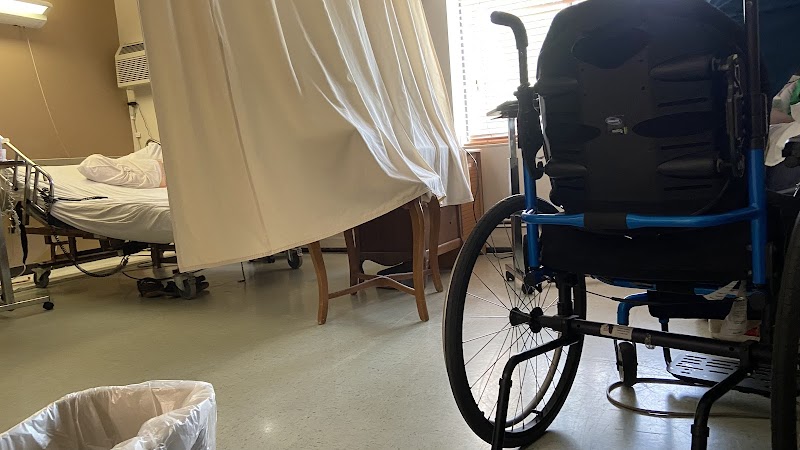
Who Owns and Operates The Estates At St Louis Park Llc?

The Estates at St Louis Park LLC is owned by a non-profit organization. Non-profit facilities reinvest revenue into operations rather than distributing to shareholders. The facility is operated by MONARCH HEALTHCARE MANAGEMENT, a chain that manages multiple nursing homes. With 145 certified beds and approximately 129 residents (about 89% occupancy), it is a mid-sized facility located in SAINT LOUIS PARK, Minnesota.

How Does The Estates At St Louis Park Llc Compare to Other Minnesota Nursing Homes?

Compared to the 100 nursing homes in Minnesota, The Estates at St Louis Park LLC's overall rating (2 stars) is below the state average of 3.2, staff turnover (16%) is significantly lower than the state average of 46%, and health inspection rating (1 stars) is much below the national benchmark.

What Should Families Ask When Visiting The Estates At St Louis Park Llc?

Based on this facility's data, families visiting should ask: "What changes have been made since the serious inspection findings, and how are you preventing similar issues?" "Can I visit during a mealtime to observe dining assistance and food quality?" "How do you handle medical emergencies, and what is your hospital transfer rate?" "Can I speak with family members of current residents about their experience?" These questions are particularly relevant given the facility's Immediate Jeopardy citations.

Is The Estates At St Louis Park Llc Safe?

Based on CMS inspection data, The Estates at St Louis Park LLC has documented safety concerns. Inspectors have issued 2 Immediate Jeopardy citations (the most serious violation level indicating risk of serious injury or death). The facility has a 2-star overall rating and ranks #100 of 100 nursing homes in Minnesota. Families considering this facility should ask detailed questions about what corrective actions have been taken since these incidents.

Do Nurses at The Estates At St Louis Park Llc Stick Around?

Staff at The Estates at St Louis Park LLC tend to stick around. With a turnover rate of 16%, the facility is 30 percentage points below the Minnesota average of 46%. Low turnover is a positive sign. It means caregivers have time to learn each resident's needs, medications, and personal preferences. Consistent staff also notice subtle changes in a resident's condition more quickly. Registered Nurse turnover is also low at 12%, meaning experienced RNs are available to handle complex medical needs.

Was The Estates At St Louis Park Llc Ever Fined?

The Estates at St Louis Park LLC has been fined $214,545 across 4 penalty actions. This is 6.1x the Minnesota average of $35,224. Fines at this level are uncommon and typically indicate a pattern of serious deficiencies, repeated violations, or failure to correct problems promptly. CMS reserves penalties of this magnitude for facilities that pose significant, documented risk to resident health or safety. Families should request specific documentation of what issues led to these fines and what systemic changes have been implemented.

Is The Estates At St Louis Park Llc on Any Federal Watch List?

The Estates at St Louis Park LLC is not on any federal watch list. The most significant is the Special Focus Facility (SFF) program, which identifies the bottom 1% of nursing homes nationally based on persistent, serious quality problems. Not being on this list means the facility has avoided the pattern of deficiencies that triggers enhanced federal oversight. This is a positive indicator, though families should still review the facility's inspection history directly.