THE VILLAS AT ST LOUIS PARK
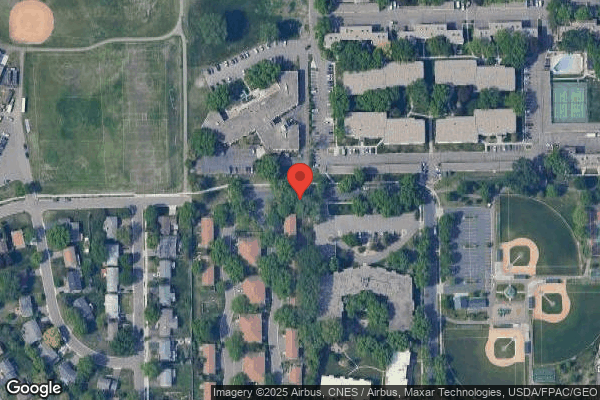
7500 WEST 22ND STREET, SAINT LOUIS PARK, MN 55426 (952) 546-4261
For profit - Partnership 100 Beds MONARCH HEALTHCARE MANAGEMENT Data: November 2025 3 Immediate Jeopardy citations
Trust Grade
4/100
#268 of 337 in MN
Last Inspection: January 2025

Within standard 12-15 month inspection cycle. Federal law requires annual inspections.

Overview

The Villas at St. Louis Park has a Trust Grade of F, which indicates significant concerns about the quality of care provided, placing it in the poor category. It ranks #268 out of 337 facilities in Minnesota, indicating it's in the bottom half of nursing homes statewide, and ranks #42 out of 53 in Hennepin County, suggesting there are only a few local options that are better. The facility is showing a trend of improvement, with the number of reported issues decreasing from 9 to 7 over the past year. Staffing is average with a 3/5 star rating, but the turnover rate is concerning at 61%, significantly higher than the state average of 42%. The facility has incurred $41,746 in fines, which is higher than 80% of Minnesota facilities, raising red flags about compliance issues. Specific incidents have raised serious concerns, such as a resident suffering a life-threatening injury when a mechanical lift was used incorrectly during a transfer, causing a fall that resulted in the resident hitting their head. Additionally, there have been failures to provide adequate monitoring and care planning for residents with COVID-19, putting them at risk for serious illness. While there are some strengths, such as a decent quality measures score of 4/5, the facility's overall performance and safety incidents highlight significant weaknesses that families should carefully consider.

Trust Score
F
4/100
In Minnesota
#268/337
Bottom 21%
Safety Record
High Risk
Review needed
Inspections
Getting Better
9 → 7 violations
Staff Stability
⚠ Watch
61% turnover. Above average. Higher turnover means staff may not know residents' routines.
Penalties
✓ Good
$41,746 in fines. Lower than most Minnesota facilities. Relatively clean record.
Skilled Nurses
○ Average
Each resident gets 40 minutes of Registered Nurse (RN) attention daily — about average for Minnesota. RNs are the most trained staff who monitor for health changes.
Violations
⚠ Watch
48 deficiencies on record. Higher than average. Multiple issues found across inspections.
★★☆☆☆
2.0
Overall Rating
★★★☆☆
3.0
Staff Levels
★★★★☆
4.0
Care Quality
★★☆☆☆
2.0
Inspection Score
Stable
2024: 9 issues
2025: 7 issues

The Good

  • 4-Star Quality Measures · Strong clinical quality outcomes
  • Full Sprinkler Coverage · Fire safety systems throughout facility
  • No fines on record

Facility shows strength in quality measures, fire safety.

The Bad

2-Star Overall Rating

Below Minnesota average (3.2)

Below average - review inspection findings carefully

Staff Turnover: 61%

15pts above Minnesota avg (46%)

Frequent staff changes - ask about care continuity

Federal Fines: $41,746

Above median ($33,413)

Moderate penalties - review what triggered them

Chain: MONARCH HEALTHCARE MANAGEMENT

Part of a multi-facility chain

Ask about local staffing decisions and management

Staff turnover is elevated (61%)

13 points above Minnesota average of 48%

The Ugly 48 deficiencies on record

3 life-threatening
Jan 2025 7 deficiencies
CONCERN (D)

Potential for Harm - no one hurt, but risky conditions existed

Comprehensive Care Plan (Tag F0656)

Could have caused harm · This affected 1 resident

**NOTE- TERMS IN BRACKETS HAVE BEEN EDITED TO PROTECT CONFIDENTIALITY** Based on interview and document review, the facility failed to ensure a comprehensive, person-centered care plan was developed t...

Read full inspector narrative →
**NOTE- TERMS IN BRACKETS HAVE BEEN EDITED TO PROTECT CONFIDENTIALITY** Based on interview and document review, the facility failed to ensure a comprehensive, person-centered care plan was developed to assure individualized interventions and resident-specific targeted behavior monitoring was completed for 1 of 2 residents (R32) reviewed for mood and behavior. Findings include: R32's admission Minimum Data Set (MDS) dated [DATE], indicated R32 was cognitively intact, had no behaviors or rejection of cares, was independent with eating and rolling left and right, and required substantial and/or maximum assistant with lower body dressing and personal hygiene. R32's MDS did not identify R32 took antipsychotic medications. R32's care plan reviewed 1/6/25, indicated they had an alteration in mood and behavior focus area, and directed staff to document mood state and/or behaviors upon occurrence, redirect prn [as needed], provide emotional support, validation, and comfort measures prn, and MDS section D and/or PHQ 9 [patient health questionnaire which screens for depression] would be conducted per regulation and PRN. The care plan lacked individualized interventions and resident-specific target behaviors to be monitored to determine effectiveness. R32's physician orders identified: -Resident specific targeted behaviors of dry mouth, agitation, headaches, abnormal involuntary movements with directions to chart non-pharmacological interventions, such as redirect and provide one to one time and/or validation, and outcome if interventions were effective or not, with start date of 12/16/24. R32's medication administration record identified medications which included: - Haloperidol (an antipsychotic) oral tablet 2.5 milligrams (mg) by mouth every eight hours as needed for agitation or IM [intramuscular] three times a day as needed for agitation, with start date of 1/3/25 and discontinued 1/7/25. - Haloperidol oral tablet 2.5 milligrams (mg) by mouth every eight hours as needed for agitation or IM [intramuscular] three times a day as needed for agitation for 14 days, with start date of 1/7/25. R32's encounter note with the provider on 12/16/24, indicated R32 was a new patient and took olanzapine (an antipsychotic) oral tablet 2.5 mg at bedtime for dementia with behaviors, with active date of 12/14/24. R32's encounter note with the provider on 12/27/24, indicated R32's olanzapine order had an end date of 12/28/24. During interview on 1/8/25 at 9:13 a.m., nursing assistant (NA)-E stated R32 had mood swings, scratched staff and refused cares. NA-E stated R32 spoke about preaching and religious topics and then would switch to another topic. NA-E was not aware of anything specific to help R32 and tried to talk to R32 and reapproached when R32 had behaviors. During interview on 1/8/25 at 9:00 a.m., licensed practical nurse (LPN)-C stated R32 refused to eat and drink and threw medications and food trays. R32 had paranoia and dementia and thought staff were the devil. LPN-C stated they tried to talk to R32 calmly and ask another staff to reapproach or updated the provider when R32 had behaviors. LPN-C stated they wrote notes about resident behaviors for providers and other staff to be aware of resident status. During interview on 1/9/25 at 8:33 a.m., NA-A stated behaviors were charted in the computer or in the care plan, or the nurse would tell them about agitated residents and what to do to help them. NA-A stated R32 hallucinated and refused meals and thought the medication and food were poisoned. NA-A stated they talked to R32, gave R32 water, and assisted R32 to watch television to calm them down. When interviewed on 1/9/25 at 9:19 a.m., social worker (SW) stated they were involved in resident's behaviors if reported to them, and their behaviors were discussed during morning meets, but SW mostly connected residents with ACP (associated clinic of psychology) services and updated care plans after ACP visits. SW stated R32 had an order for ACP but refused to sign the consent. SW stated R32 was impulsive and not aware of their surroundings and switched subjects often during conversations. SW was not aware of R32's recent refusals and behaviors. When interviewed on 1/9/25 at 10:48 a.m., clinical managers (CM)-B and CM-C stated they entered resident specific target behaviors into the medication or treatment administration record to monitor. CM-B and CM-C stated they assessed residents' target behaviors by looking at the consent form and reviewing if the resident got dry mouth, agitation, headaches, or other listed items with psychotropic medication use. When interviewed on 1/9/25 at 1:48 p.m., the director of nursing (DON) expected staff to interview residents or representative about target behaviors for psychotropic medications and place monitoring into the treatment administration record and update the care plan. DON agreed the target behaviors listed in R32's orders were medication side effects and stated examples of target specific behaviors included delusions or hallucinations. DON stated documentation of target behaviors were used to monitor if a psychotropic medication was effective. The facility Psychotropic Medication Use policy dated 11/2024, Indicated the care plan would reflect pharmacological and individualized non-pharmacological interventions along with monitoring for efficacy. The care plan will also include monitoring for drug specific side effects such as gait disorders, movement disorders, cognitive or behavioral changes, signs of hypotension or dry mouth.
CONCERN (D)

Potential for Harm - no one hurt, but risky conditions existed

Quality of Care (Tag F0684)

Could have caused harm · This affected 1 resident

**NOTE- TERMS IN BRACKETS HAVE BEEN EDITED TO PROTECT CONFIDENTIALITY** Based on observation, interview, and document review, the facility failed to ensure interventions of Prevalon boots to both feet...

Read full inspector narrative →
**NOTE- TERMS IN BRACKETS HAVE BEEN EDITED TO PROTECT CONFIDENTIALITY** Based on observation, interview, and document review, the facility failed to ensure interventions of Prevalon boots to both feet were in place for 1 of 1 residents (R44) reviewed for non-pressure skin conditions. Findings include: A diabetic ulcer is an ulcer, often on the foot, caused by a combination of poor circulation and nerve damage in patients with diabetes. R44's quarterly Minimum Data Set (MDS) dated [DATE], identified R44 was cognitively impaired, had diagnosis of diabetes mellitus (DM) and dementia, had one stage 2 pressure ulcer, and was dependent on staff for activities of daily living (ADL) and mobility. R44's care plan dated 6/10/24, indicated R44 had an alteration on skin integrity related to a diabetic ulcer due to a diabetic ulcer on the left heel. An intervention revised 12/10/24 indicated R44 was to have Prevalon boot on both heels while in bed. R44's Braden scale assessment dated [DATE], identified R44 had slightly limited mobility and was at risk of developing pressure ulcers. R44's [NAME] report undated, indicated R44 was to have Prevalon boots to left and right feet while in bed. R44's clinical physician orders indicated the following orders and start dates: - 12/10/24, Prevalon boot to right and left foot when in bed - 1/7/25, left heel pressure, cleanse with wound cleaner, apply iodine to wound bed, apply gauze and wrap with kerlix daily. R44's wound note dated 12/31/24, identified diabetic ulcer to left heel was stable and measured 0.1 cubic centimeters (cm) x 0.6 cm and had a depth of 0.1 c.m. During an observation on 1/6/25 at 2:51 p.m., R44 was lying on her back in bed, both feet were bare and resting directly on the mattress, and two blue boots were lying in the recliner across the room. During an observation on 1/6/25 at 7:17 p.m., R44 was lying on her back in bed, both feet were bare and resting directly on the mattress, and the two blue boots continued to be lying in a recliner across the room. During an observation on 1/7/25 at 7:55 a.m., R44 was lying on her back in bed, both feet were bare and resting directly on the mattress, and the two blue boots continued to be lying in a recliner across the room. During a joint interview on 1/7/25 ay 7:57 a.m., nursing assistant (NA)-A and nurse manager (NM)-A verified R44 was lying in bed with both feet directly on the mattress and did not have any boots on her heels. NM stated the expectation was that R44 was to have boots on while she was in bed to heal the current wound on her left heel and prevent any further wounds to her heels. During an interview on 1/7/25 at 11:44 nurse practitioner stated it was very important for R44 to have the heel boots on while in bed to protect and heal her current wound on the left heel and to prevent further skin breakdown to her heels. During an interview on 1/8/25 at 9:33 a.m., director of nursing (DON) verified R44 had a diabetic ulcer to her left heel. DON stated her expectation was that R44 would have had the Prevalon boots to both heels while she was in bed to prevent further skin breakdown. A facility policy titled Skin Assessment and Wound Management revised 7/18, identified when a significant alteration in skin is noted such as a pressure or diabetic ulcer staff would update care plan and implement interventions.
CONCERN (D)

Potential for Harm - no one hurt, but risky conditions existed

Respiratory Care (Tag F0695)

Could have caused harm · This affected 1 resident

**NOTE- TERMS IN BRACKETS HAVE BEEN EDITED TO PROTECT CONFIDENTIALITY** Based on observation, interview, and document review, the facility failed to transcribe and follow an oxygen order consistent wi...

Read full inspector narrative →
**NOTE- TERMS IN BRACKETS HAVE BEEN EDITED TO PROTECT CONFIDENTIALITY** Based on observation, interview, and document review, the facility failed to transcribe and follow an oxygen order consistent with current professional standards of practice for 1 of 1 (R17) resident reviewed for oxygen use. Findings include: R17's quarterly MDS dated [DATE], indicated R17 had intact cognition, was dependent on staff for toileting hygiene, required substantial and/or maximal assistance to roll left and right, and had diagnoses of heart failure, urinary tract infection in the last 30 days, asthma, and respiratory failure. The MDS did not note R17's oxygen use. R17's care plan printed 1/7/25, indicated R17 had a focus area of alteration in oxygen and/or gas exchange, respiratory status related to COPD [chronic obstructive pulmonary disease; long disease which causes restricted airflow and breath problems], chronic respiratory failure with hypoxia, restrictive lung disease, and oxygen use. Interventions included monitor oxygen saturation as ordered and prn, administer oxygen as ordered, keep MD [medical doctor] informed of changes, monitor for cyanosis, accessory muscle use, shortness of breath, increased respirations, and difficulty coughing up sputum, head of bed elevated while in bed, encourage frequent rest periods, assist with ADL's [activities of daily living] and mobility as needed, inhaler per MD order, provide diuretic per MD order. An intervention under the focus area of oxygen therapy related to chronic respiratory failure with hypoxia, included continuous oxygen via nasal cannula at 3 liters per minute. Further, a focus area indicated R17 had a self-care deficit related to chronic hypoxia with respiratory failure on 4L NC [4 liters via nasal cannula]. R17's physician orders were reviewed on 1/7/25 at 1:46 p.m., lacked an order for oxygen use. R17's discharge orders from North Memorial Health signed 11/29/24, indicated R17 should have had continuous oxygen via cannula with a flow of 3L. During observation and interview on 1/7/25 at 3:17 p.m., R17 was in bed with oxygen on via nasal cannula at 3 liters. R17 stated their oxygen liter flow should be at 3L. During observation and interview on 1/8/25 at 1:30 p.m., licensed practical nurse (LPN)-A stated they provided residents' oxygen according to physician's orders. LPN-B stated R17's oxygen therapy should be at 4 liters per minute (LPM), since R17's oxygen saturation dropped when not at 4 LPM. R17 was in bed with nasal cannula on and head of bed raised, and LPN-A noted R17's oxygen therapy at 2.5 LPM. R17 stated they were not short of breath when LPN-A asked. During interview on 1/9/25 at 1:05 p.m., clinical manager (CM)-A stated R17 had an order for oxygen which was reviewed quarterly and was not sure how the order disappeared from the chart. During interview on 1/9/25 at 1:48 p.m., the director of nursing (DON) stated R17 had continuous oxygen and went to the hospital and returned to the facility with oxygen equipment still in their room and verified R17 did not have current oxygen orders in their chart. DON stated oxygen orders were important to make sure staff knew the appropriate oxygen setting for R17. The Oxygen Policy dated 11/19, indicated if the home care agency accepted responsibility for the ordering, refilling, and administration of oxygen, then oxygen shall be managed in the same manner as an ordered medication, including requiring a physician order.
CONCERN (D)

Potential for Harm - no one hurt, but risky conditions existed

Medication Errors (Tag F0758)

Could have caused harm · This affected 1 resident

**NOTE- TERMS IN BRACKETS HAVE BEEN EDITED TO PROTECT CONFIDENTIALITY** Based on interview and document review, the facility failed to comprehensively assess and identify target behaviors to determine...

Read full inspector narrative →
**NOTE- TERMS IN BRACKETS HAVE BEEN EDITED TO PROTECT CONFIDENTIALITY** Based on interview and document review, the facility failed to comprehensively assess and identify target behaviors to determine the effectiveness of psychotropic medication for 1 of 1 (R32) resident reviewed for mood and/or behavior. Findings include: R32's admission Minimum Data Set (MDS) dated [DATE], indicated R32 was cognitively intact, had no behaviors or rejection of cares, was independent with eating and rolling left and right, and required substantial and/or maximum assistant with lower body dressing and personal hygiene. R32's MDS did not identify R32 took antipsychotic medications. During document review of R32's care plan on 1/6/25, a focus area indicated R32 had an alteration in mood and behavior. The care plan directed staff to document mood state and/or behaviors upon occurrence, redirect prn [as needed], provide emotional support, validation, and comfort measures prn, and MDS section D and/or PHQ 9 [patient health questionnaire which screens for depression] would be conducted per regulation and PRN. The care plan did not identify Target Behaviors to be monitored. R32's physician orders identified: -Resident specific targeted behaviors of dry mouth, agitation, headaches, abnormal involuntary movements with directions to chart non-pharmacological interventions, such as redirect and provide one to one time and/or validation, and outcome if interventions were effective or not, with start date of 12/16/24. R32's medication administration record identified medications which included: - Haloperidol (an antipsychotic) oral tablet 2.5 milligrams (mg) by mouth every eight hours as needed for agitation or IM [intramuscular] three times a day as needed for agitation, with start date of 1/3/25 and discontinued 1/7/25. - Haloperidol oral tablet 2.5 milligrams (mg) by mouth every eight hours as needed for agitation or IM [intramuscular] three times a day as needed for agitation for 14 days, with start date of 1/7/25. R32's progress notes indicated: -On 12/19/24, R32 refused care, treatments, and evening medications. -On 12/27/24, R32 threw drinks on the floor. -On 1/3/25, R32 spat medications and threw food on the floor. -On 1/4/25, R32 refused morning medications. -On 1/5/25, R32 refused dinner and medications. -On 1/6/25, R32 refused scheduled medications and cares. R32's encounter note with the provider on 12/16/24, indicated R32 was a new patient and took olanzapine (an antipsychotic) oral tablet 2.5 mg at bedtime for dementia with behaviors, with active date of 12/14/24. R32's encounter note with the provider on 12/27/24, indicated R32's olanzapine order had an end date of 12/28/24. During interview on 1/8/25 at 9:13 a.m., nursing assistant (NA)-E stated R32 had mood swings, scratched staff and refused cares. NA-E stated R32 spoke about preaching and religious topics and then would switch to another topic. NA-E was not aware of anything specific to help R32 and tried to talk to R32 and reapproached when R32 had behaviors. During interview on 1/8/25 at 9:00 a.m., licensed practical nurse (LPN)-C stated R32 refused to eat and drink and threw medications and food trays. R32 had paranoia and dementia and thought staff were the devil. LPN-C stated they tried to talk to R32 calmly and ask another staff to reapproach or updated the provider when R32 had behaviors. LPN-C stated they wrote notes about resident behaviors for providers and other staff to be aware of resident status. During interview on 1/9/25 at 8:33 a.m., NA-A stated behaviors were charted in the computer or care plan, or the nurse would tell them about agitated residents and what to do to help them. NA-A stated R32 hallucinated and refused meals and thought the medication and food were poisoned. NA-A stated they talked to R32, gave R32 water, and assisted R32 to watch television to calm them down. When interviewed on 1/9/25 at 9:19 a.m., social worker (SW) stated they were involved in resident's behaviors if reported to them, and their behaviors were discussed during morning meets, but SW mostly connected residents with ACP (associated clinic of psychology) services and updated care plans after ACP visits. SW stated R32 had an order for ACP but refused to sign the consent. SW stated R32 was impulsive and not aware of their surroundings and switched subjects often during conversations. SW was not aware of R32's recent refusals and behaviors. When interviewed on 1/9/25 at 10:48 a.m., clinical managers (CM)-B and C stated they entered resident specific target behaviors into the medication or treatment administration record to monitor. CM-B and C stated they assessed residents' target behaviors by looking at the consent form and reviewing if the resident got dry mouth, agitation, headaches, or other listed items with psychotropic medication use. When interviewed on 1/9/25 at 1:48 p.m., the director of nursing (DON) expected staff to interview residents or representative about target behaviors for psychotropic medications and place monitoring into the treatment administration record and care plan. DON agreed the target behaviors listed in R32's orders were medication side effects and stated examples of target specific behaviors included delusions or hallucinations. DON stated documentation of target behaviors were used to monitor if a psychotropic medication was effective. The facility Psychotropic Medication Use policy dated 11/2024, Indicated the care plan would reflect pharmacological and individualized non-pharmacological interventions along with monitoring for efficacy. The care plan will also include monitoring for drug specific side effects such as gait disorders, movement disorders, cognitive or behavioral changes, signs of hypotension or dry mouth.
CONCERN (D)

Potential for Harm - no one hurt, but risky conditions existed

Deficiency F0919 (Tag F0919)

Could have caused harm · This affected 1 resident

**NOTE- TERMS IN BRACKETS HAVE BEEN EDITED TO PROTECT CONFIDENTIALITY** Based on observation, interview and document review, the facility failed to ensure call lights were accessible for 1 of 2 reside...

Read full inspector narrative →
**NOTE- TERMS IN BRACKETS HAVE BEEN EDITED TO PROTECT CONFIDENTIALITY** Based on observation, interview and document review, the facility failed to ensure call lights were accessible for 1 of 2 residents (R51) who were reviewed for call light accessibility. Findings include: R51's quarterly Minimum Data Set (MDS) dated [DATE], identified R44 was cognitively intact and had diagnosis of anxiety and depression. Identified R51 was dependent on staff for activities of daily living (ADLs) and mobility. R51's care plan dated 8/22/24, identified R51 had an alteration in behaviors and yelled out, with an intervention dated 12/4/24, to ensure call light was within reach and to answer promptly as this helped reassure R51. During an interview on 1/6/25 at 1:30 p.m., R51 was seated in her wheelchair about 3 ft. away from her bed. The call light was on the floor under R51's bed. R51 stated her call light was left out of reach often and asked to get staff to help her because she could not reach the call light. During an observation on 1/6/25 at 1:40 p.m., licensed practical nurse (LPN)-A entered R51's room, talked with R51, picked up the call light from the floor, and handed it to R51. During an observation on 1/7/25 at 8:52 a.m., R51 was seated in her wheelchair about 5 ft. from her bed. R51's call light was attached to the bed rail. R51 stated she could not reach her call light again. During an interview on 1/7/25 at 8:55 a.m., nursing assistant (NA)-A stated R51 was able to use the call light. NA-A further stated R51 was a fall risk so staff should always place R51's call light within reach. During an interview on 1/7/25 at 9:00 a.m., nurse manager (NM)-A entered R51's room and verified R51's call light attached to the bed rail and was not within reach of R51. NM-A stated R51 was able to use the call light and her expectation was that R51's call light was within reach. During an interview on 1/8/25 at 9:38 a.m., director of nursing (DON) verified R51 was able to use the call light. DON stated her expectations were that resident's call lights were within reach at all times so residents could call for assistance when needed. Facility policy titled Call Light Policy revised 4/25/23, identified when residents were in their rooms, they would have a means of directly contacting caregivers. The policy further identified the facility would have ensured the system was functioning properly.
CONCERN (E)

Potential for Harm - no one hurt, but risky conditions existed

Deficiency F0804 (Tag F0804)

Could have caused harm · This affected multiple residents

**NOTE- TERMS IN BRACKETS HAVE BEEN EDITED TO PROTECT CONFIDENTIALITY** Based on observation, interview and document review, the facility failed to ensure food was served at a palatable and appetizing...

Read full inspector narrative →
**NOTE- TERMS IN BRACKETS HAVE BEEN EDITED TO PROTECT CONFIDENTIALITY** Based on observation, interview and document review, the facility failed to ensure food was served at a palatable and appetizing temperature for 2 of 2 residents (R39, R51) reviewed for food palatability. This deficient practice had the potential to affect all 93 residents residing in the facility who consumed food from the facility main kitchen. Findings include: R39's quarterly Minimum Data Set (MDS) dated [DATE], indicated R39 had intact cognition and required supervision to eat. R51's quarterly MDS dated [DATE], indicated R1 had intact cognition and was able to feed herself after staff set up her tray. During an interview on 1/6/25 at 1:43 p.m., R51 stated the food did not taste very good and the hot items were usually served cold and the cold items were served warm. During an interview on 1/6/25 at 2:08 p.m., R39 stated the hot food is always cold and the cold food usually is not cold. During an observation on 1/6/25 at 5:45 p.m., multiple trays were being placed on a cart from the main kitchen. At 6:08 p.m., as the last plates were being passed from the cart a test tray was requested from dietary aide DA-A. The meal consisted of a cold roast beef sandwich, mashed potatoes, gravy, and pureed corn. The tray was tested for temperatures and results were as follows: -cold roast beef sandwich was 158 degrees Fahrenheit (F). -mashed potatoes were 115 degrees F. -gravy was 129 degrees F. -pureed corn was 113 degrees F. Surveyor tasted the food from the tray: the cold roast beef sandwich was warm, the mashed potatoes, gravy, and pureed corn were cold. During an interview on 1/6/25 at 7:05 p.m., R39 stated the roast beef was not very cold and the mashed potatoes and gravy were cold. During an interview on 1/6/25 at 7:20 p.m., R51 stated the cold roast beef was not very cold and the mashed potatoes and gravy were so cold that they couldn't eat them. During an interview on 1/6/25 at 6:32 p.m., dietary aide (DA)-A stated the process is to plate the food, cover it, place it on a tray, and then the trays are passed to all residents who eat in their room. DA-A stated the holding temps of hot food should be at least 135 degrees F and cold food should be served no warmer than 41 degrees F. During an interview on 1/6/25 at 6:37 p.m., culinary director (CD) stated the normal process was to plate the food either from the steam tables in the dining room or from the main kitchen for residents who eat in their room, cover the food, and place on a cart for staff to pass to residents. CD stated the holding temp of cold food should be 41 degrees F and hot food should be at least 135 degrees F. Review of a facility policy titled Test Tray Evaluation Procedure undated, indicated facility would test last tray delivered, and identified cold food should have been at or below 50 degrees F and hot food at or above 140 degrees F.
CONCERN (E)

Potential for Harm - no one hurt, but risky conditions existed

Infection Control (Tag F0880)

Could have caused harm · This affected multiple residents

**NOTE- TERMS IN BRACKETS HAVE BEEN EDITED TO PROTECT CONFIDENTIALITY** Based on observation, interview, and record review, the facility failed to ensure a shared glucometer (blood glucose meter) was ...

Read full inspector narrative →
**NOTE- TERMS IN BRACKETS HAVE BEEN EDITED TO PROTECT CONFIDENTIALITY** Based on observation, interview, and record review, the facility failed to ensure a shared glucometer (blood glucose meter) was disinfected after use for one resident (R71), and failed to performed hand hygiene after removing soiled gloves and prior to donning clean gloves and completing clean tasks during perineal care for 2 of 3 residents (R10, R17) observed during change of incontinent product. Additionally, the facility failed to ensure staff performed hand hygiene between assisting multiple residents in the dining area for 3 of 5 residents (R71, R40, R49) observed in a dining area. Findings include: HH DURING PERINEAL CARE R10's admission Minimum Data Set (MDS) dated [DATE], indicated R10 had intact cognition, required substantial and/or maximal assistance for toileting hygiene and partial and/or moderate assistance to roll left and right, and had diagnoses of cancer, heart failure, hypertension (high blood pressure), renal disease, diabetes mellitus, and respiratory failure. R17's quarterly MDS dated [DATE], indicated R17 had intact cognition, was dependent on staff for toileting hygiene, required substantial and/or maximal assistance to roll left and right, and had diagnoses of heart failure, urinary tract infection in the last 30 days, asthma, and respiratory failure. During observation on 1/7/25 at 3:55 p.m., nursing assistant (NA)-B and NA-C had gloves on and assisted R10 with perineal cares. R10 had a saturated incontinent product, and NA-C used wipes to provide perineal care to the front side and back side of R10. NA-C used the same gloves to tuck in clean linen used as a draw sheet and a clean incontinent product under R10. During observation on 1/7/25 at 4:10 p.m., NA-B and NA-C had gloves on and assisted R17 with perineal cares. R17 had incontinent bowel movement, and NA-B assisted R17 with perineal cares. NA-B had feces on gloves, removed gloves, did not perform hand hygiene, applied clean gloves, and moved R17's pillow to the wheelchair. NA-B tucked in the dirty bed linen under R17 and further cleaned bowel movement from R17. NA-B tucked the clean incontinent product under R17 with the same gloves. NA-B removed gloves, did not perform hand hygiene, and rubbed a towel against R17's back per request. NA-B left the room and performed hand hygiene prior to grabbing clean supplies from the supply closet. NA-B re-entered R17's room, applied gloves, and wiped the front perineal area of R17. NA-B did not change gloves or perform hand hygiene and velcroed R17's incontinent product, applied clean bed linen, repositioned R17, and placed a pillow behind R17's head. NA-B removed gloves and did not perform hand hygiene, pushed R17's bedside table towards R17, and brought bagged dirty items to the soiled linen room. During interview on 1/7/25 at 4:32 p.m., NA-C stated their gloves were not visibly soiled, so they did not change their gloves or perform hand hygiene between perineal care and tucking in R10's clean incontinent product. During interview on 1/7/25 at 4:44 p.m., NA-B stated they should have removed gloves and performed hand hygiene when gloves removed prior to touching clean items. During interview on 1/8/25 at 2:26 p.m., clinical manager (CM)-B, who worked with the director of nursing (DON) as the infection preventionist, expected staff to remove gloves and perform hand hygiene between dirty and clean tasks to prevent cross-contamination. During interview on 1/9/25 at 12:39 p.m., CM-A agreed staff needed to remove gloves and perform hand hygiene after dirty tasks and before clean tasks. The facility Gloves policy dated 12/19, directed staff to wash hands before applying gloves and wash hands after removing gloves. The Toileting Assistance policy dated 11/19, directed staff to gather incontinent supplies as needed, wash hands and apply gloves, change incontinence product as needed, perform pericares, assist with clothing and incontinence product adjustments as needed, discard soiled incontinence products, and remove gloves and wash hands. GLUCOMETER DISINFECTION R71's quarterly MDS dated [DATE], indicated R71 had severe cognitive impairment, required supervision or touching assistance with eating, and had diagnoses of hypertension, diabetes mellitus, cerebrovascular accident, dementia, malnutrition, and hemiplegia or hemiparesis. R71's order with start date of 11/23/23, directed staff to check R71's blood sugar before meals for DM II [diabetes mellitus two]. During observation on 1/7/25 at 5:08 p.m., licensed practical nurse (LPN)-B brought a bin with clean supplies, such as packets of alcohol wipes and bottle of test strips, into R71's room. LPN-B checked R71's blood sugar and placed the glucometer into a plastic cup which sat in the bin of clean supplies. LPN-B removed gloves, performed hand hygiene, and returned to the medication chart at the nursing station with the glucometer and supplies. LPN-B used a glove to remove the used test strip from the glucometer and placed the glucometer on top of the clean alcohol wipes without disinfecting. During interview on 1/7/25 at 5:33 p.m., LPN-B stated the glucometer and bin with supplies were shared between residents in station three. LPN-B stated they usually disinfected the glucometer after use inside the resident's room but rushed so they could write down items they needed to order before they forgot. During interview on 1/8/25 at 2:26 p.m., CM-B expected staff to disinfect glucometers after use before leaving the resident room or putting back in clean supply bin. IP stated it was important to prevent the spread of bloodborne pathogens. During interview on 1/9/25 at 12:39 p.m., CM-A stated glucometers were disinfected before placed back in a clean area. During interview on 1/9/25 at 1:48 p.m., the director of nursing (DON) expected staff to disinfectant and cover shared glucometers for two minutes after use to prevent spread of bloodborne illness. Infection Prevention and Control Program policy dated 11/24, indicated staff were to be educated and follow proper techniques and procedures for prevention of infection. The policy did not specifically address glucometer disinfection. HAND HYGIENE DURING MEAL ASSISTANCE R40's quarterly MDS dated [DATE], indicated R40 had severe cognitive impairment, required substantial and/or maximal assistance with eating, and had diagnoses of diabetes mellitus, cerebrovascular accident (stroke; when blood flow to the brain is interrupted), dementia, malnutrition, and hemiplegia or hemiparesis (complete loss of movement or weakness in one side of the body). R49's annual MDS dated [DATE], indicated R49 had severe cognitive impairment, required partial/moderate assistance with eating, and had diagnoses of atrial fibrillation (heart condition which causes an irregular and rapid heartbeat), hypertension (high blood pressure), diabetes mellitus, arthritis, dementia, and cerebrovascular accident. R71's quarterly MDS dated [DATE], indicated R71 had severe cognitive impairment, required supervision or touching assistance with eating, and had diagnoses of hypertension, diabetes mellitus, cerebrovascular accident, dementia, malnutrition, and hemiplegia or hemiparesis. During observation on 1/8/25 at 8:18 a.m., R71 sat in wheelchair at a dining room table and mixed their oatmeal with their spoon without eating more than a couple bites. LPN-A approached R71 and fed R71 the oatmeal with their spoon without wearing gloves. LPN-A brought juice up to R71's mouth, R71 refused to swallow, and LPN-A wiped R71's mouth with a napkin. LPN-A did not perform hand hygiene and approached R49, who was in a wheelchair at another table, wiped R49's mouth with a napkin and no glove, and assisted R49 to eat pancakes and eggs using R49's silverware. LPN-A did not perform hand hygiene and approached R40 at the same table and assisted R40 with their breakfast using R40's silverware. During interview on 1/8/25 at 8:31 a.m., LPN-A stated they washed their hands before assisting in the dining area and verified they did not perform hand hygiene between assisting residents. LPN-A stated they were touching bowls and utensils and had not touched the food so did not need to wash their hands. During interview on 1/8/25 at 2:26 p.m., CM-B expected staff to wash their hands between assisting different residents in the dining area or expected staff to use one hand to help one resident and the other hand to help the second resident. IP stated staff should avoid cross-contamination. During interview on 1/9/25 at 12:39 p.m., CM-A stated staff needed to use a different hand for each resident they assisted with eating in the dining area or perform hand hygiene between assisting residents or ask other staff for help. During interview on 1/9/25 at 1:48 p.m., the director of nursing (DON) expected staff to wash their hands prior to meal service and in between residents or designate one hand per resident. Preventing Foodborne Illness - Employee Hygiene and Sanitary Practices policy dated 10/17, directed staff to wash hands after engaging in activities which contaminate the hands.
Dec 2024 1 deficiency
CONCERN (D) 📢 Someone Reported This

A family member, employee, or ombudsman was alarmed enough to file a formal complaint

Potential for Harm - no one hurt, but risky conditions existed

Deficiency F0776 (Tag F0776)

Could have caused harm · This affected 1 resident

**NOTE- TERMS IN BRACKETS HAVE BEEN EDITED TO PROTECT CONFIDENTIALITY** Based on interview and document review, the facility failed to ensure timely follow-up on ordered radiologic studies for 1 of 3 ...

Read full inspector narrative →
**NOTE- TERMS IN BRACKETS HAVE BEEN EDITED TO PROTECT CONFIDENTIALITY** Based on interview and document review, the facility failed to ensure timely follow-up on ordered radiologic studies for 1 of 3 residents (R2) reviewed for radiological services. Findings include: R2's quarterly Minimum Data Set (MDS) dated [DATE], indicated R2 had one unhealed stage 4 pressure ulcer (full thickness tissue loss with exposed bone, tendon, or muscle. Slough or eschar may be present on some parts of the wound bed. Often includes undermining and tunneling.) and treatments including pressure ulcer/injury care. R2's wound care note by nurse practitioner (NP)-A dated 9/3/24, indicated R2 had a stage 4 sacral (located on the sacrum) ulcer. NP-A's treatment plan included wound care to sacrum, application of ointment to the surrounding area, aggressive offloading and repositioning, up for meals only and back in bed side to side, follow wound care team weekly, and order MRI (magnetic resonance imaging, a medical imaging test that produces a detailed picture of the inside of the body). R2's physician orders included an order dated 9/3/24, for MRI with or without contrast of sacral/coccyx area d/t [due to] sacral wound with bone exposure. R2's wound care note by NP-A dated 9/10/24, included pending MRI. R2's wound care note by NP-A dated 9/17/24, included pending MRI at this time. R2's wound care note by NP-A dated 9/24/24, included MRI is pending at this time. Nurse manager informed to follow up asap with HUC [health unit coordinator] regarding getting MRI schedule [sic] asap due to concerns of this wound and potential risk of bone infection. Review of R2's progress notes dated 9/3/24 to 9/25/24, did not identify any information regarding follow up on the ordered MRI. R2's progress note by the health information assistant (HIA) dated 9/26/24, indicated the HIA called a hospital to schedule the MRI, was asked to fax over information, would receive a form from the hospital to complete, and updated nurse managers. R2's progress note dated 9/29/24, indicated the MRI was to be scheduled to rule out osteomyelitis (infection of the bone). R2's wound care note by NP-A dated 10/1/24, included pending MRI - Nurse manager to follow up asap. Spoke with HUC - informed to schedule asap due to severity of nonhealing wound. R2's progress note by HIA dated 10/1/24, indicated the wound care provider spoke to the HIA and asked if the MRI had been scheduled yet. The HIA informed the provider that forms were faxed to a hospital and she was waiting to receive a form from the hospital to complete. The HIA called the hospital and was informed the MRI could not be scheduled there due to R2's insurance. The HIA contacted another hospital and faxed them requested information with plan to call later that day or the next morning to confirm receipt. The HIA updated nurse managers. R2's progress note by HIA dated 10/2/24, indicated the HIA called the hospital to follow up and scheduled the MRI for the first available appointment which was on 10/21/24. R2's wound care note by NP-A dated 10/8/24, included MRI scheduled for 10/21/24. R2's wound care note by NP-A dated 10/15/24, included MRI scheduled for 10/21/24. R2's wound care note by NP-A dated 10/22/24, included MRI scheduled for 10/21/24 - with pending results. In an interview on 12/11/24 at 9:54 a.m., NP-A stated she was previously R2's wound care provider but a different provider took over in December. NP-A stated R2 had a stage 4 sacral pressure ulcer and the bone was exposed. NP-A noted any time bone is exposed we worry about osteomyelitis and standard protocol was to complete an x-ray and then an MRI. NP-A noted an x-ray was ordered and completed and didn't show anything, so she put in the order for an MRI. She noted the MRI was a diagnostic tool intended to rule out if R2 had osteomyelitis. She stated, the issue I had with [R2] was why it took so long to get the MRI scheduled, I have no idea . I continuously inquired about it and had the nurse manager follow up on it . it should not have taken as long as it took to get an appointment in. NP-A stated waiting a week or two would have been fine and MRI appointments were usually scheduled a few weeks out, but she didn't know what took so long to even get her scheduled. NP-A stated she would have expected to see attempts to schedule the MRI ordered on 9/3/24 prior to 9/26/24. NP-A further stated, at least within two weeks I would expect to have an appointment scheduled. In an interview on 12/11/24 at 10:21 a.m., the HIA stated she recalled R2's MRI was difficult to schedule because of R2's insurance. The HIA noted nursing staff typically entered orders into the electronic health record (EHR) of residents and then made a copy for health information staff so they would know they needed to process things. The HIA stated she did not recall when she was made aware of R2's ordered MRI, but a copy would hopefully have come to health information so they were aware it needed to be scheduled. The HIA noted she recalled a nurse manager speaking to her about the urgent need to schedule R2's MRI and she then scheduled the MRI. The HIA stated she did not recall any efforts to schedule it prior to 9/26/24 and didn't think she had been aware of the order prior to that date. During an interview on 12/11/24 at 2:16 p.m., the director of nursing (DON) confirmed R2 had an MRI of the sacral/coccyx area ordered on 9/3/24. The DON confirmed the first noted follow-up on scheduling the MRI in R2's EHR was the progress note by the HIA dated 9/26/24 and it should have been sooner. She noted the nurse managers should have been following up to ensure it was scheduled. She stated she would not consider the MRI to have been scheduled in a timely manner and was not sure what had happened. The DON stated she was not aware of a policy related to imaging and diagnostics and thought it was important for the facility to have a better process in place. The DON stated the MRI order was placed late in the day on Tuesday 9/3/24 and should have been scheduled by Friday 9/6/24 or Monday 9/9/24 at the latest. The DON noted the situation did not meet her expectations or the needs of R2 for timeliness in scheduling the ordered MRI. The DON stated the facility was responsible for ensuring appointments were scheduled and orders were completed in a timely manner and the expectation was that orders would be executed as they were received. Facility policy titled Medication and Treatment Orders dated 2/2024, included Orders for medications and treatments will be consistent with principles of safe and effective order writing. Facility policy regarding imaging and diagnostic services requested but not received. Facility policy regarding completion of physician orders requested but not received.
Nov 2024 1 deficiency
CONCERN (D) 📢 Someone Reported This

A family member, employee, or ombudsman was alarmed enough to file a formal complaint

Potential for Harm - no one hurt, but risky conditions existed

Deficiency F0655 (Tag F0655)

Could have caused harm · This affected 1 resident

**NOTE- TERMS IN BRACKETS HAVE BEEN EDITED TO PROTECT CONFIDENTIALITY** Based on interview and record review the facility failed to implement the baseline care plan developed for 1 of 5 resident (R1) ...

Read full inspector narrative →
**NOTE- TERMS IN BRACKETS HAVE BEEN EDITED TO PROTECT CONFIDENTIALITY** Based on interview and record review the facility failed to implement the baseline care plan developed for 1 of 5 resident (R1) reviewed. R1's care plan indicated he had cognitive concerns, and he was to have one-to-one staff care for him and 15-minute checks. R1 opened a facility fire door seated in his wheelchair and fell from his wheelchair on the concrete outside the facility door. The facility did not follow the safety measures outlined on the care plan. Findings include: R1's nursing progress note dated 10/27/24 at 12:00 p.m. indicated R1 was brought to the facility by emergency medical services (EMS). R1 was alert and oriented only to self. R1 was assist of one staff member with walker and a gait belt. R1 was a fall risk. R1 appeared confused and tried to leave the room towards the nursing stating wanting to return to his previous facility during the assessment. The nurse attempted to reorient and redirect patient. R1 was offered snacks. R1's baseline care plan dated 10/28/24 indicated safety monitoring would be implemented as needed to ensure residents safety, 15-minute safety checks and 1:1 staff to resident ratio. R1's admission Minimum Data Set (MDS) dated [DATE] indicated R1 had a Brief Inventory of Mental Status (BIMS) score of 5 indicating R1 was severely cognitively impaired. R1's admitting diagnosis was encephalopathy (a brain condition often due to restricted blood or oxygen flow with symptoms including, confusion, agitation, personality changes, memory loss, twitching and seizures) and aphasia (a language disorder that affects a person's ability to understand, speak, read, and write). R1's nursing progress note dated 10/30/24 at 3:53 p.m. indicated at 1:30 p.m. R1 was found sitting on his bottom outside the building. R1 was unable to state what happened or how he got outside. A small skin tear was noted on his right arm. No other injuries noticed. R1 was sent to the hospital for observations due to the unwitnessed fall. Upon interview on 11/18/24 at 11:43 a.m. registered nurse (RN)-A stated he admitted R1. During the assessment R1 was confused talking about going to back to independent living. R1 was unable to process why he was at the facility. R1 was unrested during the assessed and needed to be redirected multiple times. R1 was given snacks until his family came to the facility to assist. RN-A stated he reported to the nurse manager that R1 was an elopement and fall risk. Upon interview on 11/18/24 at 12:01 p.m. licensed practical nurse (LPN)-A stated she was the nurse manager on duty when R1 was admitted . She did not recall being told he was an elopement or fall risk. She stated if someone is admitted as an elopement risk the resident is given a Wander Guard bracelet (a technology system that helps keep at risk people safe to move around a facility freely) and the nurse practitioner is notified to get an order processed. Upon interview on 11/18/24 at 3:37 p.m. LPN-B stated after reading R1's baseline care plan she did not believe 15-minute safety checks were implemented or 1:1. She stated she is not certain what the nursing assistants (NA) see as a care plan when residents are admitted because most of the NA's use a hard copy daily assignment sheet, which doesn't get updated for 24-48 hours. Upon interview on 11/18/24 at 3:45 p.m. nursing assistant (NA)-A stated she took care of R1, and she did not recall seeing that R1 was to be 15-minute safety checks and he did not have 1:1 staff assigned. She stated R1 wandered frequently and was confused. NA-A stated when residents are on 15-minute safety checks the nursing assistants document the safety checks on a piece of paper. Upon interview on 11/19/24 at 10:30 a.m. NA-B stated he worked the day R1 ended up outside and falling. He stated R1's NA care plan did not have any interventions for his wandering. He stated R1 moved around the unit most of the day and NA-B redirected frequently away from doors. Upon interview on 11/19/24 at 11:03 a.m. RN-B stated she was the nurse who added the 15-minute checks and 1:1 to the nursing baseline care plan. She stated the interventions were autogenerated in the software system when she applied his diagnosis. She stated she left the intervention on the baseline care plan to make sure the NAs were aware R1 was an elopement risk due to wandering. She stated the facility was waiting for a Wander Guard order for R1. Upon interview on 11/19/24 at 11:22 a.m. NA-C stated when working with R1 the staff was constantly redirecting R1. NA-C stated she did see on R1's care plan that he should have been receiving 1:1 care and 15-minute safety checks. She stated she did mention it to an unidentified nurse and was told the facility was waiting for a Wander Guard for R1. Upon interview on 11/19/24 at 11:40 a.m. the director of nursing (DON) stated she was unable to find documentation for any safety checks for R1 because he was not on any. She stated the information on the care plan was autogenerated until the comprehensive care plan would be completed and should not have been on there. A facility policy titled Baseline Care Plan dated 7/2015 indicated the interdisciplinary team review the healthcare practitioner's orders and implement a baseline care plan within 48 hours of admission to meet the resident's immediate base care needs.
Aug 2024 3 deficiencies
CONCERN (D) 📢 Someone Reported This

A family member, employee, or ombudsman was alarmed enough to file a formal complaint

Potential for Harm - no one hurt, but risky conditions existed

Transfer Notice (Tag F0623)

Could have caused harm · This affected 1 resident

**NOTE- TERMS IN BRACKETS HAVE BEEN EDITED TO PROTECT CONFIDENTIALITY** Based on interview and document review, the facility failed to ensure that written notifications required for transfers were giv...

Read full inspector narrative →
**NOTE- TERMS IN BRACKETS HAVE BEEN EDITED TO PROTECT CONFIDENTIALITY** Based on interview and document review, the facility failed to ensure that written notifications required for transfers were given to the resident and/or resident representative for 1 of 5 residents (R1) reviewed for admission, discharge and transfers. Findings include: R1's quarterly Minimal Data Set (MDS) dated [DATE], indicated R1 was cognitively intact and had diagnoses which included seizures, anxiety and depression. Identified R1 was independent for transfers and activities of daily living (ADLs). R1's care plan dated 6/7/24, stated R1 had a history and diagnosis of substance use. Staff were to monitor and check vitals if R1 was under the influence of a substance. Identified R1 would have an appropriate discharge plan. R1 would make a safe and appropriate decision regarding discharge. Review of R1's progress notes from 4/12/24 to 6/7/24, identified the following: -On 6/6/24 at 8:45 a.m., resident returned to facility this AM around 8 am intoxicated. Resident stated he drank 4 beers from 10 PM to 2 am. Resident was stumbling and had difficulty focusing. Resident became upset when asked about his alcohol use. The smell of alcohol was noted in room. Resident became upset when asked if he would be willing to be seen in the ED stating he would just go home to St Cloud. Resident did have his vehicle parked near facility, denies driving while under influence. -On 6/6/24 at 12:02 p.m., 30 day (notice of intent to discharge) NOD issued to resident today to (to be determined) TBD location as resident no longer requires SNF care. Resident refused to sign NOD. Writer explained the appeal process to resident, who verbalized understanding. Writer offered resident a copy of the NOD paperwork and provided to resident. (Medical Director) MD updated and NOD mailed to ombudsman office. -On 6/6/24 at 12:07 p.m., Resident back from (leave of absence) LOA @8 am. Resident appeared intoxicated. Resident has slurred speech, appears flushed, teary eyes and tipsy walking. VS BP 100/53 R22 P 81 O2:92% T 97.5 When asked about his drinking, resident states that he started drinking between 10 PM and 2 am had 4 beers max. Provider notified, requested for resident to be sent in. Provider sent order. Resident notified that he had to go in for detoxify since when he starts having withdrawal symptoms, facility is not equipped to care for him, resident refused and stated that if they call (emergency medical services) EMS he would leave (against medical advice) AMA. Resident upset and angry at writer stating that we need to call his lawyer. MT called, administrator applied for emergency hold since resident was upset and adamantly refusing to go in. MT and police arrived @11:45 am, resident agreed to leave with (emergency medical technician) MT. Resident left building @11:55 am sent to Methodist hospital. Paperwork sent with resident. -On 6/6/24 at 1:16 p.m., resident returned to the facility this morning around 7:30 am. resident visibly intoxicated and belligerent, slurring his words and stumbling when walking and a strong ETOH (scientific abbreviation for ethanol, the chemical compound that is found in alcohol) odor coming from resident. resident declined drinking ETOH, but bottles of alcohol were confiscated from resident this morning and yesterday. EMS called to send resident in for detoxify. Resident refused to go and was stating he was going to get into his car and leave AMA. Police arrived prior to EMS and attempted to get keys from resident, but he refused to allow police to enter his room. resident told writer he would not go to the (emergency room) ER for detoxify and told writer to Call my lawyer.' Police officers recommended facility fill out a transport hold on resident. Transport hold filled out and resident was transferred to the ER by EMS. MD updated. -On 6/6/24 at 4:35 p.m., MD okay with 30 day NOD. Review of R1's doctor's order dated 6/6/24 at 9:14 a.m., please send patient to ED for alcohol intoxication. Review of R1's discharge notification dated 6/6/24, checkbox selected stated The residents health has improved sufficiently so the resident no longer needs services provided by the facility. R1's discharge notification revealed R1 refused to sign the form and the administrator signed as the witness. R1's medical record lacked documentation R1 or R1's representative had received a written notification of discharge. During an interview on 8/6/24 at 3:55 p.m., the administrator indicated emergency medical service (EMS) arrived to transfer R1 to detoxify. The administrator further indicated she issued a 30-day involuntary discharge on [DATE], however was unaware of the time. The administrator said R1 was very impaired when the 30-day involuntary discharge was discussed and given to R1. The administrator further said, he might not have understood the discharge and if he would have come back to the facility I would have had to discuss it with him again. I would have probably had to create a new 30-day discharge notice. During a telephone interview on 8/7/24 at 9:26 a.m., R1 indicated the administrator came to his room and informed him he was going to detoxify and that she placed a hold on him. R1 further indicated three police and EMS were at the facility to take him into the emergency room (ER). R1 stated the administrator never gave him a 30-day written notice before sending him to the ER. R1 indicated the social worker at the hospital was the one who told him he only had 30 days left at the facility. R1 stated he was discharged from the hospital and was going to stay with a friend because he felt the administrator was kicking him out. Review of facility policy titled Discharge Planning Policy dated 11/16, Discharge planning was completed to assure continuity of care to meet the needs of a resident returning to independent living in the community or discharged to another facility or institution when and if possible. Involuntary discharge policies were covered in a separate policy. They were written to include interpretive guidelines under Federal Statute 483.12(a)(1). Review of facility policy titled Transfer or Discharge Notice for Facility-Initiated Discharges updated 7/24, residents and/or representatives were notified in writing, and in a language and format they understand, at least thirty (30) days prior to a transfer or discharge for all facility-initiated discharge.
CONCERN (D) 📢 Someone Reported This

A family member, employee, or ombudsman was alarmed enough to file a formal complaint

Potential for Harm - no one hurt, but risky conditions existed

Deficiency F0625 (Tag F0625)

Could have caused harm · This affected 1 resident

**NOTE- TERMS IN BRACKETS HAVE BEEN EDITED TO PROTECT CONFIDENTIALITY** Based on interview and document review, the facility failed to ensure the resident or resident's representative was informed of ...

Read full inspector narrative →
**NOTE- TERMS IN BRACKETS HAVE BEEN EDITED TO PROTECT CONFIDENTIALITY** Based on interview and document review, the facility failed to ensure the resident or resident's representative was informed of the bed hold policy at the time of hospitalization for 1 of 5 residents (R1) reviewed for hospitalization. Findings include: R1's quarterly Minimum Data Set (MDS) dated [DATE], indicated R1's diagnoses included seizures, anxiety, depression and was cognitively intact. Identified R1 was independent with transfers and activities of daily living (ADLs). R1's care plan dated 6/7/24, identified R1 had a history of and diagnosis of substance use. Staff were to monitor and check vitals if R1 was under the influence of a substance. Identified R1 would have an appropriate discharge plan. R1 would make safe and appropriate decision regarding discharge. Review of R1's progress notes from 4/12/24 to 6/7/24, identified the following: -On 6/6/24 at 12:07 p.m., Resident back from (leave of absence) LOA @8 am. Resident appeared intoxicated. Resident has slurred speech, appears flushed, teary eyes and tipsy walking. VS BP100/53 R22 P81 O2:92% T97.5 When asked about his drinking, resident states that he started drinking between 10 pm and 2 am had 4 beers max. Provider notified, requested for resident to be sent in. Provider sent order. Resident notified that he had to go in for detox since when he starts having withdrawal symptoms, facility is not equipped to care for him, resident refused and started that if they call (emergency medical services) EMS he would leave (against medical advice) AMA. Resident upset and angry at writer stating that we need to call his lawyer. EMT called, administrator applied for emergency hold since resident was upset and adamantly refusing to go in. EMT and police arrived @11:45 am, resident agreed to leave with (emergency medical technician) EMT. Resident left building @11:55 am sent to Methodist hospital. Paperwork sent with resident. R1's medical record lacked documentation R1 or family/legal representative had been provided information on the facility's bed hold policy at the time of the hospital transfer. During an interview on 8/6/24 at 11:38 a.m., administrator stated she did not have a bed hold for R1 as he was not coherent or of sound mind to sign a bed hold. During an interview on 8/6/24 at 3:40 p.m., director of nursing (DON) stated if a resident was going to be transferred to another facility in a medical emergency a bed hold should have been completed. If the resident was unable to be provided a bed hold, the facility should have reached out to the family/legal representative. During an interview on 8/6/24 at 3:55 p.m., the administrator indicated EMS arrived to transfer R1 to detox. The administrator stated R1 was very impaired when he was getting ready to leave the facility. The administrator said we did not feel he could understand his bed hold agreement at that time therefore, one was not provided. During a telephone interview on 8/7/24 at 9:26 a.m., R1 indicated the administrator came to his room and informed him he was going to detox and that she placed a hold on him. R1 stated three police officers and EMS staff were at the facility to take him into the emergency room (ER). R1 stated he was not aware of a bed hold and he never received a form to sign. Review of facility policy Bed-Holds and Returns updated 5/24, When a resident was temporarily transferred on an emergency basis to an acute care facility, this type of transfer was considered to be a facility-initiated transfer and a notice of transfer must be provided to the resident and/or resident representative as soon as practicable before the transfer, according to 42 CFR §483.15(c)(4)(ii)(D). Prior to a transfer, written information would be provided to the resident and the resident representatives that explains in detail: -The rights and limitations of the resident regarding bed-holds; -The reserve bed payment policy as indicated by the state plan (Medicaid residents); -The facility per diem rate required to hold a bed (non-Medicaid residents), or to hold a bed beyond the state bed-hold period (Medicaid residents); and -The details of the transfer (per the Notice of Transfer). Review of facility policy titled Transfer or Discharge Notice for Facility-Initiated Discharges updated 7/24, the resident and representative were notified in writing of the following information: the facility bed-hold policy.
CONCERN (D) 📢 Someone Reported This

A family member, employee, or ombudsman was alarmed enough to file a formal complaint

Potential for Harm - no one hurt, but risky conditions existed

Infection Control (Tag F0880)

Could have caused harm · This affected 1 resident

**NOTE- TERMS IN BRACKETS HAVE BEEN EDITED TO PROTECT CONFIDENTIALITY** R26 R26's admission MDS dated [DATE], identified R26 was cognitively intact and required moderate assistance with activities of ...

Read full inspector narrative →
**NOTE- TERMS IN BRACKETS HAVE BEEN EDITED TO PROTECT CONFIDENTIALITY** R26 R26's admission MDS dated [DATE], identified R26 was cognitively intact and required moderate assistance with activities of daily living ADL's for dressing and transfer, supervision with toileting, and required use of a wheelchair. Indicated R26 had diagnoses of acute osteomyelitis (infection of bone caused by bacteria, injury or surgery), type two diabetes with foot ulcer, stage three (moderate) chronic kidney disease and generalized muscle weakness. Identified R26 had a peripherally inserted central catheter (PICC) and received intravenous (IV) medication through the PICC line. Indicated R26 had a wound vacuum-assisted closure (VAC) device that used negative pressure to pull the edges of a wound together and promote healing on R26's left foot on the heel of the foot. R26's admission CAA dated 7/28/24, identified R26 had a left heel ulcer and was on IV antibiotics. R26's care plan dated 7/17/24, identified R26 had a PICC line that was to be flushed before and after IV medication administration and to monitor for signs or symptoms of infection and infiltration. The care plan dated 7/24/24, identified R26 had an alteration in skin integrity related to a wound on R26's left heel. Staff were to provide treatment to open area per order. The care plan lacked documentation on use of EBP for R26. During an observation on 8/6/24 at 12:15 p.m., registered nurse (RN)-A removed gloves from the PPE supply bin hanging over the outside of R26's door and entered R26's room. RN-A placed the IV supplies and IV medication onto R26's bedside table and applied gloves. RN-A proceeded to connect the IV medication to R26's PICC line. RN-A removed the gloves, disposed of the gloves into the garbage can and exited R26's room. During an interview on 8/6/24 at 12:19 p.m., R26 stated staff wore gloves when completing IV cares and a gown and gloves when providing wound cares to the left foot. R26 stated some staff wore a gown and gloves when providing IV PICC line care and or assisting with personal cares however not all staff did so. During an interview on 8/6/24 at 12:22 p.m., RN-A verified she only wore gloves and had no gown on when completing the IV PICC line cares and administering IV medication for R26. RN-A stated staff only needed to wear a gown when providing wound cares and not for any other cares. ERP R31 R31's quarterly Minimum Data Set (MDS) dated [DATE] identified R31 had severe cognitive impairment and diagnoses which included heart failure, aphasia (a language disorder caused by damage to parts of the brain that control speech and understanding of language), and anxiety. Identified R31 was independent with activities of daily living (ADL's) which included toileting, transfer and dressing. R31's care plan revised 3/6/24, lacked documentation R31 was to be in ERP. R31's Order Review History Report dated 8/7/24, indicated the following: -staff to follow: ERP every shift active 8/1/24. -Amoxicillin-Pot Clavulanate (antibiotic used to treat bacterial infections) oral tablet 875-125 milligrams (mg) give one tablet by mouth two times a day for Pneumonia for five days starting 8/01/2024 to 8/06/2024. During an observation on 8/6/24 at 11:32 a.m., R31 had a sign on the door that stated R31 was in ERP. R31's door was open and R31 was laying on her bed with her eyes closed and television playing. During an observation on 8/6/24 at 12:08 p.m., R31's door was open and she was sitting on the edge of her bed finishing eating her lunch. R31's tray had been removed and R31's door remained open. During an interview on 8/6/24 at 9:59 a.m., infection preventionist (IP) verified R3 had a foley catheter and was on EBP. IP stated the facility had just started implementing EBP therefore, there were not enough over the door PPE bins for all resident on EBP. IP stated her expectation was all staff would have worn the appropriate PPE while performing high-contact cares for R3 to prevent the spread of infection. During an interview on 8/6/24 at 10:20 a.m., director of nursing (DON) verified the facility had just started to implement EBP. DON stated they were hoping to have all PPE and supplies by last week however were not able to obtain all the supplies that were ordered. DON indicated her expectation was all staff would have worn the appropriate PPE during high- contact activities for residents on EBP. During a follow-up interview on 8/6/24 at 4:54 p.m., IP confirmed R31 was on ERP due to pneumonia. IP indicated R31's door was to remain closed at all times. IP further indicated she was not aware R31's door was open and stated the facility had a plan for ERP however it had not been fully implemented yet. During a follow-up interview on 8/6/24 at 4:55 p.m., IP verified R26 had a PICC line and was on EBP. IP stated the expectation of staff was to wear a gown and gloves when providing PICC line cares for R26 to prevent the spread of infection. IP stated the facility was still in the process of providing education to staff about EBP and had not fully implemented EBP in the facility at the time as there were not enough over the door PPE bins for all residents on EBP. During an interview on 8/6/24 at 5:07 p.m., the administrator verified the facility was still in the process of implementing EBP and were not able to obtain all the supplies that were ordered. Administrator stated the expectation was that staff would follow the current CDC guidelines for use of EBP to prevent the spread of infection. Review of a facility policy titled Enhanced Barrier Precautions dated 4/1/24, identified it was the practice of the facility to implement enhanced barrier precautions for the prevention of transmission of multidrug-resistant organisms. Policy stated the use of gown and gloves was expected during high-contact resident activities for residents known to be colonized or infected with a MDRO as well as those at increased risk of MDRO acquisition (e.g., residents with wounds or indwelling medical devices (e.g., central lines, hemodialysis catheters, urinary catheters,feeding tubes, tracheostomy/ventilator tubes) even if the resident was not known to be infected or colonized with a MDRO. Requested a facility policy on ERP, however one was not received. Based on observation, interview and document review, the facility failed to ensure appropriate donning/doffing of personal protective equipment (PPE) was performed in order to prevent the spread of infection for 2 of 2 residents (R3, R26) observed for enhanced barrier precautions (EBP) (an infection control intervention designed to reduce transmission of multidrug-resistant organisms that employs targeted gown and glove use during high contact resident care activities. In addition, the facility failed to ensure appropriate donning/doffing of PPE was performed and that the door remained closed for 1 of 1 resident (R31) observed for enhanced respiratory precautions (ERP) (used to protect others from illnesses spread through the air). Findings include: Review of Centers for Disease Control and Prevention (CDC) guidance dated 4/1/24, Implementation of Personal Protective Equipment (PPE) Use in Nursing Homes to Prevent Spread of Multidrug-resistant Organisms (MDROs) indicated Examples of high-contact resident care activities requiring gown and glove use for Enhanced Barrier Precautions include: Dressing, Bathing/showering, Transferring, Providing hygiene, Changing linens, Changing briefs or assisting with toileting, device care or use: central line, urinary catheter, feeding tube, tracheostomy/ventilator and wound care: any skin opening requiring a dressing. According to Minnesota Department of Health, Enhanced Respiratory Precautions (ERP) require staff to gown, apply a N95 respirator or higher level respirator, eye protection (goggles or a faceshield), and a pair of gloves. Only essential personnel should enter the room and the door should be kept closed if possible. The resident should be placed in an Airborne Infection Isolation Room (AIIR) if available. According to the CDC guidelines dated 4/3/24, in a setting where Airborne Precautions cannot be implemented due to limited engineering resources, masking the patient and placing the patient in a private room with the door closed would reduce the likelihood of airborne transmission. EBP R3 R3's quarterly Minimum Data Set (MDS) dated [DATE], identified R3 had moderate cognitive impairment and diagnoses which included hypertension (elevated blood pressure), neurogenic bladder (name given to a number of urinary conditions in people who lack bladder control due to a brain, spinal cord or nerve problem.), and diabetes mellitus (DM). Identified R3 required extensive assistance for activities of daily living (ADL's) which included toileting, transfer and dressing. Indicated R3 had a foley catheter. R3's annual Comprehensive Care area Assessment (CAA) dated 1/21/24, identified R3 had a foley catheter and indicated staff provided catheter care and emptied catheter. R3's care plan revised 5/2/24, indicated R3 had a foley catheter. Care plan instructed staff to position the catheter below the level of the bladder, provide catheter care per policy and monitor for signs of a urinary tract infection (UTI). During an observation on 8/6/24 at 7:27 a.m., there was no PPE located near R3's room for staff to wear while providing care for R3 (who was on EBP). During an observation on 8/6/24 at 7:35 a.m., nursing assistant (NA)-A was standing next to R3's bed wearing gloves and a surgical mask and was putting R3's pants on. NA-A had no gown on. NA-B entered R3's room wearing gloves and a surgical mask and had no gown on. NA-A and NA-B assisted R3 to roll over as NA-A pulled up R3's pants and placed a hoyer lift sheet under R3. NA-A and NA-B proceeded to use a hoyer lift to transfer R3 into her wheelchair. NA-A and NA-B removed gloves and sanitized hands. During an observation on 8/6/24 at 8:44 a.m., NA-A and NA-B while wearing a surgical mask and gloves and had no gown on, entered R3's room, hooked R3 up to a hoyer lift and transferred R3 into bed. NA-A and NA-B rolled R3 over and removed the hoyer sheet. NA-A and NA-B removed gloves and sanitized hands. During a joint interview on 8/6/24 at 8:50 a.m., NA-A and NA-B verified they had not worn a gown while dressing or transferring R3. NA-A and NA-B stated R3 had a foley catheter and the only PPE that was required while providing care to R3 was a surgical mask and gloves. NA-A and NA-B indicated they were unaware that a gown was required while providing cares to R3.
Jul 2024 1 deficiency
CONCERN (D) 📢 Someone Reported This

A family member, employee, or ombudsman was alarmed enough to file a formal complaint

Potential for Harm - no one hurt, but risky conditions existed

Deficiency F0604 (Tag F0604)

Could have caused harm · This affected 1 resident

**NOTE- TERMS IN BRACKETS HAVE BEEN EDITED TO PROTECT CONFIDENTIALITY** Based on observation, interview and document review, the facility failed to comprehensively assess the use of a restrictive devi...

Read full inspector narrative →
**NOTE- TERMS IN BRACKETS HAVE BEEN EDITED TO PROTECT CONFIDENTIALITY** Based on observation, interview and document review, the facility failed to comprehensively assess the use of a restrictive device (bed sheet tied around legs with a knot) as a potential restraint for 1 of 1 resident (R1) reviewed. Findings include: Review of R1's annual Minimum Data Set (MDS) dated [DATE], identified R1 had intact cognition, and diagnoses included hypertension, heart failure, diabetes, anxiety disorder, depression, post-traumatic stress disorder, morbidly obese. Further MDS indicated R1 required substantial assistance for activities of daily living (ADL's) which included bed mobility and transfers. MDS did not indicate a use of restraints. Review of R1's skin assessment dated [DATE], indicated no injuries to skin on R1's lower legs where a bed sheet had been placed to restrain legs to assist from falling off the bed per residents request. Review of R1's current physician active orders dated 7/11/24, did not identify an order for a restraint. R1's medical record lacked any evidence a restraint assessment had been completed. Review of R1's care plan revised 5/17/24, identified R1 had a self-care deficit related bed mobility, was an extensive assist of 1-2 with transfers, total assist of 2 with hoyer lift, monitor and document on safety making, changes to plan of care as needed. R1 care plan further identified being a fall risk related to weakness, wheelchair bound and lower extremity wounds. R1 had chronic pain and the use of non-medicinal forms of pain relief such as positioning, rest, and massage. R1 also used pain medication and was to verbalize discomfort. During an observation and interview on 7/10/24 at 3:52 p.m., R1 was in bed lying on his back with head of bed elevated, R1 was leaning to the right side, bed sheet covering R1's body. R1's legs were in ace bandages and a bed sheet was wrapped around his calves with a knot tied. R1 confirmed he was not able to move legs out of knotted sheet. During observation on 7/11/24 at 11:05 a.m., R1 was in bed, leaning toward his right side, bed sheet covering R1's body. Under bed sheet R1 legs had a bed sheet wrapped around calves and a knot was tied, R1 was not able to move legs out of the knotted sheet. During interview on 7/10/24 at 3:52 a.m., R1 stated, I am shackled right now and they do that so my feet don't go off the bed. R1 stated there had been no other interventions tried before using the sheet tied around his calves in a knot. R1 was unsure who decided to use the sheet to hold his legs with a knot. R1 stated he was scared to fall and felt this method did help him fell like he would not fall. During interview on 7/10/24 at 4:08 p.m., registered nurse (RN)-A stated R1 requested staff to put his legs in a bed sheet and knot them so they stay in position and do not fall off the bed. RN-A stated, we do what he says or he yells at us. RN-A recalled there was a doctors order to have his legs restrained. During interview on 7/11/24 at 11:15 a.m., nurses aide (NA)-A stated R1 directed his care and R1 requested to have his legs tide with a sheet so his legs do not fall off the bed. NA-A recalled R1 had requested this intervention for maybe a year or so. During interview on 7/11/24 at 11:23 a.m., licensed practical nurse (LPN)-A stated R1 asked LPN-A to wrap his legs in a sheet and directed his own care. LPN-A stated it was unknown if an assessment was completed to have R1 legs tied with a sheet, this was R1 preference. LPN-A stated they had been wrapping his legs with a sheet for a couple of weeks. LPN-A state it was not thought to be a restraint because R1 was requesting to have legs tied together and agreed R1 would not be able to get out of knot due to weakness and weight. During interview on 7/11/24 at 11:36 a.m., assistant director of nursing (ADON) stated R1 was requesting a sheet be wrapped around his legs but did not recall staff knotting the sheets. ADON stated neither an assessment nor an updated care plan had been completed at the time of the survey. ADON stated physical or occupational therapy had not been contacted and R1's physician was also not updated on R1's request for this procedure to be used on his legs. During interview on 7/11/24 at 11:47 a.m., director of nursing (DON) stated she was not aware of a sheet being used to restrain R1's legs from falling of the bed. DON confirmed assessments and recommendations needed to be completed before implementing a restraint and this process was not followed. Review of a facility policy titled [NAME] of Rights, modified dated 2/1/17, indicated The resident has the right to be free from abuse, neglect, misappropriation of resident property, and exploitation as defined in this subpart. This includes but is not limited to freedom from corporal punishment, involuntary seclusion and any physical or chemical restraint not required to treat the resident's medical symptoms. The facility must: A. Not use verbal, mental, sexual, or physical abuse, corporal punishment, or involuntary seclusion; ensure that the resident is free from physical or chemical restraints imposed for purposes of discipline or convenience and that are not required to treat the resident's medical symptoms. When the use of restraints is indicated, the facility must use the least restrictive alternative for the least amount of time and document ongoing re-evaluation of the need for restraints.
Jan 2024 3 deficiencies 1 IJ
CRITICAL (J) 📢 Someone Reported This

A family member, employee, or ombudsman was alarmed enough to file a formal complaint

Immediate Jeopardy (IJ) - the most serious Medicare violation

Quality of Care (Tag F0684)

Someone could have died · This affected 1 resident

**NOTE- TERMS IN BRACKETS HAVE BEEN EDITED TO PROTECT CONFIDENTIALITY** Based on interview and record review, the facility failed to provide ongoing monitoring, comprehensive assessment, and care plan...

Read full inspector narrative →
**NOTE- TERMS IN BRACKETS HAVE BEEN EDITED TO PROTECT CONFIDENTIALITY** Based on interview and record review, the facility failed to provide ongoing monitoring, comprehensive assessment, and care planning, and needed care consistent with professional standards of practice, facility policy, and provider orders resulting in risk of serious illness or death related to complications of coronavirus disease 2019 (COVID-19) infections to 1 of 5 residents (R1) identified in Immediate Jeopardy. In addition to the resident in immediate jeopardy, the facility failed to update policies and procedures for comprehensive assessment, monitoring, developing, and revising person-centered care plans, and implement consistent interventions in accordance with professional standards of practice for all respiratory illnesses resulting in no actual harm with potential for more than minimal harm that is not immediate jeopardy for 4 out of 4 residents (R4, R6, R7, R8). The immediate jeopardy (IJ) began on 1/3/24 when R1 tested positive for COVID-19 and ongoing monitoring, comprehensive assessment, and care planning, and needed care was not provided for R1 and was identified on 1/24/24. The administrator, associate administrator, director of nursing, and regional nurse consultant were notified of the IJ at 6:10 p.m. on 1/24/24. The IJ was removed on 1/25/24, but noncompliance remained at the lower scope and severity level E, which indicated no actual harm with potential for more than minimal harm that is not immediate jeopardy. Findings include: The facility's Covid Policy dated 9/26/23, included: Management After Identification . Monitoring of Residents: Regular monitoring of resident condition who test positive (VS [vital signs], etc.) should occur on each shift at a minimum in order to closely monitor resident condition and help determine when resident can be removed from isolation. R1's quarterly Minimum Data Set (MDS) dated [DATE], indicated R1 was admitted to the facility on [DATE] with diagnoses including Parkinson's disease, dementia, diabetes, Bell's Palsy (one-sided facial weakness) hypertension (high blood pressure), and depression. R1 had a Brief Interview for Mental Status (BIMS) score of eight indicating moderate cognitive impairment, was independent with toileting, transfers, and walking, utilized a wheelchair, was frequently incontinent of bowel and bladder, and needed set-up or clean-up assistance with eating. R1's care plan last dated 12/1/23, was not updated and did not include any focus or interventions related to R1's COVID-19 diagnosis. A progress note dated 1/3/24 at 2:41 p.m., indicated R1 tested positive for COVID-19 and R1's provider and family were updated. R1's provider order dated 1/3/24, indicated R1 was prescribed a five-day course of Paxlovid (an antiviral medication used to treat mild-to-moderate COVID-19 for adults at high risk of disease progression). R1's treatment administration record (TAR), progress notes, and vital sign record from 1/3/24 to 1/7/24 did not include documentation of vital signs or monitoring of R1's COVID-19. R1's medication administration record (MAR) dated the month of January 2024, indicated R1 refused to take his morning dose of Paxlovid on 1/8/24 as prescribed. A progress note by licensed practical nurse (LPN)-D dated 1/8/24 at 5:36 p.m., indicated during report at the start of their evening shift (2:00 p.m. to 10:00 p.m.) LPN-D was told R1 was not doing well, and the provider and family had been updated. LPN-D documented R1's vital signs, which were a higher-than-normal, respiratory rate (RR) (breaths per minute) of 24, oxygen saturation level (O2 sat) (the amount of oxygen circulating in a person's blood) of 96%, and a heart rate (HR) (heart beats per minute) of 76. The note indicated LPN-D called the on-call provider, nurse practitioner (NP)-A, who ordered labs (blood work), pushing fluids (encouraging fluid intake), and vital sign checks every shift. R1's provider orders from NP-A dated 1/8/24, included labs and monitoring vital signs every shift for COVID-19 for three days including oxygen saturation levels. The faxed paper orders noted an electronic signature from NP-A at 3:37 p.m. and fax machine receipt time stamp at 1:37 p.m. Pacific Standard Time, equivalent to 3:37 p.m. Central Standard Time (the time zone from which the fax was sent and received). R1's vital signs record dated 1/8/24 at 6:30 p.m. indicated R1's temperature was 98 degrees Fahrenheit, and his blood pressure was 95/56. A progress note by LPN-D dated 1/8/24 at 9:58 p.m., noted at 7:11 p.m. they checked on R1 and found him unresponsive and pulseless and confirmed his death at 7:30 p.m. R1's death certificate titled Minnesota Documentation of Death indicated R1 died on 1/8/24 at 7:30 p.m. at [AGE] years old. Causes of death included primary causes of dementia and cerebrovascular disease (conditions affecting blood flow to the brain) with COVID-19 listed under other significant conditions contributing to death. In an interview on 1/23/24 at 8:28 a.m., LPN-B stated R1 had been gradually declining from baseline since admission. R1 used to wheel themselves around in a wheelchair, transfer themselves, and have a good appetite. Over time R1 had stayed in bed more, was more lethargic and less communicative, did not want to eat or drink as much, and declined overall. In an interview on 1/23/24 at 9:03 a.m., LPN-A stated R1 was independent with minimal assistance needed on admission and walked with a walker at times. As time went by, he declined and his Parkinson's seemed to get worse with increased shaking, he could not feed himself and someone fed him, he slept most of the time or sat in his wheelchair and needed staff assistance of one to get up. In an interview on 1/23/24 at 12:57 p.m., NP-A stated she first found out R1 was diagnosed with COVID-19 when contacted by facility staff on 1/8/24. The Paxlovid must have been prescribed by the on-call provider contacted on 1/3/24 when R1 tested positive. NP-A stated for a resident with COVID-19 or another respiratory illness like pneumonia or influenza she would expect vital signs to be taken at least every shift, residents to be monitored, and to be notified right away if there was any worsening of symptoms. NP-A indicated she believed the facility's orders for COVID-19 precautions included taking vital signs every shift and thought the facility did vital signs every shift for residents with either COVID-19 or another respiratory illness. In an interview on 1/24/24 at 4:58 p.m., LPN-B stated she was the day shift nurse on R1's unit on 1/8/24. LPN-B stated on 1/8/24, she believed R1 was not eating, did not want to eat breakfast and did not want lunch if she remembered correctly, and R1 refused a meal. LPN-B stated R1 seemed sleepy and lethargic, but not more so than what had been his normal for about the last week since his diagnosis with COVID-19 on 1/3/24. LPN-B did not remember what she told oncoming nurse LPN-D during report, but thought she said to keep an eye on R1. LPN-B stated someone could have called the provider during the day about R1's clinical condition, but she did not remember calling a provider about R1 on 1/8/24. In an interview on 1/24/24 at 5:22 p.m., LPN-D stated she checked on R1 after receiving report and took his vital signs because she was told in report that R1 had COVID-19 and was not doing well. LPN-D heard R1 did not take his medications that morning because he had difficulty swallowing the pills, so they were held (not administered). LPN-D stated she contacted the on-call provider because of R1's increased RR and NP-A sent orders for labs and vital sign checks. In an interview on 1/25/24 at 11:55 a.m., NP-A stated a nurse called her on 1/8/24 but could not recall what time the facility called and was unable to locate documentation of the time of the call. NP-A stated the call could have been around noon, but she believes she sent the orders for labs and vitals electronically right away after the call and stated the orders were electronically signed at 3:37 p.m. on 1/8/24. NP-A indicated she wanted staff to get lab work, do closer monitoring of vital signs, and push fluids to further assess R1's condition before determining if transfer to a hospital for treatment was appropriate. In an interview on 1/24/24 at 9:01 a.m., director of nursing (DON) stated for residents with COVID-19 staff put in a batch of orders including monitoring of O2 sat, respirations, and temperature that every shift is supposed to do and do any time there is a change in a resident's condition. The facility policy for monitoring is regular monitoring of resident condition including vital signs every shift at a minimum. For residents with a respiratory illness like influenza, pneumonia, or respiratory syncytial virus staff should be looking at vital signs every shift because they are looking for a change in condition. The DON stated the facility's standard for COVID-19 vital signs monitoring order did not adhere to facility policy or professional standards of practice because it only included RR, O2 sat, and temperature and did not include HR or BP. The DON stated R1 tested positive for COVID-19 on 1/3/24 and his vital signs were monitored once during his illness, on 1/8/24, the day he was found deceased . The DON stated this does not meet her expectations and it appears the facility was not monitoring R1 which does not follow facility policy or professional standards of practice. The DON stated staff would not have been able to notice a change in condition or identify when R1's condition changed due to lack of monitoring. DON stated there is nothing on R1's care plan related to COVID-19. R4's MDS dated [DATE], indicated R4 was admitted on [DATE] with diagnoses including hemiplegia (paralysis on one side of the body) affecting the right dominant side after a stroke, stroke, Alzheimer's disease, aphasia (loss of ability to understand or express communication), hypertension, hyperlipidemia (high cholesterol), malnutrition, and dysphagia (difficulty swallowing). R4 had a BIMS score of zero indicating severe cognitive impairment. R4 was dependent on staff for mobility in bed and wheelchair, transfers, bathing, toileting hygiene, and was always incontinent of bowel and bladder. R4's care plan last dated 12/10/23 included a focus on potential risk for exposure to the virus causing COVID-19 due to residing in a congregate living facility, co-morbid conditions, advanced age, and dependency on caregiver assistance. It did not include a focus or interventions related to R4's COVID-19 diagnosis. A progress note dated 1/21/24 at 10:33 a.m., indicated R4 tested positive for COVID-19. A second progress note at 10:43 a.m., indicated provider and family were updated and the provider was faxing over new orders. R4's provider orders dated 1/21/24, indicated prescription of a five-day course of Paxlovid to treat COVID-19 and COVID-19 positive monitoring including check temperature, O2 sat, and RR every four hours. A provider note dated 1/22/24, indicated R4 was at high risk for complications related to COVID-19. The documented treatment plan included monitoring R4's vital signs every shift with instruction to call provider if O2 sat was less than 90% or resident had a fever. R4's vital sign record included RR documented once on 1/21/24 and once on 1/23/24. O2 sat and temperature were documented twice on 1/21/24, once on 1/22/24, and twice on 1/23/24. HR and BP were documented once on 1/21/24 and once on 1/23/24. A nursing progress note dated 1/22/24 at 2:28 p.m., indicated the writer assessed R4's vital signs including BP, HR, and RR. No other recorded vital signs were noted on R4's MAR, TAR, progress notes, or vital sign record between 1/21/24 and 1/23/24. In an interview on 1/24/24 at 9:01 a.m., The DON stated R4's O2 sat had not been monitored every shift and the facility policy for monitoring was not being followed. The DON noted they did not see anything on R4's care plan related to COVID-19 except the risk for exposure to COVID-19. R6's MDS dated [DATE], indicated R6 was admitted [DATE] with diagnoses including acute and subacute hepatic failure (liver failure), alcoholic liver cirrhosis with ascites (alcohol-induced liver disease with abdominal fluid build-up), hyponatremia (low sodium level in the blood), malnutrition, depression, portal hypertension (high blood pressure in the major vein leading to the liver), muscle weakness, latent tuberculosis (tuberculosis bacteria in the body without symptoms of tuberculosis), and a thyroid disorder. R6 spoke Spanish, had some difficulty making themselves understood and understanding others, and had a BIMS score of nine indicating moderate cognitive impairment. R6 required supervisory assistance with transfers, ambulation, and toileting. A progress note dated 1/14/24 at 2:08 p.m., indicated R6 tested positive for COVID-19 and family and on-call provider were contacted. R6's provider orders dated 1/14/24, indicated prescription of a five-day course of Molnupiravir (an antiviral medication used to treat mild-to-moderate COVID-19 for adults at high risk of disease progression) and COVID-19 monitoring including check temperature, O2 sat, and RR every four hours ending 1/24/24. R6's care plan interventions last dated 1/15/24, included COVID-19 isolation precautions of infection control precautions per protocol, sign on resident's door, and treatment for current per order. R6's care plan did not include other interventions related to his COVID-19 infection. R6's vital sign record, MAR, TAR, and progress notes included RR, O2 sat, and temperature taken at least once per shift between 1/14/24 and 1/23/24. R6's HR and BP were documented once on 1/14/24 through 1/16/24, zero times on 1/17/24, twice on 1/18/24, once on 1/19/24, twice on 1/20/24 through 1/22/24, and once on 1/23/24. In an interview on 1/24/24 at 9:01 a.m., The DON stated R6's care plan included isolation precautions related to COVID-19, but no other interventions related to R6's COVID-19 diagnosis. She would not describe the care plan as individualized related to COVID-19. The DON stated professional standards of practice for a set of vital signs include BP, HR, temperature, RR, and O2 sat, and facility policy directed vital signs be monitored every shift for residents with COVID-19. The DON noted R6's vital signs were not monitored per facility policy and professional standards of practice and nursing staff were not monitoring him for a change in condition because there was not enough vital sign data to do so. R7's MDS dated [DATE], indicated R7 was admitted [DATE] with diagnoses including acute on chronic diastolic heart failure (an episode of worsened chronic heart failure), anemia, rheumatoid arthritis, acute and chronic respiratory failure with hypoxia (a condition where the respiratory system cannot provide enough oxygen to the body), and used supplemental oxygen. R7 had a BIMS score of 12 indicating moderate cognitive impairment, and was independent with toileting, ambulation, and transfers. R7's care plan last dated 12/10/23, did not include any focus or interventions related to R7's COVID-19 diagnosis. A progress note dated 1/17/24 at 11:00 a.m., indicated R7 tested positive for COVID-19. A provider note dated 1/17/24, indicated R7 was at high risk for complications related to COVID-19. The treatment plan included prescription of Molnupiravir (an antiviral medication used to treat mild-to-moderate COVID-19 for adults at high risk of disease progression) for five days and instruction to monitor vital signs every shift and call provider if O2 sat was less than 90% or resident had a fever. R7's provider order dated 1/17/24 indicated COVID-19 positive monitoring including check temperature, O2 sat, and RR every four hours through 1/27/24. R7's vital sign record, MAR, TAR, and progress notes did not include full sets of vital signs every 4 hours per provider orders between 1/17/24 and 1/23/24. R7's HR was documented zero times on 1/17/24 and BP was recorded once. HR and BP were noted twice on 1/18/24 and 1/19/24, three times on 1/20/24 and 1/21/24, twice on 1/22/24, and three times on 1/23/24. In an interview on 1/24/24 at 11:46 a.m., the DON stated R7's care plan was not updated and was not resident-centered regarding COVID-19. The DON stated R8's vital signs monitoring was missing some vital sign components and did not follow facility policy or professional standards of practice. R8's MDS dated [DATE], noted R8 was admitted on [DATE] with diagnoses including schizophrenia, diabetes, morbid obesity, obstructive sleep apnea (intermittent interruptions in breathing while asleep), acute and chronic respiratory failure, and utilized continuous supplementary oxygen. R8 had a BIMS score of 13 indicating no cognitive impairment, required substantial assistance with mobility in bed, and was dependent on staff for transfers, bathing, and dressing. The initial physician visit note dated 1/17/24, notes R8 was admitted to the facility after a hospitalization in December of 2023 for influenza and pneumonia with respiratory failure requiring intubation (severe respiratory failure requiring mechanical assistance to breathe). A progress note dated 1/21/24 at 1:11 p.m., indicated R8 tested positive for COVID-19. R8's care plan without date of last review due to R8's recent admission included interventions most recently added on 1/14/24 but did not contain any focus or interventions related to COVID-19. R8's provider orders dated 1/21/24, indicated COVID-19 positive monitoring including check temperature, O2 sat, and RR every four hours ending 1/31/24 and directed to update provider every shift with any changes in vital signs. A provider order dated 1/22/24, noted a prescription for Molnupiravir (an antiviral medication used to treat mild-to-moderate COVID-19 for adults at high risk of disease progression) for five days to treat COVID-19. R8's vital sign record, MAR, TAR, and progress notes did not include full sets of vital signs every four hours per provider orders. On 1/21/24, R8's RR, HR, BP, and temperature were each recorded once and O2 sat was recorded three times. On 1/22/24, RR, HR, BP, and temperature were each recorded twice, though O2 was recorded six times. On 1/23/24, RR, HR, BP, and temperature were each recorded once and O2 sat was recorded four times. In an interview on 1/24/24 at 11:46 a.m., the DON stated R8's care plan was not updated or resident-centered regarding COVID-19. The DON stated R8's vital signs monitoring did not follow facility policy or professional standards of practice. The facility's Care Planning policy dated 11/2023, included: (2) A comprehensive care plan must be: A) Developed within 7 days after completion of the comprehensive assessment. B) Prepared by an interdisciplinary team, that includes but is not limited to: i)The attending physician; ii) A registered nurse with responsibility for the resident; iii) A nurse aide with responsibility for the resident; iv) A member of food and nutrition services staff; v) To the extent practicable, the participation of the resident and the resident's representative(s). An explanation must be included in a resident's medical record if the participation of the resident and their resident representative is determined not practicable for the development of the resident's care plan; vi) Other appropriate staff or professionals in disciplines as determined by the resident's needs or as requested by the resident. C) Reviewed and revised by the interdisciplinary team after each assessment, including both the comprehensive, quarterly, and significant change review assessments. (3) The services provided or arranged by the facility, as outlined by the comprehensive care plan, must: A) Meet professional standards of quality. B) Be provided by qualified persons in accordance with each resident's written plan of care. C) Be culturally-competent and trauma-informed. The IJ that began on 1/3/24, was removed on 1/25/24, when the facility updated order sets for residents with COVID-19 to include monitoring of full sets of vital signs every shift and implemented these orders for all residents affected, revised the process for activating these orders, integrated vital sign monitoring mandatory task into TARs, updated care plans for all residents with COVID-19 to include appropriate interventions, created skilled nursing progress note templates for residents with COIVD-19 and other respiratory illnesses to be completed every shift that include vital signs and assessment of clinical condition, provided nursing staff with education about the new processes and reinforced education about notification of providers for changes in condition, and implemented audits of charting and monitoring, but the noncompliance remained at the lower scope and severity level of E because the facility needs to update policies update policies and procedures for comprehensive assessment, monitoring, developing and revising person-centered care plans, and implementing interventions in accordance with professional standards of practice for all respiratory illnesses.
CONCERN (D) 📢 Someone Reported This

A family member, employee, or ombudsman was alarmed enough to file a formal complaint

Potential for Harm - no one hurt, but risky conditions existed

Report Alleged Abuse (Tag F0609)

Could have caused harm · This affected 1 resident

**NOTE- TERMS IN BRACKETS HAVE BEEN EDITED TO PROTECT CONFIDENTIALITY** Based on interview and record review, the facility failed to immediately report, within two hours, an allegation of employee to ...

Read full inspector narrative →
**NOTE- TERMS IN BRACKETS HAVE BEEN EDITED TO PROTECT CONFIDENTIALITY** Based on interview and record review, the facility failed to immediately report, within two hours, an allegation of employee to resident abuse to the State Agency (SA) for 1 of 1 (R2) resident who reported an allegation of physical abuse in the facility. Findings include: R2's Minimum Data Set (MDS) dated [DATE], indicated R2 was admitted [DATE] with diagnoses including debility, muscle weakness, heart failure, anemia (low amount of healthy red blood cells), hypertension, diabetes, atrial fibrillation, and coronary artery disease. R2 required maximum assistance with mobility in bed and toileting cares, was dependent on staff for transfers, utilized a wheelchair, and was frequently incontinent of bowel and bladder. R2's last Brief Interview for Mental Status score from MDS dated [DATE], indicated intact cognition with score of 14. A Police report dated 1/15/24 at 4:01 p.m., indicated the reporting officer spoke with the administrator on 1/15/24. The administrator advised the officer they spoke with R2 the same day and learned R2 reported being hit by a nurse the previous night. In an interview on 1/22/24 at 11:41 a.m., R2 stated on Sunday evening, 1/14/24, nurse aide (NA)-A and an unidentified nurse aide provided hygiene cares. During cares, NA-A rolled R2 to the right facing the wall next to the bed and hit R2 in the back of the head and pushed R2's head against the wall. R2 stated this behavior was criminal and was abuse and they spoke to the administrator of the facility and reported the event in the morning on Monday 1/15/24. R2 stated they went to a medical appointment after speaking to the administrator, informed a police officer at the hospital, and filed a police report regarding the assault allegation. In an interview on 1/22/24 at 11:52 a.m., MDS coordinator (MC) stated R2 has a history of reporting mistreatment or abuse. MC indicated the facility self-reported what R2 said a few times and the SA came to investigate, MC thought the results were unsubstantiated. MC stated they had not worked the last few weeks and were unaware of R2's recent allegation of abuse prior to conversation with R2 on 1/22/24. In an interview on 1/22/24 at 12:48 p.m., the administrator stated R2 told them on the morning of 1/15/24 NA-A had hit R2 on the head the previous evening. The administrator stated NA-A and licensed practical nurse LPN-A who worked on R2's unit that evening were both at the facility working on the morning of 1/15/24. The administrator indicated they spoke to NA-A and LPN-A within five minutes of speaking to R2 and unsubstantiated the allegation because NA-A and LPN-A reported no one went into R2's room alone and nothing happened. R2 was on buddy cares due to past allegations and NA's were to provide all cares in pairs and not alone. The administrator reported R2 had a similar abuse allegation in August where everything was the same except R2 reported an NA twisted their arm instead of hitting their head. The allegation was reported and investigated by the SA and unsubstantiated. R2 was on buddy cares and NA-A and LPN-A stated nothing happened so the allegation was treated as a resident behavior and grievance which has not been filed yet. R2 has seen providers with the Associated Clinic of Psychology (ACP) quite regularly and we are going to have ACP see R2 because we are approaching it as more of a behavior and having R2 see psychology. The administrator stated that per the facility policy (Abuse Prohibition/Vulnerable Adult Policy), they have two hours to report allegations of abuse but did not report R2's allegation because they were able to unsubstantiate it immediately and abuse did not occur. The facility failed to report R2's allegation of employee to resident abuse to the SA. Review of recent grievances provided by the facility did not include the 1/15/24 incident and the administrator stated that they were currently putting the grievance into the facility's reporting system. In an interview on 1/23/24 at 8:28 a.m., LPN-B stated R2 reported two NAs changed them and NA-A pushed their head. R2 reported it to LPN-B on Monday 1/15/24 or Friday 1/19/24, LPN-B was unsure. LPN-B reported the allegation to the assistant director of nursing (ADON) immediately and ADON already knew about the allegation. In an interview on 1/23/24 at 11:56 a.m., ADON stated R2 told the administrator about the allegation of abuse on 1/15/24. The administrator interviewed staff and believed it was unsubstantiated. The administrator usually does the reporting and fills out the report, but all staff are mandated reporters. In an interview on 1/23/24 at 2:04 p.m., the administrator stated R2 made a statement that a staff member hit them and a staff member hitting a resident would be considered abuse. It was an allegation of physical abuse. I was immediately able to discredit it based on staff following the plan of care with buddy cares and R2 has a history of these allegations, so we put it in as a grievance and are following up with R2's mental health care provider because there was nothing to report to the SA. R2's statement was a statement about customer service and bedside manner. Facility policy titled Abuse Prohibition/Vulnerable Adult Policy dated 8/2023, directs to promptly report, document, and investigate all incidents of alleged or suspected abuse/neglect. Incidents that must be reported to MDH [Minnesota Department of Health] include abuse - abuse is the willful infliction of injury, unreasonable confinement, intimidation, or punishment with resulting physical harm, pain, or mental anguish. Abuse also includes the deprivation by an individual, including a caretaker, of goods or services that are necessary to attain or maintain physical, mental, and psychosocial well-being. Instances of abuse of all residents, irrespective of any mental or physical condition, cause physical harm, pain, or mental anguish. It includes verbal abuse, sexual abuse, physical abuse, and mental abuse including abuse facilitated or enabled through the use of technology. Willful, as used in this definition of abuse, means the individual must have acted deliberately, not that the individual must have intended to inflict injury or harm. Suspected abuse shall be reported to OHFC online reporting process not later than 2 hours after forming the suspicion of abuse. Five-day follow-up reports are still required. The Director of Nursing, Social Worker, and other department directors will be notified as needed. If the alleged perpetrator is a supervisor or department head, the person(s) will notify the alleged perpetrator's supervisor or the [NAME] President of Social Services & Behavioral Health. Notify the Minnesota Department of Health (MDH) on the notification website immediately after discovery of incident.
CONCERN (D) 📢 Someone Reported This

A family member, employee, or ombudsman was alarmed enough to file a formal complaint

Potential for Harm - no one hurt, but risky conditions existed

Investigate Abuse (Tag F0610)

Could have caused harm · This affected 1 resident

**NOTE- TERMS IN BRACKETS HAVE BEEN EDITED TO PROTECT CONFIDENTIALITY** Based on interview and record review, the facility failed to complete a thorough investigation of allegations of employee to res...

Read full inspector narrative →
**NOTE- TERMS IN BRACKETS HAVE BEEN EDITED TO PROTECT CONFIDENTIALITY** Based on interview and record review, the facility failed to complete a thorough investigation of allegations of employee to resident abuse for 1 of 1 resident (R2) who reported an allegation of abuse. Findings include: R2's Minimum Data Set (MDS) dated [DATE], indicated R2 was admitted [DATE] with diagnoses including debility, muscle weakness, heart failure, anemia, hypertension, diabetes, atrial fibrillation, and coronary artery disease. R2 required maximum assistance with mobility in bed and toileting care, was dependent on staff for transfers, utilized a wheelchair, and was frequently incontinent of bowel and bladder. R2's last Brief Interview for Mental Status score from MDS dated [DATE], indicated intact cognition with score of 14. In an interview on 1/22/24 at 11:41 a.m., R2 stated on Sunday evening, 1/14/24, at approximately 7:30 p.m., nurse aide (NA)-A and an unidentified NA provided hygiene cares. During cares, NA-A rolled R2 to the right facing the wall next to the bed, hit R2 in the back of the head, and pushed R2's head against the wall. R2 stated this behavior was criminal and was abuse and they reported it to the facility's administrator on Monday morning 1/15/24. R2 then went to a medical appointment, informed a police officer at the hospital, and filed a police report regarding the assault allegation. Police report dated 1/15/24 at 4:01 p.m., indicated the reporting officer spoke with the administrator on 1/15/24. The administrator advised the officer they spoke with R2 that morning and learned R2 reported being hit by a nurse the previous night. The administrator stated R2 is not allowed to be alone with a nurse in the room because R2 has made multiple false claims of abuse in the past. The report noted the administrator spoke with the second nursing staff member in R2's room with NA-A the staff member did not observe any abuse of R2, which then ended the investigation into the allegation. In an interview on 1/22/24 at 12:48 p.m., the administrator stated on the morning of 1/15/24 R2 told them NA-A hit R2 on the head the previous evening. The nursing staff on R2's unit during the alleged abuse were NA-A, NA-B, and LPN-A. The administrator interviewed NA-A and LPN-A in person five minutes after speaking to R2 and immediately unsubstantiated the allegation because both stated nothing happened and no one entered R2's room alone. The administrator stated R2 was on buddy cares and all cares were to be done by two staff members and NA-A and NA-B followed the plan of care by providing cares together, were both able to attest no abuse occurred, and provided written statements. NA-A was also taken off R2's unit at this time and re-assigned. The administrator stated NA-A reported R2 said their head was hit during peri-cares but that did not happen. R2 reported his face hurt to the administrator and the administrator and director of nursing (DON) looked at R2's face and noted no signs of injury. The administrator stated they spoke to the reporting police officer on the evening of 1/15/24, informed the officer the investigation unsubstantiated the allegation and it would be approached as a resident behavior. The administrator stated R2 had a history of similar allegations, and the report was considered a resident behavior and a grievance. The grievance was being filed by the administrator at the time of interview. Review of the R2's grievance report dated 1/15/24 included a summary of investigation which indicated the incident did not occur. R2 has a history of making false allegations against staff who are not of the same race. On 8/22/2023 R2 accused two other staff of similar allegations. Summary of findings noted the incident did not occur and summary of actions taken noted R2 to follow up with their psychologist (mental healthcare). In an interview on 1/22/24 at 1:46 p.m., R2 stated the administrator said they would investigate the allegation after R2 reported it, but R2 had not heard anything since then. In an interview on 1/23/24 at 9:03 a.m., LPN-A confirmed they were the nurse and NA-A, and NA-B were the NAs on R2's unit the evening of 1/14/24. LPN-A stated they saw NA-A and NA-B enter other resident rooms together that evening but did not see NA-A and NA-B enter R2's room. LPN-A stated they spoke to the administrator on the morning of 1/15/24 and wrote a statement. LPN-A's written statement, undated, notes no incident was observed or reported to them on 1/14/24 and they saw NA-A and NA-B do cares together. It does not indicate LPN-A observed NA-A and NA-B enter R2's room together. In an interview on 1/23/24 at 9:32 a.m., NA-B stated they entered R2's room with NA-A on 1/14/24 to provide cares. NA-B had not heard about R2's report and had not spoken to supervisors or management about the alleged abuse. In an interview on 1/23/14 at 10:57 a.m., NA-A stated on 1/14/24, they provided cares to R2 with NA-B and R2 said they hit R2's head. NA-A confirmed they worked the next morning on 1/15/24 and spoke to the administrator about the allegation and provided a written statement. NA-A's written statement dated 1/16/24, notes NA-A was with another NA in R2's room changing R2, R2 said they hit their head, and what R2 said was not true. The facility's investigation was requested and no other written statements from staff or residents were provided. In an interview on 1/23/24 at 11:56 a.m., assistant director of nursing (ADON) stated R2 spoke to the administrator on 1/15/24 who started an investigation, interviewed the two NAs in R2's room and nurse on shift, believed it unsubstantiated, and moved NA-A to a different unit. ADON was not aware of anything else done in the investigation. ADON indicated staff education about abuse was not provided and audits or observations of care were not done. ADON reported they assisted an NA with R2's cares on 1/15/24 but did not do formal observations of care. ADON stated they expected a thorough investigation of an abuse allegation to include staff interviews, interviews of resident(s) involved, and interviews of other residents. In an interview on 1/23/24 at 2:04 p.m., the administrator stated they spoke to LPN-A and NA-A and left NA-B a voicemail, but never spoke to NA-B about R2's report. With LPN-A and NA-A's statements, the administrator stated they were able to collaborate [sic] the two stories that no one went in R2's room alone. The administrator stated R2 made an allegation of physical abuse and R2 has a history of these allegations, so it was put in as a grievance and there will be follow up with R2's psychology providers. The administrator stated they did not complete a formal investigation, perform audits, complete observations, or provide staff education because the allegation was immediately discredited, and staff followed R2's plan of care. They did not speak to other residents as part of an investigation because the two staff were the witnesses and said it did not happen. The administrator stated they ruled it out immediately, so did not need to investigate further. Record review of the facility's requested investigation consisted of Statements of Reported Incidents from NA-A and LPN-A and R2's Grievance Summary. It did not include documentation of interviews with NA-B, R2, R2's roommate, other residents, or other staff members. It did not include documentation of a skin inspection of R2 performed after the reported allegation, audits, or observations of care. Review of R2's medical record revealed no further documentation of an investigation related to the incident. Facility policy titled Abuse Prohibition/Vulnerable Adult Policy dated 8/2023, directs to promptly report, document, and investigate all incidents of alleged or suspected abuse/neglect. The Investigation/Protection section includes: 1. Investigation will begin immediately in accordance with Federal Law. 2. Staff will take immediate and appropriate actions to prevent further abuse, neglect, exploitation, and mistreatment from occurring while the investigation is in progress. 3. The facility's Investigation Team will review all Incident Reports regarding residents including those that indicate an injury of unknown origin, abuse, neglect, misappropriation of resident. property, or involuntary seclusion no later than the next working day following the incident. 4. The Investigation Team will determine if further investigation is needed. 5. The designated person will notify the designated agency in the state as soon as possible after reviewing the Vulnerable Adult Report. The designated person will also complete and submit any reports required by the State. 6. The Investigation Team will continue the investigation. Investigation may include interviewing staff, residents, or other witnesses to the incident. 7. Corrective action based on the investigation will be completed (e.g., change of procedure, training, discipline, or discharge of staff, etc.). 8. All documentation will be kept in a confidential file in the facility in accordance with State Law. A summary which identifies trends or patterns will be forwarded to the QAPI committee at least quarterly. 9. Administration or other designated staff will report the results of all investigations to the State Survey and Certification Agency and other officials in accordance with State Law, and within five (5) working days of the incident. 10. Social Services and other staff, as appropriate, will provide ongoing support and counseling to the residents and family as needed. 11. The facility will provide proper follow up communication related to the incident across all shifts and to practitioners and resident representatives as applicable.
Nov 2023 13 deficiencies
CONCERN (D) 📢 Someone Reported This

A family member, employee, or ombudsman was alarmed enough to file a formal complaint

Potential for Harm - no one hurt, but risky conditions existed

Resident Rights (Tag F0550)

Could have caused harm · This affected 1 resident

Based on observation, interview and document review, the facility failed to treat residents in a dignified manner when residents who required assistance with feeding were referred to as feeders during...

Read full inspector narrative →
Based on observation, interview and document review, the facility failed to treat residents in a dignified manner when residents who required assistance with feeding were referred to as feeders during tray pass on the 1 south, transitional care unit (TCU). This had the potential to affect 4 of 4 residents who required assistance with feeding on the TCU. Findings Include: During observation on 11/01/23 at 12:26 p.m., three facility staff were observed passing room trays. The business office manager (BOM) stated to administrative intern (AI), I left that feeders' tray on the cart. During observation on 11/01/23 at 12:30 p.m., nursing assistant (NA)-E mentioned the names of residents who required assist with eating on the unit and referred to them as the feeders. AI also referred to one of the trays belonging to a resident who required assist with feeding as thats a feeder's tray. During interview on 11/01/23 at 12:39 p.m., BOM stated they helped facility staff several times a week when out to meet with residents on the unit as a caring partner. BOM states while out on the unit, they provide assistance with passing room trays to resident's rooms. BOM also stated other staff referred to resident's who need assistance with eating as feeders and this was why she also used the phrase feeders. During interview on 11/01/23 at 1:13 p.m., NA-E stated there are three residents on the wing that needed assistance with feeding. NA-E further clarified they had referred to residents as feeders earlier since everyone referrred to residents who required assistance with eating as feeders and that's how she began using the phrase feeders. NA-E did not recall education regarding the acceptable manner to refer to residents who required assist with feeding. During interview on 11/02/23 at 9:02 a.m., AI stated they usually assisted with passing room trays when on the unit. AI clarified they had referred to residents who needed assist with feeding as feeders because had heard other staff saying the phrase feeders. During interview on 11/02/23 at 12:18 p.m., director of nursing (DON) stated residents who required assist with feeding should not be referred to as feeders. DON stated staff were educated on appropriate names to refer to residents. The facility policy on dignity was requested but not received.
CONCERN (D)

Potential for Harm - no one hurt, but risky conditions existed

Deficiency F0553 (Tag F0553)

Could have caused harm · This affected 1 resident

**NOTE- TERMS IN BRACKETS HAVE BEEN EDITED TO PROTECT CONFIDENTIALITY** Resident #57 R57's significant change Minimum Data Set (MDS) dated [DATE], indicated she was cognitively intact. R57's quarterl...

Read full inspector narrative →
**NOTE- TERMS IN BRACKETS HAVE BEEN EDITED TO PROTECT CONFIDENTIALITY** Resident #57 R57's significant change Minimum Data Set (MDS) dated [DATE], indicated she was cognitively intact. R57's quarterly MDS dated [DATE], included R57 was unable to complete a cognitive assessment, however staff assessment indicated she had no memory problems and no acute change in mental status from baseline. R57 had diagnoses including left lower ankle fracture, heart failure, kidney failure, and diabetes, was dependent on staff for transfers, and received physical and occupational therapy services five of the previous seven days. The MDS lacked documentation of 'Participation in Assessment and Goal Setting', and 'Resident's overall goal for discharge established during the assessment process' sections. R57's care plan dated 6/30/23, indicated R57 will have an appropriate discharge plan, and included resident and family will be invited to care conferences quarterly or as needed, and d/c (discharge) planning options will be discussed as needed. R57's progress note dated 6/30/23, indicated R57's goal was to complete therapy and return home. R57's medical record lacked evidence of a care conference since admission to the facility. During interview on 11/1/23 at 12:02 p.m., R57 stated she kept asking staff when she could be discharged from the facility and could not recall attending any care conferences to discuss discharge planning. During interview on 11/1/23 at 2:14 p.m., social services designee (SS)-B stated care conference meetings were held at admission and discharge, and quarterly with the MDS assessments if the resident required long-term care. They stated they scheduled a brief meeting within 48 hours of admission and a formal care conference after a few days of therapy, and opened a care conference form in the medical record where each department completed their own section. At the time of the meeting, they reviewed the information including discharge goals, and documented attendees at the bottom of the form. They stated they had never had a resident (or representative if appropriate) decline to attend a scheduled care conference. SS-B stated upon admission to the facility R57 planned to return to her former living arrangements upon discharge. SS-B stated they attempted to schedule a care conference for R57 after a recent hospital visit, however R57 responded with what's the point? They stated they were waiting for R57 to get orders for therapy and be able to bear weight, which had just happened recently. SS-B reviewed R57's medical record and confirmed there was an admission note but was unable to find evidence of any care conference, with or without R57's presence. During interview on 11/2/23 at 10:46 a.m., director of nursing (DON) stated care conferences were scheduled upon admission, quarterly, and at discharge, or as often as a resident requested. They stated social services organized the meeting, invited the participants, and started the required documentation in the electronic health record by opening an IDT (interdisciplinary team) Care Conference form. They stated the care conference should be held and documented, regardless of resident participation, to discuss resident care including discharge planning. The DON reviewed R57's medical record and confirmed R57 did not have a quarterly care conference since admission five months prior. During interview on 11/2/23 at 11:57 a.m., the administrator stated care conferences were attended by the resident (or representative), nursing, therapeutic recreation staff, therapy, social services, and dietary, and should take place quarterly unless a resident refused, since they could not have a care conference without the resident (or representative) present, but they were important to ensure residents could express their concerns. A facility policy pertaining to care conferences was requested but not provided. Based on interview and document review, the facility failed to allow active resident and resident representative participation in the development and review of care plans for 2 of 2 residents (R72 and R57) reviewed for care conferences while residing at the facility. Findings include: R72's quarterly Minmum Data Sets (MDS)'s dated 8/30/23, and 6/13/23, identified moderately impaired cognition. R72 had a diagnosis of stroke and required staff assistance with activities of daily living. The MDS's lacked documentation in the section for Participation in Assessment and Goal Setting. R72's significant change MDS's dated 3/13/23, 2/27/23, and 12/9/22, also lacked documentation in the section for Participation in Assessment and Goal Setting. R72's care plan dated 8/31/23, identified a potential alteration in psycho-social well being with an intervention to invite resident and family to care conferences quarterly. R72's Forms section dated 9/1/22 through 10/27/23, lacked documentation care conferences were completed. R72's progress notes dated 11/11/22 through 10/26/23, lacked documentation care conferences were completed. During an interview on 10/30/23 at 3:49 p.m., R72's family member (FM)-A and primary emergency contact stated they had not been invited to a care conferences in over a year. FM-A wondered if R72's food preferences were being honored following a discussion with the facility over a year ago and about R72's general well-being. During an interview on 11/2/23 at 11:15 a.m., social services (SS)-A stated care conferences should have been completed based on the MDS schedule and charted in the electronic medical records Forms section. SS-A stated he was new and had started contacting families to schedule a care conference. SS-A reviewed R72's care conference history under the forms section and progress notes section and was unable to identify when a care conference was last held.
CONCERN (D)

Potential for Harm - no one hurt, but risky conditions existed

Comprehensive Care Plan (Tag F0656)

Could have caused harm · This affected 1 resident

**NOTE- TERMS IN BRACKETS HAVE BEEN EDITED TO PROTECT CONFIDENTIALITY** Based on observation, interview and document review, the facility failed to implement care planned interventions for 1 of 2 resi...

Read full inspector narrative →
**NOTE- TERMS IN BRACKETS HAVE BEEN EDITED TO PROTECT CONFIDENTIALITY** Based on observation, interview and document review, the facility failed to implement care planned interventions for 1 of 2 residents (R35) reviewed for care plans. Findings Include: R35's quarterly Minimum Data Set (MDS) dated [DATE], identified moderately impaired cognition. R35's mood was not assessed. R35 had no psychosis or rejection of care. R35 required extensive assist from staff for hygiene, bed mobility and transfers. R35 had diagnoses of Alzheimer's disease, anxiety, depression and history of a traumatic brain injury. R35 received an antidepressant seven out of seven days. R35's Psych Treatment Plan and Updates dated 6/26/23, identified R35 was last seen by the psychologist 1/2022. R35 was referred currently for evaluation and treatment by their primary care provider and the health care team of the facility. The goals of the evaluation were to assess mood, strategies to mitigate distress and improve quality of life, strategies to manage behaviors secondary to medical and mental health, and recent death of husband. R35 was assessed to be alert to person, place and apparently to time. R35's primary emotional complaint was chronic anxiety. The treatment plan included breathing techniques for R35 to practice several times a day to manage and reduce anxiety. R35's care plan dated 2/8/23, identified she became inconsolable and impulsive when anxious, depressed, or in pain at which point she paced hallways and followed nurses incessantly yelling at them and would yell out help me repeatedly. R35's goals were to show a decrease in negative behaviors. Interventions included deep breathing. A review of the nursing assistant (NA) charting Follow up Question Report (documentation of interventions) dated 10/1/23 through 10/31/23, identified the behavior of calling out/yelling had occurred 90 times. Deep breathing was not charted as an intervention. During an interview and observation on 10/30/23 at 6:58 p.m., R35 stated, without being asked, that her husband passed away. R35 started to cry and then said ok, ok, ok and then yelled help me, help me. R35 was not interviewed further to avoid any additional distress. NA-B entered the room and stated this was an expected behavior of R35. NA-B provided gentle verbal redirection while R35 continued to yell out. R35 had not tried deep breathing exercises nor had NA-B assisted R35 with deep breathing. NA-B stated she was not aware that deep breathing techniques should be offered as an intervention. During another observation and interview on 10/30/23 at 7:15 p.m., R35 was heard screaming help me, help me. Upon entering R35's room she stated she was afraid. NA-B and licensed practical nurse (LPN)-A also entered R35's room and offered a snack which she accepted. R35 then began yelling help me, help me. R35 had not tried deep breathing exercise nor had NA-B nor LPN-A assisted with deep breathing. LPN-B reviewed the NA care cards and NA tasks in the electronic charting system and agreed there were no breathing exercises listed as behavioral interventions. During an interview on 11/1/23 at 11:30 a.m., social services (SS)-A stated after a psychologist visit, SS department was expected to review and update care plan and staff on any new interventions. During an interview on 11/2/23 at 10:42 a.m., the director of nursing (DON) stated if an order for psychology was received it should be implemented immediately or per patient preferences. The DON stated he was unsure if NA's had access to the care plan but the primary reference would be the care cards on paper and the tasks list in the electronic medical records. The DON stated the nursing team and nurse manager should update care cards and tasks with new interventions. A copy of care cards and tasks were requested but not provided. During an interview on 11/2/23 at 12:36 p.m., licensed psychologist (LP)-A stated breathing exercises noted in R35's treatment plan from 6/26/23, would be beneficial to R35's anxiety and he would have expected staff to help R35 implement the techniques. The facility policy titled Care Planning dated 1/6/22, identified the goal of the person centered, individualized care plan was to identify problem areas and their causes, and develop interventions that are targeted and meaningful to the resident. The care plan would be used in developing the resident's daily care routines and would be utilized by staff personnel for the purposes of providing care or services to the resident.
CONCERN (D)

Potential for Harm - no one hurt, but risky conditions existed

Deficiency F0657 (Tag F0657)

Could have caused harm · This affected 1 resident

**NOTE- TERMS IN BRACKETS HAVE BEEN EDITED TO PROTECT CONFIDENTIALITY** Based on observation, interview and document review, the facility failed to revise a care plan with interventions for positionin...

Read full inspector narrative →
**NOTE- TERMS IN BRACKETS HAVE BEEN EDITED TO PROTECT CONFIDENTIALITY** Based on observation, interview and document review, the facility failed to revise a care plan with interventions for positioning for 1 of 2 residents (R42) reviewed for care plans. Findings Include: R42's quarterly Minimum Data Set (MDS) dated [DATE], identified severely impaired cognition. R42 had no rejection of care. R42 had diagnoses of aphasia, Alzheimer's disease, heart failure, obesity, and Parkinsonism. R42 required extensive assist of two staff for bed mobility. R42's activities of daily living (ADL) care plan dated 9/13/22, lacked information on positioning the head of bed. R42's follow up question report dated 10/2/23 through 11/2/23 (nursing assistant interventions) lacked information about positioning the head of bed. R42's hospice communication notes dated 9/20/23 and 10/18/23, identified to keep resident's head of bed elevated to 45 degrees due to apnea. R42's facility order dated 9/20/23, identified to please keep head of bed lifted at 45 degree angle anytime patient is in bed to support breathing. During an observation on 10/31/23 at 2:01 p.m., R42 was in bed with head of bed flat and snoring. During an interview on 10/31/23 02:02 p.m., nursing assistant (NA)-A reviewed R42's care card (summary of care plan) and stated it had not identified to elevate R42's head of bed, so she had not known to implement the intervention. During an interview on 10/31/23 at 2:03 p.m., licensed practical nurse (LPN)-C stated if an order was not identified on the care plan she would update the nursing assistants. LPN-C reviewed R42's plan of care and nursing assistant care card and agreed it had not identified to elevate R42's head of bed. During an interview on 10/31/23 at 2:04 p.m., registered nurse (RN)-A stated R42's head of bed should be elevated and was not. RN-A agreed R42's head of bed should be elevated and was not on the nursing assistant care plans or interventions and should have been. A copy of the NA care card was requested and not provided. During an observation on 11/1/23 at 1:22 p.m., NA-C and LPN-B assisted R42 into bed and had not elevated the head of bed. During an interview on 11/1/23 at 1:33 p.m., LPN-B stated she had not noticed the order to elevate R42's head of bed. LPN-B reviewed the electronic medical record and agreed the order was on there. During an interview on 11/2/23 at 8:45 a.m., hospice RN-C stated she saw R42 in bed without the head of bed elevated during a couple visits and would then update staff to implement the intervention. RN-C stated the purpose of elevating the head of bed was to help R42 with breathing. During an interview on 11/02/23 at 10:42 a.m., the director of nursing stated the nursing team and nurse managers were responsible to update care cards and tasks and an order for repositioning should be on the NA care card and tasks. The DON was unsure if NA's had access to the care plan. The facility policy titled Care Planning dated 1/6/22, identified the goal of the person centered, individualized care plan was to identify problem areas and their causes, and develop interventions that are targeted and meaningful to the resident. The care plan would be used in developing the resident's daily care routines and would be utilized by staff personnel for the purposes of providing care or services to the resident. The care plan was to be modified and updated as the condition and care needs of the resident changed.
CONCERN (D)

Potential for Harm - no one hurt, but risky conditions existed

ADL Care (Tag F0677)

Could have caused harm · This affected 1 resident

**NOTE- TERMS IN BRACKETS HAVE BEEN EDITED TO PROTECT CONFIDENTIALITY** Based on observation, interview, and document review, the facility failed to provide routine hair washing and combing for 1 of 1...

Read full inspector narrative →
**NOTE- TERMS IN BRACKETS HAVE BEEN EDITED TO PROTECT CONFIDENTIALITY** Based on observation, interview, and document review, the facility failed to provide routine hair washing and combing for 1 of 1 residents (R87) reviewed for activities of daily living (ADLs). Findings include: R87's admission Minimum Data Set (MDS) dated [DATE], indicated she was cognitively intact, required substantial/maximum assistance to roll, dress, and shower, and was dependent on staff for transfers and toileting. R87 had diagnoses of spastic quadriplegic cerebral palsy (the most severe form of cerebral palsy which includes paralysis of both arms and legs), anxiety, and manic depression. R87's Functional Abilities Care Area Assessment (CAA) dated 10/16/23, included R87 needed assistance with activities of daily living related to cerebral palsy. R87's care plan dated 9/28/23, included R87 had an alteration in mobility and require total assistance from staff for bath/shower. R87's Order Review History Report included R87 was scheduled for a weekly bath every Tuesday during the day shift starting 10/9/23. R87's medical record lacked evidence of weekly bath with hair washing. During observation on 10/30/23 at 4:50 p.m., R87 was observed lying in bed with a large area of matted hair on the back of her head, and the rest appeared greasy and stringy. During interview on observation on 11/1/23 at 9:35 a.m., R87 was lying in bed slightly tipped toward her left side. A large area approximately five inches by six inches of matted hair was noted on the back of her head, and the rest appeared greasy and stringy. R87 stated she was supposed to have a bath the previous day and the aide told her they would come back and do it, but it wasn't done. Six hair combs were sitting on the night stand next to her bed. During observation and interview on 11/2/23 at 9:43 a.m. R87 stated she usually received a bed bath once per week but had not had her hair washed and the matted areas bothered her. She stated sometimes friends from outside the facility came in to help her, but the staff did not offer to wash and comb her hair. During interview on 11/2/23 at 9:15 a.m., nursing assistant (NA)-E stated they washed residents' hair with showers or baths on their bath day listed on the schedule by the nurses' station and used a special hair washing cap if a resident could not get out of bed. They documented the bath and hair washing and informed the nurse if a resident refused. They stated R87 did not get out of bed, and stated they had not done her hair because someone comes in to do it. They stated they told R87 about the matted hair on the back of her head and R87 told her it felt fine but did not document refusal of hair washing. During interview on 11/2/23 at 9:53 a.m. NA-F stated the shower schedule was posted at the nurses' desk and if a resident refused, he told the nurse. NA-F confirmed R87 had matted hair and they had never been tasked with washing it. During interview on 11/2/23 at 10:01 a.m., licensed practical nurse (LPN)-D stated showers with hair washing were scheduled once per week and aides documented any refusals. LPN-D reviewed R87s medical record and was unable to find documentation of baths, hair washing, or refusals. They stated R87 had friends come to the facility occasionally who helped with R87's hair, but they did not come very often, and LPN-D would address R87's hair that day as it was not done on her bath day two days earlier. During interview on 11/2/23 at 11:00 a.m., director of nursing (DON) stated showers and hair washing were offered at least weekly and should be documented in a weekly bath form, a progress note, or in aide charting, and refusals should be documented. DON stated grooming and bathing contributed to how a resident felt about themselves and how others felt about them. The Activities of Daily Living (ADLs)/Maintain Abilities Policy dated 3/31/23, indicated the facility will provide care and services for the following activities of daily living: hygiene, bathing, dressing, grooming, and oral care. A resident who is unable to carry out activities of daily living will receive the necessary services to maintain good nutrition, grooming, and personal and oral hygiene.
CONCERN (D)

Potential for Harm - no one hurt, but risky conditions existed

Quality of Care (Tag F0684)

Could have caused harm · This affected 1 resident

**NOTE- TERMS IN BRACKETS HAVE BEEN EDITED TO PROTECT CONFIDENTIALITY** Based on interview, observation, and document review, the facility failed to ensure positioning was provided as ordered for 1 of...

Read full inspector narrative →
**NOTE- TERMS IN BRACKETS HAVE BEEN EDITED TO PROTECT CONFIDENTIALITY** Based on interview, observation, and document review, the facility failed to ensure positioning was provided as ordered for 1 of 1 residents (R42) reviewed for hospice services. Findings include: R42's quarterly Minimum Data Set (MDS) dated [DATE], identified severely impaired cognition. R42 had no rejection of care. R42 had diagnoses of aphasia, Alzheimer's disease (changes in the brain that cause it to shrink and no longer function), heart failure, obesity, and Parkinsonism (A chronic and progressive movement disorder that initially causes tremor in one hand, stiffness or slowing of movement.). R42 required extensive assist of two staff for bed mobility. R42's activities of daily living (ADL) care plan dated 9/13/22, lacked information on positioning the head of bed. R42's hospice communication notes dated 9/20/23 and 10/18/23, identified to keep resident's head of bed elevated to 45 degrees due to apnea. R42's facility order dated 9/20/23, identified to please keep head of bed lifted at 45 degree angle anytime patient is in bed to support to support breathing. During an observation on 10/31/23 at 2:01 p.m., R42 was in bed with head of bed flat and snoring. During an interview on 10/31/23 02:02 p.m. nursing assistant (NA)-A reviewed R42's care card (summary of care plan) and stated it had not identified to elevate R42's head of bed, so she had not known to implement the intervention. During an interview on 10/31/23 at 2:03 p.m. licensed practical nurse (LPN)-C stated if an order was not identified on the care plan she would update the nursing assistants. During an interview on 10/31/23 at 2:04 p.m. registered nurse (RN)-A stated R42's head of bed should be elevated and was not. RN-A agreed R42's head of bed should be elevated and was not on the nursing assistant care plans or interventions and should have been. During an observation on 11/1/23 at 1:22 p.m., NA-C and LPN-B assisted R42 into bed and had not elevated the head of bed. During an interview on 11/1/23 at 1:33 p.m., LPN-B stated she had not noticed the order to elevate R42's head of bed. LPN-B reviewed the electronic medical record and agreed the order was active. During an interview on 11/2/23 at 8:45 a.m., hospice RN-C stated she saw R42 in bed without the head of bed elevated during a couple visits and would then update staff to implement the intervention. RN-C stated keeping the head of bed elevated would aid R42 with breathing. During an interview on 11/02/23 at 10:42 a.m., the director of nursing (DON) stated an order for repositioning should be implemented as written and included on the NA care card and tasks. A policy for positioning was requested but not provided.
CONCERN (D)

Potential for Harm - no one hurt, but risky conditions existed

Pressure Ulcer Prevention (Tag F0686)

Could have caused harm · This affected 1 resident

**NOTE- TERMS IN BRACKETS HAVE BEEN EDITED TO PROTECT CONFIDENTIALITY** Based on observation, interview, and document review, the facility failed to ensure weekly comprehensive skin assessments were c...

Read full inspector narrative →
**NOTE- TERMS IN BRACKETS HAVE BEEN EDITED TO PROTECT CONFIDENTIALITY** Based on observation, interview, and document review, the facility failed to ensure weekly comprehensive skin assessments were completed for 1 of 1 residents (R87) reviewed for pressure ulcer risk. Findings include: R87's admission Minimum Data Set (MDS) dated [DATE], indicated she was cognitively intact, required substantial/maximum assistance to roll left and right, dress, and shower, and was dependent on staff for transfers and toileting. R87 had diagnoses of spastic quadriplegic cerebral palsy (the most severe form of cerebral palsy which includes paralysis of both arms and legs), and osteomyelitis of sacral vertebra with a wound vacuum (infection involving bone in the lower back treated with a dressing and a machine [wound vacuum] which reduces pressure on the wound, pulls fluid from the wound, helps pull the edges together to assist in wound healing). The MDS included R87 was at risk for pressure ulcers and had an unhealed Stage III pressure ulcers (full thickness tissue loss). R87's Pressure Ulcer Care Area Assessment (CAA) dated 10/16/23, included R87 was at risk for pressure ulcers related to needing assistance with mobility and transfers, incontinence of bowel, use of psychotropic medications, diagnoses of cerebral palsy and osteomyelitis with sacrum pressure ulcer, use of a wound vac, and Braden score (a scale to measure pressure ulcer risk) of 12 (high risk). R87's care plan dated 9/28/23, included R87 had an alteration in mobility and instructed staff to conduct weekly skin audit with bath or shower. A skin integrity focus directed staff to monitor for skin breakdown for signs/symptoms of infection, monitor skin integrity daily during cares, and complete a weekly skin inspection by nurse. R87's Braden Scale for Predicting Pressure Sore Risk dated 10/10/23, included R87 was bedfast, completely immobile, and identified a score of 12.0 indicating she was at high risk. R87's Order Review History Report included a signed provider order for weekly skin inspection by licensed nurse, and Complete MHM Weekly Skin Inspection in [electronic health record] every day shift every Tuesday starting 10/10/23. R87's medical record lacked evidence of weekly comprehensive skin assessments as ordered and outlined in the care plan. During observation and interview on 11/1/23 at 9:35 a.m., R87 was lying in bed with a pillow under her right hip and pressure-relieving boots on both feet. She stated she was supposed to have a bath the previous day and the aide said they were going to do it, but it didn't get done and no nurse came in to check her skin. During interview on 11/2/23 at 9:15 a.m., nursing assistant (NA)-E stated R87 stayed in bed, did not usually refuse cares, and was scheduled to receive her bath on Tuesdays. They stated NAs did not do skin checks, but the nurses completed that task. During interview on 11/2/23 at 9:53 a.m., NA-F stated a shower schedule was posted at the nurses' station. They confirmed aides did not complete skin assessments, and only nurses could do them. During interview on 11/2/23 at 10:01 a.m., licensed practical nurse (LPN)-D stated when a shower and skin check were due the task appeared on the medication administration record (MAR), staff checked it off when completed, and they documented skin concerns on the weekly skin form in the electronic record. LPN-D stated R87 was at risk for pressure ulcers because she did not move in her bed. They reviewed R87's record and confirmed there was no documentation of weekly skin checks or refusals during the previous three weeks. During interview on 11/2/23 at 10:13 a.m., registered nurse (RN)-E stated nurses checked resident skin weekly on shower days and it was documented in the MAR. They stated R87 was at risk for pressure ulcers and was unsure if they used the weekly skin check form in the computer. RN-E verified there were not skin check forms completed for R87 in the past three weeks, and stated it was important to check R87's skin regularly since she was at risk for skin breakdown and already had a skin issue. During interview on 11/2/23 at 11:00 a.m., director of nursing (DON) stated they expected skin assessments to be completed and documented at least weekly and any refusals charted in the record. They stated R87 was totally dependent on staff to move her and had a coccyx wound. DON confirmed R87's record lacked evidence of weekly skin checks, and stated it was important to regularly check skin conditions for the well being of the resident, ensure quality of care, and decrease risk. The Skin Assessment and Wound Management policy dated 2/10/23, indicated a weekly skin assessment will be completed by licensed staff.
CONCERN (D)

Potential for Harm - no one hurt, but risky conditions existed

Deficiency F0740 (Tag F0740)

Could have caused harm · This affected 1 resident

**NOTE- TERMS IN BRACKETS HAVE BEEN EDITED TO PROTECT CONFIDENTIALITY** Based on observation, interview, and document review, the facility failed to provide the ordered services for the behavioral hea...

Read full inspector narrative →
**NOTE- TERMS IN BRACKETS HAVE BEEN EDITED TO PROTECT CONFIDENTIALITY** Based on observation, interview, and document review, the facility failed to provide the ordered services for the behavioral health needs for 1 of 1 resident (R35) reviewed for mood and behavior. Findings Include: R35's quarterly Minimum Data Set (MDS) dated [DATE], identified moderately impaired cognition. R35's mood was not assessed. R35 had no psychosis or rejection of care. R35 required extensive assist from staff for hygiene, bed mobility and transfers. R35 had diagnoses of Alzheimer's disease, anxiety, depression and history of a traumatic brain injury. R35 received an antidepressant medication seven out of seven days. R35's care plan dated 2/8/23, identified she became inconsolable and impulsive when anxious, depressed, or in pain at which point she paced hallways and followed nurses incessantly yelling at them and would yell out help me repeatedly. R35's goals were to show a decrease in negative behaviors. Interventions included psychogeriatic consult as indicated. R35's care plan lacked interventions related to her husband's death. R35's active provider orders dated 6/26/23, identified psychologist to please see times 10 to assist with grief due to husband's death. R35's Psych Treatment Plan and Updates dated 6/26/23, identified R35 was last seen by the psychologist on 1/2022. R35 was referred currently for evaluation and treatment by their primary care provider and the health care team of the facility. The goals of the evaluation were to assess mood, strategies to mitigate distress and improve quality of life, strategies to manage behaviors secondary to medical and mental health, and recent death of husband. R35 was assessed to be alert to person, place and apparently to time. R35's primary emotional complaint was chronic anxiety. The treatment plan expected frequency of sessions was identified at one to four sessions per month of standard length and the licensed psychologist (LP) would continue to follow up with R35 during her stay at the nursing home. R35's progress notes dated 6/26/23 through 10/31/23, lacked any further follow up from the LP for the ordered counseling. On 10/13/23 at 11:28 a.m., R35's Zoloft (antidepressant medication) was increased to 100 mg daily by the psychiatrist. A review of the nursing assistant charting Follow up Question Report (documentation of interventions) dated 10/1/23 through 10/31/23, identified the behavior of calling out/yelling had occurred 90 times. During an interview and observation on 10/30/23 at 6:58 p.m., R35 stated, without being asked, that her husband passed away and she missed him. R35 was asked if she was open to talking to someone about it, and said ok, ok, ok and then yelled help me, help me. R35 was not interviewed further to avoid any additional distress. Nursing assistant (NA)-B entered the room and provided redirection. NA-B stated yelling out was a normal behavior of R35's and she was unaware of any triggers. During an interview on 10/31/23 at 3:38 p.m., R35's family member (FM)-A stated in the past the facility had talked about psychology services for counseling, coping and grief. FM-A stated she was unsure if any sessions occurred. FM-A stated she thought counseling services would be beneficial. FM-A stated it was hard to see R35 upset. During an interview on 11/1/23 at 4:01 p.m., licensed practical nurse (LPN)-A stated he thought counseling might help R35's behaviors. LPN-A then said R35 was not upset, rather her yelling was a behavior she could not control. LPN-A stated the behavior was persistent. During an interview on 11/1/23 at 11:30 a.m., social services (SS)-A stated a psychiatrist could change medications and a psychologist could provide counseling and behavior recommendations for care plans. SS-A was unable to find follow up by the LP in R35's medical record. SS-A stated he agreed counseling would be a relevant intervention for grief and behavior management. During an interview on 11/2/23 at 10:42 a.m., the director of nursing (DON) stated an order for psychology services should be implemented. During an interview on 11/2/23 at 12:36 p.m., LP-A stated he remembered when R35's nurse practitioner called him about the order for counseling. LP-A stated he met with R35 and wrote in the note he would continue to follow up, however, stated he had not. LP-A stated he did not think R35 would benefit from continued visits, however, had not updated the NP nor the facility. A policy for behavioral health services was requested and not provided.
CONCERN (D)

Potential for Harm - no one hurt, but risky conditions existed

Medication Errors (Tag F0758)

Could have caused harm · This affected 1 resident

**NOTE- TERMS IN BRACKETS HAVE BEEN EDITED TO PROTECT CONFIDENTIALITY** Based on observation, interview and document review, the facility failed to ensure non-pharmacological interventions were attemp...

Read full inspector narrative →
**NOTE- TERMS IN BRACKETS HAVE BEEN EDITED TO PROTECT CONFIDENTIALITY** Based on observation, interview and document review, the facility failed to ensure non-pharmacological interventions were attempted and recorded prior to the administration of as-needed (PRN) psychotropic medication to help facilitate person-centered care planning and reduce the risk of complication (i.e., sedation) for 1 of 5 residents (R42) reviewed for unnecessary medication use. Findings include: R42's quarterly Minimum Data Set (MDS), dated [DATE], identified R42 had severe cognitive impairment but demonstrated no recorded behaviors (i.e., wandering, rejection of care, physical behaviors, verbal behaviors) during the review period. Further, the MDS outlined R42 had several medical diagnoses including high blood pressure, Parkinson's Disease, and Alzheimer's Disease. R42's Order Summary Report, printed 11/2/23, identified R42's current physician ordered medications which included Seroquel (anti-psychotic medication) 12.5 milligrams (mg) daily for psychotic disorder, Depakote (anti-convulsant medication) 250 mg twice daily (a.m. and p.m.) and 125 mg daily (mid-afternoon) for agitation, and lorazepam (anti-anxiety medication) 0.5 mg every two hours PRN for anxiety. The lorazepam had a listed start date recorded, 08/16/2023. R42's care plan, dated 8/21/23, identified R42 was receiving hospice care and received several psychotropic medications. A section was listed which outlined R42 consumed anti-anxiety medication and listed a goal which read, The resident will be free from discomfort or adverse reactions related to anti-anxiety therapy through the review date. The care plan listed several interventions to help R42 meet this goal including a gradual dose reduction when able, monitor and recording the target behaviors (listed as restlessness) and documenting them per protocol and, Non-pharmacological interventions for this resident include: visit with family. On 11/1/23 at 1:28 p.m., nursing assistant (NA)-C was interviewed. NA-C described R42 as having poor cognition and being mostly non-verbal adding they had worked with R42 on multiple occasions to help with transfers and showers. NA-C stated they were unaware and had never observed R42 to demonstrated any behaviors (i.e., hitting, anxiousness) before adding, Not at all. Immediately following this interview, another (NA) opened R42's bedroom door and removed a mechanical lift from the room. R42 was observed laying in bed positioned on his right side. R42 appeared calm and without obvious physical signs or symptoms of distress or pain at this time; however, he did not verbally respond to questions when asked but rather just stared at the surveyor. R42's Medication Administration Record (MAR), dated 10/2023, identified the physician orders and treatments with corresponding spaces to record their administration via staff initials. The MAR listed an order which read, Give PRN Ativan if seizures activities are noted. [T]hree times a day, with a start date listed as 10/19/2023. In addition, the MAR outlined an order which read, Resident specific targeted behavior/s inability to attain a sense of calm[,] excessive worry, with spacing to record the number of episodes, non-pharmacological interventions attempted, and the outcome of those (i.e., effective or ineffective); but the entire month period had no recorded episodes of the identified behavior. However, the MAR included R42's order for the PRN lorazepam, along with several administered doses recorded of the medication including: On 10/2/23 at 5:34 p.m., with the results being recorded as, E [effective]. A corresponding progress note, dated 10/2/23, identified the medication was given, however, lacked any specific recorded symptoms of anxiety or if seizure activity was displayed which warranted the medication nor what, if any, non-pharmacological interventions were attempted prior to administration. On 10/5/23 at 3:41 p.m., with the results being recorded as, E. A corresponding progress note, dated 10/5/23, identified the medication was given, however, lacked any specific recorded symptoms of anxiety or if seizure activity was displayed which warranted the medication nor what, if any, non-pharmacological interventions were attempted prior to administration. On 10/13/23 at 4:45 p.m., with the results being recorded as, E. A corresponding progress note, dated 10/13/23, identified the medication was given, however, lacked any specific recorded symptoms of anxiety or if seizure activity was displayed which warranted the medication nor what, if any, non-pharmacological interventions were attempted prior to administration. On 10/29/23 at 9:00 a.m., with the results being recorded as, I [ineffective]. A corresponding progress note, dated 10/29/23, identified the medication was given, however, lacked any specific recorded symptoms of anxiety or if seizure activity was displayed which warranted the medication nor what, if any, non-pharmacological interventions were attempted prior to administration. A second PRN dose was recorded as administered on 10/29/23 at 11:30 a.m., with the results being recorded as, E. However, again, a corresponding progress note, dated 10/29/23, identified the medication was given, however, lacked any specific recorded symptoms of anxiety or if seizure activity was displayed which warranted the medication nor what, if any, non-pharmacological interventions were attempted prior to administration. In total, 15 doses of the PRN lorazepam were administered. However, none of these doses had any corresponding documentation to support what, if any, symptoms of anxiety were observed to warrant the use of medication nor what, if any, non-pharmacological interventions were attempted prior to the administration of the medication. In addition, R42's entire medical record, including progress notes, were reviewed and lacked evidence why the medication had been provided to R42 with each administration. On 11/1/23 at 1:49 p.m., licensed practical nurse (LPN)-B was interviewed. LPN-B explained the use of a PRN psychotropic medication included verifying the order, attempting to do other interventions prior, and then administering the medication if still needed. LPN-B stated a progress note should be recorded to detail what happened which warranted the use of medication, and they expressed such information was important in case the doctor come and had to determine does he [R42] need it or don't need it [medication]. Further, LPN-B stated they were unaware what, if any, behaviors R42 had which needed PRN lorazepam adding they had observed no issues with R42 being anxious or restless while working with him. When interviewed on 11/2/23 at 8:32 a.m., registered nurse unit manager (RN)-B stated staff should be attempting non-pharmacological interventions and recording such in the progress notes prior to giving PRN psychotropic medications. RN-B reviewed R42's medical record, including progress notes, and verified no documentation was completed to demonstrated why the medication was warranted or any evidence non-pharmacological interventions had been attempted prior. RN-B reiterated non-pharmacological interventions should be attempted, and a progress note recorded, to help ensure we're not over medicating a patient and to help track if something is going on with them (i.e., illness). RN-B stated they had seen issues with a lack of documentation prior to the survey adding, I understand what you're saying. A provided Psychotropic Medication Use policy, undated, identified psychotropic medications could be considered for residents with symptoms which had been identified and the interdisciplinary team (IDT) had deemed a benefit from using them. The policy outlined anti-anxiety medications were considered a psychotropic medication and listed several implementation steps for them including, Pertinent non-pharmacological interventions must be attempted, unless contraindicated, and documented, further adding, The staff will observed, document, and report to the [IDT] and primary care provider, information regarding the response and effectiveness of any interventions attempted.
CONCERN (D)

Potential for Harm - no one hurt, but risky conditions existed

Infection Control (Tag F0880)

Could have caused harm · This affected 1 resident

**NOTE- TERMS IN BRACKETS HAVE BEEN EDITED TO PROTECT CONFIDENTIALITY** Based on observation and interview the facility failed to ensure gloves were changed after providing perianal cares during a bed...

Read full inspector narrative →
**NOTE- TERMS IN BRACKETS HAVE BEEN EDITED TO PROTECT CONFIDENTIALITY** Based on observation and interview the facility failed to ensure gloves were changed after providing perianal cares during a bed bath for 2 of 2 resident (R7, R12). Findings include: R7's annual minimum data set (MDS), dated [DATE], indicated R7 was cognitively intact and required extensive assist of two staff with bed mobility, dressing, and personal hygiene. R7's face sheet included diagnoses of rheumatoid arthritis (an autoimmune, inflammatory disease, meaning that your immune system attacks healthy cells in your body by mistake, causing inflammation-painful swelling), unilateral primary osteoarthritis of right knee (the bones in your knee joint rub together, causing friction that makes your knees hurt, become stiff or swell) and type 2 diabetes mellitus. R7's care plan initiated 9/8/2022, indicated acitivities of daily living self care performance deficit related to failure to thrive and required assistance with bathing, toileting and personal hygiene. During observation of bed bath on 11/1/23 at 9:38 a.m., three nursing assistants (NA) entered R7's room and NA-G explained to R7, staff were there to provide a bed bath. NA-G was observed washing front of R7's chest, then the abdominal area, and then the periarea. No glove change was observed after cleaning R7's periarea. R7 was then turned to right side facing window and R7's back was washed. Then NA-G took towel used to wash R7's back, and also used it to wash R7's perianal area. NA-G then folded the same towel to dry the back of R7 then put the towel into a bag. No glove change was noted after NA-G provided perianal care for R7. NA-G then placed barrier cream onto R7's periarea area then touched supply bag, grabbed gown out of bag and then changed gloves at 11/01/23 09:58 a.m. before placing gown on R7 and changing R7's pillow case. During interview on 11/1/23 at 10:05 a.m., NA-G stated they had not changed gloves after providing perianal cares for R7 because gloved hands were in and out of the bath water in basin used to wash R7. NA-G clarified should have changed gloves after provided perianal cares for R7 and verified they did not change gloves until bed bath was completed and before dressing R7. R12 R12's quarterly Minimum Data Set (MDS) dated [DATE] indicated R12 with intact cognition and required substantial/maximal assistance for mobility with sitting up and laying down in bed. R12 also with diagnoses of morbid obesity, diabetes, anxiety, and depression and receiving daily diuretic (increases urine production). In addition, R12 with risk of pressure ulcers. R12's care plan dated, 3/10/23 indicated staff to provide assistance with per-cares every morning, evening and as needed. During observation on 11/1/23 at 10:17 a.m., nursing assistant (NA)-D and registered nurse (RN)-D provided perineal cares to R12. Both NA-D and RN-D applied gloves prior to procedure. R12 was turned to his right side and NA-D removed brief from R12 and wiped soft bowel movement from perineal region. NA-D then rolled the soiled wipe into a ball and folded it into the brief and folded the soiled part of the brief under R12's right hip. RN-D and NA-D then rolled R12 over to his left side to remove the soiled brief and applied a new brief. RN-D and NA-D rolled R12 back onto his right side where NA-D applied ointment/skin protectant to R12's perineal. NA-D failed to remove soiled gloves prior to applying the ointment to R12's perineal area. During interview with NA-D on 11/1/23 at 10:38 a.m., NA-D stated she failed to change gloves after handling R12's soiled brief. NA-D stated, I should have changed them before applying the ointment to R12's perineal region. During interview with RN-D on 11/1/23 at 10:39 a.m., RN-D stated expectation of NA-D to change gloves before applying the ointment to R12's perineal region stating concern with, infection control issue. During interview on 11/2/23 at 12:18 p.m director of nursing (DON) stated it was the expectation that staff changed gloves after providing perianal cares for residents. The facility Hand Washing policy revised 8/2019, indicated the use of gloves does not replace hand washing/hand hygiene. Integration of glove use along with routine hand hygiene is recognized as the best practice for preventing healthcare-associated infections. Single-use disposable gloves should be used: before aseptic procedures; When anticipating contact with blood or body fluids; and when in contact with a resident, or the equipment or environment of a resident, who is on contact precautions.
CONCERN (D)

Potential for Harm - no one hurt, but risky conditions existed

Deficiency F0919 (Tag F0919)

Could have caused harm · This affected 1 resident

**NOTE- TERMS IN BRACKETS HAVE BEEN EDITED TO PROTECT CONFIDENTIALITY** Based on observation and interview, the facility failed to ensure resident bathroom call light cords were within reach from the ...

Read full inspector narrative →
**NOTE- TERMS IN BRACKETS HAVE BEEN EDITED TO PROTECT CONFIDENTIALITY** Based on observation and interview, the facility failed to ensure resident bathroom call light cords were within reach from the bathroom floor for 1 of 1 residents (R36) reviewed for call lights. Findings include: R36's quarterly Minimum Data Set (MDS) dated [DATE], identified intact cognition and partial to moderate assistance was required with toileting and upper body dressing. R36 had no rejection of care. R36 had diagnoses of dementia, cataracts, and macular degeneration. R36 had one fall without injury since the last MDS. R36's care plan dated 6/25/23, identified R36 was at risk for falls and had actual falls related to weakness, self-transfers, and gait decline. The goal was to be free of minor injury through the review date. Interventions included anticipate and meet the resident's needs and ensure call light is within reach and encourage the resident to use it for assistance as needed. R36's Incident Review and Analysis dated 10/22/23, identified R36 was found on the floor and the causal factor was transferring self from toilet seat to wheelchair. Interventions included education was provided for R36 to use call light for assistance and assistance with all transfers. The accessibility of R36's call light cord in the bathroom was not assessed. During an interview and observation on 10/30/23 at 7:17 p.m. R36 was observed to have a light blue bruise on the left side of her forehead and on her left arm. R36 stated she went to the bathroom independently, fell and could not reach the call light. R36 stated she yelled until help came. An observation of R36's bathroom showed the call light was tied in a loop at the level of the grab bar on the wall and could not be reached from the floor. During an interview on 10/31/23 at 1:57 p.m. nursing assistant (NA)-A stated R36 would use the bathroom independently and had a fall recently. NA-A stated R36 would use her call light sometimes and staff were supposed to keep the call light within reach while in bed. NA-A stated she was unsure if R36 could reach the bathroom call light from the floor. During an interview on 10/31/23 at 2:09 p.m. licensed practical nurse (LPN)-A stated he had worked when R36 fell. LPN-A stated R36 had not used the call light by her bed nor the one in the bathroom, and instead yelled for help after she fell because she could not reach the call light in the bathroom. LPN-A stated the call light was located by the grab bar on the wall. During an observation and interview on 10/31/23 at 2:31 p.m., LPN-C reviewed R36's bathroom and stated the call light would be at the elbow level if R36 was sitting on the toilet. The tiles in the bathroom were measured at four inches tall and the call light cord was about 24 inches off the ground where the grab bar was attached to the tile. During an interview and observation 10/31/23 at 2:34 p.m. the administrator stated residents should be able to reach the call light if they were on the floor in the bathroom. The administrator reviewed R36's bathroom and stated the call light was tied up possibly so it could be looped through R36's hand which would pull the cord if she fell. During a follow up interview on 10/31/23 at 3:45 p.m. the administrator stated there was no policy for call light cord length. The administrator stated it was new information that the resident was not able to reach the call light in the bathroom after she fell and it was fixed now. During a follow up interview on 11/1/23 at 9:06 a.m. R36 self-propelled into the bathroom to observe the call light length. R36 stated even though the cord was now untied, she still did not think she could reach the call light cord if she fell. R36 thought the call light would be more accessible to her if it was on the left side of the toilet instead of the right, because the right side was too tight to the wall. During an interview and observation on 11/1/23 at 9:24 a.m. the director of maintenance (D)-M and regional maintenance (R)-M reviewed R36's bathroom call light. D-M agreed the call light on the right side of the wall would still be hard to reach if a resident fell and they would look into options to make the call light more accessible from the floor.
CONCERN (D)

Potential for Harm - no one hurt, but risky conditions existed

Safe Environment (Tag F0921)

Could have caused harm · This affected 1 resident

Based on observation and interview, the facility failed to maintain a clean, safe, and homelike environment when holes were observed in the sheetrock of a shared bedroom of R6 and R75. In addition, tw...

Read full inspector narrative →
Based on observation and interview, the facility failed to maintain a clean, safe, and homelike environment when holes were observed in the sheetrock of a shared bedroom of R6 and R75. In addition, two large holes were noted on bathroom door of shared bedroom of R12 and R70. This had the potential to affect 4 of 4 (R6, R12, R70, R70) residents. Findings include: During observation on 11/1/23 at 7:59 a.m., cracked and broken sheetrock observed on bedroom wall for R6 and R75 who share a room. A hole the size of a baseball was observed directly opposite of where door handle meets the wall when door is opened. The sheetrock was visibly cracked about 12 inches above and below the hole in the wall. During interview with R6 on 11/1/23 at 7:59 a.m., R6 stated he did not know when the broken sheetrock and hole had been there. During observation on 11/1/23 at 8:13 a.m., two holes were noted in the hollow bathroom door facing R12 and R70's bedroom. Both holes were parallel to each other. One hole was observed directly opposite of where the door from the hallway opens into the bedroom. Another hole was noted parallel to the first hole and stretched about 15 inches to the left of the first hole. During interview with nursing assistant (NA)-C on 11/1/23 at 8:13 a.m., NA-C stated she was unaware of how long the holes were present in the bathroom door of R12 and R70. NA-C stated she was unaware if maintenance department was notified of the hole. During interview with registered nurse (RN)-D on 11/1/23 at 8:28 a.m., RN-D stated she was unaware of how long the holes in the sheetrock of shared room of R6 and R75, and shared bathroom of R12 and R70s' were present. RN-D stated the maintenance department, should be told to fix it through facility messaging system that is available to all staff. RN-D stated she was unaware of whether a request to fix the doors was submitted to maintenance or not. During interview with the facility maintenance director (MA) on 11/1/23 at 8:35 a.m., MA stated there were no requests from staff to fix the holes in the sheetrock of shared room of R6 and R75 and shared bathroom door of R12 and R70. MA stated expectation of staff to communicate requests through facility messaging system. We can't fix or look at the problem unless staff tell us. Interview with licensed practical nurse (LPN)-C on 11/1/23 at 9:13 a.m., LPN-C stated the hole in the bathroom door of shared room for R12 and R70, has been there since I started in March of this year. Maintenance should be notified and I did not tell them but someone should get it fixed. Interview with director of nursing (DON) on 11/2/23 10:17 a.m., stated expectation of all facility staff to notify maintenance through messaging system to fix any holes or issues with walls or doors. Facility did not have a policy to report repair concerns.
CONCERN (E)

Potential for Harm - no one hurt, but risky conditions existed

Deficiency F0883 (Tag F0883)

Could have caused harm · This affected multiple residents

Based on interview and document review, the facility failed to provide the most recent Centers for Disease Control (CDC) education regarding the potential risks and benefits of the pneumococcal vaccin...

Read full inspector narrative →
Based on interview and document review, the facility failed to provide the most recent Centers for Disease Control (CDC) education regarding the potential risks and benefits of the pneumococcal vaccine for 2 of 5 residents (R26, R66) reviewed for immunizations. Findings include: Review of the Current CDC recommendations 03/15/23, revealed the CDC identified individuals who previously received 23-valent pneumococcal polysaccharide vaccine (PPSV23) and have not received any other pneumococcal conjugate vaccine (e.g., PCV13, PCV15, PCV20) should receive one dose of PCV15 or PCV20 at least one year after receiving the PPSV23. R26's facesheet identified R26 was admitted to facility on 9/3/22. Review of R26's electronic immunization information in their medical record indicated R26 received PPSV23 on 7/25/15. R26's medical record lacked documentation R26 was offered or declined PCV15 or PCV20. R66's facesheet identified R66 was admitted to facility on 4/12/22. Review of R66's electronic immunization information in their medical record indicated R66 declined to consent for the PCV20. However the medical record lacked the date of this declination or the declination form with education provided. During interview with infection control preventionist (ICP) on 11/2/23 at 10:17 a.m., ICP stated they had responsibility to ensure pneumonia, influenza and Covid-19 vaccines for all residents were documented in the electronic medical record (EMR) and followed up. ICP provided CDC guidance dated 4/1/22 (not 3/15/23) as a tool the ICP uses to determine the pneumococcal vaccine timing for adults. When reviewed, the ICP stated the facility failed to follow up with the PCV15 or PCV20 at least 1 year apart from receiving the PPSV23 for R26 and R66. ICP indicated R26's EMR lacked the declination form and progress note to indicate that the PCV15 or PCV20 was offered and declined. In addition, ICP stated R66's EMR lacked documentation the R66 was offered and declined the PCV20. A facility policy titled Pneumococcal Policy with revision date of 4/6/22 indicated facility to Refer to the current CDC Recommended Adult Immunization Schedule to determine recommended vaccines ie. Types, frequencies, intervals and special considerations. In addition, This education will be documented in the resident ' s medical record.
Sept 2023 3 deficiencies
CONCERN (D) 📢 Someone Reported This

A family member, employee, or ombudsman was alarmed enough to file a formal complaint

Potential for Harm - no one hurt, but risky conditions existed

Resident Rights (Tag F0550)

Could have caused harm · This affected 1 resident

**NOTE- TERMS IN BRACKETS HAVE BEEN EDITED TO PROTECT CONFIDENTIALITY** Based on observation, interview, and document review the facility failed to ensure residents were provided care in a dignified a...

Read full inspector narrative →
**NOTE- TERMS IN BRACKETS HAVE BEEN EDITED TO PROTECT CONFIDENTIALITY** Based on observation, interview, and document review the facility failed to ensure residents were provided care in a dignified and respectful manner for 2 of 4 residents (R2, R4) who were observed during care interactions. Findings include R2's Face Sheet identified R2 had diagnoses that included multiple sclerosis, abnormalities of gait and mobility, anxiety, and adult failure to thrive. R2's quarterly Minimum data Set (MDS) dated [DATE], identified R2 was cognitive, required two person assist for transferring and one person assist for dressing, toileting and personal hygiene. R2 was always incontinent of bowel and bladder. R2's care plan dated 4/25/23 identified R2's alteration in comfort and resident is to receive adequate relief from pain as evidence by verbalization and freedom from signs/symptoms of non verbal indicators. Staff to provide non medicinal forms of pain relief such as positioning, rest and massage, and to encourage resident to verbalize discomfort. During interview on 9/7/23 at 11:20 a.m., R2 stated she felt alone, neglected, and was frustrated about the care she was receiving. Throughout the interview R2 covered her face, was crying, and her hands were trembling. R2 explained she would turn on her call light and staff would turn the light off without helping her with what she needed. She felt staff did not listen to her when making requests and felt disrespected by the staff's actions and attitude towards her. R2 also felt as though her cares were rushed. During observation on 9/8/23 at 7:59 a.m., R2 was noted to be crying out in pain with nursing assistant (NA)-A in the room. R2 was moaning and crying, she put her hands over her face and cried out, owe, oh God make it stop please please please make it stop NA-A watched R2 and asked what you want?, to take your pain pills before I change you or what? NA-A did not offer any comfort interventions for pain or ask what hurt. Licensed practical nurse (LPN)-A entered room without knocking offering medication to help with pain relief. NA-A stated you want me to come back or I can change you now. R2 stated yes to changing. NA-A lowered the head of bed, lifted the blankets and R2's gown with the door to her room open. LPN-A shut the door just before NA-A opened her brief exposing peri area. NA-A provided personal cares without explaining or allowing R2 to participate in her care. Without asking R2, NA-A lifted her neck up to place a neck pillow, but R2 stated no, no I don't want that! During interview on 9/8/23 at 9:18 a.m., R2 reported some of the staff only would provide medication for pain instead of listening to her pain concerns or trying things such as readjusting. R2 stated she preferred to use pull-ups incontinent briefs because she felt more dignified, however, staff switched to briefs without talking or explaining the reason for the change. R2 stated when staff complete personal cares it's as though staff are not treating her like a human with dignity and respect. During interview on 9/8/23 at 8:52 a.m., NA-A indicated R2 was crying out due to pain and staff were supposed to wait because R2 would become increasingly agitated if you kept going. NA-A indicated to not be aware of anything else to do for pain other then pain medication. NA-A indicated positioning would not do anything for R2's comfort, however NA-A stated asking the resident would be the best thing to do. During interview on 9/8/23 at 8:39 a.m., LPN-A stated R2 had pain with repositioning in the morning, but communicating and talking R2 through tasks was helpful. During observation on 9/11/23 at 8:18 a.m., NA-A and NA-B completed cares and notified R2 there were no clean gowns. When the NA's were putting the same soiled gown back on R2, her left breast was completely exposed with the door open, making her breast visible to anyone who may have been walking by at the time. NA-A and NA-B did not offer alternative clothing options to replace the soiled gown. During interview on 9/11/23 at 8:31 a.m., R2 indicated it bothered her the door was open during cares, any male could have walked past and seen her breast exposed. R2 stated the facility was supposed to be her home, she was supposed to feel comfortable. R2 reported to be in the same gown since Friday (with large brown spot on right breast pocket). R2 explained not being able to have the opportunity to change the gown was gross. R4 Face Sheet identified R4 had diagnoses that included, severe protein-calorie malnutrition, disorder of the skin and subcutaneous tissue, and unspecified open wound of left knee. R4's significant change Minimum Data Set (MDS) dated [DATE], identified R4 did not have cognitive impairment, required two person assist for bed mobility, transferring, toileting and dressing. R4 was always incontinent of bowel and bladder. R4's care plan dated 2/16/23 identified R4 to be a vulnerable adult and was at risk for decreased cognitive and physical ability related to diagnosis and staff were to monitor for signs of emotional distress or mood and behavior changes, staff are to explain what they are doing before providing care, staff to be educated as needed to ensure they are providing cares in a gentle, unrushed, and thorough manner. During observation on 9/7/23 at 12:50 p.m., NA-A and NA-C transferred R4 from wheelchair to bed using a full body mechanical lift. During the transfer the lift sling got stuck on the wheelchair, without explaining to R4, NA-A quickly pulled the sling back which jolted R4's head. R4 stated ouch that hurt. The NA's talked to each other without involving R4 in the conversation. When R4 asked what are you saying, neither NA responded to R4's question. Instead NA-C asked NA-A does he need to be changed?. NA's provided peri care without explaining or offering R4 to be involved in his care. NA-A turned R4 by grasping his shoulders and turned him without communicating the activity. While NA-A provided R4 personal cares, NA-C watched R4's TV. When NA-A lowered the bed, the bed had noticeable quick drop, R4 responded by stating Geeze! Neither NA acknowledged R4's remark. R4's call light was not provided and left out of his reach when the NAs left his room. During interview on 9/8/23 at 9:32 a.m., R4 indicated the transfer hurt, but not more than usual. R4 stated the staff did not talk to him, but talked to each other during cares which made him feel degraded. At times the staff would laugh with each other and it was bothersome to R4 because he didn't know if they were laughing at him. R4 indicated staff would talk in foreign languages he could not understand or mumble with masks on. R4 did not understand what was expected of him during cares, which caused frustration. R4 explained it was normal for the call light to be out of his reach, he has notified staff, however did not feel he was listened to. Policy titled resident rights guidelines for all nursing procedures dated October 2010, indicates staff are to knock and gain permission before entering the resident's room, verify the identity of the resident, introduce yourself to the resident if he/she is unfamiliar with you, or if he/she may not recognize you due to memory loss. Close the room entrance door and provide resident privacy, explain the procedure to the resident and answer any questions he/she may have. Ask permission to implement the procedure, if the resident refuses, notify your supervisor.
CONCERN (D) 📢 Someone Reported This

A family member, employee, or ombudsman was alarmed enough to file a formal complaint

Potential for Harm - no one hurt, but risky conditions existed

Deficiency F0676 (Tag F0676)

Could have caused harm · This affected 1 resident

**NOTE- TERMS IN BRACKETS HAVE BEEN EDITED TO PROTECT CONFIDENTIALITY** Based on observation, interview, and document review, the facility failed to ensure activities of daily living (ADLs) were provi...

Read full inspector narrative →
**NOTE- TERMS IN BRACKETS HAVE BEEN EDITED TO PROTECT CONFIDENTIALITY** Based on observation, interview, and document review, the facility failed to ensure activities of daily living (ADLs) were provided, for 3 of 5 residents (R2, R1, R4) reviewed, who required staff assistance for shaving, oral care, and personal hygiene. Findings include R2 Face Sheet identified R2 had diagnoses that included multiple sclerosis, abnormalities of gait and mobility, anxiety, and adult failure to thrive. R2's quarterly Minimum Data Set (MDS) dated [DATE], identified R2 did not have cognitive impairment and did not identify rejection/refusal of care behaviors. R2 required two person assist for transferring and one person assist for dressing, toileting and personal hygiene. R2 was always incontinent of bowel and bladder. R2's care plan dated [DATE] identified R2's alteration in mobility. Staff were to complete bed mobility, dressing and toileting with extensive assist of 1-2 staff members, eating with set up assist, and assist of one to two staff members dependent on R2's fatigue level. During interview on [DATE] at 9:18 a.m., R2 stated when staff complete personal cares she did not feel like they were treating her like a human. R2 indicated staff did not offer nor provide bed baths and personal cares were not thorough. During observation on [DATE] at 7:59 a.m. R2 laid in bed with a gown on that had a brown spot on the right breast pocket. Nursing assistant (NA)-A and licensed practical nurse (LPN)-A removed R2's brief that was heavily saturated with urine and stool. LPN-A completed R2's peri cares using only wipes and no wash clothes, a new incontinent brief was then put on R2. R2 was handed a wet wash cloth; no basin or soap was provided. R2's back was not washed and oral care was not provided or offered. R2 remained in the same gown and was not offered to get dressed nor offered to get out of bed. During observation on [DATE] at 8:18 a.m., R2 laid in bed with a gown on that had a large brown spot on the right breast pocket. NA-A and NA-B provided and completed R2's personal cares. NAs informed R2 there were no clean gowns. NAs did not offer R2 alternative clothing options. NA-B asked R2 if she was comfortable, however did not offer to offload, turn, reposition or get R2 out of bed. Further R2 was not offered or provided sponge bath or hair care. During interview on [DATE] at 8:31 a.m., R2 explained she had not been washed up since Friday ([DATE]) and had remained in the same soiled gown all weekend. Staff had not offered nor attempted to change it, it was gross. Further stated she was not provided with opportunity to complete oral care, was not offered to get out of bed, offered or provided a sponge bath, and had to instruct staff to provide incontinence care. R2 stated it was important to her that she was washed up daily. R1's face sheet identified R1's had diagnoses of that included Parkinson's disease. R1's annual Minimum Data Set (MDS) dated [DATE], indicated R1 had moderately impaired cognition. R1's care plan dated [DATE] identified R1 required extensive to total dependent with facial hair and toilet hygiene. R1 preferred to be clean shaven. R1's mood and behavior monitoring documentation reviewed from [DATE] to [DATE], indicated R1 did not have behaviors of rejection or refusal of cares. During observation and interview on [DATE] at 1:22 p.m., R1 was sitting in his room. R1's hair was not groomed and he was not clean shaven. Additionally he wore a gown with spots of staining. The odor in R1's room was consistent with stale urine. R1 indicated sometimes the care was not good. He was okay wearing a gown, however sometimes he would get cold without pants on. R1 stated his preference to be clean shaven. During interview on [DATE] at 11:34 a.m., LPN-C indicated some residents have limited clothes and there was a delay in getting gowns from laundry. LPN-C indicated there were limited resources, time and staffing to get residents up out of bed and toileted. LPN-C indicated shaving would not be a top priority with limited staff. During interview on [DATE] at 12:30 p.m., LPN-A indicated there were not enough staff to get residents up dressed, toileted, oral cares or shaved for the day. There were times when residents were not able to get out of bed for the day. R4's Face Sheet identified R4 had diagnoses that included severe protein-calorie malnutrition, disorder of the skin and subcutaneous tissue, unspecified open wound of left knee. R4's significant change Minimum Data Set (MDS) dated [DATE], identified R4 did not have cognitive impairment, required two person assist for bed mobility, transferring, toileting and dressing. R4 was not on a toileting program and was always incontinent of bowel and bladder. R4's care plan dated [DATE] identified R4 to be a vulnerable adult and was at risk for decreased cognitive and physical ability related to diagnosis. Staff were to explain what they were doing before providing care, staff to be educated as needed to ensure they are providing cares in a gentle, unrushed, and thorough manner. R4's care plan dated [DATE] identified R4 had oral/dental health problems and staff were to provide oral cares. R4's orders dated [DATE] instructed staff to assist with oral hygiene two times a day . R4's progress note dated [DATE] identified R4 had left lower dental infection and was on antibiotics. During interview on [DATE] at 1:03 p.m.,R4 stated staff do not communicate with him, however just completed the task. R4 declined having oral care completed or offered to shave. During observation on [DATE] at 10:10 a.m., NA-A completed peri cares and offered a gown change. NA-A informed R4 he would have a sponge bath later but did not offer one at the time of observation. NA-A did not offer or provide oral care, shaving, or hair care. Policy titled Activities of Daily Living (ADL's)/ Maintain Abilities dated [DATE] indicates It is the policy of the facility to specify the responsibility to create and sustain an environment humanizes and individualizes each resident's quality of life by ensuring all staff, across all shifts and departments, understand the principles of quality of life, and honor and support these principles for each resident; and the care and services provided are person-centered, and honor and support each resident's preferences, choices, values and beliefs. 1. Based on the comprehensive assessment of a resident and consistent with the resident's needs and choices, the facility will provide the necessary care and services to ensure a resident's abilities in activities of daily living do not diminish unless circumstances of the individual's clinical condition demonstrate such diminution was unavoidable. 2. The facility will ensure a resident is given the appropriate treatment and services to maintain or improve his or her ability to carry out the activities of daily living. 3. The facility will provide care and services for the following activities of daily living: a. Hygiene -bathing, dressing, grooming, and oral care, b. Mobility-transfer and ambulation, including walking, c. Elimination-toileting, d. Dining-eating, including meals and snacks, e. Communication, including: i. Speech, ii. Language, and iii. Other functional communication systems. 4. A resident who is unable to carry out activities of daily living will receive the necessary services to maintain good nutrition, grooming, and personal and oral hygiene; and basic life support, including CPR, when the resident requiring such emergency care prior to the arrival of emergency medical personnel and subject to related physician orders and the resident's advance directives.
CONCERN (D) 📢 Someone Reported This

A family member, employee, or ombudsman was alarmed enough to file a formal complaint

Potential for Harm - no one hurt, but risky conditions existed

Pressure Ulcer Prevention (Tag F0686)

Could have caused harm · This affected 1 resident

**NOTE- TERMS IN BRACKETS HAVE BEEN EDITED TO PROTECT CONFIDENTIALITY** Based on observation, interview, document review the facility failed to follow the care plan and physician orders for pressure r...

Read full inspector narrative →
**NOTE- TERMS IN BRACKETS HAVE BEEN EDITED TO PROTECT CONFIDENTIALITY** Based on observation, interview, document review the facility failed to follow the care plan and physician orders for pressure reducing/relieving interventions to prevent or mitigate the risk of deterioration or new pressure ulcer development for 1 of 3 residents (R4) who had impaired skin integrity and was at high risk for pressure ulcers. Findings include R4's Face Sheet identified R4 had diagnoses that included severe protein-calorie malnutrition, diabetes, unspecified anemia, disorder of the skin and subcutaneous tissue and cutaneous abscess of foot. R4's significant change Minimum Data Set (MDS) dated [DATE], identified R4 did not have cognitive impairment. R4 required two person assist for bed mobility, transferring, toileting and dressing. R4 was not on a toileting program and was always incontinent of bowel and bladder. R4 was at risk of developing pressure ulcers and had no unhealed pressure ulcers. R4 required pressure reducing device for chair/bed and required application of non-surgical dressings. R4's physician order for skin care included -Air mattress: check that it is inflated and functioning properly every shift (start date 8/18/23). - Prevalon boots on every shift (start date 8/18/23). -Sacral border foam dressing to are for protection; check area daily. If worsening update nurse manager or call the on call nurse (start date 9/8/23). R4's skin integrity care plan dated 10/11/22 identified R4 had potential for impairment. The care plan directed staff to apply barrier cream, ensure heals are elevated while in bed. Further directed to educate resident/family the importance of changing positions for prevention of pressure ulcers, encourage small frequent position changes, encourage/assist with turning/repositioning every 2-3 hours, monitor skin when providing care, notify nurse if any sink changes or skin appearance. R4's incontinence care plan dated 10/11/22 indicated R4 had bowel incontinence and will remain free from skin break down due to incontinence and brief use. The care plan directed staff to check R4 every 2-3 hours, assist with toileting as needed, observe for pattern of incontinence and initiate toileting schedule if indicated. Provide peri care after each incontinent episode. R4's care guide (abbreviated care plan) did not include R4's reposition schedule, toileting plan, or the physician order for Prevalon boots. R4's Braden scale for predicting pressure sore risk dated 8/18/23, identified R4 was at high risk for pressure ulcer development. R4's physician visit dated 8/22/23, did not indicate R4 had impaired skin integrity to his buttocks. R4's turning and repositioning documentation that directed Every 2-3 Hour Repositioning was reviewed between 8/14/23- 9/11/23. The documentation entries were variable from one to three times a day and entries were not completed every 2-3 hours. Based on the documentation it could not consistently be determined if R4 was offered and/or provided with turning and repositioning. During observation on 9/7/23 at 12:50 p.m., nursing assistant (NA)-A and NA-C transferred R4 from his wheelchair into his bed via a full mechanical lift. NA's positioned R4 on his back and did not put on R4's Prevalon boots that were on the chair next to the bed in accordance with physician orders. During observation and interview on 9/8/23 at 9:32 a.m., R4 laid in bed on his back without the Prevalon boots on. R4's room had a odor that was consistent with urine. R4 stated he was not sure when the last time his incontinent brief was changed. R4 stated he sometimes had to wait hours for brief changes and there had been days when he was left in bed all day. R4 was unsure if staff encouraged him to be on his side and was not aware of when he had last been repositioned. During observation on 9/8/23 at 10:10 a.m., R4 was laying in bed on his back without the Prevalon boots on. NA-A removed R4's incontinent brief which was saturated with urine and stool. R4's bottom was reddened. NA-A asked R4 if any pain was present and R4 indicated barrier cream would be helpful, NA-A applied cream. NA-A offered R4 a pillow for under his legs, however did not place Prevalon boots. R1 was not offered or provided alternative positioning, he remained on his back when NA-A left the room. During interview on 9/8/23 at 10:28 a.m., NA-A stated that was the first time she had provided incontinence cares to R4 since the start of her shift at 6:00 a.m. NA-A indicated the last time R4 was changed was on the previous shift, however was not aware of the time. During observation on 9/8/23 at 3:37p.m., R4 laid flat on his back in bed with air-mattress. R4 did not have Prevalon boots on. NA-A provided R4 with incontinence cares, R4's bottom continued to have redness. R4 reported to NA-A his mattress was hard in the center and causing discomfort. NA-A explained to R4 she was unable to fix the bed and would have maintenance address the issue. NA-A did not check the level of air in the mattress and/or function, did not offer to turn/reposition for comfort, and did not put R4's Prevalon boots on which were on the chair next to his bed. At 4:37 p.m. licensed practical nurse (LPN)-E entered room and provided R4 with pain medications and informed R4 of the plan to complete a skin check of buttocks. R4's progress note dated 9/8/23 at 10:23 p.m., indicated there was redness to R4's sacrum, barrier cream and protective dressing applied to area. R4 turned and repositioned. Plan to continue to monitor. During interview on 9/8/23 at 1:11 a.m. associate administrator indicated the check and change process is dependent on the individualized plan of care, typically it is two hours depending on bowel and bladder needs. NAs were aware of how frequently check and changes should happen based off care guides. NAs were supposed to communicate verbally on when residents were last changed. During continuous observation on 9/11/23 from 7:28 a.m. to 9:30 a.m. R4 laid flat on his back, Prevalon boots were not on. During observation on 9/11/23 at 12:10 a.m., Director of Nursing (DON) and Regional Nurse Consultant (RGN)-A completed skin assessment for R4's reddened buttocks. RGN-A reported the area to be red, not macerated, not open and not stageable. RGN-A donned Prevalon boots, educated R4 on importance of being on side and provided off loading. During interview on 9/11/23 at 1:11 p.m., Nurse Practitioner (NP)-A indicated to not see him since this admission due to scheduling barriers. NP-A indicated to fully expect turning and repositioning to be happening every two hours for it to be offered and charted to identify potential complications as well as refusals to be documented. NP-A indicated she was not aware of any redness on bottom on Friday 9/8/23, however may not remember if the area was not open. During interview on 9/11/23 at 11:56 a.m., Director of Nursing (DON) and Regional Nurse Consultant (RGN)-A reported the expectation for Prevalon boots to be on every shift when in bed and to be offloaded onto side every two hours. Policy titled skin assessment and wound management; 1) A pressure ulcer risk assessment (Braden Scale) will be completed per Monarch's Assessment Schedule/Grid. 2) Implement appropriate preventative skin measures. 3) Tissue Tolerance Evaluation is completed on admission, annually, and upon significant change. 4) Staff will perform routine skin inspections (with daily care). 5) Nurses are to be notified if skin changes are identified. 6) A weekly skin inspection will be completed by licensed staff. When a significant alteration in skin integrity is noted; (i.e. large or multiple bruising, large skin tear, or other non-pressure related wounds such as diabetic, venous, or arterial ulcers), the following actions will be taken: 1. Notify MD/Treatment Ordered 2. Notify resident representative 3. Complete education with resident/resident representative including risks & benefits 4. Initiate Weekly Wound Evaluation 5. Notify Nurse Manager/Wound Nurse 6. Referral to dietary, if appropriate 7. Referral to therapies, if appropriate 8. Update Care Plan 9. Update resident care lists 10.Update Care Plan to identify risks for skin breakdown
Aug 2023 1 deficiency 1 IJ
CRITICAL (J) 📢 Someone Reported This

A family member, employee, or ombudsman was alarmed enough to file a formal complaint

Immediate Jeopardy (IJ) - the most serious Medicare violation

Accident Prevention (Tag F0689)

Someone could have died · This affected 1 resident

**NOTE- TERMS IN BRACKETS HAVE BEEN EDITED TO PROTECT CONFIDENTIALITY** Based on interview and document review, the facility failed to ensure R1's safety when a mechanical lift was not used in accorda...

Read full inspector narrative →
**NOTE- TERMS IN BRACKETS HAVE BEEN EDITED TO PROTECT CONFIDENTIALITY** Based on interview and document review, the facility failed to ensure R1's safety when a mechanical lift was not used in accordance with the manufacturer's instructions resulting in life threatening injury for 1 of 3 residents (R1) reviewed who used mechanical lifts. This resulted in an Immediate Jeopardy (IJ) when R1 fell from the mechanical lift sling during a transfer, landing with his head on the mechanical lift legs, and his legs partially suspended in the air. The IJ began on [DATE] at 7:42 a.m. when staff were transferring R1 from his bed to his wheelchair using the mechanical lift. While transferring R1, staff did not ensure the sling loops were properly secured to the mechanical lift prior to removing him from his bed. R1 was partially suspended in the air when R1 fell from the sling landing on his head. The administrator and the director of nursing (DON) were informed of the IJ on [DATE] at approximately 8:05 a.m. The facility implemented corrective action as of [DATE], and the IJ was issued at past non-compliance. Findings Include: R1's admission Minimum Data Set (MDS) assessment, dated [DATE], indicated R1 was admitted to the facility on [DATE]. R1's admitting diagnoses included pulmonary embolism, congestive heart failure, atrial fibrillation, dysphagia, and generalized muscle weakness. R1's care plan, dated [DATE], indicated R1 was only to be transferred using a mechanical lift. R1's facility Lift/Mobility Status form, dated [DATE], indicated R1 required a full body mechanical lift with the assistance of two staff for transfers. R1's significant change in status MDS assessment, dated [DATE], indicated R1 was dependent on staff for all transfers. R1's Brief Interview for Mental Status (BIMS) score was 14 out of 15, indicating he was cognitively intact. R1's incident note dated [DATE], indicated R1 sustained a fall from a mechanical lift. R1 was hanging from the sling with his feet up in the air and his head was on the base of the of the mechanical lift. Family and EMS were immediately called. R1 was transported by EMS to the hospital. Video footage of R1 was reviewed with the administrator on [DATE] at 2:50 p.m., of the hallway outside R1's room. This video footage revealed the following: On [DATE] at 7:24 a.m., nursing assistant (NA)-A and NA-B brought the mechanical lift into R1's room and shut the door. At 7:42 a.m., NA-B opened the door and called for licensed practical nurse (LPN)-A to come to the room. LPN-A entered the room immediately and closed the door. NA-A and NA-B left the room to retrieve supplies and additional staff. Nursing staff ran into the room for support, and others began making phone calls to emergency medical services (EMS). At 7:47 a.m., LPN-A exited the room and paged a code blue (emergency staff response) then immediately returned to R1's room. Multiple staff ran to the room, brought an AED, and crash cart. EMS arrived at 7:53 a.m., and R1 was transported out of his room at 8:06 a.m. R1's hospital record dated [DATE] to [DATE], indicated R1 arrived at the hospital emergency department (ED) via EMS at 8:50 a.m. after he fell from a mechanical lift at his home facility on [DATE]. ED records indicated R1 presented with multiple lacerations to his head, extremities with altered mental status (AMS) following a loss of consciousness during the initial fall. R1 had age indeterminate fractures of the T12, L1 and L2 that were most likely acute as evidenced by characteristics of the fractures. R1 was awake and alert, without the ability to follow commands or answer all questions appropriately. R1's was admitted to the hospital for emergent interventions for life-threatening injuries. Palliative medicine was contacted and through discussion with family member (FA)-A, R1 was transitioned to partial comfort cares with medicinal interventions for comfort. Hospital nursing notes on [DATE], indicated R1 had become unresponsive and did not increase level of consciousness for the remainder of his hospitalization. R1's physician evaluation indicated R1 had a high probability of imminent life or limb-threatening deterioration due to closed head injury with AMS with multiple trauma from a fall. R1 was being treated for acute metabolic/toxic encephalopathy, and FM-A had transitioned to full comfort cares. R1 expired [DATE]. During an interview on [DATE] at 1:31 p.m., FM-A stated he was informed by hospital physicians R1 had passed away from injuries sustained during the fall on [DATE]. During an interview on [DATE] at 2:07 p.m., licensed practical nurse (LPN)-A stated she was called into R1's room by (NA)-A on [DATE] at approximately 7:40 a.m. LPN-A stated when she entered the room, she saw R1 partially suspended by his legs in the mechanical lift sling, and the right side of his head resting at an unnatural angle on the mechanical lift support legs. LPN-A stated all the sling clips on the left side were completely intact, and only two of the straps on the right side of the sling were attached to the mechanical lift. LPN-A stated she worked with NA-A and NA-B to reposition R1, and immediately noted a bloody laceration to R1's posterior scalp. LPN-A stated R1 was not responding to verbal or tactile stimuli and his face from the neck up was unnaturally cyanotic. LPN-A stated she had NA-A and NA-B retrieve additional staff and EMS were contacted. LPN-A stated she placed supplemental oxygen on R1 and activated a code blue. LPN-A stated she was aware R1 was DNR and activated a code blue at that time to get additional nursing staff to help her. LPN-A stated NA-A and NA-B could not explain to her what happened. LPN-A stated staff must always pause when using a mechanical lift and ensure all sling loops are engaged prior to transferring a resident away from a stationary surface. During an interview on [DATE] at 2:50 p.m., the Administrator stated NA-A and NA-B were immediately removed from the patient care following this incident. The Administrator stated NA-A had completed her mechanical lift competency upon hire in 2023 and NA-B was rehired within the last 30 days and had completed a lift competency for the facility in 2021. The Administrator stated following this incident, R1's sling was inspected and found to be without defect. The Administrator stated the mechanical lift from the incident was removed from patient care, inspected by maintenance, and had no functional defects. During an interview on [DATE] at 3:41 p.m., NA-A stated she had entered R1's room the morning of [DATE] with NA-B to provide bowel and bladder care and intended to transfer R1 to his wheelchair for breakfast. NA-A stated R1 had been incontinent of bowel that morning, and once they had completed with a brief change, they placed the sling underneath him. NA-A stated she attached all three loops on the left side of the sling, then verbally reminded NA-B to place all three loops on the right side of the sling into the appropriate clip. NA-A stated she turned to the side to use the bed remote to slightly lower the bed so they could use the scale function of the mechanical lift to obtain a daily weight on R1. NA-A stated NA-B then pulled the mechanical lift away from the bed and began to turn without communicating to NA-A. NA-A stated R1 fell out of the sling and she told NA-B to go get LPN-A. NA-A stated she did not check to ensure all loops were attached to the mechanical lift at any point. NA-A stated she had completed her mechanical lift competency during her orientation, and she knew she needed to check the loops for secure attachment prior to transferring a resident. During an interview on [DATE] at 3:54 p.m., NA-B stated she had entered R1's room the morning of [DATE] with NA-A to provide bowel and bladder care and intended to transfer R1 to his wheelchair for breakfast. NA-B stated after they had cleaned R1 up, she and NA-B placed the sling underneath R1 and attached the loops to mechanical lift. NA-B stated she attached all loops on the right side and did not notice one of them was not properly attached. NA-B stated when NA-A lowered R1's bed, NA-B slightly raised the lift. NA-B stated she did not notify NA-A of her intentions and pulled the mechanical lift away from the bed. NA-B stated R1 immediately fell out of the sling. NA-B stated she notified LPN-A of the fall immediately. NA-B stated she did not check to ensure all loops were attached to the mechanical lift at any point. NA-B stated she had completed her mechanical lift competency when she was originally hired in 2021, and she knew she needed to check the loops for secure attachment prior to transferring a resident. During an interview on [DATE] at 11:25 a.m., NA-C stated prior to moving a resident with a mechanical lift, you must pause and ensure all loops are securely connected to the mechanical lift. During an interview on [DATE] at 11:29 a.m., NA-D stated prior to moving a resident with a mechanical lift, you must pause and ensure all loops are securely connected to the mechanical lift. During an interview on [DATE] at 11:33 a.m., LPN-B stated prior to moving a resident with a mechanical lift, you must pause and ensure all loops are securely connected to the mechanical lift. During an interview on [DATE] at 11:55 a.m., the Director of Nursing (DON) stated NA-A and NA-B were immediately removed from direct patient care following the incident. The DON stated NA-B admitted she must not have attached one of the loops on the left side of R1's sling. The DON stated every time a mechanical lift is used to transfer residents, operating staff must ensure the sling loops are attached securely prior to continuing. An electronic communication from the DON on [DATE] at 11:20 a.m. indicated the facility does not have a mechanical lift policy, and directly follow the manufacturer instructions while training staff. An electronic communication from the administrator on [DATE] at 3:14 p.m., indicated NA-A completed her mechanical lift competency on [DATE], and NA-B completed hers on [DATE]. During an interview on [DATE] at 4:42 p.m., physician-A stated the injuries R1 sustained during his fall were lift-threatening and contributed to his decompensation and death. Physician-A stated she discussed the option of completing an autopsy with FA-A to determine R1's exact cause of death. A facility document titled Facility Competency 2.0 for Mechanical Lifts indicated step 7 for transferring a resident with a mechanical lift is to ensure all sling loops are secured appropriately prior to moving the resident. The Invacare Reliant 600 RPL600-2 Battery Powered Patient Lift User Manual, dated 2018, indicated each time the sling is used to transfer a resident, the operator must ensure the sling loops are securely attached prior to removing the resident from the original object. The past noncompliant immediate jeopardy began on [DATE] at 7:42 a.m. The immediate jeopardy was removed, and the deficient practice was corrected by [DATE], after the facility implemented a systemic plan that included the following actions: - The mechanical lift was removed from the unit for further inspection by maintenance staff - Both NA-A and NA-B were placed on administrative suspension during the investigation and their employment has been terminated by the facility - Facility removed and inspected all mechanical lifts in the building and completed any necessary repairs. - Facility completed an audit of all employee's mechanical lift competencies and ensured all staff and agency staff had current competencies before their next working shift. - Facility completed education for all applicable staff to focus on pausing over the original stationary object and ensuring the sling loops are secured before continuing. - Facility completed daily audits of staff using mechanical lifts on residents and will continue to do so five times per week. - Facility completed a thorough investigation which resulted in the identification of a root cause. As a result of the facility implementation, this will be issued at past noncompliance.
Mar 2023 2 deficiencies
CONCERN (F) 📢 Someone Reported This

A family member, employee, or ombudsman was alarmed enough to file a formal complaint

Potential for Harm - no one hurt, but risky conditions existed

Infection Control (Tag F0880)

Could have caused harm · This affected most or all residents

**NOTE- TERMS IN BRACKETS HAVE BEEN EDITED TO PROTECT CONFIDENTIALITY** Based on observation, interview and document review, the facility failed to ensure Centers for Disease Control (CDC) guidelines ...

Read full inspector narrative →
**NOTE- TERMS IN BRACKETS HAVE BEEN EDITED TO PROTECT CONFIDENTIALITY** Based on observation, interview and document review, the facility failed to ensure Centers for Disease Control (CDC) guidelines were followed to prevent or minimize the transmission of COVID-19 when housekeeper (HSK)-A and nursing assistant (NA)-A were observed not wearing appropriate personal protective equipment (PPE) or performing hand hygiene when caring for COVID-19 positive residents. In addition, the facility failed to ensure all staff caring for patients diagnosed with COVID-19 were fit tested with N-95 masks. This had the potential to affect 47 of 47 residents who had been not diagnosed with COVID-19. Findings include: The CDC website titled Interim Infection Prevention and Control Recommendations for Healthcare Personnel During the Coronavirus Disease 2019 (COVID-19-19) Pandemic https://www.cdc.gov/coronavirus/2019-ncov/hcp/infection-control-recommendations.html updated 9/27/22, indicated HCP who enter the room of a patient with suspected or confirmed SARS-CoV-2 infection should adhere to Standard Precautions and use a NIOSH-approved particulate respirator with N95 filters or higher, gown, gloves, and eye protection (i.e., goggles or a face shield that covers the front and sides of the face). Respirators should be used in the context of a comprehensive respiratory protection program, which includes medical evaluations, fit testing and training in accordance with the Occupational Safety and Health Administration's (OSHA) Respiratory Protection standard (29 CFR 1910.134) Additional information about using PPE is available on the CDC website titled Occupationally Acquired Infection in Healthcare Settings, Protecting Healthcare Personnel https://www.cdc.gov/hai/prevent/ppe.html The CDC website titled Occupationally Acquired Infections in Healthcare Settings https://www.cdc.gov/hai/prevent/ppe.html indicated personal protective equipment (PPE) sequence for donning (putting on) and doffing (removing) personal protective equipment. Donning: first gown, second mask/respirator, third googles/face shield, fourth gloves and to keep hands away from face, limit surfaces touched, change gloves, perform hand hygiene. Doffing: first remove gloves avoiding outside contamination, second remove goggles/face shield, third gown, fourth mask/respirator, and then wash hands or perform hand hygiene immediately after removing all PPE. A facility tracking form titled [NAME] at St. Louis COVID-19 Staff Line Listing indicated the facility's outbreak status began on 2/8/23 when a staff member tested positive for COVID-19. Resident outbreak testing began on 2/13/23 and there were 42 COVID-19 positive residents. The facility began outbreak testing on residents twice a week and only tested staff if they were symptomatic. A progress note dated 2/21/23, indicated R7 tested positive for COVID-19 on 2/21/23. A progress note dated 2/27/23, indicated R4 tested positive for COVID-19 on 2/27/23. A progress note dated 2/27/23, indicated R5 tested positive for COVID-19 on 2/27/23. A progress note dated 2/28/23, indicated R6 tested positive for COVID-19 on 2/27/23. A facility spreadsheet titled Infection Prevention Control (IPC) Case List dated 03-02-2023 indicated R5 and R6 tested positive for COVID-19 on 2/27/23. During an observation on 3/2/23, at 11:35 a.m. HSK-A was in R4's room (signage on the open door, isolation cart outside of the room) cleaning, HSK-A was wearing a procedure mask, gloves, a face shield, and no gown. HSK-A was observed until 11:47 a.m. sweeping, mopping, and moving the resident tray tables. HSK-A entered and exited the room several times to retrieve the broom, mop, and to get garbage bags for the room. When HSK-A exited the room at 11:47 a.m. she doffed the gloves and placed them into the garbage on her cleaning cart, did not perform hand hygiene, and moved her cleaning cart to the next room that was also a COVID-19 positive resident room with signage on the door and isolation cart outside. The room belonged to R7. HSK-A stopped and appeared to read the signage on the door, HSK-A asked a staff member walking by what the signage meant. The staff member told her that it meant the resident in the room had COVID-19 and the HSK-A should wear PPE to enter. The HSK-A donned gloves and entered R7's COVID-19 positive room still wearing a procedure mask, face shield and no gown. During an interview on 3/2/23, at 11:52 a.m. HSK-A stated she noticed the signs on the door today and was not sure if they were there yesterday. HSK-A stated she understood the resident was COVID-19 positive but had to clean the room either way. The HSK-A stated she was wearing a mask, face shield and gloves and that she did not know if that was enough protection. HSK-A stated she cleaned the same rooms yesterday and wore a procedure mask and gloves. HSK-A stated her supervisor gave her a face shield this morning, 3/2/23. During an observation on 3/2/23, at 12:00 p.m. NA-A entered a shared room for R5 and R6's wearing a procedure mask and her eye protection on the top of her head. NA-A was not wearing a gown. NA-A lifted the cover off R6's lunch meal, cut up an item on the plate, and moved behind R6 to the back of his wheelchair, she adjusted the chair to assist R6 to sit up. NA-A exited the room without performing hand hygiene and pushed a large cart with resident lunch trays down the hall, took a lunch tray off the cart, entered another unidentified resident room who was not identified as COVID-19 positive, placed the tray on the tray table, opened that residents milk container, exited the room, did not complete hand hygiene, took another tray off the cart and brought it into another resident room. During an interview on 3/2/23, at 12:08 p.m. NA-A stated staff should wear an N95 mask, gown, gloves, and eye protection anytime they enter a COVID-19 positive resident room. NA-A stated she entered R5 and R6's room and was confused about whether they had COVID-19, that some COVID-19 supplies were removed from the hall when she went on break, she stated she did not ask another staff prior to entering the room and stated R5 and R6 had COVID-19. NA-A stated she did not don the proper PPE when entering R5 and R6's room, was aware that the isolation cart was still outside of their room and knew R5 and R6 were COVID-19 positive. During an observation on 3/2/23, at 12:18 p.m. in the hall outside of R7's room the housekeeping manager (HM) was verbally instructing and physically assisting the HSK-A to don PPE while the director of nursing (DON) and assistant administrator (AA) stood by. The DON stated to the HM that the mask was upside down and needed to be turned around, the HM assisted the HSK-A to don N95 mask, gown, gloves, and face shield correctly, and the HSK-A entered R7's room. The DON instructed the HSK-A to doff all PPE except for the N95 mask prior to exiting R7's room. At 12:31 p.m. the HSK-A came out of R7's room, doffed N95 mask, performed hand hygiene and the HM told the HSK-A that they needed to go to the DON office. At 12:37 p.m. the DON stated the HSK-A was sent home due to trouble with comprehension of PPE precautions for COVID-19 positive resident rooms. R1's quarterly Minimum Data Set (MDS) dated [DATE], indicated R1 had intact cognition. R1's diagnoses include paraplegia, spina bifida (congenital defect of the spine), lymphedema (localized swelling), and type II diabetes mellitus. A progress note dated 2/11/23, indicated R1 called for the nurse because she was sweaty and did not feel well, her vital signs were blood pressure 94/49, temperature 97.7, oxygen saturation 96%, P 116, R 18. R1 stated she wanted to go to the hospital, paramedics were called and did not transport to the hospital because her vital signs were stable. A progress note dated 2/14/23, indicated R1 requested staff to perform a COVID-19 test, the test was positive and R1 was placed on isolation precautions. During an interview on 3/2/23, at 1:08 p.m. R1 stated she had been COVID-19 positive recently and was quarantined to her room, staff that entered did not always wear proper PPE and R1 stated she indicated there was a staff member that was assisting to clean her up and only wore gloves. R1 stated she asked the staff if they were aware she had COVID-19 and they should wear a mask, the staff told her they would wear the next time they came in. During an interview on 3/2/23, at 3:46 p.m. the DON stated staff entering a COVID-19 positive resident room with a procedure mask, not an N95 would be considered high risk exposure if in the room for more than 15 minutes. Staff are expected to don proper (gown, gloves, N95 mask and eye protection) PPE prior to entering a COVID-19 positive resident rooms. During an interview on 3/3/23, at 11:39 a.m. the DON stated not all staff are fully fit tested for N95 masks. During an interview on 3/3/23, at 1:27 p.m. registered nurse (RN)-B was working on the transitional care unit (TCU) with COVID-19 positive residents. RN-B stated he was instructed on how to determine if his N95 mask was not fitting properly and to go to nurse management, he did not get fit tested for the N95 mask he was wearing. During an interview on 3/3/23, 1:33 p.m. NA-D was working on the TCU with COVID-19 positive residents, stated she was fit tested at another facility for another type of mask, not the mask she was wearing. During an interview on 3/3/23, at 1:35 p.m. NA-F was working on the TCU with COVID-19 positive residents, stated she was fit tested in the beginning of the year by her other employer for an N95 mask that was a hard cup like mask, not the one she was wearing. During an interview on 3/3/23, at 1:50 p.m. the HM stated she was required to wear N95 masks at times throughout the facility and had never been fit tested. A facility policy titled COVID-19-19 Infection Prevention and Control last updated 10/14/22, indicated the facility referred to the Centers for Disease Control (CDC) for recommended practices. Healthcare Personnel (HCP) who enter a room of a patient with suspected or confirmed COVID-19 should adhere to standard precautions and use an N95 filter or higher, gown, gloves, and eye protection.
CONCERN (F) 📢 Someone Reported This

A family member, employee, or ombudsman was alarmed enough to file a formal complaint

Potential for Harm - no one hurt, but risky conditions existed

Deficiency F0886 (Tag F0886)

Could have caused harm · This affected most or all residents

**NOTE- TERMS IN BRACKETS HAVE BEEN EDITED TO PROTECT CONFIDENTIALITY** Based on observation, interview and document review, the facility failed to test staff for COVID-19 according to the Centers for...

Read full inspector narrative →
**NOTE- TERMS IN BRACKETS HAVE BEEN EDITED TO PROTECT CONFIDENTIALITY** Based on observation, interview and document review, the facility failed to test staff for COVID-19 according to the Centers for Disease Control (CDC) guidance for outbreak testing requirements when the facility had continued additional Covid-19 positive cases. This had the potential to affect 47 of 47 residents who were not diagnosed as COVID-19 positive. Finding include: The CDC website titled Interim Infection Prevention and Control Recommendations for Healthcare Personnel During the Coronavirus Disease 2019 (COVID-19-19) Pandemic https://www.cdc.gov/coronavirus/2019-ncov/hcp/infection-control-recommendations.html updated 9/27/22, indicated healthcare facilities responding to newly identified COVID-19 infected health care personnel or residents should determine the approaches to an outbreak investigation that could involve either contact tracing or a broad-based approach and defer to the recommendations of the jurisdictions public health authority. The Minnesota Department of Health COVID-19 Source Control (Masking), PPE, and Testing Grid https://www.health.state.mn.us/diseases/coronavirus/hcp/ppegrid.pdf indicated facilities in outbreak status test healthcare personnel and test residents by a contact tracing approach that can be used when facility is able to clearly identify exposures (e.g., single resident exposure to a visitor). Initial testing: Perform a series of three tests, 48 hours apart. This will typically be at day one (exposure day zero), day three, day five. Follow-up testing if additional cases identified: Strong consideration to shift to broad-based approach. Testing should continue on affected unit(s) or facility-wide every three to seven days until there are no new cases for 14 days. If antigen testing is used, more frequent testing (every three days), should be considered. Broad-based (unit wide) approach is preferred when contacts cannot be identified, or additional cases are identified after contact tracing approach. A facility tracking form titled [NAME] at St. Louis COVID-19 Staff Line Listing indicated the facility's outbreak status began on 2/8/23 when a staff member tested positive for COVID-19. Resident outbreak testing began on 2/13/23 and there were 42 COVID-19 positive residents. The facility began resident outbreak testing twice a week. The facility only tested staff if they were symptomatic with COVID-19. An undated facility COVID-19 Staff Line Listing spreadsheet identified nine staff members, all tested positive for COVID-19. The first staff member that tested positive was on 2/8/23 and the last identified on 2/20/23. The spreadsheet contained additional areas such as department, symptoms, type of specimen collected and dates of test collection as well as dates symptoms first began. Not all fields were filled in or completed. During an interview on 3/2/23, at 1:17 p.m. registered nurse (RN)-A stated she was from a staffing agency, came to the facility often and was last tested for COVID-19 some time before 2/27/23. During an interview on 3/2/23, at 1:21 p.m. nursing assistant (NA)-B stated she was from a staffing agency came to the facility often and was last tested 2 weeks ago at another facility. During an interview on 3/2/23, at 1:24 p.m. NA-C stated she was from a staffing agency, had been coming to the facility since about November and had never been tested at this facility. During an interview on 3/2/23, at 1:29 p.m. licensed practical nurse (LPN)-A stated the facility only tests staff if they are symptomatic and the last she was tested was about 2 months ago. During an interview on 3/2/23, at 1:31 p.m. NA-D stated she was from a staffing agency, had been coming to this facility since the middle of last year and the last time she was tested was in December. During an interview on 3/2/23, at 3:46 p.m. the DON stated staff were tested they had high risk exposure or had symptoms. The DON stated most of the COVID-19 positive staff from the spreadsheet tested at home and they were all symptomatic, they had not identified any staff that were high risk exposure. The DON defined high risk exposure if there was a break in personal protective equipment (PPE) and if staff entered a resident room with a procedure mask and not an N95 mask it would be considered high risk if staff were in that room for 15 minutes or more. During a follow up interview on 3/3/23, at 11:29 a.m. the DON stated the facility doesn't do broad based testing for staff because the staff are required to wear PPE and they are not required to routinely test staff. The DON redefined high risk exposure as staff caring for a COVID-19 positive resident without wearing a mask and no staff were identified as high risk as all staff are required to wear masks. A facility policy titled COVID-19 Infection Prevention and Control last updated 10/14/22, noted the facility referred to the Centers for Disease Control (CDC) for recommended practices. The policy contained a link to a website https://www.cms.gov/files/document/qso-20-38-nh-revised.pdf the link noted testing of staff during an outbreak allowed the facilities 2 approaches; contact tracing or broad-based (facility-wide) testing.
Dec 2022 1 deficiency 1 IJ
CRITICAL (J) 📢 Someone Reported This

A family member, employee, or ombudsman was alarmed enough to file a formal complaint

Immediate Jeopardy (IJ) - the most serious Medicare violation

Accident Prevention (Tag F0689)

Someone could have died · This affected 1 resident

Based on interview and document review, the facility failed to ensure R1's safety when the mechanical lift was not used in accordance with the manufacturer's instructions resulting in risk of potentia...

Read full inspector narrative →
Based on interview and document review, the facility failed to ensure R1's safety when the mechanical lift was not used in accordance with the manufacturer's instructions resulting in risk of potential serious harm, injury, impairment, or death for 1 of 3 residents (R1) reviewed who use mechanical lifts. As a result, the lift tilted and fell to one side while the resident was suspended. R1 was held against the side of the bed until lowered to the floor and placed in a sitting position. The IJ began on 12/6/22, at 2:15 p.m. when staff were transferring R1 and moving R1 in the lift from chair to bed. While moving R1, staff did not open the legs of the Invacare mechanical lift. R1 was suspended in the air, the Invacare mechanical lift tilted and fell to one side. The administrator and director of nursing (DON) were informed of the IJ on 12/29/2022, at 2:15 p.m. The facility implemented corrective action as of 12/9/2022, and the IJ was issued as past non-compliance. Findings included: Minimum Set Data (MDS) assessment, dated 11/7/2022, indicated R1's diagnoses included severe morbid obesity, bilateral lower extremity lymphedema, chronic obstructive pulmonary disease, asthma, and myalgia. R1 required the assistance of two staff with transfers, bed mobility, and locomotion on the unit. R1's Brief Interview for Mental Status (BIMS) score was 15 of 15, indicating he is cognitively intact. R1's quarterly Fall Risk Evaluations, dated 6/20/2022 and 9/19/2022, indicated R1 was at high risk for falls related to their comorbidities. R1's quarterly Resident Transfer Ability Tool, dated 9/19/2022, indicated R1 required a sit-to-stand mechanical lift for transfer from bed to chair. R1's care plan, last updated 11/25/2022, indicated staff are to use a sit-to-stand mechanical lift while transferring R1. During an interview on 12/27/2022 at 12:58 p.m. R1 stated on the day of the incident he was sitting in his chair and staff weighed him using the mechanical lift. R1 stated that while he was suspended in the air, being weighed, he told the staff he wanted to go to bed and not return to the chair. As the staff moved him towards the bed the mechanical lift tipped over. During an interview on 12/27/2022 at 1:25 p.m., nursing assistant (NA)-C stated R1 had his own sling for use with the mechanical lift, R1 preferred to use the mechanical lift to transfer from chair to bed. NA-C stated training on the use of the mechanical took place for all staff after the incident. During an interview on 12/27/2022, at 1:35 p.m., registered nurse (RN)-A stated on the day of the incident, he heard a commotion and reported to R1's room where he saw R1 being pinned against the side of the bed by NA-A and NA-B. RN-A stated he assisted in lowering R1 onto the floor to a sitting position. Once sitting, R1 was assisted into a supine position. RN-A conducted a physical assessment and found no apparent injury. R1 complained of generalized pain. RN-A had staff call 911 for assistance. RN-A stated he had received additional training on the use of the lift after R1's fall. During an interview on 12/27/2022, at 2:20 p.m., clinical nurse manager (CNM)-B stated the root cause of the incident was the legs of the lift were not extended while moving R1 from chair to bed. CNM-B stated re-education had been done and she was conducting audits of staff using the mechanical lifts. During an interview on 12/27/2022, at 3:08 p.m., director of nursing (DON) stated she responded to the fall shortly after it occurred and began the investigation immediately after R1 was transported to the hospital by ambulance. The DON stated NA-A and NA-B re-enacted the event and stated the legs of the lift were not extended in attempt to ease the lift closer to the bed. DON stated she does not recall any similar incident with the use of the mechanical lift. Stated both NA-A and NA-B were re-educated prior to returning for another shift and all nursing staff were re-educated on proper use of the lift. During an interview on 12/27/2022 at 3:40 p.m., NA-A stated he and NA-B used the Invacare mechanical lift to move R1 from his chair to weigh him. During this time, R1 asked to be put into his bed. NA-A and NA-B moved R1 about five feet to the side of his bed. NA-A stated he did not extend the legs of the lift. Once near the bed, the lift began to tilt towards the bed. NA-A stated he and NA-B called for help and pinned R1 to the side of the bed to keep him from falling further. R1 did not fall to the floor. RN-A came in and they lowered R1 to the floor in a sitting position. NA-A stated he had received additional training on the use of the lift prior to returning to work. During an interview on 12/27/2022 at 3:55 p.m., NA-B stated once he and NA-A started moving the lift towards the bed, the lift began to tilt until it tipped over. NA-B stated he helped pin R1 to the side of the bed and then assisted in lowering R1 to a sitting position on the floor. NA-B stated R1 did not hit his head. When asked if the legs to the lift were extended prior to moving the lift, NA-B stated, I have been a CNA for 32 years and this has not happened to me before, I have moved residents in the lift without extending the legs. NA-B stated he had received additional training on the use of the lift prior to returning to work. During an interview on 12/29/2022 at 11:38 a.m. Invacare representative (IC)-A stated, if you move a patient in a lift with the legs drawn in, the lift will become unstable, this should never be done. The legs must always be extended when a patient is suspended. The only exception is moving under a bed and the patient is above the bed. You must never turn the lift without extending the legs. IC-A stated failure to follow the manufacture instructions of the lift equipment and open the legs of the lift to the maximum position prior to maneuvering the lift, impairs the stability of the lift and risks a serious adverse outcome to residents. According to the Invacare Reliant 450 RPL450-2 & Reliant 600 RPL600-2 Battery Operated Lift User Manual, published 10/2018; Page 9, section entitled Lifting the Patient, Warning, When using an adjustable base lift, the legs MUST be in the maximum Opened/Locked position before lifting the patient. Page 20, section entitled Introduction Warning, and page 24 section entitled Warning, The legs of the lift must be in the maximum open position for optimum stability and safety. If it is necessary to close the legs of the lift to maneuver the lift under the bed, close the legs of the lift only as long as it takes to position the lift over the patient and lift the patient off the surface of the bed. When the legs of the lift are no longer under the bed, return the legs of the lift to the maximum open position. The past noncompliance immediate jeopardy began on 12/6/22, at 2:15 p.m. The immediate jeopardy was removed, and the deficient practice was corrected by 12/9/2022, after the facility implemented a systemic plan that included the following actions: -The mechanical lift was removed from the unit for further inspection by the manufacturer's representative. -Both NA-A and NA-B were placed on administrative suspension during the investigation and re-educated prior to their return to work. -Facility reviewed all residents who used mechanical lifts to ensure appropriate use and sling size. -Facility completed a thorough investigation which resulted in the identification of a root cause. -Based on the facility's findings of the investigation, the facility provided re-education to all nursing staff to ensure the appropriate use of the mechanical lifts and reinforcement of the mechanical lift transfer policy. As a result of the facility implementation, this will be issued at past noncompliance.
Mar 2022 12 deficiencies
CONCERN (D)

Potential for Harm - no one hurt, but risky conditions existed

Notification of Changes (Tag F0580)

Could have caused harm · This affected 1 resident

**NOTE- TERMS IN BRACKETS HAVE BEEN EDITED TO PROTECT CONFIDENTIALITY** Based on interview and document review, the facility failed to notify the physician of a reopened Stage III pressure ulcer and t...

Read full inspector narrative →
**NOTE- TERMS IN BRACKETS HAVE BEEN EDITED TO PROTECT CONFIDENTIALITY** Based on interview and document review, the facility failed to notify the physician of a reopened Stage III pressure ulcer and the need to alter treatment for 1 of 2 residents (R4) reviewed for change of condition. Findings include: Stage III pressure ulcer: Full thickness skin loss involving damage or necrosis of subcutaneous tissue that may extend down to, but not through, underlying fascia. The ulcer presents clinically as a deep crater with or without undermining of adjacent tissue. R4's quarterly Minimum Data Set (MDS) dated [DATE], indicated R4 was cognitively intact and required extensive assistance of two staff for bed mobility. R4's care plan dated 10/21/21, indicated R4 had a venous ulcer to left back of the calf and inner left ankle. R4's had a history of a left heel pressure ulcer. R4's goal was for their skin impairment to improve and have no complications. The care plan listed several interventions to help R4 meet their goal which included treatments per medical doctor (MD) orders. A Wound Evaluation dated 3/7/22, at 2:50 p.m. indicated R4 had a Stage III pressure ulcer to their left heel which measured 2.92 centimeters (cm) x 3.22 cm x 0.1 cm with 60% granulation tissue (new vascular tissue in granular form on an ulcer or the healing surface of a wound) and 30% slough (yellow devitalized tissue, that can be stringy or thick and adherent on the tissue bed.) R4's medical record was reviewed and lacked evidence the newly developed pressure ulcer was communicated to the physician despite the area being identified on 3/7/22. During interview on 3/9/22, at 10:48 a.m. the director of nursing (DON) explained the process when a new or reopened wound was discovered the nurse would assess the wound, call the physician, and give an update on the wound and obtain a treatment order. The DON verified the physician wasn't notified nor was a treatment order obtained for the reopened Stage III pressure ulcer to the left heel. During interview on 3/9/22, at 11:02 a.m. the regional clinical nurse explained the process when a new or reopened wound was observed the nurse should assess the wound, update the physician, and obtain a treatment order. Further, the wound could get worse if the process wasn't followed. The Notification of Changes guideline dated 11/28/17, indicated, it is the practice of this facility that changes in a resident's condition or treatment are immediately shared with eh resident and/or the resident representative, according to their authority, and reported to the attending physician or delegate.
CONCERN (D)

Potential for Harm - no one hurt, but risky conditions existed

Deficiency F0583 (Tag F0583)

Could have caused harm · This affected 1 resident

**NOTE- TERMS IN BRACKETS HAVE BEEN EDITED TO PROTECT CONFIDENTIALITY** Based on observation, interview, and document review, the facility failed to ensure privacy for 1 of 1 residents (R384) who was ...

Read full inspector narrative →
**NOTE- TERMS IN BRACKETS HAVE BEEN EDITED TO PROTECT CONFIDENTIALITY** Based on observation, interview, and document review, the facility failed to ensure privacy for 1 of 1 residents (R384) who was observed disrobed from a public area. Findings include: R384's admission Record dated 3/10/22, indicated R384's diagnoses included encephalopathy (altered brain function), dementia without behavior disturbance, and recent shoulder surgery. R384's admission Minimum Data Set, dated [DATE], was incomplete, however, indicated he was severely cognitively impaired. R384's care plan dated 3/5/22, indicated R384 had limited physical mobility and used a wheelchair. Staff were directed to anticipate and meet his needs. The care plan identified R384 was incontinent of bowel and bladder and utilized an incontinence brief. On 3/7/22, at 3:37 p.m. R384's room and bathroom door were observed fully open while R384 was sitting on the toilet in full view from the hallway. Staff assisted R384 rise from the toilet. An incontinence brief was observed hanging at R384's knees while staff provided cares. Staff then pulled up R384's incontinence brief which was also within view from the hallway. Nursing assistant (NA)-L exited R384's room and stated she usually closed the doors for privacy, but another aide was in the room and left it open. During observation on 3/9/22, at 12:24 p.m. R384 was observed on the floor next to his bed lying on his right side. His head was toward the foot of the bed and his feet toward the head. A wheelchair was approximately three feet away from R384 and the front faced toward the door and away from R384. R384 was wearing only a shirt and an incontinence brief, with no other clothing nearby. Staff were called to the room, and the door was half open while staff assessed resident and assisted him to bed. No clothing items were nearby. On 3/9/22, at 1:23 p.m. R384's room door was fully open and R384 was observed from the hallway lying in bed on top of his sheets wearing an incontinence brief and a shirt without a sheet, blanket, or pants covering his lower half. No pants or top coverings were nearby. During interview with the assistant administrator (AA) on 3/9/22, at 1:25 p.m. R384 was observed by AA standing next to his bed with his back to the door wearing only a shirt and an incontinence brief. AA entered the room to ensure his safety and additional staff were called to assist him back to bed. Two additional employees entered the room, left the door open, and helped R384 turn around to face the door to the hallway. R384's incontinence brief fell down to below his knees leaving him fully exposed to passersby in the hallway. A fourth staff person entered the room, left the door open, and staff pulled up R384's brief before helping him to bed. Upon leaving R384's room, AA apologized and stated she would definitely want him to be wearing pants or be covered up to protect his dignity and stated staff should have closed the door to provide privacy while they cared for him. During interview on 3/10/22, at 11:34 a.m. director of nursing (DON) stated privacy was a part of human dignity, and he expected everyone, whether a direct caregiver or otherwise, to respect patient privacy. He stated this included closing the door when appropriate. He stated R384 had the right to be treated with dignity, and staff should treat residents as they would want to be treated. DON stated R384 should not have been left exposed with everyone walking by, and anyone could have observed him, and it would live in their memory. He stated staff could both ensure his safety and protect his dignity, and R384 should not have been left with his incontinence brief exposed. The facility policy Resident Rights dated 11/28/17, indicated residents had the right to be treated with respect and dignity. No other policies pertaining to resident privacy were provided.
CONCERN (D)

Potential for Harm - no one hurt, but risky conditions existed

Deficiency F0676 (Tag F0676)

Could have caused harm · This affected 1 resident

**NOTE- TERMS IN BRACKETS HAVE BEEN EDITED TO PROTECT CONFIDENTIALITY** Based on observation, interview, and document review, the facility failed to ensure a resident was provided assistance with bath...

Read full inspector narrative →
**NOTE- TERMS IN BRACKETS HAVE BEEN EDITED TO PROTECT CONFIDENTIALITY** Based on observation, interview, and document review, the facility failed to ensure a resident was provided assistance with bathing and hair washing for 1 of 1 residents (R387) who required assistance with activities of daily living (ADLs). Findings include: R387's admission Record dated 3/10/22, indicated he had diagnoses of surgical amputation of left lower leg, bone infection, severe obesity, and diabetes. R387's admission Minimum Data Set, dated [DATE], indicated he was cognitively intact, required assistance of one staff for transfers, and supervision with personal hygiene. The MDS further indicated he required one-person physical assistance with bathing, which was not documented as occurring. R387's care plan dated 3/1/22, indicated he had an actual or potential for an ADL self-performance deficit and limited physical mobility. Interventions included encourage the resident to use the call light for assistance. Additionally, R387's closet care plan (a hand-written information sheet used by nursing assistants to provide resident-appropriate care), undated, indicated R387 required assistance of 1 staff for bathing. R387's Order Summary Report dated 3/10/22, indicated R387 was non-weight bearing to lower left extremity until 4/12/22. The report also indicated shower/nail care/skin checks were to be completed weekly on Friday mornings and Monday evenings starting 3/1/22. Review of the bath list (undated) indicated R387 was scheduled for a bath or shower on Friday mornings and Monday evenings. R387's NA Task documentation dated 3/8/22, indicated bath type was documented as Not Applicable for five of the previous 8 days, and undocumented on three of the previous 8 days. On 3/8/22, at 8:18 a.m. transmission-based precaution signs were observed on R387's closed door. A cart of gowns, gloves, masks, and eye protection was located just outside in the hallway. An unidentified staff-person stated R387 was a new admission and on quarantine related to COVID-19 vaccination status. R387 was observed lying in bed in his room with long hair which appeared oily. During interview on 3/8/22, at 8:20 a.m. R387 stated it had been between 10 - 12 days since he took a shower and washed his hair. He stated he had been asking staff and was supposed to get a bath on Friday (3/4/22), but he had the stomach flu, so staff said they could do it on Monday (3/7/22). He stated it was like tumbleweeds at the facility on 3/7/22, and nobody came to help him. He stated staff then told him he could get cleaned up on Tuesday (3/8/22) and when he asked again, he was told they could help him in the evening. R387 stated he could not do much since he recently had one leg amputated and needed someone to help him transfer. He stated the only way he could try to clean himself was with disposable wipes. He stated nobody brought him towels, washcloths, or soapy water. He stated he was getting a diaper rash, but it would go away if he could just take a shower. During interview on 3/9/22, at 7:47 a.m. nursing assistant (NA)-M stated there was a list which identified when a resident needed a bath at the nurse's station, but the only way she would know if a bath was completed was to ask the resident. She stated she knew how much assistance a resident needed by reviewing the closet care plan which was a hand-written sheet of paper located in the resident's closet. She stated R387 needed supervision with transfers. She stated sometimes the information was in the electronic health record (EHR), but most of the time it was wrong. NA-M stated she gave R387 a basin with water and washcloths that morning and would wash his hair in the shower or use the shower cap with soap and a little water, if needed. She stated he did not refuse, and she documented when baths were completed in the EHR. During interview on 3/9/22, at 7:52 a.m. the director of nursing (DON) stated bath reminders and documentation were moved from paper to the EHR, and staff completed a daily audit of the bath schedule and records. He stated the EHR was updated and correct, so the NAs saw that task on the day when it was due. He stated the nurses and NAs documented if a bath was refused by the resident. During interview on 3/9/22, at 7:58 a.m. R387 stated staff did not give him a shower or bath, however, gave him the stuff to do it himself that morning. He stated they were putting it off, and he told them to just give him the stuff to do it himself. He stated, whatever, I don't understand. He stated he could take care of himself pretty well, but he didn't like to stink and now had diaper rash and it hurt. R387 was observed sitting on his bed with a basin of soapy water and washcloths on his side table. Towels were out of reach by the sink in the room approximately four feet from the end of his bed. R387 stated, I'm not sure how I'm supposed to wash my hair, and stated he was getting frustrated. He stated he had to figure out how to wash his own hair without being able to stand up and make a big mess. He stated he heard staff having a lot of conversations at the desk, but when he needed something, they disappeared. During interview on 3/9/22, at 8:19 a.m. the DON stated residents were assigned to have at least one bath per week. If a resident wished for, or appeared to need one more, often staff would offer and make it happen. He stated if baths were refused it would be documented. The DON stated R387 was in quarantine until 3/11/22, based on his COVID-19 vaccination status, and would not expect staff to bring him out to the general bathroom to get a shower during that period. The DON reviewed R387's EHR and confirmed the record was not set up to remind staff when R387 was scheduled for a bath. He stated he did not think the problem was widespread, but needed to pay closer attention to people who were on quarantine since they did not come out of their rooms. He stated he relied on staff to see the person to catch things like that. Facility policy Activities of Daily Living (ADLs) dated 5/7/20, indicated in accordance with the comprehensive assessment, together with respect for individual resident needs and choices, the facility provides care and and services for: bathing, grooming, and oral care.
CONCERN (D)

Potential for Harm - no one hurt, but risky conditions existed

ADL Care (Tag F0677)

Could have caused harm · This affected 1 resident

**NOTE- TERMS IN BRACKETS HAVE BEEN EDITED TO PROTECT CONFIDENTIALITY** Based on observation, interview, and document review the facility failed to remove unwanted facial hair for 1 of 1 resident (R23...

Read full inspector narrative →
**NOTE- TERMS IN BRACKETS HAVE BEEN EDITED TO PROTECT CONFIDENTIALITY** Based on observation, interview, and document review the facility failed to remove unwanted facial hair for 1 of 1 resident (R234) who was dependent upon staff for assistance shaving. Findings include: R234's admission Minimum Data Set (MDS) dated [DATE], identified R234 had severely impaired cognition, needed extensive assistance with personal hygiene, and demonstrated no behaviors. R234's diagnoses included dementia without behavioral disturbance and unspecified lack of coordination. R234's care plan dated 3/3/22, lacked indication of the amount of assistance R234 needed to complete any activities of daily living (ADLs) including management of personal hygiene. During an observation on 3/7/22, at 12:07 p.m. R234 was observed with approximately ¼ inch long hairs covering her chin. R234 stated she wanted the hair removed, but did not have access to a razor. R234 stated staff had not attempted to help her remove the unwanted facial hair. During an interview on 3/9/22, at 7:56 a.m. licensed practical nurse (LPN)-A stated nursing assistants were expected to help remove residents unwanted facial hair, as needed. During an observation on 3/9/22, at 8:49 a.m. R234 facial hair was observed to be unchanged from 3/7/22. R234 continued to have ¼ inch hair covering her chin. During an interview on 3/9/22, at 8:53 a.m. nursing assistant (NA)-A stated nursing assistants were expected to provide personal hygiene care to each resident daily including shaving residents. NA-A stated if facial hair was observed on a female resident the nursing assistant needed to ask if they can help remove the hair. NA-A stated she was aware R234 would periodically request assistance with shaving her face. Most recently she overheard R234 tell staff she would like help shaving on 3/8/22, and acknowledged it was not completed as there was visible facial hair on R234's chin. NA-A approached R234 to ask if she could help her shave. R234 replied, It didn't get done last time I asked. I would like it done now. During an interview on 3/9/22, at 9:32 a.m. the assistant director of nursing (ADON) stated nursing assistants were responsible for assisting residents with personal hygiene which would include shaving. If [hair] is observed I would expect the nursing assistant to take care of it. Facility policy Activities of Daily Living (ADLs) dated 5/7/20, included, In accordance with the comprehensive assessment together with respect for individual resident needs and choices our facility provides care and services for the following activities: hygiene: Bathing, dressing, grooming, and oral care.
CONCERN (D)

Potential for Harm - no one hurt, but risky conditions existed

Incontinence Care (Tag F0690)

Could have caused harm · This affected 1 resident

**NOTE- TERMS IN BRACKETS HAVE BEEN EDITED TO PROTECT CONFIDENTIALITY** Based on observation, interview, and document review, the facility failed to provide appropriate incontinence care or manage a s...

Read full inspector narrative →
**NOTE- TERMS IN BRACKETS HAVE BEEN EDITED TO PROTECT CONFIDENTIALITY** Based on observation, interview, and document review, the facility failed to provide appropriate incontinence care or manage a suprapubic catheter to prevent urinary tract infections (UTI) for 2 of 2 residents (R11, R48) reviewed for urinary tract infections (UTI). Findings include: R11's quarterly Minimum Data Set (MDS) 12/15/21, indicated R11 was cognitively intact with diagnoses of Guillain-Barre syndrome, weakness and UTI. Further, R11 was incontinent and required extensive assistance of two persons for toileting and hygiene care. R11's Order Summary Report dated 10/31/21, R11 was ordered Bactrim DS (antibiotic) 800-160MG, give 1 tablet twice daily for UTI for 7 days on 3/4/22. R11's care plan dated 10/3/21, indicated R11 had mixed bladder incontinence, a history of acute cystitis (inflammation of bladder) with hematuria (blood in urine), and had a potential/actual UTI. Interventions included encourage fluid intake, monitor vital signs specify frequency and notify MD (medical doctor) of significant changes, and provide incontinent care after each incontinent episode. R11's care plan lacked frequency of checking R11 for incontinence. Additionally, the care plan lacked indication R11 refused soap, or other hygenic products, when incontinence care was performed. During an observation on 3/9/22, at 7:53 a.m. nursing assistant (NA)-B and NA-C knocked on R11's door and entered the room to provide morning cares. R11 woke up and stated Yes, I am so wet and uncomfortable. I didn't get changed all night. R11's legs had scabs and scratches; some blood was smeared on R11's sheets. Upon removal of the sheets, the sheet R11 was laying on was observed to be wet. There was a strong odor of urine in room. NA-B helped R11 wash their face and upper body before starting incontinence cares. NA-B filled R11's sink with warm water and did not add soap or other cleanser. NA-B and NA-C used warm water to perform R11's peri cares on frontside of body. R11 was then helped to a standing position with the EZ stand. Upon standing, R11's wet brief was removed. R11 had blanchable redness on bilateral buttocks that extended down legs. R11 had some scratches, which appeared new, on outside of right thigh. R11's buttocks and thighs were cleaned with warm water, however, no soap or cleanser was used. Licensed practical nurse (LPN)- E brought in cream to place on bottom before placing a clean brief. NA-B and NA-C then helped R11 to a chair for breakfast. During an interview on 3/9/22, at 8:30 a.m. NA-B stated R11 was always incontinent and notified staff when they needed to be changed. NA-B stated staff checked on R11 too. NA-B verified only water was used for R11's incontinent cares. NA-B further stated sometimes disposable wipes were used, if they are in the room, but mostly R11 liked the washcloths. NA stated R11 complained about the soap as it burned and caused itching and that was why it was not used. During an interview on 3/9/22, at 8:43 a.m. LPN-E indicated R11 stated incontinence cares should performed using more than just warm water as R11 was at risk for UTIs. During an interview on 3/9/33, at 10:35 a.m. medical doctor (MD)-A stated R11 had a UTI in October 2021, January 2022, and currently was being treated for one. MD-A further stated it was his understanding R11's UTI was more of a hygiene issue as R11 did not always allow for cares to be completed. MD-A further stated the expectation was for staff to use soap, or other appropriate antibacterial, when performing R11's incontinence care. During an interview on 3/9/22, at 1:25 p.m. the assistant director of nursing ADON stated staff would be expected to use wipes, or soap and water, for incontinent cares. Water would not clean bacteria away. During an interview on 3/9/22, at 2:15 p.m. R11 stated soap was wanted and verbalized, how else would I get clean? During an interview on 3/10/22, at 1:18 p.m. the director of nursing (DON) stated water would not be sufficient for incontinent cares, but soap and water would be okay. Improper incontinent care can put a resident at risk for infection. R48's admission MDS dated [DATE], indicated R84 was cognitively intact and had diagnoses of transverse myelitis (disorder caused by inflammation of the spinal cord) causing paraplegia and UTIs. R48's MDS also indicated R48 had a suprapubic catheter. R48's Order Summary Report dated 3/10/22, lacked indication of dressing changes, exchanges or routine cares for R48's suprapubic catheter. R48's care plan dated 2/3/22, indicated (SPECIFY condom, intermittent, indwelling, suprapubic) catheter. R48's care plan had interventions placed on 3/4/22, to monitor for signs of infection, and ensure tubing is secure to avoid pulling. R48's care plan lacked instruction on catheter cares, dressing changes needed at insertion site or catheter exchanges. Review of R48's progress notes revealed: - 3/2/22, at 11:33 p.m. indicated R48's catheter had been exchanged and dressing changed with no signs of infection. The progress note lacked indication if the catheter was changed due to a complication. Review of R48's medical record lacked indication of any other dressing changes being performed. - 3/4/22, at 4:05 p.m. indicated the facility received a call from R48's wife and R48 was admitted to the hospital for UTI and low blood pressure. During an interview on 3/8/22, at 10:00 a.m. nursing assistant (NA)-D stated R48 catheter was often full. NA-D had seen bloody drainage and had reported it to the nurse a few days before R11 went to the hospital but wasn't sure about the date. During an interview on 3/9/22, at 11:30 p.m. R48 stated he was currently in the hospital for a UTI. R48 stated initially, their suprapubic catheter was not getting cleaned correctly at the facility. R48 stated the gauze was supposed to be changed daily but was not getting done until he started requesting it. R48 stated the catheter tubing was not always secured to his leg and his catheter tube was moving in and out at the insertion site. R48 believed this was the cause of his UTI. R48 stated after he told staff how to do dressing changes cares were more consistent. R48 stated he asked for his catheter to be changed right before he was hospitalized , and the nurse changed it. R48 stated he had some bloody oozing at the site and a little area around the insertion site had re-opened. During an interview on 3/9/22, at 12:05 p.m. licensed practical nurse (LPN)-C stated an order was needed for a catheter exchange and was not sure about suprapubic catheters. LPN-C stated the only cares which were completed for R48's catheter was irrigation. LPN-C was not aware of any dressing changes for R48's catheter. During an interview on 3/9/22, at 12:14 p.m. NA-J stated catheter cares were done with just water, or sometimes soap and water, depending on the preference of the resident. NA-J further stated R48's catheter was emptied, and bag exchanged, but NA-J had never completed catheter cares. During an interview on 3/10/22, at 9:54 a.m. registered nurse (RN)-B stated catheter cares were written orders and the nurses do the cares and the NAs empty the urine. RN-B stated a normal catheter change was done every 30 days and, if needed, a urology appointment would be made. RN stated R48 did not have an order to exchange his suprapubic catheter, but knew it was supposed to be completed every 30 days. RN further stated R48's catheter was possibly leaking as R48 had some bloody drainage at the insertion site, however, provider was not notified as there were no signs of infection. During an interview on 3/10/22, at 10:15 a.m. the assistant director of nursing (ADON) explained orders were needed for catheter exchanges, but catheter cares were standard practice and was more of a nursing order. Further, it was not best practice to change a catheter every 30 days and standing orders were in-place for when urine was bypassing the catheter tube, however, if any other drainage was noted the medical provider should be notified. During an interview on 3/10/22, at 1:18 p.m. the director of nursing (DON) stated it was the nurse's responsibility to change catheters, but the NAs were responsible for the daily cares and emptying. The DON further stated there should be an order for dressing changes for suprapubic catheter and monthly catheter exchanges. The facility had standing orders if the catheter was leaking urine, however, if catheter was leaking was more than urine, the provider should be notified. The DON further stated catheter cares and monitoring are important as if not properly cared for could lead to an infection. A facility policy for catheter and incontinent cares was requested, but was not received.
CONCERN (D)

Potential for Harm - no one hurt, but risky conditions existed

Deficiency F0697 (Tag F0697)

Could have caused harm · This affected 1 resident

**NOTE- TERMS IN BRACKETS HAVE BEEN EDITED TO PROTECT CONFIDENTIALITY** Based on observation, interview and document review, the facility failed to accurately assess and develop an individualized care...

Read full inspector narrative →
**NOTE- TERMS IN BRACKETS HAVE BEEN EDITED TO PROTECT CONFIDENTIALITY** Based on observation, interview and document review, the facility failed to accurately assess and develop an individualized care plan to provide comfort and reduce pain for 1 of 2 residents (R8) reviewed for pain. Findings include: R8's quarterly Minimum Data Set (MDS) dated [DATE], identified R8 had intact cognition, reported frequent pain which limited his day-to-day activities, and exhibited no behaviors. R8 needed extensive assistance for bed mobility, transfers, dressing, and toileting. Additionally, the MDS identified R8's pain level was 8 on a scale of 0 - 10. R8's diagnoses included chronic pain, idiopathic peripheral autonomic neuropathy, myalgia (fatigue), and low back pain. R8's care plan dated 7/7/21, included, The resident has (SPECIFY actual/potential) (SPECIFY acute/chronic) pain r/t [related to]. R8's care plan lacked indication of specification or cause of R8's pain. R8's care planned goals included, Resident will not have an interruption in normal activities due to pain and The resident will voice a level of comfort of (SPECIFY residents states range of comfort) out of 10 through the review date. The care plan directed staff to: Anticipate the resident's need for pain relieve and respond immediately to any complaint of pain and Notify physician if interventions are unsuccessful or if current complaint is a significant and change from residents past experiences of pain. R8's Active Orders printed 3/10/22, indicated the following medications were ordered for pain: - Acetaminophen tablet give 1000 milligrams (mg) by mouth three times a day for pain. - Aspercreme Lidocaine 4% patch - apply one time a day. On in the morning and off at bedtime. - Cymbalta capsule delayed release particles give 90 mg by mouth one time a day. - DEPO-Medrol suspension inject 1 milliliter (mL) intramuscularly, as needed. This medication was to be administered by the physician. - Gabapentin capsule give 1200 mg by mouth three times a day. - Lidocaine solution 1% inject 5 mL intramuscularly, as needed. This medication was to be administered by the physician. - Meloxicam tablet give 15 mg by mouth, as needed. - Voltaren Gel 1% apply to bilateral knee topically two times a day. During an interview on 3/7/22, at 2:30 p.m. R8 expressed he regularly experienced unrelieved pain. R8 rated his pain level as a 7 on a 0-10 pain scale. R8 stated his pain level had remained unchanged all day and was consistent with the pain he experienced daily. R8 stated he received pain medication, but was unsure if it was helpful. During an interview on 3/9/22, at 7:56 a.m. licensed practical nurse (LPN)-A stated she had administered R8's morning medications, which included acetaminophen, gabapentin, and Cymbalta to treat pain. LPN-A confirmed she did not ask R8 to rate his pain, however, should had been done. During an interview on 3/9/22, at 8:15 a.m. R8 rated his pain 8.5 on a scale of 0-10. R8 stated LPN-A had administered his scheduled pain medication that morning, but did not ask about his pain level. R8's March 2022 Medication Administration Record (MAR) was then reviewed and indicated LPN-A documented R8's pain level as 0 on 3/9/22, for the 0800 acetaminophen and gabapentin administration. Subsequently, LPN-A was again interviewed on 3/9/22, at 9:26 a.m. and confirmed she had documented R8's pain rating as 0. LPN-A stated it was a mistake and confirmed she had not assessed R8's pain level. Following the interview, review of R8's Vitals Signs dated 3/10/22, indicated LPN-A documented R8's pain level as 9 at 10:04 a.m. Despite R8's pain level being documented as 9 out of 10 on 3/10/22, at 10:04 a.m., R8's medical record lacked indication as needed Meloxicam, or other interventions, were offered to R8 to help relieve their pain when over two hours had passed since scheduled 8:00 a.m. pain medications were administered. During an interview on 3/9/22, at 9:32 a.m. the assistant director of nursing (ADON) stated nurses were expected to assess a residents pain level using a 0-10 scale prior to administering pain medication. Further, the nurse should also use this same scale to check if the medication was effective about an hour after administration. The ADON added accuracy when documenting pain medication was necessary to ensure a resident's pain was managed and did not negatively impact their quality of life. During an interview on 3/9/22, at 12:16 p.m. regional registered nurse (RN)-A stated nurses should ask about a resident's pain level when administering pain medication. You need to know the pain level to determine if the medication is effective. RN-A added, If the resident says their pain level is 0 before getting the medication it can help determine if the pain medication is actually necessary morning forward. During a follow-up interview on 3/9/22, at 12:53 p.m. R8 identified his pain level as an 8. R8 expressed frustration that pain was limiting his ability to participate in physical therapy. I can't walk and that is my goal. I want to get walking. They know my goal. That has been my goal since day 1. A subsequent physical therapy progress note dated 3/9/22, included, Patient reports increased pain in L [left] knee an [sic] is unable to tolerate standing longer than 15 sec[onds]. During an interview on 3/10/22, at 10:55 a.m. R8 identified his pain level at an 8-9. R8 added, Today, my back is driving me nuts. My legs hurt, really my whole-body hurts. R8 stated the nurse who brought him his pain medication that morning did not ask his to rate his pain. R8 stated the nurse had not returned to check if the medication had been effective. Nurses don't typically ask if the pain medication was effective. During an interview on 3/10/22, at 11:13 a.m. LPN-B stated R8 will sometimes verbalize pain in his back, knees, and hips. LPN-B added that R8 does receive scheduled pain medication to treat his pain and saw a pain specialist to assist with chronic pain management. LPN-B stated when administering pain medication, a nurse should always ask for a pain level and get a follow-up pain level 30-60 minutes after medication administration to assess effectiveness of the medication. LPN-B stated R8 rated his pain as a 2 when provided his morning medications around 8:00 a.m. LPN-B confirmed he had not followed up with R8 to re-assess if the pain medication was effective, but it was something he should had done. Despite LPN-B verbalizing R8 reported his pain was 2 out of 10, review of R8's March 2022 MAR revealed R8's pain was documented as 1 for the 0800 acetaminophen and gabapentin administration on 3/10/22. During an interview on 3/10/22, at 11:25 a.m. certified occupational therapy assistant (COTA)-A stated physical therapy and occupational therapy service for R8 had been, Tricky due to pain levels. COTA-A added, The pain has been very limiting for him. The biggest limiting factor is pain. During an interview on 3/10/22, at 1:11 p.m. the director of nursing (DON) stated he expected nurses to talk to residents about pain when administering pain medication and complete brief pain assessment. However, when pain medication was scheduled with other medications it may not be practical for the nurse to talk about that. The nurse will not have time to do that. It [pain medication] is already ordered by the provider. The provider makes the judgement on the medication needed. The DON confirmed the medical provider needed an accurate pain assessments to determine whether to continue the current pain medication or if an adjustment was needed. Facility policy, Pain Management, dated 11/28/17, included, The facility clinicians use standardized pain scales when cares for residents that are able to assist in determining the severity of pain and effectiveness of interventions. Resident with a cognitive impairment will be evaluated for pain based on objective observations referencing the PAIN scale. The interdisciplinary team (IDT), together with the resident and/or resident representative develop a Care Plan that will address the individual goals of comfort and individualized interventions to meet those goals.
CONCERN (D)

Potential for Harm - no one hurt, but risky conditions existed

Medication Errors (Tag F0758)

Could have caused harm · This affected 1 resident

**NOTE- TERMS IN BRACKETS HAVE BEEN EDITED TO PROTECT CONFIDENTIALITY** Based on interview and document review, the facility failed to re-evaluate the continued use of an as needed (PRN) psychotropic ...

Read full inspector narrative →
**NOTE- TERMS IN BRACKETS HAVE BEEN EDITED TO PROTECT CONFIDENTIALITY** Based on interview and document review, the facility failed to re-evaluate the continued use of an as needed (PRN) psychotropic medication for 1 of 5 residents (R62) reviewed for unnecessary medications. Findings include: R62's significant change Minimum Data Set (MDS) dated [DATE], indicated R62 had a mild cognitive impairment, diagnoses of dementia, chronic pain, bipolar disorder, and was received hospice care. R62's provider order summary printed 3/10/22, indicated R62 had orders for lorazepam (anti-anxiety medication) give 0.25 milligrams (mg) per mouth every 2 hours as needed (PRN) for anxiety, sleep, or severe nausea. Further, haloperidol concentrate (anti-psychotic medication) give 0.25 milliliters (mL) by mouth PRN for agitation or moderate nausea. Both orders had a start date of 2/7/22 and had no end date. R62's February and March 2022 Medication Administration Records (MAR) indicated R62 was administered haloperidol 8 times and lorazepam 6 times from 2/7/22 through 3/10/22. R62's Medication Regimen Review (MRR) dated 2/7/22, indicated the PRN haloperidol and lorazepam were limited to 14-days and if a new 14-day order was written, a provider needed to directly evaluate the resident and document a rationale. R62's subsequent MRR dated 3/4/22, indicated the pharmacist had re-issued the same recommendations listed on R62's 2/7/22 MRR. R62's medical record lacked evidence a provider acted upon the pharmacist's recommendations. During an interview on 3/10/22, at 11:58 a.m. the consulting pharmacist (CP) stated the provider had not reviewed the recommendations placed in February, so the same recommendation was re-issued in March. CP further stated these recommendations were to ensure R62 gets evaluated and did not receive unnecessary medications. During an interview on 3/10/22, at 1:30 p.m. the director of nursing (DON) stated recommendations were received from the pharmacy and usually were completed right away. The DON further acknowledged hospice residents could be more challenging to get responses back and it was a work in progress.
CONCERN (D)

Potential for Harm - no one hurt, but risky conditions existed

Deficiency F0807 (Tag F0807)

Could have caused harm · This affected 1 resident

**NOTE- TERMS IN BRACKETS HAVE BEEN EDITED TO PROTECT CONFIDENTIALITY** Based on observation, interview, and document review, the facility failed to provide assistance with fluid intake for 1 of 2 res...

Read full inspector narrative →
**NOTE- TERMS IN BRACKETS HAVE BEEN EDITED TO PROTECT CONFIDENTIALITY** Based on observation, interview, and document review, the facility failed to provide assistance with fluid intake for 1 of 2 residents (R10) reviewed for hydration. Findings include: R10's admission Minimum Data Set (MDS) dated [DATE], indicated R10 was cognitively intact and required supervision, encouragement, and/or cueing for eating. R10's care plan dated 12/20/21, indicated R10 had dehydration, or potential fluid deficit, related to a swallowing problem and the need for thickened liquids. R10 preferred regular consistency for his water and coffee. The goal indicated R10 would consume fluids as accepted, tolerated, or desired to maintain comfort at the end of life with the following interventions: educate the resident/family/caregivers on importance of fluid intake, encourage the resident to drink fluids of choice at and between meals, and ensure the resident had fluids at the bedside. A hydration evaluation dated 12/9/21, indicated R10 was assessed to be at high risk for dehydration and further assessment should be conducted to review R10's fluid status. R10's [NAME] report dated 3/10/21, indicated R10 preferred regular consistency of coffee and water as well as R10 has fresh water at bedside at all times. A care conference note dated 3/4/22, at 6:01 p.m. indicated R10's family member (FM)-A requested his water pitcher be filled with ice water on every shift. Further, R10 was allowed to have ice water which was not thickened. During observation on 3/9/22, at 10:14 a.m. R10 was in bed with his bedside table across the room with no water pitcher or fluids in the room. During observation on 3/10/22, at 9:16 a.m. R10 was in the bed with his bedside table across the room with no water pitcher or fluids in the room. At 9:20 a.m. R10 was in bed and stated, I'm thirsty all the time, but they don't give me water unless I ask for it. R10's lips were dry with skin peeling on his top and bottom lips. During observation on 3/10/22, at 9:29 a.m. nursing assistant (NA)-B was passing out fresh ice water to the resident rooms, however, NA-B did not deliver ice water to R10's room or offer R10 any ice water. Upon interview on 3/10/22, at 9:33 a.m. NA-B explained water was not given to R10 due to R10 being on thickened liquids. Upon interview on 3/10/22, at 9:37 a.m. NA-K explained R10 was on thickened liquids so he did not receive water in his room. Upon interview on 3/10/22, at 9:38 a.m. the assistant director of nursing ADON explained R10 should always have water at the bedside and verified R10 had orders for water to be regular consistency. Upon interview on 3/10/22, at 1:10 p.m. the director of nursing (DON) explained residents should receive fresh water every shift and as needed even if the resident was on thickened liquids. Further, a resident whom does not receive water at regular intervals could become dehydrated. The hydration management policy dated 9/25/17, indicated the purpose is to provide each resident with sufficient fluid to maintain proper hydration. Further, healthcare staff will ensure adequate fluid intake by keeping fluids accessible.
CONCERN (E)

Potential for Harm - no one hurt, but risky conditions existed

Deficiency F0700 (Tag F0700)

Could have caused harm · This affected multiple residents

**NOTE- TERMS IN BRACKETS HAVE BEEN EDITED TO PROTECT CONFIDENTIALITY** Based on observation, interview, and document review, the facility failed to ensure bed rails were asessed to ensure safety for ...

Read full inspector narrative →
**NOTE- TERMS IN BRACKETS HAVE BEEN EDITED TO PROTECT CONFIDENTIALITY** Based on observation, interview, and document review, the facility failed to ensure bed rails were asessed to ensure safety for 5 of 5 residents (R27, R8, R66, R11, R9) who were observed to have bed rails affixed to their beds. Findings include: R27's quarterly Minimum Data Set (MDS) dated [DATE], identified R27 had moderately impaired cognition and required extensive assistance with bed mobility and limited assistance with transfers. R27 diagnoses included repeated falls and personal history of traumatic brain injury. R27's care plan dated 1/6/21 identified, R27 required supervision of one staff for all transfers and was independent with bed mobility. During observation on 3/8/22, at 9:27 a.m. R27 had grab bars affixed to the right and left sides of her bed. R27's medical record contained no evidence an assessment, risk versus benefits, or informed consent was completed/obtained prior to the use of grab bars. R8's quarterly MDS dated [DATE], identified R8 had intact cognition and required extensive assistance with bed mobility and transfers. R8's diagnoses included generalized muscle weakness and unspecified lack of coordination. R8's care plan dated 7/7/21, identified, The resident has limited physical mobility. During observation on 3/8/22, at 2:58 p.m. R8 had ¼ side rails affixed to the left and right sides of his bed. R8's medical record contained no evidence an assessment, risk versus benefits, or informed consent was completed/obtained prior to the use of grab bars. R66's admission MDS dated [DATE], identified R66 had a severe cognitive impairment and required supervision with bed mobility and transfers. R66's diagnoses included generalized muscle weakness and encephalopathy (a disease in which the functioning of the brain is affected). R66's care plan dated 2/13/22, identified Resident has limited physical mobility. During observation on 3/8/22, at 2:52 p.m. R66 had a grab bar affixed to the right and left sides of his bed. R66's medical record contained no evidence an assessment, risk versus benefits, or informed consent was completed/obtained prior to the use of grab bars. R11's quarterly MDS dated [DATE], identified R11 had intact cognition and required extensive assistance with bed mobility and transfers. R11's diagnoses included Guillain-Barre Syndrome. R11's care plan dated 10/3/21 identified, The resident has actual/potential for an ADL [activity of daily living] self-care performance deficits r/t [related to] history of significant immobility. During observation on 3/8/22, at approximately 3:30 p.m. R11 had a grab bar affixed to the right and left sides of his bed. R11's medical record contained no evidence an assessment, risk versus benefits, or informed consent was completed/obtained prior to the use of grab bars. R9's quarterly MDS dated [DATE], identified R9 had intact cognition and required extensive assistance with bed mobility and was dependent on staff for transfers. R9's diagnoses included abnormal posture and morbid (severe) obesity. R9's care plan dated 8/10/20 identified, Resident requires extensive assist by 1-2 staff to turn and reposition in bed every 2-3 hours and as necessary. During observation on 3/8/22, at approximately 3:30 p.m. R9 had a grab bar affixed to the right and left sides of her bed. R9's medical record contained no evidence an assessment, risk versus benefits, or informed consent was completed/obtained prior to the use of grab bars. During an interview on 3/9/22, at 7:56 a.m. licensed practical nurse (LPN)-A stated grab bars were used for anyone who could benefit with help turning in bed. The bars could be added to a resident's bed based on suggestions from management, nursing assistants, therapy staff, or nurses. LPN-A added, There should be a device assessment completed for any resident using grab bars on the bed. During an interview on 3/9/22, at 9:32 a.m. assistant director of nursing (ADON) stated grab bars were added to a resident's bed if they needed help getting out of bed. The ADON added no additional assessment or documentation would need to be completed. During an interview on 3/9/22, at approximately 2:30 p.m. the regional nurse supervisor, registered nurse (RN)-A stated grab bars could be added to a resident's bed to assist with repositioning. When adding grab bars to a resident's bed the nurse should get an order from the doctor, complete an assessment of the device, add it to the resident's care plan, and document verbal consent for the new device in the resident's medical record. The device needed to be reassessed quarterly by nursing to determine ongoing appropriate use and risk of entrapment. Facility policy, Bed Rail Device Guideline (revised 7/19/17), informed, It is the practice of this facility to identify and reduce safety risks and hazards commonly associated with bed rail use. A duo-faceted approach will be used to achieve sustainable quality out comes, including 1) regular bed maintenance and 2) individual bed rail evaluations. In response to the requirement of providing for a safe, clean, comfortable, and homelike environment, the facility regular maintenance program will include regular inspection of all bed systems (e.g. rails (positioning bars), frames, and mattresses and operation components) to ensure they are clean, comfortable, and safe. The facility will also ensure individual resident bed rail evaluations are performed on a regular basis. Individual bed rail evaluations will include data collection analysis and determination of potential alternatives to bed rail use. When bed rail(s) deemed necessary and appropriate, the facility will provide education to resident and resident's repetitive pertaining to the risk and benefits of bed rail use. The facility's priority is to ensure safe and appropriate bed rail use.
MINOR (B)

Minor Issue - procedural, no safety impact

Transfer Notice (Tag F0623)

Minor procedural issue · This affected multiple residents

**NOTE- TERMS IN BRACKETS HAVE BEEN EDITED TO PROTECT CONFIDENTIALITY** Based on interview and document review, the facility failed to provide a written notice for transfer/discharge for 4 of 6 reside...

Read full inspector narrative →
**NOTE- TERMS IN BRACKETS HAVE BEEN EDITED TO PROTECT CONFIDENTIALITY** Based on interview and document review, the facility failed to provide a written notice for transfer/discharge for 4 of 6 residents (R78, R234, R11, R37) who were hospitalized . Findings include: R78's quarterly Minimum Data Set (MDS) dated [DATE], indicated R78 had severely impaired cognition and diagnoses which included acute respiratory failure with hypoxia. R78's progress note dated 11/26/21, at 10:58 a.m. indicated R78 was transferred to the hospital for due to limited responsiveness, decreased oxygen saturation, and diagnosis of COVID-19. R78's progress note dated 12/10/21, at 10:15 a.m. indicated R78 was transferred to the hospital due to an unresponsive episode and decreased lung sounds. R78's's medical record lacked evidence a written notice of transfer was provided to R78, or her representative, following transfer to the hospital on [DATE] or 12/10/21. R234's admission MDS dated [DATE], indicated R234 had severely impaired cognition and diagnoses which included acute and chronic respiratory failure with hypoxia. R234's progress note dated 2/27/22, at 9:39 a.m. indicated R234 was transferred to the hospital due to increased lethargy and decreased oxygen saturation. R234's medical record lacked evidence a written notice of transfer was provided to R234, or her representative, following transfer to the hospital on 2/27/22. R11's quarterly MDS dated [DATE], indicated R11 had intact cognition and diagnoses which included thrombocytopenia (a low blood platelet count). R11's progress note dated 9/30/21, at 11:21 a.m. indicated R11 was transferred to the hospital due to cyanosis (nail beds turning blue due to poor circulation or decreased oxygen levels). R11's medical record lacked evidence a written notice of transfer was provided to R11, or his representative, following transfer to the hospital on 9/30/21. R37's significant change MDS dated [DATE], indicated R37 had intact cognition and diagnoses which included pulmonary embolism (blood clot in the lung). R37's progress note dated 2/8/22, at 12:51 p.m. indicated R37 was transferred to the hospital due to change in condition and decreased oxygen levels. R37's medical record lacked evidence a written notice of transfer was provided to R37, or his representative, following transfer to the hospital on 2/8/22. During an interview on 3/10/22, at 9:32 a.m. the administrator stated when a resident was transferred to the hospital, they should always be provided a notice of transfer at the time of the transfer. If for some reason it did not occur, at the time of the transfer, the nurse should call the resident's representative and get verbal consent. Documentation of signed or verbal consent should be documented in the resident's medical record. The facility Bed Hold and Return Guideline policy dated 4/25/19, identified the facility will provide written information to the resident, or resident representative, before the resident was transferred to a hospital or the resident goes on a therapeutic leave which specified: the transfer or discharge, and reason for the move.
MINOR (B)

Minor Issue - procedural, no safety impact

Deficiency F0625 (Tag F0625)

Minor procedural issue · This affected multiple residents

**NOTE- TERMS IN BRACKETS HAVE BEEN EDITED TO PROTECT CONFIDENTIALITY** Based on interview and document review, the facility failed to ensure written bed hold notices were provided to for 4 of 6 resid...

Read full inspector narrative →
**NOTE- TERMS IN BRACKETS HAVE BEEN EDITED TO PROTECT CONFIDENTIALITY** Based on interview and document review, the facility failed to ensure written bed hold notices were provided to for 4 of 6 residents (R78, R234, R11, R37) who were hospitalized . Findings include: R78's quarterly Minimum Data Set (MDS) dated [DATE], indicated R78 had severely impaired cognition and diagnoses which included acute respiratory failure with hypoxia. R78's progress note dated 11/26/21, at 10:58 a.m. indicated R78 was transferred to the hospital for due to limited responsiveness, decreased oxygen saturation and diagnosis of COVID-19. R78's progress note dated 12/10/21, at 10:15 a.m. indicated R78 was transferred to the hospital due to an unresponsive episode and decreased lung sounds. R78's's medical record lacked evidence a bed hold was provided R78, or her representative, before or following transfer to the hospital on [DATE] or 12/10/21. R234's admission MDS dated [DATE], indicated R234 had severely impaired cognition and diagnoses which included acute and chronic respiratory failure with hypoxia (low blood oxygen). R234's progress note dated 2/27/22, at 9:39 a.m. indicated R234 was transferred to the hospital due to increased lethargy and decreased oxygen saturation. R234's medical record lacked evidence a bed hold was provided to R234, or her representative, before or following transfer to the hospital on 2/27/22. R11's quarterly MDS dated [DATE], indicated R11 had intact cognition and diagnoses which included thrombocytopenia. R11's progress note dated 9/30/21, at 11:21 a.m. indicated R11 was transferred to the hospital due to cyanosis (nail beds turning blue due to poor circulation or decreased oxygen levels). R11's medical record lacked evidence a bed hold was provided to R11, or his representative, before or following transfer to the hospital on 9/30/21. R37's significant change MDS dated [DATE], indicated R37 had intact cognition and diagnoses which included pulmonary embolism. R37's progress note dated 2/8/22, at 12:51 p.m. indicated R37 was transferred to the hospital due to change in condition and decreased oxygen levels. R37's medical record lacked evidence a bed hold was provided to R37, or his representative, before or following transfer to the hospital on 2/8/22. During an interview on 3/9/22, at 7:56 a.m. licensed practical nurse (LPN)-A stated when transferring a resident to the hospital a bed hold should be reviewed with the resident at the time of transfer, if possible. If that was not possible, the nurse should call the resident's representative to review the bed hold. A copy of the bed hold would be put in the resident's medical record. During an interview on 3/9/22, at 9:32 a.m. assistant director of nursing (ADON) stated when a resident was transferred to the hospital the nurse should review the bed hold with the resident, if able. Otherwise it needed to be reviewed with the representative. The bed hold should be documented in the resident's medical record. This needed to be done with every hospitalization. The facility Bed Hold and Return Guideline policy dated 4/25/19, identified, Residents and their representative will be provided with bed hold and return information at admission and before a hospital transfer or therapeutic leave.
MINOR (C)

Minor Issue - procedural, no safety impact

Deficiency F0730 (Tag F0730)

Minor procedural issue · This affected most or all residents

Based on interview and document review, the facility failed to complete annual performance reviews for 5 of 5 nursing assistants (NA-E, NA-F, NA-G, NA-H, NA-I) whose employee files were reviewed. This...

Read full inspector narrative →
Based on interview and document review, the facility failed to complete annual performance reviews for 5 of 5 nursing assistants (NA-E, NA-F, NA-G, NA-H, NA-I) whose employee files were reviewed. This had the potential to affect all 89 residents who resided at the facility. Findings include: A facility provided document which was unnamed (undated) identified the following staff hire dates: -NA-E was hired on 7/30/19. -NA-F was hired on 2/5/20. -NA-G was hired on 11/26/19. -NA-H was hired on 2/11/19. -NA-I was hired on 9/25/18. The personnel files for NA-E, NA-F, NA-G, NA-H, NA-I were reviewed and all lacked performance reviews in 2021. During an interview on 3/10/22, at 3:00 p.m. the director of nursing (DON) verified the performance evaluations were not completed for NA-E, NA-F, NA-G, NA-H, and NA-I. Further, the DON stated performance evaluations were important as they were an avenue of feedback and provided an awareness of what education needs were of the employees. During an interview on 3/10/22, at 3:14 p.m. the administrator stated performance evaluations were expected to be completed annually, but acknowledged with frequently changing leadership, could be hard to stay on top of. The administrator further stated performance evaluations were important and helped understand where staff were and what improvements or education was needed. A facility policy around performance reviews was requested but was not received.
Understanding Severity Codes (click to expand)
Life-Threatening (Immediate Jeopardy)
J - Isolated K - Pattern L - Widespread
Actual Harm
G - Isolated H - Pattern I - Widespread
Potential for Harm
D - Isolated E - Pattern F - Widespread
No Harm (Minor)
A - Isolated B - Pattern C - Widespread

Questions to Ask on Your Visit

  • "What changes have you made since the serious inspection findings?"
  • "Why is there high staff turnover? How do you retain staff?"
  • "Can I speak with families of current residents?"
  • "What's your RN coverage like on weekends and overnight?"

Our Honest Assessment

Strengths
  • • Licensed and certified facility. Meets minimum state requirements.
Concerns
  • • Multiple safety concerns identified: 3 life-threatening violation(s), $41,746 in fines. Review inspection reports carefully.
  • • 48 deficiencies on record, including 3 critical (life-threatening) violations. These warrant careful review before choosing this facility.
  • • $41,746 in fines. Higher than 94% of Minnesota facilities, suggesting repeated compliance issues.
  • • Grade F (4/100). Below average facility with significant concerns.
Bottom line: This facility has 3 Immediate Jeopardy findings. Serious concerns require careful evaluation.

About This Facility

What is The Villas At St Louis Park's CMS Rating?

CMS assigns THE VILLAS AT ST LOUIS PARK an overall rating of 2 out of 5 stars, which is considered below average nationally. Within Minnesota, this rating places the facility higher than 0% of the state's 100 nursing homes. A rating at this level reflects concerns identified through health inspections, staffing assessments, or quality measures that families should carefully consider.
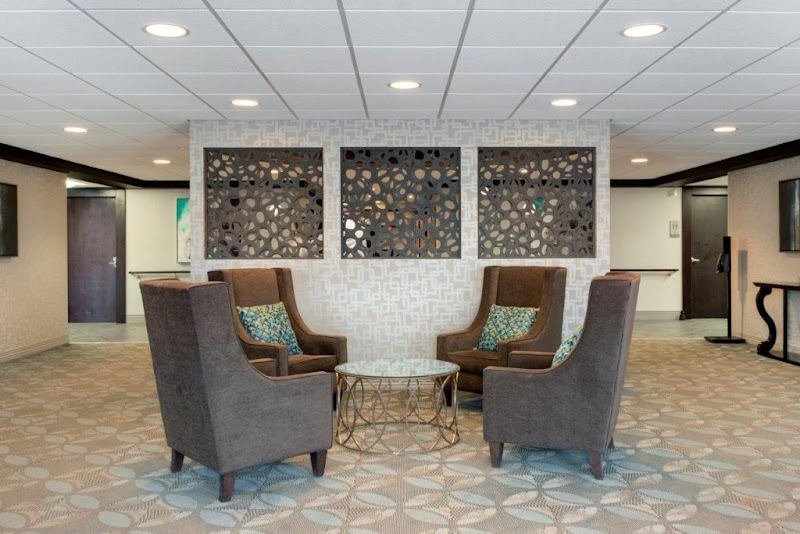
How is The Villas At St Louis Park Staffed?

CMS rates THE VILLAS AT ST LOUIS PARK's staffing level at 3 out of 5 stars, which is average compared to other nursing homes. Staff turnover is 61%, which is 15 percentage points above the Minnesota average of 46%. High turnover can affect care consistency as new staff learn residents' individual needs. RN turnover specifically is 71%, which is notably high. RNs provide skilled clinical oversight, so turnover in this role can affect medical care quality.

What Have Inspectors Found at The Villas At St Louis Park?

State health inspectors documented 48 deficiencies at THE VILLAS AT ST LOUIS PARK during 2022 to 2025. These included: 3 Immediate Jeopardy (the most serious level, indicating potential for serious harm or death), 42 with potential for harm, and 3 minor or isolated issues. Immediate Jeopardy findings are rare and represent the most serious regulatory concerns. They require immediate corrective action.
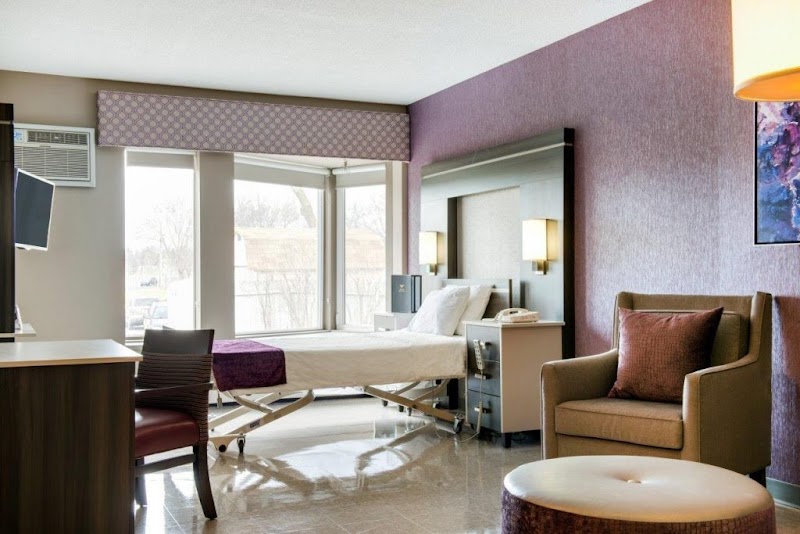
Who Owns and Operates The Villas At St Louis Park?

THE VILLAS AT ST LOUIS PARK is owned by a for-profit company. For-profit facilities operate as businesses with obligations to shareholders or private owners. The facility is operated by MONARCH HEALTHCARE MANAGEMENT, a chain that manages multiple nursing homes. With 100 certified beds and approximately 93 residents (about 93% occupancy), it is a mid-sized facility located in SAINT LOUIS PARK, Minnesota.

How Does The Villas At St Louis Park Compare to Other Minnesota Nursing Homes?

Compared to the 100 nursing homes in Minnesota, THE VILLAS AT ST LOUIS PARK's overall rating (2 stars) is below the state average of 3.2, staff turnover (61%) is significantly higher than the state average of 46%, and health inspection rating (2 stars) is below the national benchmark.

What Should Families Ask When Visiting The Villas At St Louis Park?

Based on this facility's data, families visiting should ask: "What changes have been made since the serious inspection findings, and how are you preventing similar issues?" "How do you ensure continuity of care given staff turnover, and what is your staff retention strategy?" "Can I visit during a mealtime to observe dining assistance and food quality?" "How do you handle medical emergencies, and what is your hospital transfer rate?" These questions are particularly relevant given the facility's Immediate Jeopardy citations and the facility's high staff turnover rate.

Is The Villas At St Louis Park Safe?

Based on CMS inspection data, THE VILLAS AT ST LOUIS PARK has documented safety concerns. Inspectors have issued 3 Immediate Jeopardy citations (the most serious violation level indicating risk of serious injury or death). The facility has a 2-star overall rating and ranks #100 of 100 nursing homes in Minnesota. Families considering this facility should ask detailed questions about what corrective actions have been taken since these incidents.

Do Nurses at The Villas At St Louis Park Stick Around?

Staff turnover at THE VILLAS AT ST LOUIS PARK is high. At 61%, the facility is 15 percentage points above the Minnesota average of 46%. Registered Nurse turnover is particularly concerning at 71%. RNs handle complex medical decisions and coordinate care — frequent RN changes can directly impact care quality. High turnover means new staff may not know residents' individual needs, medications, or preferences. It can also be disorienting for residents, especially those with dementia who rely on familiar faces. Families should ask: What is causing the turnover? What retention programs are in place? How do you ensure care continuity during staff transitions?

Was The Villas At St Louis Park Ever Fined?

THE VILLAS AT ST LOUIS PARK has been fined $41,746 across 3 penalty actions. The Minnesota average is $33,496. While any fine indicates a compliance issue, fines under $50,000 are relatively common and typically reflect isolated problems that were subsequently corrected. Families should ask what specific issues led to these fines and confirm they've been resolved.

Is The Villas At St Louis Park on Any Federal Watch List?

THE VILLAS AT ST LOUIS PARK is not on any federal watch list. The most significant is the Special Focus Facility (SFF) program, which identifies the bottom 1% of nursing homes nationally based on persistent, serious quality problems. Not being on this list means the facility has avoided the pattern of deficiencies that triggers enhanced federal oversight. This is a positive indicator, though families should still review the facility's inspection history directly.