THE VILLAS AT THE CEDARS
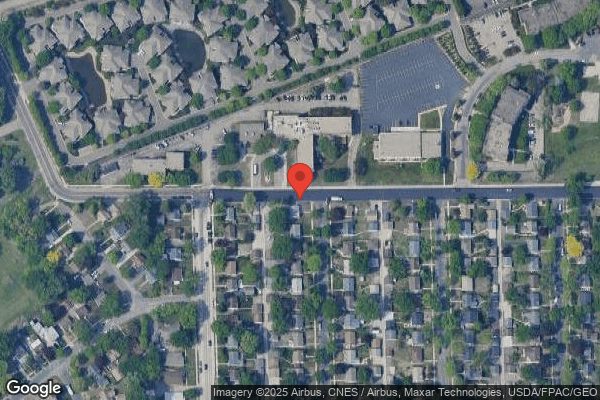
7900 WEST 28TH STREET, SAINT LOUIS PARK, MN 55426 (952) 920-8380
For profit - Corporation 107 Beds MONARCH HEALTHCARE MANAGEMENT Data: November 2025 2 Immediate Jeopardy citations
Trust Grade
6/100
#321 of 337 in MN
Last Inspection: September 2024

Within standard 12-15 month inspection cycle. Federal law requires annual inspections.

Overview

The Villas at the Cedars has received a Trust Grade of F, which indicates significant concerns about the quality of care provided. Ranking #321 out of 337 in Minnesota places it in the bottom half of facilities in the state, and #50 out of 53 in Hennepin County shows that there are only a few local options that are better. The facility has shown some improvement, decreasing from 14 issues in 2024 to 13 in 2025, but still has a long way to go. Staffing is relatively strong with a rating of 4 out of 5 stars and a turnover rate of 43%, which is average, meaning staff are fairly stable. However, there are serious concerns, such as a resident who died after the facility failed to monitor their condition and notify the physician, and another resident who eloped and was found outside the facility unsupervised. These incidents highlight significant weaknesses despite some positive aspects of staffing and quality measures.

Trust Score
F
6/100
In Minnesota
#321/337
Bottom 5%
Safety Record
High Risk
Review needed
Inspections
Getting Better
14 → 13 violations
Staff Stability
○ Average
43% turnover. Near Minnesota's 48% average. Typical for the industry.
Penalties
✓ Good
$29,788 in fines. Lower than most Minnesota facilities. Relatively clean record.
Skilled Nurses
✓ Good
Each resident gets 45 minutes of Registered Nurse (RN) attention daily — more than average for Minnesota. RNs are trained to catch health problems early.
Violations
⚠ Watch
53 deficiencies on record. Higher than average. Multiple issues found across inspections.
★☆☆☆☆
1.0
Overall Rating
★★★★☆
4.0
Staff Levels
★★★★☆
4.0
Care Quality
★☆☆☆☆
1.0
Inspection Score
Stable
2024: 14 issues
2025: 13 issues

The Good

  • 4-Star Staffing Rating · Above-average nurse staffing levels
  • 4-Star Quality Measures · Strong clinical quality outcomes
  • Full Sprinkler Coverage · Fire safety systems throughout facility
  • No fines on record
  • Staff turnover below average (43%)

    5 points below Minnesota average of 48%

Facility shows strength in staffing levels, quality measures, fire safety.

The Bad

1-Star Overall Rating

Below Minnesota average (3.2)

Significant quality concerns identified by CMS

Staff Turnover: 43%

Near Minnesota avg (46%)

Typical for the industry

Federal Fines: $29,788

Below median ($33,413)

Moderate penalties - review what triggered them

Chain: MONARCH HEALTHCARE MANAGEMENT

Part of a multi-facility chain

Ask about local staffing decisions and management

The Ugly 53 deficiencies on record

2 life-threatening 1 actual harm
Aug 2025 1 deficiency
CONCERN (D) 📢 Someone Reported This

A family member, employee, or ombudsman was alarmed enough to file a formal complaint

Potential for Harm - no one hurt, but risky conditions existed

Report Alleged Abuse (Tag F0609)

Could have caused harm · This affected 1 resident

**NOTE- TERMS IN BRACKETS HAVE BEEN EDITED TO PROTECT CONFIDENTIALITY** Based on interview and document review, the facility failed to report an elopement/missing resident immediately to the State Age...

Read full inspector narrative →
**NOTE- TERMS IN BRACKETS HAVE BEEN EDITED TO PROTECT CONFIDENTIALITY** Based on interview and document review, the facility failed to report an elopement/missing resident immediately to the State Agency within 2 hours for 1 of 1 resident (R98) who had eloped from a medical appointment.Findings include:R98's admission Minimum Data Set (MDS), dated [DATE], identified R98 had moderate cognitive impairment and required assistance with ADL's. R98's diagnoses included non-traumatic brain dysfunction (condition where the brain sustains damage or injury without any external physical trauma to the head), atrial fibrillation (common heart rhythm disorder where the upper chambers of the heart (atria) beat irregularly and rapidly), hypertension (high blood pressure), renal failure (occurs when the kidneys lose their ability to effectively filter waste products and excess fluid from the blood), diabetes mellitus (chronic metabolic disease characterized by persistently high blood sugar (glucose) levels) and chronic obstructive pulmonary disease (group of lung diseases that cause airflow obstruction and breathing problems).R98's care plan dated 9/27/24, identified R98 was categorized as a vulnerable adult while residing in a Skilled Nursing Facility and was at risk for decreased cognitive and physical abilities related to diagnoses. Interventions included: Safety monitoring as needed to ensure resident's safety and for the local Ombudsman, Adult Protection, Police and state agencies to be notified of any suspected abuse as needed.R98's progress note dated 10/14/24 at 6:22 p.m., identified facility was contacted by the transportation company inquiring on R98's whereabouts as R98 was not at the clinic when transportation arrived to return R98 to the facility. Progress note identified R98's daughter and significant other were not aware of where R98 was. A missing person report was filed at that time with the St. Louis Park Police department.R98's progress note dated 10/14/24 at 7:30 p.m., identified police called facility and stated that they were in contact with R98's daughter and girlfriend who were not sure where R98 was and that they were going to go to a few places R98 frequently visited to attempt to locate R98.R98's progress note dated 10/15/24 at 8:19 a.m., identified facility reached out to Hennepin County Medical Center (HCMC) regarding R98's medical appointment on 10/14/24. Security cameras were reviewed, and it was noted R98 was seen on camera leaving the clinic after his appointment and got on the Metro Transit bus system. Progress note identified facility administrator reached out to a homeless shelter where R98 was previously living with no success and social services was driving around the North Loop area searching for R98.Progress note dated 10/15/24 at 8:45 a.m., identified director of nursing (DON) reached out to R98's daughter who reported that she had not seen resident nor had R98's girlfriend.Progress note dated 10/15/24 at 12:23 p.m., identified administration reached out to R98's girlfriend regarding R98's whereabouts with girlfriend stating she had not heard from R98.Progress noted dated 10/15/24 at 4:49 p.m., identified R98's girlfriend contacted the facility with an update on R98's whereabouts. R98's girlfriend stated R98 went to HCMC to get some medications and then showed up at her house. Facility spoke with R98 who stated he was not returning to the facility. Progress note identified a Minnesota Adult Abuse Reporting Center (MAARC) report was filed regarding R98 leaving against medical advice (AMA).R98's electronic health record (EHR) lacked evidence a MAARC report was submitted to the state agency, in a timely manner, regarding R98 missing for more than 24 hours.Review of a report made to the state agency (SA) on 10/15/24 at 4:41., indicated R98 left the facility against medical advice following a medical appointment. Report indicated a MAARC report was submitted for that reason and due to the concerns related to safety of the resident (needing supervision due to cognitive impairments). During an interview on 8/28/25 at 1:24 p.m., social service designee (SSD) stated R98 was sent to the clinic for an appointment when he left the appointment and did not return back to the facility. SSD stated they went out to his usual haunts looking for him as he lived on the streets, and could not locate him. SSD confirmed MAARC report had been completed and submitted on 10/15/24 at 4:41 p.m., when R98 had finally been located and stated he was not coming back to facility and discharged AMA. SSD stated a MAARC report should have been submitted to the state agency right away when facility was aware R98 was missing.During interview on 8/28/25 at 5:17 p.m., director of nursing (DON) stated when a resident was missing, the facility would contact resident's emergency contacts to see if they knew of the resident's location. DON stated the police would then be notified the facility had a missing resident. DON stated she believed it should have also been reported to the state agency at that time. DON stated she was told by the administrator a MAARC report was to be made after 24 hours regarding the resident leaving AMA. DON confirmed the MAARC report had been submitted on 10/15/24 at 4:41 p.m., and was submitted to report the resident left AMA and not as a missing person.During interview on 8/28/25 at 5:45 p.m., administrator stated MAARC reports could be filed by anyone who was a mandated reporter. Administrator stated if a resident goes missing it was the facilities job to look for them, to notify family and the provider and to report the missing resident to the police. Administrator stated she would expect a MAARC report to have been filed as soon as possible but that the facility needed to have time to figure out where the missing resident was and to determine if the resident was really indeed missing. Administrator stated once the facility knows for a fact the resident is really missing a MAARC report should have been filed.The facility Abuse Prohibition/Vulnerable Adult policy, dated 3/24, identified any alleged maltreatment involving abuse neglect or financial exploitation injuries of unknown source or misappropriation a vulnerable adult property must be reported by the supervising employee of the building to the administrator of the care center immediately and to the state agency, but no later than two hours. The facility Leave of Absence and Discharging Against Medical Advise Process and Acknowledgment Form, dated 10/24, indicated if a resident did not return to the facility within 24 hours from your expected time back and the resident failed to call the facility to let the staff know when they would be returning, a missing person report would be completed with the local law enforcement. If the resident calls the facility and informs the staff that they would not be returned, they would be discharged AMA. The facility protocol for discharges AMA would be implemented including contacting adult protective services (MAARC).A policy regarding missing residents / elopement was requested, however, none was provided.
Aug 2025 1 deficiency 1 Harm
SERIOUS (G) 📢 Someone Reported This

A family member, employee, or ombudsman was alarmed enough to file a formal complaint

Actual Harm - a resident was hurt due to facility failures

Deficiency F0692 (Tag F0692)

A resident was harmed · This affected 1 resident

**NOTE- TERMS IN BRACKETS HAVE BEEN EDITED TO PROTECT CONFIDENTIALITY** Based on interview and document review, the facility failed to comprehensively and accurately re-assess, develop and implement i...

Read full inspector narrative →
**NOTE- TERMS IN BRACKETS HAVE BEEN EDITED TO PROTECT CONFIDENTIALITY** Based on interview and document review, the facility failed to comprehensively and accurately re-assess, develop and implement interventions to reduce/prevent significant and continued weight loss for 1 of 3 resident (R2) reviewed for weight loss. This resulted in actual harm when R2 was hospitalized for malnutrition. Findings Include: Center for Medicare & Medicaid Services (CMS) considers weight loss ‘significant' if it exceeds 5 percent (%) within one month, 7.5% within three months, or 10% within six months. R2's admission Minimum Data Set (MDS) assessment dated [DATE], identified an admission date of 3/13/25, indicated R2 was severely cognitively impaired and had diagnoses of cerebral palsy, depression, and enlarged prostate know as benign prostatic hyperplasia (BPH), obstructive uropathy (blockage hindering urine flow), and Rhabdomyolysis (muscle breakdown). R2 weighed 147 pounds, received a mechanically altered diet, was not on a weight prescribed regimen, and a box was marked yes for weight loss of 5% or more in the last month or loss of 10% or more in the last six months. The MDS documented R2 had no issues with swallowing, was dependent on staff for all cares including eating, hygiene, and mobility. Care Areas triggered were cognitive loss, visual function, communication, urinary catheter, psychosocial well-being, mood, behavior, falls, nutritional status, pressure ulcer, and psychotropic drug use. R2 received antipsychotics, antidepressants, and antianxiety medications. R2's Nutrition Care Area assessment dated [DATE], was triggered due to significant weight loss and altered diet. It lacked identification of care plan considerations and included a note to refer to nutrition evaluation for additional information. R2's Clinical Nutritional Evaluation dated 3/15/25, identified R2's weight as 147.8 pounds with a usual weight of 160 pounds, no weight loss or gain of 5 percent (%) or more in the last month, body mass index (BMI) as greater than 30 indicating obese, had a regular diet, difficulty chewing, intake at 26-50%, took supplements twice a day, and required staff assistance with feeding. A report titled IDT Care Conference dated 3/26/25 identified nutrition concerns as low/sporadic meal consumption.R2 was on a regular diet with modified thick liquids and weighed 143 pounds.The note identified R2 was totally dependent on staff for all needs.R2's record lacked documentation for additional quarterly care conferences. R2's quarterly Minimum Data Set (MDS) assessment dated [DATE], identified R2 used a wheelchair, was dependent on staff for all mobility, cares and eating, weighed 138 pounds, and required a mechanical and therapeutic diet. R2's provider orders included a house supplement (magic cup) twice a day from 3/15/25-7/6/25 and were documented as given 17 times out of 226 opportunities. R2's provider orders also identified weekly weights were ordered 3/17/25-3/24/25. R2 was weighed one time out of two opportunities during this period.R2's provider orders identified weekly weighs were ordered 3/26/25-4/16/25.R2 was weighed one time out of four opportunities during this period.R2's provider orders identified weekly weights were ordered 4/23/25-7/19/25.R2 was weighed five times out of fifteen opportunities. R2's medical record identified the following weights (in pounds): 3/15/2025 14:21147.8 3/16/2025 13:10147.8 3/20/2025 15:45143.0 3/31/2025 09:21141.0 4/17/2025 13:15139.0 4/23/2025 10:54136.4 5/1/2025 12:55135.2 5/28/2025 14:37138.0 6/12/2025 14:38132.2 6/25/2025 15:41128.2 7/23/2025 14:44127.6 7/24/2025 14:44126.0 R2's was seen by the medical director on 4/6/25, 5/14/25, and 6/18/25, and the provider visit notes described R2 as pleasantly confused with no distress a satisfactory appetite.The record lacked documentation related to weight loss. An Associated Clinic of Psychology (ACP) note dated 6/18/25, identified R2 as calm and relaxed throughout the session.R2 reported frequent hunger and consumed a snack during the session.R2 denied any stressors outside of feeling hungry. R2's nutrition care plan focus dated of 6/19/25, identified a nutritional risk due to dysphagia and hot liquids.Goals included weight gain, intake greater than 50%, and no adverse incident related to hot liquids.The interventions included total assist of one with eating and drinking, obtain weights weekly and as needed, offer adequate fluids at and between meals, supplements per MD order, provide assist with meal intake, and speech therapy to consult as needed. A report titled Clinical Nutritional Evaluation dated 7/6/25, identified R2's weight as 128.2 pounds and height as 65 inches tall, with a usual weight of 160 pounds, no weight loss or gain of 5% or more in the last month, BMI greater than 30 indicating obese, regular diet, difficulty chewing, intake at 26-50%, took supplements, and required staff assistance with feeding. R2's progress note dated 7/6/25, indicated a weight warning was triggered and weight was 128.2 pounds, and the registered dietician increased supplements from twice per day to three times per day. R2's orders to give supplements three times a day from 7/6/25-7/12/25, were documented as given three times out of 21 opportunities.Documentation indicated R2 refused three times during this period. R2's Census information identified he was in the hospital from [DATE] to 7/19/25. R2's Transfer Information document dated 7/19/25, indicated R2 was admitted to Methodist hospital on 7/12/25 for malnutrition and failure to thrive and treated for a urinary tract infection (UTI) and weakness.During the hospital stay R2 was given antibiotics and referred to a dietician.The hospital note identified R2 as a patient with moderate malnutrition in context of acute illness/injury.The results of abdominal imaging dated 7/13/25, revealed no medical reason for weight loss, no evidence for occult malignancy or CT findings to explain the patient's symptoms or weight loss.The document indicated R2 required additional resources due to the degree of malnutrition during the hospital stay.The hospital dietitian recommended in discharge orders for strawberry boost in the morning and at night with daily snacks, updated food preferences, and high calorie- high protein eating. R2's hospital weight on 7/13/25 was recorded as 115 pounds and 11.9 ounces, which was a 21.7% weight loss from R2's admission to the long-term care facility and indicated severe weight loss. R2's Census information indicated he returned to the facility on 7/19/25 and discharged on 7/30/25 to another care setting. During an interview on 8/4/25 at 12:03 p.m., dietary aid (DA)-A stated nutrition supplements were brought up from the kitchen and passed to the residents by the nursing assistants with meals if the dining ticket had a supplement ordered. Extra supplements were brought up from the kitchen and given to the nurses to store at the nurse's station for snacks in between meals. During an interview on 8/4/25 at 12:08 p.m., nursing assistant (NA)-B stated if a resident needed a nutritional supplement it was printed on the dining ticket, and nursing assistants passed the supplements along with the meal tray.If a resident was allergic or refused the supplement the nurse would be notified. During an interview on 8/4/25 at 12:20 p.m., registered nurse (RN)-B stated ‘mighty shakes' were liquid and ‘magic cups' were frozen, and both came up from the kitchen and were served with meals.If the supplement was ordered to be given between meals, the kitchen sent up the supplements, but no labels identified who the supplements were for, and the nurses knew who was supposed to receive them.RN-B stated a provider would be notified of weight loss only if there was a three-to-five-pound loss.The nursing assistants were responsible for weighing residents and recording the weights in a binder located at the nurse station.RN-B stated the nurses reviewed the logs daily for weight loss; however, no parameters were printed on the logs to instruct staff regarding when to notify the manager or provider.RN-B confirmed if a resident was losing weight month after month the nurse would be aware but couldn't confirm if the dieticians reviewed the weight logs or used the recorded weights in the medical records to discuss at care conferences. During an interview on 8/4/25 at 12:27 p.m., RN-C confirmed when a resident returned from a hospitalization and their discharge orders recommended nutritional supplements or other interventions the dietician would get involved.All supplements were documented on the treatment assessment record (TAR) and the nurse manager would be informed if a resident consistently refused.RN-C stated If a resident refused meals or consumed less than 50% of their meal the chart was flagged, and the entire team would monitor for weight loss.The provider was notified if there was a significant decrease in weight by the dietician or nurse manager. RN-C stated the resident should be weighed at the same time and in the same manner each time, and the entire team monitored for weight discrepancies. During an interview on 8/4/25 at 1:00 p.m., registered dietician (RD)-C stated if nutrition supplements were ordered with meals they were served with the meal tray, but supplements were also stocked on the floor and served as a snack.The supplement would be labeled with the resident's name.RD-C stated preferences were discussed at care conferences and if a resident didn't like the supplement or if they refused the supplement many alternatives were offered including snacks.RD-C indicated if a resident was losing weight, a weight warning would be triggered in the electronic health record when they lost 5% or greater.The team would discuss the weight loss, and the nurse manager would notify the provider. A nutritional assessment was completed for R2 on 3/15/25 & 7/6/25.RN-C confirmed the weight warning triggered on 7/6/25 and indicated a 5% decrease over 30 days.R2's record lacked additional interventions implemented until 7/23/25, when another weight warning was identified.RD-C confirmed a high calorie supplement was ordered for R2 after the hospital stay dated 7/12/25-7/19/25, but confirmed the record did not reflect R2 received the additional supplements. During an interview on 8/5/25 at 9:04 a.m., registered nurse (RN)-A stated it was the NA's responsibility to pass the supplements.RN-A stated weights were documented, and if weight was triggered for significant weight loss the provider was notified.The nurse manager was responsible for notifying the provider who would consult with the dietician and order labs to rule out illness and would then identify likes and dislikes with food or the root cause for the appetite being down.The family was notified only if there was a definite decline in weight.RN-A stated when residents returned from the hospital the discharge summary was reviewed, and any provider orders were implemented.RN-A stated R2 had weight loss, the family was consulted, and the family offered ideas to stimulate appetite such as finger foods but confirmed R2's record lacked documentation of these interventions. RN-A confirmed R2's weight loss was documented, and the care plan was not updated to implement personalized interventions but would expect nutrition interventions should have been implemented with continued weight loss.RN-A confirmed the provider was never notified of R2's weight loss. During an interview on 8/5/25 at 9:54 a.m., family member (FM)-A, FM-B, and FM-C, FM-A stated R2 was 165 pounds while living at home in March of 2025.During a care conference on 3/26/25, R2 was 145 pounds. FM-B stated the primary discussion during the care conference was about R2's weight loss and approximately 90-120 minutes was spent discussing interventions.FM-B stated the social worker confirmed to them R2 received a nutritional supplement, Ensure, and when the family requested additional Ensures, they were told, well he gets one.FM-B denied the nurse manager discussed any type of personalized interventions such as finger foods.FM-C stated they visited approximately five weeks later in 6/4/25, and R2 weighed approximately 135 pounds, was alarmingly thin, and cognitively altered.FM-C stated the facility notified R2's wife on 7/11/25, R2 hadn't eaten for the past two days and wasn't taking any medications. They stated when they visited at 4:00 p.m. on 7/12/25, R2 was lying in bed and appeared to have lost 30 pounds, was massively dehydrated, and cognitively altered.They stated staff were unable to tell the family R2's current weight, and indicated staff were directed to push fluids, but were unable identify or locate any protocol, and unable to determine if they had pushed any fluids.FM-C stated given R2's altered behavior, how staff couldn't determine a current weight, or if orders were followed, family called 911.They stated R2 was admitted to Methodist hospital from [DATE] to 7/19/24, for malnutrition, failure to thrive, and dehydration, and was treated for a urinary tract infection (UTI).FM-C stated after 24 hours of antibiotics the infection started to clear, R2 was hungry and began eating and drinking. FM-A stated the family was aware R2 had lost weight but didn't know the extent until the day they called emergency services on 7/12/25. During an interview on 8/5/25 at 10:58 a.m., nurse practitioner (NP)-B stated the facility would notify them of resident concerns by phone or leave a post it notes if they were onsite, and stated notifications were not always documented in a progress note.NP-B could not recall meeting with R2 regarding weight loss or whether staff notified them specifically about weight loss but was aware sometimes R2 would indicate he was hungry, but when food was offered continued refusing.After reviewing R2's medical record, NP-B confirmed there should have been a notification if there was a ten-pound weight loss and NP-B would have implemented interventions such as labs to rule out illness or decreased renal function, prescribed appetite stimulants, or referred R2 to ACP. NP-B confirmed staff first notified the on-call nurse practitioner on 7/11/25, when R2 wasn't eating or taking medication.NP-B stated other interventions for weight loss could have been implemented sooner, including neuro-psych testing and medications, hospice, or feeding tubes, though not ideal, but in hindsight additional interventions should have been applied due to the weight loss. During an interview on 8/5/25 at 11:12 a.m., LPN-A stated the provider, or family would be notified if weight triggered a warning for significant weight loss of 5% or more.LPN-A stated weekly weights were the standard and should be done on bath day.LPN-A confirmed R2 had an order, but R2's record lacked documentation of weekly weights.LPN-A stated R2 transferred to the unit in April 2025, and no interventions for weight loss would be implemented until a weight warning was triggered.LPN-A indicated R2 first triggered for weight loss on 7/24/25.LPN-A stated there was not a concern for the other weights in R2's medical chart because they were not triggered in the electronic record for significant weight loss, but LPN-A had noticed a downward trend.LPN-A would not notify the provider unless it met the weight loss parameter of three pounds per day or five pounds per week but could not identify what document was used for that guidance.LPN-A recalled feeding R2 breakfast three to five times per week and recognized there were times R2 wouldn't eat breakfast but did finish all lunches.LPN-A had no other concerns after the hospitalization in July because R2 was eating on and off.LPN-A stated R2 only had one care conference during the thirteen-week stay at the facility and confirmed the care plan lacked personalized interventions due to the system not triggering weight loss until July. During an interview on 8/5/25 at 12:00 p.m., the DON stated staff should review all weekly weights, identify any decrease in weight, and any resident with weight loss should be discussed at the daily meeting.The provider should be notified, interventions for nutrition such as supplements or offering extra snacks should be implemented, and staff would document this in a progress note.DON indicated some residents refused everything offered but were encouraged with more snacks depending on their diet, however staff should monitor consumed meals and notice if a resident wasn't eating and if their weight had decreased.DON stated they had witnessed R2 tell staff he was hungry and then refuse to eat when staff attempted feeding, but could not identify what, if any, interventions were attempted relating to this behavior. The DON stated R2's weight was discussed during their initial care conference, however the record lacked documentation of that discussion. The DON confirmed R2 had an order for weekly weights and stated staff should have recognized R2's gradual 20-pound weight decrease even without the triggered warnings in the electronic health record. DON stated staff should have added new individualized interventions to the care plan to increase R2's weight upon identification of the weight loss and/or during quarterly care conferences, but no quarterly care conference took place. Staff also should have updated the provider, and DON verified there were no provider notifications regarding weight loss, nutrition, or refusing to eat or take medications until 7/11/25, prior to the hospitalization at Methodist Hospital.The DON stated R2's weight loss was a combination of deconditioning and a UTI that led to the hospitalization on 7/12/25. The facility Weight Policy dated 5/1/24, identified the registered dietitian (RD) and or responsible party shall be notified of weight changes at the discretion of the IDT. The RD shall review residents who trigger for significant weight gain or loss. Significant is defined as a person with 5% weight change over 30 days, 7.5% weight change over 90 days, or 10% weight change over 180 days. The IDT and or facility designee shall review weights for significant weight changes and will be discussed to determine individualized care plan interventions and documented in the electronic medical record. Facility policy, Notification of Change dated 3/24, identified nurses and other care staff are educated to identify changes in a resident's status and define changes that require notification of the residents and or their representative and the resident's physician to ensure best outcomes of care for residents.Significant change in status-deterioration in health, mental or psychosocial status in life threatening conditions or clinical complications.
Jul 2025 6 deficiencies
CONCERN (D) 📢 Someone Reported This

A family member, employee, or ombudsman was alarmed enough to file a formal complaint

Potential for Harm - no one hurt, but risky conditions existed

Comprehensive Care Plan (Tag F0656)

Could have caused harm · This affected 1 resident

**NOTE- TERMS IN BRACKETS HAVE BEEN EDITED TO PROTECT CONFIDENTIALITY** Based on observation, interview, and record review the facility failed to develop a care and furnish services according to the p...

Read full inspector narrative →
**NOTE- TERMS IN BRACKETS HAVE BEEN EDITED TO PROTECT CONFIDENTIALITY** Based on observation, interview, and record review the facility failed to develop a care and furnish services according to the providers orders for 1 of 3 residents (R4) reviewed. R4 was ordered to wear compression stocking and an abdominal binder. These services were not being completed. Findings include: R4's physician orders dated 4/17/25 at 9:00 a.m. indicated R4 was to have lymphedema therapy (aims to reduce swelling, alleviate symptoms, and manage symptoms of swelling in the arms and the leg). Wash and apply personal lotion daily. Apply compression compressions in the morning to wear 23/24 hours maximum of 48 years. Compression Xspan (brand name of sock) size 5 toes to just below the knee, 4 extra-long ace wrap from toes to just below the knee in a herring bone (figure 8) pattern. Tubi-grip (elasticated tubular bandage that provides support and compression) from toes to just below the knee-double extra over foot. Remove if painful or irritating. R4's quarterly MDS dated [DATE] indicated R4's BIMS score was a 15 indicating he was cognitively intact. R4 was dependent upon staff for toileting hygiene and bathing, chair to chair and toileting transfers. She required maximum assistance with lower body dressing and set-up with upper body dressing. R4's pertinent diagnoses were fracture left tibia, Diabetes Mellitus, hypothyroidism, morbid obesity. R4's care plan did not indicate the use of compression stockings/ACE wraps or the abdominal binder. R4's physician orders dated 7/12/25 indicated R4 was to have compression stockings to bilateral lower extremities daily, can use ACE wraps if stockings are too tight.R4's physician orders dated 7/12/25 indicated R4 was to wear an abdominal binder to her abdomen. Upon observation and interview on 7/14/25 at 2:03 p.m. R4, a morbidly obese resident was in bed wearing a hospital gown. She had a 4x4 dressing on her right lower extremity. R4's legs were swollen and red. Below the dressing she had clear mild drainage from 10-12 weeping blisters. She was not wearing an abdominal binder and did not have any wrapping on her legs. She stated she had not worn the abdominal binder in weeks because the facility could not find it. The reason her legs were not wrapped was because the facility did not have a staff member who could do the lymphedema wraps. She stated her order had recently changed from the lymphedema wraps to just compression stockings or ACE wraps, which have not been completed. R4 had compression stockings and ACE wraps in her closet. Upon interview on 7/14/25 at 2:30 p.m. nursing assistant (NA)-C stated she had searched for R4's abdominal binder a few weeks ago and could not find it. She reported the missing binder to the nurse manager. She was not certain why R4's lymphedema wraps had stopped, and she was not aware that R4 had been ordered to wear compression stockings or ACE wraps. Upon interview on 7/15/25 at 2:44 p.m. licensed practical nurse (LPN)-A the nurse manager stated she was not aware of the missing abdominal binder and was not certain as to why R4 did not have compression stockings or ACE wraps on. Upon interview on 7/15/25 at 3:23 p.m. the Director of Nursing stated if they residents are ordered treatments, they should be wearing them, if they are refusing, they should be educated and if they are completed, they should discontinue. A facility policy titled Care Planning, revised 11/2024 indicated a comprehensive care plan shall be used in developing the resident's daily care routines and will be utilized by staff personnel for the purposes of providing care or services to the resident, modified and updated as the condition and care needs of the resident changes.
CONCERN (D) 📢 Someone Reported This

A family member, employee, or ombudsman was alarmed enough to file a formal complaint

Potential for Harm - no one hurt, but risky conditions existed

Deficiency F0676 (Tag F0676)

Could have caused harm · This affected 1 resident

**NOTE- TERMS IN BRACKETS HAVE BEEN EDITED TO PROTECT CONFIDENTIALITY** Based on interview, and record review the facility failed to provide the necessary services recommended by physical therapy to m...

Read full inspector narrative →
**NOTE- TERMS IN BRACKETS HAVE BEEN EDITED TO PROTECT CONFIDENTIALITY** Based on interview, and record review the facility failed to provide the necessary services recommended by physical therapy to maintain or improve a residents ability to carry out her own activities of daily living for 1 of 3 residents (R4) reviewed. R4 was ordered a functional maintenance program when her physical therapy treatment period ended, and the facility did not initiate the program delaying R4's discharge goals. Based on interview, and record review the facility failed to provide the necessary services recommended by physical therapy to maintain or improve a residents ability to carry out her own activities of daily living for 1 of 3 residents (R4) reviewed. R4 was ordered a functional maintenance program when her physical therapy treatment period ended, and the facility did not initiate the program delaying R4's discharge goals. Findings included: R4's Annual Minimum Data Set (MDS) dated [DATE] indicated R4 had a Brief Inventory of Mental Status (BIMS) score of 15 indicating R4 was cognitively intact. R4 did not exhibit any behaviors. R4 was dependent upon staff for showering and lower body dressing, required maximum assistance with upper body dressing and rolling side-to-side in bed. R4 was incontinent of bowel and bladder. Her pertinent diagnoses were unspecified dementia, renal insufficiency (kidney failure, cardiovascular accident (stroke) and seizure disorder. A facility Functional Maintenance Program undated created by physical therapy (PT) indicated five exercises for R4. One of the exercises required the use of a ball to be squeezed between her leg and another required the use of a belt. The document did not indicate whether R4 was to do the exercises on her own or with staff assistance. R4's care plan dated 7/7/25 did not indicate any exercises for R4 to complete from PT. Upon interview on 7/14/25 at 2:30 R4 stated she fears she will be stuck at the facility forever. Her discharge goal was to be able to stand and not use a bariatric mechanical lift. There is a facility close to her home that will admit her when she is off the bariatric mechanical lift. She received physical therapy, but stated therapy stopped due to her payor source. She was told by PT that she would receive a program to do so she does not decline. R4 was doing well but ended up in the hospital due to a rash that covered a large portion of her body. She returned to the facility having gained weight and required the use of the mechanical lift. R4 felt without a restorative program she would continue to decline. Upon interview on 7/15/25 at 1:30 p.m. physical therapy assistant (PTA)-A the director of PT stated R4's therapy did end, and he provided the nursing staff with a functional maintenance program for them to work with her. He stated when therapy ends, he provides the nursing staff with a maintenance program of exercises for the residents to complete. Staff is educated on the plan. There is a place on the form where staff signs off that they have completed training. He stated R4 could discharge to a facility closer to home if she was able to stand and pivot transfer. PTA-A was unable to locate the form he had provided the nursing staff with. Upon interview on 7/15/25 at 2:44 the nurse manager, licensed practical nurse (LPN)-A stated she was not aware of any PT recommendations for R4. She stated the health unit coordinator (HUC) had been away from work for a few weeks and it could be in pile to scan into the system. She did locate the form from the HUC's scanning pile. LPN-A stated the recommendations should have been started and added to R4's care plan. Upon interview on 7/15/25 at 3:23 p.m. the director of nursing (DON) stated the facility did not have one staff member who acts as a restorative nurse for a restorative program, however the nursing assistants work with residents who have therapy recommendations. A facility policy titled Activities of Daily Living (ADL's)/Maintain Abilities Policy dated 3/31/25 indicated It is the policy of the facility to specify the responsibility to create and sustain an environment that humanizes and individualizes each resident's quality of life by ensuring all staff, across all shifts and departments, understand the principles of quality of life, and honor and support these principles for each resident; and that the care and services provided are person-centered, and honor and support each resident's preferences, choices, values and beliefs. Based on the comprehensive assessment of a resident and consistent with the resident's needs and choices, the facility will provide the necessary care and services to ensure that a resident's abilities in activities of daily living do not diminish unless circumstances of the individual's clinical condition demonstrate that such diminution was unavoidable. The facility will ensure a resident is given the appropriate treatment and services to maintain or improve their ability to carry out the activities of daily living.
CONCERN (D) 📢 Someone Reported This

A family member, employee, or ombudsman was alarmed enough to file a formal complaint

Potential for Harm - no one hurt, but risky conditions existed

Deficiency F0725 (Tag F0725)

Could have caused harm · This affected 1 resident

**NOTE- TERMS IN BRACKETS HAVE BEEN EDITED TO PROTECT CONFIDENTIALITY** Based on observation, interview, and record review the facility failed to ensure sufficient nursing staff available at all times...

Read full inspector narrative →
**NOTE- TERMS IN BRACKETS HAVE BEEN EDITED TO PROTECT CONFIDENTIALITY** Based on observation, interview, and record review the facility failed to ensure sufficient nursing staff available at all times to provide nursing services to meet the residents needs for 3 of 3 residents (R1, R2 and R4) reviewed when staff were unavailable to provide necessary care and services according to assessed needs leading to long wait times for incontinence cares.Findings include: The Facility Assessment Tool dated 1/7/25 indicated under staff acuity:-Dressing assistance the facility had 8 independents residents, 67 residents with assistance of 1-2 staff and 1 dependent resident. -Bathing - 4 independent residents, 21 with assistance of 1-2 and 23 dependent residents.Transferring 14 independent residents, 49 residents with assistance of 1-2 staff, 10 dependent residents-Eating - 62 independent residents, 12 residents with assistance of 1-2 and 2 dependent residents.-Toileting - 11 independent residents, 64 residents with assistance of 1-2, and 1 dependent resident.-Mobility - 7 independent residents, 23 residents with assistive devices and 57 residents in chair most of the time. -The assessment did include how residents required assistance with behaviors. R1's Annual Minimum Data Set (MDS) dated [DATE] indicated R1 had a Brief Inventory of Mental Status (BIMS) score of 15 indicating R1 was cognitively intact. R1 did not exhibit any behaviors. R1 was dependent upon staff for showering and lower body dressing, required maximum assistance with upper body dressing and rolling side-to-side in bed. R1 was incontinent of bowel and bladder. Her pertinent diagnoses were unspecified dementia, renal insufficiency (kidney failure, cardiovascular accident (stroke) and seizure disorder. A facility report and investigation dated 7/9/25 indicated R1 complained that a staff member was rough during care and made inappropriate comments. A facility interview undated from R4. R4 stated at times she turns on her all light waiting for up to an hour for assistance. R4 was aware she was to have cares in pairs (two staff with all cares). The day of the allegations nursing assistant, NA-C completed cares alone. NA-C was suspended during the facilities investigation. A facility statement dated 7/9/25 by NA-C indicated she sometimes went into R1's room with two staff and other times alone. Sometimes she completed her change cares by herself. R1's care plan dated 7/1/25 indicated R1 was a total assistance of two staff for all bed mobility. For toileting R1 was extensive assistance of two staff to check and change her brief. R1 was to have care in pairs due to behaviors and accusations against staff. Upon interview on 7/14/25 at 11:28 a.m. R1 stated the week of July 4th she put on her call light because she was incontinent of bowel and needed her incontinent pad changed. NA-C answered her call light and told R1 that she needed to wait because NA-C did not have time. R1 stated she waited half-an-hour and turned on her light again and this time NA-C proceeded to change her without assistance, was rough with her and used inappropriate language. Upon interview on 7/15/25 at 8:40 a.m. NA-D stated she was accused of rough cares with R1. She was aware that R1 was to be cares in pair and stated, damned if I do, damned if I don't. She explained if she waited for another staff member all the time R1 would complain and call family complaining of the wait time, therefor she performed cares alone with R1. NA-D stated the nurses do not assist when asked as they are busy with their jobs. She stated the unit had at least three bariatric residents who require two nursing assistants, two residents on cares in pairs and approximately 10 mechanical lift residents who require two nursing assistants. R2's quarterly MDS dated [DATE] indicate R2's BIMS score was a 9 indicating she was cognitively impaired. R2 required moderate assistance with toileting hygiene, upper body dressing, personal hygiene, toilet transfer and sit to stand transfer. She required maximum assistance with lower body dressing and touching/supervision to sit and stand. R2's pertinent diagnoses were Parkinson's disease (neurological disorder primarily affecting movement, restless leg syndrome, mild cognitive impairment, anorexia, and obsessive-compulsive disorder (mental health disorder characterized by unwanted thoughts and repetitive behaviors). R2's care plan dated 7/3/25 did not indicate R2 required cares in pairs, nor did it indicate how R2 transferred. R2's social work progress notes dated 7/10/25 at 8:54 a.m. indicated social services completed a BIMS, PHQ9 (depression screening) and trauma questionnaire due to R2's abuse allegation. R2 scored 15/15 on BIMS indicating she was cognitively intact she scored 0/27 indicating minimal depression. R2's nursing progress note dated 7/10/25 at 10:02 a.m. indicated writer arrived in the morning and was immediately told about an accusation R2 had with the night nursing assistant (NA). Writer made sure R2 was safe and then notified the director of nursing (DON) and the Administrator at 7:30 a.m. R2 reported that just after midnight she put on her call light to use the toilet, and the nursing assistant did not get there in time, so the resident ended up wetting the bed. When the NA arrived, she got upset with R2 for wetting then bed and started beating her up. Upon interview on 7/14/25 at 1:21 p.m. R2 stated she did not recall exactly what happened in reference to her allegations. R2 was not certain if she was supposed to be taken care by two staff members or one. She stated most of the time there was only one staff caring for her. Upon interview on 7/14/25 at 1:46 p.m. RN-A stated R2 was to have cares in pairs due to her behaviors. She was not certain how long she had been on cares in pairs. Upon interview on 7/14/25 at 1:57 p.m. NA-A stated R2 had always been cares in pairs due to her behaviors. He stated he only uses another staff member when R2 is visually agitated. Upon interview on 7/15/25 at 10:45 a.m. NA-E stated she had been informed there were allegations again her on R2. She stated she was not aware R2 was cares in pairs. When NA-E was told about told about the allegations she did not follow the care plan when she changed R2 on the night of the allegations because she was cares in pairs and NA-E did the cares alone. NA-E was not aware when and if R2's care plan and changed and she told the nurse manager the staff cannot leave residents to wait for care to get another staff member especially on the night shift. The staffing is not feasible. Upon interview on 7/15/25 at 1:00 p.m. the facility social worker (SW)-A stated R2 had been cares in pairs as long as she had known. Upon observation and interview on 7/14/25 at 2:03 p.m. R4 was in a hospital gown in her bed. She stated she had not been out of bed in eight days. She stated staff was always too busy or would come back later, and later never happened. R4 pressed her call light at 2:05 p.m. NA-A answered the call light at 2:07 p.m. R4 told NA-A that she wanted to get out of bed and sit in her wheelchair. NA-A told R4 that the other NA was assisting with a shower so it would be about 30-45 minutes before he could assist her, and his shift was ending so he would pass it on to the next shift. At 2:25 p.m. licensed practical nurse (LPN)-A the nurse manager, NA-A and NA-C into the room and asked the surveyor what was needed. The staff left the room to get the mechanical lift. R4 stated there had been times when she presses her call light and had to wait when she was incontinent sitting her bowel movement. At 2:30 p.m. LPN-A and NA-A, NA-B and NA-C came back and used the mechanical lift and got R4 seated in her chair. R4 stated she felt with having 4 staff assist her because 8 days ago two staff assisted to get her out of bed, and she did not feel safe in the lift due to her weight of 516 lbs. R4's quarterly MDS dated [DATE] indicated R4's BIMS score was a 15 indicating he was cognitively intact. R4 was dependent upon staff for toileting hygiene and bathing, chair to chair and toileting transfers. She required maximum assistance with lower body dressing and set-up with upper body dressing. R4's pertinent diagnoses were fracture left tibia, Diabetes Mellitus, hypothyroidism, morbid obesity. Upon interview on 7/15/25 at 3:23 p.m. the DON stated the facility staffs correctly per the patient acuity. She stated the nurses assist the NA's, so residents do not have to wait to receive care. Upon interview on 7/15/25 at 3:32 p.m. the Administrator stated the facility staffing is adequate, and the nurses assist when the NA's ask. She was not certain how the residents were assessed with one to two staff on the facility assessment and was not certain how residents required assistance of two staff members. A policy regarding nursing services was requested, how none was received.
CONCERN (D) 📢 Someone Reported This

A family member, employee, or ombudsman was alarmed enough to file a formal complaint

Potential for Harm - no one hurt, but risky conditions existed

Deficiency F0919 (Tag F0919)

Could have caused harm · This affected 1 resident

**NOTE- TERMS IN BRACKETS HAVE BEEN EDITED TO PROTECT CONFIDENTIALITY** Based on observation, interview, and record review, the facility failed to ensure call lights, or another means to request assis...

Read full inspector narrative →
**NOTE- TERMS IN BRACKETS HAVE BEEN EDITED TO PROTECT CONFIDENTIALITY** Based on observation, interview, and record review, the facility failed to ensure call lights, or another means to request assistance were accessible for 3 of 3 (R2, R5, and R7) residents who were dependent on staff for activities of daily living.Findings include: Upon observation and interview on 7/14/25 at 1:21 p.m. R2 was found in her room seated in her wheelchair with her pants off wearing an incontinent brief. R2 was attempting to get a pair of sweatpants on by herself. R2's bed was in the lowest position, there was a matt on the floor so R2 could not scoot herself in her wheelchair to reach her call light which was placed on her bed wrapped around her 1/4 side rail against the wall. R2 became agitated stating why can't you help me, why can't you help put my pants on? R2 attempted to stand up. The surveyor went to get assistance from registered nurse RN-A at 1:46 p.m. to assist R2. RN-A assisted R2 with getting her pants back on. RN-A left the room and got nursing assistant (NA)-A to assist with getting the call light within R2's reach. Upon observation and interview on 7/15/25 at 1:57 p.m. NA-A untangled R2's call button and untangled the bed cord from R2's side rail. R2 stated they would have to speak with maintenance as the call light would not reach R2 when she was in her chair with the floor mat in place. NA-A was not certain how the staff usually made sure R2 had her call light, but all residents must have access to their call light. R2's care plan dated 2/21/25 indicated R2 had a soft call button and to have the call light kept within reach. R2 had falls on 2/21/25, 3/9/25, 3/27/25 and 6/10/25 and the interventions were a call don't fall sign in her room and a soft call button. R2's quarterly MDS dated [DATE] indicate R2's BIMS score was a 9 indicating she was cognitively impaired. R2 required moderate assistance with toileting hygiene, upper body dressing, personal hygiene, toilet transfer and sit to stand transfer. She required maximum assistance with lower body dressing and touching/supervision to sit and stand. R2's pertinent diagnoses were Parkinson's disease (neurological disorder primarily affecting movement), restless leg syndrome, mild cognitive impairment, anorexia, and obsessive-compulsive disorder (mental health disorder characterized by unwanted thoughts and repetitive behaviors) Upon observation on 7/14/25 at 2:09 p.m. R5 was seated in a Geri-chair (specialized wheelchair) in her room with the door closed. R5 was seated with her back against the door and looking out her window. Her bed and call light were approximately 10 feet away from on her bed. R5 could not move herself in her chair to get to light. R5 was nonverbal, only able to make sounds when questioned. R5's quarterly MDS dated [DATE] indicated R5 BIMS score was a 00 indicating severe cognitive impairment. R5 required maximum assistance with eating and oral hygiene. She was dependent upon staff for showering, dressing upper and lower body, chair to bed transfers and personal hygiene She required maximum assistance to roll from left to right in bed. Sitting to lying, sitting to standing were documented as nonapplicable. R5's pertinent diagnoses were unspecified dementia without behaviors, weakness, dysphagia (difficulty swallowing), and encephalopathy (neurological brain dysfunction). R5's care plan dated 6/2/25 indicated R5's call light was to always be within reach, answer promptly. Upon interview on 7/14/25 at 2:15 p.m. RN-A stated R5 cannot use a call light and normally she would be in the community room to be visualized by staff. RN-A stated she checked onR5 every ten minutes to make sure she was safe. Ten-minute safety checks were not on the care plan that was RN-A's personal practice. Upon observation and interview on 7/14/25 at 2:18 p.m. R7's was seated in her wheelchair her call light was on her bed, she stated she was able to move herself to reach the call light if she needed assistance. She stated her room call light was not the problem, her bathroom call light had not been working for a few days, she told staff, and maintenance had not been by to fix it. She stated she gets herself off the toilet without any help. When pulling the call light with the string, the drop-down plastic portion moved; however, the light did not light up outside her door to alert staff R7 needed assistance. Upon observation and interview 7/14/25 at 2:24 p.m. NA-B was passing R7's room and looked at the bathroom call light. He tried it couple of times and noticed there was a knot in the string that was used to trigger the light. He untied the knot, and the light worked. He stated R7 had not mentioned to him the light was not working. Upon interview on 7/15/25 at 2:44 p.m. licensed practical nurse, (LPN)-A stated residents should always have access to their call lights when they are in their rooms. She was not aware that R2's light did not reach her with the mat on the floor. She was not certain why R5 had been placed in room without being in bed because after lunch she laid down in her bed. R7's admission MDS dated [DATE] indicated R7 had a BIMS score of 15 indicating she was cognitively intact. R7 was independent with eating, oral hygiene, toileting hygiene, upper and lower body dressing, rolling left to right in bed, lying to sitting and sitting to standing and transferring to her chair. She required moderate assistance with putting on/taking off footwear and showering. R7's pertinent diagnoses were chronic ulcer of the left foot, chronic ulcer of the skin of sites with necrosis (death of bone tissue) of the bone, opioid dependence, polyneuropathy (nervous system disorder that impacts nervous function in multiple areas of the body). R7's care plan dated 7/1/25 indicated R7 was to accept assistance with self-cares and would be dressed, groomed, and bathed per her preference. Staff was to monitor R7's bowel movements. The care plan did not indicate R7's transfer status or any call light interventions. Upon interview on 7/15/25 at 3:23 p.m. the DON stated residents should always have access to their call lights and she was not aware that R7's was not working in her bathroom. Email correspondence dated 7/16/25 at 4:51 p.m. from the administrator stated there have been no call light concerns from any residents or family brought to her attention. A facility policy titled Call Light Policy with a revision date of 5/23/23 indicated: A nurse call must be provided for each resident's bed or other sleeping accommodations. Call cords, buttons, or other communication devices must be placed where they are within reach of each resident. Each facility will have a process in place to monitor the call light system to identify if the system is functioning properly. A scheduled task will be placed in the TELS system to check the system monthly at a minimum. If a call light system is identified as not operational at any time, the facility will take the following steps: a) The facility will provide residents with a means to call for help at thebedside and in toileting and bathing facilities through an audible orvisual signal (i.e., bell, walkie talkie, whistle, etc.)b) The Director of Nursing and Administrator will be notified ofthe system not functioning.c)The facility will keep a log of time the system was not functional andrepair efforts made.
CONCERN (E) 📢 Someone Reported This

A family member, employee, or ombudsman was alarmed enough to file a formal complaint

Potential for Harm - no one hurt, but risky conditions existed

Deficiency F0700 (Tag F0700)

Could have caused harm · This affected multiple residents

**NOTE- TERMS IN BRACKETS HAVE BEEN EDITED TO PROTECT CONFIDENTIALITY** Based on observation, interview, and record review the facility failed to attempt alternative devices before using bedrails on r...

Read full inspector narrative →
**NOTE- TERMS IN BRACKETS HAVE BEEN EDITED TO PROTECT CONFIDENTIALITY** Based on observation, interview, and record review the facility failed to attempt alternative devices before using bedrails on residents beds. The failed to accurately assess the residents for risk of entrapment by assessing residents medical diagnosis, size and weight, cognition, communication and mobility for 5 of 7 residents (R1, R2, R3, R6 and R7) reviewed for bed rails. In addition, R6 had side rails used in conjunction with an air mattress. Based on observation, interview, and record review the facility failed to attempt alternative devices before using bedrails on residents beds. The failed to accurately assess the residents for risk of entrapment by assessing residents medical diagnosis, size and weight, cognition, communication and mobility for 5 of 7 residents (R1, R2, R3, R6 and R7) reviewed for bed rails. In addition, the facility failed to use caution as R6 had side rails used in conjunction with an air mattress. This deficient practice had the potential to affect all 72 residents who used bed/side rails. Findings include:A website https://www.cms.gov/files/document/finalmds-30-rai-manual-v11811october2023.pdf. reviewed 7/15/25 indicated a physical restraint or method physical or mechanical device, material or equipment attached or adjacent to the residents body that the individual cannot remove easily, which restricts freedom of movement or normal access to one's body. Residents who are cognitively impaired are at a higher risk of entrapment and injury or death caused by physical restraints. It is vital that physical restraints used on this population be carefully considered and monitored. Any manual method or physical or mechanical device, material or equipment should be classified as a restraint definition. This can only be deterred on a case-by-case basis by individually assessing each and every manual method or physical or mechanical device, material, or equipment. https://www.fda.gov/MedicalDevices/ProductsandMedicalProcedures/HomeHealthandConsumer/ConsumerProducts/BedRailSafety/ucm362848.htm reviewed 7/15/25 Food and Drug Administration (FDA) guidelines (Recommendations for Health Care Providers about Bed Rails) 2018 indicated health care providers should base the use of bed rails on individual resident assessments to ensure the individual is an appropriate candidate to reduce the risk of entrapment. Recommendations made for health care providers to evaluate the individual's need, to use the guidance documented Hospital Bed System Dimensional and Assessment Guidance to Reduce Entrapment to have knowledge that not all bedrails, mattresses, and bed frames are interchangeable; check the manufacture instructions, health care providers are to avoid the routine use of adult bed rails without first conducting an individual patient or resident assessment, and restrict the use of physical restraints including restrictive use of bed rails, or chest, abdominal, wrist, or ankle restraints of any kind on individuals in bed. When installing and using bedrails select the appropriate bed rail, follow the health care providers procedures or manufacture recommendations, inspect, evaluate, and regularly check bedrails are appropriately matched to equipment and patient needs considering all relevant risk factors, to identify and remove potential fall and entrapment hazards. Be aware that gaps can be created by movement or compression of the mattress, which may be caused by patient weight, movement, bed position, or by using a specialty mattress. Retrieved from on 5/2/25https://www.fda.gov/medical-devices/adult-portable-bed-rail-safety/recommendations-health-care-providers-using-adult-portable-bed-rails reviewed 7/15/25 indicated: Be aware that not all bed rails, mattresses, and bed frames are interchangeable and not all bed rails fit all beds. Check with the manufacturers to make sure the bed rails, mattress, and bed frame are compatible. Use caution when using bed rails with a soft mattress as this may increase risk of entrapment between the mattress and bed rail. Be aware that gaps can be created by movement or compression of the mattress which may be caused by patient weight, patient movement or bed position, or by using a specialty mattress, such as an air mattress, mattress pad or waterbed.R1's annual Minimum Data Set (MDS) dated [DATE] indicated R1 had a Brief Inventory of Mental Status (BIMS) score of 15 indicating R1 was cognitively intact. R1 did not exhibit any behaviors. R1 was dependent upon staff for showering and lower body dressing, required maximum assistance with upper body dressing and rolling side-to-side in bed. R1 was incontinent of bowel and bladder. Her pertinent diagnoses were unspecified dementia, renal insufficiency (kidney failure, cardiovascular accident (stroke) and seizure disorder. R2's MDS did not indicate the use of bed rails on her bed.R1's care plan dated 7/1/25 did not indicate the use of bed rails.R1's Bed mobility device evaluation dated 7/1/25 indicated R1and her representative had a preference for grab bars as a bed mobility device. R1 had not attempted to get out by climbing over a bed mobility device or became entangled in a device in the last quarter. R1 did not use the rails with transferring, however used them to reposition in bed. She demonstrated appropriate use of the grab bars. The assessment indicated the device was not a restraint as it did not restrict R1's movement. The form documented not applicable to alternatives attempted prior to placement. R1 had 1/4 or 1/2 side rails listed as in use. No risk or benefits or any other education was documented as provided to R1 or representative. In addition, R1's medical diagnosis, size and weight, cognition, communication and mobility were not assessed for the medical device evaluation or if R1 could remove the device on her own indicating the device was not a restraint.Upon observation and interview on 7/14/25 at 11:28 a.m. R1 was laying in her bed on her back wearing a hospital gown. R1 had 1/4 side rails at the head of her bed on both sides. At 12:01 p.m. she pressed her call light for a skin inspection and to have her brief changed. She used the side rails to hold herself with turning for the brief change. R1 did not recall any education on the side rails. She stated the facility may have educated her months ago but was not certain. She stated she would not be able to remove them herself due to weakness. R2's clinical assessment list dated 5/1/25 - 7/15/25 did not indicate a bed mobility assessment had been completed. R2's quarterly MDS dated [DATE] indicate R2's BIMS score was a 9 indicating she was cognitively impaired. R2 required moderate assistance with toileting hygiene, upper body dressing, personal hygiene, toilet transfer and sit to stand transfer. She required maximum assistance with lower body dressing and touching/supervision to sit and stand. R2's pertinent diagnoses were Parkinson's disease (neurological disorder primarily affecting movement, restless leg syndrome, mild cognitive impairment, anorexia and obsessive-compulsive disorder (mental health disorder characterized by unwanted thoughts and repetitive behaviors. R2's MDS did not indicate the use of side rails on her bed.R2's care plan dated 7/3/25 did not indicate the use of bed rails on her bed.Upon observation and interview on 7/14/25 at 1:21 p.m. R2 was seated in her wheelchair. R2's bed was in the lowest position with a mat on the floor. R2 had 1/4 side rails at the head of her bed on both sides.R3's admission MDS dated [DATE] indicated R3's BIMS score was a 14 indicating he was cognitively intact. R3 was dependent upon staff for eating and oral hygiene. He required supervision or moderate assistance with toileting hygiene and partial/moderate assistance with upper and lower body dressing and personal hygiene. R1 was independent with rolling from left to right in bed. Sitting to lying or chair to bed and toilet transfers were documented as unapplicable. R3's pertinent diagnoses were chronic obstructive pulmonary disease (emphysema), unspecified kidney disorder and dependence on renal dialysis. R3's MDS did not indicate the use of side rails on his bed.R3's care plan dated 7/1/25 did not indicate side rails were used on R3's bed.R3's bed mobility device evaluation dated 7/1/24 indicated R1 and his representative requested grab bars as a bed mobility device. The evaluation indicated R3 was not informed regarding risks and benefits regarding bruising, skin tears, entrapment and entanglement. R3 used the device to assist with transfers and repositioning in bed and had the ability to demonstrate appropriate use. Nonapplicable was documented in response to alternatives attempted prior to placement. In addition, R3's medical diagnosis, size and weight, cognition, communication and mobility were not assessed for the medical device evaluation or if R3 could remove the device on her own indicating that it was not a restraint.Upon observation and interview on 7/15/25 at 10:39 a.m. R3 was lying in bed on his back with his right arm through the 1/4 side rail at the head of his bed on his right side. He had 1/4 side rails on both sides of the head of his bed. Family member (FM)-A was visiting R3. She removed his arm from the rail. She stated she had never been taught anything about risks and benefits of side rails. She stated R3 would not have the strength or the cognition to remove a rail on his own. She stated staff does most of the work when transferring and repositioning R3, she had seen him hold the bars at times when he was rolled on his side. R6's admission MDS dated [DATE] indicated R6 had a BIMS score of 14 indicating she was cognitively intact. R6 was dependent on staff for oral hygiene, toileting hygiene, bathing, upper and lower dressing, personal hygiene, rolling from left to right in bed, sitting to lying positioning and bed to chair transferring. R6's pertinent diagnoses were orthopedic aftercare, trigeminal neuralgia (chronic pain disorder characterized by sudden and severe electric shock like pain in the face), and neuropathy (damage of the nerves outside of the brain and spinal cord). R6's MDS did not indicate the use of side rails on her bed. R6's bed mobility device evaluation dated 5/20/25 indicated R6 stated a preference about a bed mobility device. Her representative did not, however the document indicated the representative gave consent for the use of the device. The evaluation did not indicate what type of device was used grab bars, or 1/4 or 1/2 size rails. The residents representative was informed regarding the risk and benefits of the device including bruising, skin tears, entrapment or entanglement. R6 had not attempted to climb over the device or become entangled in the last quarter. The device did not restrict the freedom of movement, indicating it was not a restraint. R6 was able to demonstrate proper use of the device. The evaluation document did not indicate any alternatives had been attempted prior to the placement of the device. In addition, R6's medical diagnosis, size and weight, cognition, communication and mobility were not assessed for the medical device evaluation or if R6 could remove the device on her own indicating it was not a restraint. R6's care plan dated 7/15/25 did not indicate the use of side rails on R6's bed.Upon observation and interview on 7/16/25 at 9:42 a.m. R6 was working on her laptop. Her bed was elevated at to 30 degrees. R6 had an air mattress and 1/4 side rails at the head of her bed on both sides. R6 stated she used the rails to hold onto when staff were provider cares for her. She stated she would not be able to remove them by herself due to weakness. She stated she liked the rails because they made her feel safe when staff was turning her and felt safe with the rails as she would not fall out of bed while sleeping. R7's admission MDS dated [DATE] indicated R7 had a BIMS score of 15 indicating she was cognitively intact. R7 was independent with eating, oral hygiene, toileting hygiene, upper and lower body dressing, rolling left to right in bed, lying to sitting and sitting to standing and transferring to her chair. She required moderate assistance with putting on/taking off footwear and showering. R7's pertinent diagnoses were chronic ulcer of the left foot, chronic ulcer of the skin of sites with necrosis (death of bone tissue) of the bone, opioid dependence, polyneuropathy (nervous system disorder that impacts nervous function in multiple areas of the body). R7's MDS did not indicate the use of side rails on her bed. R7's care plan dated 7/1/25 did not indicate any use of side rails on her bed.R7's bed mobility device evaluation dated 4/29/25 indicated R7 stated a preference about grab bars as bed mobility device. The evaluation did not indicate that R7 was informed regarding the risk and benefits of the device including bruising, skin tears, entrapment or entanglement. R7 had not attempted to climb over the device or become entangled in the last quarter. The device did not restrict the freedom of movement, indicating it was not a restraint. R7 was able to demonstrate proper use of the device. The evaluation form indicated no alternatives had been attempted prior to the placement of the device. In addition, R7's medical diagnosis, size and weight, cognition, communication and mobility were not assessed for the medical device evaluation or if R7 could remove the device on her own indicating was not a restraint. Upon observation and interview on 7/14/25 at 2:16 p.m. R7 had 1/4 side rails at the head of her head on both sides. R7 stated she uses her rails in bed and to get out of bed. She did not recall any special education regarding risk and benefits. R7 stated she could probably remove the rails by herself if she were taught how.Upon interview on 7/15/25 at 1:30 p.m. the physical therapy assistant, therapy director (PTA)-A stated therapy assessed residents to see how they were able to roll in bed and how they completed sitting to standing. Therapy would then let the nursing staff know they were recommending the grab bars for the residents. He stated he will try have the head of bed raised on some residents before recommending grab bars but could not provide any documentation of that. He denied any other alternatives attempted prior to the use of the grab bars. He stated if any measuring of the grab bars were completed it would be by the nursing staff. He stated he had not ever asked or taught residents to attempt to remove the rails on their own, but stated most of them would not be able to. Upon interview on 7/15/25 at 1:45 p.m. registered nurse (RN)-A nursing manager stated when a resident wanted grab bars the facility made sure they got them. She asked the residents if they wanted them for transferring, bed mobility or both. She stated nursing performed the device evaluation and maintenance installed the devices and she was not certain of any measuring or assessments maintenance did. Upon interview on 7/15/25 at 2:44 p.m. licensed practical nurse, LPN-A stated all residents who had devices on their beds should have had quarterly assessments. She stated once therapy recommended, or the resident or family requested grab bars them the staff let maintenance know to place one on the bed. She stated she checked on her quarterly assessment is the resident still requires them. She stated nursing does not completely any measurements because the rails are all standard for the beds at the facility. She stated residents are taught risks and benefits.Upon interview on 7/15/25 at 3:33 p.m. the director of nursing (DON) stated the facility does not educate the residents or representative about the risk and benefits of the grab bars unless the use was inappropriate. An example of inappropriate use would be for a resident who is unable to move at all in wanting rails and then they would be educated on entrapment. Her expectation was that all residents be assessed quarterly by the nursing staff for the use of rails. She stated it did not make sense that a resident should be able to remove a grab bar on their own because that defeated the purpose of having them. She stated the grab bars are all sized to fit the beds at the facility.Upon interview on 7/15/25 at 3:32 p.m. the Administrator stated the facility used grab bars and they were not restraints and the nurses completed quarterly assessments on the residents if they had any devices on their beds. Email correspondence dated 7/16/25 at 4:47 p.m. following the survey exit from the administrator indicated the facility completed a house wide audit to assess for entrapment. Evaluations were sent for 72 residents. The evaluations included the definition A bed mobility device is any device or equipment that is permanently affixed to the bed or the resident is unable to remove independently. The purpose of such devices is to allow residents to achieve their highest level of physical and psychosocial well being. Each evaluation indicated the patient and or responsible party was educated on the benefits of grab bar use including increased safety, stability and independence as well as potential risk such as bruising, skin tears, entrapment and enlargement. The follow-up evaluations failed to assess:Medical diagnosis, conditions, symptoms, and/or behavioral symptoms; Size and weight; Sleep habits; Medication(s); Acute medical or surgical interventions; Underlying medical conditions; Existence of delirium; Ability to toilet self safely; Cognition; Communication; Mobility (in and out of bed); and Risk of fallingIn addition, the updated evaluations did not include any alternatives attempted or if the rails could be a restraint to the resident and any specialty mattresses or residents with wander guards. A facility policy on side rails/grab bars was requested and an email correspondence dated 7/15/25 at 4:51 indicated the facility did not have a policy they followed manufacture guidelines. The manufacturer user service manual undated indicated: An optimal bed system assessment should be conducted for each resident by a qualified clinician or medical provider to ensure maximum safety of the resident. The assessment should be conducted within the context of, and in compliance with, the state and federal guidelines related to the use of restraints and bed system entrapment guidance, including the Clinical Guidance for the Assessment and Implementation of Side Rails published by the Hospital Bed Safety Workgroup of the U.S. Food and Drug Administration. Further information can be obtained at the following web address: http://www.fda. gov/MedicalDevices/ProductsandMedicalProcedures/GeneralHospitalDevicesandSupplies/HospitalBeds/ default.htmWhen assessing the risk for entrapment, you need to consider your bed, mattress, head/foot panels, assist devices and other accessories, as a system. It is also extremely important to review the resident's physical and mental condition and initiate an appropriate individual care plan to address entrapment risk.While the guidelines apply to all healthcare settings, (hospitals, nursing homes and at home), long-term care facilities have exposure since serious entrapment events typically involve frail, elderly or dementia patients.
CONCERN (E) 📢 Someone Reported This

A family member, employee, or ombudsman was alarmed enough to file a formal complaint

Potential for Harm - no one hurt, but risky conditions existed

Deficiency F0909 (Tag F0909)

Could have caused harm · This affected multiple residents

**NOTE- TERMS IN BRACKETS HAVE BEEN EDITED TO PROTECT CONFIDENTIALITY** Based on observation, interview, and record review the facility failed to conduct regular inspections of all bed frames, mattres...

Read full inspector narrative →
**NOTE- TERMS IN BRACKETS HAVE BEEN EDITED TO PROTECT CONFIDENTIALITY** Based on observation, interview, and record review the facility failed to conduct regular inspections of all bed frames, mattresses, and bed rails as a part of the regular maintenance program to identify areas of possible entrapment for 6 of 7 residents (R1, R2, R3, R4, R6 and R7) reviewed. The bed manufacturer guidelines indicated to visually inspect the bed and accessories monthly and indicated to follow the FDA guidance. Findings include: Recommendations for Health Care Providers Using Adult Portable Bed rails dated 2/27/2023 retrieved on 7/15/25 from https://www.fda.gov/medical-devices/general-hospital-devices-and-supplies/hospital-beds indicated, When evaluating the safe use of a hospital bed, component or accessory, manufacturers and caregivers should recognize that the risk for entrapment may increase if a hospital bed system is used for purposes, or used in a care setting, not intended by the manufacturer. Evaluating the dimensional limits of gaps in hospital beds may be one component of a bed safety program which includes a comprehensive plan for patient and bed assessment. Bed safety programs may also include plans for the reassessment of hospital bed systems. Reassessment may be appropriate when (1) there is reason to believe that some components are worn (e.g., rails wobble, rails have been damaged, mattresses are softer) and could cause increased spaces within the bed system, (2) when accessories such as mattress overlays or positioning poles are added or removed, or (3) when components of the bed system are changed or replaced (e.g., new bed rails or mattresses). This guidance describes seven zones in the hospital bed system where there is a potential for patient entrapment. Entrapment may occur in flat or articulated bed positions, with the rails fully raised or in intermediate positions. Descriptions of the seven entrapment zones appear on pages 15-21 in this guidance. Summary drawings of entrapment for all the zones appear in Appendix E. The seven areas in the bed system where there is a potential for entrapment are identified in the drawing below. Zone 1: Within the Rail Zone 2: Under the Rail, Between the Rail Supports or Next to a Single Rail Support Zone 3: Between the Rail and the Mattress Zone 4: Under the Rail, at the Ends of the Rail Zone 5: Between Split Bed Rails Zone 6: Between the End of the Rail and the Side Edge of the Head or Foot Board Zone 7: Between the Head or Foot Board and the Mattress End. Health Care providers should base the use of bed rails on individual resident assessments to ensure the individual is an appropriate candidate to reduce the risk of entrapment. Recommendations made for health care providers to evaluate the individual's need, to use the guidance documented Hospital Bed System Dimensional and Assessment Guidance to Reduce Entrapment to have knowledge that not all bedrails, mattresses, and bed frames are interchangeable; check the manufacture instructions, health care providers are to avoid the routine use of adult bed rails without first conducting an individual patient or resident assessment, and restrict the use of physical restraints including restrictive use of bed rails, or chest, abdominal, wrist, or ankle restraints of any kind on individuals in bed. When installing and using bedrails select the appropriate bed rail, follow the health care providers procedures or manufacture recommendations, inspect, evaluate, and regularly check bedrails are appropriately matched to equipment and patient needs considering all relevant risk factors, to identify and remove potential fall and entrapment hazards. Be aware that gaps can be created by movement or compression of the mattress, which may be caused by patient weight, movement, bed position, or by using a specialty mattress. The manufacture user-service manual for Joerns Assist Device and Side Rails [NAME]-Care Models, undated, indicated Maintenance/Inspection Information: Visuallyinspect the assist handle and mounting bracket, and check for loose hardware on a monthly basis. Tighten loose hardware as stated in the installation instructions.Warning: Risk of Serious Injury or Death. Properly locate the mounting brackets. The gap between the head/foot panel and the assist device or side rail must be small enough to prevent a resident from getting their head or neck caught in this location (see the installation instructions for more information, if applicable). If multiple assist devices are needed, position them such that the gap between them is large enough that the trunk and hips can easily pass through. Make sure that raising or lowering the bed, or adjusting the sleep surface, does not create hazardous gaps. The assist devices or side rails should not be used if ANY openings within the bed system allow a resident to get their head or neck lodged within these openings. Failure to do so could result in serious injury or death.Warning: An optimal bed system assessment should be conducted for each resident by a qualified clinician or medical provider to ensure maximum safety of the resident. The assessment should be conducted within the context of, and in compliance with, the state and federal guidelines related to the use of restraints and bed system entrapment guidance, including the Clinical Guidance for the Assessment and Implementation of Side Rails published by the Hospital Bed Safety Workgroup of the U.S. Food and Drug Administration. Further information can be obtained at the following web address: http://www.fda. gov/MedicalDevices/ProductsandMedicalProcedures/ GeneralHospitalDevicesandSupplies/HospitalBeds/ default.htm Upon observation 7/14/25 at 11:28 a.m. R1 was laying in her bed on her back wearing a hospital gown. R1 had 1/4 side rails on the head of her bed. R1's annual Minimum Data Set (MDS) dated [DATE] indicated R1 had a Brief Inventory of Mental Status (BIMS) score of 15 indicating R1 was cognitively intact. R1 did not exhibit any behaviors. R1 was dependent upon staff for showering and lower body dressing, required maximum assistance with upper body dressing and rolling side-to-side in bed. R1 was incontinent of bowel and bladder. Her pertinent diagnoses were unspecified dementia, renal insufficiency (kidney failure, cardiovascular accident (stroke) and seizure disorder. R2's MDS did not indicate the use of bed rails on her bed. Upon observation and interview on 7/14/25 at 1:21 p.m. R2's bed was in lowest position with 1/4 side rails on each side at the head the bed. R2's quarterly MDS dated [DATE] indicate R2's BIMS score was a 9 indicating she was cognitively impaired. R2 required moderate assistance with toileting hygiene, upper body dressing, personal hygiene, toilet transfer and sit to stand transfer. She required maximum assistance with lower body dressing and touching/supervision to sit and stand. R2's pertinent diagnoses were Parkinson's disease (neurological disorder primarily affecting movement, restless leg syndrome, mild cognitive impairment, anorexia, and obsessive-compulsive disorder (mental health disorder characterized by unwanted thoughts and repetitive behaviors. R2's MDS did not indicate the use of side rails on her bed. Upon observation 7/14/25 at 10:39 a.m. R3 was lying in bed on his back with his right arm through the 1/4 side rail at the head of his bed on his right side. He had 1/4 side rails on both sides of the head of his bed. R3's admission MDS dated [DATE] indicated R3's BIMS score was a 14 indicating he was cognitively intact. R3 was dependent upon staff for eating and oral hygiene. He required supervision or moderate assistance with toileting hygiene and partial/moderate assistance with upper and lower body dressing and personal hygiene. R1 was independent with rolling from left to right in bed. Sitting to lying or chair to bed and toilet transfers were documented as unapplicable. R3's pertinent diagnoses were chronic obstructive pulmonary disease (emphysema), unspecified kidney disorder and dependence on renal dialysis. R3's MDS did not indicate the use of side rails on his bed. Upon observation on 7/14/25 at 3:54 p.m. R4 was in her bed on her back wearing a hospital gown. R4 had a bariatric bed (large bed) with 1/4 side rails at the bed of the head of the bed on both sides. R4's quarterly MDS dated [DATE] indicated R4's BIMS score was a 15 indicating he was cognitively intact. R4 was dependent upon staff for toileting hygiene and bathing, chair to chair and toileting transfers. She required maximum assistance with lower body dressing and set-up with upper body dressing. R4's pertinent diagnoses were fracture left tibia, Diabetes Mellitus, hypothyroidism, morbid obesity. R4's MDS did not indicate the use of side rails on her bed. Upon observation on 7/16/25 at 9:42 a.m. R6 had an air mattress and 1/4 side rails at the head of her bed on both sides. R6's admission MDS dated [DATE] indicated R6 had a BIMS score of 14 indicating she was cognitively intact. R6 was dependent on staff for oral hygiene, toileting hygiene, bathing, upper and lower dressing, personal hygiene, rolling from left to right in bed, sitting to lying positioning and bed to chair transferring. R6's pertinent diagnoses were orthopedic aftercare, trigeminal neuralgia (chronic pain disorder characterized by sudden and severe electric shock like pain in the face), and neuropathy (damage of the nerves outside of thebrain and spinal cord). R6's MDS did not indicate the use of side rails on her bed. Upon observation and interview on 7/14/25 at 2:16 p.m. R7 had 1/4 side rails at the head of her head on both sides. R7's admission MDS dated [DATE] indicated R7 had a BIMS score of 15 indicating she was cognitively intact. R7 was independent with eating, oral hygiene, toileting hygiene, upper and lower body dressing, rolling left to right in bed, lying to sitting and sitting to standing and transferring to her chair. She required moderate assistance with putting on/taking off footwear and showering. R7's pertinent diagnoses were chronic ulcer of the left foot, chronic ulcer of the skin of sites with necrosis (death of bone tissue) of the bone, opioid dependence, polyneuropathy (nervous system disorder that impacts nervous function in multiple areas of the body). R7's MDS did not indicate the use of side rails on her bed. Upon interview on 7/15/25 at 10:10 a.m. the facility maintenance director stated he placed the rails on the beds, and he checked them monthly, but does not have a system in place of documentation of the checks he completed. He denied measuring any beds. He stated the checks consisted of making sure the rails were not loose or visibility damaged. No entrapment assessments were assessed during his inspection. Upon interview on 7/15/25 at 1:30 p.m. the physical therapy assistant, therapy director (PTA)-A stated his role was ordering the rails for residents. Nursing completed all safety and compliance assessments, and he was not certain the role maintenance had expected for placement of the rails on the bed and fixing if there was a problem. Upon interview on 7/15/25 at 1:45 p.m. registered nurse (RN)-A stated she was not certain who or how the beds were assessed ongoing for safety. She stated all the residents have staff in their rooms daily so those staff would easily find a concern. Upon interview on 7/15/25 at 2:44 p.m. licensed practical nurse, LPN-A stated all residents who have devices on their beds should have quarterly assessments. She stated once therapy recommended or the resident or family requests grab bars them the staff lets maintenance know to place them on the bed. She stated she checked on her quarterly assessment if the resident still requires them. She stated nursing did not complete any measurements because the rails are all standard for the beds at the facility. She stated residents are taught risks and benefits. Upon interview on 7/15/25 at 3:33 p.m. the director of nursing (DON) stated the grab bars are all sized to fit the beds at the facility. She was not certain of how often or what exactly the maintenance department completed on their safety checks. Upon interview on 7/15/25 at 3:32 p.m. the Administrator stated the facility used grab bars and they were not restraints and the nurses completely quarterly assessments on the residents if they have any devices on their beds. Email correspondence dated 7/16/25 attached with maintenance inspection reports from 4/18/25 -6/16/25 indicated monthly maintenance checks these included:-Inspect connectors on rails and tighten, as necessary.-Remove any burs or rough edges to prevent injury.-Verify the function of the spring latch-knob assembly, if applicable. Ensure the latch is free of dirt and/or foreign material that could impair its function.-Ensure that the rails engage, and lock as specified.-Tighten, adjust, or replace any parts such as end caps, knobs, bolts, screws, etc., that are loose, show signs of wear or are missing.The checklist did not include any entrapment assessments or any resident specific criteria. A facility policy on side rails/grab bars was requested and an email correspondence dated 7/15/25 at 4:51 indicated the facility did not have a policy they followed manufacture guidelines.
Jun 2025 2 deficiencies
CONCERN (D) 📢 Someone Reported This

A family member, employee, or ombudsman was alarmed enough to file a formal complaint

Potential for Harm - no one hurt, but risky conditions existed

Report Alleged Abuse (Tag F0609)

Could have caused harm · This affected 1 resident

Based on interview and document review, the facility failed to ensure an allegation of potential abuse was reported timely to the administrator and to the State agency (SA) in accordance with establis...

Read full inspector narrative →
Based on interview and document review, the facility failed to ensure an allegation of potential abuse was reported timely to the administrator and to the State agency (SA) in accordance with established policies and procedures for 1 of 1 residents (R1) who was reviewed for an allegation of abuse. Findings include: A Facility Reported Incident (FRI), dated 6/21/25, at 4:55 p.m., was submitted to the SA which reported an alleged act of abuse towards R1. The report identified nursing assistant (NA)-D reported to the director of nursing (DON), that NA-A handled R1 roughly and [was] being verbally aggressive with [R1]. R1 was agitated by NA-A and attempted to bite NA-A. In response, NA-A held [R1's] arm to [R1's] mouth and said bite yourself. The report indicated this incident occurred 6/20/25, at 5:00 p.m.; however, additionally identified the administrator was updated 6/21/25, at 3:20 p.m. The report identified staff became aware of the incident on 6/20/25, at 3:15 p.m.; however, this date was in error as interviews identified the DON was initially updated on 6/21/25, and the incident occurred on 6/20/25, at approximately 5:00 p.m. When interviewed on 6/25/25, at 2:00 p.m., registered nurse (RN)-A identified herself as the unit manager. She stated she was present in the facility on 6/20/25, until approximately 9:00 p.m. and neither NA-D nor licensed practical nurse (LPN)-B informed her of the abuse allegation. RN-A explained she expected staff to act immediately when abuse was witnessed and/or alleged which required staff to ensure resident(s) safety and to update the immediate supervisor. This would then follow the chain of command to ensure the allegation was reported to the SA within two hours and an internal investigation was started. During an interview on 6/25/25, at 2:24 p.m., NA-D was able to articulate examples of abuse which included rough handling of a person, pulling aggressively on their limbs, verbally talking bad to a resident, etc. If witnessed, she was to report this as soon as possible to the nurse. NA-D explained when she walked into R1's room, she witnessed NA-A roughing [R1] up. NA-A grabbed R1's upper arms aggressively as R1 attempted to swing out at NA-A, along with attempts to bite him. In response, NA-A pushed R1's arm to R1's mouth hard while NA-A stated to R1 he was not going to bite him, but to bite himself. NA-D stated she asked NA-A why he did this - NA-A responded he did not give a . Just after this, RN-A entered the room and NA-A stopped the abuse. Despite RN-A's presence, she did not update RN-A at that time; however, she updated LPN-B about the situation, but LPN-B did not appear to have listened to her and appeared to have bypassed the information. She tried to update RN-A that evening; however, due to her being behind with her cares and the need for her break, she was unable. She explained she did write the information down but forgot to turn it in. Additionally, she explained she did not know who to turn it in to at that point. NA-A indicated she was able to update the DON the next morning around 7:00 a.m. or 8:00 a.m. When interviewed on 6/25/25, at 2:39 p.m., LPN-B stated she was expected to report abuse allegations immediately to her supervisor, the DON, or the administrator. She explained that on 6/20/25, she was R1's nurse that evening and that NA-D updated her on the abuse allegation after it happened; however, she understood from NA-D that NA-D was going to update RN-A as RN-A was in the facility. LPN-B indicated she did not follow up with NA-D or RN-A about the allegation that evening to ensure it was reported to RN-A, nor did she update administration on the allegation, as she felt it had been taken care of. During an interview on 6/25/25, at 2:58 p.m., the DON stated abuse was expected to be reported right away to staff's immediate supervisor and then the chain of command was to be followed, which included her and the administrator. When verbal and/or physical abuse were alleged, and/or were witnessed, the facility had two hours to file a report with the SA. The DON identified she was updated about the allegation during the afternoon of 6/21/25, not after the incident on 6/20/25, as she would have expected. When interviewed on 6/26/25, at 12:18 p.m., the administrator stated she expected staff to report abuse, once the resident's safety was ensured, to their direct supervisor, herself, and/or the DON [chain of command] to ensure the two-hour abuse reporting requirement was met and for an internal investigation to begin which included the suspension of any alleged perpetrator. The administrator considered the allegation verbal and physical abuse which was expected to be reported to the SA within the two-hour timeframe. An Abuse Prohibition/Vulnerable Adult Policy, dated 4/2025, identified its purpose was to protect residents against abuse and to promptly report all incidents of alleged or suspected abuse. The policy indicated all staff were responsible to report situations that were considered abuse, and a completed incident report was routed per facility procedure. Additionally, a supervisor, and the administrator, were to be notified immediately for situation assessment to determine if any emergency treatment or action was required. If the administrator was absent or unavailable, staff were to follow the chain of command for notification. Immediately, upon learning of the situation, staff were further directed to take necessary steps to protect residents from possible subsequent incidents of misconduct or injury while the matter was investigated. The policy indicated suspected abuse was to be reported to the SA no later than two hours after the suspicion of abuse was formed.
CONCERN (D) 📢 Someone Reported This

A family member, employee, or ombudsman was alarmed enough to file a formal complaint

Potential for Harm - no one hurt, but risky conditions existed

Investigate Abuse (Tag F0610)

Could have caused harm · This affected 1 resident

**NOTE- TERMS IN BRACKETS HAVE BEEN EDITED TO PROTECT CONFIDENTIALITY** Based on interview and document review, the facility failed to ensure an allegation of potential verbal/ physical abuse was thor...

Read full inspector narrative →
**NOTE- TERMS IN BRACKETS HAVE BEEN EDITED TO PROTECT CONFIDENTIALITY** Based on interview and document review, the facility failed to ensure an allegation of potential verbal/ physical abuse was thoroughly investigated and protection was provided when the alleged perpetrator was allowed to continue to work with residents after the allegation was identified for 1 of 1 resident (R1) reviewed for an allegation of abuse. Findings include: A Facility Reported Incident (FRI), dated 6/21/25, at 4:55 p.m., was submitted to the State agency (SA) which reported an alleged act of abuse towards R1. The report identified nursing assistant (NA)-D reported to the director of nursing (DON), that NA-A handled R1 roughly and [was] being verbally aggressive with [R1]. R1 was agitated by NA-A and attempted to bite NA-A. In response, NA-A held [R1's] arm to [R1's] mouth and said bite yourself. The report indicated the incident occurred 6/20/25, at 5:00 p.m.; however, additionally identified the administrator was updated 6/21/25, at 3:20 p.m. The report identified staff became aware of the incident on 6/20/25, at 3:15 p.m.; however, this date was in error as interviews identified the DON was initially updated on 6/21/25, and the incident occurred on 6/20/25, at approximately 5:00 p.m. Immediate actions taken were identified as NA-A's suspension, R1 emotional well-being checks, and initiation of a facility investigation. R1's admission Minimum Data Set (MDS), dated [DATE], indicated R1 was severely cognitively impaired with lack of speech. R1 was rarely/never understood, but sometimes understood others. R1 was free of behaviors. Range of motion limitations noted to his bilateral upper and lower extremities, and he was overall dependent on staff for his activities of daily living. His diagnoses included, but were not limited to, a stoke with left dominant side hemiplegia (weakness), aphasia (impaired ability to speak), and non-Alzheimer's dementia. A comprehensive care plan Focus, initiated 4/1/25, identified R1 was a vulnerable adult with decreased cognitive and physical abilities in setting of the stroke, hemiparesis (weakness) on one side of his body, vascular dementia, expressive aphasia . R1's goal was to remain free of abuse and/or neglect and directed staff to follow the facility's vulnerable adult and abuse reporting policy, along with notifying local Ombudsman, Adult Protection, Police, and/or state/financial agencies as needed if abuse or financial exploitation was suspected. R1's progress notes were reviewed and lacked any documented evidence of the 6/20/25, alleged abuse, and/or any facility investigation updates and/or process updates (family and provider updates, provider follow-up, R1's status, monitoring, etc.) R1's Weekly Skin Inspection V-5, dated 6/21/25 5:06 p.m., the DON evaluated R1's skin due to reports of rough handling. No swelling or bruising were noted to R1's arms and no pain was noted with touch PROM (passive range of motion). R1 denied pain. R1's June 2025 Treatment Administration Record (TAR), indicated on 6/21/25, starting at 11:00 p.m., staff were directed to Monitor for change in resident's mood, depressed, angry, crying, ETC every shift. No end date was indicated and no rationalization as to the monitoring needs. A facility incident/event report listing, since 5/21/25, was requested. This was provided; however, the listing lacked any incidents/events related to R1. Facility vulnerable adult SA reports, and all facility investigation information, since 5/21/25, was requested. Information was provided related to R1's 6/20/25, abuse allegation on 6/25/25, at 10:37 a.m. via email, and included the following information: · The SA FRI report. · R1's face sheet. · R1's 6/21/25 Weekly Skin Inspection V-5. · A typed telephone interview between NA-A and the DON, dated 6/20/25; however, based on interviews this was conducted on 6/21/25. NA-A indicated NA-A had not worked with R1 previously but was asked to get R1 up for supper. During this task, R1 tried to punch NA-A. NA-A did not expect that and was holding his elbow. He explained to R1 they needed to get him up but R1 did not speak. The statement: 'Don't touch him was made (by unknown speaker) and a Lady (unidentified) was laughing. Trying to make him feel comfortable. Again, explained to R1 they were going to get him up but again R1 did not speak. RN-A showed up and talked to him step by step in which R1 was aggressive at that time also. NA-A stated 'he didn't want me to touch [him]. Don't touch me. R1 was not happy with him wiping him, only wanted a female. R1 was about to bite the other aide on the hand and the female said, 'don't bite me, I am your friend. remember me.' R1 was 'fine when I put his brief on. And we got him up for supper. The interview lacked any additional clarifying and/or allegation details. ·NA-D's handwritten statement, dated 6/21/25, indicated, NA-D went to assist with R1's bed to wheelchair transfer. As she and NA-A helped R1, R1 became very agitated with [NA-A] and asked for him to stop touching me and let me do it. NA-A ignored the request. R1 started to get uncomfortable and attempted to 'hit' [NA-A]. [NA-A] grabbed [R1] by his arm and roughed handled him aggressively. R1 managed to grab his hand and put it towards his mouth and try to bite him. [NA-A] then grabbed [R1's] arm and forced it over his mouth and stated, 'you want to bite here bite yourself' and continued to press down firmly and verbal abuse [R1]. I asked [NA-A] why is he doing these things, he stated 'I don't give a s .' This occurred before dinner around 5:15 p.m. and 5:35 p.m. · NA-D hand wrote an additional statement on 6/21/25, which indicated NA-A had a very nasty attitude towards [R8] on 6/20/25. NA-A kept telling [R8] that he was 'fat and nasty' and that he did not want to help him because R8 'is a nasty f .' Additionally, NA-A made fun of [R8's] choice to eat 6 (six) sandwiches and called him ugly names the whole time he was in the room with me. NA-A told NA-D, she shouldn't be nice to [R8] because he doesn't like 'our skin.' This occurred during bedtime between 8:50 p.m. and 9:20 p.m. · A typed interview statement, dated 6/21/25, between R8 and the DON, identified R8 stated, 'you have that male cocky son of a b ' walking around everywhere but doesn't like helping any of the residents. I had words and straightened him out [and] by the end of [the] shift he was helping like he should. He was going to let [the] young girl to do everything by herself, he wasn't going to help. She can't do cares of [sic] me by herself.' After he talked to him, he finally started to get me to bed and was fine once he started working. The interview lacked clarification if NA-D's statements of verbal abuse or additional clarifying information related to the interaction that evening, if R8 felt safe, and/or if he felt abused by NA-A. · An undated typed statement from RN-A identified she entered R1's room to interact with R1's roommate on 6/20/25, approximately around 5:00 p.m. As she was about to exit the room, the unidentified NAs reported R1 was 'fighting.' She approached R1 and noticed R1 struggled with the male caregiver at times. She stopped to observe the cares and provided education to both NAs on what do to before proceeding with cares and appropriate bedside care when interacting with an agitated resident. RN-A assisted the female NA to place R1 in the wheelchair. · NA-A's education on Identifying and Reporting Elder Abuse and Identifying and Reporting Neglect and Abuse in Adults - A Refresher. · The facility investigation information lacked an incident/event report (based on facility policy), documentation R1's representative and provider were updated, additional staff interviews who worked the evening of 6/20/25, for additional details, additional resident interviews whom NA-A may have worked with, an interview with R1's roommate, a written statement of R1's interview, a written statement from LPN-B, and evidence of documented education related to abuse procedures. NA-A's time sheet identified on 6/20/25, he clocked in at 2:31 p.m. and clocked out at 10:28 p.m. He then clocked back in at 11:00 p.m. that same evening, and clocked out on 6/21/25, at 6:38 a.m. During interviews on 6/25/25, at 1:23 p.m., 1:35 p.m., and 1:43 p.m., NA-B, NA-C, and LPN-A respectively were unaware of the recent abuse allegation related to R1, despite R1's unit being their primary working units, and all three stated they had not received any recent abuse education related to such an allegation. When interviewed on 6/25/25, at 2:00 p.m., registered nurse (RN)-A identified herself as the unit manager. She stated she was present in the facility on 6/20/25, until approximately 9:00 p.m. She indicated she was first made aware of the allegation on 6/21/25. RN-A explained she expected staff to act immediately when abuse was witnessed and/or alleged which required staff to ensure resident(s) safety. This would then follow the chain of command to ensure the allegation investigation was started immediately. RN-C explained she entered R1's room while NA-A and NA-D were providing cares to R1. When she went to leave, the NAs indicated R1 was fighting them as they tried to get the mechanical sling lift sheet under him. She explained she moved NA-A out of the way, and she assisted NA-D with the rest of R1's transfer task. Additionally, she updated both NAs on how to decrease resident anxiety and how to properly reposition residents. She denied education/coaching documentation related to this. RN-A denied any witnessed or heard abuse while in R1's room; however, she indicated she was not in R1's room during the entire R1/NA interaction. RN-A denied involvement in the investigation as the DON and administrator managed these processes. She was unaware if staff were provided abuse education since the allegation. RN-A stated she did not update the provider and/or R1's representative related to the allegation despite family being there typically every day as the DON and/or the administrator managed the investigation procedures. During an interview on 6/25/25, at 2:24 p.m., NA-D stated when she walked into R1's room, she witnessed NA-A roughing [R1] up. NA-D explained she witnessed NA-A grab R1's upper arms aggressively as R1 attempted to swing out and bite at NA-A. In response, NA-A pushed R1's arm to R1's mouth hard while NA-D identified that NA-A stated to R1 that R1 was not going to bite him, but to bite himself. She asked NA-A why he did this - NA-A responded to her that he did not give a s . Just after this, RN-A entered the room and NA-A stopped the rough handling. Despite RN-A's presence, she did not update RN-A at that time; however, she updated LPN-B about the situation, but LPN-B did not appear to have listened to her and appeared to have bypassed the information. NA-D identified she tried to update RN-A that evening; however, due to her being behind with her cares and the need for her break, she was unable. She explained she did write the information down but forgot to turn it in. Additionally, she explained she did not know who to turn it in to at that point. NA-D indicated she was able to update the DON the next morning around 7:00 a.m. or 8:00 a.m. NA-D explained the DON verbally reminded her about timely reporting; however, she was not provided any formal education related to abuse since the allegation. NA-D indicated she worked an evening shift on 6/21/25. NA-D denied any additional potential resident abuse concerns. When interviewed on 6/25/25, at 2:39 p.m., LPN-B stated that on 6/20/25, she was R1's nurse that evening, and NA-D updated her that R1 tried to bite NA-A and NA-A put R1's arm up to R1's face, which occurred prior to RN-A's entrance into R1's room. She identified there was a misunderstanding about who (she versus NA-D) was going to report the allegation to RN-A, as RN-A was in the building at the time. LPN-B initially stated that evening, she obtained R1's vitals and did a skin assessment; however, did not document such. Later in the interview, LPN-B indicated she did not perform any abuse allegation investigation processes after NA-D updated her. Further, she confirmed NA-A continued to work the rest of the night. LPN-B identified she was not provided any formal education related to abuse since the allegation. During an interview on 6/25/25, at 2:58 p.m., the DON stated she was updated about the allegation during the afternoon of 6/21/25, not after the incident on 6/20/25, as she would have expected so that an investigation could have started right away. She considered the allegation as abuse; however, their investigation, so far, was not able to substantiate it as their understanding was RN-A walked in and did not witness or hear evidence of abuse, but the investigation was still ongoing with initial interviews conducted with NA-A, NA-B, RN-A, R8, and R1. Initially she indicated LPN-B and additional NAs were interviewed but then indicated she was unsure. She conducted a skin assessment on R1 with no findings and setup monitoring for him. During this, R1 felt he was safe in the facility, denied pain, and did not feel he was handled roughly. He was unable to verbalize what agitated him that evening. R8 updated her on the confrontation with NA-A but he felt safe and did not feel he was abused - only that NA-A was cocky and did not think he needed to work. The DON was unsure if additional resident interviews were conducted as this was a social services responsibility. She identified staff were not yet formally provided abuse education; however, this was an expected step in their investigation. She stated they have until 6/27/25, to complete this and their investigation processes. The DON verbalized LPN-B worked since 6/20/25; however, she was unsure if NA-D had. On 6/25/25, at approximately 3:15 p.m., the administrator was asked if there was any additional information to be provided to support their ongoing R1 investigation. The administrator denied they had any additional information to provide. When interviewed on 6/26/25, at 11:56 a.m., social services designee (SSD)-A stated her only involvement with abuse allegations was to complete resident interviews when instructed by administration, upon their investigation, if they deemed them necessary. Often, this request came days after the allegation and typically she was not made aware of the allegation details. She was made aware on 6/23/25, there was a potential abuse allegation related to R1 where one staff accused another staff; however, had only heard some of the details through the rumor mill. Despite this, she was directed on 6/25/25, after the surveyor entered the facility, to complete resident interviews which she indicated involved pretty broad questions. She completed these and provided them to the administrator between 3:30 p.m. and 4:00 p.m. No concerns were identified. SSD-A indicated concerns with her limited involvement in abuse allegation investigations and felt additional information related to the allegations would assist her to ensure resident safety, along with mental health and psychosocial well-being. During an interview on 6/26/25, at 12:18 p.m., the administrator stated abuse allegations were discussed in daily morning meetings and thus involved staff, which included social services, who were updated on all allegations. She considered the allegation surrounding R1 both verbal and physical abuse and she expected an investigation to have started on 6/20/25, which included interventions such as removal of NA-A from resident care, conducted initial resident and staff interviews to figure out immediate interventions to keep everyone safe, a skin check and pain assessment on R1, and following the chain of command for reporting. She identified there were concerns with her expectations as she stated none of these interventions occurred on 6/20/25. Administrator confirmed NA-A had not been immediately removed from the schedule after the allegation of abuse occurred and stated he should have been. Due to being updated of these concerns by the DON on 6/25/25, she stated LPN-B underwent corrective action on 6/25/25, and was provided education on abuse reporting. The administrator stated NA-A was currently on suspension as the facility had yet to conclude their investigation. So far, their investigation consisted of staff and resident interviews with no concerns for abuse identified. Resident interviews were expected to be completed within five days of the allegation, but they attempted to not wait until the last minute. She identified staff interviews consisted of both NAs and RN-A; however, she was unsure who else was interviewed without looking at her file. The administrator indicated RN-A, and the DON have connected with R1's family and provider as expected; however, was unsure as when completed. The administrator explained the facility worked on three additional complaints this week which increased their workload. During a follow-up interview on 6/26/25, at 1:00 p.m., the DON was questioned on the status of the process for updating R1's representative and provider related to the allegations. In response, she identified the provider was updated but she was unsure when. Initially, she stated she was unsure if the representative was updated; however, followed up with a statement that she should have updated them before she left however, she had forgotten. When interviewed on 6/26/25, at 1:09 p.m., NA-A stated he had only worked with R1 once, when instructed to get him up for supper on 6/20/25. NA-A explained when he started to prep things to get R1 out of bed, R1 required an incontinence pad change but was not positioned in the center of the bed but more on the left side. This required him to move R1 to safely manage the cares. He started to turn R1 towards him after he provided R1 with assistance instructions: R1 did not respond to him. Shortly after, NA-D entered the room. When he went to put R1's hand on his hand and started to hold onto R1's shoulder, R1 punched him in the arm. He thought R1 did not want to turn. R1 stated, 'Don't touch me.' NA-A asked R1 to turn toward him and explained they needed to get him cleaned up. NA-D called R1's name and told R1 he should not have hit NA-A. NA-D told R1 not to touch NA-A as NA-A was her friend and just tried to help him. After, RN-A entered the room to work with R1's roommate. When she finished, she was updated R1 hit NA-A which prompted RN-A to provide cues to both about how to manage such situations, and her assistance to finish the cares. During the incontinence product care, NA-A stated R1 attempted to bite NA-D. NA-A denied R1 attempted to bite him. Additionally, he denied he placed R1's arm against R1's mouth with a statement to bite himself; however, R1 may have placed his arm closer to his mouth when he was moving it around himself. He indicated he only grabbed R1's arm when R1 went to initially hit him to protect himself but this was not a forced grab despite R1's aggression. R1 was still able to move his arm around. NA-A identified there were no concerns that evening between him and R8. NA-A identified he was concerned NA-D was retaliating against him after he refused to give her money that she had requested that shift, in addition to comments she directed towards him about herself. An Abuse Prohibition/Vulnerable Adult Policy, dated 4/2025, identified its purpose was to protect residents against abuse and to promptly document and investigate all incidents of alleged or suspected abuse while also promptly identifying and remedying any potential abusive situations. The policy directed an immediate investigation was to begin which assessed for any emergency treatment or required actions which included necessary steps to protect residents from possible subsequent incidents of misconduct or injury while the investigation was conducted. If staff were identified as the alleged perpetrator, they were to be immediately suspended pending the investigation. Additionally, the provider and appropriate family (representatives) were to be notified regarding the facts of the situation, that an investigation was in progress, and any applicable additional follow-up information. The investigation team was to review all Incident Reports no later than the next working day following the incident and would determine next steps which may include staff and resident interviews, or other witnesses to the incident. Corrective action was based on the investigation and all documentation was to be kept in a facility file. Additionally, social services, and other staff as appropriate, were to provide ongoing support and counseling to the residents and family as needed. The facility was also to provide proper follow up communication related to the incident across all shifts.
May 2025 1 deficiency
CONCERN (D) 📢 Someone Reported This

A family member, employee, or ombudsman was alarmed enough to file a formal complaint

Potential for Harm - no one hurt, but risky conditions existed

Notification of Changes (Tag F0580)

Could have caused harm · This affected 1 resident

**NOTE- TERMS IN BRACKETS HAVE BEEN EDITED TO PROTECT CONFIDENTIALITY** Based on interview and document review, the facility failed to ensure the physician was notified timely of elevated blood sugars...

Read full inspector narrative →
**NOTE- TERMS IN BRACKETS HAVE BEEN EDITED TO PROTECT CONFIDENTIALITY** Based on interview and document review, the facility failed to ensure the physician was notified timely of elevated blood sugars and a change condition for 1 of 2 residents (R2) reviewed for change of condition. Findings include: R2's admission Minimum Data Set (MDS) dated [DATE], identified he was admitted to facility on 3/1/25, from an acute care hospital with moderately impaired cognition. He required partial/moderate assistance with personal hygiene and dependent for chair/bed to chair transfers and toileting hygiene. His medical diagnoses included diabetes mellitus (DM) and hyperkalemia (high potassium). R2's provider orders identified: -3/1/25, insulin Aspart (rapid-acting insulin) flex-pen injector 100 unit/ml. Inject 10 units subcutaneously (SQ) with meals for diabetes. -3/1/25, blood sugars before meals and at bedtime for DM. -3/1/25, blood sugar ranges below 75 or greater than 400 update provider. -3/1/25, observe for dehydration, decreased skin turgor, dry mucus membranes, lethargy, fatigue, weakness, low urine output, hypotension, tachycardia (rapid heart rate), orthostatic hypotension (blood pressure drops when sitting or standing up), and increase in falls or gait. 3/1/25, monitor for signs/symptoms (s/s) of hyper/hypoglycemia (high and low blood sugars) including but not limited to lethargy, sweating, weakness, confusion, pale, vomiting, and excessive thirst. -3/2/25, Insulin Glargine (long-acting insulin) 100 units/ml solution pen-injector. Inject 30 units SQ at bedtime for DM2. -3/2/25, Novolog (fast acting insulin) flex-pen 100 unit/ml solution pen-injector. Inject as per sliding scale: if blood sugar is 70 to 149 =0 units. 150-199=1 unit, 200-249 = 2 units, 250-299 =3 units, 300-349 = 4 units, 350-399 = 5 units, 400-999 = 6 units Call medical doctor (MD), SQ three times a day for DM. R2's care plan dated 4/16/25, directed staff to administer diabetic medication as ordered monitor/document for side effects and effectiveness, monitor for edema, abnormalities in urinary output, and report significant changes to MD. R2's vital signs on 5/8/25, identified: Blood pressure at 7:59 a.m. 123/62, 2:56 p.m. 119/57, and 6:42 p.m. 144/81. Oxygen saturation (SaO2) (normal range 95 to 100% anything below 90% is considered low) at 2:56 p.m. 92% and 6:42 p.m. 89%. Heart rate at 7:59 a.m. 99 beats per minute (bpm), 2:56 p.m. 88 bpm, and 6:42 100 bpm. Respirations at 2:56 p.m. 16 breaths per minute and 6:42 p.m. 16 breaths per minute. Temperature at 2:56 p.m. 98.7 degrees Fahrenheit (F) and 6:42 p.m. 99.3 degree F. Blood sugar at 8:09 a.m. 324 milligrams/deciliter (mg/dl), 11:50 a.m. 400 mg/dl, and 5:43 p.m. 451 mg/dl. R2's progress notes from 5/8/25 through 5/14/25, identified: -on 5/8/25 at 3:22 p.m. R2 was noted unable to cough out when he coughed. He was unable to feed himself per his baseline. Vital signs stable (VSS), O2 at 92%. Administration of as needed (PRN) nebulizer. Updated nurse practitioner (NP) line pending orders. -on 5/8/25 at 7:12 p.m. R2 was more lethargic. Blood glucose at 451 and hypoxic oxygen 89%. Called ambulance to be transferred to local hospital. Updated on call provider, sister and DON. -on 5/14/25 at 7:43 a.m. R2 was sent to emergency room (ER) (on 5/8/25) with altered mental status. At emergency department (ED) he was febrile, hypertensive (171/111), and on 6 liters (L) oxygen SaO2 92%. His diagnoses were acute respiratory failure, urinary tract infection (UTI) sepsis community acquired pneumonia of the left lung, metabolic encephalopathy versus cerebral vascular accident (CVA) (stroke). Antibiotics intravenously (IV) Zithromax and Rocephin. New orders dated 5/8/25 at 4:10 p.m. emailed to director of nursing (DON) and signed by nurse practitioner (NA): 1. Complete blood count (CBC) with differential, Basic Metabolic Panel (BMP) on 5/9/25. 2. COVID, Respiratory Syncytial Virus (RSV), influenza A and B Swab. 3. Chest x-ray two views 4. Monitor vitals every four hours times 24 hours. The fax sent to the facility on 5/8/25, with provider orders was unable to be located during the survey per DON. R2's hospital history and physical notes dated 5/8/25 at 10:31 p.m. identified admitted to hospital for altered mental status, sepsis due to acute cystitis (bladder infection) versus pneumonia and atrial fibrillation (AFIB) with rapid ventricular response (RVR) (irregular heartbeat). History obtained from chart review and discussion with ER MD. R2 was unable to contribute due to aphasia (unable to communicate). By report, he lived in the nursing facility. He was last seen normal sometime around 8:00 a.m. and then found this evening to be aphasic, confused appearing with right facial droop and left arm weakness. He tracks with his eyes but did not speak or follow commands. He was spontaneously moving his right upper and lower extremity but not the left side. During an interview on 5/12/25 at 9:15 p.m. police officer (PO) was dispatched to the facility after a call came in regarding a resident had low oxygen level as a code three level and sirens. When he arrived at the facility R2 sat in a wheelchair in the day room. His face was droopy on the right side, he was unable to verbally respond, staff stated he had been like that since morning. PO requested R2 be moved to his room. While in his room he asked R2 if he could hear and shock his head yes. PO was concerned in the delayed response of the facility staff when R2 had stroke symptoms since morning and an ambulance had not been called until after 7:00 p.m. The emergency medical services (EMS) arrived, loaded R2 onto the gurney, and transported him to the hospital. During an interview on 5/13/25 at 3:40 p.m., trained medication assistant (TMA) stated R2's had impaired cognition, forgetful and was able to make his needs known. He had worked on 5/8/24 and at 7:30 a.m. R2 was see in TV lounge not his normal self, sleepier and more lethargic. He checked blood sugar, was elevated, and updated registered nurse (RN)-A. RN-A checked vitals, administered insulin and he was unsure if a provider was contacted but was instructed to continue to monitor R2. During breakfast R2 was unable to feed himself which was unusual for him. He also requested assistance with lunch. The nurse should have contacted the provider with a marked change in condition and elevated blood sugars. During an interview on 5/13/25 at 3:50 p.m. nursing assistant (NA)-A stated she had worked the evening shift on 5/8/25 at 2:30 p.m. At 2:40 p.m. she saw R2 in his room and seemed different. R2 sat quietly in his room, in wheel chair, usually sat upright, was noted leaning backwards. She informed RN-A and vitals were taken. Around supper time she pushed him from his room to the dining room and he was unable to feed himself, had a tremor in the right hand, and RN-A assisted him with his meal. After supper NA-A had taken him to the TV lounge and his face appeared pale, looked sick and he was not talking. She had not seen him like that before, informed the nurse, and vitals were taken. RN-A informed her she had to send him in. R2 sat in his wheelchair in the TV room until paramedics arrived and removed him from the facility. During an interview on 5/14/25 at 11:24 a.m. medical doctor (MD) stated the staff would have been expected to have reported concerns of R2 unable to sit up straight in wheelchair, fatigue, weakness and hard time feeding himself. The NP should have been notified, examined him, and possibly sent to the hospital. A change in condition could have affected his health and wellbeing, and if a provider was contacted right away could have prevented his condition from worsening, most likely needed to be assessed. Additionally, the staff nurse would have been expected to notify the provider for the high blood sugars. it was clearly in the orders, when R2's blood sugar was 400 at 11:50 a.m. on 5/8/25, for further orders. R2's blood sugar should have been rechecked within mostly likely 30 minutes to one hour after sliding scale 6 units were given. At that point if the blood sugar had not come down a provider should have been contacted again for further orders. R2 most likely developed sepsis from something and his hyperglycemia was a result of that. Probably could have changed R2's outcome if something was done earlier, the provider could have sent him in earlier, been more aggressive with insulin treatment, check labs for ketoacidosis and possibly a continuous infusion of insulin was needed. During an interview on 5/14/25 at 12:16 p.m. NP stated she had been contacted one time on 5/8/25 at 3:03 p.m. by facility nurse regarding concerns with R2, pain management related to infection or pneumonia. She had not recalled any mention about elevated blood sugars. Orders were sent at 4:00 p.m. and expected to be completed as ordered: complete blood count (CBC) with differential, basic metabolic panel (BMP) on 5/9/25, COVID, RSV, influenza A and B Swab, chest x-ray two views, and monitor vitals every four hours times 24 hours. If R2's assessment was not base line, far from it, unstable vitals, high blood pressure, or altered mental status she would have expected staff nurse to have contacted her for further orders and/or direction. Most likely sufficient to have waited until 3:00 p.m. but hard to say one way or another, would be considered extrapolation (the act of estimating or concluding something by assuming that existing trends will continue or a current method remained applicable). Prior to supper if R2's blood sugar was elevated over 400 the on-call provider should have been contacted at that time for further direction per orders. During an interview on 5/14/25 at 1:26 p.m. DON stated she would have expected RN-A to have contacted a provider at 11:50 a.m. when R2 had a BS of 400, hard time feeding self and provided more information. The provider would have most likely given orders. RN-A should have rechecked BS in 30 to 60 minutes. She would have expected RN-A to follow the provider orders, if over 400 BS or change in condition contact provider. The provider should have been contacted again after 5:30 p.m. when R2's BS was 451. The BS was high prior to both meals (lunch and supper), most likely would have gone up higher with his infection and continued to go up. She had received the orders on 5/8/25 at 4:11 p.m. via email. The labs were ordered for 5/9/25, and unable to be completed at the facility. The COVID (antigen test) could have been completed at the facility, RSV could have been done but not until lab would have been ready to pick up the test, and the chest x-ray could have been completed on 5/8/25, if the order had been placed right away, and was not done. The orders had not been placed yet and unsure what happened to the fax. R2 had a serious change in cognition when he was unable to feed himself. RN-A should have completed a full assessment, listened to lungs, stroke assessment, and documented all findings. R2 should have been sent to the ED sooner. During an interview on 5/14/25 at 2:35 p.m. registered nurse (RN)-A stated she had worked the day shift on 5/8/25 and did not remember if she received report from the previous shift. She administered R2's morning medications, he seemed weak, answered yes and no questions, checked vital signs and blood sugar were baseline stable. His BS at 11:50 a.m. was 400, administered 6 units of sliding scale Novolog insulin, and no signs/symptoms of hyperglycemia noted. She had consulted with TMA and provider was to be notified only if the BS was over 400 three consecutive times in a row. A BS was not checked again until prior to supper per orders. His BS before supper was 451, she administered 6 units of sliding scale Novolog insulin. She planned on notifying the provider right away, did not, and assisted another resident. He held a glass and drank from it and she fed him both meals (lunch and supper) due to weakness. He usually fed himself, was not at base line, just thought he was depressed. She was unaware of his everyday baseline. He requested to go to bed at 3:00 p.m., coughing, administered a nebulizer treatment, and denied shortness of breath. She completed a lung assessment, lungs sounded clear and was not documented. She called the provider at 3:22 p.m. and left message he was coughing, elevated BS, may have had an infection (pneumonia). She waited for the orders to be received via fax, they may have been dislocated, unsure. Around 6:30 p.m. she had found the faxed orders, there was not enough time to get orders completed. In the afternoon around supper time R2 was sliding from his chair, vitals were normal, SaO2 was 89%, he looked weak and was not responding well. She called 911. Facility policy Notifications of Changes dated 3/2024, identified changes in resident condition or treatment be reported to the attending physician or delegate (hereafter designated as the physician). Nurses and other care staff are educated to identify changes in a resident's status and define changes that require notification of the resident's physician, to ensure best outcomes of care for the resident. The objective of the notification policy is to ensure that the facility staff made appropriate notification to the physician and delegated non-physician practitioner when there was a change in resident's condition or an accident that may require physician intervention. The intent of the policy is to provide appropriate and timely information about changes relevant to the resident's condition to those parties who will make decision about care, treatment, and preferences to address the changes.
Apr 2025 2 deficiencies
CONCERN (D) 📢 Someone Reported This

A family member, employee, or ombudsman was alarmed enough to file a formal complaint

Potential for Harm - no one hurt, but risky conditions existed

Deficiency F0694 (Tag F0694)

Could have caused harm · This affected 1 resident

**NOTE- TERMS IN BRACKETS HAVE BEEN EDITED TO PROTECT CONFIDENTIALITY** Based on observation, interview, and record review the facility failed to ensure a peripherally inserted central catheter (PICC)...

Read full inspector narrative →
**NOTE- TERMS IN BRACKETS HAVE BEEN EDITED TO PROTECT CONFIDENTIALITY** Based on observation, interview, and record review the facility failed to ensure a peripherally inserted central catheter (PICC) was appropriately managed based on professional standards of practice and in accordance with physician orders for 1 of 1 resident (R1) reviewed for intravenous (IV) medications. Findings include: R1's face sheet dated 4/3/25, identified diagnoses of cerebral vascular accident (stroke), sequelae of cerebral infarction (complications of stroke on brain and body). R1's hospital Discharge summary dated [DATE], identified R1 had diagnoses that included bacterial endocarditis. Treatment of Ceftriaxone (antibiotic) via PICC. Discharge order for Ceftriaxone 2-gram solution daily. R1's admission Minimum Data Set (MDS) dated [DATE], identified moderate cognitive impairment. R1 was administered IV antibiotic medication. R1's care plan dated 3/4/25, identified a current infection related to acute bacterial endocarditis (serious infection of the heart lining and valves). Give medications as ordered, update medical doctor on changes, vital signs as ordered/facility protocol. During an observation and interview on 4/3/25 at 8:21 a.m., R1 was lying in bed, R1's PICC line was located on R1's right arm. Licensed practical nurse (LPN)-A came into R1's room holding R1's IV medication. LPN-A was wearing gloves and a mask when she entered. LPN-A removed the cap of the PICC, disinfected the insertion site with an alcohol wipe, and then attached the antibiotic bulb to the line. LPN-A told R1 she would return in 15-minutes, then left the room. LPN-A did not check R1's PICC for patency - flush the PICC prior to the administration of the antibiotic. During an observation on 4/3/25 at 9:29 a.m., LPN-A returned to R1's room with oral medications but did not check the status of infusion of the antibiotic. At 10:07 a.m. R1 stated the antibiotic was done. The balloon holding the medication was deflated. At 10:52 a.m., nursing assistant (NA)-B told R1 she would tell LPN-A that the antibiotic was finished. During an interview on 4/3/25 at 12:06 p.m., NA-B confirmed R1's antibiotic bulb was still connected to R1's PICC line. NA-B explained she forgot to tell LPN-A when she finished R1's cares. During an observation on 4/3/25 at 12:10 p.m., LPN-A went in to R1's room to disconnect the antibiotic. LPN-A applied gloves, disconnected the antibiotic bulb, and used an alcohol wipe to disinfect the PICC cap. LPN-A then flushed the line with saline. During an interview on 4/3/25 at 12:15 p.m., LPN-A stated the PICC line should be flushed before and after medication administration. LPN-A verified R1's PICC line was not flushed prior to medication administration I thought about it but did not want to do so much flushing. During an interview on 4/3/25 at 3:12 p.m., director of nursing (DON) stated there are batched orders that are put in the system for PICC lines that include flushing before and after medication administration. Staff should also use an alcohol wipe before and after each thing they do with the PICC line. Staff are educated yearly on PICC care during a skills fair each September. The facility PICC use, flushing, dressing change, administering medications, IV infusion, obtaining a blood sample, and removing procedure undated, identified to perform a vigorous mechanical scrub of the needleless connector for at least 5 seconds using antiseptic pad and allow to dry completely. While maintaining the sterility of the tip, attach a prefilled 10 milliliter (mL) syringe containing normal saline to the needleless connector. Slowly aspirate for blood return. If blood returned, slowly inject the solution into the catheter. Remove and discard the syringe. Perform a vigorous mechanical scrub of the needleless connector for at least 5 seconds using antiseptic pad. Allow to dry completely. Connect IV tubing to cap on end of PICC. Repeat the process when the IV medication process is completed.
CONCERN (D) 📢 Someone Reported This

A family member, employee, or ombudsman was alarmed enough to file a formal complaint

Potential for Harm - no one hurt, but risky conditions existed

Infection Control (Tag F0880)

Could have caused harm · This affected 1 resident

**NOTE- TERMS IN BRACKETS HAVE BEEN EDITED TO PROTECT CONFIDENTIALITY** Based on observation, interview, and record review the facility failed to follow infection control protocols to ensure proper ha...

Read full inspector narrative →
**NOTE- TERMS IN BRACKETS HAVE BEEN EDITED TO PROTECT CONFIDENTIALITY** Based on observation, interview, and record review the facility failed to follow infection control protocols to ensure proper handwashing was implemented for 2 of 4 residents (R1, R2); failed to ensure proper enhanced barrier precautions (EBP) were utilized appropriately for 2 of 2 residents (R1, R3); and failed to disinfect vital sign machine after use for 1 of 1 residents (R1). Findings include Enhanced barrier precautions: refer to an infection control intervention designed to reduce transmission of multi-drug-resistant organism that employs targeted gown and glove use during high contact resident care activities. Gowns and gloves are used as personal protective equipment (PPE). R1 R1's face sheet dated 4/3/25, identified diagnoses of sequelae of cerebral infarction. R1's admission Minimum Data Set (MDS) dated [DATE], identified some cognitive impairment. Used intravenous (IV) medication of antibiotic. R1's care plan dated 2/25/25, EBP related to peripherally inserted central catheter (PICC) line. Staff to follow EBP, use appropriate communication to follow EBP, explain reason for use of EBP, staff to put on and take off PPE per EBP when providing high contact cares. Additionally, on 3/4/25, identified a current infection related to acute bacterial endocarditis (serious infection of the heart lining and valves). During an observation on 4/2/25 at 2:05 p.m., R1 did not have signage on the door that indicated EBP precautions, nor a container around the area of the room for staff to apply personal protective equipment (PPE) for the EBP. During an observation and interview on 4/3/25 at 8:21 a.m., R1 was lying in bed, PICC line was on right arm. Licensed practical nurse (LPN)-A came into R1's room holding R1's IV medication. LPN-A was wearing gloves and a mask when she entered. LPN-A was not wearing a gown. Removed cap on PICC, rubbed an alcohol wipe on insertion site, screwed on antibiotic. During an observation on 4/3/25 at 8:46 a.m., an EBP sign was on the front of the door to R1's room. No container for EBP PPE was at location or in room. During an observation and interview on 4/3/25 at 9:29 a.m., R1 stated she had never seen staff wearing gowns when working with her. LPN-A brought medications to R1. LPN-A was wearing a mask but no gloves or gown. LPN-A left room and returned with a vital sign machine. LPN-A obtained blood pressure on R1. LPN-A applied gloves to administer nasal spray, removed blood pressure cuff. Removed gloves. Did not sanitize hands. Left room and returned. Did not apply gown or gloves. LPN-A applied new gloves to assist with nasal cannula. Removed gloves. Picked up garbage and grabbed vital sign machine and went to the nurse's cart. Threw away garbage and sanitized hands. Did not sanitize vital sign machine. During an observation on 4/3/25 at 10:33 a.m., nursing assistant (NA)-B was completing morning cares on R1. NA-B was wearing gloves. NA-B did not wear a gown. NA-B needed more gloves to complete cares. Removed gloves, left room, returned without wearing PPE, applied new gloves. NA-A was assisting R2 with cares and NA-B asked NA-A to come to R1's side of the room. NA-A entered wearing gloves, no gown. Did not remove gloves between helping R2 to help R1. NA-B removed gloves and applied a new pair. NA-A left room to get more supplies. NA-A returned without wearing PPE. NA-B left room to get supplies and returned with no PPE on. NA-A applied gloves and began to clean bowel movement from rectal area. NA-B removed one glove and reapplied the new glove while touching the new glove with the old one. NA-B finished task, removed gloves, did not perform hand hygiene then applied new gloves. NA-B then left the room to get more gloves. NA-A removed gloves. NA-B returned without wearing PPE. NA-A and NA-B applied gloves, completed care, removed gloves. NA-B washed hands in bathroom sink. NA-A did not perform hand hygiene before both the NA's left the room. During an observation on 4/3/25 at 12:10 p.m., LPN-A went into R1's room. LPN-A was not wearing PPE. LPN-A applied gloves. Took saline and one alcohol wipe from pink basin at R1's window and unscrewed antibiotic. LPN-A used an alcohol wipe and wiped the opening of the PICC line. Screwed in the saline and pushed the fluid through the PICC. Removed the saline, opened a new cap for the PICC and screwed it on, removed gloves. During an observation on 4/3/25 at 12:20 p.m., physical therapist (PT)-A was in R1's room providing care. No PPE was used. R2 R2's face sheet dated 4/3/25, identified diagnoses of stress fracture (break) left tibia (main long bone of lower leg), obesity (excessive body fat). R2's admission Minimum Data Set (MDS) dated [DATE], identified R2 was cognitively intact. During an observation on 4/3/25 at 10:07 a.m., NA-B went to room to answer call light, applied gloves. NA-B removed gloves and left room. NA-B returned with hands full of laundry and applied gloves. R2 had a visible, red rash on upper thigh, abdomen, breast area. NA-B placed walker in front of R2, picked up discarded hospital gown from floor, assisted with pulling up R2's pants and stripped the bed. Removed gloves and left room. No hand hygiene was performed. R3 R3's face sheet dated 4/3/25, identified a diagnosis of end stage renal disease. R3's care plan dated 3/25/25, identified EBP precautions related to dialysis access site. During an observation on 4/3/25 at 9:45 a.m., LPN-A applied PPE and entered R3's room with medication. At 9:50 a.m., LPN-A exited R3's room and draped gown outside residents' room on a handrail and walked away. LPN-A returned and reapplied gown and entered R3's room. LPN-A left room and applied hand sanitizer. During an interview on 4/3/25 at 12:01 p.m., NA-A stated handwashing would be completed after touching a resident's body. EBP would be used if the resident had an infection or open wounds. NA-A stated if a resident required EBP there would be signs and containers or supplies hanging on the door. If unsure, could ask the nurse if EBP was required. During an interview on 4/3/25 at 12:06 p.m., NA-B stated handwashing is done before and after providing care to residents, and before and after glove wearing. EBP is used when providing cares to residents. NA-B did not wear EBP PPE when caring for R1 or wash hands before and after glove use and should have. During an interview on 4/3/25 at 12:15 p.m., LPN-A stated EBP PPE should be put on before you go in a room and R1 was on EBP. LPN-A did not wear PPE because she did not see any supply of PPE nearby. If the supplies are there, LPN-A will use them but the majority of the time there are no supplies. The vital sign machine should be disinfected each time it is used, and it was not done after R1. Therapy should wear PPE for EBP, everyone that goes in the room should wear it. During an interview on 4/3/25 at 12:20 p.m., PT-A stated initially when R1 was at the facility they were to wear EBP PPE but currently it was not required. During an interview on 4/3/25 at 1:32 p.m., registered nurse (RN)-A stated EBP signs are used on doors with what to put on for PPE. Anything that involves high contact care with the resident would need EBP PPE such as if a resident has a wound, catheter, infectious disease. Handwashing should be completed before entering and upon exiting rooms, if gloves are removed handwashing should be done before putting a new pair on. During an interview on 4/3/25 at 3:12 p.m., DON stated staff were trained in EBP when it was first introduced in April 2024, yearly in the facility online education. EBP PPE is used for wound care, multi-drug-resistant organisms, catheters, any kind of IV dressings, PICC line, and basically anything that has an opening in the skin that infections could enter. Vital sign equipment should be disinfected after use. It was the expectation of the DON that staff would follow handwashing guidelines, disinfectant guidelines, and infection control protocols. The facility Enhanced Barrier Precautions policy dated 4/1/24, identified the facility would implement enhanced barrier precautions for the prevention of transmission of multidrug-resistant organisms. Referred to the use of gown and gloves for use during high contact resident care activities for residents known to be colonized or infected with multidrug resistant organisms as well as those at increased risk of multidrug resistant organism acquisition. Clear signage will be posted on the door or wall outside of the resident room indicating the type of precautions. Make gown and gloves available. Ensure access to alcohol based hand rub in every resident room, position a trash can inside the resident room for discarding PPE after removal, prior to exit of the room or before providing care for another resident in the same room. High contact care activities included: dressing, bathing, transferring, providing hygiene, changing linens, changing briefs or assistance with toileting, device care or use, wound care, working with residents in the therapy gym, specifically when anticipating close contact. The facility Handwashing policy undated, identified proper handwashing techniques should be used to protect the spread of infection. Handwashing shall be completed before applying gloves and after removing gloves. The facility Infection Prevention and Control program dated 11/2024, identified the program was designed to provide a safe, sanitary and comfortable environment and to help prevent the development and transmission of communicable disease and infections. The facility Infection Prevention and Control program dated 11/2024, identified the program was designed to provide a safe, sanitary and comfortable environment and to help prevent the development and transmission of communicable disease and infections.
Dec 2024 1 deficiency
CONCERN (D) 📢 Someone Reported This

A family member, employee, or ombudsman was alarmed enough to file a formal complaint

Potential for Harm - no one hurt, but risky conditions existed

Deficiency F0661 (Tag F0661)

Could have caused harm · This affected 1 resident

**NOTE- TERMS IN BRACKETS HAVE BEEN EDITED TO PROTECT CONFIDENTIALITY** Based on interview and document review, the facility failed to ensure discharge summary requirements were met for 1 of 3 residen...

Read full inspector narrative →
**NOTE- TERMS IN BRACKETS HAVE BEEN EDITED TO PROTECT CONFIDENTIALITY** Based on interview and document review, the facility failed to ensure discharge summary requirements were met for 1 of 3 residents (R1) reviewed for discharge. R1 discharged from the facility against medical advice (AMA), R1's medical record did not include a recapitulation of resident's stay (a concise summary of the resident's stay and course of treatment in the facility) and a final summary of the resident's status at discharge. Findings include: R1 admission Record identified admission on [DATE]. R1's discharge plan assessment, dated 11/25/24 indicated R1 was looking for an assisted living facility after nursing home rehab was completed. R1's Minimum Data Set (MDS), dated [DATE], indicated R1 used a cane for mobility and was diagnosis with non-trauma spinal cord dysfunction, hypertension, hyperlipidemia, anxiety, depression, bipolar disease. Additional diagnoses included history of substance abuse. R1's progress note dated 11/28/24 at 11:23 p.m. indicated R1 was on a leave of absence (LOA), leaving the facility at noon. R1 was not back to the facility at the time of this note. Call placed to R1 on cell phone and voice mail was full. Called R1's daughter and a message was left. Director of nursing (DON) notified. R1's progress note dated 11/29/24 at 7:14 a.m. indicated R1 was still on LOA. DON notified. Not able to reach R1 or R1's emergency contact. R1's progress note dated 11/30/24 at 9:56 a.m. indicated R1 returned to the facility with family, collected her belongings and left the facility. R1's medical record lacked a facility discharge summary when R1 returned to the facility and left AMA following a LOA. During interview on 12/4/24 at 12:50 p.m. social worker designee (SWD) stated R1 was discharged AMA due to being on an extended LOA and not notifying the facility how long R1 would be gone. SW stated he was not sure why there was no summary of R1 stay after her discharge. During interview on 12.4.24 at 2:19 p.m., director or nursing (DON) stated R1 was discharge AMA from the facility and would still expect a summary of R1 stay at the facility to be completed. DON reviewed progress notes in the interview and agreed the only information was that R1 came to the facility on [DATE] and got her belongings. DON stated there should be more information upon any discharge and was not completed. Facility policy titled Discharge Planning Policy revised date 11/2016, indicated the social worker completed the social service section of the discharge summary. Further review of policy sections titled time of discharge and post discharge of resident was incomplete in the policy.
Nov 2024 3 deficiencies 1 IJ
CRITICAL (J) 📢 Someone Reported This

A family member, employee, or ombudsman was alarmed enough to file a formal complaint

Immediate Jeopardy (IJ) - the most serious Medicare violation

Quality of Care (Tag F0684)

Someone could have died · This affected 1 resident

**NOTE- TERMS IN BRACKETS HAVE BEEN EDITED TO PROTECT CONFIDENTIALITY** Based on interview and record review, the facility failed to monitor and notify the physician following a change in condition fo...

Read full inspector narrative →
**NOTE- TERMS IN BRACKETS HAVE BEEN EDITED TO PROTECT CONFIDENTIALITY** Based on interview and record review, the facility failed to monitor and notify the physician following a change in condition for one of three residents, (R1) who had multiple episodes of vomiting that began on [DATE] and continued through [DATE] when R1 died. This resulted in an Immediate Jeopardy (IJ) for R1. The IJ began on [DATE] when R1's had a change in condition was not monitored, nor was the physician notified of R1's change in condition that started on the evening of [DATE] and continued through the morning of [DATE] when R1 passed away. The IJ was identified on [DATE]. The administrator and the director of nursing were notified of the immediate jeopardy at 10:47 a.m. on [DATE]. The immediate jeopardy was removed on [DATE] and the deficient practice was corrected on [DATE], prior to the start of the survey and was therefore past non-compliance. Findings include: R1's face sheet indicated R1 was admitted to the facility on [DATE] with a primary diagnosis of schizoaffective disorder. R1's additional diagnoses included esophageal varies with bleeding, dysphagia, cognitive communication deficit, schizophrenia, peptic ulcer without hemorrhage or perforation, and personal history of a traumatic brain injury. R1's care plan dated [DATE] did not indicate R1 had a history of gastrointestinal (GI) bleeding, history of vomiting, or concerns with stomach problems. R1's minimum data set (MDS) dated [DATE] indicated R1 required substantial/maximal assistance with dressing and transfers, dependent upon staff for bathing and hygiene, and partial/moderate assistance with oral hygiene. MDS indicated R1 did not experience vomiting. MDS indicated R1 did not reject evaluation or care. R1's provider orders for life-sustaining treatment (POLST) dated [DATE] indicated R1 did not want resuscitation (DNR) if she did not have a pulse and was not breathing. The POLST indicated R1 wanted comfort-focused treatment and to allow natural death. R1's brief interview for mental status (BIMS) assessment dated [DATE] indicated R1 had a score of fourteen, which indicated R1 was cognitively intact. R1's vital sign documentation indicated licensed practical nurse (LPN)-C took R1's vital signs on [DATE] at 9:40 p.m. Those readings included blood pressure was 137/59, oxygen was 97% on room air, pulse was 88, respirations were 18, temperature was 97.8 on the forehead. Normal blood pressure is 90/60 to 120/80. Normal temperature is 97.8 to 99.1. Normal Pulse is 60 to 100. Normal respirations are 12 to 18. Normal oxygen is 95% to 100%. R1's medical record indicated no nursing progress notes for [DATE]. R1's progress note dated [DATE] at 9:02 p.m. indicated R1 stated she did not feel well, had an upset stomach, and refused to eat dinner. R1 had two episodes of vomiting and her abdomen was slightly distended. R1 had a large bowel movement and stated she felt better. The progress note indicated the licensed nurse heard bowel sounds in all four quadrants, blood pressure was 156/72 temperature was 97.8 degrees Fahrenheit, pulse was 85, respirations were 18, and oxygen was at 92% on two liters of oxygen. The note indicated licensed nurses would continue to monitor R1. R1's medical record indicated no nursing progress notes for the remainder of [DATE] nor the morning of [DATE] until 6:17 a.m. R1's electronic medication administration record (eMAR) dated [DATE] at 5:22 a.m. indicated R1 was vomiting. R1's medication administration record (MAR) dated [DATE], indicated R1 was to receive omeprazole at 6:00 a.m. but LPN-A documented 9 which meant other-see nursing note. R1's progress note dated [DATE] at 6:17 a.m. indicated R1 refused to have her incontinent brief changed. R1's progress note dated [DATE] at 10:24 a.m. indicated the director of nursing (DON) arrived and checked on R1, noting black emesis after postmortem care was completed. The DON swabbed R1's mouth, washed her face, helped the nursing assistants (NA) change her bedding, and notified the funeral home that R1 was ready to be transferred to the funeral home. R1 left the facility at 12:30 p.m. R1's progress note dated [DATE] at 2:42 p.m. indicated a NA reported to the licensed nurse at 7:30 a.m. that R1 had vomited when the NA was getting her up for the morning. The licensed nurse responded immediately and found R1 in her wheelchair and leaning forward with a NA supporting R1's back. The vomit looked coffee in color and smelled metallic. The licensed nurse asked NAs to put R1 back to bed for a better assessment. R1's vital signs were checked but were not reading and the licensed nurse placed a call to emergency services regarding R1's condition. The paramedics arrived around 8:30 a.m. and they pronounced R1 deceased . R1's emergency medical services (EMS) report dated [DATE] indicated EMS received a call at 8:07 a.m. indicating EMS staff was called for someone who was vomiting. The report indicated EMS arrived at the facility at 8:14 a.m. and got to R1 at 8:20 a.m. Upon arrival, EMS noted R1 was in her bed in her room with a towel tucked in her shirt and had black emesis on the towel and on her shirt. Facility staff stated that a nurse went to check on R1 and was found that she was not speaking when she usually spoke. The facility staff reported R1 had been vomiting. The report indicated facility staff gave EMS staff paperwork, including R1's POLST form. The last time facility staff checked on R1 was at 7:30 a.m. and had not spoken since that time. EMS staff noted R1 to be pale, cold to the touch, did not find a radial or carotid pulse, and was not breathing. Rigor had not set in yet as R1's jaw was malleable. EMS staff noted R1 to be a DNR and therefore had not started cardiopulmonary resuscitation (CPR). EMS placed a four-lead electrocardiogram (ECG) on R1 at 8:26 a.m. to assess R1's cardiac rhythm and determined R1 deceased . During an interview on [DATE] at 8:49 a.m., NA-C stated he worked with R1 on [DATE]. He asked R1 if she wanted to get up for the day and she verbally said yes. He asked R1 if she could grab the grab bars on her bed to assist herself in turning over so that NA-C could change her incontinent brief and she did. R1 usually said more in the mornings and could usually verbalize what she wanted. Once he got R1 in her wheelchair, she began vomiting black coffee stuff and he reported R1's vomiting episode to LPN-E. NA-C stated LPN-E went to R1's room and then she called EMS. When LPN-E called EMS, trained medication assistant (TMA)-A attempted to take R1's vital signs. Once paramedics got to the facility, they had pronounced her deceased . During an interview on [DATE] at 10:49 a.m., nurse manager (NM)-A stated her expectation is licensed nurses would notify the physician after every change in condition episode. She would be concerned about a change in condition when R1 was not feeling good on [DATE], she was vomiting on [DATE], and then died. She was unsure whether the licensed nurses notified the physician about R1's episode of vomiting overnight on [DATE] into [DATE]. NM-A stated she would expect the licensed nurse to notify the physician about a change in condition when the change in condition happens. She considered episodes of vomiting on and off for months a change in condition and the physician should be notified. NM-A stated she did not get a report on [DATE], [DATE] or [DATE] that R1 had been vomiting. NM-A stated she usually received a report about the residents when a change in condition happened. During an interview on [DATE] at 11:16 a.m., LPN-A stated she worked the overnight hours on [DATE] into [DATE]. She received report from LPN-D that R1 had vomited on the evening shift. She requested for NA-A to clean R1 up and after that, R1 had been resting. LPN-A stated she only saw R1 twice that shift. At 5:22 a.m. R1 had an order for omeprazole to be given at 6:00 a.m., but LPN-A had held it from R1 due to the report LPN-D had given her about R1 vomiting on the evening shift. LPN-A stated she wrote an eMAR note stating R1 had been vomiting. She did not notify the physician about R1 vomiting because she was told LPN-D had already notified the physician. She wrote a progress note at 6:18 a.m. on [DATE] that R1 had refused to have her incontinent brief changed but it did not concern LPN-A because R1 was able to make her needs known. She did not assess R1 after she had vomited throughout her shift because she was really busy with other residents yelling at each other and a phone call. LPN-A stated R1's episodes were out of her baseline and thought it was a change in condition. During an interview on [DATE] at 11:22 a.m., nurse practitioner (NP)-A stated R1 had an extensive history with GI bleeds. She was notified that R1 had been vomiting only after R1 had died. Last time she was updated about R1 was on [DATE], and that was about R1 being constipated. She is usually notified from the facility via phone, but the facility also had her pager in case of an emergency. She was concerned that the facility had not notified her about R1's vomiting. NP-A stated if she would have been notified about R1's episodes of vomiting on [DATE], she would have recommended R1 go to the hospital immediately. During an interview on [DATE] at 12:07 p.m., DON stated she received a phone call after R1 had passed on [DATE] and after EMS had left the facility. She did not recall what time she received the phone call. She arrived at the facility to assist with postmortem care. The DON further stated R1's first episode of vomiting, should have warranted a change in condition. Her expectations with a change in condition would be to assess vital signs at a minimum, assess the resident, notify the physician, and notify the family. Her expectation was that after every episode of change in condition, the physician would be notified, and those orders and recommendations would be followed. Her expectation was when the licensed nurses talk with family about the residents change in condition, the licensed nurse would give their recommendations if they were waiting for a physician to call back or state the recommendations from the physician. Licensed nurses would also ask the family their preferences about the resident being sent to the hospital and if they are ok with that. DON stated her expectation was after every change in condition, the licensed nurses would put a nursing order in for licensed nurses to check vital signs every four hours for the next twenty-four hours. Any of the licensed nurses could enter those orders since it is a nursing order. Her expectation was the licensed nurse would round on the resident at least every two hours. DON stated she found it concerning when the licensed nurses did not notify the physician after each episode of vomiting. During an interview on [DATE] at 1:00 p.m., LPN-D stated she worked the evening of [DATE]. R1 was at her baseline prior to dinner. At dinner, R1 refused to eat dinner, had an upset stomach, and stated she wanted to go to bed. R1 had vomited around 7:00 p.m. R1's vomit was brown in color but could not describe any more. LPN-D stated we cleaned R1 up after she vomited. This was not unusual for R1 to vomit. NA-C reported to her that R1 had a large bowel movement and had felt better. LPN-D stated R1 had vomited again around 8:00 p.m. LPN-D stated R1's vomit was brown in color but could not describe any more. She took R1's vital signs and they read within normal limits. She also assessed R1's bowel sounds because she had thought R1 was constipated. She did not notify the physician about R1's vomiting on [DATE] because it was not unusual for her to vomit. LPN-D stated after she took R1's vital signs at 8:00 p.m. she did not continue to monitor R1 because she got too busy. During a subsequent interview on [DATE] at 1:07 p.m., DON stated LPN-D had assessed R1 on the evening shift on [DATE] but she would have liked to have known what color the emesis was. She would have liked to see the licensed nurses assess R1 more. If the licensed nurses had continued to monitor R1, they would have put in nursing orders to take vital signs every four hours for the first twenty-four hours. The licensed nurses should have laid eyes on R1 at least every four hours. During an interview on [DATE] at 1:35 p.m., the administrator stated when a resident had a change in condition her expectation was the licensed nurse would monitor the resident, put monitoring nursing orders in, put a progress note in, and state what change of condition occurred. The administrator stated the physician would be notified of a change in condition along with the on-call supervisor, DON, and herself. During a subsequent interview on [DATE] at 2:40 p.m., LPN-A stated she did not recall what times R1 had vomited on her overnight shift on [DATE] to [DATE]. She held R1's 6:00 a.m. omeprazole dose due to the report she received about R1 vomiting during dinner time on the evening shift on [DATE]. LPN-D reported to LPN-A she had called the physician to report R1's vomiting episodes and the physician had recommended R1 to be monitored overnight. She would have expected LPN-D to put a progress note in the medical record about her conversation with the physician but did not look to see whether there was a progress note entered or not. She trusted LPN-D when she said she had notified the physician. She checked on R1 twice on the overnight shift on [DATE] to [DATE] but could not recall the times she checked on her. She checked on R1, when she was giving medications to other residents by slowly walking past R1's room. LPN-A stated both times she walked past R1's room, she had been sleeping. LPN-A stated she never went in R1's room during her shift. At 5:22 a.m. when she wrote the eMAR note about R1 vomiting, LPN-A stated she never attempted to give R1 her omeprazole dose because LPN-D recommended not to give R1 any medications. After her shift ended on the morning of [DATE], she gave report to LPN-E that R1 had vomited twice during her shift and LPN-D had reported R1's episodes of vomiting on the evening shift on [DATE]. LPN-A stated she was terminated from the facility two hours prior to this interview. She was terminated from the facility due to not following the charting procedures. LPN-A stated the last day she worked at the facility was on [DATE]. During a subsequent interview on [DATE] at 3:00 p.m., the administrator stated the facility investigated R1's death and concluded the licensed nurses did not assess or document the change in condition. The administrator stated LPN-A was placed on a leave during the investigation and was terminated from her position. During an interview on [DATE] at 9:56 a.m., LPN-E stated when she got to the facility on [DATE] at 6:30 a.m., she worked on a different unit. She was transferred to R1's floor around 7:15 a.m. where she received report from LPN-A that R1 had been vomiting all night. She asked LPN-A how she monitored R1 throughout the night and LPN-A did not respond. After she received report, and she started passing medications to residents. NA-C reported to her around 7:30 a.m. stated R1 had been vomiting and she was not looking good. She stopped passing medications and went to R1's room where she found R1 sitting in her wheelchair and was vomiting. R1's vomit looked like black coffee grounds. NA-D was supporting her back while she was vomiting. She requested to NA-C and NA-D to put R1 back in her bed so that she could assess her. Instead of assessing R1, she called EMS immediately. While she was calling EMS, she had instructed TMA-A to take R1's vital signs. After she got off the phone with EMS, LPN-E went to R1's room and attempted to take her vital signs but they did not read. R1 did not have a pulse but she was still breathing. R1 was not responding to her. Once EMS arrived around 8:00 a.m. they had pronounced her deceased . During an interview on [DATE] at 10:14 a.m., NA-A stated she was new to the facility and was still getting to know the residents. She worked with R1 during her overnight shift [DATE] into [DATE]. When she started her overnight shift on [DATE], she noted R1's call light was on. She went to R1's room where R1 stated she was not feeling well. She asked R1 if she wanted her to get LPN-A and R1 stated no. NA-A stated even though R1 had said she did not want NA-A telling LPN-A, NA-A told LPN-A that R1 was not feeling well. NA-A stated LPN-A stated R1 was not taking Zofran anymore, so she could not give it to R1. NA-A stated throughout the night during rounds, she would check on R1 to see if she had vomited. She had vomited several times throughout the night. NA-A stated the vomit was small and dark in color. R1 had vomited on her nightgown, so NA-A would have to assist R1 in changing her nightgown. NA-A stated she would give R1 a towel to vomit on. When she came back for the next round to check on R1, she would need to change her nightgown again and give her a new towel because she had vomited again. She told LPN-A throughout the night that she was concerned about R1 vomiting and didn't look good. NA-A stated she knew that the facility has sent other residents to the emergency department before, so NA-A knew that would be an option. Before the end of her shift on the morning of [DATE], she made sure R1 had a clean gown on. She worked directly with R1 overnight on [DATE] into [DATE]. When she started her overnight shift on [DATE], R1 did not have her call light on but NA-A had checked on her. R1 looked worse than she did on [DATE]. She told LPN-A again that R1 seemed to be worse than the night before and that is when LPN-A stated again that she could not give her anything because she was not prescribed Zofran. R1 had vomited several times during her shift. NA-A stated R1 would vomit on her blanket and pillow. The vomit was black in color. NA-A stated she brought R1 new sheets and new towels. During the last rounds of her shift, she had noted R1 looked way worse than she did earlier in the night. Before the end of her shift on the morning of [DATE], R1 was still vomiting. R1 was still able to talk and move. NA-A asked R1 if she wanted her to change her nightgown and R1 would take off her nightgown for her. She changed R1's incontinent brief throughout the night except when she refused once. R1 did not state why she refused to have her incontinent brief changed but noted she looked very uncomfortable. She reported R1's condition to the oncoming licensed nurse about R1's condition but could not recall the licensed nurse's name. NA-A stated she reported to the oncoming NA's about R1's condition but could not recall the NA's names. During a follow up interview on [DATE] at 11:38 a.m., LPN-A stated she remembered during her overnight shift on [DATE] into [DATE] that NA-A had told her something but she had forgot about it. She did not remember exactly what NA-A told her but R1 had not been feeling good. She was too busy working with other residents that she did not go into R1's room and assess her during her shift. LPN-A stated she did not recall if she told the oncoming morning shift on [DATE] about R1's condition. During an interview on [DATE] at 8:50 a.m., NA-A stated R1 started vomiting on [DATE] at 10:30 p.m. NA-A stated she was unsure whether R1 had been vomiting during the day on [DATE] but as soon as she got to the facility for her overnight shift on [DATE], R1 had already been vomiting. During an interview on [DATE] at 10:12 a.m., TMA-A stated on the morning of [DATE] he received report from LPN-A that R1 had been vomiting overnight. NA-C was getting R1 up for the day and once NA-C got her in her wheelchair, she began vomiting. He attempted to get R1's blood pressure and it could not read it. He could not find a pulse on R1. He did get an oxygen reading and that reading read sixty-two percent while on two liters of air. LPN-E instructed him to turn R1's air flow to four liters. TMA-A stated LPN-E called EMS. When EMS arrived, they pronounced her deceased . The facility's notification of changes policy and procedure dated 3/2024 indicated changes in a resident' condition or treatment be shared with the resident and/or the resident representative, according to their authority, and reported to the attending physician or delegate. The policy stated, nurses and other care staff are educated to identify changes in a resident's status and define changes that require notification of the resident and/or their representative, and the resident's physician, to ensure best outcomes of care for the resident. The past noncompliance immediate jeopardy began on [DATE]. The immediate jeopardy was removed, and the deficient practice corrected by [DATE] after the facility implemented a systemic plan that included the following actions: provided education to the licensed nurses from [DATE] through [DATE] on NA's charting needs to be done prior to the end of their shift, report to the nurse if NA's feel as though there is a change in the resident, and the NA feels as though something is not being addressed by the licensed nurse, to follow up with the NM or DON. Education was provided to the licensed nurses indicating nurse's assessments needing to be completed and physician notification needs to be done immediately. The audit indicated there was no orders for monitoring, the Physician was notified, a progress note was completed, and resident assessments were completed.
CONCERN (D) 📢 Someone Reported This

A family member, employee, or ombudsman was alarmed enough to file a formal complaint

Potential for Harm - no one hurt, but risky conditions existed

Report Alleged Abuse (Tag F0609)

Could have caused harm · This affected 1 resident

**NOTE- TERMS IN BRACKETS HAVE BEEN EDITED TO PROTECT CONFIDENTIALITY** Based on interview and record review the facility failed to report allegations of neglect to the state agency immediately, but n...

Read full inspector narrative →
**NOTE- TERMS IN BRACKETS HAVE BEEN EDITED TO PROTECT CONFIDENTIALITY** Based on interview and record review the facility failed to report allegations of neglect to the state agency immediately, but not later than two hours for one of one resident (R1) reviewed when R1's change in condition was not assessed, the physician was not notified, and R1's change in condition was not monitored by licensed nurses. R1 began vomiting on [DATE] and died in the facility on [DATE]. Findings include: R1's face sheet indicated R1 was admitted to the facility on [DATE] with a primary diagnosis of schizoaffective disorder. R1's additional diagnoses included esophageal varies with bleeding, dysphagia, cognitive communication deficit, schizophrenia, peptic ulcer without hemorrhage or perforation, and personal history of a traumatic brain injury. R1 died while in the facility on [DATE]. R1's care plan dated [DATE] indicated staff would continue to follow the facility vulnerable adult and abuse reporting policy. R1's brief interview for mental status (BIMS) assessment dated [DATE] indicated R1 had a score of fourteen, which indicated R1 was cognitively intact. R1's minimum data set (MDS) dated [DATE] indicated R1 required substantial/maximal assistance with dressing and transfers, dependent upon staff for bathing and hygiene, and partial/moderate assistance with oral hygiene. MDS indicated R1 did not experience vomiting. MDS indicated R1 did not reject evaluation or care. R1's medical record indicated no nursing progress notes for [DATE]. R1's vital sign documentation indicated licensed practical nurse (LPN)-C took R1's vital signs on [DATE] at 9:40 p.m. Those readings included blood pressure was 137/59, oxygen was 97% on room air, pulse was 88, respirations were 18, temperature was 97.8 on the forehead. Normal blood pressure is 90/60 to 120/80. Normal temperature is 97.8 to 99.1. Normal Pulse is 60 to 100. Normal respirations are 12 to 18. Normal oxygen is 95% to 100%. R1's progress note dated [DATE] at 9:02 p.m. indicated R1 stated she did not feel well, had an upset stomach, and refused to eat dinner. R1 had two episodes of vomiting and her abdomen was slightly distended. R1 had a large bowel movement and stated she felt better. The progress note indicated the licensed nurse heard bowel sounds in all four quadrants, blood pressure was 156/72 temperature was 97.8 degrees Fahrenheit, pulse was 85, respirations were 18, and oxygen was at 92% on two liters of oxygen. The note indicated licensed nurses would continue to monitor R1. R1's electronic medication administration record (eMAR) dated [DATE] at 5:22 a.m. indicated R1 was vomiting. R1's medication administration record (MAR) dated [DATE] indicated R1 was to receive omeprazole at 6:00 a.m. but LPN-A documented 9 which meant other-see nursing note. R1's progress note dated [DATE] at 6:17 a.m. indicated R1 refused to have her incontinent brief changed. R1's progress note dated [DATE] at 10:24 a.m. indicated the director of nursing (DON) arrived and checked on R1, noting black emesis after postmortem care was completed. The DON swabbed R1's mouth, washed her face, helped the nursing assistants (NA) change her bedding, and notified the funeral home that R1 was ready to be transferred to the funeral home. R1 left the facility at 12:30 p.m. R1's progress note dated [DATE] at 2:42 p.m. indicated a NA reported to the licensed nurse at 7:30 a.m. that R1 had vomited when the NA was getting her up for the morning. The licensed nurse responded immediately and found R1 in her wheelchair and leaning forward with a NA supporting R1's back. The vomit looked coffee in color and smelled metallic. The licensed nurse asked NAs to put R1 back to bed for a better assessment. R1's vital signs were checked but were not reading and the licensed nurse placed a call to emergency services regarding R1's condition. The paramedics arrived around 8:30 a.m. and they pronounced R1 deceased . R1's emergency medical services (EMS) report indicated EMS arrived at the facility at 8:14 a.m. and placed a four-lead echocardiogram (ECG) on R1 at 8:22 a.m. and showed R1 was in ventricular fibrillation and at 8:26 a.m. R1 was in asystole (no heartbeat). During an interview on [DATE] at 11:16 a.m., LPN-A stated she worked the overnight hours on [DATE] into [DATE]. She received report from LPN-D that R1 had vomited on the evening shift. She requested for NA-A to clean R1 up and after that, R1 had been resting. LPN-A stated she only saw R1 twice that shift. At 5:22 a.m. R1 had an order for omeprazole to be given at 6:00 a.m., but LPN-A had held it from R1 due to the report LPN-D had given her about R1 vomiting on the evening shift. LPN-A stated she wrote an eMAR note stating R1 had been vomiting. She did not notify the physician about R1 vomiting because she was told LPN-D had already notified the physician. She wrote a progress note at 6:18 a.m. on [DATE] that R1 had refused to have her incontinent brief changed but it did not concern LPN-A because R1 was able to make her needs known. She did not assess R1 after she had vomited throughout her shift because she was really busy with other residents yelling at each other and a phone call. LPN-A stated R1's episodes were out of her baseline and thought it was a change in condition. During an interview on [DATE] at 1:00 p.m., LPN-D stated she worked the evening of [DATE]. R1 was at her baseline prior to dinner. At dinner, R1 refused to eat dinner, had an upset stomach, and stated she wanted to go to bed. R1 had vomited around 7:00 p.m. R1's vomit was brown in color but could not describe any more. LPN-D stated we cleaned R1 up after she vomited. This was not unusual for R1 to vomit. NA-C reported to her that R1 had a large bowel movement and had felt better. LPN-D stated R1 had vomited again around 8:00 p.m. LPN-D stated R1's vomit was brown in color but could not describe any more. She took R1's vital signs and they read within normal limits. She also assessed R1's bowel sounds because she had thought R1 was constipated. She did not notify the physician about R1's vomiting on [DATE] because it was not unusual for her to vomit. LPN-D stated after she took R1's vital signs at 8:00 p.m. she did not continue to monitor R1 because she got too busy. During an interview on [DATE] at 1:35 p.m., the administrator stated the facility investigated R1's death and the outcome was LPN-A did not assess or document R1's condition. The administrator stated LPN-A was placed on leave during the investigation and LPN-A was then terminated. During an interview on [DATE] at 2:40 p.m., LPN-A stated she did not recall what times R1 had vomited on her overnight shift on [DATE] to [DATE]. LPN-A stated she held R1's 6:00 a.m. omeprazole dose due to the report she received about R1 vomiting during dinner time on the PM shift on [DATE]. LPN-A stated LPN-D had called the physician to report R1's vomiting episodes. LPN-A stated LPN-D reported to her the physician recommended R1 to be monitored overnight. LPN-A stated she would have expected LPN-D to put a progress note in about her conversation with the physician but did not look to see whether there was a progress note entered or not. LPN-A stated she trusted LPN-D when she said she had notified the physician. LPN-A stated she checked on R1 twice did her overnight shift on [DATE] to [DATE] but could not recall the times she checked on her. LPN-A stated when she checked on R1, she was giving medications to other residents, and she slowly walked past R1's room. LPN-A stated both times she walked past R1's room, she had been sleeping. LPN-A stated she never went in R1's room during her shift. LPN-A stated that at 5:22 a.m. when she wrote the eMAR note about R1 vomiting, LPN-A stated she never tried to give R1 her omeprazole dose because LPN-D recommended not to give R1 any medications. LPN-A stated after her shift ended on the morning of [DATE], she gave report to LPN-E that R1 had vomited twice during her shift and LPN-D had reported R1's episodes of vomiting on the evening shift on [DATE]. LPN-A stated she was terminated from the facility two hours prior to this interview. LPN-A stated she was terminated from the facility due to not following the charting procedures. LPN-A stated the last day she worked at the facility was on [DATE]. During a follow up interview on [DATE] at 11:38 a.m., LPN-A stated she remembered during her overnight shift on [DATE] into [DATE] that NA-A had told her something but she had forgot about it. She did not remember exactly what NA-A told her but R1 had not been feeling good. She was too busy working with other residents that she did not go into R1's room and assess her during her shift. LPN-A stated she did not recall if she told the oncoming morning shift on [DATE] about R1's condition. During an interview on [DATE] at 8:27 a.m., the director of nursing (DON) stated she did not report the incident to Minnesota Department of Health. DON stated she had talked to the corner, and they stated she did not need to report it. DON stated she had talked to the regional nurse consultant (RNC) who had stated they did not feel the need to report the incident. DON stated she had thought they needed to report the incident. During an interview on [DATE] at 8:45 a.m., the administrator stated she did not report R1's incident and death because the facility had investigated the incident with statements from the licensed nurses involved and discovered it was poor nursing. The administrator stated she did not think the actions of the licensed nurses was neglectful because based on regulations you only have to report if it was intentional neglect. The administrator stated overall the facility would not report poor nursing. The administrator stated she did not report the incident because R1 did not have a major injury in the last six months. During an interview on [DATE] at 9:04 a.m., the RNC stated he had looked at R1's charting and concluded the licensed nurses had poor nursing. RNC stated the licensed nurses should have called the physician and document. RNC stated the licensed nurses' actions would fall into poor nursing. The nurses failed to do what was expected of them. RNC stated the facility did not report to Minnesota Department of Health. RNC stated if the facility reported poor nursing, Minnesota Department of Health would have a lot of reporting. There was a fine line with reporting. RNC stated the consequence of the licensed nurses' actions indirectly and directly resulted in a resident's death. RNC stated the facility did not report the incident because it was poor nursing judgment. During an interview on [DATE] at 9:33 a.m., the regional director of operations (RDO) stated the licensed nurses' actions and incident was not reported to Minnesota Department of Health. RDO stated there was no reason to report the licensed nurses. The licensed nurse was licensed for two years and made a bad judgement call. It was not neglect of the licensed nurse. RDO stated the licensed nurse did not purposefully not call the physician. RDO stated if the facility reported potential of noncompliance every time something happened, the facility would be reporting to Minnesota Department of Health every day. The facility's Abuse Prohibition and Vulnerable Adult Policy and Procedure revised on 3/2024 indicated neglect was the failure of the facility, its employees or service providers to provide goods and services to a resident that are necessary to avoid physical harm, pain, mental anguish, or emotional distress was to be reported to Minnesota Department of Health. The policy and procedure indicated all serious injuries that are determined to be a result of abuse, neglect, exploitation or misappropriation, even those considered accidental would be reported to Minnesota Department of Health.
CONCERN (D) 📢 Someone Reported This

A family member, employee, or ombudsman was alarmed enough to file a formal complaint

Potential for Harm - no one hurt, but risky conditions existed

Comprehensive Care Plan (Tag F0656)

Could have caused harm · This affected 1 resident

**NOTE- TERMS IN BRACKETS HAVE BEEN EDITED TO PROTECT CONFIDENTIALITY** Based on interview and record review, the facility failed to develop a comprehensive care plan for one of three residents (R1) r...

Read full inspector narrative →
**NOTE- TERMS IN BRACKETS HAVE BEEN EDITED TO PROTECT CONFIDENTIALITY** Based on interview and record review, the facility failed to develop a comprehensive care plan for one of three residents (R1) reviewed when R1 had a history of gastrointestinal bleeds that was not identified on her care plan. Findings include: R1's medical record indicated R1 was admitted to the facility on [DATE] with a primary diagnosis of schizoaffective disorder. R1's additional diagnoses included esophageal varies with bleeding, dysphagia, cognitive communication deficit, schizophrenia, peptic ulcer without hemorrhage or perforation, and personal history of a traumatic brain injury. R1 died while in the facility on [DATE]. R1's brief interview for mental status (BIMS) assessment dated [DATE] indicated R1 had a score of fourteen, which indicated R1 was cognitively intact. R1's provider visit note dated [DATE] indicated R1 was diagnosed with an erosive esophagitis. The visit notes indicated R1 was admitted to the hospital from [DATE] to [DATE] for a gastrointestinal bleed. The visit notes indicated R1 was admitted to the hospital from [DATE] to [DATE] for a gastrointestinal bleed. The visit notes indicated R1 was admitted to the hospital where she received two units of blood from [DATE] to [DATE] with a gastrointestinal bleed. The visit notes indicated R1 had a history of gastrointestinal bleeding and recommended for R1 to be on proton pump inhibitors (PPI's) (PPI's are a class of drugs that prevents gastrointestinal bleeding) for the rest of her life. During an interview on [DATE] at 11:22 a.m., the nurse practitioner (NP) stated R1 had an extensive history of gastrointestinal bleeding. During an interview on [DATE] at 11:53 a.m., the nurse manager (NM) stated the nurse managers are responsible for creating and updating a resident's care plan. NM stated R1's care plan did not include her history of gastrointestinal bleeding, signs, and symptoms to monitor in the event of a gastrointestinal bleed, and what staff should do if they see those signs or symptoms. During an interview on [DATE] at 12:07 p.m., the director of nursing (DON) stated she did not find R1's history of gastrointestinal bleeding in her care plan. The DON stated she would have expected R1's history of gastrointestinal bleeding to be in her care plan. The DON stated the nurse managers are responsible for creating a resident's care plan. During an interview on [DATE] at 1:35 p.m., the administrator stated she would expect to see a resident's history of gastrointestinal bleeding on their care plan. Request for a care plan policy and procedure was made and none was received.
Sept 2024 9 deficiencies
CONCERN (D)

Potential for Harm - no one hurt, but risky conditions existed

Resident Rights (Tag F0550)

Could have caused harm · This affected 1 resident

**NOTE- TERMS IN BRACKETS HAVE BEEN EDITED TO PROTECT CONFIDENTIALITY** Based on observation, interview, and record review, the facility failed to maintain resident privacy and dignity 2 of 3 resident...

Read full inspector narrative →
**NOTE- TERMS IN BRACKETS HAVE BEEN EDITED TO PROTECT CONFIDENTIALITY** Based on observation, interview, and record review, the facility failed to maintain resident privacy and dignity 2 of 3 residents (R46, R11) reviewed for dignity. R46 R46's admission (MDS) dated [DATE], indicated R46 had moderate cognitive impairment and required substantial and/or maximal assistance with most activities of daily living (ADLs), such as hygiene, dressing, and transfers. During observation on 9/18/24 at 7:30 a.m., R46 had their call light on. At 7:32 a.m., the social services designee (SS)-A knocked on R46's door and stated they would let them [the staff] know as they walked out of R46's room. At 7:34 a.m., SS-A stated loudly down the hall to nursing assistant (NA)-A R46 needed a check and change. During interview on 9/18/24 at 8:48 a.m., NA-A stated SS-A always does that when questioned about SS-A's statement in the hall. NA-A stated SS-A should come to staff and tell them what residents' need with a quieter voice. NA-A stated residents needed privacy and did not want other residents to think what is going on by hearing voices in the hallway. During interview on 9/19/24 at 11:52 a.m., SS-A stated nursing staff spoke with them afterwards and speaking more privately about residents' needs was important for residents' dignity and HIPPA (Health Insurance Portability and Accountability Act; law to protect the privacy and security of health information). During interview on 9/19/24 at 11:58 a.m., R46 stated that's part of being here when asked how they would feel about a staff member stating they needed a check and change by name in the hallway, then asked his family member (FM)-B if such an incident would bother her. FM-B stated the incident would bother her, and R46 agreed he would be bothered too. During interview on 9/19/24 at 3:10 p.m., DON expected staff to pull a staff member aside or talk in a different room to share information about other residents to provide resident privacy and maintain dignity. R11 R11's annual Minimum Data Set (MDS) dated [DATE], indicated R11 was in a persistent vegetative state and/or had no discernible consciousness. R11 was dependent on staff for activities of daily living, such as oral and toileting hygiene, dressing, mobility, and transfers, and had impairment on both sides of upper and lower extremities. R11 had diagnoses of quadriplegia (severe or complete loss of motor function in all four limbs) and epilepsy (brain condition which causes recurring burst of uncontrolled electrical activity and changes in behavior, movements, feelings, and levels of consciousness). During observation and interview on 9/18/24 at 9:32 a.m., nursing assistant (NA)-C and NA-E assisted R11 with morning cares, which included a bed bath, oral and toileting hygiene, and dressed R11 with a clean gown. Throughout all cares, including when R11 was exposed during incontinence cares, the privacy curtain was partially closed, and there was a clear view from R11 to R30's side of the room. R30 sat facing away from R11 in his electric wheelchair which he used independently and was awake or with eyes closed throughout R11's cares. NA-C left the room after cares were completed and stated R11 wore a gown all the time and thought he preferred to be in a gown. NA-C stated some care plans indicated resident or family preferences for dressing. NA-C stated they always pulled the privacy curtain when assisting residents and verified they did not pull the privacy curtain for R11. R11's care plan dated 9/7/24, indicated R11 was dependent on staff for dressing and did not specify if R11 wanted to dress in a gown or personal clothes during the day time. During interview on 9/18/24 at 10:33 a.m., NA-E verified R11's privacy curtain was not pulled during cares and stated the room was tight for transferring R11 when pulled, and R30 went through R11's side of the room to get out the bedroom door regardless of the privacy curtain being pulled during cares. NA-E stated the curtains were important to provide resident privacy. During interview on 9/18/24 at 4:38 p.m., family member (FM)-A stated R11 would want privacy and not to be cleaned where another resident could see. FM-A stated R11 was a smart and clean person who took care of himself and not normal for him to be in a gown throughout the day. During observation on 9/19/24 at 10:50 a.m., R11 had a gown on and laid in bed. During interview on 9/19/24 at 10:58 a.m., nursing assistant (NA)-B stated family preferences were in the care plan or the nurse manager communicated preferences to staff after care conferences. During observation on 9/19/24 at 11:45 a.m., R11 still had a gown on and laid in bed. During interview on 9/19/24 at 12:01 p.m., NA-C stated R11 was repositioned, but his morning cares were not completed. NA-C stated they were going to assist R11 with another staff member next. During interview on 9/19/24 at 12:13 p.m., NA-D stated residents' care plan, assistance needs, and functional maintenance programs were on their computer and a sheet in a binder, and staff documented cares completed in POC (Point of Care). NA-D stated R11 wore a gown all day and was not sure of family preferences. During observation on 9/19/24 at 2:29 p.m., R11 was in a gown and sat in wheelchair in room. During interview on 9/19/24 at 3:10 p.m., the director of nursing (DON) expected privacy curtain use when staff completed resident cares and was important to maintain the dignity of R11. DON stated family preferences were verbalized and care planned. DON reviewed R11's care plan, NA sheet, and NA tasks and did not see an intervention specific to whether to dress R11 in a gown or personal clothes. DON expected residents to be dressed in day clothes, unless care planned, to maintain resident dignity. The facility was asked for a policy related to resident dignity and stated they did not have a policy on dignity.
CONCERN (D)

Potential for Harm - no one hurt, but risky conditions existed

Deficiency F0554 (Tag F0554)

Could have caused harm · This affected 1 resident

**NOTE- TERMS IN BRACKETS HAVE BEEN EDITED TO PROTECT CONFIDENTIALITY** Based on observation, interview, and document review, the facility failed to ensure a self-administration of medications (SAM) a...

Read full inspector narrative →
**NOTE- TERMS IN BRACKETS HAVE BEEN EDITED TO PROTECT CONFIDENTIALITY** Based on observation, interview, and document review, the facility failed to ensure a self-administration of medications (SAM) assessment was completed to allow 1 of 1 resident (R30) to safely administer their own non-oral medications. Findings include: R30's annual Minimum Data Set (MDS) dated [DATE], indicated R30 was cognitively intact and had diagnoses of paraplegia (loss of muscle function in lower half of the body), cataracts (clouding of the lens of the eye), diabetes mellitus (condition which affects how body uses blood sugar), hypertension (high blood pressure), and renal failure (chronic kidney disease; loss of kidney function). R30 required substantial and/or maximal to dependent assistance with activities of daily living (ADLs) such as dressing, toileting hygiene, and rolling left and right and was independent with ADLs such as eating and use of motorized wheelchair. R30's care plan dated 9/12/24, indicated R30 desired to self-administer TUMs (chewable antacid which treats symptoms cause by too much stomach acid) and 650 milligrams (mg) of acetaminophen and keep at bedside and all other oral medications after nurse setup. The care plan directed staff to perform a self-administration assessment to evaluate ability to self-administer. R30's physician orders included: -Fluticasone propionate nasal suspension 50 mcg/act (micrograms per actuation) one spray in both nostrils one time a day related to other seasonal allergic rhinitis with start date of 9/23/23. -Biofreeze external gel 4% apply to right upper extremity and/or hand topically every day and evening shift for arthritic pain with further directions which indicated unsupervised self-administration okay to use home supply and leave at bedside with start date of 2/29/24. -May self-administer TUMs and Tylenol (acetaminophen) and keep at bedside and all other oral medications after nurse set-up with start date of 5/17/24. R49's most recent Self-Administration (SAM) assessment dated [DATE], indicated R30 was able to self-administer oral medications after nurse setup and keep TUMs and Tylenol at bedside per order. Opthalmic, nasal and/or aural and topical medication/treatment were not selected as medications R30 was capable of self-administering. R49's SAM assessement dated 2/27/24, indicated R30 was able to self-administer oral medications after nurse setup and opthalmic and nasal medications and keep TUMs at bedside. Topical medication and/or treatment was not included. R49's SAM assessment dated [DATE], indicated R30 was able to self-administer oral medications, nasal spray, and eye drops after nurse set up and keep TUMs at bedside. Topical medication and/or treatment was not included. R49's SAM assessment dated [DATE], indicated R30 was able to self-administer oral medications, topical medication and/or treatment, opthalmic, nasal, and inhalation medication after nurse setup and keep TUMs at bedside. During observation and interview on 9/16/24 at 1:10 p.m., R30 sat in his motorized wheelchair in his room and had a fluticasone nose spray with a prescription label, Clear Eyes Triple Relief eye drops, and Biofreeze on his rolling bedside table. R30 stated he kept the medications in his room and used the Flonase once a day to unplug his right nostril and the eye drops three to four times a day for his dry eyes. During interview on 9/16/24 at 1:21 p.m., licensed practical nurse (LPN)-B, stated a self-administration assessment and doctor's order were required before residents administered their own medications and/or kept medications in their room. LPN-B reviewed R30's physician orders and medication administration record (MAR). LPN-B verified R30 did not have an order for self-administration of the nasal spray and no order for the eye drops. LPN-B stated R30 ordered some medications himself, such as eye drops. During observation and interview on 9/16/24 at 1:42 p.m., registered nurse (RN)-A verified the fluticasone, eye drops, and Biofreeze were in R30's room, and R30 stated to leave the medications in his room where they were kept for years. During interview on 9/19/24 at 3:10 p.m., DON expected nursing to compete self-administration assessment upon admission or when residents had a change in cognition. DON reviewed R30's Self-Administration assessment dated [DATE] and verified the assessment did not include non-oral medications, such as eye drops, Biofreeze, or Flonase. DON stated R30 was at risk of using the non-oral medications improperly without having an assessment for the non-oral medications. A facility policy titled Self-Administration of Medications dated 2/24, directed staff to assess each resident's cognitive and physical abilities to determine whether self-administering medications is safe and clinically appropriate for the resident and document in the medical record and care plan if a resident was deemed safe and appropriate to self-administer medications.
CONCERN (D)

Potential for Harm - no one hurt, but risky conditions existed

Deficiency F0558 (Tag F0558)

Could have caused harm · This affected 1 resident

**NOTE- TERMS IN BRACKETS HAVE BEEN EDITED TO PROTECT CONFIDENTIALITY** Based on observation, interview, and document review, the facility failed to ensure resident use of shared toilet for 1 of 1 res...

Read full inspector narrative →
**NOTE- TERMS IN BRACKETS HAVE BEEN EDITED TO PROTECT CONFIDENTIALITY** Based on observation, interview, and document review, the facility failed to ensure resident use of shared toilet for 1 of 1 resident (R62) reviewed for accommodation of needs. Findings include: R62's quarterly Minimum Data Set (MDS) dated [DATE], indicated R62 had intact cognition and no behaviors or rejection of cares. R62 had limb prosthesis and used a wheelchair. R62 required partial and/or moderate assistance for toileting hygiene and toilet transfers and supervision and/or touching assistance for chair and/or bed-to-chair transfers and walking. The MDS indicated R62 was frequently incontinent of bowel and bladder. R62's Functional Abilities (Self-Care and Mobility) Care Area Assessment (CAA) Worksheet dated 6/14/24, was triggered due to assist needed with activities of daily living (ADLs), such as dressing, hygiene, sitting to standing, and transfers. R62's care plan dated 9/10/24, directed staff to provide R62 with supervision for non-weight bearing transfers, and R62 washed hands and held grab bars but needed assistance with adjusting clothes and wiping during toilet use. During interview on 9/16/24 at 2:08 p.m., R62 stated he used a bathroom and toilet down the hall because his shared bathroom smelled and had a tube which drained into the toilet. R62 stated he had spoken with staff previously, but they stated it was only body fluids. During observation and interview on 9/16/24 at 7:18 p.m., RN-A set up overnight peritoneal dialysis for a resident who shared the bathroom with R62 and lined the drain to the shared toilet. RN-A stated other residents did not use the bathroom, since they used urinals and bed pans. The bathroom and toilet was shared between two rooms with two males in each room. During observation on 9/18/24 at 7:13 a.m., R62 sat in his wheelchair with prosthetics on in the television area of the floor and was already dressed. During observation on 9/18/24 at 7:22 a.m., the peritoneal dialysis tube was still lined to the toilet. During interview on 9/19/24 at 10:58 a.m., nursing assistant (NA)-B stated R62 used the bathroom down the hallway and not in his room and was not sure why. During interview on 9/19/24 at 12:25 p.m., licensed practical nurse (LPN)-A stated peritoneal dialysis drain tubes were usually attached to a drain bag and not to the toilet. LPN-A stated the residents of the shared bathroom usually used urinals and had not heard concerns about residents using the shared bathroom. During interview on 9/19/24 at 2:31 p.m., NA-D stated they tried to clean the bathroom whenever R62 told them the bathroom was soiled, knew R62 used a bathroom down the hall, and had not told anyone about R62's concerns. During interview on 9/19/24 at 3:10 p.m., DON stated dialysis contents may be drained into the toilet or into drain bags when multiple residents used the bathroom. DON was not aware R62 used the bathroom down the hall instead of the shared bathroom connected to his room. DON stated R62 had a bedside urinal but used a bathroom for bowel movements, and they would get a drain bag for the resident with peritoneal dialysis, so R62 could use the shared bathroom. No policy provided.
CONCERN (D)

Potential for Harm - no one hurt, but risky conditions existed

Safe Environment (Tag F0584)

Could have caused harm · This affected 1 resident

**NOTE- TERMS IN BRACKETS HAVE BEEN EDITED TO PROTECT CONFIDENTIALITY** Based on observation, interview, and document review, the facility failed to ensure an enteral feeding pump, tube feeding pole, ...

Read full inspector narrative →
**NOTE- TERMS IN BRACKETS HAVE BEEN EDITED TO PROTECT CONFIDENTIALITY** Based on observation, interview, and document review, the facility failed to ensure an enteral feeding pump, tube feeding pole, and supporting legs were cleaned and in sanitary condition for 1 of 2 residents (R11) reviewed for tube feeding. Furthermore, the facility failed to keep the building clean for 1 of 1 bathroom with an unclean exhaust fan and 1 of 1 room with an unclean wall vent and ceiling tiles. Also, the facility failed to keep furniture in good condition for 1 of 2 residents (R30) who had an extended table from a dresser in their room. Findings include: TUBE FEEDING EQUIPEMENT R11's annual Minimum Data Set (MDS) dated [DATE], indicated R11 was in a persistent vegetative state and/or had no discernible consciousness. R11 was dependent on staff for activities of daily living, such as oral and toileting hygiene, dressing, mobility, and transfers, and had impairment on both sides of upper and lower extremities. R11 had diagnoses of quadriplegia (severe or complete loss of motor function in all four limbs) and epilepsy (brain condition which causes recurring burst of uncontrolled electrical activity and changes in behavior, movements, feelings, and levels of consciousness). The MDS indicated R11 had a feeding tube through which they received more than 50% of their nutrition. R11's medication and treatment administration record July 2024, directed the night shift to clean the tube feeding pole with a start date of 4/4/24. The tube feeding pole was recorded as cleaned every night shift until a discontinued date of 7/12/24. The rest of July 2024 lacked documentation of tube feeding pole cleaning, as well as the MAR and TAR for August and September of 2024. During observation on 9/16/24 at 1:15 p.m., R11's enteral feeding pump had splatters of tan splotches, tube feeding pole had dusky, cloudy appearance throughout, and supporting legs had grayish splatters. During observation on 9/17/24 at 3:26 p.m., the enteral feeding pump, tube feeding pole, and supporting leg conditions were unchanged. During observation on 9/18/24 at 7:53 a.m., the enteral feeding pump, tube feeding pole, and supporting leg conditions were unchanged. During observation and interview on 9/18/24 at 9:14 a.m., licensed practical nurse (LPN)-B stated they cleaned tube feeding equipment when they saw a spill and housekeeping also cleaned regularly or when nursing notified them. LPN-B did not know if there was a schedule to clean the tube feeding equipment or where the cleaning was documented. LPN-B stated tube feeding equipment were kept clean for R11's dignity and infection control purposes. LPN-B wiped the enteral feeding pump and pole with a disinfectant wipe and stated they would let housekeeping know to clean the supporting legs. The splatters came off the enteral feeding pump, and the pole had a shiny appearance. During interview on 9/19/24 at 3:10 p.m., DON expected tube feeding poles to be cleaned and documented regularly and when visibly soiled. DON reviewed R11's orders and did not see an active order or documentation for cleaning R11's tube feeding pole. DON stated a clean tube feeding pole was important for infection control. A facility policy Maintaining Patency of a Feeding Tube (Flushing) dated 3/23/23, directed staff to clean reusable equipment used for opening a clogged feeding tube according to manufacturer's instructions but did not include enteral feed pump, tube feeding pole, and supporting legs. Facility policies Isolation Room Cleaning Procedures, Daily Cleaning Procedures, and Deep Clean Procedures undated, did not include cleaning of enteral feeding pump, tube feeding pole, or supporting legs. EXHAUST FANS, WALL VENTS, AND LINING OF FLAT SURFACE Findings include: R11's annual Minimum Data Set (MDS) dated [DATE], indicated R11 was in a persistent vegetative state and/or had no discernible consciousness. R11 was dependent on staff for activities of daily living (ADLs), such as oral and toileting hygiene, dressing, mobility, and transfers. R30's annual MDS dated [DATE], indicated R30 was cognitively intact and required substantial and/or maximal to dependent assistance with ADLs such as dressing, toileting hygiene, and rolling left and right and was independent with ADLs such as eating and use of motorized wheelchair. R49's quarterly MDS dated [DATE], indicated was cognitively intact and independent with most ADLs, such as walking, hygiene, and transfers. R62's quarterly MDS dated [DATE], indicated R62 had intact cognition and required partial and/or moderate assistance for toileting hygiene, and putting on and/or taking off footwear, supervision and/or touching assistance for chair and/or bed-to-chair transfers and walking. R69's quarterly MDS dated [DATE], indicated R69 had intact cognition and required assistance for most ADLs. R70's quarterly MDS dated [DATE], indicated R70 was cognitively intact and required assistance for most ADLs. The facility's Closed Work Orders report dated 4/18/24 through 9/17/24, lacked requests to clean exhaust fan for the shard bathroom and the wall vent and ceiling tile in R11 and R30's room. The report also lacked request to fix the lining of the furniture item in R11 and R30's room. A TELS (platform to track maintenance tasks) Report Builder dated 9/17/24, indicated exhaust fans, including those in the bathroom, had been marked done on-time twice a month March 2024 through August 2024, and the last task completion was 9/9/24. Exhaust fan checks included ensuring air flow was sufficient enough to hold a piece of paper to the vent when operating and cleaning vents with a vacuum and air compressor, when needed to remove all dust. During observation on 9/16/24 at 1:15 p.m., a wall vent near the ceiling in R11 and R30's room had grayish particles and ceiling tile had brownish colored streaks which started narrower near the wall vent then expanded out. During observation on 9/16/24 at 2:08 p.m., a shared bathroom between R49, R62, R69, and R70 had a square shaped ceiling exhaust fan with gray particles plugging every other row of smaller squares. During interview on 9/18/24 at 8:21 a.m., trained medication assistant (TMA)-A stated they put requests for maintenance into TELS. During observation on 9/18/24 at 9:14 a.m., licensed practical nurse (LPN)-B cleaned a tube feeding pole of R11 who shared a room with R30. LPN-B went to bathroom to doff personal protective equipment and washed hands and upon exiting the bathroom brushed against the side lining of an extended table of a dresser. R30 stated he had told someone to fix that, and LPN-B did not reply. During observation and interview on 9/19/24 at 2:35 p.m., the maintenance director (DOM), corporate maintenance (CM), and regional maintenance director (RM) stated fans and vents were checked daily by housekeeping. DOM, CM, and RM observed the exhaust fan in the shared bathroom and stated the exhaust fan looked pretty plugged and needed to be vacuumed out. DOM, CM, and RM observed the wall vent near the ceiling by R11's bed and verified needed cleaning. DOM verified the loose lining of the extended dresser in R11 and R30's room and was not aware it needed fixing and expected staff to place in a TELS (platform to track maintenance tasks) request when maintenance needed to fix an item. During interview on 9/19/24 at 4:57 p.m., the administrator expected housekeeping to clean vents and exhaust fans during general daily and deep cleaning, and the exhaust fans and vents should be free of dust. The facility was asked for a policy related to maintenance and fixing resident room items and/or furniture and stated they did not have such policy. A facility policy Daily Cleaning Procedures undated, directed staff to work clockwise around the room and dust all high surfaces, which included vents. The policy also directed staff to dust vents in the restroom. A facility policy Deep Clean Procedures undated, directed staff to use a high duster to clean vents.
CONCERN (D)

Potential for Harm - no one hurt, but risky conditions existed

Comprehensive Care Plan (Tag F0656)

Could have caused harm · This affected 1 resident

**NOTE- TERMS IN BRACKETS HAVE BEEN EDITED TO PROTECT CONFIDENTIALITY** Based on interview and observation, the facility failed to ensure a comprehensive and individualized care plan was developed for...

Read full inspector narrative →
**NOTE- TERMS IN BRACKETS HAVE BEEN EDITED TO PROTECT CONFIDENTIALITY** Based on interview and observation, the facility failed to ensure a comprehensive and individualized care plan was developed for 1 of 1 resident (R49) reviewed for constipation. Findings include: R49's quarterly Minimum Data Set (MDS) dated [DATE], indicated was cognitively intact, had verbal behaviors and rejection of care, used a walker, and was independent with most activities of daily living (ADLs), such as walking, hygiene, and transfers. R49 was occasionally incontinent of bladder and frequently incontinent of bowel. The MDS indicated R49 had end stage renal disease (medical condition in which a person's kidneys stop functioning on a permanent basis) and diabetes mellitus (condition which affects how body uses blood sugar). R49's care plan dated 9/16/24, lacked information about bowel and bladder incontinence, toileting, or constipation. R49's nursing progress notes indicated the following: -On 8/26/24 at 00:20 [12:20 a.m.], R49 called ambulance for stomach pain and constipation. -On 8/26/24 at 03:09 [3:09 a.m.], R49 returned to the facility and senna-docusate sodium was ordered as needed. -On 8/27/24 at 23:23 [11:23 p.m.], R49 called ambulance for discomfort and constipation and went to the University of Minnesota Fairview. During interview on 9/19/24 at 10:58 a.m., nursing assistant (NA)-B stated staff looked at residents' care plans to know what kind of assistance residents required for eating, toileting, and other activities of daily living (ADLs). NA-B stated staff asked R49 whether he had bowel movements or not, and R49 spoke with the nurses when he had concerns about bowel movements. During interview on 9/19/24 at 11:14 a.m., licensed practical nurse (LPN)-A stated staff referred to physician orders, medication and treatment administration records, and resident care plan to know how to care for a resident. During interview on 9/19/24 at 3:10 p.m., the director of nursing (DON) stated R49 had history of constipation, refusing suppositories, and hospitalization related to abdominal pain. DON expected staff to monitor and follow facility protocol for constipation. DON reviewed R49's care plan and verified R49's care plan did not have information about bowel or bladder continence, constipation, or toileting needs. DON expected resident care plans to be resident-specific so staff knew how to assist them. A facility policy Care Planning- Interdisciplinary Team dated 7/21/23, indicated care plans were based on resident's comprehensive assessment and developed by a care planning and/or interdisciplinary team. A facility policy Care Planning dated 1/6/22, indicated would be developed based on resident's daily care routines and utilized by staff personnel for the purposes of providing care or services, and the care plan was modified and updated as the condition and care needs of the resident changed.
CONCERN (D)

Potential for Harm - no one hurt, but risky conditions existed

Quality of Care (Tag F0684)

Could have caused harm · This affected 1 resident

**NOTE- TERMS IN BRACKETS HAVE BEEN EDITED TO PROTECT CONFIDENTIALITY** Based on observation, interview, and document review, the facility failed to comprehensively assess and monitor non-pressure rel...

Read full inspector narrative →
**NOTE- TERMS IN BRACKETS HAVE BEEN EDITED TO PROTECT CONFIDENTIALITY** Based on observation, interview, and document review, the facility failed to comprehensively assess and monitor non-pressure related skin conditions for 1 of 1 resident (R49) reviewed for skin concerns. Findings include: R49's quarterly Minimum Data Set (MDS) dated [DATE], indicated was cognitively intact, had verbal behaviors and rejection of care, used a walker, and was independent with most activities of daily living (ADLs), such as walking, hygiene, and transfers. R49 was occasionally incontinent of bladder and frequently incontinent of bowel. The MDS indicated R49 had end stage renal disease (medical condition in which a person's kidneys stop functioning on a permanent basis) and diabetes mellitus (condition which affects how body uses blood sugar). The MDS did not indicate any behavioral symptoms not directed towards others, such as scratching self. R49 had diabetic foot ulcer, dressings to feet, and nonsurgical dressings to areas other than to feet. R49's care plan dated 9/16/24, direct staff to monitor R49's skin integrity daily during cares and weekly inspection by nurse, monitor skin breakdown for signs and/or symptoms of infection and report to provider, document on skin condition and keep provider informed of changes. These interventions were initiated 5/9/24. The care plan lacked information about papular eczema, rashes, and itching and/or scratching. R49's Medication Administration Record (MAR) dated 8/1/24 through 8/31/24, indicated an order for triamcinolone acetonide external cream 0.1% topical to affected areas on arms and neck twice a day for papular eczema (type of eczema which causes red bumps that look similar to acne to appear on your skin). The MAR indicated R49 received 22 applications, refused twice, and was hospitalized three times when cream was supposed to be applied before the order was discontinued on 8/29/24. Four times at the beginning of the treatment staff indicated to see notes but the progress notes lacked text to further describe whether the cream was applied or not. R49's Weekly Skin Inspection indicated the following: -On 8/3/24 at 15:43 [3:43 p.m.], R49 had no visible bruising, swelling, redness or open areas to facial region, arms and declined for staff to assess other body parts. -On 8/10/24 at 14:51 [2:51 p.m.], R49 refused shower and skin check. -On 8/17/24 at 15:26 [3:26 p.m.], R49 had a wound to right foot and no visible bruising, swelling, redness or open areas to facial region, arms and declined for staff to assess other body parts. -On 8/24/24 at 13:42 [1:42 p.m.], R49 refused skin assessment and had wound to right foot. -On 9/7/24 at 14:45 [2:45 p.m.], R49 had no new skin issues. -On 9/14/24 at 15:37 [3:37 p.m.], R49 had a wound to right foot and no visible bruising, swelling, redness or open areas to facial region, arms and declined for staff to assess other body parts. An Acute encounter note [provider progress note] dated 8/13/24 at 00:00 [midnight], indicated R49 had bumps on bilateral arms, nape of neck and hairline. Many papular, red bumps at varying stages .No drainage. No pain. Arms are generally itchy, skin is dry and flakey. Will trial topical corticosteroid, if no improvement I recommend referral to dermatology. The note directed for an order for triamcinolone cream 0.1% for arms, neck, and upper back for papular eczema twice daily for 14 days. The note indicated R49 believed the papular eczema was slowly worsening over one week and had the raised areas previously. A History and Physical encounter note [provider progress note] dated 8/15/24 and 8/27/24 at 00:00 [midnight], indicated no new information about R49's papular eczema. R49's nursing progress notes dated 8/5/24 at 11:16 [11:16 a.m.], indicated R49 had an order for dry itchy area twice daily but did not specify what was applied or where. R49's nursing progress notes dated 8/3/24 to 9/18/24, identified R49's skin was warm/dry but no further description related to bumps on arms. During observation and interview on 9/16/24 at 6:23 p.m., R49 had multiple raised, circular areas on both upper extremities. R49 stated he had the raised areas on his arms for a while and discussed with his provider about seeing a dermatologist (medical doctor who specializes in conditions which affect the skin, hair, and nails). R49 stated he had an itching problem, used ointment, was not sure what helped his skin, and thought the raised areas were improving. During interview on 9/19/24 at 10:58 a.m., nursing assistant (NA)-B stated they report skin concerns to the nurse right away and the nurse documented about residents' skin. During interview on 9/19/24 at 11:14 a.m., licensed practical nurse (LPN)-A stated they notified the nurse manager, provider, and responsible party when a resident had a new skin concern, and the provider would let them know of any recommendations. LPN-A stated staff monitored skin conditions during daily treatments and weekly skin assessments and documented in progress notes or skin assessments. LPN-A stated they would update the provider if they were not seeing an improvement in skin condition or if a concern persisted after treatment completed. LPN-A stated they worked with R49 previously and knew about the raised areas on R49's upper extremities but would have to look in R49's chart to know if the raised areas were improving or not. LPN-A stated R49 was alert and oriented and would let staff know if he had concerns. During interview on 9/19/24 at 11:27 a.m., registered nurse (RN)-B stated they noticed the raised areas on R49's arms and thought the raised areas were present the last time they worked with R49. RN-B stated they did not apply any treatment to R49's arms during the morning and would have to look at R49's chart to know if the raised areas were improving or not. RN-B did not see any current treatments or progress notes about the raised areas on R49's arms. RN-B reviewed the four most recent skin assessments. RN-B stated there were no specific notes about R49's arms, and R49's arms were visible to staff even when R49 refused skin assessments. During interview on 9/19/24 at 3:10 p.m., the director of nursing (DON) expected new skin concerns to be monitored every shift until healed and/or noted in weekly skin assessments. DON reviewed R49's skin assessment, progress notes, and MAR and verified no documentation on if R49's skin was improving or not and so no dermatology appointment had been set up. DON stated resident was hospitalized when the 14 days of triamcinolone cream application ended. DON stated documentation was important for following up on skin conditions. A facility policy Skin Assessment and Wound Management dated 3/24, expected staff to notify provider and treatment ordered, notify resident representative, complete education with resident/representative, initiate skin and wound evaluation, notify nurse manager, referral to dietary or therapy if appropriate, review and update care plan including interventions and risks for skin breakdown, and update resident care lists for new skin concerns. The policy directed staff to update provider and resident and/or representative as needed and update care plan as needed.
CONCERN (D)

Potential for Harm - no one hurt, but risky conditions existed

Deficiency F0688 (Tag F0688)

Could have caused harm · This affected 1 resident

**NOTE- TERMS IN BRACKETS HAVE BEEN EDITED TO PROTECT CONFIDENTIALITY** Based on observation, interview, and document review, the facility failed to provide routine range of motion for 1 of 2 resident...

Read full inspector narrative →
**NOTE- TERMS IN BRACKETS HAVE BEEN EDITED TO PROTECT CONFIDENTIALITY** Based on observation, interview, and document review, the facility failed to provide routine range of motion for 1 of 2 residents (R11) reviewed for range of motion (ROM). Further, the facility failed to implement a walking program for 1 of 1 resident (R62) reviewed for walking program. Findings include: R11 R11's annual Minimum Data Set (MDS) dated [DATE], indicated R11 was in a persistent vegetative state and/or had no discernible consciousness. R11 was dependent on staff for activities of daily living, such as oral and toileting hygiene, dressing, mobility, and transfers, and had impairment on both sides of upper and lower extremities. R11 had diagnoses of quadriplegia (severe or complete loss of motor function in all four limbs) and epilepsy (brain condition which causes recurring burst of uncontrolled electrical activity and changes in behavior, movements, feelings, and levels of consciousness). The MDS indicated R11 had a feeding tube and no range of motion (for at least 15 minutes a day) in the last seven calendar days of the MDS period. R11's face sheet dated 9/20/24, indicated R11 had additional diagnoses of contractures (permanent tightening of the muscles, tendons, skin, and nearby tissues which causes the joints to shorten and become stiff) to both ankles, right wrist, elbow, and shoulder. R11's care plan dated 9/7/24, directed staff to perform passive range of motion with am/pm (before noon or midday/after noon or midday) cares daily. R11's Functional Maintenance Program dated 4/18/21, directed staff to perform daily passive range of motion to bilateral lower extremities. R11's Occupational Therapy Evaluation and Plan of Treatment revised 6/11/24, indicated nursing was managing R11's contracture impairment. R11's Occupational Therapy Progress Report signed 6/25/24, indicated R11 was seen five days during the 6/7/24 to 6/24/24 progress period. The report indicated R11 had significant tone and contracture. The report included short and long-term goals related to developing a range of motion program for staff to continue after therapy discharge. R11's Physical Therapy Evaluation and Plan of Treatment signed 6/14/24, the report indicated R11 had impaired left and right lower extremity range of motion and a caregiver goal to establish a range of motion program to prevent worsening of contractures and skin breakdown. R11's Physical Therapy Treatment Encounter Notes signed 6/25/24, indicated passive range of motion to bilateral lower extremities completed to increase mobility and prevent the risk of contractures and education to nursing assistant on bed and body positioning to prevent contractures. R11's medication and treatment administration record dated 7/1/24 through 9/19/24, lacked documentation on range of motion. R11's progress notes dated 6/28/24 to 9/19/24, lacked documentation on range of motion. R11's Documentation Survey Report (nursing assistant charting on tasks) dated 7/1/24 to 9/19/24, lacked documentation on range of motion. During observation and interview on 9/18/24 at 9:32 a.m., nursing assistant (NA)-C and NA-E assisted R11 with morning cares, which included a bed bath, oral and toileting hygiene, and dressed R11 with a clean gown. R11's right wrist and elbow and left fingers were curled. NA-C and NA-E used a mechanical lift to assist R11 into his wheelchair and applied pillow boots to both feet. NA-C and NA-E left R11's room, and NA-C returned and covered R11 with a sheet and started remaking R11's bed with clean linen. NA-C left R11's room and stated they were going to get more linen. NA-C stated R11's morning cares were completed, and R11 would be repositioned throughout the shift. NA-C completed ROM on residents to assist with stiffness, pain, and circulation of blood. NA-C stated they looked at residents' schedule or charting to know who needed ROM. NA-C stated they did not perform ROM with R11 during morning cares but was going to later. During interview on 9/18/24 at 10:33 a.m., NA-E stated they looked at residents' care plans to know who needed ROM and charted ROM when completed. NA-E stated they did not assist R11 with ROM, and therapy had not told tell them R11 needed ROM. During interview on 9/19/24 at 12:34 p.m., the director of rehab (DOR) stated nursing received a form after therapy which described residents' functional maintenance program. DOR stated R11 had a stretching program, and R11's range of motion was difficult to maintain due to hospitalizations and chronic contractures. During interview on 9/19/24 at 2:51 p.m., RN-B stated some walking programs or other functional maintenance programs, like ROM and/or stretching, were in the MAR or TAR (medication or treatment administration record), and NAs assisted the residents with the programs. During interview on 9/19/24 at 3:10 p.m., the director of nursing (DON) expected ROM and strengthening exercises to be in care plans and documented in tasks or nursing notes. DON reviewed R11's ROM intervention in care plan and did not see ROM in the NA tasks or other areas of R11's chart. DON stated ROM exercises were important to improve R11's pain and positioning and prevent further contractures. R62 R62's quarterly Minimum Data Set (MDS) dated [DATE], indicated R62 had intact cognition and no behaviors or rejection of cares. R62 had no impairment to upper or lower extremities, limb prosthesis, and wheelchair, and lacked identification of use of walker. R62 required partial and/or moderate assistance for toileting hygiene, toilet transfers, and putting on and/or taking off footwear, and supervision and/or touching assistance for chair and/or bed-to-chair transfers and walking. The MDS indicated R62 had zero days of training and skill practice in walking in the last seven days of the MDS look back period. R62's Functional Abilities (Self-Care and Mobility) Care Area Assessment (CAA) Worksheet dated 6/14/24, was triggered due to assist needed with activities of daily living (ADLs), such as dressing, hygiene, sitting to standing, and transfers. R62's care plan dated 9/10/24, directed staff to provide R62 with supervision for non-weight bearing transfers. The care plan lacked information on walking or ambulation. R62's physician order with start date of 6/5/24, directed staff to provide R62 with non-pharmacological interventions, such as ambulation, if target behavior observed. R62's therapy communication form dated 8/1/24, indicated R62 should be ambulated to and/or from all meals and to the bathroom with staff supervision and/or stand-by assistance with FWW (four wheeled walker). R62's Associated Clinic of Psychology (ACP) Progress Note dated 8/12/24, directed staff to help R62 focus on interventions to help him feel he was making progress, such as working on walking. R62's treatment administration record (TAR) dated 7/1/24 to 7/31/24, indicated R62 ambulated twice on 7/4/24 in response to target behavior but no other days. R62's TAR dated 8/1/24 to 8/31/24, indicated R62 had target behaviors and non-pharmacological interventions were completed other than ambulation. R62's TAR dated 9/1/24 to 9/19/24, indicated R62 did not have a target behavior which required a non-pharmacological intervention. R62's Documentation Survey Report (nursing assistant charting on tasks) dated 6/1/24 through 9/19/24, identified walking in corridor (hallway) occurred at the following frequency: 6/1/24 through 6/30/24: 11 out of 30 mornings, and six out of 30 evenings. 7/1/24 through 7/31/24: three out of 31 mornings, and seven out of 31 evenings. 8/1/24 through 8/31/24: 14 out of 31 mornings, and nine out of 31 evenings. 9/1/24 through 9/19/24: five out of 19 mornings, and seven out of 19 mornings. R62's Documentation Survey Report (nursing assistant charting on tasks) dated 6/1/24 through 9/19/24, identified NA (Not Applicable) or lacked documentation at the following frequency for walking in corridor: 6/1/24 through 6/30/24: 19 out of 30 mornings, and 24 out of 30 evenings. 7/1/24 through 7/31/24: 28 out of 31 mornings, and 24 out of 31 evenings. 8/1/24 through 8/31/24: 17 out of 31 mornings, and 22 out of 31 evenings. 9/1/24 through 9/19/24: 14 out of 19 mornings, and 12 out of 19 evenings. R62's Documentation Survey Report (nursing assistant charting on tasks) dated 6/1/24 through 9/19/24, identified walking in the room occurred at the following frequency: 6/1/24 through 6/30/24: 10 out of 30 mornings, and four out of 30 evenings. One morning out of 30 was marked as RX (Resident not available). 7/1/24 through 7/31/24: three out of 31 mornings, and six out of 31 evenings. 8/1/24 through 8/31/24: 16 out of 31 mornings, and eight out of 31 evenings. 9/1/24 through 9/19/24: six out of 19 mornings, and five out of 19 evenings. R62's Documentation Survey Report (nursing assistant charting on tasks) dated 6/1/24 through 9/19/24, identified NA (Not Applicable) or lacked documentation at the following frequency for walking in room: 6/1/24 through 6/30/24: 19 out of 30 mornings, and 26 out of 30 evenings. 7/1/24 through 7/31/24: 28 out of 31 mornings, and 25 out of 31 evenings. 8/1/24 through 8/31/24: 15 out of 31 mornings, 23 out of 31 evenings. 9/1/24 through 9/19/24: 13 out of 19 mornings, and 14 out of 19 evenings. During interview on 9/16/24 at 1:56 p.m., R62 sat in a wheelchair with bilateral leg prosthetics. R62 stated he was supposed to walk every day but could not get assistance. R62 stated staff were aware and spoke with staff about walking but getting walking assistance was still a hit or miss. Unknown staff person approached resident with a walker and gait belt, but R62 stated he wanted to continue interview and assistance afterwards. During observation on 9/18/24 at 7:13 a.m., R62 sat in his wheelchair with prosthetics on in the television area of the floor. During observation on 9/18/24 at 8:46 a.m., R62 wheeled himself down the hallway. During interview on 9/18/24 at 12:28 p.m., R62 sat in his wheelchair in his room and stated the staff did not return to walk with him on 9/16/24 and today (9/18/24) was the first time he walked with staff in a long time. During interview on 9/19/24 at 10:58 a.m., nursing assistant (NA)-B stated staff looked at residents' care plans to know which residents have range of motion exercises, walking programs, and what assistance was required for eating, toileting, and other activities of daily living (ADLs). NA-B stated R62 ambulated, and R62 should have a walking program although NA-B was not as familiar with the hallway R62 was on. During interview on 9/19/24 at 12:13 p.m., NA-D stated residents' care plan, assistance needs, and functional maintenance programs were on their computer and a sheet in a binder, and staff documented cares completed in POC (Point of Care). NA-D was not sure if R62 had a walking program and stated R62 was in his wheelchair most of the time. During interview on 9/19/24 at 12:34 p.m., the director of rehab (DOR) stated nursing received a form after therapy which described residents' functional maintenance program. DOR stated R62 had a double amputation and prosthetics. R62 walked 300 feet with a walker and supervision assistance. DOR stated R62 had a walking program but preferred to walk with certain NAs over others. DOR expected NAs to ask R62 to walk once or twice a week and document refusals, even if they were not R62's preferred NA. During interview on 9/19/24 at 2:51 p.m., RN-B stated some walking programs or other functional maintenance programs, like ROM and/or stretching, were in the MAR or TAR (medication or treatment administration record), and NAs assisted the residents with the programs. RN-B stated they had seen a staff walking with R62 during their morning shift. R62's Documentation Survey Report dated 9/19/24, indicated NA (Not Applicable) for walking in room and corridor for the morning shift. During interview on 9/19/24 at 3:10 p.m., DON stated nursing received a sheet from therapy for walking programs and then entered the program into the care plan and/or into the NA tasks. DON reviewed R62's care plan and tasks and did not find a walking program description for R62. DON reviewed therapy communication form and ACP note. DON stated R62's walking program was important to give R62 a feeling of independence and control, strengthen R62, and get used to his prosthetic legs. A facility policy Activities of Daily Living (ADLs)/Maintain Abilities Policy dated 3/31/23, directed staff to provide care and services for ADLs, such as ambulation, to ensure a resident's ability with ADLs maintained or improved unless resident had an unavoidable clinical condition. The policy did not address resident range of motion.
CONCERN (D)

Potential for Harm - no one hurt, but risky conditions existed

Deficiency F0883 (Tag F0883)

Could have caused harm · This affected 1 resident

**NOTE- TERMS IN BRACKETS HAVE BEEN EDITED TO PROTECT CONFIDENTIALITY** Based on interview and record review the facility failed to ensure the current pneumococcal vaccination was offered for 1 of 5 r...

Read full inspector narrative →
**NOTE- TERMS IN BRACKETS HAVE BEEN EDITED TO PROTECT CONFIDENTIALITY** Based on interview and record review the facility failed to ensure the current pneumococcal vaccination was offered for 1 of 5 residents (R47) reviewed for immunizations. Findings include: Review of R47 record indicated R47 was admitted on [DATE], with diagnosis including metabolic encephalopathy(brain dysfunction caused by a chemical imbalance in the blood that affect the brain) , and dementia Review of R47 record indicated R47's family gave written consent on 3/4/24, for R47 to receive the pneumococcal vaccine per PCP (Primary care provider) order and CDC (Center for Disease Control) guideline. R47's medical record lacked evidence R47 was offered or received the current pneumococcal vaccination. Interview on 9/19/24 at 4:40 p.m., the Director of Nursing (DON) indicated if the consent was signed by the family, the physician would be notified, orders received, and the vaccination would be added to the medical record. The DON verified no orders were received from the physician. The DON indicated she would verify with R47's son and get an order from the physician.
CONCERN (F)

Potential for Harm - no one hurt, but risky conditions existed

Infection Control (Tag F0880)

Could have caused harm · This affected most or all residents

Based on observation, interview, and record review the facility failed to ensure personal protection equipment (PPE) was used when sorting dirty laundry. This had the potential to impact all 82 reside...

Read full inspector narrative →
Based on observation, interview, and record review the facility failed to ensure personal protection equipment (PPE) was used when sorting dirty laundry. This had the potential to impact all 82 residents who reside in the facility. Findings include: During observation and interview on 9/19/24 at 10.24 a.m., Environmental Service Director (ESD) indicated the laundry aide would take the dirty laundry from the red chute in the laundry room and sort it. He indicated the staff was to wear a gown and gloves when handling dirty laundry. He indicated the gowns are to be hung on the wall in the dirty laundry room. He verified there were no gowns on the wall. Interview with laundry aide (LA) -A and LA- B at 10:35 a.m. they indicated there were no gowns, and there had not been for around a month. LA-B indicated she wears gloves when sorting dirty laundry, but no gowns have been available. Review of undated Contaminated Laundry policy indicated: • Employers must ensure that employees who have contact with contaminated laundry wear appropriate PPE as discussed in the Bloodborne Pathogen Standard 29 CFR 1910.1030(d)(4)(iv)(B) when handling and/or sorting contaminated laundry. • Employers must ensure employee wear appropriate PPE such as gloves, gowns, face shields, and masks when sorting contaminated laundry.
Aug 2024 1 deficiency
CONCERN (D) 📢 Someone Reported This

A family member, employee, or ombudsman was alarmed enough to file a formal complaint

Potential for Harm - no one hurt, but risky conditions existed

Medical Records (Tag F0842)

Could have caused harm · This affected 1 resident

**NOTE- TERMS IN BRACKETS HAVE BEEN EDITED TO PROTECT CONFIDENTIALITY** Based on interview and document review, the facility failed to ensure accurate documentation of medications and treatments when ...

Read full inspector narrative →
**NOTE- TERMS IN BRACKETS HAVE BEEN EDITED TO PROTECT CONFIDENTIALITY** Based on interview and document review, the facility failed to ensure accurate documentation of medications and treatments when residents were hospitalized for 2 of 3 (R1, R3) residents reviewed for documentation. Findings include: R1's admission Minimum Data Set (MDS) dated [DATE], indicated R1 was cognitively intact, and required a two person assist for transferring and toileting. R1's Face Sheet undated, indicated R1 had diagnoses of peripheral vascular disease, type II diabetes, personal history of venous thrombosis and embolism. R1's June medication administration record (MAR) had the following omissions: -Hydromorphone Hydrochloride (narcotic pain medication) tablet 4 milligrams (mg). Give 4 milligrams by mouth every 4 hours for pain, start date 6/19/25. On 6/23 at 8:00 p.m., the box was left blank. LPN-D was assigned to R1 for that shift. -Acticoat (silver dressing) dry to incision line Xeroform (occlusive dressing) and the rest, cover with gauze and tape to secure. One time a day for wound. Start date 6/26/24. On 6/28/24, the box was left blank. -Daily weight one time a day, start date 6/18/24. 6/21/24 and 6/25/24 were left blank. R3's 6/16/24 quarterly MDS indicated R3 was severely cognitively impaired, and required a one person assist for all activities of daily living. R3's Face Sheet undated, indicated R3 had diagnoses of dementia, and rheumatoid arthritis. On 8/12/24 an email from the director of nursing (DON) stated R3 left the facility to go to the hospital on 7/19/24 at 6:05 a.m. R3's July MAR had the following medications and treatments marked as administered: -Melatonin Oral Tablet 10 milligrams, give 1 tablet by mouth at bedtime for sleep. On 7/19/24 at 8 p.m. it was administered by LPN-A. On 7/20/24 at 8:00 p.m. it documented as administered by licensed practical nurse (LPN)-B. -Seroquel oral tablet, give 50 milligrams by mouth at bedtime. On 7/19/24 at 8 p.m. it was documented as administered by LPN-A. On 7/20/24 at 8:00 p.m. it was documented as administered by LPN-B. -Barrier cream to coccyx area twice daily with cares and incontinent episodes every day and evening shift for prevention. On the 7/19/24 evening shift it was documented as administered by LPN-A. On the 7/20/24 evening shift it was documented as administered by LPN-B. -Depakote (seizure medication) Oral tablet delayed release 250 mg by mouth two times a day for seizures. On 7/19/24 at 8 p.m. it was documented as administered by LPN-A. On 7/20/2024 at 8:00 p.m. it was documented as administered by LPN-B. -2 Calorie Supplement after meals 120 milliliters HiKcal or Med Pass for weight loss. On 7/19/24 at 7 p.m. it was documented as administered by LPN-A. On 7/20/24 at 7:00 p.m. it was documented as administered by LPN-B. -House supplement with meals three times a day with meals for weight loss. On 7/19/24 at 5 p.m., LPN-A documented 40 ounces were given. On 7/20/24 at 5 p.m., LPN-B documented 4 ounces were given. -Resident specific targeted interventions for behaviors, monitor resident for signs and symptoms of medication side effects every shift. On the 7/19/24 evening shift, LPN-A documented it as completed. On the 7/20/24 evening shift, LPN-B documented it as completed. -Artificial tears Ophthalmic Solution 0.1-0.3%, instill 2 drop in both eyes four times a day for excessive cornea and conjunctive dryness. On 7/19/24 at 4:00 p.m. and 8:00 p.m., LPN-A documented it as administered. On 7/20/24 at 4:00 p.m. and 8:00 p.m., LPN-B documented it as administered. -Sleep monitoring document hours of sleep during shift every evening and night shift for sleep behavior. On the 7/19/24 evening shift, LPN-A documented it as completed. -Follow enhanced barrier precautions while providing urinary catheter maintenance, contact with the catheter, tubing and collection bag, and other high contact care activities. On the 7/19/24 evening shift, LPN-A documented it as completed. -Monitor catheter output every shift for catheter related to obstructive and reflux uropathy. On the 7/19/24 evening shift, LPN-A documented that R3 had 500 milliliters of urine output. -Monitor effectiveness of fall interventions, hourly checks on resident until interdisciplinary meet Monday post fall times 72 hours, every shift for bruises to heal. On the 7/19/24 evening shift, LPN-A documented it as completed. -Monitor for pain daily. On the 7/19/24 evening shift, LPN-A documented it as completed. -Monitor for seizure activity. On the 7/19/24 evening shift, LPN-A documented it as completed. On 8/13/24 at 9:45 a.m., LPN-E stated she was not working the day R3 went to the hospital, and was unaware nurses were documenting medications and treatments as administered while R3 was hospitalized . She would check with the nurses why they were signing off medications and treatments for a resident who wasn't there. She would make sure the orders were discontinued while R3 was in the hospital. She was unaware of medication administration boxes being left blank for R1, and unaware of any processes already in place to manage blank boxes in the electronic health record (EHR) MAR. On 8/13/24 at 10:25 a.m., registered nurse (RN)-A stated no box in the MAR should be left blank, and the 24-hour report should pull any omissions in the MAR. She was not aware of any issues with staff documenting medications and treatments were administered while the resident was not in the facility. On 8/13/24 at 12:25 p.m., LPN-B confirmed she worked on the evening of 7/20/24. Her coworkers informed her R3 went to the hospital the prior day. When asked why she documented medications as administered for R3 when R3 was not at the facility. she stated it must have been a mistake, and everyone knew R3 was gone. On 8/13/24 at 11:03 a.m., and 12:58 p.m., the director of nursing (DON) stated when a medication was not administered, the number 9 should be documented in that space for Other and a nurse's note should be entered to explain the medication was not given. She was unaware R1's wound care and daily weights were not completed as ordered. She was also unaware nurses were charting medications and treatments as administered while residents were not in the facility. She had a lot of concerns about that, and nurses should pull the resident out of the system while they are in the hospital to avoid that mistake. On 8/13/24, LPN-A, LPN-C and LPN-D were called for interview requests and did not return the call. The facility policy Medication Error Procedure last reviewed in 2023, directed the interdisciplinary team evaluates medication usage in order to prevent and detect adverse consequences and medication related problem. Medication errors should be assessed, documented, and reported according to federal or state guidelines.
Nov 2023 1 deficiency
CONCERN (D) 📢 Someone Reported This

A family member, employee, or ombudsman was alarmed enough to file a formal complaint

Potential for Harm - no one hurt, but risky conditions existed

Transfer Requirements (Tag F0622)

Could have caused harm · This affected 1 resident

**NOTE- TERMS IN BRACKETS HAVE BEEN EDITED TO PROTECT CONFIDENTIALITY** Based on interview and document review the facility failed to ensure required information was documented and communicated to a r...

Read full inspector narrative →
**NOTE- TERMS IN BRACKETS HAVE BEEN EDITED TO PROTECT CONFIDENTIALITY** Based on interview and document review the facility failed to ensure required information was documented and communicated to a receiving healthcare facility to ensure continuity of care when transferred to the hospital emergently for 1 of 3 residents (R1) reviewed for change in condition. Findings include: R1's quarterly Minimum Data Set (MDS) dated [DATE], indicated R1's cognition was severely impaired, and diagnosis was dementia. R1 required supervision with bed mobility, transfers, walking, toileting and eating. In addition, R1 required limited assist of one staff member with personal hygiene and dressing, and no mobility device was used. MDS identified R1 did not have a pressure ulcer. R1's nurse practitioner (NP) acute care visit dated 11/10/23, indicated R1 had a sharp decline in condition to include a new pressure sore on sacral area. Nursing reported no oral intake in the past several days and a sharp decline in condition in the last 24 hours. R1 required total assist with activities of daily living (ADL's) and was too lethargic to communicate. Blood pressure (BP) was 79/45 (normal blood pressure is 120/80). R1's guardian was called about comfort treatment options versus acute work up in the hospital. Guardian requested to send R1 to the hospital. R1's progress note dated 11/10/23, indicated R1 was thirsty, was offered a glass of water and R1 was unable to hold on to it. Staff assisted with a couple sips of water and R1 coughed from it. BP was 100/60. R1 refused breakfast, thickened liquid was offered, and R1 had an intake of 60 cubic centimeters (cc's). At 11:00 a.m. R1's head was on the table; BP was 73/59. NP assessed R1 and ordered to send R1 to the emergency room (ER) for an acute change in condition. R1 was sent to the hospital at 12:20 p.m. R1's emergency department provider notes dated 11/10/23, indicated R1's history was extremely limited from facility and emergency medical services (EMS). Further indicated the care facility faxed over the provider visit notes from today at 3:34 p.m. R1 reportedly has not had any oral intake for several days. Blood pressure at the facility was 79/45 and was now required a higher (sic) lift to get out of bed. Review of R1's medical record it was not evident a notice of transfer had been provided and/or was communicated to the receiving hospital that included: physician caring for R1, emergency contact information, relevant information such as usual physical/mental functioning, advance directive, diagnosis, allergies, medication administration record (MAR), treatment administration record (TAR), care plan, discharge summary, and any special instructions. During a phone interview on 11/15/23 at 3:19 p.m. ER registered nurse (RN)-A indicated the ER doctor felt like adequate information of R1's medical status was not communicated. The information lacked R1's decline, timeline of pressure ulcer, and nursing notes. During an interview on 11/16/23 at 12:02 p.m. nurse manager (NM)-A indicated when a resident was transferred to the hospital items sent included medication sheet, physician orders, provider orders for life sustaining treatment (POLST), bed hold, and vital signs. During an interview on 11/16/23 at 2:39 p.m. director of nursing (DON) indicated when a resident was transferred to the hospital, we send the electronic medication administration record (EMAR), POLST, and resident profile sheet with contact information. DON further indicated the emergency medical technician (EMT's) asks the staff what they need to know, and we tell them verbally to make sure that they had all the information needed. DON indicated she would expect the nurse to call the ER and give a nurse-to-nurse report. DON reviewed R1's record and indicated there was no documentation in R1's medical record of the information sent with R1's hospital transfer. DON indicated the facility did not have a transfer form that was sent with residents when they go to the hospital. The Transfer or Discharge, Emergency policy, updated 5/2023, directed to 4. Should it become necessary to make an emergency transfer or discharge to a hospital or other related institution, our facility will implement the following procedures: a. Notify the resident's Attending Physician; b. Notify the receiving facility that the transfer is being made; c. Prepare the resident for transfer; d. Prepare a transfer form to send with the resident; e. Notify the representative (sponsor) or other family member; f. Assist in obtaining transportation, and g. Others as appropriate or as necessary. Policy did not include the information required on the transfer form.
Jul 2023 13 deficiencies
CONCERN (D)

Potential for Harm - no one hurt, but risky conditions existed

Notification of Changes (Tag F0580)

Could have caused harm · This affected 1 resident

**NOTE- TERMS IN BRACKETS HAVE BEEN EDITED TO PROTECT CONFIDENTIALITY** Based on interview and document review, the facility failed to notify resident representatives and/or a provider for 3 of 3 resi...

Read full inspector narrative →
**NOTE- TERMS IN BRACKETS HAVE BEEN EDITED TO PROTECT CONFIDENTIALITY** Based on interview and document review, the facility failed to notify resident representatives and/or a provider for 3 of 3 residents (R27, R39, R238) who had a change in condition and/or were involved in incidents resulting in potential or actual harm. Findings include: R27 R27's quarterly Minimum Data Set (MDS) dated [DATE], indicated R27 had severe cognitive deficits and was independent with eating. R27 had diagnoses that included high blood pressure, viral hepatitis C, dementia, behavioral and psychotic disturbance, anxiety, and paranoid schizophrenia. R27's Care Area Assessment (CAA) dated 8/11/22, indicated R27 triggered for cognitive loss/dementia, psychotropic drug use, pressure ulcers, and nutrition. R27's care plan dated 7/20/22, indicated R27 had severely impaired thought processes and needed assistance and supervision with all decision making. Interventions included communicating with R27's family/caregivers regarding R27's capabilities and needs. R27 also had a psychosocial well-being problem related to anxiety, schizophrenia, and borderline intellectual functioning. Interventions included increased communication with R27's family/caregivers regarding R27's care, including condition, and all changes and providing opportunities for R27's family/caregivers to participate in her care. R27 also had a communication problem with interventions that included discussing concerns with R27's family. R27's physician orders dated 4/4/23, indicated R27 was placed on a controlled carbohydrate (pre-diabetic) and no added sodium diet (to decrease/maintain blood pressure and/or fluid retention). R27's weight summary log indicated R27 had maintained a weight between 138.1 pounds (lbs) and 142.6 lbs from 9/15/22 to 11/28/22. The weight summary further indicated the following weight changes in pounds (lbs): -11/28/22, 138.1 -12/1/22, 146.8 (a 6.3% gain 3 days) -12/2/22, 146.8 -1/4/23, 143.0 -2/1/23, 159.6 -2/4/23, 159.6 -3/1/23, 161.0 (a 16.58% gain in three months) -4/1/23, 162.8 -5/1/23, 166.8 -6/1/23, 173.6 (a 25.71% gain in six months) -7/1/23, 173.8 During an interview on 7/13/23 at 11:39 a.m., R27's family member (FM)-B stated she was unaware R27 had gained weight until she visited her recently. FM-B stated R27 had never weighed more than 105 lbs and she was concerned about R27's health. FM-B further stated no one from the facility had contact R27's family to discuss goals and/or interventions regarding R27's continued weight gain or notified them R27's had new orders for a pre-diabetic and a no added sodium diet. During an interview on 7/12/23 at 12:53 p.m., the registered dietician (RD) stated weight gain was a desirable goal for residents with a diagnosis of dementia and although R27 had a sudden weight gain in December 2022, that had steadily continued, resulting in R27 having current BMI of 29.8 (borderline obese), RD was not concerned and had not discussed R27's weight gain with R27's family or provider. The RD further stated she did not have a goal weight for R27. During an interview on 7/12/23 at 3:11 p.m., nurse practitioner (NP)-A stated it was concerning that R27 continued to gain weight and the RD should have notified R27's family and worked with them to ensure R27 maintained a healthy weight. R39 A Nursing Home Incident Report (NHIR) dated 2/13/23, indicated R39 was seen holding hands with a male resident and entering his room. Upon entering the room, staff witnessed the male resident with his pants down, exposing himself to R39. R39's annual MDS dated [DATE], indicated R39 had severe cognitive deficits with diagnoses that included Alzheimer's disease, a cognitive communication deficit, and dementia with behavioral disturbances. R39's CAA dated 6/11/23, indicated R39 triggered for cognitive loss/dementia, communication, behaviors, and psychotropic drug use. R39's care plan dated 3/20/23, indicated R39 was dependent of staff for cognitive stimulation, social interaction, and well-being related to cognitive deficits and Alzheimer's disease. R39 was also at risk for alterations in behavior related to past trauma as reported by her son. Interventions included utilizing family for support and notify R39's responsible party of any changes in neurological status. During an interview on 7/11/23 at 12:28 p.m., family member (FM)-C stated he had not been notified of the incident between R39 and the male resident. FM-C stated he was concerned the facility was not communicating concerns regarding R39's behavior, safety, and care to him, and would have wanted to be notified of the incident when it happened. R238 R238's discharge MDS dated [DATE], indicated R238 had intact cognition and required limited assistance of one staff for all activities of daily living (ADLs). R238's diagnoses included stomach cancer, cognitive communication deficit, and anarthria (a motor speech disorder causing a lack of control of the muscles used for speaking), muscle weakness, and difficulty walking. R238's care plan dated 9/16/23, indicated R238 was at a high risk for falls and had an actual fall on 9/16/23. Interventions included monitoring, documenting, and reporting any signs or symptoms of bruises or pain. R238's CAA dated 9/17/22, indicated R238 triggered for ADL function and falls. R238's physician orders dated 9/16/22, indicated R238 was on 2 milligrams (mg) of coumadin (a blood thinner). R238's progress note dated 9/16/23 at 5:56 p.m., indicated R238 had a witnessed fall at the front door of his room. R238 had no injuries and denied pain. R238's progress note dated 9/16/23 at 6:20 p.m., indicated R238 had developed a hematoma to the back of his head. The progress note lacked the provider or family had been updated regarding the change in R238's condition. During an interview on 7/13/23 at 9:17 a.m., R238's family member (FM)-D stated she was unaware R238 had fallen while he was in the facility until after she brought R238 home against medical advice (AMA) less than 48 hours after his admission due to concerns over his care, and R238 told her. FM-D stated although the facility had called her to inquire about R238's whereabouts and if he was going to be returning to the facility, more than 8 hours after R238 had left, the facility still had not notified her that R238 had a fall, nor that he had developed a hematoma to the back of his head. During an interview on 7/13/23 at 10:47 a.m., nurse practitioner (NP)-B stated she had not been notified of R238's fall or that he had later developed a hematoma to the back of his head as a result of the fall. NP-B stated there were no notes to indicate any provider had been notified of R238's fall and NP-B would have expected the staff to update the provider any time a resident fell, especially if the resident struck their head and was on a blood thinner. During an interview on 7/14/23 at 9:30 a.m., the director of nursing (DON) stated she would expect resident family and/or representatives to be notified when an allegation of abuse was made and when a resident had a significant weight change. The DON also stated the provider and resident's family/representative should have been notified after a resident fell and updated immediately if the resident developed an injury as a result of the fall, especially if the resident was on a blood thinner. The facility Change in a Resident's Condition or Status policy, undated, indicated staff were to notify a provider when there was an accident or incident involving a resident. The staff were also to notify the resident's representative within 24 hours of a resident who had an accident or incident that resulted in an injury.
CONCERN (D) 📢 Someone Reported This

A family member, employee, or ombudsman was alarmed enough to file a formal complaint

Potential for Harm - no one hurt, but risky conditions existed

Free from Abuse/Neglect (Tag F0600)

Could have caused harm · This affected 1 resident

**NOTE- TERMS IN BRACKETS HAVE BEEN EDITED TO PROTECT CONFIDENTIALITY** Based on observation, interview and document review, the facility failed to minimize verbal resident-to-resident abuse for 1 of ...

Read full inspector narrative →
**NOTE- TERMS IN BRACKETS HAVE BEEN EDITED TO PROTECT CONFIDENTIALITY** Based on observation, interview and document review, the facility failed to minimize verbal resident-to-resident abuse for 1 of 1 resident (R30) reviewed who was verbally abused by another resident (R58) . Findings include: R30's significant change Minimum Data Set (MDS) assessment dated [DATE], indicated R30 was mildly cognitively impaired and identified diagnoses including stroke, depression, post-traumatic stress disorder (PTSD), schizoaffective disorder (a mental health disorder characterized by a combination of symptoms including mood alterations), and anxiety. The MDS also identified R30 as Black or African American and R30 was dependent on staff for transfers, utilized a wheelchair but was unable to self-propel the chair. R30's care plan dated 4/21/23, identified R30 as a vulnerable adult and was at risk for abuse and/ or neglect. The plan directed staff to observed R30 for signs and symptoms of abuse and neglect and report to the facility social services or supervisor for appropriate follow up. R58's quarterly MDS assessment dated [DATE], identified a diagnosis of adjustment disorder with no mood or behaviors identified. R58 required extensive assistance with bed mobility and transfers and was unable to ambulate. The MDS assessment indicated R58 refused the cognitive evaluation but was able to independently make decisions. R58's care plan dated 3/8/21, indicated R58 had a history of yelling and swearing at staff as well as making racially inappropriate comments to staff since 2021. The plan directed staff to allow R58 to express feelings, however, the plan did not direct the staff as to appropriate interventions when verbal aggression was directed towards others. During observation on 7/10/23 at 9:50 a.m., R30, R58 and nursing assistant (NA)-F were in the shared room of R30 and R58. R58 directed NA-F to Take [R30] somewhere else, get him out of here. NA-F assisted R30 out of the room and into a lounge by the nurse's station. During an interview on 7/10/23 at 11:07 a.m., R30 stated his roommate (R58) is always talking about [R30's] black skin. R30 further indicated that R58 did not like blacks and R30 stated he was upset by R58's comments about skin color. During observation on 7/10/23 at 11:44 a.m., R30 was seated in the activity room. R30 was observed to cry with tears rolling on his face and informed activity aide (AA)-A he wanted to leave the facility. AA-A encouraged R30 to participate in the activity, however, AA-A did not discuss with R30 the events which were causing R30 to cry. Review of R30's clinical record included an Associated Clinic of Psychology progress note from a psychotherapy session with licensed social worker (LSW)-A dated 4/17/23, indicated R30 had expressed concerns regarding racial slurs directed at R30 by R58. LSW-A indicated R30 may benefit from a room change. A second Associated Clinical of Psychology progress note by LSW-A dated 5/22/23, indicated R30 continued to report racial slurs directed at R30 by R58 and identified R30 may benefit from a room change. During an interview on 7/12/23 at 1:00 p.m., LSW-A stated R30 had expressed concerns regarding racial slurs being directed toward R30 by R58. LSW-A had recommended to separate R30 and R58, however, the facility had not acted upon the recommendations. On 7/12/23 at 1:10 p.m., the facility administrator stated she was unaware of concerns related to R58 racial slurs towards R30 and would investigate immediately. During an interview on 7/12/23 at 1:29 p.m., NA-A stated R58 often got upset and made frequent racial slurs towards people of color. During an interview on 7/12/23 at 1:32 p.m., licensed practical nurse (LPN)-A stated R58 voiced racial slurs towards people of color. LPN-A stated R58 frequently voiced racial remarks in the presence of R30, who would tell R58 to stop. During observation on 7/12/23, at approximately 2:00 p.m. staff were observed moving R58 's belongings out of R30's room and into a new room. During an interview on 7/13/23 at 10:14 a.m., registered nurse (RN)-A stated R58 had a history of making racial slurs in the presence of people of color. RN-A confirmed R58 made racial remarks in R30's presence. At times R30 would appear unbothered, but other times R30 would get upset and try to intervene. RN-A indicated the facility licensed social worker (LSW-B), a former employee, reviewed notes from psychotherapists and followed up with any recommendations. RN-A was aware LSW-A had recommended a room change for R30 and RN-A had offered a room change. However, R30 declined a room change. Upon review of R30's medical record, RN-A confirmed the clinical record lacked documentation related to declination of a room change. During an interview on 7/13/23 at 1:49 p.m., the director of nursing (DON) stated R58 had a history of being verbally abusive towards others. The DON was unaware R58's racial remarks were affecting R30. R30's response to R58's comments should have been reported to the State Agency and investigated. The DON was also unaware of the Associated Clinic of Psychology recommendation to move R30 out of R58's room. This information should have been discussed by the management team (interdisciplinary team). In addition, if R30 had been offered a room change and declined, this should have been documented in the clinical record. In order to minimize verbal abuse towards R30, the DON confirmed R58 was moved out of R30's room on 7/12/23. The Abuse Prevention/Vulnerable Adult Plan dated 2/2/23, indicated the facility was to ensure residents were not subjected to abuse from other residents and that the facility would identify and remedy any abusive situations.
CONCERN (D) 📢 Someone Reported This

A family member, employee, or ombudsman was alarmed enough to file a formal complaint

Potential for Harm - no one hurt, but risky conditions existed

Investigate Abuse (Tag F0610)

Could have caused harm · This affected 1 resident

**NOTE- TERMS IN BRACKETS HAVE BEEN EDITED TO PROTECT CONFIDENTIALITY** Based on interview and document review the facility failed to thoroughly investigate an allegation of resident-to-resident sexua...

Read full inspector narrative →
**NOTE- TERMS IN BRACKETS HAVE BEEN EDITED TO PROTECT CONFIDENTIALITY** Based on interview and document review the facility failed to thoroughly investigate an allegation of resident-to-resident sexual abuse for 1 of 1 residents (R39). Findings include: A Nursing Home Incident Report (NHIR) dated 2/13/23, indicated R39 was seen holding hands with a male resident and entered his room. Upon entering the room, staff witnessed the male resident with his pants down, exposing himself to R39. An Investigation Report dated 2/13/23, indicated staff witnessed R39 and R55 holding hands as they walked down the hall and into R55's room. Upon entry to R55's room, staff saw R55 with his pants down, exposing his genitals to R39. The report indicated R39 was not interviewable. The report indicated R55 reported he was in his bathroom and when he came out, R39 was in his room, although staff witnessed them walk down the hall and into his room together. R55 was placed on a 1:1 for monitoring, although R55 had been on a 1:1 at the time of the occurrence related to previous inappropriate behaviors. The report indicated an investigation was initiated and ongoing. Review of an interview on 2/13/23 at 2:16 p.m., by licensed practical nurse (LPN)-C, who was also the unit coordinator, indicated when R39 was asked if she felt safe, R39 responded sometimes. The interview also indicated when R39 was asked if she felt scared, R39 responded sometimes, and when asked how she was feeling, R39 responded alright I guess. No further information or intervention was documented regarding R39's responses. R39 R39's annual MDS dated [DATE], indicated R39 had severe cognitive deficits with diagnoses that included Alzheimer's disease, a cognitive communication deficit, and dementia with behavioral disturbances. R39's CAA dated 6/11/23, indicated R39 triggered for cognitive loss/dementia, communication, behaviors, and psychotropic drug use. R39's care plan dated 3/20/23, indicated R39 was dependent of staff for cognitive stimulation, social interaction, and well-being related to cognitive deficits and Alzheimer's disease. R39 was also at risk for alterations in behavior related to past trauma as reported by her son. Interventions included utilizing family for support and notify R39's responsible party of any changes in neurological status. R39's care plan lacked documentation referencing the incident with R55 or possible interventions to ensure it did not reoccur and R39 felt safe. R55 R55's quarterly Minimum Data Set (MDS) dated [DATE], indicated R55 had severe cognitive deficits and a Patient Health Questionnaire (PHQ-9) score of 19, indicating R55 had major depression that was moderately severe. The MDS also indicated R55 was independent with all activities of daily living (ADLs). R55 had diagnoses that included major depression, dementia without behavioral disturbance, cognitive communication deficit, and adjustment disorder with mixed anxiety. R55's Care Area Assessment (CAA) dated 2/24/23, indicated R55 triggered for delirium, cognitive loss/dementia, communication, and psychotropic drug use. R55's care plan dated 2/13/23, indicated R55 exposed himself to a female resident (R39). Updated interventions indicated resident was on a 1:1. During an interview on 7/14/23 at 8:11 a.m., nursing assistant (NA)-F stated he was sitting with a nurse at the nurse's station on 2/13/23, when he saw R55 and R39 walk into R55's room, at the end of the hallway, together. NA-F stated R55 was on a 1:1 for previous inappropriate behavior; however, NA-F did not know where the staff member was and could not recall who was supposed to be monitoring R55 at the time. NA-F stated he alerted the nurse and together they went to R55's room. NA-F stated upon entering R55's room, R55 had his pants down and his penis was erect, while he was attempting to pull R39's pants down. NA-F stated R39 appeared to be an active participant and did not appear frightened. NA-F stated he and the nurse then separated the residents and reported the incident to LPN-C. NA-F further stated R55 remained on a 1:1 and no new interventions were implemented. During an interview on 7/14/23 at 8:26 a.m., LPN-B stated although she was not working at the time, she was aware of the incident between R55 and R39. LPN-B further stated R55 had been on a 1:1 when the incident occurred, and no other interventions were implemented after the incident. During an interview on 7/11/23 at 12:28 p.m., family member (FM)-C stated he had not been notified of the incident between R39 and R55. FM-C stated he was concerned the facility was not communicating concerns regarding R39's behavior, safety, and care to him, and would have wanted to be notified of the incident when it happened. During an interview on 7/12/23 at 10:27 a.m., the psychiatrist (PMD) stated although he had seen R55 since the incident had occurred between R55 and R39, the staff had not notified him of the incident or requested a referral for him to speak with R55 or R39. During an interview on 7/14/23 at 9:09 a.m., the director of nursing (DON) stated R55 had been on a 1:1 since before she started working at the facility in November 2022, and didn't know what else to do to decrease his behaviors. The DON stated she was aware R55 had occasionally refused his medications but was unaware of a pattern or reason for the refusals, although that could have influenced his negative behaviors. The DON further stated because R55 was on a 1:1 at the time of the incident between he and R39, she would have expected the staff member assigned to monitor him, to be with R55 at all times and intervene immediately if R55 was displaying possibly inappropriate behaviors. The DON stated she did not know where the staff assigned to monitor R55 was at the time of the incident and could not recall who was assigned to him at that time the incident occurred. Although staff who were working at the time of the incident were interviewed, no other residents were interviewed regarding their feelings of safety, if they had similar experiences or had witnessed the incident or similar incidents from R55. Although R55 was on a 1:1 at the time of the incident, there was no investigation into where the staff member was who was supposed to be monitoring R55 on the 1:1. No new interventions were implemented and R39's care plan was not updated to reflect the incident or possible interventions to ensure similar incidents did not recur. The investigation also lacked indication of the staff regarding abuse and/or abuse prevention. The facility Abuse Prevention/Vulnerable Adult Plan policy dated 2/2/23, indicated the physician and family were to be notified of an allegation of abuse and an ongoing investigation. The investigation Team (including but not limited to the administrator, DON, nurse manager, and social worker) were to review all incident reports no later than the next working day following the incident. An investigation was to begin immediately, and staff were to take immediate actions to prevent further abuse and ensure resident safety. A summary identifying trends was to be submitted to QAPI (Quality Assurance and Performance Improvement) committee at least quarterly. Staff were to provide ongoing support and counseling to the resident and family as needed and ensure proper follow-up communication to practitioners and family as applicable. The Interdisciplinary Team (IDT) was to review residents requiring behavior interventions and develop individualized care plans to ensure residents were not subjected to aggressive incidents.
CONCERN (D)

Potential for Harm - no one hurt, but risky conditions existed

Deficiency F0645 (Tag F0645)

Could have caused harm · This affected 1 resident

**NOTE- TERMS IN BRACKETS HAVE BEEN EDITED TO PROTECT CONFIDENTIALITY** Based on interview and document review the facility failed to ensure a level I Pre-admission Screening and Resident Review (PASR...

Read full inspector narrative →
**NOTE- TERMS IN BRACKETS HAVE BEEN EDITED TO PROTECT CONFIDENTIALITY** Based on interview and document review the facility failed to ensure a level I Pre-admission Screening and Resident Review (PASRR) level I was completed and accurate prior to admission to the facility for 1 of 1 residents (R27). Findings include: R27's quarterly Minimum Data Set (MDS) dated [DATE], indicated R27 had severe cognitive deficits with diagnoses that included borderline intellectual functioning, behavioral and psychotic disturbance, and paranoid schizophrenia. R27's hospital Discharge summary dated [DATE], indicated R27 had the following diagnoses: -6/13/07, paranoid schizophrenia -5/14/07, schizoaffective disorder R27's PASRR dated 7/14/22, indicated the PAS [PASRR] was not final until the lead agency sends the documentation to the nursing facility. In addition, the results indicated R27 did not have a current diagnosis of a mental illness and lacked indication R27 had a diagnosis with paranoid schizophrenia. During an interview on 7/13/23 at 3:30 p.m., the social services representative (SSR) stated she was filling in as a social worker (SW) because the previous SW left the facility in June 2023. The SSR stated when a resident admitted to the facility, admissions would scan in the resident's PASRR. The SSR would then review the PASRR to determine if any further action was necessary. The SSR stated she did not realize R27's PASRR was not complete and was not sure what the process was to fix the error. The facility Pre-admission Screening (PASRR) policy dated 6/23/23, indicated social services would check for a PASRR and ensure the resident qualified for long-term care according to medical assistance (MA) standards, prior to the admission of the resident to the facility. The initial screening would be completed by the referring agency and the Senior Linkage Line would send a letter indicating the resident met the requirements for admission to the facility.
CONCERN (D)

Potential for Harm - no one hurt, but risky conditions existed

Deficiency F0657 (Tag F0657)

Could have caused harm · This affected 1 resident

**NOTE- TERMS IN BRACKETS HAVE BEEN EDITED TO PROTECT CONFIDENTIALITY** Based on observation, interview, and document review the facility failed to comprehensively assess, update, and implements a car...

Read full inspector narrative →
**NOTE- TERMS IN BRACKETS HAVE BEEN EDITED TO PROTECT CONFIDENTIALITY** Based on observation, interview, and document review the facility failed to comprehensively assess, update, and implements a care plan for 1 of 1 resident (R55) who continued to have behaviors with no new interventions. Findings include: R55's quarterly Minimum Data Set (MDS) dated [DATE], indicated R55 had severe cognitive deficits and a Patient Health Questionnaire (PHQ-9) score of 19, indicating R55 had major depression that was moderately severe. The MDS also indicated R55 was independent with all activities of daily living (ADLs). R55 had diagnoses that included major depression, dementia without behavioral disturbance, cognitive communication deficit, and adjustment disorder with mixed anxiety. R55's Care Area Assessment (CAA) dated 2/24/23, indicated R55 triggered for delirium, cognitive loss/dementia, communication, and psychotropic drug use. R55's care plan dated 2/13/23, indicated the following behaviors: -12/1/2022: R55 was found with a female resident (R31) in his bed. R55 was already on a 1:1 and no new interventions were initiated. -12/10/22: R55 had verbal and physical aggression towards a male resident. Updated interventions indicated educating staff. -1/13/23: R55 had a physical altercation with another resident. No injuries noted. Updated interventions indicated physically guiding R55 when re-directing. -1/28/23: R55 had a physical altercation with a male resident. No injuries noted. Updated interventions indicated moving other resident's chair out of the high-trafficked area, removing R55 from the area, 1:1 support as needed, encouraging R55 to verbally express his emotions and deep breathing. -2/13/2023 R55 exposed himself to a female resident (R39). Updated interventions indicated resident was on a 1:1; although R55 had been on a 1:1 since at least November 2022, prior to the listed behaviors occurring. During an interview on 7/11/23 at 5:19 p.m., nursing assistant (NA)-F stated R31 had walked into R55's room that morning and when NA-F who was on a 1:1 with R55, attempted to intervene, R55 became angry saying she [R31] was his lady and pushed NA-F against the wall. A maintenance worker intervened and NA-F was unharmed. During an interview on 7/14/23 at 8:11 a.m., NA-F stated although R55 had always been on a 1:1, he continued to have behaviors including inappropriate sexual behaviors with female residents and aggression towards male residents. NA-F stated he was at the nurse's station when he witnessed R55 walk into his room with R39 on 2/13/23. NA-F stated although R55 was on a 1:1, NA-F noticed there were no staff accompaning R55. NA-F went to R55's room and saw his standing, holding his erect penis and attempting to help R39 pull her pants down. NA-F further stated the only intervention to decrease R55's behaviors had just been the 1:1, and no other interventions had been implemented to decrease R55's behaviors. During an interview on 7/14/23 at 8:26 a.m., licensed practical nurse (LPN)-B stated R55 would become aggressive with male residents and was into the women. LPN-B stated R55 had been on a 1:1 for a long time and there were no other interventions in place regarding his behaviors. LPN-B further stated, although the female residents sought out R55 and appeared to enjoy his company, R55 would become aggressive toward staff when they attempted to redirect the female residents, calling them his ladies. LPN-B stated when she has asked what the long-term plan was for R55, management told her they are working on it but nothing changes and R55 continues to have inappropriate behaviors with no new interventions other than a 1:1. During an interview on 7/14/23 at 9:09 a.m., the director of nursing (DON) stated R55 had been on a 1:1 since before she started working at the facility in November 2022, and didn't know what else to do to decrease his behaviors. The DON stated she was aware R55 had occasionally refused his medications but was unaware of a pattern or reason for the refusals, although that could have influenced his negative behaviors. The facility Care Planning policy dated 1/6/22, indicated the facility will develop and implement a comprehensive individualized care plan. The personalized care plan will identify problem areas and their causes and, develop interventions that are targeted and meaningful to the resident. The policy further indicated the care plan was to be modified and updated as the resident's condition and care needs changed.
CONCERN (D) 📢 Someone Reported This

A family member, employee, or ombudsman was alarmed enough to file a formal complaint

Potential for Harm - no one hurt, but risky conditions existed

ADL Care (Tag F0677)

Could have caused harm · This affected 1 resident

**NOTE- TERMS IN BRACKETS HAVE BEEN EDITED TO PROTECT CONFIDENTIALITY** Based on observation, interview and document review, the facility failed to provide timely assistance with incontinence cares fo...

Read full inspector narrative →
**NOTE- TERMS IN BRACKETS HAVE BEEN EDITED TO PROTECT CONFIDENTIALITY** Based on observation, interview and document review, the facility failed to provide timely assistance with incontinence cares for 1 of 3 residents (R25) who were dependent upon staff for incontinence cares. Findings include: R25's significant change Minimum Data Set (MDS) assessment dated [DATE], indicated R25 had significant cognitive impairment and diagnoses including encephalopathy (brain damage) and hemiparesis (weakness of one side of the body). The MDS indicated R25 required extensive assistance of two staff for bed mobility, transfers, toileting and was unable to ambulate. R25 was always incontinent of bowel and bladder. R25's care plan directed staff to assist R25 to the toilet after a meal for a bowel program as well as to check and change incontinent brief before and after meals and as needed to prevent skin breakdown. An undated, nursing care assignment sheet indicated R25 was to be assisted with toileting every 2-3 hours. The care plan further indicated R25 was on a bowel program that directed staff to assist resident to the toilet after meals to promote continent bowel movements. During a continuous observation on 7/12/23 from 7:19 a.m. to 11:06 a.m. (3 hours and 40 minutes) the following observations were conducted: At 7:19 a.m., R25 was sitting in a wheelchair in front of a television in the common area. At 8:20 a.m., R25 was wheeled to the dining room and assisted with breakfast. At 9:24 a.m., R25 was assisted from the dining room by nursing assistant (NA)-C and placed back in front of the television in the common area. At 10:57 a.m., NA-B stated the last time R25 was toileted was when R25 was assisted out of bed this morning. NA-B could not recall the time R25 was assisted out of bed. At 11:06 a.m. NA-B and NA-E transferred R25 to bed. At 11:09 a.m., NA-B and NA-E removed R25's incontinent brief. The brief was saturated with urine and feces. At 11:15 a.m., NA-E stated R25 was to be assisted with incontinence cares every 2-3 hours and was to be assisted to the toilet after meals to promote bowel movements. NA-E confirmed R25 had last been assisted when R25 was assisted out of bed prior to 7:19 a.m. a total of greater than 3 hours and 40 minutes earlier. During an interview on 7/12/23 at 11:30 a.m., registered nurse (RN)-A stated for a resident with a care planned 2-3-hour toileting plan, over three hours without toileting assistance was too long. RN-A also stated R25 should have been toileted as soon as possible after a meal to allow R25 to evacuate bowels. During an interview on 7/13/23 at 1:40 p.m., the director of nursing (DON) stated R25 was to receive assistance with incontinence cares every 2-3 hours and assisted to the toilet after each meal to stimulate bowel movements as directed by the care plan. The Activities of Daily Living (ADLs)/Maintain Abilities Policy dated 3/31/23, directed staff to ensure residents are given the appropriate treatment and services to maintain or improve his or her ability to carry out activities of daily living. The policy further indicated the facility would provide care and services that included elimination/toileting assistance.
CONCERN (D)

Potential for Harm - no one hurt, but risky conditions existed

Deficiency F0679 (Tag F0679)

Could have caused harm · This affected 1 resident

**NOTE- TERMS IN BRACKETS HAVE BEEN EDITED TO PROTECT CONFIDENTIALITY** Based on observation, interview, and document review, the facility failed to comprehensively assess, develop, and implement mean...

Read full inspector narrative →
**NOTE- TERMS IN BRACKETS HAVE BEEN EDITED TO PROTECT CONFIDENTIALITY** Based on observation, interview, and document review, the facility failed to comprehensively assess, develop, and implement meaningful and engaging activities for 2 of 2 residents (R27, R39) in the memory care unit. This had the potential to affect all 20 residents residing in the memory care unit. Findings include: R27's annual Minimum Data Set (MDS) dated [DATE], indicated R27 had severe cognitive deficits, was independent with eating, required extensive assistance with all other activities of daily living (ADLs) and was independent with walking. R27's Care Area Assessment (CAA) dated 6/11/23, indicated R27 triggered for cognitive loss/dementia, communication, behaviors, psychotropic drug use, and falls. R27's Customary Routine and Activities assessment dated [DATE], indicated it was very important to R27 to listen to music, be around animals, do her favorite activities, go outside, and to participate in religious activities. It was somewhat important for R27 to do activities in groups. The assessment further indicated, although R27 had severe cognitive deficits, R27's family was not included in the assessment. R27's care plan dated 12/13/22, indicated R27 used yelling and physical behaviors to communicate feelings. Interventions included offering R27 an independent activity such as coloring. The care plan also indicated R27 had an activity deficit related to dementia and was involved in weekly activities. Interventions included ensuring activities were compatible with R27's physical and mental capabilities, and known interests and preferences, and were age appropriate. Interventions also indicated providing activities of interest that empowered R27 by allowing choice, discussion and self-expression. R27 also had an ADL deficit related to dementia and paranoid schizophrenia. Interventions included conversing with R27 during cares and to stop and talk with R27 as staff pass by her. R27 also had impaired cognitive function related to impulsive wandering. Interventions included asking family about past lifestyle, capabilities, and needs. R27 also had a potential for psychotropic drug adverse drug reaction (ADR). Interventions included providing R27's favorite activity. R27's Activity Participation Review dated 2/10/23, indicated R27 was involved in scheduled activities and sensory groups and enjoyed music and faith-based groups. No further comments, goals or interventions were documented. R27's physician orders dated 7/14/22, indicated R27 could participate in activities as tolerated. During an interview on 7/13/23 at 11:39 a.m. family member (FM)-B stated staff had never asked what kinds of activities R27 would enjoy and thought keeping R27 active and engaged in activities would help decrease some of R27's inappropriate and/or unhealthy behaviors. R39 R39's annual Minimum Data Set (MDS) dated [DATE], indicated R39 had severe cognitive deficits, was independent with eating, required extensive assistance for all other activities of daily living (ADLs) and although not steady, walked independently. An activity assessment was not completed. R39's Customary Routine and Activities assessment dated [DATE], indicated it was very important to R39 to listen to music, be around animals, do her favorite activities, and go outside. It was somewhat important to do activities in groups and to participate in religious activities. The assessment further indicated, although R39 had severe cognitive deficits, R39's family was not included in the assessment. No further activity assessment was documented. R39's Care Area Assessment (CAA) dated 6/11/23, indicated R39 triggered for cognitive loss/dementia, communication, behaviors, psychotropic drug use, and falls. R39 care plan dated 3/13/23, indicated R39 was dependent on staff for activities, cognitive stimulation, social interaction, and well-being. Interventions included ensuring activities were compatible with R39's physical and mental capabilities, and known interests and preferences, and were age appropriate. Interventions also included activities that do not involve overly demanding cognitive tasks. The care plan also indicated R39 had an alteration in behaviors related to Alzheimer's disease. Interventions included staff offering positive interactions and attention with R39, stopping to talk with R39 as passing by and redirecting R39 to activities of interest. R39's Activity Participation Review dated 6/13/23, indicated R39 was dependent on staff for activities. R39 walked the unit and would observe activities. No further comments, goals or interventions were documented. R39's physician orders dated 5/24/22, indicated R39 could do activities as tolerated. During an interview on 7/12/23 at 10:06 a.m., FM-C stated although he was R39's family representative, he had never been asked what R39's interests were or what activities she may enjoy. During a continuous observation on 7/10/23 from 9:52 a.m. to 10:18 a.m., R27 was sitting in a chair in the dining room with a baseball hat pulled down, her head on her arm, appeared to be sleeping. At 10:15 a.m., activities assistant (AA)-B took some residents outside; however, no activities, music, TV, or other stimulation was provided for the residents who remained in the dining room, including R27 and R39. During a continuous observation on 7/11/23 from 4:49 p.m. to 5:24 p.m., multiple residents, including R27, were sitting in the dining room at cleared off tables, staff started a movie with random cats playing and a light music background. No staff interaction with residents and no other tactile or sensory activities available. At 5:24 p.m., staff put a children's [NAME] movie on. Staff continue to stand against the wall without interacting with residents or offering other activities. During an observation on 7/12/23 at 7:45 a.m., multiple residents including R27 and R39 were sitting in the dining room at cleared off tables, jazz/blues music playing, no other tactile or sensory activities available for residents. Staff standing against the wall, no interaction with residents. During a continuous observation on 7/13/23 from 7:12 a.m. to 8:25 a.m., more than eight residents sitting in the dining room at cleared off tables waiting for breakfast. Nursing assistant (NA)-F was standing against a wall holding a clipboard. No music was playing, the TV was not on, and staff were not interacting with the residents including R39. At 7:14 a.m., licensed practical nurse (LPN)-C who was also the unit manager, turned on the radio. No other activities, stimulation, or interaction was provided to the residents. At 8:25 a.m., some towels in a bucket, and a stuffed animal was placed on the tables in front of some residents; however, staff did not interact with the residents or ask them if that was what interested them. During an interview on 7/14/23 at 8:26 a.m., LPN-B stated once in a while there was an activity staff on the unit but it was not daily. LPN-B stated usually only the radio or the TV was on for stimulation but the residents were not kept busy like LPN-B had seen at other facilities and thought more activities would help to decrease some of the residents' behaviors. LPN-B was not aware of activity assessments and did not know what each resident's interests or preferences were. During an interview on 7/12/23 at 12:11 p.m., AA-B stated she worked mostly in the memory care unit. AA-B stated she was responsible for transporting all of the residents to and from scheduled activities; therefore, the activity may get started late and be cut short. AA-B was also concerned about bringing residents outside because nursing staff did not go outside to assist her and therefore, she could not include residents who walk and wander, although they would enjoy the activity. AA-B stated most of the day the residents just watch TV and there was no other interaction or stimulus for the residents in the memory care unit. During an interview on 7/12/23 at 11:21 a.m., the therapeutic recreation director (TRD) stated activity assessments should have been completed quarterly or when a resident had a significant change. The TRD also stated if a resident was unable to answer the questions on the assessment, staff should have contacted the resident's family/representative to find out what activities the resident would be interested in. The TRD further stated the facility focused on sensory based activities such as music and food. The TRD also expected staff to interact with the residents when no group activities were scheduled and to offer residents items or activities of interest as it may help decrease aggressive or inappropriate behaviors. During an interview on 7/14/23 at 8:54 a.m., the director of nursing (DON) stated she expected staff to interact with the residents and offer the residents activities and other sensory stimulating objects when organized activities were not being done. The DON also stated staff should be assessing the resident and asking their family/representative to find out what their interests were and individualizing activities. The DON further stated more interaction and activities may help to decrease aggressive behavior and engage residents who wander to stave off the boredom. The DON also stated it was important to offer activities, movies, and music that was age appropriate and culturally based. During an interview on 7/12/23 at 10:27 a.m. psychiatrist (PMD) stated he had not seen activities being done in the locked memory care unit and believed offering activities to the residents in the memory care unit would definitely be helpful to increase resident mood and possibly decrease negative behaviors. During an interview on 7/12/23 at 3:11 p.m. nurse practitioner (NP)-A stated staff should be offering residents activities and interaction throughout the day and nursing staff should be assisting to bring residents to activities to ensure their safe transport and ability to participate and keep to the activity schedule, especially in the memory care unit. The facility Activity Program policy dated 6/18, indicated activities were provided to support the well-being of residents and to encourage independence and community interaction. Activities were to be based on comprehensive assessments and individual resident preferences.
CONCERN (D)

Potential for Harm - no one hurt, but risky conditions existed

Deficiency F0692 (Tag F0692)

Could have caused harm · This affected 1 resident

**NOTE- TERMS IN BRACKETS HAVE BEEN EDITED TO PROTECT CONFIDENTIALITY** Based on interview and document review the facility failed to comprehensively assess, develop, and implement interventions for o...

Read full inspector narrative →
**NOTE- TERMS IN BRACKETS HAVE BEEN EDITED TO PROTECT CONFIDENTIALITY** Based on interview and document review the facility failed to comprehensively assess, develop, and implement interventions for ongoing and unplanned weight gain for 1 of 1 residents (R27) who had sudden and continued weight gain. Findings include: The Centers for Disease Control and Prevention (CDC) About Adult BMI article dated 6/3/22, indicated a body mass index (BMI) for adults (over the age of 20 years) of 25.0 to 29.9 was categorized as overweight, and a BMI of 30.0 and above was obese. The article also indicated people who were obese were at an increased risk for many disease and health conditions including but not limited to: death, high blood pressure, diabetes, heart disease, stroke, osteoarthritis (a degenerative joint disease), mental illnesses (depression, anxiety) and a low quality of life. R27's quarterly Minimum Data Set (MDS) dated [DATE], indicated R27 had severe cognitive deficits and was independent with eating. R27 had diagnoses that included viral hepatitis C, dementia, anxiety, high blood pressure, depression, borderline intellectual functioning, osteoarthritis, behavioral and psychotic disturbance, anxiety, and paranoid schizophrenia. R27's Care Area Assessment (CAA) dated 8/11/22, indicated R27 triggered for cognitive loss/dementia, psychotropic drug use, pressure ulcers, and nutrition. R27's care plan dated 7/14/22, indicated R27 had severely impaired thought processes and needed assistance and supervision with all decision making. Interventions included communicating with R27's family/caregivers regarding R27's capabilities and needs. R27 also had a psychosocial well-being problem related to anxiety, schizophrenia, and borderline intellectual functioning. Interventions included increased communication with R27's family/caregivers regarding R27's care, including condition, and all changes and providing opportunities for R27's family/caregivers to participate in her care. R27 also had a communication problem with interventions that included discussing concerns with R27's family. The care plan further indicated R27 had a potential nutritional risk related to chewing/swallowing difficulties. Interventions included monitoring food intake and monthly weights. R27's weight summary log indicated R27 had maintained a weight between 138.1 pounds (lbs) and 142.6 lbs from 9/15/22 to 11/28/22. The weight summary further indicated the following weight changes in pounds (lbs): -11/28/22, 138.1 -12/1/22, 146.8 (a 6.3% gain 3 days) -12/2/22, 146.8 -1/4/23, 143.0 -2/1/23, 159.6 -2/4/23, 159.6 -3/1/23, 161.0 (a 16.58% gain in three months) -4/1/23, 162.8 -5/1/23, 166.8 -6/1/23, 173.6 (a 25.71% gain in six months) -7/1/23, 173.8 R27's dietary progress notes were as follows: -1/6/23, R27 triggered for an excessive weight gain. Interventions included discontinuing R27's supplemental shake from twice a day to once a day. -5/25/23, R27 triggered for excessive weight gain. Weight gain desirable due to the potential for weight loss related to a diagnosis of dementia. No signs or symptoms (s/s) of edema. No new interventions documented. -6/13/23, R27 triggered for excessive weight gain. No s/s of edema. R27 was at risk for weight loss as disease progresses. Weight is above IBW (ideal body weight) of 124 lbs. No new interventions documented. -7/6/23 R7 triggered for excessive weight gain. UBW (usual body weight) had been 130 lbs with an IBW of 120lbs. R27 is overweight as evidenced by her BMI; however, R27 appears at an appropriate weight for her height and age. Honor food choices. No new recommendations. R27's physician orders dated 4/4/23, indicated R27 was placed on a controlled carbohydrate (pre-diabetic) and no added sodium diet (to decrease/maintain blood pressure and/or fluid retention). R27's Associated Clinic of Psychology (ACP) note dated 6/14/23, indicated R27 had gained a substantial amount of weight while at the facility. During an interview on 7/13/23 at 11:39 a.m., R27's family member (FM)-B stated she was unaware R27 had gained weight until she visited her recently. FM-B stated R27 had never weighed more than 105 lbs and she was concerned about R27's health. FM-B further stated no one from the facility had contact R27's family to discuss goals or interventions regarding R27's continued weight gain or that R27 had been placed on a pre-diabetic and a no added sodium diet. During an interview on 7/12/23 at 12:53 p.m., the registered dietician (RD) stated weight gain was a desirable goal for residents with a diagnosis of dementia and although R27 had a sudden weight gain on 12/1/22, that steadily continued, resulting in R27 having a current BMI of 29.8 (borderline obese), RD was not concerned and had not discussed R27's weight gain with R27's family or provider. The RD further stated neither the family or provider had voiced concerns regarding R27's weight gain to her although the provider had ordered a no added sodium and controlled carbohydrate (with a diagnosis of pre-diabetes) diet on 4/4/23. The RD further stated there was no goal weight for R27 and was unable to determine how much more weight R27 would gain before it became a concern. During an interview on 7/12/23 at 11:50 a.m., the culinary director (CD) stated he was unaware of R27's recent weight gain. During an interview on 7/12/23 at 10:47 a.m., the psychiatrist (PMD) stated he had noticed R27 had gained a substantial amount of weight recently and he had decreased her Remeron medication as that can cause appetite stimulation. The PMD further stated, although R27 had been on the medication upon admission to the facility on 7/14/22, and her weight gain didn't occur until months later, he was trying to see if there was anything he could do to cease the weight gain. The PMD also stated, although discontinuing the medication could help stop or slow the weight gain, it would not necessarily result in weight loss and, would have been more beneficial to have discontinued it when R27 was at a healthier weight, around 150 lbs. During an interview on 7/12/23 at 3:11 p.m., nurse practitioner (NP)-A, the supervisor for R27's NP who was unavailable for interview, stated R27's continued weight gain was concerning, and the RD should have notified R27's family and worked with them to ensure R27 maintained a healthy weight. NP-A stated although R27 had been on a feeding tube and had previous concerns for low weight, gaining too much weight and becoming obese would result in additional health concerns including diabetes and joint issues, adding, a high BMI was not good for anyone. NP-A further stated she was aware R27 liked to eat and when she asked for snacks, staff would give them to her, but because of R27's cognitive deficits, staff should have been offering R27 healthier snacks and/or activities to help her maintain a healthy weight and continue to be able to ambulate independently. The facility Weight Protocol policy dated 10/12, indicated weight changes of +/- 3 lbs warranted a re-weight within 24 hours. Residents were to be weighed monthly; however, at the discretion of the nursing staff in conjunction with the culinary director, provider, and registered dietician, residents at high risk for nutritional compromise may be weighed more frequently. Residents at high risk included: unintended weight gain of more than 5% in one month; 7.5% in three months; 10% in six months. A resident's physician and responsible party were to be notified of any unintended weight gain as soon as the staff was made aware. KEY ELEMENTS OF NONCOMPLIANCE To cite deficient practice at F692, the surveyor's investigation will generally show that the facility failed to do one or more of the following: o Accurately and consistently assess a resident's nutritional status on admission and as needed thereafter; o Identify a resident at nutritional risk and address risk factors for impaired nutritional status, to the extent possible; o Identify, implement, monitor, and modify interventions (as appropriate), consistent with the resident's assessed needs, choices, preferences, goals, and current professional standards of practice, to maintain acceptable parameters of nutritional status; o Notify the physician as appropriate in evaluating and managing causes of the resident's nutritional risks and impaired nutritional status; o Identify and apply relevant approaches to maintain acceptable parameters of residents' nutritional status, including fluids; o Provide a therapeutic diet when ordered; o Offer sufficient fluid intake to maintain proper hydration and health.
CONCERN (D)

Potential for Harm - no one hurt, but risky conditions existed

Deficiency F0700 (Tag F0700)

Could have caused harm · This affected 1 resident

**NOTE- TERMS IN BRACKETS HAVE BEEN EDITED TO PROTECT CONFIDENTIALITY** Based on observation, interview, and document review the facility failed to adequately maintain bed rails to minimize the risk o...

Read full inspector narrative →
**NOTE- TERMS IN BRACKETS HAVE BEEN EDITED TO PROTECT CONFIDENTIALITY** Based on observation, interview, and document review the facility failed to adequately maintain bed rails to minimize the risk of entrapment for 1 of 1 resident (R73) reviewed who had bed rails attached to their bed. Findings include: R73's quarterly MDS dated [DATE], indicated he was moderately cognitively impaired and required extensive assistance of two staff for bed mobility, transfers, and toilet use. The MDS indicated he did not use bed rails. R73's safety device care plan focus dated 10/7/23, indicated he had bilateral amputation of both legs below the knee and used right and left grab bars (bed rails). It instructed staff to evaluate safety device use quarterly and as needed, including risk/benefits, alternatives, need for ongoing use, and reason for safety device. R73's MHM Bed Mobility Device Evaluation dated 5/12/23, indicated R73 requested bed rails and had ¼ rails in upright position used as grab bars to assist with transfers to maintain independence. A progress note dated 4/3/23, indicated R73 slid off the bed on to the floor and got up by himself. A progress note dated 6/21/23, indicated R73 was found on the floor between his wheelchair and the bed, and R73 stated he tried to transfer himself but forgot to lock the wheelchair. During interview and observation on 7/10/23 at 1:17 p.m., R73 stated his bed rails were loose, and if he leaned on the left one it would come down. He stated they were not helpful and asked many people to have them fixed, but with all the agency staff it was not relayed to the right people. During observation on 7/12/23 at 7:56 a.m., both of R73's bed rails were loose and easily moved forward and backward, and left to right. Colored stickers were on both the bed frame and the rails to identify where they should be placed. The bed rail brackets were attached on the frame approximately six inches further toward the head of the bed than the stickers indicated. The right rail was approximately an inch from the bed frame, while the left was approximately four inches from the frame. During interview on 7/12/23 at 11:25 a.m., nursing assistant (NA)-B stated residents needed an order for side rails, and if they needed to be tightened or fixed they put an order into their computer system for maintenance. She stated she had not noticed R73's bed rails were loose. During interview on 7/12/23 at 11:27 a.m., NA-C stated if she noticed something needed to be repaired, she placed a request in the computer system and let the nurse or supervisor know. She did not know R73's bed rails were loose. During observation and interview on 7/12/23 at 11:31 a.m., registered nurse (RN)-B stated if a resident requested bed rails she completed an assessment, updated the nurse manager, and notified maintenance via telephone or computer so they could install the rails. She stated it was important to ensure they were installed correctly to avoid harm. RN-B evaluated R73's bed rails and stated the were not looking correct at all. She stated the were too slack and very wobbly, and the left one was not against the bed frame. She stated he needed to use them to get up and to encourage independence, and it was important to ensure they were not loose to prevent him from falling or getting caught up in them. RN-B stated maintenance installed the rails, but staff should have followed up to make sure they were on correctly, and then physically reassessed and tested the rails with the resident at bedside quarterly. On 7/12/23 at 11:40 a.m., registered nurse (RN)-A stated bed rails were installed per therapy recommendation or resident request. She stated a provider order was obtained, resident needs and safety were assessed, and a work order was placed for maintenance to add them to the bed. She stated she checked the function and safety of the rails when she completed the quarterly assessment and placed a work order to get them fixed if needed. RN-A tested R73's bed rails and confirmed they were both loose. She stated she would ask maintenance to tighten them up and was unsure if maintenance regularly tested the bed rails. She stated they needed to be installed correctly and securely for resident safety and to ensure residents could not fall through and cause damage to the residentd head/neck or even death. During interview on 7/123/23 at 12:57 p.m., director of nursing (DON) stated if bed rails were requested for bed mobility nursing completed an assessment for need and safety and discussed the risks and benefits with the resident prior to installation of bed rails. She stated staff should be checking bed equipment for functionality regularly. During interview on 7/12/23 at 12:33 p.m., regional director of maintenance (RDM) stated nurses placed a work order to have bedrails installed and maintenance staff installed the rails appropriate to the type of bed. He stated they did not have a guide to determine which rails went with which bed, but some only went on one type, and he was unsure if different manufacturers rails could be put on other beds, or if they were all bed specific based on method of attachment. He stated the director of maintenance (DM) performed a monthly inspection of bed rails to ensure nothing was wrong with them, and if staff noticed something was wrong, they should inform maintenance. Upon review of R73's bed rails RDM stated they were a little loose, and the bed style was very old, and that's how these [bed rails] have always been. RMD stated the facility did not have manufacturer's instructions and specifications for the bed, confirmed the bed rails were approximately six inches further toward the head of the bed than the stickers identified, and the left rail was further away from the frame than the right rail. During interview on 7/12/23 at 12:48 p.m., DM stated R73's bed rails were loose, and stated he put them further back toward the head on the bed frame because there was a nut and bolt in the way preventing him from placing them where the sticker was. The facility Logbook Documentation dated 7/12/23, instructed maintenance to inspect connectors on rails and tighten as necessary, and tighten, adjust, or replace any parts that are loose, show signs of wear, or are missing. The Work History Report dated 7/12/23, indicated the monthly facility bed rail inspections were completed on 6/25/23, 4/8/23, 3/24/23, and 1/30/23. In an email dated 7/14/23 at 1:38 p.m., DON stated the facility did not have a bed rail policy.
CONCERN (D)

Potential for Harm - no one hurt, but risky conditions existed

Safe Environment (Tag F0921)

Could have caused harm · This affected 1 resident

**NOTE- TERMS IN BRACKETS HAVE BEEN EDITED TO PROTECT CONFIDENTIALITY** Based on observation, interview, and document review, the facility failed to ensure a safe, functional environment for 1 of 1 re...

Read full inspector narrative →
**NOTE- TERMS IN BRACKETS HAVE BEEN EDITED TO PROTECT CONFIDENTIALITY** Based on observation, interview, and document review, the facility failed to ensure a safe, functional environment for 1 of 1 resident (R73) reviewed whose bed did not lock and bed controller did not work. R73's quarterly MDS dated [DATE], indicated he was moderately cognitively impaired, required extensive assistance of two staff for bed mobility, transfers, and toilet use. The MDS indicated he did not have any falls since the most recent assessment. R73's Medical Diagnosis list included bilateral below-the-knee leg amputations (BKA), diabetes, weakness, and lung disease. R73's Falls Care Area assessment dated [DATE], indicated he was at risk for falls due to changes in mobility and medications. A progress note dated 3/3/23, indicated R73 had an unwitnessed fall after attempting to self-transfer. A progress note dated 4/3/23, indicated R73 had an unwitnessed fall and slipped out of bed onto the floor. A progress note dated 4/5/23, indicated R73's fall was reviewed by the interdisciplinary team, and included maintenance notified to assess function of resident's bed. A progress note dated 6/21/23, indicated R73 was found on the floor between the wheelchair and bed after attempting to self-transfer. During observation and interview on 7/10/23 at 1:17 p.m., R73 stated he had fallen from the bed while trying to self-transfer in the past. During observation on 7/12/23 at 7:56 a.m., and 10:38 a.m., R73's bed was easily moveable, and the bed locking feet were elevated approximately one inch from the ground. The wheel locks were in the locked position. During interview on 7/12/23 at 11:25 a.m., nursing assistant (NA)-B stated staff entered maintenance requests into the computer system if something required fixing. She stated NAs normally locked resident beds when they were not actively working with a resident, but she did not notice R73's bed was not locked. During interview on 7/12/23 at 11:27 a.m., NA-C stated beds remained locked, and if something wasn't working, she let the nurse a supervisor know. She was not aware R73's bed did not lock. During interview on 7/12/23 at 11:31 a.m., registered nurse (RN)-B stated beds should be locked when staff are not working with the resident, and she put maintenance requests into the computer or notified the manager if repairs were needed. RN-B verified R73's bed was not locked and moved easily by hand across the floor. She stated it was important to ensure the bed was locked to prevent falls. During interview on 7/12/23 at 11:40 am., RN-A stated resident beds should be locked in place. Upon review of R73 bed, she verified the locking feet were not all the way to the ground and she was able to move the bed. RN-A attempted to use the bed controller, but it did not function, and the locks on the wheels were not working to prevent movement. She stated she needed to get maintenance to come to fix it or get a different bed for R73's safety since he had a history of falls. During interview on 7/13/23 at 12:57 p.m., director of nursing (DON) stated beds should be locked for resident safety, especially if a resident got out of bed independently. She stated staff should be identifying equipment for lack of functionality and reporting it to get it fixed. During interview on 7/12/23 at 12:33 p.m., with regions director of maintenance (RDM) and director of maintenance (DM), RDM stated all the nursing staff had access to the computer to enter maintenance requests, and if they noticed anything wrong, they were supposed to enter it into the system. RDM and DM both observed R73's bed and confirmed it moved and could not be locked. They observed the control box and verified a six-inch section of the cord was partially stripped of its outer protective sheath exposing the colored wires underneath. The red wire was severed, rendering the box dysfunctional. RDM stated the beds were inspected monthly by DM to ensure they were in good working and identified R73's bed was so old they don't make parts for them. He stated the bed was taken out of service for resident safety. A policy regarding bed maintenance was requested but not provided.
CONCERN (E)

Potential for Harm - no one hurt, but risky conditions existed

Deficiency F0553 (Tag F0553)

Could have caused harm · This affected multiple residents

**NOTE- TERMS IN BRACKETS HAVE BEEN EDITED TO PROTECT CONFIDENTIALITY** Based on interview and document review, the facility failed to provide an opportunity to participate in care planning for 4 of 4...

Read full inspector narrative →
**NOTE- TERMS IN BRACKETS HAVE BEEN EDITED TO PROTECT CONFIDENTIALITY** Based on interview and document review, the facility failed to provide an opportunity to participate in care planning for 4 of 4 residents (R21, R29, R73, R56) reviewed for care conferences. Findings include: R21 R21's quarterly Minimum Data Set (MDS) dated [DATE], indicated she was cognitively intact, independent with bed mobility, transfers, and toileting, and had diagnoses of heart failure, diabetes, lung disease, anxiety, and depression. The MDS indicated there was not an active discharge plan in place for her to return to the community. R21's care plan discharge focus updated 7/20/22, indicated she wished to discharge to the community to live with her mother, and instructed staff to discuss discharge goals and status with resident regularly and update on progress. R21's MHM IDT Care Conference Form V-3 dated 2/9/23, indicated she was working with a relocation worker for transitional service with a goal to discharge back to the community and live with her mother. R21's medical record lacked evidence of additional care conferences. During interview on 7/12/23 at 8:51 a.m., R21 stated she had not had a care conference for a long time and was trying to discharge to be with her mother. R29 R29's quarterly MDS dated [DATE], indicated he was cognitively intact, independent with bed mobility, transfers, and toilet use, and had a diagnosis of lung disease. The MDS indicated he had an active discharge plan in place to return to the community. R29's care plan discharge focus updated 5/16/22, indicated he did not want to discharge to the community. R29's MHM IDT Care Conference Form V-3 dated 2/20/23, indicated he was a long-term resident at the facility and had no active discharge planning at that time. R29's medical record lacked evidence of additional care conferences. During interview on 7/10/23 at 11:09 a.m., R29 stated he had not been invited to attend any care conferences for a several months. R73 R73's quarterly MDS dated [DATE], indicated he was moderately cognitively impaired, required extensive assistance of two staff for bed mobility, transfers, and toilet use, with a diagnosis of lung disease. The MDS indicated he had an active discharge plan in place to return to the community. R73's care plan dated 7/20/22, indicated he wished to return to home with his spouse and children, and instructed staff to discuss discharge status regularly with resident and family and update on progress. R73's MHM IDT Care Conference Form V-3 dated 1/31/23, indicated R73's family member (FM)-A attended the care conference, and R73 planned to discharge to home after therapy goals were met. R73's medical record lacked evidence of additional care conferences. During interview on 7/11/23 at 4:52 p.m., R73 stated he was unhappy at the facility and wanted to be discharged . He stated he did not recall his last care conference and wanted to be kept informed. During interview on 7/12/23 at 10:41 a.m., R73's family member (FM)-A stated she and R73 were not happy at the facility and wanted to be discharged elsewhere but the facility was not helping them with discharge planning. She stated she attended a care conference in January, but the facility no longer had a social worker and she had not been invited to once since. As R73's spouse and emergency contact she expected to be invited and updated regarding his care. R56 R56's quarterly minimum data set (MDS) dated [DATE], indicated R56 was cognitively intact and did not exhibit behaviors. R56's diagnoses included debility (weakness), cardiorespiratory conditions, and renal conditions. R56 received dialysis. R56's MHM IDT Care Conference Form V-3 dated 2/3/23, indicated the form as In Progress but was not complete. The MHM IDT Care Conference Form V-3 dated 1/9/23, indicated the form as Complete. During an interview on 7/10/23 at 11:04 a.m., R56 stated the facility no longer held meetings with him to discuss his cares or concerns. R56 stated the facility had recently removed a personal fan from his room, had concerns about call light times, food preferences, timing of receiving food trays, application of edema wraps, and weight loss. R56 had informed other staff about some of his concerns but did not attend a care conference to discuss his personal concerns. During interview on 7/13/23 at 12:31 p.m., social services representative (SSR) stated the facility did not have a current social worker, and the new admissions coordinator (AC) was helping her cover the role. She stated she had been in the position for two weeks, was not a social worker, had five days of training, and social services was 'brand new' to her. She stated there was a list of residents who were overdue for quarterly care conferences, and they were behind in coordinating resident discharges. Upon review of their medical records, SSR confirmed R21's last care conference was on 2/9/23, R29's last care conference was on 2/20/23, R56's last care conference was 2/3/23, and R73's last care conference was on 1/31/23. SSR stated they all should have had another care conference in May 2023, and did not. She stated it was important to have care conferences to make sure the residents were getting the care they needed and could talk about issues, specifically surrounding discharge. During interview on 7/13/23 at 12:44 p.m., admissions coordinator (AC) stated when he met with residents to complete assessments, he asked them about when they were available for care conference and if they wanted family or guardian invited, but he did not schedule the meetings himself. He stated there was a list of residents who needed care conferences, but he did not add names to the list. He thought SSR scheduled the meetings, and care conference schedules were discussed in daily morning meetings. During interview on 7/13/23 at 12:54 p.m., director of nursing (DON) stated she expected care conferences to be completed per facility policy and federal regulations, on admission, quarterly, annually, and as needed to ensure residents were aware of what was happening with their care, allow them to make decisions, and provide an opportunity to inform staff of their preferences. In an email dated 7/14/23 at 1:38 p.m., DON stated the facility did not have a care conference policy.
CONCERN (E)

Potential for Harm - no one hurt, but risky conditions existed

Deficiency F0565 (Tag F0565)

Could have caused harm · This affected multiple residents

Based on interview and document review the facility failed to ensure resident council concerns were addressed or followed-up on in a timely manner. This had the potential to affect 12 residents who at...

Read full inspector narrative →
Based on interview and document review the facility failed to ensure resident council concerns were addressed or followed-up on in a timely manner. This had the potential to affect 12 residents who attended the resident council meetings in the previous six months. Findings include: Resident Council notes dated 1/27/23, indicated the following concerns: -The evening shift taking 45 minutes to an hour to answer call lights. -Building not clean. Resident Council notes dated 2/24/23, indicated the following concerns: -Residents waiting too long for medications. -Staff on personal phones while call lights are activated. -Gnats and bugs in the facility. Resident Council notes dated 3/31/23, indicated the following concerns: -Long wait times for meals. -Want educational-style activities that are learning based. -Call light times remain long. -Staff continue to talk on their personal phones. Resident Council notes dated 4/28/23, indicate the following concerns: -Call light wait times. -Ants in the second-floor dining room. -Dirty windows and floors. Resident Council notes dated 5/26/23, indicated the following concerns: -Gnats in the dining rooms and throughout the facility. -Dirty windows. -Light bulbs out in resident rooms and throughout the facility. -Call light times. -Staff on personal phones while cares are being done. Resident Council notes dated 6/23/23, indicated the following concerns: -Light bulbs out. -Long call light times. During a meeting with members of the resident council on 7/13/23 at 1:47 p.m., residents stated they met every month, and the director of therapeutic recreation (TRD) was always present as requested by the committee. The residents stated there were ongoing concerns regarding call light wait times, staff on their personal phones during working hours, various maintenance concerns including pests and burned-out light bulbs, the review of residents rights, and age and cognitively appropriate activities not being available. Residents stated there was no official process or follow up regarding the concerns they brought up during their monthly meetings. The TRD stated she did not consistently review resident rights during the resident council meetings and was unaware that should have been included in the meetings. The TRD stated she would occasionally discuss concerns brought up during the resident council meetings during the monthly Quality Assessment and Performance Improvement (QAPI) meetings, however, she was unaware of an official process for how the concerns were to be processed and addressed. The TRD further stated department heads may be notified verbally of concerns; however, there was no documentation to indicate resident council concerns were acknowledged or being addressed by the appropriate and corresponding departments. During an interview on 7/13/23 at 3:10 p.m., the director of nursing (DON) states concerns brought up during resident council may be discussed during the monthly QAPI meetings; however, that was not the official process for the concerns to be addressed. The DON further stated the TRD should notify the department responsible for the concern so it can be addressed properly. The DON stated she should have been notified of long call light times being a concern; however, she was unaware that was a concern. The DON further stated concerns brought up during resident council were not automatically treated as a grievance, depending on the type of concern it was, although the DON was unable to give examples of a concern that would be a grievance. The DON also stated staff on their personal phones was an ongoing issue; however, she did not have a plan for correcting it, nor had she conducted any audits to address the concern as she did not realize it was a big problem. The facility Resident Council Bylaws undated, indicated the intent of the resident council was to provide residents participation in suggesting improvements and assisting administration to provide better programs, surroundings, and services within the facility. The bylaws indicated concern forms were to be read and approved prior to each meeting, resident concerns were to be discussed and resident rights were to be reviewed. The facility Complaint and Grievance Procedure dated 12/22, indicated a grievance form was to be completed when a complaint had been expressed to any staff member, including when the concern was immediately addressed to show documentation the concern was resolved to the satisfaction of the person filing the complaint.
CONCERN (E) 📢 Someone Reported This

A family member, employee, or ombudsman was alarmed enough to file a formal complaint

Potential for Harm - no one hurt, but risky conditions existed

Accident Prevention (Tag F0689)

Could have caused harm · This affected multiple residents

**NOTE- TERMS IN BRACKETS HAVE BEEN EDITED TO PROTECT CONFIDENTIALITY** During an observation on 7/10/23 at 9:09 a.m., upon entering the locked memory care unit, a large, blue, industrial floor drying...

Read full inspector narrative →
**NOTE- TERMS IN BRACKETS HAVE BEEN EDITED TO PROTECT CONFIDENTIALITY** During an observation on 7/10/23 at 9:09 a.m., upon entering the locked memory care unit, a large, blue, industrial floor drying fan was on the floor near the dining room and facing down the hallway toward the resident rooms. The fan was approximately six to eight inches from the wall and plugged in with an industrial, yellow cord that was more than six feet long. The fan was on; however, the floor did not appear wet and there was no caution sign to indicate it was. R39 R39's annual MDS dated [DATE], indicated R39 had severe cognitive deficits, was independent with eating, required extensive assistance for all other activities of daily living (ADLs) and although not steady, walked independently. R39's diagnoses included osteoarthritis (a degenerative joint disease), Alzheimer's disease, muscle weakness, reduced mobility, seizures, weakness, and dementia with behavioral disturbances. R39's Care Area Assessment (CAA) dated 6/11/23, indicated R39 triggered for cognitive loss/dementia, communication, behaviors, psychotropic drug use, and falls. R39's care plan dated 12/16/22, indicated R39 was dependent on staff for activities, cognitive stimulation, and social interaction. R39 had an alteration in behaviors related to wandering into rooms and taking items. Interventions included staff intervening as needed to protect the rights and safety of others, to divert R39's attention and remove her from an unsafe situation or area. R39 was at low risk for falls related to an unsteady gait and a preference to walk barefoot. Interventions included ensuring R39 wore appropriate footwear while walking and providing a safe environment free from clutter. R39's Fall Review Evaluation dated 6/10/23, indicated R27 was totally incontinent and unable to independently come to a standing position. Interventions included R27 wearing grippy socks. During an observation on 7/10/23 from 9:44 a.m., to R39 walked from the dining room down the hallway, past the fan that was plugged in and running. At 9:49 a.m., R39 walked back down the hallway to the dining room, past the fan on the floor. During an observation on 7/11/23 at 4:40 p.m., R39 walked from the end of the hallway to the fan which was plugged in and running. R39 picked up the industrial fan cord that was over six feet long and began to wrap the cord around the hall railing various times. R39 attempted to pick up the fan but was unable to lift it, so she pushed it with her barefoot against the wall. At 4:43 p.m., R39 entered the unoccupied resident room next to the fan and closed the door behind her; no staff were present or witnessed R39 enter the room. At 4:46 p.m., licensed practical nurse (LPN)-C was notified of R39's whereabouts. LPN-C removed R39 from the empty room and walked her to her room, passing the fan. At 4:54 p.m., R39 returned to the fan in the hallway and began playing with the cord again, draping it over the fan and wrapping in around the railing while the fan was plugged in and turned on. No staff witnessed or intervened. R27 R27's annual Minimum Data Set (MDS) dated [DATE], indicated R27 had severe cognitive deficits, was independent with eating, required extensive assistance with all other activities of daily living (ADLs) and was independent with walking. R27's diagnoses included dementia, paranoid schizophrenia, cataracts, anxiety, repeated falls, muscle weakness, cognitive communication deficits, osteoarthritis (a degenerative joint disease), seizures, abnormality of gait, and unsteadiness on her feet. R27's Care Area Assessment (CAA) dated 6/11/23, indicated R27 triggered for cognitive loss/dementia, communication, behaviors, psychotropic drug use, and falls. R27's care plan dated 7/20/22, indicated R27 had severe cognitive impairment as evidenced by impulsively wandering in and out of resident rooms and sitting self on the floor. R27 was also at moderate risk for falls and had four falls in six weeks between 5/7/23 and 6/18/23. Interventions included anticipating R27's needs, offering a walker, and escorting R27 from the dining room after meals. R27 also used an antidepressant with interventions that included monitoring for increased sleepiness and walking with R27 in the hallway. During a continuous observation on 7/13/23 at 7:20 a.m. to 8:05 a.m., R27 walked from her room down the hallway, past the fan on the floor, to sit in the dining room. At 8:00 a.m., R27 went back down the hall to visit with R55 at the end of the hallway, past the fan on the floor. At 8:04 a.m., R27 returned to the dining room, walking past the fan on the floor. The fan was plugged in but not on. R31 R31's quarterly MDS dated [DATE], indicated R31 had moderate cognitive deficits, was independent with bed mobility, transfers, and eating, was steady at times while walking independently, and required extensive assistance for all other ADLs. R31's diagnoses included seizures, Alzheimer's disease, osteoarthritis, weakness, difficulty walking, rheumatoid arthritis (an autoimmune disorder causing pain and inflammation to the joints and damage to eyes, skin, and organs), traumatic brain injury, and unsteadiness with an abnormal gait. R31's CAA dated 1/14/23, indicated R31 triggered for delirium, cognitive loss/dementia, communication, behaviors, falls, psychotropic drug use, and pain. R31's care plan dated 9/29/22, indicated R31 had limited mobility due to rheumatoid arthritis with a goal to remain free from fall related injuries. R31 was also a moderate to high risk for falls due to poor safety judgement. Interventions included providing a safe environment free from clutter. R31's Fall Review Evaluation dated 4/14/23, indicated R31 had a lurching, swaying, or slapping gait and used short discontinuous or shuffling steps. During an observation on 7/10/23 at 9:30 a.m., R31 wandered continuously from the dining room, down the hallway passing the fan on the floor multiple times. The fan was plugged in and running although the floor did not appear to be wet and there was no caution sign present. During an observation on 7/11/23 at 4:31 p.m., R31 walked from the dining room, down the hallway, past the fan that was plugged in and running although the floor was dry. R31 turned around and walked back down the hallway, holding onto the railing, leaning to walk around the fan while still holding onto the railing, and returned to the dining room. R55 R55's quarterly MDS dated [DATE], indicated R55 had severe cognitive deficits and was independent with all ADLs. R55 walked independently using a walker although R55 was seen using only a cane to ambulate. R55's diagnoses included dementia, left-sided weakness due to a stroke, low back pain, cognitive communication deficit, difficulty walking with unsteadiness, muscle weakness, and anxiety. R55's CAA dated 2/24/23, indicated R55 triggered for delirium, cognitive loss/dementia, communication, psychotropic drug use, and falls. R55's care plan dated 3/11/22, indicated R55 was at risk for falls related to poor safety judgement. Interventions included providing a safe environment with floors free from spills and clutter. R55's Fall Review Evaluation dated 5/24/23, indicated R55's vision was impaired and was occasionally oriented to person and place. During an observation on 7/13/23 at 7:25 a.m., R55 walked down the hallway using his cane, from his room, past the fan on the floor, to the dining room. At 7:25 a.m., R55 and R39 walked back down the hallway together, past the fan. During an interview on 7/14/23 at 9:03 a.m., the director of nursing (DON) stated she did not know why the fan was in the hallway and stated it was a fall hazard for the residents who walked in the unit and a safety hazard for R39 who was playing with the cord. The DON further stated if the floors weren't wet, the fan should have been removed to avoid residents from falling or incurring any other injuries. The Fall Prevention and Management policy dated 2/2021, indicated facility staff will identify interventions related to the resident's specific risks and causes to try to prevent the resident from falling and try to minimize complications from falling. If falling recurs despite initial interventions, staff will implement additional or different interventions, or indicate why the current approach remains relevant. Nursing staff complete an incident review and analysis and observe for delayed complications of fall for 72 hours, including symptoms of pain, swelling, bruising and note their presence. Based on observation, interview and document review, the facility failed to complete a comprehensive fall analysis to determine root cause, develop and implement resident-centric interventions, and monitor for post-fall complications following a fall for 1 of 1 residents (R73) reviewed for falls. In addition, the facility failed to ensure the environment was free from hazards to prevent falls and accidents for 4 of 4 residents (R39, R27, R31, R55) in the locked, memory care unit. Findings include: R73's quarterly MDS dated [DATE], indicated he was moderately cognitively impaired, required extensive assistance of two staff for bed mobility, transfers, and toilet use, was always continent of urine, frequently incontinent of bowel, and not on a toileting program. He had a diagnosis of lung disease. The MDS indicated he did not have any falls since admission or most recent assessment. R73's Medical Diagnosis list included diabetes, weakness, and bilateral below-the-knee leg amputations (BKA). R73's Falls Care Area assessment dated [DATE], indicated he was at risk for falls due to changes in mobility and medications, and included interventions of encourage to wear non-skid shoes, ensure call light is in reach, and keep area free of clutter. The [NAME] at the [NAME] Incidents by Incident Type report dated 7/12/23, indicated R73 had falls on 3/21/23, 4/3/23, 6/21/23, 6/28/23. A progress note dated 3/3/23, indicated R73 had an unwitnessed fall after attempting to self-transfer. A progress note dated 4/3/23, indicated R73 had an unwitnessed fall and slipped out of bed onto the floor. A progress note dated 6/21/23, indicated R73 was found on the floor between the wheelchair and bed after attempting to self-transfer. A progress note dated 6/28/23, indicated R73 was found sitting on the ground in the front parking lot after one wheel on his wheelchair rolled off the curb as he was waiting for transportation. R73's falls care plan updated 6/28/23, indicated he was at risk for falls due to generalized weakness and BKA, and had a history of attempting to self-transfer without staff assistance. A progress note dated 7/9/23, indicated staff responded to R73's bathroom call light and found him with his knees on the pedals of his wheelchair and hanging onto bathroom wall grab bars. R73 reported hitting his head on the wall and new tingling in his fingers. R73 was sent to the hospital for evaluation. R73's hospital Emergency Center Note dated 7/9/23, indicated R73 had a fall, hit his head on the wall, and had a persistent headache, neck pain, and numbing and tingling in his fingers. Radiology notes indicated he had moderate-severe head trauma. R73's medical record lacked a post-fall analysis, additional fall prevention interventions, and post-fall skin assessment documenting bruising after his fall on 7/9/23. During interview on 7/10/23 at 1:17 p.m., R73 stated he was in the bathroom the previous day and put the call light on, but nobody came to help. He stated he tried to transfer himself, fell, and hit his head on the wall as his arms struck the wheelchair. R73 was transported to the hospital for evaluation. He stated his head really hurt and felt like his eyes were popping out. R73 had numerous large bruises on both arms and hands with a small bandage on his left hand where he stated he was bleeding. During observation and interview on 7/11/23 at 4:51 p.m., R73 was in his wheelchair toward the nursing desk. He stated his head was throbbing and his eyes hurt, and he wanted to get something for pain. During interview on 7/12/23 at 10:41 a.m., with R73 and family member (FM)-A, FM-A stated R73 used his call light to get to the bathroom and held it as long as he could, but if nobody came, he got himself there because who wants to poop their pants? R73 stated it could be up to 30 minutes for a call light response, so he transferred himself and sometimes fell. FM-A stated he had a recent fall and ended up in the hospital and had a follow up appointment scheduled with a neurosurgeon due to concussion, new tingling in his hands, and a continuous headache from bumping his head. During interview on 7/13/23 at 8:37 a.m., nursing assistant (NA)-E stated if a resident was at risk for falls it was identified on the care plan, or she found out in report or by seeing mats on the floor. During interview on 7/14/23 at 9:49 a.m., NA-B stated she knew who was at risk for falls by looking in the care plan. She stated R73 would tell them when he needed to use the toilet, so staff made sure to help him when he asked. She stated she heard R73 fell but was unaware of any new interventions. During interview on 7/14/23 at 9:57 a.m., registered nurse (RN)-D stated she was informed of residents who were at higher risk for falls through verbal report. She stated she kept an eye on those who had dementia or could not do anything for themselves and checked on them every hour or two to make sure they were safe. If someone fell, she completed a risk management form and wrote a progress note but did not update the care plan. During interview on 7/14/23 at 10:02 a.m., RN-A stated nurses completed fall risk assessments on admission, quarterly, and annually, and implemented interventions to keep residents safe. She stated if a resident had a fall the nurses were supposed to complete a risk management form to present the scene and to identify the immediate intervention put in place to prevent the resident form falling again. The IDT team met Monday through Friday and reviewed the details to identify the cause of the fall and adjusted interventions as needed based on the situation. She stated she expected a new intervention after each fall depending on why they fell to try to prevent future falls. RN-A stated R73 was impulsive, and he refused to follow most of the interventions. She confirmed there had not been any follow-up on the fall of 7/9/23, no new interventions were added to the care plan, and the risk management form was not complete. During interview on 7/14/23 at 10:29 a.m., director of nursing (DON) stated fall risk assessments were completed quarterly and as needed, and interventions were put in placed based upon risk. She stated after a resident fell, the nurse completed a risk management form and put an immediate intervention in place to attempt to prevent additional falls. The interdisciplinary team (IDT) reviewed the fall within the next day or two and completed a root-cause analysis to ensure the interventions were appropriate. She stated not everyone knew how to complete the risk management forms correctly, so sometimes the associated note did not pull over to the progress notes, but it was important to add and communicate the new intervention to keep the resident safe and ensure follow-up.
May 2023 1 deficiency 1 IJ
CRITICAL (J) 📢 Someone Reported This

A family member, employee, or ombudsman was alarmed enough to file a formal complaint

Immediate Jeopardy (IJ) - the most serious Medicare violation

Accident Prevention (Tag F0689)

Someone could have died · This affected 1 resident

**NOTE- TERMS IN BRACKETS HAVE BEEN EDITED TO PROTECT CONFIDENTIALITY** Based on observation, interview and document review, the facility failed to provide adequate supervision to prevent an elopement...

Read full inspector narrative →
**NOTE- TERMS IN BRACKETS HAVE BEEN EDITED TO PROTECT CONFIDENTIALITY** Based on observation, interview and document review, the facility failed to provide adequate supervision to prevent an elopement for 1 of 3 residents (R1) reviewed for missing person/elopement. This resulted in immediate jeopardy when R1 exited the facility and was found on the ground on near a street intersection on the sidewalk by law enforcement (LE)-A, late at night. The facility was unaware of R1's absence from 11:20 p.m. until 11:47 p.m. which placed him at risk for serious harm, impairment, or death. The immediate jeopardy began on 4/29/23 at 11:20 p.m., when R1 left the facility unsupervised and was found at 11:47 p.m., outside the facility on the on the ground by law enforcement (LE)-A. The administrator and director of nursing (DON) were notified of the immediate jeopardy on 5/16/23, at 4:41 p.m. The facility immediately implemented corrective action on 5/1/23 prior to the survey and was issued at Past Noncompliance. Findings include: R1's progress note dated 5/23/22, indicated staff met with R1 about a recent self harm incident over the weekend. R1 reported that he self-harmed because he spaced out after trying to remove the wander guard. The note included, the need for a wanderguard as resident has a history of going outside in the evening without (appropriate) clothing. R1's quarterly Minimum Data Set (MDS) dated [DATE], identified R1 had diagnoses of nontraumatic intracerebral hemorrhage of the brain stem, seizure disorder, difficulty walking, agnosia (loss of the ability to identify objects using one or more senses), generalized muscle weakness, cerebral infarction (stroke), and psychiatric disorder. R1 is not cognitively impaired, independent with activities of daily living (ADLs), used a walker for mobility, was occasionally incontinent of urine, and had two falls without injury since the previous assessment. Further identified R1 was administered antipsychotic medication. R1's ADL care plan dated 11/20/20, identified R1 was ambulatory with four wheeled walker. R1's fall care plan dated 11/20/20, identified R1 was at risk for falls related to seizures and stroke. Further identified R1 had three falls since 2/21/23. R1's care plan dated 12/14/20, informed staff R1 had impaired thought process related to unspecified mental disorder to known physiological condition R1's communication care plan dated 1/21/21, identified R1 had hearing impairment. He required communication through writing and directed staff to use ADL cards, approach resident face to face, and provide white board or note pad. R1's activity care plan dated 5/13/21, informed staff R1 had weakened muscles with some paralysis and also had neurological neglect of one side of his body. R1's behavior care plan dated 12/16/21, indicated R1 needed frequent checks to determine resident needs and offer assistance if needed (12/30/21). Monitor/assess for delusional thinking, paranoia, and inform nurse manager/social services of changes to mood behavior (2/6/23). R1's care plan dated 3/14/23, indicated R1 refused assistance for cares, yelled at staff, and setting self down on the floor. R1's wandering care plan dated 4/18/23 identified R1 had a history of wandering due to episodic confusion/impaired cognitive function related to history of organic mood disorder and paranoia. Corresponding interventions included complete wander/elopement risk assessment quarterly/as needed to assess risk and assist resident to exercise regimen per physical/occupational therapy. R1's psychotropic medication care plan dated 12/14/23, identified R1's target behaviors as confusion, irritability, and agitation. R1's physician order dated 2/14/23, included R1's Wanderguard to be removed and document any behaviors in a nurse progress note every shift for 7 days; end date of 2/21/23. R1's Elopement Risk Evaluation dated 2/15/23, identified R1 had a habit/history of wandering or attempts to leave the building, was ambulatory, had diagnoses of a cognitive disorder. R1's antipsychotic medications, history of calling the police, somatic complaints, and history of self-harm was not identified as a risk factor on the assessment. The evaluation indicated R1 had a risk score of '3'. The evaluation tool directed if the score was 4 or greater include elopement plan. R1's progress note dated 2/15/23, indicated interdisciplinary team (IDT) met to review current status and elopement risk. Elopement risk assessment indicated R1 was low risk for elopement. R1 had not exhibited behaviors indicating risk since last quarter. IDT concluded trial removal of wanderguard at this time. Monitoring would be completed for seven days. There was no indication an assessment for on-going interventions was developed or implemented after the seven day monitoring had ended. R1's Elopement Risk Evaluation dated 3/4/23, was inconsistent with the evaluation dated 2/15/23. Indicated R1 did not have a habit/history of wandering or attempts to leave the building and identified R1 currently taking medications that caused confusion. The evaluation did not identify a history of somatic complaints or self-harm. The section labeled additional considerations was blank. R1's elopement risk was scored as a level '3'. R1's elopement care plan dated 4/18/22, indicated R1 was at risk for elopement related to impaired cognition, episodic confusion, and independently mobile with interventions to reduce the risk of elopement with a wander alert attached to right side of walker was discontinued on 3/14/23. R1's Wander/Elopement Risk Evaluation dated 4/10/23, indicated R1 was physically able to leave the building and was ambulatory with a walker. R1 was a risk for wandering/elopement however the section labeled Summary was blank. R1's evaluation lacked evidence staff included interventions or had revised the care plan to address R1's risk for wandering/elopement. R1's psychology visit note dated 4/24/23, indicated the physician had made the decision to increase R1's Zyprexa (antipsychotic medication) to 20 milligrams (mg) due to his delusional thinking that is somatic in nature. R1 reported his mood was stable and was strong on his feet. R1 was getting out of bed and walking again. This is a very positive change. A police report, dated 4/30/2023 at 12:53 a.m., included law enforcement (LE)-A was completing a routine patrol of the area surrounding the facility. On 4/29/23 at 11:47 p.m. LE-A observed a male (R1) on the ground with his walker and was at the corner of a street intersection. The male appeared in distress and was waving LE-A over. A nurse saw LE-A's squad emergency lights and came out (of the facility). She (nurse) stated [R1] is a resident there and he must have snuck out. The report indicated R1 had requested to go to the hospital for unknown an medical reason and complained his bed linens were always soiled. R1 was walked back into the facility to wait for emergency medical services (EMS). Once inside the facility LE-A asked the facility supervisor how it was possible [R1] who could barely walk was able to make it out of his room in Unit [unit number specified] on the second floor and walk out to the location that he was found. The supervisor stated he must have not locked the front door. LE-A took pictures of R1's room which appeared filthy. There were ants on the floor along with feces stains, his bed was soiled, and the room smelled of feces. On 4/29/2023, the temperature in St. Louis Park, MN was 45 degrees Fahrenheit (F) at 11:53 p.m. per the national weather service. On 5/15/2023, the surveyor observed the distance between the point R1 was found by Law Enforcement (LE)-A and the facility main entrance which was approximately 80 yards. R1's progress note dated 4/30/2023 at 2:45 a.m., Licensed Practical Nurse (LPN)-A indicated R1 had become agitated at an unspecified time and requested facility staff contact 911. R1's vital signs were stable. R1 started yelling at LPN-A to leave his room after she informed R1 he seemed to be okay and would need a reason to call an ambulance. LPN-A stated she intercepted R1 in the facility parking lot, where he fell onto his bottom and police happened to be driving by. The progress note indicated LE-A contacted paramedics and R1 was subsequently transported to the hospital for further evaluation. R1's representative was contacted who requested he resumed wearing his wanderguard. R1's Elopement Risk Evaluation dated 4/30/23, identified a risk score of 7 which directed staff to include an elopement care plan. Documentation indicated R1 was at risk for elopement, goals included, R1 will not leave the building, and family will be kept informed. The section Wander guard in place was not documented, however in the Additional Comments sections documentation included, Resident to resume use of wander guard. R1's Readmit Data Collection dated 5/1/23, indicated R1 was readmitted from the hospital with a closed non-displaced fracture of anterior process of right calcaneus (prominence on the heel bone). R1's progress note dated 5/2/23, included IDT met to review resident fall outside facility. Resident was sent to acute care hospital after being found. Team met to review R1's behavior of exiting the facility. After communication with power of attorney, it was determined that R1 would be more appropriate on a secure unit. R1's progress note dated 5/9/23, included R1 continues to have sporadic episodes of requesting to go to the hospital. Elopement risk completed with a score of 4.0. physician was notified of the same with orders received and a wander guard applied to resident's walker. Staff will continue to monitor and initiate frequent check with rounds at nigh and as needed. R1's revised care plan for wandering on 5/9/23, indicated the following interventions: Monitor R1's whereabouts every 2 hours. Document any noticed wandering behavior and attempted diversional interventions. R1's trigger for wandering/eloping were needing to go to the hospital. R1 behaviors can be de-escalated by offering coffee/snacks of choice, and getting family involved. During an interview on 5/12/2023 at 10:52 a.m., LE-A stated he had been patrolling the area on the night of 4/29/2023 at approximately 11:45 p.m. and was waved over by R1 who was sitting on the ground. LE-A stated R1 was located on the sidewalk of the northeast corner of Texas Ave S and 28th St W, before the entrance of the facility parking lot. LE-A stated there were several bystanders from the neighborhood, but no facility staff present. LE-A indicated he exited his squad car, helped R1 to stand, then returned to his squad car to turn on his emergency lights. LE-A stated he was with R1 for approximately 30-60 seconds before he noted LPN-A exiting the facility front doors. LE-A indicated when he spoke to LPN-A, she had stated they knew R1 had left his unit but were unaware R1 had left the facility. LE-A stated he does not know how long R1 had been outside the facility without supervision. R1's psychiatric visit note dated 5/8/23, indicated staff reported R1 left the building at night, wanting to go to the hospital, and fell while outside. He is currently on a secured unit pending cognitive screenings. R1 displayed some challenges with recall regarding hospitalization. During an interview on 5/15/2023, at 11:07 a.m., NA-C stated R1 had been agitated since approximately 10:00 p.m. on 4/29/2023, and had been using his call light to request assistance and contacting the police with unspecified concerns. NA-C notified LPN-A about R1's concerns. NA-C stated NA-E had told LPN-A R1 was not allowed outside the facility without supervision. NA-C stated neither she nor NA-E were made aware of any issues with R1 until LE-A arrived on the unit. During an interview on 5/9/23 at 3:07 p.m., and 5/15/23 at 1:18 p.m., LPN-A indicated on 4/29/23, R1's agitation and behavioral disturbances began around 10:00 p.m. LPN-A stated R1 was insistent on contacting the police but would not provide a medical concern for her to assess. LPN-A indicated R1 walked past the nurses station and got on an elevator shortly after midnight. R1 was wearing a long-sleeved collared shirt and shorts. LPN-A stated she was unaware R1 could not be in the community by himself. During an interview on 5/10/2023 at 9:46 a.m., the Director of Nursing (DON) stated R1 needed to be accompanied to all appointments by a family member or staff. The DON stated R1 was not safe to leave the facility independently. A facility policy titled Elopement Guideline, dated 2/27/2023, stated documentation of an elopement event must include all attempts to locate the resident and time specific entries detailing the initiation and results of these efforts. The policy states there should be a unit-wide search for the resident and the Administrator should be notified of the elopement. The policy indicates a facility-wide search should be completed, followed by a thorough search of the facility grounds involving all available facility staff. The immediate jeopardy that began on 4/29/23, was removed on 5/1/23 before the survey and was issued at Past Non-Compliance when the facility implemented the following: Completed an assessment of R1 for wandering, confusion, anxiety, paranoia, and behaviors that increased R1's risk for elopement. The facility updated R1 care plan to include a wanderguard on R1's walker, frequent checks, and identified triggers and intervention to decrease R1's behaviors associated with leaving the facility, and placed in a secure unit. All staff were educated on elopement policy, and code white missing person procedures. Licensed nursing staff were educated on how to complete a comprehensive assessment and care plan interventions for resident at risk for elopement.
Dec 2022 1 deficiency
CONCERN (D) 📢 Someone Reported This

A family member, employee, or ombudsman was alarmed enough to file a formal complaint

Potential for Harm - no one hurt, but risky conditions existed

Report Alleged Abuse (Tag F0609)

Could have caused harm · This affected 1 resident

**NOTE- TERMS IN BRACKETS HAVE BEEN EDITED TO PROTECT CONFIDENTIALITY** Based on interview and document review, the facility failed to ensure the administrative staff and State Agency (SA) were notifi...

Read full inspector narrative →
**NOTE- TERMS IN BRACKETS HAVE BEEN EDITED TO PROTECT CONFIDENTIALITY** Based on interview and document review, the facility failed to ensure the administrative staff and State Agency (SA) were notified immediately but no later than 2 hours of an allegation of resident to resident abuse for 2 of 4 residents (R1,R2) who were reviewed for abuse. Findings include: R1 R1's quarterly Minimum Data Set (MDS) dated [DATE], indicated R1 was severely cognitively impaired and required extensive assistance of two staff for cavities of daily living (ADL's). R1's care plan dated 12/13/22, indicated R1 was involved in a resident to resident altercation with an intervention to be seen by Associated Clinic of Psychology (ACP). R2 R2's quarterly MDS dated [DATE], indicated R2 was moderately cognitively impaired and was independent with ADL's. R2's care plan dated 12/13/22, indicated R2 was involved in a resident to resident altercation with interventions of moved to another room with all belongings, provide one to one support as needed, remove from immediate area, encourage deep breathing for relaxation, and encourage resident to verbally express emotion to staff for concerns to be resolved. R2's progress note dated 12/10/22, at 5:48 a.m. indicated R2 got out of bed at 5:00 a.m., ambulated over to R1's bed, proceeded to yell at him in Spanish and pushed a bedside table over. The facility's Nursing Home Incident Report (NHIR) dated 12/11/22, indicated R1's allegation was reported to the SA on 12/11/22, at 6:14 p.m. This report was not made immediately (within two hours) of receiving R1's allegation of abuse. During an interview on 12/15/22, at 12:16 p.m. licensed practical nurse (LPN)-A confirmed the incident had not been reported to facility administration since LPN-A felt the incident was not abuse. During an interview on 12/15/22, at 12:49 p.m. the administrator confirmed the allegation of abuse had not been reported from the nurse, rather was identified while viewing the 24 hour report on 12/11/22. The administrator verified the SA had not been notified within the two hour requirement. The Abuse, Neglect, Exploitation, Mistreatment and Misappropriation of Resident Property policy dated 11/28/17, indicated employees must always report any abuse or suspicion of abuse immediately to the administrator. Further, indicated the facility will ensure that all alleged violations involving abuse, neglect, exploitation or mistreatment, including injuries of unknown source and misappropriation of property, are reported immediately, but not later than two hours after the allegation has been made.
Sept 2021 10 deficiencies
CONCERN (D)

Potential for Harm - no one hurt, but risky conditions existed

Deficiency F0554 (Tag F0554)

Could have caused harm · This affected 1 resident

**NOTE- TERMS IN BRACKETS HAVE BEEN EDITED TO PROTECT CONFIDENTIALITY** Based on observation, interview, and document review the facility failed to ensure a self-administration of medication assessmen...

Read full inspector narrative →
**NOTE- TERMS IN BRACKETS HAVE BEEN EDITED TO PROTECT CONFIDENTIALITY** Based on observation, interview, and document review the facility failed to ensure a self-administration of medication assessment was completed for 1 of 1 resident (R10) who was observed with medications at her bedside. Findings include: R10's quarterly Minimum Data Set (MDS) dated [DATE], indicated R10 had intact cognition and diagnoses which included type II diabetes and visual disturbances. A Physician Order dated 3/26/20, indicated levothyroxine sodium (thyroid medication) tablet 88 micrograms (mcg), give 1 tablet by mouth one time daily During an observation on 9/13/21, at 3:23 p.m. R10 had a plastic medication cup which contained 10 pills. R10 stated the medications were, from the day before. R10 stated she did not take the medications because she was legally blind and was not sure what medications were in the cup. During an observation on 9/15/21, at 7:51 a.m. trained medication assistant (TMA)-B entered R10's room to administer medications and R10 pointed to a medication cup which contained a single pill. In addition to R10's thyroid medication, another medication cup contained 10 pills was also observed. R10 stated, earlier in the day staff entered her room and she held out her hand so the nurse could hand her the medication, but no one was there. R10 stated the pill was her thyroid medication and she did not take the medication because it appeared different than the medication she had taken previously. TMA-B exited the room and reviewed R10's orders. TMA-B went back to R10's room and explained the doctor had reduced the dose of the medication, which is why it was different. TMA-B asked R10 if she was going to take the thyroid medication and she stated, yes. TMA-B exited R10's room prior to her taking the medication. During an interview on 9/15/21, at 8:27 a.m. TMA-B verified R10 had a medication cup with 10 pills in her room. R10 stated the pills were from the previous day. During an interview on 9/16/21, at 9:56 a.m. registered nurse (RN)-B verified R10 was unable to self-administer medications and staff should ensure R10 had taken them. During an interview on 9/16/21, at 11:19 a.m. the director of nursing (DON) stated staff were expected to ensure residents had taken their medication prior to leaving the room. Review of R10's medical record lacked indication a self administration of medication assessment was completed. A medication administration policy was requested, but not provided.
CONCERN (D)

Potential for Harm - no one hurt, but risky conditions existed

Notification of Changes (Tag F0580)

Could have caused harm · This affected 1 resident

**NOTE- TERMS IN BRACKETS HAVE BEEN EDITED TO PROTECT CONFIDENTIALITY** Based on interview and document review, the facility failed to ensure the physician was notified of a pattern of increased blood...

Read full inspector narrative →
**NOTE- TERMS IN BRACKETS HAVE BEEN EDITED TO PROTECT CONFIDENTIALITY** Based on interview and document review, the facility failed to ensure the physician was notified of a pattern of increased blood glucose levels for 1 of 1 resident (R10) reviewed who received insulin. Findings include: According to the American Diabetes Association (ADA), the recommended blood glucose range (before meals) was 80 - 130 milligrams (mg) per deciliter (dL). R10's quarterly Minimum Data Set (MDS) dated [DATE], indicated R10 had intact cognition and diagnoses of type 2 diabetes mellitus and visual disturbances. R10's Order Summary Report dated 9/16/21, indicated R10 was ordered the following: - Blood glucose check three times daily before meals for diabetes mellitus dated 4/29/21. - R10 was okay to check her own blood glucose and administer Humalog and Lantus insulin under nursing supervision dated 1/10/21. - Humalog 100 units (u)/milliliter (mL). Inject 5 units subcutaneously (injection in fat tissue) with meals for diabetes mellitus unsupervised self-administration. Lantus 100 u/mL. Inject 10 units subcutaneously in the evening for diabetes mellitus. Review of R10 Weights and Vitals Summary report dated 9/16/21, indicated 44 blood glucose levels were documented for R10 in the month of September which were all above recommended ranges by the ADA. Results included: - 156 - 199 mg/dl: 3 - 200 - 299 mg/dl: 24 - 300 - 399 mg/dl: 14 - 400 and greater mg/dl: 3 During an interview on 9/16/21, at 8:53 a.m. R10 she was not ordered sliding scale insulin (insulin dosing dependent upon blood glucose result) and always took the same dose. R10 stated staff did not monitor her blood glucose levels or ask her if she had symptoms when her blood glucose level was high. R10 stated staff did not supervise her when taking her blood glucose and she handed a nurse or trained medication assistant (TMA) a piece of paper with the result. During an interview on 9/16/21, at 9:14 a.m. TMA-B stated she would inform the nurse if R10's blood glucose was high and the nurse would call the doctor. During an interview on 9/16/21, at 9:19 a.m. licensed practical nurse (LPN)-B stated, We should be monitoring R10's blood sugar and notify the provider [if blood glucose levels were out of range]. During an interview on 9/16/21, at 9:56 a.m. registered nurse (RN)-B stated nurses should had monitored R10's blood glucose levels and alerted the physician when her results were high/low. RN-B stated when R10 had a high blood sugar level, staff should had asked R10 if she had any symptoms. RN-B confirmed nurses did not notify R10's physician and stated it was because R10 had fired the facility provided and would not provide the facility the name of a new physician. During an interview on 9/16/21, at 11:19 a.m. the director of nursing (DON) stated she expected R10's blood glucose levels to be monitored and to notify the provider of high blood glucose levels. During an interview on 9/16/21, at 1:20 p.m. LPN-D stated R10's blood glucose was 433 mg/dL on 9/15/21 at 6:00 p.m., however, did not call the doctor because, It isn't new for her and she didn't have time. During an interview on 9/16/21, at 9:39 a.m. nurse practitioner (NP)-B stated she facility should had monitored R10's blood glucose levels and notified the provider. A medication administration policy was requested but not provided.
CONCERN (D)

Potential for Harm - no one hurt, but risky conditions existed

Comprehensive Care Plan (Tag F0656)

Could have caused harm · This affected 1 resident

**NOTE- TERMS IN BRACKETS HAVE BEEN EDITED TO PROTECT CONFIDENTIALITY** Based on interview and document review, the facility failed to develop a comprehensive person-centered care plan to reflect indi...

Read full inspector narrative →
**NOTE- TERMS IN BRACKETS HAVE BEEN EDITED TO PROTECT CONFIDENTIALITY** Based on interview and document review, the facility failed to develop a comprehensive person-centered care plan to reflect individualized goals for 1 of 4 residents (R38) reviewed for care planning. Findings include: R38's admission Minimum Data Set (MDS) dated [DATE], indicated R38 had a mild cognitive impairment and required one to two person physical assistance with most activities of daily living (ADLs). R38's MDS further indicated R38's diagnoses included dysphagia (difficulty swallowing), right sided hemiplegia/hemiparesis (paralysis/weakness affecting half of the body), and major depressive disorder. The MDS further indicated R38 received occupational and physical therapy. R38's care plan dated 7/21/21, indicated R38, has (SPECIFY) actual/potential for an ADL self-care performance deficit r/t [related to]. 38's goal was documented as, The resident will maintain current level of function in (SPECIFY) through the review date. Interventions included, Monitor/document/report PRN [as needed] any changes, any potential for improvement, reasons, for self-care deficit, expected course, declines in function and Encourage to use bell to call for assistance. Further, R38's care plan indicated, The resident has (SPECIFY: URGE, STRESS, FUNCTIONAL, MIXED) bladder incontinence r/t and Has a psychosocial well-being problem (actual or potential) r/t Illness/Disease process (SPECIFY:), Recent admission with no associated goal or interventions. R69's admission MDS dated [DATE], indicated R69 had moderately impaired cognition and required two person assistance with most ADLs. R69's MDS further indicated R69's diagnoses included hemiplegia/hemiparesis, dysphagia, aphasia (difficulty speaking), type 2 diabetes, and cerebral infarction (stroke). During an interview on 9/16/21, at 10:16 a.m. registered nurse (RN)-C stated care plans identify areas of concern, goals, and interventions. RN-C stated the comprehensive care plan should accurately reflect a residents current plan of care. During an interview on 9/16/21, at 10:52 a.m. the director of nursing (DON) stated the expectation was a comprehensive care plan would be person-centered and individualized for each resident. The DON stated R38's care plan was overdue for review and including SPECIFY in brackets was not individualized and would not be considered comprehensive. During an interview on 9/16/21, at 12:12 p.m. social services designee (SSD)-B stated a comprehensive care plan should be person centered and individualized. SSD-B stated documenting SPECIFY in brackets was not individualized. Facility policy titled Care Plan Guidelines dated 11/28/17, indicated the facility must develop and implement a comprehensive person-centered care plan for each resident. The care plan must include measurable objectives and timeframes to meet a resident's needs.
CONCERN (D)

Potential for Harm - no one hurt, but risky conditions existed

Deficiency F0676 (Tag F0676)

Could have caused harm · This affected 1 resident

**NOTE- TERMS IN BRACKETS HAVE BEEN EDITED TO PROTECT CONFIDENTIALITY** Based on observation, interview, and document review, the facility failed to ensure assistance was provided with removing facial...

Read full inspector narrative →
**NOTE- TERMS IN BRACKETS HAVE BEEN EDITED TO PROTECT CONFIDENTIALITY** Based on observation, interview, and document review, the facility failed to ensure assistance was provided with removing facial hair and dressing and/or bathing was for 2 of 4 residents (R58, R3) reviewed who required staff assistance with activities of daily living (ADL). R58's quarterly Minimum Data Set (MDS) dated [DATE], identified R58 had diagnoses of chronic kidney failure, heart failure, and diabetes. R58 had intact cognition, used a walker for mobility, and required set up assistance with bathing. R58's Active Order Summary dated 9/16/21, indicated R58 received dialysis on Tuesday, Thursday, and Saturday. R58's dialysis dressing was to be removed the day after dialysis. R58's care plan dated 3/25/21, indicated R58 would continue to make daily preferences/choices which were important to him. R58's care plan lacked evidence of bathing preferences. R58's Nursing Assistant task sheet (undated) indicated R58 was scheduled for showers on Saturday evenings and required assistance with bathing. R58's Nursing Assistant Task documentation dated 9/15/21, indicated R58's bathing schedule was Friday afternoons. The bathing schedule lacked documentation R58 had a shower and/or refused in the past 30 days. During an observation on 9/13/21, at 5:50 p.m. R58 had on a soiled tee-shirt and a pair of gray shorts. R58 appeared unkempt. R58 stated they were frustrated with staff wanting to provide them showers on Saturday. R58 stated their dialysis dressing was on until the next day and should not come off. R58 stated, They just don't get it. R58 stated they wanted a shower on Sundays, but that does not get to. During an interview on 9/15/21, at 9:32 a.m. nursing assistant (NA)-E stated they were unaware of R58's shower day. NA-E stated R58 should have a shower on a day he does not go to dialysis. R58 can ask any time and would be helped with a shower. During an interview on 9/15/21, at 9:45 a.m. licensed practical nurse (LPN)-B stated there was a shower schedule at the main desk which was how nursing assistant knew when to shower residents. LPN-B stated if R58 asked for a shower on a different day, R58 would get one. During an interview on 9/16/21, at 9:30 a.m. R58 stated it had been three weeks since he had a shower. R58 stated, I want a shower on Sunday, and I will ask for a shower on Sunday. They say there were too busy and never come back. R58 stated staff offered to give him a shower on Saturday, but the dialysis dressing was still on. R58 stated a shower was not offered any other time during the week. R58 had on the same soiled tee-shirt and gray shorts as 9/13/21. During an interview on 9/16/21, at 1:06 p.m. registered nurse (RN)-B stated she shower schedule was based on room numbers. RN-B verified the shower scheduled showed R58's shower was listed on Saturday evening. RN-B stated the list was a system to help organize the work and if residents requested a shower, it was provided. RN-B stated if a shower was missed or refused, the nursing assistant needed to tell the nurse, document, and try again later. RN-B was not aware of R58's shower preference. RN-B believed R58 came from another floor and stated R58 was not asked about his shower preference since he arrived to the unit. During an interview on 9/16/21, at 3:38 p.m. the director of nursing (DON) stated residents had a scheduled shower day, but could ask outside of that time. If a resident asked, they should receive a shower. If staff were to find out a resident's preference for a shower day or time, it needed to be communicated. The nurse can update the care plan and care guides. R3's Face Sheet dated 5/27/21, indicated R3's diagnoses included Alzheimer's disease, urinary incontinence, and altered mental status. R3's admission Minimum Data Set (MDS) dated [DATE], indicated R3 had a severe cognitive impairment. R3's quarterly MDS dated [DATE], indicated R3 required supervision with bed mobility and dressing. Further, R3 required extensive assistance toileting and personal hygiene was not assessed. R3's care plan dated 5/27/21, indicated R3 had an actual ADL deficit self-care performance related to dementia and impaired balance. The care plan further indicated R3 did not like her facial hair shaved and preferred tweezers. An intervention was added on 9/16/21, which indicated offering R3 tweezers and assistance with facial hair. R3 required supervision of one staff with personal hygiene. Staff were to ensure R3's clothing was changed at least every two days. During an observation on 9/13/21, at 5:36 p.m. R3 was seated on a rolling walker near the nurses station and talking. R3 was noted to have hair on her lower chin which was several inches long. R3 was wearing a gray long-sleeved shirt and pajama pants. During an observation on 9/15/21, at 12:20 p.m. R3 was seated on a rolling walker. R3 was wearing a gray long-sleeved shirt and pajama pants. The hair remained on R3's lower chin. During an observation on 9/16/21, at 9:04 a.m. R3 was in her room and seated on her bed. R3's room smelled of urine and R3 stated, I am soaked. I have been sitting her in wet clothing and no one was helping. R3 was on a cellular phone and stated she was trying to reach her niece as no one was available to assist her getting changed. R3 was wearing the same long sleeved gray shirt and pajama pants seen on 9/13/21. The hair remained on R3's lower chin. During an interview on 9/15/21, at 12:47 p.m. nursing assistant (NA)-A stated no one nursing assistant was assigned to R3 and the nursing assistants worked as a team. NA-A stated they sometimes provide R3 assistance with cares and R3 was able to toilet herself. NA-A stated R3 sometimes soaked the bed and staff assisted providing care. NA-A stated he had not went into R3's room during his shift. During an interview on 9/15/21, at 2:46 p.m. NA-J stated nursing assistants worked in a group together and no one was assigned to R3. NA-J stated nursing assistants worked as a team. NA-J stated R3 turned on her call light when she needed assistance with dressing, grooming, and toileting. R3 was confused, able to ambulate independently, and was sometimes incontinent of urine. During an interview on 9/15/21, at 12:29 p.m. R3 stated she did not like hairs to her lower chin, but did not like the hairs shaved and preferred tweezers to be used. R3 stated a tweezer was better for getting hair out at the roots. R3 stated if she had tweezers she would be able to remove the hairs, however, one was not provided. During an interview on 9/16/21, at 3:00 p.m. the director of nursing (DON) stated it was expected staff provide assistance removing facial hair on bath days and as needed. Further, staff were to provide hygiene assistance as indicated on the care plan. Facility policy titled Activities of Daily Living dated 5/7/20, directed the collaborative professional team, together with the resident and resident representative would recognize and evaluate the inability to perform ADLs or the risk for decline in any ability to perform ADLs.
CONCERN (D)

Potential for Harm - no one hurt, but risky conditions existed

ADL Care (Tag F0677)

Could have caused harm · This affected 1 resident

**NOTE- TERMS IN BRACKETS HAVE BEEN EDITED TO PROTECT CONFIDENTIALITY** Based on observation, interview, and document review, the facility failed to provide assistance removing facial hair for 2 of 2 ...

Read full inspector narrative →
**NOTE- TERMS IN BRACKETS HAVE BEEN EDITED TO PROTECT CONFIDENTIALITY** Based on observation, interview, and document review, the facility failed to provide assistance removing facial hair for 2 of 2 residents reviewed who were dependent upon staff for hygiene assistance. Findings include: R32's quarterly Minimum Data Set (MDS) dated [DATE], indicated R32 had a moderate cognitive impairment and required extensive assistance with personal hygiene. R32's diagnoses included dementia with behavioral disturbance. R32's care plan revised 9/28/20, indicated, Grooming: limited assist of 1. On 9/13/21, at 1:30 p.m. R32 was observed to have 1/4 inch long hairs across her chin. R32 stated she did not want hair on her chin and needed staff's help to remove it. R32 stated she would like her chin hairs removed daily. R32 was unsure when staff last assisted her with shaving. On 9/14/21, at 1:52 p.m. R32's chin hair remained unchanged. R32 stated staff had not offered to assist her removing the hair. On 9/15/21, at 10:08 a.m. R32's chin hair remained unchanged. During an interview on 9/15/21, at 7:47 a.m. nursing assistant (NA)-B stated R32 does not get facial hair often, but needed assistance removing it when it appeared. During an interview on 9/15/21, at 12:08 p.m. clinical manager (CM)-A observed R32's facial hair and stated staff should had removed the hair. R42's quarterly MDS dated [DATE], indicated R42 had a severe cognitive impairment and required extensive assistance with personal hygiene. R42's diagnoses included dementia with behavioral disturbance and multiple sclerosis. R42's care plan dated 2/13/18, indicated, Requires 1 staff participation with personal hygiene. On 9/13/21, at 1:38 p.m. R42 had numerous approximately 1/2 inch long hairs on her chin. R42 was unable to express her preference regarding facial hair. On 9/16/21, at 11:15 a.m. R42 was observed and her chin hair remained unchanged. During an interview on 9/15/21, at 7:24 a.m. NA-A stated R42 needed help removing her facial hair. NA-A stated he checked R42 for facial hair every day and removed it every other day; however, was unable to recall the last time he offered R42 assistance. During an interview on 9/15/21, at 9:45 a.m. clinical manager (CM)-A stated both nurses and nursing assistants were responsible for ensuring residents were groomed, including removing unwanted facial hair. During an interview on 9/15/21, at 10:10 a.m. the director of nursing (DON) stated nursing assistants should check female residents for facial hair daily and help remove it as needed. During an interview on 9/15/21, at 11:54 a.m. NA-C stated he got R42 out of bed in the morning. NA-C confirmed he did not offer R42 assistance removing her facial hair. On 9/15/21, at 1:27 p.m. CM-A was observed removing R42's facial hair. Facility policy titled Activities of Daily Living dated 5/7/21, directed, In accordance with the comprehensive assessment, together with respect for individual resident needs and choices our facility proves care and services for the following activities: hygiene: Bathing, dressing, grooming, and oral care.
CONCERN (D)

Potential for Harm - no one hurt, but risky conditions existed

Quality of Care (Tag F0684)

Could have caused harm · This affected 1 resident

**NOTE- TERMS IN BRACKETS HAVE BEEN EDITED TO PROTECT CONFIDENTIALITY** Findings include: R443's admission Minimum Data Set (MDS) dated [DATE], indicated R443 was cognitively intact with diagnoses whi...

Read full inspector narrative →
**NOTE- TERMS IN BRACKETS HAVE BEEN EDITED TO PROTECT CONFIDENTIALITY** Findings include: R443's admission Minimum Data Set (MDS) dated [DATE], indicated R443 was cognitively intact with diagnoses which included congestive heart failure (CHF), localized edema, and difficulty walking. R443's MDS further indicated R443 required extensive assistance with transfers. R443's care plan dated 8/26/21, indicated R443 had CHF and staff were directed to monitor and report and signs and symptoms of CHF which included weight gain unrelated to intake. R443's Physician Order Summary dated 8/27/21, included an order, Daily weights in the AM [morning]. Further, staff were to update the nurse practitioner if R443's weight increased two pounds in 24 hours or five pounds in one week. Review of R443's Weights and Vitals Summary printed 9/16/21 revealed: - There was no documentation of weights for 5 of 5 opportunities in August 2021. - There was no documentation of weights for 13 of 16 opportunities in September 2021. During an interview on 9/13/21, at 1:59 p.m. R443 stated she was supposed to be weight daily, but was only weighed once since admission. During an observation on 9/15/21, at 8:22 a.m. nursing assistant (NA)-G wheeled R443 to the shower room. R443 stood on a scale and her weight was 136.15 pounds. During an interview on 9/15/21, at 8:27 a.m. NA-G stated she was just told by the nurse to obtain a weight for R443. NA-G stated she was not aware R443 required a daily weight. During an interview on 9/15/21, at 9:37 a.m. licensed practical nurse (LPN)-C stated R433 required daily weights. LPN-C stated normally a nursing assistant would obtain a weight and report it to the nurse who was responsible for a resident. During an interview on 9/16/21, at 9:53 a.m. nurse practitioner (NP)-A stated daily weights were ordered for R443 and were expected to be completed and accurately documented in the electronic health record (EHR). NP-A stated a two pound difference in 24 hours would be significant. During an interview on 9/16/21, at 11:08 a.m. the director of nursing (DON) stated daily weights were expected to be done daily and accurately. Based on interview and document review, the facility failed to ensure daily weights were obtained for 2 of 2 residents (R85, R443) reviewed whom had daily weights ordered. Findings include: R85's Face Sheet dated 9/16/21, indicated R85's diagnoses included cerebral infarction (stroke), essential hypertension (high blood pressure), and chronic obstructive pulmonary disease (airflow blockage which causes breathing related issues). R85's admission Minimum Data Set, dated [DATE], indicated R85 was cognitively intact and required extensive assistance with transfers, toileting, and personal hygiene. R85's care plan dated 8/25/21, indicated R85 had congestive heart failure with interventions which included monitoring for edema (swelling) of the legs and feet, periorbital (area around eyes), shortness of breath upon exertion, and weight gain. A Physician Progress Note dated 8/26/21, indicated R85 was admitted to the facility related to bilateral pneumonia and newly diagnosed with congestive heart failure. R85 was started on Lasix (water pill). R85 was to follow-up with cardiology and was to receive rehabilitation. R85's Physician Order Summary Report indicated R85 was ordered daily weights on 8/31/21. Review of R85's Weights and Vitals Summary from 8/31/21, to 9/16/21, revealed no weights were documented 8/31/21, through 9/6/21. Further, no weights were documented from 9/10/21, through 9/16/21. During an interview on on 9/16/21, at 10:50 a.m. licensed practical nurse (LPN)-C stated weights were not getting done per physician orders due to staffing issues at the facility. LPN-C herself and nursing assistant (NA)-G were working alone during the morning and it made it difficult to perform certain tasks including obtaining R85's weight. LPN-C stated they were usually busy when working short. During an interview on 9/16/21, at 11:47 a.m. nursing assistant (NA)-G stated due to staffing issues, and having to work alone on the unit often, it was difficult to complete weights daily. During a telephone interview on 9/16/21, at 12:47 p.m. nurse practitioner (NP)-B stated R85 was recently diagnosed with congestive heart failure and staff were expected to check weight daily, per physician orders. During an interview on 9/17/21, at 8:37 a.m. the director of nursing (DON) stated weight were to be completed by staff according to physician orders. R85's weight documentation was requested, but not provided by the facility. Facility Weight Monitoring Guideline revised 7/1/19, directed residents would be weighted, and documentation would be recorded in Point Click Care (EMR) as specified by the physician or mid-level practitioner.
CONCERN (D)

Potential for Harm - no one hurt, but risky conditions existed

Incontinence Care (Tag F0690)

Could have caused harm · This affected 1 resident

**NOTE- TERMS IN BRACKETS HAVE BEEN EDITED TO PROTECT CONFIDENTIALITY** Based on observation, interview, and document review, the facility failed to ensure a urinary drainage bag and catheter tubing w...

Read full inspector narrative →
**NOTE- TERMS IN BRACKETS HAVE BEEN EDITED TO PROTECT CONFIDENTIALITY** Based on observation, interview, and document review, the facility failed to ensure a urinary drainage bag and catheter tubing was kept off the floor to prevent cross contamination and potential infection for 1 of 1 residents (R42) reviewed for catheters. Findings include: R42's quarterly Minimum Data Set (MDS) dated [DATE], indicated R42 had a severe cognitive impairment, an indwelling catheter, and required extensive assistance with toilet use. R42's diagnoses included neuromuscular dysfunction of the bladder, dementia, and multiple sclerosis. R42's care plan dated 2/13/18 indicated, Alteration in urinary elimination r/t [related to] suprapubic catheter. On 9/14/21, at 1:57 p.m. R42 was observed lying in bed. R42's urinary drainage bag was placed on a fall mat next to R42's bed. The fall mat was visibly soiled with three quarter-sized brown spots and gray and brown smudges. At 2:25 p.m. registered nurse (RN)-A observed the urinary drainage bag lying on the fall matt, next to R42's bed, and stated there was no concern. On 9/15/21, at 7:20 a.m. R42 was lying in bed. R42's urinary drainage bag was placed on the visibly soiled fall matt next to the bed. On 9/15/21, at 7:55 a.m. clinical manager (CM)-A stated when R42 was in bed the urinary drainage bag should be hung from the side rail or bed frame. The urinary drainage bag should not be placed on the floor or fall matt. CM-A stated R42 needed her bed in the lowest position as a fall intervention and if the urinary drainage bag has hung from the bed it would still touch the floor. CM-A stated there was no change of infection) as it was a closed system. On 9/15/21, at 10:13 a.m. the director of nursing (DON) stated catheters needed to be hooked on a bed whenever a resident was in bed. The DON added if a resident's bed needed to be in the lowest position, the urinary drainage bag should not be touching the floor or fall mat. The DON stated the urinary drainage bag should be kept in a basin to prevent it from touching the floor for infection control purposes. Facility policy titled Urinary Indwelling Catheter Management Guideline effective 11/28/17, directed, Drainage collection devices will remain off all floor surfaces at all times to eliminate the exposure of microorganisms.
CONCERN (E)

Potential for Harm - no one hurt, but risky conditions existed

Infection Control (Tag F0880)

Could have caused harm · This affected multiple residents

**NOTE- TERMS IN BRACKETS HAVE BEEN EDITED TO PROTECT CONFIDENTIALITY** Based on observation, interview, and document review, the facility failed to follow the Centers for Disease Control (CDC) guidel...

Read full inspector narrative →
**NOTE- TERMS IN BRACKETS HAVE BEEN EDITED TO PROTECT CONFIDENTIALITY** Based on observation, interview, and document review, the facility failed to follow the Centers for Disease Control (CDC) guidelines to prevent and/or minimize the transmission of COVID-19 related to the proper utilization of personal protective equipment (PPE) including facemasks and eye protection. This had the potential to affect 22 residents who resided on the [NAME] neighborhood. Findings include: R8's admission Minimum Data Set (MDS) dated [DATE], indicated R8 had intact cognition and ate independently. R35's quarterly MDS dated [DATE], indicated R35 had intact cognition and ate independently. R91's significant change MDS dated [DATE], indicated R91 had severely impaired cognition and needed extensive assistance with locomotion. On 9/13/21, at 6:21 p.m. dietary aide (DA)-A was observed dishing meals in a satellite kitchen located in the [NAME] neighborhood dining room. A facemask was pulled below DA-A's nose. DA-A delivered soup to R8 who was seated in the dining room. DA-A was within two feet from R8 for approximately one minute. DA-A remained in the dining room with her mask pulled below her nose throughout the meal service and clean-up which was approximately 20 minutes. 14 residents were noted in the [NAME] neighborhood dining room. On 9/14/21, at 12:21 p.m. DA-A was observed scooping ice from an ice machine with her mask below her nose. On 9/15/21, at 9:05 a.m. DA-A dished up meals in a satellite kitchen in the [NAME] neighborhood dining room. No staff or resident's were near DA-A at this time. A facemask was pulled below DA-A's nose. DA-A stood next to R35 with her mask below her nose while she assisted the resident peeling a banana. DA-A was within one foot of R35 for approximately one minute. DA-A remained in the dining room with her mask below her nose throughout the meal service which was approximately 30 minutes. 16 residents were noted in the [NAME] neighborhood dining room. On 9/15/21, at 9:24 a.m. trained medication assistant (TMA)-A brought an unidentified resident medication in the [NAME] neighborhood dining room. TMA-A sat next to the resident for approximately two minutes and their face shield was pulled above their eyes. On 9/15/21, at 12:18 p.m. DA-A placed trays of food in a steam table in the satellite kitchen located in the [NAME] neighborhood dining room. DA-A adjusted her facemask two times by pulling on the outside of the mask. DA-A facemask was below her nose. DA-A did not perform hand hygiene and proceeded to dish up meals. 15 residents were noted in the [NAME] neighborhood dining room. On 9/15/21, at 12:21 p.m. TMA-A entered the [NAME] neighborhood dining room with a face shield on top of her head and mask below her nose. On 9/15/21, at 1:48 p.m. TMA-A was observed seated at the nurses' station with her face shield on top of her head and mask below her nose. R8 was within three feet of TMA-A and visited for five minutes. On 9/15/21, at 1:53 p.m. TMA-A assisted R91 put on a facemask and transported her off the unit for a family visit. TMA-A's face shield was on the top of her head and her mask was below her nose. On 9/16/21, at 9:00 a.m. the director of nursing (DON) stated all staff were expected to wear a surgical face mask which covered both their mouth and nose. Further, staff were expected to wear goggles or a face shield which covers the eyes. The DON stated all staff completed training on the appropriate use of PPE on 7/13/21. Facility policy titled Guideline for Standard and Transmission-based Precautions revised 11/9/20, directed, Standard [transmission-based] precautions are used for all resident care. As noted by the CDC [Centers for Disease Control and Prevention], these precautions make use of common-sense practice and personal protective equipment use that protect healthcare providers from infection and prevent the spread of infection from patient to patient. These precautions include: Perform hand hygiene, Use personal protective equipment (PPE) whenever there is an expectation of possible exposure to infectious materials.
CONCERN (E)

Potential for Harm - no one hurt, but risky conditions existed

Safe Environment (Tag F0921)

Could have caused harm · This affected multiple residents

**NOTE- TERMS IN BRACKETS HAVE BEEN EDITED TO PROTECT CONFIDENTIALITY** Based on observation, interview, and document review, the facility failed to ensure privacy curtains, resident walls, and fall m...

Read full inspector narrative →
**NOTE- TERMS IN BRACKETS HAVE BEEN EDITED TO PROTECT CONFIDENTIALITY** Based on observation, interview, and document review, the facility failed to ensure privacy curtains, resident walls, and fall mats were clean and/or in good repair for 4 of 4 residents (R42, R33, R28, R10) reviewed for environment. Findings include: R42's quarterly Minimum Data Set (MDS) dated [DATE], indicated R42 had a severe cognitive impairment. R42's diagnoses included dementia with behavioral disturbance. On 9/13/21, at 1:36 p.m. R42's privacy curtain was observed to have three circular one inch sized dark brown spots of dried material. Additionally, 20 various sized light brown spots, which were dry, were noted on the privacy curtain. Four areas on the wall, above R42 bed, contained a dried light brown substance. Further, a fall matt which was placed next to R42's bed had a four inch tear which exposed the interior foam. R33's annual MDS dated [DATE], indicated R33 had a severe cognitive impairment. R33's diagnoses included dementia. On 9/13/21, at 3:07 p.m. R33's privacy curtain was observed to have multiple light brown spots and a finger-tip sized brown spot near the bottom of the curtain. R28's quarterly MDS dated [DATE], indicated R28 had a moderate cognitive impairment. R33's diagnoses included dementia. On 9/13/21, at 4:57 p.m. R28's privacy curtain was observed to have three reddish/brown finger-tipped sized spots of dried material. R10's quarterly MDS dated [DATE], indicated R28 had intact cognition. R10's diagnoses included diabetes. On 9/15/21, at 8:22 a.m. R10's privacy curtain was observed to have a large brown stain across the bottom of the curtain. R10 stated the stains were there since he was admitted in March 2020. On 9/14/21, at 2:02 p.m. nursing assistant (NA)-D stated all staff were responsible to maintain a clean environment and ensuring items used for resident care were in good repair. If privacy curtains were soiled, staff needed to report it to housekeeping who will remove it. NA-D stated housekeeping cleaned rooms daily. On 9/14/21, at 2:06 p.m. the director of housekeeping stated to ensure a clean environment he checked all resident rooms weekly. This included checking the cleanliness of privacy curtains, furniture in the room, medical equipment, and walls. The director of housekeeping stated he planned to remove R32's privacy curtain so it could be cleaned and he was not aware of soiling in R33's room. On 9/14/21, at 2:25 p.m. registered nurse (RN)-A observed R42's fall mat and stated it was the nurses responsibility to ensure the fall mat was placed for safety, but housekeeping's responsibility to ensure it was clean. RN-A confirmed the fall mat was ripped in multiple locations and foam was exposed. On 9/14/21, at 2:28 p.m. clinical manager (CM)-A observed the floor mat in R42's room and stated it was concerning due to its overall condition. CM-A stated if a fall mat needed to be repaired or replaced the staff who observed the concern should report it to the director of nursing (DON). CM-A stated if privacy curtains were soiled any staff could report it to housekeeping for it to be changed. CM-A stated privacy curtains were changed as needed and was unaware of a schedule for routine checks. On 9/15/21, at 7:31 a.m. housekeeper (HSK)-A stated housekeeping should wipe down walls and furniture in resident rooms daily. HSK-A stated each housekeeper has a daily checklist which is completed and turned in at the end of their shift. On 9/15/21, at 10:09 a.m. the director of nursing (DON) stated all staff needed to report items that needed to be repaired. R42's fall mat was removed at this time. Facility policy titled Environmental Services Cleaning Guidelines (2017) directed, It is important that a clean, safe and sanitary environment is maintained for our residents.
MINOR (C)

Minor Issue - procedural, no safety impact

Staffing Information (Tag F0732)

Minor procedural issue · This affected most or all residents

Based on interview and document review, the facility failed to ensure the posted nurse staffing hours accurately reflected the hours worked each day. This had the potential to affect all 92 residents ...

Read full inspector narrative →
Based on interview and document review, the facility failed to ensure the posted nurse staffing hours accurately reflected the hours worked each day. This had the potential to affect all 92 residents who resided at the facility. Findings include: During a comparison review of daily schedules and daily facility postings of staffed hours from 9/1/21, through 9/14/21, the posted hours did not accurately reflect the number of nursing hours worked in the facility. The comparisons reflected the for 7 of the 14 days reviewed, the nursing hours posted were higher than the actual nursing hours worked reflected on the schedule. During an interview on 9/16/21, at 2:28 p.m. the director of nursing (DON) stated the scheduler posted schedules and was responsible to update the posted nursing hours worked. The DON stated the posted nurse staffing hours needed to be updated for sick calls and partial shifts. The DON stated her expectation was for the postings to be updated by the scheduler or night supervisor. During an interview on 9/16/21, at 2:49 p.m. the administrator stated they expected the posted nursing hours to be adjusted in real time. The administrator confirmed the nurse staff postings were not updated, but it was her expectation. A facility policy for staffing and scheduling was requested but was not received.
Understanding Severity Codes (click to expand)
Life-Threatening (Immediate Jeopardy)
J - Isolated K - Pattern L - Widespread
Actual Harm
G - Isolated H - Pattern I - Widespread
Potential for Harm
D - Isolated E - Pattern F - Widespread
No Harm (Minor)
A - Isolated B - Pattern C - Widespread

Questions to Ask on Your Visit

  • "What changes have you made since the serious inspection findings?"
  • "Can I speak with families of current residents?"
  • "What's your RN coverage like on weekends and overnight?"

Our Honest Assessment

Strengths
  • • 43% turnover. Below Minnesota's 48% average. Good staff retention means consistent care.
Concerns
  • • Multiple safety concerns identified: 2 life-threatening violation(s), 1 harm violation(s), $29,788 in fines. Review inspection reports carefully.
  • • 53 deficiencies on record, including 2 critical (life-threatening) violations. These warrant careful review before choosing this facility.
  • • $29,788 in fines. Higher than 94% of Minnesota facilities, suggesting repeated compliance issues.
  • • Grade F (6/100). Below average facility with significant concerns.
Bottom line: Trust Score of 6/100 indicates significant concerns. Thoroughly evaluate alternatives.

About This Facility

What is The Villas At The Cedars's CMS Rating?

CMS assigns THE VILLAS AT THE CEDARS an overall rating of 1 out of 5 stars, which is considered much below average nationally. Within Minnesota, this rating places the facility higher than 0% of the state's 100 nursing homes. A rating at this level reflects concerns identified through health inspections, staffing assessments, or quality measures that families should carefully consider.
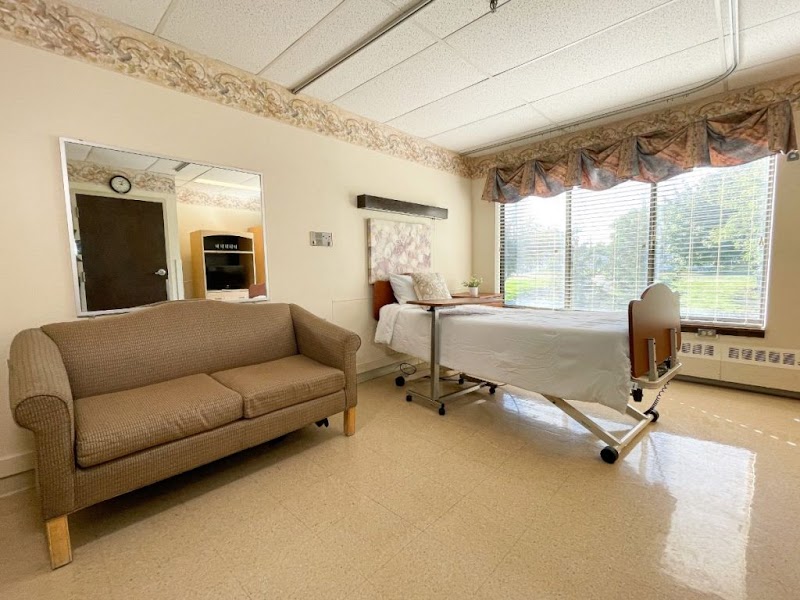
How is The Villas At The Cedars Staffed?

CMS rates THE VILLAS AT THE CEDARS's staffing level at 4 out of 5 stars, which is above average compared to other nursing homes. Staff turnover is 43%, compared to the Minnesota average of 46%. This relatively stable workforce can support continuity of care. RN turnover specifically is 58%, which is notably high. RNs provide skilled clinical oversight, so turnover in this role can affect medical care quality.

What Have Inspectors Found at The Villas At The Cedars?

State health inspectors documented 53 deficiencies at THE VILLAS AT THE CEDARS during 2021 to 2025. These included: 2 Immediate Jeopardy (the most serious level, indicating potential for serious harm or death), 1 that caused actual resident harm, 49 with potential for harm, and 1 minor or isolated issues. Immediate Jeopardy findings are rare and represent the most serious regulatory concerns. They require immediate corrective action.
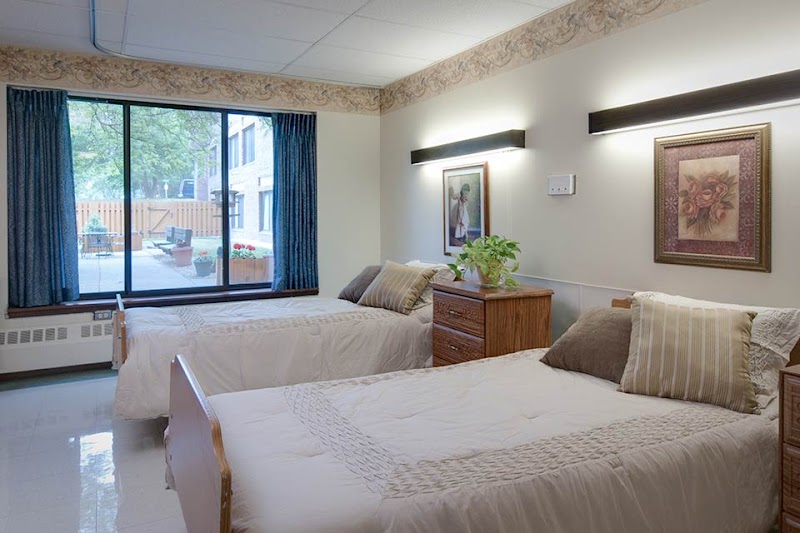
Who Owns and Operates The Villas At The Cedars?

THE VILLAS AT THE CEDARS is owned by a for-profit company. For-profit facilities operate as businesses with obligations to shareholders or private owners. The facility is operated by MONARCH HEALTHCARE MANAGEMENT, a chain that manages multiple nursing homes. With 107 certified beds and approximately 90 residents (about 84% occupancy), it is a mid-sized facility located in SAINT LOUIS PARK, Minnesota.
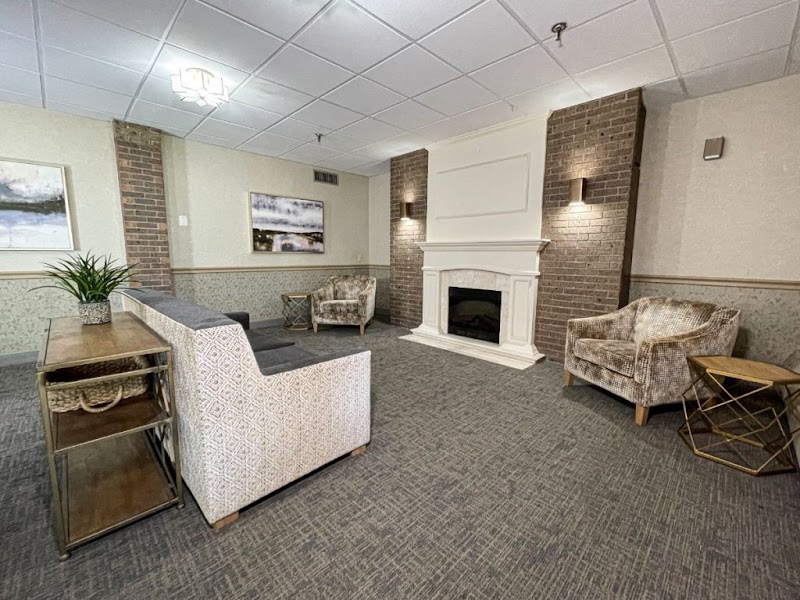
How Does The Villas At The Cedars Compare to Other Minnesota Nursing Homes?

Compared to the 100 nursing homes in Minnesota, THE VILLAS AT THE CEDARS's overall rating (1 stars) is below the state average of 3.2, staff turnover (43%) is near the state average of 46%, and health inspection rating (1 stars) is much below the national benchmark.

What Should Families Ask When Visiting The Villas At The Cedars?

Based on this facility's data, families visiting should ask: "What changes have been made since the serious inspection findings, and how are you preventing similar issues?" "Can I visit during a mealtime to observe dining assistance and food quality?" "How do you handle medical emergencies, and what is your hospital transfer rate?" "Can I speak with family members of current residents about their experience?" These questions are particularly relevant given the facility's Immediate Jeopardy citations.

Is The Villas At The Cedars Safe?

Based on CMS inspection data, THE VILLAS AT THE CEDARS has documented safety concerns. Inspectors have issued 2 Immediate Jeopardy citations (the most serious violation level indicating risk of serious injury or death). The facility has a 1-star overall rating and ranks #100 of 100 nursing homes in Minnesota. Families considering this facility should ask detailed questions about what corrective actions have been taken since these incidents.

Do Nurses at The Villas At The Cedars Stick Around?

THE VILLAS AT THE CEDARS has a staff turnover rate of 43%, which is about average for Minnesota nursing homes (state average: 46%). Moderate turnover is common in nursing homes, but families should still ask about staff tenure and how the facility maintains care continuity when employees leave.

Was The Villas At The Cedars Ever Fined?

THE VILLAS AT THE CEDARS has been fined $29,788 across 2 penalty actions. This is below the Minnesota average of $33,377. While any fine indicates a compliance issue, fines under $50,000 are relatively common and typically reflect isolated problems that were subsequently corrected. Families should ask what specific issues led to these fines and confirm they've been resolved.

Is The Villas At The Cedars on Any Federal Watch List?

THE VILLAS AT THE CEDARS is not on any federal watch list. The most significant is the Special Focus Facility (SFF) program, which identifies the bottom 1% of nursing homes nationally based on persistent, serious quality problems. Not being on this list means the facility has avoided the pattern of deficiencies that triggers enhanced federal oversight. This is a positive indicator, though families should still review the facility's inspection history directly.