THE VILLAS AT THE PARK
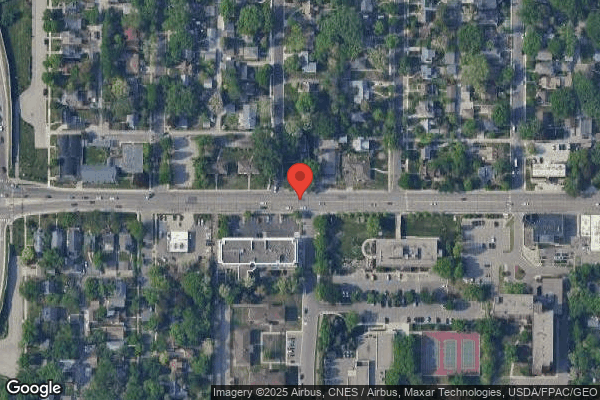

4415 WEST 36 1/2 STREET, SAINT LOUIS PARK, MN 55416 (952) 927-9717
For profit - Corporation 52 Beds MONARCH HEALTHCARE MANAGEMENT Data: November 2025
Trust Grade
40/100
#206 of 337 in MN
Last Inspection: October 2024

Within standard 12-15 month inspection cycle. Federal law requires annual inspections.

Overview

The Villas at the Park has a Trust Grade of D, which indicates below-average performance and some concerning issues. They rank #206 out of 337 facilities in Minnesota, placing them in the bottom half of the state, and #32 out of 53 in Hennepin County, meaning only one local option is better. The facility is showing signs of improvement, reducing issues from 26 in 2023 to 8 in 2024. Staffing is a concern with a turnover rate of 55%, significantly higher than the state average of 42%, but they have average RN coverage. However, they face significant fines totaling $105,301, which is higher than 97% of Minnesota facilities, indicating repeated compliance problems. Specific incidents include a serious issue where medications were not administered according to physician orders for several residents, raising potential safety concerns, and a failure to maintain proper refrigeration temperatures, which could lead to foodborne illnesses. While there are some positive trends, families should be aware of the serious and concerning issues present at this facility.

Trust Score
D
40/100
In Minnesota
#206/337
Bottom 39%
Safety Record
High Risk
Review needed
Inspections
Getting Better
26 → 8 violations
Staff Stability
⚠ Watch
55% turnover. Above average. Higher turnover means staff may not know residents' routines.
Penalties
✓ Good
$105,301 in fines. Lower than most Minnesota facilities. Relatively clean record.
Skilled Nurses
✓ Good
Each resident gets 44 minutes of Registered Nurse (RN) attention daily — more than average for Minnesota. RNs are trained to catch health problems early.
Violations
⚠ Watch
34 deficiencies on record. Higher than average. Multiple issues found across inspections.
★★★☆☆
3.0
Overall Rating
★★★☆☆
3.0
Staff Levels
★★★★☆
4.0
Care Quality
★★★☆☆
3.0
Inspection Score
Stable
2023: 26 issues
2024: 8 issues

The Good

  • 4-Star Quality Measures · Strong clinical quality outcomes
  • Full Sprinkler Coverage · Fire safety systems throughout facility
  • No fines on record

Facility shows strength in quality measures, fire safety.

The Bad

3-Star Overall Rating

Near Minnesota average (3.2)

Meets federal standards, typical of most facilities

Staff Turnover: 55%

Near Minnesota avg (46%)

Higher turnover may affect care consistency

Federal Fines: $105,301

Well above median ($33,413)

Significant penalties indicating serious issues

Chain: MONARCH HEALTHCARE MANAGEMENT

Part of a multi-facility chain

Ask about local staffing decisions and management

The Ugly 34 deficiencies on record

1 actual harm
Oct 2024 8 deficiencies 1 Harm
SERIOUS (G)

Actual Harm - a resident was hurt due to facility failures

Pressure Ulcer Prevention (Tag F0686)

A resident was harmed · This affected 1 resident

**NOTE- TERMS IN BRACKETS HAVE BEEN EDITED TO PROTECT CONFIDENTIALITY** The State Operations Manual (SOM) defined the various presure ulcers as follows: A stage one pressure injury is intact skin with...

Read full inspector narrative →
**NOTE- TERMS IN BRACKETS HAVE BEEN EDITED TO PROTECT CONFIDENTIALITY** The State Operations Manual (SOM) defined the various presure ulcers as follows: A stage one pressure injury is intact skin with a localized area of redness that is non-blanchable (does not turn white when pressed). A stage two pressure ulcer is partial thickness loss of the skin with exposed dermis, presenting as a shallow open ulcer. It may also present as an intact or open/ruptured blister. Adipose (fat) is not visible and deeper tissues are not visible. Granulation tissue, slough and eschar (dead or devitalized tissue that is hard or soft in texture; usually black, brown, or tan in color, and may appear scab-like) are not present. A stage three pressure ulcer is full thickness loss of the skin in which subcutaneous fat may be visible. Additionally, slough (non-viable yellow, tan, gray, green or brown tissue; usually moist, can be soft, stringy and mucinous in texture) or eschar may be visible but does not obscure the depth of the tissue loss. A stage four pressure ulcer is full thickness loss of the skin and tissue loss with exposed or directly palpable fascia, muscle, tendon, ligament, cartilage or bone in the ulcer. Slough and or eschar may be visible on some parts of the wound bed. Undermining and or tunneling often occur. If slough or eschar obscures the wound bed, it is an unstageable pressure ulcer. An unstageable pressure ulcer is obscured full thickness skin and tissue loss in which the extent of tissue damage within the ulcer cannot be confirmed because the wound bed is obscured by slough or eschar. If slough or eschar is removed, a stage three or stage four pressure ulcer will be revealed. If the anatomical depth of the tissue damage involved can be determined, then reclassified stage should be assigned. A deep tissue pressure injury (DTPI) is intact skin with localized area of persistent non blanchable deep red, maroon, purple discoloration due to damage of underlying soft tissue. The area may be preceded by tissue that is painful, firm, mushy, boggy, warmer or cooler as compared to adjacent tissue. This injury results from intense and or prolonged pressure and shear forces at the bone-muscle interface. The wound may evolve rapidly to reveal the actual extent of tissue injury, or may resolve without tissue loss. If necrotic tissue, subcutaneous tissue (deepest layer of skin), granulation tissue (new connective tissue), fascia (connective tissue), muscle or other underlying structures are visible, this indicates a full thickness pressure ulcer. Once a deep tissue injury opens to an ulcer, reclassify the ulcer into the appropriate stage. R33's Medical Diagnoses form indicated a right knee effusion, mild cognitive impairment, muscle weakness, difficulty in walking, deficiency of other specified B group vitamins, type 2 diabetes mellitus with diabetic polyneuropathy (a type of nerve damage that affects multiple nerves in the body), disease of the spinal cord, other tear of the lateral meniscus, current injury of the right knee, and chronic pain. R33's quarterly MDS dated [DATE], identified intact cognition, did not reject care, had impairment in range of motion (ROM) to one side of upper and lower extremities, was independent in rolling from lying on the back to the left and right side, was 60 inches tall and weighed 229 pounds, and had no or unknown weight loss. R33's quarterly MDS dated [DATE], identified a cognitive assessment was not completed, did not reject care, was 72 inches tall and weighed 230 pounds, did not have 5% or more weight loss in the last month. Further, R33 was at risk for pressure ulcer development and had one or more stage one pressure ulcer. R33's Optional State Assessment (OSA) MDS dated [DATE], identified R33 required extensive assistance with bed mobility, transfers, and toileting. R33's CAA dated 5/30/24, identified R33 was at risk for pressure ulcers due to the need for extensive assistance with bed mobility and incontinence, and did not have a pressure ulcer but would be addressed in the care plan to avoid complications and minimize risks. R33's nutritional status care plan dated 5/27/24, identified R33 was on a regular diet with no concerns reported. R33 had the following interventions: diet per physician order, obtain weight monthly, registered dietician or culinary director to consult as needed, the resident is on a regular diet with no concerns. Further an intervention dated 7/10/24, was written, Dietary Preferences (Specify). No dietary preferences were documented. R33's alteration in mobility care plan dated 5/27/24, identified R33 required an assist of two with transfers and partial to moderate assistance with rolling left to right in bed. R33's risk for alteration in skin integrity care plan dated 5/28/24, indicated R33 had a stage one pressure ulcer to the left heel and had the following interventions: • 5/28/24, pressure redistribution cushion to wheelchair, and chair. • 6/14/24, monitor skin integrity daily during cares. Weekly skin inspection by the nurse. • 6/14/24, turn and reposition or reminders to offload every two to three hours and as needed as resident allows. • 9/19/24, heel boots at all times while in bed. • 10/21/24, low air loss air bed, pressure redistribution. The care plan lacked an intervention for a wedge cushion in the bed. R33's skin integrity care plan dated 9/24/24, indicated staff were to follow current risk/benefit form, and interventions included a risk benefit form was completed an on file for skin integrity noncompliance with skin interventions 9/24/24. R33's alteration in blood sugar care plan dated 10/2/24, indicated R33 had a potential for alteration in blood sugar due to diabetes, and interventions included providing a diet as ordered and encourage R33 to follow the prescribed diet. R33's group sheet indicated R33 had wounds and required assist of one for bed mobility. R33's physician orders indicated the following orders: • 5/27/24, regular diet, regular texture, regular thin consistency. • 8/8/24, weekly skin inspection by licensed nurse. • 9/19/24, 1. left heel wound, skin prep to heel and allow to dry. 2. boots and float heels freely. • 10/21/24, air mattress monitor working order and replace as needed. The physician orders were reviewed and lacked any orders for any nutritional supplement. R33's Braden Scale for Predicting Pressure Sore Risk forms were reviewed and identified the following: • 7/9/24, R33 scored a 16 indicating R33 was at risk for developing a pressure sore. • 9/19/24, R33 scored a 16 on the Braden scale. • 9/26/24, R33 scored a 14 indicating R33 was at moderate risk for developing pressure ulcers. R33's weights were reviewed and indicated the following: • 5/25/24, 232.8 pounds • 5/26/24, 230 pounds • 6/2/24, 231.5 pounds • 6/16/24, 230.7 pounds • 6/30/24, 230 pounds • 7/7/24, 229 pounds • 8/4/24, 230 pounds • 9/24/24, 219 pounds • 10/11/24, 217 pounds R33's Clinical Nutrition Evaluation form dated 5/30/24, indicated R33's height was documented as 60 inches and weighed 230 pounds and BMI (body mass index) was not documented. R33's Clinical Nutrition Evaluation form dated 7/10/24, Under the heading, Dietary Preferences Likes/Dislikes indicated large portions, likes cereal, bacon, eggs, and toast, juice, milk. Further, under the heading, Skin Condition indicated R33 had no skin issues noted. Under the heading, Additional Information indicated R33's current weight was 230 pounds and his height was 72 inches tall with a BMI of 31.1 with preferences for large portions. R33's Clinical Nutrition Evaluation dated 9/22/24, indicated a height of 75 inches and the most recent weight of 230 pounds was from 8/4/24. Under the heading, Supplements indicated, NA. Further, under the heading, Skin Condition indicated No skin issues noted and R33 preferred large portions. R33's nurse practitioner noted dated 9/16/24, indicated R33 had bilateral foot pain specifically in the heels without breakdown in hands or heels. R33's PT notes dated 10/21/24, indicated R33 was given a heel float wedge to improve his ability to float heels if he did exercises or bed mobility on his own. Pillows required much re-adjusting to truly float heels. R33's progress notes were reviewed and indicated the following: • 5/28/24 at 12:18 p.m., R33 did not have skin breakdown upon admission and presented with a poor appetite. • 6/12/24, physician note indicated R33 had a poor appetite. • 9/19/24, at 8:52 a.m., R33 had an unstated pressure sore on the left heel and verbalized pain. • 9/19/24 at 1:25 p.m., indicated nursing staff found an area of discoloration on the left heel and pressure injury interventions were initiated including heel boots and offloading while in bed and would be followed on wound rounds. • 9/20/24 at 12:10 p.m., R33 was compliant with heel boots and floating heels. • 9/26/24 at 1:42 p.m., R33 preferred floating heels with pillows versus boots and a risk versus benefits was on file. • 10/4/24 at 3:11 p.m., monthly nutrition risk note from the dietary department indicated R33 had a stage one pressure ulcer on his heel with an effusion to the right knee, mild cognition impairment, muscle weakness, diabetes with a current weight of 219 pounds which was down from 230 pounds on 8/4/24. The note indicated R33 ate 100% and preferred large portions. Large portion and double meat would be added, would offer a sandwich at bedtime, and would monitor and document meal intakes and obtain weights per policy. The note lacked documentation R33 was provided Glucerna or equivalent per facility protocol, Juven or Prosource 30 milliliters by mouth twice daily. • 10/10/24 at 1:43 p.m., R33 preferred floating heels with pillows rather than boots. • 10/15/24 at 11:15 a.m., R33 stated he did not like his mattress because it made him uncomfortable and was agreeable to an air pressure reducing mattress. • 10/17/24 at 1:22 p.m., R33 remained non compliant with heel boots and preferred offloading with pillows. • R33's progress notes were reviewed and lacked documentation R33 refused repositioning, or supplements. A dietary progress note was later added on 10/24/24 at 10:17 a.m., that indicated R33 had refused supplements in the past and originally when asked that morning, but was later willing to try. R33's Risk vs Benefits Form signed on 9/24/24, indicated R33 had limited compliance with repositioning with grab bars, floating heels, offloading pressure to backside, not wanting to be in the wheelchair, preference to lie flat on back in bed, and using heel boots. The form identified risk of non compliance included worsening or new skin breakdown, increased weakness, and muscle wasting. R33's Task Offload Heels with Heel Boots at all Times in Bed form dated 9/19/24, through 10/24/24, indicated R33 refused to offload his heels 7 times. R33's Behavior Task form dated 9/25/24, through 10/24/24, indicated R33 refused cares one time. R33's Amount Eaten Task form dated 8/26/24, through 10/24/24, indicated R33 refused meals 57 times. Further, R33 ate 0-25% of meals 6 times, 26-50% of meals 35 times, 51-75% of meals 41 times, and 76-100% of meals 20 times. R33's IDT Care Conference form dated 7/17/24, indicated dietary had no concerns. Further, R33 required significant assist with activities of daily living and was a poor participant in therapy. R33's IDT Care Conference Form dated 9/22/24, and locked on 10/8/24, indicated dietary had no new concerns and R33's weight was stable. The form lacked documentation regarding R33's left heel wound. R33's IDT Care Conference Form dated 9/30/24, and locked on 10/9/24, indicated nursing had no concerns but had a healing wound on foot. Under the heading Dietary, indicated R33's weight was stable and had no changes. R33's weight was documented as 219 pounds. The dietary director portion of the note was signed by the facility administrator on 9/30/24. Social services indicated R33 had intact cognition. The other team members and family in attendance included R33, nursing, and R33's family member. R33's Weekly Skin Inspection form dated 9/11/24, indicated R33's skin was normal in color with minimal dryness noted on the feet and no notable issues or concerning changes observed. R33's Weekly Skin Inspection form dated 9/19/24, indicated R33 had a new alteration in skin integrity on the heel and skin prep was applied to the heels and feet were floated. R33's Weekly Skin Inspection form dated 10/2/24, indicated R33 continued with optimal skin with only mild dryness that was apparent on both feet and no new skin issues were noted. R33's Weekly Skin Inspection form dated 10/9/24, indicated R33's skin was good & healthy in color. Pt have an abrasion wound on the left heel that is follow every week by a wound clinic. Further, the note indicated there were no significant skin issues observed. R33's Weekly Skin Inspection form dated 10/16/24, indicated R33's skin was documented as, Intact. R33's Weekly Skin Inspection form dated 10/23/24, indicated R33's skin was good & healthy in color. Pt have an abrasion wound on the left heel that is follow every week by a wound clinic. Further, the note indicated there were no significant skin issues observed. R33's Skin and Wound Evaluation form dated 9/19/24, indicated R33 had a new facility acquired stage one pressure ulcer to the left heel. The exact date was not documented in the form. The wound measured 4.6 cm long by 3.6 cm wide with no eschar to the wound bed. Further, the note identified the wound as an intact blister. The note lacked information whether the wound the healable. Additionally, under a heading, Additional Care, identified check boxes next to mobility aid(s) provided, nutrition/dietary supplementation, positioning wedge, repositioning devices, and turning and repositioning program. Under the heading, Notifications identified check boxes next to practitioner notified. There were no checked boxes next to resident/responsible party notified, dietician notified, or therapy notified. R33's Skin and Wound Evaluation form dated 9/26/24, indicated R33 had a stage one pressure ulcer to the left heel that measured 5.6 cm long by 3.4 cm wide. The wound bed was documented as intact unbroken skin and did not identify whether the wound was healable. Additionally, under a heading, Additional Care, identified check boxes next to mobility aid(s) provided, nutrition/dietary supplementation, positioning wedge, repositioning devices, and turning and repositioning program. The wound progress was documented as stable. Under the heading, Notifications identified check boxes next to practitioner notified. There were no checked boxes next to resident/responsible party notified, dietician notified, or therapy notified. R33's Skin and Wound Evaluation form dated 10/2/24, indicated R33 had a stage one pressure ulcer to the left heel that measured 6.1 cm long by 5.3 cm wide. Further, the note identified the wound as an intact blister. Additionally, under a heading, Additional Care, identified check boxes next to mobility aid(s) provided, nutrition/dietary supplementation, positioning wedge, repositioning devices, and turning and repositioning program. The wound progress was documented as stable. Under the heading, Notifications identified check boxes next to practitioner notified. There were no checked boxes next to resident/responsible party notified, dietician notified, or therapy notified. R33's Skin and Wound Evaluation form dated 10/10/24, indicated R33 had a stage one pressure ulcer to the left heel that measured 5.9 cm long by 3.4 cm wide. The wound was filled with 50% eschar tissue and was identified as an intact blister. Additionally, under a heading, Additional Care, identified check boxes next to mobility aid(s) provided, nutrition/dietary supplementation, positioning wedge, repositioning devices, and turning and repositioning program. The wound was documented as improving. Under the heading, Notifications identified check boxes next to practitioner notified. There were no checked boxes next to resident/responsible party notified, dietician notified, or therapy notified. R33's Skin and Wound Evaluation form dated 10/17/24, indicated R33 had a stage one pressure ulcer to the left heel that measured 3.6 cm long by 4.1 cm wide. The wound bed was filled with 100% eschar tissue. Additionally, the heading, Additional Care, identified a check box next to air flow pad and the wound was documented as improving. The Notifications heading indicated there were no checked boxes next to practitioner, resident/responsible party notified, dietician notified, or therapy notified. R33's nurse practitioner (NP)-A wound consult note dated 9/19/24, indicated R33 had a stage one pressure ulcer to the left heel and R33 weighed 230 pounds. The note further indicated the nurse manager was to supply prevalon boots for additional offloading and encouraged aggressive offloading and repositioning, good diabetes control, and proper nutrition and hydration. Under a heading, Plan indicated R33 had multiple comorbidities that affected wound healing and wound progression including diabetes mellitus type two, limited mobility, muscle weakness, and risk for malnutrition. Additionally, the note indicated R33 was at risk for malnutrition and suggested supplementation with Glucerna or equivalent per facility protocol, Juven or Prosource 30 milliliters by mouth twice daily, and suggested following a dietician as needed. Additionally, under the heading, Plan, R33 required skin prep to the heel and allow to dry, boots and float heels freely and offload and reposition. The current diagnoses portion of R33's note indicated R33 had unspecified protein-calorie malnutrition. R33's NP-A wound consult note dated 9/26/24, indicated a stage one pressure ulcer to the left heel and R33 weighed 219 pounds. Further, R33 was alert and oriented and was able to make his needs known. NP-A encouraged aggressive offloading and repositioning, good diabetes control and proper nutrition and hydration. The heading, Plan indicated R33 had multiple comorbidities that affected wound healing and wound progression including diabetes mellitus type two, limited mobility, muscle weakness, and risk for malnutrition. Additionally, the note indicated R33 was at risk for malnutrition and suggested supplementation with Glucerna or equivalent per facility protocol, Juven or Prosource 30 milliliters by mouth twice daily, and suggested following a dietician as needed. Additionally, under the heading, Plan, R33 required skin prep to the heel and allow to dry, boots and float heels freely and offload and reposition. The current diagnoses portion of R33's note indicated R33 had unspecified protein-calorie malnutrition. R33's NP-A wound consult note dated 10/2/24, indicated a stage one pressure ulcer to the left heel and R33 weighed 219 pounds. The note indicated R33 had an intact blood blister on the left heel. The heading, Plan indicated R33 had multiple comorbidities that affected wound healing and wound progression including diabetes mellitus type two, limited mobility, muscle weakness, and risk for malnutrition. Additionally, the note indicated R33 was at risk for malnutrition and suggested supplementation with Glucerna or equivalent per facility protocol, Juven or Prosource 30 milliliters by mouth twice daily, and suggested following a dietician as needed. Additionally, under the heading, Plan, R33 required skin prep to the heel and allow to dry, boots and float heels freely and offload and reposition. The current diagnoses portion of R33's note indicated R33 had unspecified protein-calorie malnutrition. R33's NP-A wound consult note dated 10/10/24, indicated a stage one pressure ulcer to the left heel and R33 weighed 219 pounds. The note indicated the blister was getting smaller and the wound edges remained eschar. The heading, Plan indicated R33 had multiple comorbidities that affected wound healing and wound progression including diabetes mellitus type two, limited mobility, muscle weakness, and risk for malnutrition. Additionally, the note indicated R33 was at risk for malnutrition and suggested supplementation with Glucerna or equivalent per facility protocol, Juven or Prosource 30 milliliters by mouth twice daily, and suggested following a dietician as needed. Additionally, under the heading, Plan, R33 required skin prep to the heel and allow to dry, boots and float heels freely and offload and reposition. The current diagnoses portion of R33's note indicated R33 had unspecified protein-calorie malnutrition. During interview and observation on 10/21/24 between 6:32 p.m., and 6:39 p.m., R33 stated he had a smaller bed prior to this date and his foot used to touched the foot board and stated had received an air mattress today. R33 had a heel flotation cushion in bed under his legs, but the left heel was still touching the mattress. R33 had dryness around the left heel with flaking dry skin and a round blackened area was observed on the back of R33's left heel approximately the size of a tennis ball. R33 stated they put ointment on the area and tried to put a boot on his feet but stated it rubbed and told staff he did not want the boot because it was hurting his heel. During interview and observation between 10/22/24 at 10:01 a.m., and 10:07 a.m., R33 continued to have a thick blackened area to the left heel and when R33 was relaxed, the foot touched the bed. R33 had a heel flotation cushion positioned under the left leg. Additionally, R33 had a low air loss APM 48 inch air mattress that indicated was from Integra Healthcare. The weight setting indicated all green lights were lit including up to 660 to 750 pounds. A green light was located on alternate and a 10 minute cycle. R33 stated he was 6 feet, 3 inches tall and weighed about 215 pounds. During observation 10/23/24 between 8:19 a.m., and 8:23 a.m., NA-D brought R33 his breakfast and took off the cover on R33's plate, and R33 had a small scoop of eggs and toast with no other items on the breakfast tray. R33's meal ticket indicated R33 required a regular diet with large portions. At 8:23 a.m., NA-A entered R33's room and asked R33 if he was going to eat his breakfast and R33 stated he was not. NA-A asked R33 why he was not going to eat and R33 stated because he had no meat on his tray. NA-A repeated that R33 stated no meat and walked out of the room. NA-A did not offer repositioning and did not offer to provide meat. During interview on 10/23/24 at 8:27 a.m., NA-A stated residents don't receive meat every day and did not know if residents could get meat if they asked for it and stated she would get on the phone and ask the kitchen. NA-A further stated R33 wasn't going to eat because there was no meat and he didn't ask for meat. After inquiry, NA-A went into R33's room and asked R33 what he would like and stated she would let them know R33 wanted sausage every day. During interview on 10/23/24 from 8:31 a.m., to 8:38 a.m., LPN-A stated she would have expected the NA to offer an alternative per R33's preference after resident stated there was no meat. When asked what was on R33's plate, LPN-A stated R33 had a scoop of eggs and 2 pieces of toast. At 8:34 a.m., LPN-A unplugged R33's bed and plugged the bed into another outlet behind the bedside table and brought the breakfast out of the room. LPN-A did not look at the settings on the bed, and then called and asked kitchen to bring up a peanut butter and jelly sandwich. At 8:37 a.m., staff brought sausage to R33. At 8:38 a.m., NA-A brought R33's plate into the nursing station to warm up the meal in the microwave. During interview on 10/23/24 at 8:40 a.m., the dietary director (DD) stated R33's plate looked a bit light when asked about the large portions. NA-A told DD she just mashed the eggs up to warm them and told DD there was only one scoop of eggs on the plate for R33. During interview and observation on 10/23/24 at 8:45 a.m., LPN-A viewed R33's air mattress settings, verified they were set for 660 to 750 pounds, and stated the weight setting was incorrect. NPN-A asked R33 how much R33 weighed, readjusted the settings, and stated she would be back to double check after verifying R33's weight. During interview on 10/23/24 at 8:54 a.m., the dietician stated she worked at the facility one day a week and completed all high risk documentation. The dietician stated residents at high risk included residents with weight loss, tube feedings, and wounds, and she could run reports for wounds and if staff reached out with concerns. The dietician further stated if a resident had a wound and had a good appetite, she may do double proteins if they were not malnourished, looked at protein intake, and stated if supplements were needed she would make a progress note or put an order in the chart. The dietician stated she was alerted if a resident had a wound right away and expected staff to inform her right away. The dietician stated R33's appetite was good and his weight was stable and would expect large portions, and stated R33 was educated if he wanted larger portions could let staff know. She further stated R33 only had a stage one pressure ulcer, but if he had more than a stage one pressure ulcer, R33 would definitely need more protein. When asked about R33's weights, the dietician stated R33's weights were stable for the last two months at 217 to 219 pounds and prior to that was 230 pounds upon admission. The dietician stated R33 was not triggering for significant weight loss for some reason and could not identify why R33 lost weight. The dietician further stated R33's appetite was variable and he had been eating 100%, and stated a double protein would be a double scoop of the eggs, and she could talk with dietary staff about resident not receiving double proteins. During interview on 10/23/24 at 9:53 a.m., LPN-A stated R33 would be on their wound rounds on 10/24/24. During interview on 10/23/24 at 1:31 p.m., family member (FM)-B stated R33's mattress was changed but was not sure when because the facility did not communicate well regarding R33's care. FM-B further stated the facility never informed FM-B when R33 developed a pressure ulcer. FM-B stated R33 was a bigger man and needed a bigger bed, and at first the facility was not supplying a longer bed. FM-B stated R33 was 6 feet, 5 inches tall and asked about R33 having a bigger bed after R33 developed a pressure ulcer. FM-B stated she would door dash food for R33 and stated R33 was a bigger man and wanted double portions, but the facility provided traditional portion sizes, and added R33 had diabetes and stated they should be extra cautious with R33's food due to blood flow so his foot would not be amputated. During interview on 10/23/24 at 2:04 p.m., LPN-A stated NP-A was conducting wound rounds on 10/24/24. LPN-A refused to allow visualization of wound images in the electronic medical record (EMR). LPN-A stated wounds were documented under the Forms tab in the EMR and stated the first pictures taken were on 9/19/24, and she was notified on 9/19/24, R33 had a pressure ulcer, added him to the list for wound rounds, and he was seen the same day. LPN-A further stated the provider stated the wound was a pressure ulcer, but did not tell LPN-A what caused it. LPN-A stated R33 was at risk for pressure ulcer development prior to R33 developing a pressure ulcer. LPN-A stated interventions in place to prevent pressure ulcers included monitoring skin during daily cares, and all beds had pressure redistribution mattresses and cushions on all beds. LPN-A stated the air mattress was provided after R33 developed the wound but could not state when R33 received an air mattress, and stated they contracted with Integra. LPN-A stated R33's wound started as a stage one pressure ulcer and if the NP documented R33 had a blister, she would defer to the NP's documentation and stated categorizing and labeling wounds was left up to the NP wound care providers. During interview with the DON and administrator on 10/24/24 at 7:50 a.m., and 8:00 a.m., the DON stated the wound provider took all the wound pictures and filled out and documented on the form under skin and wound evaluation. The DON further stated, under the miscellaneous tabs, the NP uploaded the individualized wound notes and the DON completed a skin and wound note weekly in the progress notes and stated R33 had wound notes on 9/26/24, 10/2/24, 10/10/24, and 10/17/24. DON stated they provided R33 with an air mattress on 10/21/24. The administrator added R33 felt the mattress was too firm and had less to do with R33's skin. They were comfortable with leaving R33 with interventions for grab bars and floating heels, and stated R33 was non compliant with boots and preferred pillows for interventions because the boots were uncomfortable. At 8:00 a.m., the administrator stated they switched to Integra and did not have a user manual for the air mattress. The DON stated their root cause analysis found R33 got the pressure ulcer from being stationary in bed and R33 lays flat on his back in bed with his heels on the mattress. During interview on 10/24/24 at 8:05 a.m., LPN-G stated they measured residents with a tape measure while the resident was in bed. During interview on 10/24/24 at 8:13 a.m., the dietician stated R33 was not on any supplements and stated she should have written protein and not meat and corrected the ticket because the meal ticket indicated double something. When asked about a handbook they utilized for wound treatment guidelines, the dietician stated they treated residents individually and depending on whether a wound was healing or what stage it was, a resident may not need an additional protein. She added it was very individualized and stated that obviously, if a wound was a stage three or stage four she would put in Prosource. The dietician stated she was just going to go in and visit with R33 at this time. During interview on 10/24/24 at 8:42 a.m., the general manager ([TRUNCATED]
CONCERN (D)

Potential for Harm - no one hurt, but risky conditions existed

Deficiency F0554 (Tag F0554)

Could have caused harm · This affected 1 resident

**NOTE- TERMS IN BRACKETS HAVE BEEN EDITED TO PROTECT CONFIDENTIALITY** Based on observation, interview, and document review, the facility failed to ensure a self administration assessment (SAM) and a...

Read full inspector narrative →
**NOTE- TERMS IN BRACKETS HAVE BEEN EDITED TO PROTECT CONFIDENTIALITY** Based on observation, interview, and document review, the facility failed to ensure a self administration assessment (SAM) and a physician's order was completed to allow a resident to safely administer their own medication for 1 of 1 resident (R18) observed with medication at the bedside. Findings include: R18's quarterly Minimum Data Set (MDS) dated [DATE], indicated R18 had intact cognition, and cardiorespiratory conditions, pneumonia, respiratory failure, asthma, chronic obstructive pulmonary disease, or chronic lung disease. R18's Medical Diagnosis form undated, indicated R18 had chronic respiratory failure with hypoxia (low oxygen levels in the body), pneumonia due to other gram-negative bacteria, obstructive sleep apnea, dyspnea (shortness of breath), other specified chronic obstructive pulmonary disease, emphysema, and bronchiectasis (a condition where the airways widen and causes coughing with mucus and frequent infections) uncomplicated. R18's Physician Orders form indicated the following orders: • 4/16/24, Advair diskus inhalation aerosol powder breath activated 500-50 microgram (MCG)/ACT (actuation) give 1 puff orally twice a day for asthma, administered by clinician. • 4/18/24, Ipratropium-Albuterol inhalation solution 0.5-2.5 milligrams (MG) per 3 milliliters (ML) (nebulizer) inhale orally four times a day related to chronic respiratory failure with hypoxia. • 8/28/24, ok for resident to self administer nebulizer after nursing set up medication. R18's Self Administration of Medication Evaluation form dated 8/28/24, indicated R18 was capable of self administration of inhalation medication to include nebulizer administration of medication. A box below indicated R18 was able to self administer nebulizer after set up by the nurse. Instruction for self administration of medications with the resident was completed by the nurse. R18 was able to demonstrate to the satisfaction of the nurse manager or designee the following: knowledge of what the medication was for, ability to recognize the medication and verbalize understanding of the purpose of the medication, the manual dexterity sufficient to self administer the medication accurately. Five check boxes were left unmarked which included: knowledge of the correct times to take medication, the ability to produce all currently used medication containers and that these reflect the current physician prescribed medications, that all medications are stored properly (if stored in resident's room), the ability to read the label/instructions on the medication container/package, and the ability to accurately report the medication use to nursing staff. The form lacked information R18 was capable of self-administering Advair powder which was not a nebulizer. R18's care plan dated 8/28/24, indicated R18 chose to self-administer nebulizer treatments after the nurse set the medication up. Interventions indicated to monitor usage of nebulizer treatments after resident completed nebulizer and nursing to administer all other medications and monitor response and side effects as needed. During interview and observation on 10/21/24 at 5:54 p.m., R18 had an Advair diskus on the bedside table. R18 stated they changed it so it could be left in the room so he could keep an eye on it. During observation on 10/22/24 at 3:01 p.m., R18 had the Advair diskus on the bedside table. During observation on 10/23/24 at 7:28 a.m., R18 was in bed and the Advair diskus was located at the bedside. During observation on 10/24/24 at 7:20 a.m., trained medication aide (TMA)-A entered R18's room to check his vital signs and moved the bedside table the Advair was located on. At 7:22 a.m., TMA-A stated they looked at the care plan to know what kind of cares a resident required. If a resident refused cares, it was reported to the supervisor and documented in the progress notes. TMA-A further stated in order for a resident to self administer a medication, they had to have a physician's order and stated R18 could not self administer medications. TMA-A stated they set up the nebulizer and timed it and went back. TMA-A stated he would have to look up whether R18 could self administer the Advair. At 7:26 a.m., TMA-A went into R18's room and verified Advair was located on the bedside table and asked R18 if someone left the medication there the night before and R18 stated, it's always there. At 7:27 a.m., TMA-A looked at the electronic medical record and viewed the medication administration record (MAR) and stated he did not see an order for R18 to self administer the Advair and called licensed practical nurse (LPN)-B over at 7:29 a.m. LPN-B viewed the orders form, opened the Advair order, and stated they did not have an order for R18 to self administer the Advair. LPN-B further stated they evaluated the patient and if the patient could administer a medication by themselves, they obtained an order from the provider. LPN-B opened the Self Administration of Medication Evaluation form dated 8/28/24, and verified the evaluation form did not mention the Advair inhaler and stated the items a resident could self-administer were checked in the check boxes, and if a resident was not able to do something the item was not checked. LPN-B further stated, according to the evaluation, R18 could not self administer the Advair. During interview on 10/24/24 at 7:39 a.m., LPN-A stated they completed a SAM assessment and obtained an order from the provider and the order would only include whichever medications were approved to self administer. LPN-A stated if there were unchecked items in the Self Administration of Medication Evaluation form, it indicated the resident could not do that portion of the assessment. During interview on 10/24/24 at 7:47 a.m., the director of nursing (DON) stated unless there was a physician's order and a completed SAM, a resident could not self administer a medication. The DON further stated the physician wrote the order for the nebulizer treatment and verified the SAM evaluation form did not indicate Advair and only the nebulizer. A policy on self administration of medications was requested. A policy, Self-Administration of Medications, dated 2/2024, indicated residents have the right to self-administer medications if the interdisciplinary team (IDT) has determined that it is clinically appropriate and safe for the resident to do so. As part of the evaluation comprehensive assessment, the IDT assesses each resident's cognitive and physical abilities to determine whether self-administering medications is safe and clinically appropriate for the resident. The IDT considers the following factors when determining whether SAM is safe and appropriate for the resident: the medication is appropriate for self-administration, the resident is able to read and understand medication labels, the resident can follow directions and tell time to know when to take the medication, the resident comprehends the medication's purpose, proper dosage, timing, signs of side effects and when to report these to the staff, the resident has the physical capacity to open medication bottles, remove medications from a container and to ingest and swallow the medications and the resident is able to safely and securely store the medication. If it is deemed safe and appropriate for a resident to self-administer medications, this is documented in the medical record and the care plan. Self-administered medications are stored in a safe and secure place, which is not accessible by other residents. Any medications found at the bedside that are not authorized for self-administration are turned over to the nurse in charge for return to the family or responsible party.
CONCERN (D)

Potential for Harm - no one hurt, but risky conditions existed

Deficiency F0604 (Tag F0604)

Could have caused harm · This affected 1 resident

**NOTE- TERMS IN BRACKETS HAVE BEEN EDITED TO PROTECT CONFIDENTIALITY** Based on observation, interview, and document review, the facility failed to ensure freedom of movement was not restricted when ...

Read full inspector narrative →
**NOTE- TERMS IN BRACKETS HAVE BEEN EDITED TO PROTECT CONFIDENTIALITY** Based on observation, interview, and document review, the facility failed to ensure freedom of movement was not restricted when multiple pillows were placed by nursing staff adjacent to the resident's body, blocking the egress section of a perimeter mattress, underneath the fitted sheet which could not be removed easily by the resident for 1 of 1 resident (R104) reviewed for potential restraints. Findings include: R104's admission Minimum Data Set (MDS) dated [DATE], identified he had severely impaired cognition, and hallucinations and delusions had occurred. There was no behavior directed toward others and no rejection of care. Diagnoses included traumatic brain injury and anxiety. Falls occurred prior to entry but none since admission. Trunk restraints were not used. Extensive assist of two staff were required for bed mobility and transfers. R104's Care Area Assessment (CAA) for falls dated 10/22/24, was triggered due to a potential for falling due to poor muscle control and use of psychotropic meds. He was found on the floor several times since admission to TCU (transitional care unit), but it was determined that he crawled out of bed and put himself on the floor. R104's care plan dated 10/11/24, identified he was at risk for falls related to diffuse traumatic brain injury with loss of consciousness status unknown. Resident consistently made attempts and crawled out of low bed. Resident always had two fall mats on either side of bed and a perimeter mattress. A soft touch call light was in place and staff were also directed to follow any physical and occupational therapy instructions. Interventions lacked placing pillows under the sheet over the perimeter mattress egress section. R104's admission care conference form dated 10/7/24, lacked discussion of pillows under the fitted sheet. R104's progress notes identified the following: 10/7/24 at 11:30 a.m., after discussion with family members, family members say resident often rolled out of bed during hospital stay. Resident family members express concern about this. Perimeter mattress provided to resident along with bilateral fall mats. Resident family member inquired about side rails as well. Will update provider and provide resident with adequate bed mobility devices. 10/8/24 at 1:15 p.m., resident exhibited inconsolable behaviors. Resident was unable to be redirected and exhibited visual hallucinations, agitation, and attempting to crawl out of bed on to floor repeatedly. DON (director of nursing) by bedside as 1:1 while provider and family were contacted. Resident was sent out to the hospital. 10/10/24 at 2:24 p.m., resident was readmitted back to the facility from the hospital and presented with an episode of exhibiting inconsolable behavior with visual hallucination and attempting to crawl out of bed multiple times. 10/11/24 11:03 a.m., IDT (interdisciplinary team) met to review resident behaviors. Behaviors include crawling from bed, calling out, outbursts of screaming, disrobing, visual/ auditory hallucinations. Per family/ POA, behaviors are like what resident exhibited in hospital post traumatic brain injury. Fall mats in place with low bed and perimeter mattress to help reduce resident desire to crawl out of bed and safety with these behaviors. 10/13/24 10:17 a.m., resident was on the floor and ss (social services) assisted cnas (nursing assistants) to get him to bed. Resident was agitated and ss spent time with resident to keep him company and distracted. 10/14/24 at 8:24 p.m., throughout the first half of shift resident continuously tried to propel himself out of bed. Resident had one leg dangling outside the bed while screaming numerous times. Medications were administered and staff were provided for 1:1 supervision. 10/15/24 at 1:02 p.m., resident continues to exhibit baseline impulsive behaviors. 1:1 not needed at this time due to safety precautions in place and baseline behavior for resident post TBI. Therapy continues to work with resident, PT recommending Hoyer lift (full body lift) currently. 10/16/24 at 1:15 p.m., a care conference was held with the resident's power of attorney and IDT team and noted to refer to form for detail. The associated care conference form dated 10/24/24, lacked mention of using pillows over the perimeter mattress egress section. During observations and interviews on 10/21/24 at 5:28 p.m., R104 was in a low bed, the bed had bilateral grab bars and the left side of the bed was placed against the wall. On the right side of the bed facing out to the room, there were two large, cushioned mats on the floor. R104 attempted to crawl out of bed but could not get his legs up over pillows which were placed next to him, under the fitted sheet of the bed and over the perimeter mattress egress section in the middle of the mattress. Nursing assistant (NA)-E and NA-F entered R104's room, R104 was trying to get his knees on the ground, his upper body was still on the bed behind the pillows, and he was grabbing out at the air with his hands. NA-E stated R104 was a fall risk and that's why the mats were on the floor and pillows under the sheet to keep him from crawling out of bed. NA-F stated R104 could not walk, needed to be transferred with a Hoyer lift and could not get out of bed per therapy recommendations. NA-E and NA-F positioned R104 him back into a central position in bed and adjusted three pillows back into place under the fitted sheet; two standard bed pillows and one decorative plush pillow. NA-E said R104 could not remove pillows under sheet next to him. During another observation at 10/21/24 at 5:39 p.m., NA-C entered the room with NA-E and NA-F and changed R104's incontinence brief and wet bed linen. No skin breakdown was observed. Then, NA-C placed the same pillows in the same position. NA-C stated the pillows were placed to keep him from falling out of bed, along with the floor mats and low bed. NA-C stated R104 required 1:1 staff over the weekend due to behaviors. When asked if the pillows as a fall intervention was listed on the care plan, NA-C, NA-E and NA-F stated they did not know. During an interview on 10/21/24 at 5:52 p.m., R104's guardian (FM)-A stated she had removed extra pillows from his bed before helping him to eat. Otherwise, the only other fall interventions she was aware of was floor mat, side rails (grab bars), perimeter mattress and a room change to be closer to the nurse's station. FM-A could not recall if pillows were placed under the fitted sheet. FM-a stated he could crawl out of bed but couldn't likely stand due to his brain injury. During an interview and observation on 10/22/24 at 9:49 a.m., NA-B and NA-A stated they completed his morning cares already. R104 had floor mats next to the bed and pillows were again observed next to R104, under the fitted sheet blocking the mattress egress section. R104 made no attempts to get out of bed. During an interview and observation on 10/22/24 at 1:46 p.m., registered nurse (RN)-A stated fall interventions were listed on the care plan and on the [NAME] for nursing assistants. RN-A went into R104's room and opened the closet to find the [NAME] form, which was not in the plastic laminated paper holder. When asked about the pillows placed under R104's fitted bed sheet, he stated he believed those were in place to prevent rolling out of bed. R104's care plan was reviewed with RN-A, and the pillow intervention was not found. When asked if the pillows would create additional hazards during R104's attempts to crawl out of bed, he agreed it might increase the risk of injury or behaviors if he could not move around in bed. RN-A stated he did not think R104 had the cognitive capabilities to know how to remove the pillows from under the fitted sheet. During an interview on 10/22/24 at 1:55 p.m., RN-B stated she would not typically use pillows to block a perimeter mattress egress to keep a resident in bed, but pillows could be used on top of the sheet to prevent pressure sores, such as under the heels. RN-B stated the pillows would keep R104 from crawling out of bed, because he liked to turn onto his stomach in bed and put his knees on the ground. During an interview and observation on 10/22/24 at 2:16 p.m., the director of nursing (DON) stated R104 required assistance to turn and reposition safety but could make movements on his own to roll the lower half of his body off the bed. The DON stated due to frequently crawling out of bed, R104's fall interventions included low bed, perimeter mattress, mats on the floor, soft call light, grab bars, and psychology review or medications. The DON stated pillows under the mattress were not included as a fall intervention and doubted it would qualify as a restraint, but agreed restricted movement could potentially contribute to skin integrity issues or mood or behavior issues. The DON and administrator accompanied surveyor to R104's room but were unable to view the pillows as they had been removed. The DON and administrator accompanied surveyor to talk to RN-B to see who removed the pillows. RN-B stated he removed the pillows in case they were considered a restraint. The administrator and DON asked RN-B if family requested staff to place pillows under the sheet and RN-B said no. The administrator stated if restraints were used there needed to be a thorough assessment first of the system used, with IDT and physician involvement, and in this case, there was not, and staff education should be completed. During an interview on 10/22/24 at 2:31 p.m., the physical therapist (PT) stated she had evaluated R104 upon admission and he would have a hard time removing pillows under a fitted sheet. The PT stated she would not want pillows blocking the egress on the perimeter mattress as it was not a realistic intervention. Mobility should be allowed with the least number of obstacles in the way. During follow up observation on 10/23/24 at 7:16 a.m., NA-B was seated in R104's room. NA-B stated R104 started on 1:1 supervision today so her job was to sit here and redirect him. During an interview on 10/23/24 at 8:07 a.m., licensed practical nurse (LPN)-A stated she was unsure how R104's night went but they got him a ceiling projector for entertainment and to keep his focus. A policy on restraints was requested and not provided. The facility's policy titled Fall Prevention and Management dated 2/2024, identified facility staff would identify interventions related to the resident's specific risks and causes to try to prevent the resident from falling and try to minimize complications from falling. If falling recurred despite initial interventions, staff would implement additional or different interventions, or indicate why the current approach remains relevant. If underlying causes cannot be readily identified or corrected, staff will try various interventions, based on the nature of or type of fall, until falling is reduced or stopped or until the reason for the continuation of the falling is identified as unavoidable. Staff may also identify and implement relevant interventions to try to minimize serious consequences of falling. Staff will monitor and document each resident's response to interventions intended to reduce falling or the risks of falling. The policy lacked guidance on how to ensure different interventions were not restraints.
CONCERN (D)

Potential for Harm - no one hurt, but risky conditions existed

Quality of Care (Tag F0684)

Could have caused harm · This affected 1 resident

**NOTE- TERMS IN BRACKETS HAVE BEEN EDITED TO PROTECT CONFIDENTIALITY** R45's quarterly Minimum Data Set (MDS) dated [DATE], indicated R45 was cognitively intact and had diagnoses of chronic venous in...

Read full inspector narrative →
**NOTE- TERMS IN BRACKETS HAVE BEEN EDITED TO PROTECT CONFIDENTIALITY** R45's quarterly Minimum Data Set (MDS) dated [DATE], indicated R45 was cognitively intact and had diagnoses of chronic venous insufficiency (improper functioning of the vein valves in the leg, causing swelling and skin changes) and leg pain. Had no rejection of care and required maximum assistance with lower extremity cares. R45's provider orders dated 9/18/24, indicated R45 required compression socks on in the morning and off in the evening. R45's Medical Administration Record (MAR) and Treatment Administration Record (TAR) dated 10/2024, lacked documentation R45 used or refused compression socks. R45's progress note dated 10/22/24 at 3:16 p.m., stated R45 had edema and utilized compression socks. The note also indicated R45 wore compression socks before admission. R45's care plan reviewed 10/22/24, lacked identification of R45's edema and intervention of compressions socks. During observation on 10/22/24 at 8:23 a.m., registered nurse (RN)-B was in R45's room helping them get dressed and could only find one compression stocking, so they were not applied. RN-B stated that they would see if they could find another. RN-B assisted R45 to stand, pulled up their pants, and helped them walk to a chair with bare feet. During observation on 10/23/24 at 7:27 a.m., R45 was wheeling in their wheelchair into the elevator and was not wearing compression socks. During observation and interview on 10/22/24 at 8:23 a.m., R45 stated staff did not put his compression socks on him because they could not find them, and the socks needed to be ordered. R45 stated they were required to reduce the swelling in his lower legs. R45's lower legs had hard, pitting edema on the ankles and skin folds. When interviewed on 10/23/24 7:59 a.m., R45 stated the facility did not have their socks, as the workers misplaced one of them. R45 stated their legs felt better when wearing them, and they had been missing for about a week. R45 stated one sock was on the commode rail, however, was not visible. R45 was unsure if the compression socks were ordered. When interviewed on 10/23/24 at 9:11 a.m., nursing assistant (NA)-J stated they helped R45 with their cares such as pulling up pants. NA-J stated they did not usually work on this side of facility, and did not have a current care plan sheet. NA-J stated they did what resident requested, and did not see or know if compression socks were ordered for R45. When interviewed 10/23/24 at 10:41 a.m., RN-B stated the cares that are expected to be done for edema would be to follow doctor's orders, including compression socks, diuretics and weight checks, and to update the provider if there are changes. RN-B did not know if R45 had orders for compression socks, and confirmed they were not listed on the care plan or electronic medical record. When interviewed 10/23/24 1:43 p.m., licensed practical nurse (LPN)-A stated if a resident had edema, staff would gather information and call the doctor to get orders for medication and compression socks, and these would be listed in the electronic record and the care guide sheets. They expected staff to document cares and medications given on the MAR/TAR. They confirmed R45 should wear compression socks due to a diagnosis of chronic venous insufficiency. When interviewed on 10/23/24 at 2:00 p.m., the director of nursing (DON) stated the expectation of staff was to follow orders for wearing compression socks and document them in a progress note. They stated it was important to follow doctor's orders to treat the diagnosis and be compliant. A policy regarding edema management and following orders was requested but not provided. A policy, Activities of Daily Living dated 3/31/23, indicated the facility will provide the necessary care and services to ensure that a resident's abilities in ADLs do not diminish unless circumstances of the individual's clinical condition demonstrate that such diminution was unavoidable. The facility will ensure a resident is given the appropriate treatment and services to maintain or improve his or her ability to carry out the ADLs. Based on observation, interview, and document review, the facility failed to ensure orders for compression were implemented for 2 of 2 residents (R40, R45) reviewed for edema. Findings include: R40's Optional State Assessment (OSA) dated 9/8/24, indicated R40 had intact cognition, did not reject cares, and required limited assistance with bed mobility, transfers, and toilet use. R40's admission Minimum Data Set (MDS) dated [DATE], indicated they had no impairment to range of motion, used a walker, and required partial to moderate assistance for showering/bathing, dressing lower body, and donning and doffing footwear. R40's Medical Diagnosis form undated indicated the following diagnoses: heart failure, difficulty in walking, cognitive communication deficit, neoplasm (tumor) of unspecified behavior of brain, malignant neoplasm of unspecified part of right bronchus or lung, secondary malignant neoplasm of brain, and metabolic encephalopathy. R40's Physician Orders form indicated the following orders; • 10/11/24, torsemide 40 milligrams (MG) give 40 mg by mouth twice daily for heart failure and lower extremity edema. • 10/18/24, Knee high compression stockings on every day and evening shiftt. R40's care plan dated 9/3/24, indicated R40 had an alteration in cognition due to a neoplasm of the brain and metabolic encephalopathy (brain dysfunction). R40's care plan dated 9/3/24, indicated R40 had a self care deficit due to a neoplasm of the brain and metabolic encephalopathy and required partial moderate assistance with lower body dressing. The care plan lacked information R40 required compression stockings, or had edema. R40's nursing assistant care guide indicated R40 was independent with dressing, required assistance of one staff with activities of daily living (ADLs), and lacked information R40 had compression stockings, or had edema. R40's progress notes were reviewed and lacked documentation R40 refused compression stockings. During interview and observation on 10/21/24 at 1:58 p.m., R40 was in bed, legs were swollen, and feet were up in the bed. R40 stated she had compression stockings she wore at bedtime. R40 was not wearing any compression stockings. During observation on 10/21/24 at 2:17 p.m., R40's compression stockings were not visible in R40's room. During observation on 10/22/24 at 9:56 a.m., R40 had white compression socks on the left hand rail on the side of the bed towards the window. During observation on 10/22/24 at 10:11 a.m., R40 was in bed and her compression stockings were located on the hand rail. During interview on 10/23/24 at 10:40 a.m., R40 did not have compression stockings on, stated she just started using them, and then stated she could not tell if she was using them at this time. R40 had compression stockings located on the bed rail closest to the window. R40 stated the compression stockings did not hurt her legs. During interview on 10/23/24 at 11:01 a.m., nursing assistant (NA)-A stated R40 got up to use the bathroom independently and further stated R40 could get dressed by herself. NA-A thought R40's family member put clothing out for R40 and thought either the nurse or therapy put on R40's compression stockings. During interview on 10/23/24 at 11:16 a.m., registered nurse (RN)-A stated in general nursing assistants are educated on how to put on compression stockings and stated the NAs knew what kind of cares a resident required based on the care plan and a [NAME]. RN-A further stated R40 had swollen legs two weeks earlier, was monitored closely, torsemide was increased due to retention of fluid, and compression stockings were ordered to reduce swelling. RN-A stated R40 was not able to put on or take off the compression stockings by herself and added R40 was confused. Further, RN-A stated they provided education to the aides and stated the NAs should be applying R40's compression stockings and stated the [NAME] was usually in the closet, but stated it was not located in R40's closet. R40 was in bed and dressed and stated the compression stockings could be applied. R40 asked repeatedly whether she wore the stockings in the morning and at night. At 11:25 a.m., RN-A donned both compression stockings and stated it was the NA's responsibility to donn the compression stockings and would have been beneficial to have the [NAME] in the room. During interview on 10/23/24 at 11:39 a.m., the director of nursing (DON) stated aides documented in point of care where the tasks are and used care guides to know what cares a resident required. The DON stated they did not use [NAME] and revamped the careguides and the nurses had access to the care plans. The DON verified R40 had an order for compression stockings.
CONCERN (D)

Potential for Harm - no one hurt, but risky conditions existed

Deficiency F0688 (Tag F0688)

Could have caused harm · This affected 1 resident

**NOTE- TERMS IN BRACKETS HAVE BEEN EDITED TO PROTECT CONFIDENTIALITY** Based on observation, interview, and document review, the facility failed to ensure an occupational therapy (OT) ordered hand sp...

Read full inspector narrative →
**NOTE- TERMS IN BRACKETS HAVE BEEN EDITED TO PROTECT CONFIDENTIALITY** Based on observation, interview, and document review, the facility failed to ensure an occupational therapy (OT) ordered hand splint program was implemented for 1 of 2 residents (R14) reviewed for positioning and mobility. Findings include: R14's quarterly Minimum Data Set (MDS) dated [DATE], identified he could understand with clear comprehension and could be understood. The cognitive assessment was not completed. Diagnoses included hemiplegia (paralysis and weakness) affecting right dominant side and muscle weakness. Extensive assistance of two staff was required for bed mobility. R14's quarterly MDS's dated 10/3/24, 8/13/24, and 5/16/24, identified no rejection of care and no days of restorative splint or brace assistance occurred. R14's activities of daily living (ADL) Care Area Assessment (CAA) dated 2/27/24, was triggered due to extensive assist of one to two staff for bed mobility, toileting, dressing, and personal hygiene, and total assist with two staff for Hoyer transfers was required. R30 was non-ambulatory and was at risk for further decline in ADL's, falls, contractures, further isolation, and complications of immobility: pressure ulcers, muscle atrophy, incontinence, and contractures. Proceed to care plan to prevent/minimize risks; work with resident to maintain current level of functioning. R14's care plan dated 10/10/24, identified he required the use of a splint for his right hand for positioning and contracture management. Goals include to wear the splint on the right hand for 15 minutes/24 hours or to tolerance to prevent contractures/increase PROM (passive range of motion), decrease pain, reduce muscle tightness, and allow participation in ADL's. Interventions included: 1. Check for skin breakdown under right hand brace 2. PROM exercises 3. Resident refuses to wear splint as it is uncomfortable. Therapy to follow up to indicate if bracing is still indicated. 4. Resident splint: unless medically contraindicated don splint or brace by putting thumb in first and spinning to don. Don/doff per schedule and as tolerated. Observe skin for complication related to use every shift and with each removal and application. Observe and report pain, offer medication as needed. R14's OT note dated 10/16/23, identified R14 declined use of previous right wrist splint, and said it rubbed on his hand and fingers and hurts to wear it for any length of time. OT modified palm guard by inserting red foam roll to provide some prolonged pressure and slow stretch into his right hand. The resident did report that this felt better than the splint as it did not rub nearly as much. OT placed in hand and checked after 2-3 hours for use with no increased pain noted by the resident. R14's OT Discharge summary dated [DATE], identified the goal was met for hand roll splint toleration wearing schedule of six to eight hours daily to prevent further contracture of his right fingers, hand, and wrist. Staff demonstrated ability to don and doff right palm guard with hand roll. Discharge recommendations the identified splint/brace (palm guard with roll) prognosis was good if staff consistently followed through. R14's progress notes dated 10/23/23 through 10/24/24, lacked documentation he refused the OT recommended hand splint program. R14's Treatment Administration Record (TAR) dated 6/1/24 through 8/31/24, identified an order with start date of 11/23/23, to place brace (splint) after moving hand and all fingers within resident's tolerance of movement. The order was check marked as having been completed daily by nursing before being discontinued on 8/26/24. R14's order discontinuation summary dated 8/26/24, identified the above brace order from the TAR was discontinued and the section for reason for discontinuation was left blank. There was no rationale for stopping the splint. R14's care conferences dated 8/9/24 and 10/8/24, lacked a discussion about the hand splint or contracture. During an observation and interview on 10/21/24 at 6:54 p.m., R14 was in bed. A hand roll splint was on top of his bedside table. When asked about the splint, R14 stated his right hand could not be opened anymore. R14 used his left hand to uncover his right hand from the sheet, his right hand was observed to be contracted in a fist position. There was also an unpleasant odor to his right hand. R14 said the hand roll splint was for his right hand but it was too painful to wear. During an observation on 10/22/24 at 8:11 a.m., R14 was in bed without the splint on. During an interview on 10/22/24 at 1:38 p.m., nursing assistant (NA)-A stated therapy would tell the staff if a resident had a splint program. NA-A stated she had worked at the facility for a year and was not aware of R14's splint program. NA-A agreed R14's hand was contracted into a fist position. During an interview on 10/22/24 at 1:40 p.m., trained medication assistant (TMA)-A stated R14 used to have a splint, but he had not seen it. TMA-A reviewed the orders and said there were no current orders for it. If the order was active it would show up for nursing to check off upon the order's completion. During an interview on 10/22/24 at 1:43 p.m., the certified occupational therapist assistant (COTA) reviewed R14's therapy medical record and stated he was seen for right hand contracture last year from 7/2023 until 10/26/23. Therapy worked with him on ROM (range of motion) and slow stretch to make donning of palm guard easier. R14 was discharged from therapy with orders for scheduled hand roll splint 4-6 hours daily to prevent further contracture, teach nurses and update care plan and upon discharge teaching, staff were able to demonstrate the don and doff process. The COTA stated therapy was not updated the hand roll splint was no longer implemented as intended and would expect nursing to follow up so they could reassess as that process was usually part of the training provided to nurses when a splint program was implemented. The COTA stated there were not measurements of the contracture on file, so she was unable to determine if the contracture had worsened without the splint program implementation. Additionally, contractures could cause pain and contribute to skin breakdown, especially in the palm due to moisture and pressure. During an interview on 10/22/24 at 1:55 p.m., registered nurse (RN)-B stated if a resident had a splint, there should be an order in place. RN-B stated if splint interventions were in the care plan they should be implemented, if the resident was not using the splint, therapy should be updated so a reassessment could be started. During a follow up interview on 10/23/24 at 1:30 p.m., R14 was sitting up in his wheelchair. There was no odor to his hand. He stated staff have not offered the hand splint and he said he probably could not tolerate it due to the discomfort. During an interview on 10/22/24 at 2:07 p.m., the director of nursing (DON) reviewed R14's splint care plan and agreed the last update coinciding with the MDS was on 10/10/24, so the care plan was up to date. The DON stated the care plan identified he refused the splint, however, was not able to answer when asked if therapy followed up in accordance with the care plan. During a follow up interview on 10/24/24 at 11:34 a.m., with the DON and administrator together, the DON stated contractures posed a risk for skin breakdown and pain and after reviewing the medical record did not see a rationale why R14's splint was discontinued on 8/26/24. The DON stated the checkmarks after the order on the TAR identified the program was carried out as ordered up until it's discontinuation date. The administrator stated R14 was cognitively intact and could speak for himself and had refused the splint. When asked for documentation of refusals, or a conversation with R14 on risks of not wearing a splint and the options of a reassessment with therapy, none was provided. During a follow up observation and interview with R14 on 10/24/24 at 11:59 a.m., he stated nursing staff put a rolled-up washcloth in his hand today as they were worried his fingernails would cut into his palm, he also stated his skin can get iffy since his hand was stuck closed, and he did not want more problems. The DON walked by R14's room and was called in to observe the washcloth and R14 stated it felt good, he had it on for about one hour now without pain. An assistive device and/or splint program policy was requested and not provided. The facility policy titled Activities of Daily Living (ADLs)/Maintain Abilities dated 3/31/23, identified based on the comprehensive assessment of a resident and consistent with the resident's needs and choices, the facility would provide the necessary care and services to ensure that a resident's abilities in activities of daily living did not diminish unless circumstances of the individual's clinical condition demonstrate that such diminution was unavoidable.
CONCERN (D)

Potential for Harm - no one hurt, but risky conditions existed

Accident Prevention (Tag F0689)

Could have caused harm · This affected 1 resident

**NOTE- TERMS IN BRACKETS HAVE BEEN EDITED TO PROTECT CONFIDENTIALITY** Based on observation, interview, and document review, the facility failed to implement fall interventions for 1 of 2 residents (...

Read full inspector narrative →
**NOTE- TERMS IN BRACKETS HAVE BEEN EDITED TO PROTECT CONFIDENTIALITY** Based on observation, interview, and document review, the facility failed to implement fall interventions for 1 of 2 residents (R40) reviewed with a history of falls. Findings include: R40's admission Minimum Data Set (MDS) dated [DATE], indicated R40 had intact cognition, did not reject cares, had a walker, required partial to moderate assist with toileting, showering and lower body dressing, required supervision for transfers from chair to bed, required partial to moderate assist with toilet transfers, and did not have a history of falls. R40's Medical Diagnosis form undated, indicated the following diagnoses: heart failure, muscle weakness, difficulty in walking, neoplasm of unspecified behavior of brain, malignant neoplasm of unspecified part of the right bronchus or lung, and metabolic encephalopathy (a change in how the brain works). R40's physician orders indicated the following order: • 10/11/24, apixaban (an anticoagulant) oral tablet 5 milligram (MG) give 1 tablet by mouth two times a day related to atrial fibrillation (irregular, fast heart beat). R40's care plan dated 9/3/24, indicated R40 was at risk for falls due to osteoarthritis and had the following interventions in place: physical therapy (PT) per physician orders, follow PT and occupational therapy (OT) instructions for mobility function, low bed, keep room clean and free of clutter, keep call-light in reach, and monitor and document on safety. Review information on past falls and attempt to determine the cause of falls, record possible root causes, alter or remove any potential causes if possible, educate the resident, family, caregivers, and interdisciplinary team (IDT) as to causes. The care plan lacked interventions for applying non-slip tape to R40's room. Further, R40's care plan indicated R40 required assist of one for ambulation. R40's care guide indicated R40 was assist of one with activities of daily living (ADLs) and required stand by assist with ambulation. The care guide lacked information for fall prevention interventions. R40's nursing progress note dated 10/3/24 at 7:42 a.m., indicated R40 was found on the floor around 5:45 a.m., on her left side and R40 stated she was trying to go to the bathroom and slipped. R40's interdisciplinary team (IDT) note dated 10/3/24 at 4:10 p.m., indicated R40's fall was reviewed by the IDT and indicated upon return from the hospital, R40 would have gripper socks at nighttime, and non-slip tape on the bedroom floor. R40's Fall Review Evaluation Updated form dated 10/3/24 at 4:18 p.m., indicated R40 had a recent fall, and under a heading, Summary/Interventions indicated R40 was sent to the hospital for further evaluation and upon return would be encouraged to wear gripper socks at night and would have non-slip tape placed on the floor in R40's room. R40's IDT note dated 10/23/24 at 12:20 p.m., indicated IDT reviewed R40's fall interventions and universal fall precautions remained in place, R40 was stable with gripper sock intervention following recent fall and planned to resolve non-skid tape on R40's floor. R40's history and physical dated 10/3/24 at 5:43 p.m., indicated R40 had a history of Alzheimer's disease, small cell lung cancer (SCLC) that progressed to a stage four with brain metastasis in February 2023, ischemic cardiomyopathy, and coronary artery disease and was unable to identify when she fell, or provide a history. The history and physical further indicated R40 fell on [DATE] at 5:00 a.m., and hit the left side of her head and her left hip. During observation on 10/21/24 at 2:09 p.m., R40 had a faded bruise located on R40's left cheekbone. R40 had a walker at the bedside with two hand rails on the bed. During observation on 10/22/24 at 9:47 a.m., R40's floor lacked non-slip tape. During observation on 10/23/24 at 10:40 a.m., R40's floor lacked non-slip tape. During interview on 10/23/24 at 11:01 a.m., nursing assistant (NA)-A stated R40 went to the bathroom independently and added R40 didn't bother them and thought R40's family member put R40's clothes out. During interview on 10/23/24 at 11:16 a.m., registered nurse (RN)-A stated they looked at the care plan and a [NAME] to know what kind of cares a resident required and stated R40 would walk in the room independently. R40 repeated the same questions, asking how she wore her compression stockings. RN-A stated an intervention for non-slip tape was documented in the progress notes and RN-A verified R40's room lacked non-slip tape and stated it was important to have the intervention in place to reduce the risk of R40 falling. During interview on 10/23/24 at 11:39 a.m., the director of nursing (DON) stated NA's documented in the electronic medical records (EMR) and used care guides to know what cares a resident required. The DON further stated every resident had universal fall precautions in place including occupational therapy (OT), physical therapy (PT), keep the call light in reach, low bed, keep the room free of clutter, and were in place prior to R40's fall and they monitored for bruising because R40 was on an anticoagulant. The DON viewed R40's note dated 10/3/24, that indicated R40 would have non-slip tape on the bedroom floor and stated it was a double intervention, R40 was forgetful and not always compliant and stated tape would be a further intervention. A policy, Fall Prevention and Management, dated February 2024, indicated the facility identified residents at risk for falls, implemented fall prevention interventions, provided guidelines for assessing a resident after a fall and assisted staff in identifying causes of the fall. Staff may also identify and implement relevant interventions to try to minimize serious consequences of falling. Staff will clarify the details of a fall and the IDT will review falls at a.m. meetings and document interventions, first aid, or treatment, and care plans will be updated to reflect fall interventions.
CONCERN (D)

Potential for Harm - no one hurt, but risky conditions existed

Infection Control (Tag F0880)

Could have caused harm · This affected 1 resident

**NOTE- TERMS IN BRACKETS HAVE BEEN EDITED TO PROTECT CONFIDENTIALITY** Based on observation, interview, and document review, the facility failed to ensure staff utilized enhanced barrier precautions ...

Read full inspector narrative →
**NOTE- TERMS IN BRACKETS HAVE BEEN EDITED TO PROTECT CONFIDENTIALITY** Based on observation, interview, and document review, the facility failed to ensure staff utilized enhanced barrier precautions (EBP) during wound care and failed to ensure current standards of infection control practice for catheter care was followed for 1 of 2 residents (R30) observed for wound care and catheter care. Findings include: EBP R30's quarterly Minimum Data Set (MDS) dated [DATE], identified she had intact cognition, and no behaviors or rejection of care occurred in the lookback period. Diagnoses included stress incontinence and neurogenic bladder. Currently, two unstageable pressure injuries presenting as deep tissue injury were present and R30 had an indwelling catheter. R30 required extensive assist of two staff for bed mobility, transfers, and toilet use. R30's care plan dated 9/11/24, identified EBP were in place due to foley catheter. Interventions included to follow EBP and don/doff PPE (personal protective equipment) when high contact cares were required. The care plan lacked EBP for wound care. R30's undated banner from the front page of the electronic medical record (EMR) identified Special Instructions: Staff to follow enhanced barrier precautions R/T (related to) indwelling catheter and wounds. During an observation on 10/21/24 at 5:17 p.m., R30's bedroom door had an EBP sign on it and PPE bin directly outside the room entrance, containing gowns, gloves, and masks. The EBP sign directed staff to wear gloves and a gown for the following high contact resident care activities: dressing, bathing, transfer, hygiene, changing incontinence products, and device care including line care, catheter care, tubes, tracheostomy, and wound care. During an observation and interview on 10/22/24 at 10:24 a.m., registered nurse (RN)-B and RN-C walked past the PPE bin, entered R30's room, used hand sanitizer, and put gloves on. RN-B leaned over with scrub top touching R30's bed linens, removed the blanket off R30's right foot, unwrapped and removed dried bloody gauze wrap from the right foot pressure ulcer and right lower leg abrasion and disposed the dressing in the garbage can. The wounds were now open to air. RN-B changed gloves and started to spray wound cleaner on new gauze to clean the wounds. At this point surveyor asked RN-B if PPE was required. RN-B said, yes, she removed gloves, exited, got a gown out of the bin outside the room, donned the correct PPE and RN-C did the same. During a follow up interview on 10/22/24 at 1:55 p.m., RN-B stated she should have had a gown on during wound cares to prevent the spread of any germs before starting direct resident care for wound dressing changes but forgot. Catheter Care The Minnesota State Health Force Center of Excellence; Nursing Assistant Skill Video number 57 dated 9/26/19, identified to empty a urinary catheter drainage bag the following critical steps must be completed correctly: place a barrier on the floor, place a urine collection container on top of the barrier, remove the drainage outlet from the bottom of the bag, open the outlet and drain the catheter bag contents into the container, close the outlet and wipe the end of the tube and tube holder with an alcohol wipe. R30's care plan dated 8/9/24, identified the following interventions for catheter care: position catheter bag and tubing below the level of the bladder and away from entrance, monitor and document intake and output as per facility policy, monitor for s/sx (signs and symptoms) of discomfort on urination and frequency, monitor/document for pain/discomfort due to catheter, and monitor/record/report to MD (medical doctor) for s/sx UTI (urinary tract infection): pain, burning, blood tinged urine, cloudiness, no output, deepening of urine color, increased pulse, increased temp, urinary frequency, foul smelling urine, fever, chills, altered mental status, change in behavior, change in eating patterns. The care plan lacked infection control measures during emptying the catheter. R30's nurse practitioner (NP) progress note dated 10/16/24, identified a history of UTI. During an observation on 10/23/24 at 10:35 a.m., nursing assistant (NA)-A, with gloves and gown on, placed a urinal on the floor, opened the bottom outlet of the catheter bag, emptied 1,000 milliliters (mL) into a urinal, closed the outlet, walked to the room's bathroom, emptied the urinal in the toilet, returned and reopened bottom outlet, drained another 250 mL, closed the outlet, walked to the bathroom, emptied the urine in the toilet. NA-A had not placed a barrier on the floor under the urinal and had not used an alcohol wipe to clean the bottom drainage outlet after draining. During a follow up interview on 10/23/24 at 10:55 a.m., NA-A stated she was not prepared to empty the catheter and should have used a barrier on the ground for urine drips and alcohol wipe to clean. R30's room lacked the needed supplies. During an interview on 10/23/24 at 11:50 a.m., NA-D stated when emptying a catheter, a barrier should be used on the floor and then clean the drainage outlet with alcohol wipe for infection control. During an interview on 10/24/24 at 11:11 a.m., the director of nursing (DON) stated she would expect staff to wear the required EBP PPE prior to active wound care and expected standards of practice to be followed during foley catheter care. The facility policy EBP dated 4/1/24, identified EBP referred to the use of gown and gloves for use during high contact resident care activities for residents known to be colonized or infected with a MDRO (multidrug resistant organisms) as well as those at increased risk of MDRO acquisition (e.g., residents with wounds or indwelling medical devices). High-contact resident care activities included: a. Dressing b. Bathing c. Transferring d. Providing hygiene e. Changing linens f. Changing briefs or assisting with toileting g. Device care or use: central lines, urinary catheters, feeding tubes, tracheostomy/ventilator tubes h. Wound care: any skin opening requiring a dressing. The facility policy Indwelling Catheter Care Procedure dated 7/21/23, identified when emptying the catheter bag, don new gloves, uncap bottom outlet of bag, drain urine into measuring container, cleanse outlet with alcohol swab and recap the outlet. Measure urine and dispose of it in toilet. Remove gloves and wash hands. The facility policy lacked instruction to place a barrier on the floor under the measuring container.
CONCERN (D)

Potential for Harm - no one hurt, but risky conditions existed

Deficiency F0909 (Tag F0909)

Could have caused harm · This affected 1 resident

**NOTE- TERMS IN BRACKETS HAVE BEEN EDITED TO PROTECT CONFIDENTIALITY** Based on observation, interview, and document review, the facility failed to conduct regular inspections of hospital bed rails a...

Read full inspector narrative →
**NOTE- TERMS IN BRACKETS HAVE BEEN EDITED TO PROTECT CONFIDENTIALITY** Based on observation, interview, and document review, the facility failed to conduct regular inspections of hospital bed rails as part of a regular maintenance program. Findings include: R204's admission Minimum Data Set (MDS) dated [DATE], indicated R204 had intact cognition, required partial to moderate assistance with bed mobility, was always incontinent of bowel and bladder, required substantial assistance with dressing, did not have an impairment in range of motion to upper extremities, and did not use bed rails. R204's Medical Diagnosis form undated, indicated the following diagnoses: dementia, urinary tract infection, ulcerative pancolitis (a type of inflammatory bowel disease) with unspecified complications, diarrhea, and Alzheimer's disease. R204's physician orders dated 10/22/24, indicated R204 could have bilateral grab bars. R204's care plan dated 9/28/24, indicated R204 was at risk for falls and interventions included monitoring and documenting on safety, and remove any potential causes if possible. Further, R204 had an alteration in mobility due to Alzheimer's dementia and the goal was R204 would move safely within her environment. An intervention dated 10/22/24, indicated R204 required grab bars to the bed to aid in bed mobility. R204's Bed Mobility Device Evaluation dated 10/21/24, indicated R204 required bilateral grab bars to assist with repositioning in bed. R204's nursing progress notes dated 10/21/24 at 11:54 p.m, 10/22/24 at 1:08 a.m., 10/23/24 at 1:43 p.m., indicated R204 was turned and repositioned frequently. During interview and observation on 10/22/24 at 8:06 a.m., R204's hand rail on R204's left side swung out and was not secured to the bed. R204 stated she used the rail. The hand rail on R204's right side was steady. During observation on 10/23/24 at 7:34 a.m., R204's left sided bed rail was still loose. During interview and observation on 10/23/24 between 10:16 a.m., and 10:36 a.m., nursing assistant (NA)-A and NA-D stated R204 was not able to turn herself in bed. At 10:17 a.m., NA-D stated he was going to assist R204 with cares. At 10:19 a.m., NA-D raised the head of the bed. At 10:20 a.m., R204's hand rails were up on both sides of the bed. At 10:21 a.m., the head of the bed was lowered down. At 10:23 a.m., NA-A and NA-D assisted to turn R204 towards her left side and R204 grabbed the bed rail on the left. At 10:26 a.m., R204 was assisted to turn towards R204's left side and grabbed the bed rail and the rail moved outward. At 10:34 a.m., NA-D raised the foot and head of the bed and at 10:35 a.m. NA-D lowered the bed. At 10:36 a.m. the left hand rail appeared to be missing a part to prevent the rail from moving outward. During interview on 10/23/24 at 1:47 p.m., registered nurse (RN)-A stated the nurse manager or director of nursing (DON) was notified if bed rails were needed and would contact maintenance to have them installed. RN-A stated everyone checked the rails, and maintenance double checked rails. RN-A stated the nurses checked the rails as often as they could when they went into the room to make sure everything was ok and when in contact with the resident, since things changed on a daily basis. RN-A stated they touched the bed rails, however, may not check all residents' bed rails, and stated it should be completed frequently on a day to day basis. During interview on 10/23/24 at 1:58 p.m., NA-D stated there were no issues with bed rails. During interview on 10/23/24 at 1:58 p.m., licensed practical nurse (LPN)-A stated maintenance checked bed rails for sturdiness and for repairs and if a resident was deemed appropriate for bed rails, therapy and nursing would obtain orders. LPN-A further stated the NAs or residents using the bed rails made sure they were sturdy. LPN-A stated she had not seen whether maintenance completed any recheck on bed rails for sturdiness. During interview on 10/23/24 between 2:24 p.m., and 2:31 p.m., the maintenance director (M) stated a physician's order was needed prior to installing bed rails and further stated bed rails were not placed on the bed until the order was obtained. M further stated he checked to make sure bed rails were in working order and staff notified him if a rail was loose, and stated staff were in residents' rooms working with them and checked to make sure bed rails were in working order. M stated bed rails were checked everyday adding he walked through the building to check the rooms and looked to see if something looked loose and would shake the rails. M further stated he had not been informed of loose rails. At 2:31 p.m., M verified R204's left bed rail was missing a lock. During interview on 10/24/24 at 10:10 a.m., the administrator stated she expected maintenance to check bed rails on rounds, nursing staff to complete checks, and stated she expected maintenance to get to it on weekly rounds if not daily. A policy was requested as well as a log of when bed rail checks were completed. A maintenance log dated 10/10/24, indicated a bed rail inspection was completed. No other documentation was provided for the bed rail for R204's bed that was ordered on 10/22/24. An email from the administrator dated 10/24/24 at 10:22 a.m., indicated the facility did monthly bed rail inspections, and they were trying to locate a relevant policy, however a policy was not provided.
Nov 2023 13 deficiencies
CONCERN (D)

Potential for Harm - no one hurt, but risky conditions existed

Deficiency F0554 (Tag F0554)

Could have caused harm · This affected 1 resident

**NOTE- TERMS IN BRACKETS HAVE BEEN EDITED TO PROTECT CONFIDENTIALITY** Based on observation, interview, and document review, the facility failed to ensure 1 of 1 residents (R3) were comprehensively a...

Read full inspector narrative →
**NOTE- TERMS IN BRACKETS HAVE BEEN EDITED TO PROTECT CONFIDENTIALITY** Based on observation, interview, and document review, the facility failed to ensure 1 of 1 residents (R3) were comprehensively assess for safety and ability who were observed to self-administer medications. Findings include: R3's quarterly Minimum Data Set (MDS) assessment dated [DATE], indicated R3 was cognitively intact, required set-up assistance for eating and oral hygiene, had complaints of difficulty or pain with swallowing, and had diagnoses of diabetes, seizure disorder, and traumatic brain injury. R3's care plan indicated she had difficulty swallowing and must sit up when drinking or eating anything, no matter how small the amount per speech therapy recommendations. R3's Upper GI (gastrointestinal) Endoscopy note dated 10/25/23, indicated she had an esophageal dilation procedure to widen two severely narrowed areas in her esophagus, and was to return for a second procedure in one to two weeks. R3's record lacked evidence of a second procedure. R3's Order Review History Report dated 11/9/23, included orders for the following medications to be given at 2:00 p.m.: -Calcium Citrate + Oral Tablet (Multiple Minerals with Vitamins) one tablet one time per day for supplement -Duloxetine HCl Delayed Release, 90 milligrams (mg) one time per day for major depressive disorder -Meloxicam Tablet 7.5 mg, one tablet once per day for chronic pain syndrome -Oxybutynin Chloride ER 10 mg, one tablet one time per day for urinary leakage -Lamotrigine tablet, 200mg two times per day for bipolar -Gabapentin Oral Capsule, 900 mg by mouth three times per day for neuropathy -Levetiracetam Oral Tablet 500 mg, Give 500 mg by mouth three times per day for seizures. The report also included and order for Ondansetron HCl Oral Tablet 4 mg, one tablet every eight hours as needed for nausea and vomiting. During observation and interview on 11/6/23 at 1:09 p.m., R3 was lying in bed with a full plate of spaghetti and a salad on her bedside table. R3 stated she started coughing and couldn't eat it because it was getting stuck on the way down. She stated she recently had surgery to open her esophagus but sometimes thing still got stuck. R3 was observed coughing periodically during interview, and stated she would ask for anti-nausea medication to see if it would help. During observation on 11/6/23 at 1:18 p.m., registered nurse (RN)-C entered R3's room where R3 requested anti-nausea medication. RN-C left the room and went to the medication cart. At 1:21 p.m. RN-C returned to R3's room where she was heard coughing, and then left. During observation and interview on 11/6/23 at 2:56 p.m., R3 was lying in bed semi-upright, her plate of spaghetti fully eaten on the bedside table. A medication cup containing several pills was sitting next to the food tray. R3 stated the nurse gave the pills to her earlier but she was throwing things up and unable to swallow them, so they set them there until she could get the pills down. One container of anti-fungal powder approximately 25 percent full sat on R3's nightstand. R3 stated sometimes staff left the powder there so she could put it on herself. R3 procedded to take the medication without incident. During interview on 11/6/23 at 3:09 p.m., RN-C stated it was not unusual for R3 to have a cough and they gave her some anti-nausea medication for it. They stated sometimes she took her medication with applesauce, and it could take a long time for her to take her medications, however R3 had an order to allow her pills to be left at bedside. They stated a resident needed to be assessed before handing the medications off to make sure the resident could take them but was unsure if there was any specific form for that assessment other than within the initial admission assessment. Upon review of R3's medical record, RN-C was unable to find an order or medication self-administration assessment. During interview on 11/8/23 at 8:46 a.m., licensed practical nurse (LPN)-B stated if a resident wished to self-administer medications staff completed an assessment to make sure it was safe, provided resident education, and got an order from the provider. They stated R3 had an esophageal stricture and difficulty swallowing and identified it would not be appropriate for R3 to self-administer medications because she likely could have trouble swallowing them. During interview on 11/8/23 at 9:04 a.m., director of nursing stated if a resident wished to self-administer medications staff would complete an assessment, and obtain a provider order. She stated R3 had a recent esophageal dilation and should not self-administer due to the potential for choking. In addition, it would be difficult to know what time they were taken, or if they were taken at all. The Medication Administration - General Guideline policy dated 5/2022, included the resident is always observed after administration to ensure that the dose was completely ingested. In addition, residents can self-administer medications when specifically authorized by the attending physician and in accordance with procedures for self-administration of medications. The Self-Administration of Medications policy dated 5/2022, indicated if a resident desires to self-administer medications, and assessment is conducted by the interdisciplinary team of the resident's cognitive, physical, and visual ability to carry out this responsibility in the care planning process.
CONCERN (D)

Potential for Harm - no one hurt, but risky conditions existed

ADL Care (Tag F0677)

Could have caused harm · This affected 1 resident

**NOTE- TERMS IN BRACKETS HAVE BEEN EDITED TO PROTECT CONFIDENTIALITY** Findings include: R35's Face Sheet form, printed 11/7/23, indicated R35 had diagnoses that includes metabolic encephalopathy, in...

Read full inspector narrative →
**NOTE- TERMS IN BRACKETS HAVE BEEN EDITED TO PROTECT CONFIDENTIALITY** Findings include: R35's Face Sheet form, printed 11/7/23, indicated R35 had diagnoses that includes metabolic encephalopathy, intellectual disabilities, type 2 diabetes, and delusional disorders R35's admission Minimum Data Set (MDS), dated [DATE], indicated the assessment of daily and activity preference was not conducted by staff. Additionally, R35 is dependent of staff for showering/bathing and toileting. R35's quarterly MDS, dated [DATE], indicated R35 was moderately cognitively impaired and did not refuse care. R35's Care Area Assessment (CAA), dated 6/27/23, indicated that the ADL functional assessment was not completed or triggered. R35's care plan, dated 6/23/23, indicated that R35 required assistance of two staff for bathing and assistance of one staff for personal hygiene. R35's orders, dated 10/27/23, directed licensed nurses to document R35's skin inspection weekly, every day shift Saturday and to document any refusals. R35's bath and nail care assessment, dated 11/4/23, indicated staff performed and assisted the resident with bathing and nail care. R35's treatment administration record (TAR), printed 11/7/23, indicated that on 11/4/2023, staff assisted the resident with bathing. The electronic medical record (EMR) did not indicate the resident refused bathing or nailcare assistance from staff. During an observation on 11/7/12 at 8:47 a.m., all 10 of R35's fingernails were approximately 1/2 in length with a buildup of dark black residue underneath the fingernail bed. R35 indicated that he would like them trimmed and cleaned. During an interview on 11/7/23 at 12:55 p.m., CNA-A stated that if R35 needed his nails trimmed and cleaned, she will call a nurse because the resident is diabetic. CNA-A went to visit R35 in his room, looked at the residents' fingernails and indicated that they were too long and dirty and if not cleaned properly, could cause an infection. During an interview on 11/8/23 at 8:00 a.m., CNA-C stated that during bath days, she will assist R35 with nail care. If a resident was to refuse, she would re-approach the resident and attempt to provide nail care. If CNA-C was unsuccessful, she would inform the Registered Nurse (RN). During an interview on 11/7/23 at 1:37 p.m., the nurse manager (LPN-B) stated that on bath days, residents are to have their nails trimmed and cleaned by a certified nursing assistant (CNA). If the resident is diabetic, a licensed nurse is required to trim the nails. LPN-B stated that R35's nails are pretty long and soiled and should be trimmed. During an interview on 11/8/23 at 12:38 p.m., the Director of Nursing (DON) stated that she would expect staff to follow the care plans for the residents and provide care in a timely manner per the resident's preferences. She expected that nail trimming be performed on shower/ bath days and as needed. If they are visibly dirty, staff should be sure to clean underneath the nailbed. If residents refuse nail care, staff are expected to reapproach the resident three additional times, inform the nurse of any refusals, and document refusals. A policy titled, Activities of Daily Living (ADL's)/ Maintain Abilities, dated 3/31/23, indicates that a resident who is unable to carry out their own ADLs, that staff will assist them as necessary to maintain good nutrition, grooming, and personal and oral hygiene. Based on observation, interview and document review the facility failed to provide hygienic nail care to 2 of 3 residents (R35 and R19) reviewed for dependent activities of daily living (ALD's). R19's annual Minimum Data Set (MDS) assessment dated [DATE], included R19 was severely cognitively impaired, had diagnoses of dementia and aphasia (difficulty speaking), and no behavioral concerns. R19's Cognitive Loss/Dementia Care Area assessment dated [DATE], included he required assistance with ADLs. R19's ADL Functional/Rehabilitation Potential was not assessed or triggered. R19's ADL care plan dated 4/20/20, indicated he often used his hands to eat and required set-up and encouragement for personal hygiene, but lacked nail care assistance needs. His behavioral focus dated 4/1/22, included R19 had behaviors of putting fecal matter on his plates/trays at mealtimes. A note from the Associated Clinic of Psychology dated 8/23/23, instructed staff to continue to monitor for signs that he is smearing or digging [feces], and consider keeping fingernails short. Ongoing monitoring for any signs of digging/residue on fingers can help manage and continue to keep client clean and maintain hygiene. R19's Order Review History dated 11/9/23, included weekly skin inspection by licensed nurse, and complete MHM Weekly Skin Inspection in [electronic medical record] every Thursday evening for skin care, document all refusals in a nurse's note, starting 7/20/23. R19's MHM Weekly Skin Inspection V forms identified it was Not Necessary to trim his fingernails on 9/21/23, 10/9/23, 10/12/23, 10/18/23, and 11/2/23. The medical record lacked documentation for the weeks of 9/28 and 10/25. R19's Progress Notes lacked documentation of refusal of cares, including bathing or nail care, from 9/1/23, through 11/7/23. During observation on 11/7/23 at 10:36 a.m., R19 was seated on a chair in the hallway by the nurses' station. His fingernails were noted to be several millimeters long with brown crusted matter filling the underside of all nails. During observation on 11/7/23 at 12:18 p.m., R19 was seated in a chair in his room with a tray table in front of him containing a plate of what appeared to be rice, sweet potatoes, and another unidentified food item. R19 used his fingers on his left hand to pick up food bites and place them in his mouth throughout the meal until it was gone. During interview on 11/7/23 at 1:07 p.m., nursing assistant (NA)-D stated NAs completed and documented nail care on bath days unless a resident was diabetic, and if a resident refused, they charted it. They stated R19 ate on his own after set-up, and had dementia and some behaviors, including resisting cares and defecating and urinating is his room and smearing feces around, but if in a good mood would let staff wash his hands and trim his nails. During observation and interview on 11/7/12 at 1:37 p.m. license practical nurse (LPN)-B stated NAs completed nail care for non-diabetic residents on bath days and charted both completions and refusals. LPN-B observed R19's fingernails and confirmed they were long and soiled and described them as not great. They asked R19 if they could get someone to cut them and R19 expressed willingness. LPN-B stated staff should have attempted to clean and trim them and document it in the record and was unsure why it was identified as unnecessary in the chart. They stated it was important to keep them clean and trimmed for infection control purposes and to prevent scratching and skin integrity concerns.
CONCERN (D)

Potential for Harm - no one hurt, but risky conditions existed

Quality of Care (Tag F0684)

Could have caused harm · This affected 1 resident

**NOTE- TERMS IN BRACKETS HAVE BEEN EDITED TO PROTECT CONFIDENTIALITY** Based on observation, interview, and document review, the facility failed to schedule a follow-up gastrointestinal procedure for...

Read full inspector narrative →
**NOTE- TERMS IN BRACKETS HAVE BEEN EDITED TO PROTECT CONFIDENTIALITY** Based on observation, interview, and document review, the facility failed to schedule a follow-up gastrointestinal procedure for 1 of 1 residents (R3) reviewed who had difficulty swallowing. R3's quarterly Minimum Data Set (MDS) assessment dated [DATE], indicated R3 was cognitively intact, required set-up assistance for eating and oral hygiene, had complaints of difficulty or pain with swallowing, and had diagnoses of diabetes, seizure disorder, and traumatic brain injury. R3's care plan dated 10/10/23, indicated she had difficulty swallowing and must sit up when drinking or eating anything, no matter how small the amount per speech therapy recommendations. R3's hospital Upper GI (gastrointestinal) Endoscopy (a procedure used to visually examine the upper digestive system with the help of a tiny camera on the end of a long, flexible tube) note dated 10/25/23, indicated she had an esophageal dilation procedure to widen two severely narrowed areas in her esophagus, and included an order to Repeat upper endoscopy with MAC [monitored anesthesia care - sleeping but able to breathe without a machine] in Purple OR [operating room] in 1-2 weeks for retreatment. R3's record lacked evidence of scheduling or completion of a second endoscopy procedure. During observation and interview on 11/6/23 at 1:09 p.m., R3 was lying in bed with a full plate of food on her bedside table. R3 stated she started coughing and couldn't eat it because it was getting 'stuck' on the way down. She stated she recently had surgery to open her esophagus but sometimes thing still got stuck. R3 was observed coughing periodically during interview, and stated she would ask for anti-nausea medication to see if it would help. During observation on 11/6/23 at 1:21 p.m. R3 continued to cough. During observation and interview on 11/6/23 at 2:56 p.m. R3 was lying in bed semi-upright, her food fully eaten on the bedside table. A medication cup containing several pills was sitting next to the food tray. R3 stated the nurse gave the pills to her earlier but she was throwing things up and unable to swallow them, so they set them there until she could get the pills down. During interview on 11/6/23 at 3:09 p.m., registered nurse (RN)-C stated it was not unusual for R3 to have a cough and they gave her some anti-nausea medication for it, and sometimes she took her medication with applesauce to help it go down easier. During interview om 11/8/23 at 2:12 p.m., R3 stated she could swallow better some of the time since her dilation procedure, but still had trouble and was trying to figure out what was going on. She stated she was supposed to go back for follow-up, and the facility had not sent her back yet. During interview on 11/9/23 at 8:24 a.m., licensed practical nurse (LPN)-A stated if a resident returned from an appointment with paperwork or if post-appointment documents were faxed to the facility, they reviewed them for orders and if a follow-up appointment was needed, sent it to the medical records director (MRD) who made the arrangements. During interview on 11/9/23 at 8:48 a.m., MRD stated any post-appointment paperwork was given first to the nurse to enter orders, and then came to them. They stated the nurses read all the papers and alerted them to the need for future appointments before sending the papers to MRD for scanning, but if MRD happened to see a recommended appointment in the paperwork, MRD addressed it. They stated R3 had a procedure on 10/25/23, and a follow-up appointment scheduled with the GI clinic on 11/30/23. MRD reviewed the post-procedure notes from R3's appointment on 10/25/23 and confirmed they had not seen the recommendation for a second procedure for R3, nor did nurses alert them to the need to schedule it. During interview on 11/9/23 at 9:02 a.m., LPN-B stated post-appointment paperwork was reviewed by the nurse for orders and sent to the MRD who reviewed it to identify the need for future appointments and uploaded it to the electronic record. LPN-B identified R3 had an esophageal stricture and difficulty swallowing and had an esophageal dilation procedure to help with swallowing problems, and confirmed R3 should have had another appointment scheduled one to two weeks after the procedure on 10/25/23, but it was not acknowledged or scheduled. During interview on 11/9/23 at 10:57 a.m., director of nursing stated post-appointment paperwork was given to the nurse, and when nursing completed orders the nurse communicated verbally with MRD regarding the need for an appointment and MRD scheduled it. DON confirmed R3 had a recent esophageal dilation and did not have the second procedure scheduled as ordered, and it was important to have a consistent process for scheduling follow-up appointments to ensure resident received the care they required. A policy for appointment follow-up and scheduling was requested but not provided.
CONCERN (D)

Potential for Harm - no one hurt, but risky conditions existed

Accident Prevention (Tag F0689)

Could have caused harm · This affected 1 resident

**NOTE- TERMS IN BRACKETS HAVE BEEN EDITED TO PROTECT CONFIDENTIALITY** Based on observation, interview, and document review, the facility failed implement care planned fall interventions, perform a c...

Read full inspector narrative →
**NOTE- TERMS IN BRACKETS HAVE BEEN EDITED TO PROTECT CONFIDENTIALITY** Based on observation, interview, and document review, the facility failed implement care planned fall interventions, perform a comprehensive post-fall root cause analysis, and initiate and implement subsequent fall interventions for 1 of 4 residents (R4) reviewed for falls. Findings include: R4's quarterly Minimum Data Set (MDS) dated [DATE], indicated R4 was cognitively intact, had lower extremity impairment on one side, and used a wheelchair for mobility. R4 had diagnoses of fracture, depression, and schizophrenia, took antipsychotic, antidepressant, opioid, and hypoglycemic medications, was occasionally incontinent of bladder and frequently incontinent of bowel, and not on a toileting program. R4's Falls Care Area assessment dated [DATE], indicated R4 was at risk for falls due to balance problems. R4 was only able to stabilize with staff assistance when moving from seated to standing position and on and off toilet and was admitted with a history of falling. R4's ADL (activities of daily living)/Functional Rehabilitation Care Area assessment dated [DATE], indicated she required 1-2 staff for toileting and transfers due to recent spinal fusion and repair of left ankle fracture and was at risk for falls. R4's Urinary Incontinence and Indwelling Catheter Care Area assessment dated [DATE] indicated R4 was frequently incontinent of urine and required extensive assistance of 1-2 persons for toileting and was at risk for falls. R4's progress note dated 6/7/23, indicated she had a fall on 6/7/23, while self-transferring from wheelchair to bed. A progress note dated 6/8/23, indicated R4 was provided a bedside commode to allow more room for toileting. A progress note dated 6/17/23, indicated R4 was found on the floor after coming from the bathroom. R4's falls care plan updated 6/19/23, included R4 was at risk for falls related to ankle fracture and had a fall while self-transferring on 6/7/23. Interventions included provision of bedside commode. R4's elimination care plan focus dated 6/19/23, included R4 required assist of 2 with toileting and offer every 2-3 hours. R4's MHM Balance/ROM 3.0 dated 10/24/23, indicated R4 was not steady but able to stabilize without staff assistance when moving from a seated to standing position, walking, turning while walking, moving off the toilet, and when transferring from surface to surface, The form identified R4 had lower extremity impairment on one side. R4's progress note dated 11/3/23 at 8:44 a.m., indicated R4 fell while pulling up her pants after using the bathroom and was assisted into her wheelchair using a mechanical lift and two staff. The note indicate R4 stated she needed to use the bathroom and when she was pulling up her pants, she felt her legs go weak and she fell. The note indicated R4 told staff she fell because she could not get her wheelchair into the bathroom and wanted a commode. A progress note dated 11/3/23 at 10:04 a.m. indicated the interdisciplinary team met regarding R4's fall and lacked indication of immediate intervention to prevent further falls, nor acknowledgement of R4's inability to get into her bathroom. R4's MHM Fall Review Evaluation dated 11/6/23, indicated R4 had fallen 1-2 times in the previous six months, was occasionally incontinent of bladder in the previous 14 days, exhibited a loss of balance while standing and required a wide base of support, and lacked environmental factors and interventions. R4's MHM Incident Review and Analysis dated 11/6/23, indicated R4 fell from the toilet while ambulating on 11/3/23. The boxes for physical, occupational, and speech therapy were selected, as well as Psych referral as possible fall interventions. The form lacked identification of immediate interventions to prevent future falls, or acknowledgement of R4's inability to get into her bathroom. During observation and interview on 11/6/23 at 12:47 p.m., R4 stated her legs were 'bad' and she wanted a commode by her bed. She stated she had one and it was taken away and staff told her she could walk to the bathroom, but she wasn't able to walk because she had to drag her left leg due to a broken ankle. She stated her wheelchair did not fit through the door to the bathroom, and at night it was hard to transfer from the door to the toilet and she fell a couple of days prior. R4 did not have a commode in her room. During observation and interview on 11/8/23 at 10:20 a.m., nursing assistant (NA)-F observed R4 attempt to self-propel her wheelchair through the bathroom door where it got stuck in the doorway. NA-F verified it did not fit through the door, and confirmed R4 would need to ambulate approximately 4 feet to get to the toilet. R4 stated she fell there before because the rails on the wheels of her chair didn't fit, and she used to have a commode, but the facility took it away. During interview on 11/8/23 at 10:23 a.m., NA-G stated there was a list of residents who were at risk for falls and it was identified on the residents' care plans. They stated R4 was independent with toileting and was not able to walk. During interview on 11/9/23 at 8:15 a.m., NA-H stated residents' care plans identified any resident who was at greater risk of falling, and those at risk had mats on the floor, lower beds, and needed to be checked more often. They stated R4 could get to the bathroom by herself safely, but sometimes called for help. R4 was not a falls risk, pivot transferred, and did not walk. During interview on 11/9/23 at 8:24 a.m., licensed practical nurse (LPN)-A stated for every fall the nurse completed a risk management form, added a new intervention based upon the specifics of the fall, and managers added interventions to the care plan. They stated R4 was sometimes independent, but sometimes used her call light to ask for assistance to the bathroom. They did not think R4 was at high risk for falling and had never seen her walk. During interview on 11/9/23 at 8:30 a.m., occupational therapist (OT) stated she believed R4 pivot transferred and was resistant to using her toilet in her bathroom. They did not know if R4 could ambulate. During observation and interview on 11/9/23 at 9:02 a.m., LPN-B stated after a resident fell the nurse implemented an intervention based upon the specifics of the fall using nursing judgment. The IDT team then completed a post-fall analysis, adjusted the intervention if needed, and added it to the care plan and the NA care guide. LPN-B stated R4 was non-ambulatory but could get to the toilet in her wheelchair and usually went to the bathroom herself. LPN-B went to R4's room where R4 attempted to wheel herself into the bathroom. LPN-B confirmed R4's wheelchair did not fit through the bathroom door and R4 would have to walk 4 or 5 steps to get to the toilet and sink. R4 told LPN-B she had trouble getting to the bathroom and had a hard time standing up, and used to have a commode but it was taken away. LPN-B stated R4 needed to be able to get through the bathroom door in her wheelchair to decrease fall risk and episodes of incontinence and increase independence and was not made aware of the issue. LPN-B confirmed R4's care plan did not contain updated interventions. During interview on 11/9/23 at 10:57 a.m., director of nursing (DON) stated fall risk assessments were completed at admission, quarterly, annually, with significant changes, and as needed. They stated if a resident fell, they expected the nurse to complete a fall evaluation and implement immediate interventions, and the IDT team would meet later to review the fall and adjust the intervention as needed. She stated she expected a new intervention after each fall for resident safety and was not aware R4's wheelchair could not fit through the bathroom door. The Fall Prevention and Management policy dated 9/2023, indicated staff will identify interventions related to the resident's specific risks and causes to prevent the resident from falling and try to minimize complications from falling. If falling recurs, staff will implement additional or different interventions based on the nature of the fall.
CONCERN (D) 📢 Someone Reported This

A family member, employee, or ombudsman was alarmed enough to file a formal complaint

Potential for Harm - no one hurt, but risky conditions existed

Pharmacy Services (Tag F0755)

Could have caused harm · This affected 1 resident

Based on observation, interview and document review, the facility failed to ensure stock medications (i.e., medication used for multiple patients) were tracked and re-ordered timely to prevent disrupt...

Read full inspector narrative →
Based on observation, interview and document review, the facility failed to ensure stock medications (i.e., medication used for multiple patients) were tracked and re-ordered timely to prevent disruption in supply and potential complication for 1 of 1 resident (R38) observed to need medications which weren't available. Findings include: R38's Order Summary Report, dated 10/11/23, identified R38's current physician-ordered medications and treatments. This included an order for, Sennalax-S Tablet 8.6-50 MG (Sennosides-Docusate Sodium) . 1 tablet by mouth two times a day, with a listed start date of 9/15/23. On 11/06/23 at 7:42 p.m., licensed practical nurse (LPN)-A prepared R38's medications at a mobile cart in the hallway using R25's electronic Medication Administration Record (MAR) which outlined the same order for Sennalax-S as listed on R38's Order Summary Report (dated 10/11/23). However, LPN-A removed an opened bottle of Senna (labeled sennosides only) from the cart, placed one brown-colored tablet into the cup with R38's other medications, and attempted to administer the medications before being stopped by the surveyor (see F759). LPN-A acknowledged the medication they were going to provide was not the same medication which had been ordered. LPN-A searched the medication cart for the sennosides-docusate sodium (i.e., Senna-S), however, was unable to locate any supply of the medication. At this time, licensed practical nurse unit manager (LPN)-B presented to the medication cart and verified the brown-colored sennosides tablet was not the same medication ordered because Senna-S was an orange-colored tablet. LPN-B stated the pharmacy, at times, did not always send the right medications for the stock supply, so they would look for some quick. LPN-B returned after several minutes and expressed they did not have any of the medication on-hand, so they were sending an employee to the local drug store quick to get some. During follow-up interview, on 11/08/23 at 10:58 a.m., LPN-B stated the Senna-S was a stock medication and, typically, was re-ordered by the scheduler who was assigned to review the medication room and based on that re-order the needed supply from the dispensing provider. LPN-B verified they had reviewed the campus and there had been no supply the evening of 11/06/23 (as observed). LPN-B explained the facility had, at times, some supply chain issues with getting medications supplied timely stating this had been happening on and off for awhile. LPN-B stated multiple people in management (i.e., HR, scheduler) were aware of this issue and, to their knowledge, were looking into it. On 11/08/23 at 11:43 a.m., the director of nursing (DON) was interviewed. DON explained there was a staff member assigned to monitor supply and, when needed, re-order stock medications. DON acknowledged they had run out of supply for R38's ordered stock medication and, as a result, they sent staff to the drug store and purchased some on 11/06/23. DON stated if there were supply chain issues, they typically would be notified of such, however, she wasn't aware of it until Monday when alerted (i.e., the surveyor observation). Further, the DON stated she would have ensured a supply of the medication was available had someone told her it was gone. A provided Medication Ordering and Receiving From Pharmacy policy, dated 1/2018, identified medications and related products would be received from the dispensing pharmacy on a timely basis. A procedure was listed for re-ordering medications not automatically filled by the pharmacy, including use of a medication order form, however, lacked specific instructions for monitoring supply or re-ordering stock medications at the nursing home; nor any information on how this would be accomplished to ensure no lapse in supply.
CONCERN (D)

Potential for Harm - no one hurt, but risky conditions existed

Medication Errors (Tag F0758)

Could have caused harm · This affected 1 resident

**NOTE- TERMS IN BRACKETS HAVE BEEN EDITED TO PROTECT CONFIDENTIALITY** R4 R4's quarterly Minimum Data Set (MDS) assessment dated [DATE], indicated R4 was cognitively intact, had diagnoses of depressi...

Read full inspector narrative →
**NOTE- TERMS IN BRACKETS HAVE BEEN EDITED TO PROTECT CONFIDENTIALITY** R4 R4's quarterly Minimum Data Set (MDS) assessment dated [DATE], indicated R4 was cognitively intact, had diagnoses of depression and schizophrenia, and identified R4 was taking antipsychotic and antidepressant medications on a routine basis. R4 could stand and transfer independently. R4's Psychotropic Drug Use Care Area Assessment (CAA) dated 8/2/23, indicated she received antidepressant and antipsychotic medications to manage a diagnosis of paranoid schizophrenia and depression and was at risk for adverse reactions to these medications, and included a goal to have no drug related side effects. R4's care plan dated 5/25/23, included potential for adverse drug reactions related to daily use of psychotropic medication, and directed staff to monitor orthostatic blood pressure. The care plan indicated R4 was unable to stand at that time. R4's Order listing Report dated 11/9/23, included: -Lamotrigine Oral Tablet, 300 milligrams (mg) at bedtime and give 200 mg two times per day for bipolar 2 disorder starting 1/20/23. -Duloxetine HCl Capsule Delayed Release, give 90 mg one time per day for major depressive disorder staring 3/4/23. -Seroquel Oral Tablet, give 200 mg at bedtime for bipolar starting 4/17/23. -Trazodone HCL Oral Tablet, Give 175 mg and 150 mg at bedtime for insomnia associated with depression starting 8/22/23. -Orthostatic BP (blood pressure) monthly every shift starting on the 15th and ending on the 15th every month starting 8/22/23. -Psychotropic Monitoring- Antidepressant Medication, Monitor for side effects including orthostatic hypotension symptoms, weekly, every shift, every Monday starting 7/23/23. -Psychotropic Monitoring- Antipsychotic Medication, Monitor for side effects including orthostatic hypotension symptoms, weekly, every shift, every Monday starting 7/23/23. R4's Blood Pressure Summary dated 11/9/23, lacked evidence of complete orthostatic blood pressure monitoring since ordered on 8/22/23. R19 R19's annual Minimum Data Set (MDS) assessment dated [DATE], included R19 was severely cognitively impaired, had diagnoses of depression, stroke, dementia, and aphasia (difficulty speaking), and no behavioral concerns. The MDS indicated antipsychotic medications were received only on a routine basis and not PRN (as needed). R19's Behavioral Symptoms Care Areas Assessment (CAA) dated 8/7/23, was not triggered. R19's Psychotropic Drug Use CAA indicated he used antipsychotic and antidepressant medications to manage a diagnosis of depressive disorder, and he was at risk for reactions to these medications. The assessment indicated a goal to have no drug-related side effects. R19's care plan dated 12/31/23, included R3 had a mood problem related to stroke, dementia and depression, and instructed staff to administer medication as ordered and monitor/document side effects. The care plan also included R3 used antipsychotic medications and instructed staff to monitor/document side effects, including orthostatic hypotension. R3's activities of daily living (ADL) focus included he could stand and transfer independently. R19's Order Review History Report dated 11/9/23, included: -Escitalopram Oxalate Tablet 10 milligrams (mg), Give 10 mg once per day for major depression starting 1/17/23. -Seroquel Oral Tablet 25 mg, give one tablet two times daily for major depression AND -Seroquel Oral Tablet 25 mg, give one tablet every 24 hours as needed (PRN) for agitation starting 9/18/23. The PRN order lacked an end date. -Psychotropic Monitoring- Antidepressant Medication, Monitor for side effects including orthostatic hypotension symptoms, weekly, every shift, every Monday starting 2/27/23. -Psychotropic Monitoring- Antipsychotic Medication, Monitor for side effects including orthostatic hypotension symptoms, weekly, every shift, every Monday starting 2/27/23. R19's Blood Pressure Summary dated 11/7/23, lacked evidence of orthostatic blood pressure monitoring since ordered on 2/27/23. During interview on 11/8/23 at 12:23 p.m., licensed practical nurse (LPN)-B stated orthostatic blood pressure monitoring included taking a blood pressure while lying, sitting, and standing (when a resident was capable), and should be completed for any resident on psychotropic medications since these medications can have significant side effects related to cardiac function. LPN-B confirmed R4 and R19 did not have them completed consistently. In addition, any PRN psychotropic medication should be limited to 14 days. LPN-B confirmed R19's Seroquel did not have a 14 day stop date, and it was important to use the least number of psychotropic medications possible and re-evaluate often to eliminate them if not needed. During interview on 11/8/23 at 12:54 p.m., director of nursing stated PRN psychotropic should not be used greater than 14 days without review to see if they can be discontinued, and she expected staff to monitor and document orthostatic blood pressures for residents on psychotropics and per provider order to identify any side effect. Based on interview and document review, the facility failed to ensure appropriate side effect monitoring was completed, in accordance with the care plan and standard of care, related to psychotropic (i.e., antipsychotic) medication use for 2 of 5 residents (R29, R4); and failed to ensure as-needed (i.e., PRN) antipsychotic medication use was limited or re-evaluated after 14 days for 1 of 5 residents (R19) reviewed for unnecessary medication use. Findings include: SIDE EFFECT MONITORING: A National Library of Medicine (NIH) Management of Commons Adverse Effects of Antipsychotic Medication article, dated 9/2018, identified the elderly were at risk of adverse effects (i.e., falls) of antipsychotic medication. The article outlined, All antipsychotics carry some risk of orthostatic hypotension [which can] lead to dizziness, syncope, falls. It should be evaluated by both historical and routine measurement. R29's admission Minimum Data Set (MDS), dated [DATE], identified R29 had intact cognition and required substantial assistance with bed mobility actions (i.e., lying to sitting, sitting to standing). Further, the MDS outlined R29 had several medical diagnoses including anemia and atrial fibrillation, and consumed antipsychotic medication on a routine basis. R29's Order Summary Report, dated 10/11/23, identified R29's current physician ordered medications and treatments. This included an order for olanzapine (an antipsychotic medication) 2.5 milligrams (mg) by mouth twice a day for dementia with behavioral disturbance with a listed start date of 9/14/23. Further, the signed orders included a section labeled, Other, with a treatment listed reading, Monitor Orthostatic Blood Pressure while resident is receiving antipsychotic medications . Every day shift every 1 month(s) ., with a listed start date 10/19/23. R29's care plan, dated 9/11/23, identified R29 was at risk for falls, had an alteration in cognition due to dementia, and required assistance of one with movement in and out of bed. Further, the care plan outlined R29 was at risk for psychoactive medication adverse effects due to daily use of such medications and listed an intervention reading, Monthly orthostatis blood pressure. This interventions listed an initiation date of 8/18/23. R29's Blood Pressure Summary, printed 11/9/23, identified R29's collected blood pressures since admission (8/2023) with several low readings being recorded including 105/68 (10/3/23), 87/59 (10/24/23), and 85/58 (11/7/23). However, the summary lacked evidence a series of orthostatic blood pressures (i.e., lying, sitting, standing) had been attempted or completed. R29's Treatment Administration Record (TAR), dated 10/2023, identified a treatment which read, Monitor Orthostatic Blood Pressure monthly . every day shift every 1 month(s) ., with a listed start date 10/09/23. However, the order also listed a discontinuation date which read 10/27/23, and the only space provided to record the values (i.e., pressure) demonstrating it had been completed were answered, NA. R29's subsequent TAR, dated 11/2023, lacked any treatments or results demonstrating collection or review of R29's orthostatic blood pressures. When interviewed on 11/7/23 at 2:58 p.m., nursing assistant (NA)-A stated they had worked with R29 several times, and described R29 as being needy and total assistance for most cares. NA-A stated R29 had just recently signed onto hospice care, demonstrated off and on cognition, and rarely, if ever, ambulated; however, did still physically transfer from her bed to the wheelchair at times with help. NA-A stated R29 had never complained about being lightheaded or dizzy with transfers, to their knowledge. R29's Consultant Pharmacist's Medication Regimen Review, dated 8/21/23, identified R29 admitted with orders for depakote and olanzapine. The recommendation included, Please ensure the following is completed . Ortho bp monitoring (this monitoring is not required if unable to stand, please care plan). The dictation had a black-colored checkmark written next to it along with a column labeled, Follow-Through, which had a red-colored Scanned stamp and a date written, 9/11/23. However, R29's medical record was reviewed and lacked evidence any orthostatic blood pressure readings had been attempted or collected despite R29 still physically transferring, at times, from their bed to the wheelchair; consuming daily antipsychotic medication; and, recommendations from the consulting pharmacist to ensure such monitoring was in place (dated 9/21/23). In addition, there was no physician order located to demonstrate such monitoring had been discontinued or determined as not needed. On 11/08/23 at 10:47 a.m., licensed practical nurse unit manager (LPN)-B was interviewed. LPN-B verified they had reviewed R29's medical record and were unable to locate evidence R29's orthostatic blood pressure had been attempted or attained despite the care plan directing to complete such monitoring. LPN-B stated they would typically be recorded in the Blood Pressure Summary, however added, I do not see those. LPN-B stated R29 was unlikely able to ambulate or stand without physical help, however, acknowledged a lying-to-sitting orthostatic blood pressure could still be attained to help determine what, if any, potential symptoms were present. LPN-B stated it was important to ensure appropriate side effect monitoring, including orthostatic blood pressures, was completed to monitor R29's cardiac status and [it] can alert us to changes if medication [i.e., antipsychotic] is not appropriate for them.
CONCERN (D) 📢 Someone Reported This

A family member, employee, or ombudsman was alarmed enough to file a formal complaint

Potential for Harm - no one hurt, but risky conditions existed

Deficiency F0760 (Tag F0760)

Could have caused harm · This affected 1 resident

Based on observation, interview, and document review, the facility failed to ensure a fast-acting insulin Flexpen and newly attached needle was primed and administered in accordance with manufacturer ...

Read full inspector narrative →
Based on observation, interview, and document review, the facility failed to ensure a fast-acting insulin Flexpen and newly attached needle was primed and administered in accordance with manufacturer instructions to facilitate complete dosing of the medication for 1 of 1 resident (R45) observed to receive insulin. This had potential to modify the dose of insulin being delivered and constituted a significant medication error. Findings include: R45's Interagency Physician Discharge Orders/Instructions, dated 10/30/23, identified R45 had been hospitalized for several medical conditions, including diabetes mellitus, and was being discharged to the nursing home. The orders directed to monitor R45's blood glucose three times a day prior to meals, along with other numerous medication orders including Lispro insulin (i.e., Humalog) one to five units subcutaneous three times a day per sliding scale. R45's Blood Sugar Summary, printed 11/9/23, identified R45's collected blood sugars since admission to the nursing home (11/2/23). R45's blood glucose was collected three times daily and ranged 185 - 318 mg/dl (milligrams per deciliter) on the report, however, of the total 19 blood sugars recorded only three of them were below 200 mg/dl. On 11/8/23 at 7:47 a.m., RN-A prepared R45's medications at a mobile cart in the hallway. RN-A removed several punch-pack style cards with R45's oral medications from the cart and prepared them for administration. RN-A brought the medications to R45 who was seated in their room on the bed. RN-A then used a community-based glucometer to check R45's blood glucose and stated aloud it resulted, 301. RN-A returned to the medication cart in the hallway and removed an opened Lilly-brand Lispro insulin Flexpen from the medication cart and placed it on top while reviewing the MAR. RN-A stated the orders were to administer four units for a blood glucose of 301, and removed a new Assure Duo Pro needle from a box in another medication cart parked adjacent. RN-A then picked up the insulin pen and walked towards R45's room while dialing the insulin pen to four units. RN-A was stopped just prior to entering R45's room by the surveyor and questioned on the need to prime the insulin needle prior to delivery of the ordered dose. RN-A stated the pen was already primed as it only had to be done once when the pen was first opened. RN-A then entered R45's room and delivered the medication using the un-primed needle and flexpen. RN-A then returned to the medication cart and reiterated they were unsure if the new needle should be primed or not adding, Some you do, some you don't. RN-A then reviewed the box of needles for directions, however, there were no package inserts or manufacturer directions inside to review. An Assure ID Duo-Shield (needle) Training Guide, dated 3/2020, listed written and photo instructions for using the needles with an insulin flexpen. The instructions directed, Before injection, be sure to read the user instructions for the pen injector device for proper use and control ., and outlined a section labeled, Priming the pen injection device, which directed, Prime the pen injection device according to the instructions for the pen injection device. A corresponding Lilly-brand Lispro (insulin) Instructions for Use, dated 2/2020, identified step-by-step instructions to administer a dose of insulin using the device. This included a section labeled, Priming your Pen, which directed to turn the dosing dial to two units, hold the device upright, and depress the dial. A visible drip of insulin should be seen and, if not, repeat the previous steps until such is visible. The instructions further outlined, If you do not [bolded] prime before each injection, you may get too much or too little insulin. On 11/8/23 at 11:43 a.m., the director of nursing (DON) was interviewed. DON stated insulin pens should be primed with the two units before each administration. This was best practice and also in accordance with the manufacturer guidelines. A provided Medication Administration - General Guidelines policy, dated 5/2022, identified medications would be administered in accordance with written providers' orders. However, the policy lacked information on insulin Flexpen administration directions including what, if any, manufacturer guidelines should be followed with administration of such. A policy on insulin and/or Flexpen administration was not provided.
CONCERN (D) 📢 Someone Reported This

A family member, employee, or ombudsman was alarmed enough to file a formal complaint

Potential for Harm - no one hurt, but risky conditions existed

Laboratory Services (Tag F0770)

Could have caused harm · This affected 1 resident

**NOTE- TERMS IN BRACKETS HAVE BEEN EDITED TO PROTECT CONFIDENTIALITY** R3's quarterly Minimum Data Set (MDS), dated [DATE], indicated R3 was cognitively intact, was independent with toileting, occasi...

Read full inspector narrative →
**NOTE- TERMS IN BRACKETS HAVE BEEN EDITED TO PROTECT CONFIDENTIALITY** R3's quarterly Minimum Data Set (MDS), dated [DATE], indicated R3 was cognitively intact, was independent with toileting, occasionally incontinent of urine and bowel, and had diagnoses of diabetes, seizure disorder, and traumatic brain injury. R3's Urinary Incontinence Care Area Assessment (CAA) dated 4/12/23, included R4 was frequently incontinent of urine and required extensive assist of one to two staff for toileting, and indicated she was at risk for urinary infection (UTI). R3's care plan dated 2/9/23, included alteration in elimination related to not wanting to get up with a goal of R3 will be free from signs and symptoms of UTIs and directed staff to provide assistance as needed with peri-cares. A progress note dated 10/9/23 at 8:27 p.m., indicated R3 complained of burning sensation during urination. She was concerned about becoming septic. A Provider note dated 10/10/23, indicated R3 was last hospitalized for sepsis from a UTI, and identified R3 was concerned she had a UTI due to burning on urination, frequency, and urgency, and had a history of UTIs with sepsis in the past. The note included Urinary tract infection, site not specified: Urinalysis and urine culture. A progress note dated 10/13/23 at 9:20 p.m., included R3 had no antibiotics ordered, was free from signs/symptoms of pain, resident has signs/symptoms of infection, urgency, and dysuria (pain on urination). The note includes R3 stated It hurts and burns when I pee and I have urges. Staff encouraged fluids and notified on-call provider and [obtained] new order for UA/UC (urinalysis/urine culture). A progress note dated 10/14/23 at 7:45 a.m., indicated the order for R3's urine culture was sent to the lab by the evening nurse. The lab came that morning, but staff could not find the specimen in the refrigerator and the lab was canceled but would be reordered by Monday [10/16/23]. A progress note dated 10/17/23 at 1:54 p.m., indicated R3 complained of burning sensation when urinating, appeared confused, and was weak. Staff called provider and obtained an order for UA/UC. A provider note dated 10/17/23, indicated R3 was seen for a possible UTI. The note indicated R3 asked to be seen but presents dramatically changed in the last week. She was repetitive in her speech, confused and wasn't sure who the provider was despite multiple visits. The note indicated the provider ordered a UA/UC on 10/10/23 and the results were not forthcoming and probably weren't done. The note indicated the change in mental status would be typical of her and a urinary tract infection. R3 was clearly confused and a UA/UC was reordered. A provider note dated 10/18/23, indicated R4 had a confirmed UTI, continued to have burning when voiding with frequency and urgency, and was less confused but still forgetful. R3's Order Listing Report indicated she had an order for Bactrim DS tablet 800-160, give one tablet two times per day for five days starting 10/18/23. A progress note dated 10/18/23 at 10:03 p.m., indicated R3 was alert and oriented and had no antibiotics ordered. During interview on 11/8/23 at 2:12 p.m., R3 stated she had a UTI recently with symptoms of pain and urgency and was on an antibiotic. During interview on 11/9/23 at 10:25 a.m., licensed practical nurse (LPN)-A stated when a provider visited a resident, they did not always give the facility the note right away, and if orders were written they were usually faxed to the facility and the nurse entered in into the computer. During interview on 11/9/23 at 10:43 a.m., LPN-B stated nurses reviewed provider lab orders, entered them in the medical record, obtained the sample, entered them into the lab system, and the lab came to pick up the sample. She stated the provider did not always give them their note the same day, but someone should have followed up on R3's UTI concerns as she had a history of UTIs, and a delay in treatment could result in sepsis and/or hospitalization. During interview on 11/9/23 at 10:57 a.m., director of nursing stated she expected staff to follow up on transcribing orders, communicate with other staff and the provider as needed, and document accordingly to ensure residents are taken care of to keep them safe and healthy. A facility' policy on laboratory testing and sample collection was requested, however, none was received. Based on interview and document review, the facility failed to ensure orders to obtain and process urinary analysis' and cultures (UA/UC) were acted upon, collected, and transported to the offsite laboratory for processing in a timely manner to reduce the risk of complication (i.e., worsening infection) for 2 of 2 residents (R11, R3) reviewed who had signs of potential urinary-based infections. Findings include: R11's admission Minimum Data Set (MDS), dated [DATE], identified R11 had intact cognition and was frequently incontinent of urine. Further, the MDS outlined R11 had several medical conditions including dementia and anemia, however, R11 did not have a current or previous (within 30 days) urinary tract infection (UTI). R11's care plan, dated 10/18/23, identified R11 had an alteration in elimination and mobility. The care plan listed several goals for R11's care including, Resident will be free from signs/symptoms of UTI, along with interventions to help meet these goals including assistance with toileting, providing assistance with peri-cares and incontinence products, and assisting to change such products every two to three hours and as needed. On 11/6/23 at 12:36 p.m., R11 was interviewed and reported, They [family] think I have a bladder infection. R11 explained they had a history of bladder infections and when their family member had visited the week prior, they had noticed some blood when I pee'd which caused concern. As a result, the staff reached out to the physician who ordered some testing be completed. R11 stated she recalled having to use a bed pan to get a urine sample, however, had not heard back yet on what, if any, treatment was to be done (i.e., antibiotics). R11 endorsed still having urinary symptoms adding she now felt there was burning while voiding which had not been present beforehand. A Grievance Report, dated 11/1/23, was filed with various concerns listed. This included, Over the weekend [family] thought she saw some blood in [R11's] urine, and they were concerned about a possible UTI infection. Explained that provider has been updated with her symptoms. R11's medical record was reviewed and identified the following: R11's progress note, dated 11/2/23, identified R11 had an order for a UA/UC and was asked, by the nurse, how to obtain the sample (i.e., bedpan, catheterization). R11 wanted to attempt to use the bedpan to void, however, did not have enough expressed urine to collect an adequate sample. The note concluded, TCP [provider] updated and a request for an order for straight cath was sent. A subsequent TCP order, dated 11/3/23, identified an electronically signed physician order which read, OK to straight cath to collect UA/UC. This order had a handwritten check mark along with a symbol (i.e., staff initials) present on the bottom of the page. R11's Medication Administration Record (MAR), dated 11/2023, identified a one-time order which read, UA/UC in the evening ., along with a checkmark and initials which indicated it was completed. A subsequent progress note, dated 11/7/23 (five days later), identified the director of nursing (DON) was asked by R11 when the UA results would be back the day prior (11/6/23). The DON called the laboratory who reported they did not yet have a sample. DON spoke with the nurse working who verbalized a previous shift nurse had reported R11 refused to give a sample. DON then visited with R11 who reported wanting to attempt a bedpan, however, again, was unable to provide an adequate sample so R11 agreed to a straight catheterization. The sample was collected on the evening shift for the laboratory service to pick up on 11/7/23 (morning). On 11/7/23 at 10:22 a.m., nursing assistant (NA)-A was interviewed. NA-A explained they had worked with R11 several times and described her as nearly always incontinent of urine. NA-A stated R11 had been complaining about urinary symptoms as recently as the day before yesterday [11/5/23] and, as a result, the nurse collected a urine sample this morning [11/7/23] to send to the laboratory for testing. R11's medical record was reviewed and lacked evidence or rationale (i.e., refusals) why R11's ordered UA/UC had not been acted upon and obtained prior to 11/7/23, despite R11 having potential symptoms of an infection nearly a week prior (i.e., blood in the urine on 11/1/23) and direct care staff reporting those symptoms remained several days later (i.e., 11/5/23). When interviewed on 11/07/23 at 11:20 a.m., registered nurse (RN)-B stated they worked for a nursing agency and were assigned care for R11 that day. RN-B stated they were unaware R11 had reported any urinary symptoms adding, Not that I know of [reported symptoms]. RN-B stated they received report from the previous nurse the sample had been collected and was in the fridge still (on 11/7/23) and awaiting pick-up from the laboratory. RN-B stated they were going to contact the laboratory to see why it had not been picked up adding it was on my to do list. RN-B stated, typically, laboratory specimens should be collected and sent off immediately, but they were unsure of the process at this facility. RN-B reiterated orders for a sample should be done within 24 hours and sent off to the laboratory but, again, also reiterated, I don't know about here [this facility] though. RN-B stated it was important to act on laboratory specimen orders timely as the potential infection or symptoms could worsen and they [resident] become septic. On 11/7/23 at 11:39 a.m., the DON was interviewed and explained the UA/UC order was obtained on 11/2/23 and, at that time, they directed the floor staff to collect it. However, R11 wanted to attempt to void in the bedpan instead of being catheterized for it which happened for attempts to collect it. The DON stated before she left the building on 11/3/23, she had told the floor nurses to ensure the sample was collected and sent off adding she expressed, Let's get this done. However, when the DON returned to work on 11/6/23 (three days later), R11 asked her where the results were for her test which caused her (DON) to contact the lab, however, they voiced no sample had ever been sent to them. DON acknowledged the medical record lacked rationale or explanation for the delay in obtaining the urine sample and subsequent laboratory processing and stated, I am asking the same questions you are. DON added, Why wasn't this followed through on the weekend? Further, DON verified orders for laboratory testing should be collected and acted upon timely adding such was important to prevent worsening infection symptoms.
CONCERN (D)

Potential for Harm - no one hurt, but risky conditions existed

Dental Services (Tag F0791)

Could have caused harm · This affected 1 resident

**NOTE- TERMS IN BRACKETS HAVE BEEN EDITED TO PROTECT CONFIDENTIALITY** R24's quarterly minimum data set (MDS) dated [DATE], identified R24 with intact cognition, a need for extensive assistance with ...

Read full inspector narrative →
**NOTE- TERMS IN BRACKETS HAVE BEEN EDITED TO PROTECT CONFIDENTIALITY** R24's quarterly minimum data set (MDS) dated [DATE], identified R24 with intact cognition, a need for extensive assistance with personal hygiene and no broken teeth. R24's diagnoses dated 4/1/23, include type 2 diabetes with neuropathy, acute respiratory failure, generalized muscle weakness, morbid obesity. R24's care plan dated 9/1/22, identified a focus on oral/dental health problems, with a goal of being cooperative with dental appointments, and an intervention to coordinate arrangements for outside dental care and transportation as needed. During an interview dated 11/6/23, at 1:46 p.m., R24 stated that she has had chronic pain in two teeth on the upper right behind the incisors (#11 and #12) R24 also stated being advised two years ago by the dentist that these two teeth that need to be extracted. R24's oral/dental evaluation dated 3/1/23, indicated no oral/dental issues. R24's oral/dental evaluation dated 8/16/23, indicated plaque or debris between teeth. R24's dental exam dated 4/4/23, indicated poor condition of teeth with moderate soft plaque/food debris buildup, moderate swollen gums, and poor periodontal condition. Exam also indicated to arrange for a referral to an oral surgeon for extraction of teeth #11/#12 also indicating this was noted in 7/2022. Exam was done at bedside by HealthDrive dentist. R24's dental exam dated 7/14/23, indicated for referral out for extraction of teeth #11/#12. R24's dental exam dated 7/25/23, indicated for referral out for extraction of teeth #11/#12, R24's progress note dated 7/19/23, indicated that R24 declined to attend dental appointment scheduled for 7/19/23. During an interview dated 11/07/23, at 10:21 a.m., a registered nurse (RN)-C stated that a resident request to see a dentist for a non-acute appointment is placed on list to be seen when the contracted dentist from HealthDrive comes to the facility. RN-C also stated that if a referral is needed for dental care beyond what the contract dentist can provide, the referral is sent to the medical records director (MRD) to arrange the outside appointment, and the nurse placed the order/referral into the resident's chart. During an interview dated 11/7/23, at 10:29 a.m., MRD stated nursing sends referrals to MRD, then MRD sets up appointments and transportation for the referrals, but it is up to the individual clinics on when the appointment can be set based on availability and payor. R24 could not be seen in 9/2023 because Hennepin Healthcare Medical Center (HCMC) would not see her. HCMC reported that R24 could not fit in their dental chairs. MRD attempting to get R24 on a list to be seen at the University of Minnesota dental school who will take residents who cannot pay, and there had been no indication when R24 would be seen. MRD denied having any record of appointment attempts that would have been made prior to 7/2023 and R24 has been known for cancelling appointments. During an interview dated 11/7/23, at 10:59 a.m., R24 denied ever refusing to go to a dental appointment. R24 also denied having a preference on where to be seen. During and interview dated 11/7/23, at 11:17 a.m., the nurse manager (LPN-C) stated the MRD receives dental referrals directly from HealthDrive, not nursing, unless the dentist reports directly to a nurse before submitting a referral. During an interview dated 11/7/23, at 1:49 p.m., the director of nursing (DON) stated a referral should be scheduled, accommodations made for residents, and any refusals by residents should be documented. DON also states there is no policy on scheduling outside dental appointments. Based on observation, interview and document review, the facility failed to ensure dental needs were comprehensively assessed and, if needed, coordinated with a dental provider for further care to reduce the risk of complication (i.e., cavities, oral pain) for 2 of 2 residents (R29, R24) reviewed for dental care and services. Findings include: R29's admission Minimum Data Set (MDS), dated [DATE], identified R29 had intact cognition and no dental issues (i.e., broken teeth, missing teeth). On 11/6/23 at 4:30 p.m., R29 was observed laying in bed while in her room. R29 was interviewed and expressed she had never been asked about her dental care or needs (i.e., appointments) since she admitted to the nursing home several months' prior. R29 stated she had some missing teeth in the back of her mouth which she attributed to osteoporosis causing them to fall out. R29 stated she would like to see a dentist as her teeth, in general, were not in the best shape but reiterated nobody had addressed it with her since she admitted . On 11/7/23 at 1:52 p.m., R29's family member (FM)-A was interviewed. FM-A explained R29 had been kind of recluse in her previous living situation and, as a result, FM-A was involved and trying to help R29 with care decisions. FM-A stated R29 did, at times, make comments about having bad bones and bad teeth, however, they had never been asked about R29 or her subsequent dental needs or choices (i.e., appointments, providers) to their recall. FM-A stated they were agreeable to having R29 seen by a dental provider if she (R29) desired such. R29's Z-Retiring MHM (Monarch Healthcare Management) Admission/Initial Data Collection V-3, dated 8/16/23, identified R29 admitted to the nursing home from the hospital. The form outlined several sections to evaluate R29's various health systems (i.e., allergies, immunizations) including a section labeled, Dental. This section had spaces to record what, if any, complications R29 had with her teeth (i.e., broken teeth, inflamed gums) along with space to record denture use and a field labeled, Last dental visit and Pysicians [sic] Name, and, Dental Summary. However, all of these sections were left blank and not completed. R29's MHM IDT (interdisciplinary team) Care Conference Form V-4, dated 8/29/23, identified R29's admission care conference was held and listed several sections to record various information (i.e., medication use, restraint use, etc.) This included a section labeled, Exams, which provided spaces to record R29's last dental examination and eye examination, however, neither section was completed and both were left blank. The form was signed by several staff members including licensed practical nurse manager (LPN)-B. R29's subsequent MHM Admission/Initial Data Collection V-4, dated 10/17/23, identified R29 was re-admitted from the hospital. The form, again, included several sections to evaluate R29's various health systems and included the section labeled, Dental, with the same questions to be answered or written as the previous evaluation (dated 8/16/23). This outlined a checkmark placed next to, Resident has own teeth (no dentures or partials), however, the questions of last, if any, dental examination and subsequent summary were again left blank and not completed. In addition, R29's corresponding post-readmission MHM IDT (interdisciplinary team) Care Conference Form V-4, dated 10/26/23, identified a significant change conference was being completed and, again, listed a section labeled, Exams, with spaces to record dental and eye examination dates and any corresponding comments about each. However, again, these spaces were left blank and no data was recorded. R29's care plan, dated 9/11/23, identified R29 had recently signed onto hospice care, consumed a mechanical soft diet, and required assistance with personal hygiene cares. However, the care plan lacked any information on R29's dental condition or status, nor any subsequent interventions to maintain or promote oral health or maintain her teeth condition. When interviewed on 11/8/23 at 10:40 a.m., registered nurse (RN)-A explained the nurses were responsible to complete an oral examination for residents upon admission using the MHM Admission/Initial Data Collection tool and, if needed, refer them to the social service person for appointments. However, RN-A then added they were not sure. RN-A stated if a resident complained of oral or dental pain, then they would pass the information to the medical provider who could then order a referral but voiced they were unsure what, if any, dental services were provided onsite. RN-A stated they thought R29 had complained weeks ago about dental pain, however, added they were not 100% sure if it was R29 or someone else. RN-A reviewed R29's completed evaluations (i.e., MHM Admission/Initial Data Collection(s) and verified the spaces to record information were left blank. RN-A stated we [nurses] should be recording such data in the tool. R29's medical record was reviewed and lacked evidence R29's oral health or dentition had been comprehensively assessed for what, if any, dental needs or issues were present which needed to be addressed or referred to a dental provider; nor evidence R29's potential voiced complaints of dental pain to the floor staff had been evaluated or acted upon to ensure appropriate follow-up. On 11/8/23 at 12:52 p.m. LPN-B was interviewed. LPN-B verified they had reviewed R29's medical record and her dentition and oral health needs had not been assessed. LPN-B stated R29 should have been assessed for what, if any, dental needs were wanted or needed upon admission and quarterly thereafter. As a result, LPN-B was going to work to get R29 scheduled for an onsite dental visit the next time they are out here [onsite dental]. LPN-B stated it was important to ensure dental status and needs were assessed and, if needed, referred to a dental provider timely as poor teeth can impact their ability to eat, their nutritional status and possibly cause an infection.
CONCERN (D)

Potential for Harm - no one hurt, but risky conditions existed

Deficiency F0808 (Tag F0808)

Could have caused harm · This affected 1 resident

**NOTE- TERMS IN BRACKETS HAVE BEEN EDITED TO PROTECT CONFIDENTIALITY** Based on observation, interview, and document review, the facility failed to ensure a therapeutic diet of thickened liquids was ...

Read full inspector narrative →
**NOTE- TERMS IN BRACKETS HAVE BEEN EDITED TO PROTECT CONFIDENTIALITY** Based on observation, interview, and document review, the facility failed to ensure a therapeutic diet of thickened liquids was followed and implemented for 1 of 1 resident (R21) reviewed for therapeutic diets. Findings include: R21's face sheet dated 8/24/21, included diagnoses of chronic obstructive pulmonary disease (COPD), non-dominant sided weakness and paralysis following a stroke, difficulty swallowing following a stroke, and generalized muscle weakness. R21's care plan last reviewed 7/26/23 and initiated on 5/4/23, included a swallowing problem after a stroke, with a goal of not having injury related to aspiration through the review date (12/27/23). The intervention initiated 7/15/2022, was to monitor, document, and report as needed any signs or symptoms of difficulty swallowing, refusing to eat, or appearing concerned during meals. R21's quarterly minimum data set (MDS) dated [DATE], indicated intact cognition, supervised eating, and mechanically altered diet. The functional status portion of the MDS dated [DATE], indicated there should be someone with resident during meals to assist with eating. R21's Clinical Nutrition Evaluation completed on 9/26/23, indicated a regular mechanical soft textured diet with nectar thick liquids. R21's diet change form dated 10/18/23, completed by the speech language pathologist (SLP), indicated mechanical soft consistency and honey thick liquids. R21's orders dated 10/19/23, identified honey consistency beverage thickness. R21's [NAME] (the record in which staff know what care interventions to implement to care for residents) printed 11/7/23, latest revision date of 1/3/23 indentified to serve diet as ordered. During an observation on 11/7/23, at 8:26 a.m., R21 received a glass of milk from the administrator during breakfast meal pass. The milk appeared to be thin (non-thickened). R21 took several sips of the milk and coughed after each sip. During an interview on 11/7/23, at 8:30 a.m., nursing assistant (NA)-E confirmed the milk had not been thickened and removed the milk from the room. During an interview on 11/7/23, at 8:35 a.m., the administrator stated meal tickets should identify if and how liquids are thickened. R21's meal ticket indicated liquids are to be honey thick and admitted to serving non-thickened milk by mistake. During an interview on 11/7/23, at 8:53 a.m., the nurse manager (LPN-B) stated the order for beverage consistency would be in the resident's chart, and the meal ticket on the tray would indicate if the beverage needs thickening. Nurses and NAs are the primary staff to deliver beverages to residents. During an interview on 11/7/23, at 9:02 a.m. the culinary director (CD) stated some administration or department managers may, at times, pass trays as they were also trained on resident therapeutic diets. During an interview on 11/7/23, at 1:35 p.m., the director of nursing (DON) stated the diet, food consistency, and beverage thickness should all match the meal ticket. Nursing staff pass trays and beverages, sometimes others also. DON expects all servers to be trained to ensure safety for the residents to prevent such instances, like choking, from happening. During an interview on 11/8/23, at 8:34 a.m., the registered dietician (RD) identified R21's diet order as mechanical soft with honey thick liquids from the electronic medical record. RD also stated that staff are supposed to follow what is listed on the meal ticket that comes on the residents meal tray, and the RD or CD update the tickets when new orders are received from the provider. During an interview on 11/8/23 at 12:56 p.m., NA-B provided a resident care delivery guide (CDG) for the unit and R21's beverage was listed on the CDG as nectar thick. NA-B stated the resident's [NAME] is another source to identify the diet description. However, NA-B stated that the meal ticket is the primary source that staff should follow to assure the correct diet is received by the resident, and the [NAME] or CDG are only used if the meal ticket was missing. During an interview on 11/9/23 at 9:25 a.m., LPN-B stated the [NAME] is pulled from information in the care plan and should be up to date. LPN-B also stated the CDG is manually entered to a spreadsheet and should reflect the [NAME]. However, neither the CDG nor the [NAME] reflected the updated order of honey thick beverages. During an interview on 11/9/23 at 9:30 a.m., DON stated expecting the provider to enter new or changed diet orders, RD or CD to update the meal ticket in the kitchen and nursing or therapy to update the care plan which should then update the [NAME] and CDG, and that the meal ticket, [NAME], and CDG should all indicate the same meal plan. DON also stated following an ordered meal plan can reduce the risk for aspiration of food by the resident which could cause pneumonia or choking.
CONCERN (E) 📢 Someone Reported This

A family member, employee, or ombudsman was alarmed enough to file a formal complaint

Potential for Harm - no one hurt, but risky conditions existed

Unnecessary Medications (Tag F0759)

Could have caused harm · This affected multiple residents

Based on observation, interview and document review, the facility failed to ensure medications were administered in accordance with physician orders and manufacturer guidelines for 3 of 6 residents (R...

Read full inspector narrative →
Based on observation, interview and document review, the facility failed to ensure medications were administered in accordance with physician orders and manufacturer guidelines for 3 of 6 residents (R25, R38, R45) observed to received medication. A total of four (4) errors out of 31 opportunities were identified resulting in a 12.9% (percent) facility' error rate. Findings include: R25's Order Summary Report, dated 10/11/23, identified R25's current physician-ordered medications and treatments. This included an order for acetaminophen 500 milligrams (mg) by mouth every six hours as needed (PRN) for pain. The order had a listed start date of 9/26/23. On 11/06/23 at 2:19 p.m., registered nurse (RN)-A prepared R25's medications at a mobile cart in the hallway by the nurses' station. R25 was standing next to the cart and, upon being asked, rated their pain an eight [out of 10]. R25 then returned to their room while RN-A continued preparing R25's medications for administration at the cart. RN-A reviewed R25's electronic Medication Administration Record (MAR) which outlined the same order for acetaminophen as listed on R19's Order Summary Report (dated 10/11/23). However, RN-A removed an opened bottle of acetaminophen from the cart and placed two 500 mg tablets (i.e., 1000 mg) into the medication cup with R25's other oral medications. RN-A then picked up the cup of medications, locked the MAR screen on their cart, and turned to walk to R25's room. RN-A was then stopped by the surveyor and verified the medications in the cup were ready for administration. RN-A stated they were pretty sure the MAR directed to give two 500 mg tablets of acetaminophen to R25 and returned to the medication cart to review the order. RN-A verified R25's MAR and verified it directed to only provide one 500 mg tablet and not two as they had prepared. RN-A added, That's exactly how easy it [error] can happen. RN-A then removed one tablet of the acetaminophen from the prepared medications and returned to R25's room to provide them. R38's Order Summary Report, dated 10/11/23, identified R38's current physician-ordered medications and treatments. This included an order for, Sennalax-S Tablet 8.6-50 MG (Sennosides-Docusate Sodium) . 1 tablet by mouth two times a day, with a listed start date of 9/15/23. On 11/06/23 at 7:42 p.m., licensed practical nurse (LPN)-A prepared R38's medications at a mobile cart in the hallway using R25's electronic Medication Administration Record (MAR). This outlined the same order for Sennalax-S as listed on R38's Order Summary Report (dated 10/11/23). LPN-A removed an opened bottle of Senna (labeled sennosides only) from the cart and placed one brown-colored tablet into the cup with R38's other medications. LPN-A then picked up the cup from the cart, locked the MAR screen on their cart, and turned to walk down to R38's room. LPN-A was then stopped by the surveyor and verified the medications in the cup were ready for administration. LPN-A returned to the medication cart and reviewed R38's current orders. LPN-A verified the medication order directed to give sennosides with docusate sodium (i.e., Senna-S) and inspected the medication cart, however, was unable to locate any supply of that medication. At this time, licensed practical nurse unit manager (LPN)-B presented to the medication cart and reviewed LPN-A's medications which remained in the cup. LPN-B verified the brown-colored sennosides tablet was not the same medication ordered because Senna-S was an orange-colored tablet. LPN-B stated the pharmacy, at times, did not always send the right medications for the stock supply, so they would look for some quick. LPN-B returned after several minutes and expressed they did not have any of the medication on-hand, so they were sending an employee to the local drug store quick to get some. LPN-A then removed the brown-colored sennosides tablet from R38's prepared medications and went to his room to administer the remainder of them. R45's Interagency Physician Discharge Orders/Instructions, dated 10/30/23, identified R45 had been hospitalized for several medical conditions, including diabetes mellitus, and was being discharged to the nursing home. The orders directed to monitor R45's blood glucose three times a day prior to meals, along with other numerous medication orders including Lispro insulin (i.e., Humalog) one to five units subcutaneous three times a day per sliding scale and Vitamin D3 50 micrograms (mcg) by mouth once daily. On 11/8/23 at 7:47 a.m., RN-A prepared R45's medications at a mobile cart in the hallway. RN-A then removed several punch-pack style cards with R45's oral medications from the cart and started to prepare them for administration while referencing the MAR which included the same order for Vitamin D3 as outlined on R45's orders (dated 10/30/23). RN-A removed an opened bottle of Vitamin D3 25 mcg capsules from the top of the cart, however, RN-A only placed one capsule (i.e., 25 mcg) in the cup for administration. RN-A then locked their MAR screen, and turned to enter R45's room down the hallway. RN-A was then stopped by the surveyor and verified the prepared medications were ready for administration. RN-A returned to the medication cart and reviewed R45's Vitamin D3 orders in the MAR. RN-A verified the MAR directed to administer 50 mcg of the medication, however, they had only placed 25 mcg of the medication in the cup for administration (i.e., error). RN-A then added another 25 mcg capsule to the cup and returned to R45's room to provide the medications. RN-A checked R45's blood glucose using a community glucometer which resulted 301. RN-A stated they would retrieve R45's insulin and return. RN-A returned to the medication cart and removed an opened Lilly-brand Lispro insulin flexpen from the medication cart and placed it on top while reviewing the MAR. RN-A stated the orders were to administer four units for a blood glucose of 301, and removed a new Assure Duo Pro needle from a box in another medication cart parked adjacent. RN-A then picked up the insulin pen and walked towards R45's room while dialing the insulin pen to four units. RN-A was stopped just prior to entering R45's room by the surveyor and questioned on the need to prime the insulin needle prior to delivery of the ordered dose. RN-A stated the pen was already primed as it only had to be done once when the pen was first opened. RN-A then entered R45's room and delivered the medication using the un-primed needle and flexpen. RN-A then returned to the medication cart and reiterated they were unsure if the new needle should be primed or not adding, Some you do, some you don't. RN-A then reviewed the box of needles for directions, however, there were no package inserts or manufacturer directions inside to review. An Assure ID Duo-Shield (needle) Training Guide, dated 3/2020, listed written and photo instructions for using the needles with an insulin flexpen. The instructions directed, Before injection, be sure to read the user instructions for the pen injector device for proper use and control ., and outlined a section labeled, Priming the pen injection device, which directed, Prime the pen injection device according to the instructions for the pen injection device. A corresponding Lilly-brand Lispro (insulin) Instructions for Use, dated 2/2020, identified step-by-step instructions to administer a dose of insulin using the device. This included a section labeled, Priming your Pen, which directed to turn the dosing dial to two units, hold the device upright, and depress the dial. A visible drip of insulin should be seen and, if not, repeat the previous steps until such is visible. The instructions further outlined, If you do not [bolded] prime before each injection, you may get too much or too little insulin. On 11/8/23 at 11:43 a.m., the director of nursing (DON) was interviewed. The surveyor reviewed each of the observed medication administration errors, and the DON stated they would investigate the situation and follow-up. However, the DON stated insulin pens should be primed with the two units before each administration. This was best practice and also in accordance with the manufacturer guidelines. On 11/9/23 at 10:41 a.m., a subsequent interview with DON was held. DON verified they had a chance to follow-up on the reported administration errors and review each involved resident' medical record. DON stated the potential for an error was there with each administration and they were going to follow-up with education to the involved staff members. DON stated had the residents' actually received the medications (instead of the surveyor stopping them) then they would follow the policy for a med error, however, since the residents' didn't actually receive the wrong medication or doses, they reiterated a need for education. DON stated it was important to ensure the correct medication and doses were given to for resident safety. A provided Medication Administration - General Guidelines policy, dated 5/2022, identified medications would be administered as prescribed in accordance with good nursing principles and practices. The policy outlined, FIVE RIGHTS - Right resident, right drug, right dose, right route, and right time, are applied for each medication being administered, adding, A triple check of these 5 Rights is recommended at three steps in the process of preparation of a medication .
CONCERN (E) 📢 Someone Reported This

A family member, employee, or ombudsman was alarmed enough to file a formal complaint

Potential for Harm - no one hurt, but risky conditions existed

Infection Control (Tag F0880)

Could have caused harm · This affected multiple residents

HAND HYGIENE: During continuous observation of personal cares on 11/8/23, at 7:20 a.m., nursing assistant (NA)-C and NA-D walked into R246's room. Without performing hand hygiene, NA-C and NA-D donne...

Read full inspector narrative →
HAND HYGIENE: During continuous observation of personal cares on 11/8/23, at 7:20 a.m., nursing assistant (NA)-C and NA-D walked into R246's room. Without performing hand hygiene, NA-C and NA-D donned gloves. NA-C assisted R246 roll to right side. NA-D placed gloved hand on R246 and proceeded to take off R246's brief which was soiled with urine and feces, rolled it up, and placed it in a plastic trash bag. NA-D doffed gloves and placed them into the trash bag and proceeded to grab new gloves. Without performing hand hygiene, NA-D donned new gloves. NA-C then took out a clean sanitary wipe and handed it to NA-D who assisted R246 clean perinium area and backside and placed the soiled sanitary wipe and doffered his gloves into the plastic garbage bag. Without performing hand hygiene, NA-D then donned a new pair of gloves. NA-C assisted the resident to roll to his right side and NA-D placed a new brief on the resident with the help of NA-C. NA-D then went to R246's closet, while still wearing gloves, and retrieved one pair of black pants and a pair of grey pants for the resident to choose from to wear. During an interview on 11/8/23, at 8:16 a.m., NA-D stated that when helping a resident with a brief change, and going from dirty to clean tasks, they are to wash hands prior to placing new gloves on hands and touching the resident, in-between performing a dirty to clean task and placing clean gloves on hands. NA-D stated that performing hand hygiene properly helps reduce resident infections. Did NA-D indicate if he did hand sanitize when completing this task and if not why? During an interview on 11/9/23, at 2:18 p.m., the DON stated she expects that when staff go from dirty to clean tasks, they would dispose of their glove, sanitize their hands, and place new gloves and do that in-between each dirty to clean task. Based on observation, interview and document review, the facility failed to ensure a community-use glucometer was properly cleaned and disinfected between patient' uses for 1 of 1 resident (R45) observed to have their blood glucose checked. This had potential to affect 4 of 4 residents (R45, R41, R246, R35) who were diabetic on the same unit. In addition, the facility failed to ensure appropriate hand hygiene was completed with personal cares for 1 of 2 residents (R246) whose cares were observed. Findings include: GLUCOMETER CLEANING: On 11/8/23 at 7:47 a.m., medication administration was observed with registered nurse (RN)-A present. RN-A removed a black-colored, zip-style (closed) bag from the medication cart and placed it on top of the cart before preparing R45's oral pills. When finished, RN-A picked up the zipped bag from the cart along with R45's prepared oral pills and brought them to her room. Inside the room, RN-A opened the zipped bag and removed an Assure Platinum glucometer from it. RN-A retrieved and donned a pair of gloves from the bathroom, and inserted a new strip into the device to test R45's blood glucose. RN-A then used a lancet to pierce R45's finger exposing a visible blood flash. RN-A touched the exposed blood droplet to the strip which had been inserted into the glucometer. A reading was obtained with RN-A stating aloud, 301. RN-A removed the strip from the glucometer and disposed of it in the trash. RN-A then placed the glucometer back into the black-colored bag and zipped it closed without any attempt to clean or sanitize the device. RN-A returned to the medication cart with the zipped-closed bag and placed it on top of the cart. RN-A prepared and administered R45's insulin, and then again returned to the cart to start another resident' medication administration. There was no attempt to remove or clean the used glucometer. When interviewed on 11/08/23 at 8:16 a.m., RN-A verified they had not cleaned or sanitized the device after use but added, Technically I should [clean it]. RN-A stated the device was used for all the patients on the unit and should be cleaned with purple wipes [i.e. sani-wipes], however, there weren't any to use. RN-A then looked around and observed a container with an orange-colored lid (i.e., bleach wipes) and expressed they could maybe use those instead but weren't sure. RN-A verified blood product was used (i.e., inserted via the strip) with the device, and stated they work for a nursing agency (i.e., SNSA) but had not been trained or told prior to working on the floor with any directions or facility' process on how to clean or sanitize the device. RN-A added, I showed up and worked. RN-A stated, in hindsight, they should have cleaned the device so we don't spread germs to other patients. An Ark Care Technical Brief, dated 9/2019, identified directions listed for, Cleaning and Disinfecting the Assure Platinum Blood Glucose Monitoring System. This outlined the device could be used for testing on multiple patients, however, cleaning and disinfecting the device should be completed to minimize the risk of transmitting blood-borne pathogens adding, The meter should be cleaned and disinfected after use on each patient. Further, the brief listed several chemicals (i.e., germicidal wipes, sani-wipes) which could be used. A provided electronic mail (i.e., e-mail) correspondence from the nursing home administrator, dated 11/8/23, identified a total of four diabetic residents (R45, R41, R246, R35) resided on the unit where RN-A had been observed to use the community glucometer without cleaning or sanitizing the device. On 11/08/23 at 11:43 a.m., the director of nursing (DON) was interviewed. DON stated the glucometer should be cleaned and disinfected between each patient use using sani-wipes. DON stated they had not personally completed any competencies for the agency nurses' on the cleaning of the glucometer but expressed maybe another department (i.e., HR) did but added, I don't know for sure. Further, DON verified the glucometer should have been cleaned for proper infection control adding, That's how infections spread. A facility' policy on glucometer use and cleaning was requested, however, none was received.
MINOR (C)

Minor Issue - procedural, no safety impact

Room Equipment (Tag F0908)

Minor procedural issue · This affected most or all residents

**NOTE- TERMS IN BRACKETS HAVE BEEN EDITED TO PROTECT CONFIDENTIALITY** During observation, interview and document review, the facility failed to assure that the kitchen dishwasher was maintained per ...

Read full inspector narrative →
**NOTE- TERMS IN BRACKETS HAVE BEEN EDITED TO PROTECT CONFIDENTIALITY** During observation, interview and document review, the facility failed to assure that the kitchen dishwasher was maintained per the manufacturer's instructions, causing buildup of thick white residue on the outside of the machine. The had the potential to affect all 44 residents within the facility reviewed for essential equipment being maintained in a safe and operating condition. Findings include: During observation on 11/6/23, at 11:57 a.m., the kitchen dishwasher, which was a [NAME] single tray door type commercial dishwasher, had 80% of the top covered in white and yellow peeked residue, the bottom of the inside and sprayer was 100% covered in white residue and 40% of the front legs was covered in a thick, bumpy, and raised residue. During an interview with the Culinary Director (CD), on 11/7/23, at 11:28 a.m., stated that he did not know the recommended maintenance or cleaning schedule for the dishwasher. CD stated that EcoLab comes to the facility and assesses the dishwasher, and it is the facilities responsibility to call [NAME] for maintenance and cleaning. CD stated that [NAME] refuses to maintain the dishwasher because it is facility owned. CD could not recall the last time the dishwasher was last cleaned or serviced. During an interview with the Corporate Culinary Director (CCD) and CD on 11/7/23, at 3:06 p.m., stated that staff are to use a product that clings to the machine and helps reduce limescale on the machine called Limeaway. However, both CCD and CD-A state it is not working and that the dishwasher needs to be delimed and decalcified. During documentation review on 11/7/23 at 3:08 p.m., kitchen staff did not document a limescale cleaner was used on the dishwasher from April through September of 2023. During an interview on 11/8/23, at 9:45 a.m., CD stated that the water softener had been malfunctioning since February of 2023 and that it was fixed on October 6th, 2023. He stated that the water softener is running at 26 parts per million since it was reinstalled on October 6th, 2023. According to the [NAME] dishwasher manufactures recommendations, to protect the dishwasher, the water hardness should not exceed 3°dH, if higher it is recommended to use a [NAME] Hydroline water softener/ treatment system. According to a policy titled, Dish Machine Use and Care, dated 9/2012, the dish machine should be free of lime buildup. The facility is to follow the following guidelines: 1. Chemical de-[NAME] should be used to remove any buildup on the interior and exterior of the dish machine. Follow manufacture's direction for dilution product use. 2. Frequency for use is determined by LivingCenter need.
May 2023 1 deficiency
CONCERN (D) 📢 Someone Reported This

A family member, employee, or ombudsman was alarmed enough to file a formal complaint

Potential for Harm - no one hurt, but risky conditions existed

Deficiency F0655 (Tag F0655)

Could have caused harm · This affected 1 resident

**NOTE- TERMS IN BRACKETS HAVE BEEN EDITED TO PROTECT CONFIDENTIALITY** Based on interview and document review, the facility failed to ensure a baseline care plan was developed within 48 hours of admi...

Read full inspector narrative →
**NOTE- TERMS IN BRACKETS HAVE BEEN EDITED TO PROTECT CONFIDENTIALITY** Based on interview and document review, the facility failed to ensure a baseline care plan was developed within 48 hours of admission for 1 of 3 residents (R1) admitted to the nursing home. Findings include: R1's admission Record printed on 5/4/2023, indicated R1 was admitted to the facility 4/6/2023. R1's Minimum Data Set (MDS), dated [DATE], indicated R1 had severe cognitive impairment. R1's diagnoses included atrial fibrillation, gastroesophageal reflux disease, cirrhosis, malnutrition, viral hepatitis, hepatic encephalopathy, thrombocytopenia, cholelithiasis with obstruction, weakness, ataxia, and esophageal varices without bleeding. A review of R1's medical record conducted on 5/4/2023, contained a document titled MHM 48 Hour Care Plan V-4. The effective date was listed as 4/12/2023. No other care plan was present on the electronic medical record (EMR). During an interview on 5/5/2023, at 10:20 a.m., R1's resident representative (RR)-1 stated no facility staff member discussed any plan of care for R1 with her, R1, or any other family member. During an interview on 5/5/2023, at 11:42 a.m., The Assistant Director of Nursing (ADON) stated the baseline care plan was not entered into the system until 4/12/2023 at 8:45 a.m. ADON stated once the baseline care plan was entered into the EMR, the comprehensive care plan should have appeared as part of the EMR. ADON verified no comprehensive care plan was present on the EMR until after R1 was discharged . A facility policy on baseline care plans was not provided.
Jan 2023 12 deficiencies
CONCERN (D) 📢 Someone Reported This

A family member, employee, or ombudsman was alarmed enough to file a formal complaint

Potential for Harm - no one hurt, but risky conditions existed

Quality of Care (Tag F0684)

Could have caused harm · This affected 1 resident

**NOTE- TERMS IN BRACKETS HAVE BEEN EDITED TO PROTECT CONFIDENTIALITY** Based on observation, interview, and document review, the facility failed to monitor blood pressures as ordered for 1 of 1 resid...

Read full inspector narrative →
**NOTE- TERMS IN BRACKETS HAVE BEEN EDITED TO PROTECT CONFIDENTIALITY** Based on observation, interview, and document review, the facility failed to monitor blood pressures as ordered for 1 of 1 residents (R2) reviewed for resident monitoring and failed to monitor weights for 1 of 1 residents (R20) reviewed for edema and received a diuretic (water pill). Findings include: Blood Pressure Monitoring R2 R2's quarterly Minimum Data Set (MDS) dated [DATE], indicated she was cognitively intact, require assistance of two staff for bed mobility, transfers, and toileting, and diagnoses of hypertension (high blood pressure), partial paralysis, seizure disorder, and depression. R2's care plan dated 9/12/22, directed staff to monitor for significant changes in vital signs and other signs and symptoms of bleeding because she was on an anticoagulant. A progress note dated 1/16/23, at 4:30 a.m. indicated R2 went to the hospital at 3:30 a.m. on 1/15/23, due to frequent headaches and nystagmus (uncontrolled repetitive movements of the eyes). A progress note dated 1/17/23, at 8:55 a.m. indicated R2 was still in the hospital to lower her blood pressure (BP). R2's hospital Interagency Assessment and Orders dated 1/19/23, indicated she was hospitalized for hypertensive urgency (a BP of more than 180/120 millimeters of mercury [mm Hg] without progressive organ dysfunction) from 1/16/23 through 1/19/23. The orders included a new prescription for Lisinopril 20 milligram (mg) tablet - take one tablet by mouth daily for high blood pressure. A progress noted dated 1/19/22, at 10:22 p.m. indicated R2 was readmitted to the facility with a diagnosis of hypertensive urgency. R2's Order Listing report printed 1/26/23, included and order check blood pressure every evening following diagnosis of hypertension and to document BP in progress notes starting 1/20/23. R2's progress notes lacked evidence of BP results on 1/20/23, 1/21/23, and 1/22/23. During interview on 1/23/23, at 1:13 p.m. R2 asked staff to check her blood pressure and the nurse said she would check it later. R2 stated she had recently been hospitalized for blood pressure concerns. During interview on 1/25/23, at 2:16 p.m. registered nurse (RN)-A stated all residents had vital signs taken on shower day, and it was evident in the medication administration record (MAR) when they were due. He stated R2 went to the hospital recently for high blood pressure and was not sure if she needed monitoring, but it would be in the orders if she did. During interview on 1/25/23, at 2:18 p.m. RN-D stated the nurses were responsible to taking resident blood pressure and knew who needed one taken by looking at the MAR and it was based on the resident's medications and history. She reviewed R2's electronic medical record and confirmed R2's record lacked documentation of blood pressure on 1/20/23, 1/21/23, and 1/22/23. She stated it was important to monitor how R2 was doing, as R2 may have needed medication changes if readings were not stable and within normal limits. During interview on 1/25/23, at 2:25 p.m. director of nursing (DON) stated she expected R2's blood pressures to be taken and documented per provider orders, and R2 should have had consistent blood pressure monitoring to determine if there was a concern and to keep the provider informed. A facility policy regarding vitals sign monitoring was requested but not provided. R20's quarterly Minimum Data Set (MDS) dated [DATE], indicated she was cognitively intact and required assist of two staff for bed mobility and transfers, and assist of one staff for dressing, toileting, and personal hygiene. The MDS indicated she did not reject cares. R20's had diagnoses list dated 1/25/23, indicated she had localized edema, morbid obesity, diabetes, and history of traumatic brain injury. R20's care plan dated 12/21/22, indicated she was morbidly obese and had a goal of weight will remain stable at 275 pounds +/- 3 pounds or would benefit from 1-2 pounds weight loss toward BMI less than 40 if desired. The care plan instructed staff to monitor weight per policy initiated 2/21/22. There was no indication of monitoring for edema in the care plan even though R20 had a diagnosis of edema and was receiving medication to relieve this problem. During interview on 1/23/23, at 5:15 p.m. R20 stated she had gained some weight recently. R20 was observed lying in bed wearing a hospital gown with her right leg above the blankets, her right leg has visible edema. R20's order report dated 1/25/23, included an order for furosemide (a water pill) 20 milligrams (MG) by mouth once per day for edema, and weekly weights every Friday day shift starting 10/28/22. R20's Weights documentation included the following: 10/21/22 - 262.8 pounds 11/4/22 - 295.5 pounds, which is a 12.4 percent (%) gain in two weeks. 12/21/22 - 276.4 pounds, which is a 6.5% loss in approximately 6.5 weeks. 1/20/23 - 296.0 pounds, which is a 7.1% gain in one month. There was no indication weekly weights were completed to consistently identify fluid loss or gain or if the resident refused weights. During interview on 1/25/23, at 6:31 p.m. family member (FM)-A stated R20's weight was being monitored since she had right leg edema from a previous surgery and was taking a water pill. During interview on 1/26/23, at 8:25 am nursing assistant (NA)-F stated she either received a paper list of residents needing weights from the nurses or was verbally told who needed them. She reported the results back to the nurse. She stated if a resident refused, she reapproached and if still unsuccessful she told the nurse, but she did think R20 refused weights. During interview on 1/26/23, at 8:29 a.m. registered nurse (RN)-B stated nurse identified resident who needed weights completed by viewing the electronic health record (EHR) and gave a list of residents to the NAs to complete each shift, but the NAs could also see the information in the EHR. She stated the nurses documented the weight and compared it to the previous weight, but sometimes the EHR notified the nurse of a significant change. She stated if there was a four pound or more change, she tried to figure out why. She verified R20 had an approximate 20-pound change and stated the weight should have been checked again and the provider notified, especially since she had edema and took furosemide, and confirmed the record did not have evidence of reweigh or provider notification. During interview on 1/26/23, at 9:22 a.m. NA-G stated nurses gave the NAs a list of residents who needed weights and once completed, the NA returned the list and results to the nurse for documentation. She stated if a resident refused, she told the nurse. During interview on 1/26/23, at 9:55 a.m. director of nursing (DON) stated resident weights should be done per provider orders, and any the resident who refused should be educated regarding the importance of weight monitoring. She stated the nurse compared weights to the previous value and reported gains or losses of two pounds or more in a day and/or five or more pounds in a week to the provider unless the resident had more specific orders. She stated staff should identified R20's significant change, re-weighed her, and reported any significant change to the provider to allow for follow up as needed. During interview on 1/26/23, at 10:37 a.m. dietary manager stated she reviewed the weight report in the electronic documentation system at least weekly, which identified residents who had a 3, 7, or 10 percent weight change. She reviewed R20's medical record and confirmed R20 had triggered for a significant weight gain and should have had follow-up but did not and stated weight monitoring was especially important for residents with a history of edema, heart failure, or if on a diuretic to make sure they do not go into fluid overload. The facility policy Resident Weight Evaluation dated 9/12, indicated weights should be done for each resident monthly or more often according to the physician's order, or a consensus between the interdisciplinary team to ensure that resident weight gains and losses are assessed regularly based on a comprehensive resident assessment and that follow-up interventions are implemented to ensure the resident reaches their highest potential. Should the nurse note a five-pound weight increase or decrease, he/she must weigh that individual again.
CONCERN (D)

Potential for Harm - no one hurt, but risky conditions existed

Pressure Ulcer Prevention (Tag F0686)

Could have caused harm · This affected 1 resident

**NOTE- TERMS IN BRACKETS HAVE BEEN EDITED TO PROTECT CONFIDENTIALITY** During observation, interview, and document review, the facility failed to ensure repositioning was completed for 1 of 1 residen...

Read full inspector narrative →
**NOTE- TERMS IN BRACKETS HAVE BEEN EDITED TO PROTECT CONFIDENTIALITY** During observation, interview, and document review, the facility failed to ensure repositioning was completed for 1 of 1 residents (R4) reviewed for pressure ulcers. Findings include: R4 R4's annual Minimum Data Set, dated [DATE], indicated she was cognitively intact, required assist of two staff for bed mobility, transfers, dressing, and toilet use. R4 had diagnoses of multiple sclerosis (a disease that impacts the brain, spinal cord, and optic nerves, and causes symptoms such as numbness, tingling, mood changes, memory problems, pain, fatigue, blindness and/or paralysis), anxiety disorder, and depression. The MDS indicated she was at risk for pressure ulcers. R4's care plan dated 6/17/22, identified R4 had potential for a pressure ulcer of heels, coccyx, and right hip. The care plan included R4 preferred to be on her right side and directed staff to encourage repositioning every two to three hours. R4's Order Listing printed 1/26/23, included an order dated 1/20/23 to clean wound on left buttock moisture-associated skin damage (MASD) with wound cleanser and gauze and to apply peri-protectant lightly over area. During interview on 1/23/23, at 2:43 p.m. R4 stated she had pressure ulcers on her bottom and did not get repositioned every two hours during the day or night. She stated she could not do it herself, and it was important to shift to a different position to help eliminate her bed sores. During continuous observation on 1/24/23, the following was observed: At 8:20 a.m. R4 was dressed and seated in her wheelchair in her room, legs slightly tipped to her right side. From 8:40 a.m. until 9:24 a.m. NA-D assisted R4 to eat breakfast with the door open. At 9:24 a.m. NA-D left the room. At 9:42 a.m. R4 left room in her power wheelchair and went to the nurse at the medication cart and returned to her room at 9:47 a.m. At 9:55 a.m. RN-D entered R4's room and gave her medications. At 10:10 a.m. R4 put her call light on. Two staff responded within one minute, one left immediately, and the other assisted R4 with her purse. No other cares were provided. At 10:30 a.m. R4 put her call light on. Two staff entered at 10:33 a.m. and spoke with R4. R4 was not repositioned. At 11:02 a.m. NA-D entered R4's room, handed her the television remote, and left. At 11:52 a.m. NA-D entered R4's room, spoke with R4, and left. During interview on 1/24/23, at 11:56 a.m. R4 stated staff never asked her if she wanted to be repositioned, and she had to initiate it, or it did not happen. During interview on 1/24/23, at 11:57, nursing assistant (NA)-B stated she looked at the care plan or asked the nurses to learn what type of assistance each resident needed. She stated R4 had a sore on her bottom, was totally dependent on staff, and required a brief check and repositioning every two hours and when R4 requested it. She stated R4 got up into her wheelchair about 8:00 a.m. that morning and R4 had not been repositioned since that time. She stated sometimes staff waited for R4 to let them know she was uncomfortable before repositioning her, and NA-D confirmed she had not offered to turn and reposition R4 that morning. On 1/24/23, at 11:58 a.m. NA-A and NA-D entered R4's room and shifted her body position within her wheelchair to change pressure points on her body. During interview on 01/24/23, at 11:59 a.m. NA-A stated R4 had two small red spots on her buttocks and one on her left hip and needed to be turned and repositioned regularly. During interview on 1/24/23, at 3:03 p.m. registered nurse (RN)-A stated R4 had a wound on her hip, needed to be repositioned every two hours and could not do it herself. He stated she generally accepted when offered, and sometimes asked to be repositioned. He stated it was important to prevent skin breakdown and promote functional ability. During interview on 1/25/23, at 2:25 p.m., director of nursing (DON) stated staff needed to follow what the care plan outlined and turning, and repositioning was important to reduce the risk of skin breakdown. She stated if a resident refused it should be documented and the nurse informed so the resident could be education and risks explained. The facility policy Skin Management Guideline dated 11/28/17, indicated interventions for prevention, removing and reducing predicting factors and treatment for skin many include specified turning and repositioning. An effective turning and repositioning schedule can help reduce the risk of developing a pressure ulcer, and it is important to individualize each resident's turning and repositioning schedule
CONCERN (D)

Potential for Harm - no one hurt, but risky conditions existed

Deficiency F0688 (Tag F0688)

Could have caused harm · This affected 1 resident

**NOTE- TERMS IN BRACKETS HAVE BEEN EDITED TO PROTECT CONFIDENTIALITY** Based on observation, interview, and document review, the facility failed to ensure an ordered hand brace was care planned and c...

Read full inspector narrative →
**NOTE- TERMS IN BRACKETS HAVE BEEN EDITED TO PROTECT CONFIDENTIALITY** Based on observation, interview, and document review, the facility failed to ensure an ordered hand brace was care planned and consistently implemented to maintain range of motion and reduce the risk of contractures for 1 of 1 resident (R4) reviewed for a brace. Findings include: R4's annual Minimum Data Set (MDS) dated [DATE], indicated she was cognitively intact, required assist of two staff for bed mobility, transfers, dressing, and toilet use. The MDS indicated R4 did not exhibit any behaviors including rejecting of cares, identified she had one day of occupational therapy in the previous seven days, and indicated she had functional limited range of motion of her upper and lower extremities bilaterally. R4's diagnosis list printed 1/25/23 included R4 had multiple sclerosis (a disorder of the central nervous system causing weakness, numbness, a loss of muscle coordination) (MS), muscle weakness, and muscle wasting atrophy R4's care plan updated 11/19/22, included R4 was at risk for developing impairment in functional joint mobility related to MS and generalized weakness, with a goal of resident will receive passive range of motion twice per day or to tolerance to prevent contracture development and allow participation in eating. The care plan lacked indication of R4's brace and application parameters. R4's medical record included a Consultation order dated 11/3/22, by physician assistant (PA)-A to continue hand bracing as ordered. There was no indication of initial order or time parameters for when the brace was to be worn. During interview on 1/23/23, at 2:43 p.m. R4 stated she got a brace for her right hand from her orthopedic provider and staff would not put it on her. She stated she was supposed to wear it at night but could also wear it for an hour in the morning and an hour in the afternoon. A blue and white hand splint/brace was observed sitting on top of the dresser and tucked slightly under the television in her room. On 1/24/23, at 8:20 a.m. R4's right hand brace was observed in the same position under the television as previously noted. R4 stated staff did not put her splint on the previous night. During interview on 1/24/23, at 3:03 p.m. registered nurse (RN)-A stated he did not know if R4 had a hand brace. On 1/25/23, at 7:52 a.m. nursing assistant (NA)-B knocked on R4's door to awaken her for the day. R4 was not wearing her hand brace while asleep in bed. The brace was observed in the same position under the television as previously noted. NA-B stated she did not know about any brace for R4's hand and had not seen her wear it. On 1/26/23, at 8:19 a.m. R4 was observed sleeping in bed and not wearing her brace on her right hand. The brace was observed in the same position under the television as previously noted. During interview on 1/26/23, at 8:25 a.m. NA-F stated she did not think R4 had a brace at that time but might have had one a long time ago. During interview on 1/26/23, at 8:29 a.m. RN-B confirmed R4 had a brace sitting on her dresser under the television and stated R4 was able to tell staff what she wanted so staff waited for her to ask for it. During interview on 1/26/23, at 8:43 a.m. occupational therapist (OT) stated R4 only had control of one arm because of the severity of her MS but was not aware of any splint or brace and had not been approached by staff about it. OT stated not wearing the prescribed brace could have a significant increase in tone where she was contracted, leading to pain and decreased use, and if it got too contacted, any movement she had could be lost. During interview on 1/26/23, at 9:55 a.m. director of nursing (DON) stated R4's brace should be applied per orders and therapy recommendations to ensure R4's comfort and should be documented if refused. A policy pertaining to the application of therapeutic positioning devices was requested but not provided.
CONCERN (D)

Potential for Harm - no one hurt, but risky conditions existed

Accident Prevention (Tag F0689)

Could have caused harm · This affected 1 resident

**NOTE- TERMS IN BRACKETS HAVE BEEN EDITED TO PROTECT CONFIDENTIALITY** Based on interview and document review, the facility failed to implement fall interventions to reduce the risk of falls for 1 of...

Read full inspector narrative →
**NOTE- TERMS IN BRACKETS HAVE BEEN EDITED TO PROTECT CONFIDENTIALITY** Based on interview and document review, the facility failed to implement fall interventions to reduce the risk of falls for 1 of 1 resident (R32) reviewed for falls. Findings include: R32's admission Minimum Data Set (MDS) dated [DATE], indicated R32 had severely impaired cognition, was incontinent of bowel and bladder, had no toileting program initiated, and required extensive assistance of two with bed mobility, transfers, and toileting. R32's medical diagnosis list retrieved on 1/26/23, indicated that R32 had hepatic encephalopathy (loss of brain function when the liver fails to remove toxins from the blood), communication deficits, muscle weakness, difficulty in walking, and liver disease. R32's care plan last revised on 1/17/23, indicated that R32 was a risk for falls related to a history of falls, impaired mobility, safety awareness, unsteady gait, and weakness, and included an intervention of anticipate resident needs. The care plan also indicated that R32 had bowel incontinence related to the use of a laxative, and interventions included checking the resident every two hours and assist with toileting as needed, providing incontinent care after each incontinent episode, and toileting the resident after eating. Additionally, the care plan indicated that R32 had a communication problem related to Spanish being R32's primary language, and R32 speaking limited English. The interventions listed under this focus indicated that R32 required a translator for detailed conversations and directed staff to provide a translator as necessary to communicate with the resident. A section intended on naming a translator for R32 was blank. R32's progress note dated 12/23/22, at 4:56 p.m. indicated that R32 had a witnessed fall where R32 slid from the chair. R32 stated that he was trying to go to the bathroom. The progress note further indicated that R32 was soiled with stool and was taken to the bathroom. The progress note did not indicate education being provided to the resident regarding self-transfers. A post fall evaluation dated 12/23/22, indicated that R32 was at high risk for falls, was receiving a laxative medication, and indicated that the intervention for the fall was asking that R32's mother take away those open toe sylibus [sic]. R32's progress note dated 1/16/23, at 2:30 p.m. indicated that R32 was observed on the floor at 1:00 p.m. The progress note indicated that R32 stated that he was transferring to the bed so he could use his urinal when he lost his balance and fell and that he hit his head upon falling. R32's progress note dated 1/17/223, at 9:34 a.m. indicated that the interdisciplinary team (IDT) met to review R32's fall from 1/16/23. The progress note indicated that R32 had a history of falls, was forgetful, did not follow interventions to help decrease falls, and that an extra urinal would be brought to the resident's room and left on the nightstand where the resident could access the urinal while in a chair. During interview on 1/26/23, at 10:08 a.m. the assistant director of nursing (ADON) was asked what interventions were in place for R32's falls. ADON stated that the extra urinal was one of them. ADON confirmed there was only one urinal in R32's room. ADON confirmed there was no sign in R32's room to remind R32 to call for assistance ADON stated the care staff were expected to use the interventions listed on care plans. Although the ADON identified interventions, there were no updates to the care plan nor were staff aware of the interventions or if they were effective to decrease R32's fall risk. During interview on 1/26/23, at 12:06 p.m. NA-B stated that R32's fall interventions included having the resident in a wheelchair and using a gait belt with transfers. NA-B stated that the resident's fall risk and interventions were in the resident care plan and that the interventions could also be found on a paper in the resident room. During interview on 1/26/23, at 12:06 p.m. RN-B stated that fall risk residents could be identified by having a poster in their room, by a wrist band from the hospital and that sometimes the resident fall risk status would be in the physician orders. RN-B further stated the facility generally used interventions such as keeping things in reach, lowering beds, frequent checks and keeping the doors open for residents to prevent falls. RN-B identified R32 was not a high fall risk. During interview on 1/26/23, at 2:25 p.m. the director of nursing (DON) stated her expectation was that care plans would be individualized, and all interventions would be included on the resident's care plan. The facility policy Fall Evaluation Safety Guideline dated 11/28/17, indicated staff would evaluate the resident's fall risk and implement interventions to help prevent falls and monitor the effectiveness of the implemented individualized interventions.
CONCERN (D)

Potential for Harm - no one hurt, but risky conditions existed

Deficiency F0699 (Tag F0699)

Could have caused harm · This affected 1 resident

**NOTE- TERMS IN BRACKETS HAVE BEEN EDITED TO PROTECT CONFIDENTIALITY** Based on document review and interview the facility failed to identify triggers to avoid potential re-traumatization and failed ...

Read full inspector narrative →
**NOTE- TERMS IN BRACKETS HAVE BEEN EDITED TO PROTECT CONFIDENTIALITY** Based on document review and interview the facility failed to identify triggers to avoid potential re-traumatization and failed to develop the care plan to include individualized trauma-informed approaches for 2 of 2 residents (R35 and R30) who had a history of trauma. Findings include: R35's quarterly minimum date set (MDS) dated [DATE], identified intact cognition, moderate depressive symptoms, and was independent with activities of daily living (ADLs). R35's diagnoses included post-traumatic stress disorder (PTSD), acute stress reaction, major depressive disorder, and generalized anxiety disorder. R35's care plan reviewed 1/23/23, lacked individualized trauma-informed approaches or interventions and lacked identification of triggers to avoid potential re-traumatization related to the PTSD diagnosis. R35's psychiatric consult progress note dated 3/24/22, identified posttraumatic stress disorder resulting from childhood trauma. Additionally, the progress note included, Prior traumatic experiences she has been through (childhood physical abuse, abusive relationships with prior ex's). R35's Social Service Admission/Discharge Evaluation dated 3/29/22, identified R35 had been feeling more sad and depressed after amputation surgery. Reports feeling depressed for years due to being homeless. However, the Trauma Informed Care section of the evaluation was left blank and lacked identification of prior trauma or PTSD. R35's psychology progress note dated 5/3/22, identified, Hx [history] of PTSD, patient would not elaborate present symptoms. The progress note identified the following recommendations: Client may benefit from increased engagement in meaningful activities; ongoing engagement with her ability to expand her artistic grifts and abilities; Client may benefit from engaging in guided imagery with visualization of a calm environment, such as a lake, flower garden forest or [sic] other safe place; Client may benefit from ancillary support, if available, that is sensory based, if available such as music or aromatherapy; If client does not self-initiate, it is recommended that staff encourage use of relaxation music or naturescape sounds for calming effect. These recommendations were not found on R35's care plan. R35's psychology progress note dated 5/17/22, included, Encourage [R35] to draw; she is open to considering drawing out emotions to hang on wall to express self, engage with staff, and make other residents laugh; Encourage her to draw out her current feelings, thoughts, fears, etc. She describes self as an artist; she may respond to talking up her artistic abilities as rare - and that the non-artistic staff and residents would appreciate seeing her gift since not many people can express themselves through drawing. These interventions were not found on R35's care plan. R35's psychiatric progress note dated 12/20/22, included, Increasing PTSD related nightmares and She feels that she is more triggered amid the winter months r/t [related to] her PTSD. [Her past history includes losing her lower limbs due to frostbite after being kicked out of a friend's home]. R30's quarterly MDS dated [DATE], included intact cognition, moderate depressive symptoms, extensive assistance with ADLs. R30's diagnoses included post-traumatic stress disorder and adjustment disorder with anxiety. R35's Social Service Admission/Discharge Evaluation dated 4/4/22, identified R30 has been declining in mood in recent months. However, the Trauma Informed Care section of the evaluation was left blank and lacked identification of prior trauma or PTSD. During an interview on 1/23/23, at 5:17 p.m. R35 stated she was aware she was diagnosed with PTSD, however, no one had talked to her about this diagnosis or related triggers since she admitted to the facility. R35 identified she has PTSD related to childhood trauma and additionally a more recent traumatic event in which she suffered severe frostbite which resulted in both legs being amputated below the knee. R35 stated people in her personal space is a significant trigger along with very cold temperatures outside or generally feeling cold. R35 stated when she encounters something that triggers her PTSD symptoms, she can feel very anxious or shuts down, stops talking and isolates in her room. During an interview on 1/25/23, at 10:00 a.m. nursing assistant (NA)-C stated staff are informed of resident specific behaviors and corresponding interventions by the care plan. NA-C stated she has not received any specific training or education on trauma informed care or PTSD. NA-C stated she regularly worked with R35 and R30 but was not aware of any resident-specific behavior interventions. During an interview on 1/25/23, at 10:08 a.m. registered nurse (RN)-C staff are informed of resident specific behaviors and corresponding interventions by the care plan. RN-C stated she had not received any training or education at the facility related to PTSD, however, in nursing school she learned that PTSD presents differently for each person with unique causes and triggers. RN-C stated she learned R35 has a diagnosis of PTSD due to a traumatic amputation of both of her legs from reading the paperwork from the hospital when she admitted to the facility. During an interview on 1/25/23, at 10:18 a.m. NA-E stated he learns about resident specific behaviors and interventions on the care plan or the nursing assistant care sheets. NA-E stated he is aware PTSD is caused by trauma but does not think any residents at the facility have a diagnosis of PTSD. NA-E is not aware of any resident specific behavior interventions for R35 or R30. Additionally, NA-E reviewed his care sheet which did not include any resident specific interventions or information about PTSD triggers or interventions. During an interview on 1/25/23, at 10:32 a.m. the social services director (SSD) stated resident specific behaviors are reviewed during a clinical interdisciplinary team meeting and corresponding interventions or approaches are developed during the meeting. The SSD then updates the resident's care plan and verbally informs the staff. SSD stated he has not received specific training or education at the facility related to PTSD, however, due to previous education he is aware PTSD is caused by a specific traumatic event or series of events. PTSD symptoms can be triggered by everything in the environment including odors or tone of voice. SSD stated he completed a trauma assessment on every resident upon admission to learn if there is a trauma history, and if so, any triggers. This information is then added to the resident's care plan. Additionally, this information would be added to the care sheets for the nursing assistants. SSD stated he reviews each resident's behavioral health progress notes and updates resident's care plan with recommendations and suggested interventions. The SSD stated he would need to check if any current residents had a diagnosis of PTSD or trauma specific care plan. No follow up information was provided. During an interview on 1/26/23, at 12:39 p.m. the director of nursing (DON) stated the social worker is to complete an assessment for every new admission to determine if a resident has a history of trauma and anything that could re-trigger PTSD symptoms. Any known triggers and interventions should be added to the resident's care plan and the nursing assistant's care sheets. The DON added, It is important to help and be mindful of a resident's potential triggers. During an interview on 1/26/23, at 2:29 p.m. the psychotherapist (PST)-A stated she is seeing R35 to work on trauma and history of homelessness. PST-A stated she is seeing R30 for years, however, she was unaware R30 had a diagnosis of PTSD. PST-A stated she provides recommendations for staff after each visit with a resident and she expects the facility attempt to implement the provided recommendations. Additionally, the PST-A stated for any resident with a diagnosis of PTSD or trauma history the facility should attempt to figure out the resident's specific triggers and corresponding interventions. PST-A added it is important to establish the resident specific triggers to proactively prevent additional distress by a caregiver who could unknowingly trigger a resident's PTSD symptoms. During an interview on 1/27/23, at 10:08 a.m. the psychiatric nurse practitioner (PNP) stated she prescribed medication to help manage R35's nightmares related to her PTSD diagnosis. PNP added, for any resident diagnoses with PTSD or with a known trauma history she would expect the facility to make appropriate referrals, check in about symptoms, and establish triggers so they could be avoided. The PNP explained PTSD is unique and symptoms are not the same for every person, therefore the facility needs assess each individual so interventions can be personalized. The facility policy, Trauma Informed Care Guidelines (11/28/19), included, Ensure trauma survivors receive culturally competent trauma-informed care in accordance with professional standards of practice and preferences in order to eliminate or mitigate triggers that may cause re-traumatization.
CONCERN (D)

Potential for Harm - no one hurt, but risky conditions existed

Deficiency F0700 (Tag F0700)

Could have caused harm · This affected 1 resident

**NOTE- TERMS IN BRACKETS HAVE BEEN EDITED TO PROTECT CONFIDENTIALITY** Based on observation, interview, and document review the facility failed to ensure grab bars were assessed to determine appropri...

Read full inspector narrative →
**NOTE- TERMS IN BRACKETS HAVE BEEN EDITED TO PROTECT CONFIDENTIALITY** Based on observation, interview, and document review the facility failed to ensure grab bars were assessed to determine appropriate and safety use for 1 of 2 residents (R26) who were observed to have a grab bar affixed to their bed. Findings include: R26's quarterly Minimum Data Set (MDS) dated [DATE], identified R26 had moderately impaired cognition and required extensive assistance with bed mobility and total assistance with transfers. R26's diagnoses included hemiplegia (paralysis of one side of the body) and hemiparesis (weakness of one side of the body) following cerebral infarction (disrupted blood flow to the brain) affecting left non-dominant side. R26's care plan dated 12/9/21, included, Bedfast all or most of the time. Additionally, the care plan included Requires a [assist] x 1-2 to reposition and turn in bed. During observation on 1/23/23, at 3:39 p.m. R26 was resting in bed had a grab bar affixed to the right side of the bed. R26's doctor's order dated 11/2/22, included Grab bar on right side of bed to help with bed mobility. However, R26's medical record lacked evidence an assessment had been completed to determine necessity and whether R26 could safely use the bar. Additionally, R26's medical record lacked evidence alternatives were tried prior to intalling the grab bar, the resident or representative were educated on the risk of having a grab bar on her bed, or a consent form completed. During an interview on 1/24/23, at 10:14 a.m. registered nurse (RN) supervisor stated there should be a device evaluation completed and a doctor's order obtained prior to a grab bar being added to a resident's bed. The bar needs to be assessed to ensure it is safe for the resident to use and is not a restraint. RN supervisor added grab bars needed to be reassessed if the resident experiences a significant change in condition. RN supervisor observed the grab bar affixed to the right side of R26's bed but was unable to find a device assessment, education on risks or a consent form in R26's medical record. RN supervisor stated there should have been a device assessment completed prior to the grab bar being added to R26's bed. During an interview on 1/24/22, at 10:59 a.m. the director of nursing (DON) stated a device assessment should be completed before grab bars are added to a resident's bed to ensure the bars are safe and necessary. The DON added grab bars should be reassessed quarterly or with a significant change in a resident's mobility or general condition. The DON stated a device assessment should have been completed before the grab bar was affixed to R26's bed, however the DON was unable to find a device assessment in R26's medical record. The facility policy, Bed Rail Device Guideline (revised 7/19/17) included, The facility will also ensure individual resident bed rail evaluations are performed on a regular basis. Individual bed rail evaluations will include data collection analysis and determination of potential alternatives to bed rail use. When bed rail(s) are deemed necessary and appropriate, the facility will provide education to resident or resident's representative pertaining to the risk and benefits of bed rail use. The facility's priority is to ensure safe and appropriate bed rail use.
CONCERN (D)

Potential for Harm - no one hurt, but risky conditions existed

Deficiency F0740 (Tag F0740)

Could have caused harm · This affected 1 resident

**NOTE- TERMS IN BRACKETS HAVE BEEN EDITED TO PROTECT CONFIDENTIALITY** Based on observation, interview and record review, the facility failed to review and revise behavioral health care plans and int...

Read full inspector narrative →
**NOTE- TERMS IN BRACKETS HAVE BEEN EDITED TO PROTECT CONFIDENTIALITY** Based on observation, interview and record review, the facility failed to review and revise behavioral health care plans and interventions that have not been effective and adequately monitor resident behaviors for 1 of 1 resident (R25) reviewed for dementia care. Findings include: R25's quarterly Minimum Data Set (MDS) dated [DATE], indicated that R25 was severely cognitively impaired with hallucinations and delusions, was occasionally incontinent of bowel and bladder and was not on a bowel or urinary toileting program. The MDS indicated that R25 exhibited rejection of care behaviors and was not receiving physical or psychosocial therapies. R25's medical diagnosis list accessed 1/24/23 reflected diagnoses of aphasia (the loss of ability to comprehend and express speech), dementia and recurrent major depressive disorder. R25's care plan dated 7/28/22, indicated that R25 often urinated on the floor rather than using the bathroom, commode, or urinal, believed previous roommates were out to get him, yelled at staff, refused room to be cleaned, and defecated in the hallway. Interventions for these behaviors included positive interaction, document and monitor behavior episodes and attempt to determine cause while documenting responses to interventions, increased housekeeping visits, psych consult as needed, analysis of behavior circumstances, provide positive feedback, provision of an incentive program involving providing the resident snacks when resident does not urinate on the floor. R25's physician orders indicated targeted behavior monitoring directing staff to document behavior episodes, interventions, and outcomes for physical aggression, verbal aggression, voiding on the floor and defecating on the floor. R25's treatment administration record (TAR) from 1/5/23 to 1/25/23, indicated staff documented no episodes, interventions, or outcomes for the targeted behavior monitoring ordered with evidence of documentation that included 0, NA, or a blank entry. R25's progress notes from 1/1/23 to 1/24/23 did not indicate the resident exhibited any behaviors including urinating or defecating on the floor. During observation on 1/23/23, at 5:39 p.m. the floor of R25's bathroom is sticky to touch. Bedroom smells of urine. R25 was dressed and sitting in a chair outside of bedroom. R25 smelled of urine at this time. Resident did not respond to verbal interaction. During observation on 1/24/23, at 8:23 a.m. the floor of the R25's room was sticky to touch, and the room smelled of urine. Toilet bowl with a blue sediment and blue colored water. The floor of the bathroom was sticky to touch and the bathroom smells of urine. A light brownish yellow liquid was noted under the resident's bedside table next to his bed, partially dried around the edges. A light brownish yellow liquid was partially dried in an area in front of resident's television. At 9:40 AM, NA-A brought a bucket of liquid into resident's room and together with MDS Coordinator-A cleaned up the brownish yellow liquid on the floor of R25's room. During interview on 1/24/23, at 10:11 a.m. NA-A stated that the substance on R25's floor was urine. NA-A responded that the liquid was urine. NA-A states that urinating on the floor was a behavior R25 had developed and if no staff were present to prompt R25 to use the toilet, R25 would void on the floor. During interview on 1/24/23, at 10:16 a.m. RN-A stated that the process for handling a resident who urinates on the floor is to redirect them, check them frequently and toilet the resident as frequently as possible. RN-A states R25's room needs the urine cleaned from the floor at least daily. During observation on 1/26/23, at 8:56 a.m. a brownish yellow liquid was noted on the floor of R25's room near the foot of the bed. Staffing coordinator (SC)-A and housekeeping manager begin cleaning R25's floor. During interview on 1/26/23, at 9:02 a.m. SC-A stated that R25 urinated on the floor daily and the nurse was made aware of the behavior occurrence. When asked about interventions in place for R25's behavior, SC-A stated that R25 was toileted frequently but often refused. During interview on 1/26/23, at 2:18 a.m. the director of nursing (DON) stated that staff should be monitoring residents for behaviors and documenting the occurrences and interventions. DON confirmed R25's behaviors was a daily occurrence, and that staff should be documenting them appropriately and implementing interventions.
CONCERN (D)

Potential for Harm - no one hurt, but risky conditions existed

Medication Errors (Tag F0758)

Could have caused harm · This affected 1 resident

**NOTE- TERMS IN BRACKETS HAVE BEEN EDITED TO PROTECT CONFIDENTIALITY** Based on interview and document review, the facility failed to ensure orders for an as needed (PRN) psychotropic medication (med...

Read full inspector narrative →
**NOTE- TERMS IN BRACKETS HAVE BEEN EDITED TO PROTECT CONFIDENTIALITY** Based on interview and document review, the facility failed to ensure orders for an as needed (PRN) psychotropic medication (medication that affects behavior, mood, thoughts, or perception, including hydroxyzine pamoate) were either discontinued after 14 days or indications for extending the medication for use greater than 14 days was provided, for 1 of 5 residents (R10) reviewed for unnecessary medications. Findings include: R20's quarterly Minimum Data Set (MDS) dated [DATE], indicated she was cognitively intact and took antipsychotics on a routine basis and an antidepressant medication seven of the previous seven days. R20's Diagnoses dated 1/25/23, indicated she had anxiety disorder, depression, history of alcohol abuse, and history of traumatic brain injury. R20's care plan dated 11/23/22, identified R20 used antianxiety medication related to adjustment issues and anxiety disorder and included an intervention of administer antianxiety medications as ordered by physician. R20's order report printed 1/25/23, included an order for hydroxyzine pamoate capsule (an antianxiety medication) 50 milligrams (MG), one capsule by mouth PRN (as needed) for anxiety TID (three times per day) starting 12/20/22. The order lacked an end date. R20's Consultant Pharmacist's Medication Regimen Review dated 11/21/22, included a request to the provider to ensure a 14-day limit on PRN hydroxyzine orders unless evaluated for continued need with rationale and specific stop date and lacked provider response. R20's Consultant Pharmacist's Medication Regimen Review dated 12/19/22, identified CMS (Centers for Medicare and Medicaid Services) regulations call for a 14-day limit for PRN psychotropic medications unless a statement of ongoing need is obtained from a provider with appropriate indication and duration of therapy, and requested the provider to identify a specific indication for use, rationale, and duration for hydroxyzine 50 MG TID PRN and lacked provider response. R20's Consultant Pharmacist's Medication Regimen Review dated 1/16/23, requested indication for use, rationale for extended duration, and specific duration of hydroxyzine PRN order and lacked provider response. During interview on 1/26/23, at 3:31 p.m. pharmacist stated he completed recommendations monthly, and once order-related pharmacy recommendations were written the nursing staff took them to the provider to address and he expected the provider to respond the next time they saw the resident. He stated if they were not addressed by his next pharmacy review, he wrote the recommendation again, and once addressed by the provider the recommendation forms were included in the resident's electronic medical record. During interview on 1/26/23, at 4:18 p.m. director of nursing (DON) stated all PRN psychotropic medications should have a limit of 14 days unless there was a physician note identifying why they should be continued. She was unsure why R20's recommendations were not addressed, but stated it was important to ensure residents truly needed the medications and were not taking them unnecessarily The facility policy Drug Regimen Review dated 1/28/2017, indicated the pharmacist reviewed the resident drug regimen monthly, reported in writing any irregularities to the attending physician, and they would be acted upon by the facility medical director and DON to be acted upon to minimize or prevent adverse consequences or to prevent residents from receiving unnecessary drugs.
CONCERN (D) 📢 Someone Reported This

A family member, employee, or ombudsman was alarmed enough to file a formal complaint

Potential for Harm - no one hurt, but risky conditions existed

Unnecessary Medications (Tag F0759)

Could have caused harm · This affected 1 resident

Based on observation, interview and document review, the facility failed to ensure medications were administered in accordance with physician orders without errors for 1 of 3 residents (R149) observed...

Read full inspector narrative →
Based on observation, interview and document review, the facility failed to ensure medications were administered in accordance with physician orders without errors for 1 of 3 residents (R149) observed to receive medications during the survey. This resulted in a facility medication error rate of 7.7% (percent). Findings include: R149's admission Minimum Data Set (MDS), had not been started at the time of survey. R149's diagnosis list printed 1/26/23, included heart failure, iron deficiency, high blood pressure, encephalopathy (a disease that affects brain structure or function and causes altered mental state and confusion), and recent bowel surgery, R149's care plan dated 1/21/23, included only a dietary focus and lacked any nursing-initiated interventions. R149's orders printed 1/25/23, included: - Carvedilol Oral Tablet 6.25 milligrams (MG) (used to treat high blood pressure and heart failure), give one tablet by mouth two times per day for heart with meals starting 1/19/23, used to treat high blood pressure and heart failure. - Ferrous Sulfate Oral Tablet 325 (65 Fe [iron]) MG (an iron supplement used to treat or prevent low blood levels of iron which can cause stomach pain if given on an empty stomach), give 325 MG by mouth one time per day for supplement with breakfast starting 1/20/23. - Carbamazepine Oral Tablet 200 mg - Give 200 mg by mouth three times a day for seizure - Cholecalciferol Oral Tablet 10 mcg (400 UNIT) - Give 1 tablet by mouth three times a day for supplement, On 1/25/23, at 8:13 a.m. R149 was observed eating breakfast in her room. During observation on 1/25/23, at 10:00 a.m. registered nurse (RN)-D prepared R149's medications scheduled at 8:00 a.m., including the following: - Carvedilol Oral Tablet 6.25 MG, give one tablet by mouth two times per day for heart with meal. - Ferrous Sulfate Oral Tablet 325 (65 Fe) MG, give 325 MG by mouth one time per day for supplement with breakfast. - Carbamazepine Oral Tablet 200 mg - Give 200 mg by mouth three times a day for seizure - Cholecalciferol Oral Tablet 10 mcg (400 UNIT) - Give 1 tablet by mouth three times a day for supplement, During observation 1/25/23, at 10:28 a.m. RN-D carried R149's medications in a plastic medication cup to R149's room where R149 was lying in bed talking with a guest. R149 took her medications and confirmed she had finished breakfast two hours prior. During interview on 1/25/23, at 10:37 a.m. RN-D stated if medications were due at 8:00 a.m. they could be given any time between 7:00 a.m. and 9:00 a.m. but there were too many medications to give the residents at the facility to give them all on time. She confirmed R149's pills were not given with breakfast, and stated some residents had 15-20 at once in addition to wound treatments, and she could not complete everything as scheduled. R149's Medication Admin Audit Report dated 1/26/23, indicated RN-D prepared R149's scheduled 8:00 a.m. medications on 1/25/23, starting at 9:58 a.m. and documented them as given at 10:33 a.m. Further, R149 received her 12:00 p.m. scheduled doses of Carbamazepine and Cholecalciferol at approximately 1:00 p.m. instead of 2:00 p.m., which was only 2 hours and 30 minutes after the first doses were given. During interview on 1/24/23, at 3:03 p.m. RN-A stated if a medication was ordered to be given with food it needed to be given with meals. During interview on 1/26/23, at 8:29 a.m. RN-B stated medications could be given one hour before or one hour after their scheduled administration time, but some needed to be given with meals and were ordered as such. She stated if a medication was supposed to be given with food but was given 2 ½ hours after eating she considered it a medication error. During interview on 1/26/23 in the afternoon, the director of nursing (DON) stated medications not given as ordered, including meal instructions, should be considered errors as many medications were ordered to be given with food to improve absorption or prevent stomach upset. The (DON) was unsure why medications for R149 were not given on time but stated they should have been given within one hour of their scheduled time unless approved by the provider. This was especially important if scheduled multiple times per day to ensure they were not given too close together. During interview on 1/26/23, at 2:32 p.m. pharmacist stated some medications, such as carvedilol should be given with meals to prevent side effects and to improve the efficacy of the medication, and others were given with food to decrease side effects, including iron supplements. He stated while these were not significant medication errors, he expected medications to be given as ordered. The pharmacist stated medication doses should be spaced appropriately to ensure the effects do not compound. In addition, if given late the resident may not receive the desired effect. Some medications, such as carbamazepine when given for seizures, really need to be given timely. He stated while he did not consider these significant medication errors, he expected medications to be given as ordered. Review of the manufacturer's instructions located at https://www.drugs.com/pro/carvedilol.html on 1/25/23, identified Carvedilol should be taken with food to slow the rate of absorption and reduce the incidence of orthostatic (blood pressure changes upon change in position) effects. The facility policy Medication Administration - General Guidelines dated 5/22, included medications are administered in accordance with written orders of the prescriber. Medications are administered within 60 minutes of scheduled time, except before, with or after meal orders, which are administered based on mealtimes.
CONCERN (D)

Potential for Harm - no one hurt, but risky conditions existed

Safe Environment (Tag F0921)

Could have caused harm · This affected 1 resident

**NOTE- TERMS IN BRACKETS HAVE BEEN EDITED TO PROTECT CONFIDENTIALITY** Based on observation and interview the facility failed to maintain a sanitary environment for 1 of 1 (R33) residents reviewed fo...

Read full inspector narrative →
**NOTE- TERMS IN BRACKETS HAVE BEEN EDITED TO PROTECT CONFIDENTIALITY** Based on observation and interview the facility failed to maintain a sanitary environment for 1 of 1 (R33) residents reviewed for environmental cleanliness. Finding include: R33's quarterly MDS dated [DATE], indicated moderately impaired cognition and extensive assist with activities of daily living (ADLs). During an interview on 1/23/23, at 1:30 p.m. R33 stated the privacy curtain hanging in his room had been dirty since he arrived at the facility about 1 year ago. Writer observed the privacy curtain soiled with 2 finger-print sized, crusty spots of dark brown matter. The curtain also had light brown streaking covering most of the lower half of the curtain. On 1/24/22, at 9:06 a.m. writer observed the privacy curtain in R33's room which remained soiled and appeared to be unchanged since the previous day. Additionally, writer observed a scuffed area approximately 1 ½ ft x 2 ft with 6 approximately 1-2-inch size spots of missing paint on the lower portion of R33's wall near the door and 1 deep scratch approximately 18 inches long on another portion of the same wall. On 1/25/22, at 10:51 a.m. observed the privacy curtain and walls in R33's room which both appeared unchanged since the previous day. During an interview on 1/25/22, at 10:54 a.m. registered nurse (RN)-C stated all staff are responsible for ensuring residents' rooms are clean which included notifying housekeeping if a privacy curtain is dirty or notifying maintenance if there is damage to the walls that needed repair. During an interview on 1/25/22, at 11:11 a.m. housekeeping manager (HSK) stated privacy curtains should be changed when visibly dirty or when a room is deep cleaned after a resident discharged from the facility. HSK stated she had been doing weekly audits to ensure all privacy curtains were clean, however, due to staffing issues she had not been able to complete the audits recently and could not remember when the last audit had been completed. HSK stated it is the responsibility of the housekeeper to observe if the privacy curtain is soiled during the daily cleaning of the resident rooms. HSK observed R33's privacy curtain and stated, This needs to be changed. It is dirty. HSK added, it appears to be body fluids. During an interview on 1/26/23, at 8:55 a.m. the director of maintenance (DM) stated all 4 walls in R33's room needed to be repaired and re-painted. DM stated it is important to keep all resident rooms in good repair to support the resident's quality of life and to show [staff] care about the building and the residents. During an interview on 1/26/23, at 2:09 p.m. the administrator stated maintaining a homelike environment is important, so each resident feels like they are at home and are comfortable in their home. A facility policy on homelike environment was requested but not provided.
CONCERN (E) 📢 Someone Reported This

A family member, employee, or ombudsman was alarmed enough to file a formal complaint

Potential for Harm - no one hurt, but risky conditions existed

Pharmacy Services (Tag F0755)

Could have caused harm · This affected multiple residents

**NOTE- TERMS IN BRACKETS HAVE BEEN EDITED TO PROTECT CONFIDENTIALITY** Based on interview and document review, the facility failed to ensure pharmaceutical services were available and dispensed medic...

Read full inspector narrative →
**NOTE- TERMS IN BRACKETS HAVE BEEN EDITED TO PROTECT CONFIDENTIALITY** Based on interview and document review, the facility failed to ensure pharmaceutical services were available and dispensed medication timely for 3 of 3 residents (R20, R45, R201) reviewed that were newly admitted to the facility. R20 R20's quarterly Minimum Data Set, dated [DATE], indicated she was cognitively intact. R20's diagnosis list printed 1/25/23, included she had previous abdominal surgery, diabetes, chronic pain syndrome, anxiety, depression, high blood pressure, and history of traumatic brain injury. R20's care plan dated 10/9/22, instructed staff to administer medications as ordered by physician. R20's hospital After Visit Summary dated 10/6/22, indicated R20 was admitted to the hospital on [DATE], had a gallbladder removal surgery, and was diagnosed with sepsis (infection in the blood) and liver failure. A progress notes dated 10/6/22, at 11:22 p.m. identified R20 was re-admitted to the facility at 6:20 p.m. and indicated orders were faxed to pharmacy and all medications were activated. During interview on 1/23/23, at 5:15 p.m., R20 stated she went to the hospital recently and had surgery she came back in a lot of pain, but the facility did not have any pain medications for her. During interview on 1/25/23, at 6:31 p.m. family member (FM)-A stated R20 had surgery a few months ago and it took the facility several days to get all R20's medications, including her seizure and pain medication. R20's orders dated 10/6/22, included Enoxaparin Sodium Solution Prefilled Syringe 40 mg/ 0.4 ml - Inject 0.4 ml subcutaneously (under the skin) every 12 hours for DVT prophylaxis (blood clot prevention) 10/6/22, starting at 9:00 p.m. R20's Medication Administration Record (MAR) dated 10/22, indicated she did not receive her first two doses on 10/6/22, at 9 p.m. and 10/7/22, at 9:00 a.m. R20's orders dated 10/6/22, included the following medications due to start at 8:00 a.m. on 10/7/22: Atenolol Tablet 25 mg - Give 12.5 mg by mouth one time a day for high blood pressure B Complex Capsule - Give one capsule by mouth one time a day for nutrition Furosemide Tablet 20 mg - Give one tablet by mouth one time a day for edema Quetiapine Fumarate Tablet 200 mg - Give 200 mg by mouth at bedtime for manic-depression. Levetiracetam Tablet 750 mg - Give one tablet by mouth two time a day for seizures Celecoxib Capsule 200 mg - Give one capsule by mouth two times a day for pain for five days starting 10/7/22 at 8:00. R20's MAR dated 10/22, indicated she did not receive any of the above medications scheduled to start on 10/7/22, at 8:00 a.m. In addition, the MAR indicated she did not receive her Celecoxib on 10/7/22 at 4:00 p.m. A progress note dated 10/7/22, at 4:17 p.m. identified medication [Celecoxib Capsule 200 mg - Give one capsule by mouth two times a day for pain for five days] had not arrived from pharmacy yet, 22 hours after admission. R45 R45's admission Minimum Data Set had not been initiated. R45's care plan had not been initiated. R45's hospital discharge documentation faxed from the hospital on [DATE], at 10:43 a.m. she had a 4-level anterior cervical fusion and included a provider recommendation for R45 to transfer to a transitional care unit (TCU) as she required assist of 1 staff for bed mobility, was unable to ambulate household distances, and was at very high falls risk. The documentation also included R45 had new left upper extremity weakness possibly from the surgical procedure and was taking acetaminophen tablets 650 milligrams scheduled every four hours, and oxycodone tablet 15 mg every four hours as needed for pain. A progress note dated 10/28/2022, at 1:08 p.m. indicated R45 was admitted to facility around 5:45 pm on 10/27/22. R45 left facility around 12:00 a.m. AMA and went to a hotel. R45's census tab indicated she was electronically admitted to the facility on [DATE], at 10:17 p.m. R45's medical record lacked documentation of any diagnoses, medication administration, admission assessment, or vital signs, and included entry of two medications, Fluticasone-Salmeterol Inhaler and Ondansetron HCl 4 milligram tablet which were identified as pending confirmation. No other orders were entered into the system. A progress note dated 10/28/2022, at 12:35 a.m. identified R45 was complaining about pain medication oxycodone but it had not been delivered by pharmacy. The note indicated staff called the pharmacy to find out the status of the medication and was told it was ready to be delivered. The resident was informed but she could not wait she left against medical advice (AMA) at around 12:05 a.m. in an Uber. The note indicated R45 refused to sign the AMA form, her transportation came, and she left with all her belonging. The note indicated her medications were delivered at around 1:00 am. R45 did not return to the facility. During interview on 1/24/23, at 2:22 p.m. R45 stated she was discharged from the hospital after having had 16 screws placed in her neck during an 11-hour surgery and arrived at the facility in a wheelchair and wearing a cervical collar at 6:30 p.m. on 10/27/22. She stated there was no staff to greet her and nobody at the nurse's desk. She went to her room and sat there until a man walked in and told her she had to get into bed because he needed the wheelchair back. She needed to use the bathroom but had orders to use a walker but did not have one and had to wait 90 minutes to get one and use the bathroom. She stated someone came in at about 7:45 p.m. and took her blood pressure and R45 asked about her 8:00 p.m. medications and was told the nurse was doing paperwork and the medications needed to be filled and delivered. R45 stated she asked about medications again at 9:30 p.m. and was told they did not yet have her pain medication. She stated she put her call light on at 10:30 p.m., and when nobody came by 11:30 p.m. she got up with the walker and started yelling as loud as she could looking for staff as she walked toward the end of the hallway. Upon finding two staff she asked again about pain medications, and they said they had not yet arrived, and were not coming until the next day. R45 stated at that time she lost it and decided to leave the facility. She stated somehow, she got down to the ground to get her suitcase, put a sweater on over her hospital gown, called a hotel, ordered an uber, and walked to the front door which was locked. She stated staff wanted her to sign a paper before leaving but R45 stated she would not, since the facility gave her no care. She stated it was as if they did not know she was coming. She stated nobody called her the next day to check on her, and stated it was easily the most frightening, horrible, demoralizing experience in my adult life. R201 R201's admission MDS was not completed at the time of the survey. R201's care plan and diagnoses reviewed 1/26/23, at 1:55 p.m. had not been addressed. R201's MHM Admission/Initial Data Collection dated 1/25/23, indicated she was admitted on [DATE], at 4:45 p.m. from the hospital. R201's electronic census data indicated she was marked as admitted on [DATE], at 5:39 p.m. R201's admission Note dated 1/25/23, at 9:29 p.m. included R201 was admitted to the facility with a left upper arm fracture and right hip fracture without surgical intervention. R201's hospital orders included: Aricept Oral Tablet 5 mg - Give 5 mg by mouth at bedtime for dementia Seroquel Oral Tablet 25 mg - Give 25 mg by mouth at bedtime for dementia Oxycodone HCl 5 mg oral tablet - Give 2.5- mg by mouth every six hours as needed for pain. R201's progress note dated 1/25/23, at 9:57 p.m. indicated R201's Aricept was pending delivery. R201's progress note dated 1/25/23, at 9:58 p.m. indicated R201's Seroquel was pending delivery. During interview on 1/26/22, at 1:44 p.m. R201 stated she was having pain and wanted medication. She stated she was admitted the previous day and did not recall which medications she may have received the previous night. During interview on 1/24/23, at 3:03 p.m. registered nurse (RN)-A stated when the facility received a newly admitted resident the nurse manager compared the hospital orders to the ones they received earlier, entered the orders into the computer, and faxed them to pharmacy. He stated the medications usually arrived within an hour or two, and if not, they could call the pharmacy and get a code for the e-kit (emergency kit - a secured stock of back-up medication). He stated a resident should not go without medications if they were available in the e-kit. In addition, staff can call pharmacy 24 hours a day, including evenings and weekends, to let them know they need stat medications right away. During interview on 1/25/23, at 7:13 a.m. registered nurse (RN)-B stated when there was a new admission it was usually written on the admission board with a projected arrival time but sometimes the time was not accurate. She stated the nurse manager put the orders into the computer and the admitting nurse verified them, faxed the orders to pharmacy, and ask them to send the medications in the next delivery or as soon as possible. She stated there was usually a medication delivery between 6:00 p.m. and 8:00 p.m. She stated house stock medications could be just given, ask for a stat (right away) delivery which arrived within one or two hours, or use the e-kit if needed. During interview on 1/25/23, at 1:58 p.m. admissions staff (ADM) stated the facility received any recent notes and discharge orders from the hospital which were brought to the nursing station or the director of nursing (DON). The facility also received a notification of pending arrival within a day or several hours before the resident arrived. She stated they always knew when someone was coming, but sometimes the timing was not as planned, and they arrived when ADM was not here. ADM reviewed her email and confirmed she received notification on 10/27/22 at 12:07 p.m. R45 was scheduled to arrive on 10/27/22, at 5:45 p.m. She stated the information was passed on to the nursing staff via an admission board which contains the resident's name and an arrival time. She stated the nurses transcribed any orders into the electronic health record a few hours ahead of arrival and they were verified when the resident arrived on site. She did not recall R45 leaving, but upon review of her text messages stated, something happened with the meds. During interview on 1/26/23, at 8:29 a.m. registered nurse (RN)-B stated when a new admit or readmission arrived, she faxed the orders to pharmacy, and if medications did not arrive before they were needed, she used the house supply or called the pharmacy to get a code to use the e-kit. She stated if needed she also called the pharmacy to request a stat delivery which arrive in one to four hours, but usually came within an hour. RN-B reviewed R20's medical record and confirmed R20 did not get pain medication as expected and stated a resident should not have to go without medications. During interview on 1/26/23, at 4:43 p.m. director of nursing (DON) stated when they received new admissions, facility staff informed the hospital bedtime medications would not be available if the resident arrived later in the day and asked the hospital to make sure they can give them what they can before discharge. She stated if a resident arrived at 6:00 p.m. they would not receive their medications by 8:00 p.m., and even if they were ordered stat it took four hours for them to arrive. She stated they had a small e-kit and did not have much in it, however pain medications were there depending upon what the hospital ordered. She stated if the order did not exactly match what they had available they could not use it, but they could possibly adjust the e-kit in the future. She stated medication deliveries were generally between 5:00 p.m. and 8:00 p.m. and after midnight. DON stated the pharmacy received admission paperwork so they knew who was coming but could not prepare anything until the resident was documented in the electronic record as being in the building. DON stated she expected there would have been some sort of documentation in the medical record for R45 while she was here. DON stated narcotic orders needed to be on an actual prescription which could be hard to get from the hospital. She stated eventually if they could not get them, they could ask the medical director to write it but prefer to receive it from the hospital since the medical director had not yet seen the resident. She stated they also often came with an order to give every four hours, but the order is only for a few tablets which could be a barrier, especially on a weekend admission. During interview on 1/26/23, at 2:32 p.m. pharmacist stated new admission/readmission paperwork was faxed to the pharmacy ahead of admission, and once the resident arrived at the facility the nurse electronically admitted the resident and faxed the signed orders, and the pharmacy prepared the medications and sent them out the same day. He stated they usually arrived at the facility on the first delivery which was about 12:00 p.m., or the second which arrived between 4:30 p.m. and 6:00 p.m. He stated if they needed anything sooner, they could call for a code to use the e-kit. He stated the e-kit was changed out weekly, and the facility had run out of needed medications within it before, but if they needed anything sent out stat all they had to do was call to let them know and they got a personal driver to bring it over. Pharmacist stated R45 was admitted [DATE] and they received paperwork earlier in the day from the unit manager, however the staff did not electronically admit her until 10:39 p.m., and they could not prepare the medications until the resident was electronically admitted . He stated the pharmacist reviewed the orders at 11:00 p.m. and they were ready to go at 12:00 a.m. for a 1:00 a.m. arrival time. He stated there was a prescription the pharmacy had reduced in quantity so they could pull the medication from the e-kit, but there was no record of a nursing request for a code for the e-kit, and no code given. Pharmacist reviewed R20's records and identified the pharmacy received a prescription for ten pain pills on 10/6/22 with admission paperwork. He stated they gave the nurses two e-kit codes for two pills and the other eight were delivered, and then there was no additional order until 10/10/22. Pharmacist stated R201's paperwork was sent to pharmacy on 1/25/23, at 6:36 p.m. and her medications arrived at the facility near 12:00 a.m. on 1/26/23. He had no record of a request to deliver them earlier. The facility policy Medication Administration - General Guidelines dated 5/2022, indicated the facility had sufficient staff and a medication distributions system to ensure safe administration of medication without unnecessary interruptions.
CONCERN (F)

Potential for Harm - no one hurt, but risky conditions existed

Food Safety (Tag F0812)

Could have caused harm · This affected most or all residents

Based on observation, interview, and document review the facility failed to maintain appropriate temperature in a refrigerator used for cold food storage to prevent potential food borne illness for al...

Read full inspector narrative →
Based on observation, interview, and document review the facility failed to maintain appropriate temperature in a refrigerator used for cold food storage to prevent potential food borne illness for all residents who received food from the kitchen. Findings included: On 1/23/23, at 11:56 a.m. a kitchen tour was conducted with registered dietitian (RD) and cook (C) -A. The following was observed during the kitchen tour: Upright coolers: 80 oz (ounce) partial container of low-fat cottage cheese. Expiration date 1/16/23. 80 oz partial container of low-fat sour cream. Open date 1/8/23. Observed 4 orange-colored spots of discoloration inside the container. During an interview on 1/23/23 at 12:09 p.m. C-B stated when a food item has been opened or prepared staff should clearly label with the date and the initials of the staff who opened it. During an interivew on 1/23/23, at 12:09 p.m. surveyor observed refrigerator #1's internal thermometer read 45 degrees Fahrenheit. C-B stated the internal thermometer read 61 degrees Fahrenheit. C-B stated refrigerator temperatures should remain between 35-40 degrees Fahrenheit. During an interview of 1/23/23, at 12:15 p.m. RD stated all open food items need to be labeled with open dates and refrigerated food items, including cottage cheese and sour cream should be discarded 30 days after it is opened. RD observed the partial container of cottage cheese with the expiration date of 1/16/23 and stated it should be discarded. RD observed the orange-colored spots in the partial container of sour cream with an open date of 1/8/23 and stated the discoloration was likely the result of someone using a dirty spoon but did not feel this it was mold. RD was unsure if the sour cream should be discarded. On 1/25/23, at 7:56 p.m. C-A stated refrigerator #1's internal thermometer read 49 degrees. C-A stated refrigerator temperatures should be at or below 51 degrees. C-A checked a 2nd internal thermometer for refrigerator #1 which read 52 degrees. On 1/25/23, at 8:46 a.m. RD observed the internal thermometer in refrigerator #1 read 48 degrees. RD stated, That is a little high. RD stated refrigerator #1 is used to hold leftovers and high use items and the temperature was likely elevated due to the frequency of staff opening the refrigerator during breakfast service and suggested doing a follow-up temperature check in one hour. Refrigerator #1 was observed to contain a partial box of individually packed yogurt, pasteurized eggs, 2 partial 80 oz containers of cottage cheese, 1 partial gallon of 2 percent milk, 1 partial 80 oz container of sour cream, a box of individual sour cream packets, a partial pan of Jell-o cubes, 2 cooked meat patties, and multiple pitchers of pre-made lemonade and juice. On 1/25/23, at 9:32 a.m. RD observed the internal thermometer of refrigerator #1 read 52 degrees. RD temped a partial 80 oz container of mayonnaise which was removed from refrigerator #1 which read 49 degrees. RD temped a pre-cooked meat patty which was removed from refrigerator #1 which read 54 degrees. RD temped an individual yogurt cup which was pulled from refrigerator #1 which read 48 degrees. RD stated both food items should be at or below 40 degrees Fahrenheit. RD stated all food needed to be discarded. I am playing it safe. I want to be sure food is at the right temp. I don't know how long it was at the elevated temp. RD explained, dairy, meat and mayo are high risk items for food borne illness. When foods are kept at temperature between 50-70 degrees they are in the danger zone for growing bacteria that can cause food borne illness. During an interview 1/26/23, 8:45 a.m. C-A verified refrigerator #1 was empty and no longer in use. The policy, Food Receiving and Storage (revised 2017), included, Foods shall be received and stored in a manner that companies with safe food handling practices. All food stored in the refrigerator or freezer will be covered, labeled and dated (use by date). Refrigerated food must be stored below 41 F unless otherwise specified by law.
Understanding Severity Codes (click to expand)
Life-Threatening (Immediate Jeopardy)
J - Isolated K - Pattern L - Widespread
Actual Harm
G - Isolated H - Pattern I - Widespread
Potential for Harm
D - Isolated E - Pattern F - Widespread
No Harm (Minor)
A - Isolated B - Pattern C - Widespread

Questions to Ask on Your Visit

  • "Can I speak with families of current residents?"
  • "What's your RN coverage like on weekends and overnight?"

Our Honest Assessment

Strengths
  • • Licensed and certified facility. Meets minimum state requirements.
Concerns
  • • Multiple safety concerns identified: 1 harm violation(s), $105,301 in fines. Review inspection reports carefully.
  • • 34 deficiencies on record, including 1 serious (caused harm) violation. Ask about corrective actions taken.
  • • $105,301 in fines. Extremely high, among the most fined facilities in Minnesota. Major compliance failures.
  • • Grade D (40/100). Below average facility with significant concerns.
Bottom line: Trust Score of 40/100 indicates significant concerns. Thoroughly evaluate alternatives.

About This Facility

What is The Villas At The Park's CMS Rating?

CMS assigns THE VILLAS AT THE PARK an overall rating of 3 out of 5 stars, which is considered average nationally. Within Minnesota, this rating places the facility higher than 0% of the state's 100 nursing homes. This mid-range rating indicates the facility meets federal standards but may have areas for improvement.
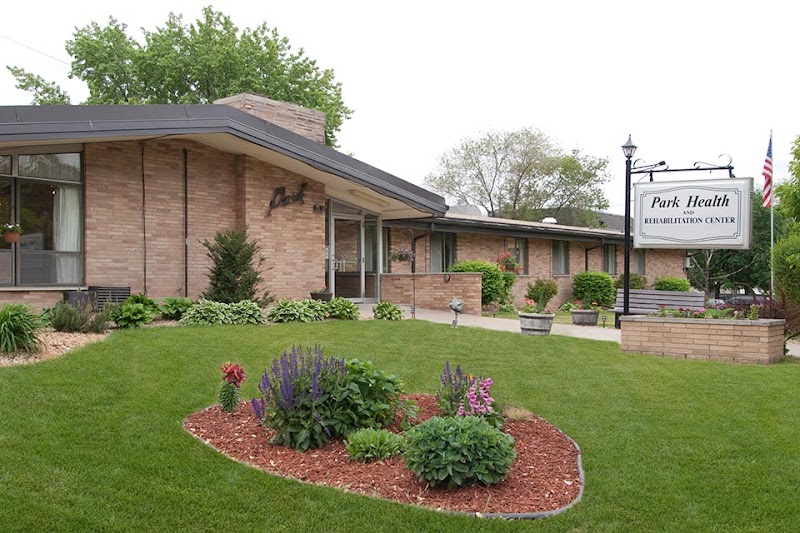
How is The Villas At The Park Staffed?

CMS rates THE VILLAS AT THE PARK's staffing level at 3 out of 5 stars, which is average compared to other nursing homes. Staff turnover is 55%, compared to the Minnesota average of 46%.

What Have Inspectors Found at The Villas At The Park?

State health inspectors documented 34 deficiencies at THE VILLAS AT THE PARK during 2023 to 2024. These included: 1 that caused actual resident harm, 32 with potential for harm, and 1 minor or isolated issues. Deficiencies causing actual harm indicate documented cases where residents experienced negative health consequences.
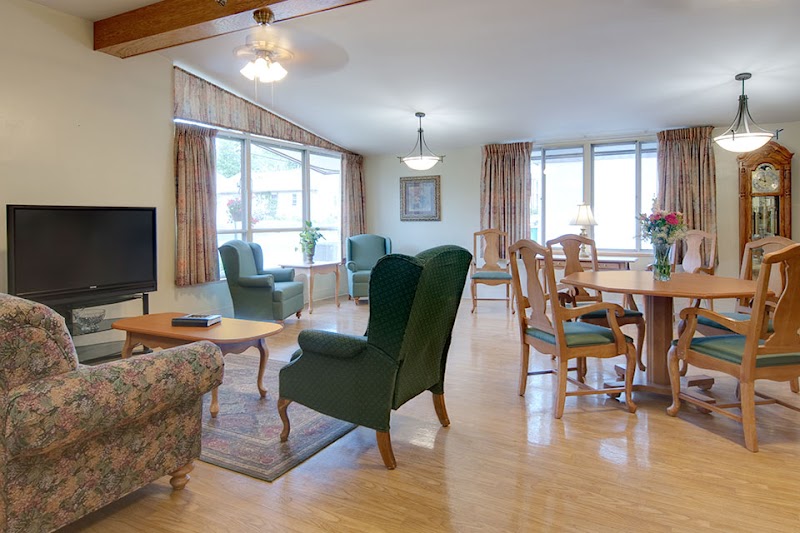
Who Owns and Operates The Villas At The Park?

THE VILLAS AT THE PARK is owned by a for-profit company. For-profit facilities operate as businesses with obligations to shareholders or private owners. The facility is operated by MONARCH HEALTHCARE MANAGEMENT, a chain that manages multiple nursing homes. With 52 certified beds and approximately 48 residents (about 92% occupancy), it is a smaller facility located in SAINT LOUIS PARK, Minnesota.
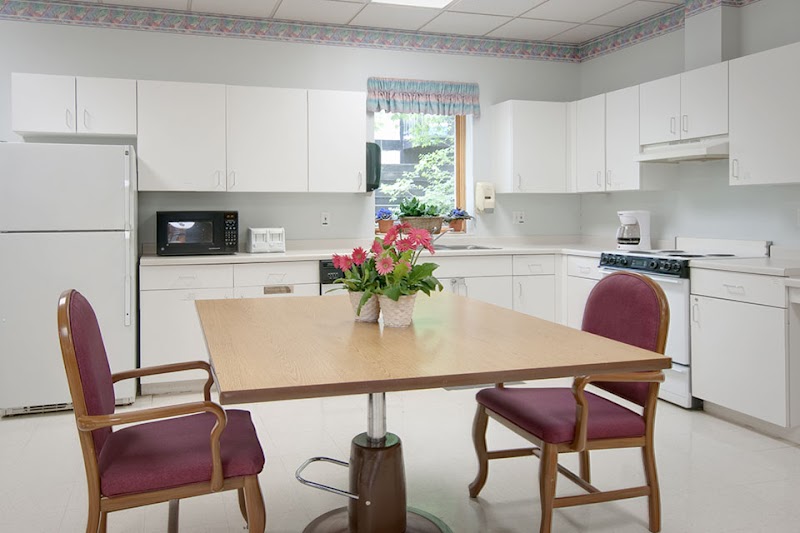
How Does The Villas At The Park Compare to Other Minnesota Nursing Homes?

Compared to the 100 nursing homes in Minnesota, THE VILLAS AT THE PARK's overall rating (3 stars) is below the state average of 3.2, staff turnover (55%) is near the state average of 46%, and health inspection rating (3 stars) is at the national benchmark.

What Should Families Ask When Visiting The Villas At The Park?

Based on this facility's data, families visiting should ask: "Can I visit during a mealtime to observe dining assistance and food quality?" "How do you handle medical emergencies, and what is your hospital transfer rate?" "Can I speak with family members of current residents about their experience?"

Is The Villas At The Park Safe?

Based on CMS inspection data, THE VILLAS AT THE PARK has a clean safety record: no substantiated abuse findings (meaning no confirmed cases of resident harm), no Immediate Jeopardy citations (the most serious violation level indicating risk of serious injury or death), and is not on the Special Focus Facility watch list (a federal program monitoring the lowest-performing 1% of nursing homes). The facility has a 3-star overall rating and ranks #100 of 100 nursing homes in Minnesota. While no facility is perfect, families should still ask about staff-to-resident ratios and recent inspection results during their visit.

Do Nurses at The Villas At The Park Stick Around?

THE VILLAS AT THE PARK has a staff turnover rate of 55%, which is 9 percentage points above the Minnesota average of 46%. Moderate turnover is common in nursing homes, but families should still ask about staff tenure and how the facility maintains care continuity when employees leave.

Was The Villas At The Park Ever Fined?

THE VILLAS AT THE PARK has been fined $105,301 across 19 penalty actions. This is 3.1x the Minnesota average of $34,132. Fines at this level are uncommon and typically indicate a pattern of serious deficiencies, repeated violations, or failure to correct problems promptly. CMS reserves penalties of this magnitude for facilities that pose significant, documented risk to resident health or safety. Families should request specific documentation of what issues led to these fines and what systemic changes have been implemented.

Is The Villas At The Park on Any Federal Watch List?

THE VILLAS AT THE PARK is not on any federal watch list. The most significant is the Special Focus Facility (SFF) program, which identifies the bottom 1% of nursing homes nationally based on persistent, serious quality problems. Not being on this list means the facility has avoided the pattern of deficiencies that triggers enhanced federal oversight. This is a positive indicator, though families should still review the facility's inspection history directly.