Episcopal Church Home of Minnesota
1879 FERONIA AVENUE, SAINT PAUL, MN 55104 (651) 209-8519
Non profit - Corporation 131 Beds Independent Data: November 2025
Trust Grade
55/100
#169 of 337 in MN
Last Inspection: March 2025

Within standard 12-15 month inspection cycle. Federal law requires annual inspections.

Overview

The Episcopal Church Home of Minnesota has a Trust Grade of C, which means it is average and falls in the middle of the pack among nursing homes. It ranks #169 out of 337 facilities in Minnesota, placing it in the bottom half, and #10 out of 27 in Ramsey County, indicating that only nine other local options are better. The facility is improving, having reduced its issues from 14 in 2024 to 9 in 2025. Staffing is a strong point, earning a 5 out of 5 stars with a turnover rate of 25%, significantly lower than the state average. However, there have been serious incidents; for example, one resident developed pressure ulcers that required hospitalization because the staff failed to monitor and notify the physician about the wounds in a timely manner. Additionally, there were concerns about food safety practices, as some kitchen staff did not use hair restraints during food preparation, which could potentially affect all residents. Overall, while there are strengths in staffing and recent improvements, families should be aware of ongoing care and safety issues.
Trust Score
C
55/100
In Minnesota
#169/337
Top 50%
Safety Record
Moderate
Needs review
Inspections
Getting Better
14 → 9 violations
Staff Stability
✓ Good
25% annual turnover. Excellent stability, 23 points below Minnesota's 48% average. Staff who stay learn residents' needs.
Penalties
✓ Good
No fines on record. Clean compliance history, better than most Minnesota facilities.
Skilled Nurses
✓ Good
Each resident gets 60 minutes of Registered Nurse (RN) attention daily — more than 97% of Minnesota nursing homes. RNs are the most trained staff who catch health problems before they become serious.
Violations
⚠ Watch
35 deficiencies on record. Higher than average. Multiple issues found across inspections.
★★★☆☆
3.0
Overall Rating
★★★★★
5.0
Staff Levels
★★★★☆
4.0
Care Quality
★★☆☆☆
2.0
Inspection Score
Stable
2024: 14 issues
2025: 9 issues

The Good

  • 5-Star Staffing Rating · Excellent nurse staffing levels
  • 4-Star Quality Measures · Strong clinical quality outcomes
  • Low Staff Turnover (25%) · Staff stability means consistent care
  • Full Sprinkler Coverage · Fire safety systems throughout facility
  • No fines on record
  • Staff turnover is low (25%)

    23 points below Minnesota average of 48%

Facility shows strength in staffing levels, quality measures, staff retention, fire safety.

The Bad

3-Star Overall Rating

Near Minnesota average (3.2)

Meets federal standards, typical of most facilities

The Ugly 35 deficiencies on record

2 actual harm
Mar 2025 9 deficiencies
CONCERN (D)

Potential for Harm - no one hurt, but risky conditions existed

Notification of Changes (Tag F0580)

Could have caused harm · This affected 1 resident

**NOTE- TERMS IN BRACKETS HAVE BEEN EDITED TO PROTECT CONFIDENTIALITY** Based on interview and record review, the facility failed to ensure provider notification occurred when a skin altercation was i...

Read full inspector narrative →
**NOTE- TERMS IN BRACKETS HAVE BEEN EDITED TO PROTECT CONFIDENTIALITY** Based on interview and record review, the facility failed to ensure provider notification occurred when a skin altercation was identified for 1 of 1 residents (R24) reviewed for surgical incision care. Findings include: R24's quarterly Minimum Data Set (MDS) dated [DATE], indicated R24 was cognitively intact and had diagnoses of kidney failure, diabetes, and vascular disease. Furthermore, R24 was at risk for skin breakdown. R24's nursing progress note dated 2/8/25 at 2:11 p.m., indicated R24 had a blackened malodorous (foul smelling) right little toe. The toe was covered with a non-adherent dressing and indicated the nurse practitioner will be updated on 2/10/25. The note lacked indication of family or provider notification of R24's toe. R24's nursing progress note dated 2/9/25 at 9:31 p.m., indicated R24's right pinky toe looked gangrenous (infected) and the nurse manager would assess on 2/10/25 for further management. The note lacked indication of family or provider notification of R24's toe. R24's nursing progress note dated 2/10/25 at 12:40 p.m., indicated R24's right pinky toe noted to be black, necrotic, and foul smelling. Nurse practitioner (NP)-A assessed and sent R24 to the hospital for further evaluation and R24 had ssurgery for toe amputation. R24's provider order dated 2/21/25, directed staff to perform dressing changes to R24's right foot surgical wound twice daily. A review of R24's electronic medical record (EMR) from 2/28/25- 3/5/25, lacked indication R24's surgical incision had any changes or R24's provider or surgical team were notified. When interviewed on 3/5/25 at 2:07 p.m., registered nurse (RN)-E stated a nursing assistant (NA) notified them of the toe during cares on 2/8/25. RN-E stated the toe was monitored over the weekend and nurse practitioner (NP)-B and family were notified on Monday 2/10/25. RN-E stated when first notified, there was a small black area on the side of the toe. When completing the dressing change today, RN-E stated the surgical wound looked much worse than the last time they worked with R24 on 2/28/25. RN-E verified there was a lot of black tissue and the entire top of R24's foot was discolored and dark. When interviewed on 3/5/25 at 3:44 p.m., NP-B stated they provide regulatory visits on Mondays and was first notified of R24's right little toe then. NP-B further stated R24 was not on the list to bee seen that day and NP-B was asked to assess the toe when they had a chance. NP-B reviewed documentation and verified no calls had been place to the on-call service for R24 since January and there was no notification when the black part of the toe was first discovered. Furthermore, NP-B expected staff to notify the providers when the toe was first noticed so treatment/monitoring orders would be placed or to send R24 in for further evaluation right away. NP-B stated for surgical incisions, the surgical team should be notified of any complications. When interviewed on 3/6/25 at 10:05 a.m., RN-D stated when a skin alteration was first identified for a resident, staff were expected to at least put a progress note in and update the provider and family. RN-D stated any changes to the surgical incision should also have been documented and the provider notified. RN-D was not aware of when the changes to R24's surgical incision started and had emailed NP-B about the worsening surgical incision on 3/5/25 after RN-E brought it to their attention. RN-D verified R24's provider and family were not notified at the time the skin was noted or when changes to the surgical incision were noted. When interviewed on 3/6/25 at 11:37 a.m., the Director of Nursing (DON) stated when a skin alteration was found, a body audit assessment should be completed and the provider notified as warranted. DON further stated, R24's provider should have been notified when the toe was first seen and when changes to the surgical incision were noted. When interviewed on 3/6/25 at 2:15 p.m., RN-F verified R24 was last seen in clinic with the surgical team on 2/24/25. RN-F further stated there was not any notification of any wound changes since that appointment until 3/6/25. A facility policy titled Change in Condition revised 5/4/22, directed staff to promptly notify the residents provider or on call provider when there was a need to alter the resident's medical treatments.
CONCERN (D)

Potential for Harm - no one hurt, but risky conditions existed

Quality of Care (Tag F0684)

Could have caused harm · This affected 1 resident

**NOTE- TERMS IN BRACKETS HAVE BEEN EDITED TO PROTECT CONFIDENTIALITY** Based on observation, interview and record review, the facility failed to comprehensively assess a new skin alteration and chang...

Read full inspector narrative →
**NOTE- TERMS IN BRACKETS HAVE BEEN EDITED TO PROTECT CONFIDENTIALITY** Based on observation, interview and record review, the facility failed to comprehensively assess a new skin alteration and changes in a surgical incision for 1 of 1 residents (R24) who developed gangrenous toe that required surgical treatment. Furthermore, the facility failed ensure coordination of care for a hospice patient with a change in condition for 1 of 1 residents (R25) reviewed for hospice. Findings include: R24 R24's quarterly Minimum Data Set (MDS) dated [DATE], indicated R24 was cognitively intact and had diagnoses of kidney failure, required dialysis (treatment to filter the blood), diabetes, and vascular disease. Furthermore, R24 was at risk for skin breakdown. R24's care plan revised 11/15/24, indicated R2 had an unstageable right heel ulcer. Staff were directed to follow policies/procedures for prevention and treatment and prevention of wounds. Staff were also directed to monitor, document and report as needed any skin changes. R24's nursing progress note dated 2/8/25 at 2:11 p.m., indicated R24 had a blackened malodorous (foul smelling) right little toe. The toe was covered with a dressing and indicated the nurse practitioner will be updated on 2/10/25. The note lacked indication of family or provider notification of R24's toe. R24's nursing progress note dated 2/9/25 at 9:31 p.m., indicated R24's right pinky toe looked gangrenous (infected) and the nurse manager would assess on 2/10/25 for further management. The note lacked indication of family or provider notification of R24's toe. R24's nursing progress note dated 2/10/25 at 12:40 p.m., indicated R24's right pinky toe noted to be black, necrotic, and foul smelling. Nurse practitioner (NP)-B assessed and sent R24 to the emergency room (ER) for further evaluation. R24's medical record lacked indication a comprehensive assessment of R24's toe had been completed or documented prior to sending to the ER for further evaluation. R24's hospital progress note dated 2/10/25 at 10:09 a.m., indicated R24 had ischemic (insufficient blood flow) changes to the right 5th toe and had full thickness dry gangrene (condition where decreased blood flow causes tissue death) to the 5th toe that extended over the 5th metatarsal head (top or start if the bone in the midfoot). R24 will require at least a partial foot amputation. R24's hospital progress note dated 2/13/25 at 6:17 a.m., indicated R24 had a metatarsal amputation (procedure to remove the toes and part of the mid-foot) of the right foot. The incision and flap were well healing thus far however R24 was high risk for the surgical flap to fail due to vascular disease. R24's hospital discharge order dated 2/19/25, directed staff to perform dressing changes to R24's right foot surgical wound twice daily. R24's weekly skin audit dated 2/19/25, indicated R24 had a surgical incision and did not indicate any complications or concerns with the incision. R24's weekly skin audit dated 3/5/25, indicated R24 had a surgical incision on the right foot. The audit did not indicate any complications or concerns with the incision. A review of R24's electronic medical record (EMR) from 2/28/25- 3/4/25, lacked indication R24's surgical incision had any changes or complications. An observation on 3/5/25 at 12:59 p.m., registered nurse (RN)-E entered R24's room to perform wound cares. After performing hand hygiene and donning gloves and gown, RN-E removed the ace bandage from R24's right foot and cut loose the kerlix wrap. Gauze on the top of the foot was then removed and the surgical incision was visualized. There was scant bloody draining on the gauze removed and sutures in place. The incision did not appear fully approximated was foul smelling. There was dark black tissue along the incision site and R24's foot had a darkening color through the top of it almost to the ankle. RN-E verified the black tissue around the surgical incision and discoloration of R24's foot. When interviewed on 3/5/25 at 2:07 p.m., registered nurse RN-E stated initially, a nursing assistant (NA) notified them of a black area of the 5th toe during cares on 2/8/25. RN-E stated the toe was monitored over the weekend and nurse practitioner (NP)-B and family were notified the following Monday (2/10/25). RN-E stated when R24's right little toe was first observed, there was a small black area on the side of the toe. RN-E had documented a progress note and verified there was not a discription of size or measurements of the area. RN-E verified the note and stated to monitor for increased size, measurements and location would have been helpful to be able to tell how it was progressing. When completing the dressing change today, RN-E stated the surgical wound looked much worse than the last time they worked with R24 on 2/28/25. RN-E verified there was a lot of black tissue and the entire top of R24's foot was discolored and dark. RN-E was not aware of when R24's surgical incision had started to worsen and verified there was no documentation or assessment of it. When interviewed on 3/5/25 at 3:44 p.m., NP-B stated they provide regulatory visits on Mondays and was first notified of R24's right little toe then. NP-B further stated R24 was not on the list to bee seen that day and was asked to assess the toe when I had a chance. NP-B reviewed documentation and verified no calls had been place to the on-call service for R24 since January and there was no notification when the black part of the toe was first discovered. NP-B stated there was a low threshold for sending R24 to the ER for evaluation due to R24 having vascular disease and poor healing for thier heel wounds. NP-B stated for surgical incisions, typically, the surgical team would be notified of any complications or changes. When interviewed on 3/6/25 at 10:05 a.m., RN-D stated when a skin alteration was first identified was noted for a resident, staff were expected to at least put a progress note in and update the provider and family. An assessment should be completed for anything newly found. RN-D stated any changes to the surgical incision should also be documented and the provider notified. RN-D was not aware of when the changes to R24's surgical incision started and verified there was no documentation of it. RN-D had emailed NP-B about the worsening surgical incision on 3/5/25 after RN-E brought it to their attention but had forgotten to document the communication. RN-E was not sure if R24's surgical team were notified. When interviewed on 3/6/25 at 11:37 a.m., the Director of Nursing (DON) stated when any skin alteration was found, a body audit assessment should be completed and the provider notified as warranted. DON further stated with surgical incisions or already identified wounds, staff were expected to document any signs of poor healing, what it looks like, smells, suture problems, and take measurements if needed. R24's provider should have been notified when the toe was first seen and when changes to the surgical incision was noted. When interviewed on 3/6/25 at 2:15 p.m., RN-F verified R24 was last seen in clinic with the surgical team on 2/24/25. RN-F further stated there was not any notification of any wound changes since that appointment until today. A facility policy for non-pressure wound care was requested however was not recieved. R25 Hospice Collaboration R25's quarterly Minimum Data Set (MDS) dated [DATE], indicated she had severely impaired cognition and was on hospice care. The MDS identified her diagnoses of dementia (loss of memory, language, problem-solving and other thinking abilities), hemiplegia or hemiparesis (one-sided weakness or paralysis), a seizure disorder, and intellectual disabilities (developmental conditions affecting cognitive functioning and adaptive behavior). Additionally, the MDS reported she was taking an anticonvulsant medication. R25's care plan dated 7/15/24, identified she was on hospice related to a terminal illness and indicated staff would follow the hospice and facility coordinated plan of care. Additionally, the care plan indicated hospice nursing care would coordinate with and supplement facility-provided nursing care, and hospice, family, and providers would be informed of all R25's changes on condition. A progress note dated 9/9/24, indicated seizure activity noted this AM. A progress note dated 11/2/24, indicated the hospice nurse was updated about R25's seizure activity but that she had returned to normal without medication. A progress note dated 12/16/24, indicated she had seizure activity. A progress note dated 12/21/24, indicated R25 had a seizure while hospice nurse was around, she handled it. A progress note dated 1/3/25, indicated a seizure noted around 11:25 am this morning. A provider progress note dated 2/6/25, indicated staff reported no concerns during the provider's visit, and under the assessment and plan for R25's seizure disorder, the provider wrote, chronic. Last reported seizure was in August 2024, with no new orders given. During interview on 3/5/25 at 8:42 a.m., R25's hospice case manager (HCM) verified responsibility over her case management and stated the hospice team was responsible for all her medications except her Keppra, (an anticonvulsant medication used to treat seizures), that's the only one we don't cover. HCM stated R25's Keppra was monitored by her primary provider. HCM recalled R25 had a seizure at least once a month and stated she would get a loading dose of lorazepam (a rescue medication used to rapidly stop seizures) before facility staff would update HCM. HCM stated there had been no contact with the hospice providers by R25's primary providers regarding her seizures or medication changes. HCM stated during weekly hospice visits, I check with the nurses, sometimes I will check with the nurse manager as well, and indicated they also sent weekly reports to the facility with updates to her plan of care. HCM stated, as far as I am aware, the [primary] provider is updated on her seizure activity and her overall health status. During interview on 3/6/25 at 9:37 a.m., consultant pharmacist (CP) stated for the Keppra medication, therapeutic lab levels were rarely drawn because it is so safe. CP indicated it would be provider-driven that a lab level be drawn and stated, I would expect if a resident was seizing, I would be making sure the provider was aware, seeing what they're saying; is there a reason the provider wasn't saying anything? I would expect if a resident was having seizures, that the provider would be reviewing the medication and the dose to adjust that. CP was unaware of R25's documented seizure activity and questioned if she had seizures. During subsequent interview on 3/6/25 at 10:31 a.m., CP directed attention to a provider note dated 2/6/25, and stated because the provider wrote in their assessment and plan they were monitoring R25's chronic seizures, that means they are looking at it and reviewing and stated historically, providers would only do labs if there was a negative outcome. However, if there were no seizures or negative outcomes, the lab isn't really required. During interview on 3/6/25 at 10:44 a.m., registered nurse (RN)-A stated when a resident was on hospice, we call them first. RN-A stated for R25, most of her medications were managed by hospice except for her Keppra. RN-A explained when R25 had a seizure, they first assessed her and ensured her safety, then administered her lorazepam medication and updated her hospice team. RN-A stated there was not a liaison between the hospice team and R25's primary care provider who managed her Keppra medication. RN-A stated the floor nursing staff communicated with the nurse manager and it would go up from there. RN-A stated the hospice team was good at communicating with the floor staff if there were concerns or changes to her plan of care and we communicate that with our team. Per interview on 3/6/25 at 11:32 a.m., RN-B expected staff to update hospice first with any change in condition for a hospice resident and if it is anything they are not covering, hospice would refer that back to the providers here. RN-B stated because our providers are here so often, we do update them but stated it may be a more informal, verbal report. RN-B reviewed R25's progress notes and confirmed the documented seizure activity on the dates 9/9/24, 11/2/24, 12/6/24, 12/21/24, and 1/3/25. RN-B reviewed the provider progress note on 2/6/25, and confirmed the provider's documentation that R25 had no seizure activity since August 2024. RN-B was unsure why the provider note did not include the documented seizure activity from the progress notes. Per interview on 3/6/25 at 1:46 p.m., the director of nursing (DON) expected hospice to collaborate with the nurse manager immediately to determine a resident's plan of care once signed onto hospice. The DON stated the communication between the hospice team and primary providers should be going through the nurse managers, but stated there could be problems with that since the nurse managers are not always available. The DON expected nursing staff to communicate changes of condition with the hospice providers and if the hospice team was not managing that aspect of a resident's care, they should defer to the attending provider. The DON stated, we would encourage our nurses to be updating the providers, and the hospice team should also remind the nurses to update the primary provider. The DON reviewed R25's progress notes and confirmed the documented seizure activity and the provider progress note dated 2/6/25. The DON stated, this does seem tricky with the shared management. The DON stated although nurses were encouraged to update the primary providers, sometimes they would believe if they updated hospice, the work is done. During interview on 3/6/25 at 3:03 p.m., R25's nurse practitioner (NP)-A verified responsibility for the provider note dated 2/6/25, and stated there had been no updates from the facility regarding the seizure activity documented in her progress notes. NP-A stated, If I had been notified of the seizures, and they had been true seizures, I would have notified my MD [medical doctor], due to being new in the field. Furthermore, NP-A expected staff to provide verbal updates when on-site, then I could go back and review the notes. We rely heavily on those progress notes. Per interview on 3/7/25 at 7:47 a.m., with R25's medical doctor (MD)-B, there were no updates received about her seizure activity. MD-B stated, I am not typically involved in the hospice IDG communications. I don't believe we were updated about her seizure activity. MD-B expected an update from facility staff, however, stated I don't know that I would have changed anything with her care. MD-B denied concerns for her safety and stated her care was being managed fine. MD-B stated, I think we should have been updated and I think maybe this is a learning point for staff there. Per Nursing Facility Services Agreement for Routine Hospice Care dated 3/20/23, the facility should ensure that all facility services are provided competently and efficiently in a timely manner. Facility services should meet or exceed the standards of care for providers of such services and should be in compliance will all applicable laws, rules, regulations, professional standards and licensure requirements. The agreement indicated hospice and facility should communicate with one another regularly and as needed for each particular hospice patient and each party was responsible for documenting such communications in its respective clinical records to ensure the needs of hospice patients were met 24 hours per day. Furthermore, the agreement indicated the facility should designate a member of the facility's interdisciplinary team who would be responsible for working with hospice to coordinate care provided by facility staff and hospice staff. The policy directed that team member to collaborate with hospice and coordinate with facility staff participating in the care planning process; communicate with hospice and other healthcare providers participating in the provision of care for the terminal illness and other conditions to ensure quality of care; and to ensure the facility communicates with the hospice medical director, the hospice patient's attending physician, and other practitioners participating in the provision of care to the hospice patient as needed to coordinate care provided by other physicians.
CONCERN (D)

Potential for Harm - no one hurt, but risky conditions existed

Accident Prevention (Tag F0689)

Could have caused harm · This affected 1 resident

**NOTE- TERMS IN BRACKETS HAVE BEEN EDITED TO PROTECT CONFIDENTIALITY** Based on observation, interview and document review, the facility failed to ensure a safe smoking environment was provided for 2...

Read full inspector narrative →
**NOTE- TERMS IN BRACKETS HAVE BEEN EDITED TO PROTECT CONFIDENTIALITY** Based on observation, interview and document review, the facility failed to ensure a safe smoking environment was provided for 2 of 2 residents (R50 and R55) reviewed for smoking. Findings include: R50's annual Minimum Data Set (MDS) dated [DATE], identified intact cognition, no rejection of care, and independent with eating and oral hygiene. Manual wheelchair was used independently. R50's Selfcare/Mobility Care Area Assessment (CAA) dated 12/19/24 identified a diagnosis of tobacco use. E50 has no impairment to extremities and was able to voice needs and used call light appropriately. The resident was often independent with ADLs (activities of daily living) and received assist as needed. R50's care plan dated 11/20/19, identified current smoking status. The care plan identified he was able to light his own cigarette, keep his lighter at the bedside, and smoke independently with use of a smoking apron. Staff were directed to encourage him to use his smoking apron. The plan of care lacked description of safe disposal of smoking materials. R50's Smoking Safety Screen dated 12/18/24, identified he smoked in the morning, afternoon and evening, could light own cigarettes, and a smoking apron was used for adaptive equipment. Plan of care included assure resident was safe while smoking. The safety screen lacked description of safe disposal of smoking materials. During an observation on 3/3/25 at 9:41 a.m., R50 self-propelled his wheelchair toward his room with his smoking apron on. R50 stated he was a smoker, but the ashtray (smoking materials disposal receptacle) kept being messed with so he had to put his cigarette butts out on the ground by stomping them with his foot. He said it had occurred for a month or so, off and on. During a tour of the designated smoking area and interview on 3/03/25 at 9:48 a.m., with maintenance staff (M)-A, there was no ashtray or container to dispose of smoking materials. Approximately 20 cigarette butts of various brands and colors were laying on the ground and on the dried grass and leaves about 15 feet from the facility entrance. M-A stated it was an ongoing problem where people would mess with or steal the ashtray. M-A stated the cigarette butts should be disposed of in an approved container for fire safety purposes. During an observation on 3/3/25 at 10:54 a.m., R50 was in his room getting ready to go outside for a cigarette. He removed two cigarettes from a full pack and put those two into an empty pack. R50 left his room with his smoking apron still on the bed. During an observation on 3/3/25 at 10:56 a.m., R50 told nursing assistant (NA)-A he was going outside for a smoke. NA-A did not remind R50 to put on his smoking apron. During an observation and interview on 3/3/25 at 11:02 a.m., R50 reached the designated smoking area and started a cigarette. at 11:20 a.m., he extinguished the cigarette by rolling the butt between his fingers until the ash fell out on the ground. His pants had several small holes that resembled old burn holes in the groin area of his pants. R50 had not ashed on himself during this smoking observation. There continued to be no smoking material disposal receptacle available. During an interview together on 3/3/25 at 11:24 a.m., NA-C stated R50 needed a smoking apron on, he had it on earlier in the morning but she did not check if he had it on for his 11:02 a.m., cigarette. NA-A stated he needed the apron on because ash would fall off and burn his clothing, and R50 was independent with managing his smoking apron. She also agreed she did not check if he had his smoking apron on for his 11:02 a.m., cigarette. During an interview on 3/3/25 at 11:29 a.m., the assistant director of nursing (ADON) said lack of a smoking receptacle was a fire hazard and he would go speak to maintenance now. During a follow up interview on 3/3/25 at 1:47 p.m., the ADON stated he talked to the administrator and was told the smoking materials disposal receptacles by the designated smoking area kept getting stolen . The ADON stated a new smoking disposal receptacle was ordered. R55 R55's quartely Minimum Data Set (MDS) dated [DATE], indicated intact cognition and diagnoses of type II diabetes, chronic obstructive pulmonary disease (COPD), and tobacco use. It further indicated R55 required set up assistance with most activities of daily living (ADLs) and was independent with mobility. During interview on 3/4/25 at 3:29 p.m., R55 stated he was on smoking restrictions because of dental surgery, but he didn't always follow it. He further stated he put his cigarette butts out on the sidewalk or on the side of the garbage can outside and threw them away in the trash can. He stated they (facility) just got a smoking receptacle yesterday but they hadn't had one in a while before then. During an interview on 3/6/25 at 8:05 a.m., the administrator stated maintenance was here on the weekends and should have checked to see if the smoking area was in safe condition during daily rounds. Additionally, nursing should ensure smoking aprons were in place if that was what the smoking safety screen identified. During an interview on 3/6/25 at 8:52 a.m., the director of maintenance services (DMS) stated every morning staff would do a walk through and clean up the grounds. He said checking for a smoking materials disposal receptacle was also part of their process but not documented. The facility's smoking policy dated 5/28/24, identified no smoking of any kind allowed on campus grounds, all smoking at least 25 feet from entrance on city sidewalk, smoking waste and materials must be cleaned up and kept free from sight from others. The Life Safety Code, state fire code, and MN (Minnesota) clean indoor air act would be followed.
CONCERN (D)

Potential for Harm - no one hurt, but risky conditions existed

Deficiency F0698 (Tag F0698)

Could have caused harm · This affected 1 resident

**NOTE- TERMS IN BRACKETS HAVE BEEN EDITED TO PROTECT CONFIDENTIALITY** Based on observation, interview, and record review, the facility failed to ensure a dialysis fistula site was maintained accordi...

Read full inspector narrative →
**NOTE- TERMS IN BRACKETS HAVE BEEN EDITED TO PROTECT CONFIDENTIALITY** Based on observation, interview, and record review, the facility failed to ensure a dialysis fistula site was maintained according to professional standards of care for 1 of 2 residents (R24) reviewed for dialysis. Findings include: R24's quarterly Minimum Data Set (MDS) dated [DATE], indicated R24 was cognitively intact and had diagnoses of kidney failure, diabetes, and vascular disease. Furthermore, R24 required dialysis (treatment to filter the blood when in kidney failure). R24's provider and nursing orders reviewed on 3/5/25, lacked indication of where R24's fistula was located or if R24 had restrictions for blood pressure on their left arm. R24's care plan revised 9/20/24, indicated R24 required dialysis 3 times a week. R24's care plan lacked indication R24 had restrictions for blood pressure on their left arm. An observation on 3/5/25 at 10:23 a.m., trained medication assistant (TMA)-A entered R24's room to provide medication. R24 was sitting in their wheelchair and was very sleepy. Registered nurse (RN)-E requested vital signs. TMA-A obtained a vital sign machine and re-entered R24's room. TMA-A placed a blood pressure cuff on R24's left arm above the elbow and obtained a blood pressure. When interviewed on 3/5/25 at 2:03 p.m., TMA-A verified the blood pressure was taken on the left arm and was not aware of any restrictions for taking blood pressures for R24. TMA-A was not sure if a blood pressure could be taken on the same arm as a dialysis fistula site and would need to verify with the nurse. When interviewed on 3/5/24 at 2:07 p.m., RN-E stated TMA-A should not have taken the blood pressure on R24's left arm. RN-E further stated R24 was wearing a sweatshirt and TMA-A may not have noticed it. When interviewed on 3/6/25 at 10:05 a.m., RN-D stated blood pressures should not be taken over the fistula site or on the arm of the fistula site. RN-D further stated the order for blood pressures had not been ordered for R24 but was now placed. RN-D stated care sheets were not used on the short term stay unit as residents discharged and admitted frequently. However, the information was included on the nurse 24-hour sheet which nurse and TMA's have access to. RN-D stated there was only a verbal process for nursing assistants and a better process of communication may be needed. When interviewed on 3/6/25 at 11:43 a.m., the Director of Nursing (DON) expected staff to take blood pressures on the opposite arm of the fistula for residents with dialysis. This should be included in the orders, included on the 24-hour sheet for the nurses and TMAs, and reported to the NAs. A facility policy titled Dialysis dated 1/1/15, directed staff to follow all provider orders for dialysis. The policy did not address any standards of care for dialysis residents.
CONCERN (D)

Potential for Harm - no one hurt, but risky conditions existed

Deficiency F0757 (Tag F0757)

Could have caused harm · This affected 1 resident

**NOTE- TERMS IN BRACKETS HAVE BEEN EDITED TO PROTECT CONFIDENTIALITY** Based on interview and document review the facility failed to ensure antifungal medications without an end date were monitored a...

Read full inspector narrative →
**NOTE- TERMS IN BRACKETS HAVE BEEN EDITED TO PROTECT CONFIDENTIALITY** Based on interview and document review the facility failed to ensure antifungal medications without an end date were monitored and evaluated for the appropriateness of continued use for 2 of 2 residents (R17, R27) reviewed who were prescribed antifungal medications. Findings include: R17 R17's quarterly Minimum Data Set, dated [DATE], identified intact cognition, no rejection of care, diagnoses of type two diabetes mellitus with diabetic chronic kidney disease and candidiasis (fungal infection) of skin and nail. Skin interventions included application of ointments/medication other than to feet. R17 was dependent on staff for toileting hygiene and required substantial to maximal assistance for showering and bathing. R17's annual Care Area Assessment (CAA) dated 9/5/24, triggered for potential for pressure ulcers, however identified no current skin issues were present, staff were directed to observe for changes and update MD (medical doctor) PRN (as needed). R17's care plan dated 9/15/23, identified a potential for alteration in skin integrity related to immobility, diabetes, morbid obesity, bowel and bladder incontinence. Nursing staff were directed to monitor skin with cares and report changes and monitor/document/report signs/symptoms of infection to any open areas: redness, pain, heat, swelling or pus formation. The care plan lacked instructions for care to fungal infections of the skin. R17's active Order Summary dated 3/6/25 identified: effective 6/24/24, clotrimazole external cream 1% (antifungal medication). Apply to affected area topically two times a day related to candidiasis of skin and nail. The order had no end date. The Clotrimazole Product Monograph Dosing Considerations dated 9/16/22, identified clinical improvement with relief of pruritus, usually occurred within the first week of treatment. The symptoms of jock itch, ringworm and diaper rash usually resolved within two to four weeks. If the signs and symptoms of the infection were not resolved after four weeks of treatment with clotrimazole topical, a physician should be consulted. If a cure is not mycologically confirmed, treatment should, as a rule, be continued for two weeks after all clinical symptoms have disappeared. Candida infections are generally treated for only two weeks. R17's Medication Administration Records and Treatment Administration Records (MAR and TAR) dated 3/1/24 through 3/5/25, identified clotrimazole cream was documented as applied twice daily over the past year to the groin area while resident was in the facility. The original start date of the medication was identified as 12/29/23. R17 had received the medication routinely for one year and approximately two months. R17's weekly skin assessments dated 11/23/24 through 3/1/25, identified no candidiasis or skin deficits. R17's primary care provider visit notes dated 1/30/25, 1/6/25, 11/18/24, 11/4/24, 9/9/24, 8/1/24, 7/22/24, 6/10/24, 4/4/24, 3/5/24, 3/14/24 and 1/3/24, lacked a review for continued use of clotrimazole and lacked mention of any candidiasis skin concerns. During an observation on 3/3/25 at 8:55 a.m., R17 was in bed with a hospital gown on. Feet, nails, and other exposed skin shows no signs of fungal infection. During a phone call to nurse practitioner (NP)-A's office (R17's primary care provider) on 3/5/25 at 3:13 p.m., registered nurse (RN)-C, who was NP-A's primary nurse, stated antifungal medications should always have an indication for use and length of time to use. Typically, clotrimazole was prescribed twice daily for a 14-day course and then reassessed. RN-C reviewed medications on R17's chart and stated clotrimazole was not on their medication list, even though it was on the facility's medication list, apparently had not been reconciled. RN-C stated she would leave instructions for NP-A to review clotrimazole and ensure it was still appropriate as an active order. R17's telephone order (TO) to nursing dated 3/5/25, identified discontinue clotrimazole cream if resident having no more rash. The medication was documented as discontinued from the active orders. During an interview on 3/6/25 at 8:30 a.m., nursing assistant (NA)-A stated R17 had no current skin conditions. R27 R27's quarterly MDS dated [DATE], identified severely impaired cognition, no rejection of care, and diagnoses of dementia with agitation. Skin concerns included two venous/arterial ulcers and MASD (moisture associated skin damage). Application of ointments/ medications other than to feet were used and R17 was on hospice care. Substantial/maximal assistance was provided from staff for bathing and showering and R17 was dependent on staff for lower body dressing and hygiene. R27's significant change CAA dated 11/22/24, identified actual pressure ulcers (PU) one unstageable PU, one stage 2, and one vascular ulcer. R27 was newly enrolled in hospice and had additional diagnoses of type two diabetes mellitus and PVD (peripheral vascular disease). R27 was incontinent, staff performed pericare after each incontinent episode and changed product PRN to keep skin clean and dry. Staff were directed to continue to treat and observe for changes and update MD PRN. There was no documentation of fungal infections of the skin. R27's care plan dated 5/20/24, identified a potential/actual impairment to skin integrity related to impaired mobility, bowel/bladder incontinence and chronic vascular injury to their left lower leg. R27 refused to lay in a bed. The care plan indicated they refused to have a bed in their room for wound treatments and brief changes. Nursing staff were directed to monitor/document location, size and treatment of skin injury, and report abnormalities, failure to heal, signs/symptoms of infection, maceration etc. to MD/NP. The care plan lacked instructions for care to fungal infections of the skin. R27's active Order Summary dated 3/6/25, identified three different orders for antifungal medication application: 1. Effective 4/19/22, apply nystatin powder twice daily to reddened areas under breast and groin. Nursing assistant may apply during cares. The order had no end date. 2. Effective 4/15/23, left to right abdominal folds, dust area between folds with nystatin powder and lightly rub in one time a day for preventing abdominal breakdown. Brush off extra. The order had no end date. 3. Effective 2/17/25, Zeasorb-AF external powder 2 % (miconazole nitrate topical). Apply to pannus folds topically two times a day for rash. The order had no end date. The undated Nystatin Topical Powder package insert identified indications for use included skin infections caused by candida albicans and other susceptible candida species. Patients were directed to apply to candidal lesions two or three times daily until healing was complete. R27's Medication Administration Records and Treatment Administration Records (MAR and TAR) dated 3/1/24 through 3/5/25, identified nystatin powder was documented as applied as ordered over the past year to the groin area while resident was in the facility. The original start date of the medication was identified as 12/29/23. R17 had received the medication routinely for two years and approximately eleven months. on 2/17/25, Zeasorb-AF was added and used in conjunction with the nystatin. R17's primary care provider visit notes dated 1/31/25, 11/18/24, 9/3/24, 7/15/24, 5/29/24, and 3/4/24, lacked a review for continued use of nystatin and lacked mention of any candidiasis skin concerns. R27's wound care consults dated 1/23/25 and 12/5/24 lacked mention of ongoing use of nystatin or conditions under breasts or groin. During an interview on 3/04/25 at 4:15 p.m. NA-B stated she worked with R27 routinely. Nystatin powder was in her room and the groin was improving to a pink color only. The resident refused to allow observation of the application site. During an interview on 3/5/25 at 3:47 p.m., NP-B stated nystatin, and antifungals could be used if symptoms were active. NP-B stated there was no clinically significant risk of antimicrobial resistance due to prolonged use. However, NP-B stated they relied on the nurses to let providers know on skin conditions so they could taper down medications as needed. NP-B stated R27's care and topicals were now managed by hospice. During an interview on 3/06/25 at 10:32 a.m. hospice RN case manager (HCM) stated hospice started R17's Zeasorb on 2/17/25, because they nystatin was not effective. The HCM stated the two orders for nystatin should have been discontinued when the Zeasorb powder was started, and she would have the hospice physician update the orders. R27's telephone order (TO) to nursing from the hospice physician dated 3/6/25, identified to discontinue nystatin and continue Zeasorb powder to rashes. During an interview on 3/6/25 at 8:46 a.m., licensed practical nurse (LPN)-A stated skin assessments were completed on resident's bath days. If no skin concerns were found, then none were documented. LPN-A stated she would typically notice if an antibiotic did not have an end date, and reach out to the provider, but was not the current practice for topical antifungals. During an interview on 3/06/25 at 9:28 a.m., the facility's consultant pharmacist (CP) stated topical antifungals would typically be discontinued once the skin concerns were healed and expected the facility nurses to update the primary care provider for review of ongoing use. The CP stated there was not a risk for antimicrobial resistance related to ongoing use. During an interview on 3/6/25 at 11:35 a.m., the director of nursing (DON) stated if skin conditions were resolved or not improving regarding topical antifungals, the nurses should notify providers, so the medication was not used if not necessary. The facility policy for Unnecessary Medications dated 8/7/12, identified the RN manager or designee reviews each resident's medication regimen (in addition to the Pharmacist's monthly drug regimen review) to assure there were no excessive dosages, duplicative therapy, excessive durations, inadequate monitoring for side effects or other parameters or inadequate indications for use.
CONCERN (D)

Potential for Harm - no one hurt, but risky conditions existed

Infection Control (Tag F0880)

Could have caused harm · This affected 1 resident

**NOTE- TERMS IN BRACKETS HAVE BEEN EDITED TO PROTECT CONFIDENTIALITY** R84 R84's quarterly Minimum Data Set (MDS) dated [DATE], indicated severely impaired cognition and diagnoses of dementia, deliri...

Read full inspector narrative →
**NOTE- TERMS IN BRACKETS HAVE BEEN EDITED TO PROTECT CONFIDENTIALITY** R84 R84's quarterly Minimum Data Set (MDS) dated [DATE], indicated severely impaired cognition and diagnoses of dementia, delirium, and history of urinary tract infections (UTI). It further included R84 was dependent on staff for toileting, mobility, and was always incontinent of bowel and bladder. During observation on 3/5/25 at 1:03 p.m., NA-F and NA-G were transferring R84 from the wheelchair to bed. Once she was laying in bed, they removed the sling from underneath her in order to change her brief. NA-F removed R84's pants, put them in the dirty clothes basket, removed her brief and cleaned her peri area with a wipe while wearing gloves. Then NA-G assisted R84 to roll over and NA-F used a wipe to clean her bottom which had a small amount of bowel movement on it. Then NA-F put a new pair of pants on and proceeded to put R84's neck pillow around her neck, pull her sheet and blanket up to her chin, put a pillow under her head, and used the bed remote to adjust the bed without changing gloves. Once those tasks were complete, NA-F removed her gloves, used hand sanitizer, and exited the room. During an interview on 3/5/25 at 1:20 p.m., NA-F stated nursing staff should remove their gloves and wash their hands following a brief change. NA-F verified touching R84's blankets, pillow, neck pillow, and bed controller after changing her brief without removing her gloves or washing her hands. During an interview on 3/5/25 at 1:25 p.m., NA-G stated nursing staff should change gloves after a changing a brief, and wash their hands before touching anything else. During interview on 3/6/25 at 7:50 a.m., licensed practical nurse (LPN)-B stated after completing personal cares (specifically changing a brief), nursing assistants should remove their gloves, wash their hands, and apply new gloves before touching anything else. A facility policy titled Hand Hygiene revised 10/2/24, directed staff to perform hand hygiene after touching body fluids or contaminated items whether gloves are worn and immediately before and after glove removal. A facility policy titled Enhanced Barrier Precautions revised 10/2/24, directed staff to implement EBP when residents were infected or colonized with an MDRO, when contact precautions were not otherwise indicated. Based on observation, interview and record review the facility failed to ensure hand hygiene was performed for 2 of 3 residents (R24, R84) observed during personal cares and 1 of 1 residents observed during wound cares. Furthermore, the facility failed to ensure transmission-based precautions (TBP) were followed for 1 of 3 (R24) residents observed for TBP. Findings include: R24 R24's quarterly Minimum Data Set (MDS) dated [DATE], indicated R24 was cognitively intact and had diagnoses of kidney failure that required dialysis, diabetes, and vascular disease. Furthermore, R24 had a pressure wound, required assistance of two staff for toileting, and was frequently incontinent of bladder. R24's hospital provider note dated 2/18/25 indicated R24 had a history of Methicillin Resistant Staphylococcus aureus (MRSA); a multi-drug resistant bacteria. The note further indicated cultures from R24's right foot infection had MRSA growth. R24's care plan revised 2/20/25, indicated R2 had a right foot surgical incision and directed staff to follow facility policies/procedures for treatment. R24's care plan further indicated R24 required assistance with toileting. R24's Electronic Medical Record (EMR) lacked indication R24 required TBP or enhanced barrier precautions (EBP). An observation on 3/3/25 at 7:54 a.m., R24 was sitting up in their recliner. Outside R24's room on the door frame was a sticker that said EBP. Hanging under R24's name plate was a sign that said Enteric Contact Precautions and directed all staff who enter to don a gown and gloves and wash hands with soap and water upon exit. An observation on 3/5/25 at 7:54 a.m., R24 was sitting up at the edge of their bed. Outside the room was a sticker that said EBP. Hanging under R24's name plate was a sign that said Enteric Contact Precautions and directed all staff who enter to don a gown and gloves and wash hands with soap and water upon exit. At 7:56 a.m., trained medication assistant (TMA)-A entered R24's room without donning a gown or gloves and provided medications. When interviewed on 3/5/25 at 7:59 A.M., TMA-A verified the EBP sticker outside the door and the sign for Enteric Contact Precautions. TMA-A was not sure which precautions R24 needed and would need to talk to the nurse. TMA-A further stated a gown and gloves were needed when working with R24's wounds or ostomy. TMA- verified with the registered nurse (RN)-E R24 was on EBP. When interviewed on 3/5/35 at 8:05 a.m., RN-D stated R24 required EBP and only required gown and glove for personal cares, wound cares and hygiene. RN-E verified the sign for enteric contact precautions and further stated I don't even know what that is. An observation on 3/5/25 at 8:10 a.m., nursing assistant (NA)-D entered R24's room to provide morning cares. NA-D performed hand hygiene, donned gown and gloves before entering. A warm basin of soapy water was placed on R24's bedside table. With several washcloths inside the basin. NA-D washed R24's legs and left foot. NA-D placed the washcloth back into the basin of soap and water. R24's brief was unfastened and was wet. NA-D tucked the brief under R24 and then grabbed a washcloth from the basin of soapy water and cleaned R24's peri area. The washcloth used to clean R24's peri area was then placed back into the same basin of soapy water. The basin of soapy water was brought over to R24's bathroom sink. The water was emptied into the sink, leaving the washcloths in the basin. Without glove exchange and hand hygiene, NA-D then refilled the basin with soapy water and took the basin with the same washcloths over and placed on R24's bedside table again. R24 was assisted with turning to the left side and NA-E took a washcloth out of the basin to wash R24's back, right arm and underarm area. The washcloth was placed back into the basin of soapy water. R24 was then assisted to turn to their right. R24's brief was tucked down and a washcloth was obtained from the soapy basin of water. R24's bottom was cleaned and R24 was assisted to their back. NA-D then took the basin of soapy water and emptied into the sink, this time including the washcloths. NA-D filled the bucket with soapy water and obtained clean washcloths on R4's bathroom sink and brought to the bedside table. Without glove exchange or hand hygiene, NA-D took a washcloth out of the basin and washed R24's chest and abdomen. NA-D put the washcloth into the bathroom sink before obtaining a second one from the basin and assisting in washing R24's face. The bucket was then emptied, and all wet washcloths were then placed into the bucket. NA-D then removed gloves and threw them in the garbage. Without hand hygiene, NA-D took obtained clothing for R24 and guided the legs into the pants. NA-D then obtained a clean brief and placed it next to R24 before assisting with turning to place it on. The soiled brief was still tucked under, however was removed and placed in the garbage. NA-D assisted R24 with a shirt and sweatshirt. NA-D then removed gloves and without performing hand hygiene prepared a lift and wheelchair while waiting for help to transfer R24 to the wheelchair. When interviewed on 3/5/25 at 8:47 a.m., NA-D verified they did not perform hand hygiene after glove removal and was supposed to. NA-D further stated the soiled washcloths were placed back into the basin of water because the sink was farther away and the basin was just closer at that time. NA-D acknowledged the washcloths. NA-D verified the enteric isolation sign outside R24's room and stated R24 was not infected and only required EBP. An observation on 3/5/25 at 1:00 p.m., RN-E was in R24's room donned in a gown and gloves preparing items for R24's dressing change to the right heel and right foot surgical incision. Once set up, RN-E washed hands and donned new gloves. RN-E removed the ace bandage and kerlix from R24's right foot. The gauze over the surgical dressing was removed and an adaptic dressing removed from the heel. RN-E obtained a clean gauze and cleaned R24's heel with wound cleaner. Then took Aquaphor ointment and applied to R24's foot avoiding surgical incision and heel. RN-E then removed their right glove and without hand hygiene, placed donned a new one. R24's heel wound was measured and Adaptec dressing applied. Without hand hygiene or glove exchange, Betadine swabs were then used over R24's surgical incision. The surgical incision was covered with gauze before wrapping R24's foot with kerlix and ace wrap. When interviewed on 3/5/25 at 2:07 p.m., RN-E verified they did not perform hand hygiene in between glove exchanges. RN-E stated that only needed to be done with certain circumstances such as picking up something from the floor. When interviewed on 3/6/25 at 10:05 a.m., RN- D stated when residents were on EBP, just the yellow sticker was outside their door on the frame. This directed staff to gown and glove for direct resident cares. If the resident was in full isolation precautions, the isolation sign would be placed outside their door and staff were expected to follow the directions on the sign. RN-D stated R24 was on contact for MRSA related to R24's surgical incision, but believed the infection was no longer active as R24 had completed the antibiotics. RN-D further stated they did not have a contact isolation sign, so enteric contact isolation was similar so that one was placed. RN-D stated staff should be following the isolation signs if in place. When interviewed on 3/6/25 at 11:00 a.m., the infection preventionist/Director of Nursing (DON) expected staff to follow the TBP or contact isolation signs that were placed for the resident. IF they were unsure, they should follow up. DON further expected staff to perform hand hygiene when moving from dirty areas to clean areas and after each glove removal.
CONCERN (D)

Potential for Harm - no one hurt, but risky conditions existed

Deficiency F0883 (Tag F0883)

Could have caused harm · This affected 1 resident

**NOTE- TERMS IN BRACKETS HAVE BEEN EDITED TO PROTECT CONFIDENTIALITY** Based on interview and document review the facility failed to ensure 2 of 5 residents (R59, R211) were offered and/or provided u...

Read full inspector narrative →
**NOTE- TERMS IN BRACKETS HAVE BEEN EDITED TO PROTECT CONFIDENTIALITY** Based on interview and document review the facility failed to ensure 2 of 5 residents (R59, R211) were offered and/or provided updated vaccinations for pneumococcal disease and 1 of 4 residents (R59) were offered and/or provided updated vaccinations for influenza in accordance with the Centers for Disease Control (CDC) vaccinations. Findings include: R59's significant change Minimum Data Set (MDS) dated [DATE], indicated R59 was admitted on [DATE], was currently [AGE] years old, had intact cognition and diagnosis of diabetes which put him at higher risk for pneumococcal diseases. It further indicated his influenza and pneumococcal vaccinations were not up to date and had not been offered. R59's immunization report undated, indicated R59 received the pneumococcal conjugate vaccine (PCV13) on 5/24/17. It further indicated R59's most recent influenza vaccination was administered on 10/26/2023. The CDC's PneumoRecs VaxAdvisor for Vaccine Providers dated 3/5/25, identified based on R29's age and vaccine history: Give one dose of PCV20 or PCV21 at least 1 year after PCV13. Regardless of which vaccine is used (PCV20 or PCV21), their pneumococcal vaccinations are complete. R59's medical record lacked documentation of a discussion of shared clinical decision making regarding additional pneumococcal vaccines. It further lacked a signed declination or documentation of risk and benefits regarding the pneumococcal and/or influenza vaccination. R211 R211's significant change MDS dated [DATE], indicated R211 was admitted on [DATE], was currently [AGE] years old, had intact cognition and diagnoses of heart failure and hypertension. It further indicated his infuenza and pneumococcal vaccinations were not up to date. R211's immunization report (undated) lacked documentation of an influenza and pneumococcal vaccination. The CDC's PneumoRecs VaxAdvisor for Vaccine Providers dated 3/5/25, identified based on R211's age and vaccine history: Give one dose of PCV15, PCV20, or PCV21. If PCV20 or PCV21 are used, their pneumococcal vaccinations are complete. If PCV15 is used, follow with one dose of PPSV23 to complete their pneumococcal vaccinations. The recommended interval between PCV15 and PPSV23 is at least 1 year. The minimum interval is 8 weeks and can be considered in adults with immunocompromising condtions such as cochlear implants, or cerebrospinal fluid leaks. R211's medical record lacked documentation he had received any pneumococcal vaccinations, a signed declination, or information regarding risks and benefits regarding the pneumococcal and influenza vaccinations. During interview on 3/6/25 at 10:05 a.m. the director of nursing (DON)/infection preventionist (IP) stated when the facilty recieved a new admission, the health unit coordinator (HUC) was responsible for entering the vaccines into point clinck care (computer program). Then the nurse was responsible for ensuring there wasn't any contraindications, offering the resident the vaccines, and then administering them. The DON/IP further stated the facility offered the influenza vaccination to residents from September to April each year and they had a vaccine clinic in October. After that they offered vaccinations to new admits. If a resident refused a vaccination there should be a signed declination form which included the risk and benefits, and it should be documented in the residents medical record. She also verified they didn't have a Minnesota Immunization Information Connection (MIIC) report for R211. The facility's policy on influenza and pneumococcal vaccinations were requested but not received.
CONCERN (D)

Potential for Harm - no one hurt, but risky conditions existed

Deficiency F0887 (Tag F0887)

Could have caused harm · This affected 1 resident

**NOTE- TERMS IN BRACKETS HAVE BEEN EDITED TO PROTECT CONFIDENTIALITY** Based on interview and document review the facility failed to provide a COVID-19 vaccination timely to 1 of 1 resident (R211) wh...

Read full inspector narrative →
**NOTE- TERMS IN BRACKETS HAVE BEEN EDITED TO PROTECT CONFIDENTIALITY** Based on interview and document review the facility failed to provide a COVID-19 vaccination timely to 1 of 1 resident (R211) who requested to be vaccinated. Findings include: R211's significant change Minimum Data Set (MDS) dated [DATE], indicated R211 was admitted on [DATE], had intact cognition and diagnoses of heart failure and hypertension. R211's immunization report (undated) lacked documentation of a COVID-19 vaccination. R211's medical record lacked a signed consent/declination form with risks and benifits for a COVID-19 vaccination. During interview on 3/3/25 at 10:43 a.m. R211 stated he had not been vaccinated in years. He asked someone (unknown) about getting the flu, COVID, pneumonia and Tetanus vaccination in the past, but they told him he could only get them at the care center. He still hadn't received any vaccinations. During interview on 3/6/25 at 10:05 a.m., the director of nursing (DON)/infection preventionist (IP) stated when the facilty recieved a new admission, the health unit coordinator (HUC) was responsible for entering the vaccines into point click care (computer program). Then the nurse was responsible for ensuring there wasn't any contraindications, offering the resident the vaccine, and then administering them. If a resident refused a vaccination there should be a signed declination form which included the risk and benefits, and it should be documented in the residents medical record. She also verified they didn't have a Minnesota Immunization Information Connection (MIIC) report for R211 and that he hadn't received the COVID-19 vaccination. The facility's policy regarding COVID-19 vaccinations was request but not received.
CONCERN (E)

Potential for Harm - no one hurt, but risky conditions existed

Food Safety (Tag F0812)

Could have caused harm · This affected multiple residents

Based on observation, interview and document review, the facility failed to ensure frozen food items were stored in a manner to prevent cross contamination in 2 of 3 unit kitchenettes reviewed. Findi...

Read full inspector narrative →
Based on observation, interview and document review, the facility failed to ensure frozen food items were stored in a manner to prevent cross contamination in 2 of 3 unit kitchenettes reviewed. Findings include: During observation on 3/5/25 at 10:49 a.m., the second-floor kitchenette was reviewed. In the kitchenette's freezer, there was an opened plastic bag of frozen, pre-cooked bacon that was not sealed but was dated 3/3. Additionally, there was a resealable gallon-sized bag of frozen, pre-cooked sausage links that was dated 3/3. There was also a sealed plastic bag of frozen, pre-cooked pancakes that had a thick layer of white, ice crystals inside on the pancakes. Nursing assistant (NA)-J reviewed the items in the freezer and confirmed the dates and stated the unit usually went through the food items in 3 days per policy. When asked about the opened bags of bacon and sausage links, NA-J stated someone from the main kitchen came each morning and went through the freezer and removed undated and old food items. During observation on 3/5/25 at 1:32 p.m., the first-floor kitchenette was reviewed. In the kitchenette's freezer, there was an opened and unsealed bag of frozen, pre-cooked bacon. The bag was dated 3/4 but not able to be resealed in it's original packaging, leaving the bacon open to air in the freezer. Per interview on 3/5/25 at 1:43 p.m. with culinary supervisor (CS), kitchen staff were expected to remove outdated food items or items that look bad. CS confirmed kitchen staff rounded on the unit kitchenettes in the morning and looked through the freezers and refrigerators to replenish what the units needed. CS also expected everything in the fridge and freezer to be covered or sealed. During follow-up tour and interview on 3/5/25 at 2:41 p.m., CS and culinary manager (CM) verified the opened food packages in the second-floor kitchenette freezer. CM confirmed kitchen staff rounded each morning on the unit kitchenettes to replenish food items and stated someone should have removed the bacon, sausage links, and pancakes. Additionally, CM stated nursing staff utilized the kitchenettes and were also expected to remove outdated and opened items. CM stated, the expectation would be if you're seeing something that is unlabeled or opened and you weren't sure how long it had been open or it did not have a bag, you should take it out or call the kitchen at least if you have questions. CM stated food items that were stored improperly posed the risk of cross-contamination and infection control. Per interview on 3/6/25 at 1:41 p.m., the administrator expected food to be labeled and sealed appropriately to prevent cross contamination. Per facility policy titled Episcopal Homes Refrigerator and Food Storage Policy and Procedure dated 11/24, all food products not in their original containers would be placed in approved, seamless, tightly sealed containers. Staff were directed to properly re-seal packages of frozen foods to prevent freezer burn and spoilage.
May 2024 5 deficiencies 2 Harm
SERIOUS (G) 📢 Someone Reported This

A family member, employee, or ombudsman was alarmed enough to file a formal complaint

Actual Harm - a resident was hurt due to facility failures

Quality of Care (Tag F0684)

A resident was harmed · This affected 1 resident

**NOTE- TERMS IN BRACKETS HAVE BEEN EDITED TO PROTECT CONFIDENTIALITY** Based on interview and record review the facility failed to ensure treatment, monitoring, and care in accordance with profession...

Read full inspector narrative →
**NOTE- TERMS IN BRACKETS HAVE BEEN EDITED TO PROTECT CONFIDENTIALITY** Based on interview and record review the facility failed to ensure treatment, monitoring, and care in accordance with professional standards of practice were provided for 1 of 3 residents (R1) reviewed when skin ulcerations developed. R1's primary physician was not immediately notified when the first wound was discovered or when the wound had a significant change. R1 was admitted to the hospital with wounds on both legs requiring surgical interventions. The facility was only aware of the wound on R1's right leg. Findings include: R1's care plan dated 10/28/23 - 5/28/24 did not indicate any focus, goals or interventions for potential skin integrity concerns or actual focus, goals, or interventions when a wound was discovered on 5/1/24. R1's nursing assistant skin monitoring documentation dated 4/29/24-5/28/24 indicated on 4/30/24, 5/1/24, 5/2/24, 5/5/24, 5/8/24, and 5/10/24 R1 had a skin tear. The audit did not provide any other information regarding a skin tear documented. In addition, the form indicated on 5/10/24, 5/14/24 and 5/15/24 R1 had an open area. The audit did not provide any other information regarding the open area. R1's quarterly Minimum Data Set (MDS) dated [DATE] indicated R1 had a Brief Inventory of Mental Status (BIMS) score of 10 indicating R1 was cognitively impaired. R1 required moderate assistance with toileting and transfer activities. He required maximum assistance with dressing and grooming. R1 was ambulatory with the use of a walker. R1's diagnoses were chronic atrial fibrillation (cardiac arrhythmia), anemia, hypertension (high blood pressure), renal (kidney) failure, diabetes type II, Non-Alzheimer's Dementia, long term use of anticoagulants (blood thinners) and edema. The MDS indicated R1 was at risk for pressure ulcers but did not have any pressure ulcers or wounds. R1 had a pressure reducing device on his bed. R1's weekly skin body audit dated 5/1/24 at 1:45 p.m. indicated a skin deficit was noted. The form indicated for the nurse to describe the deficiency and to call the wound nurse if the finding was the first occurrence. The audit indicated R1 had bruising to the right and left antecubital (area around the elbows), lower back, buttock, right and left lower leg bruising and a wound on the right lower leg. The columns for length, width and depth measurements were left blank. A note indicated bruises were noted all over R1's body and dry wound on his right low leg, cleaned and covered with Mepilex. R1's progress note dated 5/6/24 11:38 a.m. indicated a call was placed to R1's triage regarding right leg having a lots of drainage from two big patches on the right outer aspect. In addition, a urine culture >100,000 colonies were called and faxed to the Primary Care Provider (PCP). R1's progress note dated 5/6/24 indicated R1 was ordered Macrobid (antibiotic) 100 milligram (mg) by mouth twice daily for weeping blisters on R1's right leg until 5/14/24. R1's physician order sheet dated 5/7/24 indicated treatment for R1's blisters to right leg, was to wash area daily with mild soap and pat dry. Ok to cover with Mepilex (a dressing to cover wounds to secure an prevent movement of the primary dressing) if draining, allow the fluid to drain, if significant drainage then cover with ABD pad (a pad for heavy drainage) and wrap with Kerlix and secure until resolution, update if area around blister/blisters itself starts to look inflamed, surrounding tissue becomes hot to the touch, and/or drainage becomes purulent (pus), bloody or otherwise appears infected. R1's list of weekly skin body audits did not show any documentation of a body audit completed on 5/8/14. R1's progress note dated 5/12/24 at 2:07 p.m. indicated R1's dressing was changed to bilateral (both legs) low extremities as ordered, dressing was soaked with fluids and had a foul smell to it. The blisters were open, and the wounds had some black and dark yellowish coverings all over. R1's progress note dated 5/12/24 at 2:17 p.m. indicated a voicemail was for the nurse manager, also the assistant director of nursing (ADON) to follow-up with the wound doctor. R1's progress note dated 5/13/24 at 11:28 a.m. indicated R1's nurse practitioner (NP) looked at R1's wounds and recommended the wound care team to evaluate and treat the bilateral lower extremity wounds, due to likely needing debridement due to slough and eschar (dead tissue). R1's weekly skin body audit dated 5/15/24 indicated R1 had bruising of the right and left antecubital and his buttocks. R1 had a wound to the rear of his right lower leg and a wound to the right ankle on the outer side. The length, width and depth measurements were left blank. A note indicated the dressing was changed on the right lower leg and ankle. The old dressing was soaked with drainage. Emergency Department note dated 5/16/24 at 5:54 p.m. indicated R1 had a large ulceration that was necrotic (dead tissue) appearing on his right posterior calf and a small ulceration over his right posterior heel. He also had a necrotic wound appearing on his left posterior calf. Hospital history and physical dated 5/17/24 indicated R1 presented from his nursing home for evaluation of lower extremity wounds. Per report, he has had wounds on his legs for about a month. Unclear how these occurred. Apparently, he had local wound at the facility, but the patient's physician requested evaluation at the hospital. R1 had an extensive necrotic wound on the posterolateral right lower extremity and smaller necrotic wound on posterior left lower extremity. Hospital assessment and plan dated 5/17/24 indicated the principal problem was a necrotic right leg wound. He would be inpatient for extensive right lower leg wound and smaller necrotic left lower leg wound. R1 was started on intravenous Vancomycin (broad spectrum antibiotic). R1 had blood cultures in process and a consultation was ordered for General Surgery and Plastic Surgery. R1 arrived from the emergency department with an ABD pat wrapped in kerlix on his right lower extremity saturated, which was changed. Mepilexes were applied to several wounds on his bilateral lower extremities including his heels. Aflex (protective) boots were applied to both of his feet. General Surgery Consultation Plan dated 5/17/24 indicated R1 would likely need debridement of the wounds in the operating room. R1's Power of Attorney (POA) was called and decided to hold surgery in an attempt for wounds to heal on their own. Hospital Wound Initial Assessment Note dated 5/19/24 at 12:49 p.m. indicated wound #1 was on the right lateral posterior lower leg. The wound was full thickness, the base was 90% dry adherent, brown eschar, 10% white moist slough. The peri wound: denuded (loss of epidermis) and erythema (redness) measurements were length (L) 17 centimeters (cm) x width (W) 12 cm x depth (D) 0.5 cm. the drainage amount was small. Wound #2 left posterior lower leg with an unknown etiology, full thickness. The wound base was 100% necrotic tissue-black, adherent eschar, demarcation at the wound edge with purulent drainage. The periwound area had erythema with a small amount of drainage, the drainage was purulent, malodorous the wound had moderate odor. Plastic surgery consultation note dated 5/16/24 indicated dressing changes were going to be ordered for both lower extremities and in the next 24-48 hours discuss appropriately of wound vacuum assistance therapy (VAC) therapy. R1 would benefit from skin grafting given the size of the wounds. Surgical note dated 5/20/24 family gave verbal consent for debridement of the bilateral lower extremity wounds via surgical procedure. General Surgery Post-Operative Progress note dated 5/21/24 at 10:29 a.m. indicated R1 had excisional debridement of bilateral lower extremity wounds. Tissue culture was growing gram positive-cocci and gram-negative bacilli. Post-surgical plan for wound care was to re-consult regarding ongoing wound recommendations, continue wound cares per their recommendations and for Plastic Surgery to be involved regarding future inventions with the wound depending on the POA's decisions. Upon interview on 5/28/24 at 8:06 a.m. family member (FM)-A stated she became aware that R1 had a wound at his care conference on 5/14/24. The reason she was told at that point about the wound was to consent to R1 seeing the wound care team. She stated that as a nurse she was aware that the facility had noticed a wound and did not report that to her. She stated she spoke with the care team who saw R1 and was told that they were notified of a wound on 5/6/24 and provided orders of Macrobid 100 mg twice daily and a dressing change. FM-A stated R1 was found to have wounds on both legs, both his heels and his buttock when he arrived at the hospital. I wish I wouldn't have looked at the photos, they disgust and sadden me at the same time. This was a sentinel event. She stated making decisions for R1 were difficult due to his age, mental status, kidney function and diabetes, but decided on a surgical intervention. Upon interview on 5/28/24 at 11:32 a.m. nursing assistant (NA)-A stated he was aware that R1 required nursing to do a daily dressing change on R1's right leg. He stated the wound would weep through the dressing at least once during his shift so he would ask the nurses rechange the dressing and he would have to change R1's clothing and sometimes his bed. Upon interview on 5/28/24 at 1:29 p.m. R1's Nurse Practitioner (NP) stated the first she knew of a wound the was on 5/6/24 at 11:07 a.m. when she received a page about urinalysis results and that R1 had skin integrity issues. The skin issues were described as a new blister on his right lower leg with no edema, clear drainage, no redness or swelling. She stated she ordered Macrobid 100 mg twice a day and a daily dressing change. She stated she did round the facility every Monday and on 5/13/24 with the same nurse who sent her a message on 5/6/24 who asked her to see R1 as he had concerns about the wound. The NP stated she saw both legs were wrapped in Kerlix. She was unaware of any concerns with R1's left leg. The nurse unwrapped both legs and on the right anterior leg below the knee to the ankle was fully sloughed. She could not see any depth to the wound. She stated the left leg appeared the same, but not as large. She asked the nurse When did this start? licensed practical nurse (LPN)-A responded, last week when I paged you, The NP stated he needs debridement on his legs due a wound, this was not a blister. She lifted his legs to look at his heels and ordered wound care for his heels bilaterally for the pressure ulcers. The NP messaged the ADON to order wound care as soon as possible. She stated it was not until 5/16/24 that the wound nurse visited R1 and reached out to the NP because R1's right leg was necrotic, and he required hospitalization. The NP wrote an order to send R1 to the hospital immediately. The NP stated from 5/6/24 until 5/13/24 R1 had an acute change of the right leg and the addition of a wound to the left leg, and they were not reported to her. She stated if she were notified earlier instead of waiting until she rounded, she could have ordered wound care earlier. The NP stated she was also not aware that R1 had declined. Upon interview on 5/28/24 at 2:15 p.m. LPN-A stated he worked on the dementia unit once a week. On 5/6/24 he noticed R1 had his right leg wrapped with saturated Kerlix. He removed the dressing and noticed a blistered he described as about the size of a quarter. He looked for an order to see if he were to administer a treatment and was unable to find one. He notified the NP to get orders. He stated he did not work on the dementia unit again until the following Monday 5/13/24 and R1 was using his wheelchair. He had staff use the EZ-stand to lay R1 down in bed so he could complete his dressing change treatment. He stated he pulled off saturated dressing from both of R1's lower extremities and the wound on the right leg was from R1's knee to his foot and now there was a black wound on his left lower extremity. He knew the NP was onsite so he got her, so she could visualize the wounds. He stated she ordered the wound care team immediately, stating R1 needed debridement. Upon interview on 5/29/24 at 9:51 a.m. registered nurse (RN)-A stated she completed the skin audit on R1 5/1/24. He had so many bruises, but then she noticed a wound on his right lower extremity, describing the wound as very pink, no drainage and larger than a quarter. She cleaned the wound and covered it with Kerlix. She denied obtaining wound measurements or notifying the provider of the change to his skin integrity. RN-A worked with R1 again on 5/15/24 and completed a skin audit. She stated on 5/15/24 R1 was too weak for a shower so the nursing assistant completed a bed bath. When RN-A observed the skin, she stated the wound was now totally different, it was on the back of his right leg and from his knee to his foot and half of the wound was red and the other half of the wound was white. RN-A immediately called the ADON and asked if he was aware of R1's wound as it was large and new to her. The ADON told her that the wound nurse would see R1 soon. Upon interview on 5/29/24 at 10:09 a.m. a hospital registered wound nurse (RN)-B stated she completed R1's initial wound assessment at the hospital on 5/19. She stated he had significant infected wounds on both legs that required surgical intervention to remove necrotic tissue. She stated she was uncertain of the etiology of the leg wounds. She stated to prevent the wounds from getting to the level that they did she believed routine skin assessments were not performed because the state the wounds were in didn't happen overnight. The facility should have contacted the wound nurse or PCP for the infection sooner than they did. Upon interview on 5/29/24 at 11:20 a.m. NA-B stated she recalled R1 having a wound on his right leg. She stated she noticed a small circular red area before the nurses started wrapping R1's legs because she put compression hose on R1 in the mornings. She stated then his leg became swollen and drainage the staff stopped putting the compression hose on him, which she believed was around the end of 4/2024. Upon interview on 5/29/24 the Medical Director stated after he reviewed R1's records and interviewed the family and a few staff members he felt that R1's situation was a communication issue. He stated he believed that at times nursing staff does not want to tell a provider You need to come in and evaluate. He stated he also believed the facility was not aware of how long it would take the wound team to start the cares. The order was placed on 5/13/24 and the wound care nurse did not evaluate until 5/16/24. He stated on his record review he believed the wound started on 5/1/24, and orders were started on 5/6/24, but then a skin audit was missed on 5/8/24 and then not again until 5/15/24. The director stated he had not spoken with the NP or the PCP, however he would want to discuss the choice of antibiotic treatment and that they did not visualize the wound. He stated the NP or the PCP only see's patient's every 60 days and rely on the facility staff for all concerns in between and that is where the communication needs improvement. If the residents need to be seen more often the staff needs to complete their assessments and be reaching out to the providers. We should have stepped on the gas sooner with his wounds. R1 had a lot of acute issues, and he was a DNR/DNI with comfort cares and since R1 was not complaining of pain, the facility could have felt like they were meeting his needs. I still am doing a root cause analysis. The facility needs consistent staff on that unit, however that is a concern in all facilities of not having consistent staff. This will be worked on at QAPI. Upon interview on 5/29/24 at 1:47 the ADON stated any skin integrity concerns should be reported when it first arises. He believed 5/1/24 was the date the wound could have started with a fall that R1 had, he denied ability to find any documentation on R1's fall incident reports that indicated any injury to the lower extremities. He stated when staff finds a weeping wound, they are to clean it and cover it until they receive treatment orders from the provider. The ADON stated he was aware that there was a wound with drainage on R1's right leg on 5/4/24 or 5/5/24 the weekend before the nurse reported the wound to the NP. The ADON stated he expects staff to obtain the required information on the skin audits so the wound status can be tracked. The ADON received a call on 5/12/24 which was a Sunday about the wound worsening, so the facility waited until 5/13/24 a Monday when the NP was onsite to show her the wound. The ADON denied assessing the wound at any time since 5/1/24 and did not visualize the wound until the wound nurse saw R1 on 5/16/24 requesting he be sent to the hospital. The ADON stated he did not notice the wound on R1's left leg. The ADON was not aware that R1 declined from ambulating to requiring assistance with transfers and using a wheelchair. He stated the nurses can make those decisions about using a lift or not, but he is the one who updated the care plans and denied that the skin integrity concerns, and the EZ-stand use were on the care plan. The ADON stated there are a lot of nurses who work on the dementia unit and as he was investigating R1's concerns he noticed seven different nurses working in the past seven days. A facility Policy titled Skin Care dated 1/2015 indicated each resident receives the necessary care and services to attain or maintain the highest practicable physical, mental, and psychosocial well-being in accordance with the comprehensive assessment and plan of care related to skin care.
SERIOUS (G) 📢 Someone Reported This

A family member, employee, or ombudsman was alarmed enough to file a formal complaint

Actual Harm - a resident was hurt due to facility failures

Pressure Ulcer Prevention (Tag F0686)

A resident was harmed · This affected 1 resident

**NOTE- TERMS IN BRACKETS HAVE BEEN EDITED TO PROTECT CONFIDENTIALITY** Based on interview and record review the facility failed to prevent three pressure ulcers for 1 of 3 residents (R1) reviewed for...

Read full inspector narrative →
**NOTE- TERMS IN BRACKETS HAVE BEEN EDITED TO PROTECT CONFIDENTIALITY** Based on interview and record review the facility failed to prevent three pressure ulcers for 1 of 3 residents (R1) reviewed for skin integrity. R1 was harmed when he developed three pressure ulcers that went without treatment, staff were aware but did not implement a treatment plan. The hospital identified the pressure ulcers when R1 was admitted for wound care and subsequent surgical debridement. Findings include: R1's care plan dated 10/28/23 - 5/28/24 did not indicate any focus, goals, or interventions for potential or actual skin integrity concerns when three pressure ulcers were discovered on 5/16/24 during a hospital admission. R1's quarterly Minimum Data Set (MDS) dated [DATE] indicated R1 had a Brief Inventory of Mental Status (BIMS) score of 10 indicating R1 was cognitively impaired. R1 required moderate assistance with toileting and transfer activities. He required maximum assistance with dressing and grooming. R1 was ambulatory with the use of a walker. R1's diagnoses were chronic atrial fibrillation (cardiac arrhythmia), anemia, hypertension (high blood pressure), renal (kidney) failure, diabetes type II, Non-Alzheimer's Dementia, long term use of anticoagulants (blood thinners) and edema. The MDS indicated R1 was at risk for pressure ulcers but did not have any pressure ulcers or wounds. R1 had a pressure reducing device on his bed. R1's weekly skin body audit dated 5/1/24 at 1:45 p.m. indicated a skin deficit was noted. The audit indicated R1 had bruising to the right and left antecubital (area around the elbows), lower back, buttock, right and left lower leg bruising and a wound on the right lower leg. The audit does not note any pressure ulcers. R1's list of weekly skin body audits did not show any documentation of a body audit completed on 5/8/14. R1's weekly skin body audit dated 5/15/24 indicated R1 had bruising of the right and left antecubital and his buttocks. R1 had a wound to the rear of his right lower leg and a wound to the right ankle on the outer side. The audit does not note any pressure ulcers. Hospital Emergency department review of systems note dated 5/16/24 indicated R1 had a large ulceration that was necrotic appearing on his right posterior calf and a small ulceration over his right posterior heel. Hospital assessment and plan dated 5/17/24 indicated the principal problem was a necrotic right leg wound. He would be inpatient for extensive right lower leg wound and smaller necrotic left lower leg wound. Mepilexes were applied to several wounds on his bilateral lower extremities including his heels. Aflex (protective) boots applied to both feet. Hospital Wound Initial Assessment Note dated 5/19/24 at 12:49 p.m. indicated R1 had three a pressure injury that were acquired in the nursing facility. -Pressure ulcer to right buttock. The base was 100% non-blanchable tissue. The peri-wound (skin surround the wound) was intact. There was no drainage. -Pressure ulcer to left heel. The wound base was 100% red moist tissue. The peri-wound had loss of epidermis. The measurements were length (L) 3 centimeters (cm) x width (W) 3 cm x depth (D) 0.2 cm. The heel pressure ulcer had a small amount of blood drainage with no odor. -Pressure ulcer to the right heel. The wound was full thickness (damage extends below all layers or skin in the subcutaneous tissue or beyond into the muscle, bone, tendons, etc.) The wound base was 100% grey, with slough. The peri-wound had loss of epidermis. The wound measured L 4 cm. x W 3.5 cm and D 0.3 cm with a small amount of drainage, a mild odor and mild pain. The wound was unstageable (the wound was covered by a layer of dead tissue and the doctor cannot see the base of the wound). Upon interview on 5/28/24 at 11:11 a.m. registered nurse (RN)-E a hospital wound nurse described R1's pressure ulcer as: The right buttock pressure ulcer was a shallow Stage II (broken through the top layer or skin). The right heel pressure ulcer was unstageable due to the dead tissue covering the wound. The left heel pressure ulcer was a Stage III (exposed muscle and subcutaneous fat). Upon interview on 5/28/24 at 11:32 a.m. nursing assistant (NA)-A stated he did not notice a pressure ulcer to R1's buttock, but the area was red, and he would apply barrier cream when he worked. He stated R1 around the week of 5/6/24 was in his bed more than usual and the staff used an EZ-stand mechanical lift to get him up and a wheelchair for ambulation around the unit. Prior to this R1 self-transferred and wandered most of the day by walking. NA-A felt the reason for his decline was either the wound on his heels or that he was having pain from a few recent falls. NA-A stated he did not report to a nurse about the heel sores that he just knew to float the heels while R1 was in bed and turn and reposition him if he was to remain in bed for long periods of time. NA-A described the heel wounds as redness and the top layer of skin missing. Upon interview on 5/29/24 at 9:51 a.m. registered nurse (RN)-A stated the skin audit on 5/15/24 R1's right heel had a white covered area over the heel. She denied documenting a wound description or measurements. Upon interview on 5/29/24 at 11:20 a.m. nursing assistant (NA)-B stated a few days before R1 was sent to the hospital she noticed the skin on R1's right heel was gone, and she did notify the nurse but could not recall which nurse. She stated R1 stopped ambulating about a week before he was sent to the hospital. It was when he was bedridden she noticed the right heel pressure injury. Upon interview on 5/29/24 at 1:47 p.m. the assistant director of nursing (ADON) sated he was of the pressure ulcers to R1's buttock or bilateral heels. Upon interview on 5/29/25 at 1:55 p.m. the Administrator stated he was not aware R1 had wounds until 5/20/24 when he received an update from the hospital. He stated the facility made a plan to educate staff on wounds. The director of nursing (DON) was on the vacation during the survey and the education would be completed upon her return. A facility protocol titled Wound care protocol indicated to prevent wounds the staff was do daily skin inspection. If a Stage I, II, or III wound was identified to notify the physician and obtain orders and a diagnosis.
CONCERN (D) 📢 Someone Reported This

A family member, employee, or ombudsman was alarmed enough to file a formal complaint

Potential for Harm - no one hurt, but risky conditions existed

Notification of Changes (Tag F0580)

Could have caused harm · This affected 1 resident

**NOTE- TERMS IN BRACKETS HAVE BEEN EDITED TO PROTECT CONFIDENTIALITY** Based on interview and record review the facility failed to notify the resident's representative with a change to a resident's h...

Read full inspector narrative →
**NOTE- TERMS IN BRACKETS HAVE BEEN EDITED TO PROTECT CONFIDENTIALITY** Based on interview and record review the facility failed to notify the resident's representative with a change to a resident's health when a new medication and treatment were ordered for 1 of 3 resident reviewed. R1 was identified as having a wound on his right leg and the facility notified the provider, obtained an order for an antibiotic, and a dressing change. The change and treatment were initiated without informing the resident representative. Findings include: R1's quarterly Minimum Data Set (MDS) dated [DATE] indicated R1 had a Brief Inventory of Mental Status (BIMS) score of 10 indicating R1 was cognitively impaired. R1 required moderate assistance with toileting and transfer activities. He required maximum assistance with dressing and grooming. R1 was ambulatory with the use of a walker. R1's diagnoses were chronic atrial fibrillation (cardiac arrhythmia), anemia, hypertension (high blood pressure), renal (kidney) failure, diabetes type II, Non-Alzheimer's Dementia, long term use of anticoagulants (blood thinners) and edema. The MDS indicated R1 was at risk for pressure ulcers but did not have any pressure ulcers or wounds. R1 had a pressure reducing device on his bed. R1's progress note dated 5/6/24 11:38 a.m. indicated a call was placed to R1's Primary Care Physician (PCP) regarding his right leg having a lots of drainage from two big patches on the right outer aspect. In addition, a urine culture >100,000 colonies were called and faxed to the Primary Care Provider (PCP). R1's progress note dated 5/6/24 indicated R1 was ordered Macrobid (antibiotic) 100 milligram (mg) by mouth twice daily for weeping blisters on R1's right leg until 5/14/24. R1's physician order sheet dated 5/7/24 indicated treatment for R1's blisters to his right leg, was to wash area daily with mild soap and pat dry. Okay to cover with Mepilex (a dressing which covers and secures wounds) if draining, allow the fluid to drain, if significant drainage then cover with an ABD pad (a pad used for heavy drainage) and wrap with Kerlix and secure until resolution, update if area around blister/blisters itself starts to look inflamed, surrounding tissue becomes hot to the touch, and/or drainage becomes purulent (pus), bloody or otherwise appears infected. Hospital Emergency Department note dated 5/16/24 at 5:54 p.m. indicated R1 had a large ulceration that was necrotic appearing on his right posterior calf and a small ulceration over his right posterior heel. He also had a necrotic wound appearing on his left posterior calf. General Surgery Post-Operative Progress note dated 5/21/24 at 10:29 a.m. indicated R1 had excisional debridement of bilateral lower extremity wounds. Tissue culture was growing gram positive-cocci and gram-negative bacilli. Post-surgical plan for wound care was to re-consult regarding ongoing wound recommendations, continue wound cares per their recommendations and for Plastic Surgery was to be involved regarding future inventions with the wound depending on the POA's decisions. Upon interview on 5/28/24 at 8:06 a.m. family member (FM)-A stated she became aware that R1 had a wound at his care conference on 5/14/24. The reason she was told at that point about the wound was to consent to R1 seeing the wound care team for treatment. She stated that as a nurse she was aware that the facility had noticed a wound and did not report that to her. She stated she spoke with the R1's nurse practitioner (NP) who saw R1 and was told that the NP was notified of a wound on 5/6/24 and provided orders of Macrobid 100 mg twice daily and a dressing change. FM-A stated R1 was found to have wounds on both legs, both his heels and his buttock when he arrived at the hospital. FM-A stated if she had been informed when the wound had first identified her, and her sister would have monitored the wound when they visited R1 and that maybe could have prevented the hospitalization if they had eyes on him as well. FM-A stated she is the Power of Attorney (POA) for R1, and the facility is aware that she makes the decision for R1. Upon interview on 5/29/24 at 1:47 p.m. the assistant director of nursing (ADON) stated he could not produce any documentation that R1's representative was notified prior the care conference on 5/14/24 when she was asked to give consent for the wound nurse to treat R1. He stated FM-A was the POA and the decision maker for R1. A facility policy titled Change in Condition with a revised date of 5/4/22 indicated the facility shall promptly notify their attending Medical Doctor, and the elder's power of attorney, substitute decision maker or other person as indicated by the resident of changes in the resident's condition.
CONCERN (D) 📢 Someone Reported This

A family member, employee, or ombudsman was alarmed enough to file a formal complaint

Potential for Harm - no one hurt, but risky conditions existed

Report Alleged Abuse (Tag F0609)

Could have caused harm · This affected 1 resident

**NOTE- TERMS IN BRACKETS HAVE BEEN EDITED TO PROTECT CONFIDENTIALITY** Based on interview and record review the facility failed to report an allegation of neglect immediately, but not later than two ...

Read full inspector narrative →
**NOTE- TERMS IN BRACKETS HAVE BEEN EDITED TO PROTECT CONFIDENTIALITY** Based on interview and record review the facility failed to report an allegation of neglect immediately, but not later than two hours, to the State Agency (SA) for 1 of 1 resident (R1) reviewed for skin integrity when the hospital contacted the facility when R1 was admitted for wound care that required surgical intervention and three pressure ulcers were found. Findings include: R1's quarterly Minimum Data Set (MDS) dated [DATE] indicated R1 had a Brief Inventory of Mental Status (BIMS) score of 10 indicating R1 was cognitively impaired. R1 required moderate assistance with toileting and transfer activities. He required maximum assistance with dressing and grooming. R1 was ambulatory with the use of a walker. R1's diagnoses were chronic atrial fibrillation (cardiac arrhythmia), anemia, hypertension (high blood pressure), renal (kidney) failure, diabetes type II, Non-Alzheimer's Dementia, long term use of anticoagulants (blood thinners) and edema. The MDS indicated R1 was at risk for pressure ulcers but did not have any pressure ulcers or wounds. R1 had a pressure reducing device on his bed. R1's physician order sheet dated 5/7/24 indicated treatment for R1's blisters to right leg, was to wash area daily with mild soap and pat dry. Ok to cover with Mepilex if draining, allow the fluid to drain, if significant drainage then cover with an ABD pad (a pad used for heavy drainage) and wrap with Kerlix and secure until resolution, update if area around blister/blisters itself starts to look inflamed, surrounding tissue becomes hot to the touch, and/or drainage becomes purulent (pus), bloody or otherwise appears infected. R1's progress note dated 5/13/24 at 11:28 a.m. indicated R1's nurse practitioner (NP) looked at R1's wounds and recommended the wound care team to evaluate and treat the bilateral lower extremity wounds, due to likely needing debridement due to slough and eschar (dead tissue). The NP placed an order to send R1 to the hospital on 5/17/24 following a visit from the wound care team. Emergency Department note dated 5/16/24 at 5:54 p.m. indicated R1 had a large ulceration that was necrotic appearing on his right posterior calf and a small ulceration over his right posterior heel. He also had a necrotic wound appearing on his left posterior calf. Hospital history and physical dated 5/17/24 indicated R1 presented from his nursing home for evaluation of lower extremity wounds. Per report, he has had wounds on his legs for about a month. Unclear how these occurred. He had local wound at the facility, but the patient's physician requested evaluation at the hospital. R1 had an extensive necrotic wound on the posterolateral right lower extremity and smaller necrotic wound on posterior left lower extremity. Hospital assessment and plan dated 5/17/24 indicated the principal problem was a necrotic right leg wound. He would be inpatient for extensive right lower leg wound and smaller necrotic left lower leg wound. R1 was started on intravenous Vancomycin (broad spectrum antibiotic). R1 had blood cultures in process and a consultation was ordered for General Surgery and Plastic Surgery. R1 arrived from the emergency department with an ABD pat wrapped in kerlix on his right lower extremity saturated, which was changed. Mepilexes were applied to several wounds on his bilateral lower extremities including his heels. Aflex (protective) boots applied to both feet. General Surgery Consultation Plan dated 5/17/24 indicated R1 would likely need debridement of the wounds in the operating room. Hospital Wound Initial Assessment Note dated 5/19/24 at 12:49 p.m. indicated wounds: -Wound #1 was on the right lateral posterior lower leg. The wound was full thickness, the base was 90% dry adherent, brown eschar, 10% white moist slough. The peri wound: denuded (loss of epidermis) and erythema (redness) measurements were length (L) 17 centimeters (cm) x width (W) 12 cm x depth (D) 0.5 cm. The drainage amount was small. -Wound #2 left posterior lower leg with an unknown etiology, full thickness. The wound base was 100% necrotic tissue-black, adherent eschar, demarcation at the wound edge with purulent drainage. The peri wound area had erythema with a small amount of drainage, the drainage was purulent, malodorous the wound had moderate odor. -Wound #3 location was the right buttocks, a pressure injury - community acquired. The base was 100% non-blanchable tissue. The peri wound was intact. There was no drainage. General Surgery Post-Operative Progress note dated 5/21/24 at 10:29 a.m. indicated R1 had excisional debridement of bilateral lower extremity wounds. Tissue culture was growing gram positive-cocci and gram-negative bacilli. Post-surgical plan for wound care was to re-consult regarding ongoing wound recommendations, continue wound cares per their recommendations and for Plastic Surgery to be involved regarding future inventions with the wound depending on the POA's decisions. Upon interview on 5/28/24 at 2:39 p.m. the social worker (SW)-A stated the facility did not report the incident. She stated through her contact with the hospital and the family she was aware that the incident had been reported to the state agency for neglect on the facility. SW-A stated the facility became aware of the severity of the leg wounds and the addition of the pressure ulcer on 5/20/24 when the hospital was called about an updated status. Upon interview on 5/29/24 at 1:47 p.m. the assistant director of nursing deferred any questions about reporting the wounds stating the director of nursing (DON) was on vacation during the survey and he does report for the facility. He stated he was part of the facility investigation. Upon interview on 5/29/24 at 1:55 p.m. the Administrator stated he became aware that the facility received an update that a resident was in the hospital with wounds on 5/20/24. He stated he sat down with the DON and the SW to discuss the seriousness. It was decided the wounds were not in a location where it was caused by laying bed or kept wet. The Medical Director did not offer any concerns when the facility reached out to him. The facility had started to write-up an education plan for the staff following the investigation. A facility policy on reporting was not obtained.
CONCERN (D) 📢 Someone Reported This

A family member, employee, or ombudsman was alarmed enough to file a formal complaint

Potential for Harm - no one hurt, but risky conditions existed

Deficiency F0657 (Tag F0657)

Could have caused harm · This affected 1 resident

**NOTE- TERMS IN BRACKETS HAVE BEEN EDITED TO PROTECT CONFIDENTIALITY** Based on interview and record review, the facility failed to develop a care plan to address a significant change to skin integri...

Read full inspector narrative →
**NOTE- TERMS IN BRACKETS HAVE BEEN EDITED TO PROTECT CONFIDENTIALITY** Based on interview and record review, the facility failed to develop a care plan to address a significant change to skin integrity with wound treatment interventions for 1 of 3 residents (R1) reviewed. In addition, R1 was using a mechanical lift for transfers and a wheelchair for ambulation and the care plan indicated R1 transferred with the assistance of one staff member. Findings include: R1's care plan dated 10/28/23 - 5/28/24 did not indicate any focus, goals or interventions for potential skin integrity concerns or actual focus, goals, or interventions when a wound was discovered on 5/1/24. R1's care plan dated 8/15/23 indicated R1 required one staff member to move between surfaces. R1's quarterly Minimum Data Set (MDS) dated [DATE] indicated R1 had a Brief Inventory of Mental Status (BIMS) score of 10 indicating R1 was cognitively impaired. R1 required moderate assistance with toileting and transfer activities. He required maximum assistance with dressing and grooming. R1 was ambulatory with the use of a walker. R1's diagnoses were chronic atrial fibrillation (cardiac arrhythmia), anemia, hypertension (high blood pressure), renal (kidney) failure, diabetes type II, Non-Alzheimer's Dementia, long term use of anticoagulants (blood thinners) and edema. The MDS indicated R1 was at risk for pressure ulcers but did not have any pressure ulcers or wounds. R1 had a pressure reducing device on his bed. R1's physician order sheet dated 5/7/24 indicated treatment for R1's blisters to right leg, was to wash area daily with mild soap and pat dry. Ok to cover with Mepilex if draining, allow the fluid to drain, if significant drainage then cover with ABD pad (pad for heavy drainage) and wrap with Kerlix and secure until resolution, update if area around blister/blisters itself starts to look inflamed, surrounding tissue becomes hot to the touch, and/or drainage becomes purulent (pus), bloody or otherwise appears infected. R1's progress note dated 5/12/24 at 2:07 p.m. indicated R1's dressing was changed to bilateral (both legs) low extremities as ordered, dressing was soaked with fluids and had a foul smell to it. The blisters were open, and the wounds had some black and dark yellowish coverings all over. R1's progress note dated 5/13/24 at 11:28 a.m. indicated R1's nurse practitioner (NP) looked at R1's wounds and recommended the wound care team to evaluate and treat the bilateral lower extremity wounds, due to likely needing debridement due to slough and eschar (dead tissue). R1's weekly skin body audit dated 5/15/24 indicated R1 had bruising of the right and left antecubital and his buttocks. Upon interview on 5/28/24 at 8:06 a.m. R1's family member (FM)-A stated she became aware that R1 had a wound at his care conference on 5/14/24. She asked for a copy of R1' care plan following the conference because she wanted to see when the wound care was initiated and what the treatment. She stated there was wound treatment plan or wound preventative measures on the R1's care plan. The care plan did not have directions for staff regarding the use of a mechanical lift with R1. Upon interview on 5/28/24 at 11:32 a.m. nursing assistant (NA)-A stated he was aware that R1 required nursing to do a dressing change daily on his right leg. He stated around the week of 5/6/24 R1 was in his bed more than usual and the staff used an EZ-stand mechanical lift to get him up and a wheelchair for ambulation around the unit and prior R1 self-transferred and wandered most of the day by walking. NA-A felt the reason for his decline was either the wound on his heels or that he was having pain from a few recent falls of time. Upon interview on 5/29/24 at 9:51 a.m. registered nurse (RN)-A stated she completed the skin audit on R1 on 5/1/24. He had so many bruises, but then she noticed a wound on his right lower extremity, describing the wound as very pink, no drainage and larger than a quarter. RN-A worked with R1 again on 5/15/24 and completed a skin audit. She stated on 5/15/24 R1 was too weak for a shower so the nursing assistant completed a bed bath, and the staff were using a mechanical lift to transfer R1 to his wheelchair and staff were required to assist R1 with mobility in the wheelchair. Upon interview on 5/29/24 at 1:47 the ADON stated any skin integrity concerns should be on the resident's care plan. The ADON was not aware that R1 declined from ambulating to requiring assistance with transfers and using a wheelchair. He stated the nurses can make that decision, but he is the one who updated the care plans. He confirmed that the skin integrity concerns, and the EZ-stand use were not on the care plan. A facility Policy titled Skin Care dated 1/2015 indicated each resident receives the necessary care and services to attain or maintain the highest practicable physical, mental, and psychosocial well-being in accordance with the comprehensive assessment and plan of care related to skin care. No other care plan related policies were obtained.
Jan 2024 9 deficiencies
CONCERN (D)

Potential for Harm - no one hurt, but risky conditions existed

Resident Rights (Tag F0550)

Could have caused harm · This affected 1 resident

**NOTE- TERMS IN BRACKETS HAVE BEEN EDITED TO PROTECT CONFIDENTIALITY** Based on observation, interview and document review, the facility failed to ensure a dignified morning and rising routine was im...

Read full inspector narrative →
**NOTE- TERMS IN BRACKETS HAVE BEEN EDITED TO PROTECT CONFIDENTIALITY** Based on observation, interview and document review, the facility failed to ensure a dignified morning and rising routine was implemented for 1 of 2 residents (R21, R51) reviewed for dignity. Findings include: R21: R21's quarterly Minimum Data Set (MDS) dated [DATE], indicated R21 had intact cognition, did not reject cares, and was always incontinent of urine and frequently incontinent of bowels. MDS data also indicated R21 required partial to moderate assistance with personal hygiene activities of daily living (ADLs) and was dependent on staff for toileting hygiene and toileting transfers. R21's diagnoses included overactive bladder, anxiety, depression, thoughts of suicide, diabetes, and pain. R21's Care Area Assessment (CAA) dated 8/22/23, triggered for urinary incontinence and identified R21 always incontinent of bladder and always wearing incontinent products throughout the assessment period. R21's care plan dated 3/16/21, indicated R21 had bladder incontinence with interventions of providing perineal cares after each incontinent episode, checking resident every two hours and assisting with toileting as needed, and providing a bedpan/bedside commode. R21's bowel and bladder comprehensive evaluation dated 8/21/23, indicated R21 was able to ask to use the restroom and had functional incontinence (decreased mental awareness, decreased or loss of mobility or personal unwillingness). Furthermore, the evaluation indicated R21 had not been assessed for a toileting program and was on a check and change plan. During observation and interview on 1/22/24 at 1:19 p.m., R21 had white stubble hair on her chin, upper lip and the side of her mouth approximately 1/4-inch to 1/2-inch in length. R21 stated she was not okay with how long it was and endorsed she had been offered to shave, however, she declined stating she preferred to use Nare. R21 stated she was told she was unable to use the hair removal cream due to the risk of skin burns. During continuous observation on 1/24/24 between 9:37 a.m. and 1:48 p.m., nursing assistants (NA)-B and C entered R21's room at 9:37 a.m. to provide morning cares. R21 was assisted out of bed using a mechanical standing lift and once in a standing position, NA-C used hygienic wipes to cleanse R21's perineal area. R21 stated she needed to urinate and instructed the NAs to put a diaper on. NA-C put a brief on, pulled up R21's pants, and NA-B used the remote to lower the mechanical lift and assisted R21 into a seated position in her wheelchair. No offer to use the toilet or commode, or to check and change her incontinence brief was made. NA-B stated they would check her brief after breakfast. NA-C stated that R21 was on a check and change program for urinating and could indicate when she needed the toilet for a bowel movement. Additionally, NA-C stated R21 had a history of skin break down, so they encouraged repositioning but R21 refused at times. No offer was made to assist R21 shave her facial hair before she was brought out for breakfast in the dining room. At 11:38 a.m., R21 continued to sit at the dining room table without being offered to use the bathroom or to be checked and changed. At 12:27 p.m., NA-B and NA-C offered to bring R21 back to her room for repositioning and incontinence care, and R21 refused and told them to leave her alone. NA-C educated R21 on the importance of repositioning and incontinence care, and stated she would document the refusal and let the nurse know. R21 asked NA-C to bring her back to her room, and NA-C offered to check and change if needed at this time. At 1:48 p.m., NA-B verified that R21 had been incontinent, and her soiled brief was changed. During interview on 1/25/24 at 8:37 a.m., the licensed practical nurse (LPN)-C stated she would expect if R21 stated she needed to urinate, the NAs should have offered her a means to be toileted as it was inappropriate to let R21 sit through breakfast and lunch in a potentially incontinent brief. LPN-C stated NAs were expected to honor a resident's individual choices, but the NAs should have informed and educated the resident about the risk for skin breakdown. LPN-C also stated that R21 should not have the facial hair and being too busy is not an acceptable reason for not providing grooming cares. Furthermore, LPN-C stated if staff are too busy during the morning hours, the expectation is that they go back later to offer cares. During interview on 1/25/24 at 12:25 p.m., the director of nursing (DON) stated if a resident said they needed to use the bathroom, staff were expected to transfer them to the toilet, and not doing so could be a dignity issue. Facility policy titled Bowel and Bladder Assessment and management dated 10/01/15, stated the facility will ensure that each elder with bowel or bladder incontinence will receive appropriate treatment and services to restore as much normal bowel and bladder function as possible. The policy identified purposes of bowel and bladder assessments, including to improve the morale and maintain/restore the elder's dignity and respect. Facility policy titled Standard of Care/Elder Rights dated 9/01/15, indicated elders would be provided with the necessary care and services per our policies and procedures to attain or maintain the highest practicable, physical, mental and psychosocial wellbeing in accordance with their comprehensive assessments, elder rights, needs, preferences and plan of care. The policy listed the minimal requirements as including assistance or supervision of shaving as needed to keep clean and well groomed. R51: R51's quarterly Minimum Data Set (MDS) dated [DATE], indicated she had moderate cognitive impairment, required substantial up to dependent assistance with dressing and personal hygiene, and was dependent on staff for both sitting to standing transfers. R51's diagnoses included depression, dementia, and anxiety. R51's Care Area Assessment (CAA) dated 3/06/23, indicated R51 required staff assistance of one or two for dressing and two for transfers. R51's care plan dated 12/01/23, indicated R51 could verbalize preference in caregivers. R51's care plan lacked indication of preference for male or female caregivers. During observation on 1/23/24 between 8:35 a.m. and, R51 was lying in bed with her blankets pulled up to her stomach. She had a t-shirt and buttoned pajama shirt on, and both were pulled up and exposed her left breast. At 8:41 a.m., nursing assistants (NA)-D and NA-B entered her room and announced they were going to get R51 up and out of bed. R51 asked why the male NA was in her room. NA-B stated it was for R51's assistance. Neither NA offered to find a female caregiver per R51's preference. NA-B assisted R51 to sit up on the edge of her bed and removed her pajama top and t-shirt, which exposed R51's bare chest. NA-D was standing behind a mechanical standing lift facing R51. R51 continued to question why the male NA was in the room and asked him to open the door and leave. NA-B helped R51 into a shirt, then adjusted her feet onto the mechanical lift platform. NA-B applied the transfer sling, buckled the calf safety belt, and explained the transfer process. NA-D used the remote to raise R51 into a standing position. NA-B removed R51's soiled brief, which left her genital area exposed. R51 asked the male NA to open the door and leave. Neither NA made an offer to honor this request at this time. NA-B used hygienic wipes to cleanse the perineal area before a clean brief was applied and R51's pants were pulled up. NA-D used the remote to lower the mechanical lift and assisted R51 into a seated position into her wheelchair. NA-D and NA-B unbuckled the safety straps, removed the transfer sling and NA-D left the room with the mechanical lift. During interview on 1/25/24 at 8:37 a.m., licensed practical nurse (LPN)-C stated if a resident was asking for a male NA to leave during cares, staff were expected to try to find a female caregiver as an alternative to alleviate the stress to the resident and promote the resident's privacy and dignity. During interview on 1/25/24 at 12:25 p.m., the director of nursing (DON) stated if a resident was expressing discomfort with a male caregiver being in the room during morning cares and undressing, the expectation was that the male caregiver should step out. Furthermore, the DON stated R51's preferences could change day-to-day, and staff are expected accommodate her preferences at the time. The DON stated it would be a dignity concern to not accommodate R51's request of having a male caregiver step out of the room during cares. Facility policy titled Resident [NAME] of Rights dated 11/28/16, stated a facility must treat each resident with respect and dignity and care for each resident in a manner and in an environment that promotes maintenance or enhancement of his or her quality of life, recognizing each resident's individuality. The facility must protect and promote the rights of the resident. Facility policy titled Standard of Care/Elder Rights dated 9/01/15, indicated elders would be provided with the necessary care and services per our policies and procedures to attain or maintain the highest practicable, physical, mental and psychosocial wellbeing in accordance with their comprehensive assessments, elder rights, needs, preferences and plan of care. The policy listed the minimal requirements as including considerate treatment at all times with privacy respected and safeguarded.
CONCERN (D) 📢 Someone Reported This

A family member, employee, or ombudsman was alarmed enough to file a formal complaint

Potential for Harm - no one hurt, but risky conditions existed

Deficiency F0554 (Tag F0554)

Could have caused harm · This affected 1 resident

**NOTE- TERMS IN BRACKETS HAVE BEEN EDITED TO PROTECT CONFIDENTIALITY** R97's significant change Minimum Data Set, dated [DATE], indicated intact cognition with diagnoses of Parkinson's disease and mo...

Read full inspector narrative →
**NOTE- TERMS IN BRACKETS HAVE BEEN EDITED TO PROTECT CONFIDENTIALITY** R97's significant change Minimum Data Set, dated [DATE], indicated intact cognition with diagnoses of Parkinson's disease and motor sensory neuropathy (a disease characterized by muscle shrinking and wasting, weakness, and decreased sensation that result in difficulty using the legs or feet and arms or hands). R97's physician orders dated 1/19/24, indicated the following orders: - MiraLax oral powder 17 gram (GM)/scoop (polyethylene glycol 3350) to give 17 gram by mouth as needed for constipation for day 3 no bowel movement (BM). - Senna oral tablet 8.6 milligrams (mg) (sennosides) to give 2 tablets by mouth one time a day for constipation. R97's self-administration of medication assessment dated [DATE], indicated he had no desire to self-administer medications and indicated R97 was not safe to self-administer medications under the header titled, IDTC feels resident is safe to self administer listed medications. R97's physician orders were reviewed and lacked order to self-administer medications. R97's care plan dated 11/03/23, indicated the following interventions: monitor for constipation. Implement bowel regimen if no BM every three days. R97's nursing progress note dated 1/19/24, indicated R97's wife brought in bottles of Miralax and Senna. Registered nurse (RN)-A indicated there were no active orders for these medications and the triage provider was contacted about R97's complaints of constipation. RN-A noted new orders were received for these medications and bowel monitoring. R97's progress notes were reviewed and lacked indication that these medications were removed from R97's room. During observation on 1/22/24 at 2:49 p.m., R97 was in his room and there was a bottle of MiraLax on the folding table at his bedside. Additionally, there was a bottle of jock itch powder spray and psoriasis control face and body cream. During observation on 1/24/24 at 12:30 p.m., R97 was in his room and stated he got a new powder. He had a bottle of Miralax, two bottles of jock itch spray, psoriasis control face and body cream, and a bottle of Equate medicated body powder. During interview on 1/25/24 at 10:29 a.m., licensed practical nurse (LPN)-C stated R97's family member had brought in medications from home for him and staff offered to remove them from his room and either keep them for him or for the family member to bring them back home. LPN-C stated staff attempted to remove the medications from his room, but he became upset. LPN-C acknowledged a self-administration assessment would be necessary for R97, however, stated that due to tremors, the safety of self-administration was in question. During interview on 1/25/24 at 12:25 p.m., the director of nursing (DON) stated for a resident to keep medications in their room, a self-administration assessment and physician's order would be necessary. Facility policy titled Self-Administration of Medication dated 11/13/17, indicated when an elder requests to self-administer medications, the interdisciplinary team (IDT) will assess the elder to determine if self-administration of medications is clinically appropriate, safe, and feasible to honor the request and preference of the elder to maintain elder's independence consistent with the individualized plan of care. An elder may only self-administer medications after the IDT has determined which medications may be safely self-administered. The IDT will consider the following: the medications are appropriate and safe for self-administration, the elder's cognitive status, including their ability to correctly identify their medication, the elder's ability to follow directions, ensure storage of medication in the elder's room must be such that it will prevent access by other elders, medication shall not be retained by the elder after the medication expiration date. Determination of the elder's ability to self-administer will be documented in the medical record and on the care plan, additionally, a physician's order will be obtained and recorded in the medical record and must include which specific medications can be kept at the bedside. Based on observation, interview, and document review, the facility failed to ensure a self administration of medication assessment (SAM) was completed to allow residents to safely administer their own medications for 2 of 2 residents (R42, R97) observed with medications at the bedside. Findings include: R42's admission Minimal Data Set (MDS) dated [DATE], indicated intact cognition, required setup or clean up assist for oral hygiene, was dependent on toileting hygiene, and required partial to moderate assist with upper and lower body dressing. R42's Medical Diagnosis form indicated the following diagnoses: unspecified injury of left lower leg, difficulty in walking, unspecified asthma, and muscle weakness. R42's physician orders dated 12/30/23, indicated the following medication order: albuterol sulfate HFA inhalation aerosol solution 108 (90 base) microgram (MCG)/ACT (actuation); 2 puffs inhale orally every four hours related to unspecified asthma. R42's physician orders were reviewed and lacked an order to self administer medications. R42's Self Administration of Medication form dated 12/30/23, indicated R42 had no desire to self administer medications and under the heading titled, Physician order indicated R42 could not self administer medications. R42's care plan dated 1/2/24, indicated the following interventions: educate R42, family, and caregivers regarding the side effects and overuse of inhalers and nebulizers, give medications as ordered, monitor/document side effects and effectiveness, administer medication/puffers as ordered. During observation on 1/22/24 at 1:24 p.m., R42 had an albuterol metered dose inhaler (MDI) located in R24's room on the bedside table. During observation on 1/23/24 at 1:11 p.m., R42 was in her room and an albuterol MDI was located on R42's bedside table. During observation on 1/23/24 at 1:36 p.m., nursing assistant (NA)-A entered R42's room and asked R42 if she had her call light and at 1:39 p.m. left R42's room. During observation on 1/24/24 at 7:10 a.m., an unidentified staff left R42's room. R42 was sitting up in the wheelchair listening to the news and had an albuterol MDI located on the bedside table. During observation on 1/24/24 at 7:16 a.m., licensed practical nurse (LPN)-A entered R42's room and stated she had medications. R42 had the albuterol MDI located on the bedside table in her room. During observation on 1/24/24 at 7:19 a.m., LPN-A entered R42's room and left again. During interview on 1/24/24 at 7:20 a.m., licensed practical nurse (LPN)-A stated R42 self administers her albuterol and verified R42 had an albuterol MDI on the bedside table. LPN-A reviewed R42's physician orders and verified there was no order for R42 to self administer the albuterol MDI. LPN-A further stated the SAM assessment wasn't updated because the SAM indicated R42 did not want to self administer medications. LPN-A stated she would update the manager and provider and added when a resident wants to self administer a medication, a SAM assessment is completed. During interview on 1/24/24 between 7:29 a.m., and 7:32 a.m., the nurse manager LPN-B stated if a resident wanted to self administer a medication, an assessment was completed to see if a resident was capable and then an order was requested from the physician and stated R42 should have had an updated SAM assessment and a physician's order. LPN-B stated R42 wanted to keep her inhaler and would complete a SAM assessment. During interview on 1/25/24 at 8:29 a.m., the director of nursing (DON) stated when a resident wanted to self administer medications, an assessment was completed to ensure they are able to complete correctly and then an order is obtained from the provider. DON stated they have on call nurses and may have staff who were unfamiliar with the process.
CONCERN (D)

Potential for Harm - no one hurt, but risky conditions existed

Deficiency F0583 (Tag F0583)

Could have caused harm · This affected 1 resident

**NOTE- TERMS IN BRACKETS HAVE BEEN EDITED TO PROTECT CONFIDENTIALITY** Based on observation, interview and document review, the facility failed to ensure personal privacy was maintained for 1 of 1 re...

Read full inspector narrative →
**NOTE- TERMS IN BRACKETS HAVE BEEN EDITED TO PROTECT CONFIDENTIALITY** Based on observation, interview and document review, the facility failed to ensure personal privacy was maintained for 1 of 1 residents (R51) reviewed who required staff assistance with personal care. Findings include: R51's quarterly Minimum Data Set (MDS) dated [DATE], indicated she had moderate cognitive impairment, required substantial up to dependent assistance with dressing and was dependent on staff for both sitting to standing transfers as well as transferring in and out of the tub. R51's diagnoses included depression, dementia, and anxiety. During observation on 1/24/24 at 8:57 a.m., R51 was lying in bed and wore a long-sleeved shirt under a hospital gown. Nursing assistants (NA)-B and C entered the room and assisted R51 into the bath chair using a mechanical standing lift. One R51 was in a standing position, NA-B removed her soiled incontinence brief and NA-C used the remote to lower R51 into a seated position onto the bath/shower chair. The back of the bath/shower chair had an approximate 4-inch gap between the seat and the back of the chair where R51's uncovered lower back and upper buttocks were exposed. NA-B and NA-C removed the safety buckles and transfer sling from R51 and moved the mechanical standing lift into the hallway. NA-C and NA-B wheeled the bath/shower chair with R51 in it outside of her room and down the hallway to the tub room. R51 had her hospital gown on and pulled down and across her front lap to cover herself. R51's upper buttocks were left exposed. During interview on 1/25/24 at 9:27 a.m., licensed practical nurse (LPN)-C stated a resident being pushed down the hallway in a bath/shower chair with their buttocks exposed was a dignity issue. During interview on 1/25/24 at 12:25 p.m., the director of nursing (DON) stated staff are expected to cover a resident fully if they are pushing a resident in a bath/shower chair to the tub room. The DON indicated it was a privacy issue if a resident was not fully covered. Facility policy titled Standard of Care/Elder Rights dated 1/01/15, indicated the care at Episcopal Church Homes and the Gardens focuses on quality of life, maintain each elder's dignity and confidentiality in an elder centered and individualized way. Furthermore, the policy indicated the requirements included considerate treatment at all times with privacy respected and safeguarded.
CONCERN (D)

Potential for Harm - no one hurt, but risky conditions existed

Deficiency F0685 (Tag F0685)

Could have caused harm · This affected 1 resident

**NOTE- TERMS IN BRACKETS HAVE BEEN EDITED TO PROTECT CONFIDENTIALITY** Based on observation, interview, and document review, the facility failed to provide follow up vision services for 1 of 1 reside...

Read full inspector narrative →
**NOTE- TERMS IN BRACKETS HAVE BEEN EDITED TO PROTECT CONFIDENTIALITY** Based on observation, interview, and document review, the facility failed to provide follow up vision services for 1 of 1 resident (R21) reviewed for vision treatment. Findings include: R21's quarterly Minimum Data Set (MDS) dated [DATE], indicated R21 had intact cognition and had adequate vision with corrective lenses. R21's diagnoses included glaucoma (disease damaging the optic nerve) and cataracts in both eyes (clouding of the lens of the eye). R21's Care Area Assessment (CAA) dated 8/22/23, indicated she had the potential for visual impairment due to cataracts and glaucoma diagnoses and wore glasses. R21's care plan dated 9/01/22, identified interventions to prevent decline in visual function as arranging consultation with eye care practitioner as required. A provider progress note dated 7/13/23, indicated R21 was seen on that date for a comprehensive eye visit with the following appointment recommendations: - Return visit in 3 months for intraocular pressure check. - Recommended to return in 6 months for dilated eye examination. - If patient is able to get out to see their outside eye doctor for their glaucoma testing, it is recommended that they do so. R21's electronic health record (EHR) was reviewed and lacked documentation of scheduled appointments. During interview on 1/25/24 at 8:37 a.m., licensed practical nurse (LPN)-C verified R21 had not been seen for a vision exam since 7/13/23. LPN-C stated the facility has in-house providers, including vision services, who make their own schedules and appointments. LPN-C stated after a resident is seen, someone from medical records was responsible for following up on the recommendations made. Additionally, LPN-C stated that if an appointment was cancelled, someone from medical records would be responsible for rescheduling that appointment. LPN-C stated that follow-up appointments are necessary. During interview on 1/25/24 at 12:25 p.m., the director of nursing (DON) stated in-house providers sent notes and recommendations to medical records who would be responsible for sorting through them and sending them to nurse managers. If an appointment was missed, medical records would be expected to have that list and pass it on to nurse managers. During interview on 1/25/24 at 2:19 p.m., medical records personnel (MR) stated the process was to review the notes after appointments and pass them on to the nurse manager. The MR stated it was difficult to read every note and acknowledged there was not a good process or system in place in the event an appointment was cancelled or missed. No vision policy available.
CONCERN (D)

Potential for Harm - no one hurt, but risky conditions existed

Accident Prevention (Tag F0689)

Could have caused harm · This affected 1 resident

**NOTE- TERMS IN BRACKETS HAVE BEEN EDITED TO PROTECT CONFIDENTIALITY** Based on observation, interview and document review the facility failed to ensure the environment was free of accident hazards f...

Read full inspector narrative →
**NOTE- TERMS IN BRACKETS HAVE BEEN EDITED TO PROTECT CONFIDENTIALITY** Based on observation, interview and document review the facility failed to ensure the environment was free of accident hazards for 1 of 1 residents (R39) found to have a space heater operating in their room. Findings include: R39's quarterly Minimum Data Set (MDS) dated [DATE], identified R39 had intact cognition. R39 had diagnoses of Diabetes Mellitus with Diabetic Polyneuropathy (affects multiple peripheral sensory and motor nerves that branch out from the spinal cord into the arms, hands legs and feet), and major depressive disorder. R39 required supervision with bed mobility, transfers, walking between locations in his room, toileting and personal hygiene and limited assistance with dressing, walking in corridor and locomotion off the unit, and no functional limitation in range of motion for upper and lower extremities. During observation and interview on 1/22/24 at 2:17 p.m. R39 was laying in his bed. There was a black [NAME] brand, model number U12104 fan/heater on the dresser with the power on. R39 indicated he complained on his room being too cold, and the facility provided it a couple of weeks ago. R39 could not say which staff provided it. R39 indicated he faced the heater to blow hot air towards his feet, and it kept his room warm. The [NAME] instructions for use, dated 12/19, did not identified if the heater or fan would be hot when in use or if it would shut off if tipped over. During interview on 1/24/24 at 12:22 p.m., the administrator indicated there was a space heater in R39's room last week, and he had the staff remove it. He indicated he thought R39's family brought in another one after the facility removed the first one. Email on 1/24/24 at 10:30 a.m., the Director of Facilities indicated the heater showed up the previous Friday (1/19/24). Facility Space Heater policy dated March 2023, identified space heaters were not to be used unless approved by the MDH and /or fire marshal.
CONCERN (D)

Potential for Harm - no one hurt, but risky conditions existed

Drug Regimen Review (Tag F0756)

Could have caused harm · This affected 1 resident

**NOTE- TERMS IN BRACKETS HAVE BEEN EDITED TO PROTECT CONFIDENTIALITY** Based on interview and document review, the consultant pharmacist (CP) failed to report irregularities to the provider for 1 of ...

Read full inspector narrative →
**NOTE- TERMS IN BRACKETS HAVE BEEN EDITED TO PROTECT CONFIDENTIALITY** Based on interview and document review, the consultant pharmacist (CP) failed to report irregularities to the provider for 1 of 1 residents (R27) reviewed who was due for a gradual dosage reduction (GDR) of an antipsychotic. Findings include: R27's undated Census form identified an admission date of 2/8/23. R27's quarterly Minimum Data Set (MDS) dated [DATE], identified mild depression, intact cognition and diagnoses of non-Alzheimer's dementia, depression, and bipolar disorder. R27 had no behaviors or rejection of care and antipsychotic medications were taken seven out of seven days on a routine basis only. Additionally, a GDR had not been attempted and there was no physician documentation for contraindication of a GDR. R27's admission Care Area Assessment (CAA) dated 2/14/23, identified R27 had bipolar disorder and received antipsychotic medications daily without adverse effects. R27 had no behaviors during the lookback period. Staff would continue to observe for changes and update the doctor as needed. Sources: Resident interview and observation, chart review, and MAR. R27's medication orders identified a start date of 2/8/23, for olanzapine (antipsychotic) 20 milligrams (mg) give one tablet by mouth one time a day related to bipolar disorder. R27's quarterly Psychoactive Medication Review progress notes dated 5/9/23, 8/7/23 and 11/1/24, identified no side effects were noted, mood was stabilized, no GDR had been attempted in the past quarter. R27's Pharmacy Note progress notes dated 2/10/23 through 1/13/24, lacked notation a GDR was due and lacked clinical rationale for the GDR being contraindicated. R27's corresponding CP Medication Regimen Review (MRR) Pharmacy forms dated 2/10/23 through 1/13/23, lacked notation a GDR was due and lacked clinical rationale for the GDR being contraindicated. R27's provider notes dated 4/20/23, 7/7/23, 9/20/23, 11/13/23 and 1/19/24, lacked lacked notation a GDR was due and lacked clinical rationale for the GDR being contraindicated. During an interview on 1/25/24 at 12:10 p.m., the CP stated for new admissions, after three months a resident's psychotropic medications should be reviewed for a GDR. The CP stated R27 had no GDR due to family's request, however, this was not documented in the medical record. The CP also stated he had not sent a MRR form to the provider asking for clinical rationale, however, he would probably write one this week recommending a GDR. During an interview on 1/25/23 at 12:28 p.m. the assistant director of nursing (ADON) stated the facility had GDR meetings monthly and reviewed residents due for a GDR. The ADON stated if a resident was due for a GDR the provider would need to document a rationale for continued use, or order a GDR. The ADON stated the CP would provide a form to the provider to sign regarding the findings. The ADON stated R27 was doing well and agreed there was no documentation from the pharmacist or provider in R27's medical record regarding a GDR being clinically contraindicated. During an interview on 1/25/24 at 2:08 p.m. the director of nursing (DON) stated potential GDR's were reviewed at monthly meetings. Additionally a provider rationale should be in the medical record in accordance with the regulations. The DON stated GDR's were important to ensure the lowest dose was used to minimize side effects and that the medication was still necessary. The DON stated she would expect the CP to write a MRR form to the provider if a resident was due for GDR. The facility policy titled Psychoactive Medications dated 3/1/18, identified residents who received psychotropic medications would have GDR per standard guidelines unless a reduction was clinically contraindicated. The CP conducted monthly drug regimen reviews and reported concerns to the prescriber and DON for action to be taken when warranted.
CONCERN (D)

Potential for Harm - no one hurt, but risky conditions existed

Medication Errors (Tag F0758)

Could have caused harm · This affected 1 resident

**NOTE- TERMS IN BRACKETS HAVE BEEN EDITED TO PROTECT CONFIDENTIALITY** Based on interview and document review, the facility failed to ensure a gradual dose reduction (GDR) was attempted, or obtain ad...

Read full inspector narrative →
**NOTE- TERMS IN BRACKETS HAVE BEEN EDITED TO PROTECT CONFIDENTIALITY** Based on interview and document review, the facility failed to ensure a gradual dose reduction (GDR) was attempted, or obtain adequate medical justification for the continued use of an antipsychotic medications for 1 of 1 residents (R27) reviewed who was due for a GDR. Findings include: R27's undated Census form identified an admission date of 2/8/23. R27's quarterly Minimum Data Set (MDS) dated [DATE], identified mild depression, intact cognition and diagnoses of non-Alzheimer's dementia, depression, and bipolar disorder. R27 had no behaviors or rejection of care and antipsychotic medication was taken seven out of seven days on a routine basis only. Additionally, a GDR had not been attempted and there was no physician documentation for contraindication of a GDR. R27's admission Care Area Assessment (CAA) dated 2/14/23, identified R27 had bipolar disorder and received antipsychotic medications daily without adverse effects. R27 had no behaviors during the assessment period. Staff would continue to observe for changes and update the doctor as needed. R27's care plan dated 2/10/23, identified olanzapine (antipsychotic medication) was used for bipolar disorder and interventions included consulting with pharmacy and provider to consider dosage reduction when clinically appropriate, at least quarterly. R27's medication orders identified a start date of 2/8/23, for olanzapine 20 milligrams (mg) give one tablet by mouth one time a day related to bipolar disorder. R27's Pharmacy Note progress notes dated 2/10/23 through 1/13/24, lacked clinical rationale from the provider for continued use, and lacked orders for GDR. R27's corresponding CP Medication Regimen Review (MRR) Pharmacy forms dated 2/10/23 through 1/13/23, lacked clinical rationale from the provider for continued use, and lacked orders for GDR. R27's quarterly Psychoactive Medication Review progress notes dated 5/9/23, 8/7/23 and 11/1/24, identified no side effects were noted, mood was stabilized, and no GDR had been attempted in the past quarter. R27's provider notes dated 4/20/23, 7/7/23, 9/20/23, 11/13/23 and 1/19/24, lacked clinical rationale from the provider for continued use, and lacked orders for GDR. During an interview on 1/25/24 at 12:10 p.m., the CP stated for new admissions, after three months a resident's psychotropic medications should be reviewed for a GDR. The CP stated R27 had no GDR due to family's request, however, this was not documented in the medical record. The CP also stated he had not sent a MRR form to the provider asking for clinical rationale for continued use, however, he would probably write one this week recommending a GDR. During an interview on 1/25/23 at 12:28 p.m., the assistant director of nursing (ADON) stated the facility had GDR meetings monthly and reviewed residents due for a GDR. The ADON stated if a resident was due for a GDR the provider would need to document a rationale for continued use, or order a GDR. The ADON stated the CP would provide a form to the provider to sign regarding the findings. The ADON stated R27 was doing well and agreed there was no documentation from the pharmacist or provider in R27's medical record regarding a GDR. During an interview on 1/25/24 at 2:08 p.m. the director of nursing (DON) stated potential GDR's were reviewed at monthly meetings. Additionally a provider rationale should be in the medical record in accordance with the regulations. The DON stated GDR's were important to ensure the lowest dose was used to minimize side effects and that the medication was still necessary. The DON stated she would expect the CP to write a MRR form to the provider if a resident was due for GDR. The facility policy titled Psychoactive Medications dated 3/1/18, identified residents who received psychotropic medications would have GDR per standard guidelines unless a reduction was clinically contraindicated. The CP conducted monthly drug regimen reviews and reported concerns to the prescribers and DON for action to be taken when warranted.
CONCERN (D)

Potential for Harm - no one hurt, but risky conditions existed

Deficiency F0883 (Tag F0883)

Could have caused harm · This affected 1 resident

**NOTE- TERMS IN BRACKETS HAVE BEEN EDITED TO PROTECT CONFIDENTIALITY** Based on interview and document review, the facility failed to ensure 1 of 5 resident (R102) were offered or received the pneumo...

Read full inspector narrative →
**NOTE- TERMS IN BRACKETS HAVE BEEN EDITED TO PROTECT CONFIDENTIALITY** Based on interview and document review, the facility failed to ensure 1 of 5 resident (R102) were offered or received the pneumococcal vaccine in accordance with the Center for Disease Control (CDC) recommendations. Findings include: The Pneumococcal Vaccine Timing for Adults from the CDC form dated 3/15/23, indicated adults aged 19-[AGE] years old with immunocompromising conditions (chronic renal failure, generalized malignancy, leukemia, lymphoma) who have only had Prevnar 13 would have to receive PCV20 after 1 year as an option or PPSV23 after one year and review the pneumococcal vaccine recommendations again when the patient turns [AGE] years old in order to be up to date with vaccinations. R102's admission Minimum Data Set (MDS) dated [DATE], indicated intact cognition, renal insufficiency, renal failure, or end stage renal disease; further, R102's pneumococcal vaccination was up to date. R102's Clinical Resident Profile form dated 1/25/24, indicated R102 was [AGE] years old. R102's Medical Diagnosis form indicated R102 had the following diagnoses: unspecified atrial fibrillation, weakness, chronic kidney disease stage 3A, and acute kidney failure. R102's Minnesota Immunization Information Connect (MIIC) dated 1/25/24, indicated R102 received a Prevnar 13 pneumococcal vaccine on 9/28/20. R102's Clinical Immunizations form dated 1/25/24, indicated R102 received a Prevnar 13 pneumococcal vaccine on 9/28/20. No additional pneumococcal vaccinations were documented. R102's Standing Orders for Skilled Nursing Facilities form revised 2023, and signed by the medical director (MD) on 9/13/23, indicated per CDC guidelines, administer pneumococcal vaccinations unless contraindicated. R102's medication administration record was reviewed for December 2023, and January 2024, and lacked evidence additional pneumococcal vaccine was administered. R102's Clinical Allergies form dated 1/25/24, indicated allergies to Morphine, cilantro, and nickel. R102's electronic medical record lacked evidence R102 had received the CDC recommended pneumococcal vaccine or indication why it should not be given. During interview 1/25/24 between 10:12 a.m., and 10:37 a.m., the IP stated she had the CDC schedule for pneumococcal vaccinations and R102 required either PCV20 or PPSV23 but because R102 was in the transitional care unit (TCU), she was not offered vaccination because the facility would have to pick up the cost for the vaccine. IP further stated they offered residents in the TCU flu vaccinations, but did not offer pneumococcal vaccinations and added R102 did not refuse the medication because she couldn't refuse it, it wasn't offered. During interview on 1/25/24 at 12:11 p.m., the director of nursing (DON) stated they did not offer everything because it was available, and expected there to be a conversation with the physician if the physician ordered the vaccine, and if it wasn't ordered; it was up to the provider to have a discussion with the patient and added it was not up to the facility. During interview on 1/25/24 at 12:22 p.m., DON clarified in their policy that elders were long term care residents, and TCU residents were patients and stated they did not offer pneumococcal vaccines to patients on the TCU, and further stated they would not have that conversation with the patients, and if the provider wanted to address the vaccine, they could but the facility would not. During interview on 1/25/24 at 1:36 p.m. IP stated the MIIC indicated under the heading Recommended Date for Pneumo-conj indicated Max age exceeded however, the MIIC is not in accordance with the CDC vaccination schedule that considered additional information such as chronic conditions for determining vaccination timing. During interview on 1/225/24 at 1:36 p.m., IP stated at this time the facility did not review vaccinations needed upon discharge. A policy Pneumococcal Vaccination dated 11/15/23, indicated all elders will receive immunizations and vaccinations that aid in preventing infectious diseases unless medically contraindicated, otherwise ordered by the elder's attending physician or the elder/responsible party refuse after risks and benefits were discussed. Contraindications for the vaccine included previous vaccination, follow intervals per health department recommendations, pregnancy and lactation, caution must be given for elders with Hodgkin's disease or who are on immunosuppressive therapy. Elders without proof of previous pneumococcal vaccination will be offered the vaccine after education is provided. Consent from the elder or representative must be obtained prior to administration and documented. The elder has the right to refuse the vaccination. Vaccination refusal and reason why will be documented on the consent form and in the clinical record. Document administration of the vaccine in the MAR and the progress notes. No additional policies were provided.
CONCERN (F)

Potential for Harm - no one hurt, but risky conditions existed

Food Safety (Tag F0812)

Could have caused harm · This affected most or all residents

During observation and interview, the facility failed to ensure the use of hair restraints during food preparation. This had potential to affect all 116 residents. During observation on 1/23/24 at 1:...

Read full inspector narrative →
During observation and interview, the facility failed to ensure the use of hair restraints during food preparation. This had potential to affect all 116 residents. During observation on 1/23/24 at 1:45 p.m., cook (C)-A prepared chicken on pans before placing into oven. C-A had facial hair and wore a face mask. During observation on 1/23/24 at 2:33 p.m., C-B had a beard which was uncovered. C-B covered and dated multiple pans of Swedish meatballs. C-B stirred taco meat which was cooling. During observation and interview on 1/25/24 at 9:19 a.m., C-A had facial hair and wore a mask while preparing turkey and bread. C-A stated they wore a mask to cover their facial hair. C-B had a beard which was uncovered and poured liquid into a mixture and prepared other ingredients for a dessert. C-B stated they prepared food for Episcopal Church Home and the Transitional Care Unit. C-B stated they used a trimmer to keep their beard hair maintained. During interview on 1/25/24 at 1:07 p.m., the culinary director (CD) had facial hair and wore a face mask. CD stated masks were not appropriate beard restraints. CD stated they had staff trim their beards and had not enforced hair restraints for beards. CD agreed C-B did not wear a beard restraint. The facility policy Personal Hygiene undated, indicated food service personnel must wear beard and mustache restraints when facial hair is present.
Jul 2023 1 deficiency
CONCERN (D) 📢 Someone Reported This

A family member, employee, or ombudsman was alarmed enough to file a formal complaint

Potential for Harm - no one hurt, but risky conditions existed

Notification of Changes (Tag F0580)

Could have caused harm · This affected 1 resident

**NOTE- TERMS IN BRACKETS HAVE BEEN EDITED TO PROTECT CONFIDENTIALITY** Based on interview and document review, the facility failed to ensure the responsible party (emergency contact) was notified in ...

Read full inspector narrative →
**NOTE- TERMS IN BRACKETS HAVE BEEN EDITED TO PROTECT CONFIDENTIALITY** Based on interview and document review, the facility failed to ensure the responsible party (emergency contact) was notified in a timely manner for significant weight loss and an overall decline in condition for 1 of 1 residents (R1) reviewed for quality of care. Findings include: R1's significant change Minimum Data Set (MDS) dated [DATE], indicated R1 had malnutrition, anxiety and depression. The MDS further indicated R1 was moderately cognitively impaired, had a 5% or more weight loss, was not on a physician prescribed weight loss regimen and was not on parental/intravenous or tube feeding while a resident. R1's weight was documented on the MDS as 159 pounds (lbs). (13 lbs. less since last assessment, 21 days ago). R1's discharge assessment MDS dated [DATE], indicated no documentation of cognitive status or diagnosis, but indicated 5% or more weight loss to 10% in last 6 months, not on a physician prescribed weight loss program and was on an antidepressant. The documented weight on the discharge assessment was 137 lbs. (22 lbs. less since last assessment 73 days and 35 lbs since admission 89 days). R1's Care Plan dated 6/13/23, indicated R1 had nutritional problem with or potential nutritional problem related to inadequate oral intakes related to poor appetite. In addition, the care plan indicated R1 was dependent on staff for meeting emotional, intellectual and social needs and to encourage ongoing family involvement, invite the resident's family to attend special events, activities and meals. Occupational Therapy Plan of Care dated 3/27/23, indicated she received a St. Louis University Mental Status Examination (SLUM) test screens for Alzheimer's and dementia where R1 scored 16/30 which indicates she had dementia. During interview on 7/11/23 at 6:44 p.m., family member (FM)-A stated R1 had passed away at the hospital this past Saturday. FM-A stated she lived out of state, and she received a phone call from FM-A on 6/16/23, informing her R1 was not eating and had lost over 30 pounds in the last three months. FM-A stated she called the facility and spoke to registered nurse (RN)-B and was informed the physician was there yesterday and ordered labs and at that point FM-A stated she demanded R1 be sent to the hospital immediately. FM-A stated she went to the hospital and found out R1's liver function test were extremely high (normal was 30 and R1's was over 1000). FM-A confirmed 6/16/23 was the first time she heard about R1's weight loss and felt the facility should have informed her sooner since she was the emergency contact. FM-A stated when R1 moved from second floor to third floor in May 2023, the social worker did offer to have a care conference and FM-A indicated she had asked if there was a need to have one and the social worker told her no. FM-A stated, if they would have told me [R1] had significant weight loss I would have wanted one. Adding, I am in shock, I thought she was in a safe place. During interview on 7/11/23 at 7:48 p.m., with FM-B stated there was a care conference after R1 returned from her last hospitalization on 6/26/23, and she had lost an enormous amount of weight and felt the physician didn't seem concerned about it. FM-B stated R1 was her own decision maker but felt she was so debilitated and metabolically deranged and weak she couldn't make decisions at that point and feels the facility should have notified FM-A of R1's weight loss way sooner so she could have stepped in. During interview on 7/12/23 at 11:33 a.m. registered nurse (RN)-A stated she was the nurse manager for R1 and confirmed R1 had poor intake and did not like the facility food. RN-A stated the physician made medication adjustments and added a stimulant for her appetite, and the registered dietician was trying different supplements, but she would also refuse those. RN-A stated she was not sure if FM-A was aware of how much weight R1 lost. RN-A stated they inform the family of her falls but there was not policy in place for notification of weight loss and it might be a good idea. During interview on 7/12/23 at 3:00 p.m., director of social services (DSS)-A stated R1 moved to 3rd floor on 5/03/23, and a care conference was offered to FM-A and she declined and did not have any concerns. DSS-A stated she did not inform FM-A of R1's significant weight loss and thought maybe the registered dietician (RD) did. In addition, the DSS-A stated the resident had refused her neurology appointment, but she makes her own decisions regarding medical treatments and appointments as FM-A did not have POA (Power of Attorney). During interview on 7/13/23 at 2:45 p.m., RN-B stated she called FM-A on 6/16/23 and informed her R1 was not eating and the physician's new orders for medication to boost her appetite; it was at that time when FM-A instructed the facility to send R1 immediately to the hospital and we called the physician and sent R1 to the hospital. During interview on 7/13/23 at 10:46 a.m. facility administrator stated from the time R1 was admitted to the facility she was her own decision maker and was assessed as capable of making her own decisions. In addition, the administrator stated the resident was very aware of her own weight loss. In addition, the administrator stated there was a time when she fell and asked us not to notify FM-A, although could not find any documentation on it. Change in Condition Policy and Procedure revised 5/4/22, indicated ECH and the Gardens shall promptly notify the elder, his/her attending MD and the elders' power of attorney, substitute decision maker, or other person as indicated by the resident of changes in the resident's condition. Unless otherwise instructed by a competent elder, the nurse will notify the elders' power of attorney, substitute decision maker, or other person as indicated by the resident: There is significant change in the elder's physical/emotional/mental condition.
Jan 2023 2 deficiencies
CONCERN (D) 📢 Someone Reported This

A family member, employee, or ombudsman was alarmed enough to file a formal complaint

Potential for Harm - no one hurt, but risky conditions existed

Report Alleged Abuse (Tag F0609)

Could have caused harm · This affected 1 resident

**NOTE- TERMS IN BRACKETS HAVE BEEN EDITED TO PROTECT CONFIDENTIALITY** Based on interview and document review, the facility failed to report an allegation of physical abuse to the State Agency (SA), ...

Read full inspector narrative →
**NOTE- TERMS IN BRACKETS HAVE BEEN EDITED TO PROTECT CONFIDENTIALITY** Based on interview and document review, the facility failed to report an allegation of physical abuse to the State Agency (SA), within 2 hours as required, for 1 of 3 residents (R2) reviewed, who alleged physical abuse by a staff member. Findings include: R2's quarterly Minimal Data Set (MDS) dated [DATE], indicated R2 had diagnoses which included anxiety disorder and depression and R2 did not have cognitive impairments. Further, MDS revealed R2 did not exhibit any behaviors. Review of facility report number 350856 submitted to the SA at 11:42 a.m. on 1/18/23, indicated R2 had reported nursing assistant (NA)-C punched R2 in the head using both fists, and hit R2 on the chin, nose, and left eye. Further, R2 had reported being afraid of NA-C. During an interview on 1/24/23, at 2:00 p.m. registered nurse (RN)-A indicated on 1/17/23, R2 was exhibiting behaviors of yelling so NA-C assisted R2 back to her room. RN-A stated NA-C exited R2's room shortly after and reported to RN-A that R2 had scratched her. Further, RN-A stated at approximately 1:00 p.m. RN-A spoke with R2 and R2 reported she would like to speak with the supervisor because she had just been assaulted and was beat up by NA-C. During an interview on 1/24/23, at 2:50 p.m. RN-B stated at the start of her shift, was unsure of time, on 1/17/23, RN-B entered R2's room and R2 requested RN-B to assess her face for any bruising and R2 reported NA-C had hit R2 in the face. RN-B did not observe any skin impairments on R2's face at that time. During an interview on 1/24/23, at 3:00 p.m. R2 stated NA-C punched the left side of her face when she was assisting R2 in her room. During an interview on 1/25/23, at 10:40 a.m. director of nursing (DON) indicated she was made aware of R2's allegation by licensed practical nurse (LPN)-B on the morning of 1/18/23, and DON submitted the report to the SA. DON stated neither RN-A, RN-B, or LPN-C had reported the allegation on 1/17/23, to her. DON indicated staff were expected to report any abuse allegations within two hours to ensure resident safety. During interview on 1/25/23, at 11:10 a.m. licensed practical nurse (LPN)-B indicated at approximately 10:30 p.m. on 1/17/23, she received a phone call from LPN-C. LPN-B stated when LPN-C called R2 had requested to speak with a supervisor and R2 stated she had been abused by NA-C. LPN-B directed LPN-C to complete a skin assessment on R2. Further, LPN-B stated she then immediately attempted to call the DON but was unsuccessful. LPN-B stated she arrived to work early on 1/18/23, to speak with R2 who then reported NA-C slapped and punched her in the face and that is when LPN-B reported the allegation to the DON. In addition, LPN-B stated staff were expected to report all abuse allegations to the SA within two hours, and LPN-B indicated the process was to notify administration immediately however LPN-B confirmed she did not attempt to call the administrator after failed attempts to get ahold of the DON on 1/17/23. During interview on 1/25/23, at 3:22 p.m. LPN-C stated at approximately dinner time she was notified by RN-B that R2 would like to speak with LPN-C. Upon speaking with R2, LPN-C stated R2 reported NA-C hit R2 on the face. LPN-C assessed R2's skin and no skin impairments were noted. LPN-C stated she called LPN-B to report R2's allegation shortly after. Further, LPN-C stated all abuse allegations were to be reported immediately to the DON or administrator, however since this alleged incident occurred during the morning hours of 1/17/23, LPN-C stated she notified the morning supervisor which was LPN-B. Review of facility policy titled Reporting and Investigation Procedure dated 12/28/22, directed any employee who suspects that an incident of maltreatment had occurred shall immediately report incident to the nurse on the station or to the employee's immediate supervisor. Further, facility policy indicated SA would be notified immediately, but not to exceed two hours, per state procedure for any potential abuse or neglect that may have occurred.
CONCERN (D) 📢 Someone Reported This

A family member, employee, or ombudsman was alarmed enough to file a formal complaint

Potential for Harm - no one hurt, but risky conditions existed

Deficiency F0943 (Tag F0943)

Could have caused harm · This affected 1 resident

Based on interview and document review, the facility failed to ensure abuse and/or vulnerable adult (VA) training was completed annually as directed by facility policy for 3 of 8 employees (NA-A, NA-B...

Read full inspector narrative →
Based on interview and document review, the facility failed to ensure abuse and/or vulnerable adult (VA) training was completed annually as directed by facility policy for 3 of 8 employees (NA-A, NA-B, LPN-A) reviewed. This had the potential to affect all 110 residents who were currently residing in the facility at the time of survey. Findings include: On 1/24/22, requested NA-A's abuse training records, however facility failed to provide transcript of abuse training. Review of NA-B's online education system, Relias, transcript printed on 1/25/23, revealed NA-B had not completed abuse training since 2019. Review of licensed practical nurse (LPN)-A's Relias transcript printed on 1/25/23, revealed LPN-A had not completed abuse training since 2019. During an interview on 1/25/23, at 10:40 a.m. director of nursing (DON) indicated abuse training was expected to be completed through an online education system, Relias, annually by all employees. During an interview on 1/25/23, at 11:24 a.m. director of staff development (DOSD) stated during the month of hire for each employee an annual training day is scheduled and if the employee was not able to attend the training are recorded and assigned on the employee's Relias. Further, DOSD indicated a letter was sent to all employees who were not in compliance with their annual training and a deadline to complete was given, however there was no additional monitoring to ensure the employees completed the training following the letter being sent. DOSD provides the DON and administrator at the end of the year a report of which employees are out of compliance with their annual training. During interview on 1/25/23, at approximately 11:30 a.m. DON confirmed after review of requested abuse training transcripts NA-A, NA-B and LPN-A had not completed annual abuse training per facility policy. Review of facility policy titled Vulnerable Adult Prevention of Resident Abuse dated 11/19/19, indicated on-going education on abuse and neglect were conducted annually for all employees.
Dec 2022 1 deficiency
CONCERN (D) 📢 Someone Reported This

A family member, employee, or ombudsman was alarmed enough to file a formal complaint

Potential for Harm - no one hurt, but risky conditions existed

Report Alleged Abuse (Tag F0609)

Could have caused harm · This affected 1 resident

**NOTE- TERMS IN BRACKETS HAVE BEEN EDITED TO PROTECT CONFIDENTIALITY** Based on interview and document review, the facility failed to ensure allegations of physical abuse were reported immediately, b...

Read full inspector narrative →
**NOTE- TERMS IN BRACKETS HAVE BEEN EDITED TO PROTECT CONFIDENTIALITY** Based on interview and document review, the facility failed to ensure allegations of physical abuse were reported immediately, but not later than two hours, to the state agency (SA) for 1 of 2 resident (R1) reviewed for abuse. R1 reported abuse allegations to an agency companion staff member four days prior to the facility reporting the allegations to the (SA). Findings include: R1's quarterly Minimum Data Set (MDS) dated [DATE], indicated R1 was cognitively impaired, required the assistance of two staff for activities of daily living (ADLs). Additionally, the MDS indicated R1 had atrial fibrillation (irregular heart rate), rheumatoid arthritis, and neuralgia (nerve pain). A facility document titled Record of Customer and Family Concern dated 11/24/22, indicated R1 had reported to his agency staff companion that NA-A had hit him in the legs. In addition, the report indicated, this is elder abuse and should be reported. The report made to the SA report filed by the facility was dated 11/28/22, at 12:11 a.m. reporting the allegations of physical abuse identified on 11/24/22. Upon interview on 12/9/22, at 12:25 p.m. an agency staff companion to R1 stated on 11/24/22, she was working with R1 and he stated that NA-A was very rough and has hit him in the legs. The staff member wrote up an incident report and gave it to the facility receptionist on 11/24/22, at around 2:00 p.m. She stated, I told her this is an abuse allegation. Upon interview on 12/9/22, at 1:30 p.m. the facility receptionist stated that an incident report had been handed to her on 11/24/22, around 5:00 p.m. She gave the report to RN-A and made a copy for the reporter, scanned the report to the director or nursing (DON), the nurse manager, and the administrator immediately. The receptionist stated abuse is reportable within two days. Upon interview on 12/9/22, at 3:03 p.m. RN-A stated the reception gave her the incident report that indicated allegations of physical abuse on 11/24/22, uncertain of the time. She stated that she e-mailed the report to the DON and the nurse manger. Since the incident, RN-A was instructed to not email any complaint allegations, but to call the DON and/or the administrator. RN-A stated, Abuse is reportable within 24-hours. Upon interview on 12/9/22, at 3:03 p.m. the administrator stated he was aware the report was late due to it being emailed instead of called to the appropriate staff. The facility policy titled Reporting and Investigation Procedure dated 11/19/19, indicated report to the SA immediately, mistreatment, neglect, abuse, inclusion of resident-to-resident and self-abusive behavior, sexual abuse, and injuries of unknown source. If the person receiving the initial report is not the floor nurse, the person receiving the report shall immediately make a verbal report regarding the alleged incident to the floor nurse, or Nursing Supervisor and/or the DON and the Administrator.
Nov 2022 1 deficiency
CONCERN (E) 📢 Someone Reported This

A family member, employee, or ombudsman was alarmed enough to file a formal complaint

Potential for Harm - no one hurt, but risky conditions existed

Deficiency F0658 (Tag F0658)

Could have caused harm · This affected multiple residents

**NOTE- TERMS IN BRACKETS HAVE BEEN EDITED TO PROTECT CONFIDENTIALITY** Based on observation, interview and record review, the facility failed to follow standards of practice related to safe assisted ...

Read full inspector narrative →
**NOTE- TERMS IN BRACKETS HAVE BEEN EDITED TO PROTECT CONFIDENTIALITY** Based on observation, interview and record review, the facility failed to follow standards of practice related to safe assisted resident transfers. The staff did not use a gait belt in the transfer assistance for three of three residents (R1, R2 and R3). Findings: R1's quarterly Minimum Data Set (MDS) dated [DATE], indicated R1 had a Brief Inventory Mental Status (BIMS) Score of 15 indicating no cognitive impairment. R1's pertinent diagnoses were atherosclerotic heart disease, polymyalgia rheumatica (an inflammatory disease-causing muscle pain) and unsteadiness on feet. R1 required assistance of one staff member with bed mobility, transfer assistance, and locomotion. R1's care plan dated 10/7/22, indicated R1 required assistance of one staff member for toilet use and required contact guard assistance from one staff member to move between surfaces. Upon interview on 11/21/22, at 9:40 a.m. R1 stated she stays in bed most of the time because staff members have grabbed my arms too many times. She stated that some of the staff will use a gait belt, and others will not. R1's family has hired an outside Physical Therapist (PT) to work with R1 five days a week. R1 stated that the only time she feels comfortable transferring and walking is with the hired therapist. R2's care plan dated 5/25/22, indicated R2 required extensive assistance of one staff member for bed mobility, toilet use, and transfer assistance. R2's quarterly MDS dated [DATE], indicated R2 had a BIMS score of 7 indicating cognitive impairment. R2's diagnoses were Alzheimer's Disease and morbid obesity. R2 required assistance of one staff member with bed mobility, transfer assistance, toilet use and locomotion. Upon observation on 11/21/22, at 11:08 a.m. R2 was seated in her wheelchair in the commons area and stated to nursing assistant (NA-A) in passing that she needed to use the restroom. NA-A wheeled R2 into her bathroom, locked the wheels on the wheelchair. R2 was instructed by NA-A to use the grab bars to pull herself up. NA-A placed her right arm under R2's right arm from behind R2 and assisted R2 to a standing position. NA-A placed her hands around R2's hips and pivoted her to a seated position on the toilet without using a gait belt. Upon interview on 11/21/22, at 11:10 a.m. NA-A stated R2 stands well on her own and does not always need a gait belt and due to the R2's weight it is difficult to place the belt on R2. Upon observation on 11/21/22, at 11:16 a.m. NA-A got a transfer belt to assist R2 off the toilet to her wheelchair. Upon interview on 11/21/22, at 1:44 p.m. NA-A stated that assistance of one means a gait belt is necessary and extensive assistance of one staff member means a gait belt is required and may require the assistance of two staff members. NA-A stated she would use a belt with all transfers going forward. Upon interview on 11/21/22, at 2:10 p.m. R2 stated the staff always uses her arms to lift her and none of the staff use a gait belt. R3's care plan dated 6/11/18, indicated R3 required extensive assistance of one staff member for bed mobility, toilet use, and transfer assistance. R3's quarterly MDS dated [DATE], indicated R3 had a BIMs score of 11 indicating she had mild cognitive impairment. R3's pertinent diagnoses were spinal stenosis (narrowing of the spinal canal), osteoarthritis and an artificial knee joint. R3 required assistance of one staff member for bed mobility, toilet use and transfers. Upon observation on 11/21/22, at 10:58 a.m. R3 was seated in her room with her call light on. NA-A entered the room to assist her. NA-A assisted R3 to a standing position by placing her right arm under R3's left arm. NA-A ambulated with R3 to the bathroom without a gait belt. Upon interview on 11/21/22, at 11:00 a.m. NA-A stated she didn't use a gait because R3 stands well on her own. Upon interview on 11/21/22, at 11:29 a.m. R3 stated some staff use a gait belt with her and some do not. R3 denied any pain to her back or shoulders with the lifting assistance without a gait belt but stated she does not always feel safe with the transfers when she is weak. Upon interview on 11/21/22, at 1:55 p.m. RN-A stated all staff are trained at orientation and at the yearly competency skills fair that a gait is required when a resident needs transfer assistance by staff. Upon interview on 11/21/22, at 3:29 p.m. the director of nursing (DON) stated nursing staff are trained at orientation and at the yearly skills fair to use a gait belt when a resident needs assistance with transferring. A facility policy titled Gait Belt Use dated 2021, indicated all residents who require assistance with transfers and do not require an electric lift will utilize a gait belt with all transfers.
Oct 2022 7 deficiencies
CONCERN (D)

Potential for Harm - no one hurt, but risky conditions existed

Deficiency F0657 (Tag F0657)

Could have caused harm · This affected 1 resident

**NOTE- TERMS IN BRACKETS HAVE BEEN EDITED TO PROTECT CONFIDENTIALITY** Based on interview, observation and document review, the facility failed to update the care plan with identified fall interventi...

Read full inspector narrative →
**NOTE- TERMS IN BRACKETS HAVE BEEN EDITED TO PROTECT CONFIDENTIALITY** Based on interview, observation and document review, the facility failed to update the care plan with identified fall interventions for 1 of 3 residents (R49) reviewed for falls. Findings include: R49's significant change Minimum Data Set (MDS) assessment dated [DATE], identified R2 had severely impaired cognition and required extensive assistance from two staff for bed mobility, transfers, dressing, hygiene and toileting. R49 was able to eat independently after set up and required extensive assist of one staff for locomotion on and off the unit. R49 used wheelchair for mobility and walking had not occurred. R49's diagnoses included heart failure, arthritis and absence of right leg below the knee. Additionally, R49 had one fall without injury since admission or prior assessment. R49's care plan revised 9/9/22, identified R49 was at risk for falls related to immobility, right BKA (below the knee amputation) and psychotropic medication. A goal was listed for R49 to not have falls through the next review date. Interventions included: educate family to alert staff when R49 would be alone in his room, educate resident/family/caregivers about safety reminders and what to do if fall occurred, ensure call light in reach and encourage R49 to use it, follow facility fall protocol, safe environment (clear floors, adequate light, functional call light, personal items in reach), w/c (wheelchair) brakes off to allow for movement around in w/c, observation, and PT evaluation if ordered/needed. R49's nursing assistant (NA) assignment sheet provided on 10/19/22, identified one intervention under the safety column: call light within reach. R49's fall Incident Reports identified the following post fall interventions: - 8/5/22, offer to toilet after meals and keep urinal at bedside - 8/26/22, when in room without family offer to put R49 in bed for a rest or recliner with call light - 9/21/22, keep bed in low position - 9/27/22, perimeter mattress placed on bed -10/11/22, keep bed in low position with blue mat at bedside and sensitive call light and Dysum (non-slip material) between cushion and bottom of wheelchair The above interventions identified in the fall Incident Reports were not included on R49's care plan nor NA assignment sheet . During an observation on 10/17/22, at 6:50 p.m. R49 was observed in bed with family visiting. R49 had a low bed and a mat on the floor. During an interview on 10/19/22, at 1:58 p.m. licensed practical nurse (LPN)-C stated she normally worked in a different unit. LPN-C was unable to articulate what fall interventions R49 had in place currently. LPN-C stated she would look at the care plan and rely on verbal report from the preceding nurse for fall risk interventions. LPN-C reviewed R49's care plan and agreed it lacked interventions that were currently observed such as the low bed. During an interview on 10/19/22, at 2:06 p.m. NA-A stated she knew of the following interventions for R49: call light in place, bed in low position, fall mat by bed and frequent safety checks. NA-A was unable to articulate other interventions but said we all just know what to do for fall interventions via verbal shift-to-shift report. During an interview on 10/20/22, at 10:02 a.m. the director of rehabilitation (DOR) stated R49's falls were reviewed at the daily interdisciplinary team huddles. R49 was more frequently found to be crawling out of bed and not technically falling. The DOR stated without the interventions listed on the care plan for continuity of care there was a risk of staff not being aware of current interventions. During an interview on 10/20/22, at 11:18 a.m. the director of nursing (DON) stated stated the verbal shift-to-shift report passed on information regarding fall interventions and care plans should have been updated by the nurse manager. The DON agreed that if interventions were not accessible on the care plan or assignment sheets it might increase the risk of falls. The facility policy Fall (Post) assessment dated 5/2017, identified documentation included to care plan the fall and fall prevention measures and update caregivers as warranted.
CONCERN (D)

Potential for Harm - no one hurt, but risky conditions existed

Deficiency F0676 (Tag F0676)

Could have caused harm · This affected 1 resident

**NOTE- TERMS IN BRACKETS HAVE BEEN EDITED TO PROTECT CONFIDENTIALITY** Based on observation, interview, and document review the facility failed to provide routine personal hygiene assistance for 1 of...

Read full inspector narrative →
**NOTE- TERMS IN BRACKETS HAVE BEEN EDITED TO PROTECT CONFIDENTIALITY** Based on observation, interview, and document review the facility failed to provide routine personal hygiene assistance for 1 of 3 residents (R90) who required staff assistance with shaving. Findings include: R90's quarterly Minimum Data Set (MDS) assessment dated [DATE], indicated intact cognition. R90's quarterly MDS assessment dated [DATE], indicated behavior was not exhibited for rejection of care and R90 required limited assist for personal hygiene. The MDS identified diagnoses that included: depression, psychotic disorder other than schizophrenia, and pain. R90's treatment administration record for October 2022, indicated R90 had a bath/shower every Saturday am. R90's progress notes indicated R90 refused a bath/shower on 10/15/22, 10/1/22, and 9/17/22. R90's care plan revised 1/14/22, indicated R90 required assistance by staff to provide bath/shower one time a week and as necessary. The care plan also indicated R90 could perform personal hygiene, but required assist with personal hygiene during times of weakness. R90's care sheet provided 10/19/22, indicated R90 required assist of one for personal hygiene and bathing. During interview and observation on 10/19/22, at 11:03 a.m. R90 was in bed and had a thick growth of hair under her chin. R90 stated did not receive assistance with hygiene and stated she would like to have assist with removing facial hair under her chin. During interview and observation on 10/19/22, at 1:15 p.m. nursing assistant (NA)-B stated R90 was independent, but was getting weaker. NA-B stated she reviewed care sheets in order to understand cares required for residents. NA-B stated personal hygiene on the care sheet included brushing teeth, washing a resident's face, combing hair, trimming nails and shaving residents. NA-B stated she offered to help R90 with her food, but did not offer personal hygiene because R90 did that on her own. NA-B stated assist of one indicated a resident required one person assist. NA-B stated R90 did not refuse cares. NA-B's care sheet indicated R90 required assist of one for personal hygiene and bathing. During interview on 10/19/22, at 1:31 p.m. licensed practical nurse (LPN)-A stated personal hygiene included oral and peri cares, washing arms, shaving, and nail care and stated assist of one indicated staff needed to help a resident. LPN-A stated she would expect the NA to help if a resident's care sheet indicated assist of one, and stated she would expect the NA to report refusal of care and NA-B did not report R90 refused cares. During interview and observation on 10/19/22, at 1:42 p.m. R90 was in bed and LPN-A stated she saw the hair under R90's chin and would assist R90. During interview on 10/19/22, at 2:46 p.m. the assistant director of nursing stated he noticed R90 had chin hair, and expected that staff should have helped R90. He also stated R90 had not been aggressive since moving to the unit, and education was needed regarding assist of one on the care sheet. During interview on 10/20/22, at 11:35 a.m. the director of nursing stated the care sheets are used by the NA's to determine cares needed for residents and stated her expectation was that staff were required to help a resident whose care sheet indicated assist of one. Facility policy ADLs/Cares, dated 1/1/15, indicated residents were provided with necessary care and services and minimal requirements for activities of daily living (ADLs) included assistance or supervision with shaving as needed.
CONCERN (D)

Potential for Harm - no one hurt, but risky conditions existed

Pressure Ulcer Prevention (Tag F0686)

Could have caused harm · This affected 1 resident

**NOTE- TERMS IN BRACKETS HAVE BEEN EDITED TO PROTECT CONFIDENTIALITY** Based on interview and document review, the facility failed to implement interventions to reduce the development of pressure ulc...

Read full inspector narrative →
**NOTE- TERMS IN BRACKETS HAVE BEEN EDITED TO PROTECT CONFIDENTIALITY** Based on interview and document review, the facility failed to implement interventions to reduce the development of pressure ulcers for 1 of 2 (R65) residents reviewed for pressure ulcers. Findings Include: R65's admission Minimum Data Set (MDS) assessment dated [DATE], indicated R65 had diagnoses of pressure induced deep tissue damage of left heel, pressure induced deep tissue damage of other site, lymphedema, cellulitis of left lower limb, and gout. It further indicated R65 had intact cognition, was at risk for developing pressure ulcers, and required extensive assistance with all activities of daily living (ADL) except eating. R65's progress note dated 8/24/2022, included patient was noted to have a pressure sore stage 2 on left (L) heel. Writer called HP [health provider] and was not able to get a hold of no one so writer left a msg requesting dressing orders for patient and informing them on the pressure sore. R65's care plan last revised on 9/29/22, indicated the resident had pressure injury or potential for pressure injury development related to immobility, stage 2 pressure ulcer on left heel, mild foot Planter pressure ulcer stage 2, left lateral foot, left 5th lateral toe, right 2nd toe. R65 lacked any documentation of interventions to prevent pressure ulcers that were implemented before 8/24/22. 10/19/22 11:59 a.m. the nurse manager (RN-B) verified R65 did not have any interventions in place to prevent pressure ulcers until 8/24/22 when the facility discovered R65 had a pressure ulcer on his left heel. During an interview at 12:54 p.m., Nurse Practitioner (NP)-A said when R65 first came in NP-A recalled assessing R65 and his feet were fine, never had issues before, and felt came on all of a sudden. NP-A felt the issue was the foot of the bed. R65 is a tall man and his feet pushed up against the foot board and the foot board could not be removed due to an air mattress. NP-A said the nurses thought the wounds were arterial and had ordered R65 to be sent in for evaluation. NP-A was coming up with plan of care, wound clinic was backed up, white count was elevated and R65 was put on antibiotics. NP said R65 had horrible peripheral neuropathy and had no sensation to his feet, there were other factors, and encouraged R65 to reposition and he needs to keep his feet off the foot board. R65 became verbally aggressive and didn't want to be boosted up in bed. During an interview on 10/20/22, at 10:44 a.m. occupational therapy assistant (OTA-A) stated R65 had OT once a day and she would try to get him out of bed every time. She also stated there were times she wasn't able to get him out of bed. OTA-A further stated R65 was able to reposition in bed a little bit but if he wasn't constantly cued, he wouldn't remember to do it. During an interview on 10/20/22, at 11:20 p.m. the director of rehab (DOR)-A stated R65 had physical therapy six times a week to work on transfers and mobility. DOR-A stated they were trying to figure out if R65 would be able to move back home because he was pretty immobile and there were times she wasn't able to get him out of bed. She further stated I think he probably could, but I don't think he is in regards to re-positioning himself.
CONCERN (D)

Potential for Harm - no one hurt, but risky conditions existed

Deficiency F0688 (Tag F0688)

Could have caused harm · This affected 1 resident

**NOTE- TERMS IN BRACKETS HAVE BEEN EDITED TO PROTECT CONFIDENTIALITY** Based on interview, observation and document review, the facility failed to implement a occupational (OT) and physical therapy (...

Read full inspector narrative →
**NOTE- TERMS IN BRACKETS HAVE BEEN EDITED TO PROTECT CONFIDENTIALITY** Based on interview, observation and document review, the facility failed to implement a occupational (OT) and physical therapy (PT) ordered restorative nursing program to prevent potential decrease in range of motion (ROM) for 1 of 2 residents (R17) reviewed for restorative nursing programs. Findings include: R17's quarterly Minimum Data Set (MDS) assessment dated [DATE], identified R17 had intact cognition and required extensive assistance of two staff for bed mobility, transfers, dressing, and toileting. R17 had functional limitation of ROM in upper and lower extremities. R17 had zero days of restorative nursing programs, including active or passive ROM (PROM), in the past seven days. R17's diagnoses included stroke and paralysis on one side of the body. R17's Order Summary Report, included the following active orders: -dated 8/18/22, begin supine PROM bilateral lower extremities (BLE) one time per day. Pictures posted on the wall in patient's room and in rehab section of medical chart -dated 8/18/22, begin supine PROM to left upper extremity (UE) one time per day. Pictures are posted on the wall in patient's room and in rehab section of medical chart. R17's PT Discharge summary dated [DATE], identified PROM was designed and implemented with staff education to be completed daily to maintain current ROM. Training was provided to nursing, nurse manager and other nursing assistant staff on PROM with pictures placed on wall and hard chart for staff reference. R17's OT Discharge summary dated [DATE], identified caregiver education was initiated with aide and family focusing on PROM and to continue with daily written and pictorial HEP (home exercise program) by aides. R17's activities of daily living (ADL) care plan dated 5/3/22, identified an intervention of PT/OT evaluation and treatment per doctor's orders. The care plan lacked any interventions for restorative nursing programs or ROM. R17's nursing assistant (NA) task list, identified a restorative nursing program for passive PROM to BLE one time per day and indicated pictures were posted on the wall in R17's room. R17 wanted to do the program around 10:00 a.m. R17's NA restorative nursing program documentation sheet dated 9/21/22 - 10/19/22, identified out of 30 opportunities, the PROM program was carried out three times. According to the documentation, R17 was not available one day, had refused five times and the rest of the opportunities were marked not applicable. During an interview on 10/17/22, at 1:04 p.m. R17 stated staff were supposed to do exercises with her arms and legs and they had not been. R17 stated she wanted staff to do the exercises and she thought staff did not know how. R17 identified papers taped on the wall in her room and stated those were a list of her programs. The papers included a description of the PROM along with pictures for: 1. ankle dorsiflexion and plantar flexion 2. knee flexion and extension 3. hip abduction and adduction 4. hip flexion and extension 5. flexion and extension of the fingers of the right hand 6. elbow flexion and extension of the right elbow 7. turning the right palm up and down 8. turning the right shoulder in and out 9. moving the right thumb 10. moving the right-hand side to side 11. shoulder flexion. During an observation on 10/19/22, at 11:25 a.m. NA-C and NA-D assisted R17 with morning cares which included hygiene, dressing and grooming. NA-C and NA-D transferred R17 out of bed into her wheelchair using a lift device. R17's PROM was not completed. During a follow up interview with NA-C and NA-D on 10/19/22, at 1:17 p.m. NA-D stated she would document not applicable for R17's PROM because she had not done it and was not trained how to do it. NA-C also agreed the program was not done today and was unable to provide a rationale why R17's PROM was not completed as ordered. During an interview on 10/19/22 at 3:03 p.m. the director of rehabilitation (DOR) stated R17 was working with OT right now but only on a new wheelchair and not on PROM. The DOR stated there was no mention by the OT of any worsening ROM for R17 due to the PROM program not being carried out as ordered. The DOR stated restorative nursing programs were important for reasons such as improved mobility, pain and help prevent contractures. The DOR stated she would expect nursing to carry out the programs in accordance with PT/OT discharge instructions. During an interview on 10/20/22, at 10:10 a.m. registered nurse (RN)-E stated the NA's were responsible for completing restorative nursing programs and PROM. RN-E stated she worked with R17 routinely and was not aware R17's programs were not being done. During an interview on 10/20/22, at 11:51 p.m. the director of nursing stated she would expect the restorative nursing programs to be completed as written and to update the nurse manager if the programs were not working. The facility policy Rehabilitation Nursing Care dated 1/1/15, indicated all nursing staff were trained on basic rehab/restorative principles and when the resident needed more a referral to therapy would be completed. Additionally, a resident with limited ROM would receive appropriate treatment and services to prevent further decrease in ROM.
CONCERN (D)

Potential for Harm - no one hurt, but risky conditions existed

Deficiency F0697 (Tag F0697)

Could have caused harm · This affected 1 resident

**NOTE- TERMS IN BRACKETS HAVE BEEN EDITED TO PROTECT CONFIDENTIALITY** During observation, interview, and document review, the facility failed to monitor and consistently administer as needed pain me...

Read full inspector narrative →
**NOTE- TERMS IN BRACKETS HAVE BEEN EDITED TO PROTECT CONFIDENTIALITY** During observation, interview, and document review, the facility failed to monitor and consistently administer as needed pain medication for 1 of 2 residents (R319) whom had visible and verbal complaints of pain. Findings include: R319's admission Minimum Data Set (MDS) assessment dated [DATE], included diagnoses of periprosthetic fracture around internal prosthetic right hip joint, presence of right artificial hip joint, Parkinson's disease, muscle weakness, and difficulty in walking. It further included R319 had intact cognition, required extensive assistance with all activities of daily living (ADL) except eating, and had frequent severe pain that affects sleep and daily activities. R319's doctor's orders dated 10/11/22, included Hydromorphone HCL Tablet 2 milligrams (MG). Give 0.5 tablet by mouth every 4 hours as needed for pain related to displaced fracture of epiphysis (separation) upper of right femur, subsequent encounter for closed fracture with routine healing. R319's care plan included the Resident is at risk for alteration in comfort related to right leg pain related to right femur fracture with an intervention to give pain medications as ordered. During an interview on 10/17/22, at 12:48 p.m. R319 stated she was always in pain (due to a recent hip surgery) and she has told several staff at the facility (unknown) she would like pain medication in the morning before she get's up but they don't listen. R319 further stated she really had to assert herself to stop physical therapy this morning because she was in so much pain and she tried to explain to the therapist (PT)-A that it wasn't just an average hip replacement. During observation on 10/19/22, at 7:27 a.m. registered nurse (RN)-A was performing a dressing change on R319's right hip and RN-B was assisting her. RN-B asked R319 if she was having any pain and R319 stated I don't know anymore. Once the dressing change was completed R319 stated her pad was wet so RN-A & RN-B changed her brief. Throughout the process R319 had facial grimacing and said ouch! several times. Neither RN-A or RN-B stopped performing cares on R319, reassessed her pain, or offered any pain medication when R319 expressed verbal and non verbal indicators of pain. During an interview on 10/19/22, at 7:42 a.m. RN-A stated R319's last dose of pain medication (Hydromorphone) was administered on 10/18/22, at 4:30 p.m. and R319 could have received another dose at any time. During an interview on 10/19/22 8:48 a.m. the nurse manager RN-B stated if a resident was exhibiting signs of pain, staff should stop the care, find out what's going on, and see what pain medication they can give, even if the resident previously denied having any pain. RN-B further stated R319 should receive pain medication before therapy and once the pain medication was administered, therapy should wait an hour before starting so the medication has time to start working. RN-B also stated if therapy arrives early, the nurse would be expected to let them know R319 hadn't had her pain medication yet and they would have to come back later. During an interview on 10/19/22, at 10:20 a.m. PTA-A stated R319's pain was quite an issue. PTA-A further stated she reported to her supervisor (the director of rehab) that R319's pain was interfering with therapy and she wasn't making any progress. PTA-A further stated In the beginning she was going to therapy without using pain medications, it's my job is to make sure she (R319) get's her pain medications scheduled before we work out. During an interview on 10/20/22, at 9:29 a.m. the director of nursing (DON) stated she would expect the nurses to stop cares if a resident was exhibiting signs of pain. The DON further stated resident's should be given pain medication before attending therapy and if the resident hadn't received their pain medication, therapy should come back later. The facilities policy on pain last revised in August of 2022, included It is the policy of Episcopal Church Homes (ECH) to promote comfort, thereby improving quality of life. Residents will be provided access to the best level of pain relief that may safely be given through pharmacological and non-pharmacological interventions.
CONCERN (D)

Potential for Harm - no one hurt, but risky conditions existed

Deficiency F0760 (Tag F0760)

Could have caused harm · This affected 1 resident

**NOTE- TERMS IN BRACKETS HAVE BEEN EDITED TO PROTECT CONFIDENTIALITY** Based on interview and document review, the facility failed to follow physician orders for the administration of intravenous (IV...

Read full inspector narrative →
**NOTE- TERMS IN BRACKETS HAVE BEEN EDITED TO PROTECT CONFIDENTIALITY** Based on interview and document review, the facility failed to follow physician orders for the administration of intravenous (IV) antibiotics after readmission to the facility for 1 of 1 residents (R76) reviewed for IV antibiotics. Findings include: R76's quarterly Minimum Data Set (MDS) assessment dated [DATE], identified he had moderately impaired cognition, required extensive assist of two staff with dressing and hygiene and had not walked. R76's diagnoses include heart failure, rheumatoid arthritis, and enlarged prostate with lower urinary tract symptoms. R76's progress note dated 10/10/22, at 16:02 (4:02 p.m.), identified he was weak with urinary symptoms while on antibiotics for a urinary tract infection (UTI). The nurse practitioner was notified and R76 was sent to the hospital. R76's hospital Discharge summary dated [DATE], identified a principal diagnosis of severe sepsis (medical emergency from a current infection that triggered a chain reaction throughout the body). The Discharge Summary included an order for Zosyn (antibiotic) 3.375 gram (G) injection every eight hours for diagnoses of severe sepsis. R76's facility medication administration record (MAR) included an order with a start date of 10/18/22, for Zosyn 3.375 G IV one time per day at midnight (0000), 8:00 a.m. (0800) and 4:00 p.m. (1600). R76's MAR indicated he was not on any other antibiotics for his infection. R76's progress notes included the following: -10/18/22 at 1:46 a.m. nursing was unable to give IV antibiotic due to the line being clogged. The progress note lacked notification to the provider of the missed dose of antibiotic or the IV line not working. -10/18/22 at 7:51 a.m. the line continued to be clogged and the IV antibiotic was unable to be administered. The progress note lacked notification to the provider of the missed dose of antibiotic or the IV line not working. -10/18/22, at 12:04 p.m. it was documented the pharmacy was updated on the IV line not working which was 12 hours after the first missed dose of IV antibiotics. The progress note lacked notification to the provider of the missed dose of the antibiotic or IV line not working. During an interview on 10/18/22, at 1:56 p.m. licensed practical nurse (LPN)-C stated R76 was unable to get his midnight and 8:00 a.m. IV Zosyn because the peripherally inserted central catheter (PICC) line would not flush. LPN-C stated she updated the nurse manager but had not updated the provider. LPN-C stated the PICC company was supposed to be at the facility by now to replace the IV but had not been. During an interview on 10/18/22, at 2:07 p.m. registered nurse (RN)-G stated she called the IV phone line to come and restart the IV. RN-V acknowledged the provider had not been updated yet and stated the provider should have been updated when the IV antibiotic was first unable to be administered at midnight During an interview on 10/18/22, at 2:33 p.m. the assistant director of nursing (ADON) stated the provider and pharmacy should have been notified without delay of the IV antibiotics not able to be administered because the IV line was not working. During an interview on 10/18/22, at 2:51 p.m. the consultant pharmacist (CP) stated for sepsis IV Zosyn should be administered as close to the time it was ordered as possible and if not able to administer the provider should be updated right away. During an interview on 10/18/22, at 2:58 p.m. R76's primary care provider medical doctor (MD)-A stated he had not been notified and would have expected to be when the antibiotic was first unable to be administered. The MD stated he was notified just now and ordered the resident to be sent to the emergency room due to missed antibiotics for over 24 hours. MD-A stated the missed antibiotics could result in a return of R76's infection because the levels of antibiotics in R76's body systems would have been diminished. During an interview on 10/18/22, at at 5:00 p.m. RN-A stated R76's PICC line did not work on the night shift and she was unable to administer the IV antibiotics. RN-A stated she knew there was a 24 hours IV phone line and physician line to call but had not. RN-A stated she did not because she read in the hospital notes they had problems with the IV line so she did not think it was urgent and left a voicemail for the nurse manager to follow up on it. RN-A stated the nurse manager normally comes in around 8:00 AM. RN-A stated R76 was known to be difficult to start an IV in so had not attempted to start a new IV. R76's progress notes identified he was sent to the emergency department on 10/18/22, at 3:10 p.m. and returned on 10/19/22, at 1:50 a.m. with a new PICC line placed. There were no new orders. During an interview on 10/19/22, at 9:49 a.m. the director of nursing (DON) agreed not administering antibiotics as ordered could place a resident at risk of infection. The DON stated the provider and IV line should have been notified immediately on 10/18/22 at 12:00 a.m. midnight when the antibiotic was first not able to be administered. Facility policy, undated Clearing Occluded PICC line and Midline Catheters, identified the physician should be notified immediately of suspected catheter occlusion and type of occlusion and obtain treatment orders, administer thrombolytic agent as ordered, if unsuccessful notify provider and obtain orders for IV team to assess/replace line.
CONCERN (E)

Potential for Harm - no one hurt, but risky conditions existed

Food Safety (Tag F0812)

Could have caused harm · This affected multiple residents

Based on observation, interview, and document review, the facility failed to ensure refrigerated foods were disposed of after expiration date and properly labeled and dated when the original packaging...

Read full inspector narrative →
Based on observation, interview, and document review, the facility failed to ensure refrigerated foods were disposed of after expiration date and properly labeled and dated when the original packaging was opened in the main kitchen. This deficient practice had the potential to affect all 39 residents identified by the facility who received food from the tray line service. Findings include: During the initial tour of the main kitchen on 10/17/22, at 11:54 a.m. with the director of culinary services (DCS), the following areas of concern were noted: The transitional care unit (TCU) tray line refrigerators were observed to have: - two open and partially full ½ gallons of skim milk with a factory stamped date of best by 10/12/22. The milk was not dated when opened - a bottle of International Coffee Delight iced coffee with a factory stamped best by date of 10/5/22. The iced coffee container was not dated when opened - a metal container with a tan color food covered in plastic wrap labeled puree dessert Tuesday noon and did not specify a date for the Tuesday. A second metal container with tan colored food covered in plastic wrap labeled TC 6 puree dessert and was not dated. The tan-colored pureed food inside the container had started to dry on the edges - three 40-ounce bottles of thickened liquids opened and approximately ½ full not dated when opened - individual serving sized clear fruit containers covered in plastic lids and not dated when prepared. During an interview on 10/17/22, at 11:54 a.m. the dietary aide (DA)-A stated there was a tray line cleaning checklist that included reviewing the fridge for expired items. Additionally the list indicated all food items should be sealed and dated and to discard any items that were outdated (7 days max). DA-A showed the clipboard with the checklist, and it had not been checked off as completed since 10/2/22. DA-A stated it was everyone's responsibility, but she had not had a chance to do the checklist yet. During an interview on 10/17/22, at 11:54 a.m. the DCS removed any questionable items from the fridges, confirmed the above findings and indicated the expectations were for staff to take safety precautions and measures with food handling. The DCS said food and drink items that were opened should be thrown out after 7 days. The DCS stated there were two residents on thick liquids or puree food that could have been affected by the unlabeled undated puree food and bottles of thickened liquids. The DCS stated staff were expected to label and date food items when opened. The DCS stated all expired food items should have been removed and thrown out immediately due to possible causing food borne illness and bacteria to grow. The facility policy Household Refrigerators, undated, indicated all storage all food products not in their original containers will be placed in approved seamless, tightly sealed containers which could be sanitized labeled and dated for storage. All foods must be labeled and dated. The best practice would be to include a label with the product name and ate in which the product was opened or prepared. The policy lacked direction for how long items could be kept in the cold storage once opened.
Understanding Severity Codes (click to expand)
Life-Threatening (Immediate Jeopardy)
J - Isolated K - Pattern L - Widespread
Actual Harm
G - Isolated H - Pattern I - Widespread
Potential for Harm
D - Isolated E - Pattern F - Widespread
No Harm (Minor)
A - Isolated B - Pattern C - Widespread

Questions to Ask on Your Visit

  • "Can I speak with families of current residents?"
  • "What's your RN coverage like on weekends and overnight?"

Our Honest Assessment

Strengths
  • • No fines on record. Clean compliance history, better than most Minnesota facilities.
  • • 25% annual turnover. Excellent stability, 23 points below Minnesota's 48% average. Staff who stay learn residents' needs.
Concerns
  • • 35 deficiencies on record, including 2 serious (caused harm) violations. Ask about corrective actions taken.
  • • Grade C (55/100). Below average facility with significant concerns.
Bottom line: Mixed indicators with Trust Score of 55/100. Visit in person and ask pointed questions.

About This Facility

What is Episcopal Church Home Of Minnesota's CMS Rating?

CMS assigns Episcopal Church Home of Minnesota an overall rating of 3 out of 5 stars, which is considered average nationally. Within Minnesota, this rating places the facility higher than 0% of the state's 100 nursing homes. This mid-range rating indicates the facility meets federal standards but may have areas for improvement.
How is Episcopal Church Home Of Minnesota Staffed?

CMS rates Episcopal Church Home of Minnesota's staffing level at 5 out of 5 stars, which is much above average compared to other nursing homes. Staff turnover is 25%, compared to the Minnesota average of 46%. This relatively stable workforce can support continuity of care.

What Have Inspectors Found at Episcopal Church Home Of Minnesota?

State health inspectors documented 35 deficiencies at Episcopal Church Home of Minnesota during 2022 to 2025. These included: 2 that caused actual resident harm and 33 with potential for harm. Deficiencies causing actual harm indicate documented cases where residents experienced negative health consequences.
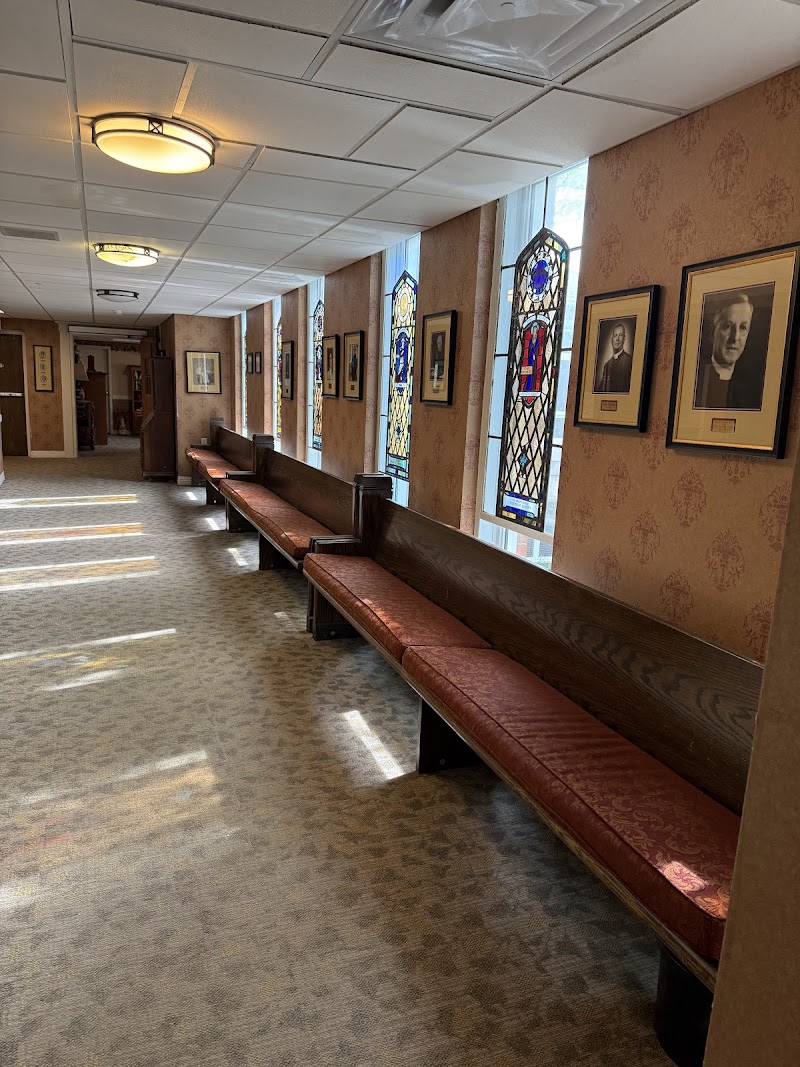
Who Owns and Operates Episcopal Church Home Of Minnesota?

Episcopal Church Home of Minnesota is owned by a non-profit organization. Non-profit facilities reinvest revenue into operations rather than distributing to shareholders. The facility operates independently rather than as part of a larger chain. With 131 certified beds and approximately 114 residents (about 87% occupancy), it is a mid-sized facility located in SAINT PAUL, Minnesota.

How Does Episcopal Church Home Of Minnesota Compare to Other Minnesota Nursing Homes?

Compared to the 100 nursing homes in Minnesota, Episcopal Church Home of Minnesota's overall rating (3 stars) is below the state average of 3.2, staff turnover (25%) is significantly lower than the state average of 46%, and health inspection rating (2 stars) is below the national benchmark.

What Should Families Ask When Visiting Episcopal Church Home Of Minnesota?

Based on this facility's data, families visiting should ask: "Can I visit during a mealtime to observe dining assistance and food quality?" "How do you handle medical emergencies, and what is your hospital transfer rate?" "Can I speak with family members of current residents about their experience?"

Is Episcopal Church Home Of Minnesota Safe?

Based on CMS inspection data, Episcopal Church Home of Minnesota has a clean safety record: no substantiated abuse findings (meaning no confirmed cases of resident harm), no Immediate Jeopardy citations (the most serious violation level indicating risk of serious injury or death), and is not on the Special Focus Facility watch list (a federal program monitoring the lowest-performing 1% of nursing homes). The facility has a 3-star overall rating and ranks #100 of 100 nursing homes in Minnesota. While no facility is perfect, families should still ask about staff-to-resident ratios and recent inspection results during their visit.

Do Nurses at Episcopal Church Home Of Minnesota Stick Around?

Staff at Episcopal Church Home of Minnesota tend to stick around. With a turnover rate of 25%, the facility is 21 percentage points below the Minnesota average of 46%. Low turnover is a positive sign. It means caregivers have time to learn each resident's needs, medications, and personal preferences. Consistent staff also notice subtle changes in a resident's condition more quickly. Registered Nurse turnover is also low at 12%, meaning experienced RNs are available to handle complex medical needs.

Was Episcopal Church Home Of Minnesota Ever Fined?

Episcopal Church Home of Minnesota has no federal fines on record. CMS issues fines when nursing homes fail to meet care standards or don't correct problems found during inspections. The absence of fines suggests the facility has either maintained compliance or corrected any issues before penalties were assessed. This is a positive indicator, though families should still review recent inspection reports for the full picture.

Is Episcopal Church Home Of Minnesota on Any Federal Watch List?

Episcopal Church Home of Minnesota is not on any federal watch list. The most significant is the Special Focus Facility (SFF) program, which identifies the bottom 1% of nursing homes nationally based on persistent, serious quality problems. Not being on this list means the facility has avoided the pattern of deficiencies that triggers enhanced federal oversight. This is a positive indicator, though families should still review the facility's inspection history directly.