EPISCOPAL CHURCH HOME THE GARDENS
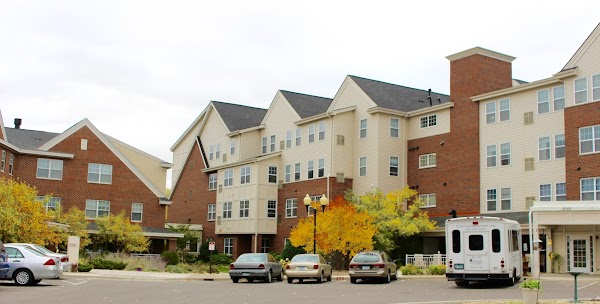
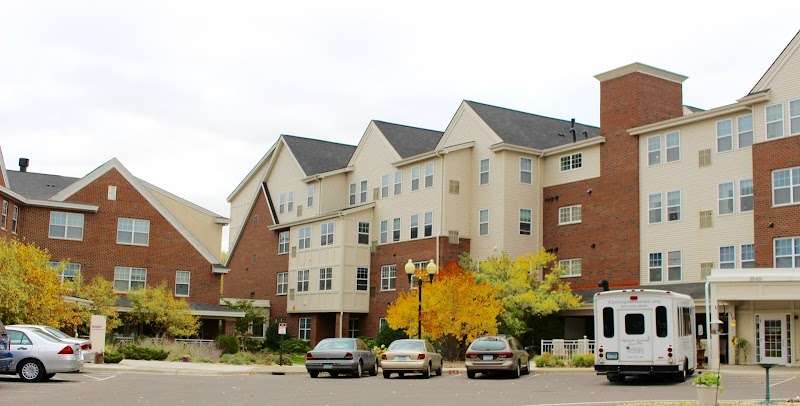
1860 UNIVERSITY AVENUE WEST, SAINT PAUL, MN 55104 (651) 632-8801
Non profit - Other 60 Beds Independent Data: November 2025
Trust Grade
45/100
#229 of 337 in MN
Last Inspection: September 2024

Within standard 12-15 month inspection cycle. Federal law requires annual inspections.

Overview

Episcopal Church Home The Gardens has a trust grade of D, which indicates below-average quality and raises some concerns about the care provided. They rank #229 out of 337 facilities in Minnesota, placing them in the bottom half, and #18 out of 27 in Ramsey County, meaning there are only a few options that are better. The facility's performance has been stable in recent years, with 9 issues reported in both 2024 and 2025. Staffing is a strength, with a 0% turnover rate, suggesting that staff stay long-term, which is beneficial for resident care. However, there are serious concerns, such as a resident with a fall risk who had an unwitnessed fall when staff did not follow the care plan, and issues with food safety and infection control practices that could affect all residents. While there have been no fines recorded, the overall health inspection score remains at a low 2 out of 5 stars.

Trust Score
D
45/100
In Minnesota
#229/337
Bottom 33%
Safety Record
Moderate
Needs review
Inspections
Holding Steady
9 → 9 violations
Staff Stability
○ Average
Turnover data not reported for this facility.
Penalties
✓ Good
No fines on record. Clean compliance history, better than most Minnesota facilities.
Skilled Nurses
○ Average
RN staffing data not reported for this facility.
Violations
⚠ Watch
29 deficiencies on record. Higher than average. Multiple issues found across inspections.
★★☆☆☆
2.0
Overall Rating
☆☆☆☆☆
0.0
Staff Levels
★★☆☆☆
2.0
Care Quality
★★☆☆☆
2.0
Inspection Score
Stable
2024: 9 issues
2025: 9 issues

The Good

  • Full Sprinkler Coverage · Fire safety systems throughout facility
  • No fines on record

Facility shows strength in fire safety.

The Bad

2-Star Overall Rating

Below Minnesota average (3.2)

Below average - review inspection findings carefully

The Ugly 29 deficiencies on record

1 actual harm
Aug 2025 6 deficiencies
CONCERN (D) 📢 Someone Reported This

A family member, employee, or ombudsman was alarmed enough to file a formal complaint

Potential for Harm - no one hurt, but risky conditions existed

Resident Rights (Tag F0550)

Could have caused harm · This affected 1 resident

**NOTE- TERMS IN BRACKETS HAVE BEEN EDITED TO PROTECT CONFIDENTIALITY** Based on observation, interview, and record review the facility failed to ensure 3 of 3 residents (R1, R2, and R3) reviewed had ...

Read full inspector narrative →
**NOTE- TERMS IN BRACKETS HAVE BEEN EDITED TO PROTECT CONFIDENTIALITY** Based on observation, interview, and record review the facility failed to ensure 3 of 3 residents (R1, R2, and R3) reviewed had a dignified existence when the three residents had been told to use an incontinent brief to toilet rather than staff assisting them to the bathroom.Findings include: Upon observation and interview on 8/14/25 at 8:40 a.m. R1 was struggling to find her call light as it was wrapped around her bed rail and hanging to a floor. A voice from her camera saw the surveyor and asked to assist R1 as she needed to use the bathroom. A nursing assistant could not be found in the hallway, so licensed practical nurse (LPN)-A was asked to come into the room at 8:44 a.m. LPN-A placed her call light within her reach. At 8:45 a.m. R1 pushed her call light. At 8:47 a.m. nursing assistant (NA)-B entered the room, turned off the light and told R1 she would return. At 9:07 NA-B returned with another NA and started morning cares on R1. R1 stated it was common practice for the nursing assistances to turn off her light and tell her they would be back, sometimes they do and sometimes they do not. They always tell me to just go in my pad. R1's care plan dated 3/20/25 indicated for toilet use R1 required the assistance of one staff member for the transfer. Assistance of one staff member with toileting tasks and changing in bed. Staff was to offer and assist R1 with toileting upon rising, before and after meals, before bed and as needed when R1 requested to use the toilet. Use assistance of two staff members as needed related to weakness. R1's quarterly Minimum Data Set (MDS) dated [DATE] indicated R1's Brief Inventory of Mental Status was a 13 indicating R1 was cognitively intact. R1 was dependent upon staff for dressing, bathing, toileting, and hygiene cares. She was dependent upon staff for all transferring in and out of bed. R1's pertinent diagnoses were cerebral vascular disease (a group of conditions that affect blood flow and blood vessels in the brain), hypothyroidism (the thyroid gland doe does not produce enough thyroid hormone), chronic kidney disease, pain, and unspecified dementia. An audio and video recording dated 8/17/25 showed R1 waving her hands to an unidentified nursing assistant (NA) who was in her room speaking with a maintenance staff member. R1 was heard saying, wait I have to pee, I have to pee. The NA replied, I'm in another room now, just let loose if you have to pee, you have a brief on. R1 stated I already did let loose. The NA left the room. An email from family member (FM)-A dated 8/18/25 at 12:19 p.m. indicated the video footage had been taken at the end of the day shift on 8/17/25. The NA's partner had left early leaving the NA by herself. A woman down the hall was on the toilet when the NA was called to assist maintenance with a call light. The NA left R1 to help the other woman. R1 knows now just to go in pants. When R1 did get to the toilet she had explosive diarrhea. The smell was so awful. The mess was awful. FM-A should have taken pictures. FM-A cleaned poop from the side of the toilet and the toilet seat. Upon interview on 8/14/25 at 9:43 FM-A stated she had multiple videos of staff telling R1 to use her incontinent pad instead of taking her to the bathroom. This has been the reason for a lot of her falls, R1 trying to self-transfer to the bathroom and not have to urinate in her pad. R2's quarterly MDS dated [DATE] indicated R2 had a BIMs score of 4 indicating R2 was severely cognitively impaired. R2 was totally dependent upon staff for dressing, bathing, toileting, and hygiene cares. He was dependent upon staff for all transferring in and out of bed. R2's pertinent diagnoses were coronary artery disease (damage or disease in the hearts major blood vessels), chronic pain, symptoms and signs with cognitive functions and awareness. R2's care plan dated 2/27/25 indicated R2's required assistance of two staff members and assistance with the Sara Steady (mechanical lift) for toileting and to have a urinal at bedside. R2's care plan dated 3/19/25 indicated R2 sometimes experienced confusion, weakness, and inability to communicate needs. Staff was to encourage R2 to use his urinal or the bathroom and would provide him reassurance and redirection. Upon interview on 8/14/25 at 4:18 p.m. FM-C stated she could not recall the date, but she overheard an NA telling R2 to urinate in his pad. She reported this to the director of nursing DON and the NA was talked to. FM-C stated she watched the video camera in his room, and she does not see him being offered toileting or his urinal. She witnessed staff changing his pad and at times does not witness staff in his room at all overnight. They don't honor our request to have him taken to the bathroom. Upon interview on 8/18/25 at 9:40 a.m. R2 stated he did not like to urinate in his pad, but he has no choice. R2 would not elaborate on his statement. Upon observation and interview on 8/18/25 at 11:30 a.m. R3 and family member (FM-D) were in R3's room. R3 was in her recliner. R3 stated she waited for staff often and has had skin breakdown due to waiting in a wet brief, but not currently. She stated she not aware that she had the choice to use the toilet. She asked multiple times during the interview if she could use the bathroom instead of urinating in her brief. FM-D stated he was not certain that R3 could transfer to the toilet as he had not seen her or heard her using the bathroom in months. FM-D stated he would talk to management about having her use the bathroom when she requests. R3's care plan dated 4/16/25 indicated R3's toilet use was an extensive assistance of 1-2 with transferring to the toilet with a gait belt. R3 would state the need for toileting, wears a brief. Usually incontinent of bowel and bladder. Apply moisture barrier with each incontinence or brief change. Report symptoms of constipation to the nurse. R3's quarterly MDS dated [DATE] indicated R3 had a BIMs score of 15 indicating R3 was cognitively intact. R3 required maximum assistance with toileting, bathing, dressing, and hygiene and transferring from her bed to a chair. R3's pertinent diagnoses were degenerative disease of the nervous system (progressive decline and death or nerve cells), chronic pain, cerebrovascular disease (disease that affects the blood vessels in the brain), hemiplegia (one side weakness following a stroke) following cerebral infarction and unspecified dementia. Upon interview on 8/18/25 at 2:02 p.m. the DON stated it was not o.k. to tell a resident to urinate or go to the bathroom in their incontinent brief. When the NA's are busy, they need to reach out to the nurses to assist them. Upon interview on 8/18/25 at 3:15 p.m. the Regional Operations Manager (filling in for the Administrator) stated telling residents to urinate in their incontinent brief was not the standard of care the facility endorsed. A facility policy regarding dignity was requested however none was received.
CONCERN (D) 📢 Someone Reported This

A family member, employee, or ombudsman was alarmed enough to file a formal complaint

Potential for Harm - no one hurt, but risky conditions existed

Accident Prevention (Tag F0689)

Could have caused harm · This affected 1 resident

**NOTE- TERMS IN BRACKETS HAVE BEEN EDITED TO PROTECT CONFIDENTIALITY** Based on observation, interview, and record review the facility failed to provide adequate supervision to reduce the risk of acc...

Read full inspector narrative →
**NOTE- TERMS IN BRACKETS HAVE BEEN EDITED TO PROTECT CONFIDENTIALITY** Based on observation, interview, and record review the facility failed to provide adequate supervision to reduce the risk of accidents for residents 2 of 3 (R1 and R2) reviewed for supervision. The facility did not assess and document the aimed use for the intent of alarms to be used temporarily to assess patterns and routines of the residents. R1 and R2's family requested the alarms following multiple falls and concerns about adequate supervision.Findings include: R1's quarterly Minimum Data Set (MDS) dated [DATE] indicated R1's Brief Inventory of Mental Status was a 13 indicating R1 was cognitively intact. R1 was dependent upon staff for dressing, bathing, toileting, and hygiene cares. She was dependent upon staff for all transferring in and out of bed. R1's pertinent diagnoses were cerebral vascular disease (a group of conditions that affect blood flow and blood vessels in the brain), hypothyroidism (the thyroid gland doe does not produce enough thyroid hormone, chronic kidney disease, pain, and unspecified dementia. R1's care plan dated 3/20/25 - 8/18/25 did not indicate any scheduled supervision of staff interventions for R1 including patterns or routines with the use of the position alarm. R1's fall log dated 3/20/25 - 8/18/25 included falls on 4/7/25, 5/13/25, 5/20/25, 5/27/25, 6/6/25, 6/27/25, 6/28/25 and 7/12/25. R1's care plan intervention related to potential for falls dated 5/15/25 indicated R1 forgets she cannot transfer or ambulate without assistance and will often attempt to transfer independently which leads to her falls. Signs placed by her bedside to remind her to use her call light to seek help. R1's care plan intervention related to potential for falls dated 5/17/25 indicated R1 believed she could crawl from her bed to the bathroom. Each shift reminds R1 to use her all light and to seek help and staff will point to her call light render posted by her bedside until she develops a habit to use her call light. R1's care intervention related to potential for falls dated 6/9/25 indicated R1 was experiencing increase in confusion and inability to remember to use the call light for help. Hospice was to evaluate her medications. R1's care intervention related to potential for falls dated 6/10/25 indicated R1 had the inability to understand her diminished physical mobility and therefor attempts to self-transfer. R1 would be toileted after each meal, at bedtime and upon rising in the morning to prevent her from self-transferring. R1's care intervention related to potential falls dated 6/27/25 indicated R1 was kneeling by her bedside with no call light on. Family reporting observing R1 on camera attempting to turn her television off. Staff will turn off her television at bedtime. R1's care intervention related to potential falls dated 6/30/25 indicated R1 was attempting to pick up her cell phone charger from the floor while in bed, which led to her rolling out of bed and landing on the floor. Staff was to be sure R1's cell phone charger was secured to her bed rail and in a reachable position. R1' care plan dated 7/2/25 indicated R1 had an alternation in mobility and a potential for injury related to a fall risk. Staff was to ensure bed/chair alarm was under R1 and check for alarm placement and function every shift. R1's care plan for potential fall intervention dated 7/14/25 indicated R1 was attempting to self-transfer from to the toilet without seeking support after lunch. Staff was to toilet R1 after each meal to prevent her from attempting to self-transfer. Upon interview on 8/14/25 at 8:40 a.m. R1 stated she was aware that she had the bed alarm, and she did not like it because she felt there was a resistance, and she had to lay still. She stated she did want the alarm because her family wanted her to have it because of so many falls so staff would hear the alarm and would come quickly. Upon interview on 8/14/25 at 9:43 a.m. R1's family member FM-A stated she heard another family at the facility used a bed alarm because they did not feel their family member was being supervised so FM-A decided to get one for R1. She stated it is so awful to watch an elderly family member struggle to get out of bed on their own when they needed something or to use the bathroom. At least if she had the alarm, she would get staffs attention to assist her. R2's fall log dated 2/18/25 - 3/18/25 indicated R2 had falls on 2/18/25, 2/20/25, 2/21/25, 3/5/25, 3/17/25, and 6/2/25. R2's care plan dated 2/27/25 indicated R2 was a fall risk. R2 was to have call light within reach. R2 needed prompt response. R2's family was to be educated about safety reminders and what to do if R2 falls. R2's fall risk care plan intervention dated 3/6/25 indicated R2 sometimes attempted to self-transfer without using his call light, staff was to perform hourly checks and asked elder if he needed help when awake. R2's fall risk care plan intervention dated 3/6/25 indicated staff would check R1's chair/bed alarm placement and function every shift. R2's quarterly MDS dated [DATE] indicated R2 had a BIMs score of 4 indicating R2 was severely cognitively impaired. R2 was totally dependent upon staff for dressing, bathing, toileting, and hygiene cares. He was dependent upon staff for all transferring in and out of bed. R2's pertinent diagnoses were coronary artery disease (damage or disease in the hearts major blood vessels), chronic pain, symptoms and signs with cognitive functions and awareness. R2's Physical Device Review Comprehensive dated 5/21/25 indicated R2 had an alarming device. The reason for the device was an alternation in safety awareness due to cognitive impairment, history of falls, difficulty with balance or trunk control and medications that increase the risk of falls. R2's alarm was to indicate to staff when R2 was getting out of bed. The alarm was to help at night when R2 got up unattended for staff to be aware. The device was used for fall prevention. Upon interview on 8/14/15 at 12:00 p.m. nursing assistant (NA)-B stated R2 did not need safety checks because he had an alarm to notify staff of when he moved. Upon interview on 8/14/25 at 4:15 p.m. R2's family member FM-C stated when R2 first moved to the facility in 2/2025 he had fallen and when she watched the video of the fall, she noticed that R2 had been on the floor for hours. She stated the facility took care of that matter and put in hourly safety checks, however when she viewed the video recording, she could still see no staff entering R2's room all night and the checks were not being performed during the day as well. She decided to put in a position change alarm to babysit R2. She stated at least she can peace of mind knowing if R2 continued to fall he would be tended to, or it could prevent a fall making staff was aware when he was up. Upon interview on 8/18/25 at 12:35 p.m. the facilities Medical Director was not aware that the facility had bed alarms in place. She stated that during QAPI (Quality Assurance and Performance Improvement) meetings the facility were addressing falls, however the alarms had not been brought up. She stated she understood the concerns of the families, however using an alarm does not absolve the facility from supervising residents. Upon interview on 8/18/25 at 2:02 p.m. the Director of Nursing, (DON) stated the bed alarms were placed due to the requests of the families that the facility does not recommend the alarms. She stated bed alarms can inhibit the residents from moving and she explained that the families. She said the residents get checked on every couple of hours, 2-3 hour at night. The DON was certain the residents were supervised. The facilityhad not have any audits of the staffing rounds on any of the shifts. Upon interview on 8/18/25 at 3:15 p.m. the Regional Operations Manager (filling in for the Administrator) stated two residents in the facility have positioning alarms. The facility did not offer alarms to families. She stated the families who have them felt like they needed another safety intervention. The facility uses a greenhouse of model, meaning they have private rooms and not a visible nurses station. The facility was starting a PIP (performance improvement plan) on falls and how the checks on residents for safety and if staff is following the care plan and the Kardex. The staff does two hours rounding for safety checks unless a resident does not want to any safety checks. A facility policy titled Fall Risk Assessments dated 4/2022 indicated All residents who are assessed as being at risk for falls will be identified and individualized fall precautions will be developed to decrease the number of falls whenever possible. It is the goal of the facility to achieve the resident's maximum potential of physical functioning, prevent injury, reduce falls, and enhance the resident's self-worth and dignity.Procedure:1. A Fall Risk Assessment will be completed at a minimum upon admission, quarterly in conjunction with the MDS schedule, upon significant change in status.2. Identified Fall risks will have appropriate interventions and precautions implemented and communicated to staff.3. Initiate, review and/or revise the care plan as appropriate.4. The IDT will, at a minimum of quarterly, review the resident's fall risk and care plan.5. The resident, responsible party and MD/NP will participate in the development of the plan to reduce falls.6. A post fall assessments will occur to review contributing factors and preventrecurrence of falls.7. Falls will be discussed at IDT daily stand up, Safety Committee and Quality Assurance meetings as warranted.8. Manufacturer's recommendations will be followed for fall prevention devices as needed.
CONCERN (D) 📢 Someone Reported This

A family member, employee, or ombudsman was alarmed enough to file a formal complaint

Potential for Harm - no one hurt, but risky conditions existed

Deficiency F0700 (Tag F0700)

Could have caused harm · This affected 1 resident

**NOTE- TERMS IN BRACKETS HAVE BEEN EDITED TO PROTECT CONFIDENTIALITY** Based on observation, interview, and record review the facility failed to attempt alternative devices before using bedrails on r...

Read full inspector narrative →
**NOTE- TERMS IN BRACKETS HAVE BEEN EDITED TO PROTECT CONFIDENTIALITY** Based on observation, interview, and record review the facility failed to attempt alternative devices before using bedrails on residents beds. The failed to accurately assess the residents for risk of entrapment by assessing residents medical diagnosis, size and weight, cognition, communication, and mobility for 3 of 3 residents (R1, R2, and R3) reviewed for bed rails. In addition, R2 had side rails used in conjunction with an air mattress. Findings include: Long-Term Care Facility Resident Assessment Instrument 3.0 User's Manual retrieved from https://www.cms.gov/files/document/finalmds-30-rai-manual-v11811october2023.pdf indicated a physical restraint or method physical or mechanical device, material or equipment attached or adjacent to the residents body that the individual cannot remove easily, which restricts freedom of movement or normal access to one's body. Residents who are cognitively impaired are at a higher risk of entrapment and injury or death caused by physical restraints. It is vital that physical restraints used on this population be carefully considered and monitored. Any manual method or physical or mechanical device, material or equipment should be classified as a restraint definition. This can only be deterred on a case-by-case basis by individually assessing each and every manual method or physical or mechanical device, material, or equipment. Recommendations for Health Care Providers Using Adult Portable Bed Rails retrieved from https://www.fda.gov/MedicalDevices/ProductsandMedicalProcedures/HomeHealthandConsumer/ConsumerProducts/BedRailSafety/ucm362848.htm indicated Food and Drug Administration (FDA) guidelines (Recommendations for Health Care Providers about Bed Rails) 2018 indicated health care providers should base the use of bed rails on individual resident assessments to ensure the individual is an appropriate candidate to reduce the risk of entrapment. Recommendations made for health care providers to evaluate the individual's need, to use the guidance documented Hospital Bed System Dimensional and Assessment Guidance to Reduce Entrapment to have knowledge that not all bedrails, mattresses, and bed frames are interchangeable; check the manufacture instructions, health care providers are to avoid the routine use of adult bed rails without first conducting an individual patient or resident assessment, and restrict the use of physical restraints including restrictive use of bed rails, or chest, abdominal, wrist, or ankle restraints of any kind on individuals in bed. When installing and using bedrails select the appropriate bed rail, follow the health care providers procedures or manufacture recommendations, inspect, evaluate, and regularly check bedrails are appropriately matched to equipment and patient needs considering all relevant risk factors, to identify and remove potential fall and entrapment hazards. Be aware that gaps can be created by movement or compression of the mattress, which may be caused by patient weight, movement, bed position, or by using a specialty mattress. Recommendations for Health Care Providers Using Adult Portable Bed Rails retrieved fromhttps://www.fda.gov/medical-devices/adult-portable-bed-rail-safety/recommendations-health-care-providers-using-adult-portable-bed-rails indicated be aware that not all bed rails, mattresses, and bed frames are interchangeable, and not all bed rails fit all beds. Check with the manufacturers to make sure the bed rails, mattress, and bed frame are compatible. Use caution when using bed rails with a soft mattress as this may increase risk of entrapment between the mattress and bed rail. Be aware that gaps can be created by movement or compression of the mattress which may be caused by patient weight, patient movement or bed position, or by using a specialty mattress, such as an air mattress, mattress pad or waterbed. R1's care plan dated 3/20/25 indicated she had bilateral mobility bars at the head of her bed to enhance her participation in positioning and bed mobility. R1's Physical Device Review Comprehensive dated 6/22/25 indicated R1 had right and left mobility bars, a floor mat, and a low bed. The reason for the use of the devices was R1 was non-ambulatory, her level of consciousness fluctuated, she had poor bed mobility or difficulty moving to a sitting position displayed. The devices would be used whenever R1 wanted to relax in her recliner. Her ability to demonstrate the appropriate use was marked as N/A (non-applicable). The device helped her assist with bed mobility. The device was not considered to be a therapeutic intervention to achieve proper body position, balance, or mobility, but indicated it was used for positioning. The devices were not used for fall prevention. The risks vs. benefits where they enabled R1 to assist with bed mobility and repositioning herself in bed. The summary of device use was side rails would assist with mobility and repositioning while in bed. The recliner chair would be used to help R1 relax. No risk or benefits or any other education was documented as provided to R1 or representative. In addition, R1's medical diagnosis, size and weight, cognition, communication, and mobility were not assessed for the medical device evaluation or if R1 could remove the device on her own indicating the device was not a restraint. R1's quarterly Minimum Data Set (MDS) dated [DATE] indicated R1's Brief Inventory of Mental Status was a 13 indicating R1 was cognitively intact. R1 was dependent upon staff for dressing, bathing, toileting, and hygiene cares. She was dependent upon staff for all transferring in and out of bed. R1's pertinent diagnoses were cerebral vascular disease (a group of conditions that affect blood flow and blood vessels in the brain), hypothyroidism (the thyroid gland doe does not produce enough thyroid hormone, chronic kidney disease, pain, and unspecified dementia. R1's MDS did not indicate the use of bed rails. Upon observation and interview on 8/14/25 at 8:40 a.m. R1 was in her bed trying to call for staff assistance R1's had an extended call light cord wrapped around her half-length bed rail on the upper right side of her bed. R1 was placing her hand in and out of rail trying to untangle the light by herself. R1 had a left half-length bed rail as well, a floor mat, and her bed was in the lowest position. Both bed rails were permanently affixed to her bed. R1 stated she used the bed rails when she attempted to get out of bed on her own and reposition in bed. R2's care plan dated 2/19/25 - 8/18/35 did not indicate the use of bed rails. R2's quarterly MDS dated [DATE] indicated R2 had a BIMs score of 4 indicating R2 was severely cognitively impaired. R2 was totally dependent upon staff for dressing, bathing, toileting and hygiene cares. He was dependent upon staff for all transferring in and out of bed. R2's pertinent diagnoses were coronary artery disease (damage or disease in the hearts major blood vessels), chronic pain, symptoms and signs with cognitive functions and awareness. R2's MDS did not indicate the use of bed rails. R2's Physical Device Review Comprehensive dated 5/21/25 indicated the devices used by R2 were an electric reclining chair and an alarm device. The form did not indicate the bed rails on R2's bed. No risk or benefits or any other education was documented as provided to R2 or representative. In addition, R2's medical diagnosis, size and weight, cognition, communication, and mobility were not assessed for the medical device evaluation or if R2 could remove the device on her own indicating the device was not a restraint.Upon observation and interview on 8/14/25 at 9:39 a.m. R2 was seated in his chair, his bed had an air mattress and was positioned in the lowest level with permanently affixed bilateral half-length bed rails on his bed. R2 stated he did not know what the bed rails on his bed were for. R3's Care plan dated 4/16/25 indicated R3's bed mobility was an extensive assist of one staff member, encourage R3 and assist to use bilateral mobility bars. R3's quarterly MDS dated [DATE] indicated R3 had a BIMs score of 15 indicating R3 was cognitively intact. R3 required maximum assistance with toileting, bathing, dressing, and hygiene and transferring from her bed to a chair. R3's pertinent diagnoses were degenerative disease of the nervous system (progressive decline and death or nerve cells), chronic pain, cerebrovascular disease (disease that affects the blood vessels in the brain), hemiplegia (one side weakness following a stroke) following cerebral infarction and unspecified dementia. R3's Physical Device Review Comprehensive dated 7/21/25 indicated the devices used were right and left mobility bars. The reason for the use of the device was R3 was non-ambulatory, she had alteration in safety awareness due to cognitive impairment, history of falls, difficulty with balance and trunk control displayed. R3 was able to demonstrate the ability to use the device appropriately. The device benefited her as it served as a mobility enabler, repositioning tool, and safety. The device was considered to be a therapeutic intervention to achieve proper body positioning, balance and mobility and was used for a mobility enabler and positioning. The devices were not utilized as a fall prevention. The risks versus benefits were described as benefit: siderails are used when getting in and out of bed and for repositioning while in bed. The risk was all devices have the ability to cause injuries when not used properly. The summary of the device used indicated side rails were used when getting in and out of bed, and for repositioning while in bed. R3's medical diagnosis, size and weight, cognition, communication, and mobility were not assessed for the medical device evaluation or if R3 could remove the device on her own indicating the device was not a restraint. In addition, the risk and benefits documented did not include if the resident and or representative was educated. Upon observation and interview on 8/14/25 at 11:18 a.m. R3 was seated in her reclining chair, she had permanently affixed half-length bilateral bed rails on her bed. R3 stated she required the rails for all movement in bed. Upon interview on 8/14/15 at 11:09 a.m. licensed practical nurse (LPN)-A stated the facility assessed bed rails on all the residents on each quarterly assessment. The residents and/or representative is educated on the risks and benefits however the facility did not have a place to document the education. The facility did not try any alternative methods prior to the use of the bed rails and the bed rails are used for safety of the residents while in bed. Upon interview on 8/18/25 at 2:02 p.m. the director of nursing (DON) stated during the survey when surveyor requested bed rail information the facility realized they did not have all the criteria of the bed rail safety policy and removed most of the bed rails from residents except for a select few whose family were onsite and opposed the removal. The facility was going to start the side rails assessments from scratch following the survey. The DON stated the facility did not try alternative methods prior to installing the bed rails, asking what else are you going to use? She stated none of the rails the facility had on the bed were considered restraints because the residents were able to get in and out of bed. Upon interview on 8/18/25 at 3:15 p.m. the regional operations manager (filling in for the Administrator) stated the facility realized during the survey process that the facility was not following through on their process in regard to bed rails and on 8/15/25 removed most of the bed rails from the residents bed until new assessments could be completed. The facility sent an email to all the residents and/or resident representatives. A facility policy titled Bed Safety Policy dated 1/1/18 indicated half-side rails will be used only after an assessment has been made indicating a benefit to the resident's functional status. Continued use of the half-side rail will be reassessed periodically to determine if the side rails enhance the resident's mobility while in bed or restricts the resident's freedom of movement.
CONCERN (D) 📢 Someone Reported This

A family member, employee, or ombudsman was alarmed enough to file a formal complaint

Potential for Harm - no one hurt, but risky conditions existed

Deficiency F0760 (Tag F0760)

Could have caused harm · This affected 1 resident

**NOTE- TERMS IN BRACKETS HAVE BEEN EDITED TO PROTECT CONFIDENTIALITY** Based on interview and record review the facility failed to ensure a system to reduce the risk of significant medication errors ...

Read full inspector narrative →
**NOTE- TERMS IN BRACKETS HAVE BEEN EDITED TO PROTECT CONFIDENTIALITY** Based on interview and record review the facility failed to ensure a system to reduce the risk of significant medication errors for transdermal opioid patches for 1 of 3 residents (R1) reviewed for medication administration. R1 was ordered by her hospice agency to have a transdermal opioid patch (narcotic medicated patch that slowly releases the medication into the body) placed on her skin every seven days. On two occasions the nursing staff failed to remove the old patch from her skin when the new patch was placed on her.Findings include: R1's hospice care plan dated 5/28/25 indicated buprenorphine (Butrans) 5 micrograms per hour (mcg/hr.) patch (an opioid patch used to treat opioid use disorder but also used for pain management) was to be applied once every week. Remove old patch prior to new patch application for chronic pain. R1's facility providers order dated 5/29/25 indicated Butrans transdermal patch 5 mcg/hr. Apply 1 patch transdermal one time a day every seven days for pain. The facility's order did not include to remove the old patch. R1's quarterly Minimum Data Set (MDS) dated [DATE] indicated R1's Brief Inventory of Mental Status was a 13 indicating R1 was cognitively intact. R1 was dependent upon staff for dressing, bathing, toileting, and hygiene cares. She was dependent upon staff for all transferring in and out of bed. R1's pertinent diagnoses were cerebral vascular disease (a group of conditions that affect blood flow and blood vessels in the brain), hypothyroidism (the thyroid gland doe does not produce enough thyroid hormone, chronic kidney disease, pain, and unspecified dementia. R1's progress notes dated 8/1/25 - 8/18/25 did not provide any documentation regarding medication error monitoring or follow-up. R1's medication error on 8/1/25 or the error on 8/8/25 including any follow-up assessments. A facility report titled Record of Customer and Family Concern dated 8/1/25 indicated hospice staff reported that they found two pain patches on R1 during her weekly shower. The oldest patch was removed and the newest was left on. R1's vital signs were obtained and were within baseline, staff was to continue to monitor R1, no acute changes noted. The Administrator and the director of nursing (DON) were notified on 8/4/25. The staff member who provided care was interviewed and stated she did not see an old patch and always removed an old patch. The action taken was patch training conducted, staff demonstrate understanding of the patch removal. R1's care plan and treatment administrator were updated. R1's family was notified on 8/4/25. The form did not indicate hospice, or the facilities medical provider were notified to obtain an order for any assessments following the error. A facility report titled Medication Error Report dated 8/11/25 indicated on 8/8/25 R1's family member (FM)-A notified staff that R1 had two pain patches on her, one was dated 7/31/25 and the other was not dated. Both patches were removed, and a new patch was applied. Hospice was updated on 8/11/25 and the staff was to monitor R1. The form did not indicate who was notified at hospice and what the staff was to monitor, in addition hospice was notified three days after the error occurred. There was no documentation of initial interventions to assess R1. A typed form by the facility dated 8/12/25 indicated FM-A was assisting change R1 into her nightgown and found two pain patches on R1's body. The first patch was on the front of R1 and not dated, while the second was dated and placed on her back. FM-A requested both patches to be removed by the nurse based on the instruction of a family member who was a doctor. The form did not indicate any communicate with hospice. The intervention was patch training conducted, staff administrating medications will ensure that the old patch was removed prior to new patch administration. There were no documented interventions for the care of R1 following the error. Upon interview on 8/14/25 at 11:09 a.m. licensed practical nurse (LPN)-A the nurse manager stated R1 did have two patches placed on her body at the same time twice. He stated the first time. R1 had two patches on it was the hospice nursing assistant who notified him. He stated he did monitor R1 following the error on 8/1/25 however he did not document exactly what he monitored. The second time the error happened he was not certain if hospice was notified as he was not onsite that day and he was not certain of the immediate action taken by staff to care for R1. Upon interview on 8/14/25 hospice registered nurse (RN)-A at 12:26 p.m. stated she was not aware of the doubling of the patches on 8/1/25, but was aware of the 8/7/25 incident as FM-A notified her. She stated the facility should have obtained orders to assess R1 and maybe even have the hospice staff make a visit if necessary. Upon interview on 8/14 at 1:01 p.m. R1's family member (FM)-B stated the facility failed R1 twice. FM-B's spouse was a Medical Doctor, and he told the facility they needed to remove both patches and start a new one. The facility was not able tell FM-B what their system was for a transdermal patch error. FM-B watched on R1's room camera if the staff checked in and completed vital signs often on R1 following the error and no additional monitoring was noticed. The day after the error R1 was very emotional and was calling the family crying, unable to state why she felt so awful. Upon interview on 8/18/25 at 8:39 a.m. the hospice Pharmacist stated the medication error caused R1 to receive an unintended increase in dose and how it affected her would be dependent on multiple different areas such as tolerance, how long both patches were on her, other medications. R1 should have been assessed for excess sedation, dizziness, it could have caused hypotension (low blood pressure) she could have had an increase in falls. The Pharmacist stated he would call have two opioid patches on an elderly residents skin at once a significant medication error because of the medication being an opioid and the route of administration, applying a patch is a significant nursing error as the nurse should ensure there is patch to remove or not. Upon interview on 8/18/25 at 8:55 a.m. the hospice medical provider stated hospice was not notified of the errors, there was no documentation in R1's hospice notes. R1 should have been assessed for drowsiness, dizziness and respirations can drop. Vital signs are very important following an opioid error. The provider would have ordered vital signs every 30 minutes for the first 4 hours, especially watching the pulse and respirations. This was a significant medication error. Upon interview on 8/18/25 at 12:35 p.m. the facilities medical director stated the patches should have been dated and since one of them was not both patches should have been removed during both error incidents and new patches applied. The prescribed should have been notified with an error of opioids for direction and awareness. Upon interview on 8/18/25 at 1:49 p.m. LPN-B stated she placed a patch on R1 and was re-educated by the facility. She stated she was told she did not remove an old patch on R1. She stated sometimes orders do not come in on time, so she thought maybe R1 did not have a patch on as she did not see one. LPN-B was a new nurse and reported not having training regarding patches and when and if to remove an old patch. She stated the order did not say to remove an old one. Upon interview on 8/18/25 at 2:02 p.m. the director of nursing (DON) stated she was unaware until the survey that R1 had medication error on 8/1/25 and was not certain what notifications were made following the error or how R1 had been monitored. She was aware of the error on 8/7/25 and stated LPN-B followed-up and re-educated the staff about removing an old patch. She stated R1's vital signs were documented following the second error, but no other monitoring was documented as being completed. A facility policy titled Med Error with a revision date of 8/1/21 indicated Policy: Medication Errors must be reported to the Supervisor immediately. Procedure: A medication Incident report must be filled out within 24 hours once the error has been discovered.Information should include the following.1. Name of Elder2. Date and time of incident3. Medications involved - give dose and directions for use4. Route of administration5. Detailed description of the error6. Physician notified7. Treatment given to the elder to counteract the effects of the error -if ordered8. Measures taken to rectify the error9. Any adverse consequences noted10. Elders general condition11. Name of staff responsible for error12. Preventative ActionAll reports must be turned in to the Director of nursing immediately. Eachmedication/treatment error will also be reviewed by the Medical Director and theConsulting Pharmacist. DON will counsel staff and any disciplinary issues will bedealt with according to facility policy. Education will be provided to the staff if necessary and a copy will be kept.
CONCERN (D) 📢 Someone Reported This

A family member, employee, or ombudsman was alarmed enough to file a formal complaint

Potential for Harm - no one hurt, but risky conditions existed

Deficiency F0849 (Tag F0849)

Could have caused harm · This affected 1 resident

**NOTE- TERMS IN BRACKETS HAVE BEEN EDITED TO PROTECT CONFIDENTIALITY** Based on observation, interview and document review, the facility failed to establish a communication process between the facili...

Read full inspector narrative →
**NOTE- TERMS IN BRACKETS HAVE BEEN EDITED TO PROTECT CONFIDENTIALITY** Based on observation, interview and document review, the facility failed to establish a communication process between the facility and the hospice provider to ensure that the needs of a resident were addressed and met for 1 of 3 residents (R1) reviewed for hospice services. R1 did not receive the necessary care and services when she had the same medication error occur twice. In addition, the facility failed to have a designated member of the interdisciplinary team who was responsible to work with hospice to ensure residents receiving hospice services needs were met.Findings include: R1's hospice care plan dated 5/28/25 indicated buprenorphine (Butrans) 5 micrograms per hour (mcg/hr.) patch (an opioid patch used to treat opioid use disorder but also used for pain management) was to be applied once every week. Remove old patch prior to new patch application for chronic pain. R1's facility providers order dated 5/29/25 indicated Butrans transdermal patch 5 mcg/hr. Apply 1 patch transdermal (on the skin) one time a day every seven days for pain. R1's quarterly Minimum Data Set (MDS) dated [DATE] indicated R1's Brief Inventory of Mental Status was a 13 indicating R1 was cognitively intact. R1 was dependent upon staff for dressing, bathing, toileting, and hygiene cares. She was dependent upon staff for all transferring in and out of bed. R1's pertinent diagnoses were cerebral vascular disease (a group of conditions that affect blood flow and blood vessels in the brain), hypothyroidism (the thyroid gland doe does not produce enough thyroid hormone, chronic kidney disease, pain, and unspecified dementia. A facility report titled Record of Customer and Family Concern dated 8/1/25 indicated hospice staff reported that they found two pain patches on R1 during her weekly shower. The oldest patch was removed and the newest was left on. R1's vital signs were obtained and were within baseline, staff was to continue to monitor the elder, no acute changes noted. The Administrator and the director of nursing (DON) were notified on 8/4/25. The staff member who provided care was interviewed and stated she did not see an old patch and always removed an old patch. The action taken was patch training conducted, staff demonstrate understanding of the patch removal. R1's care plan and treatment administrator were updated. R1's family was notified on 8/4/25. The date of the training was 8/13/25 and 8/14/25. The form did not indicate hospice, or the facilities medical provider were notified. A facility report titled Medication Error Report dated 8/11/25 indicated on 8/8/25 R1's family member (FM)-A notified staff that R1 had two pain patches on her, one was dated 7/31/25 and the other was not dated. Both patches were removed, and a new patch was applied. Hospice was updated on 8/11/25 and the staff was to monitor R1. The form did not indicate who was notified at hospice and what the staff was to monitor, in addition hospice was notified three days after the error occurred. A typed form by the facility dated 8/12/25 indicated FM-A was assisting change R1 into her nightgown and found two pain patches on R1's body. The first patch was on the front of R1 and not dated, while the second was dated and placed on her back. FM-A requested both patches to be removed by the nurse based on the instruction of a family member who was a doctor. The form did not indicate any communicate with hospice. The intervention was patch training conducted, staff administrating medications will ensure that the old patch was removed prior to new patch administration. Upon interview on 8/14/25 at 11:09 a.m. licensed practical nurse (LPN)-A the nurse manager stated R1 did have two patches placed on her body at the same time twice. He stated the first time. R1 had two patches on it was the hospice nursing assistant who notified him. He stated since it was the hospice aid was part of the hospice she would report to her leaders. The second time the error happened he was not certain if hospice was notified as he was not onsite that day. LPN-A stated the facility did not have a hospice coordinator to report incidents to. Upon interview on 8/14/25 hospice registered nurse (RN)-A stated she was not aware of the doubling of the patches on 8/1/25, but was aware of the 8/7/25 incident as FM-A notified her. RN-A stated she did not know of a hospice coordinator at the facility, she just spoke with the nurse on each floor of any orders, updates or concerns she had. Upon interview on 8/14/25 at 1:35 p.m. the Administrator in training stated she was not certain if the facility had a hospice coordinator. She stated to ask the DON as she had been at the facility for a long time. Upon interview on 8/14/25 at 1:35 p.m. the DON stated the facility did not have one actual person as the coordinator, it was a team effort. The social worker worked on referrals and admissions and the nurse manager work with the hospice companies once they are onboard. The facilities contract with hospice dated 3/14/22 indicated:Facility Representative: Facility shall designate a member of Facility's interdisciplinary team who is responsible for working with Hospice to coordinate care provided by Facility staff and Hospice staff to any Hospice Patient under Hospice's care. Such interdisciplinary team member shall be responsible for the following: (i) collaborating with Hospice and coordinating Facility staff participating in the hospice care planning process for those Hospice Patients who are under Hospice's care; (ii) communicating with Hospice and other healthcare providers participating in the provision of care for the terminal illness, related conditions, and other conditions, to ensure quality of care for the Hospice Patient and family; (iii) ensuring that Facility communicates with the Hospice medical director, the Hospice Patient's attending physician, and other practitioners participating in the provision of care to the Hospice Patient as needed to coordinate the hospice care with the medical care provided by other physicians. A facility hospice policy was requested however none was provided.
CONCERN (D) 📢 Someone Reported This

A family member, employee, or ombudsman was alarmed enough to file a formal complaint

Potential for Harm - no one hurt, but risky conditions existed

Deficiency F0909 (Tag F0909)

Could have caused harm · This affected 1 resident

**NOTE- TERMS IN BRACKETS HAVE BEEN EDITED TO PROTECT CONFIDENTIALITY** Based on observation, interview, and record review the facility failed to conduct regular inspections of all bed frames, mattres...

Read full inspector narrative →
**NOTE- TERMS IN BRACKETS HAVE BEEN EDITED TO PROTECT CONFIDENTIALITY** Based on observation, interview, and record review the facility failed to conduct regular inspections of all bed frames, mattresses, and bed rails as a part of the regular maintenance program to identify areas of possible entrapment for 3 of 3 residents (R1, R2, and R3) reviewed. The bed manufacturer guidelines indicated to visually inspect the bed and accessories monthly and indicated to follow the FDA guidance.Findings include: Recommendations for Health Care Providers Using Adult Portable Bed rails dated 2/27/2023 retrieved on 8/14/25 from https://www.fda.gov/medical-devices/general-hospital-devices-and-supplies/hospital-beds indicated, when evaluating the safe use of a hospital bed, component or accessory, manufacturers and caregivers should recognize that the risk for entrapment may increase if a hospital bed system is used for purposes, or used in a care setting, not intended by the manufacturer. Evaluating the dimensional limits of gaps in hospital beds may be one component of a bed safety program which includes a comprehensive plan for patient and bed assessment. Bed safety programs may also include plans for the reassessment of hospital bed systems. Reassessment may be appropriate when (1) there is reason to believe that some components are worn (e.g., rails wobble, rails have been damaged, mattresses are softer) and could cause increased spaces within the bed system, (2) when accessories such as mattress overlays or positioning poles are added or removed, or (3) when components of the bed system are changed or replaced (e.g., new bed rails or mattresses). This guidance describes seven zones in the hospital bed system where there is a potential for patient entrapment. Entrapment may occur in flat or articulated bed positions, with the rails fully raised or in intermediate positions. Descriptions of the seven entrapment zones appear on pages 15-21 in this guidance. Summary drawings of entrapment for all the zones appear in Appendix E. The seven areas in the bed system where there is a potential for entrapment are identified in the drawing below. Zone 1: Within the Rail Zone 2: Under the Rail, Between the Rail Supports or Next to a Single Rail Support Zone 3: Between the Rail and the Mattress Zone 4: Under the Rail, at the Ends of the Rail Zone 5: Between Split Bed Rails Zone 6: Between the End of the Rail and the Side Edge of the Head or Foot Board Zone 7: Between the Head or Foot Board and the Mattress End. Health Care providers should base the use of bed rails on individual resident assessments to ensure the individual is an appropriate candidate to reduce the risk of entrapment. Recommendations made for health care providers to evaluate the individual's need, to use the guidance documented Hospital Bed System Dimensional and Assessment Guidance to Reduce Entrapment to have knowledge that not all bedrails, mattresses, and bed frames are interchangeable; check the manufacture instructions, health care providers are to avoid the routine use of adult bed rails without first conducting an individual patient or resident assessment, and restrict the use of physical restraints including restrictive use of bed rails, or chest, abdominal, wrist, or ankle restraints of any kind on individuals in bed. When installing and using bedrails select the appropriate bed rail, follow the health care providers procedures or manufacture recommendations, inspect, evaluate, and regularly check bedrails are appropriately matched to equipment and patient needs considering all relevant risk factors, to identify and remove potential fall and entrapment hazards. Be aware that gaps can be created by movement or compression of the mattress, which may be caused by patient weight, movement, bed position, or by using a specialty mattress.The manufacture user-service manual for Joerns Assist Device and Side Rails [NAME]-Care Models, undated, indicated Maintenance/Inspection Information: Visually inspect the assist handle and mounting bracket, and check for loose hardware monthly. Tighten loose hardware as stated in the installation instructions.Warning: Risk of Serious Injury or Death. Properly locate the mounting brackets. The gap between the head/foot panel and the assist device or side rail must be small enough to prevent a resident from getting their head or neck caught in this location (see the installation instructions for more information, if applicable). If multiple assist devices are needed, position them such that the gap between them is large enough that the trunk and hips can easily pass through. Make sure that raising or lowering the bed, or adjusting the sleep surface, does not create hazardous gaps. The assist devices or side rails should not be used if ANY openings within the bed system allow a resident to get their head or neck lodged within these openings. Failure to do so could result in serious injury or death.Warning: An optimal bed system assessment should be conducted for each resident by a qualified clinician or medical provider to ensure maximum safety of the resident. The assessment should be conducted within the context of, and in compliance with, the state and federal guidelines related to the use of restraints and bed system entrapment guidance, including the Clinical Guidance for the Assessment and Implementation of Side Rails published by the Hospital Bed Safety Workgroup of the U.S. Food and Drug Administration. Further information can be obtained at the following web address: http://www.fda. gov/MedicalDevices/ProductsandMedicalProcedures/ GeneralHospitalDevicesandSupplies/HospitalBeds/default.htm Upon observation and interview on 8/14/25 at 8:40 a.m. R1 was in her bed trying to call for staff assistance R1's had an extended call light cord wrapped around her half-length bed rail on the upper right side of her bed. R1 was placing her hand in and out of rail trying to untangle the light by herself. R1 had a left half-length bed rail as well, a floor mat, and her bed was in the lowest position. Both bed rails were permanently affixed to her bed. R1 stated she used the bed rails when she attempted to get out of bed on her own and reposition in bed. R1's quarterly Minimum Data Set (MDS) dated [DATE] indicated R1's Brief Inventory of Mental Status was a 13 indicating R1 was cognitively intact. R1 was dependent upon staff for dressing, bathing, toileting, and hygiene cares. She was dependent upon staff for all transferring in and out of bed. R1's pertinent diagnoses were cerebral vascular disease (a group of conditions that affect blood flow and blood vessels in the brain), hypothyroidism (the thyroid gland doe does not produce enough thyroid hormone, chronic kidney disease, pain, and unspecified dementia. R1's MDS did not indicate the use of bed rails. Upon observation and interview on 8/14/25 at 9:39 a.m. R2 was seated in his chair, his bed had an air mattress was in the lowest position with permanently affixed bilateral half-length bed rails on his bed. R2 stated he did not know what the bed rails on his bed were for. R2's quarterly MDS dated [DATE] indicated R2 had a BIMs score of 4 indicating R2 was severely cognitively impaired. R2 was totally dependent upon staff for dressing, bathing, toileting, and hygiene cares. He was dependent upon staff for all transferring in and out of bed. R2's pertinent diagnoses were coronary artery disease (damage or disease in the hearts major blood vessels), chronic pain, symptoms and signs with cognitive functions and awareness. R2's MDS did not indicate the use of bed rails. Upon observation and interview on 8/14/25 at 11:18 a.m. R3 was seated in her reclining chair, she had permanently affixed half-length bilateral bed rails on her bed. R3 stated she required the rails for all movement in bed. R3's quarterly MDS dated [DATE] indicated R3 had a BIMs score of 15 indicating R3 was cognitively intact. R3 required maximum assistance with toileting, bathing, dressing, and hygiene and transferring from her bed to a chair. R3's pertinent diagnoses were degenerative disease of the nervous system (progressive decline and death or nerve cells), chronic pain, cerebrovascular disease (disease that affects the blood vessels in the brain), hemiplegia (one side weakness following a stroke) following cerebral infarction and unspecified dementia. On 8/14/25 at 4:35 p.m. an email was sent to the Administrator in training requesting the maintenances department documentation of bed rail safety checks. An email response was received on 8/18/25 at 8:54 a.m. with a logbook page dated 8/15/25 with documentation of four residents on the fourth floor. The heading was bed and the form indicating zone 1, zone 2, zones 3 and 4 zone pass was checked after each zone. No other information was documented regarding the rails. Upon interview on 9:50 a.m. the maintenance director stated the maintenance department adds the rails to the beds upon nursing requests. The rails are stored in safe storage and them for safety when they are installed. The nurses notify maintenance of any concerns once the rails are on the beds. No other monitoring was completed by maintenance. Upon interview on 8/18/25 at 2:02 p.m. the director of nursing (DON) stated during the survey when surveyor requested side rail information the facility realized they did not have all the criteria of the side rail safety policy in place and that included any audits from the maintenance department. Upon interview on 8/18/25 at 3:15 p.m. the regional operations manager (filling in for the Administrator) stated the facility realized during the survey process that the facility was not following through on their process regarding side rails. In addition, there was not documentation of audits from the maintenance department. She stated the TELS system (the software system that notifies maintenance of tasks to complete) did not have the side rail safety inspector turned on to notify the staff. A facility policy titled Bed Safety Policy dated 1/1/18 indicated Maintenance monitors all bed rails for gaps between the mattress and bed rail, checks the mechanics of each side rail. Repair or replacement of the side rail is completed by the Maintenance department. Maintenance and/or the Health Unit Coordinator, or other designee, will replace any mattress with large gaps between the mattress and side rail.
May 2025 1 deficiency
CONCERN (D) 📢 Someone Reported This

A family member, employee, or ombudsman was alarmed enough to file a formal complaint

Potential for Harm - no one hurt, but risky conditions existed

Report Alleged Abuse (Tag F0609)

Could have caused harm · This affected 1 resident

**NOTE- TERMS IN BRACKETS HAVE BEEN EDITED TO PROTECT CONFIDENTIALITY** Based on interview and record review the facility failed to ensure an allegation of abuse was reported immediately to the state ...

Read full inspector narrative →
**NOTE- TERMS IN BRACKETS HAVE BEEN EDITED TO PROTECT CONFIDENTIALITY** Based on interview and record review the facility failed to ensure an allegation of abuse was reported immediately to the state agency and administrator of the facility, but not later than two hours after the allegation is made for 1 of 3 residents (R1) reviewed for abuse. R1 reported to multiple staff members the care she received was rough causing pain, staff yelled at her, and a staff member heard another staff member yelling at R1. Findings include: The facilities grievance log dated 1/1/25 - 5/16/25 did not indicate any grievances about R1. R1's re-admission Minimum Data Set (MDS) dated [DATE] indicated R1's Brief Inventory of Mental Status (BIMS) score indicated a 99 meaning unable to complete. R1 was dependent upon staff for toileting hygiene, bathing, lower body dressing, and moving from a lying to a sitting position on the side of her bed. R1's pertinent diagnoses were hypovolemia (deficiency of volume of blood in the body), cirrhosis of the liver (scar tissue in the liver), unspecified dementia, unspecified severity without behaviors/psychosis/anxiety and an unspecified personality disorder. Upon interview on 5/16/25 at 1:58 p.m. R1 stated staff was always rough with her when repositioning her. A couple of weeks ago a nursing assistant (NA)-F entered her room the one who always yells at me, and was yelling at R1 telling her she had to go to bed and have her incontinence pad changed. Then NA-G came in to assist the NA-F and they jerked her around like she was a rag doll. This caused pain for the next days. R1 reported the incident to other staff members who she trusted. R1 stated she remembers incidents but does not recall the dates. She had lost the ability to write down dates and times because she was compromised on the right side of her body. Upon interview on 5/16/26 at 2:20 p.m. NA-A stated a few weeks ago she heard a serious confrontation of yelling between NA-B and R1. NA-A walked away from the situation as she did not want to get involved because she had a recent confrontation with NA-B as well. NA-A reported the yelling to licensed practical nurse (LPN)-A the nurse manager. NA-A referred to the yelling as verbal abuse and stated she did what she was supposed to and reported to the nurse manager. Upon interview on 5/16/25 at 2:45 p.m. NA-C stated R1 had aggressive behaviors because she would yell at staff, she had never heard staff yell back at R1. R1 told NA-C that a NA-F yelled at her. NA-C did not report the yelling allegations because she did not hear it firsthand. R1 always complained of rough cares and the nurses knew about R1's rough care concerns because R1 complained of rough cares to the nurses when they were assisting R1 with the nursing assistance. Upon interview on 5/16/25 an anonymous staff member stated R1 reported to them that the evening staff was rough with her, and she did not feel safe. R1 had cognitive deficits, so she is not the most accurate historian for reporting the dates. R1 did have the ability to accurately report occurrences and when negative occurrences happened at the facility and R1 tended to have more behaviors to defend herself. R1 told the staff member that two staff members were so forceful with her that she was frightened and felt pain for several days. R1 described one staff member who always yelled at her. The anonymous staff member stated they were aware that allegations of abuse are to be reported to the state agency within two hours. The staff member did report the allegations to the state agency in two hours but was not reporting on behalf of the facility. The staff member did not report the allegations to the facility because there had been enough instances where the facility had not investigated allegations, reported to the state agency, or taken any action. The staff member felt education about cares needed to be articulated to the staff and a level of trust needed to be displayed by the management team. Upon interview on 5/19/25 at 8:45 a.m. NA-D stated R1 told her that there is a huge difference between day and night shifts. The night shift performs their cares rough and argue with R1. NA-D did not hear any staff arguing with R1. She stated she reported to LPN-A R1 had complained of rough cares. NA-D stated nobody had followed-up with her after she reported the rough cares. Upon interview on 5/19/25 at 9:03 a.m. NA-E stated R1 mentioned that NA-F had yelled at her a few weeks ago, but he disregarded it because R1 was always yelling at staff herself and always complaining. Upon interview on 5/19/25 at 10:02 a.m. trained medication assistant (TMA)-A stated R1 had gotten angry at all staff. R1 complains of rough cares, but nothing specific is mentioned. TMA-A stated she reported rough cares to the supervisor multiple time over the past months. Upon interview on 5/19/25 at 10:15 a.m. LPN-A, nursing manager stated no staff member reported any specific concerns regarding R1. She stated she heard rumors that someone had pushed R1 over too hard. She did not investigate the rumors. She recalled NA-A had a complaint about NA-B yelling but could not recall the details. Upon interview on 5/29/25 at 1:07 p.m. the administrator stated her expectation would be for staff to report yelling and rough cares to their immediate supervisor and that supervisor to report any abuse allegations to the director of nursing or administrator. A facility policy titled Reporting and Investigation Procedure dated 11/15/23 indicated any employee, family member, volunteer or resident who suspects that an incident of maltreatment has occurred shall immediately report such incident to either the nurse on the station where the alleged incident occurred or to the employee/volunteer's immediate supervisor. NOTE: (NHA Notification Policy for immediate reporting requirement to facility administrator). Anyone who has reason to suspect that an incident of abuse or neglect has occurred has the right to make a report to the Office of Facility Health Complaints at the MDH. Incidents that must be reported to immediately to MDH: -Mistreatment -Neglect -Abuse - Inclusive of Resident-to-Resident Abuse and Self Abusive Behavior -Sexual Abuse -Injuries of an unknown source
Mar 2025 2 deficiencies
CONCERN (D) 📢 Someone Reported This

A family member, employee, or ombudsman was alarmed enough to file a formal complaint

Potential for Harm - no one hurt, but risky conditions existed

Deficiency F0657 (Tag F0657)

Could have caused harm · This affected 1 resident

**NOTE- TERMS IN BRACKETS HAVE BEEN EDITED TO PROTECT CONFIDENTIALITY** Based on observation, interview, and document review the facility failed to revise the care plan for 1 of 3 residents (R2) who w...

Read full inspector narrative →
**NOTE- TERMS IN BRACKETS HAVE BEEN EDITED TO PROTECT CONFIDENTIALITY** Based on observation, interview, and document review the facility failed to revise the care plan for 1 of 3 residents (R2) who were reviewed for falls. Findings include: R2's face sheet dated 3/27/25, identified diagnosis of Parkinson's disease, dementia, and kidney disease. R2's quarterly Minimum Data Set (MDS) dated [DATE], identified moderate cognitive impairment, maximum assistance for bed mobility, dependent for transfers, and two or more falls since admission without injury. R2's fall focus care plan dated 11/13/24, identified at risk for falls. Goal of will not sustain serious injury. Interventions added as followed: -11/13/24 to place call light within reach and encourage to use it -12/11/24 ensure R2's phone is close to her bed where can be easily reached. -12/23/24 R2 sometimes wakes up confused and agitated, she will scream and attempt to get out of bed on her own, staff to provided reassurance and redirection until calmed. -12/26/24 R2 sometimes wakes up confused and attempts to climb out of bed, staff to inquire about toileting needs and assist to bathroom when necessary. -3/24/25 staff to avoid having R2 in living room -3/21/25 staff to sit with resident for five to ten minutes when restless and provide reassurance such as I am here to help, you are safe, it is okay, how can I help you. Review of R2's nursing assistant care sheets on 3/26/25 identified fall risk and interventions: place call light within reach, mobility bar in place, phone kept at bedside, staff to sit with R2 for ten-15 minutes when restless and avoid having R2 in living room. R2's incident report dated 12/21/25 at 2:06 a.m., identified R2 was found on floor in her room. New intervention for staff to provide reassurance and redirection until calmed. R2's care plan revised on 12/23/24 to provider reassurance until calmed. R2's incident report dated 1/2/25 at 4:46 a.m., identified R2 was found sitting on floor in her room. New intervention of frequent visual checks. R2's care plan did not identify intervention of frequent visual checks. R2's incident report dated 1/18/25 at 3:00 a.m., identified R2 was found lying on floor in room near bed. New intervention to check on every hour when awake and ask if she needs help. R2's care plan did not identify every hour checks. R2's incident report dated 1/24/25 at 7:33 a.m., identified R2 was found on floor near her bed. New intervention of staff to increase safety checks. R2's care plan did not identify safety checks. R2's incident report dated 2/16/25 at 10:30 a.m., identified R2 was found on floor on knees on side of bed. New intervention of staff to provide reassurance to R2 every shift. During an interview on 3/26/25 at 1:39 p.m., nursing assistant (NA)-C stated they do frequent checks for R2, but were not instructed on a specific timeframe on how often to check on her. NA-C stated staff did not document in R2's chart when they checked on her. During an observation and interview on 3/26/25 at 1:38 p.m., R2 was lying in bed with her call light within reach, bed in lowest position and a fall mat placed on the floor on the right side of her bed. NA-D stated R2 was high risk for falls, and they had been placing a fall mat next to her bed to protect her if she fell, however, NA-D verified the fall mat had not been added to the nursing assistant care sheet. NA-D stated if unfamiliar staff were working with R2 and were not aware of the fall mat, they could forget to place it on the floor. Review of R2's care plan on 3/26/25 did not identify fall mat to be placed next to bed. During an interview on 3/26/25 at 1:55 p.m., licensed practical nurse (LPN)-B stated R2's care plan did not identify any safety checks or fall mat and stated, It should have been added. During an interview on 3/26/25 at 3:08 p.m., director of nursing (DON) stated her expectation would be for any new fall intervention to be added to the care plan in a timely manner to reduce future falls. On 3/26/25 requested facility's care planning policy and did not receive.
CONCERN (D) 📢 Someone Reported This

A family member, employee, or ombudsman was alarmed enough to file a formal complaint

Potential for Harm - no one hurt, but risky conditions existed

Quality of Care (Tag F0684)

Could have caused harm · This affected 1 resident

**NOTE- TERMS IN BRACKETS HAVE BEEN EDITED TO PROTECT CONFIDENTIALITY** Based on observation, interview, and document review the facility failed to comprehensively assess and monitor a skin tear (a tr...

Read full inspector narrative →
**NOTE- TERMS IN BRACKETS HAVE BEEN EDITED TO PROTECT CONFIDENTIALITY** Based on observation, interview, and document review the facility failed to comprehensively assess and monitor a skin tear (a traumatic wound that occurs when the top layer of skin separates from the underlying layers) for 1 of 1 resident (R3) reviewed for injury of unknown origin. Findings include: R3's face sheet dated 3/26/25, identified diagnoses of heart failure (condition in which heart doesn't pump blood as well as it should), chronic obstructive pulmonary disease (a common, preventable and treatable disease that is characterized by persistent respiratory symptoms like progressive breathlessness and cough), and peripheral vascular disease (a condition in which narrowed blood vessels reduce blood flow to the limbs). R3's care plan dated 1/22/25, identified R3 had actual impairment to skin integrity related to a healing skin tear on right upper arm. No other areas of skin impairment were identified. R3's admission nursing assessment dated [DATE], identified skin tear on right forearm measuring 3.2 centimeters (cm) x 1.2 cm. and included the skin tears need attention. R3's physician orders dated 2/4/25 to 2/20/25, identified an order for right arm skin tears (location of the skin injuries on the arm was not specifically identified): cleanse with normal saline. Apply skin sealant to intact periwound skin, let dry. Cover with non-adherent dressing and secure with roll gauze, tubular stockinet. Until resolved or new treatment. Review of the corresponding treatment administration record (TAR) indicated there were no treatments completed to R3's right arm between 2/21/25 to 3/26/25. R3's weekly skin body audit dated 2/23/25, identified bruising on right and left arm, however, did not have any measurements, description of bruise, or an open area on right forearm. R3's weekly skin body audit dated 3/9/25, identified bruising on left arm, however, did not have any measurements, descriptions, or an open area on right forearm. R3's skin body audit dated 3/25/25 at 9:02 p.m., identified a resolving open area on right forearm measuring 2.0 centimeters (cm) x 1.0 cm x 0.1 cm. During an interview on 3/25/25 at 5:14 p.m. nursing assistant (NA)-A stated the wound on R3's right forearm has been present since she came back from hospital, and it did not appear to be getting any smaller. During an interview on 3/25/25 at 5:16 p.m., NA-B stated R3's wound on her right forearm has been present since a return from the hospital in February and the nurses are not doing a treatment to the area. During an observation and interview on 3/25/25 at 2:49 p.m., R3 was seated in her wheelchair and had an open area on her right lower arm. Open area was oblong in shape, approximately 2.0 cm x 2.0 cm., base of wound was covered with slight yellow material, appeared dry, and did not have a dressing on the wound. R3 stated that wound had been there for a while, and stated she was not getting a treatment to the wound. Licensed practical nurse (LPN)-C entered R3's room and identified the wound did not have a physician ordered treatment order or nursing directive to monitor the wound. During an observation and interview on 3/25/25 at 3:08 p.m., LPN-B identified R3 had 2.0 cm x 1.0 cm x 0.1 cm wound on her right forearm. LPN-B described the wound as a non-healing skin tear with rolled edges and a slightly reddened center. R3 did not have a current order for treatment/monitoring for the wound. R3 only had an order for treatment of the skin tear on her right forearm after a re-admission on [DATE] from the hospital and it was discontinued on 2/20/25. LPN-B indicated according to the record there was not a comprehensive assessment related to the right forearm wound and the record did not include a reason why the treatment was stopped. LPN stated R3 had weekly skin check done on 2/3/25 upon re-admission, however, after that the skin checks were not being done consistently. The next skin check that was completed was not until 2/23/25, which did not identify the open area on the right forearm. A skin check did not get completed again until 2/23/25, and did not identify open area on right forearm. LPN-B stated all skin tears should have a weekly assessment to determine if they are healing. During an interview on 3/25/25 at 5:00 p.m., director of nursing (DON) stated her expectation would be for weekly skin assessments to be completed for all residents, and any new skin concern the nurses should report to the physician and have a treatment put in place until healed. Review of the facility's Skin Care Policy dated 1/2015, identified expected outcomes: -Assessment of potential skin problems are completed upon admission, on a routine basis, and as needed. -The healing of pressure injuries or other skin conditions that are present is promoted (including prevention of infection to the extend possible). -Prevention of the development of additional pressure ulcers or other skin problems is promoted.
Sept 2024 8 deficiencies
CONCERN (D)

Potential for Harm - no one hurt, but risky conditions existed

Deficiency F0659 (Tag F0659)

Could have caused harm · This affected 1 resident

**NOTE- TERMS IN BRACKETS HAVE BEEN EDITED TO PROTECT CONFIDENTIALITY** Based on observation, interview and document review, the facility failed to ensure unqualified staff did not administer as neede...

Read full inspector narrative →
**NOTE- TERMS IN BRACKETS HAVE BEEN EDITED TO PROTECT CONFIDENTIALITY** Based on observation, interview and document review, the facility failed to ensure unqualified staff did not administer as needed (PRN) medication used for skin rash for 1 of 1 resident (R1) reviewed for qualified staffing. Findings include, R1's quarterly Minimum Data Set (MDS) dated [DATE], indicated R1 was cognitively intact, and had diagnoses of coronary artery disease (damage or disease in the heart's major blood vessels), peripheral vascular disease (circulatory condition in which narrowed blood vessels reduce blood flow to the limbs) , hypertension (high blood pressure), and diabetes. R1's Clinical Diagnoses record printed 9/12/24, indicated diagnoses of local infection of the skin and subcutaneous tissue (under the skin), and irritant contact dermatitis (a skin rash caused by contact with a certain substance) due to fecal and urinary incontinence. R1's Clinical Orders record printed 9/12/24, included an order for Nystatin powder (used to treat fungal or yeast infections) 100,000 unit/gm (gram) topical under breast every 12 hours as needed (PRN) for skin rash. R1's Medication Administration Record (MAR) dated September 2024, indicated a PRN order for Nystatin powder, which had not been documented as being administered to date during the month of September. During observation on 9/11/24 at 9:07 a.m., nursing assistant (NA)- G and NA-F provided personal cares to R1. NA-F used a wipe to clean R1's skin under her breast, abdomen, and groin areas. NA-F took a bottle of Nystatin powder from R1's nightstand and administered the medication on R1's skin under her breast and groin areas. During interview on 9/11/24 at 2:35 p.m., NA-F stated when she applies the Nystatin powder, she washes the areas, dries the area to ensure it is clean and then she applies the powder. NA-F stated the nurses had talked to her to ensure she understood how to do it, but only the nurses can assess and document. During interview on 9/12/24 at 10:08 a.m., registered nurse (RN)-C stated the nursing assistants were not authorized to administer the Nystatin powder or any medicated creams. RN-C stated trained medication aids (TMA) were able to administer scheduled creams and powders to the skin, but the administration of PRN medications required a nursing assessment. RN-C stated nursing assistants were not licensed to do assessments. RN-C stated NA-F had not informed her about administering the Nystatin powder to R1. During interview on 9/12/24 at 10:38 a.m., clinical coordinator/licensed practical nurse (LPN)-C stated nursing assistants were not trained to do assessments or apply Nystatin powder. LPN-C stated nursing assistants were supposed to report any resident's skin concerns to the nurse. LPN-C stated only the nurses can do an assessment and determine if a PRN needs to be administrated. Facility policy on medication administration requested but not received.
CONCERN (D)

Potential for Harm - no one hurt, but risky conditions existed

ADL Care (Tag F0677)

Could have caused harm · This affected 1 resident

**NOTE- TERMS IN BRACKETS HAVE BEEN EDITED TO PROTECT CONFIDENTIALITY** R44 R44's quarterly Minimum Data Set, dated [DATE], indicated R44 was admitted to the care facility on 5/2/22, had moderate cog...

Read full inspector narrative →
**NOTE- TERMS IN BRACKETS HAVE BEEN EDITED TO PROTECT CONFIDENTIALITY** R44 R44's quarterly Minimum Data Set, dated [DATE], indicated R44 was admitted to the care facility on 5/2/22, had moderate cognitive impairment and was dependent on staff for showers and personal hygiene to include shaving. R44's care plan, dated 8/15/24, indicated R44 had an ADL [activities of daily living] self-care performance deficit r/t [related to] right BKA [below knee amputation], diabetes, A fib [atrial fibrillation], HTN [hypertension], anemia, osteoporosis, DM [diabetes mellitus], wounds. Elder is needing more assistance with ADLS and does get irritated when asked if they can help him. R44's picture in his electronic medical record (EMR) showed R44 to be clean shaven. During observation on 9/9/24 at 4:09 p.m., R44 was sitting in his room. R44 had a full-face beard at least ½ inch long with dried particles stuck in his beard. R44 stated he prefers to be clean shaven but does not get help with his beard despite asking. During an interview on 9/11/24 at 8:50 a.m., nursing assistant (NA)-N stated the NAs should offer to shave resident on bath days or if they notice a resident is out of the usual. NA-N stated R44 had his own shaver and at times would shave himself but he did prefer to be clean shaven and staff should be offering to shave him on bath days. During interview and observation on 9/11/24 at 9:00 a.m., R44 was out at the breakfast table clean shaven. R44 stated they just came at me with a shaver and gave me a shave. It was kind of a forced shaving. During interview with nurse manager and registered nurse (RN)-A on 9/11/24 at 11:43 a.m., RN-A stated the expectation of staff is to provide personal cares daily. RN-A stated a failure to provide shaving or trimming of facial hair is a concern for dignity, especially if you are a woman. Facility policy titled Standard of Care/Elder Rights revised on 4/2022, documented Assistance or supervision of shaving as needed to keep clan[sic] and well groomed. Based on observation, interview and record review the facility failed to ensure assistance with personal hygiene for 2 of 2 residents (R6, R44 ) reviewed for activities of daily living (ADLs) for dependent residents. Findings include: R6 R6's annual Minimum Data Set (MDS) dated [DATE], identified severe impairment of cognition, diagnoses of Alzheimer's and heart failure, and R6 required extensive assistance with ADL's. In addition, R6 did not display rejection of cares. R6's Care Area Assessment (CAA) identified triggers for delirium, cognitive loss/dementia, functional abilities, psychosocial well-being, mood state, and psychotropic drug use (medications used to treat mental health disorders). R6's care plan (CP) dated 8/2/22, and revised 8/21/23 identified, PERSONAL HYGIENE/ORAL CARE: I require limited to extensive assist of 1 staff for personal hygiene and oral care. R6's nursing assistant (NAR) task form in the electronic medical record (EMR) for dates of 8/12/24 to 9/9/24 identified, PERSONAL HYGIENE: SUPPORT PROVIDED-How resident maintains personal hygiene, including combing hair, brushing teeth, shaving, applying makeup, washing/drying face and hands (excludes baths and showers was documented one to two times per day during that period. All entries but one (9/5/24 at 9:02 p.m.) were documented as, One person physical assist. R6's NAR care sheet titled, Eldershahbaz Care Plan-[NAME] House-4th Floor downloaded 9/10/24, had a column with a section titled, Grooming. The column identified for R6 documented, Extensive assist 1 with no indication anywhere else on the document for shaving support. During observation on 9/9/24 at 1:57 p.m., R6 was observed sitting in a wheelchair in her room. R6 was fully dressed with hair pulled back into ponytail. R6 had several 1.5-inch white hairs noted to left of chin on the face. R6 not interviewable. During observation on 9/10/24 at 1:46 p.m., R6 was laying in bed and stated she had finished eating lunch and was resting. R6 was observed with several 1.5-inch white hairs noted on the left side of her chin. R6 touched the chin hairs and stated, I don't like that one bit. I want them cut. During interview with family member (FM)-A on 9/10/24 at 2:00 p.m., FM-A stated, [R6] would not like to have long facial hair. FM-A stated it was important for [R6] to be well groomed, so having a long whisker or several of them would be awful for [R6]. I know they [facility] clean [R6] up and shower [R6], but they should at least make sure [R6's] facial hair is trimmed. No one from the facility has reached out to me about [R6] possibly refusing to be shaved or trimmed. During interview with NA-A on 9/10/24 at 1:49 p.m., NA-A stated all nursing assistants were expected to review the resident care plan, pointing to the Eldershahbaz Care Plan-[NAME] House-4th Floor to tell us what we need to do for the residents. During interview with NA-C on 9/10/24 at 3:10 p.m., NA-C stated, I get the care plan sheet [sic]. It tells me what to do [for each resident]. NA-C stated if a resident refuses care then we are to re-approach the resident. If resident refuses care completely, then NA-C stated the nursing assistants were expected to document refusals in the EMR and notify the nurse. NA-C stated, women residents should be asked every day if they would like to have their facial hair trimmed. Here, we[staff] have a lot of free time so we can always ask and offer to help to shave them. NA-C stated, nursing assistants were responsible for providing personal hygiene, including facial hairs. During interview with NA-B on 9/10/24 at 3:23 p.m., NA- B stated the expectation for nursing assistants was to always ask. Especially for ladies, we should be offering to shave or trim chin hairs every day if we see long hair on the faces. Most women would not like that at all. NA-B stated all nursing assistants were expected to document in the EMR for tasks assigned to aides per the printed Eldershahbaz Care Plan-[NAME] House-4th Floor. During observation and interview on 9/11/24 at 8:15 a.m., NA-D stated she was familiar with R6 and had worked at facility for two years. R6 was observed sitting at dining room table alone eating breakfast. R6 was dressed, with hair pulled back into a ponytail. R6 with several 1.5-inch white hairs noted to left of chin on face. NA-D stated, the hair on [R6] chin is pretty long. Obviously it is not a good thing. I would not like to have hairs like that on my face. It would really bother me. During observation and interview with licensed practical nurse (LPN)-A on 9/11/24 at 8:35 a.m., LPN-A stated he worked at facility for three years and was familiar with the 4th floor unit residents. LPN-A stated the expectation of nursing assistants was to review the resident care sheets, pointing to the Eldershahbaz Care Plan-[NAME] House-4th Floor sheet and prioritize resident needs. LPN-A stated, shaving is part of personal cares. LPN-A observed R6 and stated, I can see that it [chin hairs] needs to be shaved. It hasn't been done for a couple weeks. The razors are available on the unit [for aides to use]. We should ask her [R6] and then do it. I would not like it if my mom or loved one had long facial hair like that. It would really bother her. [R6] should at least be asked if she wants it cut off or not. During interview with LPN-B on 9/11/24 at 8:55 a.m., LPN-B stated, she was employed full time and worked at facility for over a year and a half. LPN-B stated, personal cares should be every day. Personal cares include washing face, brushing teeth, hair, nails, dressing, and shaving. Shaving should be done on the days it is seen not just on bath days. Facial hair on women is not appealing and long facial hair shows neglect. I would not like if I was left with long facial hair. It is a dignity thing. I would be very angry if my mom was left with long facial hair. That is not ok with me.
CONCERN (D)

Potential for Harm - no one hurt, but risky conditions existed

Quality of Care (Tag F0684)

Could have caused harm · This affected 1 resident

Based on observation, interview and document review the facility failed to assess and implement interventions to assist a resident, who was unable to maintain positioning for 1 of 1 resident (R40) rev...

Read full inspector narrative →
Based on observation, interview and document review the facility failed to assess and implement interventions to assist a resident, who was unable to maintain positioning for 1 of 1 resident (R40) reviewed for positioning. Findings include: R40's quarterly Minimum Data Set (MDS) indicated R40 was admitted to the care facility on 4/4/22, had severe cognitive impairment, and was dependent on staff for activities of daily living (ADLs). The MDS further indicated R40 had 2 or more falls with injury since the last assessment. R40's Diagnoses list, printed 9/12/24, indicated R40 had several medical diagnoses including Parkinson's Disease, vascular dementia, and legal blindness. R40's care plan, printed on 9/12/24 lacked interventions to address R40's positioning. During observation on 9/9/24 at 1:21 p.m., R40 was in the common area in a black, high back wheelchair. R40 was leaning over at her waist to the right with her right arm hanging over the side of the wheelchair arm. An unnamed nurse approached R40 to ask if she needed toileting, R40 stated no. The unnamed nurse did not attempt to reposition R40 during the interaction. During observation on 9/11/24 at 8:21 a.m., nursing assistant (NA)-J was observed transferring R40 to a recliner chair in the common area. R40 immediately started to lean to the right. NA-J placed a pillow under R40's legs but did not attempt to assist R40 with repositioning or sitting upright. During observation on 9/11/24 at 11:03 a.m., R40 was sitting with the activities director (AD) out in the common area sitting in a recliner. R40 was leaning over at her waist to the right, with her right arm hanging over the arm of the chair. During an interview on 9/11/24 at 11:17 am licensed practical nurse (LPN)-B stated she was aware R40 had always leaned to the right and R40 had worked with therapy in the past but was not currently because she was on hospice. LPN-B stated she assumed R40 leaned to the right because she was uncomfortable sitting there all day. During observation on 9/12/24 at 8:10 a.m., R40 was up in a broda chair, leaning over to the right, with her arm hanging over the side and fidgeting with the wheel of the broda chair. During an interview on 9/12/24 at 11:51 a.m., nurse manager and registered nurse (RN)-A stated R40 had been leaning in her broda chair for awhile stating she had thought staff were using a pillow to help keep R40 upright. RN-A stated it would be expected for staff to reposition R40 if she was leaning over in her chair and to use a pillow to keep her upright if needed. RN-A confirmed the care plan lacked interventions to address R40 positioning, stating it would be good to have. RN-A stated she could reach out to hospice about a therapy consult to assist with proper positioning. A facility policy titled Standards of Care/Elder Rights, revised 4/2022, indicated Elders will be provided with the necessary care and services per our policies and procedures to maintain the highest practicable physical, mental, and psychosocial wellbeing in the accordance with their comprehensive assessments, elder rights, needs, preferences and care plan.
CONCERN (D) 📢 Someone Reported This

A family member, employee, or ombudsman was alarmed enough to file a formal complaint

Potential for Harm - no one hurt, but risky conditions existed

Accident Prevention (Tag F0689)

Could have caused harm · This affected 1 resident

**NOTE- TERMS IN BRACKETS HAVE BEEN EDITED TO PROTECT CONFIDENTIALITY** Based on observation, interview and document review the facility failed to implement, and care plan, new and appropriate fall in...

Read full inspector narrative →
**NOTE- TERMS IN BRACKETS HAVE BEEN EDITED TO PROTECT CONFIDENTIALITY** Based on observation, interview and document review the facility failed to implement, and care plan, new and appropriate fall interventions to prevent falls for 2 of 2 residents (R40 and R51) reviewed for falls. Findings include: R40 R40's quarterly Minimum Data Set (MDS), dated [DATE], indicated R40 was admitted to the care facility on 4/4/22, had severe cognitive impairment, and was dependent on staff for activities of daily living (ADLs). The MDS further indicated R40 had 2 or more falls with injury since the last assessment. R40's Diagnoses list, printed 9/12/24, indicated R40 had several medical diagnoses including Parkinson's Disease, vascular dementia and legal blindness. R40's past two fall assessments, dated 4/27/24 and 7/27/24, indicated R40 has at risk for falls. R40's care plan, dated 4/5/22 and revised on 8/2/24, indicated R40 had behaviors where I try to stand up, wander and occasionally grab at staff during cares. However, the care plan problem lacked any new interventions since 4/5/22. R40's care plan, dated 5/27/24 and revised on 6/18/24, further indicated R40 was at high risk for falls r/t [related to] Parkinson's [disease], poor vision, hx [history of] UTIs [urinary tract infections], anemia, left MCA [middle cerebral artery] stroke, impaired balance, acute CVA [cerebral vascular accident], I fall frequently, I'm impulsive, I have poor decision making, I don't use my call light or pendant. I sometimes wake up in the middle of the night and wander in my room, in the hallway or I will wander into the room across from my room. The most current fall intervention was dated 2/6/24 and indicated toilet before and after meals and at bedtime, q2h [every 2 hours] during the night. Say 'lets go to the bathroom'. Other fall interventions included a bed and chair alarm dated 1/18/24, massage abdomen on toilet to encourage voiding dated 5/27/23, anticipate needs dated 4/5/22, ensure call light is within reach, every hour checks, more frequent between 3-5 am, dated 9/20/23, keep walker in front of R40 dated 7/24/23, and provide a safe environment with even floors free from spills and clutter, and personal items within reach dated 9/8/23. R40's progress notes indicated R40 had 20 falls since a new care plan intervention was put in place on 2/6/24 and documented the following: On 3/7/24 it was documented R40 was found on the floor with a scratch on her left lower extremity. Approaches previously care planned were documented as bed alarm, walker at bedside, wheelchair. Approaches to prevent reoccurrences were documented as continue bed alarm, monitoring low position of bed, call light within reach, walker at bedside. On 3/16/24 it was documented R40 fell in the dining room, sitting in a regular chair without alarm on and sustained a skin tear to her forehead. On 5/2/24 it was documented R40 was found on the bathroom floor. On 5/21/24 it was documented R40 had an unwitnessed fall in the dining room. Approaches previously care planned indicated R40 had alarms on wheelchair, and walker in front of her while sitting or lying, and toilet the resident as schedule. Approaches to prevent reoccurrences indicated keep an eye on common area while she appears active, assisting with walk, and continue to monitor by staff. On 5/25/24 it was documented R40 had an unwitnessed fall in her room. Approaches previously care planned were documented as toileting the resident as schedule and put walker in front of her. Approaches to prevent reoccurrences were documented as staff assisting the resident with walking, continue monitoring. On 5/27/24 it was documented staff found resident lying on the ground with her walker near by and had hit the back of her head. Approaches previously care planned indicated toileting as needed, keep wheeled walker in front of her, in living area during the day for close monitoring. Approaches to prevent reoccurrences indicated continue POC [plan of care]. On 5/28/24 it was documented R40 was found on the floor kneeling over her walker and appeared weak and lethargic. Approaches previously care planned indicated resident has alarm but they are not available. Approaches to prevent reoccurrences indicated educated on calling out for help. On 6/10/24 it was documented R40 was found in the hallway by her room and had complaints of pain. Approaches previously care planned indicated R40 has bed alarm and is hourly rounding. Approaches to prevent reoccurrences indicated told [R40] the risked of not seeking help when needed and told her to pull call light when assistance is needed. On 6/15/24 it was documented R40 had an unwitnessed fall in the living room and sustained a four-inch skin tear to her left forearm and one-inch skin tear to her right elbow. Approaches previously care planned indicated walker in front of her, proper footwear, in living room for close monitoring, alarm pad. Approaches to prevent reoccurrences indicated continue POC [plan of care]. On 6/27/24 it was documented R40 had a fall around 11:50 a.m., and family, DON and hospice was notified. No previously care planned approaches or new approaches to prevent reoccurrence documented. On 7/11/24 it was documented R40 had a witnessed fall while sitting in the recliner in the common area and sustained a skin tear to her left elbow. Approaches previously care planned indicated the resident [R40] has a bed alarm on the recliner and, put the her bed lowest potion the bed toilet frequently, keep her in common area, keep her walker in front of her. Approaches to prevent reoccurrences indicated to continue R40's care plan. On 7/15/24 it was documented R40 fell from her wheelchair in the dining room. Approaches previously care planned indicated proper footwear, locked wheelchair, keep in common area for close monitoring, chair alarm. Approaches to prevent reoccurrences indicated continue POC [plan of care]. On 7/18/24 it was documented R40 had an unwitnessed fall in the dining area and sustained a skin tear to her right elbow. Approaches previously care planned indicated fall alarm in place, frequent visual checks, assistance w/ [with] all transfers and ambulation. Approaches to prevent reoccurrences: indicated coaching: fall alarm must be placed under elder at all times; attempt regular toileting. On 7/19/24 it was documented R40 had an unwitnessed fall in the dining room during dinner. Approaches previously care planned indicated toilet the resident as schedule, and use bed alarm, bed wheelchair, reclined, assisted with walking. Approaches to prevent reoccurrences was not documented. On 7/26/24 it was documented R40 fell after several attempts to self-transfer from her recliner in the common area, indicating the pressure alarm did not sound. R40 sustained a raised wound on her forehead. Approaches previously care planned indicated pressure/fall alarm in place; routine toileting; assistance with all transfers/ambulation. Approaches to prevent reoccurrences indicated 1:1 care as possible; frequent visual check. On 8/3/24 it was documented R40 was found on lying on the floor in the doorway of another room and hit her head. No previously care planned approaches or new approaches to prevent reoccurrence documented. On 8/3/24 it was documented R40 had a second fall in the common area and sustained a skin tear to her left elbow. Approaches previously care planned indicated assist resident toilet as schedule, bed and chair alarm on, put her walker in front of her while sitting and assist resident with walk. Approaches to prevent reoccurrences indicated check the elder [R40] alarm functio[n]. On 8/31/24 it was documented R40 had a witnessed fall in the common area. Approaches previously care planned indicated ensure that the alarm is activated, and conduct safety checks every 15 minutes. assist resident with using the toilet as per her scheduled. Approaches to prevent reoccurrences was not documented. On 9/3/24 it was documented R40 fell in the dining room and sustained a hematoma to R [right] cheek bone and a skin tear under R [right] eyebrow. Approaches previously care planned indicated proper footwear, chair alarm, walker in front of resident, toileting, keep in common living area for close monitoring. Approaches to prevent reoccurrences indicated continue POC [plan of care]. On 9/6/24 it was documented R40 was found on the floor in the common area and sustained a small skin tear on L [left] elbow. Approaches previously care planned indicated walker in front, proper footwear, chair alarm, keep in living area for close monitoring. Approaches to prevent reoccurrences indicated continue POC [plan of care]. R40's electronic medical record (EMR) lacked a neuro assessment for R40's falls on 9/3/24 and 9/6/24 with known facial/head trauma. During observation on 9/9/24 at 1:20 p.m., R40 was out in the main common area in a black, high back wheelchair. R40's right periorbital skin was black and blue in color and the entire right side of her neck was covered in a black bruise. During observation and interview on 9/11/24 at 7:49 a.m., R40 was sitting in a broda chair with cotton socks on her feet. Nursing assistant (NA)-J approached R40 and wheeled her back to her room to transfer her to bed. NA-J stated R40 fell out of bed and her broda chair, stating she was not sure if R40 could use her call light anymore but that it should be placed near her. During an interview on 9/11/24 at 8:01 a.m., NA-M stated R40 had a lot of falls stating, we basically make sure she always has her alarm on her. During observation on 9/11/24 at 8:04 a.m., R40 was lying in bed, with her broda chair next to her. R40's call light was observed laying on the floor between the right side of the bed and the wall. During observation on 9/11/24 at 8:21 a.m., R40 was becoming restless in bed, attempting to get out of bed. NA-J transferred R40 back to the main common area and placed her in a recliner chair. There was no walker left near R40 as care planned. During an interview on 9/11/24 at 11:17 a.m., licensed practical nurse (LPN)-B stated when a resident fell, they should be assessed for pain or injuries. A neuro assessment should be completed if they resident hit their head for 72 hours post fall. LPN-B stated interventions for R40 to prevent falls were the bed/chair alarm, placing her walker in front of her, keeping R40 in the common area during the day for closer monitoring and staff keeping as quiet at night as possible. During an observation on 9/12/24 at 8:37 a.m., R40 was sitting out at the breakfast table without staff or residents nearby. R40 was not wearing her call light pendant around her neck. During an interview on 9/12/24 at 11:51 a.m., nurse manager and registered nurse (RN)-A stated the expectations when a resident fell was for the nurse to do a full resident assessment and a neuro assessment for 72 hours if warranted, meaning if the fall was unwitnessed or the resident hit their head. RN-A stated falls were discussed at morning meeting and staff would brainstorm to try and come up with new fall interventions. RN-A stated a risk managemnt note would be put in progress notes. RN-A stated it would be expected for new fall interventions to be put in place with continued falls. Fall interventions for R40 were reviewed and RN-A confirmed R40's fall interventions were outdated and not working. RN-A further stated R40 had slid out of her broad chair just the other day and had another fall this morning. R51 R51's annual Minimum Data Set (MDS) dated [DATE], identified admission to facility on 7/26/23, intact cognition, had no impairment of upper and lower extremities, was independent with hygiene and mobility. Also, one fall with major injury since prior MDS assessment. In addition, R51 was documented as taking antipsychotics (medications prescribed for mood disorders). R51's Care Area Assessment (CAA) dated 7/22/24, identified care plan triggers for delirium, cognitive loss/dementia, communication, functioning abilities, psychosocial well-being, mood state, behavioral symptoms, falls, and psychotropic drug use. R51's Medical Diagnoses downloaded from electronic medical record (EMR) on 9/10/24 identified R6 with dementia (group of symptoms affecting memory, thinking and social abilities), bipolar (mental health condition that causes extreme mood swings), anxiety, major depression, arthritis, diabetes, heart failure, and history of falling. R51's Provider Notes (PPN) for 8/9/23, 10/13/23, 1/18/24, 3/19/24, and 8/9/24 do not mention any falls. However, falls were noted from the following PPNs: * 3/22/24 documented R51 with fall on 3/20/24 with rib injury requiring x-ray. *7/3/24 documented R51 with fall on 6/25/24 with right toe fracture. *9/12/24 documented R51 with fall on 9/11/24 with injury to right arm requiring x-ray. R51's Risk Management Reports (RMR) for 10/29/23, 2/7/24, 3/20/24, 3/30/24, 6/25/24, and 9/2/24 identified un-witnessed falls on each of the dates each with a different root cause. R51's Care Plan (CP) downloaded 9/11/24, identified of the six RMR's, only one subsequent CP was updated. R51's fall risk CP was updated on 4/1/24 related to the fall on 3/30/24 with a new intervention of remind me to use my walker when ambulating at all times. I tend to leave it and then attempt to walk without it. During interview with Administrator on 9/12/24 at 11:39 a.m., Administrator stated if there is a resident fall or injury the expectation is for staff to ensure safety of the resident first, assess for injury and then fill out a risk management report, update provider, family, director of nursing (DON), and Administrator. Also, staff were expected to update resident care plan and put in interventions in place right away. Facility policy titled Fall (POST) Assessment reviewed 11/25/2022 state expectation of staff to document the fall in risk management in the EMR, document the fall in the progress notes, care plan fall and fall prevention measures and update caregivers as warranted. Policy included Documentation Hints to include, all interventions and treatments, any fall interventions in place at the time for the fall, and any interventions put in place after the fall.
CONCERN (D)

Potential for Harm - no one hurt, but risky conditions existed

Medication Errors (Tag F0758)

Could have caused harm · This affected 1 resident

**NOTE- TERMS IN BRACKETS HAVE BEEN EDITED TO PROTECT CONFIDENTIALITY** Based on observation, interview, and document review, the facility failed to monitor orthostatic blood pressures during the use ...

Read full inspector narrative →
**NOTE- TERMS IN BRACKETS HAVE BEEN EDITED TO PROTECT CONFIDENTIALITY** Based on observation, interview, and document review, the facility failed to monitor orthostatic blood pressures during the use of an antipsychotic medication (used to manage delusions, hallucinations, paranoia, or disordered thought) for 1 of 5 residents (R51) reviewed for antipsychotic medications. Findings include: R51: R51's annual Minimum Data Set (MDS) dated [DATE], identified admission to facility on 7/26/23, intact cognition, independence with ambulation, standing and transfers and was taking antipsychotics (medications prescribed for mood disorders). R51's Care Area Assessment (CAA) dated 7/22/24, identified care plan triggers for delirium, cognitive loss/dementia, communication, functioning abilities, psychosocial well-being, mood state, behavioral symptoms, falls, and psychotropic drug use. R51's Medical Diagnoses downloaded from electronic medical record (EMR) on 9/10/24, identified R51 with dementia (group of symptoms affecting memory, thinking and social abilities), bipolar (mental health condition that causes extreme mood swings), anxiety, major depression, arthritis, diabetes, heart failure, and history of falling. Orthostatic Blood Pressures Per Centers for Disease Control and Prevention (CDC) Assessment Measuring Orthostatic Blood Pressure tool containing Stopping Elderly Accidents, Deaths & Injuries (STEADI), dated 2017, identified process for obtaining orthostatic blood pressure by: 1. Have the patient lie down for 5 minutes. 2. Measure blood pressure and pulse rate. 3. Have the patient stand. 4. Repeat blood pressure and pulse rate measurements after standing 1 and 3 minutes. A drop in BP of more than or equal to 20 mm Hg [millimeters in Mercury], or in diastolic BP of more than or equal to 10mm Hg, or experiencing lightheadedness or dizziness is considered abnormal. CDC's STEADI tools are resources can help you screen, assess, and intervene to reduce your patient's fall risk. A National Library of Medicine (NIH) Management of Commons Adverse Effects of Antipsychotic Medication article, dated 9/2018, identified the elderly were at risk of adverse effects (i.e., falls) of antipsychotic medication. The article outlined, All antipsychotics carry some risk of orthostatic hypotension [which can] lead to dizziness, syncope, falls. It should be evaluated by both history and routine measurement. R51's physician orders (PO) downloaded from EMR on 9/11/24 identified the following: * Risperidone Oral tablet 3 milligrams (MG) orally at bedtime related to SCHIZOAFFECTIVE DISORDER, BIPOLAR TYPE with start dated of 7/26/23. Order type: Antipsychotic Orders-[MAR]. Order was revised 1/3/24 with no changes to dose or diagnoses. *Psychoactive-ortho BPs monthly for Haldol, Clozapine, Seroquel, Risperadal, Compazine, Reglan with directions of, one time a day every 1 month(s) starting on the 26th for 1 day(s) for drug monitoring sitting AND one time a day every 1 month(s) starting on the 26th for 1 day(s) for drug monitoring laying AND one time a day every 1 month(s) starting on the 26th for 1 day(s) for drug monitoring standing. Starting date for order was 7/26/23. R51's Vital Sign Log (VSL) downloaded from the EMR on 9/11/24, identified blood pressure readings since admission to facility on 7/23/23. The VSL identified orthostatic blood pressures were completed and documented 5 of 13 months. During interview with licensed practical nurse (LPN)-A on 9/11/24 at 8:35 a.m., LPN-A stated, he had worked at facility for three years and was familiar with R51. LPN-A reviewed R51's PO for medications and the monthly orthostatic blood pressures and stated the expectation of all vital signs obtained by staff appear in the VSL of the EMR. LPN-A stated, it is very important to do orthos [orthostatic blood pressures] when ordered because they can tell us if there is variation in vitals from laying, sitting, and standing. If we don't do the orthos [orthostatic blood pressures] then it can be dangerous for the resident because of a fall risk. They could stand and the BP [blood pressure] will bottom out and then they will fall. Those meds (pointing to R51's medication orders) can alter the persons balance and they can fall. They can cause balance and other health problems so that is why we must do them when ordered. The order to do the orthos [orthostatic blood pressures] will show up on the computer for the nurse to tell the nurse to do [them] and document the vitals [signs]. I don't know why it wasn't done for [R51], but it has not been done and it should be done correctly. During interview with LPN-B on 9/11/24 at 8:55 a.m., LPN-B stated she had worked at facility for year and a half. LPN-B stated the PO for blood pressures will show up in our tasks pointing to R51's EMR. This is where the order will tell the nurse to do the orthos [orthostatic blood pressures] and to document it. If [R51] refuses there should be a notation. I don't see anywhere that R51 ever refused it. It is important to do orthos [orthostatic blood pressures] and we want to make sure that they don't get weak and faint. It is a side effect of some of those meds that R51 takes. During interview with registered nurse (RN)-A on 9/11/24 at 11:22 a.m., RN-A stated orthostatic blood pressures include, standing, sitting, and laying. We do that once a month when [residents] are on antipsychotics. It is important to do them because the meds can change the BPs and [leave the residents] prone to falling. RN-A reviewed R51's PO and stated, The orders say orthos every month on the 26th started July 2023. RN-A also stated, [R51] is taking Risperdal and has been on it for a long time. 3 mg at bedtime. RN-A reviewed R51's TAR and stated, it [order] should pop up on the nurse's tasks to remind them to do the orthos on the 26th of each month. I can see that they [nurses] have not been putting in the complete orthos for [R51] and the nurses should .if resident refuses it should be documented. R51 will agree to anything and would not decline or refuse. Facility policy titled Psychoactive Medication, revised 03/01/18 documented, All elders receiving antipsychotic medication will have monthly orthostatic BP checks documented in the medical record.
CONCERN (D)

Potential for Harm - no one hurt, but risky conditions existed

Deficiency F0761 (Tag F0761)

Could have caused harm · This affected 1 resident

**NOTE- TERMS IN BRACKETS HAVE BEEN EDITED TO PROTECT CONFIDENTIALITY** Based on observation and interview, the facility failed to ensure mediations were safely and securely stored for 1 of 1 resident...

Read full inspector narrative →
**NOTE- TERMS IN BRACKETS HAVE BEEN EDITED TO PROTECT CONFIDENTIALITY** Based on observation and interview, the facility failed to ensure mediations were safely and securely stored for 1 of 1 resident (R38) reviewed for medication storage. Findings include: R38's quarterly Minimum Data Set (MDS) dated [DATE], indicated R38 had moderate cognitive impairment, was dependent with dressing, toileting, bathing, transfers, but ate independently. The MDS indicated the following diagnoses, peripheral vascular disease (a circulatory condition in which narrowed blood vessels reduce blood flow to the limbs), diabetes (a group of diseases that result in too much sugar in the blood), anxiety, depression, and hyperlipidemia (a condition in which there are high levels of fat particles in the blood). R38's care plan printed 9/12/24, indicated R38 was unable to ambulate, transferred with assist of staff and a standing lift, and used a manual wheelchair with brake extenders. The care plan also indicated R38 had poor safety awareness, and impaired cognitive function related to mild cognitive impairment. During observation on 9/9/24 at 12:17 p.m., R38's medication cabinet located in R38's room was observed open and unsecured. The cabinet had 19 cards of medications, about 10 lidocaine patches, and a glucometer. R38 was not in her room. During interview on 9/9/24 at 12:24 p.m., registered nurse (RN)-B stated she went to the team's office across from R38's room and forgot to close the cabinet. RN-B stated she needed to grab something and was going to come back right away, but a resident went to the office to talk to her. RN-B acknowledged the office's blinds were closed and she couldn't see if anybody walked by or entered R38's room. RN-C stated the cabinet needed to be locked to prevent resident or other residents from getting the medications or consuming them. During interview on 9/12/24 at 12:39 p.m., clinical nurse/licensed practical nurse (LPN)-C stated if the medicaiton cabinet is unsecured, anybody can come along and take the medications. LPN-C added, residents might be allergic to the medication, or have difficulty swallowing, and it's dangerous. LPN-C stated ,the medications cabinets should always be kept closed. Facility policy title Med Storage dated 1/1/15, indicated the facility maintains equipment and supplies necessary for medication preparation and administration in a manner that is orderly, effective and follows the standards of infection control practice. The policy also indicated the facility will maintain proper storage, preparation and administration of medications including lockable medication carts, medication cabinets, drawers, and rooms with well lit dose preparation areas.
CONCERN (E)

Potential for Harm - no one hurt, but risky conditions existed

Infection Control (Tag F0880)

Could have caused harm · This affected multiple residents

**NOTE- TERMS IN BRACKETS HAVE BEEN EDITED TO PROTECT CONFIDENTIALITY** Based on observation, interview, and document review, the facility failed to the facility failed to ensure proper use of gloves ...

Read full inspector narrative →
**NOTE- TERMS IN BRACKETS HAVE BEEN EDITED TO PROTECT CONFIDENTIALITY** Based on observation, interview, and document review, the facility failed to the facility failed to ensure proper use of gloves while providing personal cares for 1 of 1 resident (R35) observed for personal cares. In addition, the facility failed to sanitize a standing lift sling shared by residents for 2 of 2 residents (R35 and R9) observed for infection control practices. Findings include: Hand Hygiene R35's quarterly Minimum Assessment Data (MDS) dated [DATE], indicated R35 had moderate cognitive impairment, needed setup to eat, supervision with oral hygiene, and was dependent with bathing, toileting, dressing, bed mobility and transfers. R35's clinical diagnoses record printed 9/12/24, indicated diagnoses of epileptic syndrome (a unique combination of symptoms or by the location in the brain where the seizures originate), malignant neoplasm of the frontal lobe (brain cancer), essential hypertension(abnormally high blood pressure that's not the result of a medical condition), pain, unspecified dementia, type 2 diabetes (a condition in which the pancreas doesn't make enough insulin causing the body to have trouble controlling blood sugar and using it for energy), left bundle branch block (a delay or blockage of electrical impulses to the left side of the heart), dysphagia (difficulty swallowing), and erythematous condition (red discoloration of the skin caused by infectious agents, drug hypersensitivity, or underlying disease). During observation on 9/11/24 at 7:30 a.m., two nursing assistants (NA)-H and NA-I entered R35's room to assist R35 with personal cares. R35 had used a bed pan to have a bowel movement. After removing the bed pan, R35 laid down on her back. NA-H wore gloves and provided peri-care. NA-I assisted R35 to stay on her side while NA-H used wipes to clean R35's rectal area. When R35 was cleaned NA-H and NA-I put on a clean brief. NA-H did not change her gloves and proceeded to assist resident to get dressed. NA-H and NA-I assisted resident to put on clean pants, a top, and shoes. Still wearing the same gloves, NA-H pulled the standing lift closer to R35's bed, grabbed the stand's sling, and with the help of NA-I they put on sling, connected it to lift, and transferred R35 to her wheelchair. NA-H gathered garbage in a clear plastic bag and removed her soiled gloves. NA-H rubbed her hands with hand sanitizer and left the room. During interview on 9/11/24 at 8:17 a.m., NA-H stated she failed to change her gloves or wash her hands and put on new gloves after she provided peri care for R35. NA-H stated she should have changed her gloves to minimize the potential of contaminating R35's clothes with body fluids, her own clothes, and any surface she touched with her dirty gloves. During interview on 9/11/24 at 8:24 a.m., clinical coordinator/licensed practical nurse (LPN)-C stated the expectation was for nursing assistants to change their gloves after they provided peri-care. LPN-C stated failure to change gloves after peri-care increased the risk for cross-contamination and was an infection control issue. Standing lift slings During observation on 9/11/24 at 7:30 a.m., NA-H and NA-I provided personal cares and assisted R35 to get ready for breakfast. NA-H and NA-I moved a standing lift close to R35's bed. The NAs put a sling around R35's lower back, connected it to lift, and transferred R35 to her wheelchair. During observation and interview on 9/11/24 at 7:41 a.m., after providing personal cares and using a standing lift to transfer R35, NA-H was observed cleaning the standing lift but not the sling. NA-H stated the standing lift and slings were shared by several residents on the second floor. NA-H stated the standing lifts were cleaned/sanitized after each use but not the slings. NA-H stated the laundry washes the slings, I think once a week. During interview on 9/11/24 at 7:43 a.m., NA-I stated staff sanitize the standing lifts after every use, but they did not sanitize the slings between residents. R9's quarterly Minimum Assessment Data (MDS) dated [DATE], indicated R9 had severe cognitive impairment, was dependent with toileting and transfers, maximal assistance with dressing and bathing, and needed moderate assistance with upper body dressing and personal hygiene. Diagnoses included hypertension, diabetes (A group of diseases that result in too much sugar in the blood), hyperlipidemia (high levels of fat particles in the blood), dementia, hemiplegia (paralysis of one side of the body), anxiety, and depression. Nursing Assistants care plan printed on 9/12/24, indicated R9 transferred with staff assistance and a standing lift. During continuous observation on 9/11/24 at 7:52 a.m., NA-H and NA-I took standing lift and unsanitized sling from R35's to R9's room. After providing personal cares and dressing R9, NA-H and NA-I used standing lift and the unsanitized sling to transfer resident from her bed to her wheelchair. During interview on 9/11/24 at 8:17 a.m., LPN-C stated the standing lifts and the slings needed to be sanitized after every use. LPN-C stated the laundry didn't wash the slings, the NAs wash the slings in the laundry rooms located in each floor. LPN-C stated failure to sanitize slings between residents was an infection control concern. Facility policy's titled Standard Precautions dated March 10, 2020, indicated Gloves are to be worn when contact with blood, body fluids, secretions, excretions, and contaminated items is possible. New clean non-sterile gloves are to be worn immediately after washing hands and just prior to touching mucous membranes and non-intact skin. New gloves will be applied when performing tasks and procedures on the same elder when cross-contamination is possible. Gloves are to be removed immediately after use, and before touching non-contaminated items and environmental surfaces and before going to another elder or different task. Hands are to be washed immediately after gloves are removed. Gloves are to be removed prior to leaving room. Facility policy titled Infection Control - Equipment & Care Items (reuse) dated March 2020, indicated To ensure that all reusable resident/patient equipment is not used by another person until the item has been cleaned and or disinfected according to current Infection Prevention guidelines written in this policy and procedure. This policy also ensures that single use items are disposed of properly.
CONCERN (F)

Potential for Harm - no one hurt, but risky conditions existed

Food Safety (Tag F0812)

Could have caused harm · This affected most or all residents

Based on observation, interview and record review the facility failed to have a process in place to monitor refrigerator, dishwasher and breakfast food temperatures in all six unit kitchens in the car...

Read full inspector narrative →
Based on observation, interview and record review the facility failed to have a process in place to monitor refrigerator, dishwasher and breakfast food temperatures in all six unit kitchens in the care facility. In addition the facility failed to ensure opened food and beverage containers were dated to prevent unsafe consumption by residents. This had the ability to affect all 55 residents residing in the care facility. Findings include: During interview and observation on 9/9/24 at 11:45 a.m., the registered dietician (RD) stated there was one central kitchen where lunch and dinner were cooked, and each resident floor (two through seven) had their own full kitchen. Breakfast was cooked to order for each resident on the floors and lunch and dinner were kept warm in a steamer on the floors. Each floor had an industrial refrigerator, one unit residential type refrigerator and a high temperature dishwasher. During observation the second-floor kitchen lacked any temperature logs for the industrial and unit refrigerators and the dishwasher. The industrial refrigerator was showing two different temperatures on different thermometers of 8 degrees Fahrenheit and 50 degrees Fahrenheit. The RD stated, it feels cold, but I don't think that is right [the temperatures]. The third-floor kitchen also lacked any temperature logs for the industrial and unit refrigerators and dishwasher. The sixth-floor kitchen also lacked any temperature logs for the industrial and unit refrigerators and dishwasher. The RD stated she would assume it should be her that is currently monitoring the temperatures in the kitchen, stating there had been a gap in the position (of kitchen manager) and the unit kitchens were not up to standard yet. The RD stated they were further in a transition from kitchen staff overseeing the unit kitchens to the nursing staff and that the nursing assistants needed training on proper food temperatures and monitoring refrigerator and dishwasher temperatures and their currently was a process in place for checking food temperatures for the breakfast prior to serving. During observation on 9/9/24 at 1:23 p.m., the sixth-floor unit refrigerator had a temperature log hung on the side that was dated December 2023 and blank. Inside the refrigerator was an open, undated milk container. During observation on 9/9/24 at 1:31 p.m., the seventh-floor unit refrigerator had an open, undated milk container and liquid eggs in an opened and undated container. During interview and observation of the breakfast service on seventh-floor on 9/11/24 at 7:35 a.m., R39 was served a glass of milk out of the unit refrigerator. R39 stated, I think this milk has turned, it tastes sour. During an interview at 9/11/24 at 7:47 a.m., nursing assistant (NA)-M they worked with preparing breakfast meals for residents and stated the kitchen staff were responsible for taking food temperatures and was unsure who was responsible for monitoring the refrigerator or dishwasher temperatures. During an interview on 9/11/24 at 8:50 a.m., NA-N stated the NAs were responsible for making the residents breakfast and that the kitchen staff were responsible for taking all the food temperatures for the other meals, refrigerator temperatures and dishwasher temperatures. NA-N further stated it was expected for all opened food containters to be dated when opened and discarded after seven days. During an interview on 9/11/24 at 8:18 a.m., a cook (C)-A from the central kitchen stated the kitchen staff were responsible for taking lunch and dinner temperatures before taking the food to the unit kitchens and they did not temp the breakfasts. C-A stated the NAs were responsible for monitoring the temperatures of the refrigerators and dishwashers on the individual floors and for temping any food prepared on the individual floors. During observation on 9/12/24 at 8:31 a.m., the second-floor unit refrigerator did not have a temperature log and had an open, undated milk carton and an opened, undated container of half and half inside. The industrial refrigerator had a temperature log hanging on the outside with one temperature recorded for the month on 9/9/24. The dishwasher had a temperature log hanging above it with temperatures recorded on 9/10/24 and 9/11/24 only. A food temperature log was also hanging on the refrigerator however it lacked breakfast food temperatures. During observation on 9/12/24 at 8:25 a.m., the third-floor unit fridge did not have a temperature log. The industrial refrigerator had a temperature log hanging on it however lacked any recorded temperatures. The dishwasher had a temperature log hanging above it with temperatures recorded for the month on 9/9/24, 9/10/24, and 9/11/24 only. A food temperature log was also hanging on the refrigerator however it lacked breakfast food temperatures. During observation on 9/12/24 at 8:22 a.m., the fourth-floor unit refrigerator did not have a temperature log and had an open, undated milk carton and an opened, undated container of half and half inside. The industrial refrigerator had a temperature log hanging on the outside with one temperature for the month recorded on 9/11/24. The dishwasher had a temperature log hanging above it however lacked any recorded temperatures. A food temperature log was also hanging on the refrigerator however it lacked breakfast food temperatures. During observation on 9/12/24 at 8:18 a.m., the fifth-floor unit refrigerator did not have a temperature log and had an open, undated milk carton and an opened and undated liquid eggs container inside. The industrial refrigerator had a temperature log hanging on the outside with two temperatures recorded for the month on 9/10/24 and 9/11/24. The dishwasher had a temperature log hanging above it however lacked any recorded temperatures. A food temperature log was also hanging on the refrigerator however it lacked breakfast food temperatures. During observation on 9/12/24 at 8:14 a.m., the sixth-floor unit refrigerator did not have a temperature log. The industrial refrigerator had a temperature log hanging on the outside with two temperatures for the month recorded on 9/9/24 and 9/10/24. The dishwasher had a temperature log hanging above it with two temperatures recorded on 9/9/24 and 9/10/24. A food temperature log was also hanging on the refrigerator however it lacked breakfast food temperatures. During observation on 9/12/24 at b8:15 a.m., the seventh-floor unit refrigerators had a temperature log hanging on the side with one recorded temperature from 9/9/24. The industrial refrigerator had a temperature log hanging on the outside however lacked any recorded temperatures. The dishwasher had a temperature log hanging above it however lacked any recorded temperatures. A food temperature log was also hanging on the refrigerator however it lacked breakfast food temperatures. During an interview on 9/12/24 at 10:00 a.m., the RD acknowledged and stated awareness of the temperatures for the refrigerators and dishwashers were not being monitored on the resident floors as well as the temperatures not being monitored for the breakfasts prepared on the individual floors. The RD stated the expectation was for the NAs to monitor breakfast food temperatures and they would need to receive training on that. The RD further stated it was expected for all opened food or drinks to be dated and discarded within seven days or discarded if a food container was in the refrigerators open and undated. The RD stated monitoring of food, refrigerator, and dishwasher temperatures, along with dating opened food or drink containers was important due to the vulnerable state of the population they serve and to prevent any potential food borne illness. A facility policy titled Date Marking and Labeling, dated 3/2016, indicated that all food held for more than 24 hours would be labeled. A policy on refrigeration and dishwasher temperature monitoring was requested but not received.
Mar 2024 1 deficiency
CONCERN (D) 📢 Someone Reported This

A family member, employee, or ombudsman was alarmed enough to file a formal complaint

Potential for Harm - no one hurt, but risky conditions existed

Comprehensive Care Plan (Tag F0656)

Could have caused harm · This affected 1 resident

**NOTE- TERMS IN BRACKETS HAVE BEEN EDITED TO PROTECT CONFIDENTIALITY** Based on interview and record review the facility failed to develop a care plan for one of one resident (R3) reviewed for care p...

Read full inspector narrative →
**NOTE- TERMS IN BRACKETS HAVE BEEN EDITED TO PROTECT CONFIDENTIALITY** Based on interview and record review the facility failed to develop a care plan for one of one resident (R3) reviewed for care plans when interventions were not put into the care plan following a care conference that led to a fall. Findings include: R3 was admitted to the facility on [DATE] with a primary diagnosis of dementia. Additional diagnoses included osteoarthritis, abnormalities of gait and mobility, pain, muscle weakness, morbid obesity, difficulty walking, reduced mobility, Alzheimer's Disease, fecal urgency, urinary incontinence, and incontinence of feces. R3's care plan dated [DATE] indicated R3 was at high risk for falls related to cognitive impairment, difficulty remembering to use walker, and incontinence. Interventions placed included making sure the call light is within reach, encourage the use of her call light for assistance, and evaluate and treat pain as needed. R3's Fall Risk Evaluation dated [DATE] indicated R3 had a history of falls. The evaluation indicated R3's predisposing fall risks included balance issues, decline in functional status, impaired balance, needed to rock body to push off chairs to stand, gait problems, required assistance to use restroom, impaired vision with correct lenses, fear of falling, a decline in decision making skills, anxiety, behaviors, and impaired judgment. The evaluation indicated R3 was at risk for falls due to behavioral issues, physical limitation, and improper balance at times. R3's incident note dated [DATE] indicated R3 used her recliner remote control putting the recliner in the highest position and slid out of the chair at approximately 7:15 a.m. R3 put on her call light for assistance, staff responded and found R3 lying on the floor. R3 required the assistance of emergency services to assist with transferring R3 from the floor. R3 had a skin tear on her left lower leg from the fall. R3 was taken to the hospital for evaluation, returning the same day with no additional concerns. R3's care conference note dated [DATE] indicated there was a discussion regarding the recliner remote control and it was okay to put it on the ground, making it inaccessible, so R3 does not fall. R3's care plan was not updated to reflect the fall intervention from the care conference on [DATE]. R3's Fall Incident report dated [DATE] at 7:05 a.m. indicated R3 was found lying face down but more on her left side. The report indicated R3 was toying with her recliner remote control and the recliner was raised to a very high position. The report indicated R3 had a bruise to the left side of her face and hand and was taken to the hospital. The report noted R3 usually slept in her recliner. R3 was last observed in her recliner was at approximately 6:00 a.m. R3's progress note dated [DATE] indicated staff received a call from the hospice service provider that R3 would be admitted to their services. The note indicated the hospice staff stated R3 did not have a fracture per FM-A. The note indicated staff checked the recliner connections and the recliner remote did not appear to be working. The note indicated staff called FM-A and discussed the use of the bed, the recliner not working, and changes to the care plan. The note indicated staff would provide frequent visual checks on the evening shift, and every one hour visual/safety checks. R3's care plan interventions dated [DATE] instructed staff to ensure recliner remote was out of sight once R3 was in the recliner. The intervention instructed staff to ensure call light was within reach, and the family consented to the intervention. The intervention instructed staff to provide safety checks approximately every one hour and to document the times in R3's room. R3's hospital recorded dated [DATE] indicated R3 was transported to the emergency department due to a fall. The hospital records indicated R3 had some injuries to the wrist with the use of a temporary splint and given the potential discomfort to R3 with her lymphedema ad goals of care this was decided against. During the hospital visit, R3 was found to have low oxygen levels which was determined to be caused by atypical pneumonia, with discussion of antibiotics and admission to the hospital but decided against this given R3's goal of care. The hospital records indicated R3 was set up with palliative care at the facility. R3 was transferred back to the facility from the hospital. During an interview with the hospice clinical director (HCD) on [DATE] at 1:24 p.m., the HCD stated R3 was admitted to hospice on [DATE] with a primary diagnosis of acute respiratory failure with hypoxia. HCD stated she saw in her admission assessment that she had a fall with no fractures, and she had pneumonia. During an interview with FM-A on [DATE] at 2:18 p.m., FM-A stated she received a call around 7:00 a.m. on [DATE] from the facility stating that R3 had fallen, and the paramedics had been called. FM-A stated the hospital thought R3 may have had congestive heart failure due to edema and recommended hospitalization, but FM-A had declined the hospitalization due to R3's age. FM-A stated the hospital then gave her a referral for palliative care. FM-A stated the family was already talking about putting R3 on hospice before the fall. FM-A stated if R3 had not fallen on [DATE] she would not have died on [DATE]. FM-A stated when herself and the facility staff met for a care conference, they had talked about R3 not having access to the remote on her recliner and someone had forgotten to put that intervention in her care plan. FM-A stated R3 should not have had access to the remote that was connected to the recliner in her room. During an interview with the DON on [DATE] at 1:04 p.m., the DON stated R3 fell on [DATE]. The DON stated R3 was found to have utilized the remote on her recliner to get it in an upright position. The DON stated the remote was supposed to be out of reach from R3 per a care conference. The DON stated R3 had slept in her recliner and did not utilize her bed. The DON stated that R3's fall from [DATE] was avoidable because R3's care plan was not followed. Surveyor asked facility for a policy and procedure on the use of electric recliners in the facility and none was provided.
Aug 2023 8 deficiencies 1 Harm
SERIOUS (G)

Actual Harm - a resident was hurt due to facility failures

Accident Prevention (Tag F0689)

A resident was harmed · This affected 1 resident

**NOTE- TERMS IN BRACKETS HAVE BEEN EDITED TO PROTECT CONFIDENTIALITY** R45's quarterly Minimum Data Set (MDS) dated [DATE], indicated R45 was cognitively impaired and had diagnoses of stroke, dementi...

Read full inspector narrative →
**NOTE- TERMS IN BRACKETS HAVE BEEN EDITED TO PROTECT CONFIDENTIALITY** R45's quarterly Minimum Data Set (MDS) dated [DATE], indicated R45 was cognitively impaired and had diagnoses of stroke, dementia, and Parkinson's disease. Furthermore, R45's MDS indicated R45 was a fall risk and required extensive assist with one person for transfers and ambulation. R45's fall Care Area Assessment (CAA) dated10/3/22, indicated R45 was a fall risk related to Parkinson's disease, impaired balance, gait problems and impaired judgement. R45's care plan revised 5/27/23, indicated R45 was a high fall risk related to impaired balance, stroke, and Parkinson's disease. Staff were directed to anticipate and meet my needs, assist to toilet per toileting plan, frequent safety checks, encourage use of call light and ensure it was within reach, and have walker in front of resident to assist with attempts to walk unassisted. A review of R45's fall risk management report indicated: -on 6/16/23, R45 had an unwitnessed fall in the lounge area. Approaches previously care planned was frequent safety checks and pivot transfer only. Approaches to prevent reoccurrence was staff to maintain frequent visual checks and continue to have staff monitor her when in the lounge and continue to educate to ask for assistance. -on 6/17/23, R45 had an unwitnessed fall in lounge area. Approaches previously care planned included constant visual checks and anticipating needs. Approaches to prevent reoccurrences was to continue with care plan. No new intervention indicated. -on 6/28/23, R45 had an unwitnessed fall in her room. Approaches to previously care planned included visual checks and toileting program. Approaches to prevent reoccurrences was a perimeter mattress. -on 7/3/23, R45 had a witnessed fall while trying to self-transfer in her room. R45 was sent to the emergency room for a face hematoma. Fall discussed in morning meeting and fall interventions remain in place. No new intervention indicated. -on 7/17/23, R45 had an un-witnessed fall and was found sitting on the floor outside nursing station. Fall discussed in morning meeting and R45 forgot to use call light for assistance and continued to self- transfer without walker. R45 will continue therapy. No new intervention indicated. -on 7/19/23, R45 had an unwitnessed fall in her bathroom with tube feeding pole tipped over and tube stretched. Approaches previously care planned include assistive devices of walker and wheelchair, to be in lounge for close monitoring, and permitter mattress. Approaches to prevent reoccurrence was to have call light in reach and educate resident to use and adjust tube feeding times. -on 7/21/23, R45 had a witnessed fall in the lounge. R45 got up from chair and was attempting to walk when she fell. Approaches to prevent reoccurrence was keep walker with seat in front of resident for use if attempts to self-transfer and continue therapy. R45's hourly rounding documentation from 7/26/23-8/2/23, was reviewed and lacked consistent documentation hourly rounding had occurred including an entire evening shift on 8/2/23. An observation on 8/1/23 at 9:46 a.m., R45 was sleeping in bed. R45's call light was on the floor to the right side of R45's bed and not in reach. Next to the door was a folded walker placed up against the wall. A 4-wheeled rolling walker with a seat was placed against the wall away from the bed and just in front of the door. An observation at 8/2/23 at 3:11 p.m., R45 was sitting in the wheelchair in the lounge area sleeping. At 3:30 p.m., nursing assistant (NA)-H pushed R45 back into her room. At 4:11 p.m. R45 was sitting in the wheelchair in her room. R45's call light was over by the bed and not in reach. A walker was folded up and placed against the wall and a 4-wheeled walker was close to the door. Neither of the walkers were in reach of R45. An observation on 8/2/23 at 8:09 a.m., R45 was seated in a chair in the lounge. R45's walker was not in the lounge and was noted in her room. When interviewed on 8/2/23 at 8:01 a.m., family member (FM)-A stated R45 was very impulsive and often attempted to get up without help and had multiple falls. FM-A further stated R45 required assistance with any transfer or ambulation. FM-A stated R45's walker was not always nearby and so when R45 would attempt to get up and walk, she would usually fall. FM-A discussed with the facility the desire to have R45's walker in place so maybe R45 would use it and not fall if attempting to self-transfer. FM-A thought this was happening. FM-A further verified R45 rarely used the call light and stated the facility tried to encourage her to use it but did not feel any education was going to be useful as R45 wouldn't remember. When interviewed on 8/2/23 at 9:06 a.m., NA-C stated R45 was able to make some needs known when asking simple questions. NA-C stated sometimes R45 wanted to walk in her room to the bathroom and when she wanted to walk a walker and gait belt was used. If R45 did not want to walk, a gait belt was used to transfer into the wheelchair and R45 was wheeled into the bathroom and then transferred with assist of one. NA-C stated R45 did not wait for help and really did not use the call light. R45 was quick and so staff had her out in the lounge most of the time so there was more staff around. NA-C staff would place R45's walker next to the door or away from her so she would be discouraged from using it. When interviewed on 8/2/23 at 9:06 a.m., licensed practical nurse (LPN)-A stated after a resident falls, the floor nurse filled out a risk management form to document what happened and some immediate interventions. LPN-A stated usually, the interventions that are put in place was to keep call light in reach and re-educate about call light use. LPN-A stated R45 was impulsive and a high risk for falls. Currently, R45 was on hourly checks by either the NA or the nurse. Upon review of the hourly checks, LPN-A verified there was some missing times, and the entire evening shift was blank from 8/2/23. When interviewed on 8/3/23 at 1:53 p.m., registered nurse (RN)-B stated falls were discussed in morning meetings and the root cause and interventions were discussed and nurse managers update care plan and care sheets. RN-B stated R45 was very impulsive and had some changes in mobility related to a stroke. R45 did not use a call light and would walk without her walker. RN-B stated family wanted R45's walker next to her so if she did get up R45 may use it. RN-B verified some of the interventions listed for R45 may not be appropriate or individualized due to R45's impulsiveness and stated R45 was now on hourly checks as well. RN-B expected staff to follow the fall interventions on R45's care plan and care sheets. A facility policy titled Fall Risk Assessment revised 4/2022, directed staff to implement individualized fall precautions for all residents who are at risk for falls. Furthermore, the policy directed staff to initiate, review and revise the care plan as appropriate and communicate interventions to staff. Based on observation, interview, and record review, the facility failed to implement individualized fall interventions for 2 of 3 residents (R27, R35) and failed to ensure a route cause analysis was completed and new interventions were implemented following a fall for 1 of 1 resident (R6), who was at risk for and had a history of falls. This resulted in harm when R6 had a subsequent fall on 5/16/23 and sustained a lumbar fracture. Findings include: R6's admission Minimum Data Set (MDS) dated [DATE], indicated intact cognition and diagnoses of congestive heart failure (CHF), unspecified fall, abnormalities of gait and mobility, low back pain, and history of falling. It further indicated R6 was independent with all activities of daily living (ADL), occasionally incontinent of bladder, frequently incontinent of bowel, had a previous fall history prior to admission, and had received an antidepressant 7/7 and a diuretic 6/7 days in the look back period. R6's Care Area Assessment (CAA) dated 5/4/23, indicated R6 was at risk for falling and risk factors included: history of falling, incontinence, orders for scheduled antidepressants, cardiovascular (heart) medications, diuretics, and diagnoses of depression, dementia, arthritis, diabetes mellitus, and CHF. R6's care plan dated 4/28/23 included R6 was at high risk for falls related to a history of impaired mobility, diabetes, dementia, CHF, a history of falls, and a recent fall on 5/16/23. It further included interventions to anticipate and meet the resident's needs, ensure his call light was within reach and encourage him to use it for assistance as needed, promptly respond to all requests for assistance, educate resident/family/caregivers about safety reminders and what to do if a fall occurs, follow facility fall protocol, provide a safe environment, place walker within reach, frequent reminders to use call light, physical therapy to evaluate and treat as ordered or as needed. R6's care plan dated 5/12/23, indicated R6 had an ADL self-care performance deficit related to weakness, recent closed fracture of L2 vertebrae (lumbar fracture) with interventions of toilet use: independent. Extensive assist by 1 staff for toileting as needed. and transfer: independent. Extensive assistance by 1 staff to move between surfaces every shift as necessary. It further indicated R6 had limited physical mobility with an intervention of ambulation: independent. Limited assist of 1 staff as needed, uses a walker. A review of R6's fall risk management reports indicated: -On 5/9/23, indicated R6's call light was on, when NA went to resident's room and found him on the floor. Upon arrival, noticed the resident was sitting on the floor near the foot of the bed and his back was resting on the TV table/wall by the bathroom door. R6 stated he was trying to go to bed, lost his balance, bumped his armpit on the bedframe and fell but he did not hit his head. The risk management lacked any documentation of an investigation, root cause analysis, or new interventions to prevent future falls. Approaches previously care planned: call light within reach. Approaches to prevent reoccurrences: encouraged to use call light when he needed assistance. -On 5/17/23, indicated R6 was found sitting on the floor in his bedroom. He stated I lost my balance and ended up on the floor sitting on my bottom. It further indicated, an investigation and interview with staff and resident indicated that care plan interventions were in place. Resident was independent with his ADL's, elder (resident) has a history of falls due to unsteady gait and weakness. Approaches previously care planned: call light within reach and encourage to use call light when he needed assistance and frequent visual checks. Approaches to prevent reoccurrences: frequent reminders to use call button for assistance, place walker within reach, and frequent visual checks. -On 6/18/23, indicated nursing assistant found R6 sitting on the floor against the wall in his bathroom. R6 stated he saw broken pieces of glass on the floor, and he was trying to kick it aside, lost his balance, and fell. It further indicated an investigation and interview with staff and R6 indicated care plan interventions were in place. Approaches previously care planned: Education provided to R6 to call for assistance. Approaches to prevent reoccurrences: staff will continue frequent visual checks and R6's son brought a reacher from home to assist him to pick up objects off the floor. -On 7/22/23, indicated R6 fell in the bathroom at around 8:00 p.m. He was found sitting on the floor, blood flowing from the back of his head. The writer called for emergency services to transfer him to the hospital for further examination and treatment. It further indicated an investigation and interview with staff and R6 indicated the care planned interventions were in place. Resident had some degree of cognitive impairment which limits his understanding of his physical limitations. He needs contact guard assistance of 1 with ambulation/transfer from room to the bathroom/hallway due to unsteady gait and was care planned as such, however, after review of R6 care plan it lacked documentation of the need for contact guard assistance of 1 with ambulation/transfer. R6 prefers to be independent with ADL's. Approaches previously care planned: staff will continue to encourage elder to call for assistance. Approaches to prevent reoccurrences: offer to toilet every 2-3 hours and as needed and continue frequent visual checks. R6's progress note dated 5/17/2023, indicated R6 complained of severe pain 10/10 in his lower back. Resident had a fall at 2100 (9:00 p.m.) while trying to ambulate to the restroom. Call to provider to request an x-ray and pain medication. Per physician, send patient to the hospital. R6's progress noted dated 5/17/2023 at 13:19 (1:19 p.m.) indicated R6 was sent to the hospital by ambulance for evaluation. His son was notified and will meet R6 at the hospital. R6's progress noted dated 5/17/2023 at 15:52 (3:52 p.m.), indicated called the hospital for an update, spoke with the nurse (unknown) who stated, elder was admitted with lumbar spine compression fracture, spine surgery was consulted, and they want him to wear a brace for 8-10 weeks while the fracture heals. Unable to determine a discharge date . During an interview on 8/3/23 at 11:40 a.m., the nurse manager registered nurse (RN)-A stated the process when a resident fall was for the nurse to assess the resident, make sure they don't have a fracture, check their vital signs, and their range of motion (ROM). If the resident was suspected of having a fracture, the nurse should leave them on the floor, call 911, and then notify the doctor, family, nurse manager, director of nursing (DON), and administrator. RN-A stated since she was the nurse manager it was her responsibility to investigate the incident and try to figure out the cause. The nurses would be responsible for taking the resident's VS and performing neurological checks for 72 hours (after the fall occurred) and the DON would look at the camera footage to see the last time staff was in the resident's room. RN-A further stated they discuss each fall at the IDT meeting and put measures in place to prevent future falls, but any nurse can put interventions in place. RN-A verified R6 had fallen on 5/9/23 and there was no documentation that an investigation, route cause analysis, or new interventions had been put into place stating, I probably investigated this, but I probably didn't document it. RN-A further stated R6 wanted to be independent and therefore won't put on his call light, stating it wasn't an appropriate fall intervention. She also stated R6 had a fall intervention of frequent checks but was unable to give a specific amount of time of how often frequent checks should be done. RN-A stated she doesn't like to give a specific time because staff might be busy with other elders [residents]. I encourage night shift to take a peek on him at night, because one of R6's falls was during the night. RN-A also verified R6 had an intervention for staff to offer to assist him to use the toilet, but he does not wait for assistance and toilets himself, therefore it was not an appropriate intervention. R6's care plan indicated he was independent with transfers and mobility but needed assistance of 1 staff as needed. RN-A was unable to explain how staff were supposed to make that determination and stated the therapy department was responsible for determining how much assistance R6 needed. During an interview on 8/3/23 at 3:03 p.m., the director of nursing (DON) stated the process for when a resident fall would be to report the fall to a nurse (if it is an NA), the nurse would complete an assessment, take VS, and then once the resident had been taken care of, record it in risk management. If the nurses document it the correct way it will automatically go into the progress notes. The risk management talks about the assessment and what interventions to put in place. Whoever (nurse) was responsible for the resident should try to put in a new intervention, they also know they can call the DON and and she will help them come up with some interventions. The nurses are responsible for filling out an incident report and the next working day they review the fall in the IDT meeting. They (management) investigates the fall and do a root cause analysis. If it happened in a common area or a resident's room, they look at the cameras to give them clues on what was going on at that time and put any new interventions in place. The DON stated she makes sure a follow up note has been done, the nurse filling out the report signs off on it, the nurse manger, and the administrator. The DON verified there was no root cause analysis or new interventions implemented following R6's fall on 5/6/23. She also stated regular rounding should be done every 2-3 hours, and frequent checks were considered more than that. There's not really a checklist, or a set time. The DON verified if R6 wasn't using his call light and was toileting himself without asking for assistance then those wouldn't be appropriate interventions. During a continuous observation on 8/3/23 following events occured: -7:56 a.m. R6 came out of his room, with his back brace on and walked down the hallway independently (using his walker) to the dining room and sat down at the table. There was no staff present in the hallway while he was walking. -8:02 a.m. R6 was sitting at dining room table, eating breakfast. -8:24 a.m. R6 stood up from the table independently, grabbed onto his walker (which was sitting next to him), and walked down the hallway to his room, went in and shut the door. There was no staff in the hallway while he was walking. -9:01 a.m. R6 was in his room with the door closed, no staff have checked on him or offered to assist him to use the toilet. -9:26 a.m. R6 was in his room with the door closed, no staff have checked on him or offered to assist him to use the toilet. -9:58 a.m. NA-I entered R6's room and asked him if he needed anything. R6 stated he hadn't seen the nurse yet and NA-I offered to get the nurse for him. It had been approximately 1.5 hours since staff had checked on/seen R6. During interview on 7/31/23 at 9:57 a.m., R6 stated he doesn't need assistance with cares, (getting up, walking, or using the bathroom) and he doesn't use his call light because he doesn't need help. R6 further stated he doesn't remember any one at the facilty telling him he needed to use his call light before getting up. During an interview on 8/3/23 at 7:58 a.m., NA-J stated R6 needs assistance with cares but he doesn't use his call light to request help. During an interview on 8/3/23 at 9:55 a.m., RN-C stated nursing assistants are supposed to do rounds every 2-3 hours and frequent checks should be done every hour. During an interview on 8/3/23 at 10:01 a.m., NA-K stated R6 was independent but he needed assistance from staff to check on him after he goes to the bathroom to clean up after him and he doesn't use his call light when he needs to use the bathroom or to get up and walk around. NA-K stated frequent checks should be done every 2-3 hours but R6 doesn't need frequent checks. During an interview on 8/3/23 at 1:30 p.m., the rehabilitation program manager stated they received orders for therapy for R6 on 5/15/23, due to a history of falls, back pain, and lumbar fracture. R6 had a PT evaluation on 5/22/23, was discharged on 6/12/23 due to a hospitalization, and then started again on 6/19/23. R6 has PT but was not on an ambulation or gait program. The rehabilitation program manager further stated R6 shouldn't be walking independently. He needs supervision, he abandons his walker, and he's not been cleared by therapy to ambulate independently. R27's quarterly Minimum Data Set (MDS) dated [DATE], indicated R27 had severe cognitive deficits and was unable to complete the Brief Interview for Mental Status (BIMS) assessment, required extensive assist of two staff with bed mobility and toileting and one person assist with transfers. R27's diagnoses included non-traumatic brain dysfunction and Alzheimer's disease. R27's fall care plan dated 4/7/22, indicated R27 had a high risk for falls with interventions which included, call light is within reach and encourage me to use it for assistance; floor mat next to bed, updated on 8/1/23 for the new intervention implemented for the fall on 7/25/23. Physician progress notes dated 7/26/23, indicated facility updated triage yesterday that patient fell overnight and had pain to right knee. X-ray was done yesterday which found comminuted intra-articular fractures (a fracture that crosses into the surface of a joint, resulting in damage to the cartilage) in the right tibia. R27's Falls Risks Evaluation dated 7/30/23, indicated date of last fall on 7/25/23, new intervention included a matt on the floor just in case she falls, which is unlikely because she is not able to move in bed without assistance. R27's nursing assistants care sheets undated, indicated Safety: fall risk: place call light within reach, prefers bed in low position at all times, frequent visual checks and floor mat next bed (SIC). During the following observations R27 did not have a floor mat in her room or on the floor near her bed: -8/1/23, at 11:35 a.m., no floor mat in place near bed. -8/1/23, at 4:47 a.m., no floor mat in place near bed. -8/1/23, at 6:39 a.m., no floor mat in place near bed. -8/2/23, at 8:37 a.m., no floor mat in place near bed. -8/2/23, at 1:55 p.m., no floor mat in place near bed. While observing R27 on 8/3/23 at 9:08 a.m., one floor mat was noted to right side of bed near window, however, the left side of R27's bed had no floor mat near bed which is the side of the bed R27 gets out of bed on. During observation and interview on 8/2/23 at 9:18 a.m., nursing assistant (NA)-A and another NA were getting R27 changed in bed. No floor mat was near bed or in room. When asked if R27 had a floor mat, NA-A stated she had never seen a floor mat in R27's room. During interview with nurse manager (NM) on 8/2/23 at 2:42 p.m., NM stated after R27's fall on 7/25/23, NM implemented floor mat to floor, and updated the care plan and nursing assistants care sheets as a fall intervention. During interview on 8/3/23 at 11:42 p.m., family member (FM)-A stated usually visited with R27 around 2-3 times a week and the sister also visited about 3-4 times a week. FM-A stated had never seen a floor mat when came to visit resident prior to 8/3/23. FM-A was visiting with R27 during interview with surveyor on 8/3/23. When interviewed on 8/2/23 at 3:00 p.m., NA-B stated, When I take care of a resident, I look at the nursing assistant care sheets to know how to care for the resident. I have never seen a floor mat in R27's room and I have worked here for about two months and have been working with R27. When interviewed on 8/3/23 at 4:18 p.m., director of nursing (DON) explained she was told the floor mat had been implemented right after R27's fall on 7/25/23 and did not know until today when the NM mentioned to her the floor mat was not placed until after interview with surveyor on 8/2/23. DON stated she believed NM got busy and did not get a chance to place the floor mat timely, per care plan intervention for falls.
CONCERN (D)

Potential for Harm - no one hurt, but risky conditions existed

Deficiency F0554 (Tag F0554)

Could have caused harm · This affected 1 resident

**NOTE- TERMS IN BRACKETS HAVE BEEN EDITED TO PROTECT CONFIDENTIALITY** Based on observation, interview, and document review, the facility failed to ensure a self-administration of medication assessme...

Read full inspector narrative →
**NOTE- TERMS IN BRACKETS HAVE BEEN EDITED TO PROTECT CONFIDENTIALITY** Based on observation, interview, and document review, the facility failed to ensure a self-administration of medication assessment (SAM) was completed to allow residents to safely administer their own medications for 1 of 1 resident (R14) observed with medications at bedside. Findings inclued: R14's annual Minimum Data Set (MDS) dated [DATE], indicated R14 had intact cognition and diagnoses of mild intermittent asthma, heart disease , and chronic kidney disease. It further indicated R6 required extensive assistance with all activities of daily living (ADL) except walking in room/corridor in which she required limited assistance. R14's medical record lacked a doctor's order to be able to self administer her medication. R14's Self Administration of Medications assessment dated [DATE], indicated R14 had no desire to self administer medications. During observation and interview on [DATE] at 12:09 p.m., R14 was sitting in her recliner with her bedside table next to her. On the bedside table she had 2 albuterol inhalers, a tube of Voltaren gel, a bottle of over the counter (OTC) pills labeled restless leg, and a bottle of OTC eye drops. R14 stated she didn't think she had been assessed to administer her own medications. During an interview on [DATE] at 5:48 p.m., licensed practical nurse (LPN)-C verified R14 had medications on her bedside table and stated they should be locked in the medication cabinet. LPN-C further stated the medications were expired and would call the doctor to follow up. During an interview on [DATE] at 10:37 a.m., LPN-D stated residents needed to be assessed before they can administer their own medications and if they haven't been assessed, then all medications need to be locked in the medicine cabinet in their room. During an interview on [DATE] at 2:35 p.m., RN-A stated residents need to have a doctor's order and be assessed to administer their own medications. RN-A also verified R16 doesn't have an order and her assessment indicated she didn't want to administer her own medications. The risks of having medications on a residents bedside table and they haven't been assessed were she can overdose herself or another elder wandering can take it. During an interview on [DATE] at 3:03 p.m., the DON stated the SAM-assessment, do that quarterly, R14 does not desire to administer her meds, medications should be locked up in the med cabinet, the nurses should know what's it's used for and what it is. Someone else could get a hold of the medication, or R14 could possibly not take the correct dose. The medications on the bedside table were all expired also. Also we need a doctor's order for a SAM. The facility policy Medication Self Administration Safety Screen and/or Self Administration revised 11/2018, indicated review of the SAM will determine appropriateness of self-admistration of medications, include whether the resident can self administer medications unsupervised, with supervision, or is not safe to administer medications. A physician order will be obtained indicating which medications the resident may self administer and with or with out supervision.
CONCERN (D)

Potential for Harm - no one hurt, but risky conditions existed

Safe Environment (Tag F0584)

Could have caused harm · This affected 1 resident

**NOTE- TERMS IN BRACKETS HAVE BEEN EDITED TO PROTECT CONFIDENTIALITY** Based on observation, interview, and document review, the facility failed to maintain sanitary equipment for 1 of 1 residents (R...

Read full inspector narrative →
**NOTE- TERMS IN BRACKETS HAVE BEEN EDITED TO PROTECT CONFIDENTIALITY** Based on observation, interview, and document review, the facility failed to maintain sanitary equipment for 1 of 1 residents (R45) reviewed for environmental cleanliness. Findings include: R45's quarterly Minimum Data Set (MDS) dated [DATE], indicated R45 had severe cognitive impairment and diagnosis of stroke. R45's MDS further indicated R45 had a mechanically altered diet and required tube feedings. An observation on 7/31/23 at 7:09 a.m., R45 was in bed. Next to R45's bed was a pole with a pump that was used to administer R45's tube feeding. On the bottom feet of the pole were small and large drops of a tan/brown dry substance. In between the feet of the pole the same substance was on the carpet. An observation on 8/1/23 at 4:11 p.m., R45 was sitting in her wheelchair. R45's tube feeding pole was up towards the head of the bed. The same tan/brown dry substance was on the feet of the pole. When interviewed on 8/2/23 at 7:49 a.m., housekeeper (HSK)-A was not sure if equipment was cleaned by the housekeeping team. When interviewed on 8/2/23 at 8:01 a.m., family member (FM)-B verified the dirty pole and stated she had seen the mess on the tube feeding pole before and had wondered if that was tube feeding or how it happened. FM-B stated she was unsure if R45 was aware of it or had seen the tan/brown dried substance, but acknowledged the pole being dirty would bother R45. When interviewed on 8/2/23 at 9:06 a.m., nursing assistant (NA)-B stated she was not sure who cleaned poles or equipment in rooms. NA-B had not noticed the tan/brown substance as she does not administer R45's tube feed. When interviewed on 8/2/23 at 9:22 a.m., licensed practical nurse (LPN)-A verified the tan/brown substance on R45's tube feeding pole and had not noticed it before. Furthermore, LPN-A stated anyone who sees it should be able to just clean it. LPN-A was not aware if housekeeping was responsible or not. When interviewed on 8/3/23 at 1:51 p.m., registered nurse (RN)-B had not been aware of any concerns with dried tan/brown substance on R45's tube feeding pole. RN-B stated ultimately it was the nursing staff responsibility to ensure equipment was clean in resident rooms and if anything needs to be cleaned or picked up it should just be done. Furthermore, RN-B stated residents should be comfortable in their room. A facility policy titled Infection Control-Equipment and Care items dated 3/10/20, directed staff to clean non-critical items when visibly soiled, per manufactures guidelines. Furthermore, a nurse or designee was responsible for cleaning of pumps and poles.
CONCERN (D)

Potential for Harm - no one hurt, but risky conditions existed

Report Alleged Abuse (Tag F0609)

Could have caused harm · This affected 1 resident

**NOTE- TERMS IN BRACKETS HAVE BEEN EDITED TO PROTECT CONFIDENTIALITY** Based on interview and document review, the facility failed to report a fall with major injury for 2 of 5 residents (R6, R27) re...

Read full inspector narrative →
**NOTE- TERMS IN BRACKETS HAVE BEEN EDITED TO PROTECT CONFIDENTIALITY** Based on interview and document review, the facility failed to report a fall with major injury for 2 of 5 residents (R6, R27) reviewed for accidents. Findings include: R6's admission Minimum Data Set (MDS) dated [DATE], indicated intact cognition and diagnoses of congestive heart failure (CHF), unspecified fall, abnormalities of gait and mobility, low back pain, and history of falling. It further indicated R6 was independent with all activities of daily living (ADL), occasionally incontinent of bladder, frequently incontinent of bowel, had a previous fall history prior to admission, and had received an antidepressant 7/7 and a diurectic 6/7 days in the look back period. R6's Care Plan dated 4/28/23, included R6 was at high risk for falls related to a history of impaired mobility, diabetes, dementia, CHF, a history of falls, and a recent fall on 5/16/23. It further included interventions to anticipate and meet the resident's needs, ensure his call light was within reach and encourage him to use it for assistance as needed, promptly respond to all requests for assistance, educate resident/family/caregivers about safety reminders and what to do if a fall occurs, follow facility fall protocol, provide a safe environment, place walker within reach, frequent reminders to use call light, physical therapy to evaluate and treat as ordered or as needed. No new interventions were noted after 5/9/23 fall. R6's progress note dated 5/9/23 indicated the following: -What occured: R6 was found on the floor by the nursing assistant (NA). -Assessment/appearance: R6 was sitting on the floor near the foot of the bed, his back was resting on the TV table/wall by the bathroom door. -Approaches previously care planned: call light -Approaches to prevent reoccurences: encouraged to use call light when he needed assistance. R6's incident report dated 5/9/23, indicated R6's call light was on, when NA went to resident's room and found him on the floor. Upon arrival, noticed the resident was sitting on the floor near the foot of the bed and his back was resting on the TV table/wall by the bathroom door. R6 stated he was trying to go to bed, lost his balance, bumped his armpit on the bedframe and fell but he did not hit his head. The incident report lacked any documentation of an investigation, route cause analysis, or new interventions to prevent future falls. R6's progress note dated 5/16/2023, indicated the following: -What occured: R6 had an unwitnessed fall in his room while attempting to use the bathroom. -Assessment/Appearance: R6 did not have his rolling walker, there were no lights on in the bedroom or bathroom, he had an unsteady gait and was not aware of the safety concern, all of which contributed to him falling. -Approaches previously care planned: call light within reach and frequent visual checks -Approaches to prevent reoccurrences: frequent reminders to use call button for assistance, place walker within reach, and frequent visual checks. R6's incident report dated 5/17/23, indicated R6 was found sitting on the floor in his bedroom. He stated I lost my balance and ended up on the floor sitting on my bottom. It further indicated, an investigation and interview with staff and resident indicated that care plan interventions were in place. Resident was independent with his ADL's, elder (resident) has a history of falls due to unsteady gait and weakness. Interventions: frequent reminders to use call light for assistance, place walker within reach, frequent visual checks, offer to toilet, anticipate needs, and physical and occupational (PT/OT) therapy on-going. R6's progress note dated 5/17/2023, indicated R6 complained of severe pain 10/10 in his lower back. Resident had a fall at 2100 (9:00 p.m.) while trying to ambulate to the restroom. Call to provider to request an x-ray and pain medication. Per physician, send patient to the hospital. R6's progress noted dated 5/17/2023 at 13:19 (1:19 p.m.), indicated R6 was sent to the hospital by ambulance for evaluation. His son was notified and will meet R6 at the hospital. R6's progress noted dated 5/17/2023 at 15:52 (3:52 p.m.), indicated called the hospital for an update, spoke with the nurse (unknown) who stated elder was admitted with lumbar spine compression fracture, spine surgery was consulted, and they want him to wear a brace for 8-10 weeks while the fracture heals. Unable to determine a discharge date . During an interview on 8/3/23 at 3:03 p.m., the director of nursing (DON) stated she used the Care Providers Decision Tree on Reportable Events to determine if a fall was reportable. She would look for suspicious activity with the fall or if there was an injury and they don't know how it happened, they would report it. She would also look for mistreatment, neglect, or abuse in the fall itself. In regards to R6's fall on 5/16/23 (where he sustained a lumbar fracture), the facility didn't report it because they knew how he received the injury and they didn't suspect any abuse or mistreatment. An example of a fall they would report would be if a resident fell out of a Hoyer lift and only one staff was using the lift instead of two and staff weren't following plan of care. Requested a policy regarding reporting falls, however no policy provided. Requested a copy of the Care Providers Decision Tree on Reportable Events, however it was not provided.
CONCERN (D)

Potential for Harm - no one hurt, but risky conditions existed

Deficiency F0676 (Tag F0676)

Could have caused harm · This affected 1 resident

**NOTE- TERMS IN BRACKETS HAVE BEEN EDITED TO PROTECT CONFIDENTIALITY** Based on observation, interview, and document review, the facility failed to maintain a walking program for 1 of 1 residents (R2...

Read full inspector narrative →
**NOTE- TERMS IN BRACKETS HAVE BEEN EDITED TO PROTECT CONFIDENTIALITY** Based on observation, interview, and document review, the facility failed to maintain a walking program for 1 of 1 residents (R25) reviewed for restorative rehabilitation. Findings include: R25's annual Minimum Data Set (MDS) dated [DATE], indicated R25 was cognitively intact and had diagnoses of stroke and dementia. R25's MDS further indicated R25 required assist of one for walking. R25's assistance of daily living (ADL) care area assessment (CAA) dated 7/12/23, indicated R25 was unsteady with transitions, required staff assistance to stabilize, and required limited assistance with transfers and ambulation. R25's care plan revised 5/20/22, indicated R25 had limited physical mobility related to a fall with fractures, weakness and history of stroke. R25's care plan further indicated R25 required assistance of 1 person, gait belt, and walker for mobility. R25's nursing assistant care sheet revised 8/2/23, indicated R25 had a restorative nursing program and required ambulation with assist of one staff, gait belt and walker twice a day. Furthermore, the care sheet indicated documentation was required and family will walk with resident in addition to the walking program. R25's restorative nursing care sheet documentation dated 7/2023, directed staff to offer to ambulate elder twice a day as he accepts, with assist of one person, gait belt and 4 wheeled walker. Furthermore, the task sheet indicated R25 walked once and declined three times. The other remaining 30 days lacked documentation or had not applicable documented. R25's provider order dated 5/4/23, directed nursing to remind nursing assistants (NA) to offer ambulation program every day and evening shift for strengthening. When observed and interviewed on 7/31/23 at 8:53 a.m., R25 was seated in a recliner in his room. R25 stated he liked to walk and wished he could walk more often. R25 stated he had trouble remembering to ask staff to go for a walk and had been told he was responsible for asking staff to walk. When observed on 8/2/23 at 8:28 a.m., R25 was sitting in his recliner watching television. When observed on 8/2/23 at 10:50 a.m., R25 was sitting in the recliner watching television. When observed and interviewed at 8/2/23 at 12:54 p.m., R25 was sitting in the recliner watching television. R25 stated he had not gone for a walk today and would like to get up but wasn't sure if staff was available or not. When interviewed on 8/2/23 at 12:56 p.m., nursing assistant (NA)-D verified R25 required assist of one staff and walker for ambulation. NA-D stated, sometimes staff walk R25 if R25 asked to walk. NA-D further stated R25's family will remind him to walk as well and verified any walk on the unit or refusal of walking was documented on the task sheet in the medical record. Furthermore, NA-D stated R25 had not walked in the hallway today as he had not asked to do so. When interviewed on 8/3/23 at 1:44 p.m., registered nurse (RN)-B expected residents on a walking program to be walked. RN-B verified this task was outlined on the care sheets and staff should initiate and offer to walk R25. RN-B stated R25 enjoyed walking. Furthermore, RN-B verified R25's task sheet lacked documentation staff had offered to walk R25. When interviewed on 8/3/23 at 4:00 p.m., the director of nursing (DON) expected restorative or walking programs to be listed on residents care plan and task sheets. Furthermore, DON expected staff to offer and document walking or refusals of walking. A facility policy for restorative nursing program was requested, however was not received.
CONCERN (D)

Potential for Harm - no one hurt, but risky conditions existed

Pressure Ulcer Prevention (Tag F0686)

Could have caused harm · This affected 1 resident

**NOTE- TERMS IN BRACKETS HAVE BEEN EDITED TO PROTECT CONFIDENTIALITY** Based on observation, interview, and document review, the facility failed to monitor, assess, and ensure provider wound care ord...

Read full inspector narrative →
**NOTE- TERMS IN BRACKETS HAVE BEEN EDITED TO PROTECT CONFIDENTIALITY** Based on observation, interview, and document review, the facility failed to monitor, assess, and ensure provider wound care orders were followed for 1 of 1 resident (R51) who had facility acquired pressure ulcers. Findings include: R51's annual Minimum Data Set (MDS) dated [DATE], indicated R51 was cognitively intact and had diagnoses of peripheral vascular disease (PVD, poor blood flow to extremities), diabetes, and stage 2 pressure ulcers (a shallow wound with skin loss and pink or red base). R51's pressure injury care area assessment (CAA) dated 5/3/23, indicated R51 was at risk for worsening pressure ulcers related to limited to extensive assist with mobility, limited range of motion to left lower extremity, stage 2 pressure injury and history of diabetes, PVDs and right below the knee amputation. R51's care plan revised 6/23/23, indicated R51 had history of pressure injuries related to decreased mobility and impaired circulation. R51's care plan instructed staff to assess, measure, and record wounds weekly. Any wound decline required provider notification. Furthermore, R51's care plan indicated nurse will perform a weekly skin assessment on bath day. R51's risk management reports for new wounds were requested however was not recieved. A review of R51's provider orders revealed: -an order dated 4/5/23, indicated R51 required weekly wound round assessment and measurement of all wounds every Wednesday. -an order dated 7/28/23, indicated R51's wounds required dressings changed every three days. The order instructed staff to wash left leg and wounds with dilute hibicleans (antimicrobial wash) and pat dry. Place MediHoney alginate (a wound dressing that helps promote wound healing) on wounds, gauze, rolled gauze, stockinette, and Rooke boot to R45's left lateral leg, left anterior ankle, and left lateral ankle wounds. Furthermore, the order indicated no foam border dressing and no telfa dressing (non-adherent dressing) was to be used. A review of R51's Wound Weekly Rounds assessments from 5/1/23- 7/31/23, indicated a weekly assessment with measurements were completed 3 out of the 14 weeks and last measurements were on 7/10/23. An observation on 8/3/23 at 11:57 a.m., licensed practical nurse (LPN)-A completed R51's wound cares. After hand hygiene, R51's Rooke boot and stockinette was removed from the left leg. LPN-A then removed rolled gauze and a telfa dressing to reveal a left outer ankle wound and a left posterior calf wound. R51 had closed wound on the top of the foot and a scabbed area on the top of the left great toe. After hand hygiene, LPN-A cleansed R51's wounds with the diluted hibicleans and completed measurements. After glove exchange and hand hygiene, a MediHoney dressing was cut and placed on R51's lateral ankle and calf wound and then a small piece of hydrofera blue dressing (an antibacterial dressing) was placed on top of the lateral ankle wound. R51's calf and ankle wound were then covered with telfa dressing and rolled gauze dressing was placed to secure telfa dressing. A clean stockinette was then placed on R51's left leg before replacing the Rooke boot. When interviewed on 8/3/23 at 12:11 p.m., LPN-A verified R51 had the pressure areas for about three months. LPN-A further stated R51's wounds were measured with each dressing change and were documented in the weekly wound assessment each time. LPN-A verified she utilized hydrofera blue and then asked, can I not use it? LPN-A stated it was used to help secure the MediHoney dressing. LPN-A verified R51's order had not instructed staff to place hydrofera blue or telfa dressing. LPN-A was not aware of the order stating no telfa prior to reviewing order today. LPN-A clarified with registered nurse (RN)-B and stated telfa dressing could be used, but the foam boarder dressing was no longer used as it caused irritation on R51's skin. When interviewed on 8/3/23 at 2:04 p.m., RN-B stated when a new wound was discovered on a resident a risk management report was filed to help determine interventions and understand how the wound happened. RN-B verified there were no risk management reports for R51's wounds. RN-B stated R51 had fragile skin and the pressure injuries were believed to be caused by a hard splint and had been managed by the nurse practitioner (NP)-A monthly. RN-B stated in between appointments, staff were expected to monitor and measure wounds weekly and complete dressing changes as ordered every three days. RN-B verified the missing wound assessments and measurements from R51's medical record. RN-B stated measurements were an important part of monitoring to track improvement or worsening of the wounds. RN-B was not aware of the most recent measurements of R51's wounds and verified the last time R51's wounds were measured in the facility prior to today was 7/10/23. RN-B stated R51 had seen NP-A last week, but the facility only received the after-visit summary and was not aware of any treatments or measurements that were completed in clinic. The facility did not have access to the provider notes and the notes were not provided. RN-B further verified the hydrofera blue was no longer part of the wound treatment and would need to verify if it was okay to use. However, RN-B believed telfa dressing was okay to use but also acknowledged R51's order indicated no telfa use. When interviewed on 8/3/23 at 4:05 p.m., the director of nursing (DON) stated staff were expected to report any new pressure injuries or skin alterations right away and a risk management report should be completed. DON further indicated their prior wound program was bought out and the facility had not been aware they were no longer going to be coming out. A new wound program would be starting soon. DON verified staff were expected to monitor and assess wounds weekly which included measurements. DON further stated R51's wound care orders or interventions were expected to be followed and if staff had questions, the clinic should be called to clarify. When interviewed on 8/4/23 at 11: 40 a.m., NP-A verified R51 had very fragile skin and any pressure on the skin for an extended period could lead to the development of a pressure ulcer. R51's wounds require very close monitoring. NP-A further stated the last two visits, R51's wounds were getting smaller, and she was cautiously optimistic. NP-A expected the facility to follow the order for weekly wound monitoring and measurement. Furthermore, NP-A expected staff to follow the wound care and dressing change instructions ordered. NP-A verified the MediHoney should be used and the hydropera blue was discontinued a while back. NP-A further stated a telfa dressing was not to be used. NP-A had been frustrated as R51 had been sent to the clinic many times with the wrong dressing in place. NP-A stated telfa dressings increased moisture around the wound and was the worst dressing for wound healing. A facility policy titled Pressure Ulcer Prevention revised 1/15/23, directed staff to follow wound care protocols to prevent pressure injury and monitor any current pressure injury. The protocol for stage 2 pressure injuries include filing a risk management report, measure and assess wounds weekly and notification and obtainment of provider orders for treatment.
CONCERN (D)

Potential for Harm - no one hurt, but risky conditions existed

Deficiency F0761 (Tag F0761)

Could have caused harm · This affected 1 resident

**NOTE- TERMS IN BRACKETS HAVE BEEN EDITED TO PROTECT CONFIDENTIALITY** Based on observation, interview, and document review, the facility failed to ensure an antibiotic medication was properly labele...

Read full inspector narrative →
**NOTE- TERMS IN BRACKETS HAVE BEEN EDITED TO PROTECT CONFIDENTIALITY** Based on observation, interview, and document review, the facility failed to ensure an antibiotic medication was properly labeled and secured for 1 of 1 residents (R38) reviewed for antibiotic use. Findings include: R38's significant change Minimum Data Set (MDS) dated [DATE], indicated R38 was cognitively intact and had diagnoses of multiple sclerosis (disease that disrupts the nerve signals between brain and body), enlarged prostrate and urine retention. R38's provider order dated 5/17/23, indicated R38 required gentamicin (antibiotic) 200 milligrams/liter bladder irrigation on Monday, Wednesday, and Friday for prophylactic urinary tract infection. When observed on 8/2/23 at 3:21 p.m., licensed practical nurse (LPN)- B entered R38's room to administer R38's antibiotic medication. LPN-B entered R38's room and asked R38 if he was ready for the medication and R38 replied yes. LPN-B then retrieved a graduate cylinder with a 60 milliliter (ml) syringe containing clear liquid inside of it that was placed on top of R25's medication cabinet located inside his room. There was no label on the syringe or the graduate. LPN-B had taken down the graduate and syringe indicating R25 preferred the medication to be at room temperature, so LPN-B had placed the graduate and syringe in R38's room about 20 minutes earlier. When interviewed on 8/2/23 at 3:32 p.m., LPN-B stated R38 received the antibiotic wash three times a week to help prevent urinary tract infections. LPN-B stated R38 liked the medication at room temperature before administering and verified the syringe was too large to lock in R38's medication cabinet. LPN-B further stated she felt the medication was safe to be in R38's room until the medication was room temperature and could be given. LPN-B verified the medication was not labeled and was unattended for approximately 20 minutes. LPN-B further stated normally all medications would be locked up, however the medication did not fit in the locked cabinet. When interviewed on 8/3/23 at 1:35 p.m., registered nurse (RN)-B stated all medications should be locked up for safety. Furthermore, if medications did not fit in the resident locked medication cabinet they should be placed in the locked medication room until administered. When interviewed on 8/3/23 at 3:58 p.m., the director of nursing (DON) expected medications to be stored in the medication room or the residents locked medication cupboard in their room. Furthermore, the DON stated medications should not be left unlocked in residents room as that would create a safety risk. A facility policy titled Med Storage dated 1/1/15, ensured the facility maintained equipment and supplies that included lockable medication rooms to ensure proper storage of medications.
CONCERN (F)

Potential for Harm - no one hurt, but risky conditions existed

Infection Control (Tag F0880)

Could have caused harm · This affected most or all residents

**NOTE- TERMS IN BRACKETS HAVE BEEN EDITED TO PROTECT CONFIDENTIALITY** Based on observation, interview, and document review, the facility failed to ensure appropriate personal protective equipment (P...

Read full inspector narrative →
**NOTE- TERMS IN BRACKETS HAVE BEEN EDITED TO PROTECT CONFIDENTIALITY** Based on observation, interview, and document review, the facility failed to ensure appropriate personal protective equipment (PPE) was utilized to prevent the spread of infection when rinsing contaminated laundry. Furthermore, the facility failed to transport clean laundry in a manner which ensured protection from dust and soil. This had the potential to impact all 60 residents who reside in the facility. Findings include: R51's annual Minimum Data Set (MDS) dated [DATE], indicated R51 was cognitively intact and had diagnoses of heart disease and diabetes. R10's quarterly MDS dated [DATE], indicated R10 had cognitive impairment and diagnosis of dementia. An observation on 7/31/23 at 9:03 a.m., a white laundry basket was on the floor outside of R51's room. The laundry basket contained two small piles of clean folded clothes and the clothes were not covered. R51 stated that's a job for me to do later and indicated his clean clothes needed to be put away. An observation on 8/1/23 at 9:03 a.m., a white laundry basket was on the floor outside of R10's room. The laundry basket contained one pile of clean folded clothes and the clothes were not covered. When interviewed on 8/1/23 at 6:04 p.m., nursing assistant (NA)-E stated the facility laundered residents clothing and personal items and sent linens and towels out to be cleaned. NA-E stated each resident had a white basket for their dirty laundry that is kept in their room. Each resident had a day of the week laundry was completed. Evening shift NAs placed the resident's laundry basket of dirty clothes outside of their room on the floor. Night shift NAs then washed and folded the residents' dirty items and placed them back in their basket. The basket of clean clothing was then placed on the floor outside of the resident's room. Then the day NA would take the basket and help the resident put their clean clothes away. NA-E verified laundry baskets were ok to be on the floor and the clean laundry did not need to be covered when transporting back to room or when the basket was placed on the floor. NA-E stated if a resident had soiled clothing with bodily fluids, staff would bag up the soiled clothing and rinse the clothes out in the hopper sink in the dirty utility room. The rinsed-out clothes were then washed right away instead of waiting until laundry day. Upon review of the 6th floor soiled utility room with NA-E the soiled utility room had gloves, but no other PPE was available. NA-E further stated gloves were the only PPE was required to wash out items that had been soiled with bodily fluids. When interviewed on 8/1/23 at 6:33 p.m., NA-F verified evening shift staff removed the white laundry baskets with dirty laundry and placed them outside the resident's room on the floor. Night shift staff then washed and folded the laundry and placed it back outside the resident door for day shift to put away. NA-F stated any clothing items that were soiled with bodily fluids were rinsed and washed right away. However, at times the bag of wet clothing would be placed back in the resident's laundry basket and it would wait until the next laundry day. NA-F stated clean laundry did not need to be covered when transported or placed outside of the resident room. NA-F reviewed the 7th floor soiled utility room to observe where resident items soiled with bodily fluids were rinsed out. NA-F verified the room contained gloves and no other stocked PPE and stated additional PPE was not required but a gown to use would be nice. Sometimes staff wear a garbage bag because of the splashing that occurred when rinsing items out. NA-F further stated everyone was trained differently on the laundry process and it was confusing. When interviewed on 8/2/23 at 8:16 a.m., NA-G stated residents had laundry scheduled on different days of the week. Night shift staff washed clothing , folded them, and placed them back in the resident laundry basket. The basket was set outside the resident room and day shift put clothes away. NA-G stated clean and folded laundry was not covered and was transported with the baskets. Upon review of the 5th floor soiled utility room, NA-G verified the only PPE in the room was gloves. NA-G verified soiled resident clothing was first rinsed out in the soiled room before washing and gowns were not needed when rinsing soiled clothing. When interviewed on 8/3/23, at 1:39 p.m., registered nurse (RN)-B stated the morning and evening staff gathered residents' dirty laundry and placed it outside of the resident room on the floor. The night shift washed clothes, folded items and delivered the basket of clean folded clothes back to the resident room and sets the basket outside on the floor. Day shift then put the clean clothes away. RN-B was not aware of clean laundry needing to be covered or if staff needed to wear PPE when rinsing clothing soiled with bodily fluids. When interviewed on 8/3/23 at 3:41 p.m., the infection preventionist (IP) verified personal laundry was done on each resident unit. IP stated clean clothing was not covered during transport and assumed any soiled clothing was washed either right away or placed back in the resident room after rinsing in the soiled utility room. IP stated the use of gloves was required when rinsing items soiled with bodily fluids out in the soiled utility room, but if staff wanted to use PPE, they could. A facility policy titled Linen Handling dated 1/1/2015, directed staff to rinse linen soiled with body fluids in the soiled utility room before being sent to the laundry room. Furthermore, the policy directed workers to wear appropriate PPE when handling contaminated laundry, to include at a minimum; gown or apron and face protection when a possibility of splashing of body fluids was anticipated. The policy also directed staff to be transported and stored in a covered container.
Mar 2022 3 deficiencies
CONCERN (D)

Potential for Harm - no one hurt, but risky conditions existed

Resident Rights (Tag F0550)

Could have caused harm · This affected 1 resident

**NOTE- TERMS IN BRACKETS HAVE BEEN EDITED TO PROTECT CONFIDENTIALITY** Based on observation, interview, and document review the facility failed to maintain dignity during assistance with dressing for...

Read full inspector narrative →
**NOTE- TERMS IN BRACKETS HAVE BEEN EDITED TO PROTECT CONFIDENTIALITY** Based on observation, interview, and document review the facility failed to maintain dignity during assistance with dressing for 1 of 1 residents (R41) reviewed for dignity. Findings include: R41's quarterly Minimal Data Set (MDS) dated [DATE], indicated R41 was moderately cognitively impaired and required 1 or 2-person extensive assistance for all activities of daily living (ADLs). R41's diagnoses included history of stroke, ataxia (a degenerative disease of the nervous system affecting muscle control or coordination of voluntary movements), dementia, depression, and psychotic disorder. R41's cognitive loss/dementia care area assessment (CAA) dated 8/9/21, indicted R41 had cognitive impairment related to (r/t) diagnosis of dementia. R41's care plan (CP) dated 5/26/20, indicated R41 had an ADL self-care deficit related to dementia, impaired mobility, and ataxia. R41's CP further indicated R41 required extensive assistance by 1 staff to dress and assist of 2 staff as needed for weakness and behaviors. R41's CP further indicated R41 required extensive assistance by 2 staff with transfers using an EZ stand lift. R41's CP instructed caregivers to provide opportunities for positive interaction, stop and talk with R41 when passing by and ensure call light was within reach. R41's nursing care sheet (NCS) instructed staff to place call light within reach and perform frequent visual checks. R41's NCS indicated R41 required extensive assist of 1 for dressing. During continuous observation the following was observed: On 3/23/22, at 8:41 a.m. nursing assistant (NA)-D was in R41's room assisting with completion of morning cares. R41 appeared receptive of cares at this time. -at 8:49 a.m. NA-D left R41's room and went in and out of a different resident's room (R13) and then into another resident's room (R11). -at 8:55 a.m. R41 was sitting in wheelchair facing the halfway open door. R41 had on a shirt, and pants pulled up to just above the knees. R41's incontinent brief was visible at her crotch. A blanket was on the floor next to the wheelchair on R41's right. R41 was tugging at her pants attempting to pull them up over her legs. R41's call light was on the bed and not in R41's immediate reach. -at 9:00 a.m. R41 stated, I wish she [NA-D] would have come right back. R41 further stated it did not feel good sitting like that and that she felt embarrassed. R41 stated, I wonder what she [NA-D] is doing. What is she [NA-D] thinking of? -at 9:03 a.m. NA-E walked by R41's room without looking into her room. -at 9:05 a.m. R41 stated, I don't like this. R41 was observed with pants still at knee level attempting to pull them up further. R41 attempted to self-propel toward door and then backward and toward bed but was unsuccessful. R41 again stated, What is she [NA-D] doing? -at 9:07 a.m. NA-D came out of R11's room but did not walk toward R41's room. NA-E came out of R44's room and walked by R41's room without looking into R41's room. -at 9:09 a.m. R41 was still sitting in full view from hallway with pants half on and continued to attempt to pull them up herself but was unsuccessful. -at 9:14 a.m. NA-D came out of R11's room. -at 9:15 a.m. NA-D re-entered R11's room while R41 still tugged on her pants attempting to pull them up on her own. -at 9:16 a.m. NA-D came out of R11's room. R41 was heard saying, I want to go. -at 9:17 a.m. NA-D walked by R41's room without looking into R41's room. -at 9:18 a.m. R41 still sitting within view from the hallway with her pants only to her knees. R41's thighs were exposed, and she attempted to cover them with the top of her pants. -at 9:24 a.m. an unidentified male maintenance staff walked past R41's room. -at 9:26 a.m. R41 still sitting in full view from hallway with her pants to her knees. R41 attempted to self-propel in wheelchair with her hands on the wheels of the wheelchair. R41's pants dropped below her knees, and she moved her hands from the wheels back to her pants and pulled them back up to just above her knees. -at 9:37 a.m. NA-D and NA-E both came out of R11's room and entered R41's room. -at 9:40 a.m. NA-D and NA-E used the EZ stand to assist R41 to a standing position while they pulled up her pants and then lowered her back to a seated position in her wheelchair. During interview on 3/23/22, at 9:37 a.m. NA-D stated R41 was a 2 person assist and required the use of the EZ stand. NA-D further stated she (NA-D) and (NA-E) had been tied up with other residents. NA-D acknowledged R41 was sitting with her pants halfway up and that her call light was not within reach. During interview on 3/23/22, at 11:23 a.m. registered nurse (RN)-B stated R41 should not have had to wait 48 minutes for someone to return to assist pulling up her pants. RN-B further stated no elder (resident) should ever wait that long and should not be exposed to the hallway. During interview on 3/23/22, 1:35 p.m. family member (FM)-A stated if (R41) was aware she was exposed to the hallway, she would hate it. FM-A further stated (R41) would get frustrated if she tried to do something herself and was unsuccessful. During interview on 3/23/22, at 2:48 p.m. director of nursing (DON) stated the expectation was R41 should have been covered up. DON further stated NA-D should have returned to check on R41 and should have let her know she would be further delayed. DON stated the expectation was that staff provide care in such a way as to protect the elders' dignity. A facility policy on dignity was requested but not provided. Review of the facility annual training on resident rights indicated every elder had rights and those rights included the right to dignity.
CONCERN (D)

Potential for Harm - no one hurt, but risky conditions existed

Accident Prevention (Tag F0689)

Could have caused harm · This affected 1 resident

**NOTE- TERMS IN BRACKETS HAVE BEEN EDITED TO PROTECT CONFIDENTIALITY** R45's quarterly Minimum Data Set (MDS) dated [DATE], indicated diagnoses which included Parkinson's disease, extrapyramidal and ...

Read full inspector narrative →
**NOTE- TERMS IN BRACKETS HAVE BEEN EDITED TO PROTECT CONFIDENTIALITY** R45's quarterly Minimum Data Set (MDS) dated [DATE], indicated diagnoses which included Parkinson's disease, extrapyramidal and movement disorder, abnormalities of gait and mobility, muscle weakness, dementia with behavioral disturbance, lack of coordination, and neuromuscular scoliosis. It further indicated R45 required extensive assistance with transfers, limited assistance with ambulation, and a fall history of two or more falls without injury, and one fall with injury. R45's care plan last revised on 2/28/22, included R45 had an activities of daily living (ADL) self-care performance deficit with an intervention of extensive assist of one with transfers. R45's care plan further included R45 was at high risk for falls with interventions to ensure walker and call light were within reach at all times. R45's nursing assistant care sheet (undated) included a section on safety which indicated R45 was a fall risk and to place his call light and walker within reach at all times. R45's fall risk assessment dated [DATE], indicated R45 was a fall risk, had a history of multiple falls, and had risk factors which included: decline in functional status, Parkinson's disease, dizziness/lightheadedness, uses a walker, decline in decision making skills, dementia, and impaired judgement. R45's care area assessment (CAA) dated 8/25/21, indicated CAA triggered as R45 was at risk for falling. Risk factors include: wandering behaviors, unsteadiness with transitions, orders for scheduled antidepressant and cardiovascular medications. Incontinence of bowel and bladder, cognitive impairment, inattention, and disorganized thinking related to dementia. Report of pain, and diagnoses of Parkinson's disease, psychosis, depression, movement disorder/dyskinesia, and hypertension. Per Physical Device review (8/23/21) R45 shuffles when walks and leans to the left. Uses walker to go to and from destinations. Does need constant reminders and monitoring for safety as will walk away without his walker. Alteration in safety awareness due to cognitive impairments. During observation on 3/22/22, at 10:26 a.m. R45 sat in a chair in his room. His walker and call light were not within reach. During observation on 3/22/22, at 2:39 p.m. R45 sat in a chair in his room. He stood up and took a few steps forward without using his walker. There was a book on the floor in front of him, he stepped on it and his feet started to slip on the pages. The surveyor intervened (in fear of him falling), placed his walker in front of him, and looked for the call light to request assistance. The call light was laying on the floor under his bed, not within reach. During observation on 3/23/22, at 9:27 a.m. R45 sat at the table in the dining room. His walker was not within reach. During observation on 3/23/22, at 10:55 a.m. R45 sat in the recliner in the common area. His walker was pushed up against the wall on the other side of the end table, not within reach. During observation on 3/24/22, at 10:47 a.m. R45 sat in a chair in his room. His walker was in the middle of the room, not within reach. R45's incident note dated 10/31/21, indicated R45 was found sitting in his bedroom on the floor next to two leather chairs. A follow up incident report dated 11/1/21, indicated the following interventions: staff will continue frequent visual checks, offer to toilet, anticipate needs, place call light within reach, and encourage elder to use it for assistance. R45's incident note dated 11/10/21, indicated R45 was found sitting on the floor in his bedroom, with his head lying on the bed frame. A follow up incident report dated 11/11/21, indicated elder is impulsive and does not use the call light for assistance. It further indicated the following interventions: staff will continue to monitor elder frequently and ensure walker is in front of him at all times. Remind elder to use his walker every shift. R45's incident note dated 12/5/21, indicated elder was found sitting on the floor in front of room [ROOM NUMBER]. A follow up incident report dated 12/7/21, indicated R45 has a walker but forgets to use it almost all day. It lacked any new interventions. R45's incident note dated 12/21/21, indicated elder was walking without his walker and fell to the floor. When elder was found his head was under the bed. He has no inward or outward rotation of extremities. He does have a scrape on his left shoulder. He denies pain. He often walks around the unit leaving his walker behind. Called nurse practioner (NP) and she ordered to monitor resident and update as needed. Also spoke with R45's wife. She will be here to see him tomorrow. Spoke with her about the need for elder to be in a wheel chair. She agreed and will talk to family and get back to us next week. She is concerned about his falls and the frequency of falls. A follow up incident report dated 12/22/21, indicated elder doesn't use call light for assistance due to cognitive impairment. Elder is independent with transfer and ambulation. It lacked any new interventions. R45's incident note dated 1/30/22, indicated Elder was assisted with dressing when he became agitated and stepped back into the bed and then slid down the bed landing onto his buttocks. A follow up incident report dated 1/31/22, lacked any new interventions. R45's incident note dated 3/13/22, indicated found elder sitting on the floor leaning to the left side but was not laying on the floor. Laid him down and put a pillow for comfort until assessed by am nurse. This nurse found no s/s (signs and symptoms) injuries. ROM (range of motion) intact all extremeties. VSS (vital signs). Will monitor. The incident lacked any additonal interventions or follow up at time of survey. During an interview on 3/23/22, at 10:50 a.m. nursing assistant (NA)-G stated R45 had used his call light one time since she started working for the facility a month and a half ago. NA-G further stated R45 will grab his walker when staff direct him to, but when he wants to get up, he will just get up and go. That's why we try to keep him out here [dining room] because when he's back in his room he will just try to get up and go. During an interview on 3/23/22, at 11:00 a.m. NA-H stated R45 doesn't know how to use his call light, he will use his walker but when he wanders he will forget and just walks around without it. During an interview on 3/23/22, at 11:18 a.m. licensed practical nurse (LPN)-A stated R45 wasn't able to use his call light and had never seen him use it. She further stated R45 would occasionally remember to use his walker but would often forget. During an interview on 3/23/22, at 11:05 a.m. registered nurse (RN)-B stated she was responsible for initiating the care plan (when there was a new admit) and the Minimum Data Set (MDS) nurse completes it. She further stated it was her responsibility (along with the other nurses) to put in interventions after a resident had a fall and to add new interventions in order to prevent future occurrences. During an interview on 3/24/22, at 8:25 a.m. NA-I stated once in a while he (R45) uses his call light, but we are available to check on him often because he forgets to use his walker and he just stands up and goes. During an interview on 3/23/22, at 12:33 p.m. director of nursing (DON) stated the nurse managers were responsible to create the care plans and put in interventions (along with the nurses). The DON further indicated the interventions were re-evaluated on the MDS on a quarterly basis. She also stated she was notified after every fall, and assisted the nurses to come up with possible interventions. The IDT team would look for the root cause and suggest interventions. The DON also stated I agree that it shouldn't be on there to remind him to use his call light if he's not going to use it. During a follow up interview on 3/24/22, at 11:09 a.m. the director of nursing (DON) stated she expected staff to follow the interventions in each resident's care plan. The facilities policy on falls dated 1/1/15, includes All elders who are assessed as being at risk for falls will be identified and individualized fall precautions will be developed in an effort to decrease the number of falls whenever possible. Based on observation, interview and document review, facility staff failed to follow the interventions for 3 of 4 residents (R8, R12, and R45) and the facility failed to implement appropriate fall interventions for 1 of 4 residents (R45) reviewed for falls. Findings Include: R8's diagnoses obtained from the admission recorded printed 3/24/22, included Alzheimer's disease, dementia, delirium and depression. R8's admission Minimum Data Set (MDS) dated [DATE], indicated R8 had severe cognitive impairment and required supervision during transfers. The admission MDS's Care Area Assessment indicated R8 was at risk for falling due to wandering, unsteadiness, medications and diagnoses. R8's care plan with an initiated date of 12/20/21, indicated R8 had the potential for injury due to falls and included interventions of wearing nonskid socks and proper fitting shoes. R8's care plan also included interventions of frequent checks and monitor for safety, and to remind R8 to ask for assistance if feeling weak. The care plan further indicated R8 had a deficit in activities of daily living due to Dementia, and delusions. The care plan then indicated R8 was independent with transfers and needed encouragement to use her call light for assistance and required a walker when transferring. During a continuous observation; On 3/21/22, at 6:24 p.m. R8 observed seated in a chair located outside of her room at the head of the hallway. R8 did not have walker or a wheelchair next to her. -at 6:32 p.m. nursing assistant (NA)-B states to R8 you are just fine, you can sit right there, I will be right back. R8 observed sitting in a chair outside of her room in the hallway. NA-B did not get R8's walker or wheelchair at this time, but walked down the hallway into another resident's room. -at 6:34 p.m. R8 stood up from the chair she was sitting in and walks back into her room, without using a walker or wheelchair and closes the door to her room. During another continuous observation; On 3/22/22, at 1:47 p.m. R8 observed standing next to the bed with her left shoe on, and no shoe or sock on her right foot. R8's walker or wheelchair was not within reach at this time. During observation R8 sat back down on the edge of her bed. -at 2:05 p.m. R8 was observed bent over the edge of the bed placing her socks and shoes on her feet. At this time, NA-A and another staff member walked pass R8's room, however neither staff member observed what R8 was doing and kept walking down the hallway. During an observation on 3/23/22, at 9:40 a.m. NA-A asked R8 if she could help R8 into the bathroom. During transfer into the bathroom, R8 was observed to only have one nonskid sock on, the other foot had no shoe or nonskid sock on, and NA-A had R8 walk into the bathroom without a walker or a transfer belt. During transfer NA-A stated R8 normally does not walk with a walker. NA-A further stated, I don't ever see her [R8] walk with a walker. During this time, NA-A proceeded to get R8's walker after R8 was seated on the toilet and placed the walker next to R8. NA-A then stated R8 will leave her walker in other resident's rooms. R8's Fall Risk Evaluation dated 12/20/21, indicated R8 had a history of falls, and was at risk for falls. R8's undated nursing assistant care sheet indicated R8 was a high fall risk, used a walker and staff were to give R8 her walker if she was not using it. During an interview on 3/23/22, at 9:22 a.m. NA-A indicated she had never heard anything about R8 being a fall risk. NA-A further indicated R8 wanders around the unit. During an interview on 3/23/22, at 10:08 a.m. RN-A indicated R8 was a fall risk, and staff are to monitor R8's whereabouts. RN-A further indicated R8 will walk off without using her walker and staff was to reminder R8 to use her walker and to ensure R8 was using her walker when ambulating. R12's diagnoses obtained from the admission recorded printed 3/24/22, included vertigo, cognitive impairment, syncope (temporary loss of consciousness) and collapse, depression, Alzheimer's, right foot drop, abnormalities of gait and mobility, and difficulty walking. R12's quarterly MDS dated [DATE], indicated R12 had severe cognitive impairment and required extensive assist of one person for transferring and required supervision of one staff when ambulating in her room or on the unit. R12's annual MDS dated [DATE], Care Area Assessment indicated being at risk for falls due to wandering, unsteadiness with transitions, history of falls, diagnoses, medications and has had multiple falls due to self transferring. R12's Fall Risk Evaluation dated 12/29/21, indicated R12 was at risk for falls and self ambulation and transferring without calling for help contributed to previous falls. The Fall Risk Evaluation indicated R12 was to wear a right foot brace, ask staff for assistance and to use her call light. R12's care plan with an initiated date of 6/30/21, indicated R12 had activity of daily living deficit due to vertigo, impaired balance, gait disorder and right foot drop. The care plan further indicated R12 was a high fall risk and staff were to ensure her call light was within reach, anticipate her needs and her right foot drop had caused falls. R12's care plan did not provide instructions for a leg brace. During a continuous observations; On 3/22/22, at 10:24 a.m. R12's door observed slightly opened, R12 could not be observed in the room. -at 10:48 a.m. R12 observed through the slightly opened door seated in a recliner chair. -at 11:05 a.m. R12 was no longer in the recliner chair. -at 11:25 a.m. R12's door was completely closed. -at 11:33 a.m. NA-A walked by R12's room twice while R12's door was completely closed and did not stop to check on R12. NA-A continued around the corner the stairway. -at 11:36 a.m. R12 was observed seated in recliner chair with no shoes on, R12 wore white socks. During interaction, a leg brace was observed under a lamp stand and R12's call light was not within reach. During another continuous observation; On 3/23/22, at 7:07 a.m. R12 was observed walking in her room, no staff present in the room. -at 7:41 a.m. RN-C and NA-C observed entering R12's room, RN-C gave R12 medications and NA-C gathered garbage and linens. -at 7:44 a.m. both RN-C and NA-C exited the room, R12 was observed seated in a recliner chair with no shoes on and neither staff attempted to apply R12's leg brace which was observed under the lamp stand. -at 7:52 a.m. NA-C brought R12 breakfast and left the room, NA-C did not offer to apply socks, leg brace or ensured R12's call light was within reach. R12's progress note dated 3/13/22, at 9:29 p.m. indicated R12 had a fall and was found on the floor. The progress note indicated previous intervention for R12 was to call for help when transferring. R12's progress note indicated approaches to prevent reoccurrences was R12 was reorient to call light and was advised to use call light for help. R12's progress note dated 1/20/22, at 10:21 p.m. indicated R12 had a fall and was found on the floor. The progress note indicated interventions for R12 was reminder signs were put on the wall and walker which indicated R12 to ask for help prior to ambulating or transferring. A follow up progress note dated 1/21/22, indicated R12 was not using her right leg brace, and walker prior to the fall on 1/20/22. R12's progress note dated 12/22/21, at 7:49 p.m. indicated R12 had a fall, and interventions included R12 was to wear nonskid socks. R12's progress note dated 12/3/21, at 3:05 p.m. indicated R12 had a fall, and interventions included R12 forgot to wear right leg brace and staff were to offer to put it on for her. R12's progress note dated 9/25/21, at 12:30 p.m. indicated R12 had a fall, and interventions included leaving R12's door open, reminding R12 to use call light and to not walk alone. A follow up note dated 9/28/21, indicated R12 had poor awareness of her safety and she believed to be stronger than she was. R12's undated nursing care sheets indicated R12 was a high fall risk, had fallen many times due to vertigo (dizziness) and R12 was to have a right leg brace on when ambulating. During an interview on 3/23/22, at 7:36 a.m. NA-C indicated R12 was a fall risk and that R12 normally does not put on her call light. NA-C had always dressed herself in the mornings, but staff were suppose to help R12 and reminder her to use her call light and to keep it within reach. During an interview on 3/23/22, at 8:37 a.m. RN-C indicated R12 had a leg brace that was to be applied in the mornings. During an interview on 3/24/22, at 11:09 a.m. director of nursing (DON) indicated her expectation was staff to follow the interventions such as keeping the doors open, the use of shoes or nonskid socks, encouraging residents to use their walkers, keeping walkers and call lights within reach and staff should be offering to apply the leg brace if the resident allows to prevent falls.
CONCERN (D)

Potential for Harm - no one hurt, but risky conditions existed

Deficiency F0810 (Tag F0810)

Could have caused harm · This affected 1 resident

**NOTE- TERMS IN BRACKETS HAVE BEEN EDITED TO PROTECT CONFIDENTIALITY** Based on observation, interview, and document review the facility failed to ensure adaptive equipment was available and provided...

Read full inspector narrative →
**NOTE- TERMS IN BRACKETS HAVE BEEN EDITED TO PROTECT CONFIDENTIALITY** Based on observation, interview, and document review the facility failed to ensure adaptive equipment was available and provided during meals for 1 of 1 resident reviewed for adaptive equipment. Findings include: R52's quarterly Minimal Data Set (MDS) dated [DATE], indicated R52 was moderately cognitively impaired and required 1-person extensive assistance with eating. R52's diagnoses included Alzheimer's disease, dementia, and generalized muscle weakness. R52's nutrition care area assessment (CAA) dated 6/9/21, indicated R52 had inadequate oral intake related to related to (r/t) cognition. R52's CAA further indicated R52 Can physically feeds [sic] self with sufficient cueing and redirection (needs feeding assist from staff d/t [due to] cognitive impairment vs physical ability. R52's care plan (CP) revised 12/27/21, indicated R52 had inadequate oral intake r/t poor cognition. R52's CP directed staff to provide adaptive equipment: Serve soups and hot cereal in a mug. Lipped plate, R [right] hand curved utensils. R52's nursing care sheet (NCS) instructed staff to provide cueing/encouragement to improve intake. Assist of 1 as needed. MUGS for soups and hot cereal. R52's progress note dated 12/22/21, at 15:33 (3:33 p.m.) indicated, Adaptive plate and silverware brought to unit for Elder to try. Dtr [daughter] expressed concerns that Elder seems to be having diminished ability to get food from plate to mouth. Floor staff update on trial. R52's progress note dated 12/27/21, at 10:45 p.m. indicated, Dtr [daughter], updated writer that she observed Elder using the curved silverware at a meal and it significantly decreased the amount of food that spilled. Will add it and the lipped plate to POC [Plan of Care]. R52's progress note dated 3/15/22, at 16:35 (4:35 p.m.) indicated, .Reviewed the care plan expectations with dtr [daughter] including staff providing redirection and allowing Elder to feed herself prior to providing assistance. R52's physician order dated 12/27/21, indicated, ADAPTIVE EQUIPMENT: Lipped Plate, Rt Hand Curved Utensils, Soup in mug with meals. Provide Elder with adaptive equipment items at meals. During observation on 3/21/22, at 5:28 p.m. R52 was seated at the dining table next to an unidentified visitor for a different resident. R52 had a regular plate and regular silverware. R52 constantly tried to push chair back and stand up. An unidentified nursing assistant (NA) encouraged R52 to eat and pushed her chair back to the table. The unidentified visitor reached over and took a spoonful of R52's food and assisted R52 with a bite. During observation on 3/22/22, at 1:07 p.m. R52 was seated at the dining table eating lunch independently. R52 had a regular plate and regular utensils. During interview on 3/22/22, at 1:25 p.m. NA-E stated there was a binder on the unit that indicated instructions for special diets and adaptive equipment for each resident. NA-E looked in the book and confirmed R52 required food to be cut in bite sized pieces, soup in a cup and curved utensils. NA-E further confirmed R52 did not have curved utensils. NA-E opened the utensil drawer and stated, They do not even store them on this unit. During observation on 3/23/22, at 12:50 p.m. R52 was seated at the dining table eating soup from a small bowl and an open-faced egg salad sandwich with regular utensils on a regular plate. R52 was having difficulty loading her spoon with some of the egg salad. Much of the soup was on the table and on R52's lap. During interview on 3/23/22, at 12:54 p.m. NA-F stated R52's family wanted R52 to be independent with eating. NA-F reviewed the NCS and confirmed R52 should receive her soup in a mug. NA-F confirmed and stated R52 did not have her soup in a mug. During interview on 3/24/22, at 8:53 a.m. dietary technician (DT)-A stated being involved in the initial ordering for adaptive equipment for R52 and that she expected the staff to provide the appropriate ordered adaptive equipment for every meal. During interview on 3/24/22, at 9:14 a.m. registered nurse (RN)-B stated the expectation was to have appropriate adaptive equipment available and provided when ordered. RN-B further stated R52 should have soup in a handled mug and food on a lipped plate. During interview on 3/24/22, at 10:52 a.m. director of nursing (DON) stated if an elder (resident) had an order for adaptive equipment the expectation was that the equipment was available and provided at each meal. A facility policy on adaptive equipment was requested but not provided.
Understanding Severity Codes (click to expand)
Life-Threatening (Immediate Jeopardy)
J - Isolated K - Pattern L - Widespread
Actual Harm
G - Isolated H - Pattern I - Widespread
Potential for Harm
D - Isolated E - Pattern F - Widespread
No Harm (Minor)
A - Isolated B - Pattern C - Widespread

Questions to Ask on Your Visit

  • "Can I speak with families of current residents?"
  • "What's your RN coverage like on weekends and overnight?"

Our Honest Assessment

Strengths
  • • No fines on record. Clean compliance history, better than most Minnesota facilities.
Concerns
  • • 29 deficiencies on record, including 1 serious (caused harm) violation. Ask about corrective actions taken.
  • • Grade D (45/100). Below average facility with significant concerns.
Bottom line: Trust Score of 45/100 indicates significant concerns. Thoroughly evaluate alternatives.

About This Facility

What is Episcopal Church Home The Gardens's CMS Rating?

CMS assigns EPISCOPAL CHURCH HOME THE GARDENS an overall rating of 2 out of 5 stars, which is considered below average nationally. Within Minnesota, this rating places the facility higher than 0% of the state's 100 nursing homes. A rating at this level reflects concerns identified through health inspections, staffing assessments, or quality measures that families should carefully consider.
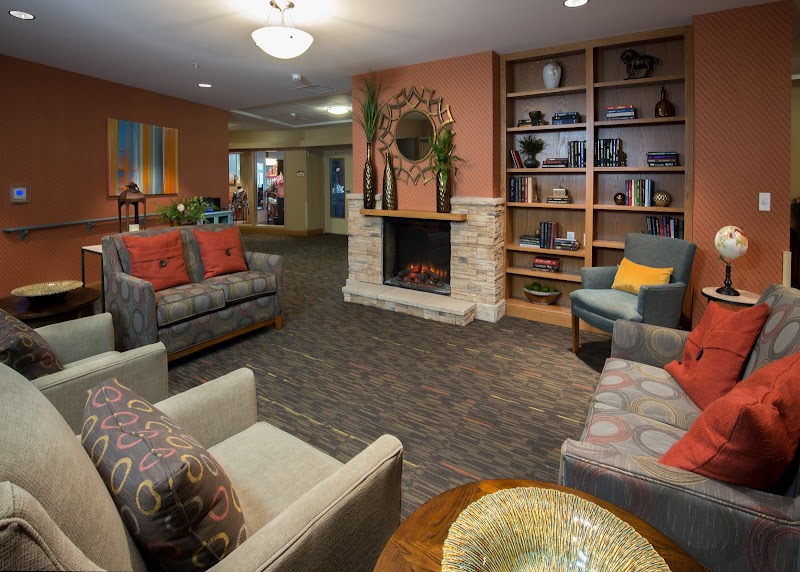
How is Episcopal Church Home The Gardens Staffed?

Detailed staffing data for EPISCOPAL CHURCH HOME THE GARDENS is not available in the current CMS dataset.
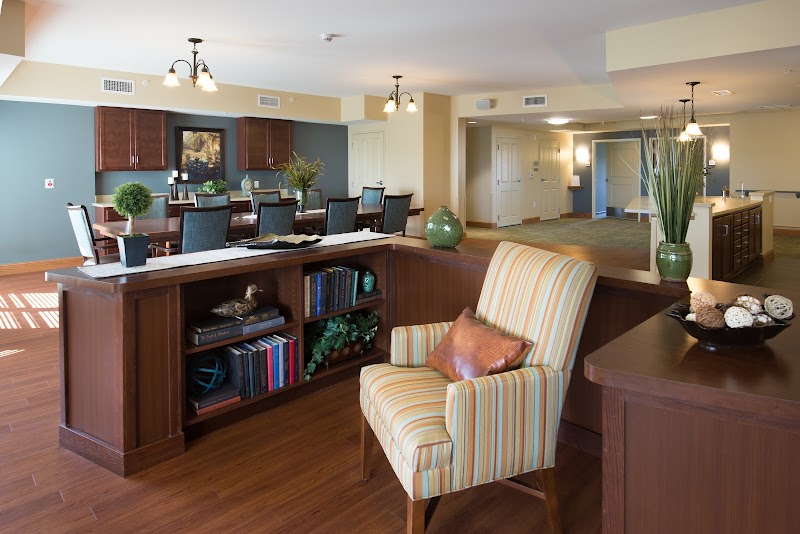
What Have Inspectors Found at Episcopal Church Home The Gardens?

State health inspectors documented 29 deficiencies at EPISCOPAL CHURCH HOME THE GARDENS during 2022 to 2025. These included: 1 that caused actual resident harm and 28 with potential for harm. Deficiencies causing actual harm indicate documented cases where residents experienced negative health consequences.
Who Owns and Operates Episcopal Church Home The Gardens?

EPISCOPAL CHURCH HOME THE GARDENS is owned by a non-profit organization. Non-profit facilities reinvest revenue into operations rather than distributing to shareholders. The facility operates independently rather than as part of a larger chain. With 60 certified beds and approximately 55 residents (about 92% occupancy), it is a smaller facility located in SAINT PAUL, Minnesota.

How Does Episcopal Church Home The Gardens Compare to Other Minnesota Nursing Homes?

Compared to the 100 nursing homes in Minnesota, EPISCOPAL CHURCH HOME THE GARDENS's overall rating (2 stars) is below the state average of 3.2 and health inspection rating (2 stars) is below the national benchmark.

What Should Families Ask When Visiting Episcopal Church Home The Gardens?

Based on this facility's data, families visiting should ask: "Can I visit during a mealtime to observe dining assistance and food quality?" "How do you handle medical emergencies, and what is your hospital transfer rate?" "Can I speak with family members of current residents about their experience?"

Is Episcopal Church Home The Gardens Safe?

Based on CMS inspection data, EPISCOPAL CHURCH HOME THE GARDENS has a clean safety record: no substantiated abuse findings (meaning no confirmed cases of resident harm), no Immediate Jeopardy citations (the most serious violation level indicating risk of serious injury or death), and is not on the Special Focus Facility watch list (a federal program monitoring the lowest-performing 1% of nursing homes). The facility has a 2-star overall rating and ranks #100 of 100 nursing homes in Minnesota. While no facility is perfect, families should still ask about staff-to-resident ratios and recent inspection results during their visit.

Do Nurses at Episcopal Church Home The Gardens Stick Around?

EPISCOPAL CHURCH HOME THE GARDENS has not reported staff turnover data to CMS. Staff turnover matters because consistent caregivers learn residents' individual needs, medications, and preferences. When staff frequently change, this institutional knowledge is lost. Families should ask the facility directly about their staff retention rates and average employee tenure.

Was Episcopal Church Home The Gardens Ever Fined?

EPISCOPAL CHURCH HOME THE GARDENS has no federal fines on record. CMS issues fines when nursing homes fail to meet care standards or don't correct problems found during inspections. The absence of fines suggests the facility has either maintained compliance or corrected any issues before penalties were assessed. This is a positive indicator, though families should still review recent inspection reports for the full picture.

Is Episcopal Church Home The Gardens on Any Federal Watch List?

EPISCOPAL CHURCH HOME THE GARDENS is not on any federal watch list. The most significant is the Special Focus Facility (SFF) program, which identifies the bottom 1% of nursing homes nationally based on persistent, serious quality problems. Not being on this list means the facility has avoided the pattern of deficiencies that triggers enhanced federal oversight. This is a positive indicator, though families should still review the facility's inspection history directly.