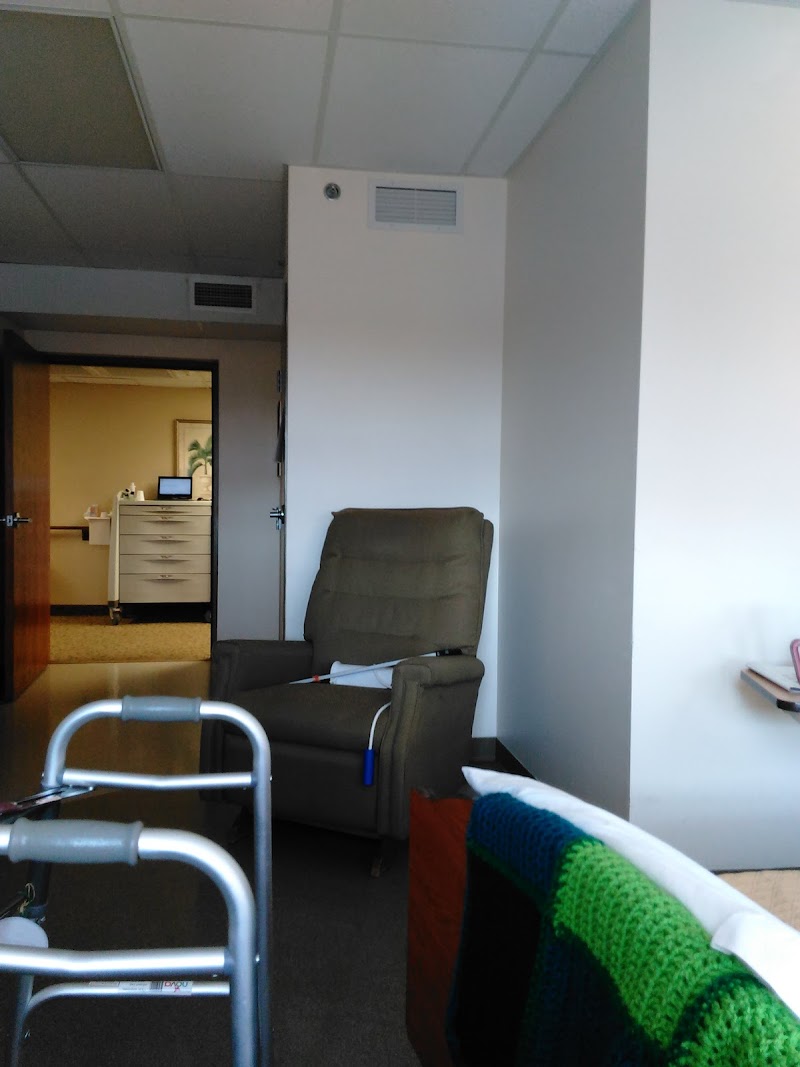
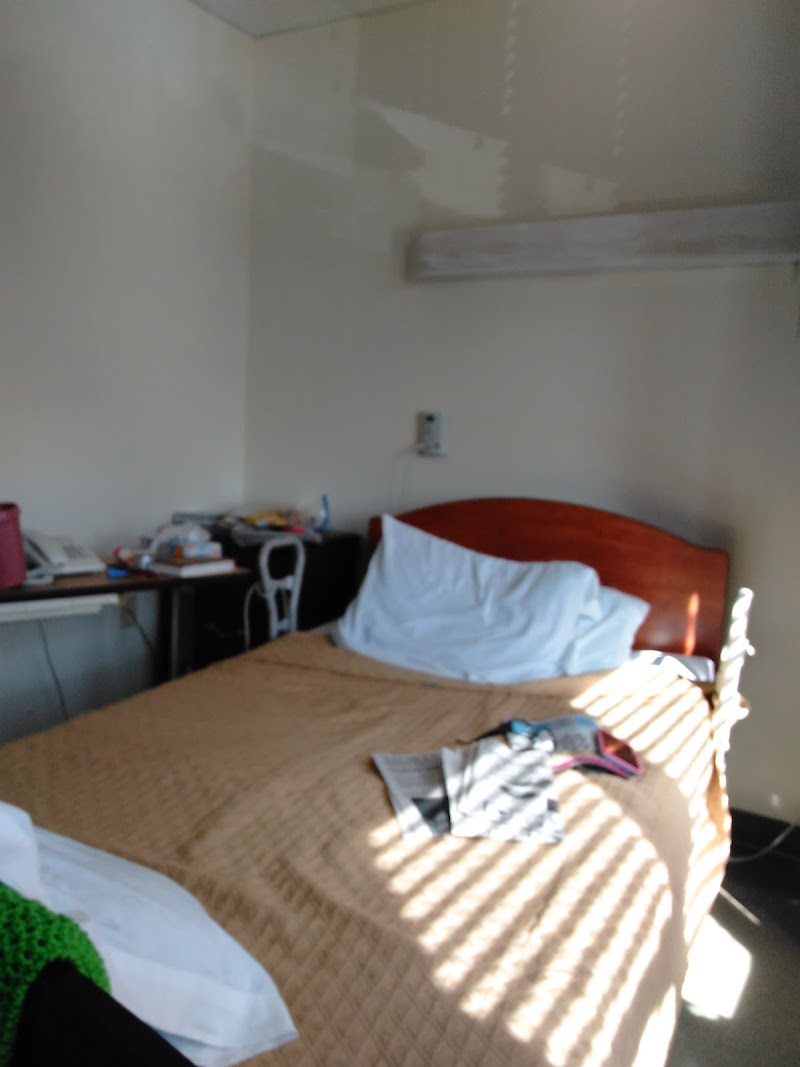
GOOD SAMARITAN SOCIETY - MAPLEWOOD

550 ROSELAWN AVENUE EAST, SAINT PAUL, MN 55117 (651) 774-9765
Non profit - Church related 71 Beds GOOD SAMARITAN SOCIETY Data: November 2025
Trust Grade
55/100
#173 of 337 in MN
Last Inspection: August 2024

Within standard 12-15 month inspection cycle. Federal law requires annual inspections.

Overview

Good Samaritan Society - Maplewood in Saint Paul, Minnesota has a Trust Grade of C, which means it is considered average and falls in the middle of the pack among nursing homes. It ranks #173 out of 337 facilities in Minnesota, placing it in the bottom half statewide, and #11 out of 27 in Ramsey County, indicating only ten local options are better. The facility is improving, with issues decreasing from 12 in 2024 to just 1 in 2025, and it boasts excellent staffing ratings at 5 out of 5 stars, with a turnover rate of 34%, which is lower than the state average. Notably, the home has not incurred any fines, which is a positive sign, and it has more registered nurse coverage than 90% of facilities in the state, ensuring better monitoring of residents' health. However, there are some concerns. For instance, there have been incidents where staff did not conduct required weekly skin assessments for residents at risk of pressure ulcers, contributing to potential harm. Additionally, one resident required maximum assistance for daily activities but had a significant issue with catheter management, indicating lapses in care. These findings highlight a mix of strengths in staffing and care oversight, but also some serious areas needing attention.

Trust Score
C
55/100
In Minnesota
#173/337
Bottom 49%
Safety Record
Moderate
Needs review
Inspections
Getting Better
12 → 1 violations
Staff Stability
○ Average
34% turnover. Near Minnesota's 48% average. Typical for the industry.
Penalties
✓ Good
No fines on record. Clean compliance history, better than most Minnesota facilities.
Skilled Nurses
✓ Good
Each resident gets 91 minutes of Registered Nurse (RN) attention daily — more than 97% of Minnesota nursing homes. RNs are the most trained staff who catch health problems before they become serious.
Violations
⚠ Watch
25 deficiencies on record. Higher than average. Multiple issues found across inspections.
★★★☆☆
3.0
Overall Rating
★★★★★
5.0
Staff Levels
★★★☆☆
3.0
Care Quality
★★☆☆☆
2.0
Inspection Score
Stable
2024: 12 issues
2025: 1 issues

The Good

  • 5-Star Staffing Rating · Excellent nurse staffing levels
  • Full Sprinkler Coverage · Fire safety systems throughout facility
  • No fines on record
  • Staff turnover below average (34%)

    14 points below Minnesota average of 48%

Facility shows strength in staffing levels, fire safety.

The Bad

3-Star Overall Rating

Near Minnesota average (3.2)

Meets federal standards, typical of most facilities

Staff Turnover: 34%

12pts below Minnesota avg (46%)

Typical for the industry

Chain: GOOD SAMARITAN SOCIETY

Part of a multi-facility chain

Ask about local staffing decisions and management

The Ugly 25 deficiencies on record

1 actual harm
Aug 2025 1 deficiency
CONCERN (E) 📢 Someone Reported This

A family member, employee, or ombudsman was alarmed enough to file a formal complaint

Potential for Harm - no one hurt, but risky conditions existed

Infection Control (Tag F0880)

Could have caused harm · This affected multiple residents

Based on observation, interview, and document review, the facility failed to ensure insulin pens were stored in a manner to prevent cross-contamination in 3 of 3 medication carts on the transitional c...

Read full inspector narrative →
Based on observation, interview, and document review, the facility failed to ensure insulin pens were stored in a manner to prevent cross-contamination in 3 of 3 medication carts on the transitional care unit (TCU). This deficient practice had the potential to affect all residents who required insulin administration via an insulin pen who resided in the facility.Findings include: During observation and interview on 8/27/25 at 10:38 a.m., registered nurse (RN)-E was at the one of three medication carts on TCU preparing medication administration. RN-E removed an insulin pen from a plastic cup in a red tote in the bottom of the medication drawer. The plastic cup contained other insulin pens prescribed for multiple residents, no barrier noted between the pens. RN-E stated this was the way the insulin pens had always been stored after opening and stated they were all in one cup, touching each other without a barrier between. During observation and interview on 8/27/25 at 12:22 p.m., RN-F opened remaining two of three medication carts on TCU. RN-F stated there were several different resident's insulin pens together without a barrier separating the pens. RN-F stated not being aware the insulin pens should not be stored together and touching other resident's pens and that this was how they had been stored since she started working at this facility. During interview on 8/27/25, RN-A stated was not aware of an issue with insulin pens being stored together. RN-A thought they should be stored apart from other types of medication. During interview on 8/27/25 at 1:31 p.m., Infection Preventionist (IP) stated each resident's insulin pens should be separated from other resident pens. IP stated separating the pens with a barrier would prevent possible cross contamination. During interview on 8/27/25 at 1:36 p.m., director of nursing (DON) stated they were not aware insulin pens needed to be stored separated by resident or with a barrier between each resident's pen, but thought it was a good idea. Facility policy Medication: Insulin Administration, Insulin Pens, Insulin Pumps dated 9/5/24, indicated, Contamination of these devices [insulin pens] can occur externally [even in the absence of visible blood].resulting in the potential for transmission of blood borne pathogens when used for multiple people. Facility policy Medications: Acquisition Receiving Dispensing and Storage dated 3/4/25, indicated, All medication will be stored in accordance with manufacturers' recommendations. Refer to [facility] Insulin Administration. policy.
Aug 2024 11 deficiencies
CONCERN (D)

Potential for Harm - no one hurt, but risky conditions existed

Comprehensive Care Plan (Tag F0656)

Could have caused harm · This affected 1 resident

**NOTE- TERMS IN BRACKETS HAVE BEEN EDITED TO PROTECT CONFIDENTIALITY** Based on interview and document review the facility failed to ensure comprehensive care plans were developed for 1 of 1 resident...

Read full inspector narrative →
**NOTE- TERMS IN BRACKETS HAVE BEEN EDITED TO PROTECT CONFIDENTIALITY** Based on interview and document review the facility failed to ensure comprehensive care plans were developed for 1 of 1 resident (R50) and failed to ensure non-pharmacological interventions were developed and implemented for 1 of 1 resident (R110) reviewed for psychotropic drug use. Findings include: R50's admission Minimum Data Set, dated [DATE], indicated severe cognitive impairment, did not have little interest or pleasure in doing things, and did not feel down, depressed, or hopeless, did not have physical, verbal, or other behaviors, had diagnoses of dementia and depression and took an antipsychotic and antidepressant medication. R50's care area assessment (CAA) worksheet dated 7/16/24, indicated R50 took duloxetine (an antidepressant) and aripiprazole (an antipsychotic) for depression and psychotropic drug use would be addressed in the care plan in order to minimize risks. R50's physician orders indicated the following orders: • 7/4/24, aripiprazole 20 milligrams (MG) by mouth once daily. • 7/4/24, duloxetine 30 mg by mouth every evening, and 60 mg by mouth every morning. R50's orders lacked any monitoring for side effects of duloxetine and aripiprazole. R50's care plan was reviewed and lacked information R50 had a specific care plan for depression, and further lacked any monitoring for side effects of duloxetine and aripiprazole. R50's Pharmacist Medication Review form dated 8/15/24, indicated R50 was on Aspirin 325 mg daily indicated Aspirin was indicated for the prevention and or treatment of a wide variety of cardiovascular condition, and there was general consensus across guidelines that when used for primary or secondary cardiovascular prevention, lower doses of Aspirin have similar efficacy to higher doses, but carry less risk for significant bleeds. Please consider lowering this patient's Aspirin to 81 mg daily. The review lacked information for monitoring for side effects of aripiprazole or duloxetine. R50's Pharmacist Consultant review dated 7/19/24 indicated R50 was on aripiprazole 20 mg daily, please order monthly orthostatic blood pressure monitoring. R50's Pharmacist Consultant review dated 7/4/24 indicated no potential clinically significant medication issues identified at this time. During interview on 8/21/24 at 11:15 a.m., the consulting pharmacist (CP)-A stated antidepressant side effect monitoring included monitoring for central nervous system changes, whether a resident starts falling, weight loss and weight gain and further stated specific manifestations can take a few weeks and did not see any specific orders for R50. During interview on 8/21/24 at 12:03 p.m., registered nurse (RN)-C stated if a resident was on a psychotropic medication, it was added to the careplan and any monitoring for side effects showed up in the medication administration records. RN-C viewed the orders and stated R50 should have monitoring because R50 was on aripiprazole and duloxetine and verified the orders lacked monitoring and further RN-C viewed R50's care plan and verified R50 did not have a care plan related to psychotropics. RN-C also viewed R50's discontinued orders and verified there were no orders for monitoring and stated it should be there and would have to follow up with the director of nursing. During interview on 8/21/24 at 11:49 a.m., nursing assistant (NA)-B stated she would have to ask the nurse to see what kind of medications a resident was on and could also look in the [NAME] to see if there were any behaviors to watch for. During interview on 8/22/24 at 12:13 p.m., the director of nursing (DON) stated monitoring was completed weekly and should be part of the documentation and whether the medications are effective and stated monitoring was supposed to be in the nursing orders and checked the care plan and verified the care plan lacked information R50 was on aripiprazole and duloxetine or had any kind of monitoring in place. R110's admission Minimum Data Set (MDS) dated [DATE], indicated intact cognition, diagnosis of Bipolar disorders, was independent to supervision with ADL's and received an antispsychotic on a routine basis. R110's care area assessment (CAA) worksheet for psychotropic drug use dated 8/7/24, indicated: R110 received an antipsychotic, antidepressant, and hypnotic medication. Resident for drug induced Parkinsonism, multiple falls, chronic back pain, and myelofibrosis for diagnosis of bipolar disorder. Resident appears to tolerate medication without adverse reaction. Nursing staff observe for mood and behavior, and potential adverse reaction with administration of medication. R110's physician's orders dated 8/1/24, indicated olanzapine oral tablet 15 milligrams (mg). Give 15 mg by mouth at bedtime for psychosis. R110's care plan dated 8/5/24, indicated R110 was on antipsychotic medication therapy related to bipolar and psychosis. It further contained the following interventions: -R110 will be free of any discomfort or adverse side effects from antipsychotic medication use through the review date. -monitor resident condition based on clinical practice guidelines or clinical standards of practice related to use of (olanzapine). -consult with pharmacy, health care provider, etc. to consider dosage reduction when clinically appropriate. -WARNINGS #1: Refer to boxed warnings in the orders or eMAR, or medication reference of choice R110's care plan lacked any indication of non-pharmacological interventions. During interview on 8/22/24 at 9:15 a.m., nurse manager registered nurse (RN)-A stated when a resident comes in as a new admission a baseline care plan was initiated by the admitting nurse, MDS nurse or the DON. After that they continue to develop a more comprehensive care plan which was driven by the admission assessment. As things change, the care plan was continuously updated and the MDS nurse had a huge part in that but all departments are included. RN-A further stated staff should be developing and impletmenting non-pharmacological interventions on the care plan for residents who receive an antipsychotic medication and verified R110's care plan lacked individualized non pharmacological interventions. During interview on 8/22/24 at 2:19 p.m. the director of nursing (DON) stated non pharmacologic interventions should be developed, monitored, care planned and documented for residents who receive an antipsychotic medication. A policy, Care Plan-R/S, LTC, Therapy & Rehab, dated 11/1/23, indicated the purpose was to develop a comprehensive care plan using an interdisciplinary team approach, to provide guidance to the interdisciplinary team (IDT) in developing the initial care plan. The comprehensive care plan includes measurable objectives and timeframes to meet a resident's medical, nursing, and mental and psychosocial needs that are identified in the comprehensive assessment. Each resident will have an individualized, person-centered, comprehensive plan of care that will include measurable goals and timetables directed toward achieving and maintaining the resident's optimal medical, nursing, physical, functional, spiritual, emotional, psychosocial, and educational needs. Any problems, needs and concerns identified will be addressed through use of departmental assessments, the Resident Assessment Instrument (RAI) and review of the physician's orders.
CONCERN (D)

Potential for Harm - no one hurt, but risky conditions existed

ADL Care (Tag F0677)

Could have caused harm · This affected 1 resident

**NOTE- TERMS IN BRACKETS HAVE BEEN EDITED TO PROTECT CONFIDENTIALITY** Based on observation, interview, and record review the facility failed to ensure routine incontinent care was provided for 1 of ...

Read full inspector narrative →
**NOTE- TERMS IN BRACKETS HAVE BEEN EDITED TO PROTECT CONFIDENTIALITY** Based on observation, interview, and record review the facility failed to ensure routine incontinent care was provided for 1 of 3 residents (R18) reviewed for dependent activities of daily living (ADL's). Findings include: R18's quarterly Minimum Data Set (MDS) dated [DATE], indicated R18 had cognitive impairment and diagnoses of heart disease, Alzheimer's Disease, and anxiety disorder. R18's MDS also indicated R18 was always incontinent of bladder and bowel and required maximal assistance from staff for incontinent cares. R18's care plan revised 4/3/24, indicated R18 had incontinence related to impaired mobility, weakness, and use of a diuretic. Interventions included to monitor for signs of urinary tract infection, use incontinence products, check for incontinence frequently and provide brief change and incontinence cares as needed. R18's [NAME] printed 8/20/24, indicated R18 required frequent checks for incontinence and assistance with incontinence cares. A continuous observation on 8/20/24 at 10:58 a.m., R18 was in their room seated in a broada wheelchair. R18 was slightly reclined, and the feet were not elevated. In front of R18 was the bedside table. At 11:58 a.m., the resident remained in the same position and no staff had entered the room. At 12:123 p.m., nursing assistant (NA)-A entered R18's room with their lunch tray. T NA-A obtained a chair and assisted R18 with lunch. At 12:30 p.m., NA-A cleaned up R18 and removed the lunch tray leaving the remainder of the juice and water on R18's tray in front of them. NA-A had left R18's room without providing repositioning or checking for incontinence. At 12:55 p.m., housekeeper (HSK)-A entered R18's room for room cleaning. A At 1:10 p.m., hsk-A had completed cleaning R18's room. At 1:28 p.m., no other staff had entered R18's room to offer repositioning or check for incontinence care. At 1:35 p.m., NA-B had entered R18's room and removed the pillow and reclined R18 all the way back in the broada chair. R18's feet were now elevated. NA-B had not asked or offered R18 incontinent cares. When interviewed on 8/20/24 at 1:40 p.m., NA-B stated the [NAME], and care plan gave information about the cares residents need. NA-B was not sure if R18 had any skin concerns or was at risk for breakdown but knew R18 was usually reclined after lunch and should be repositioned every 2 hours. NA-B further stated NA-A usually did not work on this unit and they understood R18's routine a little better. NA-B verified they did not check or ask R18 about incontinence. When interviewed on 8/20/24 at 1:55 p.m., NA-A stated R18 was incontinent and required total assistance with repositioning and ADLs. R18 required a hoyer lift to get in and out of bed and should be repositioned and checked for incontinence about every 2 hours. NA-A verified they had not offered repositioning after lunch as she appeared to be resting comfortably. NA-A further stated R18 had not been checked for incontinence or changed since before lunch and stated was going to go do that now. An observation on 8/20/24 at 2:03 p.m., NA-A and licensed practical nurse (LPN)-A entered to assist R18 back to bed. Hand hygiene was performed upon entrance and gloves were donned however NA-A and LPN-A had not donned a gown. R18 was lifted with the Hoyer lift and placed in bed. NA-A removed R18's slippers. R18 had knee high nylon stockings in place and was wearing a nightgown/dress. NA-A unfastened R18's brief and tucked it down. NA-A provided cares from the front before LPN-A assisted to turn R18 to the side. NA-A removed R18's wet brief. R18's bottom had blanchable redness and skin was intact. R18 cleaned R18 from the back side and removed gloves. NA-A applied barrier cream before placing a clean brief and assisted R18 to roll on their back. LPN-A pulled the brief through and secured. NA-A adjusted R18 to tilt to their right side and covered up. When interviewed on 8/20/24 at 2:20 p.m., LPN-B stated R18 had fragile skin and was prone to skin breakdown. R18 required frequent position changes and heels elevated. LPN-B stated R18 was dependent with ADLs and was incontinent. LPN-B sated incontinent cares or checks should be completed every couple hours, or when R18 was repositioned. When interviewed on 8/21/24 at 2:19 p.m., registered nurse (RN)-A stated repositioning and incontinent cares should happen frequently for R18 as R18 was at risk for skin breakdown. RN-A stated there wasn't a specific time frame, but multiple times a shift. When interviewed on 8/22/24 at 2:19 p.m., the Director of Nursing (DON) stated incontinence cares were not completed on a specific timeframe but generally residents should check in the morning, after breakfast, before lunch, etc. The checks are individualized to the resident and should be included on the care plan. A facility policy for incontinent/ADL cares was requested however was not recieved.
CONCERN (D)

Potential for Harm - no one hurt, but risky conditions existed

Pressure Ulcer Prevention (Tag F0686)

Could have caused harm · This affected 1 resident

**NOTE- TERMS IN BRACKETS HAVE BEEN EDITED TO PROTECT CONFIDENTIALITY** Based on observation, interview, and record review the facility failed to ensure 1 of 2 residents (R18) who were at risk for pre...

Read full inspector narrative →
**NOTE- TERMS IN BRACKETS HAVE BEEN EDITED TO PROTECT CONFIDENTIALITY** Based on observation, interview, and record review the facility failed to ensure 1 of 2 residents (R18) who were at risk for pressure ulcers were repositioned in a timely manner to prevent pressure injury. Findings include: R18's quarterly Minimum Data Set (MDS) dated [DATE], indicated R18 had cognitive impairment and diagnoses of heart disease, Alzheimer's Disease, and anxiety disorder. R18's MDS also indicated R18 was at risk for pressure injury and was dependent on staff for mobility. R18's skin Care Area Assessment (CAA) indicated R18 was at risk for pressure injury due to immobility and weakness. A review of R18's nursing and provider orders showed: -on 3/21/24, R18 required cleansing and barrier cream to be applied to wounds on the right buttock and posterior thigh. -on 7/24/24, R18 required cleaning and skin prep applied to the right heel daily. R18's weekly skin observation dated 7/25/24, indicated R18 had a healing right heel wound and no other skin concerns. R18's medical record lacked evidence weekly skin observations had been completed since 7/25/24. R18's care plan revised 4/3/24, indicated R18 had potential for pressure ulcer development related to impaired mobility, weakness, history of falls, and use of a diuretic. R18 further had a known pressure insult of suspected deep tissue injury to both feels. Interventions included to assist to turn/reposition with a goal of every 2 hours, float heels off bed, provide pressure reducing mattress and gel cushion in wheelchair, and notify the nurse immediately of any new skin breakdown. R18's [NAME] printed 8/20/24, indicated R18 was a high risk for skin injury and had history of previous skin breakdowns. Staff were directed to notify the nurse of any new areas, redness, blisters, or bruises noted during care activities. When interviewed on 8/19/24, at 1:13 p.m., R18 was in a manual wheelchair with the legs elevated straight out. Pillows were positioned under R18's legs. R18's lunch was sitting in front on the bedside table. R18 stated I have been sitting here for so long it hurts. At 1:20 p.m., health information management (HIM) came in to assist. R18 told HIM Sitting up too long and it hurts. A continuous observation on 8/20/24 at 10:58 a.m., R18 was in their room seated in a broada wheelchair. R18 was slightly reclined, and the feet were not elevated. In front of R18 was the bedside table. At 11:58 a.m., R18 remained in the same position and no staff had entered the room. At 12:123 p.m., nursing assistant (NA)-A entered R18's room with their lunch tray. The lunch tray was set down on the bedside table and a pillow was placed behind R18's shoulders/back to help R18 sit up a bit more. R18's broada chair had not been adjusted. NA-A obtained a chair and assisted R18 with lunch. At 12:30 p.m., NA-A cleaned up R18 and removed the lunch tray leaving the remainder of the juice and water on R18's tray in front of them. NA-A had left R18's room without providing repositioning or checking for incontinence. At 12:55 p.m., housekeeper (HSK)-A entered R18's room for room cleaning. At 1:10 p.m., hsk-A had completed cleaning R18's room. At 1:28 p.m., no other staff had entered R18's room to offer repositioning or check for incontinence care. At 1:35 p.m., NA-B had entered R18's room and removed the pillow and reclined R18 all the way back in the broada chair. R18's feet were now elevated. R18 had not been repositioned for 2 hours and 40 minutes. When interviewed on 8/20/24 at 1:40 p.m., NA-E stated the [NAME], and care plan gave information about the cares residents need. NA-E was not sure if R18 had any skin concerns or was at risk for breakdown but knew R18 was usually reclined after lunch and should be repositioned every 2 hours. R18 did not like too many pillows and was repositioned by tilting the wheelchair back. NA-E verified R18 required to be reclined so their feet were then elevated for it to be considered a change in position. NA-E further stated NA-E usually did not work on this unit and they understood R18's routine a little better. When interviewed on 8/20/24 at 1:55 p.m., NA-A stated R18 required total assistance with repositioning and ADLs. R18 required a hoyer lift to get in and out of bed and should be repositioned about every 2 hours. NA-A verified they had not offered R18 to be repositioned after lunch as she appeared to be comfortable. An observation on 8/20/24 at 2:03 p.m., NA-A and licensed practical nurse (LPN)-A entered to assist R18 back to bed. LPN-A assisted to turn R18 to the side. NA-A removed R18's wet brief. R18's bottom had blanchable redness and skin was intact. NA-A and LPN-A finished cares and then tilted R18 to her right side and covered her up. When interviewed on 8/20/24 at 2:20 p.m., LPN-B stated R18 had fragile skin and was prone to skin breakdown. R18 required frequent position changes and heels elevated. LPN-B did not think R18 was in the same position for long periods of time. LPN-B stated skin observations were completed on shower days and verified R18 had not had a skin observation documented since 7/25/24. LPN-B was going to complete a skin observation today. When interviewed on 8/21/24 at 2:19 p.m., registered nurse (RN)-A stated staff should be completing skin observations and reporting any new skin altercations so the correct follow up was in place. RN-A stated repositioning and incontinent cares should happen frequently for R18 and wasn't sure about an exact time frame, but multiple times a shift. When interviewed on 8/22/24 at 2:19 p.m., the Director of Nursing (DON) expected staff to complete weekly skin observations weekly with bathing. Nurses should also assess and document any skin alterations when they occur. DON further stated residents should not be in one position for long periods of time and repositioning frequency should be on the care plan and [NAME]. A facility policy titled Skin Assessment Pressure Ulcer Prevention and Documentation revised 4/26/24, directed staff to develop an individualized repositioning schedule for residents unable to position themselves. This positioning placed should be communicated to the nursing assistants using the [NAME].
CONCERN (D)

Potential for Harm - no one hurt, but risky conditions existed

Accident Prevention (Tag F0689)

Could have caused harm · This affected 1 resident

**NOTE- TERMS IN BRACKETS HAVE BEEN EDITED TO PROTECT CONFIDENTIALITY** Based on observation, interview and record review, the facility failed to ensure speech therapy recommendations were followed fo...

Read full inspector narrative →
**NOTE- TERMS IN BRACKETS HAVE BEEN EDITED TO PROTECT CONFIDENTIALITY** Based on observation, interview and record review, the facility failed to ensure speech therapy recommendations were followed for 1 of 3 residents (R18) reviewed for nutrition. Findings include: R18's quarterly Minimum Data Set (MDS) dated [DATE], indicated R18 had cognitive impairment and diagnoses of heart disease, Alzheimer's Disease, and anxiety disorder. R18's MDS also indicated R18 had no signs or symptoms of a swallowing disorder and required set up and clean up for meals. R18's diagnoses list printed on 8/20/24, indicated R18 had a secondary diagnosis of dysphagia (impaired swallowing). R18's hospital Discharge summary dated [DATE], indicated R18 had been hospitalized for an ankle fracture. R18 was assessed by speech therapy for dysphagia and had recently advanced to thin liquids and no straws. R18's hospital discharge orders dated 6/14/21, indicated R18 required a regular diet with thin liquids and no straws. R18's discharge orders also indicated R18 to follow speech therapy. R18's provider order dated 6/14/21, indicated R18 required a regular diet thin liquids and no straws. R18's food and nutrition data collection dated 8/3/24, indicated R18 had a regular diet and required a cup with lid, but had no direction of straw use. R18's [NAME] printed 8/20/24, directed staff to provide R18 with a cup and lid for hot beverage safety. R18's [NAME] lacked indication R18 should not use straws. R18's care plan revised 4/3/24, indicated R18 had a nutritional problem related to inadequate oral intake. Interventions include to use adaptive cup with covers and indicated R18 declined adaptive silverware. R18's care plan lacked indication R18 should not use straws. An observation on 8/20/24 12:123 p.m., nursing assistant (NA)-A entered R18's room with their lunch tray. The lunch tray was set down on the bedside table and a pillow was placed behind R18's shoulders/back to help R18 sit up a bit more. NA-A obtained a chair and assisted R18 with lunch. R18 had red juice and water in a handled cup with a spout lid. NA-A placed a straw in both cups and assisted R18 with drinking out of them. At 12:30 p.m., NA-A cleaned up R18 and removed the lunch tray leaving the remainder of the juice and water on R18's tray in front of them. At 12:58 p.m., R18 reached and drank some water through the cup and straw. When interviewed on 8/20/24 at 1:55 p.m., NA-A stated R18 was incontinent and required total assistance with repositioning and ADLs. NA-A verified R18 had been using straws had been told in report straws were ok to use. When interviewed on 8/20/24 at 2:20 p.m., licensed practical nurse (LPN)-B stated R18 required assistance and encouragement with meals and was able to use straws with beverages. LPN-B acknowledged R18's diet order instructing no straws and stated they had not been aware of that before. LPN-B thought it was an old order that had not been changed. When interviewed on 8/21/24 at 2:19 p.m., registered nurse (RN)-A was not sure why R18's diet order indicated no straws and verified it was initially written in 2021. Upon review, RN-A stated R18 had discharged from the hospital with that order and had initially signed onto hospice. Speech therapy had not seen her as initially ordered due to hospice. R18 had graduated from hospice in 12/2021 due to improvements and had not been seen by speech since then. RN-A stated staff should be following the order for no straws or following up with the provider. When interviewed on 8/21/24 at 2:22 p.m., speech therapist (ST) verified has not evaluated R18 since return from the hospital. ST stated there could be a re-evaluation for use of straws or a risk-benefits signed to ok the use, but otherwise the order for use of straws should be followed. When interviewed on 8/22/24 at 2:19 p.m., the Director of Nursing (DON) expected staff to be following instructions on the dietary card. If there were questions or conflicting information about what was needed, staff should be asking and get the information clarified. A facility policy titled Diet Orders revised 4/19/224, directed staff to monthly, the diet roster should be compared to the provider orders to ensure compliance with the provider order.
CONCERN (D)

Potential for Harm - no one hurt, but risky conditions existed

Deficiency F0700 (Tag F0700)

Could have caused harm · This affected 1 resident

**NOTE- TERMS IN BRACKETS HAVE BEEN EDITED TO PROTECT CONFIDENTIALITY** Based on observation, interview, and document review the facility failed to assess 1 of 1 residents (R12) reviewed for bedrails....

Read full inspector narrative →
**NOTE- TERMS IN BRACKETS HAVE BEEN EDITED TO PROTECT CONFIDENTIALITY** Based on observation, interview, and document review the facility failed to assess 1 of 1 residents (R12) reviewed for bedrails. R4's significant change Minimum Data Set (MDS) dated [DATE], indicated, intact cognition and diagnoses of displaced bicondylar fracture of right tibia, atrial fibrillation, and chronic kidney disease (CKD). It further indicated R4 required assistance from staff with most activities of daily living (ADL) and mobility. R4's physician's order dated 5/7/24, indicated okay to install assist bar. Follow manufacturers recommendations and specifications to promote independence with bed mobility. Risk vs benefit have been reviewed and consent form signed. No directions specified for order. R4's Informed Consent for Bed Rails, was signed by R4 on 5/13/24. During observation and inteview on 8/19/24 7:59 a.m., R4 was sitting in her room, registered nurse (RN)-D verified the bilateral side rails on her bed and stated all the residents have them for positioning. RN-D stated the resident needs to have a consent signed but wasn't sure about whether or not they need to have an assessment. During interview on 8/22/24 at 7:35 a.m., registered nurse (RN)-E stated in order for a resident to have bed rails they need a doctor's order, consent, and a safety assessment. RN-E was not not sure who was responsible for completing the assessment. During interview on 8/22/24 at 9:15 a.m., nurse manager registered nurse (RN)-A stated residents need to have a doctor's order, signed consent, assessment, care planned, and a desire to have them. That is important for the possibility of restrait RN-A also verifed R12 did not have an assessment and it was important for the resident to be assessed for the possibility of it being a restraint. During interview on 8/22/24 at 2:19 p.m., the director of nursing (DON) stated in order for a resident to use side rails they would need to have a desire to want them up/on, a consent form would need to be filled out, enusre there was a benefit to the resident to have them installed, and a safety assessment. The facility's policy regarding bed rails dated 9/8/23, indicated: bed rail/side rail/assist bar usage will occur only when: a. Medical necessity is supported by resident assessment and data collection documentation allowing resident to assist or be independent with bed mobility and/or transfer. b. When the total bed environment i.e. bed frame, mattress bed rail/assist bar device and overlays) have been inspected and verified to be free of entrapment risk. c. Informed consent is obtained from resident and/or responsible party and then documented in the medical record, may use the Informed Consent for
CONCERN (D)

Potential for Harm - no one hurt, but risky conditions existed

Drug Regimen Review (Tag F0756)

Could have caused harm · This affected 1 resident

**NOTE- TERMS IN BRACKETS HAVE BEEN EDITED TO PROTECT CONFIDENTIALITY** Based on interview and document review, the consulting pharmacist (CP) failed to address an appropriate indication for an antide...

Read full inspector narrative →
**NOTE- TERMS IN BRACKETS HAVE BEEN EDITED TO PROTECT CONFIDENTIALITY** Based on interview and document review, the consulting pharmacist (CP) failed to address an appropriate indication for an antidepressant for 1 of 1 resident (R212) reviewed for psychotropic medications. Findings include: R212's comprehensive Minimum Data Set (MDS) in progress dated 8/15/24, indicated intact cognition, had coronary artery disease and hypertension (high blood pressure), acute myocardial infarction (heart attack), presence of an aortocoronary bypass graft, and had an encounter for surgical after care following surgery on the circulatory system. Further, R212 did not have little interest or pleasure in doing things, and did not feel down, depressed, or hopeless. R212's physician orders dated 8/9/24, indicated R212 took bupropion (an antidepressant) HCL ER (extended release) 150 mg by mouth two times a day for status post CABG (coronary artery bypass grafting). R212's Medical Diagnosis form dated 8/21/24 at 1:39 p.m., indicated the following diagnoses: encounter for surgical aftercare following surgery on the circulatory system, presence of aortocoronary bypass graft, non-ST elevation myocardial infarction (heart attack), atherosclerotic heart disease of native coronary artery, essential hypertension. The form lacked information R212 had depression. R212's hospital Discharge summary dated [DATE], indicated R212 was to continue taking the following medication: bupropion 150 mg take 1 tablet twice a day for S/P CABG. R212's nurse practitioner (NP) progress note dated 8/15/24, indicated R212 took bupropion 150 mg twice daily, further R212's mood and affect was normal. R212's pharmacist medication review dated 8/15/24, indicated the following recommendations: • R212 was prescribed quetiapine (an antipsychotic) 25 mg tablet daily at bedtime with an associated diagnosis of S/P CABG listed with it in the electronic medical record (EMR). Per CMS (Centers for Medicare and Medicaid Services) guidelines, this may not be a sufficient diagnosis to warrant the use of an antipsychotic. Antipsychotics should be reserved for situations where psychosis/delusions are present or situations where the patient poses an acute risk for harm to self or other. Please clarify the diagnosis for the Seroquel and update the EMR-if an adequate diagnosis is not present, consider tapering off of this medication. The pharmacist medication review lacked information regarding bupropion and an associated diagnosis of S/P CABG. During interview on 8/21/24 at 11:09 a.m., the consulting pharmacist (CP)-A stated bupropion was an antidepressant medication and a diagnosis of CABG was not a correct indication for bupropion and stated he wrote the recommendation for the quetiapine and stated the rationale would hold true for any psychotropic R212 was on. During interview on 8/22/24 at 12:00 p.m., the director of nursing (DON) stated CP-A completed pharmacy reviews and sends them over, they are printed and reviews for the physician are provided to the medical director and if a review is for nursing, the review is provided to the nurses. DON further stated the pharmacist should have identified the incorrect indication on the first initial review for the bupropion and further, it was important to have the correct diagnosis to track R212's depressive mood. A policy, Psychotropic Medications Rehab/Skilled dated 12/6/23, indicated the resident will be free from any chemical restraint imposed for the purposes of discipline or convenience and not required to treat the resident's medical symptoms. Each resident's drug regimen must be free from unnecessary drugs. An unnecessary drug is any drug when used without adequate indications for its use.
CONCERN (D)

Potential for Harm - no one hurt, but risky conditions existed

Medication Errors (Tag F0758)

Could have caused harm · This affected 1 resident

**NOTE- TERMS IN BRACKETS HAVE BEEN EDITED TO PROTECT CONFIDENTIALITY** R50's admission Minimum Data Set, dated [DATE], indicated severe cognitive impairment, did not have little interest or pleasure ...

Read full inspector narrative →
**NOTE- TERMS IN BRACKETS HAVE BEEN EDITED TO PROTECT CONFIDENTIALITY** R50's admission Minimum Data Set, dated [DATE], indicated severe cognitive impairment, did not have little interest or pleasure in doing things, and did not feel down, depressed, or hopeless, did not have physical, verbal, or other behaviors, had diagnoses of dementia and depression and took an antipsychotic and antidepressant medication. R50's care area assessment (CAA) worksheet dated 7/16/24, indicated R50 took duloxetine (an antidepressant) and aripiprazole (an antipsychotic) for depression and psychotropic drug use would be addressed in the care plan in order to minimize risks. R50's physician orders indicated the following orders: • 7/4/24, aripiprazole 20 milligrams (MG) by mouth once daily. • 7/4/24, duloxetine 30 mg by mouth every evening, and 60 mg by mouth every morning. R50's orders lacked any monitoring for side effects of duloxetine and aripiprazole. R50's care plan was reviewed and lacked information R50 had depression and further lacked any monitoring for side effects of duloxetine and aripiprazole. R50's Pharmacist Medication Review form dated 8/15/24, indicated R50 was on Aspirin 325 mg daily indicated Aspirin was indicated for the prevention and or treatment of a wide variety of cardiovascular condition, and there was general consensus across guidelines that when used for primary or secondary cardiovascular prevention, lower doses of Aspirin have similar efficacy to higher doses, but carry less risk for significant bleeds. Please consider lowering this patient's Aspirin to 81 mg daily. The review lacked information for monitoring for side effects of aripiprazole or duloxetine. R50's Pharmacist Consultant review dated 7/19/24 indicated R50 was on aripiprazole 20 mg daily, please order monthly orthostatic blood pressure monitoring. R50's Pharmacist Consultant review dated 7/4/24 indicated no potential clinically significant medication issues identified at this time. R50's registered nurse (RN) and social worker (SW) mood symptoms 30 day look back report printed 8/21/24, lacked any documentation of whether or not mood symptoms were exhibited. R50's Mood symptoms 30 day look back report printed 8/21/24, also lacked documentation whether or not mood symptoms were exhibited. R50's Behavior 30 day look back task form printed 8/21/24, lacked documentation whether or not R50 had any behaviors. During interview on 8/21/24 at 11:15 a.m., the consulting pharmacist (CP)-A stated antidepressant side effect monitoring included monitoring for central nervous system changes, whether a resident starts falling, weight loss and weight gain and further stated specific manifestations can take a few weeks and did not see any specific orders for R50. During interview on 8/21/24 at 12:03 p.m., registered nurse (RN)-C stated if a resident was on a psychotropic medication, it was added to the careplan and any monitoring for side effects showed up in the medication administration records. RN-C viewed the orders and stated R50 should have monitoring because R50 was on aripiprazole and duloxetine and verified the orders lacked monitoring and further RN-C viewed R50's care planned and verified R50 did not have a care plan related to psychotropics. RN-C also viewed R50's discontinued orders and verified there were no orders for monitoring and stated it should be there and would have to follow up with the director of nursing. During interview on 8/21/24 at 11:49 a.m., nursing assistant (NA)-B stated she would have to ask the nurse to see what kind of medications a resident was on and could also look in the [NAME] to see if there were any behaviors to watch for. During interview on 8/22/24 at 12:13 p.m., the director of nursing (DON) stated monitoring was completed weekly and should be part of the documentation and whether the medications are effective and stated monitoring was supposed to be in the nursing orders and checked the care plan and verified the care plan lacked information R50 was on aripiprazole and duloxetine or had any kind of monitoring in place. A policy, Psychotropic Medications Rehab/Skilled dated 12/6/23, indicated each resident's drug regimen must be free from unnecessary drugs. An unnecessary drug is any drug when used in excessive dose including duplicate drug therapy, for excessive duration, without adequate monitoring, without adequate indications for its use, in the presence of adverse consequences that indicate the dose should be reduced or discontinued, any combination of the reasons above. Before administration of non-emergency psychotropic medications, the following must be completed: documentation in the electronic medical record (EMR) observations of mood, symptoms or behaviors that cause the resident distress and or endanger the resident or others and response to interventions used. The behavior committee and or care plan team will ensure the care plan is updated. This update will reflect non pharmacological interventions to be used. Throughout the administration of the psychotropic medications, the following must be completed; mood and behavior documentation must continue in order to monitor the effect the medication has on behavior. Monitor for side effects of the medication. If a side effect occurs or worsening of a known side effect is noted, the nurse will make a note in the record and notify the physician and family and legal representative of this change in condition. Non-pharmacological interventions are recommended before medication interventions. Attempts should be documented in the resident care record. Based on interview and document review the facility failed to ensure residents that were prescribed psychotropic medications were monitored for side effects, for 1 of 5 residents (R50) and failed to develop and implement non-pharmacological interventions for 1 of 5 residents (R110) reviewed for unnecessary medications. Findings include R110's admission Minimum Data Set (MDS) dated [DATE], indicated intact cognition, diagnosis of Bipolar disorder, was independent to requiing supervision with activities of daily living (ADL) and received an antispsychotic on a routine basis. R110's care area assessment (CAA) for psychotropic drug use dated 8/7/24, indicated: R110 received an antipsychotic, antidepressant, and hypnotic medication. Resident for drug induced Parkinsonism, multiple falls, chronic back pain, and myelofibrosis for diagnosis of bipolar disorder. Resident appears to tolerate medication without adverse reaction. Nursing staff observe for mood and behavior, and potential adverse reaction with administration of medication. R110's physician's orders dated 8/1/24, indicated olanzapine oral tablet 15 milligrams (mg). Give 15 mg by mouth at bedtime for psychosis. R110's care plan dated 8/5/24, indicated R110 was on antipsychotic medication therapy related to bipolar and psychosis. It further contained the following interventions: -R110 will be free of any discomfort or adverse side effects from antipsychotic medication use through the review date. -monitor resident condition based on clinical practice guidelines or clinical standards of practice related to use of (olanzapine). -consult with pharmacy, health care provider, etc. to consider dosage reduction when clinically appropriate. -WARNINGS #1: Refer to boxed warnings in the orders or eMAR, or medication reference of choice R110's care plan lacked any indication of non-pharmacological interventions. During interview on 8/22/24 at 9:15 a.m., nurse manager registered nurse (RN)-A stated staff should have developed and implemented non-pharmacological interventions on the care plan for residents who received an antipsychotic medication and verified R110's care plan lacked individualized non pharmacological interventions. During interview on 8/22/24 at 2:19 p.m. the director of nursing (DON) stated non pharmacologic interventions should be developed, implemented, monitored, care planned and documented for residents who receive an antipsychotic medication.
CONCERN (E)

Potential for Harm - no one hurt, but risky conditions existed

Safe Environment (Tag F0584)

Could have caused harm · This affected multiple residents

**NOTE- TERMS IN BRACKETS HAVE BEEN EDITED TO PROTECT CONFIDENTIALITY** Based on observation, interview, and document review, the facility failed to ensure reclining foot rests functioned appropriatel...

Read full inspector narrative →
**NOTE- TERMS IN BRACKETS HAVE BEEN EDITED TO PROTECT CONFIDENTIALITY** Based on observation, interview, and document review, the facility failed to ensure reclining foot rests functioned appropriately for 1 of 1 resident (R212) and failed to ensure a clean communal shower room which had the potential to affect all residents who used the shower room. Findings include, R212's comprehensive Minimum Data Set (MDS) in progress dated 8/15/24, indicated intact cognition, had coronary artery disease and hypertension (high blood pressure), acute myocardial infarction (heart attack), presence of an aortocoronary bypass graft, and had an encounter for surgical after care following surgery on the circulatory system. R212's physician orders form indicated the following order: • 8/16/24, bumetanide 1 milligram (MG) by mouth daily for edema (fluid collecting in body tissues) and shortness of breath. R212's care plan dated 8/12/24, identified R212 took a diuretic. During interview on 8/19/24, at 1:13 p.m., R212 stated she mentioned to a few staff that the recliner chair did not work when trying to put her feet up, the foot rest would not stay in the upright position. R212 stated she mentioned the concern on 8/18/24, and again the morning of 8/19/24. During interview on 8/21/24 at 7:18 a.m., the manager of ancillary services (MOAS)-A stated he becomes aware of repairs thru the use of a maintenance slip or if there is something more severe or if something was urgent, a direct phone call was completed. MOAS-A further stated maintenance slips were used for everything to make him aware. A list of maintenance slips were requested from the past three weeks including completed orders and uncompleted work orders. During interview on 8/21/24 at 7:43 a.m., the MOAS-A provided the maintenance slips and further stated if in a hurry, instructs to fill out a slip, but if it is something like a remote not working, MOAS-A will look at the remote and not necessarily fill out a slip, but if a slip is not filled out, will look at the issue immediately or the same day. The work orders lacked information regarding R212's reclining chair. During interview and observation on 8/21/24 at 11:39 a.m., nursing assistant (NA)-B answered R212's call light and pulled the lever to recline R212 in the recliner chair. The foot rest would not stay in the elevated position. NA-B stated when the back of the chair is pulled back, the chair wouldn't stay in a reclined position and stated a lot of the chairs this style have been doing this since they got them and stated R212 had been wanting a new chair and stated somebody told R212 on 8/20/24, that they could not interchange the chairs, but did not know who told R212 the chairs could not be changed. NA-B further stated R212 mentioned the chair issue to her 8/20/24, but did not talk to maintenance. R212 stated she had swelling in her feet. During interview on 8/21/24, at 11:45 a.m., and 11:47 a.m., registered nurse (RN)-B stated if a recliner chair wasn't functioning, they contacted maintenance who will repair or replace a chair. RN-B stated she was not aware R212's leg rest on the chair was not functioning. RN-B stated MOAS-A was pretty quick and usually came up on the same day of any requests. RN-B further stated R212 had heart surgery and it would be important to elevate her legs for the swelling and edema. At 11:47 a.m., RN-B called and notified MOAS-A that R212's recliner chair was not working and would come up to look at the chair. During interview on 8/21/24 at 2:21 p.m., NA-B stated R212 was able to respond appropriately and could make her needs known. During interview on 8/22/24 at 7:33 a.m., MOAS-A stated the recliners had two springs that held the leg rest up and the manufacturer provided springs in three different tensions and stated the stiffness of the springs were used based on a resident's weight and residents used their legs and the lever to put their legs down, but if they don't have the strength, adjustments are made with a different tension spring. MOAS-A stated he did not know how long R212 had the problem and was first made aware of it around 12:00 p.m., on 8/21/24. During interview and observation 8/22/24 at 10:51 a.m., R212 was able to recline herself in the reclining chair and put the foot rest down and stated it was much better. During interview on 8/22/24 at 12:00 p.m., the director of nursing (DON) stated she expected staff to complete a slip to notify maintenance and further stated she expected staff to contact maintenance and stated she would contact MOAS-A to see if there was a schedule for the shower room and expected housekeepers keep a schedule. R13's quarterly MDS dated [DATE], indicated R13 was cognitively intact and had diagnoses of heart failure and diabetes. Furthermore, R13's MDS indicated R13 required partial/moderate assistance to shower. When interviewed on 8/19/24 at 12:18 p.m., R13 was seated in their wheelchair in the room. R13 stated there was mold growing in the shower room. R13 stated she had reported it before about a year ago and it was cleaned up and looked great however it was returning. R13 stated it was between the tiles and along the edges of the floor. An observation on 8/19/24 at 12:26 p.m., the lower-level shower room for the odd number hallway was observed. The room had a small ivory/white tiled floor. Grout in between the tiles were whit/light colored in most of the areas. However, several areas of the floor had darker black grout between the tiles. An observation on 8/21/24 at 12:28 p.m., the lower-level shower room for the even number hallway was observed. The room had a small ivory/white tiled floor. There was dark grout in between the tiles under the shower and along the shower floor and wall. When interviewed on 8/21/24 at 12:11 p.m., housekeeper (HSK)-A stated shower rooms were cleaned daily, and maintenance completed any deep cleaning and was not aware of any schedule for deep cleaning. HSK-A stated the shower room on the odd hallways did not get used much and most residents used the even hall shower. HSK-A was aware of the black grout between the tiles and along the wall and stated the mop used did not get in deep and mostly cleaned the surface of the tiles. HSK- stated they have tried to use their fingernail over the mop sponge to try to dig in between the tiles some, but it was hard to get it removed. When interviewed on 8/21/24 at 12:28 p.m., the MOAS-A verified the dark grout on the tile floor in the even number shower room and stated they needed to have a deep clean. MOAS-A further stated there was not a routine deep cleaning schedule and it was just as needed. MOAS-A was not aware of them needing cleaning and was not sure when the last time it was done. MOAS-A was able to confirm the shower rooms have not been deep cleaned in the past 8 months since their return. A policy, Resident Environment, dated 2/2/24, indicated the facility will provide a safe, clean, comfortable environment that allows the residents use of some personal belongings. Resident rooms will be designed and equipped for adequate nursing care, safety and comfort and will ensure full visual privacy for each resident as well as the following, housekeeping and maintenance services and functional furniture appropriate to resident needs.
CONCERN (E)

Potential for Harm - no one hurt, but risky conditions existed

Quality of Care (Tag F0684)

Could have caused harm · This affected multiple residents

**NOTE- TERMS IN BRACKETS HAVE BEEN EDITED TO PROTECT CONFIDENTIALITY** Based on observation, interview, and record review the facility failed to ensure 3 of 4 residents (R18, R4, R12) reviewed for sk...

Read full inspector narrative →
**NOTE- TERMS IN BRACKETS HAVE BEEN EDITED TO PROTECT CONFIDENTIALITY** Based on observation, interview, and record review the facility failed to ensure 3 of 4 residents (R18, R4, R12) reviewed for skin alterations had weekly skin observations completed. Furthermore, the facility failed to ensure bruising was assessed and monitored for 1 of 3 resident (R12 ) reviewed for bruising and a skin tear was assessed and monitored for 1 of 2 residents (R18) reviewed for pressure injury. Findings include: R18's quarterly Minimum Data Set (MDS) dated [DATE], indicated R18 had cognitive impairment and diagnoses of heart disease, Alzheimer's Disease, and anxiety disorder. R18's MDS also indicated R18 was at risk for pressure injury, was always incontinent of bladder and bowel, and was dependent on staff for mobility. R18's care plan revised 4/3/24, indicated R18 had potential for pressure ulcer development related to impaired mobility, weakness, history of falls, and use of a diuretic. R18 further had a known pressure insult of suspected deep tissue injury to both feels. Interventions included to assist to turn/reposition with a goal of every 2 hours, float heels off bed, provide pressure reducing mattress and gel cushion in wheelchair, and notify the nurse immediately of any new skin breakdown. R18's [NAME] printed 8/20/24, indicated R18 was a high risk for skin injury and had history of previous skin breakdowns. Staff were directed to notify the nurse of any new areas, redness, blisters, or bruises noted during care activities. R18's medical record lacked indication R18 had a weekly skin observation completed since 7/25/24. R18's nursing and provider orders lacked indication R18 required monitoring or treatment to the right lower extremity skin alteration on the skin. R18's medical record lacked evidence R18's skin tear had been assessed until 8/20/24 (after entrance). An observation on 8/20/24 at 2:03 p.m., NA-A and licensed practical nurse (LPN)-A entered to assist R18 back to bed. R18 had knee high nylon stockings in place and was wearing a nightgown/dress. Under the stockings on R18's right shin, steri-strips were in place to close a skin alteration. LPN-A was not sure what the wound on R18's right shin was from and would check with LPN-B. When interviewed on 8/20/24 at 2:20 p.m., LPN-B stated R18 had fragile skin and was prone to skin breakdown. R18 required frequent position changes and heels elevated. LPN-A stated skin observations were completed on shower days and verified R18 had not had a skin observation documented since 7/25/24. LPN-A was not sure why R18 had steri-strips on the right shin and was not able to find any documentation in R18's record of when or how it happened. There should be an incident report and documentation. LPN-B reviewed the 24-hour nurse book and verified there was not anything listed there either. When interviewed on 8/21/24 at 2:19 p.m., registered nurse (RN)-A stated staff should be completing skin observations and reporting any new skin altercations so the correct follow up was in place. RN-A stated it appeared to be a skin tear and treatment was provided and was following up with staff to find out more details. RN-A verified there was no skin observations completed by staff since 7/25/24 and they should have been completed or documentation of refusal. When interviewed on 8/22/24 at 2:19 p.m., the Director of Nursing (DON) expected staff to complete weekly skin observations weekly with bathing. Nurses should also assess and document any skin alterations when they occur. R4's admission Minimum Data Set (MDS) dated [DATE], indicated intact cognition and diagnoses of encounter for orthopedic aftercare following surgical amputation, acquired absence of right leg below the knee, and type II diabetes mellitus with diabetic chronic kidney disease. It further indicated, impairment on one side of lower extremity, required staff assistance with most activities of daily living (ADL) and mobility, had a surgical wound, and no rejection of care behaviors were noted. R4's physician's order dated 6/20/24, indicated to complete skin user data assessment (UDA) or daily skilled note regarding skin condition on bath day-Thursday morning. Please check entire body for any skin insults or new skin injury and report to nurse manager or wound team every day shift every Thursday for skin care. In addition, another physician's order dated 8/13/24, indicated wound care right leg: cleanse the wound using wound cleanser. Apply Vashe-moistened gauze, let sit 10 minutes, then remove and pat dry. Protect the skin around the wound with Cavilon barrier film. Apply medihoney alginate, cut to fit the size of the wound and place directly over wound followed by 4X4 silicone foam adhesive (zetuvit border) is covered for daily dressings. Moisturize legs daily with thick, hypoallergenic, high quality moisturizer (CeraVe, Eucerin, Cetaphil, Vanicream). Apply every day shift every other day for wound care R4's care plan dated 6/18/24, indicated R4 had an amputation of right below knee with the following interventions: -check and document on wound daily for signs/symptoms of infection, drainage, bleeding, any breakdown of skin and impaired circulation (edema or pain). -monitor/document pain management. Document frequency, duration, intensity of pain, phantom pain. Report to health care provider if medications are not effective. -monitor for excessive wound drainage, swelling, redness, etc. -monitor for bleeding and document. R4's medical record lacked any indication of weekly skin assessments. R4's progress notes for July and August 2024, lacked documentation of weekly skin assessments. During interview on 8/21/24 at 2:06 p.m., registered nurse (RN)-C verified there was no documentaton of weekly skin assessments for the surgical incision on R4's right leg and there should have been. The skin assessment should include (at a minimum) a description of the wound in a progress note. R12 R12's significant change Minimum Data Set (MDS) dated [DATE], indicated, intact cognition and diagnoses of displaced bicondylar fracture of right tibia, atrial fibrillation, and chronic kidney disease (CKD). It further indicated R12 required assistance from staff with most activities of daily living (ADL), mobility, and received an anticoagulant on a routine basis. R12's physician's order dated 5/10/24, indicared please complete skin assessment UDA or daily skilled note regarding skin condition on this bath day-Friday PM. Please check entire body for any skin insults or new skin injury and report to nurse manager or wound team every evening shift every Friday for skin care. R12's care plan dated 5/6/24, indicated R12 was on anticoagulant therapy. Report to nurse observations of blood tinged or frank blood in urine, black tarry stools, dark or bright red blood in stools, sudden severe headaches, nausea, vomiting, diarrhea, muscle joint pain, lethargy, bruising, blurred vision, shortness of breath, loss of appetite, sudden changes in mental status, significant or sudden changes in vital signs, etc. It further indicated the following interventions: -monitor resident condition based on clinical practice guidelines or clinical standards of practice related to use of (apixaban). -Teaching: Resident/family/caregiver teaching to include the following: take/give medication at the same time each day; use soft toothbrush; use electric razor; avoid activities that could result in injury; take precautions to avoid falls; s/s of bleeding; avoid foods high in Vitamin K (includes greens such as spinach and turnips, asparagus, broccoli, cabbage, Brussel sprouts, milk, and cheese). -WARNINGS #1: Refer to boxed warnings in the orders or electronic medication administration record (eMAR), or medication reference of choice. R12's medical record lacked any indication of weekly skin assessments. R12's progress notes for July and August 2024, lacked documentation of weekly skin assessments. During observation and interview on 8/19/24 at 1:37 p.m., R12 stated her wheelchair was too narrow and the arm rests were too high. She then showed surveyor a bruise on the inside of her upper right arm which was dark purple in color and appeared to line up with height of arm rest. R12 further stated she was on a blood thinner (Eliquis) and she had reported it to the lady at the front desk. During observation and interview on 8/20/24 at 7:59 a.m., R12 was sitting in her wheelchair in her room. She had a large purple bruise on her inner arm by the elbow (from a hospital blood draw) and another smaller purple bruise next to it that she stated she had bumped on the arm rest of her wheelchair and demonstrated where it matched up. RN-D verified the bruise and stated she wasn't aware of it and it should have been documented in R4's chart and monitored until it was resolved. During interview on 8/22/24 at 9:15 a.m., nurse manager registered nurse (RN)-A stated the nurses were responsible to document and monitor skin alterations such as bruises and scratches. They also need to try to identify where they came from and depending on the answer, may need to fill out an incident report or a progress noted. RN-A further stated skin assessments should be completed weekly and documented in a UDA or progress note stating I would like to see them follow it until it has resolved. RN-A verified R4 had a surgical incision on her right leg and didn't see any weekly skin assessments with a description of the incision which was important because it was hard to monitor what was going on without a description. She also verified R12's last skin assessment was on 8/9/24 and there haven't been any skin assessments since then. During interview on 8/22/24 at 2:19 p.m., the director of nursing (DON) stated skin assessments should be completed by nurses weekly and as needed and documented until resolved. If the skin alteration was a surgical incision, she would expect the nurse to monitor for healing, signs/symptoms of infection, drainage, proper closure, etc. and simply documenting the dressing was intact was not enough to be considered proper documentation A facility policy titled Skin Assessment Pressure Ulcer Prevention and Documentation revised 4/26/24, directed staff notify the nurse immediately about monitor any bruise, contusion, abrasion, or skin tear noted during cares. Furthermore, the policy directed staff to monitor any bruise, contusion or skin tear weekly and update the resident's care plan.
CONCERN (F)

Potential for Harm - no one hurt, but risky conditions existed

QAPI Program (Tag F0867)

Could have caused harm · This affected most or all residents

Based on interview and document review the facility failed to ensure the Quality Assessment and Assurance (QAA)/Quality Assurance Process improvement (QAPI) committee was effective in implementing app...

Read full inspector narrative →
Based on interview and document review the facility failed to ensure the Quality Assessment and Assurance (QAA)/Quality Assurance Process improvement (QAPI) committee was effective in implementing appropriate action plans to correct quality deficiencies identified in previous surveys related to weekly skin assessments which resulted in deficiencies identified during this survey. This deficient practice had the potential to affect all 61 residents in the facility. The Certification and Survey Provider Enhanved Reports (Casper)-3 assessment (data was converted to quality measures (QM) to evaluate nursing homes performance) dated 8/11/24, identified the following previous deficiency by month and year. -F686 Treatment/services to prevent/heal pressure ulcers at a scope and severity level of a D. See also F686 Based on interview and document review, the facility failed to ensure weekly skin assessments were completed for 2 of 3 (R3, R12) residents reviewed for pressure ulcer risk. Monthly QAPI meeting minutes dated 5/26/23, indicated performance improvment plan (PIP) for high risk pressure ulcers-current percentage for the month of April 2023 was 9.1%. State was 7.3% and national norm is 9.0%. Continue to see some long term care residents with chronic reoccurring areas that are non-compliant with repositioning/off loading to reduce pressure ulcer risk. Risks and benefits are explained to the residents and documented in point click care (computer program). Although the QAPI minutes provided documentation the facility was working on addressing high risk pressure ulcers, it lacked indication it was addressing missing weekly skin assessments. During interview on 8/22/24 at 3:00 p.m., the director of nursing (DON), stated the facility was working on addressing high risk pressure ulcers by looking at the clinically complex nature of people who were already admitting with pressure ulcers, some of which had wound vacs and trying to promote healing. They also really wanted involvement with a medical doctor, so the facility decided to get Vohera (name of a wound care company) to come in once a week. The DON also stated they address pressure ulcers in their weekly interdisciplinary team (IDT) meetings and how important documentation was. The main issue was getting the nurse to complete the documentation and not put it to the wayside. It is so important to do a skin assessment. We have provided education and the nurse manager RN-A has recently made time in the nurses schedule that is dedicated to completing skin assessments.
CONCERN (F)

Potential for Harm - no one hurt, but risky conditions existed

Infection Control (Tag F0880)

Could have caused harm · This affected most or all residents

**NOTE- TERMS IN BRACKETS HAVE BEEN EDITED TO PROTECT CONFIDENTIALITY** R42 R42's face sheet printed [DATE], indicated diagnoses of pneumonia, heart failure, and diabetes R42's admission Minimum Data ...

Read full inspector narrative →
**NOTE- TERMS IN BRACKETS HAVE BEEN EDITED TO PROTECT CONFIDENTIALITY** R42 R42's face sheet printed [DATE], indicated diagnoses of pneumonia, heart failure, and diabetes R42's admission Minimum Data Set (MDS) assessment dated [DATE] indicated R42 had moderate cognitive impairment, no upper or lower extremity impairment, uses a wheelchair, dependent on staff for toileting hygiene, bathing, lower body dressing, and substantial assist for personal hygiene and bed mobility. R42 was frequently incontinent of urine and always incontinent of bowel. R42 has moisture associated skin damage (MASD) R42's careplan indicated R42 required enhanced barrier precautions related to open wounds. Interventions included wearing gown and gloves when performing high contact are activities including dressing, bathing, transferring, providing hygiene, changing linens, repositioning, and/or wound care. R42's Kardex printed [DATE] directed staff to don gown and gloves when performing high contact care activities such as dressing, transferring, bathing, hygiene, changing linens, repositioning, and wound care. During observation on [DATE] at 1:39 p.m., a sign on was noted on the wall outside R42's door indicated EBP with instructions to don gown and gloves for high contact care. Nursing assistant (NA)-A entered R42's room with shower chair and NA-C entered room with mechanical lift. Both NA-A and NA-C arrived wearing gloves however did not don gowns. NA-D removed blankets and pillows from R42's bed. NA-C removed R42's pants. NA-C reached across R42 and assisted with rolling him to his right side. NA-C's scrub top was observed touching R42's bed. NA-D removed R42's incontinence product and placed mechanical lift sling under R42. NA-C and NA-D then rolled R42 to his left side exposing a bandage to R42's buttocks. Center of bandage was noted to be saturated with drainage. NA-C disposed of incontinence product in a garbage bag. Without removing gloves or performing hand hygiene, NA-C and NA-D assisted with transferring R42 from bed to the shower chair. Stool was noted on draw sheet on R42's bed. NA-C and NA-D then removed gloves with NA-D washing hands in bathroom. NA-C left room. NA-D brought R42 to the shower room. NA-D applied gloves however did not don gown. NA-D washed, rinsed, and towel dried R42. With the same gloves, NA-D wrapped R42 in sheet and blanket. NA-D then gathered shower linens placing them in bin. NA-D removed gloves and, without performing hand hygiene, took R42 back to his room. NA-D donned gloves however no gown. NA-D removed soiled linens from R42's bed and applied clean linens wearing the same gloves. NA-C entered room wearing gloves and no gown. NA-D removed gloves and donned new gloves without hand hygiene. R42 was transferred from shower chair to bed. NA-D and NA-C assisted with applying incontinence product and dressing R42. NA-C removed gloves and left the room. NA-D tidied room, removed gloves, opened window shades and put on new gloves. No hand hygiene was performed. NA-D then took bag of dirty linen and shower chair back to shower room. During interview on [DATE] at 2:52 p.m., NA-D confirmed signage outside R42's room indicating EBP. NA-D stated gowns and gloves are to be worn for cares, transferring, dressing changes, and bathing. NA-D also stated hand hygiene should be performed before and after wearing gloves or when hands are dirty. NA-D confirmed they should have worn a gown when transferring and bathing R42 and should have performed hand hygiene after removing gloves. During interview on [DATE] at 2:52 p.m., NA-C stated residents with wounds and catheters require EBP. Gown and gloves are required depending on level of contact, such as changing or helping residents getting dressed. NA-C stated they did not don a gown because they did not notice a sign outside R42's door. During interview on [DATE] at 10:51 a.m., RN-A stated they would expect staff to don gloves and gown for direct care, clothing management, showering, and all other high contact cares for residents on EBP and confirmed staff should have worn gowns when assisting R42. RN-A stated she would expect staff to sanitize hands before donning and after doffing gloves. During interview on [DATE] at 1:04 p.m., the director of nursing stated residents are evaluated for EBP on admission. All residents with incisions, wounds, and medical devices inserted in body are placed on EBP. She would expect staff to wear gowns for close contact with residents and remove gowns before leaving the room. The director of nursing confirmed she would have expected NA-D and NA-C to wear gown and gloves when performing cares and bathing for R42. The director of nursing further confirmed she would expect staff to perform hand hygiene between glove change. A policy tilted Multidrug-Resistant Organisms, MRSA VRE CRE and ESBL, All service Lines-Enterprise dated [DATE] indicated All resident's with any of the following: wounds and/or indwelling medical devices (e.g., central line, urinary catheter, feeding tube, tracheostomy/ventilator: regardless of MDRO colonization status are to be placed on EBP. Personal protective equipment (PPE) are used for high-contact resident care activities: dressing, bathing/showering, transferring, providing hygiene, changing linens, changing briefs or assisting with toileting, device care or use, wound care The policy directs staff to don gloves and gown prior to the high-contact care activity. A policy titled Hand Hygiene-Enterprise dated [DATE], indicated HCW [healthcare worker} will use waterless alcohol-based hand sanitizer or soap and water to clean their hands when entering patient room, before donning gloves, after removing gloves regardless of task completed, when moving from a contaminated body site to a clean body site during patient care, when exiting patient room. A policy, Infection Prevention and Control Program, All Service Lines Enterprise, dated [DATE], indicated the IP or appointed designee, will comply with state and local public health authority requirements and regulations for identification, reporting, and containing communicable disease and outbreaks. The facility utilizes transmission-based precautions i.e. contact, droplet, airborne, in addition to standard precautions, to prevent or control known and suspected infections. A policy, Standard and Transmission-Based Precautions, All Service Lines Enterprise, dated [DATE], indicated EBP expand the use of PPE beyond situations in which exposure to blood and body fluids is anticipated and refer to the use of gown and gloves during high-contact resident care activities that provide opportunities for transfer of multi drug resistant organisms (MDROs) to staff hands and clothing. EBP are needed for residents with chronic wounds, and residents with indwelling medical devices. High contact care areas include transfers, dressing, assisting during bathing, providing hygiene, changing briefs, or assisting with toileting, working with resident in therapy gym, wound care, changing linens and device care. Airborne infection isolation room is needed to provide airborne precautions, unless specified by disease-specific guidelines such as COVID-19. Post clear signage on the door or wall outside of the resident room indicating the type of precautions and required PPE, gown, gloves, N-95, eye protection. A policy, Emerging Threats-Acute Respiratory Syndromes Coronavirus (COVID) Enterprise dated [DATE], indicated staff shall wear appropriate PPE (gowns, gloves, N95 or respirator plus eye protection) as a form of exposure control when caring for a patient with COVID-19 infection. COVID-19 testing will be conducted according to current CDC guidelines. All residents will be tested according to CDC guidelines following close contact exposure to COVID-19 and during expanded outbreak testing. Facility policy Hand Hygiene dated [DATE], directed staff to change gloves when moving from a dirty to a clean activity performing hand hygiene in between changing gloves. R7 R7's quarterly Minimum Data Set (MDS) dated [DATE], indicated R7 was cognitively intact and had diagnoses of heart failure (heart does not pump blood as well as it should), hypertension (high blood pressure), and chronic obstructive pulmonary disease (lung disease which blocks airflow and makes it difficult to breath). R7 required supervision or touching assistance for toileting hygiene and transfers. During observation on [DATE] at 2:00 p.m., nursing assistant (NA)-C placed transfer belt around R7, applied gloves, and assisted R7 to stand from her wheelchair in the bathroom. R7 sat on the toilet and was incontinent of bowel, and NA-C removed and threw away the incontinent product. NA-C unlocked R7's wheelchair and backed out of bathroom, grabbed a clean incontinent product, returned to bathroom, and moved wheelchair closer to resident and locked wheelchair. R7 stood up from the toilet, and NA-C wiped R7's, applied clean incontinent product, pulled up R7's underwear and pants and fixed R7's shirt. NA-C assisted R7 into wheelchair grabbing the transfer belt, removed the transfer belt, wiped the toilet seat, then removed gloves and washed hands. During interview on [DATE] at 2:12 p.m., NA-C stated R7 required limited assistance for activities of daily living (ADLs). NA-C stated staff performed hand hygiene between assisting residents and between changes gloves. NA-C stated glove change and hand hygiene should be completed after dirty tasks and before clean tasks, and verified they did not change gloves during toileting and incontinence cares. NA-C stated glove changes and hand hygiene were important to prevent infection. During interview on [DATE] at 7:53 a.m., the infection preventionist (IP) expected staff to take gloves off and perform hand hygiene after assisting with ADLs, such as incontinence cares, and before touching clean items. This was important to minimize the risk of spreading bacteria and risk of infection for the residents. During interview on [DATE] at 2:19 p.m., the Director of Nursing (DON) expected staff to perform hand hygiene before and after glove removal. Based on observation, interview, and document review, the facility failed to ensure appropriate personal protective equipment (PPE) was donned (applied) for 2 of 2 residents (R42, R18) who were on enhanced barrier precautions (EBP), and 2 of 2 residents (R55, R111) on transmission based precautions, and failed to ensure appropriate hand hygiene and glove use for 3 of 3 residents (R42, R7, R18). Additionally, the facility failed to take appropriate steps to diagnose and manage a COVID-19 outbreak in accordance with Centers for Disease Control (CDC) guidance. Findings include: According to the Centers for Disease Control (CDC) Infection Control Guidance: SARS-CoV-2 updated [DATE], Infection Control Guidance: SARS-CoV-2 COVID-19 | CDC under the heading, Nursing Homes, indicated the approach to an outbreak investigation could involve either contact tracing (an attempt to find all contacts of a confirmed case in order to test or monitor for infection) or a broad-based approach; however, a broad-based such as unit, floor, or other specific areas of the facility approach is preferred if all potential contacts cannot be identified or managed with contact tracing or if contact tracing fails to halt transmission. Testing is recommended immediately (but not earlier than 24 hours after the exposure) and, if negative, again 48 hours after the first negative test and, if negative, again 48 hours after the second negative test. This will typically be at day 1 (where day of exposure is day 0), day 3, and day 5. If additional cases are identified, strong consideration should be given to shifting to the broad-based approach if not already being performed and implementing quarantine for residents in affected areas of the facility. As part of the broad-based approach, testing should continue on affected units or facility-wide every 3 to 7 days until there are no new cases for 14 days. If antigen testing is used, more frequent testing (every 3 days), should be considered. R55: R55's admission Minimum Data Set (MDS) dated [DATE], indicated R55 had intact cognition. R55's admission Record form dated [DATE], indicated R55 had COVID-19 on [DATE]. R55's care plan dated [DATE], indicated R55 tested positive for COVID-19 on [DATE]. Interventions included observing for symptoms, monitoring breath sounds, rate rhythm, and use of any accessory muscles, when possible all services brought to resident in room such as rehabilitation, activities, and dining, droplet and contact precautions wear gowns, gloves, N95 masks (if available), and eye protection when changing contaminated linens. R55's care plan dated [DATE], indicated R55 had COVID-19 on [DATE], and interventions included encouraging R55 to wear a mask while staff in the room and when going outside of the room, encourage social distancing as appropriate per MDH (Minnesota Department of Health) and CDC (Centers for Disease Control) recommendations, provide a private room and use airborne/contact precautions, all cares provided in the private room. R55's Order Summary Report dated [DATE], indicated R55 had an order dated [DATE], for airborne and contact precautions for 10 days and all cares and therapies were completed in room. R55's nursing progress notes dated [DATE], indicated R55 was on isolation droplet precautions and all services were being rendered in R55's room. R5: R5's admission MDS dated [DATE], indicated intact cognition. R5's admission Record form dated [DATE], indicated R5 had COVID-19 on [DATE]. R5's care plan dated [DATE], indicated R5 had COVID-19 on [DATE]. Interventions included to encourage R5 to wear a mask while staff in the room and when going outside of the room. Encourage social distancing as appropriate per MDH/CDC recommendations, provide private room and use contact/airborne precautions. All cares provided in a private room. R5's Order Summary report dated [DATE], indicated R5 had an order dated [DATE], ok for airborne and contact precautions. Patient can be placed in a single room and all meals, care, and therapy provided in the room for 10 days every shift for COVID-19 for 10 days. R5's progress notes dated [DATE], indicated R5 's respiratory infection was potentially a result of COVID-19 and R5 was on isolation droplet precautions and all services rendered in R5's room. R111: R111's admission MDS dated [DATE], indicated intact cognition. R111's admission Record form dated [DATE], indicated R111 had COVID-19 on [DATE]. R111's care plan dated [DATE], indicated R111 tested positive for COVID-19 on [DATE]. Interventions included to encourage R111 to wear a mask while staff were in the room and when going outside of the room, provide a private room and use airborne/contact precautions, all cares provided in a private room. R111's Order Summary report dated [DATE], indicated R111 had an order dated [DATE], ok for airborne and contact precautions. Patient can be placed in a single room and all cares, meals, and therapy provided in room for 10 days every shift for COVID-19 for 10 days. R111's progress notes dated [DATE] at 7:26 p.m., indicated R111's respiratory infection was potentially a result of COVID-19, was on droplet precautions, and all services rendered were completed in R111's room. R215: R215's admission MDS dated [DATE], indicated intact cognition. R215's admission Record form dated [DATE], indicated R215 had COVID-19 on [DATE]. R215's care plan dated [DATE], indicated R215 tested positive for COVID-19 on [DATE]. Interventions included, encourage R215 to wear a mask while staff were in the room and when going outside of the room, provide a private room and use airborne/contact precautions, all cares provided in a private room. R215's Order Summary Report dated [DATE], indicated the following orders: • [DATE], complete SARS-COV-2 testing on all residents ongoing per CDC. • [DATE], notify the provider about any symptoms of hypoxia every shift for COVID. • [DATE], ok for airborne and contact precautions, single room isolation for all cares for 10 days every shift for COVID. R215's progress notes dated [DATE] at 2:23 p.m., indicated R215's family member was updated on the recent COVID positive result. R215's progress notes dated [DATE] at 7:46 p.m., indicated R215's respiratory infection is potentially a result of COVID-19 and was on isolation airborne precautions and contact isolation precautions. R4: R4's admission MDS dated [DATE], indicated intact cognition. R4's admission Record form dated [DATE], lacked information R4 had COVID-19. R4's care plan dated [DATE], indicated R4 tested positive for COVID-19 on [DATE] and was on strict isolation in a private room with airborne and contact precautions. Interventions indicated contact precautions: wear gowns and masks when changing contaminated linens, provide a private room and use contact precautions. The care plan lacked interventions for using an N95 mask. R4's Order summary Report form dated [DATE], indicated the following order: • [DATE], complete SARS CoV 2 testing on all residents ongoing per CDC. • [DATE], airborne and contact precautions patient can be placed in a single room and all cares, meals and therapy is provided in room every shift for COVID-19 for 10 days. R4's progress notes dated [DATE] at 10:59 p.m., indicated R4's infection was potentially a result of COVID-19 and was on airborne and contact isolation precautions. Facility team sheets dated [DATE], were divided into 4 teams: team 1, team 2, team 3 and team 4. Team 3 included the following residents: R55, R5, R111, R215, and R4 who all tested positive for COVID-19. Additionally, R110, R43, R12 , and R214, were on Team 3. Facility POC COVID-19 Test forms were reviewed and identified the following: • R55 tested positive for COVID-19 on [DATE]. • R5 tested negative for COVID-19 on [DATE], and [DATE]. Additionally, another test dated [DATE], indicated R5 tested positive for COVID-19. • R111 tested positive for COVID-19 on [DATE], no previous tests were located. • R215 tested negative for COVID-19 on [DATE], and [DATE]. • R4 tested negative for COVID-19 on [DATE], and tested positive for COVID-19 on [DATE]. • R110 tested negative for COVID-19 on [DATE], and negative for COVID-19 on [DATE]. • R43 tested negative for COVID-19 on [DATE], no previous tests were located. • R12 tested negative for COVID-19 on [DATE], and on [DATE]. • R214 tested negative for COVID-19 on [DATE]. Facility form, Monthly Report of Resident Infections in Location dated [DATE], indicated the following: • R55 had COVID-19 on [DATE], and a productive cough with nasal drainage,, and congestion started on [DATE]. • R5 had COVID-19 on [DATE], and had symptoms of a productive cough, nasal drainage with congestion on [DATE]. • R111 had COVID-19 on [DATE] and symptoms of a non productive cough started on [DATE]. • R215 had COVID-19 on [DATE], and symptoms started on [DATE]. • R4 had COVID-19 on [DATE], and symptoms started on [DATE]. During interview on [DATE] at 7:53 a.m., the infection preventionist (IP) stated she worked as the IP every Wednesday, Thursday, and Friday. IP stated if an employee showed up to work with symptoms of a reportable communicable disease, they were tested with a rapid COVID-19 test and if they had signs or symptoms, would be sent home. IP stated they had 5 residents who tested positive for COVID-19, and all were on team 3. IP further stated all staff should wear a surgical mask on the unit and a designated nurse and nursing assistant (NA) would care for those residents with full PPE to include an N95 mask, gloves, gown, and a face shield. IP stated the N95 masks should fit securely to the face with no other mask located inside the N95 and regular glasses were not sufficient because they were not protective. IP further stated a couple staff were sick, one staff person had not worked at the facility and the other one was sent home as soon as they found out the staff person was COVID-19 positive. IP further stated they completed contact tracing and stated she was just finishing up on that on [DATE]. IP stated with contact tracing, they look at someone in contact with a person at 6 feet or less for 15 minutes or more and test on day 1, then 48 hours later, and an additional 48 hours after that. IP stated COVID-19 first started when R55's family member was positive for COVID-19, did not mask, and did not tell staff their positive status. IP further stated the 2nd person was R5 on [DATE], then R111 on [DATE], and then R215 on [DATE], and last, R4 tested positive on [DATE]. IP stated when not working, the director of nursing (DON) or nurse manager will test residents if they have signs and symptoms and will start transmission-based precautions and if a resident had symptoms and tested negative, they would require two negative tests 48 hours apart. IP stated they had four additional residents on team 3 and did not know whether they were tested and verified the residents were R110, R43, R12, and R214 and stated she planned to follow up on those residents [DATE]. IP stated it was a situation where testing should be done on group three if staff were wearing PPE and a designated nurse and NA looked after the individuals. Further, IP stated hand hygiene occurred prior to entering a room and completing a task such as activities of daily living, take off the gloves, wash hands and donn new gloves. Not sanitizing hands can bring bacteria and spread infection if donning gloves without performing hygiene. IP stated residents on enhanced barrier precautions (EBP) had incisions, ulcers, catheters, and signage was placed outside the resident's door and a cart was placed in the hallway. If a resident had COVID-19, they were not on EBP, but were on airborne and droplet precautions. IP expected staff to donn a gown and gloves for EBP and the signage instructed staff what the high-risk areas were including dressing, bathing, showering, transferring, changing linens, providing hygiene, changing briefs, or assisting with toileting, device care, central lines, urinary catheters, feeding tube, tracheostomy, wound care, and any skin opening requiring a dressing according to the CDC. During interview on [DATE] at 10:55 a.m., registered nurse (RN)-B stated she tested at home and did not have signs or symptoms of COVID-19 and if there was a COVID-19 outbreak, they tested on day 1, 3, and 5 and further stated with this outbreak, all staff would be tested but did not know whether residents would also be tested and stated if they have signs and symptoms, they were tested right away. During interview on [DATE] at 10:57 a.m., nursing assistant (NA)-B stated she tested for COVID-19 this morning and had been testing the last 3 days and was without signs or symptoms. NA-B stated she heard that morning the facility would be testing everyone on the unit and staff due to everyone walking through the floors. During interview on [DATE] at 11:02 a.m., RN-F walked down the hall with four tests for COVID AG cards and stated they were all negative tests for R12, R43, R110, and R214 and stated these residents were on team 3 in the middle of other residents who had COVID. RN-F further stated they test residents and staff, and the test results were placed in a folder. During interview on [DATE] at 2:19 p.m., the director of nursing (DON) stated COVID-19 testing was completed on residents who were symptomatic or had an exposure and they watched for signs and symptoms. DON further stated employees with close contact were also tested and stated the first case of COVID-19 was on [DATE], then [DATE], [DATE], [DATE], and [DATE]. DON further stated they tested the other four residents on team 3 who were negative but did not think they completed testing promptly enough. The DON further stated she expected staff to wear an N95, gloves and a gown along with face shields and staff could not wear regular glasses as an eye protectant to prevent the spread of COVID-19. DON further stated the N95 had to be fitted to the face without a surgical mask underneath. Further, the DON stated she expected staff complete hand hygiene before and after glove use. The DON stated signs for EBP went up on admission and expected gloves and gowns to be worn for any close contact. A COVID-19 Confirmed Case Checklist dated [DATE], indicated when a case of COVID-19 has been suspected or confirmed in the location, the resident is confined to their room, airborne and contact transmission-based precautions are initiated, employees are assigned to care for the positive resident, source control is implemented on affected units, look back two days from start of symptoms or positive test, whichever was sooner, to identify all residents, staff and visitors as able who had close contact or higher risk exposure with this resident, initiate outbreak testing via contact tracing or broad-based testing. Test all employees and residents determined to be close contacts/higher risk exposures on day 1, 3, and 5 and contact trace any additional identified positives. If unable to conduct contact tracing, move to broad based testing of all employees and residents on a unit/hall or facility on day 1, day 3, and day 5. If the outbreak becomes uncontained, move to testing of all employees and residents every 3 to 7 days until no new cases of COVID-19 are identified for 14 days. R18 R18's quarterly Minimum Data Set (MDS) dated [DATE], indicated R18 had cognitive impairment and diagnoses of heart disease, Alzheimer's Disease, and anxiety disorder. R18's MDS also indicated R18 had pressure injury and was dependent on staff for mobility. R18's care plan revised [DATE], indicated R18 required EBP related to open wounds. Interventions including ensuring staff wore gown and glove when performing high contact care activities including transferring repositioning, and personal hygiene. R18's Kardex printed [DATE], directed staff to don gown and gloves when performing high contact care activities such as dressing, providing hygiene, repositioning, changing linins and personal cares. An observation on [DATE] at 1:13 p.m., R18 was seated in a wheelchair in her room with lunch in front of her. Outside her door to the left was a EBP sign and directed staff to gown and glove when providing high contact care. An observation on [DATE] at 2:03 p.m., nursing assistant- (A) and licensed practical nurse (LPN)-A entered to assist R18 back to bed. Outside of R20's room to the left of the door was an EBP sign that directed staff to gown and glove when providing high contact care. Hand hygiene was performed upon entrance and gloves were donned however NA-A and LPN-A had not donned a gown. R18 was lifted with the Hoyer lift and placed in bed. NA-A removed R18's slippers. NA-A unfastened R18's brief and tucked it down. NA-A provided cares from the front before LPN-A assisted to turn R18 to the side. NA-A removed R18's wet brief. R18's bottom had blanchable redness and skin was intact. NA-A cleaned R18 from the back side and removed gloves. Without performing hand hygiene, R18 applied new gloves and applied barrier cream before placing a clean brief and assisted R18 to roll on their back. LPN-A pulled the brief through and secured. NA-A then removed gloves and without performing hand hygiene donned new gloves. NA-A adjusted R18 to tilt to their right side and covered up. NA-A then removed gloves and tied garbage. Hand hygiene was performed, and NA-A and LPN-A exited the room. An interview on [DATE] at 2:17 p.m., NA-B verified the EBP sign to the side of R18's door. R18 stated they had not noticed the sign and should have worn a gown when providing cares to R18. NA-B also verified they had not performed hand hygiene in-between glove exchanges and was supposed to. When interviewed on [DATE] at 7:536 a.m., the IP expected staff to perform hand hygiene upon when exchanging gloves during cares. This was important to minimize the risk spreading bacteria and risk of infection for the residents. When interviewed on [DATE] at 2:19 p.m., the Director of Nursing (DON) expected staff to perform hand hygiene before and after glove removal. EBP signs were place for residents with any open area, foley, feeding tube, and wounds. Staff were expected to follow EBP when providing close contact cares such as transferring and personal or hygiene cares. R55's admission Minimum Data Set (MDS) dated [DATE], indicated intact cognition and a diagnoses of COVID-19. R55 required partial/moderate assistance with ADL's and mobility. R55's physician's order dated [DATE], indicated droplet precautions x 10 days. All cares and therapies in room, every shift for 10 days. R55's care plan dated [DATE], indicated R55 has respiratory infection: Tested Positive for COVID on [DATE]. It further indicated the following interventions: -observe for symptoms, e.g., cough, changes in functional ability or activity tolerance, O2 saturations, etc. -monitor/document breath sounds, document rate, rhythm, and the use of any accessory muscles. -when possible, all services brought to resident in room (e.g. rehabilitation, activities, dining, etc.). -DROPLET and CONTACT PRECAUTIONS: Wear gowns, gloves, N95 masks (if available), and eye protection when changing contaminated linens. Bag linens and close bag tightly before taking to laundry. -encourage/assist resident to perform hand hygiene -monitor/document/report new or worsening signs/symptoms of COVID-19 fever of 100.0 or greater, chills, shortness of breath, difficulty breathing, new or change in cough, sore throat, new loss of taste or smell, new sputum production, congestion, runny nose (rhinorrhea), fatigue, muscle or body aches, headache, nausea or vomiting, or diarrhea. -keep door closed for isolation -provide private room if available. R111 (TA) admission Minimum Data Set (MDS) dated [DATE], indicated intact cognition and diagnosis of COVID-19. R111 required substantial assistance with mobility, lower extremity impairment on one side, used a walker and a wheelchair, and had a catheter. R111's physician' orders dated [DATE], indicated ok for droplet precautions. Patient can be placed in a single room and all cares, meals, and therapy provided in room for 10 days, every shift for COVID-19 for 10 days. R111's care plan dated [DATE], indicated has infection testing positive for COVID on [DATE] and is in strict isolation droplet and contact precautions. It further included the following interventions: -monitor/document/report to health care provider s/s of delirium: Changes in behavior, altered mental status, wide variation in cognitive function throughout the day, communication decline, disorientation, periods of letharg[TRUNCATED]
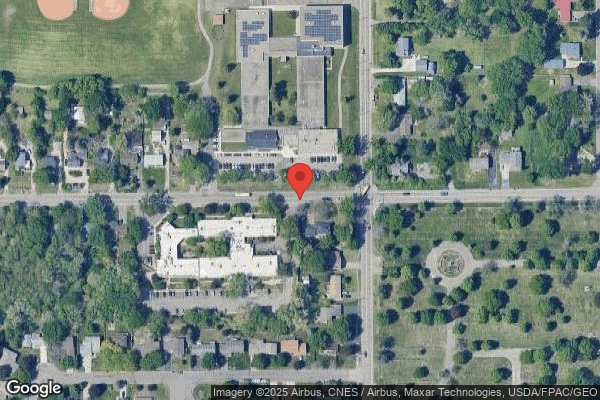
May 2024 1 deficiency
CONCERN (D) 📢 Someone Reported This

A family member, employee, or ombudsman was alarmed enough to file a formal complaint

Potential for Harm - no one hurt, but risky conditions existed

Pharmacy Services (Tag F0755)

Could have caused harm · This affected 1 resident

**NOTE- TERMS IN BRACKETS HAVE BEEN EDITED TO PROTECT CONFIDENTIALITY** Based on interview and record review, the facility failed to provide pharmacy services for one of one resident (R1) reviewed for...

Read full inspector narrative →
**NOTE- TERMS IN BRACKETS HAVE BEEN EDITED TO PROTECT CONFIDENTIALITY** Based on interview and record review, the facility failed to provide pharmacy services for one of one resident (R1) reviewed for medication administration. R1 did not receive her oxycodone (pain medication) when it was available in the facility's medication dispensing kit. Findings include: R1's admission record printed on 5/14/24 indicated R1 was admitted to the facility on [DATE] with a primary diagnoses of falls, generalized deconditioning, and left gluteal hematoma. R1's additional diagnoses included contusion of lower back and pelvis, repeated falls, dementia, psychotic disturbance, mood disturbance, anxiety, chronic kidney disease stage 3, muscle weakness, and difficulty walking. R1's minimum data set (MDS) dated [DATE] indicated R1 had a brief interview for mental status (BIMS) score was 14, indicating she was cognitively intact. R1's pain documentation on 4/22/24 at 10:23 a.m., indicated R1 had a pain score of eight out of ten. R1's pain documentation on 4/22/24 at 12:06 p.m., indicated R1 had a pain score of four out of ten. R1's provider communication dated 4/22/24 indicated certified nurse practitioner (CNP)-A ordered oxycodone 5mg tablet with the directions of give 2.5mg by mouth every four hours as needed for seventy-two hours, then reduce to every eight hours as needed for right foot fracture and pain. R1's progress note dated 4/22/24 at 3:53 p.m. written by registered nurse (RN)-A indicated R1 received a new order from the CNP for oxycodone to give 2.5mg every four hours for seventy-two hours, then reduce to every eight hours as needed for right foot fracture and pain. R1's pain documented did not have any pain assessments between 4/22/24 at 12:06 p.m. and 4/23/24 at 12:38 p.m. R1's pain documentation on 4/23/24 at 12:38 p.m., indicated R1 had a pain score of ten out of ten. R1's progress note dated 4/23/24 at 12:38 p.m. written by licensed practical nurse (LPN)-A indicated R1 had a new order for oxycodone to give 2.5mg by mouth every four hours as needed for pain for three days, then reduce to every eight hours as needed. R1's medication administration record (MAR) dated April 2024 indicated R1 received her first dose of oxycodone on 4/23/24 at 4:00 p.m. During my interview with triage nurse (TN)-A on 5/16/24 at 9:44 a.m., TN-A stated the CNP sent the order for oxycodone to the pharmacy on 4/22/24 at 2:22 p.m. During my interview with the pharmacy account manager (PAM)-A on 5/16/24 at 10:20 a.m., the PAM-A stated the script for oxycodone was sent to the pharmacy on 4/22/24 at 2:21 p.m. PAM-A stated the pharmacy staff member entered the script into the pharmacy system on 4//22/24 at 3:52 p.m. and then was verified by the pharmacist at 4:34 p.m. the same day. PAM-A stated the medication left the pharmacy on 4/22/24 at 10:55 p.m. but did not have a delivery slip from the driver due to electronic failure in the pharmacy driver's vehicle. PAM-A stated the facility had oxycodone 5mg tablets in the facility medication dispensing kit. PAM-A stated she would expect the facility to use the medication dispensing kit while they were waiting for the delivery of R1's oxycodone from the pharmacy if they were able to create the correct milligram for the medication. PAM-A stated the facility staff could call the pharmacy to obtain an access code to dispense oxycodone from the medication dispensing kit. PAM-A stated the pharmacy is open twenty-four hours a day to obtain a code to access the medication dispensing kit. During an interview with the director of nursing (DON) on 5/16/24 at 10:48 a.m., the DON stated she would have expected the facility staff to dispense R1's oxycodone from the medication dispensing kit. The DON stated the facility staff should have called the pharmacy to obtain a passcode to dispense R1's oxycodone from the medication dispensing kit while the facility waited for the pharmacy to deliver R1's oxycodone. The DON stated the facility can score the oxycodone to obtain the correct milligram of the oxycodone. A policy and procedure for medication dispensing and the medication dispensing kit was requested and none was obtained.
Dec 2023 7 deficiencies 1 Harm
SERIOUS (G) 📢 Someone Reported This

A family member, employee, or ombudsman was alarmed enough to file a formal complaint

Actual Harm - a resident was hurt due to facility failures

Deficiency F0578 (Tag F0578)

A resident was harmed · This affected 1 resident

**NOTE- TERMS IN BRACKETS HAVE BEEN EDITED TO PROTECT CONFIDENTIALITY** Based on interview and document review the facility failed to comply with resident rights to refuse treatment for 1 of 4 residen...

Read full inspector narrative →
**NOTE- TERMS IN BRACKETS HAVE BEEN EDITED TO PROTECT CONFIDENTIALITY** Based on interview and document review the facility failed to comply with resident rights to refuse treatment for 1 of 4 residents (R1) reviewed when staff proceeded with a urinary straight catheterization while R1 verbally and physically refused the procedure. R1 has had increased anxiety since the straight catheterization procedure. Findings include: R1's Minimal Data Set (MDS) dated [DATE] indicated R1 admitted to the facility on [DATE]. R1's pertinent primary medical conditions indicated on the MDS included anxiety disorder, morbid obesity, metastatic breast cancer, pathological fracture of the left tibia (shin bone) and generalized muscle weakness. R1 had no cognitive deficits. R1 was dependent upon staff with toileting and lower body dressing and transfers. R1 required maximum assistance from staff with upper body dressing and bathing. R1's treatment administration record (TAR) with a start date 10/30/23 at 3:00 p.m., end date 10/31/23 at 4:01 p.m. indicated postvoid residuals (PVRs) (a scan of the bladder to determine the amount of residual urine after voiding) every shift for urine residual greater than 350 cubic centimeters (cc) to use a straight catheter (a soft, thin flexible tube is inserted into the urethra, until urine flows out, the catheter is then removed and discarded) three times. If straight catheterizations were greater than three times, reinsert an indwelling urinary catheter (an indwelling tube that stays in the urethra and bladder for urine voiding). - 10/30/23 evening shift R1 had a PVR of 550 cc's. - 10/30/23 to 10/31/23 night shift R1 had a PVR of 35 cc's. - 10/31/23 day shift R1 had a PVR of 1000 cc's. R1's progress notes from 10/30/23 to 11/30/23 indicated: - 10/30/23 at 12:28 p.m. R1 admitted to the facility from the hospital for skilled services following surgical repair of R1's left tibia. - 10/31/23 at 1:02 p.m. a summary of R1's skilled services indicated R1 was to receive skilled nursing services, physical therapy, and occupational therapy. R1 had anxiety, edema, urinary retention, incisional dressing, and pain was monitored. R1 was sensitive to touch and cares, anxious about what would happen next. Scheduled antianxiety medications helps with R1 conditions. R1 had urinary retention in the hospital. Had PVR orders. R1 attempted to void this morning but was unable, a PVR scan was completed that showed 1000 cc of urine in the bladder. R1 and R1's family member (FM)-A requested an indwelling urinary catheter be placed. Next catheterization, including the hospital straight catheterizations, would be the fourth time. The indwelling urinary catheter procedure was tolerated by R1, returning 1200 cc of clear yellow urine. R1 was comfortable and less anxious. - 10/31/23 to 11/13/23 monitoring of the indwelling catheter was performed with no concerns from R1. - 11/14/23 at 4:25 p.m. R1 complained of pain and burning from the indwelling urinary catheter. An order was obtained for removal. R1's catheter was removed. - 11/30/23 at 3:26 p.m. R1 discharged from the facility. R1's physician order dated 11/1/23 at 9:31 a.m. indicated indwelling urinary catheter, 16 French with 15 cc's in 30 cc balloon, to dependent drainage. Change catheter as needed if dislodged or plugged and unable to clear with irrigation. R1's physician order dated 11/14/23 at 7:00 a.m. indicated okay to remove indwelling urinary catheter if R1 wants. PVR every shift for 72 hours. Straight catheter if residual urine is 350 cc or greater. If straight catheter needed three times reinsert indwelling urinary catheter. Upon interview on 12/15/23 at 8:46 a.m. R1 stated she left the facility after one month due to how she was treated. She stated she has been in pain ever since the staff forced catheterization on her. She was sobbing during interview, having to stop between sentences, saying I'm sorry, I'm sorry, I hurt physically and emotionally. She stated due to having vaginal and leg pain she cannot stop thinking about the facility. She had an appointment with her physician later during that day to discuss her symptoms. I think they damaged me; it hurts to pee. She stated two nurses, and a man were in her room during her stay at the facility, the staff was pulling on her leg trying to insert a catheter. R1 stated she was screaming, stop it is hurting me, I don't need this. She stated her husband was sleeping in her room and he woke and told staff to stop as well. She stated, the man was standing at the end of her bed looking at her parts. She said the women were trying to pull her legs apart as she was trying to close them. R1 stated the staff told her they needed to put the catheter in because it was unhealthy. R1 stated she did tell the nurse manager, registered nurse (RN)-C and RN-D that staff placed a catheter inside her, that she did not want, and they hurt her. Upon interview on 12/15/23 at 11:41 R1's family member (FM)-A stated R1 was yelling stop you are hurting me; you are hurting me. He stated two female nurses were holding her legs apart and a male was there helping. I told them to stop. He stated the staff stated if they could not get the urine out, she could become ill and must go to the hospital. She talks and cries about the trauma that the nurses caused every day since leaving the facility. A police report was filed by FM-A on 11/15/23 for the incident 10/30/23 and the care received at the facility. Upon inquiry on 12/15/23 with the police department at 9:41 a.m. The department did not have a police report on file made by FM-A regarding R1. Upon interview on 12/15/23 at 12:51 RN-E stated the day R1 was admitted on [DATE] was the day they had to straight catheterize her because her bladder scan contained over 350 cc; her bladder contained 550 cc's. She stated RN-B came to her and asked for assistance. RN-B told RN-E that he needed assistance as R1 was refusing the procedure. RN-E stated the procedure was explained to R1; however, she was frantic and did not feel the procedure was necessary. R1 started to cry before staff began procedure. RN-E stated that her and RN-B started the process and R1 started yelling It hurts, it hurts, I don't need this. R1 was lying flat on her back with her knees bent up. RN-E tried to expand R1's legs as much as she could, but R1 was saying her right leg was painful all the time. RN-E stated her role was to hold R1's legs so RN-B could insert the straight catheter. RN-E and RN-B did not get the straight catheter in inserted, we pulled back. RN-E stated she explained to the husband if the staff could not catheterize R1 that she may have to go back to the hospital. RN-B left the room to get another nurse to assist with the procedure. RN-F came into the room and assisted RN-B with holding R1's legs apart. R1 was yelling why do we now have another person in the room. As RN-B and RN-F were holding R1's legs RN-E did get the straight catheter inserted with a return of 574 cc of urine. R1's husband was heard saying that he hoped the procedure would be over soon and he hopes it would never need to be performed again. RN-E stated, We did attempt to try putting it in after she said stop. RN-E stated the procedure from start until finish lasted about 20 minutes. She denied trying any other interventions to try to get R1 to urinate or her own or any other interventions to ease R1's anxiety. She denied calling the nurse practitioner when R1 was refusing for further recommendation. RN-E stated she did not document anything about the procedure in R1's notes as she was not the nurse in charge of R1's cares that night. Upon interview on 12/15/23 at 2:36 p.m. RN-B stated R1 had an order to do a straight catheter procedure if her bladder scan residual showed over 350 cc. R1 was a larger lady who had anxiety, therefore RN-E was asked to assist. On the first attempt to insert the straight catheter R1 was yelling you're ripping me apart. RN-B stated he did not insert the straight catheter yet and R1 was not being touched when she was screaming. R1 was closing her legs, so the insertion was not obtained with RN-E holding her legs and RN-B attempting in insert the straight catheter. RN-B stated he went to get another nurse to assist. R1's husband woke-up and RN-B did not recall what the husband was saying. RN-B stated he did not hear R1 say stop, rather she was yelling you're ripping and putting it in the wrong hole RN-B stated with the help of RN-D they were able to complete the procedure as RN-B and RN-D held R1's legs and RN-E inserted the straight catheter. RN-B stated R1 was saying it was vagina which was hurting not her leg. RN-B stated RN-F did say maybe the staff should pull back due to R1's resistance, but RN-E was about to get the job done, so they proceeded. RN-B stated he did not recall if he wrote a progress note. He denied trying any relaxation interventions, education or notifying the NP for further instructions due to R1's anxiety or an update following the procedure. RN-B stated the entire procedure from start to finish took three minutes. The first attempt took two minutes and the second attempt one minute total time. RN-B stated he was aware that after procedure he was not allowed into R1's room per her request to not have male staff. RN-B stated he still proceeded with the procedure when she was because she was saying just get it in the right hole. Upon interview on 12/15/23 at 2:51 p.m. RN-D stated she worked the morning after R1 was straight catheterized. She stated that she knew R1 was upset about the catheterization and refused her bladder scans the rest of the night. RN-D stated she performed the bladder scan on R1 the following morning and she had 1000 cc's of residual urine in her bladder, which was a dangerous level. RN-D stated R1 was an extremely anxious resident and who was on a lot of anxiety medications and when the medications wore off R1 became anxious and scared. RN-D stated she spent a lot of time with R1 and her husband and explained that she needed an indwelling foley catheter or to be straight catheterized again, but this time she would put in an indwelling foley catheter. RN-D stated she made sure R1 had her Ativan 0.5 milligrams (an antianxiety medication) and R1 and her husband consented to the indwelling foley catheter. She stated she and another nurse (unidentified) placed the straight catheter in without difficulty. Upon interview on 12/15/23 at 2:39 p.m. RN-C the nurse manager stated she was not aware that R1 was yelling stop and yelling out pain during the straight catheterization procedure. In addition, she was not aware that three staff were in her room attempting to perform the straight catheter procedure. She stated 574 cc's is not that much urine, so it was not emergent that staff catheter her. She stated her expectation of staff would have been to stop and to get further direction from the NP. The nurse manager stated, There is no excuse, no means no. Upon interview on 12/15/23 at 3:06 p.m. RN-F stated RN-B requested her assistance with straight catheterization on a resident who was having anxiety. R1 was in her room and was very anxious when RN-F arrived, she was yelling. RN-F stated R1 was thrashing and flailing her legs around saying she was uncomfortable. RN-F did not recall her saying stop but recalled yelling. RN-F heard R1 say that she was not comfortable as RN-F and RN-B were holding back the skin folds of her legs and abdomen. RN-F stated she was uncertain of any interventions RN-B and RN-E providing before asking for her assistance. RN-F stated if resident does not want something done staff does not do it. Upon interview on 12/18/23 at 10:57 a.m. the director of nursing (DON) stated she heard that R1 at first did not want the straight catheter procedure, but then said she would allow it and the husband was present. She stated that she was not aware R1 was yelling. She stated if R1 was yelling, she would expect the staff to stop and come up with another plan. Upon interview on 12/18/23 at 11:21 p.m. the Administrator stated she was not aware of the straight catheter procedure for staff or residents, but if a resident were yelling, she would expect the staff to stop and explain risk and benefits to the resident. A facility policy titled Notification of Changes in residents-rehab/skilled dated 1/18/23 indicated the purpose was to ensure the resident receive prompt notification of changes in residents' rights. The facility provided the Care Providers of Minnesota Combined Federal and Minnesota State [NAME] of Rights version 6/8/19. Under the title Exercise of Rights indicated the facility must ensure the resident can exercise their rights without interference, coercion, discrimination, or reprisal from the facility. Under the title Planning and Implementing Care indicated the right to request, refuse, and/or discontinue treatment. Competent residents have the right to refuse treatment.
CONCERN (D) 📢 Someone Reported This

A family member, employee, or ombudsman was alarmed enough to file a formal complaint

Potential for Harm - no one hurt, but risky conditions existed

Report Alleged Abuse (Tag F0609)

Could have caused harm · This affected 1 resident

Based on interview and document review, the facility failed to immediate report, but not later than two hours after the allegation is made, to the state agency (SA) allegations of employee to resident...

Read full inspector narrative →
Based on interview and document review, the facility failed to immediate report, but not later than two hours after the allegation is made, to the state agency (SA) allegations of employee to resident physical and verbal abuse for 1 of 1 resident (R1) reviewed for abuse. R1's admission Minimal Data Set (MDS) date 11/5/23 indicated R1 had no cognitive deficits. R1 was dependent with toileting and lower body dressing and transfers. She required maximum assistance with upper body dressing and showering. R1's pertinent diagnoses were metastatic breast cancer, anxiety disorder, morbid obesity, and a pathological fracture of the left tibia (shin bone). A facility incident report dated 11/22/23 indicated R1 reported NA-A had yelled at her, telling her that no one liked her. R1 also stated NA-A ripped her brief off and hurt her hip during cares. NA-A made her feel bad for needing help. NA-A turned off all her lights and left her with no way to turn the lights on or call for help. R1 stated she was being abused by NA-A because of the treatment and the way her brief was taken off by NA-A. R1 called the police. Upon interview on 12/15/23 at 8:46 a.m. R1 stated two nurses and a guy came into her room and were trying to place a catheter in her. She stated she repeatedly told them to stop, and she did not need the catheter. She stated her surgical leg was hurting as the staff was pushing on her legs. She described the male nurse as a younger man with dark hair. She stated four times during the interview how she told the staff to stop and how painful it was. R1 was crying throughout the telephone interview, having to take breaks between sentences due to the sobbing. She stated in addition, few days later nursing assistant (NA)-A came into her room one morning and was yelling at her that she did not belong in the facility and was mistreating her. She stated she had diarrhea in her incontinent pad and NA-A torn it from her causing pain to her surgical leg and then NA-A threw a box of Kleenexes at her. R1 stated she reported both incidents to the registered nurse (RN)-C and the facility social worker (SW)-A. Upon interview on 10/15/23 at 10:15 a.m. RN-C, the nurse manager, stated R1 did speak with her about the catheter, but did not provide any details, except it was uncomfortable and talked about the male in her room. She was very emotional several times and difficult to read on the level of sorting out what is what. RN-C stated R1 stated it felt like someone was viewing her as a pleasure thing. RN-C stated she did not investigate the allegation or file a report to the Minnesota Adult Abuse Reporting Center (MAARC). Upon interview on 12/15/23 at 2:15 p.m. SW-A stated R1 told her that an NA was mean to her. The SW stated she was uncertain what the term mean meant from R1. She stated R1's husband called the police that day. SW-A did not speak with the police. She stated she spoke with the NA-A and NA-A was upset and did not want to work with R1 anymore because she was the one abused. SW-A denied interviewing R1 about her allegations. She stated she sent the administrator an e-mail and told the nursing manager on the unit, RN-C about the incident. Upon interview on 12/15/23 at 2:56 p.m. RN-C stated she was uncertain why R1 did not want male staff in her room. She stated she did recall a couple of incidents that R1 had with NA-A, it was a she-said-she-said. R1 stated that NA-A was rough with her and left her in the dark and aggressively ripped an incontinent brief from her. RN-C stated the facility did not find any abuse or maltreatment therefore they did not report the incident to MAARC. She stated the director or nursing, DON has a file about the incident. Upon interview on 12/18/23 the DON stated she was not aware of the allegation R1 had regarding her catheter insertion. She stated the other allegations were not reported because the nurse manager on the unit is new to her position, however stated the allegations should have been reported to the state agency. An abuse policy was requested however none was received.
CONCERN (D) 📢 Someone Reported This

A family member, employee, or ombudsman was alarmed enough to file a formal complaint

Potential for Harm - no one hurt, but risky conditions existed

Investigate Abuse (Tag F0610)

Could have caused harm · This affected 1 resident

Based on interview and document review, the facility failed to ensure allegations of verbal and physical abuse were thoroughly investigated for 1 of 1 resident (R1) reviewed. R1 reported allegations o...

Read full inspector narrative →
Based on interview and document review, the facility failed to ensure allegations of verbal and physical abuse were thoroughly investigated for 1 of 1 resident (R1) reviewed. R1 reported allegations of rough treatment leading to pain when staff would not stop a catheter procedure upon her request. In addition, R1 reported allegations of verbal and physical abuse by a nursing assistant (NA). A thorough investigation was not completed. Neither complaint allegations were reported to the state agency. The findings include: According to a facility incident report dated 11/22/23 R1's husband arrived at 1:30 p.m. to talk to R1 about what she believed happened to her with an encounter with staff member, NA-A that morning. R1 reported NA-A yelled at her, saying no one liked her. R1 stated NA-A ripped her brief off and hurt her hip. NA-A made her feel bad for needing help. NA-A also turned off all her lights and left her with no way to turn the lights on or call for help. R1 stated she had been abused by NA-A because of this treatment and the way her brief was taken off by NA-A. R1 called the police saying she was being neglected. Registered nurse (RN)-C response on the incident report indicated she explained to R1 that while she had Covid-19 her cares must be grouped together as much possible. And she was not being ignored or neglected, the staff just needed to be more aware for the safety of others. RN-C told R1 that her services and everything they have to offer her were still available. RN-C explained to R1 the leaving against medical advice (AMA) policy as the R1 was ready to leave due to anxiety and problems with not getting help, and R1 did not feel like she could be in the room for ten days. RN-C explained to R1 that is her right and then R1 thought she would be kicked out. RN-C listened to all the patient concerns with R1 and reassured her that no one hated her and told her NA-A would not be working with her anymore. RN-C wrote patient has extreme anxiety and can be difficult to reason with and explain reality to. RN-C then encouraged R1's husband to leave as he was also Covid positive and not to return until R1 was out of isolation. On the same incident report RN-C interviewed NA-A and wrote NA-A was in tears and telling how mean R1 was to her and yelling at her. NA-A reported R1 threw a bedside table over and yelled at her. NA-A also reported R1 is abusive to her by yelling. The solution was NA-A was no longer to work with R1. In the facility investigative folder there was one additional staff interview dated 11/22/23 by NA-C indicating NA-C had taken over cares for NA-A on 11/22/23. She answered R1's call light, gave her breakfast and changed her brief. The note also indicated NA-C went in R1's room at 12:30 p.m. stating R1 was upset and wanted to speak with management. Email correspondence at 11/22/23 at 1:47 p.m. sent by social worker (SW)-A to the administrator indicated NA-A had informed SW-A that she was not comfortable working with R1 as R1 was angry and claiming nobody was caring for her and pushed her water pitcher off her tray table and threating to call the police. NA-A was told to talk to the nursing team about the incident. R1's progress note dated 11/22/23 at 4:08 p.m. indicated R1 went mad this morning after receiving care after having diarrhea in her bed this morning. R1 was yelling and cursing at the staff there and threatens to call the police. The morning nurse was able to calm her down after listening to her and giving her morning medications and pain control medication. R1 did good until lunch time when she started calling her husband to come and get her. Management was aware of patient's frustration. R1's care plan dated 12/14/23 did not identify R1 as having any anxiety or anger concerns as a vulnerable adult. The investigation folder and medical record failed to include any documentation on any other staff, residents or witnesses interviewed. There was no documentation of any skin, injury, or pain assessments completed as R1 had complained of pain during cares and no psychological assessment was completed in response to R1's anxiety and behaviors. The nurse practitioner (NP) was not notified. The facility failed to offer R1 any interventions such as a psychiatry referral, social worker visits, clergy, or increased activities for R1 in her room under isolation. Upon interview on 12/15/23 at 3:15 p.m. RN-C stated she spoke with R1 following the allegations of the staff hurting her and refused to stop the catheterization procedure. RN-C stated she did not investigate the allegations as she only knew R1 complained of pain and a male was in her room trying to view her for pleasure. She stated she did not feel that warranted reporting or an investigation. She stated on the allegations of physical and verbal abuse by NA-A she spoke with R1 and called the allegations a she-said-she-said situation. She also she interviewed NA-A and did not have her work with R1 following the allegations. She denied interviewing any other witnesses, residents, or staff members regarding the allegations. She denied offering any other interventions. The resolution to the situation was not to have NA-A work with R1. She denied completing any nursing assessments following the allegations. Upon interview on 12/15/23 at 2:20 p.m. SW-A stated R1 would get angry and refuse care. She stated R1 told her NA-A was mean to her, she was unable to explain what R1 meant by mean. SW-A stated she did not take any notes regarding the allegations. SW-A stated on R1's admission trauma assessment she did not identify any trauma. SW-A denied completing any assessments following the allegations. She stated R1's behaviors were on and off. SW-A was not aware of the allegations R1 had regarding her catheter cares. Upon interview on 12/18/23 at 10:57 a.m. the director of nursing, DON stated the nurse manager RN-C completed the incident report and the DON was she was aware NA-A was re-educated on the spot. She was unable to define or show any documentation of the scope of NA-A's re-education. The DON stated NA-A was not allowed to work with R1 after the incident. She did not believe any notifications were made to the NP or any other inventions implemented due to the allegations. The DON was uncertain about any assessments being completed following the allegations. The DON was unaware of the allegations regarding the catheter, therefor no investigation was completed. An abuse policy was requested however none received.
CONCERN (D) 📢 Someone Reported This

A family member, employee, or ombudsman was alarmed enough to file a formal complaint

Potential for Harm - no one hurt, but risky conditions existed

Comprehensive Care Plan (Tag F0656)

Could have caused harm · This affected 1 resident

**NOTE- TERMS IN BRACKETS HAVE BEEN EDITED TO PROTECT CONFIDENTIALITY** Based on interview and document review the facility failed to develop a comprehensive person-centered care plan for mental and p...

Read full inspector narrative →
**NOTE- TERMS IN BRACKETS HAVE BEEN EDITED TO PROTECT CONFIDENTIALITY** Based on interview and document review the facility failed to develop a comprehensive person-centered care plan for mental and psychosocial needs including prevention, interventions, measurable objectives, and goals for 1 of 1 resident (R1) reviewed. Findings include: R1's physician order dated 10/31/23 was for lorazepam (an anti-anxiety agent) oral tablet 0.5 milligrams (mg) three times a day. R1's care plan dated 10/31/23 - 12/5/23 did not indicate any focus, goal, or interventions for R1's anxiety. R1's physician order dated 10/31/23 was for Alprazolam (an anti-anxiety agent) tablet 0.25 mg by mouth every eight hours as needed for anxiety until 11/10/23. Notify provider on 11/10/23 of need to reassess medication. R1's physician order dated 10/31/23 was for hydroxyzine HCL (anti-anxiety agent) tablet 50 mg by mouth every six hours as needed for anxiety for ten days. Notify provider on 11/10/23 of need to reassess medication. R1's trauma assessment dated [DATE] consisted of one question, 1. Have you ever experienced some form of trauma or a stressful event, (i.e., serious accident or fire, a natural disaster, a physical or sexual assault or abuse, torture, a war, seeing someone killed or seriously injured or loss of a loved one. R1 indicated no. There were not comments made on the assessment. R1's admission Minnesota Vulnerable Adult assessment dated [DATE] question #4 Mood and Behavior none of the boxes were checked which included low self-esteem, high anxiety level, disruptive, wandering, history of elopement, inappropriate behaviors that could harm self or others. No comments were made in the comment box. R1's progress note dated 10/31/23 indicated R1 had a history of anxiety and was sensitive to touch and cares, and anxious about what will happen next. Scheduled Ativan (lorazepam) helped with that condition. R1's admission Minimal Data Set (MDS) date 11/5/23 indicated R1 had no cognitive deficits. R1 was dependent with toileting and lower body dressing and transfers. She required maximum assistance with upper body dressing and showering. R1's pertinent diagnoses were metastatic breast cancer, anxiety disorder, morbid obesity, and a pathological fracture of the left tibia (shin bone). R1's progress note dated 11/13/23 at 3:59 p.m. indicated R1 was very anxious that morning and no Ativan (lorazepam) had been given over the weekend. R1's progress note dated 11/22/23 indicated R1 was yelling at cursing at staff. The morning nurse spoke with her and calmed her down and then again about noon R1 called her husband to come and get her. R1 seemed more irritated the past few days. R1's physician order dated 11/21/23 indicated staff were to write a detailed note on any side effects or the effectiveness of lorazepam for anxiety. Staff was to write a note every Tuesday morning. A facility incident report dated 11/22/23 indicated R1 was ready to leave the facility against medical advice (AMA) due to anxiety. In addition, the report indicated R1 had extreme anxiety and could be difficult to reason with and explain reality to. Upon interview on 10/15/23 at 10:14 a.m. registered nurse (RN)-C stated she had spoken with R1 on multiple occasions and R1 had been emotional several times and difficult to read. RN-C stated she was not certain if any psychosocial behaviors or anxiety interventions were on R1's care plan. Upon interview on 10/15/23 at 11:10 a.m. nursing assistant (NA)-D stated she worked with R1 often and R1 had high anxiety. She stated she had not been given any specific items on how to care for her anxiety. She stated she has worked very slowly and quietly around R1. Upon interview on 10/15/23 at 2:20 p.m. social worker (SW)-A stated R1 would often get angry and refuse cares. She stated she had many meetings with R1 and listened to her talk and calmed her down. SW-A denied taking any notes of meetings with R1. She stated she did not do any assessments other than the vulnerable adult and the trauma assessment upon admission. Upon interview on 10/15/23 at 10:57 a.m. the director of nursing, DON stated she was not certain of R1 had interventions for behaviors and anxiety on her care plan or not. A person-centered care plan policy was requested however none received.
CONCERN (D) 📢 Someone Reported This

A family member, employee, or ombudsman was alarmed enough to file a formal complaint

Potential for Harm - no one hurt, but risky conditions existed

Medical Records (Tag F0842)

Could have caused harm · This affected 1 resident

**NOTE- TERMS IN BRACKETS HAVE BEEN EDITED TO PROTECT CONFIDENTIALITY** Based on interview and document review the facility failed to ensure a medical record was complete and accurately documented for...

Read full inspector narrative →
**NOTE- TERMS IN BRACKETS HAVE BEEN EDITED TO PROTECT CONFIDENTIALITY** Based on interview and document review the facility failed to ensure a medical record was complete and accurately documented for nursing and/or other licensed professional notes for 1 of 1 resident (R1) reviewed when R1 had a straight catheterization procedure that was not recorded in the medical record for R1. Findings include: American Nursing Association, Principles for Nursing Documentation 2010, https://www.nursingworld.org/~4af4f2/globalassets/docs/ana/ethics/principles-of-nursing-documentation.pdf indicated documentation of nurses work is critical for effective communication with others and other disciplines. It provides a basis for demonstrating and understanding nursing contributions both to patient care outcomes and to the viability and effectiveness of the organizations that provide and support quality patient care. It is how nurses create a record of their services for use by communication within the health care team, communication with other professionals, credentialing, legal, regulation and legislation, reimbursement, research, and quality process and performance improvement. Documentation characteristics included accessibility, accurate, relevant, clear, concise, complete, readable, timely, contemporaneous, sequential, reflective of the nursing process, and retrievable. Documentation entries included entries that are accurate, valid, complete, authenticated, dated, time-stamped by persons who created the entry, and made using standardized terminology. R1's Minimal Data Set (MDS) dated [DATE] indicated R1 admitted to the facility on [DATE]. R1's pertinent primary medical conditions indicated on the MDS included anxiety disorder, morbid obesity, metastatic breast cancer, pathological fracture of the left tibia (shin bone) and generalized muscle weakness. R1 had no cognitive deficits. R1 was dependent upon staff with toileting and lower body dressing and transfers. R1 required maximum assistance from staff with upper body dressing and bathing. R1's treatment administration record (TAR) with a start date 10/30/23 at 3:00 p.m., end date 10/31/23 at 4:01 p.m. indicated postvoid residuals (PVRs) (a scan of the bladder to determine the amount of residual urine after voiding) every shift for urine residual greater than 350 cubic centimeters (cc) to use a straight catheter (a soft, thin flexible tube is inserted into the urethra, until urine flows out, the catheter is then removed and discarded) three times. If straight catheterizations were greater than three times, reinsert an indwelling urinary catheter (an indwelling tube that stays in the urethra and bladder for urine voiding). - 10/30/23 evening shift R1 had a PVR of 550 cc's. - 10/30/23 to 10/31/23 night shift R1 had a PVR of 35 cc's. - 10/31/23 day shift R1 had a PVR of 1000 cc's. R1's progress notes from 10/30/23 to 11/30/23 indicated: - 10/30/23 at 12:28 p.m. R1 admitted to the facility from the hospital for skilled services following surgical repair of R1's left tibia. - 10/31/23 at 1:02 p.m. a summary of R1's skilled services indicated R1 was to receive skilled nursing services, physical therapy, and occupational therapy. R1 had anxiety, edema, urinary retention, incisional dressing, and pain was monitored. R1 was sensitive to touch and cares, anxious about what would happen next. Scheduled antianxiety medications helps with R1 conditions. R1 had urinary retention in the hospital. Had PVR orders. R1 attempted to void this morning but was unable, a PVR scan was completed that showed 1000 cc of urine in the bladder. R1 and R1's family member (FM)-A requested an indwelling urinary catheter be placed. Next catheterization, including the hospital straight catheterizations, would be the fourth time. The indwelling urinary catheter procedure was tolerated by R1, returning 1200 cc of clear yellow urine. R1 was comfortable and less anxious. - 10/31/23 to 11/13/23 monitoring of the indwelling catheter was performed with no concerns from R1. - 11/14/23 at 4:25 p.m. R1 complained of pain and burning from the indwelling urinary catheter. An order was obtained for removal. R1's catheter was removed. - 11/30/23 at 3:26 p.m. R1 discharged from the facility. R1's medical record did not indicate the following pertaining to the straight catheterization on 10/30/23: - Hospital discharge and/or physician orders for treatment of straight catheterization as identified on the TAR for urinary retention upon admission on [DATE]. - Documentation of education/rational/discussion of the straight catheterization procedure with R1. - If R1 agreed the straight catheterization procedure. - Documentation that a straight catheterization that was performed on R1 and how R1 tolerated the procedure. - The outcome/effectiveness of the procedure. Upon interview on 12/15/23 at 8:46 a.m. R1 stated she left the facility after one month due to how she was treated. She stated she has been in pain ever since the staff forced catheterization on her. She was sobbing during interview, having to stop between sentences, saying I'm sorry, I'm sorry, I hurt physically and emotionally. She stated due to having vaginal and leg pain she cannot stop thinking about the facility. She had an appointment with her physician later during that day to discuss her symptoms. I think they damaged me; it hurts to pee. She stated two nurses, and a man were in her room during her stay at the facility, the staff was pulling on her leg trying to insert a catheter. R1 stated she was screaming, stop it is hurting me, I don't need this. She stated her husband was sleeping in her room and he woke and told staff to stop as well. She stated, the man was standing at the end of her bed looking at her parts. She said the women were trying to pull her legs apart as she was trying to close them. R1 stated the staff told her they needed to put the catheter in because it was unhealthy. R1 stated she did tell the nurse manager, registered nurse (RN)-C and RN-D that staff placed a catheter inside her, that she did not want, and they hurt her. Upon interview on 12/15/23 at 11:41 R1's family member (FM)-A stated R1 was yelling stop you are hurting me; you are hurting me. He stated two female nurses were holding her legs apart and a male was there helping. I told them to stop. He stated the staff stated if they could not get the urine out, she could become ill and must go to the hospital. She talks and cries about the trauma that the nurses caused every day since leaving the facility. Upon interview on 12/15/23 at 12:51 RN-E stated the day R1 was admitted on [DATE] was the day they had to straight catheterize her because her bladder scan contained over 350 cc; her bladder contained 550 cc's. She stated RN-B came to her and asked for assistance. RN-B told RN-E that he needed assistance as R1 was refusing the procedure. RN-E stated the procedure was explained to R1; however, she was frantic and did not feel the procedure was necessary. R1 started to cry before staff began procedure. RN-E stated that her and RN-B started the process and R1 started yelling It hurts, it hurts, I don't need this. R1 was lying flat on her back with her knees bent up. RN-E tried to expand R1's legs as much as she could, but R1 was saying her right leg was painful all the time. RN-E stated her role was to hold R1's legs so RN-B could insert the straight catheter. RN-E and RN-B did not get the straight catheter in inserted, we pulled back. RN-E stated she explained to the husband if the staff could not catheterize R1 that she may have to go back to the hospital. RN-B left the room to get another nurse to assist with the procedure. RN-F came into the room and assisted RN-B with holding R1's legs apart. R1 was yelling why do we now have another person in the room. As RN-B and RN-F were holding R1's legs RN-E did get the straight catheter inserted with a return of 574 cc of urine. R1's husband was heard saying that he hoped the procedure would be over soon and he hopes it would never need to be performed again. RN-E stated, We did attempt to try putting it in after she said stop. RN-E stated the procedure from start until finish lasted about 20 minutes. RN-E She denied trying any other interventions to try to get R1 to urinate or her own or any other interventions to ease R1's anxiety. She denied calling the nurse practitioner when R1 was refusing for further recommendation. RN-E stated she did not document anything about the procedure in R1's notes as she was not the nurse in charge of R1's cares that night. Upon interview on 12/15/23 at 2:36 p.m. RN-B stated R1 had an order to do a straight catheter procedure if her bladder scan residual showed over 350 cc. R1 was a larger lady who had anxiety, therefore RN-E was asked to assist. On the first attempt to insert the straight catheter R1 was yelling you're ripping me apart. RN-B stated he did not insert the straight catheter yet and R1 was not being touched when she was screaming. R1 was closing her legs, so the insertion was not obtained with RN-E holding her legs and RN-B attempting in insert the straight catheter. RN-B stated he went to get another nurse to assist. R1's husband woke-up and RN-B did not recall what the husband was saying. RN-B stated he did not hear R1 say stop, rather she was yelling you're ripping and putting it in the wrong hole RN-B stated with the help of RN-D they were able to complete the procedure as RN-B and RN-D held R1's legs and RN-E inserted the straight catheter. RN-B stated R1 was saying it was vagina which was hurting not her leg. RN-B stated RN-F did say maybe the staff should pull back due to R1's resistance, but RN-E was about to get the job done, so they proceeded. RN-B stated he did not recall if he wrote a progress note. He denied trying any relaxation interventions, education or notifying the NP for further instructions due to R1's anxiety or an update following the procedure. RN-B stated the entire procedure from start to finish took three minutes. The first attempt took two minutes and the second attempt one minute total time. RN-B stated he was aware that after procedure he was not allowed into R1's room per her request to not have male staff. RN-B stated he still proceeded with the procedure when she was because she was saying just get it in the right hole. Upon interview on 12/15/23 at 2:51 p.m. RN-D stated she worked the morning after R1 was straight catheterized. She stated that she knew R1 was upset about the catheterization and refused her bladder scans the rest of the night. RN-D stated she performed the bladder scan on R1 the following morning on 10/31/23 and she had 1000 cc's of residual urine in her bladder, which was a dangerous level. RN-D stated R1 was an extremely anxious resident and who was on a lot of anxiety medications and when the medications wore off R1 became anxious and scared. RN-D stated she spent a lot of time with R1 and her husband and explained that she needed an indwelling foley catheter or to be straight catheterized again, but this time she would put in an indwelling foley catheter. RN-D stated she made sure R1 had her Ativan 0.5 milligrams (an antianxiety medication) and R1 and her husband consented to the indwelling foley catheter. She stated she and another nurse (unidentified) placed the straight catheter in without difficulty. Upon interview on 12/15/23 at 10:13 a.m. 2:39 p.m. RN-C nurse manager stated catheter orders and catheterization procedures should be in the treatment section of the electronic health record. The facility provided the Care Providers of Minnesota Combined Federal and Minnesota State [NAME] of Rights version 6/8/19 indicated residents have the right to refuse treatment with documentation in the individual medical record.
CONCERN (F) 📢 Someone Reported This

A family member, employee, or ombudsman was alarmed enough to file a formal complaint

Potential for Harm - no one hurt, but risky conditions existed

Infection Control (Tag F0880)

Could have caused harm · This affected most or all residents

Based on observation, interviews, and document review the facility failed to follow transmission-based precautions to prevent the spread of SARS-CoV2 (Covid-19), influenza, and clostridium difficile (...

Read full inspector narrative →
Based on observation, interviews, and document review the facility failed to follow transmission-based precautions to prevent the spread of SARS-CoV2 (Covid-19), influenza, and clostridium difficile (c. diff) for 4 of 4 residents evaluated for infection control. The facility failed to practice proper hand hygiene, post the proper signage at a doorway, adhere to proper personal protective equipment (PPE), sanitize medical equipment following resident usage, and have proper doffing (taking off PPE) areas. This deficient practice had the potential to infect all 61 residents who resided at the facility. A Minnesota Department of Health resource titled Covid-19 Source Control (Masking), PPE, and Testing grid dated 9/15/23, https://www.health.state.mn.us/diseases/coronavirus/hcp/ppegrid.pdf indicated when a resident has tested positive for COVID-19, staff's PPE should consist of respirator, eye protection, isolation gown, and gloves. A Minnesota Department of Health resource titled Interim Guidance for Influenza Outbreak Management in Long-Term Care Facilities dated 1/10/23, https://www.health.state.mn.us/diseases/flu/ltc/intguide.pdf indicated that when a resident has tested positive for Influenza, staff should follow Droplet Precautions, which includes wearing a mask. The Centers for Disease and Control and Prevention (CDC) website titled 2007 Guideline for Isolation Precautions: Preventing Transmission of Infectious Agents in Healthcare Settings, https://www.cdc.gov/infectioncontrol/guidelines/isolation/index.html identified the level of precautions and PPE required when caring for residents with active C. difficile infections. Appendix A of this CDC publication, updated September 2018, identified C. difficile infection indicates the need to implement Standard Precautions in addition to Contact Precautions. Contact Precautions indicate the use of an isolation gown and gloves to prevent the unintended spread of infectious organisms through incidental contact with the healthcare personnel. Section III.B.1 indicated Contact Precautions should be observed whenever coming into contact with the resident, or the resident's environment, and should be discarded upon exit from the resident's room. In addition to Contact Precautions, Section IV.A.4. indicated hand hygiene must be completed by hand washing with soap and water, as traditional alcohol-based hand-sanitizer is not effective in neutralizing or removing C. difficile bacterial spores. A Minnesota Department of Health (MDH) resource titled Standard Precautions updated 10/20/22 at https://www.health.state.mn.us/facilities/patientsafety/infectioncontrol/pre/standard.html indicated standard precautions are the basic level of infection control that should be used in the care of all patients all the time. Patient care equipment identified equipment is to be cleaned, disinfected, or reprocess non-disposable equipment before reuse with another patient. A CDC poster for donning and doffing PPE retrieved 12/15/23 https://www.cdc.gov/HAI/pdfs/ppe/ppeposter148.pdf indicated except for respirator, remove PPE at doorway on in anteroom. A Minnesota Department of Health resource titled Hand Hygiene for Health Professionals updated 10/4/22 https://www.health.state.mn.us/people/handhygiene/hcp/index.html indicated: - Hand hygiene is indicated before: patient contact, donning gloves when inserting a central venous catheter (CVC), and inserting urinary catheters, peripheral vascular catheters, or other invasive devices that do not require surgery. - Hand hygiene is also indicated after contact with a patient's intact skin, contact with body fluids or excretions, non-intact skin, or wound dressings, and after removing gloves. - Gloves should be used when a HCW has contact with blood or other body fluids in accordance with universal precautions. R6's Progress note dated 12/13/23 at 6:07 a.m., indicated R6 complained of a sore throat, body aches, and a mild dry cough, but a rapid covid test came back negative. R6's Progress note dated 12/13/23 at 8:39 p.m. indicated R6 was on contact and droplet precautions but did not indicate why the precautions were ordered. Upon observation on 12/14/23 at 10:10 a.m. an isolation sign hung outside of R6's room that indicated enhanced barrier precautions. The sign indicated everyone must clean their hands before entering and exiting the room. Providers and staff were also to wear gloves and a gown for resident care areas including: 1. Dressing. 2. Bathing/showering, 3. Transferring. 4. Changing linens. 5. Personal hygiene. 6. Changing of briefs and assisting with toilet. On the PPE supply cart outside of R6's room were three isolation signs titled contact precautions, droplet precautions and airborne precautions. The PPE cart was stocked with gloves, a sign in/out sheet, sanitation wipes, and surgical face mask. The cart did not contain and hand sanitizer or gowns. Upon observation on 12/14/23 at 10:10 a.m. a dietary staff (DT)-A was seen in room only wearing a surgical mask. DT-A was moving R6's tray table and visiting with R6. Upon interview on 12/14/23 at 10:14 a.m. DT-A stated she did see the signs and PPE cart outside of R6's room and saw the precautions signs on the cart. She stated she was confused as what PPE to wear. She stated she was only in the room making sure R6 was comfortable and getting her meal menu. DT-A was not certain if R6 had Covid-19. She was aware there was Covid-19 in the facility. Upon interview on 12/14/23 at 10:39 trained medication assistant (TMA) stated she was not certain which precautions R6 should be on when she was shown all three precaution signs on R6's PPE cart. TMA-A deferred all infection control questions to the infection preventionist. Upon interview on 12/14/23 at 10:42 a.m. the infection preventionist (IP) stated the sign that should be posted outside of R6's room should have been the airborne precaution sign. She stated all staff were to wear full PPE (gown, gloves, face shield, eye protection, and N95 mask) while in R6's room. IP states that she heard that R6 was symptomatic but unaware of the symptoms or diagnosis R6 is experiencing. R11's care plan dated 10/4/23 indicated R11 required a mechanical lift to be transferred from her bed to her wheelchair. Upon observation on 12/14/23 at 10:18 a.m. nursing assistant (NA)-D was wearing gloves, she repositioned R11 by turning her, provided incontinence cares by cleaning R11's peri area, and changing R11's soiled incontinence pad while R11 was in bed. NA-D did not change her gloves after discarding the soiled pad into the garbage in the bathroom. NA-D kept the same pair of gloves on and placed the mechanical lift sling on R11. NA-D left R11's the room with the soiled gloves and came back in with another staff member to assist with the mechanical lift. NA-D took off her gloves, did not wash her hands and proceeded to lift R11 with the mechanical left and got her seated in her wheelchair. NA-D wheeled the mechanical lift out of R11's room and plugged it into the outlet in the hallway without sanitizing it. There were no sanitation wipes in the bag on the lift. At 10:30 a.m. the mechanical lift was still in the hallway without being sanitized. NA-D had left the hallway to assist in another hallway. Upon interview on 12/14/23 at 10:39 a.m. TMA-A stated all equipment is to be wiped down with sanitary wipes after use on a resident. R4's progress note dated 12/12/23 at 4:08 p.m. indicated R4 was on contact precautions for c.diff. Upon observation on 12/14/23 at 11:51 a.m. a contact precaution sign was hung on the wall outside R4's room indicating R4 was on contact precautions for c.diff. Gloves, a face mask and a gown was to be worn with any patient contact. You must wash your hands with soap and warm water after contact with any resident who has c.diff. A cart with PPE supplies was outside R4's door. Registered nurse (RN)-A entered R4's room wearing a surgical face mask, no gloves, and no gown. RN-A took a blanket from R4 's bed and draped it over R4, who was seated in a reclining chair. Upon interview on 12/14/23 at 12:10 p.m. RN-A stated, she did not need to wear any PPE as she did not make contact with R4, she stated yes I gave her a blanket, but I did not touch her. RN-A did wash her hands with soap and water while in the bathroom after doffing, and then sanitized when exiting R4's room. Upon observation on 12/14/23 at 12:46 p.m. nursing assistant (NA)-A donned a surgical mask, gown, and gloves. NA-A entered R4's room with a meal tray and placed the tray on R4's table, she removed the aluminum foil from the plate and removed the lids from the cups on the tray. R4 removed a blanket on R4's lap and placed it on her bed. NA-A doffed the PPE in R4's bathroom except for the surgical mask. She exited R4's room and did not wash her hands before delivering the next lunch tray. Upon interview on 12/14/23 at 12:55 p.m. NA-A stated she was not informed to wash hands between rooms when passing trays for residents in isolation. She stated, they don't give us hand sanitizer for the meal tray carts. R5's progress note dated 12/14/23 at 2:37 p.m. indicated R5 had Covid-19 and was on airborne precautions. Upon observation and interview on 12/15/23 at 1:37 p.m. R5 had the airborne precaution sign outside of her room along with how to don and doff PPE. The PPE cart had been moved across the hallway next to another room. NA-B entered R5's room wearing only a surgical mask. NA-B closed R5's door. NA-B exited the room a minute later and stated she did not need to wear PPE because she was not going to touch the patient. NA-B stated she had infection control education. Upon observations from 12/14/23 at 10:30 a.m. through 2:20 p.m. R2, R4, R5 and R6's rooms had the PPE set-up to doff the PPE in the bathrooms of the resident isolation rooms. In each of the rooms, the staff had to walk through the resident's room after doffing the PPE to exit into the hallway. Upon interview on 12/14/23 at 3:10 p.m. RN-B stated in all the isolation rooms the staff is doffing in the bathrooms. The bathrooms have linen carts in them for the any cloth PPE and a garbage bag was hung on the bathroom doors for disposable PPE. He stated that practice had the chance of contamination especially for airborne precautions as that left him inside the room without proper PPE. Upon interview on 12/18/23 at 10:25 a.m. the infection preventionist (IP) stated she expected all staff to follow the precaution signs outside of the resident's doors. She stated all staff had been trained and were up to date on infection control training. She stated new staff were trained at orientation and the current staff are given quarterly online infection control training. In addition, she stated she was not aware that the doffing for PPE in the isolation rooms was completed in the resident's bathroom. She stated, They need to be doffing in the clean area right by the exiting door. The facilities Infection Prevention policy dated 8/22/23 indicated staff shall wear appropriate PPE (gowns, gloves, N95 or respirator plus eye protection) as a form of exposure control when caring for a patient with Covid-19. Staff must follow additional federal, state, and local regulatory guidelines against Covid-19. Request was given to the facility for their Influenza policy and procedure, but none was given. Request was given to the facility for their c. diff policy and procedure, but none was given.
MINOR (C) 📢 Someone Reported This

A family member, employee, or ombudsman was alarmed enough to file a formal complaint

Minor Issue - procedural, no safety impact

Deficiency F0583 (Tag F0583)

Minor procedural issue · This affected most or all residents

Based on observation and interview, the facility failed to ensure resident records that contained private, medical, and personal information were not accessible to unauthorized personnel when two unse...

Read full inspector narrative →
Based on observation and interview, the facility failed to ensure resident records that contained private, medical, and personal information were not accessible to unauthorized personnel when two unsecured cardboard boxes were left at a nurse's station that contained resident care plans and other resident medical information. The facility also failed to safeguard personal and medical information contained in the Electronic Medical Record (EMR) when three computers were left open in an area where any staff, visitor, or resident could view on three separate occasions. These deficient practices had the potential to affect all 61 residents who reside in the facility. Findings include: During an observation on 12/14/23 at 10:37 a.m., at the nursing station located on the first floor of the 102 wing, a computer at a nurse's station was unlocked for 5 minutes with resident care plan tasks visible. The nurse's station was in an open area in the middle of two resident care wings where any staff, visitor, or resident could walk behind. There was no staff sitting at the desk. During an observation on 12/14/23 at 10:50 a.m., at the nursing station located on the first floor, down the hallway of the 102 wing, a computer at a nurse's station was unlocked for 5 minutes with resident care plan tasks visible. The nurse's station was in an open area in the middle of two resident care wings where any staff, visitor, or resident could walk behind. There was no staff sitting at the desk. During an observation on 12/14/23 at 11:12 a.m., at the nursing station located on 2nd floor conjoining two wings of the facility, a computer at a nurse's station was unlocked for 5 minutes with resident care plan tasks visible. The nurse's station was in an open area in the middle of two resident care wings where any staff, visitor, or resident could walk behind. There was no staff sitting at the desk. During an observation on 12/14/23 at 12:51 p.m., at the nursing station located on the 2nd floor in the post acute area, two full unsecured cardboard boxes were left under a desk at a nurse's station that contained resident's care plans and other resident medical information. The nurse's station is in an open area in the middle of four active areas in the building: two resident care wings, the kitchen, and a dining room. The nurse's station was easily accessible to any staff, visitor, or resident. The unsecured cardboard boxes were observed for one hour. Writer observed the nurse's station during the lunch hour and there was kitchen staff going to and from and kitchen to the dining room. There was no staff sitting at the desk. The cardboard boxes contained resident names, room numbers, and other medical and personal information on them. The cardboard boxes were overflowing with no lid. During an interview with the facility's social worker (SW) on 12/14/23 at 12:54 p.m., SW stated the 2 full unsecured cardboard boxes that were left under a desk at the nurse's station contained pertinent patient identifying information. SW stated this box should not have been there and these papers should have been shredded. SW stated that this would violate the resident's privacy. During an interview with director of nursing (DON) on 12/18/23 at 10:57 a.m., DON stated she would expect nursing staff to put patient identifying information, including care sheets, in a box under the nurse's desk at the nurse's station or in a shred-it bin after each shift. DON stated she would expect staff to chart their cares and lock their computers after documenting. During an interview with the facility administrator on 12/18/23 at 11:21 a.m., the administrator stated her expectation would be for staff to place nursing care sheets or any patient identifying information to be placed in the shred-it bins at the end of their shift. Request was given to the facility for their Health Insurance Portability and Accountability Act (HIPAA) policy and procedure but was given the HIPAA Assigned Security Responsibilities- Enterprise policy that was reviewed and revised on 4/11/19. This policy did not indicate the facility's responsibilities for keeping resident's private, medical, or personal information secure and confidential.
Sept 2023 4 deficiencies
CONCERN (D)

Potential for Harm - no one hurt, but risky conditions existed

Assessment Accuracy (Tag F0641)

Could have caused harm · This affected 1 resident

**NOTE- TERMS IN BRACKETS HAVE BEEN EDITED TO PROTECT CONFIDENTIALITY** Based on interview and record review, the facility failed to ensure resident status was accurately reflected in the Minimum Data...

Read full inspector narrative →
**NOTE- TERMS IN BRACKETS HAVE BEEN EDITED TO PROTECT CONFIDENTIALITY** Based on interview and record review, the facility failed to ensure resident status was accurately reflected in the Minimum Data Set (MDS) for 1 of 1 residents (R46) reviewed for anticoagulants. Finding include: Centers for Medicare/Medicaid Service (CMS) long-term care (LTC) resident facility assessment instrument (RAI) 3.0 users manual version 1.17.1 dated 10/19, identified in section N medications under coding instructions indicated record the number of days an anticoagulant medication was used by the resident at any time during the 7-day look back period. Do not code antiplatelet medications such as aspirin/extended release, dipyridamole, or clopidogrel here. R46's initial assessment dated [DATE], identified R46 received six days of anticoagulant medication during the look-back period. R46's physician order's reviewed on 9/27/23 indicated R46 had an order in place for Clopidogrel Bisulfate Oral Tablet 75 MG (Clopidogrel Bisulfate) one tab by mouth daily for lacunar stroke; however, it lacked any evidence of an anticoagulant medication provided to R46 during the same period. During interview on 9/28/23 at 8:30 a.m., registered nurse (RN)-B verified she was the RN responsible for completing the MDSs for the facility. RN-B stated she was coding Clopidogrel as an anticoagulant. RN-B then reviewed the RAI manual dated 10/2019, and verified it directed not to record Clopidogrel as anticoagulant, the MDS was incorrect and RN-B stated she would modify and resubmit them. RN-B indicated she follows the directions in section N of the RAI manual for coding medications. Review of the RAI manual dated 10/19 included: Anticoagulant (e.g., Warfarin, heparin, or low- molecular weight heparin): Record the number of days an anticoagulant medication was received by the resident at any time during the 7-day look-back period (or since admission/entry or reentry illness than 7 days). Do not code antiplatelet medications such as aspirin/extended release, dipyridamole, or clopidogrel here.
CONCERN (D)

Potential for Harm - no one hurt, but risky conditions existed

Pressure Ulcer Prevention (Tag F0686)

Could have caused harm · This affected 1 resident

**NOTE- TERMS IN BRACKETS HAVE BEEN EDITED TO PROTECT CONFIDENTIALITY** Based on interview and document review, the facility failed to ensure weekly skin assessments were completed for 2 of 3 (R3, R12...

Read full inspector narrative →
**NOTE- TERMS IN BRACKETS HAVE BEEN EDITED TO PROTECT CONFIDENTIALITY** Based on interview and document review, the facility failed to ensure weekly skin assessments were completed for 2 of 3 (R3, R12) residents reviewed for pressure ulcer risk. Findings include: R3's significant change Minimum Data Set (MDS) dated [DATE], indicated R3 was moderately cognitively impaired, required extensive assist of two for bed mobility, no behaviors exhibited, no rejection of care, and at risk for pressure ulcers. R3's pressure injury Care Area Assessment (CAA) dated 6/28/23, indicated R3 was provided a pressure redistribution mattress. R3 was assessed routinely for amount of risk for skin breakdown. Staff assist R3 frequently and encourage significant offloading with pillows. R3's medical diagnosis sheet undated, indicated R3's diagnosis was acute on chronic diastolic (congestive) heart failure (CHF - heart failure which is characterized by signs and symptoms of heart failure and a left ventricular ejection fraction [LVEF] greater than 50%), type II diabetes, and chronic kidney disease. R3's care plan dated 6/26/23, indicated R3 had potential for pressure ulcer development related to impaired mobility with interventions of assist to turn and reposition frequently, reposition with use of pillows utilizing all sides, and educate family/resident to the causes of skin breakdown. R3's skin observation assessment dated [DATE], indicated no skin conditions observed/skin condition resolved. R3's skin observation assessment dated [DATE], indicated no skin conditions observed/skin condition resolved. R3's electronic medical record (EMR) lacked weekly skin observation assessments. R3's nursing assistant (NA) [NAME] dated 9/27/23, indicated R3 required staff assistance for significant positional changes and staff are to assist and encourage positional changes utilizing all sides with use of pillows. R3's task care record for September 2023, indicated staff were to complete a skin check as needed (PRN). No documented skin checks noted for the month of September. R3's treatment administration record (TAR) for September 2023, lacked evidence of weekly skin checks. R3's progress notes dated from 8/1/23 through 9/12/23, lacked any evidence of weekly skin assessments. During observation on 9/25/23 at 12:57 p.m., R3 was laying in bed on her left side with heels not floated. During observation on 9/25/23 at 3:12 p.m., R3 remained on her left side, no change in position. R3 yelled out for help to get out of bed. Unidentified NA from another hallway was informed of R3's request. The unidentified NA stated to surveyor, R3 required a two person transfer and had to wait for another staff member to come back from break. During observation on 9/25/23 at 3:19 p.m., the unidentified NA entered the room and informed R3 it would be awhile before R3 could get up due to no other staff member around to help. The unidentified NA left the room without repositioning R3. R12's admission Minimum Data Set (MDS) dated [DATE], indicated R12 was cognitively intact, required extensive assist of two for bed mobility, and exhibited not behaviors including rejection of care. R12's pressure injury Care Area Assessment (CAA) dated 8/31/23, indicated R12 was at risk for pressure ulcers and had been provided with a pressure reduction mattress and a gel/foam cushion to the wheelchair (w/c). Further, the staff were to continue to assess skin frequently. R12's medical diagnosis sheet undated, indicated R12's diagnoses was type II diabetes, left foot drop, and chronic kidney disease. R12's care plan dated 9/14/23, indicated R12 was at risk for skin integrity impairment with an intervention to complete weekly skin observations by licensed nurse. R12's care plan dated 9/14/23, indicated R12 was at risk for pressure ulcer development related to impaired mobility with interventions to float heels, avoid all positioning on areas of concern, and educate family/resident on importance of frequent repositioning. R12's electronic medical record (EMR) lacked weekly skin observation assessments. R12's nursing assistant (NA) [NAME] dated 9/27/23, indicated R12 required staff assistance for significant positional changes and staff are to assist and encourage positional changes utilizing all sides with use of pillows. R12's task care record for September 2023, indicated staff were to complete a skin check as needed (PRN). No documented skin checks noted for the month of September. R12's treatment administration record (TAR) for September 2023, lacked evidence of weekly skin checks. R12's progress notes dated from 8/1/23 through 9/12/23, lacked any evidence of weekly skin assessments. During observation on 9/25/23 at 7:00 p.m., R12 was laying in bed on her back with headphones on and heels not floated. During observation on 9/26/23 at 2:54 p.m., R12 was laying in bed on her back with headphones on and heels not floated. During observation on 9/27/23 at 7:08 a.m., R12 was was laying in bed on her back with headphones on and heels not floated. During interview on 9/26/23 at 3:17 p.m., licensed practical nurse (LPN)-A stated the staff are to reposition residents every two to three hours and as needed. Further, LPN-A stated skin assessments should be done weekly and documented on the skin observation under the assessment tab in point click care (PCC). During interview on 9/27/23 at 9:21 a.m., director of nursing (DON) stated her expectation was for the nurses to complete skin assessments weekly on bath day and documented in a weekly progress note or the skin observation under the assessment tab in PCC. DON verified the skin assessments were not completed. During interview on 9/27/23 at 11:10 a.m., registered nurse manager (RN)-A stated the staff should complete skin assessments weekly with the weekly vital signs and weekly charting. RN-A further stated the documentation should be done on the skin observation under the assessment tab in PCC or in a weekly progress note. Requested a weekly skin assessment policy, however, no policy was provided.
CONCERN (D)

Potential for Harm - no one hurt, but risky conditions existed

Deficiency F0688 (Tag F0688)

Could have caused harm · This affected 1 resident

**NOTE- TERMS IN BRACKETS HAVE BEEN EDITED TO PROTECT CONFIDENTIALITY** Based on observation, interview, and document review, the facility failed to ensure an ordered range of motion (ROM) program was...

Read full inspector narrative →
**NOTE- TERMS IN BRACKETS HAVE BEEN EDITED TO PROTECT CONFIDENTIALITY** Based on observation, interview, and document review, the facility failed to ensure an ordered range of motion (ROM) program was provided consistently for 1 of 1 resident (R22) reviewed for positioning and mobility. Findings include R22's quarterly Minimum Data Set (MDS) dated [DATE], indicated R22 was cognitively intact, required extensive assistance of two staff for bed mobility and transfers. Further, no exhibited behaviors including no rejection of care. R22's MDS revealed no active or passive ROM completed. R22's rehabilitation potential Care Area Assessment (CAA) dated 3/29/23, lacked any direction for ROM program. R22's care plan revised 5/9/23, indicated R22 had a need for restorative intervention due to limited physical mobility with interventions of active ROM exercises program to bilateral upper and lower extremities under the guidance of the restorative nursing assistant 1x/day 2 days/week. R22's ROM administration record dated September 2023, indicated ROM was provided to R22 only one time on 9/12/23. R22's electronic medical record (EMR) lacked evidence of monthly restorative documentation except 3/2023 and 7/2023. During observation and interview on 9/25/23 at 3:05 p.m., R22 was sitting up in bed with head of bed elevated at 90 degrees, bilateral legs stretched out with no pillows for positioning. Bilateral legs appeared flaccid. R22 stated she use to receive ROM on her legs twice a week however, she hasn't had ROM in a long time since the facility doesn't have any staff to complete ROM. No observations of ROM being completed on R22 from 9/25/23 through 9/27/23, during recertification survey. During interview on 9/26/23 at 3:41 p.m., nursing assistant (NA)-A stated there was a restorative nursing assistant (RNA) who completed ROM programs for the whole building. During interview on 9/27/23 at 10:52 a.m., RNA stated not able to get to every resident since the other RNA no longer was employed at the facility. RNA stated worked day shift Monday through Friday only. RNA further stated it was difficult to get the documentation completed as well. RNA verified only one day in September 2023 was documented for R22's ROM. During interview on 9/27/23 at 10:59 a.m., registered nurse manager (RN)-A stated for a speciality program like restorative nursing we need someone who has been trained. RN-A further stated the barrier to get the restorative programs completed was not enough staff trained to complete them. If RNA can't complete them the expectation would be for RNA to communicate the concerns so I can look at changing a program if needed. RN-A expected RNA to complete documentation of the programs after completion and verified documentation wasn't completed for September 2023 which reflects the programs weren't done. During interview on 9/27/23 at 1:47 p.m., the director of nursing (DON) stated she expected staff to follow the ROM orders. Further, DON stated the challenges to having ROM completed was the facility was not enough staff, however, stated a new staff person would start 9/28/23. The [NAME] Enterprise Restorative-Functional Exercise policy reviewed/revised on 5/26/23, indicated ROM exercises were to prevent deformities, to maintain muscle tone, and to maintain or increase strength, ROM, coordination, activity intolerance and postural control for fall prevention.
CONCERN (F)

Potential for Harm - no one hurt, but risky conditions existed

Food Safety (Tag F0812)

Could have caused harm · This affected most or all residents

Based on observation, interview and document review, the facility failed to ensure water and ice dispensing machines were clean and free of excess mineral build up or cleaned on a regular schedule. Th...

Read full inspector narrative →
Based on observation, interview and document review, the facility failed to ensure water and ice dispensing machines were clean and free of excess mineral build up or cleaned on a regular schedule. This had the potential to affect all 59 residents residing in the facility. Findings include: During observation on 9/27/23 at 2:40 p.m., the ice/water machine on the post acute kitchenette had some unidentified brown substance on the drip tray and a small amount of white scale build up in and around the ice and water dispensing chutes. During observation on 9/27/23 at 2:44 p.m., the ice/water machine on the north unit had an excessive amount of white scale built up on the drip tray as well as in and around the ice and water dispensing chutes. During interview on 9/27/23 at 2:50 p.m., cook (C)-A stated the ice/water machine had a lot of scale build up and that maintenance was responsible to clean that. C-A further stated that the staff used this machine to dispense ice and water for the resident's consumption on the North unit. During interview on 9/28/23 at 8:04 a.m., food service director (FSD) stated the ice/water machine had excessive mineral build up and thought maintenance had a schedule to clean these machines. During interview on 9/28/23 at 9:52 a.m., maintenance (M)-A stated had worked here for two years and was not aware of any cleaning schedule for the ice/water machines. M-A stated had not seen any document that outlined the cleaning process and was not sure if he had a manual. M-A stated an outside company comes in yearly to change the filter, but the routine cleaning must have been missed by him. During interview on 9/28/23 at 9:58 a.m., administrator stated an outside company comes in every six months to changed the filters but was not aware of any other cleaning schedule. Administrator stated dietary usually cleaned the kitchenette areas, however, maintenance would be responsible if a filter needed attention or to clean excess build up on the ice/water machines. Administrator stated expectation the ice/water machines would be kept clean. The Scotman Ice Systems user manual provided by the facility, indicated the recommended minimum frequency for cleaning was six months and that more frequent cleanings may be required based on the mineral content of the water, run time and potential airborne contamination. The manual further instructed how to remove the drip tray and dispensing chutes and how to prepare a scale remover solution. A facility policy on kitchen equipment cleaning was requested but not provided.
Jul 2022 1 deficiency
CONCERN (D)

Potential for Harm - no one hurt, but risky conditions existed

Comprehensive Assessments (Tag F0636)

Could have caused harm · This affected 1 resident

**NOTE- TERMS IN BRACKETS HAVE BEEN EDITED TO PROTECT CONFIDENTIALITY** Based on observation, interview and document review, the facility failed to complete the comprehensive assessment using direct o...

Read full inspector narrative →
**NOTE- TERMS IN BRACKETS HAVE BEEN EDITED TO PROTECT CONFIDENTIALITY** Based on observation, interview and document review, the facility failed to complete the comprehensive assessment using direct observation and communication with the resident for 1 of 1 resident (R25) reviewed for dental status and services. Findings include: R25's annual Minimum Data Set (MDS) dated [DATE], indicated R25 was cognitively intact and required one-person physical assist with supervision (oversight, encouragement, or cueing) for personal hygiene to include brushing teeth. R25's MDS section L (oral/dental status) indicated R25 had none of the above where obvious or likely cavity or broken natural teeth was not indicated. R25's user defined assessment Oral/Dental Assessment (UDA O/D) dated 2/8/22, indicated R25 had his own teeth, and the date of last dental exam was unknown. The UDA further indicated, He has his own teeth. Some noted wear. Oral mucosa remains pink and moist. No sores noted. Resident remains independent with oral/dental care. R25's quarterly MDS dated [DATE], section L indicated lacked any evidence an assessment was completed. R25's electronic medical record (EHR) lacked a quarterly UDA O/D associated with the 5/11/22 quarterly MDS assessment. R25's medical diagnoses included atrial fibrillation (A-fib, an irregular heart rate), altered mental status, dysphagia (difficulty swallowing), and obsessive-compulsive personality disorder. R25's care plan dated 5/10/21, indicated R25 had an ADL [activities of daily living] self-care performance deficit related to weakness and other diagnoses and required assistance with ADLs. R25's care plan indicated R25 had his own teeth with several missing and was able to independently complete dental care two times a day. During observation and interview on 7/11/22, at 6:23 p.m. R25 had several missing lower teeth with some blackened and broken remaining teeth. R25 stated he loses teeth every day and has not seen a dentist in 5 years, since before admission to this facility. R25 further stated he does not brush his teeth and only uses Listerine (mouthwash). During follow up interview on 7/12/22, at 1:09 p.m. R25 stated he would be willing to go to a dentist for an evaluation if offered. R25 further stated no one had spoken to him about his teeth recently. During interview on 7/12/22, at 1:40 p.m. nursing assistant (NA)-A stated R25 has his own oral care routine and does not let anyone brush his teeth. NA-A further stated she had no idea what R25's teeth were like. During interview on 7/12/22, at 2:13 p.m. registered nurse (RN)-A stated nursing does skin checks and other assessments but was not aware anything was going on with R25's teeth. During interview with 07/14/22, at 11:15 a.m. RN-B stated the UDA O/D was what drove the dental needs or concerns for residents who do not initiate needs for themselves. RN-B further stated the UDA O/D should be completed by the nurse manger or the MDS coordinator quarterly and annually and if there was not documented concerns in the seven days prior to the assessment, she would dash (not complete) that section in the MDS. RN-B further stated she was not aware of any concerns with R25's teeth. During interview on 7/14/22, at 11:45 a.m. director of nursing (DON) stated the MDS nurse should completed the UDA O/D or delegate to a floor nurse. DON further stated the expectation was that the UDA O/D involve laying eyes on the resident for an accurate assessment. R25's progress note dated 2/2/22, at 11:12 p.m. indicated, R25 can brush his own teeth, most of the days, he eats all his meals, assist of one with cares and he has no skin issues. R25's progress note dated 1/26/22, at 8:58 p.m. indicated R25 had No oral concerns, has natural teeth and mucosa pink/moist. R25's progress notes lack reference to more recent oral/dental assessments. The facility policy Comprehensive Care Plan and Care Conferences-Rehab/Skilled dated 7/1/22, indicated the purpose was To provide an ongoing method of assessing, implementing, evaluating and updating the resident's care plan to help maintain the resident's highest practicable level of functioning.
Understanding Severity Codes (click to expand)
Life-Threatening (Immediate Jeopardy)
J - Isolated K - Pattern L - Widespread
Actual Harm
G - Isolated H - Pattern I - Widespread
Potential for Harm
D - Isolated E - Pattern F - Widespread
No Harm (Minor)
A - Isolated B - Pattern C - Widespread

Questions to Ask on Your Visit

  • "Can I speak with families of current residents?"
  • "What's your RN coverage like on weekends and overnight?"

Our Honest Assessment

Strengths
  • • No fines on record. Clean compliance history, better than most Minnesota facilities.
  • • 34% turnover. Below Minnesota's 48% average. Good staff retention means consistent care.
Concerns
  • • 25 deficiencies on record, including 1 serious (caused harm) violation. Ask about corrective actions taken.
  • • Grade C (55/100). Below average facility with significant concerns.
Bottom line: Mixed indicators with Trust Score of 55/100. Visit in person and ask pointed questions.

About This Facility

What is Good Samaritan Society - Maplewood's CMS Rating?

CMS assigns GOOD SAMARITAN SOCIETY - MAPLEWOOD an overall rating of 3 out of 5 stars, which is considered average nationally. Within Minnesota, this rating places the facility higher than 0% of the state's 100 nursing homes. This mid-range rating indicates the facility meets federal standards but may have areas for improvement.

How is Good Samaritan Society - Maplewood Staffed?

CMS rates GOOD SAMARITAN SOCIETY - MAPLEWOOD's staffing level at 5 out of 5 stars, which is much above average compared to other nursing homes. Staff turnover is 34%, compared to the Minnesota average of 46%. This relatively stable workforce can support continuity of care.

What Have Inspectors Found at Good Samaritan Society - Maplewood?

State health inspectors documented 25 deficiencies at GOOD SAMARITAN SOCIETY - MAPLEWOOD during 2022 to 2025. These included: 1 that caused actual resident harm, 23 with potential for harm, and 1 minor or isolated issues. Deficiencies causing actual harm indicate documented cases where residents experienced negative health consequences.

Who Owns and Operates Good Samaritan Society - Maplewood?

GOOD SAMARITAN SOCIETY - MAPLEWOOD is owned by a non-profit organization. Non-profit facilities reinvest revenue into operations rather than distributing to shareholders. The facility is operated by GOOD SAMARITAN SOCIETY, a chain that manages multiple nursing homes. With 71 certified beds and approximately 60 residents (about 85% occupancy), it is a smaller facility located in SAINT PAUL, Minnesota.

How Does Good Samaritan Society - Maplewood Compare to Other Minnesota Nursing Homes?

Compared to the 100 nursing homes in Minnesota, GOOD SAMARITAN SOCIETY - MAPLEWOOD's overall rating (3 stars) is below the state average of 3.2, staff turnover (34%) is significantly lower than the state average of 46%, and health inspection rating (2 stars) is below the national benchmark.

What Should Families Ask When Visiting Good Samaritan Society - Maplewood?

Based on this facility's data, families visiting should ask: "Can I visit during a mealtime to observe dining assistance and food quality?" "How do you handle medical emergencies, and what is your hospital transfer rate?" "Can I speak with family members of current residents about their experience?"

Is Good Samaritan Society - Maplewood Safe?

Based on CMS inspection data, GOOD SAMARITAN SOCIETY - MAPLEWOOD has a clean safety record: no substantiated abuse findings (meaning no confirmed cases of resident harm), no Immediate Jeopardy citations (the most serious violation level indicating risk of serious injury or death), and is not on the Special Focus Facility watch list (a federal program monitoring the lowest-performing 1% of nursing homes). The facility has a 3-star overall rating and ranks #100 of 100 nursing homes in Minnesota. While no facility is perfect, families should still ask about staff-to-resident ratios and recent inspection results during their visit.

Do Nurses at Good Samaritan Society - Maplewood Stick Around?

GOOD SAMARITAN SOCIETY - MAPLEWOOD has a staff turnover rate of 34%, which is about average for Minnesota nursing homes (state average: 46%). Moderate turnover is common in nursing homes, but families should still ask about staff tenure and how the facility maintains care continuity when employees leave.

Was Good Samaritan Society - Maplewood Ever Fined?

GOOD SAMARITAN SOCIETY - MAPLEWOOD has no federal fines on record. CMS issues fines when nursing homes fail to meet care standards or don't correct problems found during inspections. The absence of fines suggests the facility has either maintained compliance or corrected any issues before penalties were assessed. This is a positive indicator, though families should still review recent inspection reports for the full picture.

Is Good Samaritan Society - Maplewood on Any Federal Watch List?

GOOD SAMARITAN SOCIETY - MAPLEWOOD is not on any federal watch list. The most significant is the Special Focus Facility (SFF) program, which identifies the bottom 1% of nursing homes nationally based on persistent, serious quality problems. Not being on this list means the facility has avoided the pattern of deficiencies that triggers enhanced federal oversight. This is a positive indicator, though families should still review the facility's inspection history directly.