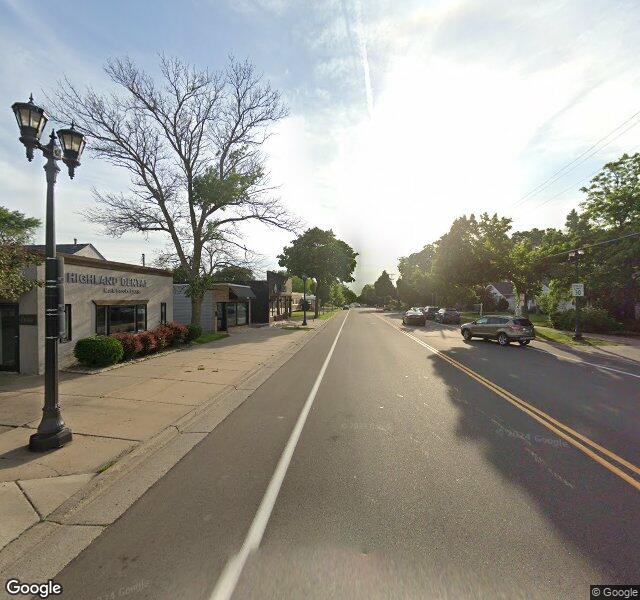
Hayes Residence

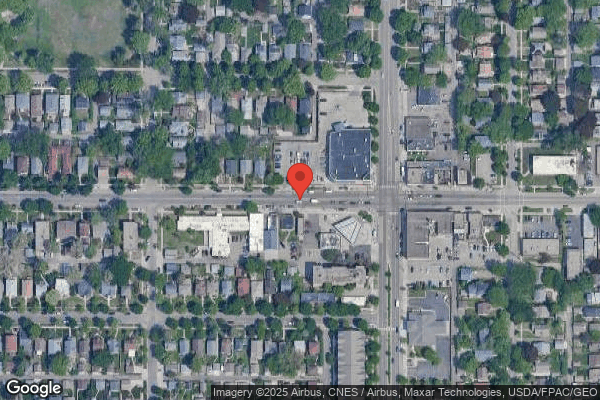
1620 RANDOLPH AVENUE, SAINT PAUL, MN 55105 (651) 690-4458
For profit - Corporation 40 Beds Independent Data: November 2025 2 Immediate Jeopardy citations
Trust Grade
26/100
#242 of 337 in MN
Last Inspection: June 2025

Inspected within the last 6 months. Data reflects current conditions.

Overview

Hayes Residence in Saint Paul, Minnesota has received a Trust Grade of F, indicating poor performance with significant concerns about care quality. It ranks #242 out of 337 facilities in Minnesota, placing it in the bottom half, and #19 of 27 in Ramsey County, meaning only eight local options are rated lower. Unfortunately, the facility is worsening, with issues increasing from 4 in 2024 to 8 in 2025. Staffing is a concern as well, with a rating of 2 out of 5 stars and a high turnover rate of 58%, which is above the state average. However, there have been no fines reported, which is a positive sign, though the facility has less RN coverage than 93% of state facilities, potentially impacting the quality of care. Specific incidents include a critical error where a resident's resuscitation wishes were not documented, risking unwanted CPR, and another case where a resident with a history of elopement was not adequately supervised, leading to a dangerous situation. Additionally, the facility failed to maintain proper food safety standards, with concerns over snack refrigerator temperatures and dishwashing sanitation. Overall, while there are some strengths, such as the absence of fines, the weaknesses raise serious concerns for families considering this home for their loved ones.

Trust Score
F
26/100
In Minnesota
#242/337
Bottom 29%
Safety Record
High Risk
Review needed
Inspections
Getting Worse
4 → 8 violations
Staff Stability
⚠ Watch
58% turnover. Above average. Higher turnover means staff may not know residents' routines.
Penalties
✓ Good
No fines on record. Clean compliance history, better than most Minnesota facilities.
Skilled Nurses
⚠ Watch
Each resident gets only 18 minutes of Registered Nurse (RN) attention daily — below average for Minnesota. Fewer RN minutes means fewer trained eyes watching for problems.
Violations
⚠ Watch
18 deficiencies on record. Higher than average. Multiple issues found across inspections.
★★☆☆☆
2.0
Overall Rating
★★☆☆☆
2.0
Staff Levels
★★★★☆
4.0
Care Quality
★★☆☆☆
2.0
Inspection Score
Stable
2024: 4 issues
2025: 8 issues

The Good

  • 4-Star Quality Measures · Strong clinical quality outcomes
  • Full Sprinkler Coverage · Fire safety systems throughout facility
  • No fines on record

Facility shows strength in quality measures, fire safety.

The Bad

2-Star Overall Rating

Below Minnesota average (3.2)

Below average - review inspection findings carefully

Staff Turnover: 58%

12pts above Minnesota avg (46%)

Frequent staff changes - ask about care continuity

Staff turnover is elevated (58%)

10 points above Minnesota average of 48%

The Ugly 18 deficiencies on record

2 life-threatening
Jun 2025 8 deficiencies 1 IJ
CRITICAL (J)

Immediate Jeopardy (IJ) - the most serious Medicare violation

Deficiency F0578 (Tag F0578)

Someone could have died · This affected 1 resident

**NOTE- TERMS IN BRACKETS HAVE BEEN EDITED TO PROTECT CONFIDENTIALITY** Based on interview and document review, the facility failed to ensure a resident's wishes for resuscitation were accurately docu...

Read full inspector narrative →
**NOTE- TERMS IN BRACKETS HAVE BEEN EDITED TO PROTECT CONFIDENTIALITY** Based on interview and document review, the facility failed to ensure a resident's wishes for resuscitation were accurately documented in all areas of the medical record for 1 of 36 residents (R24) reviewed for advanced directives. This resulted in an IJ for R24 who would have received CPR against his wishes in the absence of a pulse or respirations. The IJ began on [DATE], when the facility failed to accurately document a resident's code status in the EMR. The facility administrator and owner were notified of the IJ on [DATE] at 5:20 p.m. The IJ was removed on [DATE] at 3:44 p.m. but non-compliance remained at the lower scope and severity of a level D, no actual harm with potential for more than minimal harm, that is not immediate jeopardy. Findings include: R24's annual Minimum Data Set (MDS) dated [DATE], indicated intact cognition and diagnoses of delusional disorders and chronic obstructive pulmonary disease (COPD). It further indicated R24 was independent with activities of daily living (ADL) and mobility. R24's face sheet/banner in point click care (PCC) indicated advanced directives: Cardiopulmonary Resuscitation (CPR). R24's physician's orders dated [DATE] as transcribed by the health unit coordinator (HUC), indicated Do Not Resuscitate (DNR). No directions specified for order. Pending confirmation. R24's Physician's Orders for Life Sustaining Treatment (POLST) dated [DATE], located in the paper chart, indicated CPR. R24's POLST dated [DATE], indicated DNR and was signed by R24, but was located in the physician folder awaiting signature from the physician. R24's care plan dated [DATE], indicated Advanced Directive (AD): POLST CPR/Full code with the following interventions: -document changes in AD as needed -ensure R24's health care providers and case manager (CM)/family are aware of current directive and any changes made. -respect R24's wishes around his AD for CPR R24's progress notes dated [DATE], entered by the HUC, indicated hospital preference and code status updated. Upon updating code status resident informed writer that he does not want to have CPR. Code status changed to DNR. However, the electronic medical record (EMR) did not reflect the new code status change, as R24 remained a full code on the face sheet/banner in the EMR. During interview on [DATE] at 2:55 p.m., R24 stated the HUC recently asked him if he wanted to have life saving measures in the event of an emergency and he decided he didn't want to be resuscitated stating if I'm going to die, I'm going to die. During interview on [DATE] at 1:00 p.m., the HUC verified interviewing R24 and completing a new POLST and placed the POLST in the physician folder to await a signature. Further, HUC stated the process for when a resident requested to change their code status (and they don't have a guardian), was to update it in PCC first and then the paper chart. The provider had to sign off on it so it takes awhile to get it in the actual chart (paper). The resident's code status would remain the same until the physician signs off on it (POLST), and once it was signed, the facility would change the AD to the new code status. The HUC further stated the provider was notified by mail or by leaving it in their file at the facility to review and sign the next time they came in. The doctor comes to the facility once a month and the nurse practitioner (NP) comes twice a month. The nurse (facility) can also reach out to the provider directly to get a verbal order for more serious concerns but they don't reach out to them for a change in code status. The HUC stated she does not reach out to the nurse directly to report a resident's change in code status but put's in a progress note which would then populate to the 24-hour report. The nurse was supposed to read the 24-hour report before the start of each shift. The HUC further stated she had explained the POLST to R24 (specifically the difference between CPR and DNR) but the Social Worker (SW) was also able to explain it. During interview on [DATE] at 1:26 p.m., licensed practical nurse (LPN)-A stated if a resident was found unresponsive, they would look in the hard chart under the AD tab (POLST) first for their code status or if they couldn't find it there, then on the face sheet/banner in PCC. LPN-A further stated if a resident wanted to change their code status, they would contact the provider right away and get a verbal order. During a follow up interview at 2:49 p.m., LPN-A stated the HUC was responsible for verbally letting the nurse know if a resident wanted to change their code status and then the nurse should put in a progress note. LPN-A further stated what if a resident was DNR and I'm sitting here doing compressions, that would be a problem. If LPN-A were to see the resident wanted to change their code status in PCC, they would call the provider immediately and get a verbal order to change it. LPN-A was aware R24 changed his AD because they saw the pending order in PCC but LPN-A did not notify the doctor. LPN-A further stated, no one had notified the doctor to her knowledge. LPN-A verified R24's POLST in his paper chart and the face sheet/banner in PCC both indicated to perform CPR and therefore would've performed CPR on R24 in the event of an emergency. During interview on [DATE] at 3:07 p.m., LPN-B stated if a resident was found unresponsive, they would look in the hard chart under the AD tab (POLST) first for their code status or if they were closer to the computer, then on the face sheet/banner in PCC. LPN-B further stated if a resident wanted to change their AD (and they are their own guardian) they would call the provider and get a verbal order to change it. It should be done as soon as possible during the shift. The resident shouldn't have to wait until the next time the provider or NP visits the facility. LPN-B was unaware R24 wanted to change his AD. LPN-B verified R24's POLST in his paper chart and the face sheet/banner in PCC both indicated to perform CPR and therefore would've performed CPR on R24 in the event of an emergency. During interview on [DATE] at 4:36 p.m., the director of nursing (DON) stated if a resident was found unresponsive, the first place nursing staff should look for their code status was on the outside of their hard/paper chart which had a red or blue tab. The red tab meant the resident was DNR and the blue tab meant CPR. The staff could also check the resident's code status on the face sheet/banner in PCC if they were closer to the computer. The DON further stated if a resident requested to change their code status the nurse should notify the provider right away to get a verbal order to do so, stating it shouldn't take a lot of time to do, since we have 24 access to our providers. This is important because if a person wanted a code status of DNR/Do Not Resuscitate and we assist in CPR, they made a choice and we are taking that choice always from them and the dignity and autonomy to make that choice themselves. A facility policy regarding AD last updated [DATE], indicated during the quarterly RAI process and with any significant changes of condition, facility staff will: i. Identify, clarify and review the existing care instructions and whether the resident wishes to change or continue instructions from the advance directive ii. Define and clarify medical issue, review the resident's condition and existing choices and present information regarding relevant health care issues to the resident or resident representative as appropriate to determine continuation or modification of choices of care iii. Assess the resident for decision-making capacity and based on assessment, if the resident is determined not to have decision-making capacity, facility staff will invoke the health care agent or legal representative iv. Identify situations where health care decision-making is needed, such as a significant decline or improvement in the resident's condition v. Changes to the resident choices for advance directives will be documented, included in the resident plan of care, State specific documents will be updated as necessary, physician orders will be obtained to reflect new choices as applicable and all items will be communicated to staff providing resident care through resident care plan. vi. Staff must verify the legal authority of the resident's health care proxy, power of attorney, or legal representative before implementing changes to the resident's care preferences, particularly when the resident lacks decision-making capacity. vii. Updates or overrides to previously documented advance directives must be clearly documented in the resident's medical record, with confirmation of capacity or legal authority to make such changes. viii. Informed consent, including documentation of risks, benefits, and alternatives, must be obtained and documented before initiating or increasing any medications or life-sustaining treatments, consistent with the resident's advance directive. ix. Identify the process in which the facility and/or physician do not believe they can provide care in accordance with the resident's advance directives or other wishes on the basis of conscience x. Facility staff shall review, upon admission, the resident's verbal or written CPR/code status wishes; if a resident verbally declines CPR and no written order exists, two staff members shall witness and document the conversation. Staff shall immediately notify the physician and document discussions and actions taken while awaiting a written order. The resident's verbal refusal shall be honored as the care plan unless or until a written physician order is received. XI. In cases where a verbal refusal is not yet ordered but clearly expressed by the resident or representative and appropriately witnessed, staff must honor the resident's wishes regarding CPR. The IJ was removed on [DATE] at 3:44 p.m., when the facility developed and implemented a systemic removal plan which was verified by interview and document review, which included an audit of all resident's medical records (physical and virtual) in order to determine any discrepancies in the orders and the residents wishes. If a current advance directive wasn't available, the resident was immediately interviewed to determine their wishes. The facility also reviewed and updated their Advanced Directive and CPR policy and procedure. Education on CPR and Advanced Directive policy and procedure were provided to nursing staff and social services on [DATE], (in person for staff present, and electronically for staff who were not present).
CONCERN (D)

Potential for Harm - no one hurt, but risky conditions existed

Deficiency F0558 (Tag F0558)

Could have caused harm · This affected 1 resident

**NOTE- TERMS IN BRACKETS HAVE BEEN EDITED TO PROTECT CONFIDENTIALITY** Based on observation interview and record review the facility failed to ensure call lights were accessible to 1 of 1 resident (R...

Read full inspector narrative →
**NOTE- TERMS IN BRACKETS HAVE BEEN EDITED TO PROTECT CONFIDENTIALITY** Based on observation interview and record review the facility failed to ensure call lights were accessible to 1 of 1 resident (R3). Findings include: R3's quarterly Minimum Data Set (MDS) dated [DATE], indicated moderately impaired cognition and diagnoses of paranoid schizophrenia and post traumatic stress disorders (PTSD). It further included R3 had upper extremity impairment on one side, required staff assistance with most activities of daily living (ADL) and mobility, and was frequently incontinent of bladder and occasionally incontinent of bowel. During observation on 6/25/25 at 8:00 a.m., R3 was sitting in his recliner/lift chair in his room. His call light was stuck inside the bottom of his chair and not within reach. During observation and interview on 6/25/25 at 10:13 a.m., nursing assistant (NA)-A entered the room and assisted R3 to reposition in his chair. NA-A verified his call light was stuck in the chair and that it should be within reach. NA-A attempted to remove the call light from being stuck but was unable to do so and stated they would fix it when he got up for lunch. During interview on 6/26/25 at 8:17 a.m., licensed practical nurse (LPN)-A stated all residents should have their call lights within reach when they are in their room. During interview on 6/26/25 at 11:45 a.m., the director of nursing (DON) stated resident call lights should be placed within reach of the resident in order for them to have access to safety. A facility policy regarding call lights was asked for but not received.
CONCERN (D)

Potential for Harm - no one hurt, but risky conditions existed

Quality of Care (Tag F0684)

Could have caused harm · This affected 1 resident

**NOTE- TERMS IN BRACKETS HAVE BEEN EDITED TO PROTECT CONFIDENTIALITY** Based on observation, interview and document review, the facility failed to provide quality of care for 1 of 1, resident (R34) t...

Read full inspector narrative →
**NOTE- TERMS IN BRACKETS HAVE BEEN EDITED TO PROTECT CONFIDENTIALITY** Based on observation, interview and document review, the facility failed to provide quality of care for 1 of 1, resident (R34) to ensure bruises were adequately assessed, monitored and documented. Findings include: R34's Minimum Data Set (MDS) dated [DATE], indicated Brief Interview for Mental Status (BIMS) cognition score 13, cognitively intact. R34's Care Area Assessment (CAA) for mood dated 3/26/25, indicated mood severity score 12. Risk for change in mood due to mental illness and needed to adjust to new environment. Staff to observe for change in mood, offer support and reassurance, and update doctor/Psych as needed. Functional abilities: R34 is new admit to [NAME] from home for ongoing support services for mental health and diabetes management. R34 was living in family home with brother until home sold. He was alert and oriented with forgetfulness, mental illness had diagnosis of schizoaffective disorder with baseline delusion about Satan and how he tried to control him. Had challenges of coping with his anxiety and become overwhelmed, with racing paranoid thoughts causing R34 to become fearful about trying new things, causing low energy and lack of motivation affecting his ability to complete activities of daily living (ADL). R34 had delusions since admit self-reporting to writer that when he was watching TV downstairs Satan told him to stop watching TV and then tells him to hit himself. R34 benefited from validation and reassurance. Had been followed by ACT team and will continue to be routinely seen by psychiatry. PHQ-2-9 assessment completed with score 12 indicating moderate depression. R34 stated was lonely often due to being shy and difficult being in crowds. Nurse to do foot/skin checks weekly any abnormalities document in progress note. Skin risk assessment on 6/24/25, identified risk for bruising due to daily use of aspirin. R34 was independent with all activities of daily living and mobility with no assistive devices used. Continent of bowel and bladder. The nurse was to check feet/skin for changes weekly. Currently has bruise under left eye stated the devil told him to hit himself. R34's current physician orders included the following: Shower/bath during week, assist as needed, start date 3/22/25 Monthly weight, start date 3/22/25 Monitor change in mental status and progress note the changes, if any. Start date 3/20/25 Clozapine oral tablet 100 mg, 2 tablets by mouth daily, start date 4/11/25 Clozapine oral tablet 50 mg, ½ tablet by mouth at bedtime, start date 4/30/25 Standing orders for Skin and Wound management: -Assess all wounds and dressings daily -Complete wound measurements weekly if not a higher frequency by ordering provider -Moisture barrier cream or ointment two times a day as indicated to keep irritants or moisture from skin surface -Moisturizing cream two times a day as needed for dry skin -Cleanse minor skin tear, abrasions, pressure injury, and minor injuries with normal saline or non-cytotoxic wound cleanser. Cover with non-adherent dressing and secure appropriate cover dressing avoiding tape to the skin. -Change all dressings every 3 days and as needed -May initiate pressure reduction mattress and/or occupational therapy wheelchair positioning eval and treat as clinically indicated for patients with, or at high risk for skin breakdowns. -Discontinue dressings and other treatments when wound resolved. For localized reaction apply cold compress 15 minutes every two hours as needed. Notify provider if worsening or no improvement in 24 hours. R34's Treatment Administration Record (TAR) dated June 2025 reflected the following: Nurse to do, monitor change in mental status and progress note the changes, if any. Every day and evening shift, start date 3/20/25. Shower/bath every Saturday start date 3/22/25 Skin check, nurse to do, one time a day every Saturday document abnormal finding in progress note, start date 3/22/25 Self-injury related to command hallucinations, repetitive questions. Repetitive questions. Anxiety and obsession surrounding medical conditions: excessive blood sugar monitoring and repeated testing, rumination, redundant outreach to providers, etc. Offer non-pharmacologic intervention and document response: 1) Massage 2) Redirection 3) Music Therapy 4) Change of surrounding 5) Validation Therapy 6) Warm Blanket 7) Doll therapy 8) Pet therapy 9) Family visit 10) Spiritual Care every shift for Behavior Monitoring related to SCHIZOAFFECTIVE DISORDER, BIPOLAR Document if target behavior was observed and interventions provided, start date 3/22/25 Monitor change in mental status and progress note the changes, if any, start date 3/22/25 R34's care plan dated (6/26/25): Focus: R34 experienced chronic auditory hallucinations, included derogatory and command voices, which have previously led to self-injurious behavior. Recently, R34 reported hitting himself under the influence of these voices, resulted in a bruise under his left eye. Although he currently denies active self-harm urges, he acknowledged that symptoms could intensify with increased anxiety, paranoia, or change in routine. R34 was aware of his symptoms, receptive to support, and agreed to engage with staff and clinical supports to manage internal stimuli and prevent harm. Start day 4/22/25 Goals: Remain free from self-injurious behavior or risk of harm to self/others through the review period. Start date 4/22/25 Report any negative internal stimuli or urges to self-harm to staff upon on onset for intervention and support. Start date 4/22/25 Demonstrate use of at least one positive coping strategy when distressed by hallucinations. Start date 4/22/25 Work with staff and providers to explore distress tolerance and cognitive strategies to challenge hallucinations and associated behaviors. Start date 4/22/25 Interventions: Collaborate with clinical providers to support R34 participation in distress tolerance training, cognitive behavioral therapy, or similar interventions aimed at challenging hallucinations and associated thoughts/behaviors. Start date 4/22/25 Collaborate with clinical providers to update and review safety plans and coping strategies regularly with R34. Start date 4/22/25 Conduct frequent check-ins to assess mental state, especially signs of increased anxiety, paranoia, or preoccupation with hallucinations. Start date 4/22/25 Encourage and facilitate the use of positive coping strategies. Start date 4/22/25 Encourage open and nonjudgemental communication. Document and report any signs of distress, changes in routine, or signs of self-injurious behavior immediately. 4/22/25 If at any point R34 poses imminent threat of harm to himself or others, staff are to contact emergency medical services (EMS)/authorities, inform clinical management, update providers and emergency contacts, and document accordingly. Start date 4/22/25 If R34 reports that he has self-injured, assess for signs of injury, report to clinical management, and utilize EMS when necessary. Offer hospital evaluation and/or connection with [NAME] County Crisis. Start date 4/22/25 R34's electronic health record (EHR) was reviewed on 6/24/25 R34's Medical Medication Review on 6/24/25 reported no changes. Provider notes: R34 provider note dated 6/5/25 presented for review of systems, hypertension, schizoaffective disorder. Physical examination: psychiatric, orientated to person, place and time, anxious. Skin: warm and dry. No rashes or lesions on exposed skin. R34 denied any blood pressure issues or mood concerns. He thinks he is otherwise doing ok. Plan: continue Clozaril, following with psych. R34 provider note dated 5/13/25 presented for follow up. R34 told me doing well but concerned of feeling tired easily. No concerns per nursing staff. Physical examination: psychiatric: orientated to person, place and time, judgement appropriate, mood and affect appropriate. Skin: warm, dry. No rashes or lesions on exposed skin. Plan: continue Clozaril, following with psych, monthly CBC. R34 provider note dated 4/9/25 presented for follow up, no complaints, other than oral sores, no bleeding appointment for dentist. No concerns per nursing staff. Skin: Warm and dry. No rashes or lesions on exposed skin Psychiatric: Oriented to person, place and time. Judgment appropriate, mood, and affect appropriate. Plan: Continue Clozaril, following with psych, monthly CBC. R34 provider note dated 3/27/25 presented for long term care admission, schizoaffective disorder. Skin: Warm and dry. No rashes or lesions on exposed skin. Psychiatric: Oriented to person, place and time. Judgment appropriate, mood, and affect appropriate. Plan: continue Clozaril, following with psych. Ordered CBC, CMP, TSH, hba1c. Progress notes: R34 progress note dated 6/24/25 social services followed up with resident again regarding preoccupation with roommate's fan use and belief that he cannot be exposed to dry air medically. Writer explained options were being discussed with clinical management to decide on best rooming option and inquired if he would be open to moving to an open double room contingent on all parties agreeing and clinical indications. Resident was receptive to this and will follow-up with writer once other residents have been addressed. Writer updated DON and administrator. R34 progress note dated 4/22/25 Writer followed up on nursing note that resident had purple bruise under his left eye that he reports was a result of Satan telling me to hit myself. Per skin/wound note resident was assessed to have no open wounds/swelling, reported pain, and agreement to communicate regarding these thoughts and actions in the future. R34 confirmed that he had tapped hard on my temple, pointing to left side of face where centimeter long purple bruise was noted. He did not have any residual pain, however, agreed to allow staff to monitor with report made to doctor, psychiatry, and ACT team. R34 endorsed chronic auditory hallucinations of the devil making derogatory statements about his character and command hallucinations instructed himself to hit himself: A couple years ago I gave myself two black eyes. Resident noted that he generally manages these voices and urges well, however, when he is anxious or paranoid they tend to escalate. Resident acknowledged that changes in his medication i.e. Metformin discontinuation had elevated his anxiety, however, he understood clinical rationale given by (nurse practitioner) NP. Writer assessed for safety and resident denied any current urges to self-harm or presence of unsafe thoughts or internal stimuli. Resident declined need to be evaluated in the hospital setting, however, was made aware that if he is at risk of harm to self in future evaluation may be recommended. Encouraged resident to communicate openly if experiencing these symptoms and utilize staff as support to devise safety plan, discussed ability to reach out to ACT team, brother, or crisis team as coping skill alongside spending time outside of his room and reading the Bible. Resident was receptive and in agreement to expand care plan to include the above and explore onboarding with therapist to practice distress tolerance and challenging voices. Staff will continue to monitor and update providers ongoing. R34 progress note dated 4/21/25 The resident was seen a with purple bruise under his left eye. He stated, Satan makes him hit himself. There were no open wounds, nor swelling. Asked him to speak with staff when he is having these thoughts or conversations. he said he would. During observation on 6/24/25 at 8:45 a.m., left eye red bruise underneath it. During interview on 6/24/25 at 8:45 a.m., R34 stated he did it to himself and refused to elaborate. During interview on 6/24/25 at 9:49 a.m., nursing assistant (NA-A) stated R34 had a bruise under left eye, inquired what happened, R 34 stated, Satan beats his ass. R34 reported a way to calm down was to pray. NA-A documented findings in progress note, and updated charge nurse. During interview on 6/26/25 at 11:38 a.m., with licensed practical nurse (LPN-A) the process for a non-pressure injury was assess it, implement standing orders, notify doctor, measure and describe it in progress note and skin and wound, continue to monitor and document assessment until healed. Also, fill out an incident report. Additionally, report to director of nursing (DON). If the injury is of unknown origin do investigation, research, and evaluate, and document findings. It was an expectation for staff to follow doctor's orders. LPN-A reviewed point click care (PCC) electronic health records (EHR), hard chart that contained paper documentation, stated there was a bruise documented in progress notes by NA-A, however, no follow up of nurse initial evaluation of injury. Furthermore, documentation lacked any additional assessments for monitoring of injury. R34 skin assessment checks on 6/7/25, 6/14/25 and 6/21/25 documented skin assessment was completed, no bruises observed. During interview on 6/26/25 at 12:03 p.m., with director of nursing (DON-D) the expectation of staff if a skin injury was observed, contact the lead nurse, release standing house orders for wound care and observation treat injury accordingly. Monitor and assess skin injury daily, document in PCC under skin assessment and progress note. Additionally, fill out an incident report and if its behavioral, notify behavior team. The expectations for all staff to was follow doctor's orders. A facility policy for Skin Assessment updated on 6/26/25 reflected: Purpose: To assure skin impairment was identified, assessed and treated in a timely manner. Guidelines: Completes a head-to-toe skin assessment/skin check by nursing staff to observe for skin changes and address wound care needs. Procedure: 1. Provide for resident privacy and explain procedure to the resident. Maintain dignity during skin assessment by exposing only one area at a time 2. Assessment was conducted from head to toe in systematic order. The nurse conducting the assessment does not have to remove dressing-only confirms a wound exists and the documentation and treatments have been established. 3. Assess skin surfaces for *Reddened areas *Heat *Tenderness *Excoriations *Rashes *Spongy areas *Bruises *Breaks in skin integrity, including new skin tears or abrasions *Areas of dry, scaly, or cracked skin 4. Document skin condition. NAs to communicate to nurse on duty for any observed skin conditions for further nursing assessment. 5. If the skin assessment reveals a change requiring treatment, orders, and/or interventions, the nurse will initiate the appropriate action. 6. Nursing staff to utilize standing house orders for general wound care management and treatment. Additional orders for treatment/management of wounds requiring care beyond standing house orders to be received from provider.
CONCERN (D)

Potential for Harm - no one hurt, but risky conditions existed

Pressure Ulcer Prevention (Tag F0686)

Could have caused harm · This affected 1 resident

**NOTE- TERMS IN BRACKETS HAVE BEEN EDITED TO PROTECT CONFIDENTIALITY** Based on interview and document review the facility failed to ensure weekly monitoring and measurement of pressure ulcers were c...

Read full inspector narrative →
**NOTE- TERMS IN BRACKETS HAVE BEEN EDITED TO PROTECT CONFIDENTIALITY** Based on interview and document review the facility failed to ensure weekly monitoring and measurement of pressure ulcers were completed for 1 of 1 resident (R3). Findings include: R3's quarterly Minimum Data Set (MDS) dated [DATE], indicated moderately impaired cognition, delusions, and diagnoses of paranoid schizophrenia and Post Traumatic Stress Disorder (PTSD). It further included upper extremity impairment on one side, required supervision with bed mobility, substantial assistance with toileting hygiene and transfers, was frequently incontinent of bladder and occasionally incontinent of bowel. R3's physician's orders dated 6/17/25, indicated nursing staff to measure wounds on right and left buttocks weekly and document in the nursing progress notes, in the evening every 3 days for wound care. It further included an order dated 1/19/24, which indicated weekly skin checks (to be done on shower day) every night shift, (Friday) for skin monitoring and to document any skin abnormalities in the progress notes. R3's care plan dated 6/20/25, indicated on 6/10 during morning (a.m.) cares night staff found a pressure ulcer (open area) on both buttocks. The right side measured about 2.5 centimeters (c.m.) by 2 cm while the left side measured 0.3 c.m. by 0.5 cm. Report was passed to next shift to follow-up with the order for wound care. It further included the following interventions: -Administer treatments as ordered and monitor for effectiveness. -Educate the resident/family/caregivers as to causes of skin breakdown: including: transfer/positioning requirements; importance of taking care during ambulating/mobility, good nutrition and frequent repositioning. -Monitor dressing Allevyn and Optiview dressing to right and left buttock to ensure it is intact and adhering. Report lose dressing to treatment nurse. - Monitor nutritional status. Administer 8 ounces (oz.) Boost glucose control one time a day for healing. Document amount consumed and discontinue if develops loose stool. Ok for equivalent brand. diet as ordered, monitor intake and record. -Nursing: Allevyn and Optiview dressing to right and left buttock. Change every 3 days until healed. -Nursing: measure wounds on right and left buttocks weekly and document in nursing progress notes. -Obtain and monitor lab/diagnostic work as ordered. Report results to MD and follow up as indicated. -The resident requires : pressure relieving/reducing device on chair and bed. -Treat pain per orders prior to treatment/turning etc. to ensure resident comfort. -Weekly treatment documentation to include measurement of each area of skin breakdown's width, length, depth, type of tissue and exudate. R3's skin and wound notes for the months of May and June of 2025 indicated the following: -6/24/2025 R3's bottom was looking good, no drainage, no odor. Dressing changed today and measured. Right buttocks was 2 c.m. in width and 2 c.m. in length, left buttock was 3 c.m. in width and 4 c.m. in length. No complaints of pain to the area. Will continue to monitor healing process. -6/17/2025 R3's progress note lacked documentation the wounds had been measured. -6/10/25 during morning care, open area was noted on both buttocks, the right side measured 2.2 c.m. by 2 c.m. while the left side measure 0.3 by 0.5 c.m. Report passed to next shift to follow up with the order of wound care. -6/3/25 R3's medical record lacked documentation the wounds had been monitored or measured. -5/28/25 R3's medical record lacked documentation the wounds had been monitored or measured. -5/22/25 R3's medical record lacked documentation the wounds had been monitored or measured. -5/16/25-The gluteus maximus of the resident was observed. It appears to be purple and blue in color 4 inch by 4 inch across bilateral aspect. There seems to be some openings bilaterally. Left side 1 inch long, 0.5 c.m. wide, the area is blanchable. Staff will continue to monitor and document that resident continues to offload his weight. -5/8/25 R3's medical record lacked documentation the wounds had been monitored or measured. -5/1/25 late entry: During the brief change noted R3 had purple and blue bruising to his buttock. The resident was up and cream applied. R3's progress note lacked documentation to continue to monitor and/or measure the area. During interview on 6/26/25 at 8:17 a.m., licensed practical nurse (LPN)-A stated the nurse was responsible for completing weekly skin checks. R3 had a pressure ulcer on his buttocks and he was supposed to have his wounds measured, dressing changed, and documentation every 3 days. They don't have an official wound doctor but if the wound get's worse they should inform the provider. During interview on 6/26/25 at 11:45 a.m. the director of nursing (DON) stated the nurses were responsible for performing weekly skin checks and if the resident refused, the nurse was still expected to document what they could see and/or document the refusal. If a resident developed a new pressure ulcer, it should be measured, document the description, provide basic wound care, continue to monitor, and then get a wound care order from the provider. They do not have formal wound rounds but they monitor all residents on a weekly basis. The DON further stated on 5/1/25, she noticed R3 had bruising on his buttocks and put in a progress note regarding it. She didn't measure it because he was firing everyone. The TMA (unknown) said it had been there for awhile so she asked staff to keep an eye on it. The DON verified she hadn't put in a note to monitor the area and R3's medical record lacked documentation of consistently monitoring and measuring his pressure wounds weekly and it should have been. The facility policy regarding treatment and services to prevent/heal pressure ulcers dated 5/1/25, indicated if a pressure ulcer was present, appropriate staff within proper scope and practice will provide treatment and services to heal it and to prevent infection and the development of additional pressure ulcers.
CONCERN (D)

Potential for Harm - no one hurt, but risky conditions existed

Accident Prevention (Tag F0689)

Could have caused harm · This affected 1 resident

**NOTE- TERMS IN BRACKETS HAVE BEEN EDITED TO PROTECT CONFIDENTIALITY** Based on observation, interview and record review the facility failed to ensure a root cause analysis and ensure interventions w...

Read full inspector narrative →
**NOTE- TERMS IN BRACKETS HAVE BEEN EDITED TO PROTECT CONFIDENTIALITY** Based on observation, interview and record review the facility failed to ensure a root cause analysis and ensure interventions were implemented for 1 of 1 residents (R5) reviewed for falls. Findings include: R5's quarterly Minimum Data Set (MDS) dated [DATE], indicated R5 had moderately impaired cognition and diagnoses of paranoid schizophrenia. R5 required substantial assistance for toileting and partial assistance to transfer from bed to chair. R5 was at risk of falls and had 2 or more falls since the prior assessment. R5's fall risk assessment dated [DATE], indicated R5 was at high risk for falls due to intermittent confusion, 1-2 falls in the past 3 months, chair bound and need for assistance with elimination. R5's nursing progress note dated 6/13/25 at 8:15 a.m., indicated R5 was found on the floor at 7:50 a.m., R5 was sitting upright with her back against the bed reaching for their shoes. Apparently, R5 had slid out of bed. No injury was noted. R5 was assisted back to bed. The TMA staff remained with R5 for morning cares. A facility document titled Fall assessment dated [DATE], indicated R5 had an unwitnessed fall. The document indicated R5 was transferring in their room and had glasses in place. There was no indication if R5 had appropriate footwear. The form indicated R5 used a wheelchair and was unsteady. The form lacked indicate of a root cause for the fall or what may have contributed to the fall. The form also lacked indication R5's care plan and treatment sheet were reviewed, or interventions implemented. R5's nursing progress note dated 6/23/25 at 12:03 a.m., R5 was found lying on the floor next to their bed. R5 told staff wanted to use the bathroom. R5's legs were extended with socks on. R5 was assisted back to bed with an assist of 2. A facility document titled Fall assessment dated [DATE], indicated R5 had an unwitnessed fall. The document indicated R5 was transferring in their room and had glasses in place. R5 did not have appropriate footwear in place, used a wheelchair and was unsteady. The form lacked indicate of a root cause for the fall or what may have contributed to the fall. The form also lacked indication R5's care plan and treatment sheet were reviewed, or interventions implemented. R5's care plan revised 5/12/25, indicated R5 was at risk for falls due to food drop, a shuffling gait, and walking on tip toes when in pain. Interventions included encourage use of cane or rolling walker, monitor gait and keep provider up to date of changes, and provide skin checks weekly. R5's care plan lacked indication falls interventions had been revised after the 6/13/25 or 6/23/25 fall. An observation on 6/25/25 at 7:26 a.m., R5 was in bed sleeping. R5 was laying curled up and was lying sideways in their bed. R45's wheelchair was folded and had been placed next to the bed. Nursing assistant (NA)-A entered the room. NA-A moved the wheelchair out of the way to see if R5 wanted to get up. R5 was agreeable and the folded wheelchair was further moved out of the way to the end of the bed. NA-A assisted R5 to get straightened out in bed. R5 had regular socks on. NA-A and NA-B then assisted R5 with shoes and then unfolded the wheelchair and transferred R5 to the chair. Supplies were gathered and R5 was brought to the bathroom. When interviewed on 6/25/25 at 7:54 a.m., NA-A stated R5 was a fall risk and had been falling more lately and had fallen over the weekend. NA-A was not aware of any interventions R5 needed to help prevent falls and stated staff round every hour or so to check on residents. NA-A verified the care plan was used to determine what interventions were in place and verified the interventions were not related to the resident self-transferring to use the bathroom. When interviewed on 6/258/25 at 8:10 a.m., licensed practical nurse (LPN)-A stated when a resident falls, the nurse needs to assess them to see if there was any injury. If no injury was noted, the resident would be assisted up and monitored for the next 24 hours. Monitoring would include skin check, vitals, neuro checks if they hit their head. The family and provider would be notified. Then a progress note would be written. LPN-A stated a paper form would be filled out that described the situation around the fall. Then that form would be filed in the chart. LPN-A stated there was a new risk management form in the electronic medical record, however, that wasn't in use yet and paper forms were still used for risk management. LPN-A verified R5 had recent falls and didn't have a paper risk management form that was in use. LPN-A stated it must have been completed and placed in the chart. LPN-A further stated the DON or Administrator would update the care plan for any new interventions. When interviewed on 6/26/25 at 8:32 a.m., the Director of Nursing (DON) expected nurses to complete a risk management form and monitor for 24 hours. The nurses were expected to complete the details and determine the root cause of the fall. After that, the DON signed off on the form. Any new interventions would be entered by the nurse or MDS nurse. DON verified R4 was at risk of falls and had become weaker over the past several months. DON verified R5 had a fall from bed on 6/13/25 and 6/23/25. DON stated nurses were supposed to be switching to the risk management forms in the EMR, however they were not found. DON stated when the falls risk managements were requested, she completed it with what she knew about the fall from the progress notes and the resident. DON was not aware if a root cause analysis was completed or if new interventions were determined due to not being able to get to the electronic risk management report. A facility policy titled Fall Assessment Policy revised 6/2025, directed staff to re-assess residents with any fall, complete an incident report, and notify the provider and family. Any incident involving a resident will be reviewed by the DON to assure the resident's safety plan was appropriate.
CONCERN (D)

Potential for Harm - no one hurt, but risky conditions existed

Deficiency F0909 (Tag F0909)

Could have caused harm · This affected 1 resident

**NOTE- TERMS IN BRACKETS HAVE BEEN EDITED TO PROTECT CONFIDENTIALITY** Based on observation, interview and record review the facility failed to ensure separately purchased bed rails and bed frame wer...

Read full inspector narrative →
**NOTE- TERMS IN BRACKETS HAVE BEEN EDITED TO PROTECT CONFIDENTIALITY** Based on observation, interview and record review the facility failed to ensure separately purchased bed rails and bed frame were compatible for 1 of 1 resident who was reviewed for bed rail use. Findings include: R8's quarterly Minimum Data Set (MDS) dated [DATE], indicated R8 had moderate cognitive impairment and diagnoses of schizophrenia. R8 had grab bars in place and was independent with sitting to standing and bed mobility. R8's care plan revised 3/17/24, indicated R8 was at risk for falls related to gait instability and used a grab bar on the bed to assist with independent bed mobility and transfer. The manufactures recommendations for R8's bed rails installed at the time of entrance was requested however was not received. An observation on 6/23/25 at 6:40 p.m., R8 was lying in their bed. R8's bed was placed against a wall and had a bed rail placed on the other side. The bed rail mounted in the middle of R8's bed in a sleeve like bar. R8 grabbed the rail to assist themselves up to the edge of the bed. The rail did not appear to be tight and had movement back and forth. R8 stated he wouldn't be able to get up by himself without the bar. R8 stated it always moved some and showed it slid in that sleeve up and down some as well as back and forth. When interviewed on 6/24/25 at 1:50 p.m., licensed practical nurse (LPN)- A stated residents were assessed quarterly for use of bed rails or grab bars. When a resident wanted one or could use one, nursing completed an assessment and then maintenance was notified to install them. LPN-A was aware R8 had a bed rail in place to help with mobility and wasn't aware of any problems with it. LPN- A verified R8's bedrail moved back and forth and slid up and down. LPN-A stated maintenance would need to be notified. When interviewed on 6/24/25 at 1:59 p.m., the Environmental Service Director (ESD) stated bed rails applied when there was a provider orders. Quarterly checks were completed to ensure the rails were secure. ESD reviewed the completed logs. Maintenance-A was already in R8's room attempting to tighten the railing and told ESD the bar would not tighten any further and R8 didn't want the bar to be moved up towards the top of the bed. ESD verified R8's bed rail was loose and further stated the rail was not made for that bed. Some of the beds need to be updated, but there were budget constraints. Maintenance-A and ESD attempted to determine the manufacturer of the bed rail, and the bed were, however, were unable to. ESD stated the bed and rail had numbers on them, but there was no manufacture name. ESD stated he had put the bar in place and had put some extra screws in it to ensure it was secure. ESD acknowledged this could be a safety issue and further stated some of the beds and rails were old and there was no way to determine compatibility. ESD had been trying to make it work for R8 how he wanted it. A follow up interview on 6/25/25 at 1:45 p.m., ESD verified R8's bed rail had not been addressed yet. ESD stated R8's room would need a deep clean next week, and it would have to have another screw placed to be more secure. When interviewed on 6/25/25 at 3:04 p.m., the Administrator expected nursing to notify maintenance when a side rail assessment was completed, and one could be installed. Bed rails were expected to be installed per manufacturer's guidelines. The Administrator further stated the only rails ordered were universal rails that were compatible with all kinds of beds as there are different beds in use. R8's loose bed rail was confirmed by the Administrator stated this was a safety risk and would be changed out right away. A facility policy titled Bedrails revised 6/26/25, directed staff to ensure the bed was appropriate for the resident and the bed rails were properly installed per manufacturers guidelines.
CONCERN (E)

Potential for Harm - no one hurt, but risky conditions existed

Safe Environment (Tag F0584)

Could have caused harm · This affected multiple residents

**NOTE- TERMS IN BRACKETS HAVE BEEN EDITED TO PROTECT CONFIDENTIALITY** Based on observation, interview, and document review, the facility failed to ensure a comfortable environment, having hot water ...

Read full inspector narrative →
**NOTE- TERMS IN BRACKETS HAVE BEEN EDITED TO PROTECT CONFIDENTIALITY** Based on observation, interview, and document review, the facility failed to ensure a comfortable environment, having hot water available for 4 of 4 residents (R36, R34, R31, R15) who were received for concerns with cold showers. Findings include: R36's admission Minimum Data Set (MDS) assessment dated , 4/10/25 indicated cognition moderately impaired and independent for personal hygiene cares including bathing/shower. R36's care plan indicated independent with set up, it was very important showering early in the morning assist as needed. If declines offer at another time and day. R34' s admission MDS assessment dated , 3/26/25 indicated cognitively intact and set up or clean up assistance for personal hygiene cares including bathing/shower. R34's care plan indicated independent with set up assist as needed. If declines shower on assigned date offer another time or day. R31's quarterly MDS assessment dated [DATE] indicated cognitively intact and independent with set up for personal hygiene cares including bathing/shower. R31's care plan indicated prefers tub bath, requires set up assist and assist in/out of whirlpool tub. Independent with shower with set up assist. During observation on 6/25/25 at 8:08 a.m., R15 complained of cold water in the shower to another resident in the main hallway. Stated they took a shower on Monday, and it was ice cold. Observed another resident stated they took a shower, too cold on Monday and today. During interview on 6/23/25 at 6:41 p.m., R36 reported that they requested to take shower at approximately 5:00 a.m., always had been an early riser. Asked staff to open shower, staff won't. R36 stated it was a simple request, benefits staff for starting showers early, but they acted like its an inconvenience. R36 discussed situation with director of nursing (DON-D), the answer R36 reported was, shower rooms were under the staff's care, it was their rules. The showers were usually cold, R36 washed and rinsed off very quickly. During interview on 6/23/25 at 7:39 p.m., R 31 reported the water for showers were cold, like really cold. The shower rooms were locked, staff won't open shower rooms without being rude. They acted like it was a big deal, and R31 was being a bother. During interview on 6/24/25 at 8:45 a.m., R34 reported there wasn't hot water in the shower and the towels and wash cloths were locked up, talked with staff, was told to go ask housekeeping for towels, staff were not going to get them for me. During interview on 6/25/25 at 8:08 a.m., with environmental services director (EVS-A) stated maintenance checked the boiler temperature, documentation not observed. Requested temperature for water coming out of shower head fixture, unable to temp, the facility had a broken water thermometer, did not report, did not know when facility would get a new one. Re-confirmed that the temperature from the shower head fixture could not be assessed, EVS-A verified unable to obtain water temperature from the shower. Obtained boiler temperature in the basement, the thermometer read almost 100 degrees Fahrenheit. EVS-A stated boiler temperature for warm showers was 120 degrees F. The boiler system was more than [AGE] years old, multiple repairs requested, had a quote for a new system for building. During interview on 6/25/25 at 8:21 a.m., R15 reported liked taking warm showers in the morning. Their days are Wednesday and Saturday, the water had been cold. Stated told nurses, they say not to take a shower if the water is cold. They need to wait until there was hot water, can wait over a day to get hot water. R15 stated not seen staff temp water, they ran hand under the shower water. Sometimes staff go downstairs and check. Sometimes the nurse will come and inform me when there was hot water, and then R31 was able to shower During interview on 6/26/25 at 12:07 p.m., with DON-D stated was aware of cold water in the showers the boiler will overheat, tripping off a safety switch, not send the warm water upstairs, only the cold water. Maintenance was responsible for the monitoring of safety switch, and water temperature with the boiler. The showers were locked in safety and monitoring of residents, the showers needed to clean and sanitized between each use. The towels and linen were held for residents until use for infection prevention. The shower hours were in place, so the medication passes and meals were not interrupted. Staff made accommodations for requests when able. During interview on 6/26/25 12:22 p.m., with the administrator-C, stated was aware of cold water in the showers, repair company worked on water heater, it kept tripping, a reset was needed. Called service company had maintenance staff trained on how to perform the task. Additionally, had parts replaced, the boiler system was old. The facility also received quote for replacing heater. The expectations for the residents regarding showers was to choose day and time, one to two times a week, a shower or a tub, if able. The staff was to be flexible with resident's requests. The temperatures were obtained in tub with a gauge, was unaware the facility had a broken water thermometer. Administrator stated they had their own water thermometer. They will investigate it; they temped water in the past. The times for the shower were flexible if it did not interrupt medication passes, mealtimes, or quiet nighttime hours. The showers are locked in safety of the residents and ability to clean and sanitize between residents' usage. The Hot Water Policy: Purpose: To ensure adequate hot water in building. Procedure: *Hot water temperature. Hot water supplied to sinks and bathing fixtures must be maintained with a within a temperature range of 105 degrees Fahrenheit to 115 degrees Fahrenheit at the fixtures. *The Environmental services staff shall maintain a quarterly temperature log *If the temperature is outside of above temperature range, staff will call Environmental Services Director or Designee to inform; if unable, staff to call Administration inform. If EVS or Designee is unable to detect and resolve failure, staff will call St. [NAME] Boiler Repair (651) [PHONE NUMBER], Cities 1 (651) [PHONE NUMBER] (or similar HVAC company) and request emergency repair.
CONCERN (F)

Potential for Harm - no one hurt, but risky conditions existed

Food Safety (Tag F0812)

Could have caused harm · This affected most or all residents

Based on observation, interview and record review the facility failed to ensure resident snack refrigerator temperatures were maintained to prevent food and drink items from spoiling and items in the ...

Read full inspector narrative →
Based on observation, interview and record review the facility failed to ensure resident snack refrigerator temperatures were maintained to prevent food and drink items from spoiling and items in the snack refrigerator were labeled and dated. Furthermore, the facility failed to ensure the dishwasher was reaching temperatures required for proper sanitization and expired milk was removed from the main kitchen refrigerator. This had the potential to affect all residents who reside in the facility. Findings include: A facility document titled Nursing Refrigerator Log (bottom fridge) dated 6/2025, directed staff to notify maintenance if the temperature was greater than 41 degrees F. The document indicated temperatures were monitored on the following dates: 6/19/25, for 40 degrees Fahrenheit (F) -6/20/25, no temperature recorded -6/21/25, no temperature recorded -6/22/25, no temperature recorded -6/23/25 50 degrees F. -6/24/25 48 degrees F. A facility document titled Dish machine Temperature Log dated 6/2025, indicated temperatures were monitored twice daily and were within range for washing and rinsing. The document instructed staff to notify the supervisor if temperatures were not adequate. Wash temperatures were to be 150 degrees F. and rinse temperatures 180 degrees F. An observation on 6/23/35 at 6:27 p.m., the resident snack refrigerator was reviewed. On the outside of the refrigerator was a temperature log. The last temperature recorded was on 6/19/25 and the temperature was 40 degrees F. The refrigerator had two unlabeled, open half empty cups of vanilla snack pudding cups in the door. There was also an unlabeled take-out container. The fridge also contained two pitchers of juice and an open gallon of 2 percent milk. The items in the refrigerator felt warm. A round temperature gauge read 50 degrees F and was in the red zone. When interviewed on 6/23/25 at 6:32 p.m., trained medication assistant (TMA)- A verified the open items in the refrigerator. TMA-A stated the pudding was likely from medication passes and stated they should not be left in there open and unlabeled. TMA-A further stated the take-out container also should have been labeled. The items were removed. When interviewed on 6/23/25 at 6:35 p.m., licensed practical nurse (LPN)-B verified the temperature of 50 degrees F. and stated the items were a little warm. LPN-B was not aware of any temperature issues with the snack refrigerator and would need to let the maintenance team know. LPN-B further stated the night shift was responsible for monitoring the temperatures and writing it down on the log. An observation on 6/23/25 at 7:39 p.m., the snack refrigerator temperature was reviewed. The temperature now read 48 degrees F and was still in the red zone on the thermometer. This was verified by LPN-B. An observation on 6/24/25 at 8:35 a.m., the refrigerator in the main kitchen was reviewed. Inside was a half-gallon of Dairy Star lactose free milk had a best by date of 6/18/25. When interviewed on 6/24/25, at 8:40 p.m., cook-A verified the expired milk and further stated on Mondays, the cook would go through and check items and removed anything that was old or out of date. Cook-A further stated this must have been missed. An observation on 6/24/25 at 8:52 p.m., the snack refrigerator was reviewed. The log on the outside of the refrigerator was updated for 6/23/25 and a temperature of 50 degrees F was recorded. The temperature read 46 degrees F and was still in the red zone on the thermometer. The refrigerator still contained the opened gallon of 2 percent milk. When interviewed on 6/24/25 at 9:00 a.m., LPN-A verified the temperature. LPN-A was not aware of any concerns about the refrigerator temperatures and verified it was unknown when the last time it was in range. LPN-A verified residents had not had milk out of there today and stated it needed to be thrown out and maintenance would need to be notified. An observation on 6/25/25 at 10:38 a.m., the Eco lab high temperature sanitization dishwasher was observed. Two temperature dials were noted on the top of the machine. The wash temperature dial stated needed tor reach 150 degrees F. The rise temperature dial stated needed to reach 180 degrees F. During a wash cycle, the wash temp reached 160 degrees F on the dial and the rinse temp reached 115 degrees F. Cook-A ran the load again and the wash temperature was 160 and the rinse temperature was 120. Cook-A stated there had been some problems with the rinse gauge and wasn't sure what was wrong with it, and further stated it was working this morning. Cook-A further stated would need to let the owner know as he knows how to reset it. At 10:48 a.m., Cook-A was setting up tables for lunch. The owner walked by and cook-A did not report the low dishwasher temperatures. At 11:19 a.m., cook-A ran another dishwasher load, and the wash temperature was 160 degrees F, and the rinse was 120 degrees F. An observation on 6/25/25, at 1:13 p.m., cook-A was finishing the last load of dishes from lunch. The wash temperature was 155 degrees F, and the rinse temperature was 120 degrees F. Cook-A verified it still was not showing the correct temperature. Cook-A stated they weren't sure about the temperatures, but the dishes coming out were hot. Cook-A further stated the owner, maintenance and Ecolab were all aware and wasn't sure when it would get fixed or how to ensure the temperatures were in range. When interviewed on 6/25/25 at 1:45 p.m., the Environmental Service Director (ESD) stated he was aware of an issue with the temperature gauge not working correctly and stated he had checked it sometimes but had not been told about it today. ESD further stated the machine was rented from Ecolab and they should be notified and fix it. ESD was aware of the snack refrigerator not being at the correct temperature on 6/24/25. ESD further stated staff often adjust the dials when they should not be and verified it takes a while to get the temperature back to where it should be. When interviewed on 6/25/25 at 2:37 p.m., the clinical dietician (CD) was told the dishwasher hadn't been getting to the correct temperature when checking in with staff. CD stated the facility had recently obtained a 180-degree testing strip and a surface temp plate that could be used to verify if temperatures were not reading correctly. CD stated these were new and there training had not been completed with any staff until today after hearing the temperatures were not reading accurately. When interviewed on 6/26/25 at 8:20 a.m., the Director of Nursing (DON) expected nursing staff to monitor the refrigerator temperatures were too warm, maintenance should be notified and items should be removed and placed in the kitchen refrigerators. When interviewed on 6/26/25 at 11:50 p.m., the owner stated the dishwasher gauge had not been working and it was first noticed on 6/21/25. The owner stated he had turned it off and then back on a few times to reset the machine and then it would read properly. On 6/21/25, Ecolab had been called and a message left, however had not come out. On 6/25/25, they did come out in the evening and everything was working correctly now. A facility policy titled Dish Machine Temperature revised 6/25/25, directed staff to ensure wash temperatures were 150 degrees F, rise temperatures were 180 degrees F, and surface temperatures were 160 degrees F. Staff were to notify supervisor when temperatures were not adequate and describe corrective action taken in the log. If maintenance staff were not ale to resolve, staff will notify Ecolab for emergent repair. A facility policy for food storage was requested however was not received.
Sept 2024 4 deficiencies
CONCERN (D)

Potential for Harm - no one hurt, but risky conditions existed

Deficiency F0700 (Tag F0700)

Could have caused harm · This affected 1 resident

**NOTE- TERMS IN BRACKETS HAVE BEEN EDITED TO PROTECT CONFIDENTIALITY** Based on observation, interview, and document review, the facility failed to comprehensively assess, discuss risks and benefits,...

Read full inspector narrative →
**NOTE- TERMS IN BRACKETS HAVE BEEN EDITED TO PROTECT CONFIDENTIALITY** Based on observation, interview, and document review, the facility failed to comprehensively assess, discuss risks and benefits, and attempt alternatives prior to installation of grab bars for 1 of 1 residents (R31) who were observed to have grab bars affixed to their bed. Findings include: R31's admission Minimum Data Set (MDS) dated [DATE], indicated R31 was cognitively intact and had diagnoses of alcohol use and neuropathy. R31 was independent with rolling side to side and moving from lying to sitting in bed. R31's physical device review dated 8/29/24, lacked indication R31 was assessed or had been educated on the risks of grab bars or had attempted alternatives prior to installation of grab bars. R31's care plan dated 9/8/24, indicated R31 was independent in bed mobility. R31's care plan lacked indication R31 used a grab bar for assistance. R31's provider and nursing orders lacked indication R31 required a grab bar. An observation on 9/22/24 at 11:05 a.m., R31 was sitting on their bed. R31's bed was placed close to the wall and on the left side of the bed was a circle grab bar. R31 stated the grab bar was on the bed since they arrived. R31 used the bar sometimes at night when the room was dark. When interviewed on 9/23/24 at 1:34 p.m., registered nurse (RN)-A stated grab bars were used to help residents turn in bed or get up out of bed. If a resident required a grab bars then maintenance was notified to place them. RN-A wasn't sure if there was any other assessment completed other than a mobility assessment. RN-A wasn't aware of R31 having a grab bar and verified with the resident there was one on the bed. RN-A verified R31's care plan did not identify R31 required a grab bar for mobility assistance. When interviewed on 9/24/24 at 11:29 a.m., the Director of Nursing (DON) stated the MDS nurse usually completed the assessments for grab bars or any assistance devices. The assessment would include the resident's mobility and a visual inspection to determine safe use of the bar. DON expected the assessment as well as a provider order to be completed with residents who have grab bars in place. A facility policy titled Use of Side Rail, Grab Bar on Resident Beds revised 9/22/23, directed staff to attempt alternatives prior to installation of grab bars and complete an assessment to determine the need for grab bars and risk of entrapment, and educate the resident of the risks and benefits of grab bars.
CONCERN (D)

Potential for Harm - no one hurt, but risky conditions existed

Deficiency F0883 (Tag F0883)

Could have caused harm · This affected 1 resident

**NOTE- TERMS IN BRACKETS HAVE BEEN EDITED TO PROTECT CONFIDENTIALITY** Based on interview and document review the facility failed to ensure 2 of 5 residents (R31, R1) were accurately assessed and off...

Read full inspector narrative →
**NOTE- TERMS IN BRACKETS HAVE BEEN EDITED TO PROTECT CONFIDENTIALITY** Based on interview and document review the facility failed to ensure 2 of 5 residents (R31, R1) were accurately assessed and offered the pneumococcal vaccination according to the Centers of Disease Control (CDC). Findings include: R31's admission Minimum Data Set (MDS) dated [DATE], indicated R31 was [AGE] years old, was cognitively intact and had diagnoses of alcohol use and nicotine dependence. Furthermore R31's MDS indicated R31 was not offered the pneumococcal vaccination. R31's Minnesota Information Connection (MIIC) printed 9/24/24, indicated R31 had no prior pneumococcal vaccinations. The CDC identified on the Pneumococcal Vaccine Timing for Adults Chart, dated 3/15/23, directed residents 19-[AGE] years of age who had no history of previous vaccination and a risk factor of smoking to give one dose of pneumococcal 15-valent Conjugate Vaccine (PCV15), pneumococcal 20-valent Conjugate Vaccine (PCV20), or pneumococcal 21-valent Conjugate Vaccine (PCV21). R31's paper and electronic medical record lacked evidence staff had assessed R31's pneumococcal status or offered the pneumococcal vaccination prior to survey entrance on 9/22/24. R1's quarterly MDS dated [DATE], indicated R1 was [AGE] years old, had moderate cognitive impairment and diagnoses of diabetes and lung disease. Furthermore, R31's MDS indicated R31 was up to date for the pneumococcal vaccination. R1's immunization record reviewed 9/23/24, indicated R1 had previously received Prevnar 13 on 9/8/16 and 10/31/18. R1 had received pneumococcal polysaccharide vaccine 23 (PPSV23) on 1/21/13 and on 10/24/17. The CDC identified on the Pneumococcal Vaccine Timing for Adults Chart, dated 3/15/23, directed residents [AGE] years of age who had who had not previously received the PCV15, PCV20, or the PCV21, and had previously received the PCV13 and also the PPSV23 after the age of 65 required shared clinical decision making between the provider and resident on offering the PCV20 or PCV21. R31's paper and electronic medical record lacked evidence staff had accurately assessed R31's pneumococcal status or that shared clinical decision making had taken place to determine if R1 should receive the PCV20 or PCV21 prior to survey entrance on 9/22/24. When interviewed on 9/24/24 at 10:46 a.m., the Infection Preventionist (IP) who was also the Director of Nursing (DON) stated the vaccination status of residents was assessed and determined upon admission. This was by reviewing the hospital paperwork and obtaining a MIIC report. If the need for a pneumococcal vaccine was determined, the resident was educated and either consented or declined. Then usually each year all residents were reassessed to determine if they were not eligible for a vaccination or to education and offer again. The IP stated the assistant DON who reviewed the immunizations was no longer with the facility and it was currently up to the IP or the MDS nurse to complete. A follow up interview on 9/24/24 at 207 p.m., the IP verified R31 had not been assessed and due to the smoking status should have been offered the pneumococcal vaccine. R1 also could receive an additional dose if the resident and provider believed it was necessary. IP stated on R1's MIIC report, it stated the pneumococcal vaccinations were complete and so R1 was not further assessed for the additional dose. IP stated R31 and R1 were being followed up upon. A facility policy titled Influenza, Pneumococcal, COVID-19 vaccinations revised 7/31/24, directed staff to utilize the CDC vaccination guidance and definitions to determine eligibility and up to date status. Furthermore, upon admission staff were directed for pneumococcal vaccines to be given if applicable and all residents will be offered the pneumococcal immunization unless medically contraindicated or the resident had already been immunized during the appropriate time frame.
CONCERN (F)

Potential for Harm - no one hurt, but risky conditions existed

Food Safety (Tag F0812)

Could have caused harm · This affected most or all residents

Based on observation, interview, and document review the facility failed to ensure food items were properly labeled and dated and disposed of. Furthermore, the facility failed to maintain clean cookin...

Read full inspector narrative →
Based on observation, interview, and document review the facility failed to ensure food items were properly labeled and dated and disposed of. Furthermore, the facility failed to maintain clean cooking equipment. This had the potential to affect all residents who ate food from the kitchen. Findings include: During the initial tour with cook (C)-A on 9/22/24 at 10:28 a.m., observed the following: Refrigerator: • A tray of juices and milks uncovered in the refrigerator. C-A stated it would be tossed out. • Lettuce that had yellowish brown discoloration and was undated. C-A stated it would be tossed out and verified it was undated. • A 16 ounce bottle of barbeque sauce with barbeque sauce located around the outside of the lid. C-A took it out of the refrigerator and stated it would get wiped down. Freezers: • A package of 10 beef patties in a bag that was twisted shut with no date. C-A stated they were beef patties and verified they were undated. • A blue bag of fish that was undated. Equipment: • A KitchenAid contained yellow particles along the top where the attachments connect and a powdery substance was located on the handle. C-A stated the KitchenAid was used for icing or for making cakes and further stated she did not use the KitchenAid on 9/22/24, and stated the KitchenAid was supposed to be cleaned after use and did not know what the yellow particles were, and stated there was cake mix on the handle and stated it should have already been cleaned by whoever used it last. During interview on 9/23/24, the certified dietary manager (CDM)-A stated foods should be dated and labeled and further stated she placed the dates on there the morning of 9/23/24. A policy, Dating and Labeling Opened Foods and Juices, dated 10/16/23, indicated all employees will date and label each food and juice item opened with the date in which it was opened and the name of the product. Foods that need to be stored in airtight container will also have date in which it was contained. All perishable items with out expiration date will be discarded after 3 days of opening. A policy, Equipment Cleaning, dated 8/1/22, indicated all equipment shall be cleaned and sanitized after each use or following any interruption of operation during which contamination may have occurred. This begins by removing any physical contaminants from the equipment, then cleaning it with an appropriate solution, then rinsing this solution from the equipment, and then sanitizing the equipment to finish.
CONCERN (F)

Potential for Harm - no one hurt, but risky conditions existed

Infection Control (Tag F0880)

Could have caused harm · This affected most or all residents

Based on observation, interview, and document review the facility failed to ensure clean linen was transported and stored in a manner to prevent the spread of infection. This had the potential to impa...

Read full inspector narrative →
Based on observation, interview, and document review the facility failed to ensure clean linen was transported and stored in a manner to prevent the spread of infection. This had the potential to impact all 31 residents who reside in the facility. Findings include: An observation on 9/23/24 at 8:25 a.m., housekeeper (HSK)-A had brought up a cart of linens from downstairs. The cart contained fitted sheets, flat sheets, pillowcases, and fabric incontinent protector/pads. The linens were not covered during transport. The cart was transported down past residents and resident rooms and stored on the far end of the east hallway. An observation on 9/23/24 at 12:07 p.m., the same linen cart was now halfway down the west hallway. The cart contained less linens than earlier. The linens remained uncovered. At 12:10 p.m., HSK-B pushed the uncovered linen cart to the middle hallway just outside of the dining room. Residents were coming and going from the dining room for lunch and moving past the uncovered cart. When interviewed on 9/23/24 at 12:12 p.m., HSK-B was not sure if the linen cart needed to be covered when transported or when on the resident hallways. When interviewed on 9/23/24 at 12:17 p.m., HSK-A stated every Monday they changed the sheets and blankets on resident beds and usually it would be completed by now, but it was just taking longer today. HSK-A verified there was a lot of resident traffic on the unit with lunch and stated usually they try to place the cart in a less busy area. HSK-A acknowledged the linen cart should be covered during transport and on the unit. When interviewed on 9/24/24 at 10:46 a.m., the infection preventionist (IP) expected staff to have linens covered when transported or when in the hallways. This was to help prevent infection. A facility policy titled Laundry for Soiled Linens and clothing revised 9/20/23, directed staff to fold linens into piles of like items and stock storage cabinets and bed making cart. The policy lacked direction of how staff were to transport clean linen or if linen was required to be covered when stored on resident units.
Aug 2023 3 deficiencies
CONCERN (D)

Potential for Harm - no one hurt, but risky conditions existed

Notification of Changes (Tag F0580)

Could have caused harm · This affected 1 resident

**NOTE- TERMS IN BRACKETS HAVE BEEN EDITED TO PROTECT CONFIDENTIALITY** R2's quarterly Minimum Data Set (MDS) dated [DATE], indicated R2 was cognitively intact and had delusions. R2 required extensive...

Read full inspector narrative →
**NOTE- TERMS IN BRACKETS HAVE BEEN EDITED TO PROTECT CONFIDENTIALITY** R2's quarterly Minimum Data Set (MDS) dated [DATE], indicated R2 was cognitively intact and had delusions. R2 required extensive assistance with bed mobility and toileting, limited assistance with transfers, supervision when walking in corridor, and was independent when walking in room. Diagnoses included diabetes mellitus and schizophrenia. R2's care plan dated 8/7/23, indicated R2 had potential for skin breakdown related to daily bladder and occasional bowel incontinence and refused repositioning. Staff were directed to monitor skin weekly to ensure intact, provide good peri cares with each incontinent episode and apply protective barrier cream for skin protection. R2's physician orders dated 8/8/18, directed staff to apply Bacitracin ointment 500 unit/gm applied topically as needed for skin tears and/or abrasions. R2's order dated 1/21/20, directed staff to toilet R2 every two to three hours every day and evening shift. An order dated 9/16/20, directed staff to place small cushion/pillow under one buttock then alternate sides to offset weight every two hours. An order dated 5/31/21, directed staff to reposition R2 every two to three hours. An order dated 7/17/21, directed staff to apply Nystatin cream 100000 unit/gm topically as needed for yeast rash under abdominal fold, groin, and left chest. An order dated 9/25/21, directed staff to apply triamcinolone cream 0.025% twice daily to arms and hands. Standing orders were not available in R2's chart. A blank copy of standing orders indicated policy for care of minor skin tears and abrasions were to wash area well with a mild soap and water and air dry, may apply a thin layer of Bacitracin on areas, needs to be covered with a dressing, and check area and document daily until healed. R2's Medication Administration Record (MAR)/Treatment Administration Record (TAR) directed staff to check R2's skin/foot weekly related to diabetes type 2. Staff were to monitor R2's lower leg swelling every evening shift, perform a weekly skin checks and document abnormalities found on the skin. R2's quarterly Braden Scale for Predicting Pressure Sore Risk dated 7/20/23, indicated R2 was not at risk. R2's Skin Risk Assessment dated 7/20/23, indicated risk factors, contributing diagnosis, venous insufficiencies and interventions reflected in the care plan. During observation and interview on 8/30/23 at 11:28 a.m., a trained medication assistant (TMA)-B assisted R2 to the bathroom. TMA-B stated R2 had a little open area on their buttock. R2's left buttock area had a dressing that appeared soiled. During interview on 8/30/23 at 12:05 p.m., registered nurse (RN)-I stated the night shift checked R2's skin when he was in bed. RN-I did not know how the skin appeared under the dressing and stated TMA-B told her about the dressing after cares were completed. RN-I reviewed R2's medical record and did not see any note or order about a skin alteration, dressing, monitoring for R2's bottom, or indication the doctor had been notified of the skin alteration. RN-I stated when there was a new change in skin condition, nursing completed a note, updated the physician, and followed standing orders or physician directions. RN-I did not see signed standing orders in R2's chart. During observation on 8/30/23 at 12:34 p.m., RN-I took off R2's dressing and assessed R2's left bottom area. R2 stated the area was not sore. The inside of the dressing contained a small amount of red-brownish-tan colored drainage and outside of dressing appeared soiled. R2's left buttock had an irregularly rectangle shaped area which appeared as a pinkish-tan open area and had smaller reddish-brown circular areas which were dried like unraised scabs surrounding part of the border. Wound care included cleansing the left buttock area and putting on barrier cream without a dressing. During interview on 8/30/23 at 12:47 p.m., RN-I described a skin alteration within the area observed as a 2.5cm x 2mm semicircular scabbed area that adhered to the dressing. RN-I stated the skin alteration was a superficial non-pressure wound, although could be pressure related. RN-I stated the area would benefit from a thicker barrier cream the facility did not have. During interview on 8/30/23 at 1:15 p.m., TMA-C recalled Sunday morning they noted R2's bottom was a little open and alerted licensed practical nurse (LPN)-B who completed a treatment and put a dressing on the area. TMA-C stated either the evening or night shift nurse changed the dressing and assessed R2's bottom since the initial encounter. During interview on 8/31/23 at 8:40 a.m., LPN-B stated they assessed R2 to have a superficial open area on 8/24/23. LPN-B stated they could not find the house standing orders and the nursing policy and procedure book did not have anything specific enough for a treatment order. LPN-B recalled washing the wound, drying, then placing the dressing on. LPN-B stated they looked for a thicker barrier cream, but the facility did not have that kind of cream. LPN-B stated they gave verbal report to the oncoming nurse about the skin alteration and had written on the nursing 24-hour communication board multiple times about the skin alteration. During interview on 8/31/23 at 2:00 p.m., the director of nursing (DON) expected NAs to notify the nurse on duty about any new skin alteration observed on residents. Nurses then visualized and assessed the skin alteration, used standing house orders if appropriate, or communicated to the provider if standing house orders did not provide what staff needed. The DON stated continuous monitoring and assessment, if needed, should be observed in the medication administration record or treatment administration record. During interview on 8/31/23 at 2:26 p.m., R2's primary care provider (PCP) stated they were at the facility on Monday but did not see R2 as the staff did not report concerns about R2. PCP verified 8/30/23, was the first time they were called about R2's skin alteration which was described to the PCP as a reddened, unopened area. PCP stated the facility should not have waited to call the PCP about the skin alteration as they would have seen R2 when they were present in the facility on 8/28/23. PCP stated based on the information they received by the facility, there appeared to be no risk of the PCP not being notified, but the facility needed to make sure the area did not worsen. The facility's Weekly Skin Assessment policy dated 10/26/22, indicated nurses were to confirm a wound existed and that documentation and treatments had been established. Nurses were directed to utilize standing house orders for general wound care management and treatment or to receive additional orders from the provider for treatment/management of wounds requiring care beyond standing house orders. Based on interview and document review, the facility failed to ensure the resident's medical provider was notified of a change of condition for 2 of 2 residents (R12 and R2) in the sample who had a change of condition. Findings include: R12's signed physician orders dated 8/10/23, indicated diagnosis that included high blood pressure, high cholesterol and esophageal inflammation. R12's readmission from hospital Minimum Data Set (MDS) dated [DATE], indicated R12 was cognitively impaired, was independent with transfers bed mobility, ambulation , eating and toileting. The MDS also indicated R12 had obvious cavity or broken natural teeth. R12's care plan reviewed 6/16/23, indicated the resident has a diagnosis of gastroesophageal reflux disease (GERD)(a digestive disease in which stomach acid or bile irritates the food pipe lining) and to monitor /document/report signs and symptoms including coughing/choking while lying down, and swallowing problems. On 4/4/23 at 7:55 p.m., a progress note indicated, Writer was alerted by the dietary aide that resident has been drooling, wheezing, sweating, and coughing in the dining room and he headed back to his room. Writer went right away to assess resident and found him sitting on his bed. Resident was pointing his finger to his mouth while he was drooling and gasping for his breath . Writer provided the Heimlich Maneuver ASAP and resident spit out a big chunk of chicken. Resident stated, thank you, I feel okay and I'm safe now. Writer will inform the Registered Dietician/Dietary Manager regarding the incident that occurred to provide a swallow assessment and diet evaluation. Interview on 8/29/23 at 8:00 a.m., licsensed practical nurse (LPN)-A indicated if a resident had a choking episode on her shift she would leave a message for the dietary manager. Interview on 8/30/23 at 8:20 a.m., the interim director of nursing (DON) and dietary manager (DM) indicated if there was an incident with a resident eating they would inform the dietician. The DON indicated the registered nurse (RN) who was on duty when the incident occurred called her and she told the RN the DM does not notify the provider, she had to. The DON verified there were no progress notes indicating the provider was notified. Interview on 8/31/23 at 11:58 a.m.,with the certified nurse practioner (CNP)-A, indicated the provider was not notified of R12's choking incident and would have expected the facility to notify them. Review of Residents change of status provider communication policy dated 10/26/22, indicated the following procedure: - Staff to communicate with nurse on duty for any observed or communicated change in resident status from baseline. - Nurse on duty to gather information/data on reported change and complete resident assessment as appropriate. - Nurse on duty to utilize provider on-call services to communicate assessment information for acute and/or more urgent changes. - Nurse to utilize emergency services (911) for emergent changes, and update provider when resident safety allows. - Nursing staff to update providers for incident related episodes, including but not limited to: falls/falls with injury, unexplained injuries, physical altercations, choking/meal safety episode. - Nursing staff may utilize provider folders (on-site provider), fax, or e-mail to provider for non-urgent updates. - Nursing staff to document observations, assessments, communication, and/or response from providers.
CONCERN (E)

Potential for Harm - no one hurt, but risky conditions existed

Quality of Care (Tag F0684)

Could have caused harm · This affected multiple residents

**NOTE- TERMS IN BRACKETS HAVE BEEN EDITED TO PROTECT CONFIDENTIALITY** R13 R13's annual MDS dated [DATE], indicated R13 was cognitively intact, independent with transfers, exhibited rejection of care...

Read full inspector narrative →
**NOTE- TERMS IN BRACKETS HAVE BEEN EDITED TO PROTECT CONFIDENTIALITY** R13 R13's annual MDS dated [DATE], indicated R13 was cognitively intact, independent with transfers, exhibited rejection of care 1-3 days and received antipsychotic and antidepressant medications. R13's diagnoses included schizophrenia (mental illness including delusions and hallucinations), and major depressive disorder. R13's care plan, revised 7/23/23, indicated R13 had a history of orthostatic hypotension and was at risk for falls related to psychotropic medication use. R13's indicated R13 would remain free of psychotropic drug related complications including hypotension. R13's physician order sheet signed as reviewed by RN-A on 8/1/23, indicated BLOOD PRESSURE ORDERS: ORTHOSTATIC B/P & TPR AND O2 SATS EVERY WEEK ON WEDNESDAY MORNING. R13's August 2023 treatment record indicated, Vitals every day shift every Wed and lacked instruction for orthostatic BPs. R13's previous six-month BP history report indicated R13 was sitting for 24 BP occurrences and standing for 2 occurrences. R13's BP history report lacked evidence orthostatic BPs were taken. R14 R14's quarterly MDS dated [DATE], indicated R14 was cognitively intact, independent with ambulation, did not exhibit rejection of care, and received antipsychotic medications. R14's diagnoses included schizoaffective disorder, psychosis, anxiety, and type 2 diabetes. R14's care plan, revised 7/26/21, indicated R14 was at risk for falls related to psychoactive and hypoglycemic medication use and instructed staff to take weekly orthostatic BPs. R14's physician order sheet signed as reviewed by RN-A on 8/1/23, indicated BLOOD PRESSURE ORDERS: ORTHOSTATIC B/P & TPR EVERY WEEK ON TUESDAY MORNING. R14's August 2023, treatment record indicated, Vitals every day shift every Tue and lacked instruction for orthostatic BPs. R14's previous six-month BP history report indicated R14 was sitting for 20 BP occurrences and standing for 7 occurrences. R14's BP history report lacked evidence orthostatic BPs were taken. R26 R26 quarterly minimum data set (MDS) dated [DATE], indicated R26 was cognitively intact, independent with transfers, and received antipsychotic and antidepressant medications daily. R26 ' s diagnoses included bipolar disorder ( disorder associated with episodes of mood swings ranging from depressive lows to manic highs), Dementia (a group of thinking and social symptoms that interferes with daily function) and anxiety (intense, excessive and persistent worry and fear about everyday situations). R26's care plan, revised 8/19/23, indicated R26 had Bipolar Disorder, major depressive disorder and insomnia, and received psychotropic meds as ordered. R26's CP indicated R26 would remain free of psychotropic drug related complications, including movement disorder, discomfort, and hypotension (low blood pressure). R26 ' s physician order sheet signed as reviewed by Registered Nurse (RN)-A on 8/1/23, indicated BLOOD PRESSURE ORDERS: ORTHOSTATIC B/P(blood pressure) & TPR (temperature, pulse, and respirations) AND O2 (oxygen) SATS (saturation) EVERY WEEK ON THURSDAY DAY SHIFT. R26 ' s August 2023, treatment record indicated, Vitals every day shift every Thurs. (Thursday) and lacked instruction for orthostatic BPs. R29 R29's quarterly MDS dated [DATE], indicated R29 was cognitively impaired, independent with ambulation, did not exhibit rejection of care, and received antipsychotic medications. R29's diagnoses included vascular dementia with psychotic disturbance (mental condition involving delusions and motor disorders). R29's care plan, revised 3/15/23, indicated R29 was at risk for falls related to psychotropic medication use and instructed staff to take weekly orthostatic BPs. R29's psychotropic medication care area assessment (CAA) dated 3/15/23, indicated R29 would receive weekly orthostatic BPs. R29's physician order sheet signed as reviewed by RN-A on 8/1/23, indicated BLOOD PRESSURE ORDERS: ORTHOSTATIC B/P & TPR EVERY WEEK ON SUNDAY EVENING. R29's August 2023 treatment record indicated, Vitals every evening shift every Tue and lacked instruction for orthostatic BPs. R29's previous six-month BP history report indicated R29 was sitting for 6 BP occurrences and standing for 0 occurrences. R29's BP history report lacked evidence orthostatic BPs were taken. R30 R30's quarterly MDS dated [DATE], indicated R30 was cognitively intact, independent with ambulation, did not exhibit rejection of care, and received antipsychotic and hypnotic medications. R30's diagnoses include major depressive disorder, anxiety, bipolar, and delusional disorders. R30's care plan dated 3/31/23, indicated R30 received psychotropic medications and would remain free of psychotropic drug related complications including hypotension. R30's CP instructed staff to obtain weekly orthostatic BPs. R30's psychotropic medication care area assessment (CAA) dated 4/6/23, indicated R30 would receive weekly orthostatic BPs. R30's physician order sheet signed as reviewed by RN-A on 8/1/23, indicated BLOOD PRESSURE ORDERS: ORTHOSTATIC B/P & TPR EVERY WEEK ON WEDNESDAY/EVENING. R30's August 2023 treatment record indicated, Vitals every evening shift every Wed and lacked instruction for orthostatic BPs. R30's previous six-month BP history report indicated R30 was sitting for 12 BP occurrences and standing for 12 occurrences. R30's BP history report lacked evidence orthostatic BPs were taken. During interview on 8/31/23 at 8:45 a.m., trained medication aide (TMA)-B stated TMAs and nurses obtain the BPs on residents and all BPs were documented in the electronic medical record (EMR). TMA-B stated when orthostatic BPs were required, the order would appear on the TAR to be completed on that shift and the nurse or the TMA would complete it. TMA-B stated orthostatic BPs would be indicated on the EMR as one sitting and then one standing with both documented close to the same time on the same day. During interview on 8/31/23 at 8:52 a.m., registered nurse (RN)-A stated side effects of antipsychotics could include feeling weak or dizzy upon standing and an orthostatic BP would be used when those symptoms were reported. RN-A was not aware of any resident who required weekly orthostatic BPs. RN-A stated orders for treatments such as orthostatic BPs would appear on the TAR and the TMA would complete on their shift. RN-A confirmed signing and acknowledging the August physician order sheets and could not explain why ordered orthostatic BPs had not been transcribed into the EMR. RN-A stated if a resident experienced dizziness and hypotension they were at risk for passing out, falling, and hitting their head. During interview on 8/31/23 at 9:16 a.m. director of nursing (DON) stated expectation was for orders to be transcribed into the EMR and followed. During interview on 8/31/23 at 2:00 p.m., the Interim Director of Nursing (DON) indicated the policy applied to all medications and treatments,. The DON verified this would include the order for orthostatic blood pressures. Facility policy Medication Orders revised 10/24/22, indicated, The facility will assure that all medications/treatments shall be distributed and take exaction as ordered by the physician. The facility further indicated nursing staff would review new orders received from physician/provider and determine if changes had occurred. All new orders would be transcribed onto the next months physician order sheet, MAR (medication administration record), or TAR appropriately. Based on observation, interview, and document review, the facility failed to ensure physician orders for orthostatic blood pressures (BPs) (BPs-measured while sitting and standing to detect a significant drop upon standing which may cause dizziness or light-headedness and may contribute to falls) were transcribed into the electronic medical record (EMR) and carried out for 6 of 7 sampled residents (R7, R13, R14, R26, R29, R30) receiving antipsychotic medications. Findings include: R7 R7's annual MDS dated [DATE], indicated R7 was cognitively intact, independent with ambulation, did not exhibit rejection of care, and received antipsychotic medications. R7's diagnoses included schizoaffective disorder (mental illness affecting thought, mood, and behavior), and anxiety. R7's care plan, revised 8/29/22, indicated R7 would remain free from psychotropic drug related complications including hypotension (low BP). R7's physician order sheet signed as reviewed by registered nurse (RN)-A on 8/1/23, indicated BLOOD PRESSURE ORDERS: ORTHOSTATIC B/P & TPR [temperature, pulse, respirations] EVERY WEEK ON SUNDAY DAYS. R7's August 2023 treatment record indicated, Vitals every day shift every Sun and lacked instruction for orthostatic BPs. R7's previous six-month BP history report indicated R7 was sitting for 21 BP occurrences and standing for 1 occurrence. R7's BP history report lacked evidence orthostatic BPs were taken.
CONCERN (F)

Potential for Harm - no one hurt, but risky conditions existed

Infection Control (Tag F0880)

Could have caused harm · This affected most or all residents

Based on observation, interview, and document review, the facility failed to ensure proper infection control practices were maintained during medication administration and laundry services. This had t...

Read full inspector narrative →
Based on observation, interview, and document review, the facility failed to ensure proper infection control practices were maintained during medication administration and laundry services. This had the potential to affect all 31 residents residing in the facility. Findings include: Hand Hygiene During medication administration observation on 8/28/23 at 1:34 p.m., trained medication aide (TMA)-A prepared medications for resident (R)26. TMA-A crushed a pill and stirred it into a cup of applesauce and poured a cup of water. TMA-A took the two cups and entered R26's room. R26 was standing by his bed holding on to his walker with his soiled pants and soiled brief around his ankles. TMA-A placed the two cups on the TV stand and donned gloves. TMA-A gathered a new brief and clean pants and helped R26 don the new items. TMA-A picked up the soiled brief and placed in the trash and grabbed the soiled pants and placed in the laundry. TMA-A removed gloves, picked up the two cups and proceeded to spoon the applesauce into R26's mouth and handed him the water cup for consumption. Hand hygiene was not performed after glove removal. During interview on 8/28/23 at 1:48 p.m., TMA-A verified she did not perform hand hygiene after removing gloves and assisting with medication administration. TMA-A stated she should have washed her hands or used hand sanitizer after removing gloves since she was handling soiled items and that she had been educated on this practice. During interview on 8/30/23 at 8:35 a.m., registered nurse (RN)-A stated standard practice was to use hand sanitizer or wash hands with soap and water anytime gloves were worn and removed. RN-A stated hand hygiene should be performed after handling solid briefs and clothing and then assisting a resident with medication administration since there was potential for contact with bodily fluids. During interview on 8/31/23 at 11:17 a.m., director of nursing/infection preventionist (DON) stated expectation was staff should wash hands or use hand sanitizers any time gloves were removed, particularly when moving from dirty to clean situations. Facility policy Glove Use-Standard Precautions revised 10/24/22, indicated hand hygiene must be performed immediately after removing gloves to avoid transfer of microorganisms to others or environment. Laundry Services During laundry tour observation and interview on 8/30/23 at 9:15 a.m., housekeeper (H)-A described the sorting, washing, drying, and folding process for resident clothing and linen. H-A stated gloves were worn anytime solid clothing and linen were handled and gowns were worn only when they stripped the beds in the residents' rooms. H-A stated gowns were not worn in the laundry room. During observation on 8/30/23 at 10:15 a.m., H-A removed clean resident clothing from the washer and placed in the dryer. H-A donned gloves and removed a mesh bag containing soiled resident clothing from a bin and emptied into the washer. H-A did not wear a gown. During interview on 8/30/23 at 10:25 a.m., environmental services director (ESD) stated staff were expected to wear gloves when handling soiled clothing and linen and gown and gloves when stripping linen from the residents' beds. ESD stated the staff did not wear a gown when handling soiled clothing or linen in the laundry room. ESD stated staff should probably wear a gown any time they are handling and transferring soiled items to reduce the risk of contamination. During interview on 8/31/23 at 11:17 a.m., DON stated staff wear gown and gloves when stripping beds, but was not sure of the practice while in the laundry room. DON stated expectation was staff would not contaminate their own clothing with solid items and potentially transfer contaminates onto clean items. A facility laundry policy was requested but not received.
Jul 2023 2 deficiencies 1 IJ
CRITICAL (J) 📢 Someone Reported This

A family member, employee, or ombudsman was alarmed enough to file a formal complaint

Immediate Jeopardy (IJ) - the most serious Medicare violation

Accident Prevention (Tag F0689)

Someone could have died · This affected 1 resident

**NOTE- TERMS IN BRACKETS HAVE BEEN EDITED TO PROTECT CONFIDENTIALITY** Based on observation, interview, and document review the facility failed to provide 1 of 3 residents (R1) adequate supervision t...

Read full inspector narrative →
**NOTE- TERMS IN BRACKETS HAVE BEEN EDITED TO PROTECT CONFIDENTIALITY** Based on observation, interview, and document review the facility failed to provide 1 of 3 residents (R1) adequate supervision to prevent elopement from the facility who had a history of elopement. This resulted in immediate jeopardy (IJ) when R1 eloped on 6/18/23 and was found an hour and a half later by a concerned citizen and the police returned R1 to the facility. The immediate jeopardy began on 6/18/23, at approximately 12:05 p.m. when R1 eloped from the facility. The immediate jeopardy was identified on 6/29/23, and the assistant administrator was notified on 6/29/23, at 3:45 p.m. The immediate jeopardy was removed on 6/30/23, at 2:50 p.m. but noncompliance remained a lower scope and severity of a D with no actual harm with potential for more than minimal harm that is not immediate jeopardy. Finding include: During various observations from 9:00 a.m. to 3:00 p.m. on 6/27/23, there were seven exits to the building, two of which residents were exiting and entering multiple times a day, the front entrance, and a side porch where a smoking patio was. The smoking patio was attached to the dining room, and exits to the side of the building, there was a direct exit into the neighborhood, no barriers or fencing. The only exits that were noted to be alarmed were on east and west halls. R1's care plan initiated on 12/9/21 noted R1 was at risk for elopement due to increased confusion/disorientation, increased risk for elopement when R1 has exhibited wandering or has had more money. R1 had been observed leaving the building to go to the pharmacy down the street and returned with items he had purchased, R1 had eloped from the facility and been found by staff and returned by emergency medical staff (EMS). The care plan noted R1 required someone to attend appointments with him and for any community outings. A progress note dated 5/8/22, noted R1 eloped from the facility and returned later with a pack of cigarettes, there was no indication how long he was away from the facility. A progress note dated 9/14/22, noted R1 was not in his bed at 9:00 p.m. rounds, he was returned the next evening by law enforcement officers. A progress note dated 3/20/23, noted R1 was missing from the facility upon 3:00 p.m. rounds, and was returned to the facility that evening by law enforcement officers. R2's care plan was updated with the following interventions; staff to document increased periods of wandering and implement every 30 minute checks, staff to call police for missing persons report. A physician order in R1's electronic medical record dated 3/28/23, noted staff should initiate every 30-minute checks if they notice increased wandering. R1's quarterly Minimum Data Set (MDS) dated [DATE], noted R1 had severely impaired cognition, had diagnosis of unspecified psychosis, was hard of hearing and had difficulty understanding others as well as being understood due to unclear speech, he required supervision with ambulation and used a walker. A Nursing Home Incident Report (NHIR) dated 6/18/23, noted R1 was not present in the building after eating lunch, staff noted he ate lunch and then went into his bedroom, and that he was last seen approximately 15 minutes prior to him missing from the facility. A progress note dated 6/18/23, noted R1 had eaten his lunch and returned to his room at 12:10 p.m. and that he was noted to be gone from the facility at 12:40 p.m. staff searched building and grounds, called the assistant administrator at 12:58 p.m. and was instructed to call the police. The police arrived at approximately 1:15 p.m. and as the officer was obtaining information, police received a call that R1 had been found, he was returned to the facility by law enforcement at 1:40 p.m. and the facility began every 15-minute checks on R1. A later progress note dated 6/18/23, noted an NHIR had been submitted regarding R1's elopement, that R1's guardian had been updated along with his care provider. A Police Department Missing Persons Report dated 6/18/23, noted the initial phone call came in at 1:07 p.m. that R1 had been missing from the facility for about 40 minutes, it noted that R1 was extremely hard of hearing, disoriented and had diagnoses of mental illness like psychosis. The report noted a description of R1, he limped, ambulated with a walker, that it was unknown which direction he went and that there was a limited search of the neighborhood due to staffing. The report noted that another call came at 1:31 p.m. regarding an elderly male person that was wandering, seemed lost at an address that was 1.1 miles from the facility. The police returned R1 to the facility at 1:43 p.m. R1's care plan initiated after R1's elopement on 6/18/23, the facility implemented the following interventions: placement of stop signs at exits, bells on R1's bedroom door and his walker. The NHIR 5-day report dated 6/23/23, noted camera footage from the date of R1's elopement was reviewed by the assistant administrator, R1 exited the dining room at 12:03 p.m. and walked toward the front entrance of the building, he exited the building at 12:05 p.m. During an interview on 6/27/23, at 1:15 p.m. the trained medication aide (TMA)-A stated R1 was at risk for elopement and had eloped recently. The TMA-A identified three other residents that would need supervision in the community. TMA-A stated interventions included frequent checks, every 1-2 hours, she corrected to every 30 minutes after reading the intervention in R1's electronic medical record (EMR). During an interview on 6/27/23, at 1:20 p.m. registered nurse (RN)-A stated R1 was at risk for elopement as well as another resident but only after dark as he would likely get lost at night. RN-A stated they do not do room checks on day shift for R1 as there was enough staff around meals and medications to provide observations. RN-A stated the east and west door alarms were on all the time, other exits had alarms that were turned on at some point at night and that she has a view of the front door from the office, there is a door to the smoking patio that leads outside and cameras were throughout the building with a live feed however, no one is actively watching the cameras as they are in the other room. (The office is enclosed but has three windows with blinds on them, one window faces the front door). The RN-A stated they now have bells on R1's walker so that they may hear when he is ambulating around the facility. During an interview on 6/27/23, at 1:56 p.m. the assistant administrator (AA) stated there was not a list of residents that were at risk for elopement but R1 was identified as a risk for elopement and had a history of eloping. The AA stated another two residents required supervision in the community and that door alarms were typically turned on around 11-11:30 p.m. each night. During an interview on 6/27/23, at 2:30 p.m. the director of social services (SS) stated R1 was a high risk for elopement and identified three other residents that would need supervision in the community. During a follow up interview on 6/27/23, at 3:25 p.m. the AA stated the cameras do not save footage for very long but she was able to view the footage from the day R1 eloped. The AA stated he was seen on the camera dressed appropriately, with his walker ambulating to the front door, he turned and pushed the door with his hip and was able to continue to push the door and move his walker through without difficulty. The AA stated there was two staff and one resident in the camera footage, though no one noted R1 go out. During an interview on 6/28/23, at 9:38 a.m. TMA-B stated she was working the day that R1 eloped. She stated she last saw him in the dining room and he had finished eating lunch, she asked him if he wanted to go back to his room and he told her no. TMA-B stated she later noted he was not in his room after she passed by and thought maybe he was in the restroom, she completed another task and went back to his room and he still was not there, she checked the restroom and all the bedrooms of the facility and could not locate him. TMA-B stated she told the nurse on duty and searched the rest of the facility, he was not in the building. TMA-B stated she did not know what time it was that she last saw R1, she stated his lunch typically begins at 11:30 a.m. The TMA stated the nurse called the assistant administrator and then she called the police, while the police were onsite, they received a call that R1 was found and was brought back to the facility by law enforcement officers. On 6/28/23, at 11:35 a.m. a resident sign out book was at the nursing station, the book contained a resident roster that was printed on 6/28/23, it also had tabs with names of residents, some resident names on the tabs are not listed on the printed roster. During a follow up interview on 6/28/23, at 11:49 a.m. the SS stated she performs a wandering risk on residents along with the MDS nurse on residents, they are done at admission, quarterly and annually. The SS stated the wandering assessment indicates a residents cognition, orientation, mood and behavior, aggression, anxiety, mobility, diagnoses and history of wandering. The SS agreed that wandering and eloping are two different things and in the case of R1, his elopement was a direct product of his wandering, in confused state and he leaves. This did not occur in the last elopement (6/19/23). The SS stated there are two doors that are not alarmed, the front entrance and the side smoking patio door, during the day and residents are required to sign out prior to leaving the facility, however, no one is actively watching the doors or monitoring the sign out book. During a follow up interview on 6/28/23, at 1:03 p.m. the AA stated there were 4 doors that had alarms on at all times, the other 3 doors are not alarmed during the day, nursing staff have the ability to turn on the alarms and some have, if we see, R1 is increasing in his wandering. The AA stated they don't have the door under direct observation unless they start to see increase in behaviors. During an observation on 6/28/23, at 3:42 p.m. the front entrance door was alarming. The SS stated all the doors were alarmed that afternoon due to R1's increased wandering. During obseration and interview on 6/28/23, at 4:01 p.m. licensed practical nurse (LPN)-A stated R1 is at risk for eloping and noted two other residents at risk. The smoking patio door was alarmed during the interview, LPN-A pressed a button to silence the alarm. When asked if she was aware of who just exited the facility she stated kitchen staff were in the dining room, and were alert to residents that exited the smoking patio. She identified R1 was intentionally placed in the building so that he is in easy view, however LPN-A did not have a direct view of him and was not sure where he was. LPN-A also did not communicate with kitchen staff, exit the nursing office to look at the live feed camera view, nor did she call a kitchen staff to verify who the resident was that were exiting that sounded the alarm. LPN-A just turned the alarm off, without verifiying if it was R1 or other residents at risk for elopement. During an observation on 6/30/23, at 10:47 a.m. RN-A silenced the door alarm for the dock door, when asked how she confirmed a resident did not elope, RN-A did not respond. The AA was present, she left to check the dock door and let RN-A know that it was not a resident. A facility policy effective on 10/24/22, noted that each resident receives adequate supervision. The immediate jeopardy that began on 6/18/23, was removed on 6/30/23 and was verified through observation, interview and document review, when the facility implemented the following interventions: -created and established an Elopment Risk Assessment tool -posted elopment risk listings in all departments identifying residents at high risk and those that required supervision in the community -assured continuous visualization of R1 -armed alarms to all doors of the facility -reviewed elopement policy and educated all staff on all interventions
CONCERN (D) 📢 Someone Reported This

A family member, employee, or ombudsman was alarmed enough to file a formal complaint

Potential for Harm - no one hurt, but risky conditions existed

Deficiency F0843 (Tag F0843)

Could have caused harm · This affected 1 resident

Based on interview and document review, the facility failed to have a written transfer agreement with a hospital approved for participation under Medicare or Medicaid programs, which reasonably ensure...

Read full inspector narrative →
Based on interview and document review, the facility failed to have a written transfer agreement with a hospital approved for participation under Medicare or Medicaid programs, which reasonably ensured that residents would be transferred to the hospital and ensured timely admission. This has the potential to affect all residents requiring hospital transportation. Findings include: During a review of the facility's policies and procedures, the facility's transfer agreement with a hospital was requested. During an interview on 7/3/23, at 2:20 p.m. the assistant administrator (AA) stated she was unable to find a written transfer agreement with a hospital. Facility policy for transfer agreement with hospital requested, was not received
Jun 2023 1 deficiency
CONCERN (D) 📢 Someone Reported This

A family member, employee, or ombudsman was alarmed enough to file a formal complaint

Potential for Harm - no one hurt, but risky conditions existed

Deficiency F0745 (Tag F0745)

Could have caused harm · This affected 1 resident

**NOTE- TERMS IN BRACKETS HAVE BEEN EDITED TO PROTECT CONFIDENTIALITY** Based on interview and document review, the facility failed to comprehensively assess, monitor and implement appropriate medical...

Read full inspector narrative →
**NOTE- TERMS IN BRACKETS HAVE BEEN EDITED TO PROTECT CONFIDENTIALITY** Based on interview and document review, the facility failed to comprehensively assess, monitor and implement appropriate medically related social service interventions for safety in the community and failed to complete a comprehensive discharge assessment and plan according to the Preadmission Screening and Resident Review (PASSR-level II) to ensure proper level of care and services for 1 of 1 resident (R1) who had the potential to be at risk to self or others in the community. Findings Include: R1's face sheet included diagnosis of mild intellectual disabilities, fetal alcohol syndrome, bipolar disorder and history of traumatic brain injury (TBI). R1's level two Preadmission Screening and Resident Review (PASSR) dated 10/10/22, indicated R1 was to be admitted to a nursing facility to obtain the following services; ostomy management, medication management, pain management, establishing medical care/appointments and oral care for a stay of 151 days or more and anticipated discharge date of 10/9/23. Further identified R1 used to live in a group home and wanted to return to the safety of group living again. R1's admission Minimum Data Set (MDS) dated [DATE], identified R1 had severe cognitive impairment. R1 had delusions, daily behavioral symptoms not directed toward others (e.g. physical symptoms such as hitting or scratching self, pacing, disrobing in public, or verbal/vocal symptoms), and occasional rejection of care. Wondering not exhibited. MDS identified R1 to be independent with transfers, mobility, dressing, and required set up assist for eating and toilet use. R1 had an ostomy (a surgical opening created for bodily waste to past through into an external bag) and continent of urine. R1 had fallen in the last month prior to admission and was administered antipsychotics. The MDS section 'Q' Participation in Assessment and Goal Setting that addressed discharge planning was not completed. R1's physician orders included: -R1 may go out on pass with meds in non-childproof container at discretion of nurse. Leave of absence (LOA) medications may be packaged by administration time instead of each medication if resident expresses or demonstrates difficulty with understanding on how to administer, with an order date of 10/18/22. -R1 to be present in facility during midnight rounding every night shift and for the rounding to be completed at midnight, with an order date of 10/18/22. R1's Self-Medication Assessment (SAM) dated 10/22/202, identified R1 was not cognitively aware enough to administrate his own medications, did not understand why he was taking the medications and could not safety demonstrate medication administration. Furthermore, it indicated R1 was very anxious and forgetful. R1's physician order dated 10/18/22, conflicted with SAM dated 10/22/22. R1's progress note dated 10/30/22 at 6:41 p.m. indicated R1 had come in from the dark and had gotten lost returning from Carbone's, he had called another resident at the facility to come and get him. Both residents returned safely. R1 was given the facility's phone number and instructed R1 to call the facility if he ever got lost again. R1's medical record lacked evidence a comprehensive assessment to determine if R1 was safe in the community unsupervised. R1's progress note dated 11/4/22, at 9:37 a.m. indicated R1 was provided with medication for leave of absence. The progress note did not include any other information. R1's progress note dated 11/5/23, at 1:12 a.m. indicated police were notified R1 was missing. Subsequent progress note at 4:56 a.m. indicated R1 called the facility and told staff he was not coming back to the facility and hung up the phone. Caller ID identified R1 was at hotel. Police were notified. R1's progress note dated 11/6/23 at 2:46 a.m., indicated R1 returned to the facility after being gone for two days. R1 requested medication and something to eat as he had not eaten all day. R1's progress note dated 11/7/22, at 1:06 p.m. indicated R1 had discussion pertaining to elopement from facility over the weekend and plans to spend time in the community today. Resident was hyperverbal and perseverative in discussion, stated that acclimating to residential living has been overwhelming. Specifically, resident stated he has difficulty redirecting peers, finds it challenging to respond to authority: I don't like people telling me what to do. Resident expressed paranoia that staff were upset at him given requests to communicate about LOA plans. Resident reminded that LOA policy is in place for safety and to ensure he receives his medications. Writer reiterated expectations to give staff notice if he is planning to leave. This included plans for reliable transportation and return. He displayed little comprehension, repeating I need to go when I need to go. Resident given card with facility contact to keep in his wallet. Went on to state he plans to visit a pool hall today from 2pm to 5pm . Resident was irritable, declining to give information about planned bus route or location. Plans relayed to nursing staff, resident able to receive afternoon medication before departure. R1's medical record lacked a comprehensive assessment to determine R1's safety/supervision needs in the community. R1's Associated Clinic of Psychology (ACP) note dated 11/09/22 indicated R1 refused session. Progress note dated 11/24/22, indicated R1 had informed staff that he was leaving to go to a friend's house until Monday and R1 did not wait for medications to be packaged or listen to importance of medication needs. Additional note from 11/24/22 indicated R1 called at 4:55 p.m. and informed staff he was not going to be back until Monday but would not disclose location or further information. Progress note dated 11/25/22 indicated social worker called back the number from caller identification, however the owner of the phone did not know further details other then R1 was confused and irritable and had mentioned getting to the Dakotas. R1 does not have a cell phone, is without medications and medical supplies. Progress note dated 11/29/22 indicated with collaboration of North Dakota police and encouragement R1 was able to get on a bus back to Minnesota and arrived back to the facility. R1's physician note dated 12/16/2022, indicated since last visit R1 displayed some erratic behavior. R1 left town on his own and was unable to safely return and required assistance of facility staff to achieve the goal. Visit note did not include any further assessment/plan for R1's ability and/or safety to leave the facility unsupervised. Progress note titled behavior note dated 12/19/22 indicated R1 had become angry at staff and yelled I am just going to move out of here. I have my ticket to Vegas already and I'm leaving! and I hate it here and I'm moving out. R1's progress note dated 12/20/22, at 10:48 a.m. indicated R1 requested evening medications from trained medication assistant (TMA), but when TMA informed R1 that TMA would ask the nurse, R1 became frustrated and left out the front entrance with rolling suitcase. The police were notified. Note at 1:32 p.m., indicated R1 eloped abruptly from the facility at approx 10:30 a.m. without communicating to staff about his whereabouts or plans for travel. At 1:15 p.m. R1 contacted the facility from Greyhound bus station and reported he wanted to do laundry, got scared, and bought a bus ticket. R1 agreed to plan for police officer to pick him up and return to the facility. R1's progress note at 2:25 p.m. indicated R1 had returned to the facility at 2:20 p.m. via police escort. R1 reported to staff he had purchased a bus ticket to Utah because he was stressed out that other people were asking him for cigarettes. Writer reminded resident that staff can always intervene when he is feeling overwhelmed by peers, specifically, staff will remind peers of smoking policy on his behalf and reiterate that borrowing, lending, and panhandling is prohibited. Writer reviewed LOA policy with resident, however, he displayed little insight stating: I would have eventually made it back from Utah. Writer reiterated that remaining at [NAME] offered him stability regarding his housing, finances, food, medication, treatment, and social support. Discussed known coping skills which included checking in with staff, contacting community supports, taking breaks in his room, planned outings with trusted peers, and listening to music. R1's ACP visit note dated 1/2/23, indicated R1 refused session and it was suggested for R1 not to be seen by the direction of ALF staff. R1's physician visit note dated 1/5/23, indicated R1 eloped from facility on 12/20/22 and returned to the facility with assistance form police department. R1's plan was to leave for Utah, but ultimately decided that was a poor choice. Note further indicates R1 has a TBI and cognitive impairment affecting R1's ability to comprehend or regulate emotions. No further recommendations for formal assessments to be completed to assess R1's functional capacity or cognitive awareness and safety concerns for himself or others in the community. R1's ACP visit note dated 1/10/23, indicated R1 was seen and seems to have a healthier range of emotions. His insight judgment, memory, and concentration seem below average. There is no evidence of hallucination so paranoia. Recommendations made to change Zyprexa to 10 milligrams twice a day per R1's request and R1 will be seen next month. R1's Self-Medication Assessment (SAM) dated 1/22/23 indicated no change from previous assessment. In addition to; staff set up medications and R1 will leave facility without telling staff. R1's record did not identify changes to the physician orders, nor revisions to R1's care plan that identified medication management when R1 would leave the facility. R1's ACP visit note dated 2/1/23, indicated R1 refused session R1's ACP visit note dated 2/7/23, R1 was seen and engaged in session. Psychiatrist indicated R1 has had some overall improvement, however, is unlikely to succeed at understand himself unless he is willing to engage. Did not see behaviors that would benefit from medication on this session. Anticipated plan to be seen and evaluated again in two months. R1's physician visit dated 2/24/23, indicated R1's mood to be labile and easily agitated, verbally and physical. R1 refused to be interviewed with yelling and threatening behavior; visit was terminated. R1's ACP visit note dated 3/1/23, indicated R1 refused session stating, I want to be left alone right now. R1's physician note dated 3/6/23 indicated R1's mood was quite labile, becomes easily agitated both verbally and physically. R1 refused visit and stated I am resting. R1's Wandering Risk assessment dated [DATE] indicated a low risk for wandering with a score of 3.0 due to R1 being forgetful/short attention span, independent with mobility, and taking antipsychotics. R1's admission MDS dated [DATE], indicated R1 was independent with decisions and was consistent/reasonable. R1 did not have delusions, had verbal behaviors and other behaviors not directed toward others (e.g. physical symptoms such as hitting or scratching self, pacing, disrobing in public, or verbal/vocal symptoms), occasional verbal and rejection of care. Wondering not exhibited. R1 was independent with mobility, transfers, dressing and requires assist of one person for toileting and set up assist for meals. Participation in assessment and goal setting was not completed. R1's Care plan dated 5/24/23, identified R1 was at risk for elopement related to history of leaving the facility without alerting staff and without medication. R1 has long standing history fleeing to various states when frustrated or overwhelmed. R1 has made comments I am paranoid and my brain doesn't work right. The goal for R1's safety to be maintained and R1 will alert staff to plans of leaving facility for medication set up and appropriate transportation. Interventions included ensuring R1 has numbers to call for safe return, give R1 reminders to let staff know when going on LOA for med set up and planning, report to police if R1 goes missing, provide reassurance and emotional validation of R1 appears triggered for eloping. R1's care plan also indicated R1 exhibits verbal aggression and will yell at staff. Frequently use derogatory language and threaten to discharge AMA (define) with episodes of increased anxiety and can be difficult to redirect. Discharge goal care plan dated 5/25/23 indicated R1 refused to answer questions for the MDS and continues to be an elopement risk. Plan to continue elopement precautions, care plan initiatives are in place to address elopement precautions, mental health interventions, and relationship building. Return to the community will be evaluated on comprehensive assessments only per R1's request. R1's elopement care plan did not identify the level of assistance required to maintain safety for himself or others. Furthermore, the care plan did not address a plan of care for R1's diagnosis of mild intellectual disabilities, bipolar disorder and history of traumatic brain injury (TBI) that identified R1's resident centered goals and interventions to meet R1's individualized needs to maintain or attain highest practicable well-being in community A Facility Reported Incident submitted to the State Agency (SA) on 6/7/23, alleged that another resident reported witnessing seeing R1 leave the facility shortly after 9:00 p.m. on 6/6/23 as well as R1 telling a staff member you can't stop me. Details indicated R1 makes these statements frequently with a history of impulsive travel; for examples overnight stays at hotels. Although R1's record identified multiple instances of R1 leaving the facility and making unsafe decisions that required assistance from the facility for his safe return, R1's record continued to lack further assessment neurocognitive evaluation for functional cognitive capacity and safe decision making. Additionally lacked comprehensive assessment that determined R1's safety needs including supervision and medication management while in the community. Although R1's PASSR level II, identified R1's desire to return to a group setting, R1's medical record lacked ongoing discharge planning and assessment to determine R1's level of care needs and services in order for R1 to be at the highest level of physical and psychosocial well-being. During interview on 6/13/23 at 12:02 p.m., assistant administrator and SW-A. SW-A indicated that R1 did not take his medications with him during the last 6/6/23 elopement and because he did not want staff to know he was leaving. R1 wanted autonomy and he was his own decision maker. SW-A indicated that R1 would get agitated with the idea of carrying his own phone, so he uses phones in the community. During interview on 6/13/23 at 4:30 p.m., social worker (SW)-A indicated the facility was working on guardianship with MD, however guardianship would not detain R1 in the facility nor prevent him from stepping off the facility grounds. R1 had been deemed medically appropriate as a decision maker in the past. Assessments that were currently in place to keep R1 as safe as possible included MDS assessment, wondering risk assessment, PHQ9 (mood assessment), BIMS (brief interview for mental status- evaluates short/long term memory and not decision making capacity) and activities assessment. (SW)-A indicated R1 would not fully participate in MDS and was difficult to engage a resident who was unwilling to participate in clinical coordination; it had been a balance of resident's rights versus resident welfare. During interview on 6/14/23 at 9:00 a.m., representative payee (RP)-A indicated she assisted with financial funds because R1 was unable to do so independently. R1 was a very vulnerable person lacked the capacity to manage funds on his own. (RP)-A indicated inability to issue R1 large sums of money because the temptation for R1 to elope or leave the facility and for this reason RR-A made two deposits a month into his account. (RP)-A reported she did not feel R1 was able to manage spending any sum of money independently due to impulsive behaviors with his funds. (RP)-A indicated R1 lacked the ability to prioritize importance and was unable to place necessity first when alone. Further indicated did not think R1 was safe in the community and has not been. During interview on 6/14/23 at 10:04 a.m., registered nurse (RN)-A indicated she was aware R1 left the facility and was concerned for R1 safety in the community. RN-A explained R1 did not take his medication when he would leave the facility; she feared without him being properly medicated he would get into a verbal or physical altercation. During interview on 6/14/23 at 9:15 a.m., Psychiatrist indicated R1's mental capacity was terrible and unsafe to make decisions on his own. R1's behaviors were paranoid in nature and his ideas were very cognitively distorted that could impact his safety. R1 had psychosis and believed nonreality thinking, such as urgency without reason and conversations about past life and experiences did not appear to be reality based. Psychiatrist indicated that he did have safety concerns about R1 and did not feel R1 could function on his own in the community and the reason of discussing the idea of guardianship. Psychiatrist also indicated that R1 had medications for mental illness and benefited from taking those medications. R1 had been having outbursts with other residents in the facility. During interview on 6/14/23 at 11:23 a.m., medical doctor (MD)-A indicated that due to R1's mental illness his ability to make the best choices was significantly impaired and R1 was more inclined to make impulsive decisions that made him feel better as a whole in the moment. (MD)-A indicated awareness of the previous elopements and acknowledged R1 was at high risk of traveling to other states. (MD)-A indicated that she did not recommend him going in the community on his own, however has been able to manage busses and transportation going from point A to point B. Furthermore, conversations of guardianship have happened, however did not feel it would prevent R1 from leaving the facility. (MD)-A indicated that no functional assessments were completed, or referrals were placed to determine safety in the community because he wouldn't have agreed to that. During interview on 6/13/23 at 2:30 p.m., nurse practitioner (NP)-A indicated R1 had the right to leave the facility as he was his own decision maker, however since leaving the facility on 6/6/23 the facility had come to the plan of pursuing guardianship. (NP)-A was unable to provide information on R1's cognitive level because it was difficult to determine due to R1's resistance. (NP)-A was unaware of any referral or recommendation for occupational or physical therapy assessment, in addition (NP)-A declined awareness of any formal cognitive assessments or functional community assessments. During interview on 6/13/23 3:45 p.m., Social worker (SW)-A indicated that R1 has left the facility four times since admission. 11/24/22 and returned 11/29/22 by working with North Dakota police to get R1 back to the facility safely. Interventions in place following elopement included Reeducation and coaching to R1 about leave of absence, updated care plan, packaging medications, and collaboration with (RP)-A on the amount of safe funds R1 should have on him. On 12/20/22 R1 left the facility and purchased a bus ticket to Utah. Staff assisted with his return to the facility and assisted with getting the bus ticket refunded. Intervention put in place following this situation were collaboration with representative payee (RP)-A and a implementation of a new payment plan on how much was an appropriate amount to negate R1's high propensity to travel. Also we reviewed the borrowing and lending policy due to R1 reporting distress with other residents and people in the community asking for cigarettes, and healthy boundaries. SW-A indicated R1 would get irritable, unpredictable and impulsive when he was stressed or a non-predictable stimulus would stress R1 out. The third concern on 5/4/23, R1 indicated that he wanted to leave against medical advice (AMA) with desires to take a bus to Duluth with no plan to manage his medications, goods, or services and declined that he needed assistance, but didn't leave AMA until 5/7/23 where he went to a homeless shelter. Staff at the homeless shelter were able to collaborate with the facility; they decided to re-admit him back to the nursing facility on 5/10/23. SW-A stated there were no interventions put into place following this incident. SW-A indicated R1 has the right to make his own decisions due to being his own decision maker, R1 had the right to come and go as he pleased. On 6/6/23 through 6/9/23 R1 was noted to be away from the facility and upon coming back to the facility reported he had been camping in a local park. SW-A indicated following that incident the facility was actively progressing to seeking a change in guardianship. Interventions included updating the care pan and education was provided to R1 on elopement risks. During a subsequent interview on 6/14/23 at 12:36 p.m., SW-A indicated long term care was the best option for R1 to provide housing, in-house psychiatric care, ostomy care, establish primary care, and initiate goals of medication management. The facility assessed quarterly for placement goals and works with residents and care providers. (SW)-A indicated R1 needed 24/7 care and integrating back into the community has not been recommended as a discharge plan. However SW-A was unable to provide or articulate what assessments/documentation that was completed to meet the determination that identified R1 required long term care placement outside of the MDS. SW-A indicated R1 required assistance with medication management prompting to take and complete the administration, required assistance for ostomy management as resident was emptying in inappropriate locations, prompting to bathe and change clothes and would require assistance for cooking and cleaning. During interview on 6/14/23 at 2:50 p.m., director of nursing (DON) indicated the facility determined if a resident was safe in the community was through level of consciousness, staff interaction, and communication with MD. DON reviewed R1's medical record, DON indicated she was not able to find a comprehensive assessment that identified R1's ability to be safe in the community unsupervised. Although, R1 went out into the community without supervision, DON stated she knew R1 was safe and making safe decisions because R1 had historically always returned to the facility, and he has borrowed people's phone to call the facility when needed transportation back to the facility. DON indicated R1 had been lucky to be able to locate a phone when needing to contact the facility. Policies were not provided that addressed medically related social services and/or criteria/protocol used to determine safety in the community.
Understanding Severity Codes (click to expand)
Life-Threatening (Immediate Jeopardy)
J - Isolated K - Pattern L - Widespread
Actual Harm
G - Isolated H - Pattern I - Widespread
Potential for Harm
D - Isolated E - Pattern F - Widespread
No Harm (Minor)
A - Isolated B - Pattern C - Widespread

Questions to Ask on Your Visit

  • "What changes have you made since the serious inspection findings?"
  • "Why is there high staff turnover? How do you retain staff?"
  • "Can I speak with families of current residents?"
  • "What's your RN coverage like on weekends and overnight?"

Our Honest Assessment

Strengths
  • • No fines on record. Clean compliance history, better than most Minnesota facilities.
Concerns
  • • Multiple safety concerns identified: 2 life-threatening violation(s). Review inspection reports carefully.
  • • 18 deficiencies on record, including 2 critical (life-threatening) violations. These warrant careful review before choosing this facility.
  • • Grade F (26/100). Below average facility with significant concerns.
  • • 58% turnover. Above average. Higher turnover means staff may not know residents' routines.
Bottom line: Trust Score of 26/100 indicates significant concerns. Thoroughly evaluate alternatives.

About This Facility

What is Hayes Residence's CMS Rating?

CMS assigns Hayes Residence an overall rating of 2 out of 5 stars, which is considered below average nationally. Within Minnesota, this rating places the facility higher than 0% of the state's 100 nursing homes. A rating at this level reflects concerns identified through health inspections, staffing assessments, or quality measures that families should carefully consider.

How is Hayes Residence Staffed?

CMS rates Hayes Residence's staffing level at 2 out of 5 stars, which is below average compared to other nursing homes. Staff turnover is 58%, which is 12 percentage points above the Minnesota average of 46%. High turnover can affect care consistency as new staff learn residents' individual needs. RN turnover specifically is 67%, which is notably high. RNs provide skilled clinical oversight, so turnover in this role can affect medical care quality.

What Have Inspectors Found at Hayes Residence?

State health inspectors documented 18 deficiencies at Hayes Residence during 2023 to 2025. These included: 2 Immediate Jeopardy (the most serious level, indicating potential for serious harm or death) and 16 with potential for harm. Immediate Jeopardy findings are rare and represent the most serious regulatory concerns. They require immediate corrective action.

Who Owns and Operates Hayes Residence?

Hayes Residence is owned by a for-profit company. For-profit facilities operate as businesses with obligations to shareholders or private owners. The facility operates independently rather than as part of a larger chain. With 40 certified beds and approximately 37 residents (about 92% occupancy), it is a smaller facility located in SAINT PAUL, Minnesota.

How Does Hayes Residence Compare to Other Minnesota Nursing Homes?

Compared to the 100 nursing homes in Minnesota, Hayes Residence's overall rating (2 stars) is below the state average of 3.2, staff turnover (58%) is significantly higher than the state average of 46%, and health inspection rating (2 stars) is below the national benchmark.

What Should Families Ask When Visiting Hayes Residence?

Based on this facility's data, families visiting should ask: "What changes have been made since the serious inspection findings, and how are you preventing similar issues?" "How do you ensure continuity of care given staff turnover, and what is your staff retention strategy?" "Can you walk me through typical staffing levels on day, evening, and night shifts?" "Can I visit during a mealtime to observe dining assistance and food quality?" These questions are particularly relevant given the facility's Immediate Jeopardy citations, the facility's high staff turnover rate, and the below-average staffing rating.

Is Hayes Residence Safe?

Based on CMS inspection data, Hayes Residence has documented safety concerns. Inspectors have issued 2 Immediate Jeopardy citations (the most serious violation level indicating risk of serious injury or death). The facility has a 2-star overall rating and ranks #100 of 100 nursing homes in Minnesota. Families considering this facility should ask detailed questions about what corrective actions have been taken since these incidents.

Do Nurses at Hayes Residence Stick Around?

Staff turnover at Hayes Residence is high. At 58%, the facility is 12 percentage points above the Minnesota average of 46%. Registered Nurse turnover is particularly concerning at 67%. RNs handle complex medical decisions and coordinate care — frequent RN changes can directly impact care quality. High turnover means new staff may not know residents' individual needs, medications, or preferences. It can also be disorienting for residents, especially those with dementia who rely on familiar faces. Families should ask: What is causing the turnover? What retention programs are in place? How do you ensure care continuity during staff transitions?

Was Hayes Residence Ever Fined?

Hayes Residence has no federal fines on record. CMS issues fines when nursing homes fail to meet care standards or don't correct problems found during inspections. The absence of fines suggests the facility has either maintained compliance or corrected any issues before penalties were assessed. This is a positive indicator, though families should still review recent inspection reports for the full picture.

Is Hayes Residence on Any Federal Watch List?

Hayes Residence is not on any federal watch list. The most significant is the Special Focus Facility (SFF) program, which identifies the bottom 1% of nursing homes nationally based on persistent, serious quality problems. Not being on this list means the facility has avoided the pattern of deficiencies that triggers enhanced federal oversight. This is a positive indicator, though families should still review the facility's inspection history directly.