Highland Chateau Health And Rehabilitation Center
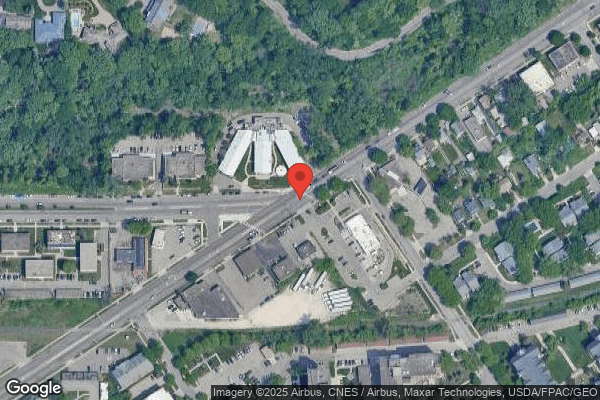
2319 WEST SEVENTH STREET, SAINT PAUL, MN 55116 (651) 698-0793
For profit - Corporation 64 Beds EPHRAM LAHASKY Data: November 2025 3 Immediate Jeopardy citations
Trust Grade
0/100
Last Inspection: September 2025

Inspected within the last 6 months. Data reflects current conditions.

Overview

Highland Chateau Health and Rehabilitation Center has received a Trust Grade of F, indicating significant concerns about the quality of care provided, which is poor compared to other facilities. It does not rank in the state or county, suggesting there are no other local options to compare to. The facility's trend is worsening, with reported issues increasing from 32 in 2024 to 68 in 2025. Staffing is a major concern, with a turnover rate of 55%, significantly higher than the state average, and the facility has incurred fines totaling $101,247, which is higher than 95% of Minnesota facilities. Serious incidents include a resident who was allowed to smoke while using oxygen, leading to a fire risk, and multiple residents who were neglected and not assisted out of bed, causing emotional distress. While the facility does provide some RN coverage, the overall situation reflects a troubling lack of oversight and care within the home.

Trust Score
F
0/100
In Minnesota
#112/223
Top 50%
Safety Record
High Risk
Review needed
Inspections
Getting Worse
32 → 68 violations
Staff Stability
⚠ Watch
55% turnover. Above average. Higher turnover means staff may not know residents' routines.
Penalties
✓ Good
$101,247 in fines. Lower than most Minnesota facilities. Relatively clean record.
Skilled Nurses
✓ Good
Each resident gets 55 minutes of Registered Nurse (RN) attention daily — more than average for Minnesota. RNs are trained to catch health problems early.
Violations
⚠ Watch
116 deficiencies on record. Higher than average. Multiple issues found across inspections.
☆☆☆☆☆
0.0
Overall Rating
☆☆☆☆☆
0.0
Staff Levels
☆☆☆☆☆
0.0
Care Quality
☆☆☆☆☆
0.0
Inspection Score
Stable
2024: 32 issues
2025: 68 issues

The Good

  • Full Sprinkler Coverage · Fire safety systems throughout facility
  • No fines on record

Facility shows strength in fire safety.

The Bad

Staff Turnover: 55%

Near Minnesota avg (46%)

Frequent staff changes - ask about care continuity

Federal Fines: $101,247

Well above median ($33,413)

Significant penalties indicating serious issues

Chain: EPHRAM LAHASKY

Part of a multi-facility chain

Ask about local staffing decisions and management

Staff turnover is elevated (55%)

7 points above Minnesota average of 48%

The Ugly 116 deficiencies on record

3 life-threatening 3 actual harm
Sept 2025 27 deficiencies 1 IJ
CRITICAL (J)

Immediate Jeopardy (IJ) - the most serious Medicare violation

Accident Prevention (Tag F0689)

Someone could have died · This affected 1 resident

**NOTE- TERMS IN BRACKETS HAVE BEEN EDITED TO PROTECT CONFIDENTIALITY** Based on observation, interview and document review, the facility failed to ensure smoking safety interventions were identified,...

Read full inspector narrative →
**NOTE- TERMS IN BRACKETS HAVE BEEN EDITED TO PROTECT CONFIDENTIALITY** Based on observation, interview and document review, the facility failed to ensure smoking safety interventions were identified, implemented, and monitored for 1 of 1 resident (R29) reviewed who used oxygen and smoked. The facility also failed to provide adequate supervision to ensure oxygen was not taken into the designated smoking area, which resulted in an immediate jeopardy (IJ) when R29, who had oxygen present and was observed smoking and in close proximity to others who were smoking and present in the smoking patio, which posed a serious safety risk of fire or explosion and endangering R29 and others.The IJ began on 9/15/25 at 6:46 p.m., when R29 was observed on the outdoor smoking patio with a portal oxygen tank and in close proximity to other residents smoking. The chief operation officer, administrator in training, vice president of clinical services were notified of the immediate jeopardy on 9/15/25 at 9:18 p.m. The IJ was removed on 9/16/25 at 3:30 p.m., but non-compliance remained at the lower scope and severity level of D, isolated with no actual harm but potential to cause more than minimal harm. Findings include:R29's admission Minimum Data Set (MDS) assessment dated [DATE], indicated tobacco use and oxygen therapy.R29's significant change in status MDS assessment dated [DATE], indicated R29 was admitted [DATE], cognitively intact, utilized a manual wheelchair, independent with upper body dressing, personal hygiene, transfers, diagnoses included diabetes, respiratory failure, chronic pain, no current tobacco use, no oxygen therapy.R29's care plan indicated:Revision on 6/23/25, impaired gas exchange; administer oxygen as prescribed or per standing order 2L (liter) per NC (nasal cannula) to keep sats greater than 90%.6/25/25, tobacco use and educate on risks and health effects of tobacco useRevision on 7/30/25, indicated R29 does not harm self or others, vulnerable adult due to physical limitations and traumatic life events, interventions included: if poses a potential threat to injure self or others notify provider, room smelled like smoke, cigarettes and lighter were taken, must request cigarette from nurse and smoke the entire cigarette outsideR29's medication administration record dated 9/1/25-9/30/25, indicated O2 (oxygen) via nasal cannula 2L/min every evening and night shift related to acute and chronic respiratory failure. Wean 02 off patient during the day. Keep 02 sats greater or equal to 90%.R29's Smoking and Safety assessment dated [DATE], indicated R29 used tobacco, lethargic/falls asleep easily during tasks or activities, drops ashes on self, unable to use ashtray to extinguish tobacco or marijuana, unable to smoke safely, fails to follow facility's smoking policy, seen smoking in room with oxygen.R29's Smoking and Safety assessment dated [DATE], indicated R29 used tobacco, lethargic/falls asleep easily during tasks or activities, unable to use ashtray to extinguish tobacco or marijuana, keep cigarette and lighter at the nurse station and give when out to smoke only, resident is compliant.R29's smoking observation dated 9/16/25 at 11:14 a.m., indicated R29 was a current smoker, gets up at night to smoke, able to smoke independently, smoking material kept at the nurse station, educated to wait for the nurse to deliver cigarettes, R29 verbalized understanding, R29's nursing progress notes:6/24/25 at 9:57 p.m., R29 has been smoking in his room this evening even though he has oxygen tank in his room when asked, resident stated that the smell came from outside. Meanwhile residents window is shut tight writer found a pack of cigarette and lighter on resident's table ashes on the floor and bed linen, cigarettes removed from resident's room and put in narcotic box resident is unable to smoke safely at this time nursing to follow through and assist.6/25/25 at 8:35 a.m., late entry for 6/24/25, writer was informed by both nurse and maintenance that there was a very strong smell of cigarettes coming from the residence room, writer then to talk to residents about the smoking policy. Resident acknowledged and stated he was not smoking and that he would not smoke in the room.6/30/25 at 9:36 a.m., late entry social service note indicated, writer was informed by a nursing assistant that resident was smoking in his room while wearing his O2. Resident eventually gave up his cigarette to the COO (chief operating officer) and other boxes of cigarettes were taken from him as this is not his first incident of smoking in his room when he was asked who gave him the cigarettes he responded I'm not telling you anything and I don't give a [explicit] who you are , resident was educated then not to smoke in his room and his response was I don't [explicit] care what you say. will have social worker meet with resident regarding behavior.6/30/25 at 12:15 p.m., social service note indicated writer was informed by staff that resident was smoking in his room writer followed up with the resident and he stated that he smoked in his room due to panic attack writer encouraged him to reach out for help during the panic attack instead of smoking. Writer also educated resident on the risks of smoking in his room with the oxygen in use smoking policy was provided resident acknowledged and said that he will not smoke in his room anymore, writer shared that if his this continues he'll be given a 30 days eviction notice which he said he is OK with and would not mind getting discharged to a homeless shelter if placement is not found, writer reached out to his mother informed her of the concern and requested their support.8/14/25 at 6:10 a.m., indicated R29 insisted to have his cigarettes given to him to keep in his room, he said he can go out now so he would not smoke in his room ever again, he kept the box of cigarettes and the lighter with him.9/15/25 at 8:35 p.m., administrator note indicated right there met with the resident to review facility smoking policy, specifically regarding the safety risk of smoking for being in the designated smoking area with oxygen in place. Resident was educated that oxygen must be removed and stored at the nurses station prior to exiting the building near the smoking area following education right to remove cigarettes and lighters from their residence room a room search was completed and additional loose tobacco and cigarette tubes were located and removed.9/16/25 at 9:16 a.m., the director of nursing progress note indicated writer met with resident to speak with him regarding the safety incident that occurred on 9/15/25, writer asked the resident if he understood the severity of the incident to which the resident stated no, I wasn't even smoking writer educated the resident on the dangers of having oxygen near open flame and explained that it included having the oxygen on or near the other smokers the resident stated he now understood and would no longer bring the oxygen to the smoking area, the resident also asked for his tobacco and tubes backEmail dated 9/15/25 at 1:18 p.m., registered nurse (RN)-C, who was known as the vice president of clinical services, provided entrance information to the surveyor and the residents who smoked included R, R4, R9, R10, R26, and R35. The list did not contain R29. RN-C sent an updated on 9/15/25 at 9:20 p.m., and added smokers R36, R39, and R43.On 9/16/25 at 8:33 p.m., RN-C indicated in an email confirmed the residents who smoked included: R9, R10, R4, R2, R26, R29, R35, R36, and R39.On 9/15/25 at 6:46 p.m., R29 was observed in the designated smoking patio seated in a wheelchair with a portable oxygen tank on the back of the chair, connected to oxygen via nasal cannula at 2 liters per minute. R29 was not actively smoking at this time, and stated his oxygen was off and then observed R29's oxygen at 2 liters and R29 used his hand to turn the knob to 0 on the oxygen tank. Three other residents (R36, R39, and one unidentified) were observed actively smoking cigarettes in close proximity (3 to 6 feet) of R29. R29 was confronted and admitted to smoking while oxygen was on, stating, I'm willing to take the risk if I blow up, and If oxygen was that flammable, the whole world would be on fire.On 9/15/25 at 6:55 p.m., R29 was seated in a wheelchair with the oxygen tank on the backside of his wheelchair and turned off and R29 was observed to smoke a cigarette. RN-C (vice president of clinical services) was walking by the inside doors of the smoking patio and confirmed there was risk of oxygen use in proximity to smoking, stating poof everyone could be gone. RN-C was observed to discuss the safety concerns with R29, when R29 became upset and was observed and threw the oxygen tank to the ground. The oxygen tank was observed to be whistling under pressure.On 9/15/25 at 7:32 p.m., the administrator, who served as the chief operating officer, stated that R29 was known to keep cigarettes and a lighter in his room. The administrator acknowledged being unaware of current unsafe smoking practices involving R29 but confirmed that oxygen tanks were not supposed to be outside where smoking occurred, as things could blow up. The administrator further stated that if a resident was known to smoke in their room, cigarettes and lighters should not be in their possession or in the room.On 9/15/25 at 7:34 p.m., RN-C stated upon admission a smoking assessment was completed on all residents and expected the smoking assessment followed and stated care plans should address residents who used oxygen. RN-C stated the risk of oxygen use near smoking was things could blow up.On 9/15/25 at 7:44 p.m., licensed practical nurse (LPN)-D stated R29 kept his cigarettes and lighter on himself in his room and stated it was terrible if residents brought the oxygen tank outside when smoking. LPN-D was observed in R29's room and confirmed R29 had cigarettes, tobacco and lighters in his room. On 9/15/25 at 7:57 p.m., the administrator stated after reviewing R29's progress notes she remembered speaking with R29 previously and stated R29 was found smoking in his room previously and education was given to him at that time and stated the cigarettes and lighter were expected to be in the med cart and not in R29's room, due to the R29's previously smoking in his room. The administrator stated R29 would not be allowed to go out and smoke again until another smoking assessment was completed.On 9/15/25 at 8:37 p.m., the administrator stated that she did not search his room for other smoking materials but does know he has a bag of tobacco in his room. The administrator left to ensure all smoking materials were moved from his room.On 9/15/25 at 8:46 p.m., the administrator stated R29's room was searched and no more lighters were found but two bags of tobacco were removed from R29's room and locked and secured.On 9/19/25 at 10:25 a.m., during a telephone interview the medical director stated no residents should have oxygen present where other residents are or could be smoking as was a safety risk.The facility policy titled Smoking Policy - Residents dated 3/21/24, indicatedThis facility shall establish and maintain safe resident smoking practices.Prior to, and upon admission, residents shall be informed of the facility smoking policy, including designated smoking areas, and the extent to which the facility can accommodate their smoking or non-smoking preferences.Smoking is only permitted in designated resident smoking areas, which are located outside of the building (2nd floor, east exit). Electronic cigarettes may be permitted outside in designated areas only. Otherwise, smoking is not allowed inside the facility under any circumstances.Oxygen use is prohibited in smoking areas.The resident will be evaluated on admission to determine if he or she is a smoker or non-smoker. If a smoker, the evaluation will include: current level of tobacco consumption; method of tobacco consumption (traditional cigarettes; electronic cigarettes; pipe, etc.); desire to quit smoking, if a current smoker; and ability to smoke safely with or without supervision (per a completed Smoking Observation).A resident's ability to smoke safely will be evaluated upon admission/readmission, quarterly, upon a significant change (physical or cognitive) and as determined by the staff.Any smoking-related privileges, restrictions, and concerns (for example, need for close monitoring) shall be noted on the care plan, and all personnel caring for the resident shall be alerted to these issues.The facility may impose smoking restrictions on a resident at any time if it is determined that the resident cannot smoke safely. Current smoking times are from 7:00am until 9:45pm. These times are subject to change.Any resident with restricted smoking privileges requiring monitoring shall have the direct supervision of a family member, visitor or volunteer worker (if available) at all times while smoking.Residents who have independent smoking privileges are permitted to keep cigarettes, e-cigarettes, pipes, tobacco, and other smoking articles in their possession. Only disposable safety lighters are permitted. All other forms of lighters, including matches, are prohibited.Residents are not permitted to give smoking articles, assist with lighting another resident's cigarette or sharing tobacco or lighters to other residents.Residents without independent smoking privileges may not have or keep any smoking articles, including cigarettes, tobacco, etc., except when they are under direct supervision.This facility maintains the right to confiscate smoking articles found in violation of our smoking policies.Confiscated resident property will be itemized and ultimately returned to the resident, or his or her legal representative. When the property is returned will be determined during a meeting with the resident or representative regarding the circumstances that led to the confiscation.The IJ was removed on 9/16/25 at 3:30 p.m , when the facility developed and implemented a systemic removal plan which was verified by interview, observation, and document review. On 9/15/25, the smoking policy and procedure was reviewed by the facility leadership. On 9/15/25, signage was posted indicating no oxygen was allowed at the exit point to the designated smoking area. On 9/15/25 at 8:46 p.m., R29's room was searched and tobacco and lighters were removed from the R29's room. On 9/15/25, and 9/16/25, all current residents who smoke had a smoking assessment completed and care plans were reviewed and/or updated. No other residents who smoke utilize oxygen. On 9/16/25 at 11:14 a.m., R29 had a smoking assessment completed, which indicated R29 was able to smoke independently, and smoking material kept at the nurse station. The facility-initiated training on 9/15/25, with a mass electronic message sent to staff, along with verbal education beginning on 9/15/25. On 9/16/25, the vice president of clinical services, chief operating officer and administrator in training conducted in-service education with staff regarding oxygen use was prohibited in smoking areas. The facility plans to continue education process with on-coming staff and all staff are required to sign attesting education was received.
CONCERN (D)

Potential for Harm - no one hurt, but risky conditions existed

Resident Rights (Tag F0550)

Could have caused harm · This affected 1 resident

**NOTE- TERMS IN BRACKETS HAVE BEEN EDITED TO PROTECT CONFIDENTIALITY** Based on observation, interview and document review, the facility failed to ensure 1 of 4 residents (R23) reviewed for dignified...

Read full inspector narrative →
**NOTE- TERMS IN BRACKETS HAVE BEEN EDITED TO PROTECT CONFIDENTIALITY** Based on observation, interview and document review, the facility failed to ensure 1 of 4 residents (R23) reviewed for dignified care, was provided toileting assistance in a timely manner.Findings include: R23's face sheet provided on 9/19/25, included diagnoses of congestive heart failure, obesity, diabetes, depression and anxiety. R23's quarterly Minimum Data Set (MDS) assessment dated [DATE], indicated intact cognition, clear speech, could understand and be understood. R23's PHQ9 score (depression screening tool) indicated mild depression. Assessment indicated R23 was independent with activities of daily living.R23's physician orders dated 9/1/25, included monitoring R23 for signs and symptoms of depression, including hopelessness, anxiety, sadness, insomnia, anorexia, verbalizing negative statements, repetitive anxious or health-related complaints, and tearfulness, daily for 6 weeks. R23's care plan dated 5/7/25, indicated R23 had impaired coping skills. Care plan with revised date of 9/15/25, indicated R23 was at risk for depression due to diagnosis of anxiety and depression. During an observation and interview on 9/17/25 at 1:04 p.m., R23 who was lying in bed, stated she had been waiting since 6:30 a.m., to get changed out of a poopy diaper. R23 stated nursing assistant (NA)-B, who had been in her room multiple times, kept coming in to tell her she needed to find a second NA to assist her. R23 stated her gown and bed sheets were wet too. During an observation and interview on 9/17/25 at 1:16 p.m., NA-B and NA-E entered the room to give R23 a bed bath. As they removed R23's blue hospital-type gown, could see it was wet due to moisture making it darker in color. When NA-B pulled the front of the incontinent pad down and away from R23's skin, could see the absorbent material of the incontinent pad bulging and saturated. Steaks of greenish material were observed in the front of the incontinent pad as well. R23's labia were reddened in color. R23 stated her inner right thigh was sore which was observed to be reddened and with creases. R23 was turned onto her left side, and a large brown stool was observed between buttocks cheeks. The skin on her posterior thighs and buttocks had a large surface area with many creases. Once cares were completed and, in the hallway, NA-B stated the night shift staff should have changed R23. NA-B stated she couldn't find a second NA to assist her. NA-B stated she did not ask the nurse in the hallway on the medication cart, or the director of nursing (DON) to assist her in finding help, and therefore, had not provided toileting cares to R23 that morning. During an interview on 9/17/25 at 1:54 p.m., the DON and licensed practical nurse (LPN)-B came into R23's room to look at R23's skin. R23 informed the DON she told the night shift staff she needed to be changed and had told multiple people that morning she needed to be changed, and each person said they needed to find someone to help them. LPN-B stated twice she had offered to change R23, but R23 had declined. R23 denied having said that. The DON acknowledged she would have expected staff to respond to R23's call light the first time, and that it was not acceptable for R23 to wait hours in a soiled incontinent pad. During an interview on 9/18/25 at 8:54 a.m., while in bed, R23 stated she felt awful yesterday having to lay in a soiled incontinent pad, wet gown and wet sheets for hours. R23 stated she felt hopeless and angry, adding she sometimes had to holler to get staff attention. R23 stated, in her opinion - they are short staffed, although staff did not say that. R23 stated it was not uncommon for her to wait 30-60 minutes for her call light to be answered, adding it did not seem like one staff person was responsible for her and her cares. R23 stated she used to be independent with toileting prior to hospitalization in August 2025, but since returning from the hospital on 9/1/25, was now dependent upon staff for ADLs. Review of R23's call light response times from 8/17/25 to 9/16/25, indicated 198 activations. Forty-one response times were between 20 and 60 minutes. Eight were between 60 minutes and three hours. Facility Dignity policy undated, indicated each resident would be cared for in a manner that promoted and enhanced his or her sense of well-being, level of satisfaction with life, and feelings of self-worth and self-esteem. Residents were treated with dignity and respect at all times. Demeaning practices and standards of care that compromised dignity were prohibited. Staff were expected to promote dignity and assist residents by promptly responding to a resident's request for toileting assistance.Facility Supporting Activities of Daily Living (ADLs) policy dated 2/28/25, indicated residents would be provided with care, treatment and services as appropriate to maintain or improve their ability to carry out ADLs. Residents unable to carry out activities of daily living independently would receive the services necessary to maintain good nutrition, grooming and personal and oral hygiene. Appropriate care and services would be provided for residents who were unable to carry out ADLs independently, with the consent of the resident and in accordance with the plan of care, including appropriate support and assistance with hygiene (bathing, dressing, grooming, and oral care) and elimination (toileting).
CONCERN (D)

Potential for Harm - no one hurt, but risky conditions existed

Safe Environment (Tag F0584)

Could have caused harm · This affected 1 resident

**NOTE- TERMS IN BRACKETS HAVE BEEN EDITED TO PROTECT CONFIDENTIALITY** Based on observation, interview and document review, the facility failed to ensure a homelike environment for 1 of 1 resident (R...

Read full inspector narrative →
**NOTE- TERMS IN BRACKETS HAVE BEEN EDITED TO PROTECT CONFIDENTIALITY** Based on observation, interview and document review, the facility failed to ensure a homelike environment for 1 of 1 resident (R2) who had feeding tube formula hooked up to the feeding tube pump in R2's room after the feeding tube was removed. Findings include:R2's significant change Minimum Data Set (MDS) assessment dated [DATE], indicated intact cognition, did not reject care, was very important to take care of personal items or things, had a diagnosis of malnutrition, and had a feeding tube. R2's Orders form indicated the following orders:6/11/25, regular diet, regular texture, and thin liquids.8/5/25, enteral feed order two times a day for tube feeding to be run 12 hours daily. Administer Nutren or Isosource (types of feeding tube formulas) 1.5 at 100 milliliters (ML) per hour via feeding tube. 9/5/25, consult with GI/colorectal for PEG (feeding tube) removal and colostomy reversal evaluation.R2's medication administration record (MAR) dated September 2025, indicated R2 received enteral feeding up until Saturday, 9/13/25, when a 9 was documenting in the 6:00 p.m., space, indicating other/see nurse notes ineffective date.R2's progress notes dated 9/13/25 at 3:25 p.m., indicated R2's feeding tube fell out and R2 did not want the feeding tube any longer. R2's progress notes dated 9/13/25 to 9/17/25, indicated R2 no longer had a feeding tube.R2's care plan dated 7/7/25, indicated R2 required extensive assistance with personal hygiene and total assistance with toilet use and further identified R2 had a colostomy. During interview and observation on 9/15/25, at 2:08 p.m., R2's feeding tube pole had an undated bag of 1000 ml of brownish fluid hanging on the pole with a Kangaroo Omni feeding tube pump. R2 stated the bag had been in her room for three days and further stated her feeding tube got pulled out and declined to go in to have it replaced. During interview and observation on 9/16/25, at 9:16 a.m., nursing assistant NA-(B) stated R2 had not had a feeding tube for a week and a half and verified there was still a feeding bag with formula in R2's room. NA-B stated R2's feeding tube was pulled out and R2 had been eating normal food. During observation on 9/16/25 at 11:39 a.m., R2 was not in her room and still had the bag of undated brown liquid attached to the feeding pump.During interview on 9/16/25 at 12:09 p.m., R2 stated the feeding tube equipment had been in her room for 5 days and did not want this in her room because she no longer used it and stated it bothered her that it was still there and did not feel very home-like.During interview and observation on 9/16/25 at 12:50 p.m., licensed practical nurse (LPN)-B was bringing R2 her medication and stated R2's feeding tube came out last week. R2 asked LPN-B when they were going to get rid of her bag. LPN-B verified the formula and feeding tube pump was still in R2's room and stated they should have gotten rid of it right away and stated R2 pointed the bag out to her. During interview on 9/18/25 at 8:49 a.m., the director of nursing (DON) stated R2 had been on a feeding tube for a while and did not want it reinserted and stated it was not a home-like environment to continue to have the nutrition in R2's room. Facility Homelike Environment policy dated February 2021, indicated residents were provided with a safe, clean, comfortable and homelike environment and encouraged to use their personal belongings to the extent possible. The facility staff and management maximize, to the extent possible, the characteristics of the facility that reflect a personalized, homelike setting which included a clean, sanitary and orderly environment.
CONCERN (D)

Potential for Harm - no one hurt, but risky conditions existed

Assessment Accuracy (Tag F0641)

Could have caused harm · This affected 1 resident

**NOTE- TERMS IN BRACKETS HAVE BEEN EDITED TO PROTECT CONFIDENTIALITY** Based on observation, interview and document review, the facility failed to ensure the Minimum Data Set (MDS) assessment was cod...

Read full inspector narrative →
**NOTE- TERMS IN BRACKETS HAVE BEEN EDITED TO PROTECT CONFIDENTIALITY** Based on observation, interview and document review, the facility failed to ensure the Minimum Data Set (MDS) assessment was coded accurately for 2 of 2 residents (R14, R37) reviewed for MDS accuracy.Findings include:R14's face sheet received on 9/19/25, included diagnoses of chronic respiratory failure (lungs unable to adequately exchange oxygen and carbon dioxide over an extended period), high blood pressure, kidney failure and atrial fibrillation (irregular heart rate causing poor blood flow). R14's significant change Minimum Data Set (MDS) assessment dated [DATE], indicated intact cognition, adequate hearing, clear speech, was understood and could understand. R14 required substantial assistance for activities of daily living (ADLs). R14's Section B of the MDS dated [DATE], indicated: ability to hear was adequate, which according to the MDS meant no difficulty in normal conversation, social interaction, listening to TV.R14's care plan dated 12/8/24, indicated risk for impaired communication. Revision on 7/9/25, indicated R37 used pen and paper to write and communicate. The care plan did not specifically identify R14 as being hard of hearing. In addition, R37 used a white board to communicate. During interview on 9/16/25 at 8:33 a.m., R14 was sitting in her wheelchair eating breakfast. Using the whiteboard to ask questions, R14 stated she had been hard of hearing for years.During an interview on 9/16/25 at 8:42 a.m., nursing assistant (NA)-F confirmed R14 was hard of hearing and used a white board to communicate.R37's face sheet received on 9/19/25, included diagnosis of pre-diabetes. R37's quarterly MDS assessment dated [DATE], indicated intact cognition, clear speech, could understand and be understood. R37 was dependent upon staff for most ADLs and did not walk. R37 received insulin injections seven days a week. R37's section N of the MDS dated [DATE], indicated: Insulin injections - record the number of days that insulin injections were received during the last 7 days or since admission/entry or reentry if less than 7 days. Number entered was 7. R37's physician orders did not include insulin.R37's care plan did not indicate R37 received insulin. During an interview on 9/15/25 at 1:39 p.m., R37 stated he was not diabetic and had never used insulin. During a telephone interview on 9/17/25 at 10:03 a.m., the regional director of clinical reimbursement (RDCR)-O stated the facility had hired a new MDS nurse in June who left in August. RDCR-O stated the facility needed to make a number of modifications/changes after the MDS nurse left and must have missed R37's MDS indicating he received insulin injections, adding that was not accurate. During an email exchange on 9/17/25, at 3:23 p.m., RDCR-O confirmed R14 was hard of hearing and that Section B of her MDS assessment regarding hearing was incorrect. Facility Resident Assessment policy with reviewed date of 3/17/25, indicated a comprehensive assessment of every resident's needs was made at intervals designated by OBRA (Omnibus Budget Reconciliation Act) and PPS (Prospective Payment System) requirements. The resident assessment coordinator was responsible for ensuring that the interdisciplinary team conducted timely and appropriate resident assessments and reviews. The interdisciplinary team used the MDS form currently mandated by federal and state regulations to conduct the resident assessment. All members of the care team, including licensed and unlicensed staff members, were asked to participate in the resident assessment process. All persons who had completed any portion of the MDS resident assessment form must sign the document attesting to the accuracy of such information.
CONCERN (D)

Potential for Harm - no one hurt, but risky conditions existed

Comprehensive Care Plan (Tag F0656)

Could have caused harm · This affected 1 resident

**NOTE- TERMS IN BRACKETS HAVE BEEN EDITED TO PROTECT CONFIDENTIALITY** Based on interview and document review, the facility failed to ensure the care plan included management and monitoring of an ant...

Read full inspector narrative →
**NOTE- TERMS IN BRACKETS HAVE BEEN EDITED TO PROTECT CONFIDENTIALITY** Based on interview and document review, the facility failed to ensure the care plan included management and monitoring of an antipsychotic medication for 1 of 2 residents (R2) reviewed for antipsychotic use. Findings include:R2's Medical Diagnosis form indicated the following diagnoses: adjustment disorder with mixed anxiety and depressed mood, schizoaffective disorder, bipolar type, and post-traumatic stress disorder (PTSD). R2's significant change Minimum Data Set (MDS) assessment dated [DATE], indicated R2 had intact cognition, did not hallucinate or have delusions, did not have physical, verbal or other behavioral symptoms, did not reject care, and R2's behavior was the same since the previous assessment. Additionally, R2 had trouble falling or staying asleep or sleeping too much for 2 to 6 days and took an antipsychotic.R2's care area assessment (CAA) dated 6/26/25, triggered for psychotropic drug use because R2 took an antipsychotic and an antidepressant. The CAA indicated a potential problem and adverse consequences of antipsychotics that included cardiac arrhythmias (abnormal heart rhythms), and psychotropic drug use would be addressed in the care plan to avoid complications and minimize risks. Further the CAA indicated R2 could be at risk for sedation, memory loss or falls due to psychotropic medications. R2's care plan report lacked a specific care plan related to antipsychotic use.R2's physician orders dated 6/5/25, and discontinued on 6/30/25, indicated R2 took olanzapine (an antipsychotic) 5 milligram (MG) tablet orally one time a day for sleep and anxiety related to schizoaffective disorder, bipolar type.R2's physician orders dated 6/30/25 and discontinued 8/7/25, indicated R2 took olanzapine 5 mg tablet one time a day for delirium and sleep.R2's physician orders dated 8/7/25, indicated R2 took olanzapine 5mg tablet daily for delirium and sleep. During interview on 9/18/25 at 11:18 a.m., licensed practical nurse (LPN)-C stated physicians order medications and conduct an assessment and after an amount of time, the physician re-evaluates a medication to see if it was still necessary and nurses monitor for effectiveness, but did not know what the facility process was for monitoring medications.During interview on 9/18/25 at 2:13 p.m., the consulting pharmacist (CP)-J stated psychotropic medications should have a care plan with target behaviors and side effect monitoring and further stated R2 used olanzapine for delirium and sleep. During interview on 9/18/25 at 2:56 p.m., the vice president of clinical services, registered nurse (RN)-C stated antipsychotics were reviewed in the first 6 weeks a resident was at the facility and quarterly and expected R2 to have a care plan in place for an antipsychotic. VPCS-B viewed R2's care plan and stated R2 should have a care plan in place and did not and further stated it was important to monitor whether R2 needs the medication or if she requires any reductions and to look for additional side effects. Facility Care Plans, Comprehensive Person-Centered policy dated 1/20/25, indicated a comprehensive, person-centered care plan that includes measurable objectives and timetables to meet the resident's physical, psychosocial and functional needs is developed and implemented for each resident. The comprehensive, person-centered care plan is developed within seven days of the completion of the required MDS assessment, and no more than 21 days after admission. The care plan interventions are derived from a thorough analysis of the information gathered as part of the comprehensive assessment. The comprehensive, person-centered care plan describes the services that are to be furnished to attain or maintain the resident's highest practicable physical, mental, and psychosocial well-being. Further, care plan interventions were chosen only after data gathering, proper sequencing of events, careful consideration of the relationship between the resident's problem areas and their causes, and relevant clinical decision making and assessments of residents are ongoing, and care plans are revised as information about the residents and the residents' conditions change. The interdisciplinary team reviews and updates the care plan when there has been a significant change, when the desired outcome is not met, when the resident has been readmitted to the facility from a hospital stay, and at least quarterly in conjunction with the required quarterly MDS assessment.
CONCERN (D)

Potential for Harm - no one hurt, but risky conditions existed

Deficiency F0657 (Tag F0657)

Could have caused harm · This affected 1 resident

**NOTE- TERMS IN BRACKETS HAVE BEEN EDITED TO PROTECT CONFIDENTIALITY** Based on observation, interview and document review, the facility failed to ensure care plans were revised and updated with curr...

Read full inspector narrative →
**NOTE- TERMS IN BRACKETS HAVE BEEN EDITED TO PROTECT CONFIDENTIALITY** Based on observation, interview and document review, the facility failed to ensure care plans were revised and updated with current health status for 3 of 4 residents (R4, R27, R13) reviewed for care planning. Findings include: R4's face sheet printed 9/17/25, indicated diagnoses of congestive heart failure, diabetes type two, chronic kidney disease, and dependence on renal dialysis (treatment that replaces the function of the kidneys when they are no longer able to adequately filter waste products and excess fluid from the blood). R4's part A discharge Minimum Data Set (MDS) assessment dated [DATE], indicated intact cognition, setup assistance with eating, dependent for toilet use and bathing, partial assistance with upper body dressing, dependent for lower body dressing, and use of wheelchair. R4's physician's orders printed 9/16/25, lacked any orders related to dialysis, including monitoring the dialysis site and communicating with dialysis company. R4's care plan revised 8/31/22 lacked information related to R4's specific dialysis needs, which arm his arteriovenous (AV) graft was in, which dialysis company serviced him, contact information for the dialysis company, and directions on when to assess the AV graft site. R4's care plan printed 9/17/25, indicated resident at risk for complications and required ongoing dialysis for renal failure. Interventions included coordinated services with dialysis servicer, do not draw blood or take blood pressure in arm with graft, resident receives dialysis Monday, Wednesday, Friday, and observe shunt for symptoms of infection or complication. During observation and interview on 9/15/25 at 5:00 p.m., R4 was in his room. R4 stated he had been to dialysis that afternoon. R4 further stated nurses do not look at his dialysis site and he took the dressings off himself. During interview on 9/16/25 at 1:16 p.m., licensed practical nurse (LPN)-A stated she was not sure where any specific directions were for dialysis care of R4, could not locate a number for the dialysis facility, was not sure how they communicated with dialysis and that she just knows to assess R4's site as basic knowledge. LPN-A stated she was not sure how an agency nurse would know that information. LPN-A further stated there was no dialysis information on R4's physician's orders and his care plan information was generic and not specific to him. During interview on 9/16/25 at 1:34 p.m., LPN-B stated she would not know where to find dialysis information. During interview on 9/16/25 at 2:52 p.m., director of nursing (DON) stated she was new to the facility but would expect R4's care plan to have specific information related to his dialysis needs so nurses knew how to care for him. During interview on 9/18/25 at 10:30 a.m., the vice president of clinical services, registered nurse (RN)-C stated R4's care plan was vague and not specific to his needs. RN-C further stated R4 should have assessments daily of his AV graft to ensure no infection or complication, and that should have been indicated on his care plan and physician's orders. R27's Optional State Assessment (OSA) dated 8/29/25, indicated moderate cognitive impairment and required limited assistance with bed mobility, transfers, toileting, and supervision for eating. R27's quarterly MDS assessment dated [DATE], indicated R27 did not reject care, had impairment on one side to her upper extremity and used a wheelchair. Further, R27's diagnoses included hemiplegia (paralysis of one side of the body) following a cerebral infarction (stroke) affecting her right dominant side, apraxia (the inability to plan and execute purposeful, skilled movements), other speech language deficits following cerebral infarction, dysphagia (difficulty swallowing foods or liquids) following cerebral infarction. Additionally, R27 did not have signs and symptoms of a possible swallowing disorder, was on a therapeutic diet. R27's physician orders form indicated the following orders: -8/28/25, lost dentures, speech language pathologist (SLP) wrote orders. -8/28/25, downgrade diet texture to mechanical soft with gravy, preference for soft foods and no breads (IDDSI MM5) with supervision during meals to cue alternating solid and liquid (sip, swallow, bite, swallow) and to stop eating to clear throat if she starts coughing. -8/28/25, diabetic diet, mechanical soft texture, thin liquids consistency. R27's care plan dated 7/7/25, indicated R27 was independent with eating and required set up help only. The care plan was not revised to indicate R27 required supervision and cueing according to R27's most recent OSA and orders. R27's care plan dated 8/26/25, indicated R27 had a nutritional problem or a potential nutritional problem due to a history of aphasia, apraxia, dysphagia, hemiplegia and interventions included to provide and serve diet as ordered. R27's care plan lacked information that R27 was missing or had dentures. During interview on 9/16/25 at 8:19 a.m., NA-C stated if a resident required supervision one of the aides or a nurse would sit with the resident the whole time and further stated R27 did not require supervision because she was independent. During interview on 9/16/25 at 12:01 p.m., NA-C stated she knew what cares a resident required based off the care plan. During interview on 9/16/25 at 8:52 a.m., the DON viewed point of care and did not see orders for R27's diet for the aides to know what diet R27 was on. During interview on 9/16/25 at 8:55 a.m., the DON verified R27's care plan indicated R27 was independent with eating. During interview on 9/17/25 at 12:38 p.m., RN-C stated staff should follow orders and verified R27's optional state assessment indicated R27 required supervision and R27's care plan indicated R27 was independent after setting up for eating and the care plan had not been updated to reflect R27's orders. R13's significant change MDS assessment dated [DATE], indicated R13 had moderate cognitive impairment and diagnoses of chronic respiratory failure (long term lung disease that may require oxygen), cellulitis of the left lower extremity, and heart failure. Furthermore, R13 required oxygen. R13's provider order dated 8/17/25, indicated R13 required oxygen therapy at 1 liter (L) per nasal canula. R13's care plan revised 7/21/25, lacked indication R13 required cares or treatments related to oxygen therapy. An observation/interview on 9/15/25 at 12:38 p.m., R13 was sitting at their bedside and had a nasal canula in place. R13 stated they didn't start using oxygen until recently and now the staff want her to wear it all the time. When interviewed on 9/17/25 at 9:28 a.m., LPN-C verified R13's care plan did not indicate R13 required oxygen. LPN-C stated updates to the care plan were done by the MDS nurse or the DON, When interviewed on 9/18/25 at 10:22 a.m., the regional director of clinical reimbursement stated a new MDS nurse just started. Care plans were updated in morning meeting with the interdisciplinary team when due, however, the DON can update them as well at any time. When interviewed on 9/18/25 at 12:19 a.m., the DON and RN-C stated the care plan and Kardex was how staff obtained information for residents and their care. Nursing assistants do not carry sheets; however, they can refer to them as needed in their point of care charting. DON expected resident care plans to be updated with current interventions for oxygen orders. Facility Care Plans, Comprehensive Person-Centered, dated 1/20/25, indicated a comprehensive, person-centered care plan that includes measurable objectives and timetables to meet the resident's physical, psychosocial and functional needs is developed and implemented for each resident. The comprehensive, person-centered care plan is developed within seven days of the completion of the required MDS assessment, and no more than 21 days after admission. The care plan interventions are derived from a thorough analysis of the information gathered as part of the comprehensive assessment. The comprehensive, person-centered care plan describes the services that are to be furnished to attain or maintain the resident's highest practicable physical, mental, and psychosocial well-being. Further, care plan interventions were chosen only after data gathering, proper sequencing of events, careful consideration of the relationship between the resident's problem areas and their causes, and relevant clinical decision making and assessments of residents are ongoing, and care plans are revised as information about the residents and the residents' conditions change. The interdisciplinary team reviews and updates the care plan when there has been a significant change, when the desired outcome is not met, when the resident has been readmitted to the facility from a hospital stay, and at least quarterly in conjunction with the required quarterly MDS assessment.
CONCERN (D)

Potential for Harm - no one hurt, but risky conditions existed

Deficiency F0676 (Tag F0676)

Could have caused harm · This affected 1 resident

**NOTE- TERMS IN BRACKETS HAVE BEEN EDITED TO PROTECT CONFIDENTIALITY** Based on observation, interview and document review, the facility failed to ensure activities of daily living (ADL) assistance w...

Read full inspector narrative →
**NOTE- TERMS IN BRACKETS HAVE BEEN EDITED TO PROTECT CONFIDENTIALITY** Based on observation, interview and document review, the facility failed to ensure activities of daily living (ADL) assistance was provided for 1 of 1 resident (R27) reviewed for ADLs who required supervision and cueing during meals. Findings include:R27's Optional State Assessment (OSA) dated 8/29/25, indicated moderate cognitive impairment and required limited assistance with bed mobility, transfers, toileting, and supervision for eating. R27's quarterly Minimum Data Set (MDS) assessment dated [DATE], indicated R27 did not reject care, had impairment on one side to her upper extremity and used a wheelchair. Further, R27's diagnoses included hemiplegia (paralysis of one side of the body) following a cerebral infarction (stroke) affecting her right dominant side, apraxia (the inability to plan and execute purposeful, skilled movements), other speech language deficits following cerebral infarction, dysphagia (difficulty swallowing foods or liquids) following cerebral infarction. Additionally, R27 did not have signs and symptoms of a possible swallowing disorder, was on a therapeutic diet.R27's care plan goal revised and discontinued on 3/8/24, indicated R27 had a behavior problem of taking food off of other people's plates and becoming aggressive if asked to give back what she took. R27's care plan revised on 7/7/25, indicated R27 was independent with eating and required set-up help only. R27's care plan dated 8/26/25, indicated R27 had a nutritional problem or a potential nutritional problem due to a history of aphasia, apraxia, dysphagia, hemiplegia and interventions included to provide and serve diet as ordered. R27's physician orders form saved on 9/16/25 at 8:44 a.m., indicated the following orders:8/28/25, lost dentures, speech language pathologist (SLP) wrote orders.8/28/25, downgrade diet texture to mechanical soft with gravy, preference for soft foods and no breads (IDDSI MM5) with supervision during meals to cue alternating solid and liquid (sip, swallow, bite, swallow) and to stop eating to clear throat if she starts coughing.R27's nursing progress notes dated 3/7/24 at 12:46 p.m., indicated R27 took regular food off another resident's plate and R27 was on a special diet for dysphagia and was educated on the importance of eating only from her tray to prevent aspiration.R27's nurse practitioner (NP) notes dated 8/28/25 at 12:52 p.m., indicated the NP met with the kitchen and SLP to discuss diet modification as R27 had been coughing and had phlegm and diet modifications were made and the kitchen was aware. R27's PMR (physical medicine and rehabilitation) note dated 9/13/25, indicated R27 was on a modified diet due to difficulty swallowing. R27's speech therapy (ST) evaluation note dated 8/26/25, indicated R27 was referred because she recently choked, had difficulty swallowing, could not find her dentures, and was having difficulty eating regular foods. Further R27 was previously on a regular diet and ST wrote orders to downgrade diet to SB6, soft and bite sized which translates to mechanical soft for the facility. During observation on 9/16/25 at 8:02 a.m., R27 was in the dining room and had an omelet, hashbrowns, and a donut on her plate, and had a bowl of cereal. An unnamed staff person assisted in putting sugar on the cereal and walked away. The activity director was in the dining room playing Yahtzee with another resident. R27 was not supervised by nursing staff in the dining room. During interview on 9/16/25 at 8:15 a.m., the cook (C)-A and the culinary director (CD) verified there were no nurses or nursing assistants in the dining room and stated R27 could have donuts. During interview and observation on 9/16/25 at 8:19 p.m., nursing assistant (NA)-C stated a nurse or a nursing assistant supervised residents who required supervision with eating and should sit with the resident the entire time a resident ate and added she knew who required supervision because when she was oriented, she learned what cares residents required and added R27 did not need supervision and just needed her meal set up, but was fine to be independent and verified there were no aides in the dining room with R27. During observation on 9/16/25 at 8:25 a.m., R27 was in the dining room eating her donut and the only staff in the dining room was the activity director.During observation on 9/16/25 at 8:26 a.m., NA-C walked by R27 and assisted another resident and walked away. At 8:27 a.m., the only staff in the dining room was the activity director (AD). During observations 9/16/25, no staff provided R27 any cueing according to her orders during the breakfast meal.During interview on 9/16/25 at 8:30 a.m., the director of nursing (DON) stated she did not know why R27's diet orders did not transfer over to R27's meal ticket. During interview on 9/16/25 at 8:41 a.m., the DON stated she expected the diet to be changed and planned to have a meeting about reviewing diets in the system versus what was printed on the tickets and would provide education to the NA's who should be verifying diet orders and stated it was important because it could be a choking hazard.During interview on 9/16/25 at 8:52 a.m., the DON viewed point of care and did not see orders for the NA's to know what diet a resident was supposed to be on.During interview on 9/16/25 at 8:55 a.m., the administrator in training (AIT) stated the aides should be the staff providing supervision to residents requiring supervision during meals. The DON stated R27's care plan indicated R27 was independent with eating which was contrary to R27's diet orders.During interview on 9/16/25 at 9:31 a.m., AD stated she did not have training in assisting residents in eating and added she wore a lot of hats, but not that one.During interview on 9/17/25 at 9:56 a.m., speech therapist (ST)-E stated R27 was seen by ST for dysphagia and her diet had been downgraded due to not having dentures and could not fully chew food. ST stated R27 required supervision to ensure R27's food was mashed up adequately but was not something she has seen happen and expected an aide or a nurse provide supervision. During interview and observation on 9/17/25 at 12:30 p.m., R2 and R27 were sitting together at the same table. No staff were in the dining room assisting residents. R2 had chicken wild rice soup and a bread stick. R2's meal was mostly uneaten. R27 grabbed R2's soup when R2 began wheeling herself away from the table. Social worker (SW)-A was alerted by surveyor R27 took R2's food and SW-A stated R27 could not have R2's food and R2's meal tray was taken away. During interview on 9/17/25 at 12:38 p.m., the vice president of clinical services, registered nurse (RN)-C stated a nurse, or NA was responsible for providing supervision and verified if there was an order for supervision, she expected the order to be followed. RN-C stated she took the order off for supervision yesterday and would ask R27 about taking food off another resident's plate and verified R27's care plan indicated R27 was independent with set up help only and R27's optional state assessment indicated R27 required supervision. Facility Activities of Daily Living (ADLs), Supporting policy dated 2/28/25, indicated residents would be provided with care, treatment and services as appropriate to maintain or improve their ability to carry out activities of daily living (ADLs). Residents who are unable to carry out ADLs independently will receive the services necessary to maintain good nutrition, grooming and personal and oral hygiene. Appropriate care and services will be provided for residents who are unable to carry out ADLs independently, with the consent of the resident and in accordance with the plan of care, including appropriate support and assistance with hygiene bathing, dressing, grooming, and oral care, mobility, elimination, dining meals and snacks, and communication. If residents with cognitive impairment or dementia resist care, staff will attempt to identify the underlying cause of the problem and not just assume the resident is refusing or declining care. A resident's ability to perform ADLs will be measured using clinical tools, including the MDS. The MDS definition defined supervision as oversight, encouragement or cueing provided 3 or more times during the last 7 days.
CONCERN (D)

Potential for Harm - no one hurt, but risky conditions existed

ADL Care (Tag F0677)

Could have caused harm · This affected 1 resident

**NOTE- TERMS IN BRACKETS HAVE BEEN EDITED TO PROTECT CONFIDENTIALITY** Based on observation, interview and document review, the facility failed to provide ADL (activities of daily living) care to 1 o...

Read full inspector narrative →
**NOTE- TERMS IN BRACKETS HAVE BEEN EDITED TO PROTECT CONFIDENTIALITY** Based on observation, interview and document review, the facility failed to provide ADL (activities of daily living) care to 1 of 1 resident (R14) reviewed for ADLs and who was dependent upon staff for bathing. Findings include:R14's face sheet received on 9/19/25, included diagnoses of chronic respiratory failure (lungs unable to adequately exchange oxygen and carbon dioxide over an extended period), high blood pressure, kidney failure and atrial fibrillation (irregular heart rate causing poor blood flow). R14's significant change Minimum Data Set (MDS) assessment dated [DATE], indicated intact cognition, adequate hearing, clear speech, was understood and could understand. R14 was continent of bowel and bladder; required substantial/maximal assistance for activities of daily living (ADLs) including bathing. R14's care plan dated 1/11/25, indicated R14 had a self-care deficit with bathing and preferences would be considered when providing care. Care plan dated 12/23/24, indicated choosing bath type was very important to resident. A paper shower schedule, undated, posted on a cupboard door in the second-floor west nurses station indicated R14 was to receive a shower on Wednesday and Saturday evenings. R14's progress note dated Wednesday 9/10/25 at 10:29 p.m., indicated shower completed.During interview on at 9/15/25 at 1:55 p.m., R14 was sitting in her wheelchair in her room. Using a white board to ask questions, R14 stated she had not had a shower since Wednesday 9/10/25, and was supposed to have a shower twice a week on Wednesday and Saturday. When she asked staff, they told her they didn't have time. R14 stated she had itching in her groin area.During interview on 9/15/25 at 7:01 p.m., nursing assistant (NA)-G stated every resident was scheduled two showers so that if one was missed due to staffing, he/she would still get one. During interview on 9/16/25 at 8:33 a.m., R14 stated no shower yet.During interview on 9/17/25 at 7:55 a.m., NA-E in room to get R14 up and dressed. NA-E stated R14 got a shower twice a week on the evening shift, adding she did not work the evening shift so didn't give R14 a shower. NA-E stated NA's documented showers in POC (Point of Care in the electronic medical record - EMR). During document review and interview on 9/18/25, at 2:35 p.m., from 9/13/25, through 9/17/25, R14 was to receive two showers: one on Saturday 9/13/25, and one on Wednesday 9/17/25. On Saturday 9/13/25, R14 stated she did not receive a shower. R14 stated she had asked staff but was told they did not have time. On Wednesday 9/17/25, R14 stated she asked staff at 9:00 p.m., and was told they did not have time.During document review in POC on 9/13/25, it was documented that R14 had received a shower despite R14 saying she did not. On 9/17/25, it was documented that R14 had refused a shower despite R14 saying she did not. During interview on 9/19/25 at 9:52 a.m., R14 stated she had not had a shower since 9/10/15, nine days ago. R14 stated not getting a shower upset her; I like my showers. On 9/19/25 at 11:30 a.m., left phone message for NA-H to ask about R14's shower the evening of Wednesday 9/17/25. No response. During interview on 9/19/25 at 12:15 p.m., informed the director of nursing (DON) of findings regarding R14's showers. The DON stated she would expect staff to provide showers to residents as scheduled unless there was a specific reason, such as resident not in building, or declined. Informed there was documentation in POC that R14 received a shower on 9/13/25, but R14 stated she did not, and documentation R14 refused a shower on 9/17/25, but R14 stated she did not. Facility Supporting Activities of Daily Living (ADLs) policy dated 2/28/25, indicated residents would be provided with care, treatment and services as appropriate to maintain or improve their ability to carry out ADLs. Residents unable to carry out activities of daily living independently would receive the services necessary to maintain good nutrition, grooming and personal and oral hygiene. Appropriate care and services would be provided for residents who were unable to carry out ADLs independently, with the consent of the resident and in accordance with the plan of care, including appropriate support and assistance with hygiene (bathing, dressing, grooming, and oral care).
CONCERN (D)

Potential for Harm - no one hurt, but risky conditions existed

Quality of Care (Tag F0684)

Could have caused harm · This affected 1 resident

**NOTE- TERMS IN BRACKETS HAVE BEEN EDITED TO PROTECT CONFIDENTIALITY** Based on observation, interview and document review the facility failed to ensure wound care orders were implemented for 2 of 2 ...

Read full inspector narrative →
**NOTE- TERMS IN BRACKETS HAVE BEEN EDITED TO PROTECT CONFIDENTIALITY** Based on observation, interview and document review the facility failed to ensure wound care orders were implemented for 2 of 2 residents (R13, R26) who had venous ulcers (skin openings caused by weak blood circulation), failed to ensure provider-ordered leg measurements were completed and documented for 1 of 1 resident (R29) reviewed for edema management, and failed to obtain a weight upon admission and follow orders for 1 of 3 residents (R46) reviewed for hospitalization. Findings include: IMPLEMEATION OF WOUND CARE ORDERS- NON-PRESSURE WOUNDS R13's significant change Minimum Data Set (MDS) assessment dated [DATE], indicated R13 had moderate cognitive impairment and diagnoses of venous insufficiency (poor blood flow to lower extremities), cellulitis (skin infection) of the left lower extremity, and heart failure. Furthermore, R13 had 3 venous ulcers and was at risk for skin breakdown R13's skin care area assessment (CAA) dated 7/25/25, indicated R13 was at risk for skin breakdown related to cognitive loss and incontinence. R13's care plan revised 7/21/25, indicated R13 had a vascular wound. Interventions included encourage resident to elevate legs and provide wound care per treatment orders. R13's skin and wound assessment dated [DATE], indicated R13 had a venous wound on the right shin that was stable and had a provider diagnosed infection of cellulites. R13 also had a venous wound on the front left lateral lower leg that had a suspected infection. R13's integrated wound care provider note dated 9/11/25, indicated R13's cellulitis to right shin was stable and venous ulcer to left lateral calf was deteriorating. R13's treatment plan was updated. The treatment plan included: -cellulites of right shin: cleanse wound with wound cleanser and pat dry, skin prep, leave open to air 3 times a week and as needed. -Venous ulcer left lateral calf: cleanse wound with wound cleanser, pat dry, skin prep to peri wound. Apply calcium alginate and super absorbent, wrap and change 3 times a week and as needed. R13's medical record showed this progress note was uploaded on 9/11/25, and there were no signatures or sign off the treatment orders being transcribed. R13's provider order dated 8/26/25, indicated R13 required wound care to right and left lower legs; cleanse with wound cleanser, pat dry, and apply xeroform dressing, then apply non-adherent/adherent dressing daily and as needed for wound care. This order was discontinued on 9/14/25; 3 days after R13's new treatment orders were sent to the facility. R13's provider order dated 9/14/25, indicated R13 required skin prep to the right shin topically every Tuesday, Thursday, Saturday and as needed for venous ulcer/cellulites treatment. This order was started on Tuesday 9/16/25. R13's provider order dated 9/14/25, indicated R13 required calcium alginate dressing applied to left lateral calf daily on Tuesday, Thursday, and Saturday for wound treatment. This order was started on Tuesday 9/16/25. R13's medication administration record (MAR) dated 9/2025, showed the following: -R13 received the daily wound care to left and right lower extremities until 9/14/25, which was 3 days after the new treatment order should have been initiated. -R13's new wound treatment was not initiated until 9/16/25, which showed the Saturday 9/13/25 wound care was not completed per the new treatment orders. An observation and interview on 9/15/25 at 12:38 p.m., R13 was sitting up in a chair in their room. R13's legs were not elevated. The left lower extremity was wrapped. R13 stated she had sores on her legs but was not sure if she had any infection or if they were getting better. When interviewed on 9/18/25 at 7:17 a.m., nursing assistant (NA)-B stated care sheets were not used. NAs completed shift to shift report and even when new NA's train, they just learn the residents and get to know what their needs are. NA-B further stated any cares they provide were documented electronically. NA-B verified R13 was an assist of one and only needed help changing their brief and in the shower. NA-B was not aware of any interventions for R13 about her leg wounds or any need to encourage leg elevation. When interviewed on 9/18/25 at 8:08 a.m., registered nurse (RN)-A stated when wound rounds occur, the provider would give orders to the rounding nurse and following wound rounds, those would be entered right away. RN-A verified R13's wound care orders were not transcribed after wound rounds and R13 was not started on the new treatment until 9/16/25. R26's annual MDS assessment dated [DATE], indicated R26 was cognitively intact and had diagnoses of chronic venous hypertension and lymphedema (tissue swelling caused by an accumulation of fluid that's usually drained through the body's lymphatic system). R26 was not at risk for skin breakdown/injury. R26's care plan revised 8/13/25, indicated R26 was at risk for impaired skin integrity due to a history of cellulitis. Interventions included wound nurse consult as needed and use pressure relieving devices on appropriate surfaces. R26's skin and wound assessment dated [DATE], indicated R26 had a venous wound on the right lateral lower leg and left lateral lower leg. Both wounds were deteriorating and had suspected infections. R26's integrated wound care provider note dated 9/11/25, indicated R26's venous wounds were deteriorating. R26' treatment plan was updated and indicated R26 required cleansing of wound with wound cleanser, pat dry, skin prep to peri wound, calcium alginate and superabsorbent dressing and wrap daily and as needed for bilateral lower legs. R26's medical record showed this progress note was uploaded on 9/11/25 and there were no signatures or sign off the treatment orders being transcribed. R26's provider order dated 8/11/25, indicated R26 required cleansing of the wound bed with wound cleanser, moisten with Vashe, apply to wound bed for 5 minutes and remove and pat dry. Apply Atractain cream to dry and intact skin on feet and legs. Please [NAME] ag non adherent contact layer 4x5 to fit the wounds, cover with ABD dressing and secure with kerlix every other day and as needed. This order was discontinued on 9/14/25, three days after R26's new treatment orders were sent to the facility. R26's provider orders dated 8/15/25, indicated R26 required cleansing of the right and left lower extremity wound with Vashe. Keep moist gauze with Vashe on wound for 5 minutes and pat dry. Skin prep to peri wound and apply calcium alginate and superabsorbent dressing and wrap daily and as needed. R26's medication administration record (MAR) dated 9/2025, indicated R26 received every other day wound care to left and right lower extremities until 9/15/25, which was 3 days after the new treatment order should have been initiated. R26 received the daily dressing changes as of 9/16/25. An observation and interview on 9/15/25 at 12:12 p.m., R26 was sitting in a chair at bedside in their room. R26's legs were not elevated, and a towel was under their feet. Both legs were wrapped in kerlix wrap. Dressings appeared dry. R26 stated the towel was on the floor in case the wounds started leaking. R26 stated plenty of days the dressings were leaking, and it was hard to find anyone to change them. R26 further stated he was not sure if the wounds were getting better. R26 had problems with wounds before, but dressings were changed more often and so they healed, but there was no consistent dressing changes and so they “just leak”. When interviewed on 9/16/25 at 1:27 p.m., licensed practical nurse (LPN)-B stated R26 received dressing changes right away in the morning and sometimes in the afternoon. R26 was sleeping and last time LPN-B looked, the dressings appeared to be clean. LPN-B further stated if R26 was sleeping, we let him sleep as he can be very verbal and angry when woken up. When interviewed on 9/18/25 at 7:17 a.m., NA- B stated R26 was independent with walking and his wheelchair and did not require much assistance. R26 often was angry and sometimes refused staff coming into his room. NA-B was aware of R26's wounds on the skin and wasn't aware of any interventions or tasks to support with wound healing. When interviewed on 9/18/25 at 7:31 a.m., RN-B stated resident cares were known by the verbal report or the treatment plan. RN-B verified R26 had daily wound cares daily to both legs. RN-B stated R26's wounds would leak at times and extra dressing changes were needed. RN-B stated R26 can be resistant to cares at times and would easily anger and removed the dressings himself when they were soaked. RN-B verified R26's wound care orders were not started until 9/15/25, and the treatment was scanned into the chart on 9/11/25. RN-B stated he was not sure why the wound care orders were not entered to start right away as when orders were received, they were transcribed and started. When interviewed on 9/18/25 at 12:10 p.m., nurse practitioner (NP)-A stated during wound rounds, any changes are talked about with the rounding nurse. After wound rounds, I complete my notes and send them to the facility, so they have the notes and the treatment orders. NP-A expected staff to update orders to start right away as delays could impact wound healing. When interviewed on 9/18/25 at 12:19 a.m., the director of nursing (DON) and registered nurse (RN)-C, known as the vice president of clinical services stated orders come through on the fax machine and the nurses who were working retrieve them and place them in the computer. Wound orders may be given the day of wound rounds, but the facility waits until the treatment comes through so the order could be entered based on that. This was to make sure the provider didn't change anything when completing the documentation. The orders were then co-checked by another nurse. DON expected staff to enter new orders when received. This was important to ensure residents were not delayed in care and received the proper care or treatments. Facility Pressure Ulcer/Skin Breakdown policy revised 6/2025, directed staff to review the residents care plan and identify risk factors as well as interventions to reduce or eliminate modifiable risks. Facility Medication and Treatment Orders policy revised 6/30/24, directed staff to immediately record verbal orders into the residents chart by the person receiving the order and must include the date, time, prescribers last name and credentials. LEG MEASUREMNETS R29's significant change in status MDS assessment dated [DATE], indicated R29 was admitted [DATE], cognitively intact, utilized a manual wheelchair, independent with upper body dressing, personal hygiene, transfers, diagnoses included diabetes, respiratory failure, chronic pain, obstructive sleep apnea, and morbid obesity. R29's care plan dated 6/12/25, indicated risk for impaired skin integrity: educate resident / representative on factors to maintain skin integrity. R29's medication administration record (MAR) dated 9/1/25-9/30/25, indicated start date 8/22/25, measure and document circumference of both thighs at same point daily X 7 days and then weekly one time a day every Thursday. The MAR on 9/4/25, and 9/11/25, had staff initials and check mark indicating completion of the task, however no documentation of the measurements were indicated. R29's provider encounter note dated 8/8/25 at 3:04 p.m., nurse practitioner (NP)-L indicated edema, right upper thigh, quite possibly lymphedema, patient lies on his right side, daily weights x 4 days, continue measurements of thighs and chart the values, nursing called regarding the patient's request to have something done with his right leg because that is a little bit bigger than the left leg, complaining of pain, chronic pain at baseline, complaints of right lower extremity being an inch and a half larger than the left side, pain in that right lower extremity, follow through with the orders that were written regarding measurement, documentation of pain , surveillance for infection, and referral for outside lymphedema provider. Measure BL (bilateral) thighs at same point and document daily for 7 days then weekly. R29's provider encounter note dated 8/11/25 at 12:28 p.m., NP-L indicated R29 complained of his right thigh being bigger than his left thigh latter part of last week measurements and orders were placed, claims it is painful. Ultrasound of bilateral lower extremities negative. Orders were written will continue to monitor. Continue measurements of thighs and chart the values. R29's progress note dated 8/13/25 at 9:59 p.m., nursing note indicated thigh and calf were measured this shift. Both thighs were measured at 35.0, right calf at 19.2 and left calf at 19.0 R29's progress note dated 8/14/25 at 1:29 p.m., indicated measure and document circumference of both thighs at same point daily X 7 days and then weekly one time a day L (left)=63cm (centimeters) and R (Right)=66cm, upper calf L=45cm and R=52cm On 8/15/25 at 1:54 p.m., nursing note indicated R29's thigh R=66cm and L=63cm calf R=52cm and L=45cm. R29's progress note dated 8/17/25, measure and document circumference of both thighs indicated L 66 cm, R 64 cm. On 8/16/25 at 2:09 p.m., nursing note indicated R29 refused thigh measurement. R29's progress note dated 8/18/25 at 3:51 p.m., NP-L indicated hard to tell if there is a difference between R29's left upper thigh and his right upper thigh based on his habitus and how he lays on his right side in his bed and his large abdomen and pannus distort his abdomen, R29 convinced that his left upper thigh is 7 cm larger than his right thigh, placed referral for lymphedema. R29's progress note dated 8/20/25 at 8:09 a.m., measure and document circumference of both thighs at same point daily X 7 days and then weekly one time a day related to indicated notified therapy of this situation, review of records indicated no measurements were documented. R29's record review after 8/20/25, found no documentation of further measurements of R29's thighs. On 9/15/25 at 2:34 p.m., R29 was lying in bed, and stated he had been having ongoing thigh and calf swelling and stated in did not know if staff were doing about the swelling On 9/16/25 at 1:31 p.m., LPN-B stated R29 had weekly thigh measurements. LPN-B reported she completed R29's thigh measurements on 9/11/25, but did not document them in the electronic medical record (EMR) as expected. LPN-B stated measurements were expected to be documented in a nursing note, as there was no place in the MAR or TAR. LPN-B further stated she would look through her handwritten personal notes to try to find the measurements. On 9/16/25 at 2:16 p.m., LPN-E stated when taking measurements of R29's legs the documentation was expected in the nursing note. On 9/16/25 at 2:19 p.m., the DON stated she was aware R29 had weekly leg measurements and confirmed she expected the measurements documented in the EMR to monitor for changes. The DON acknowledged documentation was a problem, especially with agency staff, and stated agency nurses sometimes claimed they did not have EMR access. On 9/16/25 2:59 p.m., LPN-B stated she found her handwritten notes of R29's leg measurements and would enter a late note in the EMR. LPN-B acknowledged documentation was expected at the time measurements were obtained but admitted she often did not enter them right away due to workload. On 9/17/25 at 11:01 a.m., NP-L confirmed R29 had orders for weekly thigh measurements, which were important due to R29's body habitus. NP-L stated nursing staff were expected to document the weekly measurements and notify the provider of changes. NP-L stated without documentation, neither nursing nor providers would be able to detect changes in R29's thigh circumference. On 9/17/25 at 12:14 p.m., registered nurse (RN)-C, known as the vice president of clinical services, confirmed weekly thigh measurements were required and expected to be documented. RN-C stated if measurements were not documented, staff would not know whether R29 had experienced a change in condition. OBTAINING WEIGHT R46 admission MDS assessment dated [DATE], indicated R46 was admitted [DATE], cognitively intact, dependent on toilet hygiene, showers/bath, required set up with dressing and personal hygiene, and partial/moderate assistance with roll left and right, diagnoses included heart failure and acute peptic ulcer, weight was not entered, high risk drugs included: diuretic. R46's care plan dated 6/23/25, indicated risk for malnutrition anemia, ETOH (alcohol) abuse, anxiety, esophageal varices, GI (gastrointestinal), depression, sepsis, lymphedema and interventions included evaluate exact height obtain weight per facility policy. R46's clinical admission document dated 6/18/25, indicated arrived on 6/18/25, via ambulance, section for weight was not documented, new onset right and left lower leg +3 pitting edema (moderate degree of swelling). R46's hospital discharge document dated 6/18/25, indicated weigh per facility protocol, medications orders included: potassium bicarbonate-citric acid 20 meq (milliequivalents) for potassium replacement 1 tab two times a day, and last documented weight on 6/18/25, 399 lb (pounds) 9.6 oz (ounces), R46's medication administration record (MAR) dated 6/1/25-6/30/25, start dated 6/19/25, indicated obtain resident weight upon admission, the next day, weekly x 2 weeks then monthly one time a day every 7 days for weight assessment, potassium bicarbonate-citric acid 20 meq for potassium replacement 1 tab two times a day R46's record review indicated the only weight documented at the facility was on the MAR dated 6/26/25, indicated a weight of 420.4 pounds. R46's record review failed to indicate a weight was taken upon admission, or the next day after admission as per orders indicated. R46's MAR dated 6/1/25-6/30/25, potassium bicarbonate medication order documentation twice daily indicated “9” (other/see progress notes); and no documentation indicated the medication was administered. R46's progress note indicated : 6/19/25 at 9:10 a.m., potassium bicarbonate medication order waiting for delivery from pharmacy, med is not available in the Omnicell (medication dispensing machine). 6/23/25 at 11:59 a.m., potassium meds not available, called pharmacy and said will deliver it tonight. 6/23/25 at 6:28 p.m., potassium waiting for delivery from the pharmacy. 6/24/25 at 10:45 a.m., potassium Unavailable and ordered 6/24/25 at 11:36 a.m., obtain resident weight upon admission, the next day, weekly x 2 has gotten out of bed and no chair. 6/24/25 at 5:06 p.m., potassium awaiting delivery R26's admission record indicated on 6/26/25 at 4:30 p.m., R46 was discharged to acute care hospital. On 6/26/25 6:35 p.m., order from nurse practitioner (NP)-L send R46 to the ER (emergency room) due to platelet 24, 911 was called, resident was transported to hospital via stretcher/ambulance at approximately 5:45 p.m. R26's hospital encounter dated 6/27/25, R46 reports orthopnea and >20 lb. weight gain since recent discharge, bed weight at facility today was 426 lb, was 399 [pounds] on DC (discharge), unsure of dry weight but believes it is around 385 lbs. BNP (Brain Natriuretic Peptide, lab test to detect signs of heart failure) increased over prior, CXR (chest x-ray) showing pleural effusions (fluid accumulates in the space between the lungs). Received IV (intravenous) Lasix (used to treat fluid retention) 60mg in ED (emergency department). R46's document titled weights and vitals on 6/26/25 at 2:00 p.m., indicated weight of 420.4 lbs. (mechanical lift). On 9/17/25 at 10:52 a.m., during a telephone interview NP-L stated obtaining a resident's weight upon admission to the facility was important to establish a baseline. NP-L stated the facility had ongoing problems with staffing and not having enough licensed staff to complete physician orders. NP-L stated this had been a concern, including with the failure to obtain resident weights as ordered. NP-L stated daily weights were expected for any resident on a diuretic; however, she reported receiving pushback from facility leadership, who wanted only weekly or monthly weights. NP-L stated she had discussed this with leadership and clarified that every other day was the longest interval she would accept without a weight for a resident receiving diuretics with a diagnosis of heart failure. NP-L stated she would have expected a documented admission weight for R46, followed by at least every-other-day weights. NP-L further stated she expected potassium to be administered as ordered, and if the facility could not obtain potassium from the pharmacy, the nurse was expected to notify her for an alternative medication. NP-L emphasized potassium was critical for residents with heart failure to ensure potassium remained at an optimal level. On 9/17/25 at 12:20 p.m., RN-C, known as the vice president of clinical services, stated residents were expected to have weights obtained upon admission. RN-C confirmed R46 did not have any documented weights other than from the hospital transfer on 6/26/25. RN-C further stated staff were expected to administer medications as ordered and notify the provider if a medication was unavailable. On 9/17/25 at 3:30 p.m. LPN-B and RN-D stated weights, and vital signs were required upon admission, followed by documentation per the orders in the MAR/TAR. On 9/17/25 at 3:35 p.m., LPN-B stated resident weights, and vital signs were expected upon admission and then according to the frequency specified in the MAR/TAR. LPN-B stated the weights and vitals were expected to be documented in the electronic medical record (EMR). LPN-B also stated that if a medication was not available, the nurse was expected to notify the pharmacy and the provider. Standing orders Obtain weekly vital signs (TPR, BP, O2, weight) for four weeks, then monthly thereafter unless directed otherwise. Transitional Care/Short-Stay: Daily vital signs (TPR, BP, and O saturation) unless directed otherwise. Weekly weights for patients without Heart Failure unless directed otherwise. Heart Failure Management Daily weights for patients with Heart Failure unless directed otherwise. Call for weight gain 3 pounds or greater in 24 hours or 5 pounds in one week weight unless directed otherwise. Assess lung sounds, peripheral edema, and respiratory effort daily unless directed otherwise. Facility admission Notes dated 11/30/21, indicated: Height and weight of the resident Facility Weight Assessment and Intervention policy dated 1/4/24, indicated 1. Residents are weighed upon admission and at intervals established by the interdisciplinary team. 2. Weights are recorded in each unit's weight record chart and in the individual's medical record. 3. Any weight change of 5% or more since the last weight assessment is retaken the next day for confirmation. a. If the weight is verified, nursing will immediately notify the dietitian in writing.
CONCERN (D)

Potential for Harm - no one hurt, but risky conditions existed

Deficiency F0688 (Tag F0688)

Could have caused harm · This affected 1 resident

**NOTE- TERMS IN BRACKETS HAVE BEEN EDITED TO PROTECT CONFIDENTIALITY** Based on observation, interview and document review, the facility failed to ensure a palm brace was used for 1 of 1 resident (R2...

Read full inspector narrative →
**NOTE- TERMS IN BRACKETS HAVE BEEN EDITED TO PROTECT CONFIDENTIALITY** Based on observation, interview and document review, the facility failed to ensure a palm brace was used for 1 of 1 resident (R27) reviewed for range of motion.Findings include:R27's quarterly Minimum Data Set (MDS) assessment dated [DATE], indicated R27 did not reject care, had impairment on one side to her upper extremity and used a wheelchair. Further, R27's diagnoses included hemiplegia (paralysis of one side of the body) following a cerebral infarction (stroke) affecting her right dominant side, apraxia (the inability to plan and execute purposeful, skilled movements), other speech language deficits following cerebral infarction. Additionally, R27 did not have physical therapy (PT) or occupational therapy (OT) and was not on a restorative nursing program for range of motion or splint or brace assistance. R27's care plan revised 7/7/25, indicated R27 had a functional maintenance plan for the potential for contracture and R27 refused to use the splint that was provided. R27's goal was to maintain her level of function and interventions included applying a palm brace, and nursing rehab/restorative toileting program to place R27 on the toilet every 2 hours while awake (? If relevant). The care plan lacked interventions for direction on what staff should do when R27 refused the splint and further lacked directives when the splint should be applied.R27's care plan revised 7/7/25, indicated R27 required one-person physical assist with bed mobility, dressing, personal hygiene, and transfers. R27's care plan revised 7/7/25, indicated R27 had impaired cognitive short term memory loss related to a history of CVA and interventions included asking yes or no questions to determine resident's needs.R27's orders were reviewed on 9/16/25 at 8:44 a.m., and lacked information R27 had a splint. R27's medication administration record (MAR) and treatment administration record (TAR) dated August 2025, lacked information R27 had a splint. R27's Behavior Monitoring and Interventions tasks form was reviewed from 8/18/25, to 9/16/25, and indicated R27 did not have behaviors.R27's progress notes dated 5/17/24, indicated R27 was discharged from therapy on 5/15/24, and was to wear a right resting hand splint overnight and during the day as desired by resident and remove for meals and hygiene. R27's progress notes dated 2/25/25 at 7:04 a.m., indicated R27 had weakness in the right hand. R27's PMR (physical medicine and rehabilitation) consultation progress note dated 9/13/25 at 8:23 p.m., indicated R27 had muscle atrophy and deconditioning secondary to prior stroke and was referred to therapy services for decreased functional status and muscle weakness, with a focus on improving mobility, strength and overall functional independence. Further, R27 had limited range of motion to the right upper extremity and right lower extremity and did not move her right upper extremity against gravity and no spasticity was appreciated. The note further indicated R27 was at high risk for functional impairment in developing contractures if not receiving adequate therapy.R27's progress notes were reviewed from 5/17/24, through 9/16/25, and lacked information R27 refused to use a right-hand splint. During interview and observation on 9/15/25 at 2:59 p.m., R27 shook her head no when asked if staff did any kind of exercises for her right hand. R27's right hand was curled, and her right arm was limp and denied using any kind of brace and was not wearing a brace. During interview on 9/16/25 at 11:40 a.m., R27 was in the dining room and did not have a brace on her right hand. During interview on 9/16/25 at 11:44 a.m., nursing assistant (NA)-A stated they looked at the computer to know what cares a resident required and stated they documented refusals on the computer and the nurse also had to document if a resident refused. NA-A stated R27 did not refuse care except for occasionally not wanting to use the toilet and did not know whether R27 wore a brace. During interview on 9/16/25 at 12:01 p.m., NA-C stated they had to look on the computer to know what cares a resident required under point of care and further stated they documented refusals in each care plan and further stated R27 did not have behaviors. NA-C stated R27 had a splint, but thought she took it off sometimes. At 12:03 p.m., NA-C went to R27's room and stated R27 may have put the splint somewhere and verified R27 did not have a splint on and further stated she did not apply a splint this morning because R27 was already dressed and stated she thought the splint was in R27's room. During interview on 9/16/25 at 11:54 a.m., licensed practical nurse (LPN)-A stated missing items were reported to family and management and the resident's room is searched to try to locate the missing item. During interview on 9/17/25 at 10:10 a.m., the director of rehab (DOR) who was also a certified occupational therapy assistant (COTA)-G stated R27 has not had any referrals for her hand for OT or PT, and was picked up by OT in February 2024 for dressing, toileting, a history of CVA on the right side and had a home exercise program to increase her ROM on the right. COTA-G did not know what kind of ROM R27 required and stated it would be on her care plan and added the goal was for both passive and active ROM and the discharge summary for her goal was R27 was independent for ROM and required splinting for the left upper extremity. COTA-G thought that left was a typo when questioned about which side the splint was for. Further, COTA-G stated she expected the splint to be applied if the splint was care planned and if R27 refused the splint, expected staff to communicate the refusals to the therapy department and if they had, therapy would have screened R27 and picked her back up and added it was important because not having the splint could lead to worsening contractures which could impair R27's functional abilities to do a variety of her activities of daily living (ADLs) and R27's skin integrity. During interview on 9/17/25 at 8:09 a.m., NA-C stated she did not know where R27's splint was, but if it was care planned, the nurse was good about asking about it and verified R27 did not have a splint on and added, it could be the nurse's responsibility. During interview on 9/17/25 at 8:12 a.m., NA-D stated he normally worked with R27, and worked at the facility for one and a half years. NA-D brought R27 back to her room and stated he had not seen R27's splint in a long time and asked R27 if she had worn the splint in a while and R27 shook her head no. R27 shook her head yes when asked if she wanted to wear the splint. NA-D viewed R27's care plan and stated R27 does refuse the splint but added he could not locate the splint and verified R27 indicated she wanted to wear it.During interview on 9/17/25 at 8:41 a.m., LPN-C stated they knew what care a resident required by looking at the care plan and if a resident refused, the aides had to reapproach and when the resident refuses, the NA's must document refusals and then the nurses are updated and must document the refusals as well. LPN-C stated R27 did not refuse cares and stated R27 was cooperative and further stated if R27 had a splint, it was new because she had not seen it before. Additionally, LPN-C stated if the splint was care planned, she expected staff to apply the splint and if R27 refused, staff would have to talk to her and explain why it was needed and if she did not want it, they would have to update the physician so they could find other things R27 would be willing to use. During interview on 9/17/25 at 9:35 a.m., vice president of clinical services, registered nurse (RN)-C stated staff read the Kardex to know what cares a resident required and if a resident refused, staff should reapproach and the nurses document refusals in a progress note and the NA's document refusals on point of care. RN-C was not aware R27 had a splint and stated R27 was here for hemiplegia following a stroke with right sided weakness. RN-C viewed R27's care plan and stated R27 had a potential for contractures and refuses the splint and would have to ask therapy if the splint needed to be discontinued if she was not wearing it or give an alternative and added if it was on the care plan, expected staff to offer the splint and locate the splint, and contact the physician and therapy. RN-C viewed R27's progress notes and verified documentation lacked refusals for the splint and did not see any documentation from the aides regarding refusals and added the schedule in the computer was not turned on to make the aide document the frequency. Further, RN-C stated NA's were supervised by viewing the documentation and if the schedule was turned on they would have the documentation for review and added it would be important to make sure contractures didn't get worse. Facility Range of Motion Exercises policy dated 2/7/22, indicated to verify there was a physician's order for exercises and to review the resident's care plan to assess for any special needs of the resident and assemble the equipment and supplies as needed. The following information should be recorded in the resident's medical record: if the resident refused the treatment, the reason(s) why and the intervention taken. Notify the supervisor if the resident refuses the exercises. The policy lacked information on donning/doffing splints.
CONCERN (D)

Potential for Harm - no one hurt, but risky conditions existed

Deficiency F0692 (Tag F0692)

Could have caused harm · This affected 1 resident

**NOTE- TERMS IN BRACKETS HAVE BEEN EDITED TO PROTECT CONFIDENTIALITY** Based on observation, interview and document review, the facility failed to ensure a nutritional supplement was ordered and impl...

Read full inspector narrative →
**NOTE- TERMS IN BRACKETS HAVE BEEN EDITED TO PROTECT CONFIDENTIALITY** Based on observation, interview and document review, the facility failed to ensure a nutritional supplement was ordered and implemented per the dietician recommendation for 1 of 1 resident (R3) reviewed for food. Findings include: R3's quarterly Minimum Data Set (MDS) assessment dated [DATE], indicated moderately impaired cognition, no rejection of care, setup assistance for eating, and diagnosis included severe protein-calorie malnutrition.R3's care plan revised dated 7/29/25, indicated R3 impaired nutrition. severe protein-calorie malnutrition and interventions encourage resident / representative participation in meal planning provide, serve diet/supplement as ordered, monitor intake and record every meal.R3's dietary note dated 7/29/25 at 2:55 p.m., registered dietician (RD)-N no significant weight changes noted, weight fluctuations are expected related to ETOH (alcohol) abuse and severe protein-calorie malnutrition. RD recommends offering Glucerna (meal replacement product) or similar HNS (house nutritional supplement) TID (three times a day) between meals to help with weight/nutrition, no complaints of chewing or swallowing difficulties noted, exhibits potentially inadequate nutrition as evidenced by weight loss with fair intake records, potential for altered nutrition related to diagnosis and history.R3's progress note dated 8/21/25 at 10:05 a.m., nurse practitioner (NP)-L indicated R3 requiring additional resources due to degree of malnutrition during hospital stay. Dietitian following with the following nutrition therapy plan, supplements BID (twice daily) encourage adequate po intake.R3's physician's orders dated 9/17/25, failed to include an order a nutritional supplement.On 9/16/25 at 1:42 p.m., R3 was lying in bed and stated he had not received or been offered a supplement drink or any type of nutritional drink since admission to the facility.On 9/17/25 at 8:51 a.m., licensed practical nurse (LPN)-B was observed reviewing R3's electronic medical record (EMR). LPN-B stated R3 did not have an order for any nutritional supplement drinks. LPN-B further stated the dietician writes orders when at the facility and provides them to a nurse. The nurse is then expected to enter the order into the EMR and communicate it to the dietary department to ensure the resident receives the nutritional supplement.On 9/17/25 at 9:37 a.m., registered dietician (RD)-N stated they come to the facility weekly on Mondays and review residents based on the MDS schedule or referrals sent by the director of nursing (DON). RD-N stated they saw R3 on 7/29/25, and recommended a nutritional supplement. RD-N stated that on 7/29/25, an email was sent to the previous DON to implement the recommendation for R3, and they expected the order to be entered and R3 to receive the supplement. RD-N further stated that with the new DON in place, they now email the new DON and registered nurse (RN)-C, vice president of clinical services, with recommendations.On 9/17/25 at 11:08 a.m., nurse practitioner (NP)-L stated they would expect the orders emailed from the dietician to be implemented.On 9/17/25 at 12:12 p.m., RN-C stated the former DON would have received an email from RD-N regarding R3's supplement and stated they would expect the order to be entered into the EMR and implemented per the dietician's recommendations.Facility High Calorie/High Protein Supplements policy dated 2017, indicated:Supplement acceptance will be documented in progress notes, care plans and/or assessments as appropriate. Individual acceptance of supplements will be monitored, and adjustments will be made as needed.
CONCERN (D)

Potential for Harm - no one hurt, but risky conditions existed

Tube Feeding (Tag F0693)

Could have caused harm · This affected 1 resident

**NOTE- TERMS IN BRACKETS HAVE BEEN EDITED TO PROTECT CONFIDENTIALITY** Based on observation, interview and document review, the facility failed to follow physician orders to provide appropriate gastr...

Read full inspector narrative →
**NOTE- TERMS IN BRACKETS HAVE BEEN EDITED TO PROTECT CONFIDENTIALITY** Based on observation, interview and document review, the facility failed to follow physician orders to provide appropriate gastrostomy/jejunostomy (GJ Tube) tube feeding (TF) solution and to use appropriate tube to administer medication for 1 of 1 resident (R41) reviewed for tube feeding administration. Findings include:G-J tube is a tube placed through the skin into the stomach and fed into the small intestine. There are 3 ports on the tubing outside of the skin that serve different purposes. The gastric port tube sits in the stomach and is used to give medications, vent air and drain fluids. The Jejunal port sits in the small intestines and is used for feeding. (John Hopkins Medicine, undated). R41's face sheet received on 9/19/25, identified current diagnoses including acute hemiplegia (one-sided paralysis) following cerebral infarction (stroke) affecting the right dominant side, protein-calorie malnutrition, metabolic encephalopathy (change in brain function due to an underlying health issue), dysphagia (difficulty swallowing) following cerebral infarction, and aphasia (damage to the areas of the brain responsible for language that impaired language expression and comprehension) following cerebral infarctionR41's quarterly Minimum Data Set (MDS) assessment dated [DATE], included R41 sometimes understands but rarely understood and had severely impaired cognitive decision making skills. R41 had no speech. R41 received tube feeding for 51% or more calories. R41 received an anticoagulant and hypoglycemic medication. R41's plan of care dated 7/2/25, included that R41 required tube feeding related to dysphagia. Interventions included that R41 needed the head of bed elevated minimally at 30 degrees during and thirty minutes after tube feeding. Staff were to obtain and monitor lab/diagnostic work as ordered, report results to physician and follow up as indicated. The registered dietician was to evaluate quarterly and as needed. Staff were to monitor caloric intake, estimate needs and make recommendations for changes to tube feeding as needed. R41's provider orders included administering Isosource 1.5 calorie solution (high-calorie, high-protein, high-fiber tube-feeding formula for increased calorie needs and/or limited fluid tolerance) at 90 milliliters per hour for 16 hours daily. Start feeding at 6:00 p.m.During observation on 9/15/25 at 6:36 p.m., the TF was not attached to R41, and the current Isosource bag had 100 cc present in it. No label was present on the bag and did not indicate the date or time the bag was started. During observation on 9/15/25 at 7:48 p.m., the TF bag tubing was no connected to R41, the pump was not on and the same Isosource solution hung on the pump next to the bed. During observation 9/16/25 at 8:48 a.m., R41 was asleep in his bed. The head of the bed was elevated 30 degrees. The TF pump was on and infusing at 90 ml per hour. There was 700 cc present in the Isosource bag, which had no label on the bag when the solution was hung and TF started. During interview on 9/16/25 at 8:50 a.m., licensed practical nurse (LPN)-A stated R41's TF would run until 10:00 a.m. that morning. When questioned about what time the TF was started the previous evening, LPN-A looked at medication administration record (MAR) and stated 6:06 p.m. She was Informed that at 7:48 p.m. the TF was not running, and she stated the nurse on the evening shift was new but should know it needed to be started timely within an hour of scheduled time. LPN-A confirmed that the bag should have been labeled with resident name, date hung and time started. During observation and interview on 9/16/25 at 2:20 p.m., LPN-A labeled the Isosource 1.5 ml solution bag with date and time. LPN-A stated she had notified the provider of the observation that R41's TF had not been started on time and that the provider ordered the TF to start at 2:00 p.m. and end at 6:00 p.m. LPN-A went to hang the TF but R41 was outside. The TF was not started at 3:40 p.m. when resident returned to his room using the port labeled J. During observation on 9/17/25 at 8:19 a.m., R41's TF pump was running at 90cc per hour. There was 750 mls of solution was present in the bag. A label on the Isosource bag stated new bag hung on 9/17/25 at 5:00 a.m. with TF started at 2:00 p.m. On 9/16/25, R41's MAR indicated the TF should have been discontinued at 6:00 a.m. During observation and interview on 9/17/25 at 11:14 a.m., LPN-B entered R41's room, and stopped TF solution and placed pump on hold. LPN-B drew up water in a syringe, hooked it to the port labeled J and flushed with water. Carvedilol 3.125 mg oral tablet was crushed and levetiracetam 750 mg solution were mixed with water in separate medication cups and administered through the port labeled J tube, flushing with 60 mls of water in between medications and flushed with 120 mls of water after medication administration was completed. LPN-B then hooked the TF solution to the J tube port and started pump at 90cc/hr. A sign on the wall above the resident's bed indicated that medications were to be given through the connector labeled G tube and LPN-B stated, oh yeah, I was supposed to use the other tube. LPN-B did not think it would affect the resident as he still got his medications. LPN-B stated the TF runs the whole time R41 was in bed and if he got up into a chair, they would stop the TF infusion. During interview on 9/17/25 at 9:32 a.m., registered dietitian (RD)-N stated that the TF should run for the 16 hours he had recommended, or R41 may not get enough or might get too many calories. RD-N stated that generally an hour either way of starting late or stopping early was within standard of care. RD-N stated he had requested weekly weights to ensure R41's weight remained stable. RD-N stated that orders such as 16 hours per day versus amounts such as 1500 ml of solution were common for residents who get long term TF.During interview on 9/17/25 at 9:50 a.m., nurse practitioner (NP)-L stated it was important to infuse the TF per orders to attain appropriate calorie levels. NP-L stated staff need to make it a priority to start or stop the infusion when it should be, otherwise residents could be over- or underfed. NP-L stated that generally, staff were allowed an hour prior or after, which was acceptable.During observation 9/17/25 at 1:19 p.m., R41's continued to receive TF via pump running at 90 cc/hr. During interview on 9/17/25 at 3:45 p.m., pharmacist (P)-O stated that generally the J tube was smaller than the G tube, which could cause clogs in the tube. P-O stated that administration in the J tube lacked gastric breakdown but added it would be just as effective. P-O evaluated carvedilol and levetiracetam solution and indicated there would not be any effect on overall absorption or effectiveness of medication for R41, so did not believe it was a significant medication error, but added that it was a medication error in the route used for administration.During interview on 9/17/25 at 1:35 p.m., the director of nursing (DON) stated that R41's TF should have run for the 16 hours as ordered, or R41 could have been over- or underfed. The DON confirmed that per order it was not a continuous infusion for TF. The DON stated that they should have followed the schedule on the MAR. The DON stated that if the medications were given via the J tube and not the G tube as ordered, this would be considered a medication error.Facility Enteral Feedings - Safety Precautions policy dated 4/24/25, included: Preparation- All personnel responsible for preparing, storing and administering enteral nutrition formulas will be trained, qualified and competent in his or her responsibilities.- The facility will remain current in and follow accepted best practices in enteral nutrition.Preventing errors in administration-Check the enteral nutrition label against the order before administration. Check the following information:1. Resident name, ID and room number;2. Type of formula;3. Date and time formula was prepared;4. Route of delivery;5. Access site;6. Method (pump, gravity, syringe); and7. Rate of administration (mL/hour).- On the formula label document initials, date and time the formula was hung/administered, and initial that the label was checked against the order.Preventing misconnection errorsEnsure that all enteral formula labels indicated not for IV use. Instruct all non-clinical staff, residents and families not to reconnect any tubing or lines, but instead to notify a nurse if tubing becomes disconnected. Regularly inspect tubing for proper connections. Reconnect tubing only under goo dlighting. Trace tubing back to the source prior to reconnecting. Do not modify or try to adapt connections to enteral devices. Do not use IV pumps to administer enteral feedings. Use labels or color-coded enteral tubes, devices and connectors to distinguish them from catheters and other tubing. Use only enteral syringes to deliver enteral feedings and medications.
CONCERN (D)

Potential for Harm - no one hurt, but risky conditions existed

Respiratory Care (Tag F0695)

Could have caused harm · This affected 1 resident

**NOTE- TERMS IN BRACKETS HAVE BEEN EDITED TO PROTECT CONFIDENTIALITY** Based on observation, interview and document review, the facility failed to ensure continuous positive airway pressure (CPAP) th...

Read full inspector narrative →
**NOTE- TERMS IN BRACKETS HAVE BEEN EDITED TO PROTECT CONFIDENTIALITY** Based on observation, interview and document review, the facility failed to ensure continuous positive airway pressure (CPAP) therapy was used in accordance with physician orders to meet the individual needs for 1 of 3 residents (R6) reviewed for respiratory care and services. Findings include:R6's face sheet received on 9/8/25, included diagnoses of morbid (severe) obesity, heart failure, acute respiratory failure, chronic pain, and obstructive sleep apnea (breathing repeatedly stops and starts during sleep due to obstruction in upper airway). R6's significant change Minimum Data Set (MDS) assessment dated [DATE], indicated intact cognition, no behaviors including refusal of care. Activities of daily living (ADL's) included R6 does not walk, and was independent with all transfers, eating and personal hygiene. Special treatments included CPAP and oxygen use. R6's plan of care dated 8/13/25, included administer oxygen as prescribed or per standing order at 4 liters per nasal cannula, CPAP per order, evaluate pulse oximetry, head of bed elevated at 30 degrees at all times and observe for sleep apnea risk factors. R6's physician orders dated 8/10/25, included empty water from CPAP/BIPAP humidity chamber and fill with warm soapy water and shake. Rinse and allow to air dry one time a day. Wash CPAP/BIPAP face mask and tubing with warm soapy water and rinse weekly. Mix 1 part vinegar and 3 parts water in basin weekly. Soak mask, tubing and leave in solution for 30 minutes. Rinse with water and allow to air dry. Place order for CPAP supplies for hose, mask, filters and reservoirs and other necessary supplies (dated 8/13/25). On observation and interview 9/16/25 at 1:31 p.m., R6 was lying in his bed with oxygen on at 4 liters per nasal cannula. Present on the bedside table was a CPAP machine with no mask, tubing or cord present. R6 stated he hasn't worn his CPAP since he has been at the facility as the mask and tubing was old and was thrown away. R6 added somehow the plug in cord got lost also after arrival and hasn't been found. R6 stated he has had the machine for years but didn't always wear it. R6 stated at his last hospitalization in July, the physician explained the importance of using his CPAP and upon return informed staff (could not identify who) he wanted to start wearing it but needed supplies and a power cord. On interview 9/16/25 at 1:50 p.m., licensed practical nurse (LPN)-B stated she had informed registered nurse (RN)-E, also identified as care coordinator, about a month ago and she was going to work on getting replacement tubing, mask and cord. LPN-B stated had not received further updates. On observation and interview 9/17/25 at 8:14 a.m., R6 was sitting on the edge of his bed eating breakfast. A CPAP machine remained sitting on bedside table without mask, tubing or cord. R6 stated staff have not addressed replacing his CPAP machine cord or replacing the mask and tubing since he first asked about it at the end of July. R6 stated he would like to start using the CPAP machine. On interview 9/17/25 at 9:53 a.m. nurse practitioner (NP)-L stated she was not aware R6 was not wearing his CPAP machine. NP-B stated someone should have replaced the supplies or if having difficulty getting them let her know they were not available if the machine is old. NP-L stated how important it is for R6 to wear the CPAP when he sleeps due to his heart failure.On interview 9/17/25 at 12:45 p.m., RN-E stated a nurse reported the missing CPAP equipment to her and she notified the director of nursing. RN-E stated the last she heard about a month ago, was that the machine came from a different company, and they were having a hard time replacing the mask, tubing and power cord. RN-E stated she hasn't heard anything else since that time. On interview 9/17/25 at 1:38 p.m., the director of nursing (DON) stated she was not aware of R6's CPAP not having the proper equipment. The DON confirmed it is important for R6 to wear his CPAP mask due to his diagnosis. Facility CPAP/BiPAP Support policy dated 11/1/21, included:Purpose1. To provide the spontaneously breathing resident with continuous positive airway pressure with or without supplemental oxygen.2. To improve arterial oxygenation (PaO2) in residents with respiratory insufficiency, obstructive sleep apnea, or restrictive/obstructive lung disease.3. To promote resident comfort and safety.Preparation1. Only a qualified and properly trained nurse or respiratory therapist should administer oxygen through a CPAP mask.2. Review the resident's medical record to determine his/her baseline oxygen saturation or arterial blood gases (ABGs), respiratory, circulatory and gastrointestinal status.3. Review the physician's order to determine the oxygen concentration and flow, and the PEEP pressure (CPAP, IPAP and EPAP) for the machine.4. Review and follow manufacturer's instructions for CPAP machine setup and oxygen delivery.5. Resident should be NPO for at least 2 hours before using a full-face mask. Equipment and Supplies6. NO SMOKING sign for the resident's room;7. CPAP/BiPAP system (flow generator);8. Disposable circuit tubing with mask and head strap;9. Large bore tubing (6 foot);10. Humidification system;11. Filter; and12. Pulse oximeter.Steps in the Procedure1. Explain the procedure to the resident. Ask his/her permission to continue.2. Explain the safety precautions required during oxygen administration (if used).3. Explain possible side effects of CPAP and instruct to report any discomfort to the nurse.4. Wash your hands.5. Connect filter to air flow outlet.6. Connect one end of the large-bore tubing to the outlet port of the humidifier and the other to the CPAP circuit tubing.7. Position the exhalation port of the mask away from the resident's face and free from obstruction.8. Set mode, CPAP, IPAP and EPAP settings on the machine, as prescribed.9. Attach pulse oximeter to the resident.10. Holding the mask to the resident's face, turn on the machine and allow him/her to become acclimated to the pressure.11. Once the resident is acclimated, secure mask on his/her face.1. The mask should fit firmly but does not need to be airtight.2. Placing the mask on too tightly increases the chance of aspiration and skin breakdown.12. Connect supplemental oxygen (Note: Connect oxygen after the CPAP machine has been turned on and disconnect before it has been turned off.) and adjust flow rate as prescribed.13. Monitor the oxygen saturation of the resident.DocumentationDocument the following in the resident's medical record:1. General assessment (including vital signs, oxygen saturation, respiratory, circulatory and gastrointestinal status) prior to procedure;2. Time CPAP was started and duration of the therapy;3. Mode and settings for the CPAP/IPAP/EPAP;4. Oxygen concentration and flow, if used;5. How the resident tolerated the procedure; and6. Oxygen saturation during therapy.Reporting7. Notify the physician if the resident refuses the procedure.8. Notify the physician if the resident experiences any adverse consequences, including (but not limited to) respiratory distress and marked change in vital signs.
CONCERN (D)

Potential for Harm - no one hurt, but risky conditions existed

Deficiency F0697 (Tag F0697)

Could have caused harm · This affected 1 resident

**NOTE- TERMS IN BRACKETS HAVE BEEN EDITED TO PROTECT CONFIDENTIALITY** Based on observation, interview and document review, and staff interview, the facility failed to ensure provider-ordered pain me...

Read full inspector narrative →
**NOTE- TERMS IN BRACKETS HAVE BEEN EDITED TO PROTECT CONFIDENTIALITY** Based on observation, interview and document review, and staff interview, the facility failed to ensure provider-ordered pain medications were administered for 1 of 3 residents (R29) reviewed for pain management.Findings include:R29's significant change in status Minimum Data Set (MDS) assessment dated [DATE], indicated R29 was admitted [DATE], cognitively intact, utilized a manual wheelchair, independent with upper body dressing, personal hygiene, transfers, diagnoses included diabetes, chronic pain, polyneuropathy (malfunction of many peripheral nerves throughout the body causes painful tingling or burning sensations), and morbid obesity.R29's care plan dated 6/12/25, indicated acute pain/chronic pain, apply hot or cold packs for comfort, establish a pain management treatment plan, evaluate for non-verbal indicators of pain.R29's medication administration record (MAR) dated 9/1/25-9/30/25, indicated start date 8/12/25, buprenorphine (manage moderate to severe pain) sublingual (applied under the tongue) tablet 2 mg (milligrams) two times a day for chronic pain.R29's MAR documentation on 9/13/25 at 8:00 a.m., and 8:00 p.m., and 9/14/25 at 8:00 a.m., indicated 9 (9=other / see progress notes)R29's progress notes indicated:9/13/25 at 11:41 a.m., buprenorphine not available9/13/25 at 8:09 p.m., buprenorphine med not on hand9/14/25 at 12:49 p.m., buprenorphine not availableR29's progress note dated 9/11/25 at 3:00 p.m., nurse practitioner (NP)-P indicated R29 reports pain in BLE (bilateral lower extremities) 10/10 and continues to feel that his pain is not well managed, recommend nursing monitor pain level closely and report significant changes.R29's document titled Weights and Vitals Summary indicated:On 9/14/25 at 9:25 p.m., pain level 0On 9/14/25 at 7:40 p.m., pain level 10On 9/14/25 at 7:33 p.m., pain level 8On 9/14/25 at 5:51 p.m., pain level 2On 9/14/25 at 2:27 p.m., pain level 7On 9/13/25 at 5:11p.m., pain level 7On 9/13/25 at 4:58 p.m., pain level 7On 9/13/25 at 4:54 p.m., pain level 10On 9/13/25 at 4:53 p.m., pain level 9On 9/13/25 at 10:29 a.m., pain level 10On 9/12/25 at 9:00 p.m., pain level 0On 9/15/25 at 2:34 p.m., R29 was observed lying in bed and stated he had not received pain medications all weekend. R29 reported experiencing 10/10 pain in both feet and legs over the weekend and stated the facility was out of the medications. R29 stated staff had called the pharmacy but he still did not receive his medication, and there was no follow-up with him regarding the delay.On 9/17/25 at 8:47 a.m., licensed practical nurse (LPN)-B stated that medications were expected to be reordered when there are approximately eight tablets remaining. LPN-B further stated that nurses can reorder medications through the electronic medical record (EMR) system, and if unable to do so, they were expected to call the pharmacy. LPN-B stated that if R29's buprenorphine was unavailable, staff were expected to notify the provider to obtain the medication or an alternative so that the resident's pain would not worsen.On 9/17/25 at 9:03 a.m., LPN-C stated that missed medication doses due to the facility not having residents' medications available was a known issue. LPN-C stated that nurses do not always have the time to reorder medications, follow up with providers, or call the pharmacy, resulting in missed doses for residents.On 9/17/25 at 11:01 a.m., nurse practitioner (NP)-L confirmed that R29 was prescribed pain medications for pain in his feet and legs. NP-L stated that medications should be administered as prescribed, and the pharmacy was available to deliver medications the same day. If medications were not available, NP-L stated the facility should have alternative means to obtain them and expected the provider to be notified so an alternative medication could be addressed.On 9/18/25 at 9:04 a.m., registered nurse (RN)-C, vice president of clinical services, indicated via email that the facility had no medication errors for the past 30 days and confirmed that a missed medication was considered a medication error.On 9/18/25 at 11:10 p.m., RN-C stated that nursing staff should notify the pharmacy if a medication was unavailable, and that the pharmacy can deliver medications within four hours, with a cut-off delivery time of 11:00 p.m. RN-C stated medications should be reordered when there are three days' supply left. RN-C further stated that the provider should be notified for replacement medication if medications were unavailable. RN-C acknowledged that missed medications and medication errors occurred on 9/17/25 and confirmed that medication errors are expected to be reported via incident reports and investigated.Facility Pain - Clinical Protocol policy dated 6/9/25, indicated1. The physician will order appropriate non-pharmacologic and medication interventions to address the individual's pain.a. Pain medications should be selected based on pertinent treatment guidelines. Generally, and to the extent possible, an analgesic regimen should utilize the simplest regimen and lowest risk medications before using more problematic or higher risk approaches.2. Staff will provide the elements of a comforting environment and appropriate physical and complementary interventions; for example, local heat or ice, repositioning, massage, and the opportunity to talk about chronic pain.3. For the individual who is receiving opioid analgesics, the physician will order a regimen of laxatives and other measures to prevent constipation.Monitoring1. The staff will reassess the individual's pain and related consequences at regular intervals; at least each shift for acute pain or significant changes in levels of chronic pain and at least weekly in stable chronic pain.a. Review should include frequency, duration and intensity of pain, ability to perform activities of daily living (ADLs), sleep pattern, mood, behavior, and participation in activities.2. The staff will evaluate and report the resident/patient's use of standing and PRN analgesics.a. Depending on the characteristics of pain, the physician may start with PRN doses or supplement standing doses with PRN doses for breakthrough pain.b. If there are more than occasional analgesic requests, the physician will consider changing to regular administration of at least one analgesic with another medication for PRN use, increasing the standing dose of an existing analgesic, switching to another analgesic, and/or adding nonpharmacological measures.
CONCERN (D)

Potential for Harm - no one hurt, but risky conditions existed

Deficiency F0698 (Tag F0698)

Could have caused harm · This affected 1 resident

**NOTE- TERMS IN BRACKETS HAVE BEEN EDITED TO PROTECT CONFIDENTIALITY** Based on observation, interview, and document review, the facility failed to ensure ongoing assessment of resident's condition a...

Read full inspector narrative →
**NOTE- TERMS IN BRACKETS HAVE BEEN EDITED TO PROTECT CONFIDENTIALITY** Based on observation, interview, and document review, the facility failed to ensure ongoing assessment of resident's condition and monitoring for complications before and after dialysis treatments and failed to ensure ongoing communication and collaboration with the dialysis facility regarding dialysis care and services for 1 of 1 resident (R4) reviewed for dialysis services.Findings include:R4's face sheet printed 9/17/25, indicated diagnoses of congestive heart failure, diabetes type two, chronic kidney disease, and dependence on renal dialysis. R4's part A discharge Minimum Data Set (MDS) assessment dated [DATE], indicated intact cognition, setup assistance with eating, dependent for toilet use and bathing, partial assistance with upper body dressing, dependent for lower body dressing, and use of wheelchair.R4's physician's orders printed 9/16/25, lacked any orders related to dialysis, including monitoring the dialysis site and communicating with dialysis company.R4's care plan revised 8/31/22, lacked information related to R4's specific dialysis needs, which arm his arteriovenous (AV) graft was in, name of dialysis company, contact information for the dialysis company, and directions on when to assess the AV graft site.R4's care plan printed 9/17/25, indicated resident at risk for complications and required ongoing dialysis for renal failure. Interventions included coordinated services with dialysis servicer, do not draw blood or take blood pressure in arm with graft, resident receives dialysis Monday, Wednesday, Friday, and observe shunt for symptoms of infection or complication.On 9/15/25 at 5:00 p.m., R4 was in his room. R4 stated he had been to dialysis that afternoon. R4 further stated nurses do not look at his dialysis site and he took the dressings off himself.During interview on 9/16/25 at 1:16 p.m., licensed practical nurse (LPN)-A stated she was not sure where any specific directions were for dialysis care of R4, could not locate a number for the dialysis facility, was not sure how they communicated with the dialysis and that she just knows to assess his site as basic knowledge. LPN-A stated she was not sure how an agency nurse would know that information. LPN-A further stated there was no dialysis information on R4's physician's orders and his care plan information was generic and not specific to him.During interview on 9/16/25 at 1:34 p.m., LPN-B stated she would not know where to find dialysis information for R4. During interview on 9/16/25 at 3:02 p.m., LPN-F stated there were no directions in point click care (PCC) electronic medical record (EMR) related to assessing the AV graft site or any orders about dialysis in general. LPN-F further stated she did not know how they communicated with the dialysis company and R4 rarely returned with information from dialysis LPN-F stated she did not know where she would find a phone number to call the dialysis. During interview on 9/16/25 at 2:52 p.m , director of nursing (DON) stated she was new to the facility but would expect R4's care plan to have specific information related to his dialysis needs so nurses knew how to care for him. DON further stated she would expect some type of nurse to nurse communication between facility nurses and dialysis nurses but did not know if or how that was happening.During interview on 9/18/25 at 10:30 a.m., registered nurse (RN)-C, who was known as the vice president of clinical service stated R4's care plan was vague and not specific to his needs. RN-C further stated R4 should have assessments daily of his AV graft to ensure no infection or complication, and that should have been indicated on his care plan and physician's orders so any nurse working could access the information. RN-C further stated the phone number for dialysis should be posted for the nurses and the nurses should be communicating with the dialysis company.Review of facility electronic medical record (EMR) from 7/25 through 9/25 indicated no assessment of AV graft on the following dates R4 received dialysis treatment: 7/14/257/18/257/21/257/23/257/25/257/28/258/11/258/15/258/18/258/29/259/8/259/10/259/15/25Two phone calls placed to Davita dialysis were not returned.A dialysis policy was requested but not received.
CONCERN (D)

Potential for Harm - no one hurt, but risky conditions existed

Unnecessary Medications (Tag F0759)

Could have caused harm · This affected 1 resident

**NOTE- TERMS IN BRACKETS HAVE BEEN EDITED TO PROTECT CONFIDENTIALITY** Based on observation, interview and document review, the facility failed to ensure a medication error rate of less than 5 percen...

Read full inspector narrative →
**NOTE- TERMS IN BRACKETS HAVE BEEN EDITED TO PROTECT CONFIDENTIALITY** Based on observation, interview and document review, the facility failed to ensure a medication error rate of less than 5 percent (%). 3 medication errors occurred out of 35 opportunities resulting in an error rate of 8.57% for 2 of 5 residents (R41, R19) observed during medication administration. Findings include: G-J tube is a tube placed through the skin into the stomach and fed into the small intestine. There are 3 ports on the tubing outside of the skin that serve different purposes. The gastric port tube sits in the stomach and is used to give medications, vent air and drain fluids. The Jejunal port sits in the small intestines and is used for feeding. (John Hopkins) R41's face sheet provided on 9/19/25, identified that R41's current diagnoses included acute hemiplegia (one-sided paralysis) following cerebral infarction (stroke) affecting the right dominant side, protein-calorie malnutrition, metabolic encephalopathy (change in brain function due to an underlying health issue), dysphagia (difficulty swallowing) following cerebral infarction, and aphasia (damage to the areas of the brain responsible for language that impaired language expression and comprehension) following cerebral infarction R41's quarterly Minimum Data Set (MDS) assessment dated [DATE], included that R41 sometimes understands but rarely understood and had severely impaired cognitive decision making skills. R41 had no speech. R41 received tube feeding for 51% or more calories. R41 received an anticoagulant and hypoglycemic medication. R41's provider orders dated 6/2/25, included Carvedilol 3.125 mg tablet. Give 2 tablets by mouth two times a day into gastric feeding tube two times a day. Levetiracetam oral solution 100 milligrams/milliliter (mg/mL). Give 7.5 ml via “G” tube two times a day for seizures. During observation and interview on 9/17/25 at 11:14 a.m., LPN-B entered R41's room, placed pump on hold and disconnected tube feeding solution from the “J” tube. LPN-B drew up water in a syringe, hooked it to the port labeled “J” and flushed with water. Carvedilol 3.125 mg oral tablet was crushed and levetiracetam 750 mg solution were mixed with water in separate medication cups and administered through the port labeled “J tube, flushing with 60 mls of water in between medications and flushed with 120 mls of water after medication administration was completed. LPN-B then hooked the TF solution to the “J” tube port and started pump at 90cc/hr. A sign on the wall above the resident's bed indicated that medications were to be given through the connector labeled “G” tube and LPN-B stated, “oh yeah, I was supposed to use the other tube”. During interview on 9/17/25 at 3:45 p.m., pharmacist (P)-O, stated that generally the “J” tube was smaller than the “G” tube which could cause clogs in the tube. P-O stated administration via the “J” tube lacked gastric breakdown but added it would still be just as effective. P-O evaluated carvedilol and levetiracetam solution and indicated there would not be any effect on overall absorption or medication effectiveness and did not believe a significant medication error but added was a medication error due to the route given. During interview 9/17/25 at 1:35 p.m., the director of nursing (DON) stated R41's medications given via the “J” tube instead of the “G” tube as ordered, were considered a medication error. R19's quarterly MDS dated [DATE], indicated R19 had mild cognitive impairment and diagnoses diabetes, bipolar disorder and parkinsonism (umbrella term for brain conditions that cause tremors and rigidity). R19's provider orders dated 8/5/25, indicated R19 required Sinemet oral tablet 25-100 milligrams (mg) 1 tablet three times daily for parkinsonism. (a medication that is needed to be taken at the same time each day to ensure effectiveness) This medication was ordered to be given at 8:00 a.m., 2:00 p.m., and 8:00 p.m. During observation on 9/16/25 at 10:12 a.m., LPN-B was administering morning medications to R19. Included in the medication was Sinemet oral tablet 25-100mg. This medication was administered late. When interviewed on 9/16/25 at 10:20 a.m., LPN-B verified R19's Sinemet was administered late and verified the importance of giving this medication on time. LPN-B further stated there were 21 residents to give medications to and she tried to prioritize giving residents medications that are due closer together, for example a medication that was needed at 8:00 a.m. and then again at 12:00 p.m. first. LPN-B stated medications come first, however there are other requests for help from staff and residents as well. LPN-B stated with only 2 nurses, it can be challenging to get everything done and done on time. LPN-B further stated medications were supposed to be given an hour before to an hour after the scheduled time. When interviewed on 9/17/25 at 10:14 a.m., the director of nursing (DON) expected medications to be given on time. Furthermore, this was important to ensure the medications would not be given to close together and ensure the resident wouldn't have any worsening symptoms. Facility Administering Medications policy revised 3/6/25, directed staff to administer medications according to prescriber orders, including required time frame and to determine times by resident need and benefit and not staff convenience to enhance optimal therapeutic effect. Furthermore, the policy directed staff to verify three times the right resident, right medication, right dosage, right time and right method or route of administration.
CONCERN (D)

Potential for Harm - no one hurt, but risky conditions existed

Deficiency F0760 (Tag F0760)

Could have caused harm · This affected 1 resident

**NOTE- TERMS IN BRACKETS HAVE BEEN EDITED TO PROTECT CONFIDENTIALITY** Based on interview and document review, the facility failed to ensure antibiotics were administered as prescribed for 1 of 1 res...

Read full inspector narrative →
**NOTE- TERMS IN BRACKETS HAVE BEEN EDITED TO PROTECT CONFIDENTIALITY** Based on interview and document review, the facility failed to ensure antibiotics were administered as prescribed for 1 of 1 resident (R13) reviewed for infection, thus leading to a significant medication error. Findings include: R13's significant change Minimum Data Set (MDS) assessment dated [DATE], indicated R13 had moderate cognitive impairment and diagnoses of chronic respiratory failure, cellulitis (common bacterial infection of the skin and underlying tissues which causes inflammation, redness, swelling, and pain) of the left lower extremity, and heart failure. R13's provider order dated 9/11/25, indicated R13 required doxycycline hyclate capluse100 milligrams (mg) twice daily for 7 days for cellulitis. R13's medication administration record (MAR) dated 9/2025, indicated R13 received doxycycline hyclate on the evening of 9/11/25. The MAR indicted the dose was not available for the morning of 9/12/25 and then was discontinued. R13's Automatic Therapeutic Interchange Communication form dated 9/12/25, indicated the pharmacy initiated a therapeutic substitution (the practice of replacing a prescribed medication with another medication from the same pharmacologic class and will provide the same therapeutic effect) and requested staff to discontinue the doxycycline hyclate 100mg twice daily and replace with and order the doxycycline monohydrate 100mg twice daily. The form directed nursing staff to verify and transcribe the new order into the resident medical record. There was no nursing signature on the form indicating this was completed. A pharmacy form titled Packing Slip dated 9/12/25, indicated R13's doxycycline monohydrate 100mg was sent to the facility. R13's provider order dated 9/14/25, indicated R13 required doxycycline monohydrate capsule100mg twice a day for 7 days. This was two days after the therapeutic order change and medication was delivered to the facility. R13's MAR dated 9/2025, indicated R13 missed two doses of doxycycline monohydrate on 9/12/25 and 9/13/25. During interview on 9/18/25 at 8:08 a.m., registered nurse (RN)-B stated when antibiotics were ordered, sometimes the provider will give an order to take from the emergency kit until the pharmacy delivers the medication. If there was a substitution for the medication, the pharmacy will send communication to let staff know to dc (discontinue) the previous order and order the substitute order. The nurse who is on duty will update the orders. When medications are delivered, they go to the nurse who is assigned that resident and there is a signature. Those medications should get reviewed and put away. RN-B verified the missed doses of R13's antibiotics but wasn't sure why they were started and then stopped. During interview on 9/18/25 at 10:22 a.m., the clinical pharmacist (CP) stated if antibiotics were not started right away or if there were missed doses, this would be significant. This can lead to the infection worsening. Furthermore, CP stated missing doses can lead to antibiotic resistance. CP verified the therapeutic medication change for R13 and would have expected staff to continue the antibiotic when it arrived on 9/12/25. During interview on 9/18/25 at 12:19 a.m., RN-C and the director of nursing (DON) stated at times pharmacy would substitute the medications. When this happens two orders were sent, one to dc the current medication and one to start the substituted medication. The nurses who were on duty were expected to transcribe these orders when received and ensure there is not a delay in treatment. Facility Adverse Consequences and Medication Errors policy revised 9/18/25, directed staff to evaluate medication usage to prevent adverse consequences and medication related problems. Staff should follow clinical guidelines for use, dose, administration, and monitoring. Furthermore, the policy defined medication error included omitting a medication when ordered.
CONCERN (D)

Potential for Harm - no one hurt, but risky conditions existed

Dental Services (Tag F0791)

Could have caused harm · This affected 1 resident

**NOTE- TERMS IN BRACKETS HAVE BEEN EDITED TO PROTECT CONFIDENTIALITY** Based on interview, observation and document review, the facility failed to timely refer 1 of 2 residents (R27) to dental servic...

Read full inspector narrative →
**NOTE- TERMS IN BRACKETS HAVE BEEN EDITED TO PROTECT CONFIDENTIALITY** Based on interview, observation and document review, the facility failed to timely refer 1 of 2 residents (R27) to dental services reviewed for dental services. Finding include:R27's Optional State Assessment (OSA) dated 8/29/25, indicated moderate cognitive impairment, and required supervision for eating. R27's quarterly Minimum Data Set (MDS) dated [DATE], indicated R27 had moderate cognitive impairment, did not reject care, had impairment on one side to her upper extremity and used a wheelchair. Further, R27's diagnoses included hemiplegia (paralysis of one side of the body) following a cerebral infarction (stroke) affecting her right dominant side, apraxia (the inability to plan and execute purposeful, skilled movements), other speech language deficits following cerebral infarction, dysphagia (difficulty swallowing foods or liquids) following cerebral infarction. Additionally, R27 did not have signs and symptoms of a possible swallowing disorder, was on a therapeutic diet, and did not have broken or loosely fitting full or partial dentures. R27's Orders form indicated the following orders:8/28/25, lost dentures SLP (speech language pathology) wrote diet orders.8/28/25, downgrade diet texture to mechanical soft with gravy, preference for soft foods and no breads (IDDSI MM5) with supervision during meals to cue alternating solid and liquid sip, swallow, bite, swallow, and to stop eating to clear throat if/when she starts coughing. 8/28/25, diabetic diet, mechanical soft texture, thin liquids consistency.R27's care plan goal revised and discontinued on 3/8/24, indicated R27 had a behavior problem of taking food off of other people's plates and becoming aggressive if asked to give back what she took. R27's care plan revised 8/26/25, indicated R27 had a nutritional problem or a potential nutritional problem due to aphasia, apraxia, dysphagia, hemiplegia, CVA and diabetes. Interventions indicated to provide and serve diet as ordered and monitor intake and record every meal. R27's care plan was reviewed and lacked information R27 had dentures, or that her dentures were missing. R27's Kardex dated 9/17/25, lacked information that R27 had dentures, or that her dentures were missing. R27's progress notes dated 8/26/25 at 3:17 p.m., indicated a speech therapy evaluation was indicated due to concerns with new coughing with eating and drinking.R27's progress notes dated 8/26/25 at 9:04 p.m., indicated R27 was on a diabetic diet with regular texture, and thin liquid consistency with weight loss noted and fluctuations were expected related to dysphagia and previous CVA among other things and exhibited good nutrition as evidenced by stable weight and good intake records. R27's SLP evaluation and plan of treatment note dated 8/26/25, indicated R27 was on regular diet textures and thin liquids and was observed to choke and have difficulty swallowing. Additionally, R27 could not find her dentures and was having difficulty eating regular foods. Further, SLP downgraded R27's diet to SB6, soft and bite sized, (foods should be soft and moist, not dry or hard for those with limited chewing ability) which translated to mechanical soft with the request to provide R27 with soft foods.R27's progress note dated 8/28/25 at 3:48 p.m., indicated R27 had dentures.R27's progress note written by licensed practical nurse (LPN)-A dated 9/1/25 at 10:53 a.m., indicated a phone message was left for family member (FM)-A to return the call. R27 had a missing upper denture and had a lower denture in R27's room but did not wear the bottom and when family returned the call, LPN-A would inform them of the missing denture. Additionally, R27's room was searched and R27 did not know what happened to the denture. R27's progress notes were reviewed and lacked information a dental appointment was set up for R27 or a reason for a delay.R27's care conference note dated 9/5/25, indicated R27 and family or responsible party attended R27's care conference, was on a diabetic diet, mechanical soft texture, and thin liquids and R27's current appetite and fluid intake was poor, and nursing identified a concern for choking as R27 lost her dentures. Further, under a heading, Any referrals needed podiatry was listed, and under a heading, Any resident or family concerns voiced during this meeting? indicated Missing denture. Writer will help search resident's room thoroughly for the missing denture. If not found, writer will reach out to HIM to schedule an appt. with dentist. Resident's son would like to know the cost if insurance does not cover. Further, R27's diet was downgraded to mechanical soft meats with gravy and was educated on safe swallow strategies and recommendations to choose soft foods, small bites, and alternate solids and liquids. During interview and observation on 9/15/25 at 2:55 p.m., R27 pointed to her mouth and had no teeth in her mouth and when asked where R27's teeth were, R27 shook her head no. Asked R27 if she needed help finding her teeth and R27 shook her head indicating yes. R27 stated, uh-huh and nodded her head yes when asked if she had trouble chewing her food.During observation on 9/16/25 at 11:40 a.m., R27's lunch was in front of her and had mashed up unrecognizable food on her plate along with rice and R27 was pushing her meal tray away. R27 did not have teeth in her mouth.During interview on 9/16/25 at 11:44 a.m., NA-A stated she did not know how long R27's dentures had been missing.During interview on 9/16/25 at 11:54 a.m., LPN-A stated missing items are reported to the family and management and the room is searched and they had to notify the nurse practitioner for R27 because of her diet and speech therapy and added R27 had been missing her dentures and was not sure how long but they had been missing since 9/1/25 or around that time and added they had not been found. LPN-A stated she notified R27's representative when they came into the facility of the missing dentures on that weekend and further stated there was no plan yet for R27 to get new dentures. During observation on 9/16/25 at 12:07 p.m., R27 was eating watermelon and staff offered something else and R27 shook her head no.During interview on 9/16/25 at 1:02 p.m., social worker (SW)-A stated the facility was not responsible for valuables and if a resident was missing glasses or dentures, they conduct a search and a grievance is completed and they help coordinate an appointment to get them replaced and most likely insurance pays for the items and if insurance does not pay, they reach out to the person or family and added they were not responsible. SW-A stated she was advised not to complete a grievance and thought R27's dentures went missing this month and planned to help R27 search for the denture one more time this week before looking into a dentist appointment and once they search and are unable to find the dentures they would set up an appointment to be fitted. During interview on 9/16/25 at 1:41 p.m., SW-A stated she was waiting to do a room search because she needed enough time to search and wanted to do a deeper dive and this week was going to be the week she looked, however surveyors showed up to the facility and planned to wait until she could block some time out. During interview on 9/16/25 at 3:37 p.m., family member (FM)-A stated they were perplexed and unsure where R27's dentures could have gone. FM-A stated they were not sure whether family or R27 was responsible for paying for the dentures and added it had been 2.5 to 3 weeks since they went missing. Further, FM-A stated he did not know how much priority had been placed to R27's case as R27 had been on a diet she was not accustomed to and did not love and were going to try to look for them when they got around to it. FM-A had not been informed if the search had been made and would have hoped staff would have taken steps to be farther along as they were still in a discovery phase.During interview on 9/16/25 at 3:37 p.m., SW-A stated they did not have a policy for dentures and explained if anything went missing, it was not the facilities responsibility.During observation on 9/17/25 at 8:09 a.m., R27 had a mechanical soft diet and was pushing her food away. During interview and observation on 9/17/25 at 8:12 a.m., NA-D pushed R27 back to her room and when asked where R27's dentures were, stated that was a good question, because NA-D reported the missing dentures sometime in August and stated they still haven't taken care of it. NA-D stated R27 wanted her dentures all the time and had been trying to look for them ever since they were missing and stated they went missing on a weekend in August and had worked at the facility over a year and normally worked with R27. During interview on 9/17/25 at 8:23 a.m., the activities director (AD) stated R27 did not want her noon meal yesterday because R27 lost her teeth and added they looked for them and could not find them and talked about getting R27 a dental appointment yesterday because not having her teeth caused her not to like her food. AD stated this was the first time R27 has not had her teeth and was not used to her diet, and they tore her room apart to make sure they were not in her room.During interview on 9/17/25 at 8:41 a.m., LPN-C stated she did not know how long R27's dentures had been missing and stated the health information manager (HIM)-I set up appointments. Additionally, LPN-C stated if dentures went missing, appointments were set up as soon as possible because people need to eat. During interview on 9/17/25 at 8:54 a.m., HIM-I stated she was responsible for scheduling appointments and stated they were working on getting a dentist to come out and verified R27 did not currently have a dentist appointment set up and they had a handful of residents that required an appointment and were trying to wait to get everyone seen at once. HIM -I stated R27 lost her upper denture and if they did not hear anything by the end of the day would go ahead and make R27 an appointment. During interview on 9/17/25 at 9:01 a.m., the administrator stated they had no specific denture policy and added it was under the personal items in the admission agreement if someone lost their dentures, they would assist in arranging an appointment and getting a replacement.During interview on 9/17/25 at 9:43 a.m., the vice president of clinical services, registered nurse (RN)-C stated R27's dentures had been missing approximately 1 to 1.5 weeks and hadn't been missing long, and everyone looked and would have expected an appointment be set up by now and further stated it was important because R27 could not eat properly. RN-C stated their policy for missing dentures was in the admission agreement that indicated a resident agree not to hold the facility liable for well-being, health, safety, or theft or loss of personal property while resident is not at the facility or under its supervision. Reviewed concern for lack of a specific dental policy per requirements and RN-C stated there was likely another policy somewhere and would follow up. During interview on 9/17/25 at 9:56 a.m., speech therapist (ST)-E stated she was seeing R27 for dysphagia in the oral prep phase and chewing bits for swallowing. ST-E stated R27 came on the caseload due to a stroke and had difficulties swallowing and R27's diet was downgraded due to not having dentures and could not fully chew food and had not heard whether R27 liked her diet or not and thought staff were in the process of finding or getting R27 new dentures but added that having the dentures would help R27 not have to have the downgraded diet. During interview and observation on 9/17/25 at 12:30 p.m., R2 and R27 were sitting together at the same table. No staff were in the dining room assisting residents. R2 had chicken wild rice soup and a bread stick. R2's meal was mostly uneaten. R27 grabbed R2's soup when R2 began wheeling herself away from the table. Social worker (SW)-A was alerted by surveyor R27 took R2's food and SW-A stated R27 could not have R2's food and R2's meal tray was taken away. Facility Dental Services policy dated December 2016, and provided on 9/17/25 at 1:09 p.m., indicated routine and 24-hour emergency dental services were provided to residents through a contract agreement that comes to the facility monthly, referral to the resident's personal dentist, referral to community dentists, or a referral to other health care organizations that provide dental services. A list of community dentists available to provide dental services to our residents is available from social services or HIM. Direct care staff will assist residents with denture care, including removing, cleaning and storing dentures. Dentures will be protected from loss or damage to the extent practicable, while being stored. Lost or damaged dentures will be replaced at the resident's expense unless an employee or contractor of the facility is responsible for accidentally or intentionally damaging the dentures. If dentures are damaged or lost, residents will be referred for dental services within 3 days. If the referral is not made in 3 days, documentation will be provided regarding what is being done to ensure that the resident is able to eat and drink adequately while awaiting the dental services; and the reason for the delay. All dental services are provided in the resident's medical record.
CONCERN (D)

Potential for Harm - no one hurt, but risky conditions existed

Deficiency F0805 (Tag F0805)

Could have caused harm · This affected 1 resident

**NOTE- TERMS IN BRACKETS HAVE BEEN EDITED TO PROTECT CONFIDENTIALITY** Based on observation, interview, and document review, the facility failed to provide a diet as ordered for 1 of 1 resident (R27)...

Read full inspector narrative →
**NOTE- TERMS IN BRACKETS HAVE BEEN EDITED TO PROTECT CONFIDENTIALITY** Based on observation, interview, and document review, the facility failed to provide a diet as ordered for 1 of 1 resident (R27) reviewed for correct diet textures.Findings include:R27's Optional State Assessment (OSA) dated 8/29/25, indicated moderate cognitive impairment and required limited assistance with bed mobility, transfers, toileting, and supervision for eating. R27's quarterly Minimum Data Set (MDS) dated [DATE], indicated R27 did not reject care, had impairment on one side to her upper extremity and used a wheelchair. Further, R27's diagnoses included hemiplegia (paralysis of one side of the body) following a cerebral infarction (stroke) affecting her right dominant side, apraxia (the inability to plan and execute purposeful, skilled movements), other speech language deficits following cerebral infarction, dysphagia (difficulty swallowing foods or liquids) following cerebral infarction. Additionally, R27 did not have signs and symptoms of a possible swallowing disorder, was on a therapeutic diet.R27's care plan dated 8/26/25, indicated R27 had a nutritional problem or a potential nutritional problem due to a history of aphasia, apraxia, dysphagia, hemiplegia and interventions included to provide and serve diet as ordered. R27's physician orders form indicated the following orders:8/28/25, lost dentures, speech language pathologist (SLP) wrote orders.8/28/25, downgrade diet texture to mechanical soft with gravy, preference for soft foods and no breads (IDDSI MM5) with supervision during meals to cue alternating solid and liquid (sip, swallow, bite, swallow) and to stop eating to clear throat if she starts coughing. 8/28/25, diabetic diet, mechanical soft texture, thin liquids consistency.R27's progress notes dated 8/26/25 at 9:04 p.m., indicated R27 was on a regular texture, thin liquid consistency diabetic diet. R27's nurse practitioner (NP) notes dated 8/28/25 at 12:52 p.m., indicated the NP met with the kitchen and SLP to discuss diet modification as R27 had been coughing and had phlegm and diet modifications were made and the kitchen was aware. R27's PMR (physical medicine and rehabilitation) note dated 9/13/25, indicated R27 was on a modified diet due to difficulty swallowing. R27's speech therapy (ST) evaluation note dated 8/26/25, indicated R27 was referred because she recently choked, had difficulty swallowing, could not find her dentures, and was having difficulty eating regular foods. Further R27 was previously on a regular diet and ST wrote orders to downgrade diet to SB6, soft and bite sized which translates to mechanical soft for the facility. R27's ST note dated 9/10/25, indicated R27's goal was to find foods and ways to eat regular food, so she did not have to eat puree. R27's meal ticket dated 9/16/25, indicated R27 had a regular diet for breakfast, lunch, and dinner and the breakfast meal consisted of orange juice, baked cheese omelet, sausage link, bread, breakfast pastry, milk, salt, pepper, sugar packets, coffee with cream and diet sugar, and a banana. R27's meal ticket continued to indicate R27 was on a regular diet despite R27's orders being downgraded on 8/28/25. During observation on 9/16/25 at 8:02 a.m., R27 was in the dining room and had an omelet, hashbrowns, and a donut on her plate, and had a bowl of cereal. An unnamed staff person assisted in putting sugar on the cereal and walked away. The activity director (AD) was in the dining room playing Yahtzee with another resident. R27 was not supervised by nursing staff in the dining room. During interview on 9/16/25 at 8:12 a.m., AD stated she was not an aide or a nurse. During interview on 9/16/25 at 8:15 a.m., the cook (C)-A and the culinary director (CD) verified there were no nurses or nursing assistants in the dining room and stated R27 could have donuts. During observation on 9/16/25 at 8:25 a.m., R27 was in the dining room eating her donut and the only staff in the dining room was the AD.During interview on 9/16/25 at 8:29 a.m., nursing assistant (NA)-A stated she did not think R27 could have donuts because R27 did not have dentures and added they should smash them on the plate and verified R27 had regular dry donuts on R27's plate.During interview on 9/16/25 at 8:30 a.m., the director of nursing (DON) asked CD whether R27 could have donuts on her plate and the AD stated R27's meal ticket indicated R27 had a regular diet. The CD stated R27 would not eat if they provided R27 with minced and moist diet and added R27 should not have a donut. The CD asked when R27's diet was changed and provided a lunch meal ticket that indicated R27 was on a regular diet and the DON stated she did not know why the diet did not switch over in the kitchen. CD verified R27's meal ticket still indicated R27 was on a regular diet despite R27's orders being downgraded on 8/28/25. During interview on 9/16/25 at 8:41 a.m., the DON stated she expected staff to change R27's diet and planned to have a meeting regarding review of the diets in their computer system versus what printed on the residents' meal tickets. The DON further stated they would provide education to the NA's to verify the diets and stated it was important because it was a choking hazard. During interview on 9/16/25 at 8:52 a.m., the DON viewed R27's chart and verified R27's diet orders were not in point of care for the NA's to know what diet R27 was supposed to be on. During interview on 9/17/25 at 9:56 a.m., speech therapist (ST)-E stated R27's diet was downgraded due to not having dentures and was seen for dysphagia and could not fully chew food. ST-E further stated donuts were considered bread and verified R27 should not have had them. During interview on 9/17/25 at 9:43 a.m., the vice president of clinical services registered nurse (RN)-C stated she heard about the diet order and stated R27 shouldn't have received a donut and stated it was important to follow the diet order to prevent accidents. Facility Transmission of Diet Orders policy dated 9/17/25, indicated the food and nutrition service department will receive written notification of a resident's diet order as soon as possible after admission, readmission, or following a diet order change. When the food and nutrition services department has been made aware of a new admission but has not been notified regarding the diet order, a regular diet will be served. Staff should make every attempt to get the proper diet order first. Meal identification cards and tickets will be adjusted to reflect changes in diet and food preferences as needed.
CONCERN (D)

Potential for Harm - no one hurt, but risky conditions existed

Antibiotic Stewardship (Tag F0881)

Could have caused harm · This affected 1 resident

**NOTE- TERMS IN BRACKETS HAVE BEEN EDITED TO PROTECT CONFIDENTIALITY** Based on interview and document review, the facility failed to ensure their antibiotic stewardship program was implemented for 1...

Read full inspector narrative →
**NOTE- TERMS IN BRACKETS HAVE BEEN EDITED TO PROTECT CONFIDENTIALITY** Based on interview and document review, the facility failed to ensure their antibiotic stewardship program was implemented for 1 of 1 resident (R13) who was taking an antibiotic. Findings include:R13's significant change Minimum Data Set (MDS) assessment dated [DATE], indicated R13 had moderate cognitive impairment and diagnoses of chronic respiratory failure, cellulitis (common bacterial infection of the skin and underlying tissues which causes inflammation, redness, swelling, and pain) of the left lower extremity, and heart failure. R13's provider order dated 9/14/25, indicated R13 required doxycycline monohydrate capsule100mg twice a day for 7 days for cellulitis on the lower legs.R13's medical record lacked indication R13 had monitoring in place for the cellulitis infection. R13's care plan revised 7/21/25, indicated R13 was at risk for infection due to vascular ulcers on bilateral lower extremities. Interventions included to monitor for signs and symptoms of infection. When interviewed on 9/17/25 at 10:03 a.m., licensed practical nurse (LPN)-C stated when residents were placed on antibiotics, there were other orders that were also placed for monitoring and vital signs each shift. LPN-C verified R13 was on an antibiotic for cellulitis and verified there were no monitoring orders in place. LPN-C stated whoever entered the antibiotic order must have forgotten to add the monitoring orders. When interviewed on 9/17/25 at 1:44 p.m., Registered nurse (RN)-C and acting infection preventionist, stated staff were expected to monitor for signs and symptoms of worsening infections, and there was an assessment that should be completed. IP acknowledged staff had not been doing this.When interviewed on 9/18/25 at 12:19 a.m., registered nurse (RN)-C and the director of nursing (DON) stated there should be an assessment or note documenting monitoring for worsening or improved infection when residents were on antibiotics. RN-C further stated they were aware of this issue and understood infection monitoring while on antibiotics were lacking. Facility Antibiotic Stewardship policy revised 5/12/25, indicated the purpose of the antibiotic stewardship program was to monitor the use of antibiotics in the residents. The policy lacked guidance on how nursing staff monitored residents who were on antibiotics for signs and symptoms of improving or worsening infection or a time out period.
CONCERN (D)

Potential for Harm - no one hurt, but risky conditions existed

Deficiency F0883 (Tag F0883)

Could have caused harm · This affected 1 resident

**NOTE- TERMS IN BRACKETS HAVE BEEN EDITED TO PROTECT CONFIDENTIALITY** Based on interview and document review, the facility failed to ensure 2 of 5 residents (R6 and R35) were offered, educated on ri...

Read full inspector narrative →
**NOTE- TERMS IN BRACKETS HAVE BEEN EDITED TO PROTECT CONFIDENTIALITY** Based on interview and document review, the facility failed to ensure 2 of 5 residents (R6 and R35) were offered, educated on risks and benefits and administered or refused the pneumococcal vaccine in accordance with the Center for Disease Control (CDC) recommendations. Findings include:R6's face sheet received 9/18/25, included diagnoses of morbid (severe) obesity, heart failure, acute respiratory failure, chronic pain, and obstructive sleep apnea (breathing repeatedly stops and starts during sleep due to obstruction in upper airway). R6's significant change Minimum Data Set (MDS) assessment dated [DATE], indicated R6 had intact cognition, no behaviors including refusal of care. Activities of daily living (ADL's) included R6 did not walk, and was independent with all transfers, eating and personal hygiene. Special treatments included CPAP and oxygen use. R6's Immunization Report undated, did not include offer, refusal or education on risks and benefits of the pneumoccal vaccine. R6 was [AGE] years of age, and had a history of heart failure, high blood pressure and respiratory failure placing him in a high risk category per CDC recommendations. On interview 9/17/25 at 8:32 a.m., R6 stated no one had offered the pneumovac vaccine to him since his admission to the facility. R6 stated due to his respiratory issues and multiple hospitalizations, would be interested in receiving the vaccine. R35's face sheet received 9/19/25, included diagnoses of chronic obstructive pulmonary disease, high blood pressure, obesity and chronic pain syndrome. R35's quarterly MDS dated [DATE], indicated R35 had intact cognition, no refusals of care, and understands and is understood. R35's vaccination records undated, included pneumovax 23 was given 5/31/12. The medical record lacked documentation any further offers of pneumovax vaccine, education of risks and benefits or refusal of vaccination. On 9/18/25 at 10:36 a.m., the director of nursing (DON), also identified as infection preventionist, confirmed R6 and R35 had not been offered the pneumococcal vaccine during the previous year. The DON added R35 initially declined the pneumococcal vaccine in 2023 but was not offered or provided further education in 2024. Facility Pneumococcal Vaccine Policy dated 1/18/22 included: - All residents will be offered pneumococcal vaccines to aid in preventing pneumonia/pneumococcal infections. - Before receiving pneumococcal vaccine, the resident or legal representative shall receive information and education regarding the benefits and potential side effects of the pneumococcal vaccine. Provision of such education will be documented in the resident's medical record. - Administration for the pneumococcal vaccines or revaccinations will be made in accordance with current Center for Disease Control and Prevention (CDC) recommendations at the time of the vaccination.
CONCERN (E)

Potential for Harm - no one hurt, but risky conditions existed

Deficiency F0554 (Tag F0554)

Could have caused harm · This affected multiple residents

**NOTE- TERMS IN BRACKETS HAVE BEEN EDITED TO PROTECT CONFIDENTIALITY** Based on observation, interview and document review the facility failed to ensure residents were assessed for safe self-medicati...

Read full inspector narrative →
**NOTE- TERMS IN BRACKETS HAVE BEEN EDITED TO PROTECT CONFIDENTIALITY** Based on observation, interview and document review the facility failed to ensure residents were assessed for safe self-medication administration for 4 of 4 residents (R14, R37, R13, R1) who had medications at the bedside. Findings include: R14's face sheet received on 9/19/25, included diagnoses of chronic respiratory failure (lungs unable to adequately exchange oxygen and carbon dioxide over an extended period), high blood pressure, kidney failure and atrial fibrillation (irregular heart rate causing poor blood flow). R14's significant change Minimum Data Set (MDS) assessment dated [DATE], indicated intact cognition, clear speech, was understood and could understand. R14 required substantial assistance for activities of daily living (ADLs). R14's medical record did not include an assessment for self-administration of medications. R14's care plan reviewed on 9/16/25, did not include self-administration of medications. R14's provider orders reviewed on 9/16/25, lacked indication R13 was able to self-administer medications. Medication orders as follows: --Ordered 5/3/25: acetaminophen (pain reliever) 1000 mg (milligram) by mouth three times a day, aspirin (for heart health) 81 mg 1 tablet by mouth one time a day, Eliquis (blood thinner) 2.5 mg 1 tablet by mouth two times a day, gabapentin (for nerve pain) 100 mg 1 capsule by mouth one time a day, levothyroxine (for thyroid) 125 mcg (microgram) 1 tablet by mouth one time a day, ProSource liquid (protein supplement) 30 ml (milliliters) by mouth two times a day, senna-docusate (laxative) 8.6-50 mg 2 tablets by mouth two times a day, sildenafil (for pulmonary hypertension) 20 mg 1 tablet by mouth three times a day, Thera (multiple vitamin) 1 tablet by mouth one time a day. --Ordered 5/27/25: ferrous sulfate (iron) 325 mg 1 tablet by mouth one time a day. --Ordered 6/26/25: Tricor (for high cholesterol and triglycerides) 90 mg by mouth one time a day. --Ordered 8/11/25: Fosamax (for osteoporosis) 70 mg by mouth one time a day every Tuesday. During an observation on 9/16/25 at 11:20 a.m., observed R14 sitting in her wheelchair with overbed table in front of her, holding a plastic medication cup nearly filled with various pills, taking one pill at a time. A cola-colored liquid in a 30 ml medication cup was setting on the overbed table. No nursing staff were present in the room. During an interview on 9/16/25 at 12:22 p.m., licensed practical nurse (LPN)-B stated for a resident to administer their own medications, they would need a physician order, an assessment for safe self-administration and it would be care planned. LPN-B admitted she gave R14 her morning medications in a cup (listed above). LPN-B stated R14 did not like her to stand and wait for her to take them. LPN-B had not considered leaving the medication in the room as self-administration but admitted R14 should be assessed for her ability to take the medications without supervision. LPN-B looked in the electronic medical record (EMR) and verified R14 did not have an order, an assessment, nor was self-administration of medications on her care plan. R37's face sheet received on 9/19/25, included diagnoses of obstructive sleep apnea (intermittent airflow blockage during sleep), chronic pain, pre-diabetes, allergic rhinitis (stuffy nose), and ichthyosis vulgaris (dry scaly skin) R37's quarterly MDS dated [DATE], indicated intact cognition, clear speech, could understand and be understood. R37 was dependent upon staff for most ADLs and did not walk. R37 had an electronic self-administration of medication assessment completed on 5/8/25, and 6/15/25, but they were inconclusive. R37's care plan reviewed on 9/16/25, did not include self-administration of medications. R37's provider orders reviewed on 9/16/25, lacked indication R37 was able to self-administer medications. Physician orders dated 5/3/25, indicated R37 received pantoprazole (reduced stomach acid) delayed release 20 mg by mouth one time per day for heartburn. The provider order included being informed if heartburn or stomach problems increased. During an interview and observation on 9/15/25, at 1:10 p.m., R37 was lying in bed with overbed table next to bed. On the overbed table observed a bottle of equate brand antacid 60 chewable tablets, a bottle of Systane (relieves dry eyes) eye drops, and a bottle of Allegra (seasonal allergies) tablets. R37 stated he brought the medications from home and used the antacid tablets for heartburn, eye drops for dry eyes and Allegra for his skin. During an interview on 9/16/25 at 12:11 p.m., LPN-B stated for a resident keep medications in their room, they would need a physician order, an assessment for safe administration and it would be care planned. LPN-B stated the physician needed to be aware in case the medications would interact with prescribed medications. LPN-B was informed of the medications on R37's overbed table. LPN-B stated she had not noticed them and would remove them. LPN-B verified R37 did not have a physician order for self-administration of medications, nor did his care plan indicate self administration. Together viewed R37's electronic self-administration of medication assessments in the EMR dated 5/8/25, and 6/15/25. LPN-B stated they were not completed correctly as no medications were identified. During an interview on 9/16/25 at 12:54 p.m., the director of nursing (DON) was unaware R14 had been taking her medications without supervision and that R37 had medications in his room. The DON verified neither had a physician order for self-administration, nor was it on their care plans. The DON verified R14 did not have an assessment to determine safe self-administration of medications. The DON stated R37's assessments appeared incomplete. The DON stated it was important to assess for safe self-administration and to inform the provider in case of medication interactions. R13's significant change MDS assessment dated [DATE], indicated R13 had moderate cognitive impairment and diagnoses of chronic respiratory failure, cellulitis of the left lower extremity, and heart failure. R13's self-administration assessment dated [DATE], indicated staff were unable to determine if R13 wanted to self-administer medications and was not able to identify the expiration date of medications. R13's care plan revised 7/21/25, lacked indication R13 self-administered medications. R13's provider orders reviewed as of 9/15/25, lacked indication R13 was able to self-administer medications. An observation on 9/15/25 at 12:38 p.m., R13 had refresh eye drops and a bottle of Vita Fusion gummy multivitamins on her bedside table. R13 stated she had always taken these things and was continuing to take them. When interviewed on 9/16/25 at 12:52 p.m., LPN-A stated if there are medications at resident's bedside, she removes them unless they are able to self-administer the medications. Residents who self-administer medications need a provider order and an assessment that indicates they are safe. LPN-A verified R13's refresh eye drops and multivitamins. LPN-A further stated R13 is not a candidate for self-administration and will work with the provider to add these to her medication list. LPN-A removed the medications. R1's quarterly MDS assessment dated [DATE], indicated R1 was cognitively intact and had diagnoses of Sciatica, edema, and chronic pain. R1's self-administration medication assessment dated [DATE], indicated staff were unable to determine if the resident wanted to self-administer medications. R1's care plan revised 9/9/25, lacked indication R1self-administered medications. R1's provider orders as of 9/15/25, lacked indication R1 was able to self-administer medications. An observation on 9/16/25 at 11:59 a.m., R1 was sitting in their wheelchair in her room. Different medication bottles were on R1's bedside and over the bed table. R1 stated staff know she takes them, and she was going to continue to take them. When interviewed on 9/16/25, at 12:05 p.m., LPN-B was not aware of any medications in R1's room. R1's self-administration of medication assessment was reviewed and confirmed she did not self- administer medications. LPN-B verified the following medications in R1's room: 1 bottle of Tonix brand olive leaf oil 1 bottle of Prohaps healthy hair and skin vitamins 1 bottle of Reach brain booster tablets 1 bottle of Beyond vitamin D-3 vitamins 1 bottle of immune 11x 1 bottle of [NAME] green tea extract LPN-B stated there should be a provider order indicating R1 was able to self-administer these medications, and it was also important the provider knows to ensure there are no medication interactions. Facility Self-Administration of Medications policy updated 4/27/23, indicated: residents had the right to self-administer medications if the interdisciplinary team had determined that it was clinically appropriate and safe for the resident to do so. As part of the evaluation comprehensive assessment, the interdisciplinary team (IDT) would assess each resident's cognitive and physical abilities to determine whether self-administering medications was safe and clinically appropriate for the resident. The IDT considered the following factors when determining whether self-administration of medications is safe and appropriate for the resident: The medication was appropriate for self-administration; the resident was able to read and understand medication labels; the resident could follow directions and tell time to know when to take the medication; the resident comprehended the medication's purpose, proper dosage, timing, signs of side effects and when to report these to the staff; the resident had the physical capacity to open medication bottles, remove medications from a container and to ingest and swallow (or otherwise administer) the medication; and the resident was able to safely and securely store the medication. If it was deemed safe and appropriate for a resident to self-administer medications, it would be documented in the medical record and the care plan. The decision that a resident could safely self-administer medications was re-assessed periodically based on changes in the resident's medical and/or decision-making status. Any medications found at the bedside that were not authorized for self-administration were turned over to the nurse in charge for return to the family or responsible party.
CONCERN (E)

Potential for Harm - no one hurt, but risky conditions existed

Deficiency F0725 (Tag F0725)

Could have caused harm · This affected multiple residents

**NOTE- TERMS IN BRACKETS HAVE BEEN EDITED TO PROTECT CONFIDENTIALITY** Based on observation, interview, and record review the facility failed to have sufficient staff available to provide nursing and...

Read full inspector narrative →
**NOTE- TERMS IN BRACKETS HAVE BEEN EDITED TO PROTECT CONFIDENTIALITY** Based on observation, interview, and record review the facility failed to have sufficient staff available to provide nursing and related services to meet the residents' needs in a manner that promotes each resident's right to physical, mental, and psychosocial well-being for 10 of 10 residents reviewed for sufficient staffing (R4, R53, R11, R18, R5, R3, R29, R37, R43, R23). Findings include: RESIDENT STAFFING CONCERNS R4's part A discharge Minimum Data Set (MDS) assessment dated [DATE], indicated intact cognition, setup assistance with eating, dependent for toilet use and bathing, partial assistance with upper body dressing, dependent for lower body dressing, and use of wheelchair. R53's admission MDS assessment dated [DATE], indicated intact cognition, independent with eating, extensive assistance for transfers, personal hygiene, and bed mobility, and use of wheelchair. R11's significant change MDS assessment dated [DATE], indicated intact cognition, no rejection of care, dependent with toileting hygiene and lower body dressing, substantial/maximal assistance with bathing, independent with upper body dressing, and use of wheelchair. R18's admission MDS assessment dated [DATE], indicated intact cognition, no behavioral symptoms, independent with eating, dependent for toileting hygiene, bathing, dressing, and use of wheelchair. R5's quarterly MDS assessment dated [DATE], indicated intact cognition, no rejection of care, independent with eating, dependent for toileting hygiene, substantial/maximal assistance for bathing and dressing, and use of wheelchair. During observation and interview on 9/16/25 at 8:34 a.m., R4 was in his bed with his call light on. R4 stated he wanted to get up, had asked the staff to get him up and they had turned his call light off and left. R4 further stated they would leave him in bed until 11:00 a.m., and he thought that was too long to be in bed. R4 was not able to get out of bed independently. During observation on 9/16/25 at 8:40 a.m., nursing assistant (NA)-C entered R4's room, exited at 8:40 a.m., and R4's call light was no longer on. During observation and interview on 9/16/25 at 8:55 a.m., R4 was still in bed and stated NA-C told him she can't get him up yet because she needs another person to help her, and they are too busy. During interview on 9/16/25 at 9:15 a.m., NA-C stated she knew R4 wanted to get up, but if she got him up, he would just want to go out for a cigarette and then get back in bed. NA-C further stated R4 took two people to transfer him, and they were too busy during that time of the morning so they always waited until later to get him up. During observation and interview on 9/16/25 at 9:45 a.m., R4 remained in his bed and stated staff told him they would try to get him up after their breaks. During observation on 9/17/25 at 7:25 a.m., R18's turned his call light on. At 8:05 a.m., NA-B was observed entering his room, turning off his call light, and telling him she would help him as soon as she could. At 8:30 a.m., R18 was heard yelling “hey” into the hallway. NA-B entered the room and again stated she would be with him when able. At 9:13 a.m., NA-B and NA-E entered R18's room to provide assistance. During interview on 9/17/25 at 8:52 a.m., R18 stated he had his light on because he needed his brief changed and had been waiting a long time. R18 stated he was used to having to wait and it was no fault of the aides because they were too busy to get to everyone. During observation on 9/17/25 at 7:40 a.m., R29 turned his call light on. At 8:04 a.m., NA-B entered his room and asked if she could turn his call light off. R29 told her to leave the call light on, and NA-B stated she would return when able. At 8:40 a.m., NA-B returned to the room to assist R29 and his call light was turned off. During interview on 9/16/25 at 2:28 p.m., NA-I stated call lights should be answered in 15 minutes. NA-I stated one problem was that they have so many residents who require two staff assistance, and the staff did not have any way to communicate with each other and spent a lot of time running around looking for another staff member. During interview on 9/17/25 at 2:36 p.m., NA-C stated walkie-talkies would make a difference because she always had to try to find another aide to help her with residents who needed two staff for assistance. During interview on 9/17/25 at 10:17 a.m., NA-B stated it was hard to get everything done some morning. NA-B further stated she had to pass breakfast trays during the time the residents wanted to get up for the day, many residents required two staff assistance, and her co-worker was busy in another resident's room for almost an hour which caused R18 and R29 to have to wait because they both required assistance of two aides. During interview on 9/17/25 at 10:35 a.m., NA-E stated it was hard to answer call lights because the aides didn't have a way to communicate with each other and couldn't find each other if they were tied up in different rooms, and it took a long time to find a partner to help with residents who needed a second person to assist. During interview on 9/17/25 at 1:53 p.m., NA-D stated he thought call lights should be answered within five minutes on a good day and 15-30 minutes on a bad day. NA-D further stated it was hard to get ahold of another aide to help when needed, and especially difficult if he was in a room that required wearing a gown. During interview on 9/17/25 at 1:55 p.m., NA-B stated she would expect to answer call lights within five minutes but was unable to do that. NA-B further stated some residents took up to an hour to assist, and finding another aide to help was difficult because she had to leave the room, search for them, and they could be busy in another room. NA-B stated her shift ended at 2:00 p.m., but it was 2:01 p.m., and she was just starting a shower for a resident who missed their shower that morning because they were too busy. NA-B stated she had not started her charting yet and always worked an hour passed her shift end time to get the work done. During interview on 9/17/25 at 2:13 p.m., NA-A stated she wanted to answer call lights within five minutes, but sometimes got busy with a resident for up to 45 minutes and other residents would have to wait. NA-A further stated there was no way to communicate with other aides and it took a lot of time to run around and find someone. RESIDENT COUNCIL A review of facility provided Resident Council meeting minutes dated 7/23/25, and 8/27/25, indicated in section titled New Business long call light times were a concern both months. During resident council hosted by state agency and attended by ombudsman on 9/17/25 9:30 a.m., R11 and R5 stated call light times were long, sometimes up to an hour. R11 stated it could be at any time of day and depended on how many staff were working. R11 stated staff would come in and turn the light off, and then they would not come back. R11 further stated he thought the staff were told that they had to turn the call light off by the previous administrator because R11 had told staff not to turn his call light off and was told by staff that they had to turn it off. GRIEVANCES A review of facility provided grievances 8/4/25 through 8/26/25, including the following grievances: -turned call light on at 8:00 p.m., hoping to get someone to come by 9:00 p.m. Needed to be changed. No one came until between 10:30 p.m. and 11:00 p.m. Staff said he was training and had only one other person with him tonight. -resident reported call light on for over two hours, found an aide and they said they were busy and would go to that resident now. -resident reported call light on for over 20 minutes. Waited another 10 minutes with him and no one came, so went to find someone. -resident's friend reported that resident had called her and told her his urine bag needed to be emptied, and he had called for help and been waiting for hours. Resident stated he called the facility front office for assistance and [NAME] answered and informed him she was too busy to help. -resident stated service is not good and he feels ignored by staff. CALL-LIGHT LOGS A review of facility provided call light logs dated 8/16/25-9/17/25, revealed the following findings: 8/17/25-9/17/25, indicated R4's longest wait times 31 minutes, 39 minutes, 70 minutes, 141 minutes, 31 minutes, 140 minutes, 107 minutes, 62 minutes, 43 minutes, 24 minutes, 33 minutes, 43 minutes, 76 minutes, 45 minutes, 61 minutes, 50 minutes, 41 minutes, 44 minutes, 27 minutes, 97 minutes, 35 minutes, 45 minutes, 88 minutes, 45 minutes, 29 minutes, 42 minutes, 36 minutes, 29 minutes, 48 minutes, 26 minutes, 40 minutes, 27 minutes, 29 minutes, 24 minutes, 34 minutes, 44 minutes, 29 minutes, 34 minutes, 55 minutes, 102 minutes, 37 minutes. 8/16/25-9/15/25, indicated R53's longest wait times 110 minutes, 56 minutes, 26 minutes, 22 minutes, 88 minutes, 39 minutes, 65 minutes, 31 minutes, 24 minutes, 22 minutes, 27 minutes, 25 minutes, 25 minutes, 25 minutes, 24 minutes, 56 minutes, 25 minutes, 37 minutes, 39 minutes, 31 minutes, 26 minutes, 29 minutes. During interview on 9/18/25 at 10:42 a.m., human resources director, also known as the person who completes the schedules for the nursing department, stated he thought staffing had been getting better, staff were more prepared, and they were getting a lot of new nursing assistants. Human resources director further stated that because of the lower census, they were able to use their own staff more often, rather than agency staff. Human resources director stated he was not aware of long call light wait times for residents. During interview on 9/19/25 at 12:18 p.m., registered nurse (RN)-C stated she expected call light times to be within five to six minutes and realized call light times had gotten longer recently and had noticed the times trending up again. RN-C further stated she needed to look at acuity of residents and make some adjustments to staffing or to resident location in the building. Refer to F677. When interviewed on 9/15/25 at 1:55 p.m., R14 stated she was supposed to get a shower twice a week on Wednesday and Saturday, but she was not assisted with a shower this week. R14 stated when she asked staff they told her they didn't have time. R14 had itching in her groin area due to this. When interviewed on 9/19/25 at 9:52 a.m. R14 stated they still had not received a shower. Point of care documentation showed R14 had received a shower on 9/13/25 and refused a shower on 9/17/25. R14 stated this did not occur. RESIDENT STAFFING CONCERNS/CALL-LIGHT LOGS R3's quarterly MDS assessment dated [DATE], indicated moderately impaired cognition, no rejection of care, setup assistance for eating, and diagnosis included severe protein-calorie malnutrition. R29's significant change in status MDS assessment dated [DATE], indicated cognitively intact, utilized a manual wheelchair, independent with upper body dressing, personal hygiene, transfers, diagnoses included diabetes, respiratory failure, and chronic pain. 8/16/25-9/15/25, indicated R3's longest wait times 21 minutes, 41 minutes, 43 minutes, 59 minutes, 49 minutes, 31 minutes, 85 minutes, 50 minutes, 22 minutes, 73 minutes, 32 minutes, 29 minutes, 36 minutes, 31 minutes, 38 minutes, 80 minutes, 26 minutes, 35 minutes. 8/16/25-9/15/25, indicated R29's indicated R29's longest wait times 47 minutes, 55 minutes, 27 minutes, 30 minutes, 48 minutes, 59 minutes, 23 minutes, 267 minutes, 42 minutes, 21 minutes, 33 minutes, 45 minutes, 46 minutes, 49 minutes, 41 minutes, 27 minutes, 45 minutes, 38 minutes, 33 minutes, 25 minutes, 28 minutes, 39 minutes, 53 minutes, 39 minutes, 60 minutes, 72 minutes, 47 minutes, 24 minutes, 183 minutes, 53 minutes, 163 minutes, 50 minutes, 33 minutes, 34 minutes, 26 minutes, 25 minutes, 24 minutes, 188 minutes, 36 minutes, 30 minutes, 61 minutes, 63 minutes, 54 minutes. On 9/15/25 at 2:23 p.m., R3 stated there were times he had to wait up to 1 ½ hours for staff assistance in the last month. R3 stated this happens every so often but he does not keep track of the specific dates or times. On 9/15/25 at 2:34 p.m., R29 stated he had been on his bedpan for 1 ½ hours earlier that day and nobody came to help. R29 further stated it was not uncommon for him to wait 30-45 minutes daily for staff assistance. On 9/17/25 at 11:09 a.m., a provider who wanted to remain anonymous, stated the facility used a lot of agency staff and that could contribute to staffing problems. When arriving to the facility, the provider had observed nursing assistants (NA) and nursing staff sitting around instead of rounding on residents and not responding to call lights. The provider stated there did not seem to be structure at the facility, including oversight of nursing staff, ensuring residents received medications timely and as ordered, labs completed as ordered, and treatments completed as orders. The provider expressed concerns that leadership did not fully understand the facility operations such as timely nursing cares related to medication administration, labs completed, monitoring of vitals, blood glucose and weight monitoring. The provider questioned what guidance the new director of nursing (DON), would get and concluded they were not sure the facility would be able to sustain operations the way it is currently being run. RESIDENT STAFFING CONCERNS/ CALL-LIGHT LOGS R37's face sheet received on 9/19/25, included diagnoses of obstructive sleep apnea (intermittent airflow blockage during sleep), chronic pain, and pre-diabetes. R37's quarterly MDS assessment dated [DATE], indicated intact cognition, clear speech, could understand and be understood. R37 was dependent upon staff for most ADLs and did not walk. During an interview on 9/15/25 at 1:16 p.m., R37 stated he generally used his call light to request water or have his brief changed. R37 stated it was variable on how long it took for his call light to be answered. R37 stated he had sat in a soiled brief for up to five hours – could not recall when. R37 stated it took a long time for staff to answer call lights at shift change. R37's call light response times from 8/16/25, – 9/15/25, indicated 193 activations with ranges below: 20 minutes = 3 21 - 30 minutes = 22 31 – 40 minutes = 13 41 – 50 minutes = 10 51 - 60 minutes = 2 >61 minutes = 5 >70 minutes = 2 >90 minutes = 3 >Two hours = 3 During an interview on 9/18/25 at 9:10 a.m., R37 stated he felt (explicit language used) when he had to wait a long time for his call light to be answered. When staff finally came to his room, they apologized and say they had been busy. R43 face sheet received on 9/19/25, included diagnoses of respiratory failure, morbid obesity and anxiety. R43's annual MDS assessment dated [DATE], indicated intact cognition, clear speech, could understand and be understood. Section GG of the MDS assessment was listed as not assessed. During an interview on 9/15/25 at 2:06 p.m., R43 stated she sometimes waited a long time – over an hour for her call light to be answered, seemed more so on weekends. R43 stated, what would happen if I were having chest pain – worried staff would not response timely. R43's call light response times from 8/16/25, – 9/15/25, indicated 65 activations with ranges below: 20 minutes = 2 21-30 minutes = 8 31 – 40 minutes = 4 41 – 50 minutes = 2 51 - 60 minutes = 1 >61 minutes = 2 >70 minutes = 2 >80 minutes = 1 >90 minutes = 2 >3.5 hours = 1 During an interview on 9/18/25 at 9:03 a.m., R43 stated she felt like she wasn't sick enough for it to matter and that's why it took staff a long time to answer her call light. R43 stated she was not a high maintenance person, so in her opinion, figured staff thought she could wait. R23's face sheet received on 9/19/25, included diagnoses of congestive heart failure, obesity, diabetes, depression and anxiety. R23's quarterly MDS assessment dated [DATE], indicated intact cognition, clear speech, could understand and be understood. Although R23's MDS assessment indicated R23 was independent with activities of daily living, after returning from the hospital on 9/1/25, R23 stated she had not been out of bed. During an observation and interview on 9/17/25 at 1:04 p.m., R23 who was lying in bed, stated she had been waiting since 6:30 a.m., to get changed out of a poopy diaper. R23 stated nursing assistant (NA)-B, who had been in her room multiple times, kept coming in to tell her she needed to find a second NA to assist her. R23 stated her gown and bed sheets were wet too. During observation on 9/17/245 at 1:16 p.m. R23 was observed to be assisted with cares, her gown and incontinent product were saturated, her skin was wrinkled and red in her peri-area, and inner thigh and stool was caked between her buttocks. NA-B stated the night shift should have cleaned her up, and that NA-B had been unable to find anyone to help her clean up R23 all day. Refer to F550. R23's call light response times from 8/16/25, – 9/15/25, indicated 198 call light activations with ranges below: 20 minutes = 2 21 - 30 minutes = 23 31 – 40 minutes = 11 41 – 50 minutes = 6 51 - 60 minutes = 1 >61 minutes = 1 >70 minutes = 1 >80 minutes = 2 >90 minutes = 2 >2 hours = 1 3 hours = 1 During an interview on 9/17/25 at 7:40 a.m., nursing assistant (NA)-B stated she had been employed by the facility for less than a year. NA-B stated she did not think leadership shared call light response time data with staff. Informed NA-B some residents had long call light response times - some over 30-60 minutes and longer. NA-A stated if she needed the help of another NA, it could take a long time to find him/her if they were in a room with a resident or if she had to wait for them to return from break. NA-A stated the facility did not use mobile communication - they had to physically go look for help if a coworker was not visible in the hallway. In addition, NA-A stated a lot of residents on her unit required assistance of two staff as many were obese. FACILITY ASSESSMENT Facility assessment dated 9/24, indicated 23 residents dependents for toileting, 12 residents dependent for transfers, and 14 residents dependent for dressing. In addition, the facility assessment indicated the facility used a contingency staffing plan and had a par level of staffing that was based on budgeted census and regulations. Fluctuations in census would trigger the staffing department to match the staffing to resident needs. The facility assessment further indicated the following staffing ratios: RN- 1:20 for LTC for days and evenings, 1:40 for overnight. LPN- 1:20 for LTC for days and evenings, 1:40 for overnight. CNA- 1:10 for LTC for days and evenings, 1:20 for overnight. Staffing, Sufficient and Competent Nursing policy undated, indicated the following: 1. Licensed nurses and certified nursing assistants are available 24 hours a day, seven days a week to provide competent resident care services including assuring resident safety, attaining or maintaining the highest practicable physical, mental and psychosocial well-being of each resident, responding to resident needs. 2. Factors considered in determining appropriate staffing ratios and skills include an evaluation of the diseases, conditions, physical or cognitive limitations of the resident population, and acuity. 3. Minimum staff requirements imposed by the state, if applicable, are adhered to when determining staff ratios but are not necessarily considered a determination of sufficient and competent staffing.
CONCERN (F)

Potential for Harm - no one hurt, but risky conditions existed

Food Safety (Tag F0812)

Could have caused harm · This affected most or all residents

Based on observation, interview and document review, the facility failed to ensure metal pans were clean and dry before storing. In addition, the facility failed to monitor dish machine temperatures t...

Read full inspector narrative →
Based on observation, interview and document review, the facility failed to ensure metal pans were clean and dry before storing. In addition, the facility failed to monitor dish machine temperatures to ensure dishes were properly cleaned and sanitized. Further, the facility failed to ensure food temperatures were documented at the time of meal service. In addition, the facility failed to follow manufacturer's instructions for cleaning and sanitizing 2 of 2 ice machines used for resident consumption. This had the potential to affect all 42 residents who resided in the facility. Findings include:WET PANSDuring the initial kitchen tour on 9/15/25 at 11:55 a.m., with dietary aide (DA)-B, metal pans of various sizes were observed stacked upside down on top of one another on a tall wire cart. The inside surfaces of three large rectangle pans were dripping wet with water when DA-B lifted them off one another. One of the pans had clearly not been cleaned as the entire bottom of the pan resembled what it would look like if cake were scraped out of the pan. DA-B stated it was from chicken and dumplings. Three jelly roll pans on a different rack were also wet. DA-A who had been washing dishes stated he dried the pans for a minute or two then put them away on the wire racks. DA-A could not recall if he had been educated on the importance of completely drying dishes and pans before storage. MONITORING DISH MACHINE TEMPERATURESDuring the initial kitchen tour on 9/15/25 at 11:55 a.m., with DA-B, observed a paper form titled Daily Dish Machine Temperatures taped to the wall in the dish washing area. The month printed on it indicated August 2025. DA-B stated the form indicated August, but it was really for September. The last date filled in was 9/8/25 (a week ago). The wash and rinse temperatures through 9/8/25, had been documented once per day, and all temperatures had been the same (all wash temperatures were 165 degrees Fahrenheit [F]) and all rinse temperatures were 185 degrees F). The instructions on the form included: Record wash and rinse temperatures when washing dishes two times daily. Neither DA-A nor DA-B could verbalize whether or not temperatures were actually being taken and not recorded or not taken. Neither could explain why the temperatures were only being documented once a day when the sheet indicated twice a day. During an observation and interview on 9/17/25 at 10:55 a.m., with dietary manager (DM)-F, observed the Daily Dish Machine Temperatures form was no longer hanging in the dishwashing area. DM-F was not able to verify if staff had been monitoring temperatures the past two days since there was no place for staff to document it. DM-F stated she expected staff to monitor temperatures once per day and to record it. When pointed out the instructions directed staff to record wash and rinse temperatures two times daily, not just once, DM-F did not comment. During the same interview, DM-F was informed of observation of wet and dirty metal pans, and the interview with DA-A who stated he did not know pans needed to be fully dried before stacking/storing. DM-F stated DA-A had been trained by her, but she did not document the training.DOCUMENTATION OF FOOD TEMPERATURESDuring observation and interview on 9/17/25 at 11:00 a.m., observed cook (C)-A measure temperature of the food using a food thermometer. Neither during nor after, did C-A write down the temperatures obtained. DM-F who was also present, stated they did not document food temperatures, adding, I thought about it when she started working there but did not implement a process nor train staff. DM-F admitted she would not be able to verify food temperatures in the event of an outbreak of vomiting and diarrhea potentially caused by a foodborne illness or serving undercooked food. During an interview on 9/18/25 at 11:59 a.m., the administrator was informed of findings and stated she had been made aware by DM-F. Kitchen/dietary specific training records were requested for the following dietary employees:--Cook -A (hire date 5/13/25) - No documentation of orientation/training related specifically to kitchen/dietary.--DA-A (hire date 7/28/25). DA-A signed a documented titled Dietary Aide on 7/29/25, but it was a job description rather than an orientation/training record. --DA-B hire date 6/20/24) - No documentation of orientation/training related specifically to kitchen/dietary.ICE MACHINE CLEANING AND DISINFECTIONOn 9/15/25 at 11: 55 a.m., an ice machine was observed on second floor outside the entrance to the kitchen. DA-B stated there were two ice machines in the facility used for residents when staff filled their water mugs.On 9/17/25 at 9:15 a.m., an ice machine was observed in the first-floor kitchenette. The administrator provided manufacturer instructions for the facility's two ice machines: --Ice machine in the Kitchen: Hoshizaki Low Profile Modular Crescent Cuber with revised date of 11/7/2018. Page 32 indicated the icemaker must be cleaned and sanitized at least once a year. Cleaning procedure included 32 steps. The first eight steps listed below: Dilute Hoshizaki Scale Away with warm water. Remove all ice from the evaporator and the dispenser unit/ice storage bin. Turn off power supply.Remove the front panel, then move the service switch to DRAIN position. Move the control switch to the SERVICE position. Replace front panel, turn on power supply for two minutes.Turn off power supply. Remove front panel.In bad or severe water conditions, clean the float switch assembly as described. Otherwise continue to step 9. --Ice machine in first floor kitchenette: Scotsman Ice-Maker Dispenser November 2008. Page 10 indicated the sanitation and cleaning procedure and included 19 steps. The first 12 steps listed below:This ice machine requires periodic sanitation and de-mineralization.1. Vend all ice from the machine.2. Remove top and right-side panels.3. Unplug or disconnect electrical power.4. Shut off water supply.5. Drain reservoir.6. Mix 8 ounces of Scotsman Ice Machine Scale Remover and 3 quarts of hot potable water.7. Pour the water into the reservoir.8. Wait 15 minutes for the cleaner to dissolve the minerals inside the evaporator.9. Plug in the machine or reconnect electrical power.10. As the machine operates, pour in the balance of the cleaning solution.11. Reconnect water supply, operate the machine for 15 more minutes, then switch it off.12. Repeat steps 3-11, except substitute a locally approved sanitizing solution for the cleaner. A possible sanitizing solution may be obtained by mixing 1 ounce of household bleach with 2 gallons of clean, warm water.During a telephone interview on 9/18/25 at 1:36 p.m., with the administrator, maintenance supervisor (MS)-A and language interpreter via administrator's cell phone, MS-A was asked if he followed manufacturer instructions for cleaning and disinfecting ice machines. MS-A replied, Honestly, I've never cleaned those machines. MS-A explained a company used to come in and clean them - up to 2 years ago, but no longer. MS-A stated he did only light cleaning on them. The importance of cleaning and disinfecting the ice machine according to manufacture instructions was explained (the potential for contaminated ice affecting residents, including bacteria causing legionella). The administrator stated they would address this. Facility Cleaning Dishes/Dish Machine policy dated 2023, indicated the dish machine would be checked prior to meals to assure proper functioning and appropriate temperatures for cleaning and sanitizing. Prior to use, proper temperatures and/or chemical concentrations and machine function should be verified. Staff should check temperature gauges on dish machine throughout the cycle to ensure proper temperatures for sanitation. Dishes should be air dried on racks. Inspect for cleanliness and dryness and put dishes away if clean. Dishes should not be nested unless completely dry. Facility General HACCP (Hazard Analysis of Critical Control Points) Guidelines for Food Safety policy dated 2017, was not a policy but recommended training for food and nutrition staff. It included to check food temperatures and record temperatures. In addition, for dishwashing, it indicated to document dishwashing temperatures on a temperature log. Air dry dishes; do not stack immediately after washing.Facility Cleaning Ice Machine policy dated 5/22, indicated the ice machine would be cleaned and sanitized on a regular basis. Follow manufacturers cleaning and sanitizing instructions if available.
CONCERN (F)

Potential for Harm - no one hurt, but risky conditions existed

QAPI Program (Tag F0867)

Could have caused harm · This affected most or all residents

Based on interview and document review, the facility failed to ensure the Quality Assurance Assessment and Performance Improvement Plan (QAPI) committee effectively sustained ongoing compliance relate...

Read full inspector narrative →
Based on interview and document review, the facility failed to ensure the Quality Assurance Assessment and Performance Improvement Plan (QAPI) committee effectively sustained ongoing compliance related to repeat citations from past surveys in regards to quality of care, accuracy of assessments, activities of daily living (ADL) care provided, accidents, nutrition, tube feeding, sufficient nursing staff, food procurement, infection prevention and control and pest control, and were also identified during this survey. Additionally, the facility failed to have evidence of a Performance Improvement Project (PIP) which focused on high risk or problem-prone areas, identified thorough and appropriate data collection, analysis and evaluation of the identified concern(s) during QAPI. This had the potential to affect all 42 residents residing in the facility.Findings include: Review of the Provider History report printed 9/15/25, identified the facility had repeat deficiencies related to F641 accuracy of assessments, F684 quality of care, F689 free of accident and hazards, F692 nutrition/hydration status maintenance, F554 self-administration of medications, F677 ADL care, F812 food procurement, store/prepare/serve, F880 infection control, F656 develop/implement comprehensive care plan, F698 dialysis, F725 sufficient nursing staff, F759 free of medication error rate 5% percent or more.See F554: Based on observation, interview and document review the facility failed to ensure residents were assessed for safe self-medication administration for 4 of 4 residents (R13, R1, R14, R37) who had medications at the bedside. See F641: Based on interview and record review, the facility failed to ensure the Minimum Data Set (MDS) assessment was accurately coded for 2 of 2 residents (R14, R37) reviewed for MDS accuracy.See F656: Based on interview and document review, the facility failed to ensure the care plan included management and monitoring of an antipsychotic medication for 1 of 2 residents (R2) reviewed for antipsychotic use. See F657: Based on observation, interview and document review, the facility failed to ensure care plans were revised and updated with current health status for 3 of 4 residents (R13, R27, R4) reviewed for care planning. See F676: Based on observation, interview, and document review, the facility failed to ensure activities of daily living (ADL) assistance was provided for 1 of 1 resident (R27) reviewed for ADLs who required supervision and cueing during meals.See F677: Based on observation, interview, and document review, the facility failed to ensure activities of daily living (ADL) assistance was provided for 1 of 1 resident (R14) reviewed for ADLs and who were dependent on staff for such cares.See F684: Based on observation, interview and document review the facility failed to ensure wound care orders were implemented for 2 of 2 residents (R13, R26) who had venous ulcers (skin openings caused by weak blood circulation), failed to ensure provider-ordered leg measurements were completed and documented for 1 of 1 resident (R29) reviewed for edema management, and failed to obtain a weight upon admission and follow orders for 1 of 3 (R46) residents reviewed for hospitalization. See F689: Based on observation, interview, and record review, the facility failed to ensure smoking safety interventions were identified, implemented, and monitored for 1 of 1 resident (R29) reviewed who used oxygen and smoked. The facility also failed to provide adequate supervision to ensure oxygen was not taken into the designated smoking area, which resulted in an immediate jeopardy (IJ) when R29, who had oxygen present and was observed smoking and in close proximity to others who were smoking and present in the smoking patio, which posed a serious safety risk of fire or explosion and endangering R29 and others.See F692: Based on observation, interview, and document review, the facility failed to ensure a nutritional supplement was ordered and implemented per the dietician recommendation for 1 of 1 resident (R3) reviewed for food.See F693: Based on observation, interview and document review, the facility failed to follow physician orders to provide appropriate gastrostomy/jejunostomy (GJ Tube) tube feeding (TF) solution and to use appropriate tube to administer medication for 1 of 1 resident (R41) reviewed for tube feeding administration. See F698: Based on observation, interview, and record review, the facility failed to ensure ongoing assessment of resident's condition and monitoring for complications before and after dialysis treatments and failed to ensure ongoing communication and collaboration with the dialysis facility regarding dialysis care and services for 1 of 1 resident (R4) reviewed for dialysis services.See F725: Based on observation, interview, and record review the facility failed to have sufficient staff available to provide nursing and related services to meet the residents' needs in a manner that promotes each resident's right to physical, mental, and psychosocial well-being for 10 of 10 residents reviewed for sufficient staffing (R3, R4, R5, R11, R18, R23, R29, R37, R43, R53).See F759: Based on observation, interview and document review, the facility failed to ensure a medication error rate of less than 5 percent (%). 3 medication errors occurred out of 35 opportunities resulting in an error rate of 8.57% for 2 of 5 residents (R41, R19) observed during medication administration. See F812: Based on observation, interview and document review, the facility failed to ensure metal pans were clean and dry before storing. In addition, the facility failed to monitor dish machine temperatures to ensure dishes were properly cleaned and sanitized. Further, the facility failed to ensure food temperatures were documented at the time of meal service. In addition, the facility failed to follow manufacturer's instructions for cleaning and sanitizing 2 of 2 ice machines used for resident consumption. This had the potential to affect all 42 residents who resided in the facility. See F880: Based on observation, interview, and document review the facility failed to ensure glucometer was cleaned per manufactures guideline for 1 of 1 resident (R9) observed for blood glucose testing, ensure enhanced barrier precautions (EBP) were followed for 2 of 2 residents (R26 and R41) observed for enhanced barrier precautions, ensure 1 of 1 resident (R26) had a clean water cup in place. In addition, the facility failed to ensure resident lift equipment was cleaned per manufactures guidelines, and a comprehensive Legionella prevention plan was in place. This had the potential to affect all residents who reside in the facility.See F925: Based on observation, interview and document review, the facility failed to implement an effective pest control program to eliminate mice in the building. In addition, concerns related to pest control in the facility were voiced by 4 of 4 residents (R3, R36, R10, R14). This failure had the potential to affect all 42 residents who resided in the facilityThe facility's QAPI meeting minutes dated 8/14/25, indicated significant concerns around skin assessments not being completed consistently, staffing challenges, weekly skin assessment not being completed, nurses not proactively leading certified nursing assistants (CNA) in completing assessments, plan to have PM (evening) supervisor do additional rounds on high risk meds, care plan for fall patient was not followed, staff not consistently reading/following care plans, not consistently doing antibiotic time outs, 1- new hires in July, but still significant openings, 60% of day shifts covered by agency staff, kitchen floor needs repair. Next steps indicated process to ensure consistent completion of skin assessments, retrain staff on following care plans, lacked ongoing data related to the above repeat citations.On 9/19/25 at 10:25 a.m., during a telephone interview the medical director (MD)-M stated the facility had previously been doing a multiple number of audits, and stated he was unaware what current audits were still taking place due to the change in leadership, and stated the facility was stated the facility was expected to perform audits and document areas of concern addressed during QAPI.On 9/19/25 at 1:03 p.m., the chief operating officer (COO), who was serving as administrator, and registered nurse (RN)-C, who was also the vice president of clinical services stated the QAPI committee met monthly, and the medical director completed the minutes. The COO and RN-C stated the facility QAA (Quality Assessment and Assurance) and QAPI groups met regularly with the medical director to review areas identified as needing improvement within the facility. The COO and RN-C further stated the QAPI committee was expected to perform audits and review audit findings month to month to determine problems. The COO and RN-C confirmed the facility was not currently conducting audits due to leadership turnover. The COO stated audits would still be expected to be in place to set the facility up for success, and both the COO and RN-C stated audits should continue due to ongoing concerns in multiple areas. The COO and RN-C confirmed the facility had no data or documentation related to tracking compliance with previous surveys. They further stated they could not recall what the facility's PIP was, and confirmed there was no information posted regarding any active PIP.On 9/19/25 at 2:19 p.m., during a follow up interview RN-C verified there was no documentation to support a PIP was identified or performed. Facility Policy titled Quality Assurance and Performance Improvement (QAPI) Committee dated 4/25/25, indicatedPolicy StatementThis facility shall establish and maintain a Quality Assurance and Performance Improvement (QAPI) Committee that oversees the implementation of the QAPI Program.1.The Administrator shall delegate the necessary authority for the QAPI Committee to establish, maintain and oversee the QAPI program.2.The committee shall be a standing committee of the facility and shall provide reports to the Administrator and governing board (body).3.Help identify actual and potential negative outcomes relative to resident care and resolve them appropriately.4.Support the use of root cause analysis to help identify where patterns of negative outcomes point to underlying systematic problems.5.Help departments, consultants and ancillary services implement systems to correct potential and actual issues in quality of care.6.Coordinate the development, implementation, monitoring, and evaluation of performance improvement projects to achieve specific goals; and7.Coordinate and facilitate communication regarding the delivery of quality resident care within and among departments and services, and between facility staff, residents, and family members.a. Establishing performance and outcome indicators for quality of care and services delivered in the facility.b Choosing and implementing tools that best capture and measure data about the chosen indicators.
CONCERN (F)

Potential for Harm - no one hurt, but risky conditions existed

Infection Control (Tag F0880)

Could have caused harm · This affected most or all residents

**NOTE- TERMS IN BRACKETS HAVE BEEN EDITED TO PROTECT CONFIDENTIALITY** Based on observation, interview, and document review the facility failed to ensure glucometer was cleaned per manufactures guide...

Read full inspector narrative →
**NOTE- TERMS IN BRACKETS HAVE BEEN EDITED TO PROTECT CONFIDENTIALITY** Based on observation, interview, and document review the facility failed to ensure glucometer was cleaned per manufactures guideline for 1 of 1 resident (R9) observed for blood glucose testing, ensure enhanced barrier precautions (EBP) were followed for 2 of 2 residents (R26 and R41) observed for enhanced barrier precautions, ensure 1 of 1 resident (R26) had a clean water cup in place. In addition, the facility failed to ensure resident lift equipment was cleaned per manufactures guidelines, and a comprehensive Legionella prevention plan was in place. This had the potential to affect all residents who reside in the facility. Findings include: Glucometer R9's face sheet dated 5/17/25, indicated R9 had diagnoses of diabetes and left below the knee amputation. A document titled Evencare G3 Healthcare Professional Operators Manual dated 2017, directed the Evencare G3 meter should be disinfected between each resident. A list of approved products for cleaning were listed. Alcohols wipes were not included in the approved products. An observation on 9/17/25 at 8:30 a.m., licensed practical nurse (LPN)-C obtained a Evencare G3 glucometer and test strips from the medication cart and entered R9's room. LPN-C stated blood sugars were already checked on residents; however, they wanted to recheck R9's blood glucose as it was on the lower side earlier. R9 was eating breakfast. LPN-C obtained the glucose check and it was within normal range. Upon returning to the medication cart, LPN-C set the glucometer on the cart and pushed the cart down to the next room. Sanitizing wipes were not observed on the medication cart. At 8:46 a.m., LPN-C used an alcohol wipe to wipe down the glucometer and put it back in the basket located on top of the medication cart. When interviewed on 9/17/25 at 10:14 a.m., the director of nursing (DON) stated all residents should have personal glucometers int their room and nurses should be using those. DON stated she was not sure what the policy was at the facility, however felt the Sani-Wipes wipes, with the purple top should be utilized and not alcohol wipes. A facility policy for disinfecting equipment was requested however was not received. EBP/Dirty cup R26's annual MDS dated [DATE], indicated R26 was cognitively intact and had diagnoses of chronic venous hypertension and lymphedema. R26's integrated wound care provider note dated 9/11/25, indicated R26's venous wounds were deteriorating. R26's electronic medical record lacked indication R26 requited EBP. An observation and interview on 9/15/25 at 12:12 p.m., R26's room did not have signage indicating EBP were required. R26 was sitting in a chair at bedside in their room. Both legs were wrapped in kerlix wrap. R26 stated the towel was on the floor in case the wounds started leaking. R26 stated staff only wore gloves when completing dressing changes. R26's bedside table was in front of them and on the table was a clear mug, no cover and a straw. At the top of the mug was a dark black/brown substance around the rim and in the groove where a lid would be snapped on. R26 stated he had this water cup for a few weeks. An observation on 9/17/25 at 9:41 a.m., a clear mug, no cover and a straw. At the top of the mug was a dark black/brown substance around the rim and in the groove where a lid would be snapped on was sitting on R26's bedside table. When interviewed on 9/17/25 at 9:45 a.m., nursing assistant (NA)-A verified R26's mug was very dirty and needed to be washed. Water mugs should be changed out each morning. NA-A further stated there were “water rounds” in the morning where new mugs of water should be delivered and the ones in the room removed for washing. Furthermore, NA-A stated when attempting to do water rounds, the kitchen did not have any clean mugs and said they were all in use. An observation and interview on 9/18/25 at 11:16 a.m., the administer in training (AIT) was adding a cart of personal protective equipment (PPE) to the outside of R26's room. AIT stated R26 went to the emergency room to have the wounds tested for Methicillin-Resistant Staphylococcus Aureus (MRSA) (contagious bacteria resistant to antibiotics). AIT indicated wanted to ensure transmission-based precautions (TBP) were in place for when R26 returned. When interviewed on 9/17/25 at 10:14 a.m., the director of nursing (DON) expected staff to change water cups daily and to ensure they are clean. Furthermore, ensuring clean cups were important minimize risk of infection. When interviewed on 9/18/25 at 12:19 p.m., registered nurse (RN)-C and DON verified R26 had not been previously placed on EBP. Furthermore, RN-C stated this was a miss and with R26's venous wounds, should have been on them earlier. EBP/CLEANING LIFTS R41's face sheet received 9/19/25, identified diagnose including acute hemiplegia (one sided paralysis) following cerebral infarction (stroke) affecting right dominate side, protein calorie malnutrition, dysphagia (difficulty swallowing) following cerebral infarction and aphasia (damage to the areas of the brain responsible for language that impairs language expression and comprehension) following cerebral infarction. R41's quarterly MDS assessment dated [DATE], included R41 sometimes understands but is rarely understood and has severely impaired cognitive decision making skills. R41 had no speech. R41 received greater than 50% of nutrition through artificial means. R41 was dependent on staff for all activities of daily living. R11's quarterly MDS dated [DATE], included diagnoses of heart failure, high blood pressure, renal insufficiency, diabetes mellitus. R11 had intact cognition and required substantial to maximal assistance with transfers. R11 does not walk and used a manual wheelchair requiring substantial to maximal assistance. On observation 9/16/25 at 3:01 p.m., R41 had an enhanced barrier sign on his door. A cart with gowns, gloves, masks and hand hygiene supplies was present between his and the next room. Nursing assistant, NA-I entered R41's room without a gown but wore gloves. NA-K donned a gown and gloves and entered the room. R41 was in his wheelchair and NA-I and NA-K used a mechanical lift machine, to transfer R41 into his bed. R41 was then rolled side to side while peri-care was provided and brief was changed. NA-I parked the lift outside of R41's room and left the area. During interview on 9/16/25 at 3:33 p.m., NA-K stated that NA-I should have worn a gown along with gloves when providing direct resident care when residents are on enhanced barrier protections (EBP). NA-K also stated lifts should always be cleaned after use and before being parked in the hallway. During interview 9/16/25 at 3:34 p.m., licensed practical nurse (LPN)-A stated staff frequently asked her questions regarding EBP, but there was a sign on the door that clearly indicated gown and gloves when giving cares. LPN-A also stated lifts needed to be cleaned prior to parking them in the hallway. On observation and interview 9/17/25 at 8:53 a.m., NA-A and NA-M entered R41's room wearing gloves but no gowns. NA-A checked R41's brief while NA-M rolled resident side to side. NA-A completed perineal care and applied a new brief, rolling R41 side to side. NA-A and NA-M stated they should have worn gowns while providing direct care, as R41 was on EBP. On interview 9/17/25 at 9:08 a.m., NA-A and NA-M entered R11's room with a lift that had been parked in the hallway. The lift had not been cleaned prior to entering the room. R11 was transferred from his bed to his wheelchair using the lift. NA-A removed the lift from the room and parked it in the hallway and walked towards the nurse's station and then answered another call light. At 9:28 a.m., NA-A confirmed the lift was not cleaned after use and should have been prior to parking it in the hallway. NA-A went to get some sanitizing wipes from the storage room and returned and wiped down the lift. Water Management Program: Review of the facility Legionella Water Management Program dated 10/18/22, included: Identification of areas in the water system that could encourage the growth and spread of Legionella or other waterborne bacteria; a detailed description and diagram of the water system in the facility, including receiving, cold water distribution; heating, hot water distribution and waste; identification of situations that can lead to Legionella growth; specific measures used to control the introduction and/or spread of Legionella; the control limits or parameters that are acceptable and that are monitored; a system to monitor control limits and the effectiveness of control measure; a plan for when control limits are not met and or control measures are not effective and documentation of the program. On interview 9/19/25 at 9:48 a.m., the administrator provided a facility Domestic Hot Water, Free Chlorine Testing log. The testing had been completed weekly. Ranges documented ranged from 0.3 to 2.7 but did not include volume measurement or what the normal levels are. The administrator stated it is not known what the normal levels should be for free chlorine levels. The administrator confirmed the plan does not specify what is to be monitored, where to monitor and what the normal levels are for what is being tested. The administrator also stated it does not include what to do if the normal parameters are not met. The administrator also confirmed the facility does not have a diagram of the water flow in and out of the building or water distribution within the facility.
CONCERN (F) 📢 Someone Reported This

A family member, employee, or ombudsman was alarmed enough to file a formal complaint

Potential for Harm - no one hurt, but risky conditions existed

Deficiency F0925 (Tag F0925)

Could have caused harm · This affected most or all residents

**NOTE- TERMS IN BRACKETS HAVE BEEN EDITED TO PROTECT CONFIDENTIALITY** Based on observation, interview and document review, the facility failed to implement an effective pest control program to elimi...

Read full inspector narrative →
**NOTE- TERMS IN BRACKETS HAVE BEEN EDITED TO PROTECT CONFIDENTIALITY** Based on observation, interview and document review, the facility failed to implement an effective pest control program to eliminate mice in the building. In addition, concerns related to pest control in the facility were voiced by 4 of 4 residents (R3, R36, R10, R14). This failure had the potential to affect all 42 residents who resided in the facility.Findings include:R3's quarterly Minimum Data Set (MDS) assessment dated [DATE], indicated moderately impaired cognition. R36's quarterly MDS assessment dated [DATE], indicated intact cognition. R10's quarterly MDS assessment dated [DATE], indicated intact cognition.R14 significant change MDS assessment dated [DATE], indicated intact cognition.During an interview on 9/15/25 at 6:16 p.m., R3 stated about three weeks ago he had seen mice running in the hallway, entering his bathroom, and going under his closet door. Observations occurred while lying in bed. During an interview on 9/15/25 at 6:24 p.m., R36 stated he had seen a mouse run under his bed recently - could not recall the date. R36 stated he went to the grocery store and bought his own mouse traps. Two traps were observed in the corner of the room. During an interview on 9/15/25 at 6:28 p.m., R10 stated he had seen two mice in his room two nights ago and stated he tried to hit them with his cane, adding it was kind of a game trying to get them with his cane. R10 stated there were traps in his closet.During an interview on 9/16/25 at 8:33 a.m., R14 stated she sees mice in her room in the open area between her bed and door and didn't know where they came from -- thinks the door. R14 stated they were playful and didn't bother her. During an interview on 9/17/25 at 3:36 p.m., R14 stated in the morning the floors are all nice and clean, then throughout the day, crumbs fall on the floor, then the mice come out at night and eat the crumbs. R14 stated they should clean the floors in the evening. During an interview on 9/18/25 at 8:23 a.m., housekeeper (H)-A stated she had seen mice on 9/11/25, on the east side, on both first and second floors. When she sees mice, she tells maintenance. During an interview on 9/18/24 at 9:26 a.m., H-B had seen dead mice and mice droppings recently and wrote the sightings in the logbook and informed maintenance. Last week she found and disposed of a live mouse on a sticky trap in R51's room. Had also found a dead mouse in a linen closet. Finds mice droppings when she cleans in resident closets and when a resident moves from one room to another, finds mouse droppings in the vacated room.During an interview on 9/18/25 at 9:32 a.m., the interim administrator stated the pest control company came to the facility weekly. The company provided the facility with Pest Sighting Reports - sheets of paper where staff could document rodent sightings. When the pest control employee came to the facility, he reviewed the sighting reports and addressed them. According to the administrator, the pest control employee went around the inside of the building to check traps and bait stations, and the outside of the building to look for potential places mice were getting in, plugged the holes, set up traps and bait stations and communicated with maintenance. When the pest control employee returned the next week, he checked the previous weeks work. The administrator stated residents would occasionally report a mouse, but she had not heard anything in the past month. The administrator stated they talk to residents about containing food in their rooms. The administrator stated the concern with mice in the building was they were dirty and carried disease. Expressed concern they still had areas where mice were getting in. The administrator was informed of recent mouse sightings reported by staff and residents and stated she was unaware. The administrator was concerned staff had become desensitized to reporting sightings of mice and would need to reeducate staff. The administrator stated they might need to switch from current pest control service to a different service since they were still having problems. During a telephone interview on 9/18/25 at 11:21 a.m., pest control service employee (PCS)-Q was aware of mice in the facility. PCS-Q stated he came weekly, checked the Pest Sighting Reports, bait stations and traps. Checked the outside of the building and had not seen any new holes on the outside of the building. PCS-Q stated his supervisors were aware of the current situation with mice at the facility. PCS-Q stated in his opinion, the best they could do was keep mice under control, not eliminate them entirely. At 12:32 p.m., PCS-Q was on site at the facility and was asked to explain why he did not think mice could be eliminated entirely, and PCS-Q stated mice did not seem affected by their efforts despite trying multiple kinds of traps, bait stations, and powders. Reviewed pest control agency Pest Sighting Reports from 5/29/25, to 8/30/25 (the last date there was documentation of a sighting). There were 35 documented sighting primarily between 3:00 p.m., and 3:00 a.m. Mice were sighted in resident rooms by heat registers and under beds, in hallways, by doors going into the kitchen, by the smoking patio doors, in the dining room and by nurses' stations. One report indicated a resident saw a rat in a nurse's station. Both residents and staff were seeing and reporting mice. Sightings included baby mice.During an interview on 9/19/25 at 8:50 a.m., the administrator stated the facility had a known rodent problem. Earlier in 2024, they had a pest control service that did not seem effective and therefore switched to a different one in October 2024. Unaware if previous administrator who had recently terminated employment had contacted the current pest control company to ask why they still had a rodent problem. The administrator stated it might be time to look at another service. Facility Pest Control policy with revised date of 9/6/23, indicated the purpose was to establish a pest control program contract with a professional provider. On-going measures were taken to prevent, contain and eradicate common household pests such as roaches, ants, mosquitoes, flies, mice and rats. General measures to decrease pests included elimination of cracks and crevices, proper lighting and ventilation, use of screen on windows and doors, and the use of self-closing doors. All food stored in the dietary area was kept in a designated area in securely covered containers, off the floor and away from walls. All food items kept in resident rooms were stored in covered containers, with the exception of uncut fruits such as bananas and oranges. A contract with a pest control company would be elected to assure regular inspection and application of chemical pesticides. Staff would report all sightings of pest to the maintenance and/or environmental services director for pest control intervention. All state and local regulations were followed.
Jun 2025 2 deficiencies 1 Harm
SERIOUS (G) 📢 Someone Reported This

A family member, employee, or ombudsman was alarmed enough to file a formal complaint

Actual Harm - a resident was hurt due to facility failures

Quality of Care (Tag F0684)

A resident was harmed · This affected 1 resident

**NOTE- TERMS IN BRACKETS HAVE BEEN EDITED TO PROTECT CONFIDENTIALITY** Based on interview and document review, the facility failed to appropriately monitor and comprehensively assess complaints of pa...

Read full inspector narrative →
**NOTE- TERMS IN BRACKETS HAVE BEEN EDITED TO PROTECT CONFIDENTIALITY** Based on interview and document review, the facility failed to appropriately monitor and comprehensively assess complaints of pain for 1 of 3 residents (R1) reviewed for pain management. Additionally, the facility failed to assess or monitor blood glucose levels and for 1 of 1 resident (R1) reviewed with blood glucose monitoring. R1 complained of pain rated as 9/10 (pain that is extremely severe or excruciating) four assessments in a row, was not administered pain medication as ordered, and R1 waited approximately 9 hours for prescribed pain medication. This resulted in harm when R1 called 911 for himself, and returned to the hospital for pain management, assessment, and monitoring. Findings include: R1's admission Minimum Data Set (MDS) dated [DATE], indicated R1 was cognitively intact, admitted to the facility on [DATE], and had diagnoses that included multiple fractures, trauma, respiratory failure, and diabetes. R1's hospital Discharge Orders dated 5/17/25, indicated the following for pain management: - Acetaminophen (pain medication used for mild to moderate pain) oral tablet 500 milligrams (mg), give 1000 mg by mouth three times a day for pain, max (maximum) 4000 mg in 24 hours - Oxycodone (narcotic pain medication used to treat moderate to severe pain) 5 mg, take 1-2 tablets (5-10) mg by mouth every 4 hours as needed for pain - Lantus Solostar (long acting insulin used to manage blood glucose) 100 unit (U)/milliliter (ml), inject 45 U subcutaneously (subq) two times a day - Aspart FlexPen (short acting insulin used to manage blood glucose) 100 U/ml, inject 10 U subq once [daily] as needed if glucose >180 [milligrams/deciliter] - Mounjaro pen (medication used to treat blood glucose) 7.5 mg/.5 ml, inject 7.5 mg subq once weekly on Fridays R1's Provider Orders dated 5/17/25 directed: - Acetaminophen oral tablet 500 mg, dated 5/17/25, give 1000 mg by mouth three times a day for pain, max 4000 mg in 24 hours - Oxycodone HCl 10 mg give 10 mg by mouth one time only for pain - Oxycodone HCl 5 mg give 10 mg by mouth every 4 hours for pain rated 6-10/10 - Oxycodone HCl 5 mg give 5 mg by mouth every 4 hours for pain (5 out of 10), discontinued 5/17/25 - Oxycodone HCl 5 mg to start 5/18/25, give 5 mg by mouth every 4 hours as needed for pain rated 1-5/10 - NovoLog (short-acting injectable medication used to treat diabetes) to start 5/18/25 inject 10 U subcutaneously as needed for diabetes if blood glucose is over 180 [milligrams/deciliter (mg/dl)] R1's Provider Orders dated 5/18/25 directed: - Lantus Solostar (long-acting injectable medication used to treat diabetes) subcutaneous (under the skin) solution, inject 45 units (U) subcutaneously two times a day for diabetes. R1's Provider Orders dated 5/19/25 directed staff to check blood glucose three times a day with meals and at HS (bedtime) related to type II diabetes. R1's care plan dated 5/20/25 indicated R1 had acute pain, and staff should administer medications as ordered. The care plan for unstable blood glucose was initiated on 5/20/25, and indicated monitor for signs and symptoms of hypoglycemia (low blood glucose) and hyperglycemia (high blood glucose). R1's progress notes dated 5/17/25 at 3:43 p.m., indicated R1 admitted to the facility at 1:00 p.m., and arrived by ambulance on a stretcher after an open reduction and internal fixation (ORIF - a surgical procedure that uses metal implants to hold broken bones in place while they heal). The progress note indicated R1's pain was rated as 7/10 on admission. The progress note banner indicated R1 had type II diabetes, chronic obstructive pulmonary disease (lung disease), and acute and chronic respiratory failure withy hypoxia (absence of enough oxygen to sustain bodily functions). The progress note further indicated R1 had focal complaints of pain rated as 9/10 with spasms. R1 was offered non-medication interventions for pain, but the note did not specify what was tried, and indicated the non-medication interventions were not successful. The progress note indicated see the MAR (medication administration record) for details, which indicated R1 was given Tylenol. The admission progress note included a full set of VS. The progress notes lacked indication VS were assessed again until 5/20/25 at 9:55 p.m., or blood glucose was assessed on admission or until 5/19/25 at 10:57 p.m. R1's progress notes dated 5/17/25 at 11:28 p.m., indicated staff contacted an on-call provider at 8:15 p.m., for an order for a one-time order for oxycodone HCl 10 mg for pain rated as 10/10, and at 11:30 p.m., indicated R1 received the first dose of oxycodone HCl 10 mg. R1's progress notes dated 5/18/25 at 10:40 p.m., indicated at around 5:30 p.m., R1 called 911 and reported to paramedics the facility failed to manage his pain. He told them when he came to the facility, he had to wait over 8 hours before he received pain medication. R1 took his belongings, declined a bed hold, and was transported to the hospital. R1's progress notes dated 5/19/25 at 1:50 a.m. indicated he returned from the hospital. R1's progress notes dated 5/19/25 at 10:11 a.m., indicated R1 was out of prescribed pain medications, had pain rated as 8/10, and had gone to the emergency room the prior night. R1's progress noted dated 5/19/25 at 8:22 p.m., indicated R1 received oxycodone HCl 5 mg, 2 tablets by mouth for pain. The progress notes lacked indication oxycodone was administered between 5/19/25 at 10:11 a.m., and 5/19/25 at 8:22 p.m. R1's May 2025 Medication Administration Record (MAR) and progress notes indicated the following: - Oxycodone HCl 5 mg 2 tablets, were administer for the first time on 5/17/25 at 11:30 p.m. - Acetaminophen 500 mg 2 tablets were administered on 5/17/25 at 9:00 p.m., and were ineffective. - Oxycodone HCl 10 mg, give 10 mg by mouth one time only for pain 5/17/25, between 8:20 p.m., and 11:59 p.m., but the dose was not administered until 5/18/25 at 3:33 a.m., and was rated ineffective. During that time R1's pain ratings were as follows: 5/17/25 at 2:27 p.m., pain rated as 9/10, and was not administered pain medication. 5/17/25 at 4:14 p.m., pain rated as 9/10, and was not administered pain medication. 5/17/25 at 4:28 p.m., pain rated as 9/10, and was not administered pain medication. 5/17/25 at 4:34 p.m., pain rated as 9/10, and was not administered pain medication. - Oxycodone HCl 5 mg, give 2 tablets (for a total of 10 mg) by mouth every 4 hours as needed for pain rated 6-10/10 mg was administered as follows: 5/17/25 at 11:30 p.m., for pain rated as 7/10, and was rated effective. 5/18/25 at 5:13 a.m., for pain rated as 8/10, and was rated effective. 5/18/25 at 8:14 a.m., for pain rated as 10/10, and was rated effective. 5/18/25 at 2:28 p.m., for pain rated as 10/10, and was rated ineffetive. 5/19/25 at 8:22 p.m., for pain rated as 10/10 and was rated ineffective. R1's blood glucose records indicated R1's blood glucose was not tested until 5/19/25 at 10:57 p.m., even though R1 was admitted on [DATE]. On 6/5/25 at 10:01 a.m., R1 stated he was not able to get the prescribed oxycodone HCl after he was admitted [DATE] around 1:00 p.m., until around 11:30 p.m., and laid suffering in agony until he got the medication. He was given Tylenol [acetaminophen] but it did not help, nor did he think he should have Tylenol as he was a life-long drinker [of alcohol] and he thought Tylenol was not good for his liver. His VS were not assessed, and his blood glucose levels were not checked until a couple of days after admission. He was concerned about why staff wasn't checking his blood glucose or VS and stated, How will they know if I am going to tank it and die? R1 stated he felt like he was not being assessed or cared for properly. On 6/5/25 at 1:18 p.m., licensed practical nurse (LPN)-B stated diabetic residents should have blood glucose checks per the physician orders, and any resident who used insulin should have blood glucose checks. Every resident on the Transitional Care Unit (TCU) should have VS daily. R1 had not had VS assessed after admission until 5/19/25, and had not blood glucose checks until 5/19/25, but didn't know why. On 6/5/25 at 2:12 p.m., registered nurse (RN)-A stated blood glucose checks were done according to the provider orders, but typically before meals and before bed. VS were checked more often for residents who had medications with specific parameters, but otherwise daily to weekly, but required an order. On 6/6/25 at 9:32 a.m., RN-B stated the process for obtaining narcotic pain medications upon resident admission was to fax the order to the pharmacy, and if the resident didn't come with the prescription, the nurse would call the hospital. The call could be transferred all over to get the prescription, and instead the nurse would call the pain management provider for medication. R1's pain was assessed to be 9/10 four times, and then 7/10, and stated, That's a lot of pain. He could have shock. With ongoing pain, staff should check VS, and the provider should have been notified, but there was no indication the provider was notified. If a resident had diabetes, and there were no orders to check blood glucose, the facility standing orders indicated check blood glucose once a day. R1 admitted on [DATE], and blood glucose was first checked on 5/19/25, but should have been checked 5/17/25 and 5/18/25 also. With ongoing pain, staff should check VS, and the provider should have been notified. There was no indication the provider was notified. R1 would have been frustrated if he had ongoing pain without relief, and was not getting VS or blood glucose checks. On 6/6/25 at 10:30 a.m., the pharmacy technician (PHT)-A stated the pharmacy provided the medications for the e-kit, and the facility staff was responsible to fill the e-kit with the medications provided by the pharmacy. Oxycodone HCl 10 mg was supposed to be supplied in the e-kit. On 6/6/25 at 10:34 a.m., PHT-B stated R1 had a prescription for oxycodone HCl 5 mg, and the pharmacy received it on 5/17/25 at 3:15 p.m., by fax. The prescription was filled for eight tablets and was delivered on 5/17/25 at 10:34 p.m., on the scheduled delivery. The facility called for a code to use the e-kit (an emergency stock of medications used to quickly address urgent or unexpected symptoms that may arise in residents) earlier, but the e-kit was out of the dose prescribed. When the e-kit was reduced to four tablets, it would trigger the pharmacy to refill, but that had not happened, and the PHT-B didn't know why. The facility could have ordered the medication stat (immediately) by phone, but had not. On 6/6/25 at 10:55 a.m., the pharmacist (PH)-A stated on 5/17/25, the facility did not have oxycodone HCl 10 mg tablets in the e-kit, as requested in a one-time order. The facility sent an order for oxycodone HCl 5 mg initially, not 10 mg. Facility staff should have requested oxycodone HCl 10 mg tablets re-restock before running out. On 6/6/25 at 11:57 a.m., the director of nursing (DON) acknowledged when R1 first reported pain, there should have been immediate interventions, and VS should have been completed as part of the assessment followed by a report to the provider. She did not know why that was not done. Additionally, R1 should have had a blood glucose check on admission as an insulin-dependent diabetic and stated it also got missed. R1 could have had low or high blood glucose, and staff would not have known. The emergency kit was out of the prescribed pain medication, and the pharmacy did not deliver the medication right away. The Automated Dispensing Machine for First Dose and Emergency Medications policy dated 5/22, indicated the automated dispensing machine (ADM also known as e-kit) was used for emergency medications, and the contents were the property of the pharmacy so authorization from the pharmacy was required prior to use. The policy indicated replenishment of medications in the ADM was scheduled so that no medication supply was exhausted. The Pain-Clinical Protocol dated 2001, directed the staff and physician would evaluate how pain affected mood, activities of daily living, sleep, and the resident's quality of life. The Medication and Treatment Orders policy dated 7/17, directed drug orders must be recorded on the physician's order sheet in the resident's chart. Such orders were reviewed by pharmacy monthly. The Administering Pain Medications policy dated 10/7/21, directed the pain management program was based on a facility-wide commitment to appropriate assessment and treatment of pain. The Diabetes - Clinical Protocol was requested and not provided. A policy for Quality of Care was requested and not provided.
CONCERN (D) 📢 Someone Reported This

A family member, employee, or ombudsman was alarmed enough to file a formal complaint

Potential for Harm - no one hurt, but risky conditions existed

Deficiency F0760 (Tag F0760)

Could have caused harm · This affected 1 resident

**NOTE- TERMS IN BRACKETS HAVE BEEN EDITED TO PROTECT CONFIDENTIALITY** Based on interview and document review, the facility failed to ensure oxycodone hydrochloride (HCL, a narcotic pain medication u...

Read full inspector narrative →
**NOTE- TERMS IN BRACKETS HAVE BEEN EDITED TO PROTECT CONFIDENTIALITY** Based on interview and document review, the facility failed to ensure oxycodone hydrochloride (HCL, a narcotic pain medication used to treat moderate to severe pain) was administered per physician orders for 1 of 3 residents (R1) reviewed for pain management. Findings include: R1's admission Minimum Data Set (MDS) dated [DATE], indicated R1 was cognitively intact, admitted to the facility on [DATE], and had diagnoses that included multiple fractures and trauma. R'1 s care plan dated 5/19/25 and reviewed 6/5/25 and lacked information related to pain management. R1's Provider Orders indicated the following for pain management: acetaminophen oral tablet 500 mg, dated 5/17/25, give 1000 mg by mouth three times a day for pain, max 4000 mg in 24 hours gabapentin oral capsule (medication used to treat nerve pain) 600 mg, dated 5/11/25 to start 5/18/25, give 1200 mg by mouth one time a day for pain gabapentin oral capsule 300 mg, dated 5/11/25 to start 5/17/25 at 8:00 p.m., give 900 mg orally one time a day for nerve pain oxycodone HCl 10 mg, dated 5/17/25, give 10 mg by mouth one time only for pain oxycodone HCl 5 mg dated 5/17/25, give 10 mg by mouth every 4 hours for pain rated 6-10/10 oxycodone HCl 5 mg dated 5/17/25, give 5 mg by mouth every 4 hours for pain (5 out of 10), discontinued 5/17/25 oxycodone HCl 5 mg dated 5/17/25 to start 5/18/25, give 5 mg by mouth every 4 hours as needed for pain rated 1-5/10 R1's progress notes and May 2025 Medication Administration Record (MAR) printed 6/5/25, indicated the following: *On 5/17/25, R1 received oxycodone HCl 5 mg, 2 tablets at 11:30 p.m., oxycodone HCl 10 mg at 3:33 a.m., and oxycodone HCl 5 mg, 2 tablets, at 5:13 a.m., and 8:14 a.m. *On 5/20/25, R1 received oxycodone HCl 10 mg at 12:15 a.m., 5:21 p.m., and 9:25 p.m. On 5/20/25 R1 also received oxycodone HCl 5 mg, 2 tablets (10 mg) at 12:25 a.m., 8:20 a.m. *On 5/25/25, R1 received oxycodone HCl 10 mg at 12:00 a.m., 7:00 a.m., 8:06 a.m., 1:33 p.m., and 7:01 p.m. The orders indicated maximum dose of 4 doses per day, and every 4 hours apart. On 6/5/25 at 10:01 a.m., R1 stated he was not given oxycodone [HCl] when he required it but there were days he got oxycodone [HCl] more often than every 4 hours, and more than 4 doses in a day. R1 could not recall which dates, but thought it was in the first few weeks after admission. On 6/5/25 at 1:18 p.m., licensed practical nurse (LPN)-B stated the facility had run out of medications in the e-kit (an emergency stock of medications used to quickly address urgent or unexpected symptoms that may arise in residents) when staff didn't reorder them. It was a medication error when the facility ran out of medications and then the medications were not available for administration when a resident needed them. On 6/5/25 at 2:12 p.m., registered nurse (RN)-A stated R1 had active oxycodone HCl orders, the order on 5/17/25 from 8:20 p.m. to 11:59 p.m., was administered after the allotted time, and although oxycodone HCl was ordered for every 4 hours, R1 recieved the medication more often than the order allowed. A resident could have respiratory complications or death related to oxycodone use. RN-A stated, That is very concerning. On 6/5/25 at 4:42 p.m., LPN-C acknowledged the narcotic book indicated four doses of oxycodone HCl 10 mg were administered on 5/25/25, but the progress notes and MAR indicated 5 doses were administered and could not account for the difference. Additionally, the narcotic count book, pages 15 and 21 for R1's oxycodone 10 mg tablets indicated See MAR for the instructions. LPN-C stated the order should be written on the page, including the maximum dose and frequency, and acknowledged it was not. On 6/5/25 at 4:48 p.m., LPN-A acknowledged the use of see MAR was not proper instructions for medications in the narcotic count book, and without proper dosing instructions R1 could have overdosing, medication errors, and interference and interactions with other medications. On 6/6/25 at 9:32 a.m., RN-B stated on 5/18/25 at 3:32 a.m., staff administered oxycodone HCl 15 mg instead of 10 mg, there was less than 4 hours between some of the doses, and it appeared in both the MAR and progress notes R1 got 5 doses on 5/25/25 instead of 4. There were only four doses of oxycodone HCl recorded on 5/25/25, and was unsure how the count could be correct in the narcotic book if five doses were administered as stated in the MAR and progress notes. The narcotic book should have the order, the pharmacy, and the doctor recorded at the top of the page, but acknowledged entries were lacking that information and stated there were mistakes because there were no orders on the book. On 6/6/25 at 10:55 a.m., the pharmacist (PH)-A stated when R1 received both oxycodone HCl 5 mg and 10 mg on 5/20/25 at 12:25 a.m., and 12:15 a.m., respectively, it was a medication error. A 15 mg dose was not the correct order, and the plan was to use the minimum effective dose. Most people have pain controlled by oxycodone HCl 10 mg, and if not, the provider would typically try something else and should have been notified. Additionally, the most current prescription for R1's oxycodone was received by the pharmacy on 5/22/25, for 10 mg every 4 hours as needed, with a maximum daily dose of 60 mg a day, but the facility was not using that order, and dosing as often as they could. Oxycodone HCl should be dosed four hours apart, and if doses were administered one hour apart, or three hours apart, it would not likely cause an overdose, but R1 could be out of it, and have respiratory breathing that was kind of heavy. Dosing closer than four hours apart should not happen. On 6/6/25 at 11:57 a.m., the director of nursing (DON) acknowledged R1 received oxycodone HCl 10 mg and 5 mg on 5/25/25 at 3:23 a.m., and should not have. She could not explain why five doses were administered on 5/25/25, but the narcotic book only indicated four entries. She was not aware of R1's new oxycodone HCl order dated 5/22/25,and stated it must not have been transcribed. If a resident received oxycodone HCl more frequently than four hours apart as ordered, it was an error, and could cause the resident to be sleepy, cause falls, and the errors should have been reported to the provider, but were not. R1 received doses that were closer than four hours apart and didn't know why. The Medication and Treatment Orders policy dated 7/17, directed drug orders must be recorded on the physician's order sheet in the resident's chart. Such orders were reviewed by pharmacy monthly.
Apr 2025 27 deficiencies
CONCERN (D) 📢 Someone Reported This

A family member, employee, or ombudsman was alarmed enough to file a formal complaint

Potential for Harm - no one hurt, but risky conditions existed

Resident Rights (Tag F0550)

Could have caused harm · This affected 1 resident

**NOTE- TERMS IN BRACKETS HAVE BEEN EDITED TO PROTECT CONFIDENTIALITY** Based on observation, interview, and document review the facility failed to provide a dignified experience for 2 of 2 residents ...

Read full inspector narrative →
**NOTE- TERMS IN BRACKETS HAVE BEEN EDITED TO PROTECT CONFIDENTIALITY** Based on observation, interview, and document review the facility failed to provide a dignified experience for 2 of 2 residents (R30 and R1) who did not have clothing to wear and were spoken to in an undignified manner by staff. Findings include: R30's face sheet printed 4/24/25, indicated diagnoses of weakness, adult failure to thrive, morbid obesity, and bipolar disorder with psychotic features. R30's significant change minimum data set (MDS) assessment dated [DATE], indicated intact cognition, no rejection of care, use of a wheelchair, substantial assistance with upper body dressing, and dependence on staff for lower body dressing. R30's care plan printed 4/24/25, indicated R30 required extensive assistance of one staff for dressing, and limited assistance of one staff for bed mobility and eating. During interview on 4/21/25 at 3:27 p.m., R30 stated one of the nursing assistants had a terrible attitude and scolded her for accidentally getting vomit on her shirt. R30 stated she did not think it was abuse, but did not appreciate being scolded like a little kid. R30 further stated she had reported this incident to a nurse but could not recall which nurse. R30 identified the nursing assistant who scolded her as a nursing assistant with letters HCAC in her name, but did not know her actual name. R30 further stated this nursing assistant had continued to work with her since the incident. During interview on 4/23/25 at 11:51 a.m., R30 stated she knew the assistant director of nursing (ADON) was notified of the scolding event because a nurse had R30 write up a note to give to the ADON. R30 stated she could not write, so she dictated the note describing the event to the nurse and the nurse was supposed to give it to the ADON. R30 thought the incident happened two weeks ago. During interview on 4/23/25 at 8:15 a.m., nursing assistant (NA)-K stated she was not aware of R30 being scolded by a nursing assistant but that should not have happened. During interview on 4/24/25 at 10:10 a.m., NA-M stated she did not recall scolding R30 and maybe R30 did not understand her or maybe she was talking too loud. NA-M further stated she would not scold a resident. During interview on 4/23/25 at 8:47 a.m., social services (SS)-A stated she was not aware of a nursing assistant scolding R30. SS-A further stated if she had heard that she would have reported it because nursing assistants should not scold residents. During interview on 4/23/25 at 12:23 p.m., ADON stated she recalled a nurse reporting R30 being scolded by a nursing assistant and had asked the nurse to complete a grievance form. ADON was not able to recall name of nurse or nursing assistant. ADON did not recall receiving the grievance form and had not followed up on the report from R30. ADON stated she was trying to make the nurses more accountable. ADON stated the incident likely would not have been addressed if R30 had not brought it up again but it was addressed today. During interview on 4/24/25 at 8:45 a.m., director of nursing (DON) stated nursing assistants should not scold residents, and she expected the ADON to follow up on the reported grievance. DON further stated the grievance had been reported today and would be investigated. R1's face sheet printed 4/24/25, indicated an admission date of 8/11/24, diagnoses of non-pressure chronic ulcer of left ankle, depression, chronic kidney disease, and adult failure to thrive. R1's quarterly MDS assessment dated [DATE], indicated moderately impaired cognition, verbal behavioral symptoms directed at others four to six days, rejection of care one to three days, use of a walker, supervision for bathing, and independent with upper and lower body dressing. R1's care plan dated 3/28/25, indicated resident independent with dressing, resistive to cares related to poor impulse control with intervention of encourage to participate and provide interaction. During interview and observation on 4/21/25 at 5:55 p.m., R1 was naked on her bed and stated she did not have any clothes at the facility and her only clothing was a robe and a pair of slippers. A blue robe was observed hanging on a chair in R1's room. No other clothing was observed. R1 stated she came from the hospital and did not have anyone to bring her clothing. R1 further stated she used to wear gowns provided by the facility, but the facility no longer provided gowns. During observation on 4/22/25 at 1:03 p.m., R1 was in the common dining room in a blue robe and slippers. During observation on 4/24/25 at 8:40 a.m., R1 was in the common dining room in a blue robe and slippers. During interview on 4/23/25 at 8:15 a.m., nursing assistant (NA)-K stated R1 was very particular and wanted her own clothing. During interview on 4/23/25 at 9:15 a.m., licensed practical nurse (LPN)-C stated R1 did not have any clothes. LPN-C stated she recalled social services (SS)-A tried to contact someone to bring R1's personal belongings but had not heard anything since then. LPN-C further stated R1 used to wear gowns provided by the facility but the facility no longer provided gowns so R1 only wore her robe. During interview on 4/23/25 at 8:47 a.m., SS-A stated R1 had no clothing other than a robe due to her clothing being at her previous group home. SS-A stated she knew R1 wanted her clothing here at the facility and she had tried to work with the previous group home when R1 admitted to the facility but the previous group home did not bring the clothes. SS-A stated she was unaware R1 did not have facility provided gowns and was only wearing a robe with no clothing underneath. SS-A stated that would be a dignity concern to not have any clothing to wear. During interview on 4/23/25 at 12:23 p.m., assistant director of nursing (ADON) stated she knew R1's belongings were at her previous group home and did not know why her belongings were not at the facility yet. ADON stated she would expect after nine months of R1 being at the facility someone would have figured out how to get her clothing. ADON further stated R1 wore facility provided gowns as her clothing prior to the facility no longer providing gowns. During interview on 4/24/25 at 9:15 a.m., R1 stated she had asked someone to get her clothes, and they brought her sweatpants and a button up shirt. R1 stated she did not want to wear those facility provided clothes and preferred her own slacks and blouses. R1 further stated she was told someone would get her clothes a long time ago. During interview on 4/24/25 at 11:07 a.m., administrator stated the facility provided gowns to the first floor residents who were there for short term rehabilitation stays, but no longer provided gowns to second floor residents if residents used them as regular clothing. Administrator stated the facility offered to assist residents who chose to wear gowns as regular clothing with purchasing gowns if they desired them and further stated she could not confirm whether R1 had replacement gowns or clothing prior to facility gowns being taken away. Facility Dignity policy reviewed 4/24/25, indicated the following: 1. Residents are treated with dignity and respect at all times. 2. The facility culture supports dignity and respect for residents by honoring resident goals, choices, preferences, values, and beliefs. This begins with the initial admission and continues throughout the resident's facility stay. 5. When assisting with care, residents are supported in exercising their rights. For example, residents are: c. encouraged to dress in clothing that they prefer. 8. Staff speak respectfully to residents at all times.
CONCERN (D)

Potential for Harm - no one hurt, but risky conditions existed

Notification of Changes (Tag F0580)

Could have caused harm · This affected 1 resident

**NOTE- TERMS IN BRACKETS HAVE BEEN EDITED TO PROTECT CONFIDENTIALITY** Based on interview and document review, the facility failed to provide timely notification to a family member for change of cond...

Read full inspector narrative →
**NOTE- TERMS IN BRACKETS HAVE BEEN EDITED TO PROTECT CONFIDENTIALITY** Based on interview and document review, the facility failed to provide timely notification to a family member for change of condition and hospitalization for 1 of 1 resident (R22) reviewed for change in condition. Findings include, R22's quarterly Minimum Data Set (MDS) assessment dated [DATE], indicated R22 was severely cognitively impaired, had no behaviors and did not refuse personal cares. R22's MDS indicated diagnoses of cerebral infarction, quadriplegia, essential hypertension, and seizure disorders. A review of R22's progress notes contained the following information: - Progress noted dated 2/4/25, indicated R22 was coughing more than usual, and blood was coming out of his mouth. R22 had bitten his lower lip. Progress note indicated the nurse practitioner was updated and gave an order for cough medication as needed. - Progress note dated 2/5/25, indicated change in health condition. Progress note indicated the nurse practitioner was updated and ordered to send R22 to the hospital for further evaluation. - Progress notes lacked documentation regarding R22's family being notified about the change in condition, new orders, and/or transfer to the hospital. During interview on 4/21/25 at 5:23 p.m., family member (FM)-A indicated R22 was sent to the hospital in February, and she was not notified. FM-A learned R22 was sent to the hospital when she received a call from a hospital doctor who called her to discuss treatment options for R22. FM-A stated R22 had been at the hospital for one hour and forty-five minutes. FM-A called the facility and asked why she was not notified about R22's change of condition and transfer to the hospital. FM-A stated the facility stated they didn't have time. During interview on 4/23/25 at 11:10 a.m., the director of nursing (DON) stated the family or responsible party should be notified about change in condition as soon as we know, and before sending the resident to the hospital. The DON verified the facility didn't notify FM-A about his change of condition or transfer. A facility policy about notification of change in condition and transfer to a hospital was requested but not received.
CONCERN (D) 📢 Someone Reported This

A family member, employee, or ombudsman was alarmed enough to file a formal complaint

Potential for Harm - no one hurt, but risky conditions existed

Safe Environment (Tag F0584)

Could have caused harm · This affected 1 resident

**NOTE- TERMS IN BRACKETS HAVE BEEN EDITED TO PROTECT CONFIDENTIALITY** Based on observation, interview, and document review the facility failed to investigate a report of missing clothing for 1 of 1 ...

Read full inspector narrative →
**NOTE- TERMS IN BRACKETS HAVE BEEN EDITED TO PROTECT CONFIDENTIALITY** Based on observation, interview, and document review the facility failed to investigate a report of missing clothing for 1 of 1 resident (R30) who reported missing clothing items to nursing staff. Findings include: R30's face sheet printed 4/24/25, indicated diagnoses of weakness, adult failure to thrive, morbid obesity, and bipolar disorder with psychotic features. R30's significant change Minimum Data Set (MDS) assessment dated [DATE], indicated intact cognition, no rejection of care, use of a wheelchair, substantial assistance with upper body dressing, and dependence on staff for lower body dressing. R30's care plan printed 4/24/25, indicated R30 required extensive assistance of one staff for dressing, and limited assistance of one staff for bed mobility and eating. During interview on 4/21/25 at 3:32 p.m., R30 stated she was missing clothing and had told a nurse about it but could not recall the nurse's name. R30 stated the nurse responded that she would look into the missing clothing, but R30 had not heard anything further. R30 further stated she thought the clothing had been missing for a few months. During interview on 4/23/25 at 11:51 p.m., R30 stated she recalled which clothing was missing and listed a green shirt, light green pullover sweatshirt, and navy blue sweatshirt. R30 stated she told an unknown nurse about the missing clothing but did not fill out a formal grievance form. During interview on 4/23/25 at 8:47 a.m., social services (SS)-A stated she was not aware of R30's missing clothing items, R30 was a reliable reporter, and if a nurse was made aware of missing clothing items a grievance form should have been filled out. During interview on 4/23/25 at 12:23 p.m., assistant director of nursing (ADON) stated she had not heard about R30's missing clothing items prior to this week. ADON further stated if R30 had reported the missing items to a nurse, the nurse should have completed a grievance form so it could get to the right people for an investigation. ADON stated recently there had been more complaints of missing clothing. During interview on 4/23/25 at 1:38 p.m., director of nursing (DON) stated she would have expected a grievance form to be completed about R30's missing clothing items. Facility Personal Property reviewed 10/18/22, stated the following: 7. The facility will promptly investigate any complaints of misappropriation or mistreatment of resident property.
CONCERN (D)

Potential for Harm - no one hurt, but risky conditions existed

Assessment Accuracy (Tag F0641)

Could have caused harm · This affected 1 resident

**NOTE- TERMS IN BRACKETS HAVE BEEN EDITED TO PROTECT CONFIDENTIALITY** Based on interview and document review, the facility failed to ensure the Minimum Data Set (MDS) was accurately coded for 1 of 2...

Read full inspector narrative →
**NOTE- TERMS IN BRACKETS HAVE BEEN EDITED TO PROTECT CONFIDENTIALITY** Based on interview and document review, the facility failed to ensure the Minimum Data Set (MDS) was accurately coded for 1 of 2 residents (R16) reviewed for MDS accuracy. Findings include: R16's annual MDS assessment dated [DATE], indicated R16 had limited range of motion of upper extremities and was cognitively intact with diagnoses including renal insufficiency, amputation, diabetes, heart failure and atrial fibrillation. Section N0415 indicated R16 was taking an antidepressant, an antibiotic but didn't indicate taking an anticoagulant. A section of the RAI labeled, Section N-Medications, outlined directions for coding the subsequent sections including N0415: High-risk Drug Classes. High-risk drug classes included antipsychotics, antianxiety, antidepressant, hypnotic, anticoagulant, antibiotic, diuretic, opioid, antiplatelet, hypoglycemic or none of the above. During interview on 4/24/25 at 2:59 p.m., director of nursing (DON) stated the MDSs were completed by a person at the corporate office. DON stated she was the MDS coordinator prior to assuming her current position as DON and was knowledgeable of the RAI process. The DON verified R16 received an anticoagulant medication during the MDS review period but was not coded. DON stated we [facility] will have to redo the assessments or make a correction. DON stated the MDS was the base for payment and care planning and needed to be accurate. Facility MDS Error Correction policy dated 12/9/21, indicated: If an error is discovered after the encoding period and the record in error is an OBRA assessment, determine if the error is major or minor. a. A minor error is one related to the coding of the MDS. For minor errors, correct the record and submit to the QIES ASAP system. b. A major error is one that inaccurately reflects the resident's clinical status and/or may result in an inappropriate plan of care. For major errors: (1) correct the original assessment to reflect the resident's status as of the original assessment reference date and submit the record; AND (2) perform a new significant change in status (if this has occurred) OR a new significant correction to a prior assessment with a new observation period and assessment reference date.
CONCERN (D)

Potential for Harm - no one hurt, but risky conditions existed

Deficiency F0655 (Tag F0655)

Could have caused harm · This affected 1 resident

**NOTE- TERMS IN BRACKETS HAVE BEEN EDITED TO PROTECT CONFIDENTIALITY** Based on interview and document review, the facility failed to offer/provide a summary of the baseline care plan to the resident...

Read full inspector narrative →
**NOTE- TERMS IN BRACKETS HAVE BEEN EDITED TO PROTECT CONFIDENTIALITY** Based on interview and document review, the facility failed to offer/provide a summary of the baseline care plan to the resident and/or resident's representative for 1 of 1 resident (R36) reviewed for baseline care plan. Findings include: R36's Clinical Profile dated 4/23/25, identified an admission date of 3/12/25, with diagnoses of infection and inflammatory reaction due to unspecified internal joint prosthesis. R36''s admission Minimum Data Set (MDS) assessment dated [DATE], indicated R36 was admitted to the facility on [DATE], was cognitively intact, and had no behaviors or delusions. MDS indicated resident was on a pain management program, received medications for pain as needed, had a surgical wound, had oxygen, and received occupational and physical therapy services. R36's Electronic Medical Record (EMR) lacked evidence of a baseline care plan had been provided to R36. R36's EMR included a progress note authored by social services (SS)-A dated 4/4/25, indicating R36 wished to discharge to a sober house once he meets his goal . care conference will be scheduled quarterly and as needed. During interview on 4/21/25 at 7:03 p.m., R36 stated he didn't remember receiving a care plan or having a care conference. During interview on 4/23/25 at 2:28 p.m., social services (SS)-A indicated initial care conferences were scheduled 48 to 72 hours after admission. During the initial care conference residents received a copy of their baseline care plan. SS-A verified R36 was admitted on [DATE]. SS-A stated the progress note dated 4/2/25, was a late entry and added, perhaps I was out that week, maybe we didn't have the care conference, and the 72 hours base line care plan was not given. SS-A stated she will look for a copy of the signed care conference form and the copy of R36's baseline care plan. During interview on 4/24/25 at 10:13 a.m., SS-A stated she was unable to provide documentation of a care conference held with the resident, therapist, nurse and SS. Furthermore, SS-A was unable to provide a copy of R36's baseline care plan. SS-A stated baseline care plans were usually provided to residents at the initial care conference. During interview on 4/24/25 at 2:41 p.m., director of nursing (DON) stated initial care conferences were scheduled 48 to 72 hours after a resident was admitted to the facility. The residents meet with the Interdisciplinary Team (IDT) which included SS, therapies, recreational therapist, nursing, dietary manager, resident, and family. DON stated residents should receive a copy of the baseline care plan during the initial care conference. DON added baseline care plans help to determine residents' care goals, discharge planning, community services and equipment needs. Facility Baseline Care Plans dated 4/24/25, indicated a baseline plan of care to meet the resident's immediate health and safety needs is developed for each resident within forty hours of admission. The policy also indicated the resident and/or representative is provided a written summary of the baseline care plan, and the provision of the summary to the resident and/or resident representative is documented in the medical record.
CONCERN (D)

Potential for Harm - no one hurt, but risky conditions existed

Comprehensive Care Plan (Tag F0656)

Could have caused harm · This affected 1 resident

**NOTE- TERMS IN BRACKETS HAVE BEEN EDITED TO PROTECT CONFIDENTIALITY** Based on observation, interview and document review the facility failed to ensure a comprehensive care plan was developed and ma...

Read full inspector narrative →
**NOTE- TERMS IN BRACKETS HAVE BEEN EDITED TO PROTECT CONFIDENTIALITY** Based on observation, interview and document review the facility failed to ensure a comprehensive care plan was developed and maintained for 2 of 2 residents reviewed, (R7) who was assessed for facility acquired pressure ulcers and (R4) for respiratory cares. Findings include: R7's face sheet printed 4/24/25, indicated R7 had diagnoses including fracture of shaft of right tibia (main long bone of lower leg), type 2 diabetes mellitus, morbid obesity and pulmonary embolism (blood clot that blocks blood flow in the lung). R7's admission Minimum Data Set (MDS) assessment dated [DATE], indicated R7 was cognitively intact, had no behaviors, had a Foley catheter present and was always incontinent of stool. Activities of daily living assessment indicated not assessed. Risk of pressure ulcers (PU) was answered no and R7 had no unhealed pressure ulcers. A Braden Scale (risk assessment tool for patient's risk of developing pressure injuries) completed for R7 on 2/14/25, indicated a score of 13 which indicates moderate risk of PU. Repeat Braden Scales were completed 4/9/25 and 4/21/25, and both indicated moderate risk for PU. R7's plan of care, dated 2/21/25, indicated wound management as a problem. Interventions included notify provider if no signs of improvement on current wound regimen and provide wound care per treatment order. A current functional performance included bed mobility, dressing, toilet use were independent/one-personal physical assist, with transfers of a total assist of two persons using full body lift. R7's plan of care did not include a risk for skin breakdown or interventions to prevent skin breakdown. On interview 4/23/25, at 10:30 a.m., nurse practitioner (NP)-K stated R7 has been a high risk for pressure ulcer development since she started seeing her at the facility in March 2025. NP-K indicated she does wound rounds weekly and R7 is always laying on her back which is concerning. NP-K stated R7 requires assistance to reposition and is not able to turn herself. NP-K indicated she made recommendations to the facility to have her on a repositioning program at least every 2 hours and to keep her off her back. NP-K added she requested a heel protector boots for both feet also. On 4/23/25 at 2:22 p.m., licensed practical nurse (LPN)-B indicated R7 has a plan of care to reposition every 2 hours. LPN-B stated they were getting R7 up once a day but since she returned from the hospital, they don't have order to get her out of bed. LPN-B stated it takes 2 staff to turn R7 which has not changed since her admission in February. On 4/23/25 at 2:24 p.m., LPN-A indicated R7 should be repositioned every 2 hours and believes that is part of her plan of care. R4's face sheet printed 4/24/25, indicated R4 had diagnosis including morbid (severe) obesity, chronic pain, reduced mobility, and obstructive sleep apnea (breathing repeatedly stops and starts during sleep due to obstruction in upper airway). R4's admission MDS assessment dated [DATE], indicated R4 had intact cognition, no behaviors including refusal of care. Special treatments included non-invasive mechanical ventilator. Oxygen was not checked as being used. Activities of daily living section was not completed and included not assessed. On observation 4/22/25 at 8:24 a.m., an oxygen concentrator was present in R4's room. R4 had a nasal cannula in her nose and oxygen concentrator was set at 2 liters oxygen flow. There was a non-invasive mechanical ventilator present in the room but was not on the resident at this time. R4's plan of care dated 1/14/25, included functional performance requiring total assist of two persons for bed mobility, dressing and personal hygiene. Transfer included total assist using 600 pound full body lift with 4 persons to transfer. The care plan did not include R7 was risk or had a potential for impairment of the respiratory system. Physician orders dated 1/9/25, included Noninvasive Ventilator (NIV) Trilogy PC/AVAPS PC01 > or = to 52 mm HG, target tidal volume 550 with rate at 14 IPAP min: 10IPAP max: 30 EPAP 08 and full face mask every shift. The physician orders did not include an order for oxygen. On interview 4/24/25 at 10:17 a.m., LPN-A stated R4 has been on oxygen since she came here in January 2025. LPN-A indicated R4 had a plan of care addressing R4's respiratory issues that included the NIV, oxygen and inhalers R4 uses. LPN-A upon review of R4's medical record and stated there was not an order for oxygen and there was not a plan of care addressing R4's respiratory issues which she should have. On interview 4/24/25 at 12:03 p.m., the director of nursing (DON) confirmed R7 did not have a plan of care to prevent skin breakdown but stated she should have one. The DON confirmed R4 did not have a respiratory plan of care and indicated she would expect one with R7's current medical conditions and using NIV and oxygen. Facility Care Plans, Comprehensive Person-Centered policy dated 1/20/25, included: -The comprehensive, person-centered care plan: a. includes measurable objectives and timeframes; b. describes the services that are to be furnished to attain or maintain the resident ' s highest practicable physical, mental, and psychosocial well-being, including: (1)services that would otherwise be provided for the above, but are not provided due to the resident exercising his or her rights, including the right to refuse treatment; (2) any specialized services to be provided as a result of PASARR recommendations; and (3) which professional services are responsible for each element of care; c. includes the resident ' s stated goals upon admission and desired outcomes; d. builds on the resident ' s strengths; and e. reflects currently recognized standards of practice for problem areas and condition -Care plan interventions are chosen only after data gathering, proper sequencing of events, careful consideration of the relationship between the resident ' s problem areas and their causes, and relevant clinical decision making. a. When possible, interventions address the underlying source(s) of the problem area(s), not just symptoms or triggers. b. Assessments of residents are ongoing and care plans are revised as information about the residents and the residents ' conditions change.
CONCERN (D)

Potential for Harm - no one hurt, but risky conditions existed

Deficiency F0657 (Tag F0657)

Could have caused harm · This affected 1 resident

**NOTE- TERMS IN BRACKETS HAVE BEEN EDITED TO PROTECT CONFIDENTIALITY** R31's face sheet received on 4/24/25, included diagnoses of left below the knee amputation, diabetes, protein calorie malnutriti...

Read full inspector narrative →
**NOTE- TERMS IN BRACKETS HAVE BEEN EDITED TO PROTECT CONFIDENTIALITY** R31's face sheet received on 4/24/25, included diagnoses of left below the knee amputation, diabetes, protein calorie malnutrition, and depression. R31's quarterly Minimum Data Set (MDS) assessment dated [DATE], indicated R31 was cognitively intact, had clear speech, could understand and be understood. R31 was able to transfer from bed to wheelchair independently and self-propel wheelchair throughout the facility. R31's care plan with revised date of 1/7/25, indicated R31's preferences would be considered when providing care. During an interview on 4/22/25 at 9:42 a.m., R31 stated she did not recall having had a care conference. A care conference was explained to her, and she still did not recall having had one. During an interview on 4/23/25 at 12:19 p.m., social services (SS)-A stated care conferences were conducted quarterly, as needed, or at family or resident request. SS-A provided two care conference notes for R31 titled Social Services Care Conference - one dated 6/5/24, and one dated 4/18/25. Both notes indicated R31 was in attendance as well as members of the IDT (interdisciplinary team). During an interview on 4/24/25 at 12:06 p.m., SS-A stated when a resident was due for a care conference, she asked the resident if he/she wanted her to schedule one. SS-A stated sometimes R31 stated she did not want a care conference in which case a care conference was not conducted. Further, SS-A stated when a resident declined their care conference, the IDT team did not always meet without the resident or resident representative to review various areas such as nursing, dietary, activities and/or therapy. During an interview at 4/24/25 at 12:45 p.m., the director of nursing (DON) stated SS-A spoke to her about this and stated SS-A misunderstood the requirement about frequency of care conferences. The DON stated SS-A thought care conferences should be conducted every 92 days IF needed, or IF the resident wanted one. The DON stated she expected care conferences to be conducted every 92 days, regardless if the resident attended. Facility Resident Care Conference/Care Plan Review policy dated 6/27/22, indicated the purpose of the care conference was to develop a plan of care and to ensure that the resident goals and preferences were discussed and established. The overall care conference goal process would aid in better resident care outcomes for our long-term, and safe discharge to the community for our short-term residents. Once a conference date and time was established, an email invite would be sent to the IDT team members, including therapy alerting of this meeting. During conferences, the following items would be discussed: resident diagnosis, review of the comprehensive care plan, therapy course, and any other care areas (wound, medication therapy, psychotropic therapy, diet, appointments, etc.) along with the code status and POLST (Physician Orders for Life Sustaining Treatment). If the resident refused to meet, this would be noted in the resident chart. Quarterly care conferences would include a review of the care plan by the IDT team prior to the conference to ensure focuses, goals and interventions are accurate. In addition, the resident orders should be reviewed and updated as needed for accuracy. Based on interview and document review, the facility failed to ensure a care conference was conducted for 3 of 3 residents (R31, R3 and R36) reviewed for care planning. Findings include: R3's quarterly MDS assessment dated [DATE], indicated R3 had moderate cognitive impairments, needed set up for eating, required substantial assistance with dressing and was dependent for oral hygiene, toileting, personal hygiene, bed mobility and transfers. MDS indicated diagnoses of lumbar spinal stenosis, heart failure, hypertension, renal insufficiency, diabetes, and depression. R3's electronic medical record (EMR) report of care conferences indicated resident had care conferences on 6/19/24 and 5/14/24. During interview on 4/23/25 at 12:11 p.m., family member (FM)-B indicated a care conference (CC) was scheduled in March 2025 for R3. FM-B stated he was not available and requested to change the CC to be moved to the following week. FM-B talked to social services (SS)-A who informed him the CC couldn't be scheduled the following week but was going to call him later to re-schedule the CC. FM-B stated SS-A never followed up and the CC was never rescheduled. During interview on 4/24/25 at 10:21 a.m., SS-A stated R3 conference was scheduled on 3/13/25, but it was canceled because family was unable to attend. SS-A stated R3's family asked if the CC could be rescheduled the following week, but the CC schedule for the following week was full. SS-A stated she had not talked to the R3's son again and had not scheduled a new CC. SS-A stated she needed to prioritize CC and if it's urgent a new CC would be re-scheduled. During interview on 4/24/25 at 2:47 p.m., director of nursing DON stated we (facility) needed to accommodate CCs to facilitate residents and family participation. R36's admission MDS assessment dated [DATE], indicated R36 was admitted to the facility on [DATE], was cognitively intact, and had no behaviors or delusions. MDS indicated resident was on a pain management program, received pain medications as needed, had a surgical wound, had oxygen, and received occupational and physical therapy services. R36's Clinical Profile dated 4/23/25, identified an admission date of 3/12/25, with diagnosis of infection and inflammatory reaction due to unspecified internal joint prosthesis. During review of R36's Care Conference Summary section of the electronic medical record (EMR), R36's MR lacked evidence of any care conference since 3/12/25, despite MDS data submitted on 3/20/25. R36's EMR included a progress note titled care conference, dated 4/4/25, and authored by SS-A indicated R36 wished to discharge to a sober house once he meets his goal . care conference will be scheduled quarterly and as needed. During interview on 4/21/25 at 7:03 p.m., R36 stated he didn't remember having a care conference, not like other places. R36 stated I talk to the therapists during the therapy sessions and maybe I talked to the SW. R36 added he did not meet as a group with SS, therapist, and a nurse to talk about his care plan or rehabilitation goals. During interview on 4/23/28 at 2:28 p.m., SS-A stated she scheduled the initial, quarterly, significant changes and discharge care conferences. SS-A indicated initial care conferences are scheduled 48 to 72 hours after admission and during the initial care conference residents receive a copy of their baseline care plan. SS-A stated the progress note dated 4/2/25, was a late entry and added maybe she was out that week, maybe we didn't have the care conference. SS-A stated R36 did not meet with the interdisciplinary team which includes a nurse, therapist, and SS. During interview on 4/24/25 at 10:13 a.m., director of nursing (DON) stated initial care conferences were scheduled 48 to 72 hours after a resident was admitted to the facility. The residents meet with the Interdisciplinary Team (IDT) which included SS, therapies, recreational therapist, nursing, dietary manager, resident, and family. DON stated when a care conference was canceled or missed, a new care conference should be rescheduled as soon as possible.
CONCERN (D)

Potential for Harm - no one hurt, but risky conditions existed

ADL Care (Tag F0677)

Could have caused harm · This affected 1 resident

**NOTE- TERMS IN BRACKETS HAVE BEEN EDITED TO PROTECT CONFIDENTIALITY** Based on observation, interview, and document review, the facility failed to ensure routine personal hygiene care (i.e., nail ca...

Read full inspector narrative →
**NOTE- TERMS IN BRACKETS HAVE BEEN EDITED TO PROTECT CONFIDENTIALITY** Based on observation, interview, and document review, the facility failed to ensure routine personal hygiene care (i.e., nail care) was provided for 1 of 1 resident (R22) reviewed for activities of daily living (ADLs) who was dependent on staff for his care. Findings include: R22's quarterly Minimum Data Set (MDS) assessment dated [DATE], indicated R22 was severely cognitively impaired, had no behaviors and did not refuse personal cares. R22's MDS indicated diagnoses of cerebral infarction (stroke), quadriplegia (paralysis of arms and legs), essential hypertension, and seizure disorders. R22's care plan printed 4/24/25, indicated R22 had a self-care deficit with bathing, dressing and feeding. This care plan directed staff to assist R22 with activities of daily living (ADL). A care plan titled Current Functional Performance identified R22 needed total assist with personal hygiene. During observation on 4/21/25 at 4:10 p.m., resident was sleeping in bed. R22's fingernails were about half an inch long and had black debris underneath his fingernails. During observation and interview on 4/21/25 at 4:13 p.m., nursing assistant (NA)-D verified R22's fingernails were long and had black debris underneath his fingernails. NA-D stated he usually worked overnight shifts and didn't know when or who trims R22's nails. During interview on 4/21/25 at 12:38 p.m., family member (FM)-A stated she visited R22 on 4/13/25, and observed his fingernails were long and dirty. FM-A stated on 4/13/25 she left a voice mail for who she believed was the charge nurse. FM-A stated she left a voice mail to request R22's nails be cleaned and trimmed. During interview on 4/22/25 at 12:38 p.m., NA-E verified R22's nails were long. NA-E stated she gave a sponge bath to R22 this morning and planned to trim his nails before the end of her shift. During observation on 4/23/25 at 8:24 a.m., R22's fingernails were long and had black debris underneath them. During interview on 4/23/25 at 1:55 p.m., licensed practical nurse (LPN)-C stated residents nails are checked on their bath day and trimmed as needed. LPN-C stated R22 is a diabetic, therefore nurses are responsible to trim his nails. During interview on 4/23/25 at 2:56 p.m., director of nursing (DON) stated she expected the facility's residents' nails will be cut on bath days or on a weekly basis. DON added. if a resident had contractures there was a risk to produce skin alterations, and was an infection and dignity issue. Facility Care of Fingernails/Toenails policy dated 4/24/25, indicated the purpose was to clean the nail bed, to keep nails trimmed, and to prevent infections. Activities of Daily Living
CONCERN (D)

Potential for Harm - no one hurt, but risky conditions existed

Quality of Care (Tag F0684)

Could have caused harm · This affected 1 resident

**NOTE- TERMS IN BRACKETS HAVE BEEN EDITED TO PROTECT CONFIDENTIALITY** Based on observation, interview and document review, the facility failed to properly transcribe and implement physician orders f...

Read full inspector narrative →
**NOTE- TERMS IN BRACKETS HAVE BEEN EDITED TO PROTECT CONFIDENTIALITY** Based on observation, interview and document review, the facility failed to properly transcribe and implement physician orders for a resident requiring edema and surgical incision monitoring for 1 of 1 resident (R36) reviewed for edema and skin conditions. Findings include, R36's Clinical Profile dated 4/23/25, identified an admission date of 3/12/25. R36's Clinical Diagnoses report printed 4/23/25, indicated diagnoses of infection and inflammatory reaction due to unspecified internal joint prosthesis, presence of right artificial knee joint, acute on chronic diastolic heart failure, cellulitis of right lower extremity, and acute and chronic respiratory failure. R36's admission Minimum Data Set (MDS) assessment dated [DATE], indicated R36 was admitted to the facility on [DATE]. R36 was cognitively intact, had no behaviors or delusions. MDS indicated resident was on pain management, received medications for pain as needed, received intravenous antibiotics, had a surgical wound, used oxygen, and received occupational and physical therapy services. R36's Clinical Orders report printed 4/23/25, included the following orders: - Below the knee [NAME] hose stocking for compression. On in the morning, off at night. Order dated 3/12/25, no end date. - Dressing change with gauze, ABD (large, highly absorbent sterile gauze pad used for managing heavily draining wounds) and Ace wrap. Keep incision dry. Let steri-strips fall off on their own. As needed (PRN). Order dated 3/12/25 at 10 p.m., and discontinued on 3/12/25 at 9:25 p.m. R36's medication administration record (MAR) and treatment administration record TAR) for March 2025 indicated: - Leave wound dressing in place for two weeks or until orthopedic follow-up appointment. Call surgeon if significant cloudy, blood or malodorous drainage, redness or warmth around incision. Every shift for wound maintenance. Order starting date 3/12/25 at 10 p.m. and was discontinued on 4/15/25. It was documented as done between 3/12/25 and 3/31/25. - Daily dressing change with gauze, tape, and Ace wrap for compression. Keep incision dry, one time a day. Order starting date 3/20/25, and ending date 3/26/25. Documented as done. - Dressing change with gauze, ABD and Ace wrap. Keep incision dry. Let Steri strips fall off on their own. PRN. Order starting date 3/26/25, no ending date. No dressing changes were documented. - March's MAR or TAR did not included the order for [NAME] stockings. R36's medication administration record (MAR) and treatment administration record TAR) for April 2025 indicated: - Leave wound dressing in place for two weeks or until orthopedic follow up appointment. Call surgeon if significant cloudy, blood or malodorous drainage, redness or warmth around incision. Every shift for wound maintenance. Order starting date 3/12/25 at 10 p.m. and was discontinued on 4/15/25. Documented as done. - Dressing change with gauze, ABD and Ace wrap. Keep incision dry. Let Steri strips fall off on their own. PRN. Order starting date 3/26/25, no ending date. No dressing changes were documented. - Below the knee [NAME] hose stockings for compression. On in the morning, off at night. Space for documentation was crossed out. No documentation was done. R36's care plan titled Wound Management Post-Surgical dated 3/12/25, indicated the wound will be free of signs or symptoms of infections. The care plan also indicated Administer antibiotic therapy as prescribed. Wound dressing to remain intact until ortho visit. Do not get dressing wet. No reviews or updates to the care plan were done since 3/12/25. R36's edema and order for ted stockings was not addressed in his care plan. During interview on 4/21/25 at 7:16 p.m., R36 stated he was at the facility after his 7th right knee surgery. R36 was not wearing ted stockings. R36's left shin skin color was darker with some red and dry spots, but the skin was intact. R36 stated A few weeks ago I removed my ted stockings and pulled off some of the skin. It's healed now. R36 had a gauze present below his right knee. R36 stated he had problems with edema and was supposed to wear ted stockings during the day and remove them at night before going to bed. R36 stated the staff did not put on the ted stockings or remove them. R36 added never done it for me. I do it by myself. During interview on 4/22/25 at 12:33 p.m., R36 was not wearing ted stockings and had a dressing present below his left knee. R36 stated he probably scratched a little scab and the area was draining so he put a gauze over the affected area. R36 stated he kept some gauze and dressings in his room, and he took care of his wounds. R36 stated he was admitted to the facility on [DATE], and had a surgical dressing on for 2 weeks. R36 stated on 3/26/25, the surgeon removed the surgical dressing and for a week or so the nurses changed my dressings every day. R36 added after that week I had taken care of my wounds. During observation and interview on 4/22/25 at 2:47 p.m., R36's lower leg was swollen and red. R36 stated his right leg didn't hurt, but compared to his left leg, it felt warmer. R36 was not wearing ted stockings. During interview on 4/23/25 at 8:41 a.m., the assistant director of nursing (ADON) verified R36 had orders for ted stockings and wound care. ADON stated the orders can be seen under physician orders but not under the Point Click Care (PCC) TAR or MAR used every shift by the nurses. During interview on 4/23/25 at 1:37 p.m., LPN-C stated she didn't know R36 had ted stockings or current wound care orders. LPN-C stated this morning the ADON asked her to investigate. LPN-C stated the ted stocking order was transcribed on 3/12/25, but was not properly processed and the nurses couldn't see the order as a daily assignment. LPN-C stated the only way to know was to look at the physician orders. LPN-C verified R36's order for PRN (as needed) wound care. LPN-C stated the order for wound care dated 3/26/25 was transcribed, but was not appropriately processed and was not included in the nurses' daily assignments. LPN-C stated Yesterday, I put a dressing on his [R36] knee because he had a small wound and he is taking antibiotics. During interview on 4/23/25 at 2:50 p.m., director of nursing (DON) stated the ted stockings and wound care orders were not properly carried over PCC for nurses to follow orders. DON stated the mistake was done by the nurse transcribing the orders. DON stated R36 had a history of infection on the right leg and edema. DON stated not putting the ted stockings on to help with the fluid built up, not doing dressing changes and assessing his wounds could be a risk for infection and decline in condition for R36. Facility Comprehensive Person-Centered Care Plans dated 1/20/25, indicated a comprehensive, person centered care plan that includes objectives and timetables to meet the resident's physical, psychosocial and functional needs is developed and implemented for each resident. The care plan interventions are derived from a thorough analysis of the information gathered as part of the comprehensive assessment.
CONCERN (D)

Potential for Harm - no one hurt, but risky conditions existed

Pressure Ulcer Prevention (Tag F0686)

Could have caused harm · This affected 1 resident

**NOTE- TERMS IN BRACKETS HAVE BEEN EDITED TO PROTECT CONFIDENTIALITY** Based on observation, interview, and document review, the facility failed to implement interventions to prevent the development ...

Read full inspector narrative →
**NOTE- TERMS IN BRACKETS HAVE BEEN EDITED TO PROTECT CONFIDENTIALITY** Based on observation, interview, and document review, the facility failed to implement interventions to prevent the development of new pressure ulcers for 1 of 3 residents (R7) who were reviewed for pressure ulcers. Findings include: R7's Face Sheet printed 4/24/25, indicated R7 had diagnoses including fracture of shaft of right tibia (main long bone of lower leg), type 2 diabetes mellitus, morbid obesity and pulmonary embolism (blood clot that blocks blood flow in the lung). R7's admission Minimum Data Set (MDS) assessment dated [DATE], indicated R7 was cognitively intact, had no behaviors, had a Foley catheter present and was always incontinent of stool. Activities of daily living assessment indicated not assessed. Risk of pressure ulcers (PU) was no and R7 had no unhealed pressure ulcers. A Care Area Assessment (CAA) dated 2/14/25 included a risk for wound care plan will be initiated. A PU/injury will not be addressed in the plan of care. Diagnosis and condition putting patient at increase risk includes diabetes and chronic end stage renal liver, heart disease, depression and pain. Meds affecting potential skin injury include antipsychotics and antidepressants. In addition R7 has come cognitive loss and is incontinent. Needs special mattress or seat cushion. A Braden Scale (risk assessment tool for patient's risk of developing pressure injuries) completed for R7 on 2/14/25, indicated a score of 13 which indicates moderate risk of PU. Repeat Braden Scales were completed 4/9/25 and 4/21/25, and both indicated moderate risk for PU. R7's plan of care dated 2/21/25, indicated wound management as a problem. Interventions included notify provider if no signs of improvement on current wound regimen and provide wound care per treatment order. A current functional performance included bed mobility, dressing, toilet use were independent/one-person physical assist, with transfers of a total assist of two persons using full body lift. R7's plan of care did not include a risk for skin breakdown or interventions to prevent skin breakdown. Weekly bath audit forms included: 2/13/25: R7 had an open area above the coccyx (fissure) and an open area on the right breast due to dampness. 2/27/25: No new alterations in skin noted during this observation. 3/7/25: No new alternation in skin noted during this observation. 3/9/25: No new alternation in skin noted during this observation. 3/13/25: No new alternation in skin noted during this observation. 3/20/25: No new alternation in skin noted during this observation. 3/27/25: No new alternation in skin noted during this observation. 4/3/25: No new alternation in skin noted during this observation. Resident refused shower/bath. Resident said will take shower/bath at another time. An Integrated Wound Care note from 3/12/25, included R7 is being seen for evaluation and treatment recommendations for a fissure (small tear in thin tissue) to the gluteal fold (fold of the buttock horizontal crease) and open lesion to the right breast. She is incontinent of urine and bowel and her mobility is limited by her body habitus (shape and size), weakness and recent surgery to repair a fracture of the right tibia. R7's Braden score is 12 high risk for pressure injury. Recommendations included pressure relief/off loading to include facility pressure ulcer prevention protocol, pressure redistribution mattress, heel offloading and turn and reposition per facility protocol. Other orders included incontinence care and optimize nutrition. An Integrated Wound Care note dated 3/19/25 and 3/26/25, included a Braden score of 12 which is high risk for pressure injury and requires assistance with bed mobility. Recommendations included pressure relief/off loading to include facility pressure ulcer prevention protocol, pressure redistribution mattress, heel offloading and turn and reposition per facility protocol. Other orders included incontinence care and optimize nutrition. An Integrated Wound Care note dated 4/4/25, included R7 is incontinent of urine and bowel and her mobility is limited by her body habitus, weakness and recent surgery to repair a fracture of the right tibia. Her Braden score is 12 which is high risk for pressure injury. New wound was noted on this visit which is an unstageable pressure ulcer to left heel. Treatment orders were placed. Plan of care was discussed with facility staff and the patient. Heel unstageable ulcer was 100% eschar (hardened, dry, black or brown crust caused by dead tissue) and measured 1.5 x 0.7 x 0 centimeter (cm). Treatment recommendation included paint pressure ulcer on heel with Betadine (antiseptic medicine use to treat skin infections) every day. Wound evaluation dated 4/16/25, included abrasion measuring 4.5 cm x 1.7 cm., new wound, in house acquired. Granulation (indicates wound healing) 100% of wound with light serous (serum, the clear watery part of liquid in the body) exudate (body fluid) present. Foam dressing applied. An Integrated Wound Care note dated 4/23/25 included unstageable pressure ulcer left heel was 1.3 x 0.9 x 0 cm with 100% eschar present. Progress improving. No drainage present. Pressure ulcer left gluteus (group of muscles that make up area commonly known as the buttocks) - stage 3 (wound that affects the top two layers of skin, as well as fatty tissues) measured 0.8 x 0.5 x 0.1 cm with scant serosanguinous (serous fluid and blood) drainage. 30% granulation with 70% slough (dead tissue yellow or white appearance) present. Periwound (skin around the wound) is fragile. Wound treatment to left heel included cleanse wound and surrounding area with saline. Do not dry the wound surface. Spread Iodosorb (substance that helps clean and heel wounds) in 1/8-1/4 thickness over wound bed and cover with super absorbent pad. Change three times a week and as needed. Plan is to address factors affecting wound healing include incontinence care as needed, turn and reposition, offload pressure per facility protocol, air mattress and heel offloading. On interview and observation 4/22/25 at 8:09 a.m., R7 was lying on her back in her bed with head of bed at 20 degrees. R7 stated she got back from the hospital yesterday and has been having problems with abdominal pain and loose stools. R7 stated her Foley catheter was removed over a month ago. R7 stated she does have some wounds on her bottom and one on her heel. R7 stated she has one wound on her bottom since she came in that she has had off and on for a long time. The other wound on her bottom is new as is the heel wound in the past month. R7 stated she isn't able to move or position herself in the bed and requires assistance to reposition. R7 stated prior to her going to the hospital she was getting up in her chair at least once a day. R7 had a heel protector on her left leg. On interview 4/23/25 at 10:30 a.m., nurse practitioner (NP)-K stated R7 has been at high risk for pressure ulcer development since she started seeing her at the facility in March 2025. NP-K stated it was hard to determine if the 2 new pressure ulcers were preventable or not. NP-K added she does wound rounds weekly and R7 is always laying on her back which is concerning. NP-K stated R7 requires assistance to reposition and is not able to turn herself. NP-K stated she made recommendations to the facility to have her on a repositioning program at least every 2 hours and to keep her off her back and has educated the resident of this also. NP-K added she had seen on past visits the staff were placing a pillow under R7's lower legs in attempt to float her heels but the heels were often times resting on the pillow. NP-K added she recommended heel protector boots for both of her heels after her left heel ulcer was discovered. On observation and interview 4/23/25 at 10:35 a.m., NP-K, registered nurse (RN)-G, also identified as assistant director or nursing (ADON), and nursing assistant (NA)-A entered the room to complete wound evaluation, care and treatment. See above 4/23/25 Integrated Wound note above for wound descriptions. NP-K educated R7 and all staff in the room on importance of offloading and staying off her back. Also recommended heel protector for the right heel as one wasn't present and the heel was resting on a pillow. R7 did have a heel protector on her left heel. Continuous observation started on 4/23/25 at 10:38 a.m. for R7: 10:38 a.m., NA-A positioned R7 on her left side using a pillow. 10:56 a.m., no change in position. R7 is dozing off and on. 11:08 a.m., no change in position. 11:26 a.m., no change in position. No staff into her room. 11:45 a.m., no change in position. 12:07 p.m., no change in position. No staff into her room. 12:19 p.m., no change in position. 12:29 p.m., NA-A into room with lunch tray. NA-A raised the head of the bed but did not reposition R7. Pillow remains tucked behind R7 positioned slightly on her left side. 12:33 p.m., P7 is awake and eating lunch. R7 states she has not been repositioned since after the wound care this morning. 12:55 p.m., remains in the same position and continues to eat her lunch. 1:06 p.m., no change in position and R7 continues to eat her lunch. NA-A went into room but did not reposition R7 and said she would come back in a bit to get her tray. 1:09 p.m., NA-A into room with trash bags. Did not reposition R7. 1:26 p.m., R7 remains in the same position. NA-A indicated when she took R7's lunch tray into the room she pulled the pillow down slightly behind R7's back but did not reposition her. NA-A indicated R7 should be repositioned every 2 hours per the plan of care. NA-A entered the room and checked to ensure R7's pad was dry and repositioned R7 on her opposite side with pillow placed behind her back. NA-A lowered the head of the bed to approximately 20 degrees. R7 did have heel protector on her left heel, but right heel was resting on the bed with no pillow or heel protector present. NA-A stated she used the pillow under R7's right heel to use behind her back for positioning. Another pillow was present on a chair in the room but did not have a pillow case on it. On interview 4/23/25 at 2:22 p.m., licensed practical nurse (LPN)-A stated R7 should be repositioned every 2-3 hours. On interview 4/23/25 at 2:22 p.m., licensed practical nurse (LPN)-B indicated R7 has a plan of care to reposition every 2 hours. LPN-B stated they were getting R7 up once a day but since she returned from the hospital, they don't have order to get her out of bed. LPN-B stated it takes 2 staff to turn R7, which has not changed since her admission in February. On interview 4/23/25 at 2:24 p.m., LPN-A indicated R7 should be repositioned every 2 hours and believes that is part of her plan of care. LPN-A stated R7 came in with one wound on her coccyx area but the heel and other coccyx area is new since being at the facility. LPN-A stated R7 requires assist of 2 to reposition. On interview 4/24/25 at 9:50 a.m., NA-I stated R7 should be repositioned every 2 hours. NA-I stated R7 is cooperative with repositioning and requires assist of 1 to complete. On interview 4/24/25 at 9:03 a.m., the director of nursing (DON) confirmed there was no plan of care related to prevention of skin breakdown and would expect if R7 has a pressure ulcer injury, repositioning should occur ever 1-2 hours unless the resident refuses. The DON stated if a resident refuses it should be care planned that the risks and benefits were explained. The DON confirmed R7 should have a heel protectors on both feet. Facility Prevention of Pressure Injuries policy dated 9/29/21, included: - Risk Assessment: 1. Assess the resident on admission (within eight hours) for existing pressure injury risk factors. Repeat the risk assessment weekly and upon any changes in condition. 2. Use a standardized pressure injury screening tool to determine and document risk factors. 3. Supplement the use of a risk assessment tool with assessment of additional risk factors. -Skin Assessment: 1. Conduct a comprehensive skin assessment upon (or soon after) admission, with each risk assessment, as indicated according to the resident ' s risk factors, and prior to discharge. 2. During the skin assessment, inspect: a. Presence of erythema; b. Temperature of skin and soft tissue; and c. Edema. 3. Inspect the skin on a daily basis when performing or assisting with personal care or ADLs. a. Identify any signs of developing pressure injuries (i.e., non-blanchable erythema). For darkly pigmented skin, inspect for changes in skin tone, temperature, and consistency; b. Inspect pressure points (sacrum, heels, buttocks, coccyx, elbows, ischium, trochanter, etc.); c. Wash the skin after any episodes of incontinence, using pH balanced skin cleanser; d. Moisturize dry skin daily; and e. Reposition resident as indicated on the care plan. - Mobility/Repositioning 1. Reposition all residents with or at risk of pressure injuries on an individualized schedule, as determined by the interdisciplinary care team. 2. Choose a frequency for repositioning based on the resident ' s risk factors and current clinical practice guidelines. 3. Teach residents who can change positions independently the importance of repositioning. Provide support devices and assistance as needed. Remind and encourage residents to change positions.
CONCERN (D)

Potential for Harm - no one hurt, but risky conditions existed

Accident Prevention (Tag F0689)

Could have caused harm · This affected 1 resident

**NOTE- TERMS IN BRACKETS HAVE BEEN EDITED TO PROTECT CONFIDENTIALITY** Based on observation, interview and document review, the facility was unaware of and failed to comprehensively assess a resident...

Read full inspector narrative →
**NOTE- TERMS IN BRACKETS HAVE BEEN EDITED TO PROTECT CONFIDENTIALITY** Based on observation, interview and document review, the facility was unaware of and failed to comprehensively assess a resident for safe vaping practices for 1 of 1 resident (R37) reviewed for accidents. Findings include: R37's face sheet received on 4/24/25, included diagnoses of malignant cancer of the bladder, chronic pain due to cancer, anxiety, and insomnia. R37's quarterly Minimum Data Set (MDS) assessment dated [DATE], indicated R37 had moderately impaired cognition, clear speech, could understand and be understood. R37 was dependent on staff for some activities of daily living and could walk short distances with the aid of a walker. R37 had pain almost constantly which interfered with sleep and day to day activities. R37's physician orders did not indicate use of medical marijuana or vaping THC (tetrahydrocannabinol). R37's care plan did not indicate use of medical marijuana or vaping THC. Smoking assessments dated 8/21/24, 11/25/24, and 2/24/25, indicated R37 was a non-smoker. Vaping was listed as an option on the electronic assessment tool but had not been checked. Consequently, an assessment for safe vaping had not been conducted. During an interview on 4/23/25 at 11:05 a.m., with R37 and family member (FM)-L, while lying in bed, R37 started vaping with a pen; smoking coming out of his mouth as he exhaled. R37 stated it was weed (marijuana). FM-L stated R37 was on a cannabis program and had a medical marijuana card. FM-L brought the supplies to the facility and R37 stated he vaped multiple times daily. During an interview on 4/23/25 at 4:26 p.m., the director of nursing (DON) and assistant director of nursing (ADON) stated they were not aware of any residents who vaped. The DON stated she knew R37 had a medical marijuana card due to cancer pain. The DON stated, We all knew he was using it (marijuana) but did not know how he ingested it. The DON stated when R37 was admitted (in August 2024), he was given a locked box to store his marijuana supplies, but she never looked at the supplies nor asked how he planned to ingest it. The DON stated she was instructed not to put marijuana use on R37's care plan, and stated the facility did not do anything with the marijuana or supplies -- it was up to the resident and family to manage it. Nursing progress note dated 4/23/25 at 4:50 p.m., was written as follows by the DON: Writer was informed that resident was vaping medical cannabis in his bed while talking with a surveyor. Resident was admitted with a medical cannabis card and the terms of use were initially explained. Writer approached resident after learning about resident vaping in his bed and asked to speak with him about facility medical cannabis policy. Writer explained to resident that he is not allowed to vape the cannabis within the facility or on facility grounds. Writer encouraged resident to use manual wheelchair and leave facility property if he feels like he needs to use the medication. Resident voiced understanding and stated he would not use the cannabis within the facility nor on facility grounds. Writer left resident with facility policy. In an email request on 4/23/25, at 7:38 p.m., the DON was asked if R37's provider was aware of R37 vaping marijuana, and if so, provide that documentation. Documentation was not received. During an interview on 4/24/25 at 12:16 p.m., the DON stated she talked to R37 late yesterday afternoon (4/23/25), about the facility policy on vaping. In addition, the DON informed R37's provider last night via email of R37's marijuana use and did not know if the provider was aware. The DON stated, we won't know if R37 continued to vape in his room, stating we are hands off; the supplies are in his locked box. The DON stated the facility would have to monitor R37 for vaping in his room. A note in R37's electronic medical record indicated the facility should have been aware R37 was vaping THC in his room. The note was documented by physician assistant certified (PA-C)-M and indicated date of service of 4/17/25, and included R37 had a primary hospice diagnosis of malignant neoplasm of the bladder with metastases. Within this note were three other dates: --10/17/24, indicated R37 seemed to be heavily under the influence of THC and was holding his vape pen in his hand and noted to be quite comfortable. --11/7/24, indicated R37 was resting, and FM-L via telephone stated it [vaping THC] helped relieve R37's anxiety and gave him a break from everything. It helps a lot with his pain, too. --12/4/24, indicated R37's THC continued to help. Facility Medical Cannabis policy dated 7/28/23, indicated: 1. The resident's physician must support the resident's use of medical cannabis. 2. The resident and/or the resident's representative must provide documentation of confirmation that the resident is on the State Medical Cannabis Patient Registry. 3. Confirmation of the resident's certified qualifying medical condition. 4. Confirmation that any individual who intended to assist the resident with administration of the medical cannabis was identified as a Registered Designated Caregiver. 5. If the resident's supply of medical cannabis was to be stored within the facility, it must be stored in a locked secured storage. The facility would provide the resident with a lockable container and secure it within the room if requested. 6. If the resident intended to administer the medical cannabis independently, the resident would be assessed for safe self-administration of medication by the interdisciplinary team. This assessment would be maintained within the resident's medical record. 7. Vaporizing medical cannabis or smoking dried cannabis flower was not allowed within the facility or on facility grounds. Only liquid (oral suspensions, tincture, sublingual spray), pills/capsules, or topicals (balms or oils), or gummies or chews were permitted. 8. Documentation - The use of medical cannabis would not be documented in the resident's medication administration record. However, the resident's plan of care would be updated to reflect that he/she was authorized to use medical cannabis and had been educated on and met the facility's restriction for use of medical cannabis as outlined by this policy. Facility Residents Smoking Policy with reviewed date of 1/20/22, indicated: Prior to, and upon admission, residents would be informed of the facility smoking policy, including designated smoking areas, and the extent to which the facility can accommodate their smoking or non-smoking preferences. Smoking was only permitted in designated resident smoking areas, which were located outside of the building. Electronic cigarettes would be permitted outside in designated areas only. Otherwise, smoking was not allowed inside the facility under any circumstances. The resident would be evaluated on admission to determine if he or she was a smoker or non-smoker. If a smoker, the evaluation would include method of tobacco consumption (traditional cigarettes; electronic cigarettes; pipe, etc.); ability to smoke safely with or without supervision (per a completed Smoking Observation). The staff would consult with the attending physician and the director of nursing services to determine if safety restrictions need to be placed on a resident's smoking privileges. A resident's ability to smoke safely would be evaluated upon admission/readmission, quarterly, upon a significant change (physical or cognitive) and as determined by the staff. Any smoking-related privileges, restrictions, and concerns (for example, need for close monitoring) would be noted on the care plan, and all personnel caring for the resident shall be alerted to these issues .
CONCERN (D)

Potential for Harm - no one hurt, but risky conditions existed

Incontinence Care (Tag F0690)

Could have caused harm · This affected 1 resident

**NOTE- TERMS IN BRACKETS HAVE BEEN EDITED TO PROTECT CONFIDENTIALITY** Based on observation, interview, and document review, the facility failed to have a comprehensive incontinence care plan and pro...

Read full inspector narrative →
**NOTE- TERMS IN BRACKETS HAVE BEEN EDITED TO PROTECT CONFIDENTIALITY** Based on observation, interview, and document review, the facility failed to have a comprehensive incontinence care plan and provide timely assistance with toileting for 1 of 1 resident (R21) reviewed for bladder incontinence. Findings include R21's face sheet printed 4/24/25, included diagnoses of orthopedic aftercare (hip replacement), mixed incontinence, pressure ulcer of right buttock and muscle weakness. R21's admission Minimum Data Set (MDS) assessment dated [DATE], identified R21 was cognitively intact and did not have rejection/refusal of care behaviors. The MDS identified R21 required substantial to maximum assistance for lower body dressing and footwear. R21 requires supervision or touching assistance for toilets transfers. The MDS indicated R21 was always incontinent of urine and bowel. MDS identified no toileting program had been or is currently being attempted. A Care Area Assessment (CAA) dated 3/30/25 included R21 is always incontinent of bowel and bladder. R21 requires assist with transfers needed with toileting tasks. Several skin alterations noted including surgical incision and pressure ulcers present. Will address in care plan. R21's plan of care did not include an incontinence care plan. R21's current functional performance plan of care last updated 4/16/25, included limited to assist of one person for personal hygiene and toilet use. Transfers included extensive assist of one person physical assist. On review of R21's medical record, no bladder/bowel incontinence assessment was found. On observation 4/23/25 at 9:05 a.m., R21 placed call light on. At approximately 9:10 a.m., nursing assistant (NA)-A entered the room and R21 requested to be changed as his pad was wet. NA-A stated she would be back soon. On observation on 4/23/25 at 10:44 a.m., R21 placed his call light on and licensed practical nurse (LPN)-A was in the hallway. R21 was yelling at the nurse that he has been sitting in a wet pad for hours and no one comes and answers his call light. R21 stated the NA said she would be back hours ago. LPN-A stated she would get him some help. R21 stated he has been sitting in wet stuff for over 2 hours and that is ridiculous and was going to contact state senators to stop all funding for the facility. LPN-A stated she would help him shortly and R21 stated this is ridiculous, you shouldn't have to, where are the aides? LPN-A entered R21's shortly after and assisted with changing his wet pad. On observation 4/23/25 at 11:53 a.m., R21 placed call light on while NA-A was walking past his room. R21 told NA-A he needed to get dressed before lunch and NA-A still in the hallway, stated she would be there soon. NA-A continued to walk down the hallway towards the nurses station and then back towards R21's room. R21 again stated he needed to get dressed and has an appointment at 1:00 p.m., and NA-A stated she needed to help someone else and would be right back from the hallway. R21 stated all you are doing is wandering around. On interview and observation on 4/23/25 at 11:59 a.m., R21 stated he was left laying in a wet pad for 2 hours this morning and that just isn't right. R21 was in a hospital gown in his bed. R21 stated this happens almost every day and gets nothing but excuses over and over. R21 stated again I layed in a wet pad for over 2 hours this morning and added the nurse had to change the pad because the NA never did come into his room and he saw her wandering the halls. R21 stated they never toilet him and he just has to go in his pad. On observation on 4/23/25 at 12:12 p.m., NA-A entered R21's room and closed the door. On interview 4/23/25 at 12:43 p.m., LPN-A indicated R21 was upset this morning and she did change his wet pad. LPN-A stated R21 is incontinent of urine and requires assist of one to change his pad. LPN-A stated she was not aware R21 had been waiting for assistance for over 2 hours until R21 told her. On interview 4/23/25 at 1:30 p.m., NA-A indicated R21 had his call light on multiple times this morning but she was assisting other residents at the times he was requesting assistance. NA-A indicated she informed him she would assist him as soon as she could. NA-A stated she was the only NA down this hallway. On interview 4/24/25 at 9:09 a.m., the director of nursing (DON) stated staff should go into the room once a call light is activated and should not have conversations with them from the hallway. The DON stated residents should not have to wait over an hour to get assistance for toileting or dressing and should never lay in a wet pad for two hours. Facility Urinary Continence and Incontinence - Assessment and Management policy, last reviewed 10/18/22 included: 1. The staff and practitioner will appropriately screen for, and manage, individuals with urinary incontinence. 2. Management of incontinence will follow relevant clinical guidelines. 3. The physician and staff will provide appropriate services and treatment to help residents restore or improve bladder function and prevent urinary tract infections to the extent possible. 4. As part of its assessment, nursing staff will seek and document details related to continence. Relevant details include the following: a. Voiding patterns (frequency, volume, nighttime or daytime, quality of stream, etc.); b. Associated pain or discomfort (dysuria); and c. Type of incontinence 8. The staff and physician will identify individuals with complications of existing incontinence, or who are at risk for such complications (e.g., skin maceration or breakdown, or perineal dermatitis). 16. The physician and staff will address treatable causes or contributing factors related to urinary incontinence, including: a. tapering, stopping, or changing medications that may be causing or exacerbating incontinence; b. managing pain and/or providing adaptive equipment to help mobilize individuals suffering from arthritis, contractures, neurological impairments, etc.; c. incorporating environmental interventions and assistive devices (e.g., grab bars, raised toilet seats, bedside commodes, urinals, bed rails, restraints, and/or walkers) to facilitate toileting; d. treating underlying conditions that may impair continence (e.g., delirium causing urinary incontinence related to acute confusion); and e. implementing a fluid and/or bowel management program to meet assessed needs. 18. As indicated, and if the individual remains incontinent despite treating transient causes of incontinence, the staff will initiate a toileting plan. a. As appropriate, based on assessing the category and causes of incontinence, the staff will provide scheduled toileting, prompted voiding, or other interventions to try to manage incontinence. b. Toileting programs will start with a 3- to 5-day toileting assistance trial. c. If the individual requires assistance from more than one person to transfer to the toilet, staff will address his or her mobility problems before attempting a toileting assistance trial. d. Incontinence care should be individualized at night in order to maintain comfort and skin integrity, and minimize sleep disruption. e. Prompted voiding is not helpful at night (e.g., between the hours of 10 p.m. and 5 a.m.) and has been shown to disrupt sleep.
CONCERN (D)

Potential for Harm - no one hurt, but risky conditions existed

Deficiency F0692 (Tag F0692)

Could have caused harm · This affected 1 resident

**NOTE- TERMS IN BRACKETS HAVE BEEN EDITED TO PROTECT CONFIDENTIALITY** Based on observation, interview, and document review, the facility failed to ensure 1 of 1 resident (R46) reviewed for nutrition...

Read full inspector narrative →
**NOTE- TERMS IN BRACKETS HAVE BEEN EDITED TO PROTECT CONFIDENTIALITY** Based on observation, interview, and document review, the facility failed to ensure 1 of 1 resident (R46) reviewed for nutrition and weight loss had received ice cream to increase calorie intake and weight per provider order. Findings include: R46's face sheet printed 4/24/25, included diagnoses of unspecified severe protein-calorie malnutrition, chronic kidney disease, depression, and repeated falls. R46's significant change Minimum Data Set (MDS) assessment dated [DATE], indicated intact cognition, no rejection of care, weight loss of five percent or more in the last month or loss of ten percent or more in the last six months, and setup assistance for eating. R46's care plan revised 2/16/25, indicated resident has a nutritional problem related to diagnosis of adult failure to thrive with goal of maintaining adequate nutritional status as evidenced by maintaining weight within five percent of 124 pounds or gain three to four pounds per month to reach 130 pounds and consume 50 percent of meals. Interventions included provide, serve diet as ordered. R46's physician's orders printed 4/24/25, failed to include an order for ice cream three times per day in between meals to increase calorie intake. During interview on 4/21/25 at 6:30 p.m., R46 stated he had lost weight. R4 further stated he was offered a supplement but declined and had agreed to ice cream three times per day but had not received ice cream yet. During interviews on 4/22/25 at 1:14 p.m. and 3:17 p.m., R46 stated he still had not been offered ice cream and he would eat some if someone would give him some. A dietary note dated 4/1/25, stated registered dietician (RD) met with resident regarding ongoing weight loss. Resident stated he would prefer to weigh 180 pounds. He does not want any supplements such as Ensure or Boost but would agree to ice cream. RD recommends offering ice cream three times per day between meals to help with weight maintenance/gain. A review of R46's electronic medical record (EMR) on 4/23/25, indicated the following weights: 4/23/25-141.0 4/1/25-142.8 3/21/25-148.1 3/10/25-140.4 3/1/25-143.9 2/22/25-150.9 1/25/25-151.6 1/4/25-149.7 12/27/24-161.4 11/30/24-160.8 11/6/24-161.0 During interview on 4/23/25 at 7:50 a.m., licensed practical nurse (LPN)-D stated he had not given R46 ice cream and did not have an order to give R46 ice cream. LPN-D further stated he was unaware of any discussion about ice cream for R46. During interview on 4/23/25 at 8:15 a.m., nursing assistant (NA)-K stated she had not seen R46 offered ice cream and was not aware he was supposed to get ice cream three times per day. During interview on 4/23/25 at 9:15 a.m., LPN-C stated she was not aware R46 was supposed to be getting ice cream three times per day. LPN-C further stated usually if there was something the dietician ordered it would be put on the medication administration record (MAR) for the nurses to give. LPN-C stated an order for ice cream was not on the MAR for R46. During interview on 4/23/25 at 1:15 p.m., assistant director of nursing (ADON) stated she was unsure why R46 had not received ice cream and did not know how the orders from the RD were processed. ADON further stated she did not handle dietician orders. During interview on 4/23/35 at 1:38 p.m., director of nursing (DON) stated she did not know the order for ice cream from the RD had not been implemented. DON further stated she would expect diet recommendations to be implemented as soon as possible, and not a month later. DON stated she would need to look at the facility's process for diet orders. During interview on 4/23/25 at 1:45 p.m., RD stated he recalled a discussion with R46 regarding weight loss and R46 agreed to eat ice cream three times per day. RD stated he emailed the recommendation to the DON. RD further stated he expected diet orders implemented timely and would have expected R46's order for ice cream to be implemented by now to prevent further weight loss. Facility Medication Orders policy reviewed 4/19/24, stated the following: 2. A current list of orders must be maintained in the clinical record of each resident. 7. Dietary Supplements- When recording orders for dietary supplements, specify the type, amount, and frequency.
CONCERN (D)

Potential for Harm - no one hurt, but risky conditions existed

Tube Feeding (Tag F0693)

Could have caused harm · This affected 1 resident

**NOTE- TERMS IN BRACKETS HAVE BEEN EDITED TO PROTECT CONFIDENTIALITY** Based on observation, interview, and document review the facility failed to ensure staff provided cares according to standard of...

Read full inspector narrative →
**NOTE- TERMS IN BRACKETS HAVE BEEN EDITED TO PROTECT CONFIDENTIALITY** Based on observation, interview, and document review the facility failed to ensure staff provided cares according to standard of practice for gastrostomy tube care for 1 of 1 resident (R22) reviewed for tube feeding. Findings include: R22's quarterly Minimum Data Set (MDS) assessment dated [DATE], indicated R22 was severely cognitively impaired, had no behaviors and did not refuse personal cares. R22's MDS indicated diagnoses of cerebral infarction (stroke), quadriplegia, essential hypertension, moderate protein-calorie malnutrition, and seizure disorders. R22's Clinical orders printed 4/23/25, indicated Jevity 1.5 feeding at 65 milliliters (ml) per hour for 22 hours daily. R22's care plan dated 10/25/24, indicated R22 required a tube feeding and was NPO (nothing per mouth). Care plan indicated R22 will be free of aspiration through the review date and maintain adequate nutritional and hydration status. R22's care plan indicated R22's head of bed (HOB) needed to be elevated 45 degrees during and thirty minutes after tube feeding. R22's medical record indicated three hospitalizations within the last 12 months. On 2/5/25, R22 was hospitalized with a diagnosis of influenza A, pneumonia and sepsis. On 12/12/ 24, R22 was hospitalized with a diagnosis of acquired community pneumonia. On 10/12/24, R22 was hospitalized with a diagnosis of sepsis of unknown source with suspected pulmonary versus oropharyngeal source. During observation on 4/21/25, at 4:10 p.m., R22 was laying in bed in supine position and the head of the bed was not elevated. A tube feeding pump was infusing Jevity 1.5 at 65 ml per hour. During interview on 4/21/25 at 4:13 p.m., NA-D entered R22's room and stated the bed is flat, and it shouldn't be flat. The HOB should be elevated at least 30 degrees. We don't want him to aspirate. NA-D approached and elevated R22's HOB to about 45 degrees. During interview on 4/23/25 at 2:04 p.m., licensed practical nurse (LPN)-C stated R22's HOB should be elevated at least 30 degrees during TF infusion to prevent aspiration. During interview on 4/23/25 at 3:05 p.m., director of nursing (DON) stated the HOB of a resident receiving a tube feeding infusion had to be up at least 30 degrees to prevent aspiration. Facility Safety Precautions Enteral Feedings policy dated 4/24/25, indicated Always elevate the head of the bed (HOB) at least 30°- 45° during tube feeding and at least 1 hour after.
CONCERN (D)

Potential for Harm - no one hurt, but risky conditions existed

Respiratory Care (Tag F0695)

Could have caused harm · This affected 1 resident

**NOTE- TERMS IN BRACKETS HAVE BEEN EDITED TO PROTECT CONFIDENTIALITY** Based on observation, interview and document review, the facility failed to ensure non-invasive ventilator (uses positive pressu...

Read full inspector narrative →
**NOTE- TERMS IN BRACKETS HAVE BEEN EDITED TO PROTECT CONFIDENTIALITY** Based on observation, interview and document review, the facility failed to ensure non-invasive ventilator (uses positive pressure to increase lung volume and decrease work of breathing, and allows for support of breathing without breathing tube) was used in accordance with physician orders to meet the individual needs for 1 of 1 resident (R4) reviewed for respiratory care and services. In addition, the facility failed to have an oxygen administration order for R4 who was on continuous oxygen. Findings include: R4's face sheet printed 4/24/25, indicated R4 had diagnoses including morbid (severe) obesity, chronic pain, reduced mobility, and obstructive sleep apnea (breathing repeatedly stops and starts during sleep due to obstruction in upper airway). R4's admission Minimum Data Set (MDS) assessment dated [DATE], indicated R4 had intact cognition, no behaviors including refusal of care. Special treatments included non-invasive mechanical ventilator. Oxygen was not checked as being used. Activities of daily living section was not completed and included not assessed. R4's plan of care dated 1/14/25, included functional performance requiring total assist of two persons for bed mobility, dressing and personal hygiene. Transfer included total assist using 600 pound full body lift with 4 persons to transfer. The care plan did not include R7 was risk or had a potential for impairment of the respiratory system. Physician orders dated 1/9/25 included Noninvasive Ventilator (NIV) Trilogy PC/AVAPS PC01 > or = to 52 mm HG, target tidal volume 550 with rate at 14 IPAP min: 10IPAP max: 30 EPAP 08 and full face mask every shift. The physician orders did not include an order for oxygen. Standing Orders for Skilled Nursing Facilities, last revised for 2025 included: - Initiate and titrate supplemental oxygen from 1-4 L/min via nasal cannula prn for dyspnea (shortness of breath), hypoxia (O2 saturation < 90% or <88% for COPD) or acute angina to keep O2 saturations >90%; immediately update provider with nursing assessment. - May wean supplemental oxygen per nursing judgment to maintain oxygen saturation > 90%; monitor O2 saturations three times a day and 3 days after oxygen is discontinued, including one oxygen saturation during night-time sleep. -Orders initiated should be communicated to the provider the next business day. On observation 4/22/25 at 8:24 a.m., an oxygen concentrator was present in R4's room. R4 had a nasal cannula in her nose, and oxygen concentrator was set at 2 liters oxygen flow but tubing was not connected to the concentrator. There was a NIV present in the room but was not on the resident at this time. Registered nurse (RN)-A was asked to check oxygen saturation which was 87%. RN-A stated the tubing needs to be connected to the concentrator for R4 to receive oxygen and proceeded to connect the tubing. On observation and interview 4/23/25 at 12:39 p.m., R4 had nasal cannula at 2 liters of oxygen flow. R4 stated she hasn't worn her NIV for the past four or five nights because they ran out of fluid for the machine. R4 added staff told her the state told them she can't have 2 machines in the room, pointing at her oxygen concentrator and her NIV. On interview 4/24/25 at 8:50 a.m., licensed practical nurse (LPN)-A stated R4 hasn't used the NIV for the past few nights and stated they ran out of fluid for the machine some time over the past weekend, but she wasn't aware about it until Tuesday, 4/22/25. LPN-A stated she needed to get an order from the provider, who is coming today, before she can order the fluid for the machine. LPN-A stated R4 does refuse to use the NIV or sometimes only wears it for a few hours before requesting to have it taken off and then requests oxygen by nasal cannula. LPN-A indicated she was not sure if the provider was aware R4 was not wearing the NIV every shift. On interview 4/24/25 at 10:06 a.m., physician assistant (PA-C)-M stated R4 needs her NIV at night due to hypercapnia (abnormally high level of carbon dioxide in the blood, which occurs when the body can't effectively exhale it) and obstructive sleep apnea. PA-C-M was not aware R4 was refusing her NIV and stated he should be notified if she refuses to wear it. PA-C-M stated he was unaware they ran out of fluid for the machine but added, the order she came with from the hospital should cover the need for reordering the fluids or any supplies needed. PA-C-M stated he has not ordered oxygen use for R4 but was aware from previous visits that she was using 2 liters of oxygen via a nasal cannula. On interview 4/24/25 at 10:17 a.m. LPN-A reviewed R4's record and confirmed that there was no oxygen order present and R4's record lacked a plan of care for respiratory care related to oxygen use, NIV and inhaler use. On interview 4/24/25 at 10:30 a.m., nursing assistant (NA)-I stated R4 usually wears her nasal cannula with oxygen throughout the day. NA-I states he hasn't seen her wear her NIV mask in awhile. Review of Trilogy NIV machine use indicated 4/21/25, was left blank and lacked documentation. 4/22 and 4/23/25 were documented as not used due to bag of sterile water for hydration to use with the NIV was not available. Review of use of oxygen lacked documentation in the medical record. On interview 4/24/25 at 11:57 a.m., the director of nursing (DON) stated oxygen can be implemented up to 2 liters per nasal cannula per standing orders but is temporary and a provider order is required within 72 hours. The DON would expect staff to contact the provider for the resident's need for oxygen and get an order. The DON stated she would expect staff to have adequate supplies on hand for the NIV and if not available to resolve the problem right away and not wait. The DON stated the provider should be notified if R4 is refusing to wear the NIV. Facility Oxygen Administration policy dated 11/1/21, included: -Purpose: The purpose of this procedure is to provide guidelines for safe oxygen administration. -Preparation 1. Verify that there is a physician's order for this procedure. Review the physician's orders or facility protocol for oxygen administration. 2. Review the resident's care plan to assess for any special needs of the resident. -Assessment: Before administering oxygen, and while the resident is receiving oxygen therapy, assess for the following: 1. Signs or symptoms of cyanosis (i.e., blue tone to the skin and mucous membranes); 2. Signs or symptoms of hypoxia (i.e., rapid breathing, rapid pulse rate, restlessness, confusion); 3. Signs or symptoms of oxygen toxicity (i.e., tracheal irritation, difficulty breathing, or slow, shallow rate of breathing); 4. Vital signs; 5. Lung sounds; 6. Arterial blood gases and oxygen saturation, if applicable; and 7. Other laboratory results (hemoglobin, hematocrit, and complete blood count), if applicable. -After completing the oxygen setup or adjustment, the following information should be recorded in the resident's medical record: 1. The date and time that the procedure was performed. 2. The name and title of the individual who performed the procedure. 3. The rate of oxygen flow, route, and rationale. 4. The frequency and duration of the treatment. A Mechanical Ventilation: Setup and Monitoring policy dated 4/23/25 included: - Review the resident's care plan to assess for any special needs of the resident. - Documentation: After initiating mechanical ventilation, the following information should be recorded in the resident's medical record: 1.The date and time that the procedure was performed. 2.The name and title of the individual who performed the procedure. 3. The mechanical ventilator settings, including: a. Tidal volume; b. Ventilatory rate; c. Peak flow rate; d. Pressure limit; e. Sensitivity; f. Oxygen concentration; g. Mode (assist control or rate control); and h. Special parameters such as positive end expiratory pressure (PEEP) settings. 4. All assessment data obtained before, during, and after the procedure. 5. How the resident tolerated the procedure. 6. If the resident refused the procedure, the reason(s) why and the intervention taken. 7. The signature and title of the person recording the data. -Reporting: 1. Notify the supervisor if the resident refuses the procedure. 2. Report other information in accordance with facility policy and professional standards of practice.
CONCERN (D)

Potential for Harm - no one hurt, but risky conditions existed

Deficiency F0761 (Tag F0761)

Could have caused harm · This affected 1 resident

Based on observation and interview, the facility failed to maintain safe storage of medications when over the counter stock medications were left unlocked and unattended in an office. Findings includ...

Read full inspector narrative →
Based on observation and interview, the facility failed to maintain safe storage of medications when over the counter stock medications were left unlocked and unattended in an office. Findings include: On observation and interview on 4/21/25 at 3:31 p.m., through an open door, observed bottles/containers of over the counter (OTC) medications spread out on a table in an office located at the end of 1 [NAME] wing, a resident hallway. At the end of the hallway by the office was a vending machine for soda pop and snacks for staff and residents. There was no exit or entry located in this area. Medications included vitamins, acetaminophen, probiotics, lidocaine patches and ibuprofen. Some medications were still in boxes, and some were unpackaged and on the table. Medical Records Director (MRD)-O was present in the room and stated she was also central supply and ordered supplies including OTC medications. MRD-O stated she was in the process of unpacking the medications to refill the medication closet on the nursing unit. MRD-O stated she locked the door when she left her office. On observation 4/21/25 at 6:30 p.m., the MRD office door was open and MRD-O was not in the office. At 6:34 p.m., MRD-O returned to her office and said she left it open as she just had to run to the second floor and wasn't gone long. On observation and interview on 4/22/25 at 12:37 p.m., MRD office door was closed, but not locked. At 2:23 p.m., MRD-O office door remained closed but unlocked. At 3:23 p.m., MRD office door was closed but remained unlocked. At 3:26 p.m., MRD-O returned to her office and opened the door without a key. MRD-O stated she was on a unit that was close by, so she did not lock the door. During an observation and interview on 4/22/25 at 3:24 p.m., during a tour with the administrator, the MRD office door was open. The OTC medications were still on the table and unattended. The administrator confirmed this was a potential safety issue and the medication should not be left unattended. On observation and interview 4/24/25 at 11:02 a.m., a tour of the 2nd floor medication room (only medication room in the building) was completed with licensed practical nurse (LPN)-C. Multiple boxes of tube feeding solutions were present on the counter and multiple other non-medication supplies were stored on the shelves and counters. LPN-C stated they don't have a lot of room to store anything else in the medication room. On interview 4/24/25 at 12:03 p.m., the director of nursing (DON) stated medications should not be stored in a room that is not locked including over the counter stock medications. The DON stated she would expect MRD-O to lock the door when leaving with medications present even if she is gone for a short time. A policy on medication storage was requested and none received.
CONCERN (D)

Potential for Harm - no one hurt, but risky conditions existed

Deficiency F0806 (Tag F0806)

Could have caused harm · This affected 1 resident

**NOTE- TERMS IN BRACKETS HAVE BEEN EDITED TO PROTECT CONFIDENTIALITY** Based on observation, interview, and document review, the facility failed to ensure identified preferences for menu selection we...

Read full inspector narrative →
**NOTE- TERMS IN BRACKETS HAVE BEEN EDITED TO PROTECT CONFIDENTIALITY** Based on observation, interview, and document review, the facility failed to ensure identified preferences for menu selection were honored for 1 of 1 resident (R16) reviewed for choices. Findings include: R16's 5-day Minimum Data Set (MDS assessment dated [DATE], indicated R16 had intact cognition with no behaviors and diagnoses included end stage renal disease, dependence on renal dialysis, diabetes, paroxysmal atrial fibrillation, and essential hypertension. R16 was independent with eating, required substantial assistance from staff for toileting, lower body dressing and transfers, and required moderate assistance for bed mobility. R16's Order Summary Report printed 4/23/25, indicated an order for renal diet, regular texture and thin liquids. Progress note dated 3/18/25, authored by registered dietician (RD) indicated resident states that he has no questions or concerns regarding nutrition with the exception that he would like larger portion sizes . Dietician provided education regarding weights and encouraged him to continue with regular portions, but resident was adamant that he wanted larger portions, Dietician notified manager of a preference for larger portions. Progress note dated 4/17/25, authored by RD indicated RD spoke with dialysis RD who spoke with this resident [R16 ] regarding his diet and nutritional concerns. Resident and dialysis RD discussed switching to a regular diet, and both agreed this is acceptable. Dialysis RD states all labs look good with the exception of phosphorus, but that is d/t [due to] resident running out of Tums per his statement. Resident is able to return back to a renal diet at his request. DON and NP notified of resident diet order change to a regular diet. During an interview on 4/21/25 at 3:44 p.m., R16 stated he got white rice twice a day and he had requested multiple times to stop giving him rice with every meal. R16 stated I don't eat the rice. R16 added he was not supposed to have bananas or milk which he received three times day. R16 stated he had never talked to the facility's RD. During observation and interview on 4/22/25 at 12:53 p.m., R16 was eating lunch, and his tray had a piece of ham, white rice, steam vegetables, a piece of cake, and apple juice. R16's meal card indicated renal diet, assorted juices (cran, apple or grape juice), regular protein-smaller portions, no potato, steamed rice, seasonal vegetables, strawberries and decaf coffee with creamer. R16 stated he was supposed to get strawberries but instead they gave a piece of cake rich in sugar. R16 added last night they gave me white rice, and milk. During interview on 4/22/25 at 1:44 p.m., licensed practical nurse (LPN)-C stated for two days R16 received mashed potatoes and today he got rice. LPN-C stated for weeks R16 had complained about receiving rice white, he never eats the rice. LPN-C stated R16 told her for months he had complained and talked to the dietary staff about the rice and his diet. LPN-C stated during a RD's visit to the facility, she informed RD about R16's request to visit with him. LPN-C stated later that day, R16 told her RD never talked to him. LPN-C suggested to R16 to talk to the dialysis dietician to discuss his concerns. During interview on 4/23/25 at 1:01 p.m., RD stated the dietary manager stated the last dietary manager had a paper version of residents' food likes and dislikes, but he wasn't sure what the current dietary manager used. RD stated he met the resident in February 2025, and he didn't recall talking to R16 about his dislike for rice. RD stated on 4/17/25, the dialysis dietician contacted him and agreed to change R16's diet to a regular diet. During interview on 4/23/25 at 2:20 p.m., dietary manager (DM) stated she looked at all the trays returned to the kitchen and if residents didn't eat their meals, she talked to the residents to find out if they were not hungry, maybe they were sick, or didn't like the food. DM stated the resident's likes and dislikes were added to the residents' meal cards. DM stated she didn't recall talking to R16 or hearing bout his dislike of rice. R16's meal card dated 4/22/25, still indicated Renal diet and white rice. DM stated today she received an order, and she updated R16's meal card indicating a regular diet, double portions and no rice. During interview on 4/24/25 at 2:59 p.m., director of nursing (DON) stated we need to offer choices. DON stated she talked to the floor staff and dietary department to offer him (R16) choices. Not following R16's choices is a dignity and respect issue. We need to change his diet, document risk and benefits and educate the resident about his food choices. Facility Resident Food Preferences policy dated 12/9/21, indicated individual food preferences will be assessed upon admission and communicated to the interdisciplinary team. The policy also indicated, if the resident refuses or is unhappy with his diet, the staff will create a care plan that the resident is satisfied with.
CONCERN (D)

Potential for Harm - no one hurt, but risky conditions existed

Deficiency F0807 (Tag F0807)

Could have caused harm · This affected 1 resident

**NOTE- TERMS IN BRACKETS HAVE BEEN EDITED TO PROTECT CONFIDENTIALITY** Based on observation, interview, and document review the facility failed to provide water, consistent with the resident needs an...

Read full inspector narrative →
**NOTE- TERMS IN BRACKETS HAVE BEEN EDITED TO PROTECT CONFIDENTIALITY** Based on observation, interview, and document review the facility failed to provide water, consistent with the resident needs and preferences, and sufficient to maintain hydration for 1 of 1 resident (R31) reviewed for hydration. In addition, 2 of 2 resident (R18 and R33) voiced concern of not receiving clean water mugs. Findings include: R31's face sheet received on 4/24/25, included diagnoses of left below the knee amputation, diabetes, and protein calorie malnutrition. R31's quarterly Minimum Data Set (MDS) assessment dated [DATE], indicated R31 was cognitively intact, had clear speech, could understand and be understood. R31 was independent in her ability to transfer from bed to wheelchair and to self-propel her wheelchair. R31's physician order dated 1/7/25, indicated consistent carbohydrate diet regular texture, thin liquids consistency. R31's care plan dated 4/26/23, indicated the facility would encourage good nutrition and hydration in order to promote healthier skin. R31's care plan with revised date of 1/7/25, indicated R31's preferences would be considered when providing care. During an interview and observation on 4/22/25 at 8:47 a.m., no water mug or cup was visible in R31's room. R31 stated staff did not provide fresh water, that she had to get it herself. R31 stated she knew she should drink water throughout the day. Further, R31 stated they no longer had access to ice for their water, stating the facility just removed the ice machines. During an observation on 4/23/25 at 12:45 p.m., there was no water mug/cup visible in R31's room. Observations and interviews in the same hallway included: --R18: quarterly MDS assessment dated [DATE], indicated intact cognition, clear speech, could understand and be understood. Was independent with mobility via wheelchair. R18 stated he replenished his water mug with water from his bathroom sink; no one brought him fresh water. In addition, R18 stated he never received a clean water mug; he reused the same one. --R33: quarterly MDS assessment dated [DATE], indicated intact cognition, clear speech, could understand and be understood. R33 was independent with ambulation. R33 stated no one brought him fresh water - he refilled his cup himself. In addition, R33 stated he never received a clean water mug; he reused the same one. During observations on 4/21/25 through 4/23/25, while on second floor, did not observe staff pass water to resident rooms. During an interview on 4/23/25 at 1:11 p.m., dietary manager (DM)-J stated kitchen staff had nothing to do with water pass for residents, other than supplying the mugs. DM-J was not aware of a process to ensure residents received received a clean water mug and fresh water daily. During an interview on 4/23/25 at 1:14 p.m., licensed practical nurse (LPN)-C stated she had never seen nursing assistants (NA's) formally pass water to residents; had only seen staff refill a residents cup if requested. LPN-C stated there used to pitchers of ice water near the nurses station for nurses to use to fill water for residents, but it was removed this week - she did not know why. LPN-C stated she did not know how residents were supposed to get fresh water now. During an interview on 4/23/25 at 3:10 p.m., (NA)-A stated most of the residents on this floor (2nd floor) were independent and could get their own water; that staff did not go around with a cart and provide fresh water. NA-A stated there used to be a pitcher of water for residents to access but now that was gone. NA-A stated she did not know how residents were supposed to get fresh water now. During an interview on 4/24/25 at 10:46 a.m., assistant director of nursing (ADON), who's office was on the second floor, stated NA's were supposed to pass water on the day and evening shifts, was aware it was not happening consistently, but did not know why. During an interview on 4/24/25 at 12:50 p.m., the director of nursing stated she expected staff to pass water daily and provide residents with a clean mug daily. Facility Bedside Water Containers policy dated 4/23/25, indicated the facility would provide residents with fresh drinking water at their bedside daily. The night shift would be responsible for collecting used water containers and replacing clean water containers, filled with fresh water and ice on a daily basis.
CONCERN (D)

Potential for Harm - no one hurt, but risky conditions existed

Infection Control (Tag F0880)

Could have caused harm · This affected 1 resident

**NOTE- TERMS IN BRACKETS HAVE BEEN EDITED TO PROTECT CONFIDENTIALITY** Based on observation, interview and document review, the facility failed to ensure enhanced barrier precautions (EBP) were follo...

Read full inspector narrative →
**NOTE- TERMS IN BRACKETS HAVE BEEN EDITED TO PROTECT CONFIDENTIALITY** Based on observation, interview and document review, the facility failed to ensure enhanced barrier precautions (EBP) were followed for 1 of 1 resident (R22) reviewed for EBP. In addition, facility failed to ensure proper use of gloves while providing personal cares for 1 of 1 resident (22) observed for personal cares. Findings include: EBP R22's quarterly Minimum Data Set (MDS) assessment dated [DATE], indicated R22 was severely cognitively impaired, had no behaviors and did not refuse personal cares. R22's MDS indicated diagnoses of cerebral infarction, quadriplegia, essential hypertension, and seizure disorders. R22's Clinical Profile printed 4/23/25, indicated R22 was on enhanced barrier precautions (EBP). R22's Clinical Orders report printed 4/23/25, indicated orders for care of gastrostomy tube and wound care orders for his buttocks and left great toe. R22's care plan printed 4/23/25, indicated R22 had a risk for infection related to gastrostomy tube placement and directed staff to initiate appropriate isolation precautions. During observation on 4/21/25 at 4:10 p.m., an EBP sign was taped to R22's room door directing staff to wash their hand before entering the room, and to wear gloves and gown to provide personal cares. Also, a bin was located next to the door, containing personal protection equipment (PPE). During observation on 4/22/25 at 12:38 p.m., nursing assistants (NA)-E and NA-F were giving a sponge bath and providing pericare for R22 without using gowns. During interview on 4/22/25 at 12:45 p.m., NA-E stated she had worked at facility for 8 years and today she was oriented NA-F to the facility. NA-E stated she knew R22 was on EBP, but she forgot to put on a gown because the nurse was rushing her to complete cares for other residents. NA-E stated R22 was on precautions because he had an infection on his foot and had a tube feeding. NA-E stated the staff needed to wear gowns to prevent contamination. Glove Change During observation on 4/23/25 at 9:18 a.m., NA-H and NA-G put on PPE prior entering R22's room. NA-H provided most of the personal cares and NA-G primarily assisted with turning and repositioning R22. NA-G changed her gloves after each discrete area of the body as listed was washed; R22's face, upper body, genital area, buttocks and before dressing for a total of 5 glove changes. NA-H changed his gloves once while personal cares were given to R22. NA-H and NA-G did not wash their hands after removing each pair of dirty gloves and before putting on new gloves. During interview on 4/23/25 at 9:48 a.m., NA-H stated he needed to wash his hands before putting on clean gloves and added I forgot. During interview on 4/23/25 at 9:51 a.m., NA-G stated, I forgot I needed to wash my hands after removing my dirty gloves and put on clean gloves. NA-G she needed to wash her hands for infection control issues. During interview on 4/23/25 at 2 p.m., licensed practical nurse (LPN)-C stated nursing assistants needed to wear proper PPE before providing cares for any resident on EBP. LPN-C stated we (nursing staff) need to wash their hands after removing dirty gloves and before putting on clean gloves to prevent infections. There are signs of the door, directing staff to wear PPE. Failure to follow precautions represented a risk to transmit infections. During interview on 4/23/25 at 3:02 p.m., director of nursing (DON) stated there were signs on the doors and carts by the resident's doors directing staff to wear PPE to prevent spread of infections. DON stated she expected nursing staff to follow infection control measures. Facility Enhanced Barrier Precautions policy dated 10/8/22, indicated EBP were utilized to prevent the spread of multi drug-resistant organisms (MDRO) to residents. The Policy also indicated EBP were indicated for residents with wounds and/or indwelling medical device regardless of MDRO colonization. Facility Using Gloves Personal Protective Equipment policy dated 4/24/25, indicated the objectives to use gloves were to prevent spread of infections, prevent wounds from contamination, to protect hands from potentially infectious material . The policy directed staff to wash their hands after removing gloves.
CONCERN (D) 📢 Someone Reported This

A family member, employee, or ombudsman was alarmed enough to file a formal complaint

Potential for Harm - no one hurt, but risky conditions existed

Deficiency F0919 (Tag F0919)

Could have caused harm · This affected 1 resident

**NOTE- TERMS IN BRACKETS HAVE BEEN EDITED TO PROTECT CONFIDENTIALITY** Based on observation, interview and document review, the facility failed to ensure resident call lights were functioning for 1 o...

Read full inspector narrative →
**NOTE- TERMS IN BRACKETS HAVE BEEN EDITED TO PROTECT CONFIDENTIALITY** Based on observation, interview and document review, the facility failed to ensure resident call lights were functioning for 1 of 1 resident (R31) reviewed for call lights. Findings include: R31's facesheet received on 4/24/25, included diagnosis of left below the knee amputation. R31's quarterly Minimum Data Set (MDS) assessment dated [DATE], indicated R31 was cognitively intact, had clear speech, could understand and be understood. R31 was frequently incontinent of bowel and bladder, used briefs for toileting and was dependent upon staff for toileting hygiene. R31's care plan with revised date of 3/27/25, indicated R31 was incontinent of bladder and bowel related to immobility and would remain free from skin breakdown due to incontinence and brief use. Care plan dated 10/29/24, indicated R31 was a total assist/one-person physical assist. During an interview on 4/21/25 at 4:53 p.m., R33 who resided in the same hallway as R31, stated that on 4/20/25, at about 7:00 p.m., R31 was hollering for help because she needed to be changed, and her call light did not work. R33 stated after 30 minutes, he walked to the dining room to inform staff. R33 stated that was not the first time R31 had hollered out for help. During an interview and observation on 4/22/25 at 8:34 a.m., R31 stated her call light did not work. Both R31 and surveyor attempted to activate the call light by pressing the red button on the end of the white call cord. The small red light on the call station located on the wall at the head of the bed did not illuminate to indicate the call light had been activated, nor did her room number appear on the electronic scrolling sign in the hallway. R31 could not recall when she first noticed her call light not working, but had been given a tap bell to use. A metal tap bell was observed on her overbed table. R31 stated staff did not always hear the bell and stated she had to call out for help sometimes. During an interview and observation on 4/22/25 at 3:24 p.m., together with the administrator, entered R31's room and attempted to activate the call light by pressing the red button on the end of the white call card. The small red light did not illuminate on the call station located on the wall at the head of the bed, nor did R31's room number appear on the electronic scrolling sign in the hallway. Using her cell phone, the administrator immediately informed maintenance. The administrator did not know why this had not been addressed sooner and expected call lights to be functioning at all times. Facility Call System, Resident policy dated 3/6/25, indicated each resident was provided a means to call staff directly for assistance; the call system would remain functional at all times. The call system would be routinely maintained and tested by the maintenance department. Calls for assistance would be answered as soon as possible, but no later than 5 minutes. Urgent requests for assistance would be addressed immediately.
CONCERN (E)

Potential for Harm - no one hurt, but risky conditions existed

Food Safety (Tag F0812)

Could have caused harm · This affected multiple residents

Based on observation, interview, and document review, the facility failed to ensure kitchen food items were labeled and dated, scoops were not stored in the dry bins, opened foods were properly wrappe...

Read full inspector narrative →
Based on observation, interview, and document review, the facility failed to ensure kitchen food items were labeled and dated, scoops were not stored in the dry bins, opened foods were properly wrapped or stored, outside food containers were cleaned. In addition the facility failed to ensure resident meals brought from outside were labeled and dated in the 1 of 1 kitchenettes. This had the potential to affect all residents who consumed food from the kitchen. Findings include: See also F925 related to pest control. During the tour of the kitchen on 4/21/25 from 2:01 p.m., to 2:15 p.m., with the dietary manager (DM), observed the following: The kitchen refrigerator: • A sponge cake that was opened, unlabeled and undated and the DM asked to have it labeled. • A container of dried milk dated 1/11, DM verified was dated 1/11 and stated dried milk was good for a week and it wasn't kept because it could grow yeast inside the bag. The kitchen freezer: • 1 box containing gluten free pasta shells was stored on the floor and packages of vegetables were located on top of the box and DM stated the box should not be stored on the floor. At 2:12 p.m., DM picked up the box and placed it on the shelf. • 3 packages of waffles with 10 in each package were undated and without a label. 1 of the bags was opened. • 1 opened bag of egg omelets that was undated and unlabeled. • 1 more package of waffles was stored on another shelf and the DM stated they were bad and instructed staff to throw them out the previous week and stated they would go in the garbage. • 1 bag of opened chicken sitting in a box. The DM stated the chicken bag should have been closed. • 1 bag of chicken strips that were unlabeled and undated. Dry Storage: • One 3.79 liter jug of molasses opened 10/9/23, had a brown substance on the outside of the jug. DM stated it was molasses and staff just didn't wipe it down and stated it should have been discarded. • One 138 ounce jar of salsa that the DM stated contained dried salsa on the outside of the jar. DM verified the lid was not secured tightly. • Five 16 ounce opened bags of Tostitos tortilla chips not tied closed. The DM stated the chips should be wrapped in plastic and took the bags off the shelf. • A dry bin marked, Sugar contained two scoops in the bin. DM stated scoops should not be stored in the sugar. Additionally, the top of the lids of the sugar and flour contained flour and sugar on each and DM instructed kitchen staff to wipe down the lids and stated it was important to wipe down because of germs and food debris. During interview and observation on 4/21/25 at 2:37 p.m., the coffee machine contained debris on the under side of the machine. The DM stated it looked like coffee debris and stated it was dried up coffee and stated there was some white chunks she could not identify what it was and stated it looked like buildup from not being cleaned every day. During interview and observation on 4/21/25 at 2:44 p.m., the DM looked in the kitchenette refrigerator on the first floor that contained a salad in a Wendy's bag that was unlabeled and undated and the DM removed the item from the refrigerator. During interview on 4/22/25 at 12:16 p.m., the DM stated she would be concerned with opened food items because they have pests in the kitchen and food was supposed to be closed right away. During interview on 4/22/25 at 2:14 p.m., the administrator stated it was a known fact that improperly stored food would attract something. Additionally, the administrator stated when food is delivered, it is placed on the floor in the cooler and the team puts the food away. Facility Foods Brought by Family/Visitors, dated 12/20/21, indicated food brought by family/visitors that is left with the resident to consume later will be labeled and stored in a manner that it is clearly distinguishable from facility prepared food. Perishable foods must be stored in re-sealable containers with tightly fitting lids in a refrigerator. Containers will be labeled with the resident's name, the item and the use by date. Facility Food Storage, dated 7/13/23, indicated food would be stored in an area that is clean, dry and free from contaminants. Plastic containers with tight-fitting covers must be used for storing cereals, cereal products, flour, sugar, dried vegetables, and broken lots of bulk foods. All containers must be legible and accurately labeled and dated. Scoops are not to be stored in food or ice containers, but are kept covered in a protected area near the containers. Leftover food will be stored in covered containers or wrapped carefully and securely. Each item will be clearly labeled and dated before being refrigerated. Leftover food is used within 7 days or discarded as per the 2013 Federal Food Code. All foods should be covered, labeled and dated. All foods will be checked to assure that foods including leftovers will be consumed by their safe use by dates, or frozen where applicable, or discarded. All foods will be stored off the floor.
CONCERN (F)

Potential for Harm - no one hurt, but risky conditions existed

Deficiency F0725 (Tag F0725)

Could have caused harm · This affected most or all residents

**NOTE- TERMS IN BRACKETS HAVE BEEN EDITED TO PROTECT CONFIDENTIALITY** Facility Resident Call System policy dated 3/5/25, indicated calls for assistance were answered as soon as possible, but no late...

Read full inspector narrative →
**NOTE- TERMS IN BRACKETS HAVE BEEN EDITED TO PROTECT CONFIDENTIALITY** Facility Resident Call System policy dated 3/5/25, indicated calls for assistance were answered as soon as possible, but no later than 5 minutes. Urgent requests for assistance are addressed immediately. Call light response times were reviewed as part of the QAPI program. Based on observation, interview, and document review, the facility failed to provide sufficient staffing and/or oversight of non-licensed nursing staff to ensure 7 of 7 residents (R16, R37, R12, R38, R8, R4, R21) received care and assistance as needed and in a timely manner. These deficient practices had the potential to affect all 47 residents who resided in the facility. Findings include: Refer to F677: The facility failed to ensure routine personal hygiene care (i.e., nail care) was provided for 1 of 1 resident (R22) reviewed for activities of daily living (ADLs) who was dependent on staff for his care. Refer to F690: The facility failed to have comprehensive incontinence care plan and provide timely assistance with toileting for 1 of 1 residents (R21) reviewed for bladder incontinence. Refer to F726: The facility failed to ensure agency nursing assistants (NA's) received appropriate orientation, training and supervision. Refer to F807: The facility failed to provide water, consistent with the resident needs and preferences, and sufficient to maintain hydration for 1 of 1 resident (R31) reviewed for hydration. RECORD REVIEW: R4's face sheet received on 4/24/25, indicated R4 had diagnoses including morbid (severe) obesity, chronic pain, reduced mobility. R4's admission minimum data set (MDS) assessment dated [DATE], indicated R4 had intact cognition. R4's care plan dated 1/14/25, included functional performance requiring total assist of two persons for bed mobility, dressing and personal hygiene. Transfers required total assist using 600 pound full-body lift with 4 persons to transfer. R8's face sheet received on 4/24/25, included diagnosis of stroke affecting his non-dominate left side. R8's significant change MDS assessment dated [DATE], indicated intact cognition, clear speech, could understand and be understood. R8 was dependent upon staff for toileting and most ADL's. R8 was always incontinent of urine and occasionally incontinent of bowel. R8's care plan dated 3/27/25, indicated R8 required extensive physical assist for most ADL's. R12's face sheet received on 4/24/25, included diagnosis of stroke affecting his non-dominate left side. R12's quarterly MDS assessment dated [DATE], indicated intact cognition, clear speech, he could understand and be understood. R12 required supervision with toileting transfers, and was dependent upon staff for toileting hygiene. R12 was frequently incontinent of bowel and bladder. R12's care plan dated 3/28/25, indicated R12 required extensive physical assist for most ADL's. R16's annual MDS assessment dated [DATE], indicated R16 was cognitively intact, had clear speech, could understand and be understood. R16 required partial to substantial staff assist with dressing and substantial assist with toileting; was occasionally incontinent of urine and always incontinent of bowel. Diagnoses including renal insufficiency, amputation, diabetes, heart failure and atrial fibrillation. R16's care plan dated 4/25/25, indicated R16 required extensive assistance with dressing, bed mobility, toileting and transfers. R16's care plan also indicated risk for skin impairment and directed staff to apply barrier cream after each incontinent episode. R21's face sheet received on 4/24/25, included diagnoses of orthopedic aftercare for left hip replacement, pressure ulcer of right heel stage 3, and pressure ulcer of right buttocks stage 2. R21's admission MDS assessment dated [DATE] indicated R21 was cognitively intact, had clear speech, could understand and be understood. No behaviors or delirium; was always incontinent of bowel and bladder and required assistance of staff for toileting. R21's care plan dated 3/24/25 and updated 4/16/26 did not include a plan for bowel and bladder incontinence. R31's face sheet received on 4/24/25, included diagnosis of left below the knee amputation. R31's quarterly MDS assessment dated [DATE], indicated R31 was cognitively intact, had clear speech, could understand and be understood. R31 was frequently incontinent of bowel and bladder, used briefs for toileting and was dependent upon staff for toileting hygiene. R31's care plan with revised date of 3/27/25, indicated R31 was incontinent of bladder and bowel related to immobility and would remain free from skin breakdown due to incontinence and brief use. Care plan dated 10/29/24, indicated R31 was a total assist/one-person physical assist. R33's face sheet received on 4/24/25, included chronic venous hypertension of bilateral lower legs (persistent high blood pressure in veins of legs). R33's quarterly MDS assessment dated [DATE], was cognintively intact, had clear speech, could understand and be understood. R33 was independent with activities of daily living R37's face sheet received on 4/24/25, included diagnoses of malignant cancer of the bladder, chronic pain due to cancer, anxiety, and insomnia. R37's quarterly MDS assessment dated [DATE], indicated R37 had moderately impaired cognition, clear speech, could understand and be understood. R37 was dependent upon staff for most activities of daily living (ADL's) and could walk short distances with the aid of a walker. R37 was occasionally incontinent of bladder and bowel. R37 had pain almost constantly which interfered with sleep and day to day activities. R37's care plan dated 9/24/24, indicated R37 received hospice care, would be comfortable and would not have an interruption in normal activities due to pain. R37's care plan with revised date of 3/27/25, indicated R37 required one-person physical assist for most ADL's. R38's face sheet received on 4/24/25, included diagnosis of stroke affecting her non-dominate left side. R38's significant change MDS assessment dated [DATE], indicated intact cognition, clear speech, could understand and be understood. R38 was dependent upon staff assist for most ADL's including toileting. R38 was always incontinent of bowel and bladder. R38's care plan with revised date of 3/27/25, indicated R38 required extensive physical assist for most ADL's. RESIDENT OBSERVATIONS: R4 On observation 4/23/25 at 11:30 a.m., nursing assistant (NA)-A entered R4's room and R4 told her she needed the bed pan and NA-A stated she needed to get more help. At 11:32 a.m. NA-B entered R4's room and R4 told her she needed to use the bed pan NA-B informed her she needed to get more assistance and left the room. R4 called the front desk of the facility stating she needed help and to send some as I don't want anyone to have to clean up my mess. At 11:36 a.m. licensed practical nurse (LPN)-A went into R4's room but was not able to locate NA-A or NA-B and told R4 she couldn't get her on the bed pan alone and would have to wait until she could get help. LPN-A remained in the room until 11:41 a.m. At 11:37 a.m., social services (SS)-A entered the room. At 11:52 a.m., SS-A remained in the room with the door closed and NA-A entered the room and then exited the room. NA-B and NA-A both entered the room at 11:55 a.m., and LPN-A entered the room shortly after. At 12:10 p.m., all staff exited the room. On interview and observation on 4/23/25 12:39 p.m., R4 stated she needed to use the bed pan and they told me they needed more help. R4 stated it took them over an hour to finally get her on the bed pan. R4 stated she was really worried she was going to soil herself so she called the front desk for help but that didn't help either. R4 stated she was able to hold her bowel movement until they got her on the bedpan, but it was close. At 12:43 p.m., LPN-A entered the room and R4 complained of how she was laying in her bed with her feet touching the bottom footboard and stated she is not comfortable. LPN-A stated she can't move R4 alone and R4 asked if they had a male NA working today. LPN-A stated no and added we can't always have a male NA on duty. R4 then stated see, this is what happens all the time. On observation and interview 4/23/25 at 1:21 p.m., R4 continued to have her feet touching the foot board with head of bed elevated at 60 degrees. R4 stated I am so uncomfortable, and someone needs to do something about it. R4 put on her call light. On observation and interview 4/23/25 at 1:34 p.m., NA-H and NA-A entered R4's room to boost R4 up in her bed. NA-H stated they called him from 2nd floor to assist. NA-H added it is just physics with putting her feet up and head down and then sliding her. NA-H stated he can boost R4 up in bed himself when doing this. On interview 4/23/25 at 1:35 p.m., NA-A stated it takes three staff to move R4 and she has to call another NA from another wing or floor to come and assist her and then find the nurse also. On interview 4/24/25 at 9:09 a.m., the director of nursing (DON) stated residents should not have to wait 30-45 minutes to be assisted onto a bedpan or to be repositioned. The DON stated the staff need better ways to communicate and coordinate patient care activities. R21 On observation 4/23/25 at 9:05 a.m., R21 placed call light on. At approximately 9:10 a.m., nursing assistant (NA)-A entered the room. R21 requested to be changed as his pad was wet. NA-A stated she would be back soon. On observation on 4/23/25 at 10:44 a.m., R21 placed his call light on, and licensed practical nurse (LPN)-A was in the hallway. R21 was yelling at the nurse that he has been sitting in a wet pad for hours and no one comes and answers his call light. R21 stated the NA said she would be back hours ago. LPN-A stated she would get him some help and R21 stated he has been sitting in wet stuff for over 2 hours and that is ridiculous and was going to contact state senators to stop all funding for the facility. LPN-A stated she would help him shortly and R21 stated this is ridiculous, you shouldn't have to, where are the aides? LPN-A entered R21's shortly after and assisted with changing his wet pad. On 4/23/25 at 11:53 a.m., R21 placed call light on, and NA-A was walking past his room. R21 told NA-A he needed to get dressed before lunch and NA-A stated she would be there soon. NA-A continued to walk down the hallway towards the nurses station and then back towards R21's room. R21 again stated he needed to get dressed and has an appointment at 1:00, and NA-A stated she needed to help someone else and would be right back. R21 stated all you are doing is wandering around. On interview and observation on 4/23/25 at 11:59 a.m., R21 stated he had been left lying in a wet pad for 2 hours this morning and that just isn't right. R21 was in a hospital gown in his bed. R21 stated this happened almost every day and gets nothing but excuses over and over. R21 stated again, I laid in a wet pad for over 2 hours this morning and the nurse had to change that because the NA never did come into my room and I saw her wandering the halls. R21 stated they never toilet him and he just has to go in his pad. On interview 4/24/25 at 9:09 a.m., the DON stated staff should go into the room once a call light is activated and should not have conversations with them from the hallway. The DON stated residents should not have to wait over an hour to get assistance for toileting or dressing and should never lay in a wet pad for two hours. CALL LIGHT RESPONSE INTERVIEWS AND OBSERVATIONS: During an interview on 4/21/25 at 4:53 p.m., R33 stated agency staff had no get up and go. R33 stated there were no standards; no one holding them accountable to make sure they were doing their job. R33 stated for example, there were signs around the building indicating staff were not supposed to be on their cell phones, but they were often seen on their cell phones. R33 provided another example on 4/20/25, at around 7:00 p.m., R31 was screaming because her call light wasn't working - she was screaming for help - she needed to be changed. After about a half hour and no one helping her, R33 walked to the dining room and saw the nursing assistant sitting at the nurses station on her phone. R33 stated he told her to get off her phone and help R31 and slapped the sign about not being on cell phones in front of her. During observations during survey from 4/21/25, to 4/24/25, on both first and second floors, multiple staff, primarily NA's were observed on cell phones multiple times, both while at the nurses station and while in common areas on the units. During document review, a written grievance filed by R8 on 4/6/25, indicated he had turned his call light on at noon and someone came in and turned the light off saying they would get to him. No one came for 3.5 hours. The DON's written response indicated, Call lights answered promptly. Staff reported they went to assist as soon as able. There was no indication in the review/response that R8's call light log had been reviewed for the date and time of R8's complaint. During an interview on 4/24/25 at 1:36 p.m., R8's grievance was reviewed with the DON, including R8's call light log data from 4/1/25, to 4/24/25. R8 had two call light response times of 42 and 60 minutes on 4/6/25. The DON stated that was not acceptable and would expect call lights to be answered sooner than that. The DON believed she received wrong call light data for R8, otherwise would not have written on the grievance form that R8's call lights had been answered promptly. CALL-LIGHT RESPONSE REVIEW: Call light response times were reviewed for a one-month time frame from 3/23/25, to 4/22/25, which indicated many call light response times greater than 20 minutes: FIRST FLOOR: R21: During an interview on 4/21/25 at 4:43 p.m., R21 stated it was not uncommon for his call light to be on for 30 minutes and no one answered it. When his call light wasn't answered, R21 stated he sometimes called the facility on his cell phone for help and half the time no one answered the phone. R21 stated he thought the NA's were drastically understaffed. R21 had 474 activations with call light response times of: > 20 minutes = 13 x > 30 minutes = 22 x > 40 minutes = 5 x > 50 minutes = 4 x > 60 minutes = 10 x R4: During an interview on 4/22/25 at 8:08 a.m., R4 stated she has had to wait hours for her call light to be answered. R4 had 76 activations with call light response times of: > 20 minutes = 8 x > 30 minutes = 1 x > 40 minutes = 1 x > 50 minutes = 1 x > 60 minutes = 11 x SECOND FLOOR: R16: During an interview on 4/21/25 at 3:34 p.m., R16 stated he waited a long time for his call light to be answered, depending on the shift. R16 stated about a week ago, around 9:00 p.m., he put his call light on, and no one took care of him until the next morning. R16 had 66 call light activations with call light response times of: > 20 minutes = 5 x > 30 minutes = 7 x > 40 minutes = 1 x > 50 minutes = 1 x > 60 minutes = 7 x R37: During an interview on 4/22/25 at 9:14 a.m., R37 stated sometimes staff answered his call light in a few minutes and sometimes they didn't come at all. R37 stated, What I'm scared about the most, is when my pain gets worse -- am I going to have to suffer? R37 had 240 activations with call light response times of: > 20 minutes = 17 x > 30 minutes = 9 x > 40 minutes = 1 x > 50 minutes = 1 x > 60 minutes = 7 x R12: During an interview on 4/21/25 at 2:32 p.m., R12 stated he had his call light on for four hours one night when he had a bowel movement. R12 stated his call light was on for 45 minutes most of the time before anyone responded. R12 had 72 activations with call light response times of: > 20 minutes = 6 x > 30 minutes = 3 x > 40 minutes = 3 x > 50 minutes = 3 x > 60 minutes = 9 x R38: During an interview on 4/21/25 at 5:36 p.m., R38 stated it took a long time for someone answer her call light -- sometimes up to 3 hours. R38 had 23 activations with call light response times of: > 20 minutes = 2 x > 30 minutes = 3 x > 40 minutes = 1 x > 50 minutes = 0 x > 60 minutes = 5 x R8 During document review, a written grievance filed by R8 on 4/6/25, indicated he had turned his call light on at noon and someone came in and turned the light off saying they would get to him. No one came for 3.5 hours. Call lights response log for 4/1/25, to 4/24/25, were reviewed. R8 had 36 activations with call light response times of: > 20 minutes = 3 x > 30 minutes = 1 x > 40 minutes = 2 x (one occurred on 4/6/25) > 50 minutes = 1 x > 60 minutes = 2 x (one occurred on 4/6/25) During an interview on 4/24/25 at 10:52 a.m., the assistant director of nursing (ADON) whose office was on second floor, stated she had been in her role for almost a year. ADON stated resident call light response times often came up in conversation. ADON stated she could hear when a call light was not being answered in a timely manner due to the continued beeping sound outside of her office. The ADON stated sometimes she got up to see what was going on, or staff or residents brought it to her attention. The ADON stated she typically touched base with residents when there were long call light response times to discuss circumstances. In addition, the ADON stated call light audits were done when a concern was identified by a resident. The ADON stated a manager conducted the audit by sitting in a residents room and activating the call light and waiting for staff to respond. The ADON stated she did not look at call light response time reports; that maybe the DON and/or administrator did. The ADON was informed by the surveyor that call light response time reports for multiple residents on second floor for the past month indicated many call lights were over 20, 30, 40, 50 and 60 minutes. The ADON stated she was not aware of that, and stated call lights should be answered within 10-15 minutes. The ADON stated licensed nursing staff on duty had accountability over the NA's to ensure they were doing their work in a timely manner. Further, the ADON stated staff cell phones were not permitted on the units - only when on break. During an interview on 4/24/25 at 12:21 p.m., the DON stated call lights response times were discussed at QAPI (quality assurance and performance improvement) meetings. The DON stated call light response times were discussed in terms of average call light response times rather than looking at and investigating outliers. The DON stated managers conducted call light audits where a manager went into a residents room and pressed the call light. The DON stated sometimes a call light could be long if staff went into the room and forgot to shut the light off. The DON stated it wasn't an issue of not having enough staff, adding they were adequately staffed for their census. The DON was informed by the surveyor of the call light response times noted on reports received from the administrator. The DON stated, That is not acceptable on any level. The DON stated she would expect licensed nursing staff on duty to hold NA's accountable for completing their work in a timely manner, but acknowledged staff nurses didn't have the time, and it could place them in an uncomfortable position. The DON stated the facility did not utilize walkie talkies to communicate with other staff across wings .adding that if a NA on one wing needed help, he/she would have to go look for someone to help. During an observation on 4/24/25 at 2:47 p.m., three NA's were standing in the common area on the first floor all on their cell phones. NA-A immediately put her phone away when observed. The other two unidentified NA's did not. The ADON was informed. During an interview on 4/24/25, at 2:50 p.m., (LPN)-C stated staff came to her about NA's being on their cell phones while on duty and stated she had told the ADON and DON, but nothing happened .I can only do so much.
CONCERN (F)

Potential for Harm - no one hurt, but risky conditions existed

Deficiency F0726 (Tag F0726)

Could have caused harm · This affected most or all residents

**NOTE- TERMS IN BRACKETS HAVE BEEN EDITED TO PROTECT CONFIDENTIALITY** Based on interview and document review, the facility failed to ensure employed and agency nursing assistants (NA's) received app...

Read full inspector narrative →
**NOTE- TERMS IN BRACKETS HAVE BEEN EDITED TO PROTECT CONFIDENTIALITY** Based on interview and document review, the facility failed to ensure employed and agency nursing assistants (NA's) received appropriate orientation, training and supervision. In addition, the facility failed to ensure 2 of 5 nursing assistants (NA-A and NA-C) received and demonstrated required competency skills for resident cares. Further, NA-C had not completed all in-service trainings upon hire. This had potential to affect all 47 residents who resided in the facility. Findings include: R33's quarterly Minimum Data Set (MDS) assessment dated [DATE], indicated R33 was cognitively intact. R47's quarterly MDS assessment dated [DATE], indicated R47 was cognitively intact. During an interview on 4/21/25 at 4:53 p.m., R33 stated agency staff had no get up and go. R33 stated there were no standards; no one holding them accountable to make sure they were doing their job. Reviewed binder provided by the administrator which was used for new employee and agency orientation. Review of the binder indicated one or two pages on various topics, primarily focused on topics licensed nursing staff would need to know/utilize, and little job-specific for non-licensed nursing staff (NA's). The topics included: pharmacy, oxygen, the electronic medical record (EMR) Point Click Care with a screen shot of how to locate the Kardex and care plan, infection control, emergency procedures, wounds, new admissions, risk management and assistance scoring. The administrator indicated new employee and agency orientation was conducted by the assistant director of nursing (ADON). Via email on 4/22/25, at 4:23 p.m., when asked if the binder was used for NA's too, the administrator replied, yes, but rarely did they have any agency NA's. Via email on 4/23/25, at 8:29 p.m. when asked to see certain NA orientation checklists, the administrator replied agency staff did not have a checklist; they only reviewed and signed the orientation binder. An undated document titled Agency Orientation -- provided by the administrator, listed printed name, signature and title of 13 registered nurses and NA's, but unable to determine when this training had occurred. A list of agency NA's for payroll cycle 4/14/25, through 4/27/25, provided by the director of nursing (DON) to identify agency staff working during survey week, identified 12 agency NA's having worked hours during that time period, working a total of 102.25 hours. During an interview on 4/23/25 at 10:05 a.m., at resident council meeting, R47 stated agency NA's needed proper training; That's my biggest concern. R47 stated agency NA's were not doing their work, didn't know what to do when they come here; were not properly trained. R47 stated agency NA's asked him what they were supposed to do and asked him where supplies were kept. R47 stated they didn't know how to use the [mechanical] lifts. Residents at the resident council meeting stated they could not always tell who was agency versus employed staff, adding not all staff wore name tags or often name tags were backwards. During an interview on 4/24/25 at 9:17 a.m., human resource director (HRD)-C stated he had been employed at the facility for one month. HRD-C stated a lot of money was going to agencies for staffing. HRD-C stated the ADON provided orientation for new employed and agency staff. HRD-C stated he was not able to find documentation of agency or employed staff orientation/training. During an interview on 4/24/25 at 10:52 a.m., the ADON stated she had been in her role since June 2024. The ADON stated she was responsible for new employee staff orientation, including agency staff, and utilized an orientation binder for guidance. ADON stated there were no orientation checklists or other such documentation tools to ensure employed or agency NA's received orientation and training consistent with resident care requirements and expectations of the facility. There were no documentation to ensure NA's were shown were resident supplies were kept, no documentation to ensure NA's were competent in the use of the facility mechanical lifts, no documentation to ensure NA's were informed of expectations about checking resident preferences and transfer status (e.g., level of assistance needed) prior to providing care, nothing to ensure NA's were informed of providing fresh water to residents, of expected call light response times, or expectations about personal cell phone use. The ADON stated the only orientation NA's received regarding individualized resident care was how to access the Kardex (a quick reference guide that provided a summary of patient information) in the EMR which was one screen shot of how to access the Kardex. The ADON stated she did not ensure agency NA's had access to the Kardex, stating they should have the same access as employed NA's but did not follow up with agency NA's to ensure they had access and knew how to utilize the Kardex. The ADON stated licensed nursing staff on duty were accountable for ensuring NA's performed their job duties. During an interview on 4/24/25 at 12:21 p.m., the director of nursing (DON) stated she expected NA's to know about the individual resident care needs and how a resident transferred before caring for the resident, and expected NA's to use the Kardex to determine this. The DON was informed of resident concerns regarding the perceived lack of orientation, training and oversight for NA's. The DON stated she expected licensed nursing staff on duty to hold NA's accountable for performing their job duties. NURSE AIDE TRAINING NA-A was hired 5/26/21. NA-A's employee file lacked skill competencies completed within the past year. NA-C was hired 2/4/25. NA-C's employee file contained undated competency exams related to HIPAA (The Health Insurance Portability and Accountability Act; federal stands to protect health information from disclosure without patient's consent), workplace emergencies, resident rights, abuse and neglect and elder justice, fire safety, and hazardous chemicals. NA-C's employee file lacked skill competencies. NA-C's Relias (platform which provides online training) transcript printed 4/24/25, indicated NA-C completed the following trainings: -Emergency Preparedness Requirements with completion date of 4/10/25. -Behavioral Management in the SNF (skilled nursing facility) with completion date of 4/8/25 and 4/10/25. -Cultural Awareness and Humility with completion date of 4/8/25. -Abuse, Neglect, and Exploitation with completion date of 4/8/25. -Basics of Tuberculosis with completion date of 4/8/25. -About Infection Control and Prevention with completion date of 4/8/25. -The Facts on COVID-19 (respiratory illness caused by the SARS-CoV-2 virus, a type of coronavirus) with completion date of 4/8/25. During interview on 4/24/25 at 1:59 p.m., HRD-C stated new hires completed general onboarding through a PowerPoint (software to create and deliver presentations using slides, texts, images, and multimedia elements) presentation and completed skill competencies during shadow shifts on the floor. HR stated new hires completed some Relias training upon hire and had more Relias trainings during annual training. HR stated employees received annual competency training through a skills fair directed by the assistant director of nursing (ADON) and director of nursing (DON). During follow-up interview on 4/24/25 at 3:03 p.m., HRD-C reviewed NA-C's completed Relias trainings and was unsure if more training was required than what was completed. HRD-C expected Relias training to be completed within two weeks after orientation date. During interview on 4/24/25 at 3:22 p.m., the DON reviewed NA-C's Relias training transcript and stated NA-C was not signed up for all the required new hire Relias trainings. The DON was given opportunity to look for NA-C's new hire skill competencies. DON stated staff completed an annual skills fair which included hand washing, infection control, abuse, and other specific skills. The DON stated the last skills fair was August 2024, and had sign-in sheets for the staff. The DON stated they were not sure where the sign-in sheets were located. The DON stated skill competencies were important to ensure staff understood and were able to effectively perform their necessary job duties. The facility assessment dated [DATE], indicated current strategies for recruitment and retention of nursing staff included competitive compensation and benefits by offering competitive salaries, comprehensive benefits, and incentives like bonuses or tuition reimbursement to attract and retain top talent. Replace agency with full-time facility employees. The facility utilized a comprehensive educational program with the goal of having the most competent and satisfied care givers. All new staff attended a classroom experience that covered the information all staff need to complete their jobs effectively. Completion of an extensive checklist (developed by the clinical leadership) in the care setting ensured the nursing staff had the opportunity to demonstrate knowledge and skill for required tasks. There was person centered care education via unit meetings, one to one with clinical managers or staff development. The facility provided annual education that covered required regulatory education as well as facility specific education which can occur in the classroom or online, depending on associate's preference, availability, and learning style. The agenda, power point, and checklist for General Orientation were available within the shared drive, located under Administration/General Orientation. The Facility Assessment indicated staff competencies included person-centered care, activities of daily living, disaster planning and procedures, infection control, vitals, caring for people with dementia, mental and psychosocial disorders, trauma, substance use disorder, and non-pharmacological management of responsive behaviors. The facility's Orientation Program for Newly Hired Employees, Transfers, Volunteers policy dated 3/4/25, indicated the orientation program included a tour of the facility, instructions to be followed in an emergency, introduction to resident care procedures and administrative structure. The policy indicated orientation records included the date reviewed, participant's initials, subject matter reviewed, and other information deemed necessary or appropriate.
CONCERN (F)

Potential for Harm - no one hurt, but risky conditions existed

Deficiency F0801 (Tag F0801)

Could have caused harm · This affected most or all residents

Based on interview and document review the facility failed to employ either a full-time registered dietician (RD) or a qualified dietary manager (DM) to carry out the functions of the food and nutriti...

Read full inspector narrative →
Based on interview and document review the facility failed to employ either a full-time registered dietician (RD) or a qualified dietary manager (DM) to carry out the functions of the food and nutrition service, which had the potential to affect 44 of 44 residents who received food from the kitchen. Findings include: During interview on 4/21/25 at 2:39 p.m., the dietary manager (DM) stated she had a food safety certification and an MDH certification, but did not have her qualifications on hand. During interview on 4/22/25 at 12:16 p.m., DM stated, the administrator told DM to bring her certifications in on Thursday, 4/24/25. DM stated the registered dietician (RD)-I worked every day. During interview on 4/23/25 at 7:53 a.m., RD-I stated he was the dietician for the facility, was contracted, and had been with the facility for 5 or 6 years and worked on Mondays. When asked about RD-I's FTE status, RD-I stated he had to look at his hours report and stated he worked 10 to 12 hours per week and again stated he usually only came in on Mondays. During interview on 4/23/25 at 2:38 p.m., DM came into the kitchen and stated the internet was poor and the HR director instructed her to email her qualifications and he would provide the qualifications to the surveyor. DM could not show or verify her certifications and qualifications and stated she tried to pull the certification up on her phone but the internet was bad. During interview on 4/23/25 at 2:18 p.m., human resources (HR)-C stated his role consisted of interviewing new staff, conducting background checks, and verifying licenses. HR-C stated personnel files were kept in his office and he tries to digitize them. HR-C further stated he had worked at the facility about a month and stated there were problems with employee files being incomplete and stated DM's personnel file was incomplete and stated DM had certifications and licenses but HR-C did not have them and expected DM's file be in the HR department. HR-C further stated did not know what DM's certifications were, and stated DM was a director or manager for a previous facility. HR-C verified there was nothing in smart links and verified DM did not have an employee file. During interview on 4/23/25 at 3:57 p.m., DM stated she had a food safety certificate, but did not have a certified dietary manager certificate. DM stated she was not a certified food service manager, but stated it is part of her course. DM stated she had a food safety certification from another nursing facility she worked at for 15 years. DM further stated she did not have an associate's degree or higher, was a manager at a facility for 15 years and stated she consulted with the dietician every day. DM did not provide any evidence of her certifications and qualifications. During interview on 4/23/25 at 4:03 p.m., the administrator stated a CDM was a certified dietary manager and added they had a certified dietician that superceded the CDM and verified their dietician was not full time. The administrator stated she knew the DM was a CDM and stated their dietician was a consultant. DM's personnel file was requested and the administrator stated HR-C noticed a lot of employees were without personnel files. A policy was requested for the dietician and dietary manager qualifications and verification of the dietician's qualifications or certifications. An unsigned and dated job description, Certified Dietary Director, indicated the purpose of the position was to plan, organize, develop and direct the operations of the food and nutrition services department in accordance with current federal, state and local standards. the job description further identified requirements for the position included: preferred, as a minimum, a bachelor's degree in nutrition, dietary management or related field from an accredited college or university, must be a certified dietary manager or comparable certification in the state. The facility provided the dietary manager's (DM) resume on 4/24/25, at 11:04 a.m., that indicated DM was a kitchen manager from February 2019, to October 2023, at a senior living, and identified the following responsibilities: cooked, ordered food, cleaned the kitchen, and completed staff training and prep. Under a heading, Certifications and Licenses, indicated DM had ServSafe from June 2012 to present, was a Certified Dietary Manager from February 2018 to February 2028, had Food Handler Certification from September 2019 to present. Evidence of DM's qualifications including certifications was requested, on 4/24/25 at 12:59 p.m., however no additional information was provided.
CONCERN (F) 📢 Someone Reported This

A family member, employee, or ombudsman was alarmed enough to file a formal complaint

Potential for Harm - no one hurt, but risky conditions existed

Deficiency F0925 (Tag F0925)

Could have caused harm · This affected most or all residents

**NOTE- TERMS IN BRACKETS HAVE BEEN EDITED TO PROTECT CONFIDENTIALITY** During an interview on 4/24/25 at 1:44 p.m., the director of nursing (DON) was informed of the dead mouse finding and stated the...

Read full inspector narrative →
**NOTE- TERMS IN BRACKETS HAVE BEEN EDITED TO PROTECT CONFIDENTIALITY** During an interview on 4/24/25 at 1:44 p.m., the director of nursing (DON) was informed of the dead mouse finding and stated the facility had not had a mouse sighting in over 90 days or longer but would put a plan in place. Facility Pest Control policy dated 9/6/23, indicated on-going measures are taken to prevent, contain and eradicate common household pests such as roaches, ants, mosquitoes, flies, mice and rats. General measures to decrease pests include elimination of cracks and crevices, proper lighting and ventilation, use of screen on windows and doors, and the use of self-closing doors. All food stored in the dietary area is kept in a designated area in securely covered containers, is off the floor and away from walls. All food items kept in resident rooms are stored in covered containers, with the exception of uncut fruits such as bananas and oranges, a contract with a pest control company will be elected to assure regular inspection and application of chemical pesticides. Staff will report all sightings of pest to the maintenance and or environmental services director for pest control intervention. Based on interview, observation, and document review, the facility failed to implement interventions to maintain an effective pest control program to eliminate mice in the facility. This had the potential to affect 47 of 47 residents who resided at the facility. Findings include: See also F812 related to food storage. A Paffy's pest control inspection report dated 4/22/25 at 2:45 p.m., indicated the facility staff reported seeing mice activity with droppings in the kitchen, but no rodents were found. Additionally, the facility provided the following inspection reports: • 1/9/25, a comment indicated nothing was entered on the pest log. • 1/23/25, a comment indicated nothing had been entered on the pest log, however the kitchen had seen activity and exterior bait stations had varying degrees of activity. • 2/7/25, a comment indicated the logbook was checked and nothing was added to the logbook, minor activity was found in the kitchen. • 2/20/25, a comment indicated nothing was added to the logbook and minor activity was found in the kitchen. • 3/6/25, a comment indicated nothing new was entered to the logbook, however kitchen staff reported seeing a mouse run into a wall void and light activity was found upon an exterior inspection. • 3/20/25, a comment indicated nothing was entered to the logbook and no activity was found in the facility. • 4/3/25, a comment indicated in unit 210 activity was not found other than old green mouse droppings. The kitchen was inspected, and kitchen staff reported seeing a mouse run under the steam table 2 days prior and RTU was moved near the back door since they opened that door a lot. • 4/17/25, a comment indicated no issues were reported and moderate activity was identified on an exterior inspection on the east side and light activity was identified on a bait station across from staff's office. A report log provided by the facility, Pest Sighting Report Facility Deficiency Report indicated mice sightings in various locations in the facility on 3/12/24, 3/21/24, 4/19/24, 4/24/24, 5/3/24, 5/9/24, 5/15/24, 6/3/24, 6/11/24, 6/13/24, 6/17/24, 6/16/24, 6/20/24, 6/22/24, 6/23/24, 6/24/25, 7/23/24, 7/29/24, 8/5/24, 8/11/24, 8/13/24, 8/14/24, 8/19/24, 8/20/24, 9/3/24, 9/9/24, 9/10/24, 9/17/24, 9/22/24, 9/23/24, 9/25/24, 10/24/24, and on 10/30/24. No other mouse sightings were logged after 10/30/24. During interview and observation 4/21/25 between 2:16 p.m., and 2:31 p.m., a Plunkett's pest trap was in the kitchen on the floor. At 2:17 p.m., on the way to the dumpster located through the door that went to the outside from the kitchen, the dietary manager (DM) was going to prop the door open and stated they propped the door open to bring the trash outside and leave the door open to come back inside. The dumpster was uncovered, and the DM stated they kept the dumpster covers opened because the nurses also disposed of trash. The dumpster contained bags in the bottom of the bin and briefs were visible in the bags. At 2:21 p.m., a Plunkett's pest trap was in the dry storage room and next to the trap were several black particles. The DM stated, it looks like mouse turds and further stated it would be mopped that evening. The DM further stated there were three traps in the dry storage area. DM stated she had been at the facility 5 months and had not seen mice in the kitchen. At 2:25 p.m., a 3.79-liter jug of molasses was located on the shelf in the kitchen and the DM verified there was molasses around the outside of the container and stated staff didn't wipe it down. At 2:26 p.m., a 138-ounce jar of salsa was in the dry storage that the DM verified had dried salsa on the outside of the jar and the lid had not been securely closed. At 2:28 p.m., five 16-ounce opened and unsecured bags of Tostitos tortilla chips were in the dry storage and DM stated the bags should have been wrapped in plastic and took the bags off the shelf. At 2:31 p.m., the sugar and flour storage bins contained sugar and flour on top of the lids and was verified by the DM who instructed staff to wipe down the lids. At 2:37 p.m., the underside of the coffee machine contained brown flaky material the DM stated was dried coffee along with some white chunks the DM could not identify and stated it was a build up from not being cleaned. During observation on 4/22/25 at 7:52 a.m., the last table on the first floor towards the East hall had a whitish chalky material on the table. During observation on 4/22/25 between 7:53 a.m. and 7:56 a.m., the table on the first floor by the window and closest to the [NAME] Hall and the table across from the table by the window had crumbs on the table and on the floor next to the table. During observation on 4/22/25 at 7:59 a.m., the food cart was going towards the west hall on the first floor. During interview and observation on 4/22/25 at 8:00 a.m., housekeeping (H)-A stated tables were wiped down in the a.m., and in the afternoon before housekeeping left at 2:30 p.m. H-A stated the nursing assistants were supposed to wipe down the tables at night and stated housekeeping did not vacuum at night because housekeeping didn't work at night and observed the tables and floor and stated the crumbs were cookies on the tables and floor and wiped down the tables. During interview on 4/22/25 at 8:04 a.m., nursing assistant (NA)-I stated no residents eat in the dining area on the first floor for breakfast and stated they were just passing meal trays at this time and no residents had eaten in the dining area. During observation on 4/22/25 at 8:23 a.m., meal trays were being passed out on the East hallway. During observation on 4/22/25 at 8:52 a.m., staff took a meal out of room [ROOM NUMBER]E and did not wipe down the table. A plastic lid with a white cream substance was located on the floor in room [ROOM NUMBER]E with the cream substance also on the floor. During interview and observation on 4/22/25 at 12:16 p.m., the DM stated pest control was coming today. The area around the Plunkett's trap in the dry storage area contained little black particles and stated they swept and mopped the floor last night and stated they had a pest problem and verified the particles were mouse droppings and stated food items needed to be closed and secured. The DM further stated the aides were responsible for wiping down the dining room tables and stated propping the door open can be a problem for pests and further stated the cook will open the door if it was smoky in the kitchen or hot. The dumpster outside was uncovered with several garbage bags and the DM verified it was opened and stated she thought it should be closed but stated that was maintenance's responsibility and verified the dumpster contained food items and several garbage bags. During interview on 4/22/25 at 12:59 p.m., maintenance (M)-A stated for mouse prevention they utilized mouse traps, but the mice didn't seem to want food and traveled through the registers. He further stated it would be important for food to be in containers. Mice were more prevalent in the fall and spring and the doors should not be propped open. M-A further stated the dumpster should be closed and were approximately 25 feet from the kitchen door. M-A and M-B denied seeing mice. During interview on 4/22/25 at 1:47 p.m., licensed practical nurse (LPN)-C stated she found a dead baby mouse in a room two weeks ago and was busy and forgot to log it in the pest control book. During interview and observation on 4/22/25 at 2:06 p.m., Paffy's pest control staff (PPC)-N stated there were droppings in the kitchen, but no rodents in the traps. PPC-N stated they used mouse poison and metal traps or bait stations. PPC-N stated the mice eat the poison and they had several traps in the property and about a year prior there had been ground movement which created a huge influx of mice, and the administrator called this week due to droppings. PPC-N stated food, and warmth could attract mice and added propping doors open was the worse thing in the world and kitchens loved to leave the doors open which invited critters and stated mice lived in a 10-foot radius if they had warmth, food, and water. The door to the outside on the second floor where residents went to smoke contained a gap on the bottom and the door opened automatically to a small room with another door that went to the outside of the building. Both doors opened and closed automatically, the door to the outside did not have a gap. During interview on 4/22/25 at 2:14 p.m., the administrator stated the kitchen got hot and has directed staff to shut the door and further stated the dumpster had been uncovered since she had been at the facility and added 99% of their staff were short making it difficult to shut. The administrator stated housekeepers left at 2:30 p.m., and added that was probably why food was on the tables and floors in the a.m. and the aides were supposed to clean the tables after dinner. The administrator stated Paffy's used to come twice a week and then went down to once a week and a few months ago went down to every other week because there was no activity and no complaints from staff or residents and stated the mice that are here were only coming out at night and added it was a known fact that anywhere food was not stored properly would attract something and stated the kitchen door should always be shut and if the door was propped open should be fast. The administrator further stated if residents kept food in the room they talked to residents and asked families to bring in sealable containers to keep goodies to avoid mice from going into rooms and stated anyone going into the rooms could monitor this. If no family, the facility would purchase them for the resident. The administrator stated she was not aware of mice sightings and stated Paffy's started coming to the facility every other week in January. During further interview on 4/22/25 on 2:15 p.m., the administrator stated if there was of an uptick in sightings of mice, the pest control agency was contacted immediately to come to the facility. A logbook was established for staff and residents to report sighting and were instructed to report each time a mouse was sighted to ensure appropriate follow up. (The last entry in this logbook was 10/30/24. The administrator was informed of a dead mouse sighting by a nurse two weeks ago and stated, That's the first I'm hearing this. During an interview and observation on 4/22/25 at 3:24 p.m., together with the administrator, toured the facility for upkeep/maintenance. In R31's room, observed multiple candies and snacks on R31's overbed table and a loaf of bread on the dresser. These items were not in covered containers. Observed many items on the floor around the perimeter of the room and in the closet. Across the hall in R27's room, concern was expressed for the amount of clutter on the floor and bed which could potentially attract and conceal mice. The administrator stated she was well aware of R27's room and stated staff went through the mounds of clothing and items on the floor to ensure there were no mice. During an observation on 4/23/25 at 8:44 a.m. and again at 3:00 p.m., R31's snacks and bread were still not in covered containers. During an interview on 4/23/25 at 10:05 a.m., at resident council meeting, R16 stated LPN-C had been doing morning medication rounds in his room and said, Oh my gosh, there is dead mouse on the floor. R16 said that was about two weeks ago. During observation and interview on 4/23/25 at 2:37 p.m., the door to the outside from the kitchen was propped open with a plastic pink wet floor sign. At 2:40 p.m., the door remained propped open approximately seven inches. At 2:43 p.m., the door remained propped open. At 2:46 p.m., the door was still opened. At 2:48 p.m., the door remained open. At 2:49 p.m., a staff person opened the door and stepped over the pink wet floor caution sign and went out the door which was still propped open. The DM verified the door was propped open and stated they needed water and were going back and forth so she monitored the door to make sure nobody came in. At 2:50 p.m., the door remained propped open.
MINOR (C)

Minor Issue - procedural, no safety impact

Deficiency F0576 (Tag F0576)

Minor procedural issue · This affected most or all residents

**NOTE- TERMS IN BRACKETS HAVE BEEN EDITED TO PROTECT CONFIDENTIALITY** Based on interview and document review, the facility failed to ensure mail was delivered to residents on Saturdays for 4 of 4 re...

Read full inspector narrative →
**NOTE- TERMS IN BRACKETS HAVE BEEN EDITED TO PROTECT CONFIDENTIALITY** Based on interview and document review, the facility failed to ensure mail was delivered to residents on Saturdays for 4 of 4 residents (R16, R47, R32, R42) who attended the resident council meeting, who verbally confirmed mail was not delivered on Saturdays. This had the potential to affect all 47 residents residing in the facility. Findings include: During an interview on 4/23/25 at 10:05 a.m., R16, R47, R32, R42 stated they had never seen mail delivered on Saturdays. R32 stated the business office manager was not there on Saturdays, and she usually delivered it. R16's annual Minimum Data Set (MDS) assessment dated [DATE], indicated intact cognition. R47's quarterly MDS assessment dated [DATE], indicated intact cognition. R32's quarterly MDS assessment dated [DATE], indicated intact cognition. R42's quarterly MDS assessment dated [DATE], indicated intact cognition. During an interview on 4/23/25 at 3:52 p.m., business office manager (BOM)-D stated she delivered mail to residents during the week, but no one was assigned to deliver mail on Saturdays. During an interview on 4/24/25 at 12:21 p.m., the director of nursing (DON) stated mail was not delivered on Saturdays since BOM-D, who delivered mail during the week did not work on Saturdays. Facility Mail and Electronic Communication policy dated 4/23/25, indicated mail and packages would be delivered to the resident within twenty-four (24) hours of delivery on premises or to the facility's post office box (including Saturday deliveries).
MINOR (C)

Minor Issue - procedural, no safety impact

Deficiency F0730 (Tag F0730)

Minor procedural issue · This affected most or all residents

Based on interview and document review, the facility failed to complete annual performance reviews for 2 of 5 nursing assistants (NA-A, NA-B) whose employee files were reviewed. This had the potential...

Read full inspector narrative →
Based on interview and document review, the facility failed to complete annual performance reviews for 2 of 5 nursing assistants (NA-A, NA-B) whose employee files were reviewed. This had the potential to affect all 47 residents who resided at the facility. Findings include: Review of NA-A and NA-B employee files contained counseling forms with verbal and written warnings. Both files lacked documentation of an annual performance review in the last year. NA-A was hired on 5/26/21, and NA-B was hired on 12/6/23. During interview on 4/24/25 at 3:03 p.m., the human resources manager (HR) stated were not sure of the process for performance reviews. HR further stated recently started role and planned to implement a process to ensure performance reviews were completed during employees' work anniversary month. During interview on 4/24/25 at 3:14 p.m., the director of nursing (DON) stated they referenced the performance review policy to know how often performance reviews were required. The DON stated they (NA-A and NA-b) held their role for approximately two years, and performance reviews were not completed in the past year. The DON stated performance reviews were important, so staff knew how well or not they performed their job duties and gave staff an opportunity to voice their concerns about education. Facility Job Descriptions and Performance Evaluations policy dated 9/2020, indicated performance evaluations measured the standards against job performance. The policy indicated the director of human resources and/or respective department director reviewed with each employee a copy of the employee's job description prior to or upon employment, or upon assignment of duties, to determine if the essential functions of the job can be performed, or if modification of the job position needs to be made. The policy lacked time frame for further performance reviews.
Mar 2025 2 deficiencies
CONCERN (D) 📢 Someone Reported This

A family member, employee, or ombudsman was alarmed enough to file a formal complaint

Potential for Harm - no one hurt, but risky conditions existed

Comprehensive Care Plan (Tag F0656)

Could have caused harm · This affected 1 resident

**NOTE- TERMS IN BRACKETS HAVE BEEN EDITED TO PROTECT CONFIDENTIALITY** Based on observation, interview, and record review the facility failed to include residents bathing preferences and bathing in t...

Read full inspector narrative →
**NOTE- TERMS IN BRACKETS HAVE BEEN EDITED TO PROTECT CONFIDENTIALITY** Based on observation, interview, and record review the facility failed to include residents bathing preferences and bathing in the care plan for 2 of the 3 residents (R1, R3). Findings include: R1 R1's face sheet dated 3/6/25, identified R1 had diagnoses of morbid obesity (extremely overweight) and weakness. R1's admission Minimum Data Set (MDS) dated [DATE], identified R1 had no cognitive impairment. R1 required substantial/maximum assistance for bathing activities, dependent on staff for lower body dressing, and substantial/maximum assistance for upper body dressing. R1's care plan dated 1/14/25, identified a focus of current functional performance. Interventions included total one person assist for dressing, extensive assist for bed mobility, transfers total assist of two people. R1's care plan did not identify R1's bathing preferences or level of assistance R1 required for bathing. R3 R3's face sheet dated 3/6/25, identified R3 had diagnoses that included quadriplegia (paralysis that affects all four limbs of the torso), legal blindness, non-traumatic intracerebral hemorrhage (brain bleed). R3's quarterly MDS dated [DATE], identified R3 could not make himself understood, could not communicate with others, R3 was blind, and had an inability to make cognitive decisions for self. R3's functional ability assessment was not completed. R3's care plan dated 2/5/25, identified R3 required two person physical assist for dressing, bed mobility, transfers, and toileting. R3's care plan did not identify bathing assistance or bathing preferences. During an interview on 3/7/25 at 9:19 a.m., nursing assistant (NA)-B stated he would look in the care plan or [NAME] to direct the plan of care for the residents. During an interview on 3/6/25 at 11:36 a.m., registered nurse (RN)-A stated the assistant director of nursing (ADON) and director of nursing (DON) created and updated the care plans for residents. ADON stated the care plan should include the assistance required for bathing and what the residents preference is for bathing. During an interview on 3/7/25 at 12:50 p.m., DON stated it was her expectation that bathing preferences be included in the care plan along with the level of assistance required for bathing. DON stated it was a toss-up between the social worker and nurse manager (which would be DON or ADON) who is responsible for interventions being added to the care plans. The DON expected these interventions would be included in the care plan. The facility Comprehensive Person-Centered care plan policy dated 1/20/2025, identified a comprehensive, person-centered care plan includes measurable objectives and timetables to meet the residents physical, psychosocial and functional needs would be developed and implemented for each resident. Assessments of residents are ongoing and care plans revised as information about the residents and the residents conditions change. The interdisciplinary team reviews and updates the care plan. The facility Care Planning Interdisciplinary Team policy dated 1/20/2025, identified the interdisciplinary team is responsible for the development of resident care plans. The care plans are based on the resident assessments.
CONCERN (D) 📢 Someone Reported This

A family member, employee, or ombudsman was alarmed enough to file a formal complaint

Potential for Harm - no one hurt, but risky conditions existed

ADL Care (Tag F0677)

Could have caused harm · This affected 1 resident

**NOTE- TERMS IN BRACKETS HAVE BEEN EDITED TO PROTECT CONFIDENTIALITY** Based on observation, interview, and record review the facility failed to complete at a minimum, weekly baths/showers for reside...

Read full inspector narrative →
**NOTE- TERMS IN BRACKETS HAVE BEEN EDITED TO PROTECT CONFIDENTIALITY** Based on observation, interview, and record review the facility failed to complete at a minimum, weekly baths/showers for residents for 2 of 3 residents (R1, R2) which resulted in the residents not being bathed for an extended time period. Findings include: R1 R1's face sheet dated 3/6/25, identified R1 had diagnoses of morbid obesity (extremely overweight) and weakness. R1's admission Minimum Data Set (MDS) dated [DATE], identified R1 had No cognitive impairment. Required substantial/maximum assistance for bathing activities. Dependent on staff for lower body dressing and substantial/maximum assistance for upper body dressing. R1's care plan dated 1/14/25, identified a focus of current functional performance. Interventions included total one person assist for dressing, extensive assist for bed mobility, transfers total assist of two people. R1's care plan did not identify R1's bathing preferences or how much assistance R1 required with bathing. R1's point of care charting dated 3/6/25, identified bathing was completed by a nursing assistant on 1/14/25, 1/18/25, 1/25/25, and 2/22/25. R1's point of care charting dated 3/6/25, identified bathing was not completed by a nursing assistant on: 1/10/25- resident not available. R1 had no documentation that bathing was completed by nursing assistants on: 2/1/25, 2/8/25, and 2/15/25. R2 R2's face sheet dated 3/6/25, identified diagnoses of dementia, hemiplegia (weakness in one side of the body) and hemiparesis (severe loss of strength or paralysis) affecting non-dominant left side, transient ischemic attack (short period of symptoms similar to a stroke). R2's quarterly MDS dated [DATE], identified R2 had no cognitive impairment. R2's functional ability was not completed. R2's care plan dated 8/17/24, identified R2 was dependent on staff for showering and preferred to shower twice a week on the PM shift. R2's point of care charting dated 3/6/25, identified bathing occurred on 1/3/25, 1/7/25, 1/10/25, 1/17/25, 1/21/25, 1/24/25, 1/31/25, 2/4/25, 2/7/25, 2/14/25, 2/18/25, 2/21/25, and 2/28/25. R2 had no documentation that bathing occurred on 1/14/25, 1/28/25, 2/11/25, and 2/25/25. During an interview on 3/6/25 at 3:08 p.m., nursing assistant (NA)-A stated all the residents are scheduled for a shower/bath on the day and evening shifts. They are charted in point of care when the bath is given. During an interview on 3/6/25 at 11:36 a.m., registered nurse (RN)-A stated nurses have a weekly skin assessment that would be completed when the shower occurred. During an interview on 3/6/25 at 11:40 a.m., assistant director of nursing (ADON) stated NA's are to document in point of care charting when bathing occurred. The NA's are supposed to alert the nurse if the shower/bath was refused. ADON verified that R1 was missing documentation of bathing from all other weeks. During an interview on 3/7/25 at 12:50 p.m., Director of nursing (DON) stated it was the expectation that bathing occurred weekly on all residents and that refusals be documented in the chart and followed through as appropriate by licensed staff. The facilities Shower/Tub bath policy dated 2/23/24, identified documentation should be recorded in the residents activities of daily living (ADL) record and/or medical record: date and time shower/tub bath was performed, name and title of individual completing shower/tub bath, all assessment data obtained during the shower/tub bath, how the resident tolerated the shower/tub bath, if the resident refuses the reason why and the intervention taken.
Mar 2025 8 deficiencies 1 IJ
CRITICAL (J) 📢 Someone Reported This

A family member, employee, or ombudsman was alarmed enough to file a formal complaint

Immediate Jeopardy (IJ) - the most serious Medicare violation

Free from Abuse/Neglect (Tag F0600)

Someone could have died · This affected 1 resident

**NOTE- TERMS IN BRACKETS HAVE BEEN EDITED TO PROTECT CONFIDENTIALITY** Based on observation, interview, and record review the facility failed to protect the residents' rights to be free from neglect ...

Read full inspector narrative →
**NOTE- TERMS IN BRACKETS HAVE BEEN EDITED TO PROTECT CONFIDENTIALITY** Based on observation, interview, and record review the facility failed to protect the residents' rights to be free from neglect when the facility did not provide care, comfort, and safety. This resulted in immediate jeopardy (IJ) for 3 of 4 residents (R1, R2, R3) who experience mental anguish, and emotional distress when care and services were not provided to assist these dependent residents to get out of bed. In addition, the facility failed to provide care and services for R5 who was dependent on staff to get out of bed. The immediate jeopardy began on 2/28/25, when the facility failed to provide care, comfort, and safety. This resulted in mental anguish, and emotional distress when care and services were not provided to R1, R2, and R3 to get out of bed. These residents were dependent on staff for bed mobility. The Chief Operating Officer, the [NAME] President of Clinical, the Director of Nursing, and Administrator were notified of the IJ on 2/28/25 12:42 p.m. and the immediacy was removed on 3/3/25 at 4:10 p.m. However noncompliance remained at the lower scope and severity level 2 (D isolated.) which indicated no actual harm with potential for more than minimal harm Findings include: R1's nursing progress note dated 12/12/24, taken from a hospital encounter on 12/10/24, indicated R1's podiatrist recommended R1 to be non-weight bearing and to use a wheelchair or a foot scooter. R1's admission Minimum Data Set (MDS) dated [DATE], indicated R1 had a Brief Inventory of Mental status (BIMs) score of 15 indicating R1 was cognitively intact. R1 was dependent upon staff for toileting hygiene. He required moderate assistance with dressing the upper body and personal hygiene. Lower body dressing, sitting to lying position change, lying to sitting position change, and sit to stand were not attempted due to medical condition or safety concerns. R1 was occasionally incontinent of urine and frequently incontinent of bowel. R1's pertinent diagnoses were chronic ulcer of the left foot with necrosis (death) of the muscle, diabetes, and morbid obesity. R1's weight was 547 pounds (lbs.). R1's care plan dated 1/2/25, indicated R1 was a total assistance of two staff and the use of a full body lift for transfers. The care plan did not identify what lift to use or the sling size to be used. R1's care plan dated 1/4/25, indicated staff were to assist R1 with ambulation and transfers, and utilize therapy recommendation. The care plan did not indicate what the therapy recommendations were. Upon interview with R1 on 2/26/25 at 2:12 p.m., R1 began crying stating he needed help; he had not gotten out of bed since December. R1 stated when he first came to the facility, the staff tried to get him out of bed, but the machine did not work, and no one has tried since. R1 was told he was non-weight bearing and had made two appointments with his doctor to find out why and if he could get cleared to bear weight. On both occasion the facility was not able to get him to his appointment because there was something wrong with transportation due to his size. R1 did not think he had any skin impairments. R1 continued to cry throughout the interview. R1 stated the only activity he has been provided is the television in his room and on occasion the facility will offer bingo or a group activity, but he is unable to get there since they can't get him out of bed. R1's wife brought him a handheld game device and a book. R1 expressed the need to be outside with access to fresh air. Upon observation and interview on 2/27/25 at 10:12 a.m., R1 put on his call light and requested to sit in his wheelchair. Nursing assistant (NA)-A told R1 she was not sure how to get him up and left to get the nurse. NA-A and registered nurse, (RN)-A returned to R1's room telling R1 they needed more assistance and the mechanical lift. t. NA-A, NA-B, RN-A and the certified occupational therapist (OTA)-A returned with a different mechanical lift, rolled the resident from side to side placing the sling for the mechanical lift under R1. When the staff connected the sling to the mechanical lift, the mechanical lift base would not fit under the bed frame. Staff again left, returned with the director of nursing (DON) who directed staff to use a different mechanical lift to see if the base of that lift would fit under R1's bed. Staff returned with a different mechanical lift, connected the sling to the lift, and were able to begin lifting R1. R1 screamed in pain stop, stop, my legs are being pinched R1 was laid flat in bed, staff placed towels between R1's upper thighs and the sling and retried the lift. R1 told staff that is not helping, the sling is too small. Staff laid R1 back in bed and said they were not able to transfer him out of bed because the sling was too small. The sling size was XXXL, which is the largest size the facility had. After the failed attempt to lift R1 out of bed, R1 began crying again stating he did not feel safe at the facility. If there was an emergency, he would not be able to get out. The director of nursing on 2/27/25 at 3:10 p.m. stated she was not aware R1 had not been transferred out of bed since admission in December 2024. The facility would need a new mechanical lift and a sling size that fit R1 to move him from his bed. If there was an emergency or a fire the facility would not be able to transfer or move R1, the facility would need to call 911 for assistance. Upon interview on 2/27/25 at 12:07 p.m., the physician assistant (PA) stated the beginning of 2/2025 was the first time he saw R1 and was aware staff hadn't been walking him. Instead of having R1 leave the facility to see Podiatry he ordered an in-house x-ray of R1's foot to ensure there were no fractures. R1's order was changed from a non-weight bearing status to ok to bear weight. The PA was not aware staff had not been getting R1 out of bed at all. There was no reason he could not have gotten up to his wheelchair, even with a non-bearing order. PA stated The facility should not admit a bariatric resident if they can't take care of them. Upon interview on 2/28/25 at 9:35 a.m., R1 stated after the staff attempted to get him out of bed on 2/27/25 he panicked and lost sleep due to feelings of anger and anxiety that he should have been getting out of bed to his wheelchair daily despite being told he could not due to a non-weight bearing status. He had been having thoughts of self-harm over the past month due to feeling isolated and being in bed. The self-harm thoughts increased after the attempt to get him out of bed on 2/27/25. Upon interview on 2/28/25 at 10:27 a.m. the Social Worker designee (SW) stated R1 had always maintained a happy and positive attitude until about a week ago he expressed feelings struggling that he hadn't gotten out of bed since December. He didn't mention suicidal ideation to the SW, she did not ask him specifically if he was suicidal. R2 R2's re-admission MDS dated [DATE], indicated R2 had a BIMs score of 15 indicating R2 was cognitively intact. R2 used a wheelchair. MDS did not indicate R2's functional mobility. R2 was frequently incontinent of bowel and bladder. R2's pertinent diagnoses were morbid severe obesity due to excess calories, reduced mobility, chronic pain and pre-diabetes. R2's weight was 435 lbs. Upon observation and interview on 2/26/25 at 12:56 p.m., R2 was an obese lady dressed in a hospital gown in bed who had just finished lunch. She stated the only time she had been out of bed was when she was transferred to the hospital in early February. She stated she feels the reason is because of her obesity. Staff cannot handle her because at times it takes four staff members just to assist her to wash up. She cried during the visit stating the only thing she had in her room is her bible. She wanted to at least see the facility she is living in and get some fresh air. Upon observation and interview on 2/27/25 at 11:26 a.m., R2 pressed her call light and requested to licensed practical nurse (LPN)-A answered the call light and R2 requested to get her out of bed. LPN-A explained to R2, she was unable to get her out of bed until she spoke with the therapy department. Also, R2 didn't have a wheelchair to sit in, and LPN-A didn't know what size sling, for the mechanical lift, to use on R2. Upon interview on 2/27/25 at 12:07 p.m., the PA stated there was no reason R2 should not be getting out of her bed daily. Upon interview with R2 on 2/26/27 at 12:12 p.m., R2 stated she has not gotten out of her bed since admission until she had to go to the hospital for respiratory distress. Staff attempted to use the mechanical lift once and set her back down on the bed because the lift was not stable. R2 stated she worked with physical therapy upon admission, they were able to sit her up in bed, which she said, felt wonderful. Staff have not gotten her out of bed since that one time on early admission. R2 stated she put on her call light to request getting out of bed, the staff turn off her call light, tell her they are going to get staff, then never come back. R2 stated she wanted to return to physical therapy and be able to get out of bed. R2 became tearful stating she lived in fear because the only time she was out of bed was when the paramedics took her to the hospital. PT stopped working with R2 due to her getting to her optimum level and when her arm strength was good enough PT would see her again R3 R3's care plan dated 7/1/24, indicated R3 required a full body lift and two staff members. The care plan did not identify what type of lift or what size sling to be used on R3. R3's quarterly MDS dated [DATE], indicated R3 had a BIMs score of 15 indicating R3 was cognitively intact. R3's pertinent diagnoses were muscle weakness, acute respiratory failure, and morbid obesity. R3's activities of daily living were not identified. Upon interview on 2/27/25 2:18 p.m., R3 stated he hadn't been out of his bed since 12/2024. He stated he would like to get up, but he is transferring out of the facility soon and was tired of arguing with staff every day. R3 pointed to a small wheelchair and stated he couldn't get up if he wanted to because he didn't fit in the chair. R3 began to cry and stated it was a daily fight with the staff to even ask to sit in his chair and if discharge to an assisted living facility does not happen soon, he will throw himself to the floor and crawl out naked. R3 stated he did not feel safe, in the event of an emergency he would be on his own and have to crawl out to safety. Upon interview with the 2/27/25 at 12:07 p.m. the P.A. was concerned with R3 being in bed all the time and wrote orders for a prophylaxis antibiotic for concerns of returning cellulitis, a pressure relieving mattress, and every other day bathing since he found out R3 had not had a bath or shower in over three months. Upon observation and interview on 2/28/25 at 10:15 a.m., R3 was in bed in hospital gown, five urinals were on a garbage can next to his bed, three of them had urine in them, there was an odor of urine in the room. R3's hair appeared greasy. He stated he felt like a, beast in a cage losing health every day. He stated in the fall of 2024 he was standing and able to ambulate a few steps and that was the last time he ambulated. He believed staff had gotten him out of bed in December of 2024, but could not recall a specific date. Currently his legs could not hold him and required the use of a mechanical lift. Upon interview on 2/26/25 at 4:08 p.m., the director of nursing (DON) stated she was aware that in 12/2024 R1 had difficulty with the full body lift rated to lift 500 lbs., so she instructed the staff to use the full body lift rated to lift 600 lbs. She hadn't heard anything since she instructed the staff to use the lift rated for use at a higher weight. DON was not aware they had not gotten R1 out of bed. The DON also stated she wasn't aware that R2 wasn't getting out of bed, and she wasn't certain of the status of R3, if he was a full body lift or if he was transferring on his own. Staff had not reported any concerns to her about R1, R2 or R3. Her expectation was staff would report an inability to get residents out of bed and/or equipment concerns to her immediately. R5 R5's admission MDS dated [DATE], indicated a BIMs score was nine indicating moderate cognitive impairment. R5 was dependent on two or more staff for toileting hygiene, shower/bathing, and upper body dressing and all transfer activity. Lower body dressing was not attempted. R5's pertinent diagnoses were morbid obesity and heart failure. R5's weight was 377 lbs. R5's nursing progress note dated 2/17/25 at 12:29 p.m., indicated R5 was sent to the hospital for confusion, extreme fatigue, and pulse oximeter saturation of 80% (normal 92-100%). Upon interview on 2/28/25, R5's family member (FM)-A stated R5 left the facility due to a stroke and would not be returning to the facility because the entire time she was at the facility she did not get dressed or out of her bed. When FM-A visited in the late morning or afternoon R5 would not be dressed and was still in bed. R5 was a joyful happy person, but the isolation at the facility made her depressed. FM-A would call the facility and attempt to speak with staff but would not be able to speak with anyone. Her reason for calling was to find out if R5 had gotten up for the day, but never received an answer. Upon a telephone interview on 2/28/25 at 4:42 p.m., R5 stated she never got out of bed while at the facility. She felt the staff couldn't handle a bigger gal. She refused to go back to the facility after her hospital stay because she recalled crying everyday at the facility. Upon interview on 3/3/25 at 9:05 a.m., nursing assistant NA-B stated he didn't recall R5 getting out of bed, and she was a full body lift resident. He couldn't recall the reason. He stated, he didn't know if it was a therapy concern, if she refused or if they didn't have a sling for her. Upon interview on 3/3/25 at 4:05 p.m., the OTA, therapy manager stated R5 required the use of full body mechanical lift. She was not certain if staff was getting R5 up or not. She stated she didn't feel the facility should have admitted such heavy residents if staff can't get all the residents out of bed in a given day. The residents should be getting up daily unless they have a special circumstance such as an illness. -On 1/17/25 at 3:40 p.m. the immediate jeopardy was removed when the facility: -Had Physical therapy reassess R1, R2 and R3 on their transfer status -Updated R1, R2, and R3's care plans. -Educated staff about the need to follow the care plan. -Ensured the facility had the proper equipment in working order. A facility policy titled Abuse and Neglect - Clinical Protocol indicated neglect is the failure of the facility, it's employees or service providers to provide goods and services to a resident that are necessary to avoid physical harm, pain, mental anguish or emotional distress.
CONCERN (D) 📢 Someone Reported This

A family member, employee, or ombudsman was alarmed enough to file a formal complaint

Potential for Harm - no one hurt, but risky conditions existed

Comprehensive Care Plan (Tag F0656)

Could have caused harm · This affected 1 resident

**NOTE- TERMS IN BRACKETS HAVE BEEN EDITED TO PROTECT CONFIDENTIALITY** Based on observation, interview, and record review the facility failed to develop and implement a comprehensive person-centered ...

Read full inspector narrative →
**NOTE- TERMS IN BRACKETS HAVE BEEN EDITED TO PROTECT CONFIDENTIALITY** Based on observation, interview, and record review the facility failed to develop and implement a comprehensive person-centered care plan. The care plans for 3 of 3 residents (R1, R2, and R3) failed to indicate specifically which mechanical lift and sling was to be used during transfers. In addition R3 had conflicting information on his care plan of how he was to transfer out of his bed. Findings include: R1's admission Minimum Data Set (MDS) dated [DATE] indicated R1 had a Brief Inventory of Mental status (BIMs) score of 15 indicating R1 was cognitively intact. R1 was dependent upon staff for toileting hygiene. He required moderate assistance with dressing the upper body and personal hygiene. Lower body dressing, sitting to lying position change, lying to sitting position change, and sit to stand were not attempted due to medical condition or safety concerns. R1 was occasionally incontinent of urine and frequently incontinent of bowel. R1's pertinent diagnoses were chronic ulcer of the left foot with necrosis (death) of the muscle, diabetes, and morbid obesity. R1's weight was 547 pounds (lbs.). R1's care plan dated 1/2/25 indicated R1 was a total assistance of two staff and the use of a full body lift. The care plan did not indicate what weight limit on the lift was to be used or which sling was to be used. Upon interview on 2/28/25 at 8:52 a.m. nursing assistant (NA)-B stated he worked with R1 almost daily. He stated he didn't know what lift to use, however R1 was not getting out of bed because he believed R1 was a non-bearing status and not getting up. He stated he would use the 600 lb. lift as he could visually see R1was heavy. In regard to the sling each resident has their own sling left in their room. There is a color code chart on each lift that identified which sling to use if the NA knows the residents weight. Upon observation on 2/28/25 at 3:40 p.m. each lift did have a color-coded chart for which sling to use. R2 R2's care plan dated 1/21/25, indicated R2's bed mobility was two-person total assistance. R2 required the use of a full body lift for transfers. The care plan did not indicate what weight limit on the lift to use or the sling size. R2's re-admission MDS dated [DATE], indicated R2 had a BIMs score of 15 indicating R2 was cognitively intact. R2 used a wheelchair. The MDS did not indicate R2's functional mobilities. R2 was frequently incontinent of bowel and bladder. R2's pertinent diagnoses were morbid, severe obesity due to excess calories, reduced mobility, chronic pain and prediabetes. R2's weight was 435 lbs. Upon observation on 2/26/24 at 12:56 p.m., R2 did not have a sling in her room. A lift with 500 lb. limit was outside her room. R2 stated she didn't know what lift or what sling was to be used because the facility hadn't only attempted to get her up once, shortly after admission. Upon observation and interview on 2/27/25 at 11:26 a.m., licensed practical nurse (LPN)-A, confirmed R2's care plan did not indicate what weight limit on the lift or sling size was to be used. She stated staff weren't getting R2 up anyway because R2 didn't have a large enough wheelchair for R2 to be transferred to. LPN-A stated she wasn't certain what size sling to use on R2 as the facility wasn't able to get R2's weight. R3 R3's quarterly MDS dated [DATE], indicated R3 had a BIMs score of 15 indicating R3 was cognitively intact. R3's pertinent diagnoses were muscle weakness, acute respiratory failure, and morbid obesity. R3's was dependent in toilet, showering/bathing. Upper and lower body dressing and bed mobility was not assessed. R3's care plan dated 7/1/24, indicated R3 required a full body lift and two staff members. The care plan did not indicate what weight limit on the lift was to be used or sling size to be used. R3's care plan dated 7/28/24, indicated R3 was to be transferred using a stand pivot transfer to wheelchair with assistance of one staff member. Upon interview on 2/27/25 at 2:18 p.m., R3 stated he used a mechanical lift as he would not feel comfortable without a mechanical lift. He stated since he hadn't gotten out of bed since 12/2024 he wasn't certain which sling the staff would be using. He wasn't certain what his care plan indicated for transferring Upon interview on 3/3/25 at 9:05 a.m., NA-B stated R3 would be a mechanical lift however he had not gotten him out of bed. He stated he would ask the supervisor before using a lift to find out which lift and which sling to use. Upon interview on 3/3/25 at 2:32 p.m. the director of nursing stated she was aware the care plan didn't indicate which lift was to be used or the color of the sling to be used on each resident. She added that information to R1, R2, R3 as part of the abatement plan from the immediate jeopardy of the survey. A comprehensive care plan policy was requested however none obtained.
CONCERN (D) 📢 Someone Reported This

A family member, employee, or ombudsman was alarmed enough to file a formal complaint

Potential for Harm - no one hurt, but risky conditions existed

ADL Care (Tag F0677)

Could have caused harm · This affected 1 resident

Based on interview, and record review the facility failed to carry out activities for 1 of 3 (R3) dependent residents reviewed for assistance with activities of daily living (ADLs). Findings include:...

Read full inspector narrative →
Based on interview, and record review the facility failed to carry out activities for 1 of 3 (R3) dependent residents reviewed for assistance with activities of daily living (ADLs). Findings include: R3's provider order dated 2/25/25, indicated R3 was to be assisted with bathing every other day. R3's eMAR dated 2/1/25 - 2/28/25, indicated R3 was to be assisted with bathing every other day. No document was obtained to indicate R3 received assistance with bathing. Upon observation and interview on 2/28/25 at 2:18 p.m., R3 was in bed, in a hospital gown. R3 had shoulder length, thick greasy hair and a full beard. R3 stated he complained to the Physician Assistant (PA) he hadn't had his hair washed since he was in the hospital in 12/2024. He stated he hadn't been in the actual shower ever at the facility and maybe got a bed bath weekly without his hair being washed. Upon interview on 2/28/25 at 3:09 p.m., PA stated R3 complained to him about not getting cleaned-up at the facility and not having his hair washed since had been in the hospital in 12/2024. The PA wrote an order on 2/25/28, for R3 to be get assistance with bathing every other day. R3's care plan dated 3/4/24, indicated R3 was totally dependent on one staff member to provide bath or shower. The plan did not indicate the frequency of every other day bathing order from 2/25/25. R3's eMAR dated 3/1/25 - 3/4/25, indicated R3 was supposed to receive assistance with bathing every other day. No document was obtained that R3 received assistance with bathing. Upon interview on 3/4/25 at 2:32 p.m., the director of nursing (DON) stated she was not aware R3 was not getting assistance with bathing as ordered by PA. DON confirmed R3 had complained about his hygiene and had a specialized provider order for every other day bathing. No policy on activities of daily living in reference to bathing was obtained upon request.
CONCERN (D) 📢 Someone Reported This

A family member, employee, or ombudsman was alarmed enough to file a formal complaint

Potential for Harm - no one hurt, but risky conditions existed

Deficiency F0679 (Tag F0679)

Could have caused harm · This affected 1 resident

**NOTE- TERMS IN BRACKETS HAVE BEEN EDITED TO PROTECT CONFIDENTIALITY** Based on observation, interview, and record review, the facility failed to support the facility-sponsored and individual activit...

Read full inspector narrative →
**NOTE- TERMS IN BRACKETS HAVE BEEN EDITED TO PROTECT CONFIDENTIALITY** Based on observation, interview, and record review, the facility failed to support the facility-sponsored and individual activities for residents preference to support their physical, mental and psychosocial well-being for 3 of 3 residents (R1, R2, & R3) who were dependent on staff for activities. Findings include: R1's admission Minimum Data Set (MDS) dated [DATE], indicated R1 had a Brief Inventory of Mental status (BIMs) score of 15 indicating R1 was cognitively intact. R1 was dependent upon staff for toileting hygiene. He required moderate assistance with dressing the upper body and personal hygiene. Lower body dressing, sitting to lying position change, lying to sitting position change, and sit to stand were not attempted due to medical condition or safety concerns. R1 was occasionally incontinent of urine and frequently incontinent of bowel. R1's pertinent diagnoses were chronic ulcer of the left foot with necrosis (death) of the muscle, diabetes, and morbid obesity. R1's weight was 547 pounds (lbs.). R1's progress notes dated 12/11/24 at 3:40 p.m., indicated it was very important to have books, magazines and newspapers to read. It was very important to be around animals such as pets and it was somewhat important to do things with groups of people. It was very important to go outside to get fresh air based on an activity assessment. R1's care plan dated 12/16/24 indicated R1 did well with one-on-one activities and was working on coming out to other activities. R1's progress note dated 1/6/25 at 12:00 p.m. R1 had stated I just want someone to talk to. R1's activity Point of Care (POC) response history dated 1/26/25, indicated R1 did not participate in any activities over the past 30 days. Upon observation and interview on 2/26/25 at 2:12 p.m., R1 was laying in bed, in a hospital gown. He started weeping at the beginning of the interview as he stated he hadn't been out of his bed since his admission on [DATE]. He felt isolated and alone. R1 had not been given activities to keep him occupied except for the television in his room, a handheld video game and a book his wife had brought for him. R1 recalled he had one one-to-one activity with the activity department early on in his admission. R1 would like to meet other residents, get outside for fresh air and attend group activities to help the time pass. Upon interview on 2/27/25 at 9:44 a.m., the director of activities stated she had completed a one-to-one activity with R1. She stated she could not recall the date and provided an undated form indicating she had completed a one-to-one and R1 would like to try to play bingo soon. The activity director believed this encounter had taken place around a month and a half ago and that was the last time she had complete a one-to-one with him. She stated she couldn't get residents to group activities if the nursing staff couldn't get the residents out of bed to attend the activities. R2 R2's re-admission MDS dated [DATE], indicated R2 had a BIMs score of 15 indicating R2 was cognitively intact. R2 used a wheelchair. The MDS did not indicate R2's functional mobilities. R2 was frequently incontinent of bowel and bladder. R2's pertinent diagnoses was morbid severe obesity due to excess calories, reduced mobility, chronic pain and prediabetes. R2's care plan dated 1/13/25 indicated R2 liked self-initiated activities such as reading spiritual books. No facility-initiated group activities identified. Upon observation and interview on 2/26/25 at 12:56 p.m., R2 was in her bed wearing a hospital gown. She had a bible on her tray table. R2 stated the only time she had been out of her bed was during a hospital stay on or about 2/10/25. She stated her days get confused as they are all the same. R2's only activity was her bible that she borrowed from her sister. R2 would have liked to play Bingo, see the rest of the facility, and go to a bible class that nursing assistant (NA) provides. R2 had never had an activity one-to-one visit. Upon interview on 2/27/25 at 9:44 a.m., the activity director stated she had not completed any one-on-one visits with R2, and nursing was unable to get R2 out of bed to attend any of the group activities. R3 R3's care plan dated 3/5/24 indicated R3 needed one-to-one bedside-in-room visits and activities to if he is unable to attend out of room events. Staff was to invite/encourage R3's family members to attend activities with residents in order to support participation. R3's quarterly MDS dated [DATE] indicated R3 had a BIMs score of 15 indicating R3 was cognitively intact. R3's pertinent diagnoses were muscle weakness, acute respiratory failure, and morbid obesity. R3's activities of daily living were not identified. Upon observation and interview on 2/27/25 at 2:18 p.m., R3 was in his bed dressed in a hospital gown. R3 stated he had not been out of his bed since 12/24. He had been at the facility for about a year and had created his own activities because the facility had not given him any. He would like to get into his wheelchair and go outside as he can hear others chatting outside from his room. I sit here all day and waste away. R3 played video games with a family member remotely every evening and his family member visited on weekends, otherwise he diddles with his laptop all day. Upon interview on 2/27/25 at 2:30 p.m., the activity director stated R3 spends his time on his laptop all day. He is unable to get out of bed and can not get to group activities. He had been offered books or magazines but declined. The activity director did not have an assist. Upon interview on 3/4/25 at 2:32 p.m., the Administrator stated all residents are to receive group or individual activities. She stated the activity director documents the activities. Any staff can perform activities, and her expection was for staff to assist dependent residents with activities. She was not aware that staff was not getting R1, R2, or R3 out of bed to attend activities. A facility policy titled Activity Programs with a revision date of 1/20/25 indicated all activities are documented in the resident's medical record. The activities program is ongoing and included facility-organized group activities, independent individual activities and assisted individual activities.
CONCERN (D) 📢 Someone Reported This

A family member, employee, or ombudsman was alarmed enough to file a formal complaint

Potential for Harm - no one hurt, but risky conditions existed

Quality of Care (Tag F0684)

Could have caused harm · This affected 1 resident

**NOTE- TERMS IN BRACKETS HAVE BEEN EDITED TO PROTECT CONFIDENTIALITY** Based on interview and record review the facility failed to weigh residents per their standing order guidelines for 2 of 3 resid...

Read full inspector narrative →
**NOTE- TERMS IN BRACKETS HAVE BEEN EDITED TO PROTECT CONFIDENTIALITY** Based on interview and record review the facility failed to weigh residents per their standing order guidelines for 2 of 3 residents (R1 and R2) reviewed for weekly weights. Findings include: R1's standing orders dated 12/10/24, indicated R1 was to have weekly weights taken. R1's care plan dated 12/16/24, indicated R1 was to be weighed per facility protocol. R1's electronic medication administration record (eMAR) dated 12/1/24 - 12/31/24, indicated R1 was to be weighed every seven days on 12/11/24, 12/18/24, and 12/25/24. The record indicated on 12/11/24, a chart code of drug refused was entered and no weight was documented. On 12/18/24, a weight of 548 lbs. was documented. On 12/25/24, a chart code indicated to other / progress notes. No weight documented. R1's electronic medication administration record (eMAR) dated 1/1/25 - 1/31/25, indicated R1 was to be weighed weekly on 1/8/25, 1/15/25, 1/22/25 and 1/29/25. On 1/15/25 the record indicated R1 weighed 548 lbs. On 1/8/25, 1/22/25 and 1/29/25 the record indicated a chart code of other / see progress notes and no weights were documented. R1's eMAR dated 2/1/25 - 2/28/25, indicated R1 was to be weighed every week on 2/6/25, 2/11/25, 2/19/25 and 2/26/25. On 2/6/25, the record indicated a chart code other /see progress notes, no weight was documented. On 2/12/25 and 2/19/25, a chart code indicated drug refused, no weight was documented. On 2/26/25, a chart code indicated non-applicable, no weight was documented. Upon interview on 2/26/25 at 2:12 p.m., R1 stated the had not gotten out of bed since his admission date of 12/11/25. He stated the staff had attempted to get him up with a mechanical lift with a weight limit of 500 lbs. in 12/2024, but it didn't work. He stated he wasn't certain if he was too heavy for the lift as he thought he weighted around 550 lbs. but hadn't been weighed at the facility. Upon interview on 2/28/25 at 8:52 a.m., nursing assistant (NA)-B stated he worked with R1 almost daily and had not weighed him or witnessed him being weighed. He stated he wasn't certain how R1 would be weighed since he was not able to get up and the bed didn't have a scale. R2 R2's re-admission MDS dated [DATE], indicated R2 had a BIMs score of 15 indicating R2 was cognitively intact. R2 used a wheelchair. The MDS did not indicate R2's functional mobilities. R2 was frequently incontinent of bowel and bladder. R2's pertinent diagnoses included morbid severe obesity due to excess calories, reduced mobility, chronic pain and prediabetes. R2's standard order sheet dated 2/7/25, indicated R2 was to be weighed weekly. R2's care plan dated 1/14/25, indicated to obtain R2's weight per facility policy. R2's eMAR dated 1/1/25 - 1/31/25, indicated R2 was to have weekly weights on 1/10/25, 1/17/25, 1/24/25 and 1/31/24. On 1/10/25, no weight was documented. The weight for 1/17/25, chart code indicated as other/ see nursing note with no weight documented. The weight for 1/24/25, was documented as 435 lbs. and the weight for 1/31/25 indicated R2 was hospitalized . Upon interview on 2/26/25 at 12:56 p.m., R2 stated she had never been weighed and the facility, she felt she had lost some weight and would like to know her current weight. Upon interview on 2/27/25 at 8:15 a.m., licensed practical nurse ( LPN-A) stated she had not weighed R2 and if the note says she did it must have been an error. She stated all residents on the transitional care unit (TCU) were to be weighed weekly. Upon observation on 3/3/25 at 1:30 p.m., R2 was lifted out of bed with a mechanical lift. The weight limit indicated on the mechanical lift was 600 lbs. R2 asked the staff what she weighed and was informed the lift she was required to use did not have a scale on it. A facility Policy titled Weight Assessment and Intervention indicated resident weights are monitored for undesirable or unintended weight loss or gain.
CONCERN (E) 📢 Someone Reported This

A family member, employee, or ombudsman was alarmed enough to file a formal complaint

Potential for Harm - no one hurt, but risky conditions existed

Deficiency F0700 (Tag F0700)

Could have caused harm · This affected multiple residents

**NOTE- TERMS IN BRACKETS HAVE BEEN EDITED TO PROTECT CONFIDENTIALITY** Based on observation, interview, and record review the facility failed to attempt to try alternative devices before using bedrai...

Read full inspector narrative →
**NOTE- TERMS IN BRACKETS HAVE BEEN EDITED TO PROTECT CONFIDENTIALITY** Based on observation, interview, and record review the facility failed to attempt to try alternative devices before using bedrails on resident's beds for 5 of 5 residents (R1, R2, R3, R6, & R7) when the facility failed to accurately assess the resident for risk of entrapment by assessing residents' medical diagnoses, height and weight, cognition, communication, mobility, and risk of falling. In addition, the facility failed to provide ongoing assessments to assure the bedrail was used to meet the resident's needs. Findings include: Centers for Medicare and Medicaid Services, Long-Term Care Facility Resident Assessment Instrument 3.0 User's Manual Version 1.18.11 dated October 2023 indicated a physical restraint is defined as any manual method or physical or mechanical device, material, or equipment attached or adjacent to the resident's body that the individual cannot remove easily and that restricts freedom of movement or normal access to one's body. The important consideration is the effect of the device on the resident, and not the purpose for which the device was placed on the resident. Residents who are cognitively impaired are at a higher risk of entrapment and injury or death caused by physical restraints. It is vital that physical restraints used on this population be carefully considered and monitored. Any manual method or physical or mechanical device, material or equipment should be classified as a restraint only when it meets the criteria of the physical restraint definition. This can only be determined on a case-by-case basis by individually assessing each and every manual method or physical or mechanical device, material, or equipment (whether or not it is listed specifically on the MDS) attached or adjacent to the resident's body, and the effect it has on the resident. R1's Bed Rail/Assist bar evaluation dated 12/11/24 at 4:35 p.m., was blank, no questions were answered. R1's admission Minimum Data Set (MDS) dated [DATE], indicated R1 had a Brief Inventory of Mental status (BIMs) score of 15 indicating R1 was cognitively impaired. R1 was dependent upon staff for toileting hygiene. He required moderate assistance with dressing the upper body and personal hygiene. Lower body dressing, sitting to lying position change, lying to sitting position change, and sit to stand were not attempted due to medical condition or safety concerns. R1 was occasionally incontinent of urine and frequently incontinent of bowel. R1's pertinent diagnoses were chronic ulcer of the left foot with necrosis (death) of the muscle, diabetes, and morbid obesity. R1's weight was 547 pounds (lbs.). R1's bed rail was not indicated. R1's care plan dated 12/16/24 - 3/3/25, did not indicated the use of bedrails. R1's bed mobility was extensive assistance/one person physical assist. Upon observation and interview on 2/26/25 at 2:12 p.m., R1 had bilateral 1/4 upper bed rails. The bed rails were permantly affixed to the bed and could be lowered. R1 stated he would hold the rails when staff was turning him with cares. He did not use the rails to independently reposition himself in bed. He did not recall a formal assessment completed for the use of the bed rails. R1 could not remove the bed rails on his own. R2 R2's Bed rail/Assist Bar evaluation dated 1/21/25 at 9:29 p.m., was blank, no questions were answered. R2's re-admission MDS dated [DATE], indicated R2 had a BIMs score of 15 indicating R2 was cognitively intact. R2 used a wheelchair. The MDS did not indicate R2's functional mobilities. R2 was frequently incontinent of bowel and bladder. R2's pertinent diagnoses wee morbid severe obesity due to excess calories, reduced mobility, chronic pain and prediabetes. R2's weight was 435 lbs. R2's bed rail was not indicated. R2's care plan dated 1/21/25 - 3/3/25, did not indicate the use of bedrails. R2's bed mobility was a two person total assistance. Upon observation and interview on 2/26/25 at 12:56 p.m., R2 was laying in bed. She had an upper 1/4 bed rail on the left side of her bed. The rail was permanently affixed to the bed, but could be lowered. She stated she had two bed rails, but the right one was removed when she went to the hospital and hadn't been replaced. R2 stated she needed the right bed rail put back on her bed to assist her with bed mobility. She had been asking staff; however, the bed rail had not been replaced. She was not able to remove or lower the rail on her own. R3 R3's Bed rail/Assist Bar evaluation dated 5/15/24, indicated R3 had a bed rail to assist with bed mobility and safety. R3 expressed the desire to have the rail, had no fluctuations in level of consciousness or a cognitive deficit. R3 was able to follow directions and he had a history of falls. He did not have poor balance, trunk control or hypotension (low blood pressure). The bedrail did help R1 to rise from a supine (lying) position to a standing position and R3 was not able to climb over the bar and had no medications that would require safety precautions. The form was not signed by the resident or the physician. Review of R3's medical record lacked indication if further bedrail evaluations had been completed since 5/15/24. R3's quarterly MDS dated [DATE] indicated R3 had a BIMs score of 15 indicating R3 was cognitively intact. R3's pertinent diagnoses were muscle weakness, acute respiratory failure, and morbid obesity. R3's was dependent in toilet, showering/bathing. Upper and lower body dressing and bed mobility was not assessed. R3's nursing progress note dated 3/4/24 at 8:25 p.m., indicated R3's bed rail/assist evaluation had been completed, based on the evaluation, the bed rail or assist bar is indicated and will serve as an enabler to promote independence. R3's care plan dated 3/4/24 - 3/3/25, did not indicate the use of bedrails. R3 required limited assistanceof one staff to turn and reposition in bed. Upon observation and interview on 2/27/25 at 2:18 p.m., R3 stated when he had gotten out of bed using a gait belt and staff assistance, he used the bed rail to assist himself to a standing position. He used the bed rails to reposition himself in bed. R3 did not recall a formal staff assessment for the bed rails or any measuring of them. R3's bed rails were bilateral 1/4 rails permanently affixed by the head of his bed. He could not lower or remove the bedrails on his own. R6 R6's Bed rail/Assist Bar evaluation dated 10/23/24 at 11:59 a.m., did not indicate what type of rail was being used, interventions and care plan updated or a signature from resident or the physician. The evaluation did indicate R6 did not desire to have bed rails/assist bar when in bed for safety or comfort and based on the summary a bed rail or assist bar was not indicate at that time. Review of R6's record lacked indication if further bed rail evaluations had been completed since 10/23/24. R6's admission MDS dated [DATE], indicated R3 had a BIMs of 15 indicating she was cognitively intact. R6 was independent with toileting hygiene, dressing and mobility. R6's pertinent diagnoses were bipolar disorder, paranoid personality disorder, lack of coordination, and adult failure to thrive. R6's bed rail was not indicated. R6's unsigned clinical physician orders dated 10/22/24 - 3/3/25, did not indicate the use of bed rails. R6's care plan dated 10/22/24 - 3/3/25, did not indicate the use of bed rails. R6 was independent with bed mobility. Upon observation and interview on 2/28/25 at 1:08 p.m., R6's bed rails were bilateral 1/4 rails permanently affixed by the head of his bed. She could not lower or remove the bedrails on his own She stated she didn't use them as she was independent. She thought the rails were there to keep her from falling out bed when she slept. She didn't mind the rails as they made her feel safe while sleeping. R6 did not recall any formal assessments by the staff for the rails. R7 R7's Bed rail/Assist bar evaluation dated 8/9/24 at 8:32 p.m., indicated R7 had not requested and did not have bed rail in use. R7's annual MDS dated [DATE], indicated R7's BIMs score was 15, indicating he was cognitively intact. R7's pertinent diagnoses were chronic congestive heart failure, acquired absence of left leg below the knee. R7's bed rails were not identified. R7's unsigned clinical physician order dated 4/9/24 - 3/3/25, did not indicate the use of bed rails. R7's care plan dated 4/9/24 - 3/3/25, did not indicate the use of bed rails. R7 was indendent with bed mobility. Upon observation and interview on 2/28/25 at 1:19 p.m., R7's bed rails were bilateral 1/4 rails permanently affixed by the head of his bed. He could not lower or remove the bedrails on his own, He stated he uses them to get up and could not get up without them. He was not certain how staff assessed the bed rails. Upon interview on 2/28/25 at 12:07 p.m., the physician assistant, PA stated he believed the provider had to signed orders for all bed rails and/or grab bars. Upon interview on 3/4/25 at 2:32 p.m., the Administrator stated that bed rails could only be used for mobility purposes. She was not aware that the facility assessments had not been completed. A facility policy titled Bed Safety and Bed Rails dated 10/18/22 indicated: 1. The resident's sleeping environment is evaluated by the interdisciplinary team. 2. Consideration is given to the resident's safety, medical conditions, comfort, and freedom of movement, as well as input from the resident and family regarding previous sleeping habits and bed environment. 3. Bed frames, mattresses and bed rails are checked for compatibility and size prior to use. 4. Bed dimensions are appropriate for the resident's size. 5. Regardless of mattress type, width, length, and/or depth, the bed frame, bed rail and mattress will leave no gap wide enough to entrap a resident's head or body. Any gaps in the bed system are within the safety dimensions established by the FDA. 6. Maintenance staff routinely inspects all beds and related equipment to identify risks and problems including potential entrapment risks. 7. The maintenance department provides a copy of inspections to the administrator and report results to the QAPI committee for appropriate action. Copies of the inspection results and QAPI committee recommendations are maintained by the administrator and/or safety committee. 8. Any worn or malfunctioning bed system components are repaired or replaced using components that meet manufacturer specifications. 9. Bed rails are properly installed and used according to the manufacturer's instructions, specifications and other pertinent safety guidance to ensure proper fit (e.g., avoid bowing, ensure proper distance from the headboard and footboard, etc.). 10. Additional safety measures are implemented for residents who have been identified as having a higher than usual risk for injury including bed entrapment (e.g., altered mental status, restlessness, etc.). 11. The facility's education and training activities will include instruction about risk factors for resident injury due to beds, and strategies for reducing risk factors for injury, including entrapment. Use of Bed Rails 1. Bed rails are adjustable metal or rigid plastic bars that attach to the bed. They are available in a variety of types, shapes, and sizes ranging from full to one-half, one- quarter, or one-eighth lengths. Some bed rails are not designed as part of the bed by the manufacturer and may be installed on or used along the side of a bed. For the purpose of this policy bed rails include: a. side rails; b. safety rails; and c. grab/assist bars. 2. Physical restraints are any manual method, or physical or mechanical device, material, or equipment attached or adjacent to the resident's body that the individual cannot remove easily which restricts freedom of movement or normal access to one's body. a. The definition of restraints is based on the functional status of the resident and not on the device, therefore any device that has the effect on the resident of restricting freedom of movement or normal access to one's body could be considered a restraint. 3. The use of bed rails or side rails (including temporarily raising the side rails for episodic use during care) is prohibited unless the criteria for use of bed rails have been met, including attempts to use alternatives, interdisciplinary evaluation, resident assessment, and informed consent. 4. Prior to the installation or use of a side or bed rail, alternatives to the use of side or bed rails are attempted. Alternatives may include: a. roll guards; b. foam bumpers; c. lowering the bed; and/or d. use of concave mattresses to reduce rolling off the bed. 5. If attempted alternatives do not adequately meet the resident's needs the resident may be evaluated for the use of bed rails. This interdisciplinary evaluation includes: a. an evaluation of the alternatives to bed rails that were attempted and how these alternatives failed to meet the resident's needs; b. the resident's risk associated with the use of bed rails; c. input from the resident and/or representative; and d. consultation with the attending physician. 6. The resident assessment to determine risk of entrapment includes, but is not limited to: a. medical diagnosis, conditions, symptoms, and/or behavioral symptoms; b. size and weight; c. sleep habits; d. medication(s); e. acute medical or surgical interventions; f. underlying medical conditions; g. existence of delirium; h. ability to toilet self safely; i. cognition; j. communication; k. mobility (in and out of bed); and l. risk of falling. 7. The resident assessment also determines potential risks to the resident associated with the use of bed rails, including the following: a. Accident hazards: (1) The resident could attempt to climb over, around, between, or through the rails, or over the foot board; and/or (2) A resident or part of his/her body could be caught between rails, the openings of the rails, or between the bed rails and mattress. b. Restricted mobility: (1) Hinders residents from independently getting out of bed thereby confining them to their beds; (2) Creates a barrier to performing routine activities such as going to the bathroom or retrieving items in his/her room, eating, hydration and/or walking; (3) Decline in resident function, such as muscle functioning/balance; and/or (4) Skin integrity issues. c. Psychosocial outcomes: (1) Creates an undignified self-image and alters the resident's self-esteem; (2) Contributes to feelings of isolation; and/or (3) Induces agitation or anxiety. 8. Before using bed rails for any reason, the staff shall inform the resident or representative about the benefits and potential hazards associated with bed rails and obtain informed consent. The following information will be included in the consent: a. The assessed medical needs that will be addressed with the use of bed rails; b. The resident's risks from the use of bed rails and how these will be mitigated; c. The alternatives that were attempted but failed to meet the resident's needs; and d. The alternatives that were considered but not attempted and the reasons. 9. The staff shall report to the director of nursing and administrator any accidents or incidents associated with a bed or related equipment including the bed frame, side or bed rails, and mattresses. The administrator shall ensure that reports are made to the Food and Drug Administration or other appropriate agencies, in accordance with pertinent laws and regulations including the Safe Medical Devices Act.
CONCERN (F) 📢 Someone Reported This

A family member, employee, or ombudsman was alarmed enough to file a formal complaint

Potential for Harm - no one hurt, but risky conditions existed

Deficiency F0838 (Tag F0838)

Could have caused harm · This affected most or all residents

**NOTE- TERMS IN BRACKETS HAVE BEEN EDITED TO PROTECT CONFIDENTIALITY** Based on interview and record review, the facility failed to update their facility assessment when they no longer provided resto...

Read full inspector narrative →
**NOTE- TERMS IN BRACKETS HAVE BEEN EDITED TO PROTECT CONFIDENTIALITY** Based on interview and record review, the facility failed to update their facility assessment when they no longer provided restorative nursing (continuous specialized approach in nursing care to maintain and improve physical and emotional wellbeing of individuals who have experienced a decline in function abilities) at the facility. Two of two residents (R1 and R2) had the potential to benefit from restorative nursing. This failure had the potential to affect all 56 residents who resided at the facility. Findings include: The facility assessment dated [DATE], indicated under the category of activities of daily living, the specific care of practices of residents needs indicated restorative nurse was offered at the facility. R1's admission Minimum Data Set (MDS) dated [DATE], indicated R1 had a Brief Inventory of Mental status (BIMs) score of 15 indicating R1 was cognitively intact. R1 was dependent upon staff for toileting hygiene. He required moderate assistance with dressing the upper body and personal hygiene. Lower body dressing, sitting to lying position change, lying to sitting position change, and sit to stand were not attempted due to medical condition or safety concerns. R1 was occasionally incontinent of urine and frequently incontinent of bowel. R1's pertinent diagnoses were chronic ulcer of the left foot with necrosis (death) of the muscle, diabetes, and morbid obesity. R1's weight was 547 pounds (lbs.). R2's re-admission MDS dated [DATE], indicated R2 had a BIMs score of 15 indicating R2 was cognitively intact. R2 used a wheelchair. The MDS did not indicate R2's functional mobilities. R2 was frequently incontinent of bowel and bladder. R2's pertinent diagnoses were morbid obesity due to excess calories, reduced mobility, chronic pain and prediabetes. R2's weight was 435 lbs. Upon interview on 2/27/25 at 2:47 p.m., the physical therapist (PT) stated he worked with R1 and R2. R1 had reached his goals in becoming independent in bed. Therapy was going to re-admit R1 when he was able to bear weight and gain upper body strength. R2 had the same scenario where she met her goals of being independent in bed, however her arms were too weak to move further with therapy at that point. PT confirmed Both R1 and R2 would have benefited from restorative nursing, however the facility didn't offer it anymore. PT could not recall how long it had been since the facility had been without restorative nursing. Upon interview on 2/27/25 at 3:15 p.m. the physician assistant stated he was not aware the facility did not have restorative nursing however believed R1, R2 and many others could benefit from restorative nursing especially when therapy ends. Restorative nurse would reduce the [NAME] for deterioration of the residents when therapy is no longer able to work with them. It also can strengthen and make better outcomes for residents. Upon interview on 2/27/25 p.m. at 4:01 p.m. the director of nursing (DON) stated the facility did not have restorative nursing. The DON wasn't certain when restorative nursing stopped. Upon interview on 3/3/25 at 4:26 p.m. the Medical Director (MD) stated the facility needed to follow whatever is on their facility assessment. He wasn't certain if the facility had restorative nursing in place or not. Upon interview on 3/4/25 at 2:32 p.m. the Administrator stated the facility did not have a restorative nursing program, however had a function maintenance program. She did not provide any documented information on that program. The functional maintenance program had the nursing assistants continuing care with residents following therapy. The facility did not have any residents utilizaing the program and no documented was provided regarding the program when requested. The Administrator was not certain when restorative nursing was stopped or if residents and family were notified as she could not recall if the change was was made when she was the Administrator. A policy titled Facility assessed dated 8/9/22 indicated the team is resposible for reviewing and updating the facility assessemnt including rehabiliation services.
CONCERN (F) 📢 Someone Reported This

A family member, employee, or ombudsman was alarmed enough to file a formal complaint

Potential for Harm - no one hurt, but risky conditions existed

Deficiency F0841 (Tag F0841)

Could have caused harm · This affected most or all residents

**NOTE- TERMS IN BRACKETS HAVE BEEN EDITED TO PROTECT CONFIDENTIALITY** Based on observation, interview, and document review, the facility failed to ensure the Medical Director (MD) assisted in the im...

Read full inspector narrative →
**NOTE- TERMS IN BRACKETS HAVE BEEN EDITED TO PROTECT CONFIDENTIALITY** Based on observation, interview, and document review, the facility failed to ensure the Medical Director (MD) assisted in the implementation and guidance of resident care policies, coordination, and admission of three bariatric residents (body weight greater than 100 poiunds (lbs.) of ideal body weight) residents (R1, R2 and R3). The facility was unable to safely manage these residents due to lack of guidance upon admission and provided cares received at the facility. This had the potential to affect all 56 residets who resided at the facility. Findings include: R1's admission Minimum Data Set (MDS) dated [DATE], indicated R1 had a Brief Inventory of Mental status (BIMs) score of 15 indicating R1 was cognitively intact. R1 was dependent upon staff for toileting hygiene. He required moderate assistance with dressing the upper body and personal hygiene. Lower body dressing, sitting to lying position change, lying to sitting position change, and sit to stand were not attempted due to medical condition or safety concerns. R1 was occasionally incontinent of urine and frequently incontinent of bowel. R1's pertinent diagnoses were chronic ulcer of the left foot with necrosis (death) of the muscle, diabetes, and morbid obesity. R1's weight was 547 lbs. R1's care plan dated 1/2/25, indicated R1 was a total assistance of two staff and the use of a full body lift. The care plan did not indicate what type of lift was to be used or sling size. R1's care plan dated 1/4/25, indicated staff were to assist R1 with ambulation and transfers, utilization of therapy recommendation. The care plan did not indicate what the therapy recommendations were. R1's nursing progress notes dated 12/11/24 - 3/3/25, did not indicate R1 had gotten out of bed while at the facility or why he had not gotten out of bed. Upon observation and interview on 2/26/25 at 2:12 p.m., R1 was laying in bed, in a hospital gown. He started weeping at the beginning of the interview as he hadn't been out of his bed since his admission on [DATE]. R1 was waiting for the facility to have him see a podiatrist so he could bear weight. R1 did not understand why he wasn't getting out of bed to a seated position in his wheelchair since that didn't require him to weight bear. Upon observation and interview on 2/27/25 at 10:21 a.m., R1 requested to be transferred from his bed to his wheelchair. Nursing assistant (NA)-A stated she couldn't get R1 up because she had never gotten him up before and wanted assistance from the therapy team. Upon observation and interview on 2/27/25 at 10:21 a.m., occupational therapy assistant (OTA) stated R1 had some issues with his orders, so nobody worked with him. She stated at an unknown date in 12/2024 the staff tried to get him up with a 600 lbs. mechanical lift and he had to be laid back down in bed, so his transferring was at a standstill. She did not know what the facility would do in an emergency to safely get R1 out of his room. Upon observation and interview on 2/27/25 at 11:12 a.m,. five staff members attempted to transfer R1 from his bed to a wheelchair with a 600 lb. lift that uses a sling and lifts residents up and sits them down without having to stand. R1 was lifted approximately 4 inches off his bed, and he started screaming that his legs were being pinched. He was placed back down on his bed and the staff attempted to place towels between his legs and the stand and lift again. Again he screamed his legs were being pinched. He was laid back down on his bed. The OTA stated the facility would need to get a larger sling for R1 therefore there was not a way to get him out of bed. R1 began to cry and stated he did not feel safe at the facility knowing the staff did not have the capability to remove him from his bed. Upon interview on 2/27/25 at 12:07 p.m., the physician assistant (PA) stated the beginning of 2/2025 was the first time he saw R1 and was aware staff hadn't been walking him. Instead of having R1 leave the facility to see Podiatry he ordered an inhouse x-ray of R1's foot and there were no fractures. R1's order was changed from a non-weight bearing status to o.k. to bear weight. PA was not aware staff had not been getting R1 out of bed at all. There was no reason he could not have gotten up to his wheelchair with a non-bearing order. The facility should not admit a bariatric resident if they can't take care of them. R2 R2's re-admission MDS dated [DATE], indicated R2 had a BIMs score of 15 indicating R2 was cognitively intact. R2 used a wheelchair. The MDS did not indicate R2's functional mobilities. R2 was frequently incontinent of bowel and bladder. R2's pertinent diagnoses were morbid severe obesity due to excess calories, reduced mobility, chronic pain and prediabetes. R2's weight was 435 lbs. R2's nursing progress notes dated 1/11/25 - 3/3/25, did not indicate R2 had gotten out of her bed or why she hadn't gotten out of bed. R2's care plan dated 1/21/25 - 3/3/25, did not indicate the use of bedrails. R2's bed mobility was a two person total assistance. R2 required the use of a fully body lift for transfers. The care plan did not indicate what type of lift of sling size required. Upon observation and interview on 2/27/25 at 11:26 a.m., R2 pressed her call light and requested to get out of her bed to licensed practical nurse (LPN)-A. LPN-A told R2 that she was unable to get her out of bed until she spoke with the therapy department and R2 didn't have a wheelchair to sit in. LPN-A did not know what size sling to use for R2's transfer. Upon interview on 2/27/25 at 12:07 p.m., PA stated there was no reason R2 should not be getting of her bed daily. R3 R3's care plan dated 7/1/24, indicated R3 required a full body lift and two staff members. The care plan did not indicate what type of lift was to be used, or the size of the sling. R3's quarterly MDS dated [DATE], indicated R3 had a BIMs score of 15 indicating R3 was cognitively intact. R3's pertinent diagnoses were muscle weakness, acute respiratory failure, and morbid obesity. R3's activities of daily living were not identified. Upon interview on 2/27/25 2:18 p.m., R3 stated he hadn't been out of his bed since 12/2024. He stated he would like to get up, but he is transferring out the facility soon and was tired of arguing with staff every day. R3 pointed to a small wheelchair and stated he couldn't get up if he wanted to because he didn't fit in the chair. Upon interview on 2/27/25 at 3:39 p.m., PA stated R3 had deconditioned in the facility. In the fall of 2/2024 R3 had been walking around his room and now the staff would need to use a lift with him. He was worried about R3's skin condition and loss of muscle mass. Upon interview on 3/3/25 at 4:26 p.m., Medical Director (MD) stated he was aware there was an immediate jeopardy called at the facility on 2/28/25 at 12:42 p.m., due to one resident not getting out of bed. He was not aware that the immediate jeopardy was for the neglect of three residents. He stated he was not involved in admission of the residents to the facility. MD stated the facility needed to follow their facility assessment for admission and cares. MD did not know the exact criteria for admitting bariatric residents and denied the facility requesting recommendations regarding R1, R2 and R3 prior to admission, the facility did not have proper equipment and the ability or inability to fully care for the residents following admission. Upon interview on 3/4/25 at 1:15 p.m. PA stated he had not had any correspondence with MD. I don't even know his name. Upon interview on 3/4/25 at 2:32 p.m. the administrator stated MD was very responsive to text messages or phone calls. He was told everything about the immediate jeopardy and how the facility got the abatement. She stated the MD attends QAPI and would come to the facility if asked. Administrator stated the MD doesn't have involvement in the facility admissions. If the facility has concerns about whether the facility can accommodate a resident or not, they reached out to the corporate nurse not the MD. The facility did not reach out to the MD when they found out the residents were not getting out of bed. A policy titled Medical Director dated 3/2/25 indicated the Medical Director is responsible for all aspects of medical oversight of the facility.
Jan 2025 2 deficiencies
CONCERN (D) 📢 Someone Reported This

A family member, employee, or ombudsman was alarmed enough to file a formal complaint

Potential for Harm - no one hurt, but risky conditions existed

Deficiency F0554 (Tag F0554)

Could have caused harm · This affected 1 resident

**NOTE- TERMS IN BRACKETS HAVE BEEN EDITED TO PROTECT CONFIDENTIALITY** Based on observation, interview, and document review, the facility failed to perform an assessment for self-administration of me...

Read full inspector narrative →
**NOTE- TERMS IN BRACKETS HAVE BEEN EDITED TO PROTECT CONFIDENTIALITY** Based on observation, interview, and document review, the facility failed to perform an assessment for self-administration of medications (SAM), and failed to perform Interdisciplinary Team (IDT) review for SAM for 1 of 3 residents (R5) reviewed for accurate medication administration, who kept an antiseizure medication locked in her bedside table and self-administered the medication twice daily without staff oversight. Findings include: R5's admission Minimum Data Set (MDS) dated [DATE], indicated R5 was cognitively intact. R5's Orders dated 1/23/25, indicated levetiracetam (generic Keppra) 500 milligrams (mg), Give 1500 mg by mouth two times a day for seizures. Take three tablets. Make sure that a nurse witnesses her taking the Keppra. R5's Diagnoses List printed 1/24/25, lacked indication R5 had a diagnosis of seizures. R5's care plan printed 1/24/25, lacked indication R5 could self-administer Keppra (antiseizure medication). R5's Medication Administration Record (MAR) indicated R5 had not missed doses of Keppra, though R5 had taken the medication independently and unwitnessed. On 1/24/25 at 9:25 a.m., licensed practical nurse (LPN)-A stated she documented in a progress note on 1/17/25 at 5:32 p.m., R5 had a seizure. It was the first seizure R5 had in the facility, but she knew R5 had a history of seizures prior to admission to the facility. When she notified R5's family member (FM)-B about the seizure, FM-B inquired if R5 had taken her seizure medication. She informed FM-B, She takes it [Keppra] herself. As far as I know, she is self-administration. LPN-A acknowledged R5's medical record did not contain a SAM assessment and acknowledged the medical record lacked indication IDT reviewed R5's ability to self-administer Keppra. She further acknowledged she had not witnessed R5 taking Keppra on 1/24/25, as instructed in the order. She was not aware of the order to witness Keppra administration. On 1/24/25 at 9:47 a.m., the director of nursing, (DON) stated she knew R5 had Keppra in her bedside table. R5 was supposed to give the medication to staff, but she had not checked to ensure the medication had been given to staff. She acknowledged R5 had not had a SAM assessment nor IDT review to self-administer the Keppra. On 1/24/25 at 10:10 a.m., R5 stated she kept Keppra in her bedside drawer, staff did not witness when she self-administered Keppra, and staff had not performed an assessment to ensure she knew how to self-administer Keppra. LPN-A had not witnessed her self-administering the Keppra that morning. R5 opened her bedside drawer and demonstrated she had a labeled bottle of Keppra. On 1/24/25 at 1:38 p.m., pharmacist (P)-A stated the resident's medical provider typically authorized SAM, and if the resident was not assessed for SAM and took the medications incorrectly, the resident could have seizures if doses were missed. On 1/24/25 at 2:07 p.m., medical doctor (MD)-A stated she had not assessed R5, but had not previously allowed any resident in the facility to self-administer Keppra. She was not aware a SAM assessment and IDT review was required for SAM, as she was new to working in this facility. The facility policy Self-Administration of Medications dated 12/13/21, indicated residents have the right to self-administer medications if the interdisciplinary team has determined that it is clinically appropriate and safe for the resident to do so. If it is deemed safe and appropriate for a resident to self-administer medications, this is documented in the medical record and the care plan. The decision that a resident can safely self-administer medications is re-assessed periodically based on changes in the resident's medical and/or decision-making status. Any medications found at the bedside that are not authorized for self-administration are turned over to the nurse in charge for return to the family or responsible party.
CONCERN (D) 📢 Someone Reported This

A family member, employee, or ombudsman was alarmed enough to file a formal complaint

Potential for Harm - no one hurt, but risky conditions existed

Deficiency F0725 (Tag F0725)

Could have caused harm · This affected 1 resident

**NOTE- TERMS IN BRACKETS HAVE BEEN EDITED TO PROTECT CONFIDENTIALITY** Based on observation, interview, and document review, the facility failed to ensure adequate staffing to answer call lights time...

Read full inspector narrative →
**NOTE- TERMS IN BRACKETS HAVE BEEN EDITED TO PROTECT CONFIDENTIALITY** Based on observation, interview, and document review, the facility failed to ensure adequate staffing to answer call lights timely for 3 of 3 residents (R2, R3, R4) reviewed for call lights. In addition, the facility failed to provide adequate staffing to ensure scheduled baths were provided to residents who required assistance from staff for activities of daily living (ADLs). Findings include: R2 R2's Medicare 5-day Minimum Data Set (MDS) dated [DATE], indicated R2 was cognitively intact. The MDS further indicated R2 was dependent upon staff for toileting, was always incontinent of bowels, and required maximum assist of staff for bathing and rolling left and right in bed. R2's diagnoses list printed 1/23/25, included acute and chronic respiratory failure, weakness, failure to thrive, chronic pain, and obesity. R2's care plan dated 1/14/25, indicated R5 required extensive assistance of one staff for bed mobility, personal hygiene, and toileting. R2 required total assistance of two staff for transfers. R2's call light logs indicated the following call light wait times: On 1/19/25 at 9:34 p.m., 18 minutes On 1/19/25 at 9:57 p.m., 33 minutes On 1/20/25 at 1:47 a.m., 55 minutes On 1/20/25 at 3:21 p.m., 19 minutes On 1/20/25 at 11:18 p.m., 23 minutes On 1/21/25 at 1:05 p.m., 247 minutes On 1/21/25 at 5:19 p.m., 91 minutes On 1/21/25 at 9:00 p.m., 83 minutes On 1/22/25 at 6:11 p.m., 63 minutes On 1/22/24 at 11:06 p.m., 48 minutes On 1/23/25 at 9:15 a.m., 66 minutes On 1/23/25 at 12:51 p.m., 99 minutes On 1/23/25 at 1:43 p.m., R2 stated he needed his incontinent brief changed, and had been waiting fifteen minutes. He typically waited from fifteen minutes to up to an hour for his call light to be answered. That morning, he had waited over an hour after he soiled his incontinent brief. He was annoyed and angry when he had to wait so long for the call light to be answered. One day he waited three hours for staff to come. On 1/24/25 at 11:22 a.m., R2 stated he did not get a bath on 1/23/25. He did not know why, but, I want one. R3 R3's admission MDS dated [DATE], indicated R3 was cognitively intact, had impairment of both lower extremities, and was fully dependent upon staff for toileting, bathing, and personal hygiene. The MDS also indicated R3 was always incontinent of bladder and frequently incontinent of bowel. R3's Diagnoses List printed 1/23/25, included morbid obesity, reduced mobility, chronic pain, muscle spasms, weakness, and sciatica (pain radiating along the sciatic nerve which runs down one or both legs from the lower back). R3's care plan dated 1/14/25 indicated R3 required extensive assistance of one staff for bed mobility, and total assist of one staff for toileting. R3's call light logs indicated the following call light wait times: On 1/19/25 at 12:55 p.m., 49 minutes On 1/20/25 at 8:34 a.m., 22 minutes On 1/20/25 at 9:46 a.m., 31 minutes On 1/21/25 at 10:28 a.m., 53 minutes On 1/21/25 at 12:08 p.m., 80 minutes On 1/21/25 at 1:40 p.m., 55 minutes On 1/21/25 at 3:11 p.m., 83 minutes On 1/21/25 at 6:38 p.m., 63 minutes On 1/21/25 at 7:51 p.m., 40 minutes On 1/22/25 at 9:31 p.m., 38 minutes On 1/23/25 at 10:31 a.m., 55 minutes On 1/23/25 at 11:00 a.m., 40 minutes On 1/23/25 at 12:23 p.m., 37 minutes On 1/23/25 at 1:52 p.m., 46 minutes On 1/23/25 at 4:33 p.m., R3's incontinent brief was pushed partially under her, with most of the brief sticking out over the bed. R3's hair was uncombed and appeared greasy. R3 stated the incontinent brief would not work properly the way it was positioned, and further stated, Sometimes they don't answer my light at all. No one comes. I wait for hours some days. It makes me feel terrible. I feel nasty when I am dirty and they don't come. I don't feel cared for. Usually when I use my call light, I need to be changed. R4 R4's significant change MDS dated [DATE], indicated R4 was cognitively intact, had impairment on one lower extremity, required a wheelchair, and was frequently incontinent of bowel and bladder. R4's Diagnoses List printed 1/23/25, included a right below the knee amputation. R4's care plan dated 1/5/25 indicated R4 required extensive assistance of one staff for personal hygiene and toileting, and total assistance of two staff for transfers. R4's call light logs indicated the following call light wait times: On 1/19/25 at 7:59 p.m., 42 minutes On 1/19/25 at 6:12 p.m., 40 minutes On 1/21/25 at 8:10 p.m., 26 minutes On 1/21/25 at 4:14 p.m., 27 minutes On 1/21/25 at 11:29 a.m., 92 minutes On 1/22/25 at 4:36 a.m., 38 minutes On 1/22/25 at 11:43 a.m., 147 minutes On 1/23/25 at 8:52 a.m., 41 minutes On 1/23/25 at 11:34 a.m., 68 minutes On 1/23/25 at 12:35 p.m., during an observation of the call light banner at the end of the first floor hallway, R4's call light was on at 12:35 p.m., and de-activated at 1:00 p.m. On 1/23/25 at 4:51 p.m., R4 stated he waited a couple of hours for an incontinent brief change after having a bowel movement, and further stated, It was not comfortable. It had been a couple of weeks since he had a shower, and he was frustrated. Nursing assistant (NA)-A had come in to answer his call light today, and told him he had to wait another thirty minutes for help, but it was an hour before anyone came back. R4 further stated he preferred to have his hair washed weekly, and was uncomfortable that it had not been washed in the past few weeks. I feel incomplete, and I would like to have it washed and cut. R4's hair appeared greasy, and there was an odor of bowel movement in the room. On 1/23/25 at 12:25 p.m. NA-A stated she worked for a staffing agency, and was currently working as the only NA for nineteen residents. Resident showers often don't get done, she was supposed to do three showers on her current shift, but would not get to them as she was supposed to care for all nineteen residents and train a new NA. That day, it took about thirty minutes or more to answer call lights, with the longest call light wait time being about two hours. She knew she was supposed to answer call lights in five to ten minutes, but could not, and the residents complained about not getting enough help. On 1/23/25 at 12:35 p.m., during an observation of the call light banner at the end of the first floor hallway, the banner indicated R4's call light was on at 12:35 p.m and de-activated at 1:00 p.m. On 1/23/25 at 1:12 p.m., NA-B stated NA-A was supposed to be training her, but instead NA-B was working on the floor. There were quite a few call lights during the shift, and it was taking from ten to thirty minutes to answer the lights. The residents who were supposed to get baths would not get them that day. On 1/23/25 at 1:29 p.m., during a continuous observation, R2's call light was on at 1:29 p.m. At 2:47 p.m. it remained activated and unanswered. On 1/23/25 at 2:48 p.m., the director of nursing (DON) stated R2's call light should have been answered in five minutes. There was only one NA and a NA trainee working on the unit that day with 22 residents, after a staff called in. On 1/23/25 at 5:12 p.m., licensed practical nurse (LPN)-B stated when the unit was staffed with just one NA, call lights weren't answered timely, and residents waited up to an hour for help. On 1/24/25 at 11:40 a.m., NA-C stated he had previously worked the whole first floor by himself, but could not recall the date, and it took up to an hour to answer call lights. When he worked alone, residents did not get baths and residents got frustrated waiting for staff to answer call lights. On 1/24/25 at 2:51 p.m., the scheduler (S)-A stated the facility was short a nurse on 1/9/25, for the morning shift, and short a NA on 1/19/25, 1/22/25, and 1/23/25, during the morning shift. The shortages were due to staff call-ins. On 1/24/25 at 3:19 p.m., the administrator stated the facility did not meet the staffing minimums on four days from 1/9/25 to 1/24/25, and acknowledged the facility was short a nurse on 1/9/25, and short a NA on 1/18/25, 1/22/25, and 1/23/25, all for morning shift. It was not all right residents missed baths on 1/23/25. On 1/24/25 at 3:21 p.m., the DON stated, The residents probably feel horrible when they don't get their baths. The Facility Assessment indicated day and evening shifts for the 100 unit would be staffed with two NAs and two nurses. The Answering the Call Light Policy reviewed 8/5/21, indicated answer the resident call lights as soon as possible, and if staff promised the resident to return with an item or information, do so promptly.
Jun 2024 5 deficiencies
CONCERN (D) 📢 Someone Reported This

A family member, employee, or ombudsman was alarmed enough to file a formal complaint

Potential for Harm - no one hurt, but risky conditions existed

Deficiency F0554 (Tag F0554)

Could have caused harm · This affected 1 resident

**NOTE- TERMS IN BRACKETS HAVE BEEN EDITED TO PROTECT CONFIDENTIALITY** Based on interview and document review, the facility failed assess and determine safety for 1 of 1 resident (R3) reviewed for se...

Read full inspector narrative →
**NOTE- TERMS IN BRACKETS HAVE BEEN EDITED TO PROTECT CONFIDENTIALITY** Based on interview and document review, the facility failed assess and determine safety for 1 of 1 resident (R3) reviewed for self-administration of medication. Findings include: R3's care plan initiated 6/8/24, included the resident had a swallowing problem. Interventions included the resident would have small bites alternated with sips of fluid and use a teaspoon for eating. The resident was to eat only with supervision and was to be instructed to eat in an upright position. R3's electronic medical record (EMR) included a nursing note dated 6/9/24 which included the resident was on a dysphagia diet with thick nectar liquids. Medication was to be given whole in a spoonful of puree or applesauce. R3's Self Administration of medications assessment dated [DATE], indicated the resident did not want to self-administer medications. R3's EMR was failed to include an order for self-administration of medications. R3's medication administration record (MAR) for June included an order for Metoprolol Tartrate (a medication to lower blood pressure) Oral Tablet 25 mg, give ½ a tab twice a day by mouth. Parameters were included indicating to hold the medication if R3's blood pressure had a systolic (the top number on a blood pressure) reading below 100 or a diastolic (the bottom number on a blood pressure) reading below 60. The blood pressure reading for the June 27th blood pressure reading was marked NA or not applicable. The metoprolol tartrate was marked as being given. During interview on 6/27/24 at 11:45 a.m., R3 stated he assumed his blood pressure pill was mixed in with his morning medications. R3 did not remember staff taking his blood pressure prior to giving his morning medications. During interview on 6/27/24 at 12:00 p.m., licensed practical nurse (LPN)-A stated she left R3's pills in his room the morning of June 27th to retrieve a pain medication he requested. The medications were gone when she returned to the room. LPN-A stated an assessment should be in the chart if a resident could self-administer medications. LPN-A stated there was not an order which stated R3 could self-administer medications. LPN-A stated she should have stayed with R3 while he was taking his medications. During interview on 6/27/24 at 12:18 p.m., nurse practitioner (NP)-A confirmed the resident would need to be assessed prior to being allowed to self-administer medications and would need an order to self-administer. NP-A confirmed R3 did not have a self-administration order and would not have been appropriate for one because of his dysphagia (difficulty swallowing). During interview on 6/27/24 at 3:24 p.m., director of nursing (DON) stated if a medication was left in a resident's room and was taken without supervision, it was self-administered. DON stated an assessment by an interdisciplinary team (IDT) would be needed to assess the resident's safety and ability and an order from the resident's provider would be needed prior to any self-administration of medications. The DON confirmed R3 did not have an order to self-administer medications. The DON stated this was important to ensure resident safety. A facility policy titled Administering Medications dated 12/13/21, included Residents may self-administer their own medications only if the attending physician, in conjunction with the interdisciplinary care planning team, has determined that they have the decision-making capacity to do so safely.
CONCERN (D) 📢 Someone Reported This

A family member, employee, or ombudsman was alarmed enough to file a formal complaint

Potential for Harm - no one hurt, but risky conditions existed

Deficiency F0655 (Tag F0655)

Could have caused harm · This affected 1 resident

**NOTE- TERMS IN BRACKETS HAVE BEEN EDITED TO PROTECT CONFIDENTIALITY** Based on interview and document review, the facility failed to develop a baseline care plan for 2 of 3 residents (R1, R3) review...

Read full inspector narrative →
**NOTE- TERMS IN BRACKETS HAVE BEEN EDITED TO PROTECT CONFIDENTIALITY** Based on interview and document review, the facility failed to develop a baseline care plan for 2 of 3 residents (R1, R3) reviewed for wounds, pain, and respiratory concerns. Findings include: R1's Nurse Admission/readmission assessment dated [DATE], included under the respiratory status section, R1 was short of breath while lying, with exertion, and he received oxygen with a concentrator or liquid oxygen via a nasal cannula. Under the pain section, R1's pain was listed at 8/10, described as chronic pain. Ice, pain medication and rest were marked for alleviating factors to reduce R1's pain. The admission summary included Resident had knee [pain] prior to total knee replacement. Continues to have pain, post op. R1's MDS Pain Assessment V5 dated 6/10/24, R1 rated his pain frequency in the past 5 days as almost constantly. R1 answered pain effects his sleep frequently, interference with therapy activities occasionally. R1 rated his pain as a 10 on a 1-10 pain scale, with 10 being the worst pain you can imagine. R1's hospital after discharge orders dated 6/9/24, included respiratory medications of Albuterol HFA inhaler (a fast acting medication to relax the muscles around the airway to make it easier to breath), levalbuterol nebulizer solution (a medication to prevent wheezing, shortness of breath and coughing), roflumilast (a medication to prevent bronchospasms), and Trelegy Ellipta inhaler (a long lasting medication to treat breathing problems) to treat chronic obstructive pulmonary disease (COPD). R1's discharge medications included acetaminophen, ibuprofen, and hydromorphone to treat pain for total knee arthroplasty (replacement) and osteoarthritis (inflammation in a joint). Provider visit note dated 6/10/24, included R1 was limited by post-surgical pain, his right knee incision was covered with a dressing, had nebulizers four times a day, and was on oxygen via nasal cannula. R1's care plan closed 6/21/24, included an identified focus of acute pain related to recent knee replacement. Care plan interventions that addressed how pain was alleviated was incomplete. Care plan failed to address respiratory needs including continuous oxygen, nebulizers and inhalers. Care plan failed to address surgical incision. R3's electronic medical record (EMR) included an admission summary note dated 6/8/24 at 12:03 p.m., included R3 complained of pain to his right lower abdomen where drain tube was located and his low back where a tube was removed. R3's Order Summary Report printed 6/27/24, included an order placed 6/8/24 to change dressing around cholecystostomy tube (a tube placed to drain excess bile from the gallbladder after surgery) every evening and to empty bag as needed. R3's new patient provider visit note dated 6/10/24, included under the plan and order section to flush cholecystostomy tube daily, refer to pain management for [cholecystostomy] tube pain, and to refer to general surgery for follow up in regard to cholecystostomy tube. R3's care plan intervention for skin integrity dated 6/8/24 noted an actual skin impairment. Care Plan interventions failed to include specifics on cholecystostomy tube, wound care, monitoring, and risk for infection. During in interview on 6/27/24 at 10:40 a.m., registered nurse (RN)-I stated the managers normally completed the care plans. She would expect to find wound care to be identified on the care plan. During interview on 6/27/24 at 11:00 a.m., licensed practical nurse (LPN)-B stated she would have expected to find information about a wound and wound care to be identified on the resident's care plan. During an interview on 6/27/24 at 3:23 p.m., director of nursing (DON) stated all care plans were in Point Click Care, the facility electronic medical record charting system. She stated the care plan should be updated as concerns were identified. The DON stated for R1, additional clarification should have been included for his skin integrity since he was admitted with a surgical wound. R1's pain intervention should include how his pain was relieved, both pharmacologically and non-pharmacological measures. R1's should have had a respiratory problem identified which included his oxygen, nebulizers, and diagnosis of heart failure and COPD. The DON confirmed R3's care plan did not address his old chest tube site nor his cholecystostomy site. The DON stated she did not feel these were complete and individualized care plans and the identified issues should have been added within the first 48 hours. Facility policy Care Plans - Baseline dated 11/30/21, included the baseline care plan was to meet the resident's immediate needs and would be developed within 48 hours of admission. The immediate needs of a resident included but were not limited to physician orders including routine treatments.
CONCERN (D) 📢 Someone Reported This

A family member, employee, or ombudsman was alarmed enough to file a formal complaint

Potential for Harm - no one hurt, but risky conditions existed

Quality of Care (Tag F0684)

Could have caused harm · This affected 1 resident

**NOTE- TERMS IN BRACKETS HAVE BEEN EDITED TO PROTECT CONFIDENTIALITY** Based on observation, interview and document review, the facility failed to assess and monitor 2 of 3 residents (R1, R3) reviewe...

Read full inspector narrative →
**NOTE- TERMS IN BRACKETS HAVE BEEN EDITED TO PROTECT CONFIDENTIALITY** Based on observation, interview and document review, the facility failed to assess and monitor 2 of 3 residents (R1, R3) reviewed for monitoring. Findings include: R1's Nurse Admission/readmission assessment dated [DATE], included under the respiratory status section, R1 was short of breath while lying and with exertion, and received oxygen with a concentrator or liquid oxygen via a nasal cannula. The skin integrity section listed the resident's skin was intact and the resident had right total knee. The admission summary included Resident had knee [pain] prior to total knee replacement. Continues to have pain, post op. The assessment failed to document any skin impairments or surgical incisions. R1's New Patient provider visit note dated 6/10/24, included under the skin section; R1 had a right knee incision covered with dressing. R1's electronic medical record (EMR) indicated admission date of 6/9/24. However, the record lacked a comprehensive skin assessment or formal wound observation/assessment or documentation. R1's oxygen saturation was documented in R1's EMR on two occasions during his stay: 6/9/24 at 12:55 p.m. at 97% at 2 liters per minute via nasal cannula, 6/10/24 at 3:30 a.m. at 93% at 2 liters per minute via nasal cannula. R1's pulse was documented twice during his stay: 6/9/24 at 12:55 p.m. at 97.7 degrees Fahrenheit, 6/10/24 at 3:30 a.m. at 97.7 degrees Fahrenheit. R1's pulse rate was also only documented on two occasions during his stay: 6/9/24 at 12:55 p.m. at 99 beats per minutes, 6/10/24 at 3:30 a.m. at 90 beats per minute. R1's progress notes dated 6/12/24 at 10:05 a.m., indicated the right knee is erythematosus (red) and hot to the touch. The skin is so warm that it melted the ice packs put on just an hour before. Nursing progress note at 11:32 a.m. included re-assessed knee, which remains erythematosus, hot, and painful. The progress notes lacked any documentation prior to 6/12/24 acknowledging surgical incision. R3's nurse practitioner visit note dated 6/24/24, included monitor BP closely for two days and check vital signs every 4 hours for 48 hours for a diagnosis of hypotension (low blood pressure). R3's order summary report printed 6/27/24, included an order for vital signs every 4 hours for 48 hours for hypotension with a start date of 6/24/24 and an end date of 6/26/24. Active order for Metoprolol Tartrate 25 mg, give ½ tab twice a day with the parameters to hold if systolic blood pressure is less than 100 and diastolic blood pressure is less than 60. R3's medication administration record (MAR) for June had an entry of NA for blood pressure on 6/27/24. MAR indicated Metoprolol Tartrate was given on 6/27/24. R3's EMR included an order for vital signs every 4 hours for 48 hours which was marked off on 6/24/24. EMR includes the following vital blood pressure readings from 6/24/24 to 6/26/24: 6/24/24 at 4:57 p.m. 104/76 mmHg 6/25/24 at 8:29 a.m. 97/71 mmHg 6/25/24 at 6:49 p.m. 111/64 mmHg 6/26/24 at 9:07 p.m. 112/73 mmHg No reading for temperature, pulse, respiration rate or oxygen saturation recorded after 6/24/24. R3's nurse progress note dated 6/24/24, included vital signs stable during the shift, however did not include specific vital sign readings. R3's nurse practitioner visit note from 6/27/24, included vital signs were ordered every 4 hours for 48 hours to start on Monday (6/24/24), however no vitals were documented in Point Click Care (the facility EMR system). During interview on 6/27/24 at 9:52 a.m., nurse practitioner (NP)-A stated R1 had a non-removable surgical dressing in place on 6/10/24 during NP visit. NP-A described slight shadowing (darker area caused by bleeding or drainage on a dressing), but not enough that she was concerned. NP-A stated she expected to see typical shift documentation were abnormalities, like shadowing, increased pain, redness, swelling) to be noted. NP-A expected daily oxygen monitoring with the rest of the vitals for residents recieving oxygen therapy. Further, NP-A stated R3 was hypotensive with mild tachycardia (fast heart rate) on Monday. NP-A ordered vital signs every 4 hours for 48 hours to confirm if R3 continued to be hypotensive. A complete set of vitals would include blood pressure, heart rate, pulse, oxygen saturation, respiratory rate, and temperature. NP-A stated the facility had missed an opportunity to identify a change in condition. During interview on 6/27/24 at 10:40 a.m., registered nurse (RN)-I stated a full set of vitals included blood pressure, temperature, respirations, pulse, oxygen and pain. A full set should be taken weekly for long term residents, and daily or every shift for residents on the transitional care unit (TCU). RN-I stated the MAR directed how often vitals were ordered. RN-I stated there were certain medications that required specific vital signs to be checked prior to giving the medication. During interview on 6/27/24 at 11:00 a.m., licensed practical nurse (LPN)-A stated vital sign frequency would be in a resident's physician orders. LPN-A stated she liked to check vital signs once a day or more if needed, like if a resident was non-verbal or receiving certain medications. LPN-A stated vital signs were documented in the MAR and included temperature, pain, heart rate, blood pressure, and respirations. During interview on 6/27/24 at 10:35 a.m., assistant director of nursing (ADON) stated if someone came in with a surgical wound, there should have been documentation every shift or at least once a day that the wound was assessed. ADON stated she expected to see documentation on the type of dressing in place, what the surrounding skin looked like and the type of wound. During interview on 6/27/24 at 3:23 p.m., director of nursing (DON) stated a full set of vitals should be completed every shift for TCU residents for the first 3 days. Staff should complete any specific provider order for vitals, such as every 4 hour for 48 hours. A full set of vitals included blood pressure, pulse, oxygen, temperature, respirations, and pain. The DON confirmed a full set of vitals was not completed as expected for R1. The DON confirmed the order for R3 to have a full set of vitals ever 4 hours for 48 hours was not completed. She stated this would be important to establish a baseline and to monitor for change in condition. During interview on 6/27/24 at 3:23 p.m., DON stated it was important to have baseline assessment on skin and wounds so nursing could monitor for changes. DON confirmed R1 did not have a baseline assessment and progress notes failed to describe wound. R3's admission summary note dated 6/8/24 at 12:03 p.m., which included R3 complained of pain to his right lower abdomen where drain tube was located and his low back where a tube was removed. R3's Order Summary Report printed 6/27/24, included an order placed 6/8/24 to change dressing around cholecystostomy tube (a tube placed to drain excess bile from the gallbladder after surgery) every evening and to empty bag as needed. R3's new patient provider visit note dated 6/10/24, included order to flush cholecystostomy tube daily, refer to pain management for [cholecystostomy] tube pain, and to refer to general surgery for follow up in regard to cholecystostomy tube. Wound Care progress note dated 6/19/24, included measurements of tube site on lower right back and treatment instructions to use wound cleanser and protect with a small foam dressing which should be changed daily. R3's EMR lacked an order for wound care from 6/19/24 wound care visit. R3's Skin and Wound Evaluation dated 6/26/24, failed to include assessment of periwound (skin surrounding wound). Pain section and treatment section of evaluation were not complete. During interview on 6/27/24 at 10:40 a.m., RN-I stated wound care information was located in the MAR and progress notes. RN-I stated skin assessments were completed weekly and the admission assessment should have documented any skin impairment. Wound documentation should have included wound size, drainage, how the wound looked and any odor present. During interview on 6/27/24 at 11:00 a.m., LPN-A stated orders for wound have care and dressing changes were on the MAR. Skin was evaluated on bath days and a progress note added with any findings. During interview on 6/27/24 at 11:45 a.m., R3 stated he had a wound on his right side and believed there should be a dressing over it. R3 believed the nurses only changed his dressing twice since he had been admitted and believed it was the wound nurse who completed the dressing change. During interview on 6/27/24 at 3:23 p.m., DON confirmed wound care orders were placed on 6/19/24 for daily dressing change for R3. DON confirmed there was no documentation of wound care being completed and therefore could not say it was done as ordered. DON stated it was important to complete wound care as ordered to prevent infection and to promote healing. Facility provided policy titled Acute Condition Changes - Clinical Protocol dated 11/30/21, included the nurse should have assessed and documented the following baseline information: vital signs, current pain level and any recent changes, onset, duration and severity, all active diagnoses. Facility provided policy titled Standing Orders for Skilled Nursing Facilities revised 2023, included for vital signs to be obtained weekly for four weeks and then monthly thereafter unless otherwise directed for long term care residents. For transitional care or TCU residents, daily vitals should be completed unless otherwise directed.
CONCERN (D) 📢 Someone Reported This

A family member, employee, or ombudsman was alarmed enough to file a formal complaint

Potential for Harm - no one hurt, but risky conditions existed

Respiratory Care (Tag F0695)

Could have caused harm · This affected 1 resident

**NOTE- TERMS IN BRACKETS HAVE BEEN EDITED TO PROTECT CONFIDENTIALITY** Based on interview and document review, the facility failed to properly assess and obtain orders for 1 of 1 residents (R1) recei...

Read full inspector narrative →
**NOTE- TERMS IN BRACKETS HAVE BEEN EDITED TO PROTECT CONFIDENTIALITY** Based on interview and document review, the facility failed to properly assess and obtain orders for 1 of 1 residents (R1) receiving oxygen therapy. Findings include: R1's admission record dated 6/27/24, include diagnosis of chronic congestive heart failure (a serious condition where the heart cannot effectively pump blood to meet the body's needs) and emphysema (a condition where there is damage to the air sacs in the lungs making it difficult to breathe). R1's hospital discharge orders dated 6/9/24, failed to include orders for oxygen. R1's hospital records prior to admission to facility reviewed. A nursing shift care plan summary note from 6/8/24 at 6:33 p.m. included R1 wears 2 liters of oxygen via nasal cannula. A Nursing Shift Care Plan Summary Note from 6/9/24 at 6:30 a.m., included R1 was on 2 liters of oxygen via nasal cannula, which was his baseline. R1's electronic medical record (EMR) included a nursing note dated 6/9/24 at 12:15 p.m., included resident arrived with oxygen on via nasal cannula at 2.5 liters. An oxygen concentrator was set up in his room. R1's Occupational Therapy evaluation dated 6/10/24, included R1 has chronic obstructive pulmonary disease (COPD) and was chronically on 2.5 liters of oxygen. R1's nurse admission/readmission assessment dated [DATE], included R1's oxygen saturation was 97% on oxygen via nasal cannula. The respiratory status section of the assessment included R1 was on an O2 concentrator or liquid oxygen. R1's care plan reviewed and failed to address oxygen use or respiratory problems. R1's provider visit note dated 6/10/24, included vital sign review of oxygen saturation which listed it at 93% on room air. Provider note failed to include orders or indication for use of oxygen. During interview on 6/27/24 at 9:52 a.m., nurse practitioner (NP)-A stated administration of oxygen was a medication and would need a prescription. During interview on 6/27/24 at 10:40 a.m., registered nurse (RN)-I stated an order for oxygen was needed and if someone was admitted from the hospital with oxygen, she would have called the hospital provider for clarification if there was not an order on the paperwork. RN-I stated it was not within her scope to order oxygen. During an interview on 6/27/24 at 11:00 a.m., licensed practical nurse (LPN)-A stated the facility had standing orders for 2 liters of oxygen for pretty much everyone, but the provider would have needed to be updated if oxygen was used. LPN-A stated if someone was admitted with oxygen, they should have come with an order. If they did not, she would call the hospital to obtain one. LPN-A stated she would not feel comfortable keeping a resident on oxygen without an order. During interview on 6/27/24 at 1:05 p.m., LPN-B stated she remembered R1 being on continuous oxygen. LPN-B stated the admitting nurse was responsible for ensuring proper orders for oxygen were in the chart. During interview on 6/27/24 at 6/27/24, director of nursing (DON) confirmed oxygen was a medication and an order would need to be obtained to administer it. DON confirmed she did not see an order for oxygen in R1's EMR. It was her expectation that staff followed up with either the hospital or the new primary provider to obtain an order. The DON stated it was important because there are resident's who should not be on oxygen, and it should be evaluated by the provider. Facility policy titled Oxygen Administration dated 11/1/21, listed staff should have verified that there is a physician order for administration as the first step in preparation to administer oxygen. Step two would have been to review the resident's care plan to assess for any special needs of the patient.
CONCERN (D) 📢 Someone Reported This

A family member, employee, or ombudsman was alarmed enough to file a formal complaint

Potential for Harm - no one hurt, but risky conditions existed

Deficiency F0760 (Tag F0760)

Could have caused harm · This affected 1 resident

Based on observation, interview and document review, the facility failed to accurately obtain blood pressure reading prior to administering blood pressure medication per provider orders for 1 of 1 res...

Read full inspector narrative →
Based on observation, interview and document review, the facility failed to accurately obtain blood pressure reading prior to administering blood pressure medication per provider orders for 1 of 1 resident (R3) reviewed for medication administration in accordance with physician instructions. Findings include: R3's medication administration record (MAR) for June 2024, included an order for Metoprolol Tartrate (a medication to lower blood pressure) Oral Tablet 25 mg, give ½ a tab twice a day by mouth. Parameters were included indicating to hold the medication if R3's blood pressure had a systolic (the top number on a blood pressure) reading below 100 or a diastolic (the bottom number on a blood pressure) reading below 60. The blood pressure reading for the 6/27/24 was marked NA or not applicable. The metoprolol tartrate was marked as being given. During interview on 6/27/24 at 11:45 a.m., R3 stated he assumed his blood pressure pill was mixed in with his morning medications. R3 did not remember staff taking his blood pressure prior to giving his morning medications. R3 stated he worked with physical therapy for about an hour after taking his medications. He started to feel sweaty and got dizzy after sitting down. R3 stated he attempted to go to his room because it was ice cold and he wanted to lay on the bed and let the air blow on him, but he fell over outside of the elevator. During interview on 6/27/24 at 12:00 p.m., licensed practical nurse (LPN)-A stated R3 took Metoprolol and there were parameters for holding the medication if his blood pressure was below a specific reading. LPN-A confirmed R3's blood pressure should have been taken prior to him taking his blood pressure medication, however, she did not take it that morning prior to giving him his blood pressure medication. LPN-A confirmed she also did not take R3's blood pressure after he took his medication. LPN-A stated she did not check R3's blood pressure prior to administering the medication because she left his medication in his room in a medication cup when she went to get a saline flush and pain medication. LPN-A stated R3 took his medications while she was out of the room prior to her being able to check his blood pressure. During interview on 6/27/24 at 11:29 a.m., nurse practitioner (NP)-A confirmed R3 had parameters for his blood pressure medication and his blood pressure was not documented prior to has medication being given the morning of 6/27/24. NP-A stated the facility checked R3's blood pressure after he fell and his systolic blood pressure was 77. When the blood pressure was rechecked it was 81/59 mmHg. During observation and interview on 6/27/24 at 11:43 a.m., R3 was sitting in wheelchair next to medication cart in the common room with blood pressure cuff on arm and reading on the blood pressure machine of 78/51 mmHg with a heart rate of 95 beats per minute. NP-A approached R3 and informed him she was going to send R3 to the hospital. NP-A stated she thinks the low blood pressure was related to the metoprolol he was given in the morning. During interview on 6/27/24 at 3:23 p.m., director of nursing (DON) stated R3 was a fall risk due to his hypotension. DON confirmed R3 was taking blood thinners which did increase the risk of injury from a fall due to an increased risk of bleeding. The DON confirmed R3 took Metoprolol and he was supposed to have his blood pressure checked prior to administering his blood pressure medication. The DON stated failure to follow this order include R3 falling. The DON does count this as a medication error as it was given incorrectly, and a medication error report was completed. Facility policy titled Administering Medications dated 12/13/21, included medication were to be administered in accordance with prescriber orders. Vital signs and allergies were to be checked and verified for each resident prior to administering medication if necessary.
May 2024 22 deficiencies
CONCERN (D)

Potential for Harm - no one hurt, but risky conditions existed

Deficiency F0554 (Tag F0554)

Could have caused harm · This affected 1 resident

Based on observation, interview, and document review the facility failed to ensure a resident was assessed for the ability to properly and safely self-administer a nebulizer prior to self-administerin...

Read full inspector narrative →
Based on observation, interview, and document review the facility failed to ensure a resident was assessed for the ability to properly and safely self-administer a nebulizer prior to self-administering the medication for 1 of 1 resident (R352) reviewed for self-administration of medication. Findings include: R352's brief interview for mental status (BIMS) score, assessed 5/10/24, indicated R352 had moderate cognitive impairment. R352's electronic medical record (EMR) was reviewed and lacked evidence R352 had been assessed for the ability to safely self-administer medications, including nebulized medication. R352's Physician Orders, dated 5/9/24, indicated an order for albuterol sulfate inhalation nebulization solution (a medication the relieves muscle tension in the airway to help make breathing easier) to inhale three times a day. During observation on 5/15/24 at 8:05 a.m., registered nurse (RN)-C entered R352's room with his medications, including the albuterol solution for nebulization. RN-C asked if R352 had pain to which he responded no but that he was feeling short of breath. R352 took his other medications and RN-C filled his nebulizer machine with the solution and handed R352 the handheld mouthpiece that was nebulizing the albuterol solution for inhalation. RN-C then left R352's room. During an interview and observation on 5/15/24 at 8:09 a.m., RN-C stated she did not stay in the room with residents while their nebulizer was running, but tried to stay near the room to keep an eye on them. While RN-C was on the computer finishing R352's medication pass documentation, R352 was sitting on the side of his bed, holding the mouthpiece for the nebulizer, with the machine running and with medication still be aerosolized, at his side and eating his breakfast, not inhaling the solution. During an interview on 5/15/24 at 10:03 a.m., the director of nursing (DON) stated the nurses would be expected to stay with the resident during nebulizer administration, stating this would ensure the resident received all of the medication, especially with a resident who had cognitive impairment. A facility policy titled Administering Medications, dated 12/13/21, indicated, Residents may self-administer their own medications only if the attending physician, in conjunction with the interdisciplinary care planning team, has determined that they have the decision-making capacity to do so safely.
CONCERN (D)

Potential for Harm - no one hurt, but risky conditions existed

Investigate Abuse (Tag F0610)

Could have caused harm · This affected 1 resident

**NOTE- TERMS IN BRACKETS HAVE BEEN EDITED TO PROTECT CONFIDENTIALITY** R101 R101's annual MDS dated [DATE], indicated R101 had intact cognition with no behaviors. Diagnoses included heart failure, di...

Read full inspector narrative →
**NOTE- TERMS IN BRACKETS HAVE BEEN EDITED TO PROTECT CONFIDENTIALITY** R101 R101's annual MDS dated [DATE], indicated R101 had intact cognition with no behaviors. Diagnoses included heart failure, diabetes, quadriplegia (paralysis that affects limps and body from the neck down), and chronic kidney disease (kidneys not filtering waste and excess fluid from the blood properly). R101 was dependent on staff for toileting, dressing, showering and transfers. A Facility Reported Incident (FRI) was submitted to Minnesota department of health (MDH) on 9/28/23 at 6:44 p.m., which identified an incident occurred on 9/28/23 at 12:00 a.m. The report indicated a nursing assistant (identified by name) called resident fat and racist. No contact information was provided for the staff member. A 5-day follow-up submitted to MDH was submitted on 10/3/23 at 7:04 p.m The report indicated staff did not call writer back for interview .peers were interviewed 1 other complaint by peer reported prior .9/22/23 CNA [certified nursing assistant] was suspending investigation 9/27/23 CNA was terminated. The report lacked a valid phone number for who the filed the investigation report. Review of R101's medical record lacked evidence of investigation of incident. There was no record or documentation of staff or resident interviews that may have been conducted regarding the incident. During interview on 5/13/24 at 12:30 p.m., administrator stated she does not have any investigations completed prior to end of December 2023. Administrator verified she did not have any documentation of other staff or residents being interviewed regarding either incident involving R2 and R101. During review of current staffing list, staff involved in both incidents are not longer employed at facility. During an email exchange with administrator on 5/14/24 at 2:57 p.m., administrator verified she does not have the investigation for R2 or R101. During interview on 5/15/24, at 1:57 p.m., administrator verified that she does not have the investigative records prior to the end of December 2023. Administrator stated she knows how it important it is to keep the records and this was prior to her working there. She stated she does have a process for keeping records as she is responsible for keeping these records. A facility policy Abuse, Neglect, Exploitation or Misappropriation - Reporting and Investigation, dated 3/23, was provided. The policy indicated upon conclusion of the investigation, the investigator records the finding of the investigation on approved documentation forms and provides the completed documentation to the administrator. Based on interview and document review, the facility failed to ensure incidents of potential abuse had been thoroughly investigated and records kept for 2 of 2 residents (R2, R101) reviewed for allegations of potential abuse. Findings include: R2 R2's quarterly Minimum Data Set (MDS) dated [DATE], indicated R2 had intact cognition with no behaviors and was diagnosed with kidney disease and respiratory failure. R2 required set-up help with eating, was dependent on staff for hygiene needs and dressing, and required moderate assistance for bed mobility. A Facility Reported Incident (FRI) was submitted to Minnesota department of health (MDH) on 9/27/23 at 3:21 p.m. which identified an incident occurred on 9/22/23 at 5:30 p.m. The report indicated a resident notified the assistant director of nursing stating that certified a nursing assistant threw a water jug across the room, throwing away papers and R2 was scared of her. The report further indicated the nursing assistant's name and documented the nursing assistant was immediately suspended pending investigation. A 5-day follow up submitted to MDH was submitted on 9/27/23 at 3:31 p.m. The report indicated residents on second floor were interviewed and identified another resident expressed concerns with the same nursing assistant. The report indicated the nursing assistant was terminated following the investigation. A facility incident report, dated 9/22/24 at 5:15 p.m., indicated resident [R2] text assistant director of nursing to not have a specific staff as an aide and described that named staff member rummaged through boxes, had anger problems, feared she (staff member) would suffocate her and threw an empty jug across the room. Document indicated nursing assistant was immediately suspended pending investigation, no injuries observed at time of incident and R2 was alert and oriented. Under the predisposing environment factors section, a radio button answered was marked no. The predisposing physiological factors, predisposing situation factors, other info and witness sections were left blank. Under the notes section was the following information: 9/26/23: summarizes perpetrator was met with regarding incident(s). perpetrator denied events occurred. 9/22/23: notification of director of nursing and administrator, R2 indicated no further concerns, and denied feelings of psychosocial impairments related to the incident. 9/26/23: summary of events listed above, and perpetrator was terminated as a result of the investigation. 9/25/23: All resident were interviewed on 2nd floor: No resident had any concerns or incidents to report regarding being scared or verbal abuse by CNA [certified nursing assistant]. [R101] repeated previous statement that CNA told him his legs were too heavy and that he is a racist for asking her to do so much-like adjusting his fan. 9/25/23: indicated R2 was in good spirits and no concerns. Documention lacked evidence of identification of resident interviewed on second floor with the exception of one resident. There was no record or documentation of staff interviews or names of residents that may have been interviewed regarding the incident.
CONCERN (D)

Potential for Harm - no one hurt, but risky conditions existed

Assessment Accuracy (Tag F0641)

Could have caused harm · This affected 1 resident

**NOTE- TERMS IN BRACKETS HAVE BEEN EDITED TO PROTECT CONFIDENTIALITY** Based on interview and document review, the facility failed to ensure the Minimum Data Set (MDS) was accurately coded to reflect...

Read full inspector narrative →
**NOTE- TERMS IN BRACKETS HAVE BEEN EDITED TO PROTECT CONFIDENTIALITY** Based on interview and document review, the facility failed to ensure the Minimum Data Set (MDS) was accurately coded to reflect a discharge status for R47 reviewed for hospitalization, and a correct diagnoses and high risk drug classification for use and indication for R27 reviewed for MDS accuracy. Findings include: The Centers for Medicare and Medicaid Services (CMS) Long-Term Care Facility Resident Assessment Instrument 3.0 User's Manual (RAI), dated 10/2018, identified the purpose of the RAI process was to help ensure holistic care was provided. A section labeled, Section K-Swallowing/Nutritional Status. outlined directions for coding the subsequent sections including K0300. Weight Loss. Loss of 5% or more in the last month or loss of 10% or more in last 6 months. The answers to choose are: 0. No or unknown 1. Yes, on physician-prescribed weight-loss regimen 2. Yes, not on physician-prescribed weight-loss regimen R27's Significant Change Status Assessment (SCSA) dated 2/13/24, marked diagnoses as Abnormal weight gain. The K0300. Weight Loss section response was marked as, 1. Yes, on physician-prescribed weight-loss regimen. In addition, the K0310. Weight Gain section was marked as 0. No or unknown. R27's Resident Dietary Nutritional Review assessments with dates of 10/27/23, 12/7/23, 1/25/24, and 2/13/24 indicated weights of 164 pounds, 156 pounds, 118 pounds and 114 pounds respectively. R27's Resident Dietary Nutritional Review assessment dated [DATE] indicated R27 with weight of 114 pounds. Section C of document stated, Weight Loss or Gain with column next to it indicating a required response for, 1. Loss of 5% or more in the last month or loss of 10% or more in last 6 months. The response was, 1. Yes, on prescribed weight-loss regimen. Review of medical record revealed R27 was not on a weight loss regimen. The option below that indicated a required response for, 2. Gain of 5% or more in the last month or gain of 10% or more in last 6 months, the response was, 0. No or unknown. The RAI section labeled, Section N-Medications. outline directions for coding of N0415. High-Risk Drug Classes: Use and Indication. There are two columns next to eleven medication types to indicate, 1. Is Taking and 2. Indication noted. Section F. Antibiotic is listed as one of the eleven medication types. In addition, R27's SCSA medication section, N0415. High-Risk Drug Classes: Use and Indications response was marked as not taking an Antibiotic. R27's physician order summary in the electronic medical record (EMR) with start date of 1/23/24 stated, Amoxicillin-Potassium Clavulanate (antibiotic used to treat various bacterial infections) Tablet 875-125 MG (milligram) Give 1 tablet by mouth one time a day for Chronic respiratory failure. During interview with MDS coordinator (M-C) on 5/14/24 at 12:27 p.m., M-C stated, I see that they [Sections K and N] were coded in error. [R27] has been on antibiotics forever. He [R27] definitely has lost weight and not gained it. M-C stated it was coded incorrectly as gaining weight rather than losing weight. M-C stated, [it is] important to code right to accurately reflect what we are doing for the patient. And important for billing. Per RAI, the Item Rationale for coding Section A2105: Discharge Status is, This item documents the location to which the resident is being discharged at the time of the discharge. The option for discharging home is, 01. Home/Community (e.g., private home/apt,. board/care, assisted living, group home, transitional living, other residential care arrangements). R47's discharge assessment MDS dated [DATE] identified R47 as admitting to facility on 2/17/24 and having an unplanned discharge. R47's, Section A2105. Discharge Status was answered as, 04. Short-Term General Hospital (acute hospitals, IPPS). R47's progress note dated 3/28/24 at 8:18 a.m., stated Resident [R47] left in a cab with the understanding of leaving AMA (against medical advice) at 820am. R47's Release of Responsibility for Discharge Against Medical Advice form dated 3/28/24, indicated R47 signed the document at 7:00 a.m. During interview with M-C on 5/15/24 at 12:56 p.m., MDS stated, [R47's MDS] incorrectly coded because he went home AMA. Facility policy on accuracy of assessments was requested and not received.
CONCERN (D)

Potential for Harm - no one hurt, but risky conditions existed

Deficiency F0655 (Tag F0655)

Could have caused harm · This affected 1 resident

**NOTE- TERMS IN BRACKETS HAVE BEEN EDITED TO PROTECT CONFIDENTIALITY** Based on interview and document review, the facility failed to ensure a baseline care plan was developed and readily accessible ...

Read full inspector narrative →
**NOTE- TERMS IN BRACKETS HAVE BEEN EDITED TO PROTECT CONFIDENTIALITY** Based on interview and document review, the facility failed to ensure a baseline care plan was developed and readily accessible to promote continuity of care and reduce the risk of complication (i.e., inappropriate transfers, poor pain management) for 2 of 2 residents (R352, R353) reviewed who were newly admitted (i.e., less than 21 days) to the care center. Findings include: R352's Nurse Admission/readmission 05212021 - V4, dated 5/9/24, identified the evaluation remained unlocked with dictation, Errors. However, the completed sections outlined R352 admitted from the acute care hospital and had medical conditions including congestive heart failure (CHF) and chronic obstructive pulmonary disease (COPD). The evaluation identified R352 was alert and oriented, wore dentures, and used oxygen with associated shortness of breath. Further, the evaluation had a section labeled, Pain, which identified R352 rated his pain, 10 [0 to 10 scale], and used pain medication, rest and relaxation to alleviate it. However, the final section labeled, admission Summary, was left blank and not completed. On 5/13/24 at 12:54 p.m., R352 was interviewed, and stated he had recently admitted to the care center from the hospital. R352 reported he had pain and, as a result, poor mobility as his legs collapse on him sometimes. R353 stated he did not recall being offered heat packs or other interventions for his pain outside of the narcotic pain medication, adding, I don't know. R352 continued and expressed concerns about his bowels adding they were all screwed up. R352 stated he was unsure of what, if any, interventions for toileting or his bowel needs were being done as nobody had talked with him about any of these things. R352's care plan, located in the electronic medical record (EMR), was reviewed. This identified R352 had activities of daily living (ADL) self care needs along with several interventions. However, these interventions were mostly left blank with no specific data entered to reflect R352's actual needs including but not limited to, DRESSING: The resident is able to: (SPECIFY), and, TOILET USE: The resident is able to: (SPECIFY). The care plan contained another section labeled, The resident has (SPECIFY acute/chronic) pain r/t [related to, then no further dictation on the problem statement to demonstrate R352's needs. The care plan listed a single intervention for R352's pain which read, Monitor/record/report to Nurse resident complaints of pain or requests for pain treatment. The care plan lacked information on R352's oxygen use; nor was there any other created care plans located within the EMR. R352's Visual/Bedside [NAME] Report, printed 5/14/24, identified R352 admitted on [DATE]. The report listed several sections including, Safety, and, Bathing, and, Personal Hygiene/Oral Care. These sections were populated with the same responses as listed on the care plan including, . resident is able to: (SPECIFY), with many areas having no specific resident' information to help guide his care. R353's Nurse Admission/readmission 05212021 - V4, dated 5/13/24, identified R353 admitted to the care center from the acute care hospital and had shortness of breath, diabetes mellitus, and acute respiratory failure. The evaluation identified R353 was alert and oriented, wore dentures, and had no skin impairments. The final section labeled, admission Summary, outlined, Resident A&O [alert, orientated] . O2 at 2 L [liters] n/c [nasal cannula] continuous. Transfers with 1 assist and walker. Cont of B&B [continent of bowel and bladder]. On 5/13/24 at 1:07 p.m., R353 was interviewed, and stated she admitted to the care center about a week prior and voiced various concerns about her care. R353 stated she was on oxygen and was supposed to be getting nebulizer treatments but nobody was giving them to her. R353 stated she felt like staff, overall, were dismissive of her and her respective care needs at times. R353's care plan, located in the EMR, was reviewed. This identified R353 had activities of daily living (ADL) self care needs along with several interventions. However, these interventions were mostly left blank with no specific data entered to reflect R353's actual needs including but not limited to, DRESSING: The resident is able to: (SPECIFY), and, TOILET USE: The resident is able to: (SPECIFY). The care plan contained another section labeled, The resident is (SPECIFY RISK LEVEL: low or at risk) for (SPECIFY: elopement risk OR wanderer) r/t, with no other dictation placed to demonstrate R353's specific risk of problems for such statement. The care plan contained another section labeled, The resident is (SPECIFY High, Moderate, Low) risk for falls r/t, with, again, no other dictation placed to demonstrate R353's specific risk of problems for such statement, but listed two interventions including anticipating R353's needs and ensure the call light was within reach. Further, another section was listed and labeled, The resident has (SPECIFY acute/chronic) pain r/t [related to, then no further dictation on the problem statement to demonstrate R352's needs. The care plan listed a single intervention for R352's pain which read, Monitor/record/report to Nurse resident complaints of pain or requests for pain treatment. There were no other created care plans located within the EMR. R353's Visual/Bedside [NAME] Report, printed 5/14/24, identified R353 admitted on [DATE]. The report listed several sections including, Safety, and, Bathing, and, Personal Hygiene/Oral Care. These sections were populated with the same responses as listed on the care plan including, . resident is able to: (SPECIFY), with many areas having no specific resident' information to help guide her care. On 5/14/24 at 10:01 a.m., licensed practical nurse (LPN)-A was interviewed. LPN-A stated they were unsure who created or maintained the baseline care plan for each resident adding, Let me get back to you on that one. LPN-A then voiced, I think [director of nursing (DON)] does them, but verified the care plan interventions listed pull to the nursing assistant (NA) [NAME] for their access to the information. On 5/14/24 at 12:51 p.m., registered nurse (RN)-B was interviewed. RN-B explained the baseline care plan was started by the nurse who admitted the resident and should be completing sections pertinent to them such as ADLs, Pain, and oxygen use. RN-B verified the EMR care plan was the only one used and expressed the care center used multiple agency staff to help fill positions. RN-B stated they had reviewed both residents' (R352 and R353) respective medical records and verified multiple sections had not been completed so, as a result, they had just updated them. RN-B stated the interdisciplinary team (IDT) likely needs to review that better to ensure they are being completed. RN-B verified the information placed on the baseline care plan is pulled to the nursing assistant [NAME] for their use and stated it was important to ensure they were done so as to provide appropriate care to the residents. A provided Care Plans - Baseline policy, dated 11/2021, identified a baseline plan of care to meet immediate resident' needs would be developed for each person within 48 hours of admission. The care plan would include information such as initial goals, physician orders, and therapy services; and be used until the comprehensive care plan was made.
CONCERN (D)

Potential for Harm - no one hurt, but risky conditions existed

Deficiency F0657 (Tag F0657)

Could have caused harm · This affected 1 resident

**NOTE- TERMS IN BRACKETS HAVE BEEN EDITED TO PROTECT CONFIDENTIALITY** Based on interview, and document review the facility failed to ensure timely quarterly care conferences were conducted to ensure...

Read full inspector narrative →
**NOTE- TERMS IN BRACKETS HAVE BEEN EDITED TO PROTECT CONFIDENTIALITY** Based on interview, and document review the facility failed to ensure timely quarterly care conferences were conducted to ensure resident goals and preferences were discussed for 1 of 1 resident (R37) reviewed for care conferences. Findings include: R37's quarterly Minimum Data Set (MDS), dated [DATE], indicated R37 was admitted to the facility on [DATE], was cognitively intact and was independent with all activities of daily living. R37's Social Services Care Conference - IDT note, dated 1/16/24, indicated a care conference was held on 1/16/24. The Social Services Care Conference note indicated R37 was receiving relocation services but lacked any other details in the discharge section of the note. R37's electronic medical record (EMR) lacked evidence of a more current care conference since the last noted care conference on 1/16/24. During an interview on 05/13/24 at 1:15 p.m., R37 stated he had not had a care conference in quite a while and would like to have one to discuss his discharge planning that he had not been updated on in months. During an interview on 5/14/24 at 2:24 p.m., the social services director (SSD) and registered nurse (RN)-B stated resident care conferences should coordinate with the MDS assessments and take place at least quarterly and as needed for discharge planning or a significant change in condition. RN-B confirmed there had not been a care conference for R37 since January, which would make the facility out of compliance. During an interview on 5/15/24 at 10:03 a.m., the director of nursing (DON) stated the expectation would be for all care conferences to be done timely, especially if there were discharge concerns that needed to be addressed. The expectation was for care conferences to be documented in both the Care Conference note and as a progress note to address what was discussed at the care conference. A facility policy titled Resident Care Conference/Care Plan Review, dated 3/30/21, indicated, the purpose of the care conference is to develop a plan of care and to ensure that the resident goals and preferences are discussed and established. The overall care conference goal process will aid in better resident care outcomes for our long-term and safe discharge to the community for our short-term residents. The policy outlined care conferences should take place quarterly and at least 10 days prior to discharge. The policy further outlined the importance of scheduling the next care conference at the end of each current care conference.
CONCERN (D)

Potential for Harm - no one hurt, but risky conditions existed

Deficiency F0660 (Tag F0660)

Could have caused harm · This affected 1 resident

**NOTE- TERMS IN BRACKETS HAVE BEEN EDITED TO PROTECT CONFIDENTIALITY** Based on interview and document review, the facility failed to provide ongoing, comprehensive discharge planning to assist with ...

Read full inspector narrative →
**NOTE- TERMS IN BRACKETS HAVE BEEN EDITED TO PROTECT CONFIDENTIALITY** Based on interview and document review, the facility failed to provide ongoing, comprehensive discharge planning to assist with a timely discharge to 1 of 2 residents (R37) reviewed who wished to discharge from the facility. Findings include: R37's quarterly Minimum Data Set (MDS), dated [DATE], indicated R37 was cognitively intact, was independent with all activities of daily and utilized a walker for ambulation. R37's Care Plan, dated 2/7/23 and revised 4/10/24, indicated R37 wished to be discharged to independent living with interventions including, evaluate and discuss with the resident the prognosis for independent or assisted living. Identify, discuss and address limitations, risks, benefits and needs for maximum independence. R37's Social Services Care Conference - IDT, dated 1/16/24, indicated discharge planning was needed and R37 was receiving relocation services. During an interview on 5/13/24 at 1:15 p.m., R37 stated that he felt no discharge planning was being done at the facility, stating he had spoken to the social worker in the past month but had no follow up. R37 stated he had lost his job and apartment when he got sick and needing help with finding a place to live to discharge to. Stating he was done with therapy and was just waiting to get out. During an interview on 5/14/24 at 2:24 p.m., the social services director (SSD) stated a previous social worker had started the relocation services process, however the process had ended due to no progress with the case in 6 months. The SSD stated she became aware in April of this year when R37's previous county relocation worker stopped by to ask about R37's discharge. The SSD stated she reached out to the county who stated they were trying to reach R37 via a personal phone that was turned off. The SSD was unaware if the county had reached R37 at this time but stated she would reach out the county this week. The SSD stated a Medicare assessment through the county would be needed before the relocation officer could help. During an interview on 5/15/24 at 10:03 a.m., the director of nursing (DON) stated the expectation for discharge planning was to start as soon as the resident knew they wanted to leave. The expectation was for staff to work with the resident and to address discharge in a timely manner. During an interview on 5/15/23 at 11:22 a.m., the administrator stated R37 was currently filling out applications as he used to be an over the road trucker and was still working on getting a job as of a few weeks ago. The administrator stated she was unaware he was working with a relocation officer. A facility policy on discharge planning was requested but not received.
CONCERN (D)

Potential for Harm - no one hurt, but risky conditions existed

Deficiency F0676 (Tag F0676)

Could have caused harm · This affected 1 resident

**NOTE- TERMS IN BRACKETS HAVE BEEN EDITED TO PROTECT CONFIDENTIALITY** Based on observation, interview, and document review, the facility failed to implement interventions for 1 of 1 residents (R2) w...

Read full inspector narrative →
**NOTE- TERMS IN BRACKETS HAVE BEEN EDITED TO PROTECT CONFIDENTIALITY** Based on observation, interview, and document review, the facility failed to implement interventions for 1 of 1 residents (R2) who required alternate means of communication due to hearing loss. Findings include: R2's quarterly Minimum Data Set (MDS) dated [DATE], indicated R2 had intact cognition with no behaviors and was diagnosed with kidney disease and respiratory failure. R2 required set-up help with eating, was dependent on staff for hygiene needs and dressing, and required moderate assistance for bed mobility. The MDS indicated R2 felt socially isolated often and felt down, depressed, or hopeless nearly every day. The MDS indicated R2 had highly impaired hearing. R2's care plan dated 2/26/24, indicated R2 had a communication deficit related to hearing loss with a goal of making her basic needs known to staff members. The care plan indicated R2 required written communication and staff were to either use a notebook or cellular phone to communicate with her. The care plan indicated R2 was able to use her phone as a voice-to-text translator for better communication and staff were to give the resident time to set up the device and remind her to use it. The care plan indicated R2 was dependent on staff for meeting her emotional, intellectual, physical, and social needs, and facility staff were to provide an activity program that empowered the resident. During an interview on 5/13/24 at 1:55 p.m., R2 stated staff members would often talk to her with an elevated voice and end up yelling and not realizing she still could not understand them. R2 stated when staff ended up talking to her like this it was frustrating to her. R2 stated she was unable to read lips and preferred things be written out for her when staff members had questions. R2 stated she had attempted to go to activities in the past but could not understand what anyone was saying. R2 stated she had attempted to go to bingo, but she could not hear what numbers were being called so she could not participate. R2 stated she wanted to participate in the food council meeting, but she worried no one would help her understand what was being said as no one had ever offered it to her in the past when she had attended activities. R2 stated she mostly stayed in her room now because she would not understand what was being said and it at times got lonely. R2 stated her previous audiologist had recommended an implant to assist with her hearing, but at her age she didn't want that. During an interview on 5/13/24 at 1:59 p.m., R2 stated her dentures were uncomfortable to wear so she never wore them. R2 stated she was unsure if staff had ever asked her why she didn't wear them so they could be fixed because she often could not understand what staff was saying. During an interview on 5/13/24 at 2:23 p.m., nursing assistant (NA)-A stated when communicating with R2, facility staff were supposed to stand facing R2, as she could read lips, and talk loud. NA-A stated because R2 could read lips she had never written anything down when attempting to communicate with R2. During an observation and interview on 5/14/24 at 9:28 a.m., registered nurse (RN)-D was observed entering R2's room and verbally asking her if she was ready for her medications. R2 did not respond. RN-D hands R2 her medications which R2 swallows. RN-D talks loudly into R2's ear asking her if she wears her dentures. R2 did not respond and appeared confused. RN-D continued to talk loudly into R2's ear and then went and found R2's dentures and then R2 stated she did not want them. RN-D then exited R2's room and stated she was unsure why R2 did not like to wear her dentures. RN-D stated she did not write things down when communicating with R2 because R2 could mostly communicate with her verbally. During an interview on 5/15/24 at 8:19 a.m., the activities director (AD) stated R2 had attended bingo in the past, but it was hard for her to participate related to her hearing deficit. The AD stated R2 has also been invited to the food council but that would also be hard for her to participate in related to her hearing deficit. The AD stated she had never attempted interventions to ensure R2 could participate in activities such as writing the bingo number on a sheet of paper/whiteboard or setting up R2's cellular device to transcribe the food council meeting. During an interview on 5/15/24 at 11:43 a.m., the DON stated it was important for nursing staff to utilize communication methods for R2 as outlined in the care plan. The DON stated they did not currently have a process to include R2 in activities and that is something they would have to discuss as an interdisciplinary team to develop new methods. The DON stated she would worry about R2 feeling isolated if these communication methods were not being implemented. The facility's Assistive Devices and Equipment policy dated 2/7/22, indicated the facility would obtain and provide the resident with assistive devices needed for resident communication.
CONCERN (D)

Potential for Harm - no one hurt, but risky conditions existed

Quality of Care (Tag F0684)

Could have caused harm · This affected 1 resident

**NOTE- TERMS IN BRACKETS HAVE BEEN EDITED TO PROTECT CONFIDENTIALITY** Wound Care: R30's quarterly MDS dated [DATE], indicated R30 had intact cognition. R30's significant change MDS dated [DATE], in...

Read full inspector narrative →
**NOTE- TERMS IN BRACKETS HAVE BEEN EDITED TO PROTECT CONFIDENTIALITY** Wound Care: R30's quarterly MDS dated [DATE], indicated R30 had intact cognition. R30's significant change MDS dated [DATE], indicated R30 was diagnosed with diabetes, high blood pressure, and had a surgical wound. R30 was independent with eating, dressing, and bed mobility. R30's Order Summary Report dated 4/24/24, indicated R30 had an order for daily dressing changes to his left foot incision, involving antiseptic-soaked gauze, dry gauze, and wrap gauze. R30's care plan dated 3/8/24, indicated R30 had a wound on his left foot from a surgical amputation. R30's provider progress note dated 4/24/24, indicated R30 had a history of osteomyelitis (infection of the bone) in the left foot leading to the amputation of his second and third toe. The note indicated R30 had recurrent infections of the left lower extremity and related frequent readmissions to the hospital. R30's progress note dated 5/8/24 at 10:29 a.m., indicated purulent [a thick, yellowish or greenish discharge that usually implies an infection or the presence of pus] drainage was observed in R30's wound after removing his left foot dressing. During observation and interview on 5/13/24 at 1:09 p.m., R30 stated he had an open wound on his foot for around two years. R30 stated the doctor had taught him how to complete his wound care but he still needed staff assistance. R30 stated he felt like the nursing staff were frequently not completing thorough wound care and not cleansing the wound bed. During an observation on 5/14/24 at 11:14 a.m., R30 was observed in his room, sitting on the edge of his bed. Registered nurse (RN)-D was observed to complete hand hygiene, put on gloves, lay a paper barrier on the bed, and set out wound care supplies. RN-D then removed wrap gauze from R30's foot and ankle and antiseptic-soaked gauze that was laid across the wound. RN-D then used loose gauze soaked in a cleansing solution to cleanse the area around the wound but was not observed to cleanse the wound bed. R30's surgical wound was observed between R30's left big toe (first toe) and his fourth toe, with the second and third toes missing. The wound spanned approximately 3 centimeters (cm) on the top of the foot and wrapped under the foot for approximately seven cm. The wound had sutures connecting the two unapproximated (not touching) wound edges with approximately one cm between the two wound edges with the wound appearing approximately one cm deep. In the wound bed, a white, pus-like substance confirmed by RN-D was observed. RN-D was observed to then complete hand hygiene, soak new loose gauze in the antiseptic solution, and lay it over the wound bed. RN-D then wrapped the ankle and foot with gauze and a compression wrap. RN-D completed hand hygiene and left the room. During an interview on 5/14/24 at 11:29 a.m., RN-D stated she had not cleansed the wound bed because she was unsure how to complete this as the sutures crossed above the wound bed. RN-D stated she had not considered asking the provider or the DON for additional instruction on how to cleanse the wound now that the wound was unapproximated and contained purulent drainage. During an interview on 5/14/24 at 1:06 p.m., the director of nursing (DON) stated the expectation was for the nurse performing wound care to complete a thorough cleansing of the wound bed before applying the ordered dressing. The DON stated that if that was not occurring and a purulent drainage was being left in the wound, she would worry R30 would develop an infection in the wound. The DON stated re-education for nursing staff on wound care practices was needed. During an interview on 5/14/24 at 2:54 p.m., medical doctor (MD)-A, R30's primary provider, stated it was important that cleansing of the wound bed was being completed with each dressing change, so the wound did not become infected leading to re-hospitalization. MD-A stated it sounds like a situation for additional education for nursing staff. A policy regarding non-pressure related wound/skin care was requested a policy titled Skin Tears- Abrasions and Minor Breaks dated 9/29/21 was received. The purpose of the policy was to guide the treatment of abrasions, skin tears, and minor breaks in the skin and did not address surgical wounds. R37's quarterly MDS, dated [DATE], indicated R37 was admitted to the facility on [DATE], was cognitively intact and independent with activities of daily living and utilized a walker for ambulation. The MDS further indicated R37 had two venous/arterial ulcers. R37's Medical Diagnoses list, printed 5/15/24, indicated R37 had several medical diagnoses including; chronic venous hypertension with inflammation of bilateral lower extremities (high blood pressure in the veins in the legs which can restrict the amount of oxygen that reaches leg tissue and skin, causing swelling, skin changes, and painful ulcers), lymphedema (a condition that results in swelling of the legs or arms which occurs due to blockage in the lymphatic system which is part of the immune system), fluid overload, and type II diabetes. R37's Physician Orders, dated 3/20/24, contained the following order: cleanse left leg daily. Apply xeroform (a type of dressing infused with petroleum), an abdominal pad and wrap with a kerlix and cover with an ace bandage. R37's care plan, dated 2/5/24, indicated R37 had actual impairment to skin integrity with history of lower extremity cellulitis and edema. Care plan interventions stated to keep skin clean and dry and apply lotion to dry skin, avoiding any open areas. R37's May 2024 treatment administration record (MAR) indicated R37 had refused treatment to his left leg 8 times in the past 15 days on 5/3/24, 5/6/24, 5/7/24, 5/8/24, 5/12/24, 5/13/24, 5/14/24, and 5/15/24. R37's electronic medical record (EMR) indicated the last time R37's left leg wound had been comprehensively assessed by the wound nurse, also the nurse practitioner, (NP) was 4/17/24. The NP visit note indicated R37's bandages were filthy and R37 revealed he was refusing the bandage changes due to pain. The NP discussed R37 taking PRN Oxycodone (a narcotic analgesic) prior to dressing changes and R37 replied he was trying to ensure he only took the oxycodone minimally. R37's EMR lacked evidence R37's wounds or legs had been comprehensively assessed since 4/17/24 or that his refusals had been addressed to assess what treatment (i.e., lotion, Aquaphor) R37 would allow or consent to receive. During observation and interview on 5/13/24 at 1:22 p.m., R37's legs and toes were extremely dry with white, flaky, and thick peeling skin. R37 stated staff were still not helping him get a medicated lotion or even put lotion on his legs, stating they had been that dry for at least a month and while he had asked the nurses to get him lotion, he had received no follow up. During an interview on 5/14/24 at 12:50 p.m., registered nursed (RN)-D stated R37 refused his wound care all the time. RN-D stated she had not updated the provider on R37 refusing all of his wound care treatments, stating he had been refusing his left leg wound care for the past month. During a follow up interview on 5/15/24 at 8:16 a.m., R37 stated his legs were not weeping anymore and no longer wanted them wrapped and he just needed some good, medicated lotion. R37 stated he kept asking for lotion but had not gotten any or any help putting lotion on his legs. During an interview on 5/15/24 at 9:30 a.m., RN-B confirmed the last time R37 had a wound nurse and comprehensive assessment done to his left lower leg was 4/17/23 and that there was no evidence of follow up since from a wound nurse or the NP to address R37's refusals of wound care or to assess what treatments R37 would tolerate or allow. During an interview on 5/15/24 at 10:03 a.m., the director of nursing (DON) stated R37 needed more care to his legs but was refusing wound care. The DON stated she would expect the nurses to keep the NP informed that while R37 continues to refuse the ordered treatment, he needs something done and to assess what staff could be doing differently or implementing to treat R37's legs. The DON stated she would also expect the nurses to let her know he was continually refusing his wound care so that she could help assess what treatment he would be more comfortable with. The DON confirmed they were missing the compressive reassessment of his legs, including what has been done, what has been refused, and what treatments the resident would allow, resulting in R37 getting less care than needed for his legs, stating we should be doing something to address his legs. Based on observation, interview and document review, the facility failed to ensure developed skin conditions and non-pressure wounds were comprehensive assessed and, if needed, interventions revised or developed and monitored to ensure appropriate healing for 2 of 2 residents (R353, R37) reviewed for non-pressure skin impairments. In addition, the facility failed to ensure wound care was completed in a manner to promote healing and reduce the risk of complication (i.e., worsening) for 1 of 1 resident (R30) whose wound care was observed. Findings include: Skin Conditions: R353's BIMS (Brief Interview for Mental Status) 101219 - V4, dated 5/7/24, identified R353 had intact cognition. R353's Nurse Admission/readmission 05212021 - V14, dated 5/13/24 (locked), identified R353 admitted to the care center from the acute care hospital and had several medical conditions including diabetes mellitus. The evaluation included a section labeled, Skin Integrity, which outlined R353's skin was intact, normal color and R353 had no IV lines or other devices present. There was no indication R353 had any current issues or active problems (i.e., rashes, wounds) on the completed evaluation. On 5/13/24 at 1:27 p.m., R353 was observed seated on her bedside while in her room. R353 was interviewed and expressed she was concerned about the skin on her legs as it had recently become discolored and itchy adding, I need lotion on my legs. R353 pointed to her left leg which had visible pink, scabbed-like areas present on the anterior surface of it. R353 then pointed to a light green-colored bottle of generic lotion on her bedside dresser and stated she couldn't apply it herself due to having to bend over so far. R353 stated she had to repeatedly ask for help to apply it from staff as they were not doing anything to help the skin on her legs heal adding, They only put it on when I ask. R353 added, They aren't checking it. R353 stated nobody, to their recall anyway, had ever evaluated the skin on her legs for what, if any, proactive solutions or treatments were needed adding, They don't look at my skin. R353's care plan, dated 5/3/24, identified R353 admitted to the care center on the same date and listed a problem statement which read, The resident has potential/actual impairment to skin integrity, along with a goal, The resident will maintain or develop clean and intact skin by the review date. The care plan listed several interventions to help R353 meet this goal including barrier cream applied after incontinence and keeping her skin clean and dry. The care plan lacked evidence R353 had any current skin impairments (i.e., rashes). R353's Weekly Bath Audit 020919 - V4, dated 5/7/24, identified R353 had a bed bath completed. A section was listed labeled, Skin Status, which outlined R353 had no new skin alterations. However, R353's progress note, dated 5/8/24, identified R353 was requesting her blood sugar be checked along with, Also, requesting cream for her legs due to redness. Report to be passed to the morning nurse. A subsequent note, also dated 5/8/24, outlined R353 was seen by the medical provider who ordered a cream for her abdominal folds and underneath her breasts for intertrigo (superficial inflammatory skin condition). However, the completed provider note lacked dictation or evaluation of R353's developed skin area on her legs as identified on the facility' progress note. When interviewed on 5/14/24 at 9:29 a.m., nursing assistant (NA)-C stated they had worked with R353 a few times and described R353 as needing help with cares due to her obesity. NA-C stated they had noticed the rash-like area on R353's leg a few days prior when R353 asked her to apply lotion to it. NA-C stated they thought the nurses were aware of it and verified they (the NA staff) had not been directed to apply lotion or do anything with the area adding, no, no, no. NA-C stated the area look the same now as it did a few days prior. R353's medical record was reviewed and lacked evidence this developed skin condition had been comprehensively assessed to determine what, if any, interventions or treatments were needed to promote healing. Further, the medical record, including Treatment Administration Record (TAR), lacked evidence any current treatments were being completed or if the developed skin impairment was being monitored for healing or complication despite it being identified nearly a week prior and direct care staff having knowledge of the condition. On 5/14/24 at 9:34 a.m., licensed practical nurse (LPN)-A was interviewed. LPN-A explained they had worked with R353 multiple times since admission and were aware of the redness, rash-like skin on her legs adding the skin looked like, just red, red dry skin. LPN-A stated they had contacted the medical provider about the redness via the Aeris Portal on 5/8/24 and pulled this up on the computer to demonstrate. LPN-A verified a message was sent to the medical provider about R353's legs on 5/8/24 at 9:40 a.m., however, there was no response back. LPN-A added aloud, The message went through just no response yet. LPN-A stated R353 was seen in-person by the medical provider on the same date, however, acknowledged the completed note lacked any dictation the provider reviewed the leg rash with R353 or the nursing staff. LPN-A reiterated again, I'll have to follow up. LPN-A stated the nurses typically didn't check back in the portal for provider responses, rather just wait for notification when new orders are submitted as a red-colored icon appears. LPN-A stated following up on every message sent would be difficult adding, I can't remember everything I put in. LPN-A stated, in hindsight, someone should have followed-up with the medical provider to ensure the concern was addressed and expressed aloud, I probably should have followed through. LPN-A stated they did not complete any assessment of the skin condition when it was noticed, on 5/8/24, but explained any new skin wound should be reported to the director of nursing (DON) so it can be evaluated and tracked. LPN-A stated they were pretty sure the DON was aware of R353's leg condition but verified the medical record, including TAR, lacked any monitoring or tracking of the area. LPN-A stated again, in hindsight, a nursing order should have been placed on the TAR when the area was discovered on 5/8/24 to ensure it was being checked and monitored adding, I didn't do that. LPN-A stated it was important to ensure skin conditions, including rashes, were assessed and monitored to prevent the area from worsening in condition. When interviewed on 5/14/24 at 12:59 p.m., registered nurse (RN)-B verified they had reviewed R353's medical record and followed-up on the situation. RN-B explained the medical provider was notified of the area on 5/8/24, however, they did not respond so, as a result, the staff now will have to follow up. RN-B stated they were not 100 percent sure who was responsible to check and follow messages sent via the Aeris Portal adding, I would have to look into it. RN-B stated a message sent with no response for this long is concerning, and reiterated the staff were now addressing it. RN-B explained newly developed skin wounds and concerns should be reported to the DON who then starts the tracking process and ensures orders are in place for treatment. RN-B verified R353's medical record, including the 'Skin & Wound' section, lacked evidence this had been completed adding, I didn't look like it. RN-B stated there was an assessment process to be completed upon discovery of a skin issue but expressed they were not 100 percent sure where it would be recorded in the record, either. However, RN-B stated it was important to ensure newly developed skin issues were assessed and monitored to help avoid adverse effects and for the safety of the resident. On 5/14/24 at 1:18 p.m., the DON was interviewed. DON verified all newly developed skin concerns should be reported to them and expressed they did not recall being notified of R353's developed leg redness adding, I don't. DON stated anybody could check the Aeris Portal for message' responses but expressed to keep track of all sent messages would be difficult. DON stated R353's developed skin condition should have been assessed and monitored adding, I think we missed this one.
CONCERN (D)

Potential for Harm - no one hurt, but risky conditions existed

Accident Prevention (Tag F0689)

Could have caused harm · This affected 1 resident

**NOTE- TERMS IN BRACKETS HAVE BEEN EDITED TO PROTECT CONFIDENTIALITY** R37 R37's quarterly Minimum Data Set (MDS), dated [DATE], indicated R37 was admitted to the facility on [DATE], was cognitively ...

Read full inspector narrative →
**NOTE- TERMS IN BRACKETS HAVE BEEN EDITED TO PROTECT CONFIDENTIALITY** R37 R37's quarterly Minimum Data Set (MDS), dated [DATE], indicated R37 was admitted to the facility on [DATE], was cognitively intact, independent with all activities of daily living and required a walker for ambulation. R37's Resident Fall Risk assessment, dated 4/26/24, indicated R37 was at moderate risk for falls due to taking medications that may increase the risk for falls and pre-disposing diseases. R37's care plan, dated 7/27/23, indicated R37 was independent to walk with a four wheeled walker. During an interview on 5/13/24 at 1:22 p.m., R37 stated he needed a new walker because the back, right wheel of his was loose and about to fall off. R37 stated he had talked to the therapy director (TD) about getting a new walker, and after a few weeks went by he spoke to the TD again who stated she had forgot to order the walker. R37 stated he had not had any falls, but sure didn't want to. During an interview on 5/14/24 at 11:32 a.m., central supply (CS) stated R37 had approached her yesterday about needing a walker, and so she ordered a walker through the durable medical equipment company. CS stated normally therapy would let her know what type of walker to order, but she had just ordered the same type of walker he was currently using, a bariatric walker. During an interview on 5/14/24 at 12:45 p.m., the TD stated she had been working on finding an appropriate walker for R37 about a week ago, confirming on this was on May 6th, but stated she was sidetracked, and the walker was never ordered. The TD stated she had seen R37's walker and was aware it was unsafe, stating she had concerns about the stability of the walker. The TD further stated R37 wanted a specific walker, not a bariatric walker, and R37 would also not be appropriate for a bariatric walker as it would be too wide for him. The TD stated residents should be sized to the appropriate walker, for safety, and then CS would order what therapy recommended. The TD also stated there were walkers at the facility R37 could use but he had refused, stating he wanted a four wheeled walker with a basket seat. During observation and interview on 5/15/24 and 9:28 a.m., R37 was ambulating down the hallway with his walker, the walker was observed to turn to the left on its own due to a bad wheel and the brakes not working properly. During an interview on 5/15/23 at 10:03 a.m., the director of nursing stated she would expect that durable medical equipment (i.e., a walker) be addressed immediately, the same day they are made aware durable medical equipment is needed. The DON stated she would have concerns of falls or safety if a resident was using a damaged or broken walker. A policy on providing durable medical equipment was requested and not received. Based on observation, interview and document review, the facility failed to provide care planned supervision to 1 of 1 residents (R42) reviewed for smoking. In addition, the facility failed to ensure a resident was assessed for and provided a safe walker for 1 of 1 resident (R37) reviewed for concerns related assistive device safety. Findings include: R42 R42's Significant Change in Status (SCSA) Minimum Data Set (MDS) dated [DATE], identified R42 with intact cognition and impairment of both sides of upper and lower body extremities, utilized a wheelchair, and required substantial assistance with upper and lower body dressing, personal hygiene, all mobility tasks, and used tobacco products. R42's electronic medical record (EMR) Medical Diagnoses included spinal cord injury, and hypertension (high blood pressure). R42's care plan (CP) dated 11/1/23 documented, The resident is a smoker and included an intervention with dated 11/8/23, which indicated, The resident requires SUPERVISION while smoking. R42's [NAME] (nursing assistant care sheet) dated 5/14/24, contained a section titled, SAFETY which documented, The resident requires SUPERVISION while smoking. R42's Smoking Observation Assessment (SOA) dated 4/4/24, recorded R42 as, Unable to Smoke Independently. The form describes Smoking Status (i.e., Is this resident a current smoker?), Smoking Data Collection (i.e., How many cigarettes does the resident smoke per day, how often, what method), Smoking Risk (i.e., Able to move without assistance to the designated smoking area, any medical contraindications, cognition, vision, behaviors ). The section titled; Safety Ability contained 8 questions: 1. Is the resident physically able to safely hold, light, smoke, extinguish the cigarette and secure lighter in a safe manner without assistance?. The answer was, No. 2. Is the resident able to extinguish [sic] a lit cigarette ash/cigarette which has fallen on his/her person and/or others?. The answer was, No. 3. Is the resident able and willing to follow directions related to how, when and where to smoke safely?. The answer was, Yes. 4. Does the resident have a past history of poor judgement regarding safety of himself/herself or others?. The answer was, No. 5. If this resident uses O2, will they remember to turn off and remove their O2 and remove their O2 completely?. The answer was, Not applicable. 6. Is there evidence of burns or holes in clothing from falling ashes?. The answer was, no. 7. Does the resident have yellow or burnt fingertips?. The answer was, No. 8. Has the resident had an accident related to smoking?. The answer was, No. R42's SOA section titled, The Assessor/IDT Conclusion documented, Resident needs to be supervised. During observation and interview with R42 on 5/13/24 at 1:17 p.m., R42 stated he was a smoker and, Staff don't need to come out with me. I can manage. No burn holes in shirt or pants were observed. No scarring or staining of fingers was observed. During interview with nursing assistant (NA)-C on 5/13/24 at 3:41 p.m., NA-C stated the expectation of nursing assistants was to look at the [NAME] to instruct them on what needs to be done for the residents. NA-C stated, when I come on [shift start], we look at the care plan, on the computer. We get our care plan [to follow]. During observation on 5/13/24 at 4:57 p.m., R42 was observed smoking with other residents outdoors on the second floor smoking patio. There were no staff present supervising the smoking patio. During observation on 5/14/24 at 2:07 p.m., R42 wheeled self to the smoking patio on the second floor independently with several other residents. No staff were present. No burn holes were observed in R42's clothing and no staining or scarring was noted on R42's fingers. During interview with nursing assistant (NA)-B on 5/14/24 at 9:07 a.m., NA-B stated she had worked at facility for year and a half, and normally worked on the second floor full-time and was familiar with R27. NA-B stated, I don't know if there is anyone that requires a smoking apron or assistance to smoke. Adding, I should be told so I know. It should be in the computer [pointing to care plan tab in EMR]. NA-B stated she had never supervised R42 and nodded their head up and down when asked if R42's care plan and [NAME] directed staff to supervise R42 during smoking. During interview with NA-D on 5/14/24 at 2:45 p.m., NA-D stated, she had worked at facility full-time and was familiar with R42. NA-D stated, no residents need a staff member to go out with them for safe smoking. NA-D then looked at R42's care plan and [NAME] in the EMR and stated, It [smoking supervision] should be in the care plan if they [residents] do need it. NA-D stated she saw the care plan and [NAME] for R42 and stated she had never supervised or seen anyone supervise R42 smoking. During interview with RN-A on 5/14/24 at 9:28 a.m., RN-A stated, The EMR should show what needs to be documented and when. Aides [nursing assistants] are supposed to document in the Tasks tab of the EMR. And [I] don't know of anyone here that needs a smoking apron or a person to assist them when smoking. It should be on the EMR [pointing to the care plan] if someone requires assistance. No one on the floor needs help with smoking materials. During interview with RN-B on 5/15/24 at 2:09 p.m., RN-B stated she was familiar with R42 and, I know that [R42] smokes. Also, RN-B stated, I did not know [R42] needed to be supervised. [R42] should not be allowed to smoke [without supervision]. During interview with director of nursing (DON) on 5/15/24 at 1:43 p.m., DON stated the expectation, is for staff to follow the care plan and if it says R42 is unsafe to smoke then we should be going out there with him each time he smokes. And, it is not being done by our staff. DON stated the expectation of staff was to document R42's refusals in a progress note and stated any refusals were not reflected in the progress notes. During interview with administrator on 5/15/24 at 2:38 p.m., the administrator stated she was familiar with R42 and, It is not safe for [R42] to smoke independently. Also, [R42] needs to find another staff to help him. The administrator stated, It is care planned but staff are clearly not following the care plan. Facility policy titled Safety and Supervision of Residents, reviewed 2/4/22 directed, The care team shall target interventions to reduce individual risks related to hazards in the environment, including adequate supervision and assistive devices.
CONCERN (D)

Potential for Harm - no one hurt, but risky conditions existed

Deficiency F0692 (Tag F0692)

Could have caused harm · This affected 1 resident

**NOTE- TERMS IN BRACKETS HAVE BEEN EDITED TO PROTECT CONFIDENTIALITY** Based on observation, interview and document review, the facility failed to ensure 1 of 1 resident (R27) reviewed for nutrition ...

Read full inspector narrative →
**NOTE- TERMS IN BRACKETS HAVE BEEN EDITED TO PROTECT CONFIDENTIALITY** Based on observation, interview and document review, the facility failed to ensure 1 of 1 resident (R27) reviewed for nutrition had received nutritional supplements per physician orders. Findings include: R27's Significant Change in Status (SCSA) Minimum Data Set (MDS) dated [DATE], identified R27 with intact cognition and diagnoses of diabetes, bipolar, dysphagia (swallowing disorder). R27's Care Area Assessment (CAA) dated 2/13/24 identified needs for psychosocial well-being, mood state, and nutritional status. R27's physician orders (PO) dated 2/24/24 indicated, 1/2 deli sandwich 3x day between meals. Also, PO dated 2/24/24 state, Regular No Added Salt diet, Regular texture, Thin Liquids consistency high fat. Double portions with all meals. For malnutrition. R27's care plan (CP) revised on 9/20/23 documented, Provide, serve diet/supplement as ordered. Monitor intake and record q [every] meal. R27's Resident Dietary Nutritional Review Assessments dated 10/27/23, 12/7/23, 1/25/24, and 2/13/24 documented R27's weight as 164 pounds, 156 pounds, 118 pounds, and 114 pounds respectively. R27's Dietary Progress Note dated 2/13/24, registered dietician (RD) stated R27's weight was 118 pounds and, Resident has significant weightchanges [sic] noted at 30,90, and 180 days. Also, resident states that he has lost a lot weight. Additionally, resident would like a deli meat sandwich three times a day between meals to help with weight gain up to a goal of 140 pounds. RD recommendations were, provide a deli meat sandwich TID (three times a day) between meals. During interview with R27 on 5/13/24 at 1:01 p.m., R27 stated, I have lost a lot of weight [here] and dropped to 112 [pounds]. I did not want to lose the weight. During observation and interview with R27 on 5/13/24 at 7:28 a.m., R27 stated, [I] never gotten a sandwich between meals. No I have never gotten a sandwich or juice. R27 stated he ate all of his meals in his room and the meals and snacks are delivered to his rolling bedside stand next to his bed. Bedside stand and the rest of his room did not have a food tray or food present. During interview with nursing assistant (NA)-C on 5/13/24 at 3:41 p.m., NA-C stated she had worked full time at facility almost three years and was familiar with the residents. NA-C stated we look at care plan on the computer. Also, we have to see how much they [residents] eat for all the meals. Also, We are supposed to document the amount eaten for every meal and the supplement if they are ordered for it. We can document that the resident refused or if there was nothing they ate. It would be there in the computer (pointing to the Task tab in the electronic medical record [EMR]) where we can chart all we do. If there is nothing in there then it was not done. During interview with registered nurse (RN)-A on 5/14/24 at 8:46 a.m., RN-A stated, [RN-A] normally work AM (morning) shifts. RN-A stated, EMR should show what needs to be documented and done. Aides are supposed to document in the Tasks tab of the EMR the amount of food eaten and all the tasks that they are supposed to do per shift. If a resident refuses then I expect to be notified so I can follow up. During interview with NA-B on 5/14/24 at 9:07 a.m., NA-B stated she had worked at the facility on the second floor, full time day shifts for year and a half. NA-B stated, I don't know anything about offering snacks to anyone between breakfast and lunch. I have never offered a sandwich or anything to [R27]. NA-B stated, I would say on the care plan in the computer is where I find out if someone needs help with meals, or snacks, or assistance with anything. During observation and interview on 5/14/24 at 9:34 a.m., R27 stated, no snack last night. R27 stated he was not offered anything to eat or drink. R27 stated, Never been offered anything, ever. A breakfast tray was on rolling bedside table with no snack wrappers noted on bedside table, dresser, nightstand, or anywhere else in room including the trash can. During continuous observation and interview on 5/14/24 starting at 1:59 p.m. to 2:32 p.m., R27 stated, no they [staff] have not offered me any snack today. Not this morning and not this afternoon. At 2:32 p.m., NA-D knocked and entered R27's room offering water and exited the room. NA-D stated, No I did not offer him any snack. Don't know anything about that. During interview with dietary aide (DA) on 5/14/24 at 2:33 p.m., DA stated he had worked at facility for two years. DA stated his role was dropping off snacks to the floor. I just drop it off and the staff give it to them. DA stated, [R27] is not supposed to get a sandwich. During interview with NA-D on 5/14/24 at 2:45 p.m., NA-D stated she had worked at facility full time for seven months, mostly here on this floor. NA-D stated, we have to computer [sic] to check to see if someone gets a snack. Also, NA-D stated, [R27] does not have a sandwich. I have never seen a sandwich for him between meals. During interview with DA-B on 5/15/24 at 8:18 a.m., DA-B stated she worked as a nursing assistant and dietary aide for almost a year. DA-B stated the dietary department, give supplements at 10am, 2ish, [and] after supper. DA-B stated dietary staff bring the snacks to the nursing station and let the aides know to dispense them. DA-B stated the dietary manager (DM) is responsible for printing and updating each residents diet sheets and ensuring the resident receive the ordered snack. During interview with NA-F on 5/15/24 at 8:37 a.m., NA-F stated, he worked full time normally on the AM shift. NA-F stated, I haven't given supplements to anyone between meals. NA-F stated the expectation of staff was to document all intakes in each resident's EMR and report refusals to the nurse. NA-F stated he was not aware of any resident with weight loss. NA-F stated he was assigned to R27 and not aware of any supplements he is assigned to [receive]. During interview with DD on 5/15/24 at 9:13 a.m., DD stated he had been in role of dietary director for five years and documented comprehensive nutrition assessments on all the residents for required MDS timeframes. DD also stated he was involved in all the monthly interdisciplinary meetings with supervisors, consultant pharmacist and medical director. DD stated, I give the orders to the dietary manager [DM] for the sandwiches. DD stated, [R27] looks thin. Also, It is concerning of his [R27] weight loss. During interview with DM on 5/15/24 at 9:36 a.m., DM stated her full time role was, run the [dietary] department. DM stated snacks and supplement orders come from [director of dietary, DD]. Then I add it. DM stated once the snack and supplement order is placed in the EMR then, I print them [diet sheet] off and make sure that they are being passed out. DM stated, if the order says half sandwich between meals, then he [R27] should be getting them. In addition, I don't know anything about half a sandwich between meals [for R27]. DM stated the order for half a sandwich between mealtimes for R27 was not on her list to follow up on and stated R27 has not received the half sandwich between meals per orders. During interview with director of nursing (DON) on 5/15/24 at 1:43 p.m., DON stated, Should be communication between the nurse and aide to bring the scheduled and ordered supplements to the residents between meals. DON stated R27 did not receive the ordered half sandwich between meals and was at risk for future malnutrition and, we need to change our process. Facility policy on nutritional supplementation process from ordering to providing the supplement was requested and not received.
CONCERN (D)

Potential for Harm - no one hurt, but risky conditions existed

Deficiency F0698 (Tag F0698)

Could have caused harm · This affected 1 resident

**NOTE- TERMS IN BRACKETS HAVE BEEN EDITED TO PROTECT CONFIDENTIALITY** Based on interview and document review, the facility failed to ensure post-dialysis access site monitoring was consistently comp...

Read full inspector narrative →
**NOTE- TERMS IN BRACKETS HAVE BEEN EDITED TO PROTECT CONFIDENTIALITY** Based on interview and document review, the facility failed to ensure post-dialysis access site monitoring was consistently completed and documented to provide continuity of care and reduce the risk of complication (i.e., bleeding) for 1 of 1 resident (R28) reviewed for dialysis care and services. Additionally, the facility failed to implement or maintain an appropriate communication and collaboration system with an outside dialysis clinic to promote continuity of care and reduce the risk of complication (i.e., missed orders, insufficient preparation for treatment) for 1 of 1 residents (R28) reviewed for dialysis care. Furthermore, the facility failed to ensure a nursing home dialysis transfer agreement (coordinated plan) in place to ensure continued care for 1 of 1 residents (R28) reviewed for dialysis care and services. Findings include: R28's quarterly Minimum Data Set (MDS), dated [DATE], identified R28 had intact cognition with no hallucinations or delusions and no verbal or physical behaviors present. MDS indicated R28 was independent with activities of daily living (ADLs) such as transferring, walking, dressing, etc. Diagnoses included chronic kidney disease, hypertension (high blood pressure), end stage renal disease (kidney failure), anxiety, and depression. In addition, the MDS outlined R28 received dialysis care while a resident at the care center. On 5/13/24, around 4:15 p.m., R28 was observed wheeling himself down the hallway after returning from dialysis appointment. R28 declined to meet with surveyor and indicated everything is ok. On 5/14/24, at 10:25 a.m., R28 was observed lying in bed. R28 stated he did not want to meet and told surveyor to shut the door on the way out. R28's care plan, printed 5/13/23, identified R28 was dependent on renal dialysis. A goal was listed which read, The resident will have immediate intervention should any s/sx [symptoms] of complications from dialysis noncompliance occurring through the review date, along with interventions including encourage resident to go for the scheduled dialysis appointments, and resident should receive dialysis three times weekly. However, the care plan lacked evidence or direction on how, or how often, the care center would coordinate or collaborate with the offsite dialysis clinic for R28's care. R28's treatment administration record (TAR) for April and May included the following order: -Dialysis-Days/location: Dialysis on Monday, Wednesday, Friday at 10 am at Fresenius Midway 586 [NAME] Street, [PHONE NUMBER], NBA Transportation, [PHONE NUMBER] picks resident up at 9:20 AM. Send referral with patient to each appointment (if applicable). On 4/17/24 and 5/9/24 were coded with 9 which indicate other/see nurse notes. All other dates were marked as completed. R28's medication administration record (MAR) for April and May included the following order: Dialysis-access site monitoring: monitor access site for signs & symptoms of infection, bleeding, swelling, tenderness, every shift, if found notify PCP. On 4/9/24 day shift it was coded as 2 indicating refused On 4/14/24 day shift it was coded as 2 On 4/17/24 day shift it was coded as 9 On 4/18/24 evening shift it was coded as 2 On 4/19/24 evening shift it was left blank On 4/10/24 day shift it was coded as 9 On 5/2/24 AM (morning shift) marked as 2 On 5/10/24 AM coded as 2 R28's progress notes were reviewed from 3/12/24 to 5/14/24 and identified: On 5/10/24: declined to go to dialysis, notified provider. On 5/9/24: notes related to no emesis since previous day and registered dietician speaking with dialysis registered dietician about changing to regular diet. On 5/8/24: dialysis called director of nursing (DON) as they were concerned about emesis (vomiting). DON updated dialysis about intermittently accepting meds, rarely allow vital signs, weights and not adhering to renal diet. There was no entry for a progress note on 4/10/24. There was no entry for a progress note on 4/17/24. On 3/18/24: note about missing dialysis as ride left. Progress notes lacked evidence of notification of dialysis center of missing appointments. Progress notes lacked evidence of documentation of R28's return after dialysis. R28's dialysis post observation summary, printed 5/15/24, indicated the following days a post dialysis assessment was completed from 3/27/24 to 5/13/24: -5/13/24 -5/8/24 -4/24/24 -4/22/24 -4/10/24 -4/1/24 -3/27/24 The dialysis post observation summary lacked evidence of post dialysis assessments were completed on all other days of scheduled dialysis. This would total 13 days of scheduled dialysis with no post dialysis assessments. On 5/14/24, at 10:27 a.m., nursing assistant (NA)-G verified they were currently working with R28 and familiar with him. NA-G verified that R28 refuses to go to dialysis someday's and refuses staff assistance. NA-G indicated that R28 is scheduled to go to dialysis Monday, Wednesday, and Friday every week. On 5/14/24, at 10:48 a.m., registered nurse (RN)-D verified that they oversaw R28's care today and were familiar with his care. RN-D verified that R28 attends dialysis three times a week and refuses to attend dialysis at times. RN-D did not answer when asked about notifying dialysis center when R28 declines to attend dialysis. RN-D stated that R28 always refuses to bring back paperwork after dialysis. RN-D did not know if nursing was supposed to call the dialysis clinic to obtain paperwork as this was not something they did. RN-D stated that when R28 returns from dialysis the expectation is that a progress note is put in and the paperwork is put in the bin for the health unit coordinator (HUC) to scan into the electronic medical record. RN-D did not identify the need to do a post-dialysis assessment upon return from dialysis. RN-D verified the last upload had an effective date of 3/31/24, named March Dialysis reports with an upload date of 4/23/24. RN-D stated communication with dialysis is important for resident care. RN-D verified there was no hard charts for residents on dialysis. On 5/14/24, at 1:54 p.m., director of nursing (DON) verified R28 attends dialysis three days a week outside of the facility. DON stated the expectation was vital signs are to be done prior to attending dialysis and sending an order summary with to the dialysis center. DON stated the expectation of a resident returning from dialysis, a nurse is expected to complete a post dialysis assessment which is found under the assessments tab. DON verified it is important to complete the assessment along with vital signs as it will let you know if something is wrong with the site and if the resident may need to go to the emergency room. DON stated it is the expectation that a resident brings back paperwork from dialysis and if they don't then the nurse is expected to call to obtain the paperwork. DON stated the nurse would put a progress note in the electronic medical record after review of the paperwork to look for new orders and then place the paperwork in the bin for the HUC to upload. DON verified the last uploaded information dialysis was the same as listed above. DON verified there are no progress notes in the past month in relation to R28 returning from dialysis. On 5/15/24, at 12:44 p.m., RN-B stated the expectation was vital signs are completed prior to leaving for dialysis and paperwork is sent with. RN-B verified a post-dialysis assessment was to be completed upon return from dialysis which is found under the assessments tab in the electronic medical record. RN-B stated it is important to ensure there is no bleeding in the dialysis site and ensure they are stable. RN-B stated coordination with dialysis center is important and need to work together to meet resident needs. RN-B verified that residents should be returning with paperwork, if don't have the paperwork, nurses on the floor are responsible for calling to obtain. RN-B indicated the paperwork is important to have as it gives you the pre and post weights, vital signs, how the resident is functioning and is available for the medical doctor to review. On 5/15/24, at 1:57 p.m., administrator verified they currently do not have a signed long-term care facility outpatient dialysis services care coordination agreement in place for Fresenius Kidney Care Midway. Administrator verified the facility has one resident that receives dialysis from named clinic. Administrator stated she has tried to reach out to them and has had difficulty getting a hold of them. Administrator verified that she would continue to work on this and has enlisted another staff member to assist. A facility policy titled Dialysis Care-External Facility, updated 11/3/21, was provided. The policy indicated staff will observe and document the status of the resident's access site upon return from the dialysis treatment to observe for bleeding or other complications. It further indicates refusal of treatment, missed appointments, canceling or postponing treatment, the nursing home staff will contact the dialysis and transportation center and will begin daily observation and medical management until dialysis is rescheduled/resumed. Shared communication between the nursing home and dialysis center will be coordinated by the DON and/or designee. Communication to include post weight, blood pressure and dialysis site condition.
CONCERN (D)

Potential for Harm - no one hurt, but risky conditions existed

Deficiency F0726 (Tag F0726)

Could have caused harm · This affected 1 resident

**NOTE- TERMS IN BRACKETS HAVE BEEN EDITED TO PROTECT CONFIDENTIALITY** Based on observation, interview and document review, the facility failed to ensure 1 of 1 nursing staff (RN-D) received, and/or ...

Read full inspector narrative →
**NOTE- TERMS IN BRACKETS HAVE BEEN EDITED TO PROTECT CONFIDENTIALITY** Based on observation, interview and document review, the facility failed to ensure 1 of 1 nursing staff (RN-D) received, and/or demonstrated required competency skills for wound care for 1 of 1 residents (R30) reviewed for competency of care. Findings include: R30's significant change Minimum Data Set (MDS) dated [DATE], indicated R30 was diagnosed with diabetes, high blood pressure, and had a surgical wound. R30 was independent with eating, dressing, and bed mobility. R30's care plan (CP) focus dated 3/8/24 documented, The resident has a wound on his left foot 2nd toe r/t [related to] surgical amputation. The revision of goal for CP on 4/1/24 stated, The resident's will have no complications r/t of the [Left foot/shin] through the review date. R30's physician order (PO) dated 4/24/24, indicated Left foot incision: Continue daily dressing changes using betadine soaked gauze, dry, gauze, Kerlix, and paper tape. During observation on 5/14/24 at 11:14 a.m., R30 was observed in his room, sitting on the edge of his bed. Registered nurse (RN)-D was observed to complete hand hygiene, put on gloves, lay a paper barrier on the bed, and set out wound care supplies. RN-D then removed wraped gauze from R30's foot and ankle and an antiseptic-soaked gauze that was laid across the wound. RN-D then used a loose gauze soaked in a cleansing solution to cleanse the area around the wound but was not observed to cleanse the wound bed. R30's surgical wound was observed between R30's left big toe (first toe) and his fourth toe, with the second and third toes amputated. The wound spanned approximately three centimeters (cm) on the top of the foot and wrapped under the foot for approximately seven cm. The wound had sutures connecting the two unapproximated (not touching) wound edges with approximately one cm between the two wound edges with the wound appearing approximately one cm deep. In the wound bed, a white, pus-like substance confirmed by RN-D was observed. RN-D was observed to then complete hand hygiene, soak new loose gauze in the antiseptic solution, and lay it over the wound bed. RN-D then wrapped the ankle and foot with gauze and a compression wrap. RN-D completed hand hygiene and left the room. During an interview on 5/14/24 at 11:29 a.m., RN-D stated she had not cleansed the wound bed because she was unsure how to complete this as the sutures crossed above the wound bed. RN-D stated she had not considered asking the provider or the DON for additional instruction on how to cleanse the wound now that the wound was unapproximated and contained pus-like drainage. During an interview on 5/14/24 at 1:06 p.m., the director of nursing (DON) stated the expectation was for the nurse performing wound care to complete a thorough cleansing of the wound bed before applying the ordered dressing. The DON stated that if that was not occurring and a pus-like substance was being left in the wound, she stated she would be concerned R30 would develop an infection in the wound if it was not cleansed. The DON stated re-education for nursing staff on wound care practices was needed. During an interview on 5/14/24 at 2:54 p.m., medical doctor (MD)-A, R30's primary provider, stated it was important that cleansing of the wound bed was being completed with each dressing change, so the wound did not become infected leading to re-hospitalization. MD-A stated it sounds like a situation for additional education for nursing staff. During an interview on 5/15/24 at 9:56 a.m., RN-D stated she had completed wound care training at this facility but didn't remember exactly when this took place. RN-D stated she was educated on the steps of a dressing change and different type of wounds. During interview with staffing coordinator (SC) on 5/15/24 at 10:33 a.m., SC stated, we request staff [agency staff] that have experience. SC stated there were no checklist of skills required for nursing staff. SC stated, We rely on the agency that they [licensed agency staff] are competent. SC stated, if the nurse has questions we would have them ask the DON to meet with them and go over [instructions]. SC stated the facility did not require licensed staff to perform return demonstrations on wound care tasks or have orientation records regarding subject matter that is reviewed. Facility policy titled Orientation Program for Newly Hired Employees, Transfers, Volunteers reviewed 11/23/2022, each department orients the newly hired employee/transfer/ volunteer/contractor to his or her department's policies and procedures, as well as other data that will aid him/her in understanding the team concept, attitudes and approaches to resident care.
CONCERN (D)

Potential for Harm - no one hurt, but risky conditions existed

Deficiency F0757 (Tag F0757)

Could have caused harm · This affected 1 resident

Based on observation, interview and document review, the facility failed to ensure symptoms of acute pain were documented and, if able, non-pharmacological interventions attempted prior to the adminis...

Read full inspector narrative →
Based on observation, interview and document review, the facility failed to ensure symptoms of acute pain were documented and, if able, non-pharmacological interventions attempted prior to the administration of as-needed (PRN) narcotic medication to help facilitate person-centered care planning and reduce the risk of complication (i.e., constipation, sedation) for 1 of 5 residents (R352) reviewed for unnecessary medication use. Findings include: R352's ED to Hosp (Hospital) - Admission, dated 5/9/24, identified R352 had presented to the hospital on 5/5/24, with reports of chest wall pain and was admitted for management of congestive heart failure (CHF) and costochondritis (inflammation of rib cage cartilage). A section labeled, Your Home Medicines, outlined R352's discharge medications to the care center. These included acetaminophen (non-narcotic pain medication) 1,000 milligrams (mg) three times daily, tramadol (a narcotic for moderate to severe pain) 50 mg three times daily, duloxetine (an antidepressant medication; can be used to treat pain also) 60 mg once daily, and oxycodone (a narcotic for severe pain) 5 to 10 mg every 6 hours PRN (as needed) for pain (5 mg for pain levels 1-5; 10 mg for pain levels 6-10). R352's Nurse Admission/readmission 05212021 - V4, dated 5/9/24, identified the evaluation remained unsigned or locked with dictation, Errors. However, the completed portions of the evaluation identified R352 admitted from the acute care hospital and had a pulse of 87 beats per minute (BPM) and blood pressure of 101/68 mmHg. The summary, as completed, outlined R352 as being alert and orientated and included a section labeled, Pain, which identified R352 reporting pain level of, 10, which was marked as a chronic complaint. The evaluation identified pain medication and rest/relaxation were helpful to alleviate the pain which was marked as, Sharp, and, Throbbing. On 5/13/24 at 12:54 p.m., R352 was observed while in his room. R352 demonstrated no physical signs or symptoms of pain (i.e., moaning, grimacing) and was moving around on his bed without any assistance. R352 was interviewed and expressed he had pain which was all through my head and right shoulder. R352 was asked to rate his pain level in that moment and responded, 10. R352 stated he felt his oxycodone helped but it was never enough. R352 stated he could not recall ever having been offered or provided with heat packs or any other non-pharmacological intervention since he admitted to the care center. When asked what, if any, other non-medicine interventions were being done for his pain, R352 responded aloud, I don't know. R352's pain care plan, dated 5/9/24, identified R352 admitted to the care center on the same date and listed a problem statement which read, The resident has (SPECIFY acute/chronic) pain r/t [related to], along with a goal which read, . will not have an interruption in normal activities due to pain through the review date. The care plan lacked any further information in the problem statement as to what causative factors for the pain care plan had been identified thus far, and the care plan listed a single intervention which outlined, Monitor/record/report to Nurse resident complaints of pain or requests for pain treatment. The care plan lacked any non-pharmacological interventions to attempt, including with or without the administration of medication, to help reduce R352's pain levels. R352's Medication Administration Record (MAR), dated 5/2024, identified R352's physician orders and corresponding spaces to recorded their administration. This included multiple orders for R352's PRN oxycodone with the following recorded administrations: On 5/9/24 at 10:30 p.m., R352 was given oxycodone for a pain rating listed as, 5, and the administration being, E [effective]. A corresponding progress note, dated 5/9/24, identified the medication was provided, however, lacked what, if any, physical signs and symptoms of pain were present which warranted use of the medication nor what, if any, non-pharmacological interventions were offered or attempted prior to use of the narcotic medication. On 5/10/24 at 5:31 p.m., R352 was given oxycodone for pain rating listed as, 9, and the administration being, E. A corresponding progress note, dated 5/10/24, identified the medication was provided, however, lacked what, if any, physical signs and symptoms of pain were present which warranted use of the medication now what, if any, non-pharmacological interventions were offered or attempted prior to use of the narcotic medication. On 5/12/24 at 1:30 p.m., R352 was given oxycodone for pain rating listed as, 10, and the administration being, E. A corresponding progress note, dated 5/12/24, identified the medication was provided with added dictation reading, shoulder, right. The note lacked any further symptoms or rationale for the medication nor what, if any, non-pharmacological interventions had been attempted prior to use of the narcotic medication. In total, R352 had eight doses of the narcotic medication recorded as given. However, only three of these administrations had any further rationale or explanation for the administration of the medication to demonstrate the medication was warranted (i.e., 'shoulder, right'). In addition, none of the administrations had any recorded evidence non-pharmacological interventions had been offered, attempted or refused before the medication was provided. When interviewed on 5/14/24 at 9:26 a.m., nursing assistant (NA)-C stated R352 admitted to the care center last week and they had worked with him only a few times now. NA-C explained R352 was a one assist with most care and at risk for falls. NA-C stated they had not heard or seen any complaints of pain from R352 to their recall adding, no, not really. NA-C stated they had not been told or directed to provide any heat packs or other non-pharmacological measures to R352 since he admitted . On 5/14/24 at 10:01 a.m., licensed practical nurse (LPN)-A was interviewed, and verified they had worked with R352 multiple times since he admitted adding R352 did complain of pain often and was going to be referred to the pain physician for further evaluation. LPN-A explained they question R352 on his pain but added, He always seems to say 10, adding R352 doesn't have any physical symptoms, like moaning or grimacing, ever despite reporting such a high level of pain. LPN-A stated R352 had a sarcastic demeanor at times adding, I don't always trust his answers. LPN-A stated they recalled asking R352 about non-pharmacological interventions for his pain, however, R352 just voiced nothing [helps]. LPN-A verified they had provided R352 with some of the PRN doses of oxycodone, however, had not always recorded the symptoms of pain or what, if any, non-pharmacological interventions were offered adding, I haven't documented anything. LPN-A verified such items should be recorded in the progress note to help ensure continuity of care and [make] sure it's not getting worse. LPN-A added, It's just follow through. When interviewed on 5/14/24 at 1:05 p.m., registered nurse (RN)-B verified they had reviewed R352's medical record. RN-B explained PRN medications, including narcotics, should be given if needed and follow-up by the nurse should happen within 60 minutes to ensure the medication was effective. RN-B verified R352's medical record lacked documented rationale for many of the provided narcotic doses and expressed the nurses should be recording such in the progress notes to show why they gave the med. RN-B verified the completed charting also lacked evidence what, if any, non-pharmacological interventions had been attempted prior to giving the medication and expressed such information should also be recorded. RN-B stated this was important to do to help avoid adverse effects and help with care planning since R352 was new to the center and staff were [getting] to know him. A facility' policy on medication management, including use of PRN medication, was requested. However, none was received.
CONCERN (D)

Potential for Harm - no one hurt, but risky conditions existed

Unnecessary Medications (Tag F0759)

Could have caused harm · This affected 1 resident

Based on observation, interview and document review the facility failed to ensure medication errors were prevented resulting in 5.88% medication error rate. This had the ability to effect 1 of 5 resid...

Read full inspector narrative →
Based on observation, interview and document review the facility failed to ensure medication errors were prevented resulting in 5.88% medication error rate. This had the ability to effect 1 of 5 residents (R11) observed during medication passes. Findings include: R11's physician orders, printed 5/15/24, indicated R11 had an order for metformin (a medication used to help manage blood sugar levels for people with type 1 diabetes) 500 milligrams (mg), give two tablets with breakfast and tamsulosin (medication used to treat symptoms of an enlarged prostate) 0.4 mg, give one capsule daily after a meal. During observation on 5/14/24 at 8:20 a.m., registered nurse (RN)-A utilized R11's electronic medication administration record (MAR) to prepare R11's medications to include; metformin 500 mg and tamsulosin 0.4 mg. RN-A entered R11's room. R11 was attempting to sit up on the side of his bed, still in pajamas. No breakfast tray was noted in his room. RN-A attempted to administer R11 his morning medications. R11 refused to take his medications and RN-A left his room, with his medications, to get the nursing assistant as she was unable to understand why R11 would not take his medication. During observation on 5/14/24 at 8:45 a.m., R11 was observed sitting up in his chair in the room next door, eating his breakfast. During an interview on 5/14/24 at 1:36 p.m., RN-A stated she would have given R11 his morning medications at 8:20 a.m., if he would not have refused to take them. RN-A stated the notifications of when to give medications does come up on the MAR and that she should have checked if R11 had breakfast before attempting to administer his morning medications. During an interview on 5/15/24 at 10:03 a.m., the director of nursing (DON) stated it was the expectation for the nurses to follow the specific timing orders for a medication to ensure the medications efficacy was not effected. A facility policy titled Administering Medications, dated 12/13/21, indicated medications are to be administrated in accordance with prescriber orders, including any required time frame and medication administration times are determined by resident need and benefit, not staff convenience to enhance optimal therapeutic effect of the medication and to prevent potential medication or food interactions.
CONCERN (D)

Potential for Harm - no one hurt, but risky conditions existed

Deficiency F0761 (Tag F0761)

Could have caused harm · This affected 1 resident

Based on observation, interview and document review the facility failed to monitor the temperature of the medication fridge which resulted in insulin pens being stored at improper temperatures. This h...

Read full inspector narrative →
Based on observation, interview and document review the facility failed to monitor the temperature of the medication fridge which resulted in insulin pens being stored at improper temperatures. This had the ability to affect 2 of 2 residents (R15, R250) whose insulin pens were stored in the fridge. Findings include: During observation on 5/14/23 at 2:30 p.m., the medication fridge on the first floor west wing was unlocked and noted to be covered with white ice around the sides. In the fridge were two shelves. The bottom shelf held several vancomycin medication balls for intravenous infusion which were frozen. (This medication was discontinued.) The top shelf had a small freezer compartment that had more white ice covering the sides with several ice packs inside. Next to the freezer compartment was a tray with insulin pens that were covered in small ice crystals. In the tray was one Lantus pen and one Humalog pen labeled for R15 and two Lantus pens and 3 Novolog pens labeled for R250. The fridge lacked a thermometer and temperature log. By surveyor request the refrigerator was temped by with an infrared thermometer between zero and 23 degrees Fahrenheit. R15's Physician Orders, dated 4/9/24, indicated an order for Insulin Lispro (Humalog) 100unit/mL (milliliter) inject per sliding scale and an order for Insulin Glargine (Lantus) 100unit/mL inject 12 units daily. R250's Physician Orders, dated 5/13/24, indicated on order for Insulin Aspart (Novolog) 100 unit/mL inject 1 unit and per sliding scale and an order for Insulin Glargine (Lantus) 100 unit/ML inject 18 units daily. During an interview on 5/14/24 at 2:35 p.m., licensed practical nurse (LPN)-A stated she had been asking the director of nursing (DON) for a thermometer, confirming there currently was not a thermometer and the fridge temperature should be monitored. During an interview on 5/14/24 at 2:40 p.m., registered nurse (RN)-B confirmed the refrigerator was too cold and that the vancomycin was frozen and the insulin was covered in ice crystals. RN-B stated this was a concern and the refrigerator temperatures should be monitored. During an interview on 5/15/24 at 10:03 a.m., the DON confirmed the medication refrigerator did not have a thermometer or a temperature log. The DON stated the temperature of the refrigerator should have been being monitored and a thermometer has been ordered. During an observation on 5/15/24 at 12:11 p.m., the medication refrigerator was unlocked and lacked a thermometer or temperature log. The insulin pens remained in the refrigerator with ice crystals on them. During an interview on 5/15/24 at 12:11 p.m., the consulting pharmacist stated she would be concerned the cool temperatures would affect the efficacy of the insulin. She recommended the facility not use the insulin and contact the pharmacy for a new supply of insulin. A facility policy, titled Storage of Medication and dated 12/3/21, indicated drugs and biologicals used in the facility are stored in locked compartments under proper temperature, light and humidity controls. The policy further indicated, Compartments (including, but not limited to, drawers, cabinets, rooms, refrigerators, carts, and boxes) containing drugs and biologicals are locked when not in use.
CONCERN (D)

Potential for Harm - no one hurt, but risky conditions existed

Deficiency F0806 (Tag F0806)

Could have caused harm · This affected 1 resident

**NOTE- TERMS IN BRACKETS HAVE BEEN EDITED TO PROTECT CONFIDENTIALITY** Based on observation, interview, and document review, the facility failed to ensure identified preferences for menu selection we...

Read full inspector narrative →
**NOTE- TERMS IN BRACKETS HAVE BEEN EDITED TO PROTECT CONFIDENTIALITY** Based on observation, interview, and document review, the facility failed to ensure identified preferences for menu selection were honored for 1 of 1 residents (R2) reviewed for choices. Findings include: R2's quarterly Minimum Data Set (MDS) dated [DATE], indicated R2 had intact cognition with no behaviors and was diagnosed with kidney disease and respiratory failure. R2 required set-up help with eating, was dependent on staff for hygiene needs and dressing, and required moderate assistance for bed mobility. R2's Order Summary Report dated 1/12/24, indicated R2 was receiving a two-gram sodium-restricted diet. R2's progress note dated 4/22/24 at 10:13 a.m., indicated R2 did not like the sodium-restricted diet. The note indicated the dietician, and the provider was notified of the request. R2's progress note dated 4/24/24 at 9:38 a.m., indicated the dietician had recommended switching R2 to a regular diet so a voicemail was left for the provider. During an interview on 5/13/24 at 12:13 p.m., R2 stated she did not like the food on the sodium-restricted diet and it bothered her that the food items she was allowed to eat were being restricted. R2 stated she had requested a regular diet from multiple staff members, but her diet had not been changed. During an interview on 5/15/24 at 8:12 a.m., the nursing assistant (NA)-F stated R2 was always voicing she did not like any of the items on the sodium-restricted menu and wanted to be on a regular diet. During an interview on 5/15/24 at 8:43 a.m., registered nurse (RN)-C stated R2 told her she wanted to be on a regular diet a few weeks ago so she had notified the physician but had never heard back and was unsure if the order was ever placed. During an interview on 5/15/24 at 9:33 a.m., the dietician (DD) stated he remembered speaking with a nurse a few weeks ago regarding R2 wanting a regular diet. The DD stated he did not have any dietary concerns regarding R2 switching to a regular diet from a sodium-restricted diet so he had recommended the change. The DD stated because of facility policy, he was unable to change the order himself, so the nurse had contacted the physician, but he was unaware if the order had been updated. The DD stated that he felt it was appropriate and important for the R2's diet to be liberalized per her request. During an interview on 5/15/24 at 11:37 a.m., the director of nursing (DON) stated she had just found a written order dated 4/23/24, from the provider for a regular diet that had never been transcribed. The DON stated it was the floor nurses' job to transcribe these orders into the electronic medical record, but it must have been missed. The DON stated it was important that R2 was able to have the diet she had requested to support her autonomy. The facility Resident Food Preferences policy dated 12/9/21, indicated if a resident was unhappy with their diet, facility staff would create a plan of care the resident was satisfied with. The policy indicated a resident had the right not to comply with a therapeutic diet.
CONCERN (D)

Potential for Harm - no one hurt, but risky conditions existed

Deficiency F0883 (Tag F0883)

Could have caused harm · This affected 1 resident

**NOTE- TERMS IN BRACKETS HAVE BEEN EDITED TO PROTECT CONFIDENTIALITY** Based on interview and document review, the facility failed to ensure the seasonal influenza vaccine was offered or provided as ...

Read full inspector narrative →
**NOTE- TERMS IN BRACKETS HAVE BEEN EDITED TO PROTECT CONFIDENTIALITY** Based on interview and document review, the facility failed to ensure the seasonal influenza vaccine was offered or provided as recommended by the Centers for Disease Control and Prevention (CDC) for 2 of 5 residents (R43, R23) reviewed for immunizations and whom resided at the care center during the previous influenza season (i.e., October 30 - March 31). Findings include: A CDC Feature titled, Influenza Vaccination: A Summary for Clinicians, dated March 2024, identified everyone six months and older, with rare exception, should receive an influenza vaccine every season. R43's Resident Dashboard, printed 5/15/24, identified R43 admitted to the care center in November 2023, was less than [AGE] years old, had intact cognition and no known allergies. R43's electronic medical record (EMR) was reviewed which identified a section labeled, Immun, used to record what, if any, vaccinations or immunizations had been completed. This identified R43 received an influenza vaccine in 2014, however, there was no other subsequent influenza vaccinations recorded. Further, R43's Minnesota Immunization Report (MIIC), dated 11/16/23, identified the same 2014 dose but lacked any further recorded influenza vaccinations being completed. R43's Revolving Immunization Consent or Declination, dated 1/25/24, identified R43's name along with various X marks placed next to his consent or refusal of various vaccinations. This identified R43 consented to receive the influenza vaccination on 1/25/24 and was signed by R43 and the director of nursing (DON). However, when interviewed on 5/14/24 at 1:47 p.m., R43 stated he admitted to the nursing home about five months ago and expressed he could not recall ever getting the influenza vaccination. R43 stated he was open to getting the vaccine still, if needed. R43's medical record was reviewed, including the Medication Administration Record (MAR), and lacked evidence the vaccination had ever been provided or refused despite this signed consent being completed months prior. R23's Resident Dashboard, printed 5/15/24, identified R23 admitted to the care center in December 2023, was less than [AGE] years old, had intact cognition and no known allergies. R23's EMR was reviewed which identified a section labeled, Immun, used to record what, if any, vaccinations or immunizations had been completed. This identified R23 received an influenza vaccination in 2022, however, there was no other subsequent influenza vaccinations recorded. Further, R23's MIIC, dated 10/2023, identified the same (last) dose in 2022 but lacked any further recorded influenza vaccinations being completed. R23s Immunization Consent of Declination, dated 11/6/23, identified R23's name along with various X marks placed next to her consent or refusal of various vaccinations. This identified R23 consented to receive the influenza vaccination on 11/6/23 and was signed by R23 and another, unknown person on the same date. When interviewed on 5/14/24 at 1:43 p.m., R23 stated she thought she received the influenza vaccination but was not sure. R23 added, It would be on record if you need to make sure of that. However, R23's medical record was reviewed, in the MAR, and lacked evidence the vaccination had ever been provided or refused despite this signed consent being completed months prior. On 5/15/24 at 9:51 a.m., the director of nursing (DON) was interviewed, and verified they were responsible for the vaccinations at the care center and had reviewed R43's and R23's medical records. DON stated vaccinations, in whole, were something we need to keep working on, and expressed they were unable to locate evidence either of the residents had received their influenza vaccinations. DON stated R43 had refused it, to her recall, but again, reiterated there was no documentation to support this. DON stated they were reviewing their immunization process and would ensure they get completed moving forward for next influenza season. A provided Influenza Vaccine policy, dated 11/2022, identified all residents without medical contraindication would be offered the vaccine annually between 10/1 and 3/31. The policy outlined any administration of the vaccine or refusal would be documented within the medical record.
CONCERN (D)

Potential for Harm - no one hurt, but risky conditions existed

Deficiency F0887 (Tag F0887)

Could have caused harm · This affected 1 resident

**NOTE- TERMS IN BRACKETS HAVE BEEN EDITED TO PROTECT CONFIDENTIALITY** Based on interview and document review, the facility failed to ensure the Coronavirus Disease (COVID-19) vaccination was offered...

Read full inspector narrative →
**NOTE- TERMS IN BRACKETS HAVE BEEN EDITED TO PROTECT CONFIDENTIALITY** Based on interview and document review, the facility failed to ensure the Coronavirus Disease (COVID-19) vaccination was offered and/or provided to reduce the risk of severe illness to 1 of 5 residents (R43) reviewed for immunizations. Findings include: R43's Resident Dashboard, printed 5/15/24, identified R43 admitted to the care center in November 2023, was less than [AGE] years old, had intact cognition and no known allergies. R43's electronic medical record (EMR) was reviewed which identified a section labeled, Immun, used to record what, if any, vaccinations or immunizations had been completed. This identified R43 received an influenza vaccine in 2014, however, there were no COVID vaccinations recorded. Further, R43's Minnesota Immunization Report (MIIC), dated 11/16/23, identified R43's completed vaccinations included influenza (2014), but lacked any recorded COVID vaccinations being completed. R43's Revolving Immunization Consent or Declination, dated 1/25/24, identified R43's name along with various X marks placed next to his consent or refusal of various vaccinations. This identified R43 consented to receive the COVID vaccination on 1/25/24 and was signed by R43 and the director of nursing (DON). However, when interviewed on 5/14/24 at 1:47 p.m., R43 stated he admitted to the nursing home about five months ago and verified he was a smoker. R43 expressed he could not recall being asked about getting the vaccination adding, It's never come up. R43 stated he would have gotten it, if offered, adding there had been a COVID outbreak at the care center a few months prior and he was thankful he didn't get it. R43's medical record was reviewed, including the Medication Administration Record (MAR), and lacked evidence the vaccination had ever been provided despite this signed consent being completed months prior. On 5/15/24 at 9:51 a.m., the director of nursing (DON) was interviewed, and verified they were responsible for the vaccinations at the care center and had reviewed R43's medical record. DON stated vaccinations, in whole, were something we need to keep working on, and expressed they were unable to locate evidence R43 had received the COVID vaccination. DON stated they thought R43 had refused it, to her recall, but again, reiterated there was no documentation to support this. A provided Coronavirus Disease (COVID-19) - Vaccination of Residents policy, dated [DATE], identified each resident would be offered the vaccine unless clinically contraindicated or previously immunized. The policy outlined residents would give consent and the administration would be recorded within the medical record.
CONCERN (F)

Potential for Harm - no one hurt, but risky conditions existed

Deficiency F0809 (Tag F0809)

Could have caused harm · This affected most or all residents

Based on observation, interview and document review, the facility failed to ensure nutrient and/or calorie substantive snacks were offered and readily available after the dinner meal and before bedtim...

Read full inspector narrative →
Based on observation, interview and document review, the facility failed to ensure nutrient and/or calorie substantive snacks were offered and readily available after the dinner meal and before bedtime for all 45 residents of the facility. Findings include: Posted facility meal times documented, Breakfast 7:30 a.m. second floor, 8:00 a.m. first floor, Lunch 11:30 a.m. second floor, 12:00 a.m. first floor, Dinner 5:30 p.m. second floor, 6:00 p.m. first floor. During interview with nursing assistant (NA)-C on 5/13/24 at 3:51 p.m., NA-C stated she had worked full time at facility for almost three years and was familiar with the residents. NA-C stated, evening snacks [that are in the orders] come from the kitchen and the aide must pass them out [to the specific resident] but also stated she was unaware of ever offering snacks to all of the residents. During observation on 5/13/24 at 3:55 p.m., a form posted on a cupboard above nursing station on 2nd floor documented, Snack Process: The dietary dept will provide labeled snacks with resident name, room number, and type of snack nourishment daily. The Dietary dept will make labels and create four trays labeled by unit with the resident's snacks for that unit. Some residents have multiple snacks throughout the day. The dietary dept will deliver all four snack trays to the first floor refrigerator at 7am daily for that day. Nursing staff/CNA's Please look for the tray that goes to the correct unit as it will be labeled, 1West, 2 West, 1 East, and 2 East. Then Nursing staff will be required to pass these items to the residents for AM (10AM), PM (2 PM), and HS (7 pm) snack times daily, open items as needed for resident and track the residents intake. This refrigerator is locked so the units will need to locate key on the supervisors key ring to retrieve snacks. The culinary dept will keep up with the new orders/changes on residents' labels as needed. Daily general snacks for residents will continue to be put in the totes and delivered to each unit by the culinary dept. Items will NOT need to be chilled. Thank you. During interview with NA-B on 5/14/24 at 9:07 a.m., NA-B stated she had worked full-time at the facility for year and a half and was familiar with the residents. NA-B stated she had worked evening shift frequently and stated, I don't know anything about it when asked about facility process for offering and providing snacks before bedtime. During resident council (RC) meeting on 5/14/24 at 10:59 a.m., the RC president stated, snacks at bedtime were not provided. RC president stated the facility did not offer a bedtime snack to any of the residents. During interview with dietary aide (DA) on 5/14/24 at 2:33 p.m., DA stated he was scheduled for the evening shift (2:30p.m.-11:00 p.m.) and had worked full-time at the facility for two years. DA stated, I don't know anything about offering snacks at night to all of the residents. DA stated, I just drop it [ordered supplements and snacks] off and the staff give it to them. During interview with NA-D on 5/14/24 at 2:45 p.m., NA-D stated she had worked full-time at the facility for seven months on the evening shift. NA-D stated, I have never gone room to room to hand out or offer bedtime snacks to the residents. During interview with dietary aide (DB) on 5/15/24 at 8:19 a.m., DB stated she had worked at facility full time for almost a year and was unaware of the kitchen having to prepare any bedtime snacks to all of the residents. During interview with dietary manager (DM) on 5/15/24 at 9:36 a.m., DM stated she worked full time and was responsible for ensuring the ordered snacks and supplements are being passed out by kitchen staff to each of the nursing units. However, the DM stated, we do not offer evening snacks for [all of] the residents. During interview with registered nurse (RN)-D on 5/15/24 at 1:22 p.m., RN-D stated, I have worked evenings here and have not passed evening snacks to any of the residents and indicated there was no process to do so. During interview with director of nursing (DON) on 5/15/24 at 1:43 p.m., DON stated she had been working at the facility for five months and that facility did not offer bedtime snacks to any of the residents and, we need to change our process. Facility policy titled Snacks (Between Meal and Bedtime), Serving reviewed 12/09/2021, stated, The purpose of this procedure is to provide the resident with adequate nutrition. The policy stated, Place the snack on the overbed table or serving area.
CONCERN (F)

Potential for Harm - no one hurt, but risky conditions existed

Infection Control (Tag F0880)

Could have caused harm · This affected most or all residents

**NOTE- TERMS IN BRACKETS HAVE BEEN EDITED TO PROTECT CONFIDENTIALITY** EBP: The CDC article titled Implementation of Personal Protective Equipment (PPE) Use in Nursing Homes to Prevent Spread of Mult...

Read full inspector narrative →
**NOTE- TERMS IN BRACKETS HAVE BEEN EDITED TO PROTECT CONFIDENTIALITY** EBP: The CDC article titled Implementation of Personal Protective Equipment (PPE) Use in Nursing Homes to Prevent Spread of Multidrug-resistant Organisms (MDROs) dated 4/2/24, indicated MDRO transmission in skilled nursing facilities was common and contributed to substantial resident morbidity. EBP is an infection control intervention to reduce transmission of MDROs by using gowns and gloves during high contact resident care activities. The article indicates high contact activities include wound care for any skin opening requiring a dressing, changing linens, bathing, etc. The article indicates that EBP should be implemented (when contact precautions do not apply) for residents with wound or indwelling medical devices regardless of MDRO colonization status. R30's significant change MDS dated [DATE], indicated R30 was diagnosed with diabetes, high blood pressure, and had a surgical wound. R30 was independent with eating, dressing, and bed mobility. R30's quarterly MDS dated [DATE], indicated R30 had intact cognition. R30's Wound Evaluation dated 3/5/24 at 10:06 a.m., indicated R30 had a surgical wound on his left foot with a first assessment date of 8/2/22. The note indicated the wound was deteriorating with a moderate amount of drainage from the wound. R30's care plan dated 3/8/24, indicated R30 had a wound on his left foot from a surgical amputation. R30's Order Summary Report dated 4/24/24, indicated R30 had an order for daily dressing changes to his left foot incision, involving antiseptic-soaked gauze, dry gauze, and wrap gauze. R30's provider progress note dated 4/24/24, indicated R30 had a history of osteomyelitis (infection of the bone) in the left foot leading to the amputation of his second and third toe. The note indicated R30 had recurrent infections of the left lower extremity and related frequent readmissions to the hospital. R30's progress note dated 5/8/24 at 10:29 a.m., indicated purulent [a thick, yellowish or greenish discharge that usually implies an infection or the presence of pus] drainage was observed in R30's wound after removing his left foot dressing. During observation and interview on 5/13/24 at 1:09 p.m., R30's door was observed and did not have a sign indicating R30 was on EBP. R30 stated he had never observed a nurse wearing a gown while completing his wound care. R30 stated he had an open wound on his foot for around two years. During an interview on 5/13/24 at 3:36 p.m., registered nurse (RN)-E stated she was the nurse in charge of R30's care that day. RN-E stated the DON/IP oversaw assessing what residents qualified for EBP and putting up signs on the doors so nursing staff knew what PPE was required. RN-E stated she did not know what qualified a resident for EBP and questions regarding this could be directed to the DON. During an observation on 5/14/24 at 11:14 a.m., R30 was observed in his room, sitting on the edge of his bed. A sign indicating R30 was on EBP was not observed on R30's door. RN-D was observed to complete hand hygiene, put on gloves, lay a paper barrier on the bed, and set out wound care supplies. RN-D was not observed to put on a gown. RN-D was then observed to complete R30's wound care. R30's surgical wound was observed between R30's left big toe (first toe) and his fourth toe, with the second and third toes missing. The wound spanned approximately three centimeters (cm) on the top of the foot and wrapped under the foot for approximately seven cm. The wound had sutures connecting the two unapproximated (not touching) wound edges with approximately one cm between the two wound edges with the wound appearing approximately one cm deep. In the wound bed, a white, pus-like substance confirmed by RN-D was observed. During an interview on 5/14/24 at 11:29 a.m., RN-D stated she did not think R30 was on EBP as there was not a sign on his door. During an interview on 5/14/24 at 1:03 p.m., the DON stated she had thought that residents with a history of MDROs with wounds needed EBP but types of wounds did not qualify. The DON stated after she just reviewed the requirement, R30 should have been on EBP related to the chronic wound he had on his foot, but he had not been on these precautions. The DON stated she would be worried about the spread of possible infection when staff members were not wearing the required PPE while completing high-contact care such as wound care. The DON stated the method utilized to communicate EBP to facility staff was placing signage on the resident's door. During an observation on 5/15/24 at 7:43 a.m., R30's door was observed, and did not have a sign indicating he was on EBP. The facility EBP policy dated 10/18/22, indicated EBP was an infection prevention and control intervention used to reduce the spread of MDROs to residents. The policy indicated gowns and gloves were to be used during high-contact care activities including wound care to any skin opening requiring a dressing, changing linens, transferring, etc. The policy indicated EBP was needed when contact precautions did not apply and a resident had a wound regardless of MDRO colonization. The Policy indicated EBP sign would be placed on the door or the wall outside of the resident room indicating what PPE was needed. Based on observation, interview and document review, the facility failed to develop and implement a comprehensive, ongoing infection prevention and control program (IPCP) to include routine process and accurate, comprehensive outcome surveillance of infections to reduce the risk of spread; and failed to develop and implement a comprehensive water management program to reduce the risk of Legionella (a bacterial infection which can be found within man-made reservoirs) and associated infectious outbreak. These findings had potential to affect all 45 residents within the care center. In addition, the facility failed to ensure enhanced barrier precautions (EBP) were implemented in a timely manner for management of a developed, chronic wound to reduce the risk of infection to others for 1 of 1 resident (R30) reviewed with such wound. Findings include: IP Program: During the recertification survey, from 5/13/24 to 5/15/24, the facility' IPCP, including both process and outcome-based surveillance data, was requested. An electronic document titled, IPC_Case_List_05-13-2024, was provided. This opened an Excel spreadsheet which contained rows and columns of collected outcome surveillance data including case numbers, medical record numbers, resident' names, symptom onset date, prescribed antibiotics (if applicable) and infection type. This data identified the following: February 2024: A total of two infections were recorded. On 2/5/24, an in-house acquired COVID-19 infection developed on the second floor and the involved resident demonstrated symptoms including cough and isolation precautions were implemented. On 2/8/24, another COVID-19 infection was recorded for a different resident, however, no room number was recorded. The infection was not marked as being in-house acquired, however, had symptoms present including a sore throat. However, the respective resident' medical records were reviewed. This identified the second recorded COVID-19 infection was also in-house acquired with symptoms starting at the care center and not from out in the community (i.e., hospital). In addition, there was no provided evidence of any process surveillance (i.e., audits, care observations) for the month period to determine the facility had reviewed staff' practices of care for ensuring appropriate infection control measures were being implemented (i.e., good hand hygiene, isolation donning/doffing). March 2024: A total of four infections were recorded. On 3/6/24, an infection labeled as, Unknown, was recorded for a resident with an antibiotic ordered for treatment. On 3/18/24, another infection labeled, Unknown, was recorded for a different resident and, again, an antibiotic was ordered. Neither of these infections were recorded as being in-house acquired. However, the respective resident' medical records were reviewed and identified both of these conditions had developed while the residents' were admitted to the care center (i.e., in-house acquired) and both were skin-based with one having a topically anti-fungal powder ordered; and the other having a topical Dawkin's Solution (an antiseptic wash) ordered for treatment. In addition, there was no provided evidence of any process surveillance for the month period to determine the facility had reviewed staff' practices of care for ensuring appropriate infection control measures were being implemented despite multiple skin conditions having developed. April 2024: A total of 10 infections were recorded, however, of these six were listed with annotation, History of. The remaining four infections were recorded for four different residents' affected and each listed as, Unknown, infection-type again but each of them lacked any recorded symptoms. Each of the infections were recorded as being antibiotic treated and all were listed as not in-house acquired. However, the respective resident' medical records were reviewed and identified one of these infections was Epididymitis (inflammation of the tube which carries sperm), one was a cellulitis (a skin infection) and another was a urinary tract infection (UTI). The records outlined the cellulitis and UTI were actually in-house acquired due to the symptoms starting while at the care center. In addition, there was no provided evidence of any process surveillance for the month period to determine the facility had reviewed staff' practices of care for ensuring appropriate infection control measures were being implemented. May 2024: A total of two infections were record for the month (thus far). These infections were listed as, Unknown, infection-types with one of them being antibiotic treated, but neither of them having any recorded symptoms on the provided surveillance. However, the respective resident' medical records were reviewed and identified one of the infections was a cellulitis which developed prior to admission and the other infection was a suspected clostridiodes difficile (C. Diff) infection. However, again, there was no provided evidence of any process surveillance for the month period to determine the facility had reviewed staff' practices of care for ensuring appropriate infection control measures were being implemented. On 5/15/24 at 9:27 a.m., the IPCP was reviewed with the director of nursing (DON) who verified they were the infection preventionist (IP) for the care center. DON explained they managed the IPCP and had been in the role for a few months now. DON explained infections were entered into the electronic medical system (i.e., PCC) either upon admission or when developed onsite and, using that system, were tracked with results being able to print out. DON verified the provided spreadsheet was printed from data entered into the system used to track infections at the care center. DON stated they monitored the data and infections at the care center often. DON verified the provided information for their IPCP lacked process surveillance and explained audits should be completed but had not been for several months adding, The audit part should be my responsibility. DON stated the care center used to have an assistant director of nursing (ADON) who helped with the IPCP but they had left and likely contributed to the ongoing process surveillance (i.e., audits) being missed. DON verified the care center took residents which had a high infection risk (i.e., PICC lines, dialysis) and audits of care should be completed to ensure appropriate infection control practices were being done. DON reviewed the provided outcome surveillance and verified symptoms which started while the resident was at the care center should be recorded as in-house acquired infections. DON reviewed the outcome surveillance and verified the multiple entries were recorded in error and should have been outlined as in-house acquired. DON reiterated the lack of an ADON position to help manage the IPCP likely contributed to the errors and missing data points; however, expressed it was important to ensure an ongoing, accurate IPCP was maintained to help track how many cases we have in the building and help determine if actions were needed to reduce them. DON stated the lack of an effective IPCP could cause infections to spread and expressed, I will make sure that [IPCP] gets done. A provided Infections - Clinical Protocol policy, dated 10/2021, identified a procedure to follow when a specific resident developed an infection including what, if any, monitoring and evaluation was needed. However, the policy lacked information on how this infection would be tracked or evaluated using the IPCP. A provided Surveillance for Infections policy, dated 1/2022, identified the IP would conduct ongoing surveillance for healthcare-associated infections to help identify trends. The policy outlined the IP would gather and interpret all surveillance data using several sources (i.e., lab reports, pharmacy records) and ensure the collected data would be analyzed. However, the policy lacked what systems would be completed to ensure ongoing process surveillance was accomplished. Water Management: During the recertification survey, from 5/13/24 to 5/15/24, the facility' water management program was requested, and a series of policies were provided which included the following: A Legionella Water Management Program policy, dated 10/2022, identified the care center was committed to the prevention, detection and control of water-borne contaminants including Legionella. A section labeled, Policy Interpretation and Implementation, outlined a water management program existed under the overall IPCP and was managed by the water management team. The members of this team were outlined and the purpose of the program was listed, . are to identify areas in the water system where Legionella bacteria can grow and spread, and to reduce the risk of Legionnaire's disease. The policy outlined the facility' water management program was based on the Centers for Disease Control (CDC) and ASHRAE recommendations, and included elements of a water management team, a detailed description and diagram of the water system in the care center, identification of areas in the water system which would encourage the growth and spread of Legionella (with multiple locations listed, such as water heaters, tanks), specific measures used to control the spread of the bacteria, control limits which were determined to be acceptable and monitored, and ongoing documentation of the program. The policy outlined the program would be reviewed at least annually or, if needed, sooner should various situations occur including control limits not consistently met or major water service changes. A Legionella Surveillance and Detection policy, dated 10/2022, identified the bacteria could grow in building water systems which were continually wet (i.e., pipes, faucets, tanks) and could spread the bacteria via water droplets which were aerosolized. The policy directed all cases of pneumonia diagnosed after 48 hours of admission would be screened for potential Legionnaire's disease. The policy outlined clinical staff were trained on the symptoms of the disease and listed them for reference, along with various risk factors for the disease including being over [AGE] years old, being a smoker, and have underlying illness such as diabetes or renal disease. The policy concluded with various actions staff would take should symptoms be demonstrated or an actual case be diagnosed. However, neither of the provided policies contained any facility' specific information or evidence such a plan had been established despite the framework outlined within the various policies. There were no provided diagrams of the facility' water system, no control limits or subsequent data provided to demonstrate the facility had developed their program and were monitoring what, if any, identified water sources which could harbor the bacteria. On 5/15/24 at 12:22 p.m., the administrator was interviewed. They explained the provided policies was all the information they could locate about their water management program adding the maintenance supervisor, who helped with the program, was on leave and unavailable for interview or input. The administrator verified they had no additional information to provide and added, I wouldn't even know where to look [for more]. The administrator stated they would look for additional information and provide it, if able, or address the water management program with the maintenance personnel upon their return to the care center. No further information was provided.
MINOR (C)

Minor Issue - procedural, no safety impact

Deficiency F0577 (Tag F0577)

Minor procedural issue · This affected most or all residents

Based on observation and interview, the facility failed to ensure residents had access to the survey results along with the plan of correction (POC), without having to ask, for the most recent survey ...

Read full inspector narrative →
Based on observation and interview, the facility failed to ensure residents had access to the survey results along with the plan of correction (POC), without having to ask, for the most recent survey of the facility. In addition, the facility failed to post a notice the past 3 years of surveys and POC's were available, upon request. This had the potential to affect all 45 residents, families, and visitors who may wish to view these. Findings include: According to the Federal database Automated Survey Processing Environment (ASPEN) in 2024, the facility had in-person complaint investigations on 1/25/24, 2/2/24, 2/13/24, 4/8/24, and 4/24/24. Per ASPEN deficiencies were issued for 1/25/24, 2/2/24, 2/13/24, and 4/8/24. According to ASPEN in 2023, facility had in-person complaint investigations on 1/20/23, 2/23/23, 3/8/23, 3/21/23, 4/19/23, 6/7/23, 11/8/23, and 12/4/23 . Per ASPEN deficiencies were issued for 1/20/23, 2/23/23, 3/8/23, and 6/7/23. According to ASPEN in 2022, facility had in-person complaint investigations on 1/12/22, 2/10/22, 3/4/22, 4/4/22, 4/13/22, 5/12/22, 5/25/22, 7/5/22, 7/27/22, 8/2/22, 9/23/22, 10/6/22, 11/15/22, 12/2/22, 12/13/22, and 12/30/22. Per ASPEN deficiencies were issued for 1/12/22, 3/4/22, 7/5/22, 8/2/22, 9/23/22 and 11/15/22. Survey for 2022 on 3/17/22 with deficiencies. According to ASPEN in 2021, facility had in-person complaint investigations on 1/26/21, 2/8/21, 3/18/21, 3/26/21, 4/1/21, 4/8/21, 5/6/21, 5/17/21, 6/15/21, 7/9/21, 8/20/21, 10/29/21, 11/3/21, 11/18/21, and 11/22/21. Per ASPEN deficiencies were issued for 1/26/21, 2/8/21, 3/26/21, 4/1/21, 4/8/21, 7/9/21, 11/3/21, and 11/18/21. Survey for 2021 on 8/5/21 with deficiencies. During observation on 5/14/24 at 11:37 a.m., a white three ring binder titled Annual Survey Results was found on a shelf under the television set in the facility entrance lobby. The binder was face down with no identification or description on the spine of the binder to indicate the name or title of the binder. There was no signage noted in the vicinity including the receptionist desk area adjacent to the television set. The binder did not have signage or information for residents or visitors to request the results of any complaint investigations. The binder included tabs labeled, 2022, 2023 and 2024. The binder had no tab for 2021 and lacked information on survey or complaint reports for 2021. Tabbed section labeled, 2022 had no survey or complaint reports. Tabbed section labeled, 2023 included the annual survey and Life Safety Recertification results for 4/6/23, including the Post-Certification Revisit Reports for 5/24/23, 7/6/23, and 7/19/23. There were no complaint investigation reports for 2023. Tabbed section labeled, 2024 included one complaint investigation for 1/25/24, but no other complaint investigation reports. During observation and interview with the Minimum Data Set Coordinator (MDS) on 5/14/24 at 12:20 p.m., MDS identified the facility Annual Survey Binder by pointing to the binder under the television set in an open shelf. MDS stated,[there is] no signage in the lobby for [annual] survey results. Everyone would have to ask a staff member to see the results. Should not be like that. The MDS stated the [survey results] binder has not [sic] results for 2021, 2022. No complaint results for 2021, 2022, and 2023. MDS stated the facility administrator is responsible for updating the survey results binder. During interview with administrator on 5/14/24 at 12:40 p.m., the administrator stated she was informed that, we do not need to post 3 years of survey results or complaints and, Yes. The survey results binder must have three years of survey results going back to 2021 and it should be posted in a high visible area. There is no signage in the lobby or in the binder to alert residents and others where the results are. The binder does not have [survey and] complaint investigation results for 2021, 2022, and all the complaint investigations for 2023. I am responsible for ensuring that the binder is accurate and updated. It was not done. Facility policy for posting of survey results was requested and not received.
MINOR (C)

Minor Issue - procedural, no safety impact

Laboratory Services (Tag F0770)

Minor procedural issue · This affected most or all residents

**NOTE- TERMS IN BRACKETS HAVE BEEN EDITED TO PROTECT CONFIDENTIALITY** Based on interview and document review, the facility failed to ensure the clinical laboratory improvement amendments (CLIA) waiv...

Read full inspector narrative →
**NOTE- TERMS IN BRACKETS HAVE BEEN EDITED TO PROTECT CONFIDENTIALITY** Based on interview and document review, the facility failed to ensure the clinical laboratory improvement amendments (CLIA) waiver was valid. (A CLIA waiver allows a facility to perform point of care testing including but not limited to urine tests, blood glucose tests, or flu tests to be done within a facility.) This had potential to affect all 45 residents that resided in the facility. Findings include: On [DATE], a CLIA waiver was posted by the main entrance of the facility. It was in a black frame picture frame containing two other documents including certificate of occupancy and facility license. The CLIA waiver was effective on [DATE] with an expiration date [DATE]. During interview on [DATE], at 12:15 p.m., registered nurse (RN)-B verified the expiration date listed above on the CLIA waiver. RN-B stated they are not involved with renewing the CLIA waiver. During interview on [DATE], at 12:26 p.m., regional operational manager (ROM)-I verified that she oversees the CLIA waivers and assists with the renewal. ROM-I verified the expiration date as listed above and verified it is currently expired. ROM-I stated in April/March they had the CLIA waiver switched to the current director of nursing's name and was told they would not send out a new copy of the waiver with that information until it was due. ROM-I stated she was not sure if the renewal had been completed at this time and was going to follow up. ROM-I stated that if the renewal had not been completed, they would get it submitted. During interview on [DATE], at 1:57 p.m., administer verified that it is expected that the CLIA waiver is up to date as it is a requirement. Administrator stated the regional operational manager is working on this. A facility policy on CLIA waivers was requested and not provided.
Apr 2024 1 deficiency
CONCERN (D) 📢 Someone Reported This

A family member, employee, or ombudsman was alarmed enough to file a formal complaint

Potential for Harm - no one hurt, but risky conditions existed

Quality of Care (Tag F0684)

Could have caused harm · This affected 1 resident

**NOTE- TERMS IN BRACKETS HAVE BEEN EDITED TO PROTECT CONFIDENTIALITY** Based on interview and record review, the facility failed to ensure monitoring of hypertension for one of one resident (R1) revi...

Read full inspector narrative →
**NOTE- TERMS IN BRACKETS HAVE BEEN EDITED TO PROTECT CONFIDENTIALITY** Based on interview and record review, the facility failed to ensure monitoring of hypertension for one of one resident (R1) reviewed for quality of care. R1 had a history of hypertension and an order for Hydralazine as needed for a systolic blood pressure 140 or greater but the facility failed to monitor R1's blood pressure. Findings include: R1 was admitted to the facility on [DATE] with a primary diagnosis of hemiplegia and hemiparesis following cerebral infarction affecting left non-dominant side. Additional diagnoses included chronic obstructive pulmonary disease, anxiety disorder, low back pain, type 1 diabetes mellitus with other circulatory complications, type 1 diabetes mellitus with hyperglycemia, attention-deficit hyperactivity disorder, essential (primary) hypertension (high blood pressure), cerebral infarction due to unspecified occlusion or stenosis of left cerebellar artery, acquired absence of right leg below the knee, and acquired absence of left leg below the knee. R1's physician progress note dated 7/20/23 stated R1's primary care provided had recommended adding Amlodipine. The note stated the facility provided agreed with the primary care provider's recommendations and ordered Amlodipine 5 milligrams (mg) by mouth in the morning. R1's discharge orders from M Health Fairview dated 8/19/23 indicated R1's cardiac markers was elevated possibly due to hypertension. R1's physician progress note dated 8/28/23 stated R1 had returned from the hospital where the physician's in the hospital had recommended R1 start on Hydralazine. The facility provided ordered Hydralazine 10mg by mouth once daily as needed for systolic blood pressure 140 or greater. R1's physician order dated 8/22/23 stated for staff to check R1's blood pressure every shift and to give hydralazine 10mg by mouth three times a day for blood pressure systolic greater than 140. R1's physician progress note dated 9/5/23 indicated R1 had recently elevated blood pressure and was still on metoprolol and lisinopril. The noted stated R1's physician ordered Amlodipine 5mg by mouth in the morning and Hydralazine 10mg by mouth once daily as needed for systolic blood pressure over 140. R1's physician order dated 9/5/23 indicated discontinuation of Amlodipine 5mg daily for hypertension and ordered for Amlodipine 10mg daily due to hypertension. The order also indicated for R1 to get a renal ultrasound done for hypertension. R1's brief interview for mental status (BIMS) assessment dated [DATE] indicated R1 had a score of 15 which indicated R1 was cognitively intact. R1's minimum data set (MDS) dated [DATE] indicated R1 had a diagnosis of hypertension. R1's physician order dated 1/9/24 indicated R1 was prescribed Metoprolol 150mg by mouth twice a day for hypertension. R1's blood pressure readings indicated R1's blood pressure was being measured several times a day from 5/24/23 through 2/15/24, but the last time the facility measured R1's blood pressure was on 2/15/24. R1's physician order dated 2/21/24 indicated R1 was prescribed Hydrochlorothiazide 12.5mg by mouth every morning. The primary diagnosis for R1 taking this medication is edema. Hydrochlorothiazide is also used to treat hypertension. R1's care plan dated 3/18/24 did not indicate R1 had hypertension or interventions related to R1's hypertension. R1's MAR dated 4/24 indicated R1 was on amlodipine 10mg by mouth one time a day due to hypertension, hydrochlorothiazide 12.5mg by mouth once a day, lisinopril 40mg by mouth once a day related to hypertension, metoprolol 150mg by mouth twice a day for cerebral infarction due to unspecified occlusion or stenosis of left cerebellar artery, and hydralazine 10mg by mouth every eight hours as needed for a systolic blood pressure over 140 related to hypertension. During an interview with the assistant director of nursing (ADON) on 4/8/24 at 2:38 p.m., the ADON stated the facility was not monitoring R1's blood pressure. The facility policy titled Medication and Treatment Orders did not indicate as needed medication administration.
Feb 2024 1 deficiency
CONCERN (F) 📢 Someone Reported This

A family member, employee, or ombudsman was alarmed enough to file a formal complaint

Potential for Harm - no one hurt, but risky conditions existed

Deficiency F0925 (Tag F0925)

Could have caused harm · This affected most or all residents

**NOTE- TERMS IN BRACKETS HAVE BEEN EDITED TO PROTECT CONFIDENTIALITY** Based on observation, interview, and record review the facility failed to ensure adequate pest control when surveyor observed th...

Read full inspector narrative →
**NOTE- TERMS IN BRACKETS HAVE BEEN EDITED TO PROTECT CONFIDENTIALITY** Based on observation, interview, and record review the facility failed to ensure adequate pest control when surveyor observed three mice in the building during survey. This had the ability to affect all sixty-seven residents in the building. Findings include: During an observation on 2/12/24 at 1:18 p.m., surveyor observed a mouse run across the floor in the main dining room on the second floor. During an observation on 2/12/24 at 4:15 p.m., surveyor observed a mouse run across the floor in the main dining room on the first floor. During an observation on 2/13/24 at 9:09 a.m., surveyor observed a mouse run across the floor in the first hallway on the first floor. R2's admission record printed on 2/12/24 indicated R2 was admitted to the facility on [DATE] with an admission diagnosis of an acute kidney injury. R2 does not have a history of delusions or hallucinations. R2's Quarterly Resident Review assessment dated [DATE] indicated R2 is visually impaired but glasses were present during the assessment and are used throughout her stay. The assessment indicated R2 was awake and alert during the assessment and was orientated to person, place, time, and situation. The assessment indicated R2 has not displayed any physical, verbal, hallucinations, or delusions within the last 7 days. The assessment indicated R2 does not use psychotropic medications. R2's Brief Interview for Mental Status (BIMs) assessment dated [DATE] indicated R2 was cognitively intact with a score of 15. R3's admission record printed on 2/14/23 indicated R3 was admitted to the facility on [DATE] with admission diagnoses including alcohol withdrawal and was discharged home on [DATE]. R3 was admitted back to the facility on 3/6/21 with an admitting diagnosis of alcoholic pancreatitis. R3 does not have a history of delusions or hallucinations. R3's Quarterly Resident Review assessment dated [DATE] indicated R3 is not visually impaired. The assessment indicated R3 is awake and alert during the assessment and is orientated to person, place, time, and situation. The assessment indicated R3 does not use psychotropic medications. R3's BIMs assessment dated [DATE] indicated R3 was cognitively intact with a score of 15. Plunket's Pest Control Report dated 1/25/24 indicated mice have been using the heating system as a way to get through the entire building. The report indicated the problem areas for mice in the facility are in the kitchen on the second floor and the boiler room. The report indicated they caught one mouse in a live trap, saw ten mice, and caught two mice. During an interview with R2 on 2/12/24 at 1:01 p.m., R2 stated mice in her room every night. R2 stated the mice are in her room from about 4:00 p.m. until the following morning. During an interview with R3 on 2/12/24 at 1:52 p.m., R3 stated there is a problem with mice in his room. R3 stated he found a dead mouse in his room on 2/10/24. R3 stated when he was lying in bed, he had a mouse that came up and crawled on his shoulder. R3 was unable to verify the date that incident happened. During an interview with nursing assistant (NA)-A on 2/12/24 at 1:56 p.m., NA-A stated is a problem with mice in the facility. NA-A stated the facility has a pest control company come to the facility but stated that the treatments they are providing is not working. During an interview with the licensed social worker from a dialysis center, the licensed social worker stated R2 stated to her there is rodents in the facility. The licensed social worker stated that R2 has not had any delusions or hallucinations that she is aware of. During an interview with NA-C on 2/13/24 at 9:59 a.m., NA-C stated she has seen mice in the facility. During an interview with registered nurse (RN)-A on 2/13/24 at 10:11 a.m., RN-A stated she has had residents complain about mice in the facility but could not recall the names of the residents. During an interview with the licensed social services coordinator (LSSC) on 2/13/24 at 10:40 a.m., the LSSC stated she had received complaints about mice in the facility. The LSSC stated she has made reports to Plunket's Pest Control. The LSSC stated Plunket's Pest Control comes out regularly and she thought Plunket's came out at scheduled times, but she was not sure of the schedule. During an interview with the executive director on 2/13/24 at 2:59 p.m., the executive director stated since the construction has been going on at the facility, the mice problem has increased. The executive director stated the construction started before she started her position 6 weeks ago and is unable to verify how long the construction has been going on. The executive director stated the facility has had Plunket's Pest Control visit the facility once a week and she thought Plunket's Pest Control was at the facility last week. During the interview, the executive director accessed the Plunket's Pest Control online portal, and the last visit was dated 1/25/24. Pest Control Policy and Procedure Requested from facility and none was received.
Feb 2024 2 deficiencies
CONCERN (E) 📢 Someone Reported This

A family member, employee, or ombudsman was alarmed enough to file a formal complaint

Potential for Harm - no one hurt, but risky conditions existed

Deficiency F0740 (Tag F0740)

Could have caused harm · This affected multiple residents

**NOTE- TERMS IN BRACKETS HAVE BEEN EDITED TO PROTECT CONFIDENTIALITY** Based on interview and document review the facility failed to develop a comprehensive care plan with appropriate services, treat...

Read full inspector narrative →
**NOTE- TERMS IN BRACKETS HAVE BEEN EDITED TO PROTECT CONFIDENTIALITY** Based on interview and document review the facility failed to develop a comprehensive care plan with appropriate services, treatments, and prevention interventions and reevaluation of intervention effectiveness for substance use disorders for 1 of 1 resident (R5) reviewed for behavioral health needs. R5's care plan lacked person-centered planning identifying mental health stressors, an interdisciplinary approach to care, and meaningful activities to attain or maintain the highest practicable physical, mental, and psychosocial wellbeing. In addition, R5 had falls related to alcohol use while in the facility. Findings include: During observation and interview on 1/31/24 at 12:18 p.m. R5 speech appeared slurred, cheeks appeared red, and R5's behavior in conversation appeared to be variable from agitated to making jokes in a quick time frame. R5 noted to have an open and consumed 1.75-liter bottle of Windsor next to his bed as well as a coffee cup R5 was drinking from. Multiple other 1.75-liter bottles of Windsor within plan site during conversation at bedside. R5 reporting drinking Windsor occasionally and was able to have it in his room and access it on his own without issue. R5 reports walking up to the liquor store up the street every few days and brings it back to the facility. During observation and interview on 1/31/24 at 12:21 p.m., licensed practical nurse (LPN)-A confirmed R5 had alcohol in his room, however, was unaware of how much he consumes or how many bottles were in his room. During observation LPN-A confirmed 23 bottles of 1.75-liter Windsor with 19 empty, one full unopened, and one partially consumed. LPN-A reported to be surprised by the amount of alcohol identified. LPN-A stated R5 drinks in the facility and it is a pretty common thing for him to get drunk. LPN-A was not aware of an order for him to have alcohol, but reported the nurse practitioner was aware he drinks as LPN-A had reported concerns to NP related to drinking and falling. LPN-A was unaware of a policy for alcohol consumption in the facility. LPN-A reported for prevention and treatment A.A. had been offered before. LPN-A was unaware of how the facility was to be managing behaviors, triggers, or psychosocial component to alcohol abuse and other than reporting to NP to be unsure how to manage alcohol dependance. During observation and interview on 1/31/24 at 1:54 p.m. acting director of nursing (ADON)-B during observation of R5's room ADON-B reported to be shocked about the amount of alcohol in R5's room. ADON-B stated the alcohol was in plain sight and any staff member would be providing cares such as changing the bed or going up to R5's bed would be able to see alcohol bottles. ADON-B reported it was as if R5 was under the influence once entering his room due to on and off erratic mood and appearance. ADON stated R5 had a history of alcoholism, however, was unaware of him drinking in the facility. Facility staff had a concern of R5's potential to drink and were to be watchful of it and notify (ADON)-B or administrative staff if concerns arose. The prevention and treatment for substance use was to be watchful of R5's behaviors. ADON-B was not made aware of any report of R5 drinking. Upon review of care plan the nursing staff were responsible for goal of R5's goal of drinking less daily. ADON-B was unaware of how the goal was being managed. ADON-B reported its the social worker's responsibility to manage psychosocial needs and community resources. R5's face sheet printed 2/5/24 identified R5 admitted to the facility on [DATE] with a diagnosis that included alcohol abuse and other psychoactive substance abuse, in remission. R5's therapeutic recreation/activity evaluation dated 4/29/23 identified R5 to have recreation interests to include groups, one to one, day/activity room and inside and out of the facility. R5 was interested in active activities and prefers morning time. R5 enjoys watching TV and requires cues/reminders for participation. Overall activity summery identified for staff to encourage, remind, and involve to group activity of choice. R5's social service admission record dated 5/1/23 identified R5 had past or present chemical/addiction use health issues, R5 had completed an outpatient chemical dependency/addiction program and had seen a psychologist in the past year. R5 had drinks containing alcohol in the past year 2-3 times a week and R5 smoked. Date of last treatment, number of times resident had received treatment and the amount of drinks containing alcohol in a typical day were not completed. R5's admission MDS dated [DATE] identified R5 admitted to the facility 4/28/23 and had moderate cognitive impairment and behaviors were not present. It was very important for R5 to listen to music, to be around animals such as pets, somewhat important to do things with groups of people, somewhat important to do favorite activities and very important to get fresh air when the weather is good. R5's care plan dated 7/21/23 identified R5 was independent for meeting emotional, intellectual, physical, and social needs. R5's goal was to attend/participate in activities of choice twice weekly by next review date. Staff are to invite the resident to activities, to provide the resident materials for individual activities as desired and provide with activity calendar and notify R5 of any changes to the activities. R5's care plan dated 8/2/23 identified R5 had substance abuse/dependence of alcohol as evidenced by residents drinking. Goal was to drink less daily. Staff are to provide with information regarding community resources for ongoing support services and treatment options prior to discharge. R5's progress note dated 8/4/23 identified social service talked to resident about alcoholics anonymous (AA) and other treatment options. Resident declined. R5's incident report dated 10/11/23 indicated R5 had an unwitnessed fall and R5 smelt of alcohol and was slurring words and unable to get up from the ground. Nurse practitioner (NP) was updated and orders to send to the hospital for detox and at 9:45 p.m. R5 was escorted via stretcher to hospital. R5's care plan dated 10/26/23, included R5 had a risk for safety and there was a potential for abuse due to the use of medications, alcohol. Staff were to remove R5 from potentially dangerous situations. R5's encounter note dated 11/17/23 identifies R5 was seen by medical doctor (MD) and staff are to continue current meds for alcohol abuse and other psychoactive substance abuse. Staff are to encourage patient to engage in healthy lifestyle behaviors such as engaging in social activities, exercising (PT/OT), eating well, and following care plan. Will continue to monitor patient and work with nursing staff collaboratively to work towards positive patient outcomes. R5's Chemical Dependence Health assessment dated [DATE] identified R5 required the assessment to be completed for determination of chemical health services need. R5 substance use was alcohol with 2-4 drinks a day every day for 30 years. R5 had no withdrawal experience in the last 30 days, unknown circumstance of relapse and specific problems or behaviors exhibited include falling and the concerns were being addressed by a health care professional. R5 did not recognize the need for substance use and was not willing follow treatment recommendations, was able to understand written treatment materials and based off the assessment and information from collateral sources the facility will implement the following: a room search to be conducted per facility policy and the facility will hold medications per MD order. The concerns need to be referred to an appropriate health care professional was not completed. R5's progress note dated 1/9/24 identified R5 had an incident of a fall and alcohol could be smelled from patient breath, however R5 denied drinking. Director of nursing (DON), nurse practitioner (NP) and emergency contact was notified. R5's therapeutic recreation activities assessment dated [DATE] indicated its very important for R5 to have a family or close friend involved in discussion about his care. It is somewhat important for R5 to do things with groups of people, it is very important to do his favorite activities and its very important to go outside to get fresh air when the weather was good. R5's progress noted dated 1/10/24 identified at 7:30 staff found patient pouring alcohol from big brown bottle into coffee mug, patient stated it's never too early to drink. PM nurse updated. R5's progress noted dated 1/11/24 identified staff observed R5 wobbling and almost fall to the ground but did not. R5 appeared drunk. Staff assisted back to bed and advised R5 to call for help when wanting to get out of bed and call light within reach. R5's progress note dated 1/12/24 indicated R5 continues to drink alcohol and could not sit up form laying to sitting in the bed without falling back down. R5 continues to deny consuming any alcohol even though writer saw him. R5's progress note dated 1/31/24 identified R5 was seen drunk, and staff found multiple empty bottles of alcohol. Staff took away all the bottles from room when R5 was outside. R5 went to the nurse's station to ask for the bottles. Provider was updated. Order to monitor and check vitals was given. R5 refused vital checks. Will continue to monitor and update status. During interview on 1/31/24 at 1:34 p.m. nursing assistant (NA)-A stated R5 prefers to stay in his room and watch TV and goes out in the community and outside to smoke for activities. NA-A was unaware of R5's history of drinking or if R5 consumed alcohol in the facility and was unaware of R5's history, trauma, or any concerns with triggers. During interview on 1/31/24 at 4:45 p.m. activities director (AD)-A stated to be new to the facility and her role in the facility is to coordinating work and engage residents to promote life enrichment and generalized positive wellbeing. AD-A reports participating in completing assessments for routines and activities and individualizes this based off the residents needs and desires. AD-A reports being notified if any changes or triggered events have happened where activities may be beneficial to promote wellbeing. AD-A was not aware of hearing about anything related to R5 and had not met him or engaged with him with activities. During interview on 2/2/24 at 9:37 a.m., registered nurse RN-A reported R5's activities and preferences are to mostly stay in his room and go out to smoke. RN-A was unaware of what R5 enjoys doing for mental health other than drinking and smoking. RN-A was unaware of trauma history or R5's military background. RN-A reported a facility activities director, however, was unaware if R5 participated in activities. RN-A was unaware how to manage residents who have alcohol dependency. During interview on 1/31/24 at 3:42 p.m. R5 reported being upset that the facility staff came in and took all the alcohol that was in his room when he was outside and did not talk to him about it. R5 reported he had been drinking in his room for months and staff have never had an issue with it before. R5 reported drinking a 1.75-liter Windsor bottle ever three days for years and he had been consuming the same amount in the facility. R5 reported liking to golf, however, was unable to anymore due to his family selling all his belongings while in the hospital. R5 reported the situation made him feel depressed and like horseshit. R5 declined participating in activities at the facility and leaves his room to go outside to smoke or go to the liquor store. During interview on 2/2/24 at 8:10 a.m. social worker (SW)-A stated R5 was admitted to the facility due to drinking and was found unresponsive and was admitted to the hospital, additionally family had concerns related to failure to thrive and inability to care for himself. R5 participated in therapy and was not drinking in the facility at the time of admission. R5 became independent with mobility in July of 2023. SW-A stated to be aware of R5's alcohol use at time of admission by reports from family and the social service admission assessment dated [DATE]. SW-A reported there was no documented evidence of how the facility addressed the chemical dependency/addiction identified in the assessment. SW-A reported the action of addressing stressors and triggers related to alcohol consumption was having a conversation on 8/4/23 and nothing at that time was identified. During the conversation AA was offered as well as other treatment options and R5 declined. SW-A stated there may have been something in the facility which triggered the conversation, however unsure what or why the conversation was initiated. SW-A stated nothing was done to maintain R5's sobriety, additionally following reported occurrences of R5 drinking in the facility there was not ongoing support to services documented. The first documented occurrence for R5 being under the influence was a progress note dated 10/11/23 R5 smelt like alcohol. SW-A declined the care plan being review and revised when it was identified R5 was drinking in the facility or at the change of condition when R5 was sober to consuming alcohol. SW-A declined completing any trauma assessments for R5, however was aware he had a military background. R5's care plan did not identify alcohol or substance abuse until 8/2/23 and was based off the fact he had been sober; however, it was not individualized or comprehensive. SW-A reported verbally offering R5 ACP (associated clinic of psychology) services, however R5 declined. Psychosocial wellbeing and mental health were being addressed by the facility posting activity calendars R5 could attend, however it did not meet the individualized needs for someone with a background of alcohol abuse. During interview on 2/1/24 at 9:42 a.m. acting director of nursing (ADON)-A stated the chemical dependency health assessment was new to the facility and was not implemented until November or December of 2023. ADON-A stated something should have been done to address the chemical dependency identified in the admission assessment. ADON-A stated R5 should have been more closely monitored related to alcohol dependency. During interview on 1/31/24 at 2:19 p.m. Administrator, SW-A and ADON-A stated to be aware of R5's history of alcohol abuse and there had not been any issues or awareness with R5 drinking in the facility. After reviewing R5's consumption in the facility staff confirmed the care plan was not appropriate or individualized to meet R5's needs. AA was offered, however a lack of behavioral health plan to attain or maintain psychosocial wellbeing. Additionally, there were no interventions placed following the occurrences of R5 drinking in the facility. The facility policy and procedure titled Behavioral Assessment, Intervention and Observing policy dated 10/18/21 indicated staff are responsible for the following components behavioral symptoms, behavioral health services, minimal resident complications, and the facility will comply with regulatory requirements related to the use of medications to manage behavioral changes. And, included assessment, cause identification, management/interdisciplinary team, resident and/or family/representative involvement, interventions individualized. Interventions and approaches will be based on a detailed assessment of physical, psychological, and behavioral symptoms and their underlying causes, as well as the potential situational and environmental reasons for the behavior, precipitating factors, or situations. Policy titled Alcoholic Beverages dated 10/24/23 indicated the purpose of this procedure is to establish uniform guidelines concerning the administration of alcoholic beverages. 1. A physician ' s order must be received before any alcoholic beverage may be administered to a resident. 2. Should such an order be received, the Nurse Supervisor receiving the order must contact the pharmacist to determine if any of the resident ' s current medications would interact with alcohol. 3. Should there be a medication that would interact with the alcohol, the Nurse Supervisor must inform the physician of such medication. 4. Record and follow the physician ' s instructions. 6. The Nurse Supervisor receiving the alcoholic beverage must label the bottle. 7. The label must contain: a. The resident ' s name and room number. b. The exact dosage to be administered. c. The time(s) each dose is to be administered. d. The name of the physician. 8. Alcoholic beverages must be treated as medication and stored in the medicine room. 9. Any resident found intoxicated, the nurse will notify the physician and request medication hold parameters. The resident will be monitored every 15 minutes until the provider responds with frequency order. A risk management incident will be created, and the resident care plan must be reviewed and adjusted as needed. 10. Alcohol that is brought into the facility that is not authorized by the physician will be confiscated and disposed of.
CONCERN (E) 📢 Someone Reported This

A family member, employee, or ombudsman was alarmed enough to file a formal complaint

Potential for Harm - no one hurt, but risky conditions existed

Deficiency F0741 (Tag F0741)

Could have caused harm · This affected multiple residents

**NOTE- TERMS IN BRACKETS HAVE BEEN EDITED TO PROTECT CONFIDENTIALITY** Based on observation, interview, and record review, the facility failed to ensure staff were trained to appropriately to respond...

Read full inspector narrative →
**NOTE- TERMS IN BRACKETS HAVE BEEN EDITED TO PROTECT CONFIDENTIALITY** Based on observation, interview, and record review, the facility failed to ensure staff were trained to appropriately to respond to a residents need of an active substance use disorder and to address a history of trauma for 1 of 1 resident (R5) reviewed for behavioral health needs. The facility assessment identified the ability to serve residents with mental health disorders and staff did not have appropriate competencies and skills sets to ensure residents attain or maintain the highest practicable physical, mental, and psychosocial wellbeing. Findings include: The Facility Assessment Tool reviewed 1/2024 identified the resident population to have individuals with behavioral health need, active or current substance use disorders, and psychiatric and mood disorders. Staff training education and competencies identified it is necessary to provide the level and types of support and care needed for the resident population. Including staff certification requirements as applicable. Potential data sources include hiring, education, training, competency instruction, and testing policies and to consider the following competencies that are not on the inclusive list such as caring for residents with mental and psychosocial disorders, as well as residents with a history of trauma and/or post-traumatic stress disorder and implementing nonpharmacological interventions as identified in the State Operations Manual, Appendix PP at Nursing Services § 483.35 and Behavioral Health Services § 483.40(a). These competencies and skills sets include, but are not limited to, knowledge of and appropriate training and supervision for: 483.40(a)(1) Caring for residents with mental and psychosocial disorders, as well as residents with a history of trauma and/or post-traumatic stress disorder, that have been identified in the facility assessment conducted pursuant to §483.70(e). R5's face sheet printed 2/5/24 identified R5 admitted to the facility on [DATE] with a diagnosis that included alcohol abuse and other psychoactive substance abuse, in remission. R5's social service admission record dated 5/1/23 identified R5 had past or present chemical/addiction use health issues, R5 had completed an outpatient chemical dependency/addiction program and had seen a psychologist in the past year. R5 had drinks containing alcohol in the past year 2-3 times a week and R5 smoked. Date of last treatment, number of times resident had received treatment and the amount of drinks containing alcohol in a typical day were not completed. R5's care plan dated 8/2/23 identified R5 had substance abuse/dependence of alcohol as evidenced by residents drinking. Goal was to drink less daily. Staff are to provide with information regarding community resources for ongoing support services and treatment options prior to discharge. R5's care plan dated 10/26/23, included R5 had a risk for safety and there was a potential for abuse due to the use of medications, alcohol. Staff were to remove R5 from potentially dangerous situations. R5's encounter note dated 11/17/23 identifies R5 was seen by medical doctor (MD) and staff are to continue current meds for alcohol abuse and other psychoactive substance abuse. Staff are to encourage patient to engage in healthy lifestyle behaviors such as engaging in social activities, exercising (PT/OT), eating well, and following care plan. Will continue to monitor patient and work with nursing staff collaboratively to work towards positive patient outcomes. Email communication from 1/31/24 from 2:56 p.m. to 4:18 p.m. from ADON-A to NP indicated: -ADON: The surveyor is here asking about R5 and his alcohol consumption. He has 23 bottles of alcohol with two of them with liquor in them. I am having the nursing team assess him now. Is there anything else you would like for us to do? -NP: Can we legally remove the liquor? I have gotten conflicting info from the previous DON. We should monitor for withdrawal and notify the provider immediately. -ADON: Yes, we can remove the liquor if the resident allows. He allowed us to remove it from his room. -NP: Thank you! R5's progress note dated 1/31/24 identified R5 was seen drunk, and staff found multiple empty bottles of alcohol. Staff took away all the bottles from room when R5 was outside. R5 went to the nurse's station to ask for the bottles. Provider was updated. Order to monitor and check vitals was given. R5 refused vital checks. Will continue to monitor and update status. R5's order dated 1/31/24 directed staff to monitor for alcohol withdrawal symptoms of anger, headache, tremors, seizures, elevated heart rate and report this to the provider immediately. Staff are to monitor every shift for alcohol withdrawal related to alcohol abuse. R5's orders were updated 2/1/24 to monitor every four hours. R5's order dated 2/1/24 directed staff to use Ativan 1 milligram (ml) tablets, give 1/2 tablet by mouth with any withdrawal symptoms every 2 hours as needed. During an interview on 1/31/24 at 12:21 p.m., licensed practical nurse (LPN)-A stated R5 drinks in the facility and it is a common for R5 to get drunk in the facility. LPN-A confirmed he had alcohol in his room, however, was unaware of how much he consumes or how many bottles were in his room. LPN-A was not aware of an order for him to have alcohol. R5 was unaware of the facility drug and alcohol policy. LPN-A reported a time where the facility had removed the alcohol, however due to resident rights gave it back. LPN-A was aware there were medications which would have contraindications with alcohol, however, was not sure if there were any concerns with any medications R5 was on. LPN-A was not aware of behaviors related to alcohol abuse, triggers, psychosocial training, and no other training related to alcohol use or withdrawal. LPN-A was unaware of what was in place to assess and monitor consumption use. LPN-A stated residents who consume alcohol should have an order and without it, it would be against medical advice. LPN-A was unaware of clinical institute withdrawal assessment for alcohol (CIWA)12 protocol. During an interview on 1/31/24 at 1:34 p.m. nursing assistant (NA)-A stated to be unaware of R5's history of drinking or if R5 consumed alcohol in the facility and was unaware of R5's history, trauma, or any concerns with triggers. NA-A reported there to be some sort of training on behavior recently, however, was unable to relate it to a situation where a resident had an alcohol addiction. NA-A was unaware if there were any residents who consumed alcohol in the facility. During an interview on 1/31/24 at 5:09 p.m. registered nurse (RN)-B was unaware R5 had a diagnosis of alcohol abuse and was surprised to learn by the facility on this day and was instructed to monitor him due to facility staff finding alcohol in his room. Staff were to monitor R5 by following the order placed by the doctor. RN-B reported to be able to identify if someone had a substance abuse issue related to alcohol by smelling it, would typically see signs of tremoring and sweating. If you were to observe these things or increased agitation, you would call the provider. RN-B reported residents are allowed to drink but needs to be held at the nurse's station and there needs to be an order by the provider. RN-B did not have training for residents with alcohol/drug dependency or trauma. RN-B was unaware of R5's preferences, triggers or if R5 engaged in activities. RN-B reported there was no medication on board at the time the alcohol was removed from the resident's room. RN-B was unaware of CIWA protocol. During interview on 1/31/24 at 4:00 NA-B was unaware of any training by the facility related to behavioral health or chemical dependency concerns or any issues or behaviors which may be related to the diagnosis of alcohol abuse. During interview on 1/31/24 at 416 p.m. NA-C did not have training related to behavioral management or alcohol dependency. NA-C reported sometimes residents get drunk, however they do outside of the facility. In that situation you let the nurse know. If you see alcohol, you call the DON and administrator, but they have to have proof to see they were drinking. During interview on 1/31/24 at 4:45 p.m. activities director (AD)-A stated the role of being an activities director was new to her, however, had done previous work with coordination of activities. AD-A was not aware of any training by the facility related to psychosocial wellbeing for a resident with an active substance use disorder, history of trauma and was unaware of residents who may have alcohol dependency. During interview on 2/2/24 at 8:10 a.m., worker (SW)-A expressed concerns related to training within the facility. SW-A started as a temporary support staff in June and hired on full time 10/20/23. SW-A reported she had no formal training with behavioral health or how to manage alcohol abuse care plans, interventions, or assessments. SW-A expressed concerns regarding a lack of experience, knowledge and background surrounding management of treatment. SW-A reported training was not initiated until December of 2023 when a new Chemical Dependence Health assessment was rolled out and still feels the training to be insufficient. During interview on 2/2/24 at 10:34 a.m. human resource representative (HR)-A was in charge of the general orientation, however, does not do competencies or floor training. General orientation includes a slideshow which identifies basic behavioral interventions. For agency staff the slide show either gets sent to them or printed in a folder and staff sign off on acknowledging reading the material. Staff orientation checklist process changed 12/29/23 for agency staff with a form titled agency staff general orientation the form identifies that list items must be reviewed prior to the start of the shift. Staff are to familiarize themselves with the policies and procedures within the facility electronic policy folder. Form identified chemical and substance abuse was addressed. Facility was unable to show completed and signed copies by agency staff. During interview on 2/1/24 at 10:25 a.m. nurse practitioner (NP) stated R5 was admitted to the facility due to adult failure to thrive and septic related to alcohol abuse. R5 had made remarkable progress with therapy and got to the point of being independent and was sustaining from alcohol. In October was the first occurrence of being notified of R5's alcohol use in the facility and was getting intoxicated and falling. NP reported recently R5 continued to have alcohol in his room, however, was not aware of getting to the point of inebriation and was not having falls. NP was not aware of the rules when it came to alcohol and residents having it int the room but was told prior staff are not allowed to go into the room and remove it. Staff are to know how to manage alcohol withdrawal symptoms and the need of being transferred to a higher level of care by notifying NP if anything came up related to monitoring of the order placed and NP would give the direction of higher level of care. NP reported residents would typically be tapered with Ativan and initiate alcohol withdrawal assessment scoring guidelines (CIWA) protocol. NP explained the CIWA protocol was a clear objective scale which assesses the signs and symptoms of withdrawal. NP stated medical management of withdrawal was important and if it was not completed appropriately there was a risk of seizures. NP reported to be unaware if the alcohol was removed from room and was the reason Ativan was not initiated on 1/31/23 and CIWA protocol was not advised. NP was aware they were working on it, but not that it was completed. During interview on 2/1/24 at 9:42 a.m. ADON-A stated the orientation packet was not in depth and the behaviors are more related to Alzheimer's/dementia and not related to chemical dependency or alcohol abuse. ADON-A was in charge of on the floor training, competencies, and Relias online modules. ADON-A reported agency staff in the building would not be trained on how to comprehensively manage psychosocial wellbeing for a resident with an active substance use disorder and was a concern as they would not know what to do. Staff are expected to notify the physician if they see a resident appear drunk. They would identify this if the resident smelt of alcohol, had slurred speech, wobbly gait, or erratic behavior. The physician was to put in an order to direct the staff on what to do. In this case the direction was monitor for alcohol withdrawal symptoms such as anger, headache, tremors, seizures, elevated heart rate and report to the provider immediately. Every shift monitors for alcohol withdrawal. When and how the monitoring of resident safety was physician driven and dependent on the order. Vital signs should be all within normal range and staff are to contact the physician with changes. ADON-A reported there are standing orders for Narcan (medication for opioid overdose) if needed, however was not sure if facility staff have been trained on Narcan. Staff are to know if residents require a higher level of care such as the hospital, by the direction of the NP or if they are not coherent or have seizure like activity. The decision to remove the alcohol out of the room was directed by the NP via email communication with ADON-A. Additionally the direction to remove the alcohol and not taper was driven by the NP as well. ADON-A reported decision of removing the alcohol without R5's knowledge was inappropriate and against what the direction was by the NP. ADON-A reported R5's care should be under a licensed staff member who had appropriate education to provide care in the facility for alcohol withdrawal and chemical dependency and behavioral health. During subsequent interview with ADON-A on 2/2/24 at 11:50 a.m., reported the training for all staff was not comprehensive to meet the needs of residents with alcohol dependency. The training failed to address specialized training related to withdrawal and signs and symptoms of alcohol abuse, additionally does not have any competencies or acknowledgement of completed training. Policy titled Behavioral Health services dated 10/18/21, the purpose is for residents will receive behavioral health services as needed to attain or maintain the highest practicable physical, mental, and psychosocial well-being in accordance with the comprehensive assessment and plan of care. 1. Behavioral health services are provided to residents as needed as part of the interdisciplinary, person-centered approach to care. 2. Residents who exhibit signs of emotional/psychosocial distress receive services and support that address their individual needs and goals for care. 3. Residents who do not display symptoms of, or have not been diagnosed with, mental, psychiatric, psychosocial adjustment, substance abuse or post-traumatic stress disorder(s) will not develop behavioral disturbances that cannot be attributed to a specific clinical condition that makes the pattern unavoidable. 4. Staff must promote dignity, autonomy, privacy, socialization, and safety as appropriate for each resident and are trained in ways to support residents in distress. 5. Staff training regarding behavioral health services includes, but is not limited to: a.recognizing changes in behavior that indicate psychological distress.b. implementing care plan interventions that are relevant to the resident's diagnosis and appropriate to their needs; c. monitoring care plan interventions and reporting changes in condition; and d. protocols and guidelines related to the treatment of mental disorders, psychosocial adjustment difficulties, history of trauma and post-traumatic stress disorder. 6. Behavioral health services are provided by staff who are qualified and competent in behavioral health and trauma-informed care. 7. Staff are scheduled in sufficient numbers to manage resident needs throughout the day, evening, and night.
Jan 2024 1 deficiency 1 IJ
CRITICAL (J) 📢 Someone Reported This

A family member, employee, or ombudsman was alarmed enough to file a formal complaint

Immediate Jeopardy (IJ) - the most serious Medicare violation

Deficiency F0805 (Tag F0805)

Someone could have died · This affected 1 resident

Based on interview and document review, the facility failed to follow dietary orders for a resident who was NPO (nothing by mouth) for 1 of 3 residents (R1) reviewed for diet modifications. This resul...

Read full inspector narrative →
Based on interview and document review, the facility failed to follow dietary orders for a resident who was NPO (nothing by mouth) for 1 of 3 residents (R1) reviewed for diet modifications. This resulted in an immediate jeopardy (IJ) when R1 received a regular textured meal on 1/23/24, which caused R1 to choke, lose consciousness, require the Heimlich maneuver, cardiopulmonary resuscitation (CPR), and resulted in death. The facility immediately implemented corrective action so the deficient practice was issued at past non-compliance. The IJ began on 1/23/24, when R1 received a regular textured meal, which caused R1 to choke, lose consciousness, require the Heimlich maneuver, CPR, and died as a result of choking. The administrator was notified of the past non-compliance IJ on 1/25/24, at 1:29 p.m. The facility implemented immediate corrective action on 1/24/24, prior to the start of the survey and was issued as past non-compliance. Findings include: R1's Face Sheet dated 1/22/24 indicated R1 had a diagnosis of dysphagia (difficulty in swallowing food or liquid). R1's care plan dated 1/22/24 indicated R1 was NPO, and required all nutrition through tube feeding due to dysphagia. R1's Provider Orders dated 1/22/24 indicated R1 was NPO, and received nutrition through his gastrostomy (G)- tube. R1's Occupational Therapy (OT) note dated 1/22/24 indicated R1 was on strict NPO, had limited insight into the NPO status, and was uncertain of outcomes. On 1/23/24 at 11:15 a.m., a progress note written by licensed practical nurse (LPN)-A indicated around 8:40 a.m. LPN-A was checking diabetic patients' blood sugars, and saw nursing assistant (NA)-A passing meal trays. LPN-A heard someone coughing or trying to cough from R1's room. She opened the door and saw a meal tray in front of R1, and R1 trying to cough. LPN-A documented it came to her that R1 was NPO, and a meal tray should not have been in his room. She encouraged R1 to keep coughing to get whatever was blocking his airway out. R1 coughed a little, and LPN-A heard no more coughing. R1 was in obvious distress, and placed both hands around his neck. LPN-A called out for the trained medical assistant (TMA) who was in the hallway and told her someone was choking. LPN-A got behind R1 and started doing the Heimlich maneuver. No food was dislodged, and after a couple of thrusts, R1 started turning blue and sliding down. LPN-A's arms were still around R1, so she assisted R1 to the floor. LPN-A checked for a pulse and there was none, and she started CPR. LPN-A told TMA to call 911 and to get help. Nurse Practitioner (NP)-A took over CPR from LPN-A, and LPN-A applied the automated external defibrillator (AED). On 1/23/24 at 12:18 p.m. a progress note written by LPN-A indicated R1 had passed away. On 1/25/24 at 8:14 a.m., cook-A (C)-A stated he worked on 1/23/24 and he did not make a plate of food for R1 as there was no meal ticket or communication form regarding R1's meals. C-A stated staff from one east (not R1's unit) did call the kitchen and stated they were missing a tray for a resident. C-A stated the kitchen wouldn't provide any food to residents without a communication form or a meal ticket. On 1/25/24 at 8:33 a.m., LPN-A stated she heard someone coughing and opened R1's door, R1 was sitting in his room with a tray of food. LPN-A stated she knew R1 was NPO, so she got R1 standing and encouraged him to keep coughing. R1 stopped coughing and grabbed his throat. LPN-A stated she started doing the Heimlich maneuver, and yelled for help. She lowered R1 to the floor as he was turning blue. LPN-A stated she checked for a pulse and there was not one, so she told staff to call 911 and get help. She then started CPR. The assistant director of nursing (ADON), director of nursing (DON), and the nurse practitioner (NP)-A entered the room with a crash cart. NP-A took over CPR. LPN-A placed the AED on R1. LPN-A stated it looked like a hard-boiled egg was lodged in R1's throat, and there was one hard boiled egg on the plate. LPN-A stated staff should know what diet a resident has by looking at the chart. LPN-A stated she felt if R1 had not gotten the tray of food he would be alive right now. On 1/25/24 at 9:05 a.m., NP-A stated on 1/23/24, at around 8:30 a.m. she went into R1's room and saw LPN-A giving CPR to R1. NP-A stated R1 was pulseless and cyanotic on the floor. Emergency medical services (EMS) arrived and took over CPR, so she went to the hall and started looking at R1's chart. NP-A stated R1 had recently admitted , and she was supposed to see him that day. NP-A stated R1 had severe dysphagia and was not supposed to have anything by mouth. EMS staff then pronounced R1's death at around 9:25 a.m. NP-A stated R1 getting a meal tray contributed to his death, and if that tray was not given to him he would be alive today. On 1/25/24 at 9:13 a.m., NA-A stated she was the only one passing trays on 1/23/24. NA-A stated she thought there was a piece of paper with R1's name on it and his room number on R1's tray. NA-A stated she put the meal on the side table in R1's room, and told him she would be back as she was going to look for clothes for him to wear. Once she got back to R1's room staff where in his room doing CPR. NA-A stated she was told he swallowed an egg and choked. NA-A stated she was unaware of R1's diet, and she didn't check the computer or ask the nurse what R1's diet was. NA-A stated if staff doesn't know a resident diet, they were supposed to look in the computer or ask the nurse. On 1/25/24 at 9:19 a.m., the DON stated LPN-A told her that R1 was choking on 1/23/24. She stated she ran to grab the crash cart and then started placing oxygen on R1. NP-A then took over CPR, they continued to do compressions and placed the AED on R1 until EMS arrived. EMS staff called R1's death at around 9:25 a.m. The DON stated staff should look at the meal tickets and make sure the meal is for the correct resident. The DON stated she believed this step did not happen as there was no meal ticket for R1 because he was NPO. On 1/25/25 at 9:29 a.m., the administrator stated NA-A told her she had provided R1 with the meal tray on 1/23/24. The administrator stated she talked with a dietary staff member, and was told a tray for another resident was accidentally placed on the wrong cart. The administrator stated the kitchen received a call from one east unit informing them they were missing a tray for a resident who had a regular diet. That tray was accidentally placed on the unit cart where R1 resided and it was believed it was the meal tray R1 received. The staff from the kitchen stated they did not make a meal tray for R1. The administrator stated staff passing meals were expected to look at the meal ticket and make sure they are passing the correct tray to the correct resident. The administrator stated this was not completed for R1. On 1/25/24 at 10:10 a.m., the dietitian (D)-A stated the kitchen staff would not give meals out to anyone unless they had a communication form which has the provider information on it for each resident diet. The facility Dining Room Service policy revised 12/23/21, directed staff should check individual name and diet on the meal identification card/ticket to verify that the meal is served to the correct person. The past noncompliance IJ began on 1/23/24. The IJ was removed, and the deficient practice corrected by 1/24/24, after the facility implemented a systemic plan that included the following actions: -The facility re-educated all staff who pass meal trays on reading meal tickets. Re-educated nursing staff and dietary staff on diet changes and communication forms on diets. Education was completed 1/23/24 through 1/24/24. -Dietary staff reviewed and revised their plating process, now the meal tickets are checked by three kitchen staff prior to going to the unit. - The facility completed a full house audit on diet orders in point click care (PCC) and ensured the nursing care sheets and care plans matched the order and the meal ticket for all residents. -No other residents residing in the facility are currently NPO. -Interdisciplinary team members will be on the floors at mealtimes to assist with meal trays as needed. - Audits initiated on 1/23/24, to ensure staff are checking meal tickets to make sure residents are receiving the correct meal tray and diet. This was completed on 1/24/24 prior to the survey. Verification of corrective action was confirmed by observation, interview, and document review on 1/24/24, from 2:35 p.m. to 4:30 p.m. and 1/25/24, from 7:00 a.m. to 1:30 p.m. Kitchen staff were observed during plating of meals and three staff where checking to ensure the diet order was correct on the meal tray. Nursing staff were observed during meal service to verify the meal tickets matched the meals on the trays, and the resident they were bring the meal to. Nursing and kitchen staff interviewed confirmed education was provided regarding checking meal tickets to ensure the right diet and right resident was getting the correct meal tray. Sign-in sheets for reading a meal ticket education confirmed education began on 1/23/24. Meal ticket and tray audits reviewed and confirmed appropriate interventions initiated and deficient practice corrected on 1/24/24, therefore this was cited at past non-compliance.
Jun 2023 1 deficiency
CONCERN (D) 📢 Someone Reported This

A family member, employee, or ombudsman was alarmed enough to file a formal complaint

Potential for Harm - no one hurt, but risky conditions existed

Free from Abuse/Neglect (Tag F0600)

Could have caused harm · This affected 1 resident

**NOTE- TERMS IN BRACKETS HAVE BEEN EDITED TO PROTECT CONFIDENTIALITY** Based on observation, interview, and document review, the facility failed to ensure residents were free from abuse for 2 of 4 re...

Read full inspector narrative →
**NOTE- TERMS IN BRACKETS HAVE BEEN EDITED TO PROTECT CONFIDENTIALITY** Based on observation, interview, and document review, the facility failed to ensure residents were free from abuse for 2 of 4 residents (R1 and R2) reviewed when while in the elevator R1 hit R2 and held R2 on the ground. Findings include: R1's significant change Minimum Data Set (MDS) dated [DATE], indicated intact cognition, and independent with activities of daily living (ADL). R1's progress notes entered on 5/28/23, at 7:08 a.m. indicated an incident transpired between R1 and R2 inside the elevator before 5:02 a.m. R1's care plan initiated on 5/30/23, identified potential to be verbally and physically aggressive related to poor impulse control, with the interventions added on 6/6/23, including directions for staff to intervene before agitation escalates, and guide away from source of distress. R1's progress notes entered on 5/28/23, at 8:07 a.m. indicated R1 was in the elevator at the same time with R2. When R1 asked R2 to move out of the way, they exchanged words, and then R1 kicked R2's wheelchair and hit R2 on the head. R2 got upset and they got into a physical altercation. The facility's incident report #174 noted a physical altercation between R1 and R2 in the elevator on 5/28/23. R2's quarterly MDS dated [DATE], identified R1's medical diagnoses including dementia and seizure disorder. The quarterly MDS showed that R2 was independent with ADL. The quarterly MDS also showed non-completion of R2's cognition assessment, but the immediate prior assessment completed for R2's annual MDS dated [DATE] indicated severe cognitive impairment. R2's care plan initiated on 10/18/22, identified R2's potential to be physically aggressive related to anger, history of harm to others, and poor impulse control. The care plan noted, [R2's] triggers for physical aggression happens when [R2] feels someone [R2] likes is in danger. The interventions included the following: de-escalate by redirecting and removing from situation, intervene before agitation escalates, guide away from source of distress, and encourage R2 to stay on the East side of the dining room and encourage to stay away from two other identified residents, but did not include staying away from R1. R2's care plan initiated on 12/20/22, indicated potential to be verbally aggressive related to altered mental status and poor impulse control. The interventions include directions for staff to intervene before agitation escalates, and guide away from source of distress. R2's care plan initiated on 9/1/22, identified R2's risk for compromised safety and potential for abuse due to lack of awareness of personal space, and inability to identify boundaries. The interventions directed staff to remove R2 from potentially dangerous situations, and to redirect when confused or at risk for doing something that might cause distress. R2's progress notes dated, 5/28/23, at 8:05 a.m. documented staff went to check on the noise inside the elevator and found R1 holding R2 on the ground and wheelchair by the side. The progress notes indicated verbal altercation that progressed to physical altercation between R1 and R2, while they were together in the elevator. The facility's incident report #173 documented the physical altercation between R1 and R2 in the elevator on 5/28/23. However, the incident report also indicated that R2 denied an altercation with peer, as noted during a follow-up interview on 6/2/23. During interview on 6/6/23, at 12:37 p.m. R1 verified the incident with R2 and said, It is hard to control all the people living in an enclosed place like this, you have to deal with people who have behaviors and attitudes. You try to be as tolerant, but it is hard. During interview on 6/6/23, at 2:55 p.m. nursing assistant (NA)-A, stated, [R2] is fine if not triggered but will react if somebody is saying something like ape. NA-A said she learned that there was a physical altercation that happened about a week ago between R2 and R1 but did not witness it. During interview on 6/6/23, at 4:30 p.m. licensed practical nurse (LPN)-B, also stated that it is his 2nd day coming off orientation but have heard about the physical altercation between R2 and another resident that he was unable to name. LPN-B said he was made to sign an education sheet about separating the 2 residents. During interview on 6/7/23, at 7:10 a.m. LPN-C, identified self as the one who heard the loud noises in the elevator in the morning of 5/28/23. LPN-C stated she had to open the elevator and found R1 and R2 inside. LPN-C stated that R1 was holding R2 on the floor. LPN-C also stated that R2 went upstairs while R1 stayed on the 1st floor and told LPN-C what happened, which she said she wrote in the progress notes. When asked about facility's action plan after the incident, LPN-C replied that they no had to put [R2] on 30-minute checks to ensure they are not in contact with each other. During interview on 6/7/23, at 10:29 a.m. the director of nursing (DON) verified R2's care plan included focus areas regarding R2's potential to be physically and verbally aggressive related to altered mental status and poor impulse control and putting R2's safety at risk and potential for abuse. The DON acknowledged R2's previous altercations with other residents. The DON also verified that R2's care plan showed corresponding action plans that included R2 to stay away from specific residents R2 had previous altercations. The DON stated that staff were not able to implement the care plan interventions (de-escalate aggression, re-direct, remove before escalation) because the altercation between R2 and R1 happened inside the elevator. The DON stated staff were educated to keep eyesight on R1 and R2, and if unable to keep eyesight, to encourage them to stay away from each other, and to intervene if they see aggression between them. The DON further stated expectation that this intervention should work for R1 and R2, saying it worked for R2 and the other residents whom R2 had altercations before. The DON added that even though an altercation happened between R1 and R2, there had been no further incidents between R2 and the previous residents. The DON also clarified that the every 30-minute checking has been in place prior to R1 and R2's altercation, and it was to prevent R2 from entering other residents' rooms. The DON verified that R1 and R2's care plans did not include directions for staff to ensure they specifically stay away from each other. The facility policy titled, Resident-to-Resident Altercations, dated 10/18/22, directed staff to monitor residents for aggressive/inappropriate behaviors towards other residents. The policy defined behaviors that may provoke a reaction by residents include verbally aggressive behavior, such as screaming, cursing, bossing around/demanding, insulting race or ethnic group, intimidating; physically aggressive behavior, such as hitting, kicking, grabbing, pushing/shoving, threatening gestures; and wandering into others' rooms/space. The policy indicated that if two or more residents are involved in an altercation, staff are directed to: identify what happened, including what might have led to aggressive conduct on the part of one or more of the individuals involved in the altercation; make necessary changes in the care plan approaches to any or all the involved individuals; document in the clinical record all interventions and their effectiveness.
Mar 2023 2 deficiencies
CONCERN (D) 📢 Someone Reported This

A family member, employee, or ombudsman was alarmed enough to file a formal complaint

Potential for Harm - no one hurt, but risky conditions existed

ADL Care (Tag F0677)

Could have caused harm · This affected 1 resident

**NOTE- TERMS IN BRACKETS HAVE BEEN EDITED TO PROTECT CONFIDENTIALITY** Based on observation, interview, and document review, the facility failed to ensure bathing and grooming (shaving of facial hair...

Read full inspector narrative →
**NOTE- TERMS IN BRACKETS HAVE BEEN EDITED TO PROTECT CONFIDENTIALITY** Based on observation, interview, and document review, the facility failed to ensure bathing and grooming (shaving of facial hair) were completed for 1 of 3 residents (R4) reviewed for activities of daily living (ADL). Findings include: R4's quarterly Minimum Data Set (MDS) dated [DATE], indicated R4 was cognitively intact and required extensive assistance with personal hygiene. R4 did not exhibit rejection of care behaviors. R4's diagnoses included encephalopathy (disease that affects the brain), chronic obstructive pulmonary disease, (COPD/causes obstructed airflow from the lungs), congestive heart failure (CHF/when the heart fails to pump well) and morbid obesity (excessive body weight). R4's care plan dated 12/19/22, indicated R4 required extensive assistance for bathing/showering and personal hygiene. R4's ADL/Bathing task report with a look back of 30 days indicated R4 received a shower on 2/22/23 with not applicable marked on 2/8/23, 2/15/23, 2/17/23, 2/21/23, 3/1/23, 3/4/23, and 3/8/23. No other dates were listed. R4's unit bath schedule indicated R4 was scheduled for a bath on Wednesday day shift. R4's face sheet indicated R4 admitted to facility on 12/16/22. During observation on 3/8/23, at 10:45 a.m. R4 seated in a wheelchair in room had greasy hair and gray and black facial hair on chin and upper lip. The hair was several millimeters long. During interview on 3/8/23, at 11:03 a.m. R4 stated had only one shower since admission. The shower occurred two weeks ago. R4 stated she preferred staff shave off her facial hair which was last done with her shower. R4 denied ever refusing showers or facial shaving. During interview on 3/8/23, at 1:37 p.m. R4 stated no one had offered a shower yet today. During interview on 3/8/23, at 1:56 p.m. nursing assistant (NA)-A stated she did not offer R4 a shower today as she was not assigned to her. NA-A could not recall if she was assigned to R4 last Wednesday but could not explain why she marked not applicable on R4's bath task record for last Wednesday. During interview on 3/8/23, at 1:58 p.m. NA-B stated being assigned to R4 today and did not offer a shower yet today. During interview on 3/8/23, at 2:00 p.m. NA-C stated staff were supposed to provide baths or showers to the residents according to the bath schedule for the unit. NA-C stated if a resident refused a bath or shower, the nurse would be notified. NA-C stated she would offer a bath or shower two more times during the shift and would document the refusal if the bath or shower was not completed. During interview on 3/8/23, at 2:04 p.m. director of nursing (DON) stated expectation was the bath or shower would be done weekly per the bath schedule and the NA should notify the nurse if refused. Facility policy Activities of Daily Living (ADLs), Supporting dated 12/7/21, indicated, Residents will be provided with care, treatment, and services as appropriate to maintain or improve their ability to carry out activities of daily living (ADLs). Residents who are unable to carry out activities of daily living independently will receive the services necessary to maintain good nutrition, grooming and personal and oral hygiene. The policy further indicated refusal of care would be documented in the resident's clinical record.
CONCERN (D) 📢 Someone Reported This

A family member, employee, or ombudsman was alarmed enough to file a formal complaint

Potential for Harm - no one hurt, but risky conditions existed

Quality of Care (Tag F0684)

Could have caused harm · This affected 1 resident

**NOTE- TERMS IN BRACKETS HAVE BEEN EDITED TO PROTECT CONFIDENTIALITY** Based on observation, interview, and record review, the facility failed to assess and complete appropriate wound care for 1 of 2...

Read full inspector narrative →
**NOTE- TERMS IN BRACKETS HAVE BEEN EDITED TO PROTECT CONFIDENTIALITY** Based on observation, interview, and record review, the facility failed to assess and complete appropriate wound care for 1 of 2 residents (R1) reviewed for wounds. In addition the facility failed to ensure skin assessments were completed for 2 of 2 residents (R1, R4) reviewed for skin. Findings include: R1's quarterly Minimum Data Set (MDS) dated [DATE], indicated R1 had intact cognition, did not reject cares, required extensive assist for most activities of daily living (ADLs) and was frequently incontinent of bowel and bladder. The MDS further indicated R1 had diagnoses of muscle weakness, diabetes mellitus, and morbid obesity, and was not at risk of developing pressure ulcers, had no other skin problems including open lesions, surgical wounds, burns, skin tears, and moisture associated skin damage (MASD). R1's care plan dated 11/12/22, indicated R1 had a potential impairment to skin integrity and included interventions to apply barrier cream after each incontinent episode, keep skin clean and dry, and use of an alternating pressure mattress. R1's care plan dated 11/20/22, indicated R1 was at risk for pressure ulcer development related to immobility and included interventions to administer treatments as ordered and monitor for effectiveness, and a pressure relieving bed. R1's physician orders dated 1/16/23, indicated GNP Miconazorb AF 2% powder apply to affected areas (folds) three times a day for candidiasis (yeast infection) use on skin folds, buttocks, perinium (sic). R1's physician orders dated 1/16/23, indicated nystatin powder could be utilized as needed at the bedside. R1's Braden Scale for Predicting Pressure Sore Risk dated 2/10/23, indicated R1 was at high risk for pressure ulcer development. R1's quarterly resident review (form used for quarterly care conference) dated 2/10/23, indicated R1 did not have any pressure ulcers or other skin integrity issues. R1's progress note dated 2/26/23, indicated R1 had a small open area noticed on her buttocks, barrier cream was applied and nursing would continue to monitor the area. Review of R1's progress notes dated 2/26/23 to 3/8/23, lacked physician notification, wound assessments, measurements or follow up wound status. R1's physician progress note dated 3/4/23, indicated R1 requested normlgel AG (a debriding agent used for dry necrotic wounds) to apply to sores in perineum. The note indicated R1 did not have any skin lacerations, and there were no rashes or lesions on exposed skin. R1's weekly bath audit dated 3/7/23, indicated there were no new alterations in skin issues. The previous weekly bath audit form was completed 12/26/22. During interview and observation on 3/8/23, at 10:21 a.m. R1 had a bottle of [NAME] lotion (a topical medication to relieve itching and pain) on her bedside table along with an orange bottle of zinc oxide 17% cream (a cream used to treat diaper rash), and miconazole powder (used to treat a yeast infection). R1 stated she has had sores on her bottom on and off since she was admitted and the most recent one was present for the last three or four weeks and was due to incontinence. R1 added the miconazorb was applied by the nursing assistants and was occasionally used on her bottom. During observation on 3/8/23, at 11:52 a.m. nursing assistant (NA)-B assisted R1 with cleaning her buttocks. R1 had a superficial open area with a red wound bed and approximately the size of a nickel to the right lower buttocks/upper thigh area. NA-B took the bottle of [NAME] itch lotion and applied the lotion on R1's buttocks including the open wound. During interview on 3/8/23, at 12:11 p.m. NA-B stated she applied cream whenever R1 used the bedpan and verified she applied [NAME] versus the zinc oxide and used the zinc oxide two days ago. During interview on 3/8/23, at 1:38 p.m. NA-B stated R1 did not refuse cares. During interview on 3/8/23, at 1:39 p.m. registered nurse (RN)-B stated she was not aware R1 had a wound and R1's medications ordered included miconazole powder and zinc paste. RN-B stated wound assessments including measurements and pictures were documented under the skin and wound tab in the electronic medical record (EMR), and verified there was no documentation completed. RN-B stated, if a resident has a new wound, the nurse must update the physician and document the notification in a progress note. RN-B added wound measurements and a wound assessment were necessary because the zinc cream may not be the correct treatment and the physician would need to be consulted for orders. RN-B stated she would not expect the NA to apply [NAME] lotion to the wound because [NAME] is not used to treat wounds and the aide should not complete wound care. Further, RN-B verified the progress notes lacked documentation the physician was updated. During interview on 3/8/23, at 2:09 p.m. RN-B verified R1 had a wound to the right lower buttock/upper thigh. At 2:20 p.m. RN-B stated R1's wound was the size of a quarter and stated if the wrong medication is applied, the skin could open. During interview on 3/8/23, at 2:31 p.m. the director of nursing (DON) stated she expected to be updated of new wounds, the nurse to assess the wound, update the physician, and obtain orders for wound care, and document the assessment and physician notification in the EMR. DON verified wounds should be measured when they are discovered and stated [NAME] lotion should not go on a wound. DON verified the physician was not updated and no wound measurements or assessment were completed. During interview on 3/8/23, at 2:51 p.m. RN-B stated she was not certain what type of wound R1 had, added it could be a pressure ulcer and verified it was the first time she had seen the wound. During interview on 3/8/23, at 3:17 p.m. the nurse practitioner stated she did not see R1 on 3/8/23, and the use of [NAME] lotion for wound care was not the preferred treatment and would not recommend use for wound care. During interview on 3/8/23, at 3:51 p.m. the DON verified the quarterly resident review dated 2/10/23 indicated R1 had no skin issues and stated the wound was acquired at the facility. R4's quarterly MDS dated [DATE], indicated R4 was cognitively intact and required extensive assistance with personal hygiene. R4 did not exhibit rejection of care behaviors. R4's diagnoses included encephalopathy (disease that affects the brain), chronic obstructive pulmonary disease, (COPD/causes obstructed airflow from the lungs), congestive heart failure (CHF/when the heart fails to pump well) and morbid obesity (excessive body weight). R4's care plan dated 12/19/22, indicated R4 had actual impairment to skin integrity with a goal to maintain or develop clean and intact skin. The care plan further indicated R4 required extensive assistance for bathing/showering and personal hygiene. R4's Braden assessment dated [DATE], indicated R4 had mild risk for developing pressure ulcers. R4's quarterly Resident Review assessment (form used for quarterly care conference) dated 2/10/23, indicated R4 had intact skin. R4's ADL/Bathing task report with a look back of 30 days indicated R4 received a shower on 2/22/23 with not applicable marked on 2/8/23, 2/15/23, 2/17/23, 2/21/23, 3/1/23, 3/4/23, and 3/8/23. No other dates were listed. R4's unit bath schedule indicated R4 was scheduled for a bath on Wednesday day shift. R4's clinical record in point click care (PCC) lack evidence of weekly skin or bath assessments. R4's face sheet indicated R4 admitted to facility on 12/16/22. During observation on 3/8/23, at 10:45 a.m. R4 seated in a wheelchair in room had greasy hair and gray and black facial hair on chin and upper lip. The hair was several millimeters long. R4 had bilateral wraps on legs from ankle to knees. During interview on 3/8/23, at 11:03 a.m. R4 stated having only one shower since admission. That shower occurred two weeks ago. R4 stated she preferred staff shave off her facial hair which was last done with her shower. R4 denied ever refusing showers or facial shaving. During interview on 3/8/23, at 1:37 p.m. R4 stated no one had offered a shower yet today. During interview on 3/8/23, at 1:39 p.m. registered nurse (RN)-A stated skin assessments were done weekly with showers. RN-A stated the shower would be completed per the bath schedule for the unit. NAs would notify the nurse after the shower or bath so the skin assessment could be completed. RN-A stated not being notified of any skin assessments due today (3/8/23). During interview on 3/8/23, at 1:56 p.m. nursing assistant (NA)-A stated she did not offer R4 a shower today as she was not assigned to her. NA-A could not recall if she was assigned to R4 last Wednesday but could not explain why she marked not applicable on R4's bath task record for last Wednesday. During interview on 3/8/23, at 1:58 p.m. NA-B stated being assigned to R4 today and did not offer a shower yet today. During interview on 3/8/23, at 2:00 p.m. NA-C stated staff were supposed to provide baths or showers to the residents according to the bath schedule for the unit. NA-C stated if a resident refused a bath or shower, the nurse would be notified. NA-C stated she would offer a bath or shower two more times during the shift and would document the refusal if the bath or shower was not completed. During interview on 3/8/23, at 2:04 p.m. director of nursing (DON) stated expectation was that the bath or shower would be done weekly per the bath schedule and that a skin assessment was completed during that time. DON stated the NA should notify the nurse if refused. During interview on 3/8/23, at 3:56 p.m. DON confirm R4's clinical record lacked weekly skin and bath assessments. A policy Pressure Ulcers/Skin Breakdown dated 7/12/22, indicated the physician will assist the staff to identify the type and characteristics of an ulcer and the physician will identify factors contributing or predisposing residents to skin breakdown and the physician will order pertinent wound treatments, including pressure reduction surfaces, wound cleansing and debridement approaches, dressings, and application of topical agents. A policy Acute Condition Changes-Clinical Protocol dated 11/30/21, indicated prior to contacting a physician, nursing staff will collect pertinent details to report to the physician including a resident's current symptoms and status. Nursing staff will contact the medical director for additional guidance and consultation if they do not receive a timely or appropriate response. The physician will help identify and authorize appropriate treatments. The staff will monitor and document the resident/patient's progress and responses to treatment, and the physician will adjust treatment accordingly. Facility policy Activities of Daily Living (ADLs), Supporting dated 12/7/21, indicated, Residents will be provided with care, treatment, and services as appropriate to maintain or improve their ability to carry out activities of daily living (ADLs). Residents who are unable to carry out activities of daily living independently will receive the services necessary to maintain good nutrition, grooming and personal and oral hygiene. The policy further indicated refusal of care would be documented in the resident's clinical record. A facility policy on skin assessments was requested but not received. A facility policy on bathing/showering was requested by not received. A policy on medication administration was requested, but not received.
Feb 2023 7 deficiencies 1 Harm
SERIOUS (G) 📢 Someone Reported This

A family member, employee, or ombudsman was alarmed enough to file a formal complaint

Actual Harm - a resident was hurt due to facility failures

Accident Prevention (Tag F0689)

A resident was harmed · This affected 1 resident

**NOTE- TERMS IN BRACKETS HAVE BEEN EDITED TO PROTECT CONFIDENTIALITY** Based on observation, interview, and document review the facility failed to comprehensively assess fall risk factors, implement ...

Read full inspector narrative →
**NOTE- TERMS IN BRACKETS HAVE BEEN EDITED TO PROTECT CONFIDENTIALITY** Based on observation, interview, and document review the facility failed to comprehensively assess fall risk factors, implement effective fall prevention strategies, and re-evaluate the fall interventions effectiveness to prevent falls for 1 of 3 residents (R2) reviewed for falls when R2 suffered multiple falls since 11/17/22 resulting in injuries and hospitalization. Findings include: During observation on 2/16/23, at 1:15 p.m. R2 stood up from his wheelchair and began walking down a hallway different from the one his room was on. His gait was unbalanced, and he appeared to be walking side to side on his toes not the balls of his feet. He walked approximately 10 feet before the NA-C who was sitting on the other side of the dining room saw him. He was already down the hallway when she caught up to him. She ran back to the dining room to grab his wheelchair. A few minutes later she pushed him in his wheelchair back to the dining room, locked his wheelchair and walked away. He was not wearing shoes at the time of the incident. R2's care plan dated 8/17/22, identified he had a risk for falling related to his poor balance and an unsteady gait. Interventions included a pharmacist review to identify potential medication interactions affecting his gait and stability. In addition, staff would continue to monitor and encourage him to use his assisted devices (wheelchair or walker) when he was up moving around his room and the unit. R2's care plan dated 9/12/22, identified staff were to keep the wheelchair's footrests (a movable footplate extending outward in front of the wheelchair) off to prevent tripping and monitor him to ensure he is sitting in the chair. In addition, staff were instructed to encourage him to keep his wheelchair or walker close by when he gets up to move about his room and unit. R2's fall therapy assessment dated [DATE], identified he was impulsive and had poor safety awareness leading to frequent falls. R2's witnessed fall report dated 11/17/22 indicated R2 fell in the hallway, 2nd floor west. R2 fell trying to go outside to smoke. R2 was walking behind, pushing his wheelchair. R2 was assessed and reminded to sit in the wheel when using and ask for assistance when needed. R2 was not injured. R2's nursing progress note dated 11/17/22, at 2:36 p.m. identified he fell to the ground while he pushed his wheelchair through the main facility door on his way out to smoke a cigarette. He required staff assistance to get up. He denied suffering an injury from the fall. R2's witnessed fall report dated 11/19/22 indicated R2 fell in R2's room, 2nd floor west. R2 fell while coming out from the bathroom. R2 was in bed and bleeding from the right eye. R2's nursing progress note dated 11/19/22, at 2:20 a.m. identified when he walked out of his bathroom he fell to the ground. He sustained a laceration by his right eye causing bleeding at the site. R2 was transferred to the hospital's emergency room for evaluation and treatment. R2's nursing progress note dated 11/19/22, at 2:07 p.m. identified the emergency room treated his laceration with five stitches. He returned to the facility the same day. R2's nurse practitioner (NP)-A's visit note dated 11/21/23, identified the purpose for the visit was to follow up on yet another fall. NP-A stated it would be a benefit for R2 if he had transferred to a memory care unit where a facility would have more staff to provide additional care and monitoring. R2's NP-A's visit note dated 11/22/23, identified the purpose for the visit was to assess his right knee wound caused from a fall. In addition, NP-A identified R2 continues to have multiple falls at the facility. R2's witnessed fall report dated 11/24/22 indicated R2 fell in the hallway, 2nd floor west. The incident description indicated R2 was calling for help. Staff arrived and found R2 on the floor with his wheelchair tipped over. R2 was pushing his wheelchair. R2 was assessed and had no injuries. R2's nursing noted on 11/28/22, at 9:47 p.m. identified the resident was restless, impulsive and noncompliant with directions. R2 fell in his room and his upper right eye lid was bleeding. His medical provider was notified about the fall and placed an order for the facility to send him to the hospital for an evaluation. R2's witnessed fall report dated 12/3/22 indicated R2 fell in R2's room, 2nd floor west. The incident description indicated R2 was yelling for help in his room. Staff arrived and four R2 lying on the floor face down in the bathroom with his legs in the room. R2 was sent to the hospital. R2's nursing note on 12/3/23, at 11:03 a.m. identified he fell on the floor in his room. He was found lying halfway in the bathroom face down. R2 was confused and complained of a headache. Nursing staff updated the NP and received orders to send him to the emergency room for an evaluation. R2's hospital discharge document on 12/8/23, identified he was admitted to the hospital on [DATE], for severe malnutrition (when the daily protein intake is less than their body's daily requirement) and low blood glucose levels (when blood glucose levels drop below 70 and cause blurred vision, confusion, slurred speech, and drowsiness. If the condition is not treated the brain would be starved from a lack of glucose leading to seizures, coma, and death.) R2 had a recent hospital visit on 11/22/22, for a vulnerable adult assessment, on 11/28/22, again for frequent falls, and on 12/3/22, after another unwitnessed fall leading to a closed head injury (when the brain is injured from a rapid forward or backward movement up against the skull leading to a bruise or tearing of the brain tissue.) While he was hospitalized the nursing staff identified he had poor balance, decreased low extremity (legs) strength, and was not safe to walk independently. The recommended hospitals' plan for discharge after his nutrition and blood sugar levels improved was to transfer him to a memory care unit. R2's facility's nurse admission and readmission document dated 12/9/23, identified he had a recent hospitalization related to a fall. R2 was found impulsive and required staff's physical assistance to get up. R2's physical therapy (PT) evaluation and plan of treatment dated 12/10/22, identified he had a lack of ability to identify risky situations. In addition, he had a Parkinson's disease gait (when the body leans forward causing him to take rapid, small steps in attempt to maintain his center of gravity.) R2 required partial or moderate assistance to stand up, transfer from bed to a chair, and to use the toilet. R2's nursing note dated 12/14/23, at 4:06 a.m. identified he was sitting on the floor with his head resting against the seat of his wheelchair. R2 was incontinent of urine at the time of the fall and reported a headache. R2's fall risk summary dated 12/14/23, identified he had a high risk for falls. R2's NP-A visit summary on 12/15/22, identified an order to Please place on fall precautions and monitor patient routinely. R2's nursing progress note dated 12/26/22 at 9:25 p.m. identified R2 fell around 7:00 p.m. in the dining room injuring his head and left shoulder. Staff identified a scrape on the top of his left shoulder, and he complained about both of his shoulders hurting. R2 received pain medication and NP-A was notified about the incident and she ordered an Xray of the left shoulder. R2's annual Material Data Sheet (MDS) dated [DATE], identified R2 was able to understand conversations, but had difficulty speaking. There was no history of R2 rejecting cares from staff. R2 had malnutrition, Parkinson's disease, history of falls, dysphagia, muscle weakness, dementia, CVA (cerebral vascular accident also referred to as a stroke), anxiety, orthostatic hypotension (his blood pressure dropped when he stood up causing lightheadedness), high blood pressure and depression. R2 could move independently in bed but needed one staff member to help him transfer from one surface to another and walk. He needed extensive assistance from one staff member to dress and complete his hygiene needs. In addition, he only needed staff supervision (oversight, encouragement, or cues) and set up help when he used the toilet. R2's neurology after summary visit note on 1/19/23, at 11:00 a.m. identified a referral made for PT to evaluate him for falls and develop preventative interventions. R2's nursing progress note on 1/26/23, at 3:15 p.m. identified he had an unwitnessed fall. He did not sustain an injury from the fall and the NP, and his family were updated about his condition. R2's medical follow up appt dated 1/30/23, at 9:54 a.m. identified R2's gait was unstable, and he was unable to get up without physical assistance. R2's care plan dated 1/31/23, identified a goal for him to be continent of urine and bowel during waking hours. The only intervention listed was for staff to check him for incontinence. The space for SPECIFY REQ where the staff would know how often and when they should check him was left blank. R2's PT functional assessment (a test designed to determine a resident's level of functioning and ability to complete various tasks safely) dated 2/1/23, identified his self-care functioning score was zero (on a score between 0-12, in which 12 being the highest score.) R2's witnessed fall report dated 2/10/22 indicated R2 fell in R2's room, 2nd floor west. The incident description indicated staff were passing by R2's room when the R2 was walking in the room and fell forward by his bedside. R2 was assessed and monitored. R2 had a bruise to his left shoulder. R2's nursing progress note dated 2/10/23 at 11:52 a.m. identified he was found by the housekeeper in his room on the floor trying to get up. In addition, he sustained a small cut on his left forehead. R2's resident fall risk assessment dated [DATE], identified he had a high risk for falling and required staff assistance and a mobility device such as a walker or wheelchair to ambulate. In addition, R2 received a medication known to cause an increased confusion and alertness. R2's bowel and bladder program screener dated 2/10/23, identified he was never able to use the toilet independently without being incontinent (the inability to control the flow of urine). He required the assistance from one person to get into the bathroom and transfer safely to the toilet. The assessment summary identified he was not a candidate for bladder training. R2's witnessed fall report dated 2/12/23 indicated R2 fell in the dining room, 2nd floor west. The incident description indicated R2 was using his wheelchair as a walker. The resident tried to sit in the wheelchair but did not put on the breaks and fell. R2 was assessed and encourage the resident to put on the brakes before sitting in the wheelchair. R2 was not injured. R2's occupational therapy evaluation dated 12/12/22, identified he had impaired balance, poor coordination, unsteady gait, poor problem-solving skills and the inability to assess for environmental hazards. R2's medical providers after visit summary on 2/13/23, identified he had a recent fall, and required sutures to a facial laceration. During interview on 2/15/23, at 3:53 p.m. Department of Human Services (DHS)-A stated he visited resident R2 on 2/8/23, to conduct a survey for the Department of Human Services. When he asked R2 about the care he received from the staff he started to profusely cry. R2 told him about a recent fall where he hurt his shoulder. R2 ask the staff for pain medication, and they told him he could not have any at that time and instructed him to lay down in bed. R2's NP-A visit note on 2/15/23, identified the purpose for her visit was to evaluate and treat his left eyebrow laceration from a fall. She identified R2 was very, very, very impulsive and fell at the facility many times. In addition, she suggested to the facility several times he needed to transfer to a memory care unit for his safety. R2's NP-A visit note on 2/16/23, identified the purpose for her visit was at the request from the nursing staff related to his complain of left shoulder pain. She ordered fall precautions and to continued routine monitoring. R2's care plan was not updated and did not reflect any new interventions to reduce the risk of falls or re-evaluate the fall interventions effectiveness to prevent falls R2's care plan had two staff interventions: ensure R2 is in his chair and continue to keep assistive devices close when ambulating. During interview on 2/16/23, at 9:16 a.m. FM-A stated R2 fell at least once a week. FM-A stated he is getting weaker, and he was falling because he cannot get any help. R2 knows how to use his call light but when he is in a wheelchair, he cannot reach it. Observed his call light mounted on the wall about four feet above his bed. In addition, the push button call light extending from the wall mount was on the floor behind his bed. R2 was naked and observed both of his shoulders had various wounds at different stages of healing. In addition, he had scabs on both of his knees. R2's toenails were thick, dry, and extended away from his toes at various lengths up to one inch. He was not wearing shoes and stated the shoes cause pain when his nails rubbed up against it. His wheelchair was not in the room or hallway. There were two walkers in his room, both were folded up, one was placed in his closet and the other one was wedged between the window and his dresser. During interview on 2/16/23, at 12:32 p.m. the administrator stated R2 only fell in the hallway because he was very impulsive not in his room. During interview on 2/17/23, at 11:37 p.m. nursing assistant (NA)-A stated R2 can stand and turn but if staff are not with him, he would fall down. During an interview on 2/21/23, at 1:45 p.m. NP-A stated she assessed him on 2/16/23. She stated given the number of falls he had it is not OK for him to toilet himself without help. she stated it has been frustrating trying to work with the staff and leadership regarding the amount of falls he had endured. She stated at one point she had him on a list to transfer to a higher level of care at a memory care unit, but the facility cancelled the transfer. She feels R2 it's not an appropriate patient for that facility because of his wandering and falls but the facility did not agree with her assessment and canceled the transfer. She stated the facility will not collaborate with her to develop a plan of care and interventions to prevent falls. She has arranged several meetings with the administration to discuss the situation and they failed to show up for the appointment. The Falls Clinical Protocol dated 10/4/21, identified the staff and medical providers would work together to identify why a resident would continue to fall and document their findings in the resident's medical record within 90 days. Falls would be categorized by the event leading up to the fall. For an example, getting up from a seated position, or trying to walk. If a resident continued to fall despite the interventions set in place, the medical provider would identify any associated medical causes to the fall. The medical provider would evaluate the resident's gait, balance, and medication side effects. If the resident continues to fall despite the attempts to prevent a fall, staff will continue to assess, and develop new interventions until the incidents of falls are reduced or eliminate. Preventing repeated falls are essential related to frail elderly residents have a greater risk for serious adverse reactions after a fall.
CONCERN (D) 📢 Someone Reported This

A family member, employee, or ombudsman was alarmed enough to file a formal complaint

Potential for Harm - no one hurt, but risky conditions existed

Resident Rights (Tag F0550)

Could have caused harm · This affected 1 resident

**NOTE- TERMS IN BRACKETS HAVE BEEN EDITED TO PROTECT CONFIDENTIALITY** Based on observation, interview and document review the facility failed to comprehensively identify a resident's actions, behavi...

Read full inspector narrative →
**NOTE- TERMS IN BRACKETS HAVE BEEN EDITED TO PROTECT CONFIDENTIALITY** Based on observation, interview and document review the facility failed to comprehensively identify a resident's actions, behaviors, and motives for 1 out of 3 residents (R2) reviewed for dignity when R2 self-identified he needed more help, staff stated R2's toenails looked scary and painful, R2 had multiple clothing changes, was often naked, his room was a mess, R2 smelled, and R2 stated staff treated him carelessly. Findings include: During observation and interview on 2/16/23, at 9:16 a.m. R2 was in his room sitting in his wheelchair naked. R2's soiled clothing were found on the floor. He said he took his pajamas off because it was wet. He started to look around the room and found a blanket to cover himself. He said he was embarrassed. R2 stated he preferred to wear clothing and he did not like to sit in wet clothes. He stated the staff's treatment made him feel not human. In addition, he said nursing staff yell and laugh at him, and he begs his family to take him home. R2's toenails were thick, dry, and extended away from his toes at various lengths up to one inch. R2 rated his toenail pain at a 7 out of 10 (a numerical pain rating scale from zero being no pain, ten being the worst pain.) Family member (FM)-A stated the staff are not cutting R2's fingernails and toenails. He stated the poor nail care has caused R2 to suffer increased pain. FM-A stated when he visited on 2/15/23, R2 told him his toes hurt and FM-A helped remove his shoes. FM-A stated he did not know what to do about the long nails, and unsure if he would have to bring R2 somewhere to get them cut. In addition, he had dried blood on his wander guard. He also had an unkempt, thick facial hair covering his lower face. R2 stated he asked the nursing staff to cut his nails and facial hair but they won't do it. R2 stated he always preferred a clean-shaven face. Pictures of R2 hanging in his room at various ages showed a clean-shaven face with a mustache. FM-A stated R2 was very picky about the clothes he wore, and always had a clean-shaven face. He added R2 would never wear dirty clothes During observation on 2/16/23, at 12:06 p.m. R2 was sitting in the dining room with a piece of paper towel covering his left hand to cover his face. Later during the observation R2 was sleeping in his wheelchair next to a dining room table with his shoes off and placed on the floor next to him. Nursing assistant (NA-C) walked up to R2 and told him he was at the wrong table. Without waiting for R2 to respond she unlocked the wheelchair brakes and pushed him to a different table. She then returned to R2's shoes and picked them up. She walked towards his wheelchair and stopped approximately seven feet from him. She then threw his shoes toward R2 striking the side of the wheelchair. R2's food tray was placed in front of him. The staff did not set up his meal tray, remove the covers from the food or ask if R2 wanted any condiments. R2's annual Minimum Data Set (MDS) dated [DATE], identified R2 was able to understand communication but had unclear speech. R2 did not refuse or reject cares from staff. R2 could move independently in bed but needed one staff member to help him transfer from one surface to another and walk in his room or around the unit. He needed extensive assistance from one staff member to dress and complete hygiene needs. In addition, he required supervision when he used the bathroom and toilet. R2's care conference note dated 1/12/23, identified R2 told the staff he needed more help. R2's patient health questionnaire-9 (PHQ-9) dated 2/10/23, identified R2 told social services (SS)-A the nursing staff treat him carelessly and their actions had worsened his depression. He was not able to provide more information about the staff, specific incidents or how their actions caused him to be more depressed. R2's face sheet and his electronic medical record (ERM) picture dated 2/16/23, was a view of him not wearing clothing from his head to nipple line. This face sheet would be handed to transport companies, clinic, and hospital staff. In addition, any facility staff who utilized the EMR system was able to visualize R2 without his shirt on. During interview on 2/15/23, at 3:53 p.m. Department of Human Services (DHS)-A stated he visited resident R2 on 2/8/23, to conduct a survey for the Department of Human Services. When he asked R2 about the care he received from the staff he started to profusely cry. A photo was taken by DHS-A on 2/8/23, during his interview when he observed a wash basin on the floor under his bed. R2 told him he used the basin to urinate in when he was in bed. Additional photos included pictures of his room in disrepair, dirty living space, piles of dirt and various of items under his bed, and up against the wall. During interview on 2/17/23, at 11:37 a.m. nursing assistant (NA)-A stated she took care of R2 on 2/16/23, and he smelled so she gave him an extra shower. She attempted to cut his nails but the nail trimmers at the facility were too small. NA-A stated his toenails look scary and must cause pain when he wore shoes. She stated R2 does not like to wear dirty clothing and will change into clean clothes often during the day. During interview on 2/17/23, at 11:47 a.m. housekeeper (H)-A stated R2 would put his clothing and bed linen on the floor all the time. She added there is always paper toweling on the bathroom floor and by the next day the dispenser would be empty. She said he changes his clothing so often they have to do his laundry every day. She added the nursing staff would place his clean clothing on a shelf in the equipment room so he would be unable to change his clothes when wet. H-A stated he will move his bed and dressers around the room. She did not know why he did it. She said he does not listen when she told him not to mess up his room During interview on 2/21/23, at 4:30 p.m. the director of nursing (DON) stated the picture of R2 on the face sheet and in the EMR was inappropriate and undignified and she did not know why staff would have taken the picture of him undressed. The Dignity policy dated 12/8/21, identified all residents would be treated by staff with dignity and respect. Staff would respect residents' individual preferences, values, and beliefs. Staff would assist the resident to complete hygiene and grooming activities such as facial hair and nail care. Residents will receive a dignified dining experience. Staff would identify residents' behavior by finding the root cause and motives. Staff would never challenge a resident's beliefs or talk to them in a demeaning manner.
CONCERN (D) 📢 Someone Reported This

A family member, employee, or ombudsman was alarmed enough to file a formal complaint

Potential for Harm - no one hurt, but risky conditions existed

Comprehensive Care Plan (Tag F0656)

Could have caused harm · This affected 1 resident

**NOTE- TERMS IN BRACKETS HAVE BEEN EDITED TO PROTECT CONFIDENTIALITY** Based on observation, interview, and document review the facility failed to develop a person-centered care plan to maintain a re...

Read full inspector narrative →
**NOTE- TERMS IN BRACKETS HAVE BEEN EDITED TO PROTECT CONFIDENTIALITY** Based on observation, interview, and document review the facility failed to develop a person-centered care plan to maintain a resident's highest practicable physical, mental, and psychosocial well-being for 1 of 1 resident (R2) reviewed for care plans. R2's lacked interventions for bladder incontinence and communication. During observation and interview on 2/16/23, at 9:00 a.m. R2 had difficulty communicating his needs and concerns. R2 had no communication tools, to make his needs known. There was no communication board in his room, and when offered a pen and paper to write down his thoughts he shook his head no. R2 had weakness, and partial paralysis on his left side making it difficult for him to write. R2 unable to answer open ended questions, could respond yes or no with a nod to verify and clarify responses. R2's care plan revised 10/19/22 indicated R2 has impaired communications, potential for communication impairment, neurological symptoms. R2's goal was to improve communication by using appropriate gestures and responding to yes or no questions. Staff interventions were to anticipate and meet R2's needs, ask yes or no questions, allow adequate time to respond repeat questions, do not rush, clarify understanding, face R2 and make eye contact, use simple brief words and/or cues, use alternative communication tools. R2's care plan did not identify alternate communication tools. R2's annual Minimum Data Set (MDS) dated [DATE] indicated R2 was cognitively intact and was able to understand, but his speech was unclear, slurred, and he mumbled his words. He had Parkinson's disease, dementia, malnutrition, depression, Dysphagia (impaired ability to swallow), and repeated falls. R2's MDS identified care area assessments and care planning areas for R2: urinary incontinence and/or indwelling catheter, falls, nutritional status, dental care, and pressure ulcers. R2 nor R2's family or representative participated in the comprehensive assessment and goal setting. R2's quarterly MDS dated [DATE] indicated R2 nor R2's family or representative participated in the comprehensive assessment and goal setting. R2's care plan initiated 1/31/23 indicated R2 was incontinent of bladder, neurogenic disorder, the goal was R2 would continent during waking hours, staff interventions were to Check (specify freq) and as required for incontinence. Wash, rinse, and dry perineum. Change clothing PRN after incontinence episodes. R2's care planned interventions to keep R2 continent were not person centered as R2 urinated in containers in his room and his clothing was often wet. During interview on 2/15/23, at 3:53 p.m. Department of Human Services (DHS)-A stated he visited resident R2 on 2/8/23, to conduct a survey for the Department of Human Services. When he asked R2 about the care he received from the staff he started to profusely cry. A photo was taken by DHS-A on 2/8/23, during his interview when he observed a wash basin on the floor under his bed. R2 told him he used the basin to urinate in when he was in bed. Additional photos included pictures of his room in disrepair, dirty living space, piles of dirt and various of items under his bed, and up against the wall. During interview on 2/16/23, at 9:16 with R2's family member (FM)-A stated he had a hard time understanding his brother. He stated R2 was unable to physically write down his thoughts on paper. He stated R2 did receive speech therapy when he first arrived at the facility, but he no longer qualified for further treatment. He stated R2 was never presented with a communication board (a list of symbols or pictures to help identify needs when unable to speak clearly.) During interview on 2/17/23, at 10:57 a.m. physical therapist (PT)-A stated R2 was assessed by a speech therapist and reminded him to speak clearly, and slowly. She stated the staff who work with him can understand his needs. She added the facility had communication boards but did not present one to R2 because they wanted him to practice his speech. In addition, she did not know if he would even use it to communicate his needs. During interview on 2/17/23, at 11:37 a.m. nursing assistant (NA)-A said she struggled to understand R2 and was unable to think of any strategies or communication tools to help him communicate his needs. During interview on 2/17/23, at 12:50 p.m. RD-A stated he had a hard time understanding R2 and he would limit the conversation to yes or no questions. During interview on 2/21/23, at 3:58 p.m. nursing assistant (NA)-D stated she had a hard time understanding R2. She was trained to ask him yes and no questions and reminded him to speak slowly. She confirmed R2 did not have a communication board in his room. During interview on 2/21/23, at 4:30 p.m. the director of nursing (DON) stated staff were able to understand R2 if they reminded him to slow down. She did not feel at this point R2 needed a communication board to promote communication. The facility police titled Care Plans, Comprehensive Person-Centred undated version 1.3 indicated each resident ' s comprehensive person-centered care plan will be consistent with the resident ' s rights to participate in the development and implementation of his or her plan of care, including the right to: a. participate in the planning process; b. identify individuals or roles to be included; c. request meetings; d. request revisions to the plan of care; e. participate in establishing the expected goals and outcomes of care; f. participate in determining the type, amount, frequency and duration of care; g. receive the services and/or items included in the plan of care; and h. see the care plan and sign it after significant changes are made. 7. The care planning process will: a. facilitate resident and/or representative involvement; b. include an assessment of the resident ' s strengths and needs; and c. incorporate the resident ' s personal and cultural preferences in developing the goals of care. 8. The comprehensive, person-centered care plan will: a. include measurable objectives and timeframes; b. describe the services that are to be furnished to attain or maintain the resident ' s highest practicable physical, mental, and psychosocial well-being; c. describe services that would otherwise be provided for the above, but are not provided due to the resident exercising his or her rights, including the right to refuse treatment; d. describe any specialized services to be provided as a result of PASARR recommendations; e. include the resident ' s stated goals upon admission and desired outcomes; f. include the resident ' s stated preference and potential for future discharge, including his or her desire to return to the community and any referrals made to local agencies or other entities to support such a desire; g. incorporate identified problem areas; h. incorporate risk factors associated with identified problems; i. build on the resident ' s strengths; j. reflect the resident ' s expressed wishes regarding care and treatment goals; k. reflect treatment goals, timetables and objectives in measurable outcomes; l. identify the professional services that are responsible for each element of care; m. aid in preventing or reducing decline in the resident ' s functional status and/or functional levels; n. enhance the optimal functioning of the resident by focusing on a rehabilitative program; and o. reflect currently recognized standards of practice for problem areas and conditions. 9. Areas of concern that are identified during the resident assessment will be evaluated before interventions are added to the care plan. 10. Identifying problem areas and their causes, and developing interventions that are targeted and meaningful to the resident, are the endpoint of an interdisciplinary process. a. No single discipline can manage an approach in isolation. b. The resident ' s physician (or primary healthcare provider) is integral to this process. 11. Care plan interventions are chosen only after careful data gathering, proper sequencing of events, careful consideration of the relationship between the resident ' s problem areas and their causes, and relevant clinical decision making. a. When possible, interventions address the underlying source(s) of the problem area(s), not just addressing only symptoms or triggers. b. Care planning individual symptoms in isolation may have little, if any, benefit for the resident. 12. The comprehensive, person-centered care plan is developed within seven (7) days of the completion of the required comprehensive assessment (MDS). 13. Assessments of residents are ongoing and care plans are revised as information about the residents and the residents ' conditions change. 14. The interdisciplinary team must review and update the care plan: a. when there has been a significant change in the resident ' s condition; b. when the desired outcome is not met; c. when the resident has been readmitted to the facility from a hospital stay; and d. at least quarterly, in conjunction with the required quarterly MDS assessment. continues on next page
CONCERN (D) 📢 Someone Reported This

A family member, employee, or ombudsman was alarmed enough to file a formal complaint

Potential for Harm - no one hurt, but risky conditions existed

Deficiency F0676 (Tag F0676)

Could have caused harm · This affected 1 resident

**NOTE- TERMS IN BRACKETS HAVE BEEN EDITED TO PROTECT CONFIDENTIALITY** Based on observation, interview, and document review, the facility failed to monitor, assess, and intervene to reduce the risk f...

Read full inspector narrative →
**NOTE- TERMS IN BRACKETS HAVE BEEN EDITED TO PROTECT CONFIDENTIALITY** Based on observation, interview, and document review, the facility failed to monitor, assess, and intervene to reduce the risk for developing long, dry, and thick toenails, and facial hair growth for 1 of 3 residents (R2) who was reviewed for activities of daily living when R2 stated his long toenails caused increased pain when he wore shoes, and he wanted his face clean shaven every day. Findings include: During interview and observation on 2/16/23, at 9:16 a.m. R2 was in his room sitting in his wheelchair naked. R2's soiled clothing and shoes were found on the floor. R2's toenails were thick, dry, and extended away from his toes at various lengths up to one inch. He also had scraggly thick facial hair covering his lower face. R2 stated he asked the nursing staff to cut his nails and facial hair but they won't do it. R2 stated he always preferred a clean-shaven face. Pictures of R2 hanging in his room at various ages showed a clean-shaven face with a mustache. R2 rated his toenail pain at a 7 out of 10 (a numerical pain rating scale from zero being no pain to ten being the worst pain.) During observation on 2/16/23, at 12:06 p.m. R2 was in the dining room sleeping in his wheelchair. He did not have socks on, and his shoes were off, and laying in front of the wheelchair. R2's care plan dated 10/18/22, identified he needed limited staff assistance to complete hygiene and oral care. In addition, R2 required limited assistance from one staff member to help complete personal hygiene and oral cares. R2's annual Minimum Data Set (MDS) dated [DATE], identified R2 was able to understand communication but had unclear speech. R2 did not refuse or reject cares from staff. R2 could move independently in bed but need one staff member to help him transfer from one surface to another and walk in his room or around the unit. He needed extensive assistance from one staff member to dress and complete hygiene needs. In addition, he need supervision for toileting. R2's nursing assistant (NA) task sheet dated 1/1/23, through 1/31/23, identified he would receive hygiene assistance on every shift while awake. R2 had 15 days during the month when staff documented completed personal hygiene on both the day and evening shift. R2 had five days during the month when staff documented personal hygiene completed only on the day shift. R2 had five days during the month when staff documented personal hygiene completed only on the evening shift. R2 had six days during the month when there was no documented personal hygiene for the whole day. R2 was not hospitalized during these time frames to explain the omission of care. During interview on 2/16/23, at 9:16 a.m. family member (FM)-A stated the staff are not cutting R2's fingernails and toenails. He stated the poor nail care has caused R2 to suffer increased pain. FM-A stated when he visited on 2/15/23 R2 told him his toes hurt and he helped to remove his shoes. FM-A stated he did not know what to do about the long nails, and unsure if he would have to bring R2 somewhere to get them cut. FM-A stated R2 was very picky about the clothes he wore, and always had a clean-shaven face. He added R2 would never wear dirty clothes. During interview on 2/17/23, at 11:37 a.m. nursing assistant (NA)-A stated she took care of R2 on 2/16/23, and he smelled so she gave him an extra shower. She attempted to cut his nails but the nail trimmers at the facility were too small. NA-A stated his toenails look scary and must cause pain when he wore shoes. She stated R2 does not like to wear dirty clothing and will change into clean clothes often during the day. During interview on 2/21/23, at 1:03 p.m. nurse practitioner (NP)-A stated she was aware of R2's long toenails and she asked the assistant director of nursing (ADON) when the podiatrist would visit the facility next. She was told the podiatrist no longer came to the facility. During interview on 2/21/23, at 4:30 p.m. the director of nursing (DON) stated she assessed R2's toenails and did not think she could safely cut them. She stated the podiatrist comes to the facility monthly and R2 was placed on the list to be seen. She added the last two months the podiatrist was unable to come to the facility related to the winter weather alerts. The DON called the podiatrist and requested an earlier visit day but was unable to get him to the facility sooner. She agreed the long thick toenails would cause R2 increased painful. The Activities of Daily Living (ADLs), Supporting policy dated 12/7/21, stated residents would receive nursing care to promote and maintain nutrition, grooming and hygiene. The residents' ability to complete ADLs would be documented in the care plan to include bathing, dressing, grooming and oral cares. To prevent further decline, staff would assess pain management, and treatment for depression if appropriate. If a resident declined hygiene care, staff would reapproach at a different time, using different staff members. Extensive assistance involved the level of resident's ability to complete the hygiene tasks while the staff provided weight-bearing support. Staff would monitor and re-evaluate the resident's abilities and update the care plan as needed.
CONCERN (D) 📢 Someone Reported This

A family member, employee, or ombudsman was alarmed enough to file a formal complaint

Potential for Harm - no one hurt, but risky conditions existed

Deficiency F0692 (Tag F0692)

Could have caused harm · This affected 1 resident

**NOTE- TERMS IN BRACKETS HAVE BEEN EDITED TO PROTECT CONFIDENTIALITY** Based on observation, interview, and document review the facility failed to comprehensively assess, monitor, an re-evaluate weig...

Read full inspector narrative →
**NOTE- TERMS IN BRACKETS HAVE BEEN EDITED TO PROTECT CONFIDENTIALITY** Based on observation, interview, and document review the facility failed to comprehensively assess, monitor, an re-evaluate weight loss, the ability to swallow, hydration, appropriate diet consistency, an allergy to shellfish and the need for adaptive equipment, for 1 of 3 residents (R2) assessed for nutrition, weight loss, protein malnutrition (when the daily protein intake is less than their body's daily requirement), and the ability to eat independently. Findings include: During observation on 2/16/23, at 12:06 p.m. R2 was sleeping in his wheelchair next to a dining room table with his shoes off and laying on the floor next to him. A staff member walked up to R2 and told him he was at the wrong table. Without waiting for R2 to respond she unlocked the wheelchair brakes and pushed him to a different table. She then returned to R2's shoes and picked them up. She walked towards his wheelchair and stopped approximately seven feet from him. She then threw his shoes at the wheelchair hitting the side of the chair before falling to the floor. R2's food tray was placed in front of him. The staff did not set up his meal tray by removing the covers from the food or asked if he wanted any condiments. His food tray contained two glasses of milk, one glass of water and one glass of juice. First R2 grabbed two glasses and drank them within the first minute. He removed the food cover over the main dish and grabbed a fork to eat the cheese and hamburger casserole. He ate the food quickly and appeared hungry. The hamburger was finely chopped up, but the cheese was not mixed in with the hamburger, but instead stuck together into one large piece. R2 was unable to break apart the large piece of melted cheese. Instead, all the cheese was lifted by his fork in one large chunk. He attempted to eat the whole piece of cheese at once. He was only able to insert a portion of the cheese causing the rest of it to hang down from his mouth. R2 tried to eat the whole piece of cheese but was unsuccessful. R2 was looking around the room and placed his left hand and a napkin in front of his mouth to hide the piece of cheese. After a few minutes he was able to remove the piece of melted cheese and placed it back on his meal tray. He tried to cut up the lemon meringue pie into smaller pieces, but was unsuccessful, so he just picked up the whole piece of pie and tried to bite into it. After a few bites, the pie fell into his lap. He did not have adaptive silverware to use and was unable to cut up his food with the fork or a knife. He struggled to pick up the hamburger casserole using a fork and to transfer the food to his mouth. No staff was in the dining room area to provide supervision and to encourage him to eat more. During observation on 2/21/23, at 8:50 a.m. R2 was sitting in his wheelchair naked, and his meal tray was on a table next to the wall. His pajama pants were on the heat register wet with urine. There was a pile of linen and a hospital gown on the bed soaked in urine. In addition, there was a pile of clean linen on the top part of the bed. R2 used a draw sheet to cover himself. His breakfast menu identified a mechanical soft diet, but if failed to list the shellfish allergy. Once R2 saw the meal tray he pushed himself to the table and started to eat the mechanical soft diet without issues. He picked up the salt, pepper and sugar packets but was unable to open them. R2 appeared hungry and rapidly ate his food. During interview and observation on 2/21/23, at 9:06 a.m. nursing assistant (NA)-B entered the room while R2 was eating his breakfast. She stated she started her shift on 2/21/23, at 12:00 a.m. and was working a double shift. NA-B stated R2 did not sleep well because he kept waking up to remove his pajamas throwing them on the floor. NA-B stated she entered his room around 5:00 a.m. and dropped his breakfast off at 8:00 a.m. when he was sleeping. He finished his breakfast drinking all the liquids and ate 100 % of his meal. R2's Minimum Data Set (MDS) dated [DATE] weight 160 lbs., 9/26/22 weight 156 lbs., 12/27/22 weight 147 lbs., 2/10/23 weight 149 lbs. R2's height is 6 ft. 0 inches. R2 had no signs of a nutritional disorder or trouble swallowing his food. After staff set up R2's meal tray and applied condiments he was then able to eat independently. R2 had an 11 lb. weight loss in eight months. R2's care plan dated 9/29/22, identified R2 had a nutritional problem due to R2's diagnosis. R2's goal was to be within 5% (7.5 lbs.) of 150 lbs. (weight on 9/26/22 was 156 lbs.) with no signs or symptoms of malnutrition consuming at least 50% of meals. Staff would weigh per policy. In addition, staff would serve the diet ordered by the registered dietician (RD) and document the amount of food he consumed after each meal. R2's hospital discharge document on 12/8/22, identified he had severe protein calorie malnutrition, and a ten-pound (lbs.) weight loss. R2 consumed the two dietary supplements served each day. R2 was assessed for a level 6/0 d/t dentation diet (food prepared to a soft bite size consistency) also known as a mechanical soft (pureed, finely chopped, blended, or ground into smaller softer and easier to chew) food. In addition, R2 did not have diabetes, but was hospitalized for hypoglycemia (when a blood sugar is less than 70) and required intravenous (IV) Dextrose (a sugar supplement to raise low blood sugar levels) and constant monitoring until his levels improved. In addition, staff were required to encourage him to drink more fluids throughout the day. While R2 was hospitalized he ate 100 % of each meal to include the dietary supplements. R2 also requested snacks between mealtimes. R2's family reported to the hospital staff were concerned about his recent weight loss and thought he was not getting enough food to eat at the facility. R2's quarterly nutrition progress note dated 12/26/22, identified R1's weight loss was expected related to his Parkinson's disease (a brain disorder that causes unintended or uncontrollable movements, such as shaking, stiffness, and difficulty with balance and coordination), depression, dysphagia (difficulty swallowing), dementia, and adult failure to thrive (a multiple organ decline). No complaints of chewing or swallowing difficulties noted although diet has recently been downgraded to a mechanical soft textures and nectar (the consistency of a shake or cream-based soup) thicken liquids. R2's MDS dated [DATE], identified R2 was able to understand conversations, but had difficulty speaking. There was no history of R2 rejecting cares from staff. R2 had malnutrition (a decrease blood protein level and calorie intake), Parkinson's disease, history of falls, dysphagia, muscle weakness, dementia, CVA (cerebral vascular accident also referred to as a stroke), anxiety, orthostatic hypotension (his blood pressure dropped when he stood up), high blood pressure and depression. R2 did not have any issues with swallowing and received a mechanically altered diet. R2 could feed himself as long as the staff set up his meal tray. R2's annual dietician assessment dated [DATE], at 4:07 p.m. identified he was allergic to shellfish. R2's weight fluctuation was a result of Parkinson's disease, depression, difficulty eating, dementia, and adult failure to thrive diagnoses. His diet was recently downgraded to a mechanical soft texture with nectar thickened liquids. R2's stated he did not feel he needed any dietary supplements. In addition, R2 was encouraged to eat all his meals and snacks. R2's dietary progress note dated 12/30/22, at 4:07 p.m. identified in the past 90 days he had a 6.1 % weight loss and in 180 days an 8.8% weight loss. R2's diet consisted of a mechanical soft texture and on average he ate 50% to 75% of his meals. He did not receive dietary supplements or adaptive equipment to help him eat. R2 was allergic to shellfish. The registered dietitian (RD)-A identified R2's Parkinson's disease, depression, dysphasia, and failure to thrive led to his weight loss. R2 malnutrition screening tool dated 1/30/23 at 8:54 a.m. Identified RD attempted to discuss his recent weight loss, and suggested a dietary supplement but resident stated he was doing fine and did not want to discuss the matter right now. R2's care plan dated 1/30/23, identified a staff requirement for supervision during mealtimes to encourage him to eat more than 50% of each meal. R2's significant change progress note dated 2/10/23, identified a dietary order for a dysphagia mechanical soft diet with nectar thick liquids, cut up textures, and thin liquid consistency (nothing is added to make the consistency thicker and easier to swallow). R2 ate up to 50% to 70% of each meal. R2 did not have an order for dietary supplements or adaptive equipment. RD identified his diet consistency was confusing and requested speech therapy to complete a swallow study. In addition, he had a shellfish allergy. R2's swallow study dated 2/15/23, identified he needed a mechanical soft diet with regular thin liquids. In addition, the order for a liquid served at a nectar thicken consistency was a mechanical error. During interview on 2/16/23, at 1:57 p.m. culinary supervisor (CA)-A stated the facility has an RD who comes to the facility on Wednesdays. The rest of the time she will communicate with him via emails or phone calls. She stated each resident has a pre-printed menu. On the menu would have the meals for the day, the consistency of the food, allergies and if they require adaptive equipment to eat. During interview on 2/17/23, 12:26 p.m. CA-A reviewed R2's 2/17/23, food menu listing a regular/no added salt/dysphasia advanced diet was a chopped diet, not a mechanical soft diet. She confirmed there was no changes were made today to R2's diet and he would get a chopped diet again for dinner. The meal would consist of chili, shredded lettuce, crackers, cinnamon roll, and crushed pineapple. In addition, the menu did not identify R2's shellfish and he did not qualify for adaptive silverware and plate. During interview on 2/17/23, at 12:50 p.m. the registered dietitian (RD)-A stated he requested a speech therapist to conduct a swallow study and determine if R2 needed a thin or nectar thickened liquids. The speech therapist identified he was able to drink liquids safely at a thin consistency. He stated he received an email on 2/17/23, at 10:07 a.m. regarding R2's recommendation for a mechanical soft diet with regular thin liquids. He sent an email to the kitchen manager with the new diet order. He also called the DON about the new diet order, and she agreed to enter the new order it into the electronic medical record (EMR) right away. RD-A checked to see if the new diet was entered into the system and found out it was not. He stated he would call the kitchen staff directly to make sure R2 received a mechanical soft diet for his evening meal. RD-A stated he had a hard time understanding R2 and stuck with yes and no questions. RD-A stated on 1/30/23 at 7:30 a.m. he went to R2's room to discuss his weight loss and malnutrition. RD-a realized after reviewing his notes R2 did not refuse a dietary supplement but did not want to discuss his nutrition at 7:30 a.m. RD-A stated it was inappropriate for staff to throw R2's shoe at him. RD-A stated he was annoyed to learn how the staff treated R2 and would report the inappropriate staff behavior to his cooperate supervisor adding she would not be happy. During interview on 2/21/23, at 10:00 a.m. culinary supervisor (CA)-A stated she had no documentation reflecting R2's allergy to shellfish. She stated based on the 2/1/23, medical medication record (MAR) listing R2's allergy to shellfish derived product meant he should not have any fish and she would have highlighted his name on the fish allergy chart in the kitchen. CS-A stated the facility only provided one snack per day related to budget restraints. The kitchen prepared a snack tray for the evening shift and the nursing staff would pass it out to the residents. CA-A stated a while ago R2 asked her about getting a mighty shake (dietary supplement) with meals, and she notified the previous DON, but nothing came of it. During interview on 2/21/23, at 12:30 p.m. FM-A asked R2 if he was allergic to shellfish in which he said yes. R2 said he would develop hives every time he ate shellfish. He denied any allergic reactions since his admission to the facility. He was unable to clearly communicate if he picked each meal option, and if he ate any fish products during his stay at the facility. Weight Assessment and Intervention policy dated 3/1/22, identified severe weight loss of five percent in one month, 7.5 percent in three months, and 10% in six months. The facility interdisciplinary team (IDT) would discuss weight loss even if it did not meet the standard for a significant weight loss. The medical provider would work with the IDT to identify the factors leading to the resident's weight loss and as a team develop care plan interventions. Diet conversions policy dated 8/31/20, identified the appropriate substitute for the 12/8/23, recommendation while he was hospitalized would have been a mechanical soft diet without bread. Not the regular, not added salt, dysphagia advanced diet he received on 2/17/23.
CONCERN (D) 📢 Someone Reported This

A family member, employee, or ombudsman was alarmed enough to file a formal complaint

Potential for Harm - no one hurt, but risky conditions existed

Deficiency F0697 (Tag F0697)

Could have caused harm · This affected 1 resident

**NOTE- TERMS IN BRACKETS HAVE BEEN EDITED TO PROTECT CONFIDENTIALITY** Based on observation, interview and document review the facility failed to comprehensively identify pain, verify conflicting pai...

Read full inspector narrative →
**NOTE- TERMS IN BRACKETS HAVE BEEN EDITED TO PROTECT CONFIDENTIALITY** Based on observation, interview and document review the facility failed to comprehensively identify pain, verify conflicting pain medication dosages, and update the medical provider when pain medication orders changed frequently identify non-pharmacological pain interventions, and for 1 of 3 residents (R2) reviewed for pain management when he had three different Tylenol dosages and the medical provider was not updated, resident stated his pain medication is not working, and staff refused to give additional pain medication after a fall. Findings include: R2's medical treatment record (MAR) dated 11/1/22, through 12/6/22, identified an order for Tylenol one 500 mg tablet (adult dosage two 500 milligram (mg) tablets every six hours not to exceed six pills in a 24-hour period) at 8:00 a.m. 2:00 p.m. and 8:00 p.m. R2's emergency department (ED) after visit summary dated 11/19/22, identified a Tylenol order for Tylenol take two 500 mg tablets every six hours as needed for pain. R2's care plan dated 12/6/21, identified R2 had acute pain from a shoulder injury after a fall and the pain resolved on 10/18/22. No further pain assessment or non-pharmacological pain interventions were identified. R2's hospital discharge instructions dated 12/8/22, identified an order for Tylenol one 650 mg tablet every four hours (recommended dosage two 650 mg tablets every six hours not to exceed six pills in a 24-hour period) as needed for pain. R2's MAR dated 12/9/22, through 12/31/22, identified an order for Tylenol one 500 mg tablet to be given in the morning and evening. R2's nursing progress note dated 12/26/22 at 9:25 p.m. identified R2 fell around 7:00 p.m. in the dining room injuring his head and left shoulder. Staff identified a scrape on the top of his left shoulder, and he complained about both of his shoulders hurting. The note identified staff gave him Tylenol for pain, when in fact R2 received a scheduled 500 mg dose on 12/26/23, during his scheduled p.m. dose. R2's Minimum Data Set (MDS) dated [DATE], identified R2 was able to understand conversations, but had unclear speech. R2's assessment identified no rejection of cares. R2 had a history of falls, muscle weakness, dementia, CVA (cerebral vascular accident also known as a stroke), anxiety, and depression. R2 required limited assistance and supervision to safely move around his room and the building. R2 required an extensive assistance from one person for dressing and hygiene needs. Furthermore, R2 was not on scheduled pain medication and based on the assessment findings no further assessment was required. R2's MAR dated 1/1/23, through 1/31/23, identified an order for Tylenol one 500 mg tablet to be given in the morning and evening. R2's neurology appointment dated 1/19/23, identified his current medication list for Tylenol was to take two 500 mg tablets every six hours as needed for pain. R2's follow-up appointment dated 1/27/23, identified current outpatient medication list included Tylenol administration for one 500 mg tablet three times a day. R2's MAR dated 2/1/23, through 2/16/23, identified an order for Tylenol one 500 mg tablet to be given in the morning and the evening. R2's nurse pain tool observation dated 2/10/23, identified he denied any pain at the time of the assessment. R2's quarterly resident review dated 2/10/22, identified resident's pain intensity (0 to 10 numeric rating scale from no pain to worst pain) was a four. During interview on 2/15/23, at 3:53 p.m. Department of Human Services (DHS)-A stated he visited resident R2 on 2/8/23, to conduct a survey for the Department of Human Services. When he asked R2 about the care he received from the staff he started to profusely cry. R2 told him about a recent fall where he hurt his shoulder. R2 ask the staff for pain medication, and they told him he could not have additional Tylenol and instructed him to lay down in bed. During interview on 2/16/23, at 9:16 a.m. R2 rated his toenail pain at a 7 out of 10 (a numerical pain rating scale from zero being no pain to ten being the worst pain.) FM-A stated R2 fell at least once a week. FM-A stated he is getting weaker, and he was falling because he cannot get any help. FM-A stated the staff are not cutting R2's fingernails and toenails. He stated the poor nail care has caused R2 to suffer increased pain. FM-A stated when he visited on 2/15/23 R2 told him his toes hurt and FM-A helped remove his shoes. R2 stated the Tylenol the nurses give him was not helping to reduce his pain level. During interview on 2/16/22, at 10:00 a.m. licensed practical nurse (LPN)-A stated R2 Tylenol order for pain was one 500 mg dose two times a day. She did not know why the dosage of Tylenol was so low and she thought the nursing staff should have clarified it with the medical provider. During interview on 2/16/23 2:53 FM-A stated R2's preferred medication for pain was Tylenol and the facility only provide the bare minimum care. R2's stated he was a grown ass man not a child and need an adult dose of Tylenol. During interview on 2/17/23, at 11:37 a.m. nursing assistant (NA)-A stated NA-A stated his toenails look scary and must cause pain when he wore shoes. During interview on 2/17/23, at 12:01 p.m. LPN-B stated she did not know why R2's Tylenol dosage was on one 500 mg tablet two times a day. She asked a registered nurse (RN) about the dosage and was told that's what the doctor ordered. During interview on 2/21/23, at 1:30 p.m. the nurse practitioner (NP)-A stated the staff did not alert her about R2's complaint about pain and the different Tylenol orders placed from different providers over the last three months. She added R2 did not have a medical condition preventing him from receiving the standard adult dose of Tylenol every day. She would contact the facility today to increase his Tylenol dosage to 1000 mg three times a day. During interview on 2/21/23, at 4:30 p.m. the director of nursing (DON) stated she was not aware of the different Tylenol dosage orders in the past three months. She would have expected her nurses to clarify the different orders with the NP. In addition, she would have expected the nursing staff to report to the NP when R2 complained about increased pain after a fall and to update the medical provider for additional pain medication. Requested a pain management policy but none was provided.
CONCERN (D) 📢 Someone Reported This

A family member, employee, or ombudsman was alarmed enough to file a formal complaint

Potential for Harm - no one hurt, but risky conditions existed

Safe Environment (Tag F0921)

Could have caused harm · This affected 1 resident

During observation, interview and document review the facility failed to provide a clean room, free from disrepair for 1 of 3 (R2) residents reviewed for home-like environment when his room had broken...

Read full inspector narrative →
During observation, interview and document review the facility failed to provide a clean room, free from disrepair for 1 of 3 (R2) residents reviewed for home-like environment when his room had broken furniture, wall trim, urine under the bed, and uncleaned floors. During interview on 2/15/23, at 3:53 p.m. the Department of Human Services (DHS) stated he visited resident R2 on 2/8/23. When he asked R2 about the care he received from the staff he started to profusely cry. A photo was taken by DHS-A on 2/8/23, during his interview when he observed a wash basin on the floor under his bed. R2 told him he used the basin to urinate when he was in bed. Photos of R2's room taken on 2/8/23, were of the basin under the bed full of urine, dirt, and garbage on the floor, behind R2's bed. In addition, there was a photo of the inside room door with a missing doorknob, DHS-A stated he was unable to leave the room because the door would not open. During observations throughout the day on 2/16/23 Photos of R2's bedroom were indicated: - dirt and various items on the floor, under his bed, and behind his bed. - bedroom walls indicated old, dried paint on top of the heat register, and areas on the wall below the window had paint scrapped off. - the bathroom and the bedroom door trim were loose or missing. - R2's bedroom furniture identified his night table provided by the facility had a missing top-drawer plate exposing the contents inside. The facility provided dresser had missing drawer handles making it difficult for R2 to open because of his medical condition. In addition, his bed frame extended outward about 12 inches from his mattress. - R2's bedroom floor identified wrappers, a pillowcase, and other items on the floor behind the bed. Various clothing items were found on the closet floor and in front of his bed. Found a blue pill and dirt on the floor below the foot of his bed. R2's saltshaker tipped over spilling on to the floor. - R2's bathroom identified dried blood on the wall tile next to the light outlet. In addition, found piles of several paper towel sheets on the floor. - R2's refrigerator a mini fridge with dried food and dirt in and outside. During interview on 2/16/23, at 12:23 p.m. the administrator walked around R2's room and bathroom. he stated his bed frame was extended outward into the bariatric (larger size bed to accommodate someone with a body mass index [BMI] greater than 35 and a history of obesity.) He stated he did not believe R2 could have injured his knees from bumping into the bed frame. Photos taken by DHS-A on 2/8/23, identified various bruises at different stages of healing on R2's lower legs and knees. The administrator denied the clutter in the room and bathroom had anything to do with R2's falls, and stated R2 only fell in the hallway or around the unit. He stated the red substance on the heat register happened when they painted the wall. He was unsure why there was three pills found in the room. He stated R2 pulled the inside doorknob off his room and refused to let the staff fix it. He stated R2 removed the night table's front plate and they had replaced it three times in the past year. The administrator was unable to identify how R2 was able to pull off a doorknob or break his furniture related to his current condition and left arm and hand paralysis. A search of the room did not locate any tools or screw drivers. The administrator agreed R2's room did not meet the description of a homelike environment, and he would not allow his mother to live in R2's room. The administrator stated it was the resident's responsibility to clean their refrigerator not the facility's staff. During interview on 2/17/23, at 10:57 a.m. R2 denied breaking the furniture and doorknob. R2 raised up his hands and said how could I. During interview on 2/17/23, at 11:37 nursing assistant (NA)-A stated how could R2 have so much dirt and stuff on the floor and behind his bed if they are cleaning his room every day. During interview on 2/17/23 at 11:47 a.m. housekeeper (H)-A stated two housekeepers work at the facility each day. She was responsible to clean every resident room on the second floor. R2 would put his clothing and bed linen on the floor all the time. She added there is always paper toweling on the bathroom floor because he would pull all the paper toweling out every day. She did not know why he did it. She said he does not listen when she told him not to mess up his room. She said he changes his clothing so often they have to do his laundry every day. She added the nursing staff would place his clean clothing on a shelf in the equipment room so he would be unable to change. During interview on 2/17/23, at 1:15 p.m. the head of maintenance (M)-A stated R2 is damaging his room, pulling off the trim and doorknob. He added, R2 had never refused him from doing repairs in the room. In addition, M-A stated he never saw R2 damage his room. Requested a housekeeping policy, none was provided.
Jan 2023 3 deficiencies 1 Harm
SERIOUS (G) 📢 Someone Reported This

A family member, employee, or ombudsman was alarmed enough to file a formal complaint

Actual Harm - a resident was hurt due to facility failures

Free from Abuse/Neglect (Tag F0600)

A resident was harmed · This affected 1 resident

**NOTE- TERMS IN BRACKETS HAVE BEEN EDITED TO PROTECT CONFIDENTIALITY** Based on observation, interview and document review, the facility failed to ensure residents were free from abuse for 4 of 4 res...

Read full inspector narrative →
**NOTE- TERMS IN BRACKETS HAVE BEEN EDITED TO PROTECT CONFIDENTIALITY** Based on observation, interview and document review, the facility failed to ensure residents were free from abuse for 4 of 4 residents (R2, R4, R7, R10) who were verbally and/or mentally abused by R1. This resulted in psychosocial harm for R4 who reported not feeling safe and isolating in his room due to incidents of abuse by R1. Findings include: R1's quarterly Minimum Data Set (MDS) dated [DATE], identified R1 was independent with wheelchair propelling, was free of behaviors and was free of cognitive impairment. R1's care plan, printed 1/19/23, identified R1 is/has the potential to be physically and verbally aggressive related to poor impulse control. R1's interventions directed staff to assist R1 to alleviate his stress, to encourage him to seek out the director of nursing (DON), to intervene before agitation escalated and to guide him away from sources of distress. In addition, staff were directed to calmly walk away if R1 became aggressive and to reapproach later. R1's care plan lacked identification and interventions related to R1's aggressive electric wheelchair use when he was upset, or interventions that directed staff to intervene to protect the rights and safety of other residents. R2's admission MDS dated [DATE], identified R2 was independent with wheelchair propelling and was free of cognitive impairment. R4's quarterly MDS dated [DATE], identified R4 was cognitively intact and was independent with wheelchair propelling. R7's quarterly MDS dated [DATE], identified R7 was cognitively intact and was independent with wheelchair propelling. R10's quarterly MDS dated [DATE], identified R10 was independent with wheelchair propelling and was diagnosed with a cognitive communication disorder. R7 R1's progress note, dated 11/5/22, identified R7 updated the nurse that R1 ran him over four times with his wheelchair earlier that week while R7 used the elevator. In addition, R7 informed the nurse, it continued all day and [R7] was threatened by [R1] . The nurse advised R7 to speak with administration. R1's medical record lacked evidence the incident was reviewed, and interventions were care planned and implemented to prevent future incidents of abuse as protection for residents. Review of R7's medical record lacked documented evidence R7 was involved in an incident the week of October 31st with R1, or that R7 was monitored and assessed for potential psychosocial harm outcomes following the report to staff. During an interview on 1/19/23, at 2:26 p.m. R7 stated he tried to avoid R1 as R1 had an attitude and often has scream fests with staff and other residents. R7 acknowledged history of altercations with R1 and explained an elevator incident. R1 attempted to get past R1 to enter the elevator; however, R1 would not move when asked. R1 proceeded to get snippy with R7 in which R1 may have threatened him with violence; however, he could not remember the exact words used but remembered R1 swore at him with much vulgarity. R7 considered R1 a threat due to R1's verbalizations and the aggressive wheelchair movements R1 made where R7 thought R1 was going to run into him. During this interaction, R7 stated he felt his blood pressure going up. Since then, R7 was worried about repeat altercations and thus attempted to avoid R1 and would not feel safe riding in the elevator with R1. R7 indicated he does self-isolate more to his room and does not come out as often as he had compared to before the elevator incident. R10 R1's progress note, dated 12/1/22, at 1:57 a.m. identified R1 entered the facility and passed by another [unidentified] resident who sat in the hallway listening to music. R1 started to pick at the resident; however, the resident ignored R1. Following, R1 proceeded to threaten the other resident that he would beat him up and have some of his family member[s] to come and beat him up. The note indicated the police were called. R1's progress note, dated 12/1/22, at 2:58 a.m. identified R1 presented to the second floor (R1 resided on first floor) around 10:45 p.m. to fight another [unidentified] resident who was in the dining area. R1 cursed and yelled at this resident, while he also threatened him. In addition, R1 tried to run [the other resident] over with his electric wheelchair. Both residents were exchanging words with each other and using abusive language. Police were called and visited with both residents. Both residents were advised to stay away from each other. Administrator was notified. During interview on 1/20/23, at 1:23 p.m. nursing assistant (NA)-D stated R10 was listening to music and minding his own business on 12/1/22, when R1 began yelling at everyone. At first R10 did not say anything but then later R1 started getting after R10, wanting to fight, police had to be called. NA-D stated the police talked to both the residents and told them to stay separated before leaving. R10 was approached for an interview on 1/20/23, at 2:36 p.m. and declined. R2 A Facility Reported Incident (FRI), submitted to the State Agency (S.A.) on 1/8/23, at 8:55 p.m. identified staff observed R1 punch R2 in the head after R1 was witnessed screaming at his niece and punching her while outside the facility. R1 also appeared intoxicated. R1 stated to staff he was going to shoot her with a gun. Police were called. R1 was placed on 15-minute checks to ensure safety. In addition, the FRI identified R4 witnessed the event. R1's progress notes were reviewed and lacked documented evidence on 1/8/23, R1 experienced a behavioral altercation with R2 that required police intervention. R1's medical record lacked evidence the incident was reviewed, and interventions were care planned and implemented to prevent future incidents of abuse as protection for residents. An investigation interview form provided by the facility was reviewed. The form stated the interviews were from 1/9/23 incident and the interviews were conducted on 1/10/23. The interviews were conducted with NA-A, R1, R2 and R4. [per interviews and FRI report, this incident occurred on 1/8/23, and identified resident interviews were not conducted on the day of the incident.] R1's progress notes dated 1/9/23, at 8:30 a.m. identified R1 became agitated and screamed and swore at staff in which he accused them of ransacking his room. When R1 became more verbally abusive and threatened staff with a his gun, administration was contacted, police were called, and R1's NP was contacted for a 72 hour hold because of homicidal ideation. Interviews confirmed no gun was ever physically found on R1's person. R1's progress notes, dated 1/9/23, at 11:02 a.m. identified an ambulance arrived in the facility at 9:30 a.m. and brought R1 into the hospital for a psychiatric evaluation. R1's hospital record dated 1/9/23, indicated R1 was seen for an encounter for behavioral health screening, treated for stress management and to schedule a follow up visit with nurse practitioner as soon as possible. Hospital record lacked evidence R1's medications were reviewed or R1 was reviewed for a psychiatric hold. R1's records indicated a follow up appointment with his NP on 1/12/23, where an order for psychology follow up was placed and an order to initiate psychotropic (mood altering) medications to assist with potential depression and anxiety he may be experiencing. R1's record lacked evidence of an immediate behavioral care plan interventions to reduce verbal, physical and threatening behavior or measures the facility implemented to protect residents from R1. R1's progress notes, dated 1/9/23, at 3:47 p.m. identified R1 returned at 3:00 p.m. where he remained in his room a short while and then proceeded to go to the second floor around 3:15 p.m. to visit with friends. R1's progress notes, dated 1/11/23, at 1:46 p.m. identified R1 spoke with the director of nursing (DON) where coping mechanisms were discussed if R1 became upset he was to find her and they would work together to find a solution to his problem(s). R1 and DON conversation occurred three days after the 1/8/23, resident to resident incident and two days after 911 call on 1/9/23. A follow-up FRI report, submitted 1/12/23, at 3:54 p.m. identified R1 was sent to the hospital for a psych evaluation on 1/9/23. Education was provided to staff to keep residents in eye site [sic] and intervene if they came within arm's length of each other. If staff were unable to keep in eye sight, they were directed to encourage R2 to stay on his side of the facility, away from R1. R1 was placed on 15-minute checks, which were decreased to one hour checks after he returned from his psychological evaluation (on the same day 1/9/23). R1 and the DON met and discussed his coping strategies and it was determined he would speak with the DON when he was upset with others which was care planned. During a facility interview with R2, he stated he felt safe. The report identified this was an isolated event. R2's medical record lacked documented evidence R2 was involved in the 1/8/23, incident or that he was monitored and assessed for potential psychosocial harm outcomes after. R2's care plan, dated 1/8/23, identified he was at risk for potential abuse due to his vulnerable adult status. R2's interventions directed to ensure he was safe around others that might take advantage of his confusion and to remove him from potentially dangerous situations. R2's care plan lacked documented evidence related to the incident or interventions to keep in eyesight of R1 or encourage him to stay on his side of the facility as needed. During an interview on 1/19/23, at 3:24 p.m. R2 stated that on 1/8/23, R2 came at him like he was really drunk. He started cussing me out and started to use his power chair to attack me and got in my face like he was going to hurt me. R2 continued, He seems like an alcoholic, drug user crack head who threatened him, like he would hurt me .belittled me. R2 explained R1 pushed him with his wheelchair and hit him on the arm he used to block the hits. R2 was unsure if R1 hit him on the head as it happened so quick. R2 stated this was not the first time R1 had screamed at or threatened him but this was the first time he threatened him with gun violence. R2 stated he does not avoid R1 or self-isolate to his room as R2 does not scare easily; however, he does have a fear of him and felt such a situation could happen again and thus he did not want R1 in his space. R1's medical record from 8/11/22, through 1/19/22, lacked documented evidence all of R1's resident-to-resident behavioral incidents were investigated, his behaviors were comprehensively assessed and/or analyzed, his target behaviors were monitored, his medical provider was updated on behaviors prior to 1/8/23, or that his care planned behavioral interventions were evaluated and/or adjusted to decrease the risk of resident directed behaviors. R4 R4's medical record was reviewed, and the following progress note was identified: On 1/8/23, at 8:43 p.m. (late entry) identified R4 voiced he did not feel safe at the facility because of another resident. Staff offered him a room change, which he declined. The record lacked a reason for the decline or alternative interventions to help improve his feeling(s) of safety. R4's medical record lacked documented evidence staff monitored or assessed him for potential psychosocial harm outcome(s) following his statements and the witnessed 1/8/23 incident. During an interview on 1/19/23, at 11:55 a.m. R4 stated he has had three altercations with R1. His first altercation occurred about four to five months ago when R1 threatened him with a gun after they agreed to switch personal electronics. After, R1 approached him and demanded his device back; however, R4 wished to clear the search history and thus did not return it right away. R1 threatened R4 with a gun as R1 kicked on his door throughout the night which R4 stated was known by staff and the administrator. R4 did not feel anything was done about the incident. The second altercation occurred around November when they were outside unobserved and R1 threatened him with gun violence when R1 acted like he was going through drug withdrawal and R4 must have said something to piss him off. R4 denied he updated staff on this incident as he felt it was pointless to tell anyone, as nothing was done after the first incident. The third altercation occurred on 1/8/23, when they were outside smoking. R4 stated when R1 came back up to the facility, after he fought with his niece, R1 yelled at both him and R2 for not stopping his niece from taking his money. R1 instructed R2 to get out of his way as he approached the entry door. When R2 was unable to move fast enough, R1 threatened R2 that he was going to hit him. R4 explained R1 then told him he was going to hit him also and that he was going to fuck both of you up and threatened them with gun violence. After this, R2 started to propel his wheelchair toward R1 and stated to R1 he was not going to threatened them like that. In response, R1 hit R2's head and shoulder regions with a closed fist at least a couple times while R2 attempted to block R1's strikes with his raised elbow. In addition, R4 explained R1 was aggressive in his electric wheelchair propelling and had episodes where it appeared R1 was intentionally going to hit him; however, at the last second he swerved away. R4 stated due to these incidents, and R1's wheelchair actions, he did not feel safe around R1 and experienced massive anxiety when he heard or saw R1, and was nervous R1 would come into his room. In addition, R4 self-isolated in his room and kept his door shut as he felt threatened by R1, especially as R1 was allowed to freely wheel around the facility and their rooms were close to each other. R1 acknowledged he would come out of his room more often if R1 were not a resident. On 1/19/23, after the interview with R4, R1's room was observed to be across the hallway, one room to the left. On 1/19/23, at 1:09 p.m. R4 was observed propelling his wheelchair down the first floor hallway towards his room. R4 continued to look around and behind him. When R4 approached the area of his and R1's room, he sped up his propelling and kept his head turned toward R1's room until he passed R1's closed doorway. Once passed, he entered his room and quickly shut the door. R4's medical record was reviewed after the interview and indicated, on 1/8/23, staff identified his safety was at risk and there was a potential for abuse due to his vulnerable adult status. The care plan directed staff to remove him from potentially dangerous situations. R1's care plan lacked documented evidence he was threatened by another resident and/or interventions to protect him from R1's abuse. In addition, R4's medical record lacked documented evidence of the first or third altercation with R1 or that R4 was monitored and assessed for potential psychosocial harm outcomes related to his interactions with R1. When interviewed on 1/19/23, at 4:09 p.m. the assistant director of nursing (ADON) stated she was unaware of the incidents on 11/5/22, and 12/1/22, despite her managing these residents. She confirmed these three incidents were resident-to-resident abuse. The ADON explained R1 was un-supervised at times but identified staff were to monitor R1 when inside the facility. She was unsure of any behavior interventions when R1 was outside with other residents, and she was unable to identify any other interventions to protect residents related to R1's behaviors. She stated she expected any behavioral interventions for R1 to be care planned. During an interview on 1/19/23, at 4:39 p.m. the DON stated she was hired on 11/7/22, and since then every time abuse occurred it was reported to her right away; however, she was unaware of the incident which occurred 12/1/22. The DON stated R1 liked to get in your face and his electric wheelchair goes very fast. She explained it was not R1's intent to run you over with it .he would not risk breaking his wheelchair and because of this others misinterpreted his wheelchair actions when R1 was upset. She identified R1 was referred to psychology services after the 1/8/23, incident; however, she stated she was unsure if he had agreed to participate. Further, she stated interventions to protect other residents from R1's behaviors were for him to come to her office if he was upset so that he could yell at her instead of other residents and if she was not in the facility, he could call her. Additionally, R1 was to be placed on routine interval checks if he displayed behaviors and staff were to intervene if R1 and other specified residents were too close to each other, or staff encouraged them to remain in their respective areas. The DON stated R1 typically was a nice guy without any significant behaviors; however, R1's behaviors appeared to increase after he received his monthly stipend as he left the facility more and had increased presentation of appearing intoxicated which made her think R1 was possibly drinking and or smoking crack at those times as he had a history of big explosions when he drank or did drugs. The DON denied knowledge R1's behaviors were comprehensively assessed and/or analyzed to decrease R1's behavioral risks. When asked what R1 was directed to do when the DON was out of the building or unavailable during the work day, the DON stated, he could contact her by cell. When interviewed on 1/20/23, at 12:27 p.m. NA-A stated she witnessed R7 attempting to get onto the elevator and R1 was going ballistic. R1 called R7 names and threatened him. NA-A assisted R7 to the first floor with R1 following shortly after. R1 again started to yell and threaten R7, along with making aggressive movements towards R7 with his electric wheelchair. R7 told R1 he would have someone bring a gun to the facility and shoot him. In addition, NA-A stated she witnessed R1 punch R2 in the head on 1/8/23, and heard R1 state to her and R4 he would blow us away. She stated R4 had felt unsafe and called 911 himself. NA-A stated she talked with R2 after the incident and R2 stated he was mad and did not understand why R1 acted as he did towards him. During telephone interview on 1/20/23, at 1:19 p.m. licensed practical nurse (LPN)-A stated R7 informed her R1 attempted to run him over on the elevator. LPN-A explained she encouraged R7 to update administration as he had to speak up. LPN-A acknowledged she had witnessed R1 go after other residents and verbally threaten and abuse them which required police intervention multiple times. LPN-A stated, other than standard interventions, she was unsure of any R1 specific behavioral interventions to keep other residents safe. When interviewed via telephone on 1/20/23, at 1:49 p.m. the administrator stated he expected any resident-to-resident altercation to be reported to him right away; however, he denied knowledge of the 11/5/22 incident. He stated he was aware of an incident between R1 and R10 and he assumed at least one of the incidents on 12/1/22, occurred between these two. He also acknowledged the incident reported by R4. He explained both R1 and R10 threatened each other with violence and the police were called. The administrator verified neither R1 or R10 wanted any official police actions completed and the incident involved two adults that were just yelling because they were upset. He stated the incident between R1 and R4 occurred over a disagreement after they exchanged electronics and one wanted theirs back. Both residents had words in which both threatened the other. The police were called to intervene; however, additional follow-up was not completed because it was a resident-to-resident with property and we knew what the stem [of the problem] was. The administrator stated R1 was easily set off if another resident made a snide comment which made the situation escalate to a whole other level. He stated R1 appeared to have increased behaviors later at night when management was not present in the facility. During telephone interview on 1/20/23, at 2:59 p.m. R1's NP stated R1 was not appropriate for a nursing home setting related to his behaviors which tended to be erratic and impulsive .wild and was someone who used alcohol. She was concerned he also used other substances; however, she was not able to confirm this as he declined past attempts at testing. NP stated R1 definitely has a mental health diagnosis where at a minimum he had a bipolar diagnosis but again he would not consent for any past medical record releases for her to review to confirm. During the interview the NP was updated on R1's 11/5/22, and two 12/1/22, incidents and she expressed this was the first time she heard about them. NP explained she provided an order to send R1 to the hospital for a 72-hour hold related to homicidal ideation. After the hospital sent him back the same day, she followed up with him on 1/12/23, and placed an order for psychology follow up and initiated psychotropic (mood altering) medications to assist with potential depression and anxiety he may be experiencing. NP stated she was not involved in a comprehensive behavioral assessment/analysis process with facility staff related to R1's behaviors and interventions to decrease R1's behavioral risks. During a follow-up interview on 1/20/23, at 4:35 p.m. the DON stated she would expect staff to monitor residents' mood after resident-to-resident altercations or if staff saw changes in mood/behavior a psychology referral and nurse practitioner (NP) follow-up would be completed. If the incident/altercation was significant enough then she would expect a cognitive assessment (BIMS) and mood assessment (PHQ-9). A policy titled Identifying Types of Abuse, reviewed 10/18/22, defined abuse as the willful infliction of injury .intimidation .with resulting physical harm, pain, or mental anguish which included resident-to-resident abuse. In addition, the policy identified Instances of abuse of all residents, irrespective of any mental or physical condition, cause physical harm, pain, or mental anguish. Examples of mental and verbal abuse included harassing, insulting, mocking, yelling or hovering behavior, and threats. Further, the policy identified some situations of abuse do not result in observable physical injury or the psychosocial effects of abuse may not be immediately apparent in which the victim may not report abuse due to shame, fear, or retaliation or they may not express outward signs of physical harm, pain, or mental anguish. Psychosocial, psychological, or behavioral outcomes may present as fear of a person or place, withdrawal, and/or self-isolating. The policy indicated the following situations were recognized to likely cause psychosocial harm which may take months or years to manifest and have long-term effects on relationships with others: Any resident-to-resident physical abuse this is likely to result in fear or anxiety.
CONCERN (D) 📢 Someone Reported This

A family member, employee, or ombudsman was alarmed enough to file a formal complaint

Potential for Harm - no one hurt, but risky conditions existed

Report Alleged Abuse (Tag F0609)

Could have caused harm · This affected 1 resident

**NOTE- TERMS IN BRACKETS HAVE BEEN EDITED TO PROTECT CONFIDENTIALITY** Based on interview and document review, the facility failed to report allegations of resident-to-resident verbal and mental abus...

Read full inspector narrative →
**NOTE- TERMS IN BRACKETS HAVE BEEN EDITED TO PROTECT CONFIDENTIALITY** Based on interview and document review, the facility failed to report allegations of resident-to-resident verbal and mental abuse to the State Agency (SA) within 2 hours of the allegation for 4 of 4 residents (R1, R7, R10, R4) reviewed for resident-to-resident abuse. Findings include: R1's quarterly Minimum Data Set (MDS) dated [DATE], identified R1 was independent with wheelchair propelling, was free of behaviors and was free of cognitive impairment. R4's quarterly MDS dated [DATE], identified R4 was cognitively intact and was independent with wheelchair propelling. R7's quarterly MDS dated [DATE], identified R7 was cognitively intact and was independent with wheelchair propelling. R10's quarterly MDS dated [DATE], identified R10 was diagnosed with a cognitive communication disorder and independent with wheelchair propelling. Facility records lacked evidence the following three incidents were reported to the SA. R1's progress note, dated 11/5/22, identified R7 updated the nurse that R1 ran R7 over four times with his wheelchair earlier that week while R7 was using the elevator. In addition, R7 informed the nurse it continued all day and [R7] was threatened by [R1] . The nurse advised R7 to speak with administration. R1's progress note, dated 12/1/22, at 1:57 a.m. identified R1 entered the facility and passed by another [unidentified] resident who sat in the hallway listening to music. R1 started to pick at the resident; however, the resident ignored R1. R1 proceeded to threaten the other resident he would beat him up and have some of his family member[s] to come and beat him up. The note indicated the police were called to come to the facility to speak to R1. R1's progress note, dated 12/1/22, at 2:58 a.m. identified R1 was present on the second floor (R1's room was on first floor) around 10:45 p.m. to fight another [unidentified] resident who was present in the dining area. R1 cursed and yelled at this resident, while he also threatened him. In addition, R1 tried to run [the other resident] over with his electric wheelchair. Both residents were exchanging words with each other and using abusive language. Police were called and visited with both residents. Both residents were advised to stay away from each other. Administrator was notified. During an interview on 1/19/23, at 2:26 p.m. R7 stated he tried to avoid R1 as R1 had an attitude and often has scream fests with staff and other residents. R7 acknowledged history of altercations with R1 and explained an elevator incident. R1 attempted to get past R1 to enter the elevator; however, R1 would not move when asked. R1 proceeded to get snippy with R7 and swore at him with much vulgarity. R7 considered R1 a threat due to R1's verbalizations and the aggressive wheelchair movements R1 made where R7 thought R1 was going to run into him. Since then, R7 was worried about repeat altercations and thus attempted to avoid R1. During an interview on 1/19/23, at 11:55 a.m. R4 stated he had three altercations with R1. His first altercation occurred about four to five months ago when R1 threatened him with a gun after they agreed to switch personal electronics. After, R1 approached him and demanded his device back; however, R4 wished to clear the search history and thus did not return it right away. R1 threatened R4 with a gun as R1 kicked on his door throughout the night which R4 stated was known by staff and the administrator. R4 did not feel anything was done about the incident. The second altercation occurred around November when they were outside unobserved and R1 threatened him with gun violence when R1 acted like he was going through drug withdrawal and R4 must have said something to piss him off. R4 denied he updated staff on this incident as he felt it was pointless to tell anyone, as nothing was done after the first incident. The third altercation occurred on 1/8/23, when they were outside smoking. R4 stated when R1 came back up to the facility, after he fought with his niece, R1 yelled at both him and R2 for not stopping his niece from taking his money. R1 instructed R2 to get out of his way as he approached the entry door. When R2 was unable to move fast enough, R1 threatened R2 that he was going to hit him. R4 explained R1 then told him he was going to hit him also and that he was going to fuck both of you up and threatened them with gun violence. After this, R2 started to propel his wheelchair toward R1 and stated to R1 he was not going to threatened them like that. In response, R1 hit R2's head and shoulder regions with a closed fist at least a couple times while R2 attempted to block R1's strikes with his raised elbow. In addition, R4 explained R1 was aggressive in his electric wheelchair propelling and had episodes where it appeared R1 was intentionally going to hit him; however, at the last second he swerved away. R4 stated due to these incidents, and R1's wheelchair actions, he did not feel safe around R1 and experienced massive anxiety when he heard or saw R1, and was nervous R1 would come into his room. In addition, R4 self-isolated in his room and kept his door shut as he felt threatened by R1, especially as R1 was allowed to freely wheel around the facility and their rooms were close to each other. R1 acknowledged he would come out of his room more often if R1 were not a resident. On 1/19/23, at 1:09 p.m. R4 was observed propelling his wheelchair down the first floor hallway towards his room. R4 continued to look around and behind him. When R4 approached the area of his and R1's room, he sped up his propelling and kept his head turned toward R1's room until he passed R1's closed doorway. Once passed, he entered his room and quickly shut the door. R4's medical record was reviewed after the interview and indicated, on 1/8/23, staff identified his safety was at risk and there was a potential for abuse due to his vulnerable adult status. The care plan directed staff to remove him from potentially dangerous situations. R1's care plan lacked documented evidence he was threatened by another resident and/or interventions to protect him from R1's abuse. In addition, R4's medical record lacked documented evidence of the first or third altercation with R1 or that R4 was monitored and assessed for potential psychosocial harm outcomes related to his interactions with R1. When interviewed on 1/19/23, at 4:09 p.m. the assistant director of nursing (ADON) stated she expected staff to report any episodes of resident-to-resident abuse right away as the facility was required to report abuse within two hours to the SA. The ADON acknowledged she was unaware of the incidents on 11/5/22 and 12/1/22 despite her managing these residents. She confirmed these three incidents were resident-to-resident abuse and she would have expected them to be reported to the SA During an interview on 1/19/23, at 4:39 p.m. the director of nursing (DON) stated she was hired on 11/7/22. She explained she was unaware of the 12/1/22 incidents despite her expectation staff report abuse to her right away. The DON explained she was unable to state if the incidents would be considered reportable resident-to-resident abuse as she would have to contact a regional staff for clarification. The DON stated R1 liked to get in your face and his electric wheelchair goes very fast. She explained R1's intent was not to run you over with it .he would not risk breaking his wheelchair and because of this others misinterpreted his wheelchair actions when R1 was upset. When interviewed on 1/20/23, at 12:27 p.m. nursing assistant (NA)-A stated she witnessed R7 attempting to get onto the elevator and R1 was going ballistic. R1 called R7 names and threatened him. NA-A assisted R7 to the first floor with R1 following shortly after. R1 again started to yell and threaten R7, along with making aggressive movements towards R7 with his electric wheelchair. R7 told R1 he would have someone bring a gun to the facility and shoot him. NA-A stated she updated the pool nurse right after the incident. During telephone interview on 1/20/23, at 1:19 p.m. licensed practical nurse (LPN)-A stated R7 informed her R1 attempted to run him over on the elevator. LPN-A explained she encouraged R7 to update administration as he had to speak up. She was unsure if she had reported the incident to the administrator but acknowledged if she had, she would have documented this in the progress note. When interviewed via telephone on 1/20/23, at 1:49 p.m. the administrator stated he expected any resident-to-resident altercation to be reported to him right away; however, he denied knowledge of the 11/5/22 incident. He acknowledged that 11/5/22 incident probably should have been reported to the SA He indicated SA abuse reporting depended on the situation. If the police were called to the facility as a result of an altercation and both residents were to state they were fine at the time and did not want to press charges, then SA reporting was not required as a general rule. He stated he was aware of an incident between R1 and R10 and he assumed at least one of the incidents on 12/1/22 occurred between these two. He also acknowledged the incident reported by R4. He explained both R1 and R10 threatened each other with violence and the police were called. The administrator verified a SA report was not filed as neither R1 or R10 wanted any official police actions completed and the incident involved two adults that were just yelling because they were upset. He stated the incident between R1 and R4 occurred over a disagreement after they exchanged electronics and one wanted theirs back. Both residents had words in which both threatened the other. The police were called to intervene; however, a SA report was not made because it was a resident-to-resident with property and we knew what the stem [of the problem] was. A policy Identifying Types of Abuse, reviewed 10/18/22, defined abuse as the willful infliction of injury .intimidation .with resulting physical harm, pain, or mental anguish which included resident-to-resident abuse. In addition, the policy identified Instances of abuse of all residents, irrespective of any mental or physical condition, cause physical harm, pain, or mental anguish. Examples of mental and verbal abuse included harassing, insulting, mocking, yelling or hovering behavior, and threats. A policy Abuse, Neglect, Exploitation or Misappropriation - Reporting and Investigating, reviewed 10/21/22, directed staff to report resident abuse to the SA as required by current regulations and to report abuse immediately to the administrator. Immediately was defined as within two hours of an allegation that involved abuse.
CONCERN (D) 📢 Someone Reported This

A family member, employee, or ombudsman was alarmed enough to file a formal complaint

Potential for Harm - no one hurt, but risky conditions existed

Investigate Abuse (Tag F0610)

Could have caused harm · This affected 1 resident

**NOTE- TERMS IN BRACKETS HAVE BEEN EDITED TO PROTECT CONFIDENTIALITY** Based on interview and document review, the facility failed to ensure voiced abuse complaints and/or witnessed resident-to-resid...

Read full inspector narrative →
**NOTE- TERMS IN BRACKETS HAVE BEEN EDITED TO PROTECT CONFIDENTIALITY** Based on interview and document review, the facility failed to ensure voiced abuse complaints and/or witnessed resident-to-resident altercations were acted upon, thoroughly investigated, and protection(s) afforded to ensure safety for 4 of 4 residents (R2, R4, R7, R10) due to another residents (R1) physical and verbal behaviors. Findings include: R1's quarterly Minimum Data Set (MDS) dated [DATE], identified R1 was independent with wheelchair propelling, was free of behaviors and was free of cognitive impairment. R1's care plan, printed 1/19/23, identified R1 is/has the potential to be physically and verbally aggressive related to poor impulse control. R1's interventions directed staff to assist R1 to alleviate his stress, to encourage him to seek out staff when agitated i.e. the director of nursing (DON), to intervene before agitation escalated and to guide him away from sources of distress. In addition, staff were directed to calmly walk away if R1 became aggressive and to re-approach later. R1's care plan lacked identification and interventions related to R1's aggressive electric wheelchair use when he was upset, or interventions that directed staff to intervene to protect the rights and safety of other residents. R2's admission MDS dated [DATE], identified R2 was independent with wheelchair propelling and was free of cognitive impairment. R4's quarterly MDS dated [DATE], identified R4 was cognitively intact and was independent with wheelchair propelling. R7's quarterly MDS dated [DATE], identified R7 was cognitively intact and was independent with wheelchair propelling. R10's quarterly MDS dated [DATE], identified R10 was independent with wheelchair propelling and was diagnosed with a cognitive communication disorder. R1's progress note, dated 11/5/22, identified R7 updated the nurse that R1 ran him over four times with his wheelchair earlier that week while R7 used the elevator. In addition, R7 informed the nurse it continued all day and [R7] was threatened by [R1] . The nurse advised R7 to speak with administration. The progress note's lacked documented evidence the allegation was investigated and/or protections put into place. R7's medical record lacked documented evidence R7 was involved in an incident with R1 around 11/5/22 or that his statements were investigated and/or protections put into place to mitigate further potential abuse from R1. R1's progress note, dated 12/1/22, at 1:57 a.m. identified R1 threatened another resident and stated he would beat him up and have some of his family member[s] to come and beat him up. The note indicated the police were called. The progress note's lacked documented evidence the allegation was investigated and/or protections put into place. R1's progress note, dated 12/1/22, at 2:58 a.m. identified R1 presented to the second floor (R1 resided on first floor) around 10:45 p.m. to fight another [unidentified] where R1 cursed and yelled at this resident, while he also threatened him. In addition, R1 tried to run [the other resident] over with his electric wheelchair. Both residents were exchanging words with each other and using abusive language. Police were called and visited with both residents. Both residents were advised to stay away from each other. Administrator was notified. The progress note's lacked documented evidence the allegation was investigated and/or protections put into place. A Facility Reported Incident (FRI), submitted to the State Agency (SA), on 1/8/23, at 8:55 p.m. identified staff observed R1 punch R2 in the head after R1 screamed and punched his niece. R1 appeared intoxicated. R1 stated to staff he was going to shoot her with a gun. Police were called. R1 was placed on 15 minute checks to ensure safety. In addition, the FRI identified R4 witnessed the event. R1's progress notes were reviewed and lacked documented evidence on 1/8/23 R1 experienced a behavioral altercation with R2 that required police intervention or that a thorough investigation was completed based on abuse policy directive. R4's medical record was reviewed and the following progress note was identified: 1/8/23, at 8:43 p.m. (late entry) identified R4 voiced he did not feel safe at the facility because of another resident. Staff offered him a room change, which he declined. The record lacked information related to further follow-up related to the reason(s) for his statement, a reason for the room change decline, or alternative interventions to help improve his feeling(s) of safety or to protect him from R1. An Investigation interview form provided by the facility was reviewed. The form stated the interviews were from 1/9/23 incident and the interviews were conducted on 1/10/23. The interviews were conducted with nursing assistant (NA)-A, R1, R2, and R4. [per interviews and FRI report, this incident occurred on 1/8/23 and identified resident interviews were not conducted on the day of the incident.] R1's progress notes, dated 1/9/23, at 8:30 a.m. identified R1 became agitated and screamed and swore at staff in which he accused them of ransacking his room. When R1 became more verbally abusive and threatened staff with his gun, administration was contacted, police were called, and R1's NP was contacted for a 72 hour hold because of homicidal ideation. R1's progress notes, dated 1/9/23, at 11:02 a.m. identified an ambulance arrived to the facility at 9:30 a.m. and brought R1 into the hospital for a psychiatric evaluation. R1's progress notes, dated 1/9/23, at 3:47 p.m. identified R1 returned at 3:00 p.m. where he remained in his room a short while and then proceeded to go to the second floor around 3:15 p.m. to visit with friends. R1's progress notes, dated 1/11/23, at 1:46 p.m. identified R1 spoke with the director of nursing (DON) where coping mechanisms were discussed if R1 became upset and if he became upset he was to find her and they would work together to find a solution to his problem(s). [R1 and DON conversation occurred three days after the 1/8/23 incident.] A follow-up FRI report, submitted 1/12/23, at 3:54 p.m. identified the following interventions: R1 was sent to the hospital for a psych evaluation on 1/9/23, education was provided to staff to keep residents in eye site [sic] and intervene if they came within arm's length of each other and if staff were unable to keep in eye sight, they were directed to encourage R2 to stay on his side of the facility, away from R1, R1 was placed on 15 minute checks, which were decreased to one hour checks after he returned from his psychological evaluation, and R1 and the DON met and discussed his coping strategies and it was determined he would speak with the DON when he was upset with others which was care planned. The report identified this was an isolated event and only those involved in the incident were interviewed. R2's medical record lacked documented evidence R2 was involved in the 1/8/23 incident. R2's care plan, dated 1/8/23, identified he was at risk for potential abuse due to his vulnerable adult status. R2's interventions directed to ensure he was safe around others that might take advantage of his confusion and to remove him from potentially dangerous situations. R2's care plan lacked documented evidence related to the incident or interventions to keep in eye sight of R1 or encourage him to stay on his side of the facility as needed. In addition, his record lacked documented evidence that a thorough investigation was completed based on abuse policy directive. During an interview on 1/19/23, at 11:55 a.m. R4 stated he had three altercation with R1 that involved verbal threats related to gun violence. He explained the first one and last were witnessed by staff; however, the second one was unwitnessed and he did not report to staff as he felt It was pointless to tell anyone as nothing was done after the first incident. In addition, R4 explained R1 was aggressive in his electric wheelchair propelling and had episodes where it appeared R1 was intentionally going to hit him with his wheelchair; however, at the last second he swerved away. R4 stated everyone knows how fast [R1] goes but nothing has been done about it. R4 stated due to these incidents with R1, and R1's wheelchair actions, he did not feel safe around R1. On 1/19/23, after the interview with R4, R1's room was observed to be across the hallway, one room to the left. R4's medical record was reviewed after the interview and indicated the record lacked documented evidence of the first or third altercation with R1. R4's care plan, dated 1/8/23, identified his safety was at risk and there was a potential for abuse due to his vulnerable adult status. The care plan directed staff to remove him from potentially dangerous situations. R1's care plan lacked documented evidence he was threatened by another resident, felt unsafe around another resident, and/or implemented interventions to protect him from R1's abuse. When interviewed on 1/19/23, at 12:19 p.m. R1 stated other residents were scared of him because I snap, and because of this he was required to visit with the DON and they talked about coping mechanisms and going to her if he needed to talk; however, he denied he had ever verbally threatened anyone, much less threatened them with a gun or physical bodily harm. In addition, he denied he had ever hit another resident. R1 explained he would never do this as he wished to be a mentor for the other residents and wanted to help them feel safe within the facility. During an interview on 1/19/23, at 2:26 p.m. R7 confirmed he had a history of altercations with R1 and explained an elevator incident where R1 verbally abused him along with aggressive wheelchair movements which made R7 feel like R1 was going to run into him. He confirmed he updated staff about the incident and staff are all aware of how R1 maneuvers his wheelchair; however, he felt nothing gets done when things are brought up to management. R7 was worried about repeat altercations and thus attempted to avoid R1 as he did not feel safe around him. During an interview on 1/19/23, at 3:24 p.m. R2 stated that on 1/8/23 R1 came at him and confirmed R1 verbally and physically abused him. R2 stated this was not the first time R1 had screamed at or threatened him but this was the first time he threatened him with gun violence. R2 felt R1's actions towards him could happen again and explained he had previously updated administration on events with R1 and despite this administration has not tried to do anything. When interviewed on 1/19/23, at 4:09 p.m. the assistant director of nursing (ADON) stated she was unaware of the incidents on 11/5/22 and 12/1/22 and she explained R1 was un-supervised at times but identified staff were to monitor R1 when inside the facility. She was unsure of any behavior interventions when R1 was outside with other residents and she was unable to identify any other interventions to protect residents related to R1's behaviors. She stated she expected any behavioral interventions for R1 to be care planned. During an interview on 1/19/23, at 4:39 p.m. the director of nursing (DON) stated she was hired on 11/7/22 and she was unaware of the incidents which occurred 12/1/22. The DON acknowledged R1's behaviors and wheelchair use. She denied interventions were in place related to how he managed his electric wheelchair and stated others misinterpreted his aggressive wheelchair actions when R1 was upset as R1 would never intentionally do anything to wreck the chair. She identified R1 was referred to psychology services after R1 directed his behaviors towards staff on 1/9/23 and thought this was the first time such a referral had been ordered. Further, she stated interventions to protect other residents from R1's behaviors were for him to come to her office if he was upset so that he could yell at her instead of other residents and if she was not in the facility he could call her. No other continued care plan interventions were implemented and his behaviors were not thoroughly investigated. She identified R1 was initially placed on routine 15 interval checks after the 1/8/23 incident and downgraded to one hour checks; however, these have since been discontinued related to no further behaviors. She explained if he displayed behaviors checks were again to be implemented and staff were to intervene if R1 and other specified residents were too close to each other or staff encouraged them to remain in their respective areas. The DON confirmed after R1's 1/8/23 incident only those involved were interviewed. She explained the importance of investigating abuse was so we can stop it from happening and interview while getting an understanding of the dynamic of the situation and to keep the residents safe. When interviewed on 1/20/23, at 12:27 p.m. NA-A stated she witnessed the incident between R1 and R7 in which R1 verbally threatened R7 and made aggressive wheelchair movements towards him and updated the nurse right after. In addition, NA-A stated she witnessed the altercation between R1 and R2 where R1 verbally and physically abused R2. During the same altercation, NA-A stated she heard R1 state to her and R4 he would blow us away. She stated R4 had felt unsafe in which he called 911 himself. NA-A stated she talked with R2 after the incident in which R2 stated he was mad and did not understand why R1 acted as he did towards him. During telephone interview on 1/20/23, at 1:19 p.m. licensed practical nurse (LPN)-A stated R7 approached her related to R1 and the incident around the elevator. LPN-A explained she encouraged R7 to update administration as he had to speak up. LPN-A acknowledged she had witnessed R1 go after other residents and verbally threaten and abuse them where the facility had called the police multiple times to help intervene. LPN-A stated, other than standard interventions, she was unsure of any R1 specific behavioral interventions to keep other residents safe. In addition, LPN-A explained administration was aware of R1's behaviors as she had reported incidents; however, she stated, They listen but do not do anything. When interviewed via telephone on 1/20/23, at 1:49 p.m. the administrator denied knowledge of R1's 11/5/22 incident. He stated he was aware of an incident between R1 and R10 and he assumed at least one of the incidents on 12/1/22 occurred between these two. He also acknowledged an incident reported by R4. He explained both R1 and R10 threatened each other with violence and the police were called. The administrator verified neither R1 or R10 wanted any official police actions completed and the incident involved two adults that were just yelling because they were upset and thus the incident was not followed up on. He stated the incident between R1 and R4 occurred over a disagreement after they exchanged electronics and one wanted theirs back. Both residents had words in which both threatened the other. The police were called to intervene; however, additional follow-up was not completed because it was a resident-to-resident with property and we knew what the stem [of the problem] was. During telephone interview on 1/20/23, at 2:59 p.m. R1's NP was updated on R1's 11/5/22 and two 12/1/22 incidents and she expressed this was the first time she heard about them. NP explained she provided an order to send R1 to the hospital earlier this month for a 72 hour hold related to homicidal ideation. After the hospital sent him back the same day, she followed up with him on 1/12/23 and placed an order for psychology follow up and initiated psychotropic (mood altering) medications to assist with potential depression and anxiety he may be experiencing. NP stated she was not involved in a comprehensive behavioral assessment/analysis process with facility staff related to R1's behaviors and interventions to decrease R1's behavioral risks (other than the orders she provided on 1/12/23). Although R1's medical record demonstrated evidence of verbal, mental, and physical behaviors towards residents, and nursing staff were aware of other residents' being upset and reporting mental anguish as a result of R1's behaviors, the facility failed to ensure these allegations of potential abuse and/or mental anguish were thoroughly reviewed, investigated, and corrective action developed then implemented. A policy Abuse and Neglect - Clinical Protocol, reviewed 12/6/21, directed staff to complete the following actions after an abuse allegation: comprehensively assess the resident and document related findings, report findings to the medical provider for input and identification of abuse risk factors, identify the cause of the abuse, institute measures to address the needs of the residents and minimize the possibility of abuse, and monitor the victims for any issues related to medical condition, mood, and function. A policy Abuse, Neglect, Exploitation or Misappropriation - Reporting and Investigating, reviewed 10/21/22, identified all reports of resident abuse were to be thoroughly investigated by facility management and the findings of all investigations were to be documented and reported. In addition, the policy identified after any allegation of abuse the administrator was responsible for determining what actions (if any) were needed for the protection of residents. The policy directs, at a minimum, the following will be completed: review of documentation and medical records to determine the resident's physical and cognitive status at the time of the incident and since the incident, interview person(s) who reported the incident, any witnesses, the resident, the resident's attending provider as needed, staff members (on all shift) who had contact with the resident during the alleged incident, other residents, to review all events that led up to the incident, and document the investigation completely and thoroughly.
Nov 2022 3 deficiencies
CONCERN (D) 📢 Someone Reported This

A family member, employee, or ombudsman was alarmed enough to file a formal complaint

Potential for Harm - no one hurt, but risky conditions existed

Report Alleged Abuse (Tag F0609)

Could have caused harm · This affected 1 resident

**NOTE- TERMS IN BRACKETS HAVE BEEN EDITED TO PROTECT CONFIDENTIALITY** Based on interview and document review, the facility failed to ensure allegations of abuse were immediately reported (no later t...

Read full inspector narrative →
**NOTE- TERMS IN BRACKETS HAVE BEEN EDITED TO PROTECT CONFIDENTIALITY** Based on interview and document review, the facility failed to ensure allegations of abuse were immediately reported (no later than 2 hours) to the State Agency (SA) for 1 of 1 residents (R1) reviewed for allegations of potential physical abuse. Findings include: R1's annual Minimum Data Set (MDS) assessment dated [DATE], indicated R1 required assist of two staff for bed mobility, transfers, toileting, and personal hygiene. R1's diagnoses included stroke with partial paralysis, seizure disorder, anxiety, and depression. R1 had unclear speech but could understand and be understood. R1's care plan dated 7/15/22, included a focus of potential for abuse, and included R1 would be kept free from abuse through next review date with intervention of ensure R1 was safe around others that might take advantage of R1's confusion. R1's Brief Interview for Mental Status dated 10/29/22, indicated R1 was cognitively intact. The facility's Nursing Home Incident Report (NHIR) dated 11/4/22, at 3:23 p.m. indicated R1 stated NA-A was rough with R1 and grabbed R1's right wrist and would not let go. The note indicated R1's outer wrist was reddened and had an apparent hematoma. The report identified the alleged abuse took place on 11/4/22, at 8:00 a.m. During interview on 11/15/22, at 10:15 a.m. R1 stated NA-A helped R1 get up and ready for the day the morning of 11/4/22, and grabbed her right arm causing it to be red. She stated she told LPN-A about the incident while waiting for transportation to her event at approximately 11:00 a.m. on 11/4/22. During interview on 11/15/22, at 3:07 p.m. activities director stated R1 left the facility for an event on 11/4/22, at approximately 11:00 a.m. During interview on 11/15/22, at 1:56 p.m. LPN-A stated she was standing at the front door to the facility waiting for R1's transportation to an appointment on 11/4/22, when R1 stated she needed to talk with LPN-A. R1 showed LPN-A her right wrist and stated NA-A was responsible for the redness and he was rough with cares. LPN-A stated she observed R1's reddened right wrist and told the administrator approximately 15 or 20 minutes later. During interview on 11/15/22, and 4:27 p.m. administrator stated LPN-A called him after R1 returned from her outing on 11/4/22, and told him R1 had a bruise on her right wrist which looked like a handprint. He stated he filed the report with the state agency shortly after he was informed about the handprint-shaped bruise. He stated all allegations should be reported to the state agency within two hours to ensure residents are protected. The facility policy Abuse, Neglect, Exploitation or Misappropriation - Reporting and Investigating dated 10/21/22, indicated if resident abuse, neglect, exploitation, misappropriation of resident property or injury of unknown source is suspected, the suspicion must be reported immediately to the administrator and to other officials according to state law. The policy defined immediately as within two hours of an allegation involving abuse or resulted in serious bodily injury.
CONCERN (E) 📢 Someone Reported This

A family member, employee, or ombudsman was alarmed enough to file a formal complaint

Potential for Harm - no one hurt, but risky conditions existed

Investigate Abuse (Tag F0610)

Could have caused harm · This affected multiple residents

**NOTE- TERMS IN BRACKETS HAVE BEEN EDITED TO PROTECT CONFIDENTIALITY** Based on interview and document review, the facility failed to protect residents from potential abuse when they allowed a nursin...

Read full inspector narrative →
**NOTE- TERMS IN BRACKETS HAVE BEEN EDITED TO PROTECT CONFIDENTIALITY** Based on interview and document review, the facility failed to protect residents from potential abuse when they allowed a nursing assistant (NA-A) to work prior to a thoroughly completed facility employee-to-resident abuse investigation for 1 of 1 residents (R1). This had the potential to affect 39 of 56 residents in the building. Findings include: R1's annual Minimum Data Set (MDS) assessment dated [DATE], indicated R1 required assist of two staff for bed mobility, transfers, toileting, and personal hygiene. R1's diagnoses included stroke with partial paralysis, seizure disorder, anxiety, and depression. R1 had unclear speech but could understand and be understood. R1's care plan dated 7/15/22, included a focus of potential for abuse, and included R1 would be kept free from abuse through next review date with intervention of ensure R1 was safe around others that might take advantage of R1's confusion. R1's Brief Interview for Mental Status (BIMS) dated 10/29/22, indicated R1 was cognitively intact. The facility's Nursing Home Incident Report (NHIR) dated 11/4/22, at 3:23 p.m. indicated R1 stated NA-A was rough with R1 and grabbed R1's right wrist and would not let go. The note indicated R1's outer wrist was reddened and had an apparent hematoma. The report identified the alleged abuse took place on 11/4/22, at 8:00 a.m. During interview on 11/15/22, at 10:15 a.m. R1 stated NA-A helped her get up and ready for the day the morning of 11/4/22, and grabbed her right arm causing it to be red. She stated she told LPN-A about the incident while waiting for transportation to her event at approximately 11:00 a.m. on 11/4/22. During interview on 11/15/22, at 3:01 p.m. health information manager (HIM) stated she was responsible for scheduling appointments and transportation. She stated R1 was scheduled to be picked up by transportation on 11/4/22, at 10:45 a.m. and scheduled to return at 1:00 p.m. During interview on 11/15/22, at 3:07 p.m. activities director stated R1 left the facility for an event on 11/4/22, at approximately 11 a.m. and returned to the facility at 1:30 p.m. During interview on 11/15/22, at 12:55 p.m. NA-A stated he helped get R1 up for the day for an appointment in the morning, and when R1 came back she asked if lunch was still available for her. NA-A stated he left work for the day at 2:00 p.m., a short time after R1's return. NA-A stated he was not scheduled to work for the next two days; however, he received a call on Sunday, 11/6/22, two days after the alleged abuse, requesting he come to work since the facility was short staffed due to a sick call. He stated he worked for four hours in a different unit from R1 and then 'had to leave'. During interview on 11/15/22, at 1:56 p.m. LPN-A stated she was standing at the front door to the facility waiting for R1's transportation to an appointment late in the morning on 11/4/22, when R1 stated she needed to talk with LPN-A. R1 showed LPN-A her right wrist and stated NA-A was responsible for the redness and he was rough with cares. LPN-A stated she observed R1's reddened right wrist and told the administrator approximately 15 or 20 minutes later. LPN-A stated NA-A finished his shift and left at 2:00 p.m. and the facility scheduler was instructed to take NA-A off the future schedules pending investigation. LPN-A stated she was working on 11/6/22, and was told by another staff member prior to 8:00 a.m. that RN-A called NA-A to come in to work due to a sick call, and LPN-A told registered nurse (RN)-A that RN-A needed to send NA-A back home once he arrived. LPN-A stated she saw NA-A working in the facility at 9:00 a.m. and once again told RN-A to send NA-A home. LPN-A stated NA-A left the building at approximately 10:00 a.m. During interview on 11/15/22, at 2:38 p.m. RN-A stated she worked on 11/6/22, and called NA-A to work because the facility was short-staffed due to a sick call. She stated after NA-A arrived and worked for a few hours LPN-A informed her he should not be working in the facility due to an allegation of abuse and pending investigation. RN-A stated she sent NA-A home at 10:00 or 11:00 a.m. after he had gotten residents up for the day and helped with breakfast. RN-A stated NA-A was working at the facility for a very long time through the contracted agency, and she was not aware he was not allowed to work in the facility at that time. NA-A's signed time sheet dated 10/30/22, indicated NA-A worked 80 hours at the facility in six days (10/30/22 through 11/4/22), including from 6:00 a.m. until 2:00 p.m. on 11/4/22. NA-A's signed time sheet dated 11/6/22, indicated NA-A worked for four hours on 11/6/22, starting at 7:30 a.m. NA-A documented cares in the electronic record for R4, as resident on the same floor as R1, at 8:44 a.m. NA-A provided resident care in the facility after the allegation on 11/4/22 from approximately 11:00 a.m. until the end of his shift at 2:00 p.m., and on 11/6/22, from approximately 7:30 a.m. until 10:00 or 11:00 a.m. prior to the closure of the investigation. NA-A documented care in the electronic health record for R6 on 11/6/22 at 8:44 a.m. A typed statement from the office manager at the contracted agency dated 11/16/22, identified NA-A arrived to work at 7:30 a.m. on 11/6/22. He did not work this shift at [NAME] Chateau due to a late shift cancellation. He was sent home this day. The facility investigation was not closed until six days later, after a statement from R1 was obtained. An email was sent from administrator to R1 dated 11/10/22, at 8:44 a.m. asking R1 to describe what happened. R1 sent a reply on 11/10/22, at 12:02 p.m. describing the allegation of abuse. This statement was the only documented statement gathered from R1 during the investigation. The facility 5-Day investigative report submitted to the SA on 11/10/22, at 11:37 p.m. identified after interviewing the staff members that were in the room, the resident and other residents in the facility staff grabbed the resident's wrist unintentionally causing a bruise. During interview on 11/15/22, at 4:27 p.m. administrator stated LPN-A called him after R1 returned from her outing on 11/4/22, and told him R1 had a bruise on her right wrist which looked like a handprint. He stated he told the scheduler to take NA-A off the schedule pending investigation. He talked with LPN-A since she was scheduled for the weekend to ensure she knew NA-A was not allowed to work in the facility. He stated RN-A called NA-A to come to work on 11/6/22 without first calling staffing to get approval. Administrator stated LPN-A texted him at 9:13 a.m. to let him know NA-A was working in the building and that she told RN-A to send him home. At 10:05 he received a text from LPN-A informing him NA-A had left the building. Administrator stated he removed NA-A from the schedule to ensure R1 and the other residents were protected, because if abuse did occur, they needed to keep all residents safe. The facility policy Abuse, Neglect, Exploitation or Misappropriation - Reporting and Investigating dated 10/21/22, indicated any employee who has been accused of resident abuse is placed on leave with no resident contact until the investigation is complete.
CONCERN (F) 📢 Someone Reported This

A family member, employee, or ombudsman was alarmed enough to file a formal complaint

Potential for Harm - no one hurt, but risky conditions existed

Deficiency F0943 (Tag F0943)

Could have caused harm · This affected most or all residents

Based on interview and document review, the facility failed to ensure abuse and/or vulnerable adult (VA) training was completed upon hire as directed by facility policy for 1 of 1 employees (NA-A) ide...

Read full inspector narrative →
Based on interview and document review, the facility failed to ensure abuse and/or vulnerable adult (VA) training was completed upon hire as directed by facility policy for 1 of 1 employees (NA-A) identified as an alleged perpetrator (AP) in an allegation of potential physical abuse. This had potential to affect all residents residing in the facility. Findings include: The facility policy Abuse Prevention Program dated 12/8/21, indicated administration required staff training/orientation programs that include such topics as abuse prevention, identification and reporting of abuse, stress management, and handling verbally or physically aggressive resident behavior. The facility policy Identifying Types of Abuse dated 10/18/22, indicated volunteers, employees, and contractors hired by the facility are expected to be able to identify the different types of abuse that may occur against residents. The policy indicated it is understood by leadership in the facility that preventing abuse requires staff education, training, and support, and a facility-wide culture of compassion and caring. Further, the policy indicated staff are trained on abuse reporting and investigation, as well as on requirements to report reasonable suspicion of crime. A submitted online nursing home incident report, dated 11/4/22, identified an allegation of physical abuse had been received regarding a resident. The report identified the alleged perpetrator (AP) as nursing assistant (NA)-A and outlined they had been suspended from working pending investigation into the allegation. On 11/15/22, at 2:45 p.m. NA-A's personnel file was reviewed. The file lacked evidence of abuse and neglect education. During interview on 11/15/22, at 4:27 p.m. administrator reviewed NA-A's personnel file and confirmed NA-A worked for a contracted agency and had worked consistently at the facility for several months. He stated the facility should have received a file for NA-A from the agency containing evidence of abuse education prior to starting at the facility. Administrator stated he spoke to the contracted agency who indicated they had no education documentation to send the facility. He stated it was important to ensure all staff, whether employed by the facility or contracted, received abuse education to inform staff how to handle a potential abuse situation and to protect the residents and staff.
Understanding Severity Codes (click to expand)
Life-Threatening (Immediate Jeopardy)
J - Isolated K - Pattern L - Widespread
Actual Harm
G - Isolated H - Pattern I - Widespread
Potential for Harm
D - Isolated E - Pattern F - Widespread
No Harm (Minor)
A - Isolated B - Pattern C - Widespread

Questions to Ask on Your Visit

  • "What changes have you made since the serious inspection findings?"
  • "What safeguards are in place to prevent abuse and neglect?"
  • "Why is there high staff turnover? How do you retain staff?"
  • "Can I speak with families of current residents?"
  • "What's your RN coverage like on weekends and overnight?"

Our Honest Assessment

Strengths
  • • Licensed and certified facility. Meets minimum state requirements.
Concerns
  • • Multiple safety concerns identified: Federal abuse finding, 3 life-threatening violation(s), Special Focus Facility, 3 harm violation(s), $101,247 in fines, Payment denial on record. Review inspection reports carefully.
  • • 116 deficiencies on record, including 3 critical (life-threatening) violations. These warrant careful review before choosing this facility.
  • • $101,247 in fines. Extremely high, among the most fined facilities in Minnesota. Major compliance failures.
  • • Grade F (0/100). Below average facility with significant concerns.
Bottom line: This facility has a substantiated abuse finding. Extreme caution advised. Explore alternatives.

About This Facility

What is Highland Chateau Health And Rehabilitation Center's CMS Rating?

Highland Chateau Health And Rehabilitation Center does not currently have a CMS star rating on record.

How is Highland Chateau Health And Rehabilitation Center Staffed?

Staff turnover is 55%, which is 9 percentage points above the Minnesota average of 46%. High turnover can affect care consistency as new staff learn residents' individual needs. RN turnover specifically is 62%, which is notably high. RNs provide skilled clinical oversight, so turnover in this role can affect medical care quality.

What Have Inspectors Found at Highland Chateau Health And Rehabilitation Center?

State health inspectors documented 116 deficiencies at Highland Chateau Health And Rehabilitation Center during 2022 to 2025. These included: 3 Immediate Jeopardy (the most serious level, indicating potential for serious harm or death), 3 that caused actual resident harm, 106 with potential for harm, and 4 minor or isolated issues. Immediate Jeopardy findings are rare and represent the most serious regulatory concerns. They require immediate corrective action.

Who Owns and Operates Highland Chateau Health And Rehabilitation Center?

Highland Chateau Health And Rehabilitation Center is owned by a for-profit company. For-profit facilities operate as businesses with obligations to shareholders or private owners. The facility is operated by EPHRAM LAHASKY, a chain that manages multiple nursing homes. With 64 certified beds and approximately 50 residents (about 78% occupancy), it is a smaller facility located in SAINT PAUL, Minnesota.

How Does Highland Chateau Health And Rehabilitation Center Compare to Other Minnesota Nursing Homes?

Compared to the 100 nursing homes in Minnesota, Highland Chateau Health And Rehabilitation Center's staff turnover (55%) is near the state average of 46%.

What Should Families Ask When Visiting Highland Chateau Health And Rehabilitation Center?

Based on this facility's data, families visiting should ask: "What changes have been made since the serious inspection findings, and how are you preventing similar issues?" "What safeguards and monitoring systems are in place to protect residents from abuse or neglect?" "How do you ensure continuity of care given staff turnover, and what is your staff retention strategy?" "Can I visit during a mealtime to observe dining assistance and food quality?" These questions are particularly relevant given the facility's Immediate Jeopardy citations, the substantiated abuse finding on record, and the facility's high staff turnover rate.

Is Highland Chateau Health And Rehabilitation Center Safe?

Based on CMS inspection data, Highland Chateau Health And Rehabilitation Center has documented safety concerns. The facility has 1 substantiated abuse finding (meaning confirmed case of resident harm by staff or other residents). Inspectors have issued 3 Immediate Jeopardy citations (the most serious violation level indicating risk of serious injury or death). The facility is currently on the Special Focus Facility watch list (a federal program monitoring the lowest-performing 1% of nursing homes nationwide). The facility has a 0-star overall rating and ranks #100 of 100 nursing homes in Minnesota. Families considering this facility should ask detailed questions about what corrective actions have been taken since these incidents.

Do Nurses at Highland Chateau Health And Rehabilitation Center Stick Around?

Staff turnover at Highland Chateau Health And Rehabilitation Center is high. At 55%, the facility is 9 percentage points above the Minnesota average of 46%. Registered Nurse turnover is particularly concerning at 62%. RNs handle complex medical decisions and coordinate care — frequent RN changes can directly impact care quality. High turnover means new staff may not know residents' individual needs, medications, or preferences. It can also be disorienting for residents, especially those with dementia who rely on familiar faces. Families should ask: What is causing the turnover? What retention programs are in place? How do you ensure care continuity during staff transitions?

Was Highland Chateau Health And Rehabilitation Center Ever Fined?

Highland Chateau Health And Rehabilitation Center has been fined $101,247 across 4 penalty actions. This is 3.0x the Minnesota average of $34,091. Fines at this level are uncommon and typically indicate a pattern of serious deficiencies, repeated violations, or failure to correct problems promptly. CMS reserves penalties of this magnitude for facilities that pose significant, documented risk to resident health or safety. Families should request specific documentation of what issues led to these fines and what systemic changes have been implemented.

Is Highland Chateau Health And Rehabilitation Center on Any Federal Watch List?

Highland Chateau Health And Rehabilitation Center is currently on the Special Focus Facility (SFF) watch list. This federal program identifies the roughly 1% of nursing homes nationally with the most serious and persistent quality problems. SFF facilities receive inspections roughly twice as often as typical nursing homes. Factors in this facility's record include 3 Immediate Jeopardy findings, a substantiated abuse finding, and $101,247 in federal fines. Facilities that fail to improve face escalating consequences, potentially including termination from Medicare and Medicaid. Families considering this facility should ask for documentation of recent improvements and what specific changes have been made since the designation.