Little Sisters Of The Poor
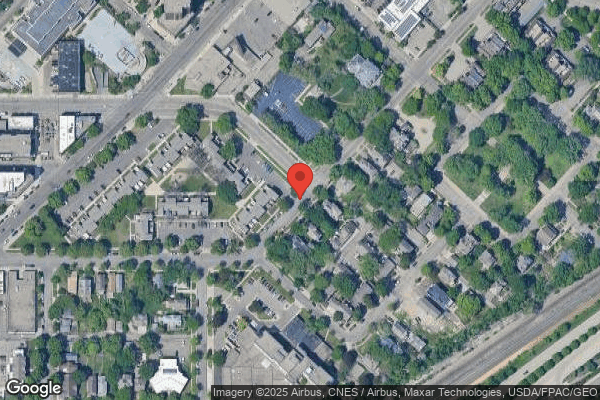
330 EXCHANGE STREET SOUTH, SAINT PAUL, MN 55102 (651) 227-0336
Non profit - Church related 73 Beds Independent Data: November 2025 1 Immediate Jeopardy citation
Trust Grade
49/100
#181 of 337 in MN
Last Inspection: December 2024

Within standard 12-15 month inspection cycle. Federal law requires annual inspections.

Overview

Little Sisters Of The Poor in Saint Paul, Minnesota, has received a Trust Grade of D, indicating below-average performance with some significant concerns. They rank #181 out of 337 facilities in the state, placing them in the bottom half, and #12 out of 27 in Ramsey County, suggesting only a few local options are better. The facility's trend is worsening, with reported issues increasing from 5 in 2023 to 21 in 2024. Staffing is a strong point, boasting a 5/5 star rating and a low turnover rate of 29%, which is significantly better than the state average of 42%. However, there are serious concerns regarding RN coverage, which is less than that of 81% of Minnesota facilities. Recent inspector findings highlight critical issues, including a failure to adequately assess and manage residents who exhibit wandering behaviors, leading to one resident eloping from the facility and being found on the street. Additionally, the facility’s kitchen did not properly label and date food items, with expired items posing potential health risks for residents. While there are strengths in staffing and quality measures, these alarming incidents and the overall declining trend should give families pause when considering this nursing home for their loved ones.

Trust Score
D
49/100
In Minnesota
#181/337
Bottom 47%
Safety Record
High Risk
Review needed
Inspections
Getting Worse
5 → 21 violations
Staff Stability
✓ Good
29% annual turnover. Excellent stability, 19 points below Minnesota's 48% average. Staff who stay learn residents' needs.
Penalties
⚠ Watch
$17,584 in fines. Higher than 75% of Minnesota facilities, suggesting repeated compliance issues.
Skilled Nurses
✓ Good
Each resident gets 54 minutes of Registered Nurse (RN) attention daily — more than average for Minnesota. RNs are trained to catch health problems early.
Violations
⚠ Watch
33 deficiencies on record. Higher than average. Multiple issues found across inspections.
★★★☆☆
3.0
Overall Rating
★★★★★
5.0
Staff Levels
★★★★☆
4.0
Care Quality
★★☆☆☆
2.0
Inspection Score
Stable
2023: 5 issues
2024: 21 issues

The Good

  • 5-Star Staffing Rating · Excellent nurse staffing levels
  • 4-Star Quality Measures · Strong clinical quality outcomes
  • Low Staff Turnover (29%) · Staff stability means consistent care
  • Full Sprinkler Coverage · Fire safety systems throughout facility
  • No fines on record
  • Staff turnover is low (29%)

    19 points below Minnesota average of 48%

Facility shows strength in staffing levels, quality measures, staff retention, fire safety.

The Bad

3-Star Overall Rating

Near Minnesota average (3.2)

Meets federal standards, typical of most facilities

Federal Fines: $17,584

Below median ($33,413)

Minor penalties assessed

The Ugly 33 deficiencies on record

1 life-threatening
Dec 2024 6 deficiencies
CONCERN (D)

Potential for Harm - no one hurt, but risky conditions existed

Respiratory Care (Tag F0695)

Could have caused harm · This affected 1 resident

Based on observation, interview, and document review, the facility failed to ensure oxygen was administered according to physicians orders for 1 of 2 residents (R11) reviewed for respiratory care. Fin...

Read full inspector narrative →
Based on observation, interview, and document review, the facility failed to ensure oxygen was administered according to physicians orders for 1 of 2 residents (R11) reviewed for respiratory care. Findings include: R11's Optional State Assessment (OSA) dated 10/10/24, indicated moderate cognitive impairment, did not reject cares, did not have shortness of breath, and used oxygen. R11's medical diagnoses form indicated the following diagnosis: pulmonary fibrosis (scarring and thickening of the tissue and between the air sacs in the lungs). R11's physician's orders dated 6/26/24, indicated the following order: • oxygen 1 to 6 liters per minute per nasal cannula or mask as needed for dyspnea (shortness of breath keep oxygen saturations greater than 91% and notify the physician). R11's medication administration record (MAR) and treatment administration record (TAR) dated November 2024, indicated R11 used oxygen on 11/1,24, 11/3/24, and 11/7/24. The MAR and TAR lacked information regarding R11's oxygen saturation levels. R11's MAR and TAR dated December 2024, and printed on 12/11/24, indicated R11 did not use oxygen. Additionally, the MAR and TAR lacked information regarding R11's oxygen saturation levels. R11's O2 Sats Summary form indicated R11's oxygen saturation levels on the following dates: • 11/3/24, at 7:27 a.m., R11's oxygen saturation was 93% with oxygen via nasal cannula. • 11/3/24, at 12:06 p.m., R11's oxygen saturation was 93% on room air. • 11/4/24 at 9:59 a.m., R11's oxygen saturation was 85% on room air and at 11:00 a.m., was 95% with oxygen. • 11/5/24 at 1:30 a.m., and 5:10 a.m., R11's oxygen saturation was 95% with oxygen and at 5:15 a.m., was 92% with oxygen. • 12/2/24 at 11:22 a.m., R11's oxygen saturation was 93% on room air. • 12/9/24 at 8:13 p.m., R11's oxygen saturation was 99% on room air. • The O2 Sats Summary form lacked information what R11's oxygen saturation levels were on other dates in November and December to know whether R11 required oxygen or not. R11's nursing progress notes were reviewed and R11 utilized oxygen on the following dates: • 11/27/24, oxygen saturations were 82-83% on room air and was placed on 1.5 liters of oxygen. R11's Care Guide form undated, lacked information R11 utilized oxygen. R11's care plan was reviewed and lacked information R11 utilized oxygen. During interview and observation on 12/9/24 between 12:45 p.m., and 12:48 p.m., R11's oxygen was not turned on. R11 asked if oxygen was going to be applied because she stated she needed oxygen. R11's call light was activated and at 12:48 p.m., nursing assistant (NA)-A answered R11's call light and stated R11 used oxygen at night when going to bed, but did not need oxygen while up in the chair. During observation on 12/10/24 at 3:02 p.m., R11 was in bed and had oxygen on at 1.5 liters per minute. The MAR and TAR lacked information R11 utilized oxygen. During interview and observation on 12/11/24 at 6:56 a.m., and 6:57 a.m., R11 was in bed and the oxygen was off. NA-A stated at 6:57 a.m., R11 had the oxygen on, but NA-A turned it off. During interview on 12/11/24 between 7:01 a.m., and 7:04 a.m., licensed practical nurse (LPN)-A viewed R11's MAR and TAR and stated R11 did not have oxygen signed off as administered in the MAR and TAR. LPN-A stated R11 wore oxygen at night and the evening shift applied the oxygen. LPN-A stated R11 had oxygen on last night. Further, LPN-A stated she had inquired during report about acknowledging they were applying oxygen every night. During interview on 12/11/24 at 8:33 a.m., the director of nursing (DON) stated she expected staff take oxygen saturations as needed for dyspnea to keep oxygen saturations greater than 91%. A policy, Respiratory Care, dated 3/2024, indicated oxygen was administered under orders of the attending physician, except in the case of an emergency. Check the resident's oxygen saturations as ordered by the physician.
CONCERN (D)

Potential for Harm - no one hurt, but risky conditions existed

Deficiency F0744 (Tag F0744)

Could have caused harm · This affected 1 resident

**NOTE- TERMS IN BRACKETS HAVE BEEN EDITED TO PROTECT CONFIDENTIALITY** Based on observation, interview, and document review the facility failed to comprehensively assess and implement individualized ...

Read full inspector narrative →
**NOTE- TERMS IN BRACKETS HAVE BEEN EDITED TO PROTECT CONFIDENTIALITY** Based on observation, interview, and document review the facility failed to comprehensively assess and implement individualized person centered dementia care for 1 of 2 residents (R2) reviewed for dementia care. Findings include: R2's Clinical Diagnosis form, indicated the following diagnoses: vascular dementia with agitation, age-related macular degeneration, legal blindness, other symptoms and signs involving cognitive functions and awareness, primary generalized osteoarthritis, unilateral primary osteoarthritis of the left knee, aphasia (a language disorder making it difficult to communicate), insomnia, cerebral infarction (stroke) due to embolism (blood clot), type two diabetes mellitus with polyneuropathy (a complication where peripheral nerves are damaged throughout the body), and other cerebrovascular disease (a condition that affects blood flow to the brain). R2's Annual Minimum Data Set (MDS) dated [DATE], indicated R2 had unclear speech, had short and long-term memory problems, severely impaired cognitive skills for daily decision making, did not have delirium, inattention, disorganized thinking, or altered level of consciousness, did not have hallucinations or delusions, did not have physical symptoms such as hitting, grabbing others, pushing, or scratching, verbal, or other behavioral symptoms and did not reject care. Further, the MDS indicated R2 had an impairment of range of motion to both upper extremities, utilized a wheelchair, was dependent on staff for transfers, oral hygiene, toileting hygiene, showering and bathing, dressing, and personal hygiene, and was always incontinent of bowel and bladder, was at risk for development of pressure ulcers, took antipsychotics, antidepressants and a gradual dose reduction was contraindicated. R2's Area Assessment (CAA) dated 9/19/24, indicated R2 had severe difficulty communicating due to expressive aphasia from a stroke and progressive dementia and staff needed to anticipate all needs. Weepiness, moving self in wheelchair in the hall, or repetitious non intelligible content, and grimaces was R2's way of reporting discomfort. Additionally, R2 had severely impaired cognition and took psychotropic medications for depression and anxiety. The CAA did not trigger for behavior symptoms, or pain. R2's Care Guide undated, indicated R2 transferred with a Hoyer lift, was assist of 2 staff, required the wheelchair at the bedside with the brakes locked, required toileting before and after meals, at bedtime and as needed, had a tub bath on Wednesday and Friday a.m. shift, if agitated staff were to reapproach when calm for activities of daily living and report to the nurse if resident exhibited exit seeking behaviors. Further, the guide indicated R2 had behaviors and staff were to reapproach when agitated and provide time for R2 to calm down. R2's care plan dated 11/15/24, indicated R2 did not always have to have glasses on as R2 may remove glasses in periods of heightened anxiety and agitation. R2's care plan dated 9/18/24, indicated R2 had functional mobilities and unsteadiness with transfers, decreased range of motion in upper extremities and an intervention revised on 12/9/24, indicated R2 was non ambulatory. Other interventions indicated R2 required extensive assist of two staff for bed mobility, Hoyer transfers with two persons, wheelchair at bedside and locked at night, two assist for safety with bathing with getting in and out of the tub, baths completed on Tuesday and Friday morning shift, total assist of 2 with upper and lower body dressing, total assist of one to two in all areas of personal hygiene and oral care, and reapproach for any self care assistance if and when R2 declined. R2's careplan dated 11/13/24, indicated R2 had difficulty falling asleep and wandered and interventions included providing medications for sleep, offering one to one support, snacks, coke as needed, and when R2 was agitated staff were to ensure their safety and reapproach when calm for activities of daily living (ADLs). R2's care plan dated 9/16/24, indicated R2 required assistance to toileting before and after meals and before bed as R2 accepted. R2's care plan dated 10/16/24, indicated R2 had recurrent MASD (moisture associated skin damage) and interventions indicated to apply moisture barrier creams, assist to reposition every two hours to prevent skin breakdown, offer and assist with toileting and pericare every two hours while awake. R2's care plan dated 9/12/24, indicated R2 could not report pain and had restless legs associated with neuropathy, osteoarthritis, knee replacements, peritoneal adhesions, history of shingles, history of decreased range of motion to the right shoulder rotator cuff, hand and right knee pain, chronic gastrointestinal discomfort. R2's scheduled narcotic was discontinued on 8/5/24. Interventions included observing for pain and notifying the physician as needed for inadequate pain relief, observe for signs of pain such as facial expressions, rubbing at painful area, increased behavioral symptoms because she cannot express pain due to aphasia and cognitive loss and update the physician on neuropathy as needed. R2's behavior care plan dated 11/13/24, indicated R2 was at risk for elopement and was not easily redirectable. Interventions included to assess for falls risk, disguise exits, monitor for fatigue and weight loss, provide activities toileting, walking inside and outside, reorientation strategies, pictures and memory boxes. R2's psychotropic medication care plan dated 9/12/24, indicated R2 started Lexapro an antidepressant on 6/10/22, had Cymbalta discontinued on 6/22, trazodone was decreased on 3/15/24 for insomnia and restlessness, and Seroquel an antipsychotic was started on 9/29/23, and a dose reduction was contraindicated. Interventions included monitoring and documenting and reporting the physician as needed ongoing signs and symptoms of depression unaltered by antidepressant medications, sad, irritable, anger, never satisfied, crying, shame, worthlessness, guilt, suicidal ideations, negative mood and comments, slowed movement, agitation, disrupted sleep, fatigue, and lethargy. R2's Physician Orders form indicated the following orders: • 6/20/19, acetaminophen 500 mg tablet give 2 tablets by mouth three times a day for chronic pain. • 4/29/21, lidocaine patch 4% apply to lower back topically in the morning for lower back pain and remove per schedule. • 7/21/21, staff may offer aromatherapy, hand massages, topical analgesic to hands, and one to one time with resident which may help her to cooperate with allowing treatments and activity of daily living (ADL) cares. Staff may reapproach when resident refuses cares every shift for cares and comfort. • 6/11/22, escitalopram oxalate 10 mg tablet give 1 tablet by mouth one time a day for depression. • 9/23/23, Reapproach resident if she refuses her medications and document all refusals every shift for anxiety and paranoia. • 12/5/23, monitor for paranoia and agitation evidenced by behaviors of hitting, screaming, kicking, refusing medications every shift for order of Seroquel. • 3/15/24, trazodone 50 mg at bedtime for insomnia. • 3/28/24, Seroquel 25 mg (milligrams) give 25 mg by mouth one time a day for agitation and paranoia. Give Seroquel in the evening. • 3/28/24, gabapentin 300 mg by mouth in the evening for neuropathy pain. • 3/28/24, document all behaviors for resident hitting, kicking, scratching, resistive to cares, pushing nurses hands, and any other behavior resident exhibits every shift for cognition. • 7/16/24, Voltaren external gel 1% apply to both knees topically two times a day for pain apply two grams. • 11/18/24, Voltaren external gel 1% apply to back and both hips topically two times a day for fall. Apply 2 grams to back and bilateral hips twice daily. R2's 30 day behavior symptoms task form printed 12/11/24 at 12:34 p.m., indicated R2 had no documented behaviors in the past 30 days. R2's nursing progress note dated 11/23/24, at 2:03 p.m., indicated, ok to use Hoyer lift assist of 2-3 with one staff to engage resident in attempt to ease anxiety. If any signs of resistance/aggression/fighting-do not use Hoyer. every shift for Transfer protocol. Using EZ stand. R2's nursing progress notes from 11/1/24, to 12/11/24, were reviewed and indicated R2 displayed behaviors or agitation on 11/8/24, 11/12/24, 11/14/24, 11/28/24, 12/4/24, and 12/11/24. R2's physician progress note dated 8/5/24, indicated R2 could not communicate verbally and agitation was similar in the past months with increased confusion and R2's oxycodone (opioid pain medication) was recently decreased, and moved both hips, knees and ankles without any pain. R2 had dementia, and agitation and agitation was improved with a scheduled low dose oxycodone and Seroquel, further the note indicated to continue the low dose of oxycodone 2.5 mg three times a day. R2's physician progress note dated 9/30/24, indicated R2's behavior was stable oxycodone dose was decreased, and to continue on Plavix and Seroquel. R2's physician progress note dated 11/11/24, indicated agitation was similar in the past months with increased confusion and R2's oxycodone was recently decreased, and moved both hips, knees, and ankles without any pain. Further R2 had agitation and plan to continue on Plavix and Seroquel as behavior was stable. During interview and observation between 12/9/24 at 1:18 p.m., to 1:26 p.m., R2 was heard yelling in her room. Nursing assistant (NA)-B stated she worked at the facility about 4 months and they planned to toilet R2. NA-A stated when R2 transferred from bed to chair, they used a Hoyer lift and they used a stand lift because it was too difficult to tuck in the Hoyer sling because R2 fights. Staff brought in the EZ stand lift and stated it was part of the plan of care because it was so difficult to apply the sling for the Hoyer and was their only choice because R2 was combative. NA-A stated she had worked at the facility for 15 years. At 1:26 p.m., R2 was vocalizing and staff stopped and took out the stand lift and stated they would come back and did not transfer R2. During interview and observation on 12/9/24 from 1:59 p.m., to 2:12 p.m., NA-A and NA-B brought the EZ way stand lift into R2's room. At 2:01 p.m., the sling was placed behind R2's back and R2 was hitting at staff when trying to put the sling under R2's arm. At 2:02 p.m., staff put R2's legs on the lift and R2 started making repetitive vocalizations, I, I, I, I, and was pushing the EZ lift away. R2's legs were strapped in the lift. At 2:03 p.m., staff attached the sling and instructed R2 to hold the handles and R2 grabbed the handles of the lift on the left and right side and resident kept stating I, I, I, I, and was transferred from the chair to the bed and R2's vocalizations slowed but continued yelling, I, I, I. R2 was positioned on the left side and vocalizations stopped. AT 2:06 p.m., staff started helping to change R2's pants and R2 began yelling out again and kicking her legs. Vocalizations stopped when staff completed the task. Staff engaged R2 with her stuffed animals and changed her brief at 2:07 p.m., and R2 was pushing away with the repetitive vocalizations. NA-A was trying to apply a new brief and R2 began hitting at NA-A. At 2:10 p.m., R2 was covered and the bed was lowered. R2 was not vocalizing and the wheelchair was placed by NA-A at the bedside but not locked. NA-B locked the brakes on the wheelchair at 2:11 p.m., and NA-A wiped down the EZ stand lift. At 2:12 p.m., R2 was quiet. NA-A stated registered nurse (RN)-A directed staff to use the EZ stand and further stated she spoke with RN-A about a month ago because the care plan indicated a Hoyer lift. NA-A stated RN-A observed them and further NA-A stated it was an every day struggle with R2 to toilet R2 because of her sling and added R2 holds the EZ stand and stands up and further stated they placed a chair by R2's bed because R2 tries to stand up and self transfer. During observation on 12/10/24 at 8:37 a.m., licensed practical nurse (LPN)-A introduced herself to R2 and offered her medication. R2 was softly stated, doe, doe, doe, doe. LPN-A gave the medication on a spoon to R2 and R2 put the medication into her mouth. During observation on 12/10/24 at 10:24 a.m., NA-A was pushing R2 in her wheelchair and R2 was making nonsensical vocalizations. During observation on 12/10/24 at 3:11 p.m., R2 was in bed and was not making any vocalizations. During observation on 12/11/24 at 7:21 a.m., R2's room was dark except the bathroom light was on and the curtain was pulled in R2's room. R2 was in bed and was not making any vocalizations. During interview on 12/11/24 at 9:24 a.m., NA-A stated she knew what kind of cares a resident received based on the care guide and stated R2 was dependent for cares and was a Hoyer lift now and two assist for everything because it was difficult R2 was combative every day and at night, R2 sleeps, but in the mornings, R2 does not want to be bothered and makes noises. NA-A stated R2 becomes upset when she is touched or when she is undressed, becomes angry and kicks and stated R2 was like that every day and only with the activities of daily living and when in the chair was fine and further stated it has been going on a while and was especially difficult on Wednesdays and Saturdays because it was R2's bath days and added R2 was probably in pain and stated the nurse documented behaviors and the NA's also had to document. During interview on 12/11/24 at 9:19 a.m., NA-C stated they looked to the care plan to know what cares a resident required and stated R2 hits if she doesn't sleep well and stated she was very aggressive and that was why they were letting her sleep in, but did not know how often R2 had behaviors because she did not normally work on this floor. During interview on 12/11/24 at 9:09 a.m., registered nurse (RN)-A stated R2 was supposed to be transferred with a Hoyer lift and stated she was aware staff used the EZ stand and saw the transfer as safe. RN-A stated R2 did not like physical care and when talking with her R2 will calm down and most of the time got upset and did not like toileting, and bathing and added even though R2 beats us up, R2 was sweet. RN-A stated behaviors should always be documented and added the NA's document in the medical record and report to nurses and then the nurse can document the behavior in the medical record. RN-A stated it was important to document because R2 was on Seroquel and they needed to see what behaviors R2 had and the necessity of the drug. RN-A stated overall R2's behaviors still existed and was not sure why R2 was combative with cares but did have long standing insomnia and stated overall, R2's behavior was better. During interview on 12/11/24 at 10:33 a.m., the director of nursing (DON) stated behaviors should be documented right after they occur. Staff would finish their task first and then document when the situation was safe to do so. The DON further stated it was important to document behaviors to have the documentation to see if there were any patterns and they could look at the root cause to find what triggered the behaviors and come up with interventions that help the resident whether they are cold, hot, hungry, tired, or in pain. The DON viewed the NA task form and verified there were no behaviors documented in the 14 day look back period. The DON further stated she was aware they had a problem with behavior documentation. A policy, Behavior Management, dated August 2017, indicated all behavior was an attempt to communicate a need and some behaviors interfered with the giving of safe care. Staff will be constantly vigilant for behaviors of residents that communicate a need and staff will communicate these observations to the nurse, who in turn will see that needs are addressed in care planning. Medications and environmental interventions may be utilized in managing the need underlying the behaviors. Problem behaviors are behaviors that either occur frequently and disrupt care or occur infrequently, but pose a serious safety concern for the resident and or staff. Staff is to record each occurrence or a shift total of behaviors for residents. Care-giving staff is to communicate with the nurse about the occurrence of target behaviors. It is the responsibility of the nurse to document on the behavior tracking sheet and an entry is made each time a target behavior occurs and if there is no entry, it is assumed that the behavior did not occur on a particular shift.
CONCERN (D)

Potential for Harm - no one hurt, but risky conditions existed

Drug Regimen Review (Tag F0756)

Could have caused harm · This affected 1 resident

**NOTE- TERMS IN BRACKETS HAVE BEEN EDITED TO PROTECT CONFIDENTIALITY** Based on interview and document review, the facility failed to ensure consultant pharmacist recommendations were acted upon time...

Read full inspector narrative →
**NOTE- TERMS IN BRACKETS HAVE BEEN EDITED TO PROTECT CONFIDENTIALITY** Based on interview and document review, the facility failed to ensure consultant pharmacist recommendations were acted upon timely for 2 of 5 residents (R2, R29) reviewed for unnecessary medications. Findings include: R2's annual Minimum Data Set (MDS) dated [DATE], indicated R2 had a short-term and long-term memory problem, did not have physical, verbal, or other behavioral symptoms, did not reject cares, had diagnosis of non-traumatic brain dysfunction, hypertension (high blood pressure), diabetes mellitus, aphasia (a disorder that affects how you communicate), and non-Alzheimer's dementia. Further, R2 had applications of ointments and medications other than to feet, and R2 took an antipsychotic. R2's physician orders indicated the following orders: • 7/29/21, nystatin powder apply to affected areas topically as needed for moist, abdominal, groin, breast folds that become red or odorous add routine for 7 to 10 days when rash recurs and continue as needed dose after treatment completed. • 1/15/24, nystatin powder apply to abdomen fold topically two times a day for moist fold. R2's medication administration record (MAR) and treatment administration record (TAR) dated December 2024, indicated R2 was receiving nystatin powder twice daily in the morning and p.m. R2's pharmacy consultation report dated 10/17/24, indicated R2 received a topical antifungal, nystatin powder apply to abdomen fold topically two times a day for moist fold for greater than 8 weeks without a stop date. Of note, R2 also has an order for nystatin powder apply to affected areas topically as needed for moist, abdominal/groin/breast folds that become red or odorous add routine for 7 to 10 days when rash recurs and continue as needed (PRN) dose after treatment completed. The pharmacist consultant recommended re-evaluating the ongoing topical antifungal use because prolonged use may increase the risk of adverse consequences, including the development of drug resistant organisms. Under the heading, Physician's Response, was undocumented and there was no physician signature to indicate the medication was addressed with the physician. During interview on 12/11/24 at 9:00 a.m., the director of nursing (DON) stated the previous DON didn't follow up on previous recommendations from October. During interview on 12/11/24 at 12:09 p.m., the pharmacist consultant (PC) stated each month she includes a pending report indicating which reports are not followed up on and spoke with the director of nursing (DON) and realize there has been a delay in getting the recommendations done and further, state anything over 30 days or more were being worked on to get completed. R29's Optional State Assessment (OSA) dated 9/11/24, indicated R29 had depression and took an antidepressant. R29's Medical Diagnosis form indicated R29 had major depressive disorder. R29's Physician's Orders form indicated the following order: • 3/20/24, duloxetine oral capsule delayed release particles, give 60 milligrams (MG) by mouth in the evening related to major depressive disorder. R29's MAR and TAR dated December 2024, indicated R29 received duloxetine every 5:30 p.m. R29's pharmacy consultation report dated 9/18/24, indicated R29 received duloxetine 60 mg every p.m., for depression since admission 3/2024. Progress note dated 5/20/24, indicated depression was stable and Federal regulation required an evaluation for dose reduction because dose reductions should occur in modest increments over adequate periods of time to minimize withdrawal symptoms and to monitor symptom recurrence and recommended a gradual dose reduction (GDR) for duloxetine. Under the heading, Physician's Response, was undocumented and there was no physician signature to indicate the medication was addressed with the physician. During interview on 12/11/24 at 12:13 p.m., the PC stated she would have expected follow up on the recommendation within 60 days and stated she resent the recommendation on 12/10/24. During interview on 12/11/24 at 8:41 a.m., the DON stated pharmacy recommendations were not being followed up on prior to November and did not know why they were not completed and stated R29's GDR was not followed up on, but going forward have a new process. A policy, Medication Regimen Review, dated March 2017, indicated each resident would have a medication regimen review by a licensed pharmacist. Irregularities identified would be documented on a separate, written report and sent to the attending physician, medical director, and director of nursing, listing the resident name, relevant drug and irregularity the pharmacist identified.
CONCERN (D)

Potential for Harm - no one hurt, but risky conditions existed

Deficiency F0757 (Tag F0757)

Could have caused harm · This affected 1 resident

**NOTE- TERMS IN BRACKETS HAVE BEEN EDITED TO PROTECT CONFIDENTIALITY** Based on interview and record review the facility failed to ensure a topical antibiotic was transcribed as written and further f...

Read full inspector narrative →
**NOTE- TERMS IN BRACKETS HAVE BEEN EDITED TO PROTECT CONFIDENTIALITY** Based on interview and record review the facility failed to ensure a topical antibiotic was transcribed as written and further failed to ensure the topical antibiotic was still necessary for 1 of 1 residents (R14) reviewed for antibiotic use. Findings include: R14's quarterly MDS dated [DATE], indicated R14 was cognitively intact and had diagnoses of diabetes and hidradenitis suppurativa (disease causing puss filled boils on the skin). Furthermore, R14 was on an antibiotic. R14's dermatology provider note dated [DATE], indicated R14 was seen for a skin check. The note indicated R14s hidradenitis was clear and ordered R14 to continue the clindamycin lotion (antibiotic) for 1 year. R14's active provider orders indicated on [DATE], R14 required clindamycin phosphate 1% lotion to be applied to the abdomen/groin topically for hidradenitis. R14's clindamycin order had no end date. R14's medication administration record (MAR) dated 12/2024, indicated clindamycin 1% lotion as an active order. The MAR further indicated it was unknown if R14 was using the medication as she was able to self-administer and store medications unsupervised. A review of R14's nursing progress notes indicated: -on [DATE] at 11:02 p.m., R14's skin was warm and intact with no skin concerns. -on [DATE] at 4:26 p.m., R14 had no skin issues. -on [DATE] at 9:17 p.m., R14 had no skin issues. -on [DATE] at 10:28 p.m., R14 had no new skin issues. R14's care plan revised [DATE], lacked indication R14 was prescribed an antibiotic. When interviewed on [DATE] at 12:53 p.m., R14 stated they had tumor like things on their groin area and that was why they were taking the clindamycin lotion. R14 verified they were still taking it daily. R14 further stated staff had been unable to get a refill and so she was working with her dermatologist. R14's dermatologist has said they would give 2 more refills but would not do any more until seen again. R14 stated once starting the clindamycin they were able to feel the little pockets under her skin but stated everything else cleared up right away. R14 stated when she had trouble getting it refilled, she was using the lotion every other day or so so it would last. R14 stated during the time of taking it sparingly, her skin had no change. R14 stated the facility or provider had not talked about any risks of long-term antibiotic use. When interviewed on [DATE] at 2:22 p.m., registered nurse (RN)-B stated when residents on antibiotics required monitoring of symptoms and tracking to determine if they are improving. This was documented as a progress note. When a resident has a topical antibiotic, the nurse would then monitor the skin. RN-B was not aware R14 was on the clindamycin topical ointment but verified the order and noted there was no end date. RN-B was not aware of any skin altercations or infections for R14 and wasn't sure if the antibiotic lotion was needed. RN-B stated R14 used an outside provider and it was more difficult as R14 handled her own medications. When interviewed on [DATE] at 2:50 p.m., with the infection preventionist (IP) and the Director of Nursing (DON), the IP verified R14's antibiotic was not included in the facility's tracking for antibiotic. IP stated this was not currently tracked and would need to investigate it further. When interviewed on [DATE] at 12:18 p.m., the Director of Nursing (DON) verified R14's dermatology note indicated the clindamycin lotion was to be used for a year and the order should have expired in 5/2024. DON was not sure R14 still required the medication and stated a risk and benefit was needed if she wanted it continued. R14 managed her medications and communications with the dermatologist and the DON stated collaboration was sometimes challenging. Furthermore, DON verified the antibiotic list the IP had been pulling from the electronic medical record was only oral antibiotics and had not included topical. DON expected all antibiotics to be tracked for residents in the facility. A facility policy titled Antibiotic Stewardship Policy 2024, directed the provider to ensure a duration was included in an antibiotic order. Furthermore, the policy directed the nurse to monitor and evaluation the effectiveness of the antibiotic and the residents response to the antibiotic to identify if the antibiotic was still indicated.
CONCERN (D)

Potential for Harm - no one hurt, but risky conditions existed

Deficiency F0773 (Tag F0773)

Could have caused harm · This affected 1 resident

Based on interview, and document review, the facility failed to ensure physician notification of an abnormal lab for 1 of 1 resident (R29) reviewed for diabetes. Findings include: R29's Optional State...

Read full inspector narrative →
Based on interview, and document review, the facility failed to ensure physician notification of an abnormal lab for 1 of 1 resident (R29) reviewed for diabetes. Findings include: R29's Optional State Assessment (OSA) dated 9/11/24, indicated intact cognition, had diabetes mellitus, and received insulin injections 7 of 7 days. R29's admission Orders form dated 3/19/24, indicated a check box, Yes R29 could use Standing House Orders. Directly under the line, May use Standing House Orders, indicated a heading, Diabetes Mellitus Standing Orders If Applicable, with check boxes for Yes, No, or N/A. None of the check boxes were marked. A form, Standing Orders for Skilled Nursing Facilities revised 2023, indicated the following standing orders for diabetes management: • Notify the provider if two BG (blood glucose) results are less than 70 or greater than 400 in a 24 hour timeframe and or change in condition; if no condition change, notify provider on the next business day. • For a BG less than 70, if patient is symptomatic, administer 6 ounces of fruit juice, milk, other high carbohydrate beverage, or glucose tabs or gel orally and if after 2 attempts to treat and BG is still less than 70, notify provider. A form, Diabetes Mellitus Standing Orders form dated 1/2010, directed, treatment for residents able to swallow or with a feeding tube as follows: • For hypoglycemia (Blood sugar less than 70) Give 15 grams of glutose or 8 ounces of fruit juice, have resident rest, check BG in 15 minutes and if still below 70, repeat these steps. On the third test if blood sugar is still below 70 and resident continues to be alert and able to swallow, check equipment, clean meter if possible, check for accuracy, and look at the date and appearance of blood sugar strips. If all of these tests appear correct, give resident 115 grams of Glutose. On the fourth test, if blood sugar is below 70, notify the nurse practitioner or physician. A form, Guidelines for Action, Notification and Documentation dated March 2013, indicated the following guidelines for blood glucose and signs and symptoms of hypoglycemia: • Notify the physician if BG is still up or down after rechecking and or intervention for gradual increase or decrease notify physician with routine call. Under a heading, Comments, follow diabetes standing orders if appropriate. R29's physician's orders indicated the following orders: • 3/20/24, blood glucose (BG) before meals related to diabetes mellitus at 7:30 a.m., 11:30 a.m., and 1730 a.m. • 4/2/24, Insulin lispro 100 unit/milliliter (ML) inject 12 units subcutaneously in the morning before breakfast, 20 units subcutaneously before lunch, and 10 units with supper. • 9/30/24, Lantus (a long acting insulin) 100 unit/milliliter (ML) inject 60 units subcutaneously at bedtime for diabetes. • 12/10/24 at 4:15 a.m., Hypoglycemic (low blood glucose) (BG) less than 70. Administer 6 ounces fruit juice, milk, other high carbohydrate beverage, or glucose tabs, gel orally repeat BG after 15 minutes, if less than 70, notify the provider as needed for diabetic management and treatment. R29's medication administration record (MAR) and treatment administration record (TAR) dated December 2024, indicated R29 received Lispro insulin with supper, and received Lantus insulin at bedtime on 12/9/24. The MAR and TAR indicated on 12/10/24, at 7:30 a.m., R29's blood glucose (BG) was 78. R29's Blood Sugar Summary report indicated the following BG levels: • 12/10/24 at 4:00 a.m., 52 milligrams (MG)/Deciliter (DL). • 12/10/24 at 4:07 a.m., 75 mg/dl. • 12/10/24 at 4:29 a.m., 114 mg/dl. • 12/10/24 at 4:31 a.m., 129 mg/dl. • 12/10/24 at 7:00 a.m., 69 mg/dl. • 12/10/24 at 7:20 a.m., 62 mg/dl. • 12/10/24 at 8:45 a.m., 149 mg/dl. • 12/10/24 at 12:33 p.m., 129 mg/dl. R29's care plan dated 11/15/24, indicated R29 had diabetes and interventions included to monitor, document, and report to physician as needed signs and symptoms of hypoglycemia (low BG) such as sweating, and tremors, increased heart rate, pallor, nervousness, confusion, slurred speech. R29's nursing progress notes dated 12/10/24 at 4:17 a.m., indicated R29's Dexcom (a company that specializes in continuous glucose monitoring) alarm was sounding and R29's BG level was 52 mg/dl. R29 requested orange juice and a glucose tablet and R29's BG was rechecked with a glucometer that indicated BG was 75 mg/dl. R29 had symptoms of being SHAKEY. R29 drank orange juice, had 2 glucose tablets and at 4:25 a.m., the Dexcom reading was 114 and shakiness was better. R29's license practical nurse (LPN)-A's nursing progress notes dated 12/10/24 at 7:17 a.m., indicated R29's BG at 7:00 a.m., was 69 and R29 requested a glucose tablet. At 7:25 a.m., R29's blood glucose was 62 and at 7:45 a.m., blood glucose was 78 and R29 reported feeling dizzy. The note further indicated R29 admitted she did not eat her snack the previous evening due to feeling too full. The note lacked information the physician was notified of the low BG. During interview on 12/11/24 at 7:32 a.m., licensed practical nurse (LPN)-A stated with labs you want to be timely on what you need to call the doctor for. LPN-A stated if you have to notify the physician, the notification is documented in the progress notes. LPN-A stated the guidance indicated it was the nurses discretion at notifying the physician and stated they used the standing orders and hypoglycemia was a BG less than 70. LPN-A further stated if after 2 attempts to treat and the BG was still less than 70 the physician should be notified and stated she did not notify the physician. LPN-A viewed R29's medical record and verified there was no documentation to indicate the physician was notified. During interview on 12/11/24 at 8:41 a.m., the director of nursing (DON) verified R29 could use standing house orders and stated staff should have notified the physician and it was important to notify the physician because it could indicate a change in condition, it could be a sign something is not correct such as not eating snacks and the physician could order changes in insulin, maybe the resident is not eating and the doctor may order further labs. During interview on 12/11/24 between 10:19 a.m., and 10:20 a.m., the DON stated their medical director clarified the blood glucose orders for R29 today to notify the physician of a blood glucose greater than 450 and less than 60. The DON further stated they were working on cleaning up the standing orders and the medical director wanted to look at everything.
CONCERN (F)

Potential for Harm - no one hurt, but risky conditions existed

Food Safety (Tag F0812)

Could have caused harm · This affected most or all residents

**NOTE- TERMS IN BRACKETS HAVE BEEN EDITED TO PROTECT CONFIDENTIALITY** Based on observation, interview, and record review the facility failed to ensure open refrigerated items were dated and covered....

Read full inspector narrative →
**NOTE- TERMS IN BRACKETS HAVE BEEN EDITED TO PROTECT CONFIDENTIALITY** Based on observation, interview, and record review the facility failed to ensure open refrigerated items were dated and covered. Furthermore, the facility failed to ensure expired items were removed from storage. This had the potential to impact all 32 residents residing in the facility. Findings include: An observation on 12/9/24 at 11:40 a.m., the main kitchen was reviewed. A walk-in refrigerator contained an open package of Hillshire Farm sliced turkey lunchmeat. The lunchmeat was wrapped in saran wrap and had no label or date. At 11:57 a.m., the walk-in dairy refrigerator was reviewed. The refrigerator contained 4 half gallons of [NAME] 2% milk. The best by date for all 4 containers was 12/1/24. Dietary aide (DA)-A verified the expired milk and stated they should be thrown away. At 11:59 a.m., the DietaryDirector entered the refrigerator and verified the expired milk. Dietary Director stated they were aware the date was close and didn't realize it had been expired for that long. after reviewed the date verified that date was a while back. At 12:04 p.m., an upright freezer was reviewed in the main kitchen. In the freezer was a tray of vanilla ice cream served up in parfait cups. They were not covered or dated and appeared to be freezer burnt. When interviewed at 12:07 p.m., cook-A verified the sliced lunchmeat contained no date of when it was opened. Cook-A was not sure when it was opened and further stated a date should've been placed. Cook-A further verified the ice cream and stated they must have been served up over the weekend. Cook-A stated the ice cream should be covered and dated. Cook-A stated the dietary director or himself review for expired items and remove them as they were found. An observation on 12/10/24 at 11:25 a.m., the 3rd floor kitchenette was reviewed. The refrigerator contained an unopened container of Hormel thicken-it juice. The use by date was 9/14/24. When interviewed on 12/10/24 at 11:30 a.m., DA-B verified the expired thicken-it juice. DA-B wasn't sure why it was still in the refrigerator and removed it. DA-B further stated dietary staff reviewed items to ensure none were expired weekly and the juice must have been missed. When interviewed on 12/11/24 at 7:45 a.m., the Dietary Director acknowledged there were some improvements needed for food storage and further stated with the census being lower, items were not getting used as frequently. Dietary Director expected staff to be reviewing refrigerators for expired items and removing them when found. Dietary Director further expected all opened food items to be covered, labeled, and dated. When interviewed on 12/11/24 at 10:46 a.m., the Administrator expected expired items to be discarded and all opened items should be covered and labeled. A facility policy titled Accepting Food Deliveries no date, directed staff to properly covered, labeled and dated and stored as approporiate.
Oct 2024 8 deficiencies 1 IJ
CRITICAL (J) 📢 Someone Reported This

A family member, employee, or ombudsman was alarmed enough to file a formal complaint

Immediate Jeopardy (IJ) - the most serious Medicare violation

Accident Prevention (Tag F0689)

Someone could have died · This affected 1 resident

**NOTE- TERMS IN BRACKETS HAVE BEEN EDITED TO PROTECT CONFIDENTIALITY** Based on interview and document review the facility failed to identify, comprehensively assess, implement individualized interve...

Read full inspector narrative →
**NOTE- TERMS IN BRACKETS HAVE BEEN EDITED TO PROTECT CONFIDENTIALITY** Based on interview and document review the facility failed to identify, comprehensively assess, implement individualized interventions for wandering, exit seeking behaviors, and elopement for 2 of 2 residents (R1, R2) who had a history of repeated exit seeking behaviors. The facility's failures resulted in immediate jeopardy (IJ) when R1 eloped from the facility, was found on a city street, and returned by a passerby. The immediate jeopardy began on 9/5/24 after R1 attempted elopement multiple times, the facility failed to complete comprehensive wandering/elopement assessments, monitoring system, and appropriate intervention resulting in R1's actual elopement on 9/21/24. The immediate jeopardy was identified on 9/26/24 and the chief executive officer and director of nursing (DON) were notified of the immediate jeopardy on 9/26/24 at 6:18 p.m. The immediate jeopardy was removed on 10/3/24 at 11:11 a.m., but noncompliance remained at the lower scope and severity level 2 (D), which indicated no actual harm with potential for more than minimal harm that is not immediate jeopardy. Findings include R1's significant change Minimum Data Set (MDS) dated [DATE], indicated R1 had diagnoses that included Alzheimer's disease and had severe cognitive impairment. R1 did not have wondering behaviors. R1's progress note dated 4/3/24, indicated R1 was found walking to the elevator without shoes on, staff attempted to redirect, he became agitated, and upon reapproach was successfully walked back to his room. The note did not specify if R1 had been exit seeking and/or wandering. R1's Fall Risk assessment dated [DATE], contained a mental status section. The wanders box was selected with a checkmark with no other information identified. R1's quarterly MDS dated [DATE], indicated R1 did not have wondering behaviors even though the fall risk assessment dated [DATE] identified R1 wanders. The MDS indicated R1 was independent using a walker with ambulation of distances of 10 feet and required staff supervision/cues for distances of 50 to 100 feet. R1's record reviewed between 4/3/24 and 9/5/24, identified although progress notes identified a history of wandering behaviors the record did not include a comprehensive assessment of the wandering to identify trends/patterns and causal factors. Additionally, the record did not include a comprehensive elopement risk assessment. Further R1's care plan did not address R1's wandering and R1's risk for elopement until 9/11/24. R1's progress note dated 8/5/24, indicated R1 was yelling in the hallway and wanted to go in another resident's room and was successfully redirected by staff. R1's progress note dated 8/30/24, indicated R1 was observed ambulating in the hallway in his socks and underwear and redirection took several attempts before resident was agreeable to return to his room. R1's progress note dated 9/5/24 at 6:58 a.m., indicated R1 was wandering the hallway in socks and boxers without his walker and was effectively redirected by staff. R1's progress note dated 9/5/24 at 11:15 a.m., indicated R2 made multiple attempts to exit the front door of the facility pushing his walker into the door at least six to seven times. Several initial staff attempts at redirection were unsuccessful but activity assistance staff walked with him outside and then convinced him to return to his room and get [R1] back into the facility safely. R1's progress note dated 9/5/24 at 3:51 p.m., indicated resident wandered today and was resistant to staff to return to his room. A family member was called, and this helped the resident. R1's progress note dated 9/5/24 at 3:53 p.m., indicated resident wandered down to main floor and was going outdoors. R1's Fall Risk assessment dated [DATE], identified R1 wandered, but lacked further information about his wandering behaviors or elopement risk. During an interview on 9/26/24 at 10:20 a.m., director of nursing (DON) stated the facility had an elopement assessment that nursing staff are supposed to complete on admission. The assessment should also be done if residents have a change in condition like exit-seeking or if they elope, or if they show a risk. DON expected nurses to document behaviors like wandering or exit-seeking in a progress note. When residents were identified to have wandering behaviors, staff should complete 30-minute safety checks to determine the resident's where abouts and safety. The DON identified the safety risks associated with elopement was high, especially for residents who were confused or lack proper clothing or awareness. Residents who eloped are at risk for getting sick, seriously injured, hit by a car, exposed to weather, and confused residents were at serious risk for getting lost in the community. DON stated an awareness of R1's elopement attempt on 9/5/24 and noted on that day it became very evident he was very high risk for elopement. The DON expected an elopement assessment to have been completed at that time with interventions put in place like 30-minute checks. R1's quarterly MDS assessment dated [DATE], indicated R1 had wandering behaviors on one-to-three of the seven-day assessment period, used a walker independently, and did not use a wander/elopement alarm. The impact of wandering section does the wandering place the resident at significant risk of getting to a potentially dangerous place (e.g. stairs, outside of the facility) question was left blank. Even though R1's MDS assessment dated [DATE] identified R1 had wandering behaviors, R1's record did not include a comprehensive assessment of R1's wandering/exit seeking behaviors that would identify R1's mannerisms, precursors, or behaviors for determination and implementation of individualized interventions for management of wandering/exit seeking behaviors. R1's care plan was not revised until six (6) days after R1 displayed exit seeking behaviors and did not address target behaviors associated with wandering/exit seeking. The care plan included a behavior focus initiated on 9/11/24 that identified R1 was an elopement risk/wanderer with a history of attempts to leave the facility unattended and impaired safety awareness. Interventions dated 9/11/24 included: - Assess for fall risk - Distract R1 from wandering by offering pleasant diversions, structured activities, food, conversation, television, book -Identify pattern of wandering: Is wandering purposeful, aimless, or escapist? Is resident looking for something? Does it indicate the need for more exercise? Intervene as appropriate -Monitor for fatigue and weight loss R1's progress note dated 9/18/24, indicated R1's primary provider, Doctor of Medicine (MD)-A, visited the previous day and was updated on attempted on [sic] behavior, increased confusion, and elopement risk (9/5/24). In review of R1's record, it could not be determined what R1's level of risk of elopement was as a result of the R1's increased confusion on 9/18/24 and not evident R1's care plan was revised. R1's progress note dated 9/21/24 at 3:44 p.m., indicated R1 took a nap and was disoriented upon waking, looking for his wife. Staff tried to redirect resident showing him pictures of his family, but it did not work. R1's progress note dated 9/21/24 at 8:30 p.m., indicated R1 went down in the elevator by himself and passed through front door and went outside during dinner time. R1 had refused to come to dinner three times, when staff went to his room after dinner, they found he was missing. Staff conducted a search. A visitor found R1 on a street in the neighborhood and returned him home to the facility. R1 was assessed and appeared stable with no new injuries noted. Family and the on-call physician were notified. R1's progress note dated 9/21/24 at 8:59 a.m. [sic] indicated contracted registered nurse (CRN)-A was notified by staff that R1 was not on his unit, a full house search was completed, and R1 was located by a visitor on a street in the neighborhood. R1 returned home to the facility with the visitor, did not appear to have any injuries, was started on safety checks every 30 minutes, and the medical director and on-call physician as well as family were notified. R1's first recorded Elopement Risk Evaluation dated 9/21/24 at 11:22 p.m. identified R1 had a history of attempting to leave the facility without informing staff, wandered, had wandering behavior that was a pattern or goal-directed, and the wandering behavior was likely to affect the privacy of others. The evaluation identified R1 had not verbally expressed the desire to go home/packed belongings/or stayed near an exit door, did not wander aimlessly or in non-goal-directed fashion, and was not admitted or re-admitted within the past 30 days with lack of acceptance of the situation. The two sections of the assessment with spaces to enter cognitive evaluation scores were blank. The question does the resident have a history of elopement or an attempted elopement while at home was marked no which was not accurate according to progress notes dated 9/5/24 and 9/21/24. The question Is the resident's wandering behavior likely to affect the safety or well-being of self/others was marked no which was not accurate according to progress notes dated 4/3/24 to 9/21/24 when R1 repeatedly demonstrated wandering behaviors while improperly dressed, attempted to elope once, and successfully eloped once. A facility Elopement Incident Report dated 9/21/24, noted R1's elopement on 9/21/24 and the corresponding progress note. It further indicated R1 was oriented to person only, had no pre-disposing environmental factors, had predisposing physiological factors including confused and impaired memory, and had none of the above selected from a list of predisposing situation factors. Facility records of R1's elopement lacked a comprehensive causal analysis for the probable root cause that led to R1's elopement for the determination of appropriate interventions to prevent re-occurrence of elopement. R1's physician orders included an order dated 9/21/24 at 11:30 p.m., resident is on 30 minutes safety check every shift. However, review of R1's record did not include an assessment that corresponded with the determination of 30-minute safety checks. During an interview on 9/26/24 at 10:20 a.m. DON was not able to identify how R1 was comprehensively assessed to determine 30-minute checks were an appropriate intervention for R1, how R1's needed level of supervision was determined, or how R1's known specific wandering behaviors were monitored. Regarding a root cause analysis of R1's elopement, the DON stated, we have talked about in our IDT [inter-disciplinary team] meeting but haven't sat down to do it. R1's care plan was not revised until 2 days after the incident and did not include target behaviors and interventions associated with wandering/exit seeking. R1's care plan for functional abilities and mobility included an intervention initiated on 9/23/24, [R1] is able to walk independent[[NAME]] with walker but needs assist and cues to specific destination, particularly longer walks as he will wander and get lost specially if he gets on the elevator. R1's care plan for behavior included an intervention initiated on 9/23/24: - Safety checks every 30 minutes - Report immediately to the nurse if resident is not on the unit - Photo at the reception desk. R1's care plan for behavior included interventions initiated on 9/24/24 that included: - Notify nurse if resident starts exhibiting exit seeking behaviors - Redirect resident if he is wandering. Review of R1's 30-minute safety checks documented on paper between 9/21/24 through 9/25/24 identified they were completed by staff member's initials and/or by initials with R1's location inside the facility. No other information pertaining to the checks was documented. Additionally, record did not identify and/or include a monitoring system and/or evaluation for of any wandering behavioral patterns or trends as directed by the care plan dated 9/11/24. During a return phone call interview on 9/27/24 at 3:09 p.m., security officer (SO)-A stated he worked on 9/21/24 and saw R1 go outside for some fresh air between 6:30 and 7:30 p.m. SO-A was then notified R1 was missing, and he was returned to the facility by visitors. When SO-A asked R1 where he had been going, R1 responded, I was going home. SO-A stated he was not aware at the time that R1 was an elopement risk. SO-A noted he was aware now because R1's photograph had been placed at the front desk and he had received training to redirect R1 or other residents at risk of elopement away from the front door but did not articulate targeted interventions specific to R1's known behaviors. During an interview on 9/26/24 at 11:33 a.m., contracted registered nurse (CRN)-A stated she was working on 9/21/24 when R1 eloped. CRN-A stated it was around 6:00 p.m. when R1 was noted missing, and they conducted a full house search. A visitor who had been at the facility for a community event located R1 a few blocks away from the facility on the corner of North [NAME] Ave. and 7th street. CRN-A explained that was a busy intersection, the visitor found R1 on the corner and visitor reported R1 had been afraid to cross the street. R1 was then returned to the facility with the visitor in the personal vehicle at approximately 6:40 p.m. CRN-A noted R1 was placed on 30-minute safety checks upon his return and found to be unharmed. CRN-A identified R1 was not safe alone in the community and was at risk of eloping. CRN-A stated R1 had left the facility because he was looking for his wife and stated she did not have a good answer to how 30-minute checks addressed this behavior except that staff engage him, listen to him. CRN-A noted she might have put him on 15-minute checks, but she knew he was so tired when he returned that he was safe being on 30-minute checks. She further stated she ordinarily would do assessments, find out what activities he likes, what interventions are on his care plan, find out what had been done in the past, and determine what he liked and disliked. CRN-A explained, 30-minute checks seemed to have been what the standard has been at the facility for other residents with behaviors. That's been what they've [facility staff] done . it is just what they've been doing in the facility and that's why they went with 30. She confirmed that she completed an elopement assessment when R1 returned the evening of 9/21/24, it should have been done prior, I was shocked when I didn't find more elopement assessments on him During an interview on 9/26/24 at 3:43 p.m., nursing assistant (NA)-A reported she was the nursing assistant for R1 on 9/21/24 starting at 2:30 p.m. At approximately 2:40 p.m. R1 was in the common area with no pants on looking for his wife and NA-A redirected R1 to his room. NA-A noted she saw R1 exit-seeking and wandering without pants on looking for his wife a second time around dinner and redirected R1 to his room and left him there alone. NA-A then joined LPN-A in the dining room to assist with dinner and stated she did not report these behaviors to the nurse, licensed practical nurse (LPN)-A. NA-A was notified after dinner by LPN-A that R1 was missing. NA-A was aware of R1's continued confusion and desire to leave the unit on 9/21/24 but was not aware of additional interventions. During an interview on 9/25/24 at 1:26 p.m., nursing assistant (NA)-C stated R1 seemed to be declining and he just wanders. R1 wanders or try to go down the elevator when he was looking for his wife, thought it was mealtime, or wanted to go to church. NA-C explained staff check on R1 every 30 minutes; checks were documented by initially next to times on a printed paper. NA-C did not indicate any further information was expected to be documented such as what R1 was doing or where he was at the time the check was performed. NA-C stated she had checked on him that morning (9/25/24) at 10:30 a.m., and then went in another room. NA-C stated she wasn't even in there 15 minutes and [R1] had already gone down the hall and to the elevator . he's just that quick. NA-C stated to know who wanders she would ask in report and check the care sheets NA's use. NA-C stated she wished they had a wandering alarm system but was not sure what else to do except just be really diligent about keeping an eye on [R1]. NA-C stated it was definitely not safe for R1 to go out the front door or outside the facility alone and was aware he had eloped from the facility the previous weekend. During an interview on 9/26/24 at 7:44 a.m., NA-B reported R1 had wandering tendencies, and it was common for R1 to wander while inappropriately dressed, more commonly in the evening. NA-B recalled a time R1 was in his underwear and socks by the elevator looking for something and she redirected R1 to his room. NA-B reported R1 sometimes left the unit on his own, and she would follow R1 if he was agitated. NA-B stated she had concerns about R1 attempting to leave the building independently. NA-B stated some residents had specific charting to complete regarding if behaviors were present, but R1's behavior charting was only as needed. During an interview on 9/25/24 at 4:00 p.m., licensed practical nurse (LPN)-A stated currently R1 had some confusion, but stated R1 was not at risk for elopement, did not have wandering behaviors, and was not aware of the previous elopement attempt on 9/5/24. However, LPN-A stated he worked on 9/21/24 when R1 eloped from the facility and was returned by a visitor; LPN-A was not aware of who the visitor was. LPN-A recalled the shift he worked on 9/21/24, he was not made aware of any earlier behaviors that had occurred that day. LPN-A stated earlier during his shift R1 had attempted to go down to church and was redirected. LPN-A did not endorse R1 attempting to go to church as wandering behavior, noted this was a typical behavior, and did not communicate to nursing assistants (NA) of R1's attempts. After dinner LPN-A went to check on R1 and noted him missing. After R1 returned LPN-A assessed R1 and noted no injuries. LPN-A stated he told the aides what happened and to prevent it from happening again, the intervention was checking him every 30 minutes but did not identify any specific behavior monitoring that was put into place. LPN-A was not able to articulate how residents were assessed for elopement risk and thought nursing leadership would follow-up on a need for increased elopement risk for R1. LPN-A identified currently it was okay for R1 to walk around the facility by himself because he doesn't go far. LPN-A articulated since R1's elopement on 9/21/24, current safety interventions were 30-minute checks and having a photograph of R1 at the front desk. He did not identify targeted behavior monitoring or interventions in place related to R1's known wandering behaviors, tendency to look for his family, and desire to go to church. During an interview on 9/26/24 at 7:43 a.m., LPN-C stated she was not aware of an official assessment for elopement. LPN-C stated she determined elopement risk by assessing cognitive status, ability, mobility, how alert residents were to their environment, and went from there. LPN-C stated, you just get to know your residents and you just inform staff to be mindful and keep an eye on them. LPN-C stated she would consult a resident's care plan to identify their wandering behaviors and it should note what staff are doing to decrease the changes of the resident leaving the facility or the unit. During an interview on 9/26/24 at 7:55 a.m., LPN-D stated to her knowledge there was no formal elopement assessment done for residents, but she thought it would be a good idea to have them. LPN-D noted staff would know if someone was an elopement risk or had wandering behaviors by knowing your residents. LPN-D stated she would check care plans for interventions related to wandering behaviors because behaviors can be very specific. During an interview on 9/26/24 at 1:53 p.m. DON and registered nurse (RN)-A, the DON confirmed the assessment completed on 9/21/24 was not accurate or complete. DON noted she would consider R1's wandering behavior likely to affect the safety or well-being of himself or others, though the assessment identified this was not likely. RN-A stated she was the MDS RN and had never completed elopement assessments, no one in this building has had an elopement assessment done. The DON stated R1 was not able to safely be out in the community independently. The DON stated she assessed R1's needed level of supervision by looking at his behaviors. DON was not able to further articulate how this assessment process worked, I don't know about the process. If residents require monitoring related to behaviors or falls, historically the nurses automatically implement 30-minute safety checks. DON stated there was no monitoring for R1's wandering behaviors in place prior to the survey. The DON stated she would expect updated interventions to be added to a care plan on the same day as an attempted elopement. She confirmed after R1's attempted elopement on 9/5/24 his care plan was not updated until 9/11/24. RN-A noted R1 later eloped on 9/21/24 and his care plan was not updated until 9/23/24 when 30-minute safety checks were added. RN-A confirmed R1's need to be escorted by staff when leaving the unit was not added to his care plan until after surveyors were on site. RN-A further noted that if specific wandering behaviors were not noted on care plans, staff would not know how to manage the behaviors. The DON was not able to identify how the interventions added to R1's care plan related to elopement risk were determined to be individualized, comprehensive, or effective in the absence of a comprehensive elopement risk assessment and behavior monitoring. During an interview on 9/26/24 at 3:49 p.m., MD-A stated she was aware R1 had eloped. MD-A identified R1 was not safe to be independent in the community and had dementia and a poor cognitive status. MD-A stated R1 was definitely an elopement risk with a history of wandering behaviors. If he eloped, MD-A stated she would be worried about R1 getting lost, falling, or getting hurt and worried about vehicles in the area, people in the downtown community, and cold or weather exposure. MD-A would expect elopement assessments to have been completed, immediate interventions to be implemented, behaviors to be monitored and documented, in addition to strategies to be in place to minimize the risk of further elopements. During an interview on 10/2/24 at 3:49 p.m., the facility's medical director stated he was aware of R1's elopement on 9/21/24. The medical director noted he would expect close monitoring of residents at risk for elopement, including close assessment of wandering behaviors and care planning. The medical director noted residents should be assessed to determine their elopement risk level including day to day behaviors, history, physical, risks such as dementia, and behavior management on admission and periodically. The medical director identified residents with dementia who are at increased risk of elopement as requiring increased monitoring from staff based on their behaviors. The medical director noted someone with a history or dementia and wandering should not be leaving the floor and they should not be leaving the facility . they should be escorted. The medical director stated a resident exhibiting behaviors like wandering in the hallway could be a risk to themselves or others and if they exited the facility could be at risk of getting lost, falling, getting injured due to weather conditions, getting in an accident, and identified the risk as quite high for the facility's location in downtown St. [NAME] and proximity to busy streets. R2 R2's MDS dated [DATE], identified R2 had severely impaired cognition and diagnoses including Alzheimer's disease with late onset and non-Alzheimer's dementia. R2 was ambulatory with substantial assistance from staff and utilized a walker. R2's Activity Assessment/Engagement Profile dated 6/19/24 identified R2 was able to make basic decisions, had a short attention span and did not follow directions. R2 was not identified as having precautions in place for fall prevention and elopement. R2's progress note dated 8/29/24, identified R2 came out of her room agitated and worried while calling out loudly several times, where is Patrick? The writer discovered Patrick was a six-year-old child that the resident was babysitting. Staff informed resident the child was safe at home with his mother and the mom was very appreciative of help. R2's fall risk assessment dated [DATE], identified R2 was disoriented, but the pre-populated wandering and intermittent confusion behaviors were not selected. R2's progress note dated 9/6/24 identified R2 attempted to get on an elevator going down which had a staff member in it. Staff attempted to distract R2, but she was determined to get back on and go to her old home stating, I just came yesterday, and I want to see my dog, we live next door. R2 and staff went down to the first floor and R2 did not recognize the area. R2 returned to her room with the assist of a second staff member but did not remain in her room. Staff assisted R2 to go downstairs again and helped R2 walk outside in the enclosed back garden for a few minutes. Staff then returned R2 to the unit who sat outside the nurses' station calmly. R2's progress note dated 9/6/24, identified R2 was crying on the phone with a family member (FM)-A stating she wanted to go home. FM-A was able to de-escalate. R2's record did not include a comprehensive elopement assessment nor an assessment that identified individualized target behaviors and interventions associated with wandering/exit seeking. Further, R2's record did not identify implementation of immediate interventions after R2's exit seeking behaviors on 9/6/24 and the care plan was not revised until 9/12/24, six (6) days after the incident. R2's care plan included a focus on behavior initiated on 9/12/24 identifying R2 was an elopement risk/wanderer as evidenced by history of attempts to leave facility unattended, impaired safety awareness, hearing and vision loss and intermittent confusion. Interventions dated 9/12/24 included: - Assess for fall risk - Disguise exits: cover doorknobs and handles, tape floor - Distract R2 from wandering by offering pleasant diversions, structured activities, food, conversations, television, and books - Identify pattern of wandering: is wandering purposeful, aimless, or escapist? Is resident looking for something? Does it indicate the need for more exercise? Intervene as appropriate. - Provide structured activities: toileting, walking inside and outside, reorientation strategies including signs, pictures, and memory boxes. R2's record did not include an evaluation of R2's pattern of wandering and associated behaviors to ascertain effectiveness of interventions. During an interview on 10/3/24 at 8:51 a.m., NA-B reported she was aware of R2's wandering and R2 typically wandered in the evening and overnight. NA-B noted R2 would wander looking for food, but not necessarily leave the unit. NA-B stated there was a time R2 was looking for her dog and attempted to leave the floor on day shift. NA-B described R2 as confused and unable to make her basic needs met independently. NA-B stated she had not documented these previously observed wandering behaviors and just let the nurse know when and if she was having them. NA-B noted she would know if someone was an elopement risk by seeing if they tried to leave the unit. During an interview on 9/25/24 at 11:47 p.m., LPN-B stated sheets of printer paper were taped over the elevator buttons as a distraction for residents that staff did not want getting on the elevator alone. LPN-B identified R2 was a resident she did not want on the elevator by herself because she had been told by another staff member that R2 had a history of confusion and had previously tried to get on the elevator. During an interview on 9/26/24 at 9:12 p.m., LPN-C reported R2 had wandering behaviors, typically slept all day, would get up between 5:00 p.m. and 6:00 p.m. and wandered around the unit. LPN-C reported R2 had her picture by the front desk, which was generally something done for people at risk of leaving the building. LPN-C reported she thought this was sensible due to the risk of R2 wanting to leave and the risk of her leaving at night. During an interview on 10/3/24 at 8:44 a.m., family member (FM)-A stated she was aware R2 had been looking for her dog on 9/6/24 and noted I know she [R2] wants to come home. FM-A stated R2 should not leave the facility on her own and would not know how to get back. During an interview on 9/26/24 at 1:53 p.m., the DON and RN-A both stated R2 had a known tendency to look for her dog who died a long time ago. The DON stated there are days where R2 gets up and looks for her dog, she walks from her room to the dining room and reported an incident where R2 was looking for her dog on 9/6/24. RN-A stated R2 had gone down to the first floor on 9/6/24 and attempted to leave the facility. RN-A reported no elopement assessment had been completed and confirmed R2's care plan was not updated until 9/12/24. RN-A further confirmed R2's record did not contain any elopement assessments and no elopement assessment had been completed. The DON stated she would expect an immediate intervention to be added and for R2's care plan to have been updated and an elopement assessment completed on 9/6/24 following the attempted elopement. DON noted R2 would not be safe to go out into the community independently and would not be able to make her own decisions safely. The DON confirmed there was no monitoring in place for R2's wandering behaviors. The DON was not able to identify how the interventions added to R2's care plan related to elopement risk were determined to be individualized, comprehensive, or effective in the absence of a comprehensive elopement risk assessment and behavior monitoring. During an interview on 9/26/24 at 4:07 p.m., R2's primary care physician who was also the facility's medical director reported R2 had severe dementia and patterns of wandering in the hallway. The medical director noted R2 had severe cognitive limitations and impaired decision making due to dementia. He noted R2 would not be successful on her own in the community and would not be safe by herself. The medical director stated, she is an elopement risk and definitely needs monitoring of her wandering behaviors. The medical director expected elopement assessments would have been completed for R2, including an assessment following the elopement attempt on 9/6/24. The medical director further expected R2 would be being monitored and I would expect that she would have immediate interventions in place to reduce the risk of elopement. An untitled facility policy regarding elopement dated September 2024 included: All residents are to be assessed for elopement risk and those found at risk will have a resident care plan that addresses the issue . 2.) A Resident Elopement Risk Assessment will be performed at the following times: At time of admission, quarterly, annually, significant change in condition or in Resident behavior, after an elopement attempt, after return from a hospital stay of at least 24 hours, verbalizing desire to leave the facility, anytime a staff member feels a need to reassess a Resident. 3.) If found to be at risk, implement Plan of Care . In the case of an elopement: . 11.) Update Reside[TRUNCATED]
CONCERN (D) 📢 Someone Reported This

A family member, employee, or ombudsman was alarmed enough to file a formal complaint

Potential for Harm - no one hurt, but risky conditions existed

Deficiency F0947 (Tag F0947)

Could have caused harm · This affected 1 resident

**NOTE- TERMS IN BRACKETS HAVE BEEN EDITED TO PROTECT CONFIDENTIALITY** Based on interview and document review, the facility failed to ensure completion of 12 hours of annual in-service training for 2...

Read full inspector narrative →
**NOTE- TERMS IN BRACKETS HAVE BEEN EDITED TO PROTECT CONFIDENTIALITY** Based on interview and document review, the facility failed to ensure completion of 12 hours of annual in-service training for 2 of 5 nursing assistants (NA-F, NA-G) reviewed for annual training. Additionally, 1 of 5 nursing assistants had no abuse or dementia training which had the potential to affect all 36 residents in the facility. Findings include: During interview on 10/2/24 a 4:19 p.m., NA-F was unaware of how many hours of required training was provided but thought required training had been completed. Upon review of NA-F's employee file NA-F did not have 12 hours of employee training. During interview on 10/2/24 at 4:24 p.m. NA-G reported completed online Relias throughout the year. Outside of Relias training NA-G stated the director of nursing (DON) would compose a letter for all staff to sign every three to four months. NA-G reported recalled an incident which happened last year and received dementia training from signing off on a letter. Upon review of NA-G's employee file NA-G had not received 12 hours of annual training or required abuse dementia training. During interview on 10/2/24 at 2:35 p.m., DON and human resources manager HR-A, reported not being able to identify 12 hours of Inservice training for NA-F or NA-G from Relias or in employee files. DON confirmed NA-G did not have abuse or dementia training completed and should have. Training plans requested not received. Facility assessment dated [DATE]th 2024 through February 1st 2024, identified the facility insists staff were expected to be trained with necessary skills to care for the elderly because the staff were the facilities extended hands. Each person hired by the facility were to be determined competent to provide essential services to residents based on self-knowledge, completion of training/competency and licensure or certification. Each job description was to identify the required education and credentials for the job, Staff education and credentials were to have been verified before being hired and checked, at least yearly. Form titled little sisters of the poor job description for certified nursing assistant undated, identified all certified nursing assistants must attend in-services as mandated by local state/federal regulations and to attend department or unit meetings. Core Competencies identified human dignity logical thinking and ethical integrity and ability to prioritize work demands. Nursing assistant job description did not identify abuse or dementia training.
CONCERN (F) 📢 Someone Reported This

A family member, employee, or ombudsman was alarmed enough to file a formal complaint

Potential for Harm - no one hurt, but risky conditions existed

Deficiency F0837 (Tag F0837)

Could have caused harm · This affected most or all residents

Based on interview and document review, the facility's governing body failed to establish and implement policies regarding the management and operation of the facility and further failed to ensure the...

Read full inspector narrative →
Based on interview and document review, the facility's governing body failed to establish and implement policies regarding the management and operation of the facility and further failed to ensure the administrator reported to and was held accountable to the governing body. This had to effect all current and future residents residing in the facility. Findings include: Policies: During a review of facility policies, the facility was unable to provide a copy of numerous requested policies which included: policy on physician visits, including frequency; policy on emergency physician care; policy on physician delegation of tasks; policy on physician delegation of dietary orders; policy on governing body; policy on communication between administrator and governing body; policy on administration accountability to governing body; policy on staff licensure verification. Policies provided after requested by surveyors dated after the survey began included: Policy Regarding the Governing Body, Administration Appointment and Accountability to the Governing Body dated 9/28/24; Policy Regarding the Communication of the Appointment of the Administrator and Director of Nursing to MSN [sic, State Agency] dated 9/28/24; Schedule of Physician Visits dated 9/30/24; Policy on Staffing dated 9/30/24, License Verification dated 9/28/24. The Facility Assessment with dates of assessment 1/29/24 to 2/1/24, included a section titled Describe the evaluation process for policies and procedures to ensure that all employees meet current professional standards and practice which noted the following: Our policies and procedures reflect resident needs as well as regulations, rules and laws demanded by the government. Our policies and procedures are reviewed annually and as needed depending on resident needs, new technology, a change in professional standards of practice, as well as a change in the physical plant or environmental hazards. Facility document titled Job Description for the administrator role dated 6/9/91, had an Essential Duties section which included administers, coordinates, and directs all activities of the nursing home, including, but not limited to establishing policies/procedures/programs . Responsible to establish and enforce all facility, departmental, personnel, and resident care policies and procedures in accordance with accrediting agency requirements, standards of practice and the core philosophy of [the organization] . Monitor changes in state/federal regulatory standards and long term care trends and implement new policies as needed. During an interview on 9/30/24 at 3:50 p.m. with the stand-in for the chief executive officer (SCEO), contracted registered nurse (CRN)-A, and the director of nursing (DON), facility policies were reviewed. SCEO stated physician visits are conducted in accordance with regulation, but we just do it, we don't have a policy. The DON stated, I have not seen a policy on emergency physician care. The SCEO, CRN-A, and DON confirmed they were not aware of a policy regarding physician delegation of tasks and the DON stated, I haven't seen a policy that physicians can delegate dietary orders. SCEO noted the governing body consisted of administrator-A as the president, the assistant to the administrator (AA) as the vice president, and CRN-B as the secretary treasurer and they meet annually but was not able to provide any facility policies dated prior to the survey regarding the governing body. During an interview on 10/1/24 at 1:31 p.m., administrator-A stated the governing body was responsible for establishing and implementing policies regarding the management and operation of the facility. Administrator-A stated the Quality Assurance and Performance Improvement team discussed policies at their meeting and they also had consultants for the region who would provide generalized policies that the facility then personalized. Administrator-A noted policies were available electronically on the internal organizational website for their region and quite a few policies and forms had been standardized on the regional level. Administrator: The Facility Assessment with dates of assessment 1/29/24 to 2/1/24, identified the facility's governing board members as the administrator-A, AA and CRN-B. Administrator-A was also identified as the current administrator and chief executive officer. Facility document titled Organizational Chart dated 9/14/24, identified the Mother Superior as the chief executive officer (CEO) of the organization to whom the administrator reported. Facility document titled Job Description for the administrator role dated 6/9/91, included Reports to: Governing Board. The Essential Duties section included Maintain ongoing communication between the facility governing body, supervisors and employees through routine meetings and periodic reports. Facility policy titled Policy Regarding the Governing Body, Administration Appointment, and Accountability to the Governing Body dated 9/28/24, was created and provided to surveyors after entrance. The policy included The [organization members] at [the facility] are governed on a local level by an appointed Mother Superior. She is responsible to a Provincial Superior and her council . The [facility's] Organizational Chart clearly shows that the administrator is directly responsible to the Mother Superior. During an interview on 9/30/24 at 3:50 p.m., regional consultant (RC) stated the governing body functions with the three members (administrator-A, AA, and CRN-B) making decisions, but the Mother Superior [administrator-A] is the final word and then the provincial Mother Superior and on up. The RC stated the provincial Mother Superior is over a group of homes for the sisters [facility's staff in clergy roles], not the residents or employees, but the sisters and the way we operate the homes. During a phone interview on 10/1/24 at 1:31 p.m., administrator-A stated the governing body had not discussed policies regarding the governing board and stated she would agree they were not addressing and not following the recommendations for the governing board. Administrator-A identified herself as the administrator, Mother Superior of the facility, and president of the governing board and stated she was held accountable to her regional director, the regional Mother Superior, who provided oversight of all the homes in the region. Administrator-A was not able to articulate how she, as the administrator, was held accountable and reported to the governing body of which she was president or how she, as the administrator, reported to the Mother Superior of the facility when she occupied both roles. She stated, We do the best we can, we are subject to the regulations, do our best with survey, and do our best with the regulations that are subject to long term care. We are in the process of hiring a lay [non-clergy] administrator. In most of our [the organization's] homes we are separating that function out because it was for many years that the governing body was the administrator also. During an interview on 10/1/24 at 2:12 p.m. with AA and CRN-B they confirmed they were the other members of the facility's governing body in addition to administrator-A. AA stated in the organization's homes the Mother Superior is usually the president of the governing board and in many homes they are trying to now have lay administrators because the Mother Superior and administrator are two different functions. AA noted that for administrator-A to report to the board, the three of them would meet and administrator-A would give us the update on things that were happening and that was basically all I can say. We would meet at the end of the day every day and go through what happened that day, informally. CRN-B stated the oversight for the administrator would be both of us and we would assure that she is doing the correct thing. And like [administrator-A] said, we are religious and we are held accountable, we are truthful and see each other and what is going on. AA stated, the oversight is really provincial [regional-level] . Mother reports to provincial if anything major goes on with the home or there is a problem with anything. AA further stated administrator-A is basically accountable to her [the provincial Mother Superior's] council or her [administrator-A's] team, me and [CRN-B]. AA and CRN-B were unable to further articulate how administrator-A was held accountable to and reported to the governing body when administrator-A was also CEO and president of the governing body.
CONCERN (F) 📢 Someone Reported This

A family member, employee, or ombudsman was alarmed enough to file a formal complaint

Potential for Harm - no one hurt, but risky conditions existed

Deficiency F0838 (Tag F0838)

Could have caused harm · This affected most or all residents

**NOTE- TERMS IN BRACKETS HAVE BEEN EDITED TO PROTECT CONFIDENTIALITY** Based on interview and document review, the facility failed to ensure the Facility Assessment (FA) was complete and included an ...

Read full inspector narrative →
**NOTE- TERMS IN BRACKETS HAVE BEEN EDITED TO PROTECT CONFIDENTIALITY** Based on interview and document review, the facility failed to ensure the Facility Assessment (FA) was complete and included an evaluation of the resident population and its needs using evidence-based data driven methods, the competencies and skill sets for all personnel necessary to provide that care, information on staffing levels needed based on the resident population, a plan for maximizing recruitment and retention of direct care staff, and all contracted services required to meet resident needs. The facility further failed to ensure the FA was conducted with input from all necessary individuals. This had the potential to affect all 36 residents residing in the facility. Findings include Facility assessment dated [DATE]th, 2024 through September 30th, 2024 (after survey entered), identified Administrator-A as CEO/Administrator and governing board. Facility assessment identified director of nursing (DON) to be involved in completing the facility assessment. Dates of assessments with review by QAPI/QAA dated 7/19/2024. The review of the assessment identified the following: 1) Facility assessment identified resident census and population by categorizing diseases and conditions, however lacked evaluation of the resident population and its needs based on acuity using evidence-based data driven methods. Title of acuity over the past year was blank. 2) Facility assessment reviewed for information on staffing levels needed based on the resident population. FA's page 9 identified a staffing plan based on full time equivalent (FTE's), however did not identify staffing levels required for specific shifts such as day, evening, and night and how it would be adjusted based on changes to resident population. 3) Facility assessment did not include competencies and skill sets for all personnel necessary to provide appropriate care. The facility assessment only included: the facility was a roman catholic organization. Various priests and deacons of the Archdiocese of Saint [NAME]/ Minneapolis to see the spiritual needs of our elderly. For those residents of other Christian denomination, pastors of their church come to the facility to offer spiritual help according to the needs of the elderly. 4) Facility assessment did not identify job descriptions for contracted registered nurses, unit supervisor or training. Additionally, it lacked job description/training/competency for volunteers mentioned in the FA related to resident care. Page 10 stated each job description identifies the required education and credentials, however lacks further detail on what is required. Page 11 directs you to refer to training and orientation plan. Training and orientation plan requested and not received. Job descriptions/policies for volunteers and unit supervisors, training and competency requested and not received. 5) Facility assessment reviewed for plan for maximizing recruitment and retention of direct care staff. Page 12 titled Describe the plan to recruit and retain employees who are knowledgeable of appropriate medical practices depending on the care of the residents. Lacked information on recruitment strategies or retention plan. 6) Facility assessment reviewed for plan for all contracted services required to meet resident's needs did not identify specific contracted services such as hospice, therapy, podiatry, audiology, vision or nutrition used in the facility. During interview on 10/2/24 at 8:10 a.m., regional consultant (RC) was unaware of a facility policy for volunteers. During interview on 10/2/24 at 9:48 a.m., Administrator-(B) identified to be the new acting Administrator as of 10/2/24 and reported being aware of the updated guidance and regulations for expectations of FA's. Administrator-B referred to page three and identified the FA described the resident condition and diagnosis, however lacked information regarding acuity. The information about specific staffing needs for shifts and units was not in the facility assessment. Administrator-(B) was unable to identify how the facility used the FA to inform staffing decisions and consider specific staffing needs for each resident until in the facility for each shift. Administrator-(B) reported the FA did not identify a recruit or retention plan. During interview on 10/2/24 at 9:00 a.m., DON reported she would not be the appropriate person to speak to regarding the FA. DON had never seen the FA and was uninvolved in its creation. During interview on 10/3/24 at 11:42 a.m., stand in chief executive officer (SCEO) and contracted registered nurse, CRN-A identified the facility assessment was updated over the weekend (September 28th to 30th). SCEO and CRN-A reported awareness of the updates the facility assessment required, however CNR-A did not feel responsible for mandatory regulatory updates and felt it was an administration duty. SCEO indicated she updated the assessment to include projects and quality meeting dates, but was not able to update any other part of the assessment because she was not in charge of it. CRN-A did not recall reviewing facility assessment at the quality meeting in July because she thought administrator-A had competed the review. During interview on 10/3/24 at 12:08 p.m., DON and SCEO reported the facility assessment was not up to date. SECO reported the facility should have an up-to-date facility assessment which reflected the facility needs. DON reported the facility should have policies in place for education, training, and competency of nursing staff. DON expressed it was very important for the facility to have knowledgeable staff for the work they are responsible for. FA policy requested and not received.
CONCERN (F) 📢 Someone Reported This

A family member, employee, or ombudsman was alarmed enough to file a formal complaint

Potential for Harm - no one hurt, but risky conditions existed

Staffing Data (Tag F0851)

Could have caused harm · This affected most or all residents

Based on document review and interview the facility failed to submit complete and accurate direct care staffing information, based on payroll and other verifiable and auditable data, during 1 of 1 qua...

Read full inspector narrative →
Based on document review and interview the facility failed to submit complete and accurate direct care staffing information, based on payroll and other verifiable and auditable data, during 1 of 1 quarter reviewed (Q3), to the Centers for Medicare and Medicaid Services (CMS) according to specifications established by CMS. This had the potential to affect all 36 residents residing in the facility. Findings include Review of the Payroll Based Journal Report (PBJ) [NAME] Report 1705D dated 5/1/24 through 6/30/24 (Q3), identified no triggered metrics for staffing. During interview on 10/2/24 at 2:45 p.m., Providence payroll administrator (PA), reported her job role was to submit and complete the payroll-based journal regionally for Little Sisters of the Poor. PA explained the process was for the contracted services for the sisters who were considered contracted staff to submit reportable hours worked with a sisters contracted service time sheet via email. PA would use those emails to submit time into PBJ. PA was unaware of any process in place for how time was divided between spiritual hours which could not be constituted as direct care and direct care hours. During interview on 10/3/24 at 11:32 a.m., contracted nursing assistant CNA-A was the unit supervisor for the facilities fourth floor. CNA-A reported job duties included assisting getting residents up for the day, transferring residents, assisting in the dining room with tasks such as passing juice and cookies for meals. CNA-A reported residents on the fourth floor were pretty independent and did not require assistance for feeding but she would bring food to the table. CNA-A worked 7 days a week Monday through Sunday and took a vow of hospitality, which was different than an employee. CNA-A explained shifts she would assist with were not in a continuous chunk of time, but an as needed basis. CNA-A explained she assisted when staff called in during the middle of the night and on different floors; her job duties were to fill in and assist in the care of the residents. CNA-A reported the care was broken up and every day was different as far as quantity of hours providing direct job duties. CNA-A reported most of the residents could care for themselves and the care which was provided was spiritual care and talking with residents. The majority of the time and care provided to residents was to help assist residents with internal conflict CNA-A did not have any way of tracking specific hours or documented times of when she provided direct care and when spiritual care was provided. CNA-A's employee file was reviewed; the file did not include a job description that would define contracted staff roles or expectations. Review of the form titled sisters contracted service time sheet for PBJ direct care hours contracted identified contracted nursing assistant CNA(A) under job title of unit supervisor. The form identified CNA-A worked the following hours during quarter 3 (Q3). -5/12-5/25 - 76 hours for day shift 7:00 a.m.-3:00 p.m. -5/26-6/8 -76 hours for day shift 7:00 a.m.-3:00 p.m. -6/9-6/22 -76 hours for day shift 7:00 a.m.-3:00 p.m. -6/23-6/30-40 hours for day shift 7:00 a.m.-3:00 p.m. For a total of 268 hours Review of the facility's PB&J for Q3 submitted to CMS identified the hours the facility reported for contracted and facility staff for CNA-A was 492 hours which conflicted with the 268 hours identified on the facility form. In review of Q3 staffing schedules, CNA-A was not identified, actual direct care hours CNA-A performed could not be ascertained and there was no accounting of the difference of hours between the facility's contracted time sheet and the staff hours recorded and submitted to CMS. During interview on 10/1/24 at 4:04 p.m., certified registered nurse (CRN)-A, reported to work on the floor as needed to provide direct cares for staff call-ins or when the facility needs more assistance with residents. CRN-A did not identify as an employee however, identified as an unpaid volunteer with religious significance. CRN-A was a licensed registered nurse which qualified her to work on the floor as such. CRN-A reported to be active in the facility 24/7 and was weaved into the fabric of the day as needed. CRN-A would assist with all cares including medication pass, transfers and wound care. Additionally, would provide spiritual time as needed throughout the day. CRN-A worked as needed at night for sick call if an employee of the facility was not able to make it. CRN-A was aware of reportable hours for PBJ but was unaware of the details. CRN-A reported there was no way to track the hours and worked in chunks throughout the day as needed. CRN-A was unaware of a process that identified spiritual hours from direct care hours. CRN-A's employee file was reviewed; the file did not include a job description that would define contracted staff roles or expectations. Review of the form titled sisters contracted service time sheet for PBJ direct care hours contracted identified CRN-A under job title of unit supervisor, registered nurse. The form identified CRN-A worked the following hours during Q3. -5/12 -5/25 100 hours for day shift 7:00 a.m.-3:00 p.m. -5/26-6/8 24 hours for day shift 7:00 a.m.-3:00 p.m. -6/9-6/22 72 hours for day shift 7:00 a.m.-3:00 p.m. -6/23-6/30 48 hours for day shift 7:00 a.m.-3:00 p.m. For a total of 244 hours for Q3. Review of the facility's PB&J for Q3 submitted to Centers for Medicaid/Medicare Services (CMS) identified the hours the facility reported for contracted and facility staff for CRN-A was 328 hours which conflicted with the 244 hours identified on the facility form. In review of Q3 staffing schedules, CRN-A was not identified, actual direct care hours CRN-A performed could not be ascertained and there was no accounting of the difference of hours between the facility's contracted time sheet and the staff hours recorded and submitted to CMS. During interview on 10/3/24 at 11:45 a.m., CRN-B reported to assist with bringing residents to church services, going out to different marketplaces asking for community members financial donations, assisting residents with nail care and light activities of daily living (ADL's). CRN-B was aware of providing time to payroll administrator (PA) for accounting purposes. CRN-B did not always complete 8 hour shifts of direct care services as the care was on an as needed bases. CRN-B was unaware of any tracking the facility did for spiritual care versus direct patient care. CRN-B's employee file was reviewed; the file did not include a job description that would define contracted staff roles or expectations. Review of the form titled sisters contracted service time sheet for PBJ direct care hours contracted identified CRN-B under job title of unit supervisor, registered nurse. The form identified CRN-B worked the following hours during Q3. -5/12-5/25 72 hours for day shift 7:00 a.m.-3:00 p.m. -5/26-6/8 72 hours for day shift 7:00 a.m.-3:00 p.m. -6/9-6/22 -80 hours for day shift 7:00 a.m.-3:00 p.m. For a total of 224 for Q3. Review of the facility's PB&J for Q3 submitted to Centers for Medicaid/Medicare Services (CMS) identified the hours the facility reported for contracted and facility staff for CRN-B was 472 hours which conflicted with the 224 hours identified on the facility form. In review of Q3 staffing schedules, CRN-B was not identified, actual direct care hours CRN-B performed could not be ascertained and there was no accounting of the difference of hours between the facility's contracted time sheet and the staff hours recorded and submitted to CMS. During interview on 10/2/24 at 3:03 p.m., human resource manager (HR)-A reported the facility did not have a job description of the unit supervisors nor any contract information for CRN-A, CRN-B or CNA-A on role or contracted services they were able to provide. Request of unit supervisor job description requested and not received. The facility undated policy titled Payroll Based Journal, identified PBJ reporting was to be based on the primary role and/ official job title.
CONCERN (F) 📢 Someone Reported This

A family member, employee, or ombudsman was alarmed enough to file a formal complaint

Potential for Harm - no one hurt, but risky conditions existed

Deficiency F0940 (Tag F0940)

Could have caused harm · This affected most or all residents

Based on interview and document review, the facility failed to develop, implement, and maintain an effective training program for all new and existing staff; individuals providing services under a con...

Read full inspector narrative →
Based on interview and document review, the facility failed to develop, implement, and maintain an effective training program for all new and existing staff; individuals providing services under a contractual arrangement; and volunteers, consistent with their expected roles. This had the potential to affect all 36 residents residing at the facility who received care from facility staff, contracted staff, and volunteers. Findings include: SEE F730: Based on interview and document review, the facility failed to complete annual performance evaluations for 4 of 5 nursing assistants (NA-D, NA-E, NA-F and NA-G) who had been employed by the facility for over one year. SEE F947: Based on interview and document review, the facility failed to ensure completion of 12 hours of annual in-service training for 2 of 5 nursing assistants (NA-F, NA-G) reviewed for annual training. Additionally, 1 of 5 nursing assistants had no abuse or dementia training which had the potential to affect all 36 residents in the facility. The Facility Assessment with dates of assessment 1/29/24 to 2/1/24, included Our training program is reviewed and revised as necessary but especially at the time of the Facility Assessment and Refer to Training and Orientation Plan. The Facility Assessment did not identify specific training nor competencies based on the resident population. The facility's training program that was identified in the facility assessment was requested and not received. The facility's Training and Orientation Plan was requested but not received. Policy and procedure regarding training requirements was requested but not received. During an interview on 10/1/24 at 2:50 p.m., the director of nursing (DON) stated she has had concerns about staff education. She noted the facility needed policies to be taken care of and the executive director might be the person to look at policies and identify who is responsible, people needed to be assigned to those duties, and things had been left hanging. During an interview on 10/2/24 at 9:58 a.m., the administrator-B stated he had reviewed the facility assessment and confirmed it addressed the facility's training program. Administrator-B stated he interpreted the facility assessment as directing that staff education is different for every discipline based on their direct care levels, did not see anything identified about education and training for volunteers specifically, and noted the assessment indicated contracted staff would be given a brief orientation and review of the facility prior to coming on to the premise. He was not able to locate further information about competency, training, or education needed for contracted staff. Administrator-B stated the facility assessment referenced a Training and Orientation Plan which should have further details about specific training. During an interview on 10/2/24 at 11:59 a.m. with director of nursing (DON) and human resources manager (HR)-A, DON stated the facility did not have a staff development person to identify and track all the education required for the staff. DON noted nursing staff have competencies completed upon hire at orientation and, after that, based on changes in policies, performance, and new things that happen she had some training's she completed with staff in meetings and on-the-floor training. The DON stated, I do not have an ongoing training plan for nurses after orientation and the competency checklist, and I do not have a standardized plan of training. DON confirmed she did not have one, human resources did not have one, and they did not currently have an employee in the staff development role. The DON confirmed she did not have a facility Training and Orientation Plan as referenced in the facility assessment and furthermore was unfamiliar with the contents of the facility assessment. DON identified a lack of a systemic or structural way of confirming that staff had completed needed education and training's. The DON was unable to identify the amount and types of training necessary for nursing staff or how they were determined and noted that would be in the role of staff development to do those things. HR-A stated, it hasn't been done because there is no process.
MINOR (C) 📢 Someone Reported This

A family member, employee, or ombudsman was alarmed enough to file a formal complaint

Minor Issue - procedural, no safety impact

Deficiency F0730 (Tag F0730)

Minor procedural issue · This affected most or all residents

Based on interview and document review, the facility failed to complete annual performance evaluations for 4 of 5 nursing assistants (NA-D, NA-E, NA-F and NA-G) who had been employed by the facility f...

Read full inspector narrative →
Based on interview and document review, the facility failed to complete annual performance evaluations for 4 of 5 nursing assistants (NA-D, NA-E, NA-F and NA-G) who had been employed by the facility for over one year. Findings include: NA-D personnel record identified a hire date of 4/9/2007, with the last performance evaluation completed on 4/29/2020 and additional one completed in 2016. NA-E personnel record identified a hire date of 3/3/2005, with the last performance evaluation completed on 5/19/2021. NA-F- personnel record identified a hire date of 8/19/2020, with no job performance review. NA-G - personnel record identified a hire date of 04/29/201,5 with the last performance evaluation completed on 5/8/2020. During interview on 10/2/24 at 4:24 p.m., NA-G reported to have been working for the facility for 13 or 14 years. NA-G was unaware of when the last performance review completed. NA-G thought it was completed in the last year, however reported the facility has been very busy in the last three years. During a a return phone interview from 10/2/24 at 4:19 p.m., NA-F reported not having a performance review in approximately three years, sometime last done around 2020, NA-F was aware performance reviews were to be completed yearly, however didn't say anything to anyone and was unaware why they had not been completed. During interview on 10/2/24 at 4:27 p.m., NA-E reported the last performance review completed was around 2020 it had been a couple years since last one was completed. During interview on 10/2/24 at 2:35 p.m., human resources manager (HR)-A and director of nursing (DON). HR-A reported the employee files did not include annual performance reviews. NA-D's performance was last done on 4/29/2020, NA-E was last done on 5/19/2021, no record or evidence NA-F had completed a performance review and NA-G's was last completed on 5/8/2020. DON reported the facility did not have a staff development person and the job would be up to staff development to manage those tasks. The process should be for staff to have one completed yearly and it would be submitted to Human Resources and kept in employee files. Policies reguarding performance reviews requested, not received.
MINOR (C) 📢 Someone Reported This

A family member, employee, or ombudsman was alarmed enough to file a formal complaint

Minor Issue - procedural, no safety impact

Deficiency F0843 (Tag F0843)

Minor procedural issue · This affected most or all residents

Based on interview and document review, the facility failed to have a written transfer agreement with a hospital approved for participation under Medicare or Medicaid programs which reasonably ensured...

Read full inspector narrative →
Based on interview and document review, the facility failed to have a written transfer agreement with a hospital approved for participation under Medicare or Medicaid programs which reasonably ensured residents would be transferred to the hospital and ensured timely admission. This had the potential to affect all 36 residents in the facility who could require hospitalization on an emergency basis. Findings include: During a review of the facility's policies and procedures, a written transfer agreement was requested to demonstrate the facility had a transfer agreement in place with a Medicare and Medicaid participating hospital. During an interview on 10/1/24 at 2:45 p.m., the director of nursing (DON) stated she was unable to find a written transfer agreement with a hospital. She stated to her knowledge the facility did not have a transfer agreement and had not made a good faith effort to enter into an agreement with a hospital which was refused. Facility policy titled Hospital Transfers dated 11/10, did not address a transfer agreement with a hospital.
Feb 2024 1 deficiency
CONCERN (D) 📢 Someone Reported This

A family member, employee, or ombudsman was alarmed enough to file a formal complaint

Potential for Harm - no one hurt, but risky conditions existed

Report Alleged Abuse (Tag F0609)

Could have caused harm · This affected 1 resident

**NOTE- TERMS IN BRACKETS HAVE BEEN EDITED TO PROTECT CONFIDENTIALITY** Based on interview and document review, the facility failed to report allegations of an unwitnessed fall with serious injury imm...

Read full inspector narrative →
**NOTE- TERMS IN BRACKETS HAVE BEEN EDITED TO PROTECT CONFIDENTIALITY** Based on interview and document review, the facility failed to report allegations of an unwitnessed fall with serious injury immediately (within two hours) to the State Agency (SA) for 1 of 3 residents (R1) reviewed for falls. Findings include: A Facility Reported Incident (FRI) submitted to the SA on 2/5/24 at 8:34 p.m., indicated on 2/5/24 at 3:45 p.m., R1 was found on the floor in a face-down position, moaning and groaning in pain. R1 had a large amount of bright red blood all over her face a laceration wound to her forehead. R1 was unable to move her left wrist which was swollen and bruised. A nurse applied pressure to stop severe bleeding. Staff called 911, and R1 was transferred to the hospital by ambulance. R1's After Visit Summary with hospital discharge date d 2/5/24, indicated R1 sustained a traumatic head injury with multiple lacerations. R1's quarterly Minimum Data Set (MDS) dated [DATE], indicated R1 was severely cognitively impaired. R1's progress note dated 2/6/24 at 1:05 a.m., indicated R1 returned to the facility with 6-8 stitches on the forehead. On 2/7/24 at 2:23 p.m., licensed practical nurse (LPN)-A stated when a resident falls and has an injury, it should be reported immediately to a facility supervisor, and within two hours to the SA. On 2/7/24 at 2:49 p.m., registered nurse (RN)-A stated the incident should have been reported immediately, but within two hours. On 2/7/24 at 2:57 p.m., the administrator stated she understood the reporting timeframe was two hours and could not account for why the policy was late. The Abuse Prevention Policy updated 11/2023, indicated injuries of unknown source were reported immediately, within two hours to the administrator and to other officials in accordance with State law.
Feb 2024 6 deficiencies
CONCERN (D)

Potential for Harm - no one hurt, but risky conditions existed

Accident Prevention (Tag F0689)

Could have caused harm · This affected 1 resident

**NOTE- TERMS IN BRACKETS HAVE BEEN EDITED TO PROTECT CONFIDENTIALITY** Based on observation, interview and document review, the facility failed to ensure 1 of 3 residents (R32) reviewed for accidents...

Read full inspector narrative →
**NOTE- TERMS IN BRACKETS HAVE BEEN EDITED TO PROTECT CONFIDENTIALITY** Based on observation, interview and document review, the facility failed to ensure 1 of 3 residents (R32) reviewed for accidents was assessed for safe use of a curling iron. Findings Include: R32's annual minimum data set (MDS) dated [DATE], indicated R32 had moderate cognitive impairment and required limited assistance with transfers and supervision when ambulating. R32's face sheet printed 2/1/23, indicated R32 diagnosis included cerebrovascular disease (an interruption in the flow of blood to cells in the brain) mild cognitive impairment, age related macular degeneration (is an eye disease that can blur your central vision. It happens when aging causes damage to the macula, the part of the eye that controls sharp, straight-ahead vision) to right and left eye. R32's care plan lacked documentation of a focus, goals, and interventions for R32's safety with curling iron use. During observation on 1/30/24 at 9:02 a.m., a black curling iron was noted in R32's room in the bathroom sink, unplugged. R32 had a private room and was standing near bed holding onto walker. During observation on 1/30/24 at 3:45 p.m., a black curling iron was noted in R32's room in the bathroom sink, unplugged. R32 was sitting in chair in room. During interview on 1/30/24 at 3:44 p.m., R32 stated she used the curling iron to style her hair since the facility beauty shop was currently closed. During interview on 1/31/24 at 12:43 p.m., licensed practical nurse (LPN)-A stated they had seen R32 curling iron in her bathroom and had seen R32 use the curling iron at least once or twice before. LPN-A also clarified R32 had not been assessed for safe use of the curling iron and should have had an safety assessment for curling iron use completed. During interview on 1/31/24 at 1:16 p.m., nursing assistant (NA)-A stated they had seen a curling iron in R32's bathroom but had never seen R32 use the curling iron. NA-A stated the curling iron had been observed on a table in R32's bathroom. During interview on 2/1/24 at 9:00 a.m., NA-B stated they waere aware R32 had a curling iron in R32's bathroom and had seen it occasionally in R32's bathroom sink, and would remove it from the bathroom sink. During interview on 2/1/24 at 10:28 a.m., director of nursing (DON) stated residents should not have curling iron in their room without first being assessed for safe use and had been provided education on safe use. DON also stated R32 did not have a safety assessment that was completed for R32 to use the curling iron located in her bathroom. DON also stated R32 should have also had a care plan in place and that the lack of an assessment and care plan for R32 regarding the use of the curling iron had been an oversight by facility staff. Facility policy was requested but not provided.
CONCERN (D)

Potential for Harm - no one hurt, but risky conditions existed

Infection Control (Tag F0880)

Could have caused harm · This affected 1 resident

**NOTE- TERMS IN BRACKETS HAVE BEEN EDITED TO PROTECT CONFIDENTIALITY** Based on observation, interview, and document review, the facility failed to ensure hand hygiene was performed for 1of 2 residen...

Read full inspector narrative →
**NOTE- TERMS IN BRACKETS HAVE BEEN EDITED TO PROTECT CONFIDENTIALITY** Based on observation, interview, and document review, the facility failed to ensure hand hygiene was performed for 1of 2 residents (R24) observed for incontinent cares and failed to ensure a Hoyer lift was cleaned between resident use for 2 of 2 residents (R18, and R24), observed for infection control practices. Findings Include: Hand Hygiene: R24's quarterly minimum data set (MDS) dated [DATE], indicated R24 was cognitively impaired, had impairment to both lower extremity and was dependent on staff for toileting hygiene, transfers and was incontinent of bowel and bladder. R24's face sheet printed 2/1/24, indicated diagnosis of dementia and osteoarthritis (a degenerative joint disease in which the tissues in the joint break down over time) of the left knee. R24's care plan updated 1/29/24, indicated R24 required total assist of two staff with Hoyer lift transfer, was unable to stand and was non-weight bearing. During observation on 1/30/24 at 1:12 p.m., nursing assistant (NA)-B took the Hoyer lift from near the wall in the hallway into R24's room. NA-A and NA-B placed a lavender sling onto R24 and attached it to the Hoyer lift. NA-A and NA-B transferred R24 into bed and removed lavender sling from Hoyer lift. NA-B then assisted NA-A to complete R24's incontinent cares. NA-A provided peri care for R24 who was incontinent of urine. NA-A did not change gloves or perform hand hygiene, then placed a new brief on R24 with the assistance of NA-B to turn and reposition R24. NA-A left R24's bedside without changing gloves or performing hand hygiene, and proceeded to the closet, opened the closet door and took out a pillow, brought it to R24's bed and repositioned R24 on to his side with NA-B's assistance. NA-A had touched R24's covers, blanket, closet door without changing their gloves or performing hand hygiene and proceeded to remove the residents trash and dirty towels and changed their gloves and performed hand hygiene. During interview on 1/31/24 at 1:16 p.m., NA-A stated they did not change gloves or perform hand hygiene after providing peri care for R24 and had touched several items in R24's room including the closet. NA-A stated they should change their gloves and perform hand hygiene immediately after providing peri cares for R24 but confirmed they only changed gloves and performed hand hygiene after removing trash from trash bin and preparing to get out of R24's room. During interview on 2/1/24 at 10:28 a.m., director of nursing stated it was the expectation staff were to change gloves after peri cares, then wash their hands and put on new gloves before continuing cares. Facility policy titled Infection Control, Universal Precaution revised 8/2017, indicated gloves were to be applied when in contact with any moist body substance, mucous membranes, non-intact skin, or contaminated surface and must be changed between residents. Hoyer Lift Cleaning R18's quarter MDS dated [DATE], indicated R18 was cognitively impaired and dependent on staff for transfers. R18 was always incontinent of bowel and bladder. R18's face sheet printed 2/1/24, diagnosis included vascular dementia (changes to memory, thinking, and behavior resulting from conditions that affect the blood vessels in the brain), and anxiety disorder. R18's care plan updated 1/24/24, indicated Hoyer lifts for transfers. During observation on 1/30/24 at 12:49 p.m., NA-A and NA-B assisted R18 with the use of the Hoyer lift to transfer from wheelchair (W/C) to bed. NA-A and NA-B transferred R18 from W/C to bed then provided perianal care and placed a new brief on R18 then completed cares for R18. NA-B then removed the trash from bin and then took the Hoyer lift out of R18's room down the hallway and placed the Hoyer lift near a wall. NA-B then took trash down the hall. There was no cleaning of the Hoyer lift observed. During continuous observation of Hoyer lift on 1/30/24, from 1:05 p.m., to 1:12 p.m., the Hoyer lift was not cleaned. During observation on 1/30/24 at 1:12 p.m., NA-B took the Hoyer lift from the hallway into R24's room. The Hoyer lift was not cleaned by NA-B. NA-A and NA-B placed a lavender sling onto R24 and attached it to the Hoyer lift. NA-A and NA-B transferred R24 into bed and removed lavender sling from the Hoyer lift. NA-B then assisted NA-A to complete R24's incontinent cares. NA-B then took the Hoyer lift out of R24's room and placed in corner near the wall in hallway. During interview on 1/31/24 at 1:16 p.m., NA-A stated the facility was currently out of disinfectant wipes which was usually kept on the Hoyer lift and staff currently used a disinfectant spray to wipe down Hoyer lifts. During interview on 2/1/24 at 9:00 a.m., NA-B stated the Hoyer lift equipment should be cleaned between resident uses but had not cleaned the Hoyer lift on 1/30/24 from 1:05 p.m., to 1:12 p.m., between uses for R18 and R24. NA-B stated the had forgot due to being very busy. During interview on 2/1/24 at 10:28 a.m., the director of nursing stated it was the expectation staff were to clean Hoyer lifts after each resident use and between uses to prevent the spread of infection. Facility policy titled Use of Mechanical Lift revised 8/2017, did not address Hoyer lift cleaning. Facility policy titled Infection Control, Universal Precaution revised 8/2017 did not address Hoyer lift cleaning.
CONCERN (E)

Potential for Harm - no one hurt, but risky conditions existed

Food Safety (Tag F0812)

Could have caused harm · This affected multiple residents

Based on observation, interview, and documentation review, the facility failed to ensure hot foods are to be held at 135 degrees Fahrenheit or higher for 1 out of 3 steam tables used to serve food. Th...

Read full inspector narrative →
Based on observation, interview, and documentation review, the facility failed to ensure hot foods are to be held at 135 degrees Fahrenheit or higher for 1 out of 3 steam tables used to serve food. This has the ability to affect 12 of 38 residents who ate food from the first floor dining room. Findings include: Resident Council meeting minutes were reviewed from 2/7/23, 10/10/23, and indicated on 2/7/23, a resident council agenda under the heading, Old Business indicated hot food being served cold and a person was invited to speak on the subject. Minutes from 10/10/23, indicated the large hot table for serving would open when there were 35 or more people served and the heating carts needed time to heat well, the kitchen must make note that the food is hot when brought out to the dining room. During interview on 1/29/24 at 3:16 p.m., R28 stated many times when eating meals from the first floor dining room, the food is cold when they received it. R28 further stated when you first walk into the main dining room area there is an area where they used to pick up their food and stated the food was hot when they used the tables but was told it was too expensive. R28 further stated mashed potatoes and green beans were cold all the time because they now use a separate warmer that did not keep the food hot and stated cold food had been mentioned previously in resident council meetings. A form, Resident Meal Times revised 1/2/24, indicated breakfast was served from 7:00 a.m., through 9:00 a.m., Lunch was served from 12:00 p.m., through 1:00 p.m., and Supper was served from 5:30 p.m., through 6:30 p.m. During observation on 1/29/24 at 5:32 p.m., R28 was in line at the small steam table and a staff person placed R28's meal on R28's seated walker and R28 brought the meal to the table. During observation on 1/29/24 at 5:34 p.m., the steam table was observed to be plugged into the outlet. During interview and observation on 1/29/24 at 5:37 p.m., cook (C)-A stated they served tater tots, chicken tenders, peanut butter and jelly sandwiches, and bean and ham soup with carrots. During observation on 1/30/24 at 11:48 a.m., kitchen staff were setting up and looking over the the small steam table. It was plugged into the wall. During observation on 1/30/24 at 11:52 a.m., residents were in the dining room on the main level awaiting lunch. During observation on 1/30/24 at 11:54 a.m., food was observed to be brought out of the kitchen to the small steam table. During interview and observation on 1/30/24 from 11:55 a.m., to 11:58 a.m., the food service director (FSD) stated lunch included turkey pot pie, potato wedges, roasted pork loin, mixed vegetables, and oven roasted potatoes. The warmer felt warm on the side towards the kitchen and juice machines. At 11:57 a.m., the turkey pot pie temperature in the small steam table was 184 degrees Fahrenheit, at 11:58 a.m., the potatoes were 158 degrees, at 11:58 a.m., the pork loin was 154 degrees, and at 11:58 a.m., the mixed veggies were 161 degrees. During observation on 1/30/24 from 12:03 p.m., thru 12:17 p.m., residents got in line and received their lunch. At 12:17 p.m., R4 ordered the roasted pork loin and potatoes. During observation and interview on 1/30/24 at 12:18 p.m., to 12:21 p.m., food temperatures were requested after the last resident (R4) was served. C-A stated the potato wedges were 112 degrees and FSD instructed C-A to find a hot one and C-A checked another potato wedge and stated it was still 112 degrees. At 12:20 p.m., FSD stated the pork loin was 125 degrees and stated the temperature drops quite a bit when its wide open. At 12:21 p.m., C-A stated the mixed veggies were 131 degrees. C-A stated food temperatures in the steam tables should be at 135 degrees and further stated in order for the steamer to hold heat, it had to be turned on 2.5 hours early. During interview on 1/30/24 at 12:46 p.m., R4 stated lunch was very good, however it was not warm and stated she had the pork adding nobody wanted to eat cold food and further stated they let staff know when they have conferences that the food is not warm and is not tasty when it is not warm. During interview on 1/31/24 at 7:42 a.m., dietary aide (DA)-C stated they had been using the current small steam table plugged in between the two doors outside the main kitchen by the juice machine about three years, and has heard concerns of food not staying warm enough and added they started using the smaller steam table because of COVID and less residents were coming down to the main dining area and stated it had to be plugged in for 45 minutes. During interview on 1/31/24 at 8:41 a.m., FSD stated he has been with the company for 13 years and was newer to the FSD position. FSD stated the small steam table was heated by water and took at least a half hour to warm up. FSD stated it was important to hold foods at the holding temperature for prevention of food borne illness, and for taste. FSD stated they were going to try a new procedure of leaving the steamer on and monitoring the water levels and thought it may be one of the issues of not keeping food up to temperature and verified that holding temperatures should be at 135 degrees. During interview on 1/31/24 at 9:18 a.m., FSD stated 12 of 38 residents ate food in the dining room on the main floor. During interview on 1/31/24 at 11:11 a.m., the maintenance supervisor stated he had just heard about the steam table that day but had not heard anything prior and it wasn't brought to his attention there were any issues with the steam table. During interview on 1/31/24 at 11:28 a.m., the director of nursing (DON) stated they had no copies of temperature logs of foods on the steam tables on the first floor. A policy Food Temperatures undated, indicated all hot foods were held and served at a temperature of at least 135 degrees Fahrenheit (F). Temperatures should be taken to assure hot foods stay above 135 degrees F. and cold foods stay below 41 F before food leaves the kitchen and again on each floor in at steamtable before service.
CONCERN (E)

Potential for Harm - no one hurt, but risky conditions existed

Deficiency F0883 (Tag F0883)

Could have caused harm · This affected multiple residents

**NOTE- TERMS IN BRACKETS HAVE BEEN EDITED TO PROTECT CONFIDENTIALITY** Based on interview and document review, the facility failed to ensure a clinical shared discussion regarding pneumococcal vaccin...

Read full inspector narrative →
**NOTE- TERMS IN BRACKETS HAVE BEEN EDITED TO PROTECT CONFIDENTIALITY** Based on interview and document review, the facility failed to ensure a clinical shared discussion regarding pneumococcal vaccinations according to Centers for Disease Control (CDC) and have a process to assess, offer and provide the most recent CDC education regarding the potential risks and benefits of the pneumococcal vaccine for 3 of 5 residents (R32, R25, and R37) reviewed for immunizations. Findings include: The CDC Pneumococcal Vaccine Timing for Adults dated 3/15/23, indicated adults aged 65 years and older who have had no prior pneumococcal vaccinations could either have option A which indicated PCV20, or option B, give PCV15 and follow with PPSV23 after at least one year of giving PCV15. If only the PPSV23 vaccination was administered prior at any age, option A indicated PCV20 could be administered after 1 year or option B indicated PCV15 could be administered after 1 year. If only the PCV13 vaccination was administered at any age, option A indicated PCV20 could be administered after 1 year, or PPSV23. If PCV13 was administered at any age, and PPSV23 was administered prior to [AGE] years of age, option A indicated PCV20 could be administered after five years, or option B indicated PPSV23 could be administered after 5 years. Additionally, for those who already completed PCV13 at any age, and PPSV23 at age [AGE] or greater, together, with the patient, vaccine providers may choose to administer PCV20 to adults greater than [AGE] years old who have already received PCV13 (but not PCV15 or PCV20) at any age and PPSV23 at or after the age of [AGE] years old. R32's quarterly Minimum Data Set (MDS) assessment dated [DATE], indicated moderate cognitive impairment, was [AGE] years old, had renal insufficiency, renal failure, or end stage renal disease (ESRD) and was up to date on pneumococcal vaccination. R32's Immunization form in the electronic medical record (EMR) indicated R32 had Pneumovax 23 on 9/21/2009 and had Prevnar 13 on 4/3/2017. R32's Allergies form indicated the following allergies: Biaxin, Fosamax, hydromorphone, and ibuprofen. R32's Clinical Physician Orders form dated 10/29/20, indicated it was ok to use house standing orders. R32's signed House Standing Orders form dated 10/29/20, indicated R32 could have required vaccines per CDC guidelines; under the heading Medication/Treatment Interventions next to vaccines per CDC guidelines indicated PCV13 and PPSV23 will be offered and given to unvaccinated residents upon admission according to CDC guidelines. The standing orders lacked the most recent CDC guidelines. R32's medical record was reviewed and lacked information education was provided regarding pneumococcal vaccination booster, that a shared clinical discussion occurred, that R32 was offered vaccination per CDC guidance, or a declination for the pneumococcal vaccination was completed. Additionally, a vaccine consent form was provided, but was related to the influenza vaccination. R25's quarterly MDS dated [DATE], indicated intact cognition, was [AGE] years old, had heart failure, and was up to date on pneumococcal vaccination. R25's Immunization form in the EMR indicated R25 had Pneumovax 23 on 6/15/04, and Prevnar 13 on 3/9/15. R25's Allergies form in the EMR indicated the following allergies: Brimonidine, Alphagan P, Augmentin, Septra, and Penicillins. R25's Clinical Physician Orders form dated 3/1/18, indicated it was ok to use house standing orders. R25's admission orders dated 2/28/18, indicated R25 had PPSV23 on 4/29/97, and on 6/15/04, along with PCV13 on 3/9/15, all after the age [AGE] years old. R25's signed House Standing Orders form dated 2/28/18, indicated R32 could have required vaccines per CDC guidelines; under the heading Medication/Treatment Interventions next to vaccines per CDC guidelines indicated PCV13 and PPSV23 will be offered and given to unvaccinated residents upon admission according to CDC guidelines. The standing orders lacked the most recent CDC guidelines. R25's medical record was reviewed and lacked information education was provided regarding pneumococcal vaccination booster, that a shared clinical discussion occurred, that R25 was offered vaccination per CDC guidance, or a declination for the pneumococcal vaccination was completed. Additionally, a vaccine consent form was provided, but was related to the influenza vaccination. R37's quarterly MDS dated [DATE], indicated intact cognition, had unspecified dementia, was [AGE] years old, and was up to date on pneumococcal vaccination. R37's Immunization form in the EMR indicated R25 had Pneumovax 23 on 8/9/16. R37's Allergies form indicated no allergies found. R37's signed House Standing Orders form dated 4/24/23, indicated PCV13 and PPSV23 will be offered and given to unvaccinated residents upon admission according to CDC guidelines. The standing orders lacked the most recent guidelines. R37's medical record was reviewed and lacked information education was provided regarding pneumococcal vaccination booster, that a shared clinical discussion occurred, that R25 was offered vaccination per CDC guidance, or a declination for the pneumococcal vaccination was completed. Additionally, a vaccine consent form was provided, but was related to the influenza vaccination that R37 declined on 10/24/23. During interview on 2/1/24 at 9:36 a.m., the director of nursing (DON) stated she started at the facility on 9/6/23, and stated the infection preventionist (IP) no longer worked at the facility and the DON was jumping in until the facility could fill the IP position. DON further stated the only file she had regarding education was for the flu vaccination, but would look for additional information. When asked about a process for Pneumovax, DON stated they only did influenza vaccinations and resident's vaccinations were located in their chart and since she has been at the facility, pneumococcal vaccinations weren't provided. DON further stated she hasn't had conversations with residents regarding pneumococcal vaccinations and thought maybe the physicians did and stated that was something the IP would be doing. Additionally, all vaccinations were entered in the EMR and did not know if the physicians had conversations with patients regarding vaccinations. DON stated she did not have discussions regarding vaccination recommendations with the physician and education and declinations were documented in progress notes and DON did not know where to find which vaccinations were recommended or the process for when pneumococcal vaccinations were offered and had not followed up on pneumococcal vaccinations and further stated the IP would do that. During interview on 2/1/24 at 10:12 a.m., the DON stated it was important to have Pneumovax because they prevented illness and they want to keep the residents healthy and further stated this gave them more energy to get an IP. A policy, Vaccine, Pneumococcal dated 8/2023, indicated the pneumococcal conjugate vaccines (PCV20) is made available to all residents of the home. It will be administered to all residents who wish it unless they have received the PCV20 or PCV 15 elsewhere or if medically contraindicated. For any resident who has received a dose of PCV20 revaccination is not indicated. Residents that have received previous pneumococcal vaccines (PPSV23, PCV13) should have the current PCV20 vaccine at least 1 year after the PPSV23 or PCV13 dose. Orders to administer the vaccine are written in the orders section of the resident's electronic chart. The IP is responsible for coordinating the administration of vaccinations. The date of vaccination is recorded in the immunization section of the resident's electronic chart. The policy lacked information regarding the patient or representative receiving education such as risk versus benefits regarding the vaccine, and how shared clinical decision making was determined for those who already completed the series with PCV13 and PPSV23, and the declination of the vaccination along with the rationale is documented in the record. See also F882.
CONCERN (F) 📢 Someone Reported This

A family member, employee, or ombudsman was alarmed enough to file a formal complaint

Potential for Harm - no one hurt, but risky conditions existed

Deficiency F0882 (Tag F0882)

Could have caused harm · This affected most or all residents

Based on interview and document review, the facility failed to designate one or more individuals as the infection preventionist who would be responsible for the facility's Infection Prevention and Con...

Read full inspector narrative →
Based on interview and document review, the facility failed to designate one or more individuals as the infection preventionist who would be responsible for the facility's Infection Prevention and Control Program. This had the potential to affect all 38 residents residing in the facility. Findings include: The Infection Preventionist/Staff Development Position Description form indicated the infection preventionist (IP) qualifications included a current registration with the Minnesota Board of Nursing as a registered nurse in good standing, three years nursing experience in a nursing home/geriatric setting or equivalent, prior experience in infection control responsibilities required, and a valid CDC (Centers for Disease Control) nursing home infection preventionist certification. IP-G's resignation letter dated 9/13/23, indicated IP-G's last day of employment was 10/2/23. An Indeed advertisement for the facility IP position indicated an ad was placed on 9/16/23, however under the heading, Job Status was paused. During interview on 1/31/24 at 2:39 p.m., the director of nursing (DON) stated they did not have an IP currently and they did not have a certification and was not trained as an IP. During interview and record review on 2/1/24 at 8:24 a.m., human resources (HR)-F stated there were no current employees designated as the IP and their IP-G left in October 2023. HR-F stated the director of nursing (DON) did not have evidence of additional training for the IP role or any evidence of any certificate in specialized training. HR-F reviewed the DON's personnel record and verified the record lacked any information of additional training that met qualifications for an IP. HR-F further stated the DON was covering and they used Indeed to advertise for an IP and the ad that was placed was on pause because they determined the need for an IP was a part time versus full time position, and stated the facility had nobody who worked as the IP. During interview on 2/1/24 at 9:36 a.m., DON stated the facility had an IP, but left and the DON stated she completed infection control audits, kept lifts clean, and looked at urinary tract infections for QAPI while the facility searched for another IP, but was not an IP and was not trained as an IP. During interview on 2/01/24 10:33 a.m., HR-F stated the facilities only method used for recruiting the IP was advertising on Indeed, and added the problem they had finding an IP was the candidates were not qualified and further stated she released the hold on the advertisement on 2/1/24. See also F880, F883, and F868. A policy was requested but not recieved
MINOR (C)

Minor Issue - procedural, no safety impact

Deficiency F0868 (Tag F0868)

Minor procedural issue · This affected most or all residents

Based on interview, and document review, the Quality Assurance (QA) committee failed to ensure required members of the committee attended the quarterly meetings. This had the potential to affect all 3...

Read full inspector narrative →
Based on interview, and document review, the Quality Assurance (QA) committee failed to ensure required members of the committee attended the quarterly meetings. This had the potential to affect all 38 residents who resided at the facility. Findings include: The Infection Preventionist/Staff Development Position Description form indicated the infection preventionist (IP) participated in quarterly QA meetings and presented infection trends and other pertinent data. IP-G's resignation letter dated 9/13/23, indicated IP's last day of work was 10/2/23. The facility quality assurance quality improvement (QAPI) fourth quarter report dated 10/27/23, indicated a heading, Reports with various staff from the departments at the facility and a heading, Others in Attendance. The form lacked information an IP attended the meeting. The QAPI first quarter report dated 1/26/24, indicated a heading, Reports with various staff from the departments at the facility and a heading, Others in Attendance which lacked information an IP attended the meeting. The report indicated urinary tract infections and COVID infections were tracked and human resources was recruiting an IP. An Indeed ad for the facility IP was placed on 9/16/23, however under the heading, Job Status was paused. During interview on 1/31/24 at 2:39 p.m., the director of nursing (DON) stated they did not have an IP currently and they did not have a certification and was not trained as an IP. During interview and record review on 2/1/24 at 8:24 a.m., human resources (HR)-F stated there were no current employees designated as the IP and their IP-G left in October 2023. HR-F stated the director of nursing (DON) did not have evidence of additional training for the IP role or any evidence of any certificate in specialized training. HR-F reviewed the DON's personnel record and verified the record lacked any information of additional training that met qualifications for an IP. HR-F further stated the DON was covering and they used Indeed to advertise for an IP and the ad that was placed was on pause because they determined the need for an IP was a part time versus full time position, and stated the facility had nobody who worked as the IP. During interview on 2/1/24 at 9:36 a.m., DON stated the facility had an IP but left and stated she completed infection control audits, kept lifts clean, and looked at urinary tract infections for QAPI while the facility searched for another IP, but was not an IP and was not trained as an IP. During interview on 2/01/24 10:33 a.m., HR-F stated the facilities only method used for recruiting the IP was advertising on Indeed, and added the problem they had finding an IP was the candidates were not qualified and further stated she released the hold on the advertisement on 2/1/24. During interview on 2/1/24 at 1:15 p.m., the DON verified attendance at QAA meeting on 10/27/23, had nobody who functioned in the role as IP and stated there has not been an IP since. During interview on 2/1/24 at 1:25 p.m., the DON stated there has also not been an IP at the QAA meetings since prior to 10/27/23, and stated there should be an infection preventionist at QAA meetings. See also F880, F882, F883.
Oct 2023 5 deficiencies
CONCERN (D) 📢 Someone Reported This

A family member, employee, or ombudsman was alarmed enough to file a formal complaint

Potential for Harm - no one hurt, but risky conditions existed

Report Alleged Abuse (Tag F0609)

Could have caused harm · This affected 1 resident

**NOTE- TERMS IN BRACKETS HAVE BEEN EDITED TO PROTECT CONFIDENTIALITY** Based on interview and record review, the facility failed to report an allegation of abuse and an injury of unknown origin to th...

Read full inspector narrative →
**NOTE- TERMS IN BRACKETS HAVE BEEN EDITED TO PROTECT CONFIDENTIALITY** Based on interview and record review, the facility failed to report an allegation of abuse and an injury of unknown origin to the State Agency (SA) within two hours for 2 of 2 residents (R1 and R3) reviewed for abuse. A staff reported to administration an allegation of abuse involving R1 three days after an incident, and R3 was hospitalized with two fractured ribs and a pneumothorax (air leaks into the space between the lungs and chest wall, a blunt or penetrating chest injury). Findings include: R1's care plan dated 2/12/13 R1's interventions were to offer support and reassurance. Allow R1 time to communicate needs. Staff was to speak clear and direct, address her by name to gain her attention. Staff was to stoop in front of R1 at eye level when speaking with her. R1's annual Minimum Data Set, dated [DATE], indicated R1 had unclear speech, rarely makes self-understood verbally and nonverbally, rarely understands others, highly impaired vision. R1 had short and long-term memory problems and her cognitive skills for decision making were severely impaired. The MDS indicated R1 had physical behaviors symptoms directed toward others (hitting, kicking, pushing, scratching, grabbing). R1 required extensive assistance of two staff members for bed mobility, transferring toilet use and personal hygiene. R1's pertinent diagnoses were diabetes, coronary artery disease, arthritis, and aphasia (a language disorder caused by damage in a specific area of the brain that controls language expression and comprehension. R1's care plan intervention dated 1/12/22, indicated when R1 becomes agitated, ensure her safety, and reapproach her when she is calm. R1's progress note dated 9/22/23 at 11:50 a.m. indicated staff reported to R1's Primary Care Physician (PCP) that R1 gets anxious and combative with blood sugars check. The PCP stated that R1 needs her blood sugars checked anyway. R1's progress note dated 9/22/23 at 8:02 p.m. indicated R1 was resisting three attempts to obtain blood glucose with finger stick. Persistent scratching and punching with closed fists while two nursing assistants (NA)s tried unsuccessfully to calm resident. Immediately after staff nurse administered Lantus insulin, R3 used left leg to forcefully kick the nurse in the right chest, nearing causing her to fall to the floor. R1's combativeness gradually subsided. Incident was reported to the Administrator. An employee incident report was completed. R1 who is diabetic with advanced dementia has ongoing history of aggressively resisting finger sticks and insulin injections; this behavior has been reported to the PCP. There were no apparent injuries to the resident or the nurse. R1's progress note dated 9/25/23 at 8:37 p.m. indicated staff approached R1 and tried to check blood sugars. R1 was agitated, resistive and was hitting staff trying to push them away. R1's progress note dated 9/25/23 at 9:27 p.m. indicated staff contacted a physician about R1 refusing her blood sugar check. The physician stated R1's PCP is aware about it and said the staff can try to check with one assistance. R1 was still resistive, and staff could not check the blood sugar. R1's progress note dated 9/26/23 at 5:40 p.m. an alert note indicated it was discussed with R1's family member (FM)-B about the process staff have been using to administer insulin and check blood sugars on R1. FM-B was also informed that the situation has been reported to the Minnesota Department of Health (MDH). Residents' family stated they understand the that the intent was not to hurt R1 but to help her get her insulin. They will assist in any way they can. R1's physician will be notified of the incident. The staff will continue to redirect R1 and follow the plan of care. R1's progress note dated 9/26/23 at 7:03 p.m. an alert note indicated staff spoke with R1's PCP about the methods staff are using to perform blood sugar checks and insulin administration to R1. The physician stated nobody had ever informed him of that. He will speak with the a.m. nurse in the morning and come up with a plan for R1. The physician was informed that R1's family was aware, and a report was sent to MDH. Upon interview on 10/3/23 at 9:20 a.m. the Human Resource Director (HR)-A stated that on 9/25/23 NA-A went into HR-A's office visibly upset and stated that on 9/22/23 NA-A heard screaming from two doors down the hallway. NA-A left the resident she was tending to and went to R1's room and found NA-B on top of R1 pinning her down as the nurse was attempting to give R1 her insulin. R1 was crying and screaming. NA-A stated she did report the incident to the Administrator on 9/22/23 right after the incident occurred. Upon hearing the allegations HR-A called the Administrator who was out of town to find out if the incident had been reported to MDH. The Administrator told HR-A that she was not aware the staff was holding R1 down, she was informed that licensed practical nurse (LPN)-A had been kicked by R1 and needed medical attention. The Administrator told HR-A she was aware that the staffing was giving a hug to R1, but she did not assume they were restraining her. Upon interview on 10/4/23 at 4:09 p.m. the Director of nursing, (DON) stated on 9/25/23 HR-A called her into here office and her about NA-A's allegations of NA-B physically pinning down R1 during blood sugar testing and insulin administration on 9/22/23. The DON and HR-A filed a Minnesota Adult Abuse Reporting Center (MAARC) on 9/25/23 at 8:35 p.m. R3's quarterly MDS dated [DATE] indicated R3 had clear speech, sometimes able to express ideas and wants, sometimes understands others. R3 had highly impaired vision. R3's Brief Inventory of Mental Status (BIMs) score was a two indicating severe cognitive impairment. R3 was identified to have been feeling down, depressed, or hopeless nearly every day. R3 indicated it was very important to her to listen to music, be around animals such as pets, keep up with the news, go outside get fresh air and participate in religious services. R3's pertinent diagnoses were last stage Alzheimer's disease, anxiety, and depression. R3's care plan dated 4/27/21 interventions were staff to monitor/document for probably cause of each pain episode. Remove/limit causes where possible. Observe and report changes in usual routine, sleep patterns, decrease in functional abilities, decreased range of motion, withdrawal, or resistance to care. R3's Progress note dated 8/31/23, at 4:45 p.m. an alert note indicated staff reported to the PCP that R1 had severe disruptive behavior of calling out 'help me help me, call the police officers right now. Do not touch me. With inability to redirect aggressive, anger, agitation and R3 complained of pain all over. Staff called Primary Care Physician to obtain orders to send R3 to the emergency room for further evaluation. R3's Progress Note dated 9/1/23 at 8:15 a.m. indicated R3 was being admitted to the hospital with a pneumothorax. R3's Progress Note dated 9/1/23 at 8:22 a.m. indicated R3 had been noted to have fracture in her left 6th and 7th ribs which had caused the pneumothorax. R3 had not had a reported fall, when R3's room was observed, it was noted to not have any furniture overturned or any evidence that R3 would have fallen. R3's Hospital Discharge Summary note dated 9/5/23 at 1:23 p.m. indicated R1 had been admitted for a pneumothorax on the left side. Family had concerns that R3 may have fallen at the facility. R3 could not recall falling. R3's Computerized Tomography (CT) scan was positive for a moderately large left pneumothorax, nondisplaced fractures of the 6th and 7th ribs. Upon interview on 10/4/23 at 4:09 p.m. the Administrator stated she did not think that R3 had a fall, as there were no indicates of a fall. She stated she was unaware that the injury of unknown origin was reportable. She stated she thought the hospital would file a report if one was indicated. A facility policy titled Abuse Prevention Program dated 9/2022 indicated allegations of abuse, neglect, mistreatment, including injuries of unknown source and misappropriation of property are reported immediately to the administrator, who is responsible for immediately reporting to MAARC.
CONCERN (D) 📢 Someone Reported This

A family member, employee, or ombudsman was alarmed enough to file a formal complaint

Potential for Harm - no one hurt, but risky conditions existed

Deficiency F0657 (Tag F0657)

Could have caused harm · This affected 1 resident

**NOTE- TERMS IN BRACKETS HAVE BEEN EDITED TO PROTECT CONFIDENTIALITY** Based on observation, interview and record review, the facility failed to update the plan of care for 1 of 1 resident (R3) revie...

Read full inspector narrative →
**NOTE- TERMS IN BRACKETS HAVE BEEN EDITED TO PROTECT CONFIDENTIALITY** Based on observation, interview and record review, the facility failed to update the plan of care for 1 of 1 resident (R3) reviewed for care plans when R3 was moved to a different floor of the facility and not allowed to her previous floor she resided on without assistance due to inappropriate affectionate behaviors. Findings include: A facility Grievance or Complaint form dated 8/17/23 indicated R3 was to be moved to a different floor related to preventing in appropriate behavior between her and another resident. R3's quarterly MDS dated [DATE] indicated R3 had clear speech, sometimes able to express ideas and wants, sometimes understands others. R3 had highly impaired vision. R3's Brief Inventory of Mental Status (BIMs) score was a two indicating severe cognitive impairment. R3 R3's pertinent diagnoses were last stage Alzheimer's disease, anxiety, and depression. R3 required extensive assistance of two staff members for bed mobility, transferring, dressing, eating, toilet use and personal hygiene. R3's progress note dated 8/14/23 indicated an order note to monitor R3 for any inappropriate behaviors towards other residents (kissing, hugging, or touching) every shift. Upon record review R3's care plan dated 10/3/23 the care plan did not indicate any information or instructions following R3's move to a different floor and is she was allowed back on her previous floor, and with or without any restrictions. In addition, the care plan did not indicate to monitor R3 for any inappropriate behaviors of kissing, hugging, or touching. Upon interview on 10/3/23 at 10:02 a.m. family member (FM)-C stated since R3 was moved to the third floor all she does is sleep. He stated he wishes she could go at least to the second floor and visit with her old friends; it may help her depressed mood. Upon interview on 10/3/23 at 10:51 a.m. assistant activity director (AD)-A stated R3 is allowed to visit the second floor if a staff member or family member takes her and stays with her. AD-A was not certain if R3 visiting the second floor was on the care plan. Upon interview on 10/3/23 at 1:04 p.m. licensed practical nurse (LPN)-B stated R3 is only allowed on the third floor and on the first floor in the craft and therapy room. She is not allowed on the second floor. Upon interview on 10/3/23 at 3:05 p.m. LPN-C stated he believed R3 could go to the second and visit if she has a staff member take her and stay with her. He stated did not recall seeing anything about her move on the care plan. Upon interview on 10/4/23 at 4:09 p.m. the Administrator stated R3 was moved to the third floor due to inappropriately kissing and hugging another resident. She stated R3 is allowed back on floor two. She stated Staff can escort R3 to the second floor, but they can only leave her there for a short time and they must check on her every 30 minutes. The Administrator stated she believed the care plan had been updated, but the facility had a temporary social worker working who deleted information on the care plans. A facility policy on care plan revision was requested, however none received.
CONCERN (D) 📢 Someone Reported This

A family member, employee, or ombudsman was alarmed enough to file a formal complaint

Potential for Harm - no one hurt, but risky conditions existed

Deficiency F0943 (Tag F0943)

Could have caused harm · This affected 1 resident

Based on interview, and document review, the facility failed to ensure required abuse, neglect, and exploitation training was completed for 2 of 4 staff, (licensed practical nurse (LPN-A and nursing a...

Read full inspector narrative →
Based on interview, and document review, the facility failed to ensure required abuse, neglect, and exploitation training was completed for 2 of 4 staff, (licensed practical nurse (LPN-A and nursing assist (NA)-A) whose personnel records were reviewed. Findings include: During interview on 10/4/23 at 11:52 a.m. LPN-A stated she does not recall the last time she had abuse, neglect, and exploitation training. She stated she had retired in 2017 and came back as a casual employee, stating she was not certain if she needed annual training anymore. LPN-A stated due to a recent improvement plan at the facility she had been assigned Relias (online education) training on 9/26/23. LPN-A stated she had not completed the training due to technical issues; she did reach out to the Human Resource Department. Upon record review of personnel files, there was no documentation of training of abuse, neglect, and exploitation for LPN-A or NA-A. Upon interview on 10/4/23 at 2:34 p.m. the Human Resource Director (HR)-A stated she was certain all training was in the staff files. She stated she would look online, find the training, and email it to the surveyor as HR-A was not onsite at the facility. HR-A denied a system for tracking ongoing training of staff. E-mail correspondence on 10/4/23, at 3:10 p.m. from HR-A indicated HR-A sent requested training for the Assistant Activity Director AD-A, however, did not send any training for LPN-A or NA-A. A reply to E-email correspondence on 10/4/23, at 3:31 indicated only the training for AD-A had been received, and again requested the training for LPN-A and NA-A. There was no further correspondence. Upon interview on 10/4/23 at 4:09 p.m. the Administrator stated she was certain of the system the facility uses for tracking training. She stated that the facility does do their education through Relias online learning. A facility policy titled Abuse Prevention Policy and Procedure dated 9/2022 indicated employees are trained through orientation and on-ongoing in-services. A policy regarding facility training was requested however none provided.
CONCERN (E) 📢 Someone Reported This

A family member, employee, or ombudsman was alarmed enough to file a formal complaint

Potential for Harm - no one hurt, but risky conditions existed

Deficiency F0679 (Tag F0679)

Could have caused harm · This affected multiple residents

**NOTE- TERMS IN BRACKETS HAVE BEEN EDITED TO PROTECT CONFIDENTIALITY** Based on observation, interview and document review, the facility failed to provide meaningful activities for 3 of 3 residents (...

Read full inspector narrative →
**NOTE- TERMS IN BRACKETS HAVE BEEN EDITED TO PROTECT CONFIDENTIALITY** Based on observation, interview and document review, the facility failed to provide meaningful activities for 3 of 3 residents (R1, R3, R4) who were dependent on staff for activities. Findings include: Upon observation on 10/3/23 at 9:12 R1 was seated fully dressed and groomed seated in her wheelchair outside of the nurse's stations. There was another resident seated in a wheelchair next to her. The two residents were not conversing back and forth. Upon observation on 10/3/23 at 10:59 a.m. R1 was seated outside the nursing station in her wheelchair. There were two other residents in wheelchairs outside the nurse's station. All three residents were asleep in their wheelchairs. Upon observations on 10/3/23 at 12:36 p.m. R1 was being wheeled by staff back to her room to lay down for a nap. Upon observations on 10/3/23 at 2:09 p.m. R1 was seated in her wheelchair in her room alone. R1 was facing a television that was not turned on. R1's room was quiet, and the lights were off. Upon observation on 10/3/23 at 3:13 p.m. R1 was seated in her wheelchair by the nurse's station. Upon observation on 10/4/23 at 9:00 a.m. R1 was fully dressed and groomed seated in her wheelchair outside the nurse's station. Upon observation on 10/4 23 at 11:25 a.m. R1 was seated in her wheelchair outside the nurse's station. Two other residents were seated in their wheelchairs. The residents were not conversing back and forth and there was not activity being performed. Upon observation on 10/4/23 at 2:28 p.m. R1 was seated in her wheelchair outside of the nurse's station. There was one other resident seated outside in her wheelchair. The two were not conversing. R1's care plan (CP) dated 3/22/19 indicated the facility will adapt all activities for any physical and visual impairments for R1. R1 will be invited to all larger special activities or books on tape. She enjoys walking or jogging. She enjoyed multiple genres of music. She enjoyed watching television privately in her room. A revision was made on 10/13/22 indicating R1 watched television in her room and had stuffed animal pets that she keeps near her. She sits with other residents at the nurse's stations; gets manicures monthly, loves pet visits, likes to look at picture books. R1's goal was she would be involved in activity programming of her choosing once per week over the next 90 days to include group of 1:1 activity. R1's interventions were 1:1 visits so resident could socialize as she wished. R1's Activity assessment dated [DATE], indicated under status the assessment was an error. There were only two questions completed on the form. 1. How is important is it for you to choose what clothes you wear? The response was, not very important. 2. How important is it to you to take care of your personal belongings or things? The response was, 'not very important. No other questions were completed and there was no place to leave any comments. R1's annual Minimum Data Set, dated [DATE], indicated R1 had unclear speech, rarely makes self-understood verbally and nonverbally, rarely understands others, highly impaired vision. R1 had short and long-term memory problems and her cognitive skills for decision making were severely impaired. The MDS indicated R1 had physical behaviors symptoms directed toward others (hitting, kicking, pushing, scratching, grabbing). The staff assessment of Daily and Activity Preferences indicated R1 enjoyed listing to music, being around animals, doing things with groups of people, and participating in her favorite activities. R1's pertinent diagnoses were vascular dementia, (a form of dementia caused by impairment of blood to the brain), legal blindness, and aphasia (a language disorder that control language expression, leaving people unable to communicate effectively with others). The Care Area Assessment (CAA) did not indicate an activity concern. R1's Progress activity note dated 2/1/23 indicated: Quarter 1. R1 is assisted in her wheelchair to activities. She would attend parties, musical offerings, and balloon toss. R1 gets a manicure monthly. When offered, she looks forward to Canine [NAME] visits very much. She always carries her pet bear with her. R1 would visit with staff and peers at the nurses' station but was often sleepy. Her care plan had been updated. R1's Progress Activity note dated 4/26/23 indicated: Quarter 2. R1 is in a wheelchair, aided by staff or propelled by herself. She did not sleep well at night so was very sleepy during the day. R1 can get weepy but stops when this writer shows her pictures of dogs or talks about dogs in general; she loves pet visits a lot. R1 had her stuffed animals that she clings to; likes to watch TV shows or naps while watching TV; she socializes with staff at nurses' station or in hallways as she moved herself around. Her care plan has been updated. R1's activity progress note dated 7/20/23 indicated: Quarter 3. R1 spends much of her time in her wheelchair, propelling herself around her floor. She will chat at times but is very tired because of not sleeping well at night. She clutches her stuffed animals, smiles if you want to talk to her about them. R1 likes looking at picture books, especially of dogs; she is always open to pet visits; likes her TV shows and movies. Her care plan has been updated. Upon interview on 10/3/23 at 11:06 a.m. FM-B stated the only personal activity she has seen for R1 was her watching television in her room but is not very relevant anymore due to her decline in memory and vision. She stated the facility is always quiet and see's many residents just sitting around in the hallways. She stated she wishes R1 could play bingo because that is offered a few times a week. Upon interview on 10/3/23 at 12:45 p.m. FM-A stated she has not really seen R1 involved in activities. She stated the facility has mass and rosary every day, but R1 is Lutheran, so she does not sit in on those events. She stated having an activity for R1 personally would be nice, but it would be difficult because R1 is nearly blind. She stated if the facility could find something R1 likes she may not have so many behaviors. Upon observation on 10/3/23 at 10:27 a.m. R3 was in the restorative therapy room. She was seated in a chair, not exercising, one other resident in the room exercising, one other resident seated next to R3. R3 was not engaging in conversation with any of the residents. R3's son was onsite for a visit. Upon observation on 10/3/23 at 12:09 p.m. R3 was in her bedroom sleeping. Upon observation on 10/3/23 at 2:45 p.m. R3 had a family member visiting in her room. Upon observation on 10/3/23 at 4:01 p.m. R3 was in her bed sleeping Upon observation on 10/4/23 at 9:03 a.m. R3 was in her bed sleeping. Upon observation on 10/4/23 at 1:08 p.m. R3 was in her bed sleeping. Upon observation on 10/4/23 at 10:48 a.m. R3 was in the restorative therapy room seated in a chair with one other resident and a staff member. R3 was fully dressed and groomed. R3 had a family member with her. Upon observation and interview on 10/4/23 at 3:12 p.m. R3 was in her bed awake. R3 stated I don't know what to do. R3's care plan dated 4/23/21 indicated activities were important to R3, often complains of being bored, but is often napping. R3 is independent and enjoys being outside when possible. R3 loves fashion, socializing and dogs. R3 will sometimes attend movies, but only in the craft room with the big screen. Often goes outside, to sit in the sun but has a hard time navigating. R3's care plan interventions were to direct R3 to desired activities to assure she is going to the right place as she gets turned around. Staff are to remind R3 of resident's names when in group settings and state their names as R3 has a hard time of hearing. R3's goal was to attend one group activity per month or as desired. R3's quarterly MDS dated [DATE] indicated R3 had clear speech, sometimes able to express ideas and wants, sometimes understands others. R3 had highly impaired vision. R3's Brief Inventory of Mental Status (BIMs) score was a two indicating severe cognitive impairment. R3 was identified to have been feeling down, depressed, or hopeless nearly every day. R3 indicated it was very important to her to listen to music, be around animals such as pets, keep up with the news, go outside get fresh air and participate in religious services. R3's pertinent diagnoses were last stage Alzheimer's disease, anxiety, and depression. R3's progress note dated 9/28/23 indicated a significant change note: R3 uses a walker if she attends an activity; had trouble seeing so needed guidance and direction. She loved being outside and would go by herself but had been asked by AD-A to please stay in backyard, close to building for safety purposes. She stated that she liked to have magazines available to her; loved music in her room, does not watch TV; keeps up with current events. When asked in what way she does this she could not explain. R3 liked to be with group of people but declines many invitations or is sleeping when approached in her room. She stated having the chapel and mass available to her when desired was important to her. Her care plan was updated. Upon interview on 10/3/23 at 10:02 a.m. family member (FM)-C stated that there was not a full-time activity staff onsite. He stated he visited daily in the morning and FM-D visits R3 every day later in the day or evening. The reason they visit is to get R3 out of bed and converse with them. He stated all R3 does is want to sleep due to boredom. He stated the facility did not always lack activities. He stated R3 is a people person and she used to go visiting with friends, coffee, watching different events, bowling in the hallways, singing, walks outside, but now the only activity R3 does is restorative nursing (daily exercising) in the physical therapy room. R3 will speak with family members on the phone and say, I'm so bored, I don't know what to do with myself. Upon interview on 10/3/23 at 10:40 a.m. R3 stated she feels lost, that all she does is go to sleep and hope she does not wake up. She stated What do you do with yourself when there is nothing to do? That is my entire life. R3 stated she would like to take walks in the garden, bowl in the hallways, listen to music (even if it is alone in her room), have coffee with friends, play group games. She stated if there are activities happening staff are not informing her of them. Upon interview on 10/3/23 at 2:45 p.m. FM-D stated the R3 gets up in the morning, take her medications and goes to the physical therapy department. She stated R3 would love it if the staff played music in her room. FM-D pointed to several CD's and a CD player in the room. She stated if she is not occupied, she will lay down and sleep and that is how she is found each time the family visits her. FM-D about a month ago the facility had signs posted for resident happy hour. She stated she asked staff to please wake-up R3 up and escort her to happy hour. FM-D stated she called R3 and at the time of happy hour she was still in her room. FM-D stated she went to back to the facility and got R3 ready and escorted her to happy hour. FM-D stated there was no one at Happy Hour so an unidentified staff member told FM-D that it was being cancelled that no residents were coming. FM-D stated she found a few of R3's friends and told the unidentified staff member that they have residents wanting happy hour. A total of three residents had drinks together that day. Upon observation on 10/3/23 at 10:27 a.m. R4 was in the restorative therapy room using an exercise machine. There was a staff member in the room. Upon observation on 10/3/23 at 4:03 p.m. R4 was sleeping in the recliner in her bedroom. Upon observation on 10/4/23 at 9:12 a.m. R4 was in her wheelchair heading back to her room. She commented as she scooted by I'm heading to my room to do absolutely nothing again today. Upon observation and interview on 10/4/23 at 3:18 p.m. R4 was seated in her recliner in room. She stated she had been in her room, singing songs to herself all afternoon. R4's care plan dated 10/17/22 indicated R4 is very independent with self-directed activities in her room. When she wanted to be left alone, she will let staff. know. She preferred to be invited to activities and will decide whether she wants to attend or not, liked opportunity for any staff member to take her outside; liked social exercising in the therapy room. R4's interventions indicated staff were to allow R4 to help with crafting projects as needed. Staff to invite R4 to spiritual programs, live music and arts and craft activities. Staff to offer 1:1 visit. Staff to provide pet therapy visits as able. A Revision was added on 7/25/23 for staff to offer R4 outside 1:1 garden visit when the weather is nice. R4's annual MDS dated [DATE] indicated R4 had moderate difficulty hearing, no difficulty with speech or making herself understood. R4 had a BIMs score of 15 indicating no cognitive impairment. R4's pertinent diagnoses were heart failure, anxiety, and depression. R3 indicated it was very important for her to keep up with the news, to do things in groups of people, to do her favorite activities, to go outside and get fresh air. Upon interview on 10/3/23 at 2:02 p.m. R4 stated she has to keep herself busy at the feeling activities are poor around here. R4 stated that she makes attempts to promote something/anything at the facility. She states she will sometimes go meals and start singing a song herself and try to get other residents to accompany. She stated she lives activities where she can be involved or just watch. She had not had 1:1 visits with staff and had not been offered 1:1 visits in the garden as promised by the facility. Upon interview on 10/3/23 at 10:51 a.m. assistant activity director (AD)-A stated her main job at the facility was gardening. She spent her mornings in the gardens and worked on activities in the afternoon. She stated most of her time is spent doing activity assessments to stay in compliance with those. AD-A stated at least once a week she tried to do a bingo event, board games, a movie, or manicures. She stated just recently one of the Catholic Sisters on staff started doing a ball toss activity on the second floor. She stated the plan was for her to toss the ball with some of the residents prior to lunch. She was uncertain whether this activity had been started or not. She stated there were no 1:1 activity being done with any residents since the 2/2023 when the activities director left the facility. AD-A stated she is aware activities need to document however she had not had time to make-up a process to document. Upon interview on 10/3/23 at 1:04 p.m. licensed practical nurse (LPN)-B stated the nursing staff has not been told to assist with any activities including 1:1. She stated the nursing staff may bring a newspaper to a resident who requests it. She stated the staff does not offer music, television, or any other resident interest or an activity in the resident's room. She stated the residents sleep and have snacks. Upon interview on 10/3/23 at 3:05 p.m. LPN-C stated there are rarely any activities the shift he works, the residents either sit in the hallway or a few read in their room. Upon interview on 10/4/23 at 11:27 a.m. trained medical assistant (TMA)-A stated she does not see many activities in the facility anymore. She stated that the facility only has one person in activities who only does activities in the afternoons. TMA-A stated she did not believe there were any 1:1 activity currently happening. Upon interview on 10/4/23 at 11:35 a.m. Registered nurse (RN)-A stated, I do wish there were more activities going on here, it would help nursing staff with falls and behaviors. Upon interview on 10/4/23 at 12:31 p.m. licensed practical nurse (LPN)-A stated she worked the p.m. shift and were never activities on the p.m. shift. She stated sometimes during the afternoon, at the beginning of the shift, some of the residents will be watching a movie or there might be bingo for those who are able to attend. Upon interview on 10/4/23 at 4:09 p.m. the Administrator stated she is aware there are limited activities at the facility. She stated since Covid the number of volunteers had declined. She stated the facility has been actively looking for an activity director. She stated they are waiting for the right fit. She stated she wanted someone with experience who is energetic and has new and fresh ideas. The Administrator was not aware if any staff members were tracking and documenting activities on the residents. A facility policy titled Resident's' [NAME] of Rights indicated the home has a well-rounded program of activities, including arts and crafts and spiritual services to help achieve personal growth.
CONCERN (E) 📢 Someone Reported This

A family member, employee, or ombudsman was alarmed enough to file a formal complaint

Potential for Harm - no one hurt, but risky conditions existed

Deficiency F0680 (Tag F0680)

Could have caused harm · This affected multiple residents

Based on interview and document review, the facility failed to have a qualified activities director to oversee the development, implementation, and ongoing evaluation of the activities program for the...

Read full inspector narrative →
Based on interview and document review, the facility failed to have a qualified activities director to oversee the development, implementation, and ongoing evaluation of the activities program for the facility. Upon interview on 10/3/23 at 10:44 a.m. the assistant activities director (AD)-A stated she was hired at the facility four years ago for facility gardening. AD-A stated when there was not gardening to be done, she would assist the activities department with activities. She stated the facility had been without an activity director since 2/2023 and she has been filling in since that date. She stated she mainly spends her mornings in the garden and spends her afternoons doing activity assessments or performing an activity. AD-A stated she was not certified as an activity director, and she has not had two years' experience in a social or recreations program within the last five years, one of which was a full-time in a therapeutic activities program. She stated she is not an occupational therapist or occupation therapy assistant. When interviewed on 10/4/23 at 9:20 a.m. the human resource director (HR)-A stated the facility had been actively searching for an activity director. She stated she was aware that AD-A was not a certified activity director. Upon interview on 10/4/23 at 4:10 p.m. the Administrator stated the facility has been searching for an activity director since 2/2023. The facility has interviewed multiple candidates, but she has particular criteria she is looking for in the director and they have not found the right fit yet. She stated she was aware that AD-A is not a certified activity director. The Administrator stated she believed AD-A was only performing activities and she believed the Minimum Data Set Coordinator (MDS) was completing the assessments. A review AD-A's personnel file was completed. An Employee Status Change Form dated 7/22/19 indicated AD-A's job title changed from gardener to gardener/activities. AD-A hours changed from 40 hour per pay period to 80 hours per pay period. An Employee Status Change Form dated 5/2/22 indicated AD-A changed her hours per pay period from 80 hours to 64 hours, no other changes. AD-A's file did not show documentation of a condition job offer at the time of hire and did not show a job description. AD-A's initial job offer, her job description and the job description for the activity director were requested, however not provided. A facility policy related to qualifications of an activity director was requested, however not provided.
Nov 2022 7 deficiencies
CONCERN (D)

Potential for Harm - no one hurt, but risky conditions existed

Resident Rights (Tag F0550)

Could have caused harm · This affected 1 resident

**NOTE- TERMS IN BRACKETS HAVE BEEN EDITED TO PROTECT CONFIDENTIALITY** Based on observation, interview and document review the facility failed to promote residents rights for an environment free of u...

Read full inspector narrative →
**NOTE- TERMS IN BRACKETS HAVE BEEN EDITED TO PROTECT CONFIDENTIALITY** Based on observation, interview and document review the facility failed to promote residents rights for an environment free of unwanted noise for 2 of 4 residents (R42, R27) reviewed for position change alarms that were in place. Findings include: R42's significant change Minimum Data Set (MDS) assessment dated [DATE], identified R42 had intact cognition. R42 had minimal difficulty with hearing and wore a hearing aid. During interview and observation on 11/8/22, at 6:05 p.m. registered nurse (RN)-B entered R42's room and set off a PIR alarm (motion sensor alarm) on R42's floor which sounded a constant stream of beeps. RN-B stated R42 hated the alarm and then R42 asked RN-B to throw the alarm away. RN-B stated the alarm was pretty loud and could be heard down the hallway to the nurses station. During an interview on 11/9/22, at 10:37 a.m. family member (FM)-A stated R42 wanted to remain independent, however, had some falls with injury so the alarm was put in place by nursing staff. FM-A stated R42 hated the alarm but because she was far from the nurse's station the facility had implemented the alarms to alert them to her movements. FM-A stated the alarms did not seem to prevent R42's movement or falls. FM-A stated R42 had a move planned soon for a room closer to the nurse's station for more natural supervision. During an observation on 11/9/22, at 1:55 p.m. social services (SS) entered R42's room and triggered the PIR floor alarm, which was heard in the hallway, waking R42 up in her bed. R42 groaned, SS reset the alarm and proceeded to talk to R42 about her upcoming room change. R27's significant change MDS dated [DATE], identified R27 had severely impaired cognition. R27 had minimal difficulty with hearing and had no hearing aid. During an observation and interview on 11/7/22, at 5:56 p.m. R27 was in her room eating supper in her recliner. R27 had a tab alarm (alarm clipped to shirt by a string and when clip detached from alarm base would sound) clipped to her shirt behind her neck with the alarm base resting on the chair. R27 also had a PIR alarm on the floor which activated constant stream of beeps when surveyor entered the room. R27 had not appeared bothered by the alarm but when asked what it was for she replied she thought it sounded when she needed something. Nursing assistant (NA)-B entered the room and reset the alarm. During an interview on 11/7/22, at 6:13 p.m. FM-C stated R27 had moved closer to the nurses station and was on hospice due to a decline physically and cognitively. FM-C stated R27 had two falls and so a PIR alarm was in place to alert staff to her movements. FM-C stated she was not aware of the tab alarm. During an interview on 11/9/22, at 10:17 a.m. the physical therapist (PT) stated if an alarm was used the best option was for a pager system that would not disturb the residents and therefore would reduce anxiety. Alternatively, frequent checks and other interventions such as keeping wheelchair and walker close by and locked were better interventions for residents where it was not preferred for them to self-transfer, but they knew the residents would self-transfer anyway. During an interview on 11/10/22, at 12:47 p.m. nursing assistant (NA)-H and NA-I stated R27 sometimes seemed annoyed with the alarms and might try to fumble and turn it off, however, they thought R27 knew it was in place for safety and overall R42 seemed to not mind the noise. During an interview on 11/10/22 at 2:20 p.m. the administrator stated they followed the facility's mission statement to try and create a homelike environment. The administrator stated she was aware the residents disliked the alarms, but it helped to alert staff to resident movements from down the long hallways. The administrator stated they would discuss other fall management ideas every Wednesday at interdisciplinary team huddles, however the alarms had reappeared as an intervention and was not sure who had put them in place. A policy on homelike environment was requested and the administrator said to refer to the facility's mission statement. Facility policy Falls Prevention Program last revised 8/2017, identified when appropriate, alarms would be utilized to promote safety of the resident and monitored on a regular basis to ensure functioning. The policy did not address the process for assessment of the resident for appropriateness of alarms or how the alarms would be monitored for efficacy.
CONCERN (D)

Potential for Harm - no one hurt, but risky conditions existed

Deficiency F0657 (Tag F0657)

Could have caused harm · This affected 1 resident

**NOTE- TERMS IN BRACKETS HAVE BEEN EDITED TO PROTECT CONFIDENTIALITY** R23's annual MDS dated [DATE], indicated severely impaired cognition, and required extensive assist for bed mobility, transfer, ...

Read full inspector narrative →
**NOTE- TERMS IN BRACKETS HAVE BEEN EDITED TO PROTECT CONFIDENTIALITY** R23's annual MDS dated [DATE], indicated severely impaired cognition, and required extensive assist for bed mobility, transfer, ambulation in room and corridor, dressing, toilet use, and hygiene. R23's diagnoses included R23 had Alzheimer's disease, osteoporosis, anemia, hypertension, osteoarthritis, and unspecified age related cataract. R23's fall care plan revised on 9/21/22, indicated R23 transferred with one assist, and included interventions to assist in donning thick or gripper socks, cue to use call light, ensure slippers or shoes were placed at the side of the bed, frequent safety checks, horizontal grab bars to increase mobility and safety, keep bed in the lowest position with a flat style matt on the floor next to the bed, keep locked four wheeled walker in room, leave the bathroom light on for safety, personal alarm placed under the bed to alert staff when resident gets up, and an intervention for a trial bed alarm when in bed that was dated 5/26/22. There were no new interventions initiated after fall on 9/21/22, on the care plan. R23's fall incident report dated 5/21/22, indicated R26 did not ask for help and had a bed alarm and the floor was padded and R26 had gripper socks, but removes them herself. The predisposing factors on the report included the side rails were up, R23 was confused with a gait imbalance and impaired memory, ambulated without assist, and improper footwear. Immediate action taken after the incident included application of gripper socks that R26 removes, bed against the wall, staff checks, and floor alarm on with padded floor all around. R23's fall incident report dated 9/21/22, indicated R26 the floor alarm did not sound and staff heard a bump and found R26 lying on the floor. R26 had a large hematoma to the top of her scalp. Predisposing factors indicated there was poor lighting, R26 was confused, with a gait imbalance and impaired memory and ambulated with assist, using a wheeled walker. R23's fall risk assessment dated [DATE], indicated R23 was a high risk for falling and the root cause analysis indicated not applicable. During interview on 11/8/22, at 12:10 p.m. registered nurse (RN)-E stated after a resident falls, a fall risk is completed at the time of the fall and meet with their team to review what happened and discuss interventions and add to the care plan. During observation on 11/8/22, at 1:26 p.m. R26 was in bed with the floor alarm on the floor next to her walker, however R23 did not have a bed alarm. During interview on 11/8/22, at 3:17 p.m. nursing assistant (NA)-E stated R23 did not have a bed alarm, she only had a floor alarm because R23 adjusts herself in bed. During interview on 11/9/22, at 1:52 p.m. trained medication aide (TMA)-A stated they look on the care plan in order to determine what cares a resident requires. During interview on 11/10/22, at 2:30 p.m. RN-E stated it was a shared responsibility for updating interventions on the care plan. R16's significant change MDS dated [DATE], indicated diagnoses of muscle weakness, difficulty in walking, polyneuropathy, osteoarthritis of the hip, and non-pressure chronic ulcer of left ankle with necrosis of bone and muscle. It further indicated moderately impaired cognition, physical behaviors towards others, rejection of care, and behavioral symptoms had gotten worse from previous assessment. R16 was totally dependent on staff for locomotion off the unit, required extensive assistance with all other activities of daily living (ADL), except eating, and had two falls with no injury since prior assessment. R16's care plan for falls last revised on 10/14/22, included R16 had falls on 3/30/22, 4/23/22, 6/15/2022, and an unwitnessed reported head strike on 6/25/22 and 7/3/22. Last unwitnessed fall with head strike (right side) on 8/23/22. Unwitnessed fall without head strike and without injury 9/21/2022. Unwitnessed fall, self reports head strike 9/28/22 with interventions of: - Before the resident sits down or stands up. Say lock your walker. Ensure walker brakes are locked before they transfer. -Encourage, cue, remind resident to use her walker in her room for stability. -Ensure walker and wheelchair brakes are locked prior to leaving room. -Reminded resident to keep her walker close or call for help in getting her walker. -Staff place her locked walker next to her chair prior to leaving the room. -Resident must keep walker near her bed, to stabilize transfer to her recliner. -Visual/verbal cues/reminder to keep walker near her for transfers & locked, as accepted. During observation on 11/9/22, at 8:13 a.m. surveyor observed nursing assistant (NA)-A performing cares and assisting R16 to the bathroom. R16 did not use a walker and there was no walker observed in her room. During an interview on 11/9/22, at 8:27 a.m. R16 stated she only uses a wheelchair now and hasn't used a walker in quite some time. During an interview on 11/09/22, at 1:51 p.m. nursing assistant (NA)-A stated she would check the care plan to find out how to care for each resident's specific needs. NA-A further stated R16 hasn't been using her walker since approximately January of this year (2022). During an interview on 11/9/22, at 2:08 p.m. registered nurse (RN)-A stated nursing staff should refer to the resident's care plan in order to to know how to take care of them and for any updates/changes. During interview on 11/10/22, at 9:10 a.m. NA-C stated she would go to the care plan to know how to care for the residents. During an interview on 11/10/22, at 2:30 p.m. the administrator stated care plans used to be initiated by the director of nursing (DON), but since they currently do not have a DON, the admitting nurse was responsible for it. She further stated all nurses should be updating and making changes to the care plan as needed. The administrator also stated nursing staff should be looking at the care plan/[NAME] to know how to care for residents and for any changes, and she would expect the nurse on the unit to have updated R16's care plan to include she was no longer using the walker, except during therapy. The facility's procedure for falls last revised on 3/20, included update the care plan with the date of the fall and any other factors that are pertinent. Based on interview, observation and document review, the facility failed to update the care plan with identified fall interventions for 3 of 5 residents (R27, R16 and R23) reviewed for falls R27's significant change Minimum Data Set (MDS) assessment dated [DATE], identified R27 had severely impaired cognition and required extensive assistance from one staff for bed mobility, transfers, walking, and extensive assist of two staff for toileting. R27 used a walker for mobility. R27's diagnoses included non-traumatic brain dysfunction, cancer, heart failure and arthritis. The section under fall history was left blank. R27's fall care plan last revised 7/25/22, identified she was at risk for falls due to decline, arthritis, pain and cognitive impairment. The fall care plan identified a fall on 3/15/22, and lacked documentation related to R27's fall on 9/18/22. Interventions included: provide safe environment (clean, adequate lighting, working call light, bed in low position, personal items in reach), follow facility fall protocol, and physical therapy to evaluate and treat as ordered or as needed. The care plan lacked interventions of alarms. R27's nursing assistant (NA) tasks documentation report dated 11/22 identified gripper socks for fall prevention and nothing else. R27's Fall Risk Assessment with Analysis identified a fall on 9/18/22, with interventions to keep walker close and locked when not in use and intentional rounding. These interventions were not found on R27's care plan nor the NA documentation tasks. During an observation and interview on 11/7/22, at 5:56 p.m. R27 was sitting on the couch in her room eating supper. R27's walker was by her bed and not nearby. R27 had a tab alarm (alarm clipped to shirt by a string and when clip detached from alarm base would sound) clipped to her upper middle back with the base resting on the chair. R27 also had a PIR alarm (motion sensor) on the floor which activated when surveyor entered the room. NA-B entered the room within 25 seconds to turn off the PIR alarm. NA-B stated R27 did not need the PIR alarm on at the time and turned it off. NA-B stated she was not aware who implemented the alarms but stated when R27 was in bed the PIR alarm should be on, and when R27 was on the couch she would need the tab alarm and not both at the same time. NA-B stated she was unsure if having the walker nearby R27 would be helpful or not related to fall risk. During an interview on 11/7/22, R27's family member (FM-C) stated R27 was moved to a different floor and closer to the nurses station following the fall on 3/15/22. FM-C she was not aware of the tab alarm being a fall intervention and the PIR alarm had been added after R27's fall on 9/18/22. During an observation on 11/8/22, at 1:54 p.m. R27 was sitting in a new recliner in her room and the tab alarm was clipped to the top of her shirt. R27's walker was over by the bed and not near by. NA-G was in R27's room and stated she kept the alarm in place because it was there from the oncoming shift. NA-G reviewed the NA documentation tasks and agreed nothing indicated to keep R27's walker near-by.
CONCERN (D)

Potential for Harm - no one hurt, but risky conditions existed

Deficiency F0700 (Tag F0700)

Could have caused harm · This affected 1 resident

**NOTE- TERMS IN BRACKETS HAVE BEEN EDITED TO PROTECT CONFIDENTIALITY** Based on observation, interview, and document review, the facility failed to ensure bed rails were assessed on a regular basis f...

Read full inspector narrative →
**NOTE- TERMS IN BRACKETS HAVE BEEN EDITED TO PROTECT CONFIDENTIALITY** Based on observation, interview, and document review, the facility failed to ensure bed rails were assessed on a regular basis for 2 of 2 residents (R9, R23) reviewed for accidents and assistive devices and in addition, the facility failed to obtain consent for 1 of 2 residents (R9) for use of a bed rail. Findings include: R9's face sheet indicated R9 was admitted [DATE]. R9's annual Minimum Data Set (MDS) assessment dated [DATE], indicated intact cognition, independent for bed mobility, limited assist for transfer, extensive assist with toilet use and was always continent of bowel and bladder. R9's diagnosis included pulmonary fibrosis, acute kidney failure, Covid-19, atrial fibrillation, mild cognitive impairment, osteoporosis, arthritis, and heart failure. R9's physician orders dated 5/3/18, indicated one upper 1/2 side rail for bed mobility secondary to osteoporosis. R9's side rail assessment dated [DATE], indicated other for reason for use and a side rail assessment dated [DATE] was not completed. The record was reviewed and lacked a consent for for the bed rail. R9's fall care plan revised 10/25/22, lacked an intervention for side rails, and R9's care plan was reviewed and lacked an intervention for 1/2 side rails. R9's progress note dated 11/7/22, indicated R9 was readmitted to the facility with discharge diagnosis of atrial fibrillation and Covid-19. R9's progress note dated 11/8/22, indicated R9 was unable to utilize the commode due to staff difficulties holding R9 up to toilet and required assist with all cares. R9's progress note dated 11/9/22, indicated R9 was repositioned and turned every two hours and needed assistance with positioning and turning and was unable to sit up due to lack of upper body strength. The note also indicated that 1/2 side rails were raised to aide in position. R9 had an initial care plan undated, indicated R9 was high risk for falls, had Covid-19, was on isolation, however no intervention was in place for 1/2 side rail or floor monitor alarm. During interview on 11/8/22, at 2:09 p.m. R9's representative stated R9 has declined and was more clear the day before. During interview on 11/8/22, at 3:31 p.m. licensed practical nurse (LPN)-B stated per report, R9 was very weak and had very little to eat or drink. R9 was not taking deep breaths and her hear rate was 83 beats per minute and irregular and oxygen saturations were 90 percent on room air. During interview on 11/10/22, at 10:09 a.m. trained medication aide (TMA)-A stated R9 was weak and had fallen three times in the past three months and stated R9 had an alarm used prior to going to the hospital. TMA-A stated R9 was unable to use the bed rails and was a total assist for her activities of daily living. TMA-A also stated if a new resident is admitted they have a sheet if there is no time to add information to the electronic care plan. During interview on 11/10/22, at 10:18 a.m. registered nurse (RN)-D stated the nursing assistants have a [NAME] for viewing cares needed and in addition had access to the care plan. RN-D stated if they identify a need for side rails for mobility or safety, they assess a resident and then obtain an order and consent. Bed rails are assessed initially, but stated they do not complete a reassessment to determine continued need, but would assess to determine if a resident needed bed rails. RN-D stated R9 had a bed rail assessment completed on 8/30/20 and had desired the bed rail for bed mobility, but was now not able to turn herself. RN-D stated updating the care plan was everyone's responsibility. RN-D provided a quarterly assessment form updated 6/20, that indicated every nurse who completed the assessments had to go to the resident's care plan, review the sections, and then update the care plan, and initial the form when the assessment and care plan was completed. The form indicated the side rail assessment review was completed annually or if there had been a change. During interview on 11/10/22, at 11:46 a.m. Registered nurse (RN)-E stated bed rail assessments were completed annually or as needed, and quarterly to see if a resident is still using them. She stated when a quarterly review is completed, starred items on the care plan review form, which included side rails, were reviewed at every care conference. During interview on 11/10/22, at 11:55 a.m. RN-E stated R9's initial bed rail assessment was dated 5/3/18, and verified that no consent for a bed rail was in the medical record and stated a quarterly had been held for R9, but the side rail use had not been addressed. R23 R23's face sheet indicated R23 was admitted [DATE]. R23's diagnosis included R23 had Alzheimer's, adult failure to thrive, age related cataract, osteoporosis, and hypertension. R23's side rail assessment dated [DATE], indicated R23 had weakness and a balance deficit. R23 was ambulatory with a history of falls. The bed rail assessment indicated R23 required the bed rail to turn side to side in bed, move up and down in bed, hold self to one side, to pull self from laying to sitting, improve balance, support self,enter and exit the bed more safely, avoid rolling out of bed, and provided a sense of security. The assessment indicated recommendations for a half right side rail in bed for bed mobility and enhanced independence. R23's fall care plan revised on 9/21/22, indicated R23 had recurrent falls due to cognitive impairment and decreased safety awareness and had an intervention for a horizontal grab bar that was revised on 1/29/21, to increase mobility and safety. The most current intervention revision dated 5/26/22, included a trial of a bed alarm when resident was in bed and indicated, Resident will get up unattended, as is unable to understand or remember. R23's fall risk assessment dated [DATE], indicated R23 was disoriented with one to two falls in the past 3 months. R23 had poor vision and was not steady and could only stabilize with staff assist. R23 was unsteady walking or moving from seated to standing position, turning around, moving off and on toilet, surface to surface transfer. The root cause of the fall was checked Not Applicable and the assessment portion for whether the care plan was updated was left unchecked. R23's annual MDS dated , 10/13/22, indicated R23 required extensive assist for bed mobility, transferring, ambulating in the room and in the corridor, dressing, toilet use, and hygiene. The MDS also indicated R23 had occasional urinary incontinence, and had frequent bowel incontinence. During observations on 11/8/22, from 1:26 p.m. to 3:14 p.m. R23 was in bed laying on her right side with bed rails in the up position. During interview on 11/10/22, at 9:48 a.m. nursing assistant (NA)-F stated she thought the rail helped R23 sit up when she trying to get up. During interview on 11/10/22, at 10:18 a.m., RN-D stated R23 used her bed rails for mobility and security and referenced R23's side rail assessment dated [DATE]. RN-D stated each bed has side rails and their normal position is down; if rails are needed they would ask maintenance to check them, and they would go up according to an order. During interview on 11/10/22, at 11:46 a.m. RN-E stated bed rail assessments were completed annually or as needed, and quarterly to see if a resident is still using them. She stated when a quarterly review is completed, starred items on the care plan review form which included side rails were reviewed at every care conference. RN-E stated there was no additional side rail assessment completed after the assessment dated [DATE] for R23, and R23's last quarterly assessment was 10/13/22, but the record lacked any note indicating side rails were reviewed. A policy, Side Rails revised 9/2021, was provided that included a side rails assessment that indicated consent should be obtained.
CONCERN (D)

Potential for Harm - no one hurt, but risky conditions existed

Medication Errors (Tag F0758)

Could have caused harm · This affected 1 resident

**NOTE- TERMS IN BRACKETS HAVE BEEN EDITED TO PROTECT CONFIDENTIALITY** Based on interview and document review the facility failed to ensure a gradual dose reduction (GDR) was attempted and/or medical...

Read full inspector narrative →
**NOTE- TERMS IN BRACKETS HAVE BEEN EDITED TO PROTECT CONFIDENTIALITY** Based on interview and document review the facility failed to ensure a gradual dose reduction (GDR) was attempted and/or medical justification was provided to support ongoing use of psychotropic medications for 2 out of 5 residents (R16, R22); and failed to ensure as needed (PRN) psychotropic medication use was limited to 14 days or medical justification/evaluation was provided to support ongoing use for 1 of 1 residents (R27) reviewed for unnecessary medications. Findings include: R16's significant change Minimum Data Set (MDS) assessment dated [DATE], indicated diagnoses of bipolar disorder and drug induced subacute dyskinesia (uncontrolled, involuntary movements of the face, arms or legs). It further indicated R16 had moderately impaired cognition, physical behaviors towards others, rejection of care, and behavioral symptoms that had gotten worse from previous assessment. R16 was totally dependent on staff for locomotion off the unit, and required extensive assistance with all other activities of daily living (ADL), except eating. R16 had received an antipsychotic medication 7 out of 7 of the last days in the look back period and the last attempted gradual dose reduction (GDR) was on 5/6/21. There was no documentation by a physician as clinically contraindicated and there was no information or follow up regarding the GDR. R16's care plan for psychotherapeutic medication initiated on 8/26/19, included an intervention to consult with pharmacy, medical doctor (MD) to consider dosage reduction when clinically appropriate. R16's physician orders dated 12/9/21, included Loxapine Succinate Capsule. Give 20 milligrams (mg) by mouth two times a day related to drug induced subacute dyskinesia. R16's medical record, including monthly pharmacy reviews and provider documentation lacked evidence of an attempted gradual dose reduction (GDR) or medical doctor (MD) rationale indicating a GDR was clinically contraindicated during the last 12 months. R16's GDR tracking report created 9/30/22, included R16 had been taking Loxapine (Loxitane) antipsychotic medication for Bipolar disorder since 6/25/2020. There was no documentation under the section titled Last GDR attempt and under the section titled Next GDR Evaluation it had the date 1/25/2023. During interview on 11/10/22, at 10:55 a.m. RN-E stated R16 did not have any pharmacy recommendations in the last 6 months. R22 R22's annual MDS dated [DATE], identified R22 had severely impaired cognition. R22 had a Patient Health Questionnaire (PHQ)-9 score of two out of 27 which was mild depression. R22 had physical, verbal, and other behaviors toward others one to three day out of the look back period, but they had not significantly impacted the resident or others. Behaviors were considered the same when compared to prior assessments. R22's diagnoses included non-traumatic brain dysfunction, Alzheimer's Disease, dementia, anxiety, depression, and schizoaffective disorder. The MDS indicated R22 took an antipsychotic and antidepressant seven out of seven days during the crookback period on a routine basis only and a GDR had not been attempted nor documented by the physician as clinically contraindicated. R22's Order Summary Report included the following medications. -start date of 1/29/22, escitalopram oxalate (antidepressant) give 20 milligrams (mg) by mouth one time a day for depression -start date of 3/3/22, quetiapine fumarate (antipsychotic) give 75 mg in the morning, 100 mg once daily, and 150 mg at bedtime for dementia in other diseases with behavior disturbance -Start date of 3/24/22, trazodone (antidepressant psychotropic medication) give 50 mg one time a day and 100 mg by mouth at bedtime for anxiety, depression, insomnia. R22's physician progress note dated 7/21/22, identified a plan to continue current dose Seroquel (quetiapine fumarate). The physician progress note lacked rationale to continue the escitalopram or trazodone. R22's GDR Tracking Report dated 9/30/22, identified R22's last GDR of escitalopram was on 10/20/20, and the last GDR for trazodone was 9/23/21. The form lacked notation of documentation by the physician or prescriber on either of annual attempt thereafter or clinical rationale to continue. Additionally, there were no GDR's for the quetiapine, however, the form referenced the physician's note dated 7/21/22, which indicated to continue the current dose quetiapine. R22's pharmacy monthly medication regimen review progress notes identified no irregularities from January 2022 - October 2022. R27 R27's significant change MDS dated [DATE], identified R27 had severely impaired cognition. R27 had diagnoses of non-traumatic brain dysfunction, cancer, Alzheimer's Disease and depression. R27's MDS indicated R27 had not received antianxiety or antipsychotic medications in the seven day crookback period. R27's Order Summary Report included the following active medication orders with a start date of 10/26/22, and no end date: - haloperidol (antipsychotic psychotropic medication) tablet give 1 milligram (mg) sublingually (sL) every four hours as needed for agitation/delirium - Lorazepam (antianxiety psychotropic medication) give 0.5 mg sL every four hours as needed for anxiety/breathing. R27's medical record reviewed lacked direct physician/prescriber re-evaluation for the extended order for the PRN antipsychotic and lacked rationale and duration for extended order for the antianxiety medication past 14 days. During an interview on 11/10/22, at 9:40 a.m. and 9:47 a.m. the consultant pharmacist (CP) was asked if he had recommended any GDR's in the past year for R16's Loxapine and he declined to answer the question stating any good pharmacist doesn't recommend a GDR based on a calendar. Additionally, the CP stated he considered R22's physician's plan note about not reducing the quetiapine to also cover the other psychotropic medications even though the other medications (trazodone, escitalopram) were not mentioned individually in the physician's plan for the quetiapine. The CP also stated he had not been in to review medications since R27's PRN orders were initiated. The CP stated the PRN psychotropic medications should be implemented according to the regulations and these were not. During an interview on 11/10/22, at 2:30 p.m. the administrator stated the facility tracks GDR's every time a resident has a quarterly review done there is a section on Psychotropic medications which triggers for a review to be done and it has a section on whether a dose reduction has been attempted. The administrator further stated the should have followed the rules and regulations for recommending GDR's and PRN psychotropic use including antipsychotics. The facility's policy Psychotropic Medication Use last revised 1/1/22, included the facility should comply with the psychopharmacological dosage guidelines created by the Centers for Medicare and Medicaid Services (CMS), the State Operations Manual, and all other applicable law relating to the use of psychopharmacological medications including GDR's. Additionally, the policy identified PRN psychotropic medications should be ordered for no more than 14 days. Each resident who took a PRN psychotropic medication would have his or her prescription reviewed by the physician or prescribing practitioner every 14 days, by the pharmacist monthly and PRN antipsychotic orders specifically should not be extended beyond 14 days.
CONCERN (D)

Potential for Harm - no one hurt, but risky conditions existed

Deficiency F0760 (Tag F0760)

Could have caused harm · This affected 1 resident

**NOTE- TERMS IN BRACKETS HAVE BEEN EDITED TO PROTECT CONFIDENTIALITY** Based on interview, observation, and document review, the facility failed to follow physician orders for the administration of A...

Read full inspector narrative →
**NOTE- TERMS IN BRACKETS HAVE BEEN EDITED TO PROTECT CONFIDENTIALITY** Based on interview, observation, and document review, the facility failed to follow physician orders for the administration of Apixiban (used to prevent serious blood clots from forming due to a certain irregular heartbeat (atrial fibrillation) or after hip/knee replacement surgery) after readmission to the facility for 1 of 1 resident (R9) reviewed for anticoagulants. Findings include: R9's annual Minimum Data Set (MDS) assessment dated [DATE], indicated intact cognition. R9's progress note dated 11/7/22, indicated R9 was readmitted to the facility after hospitalization due to atrial fibrillation and started on oral Apixiban. R9's Discharge summary dated [DATE], indicated a principal problem of atrial fibrillation with normal ventricular rate with active problems that included COVID-19, and a history of congestive heart failure. The discharge summary included instructions to start taking Apixiban 2.5 milligram (mg) tablet two times daily for atrial fibrillation. R9's physician orders and medication administration record (MAR) for November 2022, lacked the new order for Apixiban 2.5 mg tablet two times daily for atrial fibrillation, however Apixiban was later added to the MAR with a start date of 11/8/22. R9's progress notes lacked documentation of the physician being notified of the medication omission. During interview on 11/8/22, at 3:31 p.m. licensed practical nurse (LPN)-B stated the timeframe for administering medications after receiving an order depended on when the medication came in from the pharmacy. LPN-B stated if a physician ordered a new medication it was supposed to be entered on the MAR. LPN-B stated when residents come back from the hospital, the medication orders are transcribed onto the MAR based on the documentation brought back with them from the hospital. She stated the orders were faxed to the pharmacy to obtain a supply. During interview and observation on 11/8/22, at 3:31 p.m. LPN-B stated R9's medications should have already been entered on the MAR, but when she reviewed the MAR, LPN-B stated the Apixiban was not on the MAR and stated it was very important that R9 have this medication because R9 had an irregular heart rate. LPN-B stated the medication had not been started and R9 had missed two doses. LPN-B stated the nurse told her she overlooked adding the medication to the MAR and would add the medication to the MAR. Observed that the medication card had arrived from the pharmacy, but R9 did not receive the medication because LPN-B stated the MAR lacked the order for Apixiban. LPN-B stated that per report R9's heart rate was 83 and irregular. During interview on 11/8/22, at 4:21 p.m. pharmacist-B stated there was a low risk for clotting due to missing two doses of Apixiban and stated R9 should start the medication right away and the nurse should update the physician. Pharmacist-B stated the side effect of not receiving the medication included the heart rate would not be controlled. During interview on 11/9/22, at 8:21 a.m. registered nurse (RN)-D stated when a medication error occurs, a medication error report is completed and then filed with the director of nursing. RN-D stated the physician is notified the same time a medication error is discovered and a note is entered under progress notes. During interview on 11/10/22, at 2:52 p.m. the administrator stated when a medication error occurs, it is written up and the physician and family are contacted in a timely manner. The administrator stated the record would include documentation of the physician being updated of the medication error and stated the lack of documentation to date was not considered timely. Facility policy, Physician Orders revised August 2017, indicated a physician may make modifications of orders after seeing a resident and the nurse is responsible for updating the MAR. Facility policy, Medication Errors revised August 2017, indicated the error and resident assessment data were communicated to the attending physician if there was no serious effect as soon as possible.
CONCERN (D)

Potential for Harm - no one hurt, but risky conditions existed

Deficiency F0804 (Tag F0804)

Could have caused harm · This affected 1 resident

**NOTE- TERMS IN BRACKETS HAVE BEEN EDITED TO PROTECT CONFIDENTIALITY** Based on observation, interview and document review, the facility failed to ensure food was served in a manner that was palatabl...

Read full inspector narrative →
**NOTE- TERMS IN BRACKETS HAVE BEEN EDITED TO PROTECT CONFIDENTIALITY** Based on observation, interview and document review, the facility failed to ensure food was served in a manner that was palatable and conserved nutritive value to residents who received a pureed diet. This deficient practice had the potential to affect 3 of 3 residents (R17, R9, R7) residing in the facility who consumed pureed food from the kitchen. Findings include: A review of the weekly menu for 11/6/22, through 11/12/22, indicated lunch on 11/9/22, included assorted fruit, salad with dressing, popcorn shrimp, french fries, vegetable [NAME] jour, and dessert of the day. During interview 11/9/22, at 10:24 a.m. the registered dietician (RD) stated they had a new menu system that allowed recipes to be printed for entrees. During observation on 11/9/22, at 11:02 a.m. observed the cook put vegetables in the robot coupe R2 food processor. The food service director (FSD) instructed the cook that the pureed food needed to be a smooth consistency. During interview on 11/9/22, at 11:13 a.m. the FSD stated the consistency of vegetables should be a yogurt or pudding consistency and stated for the pureed, two to three scoops of thick and easy was used and water had to be added if it became too thick and stated they do not add a specific measured amount of water to pureed foods. During interview on 11/9/22, at 11:24 a.m. the RD stated pureed diets are mixed until they are a consistency like pudding with no chunks of food and stated the exact amount of liquids added would be on the pureed diet recipe. She stated the popcorn shrimp recipe utilized hot milk rather than water. During interview on 11/9/22, at 11:38 a.m. the FSD stated there were instructions on the pureed recipe for how much water to add to vegetables and stated they should have followed the recipe book and followed the instructions for the amount of thickener and liquids needed. The FSD stated she would provide a copy of the recipe for popcorn shrimp and the California blend vegetables and instructed the cook the shrimp required milk versus water for puree. During interview on 11/9/22, at 11:54 a.m. RD stated all liquids may not be required on the recipe, but verified the amount of liquids should be measured to avoid adding more liquids than the recipe called for. Recipes were provided for both the pureed California medley and pureed popcorn shrimp which indicated the amounts required for water and thickener for the California medley, along with the hot milk for the pureed popcorn shrimp. A policy Pureed Diet indicated the recipe was to be pulled from the recipe book and the size of liquid and thickener was to be calculated for the amount of servings needed. The food was to be prepared using the food processor according to the recipe using the amounts determined in the recipe.
MINOR (C)

Minor Issue - procedural, no safety impact

Staffing Information (Tag F0732)

Minor procedural issue · This affected most or all residents

Based on observation, interview, and document review the facility failed to ensure required and complete nurse staffing information was posted in a readily available, visible location with the nursing...

Read full inspector narrative →
Based on observation, interview, and document review the facility failed to ensure required and complete nurse staffing information was posted in a readily available, visible location with the nursing home. This had potential to affect all 46 residents and visitors of the facility who potentially could have wanted to review this information. During observation on 11/8/22, at 11:28 a.m. unable to locate staffing information posted. During observation on 11/9/22, between 7:28 a.m. and 8:30 a.m. observations were completed on the main floor next to the elevator and the front entrance, the second floor next to the elevator, next to the kitchen, and next to the nursing station, and on the third floor, next to the elevator and across from the kitchen and next to the nursing station and on the fourth floor next to the elevator. There was no posted nurse staffing information located. During interview on 11/9/22, at 8:14 a.m. Trained medication aide (TMA)-A stated she did not know where a staff posting was located, but stated they had a phone list on the medication cart and on the computer, but not a staff posting. During interview on 11/9/22, at 8:16 a.m. Registered nurse (RN)-D stated there was a schedule in the nursing station, however there was no posting in the open for how many nurses or aides were working. During interview on 11/9/22, at 8:48 a.m. licensed practical nurse (LPN)-A stated there was a list of the number of staff listed on the main floor across from the business office. During interview and observation 11/9/22, at 8:56 a.m. a staff posting was not located at the front desk and administrative staff (AS)-A stated a staff posting was on-line and stated it was possible each floor had a posting, but there was not one on the main floor. During interview and observation on 11/9/22, at 9:10 a.m. Human resources assistant (HRA)-A provided the location of the staff posting which was located down a hall towards the right of the front desk. The staff posting was not in view for residents and families. The posting included the date, facility name, each shift with licensed registered nursing and LPN staff, nursing assistants, and trained medication aides, however HRA-A stated it was not common for residents or families to pass by the location. During interview on 11/10/22, at 11:54 a.m. the administrator stated the nursing staff postings are electronic and are on their phones. A policy regarding staff postings was requested, but not received.
Understanding Severity Codes (click to expand)
Life-Threatening (Immediate Jeopardy)
J - Isolated K - Pattern L - Widespread
Actual Harm
G - Isolated H - Pattern I - Widespread
Potential for Harm
D - Isolated E - Pattern F - Widespread
No Harm (Minor)
A - Isolated B - Pattern C - Widespread

Questions to Ask on Your Visit

  • "What changes have you made since the serious inspection findings?"
  • "Can I speak with families of current residents?"
  • "What's your RN coverage like on weekends and overnight?"

Our Honest Assessment

Strengths
  • • 29% annual turnover. Excellent stability, 19 points below Minnesota's 48% average. Staff who stay learn residents' needs.
Concerns
  • • Multiple safety concerns identified: 1 life-threatening violation(s), Payment denial on record. Review inspection reports carefully.
  • • 33 deficiencies on record, including 1 critical (life-threatening) violation. These warrant careful review before choosing this facility.
  • • $17,584 in fines. Above average for Minnesota. Some compliance problems on record.
  • • Grade D (49/100). Below average facility with significant concerns.
Bottom line: Trust Score of 49/100 indicates significant concerns. Thoroughly evaluate alternatives.

About This Facility

What is Little Sisters Of The Poor's CMS Rating?

CMS assigns Little Sisters Of The Poor an overall rating of 3 out of 5 stars, which is considered average nationally. Within Minnesota, this rating places the facility higher than 0% of the state's 100 nursing homes. This mid-range rating indicates the facility meets federal standards but may have areas for improvement.

How is Little Sisters Of The Poor Staffed?

CMS rates Little Sisters Of The Poor's staffing level at 5 out of 5 stars, which is much above average compared to other nursing homes. Staff turnover is 29%, compared to the Minnesota average of 46%. This relatively stable workforce can support continuity of care. RN turnover specifically is 57%, which is notably high. RNs provide skilled clinical oversight, so turnover in this role can affect medical care quality.

What Have Inspectors Found at Little Sisters Of The Poor?

State health inspectors documented 33 deficiencies at Little Sisters Of The Poor during 2022 to 2024. These included: 1 Immediate Jeopardy (the most serious level, indicating potential for serious harm or death), 28 with potential for harm, and 4 minor or isolated issues. Immediate Jeopardy findings are rare and represent the most serious regulatory concerns. They require immediate corrective action.

Who Owns and Operates Little Sisters Of The Poor?

Little Sisters Of The Poor is owned by a non-profit organization. Non-profit facilities reinvest revenue into operations rather than distributing to shareholders. The facility operates independently rather than as part of a larger chain. With 73 certified beds and approximately 31 residents (about 42% occupancy), it is a smaller facility located in SAINT PAUL, Minnesota.

How Does Little Sisters Of The Poor Compare to Other Minnesota Nursing Homes?

Compared to the 100 nursing homes in Minnesota, Little Sisters Of The Poor's overall rating (3 stars) is below the state average of 3.2, staff turnover (29%) is significantly lower than the state average of 46%, and health inspection rating (2 stars) is below the national benchmark.

What Should Families Ask When Visiting Little Sisters Of The Poor?

Based on this facility's data, families visiting should ask: "What changes have been made since the serious inspection findings, and how are you preventing similar issues?" "Can I visit during a mealtime to observe dining assistance and food quality?" "How do you handle medical emergencies, and what is your hospital transfer rate?" "Can I speak with family members of current residents about their experience?" These questions are particularly relevant given the facility's Immediate Jeopardy citations.

Is Little Sisters Of The Poor Safe?

Based on CMS inspection data, Little Sisters Of The Poor has documented safety concerns. Inspectors have issued 1 Immediate Jeopardy citation (the most serious violation level indicating risk of serious injury or death). The facility has a 3-star overall rating and ranks #100 of 100 nursing homes in Minnesota. Families considering this facility should ask detailed questions about what corrective actions have been taken since these incidents.

Do Nurses at Little Sisters Of The Poor Stick Around?

Staff at Little Sisters Of The Poor tend to stick around. With a turnover rate of 29%, the facility is 17 percentage points below the Minnesota average of 46%. Low turnover is a positive sign. It means caregivers have time to learn each resident's needs, medications, and personal preferences. Consistent staff also notice subtle changes in a resident's condition more quickly.

Was Little Sisters Of The Poor Ever Fined?

Little Sisters Of The Poor has been fined $17,584 across 2 penalty actions. This is below the Minnesota average of $33,255. While any fine indicates a compliance issue, fines under $50,000 are relatively common and typically reflect isolated problems that were subsequently corrected. Families should ask what specific issues led to these fines and confirm they've been resolved.

Is Little Sisters Of The Poor on Any Federal Watch List?

Little Sisters Of The Poor is not on any federal watch list. The most significant is the Special Focus Facility (SFF) program, which identifies the bottom 1% of nursing homes nationally based on persistent, serious quality problems. Not being on this list means the facility has avoided the pattern of deficiencies that triggers enhanced federal oversight. This is a positive indicator, though families should still review the facility's inspection history directly.