Shirley Chapman Sholom Home East
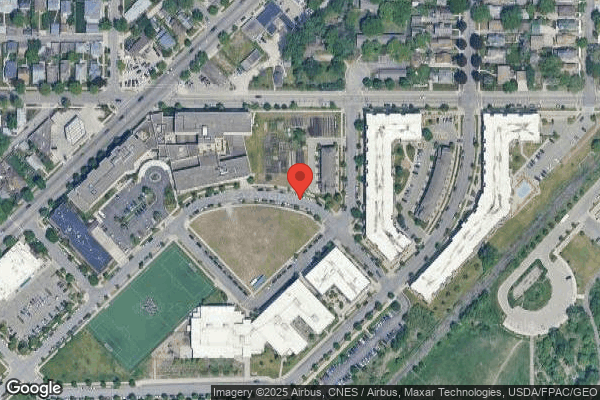
740 KAY AVENUE, SAINT PAUL, MN 55102 (651) 328-2008
Non profit - Corporation 118 Beds Independent Data: November 2025 1 Immediate Jeopardy citation
Trust Grade
59/100
#147 of 337 in MN
Last Inspection: April 2025

Within standard 12-15 month inspection cycle. Federal law requires annual inspections.

Overview

The Shirley Chapman Sholom Home East has a Trust Grade of C, indicating that it is average compared to other facilities. It ranks #147 out of 337 in Minnesota, placing it in the top half of nursing homes in the state, and #7 out of 27 in Ramsey County, meaning only six local options are better. The facility's performance has been stable, with a consistent number of issues (9) reported in both 2024 and 2025. Staffing is a strong point, rated 5 out of 5 stars with a turnover rate of 30%, which is significantly lower than the state average, suggesting experienced staff who know the residents well. However, there are several concerns, including a critical incident where a resident was not resuscitated according to their wishes due to conflicting information in their medical records, and failures to post required nurse staffing information, which could affect residents and their families. While the home has good staffing levels and a decent overall rating, these issues raise important questions about the quality of care and communication at the facility.

Trust Score
C
59/100
In Minnesota
#147/337
Top 43%
Safety Record
High Risk
Review needed
Inspections
Holding Steady
9 → 9 violations
Staff Stability
✓ Good
30% annual turnover. Excellent stability, 18 points below Minnesota's 48% average. Staff who stay learn residents' needs.
Penalties
○ Average
$13,039 in fines. Higher than 50% of Minnesota facilities. Some compliance issues.
Skilled Nurses
✓ Good
Each resident gets 85 minutes of Registered Nurse (RN) attention daily — more than 97% of Minnesota nursing homes. RNs are the most trained staff who catch health problems before they become serious.
Violations
⚠ Watch
26 deficiencies on record. Higher than average. Multiple issues found across inspections.
★★★★☆
4.0
Overall Rating
★★★★★
5.0
Staff Levels
★★★★☆
4.0
Care Quality
★★★☆☆
3.0
Inspection Score
Stable
2024: 9 issues
2025: 9 issues

The Good

  • 5-Star Staffing Rating · Excellent nurse staffing levels
  • 4-Star Quality Measures · Strong clinical quality outcomes
  • Low Staff Turnover (30%) · Staff stability means consistent care
  • Full Sprinkler Coverage · Fire safety systems throughout facility
  • No fines on record
  • Staff turnover is low (30%)

    18 points below Minnesota average of 48%

Facility shows strength in staffing levels, quality measures, staff retention, fire safety.

The Bad

Federal Fines: $13,039

Below median ($33,413)

Minor penalties assessed

The Ugly 26 deficiencies on record

1 life-threatening
Apr 2025 9 deficiencies
CONCERN (D)

Potential for Harm - no one hurt, but risky conditions existed

Notification of Changes (Tag F0580)

Could have caused harm · This affected 1 resident

**NOTE- TERMS IN BRACKETS HAVE BEEN EDITED TO PROTECT CONFIDENTIALITY** Based on interview and document review, the facility failed to notify the provider of the use of antibiotics concurrent with war...

Read full inspector narrative →
**NOTE- TERMS IN BRACKETS HAVE BEEN EDITED TO PROTECT CONFIDENTIALITY** Based on interview and document review, the facility failed to notify the provider of the use of antibiotics concurrent with warfarin, and to obtain a new INR monitoring date for 1 of 2 residents (R76) reviewed for medication administration. Findings include: R76's admission Minimum Data Set (MDS) dated [DATE], identified intact cognition, no behaviors, needed partial/moderate assistance for upper and lower body dressing, and substantial/maximal assistance with bed mobility. Diagnoses included hip and knee replacement. R76's medications included an anticoagulant. R76's care plan dated 3/18/25, identified a potential complication: bruising, bleeding, hemorrhage R/T (related to) a dx (diagnosis) of HX (history) of DVT (deep vein thrombosis a type of blood clot) m/b (manifested by) chronic anticoagulation use. Be aware of risk for drug-to-drug interactions. Inspect for signs of bleeding. PT/INR (blood clotting test which checks whether medicine to prevent blood clots is working) per order; report results to MD/NP (medical doctor/nurse practitioner). R76's medication review on 4/16/25 at 7:48 a.m., identified: 1. Bactrim DS (sulfamethoxazole-trimethoprim which is an antibiotic) tablet; 800-160 milligrams oral for seven days for diagnosis of UTI (urinary tract infection) The start date was 4/14/25 and end date was 4/21/25. The order was entered into the electronic medical record (EMR) on 4/14/25 at 3:23 p.m., and verified by 7:06 p.m., by registered nurse (RN)-D. 2. Warfarin tablet; 5 mg; oral; once a day on Sunday, Monday, Tuesday, Thursday, Friday at 8:00 p.m., special instructions: Next INR 4/28/25. The order was entered into the electronic medical record (EMR) on 4/14/25 at 3:19 p.m., and verified by 7:19 p.m., by registered nurse (RN)-D. The order was discontinued on 4/16/25 at 8:57 a.m. 3. Warfarin tablet; 3mg; oral once a day on Wed, Sat at 8:00 p.m., special Instructions: Next INR 4/28/25. R76's progress note by registered nurse (RN)-G, dated 4/14/25 at 3:20 p.m., identified INR 2.4 today. New orders for Warfarin 3mg on Wednesday, Saturday and 5mg AOD [sic]. Recheck INR on 4/28/25. Orders sent to pharmacy and in matrix. The progress note lacked notification to the provider of the antibiotic starting on the same day. R76's provider visit note dated 4/2/25, identifies R76 had difficulties maintaining a therapeutic INR with wall variations; appeared to be very sensitive to warfarin at this moment. INR supra-therapeutic at 10.6 on 3/4/25, treated with vit K (vitamin K, an anticoagulant reversal medication). During an interview on 4/16/25 at 7:48 a.m., licensed practical nurse (LPN)-C stated if a resident taking warfarin was started on an antibiotic, the INR clinic would be notified by nursing via a faxed form so the prescriber could change the INR date or medication dosing. During an interview on 4/16/25 at 7:51 a.m., registered nurse (RN)-E stated she was not sure what to do if a resident on warfarin started on antibiotics and would need to check and find out. During a phone interview with R76's INR clinic on 4/16/25 at 8:05 a.m., INR-RN stated the clinic was not notified R76 had started on an antibiotic on 4/14/25, and Bactrim DS interfered with warfarin and increased the risk of bleeding. Typically, after antibiotics were started, INR clinic would have ordered an INR recheck after being notified, in two to three days instead of waiting until 4/28/25 as identified in R76's current INR re-check orders. During a review of R76's faxes to the INR clinic on 4/16/25 at 8:18 a.m., with LPN-C, it was not identified on the fax to the INR clinic on 4/14/25, that the resident started on an antibiotic. During an interview on 4/16/25 at 8:22 a.m., RN-C stated if a resident on warfarin started on an antibiotic, the nurse taking the antibiotic order would update the INR clinic using a form. During a review of R76's faxes to the INR clinic, it was not identified on the faxes that the resident started on an antibiotic. When asked if waiting until 4/28/25 (13 days) to check the INR was too long if a resident was on warfarin and antibiotics, RN-C stated he was unsure and would need to call the provider and find out. During a follow up interview on 4/16/25 at 10:05 a.m., RN-C stated the nurse taking the antibiotic order should have updated the INR clinic at the time of taking the order or at the latest the next day to ensure the anticoagulant was still working properly. During a follow up interview on 4/16/25 at 10:17 a.m., RN-E sated the INR clinic should be notified so they can change the INR lab date if needed due to risk of elevated INR. During an interview on 4/16/25 at 8:49 a.m., RN-G stated nurses would call and fax the INR clinic upon resident starting an antibiotic concurrent with warfarin, and document in a progress note. During an interview on 4/16/25 at 10:10 a.m., nurse practitioner (NP)-A stated the INR clinic was not updated on 4/14/25, when R76's antibiotics were ordered and started, until today 4/16/25, because the order was still pending in their provider system. Additionally, the facility nurses had not updated the INR clinic, NP-A stated monitoring the INR closely for residents on antibiotics and warfarin was important because the risk of bleeding increases with an elevated INR, which the antibiotics could cause. NP-A stated she put in a new order today for an INR draw tomorrow 4/17/25 instead of 4/28/25. During a phone call on 4/16/25 at 11:30 a.m., RN-D stated she could not remember if she updated the INR clinic when she placed R76's antibiotic order, however, that would be the process she or the charge nurse should have followed. During an interview on 4/16/25 at 1:10 p.m., the director of nursing (DON) stated if a resident on warfarin started on antibiotics, the expectation would be for the nurse to consult with primary physician within 24 hours. During a follow up interview on 4/17/25 at 11:23 a.m., the director of nursing stated if a resident on warfarin started on antibiotics the expectation would be to have an INR lab draw done within three days of starting antibiotics. The DON agreed as soon as the facility gets the antibiotic order for residents on warfarin, the primary physician or INR clinic should be updated in order to ensure the INR lab draw is done in the appropriate time frame. A policy on antibiotics, warfarin and INR lab draw was requested and not provided. The facility policy titled Resident Change in Condition-Notification of Physician/Surrogate Decision Maker dated 3/21, identified significant needs or changes that would require timely notification to the provider included possible adverse drug reactions.
CONCERN (D)

Potential for Harm - no one hurt, but risky conditions existed

Safe Environment (Tag F0584)

Could have caused harm · This affected 1 resident

**NOTE- TERMS IN BRACKETS HAVE BEEN EDITED TO PROTECT CONFIDENTIALITY** Based on observation, interview, and document review the facility failed to ensure a sanitary and homelike environment for 1 of ...

Read full inspector narrative →
**NOTE- TERMS IN BRACKETS HAVE BEEN EDITED TO PROTECT CONFIDENTIALITY** Based on observation, interview, and document review the facility failed to ensure a sanitary and homelike environment for 1 of 1 residents (R48) who had dried tube feeding formula on the base of the tube feeding pole. Findings include: R48's quarterly Minimum Data Set (MDS) dated [DATE], indicated R48 had moderate cognitive impairment, was dependent on staff for all activities of daily living (ADL), and received 51 percent or greater daily nutrition through a feeding tube. R48's diagnoses included malnutrition, type 2 diabetes, anxiety, and major depressive disorder. R48's care plan dated 3/21/25, indicated R48 had little to no oral intake and relied on tube feeding to meet my nutrient needs. R48's physician orders indicated the following: -Formula Type: ISOSOURCE 1.5, per pump 45 ml/hour continuous gastrostomy. Start date: 11/27/24. - Wipe down pole and pump with damp cloth daily on pm shift. Start date: 10/24/24. R48's medication administration record (MAR) dated 4/1/25 through 4/15/25, indicated received daily continuous tube feedings. During observation on 4/14/25 at 12:41 p.m., R48 lying in bed tube feeding running at 45 cc/hr. Large amount of dried tube feeding formula on the base legs of the pole. During observation on 4/15/25 at 8:17 a.m. R48 lying in bed tube feeding running at 45 cc/hr. Large amount of dried tube feeding formula on the base legs of the pole. During observation and interview on 4/15/25 at 9:22 a.m., nursing assistant (NA)-A and NA-B in to check, change, reposition and perform morning cares with R48. NA-A stated it was the evening shift responsibility to clean the tube feeding poles and agreed R48's pole was dirty with formula and appeared to have not been cleaned recently. During observation and interview on 4/15/25 at 9:30 a.m., registered nurse (RN)-A into R48's room. RN-A confirmed the pole was dirty with dried tube feeding formula and stated it did not appear to have been cleaned last evening as it should have. RN-A further stated if there is spillage at the time the formula bag was spiked, the nurse should wipe it up at that time and not leave it for the evening shift to clean. During interview on 4/15/25 at 11:03 a.m., licensed practical nurse (LPN)-A would expect the tube feeding pole to be clean from visible debris. The pole should be cleaned as ordered or care planned and at the time of a known spillage. During interview on 4/15/25 at 1:41 p.m., director of nursing (DON) stated expectation tube feeding poles were cleaned as ordered and timely after a spill. Facility policy Tube Feedings: Gastrostomy dated 8/2017, indicated tube feeding equipment was to be wiped down daily with a cloth dampened with disinfectant.
CONCERN (D)

Potential for Harm - no one hurt, but risky conditions existed

Pressure Ulcer Prevention (Tag F0686)

Could have caused harm · This affected 1 resident

**NOTE- TERMS IN BRACKETS HAVE BEEN EDITED TO PROTECT CONFIDENTIALITY** Based on observation, interview and document review, the facility failed to ensure 1 of 1 residents (R61) received treatments an...

Read full inspector narrative →
**NOTE- TERMS IN BRACKETS HAVE BEEN EDITED TO PROTECT CONFIDENTIALITY** Based on observation, interview and document review, the facility failed to ensure 1 of 1 residents (R61) received treatments and services to promote the healing of a pressure ulcer per the comprehensive care plan. Findings include: The State Operations Manual (SOM) revised 2/3/23, defines a pressure ulcer as an area of damaged skin and/or underlying soft tissue normally over a bony prominence or from a device. The injury occurs due to intense or prolonged pressure, or pressure in combination with shear. Other contributing factors include skin temperature and moisture, nutrition, perfusion (the blood flow through tissue), co-morbidities and the condition of the skin and soft tissue. The SOM defines a deep tissue pressure injury (DTPI) as intact skin with localized area of persistent non-blanchable deep red, maroon, purple discoloration due to damage of underlying soft tissue. This area may be preceded by tissue that is painful, firm, mush, boggy, warmer or cooler as compared to adjacent tissue. Furthermore, the SOM adds, this injury results from intense and/or prolonged pressure and shear forces at the bone-muscle interface. The wound may evolve rapidly to reveal the actual extend of tissue injury, or may resolve without tissue loss. If necrotic tissue, subcutaneous tissue, granulation tissue, fascia, muscle or other underlying structures are visible, this indicates a full thickness pressure ulcer. The SOM defines eschar as dead or devitalized tissue that is hard or soft in texture; usually black, brown, or tan in color, and may appear scab-like. Necrotic tissue and eschar are usually firmly adherent to the base of the wound and often the sides/edges of the wound. R61's significant change Minimum Data Set (MDS) dated [DATE], indicated she did not have intact cognition, received hospice care, and had an unhealed deep tissue injury. The MDS reported she did not exhibit physical or verbal behaviors and did not reject care during the lookback period. The MDS identified diagnoses including non-Alzheimer's dementia (a progressive neurological disorder that impairs a person's memory, thinking, judgment, and behavior), malnutrition and muscle weakness. R61's Care Area Assessment (CAA) dated 3/13/25 for pressure ulcer/injury was triggered because she had a deep tissue injury to her right foot. The CAA reported, pressure ulcer CAA triggered d/t [sic, due to] resident being incontinent of bowel and bladder, need for staff assist for mobility and hygiene, and current has area to foot. Wound care provided per orders. R61's treatment administration record (TAR) dated 4/25 reflected wound orders that included the following: - Prevalon boot to R [sic, right] foot while in bed; ensure foot is floated off mattress, dated 4/14/25. - R [sic, Right] foot (over sesamoid bone) TX [sic, treatment]: 1. Remove mepilex 2. Assess area for any openings/changes/drainage UPDATE provider team/Hospice if noted 3. Apply mepilex 4. Change every 3 days and PRN (as needed), dated 4/14/25. R61's care plan last edited 4/14/25, identified her risk for skin breakdown and indicated she was unable to effectively offload self without staff assistance. The care plan reported the pressure sore to her right foot and directed staff to apply her Prevalon boot (a specialized medical device designed to aid in pressure prevention on by lifting the heel off a surface) while in bed and to administer treatments per provider's order. A skin integrity event dated 3/2/25, identified a DTI or deep tissue injury under R61's right foot that measured 2.8 centimeters (cm) x 3.5cm. The skin integrity event form noted on 3/2/25, a closed blister under resident's right foot, and described the DTI as looks dark purplish. The skin integrity event noted on 4/14/25, the area was noted to measure 2.5cm x 3.2cm 100% hard black eschar, no open area noted, no drainage, surrounding skin is C/D/I [sic, clean/dry/intact]. Upon entry to the patient's room, the patient had their bottom right foot pressed into the mattress. Interventions updated to have Prevalon boot on at all times. During observation on 4/14/25 at 12:14 p.m., R61 was lying in her bed turned towards the wall on her left side. Her heels were not floated off the air mattress. During observation on 4/15/25 at 10:46 a.m., R61 was lying in bed with a rolled-up blanket behind her right shoulder. She was turned towards the wall on her right side with a pillow in-between her knees. Her heels were not floated, she was not wearing a boot on her right foot, and her heels were pressed into the air mattress. She wore gray gripper socks and there was a foam boot in the blue Broda wheelchair next to her television. At 10:42 a.m., registered nurse (RN)-I and nursing assistant (NA)-M entered her shared room and NA-M knocked on R61's wall before entering her side of the room. RN-I told her he was there to exchange her medication patch and give her some oral medications. NA-M verified her heels were not floated when they should have been and confirmed she was not wearing the Prevalon boot that was in the wheelchair as she should have been. NA-M stated the boot was delivered yesterday and said, we can put a pillow to help lift her heels off the bed. RN-I and NA-M lifted her legs together and RN-I removed the right gripper sock, revealing an area to her heel that was dark red-to-dark purple in color. The area was intact and there was no odor or drainage present. There was no dressing in place. RN-I stated it was important to float her heels and keep the Prevalon boot on while she was in bed to help reduce the pressure on her heels. Per interview on 4/17/25 at 10:24 a.m. with the director of nursing (DON), staff were expected to follow a resident's care planned interventions and reposition per the care plan and should update the nurse manager if there are any changes or concerns. Per facility policy titled Skin Integrity Management last updated 8/1/21, it was the policy of Sholom to implement preventative measures; and to provide appropriate treatment modalities for pressure ulcers/injuries according [sic, to] industry standards of care. The policy wrote, based on the identification and assessment of impaired skin integrity, interventions will be implemented and identified on the plan of care.
CONCERN (D)

Potential for Harm - no one hurt, but risky conditions existed

Deficiency F0688 (Tag F0688)

Could have caused harm · This affected 1 resident

**NOTE- TERMS IN BRACKETS HAVE BEEN EDITED TO PROTECT CONFIDENTIALITY** Based on observation, interview and document review, the facility failed to ensure a hand brace and palm protector was used cons...

Read full inspector narrative →
**NOTE- TERMS IN BRACKETS HAVE BEEN EDITED TO PROTECT CONFIDENTIALITY** Based on observation, interview and document review, the facility failed to ensure a hand brace and palm protector was used consistently for 1 of 1 resident (R71) reviewed for range of motion (ROM). Findings include: R71's quarterly Minimum Data Set (MDS) dated [DATE], indicated R71 was cognitively intact, had limited ROM with impairment of upper and lower extremities on one side, required substantial/maximal assistance with upper body dressing, and received zero minutes of ROM or splint/brace assistance in the 7 day lookback period. R71's diagnoses included hemiplegia and hemiparesis (weakness/paralysis affecting one side of the body) following a stroke affecting left non-dominant side, type 2 diabetes and lymphedema. R71's care plan dated 3/31/25, indicated R71 had decreased ROM to left upper extremity (LUE) and was at risk for contractures (condition where muscles or tendons become permanently shortened, causing loss of movement). R71's care plan instructed staff to DON [apply] Brace to L Arm @ [at] HS [bedtime] REMOVE in the morning and DON Left Hand Palm Protector in AM and remove at bedtime. R71's OT [occupational therapy] note dated 3/28/25, indicated a functional maintenance program including, Wear left resting hand splnit [sic] during the night and off during the day. R71's provider order dated 6/21/24, indicated don brace to left arm at bedtime and remove in the morning. R71's provider order dated 11/22/24, indicated don left hand palm protector in the morning and remove at bedtime. During observation and interview on 4/14/25 at 1:34 p.m., R71 stated he had left sided weakness and was supposed to be wearing a brace at night, but it was not routinely being placed. R71 was not wearing a brace or palm protector. There were two braces (an old gray one and a new blue one) and a white palm protector on the nightstand. Instructions for how to don the blue one hung on the wall. R71 stated could not apply the brace independently, and staff did not always assist. R71 further stated the palm protector was supposed to be on during the day, but again staff did not regularly assist with applying it. R71 stated not understanding what he was supposed to be doing with the blue brace and that it was fairly new. He used to wear the gray one at night, but has not worn it since the blue one was provided. R71 stated the blue brace had only been applied once when it was first brought in, and has not been applied since. During observation and interview on 4/15/25 at 1:31 p.m., R71 was not wearing the palm protector and stated no one had offered to apply it. During observation on 4/15/25 at 3:01 p.m., R71 sat in the common area in a wheelchair and was not wearing a palm protector. During observation on 4/16/25 at 7:25 a.m., R71 was in bed sleeping and the two braces and one palm protector were on the nightstand as they had been the previous day. During observation and interview on 4/16/25 at 7:44 a.m., licensed practical nurse (LPN)-B in to wake R71 up for a blood glucose check. LPN-B verified R71 was not wearing a brace and stated the evening staff were supposed to apply it. R71 stated no one offered to assist with applying the brace last evening. During observation on 4/16/25 at 8:13 a.m., nursing assistant (NA)-C and NA-C into R71's room to complete morning cares. R71's brief was changed, he was washed and dressed and assisted into a wheelchair. R71 was wheeled into the bathroom and set up for oral cares. R71's left hand was in a fist with tips of fingers pressing into his palm throughout cares and transfer. At 8:38 a.m., R71 was wheeled out to the dining room for breakfast. Neither NA-C nor NA-D offered to apply the palm protector. During observation on 4/16/25 at 8:48 a.m., LPN-B pushed R71 back into his room for an insulin injection and then back out to the dining room for breakfast. LPN-B did not offer to apply the palm protector. During observation on 4/16/25 at 9:28 a.m., NA-D walked by R71's room as R71 called out for assistance. NA-D entered and provided his reaching tool and some books and did not offer to apply the palm protector. During observation on 4/16/25 at 10:29 a.m., R71 was wheeled out to the common area for a group activity. R71 was not wearing a palm protector. During interview on 4/16/25 12:59 PM NA-C stated usually worked day shift and R71 does not always have a brace on in the morning and assumed R71 just took it off during the night. NA-C stated R71 was supposed to have a brace on at night and a palm protector on during the day but could not remember ever seeing the blue brace on. NA-C stated the palm protector was supposed to be donned first thing in the morning. During interview on 4/16/25 at 1:11 p.m., NA-D stated could not remember seeing either the blue brace or the gray brace on in the morning. NA-D stated the evening shift were responsible for applying it. NA-D stated R71 should have the palm protector applied in the morning but will refuse at times. During interview on 4/16/25 at 1:18 p.m., licensed practical nurse (LPN)-B stated the day nurse was responsible for documenting that the brace was off in the morning, but the NAs were the ones who typically removed it. LPN-B stated remembered seeing the blue brace on once right after it was provided, but had not seen it on R71 since then. LPN-B could not recall how long R71 had the blue brace. During interview on 4/16/25 at 1:25 p.m., LPN-A stated R71 should have the palm protector donned every morning to protect his palm from skin breakdown. LPN-A stated R71 should wear the brace at night to prevent further contracture. LPN-A stated would expect staff to apply the brace at night and to reapply it if it was removed for toileting or some other reason. LPN-A stated any refusals should be documented. During interview on 4/16/25 at 2:10 p.m., director of rehab (DOR) stated OT R71 last received OT services about a month ago and it was determined at that time the gray brace was worn out and the new blue one was provided by R71's daughter. DOR stated staff have been educated on how to apply the brace expected R71 was wearing it at night. DOR further stated any refusals should be documented and OT notified so they could reassess. During follow up interview on 4/17/25 at 9:03 a.m., DOR stated R71 had the new blue brace since the end of March when he last worked with OT. During interview on 4/17/25 at 9:48 a.m., director of nursing (DON) stated expectation that the brace and palm protector be applied and removed as ordered and refusals should be documented. DON stated R71's brace was to prevent further ROM decline, and the palm protector was to prevent skin breakdown. Facility policy Splint Management dated 4/30/18, indicated, If a member of the rehabilitation team is recommending a splint, brace or other DME device they will collaborate with nursing to ensure there is clear communication about the wearing schedule and any precautions. The policy further indicated therapy should work with nursing to ensure proper donning/doffing instructions.
CONCERN (D)

Potential for Harm - no one hurt, but risky conditions existed

Deficiency F0692 (Tag F0692)

Could have caused harm · This affected 1 resident

**NOTE- TERMS IN BRACKETS HAVE BEEN EDITED TO PROTECT CONFIDENTIALITY** Based on observation, interview, and document review, the facility failed to fully assess and follow up on weight loss and meal ...

Read full inspector narrative →
**NOTE- TERMS IN BRACKETS HAVE BEEN EDITED TO PROTECT CONFIDENTIALITY** Based on observation, interview, and document review, the facility failed to fully assess and follow up on weight loss and meal intakes for 1 of 2 resident (R73) reviewed for nutrition. Findings include: R73's Optional State Assessment (OSA) dated 3/17/25, indicated intact cognition, required supervision and set up support with eating. R73's admission Minimum Data Set (MDS) dated [DATE], indicated R73 had an impairment in range of motion on one side of the upper extremity, required supervision with eating, did not have a swallowing disorder, was 63 inches and weighed 146 pounds, had no or unknown weight loss or gain in the past 6 months, and had the following diagnoses: displaced comminuted fracture of the shaft of the right humerus (right arm), urinary tract infection, age related macular degeneration, other disorders of electrolyte and fluid balance, hearing loss, and history of malignant neoplasm of the large intestine. R73's Nutrition Care Area Assessment (CAA) dated 3/17/25, indicated R73 had functional problems that affected the ability to eat that included limitation in range of motion, inability to perform self care or mobility without significant physical assistance, and a recent decline in functional abilities. Further, weight loss was not warranted unless recommended by the physician and weight maintenance was R73's goal of care. R73's Dehydration/Fluid Maintenance CAA dated 3/17/25, indicated R73 had a urinary tract infection (UTI) and a fracture of the right arm that predisposed R73 to limitations in maintaining normal fluid balance. R73's care plan dated 3/11/25, indicated R73 was at nutrition/hydration risk related to humerus fracture, e-coli infection, macular degeneration, neoplasm of the large intestine, and partial guided assist during meal times. R73's goal was to maintain her current body weight of 146 pounds plus or minus 3% with intakes of meals and supplements averaging over 50% while rehabbing. Interventions included providing three meals and snacks, offer ensure, refer to the registered dietician as needed, and provide partial/guided assistance during meal times. R73's care plan dated 3/20/25, indicated R73 was at risk for dehydration related to advanced age, impaired mobility, and diagnosis of a urinary tract infection. Interventions included assessing risk factors for dehydration including poor by mouth intake, diuretic use, infection, or electrolyte imbalance, and assist with fluids as needed. R73's care plan dated 3/20/25, indicated R73 had an alteration in self-care ability due to impaired mobility due to non weight bearing on the right arm due to a humerus fracture. Interventions included assist of set up. Assist of 1 as needed. R73's Comprehensive Nutritional Assessment form dated 3/17/25, indicated R73 was on a regular diet and thin liquids, was 63 inches tall and weighed 146 pounds. R73's goal body weight was 146 pounds plus or minus 3%. Further, the form indicated it was not known if R73 had a 5% or more weight loss or gain in the last month or a 10% gain or loss in the last 6 months, and R73 required partial guided assist with feeding during meals and intake met 26 to 75% of estimated needs. The note further indicated R73's intakes varied averaging anywhere between 26 to 75% and did not take breakfast and in order to ensure needs were met the dietician recommended Ensure plus twice a day between meals. R73's weight was 146 which was consistent with the hospital weight of 145 pounds on 3/7/25. The form indicated the weight should be based on the most recent measure in the last 30 days. Further the dietician would continue to monitor weights and intake patterns and would reassess when or if medically necessary. The assessment had an area to document food preferences, likes and dislikes, religious/cultural/ethnic food needs and the area was left undocumented. R73's Census form indicated, R73 was on hospital leave on 4/6/25, and returned on 4/8/25. R73 had the following physician orders: • 4/8/25, regular diet. • 4/8/25, complete vital signs including weight every week on bath day. • 4/8/25, document dinner intake daily on the evening shift. • 4/8/25, offer a bedtime snack every day at bedtime. • 4/9/25, document breakfast intake daily. • 4/9/25, document lunch daily. • 4/9/25, fracture/circulatory: fall with right humeral fracture, non-operative, using a sling on the right upper extremity. • 4/12/25, functional maintenance program walk with assist of 1 and a gait belt/hand hold; non weight bearing to the right arm. Offer to come out to meals. Walk up to 25 feet to and from meals. Document any refusals via progress notes with meals at 8:00 a.m., 12:00 p.m., and 5:00 p.m. • 4/16/25, Ensure Plus three times a day after meals if by mouth intake is less than 50% for weight loss and record amounts consumed. • 4/16/25, Offer snacks three times a day to improve by mouth intake and meet nutritional needs at 10:00 a.m., 2:00 p.m., and 8:00 p.m. R73 had the following physician orders that had been discontinued: • Starting on 3/11/25, and discontinued on 3/11/25, complete every week on bath day vital signs including weight. • Starting on 3/11/25, and discontinued on 4/6/25, non-weight bearing of the right upper extremity. • Starting on 3/11/25, and discontinued on 4/6/25, offer a bedtime snack daily. • Starting on 3/11/25, and discontinued on 4/6/25, resident to be in [NAME] brace at all times. • Starting on 3/11/25 and discontinued on 3/12/25, admission weight. • Starting on 3/11/25, and discontinued on 4/6/25, regular diet. • Starting 3/11/25, and discontinued on 4/6/2025, document dinner intake daily. • Starting on 3/12/25, and discontinued on 4/6/25, document lunch intake daily. • Starting on 3/12/25, and discontinued on 4/6/25, document breakfast intake daily. • Starting on 3/17/25, and discontinued on 4/6/25, Ensure Plus twice a day. The Ensure Plus had not been reordered when R73 returned from the hospital on 4/8/25. Later, on 4/16/25, the dietician ordered Ensure Plus three times a day after meals if by mouth intake was less than 50% for weight loss. • Starting on 4/8/25, and discontinued on 4/9/25, admission weight. R73's medication administration record (MAR) dated 3/16/25, through 4/15/25, indicated R73 refused Ensure Plus on 3/21/25, 3/23/25, 3/31/25. The Ensure Plus was discontinued 4/6/25, when R73 went to the hospital. R73's MAR dated 3/16/25, through 4/15/25, indicated R73 refused a bedtime snack on 3/22/25, 3/23/25, 3/26/25, 3/31/25, 4/1/25, 4/3/25, 4/5/25, 4/8/25, 4/9/25, 4/11/25, 4/12/25, 4/13/25, 4/14/25. R73's Weight Records form from 3/11/25, to 4/15/25, indicated the following weights: • On 3/11/25, R73 was 146 pounds. • On 3/18/25, R73 was 139.8 pounds. • On 3/25/25, R73 was 136.6 pounds. The weight was highlighted in red with an orange triangle containing an exclamation point in the center of the triangle next to the weight. • On 4/1/25, R73 was 128.4 pounds. The weight was highlighted in red with an orange triangle containing an exclamation point in the center of the triangle next to the weight. • On 4/4/25, R73 was 130.1 pounds. The weight was highlighted in red with an orange triangle containing an exclamation point in the center of the triangle next to the weight. • On 4/8/25, R73 was 125.6 pounds. The weight was highlighted in red with an orange triangle containing an exclamation point in the center of the triangle next to the weight. • On 4/9/25, R73 was 125.6 pounds. The weight was highlighted in red with an orange triangle containing an exclamation point in the center of the triangle next to the weight. • On 4/10/25, R73 was 126 pounds. The weight was highlighted in red with an orange triangle containing an exclamation point in the center of the triangle next to the weight. R73 lost 20 pounds or 13.5% of her body weight from 3/11/25, to 4/10/25. R73's Breakfast meal intake form from 3/11/25, to 4/15/25, indicated 15 of 36 daily entries were documented. R73 did not have any breakfast 14 times and ate 26 to 50% one time. R73's Lunch meal intake form from 3/11/25, to 4/15/25, indicated 16 of 36 daily entries were documented. R73 ate 26 to 50% of lunch 5 times, 51 to 75% of lunch 6 times, and 76 to 100% of lunch 5 times. Lunch intakes were documented one time after 4/9/25. R73's Dinner meal intake form dated 3/11/25, to 4/15/25, indicated 20 of 36 daily entries were documented. R73 did not have dinner one time, ate 1 to 25% 1 time, ate 26 to 50% 3 times, 51 to 75% 5 times, and 76 to 100% of dinner 10 times. Dinner intakes were not documented after 4/9/25. R73's A.M. Snack intake form from 3/11/25, to 4/15/25, lacked documentation a snack was provided. R73's P.M. Snack intake form from 3/11/25, to 4/15/25, lacked documentation a snack was provided. R73's Bedtime Snack intake form from 3/11/25, to 4/15/25, lacked documentation a snack was provided. R73's nutritional progress note dated 3/17/25 at 10:00 a.m., indicated R73 was on a regular diet and thin liquids and did not take breakfast according to charted data and recommended Ensure twice a day between meals. Further the dietician would monitor weight and intakes and would reassess when and if medically necessary. The note lacked information on R73's likes and dislikes. R73's progress notes were reviewed from 3/11/25, and lacked information the dietician or physician was notified of R73's weight loss prior to 4/16/25. R73's progress note dated 3/27/25 at 10:33 a.m., indicated family decided not to pursue hospice per recommendations from the cardiologist. R73's progress notes dated 4/10/25 at 8:31 p.m., indicated R73 ate independently after set-up assist. A progress note dated 4/16/25 at 11:14 a.m., was added following conversation with licensed practical nurse (LPN)-A that indicated dietician (D)-D placed an order to offer nutritional supplement (Ensure Plus) three times a day after meals if meal intakes were less than 50% and snack orders were placed between meals three times a day. A progress note dated 4/16/25 at 1:03 p.m., was added following conversation with LPN-A that indicated LPN-A updated nurse practitioner (NP) on R73's weight change and will continue with weekly weights, additionally the provider was aware of the Ensure order placed if having less than 50% of a meal. A progress note dated 4/17/25 at 10:40 a.m., indicated D-D spoke with R73's son who reported R73 was not a big eater and was raised eating meat and potatoes. Prior to fall would graze throughout the day and eat one meal which was often a lean cuisine. Further, R73 did not like to receive large portions due to disliking food waste and being overwhelmed and small portions would be included on the meal ticket. R73's history and physical dated 3/7/25, indicated R73 fell at home and sustained a right humerus fracture and had moderate dehydration. R73's history and physical dated 4/6/25, indicated R73 was admitted to the hospital with acute encephalopathy. R73's hospital Discharge summary dated [DATE], indicated R73 had acute encephalopathy and a urinary tract infection. R73's transitional care unit (TCU) physician progress note dated 3/18/25, indicated R73's hospital weight on 3/7/25, was 145 pounds and R73's admission to the facility weight on 3/11/25, was 146 pounds. R73's TCU nurse practitioner (NP) progress note dated 3/19/25, indicated R73 had a well appetite, and had +1 to 2 edema to the right upper extremity. Further, the note indicated no nursing concerns were reported. The note contained R73's admission weight of 146 and TCU vital signs including a weight of 139.8 on 3/18/25. The note lacked information the weight loss was evaluated or addressed. R73's TCU NP progress note dated 3/24/25, indicated R73's appetite has been fair and would like to work on diet and had +1 edema to the right upper extremity. Further, the note indicated no nursing concerns were reported. The note contained R73's admission weight of 146 and TCU vital signs including a weight of 139.8 on 3/18/25. The note lacked information the weight loss was evaluated or addressed. R73's TCU NP progress note dated 3/26/25, indicated R73's appetite was good. R73's right upper extremity had +1 edema. Further, the note indicated no nursing concerns were reported. The note contained R73's admission weight of 146 and TCU vital signs including a weight of 136.6 on 3/25/25. The note lacked information the weight loss was evaluated or addressed. R73's TCU NP progress note dated 3/31/25, indicated R73 stated her appetite was good and was not interested in hospice and had trace to +1 edema to the right upper extremity. Further, the note indicated no nursing concerns were reported. The note contained R73's admission weight of 146 and TCU vital signs including a weight of 136.6 on 3/25/25. The note lacked information the weight loss was evaluated or addressed. During interview and observation on 4/14/25 at 12:04 p.m., R73 was in bed and stated she fell a few weeks ago and broke her arm pointing to her right arm which was under the covers and stated she still had that thing on her arm. During observation on 4/15/25 at 11:45 a.m., staff delivered resident's meal and R73 was sleeping in bed. R73 had a plate with 3 cookies and a bottle of ensure. The Ensure was unopened. The aide offered the ensure and R73 did not want any at that time. The aide set the Ensure back down and did not open the Ensure. During interview on 4/16/25 at 9:34 a.m., registered nurse (RN)-A stated staff looked at the care plan to know what cares a resident required and stated resident refusals were documented in a progress note along with the reason why. RN-A stated staff weighed residents in the a.m. and nursing would follow up with the dietician if a resident had a drop in their weight and stated most providers would be updated if a resident had a drop of more than 2 pounds and nursing would complete an assessment and call the provider. RN-A stated sometimes the provider will ask for a reweigh. Further, RN-A stated if there were no orders to follow up, a loss of two or more pounds in a day was concerning and would be documented in a progress note whenever the provider was updated. RN-A stated he expected staff document a resident's intake with every meal. RN-A stated R73 was initially admitted in the TCU because she had fallen and fractured her arm and stated R73 was not a big eater, and had not eaten well since she came to the facility and presumed R73 was losing weight. RN-A viewed R73's weights and stated the weights in red indicated a drop in weight and further stated R73 was in the hospital and came to the long term care floor on 4/8/25, and verified R73 lost weight, but was sick and went to the hospital and stated some of the weights were recorded when R73 was in the TCU. RN-A reviewed R73's progress notes and verified there were no notes indicating the physician was updated on the weight changes. RN-A stated R73 required stand by assist with meals, stated R73 had a cast when first arriving, but had a big drop in weight from when she first came into the facility. RN-A stated it would be important to update the physician on the weights because it was a significant weight drop and if someone dropped that much weight they don't have the stamina to do therapy and other things they are supposed to do. RN-A viewed R73's paper chart and verified the chart lacked documentation of the physician being updated. RN-A stated R73's weights prior to 4/8/25, were from R73's previous admission, on 3/11/25, and R73 readmitted to long term care on 4/8/25, and her weight was 125.6 and on 4/10/25 was 126. During interview on 4/16/25 at 10:34 a.m., licensed practical nurse (LPN)-A stated if a resident had a significant change in weight or 5% or 10%, they worked with the dietician and looked at intakes and whether supplements could be added, and if staff had a conversation, the dietician would complete an assessment and would place an order for Ensure in between meals. Further, if a resident had a significant change in weight, the physician was notified. LPN-A viewed R73's weights under Vital Signs in the electronic medical record (EMR) and stated R73 admitted to long term care on 4/8/25, and since her admission, the weight was consistent of 125.6 and went from the TCU to the hospital and had not yet had a care conference and further stated he would have expected staff update the provider. LPN-A viewed R73's intakes and verified R73's intakes were not consistently documented and stated it was important to see trends and compare weights. LPN-A verified the dietician had not completed an additional assessment since 3/17/25. Further LPN-A stated hospice was discussed with R73's son and R73 had a urinary tract infection and was unclear on R73's baseline and R73 plateaued and then rebounded, and the family was not ready for hospice. LPN-A stated dietician (D)-D was working remotely and would send D-D a message. During interview on 4/16/25 at 10:51 a.m., D-C stated she covered the TCU and resident's nutritional status was assessed with in their ARD (assessment reference date) for the MDS to assess how a resident was eating, their usual weight, whether they experienced weight changes. D-C stated residents were weighed weekly and the dietician reviewed charts and nurses notify the dieticians if a resident lost weight and the dietician interviews the resident to obtain their perspective and implements interventions to prevent further weight loss. If a resident had a weight loss of 5%, D-C expects nursing staff to follow up and sometimes weights may be inaccurate and dieticians will ask for a re-weigh. Further, D-C stated if a resident initially admitted and they had a history of weights from the TCU, went to the hospital a few days and then readmitted would go by the history of weights for determining weight loss and expected staff to document most meals unless a resident was out for an appointment. D-C stated she had been off for several months and the facility utilized a consultant dietician while R73 was in the TCU, who was no longer at the facility. D-C verified R73's admission weight was 146 on 3/11/25, and expected staff notify the dieticians of R73's weight changes and verified the weights in red indicated a 5% change in weight and was important to notify the dieticians to try to intervene before the weight loss was significant. D-C reviewed R73's nutritional assessment and verified R73's goal was to maintain her weight within 3% and verified the assessment did not include R73's likes or dislikes and verified likes and dislikes was also not documented on the care plan and further stated R73's likes and dislikes was not documented in the progress notes either. During interview on 4/16/25 at 11:59 a.m., D-D stated he had not been updated from nursing regarding R73's weights and thought it may have been due to the transition of R73 being in the TCU, then transferred to long term care following hospitalization. D-D also stated he was not aware of R73's appetites and reviewed them after talking to LPN-A today and added snacks three times a day, and supplements if R73 ate less than 50%. D-D stated staff should have updated him after identifying the initial 5% change in weight because interventions could have been implemented more proactively and was important for better outcomes and stated he expected staff document intakes after every meal because he would have a better idea how meal intakes were and gave a better picture of what they were collectively seeing and added it was difficult to predict if weight changes were from poor appetite or a comorbid condition. During interview on 4/16/25 at 12:41 p.m., the director of nursing (DON) stated the dietician ran weight reports monthly and nursing completed weekly weights and if a weight triggered for a 5% weight loss, nursing consulted with a dietician and would conduct a deeper dive such as checking a re-weight and would go from there as far as notifying the provider. The DON further stated when a weight entered was in red under Vital Signs in the EMR, it indicated a 5% change. The DON further stated R73 was on the TCU and moved to long term care and also had a consultant dietician who was overseeing R73 at the time and stated the provider documented admit weights and current weights in the progress notes. When asked if the physician addressed the weight loss, the DON stated she would have to look into that and further stated she would have expected staff update the dietician and stated she expected staff to document in the record if they update anyone. Further the DON stated meal intakes should be documented after every meal daily. Requested polices on weight monitoring and follow up, meal intake monitoring, nutrition and physician notification. During interview on 4/16/25 at 1:05 p.m., the DON stated she spoke with the provider and the nurse manager discussed intake and appetites and there were no concerns and if there was, would complete a dietician consult and further stated R73 had a swollen arm upon admission and stated some of the weight was from the swelling and further stated she expected staff document intakes and update the dietician. During interview on 4/16/25 at 1:19 p.m., the DON stated LPN-C documented several of R73's weights and spoke with R73's son regarding weights and discussed the weights were due to R73's arm, however, the DON agreed the information should have been documented. The medical record lacked information these conversations occurred. During interview on 4/16/25 at 2:41 p.m., the DON stated R73's NP went into the Allina system and found a baseline weight before R73's hospitalization that indicated R73 was 133 pounds and provided an encounter visit note dated 11/8/23. The DON agreed the nursing facilities record lacked documentation or coordination for determining R73's weight loss. A policy, Weights, dated 2/23/21, indicated weights were monitored to track significant weight changes related to nutritional status. Residents requiring more frequent weights, related to fluid imbalances, will be weighed per physician order or clinical judgement and monitored by nursing services. Clinical Nutrition Services (CNS) will notify nursing if a re-weigh is needed for a monthly weight. Resident intakes will be monitored per recommendations. All residents will be weighed and documented in the electronic health record. CNS and the resident's physician will be promptly notified of significant weight change. A significant weight change is 5% change in 30 days, 7.5% change in 90 days, and 10% change in 180 days. A policy, Resident Change in Condition-Notification of Physician/Surrogate Decision Maker, dated 3/2021, indicated the primary physician or nurse practitioner and the resident's designated surrogate decision maker will be notified of a resident's acute illness, serious injury, accident, or death. Physicians may establish specific parameters for notification beyond this. Notification will be made in the event of a significant change in the resident's physical, mental, or psycho social status. Documentation in the medical record will include all information given to the physician, name of the physician, time of contact, responses to concerns and new orders received, name of surrogate decision maker that was notified.
CONCERN (D)

Potential for Harm - no one hurt, but risky conditions existed

Tube Feeding (Tag F0693)

Could have caused harm · This affected 1 resident

**NOTE- TERMS IN BRACKETS HAVE BEEN EDITED TO PROTECT CONFIDENTIALITY** Based on observation, interview, and document review the facility failed to ensure a feeding tube tubing and nutrition bag were ...

Read full inspector narrative →
**NOTE- TERMS IN BRACKETS HAVE BEEN EDITED TO PROTECT CONFIDENTIALITY** Based on observation, interview, and document review the facility failed to ensure a feeding tube tubing and nutrition bag were labeled according to professional standards to avoid the possibility of feeding tube complications and or related infections for 1 of 1 residents (R48). Findings include: R48's quarterly Minimum Data Set (MDS) dated [DATE], indicated R48 had moderate cognitive impairment, was dependent on staff for all activities of daily living (ADL), and received 51 percent or greater daily nutrition through a feeding tube. R48's diagnoses included malnutrition, type 2 diabetes, anxiety, and major depressive disorder. R48's care plan dated 3/21/25, indicated R48 had little to no oral intake and relied on tube feeding to meet my nutrient needs. R48's physician order dated 11/27/24, indicated, Formula Type: ISOSOURCE 1.5, per pump 45 ml/hour continuous gastrostomy. R48's medication administration record (MAR) dated 4/1/25 through 4/15/25, indicated received daily continuous tube feedings. R48's nutrition assessment dated [DATE], indicated R48, Continues to tolerate continuous feeding, through very rarely [or at all] accepts food by mouth. During observation on 4/14/25 at 12:41 p.m., R48 was lying in bed with tube feeding running at 45 cc/hr. Neither the tube feeding tubing, nor the bag of formula had any indication of a start date or time. During observation on 4/15/25 at 8:17 a.m., R48 was lying in bed with tube feeding running at 45 cc/hr. Neither the tube feeding tubing, nor the bag of formula had any indication of a start date or time. During observation on 4/15/25 at 9:22 a.m., R48's tube feeding bag and tubing were unlabeled. R48's bedside table and nightstand each contained a pre-printed label indicating, Kangaroo enteral use only. The date and time were blank on both labels and the backing had not been removed to be affixed to the bag and/or tubing. During observation and interview on 4/15/25 at 9:30 a.m., registered nurse (RN)-A confirmed R48's tube feeding bag and tubing was not labeled with the start date and time as they should have been. During interview on 4/15/25 at 11:03 a.m., licensed practical nurse (LPN)-A would expect the tube feeding bag and tubing to be labeled with the date and time every 24 hours when the bag was hung and the tubing changed. During interview on 4/15/25 at 1:41 p.m., director of nursing (DON) stated expectation for tube feeding bag and tubing to be changed every 24 hours and labeled with the date and time of change. Facility policy Tube Feedings: Gastrostomy dated 8/2017, indicated, The bag/container is to be changed daily on the 11-7 shift.
CONCERN (D)

Potential for Harm - no one hurt, but risky conditions existed

Respiratory Care (Tag F0695)

Could have caused harm · This affected 1 resident

**NOTE- TERMS IN BRACKETS HAVE BEEN EDITED TO PROTECT CONFIDENTIALITY** Based on observation, interview and record review the facility failed to ensure respiratory equipment was properly maintained fo...

Read full inspector narrative →
**NOTE- TERMS IN BRACKETS HAVE BEEN EDITED TO PROTECT CONFIDENTIALITY** Based on observation, interview and record review the facility failed to ensure respiratory equipment was properly maintained for 1 of 1 resident (R23) reviewed for respiratory care. Findings include: R23's quarterly Minimum Data Set (MDS) dated [DATE], identified R23 had severe cognitive impairment, was dependent on staff for all activities of daily living (ADL), and required continuous oxygen therapy. R23's diagnoses included acute respiratory failure with hypoxia (low oxygen levels in tissues), Alzheimer's disease, dementia, and congestive heart failure. R23's care plan dated 4/4/25, indicated R23's diagnoses of Acute respiratory failure but failed to provide guidance for monitoring respiratory status or oxygen therapy. R23's physician orders dated 3/20/25, indicated the following: -Discard and replace oxygen tubing weekly - Sun 11-7 shift. -Discard and replace oxygen humidifier/bubbler weekly. R23's treatment administration record (TAR) dated 4/1/25 through 4/15/25, indicated, Discard and replace oxygen tubing weekly-Sun 11-7 shift. R23's TAR documentation indicated this was completed on 4/6 and 4/13. R23's TAR further indicated, Discard and replace oxygen humidifier/bubbler weekly. R23's TAR documentation indicated this was completed on 4/6 and 4/13. During observation on 4/14/25 at 12:38 p.m., R23 was not in room. The oxygen concentrator was on with an active bubbler. The O2 tubing attached to the oxygen concentrator was labeled with 4/7. The bubbler was not labeled. During observation on 4/14/25 at 1:13 p.m., R23 was in room after lunch sitting in wheelchair. R23 was receiving oxygen therapy via nasal cannula attached to a portable O2 tank. The tubing was not dated. The O2 tubing attached to the oxygen concentrator was labeled with 4/7. The bubbler was not labeled. During observation and interview on 4/15/25 at 9:51 a.m., nursing assistant (NA)-B stated nursing was responsible for oxygen tubing changes and bubbler weekly and confirmed R23's concentrator tubing was labeled 4/7 indicating the tubing was last changed 4/7. NA-B confirmed R23's portable O2 tubing and bubbler were not labeled with a date of last change. During observation and interview 4/15/25 on 10:06 a.m., registered nurse (RN)-A stated the oxygen tubing and bubbler were supposed to be changed weekly on both the concentrator and any portable unit if different tubing is used. RN-A stated the tubing was changed every Sunday. RN-A confirmed R23's tubing on the concentrator was labeled 4/7 and the tubing on the portable tank was not labeled. During interview on 4/15/25 at 11:03 a.m., licensed practical nurse (LPN)-A stated would expect oxygen tubing and bubbler to be changed and discarded weekly and labeled with the date of change. During interview on 4/15/25 at 1:40 p.m., director of nursing (DON) stated expectation for oxygen therapy equipment to be maintained as ordered. The tubing and bubbler should be changed weekly and the labeled with the date of change. Facility policy Oxygen Therapy dated 4/2018, indicated, Oxygen therapy will be provided per physician's order. The policy further instructed, Cannulas and tubing will be replaced at least weekly.
CONCERN (D)

Potential for Harm - no one hurt, but risky conditions existed

Infection Control (Tag F0880)

Could have caused harm · This affected 1 resident

**NOTE- TERMS IN BRACKETS HAVE BEEN EDITED TO PROTECT CONFIDENTIALITY** Based on observation, interview and document review the facility failed to ensure the recommended personal protective equipment ...

Read full inspector narrative →
**NOTE- TERMS IN BRACKETS HAVE BEEN EDITED TO PROTECT CONFIDENTIALITY** Based on observation, interview and document review the facility failed to ensure the recommended personal protective equipment (PPE) was utilized during high-contact cares for 2 of 3 residents (R48 and R53) reviewed for enhanced barrier precautions (EBP). Findings include: R48's quarterly Minimum Data Set (MDS) dated [DATE], identified moderately impaired cognition, no behaviors or rejection of care, dependent on staff for dressing, hygiene, bathing and rolling left to right in bed. Had an indwelling catheter, feeding tube, was at risk for pressure ulcers but had none during the lookback period. Diagnoses included malnutrition, neurogenic bladder, diabetes, and dementia. R48's care plan dated 1/30/25, identified EBP were in place due to indwelling medical devices of urinary catheter and feeding tube. Goals included remain free of infection and prevent the spread of MDROs (multidrug-resistant organisms) within the community. Approaches included sign on resident's door to alert staff and visitors of EBP. PPE per CDC (Centers for Disease Control) recommendations during high-contact resident care activities: dressing, bathing/showering, transferring, providing hygiene, changing linens, changing briefs or assisting with toileting. Device care or use: central line, urinary catheter, feeding tube, tracheostomy/ventilator and wound care; and any skin opening requiring a dressing. Staff were directed to wear gloves and gown prior to the high-contact care activity. During an observation on 4/14/25 at 5:32 p.m., licensed practical nurse (LPN)-B prepared R48's evening gastric tube (GT which is a surgically placed device used to give direct access to the stomach for supplemental feeding, hydration or medicine) medications at the medication cart. R48 prepared each medication by crushing and putting into an individual medication cup. During an observation and interview on 4/14/25 at 5:50 p.m., LPN-B walked past the EBP sign on R48's door, entered R48's room, and explained cares. LPN-B put on gloves, took R48's blood pressure, pulse and temperature. LPN-B did not put on a gown prior to high contact cares. LPN-B then removed gloves, put new gloves on, brought a towel from the bathroom and laid it on R48's abdomen near the GT site. LPN-B used her stethoscope from around her neck to listen to R48's bowel sounds, put the stethoscope back around her neck without cleaning. LPN-B administered the medications into R48's GT one at a time followed by ordered water flushes. At 6:04 p.m., after being prompted, LPN-B reviewed R48's care plan for EBP, and stated gown and gloves were only needed for catheter care, even though the care plan specified for GT care and high contact care. LPN-B continued to provide cares to R48 without a gown on. LPN-B put new gloves on, uncovered R48's lower legs from her blankets. unvelcroed foam boots from both lower extremities, lifted up R48's feet one at a time to apply a topical medication. LPN-B's scrubs came in direct contact with R48's bed, linens and boots during these cares. After exiting R48's room on 4/14/25 at 6:08 p.m., LPN-B was prompted to observe the EBP signage outside R48's room that directs staff to wear EBP PPE for GT cares. LPN-B stated the gown was only needed for catheter cares. During an interview on 4/15/25 at 8:55 a.m., LPN-C also stated EBP PPE of gown and gloves was not needed for GT medication administration, only if contact with wounds or catheter. During an interview on 4/15/25 at 12:52 p.m., registered nurse (RN)-B stated EBP PPE was required for residents with GT medications and cares, and direct contact. R53's quarterly Minimum Data Set (MDS) dated [DATE], indicated she had short- and long-term memory problems and had severely impaired cognitive skills for daily decision making. The MDS indicated she was dependent on staff for toileting and personal hygiene and received 51% or more of her total calories and 501 cubic centimeter (cc, approximately one milliliter, mL) or more of her daily fluid intake from a feeding tube (a tube surgically inserted into the stomach to provide supplemental caloric intake). The MDS identified diagnoses of malnutrition, heart failure, dementia (a progressive neurological disorder that impairs a person's memory, thinking, judgment, and behavior). R53's Care Area Assessment (CAA) dated 12/19/24, triggered for tube feeding due to her inability to orally meet her nutritional needs. The CAA reported possible complications of tube feedings include: infections to G/J tube site ., where G/J tube referred to R53's gastrojejunostomy tube (a feeding tube going from the stomach into the small intestine with two access ports; the gastric or 'G' port; and the jejunal or 'J' port). The CAA and directed staff to monitor for signs and symptoms of complications and/or intolerance. R53's care plan dated 10/2/24, indicated she needed EBP because of her feeding tube and directed staff to follow the Center for Disease Control (CDC) recommendations during high-contact resident care activities, including providing hygiene, changing briefs or assisting with toileting. Her care plan guided staff to don gloves and gown prior to the high contact care activity. Per observation on 4/14/25 at 2:11 p.m., there was a sign posted on R53's door that indicated EBP were in place and PPE of gown and gloves were required for high-contact cares. During observation on 4/15/25 at 3:04 p.m., nursing assistant (NA)-E knocked on R53's door, entered and asked her if would be okay if she checked her brief. R53 nodded her head up and down but did not open her eyes. NA-F entered the room with bed linens, towels, and a hospital gown and donned a pair of gloves in the bathroom but did not wear a gown. NA-E stated the room was not stocked with any incontinence briefs and exited the room. NA-F put a plastic bag on the floor next to the bedside. NA-E returned at 3:07 p.m. with incontinence briefs and NA-F stated R53 needed a larger size. NA-E performed hand hygiene before leaving the room again. At 3:09 p.m., NA-E entered the room and performed hand hygiene in the bathroom. NA-E donned a pair of gloves but did not wear a gown. NA-F stood at R53's bedside and explained they were going to check and change her incontinence brief while NA-E pulled the shades over the windows in her room. The NA-E and NA-F pulled her pants down, then unfastened the tabs on the incontinence brief. NA-F held R53's hand when she started to say, no no no, and NA-F talked to her about going outside. NA-F offered her a stuffed animal from her bedside table and her behavior was calm as NA-E wiped her front perineal area with a washcloth. When NA-E finished wiping her front, they asked R53 if she could help turn herself onto her side, and she grabbed onto her grab bar and pulled herself onto her side with the NAs assistance. NA-E removed the old incontinence brief, wiped her backside from front to back with a washcloth, then dried in the same manner. NA-E grabbed the clean bed linen, tucked the old bed linen underneath R53, then rolled and tucked the clean bed linen under her and doffed the soiled gloves, revealing another pair of gloves underneath. NA-E continued working and tucked the clean incontinence brief under R53 and asked her to turn over the linens and brief onto her other side. The NAs assisted her to turn herself over and NA-F pulled the bed linen and clean brief through. NA-F fastened the tabs on the brief while NA-E discarded the soiled brief and linens. The NAs doffed their gloves and performed hand hygiene in the bathroom. During interview on 4/15/25 at 3:31 p.m., NA-E was initially unsure why R53 was on EBP, stating, I don't think she's on isolation, I don't think she has any sickness. NA-E read the EBP signage on R53's door and stated she was on EBP because of her feeding tube and confirmed the NAs should have worn a gown and gloves during their check and change cares to prevent the spread of infection. Per interview on 4/17/25 at 10:01 a.m. with the director of nursing (DON), acting as the facility's interim infection preventionist (IP), staff were educated on EBP and were expected to follow precautions in place. The DON acknowledged staff's struggle with understanding high-contact resident care activities and advised donning appropriate PPE first before entering the resident's room. Per facility policy titled Isolation - Categories of Transmission-Based Precautions last updated 7/12/22, when a resident is placed on transmission-based precautions, appropriate notification would be placed on the room entrance door and on the front of the chart, so personnel and visitors were aware of the need for and the type of precaution. The policy indicated the signage should inform staff of the type of CDC precaution(s), instructions for use of PPE, and/or instructions to see a nurse before entering the room. The policy wrote EBP involves the use of gown and gloves during high-contact resident care activities for residents known to be colonized or infected with multidrug-resistant organisms (MDROs) and those at an increased risk of MDRO acquisition (for example, residents with indwelling medical devices or wounds). The policy identified high-contact resident care activities to include dressing, bathing/showering, transferring, providing hygiene (brushing teeth, combing hair, shaving), changing linens, changing briefs or assisting with toileting, device care or use, and/or wound care. The policy indicated EBP are focused on the use of gown and gloves during such high-contact resident care activities because they have been demonstrated to result in transfer of MDROs to hands and clothing of healthcare worker, even if blood and fluid exposure is not anticipated.
CONCERN (E)

Potential for Harm - no one hurt, but risky conditions existed

Food Safety (Tag F0812)

Could have caused harm · This affected multiple residents

Based on observation, interview, and document review the facility failed to ensure dietary staff was wearing beard guards/restraints when preparing food. This had the potential to affect all 93 reside...

Read full inspector narrative →
Based on observation, interview, and document review the facility failed to ensure dietary staff was wearing beard guards/restraints when preparing food. This had the potential to affect all 93 residents who reside at the facility and consume food from the kitchen. During observation on 4/16/25 at 10:03 p.m., cook (C)-A had a beard and was preparing roast beef and slicing it on the meat slicer. C-A was not wearing a beard guard/restraint. During observation on 4/16/25 at 10:11 a.m., the culinary manager (CM) had a beard and was stiring a large vat of beef stew. Then he started taking food temperatures and putting the food into an insulated food cart. The CM was not wearing a beard guard/restraint. During interview on 4/16/25 at 10:33 p.m., the CM verified the staff with beards were not wearing beard guards and it had never been an expectation for them to do so. He further verified the facility didn't have any beard guards/restraints available to use, stating if it had been an expectation to wear one he wouldn't have a beard. During interview on 4/16/25 at 2:08 p.m., the administrator stated dietary staff (with beards) were expected to wear beard guards/restraints for infection control purposes. A facility policy regarding beard guards/restraints was requested but not received.
Sept 2024 2 deficiencies
CONCERN (D) 📢 Someone Reported This

A family member, employee, or ombudsman was alarmed enough to file a formal complaint

Potential for Harm - no one hurt, but risky conditions existed

Deficiency F0657 (Tag F0657)

Could have caused harm · This affected 1 resident

Based on interview and document review, the facility failed to review and revise the care plan with current interventions for the care of a new catheter and enhanced barrier precautions (EBP) for 1 of...

Read full inspector narrative →
Based on interview and document review, the facility failed to review and revise the care plan with current interventions for the care of a new catheter and enhanced barrier precautions (EBP) for 1 of 1 residents (R2) reviewed. Findings include: R2's physician order dated 9/10/24, indicated R1 required a foley catheter related to diagnosis of urinary retention due to neurogenic bladder. R2's progress note dated 9/10/24, indicated R2 had returned to the facility following hospitalization. R2 was admitted to the hospital for septic shock due to bacteremia (blood stream infection) caused by an infected kidney stone. R2 came back to the facility with a foley catheter. R2's care plan revised on 9/20/24, indicated R2 had an actual alteration in elimination related to impaired mobility, overactive bladder exhibited by frequently incontinent of bowel and bladder. R2 had a diagnosis of neurogenic bladder and was at risk for skin breakdown and urinary tract infection (UTI). Further, R2's care plan directed staff to offer toileting at start of shift, every two to three hours and as needed, complete bladder assessment quarterly or with significant change, encourage adequate fluid intake every shift, incontinence care as needed, observe condition to perineal area with incontinence care, observe for signs and symptoms of UTI, toilet with assist of two staff. However, R2's care plan lacked evidence of R2 requiring a catheter or EBP and interventions in place to direct staff on how to manage R2's catheter. During an observation on 9/24/24 at 3:59 p.m., nursing assistant (NA)-A and NA-B applied a surgical mask and entered R2's room. R2 was noted to be lying in bed and a catheter bag was noted to be hanging on the side of the bed in a blue privacy bag. NA-A and NA-B applied gloves to assist R1 with incontinent cares. NA-A grabbed a canister from R2's bathroom and emptied R2's catheter while holding the canister. NA-A then placed the canister containing urine on the carpeted floor and NA-A wiped the open end of the catheter tubing and catheter bag using an incontinent wipe. NA-A then grabbed the canister, emptied the urine into the toilet, and removed the soiled gloves. NA-A and NA-B assisted R2 from bed to her wheelchair using a mechanical lift. NA-A and NA-B then exited R2's room. NA-A and NA-B did not wear a gown while assisting R2 with high contact cares. On 9/25/24 at 12:56 p.m., NA-C stated R2 required total assistance by staff for activities of daily living (ADL), was incontinent of bowel, and had a catheter that was placed about a week ago. NA-C confirmed R2 did not require the use of EBP, as there was no sign posted outside of R2's door. Further, NA-C stated if a resident required EBP a sign would have been posted outside the resident's door directing staff on what personal protective equipment (PPE) needed to be used, which would be kept in the cubby outside the resident's door. NA-C stated the resident's care plan and nursing care guide sheets would have also identified what each resident required. On 9 /25/24 at 3:08 p.m., licensed practical nurse (LPN)-A stated R2 returned to the facility from the hospital with a catheter. LPN-A confirmed R2 was not on EBP as the interdisciplinary team (IDT) must have missed implementing EBP upon returning from the hospital and LPN-A had not revised R2's care plan. On 9/25/24 at 3:28 p.m., director of nursing (DON) stated staff would know if a resident required EBP by a sign posted outside each resident's room, and DON was unsure if EBP were expected to be identified in a resident's care plan. Review of facility policy titled Care Plan Policy and Procedure revised 11/22, indicated the care plan was to be changed and updated as the care changes for the resident and as the resident changes occurred it would be updated in the electronic medical record and was to always be current. Further, policy directed staff to list all care to be provided for the problem listed and the care must be necessary and appropriate to accomplish the goal stated. As well as communicate vital information to all staff providing direct resident care, list of infection control measures, list of safety measures, approaches to maintain resident's customary routine and list of preventative measures.
CONCERN (D) 📢 Someone Reported This

A family member, employee, or ombudsman was alarmed enough to file a formal complaint

Potential for Harm - no one hurt, but risky conditions existed

Infection Control (Tag F0880)

Could have caused harm · This affected 1 resident

Based on observation, interview, and document review, the facility failed to ensure enhanced barrier precautions (EBP) were implemented for 1 of 1 residents (R2) reviewed who had an indwelling cathete...

Read full inspector narrative →
Based on observation, interview, and document review, the facility failed to ensure enhanced barrier precautions (EBP) were implemented for 1 of 1 residents (R2) reviewed who had an indwelling catheter. In addition, the facility failed to ensure appropriate infection control measures for draining a catheter bag were implemented for 1 of 1 residents (R2) reviewed. Findings include: R2's physician order dated 9/10/24, indicated R1 required a foley catheter related to diagnosis of urinary retention due to neurogenic bladder. R2's progress note dated 9/10/24, indicated R2 had returned to the facility following hospitalization. R2 was admitted to the hospital for septic shock due to bacteremia (blood stream infection) due to infected kidney stone. R2 came back with a foley catheter. R2's care plan as of 9/25/24, lacked identification R2 had a foley catheter or that R2 was on EBP. During an observation on 9/24/24 at 3:59 p.m., nursing assistant (NA)-A and NA-B applied a surgical mask and entered R2's room. R2 was noted to be lying in bed and a catheter bag was noted to be hanging on the side of the bed in a blue privacy bag. NA-A and NA-B applied gloves to assist R1 with incontinent cares. NA-A grabbed a canister from R2's bathroom and emptied R2's catheter while holding the canister. NA-A then placed the canister containing urine on the carpeted floor and NA-A wiped the open end of the catheter tubing and catheter bag using an incontinent wipe. NA-A then grabbed the canister, emptied the urine into the toilet, and removed the soiled gloves. NA-A and NA-B assisted R2 from bed to her wheelchair using a mechanical lift. NA-A and NA-B then exited R2's room. NA-A and NA-B did not wear a gown while assisting R1 with high contact cares. On 9/25/24 at 12:56 p.m., NA-C stated R2 required total assistance by staff for activities of daily living (ADL's), was incontinent of bowel, and had a catheter that was placed about a week ago. NA-C confirmed R2 did not require the use of EBP, as there was no sign posted outside of R2's door. Further, NA-C stated if a resident required EBP, a sign would have been posted outside the resident's door directing staff on what personal protective equipment (PPE) needed to be used, which would be kept in the cubby outside the resident's door. NA-C stated the resident's care plan and nursing care guide sheets would have identified what each resident required. In addition, NA-C stated while emptying a catheter bag, staff were required to wear gloves, place a towel on the floor and drain the urine into the container. Staff were expected to clean the open end of the catheter tubing with an alcohol wipe which were available in each resident's room. On 9/25/24 at 1:16 p.m., NA-D stated R2 had a catheter which was new upon returning from the hospital. NA-D stated R2 did not require the use of EBP as there was no signage posted outside of R2's door. Further, NA-D stated a resident would require the use of EBP if the resident had an infection, wound, or catheter and a sign would have been posted outside the resident's room. On 9/25/24 at 1:28 p.m., registered nurse (RN)-A stated R2 had a catheter and required staff assistance for ADLs. RN-A stated he was unsure if R2 was currently on EBP, however confirmed R2 should have been on EBP due to having a catheter. RN-A stated if a resident required the use of EBP, there would have been a sign posted outside of the resident's room and the infection preventionist (IP) was good at implementing EBP as required. On 9/25/24 at 2:01 p.m., IP stated either herself or the director of nursing (DON) would implement EBP for a resident if they had a wound, catheter, or active infection. Further, IP confirmed R2 returned from the hospital on 9/10/24, with a catheter and required EBP. In addition, IP stated R2 was on her flow sheet for tracking purposes and IP completed random audits to ensure all EBP were implemented, however had not completed an audit since R2's return. On 9 /25/24 at 3:08 p.m., licensed practical nurse (LPN)-A stated R2 returned to the facility from the hospital with a catheter. LPN-A confirmed R2 was not on EBP as the interdisciplinary team (IDT) must have missed implementing EBP upon returning from the hospital. In addition, LPN-A stated staff were expected to empty a resident's catheter into the cylinder and clean the open tip with an alcohol wipe. On 9/25/24 at 3:28 p.m., DON stated EBP were required for residents who had a catheter, tube feeding, external medical devices, and wounds. DON stated EBP signs were to be placed outside of the resident's room and IP tracked the individuals who required EBP. DON confirmed R2 had a catheter and required EBP. Further, DON stated staff were expected to apply gloves, place a barrier on the floor, empty the catheter into the cylinder and then wipe the open tip of the catheter with an alcohol wipe to kill any bacteria or germs present on the exterior of the tubing. On 9/25/24 at 4:27 p.m., NA-A stated staff were expected to apply gloves, place a towel on the floor, empty the catheter into the canister and use an alcohol wipe to wipe the end of the open tip of the catheter tubing. However, NA-A stated he utilized an incontinent wipe yesterday since there were no alcohol wipes available in R2's room yesterday. In addition, NA-A stated he forgot to bring a towel in to place the canister on. Review of facility policy titled Urinary Catheter Care revised 7/8/24, directed staff to wipe spigot with an alcohol wipe after drainage was completed prior to closing the system and keep the collection container off the floor or use a barrier between the floor and the collection container. Review of facility policy titled Isolation-Categories of Transmission-Based Precautions revised 7/12/22, indicated enhanced barrier precautions were an infection control intervention designed to reduce transmission of multi-drug organisms (MDROs) in the facility. Enhanced barrier precautions involved gown and glove use during high-contact resident care activities for resident known to be colonized or infected with a MDRO as well as those at increased risk of MDRO acquisition (residents with wounds or indwelling medical devices). Further, policy indicated when a resident was placed on transmission-based precautions, appropriate notification would be placed on the room entrance door and on the front of the chart so that personnel and visitors were aware of the need for and the type of precaution. The signage informed staff of the type of precautions, instructions for use of PPE, and/or instruction to see a nurse before entering the room.
Jun 2024 7 deficiencies
CONCERN (D)

Potential for Harm - no one hurt, but risky conditions existed

Deficiency F0554 (Tag F0554)

Could have caused harm · This affected 1 resident

**NOTE- TERMS IN BRACKETS HAVE BEEN EDITED TO PROTECT CONFIDENTIALITY** Based on observation, interview, and document review, the facility failed to ensure a self-administration of medications (SAM) a...

Read full inspector narrative →
**NOTE- TERMS IN BRACKETS HAVE BEEN EDITED TO PROTECT CONFIDENTIALITY** Based on observation, interview, and document review, the facility failed to ensure a self-administration of medications (SAM) assessment was completed to allow resident to safely administer their own medication for 1 of 2 residents (R101) observed with medications at bedside. Findings include: R101's admission Minimum Data Set (MDS) dated [DATE], indicated R101 was cognitively intact, hypertension, arthritis, and hip fracture. R101 required substantial and/or maximal assistance for toileting and toileting hygiene, dressing, bed mobility, and was dependent with chair/bed-to-chair transfers. R101's physician's orders did not include Tums during document review on 6/10/24. R101's SAM assessment dated [DATE], indicated R101 did not want to self-administer medications. During observation and interview on 6/10/24 at 3:05 p.m., a bottle of Tums (calcium carbonate chewable tablet) was observed on R101's bedside nightstand. The bottle was mostly empty and did not have a resident label on it. R101 stated they took the tums after eating too much candy. During interview on 6/10/24 at 3:42 p.m., nursing assistant (NA)-H stated R101 required assistance for day-to-day activities such as dressing and toileting. NA-H stated they would report to the nurse if they noticed medications in a resident's room. NA-H verified the bottle of Tums on R101's nightstand and stated they had not noticed them before. NA-H stated the Tums must have been a personal bottle and not from the facility. During interview on 6/10/24 at 7:26 p.m., registered nurse (RN)-F stated they needed an order from the provider for residents to administer their own medications and to leave medications in resident's rooms. Staff usually asked residents during admission and with comprehensive assessments if they wanted to take their own medications. Staff documented assessments under observations. RN-F verified R101 did not have an order for Tums or a self-administration assessment to indicate R101 was safe to administer their own medication. RN-F verified the tums in R101's room and took the Tums out of R101's room. During interview on 6/13/24 at 3:17 p.m., registered nurse (RN)-D stated residents needed an order and observation completed before self-administering medication and/or having medication at bedside. Sometimes family brought in medication without notifying staff or sometimes medication was not within sight for staff to observe. RN-D stated R101 had self-administration observations but none which indicated R101 could take Tums by himself. During interview on 6/13/24 at 4:37 p.m., director of nursing (DON) stated an observation was completed to assess if a resident could self-administer medication appropriately and safety, and then staff requested a provider order. Residents were asked upon admission and quarterly if they wanted to self-administer medication. DON stated there was a safety concern for residents who had medication in their room without a self-administering observation assessment and provider order to ensure resident knew the frequency and amount to take medication at and proper storage of medication. The facility's policy Self-Administration of Medications dated 11/18, directed unit nurses to complete the Self Administration of Medication observation, and the outcome of the assessment would be reviewed by IDT (interdisciplinary team) and the decision would be documented.
CONCERN (D)

Potential for Harm - no one hurt, but risky conditions existed

Notification of Changes (Tag F0580)

Could have caused harm · This affected 1 resident

**NOTE- TERMS IN BRACKETS HAVE BEEN EDITED TO PROTECT CONFIDENTIALITY** Based on observation, interview, and document review, the facility failed to notify a provider for a significant weight gain for...

Read full inspector narrative →
**NOTE- TERMS IN BRACKETS HAVE BEEN EDITED TO PROTECT CONFIDENTIALITY** Based on observation, interview, and document review, the facility failed to notify a provider for a significant weight gain for 1 of 1 resident (R104) reviewed for notification of change. Findings include: R104's admission Minimum Data Set (MDS) dated [DATE], indicated he had intact cognition and had diagnoses of heart failure, heart attack, coronary artery disease (CAD, a buildup of plaque that limits blood flow to the heart), chronic kidney disease and anxiety. R104's Care Area Assessment (CAA) for nutrition dated 6/3/24, indicated weight loss was not warranted and weight maintenance was the goal of his care. An initial nutrition assessment dated [DATE], indicated R104 received a cardiac diet with regular textures and thin liquids. The progress note indicated R104 had lost approximately 50 pounds over a year prior to his admission to the facility and his goal was weight maintenance. The nutrition assessment indicated R104 was agreeable to receiving a supplement beverage daily to promote adequate intake for weight maintenance and his weights would be monitored in addition to his intake and supplement acceptance. R104's physician orders included the following: - furosemide tablet 20 milligrams (mg); Give 20mg once a day for visible water retention, dated 05/29/2024. R104 lacked orders for weight monitoring and weight parameters guiding staff when to notify the provider. R104's medication administration record (MAR) and treatment administration record (TAR) dated 6/2024 lacked orders for weight monitoring and weight parameters guiding staff when to notify the provider. R104's care plan dated 6/4/24, indicated his potential cardiovascular complication related to his diagnoses of atrial fibrillation (an irregular and often rapid heart rate that can cause poor blood flow), CAD, heart failure, history of heart attack, scheduled cardiac medications, and his pacemaker (an implanted cardiac device that delivers electrical pulses to your heart to help it pump effectively). The care plan identified interventions of assessing and monitoring for signs of cardiac decompensation and monitoring vital signs and reporting alteration from baseline to the provider. Additionally, R104's care plan dated 5/22/24, identified his higher risk for adverse reactions related to his use of a diuretic (furosemide). The care identified interventions of observing for ineffective diuretic dose: increase in edema, shortness of breath, weight gain, absent or decreased breath sounds, and decreased oxygen saturation levels (a measure of the blood oxygen levels). An after discharge order set dated 5/22/24, indicated the following under the When should you be concerned? header: Please call your health care provider if you have any of the following: - chest pain or discomfort similar to before your angiogram. - a tightening, pressure, squeezing, or aching in your chest or arms. - excessive swelling, extreme tenderness, pain that will not stop, or signs of bleeding at your wound site. - signs of infection (increasing redness, swelling, tenderness, warmth, change in appearance, or increased drainage). - discolored area at wound site becomes hard and painful. - numbness, tingling or change in color or affected leg or arm. - swollen feet, ankles, and legs more than usual. - lightheadedness, dizziness, sweating, fatigue, weakness, loss of energy. - fever of greater than 101 degrees Fahrenheit. - trouble breathing, usual tiredness; decreased ability to exercise. - a new or worsening shortness of breath. - trouble breathing when lying flat. - weight gain of 3 pounds in one day. - weight gain of 5 pounds in one week. R104's weights between 6/11/24 and 5/30/24 included the following readings: - 160.2 pounds (lbs) on 6/11/24. - A 8.8lbs weight gain in 7 days - 160.6lbs on 6/10/24. - 159.4lbs on 6/9/24. - 157.0lbs on 6/8/24. - 156.0ls on 6/7/24.- A 8.8lbs weight gain in one day - 147.2lbs on 6/6/24. - No documented weight for 6/5/24. - 151.4lbs on 6/4/24. - No documented weight for 6/3/24. - 151.6lbs on 6/2/24. - No documented weight for 6/1/24. - No documented weight for 5/31/24. - 149.2lbs on 5/30/24. R104's admission weight on 5/22/24 was 148.6lbs. A review of R104's progress notes lacked documentation of an update to his provider regarding weight gain. During observation on 6/12/24 at 8:42 a.m., nursing assistant (NA)-D assisted R104 with morning cares and once he was finished dressing, NA-D offered oral hygiene prior to breakfast. R104 declined and NA-D told him he needed to be weighed before breakfast. NA-D provided standby assistance to R104 with a gait belt and walker to the scale. NA-D assisted R104 onto the scale and obtained his weight then assisted him back to his walker and to the breakfast table. During interview on 6/13/24 on 12:50 p.m., registered nurse (RN)-C stated residents taking diuretics like furosemide are monitored for weight gain and loss, swelling in the legs, hypotension (low blood pressure), dizziness and lightheadedness. RN-C stated its normally for residents taking diuretics, there is an associated order with a weight parameter that dictated when to notify the provider. RN-C was unable to locate a weight parameter order for R104. RN-C stated most residents on the transitional care unit (TCU) are weight daily. RN-C reviewed R104's documented weights since his admission and stated the discrepancies could be due to staff using a malfunctioning scale. RN-C stated maintenance was aware and working to repair the broken scale. RN-C stated if R104's documented weights were accurate, R104's provider should be updated about his weight gain. RN-C was unable to locate documentation of a provider notification of R104's weight gain in the progress notes. The facility's maintenance services requests for the second floor dated 3/15/24 through 6/13/24, were reviewed and did not reveal a repair service request for a scale. During interview on 6/13/24 at 1:48 p.m., RN-D stated staff were expected to monitor daily weights, assess for shortness of breath and edema (swelling), and review ordered lab results for residents receiving diuretics. RN-D expected there to be an order with weight parameters and when to notify a provider for residents taking a diuretic and would expect staff to request this order as an order clarification if there was not from either an on-call provider or when the in-house provider was available the next business day. RN-D was unable to locate an order with weight parameters and when to update R104's provider and stated, he does not have parameters. RN-D was unable locate documentation that R104's provider was updated regarding his weight gain. RN-D stated staff were expected to weight residents on the TCU daily and ideally before breakfast. RN-D also stated staff were expected to document updates to providers in progress notes. During interview on 6/13/24 at 3:07 p.m., the director of nursing (DON) stated residents taking diuretics should have orders for monitoring their weight, parameters guiding staff about when to update providers with weight changes, and staff should monitor for edema. The DON expected staff to document their assessments and any updates to providers in the progress notes. The DON stated if a resident did not have the parameters in place, staff were expected to obtain clarification from a provider to see if they wanted a parameter in place for daily weights. The DON reviewed R104's orders and verified there was no order for weight parameters prior to the interview date. The DON reviewed R104's weights since admission and stated, I would expect a provider update with his weight gain. The DON stated the clinical significance could include weight gain and fluid retention which would put R104 at a higher risk of heart failure with his medical history. During interview on 6/13/24 at 4:48 p.m., R104's medical provider (MD) stated an order for weight parameters and when to notify a provider should be expected by the facility's staff for a resident discharging from the hospital with heart failure. R104's MD stated that due to his re-admission to a different hospital system, the discharge orders from that hospital system did not include a specific weight parameter order. The MD reviewed R104's weights for the previous week and did not believe the weight gain could be due to increased caloric intake. The MD stated, I would expect the update. I think the weight gain is too fast to be related to caloric intake and is probably related to fluid retention. The MD stated the clinical significance for R104 is a big deal and if the MD had received an update about his weights, the MD would have requested an appointment soon. The MD stated, it actually makes me want to have my nurse call and get him in soon. A facility policy titled Resident Change in Condition-Notification of Physician/Surrogate Decision Maker revised last on 3/2021, indicated a notification would be made in the event of a significant change in the resident's physical, mental, or psychosocial status. The policy indicated a significant change may be gradual or ongoing, sudden in onset, much more severe in relation to usual complaints or unrelieved by measures which have already been prescribed. The policy indicated an example of significant changes requiring immediate notification included symptoms consistent with cardio-vascular/respiratory compromise and/or exacerbation which requires medical treatment or intervention. Additionally, the policy indicated a notification would be made in the event of a need to alter treatment significantly. The policy provided examples that included unexpected changes in vital signs which were significantly abnormal, possible adverse drug reactions, a continuation of symptoms, and any other symptom (using nursing judgement) that was causing discomfort or may jeopardize health and/or safety. The policy also indicated documentation in the resident's medical record would include all information given to the physician, name of the physician, time of contact, response to concerns and new orders received, name of surrogate decision maker that was notified, all other policies/procedures for transcription of orders, updates to the plan of care, follow-up charting, and any changes in nursing assistant assignments would follow.
CONCERN (D)

Potential for Harm - no one hurt, but risky conditions existed

ADL Care (Tag F0677)

Could have caused harm · This affected 1 resident

**NOTE- TERMS IN BRACKETS HAVE BEEN EDITED TO PROTECT CONFIDENTIALITY** Based on observation, interview, and document review, the facility failed to ensure grooming was offered and or provided for 2 o...

Read full inspector narrative →
**NOTE- TERMS IN BRACKETS HAVE BEEN EDITED TO PROTECT CONFIDENTIALITY** Based on observation, interview, and document review, the facility failed to ensure grooming was offered and or provided for 2 of 3 residents (R16, R8) reviewed for shaving. The facility also failed to ensure nail care was provided for 1 of 1 resident (R8) reviewed for activitiy of daily living. Findings include: R16's quarterly Minimum Data Set (MDS) dated [DATE], indicated moderate cognitive impairment, did not reject cares, was dependent on staff for toileting hygiene, showering, dressing and required substantial to maximal assistance with personal hygiene which included combing hair, shaving, applying makeup, washing and drying face and hands. R16's Face Sheet form dated 6/13/24, indicated the following diagnoses: type two diabetes mellitus, atrial fibrillation, chronic diastolic heart failure, morbid obesity, depression, anxiety disorder, and preglaucoma. R16's Care Area Assessment (CAA) dated 1/25/24, indicated R16 was dependent on staff for activities of daily living (ADLs) and had impaired cognition which affected awareness of needs, safety needs, and ability to follow directions, complete tasks, and display of mood and behavioral indicators that may affect daily cares. R16's care plan dated 11/1/23, indicated R16 had an alteration in her self care ability related to dressing, grooming, personal hygiene, and bathing due to impaired mobility and interventions indicated R16 required an assist of 2 for transferring, assist of 1 for bathing, dressing, and assist of 1 with combing hair, washing face and hands for grooming. Additionally, the TAR indicated the nurse was to cut R16's nails after her bath due to having diabetes. The care plan lacked information regarding shaving. R16's care sheet undated, indicated R16 had a bath on Saturdays and lacked information regarding shaving. R16's physician's orders indicated the following orders: • 1/29/23, skin assessment, vital signs, and nail care every week on bath day record vital signs and document skin condition in the progress notes, notify the health unit coordinator (HUC) and nurse manager if a podiatry referral is needed. • 2/28/23, nurse to cut nails after bath secondary to diabetes. • 6/11/24, warfarin (a blood thinner) take 4 milligrams (MG) daily on Sunday, Monday, Tuesday, Wednesday, Thursday, and Saturday and 3 mg daily on Fridays. R16's treatment administration record (TAR) dated June 2024, indicated an open ended order from 1/29/23, for a skin assessment, vital signs and nail care every week on bath day, record vital signs and document skin condition in the progress notes, notify the health unit coordinator and nurse manager if a podiatry referral was needed. The order lacked information regarding shaving. R16's nursing progress notes were reviewed from 5/1/24, to 6/13/24, and indicated R16 received a bath on 5/4/24, 5/11/24, 5/18/24, and 6/8/24. The progress notes lacked documentation of any refusals. During observation on 6/10/24 at 2:46 p.m., R16 was in her room and was observed to have a mustache. Nursing assistant (NA)-F was in the room and donned gloves and a brief to assist R16. During interview and observation on 6/11/24 at 3:12 p.m., R16 still had a mustache and stated she would like to have her mustache shaved and stated the staff did not shave her on her bath day. During interview on 6/11/24 at 3:56 p.m., NA-F stated R16 never refused cares and if a resident refused, staff reapproached and if a resident refused the second time, NA-F would report the refusal to the nurse and the nurse would document the refusal. During observation on 6/12/24 from 7:08 a.m., to 7:37 a.m., NA-O washed R16's face and removed clothing from the wardrobe. R16 still had a visible mustache. NA-O washed R16's bottom and dressed R16 and positioned a full body lift sling under R16 to transfer her into the chair and left the room and did not shave R16. At 7:37 a.m., NA-O reported to the nurse R16 was short of breath. During interview on 6/12/24 at 8:52 a.m., NA-C stated she and another NA had just gotten R16 up and was taking the mechanical lift out of R16's room. At 8:53 a.m., R16 was brought out of her room and still had a mustache. During interview on 6/12/24 at 10:36 a.m., NA-C stated she looked at the care sheet to know what cares a resident required. NA-C stated R16 required total assist for cares and the care sheet did not indicate whether R16 had diabetes and stated nurses shaved residents who were diabetic. During interview and observation on 6/13/24 at 11:38 a.m., licensed practical nurse (LPN)-C stated resident on anticoagulant medications should have an electric shaver and stated if a resident was diabetic, the nurse shaved the resident and shaving was completed on bath day and if a resident is a female resident, they would choose a time based on a resident's cognition and attentiveness. LPN-C stated refusals would be documented and expected staff to offer to shave residents. LPN-C verified R16 had a mustache and stated it was about a week's growth and would have expected staff to shave R16 and stated he would add an intervention to the care plan. During interview on 6/13/24 at 2:20 p.m., the director of nursing (DON) stated residents were shaved on shower days and more frequently as indicated and in accordance with resident preferences and if a resident did not want to be shaved was indicated on the care plan. DON further stated she expected staff shave female residents if there were visible hairs. A policy, Shaving, dated 8/2017, indicated female residents would be shaved or stray hairs trimmed as needed and per the permission of the resident. All residents will have their own personal razor. R8's quarterly Minimum Data Set (MDS) dated [DATE], indicated R8 was cognitively impaired, was dependent on staff for showers/baths, dependent on staff for dressing, personal hygiene and toilet use. R8 did not refuse cares during the assessment period. R8's face sheet printed 6/13/24, indicated diagnosis included Alzheimer's disease, dementia, and Parkinson's disease (a progressive disorder that affects the nervous system and the parts of the body controlled by the nerves) without dyskinesia (a movement disorder that often appears as uncontrolled shakes, tics, or tremors), and hyperglycemia. R8's dementia care plan updated 5/10/24, indicated interventions included be calm and reassuring in approaching resident; however, the care plan lacked indication for shaving and nail care for R8 and any refusals addressed. R8's nursing assistant care sheets printed 6/10/24, lacked indication for shaving and nail care completion with showers/baths or as needed for R8. R8's progress notes from 5/15/24, to 6/13/24, lacked documentation of R8's refusal of getting shaved or of getting nails trimmed. During interview on 6/10/24 at 3:26 p.m., family member (FM)-K stated they had been concerned about R8's facial hairs and nail cares not being attended to by the facility and this was bothersome to the family. FM-K further explained they had notified the facility and placed several requests for R8 to be shaved and nails trimmed, however the facility was not consistently getting R8's facial hairs shaved or nails trimmed. During observation on 6/12/24 at 8:50 a.m., R8 was in the dining room with hands resting on pillows while in wheelchair (W/C). Facial hairs noted to chin area approximately one to two centimeters long and scattered to lower chin. In addition, fingernails were about two to three centimeters above tip of fingers with jagged edges. During observation on 6/13/24 at 9:00 a.m., R8 was sitting in W/C in dining room, facing television, with fingernails noted about two to three centimeters above fingertips, with jagged rough edges. R8's facial hairs were noted unshaven, approximately one to two centimeters scattered to lower chin area. During interview on 6/13/24 at 9:08 a.m., registered nurse (RN)-A stated R8 had a shower in the morning and had completed R8's skin checks. RN-A verified R8 facial hairs to chin needed to be shaved and nails also needed to be trimmed and further clarified that the nursing assistants could trim R8's fingernails since she was not diabetic. During interview on 6/13/24 at 11:48 a.m., director of nursing (DON) stated residents should have their skin checked on bath days with the expectation that they got shaved and nails trimmed if needed. DON further explained the nursing assistant could shave residents with the facility provided shaver as well as trim resident's nails unless they were diabetic then the nurse would do. The facility Shaving Policy dated 8/2017, indicated female residents would be shaved or stray hairs trimmed as needed and per the permission of the resident. All residents will have their own personal razor. The facility Nail Care policy and procedure updated 7/2017, indicated nail care would be provided weekly on bath days and as needed unless contraindicated. Only license nursing personnel and or podiatrist may cut/trim diabetic residents.
CONCERN (D)

Potential for Harm - no one hurt, but risky conditions existed

Deficiency F0685 (Tag F0685)

Could have caused harm · This affected 1 resident

**NOTE- TERMS IN BRACKETS HAVE BEEN EDITED TO PROTECT CONFIDENTIALITY** Based on observation, interview, and document review, the facility failed to provide assistance to ensure eyeglasses were availa...

Read full inspector narrative →
**NOTE- TERMS IN BRACKETS HAVE BEEN EDITED TO PROTECT CONFIDENTIALITY** Based on observation, interview, and document review, the facility failed to provide assistance to ensure eyeglasses were available in order to maintain vision needs for 1 of 1 resident (R20) reviewed for vision. Findings include: R20's annual Minimum Data Set (MDS) assessment dated [DATE], indicated R20 had intact cognition, had adequate vision with corrective lenses, was dependent on staff for personal hygiene. R20's Face Sheet dated 6/13/24, indicated the following diagnoses: type two diabetes mellitus, had an intraocular lens, had a corneal transplant, and primary open angle glaucoma bilateral, severe stage. R20's Care Area Assessment (CAA) dated 5/7/24, indicated vision was adequate but had glaucoma and received multiple eye drops and her last eye appointment was on 5/2/24 and was fitted with new glasses. R20 had advanced left eye glaucoma with poor vision in the left eye with central vision loss, severe stage primary open angle glaucoma. R20 had a potential for decline in vision and changes in vision would affect risk for falling and her ability to participate in daily cares and activities and planned to care plan. R20's care plan dated 5/7/24, indicated R20 was at risk for alteration in vision due to severe glaucoma in both eyes and R20's vision was adequate with glasses. Interventions included arrange an eye exam, consult per physician orders, eye medications per orders, observe for changes in ability to see, remind and assist resident to put glasses on daily, assure lens is clean and in good repair. R20's care sheet undated, lacked information regarding glasses. R20's physician progress notes dated 4/11/24 at 3:15 p.m., indicated R20 had a 5 month follow up for her glaucoma and overall R20's vision was getting worse and R20 was having difficulty seeing prints on the TV and reading mail. The note further indicated R20 had presbyopia (eyes lose the ability to see things up close) and no prescription glasses. Additionally, R20 thought she would benefit from getting reading glasses and was having more headaches than previously she attributed to dialysis and not her vision. The note further provided an eyeglass prescription. R20's nursing progress notes dated 4/26/24 at 10:56 a.m., indicated R20 returned from a visit on 4/11/24 with a prescription for glasses and needed to go to the [NAME] Hills ophthalmology for a fitting and the frames would be ready two weeks later. R20's nursing progress notes dated 5/1/24 at 2:55 p.m., indicated R20 had an appointment set up on 5/2/23, to pick out glasses, get fitted and return to the facility. Further, R20 stated she did not go to the HP [NAME] Hills Clinic and gets her glasses from a shop near Regions hospital. R20's nursing progress notes dated 5/13/24 at 4:34 p.m., indicated R20 needed to be fit for new glasses and no appointment was needed for the service as it was a walk in only at HealthPartners Specialty Center and transportation was set up for 5/21/24, with a pick up at 9 a.m. R20's nursing progress notes dated 5/22/24 at 6:41 a.m., indicated R20 had an appointment for a routine eye exam as well as receiving new glasses for 5/23/24 at 1:00 p.m at HealthPartners Specialty Center Eye Care. The note indicated the location of the appointment and that transportation had been set up. The note further indicated R20 was upset with appointment errors regarding incorrect dates or transportation issues and was reassured the appointments were confirmed and would not have any issues. R20's nursing progress notes dated 5/22/24 at 4:57 p.m., indicated R20 arrived at the HealthPartners Specialty Center Eye Care on 5/21/24 and was turned away because she did not have an appointment and a new eye exam was scheduled. R20's nursing progress notes dated 5/23/24 at 1:52 p.m., indicated Health Partners eye clinic canceled R20's appointment because R20 saw another eye clinic doctor recently and did not need to go in again and R20 would have another appointment 9/19/24. R20 was notified and told staff this was the third time they canceled her appointment and wanted to know why. The note further indicated the floor manager was notified. R20's nursing progress notes dated 6/6/24 at 9:58 p.m., indicated R20 was frustrated because she thought she was supposed to see an eye doctor, but had an audiologist appointment. The nurse indicated they could communicate with the manager for another appointment. R20's nursing progress notes dated 6/10/24 at 7:33 p.m., indicated the nurse had a discussion with R20 regarding glasses and hearing aides and would call the ophthalmology team the following day. The notes lacked information the ophthalmology was contacted the following day. During interview and observation on 6/10/24 at 4:14 p.m., R20 stated she was supposed to have new glasses and stated she keeps asking about her glasses and stated they had a new lady working and had reported this to the case manager but the case manager never came down to get to the bottom of things. R20 stated she needed glasses for reading and distance. R20 was not wearing any glasses. Further, R20 stated she went to dialysis Mondays, Wednesdays, and Fridays, and appointments needed to be on Tuesdays or Thursdays. During interview on 6/13/24 between 8:23 a.m., and 8:40 a.m., health unit coordinator (HUC)-G stated the HUCs followed up on appointments, made appointments, set up transportation, and got paperwork ready. If there were new orders, the nurse would process the order from the appointments. HUC-G went up to the 3rd floor and viewed the calendar and stated there was no follow up appointment for R20. HUC-G also stated HUC-H would enter a progress note. HUC-G further stated R20 was Very with it and could tell you if she got her glasses. HUC-G viewed R20's hard chart at 8:36 a.m., and located a prescription for R20's glasses from 4/11/24. HUC-G did not know if R20 received her glasses. HUC-G went to R20's room and asked R20 if she got her glasses and R20 stated she had gone and then the doctor wasn't there for some reason and R20 further stated they were supposed to make an appointment on the 21st and was told she didn't have an appointment and then the next time she tried to go for an appointment the doctor wasn't there and she has not had any further appointments. HUC-G stated she would work on getting R20 the appointment. During interview on 6/13/24 at 8:41 a.m., registered nurse (RN)-E stated the HUC followed up on appointments and was not aware of any fitting for glasses for R20. RN-E further stated they documented a progress note for eye appointments and include the date of the appointment and pass the message on to whoever was coming on. RN-E stated the nurses looked at the paperwork and took care of any orders and then send the paperwork to the HUC to schedule the appointment and transportation. RN-E further stated R20 can make her needs known and was alert and oriented times 4. During interview and observation on 6/13/24 at 9:27 a.m., licensed practical nurse (LPN)-D and HUC-G were talking to R20 about her eyeglasses. at 9:28 a.m., LPN-D stated R20 used to go to [NAME] Hills where she received her prescription for glasses in April and thought when HUC-H made the appointment she had to just walk in but the appointment at HealthPartners Specialty Center Eye Care thought she needed the prescription again and stated she would clarify and get an appointment set up and verified R20 did not have any glasses and stated HUC-H was new and thought there was a mix up. During interview on 6/13/24 at 9:46 a.m., the director of nursing (DON) stated medical records would set up appointments and transportation for appointments. A policy, Resident Appointments, dated 8/31/20, indicated the facility would assist residents with coordination of medical and dental appointments and transportation.
CONCERN (D)

Potential for Harm - no one hurt, but risky conditions existed

Deficiency F0692 (Tag F0692)

Could have caused harm · This affected 1 resident

**NOTE- TERMS IN BRACKETS HAVE BEEN EDITED TO PROTECT CONFIDENTIALITY** Based on interview, and document review, the facility failed to ensure breakfast was provided to a resident prior to dialysis an...

Read full inspector narrative →
**NOTE- TERMS IN BRACKETS HAVE BEEN EDITED TO PROTECT CONFIDENTIALITY** Based on interview, and document review, the facility failed to ensure breakfast was provided to a resident prior to dialysis and failed to monitor food intakes for 1 of 3 residents (R20) reviewed for nutrition. Findings include: R20's annual Minimum Data Set (MDS) dated [DATE], indicated intact cognition, did not reject cares, was very important to have snacks available between meals, required set up or clean up assistance with eating and oral hygiene, did not have weight loss or gain, was not on an altered diet or therapeutic diet, was 65 inches and weighed 210 pounds and had no natural teeth, took insulin, and was on dialysis. R20's Face Sheet form dated 6/13/24, indicated R20 had the following diagnoses: long term use of insulin, malignant neoplasm of vulva, secondary and unspecified malignant neoplasm of lymph node, osteoarthritis, primary open-angle glaucoma, bilateral severe stage, type two diabetes mellitus, end stage renal disease (ESRD), dependence on renal dialysis, acute on chronic diastolic congestive heart failure, and morbid obesity due to excess calories. R20's Care Area Assessment (CAA) dated 4/29/24, indicated R20's body mass index (BMI) was 34.9 which was above the ideal range however, R20 had diagnoses of chronic obstructive pulmonary disease (COPD), ESRD with dialysis, hypertension, and cancer and was advised to lose weight gradually if weight loss was desired. R20's care plan dated 5/7/24, indicated R20 had diabetes and was at risk for hyperglycemia (high blood sugar) and hypoglycemia (low blood sugar) and interventions included document and report dietary non-compliance, explain to the resident the benefits of consuming a nutritionally balanced diet, explore with resident reasons for non-compliant behavior, monitor blood glucose per orders, offer available substitutes if resident has problems with the food being served. R20's care plan dated 5/7/24, indicated R20 received dialysis and interventions included night staff to get up on dialysis day, Monday, Wednesday, and Friday. dietitian consultation as needed, implement dietary orders including fluid restrictions per orders, the resident has signed a waiver for her diabetic diet and fluid restriction. R20's care plan dated 5/7/24, indicated R20 could complete some activities of daily living (ADLs) independently but gets short of breath (SOB) with exertion and her ability fluctuated due to weakness and tiredness after dialysis. Interventions included R20 was able to feed herself after staff provided a tray. R20's care plan dated 4/29/24, indicated R20 was at risk for changes in nutritional stats related to increased needs due to dialysis and interventions included: built up utensils at all meals to increase independence with self-feeding, registered dietician following at high risk due to increased needs due to dialysis, prefers softer foods due to difficulty chewing harder foods, staff to encourage to eat three meals daily. The care plans lacked information on providing a meal tray prior to going to dialysis. R20's care sheet indicated R20 went to dialysis on Monday, Wednesday, and Friday and the night shift was to get resident up and upon return from dialysis staff were to allow R20 to go to the bathroom before taking vital signs etc. The care sheet lacked information regarding providing a breakfast meal prior to leaving to dialysis. R20's physician orders included the following orders: • 9/14/23, novolog 100 units/milliliter (ML) per sliding scale; if blood sugar (BS) is 200 to 250, give 4 units. If BS is 251 to 300, give 6 units. If BS is 301 to 350, give 8 units. If BS is 351 to 400, give 10 units twice daily for diabetes. • 9/15/23, document breakfast intake daily on the day shift. • 9/18/23, fluid restriction: 1500 ml/day three times a day 5:30 a.m., 1:30 p.m., and 9:30 p.m. • 1/25/24, regular diet, regular textures, thin liquids, provide meat sandwich for lunch Tuesdays and Thursdays continuous. • 6/5/24, dialysis on Monday, Wednesday, Friday, transportation pick up at 5:50 a.m. R20's Comprehensive Nutritional Assessment form dated 4/29/24, indicated R20 was on a regular diet, regular textures, thin liquids; 1500 ml fluid restriction; and offer a bedtime snack, and R20 ate most meals in her room. The note further indicated documented intakes were variable, and was able to feed herself after set up and the registered dietician was following R20 at high risk due to dependence on dialysis. R20's breakfast intake was reviewed from 2/1/24, to 6/13/24, and indicated 10 entries: • 2/1/24, (Thursday) ate 51 to 75% • 2/4/24, (Sunday) ate 76 to 100% • 2/23/24, (Friday) None was documented • 4/25/24, (Thursday) ate 26 to 50% • 4/27/24, (Saturday) ate 51 to 75% • 5/15/24, (Wednesday) None was documented • 5/22/24, (Wednesday) None was documented • 5/31/24, (Friday) NPO (nothing by mouth) was documented • 6/1/24, (Saturday) ate 51 to 75% • 6/4/24, (Tuesday) ate 76 to 100% During interview on 6/10/24 at 4:40 p.m., R20 stated on dialysis days she does not receive breakfast and stated she can't get anything at the facility before going to dialysis and stated when she asks, she is told the kitchen is closed but can get coffee or a cookie. During interview on 6/12/24 at 8:11 a.m., nursing assistant (NA)-O stated R20 left for dialysis and stated she could leave her breakfast for when she returned and stated R20 was usually gone early maybe around 6:00 a.m. for dialysis and R20 had a refrigerator in her room and sometimes family brought food in. During interview on 6/13/24 at 8:59 a.m., registered dietician (RD)-I stated they visited with every resident upon admission and obtained their diet history, and weights, and follow up on residents on a regular basis if they are deemed high risk, are seen quarterly. RD-I further stated high risk residents included residents with significant weight loss, if they are on dialysis and stated food intakes were monitored and documented under the vitals section in the electronic medical record (EMR). RD-I further stated for the most part she expected staff document intakes and stated breakfast meal was served from 7:00 a.m., to 9:00 a.m., on the third floor. RD-I further stated if a resident went to dialysis they could provide a bag lunch for them and they had a chiller and could save for a resident when they returned from their appointment. RD-I stated nursing staff were responsible for giving packed lunches and refusals to take breakfast or lunch were documented in the progress notes. RD-I stated she would not expect a resident to be NPO prior to going to dialysis and stated R20 has a lot of food in her room. During interview on 6/13/24 at 9:11 a.m., RD-J stated he expected staff to provide resident breakfast and planned to communicate with nurse and stated nothing was set up for R20 to have a meal prior to going to dialysis and stated family brought in items but was not sure if was portable for breakfast and stated he would get that set up so R20 would receive a breakfast prior to going to dialysis and viewed R20's EMR and verified the lack of documentation for meal intakes and stated it was important in order to gauge what R20 is actually eating and because there is an order to document meal intakes daily and it is not being done and it is also important from a renal perspective especially if meal intake is not coming from meals served at the facility. RD-J stated R20 was able to provide reliable and accurate information. During interview on 6/13/24 at 8:41 a.m., registered nurse (RN)-E stated food intakes were located in the EMR under vitals and further stated the nursing assistants documented meal intakes and stated it was important to know how the resident was doing and viewed R20's breakfast intakes from 2/1/24 and verified there were only 10 entries and stated he expected there to be more information and further stated R20 was picked up for dialysis at 5:15 a.m. and did not come back until about 11:00 a.m. RN-E further stated the kitchen did not open until 7:00 a.m. RN-E further stated R20 can make her needs known and was alert and oriented times 4. During interview on 6/13/24 at 8:55 a.m., NA-C stated the aides were supposed to document meal intakes for every meal in the computer. During interview on 6/13/24 at 9:46 a.m., the director of nursing (DON) stated she expected meal intakes to be documented every shift, and stated the kitchenettes had food and there was dry food as well and stated there should always be food up there for the residents. A policy was not provided that identified a process for preparing meals for residents prior to dialysis or documenting meal intakes.
CONCERN (E)

Potential for Harm - no one hurt, but risky conditions existed

Food Safety (Tag F0812)

Could have caused harm · This affected multiple residents

**NOTE- TERMS IN BRACKETS HAVE BEEN EDITED TO PROTECT CONFIDENTIALITY** Based on observation, interview, and document review, the facility failed to ensure food was properly stored, labeled, and dated...

Read full inspector narrative →
**NOTE- TERMS IN BRACKETS HAVE BEEN EDITED TO PROTECT CONFIDENTIALITY** Based on observation, interview, and document review, the facility failed to ensure food was properly stored, labeled, and dated. Additionally, the facility failed to ensure 2 of 2 dishwashers in the [NAME] and Macalester unit met minimum wash temperature. This had potential to affect all residents, staff, and visitors who eat food from the main kitchen and use dishes from the [NAME] and Macalester unit. Findings include: LABELING, STORAGE, PREPARATION During initial observation on 6/10/24 at 12:00 p.m. and Culinary Services Manager (CSM)-K interview at 1:00 p.m., a large walk-in freezer had a large blue bag of multiple frozen meat with no label or date. CSM-K stated they were turkey breasts and verified they did not have a label or date and stated the box may have been destroyed. There was a foil tin pan labeled 11/25 and when opened there were a few knishes. CSM-K stated they would probably be thrown out as more had been made since then. Another large walk-in freezer had a pan labeled 5/8 butterscotch bars lunch renal, french toast sticks in unopened and unlabeled clear packaging, and dough for knishes which were unlabeled and undated in plastic wrap. CSM-K stated 5/8 was the day the bars were made and keep them to use in the future, the dough for knishes should have a date label, and the french toast box may have been damaged and they go through breakfast items quickly. A meat cooler contained unopened fresh beef chuck labeled 5/29 and unopened deli brisket labeled 5/27. CSM-K stated most items have an expiration or best by date, and the order to a week's need. Dietary aide (DA)-D pulled meat out at the end of the week to thaw and be used Monday through Friday when food production occurs. CSM-K stated the dates reflected when items were pulled out of the freezer and into the cooler, frozen foods took a while to thaw out in the boxes, and the cooks knew what was in the cooler. CSM-K stated staff used most of the food in the cooler(s) or had a place to store the extra. During initial tour, cook (C)-A stated meat five or more days in the cooler would concern them. Dates on items in the meat cooler reflected when they were pulled out of the freezer, and the meat was usually used in the same week. C-A stated everyone was in charge of labeling food, and DA-D rotated the food. During interview on 6/11/24 at 1:35 p.m., DA-D stated C-A checked coolers for items which need to be thrown and keep items for three days. Opened items not dated were thrown away. DA-D stated they took out items from freezer and placed in cooler at the end of the week, so the items were thawed for cooking after the weekend. During observation and interview on 6/12/24 at 12:18 p.m., a unit freezer had pancakes in unopened clear packaging which was not labeled with the date or food item. DA-B stated dates on items in the unit refrigerators and freezers represented the dates in which items were made in the kitchen. DA-B verified the pancakes did not have a label or date on them and would have to ask CSM-L about the labeling requirements. DA-B stated items such as the pancakes were not brought to the unit unless they were going to use them. During interview on 6/12/24 at 2:17 p.m., culinary service manager (CSM)-L stated they pulled meats from freezer once a week, typically on Fridays, to use for the next week. CSM-L stated items were placed in the freezer if they had extra and every month they ran through the freezer and pulled items not used or anything with freezer burn. CSM-L stated the staff who normally rotated the pastries and desserts in the freezer was not at the facility so must have been missed. CSM-L confirmed muffins dated 3/8, brownies dated 3/13 and a crisp dessert dated 3/16 in the freezer. CSM-L stated items can last up to a year in the freezer.CSM-L stated staff brought pancakes and french toast to the units and used within the week but should have label if put back in freezer. CSM-L stated it was important to ensure food had proper labels so they could monitor food and use the older food first and did not want to serve food that had not been stored appropriately. The facility policy and procedure Food Storage dated 3/15/16, directed food would have delivery label from distributor that served as the date the item was shelved or staff would hand write a date if needed and old stock was used first. The date marked indicated the date or day by which a ready-to-eat, potentially hazardous food should be consumed, sold, or discarded. Food stored in bins may be removed from its original packaging but would be labeled and dated. All foods should be covered, labeled, and dated, and leftovers were used within three days or discarded. Frozen meat, poultry, and fish should be defrosted in a refrigerator for 24 to 48 hours, and should be used immediately after thawing. DISH WASHER TEMPERATURE The Dish Washer Temperature Log for the [NAME] and Macalester units dated 3/1/24 to 5/31/24, identified wash and final rinse temperatures during breakfast, lunch, and supper. The log did not specify which dish washer the temperatures reflected or temperature record for a second dish washer. June 2024 logs were not provided. The wash temperature mostly showed 153 and the rinse temperatures were recorded as above 180. During interview on 6/12/24 at 11:12 a.m., Dietary aide (DA)-B stated the Electrolux WT30H208DU dish machine temperature started at 153 and the rinse temperature was usually 189 or 190. DA-B would report to maintenance if the dish washer did not get hot enough. DA-B reviewed dish washer temperature log which showed one set of wash and rinse temperatures every day for breakfast, lunch, and supper. During observation and interview on 12:26 p.m., the [NAME] and Macalester had two dish washers. One dish washer had a digital temperature reader and was an Electrolux model WT30H208DU, and the other was a [NAME] DishStar HT serial number 21/397844 with a dial thermometer. DA-B placed dishes such as plates and cups into the Electrolux dish washer. The temperature of the Electrolux dish washer started at 153 then dropped to 147 and switched to 189 during the rinse cycle. DA-B stated they did not observe as they usually turn the dish washer on and normally sees the temperature at 153 and walks away to complete other tasks. Another cycle was observed and confirmed to have wash temperature which started at 153 and decreased to 147 and rinse temperature of 190. Trays were loaded into the [NAME] dish washer and the wash temperature was observed at 146 and the rinse at 190. Another cycle was washed, and the wash temperature read 146 to 148 and 188 for the rinse. DA-B stated they could not squat down low enough to check the temperature of the [NAME] dish washer and checked the Electrolux dish washer temperature only. DA-B verified the temperature tracking for the dish machines had one set of temperatures and not another set for a second dish washer. During interview on 6/12/24 at 2:17 p.m., culinary service manager (CSM)-L stated servers checked dish washer temperatures on the units every day. CSM-L stated the [NAME] and Macalester area was the only units to have two dish washers and expected to see two sets of temperatures on the temperature log. CSM-L stated they must have placed one dish washer temperature log on the unit like all the other units which only had one dish washer. CSM-L expected the dish machines rinse temperature to be 180 but would have to refer to the manuals for the wash temperature. CSM-L stated dish washers dropped in temperature when water cycled but did not know if they should drop to 147. CSM-L stated the wash temperature was important but the final rinse at 180 was the final sanitation. CSM-L stated it was important to make sure the dishes were washed at appropriate temperatures to ensure dishes were clean and no one got sick. During interview on 6/13/24 at 12:34 p.m., DA-C stated both dish washers on the [NAME] and Macalester unit washed dishes such as plates and cups but one washed dishes which contacted meat and the other dishes which contacted dairy food.
CONCERN (E)

Potential for Harm - no one hurt, but risky conditions existed

Infection Control (Tag F0880)

Could have caused harm · This affected multiple residents

**NOTE- TERMS IN BRACKETS HAVE BEEN EDITED TO PROTECT CONFIDENTIALITY** LINEN During observation on 6/10/24 at 12:00 p.m., an uncovered linen cart was located midway down the [NAME] wing. A variety of...

Read full inspector narrative →
**NOTE- TERMS IN BRACKETS HAVE BEEN EDITED TO PROTECT CONFIDENTIALITY** LINEN During observation on 6/10/24 at 12:00 p.m., an uncovered linen cart was located midway down the [NAME] wing. A variety of clean linen was inside: gowns, washcloths, towels, absorbent pad. During observation on 6/11/24 at 8:14 a.m., an uncovered linen cart was located midway down the [NAME] wing. A variety of clean linen was inside. An unidentified resident rummaged through the cart, removed items, and brought them back to their room. During observation on 6/11/24 at 1:00 p.m., an uncovered linen cart was located midway down the [NAME] wing. A variety of clean linen was inside. A package of peri care wipes sat on top of the clean linen. During observation on 6/12/24 at 1:37 p.m., an uncovered linen cart was located midway down the Grand wing. A variety of clean linen was inside. An unidentified resident's visitor took linen from the cart. When interviewed on 6/12/24 at 1:41 p.m., nursing assistant (NA-C) identified that the cart was there, and that clean linen was stored within it. NA-C stated it should be covered to prevent contamination. When interviewed on 6/13/24 at 12:10 p.m., the director of nursing (DON) stated it was their expectation the linen should not be kept in that cart but rather in the cabinet and if in the cart, it should be covered. The infection preventionist (IP) and nurse consultant were also present and in agreement with the DON regarding the risk for contamination. A facility policy titled Handling of Linen revised 4/2020, directed staff that clean linen will be transported in a clean, covered cart. HAND HYGIENE R104's admission Minimum Data Set (MDS) dated [DATE], indicated he had intact cognition and had diagnoses of heart failure, heart attack, coronary artery disease (CAD, a buildup of plaque that limits blood flow to the heart), chronic kidney disease and anxiety. During observation on 6/12/24 8:42 a.m., nursing assistant (NA)-D exited R104's room with gloved hands and did not perform hand hygiene. NA-D walked up to the kitchenette and gave dietary aide (DA)-A a slip of paper before returning to R104's room with the same gloved hands. NA-D re-entered the room without changing gloves or performing hand hygiene. NA-D helped R104 put his shoes on and applied a gait belt to help him stand up. Once R104 stood up, he pulled his pants up and NA-D offered oral hygiene. R104 declined and NA-D told him he needed to be weighed before breakfast. NA-D provided standby assistance to R104 as he used the walker to walk out of his room. NA-D doffed the gloves at the doorway but did not perform hand hygiene. NA-D obtained his weight and assisted R104 to the dining room table to sit. NA-D then walked back to R104's room. NA-D verified no hand hygiene was performed after exiting R104's room with gloved hands or before entering his room and after exiting a second time. NA-D stated, I just didn't think of it. I didn't remember this morning, going out of his room. I was dealing only with him, and I didn't touch any other residents. NA-D stated that was not a normal process and stated hygiene should be performed before entering a resident's room and before exiting a resident's room. During interview on 6/12/24 at 8:57 a.m., licensed practical nurse (LPN)-B stated staff were expected the perform hand hygiene before going in a resident's room and when coming out of a resident's room, so they don't spread infection. LPN-B stated staff should not be coming out of resident rooms with gloves on and doing other things because they could be bringing bacteria from room to room or wherever they go. During interview on 6/13/24 at 12:06 p.m., the director of nursing (DON) and infection preventionist (IP), stated hand hygiene was reviewed with staff during general orientation, annually during a skills fair, and during ongoing audits. The DON and IP stated staff wearing gloves in the hallway outside of a resident's room was not appropriate and the expectation was for staff to follow policy. A facility policy titled Handwashing/Hand Hygiene last updated 5/1/23, indicated the facility considered hand hygiene the primary means to prevent the spread of infections. The policy indicated all personnel shall follow the handwashing/hand hygiene procedures to help prevent the spread of infections to other personnel, residents, and visitors. Furthermore, the policy indicated the use of gloves does not replace hand washing/hand hygiene. CATHETER R408's facesheet printed 6/13/24, indicated R408 admitted to facility on 6/6/24 and had diagnoses of left humerus fracture, right mandible fracture, and personal history of malignant neoplasm of prostate (prostate cancer). R408's comprehensive nursing observation dated 6/6/24, indicated R408 had OK short and long-term memory and made self understood and understood others. R408's care plan dated 6/6/24, indicated R408 required assistance with bathing, bed mobility, donning pants after toileting and personal hygiene and stand by assistance with transfers. During observation on 6/10/24 at 2:05 p.m., nursing assistant (NA)-I wore a gown and gloves into R408's room. R408 was laying in bed, and NA-I opened the catheter bag drainage spigot to drain urine into a urinal. NA-I placed the urinal on the floor without a barrier and wiped the drainage spigot with an alcohol wipe. During subsequent interview, NA-I stated they used an alcohol wipe to clean the drainage spigot after emptying the urine from catheter bag. NA-I stated they did not want to set the urinal down on the bed without a barrier so set on the floor, so they could wipe the drainage spigot with the alcohol wipe. During interview on 6/13/24 at 3:14 p.m., registered nurse (RN)-D stated an alcohol wipe should be used to the catheter bag drainage spigot before and after emptying the urine to prevent infection. RN-D stated a urinal or other catheter bag emptying device should not be on the floor and have a barrier between. RN-D stated they had basins which could be used as a barrier. During interview on 6/13/24 at 4:37 p.m., the director of nursing (DON) stated catheter bag should be drained every shift or more if needed by opening the catheter bag drainage spigot to drain the urine out and then using an alcohol wipe. DON stated there should be a barrier between a urinal and the floor and not using a barrier was an infection control concern. The facility policy Urinary Catheter Care- Closed System dated 5/7/18, directed staff to empty the collection bag at least every eight hours. The policy and procedure directed staff to empty the drainage bag regularly using a separate, clean collection container for each resident and to avoid splashing and prevent contact of the drainage spigot with the nonsterile container. The policy and procedure directed to keep catheter tubing and drainage bag off the floor but did not specify to keep collection container off the floor or use of barrier between floor and collection container. The policy and procedure directed staff to the procedure for emptying of leg bag, but the facility policy and procedure for emptying catheter bag was not provided. Based on interview, observation, and document review the facility failed to ensure the least restrictive infection control measures were implemented for 1 of 1 resident (R21) reviewed for covid-19 exposure. Additionally the facility failed to ensure hand hygiene was completed for 1 of 1 residents (R104) observed during contact precautions, failed to ensure standards of practice were followed for catheter care for 1 of 1 resident (R408) and failed to ensure proper storage of clean linen with the potential to impact 25 residents on two wings were implemented. Findings include: The Center for Disease Control (CDC) guidance dated 3/18/24, identified asymptomatic patients do not require empiric use of transmission-based precautions (TBP) while being evaluated for SARS-CoV-2 (covid-19) following close contact with someone with covid-19 infection. Examples of when empiric TBP following close contact may be considered include: - Patient is unable to be tested or wear source control as recommended for the 10 days following their exposure - Patient is moderately to severely immunocompromised - Patient is residing on a unit with others who are moderately to severely immunocompromised - Patient is residing on a unit experiencing ongoing covid-19 transmission that is not controlled with initial interventions R21's quarterly Minimum Data Set (MDS) dated [DATE], identified moderately impaired cognition, no rejection of cares, diagnoses of ataxia (progressive neurological disease affecting a person's ability to walk, talk, and use fine motor skills) and depression. R21 required extensive assist of two staff for transfers. R21's annual MDS dated [DATE], identified it was very important to do things in groups of people, do favorite activities, and go outside for fresh air when weather is good. R21's annual activities of daily living (ADL) Care Area Assessment (CAA) dated 2/23/24, identified her need for assistance fluctuated with cares related to chronic health status. R21 had impaired cognition which affected awareness of needs, safety needs, and ability to follow directions, complete tasks, and display of mood or behavioral indicators. R21's care plan dated 5/20/24, identified she enjoyed sitting out in common areas, family visits, and watching TV (television). Additionally, she enjoyed group programs such as bingo, music, active games, and happy hour. R21's therapeutic recreation attendance logs dated 5/1/24 - 6/11/24, identified 25 group activities attended 5/1/24 through 5/31/24, and three group activities attended 6/1/24 through 6/3/24. From 6/3/24 through 6/11/24, only TV was marked as therapeutic recreation activity. R21's progress notes identified: - 6/4/24 at 12:54 p.m., No new symptoms and appetite within normal limits. R21 was on isolation until covid-19 test results were back. - 6/4/24 at 9:43 p.m., Post covid-19 exposure, vital signs are stable, resident at baseline. No cough, fever, headache, or any signs of infection. Appetite within normal limits. Awaiting covid-19 test results. - 6/5/24 at 2:08 p.m., Covid-19, influenza, respiratory syncytial virus (RSV) tests results were all negative. Resident to continue with isolation. - 6/6/24 at 6:20 a.m., No signs or symptoms of covid-19. Remains on isolation. - 6/6/24 at 10:56 a.m., Rapid test for covid-19 completed and was negative. Remains on isolation. - 6/7/24 at 2:44 p.m., Continues isolation due to exposure, no signs, or symptoms of covid-19. - 6/8/24 at 10:18 p.m., Continues isolation due to exposure, no signs, or symptoms of covid-19. - 6/9/24 at 1:51 p.m., Rapid test for covid-19 completed and was negative. Remains on isolation. No signs or symptoms of covid-19. - 6/10/24 at 2:51 p.m., Continues isolation due to exposure, no signs, or symptoms of covid-19. During an observation on 6/10/24 at 12:30 p.m., R21's room door was closed and had four signs on it which identified: 1. Stop, please see nurse before entering room 2. The resident is on precautions starting 6/4/24 until TBD to be determined. 3. A list of infection control definitions 4. Enhanced respiratory precautions in place. Personal protective equipment requirements (PPE) included: gown, facemask, N95 respirator, eye protection, gloves, and optional hair cover. During an interview on 6/10/24 at 12:30 p.m., registered nurse (RN)-B stated R21 had a covid-19 exposure and was on isolation. During an interview on 6/10/24 at 4:47 p.m., R21 was in her room watching TV, stated she felt okay and when asked she stated would have liked to attend activities out of her room today, however it was not offered. During an interview on 6/10/24 at 4:51 p.m., family member (FM)-A stated she was informed R21 was on isolation due to a covid-19 exposure even though several negative tests were completed. FM-A stated it was not good for R21's psyche to be isolated. FM-A stated R21 could wear a mask with assistance and did so without issues on previous outings and activities. During an interview on 6/10/24 at 5:20 p.m., nursing assistant (NA)-B stated she worked with R21 routinely. R21 was on isolation after a covid-19 exposure and had not shown any symptoms of covid-19. NA-B stated the door sign had not identified how long the isolation was to continue. During an interview on 6/10/24 at 5:24 p.m., RN-A stated R21 had no signs or symptoms of covid-19. RN-A stated R21 could wear a face mask. When asked how long the isolation was in place, RN-A stated the door sign and medical record had not identified how long the isolation was to continue. During an observation and interview on 6/11/24 at 9:28 a.m., R21's FM-B stood outside the room door reading the four signs regarding isolation. FM-B asked surveyor What is going on with her room? FM-B was directed to the nurse who explained the process to put on PPE to enter the room. During an interview on 6/11/24 at 3:17 p.m., the director of therapeutic recreation (DTR) stated R21 attended activities routinely and enjoyed them. R21 had been on isolation since 6/4/24, so individual activities of TV were in place. The DTR stated R21 attended group activities for music on 6/1/24, bingo on 6/2/24 and 6/3/24, and R21 liked to attend resident council, raffles, happy hour, bowling, and bingo. During an interview on 6/11/24 at 3:25 p.m., RN-B stated she was unsure how long R21 needed to remain on isolation. RN-B stated R21 could wear a mask if she needed to. The CDC guidelines following a covid-19 exposure were reviewed and RN-B stated R21 had not appeared to [NAME] the criteria. RN-B stated the decision was directed by the infection preventionist (IP). During an interview with licensed practical nurse (LPN)-A and the IP together on 6/11/24 at 3:33 p.m., the IP stated a risk assessment was completed to determine isolation following a covid-19 exposure. The IP reviewed a spreadsheet which identified R21 had an exposure on 6/3/24, had three negative tests on 6/4/24, 6/6/24 and 6/9/24, and no symptoms were present. The CDC guidelines following a covid-19 exposure were reviewed and the IP was not able to verify if R21 met the criteria for isolation. LPN-A stated R21's isolation was discussed as a group; however, no documentation of the assessment was completed regarding the rationale for the isolation. The IP and LPN-A directed surveyor to the director of nursing (DON). During an interview on 6/11/24 at 4:06 p.m., the DON stated R21 was on quarantine for seven days, not isolation, due to a high-risk exposure to covid-19. The DON confirmed R21 had three negative covid-19 tests and no symptoms. The DON stated the facility followed CDC recommendations and would have to discuss with the IP. R21's progress notes identified (after discussion with the DON and IP), on 6/11/24 at 4:46 p.m., precautions for covid-19 exposure were removed. During an observation on 6/12/24 at 7:10 a.m., R21 was in her room with the door open, the door signs were gone along with the PPE supplies. During an observation on 6/12/24 at 9:18 a.m., R21 was in the dining room with another resident and staff, R21 agreed it felt good to be out of her room. During an observation on 6/12/24 at 10:19 a.m., R21 was observed smiling and participating in a therapeutic recreation group activity. During an observation on 6/12/24 at 1:42 p.m., R21 was observed smiling and participating in another in a therapeutic recreation group activity. During a follow up interview on 6/13/24 at 11:04 a.m., the DON stated after further review, quarantine or isolation would not need to be implemented going forward, following a covid-19 exposure if not necessary, and in accordance with the CDC guidelines. The DON stated R21 could have worn a mask to go out of her room instead of implementing the quarantine. The facility policy for COVID-19 dated 5/13/23, identified residents that had close contact with someone with covid-19 and were unable to be tested, unable to wear a mask, were moderately to severely immunocompromised, or on a unit with moderately to severely immunocompromised residents or on a unit with uncontrolled covid-19 would require quarantine. The policy had not identified to quarantine or implement isolation for a resident who was able to wear a mask and had not meet the additional criteria.
Mar 2023 8 deficiencies 1 IJ (1 affecting multiple)
CRITICAL (K)

Immediate Jeopardy (IJ) - the most serious Medicare violation

Deficiency F0578 (Tag F0578)

Someone could have died · This affected multiple residents

**NOTE- TERMS IN BRACKETS HAVE BEEN EDITED TO PROTECT CONFIDENTIALITY** R349's admission Minimum Data Set (MDS), dated [DATE], indicated R349 was cognitively intact. R349's provider order, dated [DAT...

Read full inspector narrative →
**NOTE- TERMS IN BRACKETS HAVE BEEN EDITED TO PROTECT CONFIDENTIALITY** R349's admission Minimum Data Set (MDS), dated [DATE], indicated R349 was cognitively intact. R349's provider order, dated [DATE], indicated a full code (to provide cardiopulmonary resuscitation) status. R349's care plan, dated [DATE], lacked direction for code status. An undated facility worksheet, entitled 24-hour Nurse Report Sheet, indicated R349 was a full code status. R349's Physician Order for Life-Sustaining Treatment (POLST) form indicated a Do Not Resuscitate (DNR) status. During an interview on [DATE], at 7:13 p.m. R349 stated he completed a POLST on [DATE] to declare his DNR status. During an interview on [DATE], at 7:26 p.m. RN-D verified R349's POLST form, signed by R349, indicated a DNR status while the provider orders indicated a full code status. In an emergency, RN-D stated she would look at the 24-hour Nurse Report Sheet for code status. During an interview on [DATE], at 8:55 a.m. the director of nursing (DON) stated a resident's admission orders indicated resident's code status. The admitting nurse would verify the code status with resident and/or responsible party by filling out a POLST form and entering the orders into Matrix (electronic health record). In an emergency, the DON stated her expectation was the code status indicated on the POLST and in the electronic health record (EHR) would match so it wouldn't matter where staff looked. DON also stated a resident's code status should never be listed on the 24-hour Nurse Report Sheet and wasn't aware that some were currently listed there. In the case of a blank POLST, the DON stated she didn't know what the policy was regarding whether CPR would be performed by default and would need to review facility policy. In the case of a discrepancy between the POLST and Matrix, the DON stated she would expect staff to follow policies and procedures to get clarification. Further, the DON stated code status was reviewed with resident care conferences and a clear code status was important to ensure the resident's wishes were upheld. The facility's policy Health Care Directives, POLST updated on [DATE], indicated facility will respect and follow the advanced directive of the resident, with standard medical practices. Policy lacked evidence of where the staff should find the residents code status. The IJ was removed on [DATE], at 11:30 a.m. when the facility developed and implemented a systemic removal plan which was verified by interview and document review, which included an audit of all resident's code status to ensure residents have matching code status order, POLST and Advanced Directive. The facility also reviewed and updated their Health Care Directive Policy and Procedure, which outlined the implementation of code status and where the staff would locate the code status. All licensed nurses, social services and therapy staff were trained immediately or prior to their next scheduled shift regarding the updated Health Care Directive Policy and how to answer questions or concerns regarding resident code status. All new admissions and readmissions to the facility will have the order, POLST, or Resident Determination of Medical Wishes and Advance Directive match to align with the residents wishes. Based on interview and document review, the facility failed to ensure residents wishes regarding code status were accurately reflected throughout medical records for 4 of 94 residents (R25, R41, R86, R349). The facility staff also lacked a consistent process on where to find the code status. This failure resulted in an immediate jeopardy (IJ) for R25, R41, R86, R349, when their medical records failed to identify the residents' wishes accurately. The IJ began on [DATE], when R25's providers order for life sustaining treatment (POLST) signed by provider indicated do not resuscitate (DNR) with selective treatment. However, the physician orders dated [DATE], indicated full code. The code status was not reflected consistently in R25, R86, R41, and R349's medical record. The IJ was identified on [DATE]. The corporate director of clinical services and the director of nursing (DON) were notified of the IJ on [DATE], at 10:58 a.m. The IJ was removed on [DATE], but noncompliance remained at the lower scope and severity level of E-patterned scope and severity level, which indicated no actual harm with potential for more than minimal harm that is not immediate jeopardy. Findings include: R25's quarterly MDS dated [DATE], indicated R25 had mild cognitive impairment and required limited assistance for most ADLs. R25's care plan dated [DATE], R25's care plan lacked reference to advanced directives or code status. R25's physician order dated [DATE], indicated full code. R25's POLST signed by provider on [DATE], indicated DNR with selective treatment. R25's POLST indicated documentation of discussion with Other Surrogate and was signed by R25's spouse (R41). During interview on [DATE], at 6:43 p.m. R41 stated R25 would not want CPR initiated if found unresponsive. R86's admission Minimum Data Set (MDS), dated [DATE], indicated R86 has severe cognitive impairment. R86's care plan dated [DATE], lacked reference to advanced directives or code status. R86's hospital Discharge summary dated [DATE], indicated Treatment Options as DNR. R86's physician orders dated [DATE], indicated code status DNR. R86's POLST was not dated and was left blank with no choice of full code or DNR and no resident or physician signature. The facility's 24-hour Nurse Report Sheet (not dated) indicated R86 code status was DNR/do not intubate (DNI). During interview on [DATE], at 6:03 p.m. licensed practical nurse (LPN)-D stated he verified code status for residents by looking at the POLST in the resident's paper chart, the code status would also be found on the resident's face sheet in the electronic health record (EHR). LPN-D stated he would automatically go to the paper chart for the POLST and provide treatment according to what was indicated on the POLST because in an emergency scrolling through the EHR would take too long. LPN-D indicated a blank POLST means the residents code status is automatically considered a Full Code/ cardiopulmonary resuscitation (CPR). LPN-D confirmed R86 had a blank POLST in his paper chart and stated he would initiate CPR if R86 was found unresponsive. During interview on [DATE], at 6:08 p.m. registered nurse (RN)-D stated the code status for residents was verified by looking at the 24-hour nurse report form they carry with them which lists each resident's code status. RN-D verified on the 24-hour nurse report sheet R86's code status was DNR/DNI, and she would not initiate CPR if R86 was found unresponsive. During interview on [DATE], at 6:19 p.m. family member (FM)-B stated she has been the main interpreter for R86 and did not recall any discussion regarding R86's code status with the facility. FM-B stated she believed R86 would want CPR, but not be hooked up to machines. During interview on [DATE], 7:00 p.m. LPN-E indicated on admission the code status is determined by what is listed on the resident's hospital discharge summary and having the resident and/or responsible party verify code status by completing the POLST. Once code status has been determined it would be entered in EHR under orders, and the POLST is placed in medical record. LPN-E confirmed that R86's hospital discharge summary and orders in EHR indicated his code status was DNR. She confirmed that R86 had a blank POLST and stated that a blank POLST does not mean the resident is an automatic full code/CPR. LPN-E also confirmed R86's code status was listed as a DNR/DNI on the nurse 24-hour report form and indicated that code statuses were not to be listed on the 24-hour nurse report form as it is not consistently updated and may not be accurate. LPN-E stated she would not initiate CPR if R86 was found unresponsive due to the EHR had the code status as DNR. R41's significant change MDS dated [DATE], indicated R41 was cognitively intact and required minimal assistance for most ADLs. R41's care plan dated [DATE], R41's care plan lacked reference to advanced directives or code status. R41's physician order dated [DATE], indicated full code. R41's POLST signed by provider and R41 on [DATE], indicated DNR with selective treatment. R41's Associated Clinic of Psychology (ACP) note dated [DATE], indicated, [R41] said he is glad to be alive .not ready to die. R41's nurse practitioner (NP) note dated [DATE], indicated, Advanced Directives: Full Code. During interview on [DATE], at 6:43 p.m. R41 stated he would want CPR initiated if found unresponsive. During interview on [DATE], at 6:46 p.m. licensed practical nurse (LPN)-A stated a resident's code status could be found in the hard chart on the paper POLST or on the resident's face sheet in the EHR (electronic health record). LPN-A stated scrolling through the face sheet could take too long, therefore would go straight to the resident's hard chart for the POLST and provide treatment according to what was indicated on the POLST. LPN-A confirmed R41's POLST indicated DNR and stated she would not initiate CPR if R41 was found unresponsive. During interview on [DATE], at 6:59 p.m. LPN-B stated code status could be found on the resident's face sheet and the orders in the EHR and on the POLST in the hard chart. LPN-B stated staff should reference the most convenient location to determine code status when a resident was found unresponsive. LPN-B stated if discrepancies noted, staff should go by the most current date between the face sheet, orders in the EHR, and POLST. LPN-B confirmed R41's order in the EHR indicated R41 was a full code as of [DATE], and the POLST indicated DNR and dated [DATE] and therefore, R41 should be considered DNR, and CPR would not be initiated.
CONCERN (D)

Potential for Harm - no one hurt, but risky conditions existed

Deficiency F0554 (Tag F0554)

Could have caused harm · This affected 1 resident

**NOTE- TERMS IN BRACKETS HAVE BEEN EDITED TO PROTECT CONFIDENTIALITY** Based on observation, interview, and document review, the facility failed to ensure self-administration of medication (SAM) was ...

Read full inspector narrative →
**NOTE- TERMS IN BRACKETS HAVE BEEN EDITED TO PROTECT CONFIDENTIALITY** Based on observation, interview, and document review, the facility failed to ensure self-administration of medication (SAM) was appropriate for 1 of 1 resident (R41) who was observed with medications at the bedside. Findings include: R41's significant change minimum data set (MDS) dated [DATE], indicated R41 was cognitively intact and required minimal assistance for most activities of daily living (ADLs). R41's diagnoses included anxiety, depression, psychotic disorder, amnesia, and diabetes. R41's care plan dated 3/22/23, indicated R41 had an alteration in self-care ability as evidenced by occasional assist with ADLs. The care plan further indicated, R41 was at risk for skin breakdown related to the use of steroid cream. R41's care plan lacked evidence for SAM. R41's physician orders start date 11/18/22, and discontinued 3/20/23, indicated triamcinolone acetonide (a steroid used to treat skin conditions) lotion; 0.1%. Apply to both LEs (lower extremities) twice a day for pruritis (itchy skin). R41's orders lacked an order for SAM or medications to be kept at the bedside. R41's admission SAM assessment dated [DATE], indicated R41 did not want to self-administer medications and therefore an assessment was not completed. R41's electronic health record (EHR) lacked evidence of any additional SAM assessments. R41's March 2023, treatment administration record (TAR) indicated, PRN [as needed] - Self Administration of medication Observation V3 - complete only if patient is self admin .once .3/12/23-3/12/23. R41's TAR indicated on 3/12/23, staff initials in parentheses. TAR legend identified, Initial parenthesized = Not Administered or Not Charted, see Reasons/Comments. The reasons/comments section was blank. During observation and interview on 3/27/23, at 6:11 p.m. R41's bedside table contained three medications and a fourth medication on the nightstand. The medications included one bottle and one tube of triamcinolone and two bottles of nystatin. The bottle of triamcinolone had a pharmacy label with R41's name. One of the bottles of nystatin had a pharmacy label with R41's roommates name (R25). The other bottle of nystatin had the pharmacy label torn off and the tube of triamcinolone was unlabeled. All containers appeared to have been used. R41 stated they (staff) gave him those medications to put on himself. R41 further stated he had itchy legs occasionally and the medications helped. R41 could not identify the medications. During observation on 3/28/23, at 10:16 a.m. all four medications were still at R41's bedside. During interview on 3/28/23, at 10:32 a.m. registered nurse (RN)-A stated no residents on fourth floor could self-administer medications and there should not be any medications stored in any resident rooms. RN-A further stated for a resident to have medications in their room they would need an order for SAM and an assessment completed indicating they were safe for SAM. During interview on 3/28/23, at 10:34 a.m. licensed practical nurse (LPN)-B stated no one on fourth floor was able to self-administer medications. LPN-B stated for a resident to SAM they would have to have an order from the provider and an observation (SAM) assessment completed. Self-administration would also be care planned and a change in status would trigger a new assessment. During observation and interview on 3/28/23, at 10:47 a.m. LPN-B confirmed the four medications were in R41's room and one of them was prescribed to R25. LPN-B stated none of the medications should be there and removed them from the room. During interview on 3/29/23, at 2:43 p.m. director of nursing (DON) stated residents were assessed for SAM upon admission per interview and observation. The assessment was used to determine if the resident could safely self-administer medications. DON further stated a resident also needed a provider order for SAM. DON stated R41 was not assessed for SAM and expectation was for medications not to be in R41's room. Facility policy Self-Administration of Medications dated 11/2018, indicated, If a resident wishes to self-administer medications or store mediations at bedside, the unit nurse will complete the Self Administration of Medication observation in the EMR [electronic medical record]. The policy further indicated residents assessed as able to safely self-administer may keep medications at the bedside with a physician order indicating, May be kept at bed side.
CONCERN (D)

Potential for Harm - no one hurt, but risky conditions existed

Deficiency F0604 (Tag F0604)

Could have caused harm · This affected 1 resident

**NOTE- TERMS IN BRACKETS HAVE BEEN EDITED TO PROTECT CONFIDENTIALITY** R86's MDS, dated [DATE], indicated R86 had severe cognitive impairment and was diagnosed with Alzheimer's disease, dysphagia (di...

Read full inspector narrative →
**NOTE- TERMS IN BRACKETS HAVE BEEN EDITED TO PROTECT CONFIDENTIALITY** R86's MDS, dated [DATE], indicated R86 had severe cognitive impairment and was diagnosed with Alzheimer's disease, dysphagia (difficulty swallowing), intracranial injury (brain injury), right sided weakness in upper and lower extremity, and required extensive assist for most activities of daily living (ADLs). The MDS further identified physical restraints were not used. R86's physician orders in the EMR were reviewed and lacked orders for any restraints. R86's care plan updated on 2/23/23, indicated R86 is at risk for falls and has the following interventions in place: hourly rounding on night shift, specialty hi-low bed with fall mat, assist with bathroom needs after meals and as needed, keep up after meals until needing to lay down to assist in preventing falls from bed, random/frequent safety checks as able, tilt-n-space wheelchair, provide orientation to use of the call light, and ensure call light is within reach. R86's admission observation for adaptive equipment/physical device/restraint dated 1/4/23, indicated no restraints in use. R86's quarterly observation for restraint dated on 3/19/23, indicated no restraints in use. R86's quarterly observation for adaptive equipment/physical device/restraint dated 3/23/23, indicated no restraints in use. During observation on 3/27/23, at 2:09 p.m. R86 was in bed. Bed was pushed up against the wall, two pillows tucked under fitted sheet on the right side of his body, and floor mat next to bed. During interview on 3/27/23, at 2:16 p.m. FM-B confirmed that staff tuck pillows underneath R86's fitted sheets to prevent him from getting up on his own. FM- B stated the resident was unable to remove pillows himself as they are tucked in on his right side which was his weak side. During observation and interview on 3/27/23, at 6:55 p.m. nursing assistant (NA)-C assisted R86 with positioning in bed. NA-C placed a pillow under R86's right arm and another pillow under his legs. NA-C put bed in lowest position and placed floor mat next to bed. NA-C stated he placed pillows to assist with offloading and resident comfort. NA-C stated R86 has the floor mat in place because he gets out of bed on his own. NA-C stated he would not place pillows under fitted sheets which would be considered a restraint. During observation on 3/28/23, at 10:08 a.m. R86 observed in bed with pillows tucked under fitted sheet, on the right side of his body. During observation and interview on 3/28/23, at 10:10 a.m. NA-B stated R86 required his bed to be in the lowest position and floor mat in place as fall interventions. NA-B stated the pillows are tucked under the sheet for comfort and then stated, I bet you think they are a restraint and removed the pillows from under the fitted sheet and placed them under the right side of his body over the sheet. NA-B asked R86 if he wanted the pillows where she placed them. R86 did not respond. NA-B left pillows in place. NA-B stated she was unsure if R86 would be able to remove pillows under the fitted sheet due to his right sided weakness. During interview on 3/28/23, at 11:26 a.m. LPN-D stated R86 lacks safety concept due to his dementia which is why pillows are tucked under his fitted sheet as a fall intervention, the pillows keep him in bed and promote safety by having them in place. LPN-D stated R86 would need assistance with removing the pillows as he has right sided weakness. LPN-D stated physician orders and/or an assessment are not needed to place pillows under fitted sheet as it is a nurse judgement call on adding fall interventions. During observation on 3/29/23, at 7:03 a.m. R86 observed sleeping in bed, bed against wall, floor mat in place, two pillows tucked under fitted sheet on right side of body. During interview and observation on 3/29/23, at 7:25 a.m. LPN-E stated the facility does not use restraints, if they did, an assessment and physician orders would be required prior to implementing the restraint. LPN-E stated pillows are used for repositioning but would be placed on top of the sheet, never tucked under the fitted sheet which could prevent a resident from repositioning themselves and freely move their body. LPN-E verified two pillows were tucked under R86's fitted sheet and stated they shouldn't be there because he cannot remove them himself due to right sided weakness. LPN-E removed pillows from under fitted sheet. During interview on 3/29/23, at 2:50 p.m. director of nursing (DON) stated she would not expect staff to place a pillow under the fitted sheet to keep a resident from getting up and added they do not want to prohibit movement. Facility policy Physical Restraint dated 11/2022, indicated restraints of any type will not be used as punishment/discipline or as a substitute for more effective medical and nursing care or for the convenience of the facility staff. A physical restrain is defined as any manual method, physical or mechanical device, equipment or material that is attached or adjacent to the resident's body, cannot be removed easily by the resident, and restricts the resident's freedom of movement or normal access to their body. Based on observation, interview, and document review, the facility failed to ensure residents were free from physical restraints for 2 of 2 residents (R68,R86). Findings include: R68's significant change Minimum Data Set (MDS) dated [DATE], indicated severe cognitive impairment and diagnoses of unspecified dementia, history of falling, and required extensive assist for most activities of daily living (ADLs). The MDS further identified physical restraints were not used. R68's active physician orders in the electronic medical record (EMR) were reviewed and lacked orders for any restraints. R68's care plan dated 3/8/23, indicated R68 required assist of one to two staff to assist with bed mobility. R68's care plan dated 3/16/23, indicated risk for falling due to a history of falls, impaired mobility, and poor safety awareness with an intervention, Bedroom furniture rearranged, bed moved against the wall, opposite side the resident prefers to exit/enter bed. R68's Event Report dated 2/9/23, in the EMR indicated an unwitnessed fall. R68 was in bed prior to the fall and was found on the floor mat. Contributing factors included impaired mental status, and a history of falls, change in vital signs, and was bare foot. Adaptive equipment used at the time of the fall included a floor mat and a low bed. The report indicated the cause of the fall was due to unsteady gait/balance/endurance and mental status change and follow up interventions included low bed when in bed, safety checks, and a perimeter mattress was provided to assist R68 with defining the edges of the bed/mattress. R68's Event Report dated 2/10/23, in the EMR indicated an unwitnessed fall on 2/10/23 and was found by the nurse. According to the report, R68 was located between the bed and the wall and following the fall, bed room furniture was rearranged, and the bed was moved against the wall, opposite side of the resident preferred to exit/enter bed. R68's Event Report dated 3/5/23, in the EMR indicated R68 had an unwitnessed fall and was found on the mat by the bedside. The report indicated R68 rolled out of bed and a note added in the Event Report dated 3/7/23, indicated R68 self transferred and ambulated in the hallway. R68's Event Report dated 3/15/23, in the EMR indicated R68 had an unwitnessed fall in room and was located on the floor with the wheelchair located against the side of his body. During observation on 3/28/23, at 2:50 p.m. R68 was in bed with the bed in a low position and a mat on the floor. The bed was pushed up against the wall towards R68's right side and his head faced the window. R68 had a perimeter mattress. During interview 3/28/23, at 3:40 p.m. family member (FM)-A stated R68 has had several falls and still thinks he can walk and tries to get up. During observation on 3/29/23, at 7:26 a.m. R68 was in bed and a pillow was located under the fitted sheet on R68's left side towards the outside of the bed positioned next to his hips and thighs. Nursing assistant (NA)-A removed the pillow and placed it in R68's wheelchair. R68 had a perimeter mattress with a raised edge approximately four inches located lengthwise on the upper and lower third of the mattress. During observation 3/29/23, at 7:32 a.m. nursing assistant (NA)-A turned R68 towards the outside of the bed. R68 did not assist. During observation and interview 3/29/23, at 7:46 a.m. NA-A stated they apply the pillow under the bed sheet and turn R68 towards the wall to prevent him from getting up. NA-A stated R68 rolls out of bed if the bed is not pushed against the wall, and added since the bed is against the wall, R68 tries to sit up on the other side of the bed. During interview on 3/29/23, at 8:01 a.m. licensed practical nurse (LPN)-C stated they used pillows on the side of the bed to prevent residents from falling off and stated she has seen R68 swing his legs on the edge of the bed and yell and added staff may have applied the pillow under the bed sheet to prevent R68 from rolling.
CONCERN (D)

Potential for Harm - no one hurt, but risky conditions existed

Deficiency F0660 (Tag F0660)

Could have caused harm · This affected 1 resident

**NOTE- TERMS IN BRACKETS HAVE BEEN EDITED TO PROTECT CONFIDENTIALITY** Based on interview and document review, the facility failed to develop and implement an effective discharge planning process whi...

Read full inspector narrative →
**NOTE- TERMS IN BRACKETS HAVE BEEN EDITED TO PROTECT CONFIDENTIALITY** Based on interview and document review, the facility failed to develop and implement an effective discharge planning process which included resident and/or responsible party for 1 of 1 (R86) reviewed for discharge planning process. Findings Include: R86's admission Record identified admission on [DATE]. R86's Minimum Data Set (MDS), dated [DATE], indicated R86 has severe cognitive impairment and was diagnosed with Alzheimer's disease, dysphagia (difficulty swallowing), intracranial injury (brain injury), right sided weakness in upper and lower extremity, and required extensive assist for most activities of daily living (ADLs). Social services progress note on 2/21/23, recorded as late entry on 2/23/23, at 12:40 p.m. stated writer met with resident's daughter regarding his need for long term care (LTC) following therapy. We discussed that our LTC can't accommodate him due to the level of care he needs. Family understands and would like him to continue receiving part-B therapy as long as possible as he is making some gains. Writer will assist them with placement when therapy ends. Social services progress note on 3/10/23, stated writer and physical therapy (PT) called R86's daughter and let her know about last covered day (LCD) in therapy of 3/15/23, and other placement will need to be found as facility isn't able to meet resident's needs in LTC. We discussed that writer could help family locate a more appropriate facility or give resources for home care beyond Medicare services. Daughter stated she will talk it over and let writer know how they'd like to proceed. She asked how long he could remain on the unit, writer said there is no specific time limit, but other placement does need to be located. Facility Assessment Tool dated July 2022, indicated they are licensed to provide care for 74 residents in LTC and cannot accommodate tracheostomy (surgical airway) care, ventilator or respirator (devices that help with breathing), BIPAP/CPAP (devices that help with breathing). Facility assessment tool does not indicate they are not able to accommodate needs requiring an assist of two with activities of daily living (ADL's) or assistance from staff while in the bathroom. During interview on 03/27/23, at 2:16 p.m. family member (FM)-B stated attended a care conference about a month ago when Medicare coverage was ending for R86. FM-B stated was told R86 cannot stay here because he needs an assist of two for transfers. FM-B stated feels they are saying he can't stay because they think he's a difficult resident and because he is on Medicaid. FM-B stated the only assistance she has received with finding alternative placement was a list of facilities she was told to call to see if they can accept R86. FM-B stated she called the facilities on the list she was given but once they talk to facility staff they tell her they cannot accept R86. FM-B stated R86 was not present during conversation regarding him needing alternative placement. FM-B stated she would like resident to remain at the facility. During interview on 3/29/23, at 10:37 a.m. nursing assistant (NA)-B stated she was unaware of any discharge plan for R86. NA-B stated he should move to one of the LTC floors if he can't go home. NA-B stated she is not aware of R86 having any behaviors and he is pleasant and redirectable. During interview on 3/29/23, at 10:50 a.m. social services (SS)-A stated discharge planning starts on day one of a residents stay in rehab, she meets with resident and/or responsible party to discuss goals and outcomes for discharge. SS-A stated they have a care conference (CC) by day twenty-one and quarterly thereafter. SS-A stated they have two floors for LTC residents. If a resident wants to stay or transfer to LTC after rehab she would notify the nurses on the LTC floor and have them assess the resident to see if the residents' needs can be met. SS-A stated we wouldn't have taken the resident in the first place if we can't meet their needs, but the nurse still needs to do an assessment. SS-A stated if the nurse determines the residents' needs cannot be met in LTC the resident and/or responsible party is notified with the specific reason to why they aren't able to accommodate the resident. SS-A stated R86 was assessed for placement in LTC but was told they were not able to accommodate R86's needs because he was a heavy assist of two. SS-A also stated R86 required someone to stay with him at all times while he was in the bathroom due to his fall risk and was also something LTC was not able to accommodate. SS-A stated she gave a list of facilities to R86's family to check out and if they liked them she would send referral information to the facility of their liking. SS-A stated no referrals have been sent at this time. SS-A stated she believes R86 was aware his family was looking for alternative placement, but her conversations have been with R86's family due to him not speaking English. SS-A also stated she was unsure if R86 would understand discharge planning due to his diagnosis of dementia. SS-A confirmed R86 is his own decision maker at this time and family do not have Power of Attorney (POA). SS-A stated LTC does currently have residents who require an assist of two with activities of daily living (ADLs) and residents who require assistance while using the bathroom. SS-A states she was unsure of why they can accept those residents in LTC and not R86 but was up to the nurses to determine. SS-A stated payor source was not taken into consideration for placement in LTC. If a resident doesn't have the private pay funds, she would assist them with applying for Medicaid, which she has completed with R86's family. During interview on 3/29/23, at 12:38 p.m. registered nurse (RN)-B stated social services notifies the LTC nurses when a resident in rehab may need LTC placement. RN-B stated one of the LTC nurses would complete a chart review on the rehab resident to determine if the resident's needs could be met. The nurse would then notify social services of their decision and they would notify family. RN-B stated they are able to accommodate residents who require an assist of two with ADLs and can assist residents who need assistance while in the bathroom. RN-B stated the interdisciplinary team (IDT) reviewed R86 for placement in LTC but they did not have a bed available for him. RN-B stated they have four upcoming new admissions to one of the LTC floors. During interview on 03/29/23, at 12:48 p.m. LPN-B stated rehab referrals to LTC are discussed at the daily IDT meeting and one of the nurse managers would complete a chart audit to determine if they can meet the resident's needs in LTC. Social services notifys the resident and/or responsible party of their decision and reason for not accepting the resident. LPN- B stated some reasons for not accepting residents are history of behaviors which are not redirectable, acuity is too high, frequent falls, language barriers, bariatric needs, resident condition unstable. LPN-B confirmed they currently have residents living on the LTC units which require an assist of two and residents who require assistance while in the bathroom. LPN-B stated R86 was assessed for placement in LTC but believes they didn't have a bed available for him. LPN-B stated they have LTC availability at this time. LPN-B did not think payor source was considered when determining placement in the LTC units. During interview on 3/30/23, at 9:06 a.m. director of nursing (DON) stated when a rehab resident requires LTC placement they would discuss the resident at IDT and one of the LTC nurses would complete an assessment. Social services would communicate and document in electronic health record (EHR) the specific reason that was given to the resident and/or responsible party if they could not accommodate the resident in LTC. DON stated payor source was not taken into consideration when determining placement in LTC. DON stated they can assist residents who require an assist of two with ADLs and residents who require assistance while using the bathroom. DON stated most residents need assistance while in the bathroom because they are at risk for falls. DON then gave an example of if they were to accept a resident who required an assist of three with ADL's in rehab, then they wouldn't say we can't provide that same level of assistance in LTC because we already accepted and provide that level of assistance. DON stated R86 was previously reviewed for LTC placement but they did not have a bed available at that time. DON stated she was not aware that R86's family was told the facility can't accommodate his needs because he required an assist of two with ADLs and needs assistance while in the bathroom. DON stated that information would be inaccurate as they can accommodate those specific needs in LTC. DON stated as of 3/24/23, the facility started the process of reassessing R86 for LTC. DON did not know why the resident and family was not made aware of the reassessment or why social services was still under the impression the facility could not meet R86's current needs. Facility's policy Discharge Plan of Care and Summary does not define the process of finding alternative placement for a resident they are not able to accommodate needs for. Additonal policies for discharge planning not received.
CONCERN (D)

Potential for Harm - no one hurt, but risky conditions existed

Deficiency F0810 (Tag F0810)

Could have caused harm · This affected 1 resident

**NOTE- TERMS IN BRACKETS HAVE BEEN EDITED TO PROTECT CONFIDENTIALITY** Based on observation, interview, and document review, the facility failed to provide adaptive equipment to promote independence ...

Read full inspector narrative →
**NOTE- TERMS IN BRACKETS HAVE BEEN EDITED TO PROTECT CONFIDENTIALITY** Based on observation, interview, and document review, the facility failed to provide adaptive equipment to promote independence with eating and drinking for 1 of 1 resident (R86) who was reviewed for nutrition and observed having difficulty eating and drinking. Findings Include: R86's Minimum Data Set (MDS) dated [DATE], indicated R86 has severe cognitive impairment and was diagnosed with Alzheimer's disease, dysphagia (difficulty swallowing), intracranial injury (brain injury), right sided weakness in upper and lower extremity, and required extensive assist for most activities of daily living (ADLs) including feeding assistance. R86's care plan updated on 1/18/23, indicated per occupational therapy (OT) plate guard, hard plastic cup, built up utensils, and dycem (non-slip material) under plate for all meals to increase independence with self-feeding and required feeding assistance at meals. R86's OT Evaluation and Plan of Treatment dated, 1/4/23, indicated patient will safely perform self-feeding tasks with set-up assistance with use of scoop dish with plate guard, built-up utensils, and sippy cup for use in order to increase independence in self-feeding. R86's OT Discharge summary dated , 3/13/2023, indicated patients treatment had not changed since evaluation on 1/4/23. During observation and interview on 3/27/23, at 12:43 p.m. R86 was sitting at the dining room table attempting to feed himself with a plastic spoon and stated he needed help to eat. No staff in dining room to assist him. His meal was in a styrofoam container, plastic utensils and styrofoam cups. No dycem noted. During observation on 3/28/23, at 9:56 a.m. R86 was sitting at the dining room table with thickened fluids given to him in a styrofoam cup. During observation on 3/29/23, at 8:58 a.m. R86 was served thickened water and juice in plastic cups, oatmeal in a bowl and given a plastic spoon. No dycem noted. During interview on 3/29/23, at 9:03 a.m. nursing assistant (NA)-B stated if a resident needed adaptive equipment during meals, it would be listed on the care sheet assignments they carry with them. She didn't think R86 used any adaptive equipment. NA-B verified on the NA care sheet assignment listed under special needs stated R86 was a feeding assist, and listed under snack/meal he used a plate guard, hard plastic cup, and dycem under the plate for all meals. NA-B confirmed R86 should be provided with adaptive equipment at all meals. NA-B stated that maybe R86 wasn't getting the adaptive equipment because it was Passover. During observation and interview on 3/29/23, 9:05 a.m. dietary aide (DA)-A R86's meal ticket did not indicate he required adaptive equipment with meals. DA-A stated they don't know if a resident requires adaptive equipment unless nursing tells them however, she did recall R86 used to use a different spoon with a black handle but she was told it was too heavy for him and was told not to give it to him. DA-A stated that it was possible that R86 wasn't getting the adaptive equipment because it was Passover. During interview on 3/29/23, at 9:15 a.m. licensed practical nurse (LPN)-D stated residents are assessed upon admission to see if they will need any assistance with feeding. LPN-D stated OT will evaluate, treat and make recommendations to nursing. If R86 required adaptive equipment it would be listed in his care plan. LPN-D confirmed residents care plan stated R86 should have a plate guard, hard plastic cup, built up utensils and dycem under his plate for all meals. LPN-D stated nursing can make the decision to stop using adaptive equipment after observing the resident's abilities and see improvements. LPN-D believed R86 had made enough improvements to no longer require them. During interview on 3/29/23, at 9:25 a.m. director of rehab (DOR) stated therapy makes the recommendations for adaptive equipment for residents. Recommendations are shared with nursing and dietary so staff can be educated on devices and recommendations are placed in residents care plan. DOR stated it would be difficult for a resident to eat without the recommended adaptive equipment as it is put in place to make it easier for the resident to participate and promotes resident independence. During interview on 3/30/23, at 8:56 a.m. director of nursing (DON) stated resident's need for adaptive equipment is addressed upon admission, quarterly observations, and with change in condition. Nursing is notified by therapy of their recommendation. The nurse manager enters recommendations into the resident's care plan, onto the NA care sheet assignments and informs the dietary department. She stated adaptive equipment should also be listed on the resident's meal ticket. DON's expectation was R86 be provided his adaptive equipment for all meals and stated a nurse could not make the decision to stop using adaptive equipment, only OT could make those changes. During interview on 3/30/23, at 10:22 a.m. corporate nurse consultant (CNC) stated the facility always makes an exception for adaptive equipment use during Passover so it would not be a reason R86 hasn't been provided his equipment. The facility's policy Physical Restraints Physical Device/Adaptive Equipment revised 7/16, indicated the facility would assure that maximum autonomy, quality of life and comfort would be provided to our residents by making every effort to support resident self-determination, individualization and care and freedom of movement.
CONCERN (D)

Potential for Harm - no one hurt, but risky conditions existed

Infection Control (Tag F0880)

Could have caused harm · This affected 1 resident

**NOTE- TERMS IN BRACKETS HAVE BEEN EDITED TO PROTECT CONFIDENTIALITY** Based on observation, interview, and document review, the facility failed to ensure current standards of practice for catheter c...

Read full inspector narrative →
**NOTE- TERMS IN BRACKETS HAVE BEEN EDITED TO PROTECT CONFIDENTIALITY** Based on observation, interview, and document review, the facility failed to ensure current standards of practice for catheter care was followed for 1 of 1 resident (R68). R68's significant change Minimum Data Set (MDS) dated [DATE], indicated severe cognitive impairment and diagnoses of unspecified dementia, urinary tract infection, had an indwelling urinary catheter, and required extensive assist for most activities of daily living (ADLs). R68's care plan dated 2/7/23, indicated R68 had a suprapubic catheter due to urinary retention and was at risk of urinary tract infections. The care plan lacked interventions to keep the catheter off of the floor. R68's care plan dated 3/3/23, indicated R68 had a history of urinary tract infections. R68's urology progress note dated 2/15/23, indicated a urine culture was positive for klebsiella oxytoca (a bacteria that can cause different types of healthcare associated infections), and providencia rettgeri (a bacteria that can cause catheter associated urinary tract infections) and with the placement of a suprapubic catheter (a tube used to drain urine that is inserted in the bladder through an incision in the abdomen), was provided Zosyn (an antibiotic). During observation on 3/29/23, at 7:26 a.m. R68 was in bed and his catheter bag was located on the floor without a barrier between the floor and the catheter bag. At 7:36 a.m. nursing assistant (NA)-A picked up the catheter off the floor, did not clean the end of the catheter tube, and drained the urine in a graduate canister, shook the bottom of the catheter tube to remove drops of urine, locked the tubing and clipped the end piece of the catheter tubing back onto the bag. The end of the catheter was not cleaned prior to putting the end piece on the catheter bag. NA-A changed gloves, but did not clean hands and proceeded to don R68's shirt. During interview on 3/29/23, at 7:53 a.m. NA-A stated you are supposed to wipe the end of the catheter with alcohol after draining the urine to prevent infection, but had not seen alcohol wipes in two months. During interview on 3/29/23, at 8:01 a.m. licensed practical nurse (LPN)-C stated she expected the NA's to wipe the catheter end with an alcohol wipe after draining urine from the bag. During interview on 3/29/23, at 2:50 p.m. the director of nursing stated the catheter bag should be hanging off the bed or in a storage bag and the end of the catheter tubing should be wiped before closing after draining urine. A policy Urinary Catheter Care-Closed System dated 5/7/18, indicated the procedure was to prevent catheter associated urinary tract infections. Use standard precautions when handling or manipulating the drainage system. Be sure the catheter tubing and drainage bag are kept off the floor.
CONCERN (F)

Potential for Harm - no one hurt, but risky conditions existed

Staffing Information (Tag F0732)

Could have caused harm · This affected most or all residents

Based on observation, interview, and document review, the facility failed to ensure the required nurse staff information was posted daily. This had the potential to affect all of the 94 residents resi...

Read full inspector narrative →
Based on observation, interview, and document review, the facility failed to ensure the required nurse staff information was posted daily. This had the potential to affect all of the 94 residents residing in the facility and/or their visitors who may wish to view this information. Findings include: On 3/27/23, at 11:59 a.m. the facility's posted nursing hours for 3/23/23, were observed on a wall located on the main floor by the water fountain. On 3/28/23, at 9:00 a.m. the facility's posted nursing hours for 3/28/23, were observed on a wall located on the main floor by the water fountain. On 3/29/23, at 12:29 p.m. the facility's posted nursing hours for 3/28/23, were observed on a wall located on the main floor by the water fountain. On 3/30/23, at 9:00 a.m. the facility's posted nursing hours for 3/28/23, were observed on a wall located on the main floor by the water fountain. On 3/30/23, at 9:20 a.m. the director of nursing (DON) was interviewed and stated the daily postings are posted on a wall located on the main floor by the water fountain. DON stated it is her expectation the staffing coordinator (SC) post the daily posting and is checked, updated and posted every morning, it is also checked and updated every shift as needed. On 3/20/23, at 11:10 a.m. the SC was interviewed, and confirmed she creates the daily postings and post them Monday through Friday. She creates and leaves the daily posting for the overnight nurse to post for Saturday and Sunday. She confirmed that the daily posting dated 3/23/23, was still posted when she arrived to work on Monday, 3/27/23. She also confirmed on 3/29/23, the daily posting was dated 3/28/23. She stated she believes she did update the posting on 3/29/23, and must have forgotten to update the date on the posting. SC stated the purpose of the daily postings is so others know what the current resident census is, how many staff are in the building, and it would be used to track the amount of people in the building during an emergency. The facility's policy Posting of Staffing Hours updated in October 2022, indicated nursing staff data would be posted in a designated public area by the staffing personnel. The data would be posted on a daily basis at the beginning of each shift.
CONCERN (F)

Potential for Harm - no one hurt, but risky conditions existed

QAPI Program (Tag F0867)

Could have caused harm · This affected most or all residents

**NOTE- TERMS IN BRACKETS HAVE BEEN EDITED TO PROTECT CONFIDENTIALITY** Based on interview and document review the facility failed to ensure the Quality Assessment and Assurance (QAA)/Quality Assuranc...

Read full inspector narrative →
**NOTE- TERMS IN BRACKETS HAVE BEEN EDITED TO PROTECT CONFIDENTIALITY** Based on interview and document review the facility failed to ensure the Quality Assessment and Assurance (QAA)/Quality Assurance Process improvement (QAPI) committee was effective in implementing appropriate action plans to correct a quality deficiency identified during a previous survey related to advanced directives which resulted in a deficiency identified during this survey. This deficient practice had the potential to affect all 95 residents currently residing in the facility. Findings include: A facility quality assurance (QA) task force was developed to review the deficient practices as well as areas of concern that were identified during the survey process. Weekly meetings were scheduled to identify and review the identified areas of focus. These meetings were dated [DATE]-[DATE] and the meeting notes revealed on [DATE], an immediate jeopardy (IJ) was issued at F678 when the facility failed to provide cardiopulmonary respiration (CPR) to a resident who was found unresponsive (without pulse or respirations). Upon investigation, the facility staff implemented the following corrective action to prevent reoccurrence -an audit of all resident's charts who had passed away was completed to ensure the staff had followed the residents wishes -staff were educated on Sholom CPR policy to include what staff were to do when they found a resident unresponsive: check physician's order for life sustaining treatment (POLST), initiate CPR immediately if directed by POLST, call 911 and follow the CPR policy and procedure. Please see F578: Based on interview and document review, the facility failed to ensure residents wishes regarding code status were accurately reflected throughout their chart for 4 of 94 (R41, R25, R86, R349). The facility staff also lacked a consistent process on where to find the code status. This failure resulted in an immediate jeopardy (IJ) for R41, R25, R86, R349, when their medical records failed to identify the residents wishes accurately. The QAPI agenda for first quarter (Q1) dated [DATE], indicated the facility would perform ongoing audits to maintain compliance with end of life wishes. The team will conduct audits of all residents who pass away from April - June (2022) to ensure end of life wishes were followed. Following that timeframe, the facility will reduce audits to monthly and then randomly select residents who pass away to ensure end of life wishes were being followed. The QAPI agenda for second quarter (Q2) dated [DATE], indicated the facility would conduct audits of all residents who passed away and to ensure end of life wishes were followed. No issues were noted. The team will continue auditing three random resident's randomly over next quarter. Action Plan completed: documentation. Audits were performed on residents who had passed away [DATE]-[DATE] to see if their wishes had been followed, however 5 of those resident's audits revealed their newest POLST hadn't been uploaded in the electronic medical record (EMR) which was where the staff looked to determine a resident's code status. There was no evidence this issue had been addressed. During an interview on [DATE], at 12:07 p.m. the corporate nurse consultant (CNC) stated the facility completes audits for each deficiency they receive and then they discuss the results of the audits at QA to determine how long they should continue them (if at all) or if they need to change the frequency. The CNC further stated she knows the facility completed a whole house audit when they first received the IJ on [DATE] but couldn't remember if they conducted on going audits. During a follow up interview on [DATE], at 2:10 p.m. the director of nursing (DON) and CNC stated they were unable to locate the folders which included the original education and on-going audits for code status. The facility's QAPI policy dated [DATE], indicated the committee must develop and implement corrective action when a quality issue is identified, and monitor to ensure performance goals or targets are achieved, and revise corrective action when necessary.
Understanding Severity Codes (click to expand)
Life-Threatening (Immediate Jeopardy)
J - Isolated K - Pattern L - Widespread
Actual Harm
G - Isolated H - Pattern I - Widespread
Potential for Harm
D - Isolated E - Pattern F - Widespread
No Harm (Minor)
A - Isolated B - Pattern C - Widespread

Questions to Ask on Your Visit

  • "What changes have you made since the serious inspection findings?"
  • "Can I speak with families of current residents?"
  • "What's your RN coverage like on weekends and overnight?"

Our Honest Assessment

Strengths
  • • 30% annual turnover. Excellent stability, 18 points below Minnesota's 48% average. Staff who stay learn residents' needs.
Concerns
  • • Multiple safety concerns identified: 1 life-threatening violation(s). Review inspection reports carefully.
  • • 26 deficiencies on record, including 1 critical (life-threatening) violation. These warrant careful review before choosing this facility.
  • • $13,039 in fines. Above average for Minnesota. Some compliance problems on record.
  • • Grade C (59/100). Below average facility with significant concerns.
Bottom line: Mixed indicators with Trust Score of 59/100. Visit in person and ask pointed questions.

About This Facility

What is Shirley Chapman Sholom Home East's CMS Rating?

CMS assigns Shirley Chapman Sholom Home East an overall rating of 4 out of 5 stars, which is considered above average nationally. Within Minnesota, this rating places the facility higher than 99% of the state's 100 nursing homes. This rating reflects solid performance across the metrics CMS uses to evaluate nursing home quality.

How is Shirley Chapman Sholom Home East Staffed?

CMS rates Shirley Chapman Sholom Home East's staffing level at 5 out of 5 stars, which is much above average compared to other nursing homes. Staff turnover is 30%, compared to the Minnesota average of 46%. This relatively stable workforce can support continuity of care.

What Have Inspectors Found at Shirley Chapman Sholom Home East?

State health inspectors documented 26 deficiencies at Shirley Chapman Sholom Home East during 2023 to 2025. These included: 1 Immediate Jeopardy (the most serious level, indicating potential for serious harm or death) and 25 with potential for harm. Immediate Jeopardy findings are rare and represent the most serious regulatory concerns. They require immediate corrective action.

Who Owns and Operates Shirley Chapman Sholom Home East?

Shirley Chapman Sholom Home East is owned by a non-profit organization. Non-profit facilities reinvest revenue into operations rather than distributing to shareholders. The facility operates independently rather than as part of a larger chain. With 118 certified beds and approximately 86 residents (about 73% occupancy), it is a mid-sized facility located in SAINT PAUL, Minnesota.

How Does Shirley Chapman Sholom Home East Compare to Other Minnesota Nursing Homes?

Compared to the 100 nursing homes in Minnesota, Shirley Chapman Sholom Home East's overall rating (4 stars) is above the state average of 3.2, staff turnover (30%) is significantly lower than the state average of 46%, and health inspection rating (3 stars) is at the national benchmark.

What Should Families Ask When Visiting Shirley Chapman Sholom Home East?

Based on this facility's data, families visiting should ask: "What changes have been made since the serious inspection findings, and how are you preventing similar issues?" "Can I visit during a mealtime to observe dining assistance and food quality?" "How do you handle medical emergencies, and what is your hospital transfer rate?" "Can I speak with family members of current residents about their experience?" These questions are particularly relevant given the facility's Immediate Jeopardy citations.

Is Shirley Chapman Sholom Home East Safe?

Based on CMS inspection data, Shirley Chapman Sholom Home East has documented safety concerns. Inspectors have issued 1 Immediate Jeopardy citation (the most serious violation level indicating risk of serious injury or death). The facility has a 4-star overall rating and ranks #1 of 100 nursing homes in Minnesota. Families considering this facility should ask detailed questions about what corrective actions have been taken since these incidents.

Do Nurses at Shirley Chapman Sholom Home East Stick Around?

Staff at Shirley Chapman Sholom Home East tend to stick around. With a turnover rate of 30%, the facility is 16 percentage points below the Minnesota average of 46%. Low turnover is a positive sign. It means caregivers have time to learn each resident's needs, medications, and personal preferences. Consistent staff also notice subtle changes in a resident's condition more quickly.

Was Shirley Chapman Sholom Home East Ever Fined?

Shirley Chapman Sholom Home East has been fined $13,039 across 1 penalty action. This is below the Minnesota average of $33,209. While any fine indicates a compliance issue, fines under $50,000 are relatively common and typically reflect isolated problems that were subsequently corrected. Families should ask what specific issues led to these fines and confirm they've been resolved.

Is Shirley Chapman Sholom Home East on Any Federal Watch List?

Shirley Chapman Sholom Home East is not on any federal watch list. The most significant is the Special Focus Facility (SFF) program, which identifies the bottom 1% of nursing homes nationally based on persistent, serious quality problems. Not being on this list means the facility has avoided the pattern of deficiencies that triggers enhanced federal oversight. This is a positive indicator, though families should still review the facility's inspection history directly.