The Emeralds at St Paul LLC
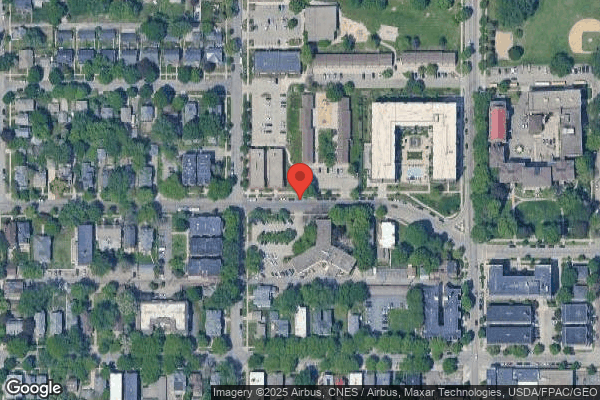
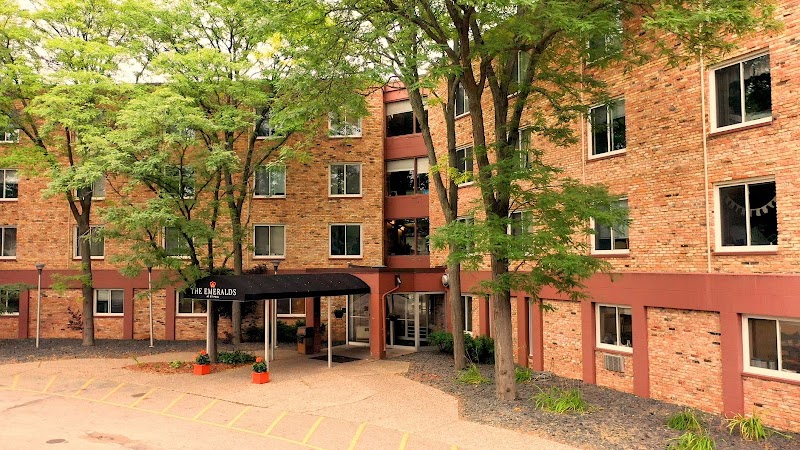
420 MARSHALL AVENUE, SAINT PAUL, MN 55102 (651) 224-2368
For profit - Corporation 100 Beds MONARCH HEALTHCARE MANAGEMENT Data: November 2025 6 Immediate Jeopardy citations
Trust Grade
0/100
#325 of 337 in MN
Last Inspection: July 2025

Inspected within the last 6 months. Data reflects current conditions.

Overview

The Emeralds at St Paul LLC has received a Trust Grade of F, indicating significant concerns regarding the quality of care provided. Ranking #325 out of 337 facilities in Minnesota places them in the bottom half, and they are ranked last in Ramsey County, suggesting limited local options. Unfortunately, the facility's trend is worsening, with the number of reported issues increasing from 18 in 2024 to 27 in 2025. On a positive note, staffing is a strength, earning a 4 out of 5 stars with a turnover rate of 37%, which is below the state average. However, the facility has incurred $35,275 in fines, indicating compliance issues that are more frequent than 77% of other Minnesota facilities. Recent inspector findings reveal serious concerns, including failing to provide adequate supervision for a resident who was found unsupervised in hazardous areas, neglecting to address critical pressure ulcers for a resident returning from the hospital, and not effectively managing another resident's pain, leading to unnecessary suffering. While there are some strengths in staffing, the facility's overall performance and specific incidents highlight significant weaknesses that families should carefully consider.

Trust Score
F
0/100
In Minnesota
#325/337
Bottom 4%
Safety Record
High Risk
Review needed
Inspections
Getting Worse
18 → 27 violations
Staff Stability
○ Average
37% turnover. Near Minnesota's 48% average. Typical for the industry.
Penalties
✓ Good
$35,275 in fines. Lower than most Minnesota facilities. Relatively clean record.
Skilled Nurses
✓ Good
Each resident gets 108 minutes of Registered Nurse (RN) attention daily — more than 97% of Minnesota nursing homes. RNs are the most trained staff who catch health problems before they become serious.
Violations
⚠ Watch
63 deficiencies on record. Higher than average. Multiple issues found across inspections.
★☆☆☆☆
1.0
Overall Rating
★★★★☆
4.0
Staff Levels
★☆☆☆☆
1.0
Care Quality
★☆☆☆☆
1.0
Inspection Score
Stable
2024: 18 issues
2025: 27 issues

The Good

  • 4-Star Staffing Rating · Above-average nurse staffing levels
  • Full Sprinkler Coverage · Fire safety systems throughout facility
  • No fines on record
  • Staff turnover below average (37%)

    11 points below Minnesota average of 48%

Facility shows strength in staffing levels, fire safety.

The Bad

1-Star Overall Rating

Below Minnesota average (3.2)

Significant quality concerns identified by CMS

Staff Turnover: 37%

Near Minnesota avg (46%)

Typical for the industry

Federal Fines: $35,275

Above median ($33,413)

Moderate penalties - review what triggered them

Chain: MONARCH HEALTHCARE MANAGEMENT

Part of a multi-facility chain

Ask about local staffing decisions and management

The Ugly 63 deficiencies on record

6 life-threatening 1 actual harm
Jul 2025 9 deficiencies
CONCERN (D) 📢 Someone Reported This

A family member, employee, or ombudsman was alarmed enough to file a formal complaint

Potential for Harm - no one hurt, but risky conditions existed

Deficiency F0558 (Tag F0558)

Could have caused harm · This affected 1 resident

**NOTE- TERMS IN BRACKETS HAVE BEEN EDITED TO PROTECT CONFIDENTIALITY** Based on observation, interview and record review the facility failed to ensure call light was accessable for 1 of 1 residents (...

Read full inspector narrative →
**NOTE- TERMS IN BRACKETS HAVE BEEN EDITED TO PROTECT CONFIDENTIALITY** Based on observation, interview and record review the facility failed to ensure call light was accessable for 1 of 1 residents (R61) reviewed for call lights. Findings include: R61's quarterly Minimum Data Set )MDS) dated [DATE], indicated R61 was cognitively intact and had diagnoses of respiratory failure and quadriplegia (unable to move arms or legs). Furthermore, R4 was dependent on staff for all cares.R61's care plan revised 6/5/25, indicated R61 was a risk of falls and staff were to ensure R61's call light was within reach.An observation on 7/27/25 at 12:39 p.m., R61 was laying in bed. R61's head was on a pillow and on the right side of the pillow was a tent call light. R61 was unable to move his head to hit the call light if staff assist was needed. When interviewed on 7/27/25 at 12:42 p.m., R61 was able to answer yes and no questions and mouthed words. R61 indicated it was sometimes hard to breath and they waited on staff for help. R61 shook their head no when asked if able to turn on the call light from where it was located. An observation on 7/28/25 at 1:54 p.m., R61 was laying in his bed watching their tablet. To the right of R61's pillow was a tent call light. R61 indicated no when asked if he could turn it on if assistance was needed. When interviewed on 7/28/25 at 2:05 p.m., registered nurse (RN)-B stated R61 was able to use the call light to alert staff for assistance. R61 was able to nudge it with his head. RN-B verified R61 was not able to reach their call light. RN-B placed the tent call light on R61's pillow close to their head and asked R61 to put it on to ensure it was in reach. When interviewed on 7/28/25 at 2:23 p.m., RN-C stated call lights should be placed where residents could use them. RN-C further stated that is an important part of how residents let staff know they need help. When interviewed on 7/30/25 at 10:59 p.m., the Director of Nursing (DON) expected staff to ensure call lights were in reach for all residents. DON further stated this was needed to ensure residents can get assistance when needed. A facility policy titled Call Light Policy revised 5/16/23, directed staff to ensure call lights, cords or other communication devices must be placed where they are within reach of each resident.
CONCERN (D)

Potential for Harm - no one hurt, but risky conditions existed

Deficiency F0578 (Tag F0578)

Could have caused harm · This affected 1 resident

**NOTE- TERMS IN BRACKETS HAVE BEEN EDITED TO PROTECT CONFIDENTIALITY** Based on interview and record review the facility failed to ensure a Provider Order for Life Sustaining Treatment (POLST) was up...

Read full inspector narrative →
**NOTE- TERMS IN BRACKETS HAVE BEEN EDITED TO PROTECT CONFIDENTIALITY** Based on interview and record review the facility failed to ensure a Provider Order for Life Sustaining Treatment (POLST) was updated to reflect the current wishes for 1 of 1 residents (R7) reviewed for advanced directives.Findings include:R7's Minimum Data Set (MDS) dated [DATE], indicated R7 had severely impaired cognition and never made decisions. R7's diagnoses included chronic respiratory failure, quadriplegia (inability to move arms and legs) and locked in state (lacked motor responses used to measure responsiveness). Furthermore, R7 had a tracheostomy (a surgical incision into the windpipe to assist with breathing) and required mechanical ventilation. R7's provider order dated 8/9/24, indicated R7 did not want resuscitation and was Do Not Resuscitate (DNR). R7's POLST dated 9/4/24, indicated R7 was DNR with selective treatment. Selective treatment included no intubation, advanced airway and no mechanical ventilation. Along side of the selective treatment section read per brother DNR/Do not Intubate (no advanced airway).R7's provider order dated 8/9/24, indicated R7 did not want resuscitation and was Do Not Resuscitate (DNR). R7's hospital Discharge summary dated [DATE], indicated R7 was hospitalized with acute on chronic hypoxic respiratory failure (an exacerbation of respiratory failure that led to low oxygen saturations). The summary further indicated R7 had been dependent on a tracheostomy prior to hospitalization and had not required oxygen supplementation or mechanical ventilation. R7 now needed mechanical ventilation as needed during the day and be placed on mechanical ventilation at night upon discharged .R7's care conference form dated 3/21/25, indicated R7's POLST was reviewed with resident/representative. When interviewed on 7/28/25 at 1:47 p.m., licensed practical nurse (LPN)-C stated the nurse manager reviewed the POLST with the resident or family when admitted . LPN-C wasn't sure how often a POLST was reviewed after that. When interviewed on 7/28/25 at 2:24 p.m., registered nurse (RN)-C stated a POLST was reviewed with the resident or family upon admission and then should be reviewed with any changes, at care conferences and hospitalizations. Full recusation and DNR was explained to the resident/family to help them decide what was wanted. They sign and then the nurse practitioner signed. RN-C verified R7's current POLST indicated R7 wanted to be DNR/DNI, however R7 had a tracheostomy and used a mechanical ventilator. RN-C further stated this did not make sense and R7 had a change after a hospitalization and had been using the ventilator for a while. RN-C stated R7's brother who was the medical decision maker, would need to be notified so R7's POLST could be clarified as R7's brother was involved and knew the status of the ventilator use. RN-C further stated during care conferences, while the POLST was discussed, the actual form was not reviewed for accuracy. When interviewed on 7/30/25 at 10:59 a.m., the Director of Nursing (DON) expected the resident's wishes and POLST to be verified and completed during admission and reviewed as needed, which included when residents returned from the hospital. Furthermore, the DON stated this was important to ensure the residents received the care they wanted. A facility policy titled POLST Documentation Procedure revised 4/2025, directed staff to complete a routine audit of POLST documentation to ensure consistent and accurate documentation of the POLST form, provider orders and care plan entry.
CONCERN (D)

Potential for Harm - no one hurt, but risky conditions existed

Deficiency F0605 (Tag F0605)

Could have caused harm · This affected 1 resident

**NOTE- TERMS IN BRACKETS HAVE BEEN EDITED TO PROTECT CONFIDENTIALITY** Based on interview and record review the facility failed to ensure target behaviors were monitored for 1 of 5 residents (R3) who...

Read full inspector narrative →
**NOTE- TERMS IN BRACKETS HAVE BEEN EDITED TO PROTECT CONFIDENTIALITY** Based on interview and record review the facility failed to ensure target behaviors were monitored for 1 of 5 residents (R3) who received psychotropic medications (medications that affect mood, thoughts, or behaviors). Findings include:R3's quarterly Minimum Data Set (MDS) dated [DATE], indicated R3 was cognitively intact and had diagnoses of acute respiratory failure, Amyotrophic Lateral Sclerosis (disease that affects the spinal cord causing loss of muscle use), and major depressive disorder. R3 was ventilator dependent and was taking psychotropic medications.A review of R3's current provider orders indicated R3 required:-as of 4/3/2025, Clonazepam (psychotropic medication) 0.5 milligrams (mg) via gastrostomy tube (G-tube) at noon for anxiety.-as of 4/2/25, clonazepam .025 mg twice daily for anxiety related to major depressive disorder. R3's orders lacked monitoring for target behaviors for anxiety. R3's care plan revised 11/11/2024, indicated R3 had potential for psychotropic drug adverse drug reactions related to daily use of psychotropic medications. Interventions included to administer medications as ordered, monitor for adverse reactions, and pharmacy to review medications. However, R3's care plan lacked identification or monitoring of target behaviors. When interviewed on 7/28/25 at 10:20 a.m., registered nurse (RN)-D stated R3 took medications for anxiety and has for a while. RN-D stated staff look for restlessness. R3 had been very anxious at times, especially when needing suctioning. R3 had recently been declining and at one point was going to go onto hospice, however decided not to. RN-D verified there was no documentation of target behaviors related to R3's anxiety or psychotropic medications and stated there was no longer daily documentation of any specific anxiety behaviors or anything to that extent. Currently, nurses only document if R3 had a change in condition. When interviewed on 7/29/25 at 2:25 p.m., RN-C stated R3 had recently deteriorated and almost signed on to hospice a few months ago. R3 used to be able to mouth his words, and now he can only blink to communicate. R3 used to be very anxious with repositioning and used to over breathe the vent. Currently, R3 had good days and bad days with the anxiety, breathing and repositioning. RN-C verified R3 had orders to monitor for side effects of the psychotropic medications, however there was no monitoring of target behaviors related to R3's anxiety and need for the medications. When interviewed on 7/30/25 at 10:19 a.m., the Director of Nursing (DON) expected residents who were taking psychotropic medications to have monitoring for target behaviors related to those medications. DON further stated it was important to understand if the medications were effective and if they were supporting a positive outcome for the resident. A facility policy titled Psychotropic Medication Use Policy revised 5/2025, directed staff to identify and monitor target behaviors when a resident was prescribed psychotropic medications.
CONCERN (D)

Potential for Harm - no one hurt, but risky conditions existed

ADL Care (Tag F0677)

Could have caused harm · This affected 1 resident

**NOTE- TERMS IN BRACKETS HAVE BEEN EDITED TO PROTECT CONFIDENTIALITY** Based on observation, interview, and document review the facility failed to provide nail care for 1 of 1 (R79) resident reviewed...

Read full inspector narrative →
**NOTE- TERMS IN BRACKETS HAVE BEEN EDITED TO PROTECT CONFIDENTIALITY** Based on observation, interview, and document review the facility failed to provide nail care for 1 of 1 (R79) resident reviewed for activities of daily living (ADL).Findings include:R79's quarterly Minimum Data Set (MDS) dated [DATE], indicated moderately impaired cognition and diagnoses of hemiplegia and hemiparesis following unspecified cerebrovascular disease affecting left dominant side and vascular dementia. It further indicated R79 had an impairment on one side of his upper extremities and required staff assistance with most ADL's and mobility.R79's care plan dated 6/18/25, indicated current functional performance was assist of 1 with ADLs. R79's skin assessments for the month of July 2025 (7/6/25, 7/13/25, 7/20/25, 7/27/25) indicated trimming fingernails was not necessary. During observation and interview on 7/27/25 at 3:01 p.m., R79's fingernails (on both hands) were approximately an inch long and he stated he wanted them cut. During observation on 7/28/25 at 8:08 a.m., R79 was sitting in his wheelchair, waiting in line to go outside to smoke. His fingernails were observed to be approximately one inch long. During observation and interview on 7/28/25 at 10:00 a.m., nursing assistant (NA)-E stated the nurses were responsible for cutting the residents nails, especially when they were diabetic and it should be done at least once a week on bath day. If the resident refused, it should be documented. NA-E also verified R79's nails were long, and they appeared to have not been trimmed in a few weeks. R79 repeatedly asked NA-E to cut his nails during this time. During interview on 7/28/25 at 10:46 a.m., licensed practical nurse (LPN)-B stated NA's and nurses were responsible for cutting the resident's fingernails unless they were diabetic. If the resident was diabetic, then the nurses were responsible for cutting them. This should be done weekly on bath day and refusals should be documented.During interview on 7/28/25 at 3:04 p.m., LPN-A stated the NA's or activities staff were responsible for cutting the resident's nails (unless they were diabetic). If they were diabetic, then the nurses were responsible for cutting them. The residents' nails should be cut once a week on bath day and refusals should be documented. During interview on 7/30/25 at 12:42 p.m., the director of nursing (DON) stated the nurses or podiatry were responsible for cutting residents nails if they were diabetic. If the resident was not diabetic, then the NAs were responsible for doing it. The DON further stated the resident's nails should be cut at least once a week on bath day, along with the skin assessment. The nurses were responsible for documenting it was completed, and refusals should be documented. The facility's policy regarding ADL's dated 3/31/23, indicated a resident who is unable to carry out activities of daily living will receive the necessaryservices to maintain good nutrition, grooming, and personal and oral hygiene.
CONCERN (D)

Potential for Harm - no one hurt, but risky conditions existed

Deficiency F0688 (Tag F0688)

Could have caused harm · This affected 1 resident

**NOTE- TERMS IN BRACKETS HAVE BEEN EDITED TO PROTECT CONFIDENTIALITY** Based on observation, interview and document review, the facility failed to ensure a hand splint/brace was used consistently for...

Read full inspector narrative →
**NOTE- TERMS IN BRACKETS HAVE BEEN EDITED TO PROTECT CONFIDENTIALITY** Based on observation, interview and document review, the facility failed to ensure a hand splint/brace was used consistently for 1 of 1 resident (R37) reviewed for range of motion (ROM).Findings include:R37's annual Minimum Data Set (MDS) dated [DATE], indicated R37 has minimal cognitive deficit, had limited ROM with impairment of upper extremities on one side, dependent with upper body dressing, and received zero minutes of ROM or splint/brace assistance in the 7 day lookback period. R37's diagnoses included hemiplegia and/or hemiparesis (weakness/paralysis affecting one side of the body) following a stroke affecting left non-dominant side.R37's care plan dated 4/14/25, indicated R37 severe contractures (condition where muscles or tendons become permanently shortened, causing loss of movement) of extremity. R37's care plan indicated hand splint to left arm, on in a.m. up to six hours and off at 2:00 p.m. and to wash both hands every shift before applying left hand splint/hand protector.R71's provider order dated 7/10/25, indicated apply hand splint to left arm, on with a.m. cares.R71's provider order dated 7/10/25, indicated remove left arm splint at the end of day shift at 1400 [sic].After the electronic medical record reviewed on 7/29/25, no evidence in R37's progress notes of physician notification of potential pain during usage of the left hand splint. Further, no evidence of any therapy orders during the year of 2025. During observation on 7/27/25 at 1:00 p.m., R37 in bed with no splint noted to left hand/arm.During observation on 7/28/25 at 8:04 a.m., R37 was up in wheelchair (w/c) in room with no splint noted to left hand/arm.During observation on 7/28/25 at 11:49 a.m., R37 up in w/c in room with no splint noted to left hand/arm.During observation on 7/28/25 at 1:47 p.m., R37 in bed with no splint noted to left hand/arm.During observation on 7/29/25 at 7:14 a.m., R37 in bed with no splint noted to left hand/arm.During observation on 7/29/25 at 8:01 a.m., R37 in bed with no splint noted to left hand/arm.During an interview on 7/29/25 at 8:43 a.m., nursing assistant (NA)-F stated not being aware of R37 requiring a splint to either hand and further stated R37 only requires the blue boots to the legs/feet only. NA-F verified R37 did not have a splint on the left hand/arm.During an interview on 7/29/25 at 8:46 a.m., trained medication aide (TMA)-A stated being aware of the blue boots for R37's legs/feet however, was not aware R37 required anything for the hands/arms. TMA-A pulled up the point of care documentation and noted there was no area to document a splint for R37's left arm. TMA-A pulled up the kardex for R37 on the laptop and noted there was documentation which indicated R37 required a splint to left arm to be applied in the a.m. and to be removed at 2 p.m. on day shift. TMA-A verified R37 did not have a splint on the left hand/arm. During an interview on 7/29/25 at 8:50 a.m., registered nurse (RN)-F stated R37 used to wear a splint to the left arm however, the staff are unable to find the splint for months. RN-F stated therapy was informed the splint was missing months ago however, denied following up on the missing splint status. During an interview on 7/29/25 at 8:54 a.m., RN nurse manager (RN)-G stated R37 refuses to wear the left arm splint due to pain however, further stated Health Partners was called and an order for therapy was received and therapy has been working with R37 regarding the splint. Further, RN-G stated R37 hadn't wore the splint to the left arm in months. During an interview on 7/29/25 at 9:02 a.m., certified occupational therapy assistant (COTA)-A stated R37 hadn't been on case load for therapy since 2024 and at the time it was an evaluation only due to a return from a hospital stay. Further COTA-A stated the last time R37 had been on therapy case load for the splint to the left arm was during 2021. COTA-A verified R37 needed the splint for pain management and to maintain what movement R37 has in the left arm.During an interview on 7/29/25 at 9:08 a.m. director of nursing (DON) stated if a splint was missing or causing pain the provider should be notified and therapy orders obtained as well as a new splint should be reordered and fitted. DON verified it was important for R37 to utilize the splint to maintain as much range of motion to the area as possible.Splint usage policy requested on 7/29/25 however, was not provided.
CONCERN (D)

Potential for Harm - no one hurt, but risky conditions existed

Deficiency F0699 (Tag F0699)

Could have caused harm · This affected 1 resident

**NOTE- TERMS IN BRACKETS HAVE BEEN EDITED TO PROTECT CONFIDENTIALITY** Based on document review and interview, the facility failed to identify triggers to avoid potential re-traumatization and failed...

Read full inspector narrative →
**NOTE- TERMS IN BRACKETS HAVE BEEN EDITED TO PROTECT CONFIDENTIALITY** Based on document review and interview, the facility failed to identify triggers to avoid potential re-traumatization and failed to develop the care plan to include individualized trauma-informed approaches for 1 of 1 resident (R6) who had a history of trauma. Findings include:R6's Comprehensive Minimum Data Set assessment (MDS) dated [DATE], indicated cognitively intact, had a diagnosis of major depressive disorder with anxiety and PTSD (post traumatic stress disorder) on admit on 4/22/25. R6 had a diagnosis of quadriplegia required full cares with bed mobility and transfers, unable to walk, and required total assistance with dressing and hygiene.R6's admission Psychosocial assessment dated [DATE] was not triggered for a care area assessment, therefore, not placed on care plan.R6's admission Trauma Questionnaire dated 4/23/25, identified the resident had a diagnosis of PTSD and R6 declined to talk about it.R6's physician visit note dated 4/25/25, identified R6 had major depressive disorder with anxiety, aggressor identification syndrome and PTSD.R6's physician orders on 4/28/25 and 6/3/25, identified orders for ACP Psychiatry consult to evaluate and treat. R6's vulnerability care plan dated 7/24/25, lacked individualized trauma-informed approaches or interventions and lacked identification of triggers to avoid potential re-traumatization.During an interview on 7/27/25 at 6:09 p.m., R6 stated someone, thinks it was social work employee, came in and talked, but I didn't want to talk at that time, I should see someone, I have been in a panic mode, they stated just trying to get everything all together.During an interview on 7/28/25 at 2:13 p.m., R6 spoke rapidly, changing subjects quickly I'm a little depressed, and concerned about keeping things in order, phone in mothers name right now, I wanted own line. Social worker was here about 1.5 weeks ago, I need to see a therapist, social services was going to do it but hasn't happened yet. I am in kind of panic mode. R6 rambled about Lake City, Milwaukee, packing up stuff and wanting to leave. They mentioned Bayview, it closed. There is nothing to do around here, no shopping, no restaurants, nothing to do outside. They talked about being in restraints in an ambulance and hospital. They were unaware of why they were taken to the hospital nor any outbursts or behaviors that would have caused that to happen to them. They claimed they called KTTCP and had an administrator fired for embezzling money. They stated they raged on Facebook against family, for not helping them. R6 stated they are in constant pain, Oxy doesn't touch the pain, worried about getting hooked on drugs. R6 also mentioned had a hard time sleeping, severe insomnia. They stated they were an advocate and did community service in Lake City and Red Wing.During an interview on 7/29/25 at 8:48 a.m., certified nursing assistant (CNA)-A met R6 needs by doing everything they ask, clean them up, had items next to them. The behavioral health training provided by the facility is on Med Trainer, a computer program, no hands-on or teach back methods utilized. CNA-A was unable to give a specific time frame for education, they replied the education happened, pretty often. They stated R6 mood was fairly stable, if there were any behaviors they would mark yes in the electronic medical record (EMR). That was the only place and information documented, no interventions or what type of behaviors displayed.During an interview on 7/29/25 at 9:00 a.m., licensed practical nurse (LPN)-A stated a resident received mental and psychological counseling by calling provider, obtain an order, inform the nurse manager and the family of appointment. If a resident was a trauma survivor, it would be written in a report and communicated in shift report. The approach to a resident with PTSD would be different, if the environment is too loud, too bright, if the resident is stressed. The behavioral health training provided was on Med Trainer, a computer program.During an interview on 7/29/25 at 11:14 a.m., LPN-A manager stated the processes in place to provide individualized care for a resident was in the care plan. The types of communication were used to keep floor staff aware of cares, changes in condition, behavioral issues were in the nurse-to-nurse report, 24-hour book, and in EHR. The process for a resident to receive mental and psychological counseling was to have social worker put them on a list and will notify who they should see every morning. It is the expectation that doctors' orders are to be followed. It is the expectation that a resident would be seen if two orders are placed. The interdisciplinary team (IDT) meets every morning with nurses, director of nurses, administrator, social worker, physical therapy, occupational therapy and speech, address behaviors, discuss upcoming meetings, update treatment administration record (TAR) and put in progress notes.During an interview on 7/30/25 at 8:47 a.m., social service director (SSD)-A stated to obtain mental and psychological counseling services, review hospital charts, there is a 48 admit process, notify provider, obtain orders, get consent from resident, referrals to ACP Psychiatry. Discuss with the resident provide effective listening, have the resident feel safe and to get to the underlying issues. The doctor's orders absolutely should be followed, the expectation for two orders for a resident to be seen by ACP, should be completed. However, the resident needed to sign a consent for treatment. R6 stated they requested therapy, however declined signing consent when SSD-A approached them, it was not documented. The IDT meet every morning, all the disciplines administrator, nurses, business office, culinary, activities, MDS coordinator, infection control, health unit coordinators. They discuss discharges, changes of condition, falls, grievances, hospitalization, care conferences, MDS, any meetings, new admissions and behaviors. R6 behaviors/ trauma informed care was not discussed due to it not being triggered on care area assessment or care plan. The care plans are important to know the total picture of the resident; mobility, diet, psychosocial, nursing, medication, therapies, every staff member needs to review and look under every section on care plans to provide individualized care for each resident. The underlying causes of the resident's behavioral expressions or indications of distress, specifically included in the care plan were individual needs of each resident, such as, grief, a loner, anything effects them, psychosocial issues, past trauma, mood and behavior, financial issues, health reasons, triggers, history of substance or alcohol abuse, homelessness, can influence their cares and their dc planning, The behavioral health training is on the computer, Med Trainer. There was not role playing, teach back, hands on, classes outside of facility utilized. If resident was a trauma survivor, the process for providing care, you don't need to know what the trauma was but be aware of the triggers. Understand that PTSD affects behavior, be aware of their individualized needs. If resident a appears hopeless, loss of control, staff needed be present, be respectful and understanding of everyone, be extremely mindful of retraumatizing the resident.The policy titled Trauma Informed Care, dated 2/24/23, identified the purpose is to guide staff in appropriate and compassionate care specific to individuals who have experienced trauma. As part of the comprehensive assessment, staff will identity history of trauma when possible. Residents that have a history of trauma will have goals and interventions added to their care plan to address potential triggers and approaches to minimize or eliminate the effect of the trigger on the resident.
CONCERN (D)

Potential for Harm - no one hurt, but risky conditions existed

Deficiency F0742 (Tag F0742)

Could have caused harm · This affected 1 resident

**NOTE- TERMS IN BRACKETS HAVE BEEN EDITED TO PROTECT CONFIDENTIALITY** Based on document review and interview, the facility failed to identify triggers to avoid potential re-traumatization and failed...

Read full inspector narrative →
**NOTE- TERMS IN BRACKETS HAVE BEEN EDITED TO PROTECT CONFIDENTIALITY** Based on document review and interview, the facility failed to identify triggers to avoid potential re-traumatization and failed to develop the care plan to include individualized trauma-informed approaches for 1 of 1 resident (R6) who had a history of trauma. Findings include:R6's Comprehensive Minimum Data Set assessment (MDS) dated [DATE], indicated cognitively intact with depression. R6 had a diagnosis of major depressive disorder and PTSD (post-traumatic stress disorder) on admit on 4/22/25. R6 had a diagnosis of quadriplegia required full cares with bed mobility and transfers, unable to walk, and required total assistance with dressing and hygiene.R6's admission Psychosocial assessment dated [DATE] was not triggered for a care area assessment, therefore, not placed on care plan.R6's admission Trauma Informed Care history dated 4/23/25, identified the resident had a diagnosis of PTSD and R6 declined to talk about it. Further, R6 responded yes to having been through anything life threatening or traumatic but did not give any further details on traumatic event. However, assessment lacked further details regarding triggers to prevent re-traumatization.R6's physician visit note dated 4/25/25, identified R6 had major depressive disorder with anxiety, aggressor identification syndrome and PTSD.R6's physician orders on 4/28/25 and 6/3/25, identified orders for ACP Psychiatry consult to evaluate and treat. R6's vulnerability care plan dated 7/24/25, lacked individualized trauma-informed approaches or interventions and lacked identification of triggers to avoid potential re-traumatization.During an interview on 7/27/25 at 6:09 p.m., R6 stated someone, thinks it was social work employee, came in and talked, but I didn't want to talk at that time, I should see someone, I have been in a panic mode, they stated just trying to get everything all together.During an interview on 7/28/25 at 2:13 p.m., R6 was speaking rapidly, changing subjects quickly, I'm a little depressed, and concerned about keeping things in order, phone in mothers name right now. I wanted own line. Social worker was here about 1.5 weeks ago,to see a therapist, social services was going to do it but hasn't happened yet. I am in kind of panic mode. R6 rambled about Lake City, Milwaukee, packing up stuff and wanting to leave. They mentioned Bayview, it closed. There is nothing to do around here, no shopping, no restaurants, nothing to do outside. They talked about being in restraints in an ambulance and hospital. They were unaware of why they were taken to the hospital nor any outbursts or behaviors that would have caused that to happen to them. They claimed they called KTTCP and had an administrator fired for embezzling money. They stated they raged on Facebook against family, for not helping them. R6 stated they are in constant pain, Oxy doesn't touch the pain, worried about getting hooked on drugs. R6 also mentioned had a hard time sleeping, severe insomnia. They stated they were an advocate and did community service in Lake City and Red Wing.During an interview on 7/29/25 at 8:48 a.m., certified nursing assistant (CNA)-A met R6 needs by doing everything R6 asked, cleaned them up, had items next to them. The behavioral health training provided is on Med Trainer, a computer program, no hands-on or teach back methods utilized. CNA-A was unable to give a specific time frame for education, they replied the education happened, pretty often. They stated R6 mood was fairly stable, if there were any behaviors they would mark yes in the electronic medical record (EMR). That was the only place and information documented, no interventions or what type of behaviors were displayed.During an interview on 7/29/25 at 9:00 a.m., licensed practical nurse (LPN)-A stated a resident received mental and psychological counseling by calling provider, obtain an order, inform the nurse manager and the family of appointment. If a resident was a trauma survivor, it would be written in a report and communicated in shift report. The approach to a resident with PTSD would be different, if the environment is too loud, too bright, if the resident is stressed. The behavioral health training provided was on Med Trainer, a computer program, no additional education provided.During an interview on 7/29/25 at 11:14 a.m., LPN-A manager stated the processes in place to provide individualized care for a resident was in the care plan. The types of communication were used to keep floor staff aware of cares, changes in condition, behavioral issues were in the nurse-to-nurse report, 24-hour book, and in EHR. The process for a resident received mental and psychological counseling was to have the social worker put them on a list and notify ACP of whom they should see every morning. It is the expectation that doctors' orders are to be followed. It is the expectation that a resident would be seen if two orders are placed. The interdisciplinary team (IDT) meets every morning with nurses, director of nurses, administrator, social worker, physical therapy, occupational therapy and speech, they address behaviors, discuss upcoming meetings, update treatment administration record (TAR) and put in progress notes.During an interview on 7/30/25 at 8:47 a.m., social service director (SSD)-A stated to obtain mental and psychological counseling services, they reviewed hospital charts, there is a 48 admit process, notify provider, obtain orders, get consent from resident, send referrals to ACP Psychiatry. The plan was to discuss with the resident, provide effective listening, have the resident feel safe and to get to the underlying issues. The doctor's orders absolutely should be followed, the expectation for two orders for a resident to be seen by ACP, should be completed. However, the resident needs to sign a consent for treatment. R6 stated they requested therapy, however R6 declined signing consent when SSD-A approached them. The care plans are important to know the total picture of the resident; mobility, diet, psychosocial, nursing, medication, therapies, every staff member needs to review and look under every section of care plans to provide individualized care for each resident. The underlying causes of the resident's behavioral expressions or indications of distress, specifically included in the care plan were individual needs of each resident, such as, grief, a loner, anything effects them, psychosocial issues, past trauma, mood and behavior, financial issues, health reasons, triggers, history of substance or alcohol abuse, homelessness, can influence their cares and their discharge planning, The behavioral health training is on the computer, Med Trainer. There was not role playing, teach back, hands on, classes outside of facility utilized. If resident was a trauma survivor, the process for providing care, you don't need to know what the trauma was but be aware of the triggers. Understand that it affects behavior, be aware of their individualized needs. If resident a appears hopeless, loss of control, staff need to be present, be respectful and understanding of everyone, be extremely mindful of retraumatizing the resident. The IDT meet every morning, all the disciplines administrator, nurses, business office, culinary, activities, MDS coordinator, infection control, health unit coordinators. They discuss discharges, changes of condition, falls, grievances, hospitalization, care conferences, MDS, any meetings, new admissions and behaviors. R6 behaviors/ trauma informed care was not discussed due to it not being triggered on care area assessment or care plan. The policy titled Trauma Informed Care, dated 2/24/23, identified the purpose is to guide staff in appropriate and compassionate care specific to individuals who have experienced trauma. As part of the comprehensive assessment, staff will identity history of trauma when possible. Residents that have a history of trauma will have goals and interventions added to their care plan to address potential triggers and approaches to minimize or eliminate the effect of the trigger on the resident.
CONCERN (D)

Potential for Harm - no one hurt, but risky conditions existed

Infection Control (Tag F0880)

Could have caused harm · This affected 1 resident

**NOTE- TERMS IN BRACKETS HAVE BEEN EDITED TO PROTECT CONFIDENTIALITY** Based on observation, interview and record review the facility failed to ensure staff followed transmission-based precautions (T...

Read full inspector narrative →
**NOTE- TERMS IN BRACKETS HAVE BEEN EDITED TO PROTECT CONFIDENTIALITY** Based on observation, interview and record review the facility failed to ensure staff followed transmission-based precautions (TBP) for 1 of 2 residents (R7) reviewed for TBP. Furthermore, the facility failed to ensure hand hygiene was completed during medication administration for 3 of 11 residents (R15, R21, R78) observed for medication administration. Findings include:R7's Minimum Data Set (MDS) dated [DATE], indicated R7 had severely impaired cognition and diagnoses included chronic respiratory failure, quadriplegia (inability to move arms and legs) Furthermore, R7 had a tracheostomy (a surgical incision into the windpipe to assist with breathing) and hepatitis B (liver disease that was spread through infected blood and bodily fluids) and Carbapenem-Resistant Pseudomonas aeruginosa (CRPA, a multidrug resistant infection that is transmitted via contact). R7's provider orders dated 10/8/24, indicated R7 required enhanced barrier precautions (EBP) for colonized multidrug resistant organism (MRDO) while providing high contact cares every shift for CRPA. R7's electronic medical record banner special instructions no date, directed staff to follow EBP for CRPA and history of hepatitis B. R7's care plan revised 8/12/24, indicated R7 required EBP related to tracheostomy, history of hepatitis B, and wound care to left toe. Interventions included use of appropriate communication to follow RBP, explain reason for EBP use, and for staff to don/doff personal protective equipment when providing high contact care. An observation on 7/27/25 at 6:08 p.m., R7's door was open. On the door was an orange sign that read Contact Isolation. The sign directed all staff who enter the room to perform hand hygiene and don a gown and gloves. An observation on 7/28/25 at 1:19 p.m., R7 was laying in their bed with the door open. On the door was an orange sign that read Contact Isolation and directed all staff who enter to perform hand hygiene and don gown and gloves. Central supply staff- A performed hand hygiene and donned gloves and entered R7's room without donning a gown. Central supply staff-A brought a box of supplies into the room and exited with an empty box. With gloves in place, the empty box was broken down and placed on a cart. Central supply staff-A then removed gloves and performed hand hygiene before entering the next room. When interviewed on 7/28/25 at 1:23 p.m., Central supply staff-A stated gloves were worn when delivering supplies to resident rooms in case something was needing to be moved. Central supply staff-A stated a gown was needed if supplies were stored close to the resident or the resident belongings. Since R7's box was not near him or his personal items, a gown was not needed. Central supply staff-A verified R7's sign that read Contact Isolation and further stated she was told if going in and out and not touching resident or resident items, only gloves were needed. When interviewed on 7/29/25 at 2:04 p.m., nursing assistant (NA)-B verified the sign on R7's door and stated R7 was on contact isolation for an infection or bug they had and that was to protect staff from his infection. Furthermore, R7 required staff to don a gown and gloves when providing personal or hands on cares with the resident. NA-B stated it was fine to enter the room without a gown or gloves to turn off the light or open the blinds, but if the bed was going to be touched, then a gown and gloves must be worn. When interviewed on 7/29/25 at 2:15 p.m., registered nurse (RN)-C stated when residents were on EBP, staff can perform hand hygiene and enter the room. If staff were to provide any hands on cares, gloves and a gown was required. Contact isolation required gown and gloves each time staff entered the room. RN-C verified the discrepancy between R7's contact isolation sign on the door and the orders in R7's medical record indicating R7 was on EBP and stated staff should follow the contact isolation sign. RN-C believed the contact isolation was in place when R7 had been actively infected with something but had to clarify if R7 still required contact isolation. Follow up information was received and RN-C verified R7 required EBP for hepatitis C and CRPA. Medication administration:R15's significant change MDS dated [DATE], indicated was cognitively intact and diagnoses of chronic respiratory failure with tracheostomy, had trouble swallowing, and had a gastrostomy tube (G-tube, a tube placed in the stomach to help with nutrition/tube feeding). R15's providers orders lacked indication R15 required EBP. R15's electronic medical record banner special instructions no date, directed staff to follow standard precautions. R21's quarterly MDS dated [DATE], indicated R21 was cognitively intact and had diagnoses ofR78's significant change MDS dated [DATE], indicated R had mild cognitive impairment and diagnoses of A medication observation on 7/30/25 at 12:05 p.m., RN-E was preparing R15's medication before going to R15's room. R15 was lying in bed with the door open. A sign on the door read Enhanced Barrier Precautions and directed staff to don gown and gloves when providing contact cares such as transferring, ADLs and repositioning. RN-E performed hand hygiene, donned gloves and without donning a gown, entered R15's room. RN-E flushed R15's g-tube, administered the medication via the G-tube and flushed the tube again. RN-E then cleared out the supplies, removed gloves and without hand hygiene exited R15's room. RN-E returned to the medication cart and without hand hygiene, prepared medications for R21. R21's medication was placed into a medication cup and RN-E went into the dining area where R21 was sitting finishing up lunch. RN-E administered the medication, took the empty medication cup and returned to the medication cart. The empty cup was thrown away and without hand hygiene, RN-E reviewed and prepared medications for R78. Without hand hygiene, RN-E donned gloves and brought R78's medications to the dining area where R78 was finishing up lunch. RN-E gave the oral medications and asked if the ointment could be placed on R78's knee. R78's left pant leg was raised and ointment applied. RN-E lowered the pant leg and let R78 know the other ointment will wait until they were done with lunch. RN-E then removed the gloves and threw them away and performed hand hygiene. When interviewed on 7/30/25 at 1:03 p.m., RN-E verified R15's door had a sign that stated Enhanced Barrier Precautions and said a gown and gloves were normally worn, however since there was not a long time spent in the room and the only interaction was with the G-tube, it was ok to be without a gown. RN-E further verified hand hygiene was not completed in between residents when administrating medications and should have been completed. When interviewed on 07/30/25 at 9:45 a.m., the infection preventionist (IP) expected staff to follow TBP signs on the door. If there was a discrepancy between the banner and the sign on the door, the expectation was for the staff to follow the sign on the door and reach out to the nurse manager for clarification. If there was not a nurse manager in the building, then staff should reach out to the provider.When interviewed on 7/30/25 at 10:59 a.m., the Director of Nursing (DON) expected staff to perform hand hygiene before entering and exiting a room. If the resident had TBP/EBP signs in place, staff were expected to follow the sign on the door or seek clarification if there was conflicting information between what was on the door and in the medical record. This was important to minimize risk of spreading infection. A facility policy titled Transmission Based Precautions revised 7/31/23, directed staff to ensure resident who require TBP will have pertinent signage that alerts staff, visitors and vendors of personal protection equipment needed. Proper hand hygiene remains a key preventative measure regardless of what TBP were in place.
CONCERN (E)

Potential for Harm - no one hurt, but risky conditions existed

Food Safety (Tag F0812)

Could have caused harm · This affected multiple residents

**NOTE- TERMS IN BRACKETS HAVE BEEN EDITED TO PROTECT CONFIDENTIALITY** Based on observation, interview, and document review the facility failed to ensure proper cleaning of snack/nourishment refriger...

Read full inspector narrative →
**NOTE- TERMS IN BRACKETS HAVE BEEN EDITED TO PROTECT CONFIDENTIALITY** Based on observation, interview, and document review the facility failed to ensure proper cleaning of snack/nourishment refrigerators maintained with food items are dated and labeled to prevent the potential for foodborne illness for 3 of 3-unit refrigerators. Findings include: During observation on 7/27/25 at 12:50 p.m., the refrigerator for residents on the 4th floor had an open gallon jug of milk, expiration date 7/9/25 no label on the container stating when milk was opened. A clear Tupperware container wrapped in a Macy's bag without a label. A Menards's bag with food container inside, had a resident's name, no date on item. A drawer contained: one open unlabeled package of saltine crackers, open bag of carrots and a peach. In the door of refrigerator there was an opened unlabeled chocolate pudding, a yogurt no label, expiration date 6/25, a bag with no label, open containers of Pace hot sauce, ketchup, Jalapenos, strawberry jam, Core Power beverage, Top of the Tator dip, expiration date 5/25, all items unlabeled. The bottom of the refrigerator, under the drawers had a red, dried liquid substance on it. The freezer had a [NAME] jar with a grayish substance in it, labeled with date 4/31/25 no name. An unlabeled open container of glycerin swabs sticks. A frozen unlabeled loaf of bread used by date 5/29/25. An unlabeled frozen bag of long grain white rice expiration 5/24. A bag from Culver's with resident's name, no date on it. Lastly, a frozen [NAME] frozen deluxe pizza expiration date 3/22/25 no label on item. Observed nursing assistant (CNA)-D removed a plaid thermos from refrigerator and placed it on top of refrigerator. During observation on 7/27/25 at 1:41 p.m., the refrigerator for residents on the 3rd floor contained an open package of hot dogs with white, green and brown fuzzy coating on them, unlabeled, expiration 6/25. A white bag with food items in it, unlabeled. Lastly, a bottle of Bio salad dressing, expiration date 5/25. The freezer had a Styrofoam cup with frozen red substance, unlabeled. One cold compress, unlabeled. During observation on 7/27/25 at 2:02 p.m., the refrigerator for residents on the 2nd floor contained a TPN (Total Parenteral Nutrition) container unlabeled with an expiration date of 11/24. During observation on 7/28/25 at 8:35 a.m., the refrigerator on the 4th floor still had red, dried liquid substance on bottom of it, all remaining items are labeled and dated, no expired items, additionally, the plaid thermos was on top of refrigerator. During observation on 7/29/25 at 8:25 a.m., the refrigerator on the 4th floor still had red, dried liquid substance on the bottom of it, additionally, the plaid thermos remained on top of refrigerator. During observation on 7/30/25 at 10:28 a.m., fridge was cleaned, and plaid thermos was removed from top of 4th floor refrigerator. During interview on 7/27/25 at 1:11 p.m., certified nursing assistant (CNA)-B stated the housekeeping department was responsible for cleaning and the disposal of unlabeled and expired items. CNA-B verified items unlabeled and expired in the 4th floor refrigerator. During interview on 7/27/25 at 1:17 p.m., CNA-D stated the kitchen staff was responsible for cleaning and the disposal of unlabeled and expired items. CNA-D verified items unlabeled and expired. They removed items from the refrigerator and put into trash, however, did remove an unlabeled plaid thermos and placed it on top of refrigerator on the 4th floor. During interview on 7/27/25 at 1:53 p.m., CNA-C verified unlabeled and expired items in 3rd floor refrigerator. During interview on 7/27/25 at 2:11 p.m., registered nurse (RN)-A stated they were unsure of which department was responsible for cleaning and disposal of unlabeled or expired items. They verified the unlabeled and expired items in the 2nd floor refrigerator. They stated ice compresses were to be stored in the medication fridge, not in resident's refrigerator. During interview on 7/29/25 at 7:22 a.m., dietitian-A stated there is a policy for residents receiving food from outside of facility. During interview on 7/29/25 at 7:25 a.m., culinary director (CD)-A stated nurses and CNA's check dates on items and disposes of any unlabeled or expired items, the dietary staff check and document temperatures, and housekeeping is responsible for cleaning the inside and outside of resident refrigerators on each floor. During interview on 7/29/25 at 8:47 a.m., housekeeping-A stated refrigerators were cleaned every Wednesday on all floors, items not labeled, check with nurse manager before disposing of items. If a container is open for more than two days, it is to be disposed of. Also, no items are to be on top of refrigerators. During interview on 7/29/25 at 9:17 a.m., CNA-A stated kitchen staff or aides clean fridges on the floors. Items should have dates and name of resident. During interview on 7/29/25 at 9:25a.m., licensed practical nurse (LPN)-B stated mostly nurses and managers clean the fridges on the floors. Items need to be labeled with name and date. if an item is expired, inform resident that the item was disposed of. A facility policy titled Food Receiving and Storage implemented on 7/29/25, indicated the refrigerator and freezer cleanliness will be maintained by housekeeping services. The labeling, monitoring and assisting residents/family of incoming product labeling will be maintained by nursing staff. The maintaining of daily temp logs, monitoring dates of products stored will be maintained by dietary staff. The facilities policy titled, Food Brought into a Monarch Healthcare Management Facility policy revised 9/12 indicated the food must be in a closed, leak-resistant container, it must be labeled with: Resident name and date item was received. Food must be disposed of properly after 3 days.
Jul 2025 3 deficiencies 1 Harm
SERIOUS (G) 📢 Someone Reported This

A family member, employee, or ombudsman was alarmed enough to file a formal complaint

Actual Harm - a resident was hurt due to facility failures

Pressure Ulcer Prevention (Tag F0686)

A resident was harmed · This affected 1 resident

**NOTE- TERMS IN BRACKETS HAVE BEEN EDITED TO PROTECT CONFIDENTIALITY** Based on interview and document review the facility failed to ensure that 1 of 3 residents (R1) reviewed for pressure ulcers rec...

Read full inspector narrative →
**NOTE- TERMS IN BRACKETS HAVE BEEN EDITED TO PROTECT CONFIDENTIALITY** Based on interview and document review the facility failed to ensure that 1 of 3 residents (R1) reviewed for pressure ulcers received care and services to prevent occurrence of newly developed pressure ulcers. The facility's failure resulted in actual harm to R1 when R1's skin was not comprehensively assessed and failed to develop a care plan for pressure ulcer prevention that resulted in six (6) pressure ulcers including Stage 4 pressure ulcer to R1's nose and deep tissue injuries to R1's ear. Findings include Findings include:According to the State Operations Manual, Appendix PP - Guidance to Surveyors for Long Term Care Facilities, revised 08-08-2024, included the following definitions:-Pressure Ulcer/Injury (PU/PI) refers to localized damage to the skin and/or underlying soft tissue usually over a bony prominence or related to a medical or other device. A pressure injury will present as intact skin and may be painful. A pressure ulcer will present as an open ulcer, the appearance of which will vary depending on the stage and may be painful. The injury occurs as a result of intense and/or prolonged pressure or pressure in combination with shear.- Stage 4 pressure ulcer refers to full thickness skin and tissue loss with exposed or directly palpable fascia, muscle tendon, ligament, cartilage, or bone in the ulcer. Slough and /or eschar may be visible on some parts of the wound bed.- Eschar refers to dead or revitalized tissue that is hard or soft in texture; usually black, brown or tan in color, and may appear scab like, Necrotic tissue and eschar are usually firmly adherent to the base of the wound and often the sides and edges of the wound.- Unstageable pressure ulcer refers to a full thickness skin and tissue loss in which the extent of tissue damage within the ulcer cannot be confirmed because the wound bed is obscured by slough or eschar. If the slough or eschar is removed, a stage 3 or 4 pressure ulcer will be revealed. - Deep tissue pressure injury (DTPI) refers to intact skin with localized area of non-blanchable deep red, maroon or dark purple discoloration due tot eh damage of underlying soft tissue.- Avoidable means that the resident developed a pressure ulcer/injury, and that the facility did not do one or more of the following: evaluate the resident's clinical condition and risk factors; define and implement interventions that are consistent with resident needs, resident goals, and professional standards of practice; monitor and evaluate the impact of the interventions; or revise the interventions as appropriate.R1's Braden Scale for Predicting Pressure Sore Risk dated 6/11/25, identified a score of 13 indicating R1 was at moderate risk due to the following factors: 1. Sensory perception-very limited, responds to only painful stimuli.2. Moisture-occasionally moist requiring an extra linen change once a day, 3. Activity-chairfast ability to walk severely limited or non-existent, cannot bear own weight and must be assisted into a chair or wheelchair. 4. Mobility-very limited makes occasional slight changed in body or extremity position but unable to make frequent or significant changes daily. 5. Nutrition was adequate.6. Friction and Sheer-a problem required moderate to maximum assistance in moving. Complete lifting without sliding against sheets was impossible. Frequently slides down in bed or chair, requiring frequent repositioning with maximum assistance. Spasticity, contractures or agitation leads to almost constant friction.R1's admission Minimum Data Set (MDS) dated [DATE], identified R1 had highly impaired hearing that required a hearing device and had impaired vision with corrective lenses. R1 had severe cognitive impairment, no speech and was completely dependent on staff for all activities of daily living (ADL's). R1's diagnoses included acute and chronic respiratory failure (when the lungs can't adequately provide oxygen to the blood or remove carbon dioxide from it) with hypoxia (when the body doesn't receive enough oxygen), encounter for tracheostomy (a surgical procedure creating an opening in the trachea (windpipe) to facilitate breathing) and anxiety disorder. R1 was at risk for pressure ulcers and had no identified skin concerns.R1's MDS triggered Care Area Assessments (CAA) for pressure ulcers, vision, and communication. R1's Pressure ulcer CAA dated 6/17/25 identified R1 at risk for skin breakdown related to decreased mobility, incontinence. R1 requires assistance from staff with mobility, transfers, and toileting needs R/T physical limitations but R1 can make some position changes on her own however, staff assist with repositioning and offloading as needed. Staff will monitor skin and report changes for evaluation/intervention/treatment as appropriate. R1's vision CAA identified R1 had impaired vision related to multiple comorbidities and used glasses on a daily basis. R1's Communication CAA identified R1's ability to hear was highly impaired related to multiple comorbidities. R1 did not use hearing aide/device. Will proceed to care plan. According to R1's care plan audit report (printed on 7/14/25) did not specifically include a pressure ulcer focus nor identify R1 was at risk for pressure ulcers. However, the care plan did include a Skin care plan focus that was created and initiated on 4/9/25, which identified R1 was at risk for impaired skin integrity and advised R1 had a fluid filled blister on her arm with no other skin issues identified. The intervention also dated 4/9/25 directed staff to monitor skin integrity daily during cares and weekly skin inspection by nurse. R1's communication focus created on 4/9/25 included the intervention Staff to apply hearing box on resident when communicating with her which also had a created date of 4/9/25.In review of CAA's and R1's care plan dated 6/11/25 through 7/4/25, there was no indication R1's external devices (glasses and hearing box) used over bony prominences (nose and ears) were comprehensively assessed nor identified as risk for factors for pressure ulcer development. Additionally, or alternatively, there was no indication individualized pressure relieving/reducing interventions associated with devices were developed and implemented except for turn and reposition every 2 to 3 hours dated 4/9/25.R1's order summary dated 6/11/25, identified to perform weekly skin inspection by licensed nurse. Complete weekly skin Inspection in Point Click Care (PCC-an electronic health record) every Wednesday and Sunday evening shift.Review of R1's record between 6/11/25 through 7/4/25 identified Weekly Skin Inspections assessments were completed on 6/11/25, 6/15/25, and 6/25/25. These assessments identified R1 did not have any skin issues. R1's Treatment Administration Record (TAR), dated July 2025, identified weekly skin inspection by licensed nurse. Complete weekly skin inspection in PCC every Wednesday and Sunday evening shift. The box on 7/2/25, identified a nurse had put their initials in box indicating the skin assessment was completed. However, in review of R1's record no comprehensive weekly skin inspection assessment completed for R1 on 7/2/25. R1's progress note dated 7/4/25 at 10:21 a.m., identified R1 was transferred to the hospital related to a large amount of blood in R1's colostomy bag.R1's Emergency Department (ED) to hospital admission record dated 7/4/25, identified R1 was admitted to ED at 10:33 a.m. for gastrointestinal (GI) bleed. Conditions present on admission identified R1 had severe skin breakdown on nasal bridge, visible bone (photo in chart) with significant concerns for elder abuse/neglect. This was escalated to charge nursing.R1's glasses were removed, and bilateral wounds present on bridge of nose where glasses rest. Headphones (for pocket talker) were removed, and wounds noted to left ear. Upon speaking with R1's family member (FM)-A. FM-A stated she had asked facility staff about routinely removing R1's eyeglasses and headphones at night and was told by staff that they are not allowed to remove these items if R1 refused. R1 had significant skin breakdown on nasal bridge in shape of R1's glasses nose pads. Bone was visible beneath. R1 was noted to have a suspected pressure ulcer to the left side of her nose, suspected pressure ulcer to the right side of the nose and wounds to R1's left ear.Picture description of left nasal bridge: one rectangular shaped ulcer located to her left lateral side of her nasal bridge with clear slough over exposed bone, scabs surrounding the open area. (consistent with stage 4 pressure ulcer).Picture description of right nasal bridge: one rectangular shaped ulcer noted to right lateral side of nasal bridge with exposed bone, surrounded by bloody drainage. (consistent with stage 4 pressure ulcer).Picture description of left ear: one wound on the end of the tragus (small, cartilaginous flap of tissue located on the outer ear, situated in front of and partially covering the opening of the ear canal) with eschar formation, one wound on the edge of the antitragus (It's situated above the earlobe and points anteriorly, meaning towards the front of the head) with eschar formation. R1's [NAME] (The visible, fleshy part of the ear on the side of the head. It is made up of cartilage covered in skin) of the ear was pulled forward to identify two darkened areas of skin on the mastoid process (area just below and behind your ear) where the stems of the glasses would lie. (coincides with medical device related pressure injury). Tragus and antitragus wound coincide with an unstageable pressure ulcer. According to R1's care plan audit report (printed on 7/14/25) there were no identification of pressure ulcer risk associated with external devices (glasses and pocket talker) and no corresponding interventions were developed to reduce pressure and/or mitigate the risk for pressure ulcers associated with devices until after R1 was hospitalized . R1's vision focus identified R1 had alteration in vision as evidenced by: Resident wearing glasses and Resident has history of refusing glasses and will often sleep with them on; this focus was created on 7/5/25 (after R1 was transferred to the hospital) but had an initiated date of 6/19/25 (prior to R1's hospitalization). A corresponding intervention that directed staff to Encourage resident to remove glasses while resting and at HS [at night] was created on 7/7/25 (three days after R1's transfer to the hospital) but had an initiated date of 7/3/25 (one day prior to R1's hospitalization). R1's communication focus was revised 7/5/25 to include Resident often refuses to remove pocket talker. An additional intervention was created on 7/7/25 that directed staff to Encourage resident to remove pocket talker while resting and at HS, however identified 7/3/25 as the date the intervention was initiated. During a phone interview on 7/9/25 at 9:31 a.m., hospital social worker (HSW)-A stated R1 was hospitalized on [DATE] and when R1 first admitted the nurse had to peel the glasses off R1's face. and it was like R1 never had her glasses removed off her face while she resided at the facility. HSW-A explained there were good pictures of her wounds in her hospital record; HSW-A remarked R1's wounds to her nose were definitely from pressure from her glasses and could have been prevented.During an interview on 7/10/25 at 11:54 a.m., hospital RN (HRN)-A stated she was working on 7/4/25, the day R1 was admitted around 5:00 p.m., she did a full body skin assessment on R1 and noticed redness around her glasses. HRN-A used R1's pocket talker to explain what she was going to do and removed R1's glasses without refusal. HRN-A stated she had trouble removing R1's eyeglasses because like they were stuck to her face HRN-A noted R1 to have full thickness pressure ulcers that were rectangular shaped on either side of R1's nose directly from the rectangular nose pieces of her glasses. HRN-A had never seen anything like it before and she believed R1 to have pain because during the removal of the glasses, R1 had facial wincing and grimacing. HRN-A stated when she removed R1's headphones she noted two unstageable pressure ulcers to the tragus and antitragus portion of the left ear with eschar formation and two deep tissue pressure injuries behind the left ear from the stems of the glasses where they wrapped around the ear. R1's pressure ulcers were from pressure from her eyeglasses and headphones and were completely preventable. HRN-A indicated it looked like they had never been removed from the facility she resided at.During an interview on 7/10/25 at 10:33 a.m., family member (FM)-A stated she visited R1 at the facility twice a day. FM-A would see the aides come in to do skin assessments, but they would just usually look at her bottom. FM-A never witnessed the staff ever remove R1's glasses or headphones from her ears. FM-A stated when she came to visit in the morning R1's headphones and glasses were always on even though she was sleeping and indicated she would come back at night and stay until R1 fell asleep. FM-A reiterated that no staff ever came in to remove R1's glasses or headphones. FM-A was at the hospital on 7/4/25, when the nurse at the hospital took R1's glasses off and stated, she had deep wounds on either side of her nose that were rectangular shaped from her nose piece of her glasses. FM-A described the wounds as, bloody gashes in the sides of R1's nose. FM-A stated she had wounds in and behind her left ear where her headphone being on her ears at all times and her glasses digging in.During an interview on 7/10/25 at 11:40 a.m., nursing assistant (NA)-A indicated she was familiar with R1's morning cares. NA-A stated R1 would never allow me to remove her headphones, R1 would push her hands out at me, so I would just move them a little bit forward to clean her face and had never noticed any sores on R1's ears. NA-A stated R1 never allowed anyone to remove her eyeglasses, she would kick and flail when staff tried. NA-A did notice R1 had red marks on her face from the eyeglasses but didn't think they were open sores and thought the nurses were aware.During an interview on 7/10/25 at 12:22 p.m., NA-B stated R1 always wore her glasses and headphones for her pocket talker. NA-B never noticed any redness under R1's glasses and never noticed skin concerns under her headphones but admitted she never removed R1's headphones or eyeglasses due to refusals.During an interview on 7/10/25 at 11:21 a.m., licensed practical nurse (LPN)-A indicated he worked with R1 on the day shift of 7/2/25 and had noticed R1 had redness on the bridge of her nose under her eyeglasses when they were repositioning her and stated he put a cream on it but was not sure what cream he put on it. LPN-A reported this skin concern to registered nurse (RN)-B who was the nurse manager. LPN-A never took R1's glasses off to fully assess R1's skin and stated he did not document the redness he had seen. LPN-A further stated R1 always kept her glasses and her headphones on her ears 24 hours a day. R1 would refuse to take her glasses or her headphones off. When R1 would refuse to take them off, LPN-A never explained to R1 the risks of pressure ulcer development from not removing the devices. During an interview on 7/10/25 at 12:28 p.m., RN-B stated he was the nurse manager for R1 and indicated R1 kept her eyeglasses and headphones for her pocket talker on 24 hours a day seven days a week. R1 refused to have her glasses, or her headphones removed. RN-B indicated that the care plan did not identify this and there were no prevention interventions implemented to prevent pressure ulcers to her nose or her ears and there should have been. R1's last comprehensive skin assessment was completed on 6/25/25, and it was missed on 7/2/25. RN-B explained LPN-A had notified him on 7/2/25 that R1 had redness under her eyeglasses, but admitted ly he did not complete a comprehensive skin assessment. R1 was sent to the hospital on 7/4/25, and the hospital had reached out to the facility stating R1 admitted with pressure ulcers to R1's nose and left ear that he had not been aware of. During an interview on 7/10/25 at 11:08 a.m., registered nurse (RN)-A stated she was a regular floor nurse that worked on R1's unit. RN-A never saw R1 with her glasses and her headphones from her pocket talker off of her ears. R1 had never refused cares for her, as long as you used R1's pocket talker to explain what you were doing [R1] did not refuse cares. RN-A explained the risk of never taking R1's eyeglasses and headphones off her ears would be a high risk for pressure ulcer development. During an interview on 7/10/25 at 2:17 p.m., the director of nursing (DON) stated staff shared with him that R1 was resistive to having her glasses and headphones removed after hearing from the hospital about R1's pressure ulcers. DON indicated R1 was a mechanical ventilator resident who was fully dependent with adl's putting her at high risk for pressure ulcer development. R1's care plan should have identified she would be at risk for pressure ulcer development if R1's glasses and headphones were not removed, and prevention interventions should have been developed to prevent pressure ulcers to these areas. DON indicated R1's 7/2/25, skin assessment was missed and the staff at the hospital did notify the facility that R1 admitted to the hospital with pressure ulcers to her nose and left ear. DON stated comprehensive skin assessments must be performed weekly. DON indicated R1's pressure ulcers were preventable.A facility policy, Skin Assessment and Wound Management, revised 2/2025 indicated Provide guidelines for assessing and managing wounds were: A pressure ulcer risk assessment (Braden Scale) will be completed per Monarch's Assessment Schedule/Grid. Implement appropriate preventative skin measures. Examples include, but are not limited to-nutritional interventions, mobility and repositioning plan, pressure redistribution plan. Skin Evaluation and Skin Risk Factors Form is completed before initial MDS, annually, and upon significant change. Staff will perform routine skin inspections (with daily care). Nurses are to be notified if skin changes are identified. Licensed staff will complete a weekly skin inspection.
CONCERN (D) 📢 Someone Reported This

A family member, employee, or ombudsman was alarmed enough to file a formal complaint

Potential for Harm - no one hurt, but risky conditions existed

Comprehensive Care Plan (Tag F0656)

Could have caused harm · This affected 1 resident

**NOTE- TERMS IN BRACKETS HAVE BEEN EDITED TO PROTECT CONFIDENTIALITY** Based on interview and document review the facility failed to ensure a comprehensive care plan was developed for 1 of 1 resident...

Read full inspector narrative →
**NOTE- TERMS IN BRACKETS HAVE BEEN EDITED TO PROTECT CONFIDENTIALITY** Based on interview and document review the facility failed to ensure a comprehensive care plan was developed for 1 of 1 resident (R1) reviewed for pressure ulcersFindings include:R1's admission Minimum Data Set (MDS) dated [DATE], identified R1 had highly impaired hearing that required a hearing device. R1 had severe cognitive impairment, no speech, and was completely dependent on staff for all activities of daily living (ADL's). R1's diagnoses included acute and chronic respiratory failure (when the lungs can't adequately provide oxygen to the blood or remove carbon dioxide from it) with hypoxia (when the body doesn't receive enough oxygen), encounter for tracheostomy (a surgical procedure creating an opening in the trachea (windpipe) to facilitate breathing) and anxiety disorder. Further identified R1 was at risk for pressure ulcers. R1's care area assessment (CAA) dated 6/17/25, identified Section 3; Visual function: identifying triggers indicated an ability to see in adequate light (with glasses or other visual appliances) was impaired. Analysis of findings identified R1 had impaired vision related to multiple comorbidities, used glasses on a daily basis. Overall objective for care planning was to minimize risks. Section 4 Communication triggering conditions identified R1's ability to hear was highly impaired. Analysis of findings identified R1 was at risk for communication difficulty related to multiple comorbidities. R1 had no speech, sometimes understands and sometimes make self-understood. R1 had impaired vision, impaired hearing, does not use hearing aide/device. Will proceed to care plan. Staff will repeat messages as necessary to assure communication has been successful.R1's Nurse Practitioner (NP) visit dated 6/27/25, identified R1 was severely hard of hearing with hearing device responds appropriately. R1's Care Plan Audit Report for R1 Printed: 7/14/25 Revision Date: 7/5/25Focus: Communication R1 experienced altered communication due to a tracheostomy (chronic respiratory failure), hearing impairment, and lack of speech. R1 often refuses to remove her pocket talker device (an amplified hearing tool).Interventions: 4/9/25: Staff to apply hearing box when communicating with R1; speak clearly, face R1, use writing tools; minimize background noise (e.g., TV, suctioning machine). 7/7/25: Ensure R1 wears headphones when communicating or watching TV, per her preference. 7/9/25: Ensure R1 has box talker device at all times and within reach.Focus: Vision R1 has altered vision and wears glasses consistently, often refusing to remove them even during sleep with a revision date of 7/5/25.Interventions: 7/5/25: Assist with daily wear of glasses; monitor/document vision changes or eye pain; ensure call light is accessible; monitor for eye infection; staff responsible for care and maintenance of glasses; schedule ophthalmology appointments as needed/requested. 7/7/25: Encourage R1 to remove glasses while resting and at HS. Care plan was reviewed and did not identify interventions for skin breakdown for eyeglasses or headphones for pocket talker even though according to the care plan R1 had a history of refusing to remove and R1 was at risk for pressure ulcers according to the assessment dated [DATE]. During an interview on 7/10/25 at 12:28 p.m., registered nurse (RN)-B stated he was the nurse manager for R1and indicated R1 kept her eyeglasses and headphones for her pocket talker on 24 hours a day seven days a week. RN-B reviewed R1's care plan, then stated the care plan did not identify this and there were no prevention interventions implemented to prevent pressure ulcers to her nose or her ears and there should have been.During an interview on 7/10/25 at 2:17 p.m., the director of nursing (DON) stated staff shared with him that R1 was resistive to having her glasses and headphones removed. R1 was a mechanical ventilator resident who was fully dependent with ADL's putting her at high risk for pressure ulcer development. DON further stated R1's care plan should have identified R1 was at risk for pressure ulcer development if R1's glasses and headphones were not removed, and prevention interventions should have been developed to prevent pressure ulcers to these areas. Facility Care Planning policy revised 11/2024, identified.comprehensive care plan: the interdisciplinary team (IDT), in conjunction with the resident and the resident representative, will develop and implement a comprehensive individualized care plan no later than the 21st day of admission of the resident. The care plan interventions are derived form a thorough analysis of the information gathered as part of the comprehensive assessment. The comprehensive person-centered care plan will be consistent with the resident's rights to identify problem areas and their causes and develop interventions that are targeted and meaningful to the resident. The plan of care will be utilized to provide care to the resident. The care plan is to be modified and updated as the condition and care needs of the resident changes.
CONCERN (D) 📢 Someone Reported This

A family member, employee, or ombudsman was alarmed enough to file a formal complaint

Potential for Harm - no one hurt, but risky conditions existed

Medical Records (Tag F0842)

Could have caused harm · This affected 1 resident

Based on interview and record review the facility failed to ensure medical records were accurate and readily accessible for 1 of 1 resident (R1) reviewed for pressure ulcers. Findings include:On 7/14/...

Read full inspector narrative →
Based on interview and record review the facility failed to ensure medical records were accurate and readily accessible for 1 of 1 resident (R1) reviewed for pressure ulcers. Findings include:On 7/14/25 the facility had provided electronic health record (EHR) access to review resident records. The viewable access to R1's record included care plan history dates, however, when printed the dates were inconsistent with what was displayed that was readily accessible. The facility provided R1's care plan on 7/14/25 at 7:51 a.m. This care plan included a communication focus that identified an initiated date of 4/9/25, Resident has Alteration in communication R/T [related to] Placement of Tracheostomy D/T [do to] chronic respiratory failure, HOH [hard of hearing], No speech. and Resident often refuses to remove pocket talker device. The corresponding goals were initiated on 4/9/25 with revision dates of 7/9/25 (did not identify what the revisions were); the goals included resident will have adequate communication as evidenced by: ability to communicate basic needs and Residents needs will be anticipated and met by staff. There were no other dates that were included in the focus area column and the interventions did not include any dates including when they were initiated.R1's care plan that was provided on 7/14/25 at 7:51 a.m. also included a focus area for vision that was initiated on 6/19/25; Resident has Alteration in vision AEB (as evidenced by): related to: Resident wearing glasses. Resident has history of refusing to remove glasses and will often sleep with them on. The corresponding goals had an initiated date of 7/5/25 with a revision date of 7/9/25 which was not consistent with when the vision care plan focus was initiated. The interventions did not include any dates of initiation or revision. The facility then provided another copy of R1's care plan on 7/14/25 at 8:46 a.m. via email from the administrator in which the administrator wrote, See attached. I had to have Corporate change the configuration for CP [care plan] The attachment was labeled cp with revisions. This care plan included the focus area of communication with the initiated date of 4/9/25, the goals remained the same and included dates the interventions were initiated. The interventions were all initiated on 4/9/25, with the exception of staff to ensure resident has her headphone one [sic] when communicating . which was 6/19/25, and Staff to ensure resident has his [sic] box talker . which was dated 7/5/25. This version of the care plan included an intervention that was not reflected on the first version provided at 7:51 a.m. which was Encourage resident to remove pocket talker while resident and at HS [at night] with initiated date of 7/3/25. -In the same copy of the care plan provided at 8:46 a.m. was the vision focus that was initiated on 6/19/25. The goals were unchanged between this copy and the previous copy that was provided at 7:51 a.m. The interventions that were listed all identified they were initiated on 7/5/25 with the exception of Encourage resident to remove glasses while resident and at HS which identified an initiated of 7/3/2025. There was no revision dates identified for any interventions listed. The facility then provided Care Plan Audit [resident initials] via email on 7/14/25 at 10:50 a.m. The audit report identified the focus of communication was created and initiated on 4/9/25 and had a revision date of 7/5/25. The corresponding goals identified they were created and initiated on 4/9/25 and had a revision date of 7/9/25. The audit report identified most of the interventions had been created on and initiated on 4/9/25, except for one intervention that was created by the administrator and one intervention was created by registered nurse (RN)-B in which those interventions had a created-on date after the initiation date. The intervention Encourage resident to remove pocket talker while resting and at HS Date was created on 7/7/25 by the administrator, however the initiated date of the intervention was 07/03/2025. The intervention Staff to ensure resident has her headphone one [sic] when communicating and watching TV per her choice was created on 7/9/2025 by registered nurse (RN)-B however the initiated date of the intervention was 6/19/25. -In the same copy of the Care plan Audit report that was provided at 10:50 a.m. included the vision focus which identified RN-B created the focus on 7/5/25 and the administrator revised the focus on 7/5/25, but the initiated date was 6/19/25. The corresponding goals were created on 7/5/2025 and revised on 7/9/25 by RN-B. The intervention Encourage resident to remove glasses while resting and at HS was created on 7/7/25 by the administrator however the care plan identified the initiated date was 7/3/25. All of the interventions were created and initiated on 7/5/25 by RN-B. The care plan did not identify any revision dates. During an interview on 7/14/25 at 10:17 a.m., administrator stated she was unsure why the care plans when printed showed the wrong dates. Administrator stated she initiated the focus of R1's refusal of removing pocket talker on 7/5/25 after her hospitalization on 7/4/25. Administrator further stated R1 focus of vision with history of refusing to remove her glasses was not implemented until 7/5/25. Administrator was unsure why the care plan was printing out with inaccurate dates. During an interview on 7/14/25 at 10:33 a.m. regional nurse consultant (RNC)-A stated R1's care planned dates for the focus of vision and communication were not accurate or readily accessible and should be. RNC-A stated R1's care plan audit report would be most accurate and was not sure why the dates on R1's care plan revision was inaccurate. During an interview on 7/14/25 at 11:12 a.m., registered nurse (RN)-B stated he was the nurse manager for R1's unit and indicated the dates were not accurate when printed for the focus of vision and communication. R1's refusals were not initiated until after her hospitalization on 7/4/25. RN-B stated the care plan should be printing out accurate dates.Policy regarding resident medical record was requested and was not received.
Jun 2025 3 deficiencies 1 IJ
CRITICAL (J) 📢 Someone Reported This

A family member, employee, or ombudsman was alarmed enough to file a formal complaint

Immediate Jeopardy (IJ) - the most serious Medicare violation

Accident Prevention (Tag F0689)

Someone could have died · This affected 1 resident

**NOTE- TERMS IN BRACKETS HAVE BEEN EDITED TO PROTECT CONFIDENTIALITY** Based on observation, interview, and document review, the facility failed to provide adequate supervision and identify a foresee...

Read full inspector narrative →
**NOTE- TERMS IN BRACKETS HAVE BEEN EDITED TO PROTECT CONFIDENTIALITY** Based on observation, interview, and document review, the facility failed to provide adequate supervision and identify a foreseeable hazard for 1 of 3 residents (R1) reviewed who required supervision. R1's was found unsupervised on two occasions; On 6/7/27 while outside in the staff smoking area and on 6/13/25 as a result of nonfunctional wanderguard and the facility not performing physician ordered 15-minute checks was found at a busy intersection. This resulted in an immediate jeopardy for R1 health and safety.The Immediate Jeopardy (IJ) began on 6/7/25, was corrected on 6/14/25 when the facility implemented interventions to prevent reocurrance. The Administrator, Director of Nursing (DON), Regional Director of Operations, and Regional Nurse Consultant were notified of the IJ on 6/24/25 at 5:50 p.m. The facility implemented immediate corrective action on 6/14/25 to prevent recurrence, so the IJ was issued at past none compliance.Findings include:R1's St. Louis University Mental Status Exam dated 7/19/24 (SLUMS- is a screening tool used to detect mild cognitive impairment and dementia in older adults) identified R1's score was indicative of dementia. R1's quarterly Minimum Data Set (MDS) dated [DATE], indicated R1 had intact cognition, no behaviors, used a walker and wheelchair, was independent with walking and wheeling, had no upper or lower extremity impairments, and used a wander/elopement alarm daily. The MDS also identified R1 required care and monitoring for diagnoses of diabetes, dementia, malnutrition, anxiety disorder, depression, and post-traumatic stress disorder (PTSD). R1's Care Plan Report focus initiated 7/23/24, identified R1 was at risk for elopement related to diagnoses of bipolar affective disorder (disorder with episodes of mood swings), alcohol abuse, dementia with behavioral disturbances, and history of elopement attempt. R1 had a history of cutting off the Wanderguard device (off his person). The goals identified R1 would not leave the building alone and would follow the facility leave of absence (LOA) policy. The interventions initiated on 7/23/24, directed staff to invite R1 to all activities of choice; answer door alarms promptly; monitor Wanderguard per manufacturer's guidelines; new wander guards were kept at the receptionist desk or/and the director of nursing (DON) office; and Wanderguard was to be monitored for proper functioning, placement, and expiration date per orders. R1's most recent elopement assessment on 11/13/24, identified R1 had a habit/history of wandering or attempts to leave the unit/building and was able to ambulate or able to self-propel his wheelchair. The assessment resulted in a score of three which did not meet the facility's guideline of four or greater to indicate at risk for elopement. Despite the score of three, an elopement risk care plan was indicated with the goals and interventions listed in R1's care plan. R1's medical record did not include quarterly elopement assessments for February 2025, May 2025.R1's nurse progress note dated 6/7/25 at 9:34 a.m., written by registered nurse (RN)-A, identified R1 was found seated at the back of the building near the kitchen door. Reception staff reported R1 left the building around 5:30 a.m. and had his Wanderguard in his pocket. R1 returned at 7:20 a.m. and appeared to be fine. R1 did not recall how he exited the building. The Wanderguard had been secured on his ankle. Would do 15-minute safety checks every shift. Director of Nursing (DON) and nurse manager were notified. R1's Medication Administration Record (MAR) dated June 2025, identified an order entered on 6/7/25 directed staff to do hourly safety checks due to increased risk for elopement. Document any exit seeking behaviors or comments in the progress notes and update provider, as needed. Another order entered on 6/7/25 directed staff to do 15-minute checks every shift for confusion and were signed by staff as completed. R1's administrator progress notes on 6/7/25 at 9:34 a.m., R1 stated he was trying to go outside to smoke and mistakenly went to employee smoking area instead of resident smoking area. R1 stated he was not trying to leave the facility. Staff confirmed R1 was smoking and returned inside afterward. R1 was reoriented to resident smoking area. During an interview on 6/24/25 at 8:00 a.m., the administrator identified the video footage of R1's 6/7/25 incident was not reviewed and was no longer available to be viewedR1's smoking assessment dated [DATE], indicated R1 had cognitive loss, smoked two to five cigarettes a day, smoked morning, afternoon, evenings, and nights, was found to be able to smoke safely and independently. However, the smoking assessment did not define the location where R1 was deemed safe to smoke and there was no indication the facility had thoroughly investigated the incident on how/why R1 was found in the employee smoking area. Further, despite R1 going to the wrong smoking area on 6/7/25, R1's record did not include a follow-up assessment that identified if R1 continued to be safe to leave the building to smoke independently after 6/725. Additionally even though 15-minute checks were implemented it was not evident R1's care plan was updated with safety interventions to prevent R1 from going to the wrong smoking area. During an observation on 6/24/25 at approximately 1:00 p.m. the facility's secured resident smoking area noted an area of grass and concrete with locked gates surrounding the area. The back of the facility where R1 was found unsupervised in the staff smoking area was facing the alley where there was also delivery area and had ungated concrete steps to the lower level of the facility, dumpster's. There was a locked and coded door to re-enter the facility. There was no resident access areas accept from the front side of the building which would entail crossing a parking lot, public sidewalk, and public alley. During an interview on 6/25/25 at 2:13 p.m., receptionist (RCP)-C indicated she worked the night shift of 6/6/25 at 11:00 p.m. to 7:00 a.m. on 6/7/25. RCP-C was aware R1 went outside early that morning because she had to shut the door alarm off. RCP-C identified she thought it was about 6:50 a.m. or 6:55 a.m. RCP-C had historically been directed by someone (could not recall who) that if a resident were to go outside she was not supposed to chase after the resident but instead report it to the nurse. When RCP-C called the charge nurse (not sure which nurse she talked to) she was told, this is just what he [R1] does with no further direction given. RCP-C further identified no one was ever available to relieve her when she took her breaks, so would leave the floor unsupervised during those times, During an interview on 6/25/25 at 2:03 p.m., RCP-B indicated when she arrived for her shift on 6/7/25 at 7:00 a.m., the night receptionist was not at the front desk, she was not aware of where she was, and the alarm was not sounding. The overnight nurse left but did not report R1 was outside. A resident told RCP-B (but could not recall which resident) that R1 had left the building and was sitting outside in the back of the facility by the alley. RCP-B stated she told R1 that he was not supposed to be out there, it was not safe, and tried to get R1 to come in but he refused to come in. She reported it to the charge nurse. The charge nurse and a nursing assistant (NA) came down and got him back in the building. RCP-B indicated the only way R1 could have gotten out was the front entrance door, down the sidewalk, over a curb, and around to the back-alley way. RCP-B further stated she found an unsigned note on the receptionist desk that said R1 had left the building about 5:00 a.m. but was not sure who wrote the note and threw the note away. During an interview on 6/24/25 at 11:18 a.m., registered nurse (RN)-A identified the receptionist on first floor was responsible for monitoring the Wanderguard system and the doors 24/7. The Wanderguard alarms did not alert to the 2nd, 3rd, or 4th floors so staff would not be aware if a resident tried to get out of the facility through the main entrance on the first floor. RN-A indicated she was working day shift on 6/7/25. At approximately 7:10 a.m. a resident (she could not recall which resident) had informed her that since 5:30 a.m., R1 was sitting outside the back of the building by the kitchen door and employees smoking area. R1 was not in a resident area or a safe area and should not have been there. R1 had his Wanderguard in his pocket and it alarmed when he entered back into the building. R1 did not know how he had gotten out of the building or how he had gotten to the back of the building. RN-A indicated there was not a receptionist at the desk when she arrived for work at approximately 6:50 a.m. and the only way R1 could have gotten out was the front door was someone had to silence the Wanderguard alarm but was not sure who would have done that. RN-A indicated 15-minute checks were implemented and R1's Wanderguard was reapplied. R1's Late Entry behavior progress note for 6/12/25, recorded on 6/14/25 at 7:08 p.m., identified nurse manager was notified that R1 had removed/cut off Wanderguard to right ankle and Wanderguard was reapplied to right ankle. On 6/13/25, at 4:00 p.m., the nurse manager noted R1's Wanderguard was on his bed and R1 was not in his room. R1 was located and the attempt to re-apply the Wanderguard was unsuccessful due to R1 using threats and throwing punches at the nurse manager. R1 was not redirectable and left the room to go smoke. Nurse manager updated evening staff to reinforce application of Wanderguard. R1's nurse progress note on 6/13/25 at 10:05 p.m., identified the nurse attempted to place the Wanderguard on R1 but he refused. The nurse tried again after a short while but R1 refused again. R1's record did not identify immediate interventions were implemented as a result of R1 refusing to wear Wanderguard. Observation of facility's video footage of R1's elopement on 6/13/25, identified the following timeline: 8:00 p.m. R4 and visitor leave the facility through the main entrance; 50 seconds later R1 exits through the main entrance and wheels to the right out of sight; at 8:52 p.m. R4 enters the facility through the main entrance; 9:07 p.m. a staff person enters through the main entrance; 9:08 p.m., 1 hour and 16 minute later R1 enters through the main entrance and appears to be talking to someone at the front desk. R1's progress notes did not address R1 exiting the facility on 6/13/25 but identified a note on 6/14/25.R1's behavior progress noted on 6/14/25 at 1:13 p.m., indicated social service designee (SSD) was informed by another resident (later identified as R4) that R1 had eloped from the facility the evening prior (6/13/25). R4 found R1 on the corner of (intersection of two streets) between 6:30 p.m. - 7:00 p.m. R1 was noted to be in his wheelchair and R4 guided R1 back to the facility. R4 reported there was not a receptionist at the desk when they returned. The SSD instructed nurse to apply a Wanderguard on R1 but R1 became combative so the Wanderguard was applied to the wheelchair. A follow up note at 1:29 p.m., identified staff applied a Wanderguard on R1's wheelchair and on R1's left ankle and directed staff to continue the 15-minute checks. A behavior note on 6/14/25 at 3:54 p.m., identified nursing staff informed that R1 was to have 1:1 staff supervision. R1's SLUMS examination completed by a psychology provider on 6/16/25, identified R1 had dementia. During an interview on 6/24/25 at 2:37 p.m., the social service director (SSD) indicated she was informed of R1's 6/7/25 incident of the leaving the building on 6/9/25 during an interdisciplinary team (IDT) meeting. R1 could only have exited through the front door as the back two doors have codes to exit and R1 would not have known the codes. The SSD indicated R1 would have had to go over a curb with his wheelchair and around to the back alley to get to that location. SSD reported R1 being outside in that area was not a safe area as there have been drug addicts in that area digging through the trash, R1 could have fallen and hit his head, and it was fortunate he ended up where he did instead of wandering further off the campus. SSD stated, if we would have taken the necessary steps on the seventh [6/7/25], he would not have gotten out the second time [6/13/25]. SSD further described the area R1 was found on 6/13/24 as a very busy intersection with a college close by. On 6/14/25, the SSD was the manager on duty and was at the facility when R4 informed her that he had to bring R1 back to the facility the evening before (6/13/25). SSD immediately notified the charge nurse, administrator, DON, and the State Agency. SSD noted R1 was not wearing a Wanderguard. SSD and charge nurse applied a Wanderguard to R1's wheelchair until he would cooperate to place a Wanderguard on his ankle.The facility's internal investigation dated 6/14/25, identified potential contributing factors leading to R1's elopement included: receptionist was on break; no one monitoring the front entrance; alarm not sounding and door not locking due to R1 removing his Wanderguard; staff not following the order for 15-minute safety checks on R1; nurse failed to follow direction from manager and place Wanderguard on resident. During observation and interview on 6/23/25 12:40 p.m., R1 was noted to be lying in his bed, unshaven, with a pack of cigarettes and lighter lying next to him. R1 yelled and used foul language when discussing the facility and the care he received but refused interview. R1 was noted to have a nursing assistant (NA) outside his door. During follow up interview attempt on 6/24/25 at 9:28 a.m., R1 was lying in bed and noted to be wearing a Wanderguard on his right ankle and had a second Wanderguard on the back of his wheelchair. NA outside of his door. R1 indicated he was angry and not in the mood to visit. During an interview on 6/23/25 at 12:55 p.m., R4 who had no cognitive impairment according to BIMS (Brief Interview for Mental Status) dated 5/19/25 stated R1 had eloped from the facility the week prior and found him near the corner of an intersection about a block away from the facility. R4 further indicated on 6/13/25 at approximately 7:00 p.m. to 8:00 p.m., he and a friend (not a fellow resident) left the facility by electric wheelchair to go out for supper at a restaurant about a mile away and R1 must have followed them out the door. R4 indicated there was usually a receptionist at the front desk that the residents check in and out with when they leave but the desk was unoccupied when he left. When they were returning from the restaurant, they saw R1 in his wheelchair wheeling toward the intersection and was approximately ten feet away from the corner. R4 further indicated, when R4 approached R1, R1 asked what intersection he was at and told him he was on a weeklong leave of absence from the facility and was not going back. R4 knew R1 was confused and usually wore a Wanderguard. R4 stated he was able to convince R1 to return to the facility and escorted him back. R4 indicated R1 had difficulty maneuvering the wheelchair over the uneven sidewalk but returned to the facility without incident. Once back at the facility, R1 wanted to stay out in front of the building to smoke so R4 entered the building and told the receptionist at the desk that R1 had eloped and was out front smoking. R4 stated the next day, he reported R1's elopement to social services. During an interview on 6/23/25 at 4:38 p.m., RCP-A acknowledged working the evening of 6/13/25. RCP-A indicated she did not see R1 leave because she was on break and he did not have a Wanderguard on so the Wanderguard system did not alarm when he left the building. No one had told her R1 left and stated R4 did not tell her R1 had left the facility until the next day which contradicts R4's interview statement. RCP-A indicated she took her break between 8:00 p.m. and 8:30 p.m., and when she returned, she noted R1 coming in the front door, but the door did not alarm. RCP-A was just glad to see him coming in. RCP-A denied checking R1 to see if he was wearing a Wanderguard but stated she just assumed since he did not alarm, the nursing staff had removed his Wanderguard and he could go outside without supervision. RCP-A denied checking with the nursing staff about R1's Wanderguard status or reporting R1 had been outside the facility unsupervised the evening of 6/13/25. RCP-A stated she was not aware of R1 leaving the facility unsupervised on 6/7/25.During an interview on 6/24/25 at 7:03 p.m., RN-B indicated she was working on 6/13/25 and had attempted to re-apply R1's Wanderguard but he had refused and was aggressive. RN-B had RN-A try to reapply it but R1 refused again. RN-B indicated she checked on R1 to the best of my ability, it was busy but thought she had checked on him about every 30 to 60 minutes. RN-B stated she was informed on 6/14/25, that R1 had eloped from the facility and was informed at that time that R1 was supposed to be on 15-minute safety checks.During an interview on 6/24/25 at 9:51 a.m., nurse manager (NM)-A, indicated R1 had attempted to elope before so required a Wanderguard but also had a history of removing it or cutting it off. NM-A indicated the Wanderguard system only alarms on the first floor and there was always a receptionist at the front desk and was responsible to monitor the doors and respond to the alarms. The elevators were not locked or alarmed except the doors that open to the kitchen and back of the building which required a code. R1 spent most of his time on first floor because he went out to smoke. NM-A indicated knowledge R1's 6/7/25 incident and had initiated 15-minute checks. NM-A stated, there was a systems breakdown when R1 eloped on 6/13/25, further identifying the 15-minute checks were not being completed, the receptionist was not monitoring the front desk, and his elopement was not reported to nursing until the next day. During an interview on 6/24/25 at 3:58 p.m., the DON summarized R1's elopement events as the facility's multiple layers of security to prevent elopement failed and their systems broke down. The DON further clarified the system of staff supervision broke down by not completing the ordered 15 minute checks; the nurses did not follow through when R1 refused to allow them to apply the wander guard; nurses did not report the refusal to their manager; the staff assumed R1 was in the facility if they did not hear an alarm, staff did not monitor R1 yet signed that they were monitoring R1; R1 was able to cut his Wanderguard off; the receptionist assumed staff removed R1's alarm; the receptionist did not look at the binder to confirm, and the receptionist did not report R1 leaving the facility unsupervised to anyone. The DON was aware of R1's 6/7/25 incident but did not think he was aware of the details. The DON understood R1 left the facility out the front door early morning to smoke and staff found him and brought him back in. The DON indicated if a resident was found outside of where they should not be and had breached the facility security, he considered it an elopement. The DON further identified R1 was not safe to be outside unsupervised due to R1's fluctuating cognitive status and R1's elopements are a serious concern. During an interview on 6/24/25 at 3:24 p.m., the administrator indicated SSD notified her of R1's 6/13/25 elopement on 6/14/25 early afternoon and began 1:1 staffing with R1, immediate education with all staff, The administrator stated, he [R1] knew where he was going and he got back after running into [R4] and following him back [to the facility]. The administrator indicated that although R1 safely navigated to the intersection, he required supervision when out of the facility. Further noted about a week prior (6/7/25), R1 attempted to go out and smoke and was redirected back in but was not aware he was outside for approximately two hours and did not feel the area was unsafe as it was on campus. The administrator verified the area that R1 was found in was in the back of the facility with concrete stairs close, a delivery area, next to an alley, and near the employee smoking area. The administrator verified the facility failed to provide supervision and the ordered 15-minute checks leading to the elopement on 6/13/25. The facility policy titled Elopement Policy last reviewed 6/2023, included the facility is committed to provide a safe environment for all residents and will assure that each resident is assessed on an ongoing basis and has appropriate safety precautions in place. All residents will be reassess quarterly, annually, and as needed due to significant changes. The facility will identify such environmental hazards such as entrances, stairwells, or exits that pose a foreseeable danger to residents who wander or have an exit seeking behavior. The facility will implement interventions to minimize these risks and hazards as appropriate. Documentation should include: admission assessment, which may indicate potential to wander or exit facility; care plan that address potential to wander or exit facility and the measures taken to prevent wandering/elopement; all attempts to elope, efforts to locate, notification and results of efforts; full observation visualization after an elopement for any injuries or new symptoms or conditions which may have developed; entries that are time specific to reflect the responsiveness and timeliness of actions taken to locate and asses the resident; bracelet alarm/device is in place and functioning (per TAR or other form of documentation), if applicable. Post elopement assessment: after the resident is located and returned to the unity, assess for changes identifying the following items: observed behaviors or resident statements; objective data, underlying illnesses, or diagnoses; physical assessment; general appearance. Document findings in an interdisciplinary team progress note (IPN) The administrator, or designee, shall notify State Agency, as necessary by state requirement, family/family representative, and physician. The immediate jeopardy that began on 6/7/25, was removed on 6/14/25, prior to the survey when the facility implemented 1:1 supervision for R1, reviewed and updated R1's care plan; comprehensively reassessed all residents for risk of elopement and implemented interventions to protect all residents at risk for elopement; all residents checked for Wanderguard placement and functioning; reviewed elopement policy and procedures; reception desk supervised 24 hours a day, 7 days a week with required coverage for breaks; re-education on Wanderguard checks at all mag-locked exits; re-education on elopement, 15-minute safety checks, abuse policy, reception area coverage, and elopement binder; and conducted elopement drills.
CONCERN (D) 📢 Someone Reported This

A family member, employee, or ombudsman was alarmed enough to file a formal complaint

Potential for Harm - no one hurt, but risky conditions existed

Report Alleged Abuse (Tag F0609)

Could have caused harm · This affected 1 resident

**NOTE- TERMS IN BRACKETS HAVE BEEN EDITED TO PROTECT CONFIDENTIALITY** Based on interview, and document review, the facility failed to report lack of supervision incident (6/7/25) and elopement (6/13...

Read full inspector narrative →
**NOTE- TERMS IN BRACKETS HAVE BEEN EDITED TO PROTECT CONFIDENTIALITY** Based on interview, and document review, the facility failed to report lack of supervision incident (6/7/25) and elopement (6/13/25) was reported timely to the State Agency (SA) for 1 of 1 resident (R1) reviewed for elopement. Findings include:R1's quarterly Minimum Data Set (MDS) dated [DATE], indicated R1 had intact cognition, no behaviors, used a walker and wheelchair, was independent with walking and wheeling, had no upper or lower extremity impairments, and used a wander/elopement alarm daily. Diagnoses included diabetes, dementia, malnutrition, anxiety disorder, depression, and post-traumatic stress disorder (PTSD). R1's most recent elopement assessment on 11/13/24, identified R1 had a habit/history of wandering or attempts to leave the unit/building and was able to ambulate or able to self-propel his wheelchair. R1's nurse progress note dated 6/7/25 at 9:34 a.m., identified R1 was found seated at the back of the building near the kitchen door. Reception staff reported R1 left the building around 5:30 a.m. and had his Wanderguard in his pocket. R1 returned at 7:20 a.m. and appeared to be fine. R1 did not recall how he exited the building. The Wanderguard had been secured on his ankle. Would do 15-minute safety checks every shift. Director of Nursing (DON) and nurse manager were notified. R1's administrator progress notes on 6/7/25 at 9:34 a.m., R1 stated he was trying to go outside to smoke and mistakenly went to employee smoking area instead of resident smoking area. R1 stated he was not trying to leave the facility. Staff confirmed R1 was smoking and returned inside afterward. R1 was reoriented to resident smoking area. During an interview on 6/24/25 at 8:00 a.m., the administrator identified the video footage of R1's 6/7/25 incident was not reviewed and was no longer available to be viewedR1's smoking assessment dated [DATE], indicated R1 had cognitive loss, smoked two to five cigarettes a day, smoked morning, afternoon, evenings, and nights, was found to be able to smoke safely and independently. However, the smoking assessment did not define the location where R1 was deemed safe to smoke and there was no indication the facility had thoroughly investigated the incident on how/why R1 was found in the employee smoking area. During an observation on 6/24/25 at approximately 1:00 p.m. the facility's outside secured resident smoking area noted an area of grass and concrete with locked gates surrounding the area. The back of the facility where R1 was found unsupervised in the staff smoking area was facing the alley where there was also delivery area and had ungated concrete steps to the lower level of the facility, dumpster's. There was a locked and coded door to re-enter the facility. There was no resident access areas accept from the front side of the building which would entail crossing a parking lot, public sidewalk, and public alley. During an interview on 6/25/25 at 2:13 p.m., receptionist (RCP)-C indicated she worked the night shift of 6/6/25 at 11:00 p.m. to 7:00 a.m. on 6/7/25. RCP-C was aware R1 went outside early that morning because she had to shut the door alarm off. RCP-C identified she thought it was about 6:50 a.m. or 6:55 a.m. RCP-C had historically been directed by someone (could not recall who that if a resident were to go outside she was supposed to not chase after the resident but instead report it to the nurse. When RCP-C called the charge nurse (was not sure which nurse she talked to) she was told, this is just what he [R1] does with no further direction given. RCP-C further identified no one was ever available to relieve her when she took her breaks, so would leave the floor unsupervised during those times. During an interview on 6/24/25 at 11:18 a.m., registered nurse (RN)-A identified she was working day shift on 6/7/25 and a resident informed her at approximately 7:10 a.m. that. R1 was sitting outside the back of the building by the kitchen door and employees smoking area and had been out there since 5:30 a.m. RN-A indicated R1 was not in a resident area or a safe area and should not have been there. R1 was noted to have his Wanderguard in his pocket and it alarmed when he entered the building. RN-A stated R1 did not know how he had gotten out of the building or how he had gotten to the back of the building. RN-A indicated she would consider R1's leaving the building unsupervised an elopement and notified the DON and the nurse manager; implemented 15-minute checks; and reapplied R1's Wanderguard. The Minnesota Adult Abuse Reporting Center did not contain any facility reported incidents or investigations related to R1's reported elopement on 6/7/25. A facility reported Vulnerable Adult Maltreatment Report submitted to the State Agency on 6/14/25 at 3:10 p.m., identified on 6/13/25 at approximately 6:00 p.m., R1 was able to elope through the front doors of the facility and make it down to the corner of Western and Marshall Avenue in his wheelchair. R1's behavior progress noted on 6/14/25 at 1:13 p.m., indicated social service designee (SSD) was informed by another resident (later identified as R4) that R1 had eloped from the facility the evening prior [6/13/25]. R4 found R1 on the corner of [intersection of two streets] between 6:30 p.m. - 7:00 p.m. R1 was noted to be in his wheelchair and R4 guided R1 back to the facility. During an interview on 6/23/25 at 4:38 p.m., receptionist (RCP)-A acknowledged working the evening of 6/13/25. RCP-A indicated she did not see R1 because she was on break, and he did not have a Wanderguard on so the Wanderguard system did not alarm when he left the building. No one had told her he left. RCP-A indicated she took her break between 8:00 p.m. and 8:30 p.m., and when she returned, she noted R1 coming in the front door, but the door did not alarm. RCP-A stated she did not report R1 being outside the building unsupervised the evening of 6/13/25. RCP-A stated she was not aware of R1 leaving the facility unsupervised on 6/7/25. During an interview on 6/24/25 at 9:51 a.m., nurse manager (NM)-A, indicated R1 had attempted to elope before so required a Wanderguard but also has a history of removing it or cutting it off. NM-A indicated knowledge R1's 6/7/25 incident and initiated 15-minute checks but did not know if it was reported to the State Agency. NM-A identified R1's elopement on 6/13/25 was not reported to nursing until the next day and should have been reported immediately. During an interview on 6/24/25 at 2:37 p.m., the social service director (SSD) indicated she was informed of R1's 6/7/25 incident of the leaving the building on 6/9/25 during an interdisciplinary team (IDT) meeting. and would consider that incident an elopement but when discussed, the IDT did not all agree, and the administrator had the final say and determined it was not an elopement because he was still on the property and did not have any injuries. The SSD reported R1 being outside in that area was not a safe area as there have been drug addicts in that area digging through the facility trash, R1 could have fallen and hit his head, and it was fortunate he ended up where he did instead of wandering further off the campus. SSD stated, if we would have taken the necessary steps on the seventh [6/7/25], he would not have gotten out the second time [6/13/25].During an interview on 6/24/25 at 3:58 p.m., the DON indicated on 6/13/25 when R1 eloped, the receptionist did not report R1 leaving the facility unsupervised to anyone. The DON was aware of R1's 6/7/25 incident but did not think he was aware of the details. The DON understood R1 left the facility out the front door early morning to smoke and staff found him and brought him back in. The DON indicated if a resident is found outside of where they should not be and had breached the facility security, it would be considered an elopement. The DON further identified R1 is not safe to be outside unsupervised due to R1's fluctuating cognitive status and R1's elopements are a serious concern. The DON indicated his expectation would be to immediately report any elopement to the State Agency immediately but was not submitted timely. During an interview on 6/24/25 at 3:24 p.m., the administrator indicated the social services director (SSD) notified her of R1's 6/13/25 elopement on 6/14/25 early afternoon but should have been notified immediately. Further noted about a week prior (6/7/25), R1 attempted to go out and smoke and was redirected back in but was not aware he was outside for approximately two hours and did not feel the area was unsafe as it was on campus. The administrator verified the area that R1 was found in was in the back of the facility with concrete stairs close, a delivery area, next to an alley, and near the employee smoking area but did not report the incident to the State Agency. The facility policy titled Elopement Policy last reviewed 6/2023, included Post elopement assessment: after the resident is located and returned to the unity, assess for changes identifying the following items: observed behaviors or resident statements; objective data, underlying illnesses, or diagnoses; physical assessment; general appearance. Document findings in an interdisciplinary team progress note (IPN) The administrator, or designee, shall notify State Agency, as necessary by state requirement, family/family representative, and physician. The facility policy Abuse, Prohibition/Vulnerable Adult Policy last reviewed 4/2025, included All staff are responsible for reporting any situation that is considered abuse or neglect; a supervisor will be notified immediate and will assess the situation to determine if any emergency treatment or action is required; notification of the facility administrator will occur immediately for any incidents of resident neglect; if the administrator is absent or unavailable, staff will follow the chain of command for notification. Incidents to be reported: neglect - is the failure of the facility, its employees or service providers to provide goods and services to a resident that are necessary to avoid physical harm, pain, mental anguish, or emotional distress; elopement [no definition provided]. When to report to the State Agency includes suspicion of neglect, exploitation, or misappropriation of proper must be reported to OHFC online reporting process not later than 2 hours if the incident resulted in serious bodily injury or if the incident did not cause serious bodily injury, reports must be made within 24 hours. Investigation will begin immediately in accordance with Federal law.
CONCERN (D) 📢 Someone Reported This

A family member, employee, or ombudsman was alarmed enough to file a formal complaint

Potential for Harm - no one hurt, but risky conditions existed

Investigate Abuse (Tag F0610)

Could have caused harm · This affected 1 resident

**NOTE- TERMS IN BRACKETS HAVE BEEN EDITED TO PROTECT CONFIDENTIALITY** Based on interview and document review the facility failed to ensure a thorough investigation for an incident that involved the ...

Read full inspector narrative →
**NOTE- TERMS IN BRACKETS HAVE BEEN EDITED TO PROTECT CONFIDENTIALITY** Based on interview and document review the facility failed to ensure a thorough investigation for an incident that involved the lack of required supervision for 1 of 3 residents (R1) reviewed who required supervision. R1 was found outside the facility on 6/7/25 in an unsafe unauthorized area.Findings include R1's quarterly Minimum Data Set (MDS) dated [DATE], indicated R1 had intact cognition, no behaviors, used a walker and wheelchair, was independent with walking and wheeling, had no upper or lower extremity impairments, and used a wander/elopement alarm daily. Diagnoses included diabetes, dementia, malnutrition, anxiety disorder, depression, and post-traumatic stress disorder (PTSD). R1's nurse progress note dated 6/7/25 at 9:34 a.m., identified R1 was found seated at the back of the building near the kitchen door. Reception staff reported R1 left the building around 5:30 a.m. and had his Wanderguard in his pocket. R1 returned at 7:20 a.m. and appeared to be fine. R1 did not recall how he exited the building. The Wanderguard had been secured on his ankle. Would do 15-minute safety checks every shift. Director of Nursing (DON) and nurse manager were notified. R1's administrator progress notes on 6/7/25 at 9:34 a.m., R1 stated he was trying to go outside to smoke and mistakenly went to employee smoking area instead of resident smoking area. R1 stated he was not trying to leave the facility. Staff confirmed R1 was smoking and returned inside afterward. R1 was reoriented to resident smoking area. During an interview on 6/24/25 at 8:00 a.m., the administrator identified the video footage of R1's 6/7/25 incident was not reviewed and was no longer available to be viewedR1's smoking assessment dated [DATE], indicated R1 had cognitive loss, smoked two to five cigarettes a day, smoked morning, afternoon, evenings, and nights, was found to be able to smoke safely and independently. However, the smoking assessment did not define the location where R1 was deemed safe to smoke and there was no indication the facility had thoroughly investigated the incident on how/why R1 was found in the employee smoking area. During an observation on 6/24/25 at approximately 1:00 p.m. the facility's secured resident smoking area noted an area of grass and concrete with locked gates surrounding the area. The back of the facility where R1 was found unsupervised in the staff smoking area was facing the alley where there was also delivery area and had ungated concrete steps to the lower level of the facility, dumpster's. There was a locked and coded door to re-enter the facility. There was no resident access areas accept from the front side of the building which would entail crossing a parking lot, public sidewalk, and public alley. During an interview on 6/25/25 at 2:13 p.m., receptionist (RCP)-C indicated she worked the night shift of 6/6/25 at 11:00 p.m. to 7:00 a.m. on 6/7/25. RCP-C was aware R1 went outside early that morning because she had to shut the door alarm off. RCP-C identified she thought it was about 6:50 a.m. or 6:55 a.m. RCP-C had historically been directed by someone (could not recall who) that if a resident were to go outside she was not supposed to chase after the resident but instead report it to the nurse. When RCP-C called the charge nurse (not sure which nurse she talked to) she was told, this is just what he [R1] does with no further direction given. RCP-C further identified no one was ever available to relieve her when she took her breaks. During an interview on 6/25/25 at 2:03 p.m., RCP-B indicated when she arrived for her shift on 6/7/25 at 7:00 a.m., the night receptionist was not at the front desk, she was not aware of where she was, and the alarm was not sounding. The overnight nurse left but did not report R1 was outside. A resident told RCP-B (but could not recall which resident) that R1 had left the building and was sitting outside in the back of the facility by the alley. RCP-B stated she told R1 that he was not supposed to be out there, it was not safe, and tried to get R1 to come in but he refused to come in. She reported it to the charge nurse. The charge nurse and a nursing assistant (NA) came down and got him back in the building. RCP-B indicated the only way R1 could have gotten out was the front entrance door, down the sidewalk, over a curb, and around to the back-alley way. RCP-B further stated she found an unsigned note on the receptionist desk that said R1 had left the building about 5:00 a.m. but was not sure who wrote the note and threw the note away. During an interview on 6/24/25 at 11:18 a.m., registered nurse (RN)-A identified the receptionist on first floor was responsible for monitoring the Wanderguard system and the doors 24/7. The Wanderguard alarms did not alert to the 2nd, 3rd, or 4th floors so staff would not be aware if a resident tried to get out of the facility through the main entrance on the first floor. RN-A indicated she was working day shift on 6/7/25. At approximately 7:10 a.m. a resident (she could not recall which resident) had informed her that since 5:30 a.m., R1 was sitting outside the back of the building by the kitchen door and employees smoking area. R1 was not in a resident area or a safe area and should not have been there. R1 had his Wanderguard in his pocket and it alarmed when he entered back into the building. R1 did not know how he had gotten out of the building or how he had gotten to the back of the building. RN-A indicated there was not a receptionist at the desk when she arrived for work at approximately 6:50 a.m. and the only way R1 could have gotten out was the front door was someone had to silence the Wanderguard alarm but was not sure who would have done that. During an interview on 6/24/25 at 2:37 p.m., the social service director (SSD) indicated she was informed of R1's 6/7/25 incident of the leaving the building on 6/9/25 during an interdisciplinary team (IDT) meeting. and would consider that incident an elopement but when discussed, the IDT did not all agree, and the administrator had the final say and determined it was not an elopement because he was still on the property and did not have any injuries. During an interview on 6/24/25 at 3:58 p.m., the DON indicated awareness of R1's 6/7/25 incident but did not think he was aware of all of the details. The DON understood R1 left the facility out the front door early morning to smoke and staff found him and brought him back in. The DON indicated if a resident is found outside of where they should not be and had breached the facility security, it would be considered an elopement. The DON further identified R1 is not safe to be outside unsupervised due to R1's fluctuating cognitive status and R1's elopements are a serious concern. The DON verified an internal investigation was not completed. During an interview on 6/24/25 at 3:24 p.m., the administrator indicated about a week prior (6/7/25), R1 attempted to go out and smoke and was redirected back in but was not aware he was outside for approximately two hours and did not feel the area was unsafe as it was on campus. The administrator verified the area that R1 was found at the back of the facility that was not an area for residents and an investigation into the incident was not completed. The administrator also stated she did not view the camera footage to determine how long R1 had been outside behind the facility. The administrator defined an elopement as a resident gets out of the facility and off the premises [facility campus]. Policies related to risk management, incident reporting, investigation, or resident safety policies were requested but were not received. The facility policy titled Elopement Policy last reviewed 6/2023, included Post elopement assessment: after the resident is located and returned to the unity, assess for changes identifying the following items: observed behaviors or resident statements; objective data, underlying illnesses, or diagnoses; physical assessment; general appearance. Document findings in an interdisciplinary team progress note (IPN) The administrator, or designee, shall notify State Agency, as necessary by state requirement, family/family representative, and physician. The facility policy did not contain the definition of elopement. The facility policy Abuse, Prohibition/Vulnerable Adult Policy last reviewed 4/2025, included All staff are responsible for reporting any situation that is considered abuse or neglect; a supervisor will be notified immediate and will assess the situation to determine if any emergency treatment or action is required; notification of the facility administrator will occur immediately for any incidents of resident neglect; if the administrator is absent or unavailable, staff will follow the chain of command for notification. Investigation will begin immediately in accordance with Federal law.
May 2025 6 deficiencies 3 IJ
CRITICAL (J) 📢 Someone Reported This

A family member, employee, or ombudsman was alarmed enough to file a formal complaint

Immediate Jeopardy (IJ) - the most serious Medicare violation

Pressure Ulcer Prevention (Tag F0686)

Someone could have died · This affected 1 resident

**NOTE- TERMS IN BRACKETS HAVE BEEN EDITED TO PROTECT CONFIDENTIALITY** Based on observation, interview, and document review, the facility failed to complete a comprehensive skin assessment identifyin...

Read full inspector narrative →
**NOTE- TERMS IN BRACKETS HAVE BEEN EDITED TO PROTECT CONFIDENTIALITY** Based on observation, interview, and document review, the facility failed to complete a comprehensive skin assessment identifying pressure ulcers, treatments, and monitoring, resulting in serious harm, for 1 of 3 residents (R1) reviewed for pressure ulcers. R1 returned from a hospital admission and the hospital discharge summary indicated upon admission to the hospital, R1 had pressure ulcers to his coccyx, left heel, right heel, lateral right foot. The treatment for all the wounds was to cleanse and change the dressing. This resulted in an Immediate Jeopardy for R1 when the facility failed to provide the necessary treatment to R1 upon his return from the hospital for approximately six weeks. The immediate jeopardy began on 3/19/25, when R1 returned from a hospital admission with pressure ulcers. These pressure ulcers were not treated for approximately six weeks. The administrator, director of nursing, and regional nurse manager were notified of the immediate jeopardy at 5:10 p.m. on 5/1/25. The immediate jeopardy was removed on 5/2/25, but noncompliance remained at the lower scope and severity level 2 D - isolated scope and severity level, which indicated no actual harm with potential for more than minimal harm that is not immediate jeopardy. Findings include: Upon observation and interview on 4/28/25 at 3:39 p.m. R1 was on his back in a hospital bed wearing a hospital gown telling a friend about his back pain. R1 agreed to a skin inspection, but stated he was in so much pain it caused severe pain to move him. He requested the assistance of three staff members and requested they move him slowly. R1 had dried blood on all five toes of his right foot. The second toe of his right foot had a dirty bandage on it. R1's sheet was pulled back and pressure ulcers were observed on both heels, and a pressure ulcer on his right lateral foot. Staff attempted to roll R1 onto his left side. R1 screamed in pain and gripped the side rail. He was screaming for staff to stop. He was laid back on this back. R1's coccyx area appeared red, it was difficult to visualize and make an assessment as R1's pain level was so great the staff had to reposition him back on his back within seconds. At 3:58 LPN-B gave R1 a pain medication. At 5:00 p.m. R1 continued to state his pain was a 10/10 and staff was still unable to move him. R1 was not offered any addition management for his pain. The director of nursing (DON) was notified, and the staff began to assess R1's skin. According to the State Operations Manual, Appendix PP - Guidance to Surveyors for Long Term Care Facilities, revised 08-08-2024, indicated: -Pressure Ulcer/Injury (PU/PI) refers to localized damage to the skin and/or underlying soft tissue usually over a bony prominence or related to a medical or other device. A pressure injury will present as intact skin and may be painful. A pressure ulcer will present as an open ulcer, the appearance of which will vary depending on the stage and may be painful. The injury occurs as a result of intense and/or prolonged pressure or pressure in combination with shear. Soft tissue damage related to pressure and shear may also be affected by skin temperature and moisture, nutrition, perfusion, co-morbidities, and condition of the soft tissue. - Avoidable means that the resident developed a pressure ulcer/injury and that the facility did not do one or more of the following: evaluate the resident's clinical condition and risk factors; define and implement interventions that are consistent with resident needs, resident goals, and professional standards of practice; monitor and evaluate the impact of the interventions; or revise the interventions as appropriate. -Stage 1 Pressure Injury: Non-blanchable erythema of intact skin Intact skin with a localized area of non-blanchable erythema (redness). In darker skin tones, the PI may appear with persistent red, blue, or purple hues. The presence of blanchable erythema or changes in sensation, temperature, or firmness may precede visual changes. Color changes of intact skin may also indicate a deep tissue PI (see below). -Stage 2 Pressure Ulcer: Partial-thickness skin loss with exposed dermis Partial-thickness loss of skin with exposed dermis, presenting as a shallow open ulcer. The wound bed is viable, pink, or red, moist, and may also present as an intact or open/ruptured blister. Adipose (fat) is not visible and deeper tissues are not visible. Granulation tissue, slough and eschar are not present. This stage should not be used to describe moisture associated skin damage including incontinence associated dermatitis, intertriginous dermatitis (inflammation of skin folds), medical adhesive related skin injury, or traumatic wounds (skin tears, burns, abrasions). R1's physician orders dated 2/24/25 - 4/27/25 indicated on 2/25/25 R1 was to have the skin around his nose and behind his ears checked due to any skin concerns due to his oxygen tubing. On 3/4/25 R1 was to have weekly skin inspections by nursing staff. On 4/8/25 R1 had wound care to cleanse wound to right ankle with wound cleanser, pat dry and apply foam gauze dressing daily and as needed. No other wound orders were documented. R1's nursing progress note dated 3/4/25 indicated the wound practitioner saw R1 on wound rounds for an abscess on buttocks. The abscess was improving. The abscess was located on the right gluteal fold (area where the leg meets the buttocks). R1's nursing progress note dated 3/7/25 the interdisciplinary team (IDT) team met and reviewed the weekly wound rounds. R1's orders were up to date for the abscess to his right gluteus. R1's nursing progress note dated 3/14/25 a chest x-ray was ordered. R1 was alert and oriented. Vital signs within normal limits. Administered all medications to and wound care completed to coccyx/buttocks, no signs of infection. There were no measurements, assessment, or what type of treatment were completed to coccyx. The note failed to identify if this was a new area and/or if physician had been notified. R1's nursing progress notes dated 3/15/25 identified R1 was transferred to the hospital due to acute confusion, jitteriness, and a blood pressure of 70/40 (normal 120/80). R1 had ongoing wounds on his buttocks. The note failed to identify what types of wounds, any measurement or description. R1's hospital Discharge summary dated [DATE] received by the facility on 3/19/25 indicated: -Wound first assessed on 3/17/25 on his coccyx (tailbone) the wound was identified as moist blanchable (skin discoloration that disappears pressed upon and return when pressure is released indicating the blood vessels in the areas are occluded therefore blood flow is obstructed), the peri wound (area surrounding the wound) was excoriated, red and moist. Mepilex dressing was used to cover the wound following cleansing. -Suspected pressure ulcer to R1's left heel first assessed 3/17/25 the wound was purple, red, and fragile, the peri wound area was intact and red. The wound was cleansed and a Mepilex dressing applied. -Suspected pressure ulcer to R1's right heel first assessed 3/17/25 the wound was red and intact, cleansed and covered with a Mepilex dressing. -Suspected pressure ulcer to the left anterior foot first assessed 3/17/25 the wound was fragile, red, and intact, cleansed and covered with a Mepilex dressing. -Wound to the right lateral foot first assessed 3/18/25 the wound was fragile, red, pink with black eschar (scabbing) painful, cleansed and covered with Mepilex. -Wound to the right anterior knee first assessed 3/17/25 the wound was fragile and tan, cleansed and covered with a dressing. R1's hospital Discharge summary dated [DATE], received by the facility 3/19/25 indicated R1 was discharged with hospice services. There was no documentation of skin integrity. R1's nursing progress note dated 3/19/25, indicated R1 returned from the hospital. R1 signed onto hospice. R1's hospice plan of care dated 3/19/25, indicated R1's terminal diagnosis was acute hypoxic respiratory failure. Wound care order: Sacral wound and bilateral lower extremity wounds: Cleanse with wound cleanser, pat dry, apply skin prep to peri wound skin. Cover with a foam bandage three times a week and as needed. Wound care was to be performed by the facility staff. R1's facility nursing readmit data collection dated 3/19/25, indicated under additional evaluation no pain was identified for R1. R1's skin condition indicated an area on the coccyx. In the summary notes included, wound to right buttock cover with foam dressing. Will continue to follow wound nurse. No monitoring, assessing, or any type of treatment was added to the care plan or the Treatment Administration Record (TAR) for this area on the coccyx. R1's nursing progress note dated 3/20/25, indicated the IDT met to review the weekly wounds to the abscess of his right gluteus. Wound improving. The note did not identify any new wounds as identified in the hospital record. The progress note did not address the pressure ulcers on his coccyx, left heel, right heel, or lateral right foot. R1's nursing progress note dated 3/21/25, indicated R1 refused his weekly skin assessment. R1's significant change Minimum Data Set (MDS) dated [DATE] did not indicate a Brief Interview for Mental Status (BIMS) score, R1 was dependent on staff assistance with toileting, showering, dressing, personal hygiene, rolling in bed, bed to chair transferring. R1 was always incontinent of bowel and bladder. R1's pertinent diagnoses were chronic congestive heart failure, opioid dependent, pain and chronic obstructive pulmonary disease. The MDS included there were no pressure ulcers or any other skin conditions or wounds to the feet. There was no mention of pressure ulcers on his coccyx, left heel, right heel, or lateral right foot as identified by the hospital on 3/17/25. R1's nursing progress note dated 3/27/25, indicated IDT weekly wound review indicated R1's abscess of the right gluteus had been resolved. There was no assessment of pressure ulcers on his coccyx, left heel, right heel, or lateral right foot. R1's electronic treatment administration records (eTAR) dated 4/1/25 - 4/27/25, indicated R1 was to have a weekly skin inspection. Wound cares to cleanse wound to right ankle with wound cleanser pat dry and apply foam gauze daily and as needed. Nurse to monitor and chart on resident picking at skin, scabs, wounds, if noted bleeding. If noted clean area and cover with bandage every day and evening shift. All treatments were marked as complete. The ulcer to his coccyx was not identified on the TAR. The pressure ulcers on R1's heels were not identified on the TAR either. No assessment of these areas was documented. R1's weekly skin inspection dated 4/4/25, indicated R1 had the same old wounds, no new skin issues noted. No actual assessment of any area of his skin was documented. R1's nursing progress note dated 4/7/25, indicated the facility nurse spoke with RN-B from hospice and asked if he would be writing orders for R1's wounds to his right foot/ankle and he stated he would. Writer asked for a treatment order and wanted R1 to be added to the facility wound rounds. Hospice RN-B stated he would be coming the following day or the next and would assess the leg and write treatment orders. The provider was updated, and nurse will clean and dress wounds daily. R1's facility care plan dated 4/9/24 - 4/28/25, did not indicate any skin integrity concerns for R1. R1's nursing progress note dated 4/11/25, indicated wound treatment to right foot was completed with assistance from a fellow nurse. There was no mention of pressure ulcers on his coccyx, left heel, right heel, or lateral right foot or any assessment of the right foot. R1's nursing progress note dated 4/17/25, indicated for nurses to please monitor and chart on R1 for picking at skin, scab's wounds. If noted bleeding if noted clean area and cover with bandage. There was no mention of pressure ulcers on his coccyx, left heel, right heel, or lateral right foot. R1's weekly skin inspection dated 4/18/25, indicated R1 had no new skin issues. Ongoing wound care to his right foot. There was no assessment of any skin ulcers or skin conditions documented. R1's nursing progress note dated 4/23/25, indicated for nurses to please monitor and chart on R1 for picking at skin, scab's wounds. If noted to be bleeding, clean area and cover with bandage. The following skin and wound evaluations and orders were completed during the survey process: -R1's skin and wound evaluation on 4/28/25 at 4:51 p.m., indicated R1 had a pressure ulcer (deep tissue injury) on his right medial malleolus (inside of the ankle) in-house acquired with an area 1.5 centimeters squared (cm), length 1.9 cm, width 1.1 cm. There was no documentation of the wound bed. -R1's Skin and wound evaluation on 4/28/25 at 4:56 p.m., indicated R1 had an unstageable (obscured full-skin and thickness skin and tissue loss) pressure ulcer on his right lateral (outside) foot in-house acquired. The wound area measured 4.3 cm, length 3.1 cm, width 1.8 cm, 0 depth, 60 % granulated (healing tissue in a wound bed), 40% slough (dead tissue and debris in a wound bed), light exudate (fluid in the wound, part of the healing process). -R1's skin and wound evaluation on 4/29/25 at 7:24 a.m., indicated R1 had unstageable pressure ulcer on his sacrum in-house acquired with an area of 32.9 cm, length 5.4 cm and with 7.8 cm, 0 depth. The wound was 50% granulated and 20% slough and 30% eschar (scab, dead cells). The wound had moderate serosanguineous exudate (mixture a watery bodily fluid and blood). -R1's weekly skin inspection summary dated 4/29/25 at 7:57 a.m., indicated R1 had a pressure ulcer on his sacrum, left and right buttocks. Pressure wound on his right lateral malleolus. Pressure wound on his right lateral foot. Pressure wound on his right medial malleolus. Abrasion of his left dorsum (top) 5th toe. Abrasion of his right dorsum 2nd toe. Abrasion of his right dorsum 1st toe. The wounds were assessed by the in-house wound nurse and treatment completed. Hospice and medical provider updated, and treatment orders obtained. -R1's clinical physician orders dated 4/29/25, indicated R1 was to have wound care to his sacrum (left and right buttock) cleanse wound with wound cleanser pat dry, apply skin prep to peri-skin. Apply calcium alginate to wound bed and cover with foam. -R1's clinical physician orders dated 4/30/25, indicated R1 was to have wound care to his right later malleolus and right lateral foot. Cleanse wound with wound cleanser, pat dry, apply skin prep to peri-skin. Apply Calcium Alginate to wound bed and cover with foam dressing. -R1's clinical physician orders dated 4/30/25, indicated R1 was to have wound care to his right medical malleolus. Apply skin prep to discolored area. -R1's clinical physician orders dated 4/30/25, indicated wound care to left 5th toe, right 2nd toe and right 1st toe. Apply skin prep to scabbed areas and cover with bandage. Upon interview on 4/28/25 at 4:12 p.m., licensed practical nurse, LPN-B stated she was unable to complete R1's readmission skin assessment because she was unable to reposition him to view his back. Since his readmission on [DATE] staff had difficulty completing cares on R1 because touching him made him scream in pain. She did not reach out to hospice as they were completing their own visits with him. She had placed a foam dressing over R1's coccyx at some point. She did not chart placing the dressing because there were no orders for a dressing change and the wound was small. She did not recall the last time she placed a dressing on his coccyx. LPN-B believed the wound care team or hospice was treating R1's skin. Upon interview on 4/29/25 at 8:55 a.m., nursing assistant (NA)-A stated she completed incontinence cares on R1, R1 would only let her reposition him when he needed cleaning following a bowel movement due to his pain. NA-A saw an open wound on R1's coccyx and at times the area had a dressing covering the area. She stated the dressing would be dirty and she would tell the nursing staff (unidentified staff and dates) and would be told the facility is not responsible for R1's skin. Upon interview on 4/29/25 at 10:04 a.m. hospice registered nurse, RN-B stated she was aware that R1 had a coccyx wound. She was not certain whether the facility had orders to tend to the wound or not. She was not aware of any heel or foot wounds. Upon interview on 4/29/25 at 11:14 a.m., family member (FM)-A stated she received a call from the facility on 4/28/25 that R1 had some sores and hospice should have been taking care of them, but the facility found out they were not. FM-A was not told the location or severity of the wounds. She stated she wondered if that was why R1 had so much pain. R1 had been calling her almost daily crying in pain. FM-A mentioned his pain to the facility, she was told they were giving him everything they could. She stated on 4/25/25, R1 called her sobbing on the phone wanting to go to the hospital due to his pain. FM-A notified Hospice. FM-A stated she had not seen staff reposition R1. Every time she visited him, he had was laying in the same position, on his back, and he had only attempted to get out of bed once since his hospital discharge of 3/19/25. Upon interview on 4/29/25 at 11:49 a.m. RN-A stated during her weekly skin assessment she did not notice any pressure ulcers on R1, however repositioning him due to his pain made it difficult to visualize his skin. She stated she would not be measuring his wounds during an assessment as the facility has a wound team that takes care of all the measurements. She was unable to perform a full body assessment at any point due to pain. She did not notify hospice or the provider about this. Upon interview on 4/29/25 at 11:57 a.m. licensed practical nurse, (LPN)-A nurse manager stated she was not aware until the survey observation findings that R1 had any pressure ulcers. She stated she reviewed the hospice notes and stated hospice was responsible for R1's ADL's (activities of daily living) so if there were any wound care treatments they would be performing it. She did not communicate with the hospice nurses regarding R1's pressure ulcers. LPN-A did not know hospice was only providing care once a week and did not see the orders that R1 had pressure ulcers. Upon interview on 4/29/25 at 4:37 p.m., hospice registered nurse, RN-A stated hospice does not complete wound care. He stated the orders were clear in R1's admission plan of care. That the facility was to complete the wound treatment. RN-A did not communicate with the facility about R1's skin because the hospice plan of care indicated the facility was completing R1's wound treatments. He assumed since the facility did not reach out to him there were no concerns with R1's skin. Upon interview on 4/30/25 at 11:30 a.m., the facilities Medical Director stated the facility is the main provider of care to the residents and must know who is providing any treatments. Upon interview on 4/30/25 at 2:14 p.m. the assistant director of nursing ADON stated he was the certified wound specialist for the facility. R1's skin condition was brought to his attention on 4/29/25 at around 4:45 p.m. He was able to assess R1's lower extremity wounds, but the facility could not manage R1's pain enough to assess his coccyx wound until the morning of 4/30/25. He ordered treatments for the wounds and reported the wounds to hospice. He stated he ordered daily dressing changes and hospice changed the orders to three times a week, Monday, Wednesday, and Friday. The ADON told hospice he wanted as needed order so the facility could also change the dressing, believing hospice was completing R1's treatments. He stated LPN-A told him upon his wound assessment that hospice was handling R1's wounds because they were doing his activities of daily living (ADL's). R1's progress note dated 5/1/25 at 7:02 a.m. indicated R1 had passed away. An undated note found in R1's handwriting in his notebook found after his passing undated indicated Thursday morning 7 a.m. convinced nurse to take bandage off lower back burning pain in lower back, bandage not looked at or attended for over 1 month. Upon interview and record review on 5/1/25 at 9:46 a.m. the director of nursing (DON) stated the nurse who completed R1's assessment did miss the wounds, however the wounds were the responsibility of hospice, so the facility would not necessarily have documented the wounds. The DON reviewed R1's hospice care plan indicating the facility was to be completing wound care and stated he never saw the hospice plan of care before and would need to investigate it. Upon interview and record review on 5/1/25 at 11:30 a.m., the Administrator stated the facility, and hospice provider should communicate to discuss the hospice resident, and the facility should document the communication. She would expect the facility to note and assess all wounds on their residents no matter who was completing the wound care. If during a facility assessment a wound was covered, she would expect the staff to remove the dressing if it were removable and assess the wound. The Administrator was not certain who was providing wound care for R1. The immediate jeopardy was removed on 5/2/25, when it was verified, the facility completed the following actions, on 5/2/25 The facility identified other residents at risk for pressure ulcers, reviewed policy, and procedures, and educated staff on the following: -Completion of comprehensive skin assessments according to professional standards. -Developed care planned treatments and monitoring to accurately reflect resident needs. A facility policy titled Skin Assessment and Wound Management with a revised 2/2025 indicated Provide guidelines for assessing and managing wounds were: A pressure ulcer risk assessment (Braden Scale) will be completed per Monarch's Assessment Schedule/Grid. Implement appropriate preventative skin measures. Examples include, but are not limited to-nutritional interventions, mobility and repositioning plan, pressure redistribution plan. Skin Evaluation and Skin Risk Factors Form is completed before initial MDS, annually, and upon significant change. Staff will perform routine skin inspections (with daily care). Nurses are to be notified if skin changes are identified. Licensed staff will complete a weekly skin inspection. When a significant alteration in skin integrity is noted; (i.e., large, or multiple bruising, large skin tear, or other non-pressure related wounds such as diabetic, venous, or arterial ulcers), the following actions will be taken: Notify Provider/Treatment Ordered. Notify resident representative. Complete education with resident/resident representative including risks & benefits. Initiate Skin and Wound Evaluation. Notify Nurse Manager/Wound Nurse. Referral to dietary, if appropriate. Referral to therapies, if appropriate. Review and update care plan including interventions. Update resident care lists. Update Care Plan to identify risks for skin breakdown. When a pressure ulcer is identified, the following actions will be taken: Notify Provider/Treatment Ordered. Notify resident representative. Complete education with resident/resident representative including risks & benefits. Initiate Skin and Wound Evaluation. Notify Nurse Manager/Wound Nurse. Referral to dietary, if appropriate. Referral to therapies, appropriate. Review and update care plan including interventions. Update resident care lists. Update Care Plan to identify risks for skin breakdown. Follow ongoing treatments per provider order. Update provider and resident/representative as needed. Update care plan as needed.
CRITICAL (J) 📢 Someone Reported This

A family member, employee, or ombudsman was alarmed enough to file a formal complaint

Immediate Jeopardy (IJ) - the most serious Medicare violation

Deficiency F0697 (Tag F0697)

Someone could have died · This affected 1 resident

**NOTE- TERMS IN BRACKETS HAVE BEEN EDITED TO PROTECT CONFIDENTIALITY** Based on observation, interview, and record review the facility did not ensure a residents pain was managed in accordance with p...

Read full inspector narrative →
**NOTE- TERMS IN BRACKETS HAVE BEEN EDITED TO PROTECT CONFIDENTIALITY** Based on observation, interview, and record review the facility did not ensure a residents pain was managed in accordance with professional standards of practice and hospice plan care, for 1 of 3 residents (R1) reviewed for pain. R1's medication regimen was ineffective; he would scream and moan in pain contacting EMS and his daughter for help. This resulted in immediate jeopardy (IJ) when the facility did not have a system in place to manage R1's pain causing R1 unnecessary physical and psychological harm. The immediate jeopardy began on 4/1/25 when R1's pain medication became ineffective and subsequently lacked follow-up of effectiveness, the patient called emergency services for pain medication, and called his daughter crying in pain, and was identified on 4/28/25. The Administration, director of nursing, and regional nurse manager were notified of the immediate jeopardy at 5:10 p.m. on 5/1/25. The immediate jeopardy was removed on 5/2/25, but noncompliance remained at the lower scope of and severity level 2, D - isolated, which indicated no actual harm with potential for more than minimum harm that is not immediate jeopardy. Findings include: R1's facility care plan dated 9/6/24 - 4/28/25 did not have any pain focus, goals, or interventions. R1's quarterly Minimum Data Set (MDS) dated [DATE] indicated R1 had a Brief Inventory of Mental Status (BIMs) score of 14 indicting R1 was cognitively intact. R1's providers orders dated 2/24/25 indicated staff was to monitor R1 for pain daily on every shift. Staff was to provide non-pharmacological pain interventions. 1. Ice 2. Heated blankets 3. Massage 4. Repositioning 5. Music 6. Essential oils 7. Food and drink 8. Relaxation and breathing. R1's nursing progress notes dated 3/17/25 - 4/28/25 did not indicate any documentation that the facility communicated R1's pain levels with the hospice agency. R1's hospital Discharge summary dated [DATE], received by the facility 3/19/25 indicated R1 was discharged with hospice services. He was discharged with the comfort medications hydromorphone 2 mg 1 tablet as needed every three hours for pain (narcotic pain medication) this was changed by hospice on 3/22/25. R1's hospice plan of care dated 3/19/25 indicated R1 was admitted to hospice with a terminal diagnosis of acute hypoxic respiratory failure. R1's medications orders were hydromorphone 2 mg every hour as needed (PRN) for pain. Gabapentin 300 (2 tablets) scheduled for three times a day for pain and Acetaminophen 500 mg 2 tablets scheduled for three times a day for pain. R1's hospice goals were to monitor pain and use/effectiveness of prn hydromorphone and patient/caregiver will report pain and or below patient's desired level of (0-3/10) using the standardized scale of (0-10 where 0 in no pain and 10 is the greatest pain ever felt.) If patient's pain exceeded the level of his goal, appropriate interventions would be initialed by an encounter to return to patient's desired level of pain. R1's facility readmission Data Collection assessment dated [DATE] had a blank entry under the title additional evaluation for pain and description. No other pain assessments were documented. R1's hospice providers orders dated 3/20/25 indicated R1 was to take scheduled Buprenorphine HCl-Naloxone HCl Sublingual 4 mg / 1 mg film (a narcotic pain medication often used for patients with opioid addiction) give 1 mg scheduled three times a day for pain. R1's eMAR dated 3/20/25 indicated R1's pain levels administration of Hydromorphone was a 6 at 9:06 a.m. and was documented as effective, at 4:49 p.m. his pain was an 8 and documented as effective. The eMAR did not indicate how many tablets of Hydromorphone R1 had taken. Under R1's Buprenorphine HCl-Naloxone scheduled three times a day for 8:00 a.m. 2:00 p.m. and 8:00 p.m. R1's pain was at 8:00 am was a 6 at 2:00 p.m. his pain was a 4 and at 8:00 p.m. his pain was a 0. R1's eMAR dated 3/21/25 at 2:35 p.m. indicated R1 was given a prn Hydromorphone 2 mg for a pain level of 8 documented as effective. The eMAR did not indicate how many tablets were administered. Under R1's Buprenorphine HCl-Naloxone administration R1's pain was a 4 at 8:00 a.m., a pain of 8 at 2:00 p.m. and a pain of 8 at 8:00 p.m. R1 was not given any as needed (prn) medication for his pain levels ranging from 4-8. R1's eMAR dated 3/22/25 at 10:09 a.m. indicated R1's was given a prn Hydromorphone 2 mg for a pain level of an 8 and documented as effective, at 1:09 p.m. his pain level was a 9 and was not effective. He given another prn dose of Hydromorphone at 1:09 p.m. The eMAR did not indicate how many tablets R1 was given. Under R1's Buprenorphine HCl-Naloxone documentation R1's pain was an 8 at 8:00 a.m., a pain of 8 at 2:00 p.m. and a pain of 8 at 8:00 p.m. R1's eMAR dated 3/23/25 at 8:00 a.m. under R1's Buprenorphine HCl-Naloxone documentation R1's pain was a 9, at 2:00 p.m. his pain was 8 and at 8:00 p.m. his pain was a 3. There was no documentation of effectiveness when medication given. R1 was not given a prn pain medication Hydromorphone for his pain levels of an 8 and 9. R1's eMAR dated 3/24/25 at 8:00 a.m. under R1's Buprenorphine HCl-Naloxone administration R1's pain was a 6, at 12:00 p.m. a pain of 0, and at 8:00 p.m. a pain of 0. There was no documentation of effectiveness when medication given. R1 was not given a prn narcotic when his pain level was a 6. R1's eMAR dated 3/25/25 at 8:00 a.m. under R1's Buprenorphine HCl-Naloxone administration R1's pain was a 0, at 12:00 p.m. his pain was a 7, at 8:00 p.m. his pain was a 2. There was no documentation of effectiveness when medication given. R1's eMAR dated 3/26/25 at 8:00 a.m. under R1's Buprenorphine HCl-Naloxone administration R1's pain was 0 at 8:00 a.m., at 12:00 p.m. his pain was a 4, at 8:00 p.m. his pain was a 2. There was no documentation of effectiveness when medication given. R1's significant change MDS dated [DATE], identified frequent pain rated at an 8 out of 10 which occasionally interfered with day-to-day activities. However, this was not added to the care plan. R1's eMAR dated 3/27/25 at 8:00 a.m. under R1's Buprenorphine HCl-Naloxone administration R1's pain was an 8, his pain was a 0 at 4:00 p.m., and his pain was a 3 at 8:00 p.m. There was no documentation of effectiveness when medication given. No prn medication was given when his pain level was an 8. R1's eMAR dated 3/28/25 at 8:00 a.m. under R1's Buprenorphine HCl-Naloxone administration. R1's pain was documented as an x at indicating to read progress note, at 4:00 p.m. documentation was also an x indicating to read progress note. At 8:00 p.m. his pain level was a 3. There was no documentation of effectiveness when medication given. R1's eMAR dated 3/29/25 at 8:00 a.m. under R1's Buprenorphine HCl-Naloxone administration R1's pain was a 0, at 4:00 p.m. his pain was a 4, at 8:00 p.m. his pain was a 7. There was no documentation of effectiveness when medication given. A prn pain medication was not given when his pain level was a 7. R1's eMAR dated 3/30/25 under R1's Buprenorphine HCl-Naloxone administration R1's pain was a 0 at 8:00 a.m., 4 p.m., and 8:00 p.m. R1's eMAR dated 3/31/25 at 8:00 a.m. under R1's Buprenorphine HCl-Naloxone administration R1's pain was a 9, at 4:00 p.m. his pain was a 4 and at 8:00 p.m. his pain was an 8. There was no documentation of effectiveness when medication given. No prn pain medication was given when his pain levels were an 8 and a 9. R1's electronic medication record (eMAR) dated 4/1/25 at 8:00 a.m. indicated R1's pain level was 0. At 8:43 a.m. R1's pain level was a 4 and was given a prn dose of Hydromorphone 2 mg. R1's follow-up indicated the medication was ineffective. At 2:47 p.m. R1's pain was an 8 and he was given Hydromorphone 2 mg, and the follow-up indicated the medication was effective. At 4:35 p.m. R1's pain was an 8 and he was given prn dose of Hydromorphone 2 mg and his pain follow-up indicated effective. At 7:00 p.m. R1's pain level was an 8 and was given a prn dose of Hydromorphone 2 mg and the pain follow-up was documented as effective. R1's providers orders dated 4/2/25 indicated R1 used a Lidocaine patch non-narcotic pain patch) 4% lidocaine 1 patch on his hip and one patch on his knee daily. R1's eMAR dated 4/2/25 at 7:25 a.m. indicated R1's pain level was an 8 and was given a prn dose of Hydrocodone 2 mg the follow-up indicated the medication was effective. At 10:28 a.m. his pain level was a 7 and was given a prn dose of Hydrocodone 2 mg and the medication was effective. At 3:42 p.m. R1's pain was an 8 and a prn dose of Hydromorphone 2 mg was given and documented as effective. R1's eMAR dated 4/3/25 at 5:25 p.m. R1's pain was a 6 and a prn dose of Hydromorphone 2 mg was given and documented as effective. At 10:23 p.m. R1's pain level was a 6 and a prn dose of Hydromorphone 2 mg was given and documented as effective. R1's eMAR dated 4/4/25 at 6:23 a.m. indicated R1's pain was an 8 and a prn dose of Hydromorphone 2 mg was given R1's follow-up relief was documented as unknown. At 12:22 p.m. R1's pain was a 6 and a prn dose of Hydromorphone 2 mg was given and documented as ineffective. At 1:24 p.m. R1's pain was a 6 and a prn dose of Hydromorphone 2 mg was given and documented as effective. At 3:23 p.m. R1's pain was an 8 and a prn dose of Hydromorphone 2 mg was given and documented as effective. At 7:48 p.m. R1's pain was a 7 and a prn dose of Hydromorphone 2 mg was given and documented as effective. R1's eMAR dated 4/5/25 at 11:36 a.m. indicated R1's pain was a 9 and a prn dose of Hydromorphone 2 mg was given and documented as ineffective. At 1:11 p.m. R1's pain was a 9 and a prn dose of Hydromorphone 2 mg was given and documented as effective. At 3:47 p.m. R1's pain was a 4 and a prn dose of Hydromorphone 2 mg was given and documented as effective. At 9:12 p.m. R1's pain was a 4 and a prn dose of Hydromorphone 2 mg was given and documented as effective. R1's eMAR dated 4/6/25 at 7:51 a.m. indicated R1's pain was 9 and a prn dose of Hydromorphone 2 mg was given and documented as ineffective. At 1:50 p.m. R1's pain was a 6 and a prn dose of Hydromorphone 2 mg was given and documented as effective. At 6:25 p.m. R1's pain level was a 0 and a prn dose of Hydromorphone 2 mg was given and documented as effective. At 7:12 p.m. R1's pain level was a 4 and a prn dose of Hydromorphone 2 mg was given, and the results were documented as unknown. R1's nursing progress note dated 4/6/25 at 6:36 indicated R1 had called the Administrator asking for help instead of using his call light or asking for help from the nursing assistant or nursing staff. R1 denied pain, his vitals were normal, and he was offered an ice pack, and his prn hydromorphone was administered. R1's eMAR dated 4/7/25 at 4:38 a.m. indicated R1's pain was an 8 and a prn dose of Hydromorphone 2 mg was given and the resulted were documented as unknown. At 8:25 a.m. R1's pain level was a 7 and a prn dose of Hydromorphone 2 mg was given and documented as ineffective. At 10:25 a.m. R1's pain level was a 7 and a prn dose of Hydromorphone 2 mg was given and documented at ineffective. At 11:35 a.m. R1's pain was a 7 and a prn dose of Hydromorphone 2 mg was given and documented as ineffective. At 1:50 p.m. R1's pain was a 7 and a prn dose of Hydromorphone 2 mg was given and documented as ineffective. At 5:31 p.m. R1's pain was a 6 and a prn dose of Hydromorphone 2 mg was given and documented as ineffective. At 7:00 p.m. R1's pain level was 5 and a prn dose of Hydromorphone 2 mg was given, and his pain was documented as effective. R1's eMAR on 4/8/25 at 9:51 a.m. R1's pain was a 9 and a prn dose of Hydromorphone 2 mg was given and documented as effective. At 2:15 p.m. R1's pain level was a 9 and a prn dose of Hydromorphone 2 mg was given and documented as effective. At 9:07 p.m. R1's pain was a 5 and a prn dose of Hydromorphone 2 mg was given and documented as effective. R1's eMAR dated 4/9/25 at 8:08 a.m. indicated R1's pain was a 0 and a prn dose of Hydromorphone 2 mg was given. At 2:55 p.m. R1's pain was a 6 and a prn dose of Hydromorphone 2 mg was given and documented as effective. At 7:07 R1's pain was a 5 and a prn dose of Hydromorphone 2 mg was given and documents as effective. R1's eMAR dated 4/10/25 at 4:49 p.m. R1's pain was a 4 and a prn dose of Hydromorphone 2 mg was given and documented as effective. R1's eMAR dated 4/11/25 at 5:33 a.m. indicated R1's pain was a 10 and a prn dose of Hydromorphone 2 mg was given and documents as effective. At 8:18 a.m. R1's pain was an 8 and a prn dose of Hydromorphone 2 mg was given and documented as effective. At 3:20 p.m. R1's pain was a 7 and a prn dose of Hydromorphone 2 mg was given and documented as effective. R1's eMAR dated 4/12/25 at 4:49 p.m. indicated R1's pain was a 6 and a prn dose of Hydromorphone 2 mg was given and was documented as effective. At 11:16 a.m. R1's pain was a 5 and documented as ineffective. At 6:02 p.m. R1's pain was a 9 and a prn dose of Hydromorphone 2 mg was given and documented as effective. R1's eMAR dated 4/13/25 at 6:12 a.m. R1's pain was a 9 and a prn dose of Hydromorphone 2 mg was given and documented as ineffective. At 7:30 a.m. R1's pain was a 10 and a prn dose of Hydromorphone 2 mg was given and documented as ineffective. At 9:29 a.m. R1's pain was a 10 and a prn dose of Hydromorphone 2 mg was given and documented as ineffective. At 11:03 a.m. R1's pain was a 10 and a prn dose of Hydromorphone 2 mg was given and documented as ineffective. At 1:05 p.m. R1's pain was a 10 and a prn dose of Hydromorphone 2 mg was given and documented as effective. R1's nursing progress note dated 4/13/25 at 6:15 a.m. indicated at approximately 6:05 a.m. emergency medical transport (EMT) showed up for R1's room and stated a resident called and gave them a room number. Staff checked on R1 and asked if he called (EMT) R1 was watching pictures on his phone and stated he had called EMT so he could get his pain medications as soon as he woke-up. EMT spoke with R1, he did not want to go the hospital, he just wanted his pain medications. R1 did not use his call light to call the staff. R1 rated his pain a 9/10 and was given his Hydromorphone 2 mg. R1's eMAR dated 4/14/25 at 6:12 a.m. R1's pain was a 5 and a prn dose of Hydromorphone 2 mg was given and was documented as effective. At 1:31 p.m. R1's pain was an 8 and a prn dose of Hydromorphone 2 mg was given and was documented as effective. At 5:22 p.m. R1's pain was a 6 and a prn dose of Hydromorphone 2 mg was given and documented as effective. R1's nursing progress note dated 4/14/25 at 11:46 by Social Services indicated Social Services was called by staff who were providing care to observe and support as needed. It was observed that R1 was expressing pain even before staff initiated any physical contact, indicating a high level of sensitivity. Staff were observed to be careful and communicated with R1 throughout each step of the care process. They demonstrated patience and empathy, ensuring that the resident felt as comfortable as possible despite his ongoing pain. At the conclusion of care, R1 appeared more settled and was made comfortable by the staffs attentive approach. The note did not identify whether Social Services communicated with nursing management or hospice. R1's eMAR dated 4/15/25 at 9:00 a.m. R1's pain was a 10 and a prn dose of Hydromorphone 2 mg was given and documented as ineffective. At 10:12 a.m. R1's pain was an 8 and a prn dose of Hydromorphone 2 mg was given and documented as effective. At 11:49 a.m. R1's pain was an 8 and a prn dose of Hydromorphone 2 mg was given and documented as ineffective. At 3:10 p.m. R1's pain was an 8 and a prn dose of Hydromorphone 2 mg was given and documented as ineffective. At 8:30 p.m. R1's pain was a 7 and a prn dose of Hydromorphone 2 mg was given and documented as effective. R1's providers orders dated 4/16/25 indicated R1 was to take Hydromorphone HCI (a narcotic pain medication) 2 mg 1.5 tablets. This was increased from 1 tablet every hour as needed to 1.5 tablets (3 mg) as needed for pain. R1's eMAR indicated on 4/16/25 R1 was to have Hydromorphone HCl 2 mg scheduled every 4 hours for pain. 12:00 a.m., 4:00 a.m., 8:00 a.m., 12:00 p.m., 4:00 p.m., and 8:00 p.m. R1 was given his pain medication at 12:00 a.m. with a pain level of 0 and 04:00 a.m. with a pain level of 0, at 8:00 a.m. with a pain level of 5, at 12:00 p.m. with a pain level of 8, 4:00 p.m. at 8, 8 p.m. at 4. R1's eMAR indicated on 4/17/25 R1 was to take Hydromorphone HCl 2 mg 1.5 tablets every hour by mouth as needed for pain. If medication was not helping enough after 3 doses in a row to call hospice. R1's was given medication at 12:00 a.m. and his pain level was 5, at 4:00 a.m. his pain was a 5, at 8:00 a.m. his pain was a 5, at 12:00 p.m. his pain was a 5, at 2:28 p.m. R1's pain level was a 5 and a prn dose of Hydromorphone 2 mg (1.5 tablets) for a total of 3 mg was given and documented as ineffective, at 4:00 p.m. his pain was a 6 at 8:00 p.m. his pain was a 0. R1 was not administered any prn Hydromorphone until 2:28 p.m. even though his pain levels were a 5 prior to that dose. R1's eMAR dated 4/18/25 at 12:00 a.m. R1's pain level was a 2, at 4:00 a.m. his pain was a 3, at 8:00 a.m. his pain was a 5, at 12:00 p.m. his pain was a 3 and at 4:00 p.m. his pain was a 6, at 6:15 p.m. R1's pain level was a 6 and a prn dose of Hydromorphone 2 mg (1.5 tablets) for a total of 3 mg was given and documented as ineffective. At 8:00 p.m. R1's pain remained at a 6 without any additional prn medication administered. R1's eMAR dated 4/19/25 indicated at his levels with his schedules hydromorphone at 12:00 a.m. R1's pain was a 3, at 4:00 a.m. his pain was a 3, at 8:00 a.m. his pain was 3, at 12:00 p.m. his pain was a 5, at 4:00 p.m. his pain was a 6, at 8 p.m. his pain level was a 6. No prn Hydromorphone was administered even though R1's pain ranged between a 3 and an 8. R1's eMAR dated 4/20/25 indicated R1's pain levels with his scheduled medications were at 12:00 a.m. the pain was a 0, at 4 a.m. the pain was a 0, at 8 a.m. the pain was a 0, at 12:00 p.m. the pain was a 0, at 1:43 p.m. R1's pain was a 10 and a prn dose of Hydromorphone 2 mg (1.5 tablets) for a total of 3 mg was given and documented as effective. At 2:00 p.m. his pain was a 6, at 8:00 p.m. his pain was a 6. No further prn doses were administered even though R1's pain continued to be a 6. R1's eMAR dated 4/22/25 indicated R1's pain level with his scheduled doses of Hydromorphone indicated at 12:00 a.m. pain was a 0, at 4:00 a.m. pain was 0, at 8:00 a.m. pain was a 0 at 12:00 p.m. Hydromorphone was held, pain level was not indicated, at 4:00 p.m. pain level was a 6, at 8:00 p.m. pain level was a 6. No prn doses of hydromorphone were administered even though R1 had pain levels of 6. R1's eMAR dated 4/23/25 indicated R1's pain levels with scheduled doses of hydromorphone at 12:00 a.m. pain was 0 at 4:00 a.m. pain was a 0 at 8 a.m. pain was held at 12:00 p.m. pain level was a 5, at 4:00 p.m. pain level was a 5 at 5:00 p.m. indicated R1's pain level was a 10 and a prn dose of Hydromorphone 2 mg (1.5 tablets) for a total of 3 mg was given and documented as effective. At 8:00 p.m. R1's pain level was a 6. At 8:43 p.m. R1's pain level was a 5 and a prn dose of Hydromorphone 2 mg (1.5 tablets) for a total of 3 mg was given and indicated as effective. R1's eMAR dated 4/24/25 indicated R1's pain levels with scheduled doses of Hydromorphone at 12:00 a.m. pain was a 0, at 4:00 a.m. pain was a 0, at 8:00 a.m. pain was a 3, at 12:00 pain was a 4, at 4:00 p.m. pain was a 5, at 8:00 p.m. pain was a 0. No prn Hydromorphone was administered even though pain levels reached a 5. R1's eMAR dated 4/25/25 indicated R1's pain levels with scheduled doses of Hydromorphone at 12:00 a.m. pain was 0, at 4 a.m. pain was 0, at 8:00 a.m. pain was a 4, at 12:00 p.m. pain was a 5, at 4:00 p.m. pain was a 4, at 8:00 p.m. pain was not identified, and medication was refused. R1's eMAR dated 4/26/25 indicated R1's pain levels with scheduled doses of Hydromorphone indicate at 12:00 a.m. pain was a 5, at 4:00 a.m. pain was a 0 at 8:00 a.m. pain was a 0 at 12:00 p.m. pain was pain was a 4, at 2:59 p.m. indicated R1's pain was a 9 and a prn dose of Hydromorphone 2 mg (1.5 tablets) for a total of 3 mg was given and documented as effective. At 1:00 p.m. pain was a 9, at 8:00 p.m. pain was a 5. R1 was not administered additional prn Hydromorphone when his pain level continued to be a 9 and then a 5. R1's eMAR dated 4/27/25 indicated R1's pain levels with schedules doses of Hydromorphone at 12:00 a.m. pain was a 0, at 4:00 a.m. pain was a 0, at 8:00 a.m. pain was a 0 and 12:00 p.m. pain was an 8, at 4:00 p.m. pain was 0, at 8 p.m. pain was a 0. R1 was not administered a prn Hydromorphone when his pain level was an 8. R1's eMAR dated 4/28/25 indicated R1's pain levels with scheduled doses of Hydromorphone at 12:00 a.m. pain was a 0, at 4:00 a.m. pain was a 0. At 8:00 a.m. pain was a 0, at 12:00 p.m. pain was a 5 at 4:00 p.m. pain was a 5, at 6:22 p.m. indicated R1's pain was an 8 and a prn dose of Hydromorphone 2 mg (1.5 tablets) for a total of 3 mg was given and documented as effective. At 8:00 p.m. R1's pain was an 8. R1's pain continued at an 8 and no prn Hydromorphone was administered. Upon observation and interview on 4/28/25 at 3:39 p.m. R1 was on his back in a hospital bed wearing a hospital gown telling a friend about his back pain. R1 agreed to a skin inspection, but stated he was in so much pain it caused severe pain to move him. He requested the assistance of three staff members and requested they move him slowly. R1 had dried blood on all five toes of his right foot. The second toe of his right foot had a dirty bandage on it. R1's sheet was pulled back and pressure ulcers were observed on both heels, and a pressure ulcer on his right lateral foot. Staff attempted to roll R1 onto his left side. R1 screamed in pain and gripped the side rail. He was screaming for staff to stop. He was laid back on this back. R1's coccyx area appeared red, it was difficult to visualize and make an assessment as R1's pain level was so great the staff had to reposition him back on his back within seconds. At 3:58 LPN-B gave R1 a pain medication. At 5:00 p.m. R1 continued to state his pain was a 10/10 and staff was still unable to move him. R1 was not offered any addition management for his pain. The director of nursing (DON) was notified, and the staff began to assess R1's skin and pain. R1 did not have a lidocaine pain patch on his right up or knee. Upon interview on 4/28/25 at 4:12 p.m. licensed practical nurse, LPN-B stated since his readmission on [DATE], staff had difficulty completing cares on R1 because touching him made him scream in pain. She stated she did not reach out to hospice as they were completing their own visits with him, and her job was to follow their orders which included giving as needed pain medications. R1's facility care plan dated 4/29/25 (during the survey process) indicated R1 had an alteration in comfort related to a history of pain and closed fracture of the right acetabulum and wound to coccyx. R1's goals were to have adequate relief from pain as evidenced by verbalization, and freedom from signs/symptoms of nonverbal indicators of pain. Upon interview on 4/29/25 at 8:55 a.m. nursing assistant (NA)-A stated she completed incontinence cares on R1; however, he would only let her reposition him when he required cleaning following a bowel movement because moving him was too painful. She reported his pain to nursing staff (unidentified staff and unidentified dates), she was told that R1 was on hospice, and they handle his pain. Upon interview on 4/29/25 at 10:04 a.m. hospice registered nurse, RN-B stated she was at the facility completing an unscheduled visit because R1's family had reached out to hospice regarding R1's pain. RN-B made changes to R1's pain regimen. She was going to include ketamine injections to assist in controlling R1's pain if approved by her superiors at hospice. Upon interview on 4/29/25 at 11:57 a.m. licensed practical nurse, LPN-A nurse manager stated staff should be reporting uncontrolled pain to hospice and to her. She stated staff were to following-up and indicate if pain had resolved after they administer a pain medication. She was not certain if R1's pain regimen was effective. She stated Hospice was responsible for his pain control. LPN-A denied reaching out to Hospice regarding R1's pain and was not aware R1's family had spoken with staff regarding R1's pain control. Upon interview and record review on 5/1/25 at 9:46 a.m. the DON stated hospice oversaw R1 since his re-admission on [DATE]. He stated there was a fine line for what pain medications would be covered so the facility had to use what hospice provided for R1. R1 was a former opioid addict; therefore, no matter how much medication the facility gave him he would ask for more. Upon interview and record review on 5/1/25 at 11:30 a.m. the administrator stated If a resident were in so much pain that cares could not be performed, she would expect staff to reach out to the provider, hospice or the regular provider if hospice were not involved and the nursing management would be aware and try to implement other measures to control the pain. Upon interview on 5/1/25 at 10:30 a.m. hospice supervisor, RN-F stated on 4/25/25 R1's daughter called hospice complaining of R1 calling her constantly and crying in pain and being told by the facility they were giving R1 everything they could for his pain. On 4/28/25 hospice RN-E visited R1 and increased his pain medications. A nursing progress note dated 5/25/25 indicated R1 had passed away. An undated note in R1's handwriting found in his notebook after his passing indicated, took last pain pill at 8:00 a.m. why can they send a man to the moon, yet still not stop a man from acute pain physical and mental. An undated note in R1's handwriting found in his notebook after his passing indicated, Minnesota adult reporting center [PHONE NUMBER]. An undated note in R1's handwriting found in his notebook after his passing indicated, further duration or stronger frequency, NO MORE PAIN. An undated note in R1's handwriting found in his notebook after his passing indicated, Others do not want to get involved with me because I need to get some help from others and management will not participating in facilitating that. A facility policy regarding pain was requested however none provided. The immediate jeopardy was removed on 5/2/25, the facility took immediate action to identify other residents at risk for uncontrolled pain, to reviewed policy and procedures, and educated staff on the following on 5/2/25 Manage or prevents pain: -Consistent with the comprehensive assessment and plan of care. -Current professional standards of practice. -Along with the resident's goals and preferences. -Monitored appropriately for effectiveness. -Defined how and when to monitor the resident's symptoms and degrees. but noncompliance remained at the lower scope and severity level 2 with a scope of D which indicated no actual harm with potential for no more than minimal harm that is not immediate jeopardy.
CRITICAL (J) 📢 Someone Reported This

A family member, employee, or ombudsman was alarmed enough to file a formal complaint

Immediate Jeopardy (IJ) - the most serious Medicare violation

Deficiency F0849 (Tag F0849)

Someone could have died · This affected 1 resident

**NOTE- TERMS IN BRACKETS HAVE BEEN EDITED TO PROTECT CONFIDENTIALITY** Based on observation, interview and document review, the facility failed to establish a communication process between the facili...

Read full inspector narrative →
**NOTE- TERMS IN BRACKETS HAVE BEEN EDITED TO PROTECT CONFIDENTIALITY** Based on observation, interview and document review, the facility failed to establish a communication process between the facility and the hospice provider to ensure that the needs of a resident were addressed and met for 1 of 3 residents (R1) reviewed for hospice services. This resulted in an immediate jeopardy (IJ) when R1 did not receive the necessary care and services for the treatment of pressure ulcers and pain management. R1's pressure ulcer went untreated for approximately six weeks and R1's pain was not controlled, limiting staff's ability to perform activities of daily living for R1. In addition, the facility failed to have a designated member of the interdisciplinary team who was responsible to work with hospice to ensure residents receiving hospice services needs were met. The immediate jeopardy began on 3/19/25, when R1 was signed on to hospice services, was noted to have pressure ulcers and uncontrollable pain with no process in place to determine who was responsible to ensure R1's need were met. The Administration, director of nursing, and regional nurse manager were notified of the immediate jeopardy at 5:10 p.m. on 5/1/25. The immediate jeopardy was removed on 5/2/25, but noncompliance remained at the lower scope and severity level 2 D - isolated scope and severity level, which indicated no actual harm with potential for more than minimal harm that is not immediate jeopardy. Findings include: R1's quarterly Minimum Data Set, dated [DATE], indicated R1 had a Brief Inventory of Mental Status (BIMs) score of 14, indicting R1 was cognitively intact. R1's facility care plan dated 9/6/24, added a focus on 4/17/25 - one month after R1's admission to hospice - for hospice cares related to end stage disease process. The goal was for resident and family to receive comfort cares as desired. Interventions included communication with hospice on R1's condition, changes, medications, involve in care conferences, follow directions from hospice, and follow hospice standing orders. There was no hospice focus care planned intervention included in the facility care plan at admission of hospice 3/19/25. R1's hospital Discharge summary dated [DATE], received by the facility 3/19/25 indicated R1 was discharged with hospice services. R1 was discharged with comfort medications hydromorphone (narcotic pain medication) and Lorazepam (anti-anxiety medication). R1 had the following wounds per the hospital summary: -Wound first assessed on 3/17/25 on his coccyx (tailbone) the wound was identified as moist and blanchable (skin discoloration that disappears when pressed upon and returns when pressure is released indicating the blood vessels in the areas are occluded therefore blood flow is obstructed), the peri wound (area surrounding the wound) was excoriated, red and moist. Mepilex dressing was used to cover the wound following cleansing. -Suspected pressure ulcer to R1's left heel first assessed 3/17/25 the wound was purple, red, and fragile, the peri wound area was intact and red. The wound was cleansed and a Mepilex dressing applied. -Suspected pressure ulcer to R1's right heel first assessed 3/17/25 the wound was red and intact, cleansed and covered with a Mepilex dressing. -Suspected pressure ulcer to the left anterior foot first assessed 3/17/25 the wound was fragile, red, and intact, cleansed and covered with a Mepilex dressing. -Wound to the right lateral foot first assessed 3/18/25 the wound was fragile, red, pink with black eschar (scabbing) painful, cleansed and covered with Mepilex. -Wound to the right anterior knee first assessed 3/17/25 the wound was fragile and tan, cleansed and covered with a dressing. R1's hospice plan of care dated 3/19/25, indicated R1's terminal diagnosis was acute hypoxic respiratory failure. Wound care order: Sacral wound and bilateral lower extremity wounds: Cleanse with wound cleanser, pat dry, apply skin prep to peri wound skin. Cover with a foam bandage three times a week and as needed. Wound care was to be performed by the facility staff. R1's pain was to be managed and reported. If not controlled at 0-3 of 10 pain scale. R1's facility nursing readmit data collection dated 3/19/25, indicated under additional evaluation no pain was identified for R1. R1's skin condition indicated the coccyx, in the description, wound to right buttock cover with foam dressing. R1's significant change MDS dated [DATE] did not indicate a BIMs score. R1 was dependent on staff assistance with toileting, showering, dressing, personal hygiene, rolling in bed, bed to chair transferring. R1 was always incontinent of bowel and bladder. R1's pertinent diagnoses were chronic congestive heart failure, opioid dependent, pain and chronic obstructive pulmonary disease. R1 had occasional pain with an intensity of an 8 (rated the worse pain over the last five days of the assessment on a zero to ten scale with zero being no pain and ten being the most pain imaginable. No further pain assessment was conducted per the MDS. R1 was identified on the MDS as being at risk of pressure ulcers, but had no pressure ulcers, nor was the MDS coded as having any other ulcers, wounds, or skin problems. Upon observation and interview on 4/28/25 at 3:39 p.m., R1 was lying on his back in a hospital bed wearing a hospital gown telling a friend about his back pain. R1 had dried blood on all five toes of his right foot. The second toe of his right foot had a dirty bandage on it. R1 agreed to a skin inspection, but stated he was in so much pain and it caused severe pain to move him. He requested the assistance of three staff members and requested they move him slowly. R1's sheet was pulled back and pressure ulcers were observed on both heels, and a pressure ulcer on his right lateral foot. Staff attempted to roll R1 onto his left side. R1 screamed in pain and gripped the side rail. He was screaming for staff to stop. He was laid back on this back. R1's coccyx area appeared red, it was difficult to visualize and make an assessment as R1's pain level was so great the staff had to reposition him back on his back within seconds. At 3:58 LPN-B gave R1 a pain medication. At 5:00 p.m. R1 continued to state his pain was a 10/10 and staff was still unable to move him. R1 was not offered any addition management for his pain. The director of nursing (DON) was notified, and the staff began to assess R1's skin. Upon interview on 4/28/25 at 4:12 p.m. licensed practical nurse, LPN-B stated she was unable to complete R1's readmission skin assessment because she was unable to reposition him to view, his back. Since his readmission on 3/19, LPN-B stated staff had difficulty completing cares on R1 because touching him made him scream in pain. She stated she did not reach out to hospice as they were completing their own visits with him, and her job was to follow their orders which included giving as needed pain medications. She stated she had placed a foam dressing over R1's coccyx from time to time, however did not chart placing the dressing because there were no orders for a dressing change and the wound was small. She did not recall the last time she placed a dressing on his coccyx. LPN-B believed the wound care team or hospice was tending to R1's skin. Upon interview on 4/29/25 at 8:55 a.m. nursing assistant (NA)-A stated she completed incontinence cares on R1. He only allowed her to reposition him when he had a bowel movement requiring assistance with cleaning, because the repositioning was so painful for him. NA-A had seen an open wound on R1's coccyx and had seen a dressing covering the area at times. She stated at times the dressing would be dirty and she would mention it to the nursing staff (unidentified staff and dates) and would be told the facility is not responsible for R1's skin. Upon interview on 4/29/25 at 10:04 a.m., hospice registered nurse, RN-B stated state she was aware that R1 had a coccyx wound and was not certain whether the facility had orders to tend to the wound or not. She was not aware of any heel or foot wounds. She stated she was completing the unscheduled visit on 4/29/25, because the family had reached out to hospice regarding R1's pain on 4/25/25. Hospice RN-B made changes to R1's pain regimen. Upon interview on 4/29/25 at 11:14 a.m. family member (FM)-A stated she received a call from the facility on 4/28/25 that R1 had some sores and hospice should have been taking care of them and the facility found out hospice was not. FM-A was not told the location or severity of the wounds. She stated she wondered if that was why R1 had so much pain. R1 had been calling her almost daily crying and when FM-A mentioned his pain to the facility, she was told they were giving him everything they could. She stated on 4/25/25 he called her sobbing on the phone wanting to go to the hospital due to his pain. FM-A notified Hospice. In addition, FM-A stated she had not seen staff reposition R1. R1 was laying in the same position on his back every time she visited him, and he had only attempted to get out of bed once since his hospital discharge of 3/19/25. Upon interview on 4/29/25 at 11:57 a.m., licensed practical nurse, LPN-A, nurse manager, stated she was not aware until the survey observation findings that R1 had any pressure ulcers. She stated she reviewed the hospice notes and stated hospice was responsible for R1's ADL's (activities of daily living) so if there were any wound care treatments they would be performing them. She denied communicating with the hospice nurses regarding R1's pressure ulcers. In addition, LPN-A stated, staff should have reported uncontrolled pain to hospice and to her. She stated staff are to follow-up if pain had not resolved after they administered a pain medication. She was not certain if R1's pain regimen was effective. She stated hospice was responsible for his pain control. LPN-A denied reaching out to hospice regarding R1's pain. Upon interview on 4/29/25 at 4:37 p.m., hospice registered nurse, RN-B stated hospice does not complete wound care. He stated the orders were clear in R1's admission plan of care. He denied communication with the facility about R1's skin as he assumed since the facility did not reach out to him there were no concerns. He denied the facility reached out to him with regarding R1's pain control. Upon interview on 4/30/25 at 11:30 a.m. the facility's Medical Director stated he had not had any conversations with the hospice agency the facility uses since there had not been any concerns brought to his attention. Upon interview on 4/30/25 at 2:14 p.m. the assistant director of nursing ADON stated he is the certified wound specialist for the facility. R1's skin condition was brought to his attention on 4/29/25 at around 5:00 p.m. He stated he was able to assess R1's lower extremity wounds, but the facility could not manage R1's pain to assess his coccyx wound until the morning of 4/30/25. He ordered treatments for the wound and reported the wounds to hospice. The ADON told hospice he wanted an as needed order so the facility could also change the dressing if they needed to, as he believed hospice was treating the wounds. The ADON stated LPN-A told him as he was assessing R1's wounds and that hospice was handling R1's wound treatments because they were doing his activities of daily living (ADL's). (see tag F686 for wound assessments). Upon interview and record review on 5/1/25 at 9:46 a.m., the DON stated the nurse who completed R1's assessment did miss the wounds, however the wounds were the responsibility of hospice, so the facility would not necessarily have documented the wounds. The DON reviewed R1's hospice care plan indicating the facility was to be completing wound care. His response was he had never seen the care plan from hospice before and would need to investigate it. Regarding R1's pain, the DON stated hospice oversaw him since his re-admission on [DATE]. The DON stated there was a fine line for what pain medications would be covered by insurance, so the facility had to use what was provided for R1. R1 was a former opioid addict, therefore no matter how much medication the facility gave him he would ask for more. Upon interview and record review on 5/1/25 at 11:30 a.m. the Administrator stated the facility, and hospice should communicate to discuss the hospice resident, and the facility should document the communication. She would expect the facility to note and assess all wounds on their residents no matter who was completing the wound care. If during a facility assessment, a wound was covered, she would expect the staff to remove the dressing if it were removable and assess the wound. If a resident were in so much pain that cares could not be performed, she would expect staff to reach out to the provider, hospice, or the regular provider if hospice were not involved. She reviewed the hospice care plan that indicated the facility should be providing wound care and stated she would look into the concerns. Upon interview on 5/1/25 at 10:30 a.m. hospice supervisor, RN-F stated since R1 resided in a skilled facility hospice and the facility work concurrently, meaning the standard is they work together. Hospice took the lead on providing treatment recommendations and orders. The facility was responsible for the day-to-day care for the residents since hospice only had one skilled nursing visit per week. She stated during R1's hospice period the facility called hospice on 4/3/25 with a question about R1's hospital bed. Per hospice charting on 4/8/25 hospice RN-B documented R1 had multiple pressure ulcers, and the facility was completing dressing changes. On 4/15/25 during a hospice visit hospice nurse RN-B asked facility nurse RN-C about R1's pain and RN-C told him R1 asked for pain medications frequently. On 4/25/25 R1's daughter called hospice and complained of R1 calling her crying in pain. On 4/28/25 hospice RN-E visited R1 and increased his pain medications. The immediate jeopardy was removed on 5/2/25, when it was verified, the facility implemented the following action: On 5/2/25 The facility designated a member of the facility's interdisciplinary team who is responsible for working with hospice representatives to coordinate care to the resident provided by the LTC facility staff and hospice staff to do the following: They appointed the Director of Social Services and educated her on the new responsibilities. On 5/2/25 the facility coordinated hospice care planning process for 6 residents receiving hospice services. The facility obtained the following information from the hospice: -The most recent hospice plan of care specific to each patient. -Names and contact information for hospice personnel involved in hospice care of each patient. On 5/25/25 the facility provided education on how to and when to access the hospice's 24-hour on-call system through the hospice residents banner on their face sheets and in their hospice hard copy chart. On 5/2/25 the facility identified hospice medication information specific to each patient including ineffective medication regimen, i.e., uncontrolled pain. each hospice resident was reviewed, and staff educated on monitoring effectiveness of pain medication and to reach out to the provider when the pain levels were uncontrollable. On 5/2/25 the facility providing hospice care under a written agreement ensured: Each resident's written plan of care included both the most recent hospice plan of care, and a description of the services furnished by the LTC facility. Care plans were updated implementing the hospice care plans into the facility's care plans. The Nursing Facility Service Agreement dated 3/8/2018 indicated a facility policy titled Hospice dated 11/2023 indicated contracted hospice providers must have a written agreement with the facility outline (in detail) the responsibilities or the facility and the hospice agency. Are held responsible for meeting the same professional standards and timeliness of service as any contract individual or agency associated with the facility. It is the responsibility of the facility staff to notify the hospice provider and primary care provider about a significant change in the resident's condition or situations requiring a revision of the plan of care. The hospice agency will provide the facility staff with a copy of the hospice plan and a schedule of visits. Hospice staff will communicate and coordinate care with the interdisciplinary team (IDT). Facility Services. At the request of an authorized hospice staff member, facility shall admit Hospice Patients to Facility, subject to Facility's admission policies and procedures and the availability of beds. Facility shall immediately notify Hospice if Facility is unable to admit a Hospice Patient. Facility shall comply with Hospice Patient's Plan of Care and shall ensure Hospice Patients are kept comfortable, clean, well-groomed, and protected from negligent and intentional harm including. but not limited to, accident, injury, and infection. Facility's primary responsibility is to provide Facility Services. It is Facility's responsibility to provide Facility Services that meet the personal care and nursing needs that would have been provided by a Hospice Patient's primary caregiver at home, and Facility shall perform Facility Services at the same level of care provided to each Hospice Patient before hospice care was elected. While Facility's nursing personnel may, as specified by Facility, assist in administering prescribed therapies to Hospice Patients under the Plan of Care, such assistance may only be provided to the extent the activity is permitted by law and only to the extent that Hospice would routinely utilize the services of a Hospice Patient's family in implementing the Plan of Care. Availably- Facility shall be available to provide Facility Services 24 hours per day, 7 days per week and shall maintain sufficient personnel who have the requisite training, skills, and experience to meet this obligation. Notification of Services - Facility shall fully inform Hospice Patients of Facility Services, Other Facility Services and Uncovered Items and Services to be provided by Facility. [NOTE: It is important for the hospice to ensure that the patient is fully aware of who is responsible for services and who will pay for services that are not related to the patient's terminal illness.] Coordination of Care. a. General - Facility shall participate in any meetings, when requested, for the coordination. supervision and evaluation by Hospice of the provision of Facility Services. Hospice and Facility shall communicate with one another regularly and as needed for each Hospice. Patient Each party is responsible for documenting such communications in its respective clinical records to ensure that the needs of Hospice Patients are met 24 hours per day. b. Resident of Plan of Care. In accordance with applicable federal and state laws and regulations, Facility shall coordinate with Hospice in developing a Plan of Care for each Hospice Patient. Hospice retains primary responsibility for development of the Plan of Care. c. Modifications to Plan of Care. Facility will assist with periodic review and modification of the Plan of Care. Facility will! not make any modifications to the Plan of Care without first consulting with Hospice. Hospice retains the sole authority for determining the appropriate level of hospice care provided to each Hospice Patient d. Notification of change in condition - Facility shall immediately inform Hospice of any change in the condition of a Hospice Patient This includes, without limitation, a significant change in a Hospice Patient's physical, mental, social or emotional status, clinical complications that suggest a need to alter the Plan of Care, a need to transfer the Hospice Patient to another facility, or the death of a Hospice Patient Facility\ Representative: Facility shall designate a member of Facility's interdisciplinary team who is responsible for working with Hospice to coordinate care provided by Facility staff and Hospice staff to any Hospice Patient under Hospice's care. Such interdisciplinary team member shall be responsible for the following: (i) collaborating with Hospice and coordinating Facility staff participating in the hospice care planning process for those Hospice Patients who are under Hospice's care; (ii) communicating with Hospice end other healthcare providers participating in the provision of care for the terminal illness, related conditions, and other conditions, to ensure quality of care for the Hospice Patient and family; {iii) ensuring that Facility communicates with the Hospice medical director, the Hospice Patient's attending physician, and other practitioners participating in the provision of care to the Hospice Patient as needed to coordinate the hospice care with the medical care provided by other physicians; (iv) obtaining the following information from Hospice: (A) The most recent Hospice Plan of Care specific to each Hospice Patient; (B) Hospice election form; (C) Physician certification and recertification of the terminal illness specific to each Hospice Patient; (D) Names and contact information for Hospice personnel involved in hospice care of each Hospice Patient; (E) Instructions on how to access the Hospice's 24-hour on-call system; (F) Hospice medication information specific to each Hospice Patient; (0) Hospice physician end attending physician (if any) orders specific to each Hospice Patient; (v) ensuring that the Facility provides to Hospice an orientation with respect to the policies and procedures of the facility, including Hospice Patient rights. appropriate forms, and record keeping requirements. Facility shall notify Hospice promptly of any change in the designated interdisciplinary team member.The Facility care must ensure that each Hospice Patient's written plan of care includes both the most recent hospice plan of care if applicable, and a description of the services furnished by. Facility to attain or maintain the Hospice Patient's highest practicable physical, mental, and psychosocial well-being as required. Facility shall monitor the delivery of Facility Services to the Hospice Patients to assure the services provided meet the assessed needs of each Hospice Patient.
CONCERN (D) 📢 Someone Reported This

A family member, employee, or ombudsman was alarmed enough to file a formal complaint

Potential for Harm - no one hurt, but risky conditions existed

Assessment Accuracy (Tag F0641)

Could have caused harm · This affected 1 resident

**NOTE- TERMS IN BRACKETS HAVE BEEN EDITED TO PROTECT CONFIDENTIALITY** Based on observation, interview, and record review the facility failed to ensure a resident assessment accurately reflected a re...

Read full inspector narrative →
**NOTE- TERMS IN BRACKETS HAVE BEEN EDITED TO PROTECT CONFIDENTIALITY** Based on observation, interview, and record review the facility failed to ensure a resident assessment accurately reflected a resident health status for 1 of 3 residents (R1) reviewed when R1's significant change of status did not reflect R1's pressure ulcers. Findings include: R1's quarterly Minimum Data Set, dated [DATE] indicated R1 had a Brief Inventory of Mental Status (BIMs) score of 14 indicting R1 was cognitively intact. R1's hospital Discharge summary dated [DATE], received by the facility 3/19/25 indicated R1 was discharged with hospice services. R1 had the following wounds: -Wound first assessed on 3/17/25 on his coccyx (tailbone) the wound was identified as moist and blanchable (skin discoloration that disappears pressed upon and return when pressure is released indicating the blood vessels in the areas are occluded therefore blood flow is obstructed), the peri wound (area surrounding the wound) was excoriated, red and moist. Mepilex dressing was used to cover the wound following cleansing. -Suspected pressure ulcer to R1's left heel first assessed 3/17/25 the wound was purple, red, and fragile, the peri wound area was intact and red. The wound was cleansed and a Mepilex dressing applied. -Suspected pressure ulcer to R1's right heel first assessed 3/17/25 the wound was red and intact, cleansed and covered with a Mepilex dressing. -Suspected pressure ulcer to the left anterior foot first assessed 3/17/25 the wound was fragile, red, and intact, cleansed and covered with a Mepilex dressing. -Wound to the right lateral foot first assessed 3/18/25 the wound was fragile, red, pink with black eschar (scabbing) painful, cleansed and covered with Mepilex. -Wound to the right anterior knee first assessed 3/17/25 the wound was fragile and tan, cleansed and covered with a dressing. R1's hospice plan of care dated 3/19/25 indicated R1's terminal diagnosis was acute hypoxic respiratory failure. Wound care order: Sacral wound and bilateral lower extremity wounds: Cleanse with wound cleanser, pat dry, apply skin prep to peri wound skin. Cover with a foam bandage three times a week and as needed. Wound care was to be performed by the facility staff. R1's pain was to be managed and reported if not controlled at 0-3 of 10 pain scale. R1's significant change Minimum Data Set (MDS) dated [DATE] did not indicate a Brief Interview for Mental Status (BIMS) score, R1 was dependent on staff assistance with toileting, showering, dressing, personal hygiene, rolling in bed, bed to chair transferring. R1 was always incontinent of bowel and bladder. R1's pertinent diagnoses were chronic congestive heart failure, opioid dependent, pain and chronic obstructive pulmonary disease. The MDS indicated there were no pressure ulcers or any other skin conditions or wounds to the feet. Upon observation and interview on 4/28/25 at 3:39 p.m. R1 was on his back in a hospital bed wearing a hospital gown telling a friend about his back pain. R1 agreed to a skin inspection, but stated he was in so much pain it caused severe pain to move him. He requested the assistance of three staff members and requested they move him slowly. R1 had dried blood on all five toes of his right foot. The second toe of his right foot had a dirty bandage on it. R1's sheet was pulled back and pressure ulcers were observed on both heels, and a pressure ulcer on his right lateral foot. Staff attempted to roll R1 onto his left side. R1 screamed in pain and gripped the side rail. He was screaming for staff to stop. He was laid back on this back. R1's coccyx area appeared red, it was difficult to visualize and make an assessment as R1's pain level was so great the staff had to reposition him back on his back within seconds. At 3:58 LPN-B gave R1 a pain medication. At 5:00 p.m. R1 continued to state his pain was a 10/10 and staff was still unable to move him. R1 was not offered any addition management for his pain. The director of nursing (DON) was notified, and the staff began to assess R1's skin. R1's skin and wound evaluation on 4/28/25 at 4:51 p.m. indicated R1 had a pressure ulcer (deep tissue injury) on his right medial malleolus (inside of the ankle) in-house acquired with an area 1.5 centimeters squared (cm), length 1.9 cm, width 1.1 cm. There was no documentation of the wound bed. R1's Skin and wound evaluation on 4/28/25 at 4:56 p.m. indicated R1 had an unstageable (obscured full-skin and thickness skin and tissue loss) pressure ulcer on his right lateral (outside) foot in-house acquired. The wound area measured 4.3 cm, length 3.1 cm, width 1.8 cm, 0 depth, 60 % granulated (healing tissue in a wound bed), 40% slough (dead tissue and debris in a wound bed), light exudate (fluid in the wound, part of the healing process). R1's skin and wound evaluation on 4/29/25 at 7:24 a.m. indicated R1 had unstageable pressure ulcer on his sacrum in-house acquired with an area of 32.9 cm, length 5.4 cm and with 7.8 cm, 0 depth. The wound was 50% granulated and 20% slough and 30% eschar (scab, dead cells). The wound had moderate serosanguineous exudate (mixture a watery bodily fluid and blood). R1's weekly skin inspection summary dated 4/29/25 at 7:57 a.m. indicated R1 had a pressure on his sacrum, left and right buttocks. Pressure wound on his right lateral malleolus. Pressure wound on his right lateral foot. Pressure wound on his right medial malleolus. Abrasion of his left dorsum (top) 5th toe. Abrasion of his right dorsum 2nd toe. Abrasion of his right dorsum 1st toe. The wounds were assessed by the in-house wound nurse and treatment completed. Hospice and medical provider updated, and treatment orders obtained. Upon interview on 4/30/25 at 9:15 a.m. the MDS nurse, RN-G stated when she assesses a patient, she reads the hospital discharge and progress notes. Upon R1's hospital record review she identified the resident did have wounds leaving the hospital and stated she missed the wounds because there were no hospital orders for wounds. RN-G stated she does not observe the residents skin herself, or assess pain, she receives her information by what the facility nurses chart on their assessments. In addition, she did not interview the resident regarding his skin condition. Upon interview on 4/30/25 at 9:46 a.m. the director of nursing, (DON) stated the nurse who completed R1's assessment did miss the wounds, however the wounds were the responsibility of hospice, so the facility would not necessarily have documented the wounds. Upon interview and record review on 4/30/25 at 11:30 a.m. the Administrator stated she would expect the facility to note and assess all wounds on their residents and add to the care plan. If during a facility assessment a wound was covered, she would expect the staff to remove the dressing if it were removable and assess the wound. A facility policy titled Care planning indicated the development of a baseline care plan and a comprehensive care plan it did not indicate the development of a significant change care plan.
CONCERN (D) 📢 Someone Reported This

A family member, employee, or ombudsman was alarmed enough to file a formal complaint

Potential for Harm - no one hurt, but risky conditions existed

Deficiency F0700 (Tag F0700)

Could have caused harm · This affected 1 resident

**NOTE- TERMS IN BRACKETS HAVE BEEN EDITED TO PROTECT CONFIDENTIALITY** Based on observation, interview, and record review the facility failed to attempt alternative devices before the use of bedrails...

Read full inspector narrative →
**NOTE- TERMS IN BRACKETS HAVE BEEN EDITED TO PROTECT CONFIDENTIALITY** Based on observation, interview, and record review the facility failed to attempt alternative devices before the use of bedrails on residents beds, assess the residents for risk of entrapment, ensure bed dimensions were appropriate for 2 of 2 residents (R1, R2) reviewed for bed rails. In addition, the facility failed to use caution as R1 had bed rails used in conjunction with an air mattress. Findings include: Food and Drug Administration (FDA) guidelines Recommendations for Health Care Providers about Bed Rails 2018 indicated health care providers should base the use of bed rails on individual resident assessments to ensure the individual is an appropriate candidate to reduce the risk of entrapment. Recommendations made for health care providers to evaluate the individual's need, to use the guidance documented Hospital Bed System Dimensional and Assessment Guidance to Reduce Entrapment to have knowledge that not all bedrails, mattresses, and bed frames are interchangeable; check the manufacture instructions, health care providers are to avoid the routine use of adult bed rails without first conducting an individual patient or resident assessment, and restrict the use of physical restraints including restrictive use of bed rails, or chest, abdominal, wrist, or ankle restraints of any kind on individuals in bed. When installing and using bedrails select the appropriate bed rail, follow the health care providers procedures or manufacture recommendations, inspect, evaluate, and regularly check bedrails are appropriately matched to equipment and patient needs considering all relevant risk factors, to identify and remove potential fall and entrapment hazards. Be aware that gaps can be created by movement or compression of the mattress, which may be caused by patient weight, movement, bed position, or by using a specialty mattress. Retrieved from https://www.fda.gov/MedicalDevices/ProductsandMedicalProcedures/HomeHealthandConsumer/ConsumerProducts/BedRailSafety/ucm362848.htm Food and Drug Administration (FDA) guidelines Recommendations for Health Care Providers Using Adult Portable Bed Rails 2023 indicated be aware that not all bed rails, mattresses, and bed frames are interchangeable and not all bed rails fit all beds. Check with the manufacturers to make sure the bed rails, mattress, and bed frame are compatible. Use caution when using bed rails with a soft mattress as this may increase risk of entrapment between the mattress and bed rail. Be aware that gaps can be created by movement or compression of the mattress which may be caused by patient weight, patient movement, or bed position, or by using a specialty mattress, such as an air mattress, mattress pad or waterbed. Retrieved from https://www.fda.gov/medical-devices/adult-portable-bed-rail-safety/recommendations-health-care-providers-using-adult-portable-bed-rails. R1's Bed Mobility Device Evaluation dated 2/4/25 indicated R1's had grab bars due to his preference. R1 did not use the device to assist with transfers, or to reposition in bed. The grab bars did not restrict the residents freedom of movement. R1 was able to demonstrate the appropriate use of the grab bars. The evaluation did not indicate what type of bed rails were being used, measurements or risks of entrapment. No alternatives had been attempted prior to the placement. The device assessments did not indicate the use of the air mattress with the bed rails or any precautions. R1's quarterly Minimum Data Set, dated [DATE] indicated R1 had a Brief Inventory of Mental Status (BIMs) score of 14 indicting R1 was cognitively intact. R1's significant change dated 3/26/25 did not indicate a BIMs score R1 was dependent on staff assistance with toileting, showering, dressing, personal hygiene, rolling in bed, bed to chair transferring. R1 was always incontinent of bowel and bladder. R1's pertinent diagnoses were chronic congestive heart failure, opioid dependent, pain and chronic obstructive pulmonary disease. Bed rails were not identified as used on the MDS. R1's care plan dated 4/28/25 did not indicate the use of bed rails or an air mattress. Upon observation and interview on 4/28/25 at 12:35 p.m. R1 was resting in bed. R1 had an air mattress and bilateral halo bed ails (circular shaped bed rails) at the head of his bed. R1 stated he started on hospice about six weeks ago and received the hospital bed, the air mattress, and the bed rails. R1 stated he used the rails to help reposition himself while in bed and to prevent falling from his bed. He stated he would not be able to remove the rails from the bed on his own. R2's annual MDS dated [DATE] indicated R2's BIMs score was a 13 indicating R2 was cognitively intact. R2 required moderate assistance with toileting and rolling from left to right in bed. He required maximum assistance with dressing, bathing, and transferring. R2's pertinent diagnoses were hemiplegia following cerebral vascular disease (stroke followed by weakness or partial paralysis on one side of the body) and cardiomyopathy (heart disease of the muscle that affects its ability to pump blood). R2's MDS did not indicate a bed rail were used. R2's care plan dated 5/5/25 did not indicate the use of bed rails. R2's Bed Mobility Device Evaluation dated 3/16/25 indicated R2 had grab bars per his preference. The risk and benefits were explained. R2 used the grab bars for transferring due to left sided weakness. No alternative devices or methods were attempted prior to placement of the device. Upon observation and interview on 4/29/25 at 12:16 p.m. R2 was lying in bed he had bilateral quarter rails at the head of his bed. He stated he uses the rails transfer from his bed to his chair. Upon interview on 4/29/25 at 3:55 a.m. nursing assistant, NA-A stated she was not aware that bed rails could be a safety concerns for residents. She stated R1 used them to grip when he is having pain and when he repositions himself in bed. R2 used the rails to transfer out of the bed. NA-A denied any training on the use of any kind of rails. Upon interview on 4/29/25 at 11:57 a.m. licensed practical nurse, (LPN)-A stated the facility completed quarterly bed mobility devices. LPN-A stated she not aware that there could be a concern when bed rails are used in conjunction with an air mattress. She denied knowledge of needing to try and document alternative methods before using bed rails. She was not certain if maintenance measured the zones of the grab bars, or if she should be measuring bed rail zones on her assessments. Upon interview on 4/29/25 at 2:14 p.m. the assistant director of nursing (ADON) stated the facility does not use bed rails they use grab bars, so the facility was not required to follow regulations for having bed rails. He denied awareness that R1 had halo rails with an air mattress and stated the hospice provided their own equipment, not the facility. Upon interview on 4/30/25 at 1:44 p.m. the director of maintenance stated he was not aware that R1 had a halo along with an air mattress. He did not assemble R1's hospital bed nor had he checked on it. He checks beds when staff initiates a message into the TELS system (the buildings services messaging system for updates and repair notifications), or he is prompted to complete a facility check per TELS. He stated he does a verbal assessment monthly on bed rails and a physical check on the bed rails quarterly. A verbal assessment meant he asked nursing staff if there were any concerns with any of the rails and a physical assessment meant he would actually look at the rails. He confirmed he did not measure the bed rails for zone safety upon implementation of the rails. Upon interview on 5/5/25 at 2:40 p.m. the director of nursing, DON stated the facility did not have bed rails they only used grab bars, and the grab bars were all assessed upon implementation. Grab bar risks and benefits education was completed on a quarterly basis. He stated the facility uses grab bars therefor they would not be considered a restraint and no alternative method needed before being put into use. The pressure mattress (air mattress) manufacturer's instruction manual undated indicated: Due to concerns over the possibility of patient entrapment, the use of rails of any length is a matter currently addressed by federal and state laws/guidelines, and by individual facility protocol. It is the responsibility of the facility to be in compliance with these laws, which typically require that decisions on the use of bed rails of any type are based on assessment of the physical and mental status of each patient individually. If the patient needs bedrails to prevent fall-related injury, as determined by this facility assessment, we recommend that the bedrails be locked in the up position at all times. We do not require use of bedrails unless the patient is deemed to be safer with them than without them. The halo rails manufacturer instructions indicated undated indicated: Mattress must remain in firm contact with the Halo Safety Ring on both sides of the bed. If a Halo Safety Ring is only installed on one side of the bed, the mattress must remain in firm contact with the mattress stay or mount bracket on the other side of the bed. Proper patient assessment and monitoring, and proper maintenance and use of equipment is required to reduce the risk of entrapment. Variations in mattress thickness, size or density could increase the risk of entrapment. Visit the FDA website at http://www.fda.gov to learn about the risks of entrapment. The bed rails manufacture manual undated indicated to regularly check the Halo device to identify areas of possible entrapment, immediately cease using the bed until entrapment risk is fixed. Regularly check to make sure that there is no gap between the Halo Safety Ring and the side of the mattress. A gap could allow the user to become wedged between the bed rail and the mattress. Follow all assembly instructions carefully. Failure to follow the instructions could result in serious injury to the user(s) of the product. The quarter bed rail manufacturer guide undated indicated a routine inspection was to include Risk of serious injury or death. Use a properly sized mattress to minimize the gap between the side of the mattress and the assist rail. This gap must be small enough to prevent a resident from getting their head or neck caught in this location. Make sure raising or lowering the bed, or articulating the sleep surface, does not create hazardous gaps. Failure to do so could result in serious injury or death. This assist rail is only one part of your healthcare bed system. Proper combinations of bed, mattress, head/foot panels and assist rails are needed to minimize the risk of entrapment. For more information, contact your representative. A facility policy titled Safe Medical Device dated 3/2009 indicated the definition of a medical device, the malfunction of the device, a reportable event, and serious injury. The policy did not include the assessment for restraints, need for alternative methods attempted or the risk for entrapment assessment.
CONCERN (D) 📢 Someone Reported This

A family member, employee, or ombudsman was alarmed enough to file a formal complaint

Potential for Harm - no one hurt, but risky conditions existed

Deficiency F0909 (Tag F0909)

Could have caused harm · This affected 1 resident

**NOTE- TERMS IN BRACKETS HAVE BEEN EDITED TO PROTECT CONFIDENTIALITY** Based on observation, interview, and record review the facility failed to conduct regular inspections of bed frames, mattress, a...

Read full inspector narrative →
**NOTE- TERMS IN BRACKETS HAVE BEEN EDITED TO PROTECT CONFIDENTIALITY** Based on observation, interview, and record review the facility failed to conduct regular inspections of bed frames, mattress, and bed rails as part of the regular maintenance program to identify areas for entrapment for 2 of 2 residents (R1, R2) reviewed for bed rails. Findings include: Food and Drug Administration (FDA) guidelines Recommendations for Health Care Providers about Bed Rails 2018 indicated health care providers should base the use of bed rails on individual resident assessments to ensure the individual is an appropriate candidate to reduce the risk of entrapment. Recommendations made for health care providers to evaluate the individual's need, to use the guidance documented Hospital Bed System Dimensional and Assessment Guidance to Reduce Entrapment to have knowledge that not all bedrails, mattresses, and bed frames are interchangeable; check the manufacture instructions, health care providers are to avoid the routine use of adult bed rails without first conducting an individual patient or resident assessment, and restrict the use of physical restraints including restrictive use of bed rails, or chest, abdominal, wrist, or ankle restraints of any kind on individuals in bed. When installing and using bedrails select the appropriate bed rail, follow the health care providers procedures or manufacture recommendations, inspect, evaluate, and regularly check bedrails are appropriately matched to equipment and patient needs considering all relevant risk factors, to identify and remove potential fall and entrapment hazards. Be aware that gaps can be created by movement or compression of the mattress, which may be caused by patient weight, movement, bed position, or by using a specialty mattress. Retrieved from https://www.fda.gov/MedicalDevices/ProductsandMedicalProcedures/HomeHealthandConsumer/ConsumerProducts/BedRailSafety/ucm362848.htm Food and Drug Administration (FDA) guidelines Recommendations for Health Care Providers Using Adult Portable Bed Rails 2023 indicated be aware that not all bed rails, mattresses, and bed frames are interchangeable and not all bed rails fit all beds. Check with the manufacturers to make sure the bed rails, mattress, and bed frame are compatible. Use caution when using bed rails with a soft mattress as this may increase risk of entrapment between the mattress and bed rail. Be aware that gaps can be created by movement or compression of the mattress which may be caused by patient weight, patient movement, or bed position, or by using a specialty mattress, such as an air mattress, mattress pad or waterbed. Retrieved from https://www.fda.gov/medical-devices/adult-portable-bed-rail-safety/recommendations-health-care-providers-using-adult-portable-bed-rails. R1's quarterly Minimum Data Set, dated [DATE] indicated R1 had a Brief Inventory of Mental Status (BIMs) score of 14 indicting R1 was cognitively intact. R1's significant change dated 3/26/25 did not indicate a BIMs score R1 was dependent on staff assistance with toileting, showering, dressing, personal hygiene, rolling in bed, bed to chair transferring. R1 was always incontinent of bowel and bladder. R1's pertinent diagnoses were chronic congestive heart failure, opioid dependent, pain and chronic obstructive pulmonary disease. Bed rails were not identified as used on the MDS. Upon observation and interview on 4/28/25 at 12:35 p.m. R1 was resting in bed. R1 had an air mattress and bilateral halo bed rails (bed rails that have a circular shape with bars inside) at the head of his bed. R1 state he started on hospice about six weeks ago and received the hospital bed, the air mattress, and the bed rails. R1 stated he used the rails to help himself reposition while in bed and so he would not fall out of bed. He stated he would not be able to remove the rails from the bed on his own. R2's annual MDS dated [DATE] indicated R2's BIMs score was a 13 indicating R2 was cognitively intact. R2 required moderate assistance with toileting and rolling from left to right in bed. He required maximum assistance with dressing, bathing, and transferring. R2's pertinent diagnoses were hemiplegia following cerebral vascular disease (stroke followed by weakness or partial paralysis on one side of the body) and cardiomyopathy (heart disease of the muscle that affects its ability to pump blood). R2's MDS did not indicate a bed rail was used. Upon observation and interview on 4/29/25 at 12:16 p.m. R2 was lying in bed he had bilateral quarter rails at the head of his bed. He stated he uses the rails to get out of bed to his chair. A facility document dated 4/29/25 by TELS indicated Beds and Mattresses: Inspection of beds and mattresses was completed on time by the director of maintenance. The steps of the inspect were to remove items in poor condition. Clean and care per manufactures recommendations on a regular schedule, sanitize all surfaces. The maintenance check included to inspect connectors on rails and tighten, as necessary. Remove any burs or rough edges to prevent injury. Verify the function of the spring latch-knob assembly, if applicable. Ensure the latch was free from dirt. Ensure the rails engage and lock as specified. Tighten, adjust, or replace any parts that were loose or who signs of missing parts. The document did not indicate how often the beds were to be inspected, identification of areas of entrapment, if the equipment used was compatible, or if the director of maintenance's check was a verbal check or a physical check. Email correspondence on 4/30/25 at 1:57 p.m. the Administrator indicated the bed rail inspections were a non-documented task. The email included the TELs inspection report as indicated above. Upon interview on 4/29/25 at 11:57 a.m. licensed practical nurse, (LPN)-A, nursing manager was not certain if maintenance measured the zones of the bed rails. She stated the only maintenance involvement with rails she was aware of was assembling some of the facilities beds and called upon if a device required repairs. Upon interview on 4/29/25 at 2:14 p.m. the assistant director of nursing (ADON) stated he was not certain how maintenance conducted bed safety checks. Upon interview on 4/30/25 at 1:44 p.m. the director of maintenance stated he was not aware that R1 had a halo rail along with an air mattress. He did not assemble R1's hospital bed nor had he checked on it. He stated he checks beds when staff puts a message into TELS (building services messaging system for updates and repair notifications), or he is prompted to complete a facility check per TELS. He stated he does a verbal assessment monthly and a physical check on the bed rails quarterly. He confirmed he did not measure the bed rails for zone safety upon implementation of the rails. He had worked at the facility for three months and stated he had not completed a physical check for the residents who had electric beds and/or bed rails. He stated his department had been short staffed therefor he had not been able to complete the physical inspections yet. He believed he was to complete a verbal inspection monthly which meant he would ask nursing staff if there were any concerns with any of the beds or rails. Quarterly he would complete a physical maintenance check to make sure all bedrails were right and clean. He did not individually document the verbal inspect he completed on 4/29/25 (completed during survey). He stated the TELS system pulls up a list of all the residents and the bed and rails they have. Once completed he placed a check mark in the box indicating everything was completed on all the identified residents. He was not certain if he or who was to verify the compatibility of the bed with the devices, especially the ones that came in from hospice. Most of the beds and rails the facility used were standard and had all the same components therefore they would not have required a compatibility check. Upon interview on 5/5/25 at 2:33 p.m. the Administrator stated as per her email the maintenance director completes the inspections through TELS monthly and his documentation is checking the box when completed. He did not check off on each resident. Upon interview on 5/5/25 at 2:40 p.m. the director of nursing, DON stated the maintenance department inspects all the beds in the facility monthly. He was not certain of all inspection criteria or how it is was logged. The pressure mattress (air mattress) manufacturer's instruction manual undated indicated: Due to concerns over the possibility of patient entrapment, the use of rails of any length is a matter currently addressed by federal and state laws/guidelines, and by individual facility protocol. It is the responsibility of the facility to be in compliance with these laws, which typically require that decisions on the use of bed rails of any type are based on assessment of the physical and mental status of each patient individually. If the patient needs bedrails to prevent fall-related injury, as determined by this facility assessment, we recommend that the bedrails be always locked in the up position. We do not require use of bedrails unless the patient is deemed to be safer with them than without them. The halo rails manufacturer instructions indicated undated indicated: Mattress must remain in firm contact with the Halo Safety Ring on both sides of the bed. If a Halo Safety Ring is only installed on one side of the bed, the mattress must remain in firm contact with the mattress stay or mount bracket on the other side of the bed. Proper patient assessment and monitoring, and proper maintenance and use of equipment is required to reduce the risk of entrapment. Variations in mattress thickness, size or density could increase the risk of entrapment. Visit the FDA website at http://www.fda.gov to learn about the risks of entrapment. Regularly check the Halo device to identify areas of possible entrapment, immediately cease using the bed until entrapment risk is fixed. Regularly check to make sure that there is no gap between the Halo Safety Ring and the side of the mattress. A gap could allow the user to become wedged between the bed rail and the mattress. Follow all assembly instructions carefully. Failure to follow the instructions could result in serious injury to the user(s) of the product. The quarter bed rail manufacturer guide undated indicated: indicated a routine inspection was to include Risk of serious injury or death. Use a properly sized mattress to minimize the gap between the side of the mattress and the assist rail. This gap must be small enough to prevent a resident from getting their head or neck caught in this location. Make sure raising or lowering the bed, or articulating the sleep surface, does not create hazardous gaps. Failure to do so could result in serious injury or death. This assist rail is only one part of your healthcare bed system. Proper combinations of bed, mattress, head/foot panels and assist rails are needed to minimize the risk of entrapment. For more information, contact your representative. A facility policy titled Safe Medical Device dated 3/2009 indicated the definition of a medical device, malfunctioning of the device, a reportable evident and serious injury. The policy did not indicate the inspection or maintenance of the devices.
Apr 2025 3 deficiencies
CONCERN (D) 📢 Someone Reported This

A family member, employee, or ombudsman was alarmed enough to file a formal complaint

Potential for Harm - no one hurt, but risky conditions existed

Report Alleged Abuse (Tag F0609)

Could have caused harm · This affected 1 resident

**NOTE- TERMS IN BRACKETS HAVE BEEN EDITED TO PROTECT CONFIDENTIALITY** Based on observation, interview and document review, the facility failed to report an allegation of abuse and chemical ingestion...

Read full inspector narrative →
**NOTE- TERMS IN BRACKETS HAVE BEEN EDITED TO PROTECT CONFIDENTIALITY** Based on observation, interview and document review, the facility failed to report an allegation of abuse and chemical ingestion for 1 of 3 residents (R1) reviewed for incidents and abuse allegations. Findings include: Gentell Dermal Wound Cleanser is a skin cleanser for all types of wounds. According to the gentell product information website, the ingredients include purified water, laurel glucoside, cocamidopropyl betaine, sorbitol, sodium laureth sulfate, polysorbate-80 lactic acid, triethanolamine, imidazolindinyl urea, disodium EDTA and methylparaben. The bottle indicates to seek medical attention or contact the poison control center if swallowed. R1's quarterly Minimum Data Set (MDS) assessment dated [DATE], indicated R1 was severely cognitively impaired and was independent in activities of daily living besides toileting. R1's face sheet dated 4/21/25, indicated R1 had diagnoses of chronic respiratory failure, paranoid schizophrenia, tracheostomy status, and dependence on ventilator status. R1's care plan dated 4/21/25, indicated R1 would benefit from having all cares done by a female staff to include bathing, showering, grooming and dressing due to past trauma history of sexual assault from a male. R1's progress notes lacked any documentation about staff-to-resident abuse allegations or investigation. There were no notes documenting R1 spray wound cleanser into her mouth, if the physician was notified of the event or if poison control was contacted for further instruction. R1's physician order dated 3/27/25, indicated to cleanse the wound on the top of the left foot with wound cleanser. Video footage from the camera in R1's room, dated 3/29/25 at 8:53 p.m., showed R1 in bed, family member (FM)-A, sitting in the room and registered nurse (RN)-A standing by the door and looking towards R1. R1 raised her right arm, FM-A pointed to R1's arm and said What happened there? Ouch look at the back of your arm. There is a good size bruise. Is that from a fall? RN-A asked, Did you bump your arm somewhere? RN-A walked to R1 and looked closely at the bruise and touched R1's arm. R1 stated If men just leave me alone at night. FM-A asked, who is bothering you at night? R1 states some guy. RN-A did not say anything, began walking away from R1, exited the room and closed the door. Video footage from the camera in R1's room, dated 4/3/25 unknown time, showed R1 in bed with a psychologist sitting in a chair next to her. There was a bedside table in between R1 and the psychologist. There was a spray bottle and a water bottle on the bedside table. R1 pointed to the spray bottle and the psychologist handed the bottle to her. R1 proceeded to put her mouth around the nozzle and spray it into her mouth. R1 grimaces and says ick. The psychologist gave R1 the water bottle. Video footage from the camera in R1's room, dated 4/3/25 at 9:54 p.m., showed R1 lying in bed, FM-A and FM-B standing by the bed and RN-B standing by the door. FM-A stated I've seen her take a drink of this [wound cleanser spray] and we have that on camera. I was reading it, and it says if swallowed seek medical attention and call the poison control center. Did anyone report today that she sprayed some in her mouth? RN-B said, I was not aware that she drank that, do you still have that on camera? RN-B asks to see the camera footage. FM-A says she wants to get her mother's consent before sharing the video and she would rather report the concern to the nurse manager first. On 4/22/25 at 3:04 p.m., the nurse practitioner was interviewed. She could not remember if the facility updated her about the wound spray ingestion and she was not able to look in her (R1's) electronic health record for any related notes. The nurse practitioner stated she would potentially call poison control if a resident swallowed wound spray. On 4/22/25 at 3:16 p.m., the psychologist was interviewed. She could not remember if she reported the wound spray ingestion incident to facility staff or not. On 4/23/25 at 8:35 a.m., RN-A was interviewed. She stated she was not aware that R1 sprayed wound cleanser in her mouth. RN-A stated she was not aware that R1 claimed a man gave her a bruise. On 4/23/25 at 10:00 a.m., the assistant director of nursing (ADON) was interviewed. The ADON said he was not aware of R1 ingesting wound spray. He would expect staff to call the provider and monitor vital signs. He did not know if poison control was called. The ADON stated R1 does have a history of delusions, but the nurse should not have made any assumptions, and staff should have looked into it further and reported . On 4/23/25 at 10:14 a.m., the administrator was able to verify R1 was using Gentell Dermal Wound Cleanser on 4/3/25 camera footage. On 4/23/25 at 10:26 a.m., the director of nursing (DON) was interviewed. In response to the wound spray incident, the DON stated there should have been follow up, the provider and poison control should have been notified to provide further direction. In response to the abuse allegation, the DON stated staff are in an environment with vulnerable adults, when they hear something, we must investigate it and find the cause of the statement. The nurse should have asked more about it and she may have gotten an answer right away. The nurse should have reported incidents. RN-B was contacted for an interview but did not return the call. The facility Abuse Prohibition/Vulnerable Adult Policy dated 2/25, directed all staff are responsible for reporting any situation that is considered abuse or neglect along with injuries of unknown origin. A supervisor will be notified immediately and will assess the situation to determine if any emergency treatment or action is required. Staff will take steps to protect residents from subsequent incidents while the matter is being investigated.
CONCERN (D) 📢 Someone Reported This

A family member, employee, or ombudsman was alarmed enough to file a formal complaint

Potential for Harm - no one hurt, but risky conditions existed

Investigate Abuse (Tag F0610)

Could have caused harm · This affected 1 resident

**NOTE- TERMS IN BRACKETS HAVE BEEN EDITED TO PROTECT CONFIDENTIALITY** Based on observation, interview and document review, the facility failed to investigate an allegation of abuse and chemical inge...

Read full inspector narrative →
**NOTE- TERMS IN BRACKETS HAVE BEEN EDITED TO PROTECT CONFIDENTIALITY** Based on observation, interview and document review, the facility failed to investigate an allegation of abuse and chemical ingestion for 1 of 3 residents (R1) reviewed for incidents and abuse allegations. Findings include: Gentell Dermal Wound Cleanser is a skin cleanser for all types of wounds. According to the gentell product information website, the ingredients include purified water, laurel glucoside, cocamidopropyl betaine, sorbitol, sodium laureth sulfate, polysorbate-80 lactic acid, triethanolamine, imidazolindinyl urea, disodium EDTA and methylparaben. The bottle indicates to seek medical attention or contact the poison control center if swallowed. R1's quarterly Minimum Data Set (MDS) assessment dated [DATE], indicated R1 was severely cognitively impaired and was independent in activities of daily living besides toileting. R1's face sheet dated 4/21/25, indicated R1 had diagnoses of chronic respiratory failure, paranoid schizophrenia, tracheostomy status, and dependence on ventilator status. R1's care plan dated 4/21/25, indicated R1 would benefit from having all cares done by a female staff to include bathing, showering, grooming and dressing due to past trauma history of sexual assault from a male. R1's progress notes lacked any documentation about staff-to-resident abuse allegations or investigation. There were no notes documenting R1 spray wound cleanser into her mouth, if the physician was notified of the event or if poison control was contacted for further instruction. R1's physician order dated 3/27/25, indicated to cleanse the wound on the top of the left foot with wound cleanser. Video footage from the camera in R1's room, dated 3/29/25 at 8:53 p.m., showed R1 in bed, family member (FM)-A, sitting in the room and registered nurse (RN)-A standing by the door and looking towards R1. R1 raised her right arm, FM-A pointed to R1's arm and said What happened there? Ouch look at the back of your arm. There is a good size bruise. Is that from a fall? RN-A asked, Did you bump your arm somewhere? RN-A walked to R1 and looked closely at the bruise and touched R1's arm. R1 stated If men just leave me alone at night. FM-A asked, who is bothering you at night? R1 states some guy. RN-A did not say anything, began walking away from R1, exited the room and closed the door. Video footage from the camera in R1's room, dated 4/3/25 unknown time, showed R1 in bed with a psychologist sitting in a chair next to her. There was a bedside table in between R1 and the psychologist. There was a spray bottle and a water bottle on the bedside table. R1 pointed to the spray bottle and the psychologist handed the bottle to her. R1 proceeded to put her mouth around the nozzle and spray it into her mouth. R1 grimaces and says ick. The psychologist gave R1 the water bottle. Video footage from the camera in R1's room, dated 4/3/25 at 9:54 p.m., showed R1 lying in bed, FM-A and FM-B standing by the bed and RN-B standing by the door. FM-A stated I've seen her take a drink of this [wound cleanser spray] and we have that on camera. I was reading it, and it says if swallowed seek medical attention and call the poison control center. Did anyone report today that she sprayed some in her mouth? RN-B said, I was not aware that she drank that, do you still have that on camera? RN-B asks to see the camera footage. FM-A says she wants to get her mother's consent before sharing the video and she would rather report the concern to the nurse manager first. On 4/22/25 at 3:04 p.m., the nurse practitioner was interviewed. She could not remember if the facility updated her about the wound spray ingestion and she was not able to look in her (R1's) electronic health record for any related notes. The nurse practitioner stated she would potentially call poison control if a resident swallowed wound spray. On 4/22/25 at 3:16 p.m., the psychologist was interviewed. She could not remember if she reported the wound spray ingestion incident to facility staff or not. On 4/23/25 at 8:35 a.m., RN-A was interviewed. She stated she was not aware that R1 sprayed wound cleanser in her mouth. RN-A stated she was not aware that R1 claimed a man gave her a bruise. On 4/23/25 at 10:00 a.m., the assistant director of nursing (ADON) was interviewed. The ADON said he was not aware of R1 ingesting wound spray. He would expect staff to call the provider and monitor vital signs. He did not know if poison control was called. The ADON stated R1 does have a history of delusions, but the nurse should not have made any assumptions, and staff should have looked into it further and reported. On 4/23/25 at 10:14 a.m., the administrator was able to verify R1 was using Gentell Dermal Wound Cleanser on 4/3/25 camera footage. On 4/23/25 at 10:26 a.m., the director of nursing (DON) was interviewed. In response to the wound spray incident, the DON stated there should have been follow up, the provider and poison control should have been notified to provide further direction. In response to the abuse allegation, the DON stated staff are in an environment with vulnerable adults, when they hear something, we must investigate it and find the cause of the statement. The nurse should have asked more about it and she may have gotten an answer right away. The nurse should have reported incidents. RN-B was contacted for an interview but did not return the call. Facility Abuse Prohibition/Vulnerable Adult Policy dated 02/25, directs all staff are responsible for reporting any situation that is considered abuse or neglect along with injuries of unknown origin. A supervisor will be notified immediately and will assess the situation to determine if any emergency treatment or action is required. Staff will take steps to protect residents from subsequent incidents while the matter is being investigated.
CONCERN (D) 📢 Someone Reported This

A family member, employee, or ombudsman was alarmed enough to file a formal complaint

Potential for Harm - no one hurt, but risky conditions existed

Quality of Care (Tag F0684)

Could have caused harm · This affected 1 resident

**NOTE- TERMS IN BRACKETS HAVE BEEN EDITED TO PROTECT CONFIDENTIALITY** Based on observation, interview, and document review, the facility failed to assess and monitor a resident for bruises, pulse ox...

Read full inspector narrative →
**NOTE- TERMS IN BRACKETS HAVE BEEN EDITED TO PROTECT CONFIDENTIALITY** Based on observation, interview, and document review, the facility failed to assess and monitor a resident for bruises, pulse oximeter alarms and after ingesting wound spray for 1 of 3 residents (R1) reviewed for assessment and monitoring. Findings include: Gentell Dermal Wound Cleanser is a skin cleanser for all types of wounds. According to the gentell product information website, the ingredients include purified water, laurel glucoside, cocamidopropyl betaine, sorbitol, sodium laureth sulfate, polysorbate-80 lactic acid, triethanolamine, imidazolindinyl urea, disodium EDTA and methylparaben. The bottle indicates to seek medical attention or contact the poison control center if swallowed. R1's quarterly Minimum Data Set (MDS) assessment dated [DATE], indicated R1 was severely cognitively impaired and was independent in activities of daily living besides toileting. R1's face sheet dated 4/21/25, indicated R1 had diagnoses of chronic respiratory failure, paranoid schizophrenia, tracheostomy (procedure to help air and oxygen reach the lungs by creating an opening into the trachea (windpipe) from outside the neck) status and dependence on ventilatora (medical device used to help a person breathe when they are unable to do so on their own or when their breathing is inadequate) status. R1's care plan dated 4/21/25, indicated R1 would benefit from having all cares done by a female staff to include bathing, showering, grooming and dressing due to past trauma history of sexual assault from a male. R1's progress notes lacked any documentation about a bruise on R1's right upper arm. The progress notes lacked documentation about staff-to-resident abuse allegations or investigation. There were no notes documenting R1 sprayed wound cleanser into her mouth, if the physician was notified of the event or if poison control was contacted for further instruction. R1's weekly skin assessments dated 3/28/25 and 4/4/25, lacked documentation about a bruise on R1's right upper arm. R1's respiratory therapy order dated 11/22/24, indicated R1's ventilator settings and to have the continuous oximeter on while using the ventilator to keep oxygen saturations at 92% or higher. R1's physician order dated 3/27/25, indicated to cleanse the wound on the top of the left foot with wound cleanser. Video footage from the camera in R1's room, dated 3/29/25 at 8:53 p.m., showed R1 in bed, family member (FM)-A, sitting in the room and registered nurse (RN)-A standing by the door and looking towards R1. R1 raised her right arm, FM-A pointed to R1's arm and said What happened there? Ouch look at the back of your arm. There is a good size bruise. Is that from a fall? RN-A asked, Did you bump your arm somewhere? RN-A walked to R1 and looked closely at the bruise and touched R1's arm. R1 stated If men just leave me alone at night. FM-A asked, who is bothering you at night? R1 states some guy. RN-A did not say anything, began walking away from R1, exited the room and closed the door. A photo from FM-A dated 3/29/25 at 8:55 p.m., showed R1's right upper arm. The dark purple bruise was circular and measured at least one inch by one inch. Video footage from the camera in R1's room, dated 4/3/25 at unknown time, showed R1 in bed with a psychologist sitting in a chair next to her. There was a bedside table in between R1 and the psychologist. There was a spray bottle and a water bottle on the bedside table. R1 pointed to the spray bottle and the psychologist handed the bottle to her. R1 proceeded to put her mouth around the nozzle and spray it into her mouth. R1 grimaces and says ick. The psychologist gave R1 the water bottle. Video footage from the camera in R1's room, dated 4/3/25 at 9:54 p.m., showed R1 lying in bed, FM-A and FM-B standing by the bed and RN-B standing by the door. FM-A stated I've seen her take a drink of this [wound cleanser spray] and we have that on camera. I was reading it, and it says if swallowed seek medical attention and call the poison control center. Did anyone report today that she sprayed some in her mouth? RN-B said, I was not aware that she drank that, do you still have that on camera? RN-B asked to see the camera footage. FM-A says she wants to get her mother's consent before sharing the video and she would rather report the concern to the nurse manager first. Video footage from the camera in R1's room, dated 3/30/25 at 12:28 a.m., showed R1 lying in bed and sleeping. The pulse oximeter alarmed 32 times in the 5 minute and 22 second video. No staff responded to the alarm. The vitals on the pulse oximeter were unable to be read due to the glare of the camera. Video footage from the camera in R1's room, dated 3/30/25 at 12:58 a.m., showed R1 lying in bed and sleeping. The pulse oximeter alarmed 36 times in the 6 minutes and 3 second video. No staff responded to the alarm. The vitals on the pulse oximeter were unable to be read due to the glare of the camera. On 4/22/25 at 3:04 p.m., the nurse practitioner was interviewed. She could not remember if the facility updated her about the wound spray ingestion and she was not able to look in her (R1's) electronic health record for any related notes. The nurse practitioner stated she would potentially call poison control if a resident swallowed wound spray. On 4/22/25 at 3:16 p.m., the psychologist was interviewed. She could not remember if she reported the wound spray ingestion incident to facility staff or not. On 4/23/25 at 8:35 a.m., RN-A was interviewed. She stated she was not aware that R1 sprayed wound cleanser in her mouth. RN-A stated R1 may have had a bruise that could have been from a fall or her insulin injections, but she was unsure of the cause. She stated the bruise was not new and she notified the nurse manager of the bruise. The nurse manager would decide if the bruise needed to be monitored or documented. RN-A stated she was not aware that R1 claimed a man gave her the bruise. On 4/23/25 at 10:00 a.m., the assistant director of nursing (ADON) was interviewed. The ADON stated there was no documentation for the bruise. The ADON stated since R1 has a history of bruises, she prefers to have her insulin injections on her arms and the bruise went away. The ADON said he was not aware of R1 ingesting wound spray but he would expect staff to call the provider and monitor vital signs. The ADON did not know if poison control was called. The ADON stated R1 does have a history of delusions, but the nurse should not have made any assumptions, and staff should have looked into it further. The ADON verified the alarm in the videos was the pulse oximeter alarm. The ADON stated probe may have needed readjustment, and staff should have gone in to check on her. On 4/23/25 at 10:14 a.m., the administrator was able to verify R1 was using Gentell Dermal Wound Cleanser on 4/3/25, (date of video footage). On 4/23/25 at 10:26 a.m., the director of nursing (DON) was interviewed. The DON stated he would advocate for more documentation. In response to the wound spray incident, the DON stated there should have been follow up, the provider and poison control should have been notified to provide further direction. In response to the abuse allegation, the DON stated staff are in an environment with vulnerable adults, when they hear something, must investigate it and find the cause of the statement. The DON stated nurse should have asked more about it and she may have gotten an answer right away. For the pulse oximeter alarms, the DON stated it is always better to respond immediately, assess and fix the issue and find out if it is a pattern. RN-B was contacted for an interview but did not return the call. The Skin Assessment and Wound Management policy last revised 2/2025, directs when a significant alteration in skin integrity is noted such as large or multiple bruises, the following actions will be taken: notify provider, initiate skin and wound evaluation, notify nurse manager, update care plan. A policy or procedure pertaining to ingesting chemicals and pulse oximeter alarms was requested but not provided.
Jan 2025 1 deficiency
CONCERN (E) 📢 Someone Reported This

A family member, employee, or ombudsman was alarmed enough to file a formal complaint

Potential for Harm - no one hurt, but risky conditions existed

Deficiency F0726 (Tag F0726)

Could have caused harm · This affected multiple residents

**NOTE- TERMS IN BRACKETS HAVE BEEN EDITED TO PROTECT CONFIDENTIALITY** Based on interview and record review, the facility failed to ensure a sufficient number of licensed nurses had the necessary tra...

Read full inspector narrative →
**NOTE- TERMS IN BRACKETS HAVE BEEN EDITED TO PROTECT CONFIDENTIALITY** Based on interview and record review, the facility failed to ensure a sufficient number of licensed nurses had the necessary training on vest therapy treatments and cough assist therapy treatments for 6 of 6 residents (R1, R3, R4, R5, R6, and R7) reviewed who had orders for vest therapy treatments and 8 of 8 residents(R1, R5, R8, R9, R10, R11, R12, and R13) reviewed who had orders for cough assist therapy. Findings include: R1's factsheet printed 1/29/25 indicated R1 was admitted to the facility on [DATE] with a primary diagnosis of muscular dystrophy. R1's additional diagnoses included chronic obstructive pulmonary disease and shortness of breath. R1 discharged from the facility on 1/22/25. R1's admission hospital paperwork dated 1/17/25 indicated R1 was to receive vest therapy twice a day and a cough assist therapy as needed. R1's provider order dated 1/17/25 indicated the nurse practitioner (NP) ordered the cough assist treatment and licensed nurses would administer the treatment two times a day and as needed with two sets of five cycles with settings at inspiratory pressure of minus thirty five with two point zero time and expiratory pressure of thirty five and time of two point zero with a pause time of two point zero. This order was created and confirmed by the respiratory therapist (RT). R1's provider order dated 1/17/25 indicated NP ordered the vest therapy treatment and licensed nurses would administer this treatment twice a day for airway management. Licensed nurses should push the quick start button at a frequency of six to fifteen, a pressure at sixty percent for twenty minutes twice a day. R1's admission data collection assessment dated [DATE] indicated R1 was admitted to the facility with shortness of breath and had oxygen needs. R1's brief interview for mental status (BIMS) assessment dated [DATE] indicated R1 scored fifteen, which indicated R1 was cognitively intact. R1's care plan dated 1/20/25 indicated R1 had alteration in oxygen/gas exchange, respiratory status related to acute respiratory failure, muscular dystrophy, chronic obstructive pulmonary disease, and chronic pain syndrome. Licensed staff were to complete interventions of monitoring oxygen saturations as ordered and as needed, administer oxygen as ordered, monitor for shortness of breathing, increased respirations, and difficulty coughing up sputum, monitor and document on respiratory status, and to keep the provider informed of changes. R1's progress note dated 1/21/25 indicated R1 reported shortness of breath, weakness, and was unable to cough out secretions. The cough assist mask did not have a good seal. The vest therapy was too little or too big. R1's treatment administration record (TAR) indicated NP's order for cough assist therapy two times a day and as needed. Licensed nurses would administer two sets of five cycles with settings of inspiratory pressure at negative thirty-five with two-point zero time and an expiratory pressure of thirty-five with two-point zero time and pause time of two point zero. All shifts from evening on 1/17/25 to evening shift on 1/22/25 completed this therapy except for the evening shift on 1/19/25. The treatments were completed by LPN-H, LPN-I. RN-H, and RN-M. This order was discontinued on 1/28/25. R1's TAR indicated NP's order for vest therapy twice a day. Licensed nurses would push the quick start button with settings frequency from six to fifteen, pressure of sixty percent, and administer for twenty minutes. All shifts from evening on 1/17/25 to evening shift on 1/22/25 completed this therapy except for the evening shift on 1/19/25. The treatments were completed by LPN-H, LPN-I. RN-H, and RN-M. R1's TAR indicated NP's order for cough assist therapy four times a day. This order does not have instructions. All shifts from evening shift on 1/17/25 to evening shift on 1/22/25 completed this therapy except for the evening and night shift on 1/19/25. The treatments were completed by LPN-H, LPN-I. RN-H, and RN-M. R3's Face sheet printed 1/29/25 indicated R3 was admitted to the facility on [DATE] with a primary diagnosis of chronic respiratory failure with hypoxia. R3's additional diagnoses were chronic respiratory failure with hypercapnia, dependence on respirator (ventilator) status, and encounter for attention to tracheostomy. R3's care plan dated 2/21/2016 indicated R3 had a ventilator due to chronic respiratory failure with ventilator dependence, seizure disorder, and vegetative state. R3's goal was to have adequate gas exchange with continuous use of ventilator and vest treatment for secretion management. R3's provider order dated 7/28/23 indicated R3 was to have vest therapy twice a day and every six hours as needed. Licensed nurses would set the pressure at three, frequency for twelve to fourteen, for thirty minutes. This treatment was ordered by the NP and entered by the RT. R3's respiratory assessment dated [DATE] indicated R3 used vest therapy to manage chronic respiratory failure with hypoxia. R3's BIMS assessment dated [DATE] indicated R3 scored zero, which indicated R3 had severe cognitive impairment. R3's TAR for January 2025 indicated R3 required vest therapy with pressure settings of three, frequency of twelve to fourteen, for thirty minutes twice a day and every six hours as needed. This order was completed in all shifts from morning on 1/1/25 until 1/28/25. This order was completed by RN-D, RN-E, RN-J, RN-N, RN-O, RN-P, and RN-Q. R4's Face sheet printed on 1/29/25 indicated R4 was admitted to the facility on [DATE] with a primary diagnosis of acute respiratory failure with hypoxia. R4's additional diagnosis included chronic obstructive pulmonary disease. R4's care plan dated 9/11/24 indicated R4 had alterations in oxygen and gas exchange with interventions to administer oxygen as needed, monitor and document on respiratory status, and to keep the provider informed of changes. R4's provider order dated 9/18/24 indicated R4 would receive vest therapy twice a day with instructions of pressure settings at five to ten per R4's comfort and speed of five to fifteen per R4's comfort. Treatment was ordered by the NP and entered by the DON. R4's minimum data set (MDS) dated [DATE] indicated R4 used oxygen therapy. R4's BIMS assessment dated [DATE] indicated R4 scored three, which indicated R4 had severe cognitive impairment. R4's TAR for January 2025 indicated R4 would receive chest therapy twice a day with pressure from five to ten per R4's comfort and speed of five to fifteen per R4's comfort. Treatment was completed twice a day from the morning of 1/1/25 to the evening of 1/28/25 except for the morning shift on 1/5/25 was not documented on, when the resident refused on the evening on 1/1/25, evening on 1/2/25, morning and evening on 1/4/25, evening on 1/5/25, evening on 1/6/25, evening on 1/7/25, evening of 1/8/25, morning of 1/19/25, evening on 1/20/25, evening on 1/26/25, and evening on 1/28/25. The evening of 1/11/25, evening of 1/12/25 the licensed nurse documented missed. RN-T documented the evening of 1/13/25, evening of 1/14/25, evening of 1/15/25, evening of 1/18/25, evening of 1/19/25, evening of 1/25/25, and 1/27/25 indicated the treatment was not given but was not documented as why it was missed. The evening of 1/22/25 was documented by LPN-L as the treatment was not given but was not documented as why it was missed. These treatments were completed by LPN-A, LPN-B, LPN-J, LPN-K, LPN-L, LPN-M RN-A, RN-R, RN-Z, and RN Nurse Manager (RNNM)-A. R5's Face sheet printed on 1/29/25 indicated R5 was admitted to the facility on [DATE] with a primary diagnosis of chronic respiratory failure with hypercapnia. R5's additional diagnoses included encounter for attention to tracheostomy and chronic obstructive pulmonary disease. R5's care plan dated 10/23/23 indicated R5 had alteration oxygen exchange and respiratory status in her airway due to acute on chronic hypoxia and hypercapnic respiratory failure with ventilator dependency. R5's provider order dated 8/31/24 indicated R5 would receive vest therapy with pressure settings of four, frequency of ten, for twenty minutes twice a day. This treatment was ordered by the NP and confirmed by RN-U. R5's BIMS assessment dated [DATE] indicated R5 scored zero, which indicated R5 had severe cognitive impairment. R5's provider order dated 1/23/25 indicated R5 was to receive cough assist with two sets of five cycles with settings of inspiratory pressure of thirty give with two point zero time and expiratory pressure of thirty give and time of two point zero and pause time of two point zero twice a day and as needed. This treatment was ordered by the NP and created and confirmed by the RT. R5's TAR for January 2025 indicated R5 was to receive vest therapy with pressure settings at four, frequency at ten, for twenty minutes twice a day. All treatments were completed from the morning of 1/1/25 to the evening of 1/28/25. These treatments were completed by LPN-C, RN-D, RN-F, RN-J, RN-L, RN-M, RN-N, RN-R, RN-U, and RN-V. R5's TAR for January 2025 indicated R5 was to receive cough assist with two sets of five cycles with settings of inspiratory pressure of thirty give with two point zero time and expiratory pressure of thirty give and time of two point zero and pause time of two point zero three times a day and as needed. All treatments were given from the evening on 1/23/25 tonight on 1/28/25. These treatments were completed by LPN-C, RN-D, RN-F, RN-J, RN-N, RN-R, and RN-V. R6's Face sheet printed on 1/29/25 indicated R6 was admitted to the facility on [DATE] with a primary diagnosis of chronic respiratory failure with hypoxia. R6's additional diagnosis included encounter for attention to tracheostomy. R6's care plan dated 7/20/21 indicated R6 had a ventilator due to chronic respiratory failure with ventilator and tracheostomy dependency. R6's provider order dated 11/1/23 indicated R6 would receive vest therapy with instructions to push the quick start button with a frequency of six to fifteen, pressure of sixty percent, for thirty minutes twice a day. This treatment was ordered by the NP and entered by the RT. R6's BIMS assessment dated [DATE] indicated R6 scored zero, which indicated R6 had severe cognitive impairment. R6's TAR for January 2025 indicated R6 would receive vest therapy with instructions to push the quick start button with a frequency of six to fifteen, pressure of sixty percent, for thirty minutes, twice a day. This was completed for all treatments from the morning of 1/11/25 to the evening of 1/28/25. This treatment was completed by RN-D, RN-E, RN-J, RN-N, RN-O, RN-P, and RN-Q. R7's Face sheet printed 1/29/25 indicated R7 was admitted to the facility on [DATE] with a primary diagnosis of chronic respiratory failure with hypoxia. R7's additional diagnosis included encounter for attention to tracheostomy. R7's care plan dated 9/14/21 indicated R7 had chronic respiratory failure related to chronic respiratory failure with tracheostomy dependency. R7's BIMS assessment dated [DATE] indicated R7 scored fifteen, which indicated R7 was cognitively intact. R7's provider order dated 1/3/25 indicated R7 would receive vest therapy with instructions to push quick start button with a frequency of six to fifteen, pressure of sixty percent, for twenty minutes one time a day. This treatment was ordered by the medical director (MD) and created by the RT. R7's TAR for January 2025 indicated R7 was to receive vest therapy with instructions to push quick start button with frequency at six to fifteen, pressure at sixty percent, for twenty minutes, one time a day. All treatments were completed except for on 1/20/25. Treatments were completed by LPN-D, RN-J, RN-P, RN-R, RN-W, and RN-AA. R8's Face sheet printed on 1/29/25 indicated R8 was admitted to the facility on [DATE] with a primary diagnosis of acute and chronic respiratory failure with hypoxia and hypercapnia. R8's additional diagnosis included tracheostomy status. R8's BIMS assessment dated [DATE] indicated R8 scored zero, which indicated R8 had severe cognitive impairment. R8's care plan dated 12/24/24 indicated R8 had a ventilator due to chronic respiratory failure with hypoxia and ventilator dependency. R8's provider order dated 1/8/25 indicated R8 would receive cough assist treatment with instructions of two sets of five cycles with inspiratory pressure of thirty-five and two point zero time and expiratory pressure of thirty five and two point zero time with pause time of two point zero to be done three times a day and as needed. This treatment was ordered by the MD and entered by the RT. R8's TAR for January 2025 indicated R8 would receive cough assistance with instructions at two sets of five cycles with inspiratory pressure of thirty-five and time of two point zero with expiratory pressure at thirty-five and time of two with pause time of two point zero. This treatment would be done three times a day. All treatments were completed from morning on 1/1/25 to evening of 1/28/25 except from when R8 was in the hospital from the evening of 1/6/25 to the morning of 1/8/25. Treatments were completed by LPN-C, RN-D, RN-E RN-F, RN-J, RN-L, RN-M, RN-N, RN-R, RN-U, and RN-V. R9's Face sheet printed on 1/29/25 indicated R9 was admitted to the facility on [DATE] with a primary diagnosis of acute and chronic respiratory failure with hypercapnia. R9's additional diagnoses included tracheostomy status and acute and chronic respiratory failure with hypoxia. R9's care plan dated 6/11/24 indicated R9 had respiratory failure and was admitted to the facility on [DATE] with a tracheostomy. R9's BIMS assessment dated [DATE] indicated R9 scored fifteen, which indicated R9 was cognitively intact. R9's provider order dated 1/13/25 indicated R9 would receive cough assist with two sets of five cycles, inspiratory pressure of thirty-five with two-point zero time and expiratory pressure of thirty-five and time of two point zero with pause time of two point zero every three times a day and as needed. This treatment was ordered by the NP and created by the RT. R9's TAR dated January 2025 indicated R9 would receive cough assist with two sets of five cycles, inspiratory pressure of thirty-five and time of two point zero and expiratory pressure of thirty-five and time of two point zero with pause time of two point zero twice a day and as needed. All treatments were completed from evening of 1/14/25 to morning on 1/29/25. Treatments were completed by RN-D, RN-F, RN-J, RN-N, RN-U, and RN-V. R10's Face sheet printed on 1/29/25 indicated R10 was admitted to the facility on [DATE] with a primary diagnosis of acute respiratory failure with hypoxia. R10's additional diagnosis included encounter for attention to tracheostomy. R10's care plan dated 11/11/24 indicated R10 had an alteration in respiratory related to placement of tracheostomy due to chronic respiratory failure with ventilator dependent. R10's BIMS assessment dated [DATE] indicated R10's score was fifteen, which indicated R10 was cognitively intact. R10's provider order dated 12/30/24 indicated R10 would receive cough assist treatment two sets of five cycles with inspiratory pressure of thirty-five with two-point zero time and expiratory pressure of thirty-five and time of two point zero and pause time of two point zero three times a day and as needed. This treatment was ordered by the NP and created by the RT. R10's TAR for January 2025 indicated R10 would receive cough assist treatment at two sets of five cycles with inspiratory pressure of thirty-five and a two point zero time and an expiratory pressure of thirty-five, a time of two point zero, and a pause time of two point zero three times a day and as needed. All treatments were completed from the morning of 1/1/25 to the morning of 1/29/25. Treatments were completed by LPN-E, LPN-F, LPN-G, RN-D, RN-E, RN-F, RN-J, RN-L, RN-N, RN-O, RN-P, RN-U, and RN-X. R11's Face sheet printed on 1/29/25 indicated R11 was admitted to the facility on [DATE] with a primary diagnosis of acute and chronic respiratory failure with hypoxia and hypercapnia. R1's additional diagnosis was encounter for attention to tracheostomy. R11's provider order dated 12/30/24 indicated R11 would receive cough assist treatment with two sets of five cycles with inspiratory pressure of thirty-five- and two-point zero time and expiratory pressure of thirty-five- and two-point zero time with two-point zero pause time three times a day and as needed. This treatment was ordered by the MD and created by the RT. R11's respiratory assessment dated [DATE] indicated R11 received cough assist therapy. R11's BIMS assessment dated [DATE] indicated R11's score was fifteen, which indicated R11 was cognitively intact. R11's care plan dated 12/31/24 indicated R11 had alteration in respiratory related to placement of tracheostomy due to chronic respiratory failure with ventilator dependent. R11's TAR for January 2025 indicated R11 would receive cough assist treatment with two sets of five cycles with inspiratory pressure of thirty-five- and two-point zero time and expiratory pressure of thirty-five- and two-point zero time with two-point zero pause time three times a day and as needed. All treatments were completed from the morning of 1/1/25 to the morning of 1/29/25. Treatments were completed by LPN-E, LPN-F, LPN-G, RN-D, RN-E, RN-F, RN-J, RN-L, RN-N, RN-O, RN-P, RN-R, RN-U, and RN-X. R12's Face sheet printed on 1/29/25 indicated R1 was admitted to the facility on [DATE] with a primary diagnosis of acute and chronic respiratory failure with hypercapnia. R12's additional diagnoses included abnormal sputum and abnormalities of breathing. R12's care plan dated 10/25/24 indicated R1 had alterations in respiratory related to placement of tracheostomy due to chronic respiratory failure with ventilator dependent. R12's BIMS assessment dated [DATE] indicated R12 scored nine, which indicated R12 had moderate cognitive impairment. R12's provider order dated 12/30/24 indicated R12 would receive cough assist therapy with two sets of five cycles with inspiratory pressure of thirty-five and time of two point zero and expiratory pressure of thirty-five and time of two point zero and a pause time of two point zero three times a day and as needed. This treatment was ordered by the MD and created by the RT. R12's TAR for January 2025 indicated R12 would receive cough assist therapy with two sets of five cycles with inspiratory pressure of thirty-five and time of two point zero and expiratory pressure of thirty-five and time of two point zero and a pause time of two point zero three times a day and as needed. All treatments were completed except for the evening of 1/14/25 and the evening of 1/17/25 which were documented as not given without a reason. These treatments were completed by LPN-E, LPN-F, LPN-G, RN-D, RN-E, RN-F, RN-J, RN-L, RN-N, RN-O, RN-P, RN-U, and RN-X. R13's Face sheet printed on 1/29/25 indicated R13 was admitted to the facility on [DATE] with a primary diagnosis of chronic respiratory failure with hypoxia and hypercapnia. R13's additional diagnoses included acute respiratory failure with hypoxia, chronic obstructive pulmonary disease, and encounter for attention to tracheostomy. R13's care plan dated 8/24/24 indicated R13 had alteration in oxygen, gas exchange, and respiratory status. R13 had a diagnosis of recurrent episodes of acute hypoxic and hypercapnic respiratory failure and ventilator dependent. R13's BIMS assessment dated [DATE] indicated R13 scored thirteen, which indicated R13 was cognitively intact. R13's provider order dated 1/6/25 indicated R13 would receive cough assist treatment with two sets of five cycles with inspiratory pressure of thirty-five and time of two point zero and expiratory pressure of thirty-five and time of two point zero and a pause time of two point zero three times a day and as needed. The treatment was ordered by the NP and created by the RT. R13's TAR for January 2025 indicated R13 would receive with two sets of five cycles with inspiratory pressure of thirty-five and time of two point zero and expiratory pressure of thirty-five and time of two point zero and a pause time of two point zero three times a day and as needed. All treatments were completed except when R13 was in the hospital from the evening of 1/17/25 to the morning of 1/18/25 and the evening of 1/23/25 to the evening of 1/29/25. Treatments were completed by LPN-E, LPN-F, RN-D, RN-E, RN-F, RN-J, RN-L, RN-N, RN-O, RN-P, RN-R, RN-U, RN-X, and RN-Y. During an interview on 1/28/25 at 10:48 a.m., RN-A stated he had not been trained on how to complete a cough assist treatment or a vest treatment. Staff education starts with the nurse managers (NM) but if there is an all-staff meeting, the administrator and DON will provide the education. RN-A would go to another nurse working if he had questions about how to use or maintain the machines. During an interview on 1/28/25 at 11:11 a.m., LPN-A stated she did not know what a cough machine or a vest therapy machine was. LPN-A received an orientation packet when she started working on the facility a couple months ago and was trained by the NM's. During an interview on 1/28/25 at 11:36 a.m., NM-A stated all licensed nurses were trained on how to use and maintain a cough assist machine and a vest therapy machine but could not recall when the staff were trained. If a licensed nurse had not worked with the machines before, another nurse would come demonstrate it for that nurse. NM-A stated staff education happens during in-service training as well as specific trainings in morning huddles. In-service training is completed by the administrator, DON, and the interdisciplinary (IDT) team. During an interview on 1/28/25 at 12:48 p.m., RN-B stated he had been trained on how to complete a cough assist treatment and a vest treatment on a resident but it was a long time ago. Education would be provided by NM-B. RN-B stated there was not any resident that uses a cough assist machine or a vest therapy machine in the facility. During an interview on 1/28/25 at 12:54 p.m., RN-C stated she is an agency nurse and was not trained on how to complete a cough assist treatment or a vest treatment for a resident. During a correspondence on 1/28/25 at 2:17 p.m., the administrator stated the facility does not have competencies specific to cough assist treatments or vest treatments. The facility did not have a specific policy on cough assist treatments or vest treatments. During an interview on 1/28/25 at 2:56 p.m., RN-D stated he had not been trained on how to complete a vest treatment for a resident but had been trained on how to complete a cough assist treatment but could not recall when he was trained. During an interview on 1/28/25 at 3:20 p.m., RN-E stated she didn't think she was trained on how to complete a cough assist treatment or a vest treatment for a resident. During an interview on 1/28/25 at 2:53 p.m., RN-F stated he was not trained on how to complete a cough assist treatment or a vest treatment for a resident. During an interview on 1/28/25 at 3:00 p.m., RN-H stated she was not trained on how to complete a vest treatment for a resident. RN-H stated she was trained on how to complete a cough assist treatment when R1 was admitted into the facility. During an interview on 1/28/25 at 3:03 p.m., RN-G stated she could not recall whether she had been trained on either a cough assist treatment or a vest treatment for a resident. During an interview on 1/28/25 at 3:10 p.m., RT stated either the DON or RTD would complete respiratory education for licensed nurses. RT stated she thought she had completed some training with the licensed nurses on cough assist machines and vest therapy machines but could not recall who she trained or when she trained them. RT did not keep a record of the licenses nurses she trained. Cough assist treatments and vest therapy treatments are a specialized skill set that all license nurses need to know prior to them performing it on a resident. During an interview on 1/28/25 at 3:14 p.m., RN-I stated she had not been trained on how to complete a vest treatment for a resident but thought she was trained on how to complete a cough assist treatment when she first started her employment at the facility. During an interview on 1/28/25 at 3:25 p.m., RN-J stated he was unsure if he had been trained on how to complete a cough assist treatment or a vest treatment for a resident. During an interview on 1/28/25 at 3:27 p.m. RN-L stated he thought he was trained on how to complete a vest therapy treatment a year ago. RN-L stated he did not think he was trained on how to complete a cough assist treatment but knew how to perform it from being employed at the facility for so long. During an interview on 1/28/25 at 3:29 p.m., RN-K stated she had not been trained on how to complete a cough assist treatment or a vest treatment for a resident. During an interview on 1/29/25 at 8:58 a.m., RN-M stated she thought she was trained on how to complete a cough assist treatment and a vest treatment for a resident but could not recall when she was trained. During an interview on 1/29/25 at 1:35 p.m., RN-J stated the provider will put the order in for either a cough assist treatment or a vest therapy treatment. The RT would put in the order for the treatments and then the licensed nurses would complete the treatments. During an interview on 1/29/25 at 1:36 p.m., RTD stated he has been out of the facility since late October 2024. RTD stated he would be the one who would typically do any respiratory training with the licensed nurse but since he had not been in the facility since October 2024, he would rely on the DON and RT to provide the necessary training. RTD stated some of the nurses have been trained by him on how to complete a cough assist treatment and a vest treatment but could not recall who he trained, when they were trained, and if he had documentation of that training. RTD stated the cough assist treatment, and a vest treatment is a specialized skill that licenses nurses need to have in order for the resident to be safe during the treatment. The provider will either verbally tell the RT or RTD that they want a resident to complete either cough assist treatment or vest therapy treatment and then the RT or RTD would put the order into the resident's chart, or the provider will director put the order into the resident's chart. The provider will determine the settings of the treatments. Once the order is entered into a resident's chart, the RT or RTD will set up the equipment in the resident's room and they will start the services. If a resident has a tracheostomy, then the nurse will hook the machine tubing up to the resident's tracheostomy and then will complete the treatments. If the resident does not have a tracheostomy, the resident would wear a mask during the treatment. The licensed nurse would set the settings on the machine. During the treatment, if the resident is having pain, the nurse would stop the treatment immediately. If the resident is having shortness of breath during the treatment, the nurse can increase or decrease the speed or pressure of the treatments. RTD was unsure who bills insurance for the treatments. RTD stated the facility has cough assist machines and vest treatment machines but if those machines are being used by other residents, the RT will rent a machine through the durable medical equipment (DME) company. During an interview on 1/29/25 at 2:06 p.m., the administrator stated she was unsure if the facility had any in-service training on cough assist treatments or vest treatments or not. Cough assist treatment and vest treatment is a competency but was unsure if the facility had documentation on this or not. During an interview on 1/29/25 at 3:09 p.m., the administrator stated RN-H worked with R1 on 1/19/25 who did not complete the cough assist treatment or vest treatment. During an interview on 1/29/25 at 3:12 p.m., RN-H stated she was unsure why R1 did not get his cough assist treatment done on 1/29/25. During correspondence on 1/29/25 at 3:24 p.m., the administrator stated she is unable to find any documentation for cough assist treatments or vest treatment competencies for licensed nurses. During an interview on 1/29/25 at 3:41 p.m., the DON stated if a licensed nurse is tech savvy then the licensed nurse should be able to figure out the machine and treatment but if the licensed nurse is not tech savvy then the licensed nurse should get the training on how to provide a cough assist treatment and a vest treatment. DON stated the licensed nurses would stay be the resident during the cough assist treatment and the vest treatment and they are monitoring if the resident is congested, not able to produce secretions, if the resident is breathing or wheezing, and if the resident's temperature increases. DON stated, a lot of times the residents are familiar to their cares and will say something is wrong, and then the nurse will do with that information and the licensed nurse sees fit. DON stated his expectation is that all licensed nurses would be educated and trained on treatments prior to providing the treatments. DON stated it is the responsibility of RTD and RT to provide education on cough assist treatment and vest treatment. During an interview on 1/29/25 at 4:12 p.m., the administrator stated she would expect licensed nurses to be trained on cough assist treatments and vest treatments upon an employee's orientation when they are getting acclimated to the floor, they are working on in order to take care of a resident appropriately. A policy on cough assist treatment and vest treatment was requested but none was received.
Jan 2025 2 deficiencies
CONCERN (D) 📢 Someone Reported This

A family member, employee, or ombudsman was alarmed enough to file a formal complaint

Potential for Harm - no one hurt, but risky conditions existed

Free from Abuse/Neglect (Tag F0600)

Could have caused harm · This affected 1 resident

**NOTE- TERMS IN BRACKETS HAVE BEEN EDITED TO PROTECT CONFIDENTIALITY** Based on interview and document review the facility failed to ensure a resident right to be free from abuse for 2 of 3 residents...

Read full inspector narrative →
**NOTE- TERMS IN BRACKETS HAVE BEEN EDITED TO PROTECT CONFIDENTIALITY** Based on interview and document review the facility failed to ensure a resident right to be free from abuse for 2 of 3 residents (R1 and R2) reviewed when the facility did not comprehensively assess R1 and R2 for vulnerabilities for sexual abuse. R1 had an extensive mental health disease leading to impaired judgement, altered decision making, impaired insight, and hypersexual arousal. R2 had history of alcohol abuse and inappropriate and unwanted sexual behaviors with female staff and residents. Findings include: R1's Minimum Data Set (MDS) dated [DATE] indicated she had normal cognition, schizophrenia (affects ability to think, manage emotions, and make appropriate decisions,) bipolar (personality shifts from depression or mania affecting ability to think clearly,) depression, dependent personality disorder (need for others to care for her, trouble making decisions, and feeling helpless without support from others.) In addition, she had diabetes, and heart failure. R1's Associated Clinical Psychology (ACP) note dated 10/28/24, indicated she had short term memory impairment, dependent personality disorder (need for others to care for her, trouble making decisions, and feeling helpless without the support from others,) impaired insight/judgment, impulsive and mania. R1's care plan dated 1/7/25, indicated she was in a relationship with R2. Both residents were their own decision maker and consented to the relationship. Interventions included monitor resident for distress related to the relationship, continue Associated Clinical Psychology (ACP) visits to monitor the relationship status. Both were instructed if the relationship ended each would respect the decision. R1's progress note dated 1/7/25 through 1/8/25, did not indicate the sexual incident with R1, her molestation allegation, or how they determined her ability to consent for consensual sex. R1's ACP note dated 1/9/25, indicated she had emotional and behavioral symptoms that affected normal functioning. She had short term memory impairment along with impaired insight and judgment. Her evaluation indicated she was non-compliant with her oxygen and often manic. She indicated another resident was lying on top of her and she did not want him around her anymore. R1's care plan dated 1/10/25, indicated she had a history of sexual trauma from a young age. The sexual trauma led to her history of alcohol abuse, depression, and bipolar disease. R2's care plan dated 7/23/24, indicated he was a vulnerable adult related to decreased cognition and physical abilities. In addition, he currently used alcohol and had a history of flirting with women and making sexually inappropriate comments. Staff interventions included every 15-minute checks and if appropriate 1:1 (when a staff member would always stay with the resident) observations. If alcohol intoxication signs and symptoms were observed staff would conduct vital signs every 15 minutes. R2's care plan dated 8/8/24, indicated he had inappropriate sexual behavior such as attempting to get residents or staff to have sex, sit on his lap, kiss him, and proposed marriage. Staff were instructed to redirect and educate him about his inappropriate communication. R2's Minimum Data Set (MDS) dated [DATE], indicated he had normal cognition. Medical history included depression, diabetes, alcohol and chemical dependency, and heart disease. R2's ACP note dated 11/11/24, indicated his behavior and emotional symptoms affected his ability to function. R1 had extensive alcohol and inappropriate sexual behaviors such as asking staff and residents to go to bed with him. R1 had below normal insight and judgment along with obsessive sexual thoughts. R2's progress note dated 1/7/25 at 7:58 a.m., indicated he was sexually inappropriate with staff. He was redirected and told his behavior was unacceptable. At 11:23 p.m. staff found R1 and R2 in her room kissing. They instructed R2 his behavior was unacceptable, and he replied we can do what we want and informed the staff she wanted to have sex with him. R1 then took R2 to his room. During rounds at 2:35 a.m. staff entered R1's room and found R2 lying on top of her in bed. He jumped off the bed and stated he was unable to remove her pants. R1 was laughing, and said she wanted to have sex with him. R2's progress note dated 1/7/25 at 10:37 a.m., indicated SW-A explained to him his behavior was unacceptable. He was offered the opportunity to transfer to a different facility that would be able to handle his substance abuse and sexual urges. R2's progress note dated 1/7/25 at 1:11 p.m., indicated the administrator spoke with him and confirmed both residents were their own responsible party and stated the sexual activity was consensual. R2's care plan dated 1/7/25, indicated he was having a relationship with R1. Both could spend time together in common areas and appeared to enjoy each other's company. Both residents had the capacity to make their own decisions. During interview on 1/13/25 at 2:19 p.m., R1 stated R2 was in her room for a few hours. He had been drinking alcohol. At one point she told him he had to leave, and she pushed him out of bed on to the floor. He climbed back into bed and attempted to pull her pants down and her shirt was pushed up. When the staff entered the room, he was naked on top of her. She stated the staff did not do anything and wished they had intervened. During interview on 1/13/25 at 2:36 p.m., registered nurse (RN)-A stated she was unsure how to determine if a patient could consent to a sexual relationship with another resident. During interview on 1/13/25 at 2:45 p.m., nursing assistant (NA)-A stated If she entered a room, and they were having relationships she would excuse herself and leave them alone. During interview on 1/13/25 at 3:11 p.m., the administrator stated she was unaware of any policy regarding the steps to determine consent to sex. She said both residents had intact cognition and made their own health care decisions, so no further investigation was needed. During interview on 1/14/25 at 10:40 p.m., the director of nursing (DON) stated if a resident could make their own decisions, and were not medically impaired, they were safe to have a sexual relationship with another resident. He was unsure whether their decision to have sex were compromised by drinking alcohol. During interview on 1/14/25 at 2:30 p.m., social worker (SW)-B from ACP stated R2 had been going through a manic phase at the time and could lead to hypersexual behaviors. R2 had boundary issues causing other residents to feel uncomfortable when he was around. Eventually the staff was forced to restrict other smokers on the patio when he was smoking. She saw R2 on 1/9/25 and encouraged him not to be sexual at the facility and avoid drinking alcohol. The facility policy Abuse Prohibition/Vulnerable Adult Policy dated 3/24, indicated the purpose for the policy was to protect all residents from abuse, and to promptly investigate all incidents. The supervisor would be notified immediately of any situation and initiate steps to protect the resident until the investigation was completed. The medical team would be notified of the situation. The facilities investigation team would review all the facts to determine if additional investigation was required. Once the investigation is completed, the Quality Assurance and Performance Improvement (QAPI) committee would determine the thoroughness of the investigation, and associated risk factors.
CONCERN (D) 📢 Someone Reported This

A family member, employee, or ombudsman was alarmed enough to file a formal complaint

Potential for Harm - no one hurt, but risky conditions existed

Comprehensive Care Plan (Tag F0656)

Could have caused harm · This affected 1 resident

**NOTE- TERMS IN BRACKETS HAVE BEEN EDITED TO PROTECT CONFIDENTIALITY** Based on interview and document review the facility failed to follow the care plan interventions for inappropriate sexual behavi...

Read full inspector narrative →
**NOTE- TERMS IN BRACKETS HAVE BEEN EDITED TO PROTECT CONFIDENTIALITY** Based on interview and document review the facility failed to follow the care plan interventions for inappropriate sexual behavior, intoxication, and develop a care plan for behavioral health for 2 of 3 residents (R1 and R2), when R2 was found abusing R1. R1's care plan indicated placing him on every 15-minute checks or 1:1 observation when found having sexual activity. In addition, vital signs every 15 minutes when staff suspected alcohol use. R1's care plan was not developed for her schizophrenia (inability to think, manage emotions, and make appropriate decisions,) bipolar (personality shifts from depression or mania impeding ability to think clearly,) dependent personality disorder (need for others to care for her, trouble making decisions, and feeling helpless without support from others) and the Associated Clinical Psychology (ACP) assessment identified she had impaired insight, impaired judgment, and impulsivity. Findings include: R2's care plan dated 7/23/24, indicated he was a vulnerable adult related to decreased cognition and physical abilities. In addition, he currently used alcohol and had a history of flirting with women and making sexually inappropriate comments. Staff interventions included every 15-minute checks and if appropriate 1:1 (when a staff member would always stay with the resident) observations. If alcohol intoxication signs and symptoms were observed staff would conduct vital signs every 15 minutes. R2's care plan dated 8/8/24, indicated he had inappropriate sexual behavior such as attempting to get residents or staff to have sex, sit on his lap, kiss him, and proposed marriage. Staff were instructed to redirect and educate him about his inappropriate communication. R2's Minimum Data Set (MDS) dated [DATE], indicated he had normal cognition. Medical history included depression, diabetes, alcohol and chemical dependency, and heart disease. R2's Associated Clinical Psychology (ACP) note dated 11/11/24, indicated his behavior and emotional symptoms affected his ability to function. R1 had extensive alcohol and inappropriate sexual behaviors such as asking staff and residents to go to bed with him. R1 had below normal insight and judgment along with obsessive sexual thoughts. R2's progress note dated 1/7/25 at 7:58 a.m., indicated he was sexually inappropriate with staff. He was redirected and told his behavior was unacceptable. At 11:23 p.m. staff found R1 and R2 in her room kissing. They instructed R2 his behavior was unacceptable, and he replied we can do what we want and informed the staff she wanted to have sex with him. R1 then took R2 to his room. During rounds at 2:35 a.m. staff entered R1's room and found R2 lying on top of her in bed. He jumped off the bed and stated he was unable to remove her pants. R1 was laughing, and said she wanted to have sex with him. R2's progress note dated 1/7/25 at 10:37 a.m., indicated social worker (SW)-A explained to him his behavior was unacceptable. He was offered the opportunity to transfer to a different facility that would be able to handle his substance abuse and sexual urges. R2's progress note dated 1/7/25 at 1:11 p.m., indicated the administrator spoke with him and confirmed both residents were their own responsible party and stated the sexual activity was consensual. R2's care plan dated 1/7/25, indicated he was having a relationship with R1. Both could spend time together in common areas and appeared to enjoy each other's company. Both residents had the capacity to make their own decisions. Administrator's handwritten note dated 1/7/25, indicated registered nurse (RN)-B told her R1 and R2 were fooling around during the night. She redirected both residents several times. She overheard R2 telling R1 he was unable to get her into bed. R1 was instructed to go to her room. Later, she found both residents on R2's bed kissing. They told her it was consensual. Both residents were interviewed. R1 indicated they were attracted to each other and only kissed. R2 indicated he did not remember much; they were just hanging out and the nurse told them to go to bed. R2's ACP note dated 1/13/25, indicated they discussed his inappropriate sexual behaviors and alcohol use. SW-B instructed him not to engage in sexual relationships while living at the facility. R1's Minimum Data Set (MDS) dated [DATE] indicated she had normal cognition, schizophrenia (affects ability to think, manage emotions, and make appropriate decisions,) bipolar (personality shifts from depression or mania affecting ability to think clearly,) depression, dependent personality disorder (need for others to care for her, trouble making decisions, and feeling helpless without support from others.) In addition, she had diabetes, and heart failure. R1's ACP note dated 10/28/24, indicated she had short term memory impairment, dependent personality disorder (need for others to care for her, trouble making decisions, and feeling helpless without the support from others,) impaired insight/judgment, impulsive and mania. R1's ACP note dated 1/9/25, indicated she had emotional and behavioral symptoms that affected normal functioning. She had short term memory impairment along with impaired insight and judgment. R1's care plan printed date 1/14/24 did not address how symptoms of schizophrenia, bipolar disease, dependent personality disorder, and social worker (SW)-B's notes identified her impaired insight, impaired judgment, impulsive behavior, and mania would affect her ability to make decisions and develop interventions to prevent abuse. During interview on 1/13/25 at 2:19 p.m., R1 stated R2 was in her room for a few hours. He had been drinking alcohol. At one point she told him he had to leave, and she pushed him out of bed on to the floor. He climbed back into bed and attempted to pull her pants down and her shirt was pushed up. When the staff entered the room, he was naked on top of her. She stated the staff did not do anything and wished they had intervened. During interview on 1/13/25 at 2:36 p.m., RN-A stated if she entered her room and found two residents having sex, she would excuse herself and come back later. During interview on 1/13/25 at 2:45 p.m., nursing assistant (NA)-A stated . If she entered a room and they were having relationships she would excuse herself and leave them alone. During interview on 1/13/25 at 3:11 p.m., the administrator stated RN-B told her during the early morning on 1/7/25, she found R1 and R2 together in R1's room sitting on her bed. Both were laughing and told her they were okay. During interview on 1/14/25 at 11:00 a.m., SW-A stated since R2's admission he was found intoxicated several times and alcohol was found in his room. R2 was re-educated on the drinking policy and signed a safety plan regarding his behavior. Staff did not want to discharge him for his behavior, and they were trying to figure out a plan to keep him and other residents safe. During interview on 1/14/25 at 2:30 p.m., SW-B from ACP stated R2 had boundary issues causing other residents to feel uncomfortable when he was around. Eventually the staff was forced to restrict other smokers on the patio when he was smoking. She saw R2 on 1/9/25 and encouraged him not to be sexual at the facility and avoid drinking alcohol. A care plan policy was not obtained. Prevention of abuse includes employee screening, training, antiretaliation to encourage reporting. Prevention. Each referral received is assessed through the pre-admission medical screening process for susceptibility to abuse by individuals and their risk of abusing others. This assessment includes risk of self-abuse. Plans are developed and measures taken to minimize risks. Ongoing assessments are completed with each quarterly care conference. The Interdisciplinary Care Plan Team reviews residents requiring behavioral interventions at least quarterly and/or during Target Behavior meetings to develop individual behavior plans. Residents and families are informed of the Residents' Rights and Grievance procedure upon admission to the facility and annually through Resident Council. Department Directors are updated regarding falls and resident incidents and are responsible for ongoing supervision of subordinates regarding abuse prevention. Identification and analysis of physical environmental factors that may make abuse and neglect more likely to occur is completed and reviewed by the QAPI committee.
Nov 2024 1 deficiency
CONCERN (D) 📢 Someone Reported This

A family member, employee, or ombudsman was alarmed enough to file a formal complaint

Potential for Harm - no one hurt, but risky conditions existed

Pharmacy Services (Tag F0755)

Could have caused harm · This affected 1 resident

**NOTE- TERMS IN BRACKETS HAVE BEEN EDITED TO PROTECT CONFIDENTIALITY** Based on observation, interview and document review, the facility failed to ensure medications were administered in accordance w...

Read full inspector narrative →
**NOTE- TERMS IN BRACKETS HAVE BEEN EDITED TO PROTECT CONFIDENTIALITY** Based on observation, interview and document review, the facility failed to ensure medications were administered in accordance with physician orders and failed to identify and report medication errors according to facility policy for 3 of 3 (R1, R2, R3) residents reviewed for medication administration. Findings include: R1 R1's admission Minimum Data Set (MDS) assessment dated [DATE], indicated R1 admitted on [DATE] with diagnoses including unspecified pain and had intact cognition. R1 received scheduled pain medication, received PRN (as needed) pain medication, and took opioid (a drug classification including some medications for pain relief) medication. R1's care plan included an alteration in comfort dated 10/13/24, with intervention of pain medication as ordered by MD (physician). R1's physician orders included an order for oxycodone HCl (oxycodone hydrochloride, an opioid drug used to treat moderate to severe pain) oral tablet 5 mg (milligrams) with start date 10/17/24 and discontinue date 11/6/24. Instructions were give 5 mg by mouth every 6 hours as needed for pain, (max of 3 doses a day). R1's physician orders included an order for oxycodone HCl oral tablet 5 mg with start date 11/8/24. Instructions were give 5 mg by mouth every 4 hours as needed for pain max of 15 mg a day. R1's medication administration record (MAR) for October and November 2024, identified administrations of the oxycodone outside of the ordered daily maximums including: - On 10/23/24 at 12:04 a.m., 8:19 a.m., 4:04 p.m., and 11:49 p.m. Four doses were administered for a total of 20 mg of oxycodone. - On 10/27/24 at 2:46 a.m., 8:40 a.m., 3:30 p.m., and 9:56 p.m. Four doses were administered for a total of 20 mg of oxycodone. - On 11/9/24 at 12:13 a.m., 5:10 a.m., 9:08 a.m., 3:37 p.m., and 8:30 p.m. Five doses were administered for a total of 25 mg of oxycodone. - On 11/10/24 at 5:35 a.m., 11:56 a.m., 4:40 p.m., and 9:41 p.m. Four doses were administered for a total of 20 mg of oxycodone. - On 11/11/24 at 5:13 a.m., 9:15 a.m., 1:18 p.m., and 8:40 p.m. Four doses were administered for a total of 20 mg of oxycodone. In an interview on 11/14/24 at 11:56 p.m., licensed practical nurse (LPN)-A stated residents who are cognitively intact ask for their PRN medications. LPN-A noted PRN medications have time frames for how frequently that can be administered. He noted some PRN medications have a maximum daily dose that can be given and he would look at the administration record to calculate how much had been given recently to determine if the maximum had been reached. In an interview on 11/14/24 at 12:13 p.m., registered nurse (RN)-A stated for PRN medications there are time frames of how frequently the medication is allowed to be administered and the MAR would tell you if you tried to administer it too soon after the previous dose. RN-A noted some PRN medications have a maximum amount that could be administered and staff have to check the MAR to see how the amount of the medication that had already been administered. She stated if someone wanted PRN pain medication but the maximum allowable administrations had already been reached she would assess the resident and contact the provider to ask about other options. In an interview on 11/14/24 at 12:24 p.m., clinical manager (CM)-A stated for PRN medications the MAR would say if the dose shouldn't exceed a certain amount and nurses can see on the administration record how many times a medication has been given and how much medication was administered. CM-A noted the information was in the electronic health record's medication administration charting system, but it would not pop up with an alert for administering medication in excess of an ordered total amount or total doses, though it would if nurses administered the medication too early. Nurses would have to look at the administration record to determine the total doses or amount already given. CM-A noted if the total available dose had been exceeded and someone wanted a PRN pain medication staff should contact the provider to see what they want to do. CM-A noted she expected staff to administer medications in accordance with physician orders. In an interview on 11/14/24 at 2:06 p.m., LPN-A confirmed R1's current PRN oxycodone order stated it could be given every four hours as needed with a maximum of 15 mg a day. LPN-A stated staff can give a maximum of three doses in 24 hours because that equals 15 mg total and noted it would be a medication error if R1 was given four doses in one day. In an interview on 11/14/24 at 2:15 pm., RN-B stated R1 took oxycodone every four hours as needed and noted the order said there was a 15 mg maximum of the medication in a day which means she can only have three in a day. RN-B confirmed R1 received five doses on 11/9/24, four doses on 11/10/24, and four doses on 11/11/24 and she shouldn't have had fourth and fifth doses. RN-B stated those doses should have been reported as medication errors. In an interview on 11/14/24 at 2:31 p.m., CM-A stated for R1 excessive doses of the medication could be given if staff weren't reading the fine print of the order. CM-A noted R1 receiving fourth or fifth doses of the medication was a medication error and that is too much medication. I would expect nurses to follow the provider orders. CM-A stated four or five doses should not be administered, per what the order said it was over the maximum dose, and she was not aware R1 had been receiving extra pain medication. CM-A identified the breakdown in the process as the lack of an alert in the charting system notifying nurses the maximum daily administration had been reached. CM-A stated the provider should have been notified and it should have been reported to herself and the director of nursing (DON). CM-A stated R1 had not received the medication in accordance with physician orders. In an interview on 11/14/24 at 3:21 p.m., nurse practitioner (NP)-A stated he worked for a rehabilitation and pain management practice and managed and prescribed R1's oxycodone. NP-A stated R1's oxycodone was to be given as needed for a maximum of three doses a day only and noted many things factor into how orders are written. NP-A noted when we prescribe narcotics, the first thing first is safety. If safety is not first, then we might be doing harm and not good to the patients. NP-A stated he was not aware R1 had received excess doses. NP-A stated the nurse that is giving it is not following the order. That is not acceptable. NP-A stated nurses have to follow the order and if her pain was increasing, he should be notified and giving excess doses of the medication was a safety concern. NP-A stated preventing addiction was one concern with the administration of narcotics like oxycodone and staff giving excess medication was not good and they should contact me. In an interview on 11/14/24 at 3:59 p.m., the DON stated medications should be administered as written in physician orders. The DON stated for a 5 mg medication with a maximum dose of 15 mg per day there would be a maximum of three doses that could be given. If more than three doses were given it would be a medication error. The DON identified administration of medication beyond a maximum daily total dose or number of administrations as a medication error, that would be going above provider orders, nurses can't do that. The DON stated he was not previously aware that R1 had received excess doses of PRN oxycodone. The DON that it was possible the nurses administering the medication were not looking back at when R1 had last received the medication and looking at the orders accurately to see she can only receive so many on that day. The DON stated if R1 was asking for pain medication and the full daily dose had already been given, nurses should call the physician. The DON stated he did not think the charting system had a way of alerting nurses when a daily administration maximum was reached but thought it would be a lot safer to have something like that instead of relying on a person under pressure. R2 R2's admission MDS dated [DATE], indicated R2 admitted on [DATE] with diagnoses including heart failure, pain, and gastrostomy status (presence of a surgical opening into the stomach). R2 received scheduled pain medication and took diuretic (a class of medications that reduce fluid build-up in the body) medication. R2's care plan included an alteration in comfort dated 9/6/24, with intervention of pain medication as ordered by MD. R2's physician orders included an order for furosemide (a diuretic) oral tablet 20 mg with start date 11/1/24. Instructions were give 20 mg via G-tube [gastrostomy tube, a tube inserted through the abdomen into the stomach] in the morning for edema [fluid build-up]. R2's physician orders included an order for gabapentin (an anti-epileptic medication also used to treat nerve pain) oral capsule 300 mg with start date 9/4/24. Instructions were give 600 mg via G-tube three times a day related to pain, unspecified with administrations scheduled at 6:00 a.m., 4:00 p.m., and 8:00 p.m. daily. R2's medication administration record (MAR) for November 2024, identified scheduled administrations of the furosemide and gabapentin. R3's MAR lacked documentation of the scheduled administrations of furosemide 20 mg and gabapentin 600 mg on 11/6/24 at 6:00 a.m. Documentation for these administrations was blank with no indication the medications were administered or documented reasons the medications were not administered. R3 R3's facesheet dated 11/14/24, indicated R3 admitted on [DATE]. R3 had diagnoses including acute and chronic respiratory failure (a condition where blood has too much carbon dioxide or not enough oxygen), unspecified viral hepatitis B, quadriplegia (paralysis affecting the body from the neck down), locked-in state (neurologic condition where someone is aware but cannot move or communicate due to paralysis), disorder of the autonomic nervous system, hypertension, dysphagia following cerebral infarction (difficulty swallowing after a stroke), gastroesophageal reflux disease (GERD, acid reflux), gastrostomy status, and tracheostomy status (presence of an artificial opening in the windpipe/trachea to help with breathing). R3's care plan included a risk for aspiration related to presence of a feeding tube dated 8/13/24, with intervention to administer tube feedings as ordered and free water and tube flush per facility protocol. R3's nutrition care plan dated 8/12/24, identified R2's nutritional status was nothing by mouth and he received tube feedings. Interventions included tube feeding and flushes per physician orders, medication per physician orders, and medication for gastrointestinal upset per physician orders. R3's physician orders included the following: - Order for ammonium lactate external cream 12% (a skin cream) with start date 10/4/24. Instructions were to apply to affected areas topically two times a day for dry itchy skin. - Order for aspirin oral tablet chewable 81 mg with start date 10/5/24. Instructions were to give 81 mg via G-tube one time a day related to hypertension. - Order for carboxymethylcellulose sodium ophthalmic solution (lubricating eye drops) with start date 10/4/24. Instructions were to instill one drop in both eyes four times a day for dry eyes. - Order for Claritin oral tablet 10 mg (an antihistamine) with start date 10/5/24. Instructions were to give 10 mg via G-tube one time a day for hay fever. - Order for entecavir oral tablet 0.5 mg (an antiviral medication) with start date 10/5/24. Instructions were to give one tablet via G-tube one time a day related to unspecified viral hepatitis B. - Order for enteral feed (tube feeding) order with start date 8/9/24. Instructions were free water flushes (water administered through a feeding tube) of 50 ml every three hours. - Order for gabapentin oral tablet 600 mg with start date 10/4/24. Instructions were to give 600 mg via G-tube three times a day related to disorder of the autonomic nervous system, give with feeding. - Order for glycopyrrolate 1 mg (a medication that helps reduce respiratory secretions) tablet with start date 10/4/24. Instructions were to give 1 tablet via G-tube two times a day related to tracheostomy status. - Order for guaifenesin oral liquid 100 mg/5 milliliters (ml) (a medication that helps to thin respiratory secretions) with start date 10/4/24. Instructions were to give 20 ml via G-tube three times a day related to tracheostomy status. - Order for lansoprazole oral suspension 3 mg/ml (a medication to reduce stomach acid) with start date 10/5/24. Instructions were to give 10 ml via G-tube one time a day for GERD related to dysphagia following cerebral infarction. - Order for Miralax oral powder 17 grams/scoop (a laxative medication) with start date 10/5/24. Instructions were to give 17 grams via G-tube one time a day for constipation. - Order for white petrolatum-mineral oil ophthalmic ointment (a lubricating eye ointment) with start date 10/4/24. Instructions were to instill 0.25 inches in both eyes four times a day for dry eyes. Review of R3's MAR dated months of October and November 2024, identified scheduled administrations of the above listed medications. R3's MAR lacked documentation of scheduled administrations as follows: - On 10/25/24 at 6:00 a.m.: aspirin oral tablet chewable 81 mg, Claritin oral tablet 10 mg, entecavir oral tablet 0.5 mg, lansoprazole oral suspension 10 ml, Miralax oral powder 17 grams, glycopyrrolate tablet 1 mg, gabapentin oral tablet 600 mg, guaifenesin oral liquid 20 ml, and free water flush 50 ml - On 11/8/24 at 8:00 a.m.: ammonium lactate external cream, carboxymethylcellulose sodium ophthalmic solution, and white petrolatum-mineral oil ophthalmic ointment - On 11/8/24 at 9:00 a.m.: free water flush 50 ml - On 11/10/24 at 3:00 a.m.: free water flush 50 ml - On 11/10/24 at 6:00 a.m.: aspirin oral tablet chewable 81 mg, Claritin oral tablet 10 mg, Entecavir oral tablet 0.5 mg, lansoprazole oral suspension 10 ml, Miralax oral powder 17 grams, glycopyrrolate 1 mg tablet, gabapentin oral tablet 600 mg, guaifenesin oral liquid 20 ml, and free water flush 50 ml. Documentation for these administrations was blank with no indication the medications were administered or documented reasons the medications were not administered. During Interview and Observation on 11/14/24 at 2:41 p.m. of medication cart with certified nurse manager (CM-A), CM-A reported that the medication for R2 was still in the package and was missed. Upon review of R3's medication was unsure about R3's over the counter medication, but confirmed there were anticipated to be missed. In an interview on 11/14/24 at 3:59 p.m., the DON stated medications should be administered as written in physician orders. The DON noted nurses know what medications to administer because they have an electronic MAR that tells them what medication is due and when it is due. The DON stated if the documentation on the MAR was blank, he believed the corresponding medication administration had been missed. The DON stated he was not able to confirm medications were administered in accordance with physician orders if the documentation on the MAR was blank. He noted a missed administration of a medication would constitute a medication error, should be reported, and the physician should be notified. Facility policy titled IIB1: Administration Procedures for All Medications dated May 2022, included: Review 5 Rights (3) times: 1) Prior to removing the medication package/container from the cart/drawer; a. Check MAR/TAR for order. b. Note any allergies or contraindications the resident may have prior to drug administration. c. If unfamiliar with the medication, consult a drug reference, manufacturer package insert, or pharmacist for more information. d. Check for vital signs, other tests to be done during/prior to medication administration. e. Prepare resident for medication administration. 2) Prior to removing the medication from the container a. Check the label against the order on the MAR. b. Note any supplemental labeling that applies (fractional tablet, multiple tablets, volume of liquid, shake well, give with another medication, etc.). c. Due to the complexity and length/amount of instructions, some medications may be labeled use as directed. Refer to the MAR for instruction details. 3) After the dose has been prepared and before returning the medication to storage . L. If resident refuses medication, document refusal on MAR or TAR. Research refusals for possibility of dry mouth, resident reluctance, development of swallowing difficulty. M. When administering an as needed (PRN) medication, document reason for giving, observe for medication actions/reactions and record [on the PRN effectiveness sheet/nurse's notes] . P. Notification of Physician/Prescriber 1) Persistent refusals. 2) Held medications for pulse, blood pressure, low or high blood sugar, or other abnormal test results, vital signs, resulting in medications being held. 3) Suspected adverse drug reactions. Facility policy titled Medication Error Procedure dated 1/2020, included Medication errors should be assessed, documented, and reported according to federal and/or state guidelines as appropriate. Medication errors will be rectified according to standard of practice and the facilities pharmacy policy for preventing and detecting adverse consequences and medication errors . When a medication error occurs, the person responsible for the error or the person finding the error will complete the Medication Error Reconciliation Report . 2.) Contact the Medical Provider to inform them of the error a.) Give Description of the Error b.) Document provider comments and follow-up 3.) Notify resident/family/POA 4.) Notify Pharmacist if error is the result of a Pharmacy Error; document pharmacy follow-up 5.) Document Medication Error in the Medical Record.
Sept 2024 1 deficiency
CONCERN (D) 📢 Someone Reported This

A family member, employee, or ombudsman was alarmed enough to file a formal complaint

Potential for Harm - no one hurt, but risky conditions existed

Grievances (Tag F0585)

Could have caused harm · This affected 1 resident

**NOTE- TERMS IN BRACKETS HAVE BEEN EDITED TO PROTECT CONFIDENTIALITY** Based on interview and document review the facility failed inform a resident of the outcome of a grievance 1 of 1 resident (R3) ...

Read full inspector narrative →
**NOTE- TERMS IN BRACKETS HAVE BEEN EDITED TO PROTECT CONFIDENTIALITY** Based on interview and document review the facility failed inform a resident of the outcome of a grievance 1 of 1 resident (R3) who filed a grievance regarding concerns for another resident, R4. Findings include: R4's admission MDS dated [DATE], indicated she was rarely/never understood and identified severe cognitive impairment. R3's quarterly MDS dated [DATE], indicated she had intact cognition. Facility Grievance Summary dated 8/25/24, indicated R3 reported she placed her call light on because her roommate (R4) was moaning in pain. R3 reported the told the NA she thought R4 was having pain due to the moaning and stated the NA responded by saying, She can't talk. She's not in pain., and walked out of the room. The summary investigation indicated, nurse manager to get NA statement. The summary of findings indicated R4's roommate stated she was having pain and requested help. The NA stated the nurse came in and helped R4 right away. Summary of actions indicated, R4 was helped by the nurse. The administrator signed the grievance resolution. During interview on 9/18/24 at 12:52 a.m., R3 stated no one had followed up with her or talked to her about the grievance she had filed on 8/25/24. R3 further stated she had recently recorded a conversation with a NA who had been mocking R4. R3 said she had reported the incident to the social services designee (SSD) who had reported it to the administrator. R3 stated no one had followed up with her after that incident either. During interview on 9/18/24 at 12:25 p.m., the administrator stated social services usually followed up on the grievances. During interview on 9/18/24 at 1:13 p.m., the SSD stated following a concern by a resident she would complete a grievance form. The SSD stated one morning a few weeks prior, R3 was waiting for her in the lobby when she arrived at the facility and reported a NA had been mocking her roommate. The SSD said R3 played a recording on her phone and upon listening to the recording she heard arguing between R3 and the NA. The SSD stated during the recording she heard R3 ask the NA, who are you yelling at? and the NA had replied, you. The SSD said R3 told the NA he should apologize for mocking R4, and the NA had denied it. The SSD said when the administrator arrived at the facility she had her listen to the recording. The SSD stated R3 did not have a history of making false accusation and said she believed R3. The SSD stated R3 was not usually up that early and said the incident must have really bothered her. During interview on 9/18/24 at 1:43 p.m., the director of social services (DSS) stated when a resident had a complaint or concern, she took the information and completed a grievance form. The DSS stated the complaint was assigned to the appropriate department to investigate and said after the grievance was resolved she would follow up with the resident or family member who had the concern. The SSD stated she had not been aware of the grievances involving R3. During interview on 9/18/24 at 2:50 p.m., the administrator was asked how grievances were resolved and said the facility had grievance meetings and talked about the concerns. The administrator stated the clinical team and social services should have followed up on the grievances but said she did not know if they documented the follow up and did not know if there was any additional information related to the above-mentioned grievances. Facility complaint and Grievance Policy dated 9/2023, indicated any resident, resident representative, or applicant for admission who has reason to believe that he/she had been mistreated, denied services, or discriminated against in any aspect by the facility may file a complaint or grievance. The policy indicated a grievance form should be completed when a complaint has been given to any employee of the facility. This includes when a grievance has been resolved right away to show documentation that it was addressed and resolved to the satisfaction of the person submitting the concern. The policy indicated unless anonymity has been requested, the written grievance must be signed and dated by the person making the complaint. The form should be completed and returned to the administrator ' s office. The written grievance should be submitted to the administrator as soon as is reasonably possible after the date of the incident prompting the complaint. The administrator or designated grievance official shall conduct an investigation of the grievance to determine its validity. At the time of the investigation, the complainant will be informed by the facility of available advocate services.
Jul 2024 2 deficiencies 1 IJ
CRITICAL (J) 📢 Someone Reported This

A family member, employee, or ombudsman was alarmed enough to file a formal complaint

Immediate Jeopardy (IJ) - the most serious Medicare violation

Accident Prevention (Tag F0689)

Someone could have died · This affected 1 resident

**NOTE- TERMS IN BRACKETS HAVE BEEN EDITED TO PROTECT CONFIDENTIALITY** The immediate jeopardy that began on 7/6/24, was removed on 7/26/24 at 5:00 p.m., when the facility updated R1's orders and the ...

Read full inspector narrative →
**NOTE- TERMS IN BRACKETS HAVE BEEN EDITED TO PROTECT CONFIDENTIALITY** The immediate jeopardy that began on 7/6/24, was removed on 7/26/24 at 5:00 p.m., when the facility updated R1's orders and the care plan was updated to include monitoring and reflect history and use of smoking marijuana and substances. R1 was educated on the risks and benefits of substance use and re-educated on the substance use policy. Additionally R1's physician and pharmacy consultant were notified of R1's substance use and like residents were reviewed to ensure orders were in place, care plans updated, providers and pharmacist were notified and the risk versus benefits completed. Additionally, staff education was completed on signs of intoxication and how to respond along with notification to the hospice provider. This was verified through observation, interview and document review. Based on observation, interview and document review, the facility failed to assess, monitor for side effects and drug interactions, implement interventions and follow facility policy to ensure the safety of 2 of 3 residents (R1, R6) who were reported to use crack cocaine all weekend on the facility smoking patio. This resulted in an immediate jeopardy (IJ) for R1 and R6 and had the potential to affect 20 other residents who were identified at risk for illicit drug use. The IJ began on 7/6/24 when R1 and R6 were seen smoking crack cocaine on the facility patio and were not assessed or monitored for potential life-threatening side effects and drug interactions. The director of nursing and administrator were notified of the IJ on 7/25/24 at 5:10 p.m. The IJ was removed 7/26/24, but noncompliance remained at the lower scope and severity level of an D which indicated no actual harm with potential for more than minimal harm that is not immediate jeopardy. Findings include: R1's quarterly Minimum Data Set (MDS) dated [DATE] indicated severe cognitive impairment. R1 was her own decision-maker. R1's Face Sheet printed 7/12/24, lacked family or friends listed in her contact information to help make decisions and listed R1 as the responsible party for her own care and admitted to the facility 12/3/23 with intraabdominal and pelvic mass. R1's Smoking Evaluation dated 6/12/24 indicated R1 was a safe smoker and could keep her smoking materials stored in her personal belongings. The evaluation indicated R1 had cognitive loss, used oxygen, and was educated to remove and store oxygen prior to smoking. R1's care plan dated 3/4/24, lacked indication R1 had a history of smoking marijuana or other illicit substances. R1's Provider Orders printed 7/9/24 lacked directions about monitoring or use of illegal substances. R1 provider orders included paroxetine (Paxil, an antidepressant) dated 2/23/24, Dilaudid (a narcotic pain medication) dated 4/3/24, and gabapentin (an anticonvulsant used to treat seizures and nerve pain) dated 2/22/24. On 3/28/24 a progress note indicated R1 was educated about the facility substance use policy regarding the use of marijuana. On 4/16/24 a progress note indicated R1 was seen smoking marijuana on the smoking patio and refused to give the marijuana or smoking materials to the social worker (SW). R1 was updated on the facility substance use policy. The facility Substance Use Policy dated 6/23, specified illegal or illicit non-prescribed substances or paraphernalia were not allowed on the facility premises and staff would confiscate any illegal or illicit substance or paraphernalia. On 5/30/24 a progress note indicated social services met with R1 after R1 was seen exchanging money and a bag with another resident, R2. R1 denied the behavior but admitted use of marijuana. On 7/5/24 a progress note indicated R1 was seen smoking crack out of a small pipe, and R1 stated she would do whatever she wanted. The progress notes further indicated social service staff re-educated R1 about the substance use policy, offered substance use support, and informed R1 she was banned from smoking on the smoking patio with other residents. R1 continued to smoke on the patio regardless of social services staff asking her not to. On 7/8/24 a progress note indicated R1 and another resident (R6) were smoking crack all weekend on the smoking patio (7/6/24 and 7/7/24) and were seen purchasing drugs across the street from the facility. The progress note indicated R1 confirmed smoking crack with the other resident, and [R6] sold it to her. R1's room was searched, and nine broken glass crack pipes were taken from her room because drug paraphernalia was not allowed on campus per the Substance Use Policy. R6's admission MDS dated [DATE] did not include a cognitive assessment as R6 refused to participate, but indicated R6 was an independent decision-maker. R6's Face Sheet printed 7/12/24, indicated R6 admitted to the facility with diagnoses of osteomyelitis (inflammation of the bone), and a history of frost bite. R6's care plan dated 6/19/24 indicated R6 smoked in the facility and was noted to smoke marijuana in the facility. The care plan further indicated R6 had a history and diagnosis of substance use. R6's Provider Orders printed 7/9/24, lacked directions about monitoring or use of illegal substances. R6's provider orders included Oxycodone (a narcotic pain medication) dated 6/11/24, lisinopril (a medication used to treat high blood pressure and heart failure) dated 7/9/24, and gabapentin dated 6/11/24. On 7/5/24 a progress note indicated R6 was seen smoking a white substance out of a small pipe, and R1 admitted to using drugs. On 7/9/24 a progress note indicated R6 and another resident (R1) were seen smoking crack all weekend on the smoking patio and were seen purchasing drugs across the street from the facility. R6 denied smoking crack and denied selling it to the other resident. Staff searched R6's room and found a marijuana pipe and a pocketknife. On 7/9/24 at 2:27 p.m., during an interview anonymous reporter (AR)-B stated R1 used marijuana, and used both marijuana and crack on the smoking patio. You can smell the marijuana. AR-B stated R1 smoked crack cocaine on the patio or by the facility front door. AR-B stated, It's just known she uses and she does it on the patio. On 7/9/24 at 2:55 p.m., during an interview nursing assistant (NA)-A stated R1, Puts something in a little glass pipe and smokes it outside, with other residents, and had seen it. NA-A denied reporting it to administration. On 7/25/24 at 11:58 a.m., in a subsequent interview NA-A stated she did not report drug use because she didn't know she needed to because, Everyone knew already. On 7/9/24 at 4:17 p.m., during an interview NA-F stated a lot of the residents smoked marijuana, and residents from the apartment building across the street sat in front of the facility with facility residents. She has seen, Stuff is exchanged from one hand to another, and you know it is something illegal by the way they act. On 7/25/24 at 11:37 a.m., in a subsequent interview NA-F stated she didn't report drug use to administration because, They [administration] knew people were smoking marijuana. Nobody said what we were supposed to do. On 7/9/24 at 4:49 p.m., during an interview the administrator stated during her investigation several residents reported seeing R6 buy drugs across the street from the facility in the previous two days on 7/6/24 and 7/7/24. Further, the administrator stated R1 admitted to using crack cocaine and R6 sold it to her. All we can do is ask if we can search, remove it if we find it, and re-educate the resident. If I actually saw them using [drugs] I would call the police. The administrator stated she suggested R1 relocate to a different facility as R1 was known to use illicit drugs. The administrator stated residents told a social services staff they saw drug deals and crack smoked on the patio, R1 has always purchased marijuana and, Wouldn't put it past her to share. The Substance Use policy dated 6/2023, indicated staff should confiscate illegal or illicit substances or paraphernalia, and if any amount of illicit substance was found, staff would contact police for instructions on how to handle it. On 7/10/24 at 9:20 a.m., during an interview social services designee (SS)-A stated R1 reported to her she bought drugs from R6 and could do what she wanted. SS-A stated R1 had a friend across the street who staff suspected was selling drugs to R1, and had come to facility twice in the prior two days. SS-A stated the administrator banned this friend from the facility. SS-A stated she offered R1 drug treatment, but R1 declined. Further, SS-stated if staff saw drug deals, it had not been reported to her. SS-A stated she asked administrative staff for supervised smoking for R1 and R6 and was told there was no staff available for that intervention, or for supervised leaves of absence for either resident. SS-A acknowledged knowing R1 and R6 smoked crack on the patio no longer qualified them as safe smokers. SS-A further acknowledged another resident, R6, was the resident who smoked crack cocaine with R1, but R1 did not acknowledge buying drugs from R6. SS-A stated R1 had less money than she used to, and wasn't buying anything other than drugs. On 7/25/24 at 9:58 a.m., during a subsequent interview SS-A stated when drug use was suspected facility interventions included room searches, staff removed drug paraphernalia, and resident re-education. SS-A stated the facility asked residents to smoke marijuana on the public sidewalk instead of on the facility grounds but resident met people from across the street and bought drugs from them. SS-A stated the facility staff told residents they were not allowed to smoke cannabis on the patio, but the facility policy did not indicate that. SS-A stated she did not report drug use to administration right away, but puts a note in the medical records, re-educates the residents and then updates the nurse manager and the administrator. On 7/10/24 at 10:44 a.m., during an interview pharmacist (PH)-A stated he was not aware of illicit drug use by either R1 or R6. PH-A stated if either R1 or R6 were using crack cocaine or marijuana, the pharmacist should have been notified as there could be contraindications or side effects with other medications. The pharmacist should have been notified due to potential drug interactions, including death, and amphetamines could worsen resident health conditions. R6 could have negative interactions between crack cocaine and Oxycodone which could make R6 more high, or have addiction results, and the reaction between crack cocaine and gabapentin could be increased sedation. Those two would be a big concern. R6 used lisinopril for elevated blood pressure, but if R6 was not taking his medications as he often refused, his blood pressure could elevate and he could have heart problems, drug interactions, and death. R1 could have similar sedating effects from using crack cocaine and gabapentin together, and if R1 used paroxetine with crack cocaine she could have increased anxiety, depression, and suicidal thoughts. On 7/10/24 at 12:13 p.m., during an interview R6 stated, Don't be asking me no questions about drugs. On 7/10/24 at 1:33 p.m., during an interview nurse practitioner (NP)-B stated she was not informed R6 was using illicit drugs. Staff should have informed her of suspected drug use so she would know what was safe to prescribe and, If they knew on Friday, they should have called on Friday. On 7/10/24 at 2:05 p.m., during an interview the director of nursing (DON) stated when staff knew residents were using drugs, staff should report it to their supervisors, try to remove the drugs safely, and report it to the provider and family members. He was unsure if the pharmacist was notified about R1's and R6's drug use. On 7/5/24 staff was educated about checking on R1 every hour to monitor for adverse effects of drug use, intoxication, and to notify the provider right away if drug use was suspected. He did not have a copy of the education provided, nor a list of which staff was educated on 7/5/24, and acknowledged the orders for hourly checks started on 7/10/24. He expected staff to pass the information to other staff during report, but acknowledged he did not add the information to the report sheet. He acknowledged police were not notified of crack cocaine use on the property. Nursing staff was likely not wanting to get involved in the drug issue. If the pharmacist was not informed about illicit drug use, there could be reactions to some medications. He denied knowledge of any other residents other than R1 and R6 using marijuana or crack cocaine. On 7/25/24 at 2:11 p.m., during a subsequent interview the DON stated he was not told about the drug use until 7/8/24, and did not know why staff did not report it to him over the weekend. The DON stated there was no indication staff assessed R1 and R6 after the reported drug use, the provider was notified, or medications were held. On 7/10/24 at 2:11 p.m., during an interview NP-A stated she was notified of R1's crack cocaine use on 7/5/24, and acknowledged R1 used crack cocaine previously. On 7/10/24 at 3:20 p.m., during an interview the administrator stated the police were now notified about R1's and R6's crack cocaine use in the facility. She would have expected to see a care plan for both residents about it, providers updated, the pharmacists, and responsible parties updated. The administrator stated the policy indicated the provider would be notified and the police were notified if drugs other than cannabis was found. Additionally, the administrator acknowledged the policy lacked instruction to notify the pharmacist. On 7/10/24 at 12:48 p.m., during an interview AR-A stated he saw R1 and R6 smoke marijuana in their rooms and on the smoking patio, and on 7/4/24 he saw them smoke crack cocaine on the smoking patio. AR-A further stated he witnessed R6 wheel his wheelchair up to a car in the street to buy drugs. [R6] goes every day between two and three p.m., to buy drugs. Everyone knows. On 7/10/24 at 1:58 p.m., during an interview R1 stated she did use crack cocaine, didn't care if it interacted with her other medications, and would do it if she wanted. She admitted to smoking crack cocaine on the smoking patio. On 7/10/24 at 4:49 p.m., during an interview AR-C stated R6 was on the patio smoking crack and was known to go to a nearby hospital, Hustling people for money. AR-C stated she requested supervised outings for R6 but was told there was no staff or family to take R6 out. AR-C stated R6 was deemed a safe cigarette smoker, but was not assessed for smoking illicit drugs on the patio, It is not safe for other residents on the patio. AR-B stated other residents were trying to stay drug-free and using drugs, marijuana, or crack on the patio near them could trigger relapse to using again. Additionally, AR-C stated administrative staff was aware of many marijuana users in the facility. AR-C stated R6 got drugs from the shelter where he used to live and wanted to go back to R6 for that reason. AR-C further stated other residents were trying to maintain sobriety, and could be triggered to use drugs again if others were using drugs around them. On 7/25/24 at 9:25 a.m., during a subsequent interview AR-C stated the facility had no interventions in place to prevent drug use and further stated all she was allowed to do was re-educate the residents about it. The administration identified on 7/25/24, at 12:05 p.m. identified they had approximately 20 current residents who had a history of drug abuse and were potentially at risk for relapse for drug abuse. Although the facility was aware R1 and R6, were smoking and using illicit drugs in which broken crack pipes were found in R1's room and staff were aware this was occurring. The facility had not assessed or monitored these resident for potential life-threatening side effects and drug interactions when using these drugs. In addition the facility had not implemented interventions to mitigate the risk of residents purchasing and bringing these drugs back to the facility even though the facility identified approximately 20 residents in their facility had a history of drug abuse and were potentially at risk for a relapse. The facility's Substance Use Policy dated 6/23 directed due to negative health side effects from mixing some prescribed medications with alcohol and/or illegal substances, a resident who the facility has a reasonable suspicion or believe has been using alcohol or illegal substances will be subject to the policy. The policy directed illegal or illicit non-prescribed substances or paraphernalia were not allowed on the facility premises. The policy directed care plans should include risks of leaving the facility without notification, signs and symptoms of use, and risk of overdose. The policy further directed staff to review medication administration records and orders for medications that are contraindicated with substance use, call physician or NP, and document notification. The policy directed social services staff would revise the resident plan of care focus for Substance Use and Disorders. The policy lacked direction to notify the pharmacist of suspected or known drug use.
CONCERN (D) 📢 Someone Reported This

A family member, employee, or ombudsman was alarmed enough to file a formal complaint

Potential for Harm - no one hurt, but risky conditions existed

Report Alleged Abuse (Tag F0609)

Could have caused harm · This affected 1 resident

**NOTE- TERMS IN BRACKETS HAVE BEEN EDITED TO PROTECT CONFIDENTIALITY** Based on observation, interview, and document review, the facility failed to report allegations of verbal and emotional abuse im...

Read full inspector narrative →
**NOTE- TERMS IN BRACKETS HAVE BEEN EDITED TO PROTECT CONFIDENTIALITY** Based on observation, interview, and document review, the facility failed to report allegations of verbal and emotional abuse immediately (within two hours) to the State Agency (SA) for 1 of 4 residents (R10) reviewed for abuse. Findings include: R10's quarterly Minimum Data Set (MDS) dated [DATE] indicated moderate cognitive impairment. On 6/28/24 a progress note written by the facility administrator indicated R10's family member (FM)-A was no longer allowed in the facility due to reports of staying overnights, threatening other residents, soliciting money from residents for hair services. The notes further indicated FM-A became irate, was seen in the main lobby shouting and pointing her finger, and ran up to R10 and shoved him in to a table whereby R10 fell backwards into a chair. Additionally, the note indicated FM-A grabbed R10 by both of his wrists, and left the facility with R10. FM-A proceeded to another resident and then took R10 to the street corner. The note indicate police were called and an officer and two staff escorted R10 back in to the facility, and R10's legal guardian was updated. On 7/10/24 at 5:24 p.m., the administrator stated FM-A was in the facility on 6/27/24, and performed hair services on another resident and only half-completed the service. FM-A then tried to charge that resident money for the work. She didn't think the incident was reportable because the police were called right away and didn't consider reporting a family member abuse of a resident. I guess it possibly is an assault. In the moment, I didn't think of it. Looking back, I should have reported it. The facility's Abuse Prohibition/Vulnerable Adult Policy dated 3/24 directed abuse, inappropriate treatment, and financial exploitation would be reported to the Minnesota Department of Health The policy further indicated abuse would be reported no later than two hours after forming the suspicion of abuse, and exploitation would be reported within 24 hours.
Jul 2024 2 deficiencies 1 IJ
CRITICAL (J) 📢 Someone Reported This

A family member, employee, or ombudsman was alarmed enough to file a formal complaint

Immediate Jeopardy (IJ) - the most serious Medicare violation

Respiratory Care (Tag F0695)

Someone could have died · This affected 1 resident

**NOTE- TERMS IN BRACKETS HAVE BEEN EDITED TO PROTECT CONFIDENTIALITY** Based on interview and document review the facility failed to timely respond to ventilator alarms for 1 of 3 residents (R1) revi...

Read full inspector narrative →
**NOTE- TERMS IN BRACKETS HAVE BEEN EDITED TO PROTECT CONFIDENTIALITY** Based on interview and document review the facility failed to timely respond to ventilator alarms for 1 of 3 residents (R1) reviewed for response to ventilator alarms. This resulted in an immediate jeopardy (IJ) for R1 when R1's ventilator alarmed intermittently on [DATE] from 3:19 a.m. to 5:47 a.m., 237 times, for an alarm that indicated high pressure in the ventilator or an obstruction in the ventilation system. The IJ began on [DATE] at 3:19 a.m., when R1's ventilator alarmed intermittently on [DATE], 237 times between 3:19 a.m., and 5:47 a.m., without staff response. The director of nursing (DON), facility owner, and senior nurse consultant were notified of the IJ on [DATE] at 1:31 p.m. The IJ was removed [DATE] at 2:28 p.m., but noncompliance remained at the lower scope and severity level of a D which indicated no actual harm with potential for more than minimal harm that is not immediate jeopardy. Findings include: R1's face sheet, undated indicated R1 admitted to the facility with diagnosis of chronic respiratory failure and dependence upon a ventilator when she is sleeping. R1's quarterly Minimum Data Set, dated [DATE], indicated R1 was moderately cognitively impaired. R1's care plan dated [DATE] indicated R1 had chronic respiratory failure with ventilator dependence. The interventions included monitor for cyanosis, shortness of breath, increased respirations, and difficulty coughing up sputum. The care plan indicated R1 was ventilator-dependent related to chronic respiratory failure, but lacked mention R1 was ventilator-dependent only when asleep. R1's Physician's Orders dated [DATE], indicated R1 used a ventilator with oxygen to keep oxygen saturations greater than 90%. R1's ventilator report for [DATE] from 3:19 a.m. to 5:47 a.m., indicated R1's ventilator alarmed for high inspiratory pressure. The ventilator alarm self-corrected for most of the alarms without measuring the number of seconds the ventilator alarmed. The ventilator report indicated alarm times were lengthier than a few seconds and identified the following: At 4:07 a.m., the ventilator alarmed for 114 seconds. At 4:10 a.m., the ventilator alarmed for 115 seconds. At 4:13 a.m., the ventilator alarmed for 81 seconds. At 4:16 a.m., the ventilator alarmed for 141 seconds. At 4:20 a.m., the ventilator alarmed for 785 seconds (13 minutes). At 4:38 a.m., the ventilator alarmed for 695 seconds (11 minutes). At 4:57 a.m., the ventilator alarmed for 1288 seconds (21 minutes). At 5:19 a.m., the ventilator alarmed for 92 seconds. At 5:33 a.m., the ventilator alarmed for 82 seconds. At 5:40 a.m., the ventilator alarmed for 339 seconds (5 minutes). At 5:47 a.m., the ventilator alarmed for 566 seconds (9 minutes). At 5:59 a.m., the ventilator was disconnected as R1 was up for the day. On [DATE] at 12:05 p.m., R1's family member (FM)-A stated a video indicated R1's ventilator alarmed on [DATE] from approximately 3:00 a.m., to about 6:00 a.m. without staff attention. On [DATE] at 4:47 p.m., respiratory therapist (RT)-A stated R1 required a ventilator at night because of her weight and her chronic respiratory failure. If a ventilator alarmed for high ventilator pressure, staff should check on the resident as it could mean the ventilator was obstructed with a mucus plug, the resident was not able to breathe, or was in respiratory distress. Every alarm should be treated as an emergency. The facility was not doing audits on ventilator alarms nor on how long staff took to respond to each of the alarms. She was not aware R1's alarms were not answered. The RT department checked the ventilator settings every working shift and reviewed the alarm settings. On [DATE] at 10:13 a.m., licensed practical nurse (LPN)-A stated she worked on [DATE], night shift and was assigned to R1. If a typical ventilator patient's alarm went off it was an emergency, but not R1, as she was more stable than the rest of the ventilator residents. If R1's was going off for 10 minutes, it was not an emergency, but staff should still check on her. At 12:48 p.m., LPN-A stated there were times she could not hear alarms if she was working on other hallways. LPN-A acknowledged she didn't check R1's alarms on [DATE] and had worked other times with only two nurses but was unable to identify dates. During a subsequent interview on [DATE] at 11:12 a.m., LPN-A stated on [DATE], during the night there was a new admission, and all four working staff were in that resident's room together. She was sure she heard alarms that night when she was walking down the hall, but there were other alarms going off too, and there were only two nurses working that night. No one told her R1's alarm was going off. I don't know what happened that night. Maybe other residents were more critical. On [DATE] at 10:33 a.m., the director of nursing (DON) stated a ventilator should not alarm for greater than 10 minutes without staff looking at it, as the resident could die. Other staff didn't hear the alarm going off for so long. On [DATE] at 11:28 a.m., registered nurse (RN)-B stated if a ventilator alarmed more than 5 minutes the resident would be in respiratory distress, and more than 10 minutes, the resident could be deceased . If a ventilator alarmed, it should be assessed. He did not respond to R1's alarms on [DATE], as R1 was assigned to LPN-A. On [DATE] at 11:55 a.m., nurse practitioner (NP)-A stated R1 required nocturnal ventilation related to obesity hypoventilation syndrome (a condition in which severely overweight people fail to breathe rapidly or deeply enough resulting in low oxygen levels and high carbon dioxide levels) and it was not feasible nursing staff didn't hear the alarms for hours. On 7/16 24 at 1:57 p.m., R1 stated she did not know how long the ventilator alarms went off on [DATE], as she was asleep at the time. On [DATE] at 2:21 p.m., RN-A stated he worked night shift on [DATE]. He did not respond to R1's alarms as he was working with other residents, and R1 was assigned to LPN-A. At approximately 3:00 a.m. to 3:30 a.m., all four staff working that night were in one room with one resident who was in respiratory crisis. If R1 was sleeping when the ventilator alarmed, R1 might not know she was in respiratory trouble. There was a night, [DATE], he worked with 17 ventilated residents as was the only nurse on the floor for approximately four hours. On [DATE] at 11:28 a.m., during a subsequent interview the DON stated the facility had 15 ventilator-dependent residents on [DATE], who required two nurses and two nursing assistants for care, but would staff three nurses for 16 ventilator-dependent residents. The DON stated with fewer than 16 ventilator-dependent residents two nurses was enough and safe. The facility had not reviewed ventilator alarm response times prior to this incident, there was no policy for answering ventilator alarms, and he did not know the ventilator-dependent residents were not mentioned in the acuity section of the facility assessment. On [DATE] at 11:51 a.m., RT-B stated if a ventilator alarm persisted to go off, staff should investigate. If a ventilator alarmed for 11 minutes, R1 was not getting the required air volume, and R1 would not be getting enough air to the lungs. A single high-pressure alarm could indicate a cough, but, No one coughs for two and half hours. There was an alarm for 1288 seconds, or 21 minutes, and staff should have checked to see what was going on. There were codes on R1's ventilator report which indicated the alarm escalated to three higher levels, indicating more emergent need because the alarms were not answered timely. He spoke to the DON on [DATE] about R1's alarms, and the DON told him staff might have been in another room. On [DATE] at 12:39 p.m., RT-B stated he did not think the machine malfunctioned on [DATE], The alarms are there for a reason. The Facility assessment dated [DATE], indicated the acuity of the residents was based upon the activities of daily living (ADLs) of each resident, and whether the resident was independent, required the assistance of 1-2 staff for assistance, or was fully dependent upon staff for ADL assistance. Additionally, the FA identified resident mobility as a measure of acuity based upon whether the resident was independent, required an assistive device, or was, In a chair most of the time. The FA lacked ventilator-dependent resident consideration to determine resident acuity. The Respiratory Therapy Policy dated [DATE], directed respiratory therapy services were for the assessment, treatment and monitoring of patients with deficiencies or abnormalities of pulmonary function. Respiratory therapy services included coughing, deep breathing, nebulizer treatments, assessing breath sounds, and mechanical ventilation which must be provided by a respiratory therapist or trained respiratory nurse. The policy stated a respiratory nurse must be proficient in the modalities listed above either through formal nursing or specific training and may deliver these modalities as allowed under the state Nurse Practice Act and under applicable state laws. The policy stated nurses who performed respiratory therapy services would complete competencies for pre-assessment/evaluation of respirations and lung sounds, set up, administration and clean-up of nebulizer and post-assessment/ evaluation of respirations and lung sounds. The policy did not address how staff should manage ventilator alarms. A ventilator policy was requested, but not provided. The immediate jeopardy that began on [DATE], was removed on [DATE], after it was verified nursing staff and respiratory therapists were educated about the policies and procedures for ventilator care and response to ventilator alarms, with the expectation staff would answer ventilator alarms within two minutes. R1's care plan was reviewed and updated to ensure her ventilator needs were identified. The facility ordered walkie talkies to ensure timely access to assistance from other units' staff as needed. Facility staff was educated to ensure one staff was always available to monitor ventilator alarms. A third nurse was added to third shift to ensure adequate nurse to resident care ratios. Audits for response to ventilator alarms were implemented. The noncompliance remained at the lower scope and severity level of a D-isolated scope and severity level, which indicated no actual harm with potential for more than minimal harm, that is not immediate jeopardy.
CONCERN (E) 📢 Someone Reported This

A family member, employee, or ombudsman was alarmed enough to file a formal complaint

Potential for Harm - no one hurt, but risky conditions existed

Deficiency F0838 (Tag F0838)

Could have caused harm · This affected multiple residents

Based on interview and document review, the facility failed to identify in the facility assessment (FA) protocol related to the acuity for day-to-day operations and for emergencies for fifteen ventila...

Read full inspector narrative →
Based on interview and document review, the facility failed to identify in the facility assessment (FA) protocol related to the acuity for day-to-day operations and for emergencies for fifteen ventilator-dependent residents. Additionally, the facility failed to review the FA annually. Findings include: Review of the facility assessment tool dated 11/22/23, indicated the acuity of the residents was based upon the activities of daily living (ADLs) of each resident, whether the resident was independent, required the assistance of 1-2 staff, or was fully dependent upon staff for ADL assistance. Additionally, the FA identified resident mobility as a measure of acuity based upon whether the resident was independent, required an assistive device, or was, In a chair most of the time. The FA lacked ventilator-dependent residents in the consideration to determine resident acuity. On 7/17/24 at 11:28 a.m., during an interview the director of nursing (DON) acknowledged the FA lacked mention of the ventilator-dependent residents in the acuity section. The DON further stated the staffing for the second floor, where the vent-dependent residents lived, required two nurses during the night shift, but staffing would increase to three nurses if there were 16 residents with ventilators. 7/18/24 at 5:02 p.m., during an interview the regional nurse consultant. (RNC) stated she was not aware the facility assessment didn't contain acuity for the vent-dependent residents and was not aware the FA was not reviewed annually.
May 2024 12 deficiencies
CONCERN (D)

Potential for Harm - no one hurt, but risky conditions existed

Deficiency F0554 (Tag F0554)

Could have caused harm · This affected 1 resident

**NOTE- TERMS IN BRACKETS HAVE BEEN EDITED TO PROTECT CONFIDENTIALITY** Based on observation, interview and document review the facility failed to perform a self-administration of medication assessmen...

Read full inspector narrative →
**NOTE- TERMS IN BRACKETS HAVE BEEN EDITED TO PROTECT CONFIDENTIALITY** Based on observation, interview and document review the facility failed to perform a self-administration of medication assessment and obtain provider order to have medication left in room and self-administered for 1 of 1 (R46) resident reviewed for self-administration of medication. Findings included, R46's quarterly Minimum Data Set (MDS) assessment dated [DATE], indicated R46 was cognitively intact. Diagnoses included renal insufficiency5 diabetes, and Asthma. R46's care plan undated, indicated R46 chose to self-administer Arnuity Ellipta Aerosol Powder Breath Activated 200 MCG/ACT (Fluticasone Furoate) and PRN Proventil HFA Aerosol Solution 108 (90 Base) MCG/ACT (Albuterol Sulfate HFA). All other medication would be administered by nursing. R46's Self Administration of Medication Evaluation form dated 5/25/23 indicated R46 was approved to self-administer inhalation meds-meds taken orally by breathing in the medication. R46's Order Summary dated 5/23/24 indicated an order written on 8/15/23 okayed R46 to self-administer inhalation medications. During an observation on 5/20/24 at 3:38 p.m., R46's had a bottle of [NAME] lotion on the window seal, next to the bed. A follow up observation on 5/22/24 at 2:36 p.m., the bottle of [NAME] lotion was still on window seal. During an interview on 5/22/2024 at 2:37 p.m., licensed practical nurse (LPN)-A, if a resident was approved for meds at bedside and self-administer then there would be a notification in the mediation administration record (MAR) letting staff know. LPN-A confirmed R46's [NAME] lotion was kept at bedside and used for the daily orders. LPN-A reviewed the MAR and reported there was nothing in the MAR that showed R46 could keep and self-medicate the [NAME] lotion. LPN- A then walked down a different hallway, opposite the direction of R46. During an interview on 5/23/24 at 11:32 a.m. the pharmacy consultant stated they were unsure what requirements were needed for a resident to self-administer medication and keep it at bedside. During an interview on 5/23/24 at 11:59 a.m., registered nurse (RN)-A stated if medications were to be left at resident bedside there needed to be a self-administration of medication assessment (SAM) and a provider order to leave at bedside. RN-H stated R46 did not have a SAM or orders to self-administer or leave [NAME] lotion at bedside. During an interview on 5/23/24 at 2:00 p.m., the director of nursing (DON) stated and expectation the nurse would observe the medications given to R46 and then would return the medications to the medication cart unless a SAM and order were in place. Facility policy Self-Administration of Medication last revised 2/24, indicated a resident could self-administer medication if the SAM determined that self-administration was clinically appropriate.
CONCERN (D)

Potential for Harm - no one hurt, but risky conditions existed

Notification of Changes (Tag F0580)

Could have caused harm · This affected 1 resident

**NOTE- TERMS IN BRACKETS HAVE BEEN EDITED TO PROTECT CONFIDENTIALITY** Based on observation, interview, and document review, the facility failed to ensure a physician was notified of elevated blood g...

Read full inspector narrative →
**NOTE- TERMS IN BRACKETS HAVE BEEN EDITED TO PROTECT CONFIDENTIALITY** Based on observation, interview, and document review, the facility failed to ensure a physician was notified of elevated blood glucose results for 1 of 1 resident (R20) reviewed who had specific physician's orders with parameters for physician notification of high blood glucose results. Findings Include: R20's admission Minimum Data Set (MDS) dated [DATE], indicated R20 was cognitively intact, did not exhibit rejection of care during the assessment period, and diagnosis included diabetes mellitus and peripheral vascular disease. R20 also received insulin seven days during the assessment period. R20's care plan printed 5/22/24, indicated a focus for potential for alteration in blood sugar related to diagnosis of diabetes with history of refusing blood sugar checks, and medications. Goals included R20's blood sugar would be maintained between 60 and 120. Interventions included resident and family education provided and to monitor resident for signs/symptoms of hyperglycemia and hypoglycemia. R20's face sheet printed 5/22/24, indicated R20's diagnosis included type 2 diabetes mellitus with ketoacidosis without coma and epilepsy without status epilepticus (a seizure with 5 minutes or more of continuous clinical and/or electrographic seizure activity or recurrent seizure activity without recovery between seizures). R20's physician order dated 5/3/2024, indicated blood sugars: notify nurse practitioner or physician if two blood glucose results are <75 or >350 in a 24 hour period and/or condition change, before meals and at bedtime related to related to type 2 diabetes mellitus with ketoacidosis without coma. R20's medication administration record (MAR) for 5/2024, indicated the following blood glucose readings: 5/9/24, evening blood glucose result was 594. 5/10/24, evening blood glucose was 450; bedtime blood glucose was 418. 5/11/24 evening blood glucose was 420; bedtime blood glucose was 460. 5/12/24, evening blood glucose was 368. 5/13/24 morning blood glucose was 440; evening blood glucose was 385. 5/14/24, morning blood glucose was 387; evening blood glucose was 591; and bedtime blood glucose was 369. 5/15/24, night blood glucose was 375. 5/16/24, evening blood glucose was 400 and bedtime blood glucose was 400. 5/17/24, morning blood glucose was 393; evening blood glucose was 434. 5/18/24, morning blood glucose was 357; evening blood glucose was 450; and bedtime blood glucose was 436. 5/20/24, evening blood glucose was 482. 5/21/24, evening blood glucose was 400. R20's progress notes dated 5/9/24, indicated BG >500, 5 units one time given per nurse practitioner (NP). R20's progress notes lacked documentation the physician was updated on the other dates indicated above, when R20's blood glucose results were elevated. R20's physician regulatory visit progress notes dated 5/17/2024, indicated type 2 diabetes mellitus with other circulatory complications. Multiple diabetic ketoacidosis (DKA, a life-threatening problem that affects people with diabetes. It occurs when the body starts breaking down fat at a rate that is much too fast. The liver processes the fat into a fuel called ketones, which causes the blood to become acidic) episodes: 12/26/23, 1/15/24, and 2/18/24. Also, with hypoglycemic episode on 4/7/24. Endocrinology was consulted. R20's physician progress notes printed 5/24/24, indicated R20 was hospitalized [DATE] - 2/22/2024, for evaluation of elevated blood sugar. During interview on 5/22/24 at 8:23 a.m., nurse manager, registered nurse (RN)-A stated R20 refused cares and medications often, however staff should have notified the provider with blood glucose results that were elevated per the physician orders. RN-A explained the facility utilized the nursing agency on the evening shift often and as a result the physician notification was not being completed for R20. RN-A also clarified as the nurse manager they were responsible to monitor R20's elevated glucose level and to ensure physician was updated per R20's physician order. R20's nurse practitioner was called on 5/22/24 at 8:48 a.m., with message left with answering service staff, however a return call was not received. During interview on 5/22/24 at 1:55 p.m., the director of nursing (DON) stated nursing staff should have notified the provider per the physician order with R20's elevated blood glucose results. DON further clarified that the agency staff also viewed the providers' orders when they on duty and were expected to follow the physician orders as prescribed. The facility policy on physician notification was requested but not received.
CONCERN (D) 📢 Someone Reported This

A family member, employee, or ombudsman was alarmed enough to file a formal complaint

Potential for Harm - no one hurt, but risky conditions existed

Safe Environment (Tag F0584)

Could have caused harm · This affected 1 resident

**NOTE- TERMS IN BRACKETS HAVE BEEN EDITED TO PROTECT CONFIDENTIALITY** Based on observation, interview, and document review, the facility failed to provide a homelike environment for 1 of 1 residents...

Read full inspector narrative →
**NOTE- TERMS IN BRACKETS HAVE BEEN EDITED TO PROTECT CONFIDENTIALITY** Based on observation, interview, and document review, the facility failed to provide a homelike environment for 1 of 1 residents (R65) reviewed who had enteral feeding liquid spilled on the bottom of the tube feeding pump pole and on the floor. Findings include: R65's significant change Minimum Data Set, dated [DATE], included R65 was severely cognitively impaired, dependent on staff for all activities of daily living, had a diagnosis of traumatic brain injury, and indicated they had a feeding tube through which they received more than 50% of their nutrition. During observation and interview on 5/20/24 at 2:13 p.m., R65 was lying in bed in their room with tube feeding running and their representative present. The tube feeding pump was attached to a pole, the base of which was covered in more than 50 drips of tube feeding liquid nutrition. The floor under the base of the pole had an area approximately12 inches by 6 inches covered in tube feeding liquid. R65's representative stated the tube feeding mess bothered them and they were frustrated by the lack of cleanliness. During observation on 5/21/24 at 9:30 a.m., and 2:29 p.m., the tube feeding pump pole and floor were soiled as previously described. During interview on 5/21/24 at 2:32 p.m., licensed practical nurse (LPN)-B stated housekeeping staff cleaned the floor daily, but if nurses spilled something they cleaned it up at that time. They stated if they noticed the tube feeding equipment was not clean, they would clean it themselves. During interview on 5/21/24 at 2:50 p.m., housekeeper (HSK)-A stated housekeeping cleaned floors in the residents' rooms five days per week, and they had just finished R65's room, however housekeepers was not responsible for cleaning the poles. During interview on 5/21/24 at 3:01 p.m., registered nurse (RN)-C stated housekeeping cleaned the floors and the poles because they used a special spray to help remove any stuck-on substances. RN-C viewed the floor and tube feeing pump pole in R65's room, verified they needed to be cleaned, and indicated they would not leave it in that state in their own home. During interview on 5/22/24 at 12:56 p.m., director of nursing stated staff should ensure the pole and floor are clean each time they change the feeding equipment, and if they could not remove any soiled areas, notify housekeeping. They expected spills to be cleaned, and indicated the drips and spills were not conducive to a homelike environment. In an email dated 5/22/24, the administrator indicted the facility did not have a policy regarding homelike environment or cleaning of resident equipment.
CONCERN (D)

Potential for Harm - no one hurt, but risky conditions existed

Comprehensive Care Plan (Tag F0656)

Could have caused harm · This affected 1 resident

**NOTE- TERMS IN BRACKETS HAVE BEEN EDITED TO PROTECT CONFIDENTIALITY** Based on observation, interview and document review, the facility failed to develop a comprehensive resident-centered care plan ...

Read full inspector narrative →
**NOTE- TERMS IN BRACKETS HAVE BEEN EDITED TO PROTECT CONFIDENTIALITY** Based on observation, interview and document review, the facility failed to develop a comprehensive resident-centered care plan with resident-specific target symptom monitoring and resident-specific interventions for 1 of 5 residents (R72) reviewed for unnecessary medications. Findings include: R72's quarterly Minimum Data Set (MDS) dated [DATE], indicated R72 had an absence of spoken words, was rarely or never understood, and sometimes understood others. MDS indicated R72 was dependent on staff for all activities of daily living (ADLs). MDS indicated R72 had non-traumatic brain dysfunction, respiratory failure with a tracheostomy (a surgical airway created in the windpipe as an alternative method for breathing), and depression. R72's MDS indicated she had no hallucinations, no delusions and had exhibited no verbal or physical behaviors. R72's MDS indicated she received an antidepressant medication. R72's Care Area Assessment (CAA) for cognitive loss and dementia dated 10/24/23, indicated she had moderate cognitive impairment. R72's Care Area Assessment (CAA) for psychosocial well-being dated 10/24/23, indicated she had moderate depression as evidenced by her score on an assessment scale for depression. The CAA indicated R72 reported difficulty with sleep and feeling tired. The CAA indicated R72 declined additional services offered by the facility, including psychological services. R72's CAA for mood dated 10/24/23, was triggered but lacked additional data. The CAA lacked documentation of R72's specific target symptoms staff would monitor and failed to identify what, if any, non-pharmacological interventions were effective. No CAA for psychotropic medication use was triggered. R72's orders included the following: - Sertraline hydrochloride (HCl) oral tablet (Zoloft); Give 100 mg via gastrostomy (G)-Tube in the morning for depression, dated 2/16/24. - Target Behavior Monitoring (Specify Target Behaviors): Non-Pharmacological, Document # of those Interventions used: 0: N/A, 1: Redirection, 2: Ambulate, 3: Offer Activity, 4: Essential Oils, 5: Reposition, 6: Toileting, 7: Provide 1:1, 8: Offer food/fluids, 9: Offer pain relief every shift for Offer prior to PRN Psychotropic medications If Target Behavior was observed. Select chart other and enter findings in the Nursing Progress Notes. Dated 5/22/24. - Target behavior monitoring (specify target behaviors): Non-pharmacological, Document # of those Interventions used: 0: N/A, 1: Redirection, 2. Provide re-assurance, 3: Offer Activity, 4: Essential Oils, 5: Reposition, 6: Provide 1:1, 7: Offer pain relief. Dated 5/23/24. R72's treatment administration record (TAR) for May 2024 revealed no behavior monitoring was documented for 5/1/24 through 5/22/24. R72's care plan dated 10/19/23, indicated she had an alteration in her mood and behavior related to her respiratory failure and depression. The care plan indicated she was prescribed the medication sertraline and identified a goal of responded to interventions by staff to calm and redirect. Interventions included medications per provider order, inform the provider of changes in R72's mood state, approach R72 in a calm manner and provide her with choices as able, and remove from crowded area if she becomes anxious. The care plan also identified R72's alteration in psychosocial well-being related to her depression and respiratory failure. The care plan identified interventions of explaining new routines and tasks to avoid confusion and monitoring for changes in her mood to meet R72's psychosocial needs. The care plan also identified R72's potential for adverse drug reactions related to her daily use of psychotropic medication dated 2/8/24. The care plan lacked resident-specific target symptom monitoring and resident-specific interventions, including non-pharmacologic interventions. A behavior monitoring log dated 4/29/24 - 5/28/24, revealed documentation of either none noted or not applicable for the entirety of the 30-day lookback period. The behaviors identified on the monitoring log lacked resident-specific target symptoms. A review of progress notes dated 1/22/24 - 5/22/24 lacked documentation of behaviors or interventions. A review of the nursing assistant care sheet lacked documentation of R72's target symptoms or behaviors and resident-specific interventions or non-pharmacologic interventions, unless contraindicated. During interview on 5/23/24 at 11:08 a.m., registered nurse (RN)-D stated for residents receiving psychotropic medications, there is a spot to document behaviors on the TAR. RN-D was unable to locate any target behaviors for R72 in her TAR. RN-D stated nurses could also document behaviors in a progress note. RN-D stated behaviors R72 exhibited included grimacing, flushing of the face, and rapid breathing. During interview on 5/23/24 at 11:23 a.m., RN-C stated for residents taking psychotropic medications, the documentation requirements would be listed in the resident's TAR. RN-C stated if a staff person was documenting an intervention in the TAR, there would be a prompt to re-evaluate and document the effectiveness. RN-C stated the expectation for nurses was to document on the TAR and for nursing assistants (NA) to report back to their charge nurse. RN-C stated non-pharmacologic interventions should be documented in the TAR and stated they should be listed on the NA care sheets. During interview on 5/23/24 at 1:26 p.m., the director of nursing (DON) stated residents on psychotropic medications were expected to have resident-specific interventions and symptom monitoring in place if they were receiving psychotropic medications. Furthermore, the DON stated staff were expected to documented behaviors and whether interventions were effective. A facility policy titled Psychotropic Medication Use dated 7/28/21, indicated psychotropic medications included antidepressants, anti-anxiety mediations, stimulants, antipsychotics, mood stabilizers and other medications. The policy indicated the interdisciplinary team and the primary provider would gather and document information to clarify a resident's behavior, mood, function, medical condition, specific symptoms, and risks to the resident and others. The policy guided the interdisciplinary team and the provider to identify, evaluate and document symptoms that may warrant the use of psychotropic medications as well as pertinent non-pharmacological interventions that must be attempted, unless contraindicated, and documented.
CONCERN (D)

Potential for Harm - no one hurt, but risky conditions existed

Deficiency F0658 (Tag F0658)

Could have caused harm · This affected 1 resident

**NOTE- TERMS IN BRACKETS HAVE BEEN EDITED TO PROTECT CONFIDENTIALITY** Based on interview, observation and document review the facility failed to ensure diagnostic standards of practice were followed...

Read full inspector narrative →
**NOTE- TERMS IN BRACKETS HAVE BEEN EDITED TO PROTECT CONFIDENTIALITY** Based on interview, observation and document review the facility failed to ensure diagnostic standards of practice were followed for 1 of 1 resident (R24) who was newly diagnosed with schizophrenia. Findings include: The Diagnostic and Statistical Manual of Mental Disorders (DSM-5) guidelines dated 2013, identified to be diagnosed with schizophrenia, a person must have two or more of the following symptoms occurring persistently in the context of reduced functioning: delusions, hallucinations, disorganized speech, disorganized or catatonic behavior, and negative symptoms. Additionally, continuous symptoms should have persisted for at least six months including one month of active phase symptoms listed above. The National Alliance on Mental Illness (NAMI) schizophrenia information page dated 2024, identified although schizophrenia could occur at any age, the average age of onset tended to be in the late teens to the early 20s for men, and the late 20s to early 30s for women. It was uncommon for schizophrenia to be diagnosed in a person younger than 12 or older than 40. R24's face sheet dated 5/23/24, identified age of 77 years and a diagnosis of schizophrenia added on 5/2/24. R24's annual Minimum Data Set (MDS) dated [DATE], identified severely impaired cognition, no behaviors, psychosis, or rejection of care. Diagnoses included bipolar disorder in full remission and non-Alzheimer's dementia. R24 required total dependence with transfers, extensive assistance with bed mobility, and was independent with eating after set-up. No diagnosis of schizophrenia was identified on the MDS. R24 took an antipsychotic medication daily. R24's previous quarterly MDS's dated 12/6/23, 9/6/23 and 6/6/23, identified no behaviors, psychosis, or rejection of care and no diagnosis of schizophrenia. R24's mood state Care Area Assessment (CAA) dated 3/5/24, identified the Patient Health Questionnaire (PHQ-9) was completed with a score of 10/27 which indicated moderate depression. R24's mood was affected by acute illness and room change. R24 had diagnoses of dementia, mood disorder, and bipolar disorder. R24 had scheduled Seroquel (antipsychotic medication) daily and participated in group activities. R24's psychotropic medication CAA dated 3/5/24, identified a potential for adverse effects from Seroquel 50 milligrams (mg) three times daily (TID), and escitalopram (antidepressant medication) 30 mg daily related to bipolar disorder. R24 had not shown any adverse effects of the medications. R24's care plan dated 1/19/24, identified a risk for alteration in mood and behavior related to diagnoses of dementia, behavioral disturbance, bipolar disorder, adjustment disorder with mixed and depressed mood. Target behaviors included anxiety as evidenced by distracted thoughts and fast speech. R24 needed constant reassurance from staff. R24 would occasionally not use her call light and instead would scream for help. R24 had a history of suicidal ideations thoughts of self-harm such as statements of God take me now. Interventions included: provide emotional support, validation, and comfort measures as needed, keep call light within reach and answer promptly as this promoted reassurance. R24's order dated 6/13/23, identified Seroquel oral tablet, give 50 mg by mouth TID for dementia related to bipolar disorder in full remission, most recent episode manic. R24's Consultant Pharmacy (CP) Recommendation to Physician form dated 2/26/24, identified clarification was needed due to diagnosis of dementia related to bipolar disorder, which was not considered an appropriate diagnosis for antipsychotic medication. Acceptable diagnoses may include schizophrenia/schizoaffective disorder/schizophreniform disorder, Tourette's disorder, or Huntington's disease, or attempt a gradual dosage reduction (GDR) if clinically appropriate. Medical doctor (MD)-A from Associated Clinic of Psychiatry (ACP) signed the form and schizophrenia/schizoaffective disorder/schizophreniform diagnosis was circled. Interview with MD-A was attempted on 5/22/24 at 10:36 a.m., and 5/23/24 at 8:38 a.m., with no return call received. R24's ACP Diagnostic assessment dated [DATE], identified psychological testing was completed and bipolar disorder, current episode mixed, moderate, and adjustment disorder, with mixed anxiety and depressed mood were the diagnostic impressions. R24's ACP visit notes dated 12/14/23 through 5/2/24, lacked documentation of two or more of the symptoms of schizophrenia occurring persistently in the context of reduced functioning in accordance with DSM-5. R24's Follow Up Question Report (behavior documentation task) dated 1/23/24 through 5/22/24, lacked documentation of two or more of the symptoms of schizophrenia occurring persistently in the context of reduced functioning in accordance with DSM-5. During an observation and interview on 5/20/24 at 4:42 p.m., R24 was seated in her wheelchair by the main entrance desk and well groomed. Various staff conversed with her as they walked by. R24 was smiling and in good spirits and displayed no behaviors. During an observation and interview on 5/21/24 9:09 a.m., R24 was in bed, well groomed, stated she was looking forward to bingo today. R24 was smiling and in good spirits and displayed no behaviors. During an observation on 5/22/24 at 10:30 a.m., R24 was up in her wheelchair, well groomed, and conversing politely with other residents and staff. R24 was smiling and displayed no behaviors. During an interview on 5/21/24 at 9:11 a.m., nursing assistant (NA)-C stated she worked with R24 routinely and the only behavior noted was not using the call light appropriately. Otherwise, R24 was easy to get along with and easily redirected. If behaviors occurred, they would be charted in the Follow Up Questions task. During an interview on 5/21/24 at 3:52 p.m., NA-B stated she worked with R24 routinely and her mood was stable, the behaviors she observed were not using call light appropriately and occasional crying, however she was easily redirected and had not interfered with preferred activities. If behaviors occurred, they would be charted in the Follow Up Questions task. During an interview on 5/22/24 at 10:17 a.m., registered nurse (RN)-A stated she worked with R24 routinely and knew her well. Behaviors included crying if her family had not called, however she was easily redirected with activities and R24 liked to be around people. RN-A stated R24's mood was stable. During an interview on 5/22/24 at 10:00 a.m., the social services designee (SSD) stated she worked with R24 routinely and knew her well. R24 had no persistent behaviors but was known to cry and might make a statement such as God take me now, however was easily redirected with activities and 1:1. R24 especially liked bingo and could keep track with the game despite her dementia. During an interview on 5/23/24 at 10:10 a.m., the director of nursing (DON) stated resident behaviors were charted in ACP visit notes and Follow Up Questions. For appropriate diagnoses the facility would refer to providers, the CP would also make recommendations to ensure compliance with the Center for Medicare and Medicaid Services (CMS) regulations. The DON stated MD-A recently diagnosed R24 with schizophrenia, however, could not locate an assessment or rationale, only the CP form signed 5/2/24, with the diagnosis circled. The DON stated antipsychotics were considered a high-risk medication and required a thorough review. During an interview on 5/23/24 at 10:28 a.m., the facility medical director (MD)-B stated a person was not usually diagnosed with schizophrenia later in life such as age [AGE] and the diagnosis would usually go along with persistent delusions and hallucinations. MD-B would refer to a psychiatrist for appropriate assessment and diagnostic criteria. During an interview on 5/23/24 at 11:31 a.m., the CP stated diagnostics were not her specialty, therefore she would refer that to the providers based off CMS standards. It was important to ensure antipsychotics were used for the essential indications. During an interview on 5/23/24 at 2:30 p.m., ACP therapist social services (SS)-A stated she worked with R24 for about one year and was familiar with symptoms of schizophrenia but had not observed any in R24. SS-A reviewed the medical record and stated R24 had some psychosis symptoms on 3/7/24, however it was ruled out by a urinary tract infection. R24's main symptoms were depressed mood related to bipolar disorder. On 5/28/24, a letter from MD-A dated 5/23/24, was provided which indicated a diagnosis of schizophrenia was made after an episode of paranoid psychosis which occurred last month. Additionally, R24's diagnosis was bipolar 1 disorder, however, it appeared as if the paranoid psychosis was not due to an exacerbation of manic or depressive symptoms. The letter indicated schizoaffective disorder described R24's symptoms more accurately than bipolar 1 disorder. However, a review of R24's medical record lacked description of the described symptoms and in accordance with the DSM-5. The facility's undated policy titled Psychotropic Medication Use, identified the Interdisciplinary team and the primary provider would gather and document information to clarify a resident's behavior, mood, function, medical condition, specific symptoms, and risks to the resident and others. Diagnosis of a specific condition for which psychotropic medications were necessary to treat would be based on a comprehensive assessment of the resident. Antipsychotic medications should generally be used only for the following conditions/diagnoses as documented in the record, consistent with the definition(s) in the Diagnostic and Statistical Manual of Mental Disorders (current or subsequent editions): a. Schizophrenia; b. Schizo-affective disorder; c. Schizophreniform disorder; d. Delusional disorder; e. Mood disorders (e.g. bipolar disorder, severe depression refractory to other therapies and/or with psychotic features); f. Psychosis in the absence of dementia; g. Medical illnesses with psychotic symptoms (e.g., neoplastic disease or delirium) and/or treatment-related psychosis or mania (e.g., high-dose steroids); h. Tourette's Disorder; i. Huntington Disease; j. Hiccups (not induced by other medications); or k. Nausea and vomiting associated with cancer or chemotherapy. l. Behavioral or psychological symptoms of dementia (BPSD) that present a danger to the resident or others. The facility policy had not matched the recommedations from the CP based on CMS regulations.
CONCERN (D)

Potential for Harm - no one hurt, but risky conditions existed

Deficiency F0679 (Tag F0679)

Could have caused harm · This affected 1 resident

**NOTE- TERMS IN BRACKETS HAVE BEEN EDITED TO PROTECT CONFIDENTIALITY** Based on observation, interview and document review, the facility failed to ensure a resident's preferred activities for individ...

Read full inspector narrative →
**NOTE- TERMS IN BRACKETS HAVE BEEN EDITED TO PROTECT CONFIDENTIALITY** Based on observation, interview and document review, the facility failed to ensure a resident's preferred activities for individual entertainment were available for 1 of 2 residents (R64) reviewed for activities. Findings include: R64's annual Minimum Data Set (MDS) dated [DATE], identified he was rarely/never understood. No behaviors or rejection of care occurred. Diagnoses included traumatic brain injury and respiratory failure. The family interview identified it was very important to listen to preferred music and do preferred activities. R64's communication Care Area Assessment (CAA) dated 10/30/23, identified R64 rarely understood and had not spoken or used gestures due to a brain injury. R64 may have been able to hear staff voices but was not able to respond. R64's quarterly MDS dated [DATE], identified no behaviors or rejection of care. R64 was totally dependent on staff for all activities of daily living. R64's care plan dated 9/15/23, identified there was an alteration in socialization and potential for activity deficit. R64 was fully dependent on staff to anticipate his needs. Per family member (FM)-A, R64 enjoyed listening to healing traditional Native American music and staff were directed to turn on the television (TV) in his room to listen to this and for programs of interest. R64's therapeutic recreation (TR) visit log dated 2/5/24 through 5/14/24, identified facetime calls were completed with R64 and FM-A, and identified when he was awake, emotional, happy, and sometimes cried. The logs lacked listening to healing traditional Native American music as an intervention. The TR log also indicated there was a sign in R64's room with music he liked. During an observation on 5/20/24 at 11:53 a.m., R64 was awake in bed with the television on playing the news. R64 turned his head when spoken to but was unable to respond to questions. A sign on the wall indicated to intermittently put on Native American YouTube or flute music to clear negative energy. Registered nurse (RN)-A was in the room, provided cares, exited the room, and had not asked R64 if he wanted anything different on the TV. During an interview on 5/20/24 at 2:43 p.m., R64's family member (FM)-A stated she placed the sign on the wall for native American YouTube or flute music for him. FM-A stated she was not sure how often R64 was involved in preferred activities. During an observation on 5/20/24 at 4:31 p.m., R64 was up in his wheelchair with the same news channel on. R64 was asked by surveyor if he wanted to watch the news and he had no reaction. R64 was asked by surveyor if he liked Native American shows and flute music and he smiled. During an observation on 5/21/24 at 9:13 a.m., R64 was awake in bed with the television on the same news channel. During an interview on 5/21/24 at 3:48 p.m., nursing assistant (NA)-A stated he was unsure how to tell what a resident's preferred activities were if they were unable to talk. During an interview on 5/21/24 at 3:52 p.m., NA-B stated R64 had a sign on his wall to put on native American music or shows but she was unsure how to do that on the TV. NA-B stated she did not think R64 could voice any preferences. During an observation on 5/21/24 at 3:54 p.m., R64 was awake in bed and turned his head when spoken to. R64's television was off. Surveyor asked R64 if he wanted the TV on, and he smiled. During an observation and interview on 5/22/24 at 2:42 p.m., R64 was awake in bed. The TV was on the menu screen and no shows were on. Registered nurse (RN)-A stated she knew R64 since his admission almost two years ago, and he sometimes made a face like crying and knew he was in pain, otherwise, was unsure how much he comprehended. RN-B also entered the room and cares were provided. After cares were provided RN-A and RN-B were asked by surveyor how to turn on Native American YouTube shows or flute music, and RN-A stated his TV lacked that capability, and she would put in a work order to get him a TV that would accommodate the preference. During an interview on 5/23/24 at 9:30 a.m., the director of therapeutic recreation (DTR) stated R64 had a sign in his room placed by FM-A with preferences for music and shows. The DTR stated care planned activities should be implemented by staff to promote enrichment and preferred activities. The DTR verified R64's TV lacked the option to play Native American music. A policy for TR was requested, however, not provided.
CONCERN (D)

Potential for Harm - no one hurt, but risky conditions existed

Quality of Care (Tag F0684)

Could have caused harm · This affected 1 resident

**NOTE- TERMS IN BRACKETS HAVE BEEN EDITED TO PROTECT CONFIDENTIALITY** R57's quarterly Minimum Data Set (MDS) dated [DATE], indicated R57 was severely cognitively impaired. Diagnoses included heart f...

Read full inspector narrative →
**NOTE- TERMS IN BRACKETS HAVE BEEN EDITED TO PROTECT CONFIDENTIALITY** R57's quarterly Minimum Data Set (MDS) dated [DATE], indicated R57 was severely cognitively impaired. Diagnoses included heart failure and hypertension, R57's provider orders dated 1/5/24 indicated R57 was started on Amiodarone (medication for heart rhythm concerns) 400 milligrams (mg) twice a day for two weeks and then start 400 mg daily after that. The orders also indicated amiodarone monitoring checklist of labs: thyroid function (TSH) at baseline, 3 months and 6 months and liver function (AST) test at baseline and every 6 months thereafter. Documentation for Drugs.com undated, indicated Amiodarone could cause dangerous side effects on the heart, liver, lungs, and thyroid. Recommended to follow labs per provider orders to decrease risk of serious side effects. Review of R57's medical record form 1/5/24 to 4/23/24, was reviewed and lacked documentation any thyroid function or liver function blood tested were performed. During an interview on 5/23/24 at 11:58 a.m., registered nurse (RN)-A stated when orders were given from providers they were entered into the computer and lab orders were generated that way. Lab would then come in and draw the labs. Results were place on the chart to be reviewed by the nurse and the provider. RN-A reviewed R57's medical record and stated orders for the labs were in place but there were no results on the chart. RN-A also reviewed the labs draw record and acknowledge no labs had been drawn on R57 for the Thyroid function or liver function test. RN-A acknowledge the labs are important to monitor the effects of the medication Amiodarone. During an interview on 5/23/24 at 200 p.m., the director of nursing (DON) stated all orders were to be signed off by the nursing staff and the nursing staff would monitor to make sure all labs were completed as orders for the safety of the residents. Policy for following provider orders was requested but not received. Based on observation, interview, and document review, the facility failed to ensure blood thinner medications were held per provider order for 1 of 1 resident (R65), and failed to implement a physician order for 1 of 1 resident (R57) related to a rash. Findings include: R65's significant change Minimum Data Set, dated [DATE], included R65 was severely cognitively impaired, dependent on staff for all activities of daily living, and had diagnoses of traumatic brain injury due to a gunshot to the chest and subsequent cardiac arrest, seizure disorder, muscle spasms, myoclonus (quick, jerky uncontrollable movements), convulsions, tracheostomy, anxiety, and depression. The MDS indicated R65 took an anticoagulant (blood thinner) medication. R65's care plan dated 3/21/24, included they took a blood thinner to prevent blood clots and indicated they were at increased risk of bruising and bleeding complications due to medication use. The care plan instructed staff to administer medication as ordered. R65's pain focus included R65 displayed signs of pain from muscle spasms and provide pain medications as ordered. A neurology provider order dated 11/10/23, included an order for cervical spine baclofen pump for spasticity. R65's MHM IDT Care Conference Form V-4 dated 1/24/24, indicated R65's guardian wanted R65 to remain in the facility until they received a baclofen pump and then take them home. Appointment Referral dated 3/27/24, included Patient evaluated for baclofen pump. Excellent candidate. Will need intrathecal baclofen trial 1st (first). R65's Order Summary Report dated 5/22/24, included: * Baclofen Oral Tablet 20 milligrams (mg - a muscle relaxant) four times daily for muscle spasms starting 3/21/24. *Apixaban Oral Tablet 5 mg (a blood thinner), give 5 mg twice daily to prevent blood clots starting 3/21/24, hold from 5/15/24 at 10:59 a.m., until 5/16/24 at 12:00 a.m. * Appointment on 5/16/24 at 8:00 a.m. for baclofen test starting 5/15/24. R65's North Memorial Health pre-procedure directions dated 4/11/24, included R65 was scheduled for a trial of intrathecal baclofen on 5/16/24 at 9:30 a.m., to determine if they were a candidate for a baclofen pump and instructed that R65's Eliquis should be held 2 days prior to the procedure, starting 5/14/24. R65's provider progress note dated 5/14/24, included R65 had a baclofen trial this coming Thursday and indicated nursing staff reporting R65 had continuous jerking/muscle spasms. There was improvement with baclofen but continued with frequent muscle spasticity and jerking movements. Baclofen 20 mg was increased from three to four times per day. The note indicated Referral to Neurology for baclofen pump consideration, apt [appointment] scheduled. R65 was noted to have muscle spasms in arms and legs, increased muscle tone in a spasticity in lower legs, and a severe right upper arm contracture. R65's medication administration record (MAR) for Mat 2024, indicated R65 received their blood thinner medication on 5/14/24 at 8:00 a.m., and 8:00 p.m., and 5/15/24 at 8:00 a.m. During interview on 5/20/24 at 1:31 a.m., R65 was lying in bed in the company of their significant other serving as resident representative (RR). RR stated R65 had a baclofen trial procedure scheduled to see if it would help release the tightness in their arm muscles. They stated they waited several months for the appointment, and on the day of the procedure the facility gave R65 and RR paper records to provide to the proceduralist. When they arrived for the procedure, the staff was unable to read the documents and contacted the facility who faxed the information over so they could be read clearly. Upon review of the records, the proceduralist determined the facility did not follow instructions and gave R65 an anticoagulant against orders. The procedure was cancelled due to the risk of bleeding. R65 and RR were very upset about the delay because they wanted to make plans for discharging from the facility after the baclofen pump procedure. R65's provider progress note dated 5/21/24, indicated the baclofen pump trial was moved to June. During observation on 5/22/24 at 7:03 a.m., R65 was lying in bed asleep and appeared relaxed and calm. Licensed practical nurse (LPN)-D entered R65's room at 7:30 a.m., to administer medications. While the head of the bed was elevated, R65's body had slid down toward the foot leaving their body nearly flat. LPN-D stated aides recently repositioned R65, however R65 moved around a lot due to muscle spasms and uncontrolled movements. At 7:46 a.m., R65 appeared to be agitated and started to twitch, their right arm held tightly contracted to their upper right chest. Nursing assistant (NA)-F and NA-G began providing cares at 7:52 a.m., and R65 continued to have muscle spasms and twitching movements throughout cares until they fell asleep at 7:58 a.m., when NA-F left the room to get supplies. Upon the NA's returning, R65 was awakened and once again started to appear agitated and had uncontrolled twitching movements until cares were completed at 8:20 a.m. During interview on 5/22/24 at 11:16 a.m., registered nurse (RN)-C stated R65 had an order to hold their blood thinner for two days prior to their baclofen trial procedure, however R65 received at least one dose during those two days which resulted in the cancellation of the procedure. They indicated they thought the order was added on the evening shift instead of the day, and if the procedure had gone forward there was a potential risk of bleeding complications. During interview on 5/22/24 at 1:58 p.m., director of nursing (DON) stated R65 was supposed to have a baclofen pump trial and had orders to hold their anticoagulant for two days before the procedure, however they received a dose they were not supposed to receive. R65's procedure was being rescheduled. DON expected orders to have been entered accurately on the day they were received to ensure residents are given medications according to provider orders to prevent complications. The Medication Administration - General Guidelines policy dated 5/22, included medications are administered in accordance with written orders of the prescriber.
CONCERN (D)

Potential for Harm - no one hurt, but risky conditions existed

Tube Feeding (Tag F0693)

Could have caused harm · This affected 1 resident

**NOTE- TERMS IN BRACKETS HAVE BEEN EDITED TO PROTECT CONFIDENTIALITY** Based on observation, interview, and document review, the facility failed to ensure a resident was positioned appropriately with...

Read full inspector narrative →
**NOTE- TERMS IN BRACKETS HAVE BEEN EDITED TO PROTECT CONFIDENTIALITY** Based on observation, interview, and document review, the facility failed to ensure a resident was positioned appropriately with the head of the bed (HOB) at 30-45° (degrees) or higher during and after medication administration via gastric tube, failed to label tube feeding nutrition when started, and failed to replace a tube feeding administration set daily for 1 of 1 residents (R65) reviewed for tube feeding. Findings include: R65's significant change Minimum Data Set, dated [DATE], included R65 was severely cognitively impaired, dependent on staff for all activities of daily living, and had diagnoses of traumatic brain injury, seizure disorder, muscle spasms, myoclonus (quick, jerky uncontrollable movements), convulsions, tracheostomy, anxiety, and depression. The MDS indicated they had a feeding tube through which they received more than 50% (percent) of their nutrition. R65's Hospitalist Discharge summary dated [DATE], indicated R65 was hospitalized with vomiting, fever, and gastroparesis (a condition where food stays in the stomach for a longer period of time than it should), was diagnosed with aspiration pneumonia, and instructed staff to keep R65's HOB at 30-45° at all times including sleep. R65's After Visit Summary dated 3/7/24, included R65 was sent to the emergency department for abdominal pain at feeding tube site and evaluation for possible pneumonia. R65's Feeding Tube Care Area Assessment (CAA) dated 3/20/24, included R65 could eat pureed foods but was fed primarily via gastric tube. R65 had respiratory distress after eating on 3/16/24, and was sent to the hospital with probable pneumonia. R65's care plan nutrition focus dated 3/21/24, included R65 was at risk for aspiration related to the presence of a feeding tube and directed staff to keep the HOB elevated to 45° at all times, and change syringe, feeding bag, and graduate every 24 hours. R65's Order Summary Report dated 5/22/24, included: * Enteral Feed Order Vital 1.5 rate of 80 milliliters per hour for 24 hours per day via g-tube. May stop during cares. Elevate HOB above 30° while feeding is running starting 5/16/24. * Ensure HOB is 30° or higher with tube feeding, hold if repositioning, every shift starting 3/22/24. R65's care plan aspiration focus dated 4/4/24, included R65 was at risk for aspiration related to the presence of a feeding tube, with instructions to administer tube feedings as ordered, change tube feeding bag and syringe every 24 hours, and keep the HOB elevated at least 45° during and for one hour after feeding. During observation on 5/21/24 at 9:30 a.m., R65 was lying in their bed with tube feeding running at 80 cubic centimeters (cc) per hour. The bottle was not labeled with a date, rate, initials, or a start time, and the tubing had not been changed since the prior day. During interview on 5/21/24 at 2:32 p.m., licensed practical nurse (LPN)-B stated when staff hung a new bottle of nutrition, they changed the tubing at the same time. They stated they always labeled the bottle and the tubing with the date and time it was started, the rate of flow, and the nurse's initials. LPN-B verified R65's tube feeding bottle was unlabeled, and the tubing set was the same one used the prior day, despite noting a new bottle of nutrition was started early that morning on the previous shift. During interview on 5/21/24 at 3:01 p.m., registered nurse (RN)-C stated it was important to label both the bottle and the tubing, so staff knew when it was hung and by whom, and to discard any leftover nutrition in addition to the administration tubing for infection control purposes to prevent illness. During interview on 5/21/24 at 3:28 p.m., director of nursing (DON) stated staff should throw out any leftover tube feeding supplement and changing the whole tubing every 24 hours to prevent illness. During observation on 5/22/24 at 7:30 a.m., licensed practical nurse (LPN)-D entered R65's room to administer their medications. R65's HOB was at approximately 30°, however R65 had slid toward the foot of the bed, leaving their body flat and their head slightly elevated. R65's feet hung off the end of the bed, the left one off to the left side over the edge of the corner. LPN-D paused R65's running tube feeding pump, disconnected the tubing from R65's gastrostomy tube, gave R65 their medications, flushed the tube, reconnected R65's feeding, and started the pump again. LPN-D confirmed R65 should always be sitting at 30-45° so they don't regurgitate their medications or tube feeding, however their body scoots down often because of their movements. LPN-D called for another staff to assist in repositioning R65. At 7:52 a.m., nursing assistant (NA)-F arrived to R65's room, lowered the head of the bed further to a nearly supine (flat) position, and removed R65's pillow from under their head. LPN-D paused R65's tube feeding and at 7:58 a.m., NA-F left the room to get supplies. LPN-D raised the head of R65's bed up to approximately 45° and turned T65's tube feeding back on at 8:00 a.m. while they were still low on the bed, body nearly flat. NA-F returned to the room and stated they were waiting for another aide to assist, and LPN-D left the room. NA-G arrived at the room at 8:11 a.m., paused R65's tube feeding, put the head of the bed fully flat, and both aides provided personal cares until 8:18 a.m., when NA-F and NA-G repositioned R65 up toward the HOB. The head of R65's bed was elevated to approximately 35° at 8:21 a.m. and R65's tube feeding was started again. During interview on 5/22/24 at 8:25 a.m., NA-F stated they always turned off R65's tube feeding pump when providing cares, put their head down, and brought the head back up and restarted the pump afterward. NA-F indicated they would have no way of knowing what time R65 received medications and could not plan to wait until one hour after administration as outlined in the care plan. During interview on 5/22/24 at 11:31 a.m., RN-C stated R65 had a history of aspiration and the HOB should be up above 30 degrees while medications and tube feedings are given. R65's HOB should be left elevated for 30 minutes after administration, however there was no way for the NAs to know when the nurse gave medications via g-tube. During interview on 5/22/24 at 12:56 p.m., DON stated resident with tube feedings should have their HOB elevated at least 30° for any medication administration, water flushes, and tube feedings. They stated R65 had a lot of jerky, involuntary movements which made it difficult to keep them upright in bed, however, it was expected that the nurse reposition R65 prior to giving medications, and to limit the time lower than 30° to prevent aspiration. The Enteral Tube Feeding by Continuous Pump policy dated 3/23/23, included position the head of the bed at 30° - 45° (semi-Fowler's position) for feeding, unless medically contraindicated. Ensure that feeding tube bag/bottle/tubing have been marked with date and time. If over 24 hours or not marked, dispose of bag/tubing, and obtain new supplies. If opening a new container, mark with date and time it was opened.
CONCERN (D)

Potential for Harm - no one hurt, but risky conditions existed

Deficiency F0696 (Tag F0696)

Could have caused harm · This affected 1 resident

**NOTE- TERMS IN BRACKETS HAVE BEEN EDITED TO PROTECT CONFIDENTIALITY** Based on observation, interview, and document review, the facility failed to provide assistance and coordination of services to ...

Read full inspector narrative →
**NOTE- TERMS IN BRACKETS HAVE BEEN EDITED TO PROTECT CONFIDENTIALITY** Based on observation, interview, and document review, the facility failed to provide assistance and coordination of services to ensure timely referral and treatment for prosthetic fit for 1 of 1 resident (R37) reviewed who needed a prosthesis. Findings include: R37's quarterly Minimum Data Set (MDS) dated [DATE], included R37 was cognitively intact, had a limb prosthesis, required maximal assistance for lower body dressing, putting on footwear, standing, and transfers, and had diagnoses of diabetes, depression, heart failure, tracheostomy, and severe morbid obesity. R37 received 2 days of occupational therapy (OT) and 15 minutes of physical therapy (PT) in the previous 7 days. R37's care plan dated 10/20/23, included R37 had an alteration with transfers related to right BKA (below the knee amputation). The care plan indicated R37 would like to improve her transfer abilities as much as possible and instructed staff to ensure resident has prosthetic on prior to any transfer. R37's provider progress notes dated 1/9/24, 2/9/24, 2/16/24, 3/1/24, 3/5/24, 3/13/24, 3/15/24, 3/22/24, 5/7/24, and 5/21/24 all identified R37 had a history of nontraumatic above-the-knee amputation of the right lower extremity related to diabetes and was motivated to ambulate to increase independence. Patient previously ambulatory prior to amputation. Expected to achieve stand pivot transfer to decrease risk for falls from wheelchair if able to reposition with both lower extremities. A podiatry note dated 3/25/24, indicated the provider encouraged mobilization of LLE (left lower extremity) to maintain circulatory status to the leg, particularly while [they] await adjustment to prosthesis. R37's PT note dated 3/28/24, included R37 had a right BKA and had a prosthesis. The note indicated R37 was discharged from therapy and would resume once their new prosthetic was available. R37's medical records lacked evidence of follow up to ensure R37's had a well-fitting, usable prosthetic leg. During interview on 5/20/24 at 12:44 p.m., R37 was seated in their wheelchair in their room. A prosthetic leg was standing upright on the far edge of the wall next to their nightstand wearing one pink athletic shoe. R37 stated they could not put the leg on themselves, and it took 2-3 people to secure it. They indicated it was extremely uncomfortable and needed to be re-evaluated by the vendor for fit or a new prosthetic, however the facility had not made any arrangements. During observation on 5/21/24 at 8:03 a.m., R37 was in their wheelchair in the hallway and was not wearing their prosthesis. During interview on 5/21/24 at 2:32 p.m., licensed practical nurse (LPN)-B stated R37 had a leg amputation and staff used a mechanical lift to transfer R37. LPN-B had never seen them wear a prosthetic leg. During interview on 5/21/24 at 2:46 p.m., nursing assistant (NA)-G stated R37 was transferred with a mechanical lift and did not use a prosthetic leg, however they used to wear it when they worked with therapy and could pivot transfer when they first arrived at the facility. NA-G was unsure why they weren't using it anymore. During interview on 5/21/24 at 3:01 p.m., registered nurse (RN)-C stated the last time R37 wore their prosthetic leg was in therapy the previous year. R37 stood once with therapy assistance, however RN-C was not sure why R37 no longer wore it. RN-C was unsure if R37 was supposed to wear it, reviewed their medical records, and confirmed there was an order for the shrink sock and the application of the prosthesis was outlined in the care plan. During interview on 5/21/24 at 3:19 p.m., physical therapist (PT) indicated R37 was not receiving physical therapy services but did get occupational therapy. During interview on 5/21/24 at 3:25 p.m., certified occupational therapy assistant (OT) reviewed R37's records and indicated R37 was discharged from PT on 3/28/24, prior to receiving their new prosthetic leg. OT stated they were not aware R37 received their new prosthetic but could now step in and evaluate them to identify R37's goals and abilities. OT stated usually nursing staff completed a communication form to update therapy on resident needs, however OT had not received any communication re R37. During observation 5/21/24 at 3:42 p.m., R37 was in their wheelchair exiting the elevator and not wearing their prosthetic leg. During interview on 5/22/24 at 12:56 p.m., director of nursing (DON) stated R37 had a condition, was unable, and preferred not to wear their prosthesis. They indicated they were unsure when R37 received their current prosthesis, but staff would help them don and doff the leg, and if it did not fit, they would communicate with therapy and contact the prosthetic company to make adjustments to the prosthetic and ensure R37 could have as much independence as possible. A policy pertaining to coordination of prosthetic care was requested but not provided. In an email dated 5/23/24 at 2:12 p.m., the administrator indicated staff worked with therapy on prosthetic care coordination.
CONCERN (D)

Potential for Harm - no one hurt, but risky conditions existed

Medication Errors (Tag F0758)

Could have caused harm · This affected 1 resident

**NOTE- TERMS IN BRACKETS HAVE BEEN EDITED TO PROTECT CONFIDENTIALITY** Based on interview and document review, the facility failed to ensure gradual dose reductions (GDR) were attempted, or an adequa...

Read full inspector narrative →
**NOTE- TERMS IN BRACKETS HAVE BEEN EDITED TO PROTECT CONFIDENTIALITY** Based on interview and document review, the facility failed to ensure gradual dose reductions (GDR) were attempted, or an adequate medical justification for the use of psychotropic medications for 1 of 5 residents (R42) reviewed for unnecessary medications. Findings include: R42's annual Minimum Data Set (MDS) dated 42/24, indicated no cognitive impairment and no reports of feeling down, depressed, or hopeless. R42's MDS indicated he did not experience any hallucinations or delusions, did not reject care, and did not exhibit any verbal or physical behaviors. The MDS indicated R42's diagnoses included depression, and respiratory failure with a tracheostomy (a surgical airway created in the windpipe as an alternative method for breathing). Furthermore, R42's MDS indicated he was taking an antipsychotic on a routine basis and no GDR had been attempted. A GDR is the stepwise tapering of a dose to determine if symptoms, conditions, or risks can be managed by a lower dose or if the dose or medication can be discontinued. The MDS indicated a provider had documented it was clinically contraindicated on 4/9/24. R42's Care Area Assessment (CAA) dated 4/12/24, for psychotropic drug use indicated he had a potential for adverse effects from his medication use. The CAA indicated R42 had a degenerative disease and suffered from depression because of it. The CAA indicated his symptoms were well-controlled and R42 reported minimal symptoms of depression. The CAA indicated staff would continue to provide medications that helped R42 cope with his disease and would assess for adverse effects. The CAA lacked documentation of resident-specific target symptoms to monitor. The CAA lacked documentation of resident-specific interventions to address symptom management. R42's order summary dated 5/23/24, included the following physician orders: - Olanzapine oral tablet 5 milligrams (mg) (Zyprexa), Give 5 mg via gastrostomy (G)-Tube two times a day for depression, dated 3/21/24. - Sertraline hydrochloride (HCl) oral tablet 100 MG (Zoloft HCl), Give 200 mg via G-Tube one time a day for depression, dated 3/21/24. - Mirtazapine oral tablet 15mg (Remeron), Give 15 mg via G-Tube at bedtime for depression, dated 3/21/24. - Lorazepam oral tablet 0.5mg (Ativan), Give 2.5 mg via G-Tube at bedtime for anxiety, dated 3/21/24. R42's treatment administration record (TAR) dated 5/2024, revealed an order dated 12/6/23, for psychotropic monitoring for antianxiety medication. The TAR guided staff to monitor for side effects of drowsiness, dizziness, hypotension (low blood pressure)/hypertension (high blood pressure), weight gain, dry mouth, nausea, constipation, blurred vision, and extrapyramidal reaction (a cluster of symptoms caused by medications that include muscle spasms and contractions, restlessness, tremors, and irregular, jerky movements known as tardive dyskinesia). Similarly, the TAR also revealed an order dated 12/6/23, for antidepressant medication and antipsychotic medication side effect monitoring. R42's undated care plan indicated he used psychotropic medications related to his depression. The care plan identified R42's medications of Zyprexa, sertraline, and Remeron daily and lorazepam as needed for anxiety. The goal was to remain free of drug related complications, including cognitive and behavioral impairment. R42's care plan identified interventions of attempting a GDR of medications as evaluated by the interdisciplinary team (IDT) that included the pharmacist, primary provider, and resident and family. The undated care plan also indicated R42 had an alteration in mood and behavior as it related to his depression and anxiety diagnoses. The undated care plan identified R42 had an alteration in psychosocial well-being related to his complex medical conditions and his depression and anxiety disorders. The care plan lacked resident-specific target symptom monitoring. A review of R42's behavior monitoring lookback log dated 4/30/24 - 5/28/24, revealed one instance of documented behaviors. On 5/15/24, staff documented R42 exhibited a behavior of repetitive questions. The remaining documentation reflected either not applicable or none noted. A consultant pharmacist recommendation to physician report dated 2/27/24, indicated R42 was receiving olanzapine for a diagnosis of major depressive disorder which was not considered an appropriate indication for antipsychotic use. The consultant pharmacist's recommendation was if R42 was receiving an antipsychotic without an appropriate diagnosis in accordance with the Centers for Medicare and Medicaid Services (CMS) guidance, to consider a GDR if clinically appropriate. The monthly medication regimen review (MRR) lacked a provider's signature or associated orders. During interview on 5/23/24 at 11:23 a.m., registered nurse (RN)-C stated for residents taking psychotropic medications, the documentation requirements would be listed in the resident's TAR. RN-C stated if a staff person was documenting an intervention in the TAR, there would be a prompt to re-evaluate the effectiveness and document that as well. RN-C stated the expectation for nurses would be to document on the TAR and for nursing assistants (NA) to report back to their charge nurse. RN-C stated non-pharmacologic interventions should be documented in the TAR and stated they should be listed on the NA care sheets. RN-C identified R42's resident-specific interventions in the care plan but was unable to identify any resident-specific target symptoms or documentation of behavior monitoring. RN-C stated the clinically contraindicated GDR documented on the MDS dated [DATE] could be an error. RN-C reviewed R42's MRRs and was unable to locate documentation of clinical contraindication of a GDR. During interview on 5/23/24 at 1:26 p.m., the director of nursing (DON) stated staff were expected to documented behaviors and whether interventions were effective for residents receiving psychotropic medications. Additionally, the DON stated the facility collaborated with the consultant pharmacist (CP) for MRRs and the expectation for MRR turnaround was approximately 30 days. The DON indicated GDRs were important to avoid overuse of medication and avoid unnecessary medications. During interview on 5/23/24 at 2:23 p.m., the consultant pharmacist (CP) stated during a resident's first year of admission to a facility, two GDRs should be recommended to be attempted. On a resident's second year of living in a facility, one GDR should be recommended to the provider. The CP verified being aware of R42's medication regimen and stated in February of 2024, a clarification was sent out regarding his antipsychotic and diagnosis. The CP stated that there had not been any follow up received from the provider or facility related to the MRR dated 2/27/24. The CP stated it is generally preferred to hear back within the first month or two, but the expectation was to have heard back by the time of the interview. The CP stated R42 was on the list to review for the month of May. During subsequent interview on 5/23/24 at 3:00 p.m., the DON stated R42's GDR was contraindicated because when the MDS was collected, R42 had just returned from the hospital. A request for the provider's documentation of clinical contraindication was requested but not receive. A facility policy titled Psychotropic Medication Use dated 7/28/21, indicated psychotropic medications will be prescribed at the lowest possible dosage for the shortest period of time and are subject to gradual dose reduction and re-review as outline with the Gradual Dose Reduction Policy. The policy also indicated the interdisciplinary team and the primary provider would gather and document information to clarify a resident's behavior, mood, function, medical condition, specific symptoms, and risks to the resident and others. The policy guided the interdisciplinary team and the provider to identify, evaluate and document symptoms that may warrant the use of psychotropic medications as well as pertinent non-pharmacological interventions that must be attempted, unless contraindicated, and documented.
CONCERN (D)

Potential for Harm - no one hurt, but risky conditions existed

Infection Control (Tag F0880)

Could have caused harm · This affected 1 resident

**NOTE- TERMS IN BRACKETS HAVE BEEN EDITED TO PROTECT CONFIDENTIALITY** Based on observation, interview and document review, the facility failed to adhere to infection control evidence based practices...

Read full inspector narrative →
**NOTE- TERMS IN BRACKETS HAVE BEEN EDITED TO PROTECT CONFIDENTIALITY** Based on observation, interview and document review, the facility failed to adhere to infection control evidence based practices for a resident urinary catheter bag being placed on the floor for 1 of 1 resident (R72) reviewed for infection prevention and control practices. Findings include: R72's quarterly MDS dated [DATE], indicated R72 had an absence of spoken words, was rarely or never understood, and sometimes understood others. MDS indicated R72 was dependent on staff for all activities of daily living (ADLs) and had an indwelling catheter. MDS indicated R72 had non-traumatic brain dysfunction, chronic respiratory failure with a tracheostomy, and had Extended-Spectrum Beta Lactamase (ESBL) resistance (ESBL are found in some bacteria that cannot be killed by many types of antibiotics used to treat infections). R72's CAA for communication dated 10/24/23, indicated she had impaired ability to express herself due to her tracheostomy and mechanical ventilation, caused by myasthenia gravis (a chronic weakening autoimmune disorder involving the communication between nerves and muscles). R72's CAA for self-care and mobility dated 10/24/23, indicated R72 was unable to participate in ADLs and indicated needed assistance would be provided to maintain hygiene. R72's CAA for dehydration and fluid maintenance dated 10/23/24, indicated [NAME] as at risk for infection and had a history of UTI. Physician orders for R72 included the following: - Follow EBP while providing tracheostomy and/or ventilation care, Foley, wounds, enteral feeding and other high-contact care activities every shift, dated 4/23/24. R72's care plan undated indicated she was on EBP related to her urinary catheter, tracheostomy, and enteral feeding. The care plan stated staff would follow EBP and explain the reason for EBP. R72's quarterly Minimum Data Set (MDS) dated [DATE], indicated R72 had an absence of spoken words, was rarely or never understood, and sometimes understood others. MDS indicated R72 was dependent on staff for all activities of daily living (ADLs) and had an indwelling catheter. MDS indicated R72 had non-traumatic brain dysfunction, chronic respiratory failure with a tracheostomy (a surgical airway created in the windpipe as an alternative method for breathing) and had Extended-Spectrum Beta Lactamase (ESBL) resistance (ESBL are found in some bacteria that cannot be killed by many types of antibiotics used to treat infections). R72's Care Area Assessment (CAA) for cognitive loss and dementia dated 10/24/23, indicated she did not have a speaking valve (a removable device that can be use with a tracheostomy for speaking) but was able to mouth yes or no. The CAA indicated R72 had moderate cognitive impairment. R72's CAA for communication dated 10/24/23, indicated she had impaired ability to express herself due to her tracheostomy and mechanical ventilation, caused by myasthenia gravis (a chronic weakening autoimmune disorder involving the communication between nerves and muscles). R72's CAA for self-care and mobility dated 10/24/23, indicated R72 was unable to participate in ADLs and indicated needed assistance would be provided to maintain hygiene. R72's CAA for urinary incontinence and indwelling catheter dated 10/24/23, indicated she had both bowel and bladder incontinence. The CAA also indicated R72 had a Foley catheter in place due to an unstageable pressure ulcer on her sacrum, which put her at risk for a urinary tract infection (UTI) and urinary retention. Additionally, the CAA indicated R72 required total assistance with toileting hygiene and to maintain patency of her Foley catheter. R72's CAA for dehydration and fluid maintenance dated 10/23/24, indicated [NAME] as at risk for infection and had a history of UTI. Physician orders for R72 included the following: - Foley catheter: change Foley catheter and drainage bag once per month dated 10/17/23, - Follow Enhanced Barrier Precautions (EBP) while providing tracheostomy and/or ventilation care, Foley, wounds, enteral feeding and other high-contact care activities every shift, dated 4/23/24. R72's care plan undated indicated she was on EBP related to her urinary catheter, tracheostomy, and enteral feeding. The care plan stated staff would follow EBP and explain the reason for EBP. The care plan also identified R72's alteration in elimination and her use of a Foley catheter. The goal was to remain free from signs and symptoms of UTI by having staff assistance will her toileting needs, including Foley catheter cares every shift and as needed. A provider progress note dated 5/7/24, indicated R72 had a recent hospitalization for sepsis due to UTI. The progress note indicated R72 had been treated twice for positive urine cultures (laboratory test used to confirm bacteria growth in urine) between 3/8/24 and date of progress note (5/7/24). A progress note dated 5/22/24 indicated R72 was started on Levaquin (and antibiotic) related to UTI with a urine culture pending. On 5/21/24 at 2:27 p.m., R72's catheter drainage bag was observed to be on the floor next to her bed. During interview on 5/21/24 at 3:32 p.m., registered nurse (RN)-C verified there was a spot the drainage should be hanging from. RN-C demonstrated the drainage bag had a clamped drainage port and hung bag from R72's bed. RN-C stated the facility utilized a closed-system drainage bag and did not believe it was a problem that R72's catheter drainage bag was on the floor because it was clamped. During interview on 5/22/24 at 9:11 a.m., nursing assistant (NA)-D stated catheter bags should not be on the floor because of germs. During interview on 5/23/24 at 8:45 a.m., R72's nurse practitioner (NP) stated the catheter drainage bag should not be left on the floor as this could introduce new bacteria. During re-interview on 5/23/24 at 12:03 p.m., RN-C stated the catheter bag should be hanging up off the floor for infection prevention, especially for residents that have indwelling catheters because they are already at a high risk for UTIs. RN-C stated the expectation moving forward for catheter cares is to ensure the catheter drainage bag is not set on the floor. RN-C stated there will be increased monitoring and audits to verify this. During interview on 5/23/24 at 1:40 p.m., the director of nursing (DON), stated the catheter bag should absolutely not be on the floor for infection control reasons. A facility policy titled Infection Prevention and Control Program dated 3/13/23, indicated important facets of infection included instituting measures to avoid complications or dissemination, educating staff and ensuring that they adhere to proper techniques and procedures, and following established general and disease-specific guidelines such as those of the Centers for Disease Control (CDC). According to a CDC article titled Guideline for Prevention of Catheter-Associated Urinary Tract Infections 2009 last updated 6/6/19, the collection bag should not rest on the floor.
CONCERN (D)

Potential for Harm - no one hurt, but risky conditions existed

Deficiency F0883 (Tag F0883)

Could have caused harm · This affected 1 resident

**NOTE- TERMS IN BRACKETS HAVE BEEN EDITED TO PROTECT CONFIDENTIALITY** Based on interview and document review, the facility failed to ensure 2 of 5 residents (R24, R52) reviewed for immunizations wer...

Read full inspector narrative →
**NOTE- TERMS IN BRACKETS HAVE BEEN EDITED TO PROTECT CONFIDENTIALITY** Based on interview and document review, the facility failed to ensure 2 of 5 residents (R24, R52) reviewed for immunizations were offered or received the pneumococcal vaccine in accordance with the Center for Disease Control (CDC) recommendations. Findings include: The CDC Pneumococcal Vaccine Timing for Adults dated 3/15/23, indicated adults aged 65 years and older who have had no prior pneumococcal vaccinations could either have option A which indicated PCV20, or option B, give PCV15 and follow with PPSV23 after at least one year of giving PCV15. If only the PPSV23 vaccination was administered prior at any age, option A indicated PCV20 could be administered after 1 year or option B indicated PCV15 could be administered after 1 year. If only the PCV13 vaccination was administered at any age, option A indicated PCV20 could be administered after 1 year, or PPSV23. If PCV13 was administered at any age, and PPSV23 was administered prior to [AGE] years of age, option A indicated PCV20 could be administered after five years, or option B indicated PPSV23 could be administered after 5 years. Additionally, for those who already completed PCV13 at any age, and PPSV23 at age [AGE] or greater, together, with the patient, vaccine providers may choose to administer PCV20 to adults greater than [AGE] years old who have already received PCV13 (but not PCV15 or PCV20) at any age and PPSV23 at or after the age of [AGE] years old. R24 R24's annual Minimum Data Set (MDS) dated [DATE], indicated R24 was cognitively intact, did not reject cares, pneumococcal vaccine was offered and declined. R24's face sheet printed on 5/22/24, indicated R24 was [AGE] years old, and diagnosis included chronic kidney disease. R24's Resident Vaccine Administration (RAC) form signed 9/15/22, indicated vaccines to be given included influenza, pneumococcal and Covid-19 vaccine/booster. R24's 10/17/23, RAC form indicated, with a check mark, R24 was administered the influenza and COVID-19 vaccine/booster. However, next to the pneumococcal vaccine indication, the box was unchecked, indicating the resident did not receive the vaccination. Additionally, the form had a box to indicate I do not wish to have the following vaccinations at this time, which was unchecked. During survey on 5/21/24, the facility provided a signed RAC form by the resident dated 5/21/24, for pneumococcal vaccine administration. This form indicated the resident consented to the pneumococcal vaccination, however one was not administered. R52 R52's quarterly MDS dated [DATE], indicated R52 was cognitively intact, did not reject cares, or medications and was up to date with his pneumococcal vaccine. R52's face sheet printed 5/22/24, indicated R52 was [AGE] years old, and diagnosis included chronic respiratory failure with hypercapnia (presence of higher than normal level of carbon dioxide in the blood.) and hypoxia (low levels of oxygen in your body tissues) and had type 2 diabetes mellitus. R52's immunization record in the electronic health record (EHR) indicated R52 received Pneumococcal Conjugate Vaccine (PCV13) in 3/3/2015, and received the Pneumococcal Polysaccharide Vaccine (PPSV23) in 8/9/2007. R52's recommendation per CDC guidelines included: give one dose of Prevnar 20 (PCV20) at least five years after the last pneumococcal vaccine dose or give one more dose of PPSV23 at least one year after PCV13 and at least 5 years after previous PPSV23 dose. R52's consent for pneumococcal vaccine was requested but not received. During interview on 5/22/24 at 1:55 p.m., director of nursing (DON), who is also the infection preventionist, stated the facility tracked immunizations and completed audits to ensure vaccines were offered and consents were being reviewed with residents. DON further clarified the facility was implementing a new system to better track immunization consents and administration documentation and would be training staff to pull resident's vaccination records from Minnesota Immunization Information Connection (MIIC) system into the resident's EHR. The facility Pneumococcal policy updated 2/2024, indicated prior to or upon admission to the facility (within 5 days), all residents will be assessed for current immunization status and eligibility to receive the pneumococcal vaccine. Within 30 days of admission, resident will be offered the vaccine, when indicated, unless the resident has already been vaccinated or the vaccine is medically contraindicated. Consent will be obtained and the pneumococcal vaccination will be administered to residents, per physician order and CDC recommendations, and will be documented in the resident ' s medical record.
Oct 2023 1 deficiency
CONCERN (D) 📢 Someone Reported This

A family member, employee, or ombudsman was alarmed enough to file a formal complaint

Potential for Harm - no one hurt, but risky conditions existed

Report Alleged Abuse (Tag F0609)

Could have caused harm · This affected 1 resident

**NOTE- TERMS IN BRACKETS HAVE BEEN EDITED TO PROTECT CONFIDENTIALITY** Based on interview, observation, and document review, the facility failed to report allegations of verbal and emotional abuse im...

Read full inspector narrative →
**NOTE- TERMS IN BRACKETS HAVE BEEN EDITED TO PROTECT CONFIDENTIALITY** Based on interview, observation, and document review, the facility failed to report allegations of verbal and emotional abuse immediately (within two hours) to the State Agency for 1 of 4 residents (R1) reviewed for abuse. Findings include: A Facility Reported Incident (FRI) submitted to the State Agency (SA) on 10/23/23 at 3:30 p.m. indicated on 10/22/23, at 6:00 a.m., a verbal altercation between R1 and cook (CK)-A occurred in which CK-A spoke to R1 in a derogatory manner and, Screamed at other residents in front of everyone. The facility report was filed 10/23/23 at 5:40 p.m. and indicated staff first knew about the incident on 10/23/23 at 3:30 p.m., when in fact staff was told on 10/22/23 at 11:00 a.m. R1's quarterly Minimum Data Set (MDS) dated [DATE] indicated R1 was cognitively intact. R1's progress notes lacked information on allegations of abuse. On 10/27/23 at 12:55 p.m. R1 stated, [CK-A] came out of the kitchen because she was mad at me. She called me called me a [derogatory name], said she bet I wished I could get out of my [wheel] chair, and made fun of my clothes. The worst was when she screamed at the top of her lungs. R1 stated CK-A yelled at him and told him he was upset because he could not have sex with a staff person. R1 stated he went to third floor and told registered nurse (RN)-A after it happened, and was told to stay away from the kitchen because CK-A couldn't be suspended as they would have no cooks to cover the shift. R1 further stated, At the time it felt hurtful. I felt very embarrassed when she yelled at me. That temper scares me for other people. She got to stay, and I had to go. On 10/27/23 at 1:20 p.m. kitchen aide (KA)-A stated the incident between R1 and cook (CK)-A occurred on 10/22/23 in the morning, but did not hear or see it and only heard about it from other staff. On 10/27/23 at 3:07 p.m. CK-B stated the incident happened on 10/22/23 in the morning, and R1 reported it to RN-A afterwards. CK-B stated CK-A called R1, A fat [derogatory name], said, You look like s---, you smell like s---, you've been wearing the same clothes all week which are nasty a--. CK-B further stated CK-A told R1 to stay out of CK-A's kitchen and would not be serving CK-A food anymore. CK-B stated, I am sure he was humiliated and upset. He stayed out of the dining room after that. On 10/27/23 at 3:41 p.m. RN-A stated she learned of the incident between R1 and CK-A on 10/22/23 at 11:00 a.m. and reported it to the administrator after her shift on 10/22/23 in the evening. On 10/27/23 at 4:40 p.m. the administrator stated she reported the incident as soon as she learned about it, but acknowledged an allegation of abuse should have been reported when RN-A was made aware. The administrator further acknowledged the initial report's dates and times indicated when staff knew about the incident were incorrectly reported and was reported later than the reporting two-hour requirement. The administrator stated R1 reported to RN-A on 10/22/23, but again to the administrator on 10/23/23. because R1 did not believe anything had been done about the abuse and R1 was very upset about it. The facility Abuse Prohibition/Vulnerable Adult Plan policy dated 2/2/23, indicated abuse was defined as mental anguish, and should be reported to the SA not later than two hours after forming the suspicion of abuse.
Apr 2023 16 deficiencies
CONCERN (D)

Potential for Harm - no one hurt, but risky conditions existed

Deficiency F0554 (Tag F0554)

Could have caused harm · This affected 1 resident

**NOTE- TERMS IN BRACKETS HAVE BEEN EDITED TO PROTECT CONFIDENTIALITY** Based on observation, interview, and document review, the facility failed to assess the resident and determine safety for self-a...

Read full inspector narrative →
**NOTE- TERMS IN BRACKETS HAVE BEEN EDITED TO PROTECT CONFIDENTIALITY** Based on observation, interview, and document review, the facility failed to assess the resident and determine safety for self-administration of medications (SAM) for 1 of 1 (R25) resident who was observed to have prescribed nicotine replacement gum at the bedside. Findings include: R25's quarterly Minimum Data Set (MDS) dated [DATE], indicated R25 was moderately cognitively impaired and required set up help for locomotion and eating, and extensive, one-person physical assistance with most other activities of daily living (ADL)s. R25's diagnoses included chronic obstructive pulmonary disease (COPD), respiratory failure, schizophrenia, bipolar disorder, insomnia, and diabetes. R25's care plan dated 3/15/23, identified R25 was currently independent with smoking at this facility and instructed staff to complete a smoking evaluation quarterly and as needed. R25's care plan further identified R25 had history of suicidal ideation. The CP lacked evidencen R25 was assessed for SAM. R25's physician orders indicated the following: -Nicotine Polacrilex Mouth/Throat Gum 2 milligram (mg), give 2mg by mouth every 2 hours for nicotine addiction. Start date 4/18/23. -Nicotine Transdermal Patch 24 Hour 14 MG/24HR (milligram per 24 hours). Apply 1 patch transdermally one time a day for smoking and remove per schedule. Start date 4/19/23. R25's physician orders lacked evidence of a SAM order. R25's April 2023, medication administration record (MAR) indicated R25 received nicotine gum 47 times between 4/18/23 and 4/27/23. During the same time frame R25 did not receive nicotine gum 26 times due to refusal, sleeping, medication held, or other. R25's MAR further indicated R25 received a nicotine patch daily from 4/20/23 through 4/27/23. R25's electronic health record lacked evidence of a SAM assessment. During observation and interview on 4/25/23 at 8:40 a.m., R25 stated she had not smoked in a while. Nicotine gum was on the bedside table. During observation and interview on 4/27/23 at 9:30 a.m., five pieces of unused packets of nicotine gum was observed on R25's bedside table. Registered nurse (RN)-A stated R25 smoked and used the nicotine gum. R25 stated she quit smoking a month ago and had been using a nicotine patch as well. RN-A confirmed R25 should not have the nicotine gum at the bed side and removed the gum from R25's room. During interview on 4/27/23 at 10:51 a.m., RN-G stated R25 was not assessed to self-administer medications and should not have the nicotine gum at the bedside. During interview on 4/27/23 at 10:58 a.m., trained medication aide (TMA)-A stated she thought R25 still smoked and used both a nicotine patch and the nicotine gum. TMA-A stated R25 did not self-administer medications and should not have the nicotine gum at the bedside. During follow up interview on 4/27/23 at 12:01 pm., RN-A stated R25 was not assessed for safe self-administration of medications and should not have had the gum at her bedside. During interview on 4/27/23 at 12:52 p.m., director of nursing (DON) stated nicotine gum was considered a medication and should be kept in the medication cart and administered by a nurse or TMA. DON further stated medications could be self-administered only if the resident was assessed as safe to do so. Facility policy Self-Administration of Medications dated 2/2021, indicated residents have the right to self-administer medications if determined clinically appropriate and safe for the resident to do so.
CONCERN (D)

Potential for Harm - no one hurt, but risky conditions existed

Notification of Changes (Tag F0580)

Could have caused harm · This affected 1 resident

**NOTE- TERMS IN BRACKETS HAVE BEEN EDITED TO PROTECT CONFIDENTIALITY** Based on interview and document review, the facility failed to notify the physician timely of a change of condition (COC) for 1 ...

Read full inspector narrative →
**NOTE- TERMS IN BRACKETS HAVE BEEN EDITED TO PROTECT CONFIDENTIALITY** Based on interview and document review, the facility failed to notify the physician timely of a change of condition (COC) for 1 of 1 (R92) resident reviewed for hospitalization. Findings include: R92's admission Minimum Data Set (MDS) dated [DATE], identified moderately cognitively impaired per staff interview. R92 had no rejection of care. R92 required extensive assist with activities of daily living (ADLs) except required only supervision for walking in room. R92's diagnoses included debility related to cardiorespiratory conditions and respiratory failure. R92 required tracheostomy care and a ventilator. R92's admission Care Area Assessment (CAA) dated 2/23/23, identified R92 triggered for cognition. Resident interview was unable to be completed due to hospitalization. Per the staff interview R92's memory was okay and resident recognized staff members, knew the location of her room and that she resided in a nursing home. R92's care plan dated 3/20/23, identified R92 was alert and oriented times three (x 3 to person, place and time) and could communicate verbally. The care plan lacked any behaviors such as confusion or attempts to pull out trach (breathing tube). Additionally, R92 depended on a ventilator. Staff were directed to observe for change in condition and abilities, evaluate, and report pertinent information to the MD (medical doctor) or NP (nurse practitioner) for follow up. R92's nursing progress notes identified: - 2/23/23 at 3:14 p.m., R92 was confused throughout the shift, tried to pull our her trach, had bitten, bleeding lips. R92 pushed staff's hands off her. Vital signs (blood pressure, temperature, pulse and oxygen) were within normal limits. R92 was closely monitored and incoming staff would be updated. - 2/23/23 at 6:29 p.m., R92 had a change of condition which started at 10:00 a.m. R92 was confused, only alert to self, tried to pull out trach, lips were bitten and bled and R92 was incontinent of urine. R92's eyes were closed throughout the morning shift. Approximately around 4:15 p.m. R94 had a seizure that lasted for two minutes, the NP was updated and R94 was sent to the emergency room. The progress notes lacked documentation the NP was notified at 10:00 a.m., when the initial change of condition occurred. Then, six hours and 15 minutes after the initial change of condition, R92 had a seizure. R92's occupational therapy (OT) notes identified: - 2/23/23 at 4:53 p.m., R92 was sitting in bed with head of bed (HOB) elevated in forward flexed position. R92 was not receptive to gesture cues, hand over hand (HOH) or verbal cues. R92 swatted staff's hand away. R92 was observed to have very swollen bottom lip with bloody and dried blood areas. R92 refused treatment. Vital signs assessed, nursing was notified and aware. R92's Emergency Department (ED) to Hospital admission summary dated [DATE], identified R92 was full code according to her POLST and arrived at the ED on 2/23/23 at 4:39 p.m., via ambulance due to a new onset witnessed seizure-like activity which lasted approximately two minutes. It was reported by the nursing home to the ED R92 had seizure like activity during an OT session and was unresponsive. R92's baseline was typically alert and oriented x 4 (person, place, time, situation). R92 was described on arrival to the ED as obtunded (only responds to physical stimulation). R92 was admitted to the intensive care unit (ICU) and then discharged back to the nursing home on 2/27/23. During an interview on 4/26/23 at 8:19 a.m., the OT reviewed her therapy notes and stated she attempted to work with R92 on 2/23/23, however R92 was not receptive, swatted at her and had a bloody lip. The OT stated she ended the therapy session. The OT stated she then updated nursing whom said they were already aware. The OT stated this condition was out of the ordinary for R92. The OT stated she could not recall what actual time of the day she worked with R92, as the OT progress note was time stamped after R92 had left the facility in the ambulance. The OT stated nursing had not updated her on any change of condition prior to therapy session and would have expected to be. During an interview on 4/26/23 at 8:44 a.m., the respiratory therapist (RT)-A stated she had worked with R92 routinely for ventilator cares and recalled seeing R92 in bed on 2/23/23; RT-A stated the level of confusion she observed with R92 was abnormal. RT-A stated she had updated the nurse and the nurse was already aware. RT-A could not recall what time she saw R92 that day. During interview on 4/26/23 at 12:30 p.m., NP-A stated she saw R92 in the nursing home several times for regulatory visits and hospital follow up visits. NP-A stated especially for residents that were on ventilators she would expect to be notified immediately of a change in condition such as ongoing altered cognition which was not resolved with nursing interventions. NP-A stated she had no records of receiving a call regarding R92's change in condition. Upon review of progress notes NP-A agreed it looked like R92 had a change of condition 2/23/23, around 10:00 a.m., and NP-A was not notified until approximately 4:15 p.m. after R92 had seizure like activity. During interview on 4/26/23 at 11:47 a.m., registered nuse (RN)-D stated providers should be updated immediately on change of condition. Upon review of progress notes RN-D agreed it looked like R92 had a change of condition 2/23/23 around 10:00 a.m., and NP-A was not notified until approximately six hours and 15 minutes later at 4:15 p.m. after R92 had seizure like activity. During an interview on 4/26/23 at 9:56 a.m., RN-E stated new onset or persistent confusion in a resident that relied on a ventilator should be taken seriously, assessments done, and provider updated immediately if not resolved. RN-E stated confusion could be related to a metabolic or respiratory concern. RN-E stated she worked with R92 on 2/23/23. RN-E stated R92 was not good for most of the day shift. RN-E stated she called the NP after R92 had seizure like activity. RN-E could not recall why the NP was not updated upon the original change of condition which was noted at 10:00 a.m. and the progress notes lacked a rationale for not notifying the provider. During an interview on 4/27/23 at 8:37 a.m., the director of nursing (DON) stated for a resident on a ventilator with a change of condition, the resident should be assessed, vital signs taken and the provider updated immediately if not able to resolve. The DON reviewed the progress notes and stated it appeared the change of condition occurred 2/23/23 at 10:00 a.m., and the provider was not notified until around 4:15 p.m. following R92's seizure. Facility policy Change in Resident Condition dated 6/2019, identified the facility should notify the physician/healthcare provider of changes in the resident's condition and/or status. The licensed nurses were directed to notify the physician/healthcare provider when there was a significant change in the resident's physical, emotional, or mental condition or if there was a pattern of refusal of treatment or medication (for example two or more times).
CONCERN (D)

Potential for Harm - no one hurt, but risky conditions existed

Safe Environment (Tag F0584)

Could have caused harm · This affected 1 resident

**NOTE- TERMS IN BRACKETS HAVE BEEN EDITED TO PROTECT CONFIDENTIALITY** Based on interview, observation, and document review, the facility failed to ensure resident room walls were in good repair to c...

Read full inspector narrative →
**NOTE- TERMS IN BRACKETS HAVE BEEN EDITED TO PROTECT CONFIDENTIALITY** Based on interview, observation, and document review, the facility failed to ensure resident room walls were in good repair to create a home-like environment for 3 of 4 residents (R9, R79, and R88) reviewed for room environment. Findings include: R9's admission Record form indicated R9 was his own representative. R9's quarterly Minimum Data Set (MDS) dated [DATE] indicated R9 had intact cognition. During interview and observation 4/25/23 at 9:31 a.m., R9's walls in his room contained scuff marks and R9 stated the marks on the walls bothered him. During interview and observation 4/27/23 at 9:31 a.m., nursing assistant (NA)-G verified the marks on the walls in R9's room and stated she would not want marks like that on her walls and the resident's rooms were supposed to be home-like and residents reported it bothered them. R79's admission MDS dated [DATE], indicated it was very important to R79 to take care of personal belongings or things. R79's significant change MDS dated [DATE], indicated R79 had intact cognition. During interview and observation 4/24/23 at 1:07 p.m., R79's walls in her room contained scuff marks and near the heater on the wall there was what appeared to be plaster cracking off. There were holes in the wall by the phone jack as well. R79 stated she was aware the building was an older structure, but would not have come here if she had known it looked like this. During interview on 4/27/23 at 8:34 a.m., NA-G stated she thought the room should have been fixed up before a new resident moved in and added the room looked unprofessional and thought the markings had been there a long time. R88's admission MDS dated [DATE], indicated R88 had intact cognition and it was very important to take care of personal belongings or things. During interview and observation 4/24/23 at 1:21 p.m., R88's room was observed to have scuff marks on the walls. R88 stated I try not to look at it. R88 stated the marks bothered her and added maintenance was hoping to paint in the building soon however, that was a month or so ago. During interview on 4/27/23 at 8:31 a.m., R88 stated wall maintenance should have been completed before a new resident was admitted . NA-G agreed with R88 and stated the walls should be cleaned before a resident came in. During interview on 4/27/23 at 8:42 a.m., the maintenance director (MD) stated he was trying to get the first floor lobby and kitchen painted and was trying to paint two rooms a month and estimated the painting to be completed in six months to a year's time. During interview on 4/27/23 at 9:31 a.m., the director of nursing (DON) stated she would prioritize resident's rooms for painting. During interview and observation 4/27/23 between 12:03 p.m., and 12:06 p.m., the administrator verified the holes in the wall by the first floor elevator and stated maintenance was going to paint the first floor, and verified the areas of concern in R79's room and stated the room would need to be painted. On 4/27/23, MD provided an e-mail correspondence dated 4/20/23 at 12:08 p.m., of a request to utilize a painter for the common area on the first floor and the lower half of the dining area indicating there were lots of holes. Further indicated Not really a priority, but I do get a lot of comments about both areas. Wanted to run it by ya! A policy was requested, but the regional director of operations stated in an e-mail correspondence dated 4/27/23 at 12:01 p.m., they did not have a policy regarding home like environment.
CONCERN (D)

Potential for Harm - no one hurt, but risky conditions existed

MDS Data Transmission (Tag F0640)

Could have caused harm · This affected 1 resident

**NOTE- TERMS IN BRACKETS HAVE BEEN EDITED TO PROTECT CONFIDENTIALITY** Based on interview and document review, the facility failed to ensure a discharge Minimum Data Set (MDS) was completed for`1 of ...

Read full inspector narrative →
**NOTE- TERMS IN BRACKETS HAVE BEEN EDITED TO PROTECT CONFIDENTIALITY** Based on interview and document review, the facility failed to ensure a discharge Minimum Data Set (MDS) was completed for`1 of 2(R30) residents who discharged from the facility. Findings include: R30's admission MDS dated [DATE], indicated R30 was cognitively intact and had diagnoses of seizures and hypertension. R30's nursing progress note dated 11/7/22 at 4:25 p.m., indicated R30 discharged home with family. R30's medical record lacked evidence a discharge MDS was completed. When interviewed on 4/27/23 at 3:05 p.m., registered nurse (RN)-H verified a discharge MDS assessment for R30 was not completed. RN-H stated she was not sure if the discharge was unplanned and therefore not communicated to her. RN-H acknowledged the MDS was missed and further stated the assessment should have been completed in 14 days. When interviewed on 4/27/23, at 3:53 p.m. the Director of Nursing (DON) expected all MDS assessments to be completed on time. A facility policy for MDS assessments was not available.
CONCERN (D)

Potential for Harm - no one hurt, but risky conditions existed

Assessment Accuracy (Tag F0641)

Could have caused harm · This affected 1 resident

**NOTE- TERMS IN BRACKETS HAVE BEEN EDITED TO PROTECT CONFIDENTIALITY** R68's quarterly MDS dated [DATE], indicated R53 was cognitively intact and had diagnoses of respiratory failure and had a trach...

Read full inspector narrative →
**NOTE- TERMS IN BRACKETS HAVE BEEN EDITED TO PROTECT CONFIDENTIALITY** R68's quarterly MDS dated [DATE], indicated R53 was cognitively intact and had diagnoses of respiratory failure and had a tracheostomy. R53's MDS further indicated R53 he had no MDRO. R68's provider note dated 3/27/23 at 12:00 a.m., indicated R68 had recent ESBL and MRSA, but had no active MRSA or ESBL infection and was colonized. R68's provider orders dated 9/13/22, direct staff to maintain contact precautions indefinitely for colonized Carbapenem Resistant Acinetobacter Baumanii (CRAB), a MDRO and must wear eye protection in addition to gown and gloves if anticipating splashing during procedures. When interviewed on 4/27/23 at 3:05 p.m., registered nurse (RN)-H stated when completing MDS assessments, she reviewed resident diagnoses, orders, assessments, outside hospital information and progress notes from nursing, therapy and providers. RN-H reviewed R12, R53, and R68's MDS assessments and identification of MDRO. RN-H further stated to code MDRO's the MDRO had to be an active infection with active treatment. R12 had MRSA as a diagnosis and RN-H assumed the MRSA was an active diagnosis. R68 had no diagnosis listed for a MDRO and verified she missed the treatment order for contact precautions and believed R68's MDS should have included MDRO. RN-H stated the process can be confusing and the notes and information can be a lot to get through. Typically, if a resident had a diagnosis of a MDRO infection, it would mean it was an active infection. When interviewed on 4/27/23, at 3:05 p.m. the director of nursing (DON) expected MDS assessments to be accurate. Furthermore, the DON expected staff to use resources that include the regional office. Facility policy Resident Assessment Instrument dated September 2010, indicated an assessment coordinator was responsible for ensuring resident assessments were completed timely using an interdisciplinary assessment team. The policy indicated, Information derived from the comprehensive assessment helps the staff to plan care that allows the resident to reach his/her highest practicable level of functioning. Based on observation, interview and document review, the facility failed to ensure completed Minimum Data Set (MDS) assessments were accurate for 3 of 3 residents (R12, R25, R68) reviewed for resident assessment. Findings include: R12's annual MDS dated [DATE], indicated R12 was cognitively intact and had diagnoses of respiratory failure and had a tracheostomy. R12's MDS further indicated he had a current MDRO. R12's provider note dated 12/29/22, indicated R12 had a history of MRSA infection, but had no current MRSA infection. R25's quarterly Minimum Data Set (MDS) dated [DATE], indicated R25 was moderately cognitively impaired and required set up help for locomotion and eating, and extensive, one-person physical assistance with most other activities of daily living (ADL)s. The MDS indicated R25 had no broken or loosely fitting full or partial denture. R25's diagnoses included chronic obstructive pulmonary disease (COPD), respiratory failure, schizophrenia, bipolar disorder, insomnia, and diabetes. R25's annual MDS dated [DATE], indicated R25 did not have any oral or dental concerns. The MDS indicated R25 was not edentulous (no natural teeth) and had no oral or dental concerns. Dental care was not a triggered care area assessment. R25's care plan dated 5/18/21, indicated, Has upper and lower dentures. My dentures are currently missing. Resident is f/u [follow up] with dentist to have it replaced. No oral pain or discomfort. During interview on 4/24/23 at 5:19 p.m., R25 stated the head nurse had lost her full set of upper and lower dentures about a year ago and had not offered to replace them since. During interview on 4/26/23 at 2:31 p.m., R25 stated she no longer smoked and had been offered nicotine gum, but was not able to chew it very well since she did not have any teeth and the head nurse lost her dentures about a year ago. During interview on 4/27/23 at 9:30 a.m., registered nurse (RN)-A stated R25 did not have any teeth and therefore did not chew the nicotine gum but let it dissolve in her mouth. RN-A stated R25 used to have dentures but lost them two or three months ago. During interview on 4/27/23 at 11:51 p.m., nursing assistant (NA)-D stated R25 had been without dentures for over a year. During interview on 4/27/23 at 2:16 p.m., RN-H stated she used the oral/dental assessment normally completed by the nurse manager in the electronic health record (EHR) to code the MDS. RN-H stated R25's annual MDS indicated no oral/dental concerns and therefore did not trigger a care area assessment. During interview on 4/27/23 at 3:05 p.m. director of nursing (DON) stated oral/dental assessments were completed by the nurse managers and used to code the MDS. DON further stated the purpose of the assessments was to trigger care area assessments when appropriate which would then drive appropriate care.
CONCERN (D)

Potential for Harm - no one hurt, but risky conditions existed

Deficiency F0645 (Tag F0645)

Could have caused harm · This affected 1 resident

**NOTE- TERMS IN BRACKETS HAVE BEEN EDITED TO PROTECT CONFIDENTIALITY** Based on interview and document review, the facility failed to ensure a Level II Pre-admission Screening and Resident Review (PA...

Read full inspector narrative →
**NOTE- TERMS IN BRACKETS HAVE BEEN EDITED TO PROTECT CONFIDENTIALITY** Based on interview and document review, the facility failed to ensure a Level II Pre-admission Screening and Resident Review (PASARR) was conducted, documented and retained to ensure mental health needs were appropriately addressed or provided for 1 of 3 resident (R28) reviewed for PASARR. Findings include: R28's Medical Diagnosis form indicated diagnoses of schizophrenia and anxiety identified on 6/15/22, and post traumatic stress disorder (PTSD) identified on 7/18/22. R28's admission Minimum Data Set (MDS) dated [DATE], indicated R28 was not evaluated by Level II PASARR. R28's significant change MDS dated [DATE], indicated intact cognition, was independent for most activities of daily living (ADLs), and had a diagnoses of anxiety, schizophrenia, and PTSD. R28's Initial Pre-admission Screening (PAS) Results dated 12/2/21, outlined a section labeled Mental Illness which concluded, Based on the information provided for this nursing home stay, it appears this person meets the criteria for MI (mental illness) and needs to be referred to the lead agency for further evaluation. Please note final determination of the need for referral for further evaluation will be made by Senior LinkAge Line. A letter from the Senior LinkAge Line dated 12/9/21, indicated the PAS triggered for an OBRA (Omnibus Budget Reconsideration Act) Level II. The letter indicated OBRA Level II and level of care face-to-face assessments had to be completed prior to nursing home admission. R28's medical record was reviewed and lacked evidence a Level II PASARR was completed. During interview on 4/25/23 at 2:24 p.m., social worker (SW)-A stated the SW would notice if the screen hadn't been completed and the admission coordinator looks for the screens. Further stated their sister facility only sent the Level I. A Level II PASARR was required when a resident has a mental health diagnosis for treatment purposes and insurance billing was different. During interview on 4/25/23 at 2:34 p.m., the admission coordinator stated social services follows up on PASARRs. During interview on 4/25/23 at 2:39 p.m., the director of nursing (DON) stated the SW verifies the PASARR screens are completed along with the admission coordinator. DON stated she did not see a Level II PASARR for R28 who was admitted [DATE] and stated it should be completed prior to residents being admitted and it was not completed. A policy Pre-admission Screening (PAS) revised 4/2023, indicated social services would check for preadmission screening and OBRA level II requirements. Social services ensured the initial pre-admission screening results indicate the resident meets level of care for purposes of medical assistance (MA) payment of long-term care prior to the resident being admitted to the facility. However, the policy lacked direction or information on how to ensure PAS' would be clarified or completed when the discrepancy was not level-of-care related but rather diagnosis' related or if other issues were identified.
CONCERN (D)

Potential for Harm - no one hurt, but risky conditions existed

ADL Care (Tag F0677)

Could have caused harm · This affected 1 resident

**NOTE- TERMS IN BRACKETS HAVE BEEN EDITED TO PROTECT CONFIDENTIALITY** Based on observation, interview, and document review, the facility failed to ensure routine personal hygiene was completed and p...

Read full inspector narrative →
**NOTE- TERMS IN BRACKETS HAVE BEEN EDITED TO PROTECT CONFIDENTIALITY** Based on observation, interview, and document review, the facility failed to ensure routine personal hygiene was completed and provided for 1 of 1 resident (R52) reviewed for nail care. Findings include: R52's quarterly Minimum Data Set (MDS) dated [DATE], indicated impaired cognition, did not reject care, and required extensive assistance for personal hygiene and most activities of daily living (ADLs). R52's Medical Diagnosis form indicated the following diagnoses: memory deficit following cerebrovascular disease (a condition that affects blood flow to the brain) and type 2 diabetes mellitus. R52's care plan dated 6/27/22, indicated R52 had a self care deficit and an intervention included, Assist with personal hygiene A1 [assist of one] with personal hygiene, A2 [assist of two] with check and change. A bath schedule located at the nursing station indicated R52 received baths a.m. on Mondays. During observation on 4/24/23 at 12:22 p.m., R52 was in a hospital gown and had brown debris under various fingernails. During observation on 4/25/23 at 8:29 a.m., R52 had brownish black colored debris under his fingernails. During observation 4/26/23 at 6:58 a.m., R52 was in bed and had debris under fingernails. During interview on 4/26/23 at 7:19 a.m., nursing assistant (NA)-H stated NA-F was assigned to R52 and was not going to get up today because he had dialysis the day before. During interview on 4/26/23 at 7:26 a.m., NA-F stated she had not completed cares but was going to wash his face and get him ready for breakfast and would check him to see if he needed to be changed after breakfast. During interview on 4/26/23 at 7:53 a.m., NA-F stated she typically provided R52 with his breakfast and then washed him and changed his brief and gown. During interview on 4/26/23 at 10:27 a.m., NA-F stated family wanted R52 cleaned so she provided cares. Observed R52 to have a fresh gown on and was clean shaven. During observation on 4/26/23 at 1:02 p.m., R52 had debris under his nails. During interview and observation on 4/26/23 at 1:52 p.m., NA-F verified R52's fingernails had debris under them and stated she did not clean under his nails because he was diabetic and did not know NA's could clean under finger nails if a resident was diabetic. During interview on 4/26/23 at 1:47 p.m., the director of nursing stated NA's could clean under nails of residents who had diabetes, but could not cut nails and expected nails to be cleaned on shower days and as needed. During interview on 4/26/23 at 1:54 p.m., licensed practical nurse (LPN)-B stated NA's could clean under nails, but could not trim a resident's nails who had diabetes. A policy, Activities of Daily Living (ADLs)/Maintain Abilities dated 3/31/23, indicated a resident who was unable to carry out ADLs would receive necessary services to maintain good nutrition, grooming, and personal and oral hygiene.
CONCERN (D)

Potential for Harm - no one hurt, but risky conditions existed

Deficiency F0692 (Tag F0692)

Could have caused harm · This affected 1 resident

**NOTE- TERMS IN BRACKETS HAVE BEEN EDITED TO PROTECT CONFIDENTIALITY** Based on observation, interview, and document review the facility failed to ensure a therapeutic diet that took into account a r...

Read full inspector narrative →
**NOTE- TERMS IN BRACKETS HAVE BEEN EDITED TO PROTECT CONFIDENTIALITY** Based on observation, interview, and document review the facility failed to ensure a therapeutic diet that took into account a residents clinical condition for 1 of 1 resident (R79) Findings include: R79's significant change minimum data set (MDS) dated [DATE] indicated intact cognition, did not reject cares, required set up help for eating, and had a diagnosis of unspecified protein calorie malnutrition. muscle wasting and atrophy to multiple sites, and a fracture of the mandible (a facial bone attached to muscles involved in chewing and other mouth movements). R79's Profile form in the electronic medical record (EMR) indicated R79 was admitted [DATE]. R79's Clinical Physician Orders form dated 2/15/23 indicated a regular diet, mechanical soft texture, (a diet designed for people who have trouble chewing and swallowing) and regular thin consistency diet for malnutrition. R79's care plan dated 2/17/23 indicated history of inadequate oral intakes related to poor appetite following a mandibular fracture as evidenced by a body mass index (BMI) less than 18.5, and adult failure to thrive diagnosis. Interventions included providing diet per physician order. R79's nutritional assessment dated [DATE] indicated R79's past medical history included severe protein calorie malnutrition, failure to thrive, and the goal was to consume greater than 50% of meals and 100% of supplements. The assessment indicated R79 had a regular, mechanical soft diet and the plan was to continue to offer diet as ordered. During interview 4/24/23 at 12:55 p.m., R79 stated she fractured her jaw a while ago and the facility was supposed to provide food she could chew and stated she had turkey ala king and wasn't able to chew the turkey. R79 stated she lost weight since she had been at the facility. Weights were reviewed and on 2/13/23, R79 weighed 101.6 pounds standing and on 2/20/23 R79 weighed 107.0 pounds in a wheelchair. No other weights were recorded in the medical record. During observation on 4/26/23 at 8:23 a.m., nursing assistant (NA)-F delivered breakfast to R79 in her room. At 8:24 a.m. NA-F left R79's room and heard R79 state I can't eat this. R79 was sitting up in her bed with the head of the bed elevated. During interview and observation on 4/26/23 at 8:26 a.m., R79 stated she did not know what this was (referring to her breakfast), adding she could not cut it or eat the food. R79 tried to cut the regular breakfast pizza with a fork in her right hand and tried to bring the food to her mouth and the fork was empty. At 8:30 a.m. R79's call light was activated. R79 stated staff were supposed to cut food for her. During interview and observation on 4/26/23 at 8:34 a.m., NA-F answered R79's call light and R79 stated she needed her food cut so she could eat. At 8:34 a.m., NA-F stated she could not give R79 the current meal because the meal ticket clearly indicated chopped. NA-F took R79's plate and left the room. R79's meal ticket indicated CHP breakfast pizza, GND meat/soft. The top left corner of the meal ticket indicated Wednesday, April 26, 2023 breakfast Regular/NAS-MECH SOFT/GRD. At 8:44 a.m. NA-F brought in R79's breakfast that contained the breakfast pizza in a ground mechanical soft diet, however R79 stated it was cold. At 8:46 a.m., NA-F brought back R79's breakfast and R79 was able to use her fork and pick up the food on her plate. R79 stated she did not have pain in her jaw, but stated there was some discomfort. During interview on 4/26/23 at 8:52 a.m., NA-F stated the kitchen prepares the tray and the nursing assistants served the meals. NA-F stated they try to pay attention to make sure residents receive their ordered diet for choking purposes and stated R79 was supposed to have a mechanical soft diet so she could eat. During interview on 4/26/23 at 8:55 a.m., the speech therapist (ST)-K stated R79 had a mechanical soft diet and stated she thought R79 signed a risk and benefits form to receive regular foods and added she had pain with her jaw when she chewed and may have requested to go back to mechanical. ST-K stated R79 was not on her case load. During interview on 4/26/23 at 8:59 a.m., the director of nursing (DON) stated if a resident signed a risks versus benefits form it would be scanned in or located in the paper chart. DON verified she did not locate a risk versus benefits form in the electronic medical record nor the paper chart and there was no documentation under education in the medical record. A risk versus benefits form was not provided. During interview on 4/26/23 at 9:05 a.m., DON stated R79 had a fall and fractured her jaw and was on a mechanical soft diet due to pain with chewing and stated she expected staff to follow the diet order. During interview on 4/27/23 at 9:12 a.m., registered dietician (RD)-I stated R79's food intakes were variable and it was concerning R79 received the wrong diet because she needed mechanical diet for malnutrition. A policy Diet Manual and Diet Orders indicated residents were provided with a diet that meets their daily nutritional and special dietary needs and may or may not include therapeutic and altered textured diets. Foods that must be pureed or ground will be done by the dietary department as indicated by the menu extensions. Foods that must be cut up for the resident will be done by nursing or other designated staff persons at the table.
CONCERN (D)

Potential for Harm - no one hurt, but risky conditions existed

Deficiency F0699 (Tag F0699)

Could have caused harm · This affected 1 resident

**NOTE- TERMS IN BRACKETS HAVE BEEN EDITED TO PROTECT CONFIDENTIALITY** Based on observation, interview, and document review, the facility failed to comprehensively assess past trauma and implement ca...

Read full inspector narrative →
**NOTE- TERMS IN BRACKETS HAVE BEEN EDITED TO PROTECT CONFIDENTIALITY** Based on observation, interview, and document review, the facility failed to comprehensively assess past trauma and implement care plan interventions utilizing a trauma-informed approach for 1 of 1 (R40) resident reviewed who had post-traumatic stress disorder (PTSD). Findings include: R40's admission Minimum Data Set (MDS) dated [DATE], identified intact cognition, required supervision with most activities of daily living (ADLs). Diagnoses included PTSD, mood disorder, and major depressive disorder. R40's care plan dated 7/8/22, lacked individualized trauma-informed approaches or interventions and lacked identification of triggers to avoid potential re-traumatization related to PTSD. R40's Associated Clinic of Psychology (ACP) note dated 9/13/22, identified diagnosis of PTSD resulting from being a victim of assault. During interview on, 4/24/23 at 2:14 p.m., R40 confirmed she had a diagnosis of PTSD and depression. R40 stated her depression kicks in every once and a while when she misses her kids and grandkids but was usually able to talk herself out of it. Resident stated she had a lot of traumas in her life but doesn't like or want to talk about it because it will bring it all back up again. Resident was unsure if staff were aware of her trauma. During observation and interview on 4/26/23 at 8:46 a.m., nursing assistant (NA)-B delivered meal tray to R40. NA-B stated he carries the NA care sheet which identified resident care needs. He stated R40 was independent with most everything, occasionally needing help with changing her incontinent brief. NA-B stated he was not aware of R40 having any past traumas or diagnosis of PTSD and that his interactions with her have been pleasant and doesn't recall her having any triggers that would cause behaviors. During interview on 4/26/23 at 12:46 p.m., NA-E stated she didn't think any of the residents had PTSD and was not aware of any triggers for R40 or any other residents. NA-E could not remember if she had received any training on trauma informed care. During interview on 4/26/23 at 12:53 p.m., licensed practical nurse (LPN)- A stated staff can look at any resident's face sheet to see if they have a diagnosis of PTSD. LPN-A stated if a resident has any behaviors that are triggered by PTSD, we would use our communication skills that we've learned to calm them down and redirect them. LPN-A stated any triggers for a resident would be listed in the resident's care plan and on the NA care sheets. LPN-A stated she wasn't aware of any current residents having a diagnosis of PTSD. During interview on 4/26/23 at 2:13 p.m., registered nurse (RN)-A stated staff can find out if a resident has a diagnosis of PTSD by looking at the resident's diagnosis list in their electronic health records (EHR). RN-A stated it would also be listed in the resident's care plan which would include the residents' triggers and interventions. RN-A confirmed R40 had a diagnosis of PTSD but wasn't aware of any specific triggers or interventions for R40. RN-A confirmed that R40's care plan lacked evidence of trauma triggers and interventions for her diagnosis of PTSD. During interview on, 4/27/23 at 8:39 a.m., licensed social worker (LSW)-B stated that one of the LSW meets with all new admission within 48 hours to gather information for the resident's care plan. LSW-B stated they address the following care plan areas: psychosocial, cognition, trauma, vulnerable adult, leave of absences and discharges. LSW-B stated if the resident has a diagnosis of trauma or PTSD, they complete the trauma questionnaire. This would then trigger us to add it to the resident's care plan. LSW-B stated the director of nursing (DON) or an RN would then add the trauma triggers and interventions to the resident's care plan. LSW-B stated she did was not as familiar with R40 but didn't think she had a diagnosis of PTSD. During interview on, 4/27/23 at 8:47 a.m., activity director (AD) stated on admission she completed the therapeutic recreation (TR) evaluation and social history assessment for the new admissions and trauma is an area of review in these assessments. If the resident has PTSD, it triggers more questions so we can care plan what triggers should be avoided for that resident. AD stated sometimes the resident doesn't want to talk about their trauma which we respect but we would still care plan that they have trauma, so staff are aware. AD stated she was not aware that R40 had a diagnosis of PTSD but stated she thought she had depression. AD stated R40's participation in activities fluctuates due to her depression. AD states if she notices R40 is not participating as much in activities she adds her to the 1:1 visit list so that she is still receiving some sort of interaction with the activity team. R40's TR evaluation and social history dated 7/8/22, reviewed and lacked evidence of R40's PTSD diagnosis. During interview on 4/27/23 at 10:32 a.m., DON and regional nurse consultant (RNC), DON stated LSW completed the trauma questionnaire assessment for all new admissions. If a resident has PTSD or trauma, then a trauma focused area would be added to the resident's care plan. The care plan would include what the PTSD or trauma was, what the triggers were and what the staff should do for interventions. Staff are made aware of the resident's trauma and PTSD diagnosis by accessing the resident care plan, and it is listed on the NA care sheets. DON stated all staff receive education on trauma informed care via Healthcare Academy courses. Both the DON and RNC confirmed R40 had a diagnosis of PTSD and further confirmed R40 did not have a completed trauma questionnaire, the NA care sheet and resident's care plan lacked any specific triggers and interventions related to PTSD and past trauma. Facility policy titled Trauma Informed Care, revised on 2/24/23, identified residents that have a history of trauma will have goals and interventions added to their care plan to address potential triggers and approaches to minimize or eliminate the effect of the trigger on the resident.
CONCERN (D)

Potential for Harm - no one hurt, but risky conditions existed

Drug Regimen Review (Tag F0756)

Could have caused harm · This affected 1 resident

**NOTE- TERMS IN BRACKETS HAVE BEEN EDITED TO PROTECT CONFIDENTIALITY** Based on interview and document review, the facility failed to ensure the consulting pharmacist (CP) identified or acted upon 1 ...

Read full inspector narrative →
**NOTE- TERMS IN BRACKETS HAVE BEEN EDITED TO PROTECT CONFIDENTIALITY** Based on interview and document review, the facility failed to ensure the consulting pharmacist (CP) identified or acted upon 1 of 1 resident (R53) reviewed for long term antibiotic use. Furthermore, the facility failed to ensure CP recommendations were addressed or acted upon for 1 of 5 residents (R25) reviewed for unnecessary medications. Findings include: R53 R53's admission MDS dated [DATE], indicated R53 had mild cognitive impairment and diagnoses of respiratory failure, kidney disease and a history of alcohol abuse. R53's provider order dated [DATE], indicated R53 required rifaximin (antibiotic) tablet 550 milligrams (mg) twice daily for pneumonia (respiratory infection). Furthermore, R53's rifaximin order had no stop date. R53's consultation pharmacist progress note dated [DATE] at 9:49 p.m., indicated no medication irregularities. R53's consultation pharmacist progress note dated [DATE] at 2:15 p.m., indicated no medication irregularities. When interviewed on [DATE] at 10:20 a.m., registered nurse (RN)-J stated R53 was not being treated for any current infection. RN-J verified R53 had been taking rifaximin since admission. RN-J stated it was indicated for pneumonia, but there had been no antibiotic or active infection notes required. RN-J was unsure why R53 was on the antibiotic and why there was not an end date. When interviewed on [DATE] at 2:41 p.m., CP stated a review of resident medications was completed monthly. When a resident was actively taking antibiotics, a review of the dose and indication was completed to ensure the antibiotic was appropriate. CP verified R53's order for rifaximin had been ordered since admission. After CP furhter reviewed R53's medical record, CP stated R53's antibiotic was not for pneumonia, but likely treatment for R53's alcoholic liver disease. CP further stated further clarification was needed from the provider. CP verified irregularities were not indicated on R53's past two medication reviews, but CP had planned to follow up with the facility as documentation was required to support any long-term antibiotic use. R25's quarterly MDS dated [DATE], indicated R25 had moderate cognitive impairment, required extensive assistance with all activities of daily living (ADLs), and was independent with eating. The MDS indicated R25 received antipsychotic and antidepressant 5/7 days in look back period and hypnotics 6/7 days in look back period. Gradual dose reduction (GDR) was attempted on [DATE]. R25's diagnoses included schizophrenia, major depressive disorder (MDD), insomnia, bipolar, and anxiety disorder. R25's provider order dated [DATE], and discontinued [DATE], indicated, ,Zolpidem Tartrate Tablet 5 MG [milligram]. Give 10 mg by mouth at bedtime for trouble sleeping. R25's CP recommendation to physician (CPRP) dated [DATE], indicated, It appears [R25] has been receiving zolpidem 10mg po [by mouth] at bedtime for trouble sleeping since [DATE] without a GDR this year .If GDR is contraindicated a [sic] this time, please document clinical rationale below: The bottom of the form lacked evidence of provider response or provider signature. R25's CPRP dated [DATE], indicated, Reissued from pharmacy recommendation in October. It appears [R25] has been receiving zolpidem 10mg po at bedtime for trouble sleeping since [DATE] without a GDR this year .If GDR is contraindicated a [sic] this time, please document clinical rationale below: The bottom of the form lacked evidence of provider response or provider signature. R25's CPRP dated [DATE], indicated, Reissued from pharmacy recommendation in October. It appears [R25] has been receiving zolpidem 10mg po at bedtime for trouble sleeping since [DATE] without a GDR this year .If GDR is contraindicated a [sic] this time, please document clinical rationale below: The bottom of the form lacked evidence of provider response or provider signature. R25's CPRP dated [DATE], indicated, Reissued from pharmacy recommendation in December. It appears [R25] has been receiving zolpidem 10mg po at bedtime for trouble sleeping since [DATE] without a GDR this year .If GDR is contraindicated a [sic] this time, please document clinical rationale below: The bottom of the form indicated, Previous reduction unsuccessful, continues to have insomnia with increased depression. Signed via telephone order on [DATE] by nurse practitioner (NP)-A and registered nurse (RN)-A. During interview on [DATE] at 12:01 p.m., RN-A stated the CP reviewed resident's medications monthly and when recommendations were identified, RN-A would print the CPRP and place it by the provider's workstation in the nurse manager's office to be addressed on the provider's next visit. RN-A could not explain why the zolpidem recommendation for R25 was not addressed for four months. During interview on [DATE] at 1:19 p.m., CP stated if a recommendation was not addressed it would be rerecommended the following month. CP stated, Ideally, we would like to see the response from the provider more timely than four months. During interview on [DATE] at 1:46 p.m., nurse practitioner (NP)-A stated she would look for the CP recommendation forms sticking out of the resident's hard chart at the nurses station. NP-A stated she always addressed the recommendations when aware of them and if the CPRP was not signed by her, then she did not see it. During interview on [DATE] at 12:52 p.m., director of nursing (DON) stated the CPRP forms were printer out and reviewed by the provider and the nurse manger and should be addressed within 30 days of the recommendation. DON stated it should not have taken four months for the provider to address R25's CP recommendation regarding zolpidem. Facility policy Consultant Pharmacist Reports dated [DATE], indicated, the CP performs a review of each resident's medication regimen at least monthly and reports findings with recommendations for improvement to the DON, attending physician, medical director, and administrator. The policy further indicated, Recommendations are acted upon and documented by the facility staff and/or the prescriber. 1) Prescriber accepts and acts upon suggestion or rejects and provides an explanation for disagreeing.
CONCERN (D)

Potential for Harm - no one hurt, but risky conditions existed

Antibiotic Stewardship (Tag F0881)

Could have caused harm · This affected 1 resident

**NOTE- TERMS IN BRACKETS HAVE BEEN EDITED TO PROTECT CONFIDENTIALITY** Based on interview and document review, the facility failed to track and monitor the appropriate use of antibiotics use for 1 of...

Read full inspector narrative →
**NOTE- TERMS IN BRACKETS HAVE BEEN EDITED TO PROTECT CONFIDENTIALITY** Based on interview and document review, the facility failed to track and monitor the appropriate use of antibiotics use for 1 of 1 residents (R53) reviewed for antibiotic use. Findings include: R53's admission MDS dated [DATE], indicated R53 had mild cognitive impairment and diagnoses of respiratory failure, kidney disease and a history of alcohol abuse. R53's provider order dated 2/17/23, indicated R53 required rifaximin (antibiotic) tablet 550 milligrams (mg) twice daily for pneumonia (respiratory infection). Furthermore, R53's rifaximin order had no stop date. R53's provider note dated 2/22/23, lacked indication of why R53 was on rifaximin. R53's provider note dated 3/22/23, lacked indication of why R53 was on rifaximin. The facility infection and antibiotic tracking logs dated 2/2023- 4/2023, lacked indication of R53's antibiotic use. When interviewed on 4/26/23 at 10:20 a.m., registered nurse (RN)-J stated R53 was not being treated for any current infection. RN-J had not realized R53 had been on an antibiotic and then verified R53 had been taking rifaximin since admission. RN-J stated it was indicated for pneumonia, but there had been no antibiotic or active infection notes required. RN-J was unsure why R53 was on the antibiotic and why there was not an end date. When interviewed on 4/26/23 at 3:23 p.m., Nurse Practitioner (NP)- A stated the indication for R53's rifaximin was incorrect and it was for R53's liver disease. NP-A further stated she was not sure how long R53 had been on the antibiotic as it was prescribed by R53's gastroenterologist (provider specializing in stomach, liver, intestine disorders) and likely was deemed beneficial for long term treatment. When interviewed on 4/26/23 at 10:33 a.m., the infection preventionist (IP) stated when a resident admitted on antibiotics, the IP would add them to the infection and antibiotic tracking log. Prophylactic antibiotics were always the providers decision. If the antibiotic was long term, the antibiotic would not need to be continually tracked. The IP acknowledged she was not aware of R53's antibiotic order and was not aware of any active infection. R53 was not added to the facility infection and antibiotic tracking log and further stated she would need to review R53's chart to determine why it was ordered. When interviewed on 4/27/23 at 3:53 p.m., the director of nursing (DON) expected all antibiotic use to be tracked and reviewed, including prophylactic use. The DON further stated it takes a team effort between nurses, pharmacy, and providers to ensure appropriateness and a rationale was documented. The DON stated monitoring antibiotic use was important to minimize any health risks of antibiotic overuse. A facility policy titled Antibiotic Stewardship Program revised 3/13/23, directed staff to review any antibiotic orders for residents who are newly admitted to the facility to ensure appropriateness of use. The policy also directed any pertinent documentation will be obtained for the medical record.
CONCERN (D)

Potential for Harm - no one hurt, but risky conditions existed

Deficiency F0919 (Tag F0919)

Could have caused harm · This affected 1 resident

**NOTE- TERMS IN BRACKETS HAVE BEEN EDITED TO PROTECT CONFIDENTIALITY** Based on interview, observation, and document review, the facility failed to ensure residents' call lights were functioning for ...

Read full inspector narrative →
**NOTE- TERMS IN BRACKETS HAVE BEEN EDITED TO PROTECT CONFIDENTIALITY** Based on interview, observation, and document review, the facility failed to ensure residents' call lights were functioning for 1 of 1 resident (R52) reviewed for call lights. Findings include: R52's quarterly Minimum Data Set (MDS) dated [DATE] indicated cognitive impairment, and required extensive assistance with most activities of daily living (ADLs). R52's Medical Diagnosis form indicated the following diagnoses: diabetes mellitus, memory deficit following cerebrovascular disease (a condition affecting blood vessels in the brain), complete traumatic amputation of left lower leg. R52's care plan revised 3/21/23 indicated R52 was at risk for falls related to confusion, recent left above the knee amputation, blindness in the left eye, and a cataract in the right eye which included an intervention to keep the call-light within reach. During observation on 4/24/23 at 12:22 p.m., R52's call light device was in the on position, however, the light above R52's room was not lit up. During observation on 4/24/23 at 1:47 p.m., R52's call light was in the on position. There was no call bell located near R52. During observation and interview on 4/26/23 at 7:53 a.m., R52 was in bed and nursing assistant (NA)-F stated R52 used his call light. At 7:56 a.m. the call light was turned on and NA-F stated the light should light up above R52's door. NA-F verified the light did not work above the door and had to try a couple times pushing the call light to get it to work. During observation on 4/26/23 at 1:02 p.m., R52 had his call light button pressed, but the light was not working outside the door. During interview on 4/26/23 at 1:54 p.m., licensed practical nurse (LPN)-B stated maintenance was contacted if a call light was not working consistently and if the light works some of the time, staff should go to maintenance. During interview on 4/27/23 at 8:42 a.m., maintenance director stated there were no call light issues he was aware of and no open work orders for call lights. During interview and observation on 4/27/23 at 8:59 a.m., maintenance director verified R52's call light did not function when turned on and stated he is an amputee so it was critical to have the call light functioning and expected to be notified if a call light was not working consistently. During interview 4/27/23 at 9:31 a.m., the director of nursing (DON) stated she expected staff to put a TELS (a computer system used to notify maintenance when something needs fixed) order in and get the call light replaced or provide a bell if call lights didn't work. A policy, Call Light Policy dated 4/25/23 indicated if a call light system is identified as not operational at any time, the facility will take the following steps: the facility will provide residents with a means to call for help at the bedside and in toileting and bathing facilities through an audible or visual signal i.e. bell, walkie talkie, whistle, etc, the director of nursing and administrator will be notified of the system not functioning, the facility will keep a log of time the system was not functional and repair efforts made. Additionally, the policy indicated functioning properly was defined as; all portions of the system are functioning for example the system is not turned off at the nurses' station, the volume too low to be heard, the light above a room or rooms is not working, no staff at nurses' station, and call are being answered.
CONCERN (D)

Potential for Harm - no one hurt, but risky conditions existed

Safe Environment (Tag F0921)

Could have caused harm · This affected 1 resident

**NOTE- TERMS IN BRACKETS HAVE BEEN EDITED TO PROTECT CONFIDENTIALITY** Based on observation, interview, and document review, the facility failed to maintain sanitary equipment for 2 of 2 residents (R...

Read full inspector narrative →
**NOTE- TERMS IN BRACKETS HAVE BEEN EDITED TO PROTECT CONFIDENTIALITY** Based on observation, interview, and document review, the facility failed to maintain sanitary equipment for 2 of 2 residents (R6, R14) reviewed for environmental cleanliness. Findings include: R6's admission Minimum Data Set (MDS) dated [DATE], indicated R6 had moderate cognitive impairment and diagnoses of respiratory failure and had a tracheostomy (surgical airway placed in neck to aid in breathing). R6's MDS further indicated R6 required tube feeding for nutrition. An observation on 4/24/23 at 5:35 p.m., R6's tube feeding pump was not running. The pump had multiple splattered light brown dried substance on it. There was also splattered light brown substances on the legs of the pole the pump was attached to. An observation on 4/26/23 at 7:11 a.m., R6's IV pump was infusing. The same spattered light brown substances remained splattered on the pump and pole. When interviewed at 4/26/23 at 7:46 a.m., registered nurse (RN)-I verified the dried substance on R6's pump and stated it was likely tube feeding formula and stated spills sometimes happen. RN-I further stated housekeeping was responsible for cleaning equipment in resident rooms and they had not been in today. R14's annual MDS assessment dated [DATE], indicated R14 had moderately impaired cognition and diagnoses of dementia, respiratory failure and had a tracheostomy. Furthermore, R14's MDS indicated R14 required tube feeding for nutrition. An observation on 4/25/23 at 8:06 a.m., R14 was laying in bed with her tube feeding in place and running. F14's feeding pump had multiple areas of dried brown substance on the top and near the control buttons. When interviewed on 4/27/23 at 12:53 p.m., nursing assistant (NA)-I verified the brown dried substance on R14's tube feed pump as likley dried tube feed foumula. NA-I further stated she was not aware of how to clean them and nurses were responsible for cleaning the equiptment in the room. When interviewed on 4/26/23 at 8:26 a.m., housekeeper (HK)-A verified he worked on 2nd floor. HK-A further stated he did not clean any equipment in resident rooms and further stated nursing staff were responsible. When interviewed on 4/27/23 at 1:55 p.m., RN-D stated it was everyone's responsibility to ensure resident equipment was clean and sanitary. Furthermore, RN-D stated whoever make the spills should clean it up. When interviewed on 4/27/23 at 3:53 p.m., the director of nursing (DON) expected staff to clean up spills on equipment pumps and poles. Furthermore, if the dirty equipment was noted, it should be cleaned. A facility policy titled Cleaning and Disinfection of Resident Care Items and Equipment revised 2018, directed staff to decontaminate reusable care equipment between resident use but did not direct staff on maintaining cleaning process during use.
CONCERN (E)

Potential for Harm - no one hurt, but risky conditions existed

Quality of Care (Tag F0684)

Could have caused harm · This affected multiple residents

**NOTE- TERMS IN BRACKETS HAVE BEEN EDITED TO PROTECT CONFIDENTIALITY** R45's quarterly Minimum Data Set (MDS) dated [DATE] indicated intact cognition, did not reject cares and required extensive assi...

Read full inspector narrative →
**NOTE- TERMS IN BRACKETS HAVE BEEN EDITED TO PROTECT CONFIDENTIALITY** R45's quarterly Minimum Data Set (MDS) dated [DATE] indicated intact cognition, did not reject cares and required extensive assist for most activities of daily living (ADLs), and was always incontinent of bowel and bladder. The MDS further indicated R45 was not at risk for developing pressure ulcers and did not have pressure ulcers or other wounds including moisture associated skin damage (MASD). R45's Medical Diagnosis form indicated R45 had the following diagnoses: acute respiratory failure, heart failure, type 2 diabetes mellitus, and protein calorie malnutrition. R45's care plan revised 2/17/23 indicated R45 had an alteration in skin integrity and an intervention included a weekly skin inspection to be completed by the nurse. R45's form NAR Guide provided 4/24/23 indicated R45 was incontinent of bowel and bladder and the NAR Guide was later updated to include an intervention to apply barrier cream on buttock after peri-cares. R45's progress note dated 4/3/23 indicated R45 was readmitted to the facility and completed antibiotics for pneumonia. The progress notes lacked documentation a skin assessment was completed. R45's MHM Readmit Data Collection form dated 4/5/23 indicated the form was in progress and skin condition had not been documented. R45's progress note dated 4/22/23, indicated, Weekly skin inspection by licensed nurse. Complete MHM Weekly Skin Inspection in PCC every evening shift every Sat MHM Weekly Skin Inspection forms were reviewed and indicated the most recent form was dated 3/18/23 at 11:00 p.m. The form indicated it was the nurse's responsibility to evaluate the resident's skin at a minimum once a week to ensure skin integrity and R45 had a left great toe ulcer but other skin was intact. Another MHM Weekly Skin Inspection form dated 4/26/23 at 10:37 p.m. was later completed. R45's R45's MHM Braden Scale form dated 10/4/22 indicated mild risk for skin impairment. R45's MHM Braden Scale form dated 4/27/23 at 8:01 a.m., indicated mild risk for skin breakdown and had IAD (incontinence associated dermatitis) to right buttock and had barrier cream to right buttock every shift. R45's MHM Wound Evaluation forms dated 3/10/23, 3/16/23, 3/24/23, 3/30/23, 4/7/23, and 4/14/23 were reviewed, but did not indicate any measurements or description for wound to buttocks. During interview 4/24/23 at 2:29 p.m., R45 stated she had a sore on her bottom due to incontinence. R45 stated the brief sticks to the wound and staff rub it with a wash rag. During interview and observation 4/26/23 at 7:34 a.m., nursing assistant (NA)-H turned R45 on her left side. R45 had a white creamy substance coating her right buttocks cheek. NA-H cleaned buttocks and observed a scabbed area on right buttocks and a small area of redness surrounding the scab. NA-H stated she did not know how long R45 had the scabbed areas but stated it was there the day prior. R45 stated she had it since the second day after she returned from the hospital. During interview 4/26/23 at 12:26 p.m., NA-H stated she had been working on a different floor but stated R45 had the wound on her buttocks the day prior and had reported the wound to the nurse the day prior. During interview 4/26/23 at 12:30 p.m., registered nurse (RN)-B stated R45 had a wound on her left great toe and stated all wounds were measured and body audits were supposed to be done weekly, adding some people refused showers. RN-B stated she was only aware of a wound on R45's food and stated R45's last body audit was completed 3/18/23. RN-B further stated R45 refused a shower last week and refusals were supposed to be documented, however RN-B verified documentation lacked evidence R45 refused a shower or bath. RN-B stated when a resident has a wound, the nurse updates her and then RN-B contacts the wound provider. RN-B stated she expected documentation of measurements in the chart. RN-B stated the last Braden scale was completed on 10/4/22 and was considered at mild risk of skin breakdown and verified the MHM Readmit Data Collection form dated 4/5/23 had nothing was documented under skin and stated the note was not completed. RN-B stated she was waiting for the nurse to tell her the condition of R45's skin. RN-B stated weekly body audits were important because skin could be fine, but three days later it could be a whole different story. During interview on 4/26/23 at 12:46 p.m. RN-H stated Braden Scale forms were done prior to the quarterly MDS and stated R45 had another quarterly MDS in February and should have had a Braden Scale completed for the February MDS. During interview 4/26/23 at 1:31 p.m. the director of nursing stated body audits were completed upon admission, weekly, and on re-admission and stated Braden Scale forms were completed quarterly. DON stated she was informed of the wound to buttocks the day prior and it was assessed on wound rounds. DON verified body audits should be completed weekly and if a resident refused, it would be documented on the treatment administration record (TAR) and verified the last body audit completed was on 3/18/23 and stated it was important to complete the body audits in order to catch any skin impairment. DON stated the wound to buttocks was incontinence associated dermatitis. During an interview on 4/27/23 at 2:09 p.m., the director of nursing (DON) stated nurses were responsible for weekly skin assessments on all residents and skin assessments were important to detect any open areas, skin impairments, or wounds. The DON further stated if a resident was sleeping or unable to receive a skin assessment at a certain time, she would expect the nurse to reapproach later stating You (nurse), should be able to get a skin assessment done in an eight hour shift. Staff should also be documenting refusals by entering a number 2 in the documentation on the TAR and the use of NA (not applicable) or an X is not acceptable documentation. The DON also stated if there was no documentation, then the task did not get completed. A policy, Skin Assessment and Wound Management dated 2/10/23 indicated a pressure ulcer risk assessment (Braden Scale) was completed per Monarch's assessment schedule/grid. A weekly skin inspection was to be completed by licensed staff. R29's significant change Minimum Data Set (MDS) dated [DATE], indicated severely impaired cognition and diagnoses of dementia (loss of cognitive function), dysphagia (difficulty swallowing), and protein calorie malnutrition (when the body doesn't get enough nutrients). R29 was totally dependent on staff for personal hygiene and locomotion on/off the unit, required extensive assistance with bed mobility, transfers, dressing, and toileting, and required supervision with eating. R29's physician's orders dated 3/1/23, indicated weekly weights one time a day (every Wednesday) for malnutrition. R29's care plan dated 4/24/23, indicated potential for alteration in nutrition due to being on a mechanically altered diet with history of cerebral vascular accident (stroke). Malnutrition diagnosis due to a history of inadequate oral intake as evidenced by a need for Remeron, supplements. Increased protein needs related to wound healing as evidenced by pressure ulcer. It further indicated an intervention to record weight at least monthly and more often as indicated. R29's treatment administration record for the month of April (2023) indicated four times R29 should have been weighed. The results are as follows: -4/4/23 no documentation -4/11/23 116 pounds was documented -4/18/23 NA (not applicable) was documented -4/25/23 X was documented Therefore, R29 was only weighed one time during the month of April. R29's dietary progress note dated 4/25/23 indicated, reviewed for pressure ulcer. Wound care notes dated (4/18/23) shows it deteriorated. Diet is mechanical soft with fair intakes averaging 75-100% of meals. He was added to Boost, prostat 1ounce daily and mighty shakes [twice a day ] bid for weight loss last month. Current weight is at 116 pounds-alerted nursing to obtain updated weight. Will continue to follow resident status. R29's dietary progress noted dated 3/3/2023, indicated WEIGHT WARNING: Value: 116.0 -10.0% change, reviewed for significant weight loss; also have RD [registered dietician] referral as well. Diet is mechanical soft with fair intakes averaging 75% of meals. He does trigger for significant weight. loss, down from 120s' [pounds] to now 116 pounds with {body mass index] BMI 21.9 [within normal limits] wnl. He was assessed by physician on 2/28 and added to mighty shake BID [twice a day] and weekly weights. He also has a pressure ulcer. RD met with resient this date, alerted him to his weight loss and asked him what was happening- he states I'm not eating as much. When asked why, he says I don't know. Writer asked if he's willing to take a supplement and he stated that would be wonderful. He prefers chocolate. Also encouraged resident to make sure he's eating his eggs, meats, and drinking his milk. No further interventions at this time- may consider changing supplements if resident not successful with weight gain and/or wound healing. During an interview on 4/27/23 at 11:53 a.m., registered nurse (RN)-C stated nursing assistants (NA) are responsible for weighing residents and the nurses are responsible for documenting it in the medical record. RN-C further stated it was important to weigh residents so they can tell if they've lost weight. She verified R29 was only weighed once during the month of April because he was fighting them and stated they should have documented a refusal. 4/27/23 12:28 p.m. Interview with the nurse manager RN-A stated NA's were responsible for weighing residents and the nurses were responsible for documenting it in the medical record. RN-A further stated R29 was supposed to be weighed weekly and it was impirtant to weigh residents to ensure they are not losing weight, especially with R29 because he has a wound and takes supplements for weight loss. RN-A verified R29 had not been weighed weekly stating he refused those times and it should have been documented as a refusal not an NA (not applicable) or an X. During an interview on 4/27/23 at 10:31 a.m., the registered dietician (RD) stated R29 was on supplements galore due to weight loss and it was very important for staff to get R29's weight on a weekly basis. During an interview on 4/27/23 at 2:09 p.m., the director of nursing (DON) stated nursing assistants were responsible for weighing the residents and the nurses were responsible for documenting it. The DON further stated it was important to weigh residents to track weight changes and because it was an indicator of poor nutrition. It was not acceptable documentation for the nurses to chart an NA (not applicable) or an X when documenting weights and refusals should have been documented. The DON also stated if there was no documentation on the treatment administration record (TAR) for a residents weight, then it wasn't done. R79's significant change MDS dated [DATE] indicated intact cognition, did not reject cares, required set up help for eating and had a diagnosis of unspecified protein calorie malnutrition. muscle wasting and atrophy to multiple sites, and a fracture of the mandible (a facial bone attached to muscles involved in chewing and other mouth movements). R79's weight was not recorded. R79's Profile form in the electronic medical record (EMR) indicated R79 was admitted [DATE]. R79's discharge physician orders from HCMC Hospital dated 2/13/23, indicated an order for weights per facility protocol obtain weekly weights for four weeks, then monthly thereafter unless directed otherwise. R79's care plan dated 2/17/23 indicated R79 had inadequate oral intake due to poor appetite following a mandibular fracture as evidenced by a BMI (Body Mass Index) of less than 18 (indicating underweight) and an intervention included obtain and record weights at least monthly, and more often as indicated by physician orders. R79's Weight Summary form indicated two weights recorded. On 2/13/23, R79 was 101.6 pounds and on 2/20/23, R79 was 107.0 pounds, a weight gain of 5.31 percent in one week. R79's MHM Clinical Nutrition Assessment form dated 3/31/23 indicated, current weight was 107 pounds on 2/20/23 and was going to request an updated weight for April. The note indicated to obtain weights per physician order. R79's Clinical Physicians Orders form was reviewed and lacked orders for obtaining weights. R79's April 2023 medication administration record (MAR) and treatment administration record (TAR) lacked orders to obtain weights. During interview on 4/24/23 at 12:55 p.m., R79 stated she lost weight since being at facility. Reviewed weight records that indicated weight was 101.6 pounds on 2/13/22 and was 107.0 pounds on 2/20/23. The record lacked documentation a re-weight was completed. During interview on 4/26/23 at 8:52 a.m. nursing assistant (NA)-F stated weights were completed monthly and on bath days and stated the nursing assistants completed weights. During interview on 4/26/23 at 9:05 a.m., the director of nursing (DON) stated weights were done monthly unless otherwise ordered and were recorded in the Weight Summary form. DON verified the last weight recorded was 2/20/23. DON viewed the physician orders and TAR and stated it did not appear R79 received a weight in March. DON verified discharge physician orders indicated R79 was to be weighed weekly for four weeks and then monthly and stated the order was not put in for weekly weights for four weeks and stated she expected staff to monitor weights and added the dietician would also need to know resident's weights for monitoring. During interview on 4/26/23 at 9:18 a.m., registered nurse (RN)-B stated sometimes the aides wrote down weights on a piece of paper. At 9:21 a.m. RN-B brought a scale into R79's room with licensed practical nurse (LPN)-B. LPN-B asked RN-B what had happened to the other scale and RN-B stated it was broken. R79's weight was obtained on a digital step on style scale with a brand, Letsfit, and was 109.9 pounds. No additional weights were provided. During interview on 4/26/23 at 10:17 a.m. the diet tech stated she thought the protocol for obtaining weights was daily for three days following admission and added that it depended on the orders. During interview on 4/27/23 at 9:12 a.m. registered dietician stated residents who were at high risk nutritionally included residents on dialysis, residents with pressure ulcers, residents who required tube feeding, and residents who were under weight. The dietician stated she would reweigh residents if the weight did not make sense. A policy, Weight Protocol dated 10/12 indicated the facility would ensure nutrition parameters were maintained within acceptable guidelines and all residents were weighed by nursing assistant staff at a minimum of daily upon admission for three days, then weekly for four weeks, and then monthly thereafter. Weights were taken utilizing consistent technique for example using the same scale, same time of day, wearing or not wearing prostheses etc. Weight changes of plus or minus three pounds warranted a re-weight within 24 hours by nursing assistant staff. Nursing assistant staff reported their weights to the charge nurse who entered the weights in the electronic chart. At the discretion of RN staff, in conjunction with the culinary services director, physician, and registered dietician, residents at high risk for nutritional compromise may be continued on more frequent weight readings. Signs that a resident may be deemed high risk may include, unintended weight loss or gain of five percent or more in one month, seven and a half percent change in three months. Based on interview, and document review the facility failed to perform skin assessments for 3 of 3 residents (R25, R37, R45) and failed to obtain physician ordered weights to monitor for weight loss for 2 of 4 residents (R29, R79) reviewed for quality of care. Findings include: R25's quarterly Minimum Data Set (MDS) dated [DATE], indicated R25 was moderately cognitively impaired and required extensive, one-person physical assistance with bed mobility and transfers. The MDS indicated R25 was at risk for skin breakdown. R25's diagnoses included chronic obstructive pulmonary disease (COPD), respiratory failure, schizophrenia, bipolar disorder, insomnia, and diabetes. R25's care plan dated 3/15/23, indicated R25 was at risk for skin breakdown due to incontinence and refusing showers. The care plan instructed staff to monitor skin for irritation and breakdown during cares and weekly skin assessments. R25's skin assessment dated [DATE], indicated, Resident has redness on both legs and on the groin. No skin issue noted in other part of the body. R25's electronic health record (EHR) lacked evidence of more recent skin assessments. R25's April treatment administration record (TAR) indicated weekly skin inspections to be completed by a licensed nurse every day shift on Sundays and every evening shift on Wednesdays to check skin integrity. The task was documented at completed on 4/2/23, 4/5/23, 4/9/23 and documented as refused on 4/12/23, 4/23/23, and 4/26/23. The task was documented as other/see nurses note on 4/19/23. R25's progress note dated 4/19/23 at 10:06 p.m. indicated, Weekly skin inspection by licensed nurse. Complete MHM Weekly Skin Inspection in PCC [EHR]. Every evening shift every Wed for Skin integrity. Resident has precaution [Covid positive]. During interview on 4/26/23 at 2:31 p.m., R25 stated experiencing pain on her bottom and did not think a nurse ever looked at her bottom. During follow up interview on 4/27/23 at 9:12 a.m., R25 stated she was supposed to get a shower twice a week, but that was not happening. R25 further stated skin assessments were not being done either and she was not refusing them. During observation and interview on 4/27/23 at 9:48 a.m., nursing assistant (NA)-D entered R25's room to do incontinent care per R25's request. R25's bottom was reddened from coccyx to groin with the top layer of skin peeling off. NA-D stated R25's bottom had looked like this for a few days. During interview on 4/27/23 at 10:51 a.m., registered nurse (RN)-G stated she would do a skin assessment if scheduled during her shift. RN-G could not remember the last time she observed R25's bottom and was not aware of any skin breakdown or concerns. During follow up interview on 4/27/23 at 11:51 a.m., NA-D stated provided R25 with a bed bath the previous evening (4/26/23). NA-D stated she informed the nurse, but did not witness a skin assessment. R37's annual Minimum Data Set (MDS) dated [DATE], indicated intact cognition with diagnoses of type II diabetes mellitus (a problem in the way the body regulates and uses sugar as a fuel.), end stage renal disease (kidney failure), and dependence on renal dialysis. R37 was independent with all activities of daily living (ADL) and was not at risk for pressure ulcers, however he has had pressure ulcers in the past. R37's physician's order dated 2/24/23, indicated weekly skin inspection by a licensed nurse, every evening shift (Friday). R37's care plan dated 3/15/23, indicated potential for alteration in skin integrity related to diabetes with end stage renal disease (ESRD). Stage 2 pressure ulcer on right buttock noted on 12/10/20, and healed on 12/24/20. It further indicated interventions to monitor skin integrity daily during cares, weekly skin inspection by the nurse, document on skin condition, and keep doctor informed of changes. R37's treatment administration record (TAR) for the month of March (2023) indicated, there were five skin checks that should have been completed. The documentation was as follows: -3/3/23, a 7 was documented and the key on the TAR indicated a 7 meant the resident was sleeping -3/10/23, a 2 was documented which meant R37 refused a skin check -3/17/23, a 7 was documented -3/24/23, there was no documentation -3/31/23, a 2 was documented Therefore, R37 did not receive any skin assessments during the month of March. During an interview on 4/27/23 at 9:33 a.m., registered nurse (RN)-G stated nurses were responsible for completing weekly skin checks on all residents. RN-G further stated skin checks are important to determine if there was skin breakdown, open areas, and to prevent pressure ulcers. If a resident was unable to complete the skin check at a certain time or they refused, the nurse should reapproach at a different time and keep going back until the skin check was completed. During an interview on 4/27/23 at 9:45 a.m., the nurse manager RN-A stated nurses were responsibe for completing weekly skin assessments on all residents. RN-A further stated it was important to complete skin assessments to make sure the residents didn't have any skin breakdown or a pressure ulcer, especially if they are diabetic, they are very prone to developing a wound. RN-A verified R37 had not received any skin assessments during the month of March (2023) and stated the resident sleeping wasn't a good reason to not complete a skin check. She stated the patient wouldn't be sleeping [24 hours a day, 7 days a week] 24/7. She would expect the nurse to perfom the skin check by the end of the shift or inform the nurse on the next shift so they would be able to complete it. During interview on 4/27/23 at 12:01 p.m., RN-A stated skin assessments should be done weekly to check for skin breakdown and were done in conjunction with the shower or bath. RN-A further stated that a resident could refuse the shower or bath, but the skin assessment should still be completed. RN-A stated a skin assessment should have been done the previous evening but confirmed in the EHR there was no evidence that it was completed nor was any new skin breakdown reported to her. During interview on 4/27/23 at 12:52 p.m., director of nursing (DON) stated skin assessment were to be completed by the nurse and documented on the TAR. DON further stated if a resident refused a shower, the skin assessment should still be completed, and NAs would report any new skin issues found during cares to the nurse right away. DON stated expectation was skin assessments would still be completed on residents regardless of the resident's precaution status. During an interview on 4/27/23 at 2:09 p.m., the director of nursing (DON) stated nurses were responsible for weekly skin assessments on all residents and skin assessments were important to detect any open areas, skin impairments, or wounds. The DON further stated if a resident was sleeping or unable to receive a skin assessment at a certain time, she would expect the nurse to reapproach later stating You (nurse), should be able to get a skin assessment done in an eight hour shift. Staff should also be documenting refusals by entering a number 2 in the documentation on the TAR and the use of NA (not applicable) or an X is not acceptable documentation. The DON also stated if there was no documentation, then the task did not get completed. Facility policy Skin Assessment and Wound Management dated 5/27/22, indicated, Staff will perform routine skin inspections [with daily care]. Nurses are to be notified if skin changes are identified. A weekly skin inspection will be completed by licensed staff.
CONCERN (E)

Potential for Harm - no one hurt, but risky conditions existed

Food Safety (Tag F0812)

Could have caused harm · This affected multiple residents

**NOTE- TERMS IN BRACKETS HAVE BEEN EDITED TO PROTECT CONFIDENTIALITY** Based on observation, interview, and document review, the facility failed to maintain a clean and sanitary condition of the walk...

Read full inspector narrative →
**NOTE- TERMS IN BRACKETS HAVE BEEN EDITED TO PROTECT CONFIDENTIALITY** Based on observation, interview, and document review, the facility failed to maintain a clean and sanitary condition of the walk-in cooler, kitchen equipment, and kitchen floor to promote sanitation in the kitchen. This had the potential to affect 75 residents receiving food from the kitchen. Findings include: During the initial kitchen tour on 4/24/23 at 11:45 a.m., the walk-in cooler was observed. Upon entering, the floor was noted to be sticky. There was red jelly like substance on the floor near the shelves. The floor was scattered with food crumbs and debris. Upon the top shelf the following was observed; Heinz brand yellow mustard lid was loose with dried yellow drippings down the side of the container, [NAME] brand thousand island dressing had the cover partially in place with dried flaky drippings down the container onto the shelf, and [NAME] brand cottage cheese was covered, but chunks of cottage cheese was spilt down the side of the container. Upon observation of the prep and cooking area food debris, crumbs, a half of hamburger bun and noodles were on the floor. A Vulcan brand convection oven had drips of dried substance on the doors, the top had visible grime, and the slight shelf by the corners of the doors had crumbs and debris. The Globe brand stand mixer had dried brown substance on the mixer and table it was sitting upon. The main stove which was cooking hamburgers had dried splatters of pale substance on the backsplash and smears of sticky residue down the front. When interviewed on 4/24/23 at 12:05 p.m., cook (C)-A verified the observations identified in the walk-in cooler. C-A further stated she hadn't really noticed the items or the floor as she goes in to get or drop off items she needs and hadn't paid attention to the rest but acknowledged the cooler had to be cleaned. C-A further verified the observations made of the Vulcan oven and stand mixer. C-A stated she had not used that equipment today and was not sure when they were last used or cleaned. C-A verified the splatters of pale substance on the grill backsplash and the food and debris on the floor. CA-explained the splatter was likely from pancakes made for breakfast and she had not had a chance to clean in-between breakfast and lunch. C-A was not sure if there was a kitchen cleaning list posted. When interviewed on 9/28/23 at 9:38 p.m., C-B stated sometimes there was a cleaning list posted in the kitchen. C-A stated if there was one, it would be posted on the cabinet door. C-B further stated there was not one posted for this week. When interviewed on 9/28/23 at 10:05 a.m., the culinary director (CD) stated there are cleaning schedules for the kitchen. CD provided a book of cleaning schedules with no dates or months indicated. CD acknowledged kitchen cleaning had been a work in progress, and she had reformatted the cleaning lists to make it easier as there had been staff turnover and staff required reminders of daily cleaning. CD expected staff to maintain a clean kitchen to ensure food was prepared in a clean environment. A facility policy for kitchen cleaning was requested however was not received.
CONCERN (E)

Potential for Harm - no one hurt, but risky conditions existed

Infection Control (Tag F0880)

Could have caused harm · This affected multiple residents

**NOTE- TERMS IN BRACKETS HAVE BEEN EDITED TO PROTECT CONFIDENTIALITY** Based on observation, interview, and document review, the facility failed to identify multidrug resistant organism (MDRO) in 4 o...

Read full inspector narrative →
**NOTE- TERMS IN BRACKETS HAVE BEEN EDITED TO PROTECT CONFIDENTIALITY** Based on observation, interview, and document review, the facility failed to identify multidrug resistant organism (MDRO) in 4 of 4 residents (R6, R12, R53, R68) reviewed for infections. The facility also failed to ensure proper personal protective equipment (PPE) was utilized for 1 of 1 residents (R68) reviewed for PPE. Furthermore, the facility failed to ensure current standards of practice for glove use and handwashing were being followed for 1 of 1 resident (R24), when staff provided personal care. Findings include: Tracking R6's admission Minimum Data Set (MDS) dated [DATE], indicated R6 had moderate cognitive impairment and diagnoses of respiratory failure and had a tracheostomy (surgical airway placed in neck to aid in breathing). R6's hospital transfer orders dated 2/28/23, indicated R6 was colonized (bacteria is present in body without active infection) for Methicillin resistant staphylococcus aureus [(MRSA) a MDRO] and had a history of active MRSA pneumonia. R12's annual MDS dated [DATE], indicated R12 was cognitively intact and had diagnoses of respiratory failure and had a tracheostomy. R12's MDS further indicated R12 had MRSA. R12's provider note dated 12/29/22, indicated R12 had a history of active MRSA infection, but had no current MRSA infection and was colonized. R53's admission MDS dated [DATE], indicated R53 had mild cognitive impairment and diagnoses of spinal cord injury and had a tracheostomy. R53's hospital discharge note dated 2/17/23, indicated R53 had a history of active extended spectrum-eta-lactamase [(ESBL) a MDRO] pneumonia and MRSA. R68's quarterly MDS dated [DATE], indicated R68 was cognitively intact and had diagnoses of respiratory failure and had a tracheostomy. R68's provider note dated 4/4/23 at 12:00 a.m., indicated R68 had a history of MRSA in a wound and a positive urine culture for ESBL and MRSA on 2/13/23. R68's provider orders dated 9/13/22, direct staff to maintain contact precautions indefinitely for colonized Carbapenem Resistant Acinetobacter Baumanii (CRAB), a MDRO and must wear eye protection in addition to gown and gloves if anticipating splashing during procedures. R68's care plan dated 9/13/22, indicated R68 was on isolation precautions related to CRAB and directed all staff to follow isolation precautions. An untitled, undated facility document provided on 4/25/26, was a facility list of residents with MDRO's in the facility and any precautions required. The list indicated R68 required enhanced barrier precautions for CRAB. The list lacked indication of R68's ESBL or MRSA history and R6's, R12's, or R53's MDRO history. When interviewed on 4/26/23, at 7:36 a.m., assistant director of nursing (ADON) stated upon admission or readmission to the facility, the admission paperwork would show any current or history of MDRO. The information was reviewed by the admission nurse or the infection preventionist (IP). RN-D verified R68 had CRAB in his sputum but had no other history of MDRO infections. RN-D further stated R6, R12 and R53 had no history of MDRO infections. When interviewed on 4/26/23 at 10:33 a.m., the infection preventitionist (IP) stated she reviewed any admission or readmission paperwork for residents. This information could also be reviewed by the director of nursing (DON), the assistant director of nursing (ADON) or the admission nurse. Any information was found about current infections or history of MDRO, was communicated to me. IP acknowledged she was not aware of any history of MDRO infections for R6, R12, and R53. The IP was aware of R68's CRAB but was not aware of the positive urine cultures in 2/2023. IP was not sure if any of the residents MDRO's were active or if they have been cleared through any testing. IP was not sure if all MDRO's required tracking per the Centers for Disease Control (CDC) but acknowledged it was important to have awareness of residents MDRO history to ensure appropriate care and precautions were provided. When interviewed on 4/27/23, at 3:53 p.m., the DON stated there was a bed board system that was used for tracking and should include any type of MDRO. DON further stated this information was found in admission or readmission paperwork and it was important to understand if the resident was colonized or active to ensure correct placement and correct precautions are placed if needed. DON further stated understanding any history or active MDRO's was important to understand who is at risk for further infection. A facility policy on tracking MDROs was requested however was not provided. A policy titled Infection Prevention and Control Program revised 3/13/23, directed staff to utilize surveillance tools to recognize the occurrence of infections and determine if they are community-acquired or facility acquired infections. Personal Protective Equipment R68's quarterly MDS dated [DATE], indicated R68 was cognitively intact and had diagnoses of respiratory failure and had a tracheostomy. R68's provider note dated 4/4/23 at 12:00 a.m., indicated R68 had a history of an active ESBL and MRSA urinary infection and a history of MRSA in a wound. R68's provider orders dated 9/13/22, direct staff to maintain contact precautions indefinitely for colonized CRAB and must wear eye protection in addition to gown and gloves if anticipating splashing during procedures. R68's care plan dated 9/13/22, indicated R68 was on isolation precautions related to CRAB and directed all staff to follow isolation precautions. An observation on 4/24/23 at 1:21 p.m., R68's door was slightly open. Outside the room was a cart with gowns and masks. On R68's door was a sign indicated, Enhanced Precautions. The sign directed staff to wear gloves, gown, and mask for any high contact resident cares. Upon entering the room, R68 was in bed with the head of bed elevated into upright position. Speech therapist (SP) was standing to the side of R68 at the head of the bed. The SP had gloves and a mask but was not wearing eye protection or a gown. When interviewed on 4/24/23 at 1:33 p.m., SP stated she had been working on building up R68's respiratory strength and to strengthen his ability to cough. SP verified the sign on the door and further explained that was due to R68's wound infection. SP stated she believed she was not performing any high contact cares and acknowledged she would wear gown and eye protection if the infection was in his secretions. SP was not aware of the order to wear eye protection and follow isolation precautions for CRAB. When interviewed on 4/24/23 at 1:45 p.m., registered nurse (RN)-J stated R68 had a wound infection and that was why there was enhanced barrier precautions. RN-J further stated a gown, gloves and mask were required for wound cares only and was not aware of any needs for eye protection. When interviewed on 4/25/23 at 8:51 a.m., R68 stated he had MRSA in his wound and further stated he also had something in his secretions but wasn't sure what it was. R68 stated he was not sure why gowning and gloving took place and further stated it was done mostly when wound cares were completed. When interviewed on 4/25/23 at 4:06 p.m., the IP stated the enhanced barrier sign directs staff what PPE was needed and for what cares. IP further stated staff were not always aware of where the infections were and were expected to follow the directions on the sign. IP acknowledged the sign had not indicated if eye protection was needed and stated staff should be wearing eye protection for cares which involved splatter of secretions. When interviewed on 4/27/23 at 3:53 p.m., the DON stated staff were expected to follow the instructions on the enhanced precautions sign. DON stated the location of the infection was not relevant and if the sign was followed, the correct PPE was worn. DON further acknowledged further communication may be needed if eye protection was also required. A facility table Disease-specific Precautions revised 11/2017, had no listing for CRAB. The table had a listing for MDRO's which indicated for respiratory infections, gown, and gloves to be worn for those in direct contact of resident. Hand Hygiene R14's annual MDS assessment dated [DATE], indicated R14 had severe cognitive impairment and had diagnoses of respiratory failure, tracheostomy, and dementia. Furthermore, R14's MDS indicated R14 was incontinent and required assist of one for hygiene cares. An observation on 4/27/23 at 8:12 a.m., nursing assistant (NA)-I entered R14's room to provide cares. NA-I performed hand hygiene and donned gloves prior to starting incontinent care. NA-I unfastened R14's brief. R14's brief was wet. NA-I tucked under R14's wet brief and cleaned R14 from the front before turning R14 onto the right side. NA-I tucked R14's wet brief under and cleaned R14 from the back. A clean brief was placed and tucked under R14. NA-I then turned R14 to the left side, removed the wet brief and placed in the garbage. NA-I then finished cleaning R14 from the back before moving R14 onto her back. NA fastened R14's clean brief before obtaining a clean pad and the resident compression vest from the bedside. NA-I rolled the vest and pad up and placed next to R14 before assisting R14 to turn again from side to side to get the pad and compression vest under R14. NA-I took R14's pillows and adjusted them under R14's left leg, right lower extremity amputation site and left arm. The package of the cleansing wipes was closed before NA-I pulled open the side table drawer to put them away. R14's blankets were adjusted to cover her. NA-I then took R14's bed control and lowered R14's bed. NA-I then removed gloves and performed hand hygiene. NA-I had worn the same gloves from the start of NA-I's care until the end. When interviewed on 4/27/23 at 8:28 a.m., NA-I acknowledged she had used the same gloves for all R12's cares. NA-I further stated she should have removed soiled gloves, performed hand hygiene, and replaced with new gloves after handling R12's wet brief. NA-I further stated sometimes a step was missed, but not purposefully. When interviewed on 4/27/23 at 3:53 p.m., the DON stated staff were expected to remove gloves and perform hand hygiene when moving from soiled patient items to clean areas. DON further stated this was important to prevent the spread of bacteria. A policy titled Infection Prevention and Control Program revised 3/13/23, directed staff to be educated and adhere to proper techniques and procedures.
Mar 2023 1 deficiency
CONCERN (D) 📢 Someone Reported This

A family member, employee, or ombudsman was alarmed enough to file a formal complaint

Potential for Harm - no one hurt, but risky conditions existed

Quality of Care (Tag F0684)

Could have caused harm · This affected 1 resident

**NOTE- TERMS IN BRACKETS HAVE BEEN EDITED TO PROTECT CONFIDENTIALITY** Based on interviews and record review, the facility failed to comprehensively assess resident need for medical equipment (Hoyer ...

Read full inspector narrative →
**NOTE- TERMS IN BRACKETS HAVE BEEN EDITED TO PROTECT CONFIDENTIALITY** Based on interviews and record review, the facility failed to comprehensively assess resident need for medical equipment (Hoyer sling) related to pain and fabric textures for 1 of 3 (R3) residents reviewed for quality of care. Findings include: R3's annual Minimal Data Sheet (MDS) dated [DATE], indicated R3 had intact cognition and transfers did not occur during MDS entire period. The MDS further indicated R3 had frequent pain, at risk of developing pressure ulcers with one ulcer present with treatments in place. MDS included R3's diagnoses of non-pressure chronic ulcer of other part of right lower leg, kyphosis-spinal (exaggerated, forward rounding of the upper back) disorder, unspecified abnormalities of gait and mobility and asperger's syndrome. R3's care plan dated 3/15/23, indicated R3 was at risk for pain and staff were to monitor for pain triggers. Care plan further indicated R3's preferred a shower but may request a bed bath and relied on staff to complete all bathing needs including transfer to shower. R3 mobility included the use of Hoyer lift for transfers and use of a wheelchair. During interview on 3/15/23, at 3:55 p.m. R3 stated his Hoyer sling manufacture had changed and it had become painful to the back of his knees when using the new Hoyer sling. R3 said the material was not comfortable to his skin and had to wear pants, however R3 preferred to wear a hospital gown. R3 confirmed no one had offered alternative sling options to address his pain and fabric texture sensitivities. During interview on 3/16/23, at 11:49 a.m. director of nursing (DON) confirmed the manufacture for the facility's Hoyers was Invacare and confirmed they were aware of R3 preferring the old manufacture's sling. DON stated the representative at Invacare was not contacted concerning R3's pain and a different sling had not been requested or researched, we provided education, no other options were given to R3. DON added, physical therapy and occupational therapy was also not referred for R3. During interview on 3/16/23, at 1:01 p.m. program manager for therapy department (PMTD) stated it had been two years since R3 was last seen by therapy. PMTD stated the therapy department was not aware of R3 pain with the sling and related sensory issues. PMTD stated different fabrics or deep tissue massage could help with R3's pain along with sensory integration. Invacare representative was contacted during survey however, no return call was received.
Understanding Severity Codes (click to expand)
Life-Threatening (Immediate Jeopardy)
J - Isolated K - Pattern L - Widespread
Actual Harm
G - Isolated H - Pattern I - Widespread
Potential for Harm
D - Isolated E - Pattern F - Widespread
No Harm (Minor)
A - Isolated B - Pattern C - Widespread

Questions to Ask on Your Visit

  • "What changes have you made since the serious inspection findings?"
  • "Can I speak with families of current residents?"
  • "What's your RN coverage like on weekends and overnight?"

Our Honest Assessment

Strengths
  • • 37% turnover. Below Minnesota's 48% average. Good staff retention means consistent care.
Concerns
  • • Multiple safety concerns identified: 6 life-threatening violation(s), Special Focus Facility, 1 harm violation(s), $35,275 in fines, Payment denial on record. Review inspection reports carefully.
  • • 63 deficiencies on record, including 6 critical (life-threatening) violations. These warrant careful review before choosing this facility.
  • • $35,275 in fines. Higher than 94% of Minnesota facilities, suggesting repeated compliance issues.
  • • Grade F (0/100). Below average facility with significant concerns.
Bottom line: This facility is on CMS's Special Focus list for poor performance. Consider alternatives strongly.

About This Facility

What is The Emeralds At St Paul Llc's CMS Rating?

CMS assigns The Emeralds at St Paul LLC an overall rating of 1 out of 5 stars, which is considered much below average nationally. Within Minnesota, this rating places the facility higher than 0% of the state's 100 nursing homes. A rating at this level reflects concerns identified through health inspections, staffing assessments, or quality measures that families should carefully consider.
How is The Emeralds At St Paul Llc Staffed?

CMS rates The Emeralds at St Paul LLC's staffing level at 4 out of 5 stars, which is above average compared to other nursing homes. Staff turnover is 37%, compared to the Minnesota average of 46%. This relatively stable workforce can support continuity of care.

What Have Inspectors Found at The Emeralds At St Paul Llc?

State health inspectors documented 63 deficiencies at The Emeralds at St Paul LLC during 2023 to 2025. These included: 6 Immediate Jeopardy (the most serious level, indicating potential for serious harm or death), 1 that caused actual resident harm, and 56 with potential for harm. Immediate Jeopardy findings are rare and represent the most serious regulatory concerns. They require immediate corrective action.
Who Owns and Operates The Emeralds At St Paul Llc?

The Emeralds at St Paul LLC is owned by a for-profit company. For-profit facilities operate as businesses with obligations to shareholders or private owners. The facility is operated by MONARCH HEALTHCARE MANAGEMENT, a chain that manages multiple nursing homes. With 100 certified beds and approximately 83 residents (about 83% occupancy), it is a mid-sized facility located in SAINT PAUL, Minnesota.

How Does The Emeralds At St Paul Llc Compare to Other Minnesota Nursing Homes?

Compared to the 100 nursing homes in Minnesota, The Emeralds at St Paul LLC's overall rating (1 stars) is below the state average of 3.2, staff turnover (37%) is near the state average of 46%, and health inspection rating (1 stars) is much below the national benchmark.

What Should Families Ask When Visiting The Emeralds At St Paul Llc?

Based on this facility's data, families visiting should ask: "What changes have been made since the serious inspection findings, and how are you preventing similar issues?" "Can I visit during a mealtime to observe dining assistance and food quality?" "How do you handle medical emergencies, and what is your hospital transfer rate?" "Can I speak with family members of current residents about their experience?" These questions are particularly relevant given the facility's Immediate Jeopardy citations.

Is The Emeralds At St Paul Llc Safe?

Based on CMS inspection data, The Emeralds at St Paul LLC has documented safety concerns. Inspectors have issued 6 Immediate Jeopardy citations (the most serious violation level indicating risk of serious injury or death). The facility is currently on the Special Focus Facility watch list (a federal program monitoring the lowest-performing 1% of nursing homes nationwide). The facility has a 1-star overall rating and ranks #100 of 100 nursing homes in Minnesota. Families considering this facility should ask detailed questions about what corrective actions have been taken since these incidents.

Do Nurses at The Emeralds At St Paul Llc Stick Around?

The Emeralds at St Paul LLC has a staff turnover rate of 37%, which is about average for Minnesota nursing homes (state average: 46%). Moderate turnover is common in nursing homes, but families should still ask about staff tenure and how the facility maintains care continuity when employees leave.

Was The Emeralds At St Paul Llc Ever Fined?

The Emeralds at St Paul LLC has been fined $35,275 across 3 penalty actions. The Minnesota average is $33,432. While any fine indicates a compliance issue, fines under $50,000 are relatively common and typically reflect isolated problems that were subsequently corrected. Families should ask what specific issues led to these fines and confirm they've been resolved.

Is The Emeralds At St Paul Llc on Any Federal Watch List?

The Emeralds at St Paul LLC is currently an SFF Candidate, meaning CMS has identified it as potentially qualifying for the Special Focus Facility watch list. SFF Candidates have a history of serious deficiencies but haven't yet reached the threshold for full SFF designation. The facility is being monitored more closely — if problems continue, it may be added to the official watch list. Families should ask what the facility is doing to address the issues that led to this status.