The Estates at Lynnhurst LLC
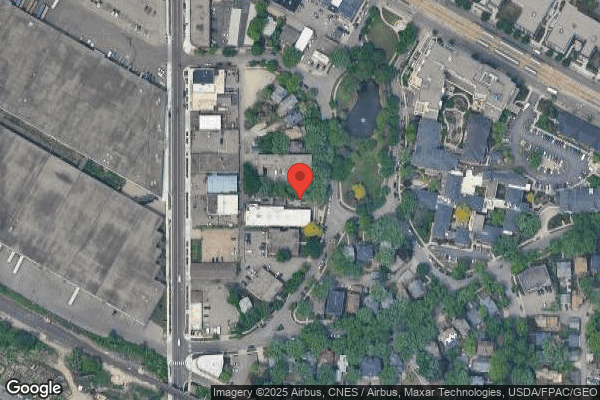
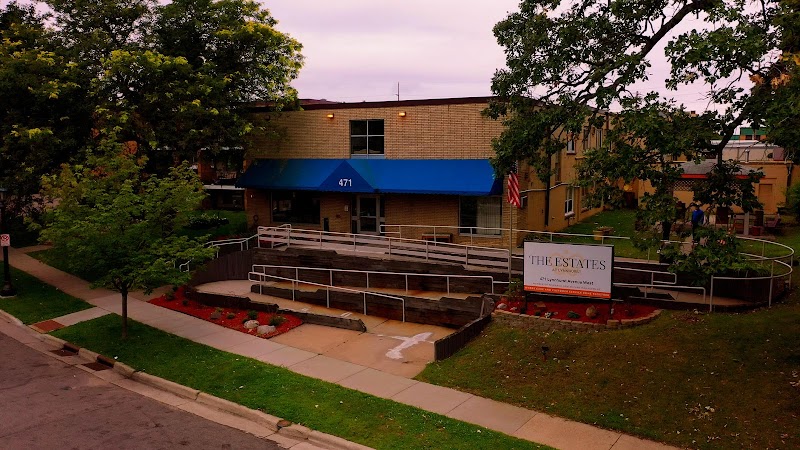
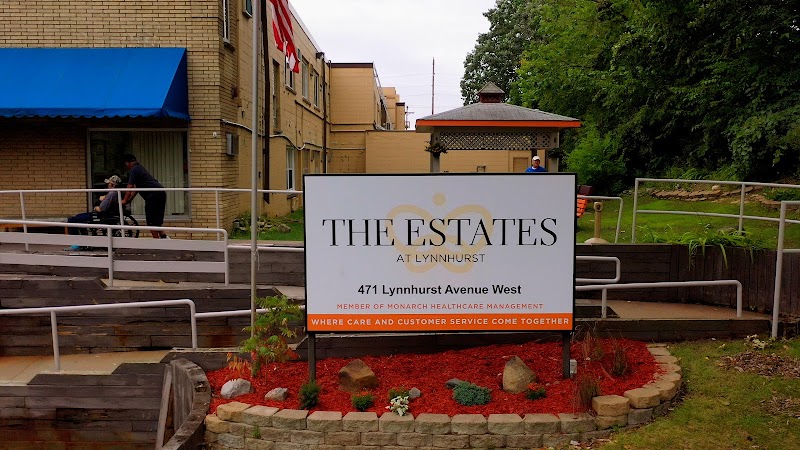
471 LYNNHURST AVENUE WEST, SAINT PAUL, MN 55104 (651) 645-6453
For profit - Corporation 70 Beds MONARCH HEALTHCARE MANAGEMENT Data: November 2025 1 Immediate Jeopardy citation
Trust Grade
36/100
#269 of 337 in MN
Last Inspection: April 2025

Within standard 12-15 month inspection cycle. Federal law requires annual inspections.

Overview

Families researching The Estates at Lynnhurst LLC should be aware of its Trust Grade of F, indicating significant concerns about the facility's care and operations. Ranked #269 out of 337 in Minnesota, it falls into the bottom half of facilities in the state, and is #22 out of 27 in Ramsey County, showing limited local options for better care. The facility's condition is worsening, with the number of reported issues increasing from 14 to 18 in the last year. Staffing is a relative strength, earning 4 out of 5 stars, with a turnover rate of 38%, slightly better than the state average, and good RN coverage surpassing 82% of state facilities, which is a plus for resident care. However, there are serious concerns, including a critical incident where a resident choked on a regular meal instead of a pureed diet, requiring CPR, and ongoing issues with cleanliness and medication errors that have persisted over time, highlighting both strengths and weaknesses that families should carefully consider.
Trust Score
F
36/100
In Minnesota
#269/337
Bottom 21%
Safety Record
High Risk
Review needed
Inspections
Getting Worse
14 → 18 violations
Staff Stability
○ Average
38% turnover. Near Minnesota's 48% average. Typical for the industry.
Penalties
✓ Good
$23,554 in fines. Lower than most Minnesota facilities. Relatively clean record.
Skilled Nurses
✓ Good
Each resident gets 57 minutes of Registered Nurse (RN) attention daily — more than average for Minnesota. RNs are trained to catch health problems early.
Violations
⚠ Watch
44 deficiencies on record. Higher than average. Multiple issues found across inspections.
★★☆☆☆
2.0
Overall Rating
★★★★☆
4.0
Staff Levels
★★★☆☆
3.0
Care Quality
★★☆☆☆
2.0
Inspection Score
Stable
2024: 14 issues
2025: 18 issues

The Good

  • 4-Star Staffing Rating · Above-average nurse staffing levels
  • Full Sprinkler Coverage · Fire safety systems throughout facility
  • No fines on record
  • Staff turnover below average (38%)

    10 points below Minnesota average of 48%

Facility shows strength in staffing levels, fire safety.

The Bad

2-Star Overall Rating

Below Minnesota average (3.2)

Below average - review inspection findings carefully

Staff Turnover: 38%

Near Minnesota avg (46%)

Typical for the industry

Federal Fines: $23,554

Below median ($33,413)

Minor penalties assessed

Chain: MONARCH HEALTHCARE MANAGEMENT

Part of a multi-facility chain

Ask about local staffing decisions and management

The Ugly 44 deficiencies on record

1 life-threatening
Aug 2025 1 deficiency
CONCERN (D) 📢 Someone Reported This

A family member, employee, or ombudsman was alarmed enough to file a formal complaint

Potential for Harm - no one hurt, but risky conditions existed

Investigate Abuse (Tag F0610)

Could have caused harm · This affected 1 resident

Based on observation, interview, and record review the facility failed to immediately provide resident protections and initiate an investigation for an allegation of unwanted inappropriate physical co...

Read full inspector narrative →
Based on observation, interview, and record review the facility failed to immediately provide resident protections and initiate an investigation for an allegation of unwanted inappropriate physical contact for 1 of 3 residents (R1) who reported R4 inappropriately touched him.Findings include:R1's face sheet dated 8/12/25, identified diagnoses of alcohol dependence and bipolar disorder.R1's progress note dated 7/31/25, identified social service designee (SSD)-A and director of nursing (DON) met with R1 to ask if he was having an intimate relationship with anyone. R1 stated no and then proceeded to explain that another resident sat on his lap and was kissing on him. R1 stated that he asked this resident not to do that again. R1 stated that she stopped after that. This note was written by SSD-A.R1's care plan dated 11/19/24, identified R1 was at risk for decreased cognitive and physical abilities related to bipolar. R1 would remain free from abuse and neglect at the facility. Interventions included: monitor for signs of emotional distress or mood and behavior changes, safety monitoring implemented as needed to ensure resident safety (15-minute checks, 1:1 supervision).R1's care plan did not identify any changes made on 7/31/25.R1's 15-minute handwritten checks began on 8/7/25 at 6:30 p.m.R1's progress note dated 8/8/25 at 1:24 a.m., identified at the start of shift, nurse received report that police will be coming for an investigation about a resident who complained of being forcefully asked by another resident to kiss her. The police came, administrator was called and spoke with them. The police also spoke with the resident.R1's progress note dated 8/8/25 at 7:43 a.m., identified R1 was interviewed and asked if he felt safe in the facility and R1 responded that he did and that it had not happened since. A police report was filed. At 4:55 p.m., director of social service (DSS) spoke with R1 regarding changed in PHQ9 scores from a zero on 8/5/25 to a six on 8/7/25. R1 stated he was feeling more down and sad on 8/7/25 due to feeling uncomfortable after the incident. DSS offered to have R1 move rooms and he refused at this time.R1's care plan dated 8/9/25, identified R1 was a smoker. An intervention dated 8/11/25, identified R1 would smoke during a smoking schedule that ensures he is not on the patio with a resident he has had concerns regarding.R4's face sheet dated 8/13/25, identified diagnoses of bipolar disorder, mood disorder, anxiety disorder, and post traumatic stress disorder.R4's care plan did not identify any changes made on 7/31/25.R4's 15-minute handwritten checks began on 8/7/25 at 6:30 p.m. and ended at 11:45 p.m. One on one Safety Checks dated 8/8/25 began for R4 at 2:00 p.m. No 15-minute sign out sheet or completed one to one safety check was provided for the hours of midnight until 2:00 p.m. on 8/8/25.R4's care plan dated 8/12/25, identified R4 had a history of impulsive reactions, including being physically close to peers and engaging in non-consensual touching. Interventions included redirecting R4 from her peer/encouraging them to be more than arms length away from each other, risk/benefit form completed, provider updated.During an observation on 8/8/25 at 10:24 a.m., R1 and R4 had rooms directly across the hall from each other.During an interview on 8/8/25 at 11:44 a.m., R1 stated he was outside smoking and R4 came outside and put her on his leg, close to his groin and kissed him on the lips and then tried to kiss his cheek. R4 asked R1 to get a motel with her for a couple of nights. R1 refused and R4 told R1 it was his loss. R1 stated he reported the incident to management right after it happened.During an interview on 8/8/25 at 10:33 a.m., R4 stated R1 lied.During an interview on 8/8/25 at 12:17 p.m., SSD-A stated she went out to the smoking patio on 7/31/25, and brought R1 to her office to talk about a separate incident. SSD-A stated the DON was in her office to have this discussion with R1. During the conversation, R1 stated that R4 was tying to kiss on him and tried to sit on his lap. He told her to knock it off and she did. We interviewed R4 and she said she would not do it again. The DON and [SSD-A] did not have further discussion about what R1 reported. SSD-A stated they did not interview other residents on 7/31/25, only the two involved in the incident because nobody else had come forward with concerns. Staff would know about the incident because it was in a progress note, that is a big part of reading the notes when the shift starts.During an interview on 8/12/25 at 10:30 a.m., with the DON and Administrator, the DON stated she was not present when R1 made a statement that R4 was physical with him. It would be the expectation that SSD-A would have notified us of the accusation so an investigation could have begun immediately.Facility policy on Abuse dated 4/2025, identified the purpose of the policy included to promptly report, document, and investigate all incidents of alleged abuse/neglect.
Jun 2025 3 deficiencies
CONCERN (D) 📢 Someone Reported This

A family member, employee, or ombudsman was alarmed enough to file a formal complaint

Potential for Harm - no one hurt, but risky conditions existed

Report Alleged Abuse (Tag F0609)

Could have caused harm · This affected 1 resident

**NOTE- TERMS IN BRACKETS HAVE BEEN EDITED TO PROTECT CONFIDENTIALITY** Based on interview and document review, the facility staff failed to report an allegation of sexual abuse to the administrator a...

Read full inspector narrative →
**NOTE- TERMS IN BRACKETS HAVE BEEN EDITED TO PROTECT CONFIDENTIALITY** Based on interview and document review, the facility staff failed to report an allegation of sexual abuse to the administrator and to the State Agency (SA) within the two (2) hours for 1 of 1 (R4) resident reviewed who had allegations of sexual abuse. Findings include:Review of facility reported incident #360920, dated 6/25/25 at 1:45 p.m., indicated on 6/23/25 at 7:12 a.m. R4 reported to licensed practical nurse (LPN)-D a man put his fingers in her vagina and as also touching her daughter. R3's admission Minimum Data Set, dated [DATE], indicated R3 did not have impaired cognition and had diagnoses of stroke and metabolic encephalopathy. R3 had periods of inattention but no behaviors. Required partial assist with self-care and hygiene and was independent with mobility and transfers.During an interview on 6/27/25 at 9:40 a.m., LPN-D stated R4 informed her of the allegation of sexual abuse around 7:30 a.m., on 6/23/25 that some man was touching her and putting their fingers into R4's vagina. LPN-D attempted to get more information, but R4 was not able to say anything further. LPN-D told nurse manager (NM)-C immediately after she left R3's room. LPN-D explained when there was an allegation of abuse, the allegation would be communicated to her supervisor, then the supervisor would pass the information to director of nursing (DON) and to the administrator. The administrator, DON, and social services were responsible to reporting to the State Agency within two hours. During an interview on 6/26/25 at 3:14 p.m., NM-C stated she received report from LPN-D on 6/23/25 around 7:30 t0 7:45 a.m., NM-C was not aware she was responsible to report the allegations to the DON and administrator immediately. NM-C thought the time from for reporting was 24-hours and not 2-hours. During an interview on 6/27/25 at 9:22 a.m., Administrator stated he was made aware of the allegation of staff to resident sexual abuse on 6/23/25 at 12:42 p.m., 5.5 hours after staff was made aware of the allegation. Administrator had reported to the police immediately after becoming aware. Administrator had reviewed the facility's abuse prohibition policies/procedures and explained staff were supposed to report allegations within two hours of the allegations being made and acknowledged the facility missed the time frame of reporting within two hours. Facility policy titled Sexual Abuse Allegations Procedure, dated 2/2025, indicated:1. The charge nurse will verify that an allegation of criminal sexual conduct has been made, conduct an assessment of the alleged victim, initiate an incident report and immediately call the Administrator and/or DON to determine if 911 should be called.2. The charge nurse will take immediate steps appropriate to the situation to ensure the protection and safety of resident.3. The charge nurse will immediately notify the Administrator.4. The Administrator, DON or social worker will notify the Department of health as soon as possible after learning of the allegation.6. The charge nurse/nurse manager or the social worker will arrange for a physician to examine the alleged victim as soon as
CONCERN (D) 📢 Someone Reported This

A family member, employee, or ombudsman was alarmed enough to file a formal complaint

Potential for Harm - no one hurt, but risky conditions existed

Deficiency F0657 (Tag F0657)

Could have caused harm · This affected 1 resident

**NOTE- TERMS IN BRACKETS HAVE BEEN EDITED TO PROTECT CONFIDENTIALITY** Based on observation, interview, and document review the facility failed to revise skin integrity care plan for 1 of 3 residents...

Read full inspector narrative →
**NOTE- TERMS IN BRACKETS HAVE BEEN EDITED TO PROTECT CONFIDENTIALITY** Based on observation, interview, and document review the facility failed to revise skin integrity care plan for 1 of 3 residents (R2) reviewed for pressure ulcers who had refusal of pressure relieving interventions. R2's face sheet dated 6/26/25, identified the following diagnoses, diabetes, heart failure, presence of prosthetic heart valve, chronic right heel wound, and status post open reduction internal fixation of right hip following a fall.R2's quarterly Minimum Data Set, dated [DATE], indicated intact cognition. R2 had limitations to one side of his lower extremities and used a walker and wheelchair. R2 required maximal assist for person and toilet hygiene, shower and bathing, and transfers. R4 did not walk due to medical condition. R2 had diabetic foot ulcer(s) and surgical wound(s) and received surgical wound cares and application of dressings to feet.R2's wound care order dated 5/29/25, indicated right heel ulcer, R2 to wear suspension boots when in bed.R2's wound care order dated 6/13/25, indicated to cleanse wound with wound cleanser and cover with bordered dressing daily in the morning. R2 to wear heel suspension boots when in bed. R2's alteration in skin integrity related to history of cellulitis to right foot, diabetic wound right heel care plan dated 12/28/24, identified the following interventions-Monitor skin integrity daily during cares and weekly skin inspection by nurse, dated 12/28/24.-Treatment to open areas per order, dated 12/28/24.-Monitor for skin breakdown for signs/symptoms of infection and report to physician, dated 12/28/24.-Document on skin condition and keep physician informed of changes, dated 12/28/24.-Followed by wound care, dated 12/28/24.R2's mood/behavior care plan dated 12/28/24 indicated R2's mood and behaviors would remain stable and R2 would respond to interventions by staff to calm and redirections, however, the care plan did not identify specific behaviors such as (but not limited to) rejection/refusal of care and/or physician ordered treatments. During an observation and interview on 6/25/25 at 1:46 p.m., R2 was lying in bed watching TV, without the suspension boots on as ordered by the physician. R2 stated he could only tolerate the boot for so many hours a day because it was too hot. Licensed practical nurse (LPN)-A completed dressing change to R2's right heel. After completion LPN-A asked R2 if he wanted his suspension boot on. R2 stated yes and LPN-A applied the suspension boots to both lower legs and feet. LPN-A stated R2 refused the suspension boot at times however did not know why R2 refused and did not explain an alternative approach/intervention for when he did refuse. LPN-A reviewed R2's care plan and physician orders and indicated the care plan did not address the suspension boot refusals and confirmed the suspension boot was physician ordered. During an interview on 6/25/25 at 4:00 p.m., director of nursing (DON), stated that with skin concerns the floor nurse is to notify the nurse manager or supervisor of any skin related concerns so that the physician could be notified so that an appropriate wound treatment intervention could be developed, implemented, and monitored. The care plan was to be updated by the nurse manager, DON, or MDS coordinator. DON verified R2's order for the suspension boots and the care plan address the address R2's refusals to wear the suspension boots. The facility policy title Care Planning dated 11/2024, indicated the care plan shall be used in developing the resident's daily care routines and will be utilized by staff personnel for the purposes of providing care or services to the resident. The plan of care will be utilized to provide care to the resident. The care plan is to be modified and updated as the condition and care needs of the resident changes.
CONCERN (D) 📢 Someone Reported This

A family member, employee, or ombudsman was alarmed enough to file a formal complaint

Potential for Harm - no one hurt, but risky conditions existed

Pressure Ulcer Prevention (Tag F0686)

Could have caused harm · This affected 1 resident

**NOTE- TERMS IN BRACKETS HAVE BEEN EDITED TO PROTECT CONFIDENTIALITY** Based on observation, interview, and document review the facility failed to comprehensively assess, monitor, and implement press...

Read full inspector narrative →
**NOTE- TERMS IN BRACKETS HAVE BEEN EDITED TO PROTECT CONFIDENTIALITY** Based on observation, interview, and document review the facility failed to comprehensively assess, monitor, and implement pressure relieving interventions to prevent and/or reduce the risk of re-current pressure ulcers, new pressure ulcers, and/or deterioration for 1 of 3 residents (R3) reviewed for pressure ulcers. Deep-Tissue Injury: Purple or maroon area of discolored intact skin due to damage of underlying soft tissue. The area may be preceded by tissue that is painful, firm, mushy, boggy, warmer or cooler than adjacent tissue.Unstageable pressure ulcer: Full-thickness skin and tissue loss in which the extent of tissue damage within the ulcer cannot be confirmed because it is obscured by slough or eschar.R3's quarterly Minimum Data Set, dated [DATE], indicated severe impaired cognition, with diagnoses of Alzheimer's left femur fracture and schizophrenia. R3 was noted to be inattentive and have disorganized thinking that comes and goes and continuous altered level of consciousness. R3 was incontinent of bowel and bladder, had an unstageable pressure ulcer, required total assist with cares but did rejected cares 1-3, days during look back period. R3 had pressure reducing device on chair and bed, was on a turning and repositioning program, received nutritional. hydration interventions to manage skin problems, received pressure ulcer care, non-surgical dressing to areas other than feet and application of ointment/medication to areas other than feet. R3 was on hospice. R3's care plan dated 8/1/23, indicated R3 was at risk for alteration in skin integrity due to schizoaffective disorder and dementia. R3 refused podiatry services, nail trims, turn and repositioning, showers, incontinent cares and skin assessments. R3 had an unstageable wound on coccyx/right buttock. Interventions included: -Document on skin condition and keep MD or PA-C informed of changes, dated 8/1/23.-Treatment to open areas per orders, dated 12/14/23.-Air mattress on bed, check function every shift, dated 12/14/23.-Pressure redistribution cushion to wheelchair and chair, dated 12/14/23. R3's progress note dated 6/11/25 at 11:37 p.m., indicated R3's old coccyx wound reopened, measure 3.0 centimeters (cm). Family, hospice and physician notified with orders received to cleanse with wound cleaner and apply dressing, continue to monitor. In review of R3's record, at the time of discovery, there was no indication a comprehensive assessment that defined characteristics of the wound that would include (but not limited to) full measurements, peri-wound condition, sign/symptoms of infection, drainage, and pain. Additionally, aside from the prescribed treatment, there were no immediate pressure relieving interventions added to the care plan. R3's hospice progress notes noted 6/12/25 at 11:45 a.m., indicated R3 was seen by house wound consultant for coccyx wound. Hospice nursing assistant reported redness on left heel, hip, shoulder and ear. Hospice educated facility staff on the importance of repositioning and management of pain. In review of R3's record there was no indication at the time of discovery, comprehensive assessments were completed to the newly discovered wounds to R3's left heel, hip, shoulder and ear nor evident pressure relieving interventions were developed and implemented. R3's Wound physician note dated 6/12/25 indicated the visit was for evaluation and treatment recommendation regarding pressure ulcer to sacrum. She has pain which increases with pressure and movement that is relieved by offloading, rest, and medication. She appears more cachectic and is less aware than her previous visits. The note further described the wound as covered in bruising and therefore will consider it unstageable. No signs/symptoms of infection. Wound measured 1.2 x 3.3 x 0.5 cm depth with Heavy Serosanquinous drainage. The treatment orders included: Cleanse with wound cleanser, apply silicone foam, change every day and as needed. Reposition every 2 hours, alternating pressure mattress, Prostat 30cc (cubic cm) twice per day if this is within patient's goals. It is possible that this is the start of skin failure in the end of life. The physician note did not address any other wounds that were identified on 6/12/25. R3's physician orders included the aforementioned orders however, the only order that was transcribed into R3's Point Click Care (PCC) electronic health record (EHR) on 6/12/25 was Right buttocks, coccyx wound monitor signs and symptoms of infection every shift till resolved, dated 6/12/25. The order for repositioning and Prostat were not transcribed until 6/17/25, and the order for sacral dressing change was not transcribed until 6/20/25. R3's corresponding Treatment administration orders that included the physician orders indicated R3's dressing change was completed from 6/14/25 through 6/19/25, no documentation the dressing change was completed on 6/13/25. R3's Wound physician note dated 6/19/25 indicated reason for visit was the pressure ulcer to sacrum. Wound continues to deteriorate. Now with evolving eschar. No signs/symptoms of infection. Per hospice noteand this writer's observation her overall condition continues to decline. The assessment of the wound identified it as a Stage 3 pressure ulcer (even though identified 100% eschar) that measured 2.2 x 2.4 x 0.3 cm with moderate serosanuinous drainage. Treatments and interventions remained the same since previous assessment. The wound note did not address any other wounds that were identified on 6/12/25. R3's progress note dated 6/20/25 at 8:15 a.m., indicated wound care treatment completed and noted to have serous drainage with foul odor. R3's record identified there was no indication the physician or wound consultant were notified of the changes and did not identify if there had been any other changes to the coccyx wound. Additionally, the note did not address the wounds to R2's left heel, hip, shoulder, and ear. R3's progress notes dated 6/22/25 at 3:39 p.m., indicated treatment done and coccyx scabbed with dark brown with malodor. R3's record identified there continued to be no indication the physician or wound consultant were notified nor identify if there had been changes to since previous assessment. Additionally, the note did not address the wounds to R2's left heel, hip, shoulder, and ear nor did the care plan reflect new pressure relieving interventions. R3's progress note dated 6/23/25 at 10:59 a.m., indicated hospice and wound provider notified however, the documentation did not indicate what the was communicated to hospice and/or the wound provider. R3's hospice progress note dated 6/24/25 at 4:05 p.m. indicated hospice staff found a new wound on R3's spine, which was cleansed and dressed. Informed floor nurse. In review of R3's record there was no indication the spine wound was comprehensively assessed at the time the new wound on R3's spine was discovered. Additionally, the note did not address the wounds to R2's coccyx, left heel, hip, shoulder, and ear. Review of R3's care plan revealed it was not revised with new interventions until 6/26/25 which included- turn and reposition every 1-2 hours as resident allows; Heel lift boots; offload heels on pillow or foam boots if allows. During an observation on 6/26/25. at 9:01 a.m. R3 was lying in bed on an air mattress overlay as nursing assistant (NA)-F and NA-G were providing personal cares. R3 had a dark red area on her left hip that was approximately 3.0 cm in diameter, a dark red area on her left elbow that was approximately 3.0 cm in diameter, and a red area on her left ear approximately 1.0 cm in diameter. NA-F explained R3 was repositioned every 2-hours. During an interview on 6/26/25 at 9:16 a.m., wound consultant (WC)-A WC-A explained R3 had a full thickness eschar wound on her coccyx, that started around 6/12/25, when she evaluated the wound for the first time. WC stated wound was unstageable and was multifactorial as R3 was incontinent, had poor nutrition and was on hospice. WC-A indicated the wound could have been as a result natural end of life changes. WC-A stated she was not aware of the wounds on the left hip, left elbow, and on the left ear; WC-A stated an expectation that staff notify her or the physician right away with any new skin concerns so treatment could be started immediately. During an interview on 6/25/25 at 4:00 p.m., director of nursing (DON) stated a weekly skin assessment was supposed to be completed on bath days by nurses. If the nurse was to find a wound, they were supposed to notify the provider to get a treatment in place. Facility nurses did not complete the comprehensive wound assessments they were all completed by the consultant who would come onsite weekly. The consultant did all of the assessments to ensure the assessments were consistent. DON expected floor staff to notify their unit nurse manager or supervisor right away when there were skin concerns and get treatment orders from physician. Review of facility policy entitles Skin assessment and wound management, dated 2/2025, indicated the following:-When a pressure ulcer is identified, the following actions will be taken:17. Notify Provider/Treatment Ordered.18. Notify resident representative.19. Complete education with resident/resident representative includingrisks & benefits.20. Initiate Skin and Wound Evaluation.21. Notify Nurse Manager/Wound Nurse.22. Referral to dietary, if appropriate.23. Referral to therapies, appropriate.24. Review and update care plan including interventions.
Apr 2025 14 deficiencies
CONCERN (D)

Potential for Harm - no one hurt, but risky conditions existed

Deficiency F0553 (Tag F0553)

Could have caused harm · This affected 1 resident

**NOTE- TERMS IN BRACKETS HAVE BEEN EDITED TO PROTECT CONFIDENTIALITY** Based on interview and document review, the facility failed to ensure resident and resident guardian's participation in the deve...

Read full inspector narrative →
**NOTE- TERMS IN BRACKETS HAVE BEEN EDITED TO PROTECT CONFIDENTIALITY** Based on interview and document review, the facility failed to ensure resident and resident guardian's participation in the development and review of care plans 1 of 1 residents, (R8) reviewed who voiced concerns about care conference participation. Findings include: R8's annual Minimum Data Set (MDS) dated [DATE], identified she could make herself understood, was independent with eating, required supervision with transfers and bed mobility. R8's interview for preferences identified it was very important to choose what clothing to wear and take care of personal belongings. Diagnoses included heart failure, diabetes and dementia. R8's MHM BIMS (Brief Interview of Mental Status) Staff assessment dated [DATE], identified five- minute and long past memory recall was ok and R8 was able to recall the current season, her own room, staff name and faces and that she was in a nursing home. R8 had modified independence with daily decision making. R8's discharge care plan dated 2/19/25, identified resident and family would be invited to care conferences quarterly or as needed. A review of R8's MDS history identified the following: - 2/18/25 annual MDS and corresponding care conference form 3/25/25, not completed. There was no documentation R8 or her guardian were invited or attended. - 11/22/24 quarterly MDS and corresponding care conference form 11/13/24, there was no documentation R8 or her guardian were invited or attended. - 8/30/24 quarterly MDS and corresponding care conference form dated 8/14/24, there was no documentation R8 was invited or attended, nor if her guardian attended. - 6/7/24 quarterly MDS and corresponding care conference form dated 6/27/24, there was no documentation R8 or her guardian were invited or attended. - 3/26/24 significant change MDS lacked a corresponding care conference. - 2/22/24 admission MDS with corresponding care conference 2/26/24, identified the guardian was not involved in the care conference. R8's care conference progress notes identified: - 8/13/24 at 9:32 a.m., the social worker reached out to guardian and caseworker to schedule a care conference. There was no follow up documentation. The note did not identify if R8 was invited. - 6/27/2024 at 14:42 (2:42 p.m.), care conference scheduled for 7/8/24 at 11:00 a.m. The note did not identify if R8 or guardian were invited or attended. - 3/6/24 at 11:31 a.m., care conference held as scheduled. This is the second care conference for R8 upon admission. The note did not identify if the R8 or guardian were invited or attended. - 2/26/2024 at 14:33 (2:33 p.m.), care conference held on this date. In attendance was R8, LPN (licensed practical nurse) coordinator, OT (occupational therapy), and SS (social services). SS attempted to contact guardian to join the care conference but there was not an answer, voicemail was left. During an interview on 4/7/25 at 6:03 p.m., R8 stated she wanted to know if the facility had care conferences and she was supposed to have a meeting two months ago but it never happened. R8 stated the facility held care conferences but she has not been invited since she had a legal guardian. R8 stated she would like to be part of the meetings because she did not think they knew about her concerns. R8 stated she wanted her purse with a driver licence, social security card. R8 wanted pictures of her kids and grandkids for her room. She wanted hearing aides, new eyeglasses, dentures and diabetic shoes. R8 stated many of the items she wanted had been left behind in her house after she was taken out of her home. During an interview on 4/10/25 at 10:38 a.m., registered nurse (RN)-A stated she could not find documentation of who attended or was invited to R8's care conferences. During an interview on 4/10/25 at 12:59 p.m., the social services designee (SSD) stated care conferences were held based off the MDS schedule: quarterly/comprehensive, annual, and significant change. The SSD would open the care conference form and invite the interdisciplinary team (IDT) to fill in their respective sections. Guardians and residents were invited to attend with the IDT. The SSD reviewed R8's care conference forms and agreed she could not tell if the resident or guardian had been invited or attended. During an interview on 4/10/25 at 2:52 p.m., the director of nursing (DON) stated the resident and guardian should be invited to participate in care conferences along with the IDT, and it should be documented who was invited and present/participated. A facility policy for care conferences was requested and not provided. The administrator emailed a process on 4/10/25, which identified social services meets with resident within 48 hours of admission, and then completes full care conference within first 48 hours, and then every quarter, annually, PRN (as needed) and significant change.
CONCERN (D)

Potential for Harm - no one hurt, but risky conditions existed

Deficiency F0582 (Tag F0582)

Could have caused harm · This affected 1 resident

Based on interview and document review the facility failed to timely provide the required liability and appeal rights notices prior to discharge from Medicare Part A services for 1 of 3 residents (R17...

Read full inspector narrative →
Based on interview and document review the facility failed to timely provide the required liability and appeal rights notices prior to discharge from Medicare Part A services for 1 of 3 residents (R170) reviewed for beneficiary notices. Findings include: R170's last day of covered Medicare Part A Skilled Services was 1/22/25, as identified on the form CMS-20052 (SNF [skilled nursing facility] Beneficiary Protection Notification Review). R170's Notice of Medicare Non-Coverage (NOMNC, form CMS-10123) was signed by the resident on 1/30/25. R170's Skilled Nursing Facility Advanced Beneficiary Notice (SNFABN, form CMS-10055) was signed by the resident on 1/30/25, and lacked indication of which option (regarding the appeal process) he had chosen. During interview on 4/10/25 at 3:30 p.m., the administrator stated the expectation was to have the residents sign the CMS-10123 and CMS-10055 at least 2 days before the last day of covered Medicare part A Skilled Services and ensure an option regarding the appeal process was indicated. A facility policy regarding BNP notices dated 2/20/23, indicated: When a Last Covered Day (LCD) is determined by the facility or the resident's insurance provider, and there are benefit days remaining, we must issue a denial to the resident/legal responsible party (POA/Guardian). These denials must be given at minimum two days prior to the LCD. Example: LCD is chosen for the 15th of the month, the denials is due no later than the 13th.
CONCERN (D)

Potential for Harm - no one hurt, but risky conditions existed

Deficiency F0583 (Tag F0583)

Could have caused harm · This affected 1 resident

**NOTE- TERMS IN BRACKETS HAVE BEEN EDITED TO PROTECT CONFIDENTIALITY** Based on observation, interview and document review, the facility failed to ensure personal privacy was maintained for 1 of 2 re...

Read full inspector narrative →
**NOTE- TERMS IN BRACKETS HAVE BEEN EDITED TO PROTECT CONFIDENTIALITY** Based on observation, interview and document review, the facility failed to ensure personal privacy was maintained for 1 of 2 residents (R29) who required staff assistance with personal cares. Findings include: R29's admission Minimum Data Set (MDS) dated [DATE], indicated he had intact cognition and was dependent on staff assistance for toileting hygiene and required partial to moderate assistance with personal hygiene cares. The MDS reported he was frequently incontinent of urine and bowel. The MDS listed his diagnoses as hemiparesis (one-sided weakness) or hemiplegia (one-sided paralysis), chronic lung disease, and chronic obstructive pulmonary disease (COPD, a chronic restrictive lung and breathing condition). R29's Care Area Assessment (CAA) for functional abilities dated 2/12/25, reported he received limited assistance with rolling left and right in bed, and extensive assist with bathing, upper body dressing. The CAA further identified his dependence on staff for toileting hygiene. R29's care plan dated 2/11/25, identified his self-care deficit and categorized him as a vulnerable adult. The care plan directed staff to provide an assist of 1 with personal hygiene, bathing, and dressing. During observation on 4/7/25 at 2:24 p.m., R29's door was not closed and from the unit hallway reflected through a mirror affixed in the middle of the wall, nursing assistant (NA)-C could be seen standing beside R29's bed on the far end of the shared room. The privacy curtain was not pulled all the way around the bed. The mirror on the wall reflected NA-C removing R29's incontinence brief and his bare genitals were exposed. The mirror reflected NA-C fastening the tabs on the new brief, doffing his gloves, and adjusting the bed to the lowest position. NA-C exited the room and performed hand hygiene at the soiled utility station. During interview on 4/7/25 at 2:27 p.m., NA-C stated staff should first knock then close a resident's door and close the privacy curtain to maintain their dignity and protect their privacy. NA-C stated R29's door was unable to be closed due to resident preference. When asked if R29's curtain could be closed further to maintain his privacy, NA-C first stood where the surveyor made the observation and looked through the mirror at R29's bed. Next, NA-C and the surveyor entered his room and NA-C demonstrated the privacy curtain could close further. Finally, NA-C and the surveyor returned to the hallway and looked through the mirror at R29 and only his ankles and feet were reflected in the mirror. NA-C confirmed the privacy curtain should have been pulled fully closed to provide privacy. Per interview on 4/8/25 at 9:51 a.m., NA-E expected staff to close the door, pull the curtain and ask a resident's permission before starting cares to protect their privacy and dignity. Per interview on 4/10/25 at 10:22 a.m. with registered nurse (RN)-A, staff were expected to knock before entering a resident's room, ask permission, explain the task being performed, pull the privacy curtain, make sure the blinds are closed if that's appropriate, clean up the supplies, and make sure the resident is safe and comfortable before leaving the room. Per interview on 4/10/25 at 1:03 p.m. with the director of nursing (DON), staff were expected to close the door and pull the privacy curtain to maintain dignity and privacy for residents. A facility policy pertaining to resident rights and privacy was requested but not received.
CONCERN (D)

Potential for Harm - no one hurt, but risky conditions existed

Deficiency F0657 (Tag F0657)

Could have caused harm · This affected 1 resident

**NOTE- TERMS IN BRACKETS HAVE BEEN EDITED TO PROTECT CONFIDENTIALITY** Based on observation, interview and document review, the facility failed to review and revise the care plan with input from the ...

Read full inspector narrative →
**NOTE- TERMS IN BRACKETS HAVE BEEN EDITED TO PROTECT CONFIDENTIALITY** Based on observation, interview and document review, the facility failed to review and revise the care plan with input from the resident to meet a resident's vision needs for 1 of 1 residents reviewed for reassessment of the care plan. Findings include: R21's quarterly Minimum Data Set (MDS) dated [DATE], indicated he had moderately impaired cognition, did not reject cares, and was usually able to make himself understood and usually able to understand others. The MDS indicated his vision was adequate and he did not wear corrective lenses. The MDS identified diagnoses including aphasia (a condition in which language function is disordered), and cataracts (a progressive disorder of the lens of the eye characterized by a loss of transparency with a white/yellow/brown tinge to the lens). R21's Care Area Assessment (CAA) for visual function dated 6/19/24, was triggered due to his cataracts and indicated he had the potential for impaired visual function related to his diagnosis of bilateral (left and right) age-related cataracts. The CAA indicated the overall objective for care planning this potential problem was to maintain his current level of functioning indicated, per vision exam 3/28/24: Educated patient regarding ocular condition and prognosis. Cataract extraction consultation discussed, and patient elects to proceed with consultation in attempt to improve reduced VA [visual acuity]. Resident has adequate vision with use of reading glasses. Care plan to maintain current level of visual acuity. R21's care plan, last revised 3/4/25, identified his potential for impaired vision related to his diagnosis of age-related cataracts and listed a goal to maintain his current vision. The care plan directed staff to set up ophthalmology appointment as needed. Additionally, the care plan identified his self-care deficit related to his hemiplegia and indicated he had glasses that he wears when he chooses and was able to put on and take off the glasses himself. The care plan directed staff to assist him clean the eyeglasses and ensure they were in good repair. The care plan lacked documentation of any use of multiple pairs of non-prescription glasses. Furthermore, the care plan lacked documentation Patient encounter notes dated 9/28/23, 10/3/24, and 3/28/24, indicated R21 was seen by the Doctor of Optometry (OD) for a cataract evaluation. The encounter notes revealed the cataract extraction consultation was discussed and R21 elected to proceed with the consultation in an attempt to improve reduced VA [visual acuity]. Please schedule consultation. A care conference form dated 3/24/25, indicated R21's last eye exam was on 10/3/24 but lacked documentation if he or his representative's input were considered in the care conference or care planning process. R21's EHR was reviewed on 4/8/25 at 2:20 p.m. and lacked documentation that referral to cataract extraction specialist was followed-up on. Furthermore, the EHR lacked documentation his order for consult to optometry for new eyeglasses was followed-up on. During observation on 4/7/25 at 2:33 p.m., R21 showed surveyor a pair of eyeglasses with a missing left temple (long arm on the side of the frame that fit over the ear). Per interview on 4/8/25 at 3:31 p.m. with R21 via interpreter, his cataracts had been ongoing for approximately one year and he believed there was orange discoloration to his left eye. He stated he had not seen any provider about the cataract extraction. He also endorsed having difficulty seeing without his eyeglasses and stated he needed a new pair. During interview on 4/9/25 at 9:15 a.m., OD verified familiarity with R21 and his vision exams. OD explained the decision to make a referral for a cataract extraction was usually driven by either a resident, family, representative or the primary provider. OD stated the decision to move forward with referral was driven by R21. OD confirmed placing the order for the consult in March 2023 and confirmed, he does have the presence of cataracts and explained once the referral was made, it is up to the facility to get that scheduled. Additionally, OD denied being made aware of R21's need for eyeglasses and stated, at no point have we done a pair of eyeglasses for him or an exam for glasses. OD reviewed R21's progress notes and was unable to find that he presented anytime with a request for eyeglasses. OD stated, typically, the facility would make us aware of the need for repair or the resident brings them with and makes us aware. Per interview on 4/10/25 at 12:58 p.m. with the director of nursing (DON), staff were expected to follow up on appointment referrals. The DON stated resident's preferences and care planned interventions were discussed and reassessed for appropriateness during care conferences. The DON also stated staff had been purchasing over the counter (OTC) non-prescription eyeglasses because there had been many broken pairs but expected there to be documentation of the use of OTC non-prescription eyeglasses. A facility policy title Care Planning last revised 11/24, indicated each resident would have a person-centered care plan developed by the IDT for the purpose of meeting the resident's individual needs. The policy directed the IDT to, in conjunction with the resident and the resident representative, develop and implement a comprehenisve individualized care plan with information gathered from the comprehensive assessment. The policy indicated the care plan should be consistent with resident's rights to identify problem areas and their causes to develop interventions that were targeted and meaningful to the resident. The policy also highlighted that the resident had the right and would be encouraged to participate in the development of his or her care plan, and the care plan should be modified and updated as the condition and care needs of the resident changed.
CONCERN (D)

Potential for Harm - no one hurt, but risky conditions existed

ADL Care (Tag F0677)

Could have caused harm · This affected 1 resident

**NOTE- TERMS IN BRACKETS HAVE BEEN EDITED TO PROTECT CONFIDENTIALITY** Based on observation, interview, and document review the facility failed to ensure residents were provided incontinence care in ...

Read full inspector narrative →
**NOTE- TERMS IN BRACKETS HAVE BEEN EDITED TO PROTECT CONFIDENTIALITY** Based on observation, interview, and document review the facility failed to ensure residents were provided incontinence care in a timely manner for 1 of 1 resident (R9) reviewed for activities of daily living (ADL). Findings include: R9's admission Minimum Data Set (MDS) dated [DATE], indicated intact cognition and diagnoses of chronic obstructive pulmonary disease (COPD), chronic atrial fibrillation (A-fib), and pancreatitis. It further indicated R9 was dependent on staff for toileting and was frequently incontinent of bowel and bladder. R9's care plan dated [DATE], indicated alteration in elimination d/t limited mobility secondary to COPD and alcohol dependence with the following interventions: -Assist of 2 with toileting. -Provide assistance with peri-cares morning (AM), hour of sleep (HS) and as needed (PRN). -Provide incontinent products and assist to change PRN During observation on [DATE] at 3:22 p.m., R9 was sitting in his wheelchair by the door to his room, waiting to go in. He asked nursing assistant (NA)-B to change his brief because he had a bowel movement (BM) and NA-B told him to wait until staff was done with R55's (roommate) wound care. R9 asked how long that would be and registered nurse (RN-B) stated 15 minutes. When the surveyor left the room, (following wound care) at 4:25 p.m., R9 was still waiting outside the room and there was an odor of BM. R9 stated he often had to wait from 1-3 hours to have his brief changed because his roommate had a wound and if they change him during wound care it could be contagious. He further stated he also had to wait for an hour to be changed so both nursing assistants can go on their breaks. At approximately 4:35 p.m. NA-B assisted NA-E to transfer R9 from his wheelchair to the bed and NA-E proceeded to change his brief. He was wet and urine had soaked through his pants so NA-E removed them and got a new pair stating the weird thing is it didn't go through to your sling (urine). R9 had also had a BM. NA-E cleaned up the BM, applied new pants, and NA-B assisted NA-E to transfer him from his bed back into his wheelchair. During interview on [DATE] at 4:52 p.m. NA-B verified R9 had waited an hour to be changed and stated it was because too many people were in the room and the nurse stated it would only take 15 minutes to complete his roommates wound care. During an interview on [DATE] at 12:08 p.m. the nurse manager registered nurse (RN)-C stated an hour was too long for a resident to be sitting in a soiled brief and R9 should've been able to be changed before they started his roommates wound care, stating it takes longer then 15 minutes to complete wound care and change a wound vacuum (vac). During an interview on [DATE] at 2:52 p.m., the director of nursing (DON) stated when a resident asked to be changed/toileted, it should be done as soon as possible or within 15-30 minutes (at most) to prevent skin breakdown. If the NA's or nurses are busy the nurse manager can also assist residents to changed/toileted. A facility policy on ADL's dated [DATE], indicated: The facility will provide care and services for the following activities of daily living: a. Hygiene-bathing, dressing, grooming, and oral care, b. Mobility-transfer and ambulation, including walking, c. Elimination-toileting d. Dining-eating (meals and snacks) e. Communication, including: i. Speech, ii. Language, and iii. Other functional communication systems. A resident who is unable to carry out activities of daily living will receive the necessary services to maintain good nutrition, grooming, and personal and oral hygiene; and basic life support, including CPR, when the resident requiring such emergency care prior to the arrival of emergency medical personnel and subject to related physician orders and the resident ' s advance directives.
CONCERN (D) 📢 Someone Reported This

A family member, employee, or ombudsman was alarmed enough to file a formal complaint

Potential for Harm - no one hurt, but risky conditions existed

Quality of Care (Tag F0684)

Could have caused harm · This affected 1 resident

**NOTE- TERMS IN BRACKETS HAVE BEEN EDITED TO PROTECT CONFIDENTIALITY** Based on interview and document review the facility failed to follow up on 1 of 1 residents (R55) Urology referral. Finding inc...

Read full inspector narrative →
**NOTE- TERMS IN BRACKETS HAVE BEEN EDITED TO PROTECT CONFIDENTIALITY** Based on interview and document review the facility failed to follow up on 1 of 1 residents (R55) Urology referral. Finding include: R55's quarterly Minimum Data Set (MDS) dated [DATE], indicated intact cognition and diagnoses of paraplegia and neuromuscular disfunction of the bladder. It further indicated R55 required substantial assistance with bed mobility, was dependent on staff for transfers, had a catheter, and was always incontinent of bowel. R55's care plan dated 3/25/25, indicated alteration in elimination related to diagnoses of motor vehicle crash, neurogenic bladder, convulsions, etc. Resident admitted with foley catheter 20 French (F) 30 cubic centimeters (cc) for neurogenic bladder and assist of 1 with toileting. It further indicated the following interventions: -Prefers to notify staff when incontinent to have brief changed -Monitor foley catheter output every shift. -Change foley catheter monthly per order. -Foley catheter care per policy. -Monitor BM's as they occur. -Administer bowel medications as ordered. -Introduce resident to other residents with similar interests. -Monitor target behaviors per protocol. R55's hospital discharge orders dated 1/31/25, indicated: the physician had recommended an appointment with HealthPartners Urology for bladder spasms and urine bypassing Foley catheter. During interview on 4/9/25 at 9:28 a.m., the HUC verified there was an order for a urology appointment, and he hadn't followed through on it, stating he doesn't know why it wasn't scheduled and it should have been. During interview on 4/9/25 8:57 a.m., licensed practical nurse (LPN)-B stated when a resident was admitted /re-admitted to the facility, the Health Unit Coordinator (HUC) entered the discharge orders in PCC (Point Click Care computer system) before the resident arrived at the facility. Once they arrive 2 nurses were required to compare the paperwork the resident brought with them, to the orders the HUC entered in PCC. If there were any questions or clarifications, the nurses were responsible for calling the provider to clarify. During interview 4/9/25 9:17 a.m., the director of nursing (DON) stated when a resident was admitted /re-admitted to the facility, they would receive an email with the admitting residents discharge orders and the HUC would enter it into PCC. Once the resident arrived, they should have a paper copy of the orders/discharge summary and the admitting nurse would print off the order and make a copy (so they aren't writing on the original order). Then the admitting nurse would start confirming the orders and a 2nd nurse would compare the orders the HUC entered to the orders the resident brought with them. If there are were any discrepancies or clarifications, it was the nurses responsibility to call the provider to clarify. The DON also verified R55 had an order for a referral to urology and was unable to find the date of his last urology appointment or one scheduled in the future. A facility policy regarding coordination of care was requested but not received.
CONCERN (D)

Potential for Harm - no one hurt, but risky conditions existed

Deficiency F0685 (Tag F0685)

Could have caused harm · This affected 1 resident

**NOTE- TERMS IN BRACKETS HAVE BEEN EDITED TO PROTECT CONFIDENTIALITY** Based on observation, interview and document review, the facility failed to follow-up on consults for vision-related appointment...

Read full inspector narrative →
**NOTE- TERMS IN BRACKETS HAVE BEEN EDITED TO PROTECT CONFIDENTIALITY** Based on observation, interview and document review, the facility failed to follow-up on consults for vision-related appointments for 1 of 3 residents (R21) and failed to provide assistive devices to maintain hearing for 1 of 3 residents (R29) reviewed for communication. Findings include: R21 Glasses and Cataracts Consults R21's quarterly Minimum Data Set (MDS) dated [DATE], indicated he had moderately impaired cognition, did not reject cares, and was usually able to make himself understood and usually able to understand others. The MDS indicated his vision was adequate and he did not wear corrective lenses. The MDS identified diagnoses including aphasia (a condition in which language function is disordered), one-side weakness or one-sided paralysis (hemiparesis or hemiplegia, respectively), anxiety, and cataracts (a progressive disorder of the lens of the eye characterized by a loss of transparency with a white/yellow/brown tinge to the lens). R21's Care Area Assessment (CAA) for visual function dated 6/19/24, was triggered due to his cataracts and indicated he had the potential for impaired visual function related to his diagnosis of bilateral (left and right) age-related cataracts. The CAA indicated the overall objective for care planning this potential problem was to maintain his current level of functioning indicated, per vision exam 3/28/24: Educated patient regarding ocular condition and prognosis. Cataract extraction consultation discussed, and patient elects to proceed with consultation in attempt to improve reduced VA [visual acuity]. Resident has adequate vision with use of reading glasses. Care plan to maintain current level of visual acuity. Furthermore, the CAA revealed health information management (HIM) was notified. R21's order summary report dated 2/28/25, included the following orders: - consult optometry for new glasses, dated 12/14/24. - may see audiologist, dentist, podiatrist, optometrist, psychology as needed (PRN), 1/2/24. - OK for ancillary orders: may see eye care physician if requested by resident or family, dated 12/3/19. A review of R21's electronic health record (EHR) on 4/8/25 at 2:20 p.m., revealed an Ovitsky Vision Care of Minnesota PC order dated 3/1/23 for refer for cataract extraction evaluation with cataract specialist. The order indicated the resident requested the consult to prevent vision decrease and the specialist could be determined by his attending medical doctor (MD) or nurse practitioner (NP). R21's care plan, last revised 3/4/25, identified his potential for impaired vision related to his diagnosis of age-related cataracts and listed a goal to maintain his current vision. The care plan directed staff to set up ophthalmology appointment as needed. Additionally, the care plan identified his self-care deficit related to his hemiplegia and indicated he had glasses that he wears when he chooses and was able to put on and take off the glasses himself. The care plan directed staff to assist him clean the eyeglasses and ensure they were in good repair. A patient encounter note dated 9/28/23, indicated R21 was seen by the Doctor of Optometry (OD) for a cataract evaluation. The encounter note revealed the cataract extraction consultation was discussed and R21 elected to proceed with the consultation in an attempt to improve reduced VA [visual acuity]. Please schedule consultation. A patient encounter note dated 10/3/24, indicated R21 was seen by OD for a cataract evaluation. The encounter note revealed the cataract extraction consultation was discussed and R21 elected to proceed with the consultation in an attempt to improve reduced VA [visual acuity]. Please schedule consultation. A patient encounter note dated 3/28/24, indicated R21 was seen by OD for a cataract evaluation. The encounter note revealed the cataract extraction consultation was discussed, and he elected to proceed with the consultation in an attempt to improve reduced VA [visual acuity]. Please schedule consultation. A nursing progress note dated 3/1/23 indicated R21 was seen by OD and received new orders for cataract extraction evaluation with cataract specialist. Resident requests consult secondary to reported vision decrease. A provider progress note dated 11/22/23 indicated under the chief complaint/nature of presenting problem header that R21 took a lens out of his pocket in order to request a new pair of eyeglasses. The provider 's progress note indicated under the plan header, make eye doctor appt [appointment] for new eyeglasses, for the diagnosis impaired vision. A nursing progress note dated 9/28/23 indicated he was seen by OD but lacked documentation on cataract extraction consult. R21's EHR was reviewed on 4/8/25 at 2:20 p.m. and lacked documentation that referral to cataract extraction specialist was followed-up on. Furthermore, the EHR lacked documentation his order for consult to optometry for new eyeglasses was followed-up on. During observation on 4/7/25 at 2:33 p.m., R21 showed surveyor a pair of eyeglasses with a missing left temple (long arm on the side of the frame that fit over the ear). Per interview on 4/8/25 at 3:31 p.m. with R21 via interpreter, his cataracts had been ongoing for approximately one year and he believed there was orange discoloration to his left eye. He stated he had not seen any provider about the cataract extraction. He also endorsed having difficulty seeing without his eyeglasses and stated he needed a new pair. During interview on 4/9/25 at 9:15 a.m., OD verified familiarity with R21 and his vision exams. OD explained the decision to make a referral for a cataract extraction was usually driven by either a resident, family, representative or the primary provider. OD stated the decision to move forward with referral was driven by R21. OD confirmed placing the order for the consult in March 2023 and confirmed, he does have the presence of cataracts and explained once the referral was made, it is up to the facility to get that scheduled. OD stated cataracts do change a person's vision but once a cataract is removed, the vison is significantly clearer for a person. OD stated any change in vision from cataracts is only temporary. OD explained the symptoms of having a cataract or cataracts could include blurred vision, difficulty reading, loss of ability to perform a specific activity they were doing, glare from lights or difficulty with overhead lighting, or trouble with nighttime driving. OD denied being made aware of R21's need for eyeglasses and stated, at no point have we done a pair of eyeglasses for him or an exam for glasses. OD reviewed R21's progress notes and was unable to find that he presented anytime with a request for eyeglasses. OD stated, typically, the facility would make us aware of the need for repair or the resident brings them with and makes us aware. Per interview on 4/9/25 at 11:00 a.m. with HIM, if an additional referral is made from the vision team for cataract extraction, the vision team would write up the referral and the facility would send that out to the respective clinic. HIM reviewed R21's chart and the vision encounter note dated 10/3/24 and stated, there it is, the consult for the cataract eval. The referral should have been noted and sent out. HIM reviewed the Ovitsky Vision Care of Minnesota PC order dated 3/1/23 and stated the order should have gone to the HIM and then it should have been faxed over and acted upon. HIM stated the facility used an electronic fax and had the capability of seeing if faxes were successfully submitted and if there were not, they should have been re-attempted. HIM stated if there was a reason the referral was not followed up on, there should have been documentation in the progress notes. Per interview on 4/10/25 at 10:06 a.m., licensed practical nurse (LPN)-A stated consults and referrals were entered in the orders and then communicated to HIM. LPN-A stated they received confirmation the consult or referral was followed up on by seeing the resident was scheduled for an appointment. LPN-A stated if HIM was out, its sort of all of us to ensure the consults or referrals were followed up on. During follow-up interview on 4/10/25 at 10:28 p.m., HIM stated if the vision team decided to work with a consult for eyeglasses, they would work with the resident and the facility to complete the consult. HIM reviewed R21's EHR and confirmed the consult to optometry for new eyeglasses dated 12/14/24 and stated, I did see that order, it didn't come to me right away. IT should have been communicated better, and I should have gotten it and forwarded that on to the vision team. HIM explained the normal process would be that the consult be communicated to HIM and then emailed or faxed to the vision team. HIM stated the vision team would confirm receiving the consult by letting the facility know the resident was on the schedule for their next visit at the facility. Per interview on 4/10/25 at 12:58 p.m. with the director of nursing (DON), the health unit coordinator (HUC) was expected to facilitate referrals and consults and should be calling over to get the appointment and the appointment should be entered in PointClickCare (PCC). The DON also stated appointments were discussed during daily interdisciplinary (IDT) standup meetings so we can make any other arrangements necessary to accommodate the resident. The DON indicated the in-house providers sent the facility a list of residents they would see on their visit days and the list was posted on the nurse's station. The DON stated the facility had been purchasing R21 over-the-counter non-prescription glasses because there had been many broken pairs but expected there to be documentation of this use of non-prescription eyeglasses. The DON stated the facility was awaiting insurance approval for his cataract extraction but was unable to provide documentation of the referral being followed-up on in a timely manner. R29 Assistive Hearing Devices R29's admission Minimum Data Set (MDS) dated [DATE], indicated he had intact cognition, had moderate difficulty hearing and utilized a hearing aid or other hearing appliance. The MDS reported he was dependent on staff for toileting hygiene and required partial-to-moderate staff assistance for personal hygiene cares. The MDS identified diagnoses including hemiparesis (one-side weakness) or hemiplegia (one-sided paralysis), asthma (a condition where the airways narrow), and chronic obstructive pulmonary disease (COPD, a chronic restrictive lung and breathing condition) and depression. R29's Care Area Assessment (CAA) for communication dated 2/12/25, identified his hearing problem and indicated he has moderate difficulty hearing when not in quiet setting. The CAA reported a referral was sent to nursing and social services because hospital notes reported he used a pocket talker and questioned if this could be beneficial to him. The CAA directed staff to his care plan. Per progress note dated 3/12/25, admin order a pocket talker for resident as that is what he was using in the hospital. The pocket talker came in today and SS: [sic, social services] gave to the resident. Resident response was what a pleasure it is to hear again. R29's care plan dated 2/11/25 noted his alteration in communication and included goals to have adequate communication and have his needs anticipated and met by staff. The care plan directed staff to use a pocket talker to aid in communication. During observation on 4/07/25 1:41 p.m., R29 was sitting in his bed. There was a black box with a small, round microphone on the one end and headphones connected to the other end sitting on top of the nightstand next to his bed. During observation on 4/7/25 at 2:24 p.m., nursing assistant (NA-C) changed R29's soiled incontinence brief. R29 stated, I am hard of hearing, and NA-C continued changing the brief without offering him the use of the assistive hearing device on the bedside table. During observation on 4/10/25 at 9:16 a.m., NA-C and NA-D delivered R29's breakfast meal tray to his room. R29 was lying in bed with his eyes closed and appeared to be asleep. NA-C and NA-D attempted to wake him up by calling his name out at the same time, but he did not wake up. They repeated his name again together, but louder and his eyes opened wide. When asked what the black box on the nightstand next to his bed was, NA-D picked it up, the black speaker box in one hand and the headphones in the other and stated, he listens to music out of it. NA-C and NA-D both stated they had assisted him listen to music with the device before. Per interview on 4/10/25 at 10:16 a.m., licensed practical nurse (LPN)-A expected staff to utilize pocket talkers if a resident was hard of hearing. LPN-A was unsure if there was any in-service or training for staff on how to use them, but stated R29 was the only resident using a pocket talker at that time and indicated he knew how to use the device appropriately. Per interview on 4/10/25 at 1:03 p.m. with the director of nursing (DON), staff were expected to use assistive hearing devices, such as a pocket talker with residents who had communication deficits. Policies pertaining to communication devices and vision treatment and/or appointments were requested but not received.
CONCERN (D)

Potential for Harm - no one hurt, but risky conditions existed

Deficiency F0687 (Tag F0687)

Could have caused harm · This affected 1 resident

**NOTE- TERMS IN BRACKETS HAVE BEEN EDITED TO PROTECT CONFIDENTIALITY** Based on observation, interview, and document review, the facility failed to ensure podiatry services were obtained or 1 of 1 re...

Read full inspector narrative →
**NOTE- TERMS IN BRACKETS HAVE BEEN EDITED TO PROTECT CONFIDENTIALITY** Based on observation, interview, and document review, the facility failed to ensure podiatry services were obtained or 1 of 1 resident (R8) reviewed for foot care. Findings include: R8's annual Minimum Data Set (MDS) dated [DATE], identified she could make herself understood, was independent with eating, required supervision with transfers and bed mobility. R8's interview for preferences identified it was very important to choose what clothing to wear and take care of personal belongings. Diagnoses included heart failure, diabetes and dementia. R8's MHM BIMS Staff Assessment (staff assessment of cognition) dated 2/18/25, identified memory recall was ok after five minutes and R8 seemed to recall long past. R8 was able to recall the current season, location of own room, staff name and faces and that they were in a nursing home. R8 required modified independence regarding tasks of daily life. R8's care plan dated 2/19/24, identified she had a self care deficit related to neuropathy and type two diabetes mellitus. R8 preferred to complete ADLs (activities of daily living) independently, would accept assistance PRN (as needed). R8's care plan lacked information about diabetic shoes or podiatry preferences. During an interview on 4/7/25 at 5:58 p.m., R8 stated she was promised diabetic shoes but no one at the facility followed up. R8's in-house podiatry visit note dated 7/8/24, identified a diabetic foot exam was completed and R8 was encouraged to wear appropriate shoe gear that would not impinge or rub on feet. R8 should continue ongoing at-risk foot care to prevent infection and ulceration. Follow up in nine to 12 weeks. R8's medical record was reviewed from 7/8/24 until 4/7/25, and no further podiatry appointments were scheduled. R8's regulatory provider visit dated 9/11/24, identified R8 requested diabetic shoes as she felt her current Crocs (clog style foam footwear) were not supportive and would like a shoe with more support. R8's painful bilateral LE (lower extremity) edema had not improved. A referral to podiatry was requested due to need for diabetic shoes. R8's doctor's order dated 3/10/25, identified to see podiatry for diabetic shoes. R8 had not been seen by podiatry to obtain diabetic shoes for six months since the initial order from 9/11/24. During an observation and interview on 4/10/25 at 10:37 a.m., R8 was in bed with her feet uncovered. Toenails were long and feet had dry skin with some edema. R8 stated her feet hurt and she could not wear her Croc shoes. During an interview on 4/10/25 at 10:47 a.m., registered nurse (RN)-A stated in-house podiatry visited residents at the facility monthly and was not sure why R8 had not been seen after the initial orders on 9/11/24. The health information manager (HIM) typically scheduled appointments. During an interview on 4/10/25 at 10:58 a.m., the HIM stated he thought R8 refused a podiatry visit, however, did not have any documentation. The HIM stated he could schedule podiatry appointments with the in-house provider or at an outside clinic for residents. During an interview on 4/10/25 at 2:52 p.m., the director of nursing (DON) stated typically podiatry referrals could be scheduled within a month of the provider orders. The DON stated R8's previous guardian was supposed to follow up on the podiatry referral, however, a new guardian was assigned and no follow up was processed. A facility policy for referrals was requested and not provided. The administrator emailed a process on 4/10/25, which identified when referrals were received from providers, they are given to the HUC (health unit coordinator)/HIM (health information manager) to follow up and schedule appointments and rides. If escorts were needed, they were provided by the facility. Resident would be made aware when the appointment was confirmed and the day before.
CONCERN (D)

Potential for Harm - no one hurt, but risky conditions existed

Accident Prevention (Tag F0689)

Could have caused harm · This affected 1 resident

**NOTE- TERMS IN BRACKETS HAVE BEEN EDITED TO PROTECT CONFIDENTIALITY** Based on observation, interview and document review, the facility failed to ensure fall prevention interventions were implemente...

Read full inspector narrative →
**NOTE- TERMS IN BRACKETS HAVE BEEN EDITED TO PROTECT CONFIDENTIALITY** Based on observation, interview and document review, the facility failed to ensure fall prevention interventions were implemented consistently according to the comprehensive care plan for 1 of 1 residents (47) reviewed for falls. Findings include: R47's quarterly Minimum Data Set (MDS) dated [DATE], indicated he was sometimes able to make himself understood and was able to understand others with clear comprehension. The MDS reported he had severe impairment in his cognitive skills for daily decision making and required substantial to maximal staff assistance with bed mobility but was dependent on staff for transfers. The MDS identified his diagnoses including hemiplegia (one-sided weakness) or hemiparesis (one-sided paralysis), stroke, seizure disorder, and malnutrition. R21's Care Area Assessment for falls dated 6/28/24, was triggered due to his fall history and indicated the care plan was ongoing as he was observed for changes in his mobility. A quarterly fall review evaluation dated 9/20/24, indicated the interventions in place included mat placed on floor by bed, bed in lowest position. R21's care plan last reviewed 3/12/25, identified he was at risk for falls related to his right hemiparesis. The care plan indicated he puts himself on the floor mat and the goal was to keep him safe and free from falls. The care plan directed staff to place mattress next to bed. During a continuous observation on 4/9/25 at 8:11 a.m., licensed practical nurse (LPN)-B entered R47's room and told him, I'm going to turn your tube feeding off and flush you. LPN-B moved the mattress that was on the floor next to his bed up and to the side and proceeded to disconnect the tube feed tubing from him and flush his drain before clamping his drain. LPN-B discarded the empty tube feed bottle and tubing in the bathroom garbage can, performed hand hygiene and lowered his bed to the lowest position before exiting his room at 8:20 a.m. LPN-B did not replace the mattress next to his bed before exiting the room. At 8:22 a.m., nursing assistant (NA)-F entered the room carrying a meal tray into the room. NA-F exited the room at 8:23 a.m. and the mattress was not in place next his bed. At 8:28 a.m., social services (SS)-A walked into the room and asked, are you all done? before walking out of the room at 8:29 a.m. with meal trays. The fall mattress was not in place next to his bed. At 8:30 a.m., NA-F walked into his room and walked back out of the room at 8:32 a.m. The fall mattress was not in place next to 47's bed. At 8:39 a.m., LPN-B and surveyor entered the room together and LPN-B confirmed the fall mattress was not in place and should have been down. LPN-B stated the mattress should be down unless someone was in here with him assisting with his meal. LPN-B explained he used to fall out of bed when he first admitted to the facility, so the mattress was utilized for his protection. LPN-B put the mattress down on the floor next to his bed and ensured the call light and bed remote were within his reach before exiting the room. Per interview on 4/9/25 at 8:56 a.m., NA-F stated fall interventions included ensuring residents have their call lights within reach and educating them on the call light, asking a resident if they feel okay before a transfer, and making sure resident-specific interventions are in place. NA-F stated some residents have recommendations, like fall mats, that staff are expected to put into place for safety. NA-F stated staff are given weekly education by the nurse managers and fall interventions can be located on the care sheets. Per interview on 4/10/25 at 12:39 p.m. with the director of nursing (DON), staff were expected to replace R47's fall mattress when they were finished working with him to prevent fall injuries and it should be in place when he was in bed. Upon subsequent interview on 4/10/25 at 3:41 p.m., the DON confirmed the interdisciplinary team (IDT) had reviewed and reassessed the fall interventions for R47 and stated the IDT discovered despite being positioned in the middle of the bed, he would somehow move himself right over to the edge of the bed. The DON cited this discovery was the reason the fall mattress intervention was still considered appropriate and stated, that is why we kept the intervention in place. Per facility policy titled Fall Prevention and Management last revised 2/24, facility staff would identify interventions related to a resident's specific risks and causes to try to prevent the resident form falling and to minimize complications from falling. The policy directed staff to implement interventions, monitor and document a resident's response to interventions intended to reduce falling or the risks of falling.
CONCERN (D)

Potential for Harm - no one hurt, but risky conditions existed

Medication Errors (Tag F0758)

Could have caused harm · This affected 1 resident

**NOTE- TERMS IN BRACKETS HAVE BEEN EDITED TO PROTECT CONFIDENTIALITY** Based on interview and document review the facility failed to ensure an antipsychotic medication had an appropriate indication f...

Read full inspector narrative →
**NOTE- TERMS IN BRACKETS HAVE BEEN EDITED TO PROTECT CONFIDENTIALITY** Based on interview and document review the facility failed to ensure an antipsychotic medication had an appropriate indication for use for 1 of 5 residents (R6) reviewed for unnecessary medications. Findings include: R6's annual Minimum Data Set (MDS) dated [DATE], identified no behaviors or rejection of care. Medications taken included antipsychotic, antidepressant and anticonvulsant. Diagnoses included dementia, depression and anxiety. R6 had intact cognition. R6's Order Summary Report dated 4/10/25, identified the following antipsychotic medications currently in use: 1. Quetiapine fumarate 25 milligrams (mg) by mouth two times a day for dx (diagnosis) depression. 2. Quetiapine fumarate 50 mg by mouth at bedtime related to anxiety disorder. R6's Pharmacist's Recommendation to Prescriber form dated 2/3/25, recommended the prescriber address the diagnosis for quetiapine fumarate and update order to an approved CMS indication, or consider a GDR (gradual dosage reduction) or taper plan. R6's prescriber visit note dated 3/15/25, had not addressed the diagnosis for quetiapine fumarate. During an interview on 4/10/25 at 2:52 p.m., the director of nursing (DON) stated after a pharmacist reviewed records monthly, recommendations were typically emailed to the DON within one to two days, then the DON would distribute the forms to the nurse managers who in turn would route them to the prescribers. During an interview on 4/10/25 at 3:20 p.m., the consultant pharmacist (CP) stated she issued the above recommendation in February 2025 and March 2025 because she had not received a response. The CP stated the diagnosis for quetiapine fumarate needed to be addressed to ensure the resident was only on an antipsychotic that was deemed necessary. During a interview on 4/10/25 at 3:21 p.m., R6's prescriber, psychiatrist-A stated he did not have any facility pharmacist recommendation forms regarding R6 at his office to review. When he would visit the facility any pharmacist recommendations were placed in a folder for him to to review and fill out. A facility policy for antipsychotics was requested and not provided. The administrator emailed a process on 4/10/25, which identified with new admissions with guardian we get consent and of own person, get consent to administer the medications. Then they are review by the psychiatrist monthly, as well as pharmacy review monthly and offer recommendations to psychiatrist for GDR and are attempted at least twice a year based upon behaviors.
CONCERN (D)

Potential for Harm - no one hurt, but risky conditions existed

Infection Control (Tag F0880)

Could have caused harm · This affected 1 resident

**NOTE- TERMS IN BRACKETS HAVE BEEN EDITED TO PROTECT CONFIDENTIALITY** Based on observation, interview and document review the facility failed to ensure proper personal protective equipment (PPE) was...

Read full inspector narrative →
**NOTE- TERMS IN BRACKETS HAVE BEEN EDITED TO PROTECT CONFIDENTIALITY** Based on observation, interview and document review the facility failed to ensure proper personal protective equipment (PPE) was utilized for 1 of 2 residents (R14) reviewed for enhanced barrier precautions (EBP). Findings include: R14's quarterly Minimum Data Set (MDS) dated [DATE], identified no behaviors or rejection of care. Dependent on staff for eating, hygiene, toileting hygiene, bathing and dressing. Diagnoses included dementia, seizure disorder, and contractures of right and left hand. R14's care plan dated 4/7/25 identified resident is currently on EBP R/T (related to) wound on coccyx. Resident will remain free from infection. Staff to follow EBP. R14's wound care progress note dated 4/3/25, identified resident was seen for new area of sacrum MASD (moisture associated skin damage). The wound measured 2.9 centimeters (cm) long, 2.2 cm wide, 0.1 cm deep with scant serosanguinous exudate (wound drainage with serous fluid and blood). During an observation and interview on 4/07/25 at 11:59 a.m., R14's name sign next to her room door identified EBP following the name. Trained medication assistant (TMA)-A was asked if the resident was currently on EBP. TMA-A was not able to answer and was shown the name sign with the initials EBP following the name. TMA-A was still not able to answer the question. TMA-A was shown the poster on the door identifying EBP was in place and TMA-A was not able to reply if R14 was on EBP. There was no PPE bin directly outside the room, however, there was one on the other side of the hallway. During an observation on 4/7/25 at 12:46 p.m., nursing assistant (NA)-A was in R14's room, no PPE on. TMA-A entered R14's room and gave R14 her oral medications, no PPE on. TMA-A then brought in the full body lift to assist NA-A to transfer R14 out of bed. NA-A and TMA-A leaned against the bed with scrubs touching the bedding, connected R14 to the sling for the full body lift which. Both staff had direct contact with R14 and her bedding during the transfer process from bed to wheelchair. After R14 was positioned in her wheelchair, the director of nursing (DON) entered at 12:52 p.m., and asked the staff where their EBP PPE was. Staff did not answer the question and continued to provide cares without PPE on. NA-A tucked in a blanket over R14's lap, picked up her feet and positioned them in the wc footrests and applied foam booties to both feet. NA-A stated she was not aware R14 was on EBP. During an interview on 4/10/25 at 10:52 a.m., registered nurse (RN)-A stated the presence of wounds would be a criteria for staff to follow EBP during cares. During an interview on 04/10/25 02:52 PM the DON stated R14 was seen on wound rounds today. All staff were educated on EBP and she expected staff to always follow EBP for infection control. The facility policy dated 4/1/24 titled EBP, identified the use of gown and gloves during high contact resident care activities was required for residents known to be colonized or infected with a MDRO (multidrug-resistant organisms) as well as those at increased risk of MDRO acquisition (e.g., residents with wounds or indwelling medical devices).
CONCERN (D)

Potential for Harm - no one hurt, but risky conditions existed

Safe Environment (Tag F0921)

Could have caused harm · This affected 1 resident

**NOTE- TERMS IN BRACKETS HAVE BEEN EDITED TO PROTECT CONFIDENTIALITY** Based on observation, interview and document review, the facility failed to ensure a personal refrigerator was monitored and kep...

Read full inspector narrative →
**NOTE- TERMS IN BRACKETS HAVE BEEN EDITED TO PROTECT CONFIDENTIALITY** Based on observation, interview and document review, the facility failed to ensure a personal refrigerator was monitored and kept sanitary in a resident's (R47) shared room. Findings include: R47's quarterly Minimum Data Set (MDS) dated [DATE], indicated he had severe impairment in his cognitive skills for daily decision making and required substantial to maximal staff assistance with bed mobility but was dependent on staff for transfers. The MDS identified his diagnoses including hemiplegia (one-sided weakness) or hemiparesis (one-sided paralysis), stroke, seizure disorder, and malnutrition. Per observation on 4/7/25 at 12:50 p.m., of R47's room, there was a black mini refrigerator on a nightstand on his side of the privacy curtain. There was a Record of Refrigerator Temperatures sign posted on the door of the mini refrigerator dated July 2024 and there were temperatures documented for the dates of 7/1/24 - 7/23/24. The other entries were blank. There was a second Record of Refrigerator Temperatures taped underneath that was dated August 2024, and it was completely void of documentation. The contents inside the mini refrigerator included six small plastic water bottles, a small can of Shasta Cola, two dark green-to-brown avocados, five unlabeled and undated resealable plastic sandwich bags with unidentified food items inside, two lumps of rolled up aluminum foil, an unlabeled and undated blue plastic cup with a white liquid inside, a silver-colored mug with a black handle and top, a clear plastic bottle with a dark teal top and handle, three unlabeled and undated plastic containers with unidentified items inside, a tied up grocery bag, an labeled glass jar of Smuckers brand jam, and two unlabeled Chobani brand yogurt beverages. There was a second mini refrigerator in the room located behind the first one. It was empty and unplugged. Per interview on 4/7/25 at 4:00 p.m., family member (FM)-B was unsure who the refrigerator in R47's room belonged to. FM-B believed it was his roommate's food inside the refrigerated and stated, that is very unsanitary, so who cleans that? It is so dirty there. Per interview on 4/9/25 at 7:40 a.m. with licensed practical nurse (LPN)-B, the nursing staff were responsible for checking the temperature of the mini refrigerator in R47's room every night and documenting them on the record of temperature log. LPN-B stated when the logs were completed, they were turned into management who kept them. On 4/9/25 at 11:48 a.m., the administrator was asked to provide personal refrigerator temperature logs for the floor R47 resided on dated 6/24 - 3/25. During interview at 1:17 p.m., the administrator provided logs for 2025 and responded, we got rid of the ones from the prvious [sic] year. The temperature logs dated 6/24 - 12/24 were requested but not received. The Record of Refrigerator Temperatures dated 1/25 - 3/25 were reviewed and included completed documentation. During observation and interview on 4/10/25 at 12:39 p.m., the director of nursing (DON) and surveyor were in R47's room. There was only one mini black refrigerator in the room and the Record of Temperatures was dated April 2025 and included documentation of temperatures from 4/1/25 - 4/8/25. The refrigerator's contents included four small disposable plastic water bottles, one Chobani brand yogurt beverage, one glass jar of Smuckers brand jam, a silver-colored mug with a black handle and top, and a clear plastic bottle with a dark teal top and handle. The DON stated staff were expected to check the temperature every night and document it on the log sheet. Additionally, staff were expected to clean the resident refrigerators out and update the log sheet each month. The DON and surveyor reviewed the photographs of the Record of Refrigerator Temperatures dated 7/24 and 8/24 from surveyor's observation on 4/7/25 as well as the photographs of the contents of the refrigerator from the observation. The DON confirmed the deficient practice and stated staff should have cleaned the refrigerator out prior to 4/7/25 and should have updated the temperature log before 4/7/25. Per an undated facility policy titled Resident's Personal Refrigerator, to assure infection control practices, including refrigerator function, was maintained, cleaning would be done for prevention of food-borne illness. The purpose of the policy was to assure personal refrigerators in resident room's are functioning at the correct temperature and are clean and do not contain expired products that could cause food-borne illness. The policy directed staff to check the temperature of the refrigerator in the room weekly and record the results in the temperature log in the room. Additionally, the policy guided staff to check the temperature, condition of food/beverage, and spoilage on a weekly basis and remove expired perishable food items after notifying the resident. The policy indicated the refrigerator would be cleaned monthly and as needed and would be defrosted as needed.
CONCERN (E)

Potential for Harm - no one hurt, but risky conditions existed

Deficiency F0801 (Tag F0801)

Could have caused harm · This affected multiple residents

Based on interview and document review the facility failed to employ either a full-time registered dietician (RD) or a qualified dietary manager (DM) to carry out the functions of the food and nutriti...

Read full inspector narrative →
Based on interview and document review the facility failed to employ either a full-time registered dietician (RD) or a qualified dietary manager (DM) to carry out the functions of the food and nutrition service since 3/26/24, which had the potential to affect all 65 residents who resided in the facility. During interview on 4/9/25 at 11:30 a.m., the registered dietician (RD) stated she worked full time, overseeing 5 buildings but only worked 8 hours a week at this facility. During interview on 4/9/25 at 11:45 a.m., the Culinary Director (CD) stated he had been working for the facility for almost a year and had been asked about starting training for his Certified Dietary Manager's certificate (CDM) but he wanted to wait a little bit and wasn't ready to start the training yet. During interview on 4/10/25 at 12:44 p.m. the administrator stated he expected the Culinary Director to either have their CDM upon hire or within the first 3 months. He further verified the CD's date of hire was 3/26/24 and he'd been working at the facility for almost over a year.
CONCERN (E)

Potential for Harm - no one hurt, but risky conditions existed

Food Safety (Tag F0812)

Could have caused harm · This affected multiple residents

Based on observation, interview, and document review the facility failed to ensure dietary staff was wearing beard guards when preparing food This had the potential to affect all 65 residents who resi...

Read full inspector narrative →
Based on observation, interview, and document review the facility failed to ensure dietary staff was wearing beard guards when preparing food This had the potential to affect all 65 residents who reside at the facility and consume food from the kitchen. During observation on 10/7/25 at 11:49 a.m. the Culinary Director (CD) was in the kitchen cutting up fruit. He had a beard but was not wearing a beard guard/restraint. During interview on 4/9/25 at 10:41 a.m., the CD verified he was not wearing a beard guard/restraint while prepping food stating it was hard to determine if the facility wanted staff to wear them or not. The CD further stated the facility did not have any beard guards for staff to wear, but he could get some if needed. During interview on 4/10/25 at 12:44 p.m., the administrator stated dietary staff (who had beards) were expected to be wearing beard guards/restraints when preparing food and this was important for infection control purposes. A policy regarding infection control in the kitchen was requested but not received.
Jul 2024 1 deficiency
CONCERN (E) 📢 Someone Reported This

A family member, employee, or ombudsman was alarmed enough to file a formal complaint

Potential for Harm - no one hurt, but risky conditions existed

Safe Environment (Tag F0921)

Could have caused harm · This affected multiple residents

**NOTE- TERMS IN BRACKETS HAVE BEEN EDITED TO PROTECT CONFIDENTIALITY** In addition, a resident (R1) was observed to have flies in his room and there were flies flying around throughout the facility. ...

Read full inspector narrative →
**NOTE- TERMS IN BRACKETS HAVE BEEN EDITED TO PROTECT CONFIDENTIALITY** In addition, a resident (R1) was observed to have flies in his room and there were flies flying around throughout the facility. R1's admission Minimum Data Set (MDS) dated [DATE], indicated moderately impaired cognition, disorganized thinking, hallucinations, delusions, and a diagnosis of schizoaffective disorder. It further indicated, R1 required substantial assistance from staff with most activities of daily living (ADL) and mobility. During observation on 7/22/24 at 10:20 a.m., R1 was sitting in his room in his wheelchair. The light on the wall next to his closet had approximately 20-30 small flies on it and there were several flying around the room. During observation and interview on 7/22/24 at 10:25 a.m., licensed practical nurse (LPN)-A verified there were flies on the light in R1's room stating they are (the facility) working with an exterminator. During interview on 7/22/24 at 2:28 p.m., family member (FM)-A stated he visited R1 approximately every other day and the only issue he had with the facility was that it wasn't clean and R1 always had flies in his room. Plunkett's service summary report(s) indicated the following: -6/4/24 inspected interior insect light traps and found moderate catches, mostly small [NAME] flies with some other house/blow flies caught on the main level. Replaced glueboards as needed. Will be sending out a proposal soon to get the ball rolling for the fly/rodent cleanout. -6/19/24 I mentioned last visit that we need to get some areas cleaned up to help with fly numbers being seen. One area I highly recommend deep cleaning is the sink area in the breakroom. There is spilled trash and spilled liquids all over this area which is heavily attracting the flies. Eliminating these sources will help numbers being seen in this area as well as breeding sources. -7/11/24 tried to perform fly and rodent cleanout this morning, we need to reschedule due to maintenance scheduling issues. During observation and interview on 7/23/24 at 1:44 p.m., nursing assistant (NA)-B and surveyor went downstairs into the breakroom and over to the sink. There were approximately 10-15 small flies sitting on the sink and several flying around the break room. The sink had brown liquid spills on it in several locations. NA-B verified the flies and the unclean sink stating some of the staff spill and don't clean up after themselves, they don't care, it's not just a management problem, it's the employee's too. I try to tell them to clean up after themselves but some of them won't. During an interview on 7/23/24 at 1:48 p.m., the administrator (in training) stated he had been working at the facility for approximately 7 months and the flies have been there since he started. They haven't been there continuously but there seems to be a noticeable flareup every other week. The administrator also stated they've had an exterminator (Plunkett's) coming out once a month to get rid of the flies and the rodent problems. On 6/11/24 the exterminator company came to the facility but decided to reschedule due to a COVID-19 outbreak and having to don/doff personal protective equipment (PPE) between each room and they didn't have time to complete the service. The plan going forward, was for Plunkett's to perform their service and focus on some specific areas of the building such as drain cleaning. Another focus area was the sink in the breakroom. They are also focusing on some resident behaviors that may be contributing to the problem such as feeding the squirrles outside. The facility's pest control policy last revised May of 2008, indicated the facility shall maintain an effective pest control program. Based on observation, interview and document review, the facility failed to maintain a safe environment when a resident (R23) reported a safety grab bar in the second-floor shower room was loose and the grab bar was not repaired timely. This had the potential to affect all residents who used the second-floor shower. In addition, . Findings include: Grab bar R23's admission minimum data set (MDS) dated [DATE], indicated R23 was cognitively intact, required set up or clean-up assistance only with showers and had a history of falls prior to admission. R23's diagnoses included alcohol dependence, cervicalgia (neck pain) and anemia. R23's care plan dated 5/6/24, indicated R23 was at risk for falls related to alcohol use, vertigo and neck pain. R23's falls care area assessment dated [DATE], indicated R23 had a potential for falls related to history of falls within the previous six months prior to admission. R23's physician order report dated 7/1/24, included, Please check with pt if able to work with him on vertigo-possible [NAME]. maneuver[a procedure to re-align ear canal crystals to relieve vertigo]. And Meclizine HCl Oral Tablet 25 MG .by mouth every 6 hours as needed for dx [diagnoses]: Vertigo. During interview on 7/22/24 at 10:29 a.m., R23 stated the handle in the shower on the second floor has been broken for a while. During observation on 7/22/24 at 10:45 a.m., R23 pointed out the loose grab bar in the second-floor shower. One of the grab bar ends was missing a screw and had one screw hanging out of the wall. R23 grasped the grab bar and easily pulled it away from the wall. During observation and interview on 7/22/24 at 2:43 p.m., nursing assistant (NA)-A confirmed one screw was completely missing and the other one was falling out. NA-A further stated the grab bar was loose and was not sure how long it had been this way. NA-A stated any staff member could enter a work order into the maintenance system with an identified issue. During interview on 7/23/24 at 10:42 a.m., NA-B stated he worked mainly on the first floor and remembered the first-floor shower being down for a short time about two weeks ago. NA-B stated during that time, residents on the first floor would have to go upstairs to use the second-floor shower. NA-B was unaware of the broken grab bar. During follow up interview on 7/23/24 at 10:51 a.m., AM NA-A stated residents would use the grab bar in the shower to assist with transfers to and from the shower chair. NA-A further stated some residents were independent with showers and may stand during the shower and the grab bar would be used for assistance as the soapy floor could be slippery. NA-A stated R23 was independent with showers and that the grab bar should be stable and secure. During observation and interview on 7/23/24 at 10:54 a.m., registered nurse (RN-A) confirmed the grab bar is not secure and it should be. RN-A stated the grab bar was used during patient transfers to and from the shower chair. Independent residents who may stand to shower need the bar for stability as the floor gets slippery from the soap. RN-A stated R23 was independent with showers but was at risk for falls due to his history with falls prior to admission. During observation and interview on 7/23/24 at 11:10 a.m., maintenance director (M)-A stated not aware of the broken grab bar. M-A reviewed the printed work order (WO) list and confirmed a WO for the grab bar with a priority of medium was entered on 6/29/24 and had not been addressed yet. M-A stated the person who entered the WO was the one to set the priority, but he could modify the priority if notified to do so. M-A further confirmed the grab bar was missing two screws and loose and stated it was an accident waiting to happen. During interview on 7/23/24 at 11:25 a.m., director of nursing (DON) stated being aware of the broken grab bar and entering a WO a while ago. DON stated the grab bar was discussed in morning stand up meeting and should have been upgraded to a high priority since it was a resident safety issue and should have been repaired right away. DON further stated the first-floor shower was not working for a short time about two weeks ago, and during that time all residents who desired a shower had to use the second-floor shower. DON confirmed this was after the broken grab bar was identified. During interview on 7/23/24 at 11:46 a.m., administrator stated expectation that [NAME] were reviewed regularly and re-prioritized appropriately. Administration stated a loose shower grab bar was a resident safety issue and should have been moved to a high priority and fixed right away. The facility Open WO list printed 7/23/24, identified, 4168 - rail screw nails came off - medium priority, 2nd floor shower - 6/29/24. Facility policy regarding work orders was requested but not provided. Flies During interview on 7/22/24 at 10:29 a.m., R23 stated there were a lot of flies in the second-floor shower and throughout the building. During observation and interview on 7/22/24 at 10:45 a.m., several small flies noted in second- floor shower room. R23 stated being told they were [NAME] flies. During observation and interview on 7/22/24 at 2:43 p.m., nursing assistant (NA)-A confirmed the presence of flies in the second-floor shower room. During observation and interview on 7/23/24 at 11:25 a.m., director of nursing (DON) confirmed flies in her office which was adjacent to the second-floor shower room. DON stated the flies had been an issue for some time and the facility contracted with a pest control company to assist with issues like this.
Jun 2024 1 deficiency
CONCERN (D) 📢 Someone Reported This

A family member, employee, or ombudsman was alarmed enough to file a formal complaint

Potential for Harm - no one hurt, but risky conditions existed

Deficiency F0657 (Tag F0657)

Could have caused harm · This affected 1 resident

**NOTE- TERMS IN BRACKETS HAVE BEEN EDITED TO PROTECT CONFIDENTIALITY** Based on interview and document review, the facility failed to revise and update a care plan to ensure it was individualized and...

Read full inspector narrative →
**NOTE- TERMS IN BRACKETS HAVE BEEN EDITED TO PROTECT CONFIDENTIALITY** Based on interview and document review, the facility failed to revise and update a care plan to ensure it was individualized and comprehensive after a resident was admitted on to a locked behavioral unit for 1 of 1 resident (R1) reviewed for transfer from non-secure to secure unit. Findings include: R1's Minimum Data Set (MDS) dated [DATE], indicated R1 was admitted on [DATE] with diagnoses including non-Alzheimer's dementia, unspecified symptoms and signs with cognitive functions and awareness (an unspecified neurocognitive disorder), hoarding disorder, and other symptoms and sings involving appearance and behavior. R1 was cognitively intact. R1 was ambulatory and required assistance with bathing/showering and toileting hygiene but was otherwise independent with activities of daily living. R1's provider note dated 2/16/24, noted R1 had a history of agitation and behavioral issues and at a previous assisted living facility R1 became combative, police were called and patient was transferred to hospital. R1's care plan included a focus on alteration in mood and behavior dated 2/19/24, and noted alteration in mood and behavior with goals of resident's mood/behavioral state will remain stable and resident will response to interventions by staff to calm and redirect. Interventions dated 2/19/24 included be alert to mood and behavioral changes, monitor and document mood state/behaviors upon occurrence, and medications per doctor's order. Interventions dated 2/28/24 included safety checks as needed, encourage resident to verbalize feelings, praise positive behaviors, monitor and document on mood state, and encourage participation in therapy as this gets resident out of her room and provides socialization. There were no further interventions. R1's Care Conference Form dated 3/4/24, noted Resident is visibly angry and upset. Her guardian/case worker is a trigger for her. Resident also is upset over house being sold as is dictated by her conservatorship. R1's Target Behavior Form dated 3/20/24, included a review of R1's behavior in the last quarter and noted Resident has been involved in resident-to-resident altercations. Resident has been the victim of the altercations. Resident has been noted by residents and observed by staff antagonizing other residents in the dayroom. Res[ident] at times will accuse staff of using her signature to sell her house or not helping her with finding a more permanent placement. Additionally, res[ident] cannot recall conversations accurately. This presents as her believing staff are working against her resulting in her not communicating her needs. Refusing cares, labs, and vitals at times. Has hx [history] of calling 911 regarding her cares and feelings of safety. Potential causes or identified patterns related to behavior included Subjects like resident's house, placement, and cares trigger resident[']s thinking that staff and others are working against her., When a change in resident[']s daily routine is disrupted or interactions with other residents happen can additionally trigger residents' [sic] thoughts or feelings of safety. Additional comments included requested order for [psychology clinic] consult. The care plan reviewed box was checked and indicated IDT [inter-disciplinary team] reviewed with no changes. R1's provider orders included an order dated 4/2/24 to monitor mood and behaviors and enter a progress note every shift. A progress note dated 4/5/24, indicated R1 was transferred to the hospital for feeling unsafe. The facility's social worker spoke with the resident's guardian and due to R1's behaviors and mental cognition and diagnosis, the guardian and inter-disciplinary team felt R1 was best suited to residing on the facility's locked unit and would return the next day and admit to the locked unit. A progress note dated 4/6/24, indicated R1 returned from the hospital and was admitted to the locked unit. R1's care plan focus on alteration in mood and behavior was revised on 4/8/24, and noted Resident had recent altercation with another resident. Resident has hx [history] of saying she feels unsafe on the floor due to wanting to get out of the facility. Resident was moved from first floor to second floor due to stating she felt unsafe around residents. Interventions were not added or revised. A provider note dated 4/9/24, indicated R1 was increasingly agitated. R1's care plan included a focus dated 4/9/24 indicating a risk/benefit form was in place for non-compliance with cares, treatments, lab draws, vital signs against provider orders, and refusing of meals at times. Interventions dated 4/9/24, included a risk/benefit form was completed and on file, provider was updated, to update responsible party if applicable, and update the form as needed. In an interview on 6/4/24 at 8:55 a.m., trained medication aid (TMA)-A stated R1 used to be downstairs but was moved upstairs after she went to the hospital because she had issues with residents downstairs. TMA-A stated R1 had issues with other residents and had behaviors. TMA-A noted R1 self-isolated, refused meals, refused cares, snapped at staff and wasn't verbally gentle when conversing with staff, was irritated by staff making noises like moving a chair when providing cares to her roommate, and did not use her call light to request assistance from staff when needed. In an interview on 6/4/24 at 9:11 a.m., the director of nursing (DON) noted R1 resided on the facility's locked unit where residents resided for reasons like being an elopement risk, having mental illnesses, or being unsafe in the community. The DON noted R1 couldn't be with other residents who were more cognitively intact, she needed to be on a behavioral unit because she kept having issues and behaviors and was not safe in the community. The DON stated the hospital and R1's guardian decided she needed to be on the locked unit because of her behaviors. The DON noted R1's behaviors included not telling staff what was going on with her, calling 911, refusing medications, refusing cares, being very verbally aggressive with staff when she is talking, and not getting along with roommates. The DON noted for residents on the locked unit, the facility did behavior care planning with interventions and for R1 this was about managing her behaviors. She stated she would expect the care plan to include interventions like offering choices, involving residents in their cares, re-approaching, re-directing, documenting risks and benefits, and having incentives or rewards if that worked. In an interview on 6/4/24 at 12:18 p.m., R1's guardian stated R1 had a large history of aggressive behaviors towards staff and he believed she had been beginning to target specific residents as well and this was a long-standing pattern of behaviors. The guardian indicated R1 was moved onto the locked unit in April upon return from the hospital because of increased behaviors. In an interview on 6/4/24 at 12:32 p.m., nursing aide (NA)-A stated she had worked at the facility for a long time and knew the residents inside and out. NA-A stated R1 was a very nice person when she wanted to be nice, but when she wasn't she was very very difficult. NA-A noted R1 could be aggressive with staff and would yell at them and was especially difficult regarding food. NA-A noted R1 would throw items like the cover on a plate of food she did not want, unused briefs, or her sheets. In an interview on 6/4/24 at 1:02 p.m., registered nurse (RN)-A stated he worked for a nursing staffing agency and had not worked many days at the facility. He noted he would look at R1's chart to see what behaviors and interventions work for her but wasn't sure off the top of his head what behaviors she had. RN-A stated the only thing he was told about is that sometimes R1 could yell about things or be demanding but he was not sure what interventions worked for her. RN-A stated he would look at R1's care plan to see what interventions work for her and noted sometimes interventions stop working over time and the care plan needs to be updated to be current. RN-A stated it would be helpful for him if the interventions that worked for R1 were in the care plan so, as a travel nurse, he would know because he hadn't known R1 that long. In an interview on 6/4/24 at 1:03 p.m., the DON stated staff did behavior care planning for all residents on the locked unit and they should include the resident's behaviors, their vulnerability, the interventions staff have, and outside services offered like psychology consults. The DON stated that depending on an individual resident's behaviors staff tried to come up with interventions that help. The DON confirmed that R1's behaviors were reviewed in the Target Behaviors Form dated 3/20/24 and were identified as involvement in resident-to-resident altercations, refusing cares and labs and vital signs, calling 911 regarding cares and feelings of safety and identified triggers. The DON stated the specific behaviors and triggers should be on R1's care plan. The DON stated it would be important for staff to know R1's triggers and they were not on her care plan. The DON stated she was aware of R1's aggression with staff and noted R1's behavioral care plan did not include aggression towards staff. The DON stated she did not see rejection of cares on R1's behavioral care plan and interventions would be to re-approach, but she did not see interventions for rejections of care on R1's care plan, she only saw the focus on risk/benefits with the intervention that the risk/benefit form for refusal of cares was completed. The DON noted R1 had been referred to the psychology clinic, but this was not on the care plan. The DON stated R1's care plan was not very comprehensive and specific to her and it can be better. The DON stated she would like to add more to the behavioral care plan and be more specific about R1's behaviors with the inclusion of things like R1 refusing cares, the need to reapproach her three times, her known preferences regarding roommates and environment, and identification of why R1 felt unsafe. Facility policy titled Care Planning dated 1/6/22, included each resident will have a person-centered care plan developed by the interdisciplinary team for the purpose of meeting the resident's individual medical, physical, psychosocial, and functional needs . The care plan interventions are derived from a thorough analysis of the information gathered as part of the comprehensive assessment. The goal of the person centered, individualized care plan is to identify problem areas and their causes, and develop interventions that are targeted and meaningful to the resident. The care plan shall be used in developing the resident's daily care routines and will be utilized by staff personnel for the purposes of providing care or services to the resident. The plan of care will be utilized to provide care to the resident. The care plan is to be modified and updated as the condition and care needs of the resident changes.
Feb 2024 12 deficiencies
CONCERN (D)

Potential for Harm - no one hurt, but risky conditions existed

Deficiency F0553 (Tag F0553)

Could have caused harm · This affected 1 resident

**NOTE- TERMS IN BRACKETS HAVE BEEN EDITED TO PROTECT CONFIDENTIALITY** Based on interview and document review, the facility failed to allow active residents and resident representatives participation...

Read full inspector narrative →
**NOTE- TERMS IN BRACKETS HAVE BEEN EDITED TO PROTECT CONFIDENTIALITY** Based on interview and document review, the facility failed to allow active residents and resident representatives participation in the development and review of care plan for 2 of 2 residents (R19 and R113) reviewed for care conferences. Findings include: R19's annual Minimum Data Set (MDS) dated [DATE], indicated intact cognition and diagnoses of schizoaffective disorder, adult failure to thrive, and chronic pain. R19's care plan dated 10/21/22, indicated R19 plans to remain in the facility for long term care. The resident and family will be invited to care conferences quarterly or as needed and discharge planning options will be discussed as needed. R19's care conference form indicated her last quarterly care conference was on 3/29/23. R19's progress note dated 11/14/23, indicated a care conference was scheduled for 11/27 at 2:00 p.m., however lacked documentation a care conference actually took place. During interview on 2/04/24 at 7:15 p.m., R19 stated she'd been living at the facility for a year and had never had a care conference. During record review of R19's electronic health record her last care conference was on 3/29/23. During an interview on 2/7/24 at 9:24 a.m., the director of social services (SS)-B stated the social workers were responsible for the care conferences on their floor and care conferences should be done with quarterly and significant change MDS assessments. SS-B verified R19's last care conference was on 3/29/23 and she wasn't due for another one yet stating R19 often refuses care conferences and she doesn't like to talk to us. During a follow up interview at approximately 10:00 a.m., SS-B verified R19 should have had a care conference since her last one on 3/29/23 and if R19 had refused, it should've been documented in a progress note. SS-B looked back in her notes stating a care conference was scheduled for 11/27/23 and then on 11/29/23 SS-B had spoken with her. SS-B never stated a care conference had actually taken place. R113's hospital discharge orders dated 1/16/24, identified orders for physical therapy and occupational therapy for evaluation and treatment. R113's census form identified he was admitted on [DATE]. R113's admisson Minimum Data Set (MDS) dated [DATE], identified intact cognition and a diagnosis of infection and inflammatory reaction due to internal right knee prosthesis. R113's care plan dated 2/4/24, identified a plan to discharge home back to his independent apartment. The resident and family will be invited to care conferences quarterly or as needed. R113's physical therapy notes identify he was evaluated on 1/16/24 and seen on 1/17/24, 1/20/24, and 2/2/24. R113's forms history dated 1/16/24 through 2/6/24, lacked documentation of a care conference being completed. R113's care conference form dated 1/22/24, had an error status and was blank except for the dietary section. The section where the resdient was offered the ability to view and sign their care plan was also left blank. R113's progress notes dated 1/16/24 through 2/6/24, lacked documentation of a care conference. R113 had been in the facility for 23 days without a care conference. During an interview on 2/4/24 at 12:11 p.m., R113 stated he was not sure what was going on with his plan of care. R113 stated he only had therapy once at the facility, and the hospital said that would be the reason he was admitted . R113 stated he was told he could have therapy up to three times per week but that was not happening here and no one has told him why. R113 wanted to get aggressive treatment so he could go home. R113 stated he had not had a care conference yet and had not received a copy of his care plan. R113 stated he wanted that because not knowing the plan was stressing me out. During a follow up interview on 2/6/24 at 8:56 a.m., R113 stated he wondered what the process was to discharge and get outpatient therapy. R113 stated his admission here was pointless if he could not get more therapy. During an interview on 2/6/24 at 3:00 p.m., the director of nursing (DON) stated the first initial care conference would be held the day after or during the week of admission, but before day 21. The DON stated the purpose of the care conference was to meet as an interdisciplinary team to get to know the patient and set up the plan of care. The DON stated the documentation was done in the electronic medical record (EMR). During an interview on 2/7/24 at 8:29 a.m. social services (SS)-A stated new admissions would have a care conference within the first couple days, depending on family and resident wishes, but within 21 days, and it would be documented in the EMR. SS-A reviewed R113's care conference form and progress notes and agreed there was no documentation a care conference was held or a copy had been provided to the resident. The facility policy titled Care Planning dated 1/6/22, identified each resident would have a person-centered care plan developed by the interdisciplinary team for the purpose of meeting the resident ' s individual medical, physical, psychosocial, and functional needs. A written summary of the comprehensive care plan or baseline care plan must be provided to the resident and/or resident representative, and if newly admitted , this would be carried out before day 21. The goal of the person centered, individualized care plan is to identify problem areas and their causes, and develop interventions that are targeted and meaningful to the resident. The resident has the right and is encouraged to participate in the development of his or her care plan. The care plan was to be modified and updated as the condition and care needs of the resident changes.
CONCERN (D)

Potential for Harm - no one hurt, but risky conditions existed

Deficiency F0554 (Tag F0554)

Could have caused harm · This affected 1 resident

**NOTE- TERMS IN BRACKETS HAVE BEEN EDITED TO PROTECT CONFIDENTIALITY** Based on observation, interview, and document review, the facility failed to ensure a self-administration of medications (SAM) a...

Read full inspector narrative →
**NOTE- TERMS IN BRACKETS HAVE BEEN EDITED TO PROTECT CONFIDENTIALITY** Based on observation, interview, and document review, the facility failed to ensure a self-administration of medications (SAM) assessment was completed to allow residents to safely administer their own medications for 1 of 1 resident (R7) observed with medications at bedside. Findings included: R7's significant change Minimum Data Set (MDS) dated [DATE], indicated intact cognition with behaviors of inattention, disorganized thinking, delusions, and hallucinations. It further indicated diagnoses of schizoaffective disorder, dementia, and psychosis. R7 was dependent on staff for activities of daily living (ADL) and mobility. R7's physicians orders dated 12/11/23, indicated Ipratropium-Albuterol Inhalation Solution 0.5-2.5 3 milligrams (mg) per milliliters (ml) (Ipratropium-Albuterol), 3 ml inhale orally three times a day for shortness of breath. R7's physician's orders lacked an order to SAM. R7's medical record lacked an assessment to SAM. R7's progress note dated 2/4/2024, indicated the resident was found with nebulizer on the floor. Resident refused nebulizer altogether when new set was obtained. During observation on 2/04/24 at 12:31 p.m., surveyor went to interview R7. His door was shut and upon entering the room he was laying in bed with the nebulizer machine sitting on the nightstand next to him running and the mask was laying on the floor. There were no staff in the room and R7 stated Can you turn that thing off, it's been on forever! The surveyor went to get the nurse. Licensed practical nurse (LPN)-B picked up the mask off the floor (which was attached to the medication cup) and there was medication in the cup and it started to flow through the mask. LPN-B stated It looks like you didn't get any (medication). During an interview on 2/4/24 at 1:56 p.m., trained medication assistant (TMA)-B stated R7 had received his nebulizer treatment this morning after breakfast at approximately 9:45 a.m. The surveyor stated when she walked into his room at 12:31 p.m., the nebulizer machine was running and the mask was on the floor. TMA-B stated R7 must have taken it off. TMA-B also reported standing outside the door while R7 received his nebulizer. During interview on 2/5/24, at 12:30 p.m., TMA-A stated staff are required to stay in the room with the residents until they have taken their medications which also included nebulizer treatments. During interview on 2/5/24 at 12:39 p.m., LPN-B stated residents were required to have a doctor's order to self adminster their medications and if they didn't the nurse was expected to stay in the room with the resident until they had taken them. LPN-B verified R7 did not have a doctor's order or an assessment to self administer medications and no staff were in the room when he was receiving his nebulizer treatment. During interview on 2/6/24 at 8:07 a.m., RN-B stated if a resident had a nebulizer treatment it usually would last for 15 minutes and if the resident had a mask it was okay for the nurse to put the mask on the resident, start the treatment, and then leave the room. After 15 minutes the nurse was able to come back to the room and remove the nebulizer. RN-B further stated residents do not need a doctor's order or an assessment to do so. During interview on 2/7/24 at 9:39 a.m., RN-C stated residents need a doctor's order to self administer medications and if they don't have one, staff need to stay in the residents room until they've taken them or until the nebulizer treatment was completed. During interview on 2/7/24 at 12:27 p.m., the director of nursing (DON) verified no residents on the 2nd floor dementia care unit (where R7's room was located) were able to self administer their own medications. In order to do so, the facility would need to assess them, update the doctor, and get an order. The DON stated the nurses/TMA were expected to stay with the resident until the medications were administered and/or the nebulizer treatment was completed. The facility's policy on self administration of medications revised 2/2024, indicated if it was deemed safe and appropriate for a resident to self-administer medications, this would be documented in the residents medical record and care plan.
CONCERN (D)

Potential for Harm - no one hurt, but risky conditions existed

ADL Care (Tag F0677)

Could have caused harm · This affected 1 resident

**NOTE- TERMS IN BRACKETS HAVE BEEN EDITED TO PROTECT CONFIDENTIALITY** Based on observation, interview, and document review, the facility failed to provide nail care for 1 of 2 residents (R15) review...

Read full inspector narrative →
**NOTE- TERMS IN BRACKETS HAVE BEEN EDITED TO PROTECT CONFIDENTIALITY** Based on observation, interview, and document review, the facility failed to provide nail care for 1 of 2 residents (R15) reviewed for activities of daily living (ADL). Findings include: R15's quarterly Minimum Data Set (MDS) dated [DATE], indicated intact cognition with diagnoses of paranoid schizophrenia, neuroleptic induced parkinsonism, and type II diabetes. It further indicated R15 was independent with activities of daily living (ADL). R15's care plan dated 9/9/23, indicated R15 had the potential for self-care deficit related to dementia and cognitive impairment. R15 was able to complete his own cares however, refused to do so. The care plan further indicated an intervention to provide nail care as needed (PRN). During observation and interview on 2/4/24 at 12:16 p.m., R15 was laying in bed, his fingernails were approximately a half an inch long on both hands and the thumb nail on his left hand was broken and jagged. R15 stated he would like his nails to be cut and showed the surveyor his left thumb. During observation on 2/5/24 at 8:36 a.m., R15 was laying in bed and his fingernails were approximately a half inch long on both hands and the thumb nail on his left hand was broken and jagged. During observation on 2/6/24 at 7:30 a.m., R15 was laying in bed and his fingernails were approximately a half inch long on both hands and thumb nail on his left hand was broken and jagged. During interview on 2/5/24 at 1:10 p.m. nursing assistant (NA)-A stated nurses were responsible for cutting residents nails if they were diabetic and they should be cut once a week on bath day. During interview on 2/6/24 at 2:08 p.m. registered nurse (RN)-B verified R15's nails were long and needed to be cut. RN-B stated it was the nurses responsibility to cut his nails because he was diabetic and they should be cut weekly on bath day along with the skin assessments. RN-B asked R15 if he would like his nails cut and he replied yes. RN-B went to get the nail clippers, came back to R15's room, and proceeded to cut his nails. During interview on 2/7/24 at 9:39 a.m., RN-C stated nurses were responsible for cutting residents nails if they were diabetic and it should be offered once a week on bath day when they are completing the skin checks. R7's weekly skin inspection form dated 2/6/24 at 6:34 a.m. indicated RN-B had completed the report at 6:34 a.m. and under the section regarding bath and nail care indicated not necessary for his fingernails to be trimmed. During interview on 2/5/24 at 1:10 p.m., NA-A stated nurses were responsible for cutting residents nails if they are diabetic and they should be cut once a week on bath day. During interview on 2/7/24 at 9:39 a.m. RN-C stated nurses were responsible for cutting residents nails who are diabetic and it should be done once a week on bath day. During interview on 2/7/24 at 12:27 p.m., the director of nursing (DON) stated nurses were responsible for clipping residents nails who were diabetic and they should be clipped once a week on bath day when they are completing the skin checks. The facility's policy on ADL's dated 3/31/23, indicated a resident who is unable to carry out activities of daily living will receive the necessary services to maintain good nutrition, grooming, and personal and oral hygiene.
CONCERN (D) 📢 Someone Reported This

A family member, employee, or ombudsman was alarmed enough to file a formal complaint

Potential for Harm - no one hurt, but risky conditions existed

Pressure Ulcer Prevention (Tag F0686)

Could have caused harm · This affected 1 resident

**NOTE- TERMS IN BRACKETS HAVE BEEN EDITED TO PROTECT CONFIDENTIALITY** Based on observation, interview, and document review, the facility failed to ensure timely assistance with repositioning for 1 o...

Read full inspector narrative →
**NOTE- TERMS IN BRACKETS HAVE BEEN EDITED TO PROTECT CONFIDENTIALITY** Based on observation, interview, and document review, the facility failed to ensure timely assistance with repositioning for 1 of 1 resident (R4) who was at risk for skin breakdown. Findings include: R4's quarterly Minimum Data Set (MDS) dated [DATE], identified R4 was rarely/never understood, rejected cares one to three days during look-back period, and had impairments to all extremities. R4 was dependent on staff for dressing, mobility, and toileting and personal hygiene. R7 had diagnoses of anxiety, depression, schizophrenia, post traumatic stress disorder, and diabetes mellitus. R4's significant change Care Area Assessment (CAA) dated 9/20/23, triggered pressure ulcer/injury related to R4 requiring extensive assistance with bed mobility and indicated R4 was always incontinent of bladder and bowel and at risk for developing pressure ulcers. R4's care plan for pressure ulcer/injury directed staff to turn and reposition R4 every two to three hours and as needed with start date of 5/1/23. During observation on 2/4/24 at 12:03 p.m., R4 was laying in bed on their back. During observation on 2/5/24 at 12:30 p.m., R4 was laying in bed on their back. During observation on 2/5/24 at 2:11 p.m., R4 was laying in bed on their back. During observation on 2/6/24 at 7:10 a.m., R4's room door was closed and continuous observation began. At 8:11 a.m., nursing assistant (NA)-A entered the room and R4 was laying on their back in bed. NA-A stated R4 was in bed all the time and ate in bed. NA-A pulled R4's covers down and gown up to unfasten R4's incontinent product with gloved hands, and R4 started to cry out. R4 was dry and NA-A secured R4's incontinent product and covered R4 again with their gown and covers. NA-A did not reposition R4 when checking their incontinent product. NA-A removed gloves and washed hands with soap and water. NA-A wiped R4's face with a washcloth and gloved hands, and R4 stopped crying out. NA-A removed their gloves, used hand sanitizer, and exited room with R4's water pitcher. NA-A returned with ice water in pitcher and applied clean gloves. NA-A swabbed R4's mouth with toothette and then removed gloves and performed hand hygiene. Upon exiting room, NA-A stated R4 required two staff to reposition them and did not use their call light. NA-A reviewed the care sheet undated, which indicated R4 required assistance of two staff for bed mobility, the need to toilet and reposition every two to three hours and as needed, and R4 was incontinent of bladder and bowel. NA-stated R4 did not refuse cares, cried when repositioned, and sometimes responded when asked questions. At 8:41 a.m., NA-A brought R4 their breakfast tray, placed on R4's bedside table and left the room. At 8:48 a.m., trained medication asssistant (TMA)-A entered R4's room and assisted R4 with medication and eating breakfast. At 8:58 a.m., NA-D entered R4's room and relieved TMA-A of assisting R4 with breakfast. At 9:13 a.m., NA-D completed assisting R4 with breakfast. TMA-A and NA-D adjusted R4's head of bed up and down and raised knee area of bed throughout medication and eating assistance. No repositioning or offloading occurred. At 9:38 a.m., registered nurse (RN)-B entered and exited the room without completing repositioning. At 10:11 a.m., R4 continued to lay on their back in bed. At 10:43 a.m., R4 continued to lay on their back in bed. During interview on 2/6/24 at 10:47 a.m., NA-D stated staff used the assignment sheets to determine how much assistance was needed for each resident. NA-D stated R4 did not like to get out of bed and sometimes screamed when touched. NA-D thought NA-A had repositioned R4 and stated R4 required assistance of two for repositioning. During observation and interview on 2/6/24 at 10:50 a.m., NA-A entered R4's room then left. At 10:53 a.m., NA-A returned and RN-C entered the room and closed the door. NA-A and RN-C completed R4's pericares, and R4 stated yes when asked if they wanted to go on their side. RN-C and NA-A verified there were no pillows in the room besides the pillow under R4's head and the pillow brought in during cares, and RN-C asked NA-A to get more pillows and pillowcases. RN-C stated R4 usually had more pillows for repositioning. RN-C stated R4 required repositioning every two to three hours and as needed and used a mechanical lift for transfers with assistance of two staff. RN-C and NA-A repositioned R4 on their side with pillows after pillows brought to room and covered with pillowcases. R4 did not refuse cares nor exhibit behaviors during cares. During interview on 2/6/24 at 11:25 a.m., NA-A stated R4 was last repositioned around 6:30 a.m. by the morning staff. NA-A stated NA-D assisted R4 with breakfast and did not know if NA-D repositioned R4 during breakfast. NA-A agreed R4's repositioning care plan was not followed if NA-D had not repositioned R4 during assistance with breakfast. During interview on 2/7/24 at 2:07 p.m., the director of nursing (DON) stated residents were repositioned based on their care plan. Residents were at risk for skin breakdown if care plans for repositioning were not followed. The facility was asked for a policy regarding repositioning and stated they did not have one.
CONCERN (D)

Potential for Harm - no one hurt, but risky conditions existed

Deficiency F0688 (Tag F0688)

Could have caused harm · This affected 1 resident

**NOTE- TERMS IN BRACKETS HAVE BEEN EDITED TO PROTECT CONFIDENTIALITY** Based on observation, interview, and record review, the facility failed to ensure a residents knee brace was applied per doctor'...

Read full inspector narrative →
**NOTE- TERMS IN BRACKETS HAVE BEEN EDITED TO PROTECT CONFIDENTIALITY** Based on observation, interview, and record review, the facility failed to ensure a residents knee brace was applied per doctor's orders for 1 of 1 resident (R6) reviewed for mobility and range of motion. Findings include: R6's quarterly Minimum Data Set (MDS) dated [DATE], indicated R6 had severe cognitive impairment and diagnoses of cerbrovascular disease, dementia, and hemiplegia and hemiparesis following cerebrovascular disease affecting left non-dominant side. It further indicated R6 was dependent on staff for mobility. R6's physician's orders dated 3/1/23 indicated R6 was to wear a left knee brace continuously for 8-10 hours daily and to monitor the skin under the brace before and after removal, twice a day for contracture. On at 1400 (2:00 p.m.) and off 2200 (10:00 p.m.). R6's care plan dated 10/26/22 indicated R6 had an alteration in mobility related to diagnoses of cerebral infarction, cerebral vascular accident (CVA), hemiplegia, chronic pain syndrome, and headaches. R6 needs extensive assist with bed mobility and transfers, uses wheelchair for mobility, able to propel short distances. R6 to wear left knee brace continuously for 8-10 hours daily. Monitor skin under brace before and after removal. During observation on 2/4/24 at 12:38 p.m., R6 was laying in bed and was not wearing his knee brace on his left knee. During observation on 2/5/24 at 8:43 a.m., R6 was sitting in his wheelchair in the dining area watching TV with other residents. He was not wearing his knee brace on his left knee. During observation on 2/5/24 at 12:14 p.m. R6 was sitting in his wheelchair in the dining area. He was not wearing his knee brace. During observation on 2/6/24 1:57 p.m., R6 was laying in bed resting. His left knee was bent over to the side and he was not wearing his knee brace. During interview on 2/6/24 at 2:08 p.m. RN-B verified R6 did not have his knee brace on. The surveyor asked where the knee brace was and RN-B found it in R6's closet in his room (top shelf), stating he was supposed to have it on in the morning and off at night, whether he was laying in bed or up in his wheelchair. RN-B also stated it was the NA's responsiblity to put the brace on. During interview on 2/7/24 at 8:57 a.m. nursing assistant (NA)-A stated R6 had a knee brace and the nursing assistants were responsible for putting it on at 2:00 p.m. and removing it at 10:00 p.m. During interview on 2/7/24 at 9:14 a.m. NA-D stated R6 had knee brace and that anyone (NA, nurses, therapy, etc.) can put it on. NA-D also stated R6 was supposed to wear it in the morning but he was always complaining about it and didn't want to wear it. Sometimes NA-D would let the nurse know when he refused to wear it. During interview on 2/7/24 at 9:39 a.m., RN-C stated the nurses were responsible for putting on/taking off the knee brace so they can asses the skin underneath. RN-C further stated the brace should be applied in the morning and taken off at night. R6 had a history of refusing to wear it but refusals should be documented in his chart. During interview on 2/7/24 at 12:27 p.m., the director of nursing (DON) stated it was the responsibility of the nurses, NA's, or anyone who had been trained by therapy to apply R6's knee brace. She further stated R6 was supposed to have the knee brace on at 2:00 p.m. and then taken off at bed time but he often refused to wear it so she changed the time to overnight (revised care plan on 2/7/24 after entrance). All refusals should be documented and staff should be documenting in the residents medical record. The facility's policy on adaptive equipment/braces was asked for but not received.
CONCERN (D)

Potential for Harm - no one hurt, but risky conditions existed

Incontinence Care (Tag F0690)

Could have caused harm · This affected 1 resident

**NOTE- TERMS IN BRACKETS HAVE BEEN EDITED TO PROTECT CONFIDENTIALITY** Based on observation, interview, and document review, the facility failed to ensure catheter drainage bags were maintained in ac...

Read full inspector narrative →
**NOTE- TERMS IN BRACKETS HAVE BEEN EDITED TO PROTECT CONFIDENTIALITY** Based on observation, interview, and document review, the facility failed to ensure catheter drainage bags were maintained in accordance with professional standards of practice for 1 of 1 resident (R25) reviewed for catheters. The Center for Disease Control (CDC) Catheter-Associated Urinary Tract Infections (CAUTI) guideline dated 11/5/2015, identified after aseptic insertion of the urinary catheter, a closed drainage system should be maintained. If the aseptic technique was broken, disconnected, or if leakage occurred, the catheter and collecting system should be replaced with aseptic technique and sterile equipment used R25's significant change Minimum Data Set (MDS) dated [DATE], identified intact cognition and diagnoses of obstructive uropathy. R38 had an indwelling catheter and required supervision with one person assist for toileting. R25's Urinary Incontinence and Indwelling Catheter Care Area Assessment (CAA) dated 11/6/23, identified an indwelling catheter was in place for diagnosis of urinary retention, bladder neck obstruction, and obstructive and reflux uropathy. R25 was at risk for urinary tract infection (UTI) related to catheter use. R25's care plan dated 9/24/20, identified he had an indwelling catheter related to bladder neck obstruction inserted on 9/24/20. Goals included remain free from signs of UTI. Interventions included wear leg bag during day and noc bag at night and foley cath care per policy. The care plan lacked interventions related to breaking the closed system with a catheter leg bag for drainage. R25's catheter care orders dated 2/4/24, identified R25 wears leg bag during day and noc (nighttime) bag during noc. Staff were directed to ensure the bag was changed according to the order. Additionally, dated 4/1/22, change Foley catheter every four weeks and as needed 16F (French, diameter measurement) and 10 cc (cubic centimeters, volume measurement). During an observation and interview on 2/4/24 at 3:58 p.m., R25 was sitting on his bed, had a [NAME] brand leg bag on. R25 stated he was not sure how staff clean or store his catheter bags, but staff switch him over to a drainage bag at night. During an observation and interview on 2/5/24 at 12:57 p.m., nursing assistant (NA)-B emptied out R25's catheter leg bag of 250 cc of yellow urine. NA-B stated staff switched R25's leg bag to an overnight drainage bag. NA-B stated the bag would be disconnected, brought into the bathroom, rinsed out with water, placed in a plastic garbage bag and stored in a closed drawer. NA-B stated he was not taught to use soap or vinegar or other cleaning solutions to rinse out the catheter leg bag. NA-B opened up a wooden clothing drawer that contained the overnight drainage bag. The drainage bag was inside a clear plastic garbage bag and there was moisture noted in the bag. The catheter tubing did not have a cap on it and touched the inside of the clear plastic garbage bag. During an observation on 2/6/24 at 7:01 a.m., R25 had his leg bag on. During an interview on 2/6/24 at 8:12 a.m., NA-B stated R25's overnight bag had already been switched to the leg bag using the process he described yesterday. During an interview on 2/6/24 at 8:48 a.m., NA-C stated stated staff switched R25's leg bag to an overnight drainage bag and vice versa. NA-C stated the bag would be disconnected, brought into the bathroom, rinsed out with water, placed in a plastic garbage bag and stored in a closed drawer. NA-B stated he was not taught to use soap or vinegar or other cleaning solutions to rinse out the catheter leg bag. During an interview on 2/6/24 at 8:50 a.m., licensed practical nurse (LPN)-A stated she was unsure what the NA's used to clean the catheter bags, not sure if rinsed with anything other than water. Catheter drainage bags were changed according to the provider orders. During an interview on 2/6/24 at 9:24 a.m., NA-D stated there was one resident that had a catheter that was switched from leg bag to an overnight drainage bag and vice versa. NA-D stated the bag would be disconnected, brought into the bathroom, rinsed out with water, placed in a plastic garbage bag and stored in a closed drawer. NA-D stated she was not taught to use soap or vinegar or other cleaning solutions to rinse out the catheter leg bag. During an interview on 2/6/24 at 9:27 a.m., registered nurse (RN)-B stated catheters were changed usually monthly, in accordance with the provider orders. RN-B stated one bag would be disconnected, brought into the bathroom, rinsed out with water, placed in a plastic garbage bag and stored in a closed drawer. RN-B stated she was not taught to use soap or vinegar or other cleaning solutions to rinse out the catheter leg bag. During an interview on 2/6/24 10:12 a.m. the [NAME] catheter systems support representative (SR) stated there were no instructions on the catheter package for cleaning or reuse because, in accordance with the CDC, catheters should not be broken apart from their closed system. The SR stated he heard places use vinegar to clean between uses but could not offer recommendations due to liability. During an interview on 2/6/24 at 3:00 p.m., the director of nursing (DON) stated catheter drainage bags were to be cleaned with soap and water after disconnecting for a switch to leg bag from overnight bag and vice versa. The DON stated the catheter bags should be hung up to dry and not stored wet inside another bag or stored in a drawer due to risk of germ build up and infection control concerns. Facility policy titled Disinfection of Urinary Drainage Bag dated 12/2023, identified the following process to prohibit the growth of bacteria when a urinary drainage bag was removed from a resident: 1. Before disconnecting, cleanse both connecting ends of catheter and tubing with alcohol swab. (This prevents bacteria from entering the catheter end when the bag is disconnected.) 2. Disconnect the bag from the catheter, being careful not to contaminate the connecting ends by touching other surfaces. 3. Connect the drainage bag to the catheter. 4. Remove gloves and dispose of them in waste container. 5. Make resident comfortable with signal light within reach. 6. Record amount of urine in bag. 7. Remove top cap. Partially fill the bag with 55-65cc of vinegar. 8. Shake the bag gently so the entire inside of bag is rinsed well. 9. Drain vinegar from bag, replace the cap and store bag on clean towel or in clear plastic bag until next use; allowing exterior to air dry. 10. Wash your hands. 11. Change out bag for a new appliance on bath day. 12. Supplies will be stored in resident room, vinegar, gallon container with plastic disposable cups, alcohol swabs, gloves and paper towels are available in private resident bathrooms. If the resident shares a bathroom, these supplies will be stored in the resident room.
CONCERN (D)

Potential for Harm - no one hurt, but risky conditions existed

Medication Errors (Tag F0758)

Could have caused harm · This affected 1 resident

**NOTE- TERMS IN BRACKETS HAVE BEEN EDITED TO PROTECT CONFIDENTIALITY** Based on interview and document review, the facility failed to ensure a rationale was documented for the extended order of an as...

Read full inspector narrative →
**NOTE- TERMS IN BRACKETS HAVE BEEN EDITED TO PROTECT CONFIDENTIALITY** Based on interview and document review, the facility failed to ensure a rationale was documented for the extended order of an as needed (PRN) psychotropic medication beyond 14 days for 1 of 2 residents (R25) reviewed who had PRN psychotropic medications ordered. Findings include: R25's significant change Minimum Data Set (MDS) dated [DATE], identified intact cognition, no behaviors or rejection of care and diagnoses which included anxiety and bipolar disorder. R25 took antianxiety medications, antidepressant and antipsychotic. R25's Care Area Assessment (CAA) dated 11/6/23, identified a trigger for psychotropic drug use related to use of psychotropic medications. Side effect monitoring was in place for these medications. R25's care plan dated 9/24/20, identified a potential for psychotropic drug adverse drug reactions (ADRs) related to daily use of psychotropic medication. Administer medication as ordered monitoring for ADRs. R25's orders dated 11/26/23 with no end date, identified lorazepam (psychotropic antianxiety medication) oral tablet 0.5 milligrams (mg) give 0.5 mg by mouth every 2 hours PRN agitation. R25's Medication Administration Record (MAR) reviewed 11/1/23 through 2/5/24, identified no PRN lorazepam was given, however the order remained active. R25's Consultant Pharmacist Recommendation to Physician dated 12/7/23, identified the current order of lorazepam PRN for agitation needed to be addressed. Per nursing home regulations, psychotropics PRN orders are to be limited to 14 days, unless a longer timeframe is deemed appropriate by the attending physician or the prescribing practitioner. During an interview on 2/6/24 at 3:00 p.m., the director of nursing (DON) stated for psychotropic medications the pharmacist would write a report of recommendations and email it to the DON and administrator. The DON would then bring the reports to the nurse managers and they would address with the providers. The DON stated for PRN psychotropics an order was required with an end date, if used for longer than 14 days. The DON stated R25's PRN lorazepam order was in place for longer than 14 days and should not have been. The DON stated they called the doctor yesterday to discontinue the order. During an interview on 2/6/24 at 2:20 p.m. the consultant pharmacist (CP) stated for PRN psychotropics, per regulations, there should be a stop date, no more than 14 days, and reevaluated. The CP reviewed the pharmacy recommendation dated 12/7/23 and stated during her review in January 2024, the 12/7/23 form had not been addressed. The CP stated R25's lorazepam was continued for longer than 14 days and should have not been without provider review. The CP stated the 14 day limit with reevaluation was to help minimize ADRs. The facility's undated policy titled Psychotropic Medication Use, identified residents would not receive PRN doses of psychotropic medications unless that medication is necessary to treat a specific condition that is documented in the clinical record. The need to continue PRN orders for psychotropic medications beyond 14 days requires that the practitioner document the rationale for the extended order. The duration of the PRN order should be indicated in the order. PRN orders for psychotropic medications will not be renewed beyond 14 days unless the healthcare practitioner has evaluated the resident for the appropriateness of that medication.
CONCERN (D)

Potential for Harm - no one hurt, but risky conditions existed

Unnecessary Medications (Tag F0759)

Could have caused harm · This affected 1 resident

**NOTE- TERMS IN BRACKETS HAVE BEEN EDITED TO PROTECT CONFIDENTIALITY** Based on observation, interview, and document review, the facility failed to ensure they were free of a medication error rate of...

Read full inspector narrative →
**NOTE- TERMS IN BRACKETS HAVE BEEN EDITED TO PROTECT CONFIDENTIALITY** Based on observation, interview, and document review, the facility failed to ensure they were free of a medication error rate of five percent or greater. The facility had a medication error rate of 8% with 2 errors out of 25 opportunities involving 2 of 7 residents (R115 and R12) who were observed during medication administration. Findings include: R115's order summary report printed 2/7/24, included diagnoses of hypokalemia (low potassium) and iron deficiency anemia (too few healthy red blood cells due to low iron in the blood). R115's medication administration summary (MAR) for February 2024, identified the following orders: -start date 1/23/24, potassium chloride oral tablet extended release give 20 milliequivalent (mEq) by mouth two time a day related to hypokalemia. - start date 1/24/24, ferrous sulfate (iron supplement) 325 milligram (mg) tablet give one tablet by mouth in the afternoon with a meal related to iron deficiency anemia. During an observation and interview on 2/5/24, at 12:10 p.m. registered nurse (RN)-A was preparing R115's medications. RN-A put all medications into a plastic envelope and placed the envelope into the pill crusher proceeding to crush the medications. RN-A placed R115's medications in applesauce and administered. During an interview on 2/5/24, at 2:46 p.m. RN-A indicated that all R115's medications can be crushed. They stated that they had verified this with the nurse practitioner last week. They indicated they had not put a progress note regarding it. RN-A indicated typically there is an order for crushing medications and is not sure if R115 has an order. RN-A verified there is no order to crush medications after reviewing the medical record. RN-A indicated they thought all the medications were safe to crush. R115's order summary report lacked an order for crushing medications. R115's care plan, printed 2/7/24, lacked evidence of R115's preference for medications crushed, or difficulty swallowing. R12's quarterly Minimum Data Set (MDS), dated [DATE], identified intact cognition. R12 diagnoses included schizoaffective disorder, dementia related to other diseases. R12's MAR report identified an order with a start date of 2/9/22, for Sinemet Tablet 25-100 mg (carbidopa-levodopa) give two tablets by mouth three times a day related to Parkinson's disease. The identified times of administration were 0700 [7:00 a.m.], 1100 [11:00 a.m.], and 1500 [3:00 p.m.]. During an observation and interview on 2/5/24, at 1:01 p.m. (RN)-A prepared and administered R12's morning medications. RN-A stated R12 takes his medications around or after lunch per his preference as he sleeps in. RN-A stated the MD is aware and has approved this. During an interview and observation with RN-A on 2/5/24 at 1:10 p.m., RN-A indicated they forgot to include the 7:00 a.m. dose of Sinemet with the medication and RN-A administered it. RN-A stated the MD is aware all four tablets are given at that time every day as R12 is never up early in the morning. RN-A stated R12 does not have any side effects from taking four tablets of Sinemet together as that is how they all administer his medications. During an interview with RN-A on 2/5/24 at 2:51 p.m., indicated they followed up with the director of nursing (DON) and should have marked the 7:00 a.m. dose as refused and not administered it. RN-A verified it was a medication error. R12's care plan printed on 2/7/24, indicated to administer medications as ordered. The electronic medical record (EMR) lacked evidence of notification of provider of medication error. During interview on 2/6/24 11:04 a.m., DON indicated an order is needed to crush any medication. DON indicated it is important to obtain an order as the doctor and the pharmacist would review which medications can and cannot be crushed. DON indicated if medications were crushed that shouldn't be it can have an impact on a resident such as it can affect absorption of the medication. DON also indicated if a resident goes from whole medications to needing crushed medications, they need to be assessed as to what has changed. DON verified there was no order to crush R115's medications. DON verified medications need to be given at the scheduled times. She stated if a resident prefers to sleep in and take medications later, the MD should be updated, and medications adjusted. DON indicated medications should not be doubled up. DON indicated was not aware of a medication error occurring on 2/5/24, involving Sinemet. DON indicated she would follow up on the this. DON verified crushing medications without an order and administering two doses of medications at the same time are both medication errors. During an interview on 2/6/24 at 2:27 p.m., consulting pharmacist (CP) verified potassium chloride oral tablet extended release cannot be crushed. CP verified it would affect the absorption of the medication and it would affect the efficacy. CP verified ferrous sulfate should not be crushed as the liquid form is better for someone who needs their medication crushed. CP indicated it was best to switch a ferrous sulfate tablet to a liquid form to ensure the absorption and efficacy of the medication. They indicated sometimes it can be difficult due to the cost. CP indicated Sinemet should be given at the same time every day when it being given multiple times a day as it was important to minimize the fluctuations of drug concentrations in the blood stream. CP stated the more gap between the doses the more increase and risk of side effects. CP indicated taking two doses of Sinemet was not recommended and causes increased risks of increased side effects such as confusion, anxiety, and hallucinations. A facility policy regarding medication administration - general guidelines dated 4/18, was provided. It indicates an order to crush medication may be required or preferred orders to crush medications should not be applied to medications which if crushed present a risk to the resident the pharmacist should be contacted to review all medication being considered for crushing.
CONCERN (D) 📢 Someone Reported This

A family member, employee, or ombudsman was alarmed enough to file a formal complaint

Potential for Harm - no one hurt, but risky conditions existed

Deficiency F0919 (Tag F0919)

Could have caused harm · This affected 1 resident

**NOTE- TERMS IN BRACKETS HAVE BEEN EDITED TO PROTECT CONFIDENTIALITY** Based on observation and interview the facility failed to ensure call lights were accessible to residents for 2 of 2 residents (...

Read full inspector narrative →
**NOTE- TERMS IN BRACKETS HAVE BEEN EDITED TO PROTECT CONFIDENTIALITY** Based on observation and interview the facility failed to ensure call lights were accessible to residents for 2 of 2 residents (R15, R190) Findings include: R15's quarterly Minimum Data Set (MDS) dated [DATE], indicated R15 had intact cognition and diagnoses of paranoid schizophrenia, neuroleptic induced parkinsonism (Parkinsonism caused by antipsychotic medication), and type II diabetes. It further indicated R15 was independent with activities of daily living (ADL) and mobility. R15's care plan dated 9/9/23, indicated R15 had the potential for self-care deficit related to dementia and cognitive impairment with an intervention of putting the call light within reach. R15's care plan further indicated a revision made on 2/4/24 (survey entrance date) indicating R15 prefers to have the call light over light and hanging. During observation on 2/04/24 at 12:16 p.m., R15 was laying in bed and the call light was hanging across the overhead light. R15 was able to access the call light while in bed but would not be able to access the call light if he was out of bed or were to fall on the floor. R19's annual Minimum Data Set (MDS) dated [DATE], indicated R19 had intact cognition and diagnoses of schizoaffective disorder, adult failure to thrive, and chronic pain. It further indicated R19 was independent with all ADL's and mobility except toileting which requires staff assistance. R19's care plan dated 10/21/22, indicated R19 had a potential for falls related to unsteady balance moving off/on the toilet and between surfaces with an intervention to keep the call light within reach. During observation on 2/4/24 at 1:01 p.m., R19 was laying in bed and the call light was on the floor at the foot of her bed not within reach. R19 stated Oh it always ends up down there somewhere on the ground and pointed at the foot of her bed. During interview on 2/4/24 at 1:45 p.m., licensed practical nurse (LPN)-B verified R19's call light was on the floor at the foot of her bed and stated call lights were supposed to be within the residents reach. During interview on 2/4/24 at 7:26 p.m., nursing assistant (NA)-E verified R15's call light was hanging across the overhead light and should be next to or within reach of the resident. During interview on 2/5/24 at 1:10 p.m., NA-B stated call lights should be within reach of the resident so they can access it if they need assistance. During interview on 2/6/24 at 8:03 a.m., TMA-A stated R15 and R19 were capable of using their call lights and call lights should be on the bed or attached to the resident (within reach). During interview on 2/6/24 at 12:27 p.m., the director of nursing (DON) stated call lights should be within reach of the resident but some residents don't want them within reach so in that case she would expect it to be care planned. The facility's policy on call lights dated 5/16/23, indicated a nurse call must be provided for each resident's bed or other sleeping accommodations. Call cords, buttons, or other communication devices must be placed where they are within reach of each resident. A nurse call must be provided for each resident bathroom, facility bathroom (if the resident is able to access it), and in all areas used for resident bathing. If a pull cord is provided it must extend to within six inches above the floor so it is accessible to a resident lying on the floor.
CONCERN (E)

Potential for Harm - no one hurt, but risky conditions existed

Deficiency F0883 (Tag F0883)

Could have caused harm · This affected multiple residents

**NOTE- TERMS IN BRACKETS HAVE BEEN EDITED TO PROTECT CONFIDENTIALITY** Based on interview and document review, the facility failed to implement the current standards of vaccinations regarding pneumon...

Read full inspector narrative →
**NOTE- TERMS IN BRACKETS HAVE BEEN EDITED TO PROTECT CONFIDENTIALITY** Based on interview and document review, the facility failed to implement the current standards of vaccinations regarding pneumonia for 4 of 5 residents (R7, R19, R45, and R114) whose vaccinations histories were reviewed. Findings include: A CDC Pneumococcal Vaccine Timing for Adults feature, dated 3/15/2023, identified various tables when each (or all) of the pneumococcal vaccinations should be obtained. One graph identified when an adult over [AGE] years old had received the complete series (i.e., PPSV23 and PCV13; see below) then the patient and provider may choose to administer Pneumococcal 20-valent Conjugate Vaccine (PCV20) for patients who had received Pneumococcal 13-valent Conjugate Vaccine (PCV13) at any age and Pneumococcal Polysaccharide Vaccine 23 (PPSV23) at or after [AGE] years old. An additional graph labeled, Adults 19-[AGE] years old with chronic health conditions ., listed multiple columns to reference with which vaccine(s) had already been given and, from that, which were now recommended. The graph contained various conditions which were considered chronic health conditions including, alcoholism, and diabetes mellitus, and the graph identified two options for administration of the pneumococcal vaccines. Option A would be administration of PCV20 and option B would be administration of Pneumococcal 15-valent Conjugate Vaccine (PCV15) and more than 1 year later administration of PPSV23. R7's face sheet, dated 2/6/24, indicated he was [AGE] years old. The record indicated diagnoses included alcohol dependence and type 2 diabetes mellitus. R7's facility immunization record, dated 2/6/24, lacked evidence that R7 was offered or received a pneumococcal vaccine. A care conference note, dated 12/6/23, indicated that R7 was current and up to date on pneumococcal immunization. R7's electronic medical record (EMR) lacked evidence R7 was provided education or offered a pneumococcal vaccine. R19's face sheet, dated 2/6/24, indicated she was [AGE] years old. R19's facility immunization record, dated 2/6/24, indicated she received the PCV13 on 9/15/15 followed by the PPSV23 on 5/23/17. R19 had signed a consent to receive a pneumococcal vaccine on 12/22/23. The record lacked evidence R19 had received the PCV20 despite her signing a consent to receive it and lacked evidence of shared clinical decision making with the physician. The EMR lacked evidence of any further conversations regarding the pneumococcal vaccine. R45's face sheet, dated 2/6/24, indicated she was [AGE] years old. The record indicated diagnoses included alcoholic cirrhosis of liver with ascites (advanced liver disease) and alcohol dependence. R45's immunization record, dated 2/6/24, lacked evidence that R45 was offered or received a pneumococcal vaccine. A consent for administration of pneumococcal vaccine (PCV15, PCV20, PCV13, Prevnar13), dated 12/12/23, was given by her power of attorney. The record lacked evidence that R45 had received administration of any pneumococcal vaccine. The EMR further lacked evidence of any follow-up conversations regarding the pneumococcal vaccination. R114's face sheet, dated 2/6/24, indicated he was [AGE] years old. R114's immunization record, dated 2/6/24, indicated he received the PCV13 on 7/13/17 followed by the PPSV23 on 9/16/18. The record indicated consent was signed on 10/2/23 to receive all immunizations needed. The EMR lacked evidence of shared clinical decision making with the physician for PCV20. The EMR lacked evidence R114 was offered or received PCV20. During an interview with director of nursing (DON), on 2/7/24 at 11:11 a.m., she indicated she was the infection preventionist. DON verified she ensured residents are up to date on all immunizations. She verified immunization upon admission through MIIC (Minnesota Immunization Information Connection). DON indicated she used the current Centers for Disease Control and Prevention (CDC) recommendations for immunization guidelines, more specifically the PneumoRec VaxAdvisor for pneumococcal recommendations. DON verified R7, R19, R45, and R114's pneumococcal immunizations as listed above. DON verified R7 and R45 are recommended to receive either the PCV20 or PCV15 based on CDC guidelines. She verified R45 has a consent on file to receive the vaccine was signed 12/12/23 and has not received the pneumococcal immunization. DON verified R7 has not been offered PCV20 or PCV15. DON verified R19 and R144 would be eligible for PCV20. DON verified there has been no shared clinical decision making at this time regarding PCV20 for R19 and R114. A facility policy titled Pneumococcal Policy with a review date of 4/6/22 was provided. Policy indicated: it is the practice of the Health Care Facility to offer all residents the pneumococcal vaccines to aid in prevention of pneumococcal/pneumonia infections .follow recommendations of Centers for Disease Control. Further indicated that residents will be assessed for current immunization stated within 5 days of admission and will 30 days will be offered the pneumococcal vaccine if eligible.
CONCERN (E) 📢 Someone Reported This

A family member, employee, or ombudsman was alarmed enough to file a formal complaint

Potential for Harm - no one hurt, but risky conditions existed

Deficiency F0924 (Tag F0924)

Could have caused harm · This affected multiple residents

**NOTE- TERMS IN BRACKETS HAVE BEEN EDITED TO PROTECT CONFIDENTIALITY** During observation and interview, the facility failed to ensure handrails on the second floor were securely attached to the wall...

Read full inspector narrative →
**NOTE- TERMS IN BRACKETS HAVE BEEN EDITED TO PROTECT CONFIDENTIALITY** During observation and interview, the facility failed to ensure handrails on the second floor were securely attached to the wall and in good repair. This had the potential to affect resident R40 and all residents, staff, and visitors who had access to the handrails. Findings include: R40's quarterly Minimum Data Set, dated [DATE], indicated they were moderately cognitively impaired, had a diagnosis of dementia, and walked independently. R40's care plan dated 12/14/21, included they had a potential for falls related to unsteady balance and pacing in the hallways. During observation on 2/6/24 at 8:57 a.m., R40 was repeatedly walking down on one side of the hallway and back on the other while dragging their right hand along the top of each handrail as they walked. During observation on 2/6/24 at 9:15 a.m., the handrail in the hallway between rooms [ROOM NUMBERS] was affixed to the wall by two brackets, each approximately one foot from each end. The right bracket was loose, allowing the rail to move up and down at least one inch and away from the wall at least one-half inch. The curved end piece of the right end of the rail was broken off which left a sharp pointed piece of plastic approximately 1/8 - 1/4-inches wide sticking out from the end approximately one inch. The handrail between rooms [ROOM NUMBERS] had four brackets with the last one on the right broken, allowing the rail to be pulled up and down two-plus inches and away from wall one inch. The handrail between rooms [ROOM NUMBERS] had two brackets, with the one on the right side broken and sharp plastic edges exposed. The short handrail on the right side of the elevator on the second floor was missing the curved piece in the left side which left sharp plastic edges and sharp metal rail structure exposed. The left curved piece of rail outside room [ROOM NUMBER] was broken which left broken sharp plastic exposed. During observation and interview on 2/7/24 at 9:06 a.m., director of maintenance was fixing the handrail between rooms [ROOM NUMBERS]. They stated it appeared it may have been hit by a power chair, and indicated someone should have placed a work order in the electronic system to let them know it needed to be fixed. They stated handrail audits were scheduled to be completed in the facility preventative maintenance program, but they were unsure of the frequency. They identified fixing broken hand rails was super-important, and a drop everything and get it fixed thing since a resident could get a skin tear or have a fall. During interview on 2/7/24 at 9:11 a.m., nursing assistant (NA)-A stated R40 continuously walked up and down the hallways all day every day. The stated R40 kept going until she got tired, would sit for a bit, and then started again once they had more energy until they went to bed. NA-A verified R40 consistently ran their hands over all of the handrails as they walked along the side of the hallway. During interview om 2/7/24 at 9:13 a.m., trained medication aide (TMA)-A stated R40 walked up and down the hallway using the handrails all day every day, and only stopped to eat. During interview on 2/7/24 at 9:56 a.m., administrator stated they were unaware of the broken handrails, and indicated the facility used an electronic system to track preventative maintenance and report issues and expected staff to inform maintenance staff regarding eh broken rails, and expected the maintenance staff to round and complete audits as scheduled to ensure they were in good repair for the safety of residents and to provide a homelike environment. During observation on 2/7/24 at 10:20 a.m., R40 continued walking as previously described. During interview on 2/7/24 at 10:32 a.m., housekeeper (HSK)-A stated they wiped down the handrails daily but did not notice they were broken. A facility work order document undated, included five completed requests for handrail maintenance since 4/2/23, and lacked indication requests were placed for the broken rails noted previously. A maintenance task document undated, indicated handrails were to be checked monthly to ensure they held 25 pounds of pressure. Past handrail maintenance inspection reports were requested but not provided.
CONCERN (F)

Potential for Harm - no one hurt, but risky conditions existed

QAPI Program (Tag F0867)

Could have caused harm · This affected most or all residents

Based on interview and document review the facility failed to ensure the Quality Assessment and Assurance (QAA)/Quality Assurance Process improvement (QAPI) committee was effective in implementing app...

Read full inspector narrative →
Based on interview and document review the facility failed to ensure the Quality Assessment and Assurance (QAA)/Quality Assurance Process improvement (QAPI) committee was effective in implementing appropriate action plans to correct quality deficiencies identified in previous surveys related to environmental concerns and medication errors which resulted in deficiencies identified during this survey. This deficient practice had the potential to affect all 65 residents residing in the facility. Findings include: During an interview on 2/7/23 at 1:02 p.m., administrator-A and administrator-B reviewed findings from previous survey and compared them to findings from current survey, which included ongoing citations for medication errors and environmental concerns: 1. 2/7/24, medication errors and environmental concerns cited 2. 5/11/23, medication errors and environmental concerns cited 3. 10/14/21, environmental concerns cited 4. 8/29/19, medication errors and environmental concerns cited 5. 7/12/18, medication errors and environmental concerns cited. Administrator-B stated the facility had conducted several QAPI meetings since the previous survey with exit date of 5/11/23. Minutes from each meeting were reviewed with the administrator, specifically minutes that were relevant to repeat citations. Since the last survey exited on 5/11/23, Administrator-B stated staff retention was a focus along with implementing a maintenance notification system (TELS). Administrator-B stated 1:1's were completed with two trained medication aide's (TMA's) medication passing skills and environmental rounds were being completed. Administrator-B acknowledged continued and sustained corrective action had not occurred related to medication errors and environmental concerns, and no PIP was conducted to ensure corrective action from previous survey had been sustained. The facility QAPI Plan dated 1/2/24, indicated the QAPI plan provided guidance for the quality improvement program; that QAPI principles would drive the decision-making. Decisions would be made to promote excellence in quality of care, quality of life, resident choice, and resident transitions. Focus areas would include systems that affect resident and family satisfaction, quality of care and services provided, and areas that affect the quality of life for residents. The facility would conduct PIP's that were designed to take a systemic approach to revise and improve care or services in areas identified. The facility would conduct PIP's that lead to changes and guide corrective actions in systems that had an impact on the quality of life and quality of care for residents. An important aspect of PIP's was a plan to determine the effectiveness of performance improvement activities and whether the improvement was sustained.
Nov 2023 4 deficiencies
CONCERN (D) 📢 Someone Reported This

A family member, employee, or ombudsman was alarmed enough to file a formal complaint

Potential for Harm - no one hurt, but risky conditions existed

Comprehensive Care Plan (Tag F0656)

Could have caused harm · This affected 1 resident

**NOTE- TERMS IN BRACKETS HAVE BEEN EDITED TO PROTECT CONFIDENTIALITY** Based on observation, interview, and record review the facility failed to failed to follow the comprehensive care plan for super...

Read full inspector narrative →
**NOTE- TERMS IN BRACKETS HAVE BEEN EDITED TO PROTECT CONFIDENTIALITY** Based on observation, interview, and record review the facility failed to failed to follow the comprehensive care plan for supervision for 1 of 1 resident (R2) reviewed for accidents. Findings include: R2's Face Sheet identified R3 had the following diagnoses: Dementia and symptoms and signs involving cognitive functions and awareness. R2's significant change Minimum Data Set (MDS) dated [DATE] identified R2 was dependent on staff for all transfers including the ability to go from sit to standing position. R2's care plan dated 7/22/22 identified R2 was at risk for elopement due to cognitive impairment and staff were to allow R2 to crawl with supervision due to inability to redirect and risk of falls. R2's care plan dated 9/28/23 identified R2 was at risk of self-care deficits due to cognitive deficits and staff were to keep R2's bedroom door open, the wheelchair removed from the room when R2 was crawling on the floor, trash can emptied immediately after use and ensure surroundings are clear. During observation on 11/16/23 at 11:08 a.m., R2 was behind nurses station with registered nurse (RN)-A . R2 was crawling. RN-A left the nurses station leaving R2 unsupervised. R2 continued to crawl in nurses station placing floor debris in mouth and appeared to be chewing. R2 reached and grabbed on to items in reach such as a cup and an ice scoop placing items to mouth. During observation on 11/17/23 at 4:00 p.m., R2 was in room with door closed crawling on floor unsupervised with wheelchair in room and assessable to R2. During interview on 11/20/23 l0:39 a.m., licensed practical nurse (LPN)-A indicated R2's preference was to crawl and staff should be supervising when she was crawling. When R2 was in her room the door should be open and the wheelchair out of the room due to the risk of it tipping over. Staff were to keep her environment clutter free. LPN-A indicated R2 was not to be behind the nurses station unsupervised. During interview on 11/20/23 10:47 a.m., nurse manager (NM)-A indicated R2 was to be supervised any time she was crawling on the floor. R2 was not to be behind the nurses station unsupervised. NM-A indicated R2 required supervision due to risk of choking and requires monitoring due to negative interactions with other residents. During observation on 11/20/23 at 12:19 p.m., R2 was in her room with the door open and room curtain divider drawn. R2 was crawling around on the floor eating particles of debris off floor. R2 crawled to wheelchair unsupervised and without staff intervention. During interview on 11/20/23 at 1:30 p.m., DON indicated R2 was not to be behind the nurses station supervised or not. R2 was to be supervised at all times while crawling including in her room with the door open. Policy titled Care Planning interdisciplinary team dated 7/2123, identifies the facility's Care Planning/Interdisciplinary Team to be responsible for the development of an individualized comprehensive care plan for each resident. Policy Interpretation and Implementation: A comprehensive care plan for each resident is developed within seven (7) days of completion of the resident assessment (MDS). The care plan is based on the resident's comprehensive assessment and is developed by a Care Planning/Interdisciplinary Team which includes, but is not necessarily limited to the following personnel: o The resident's Attending Physician. o The Registered Nurse who has responsibility for the resident. o The Dietary Manager/Dietician. o The Social Services Worker/Social Services Designee responsible for the resident. o The Activity/TR Director. o Therapists (speech, occupational, physical ect. (as applicable). o Consultants (as applicable). o The Director of Nursing (as applicable). o The Floor Nurse responsible for resident care (as applicable). o Nursing Assistants responsible for the resident's care (as applicable0. o Others as appropriate or necessary to meet the needs of the resident. The resident, the resident's family and/or the resident's legal representative/guardian or surrogate are encouraged to participate in the development of and revisions to the resident's care plan. Every effort will be made to schedule IDT care plan meetings at the best time of the day for the resident and family. The mechanics of how the Interdisciplinary Team meets its responsibilities in the development of the interdisciplinary care plan (e.g., face-to-face, teleconference, written communication, etc.) is at the discretion of the IDT Team.
CONCERN (D) 📢 Someone Reported This

A family member, employee, or ombudsman was alarmed enough to file a formal complaint

Potential for Harm - no one hurt, but risky conditions existed

Quality of Care (Tag F0684)

Could have caused harm · This affected 1 resident

**NOTE- TERMS IN BRACKETS HAVE BEEN EDITED TO PROTECT CONFIDENTIALITY** Based on observation, interview and document review the facility failed to comprehensively assess skin for 1 of 1 resident (R4) ...

Read full inspector narrative →
**NOTE- TERMS IN BRACKETS HAVE BEEN EDITED TO PROTECT CONFIDENTIALITY** Based on observation, interview and document review the facility failed to comprehensively assess skin for 1 of 1 resident (R4) who had injury of unknown source, additionally failed to notify physician in a timely manner. Findings include: R4's Face Sheet identified R10 had a diagnoses which included schizophrenia and seizures R4's care plan dated 11/6/23 identified R4 was at risk for skin alteration. The care plan directed staff to monitor R4's skin integrity during cares, weekly skin inspections by the nurse, and provide treatment to open areas per order. R4's admission Minimum Data Set (MDS) dated [DATE] does not identify skin tears or other open lesions. R4's order dated 11/20/23 identified for staff to monitor scab to right inner thigh for signs/symptoms of infection until healed. Update nurse practitioner as needed. R4's Skin assessment dated [DATE], identified redness to R4's bottom and feeding tube site. No open areas noted. During interview on 11/16/23 at 1:22 p.m. family member (FM)-A expressed concerns that R4 had a large gash on right upper leg that was not being addressed by nursing staff further describing the area as a scratch. to be scratch like During observation at 2:07 p.m. FM-A pointed to area of concern; R4 had an abrasion to right anterior thigh about 4 centimeters long; the abrasion had a scab that was dark in color with no open areas. R4's Skin assessment dated [DATE], did not identify the presence of the abrasion on R4's thigh. In review of R4's skin assessments and progress notes between 11/1/23 through 11/16/23, it was not evident R4's thigh abrasion had been identified prior to 11/17/23. Incident report dated 11/17/23 identified R4 had an abrasion on right anterior thigh which may have been from scratching himself. Area dry, no signs of infection noted. Resident fidgets and attempts to pull on tubing or skin. Injury noted to be on right thigh as an abrasion. R4's record lacked a comprehensive skin assessment which would include measurements, treatments, and interventions. During interview on 11/20/23 at 11:07 a.m. registered nurse (RN)-B indicated R4 could not move himself and required staff assistance. RN-B explained skin assessment were very important for residents that were unable to reposition themselves. Every time a nursing staff member goes into the room staff observed and assessed residents who could not communicate or were bed bound. RN-B was not aware of R4's abrasion on his thigh. During interview and observation on 11/20/23 at 11:18 a.m. RN-B and nurse manager (NM)-A were in R4's room to complete a skin assessment to R4's right leg. They identified the right thigh abrasion described as scratch mark which measured 4.0 centimeters (cm) long, 0.5 cm wide and full area 8.5 cm by 2.0 cm. Area reported to be superficial and scabbed. During interview on 11/20/23 at 11:53 a.m., NM-A indicated R4 was at risk for skin concerns due to physical limitations. NM-A reviewed R4's record and confirmed R4's record did not identify the right leg laceration. NM-A indicated there was no documentation or notations on skin assessments including the incident report from 11/17/23 that addressed the right leg abrasion. NM-A indicated the abrasion was an injury of unknown source that was still being investigated. During interview on 11/20/23 at 2:51 p.m., nurse practitioner (NP)-A indicated R4 was at high risk of skin concerns and should be monitored closely. NP-A indicated she was notified about a scab to right thigh on this day 11/20/23, however nothing prior. NP-A indicated R4 had a history of pulling at things and scratching. NP-A would expect any injury of unknown source to be monitored, assessed, and addressed in a timely fashioned. Policy titled Skin Assessment and Wound Management dated 11/17/23, The purpose is to Provide guidelines for assessing and managing wounds. A pressure ulcer risk assessment (Braden Scale) will be completed per Monarch's Assessment Schedule/Grid. Implement appropriate preventative skin measures. Skin Evaluation and Skin Risk Factors Form is completed on admission, annually, and upon significant change. Staff will perform routine skin inspections (with daily care). Nurses are to be notified if skin changes are identified. A weekly skin inspection will be completed by licensed staff. For Non-Pressure wounds and altered skin integrity for new skin problems: When a significant alteration in skin integrity is noted; (i.e., large, or multiple bruising, large skin tear, or other non-pressure related wounds such as diabetic, venous, or arterial ulcers), the following actions will be taken: 7. Notify Provider/Treatment Ordered 8. Notify resident representative. 9. Complete education with resident/resident representative including risks & benefits. 10.Initiate Skin and Wound Evaluation 11.Notify Nurse Manager/Wound Nurse 12.Referral to dietary, if appropriate 13.Referral to therapies, if appropriate 14.Review and update care plan including interventions. 15.Update resident care lists 16.Update Care Plan to identify risks for skin breakdown
CONCERN (D) 📢 Someone Reported This

A family member, employee, or ombudsman was alarmed enough to file a formal complaint

Potential for Harm - no one hurt, but risky conditions existed

Pressure Ulcer Prevention (Tag F0686)

Could have caused harm · This affected 1 resident

**NOTE- TERMS IN BRACKETS HAVE BEEN EDITED TO PROTECT CONFIDENTIALITY** Based on observation, interview, document review the facility failed to follow the care plan for pressure reducing/relieving int...

Read full inspector narrative →
**NOTE- TERMS IN BRACKETS HAVE BEEN EDITED TO PROTECT CONFIDENTIALITY** Based on observation, interview, document review the facility failed to follow the care plan for pressure reducing/relieving interventions to prevent or mitigate the risk of deterioration or prevention of new pressure ulcer development for 1 of 1 residents (R4) who had impaired skin integrity and was at high risk for pressure ulcers. Findings include: R4's Face Sheet identified R4 had the following diagnoses: Aphasia following a cerebral infarction. R4's admission assessment Minimum Data Set (MDS) dated [DATE] identified R4 was at risk of pressure ulcers, had no unhealed pressure ulcers, and had moisture related skin damage (MASD). Skin and ulcer treatments included application of non-surgical dressings and application of ointments or medications. R4's care plan dated 11/6/23, identified R4 was at risk of alteration in skin integrity due to diagnosis. R4 admitted with MASD on coccyx , preferred to lay on back and frequently refused turning and repositioning. Removes heel protectors if attempting to apply. Staff were to monitor skin integrity daily during cares, weekly skin inspection by nurse, treatment to open area per order, and turn and reposition every two to three hours hours and as needed. R4's weekly skin inspection dated 11/3/23, identified R4 had noted moisture related redness to his bottom. No open areas noted. The skin inspection had no other description and measurements of the impaired skin integrity. R4's skin evaluation and skin risk factors dated 11/6/23, identified R4 had moisture related redness on coccyx (tailbone), however not stageable. The skin evaluation had no other description and measurements of the impaired skin integrity. R4's wound care note dated 11/7/23, included R4 was seen for an evaluation of MASD on the coccyx region (tailbone). Education provided to patient about offloading pressure, controlling moisture, keeping area clean and dry, and frequent incontinent checks and changes. Patients cognitive status not intact, unable to understand education given, encouraged staff to follow through with protocol. Reduced mobility, difficulty walking and muscle weakness predisposes patient to wounds due to weakness and inability to move or reposition. Reposition per facility protocol/policy. The wound note had no other description and measurements of the impaired skin integrity. R4's weekly skin inspection dated 11/10/23, indicated R4 had redness to his bottom. No open areas noted. The skin inspection had no other description and measurements of the impaired skin integrity. R4's wound care note dated 11/14/23, indicated the area on R4's bottom appeared stable/improved with small superficial areas to the coccyx and barrier cream to be continued for protection. Patients cognitive status not intact, unable to understand education given, encouraged staff to follow through with frequent turns and incontinence checks. R4's skin and wound evaluation dated 11/14/23, indicated the area to be 5.3 cm2 length 4.1 cm, and width 1.8 cm. R4's weekly skin inspection dated 11/17/23, identified open area on coccyx reassessed, shows improvement from admission. Redness to left buttock also, shows improvement. No signs of infection noted. Will continue with current treatment and intervention. During interview on 11/16/23 at 1:22 p.m., family member (FM)-A indicated facility staff were not turning or repositioning R4 and not offering to get R4 out of bed. FM-A expressed concerns about R4 being in the same position for hours and reported R4 had a sore on his bottom that wasn't being addressed. During continuous observation on 11/17/23 from 8:41 a.m. to 1:32 p.m. R4 was positioned on his back with head of the bed raised to 45 degrees and his heels directly on mattress with socks on. Facility staff entered R4's room every 15-minutes to provide safety checks (malfunctioning call light system), however, did not offer and/or provide turning and repositioning. R4 remained in the same position on his back with heels on the bed. During interview on 11/17/23 at 2:00 p.m. NA-A and NA-B indicated R4 should be turned and repositioned every two hours and a check and changed should be completed every hour. The care plan directs when residents require turning and repositioning. NA's indicated they had not completed repositioning because R4 was sleeping. NA's should have repositioned but R4 had a rough night and wanted to let him sleep. During observation on 11/17/23 at 2:20 p.m., nursing assistant NA-A and NA-B entered room and completed a check and change, however did not reposition. During observation and interview on 11/17/23 at 2:40 p.m. director of nursing (DON) completed a wound measurement and assessed the area to be 5.2 c.m. long by 0.8 cm's wide. DON indicated the tissue was granulated, slightly bleeding and healing/improving. Confirmed redness to left buttock, but closed and skin intact. During interview on 11/20/23 at 11:07 p.m., RN-B indicated R4 was on a turning and repositioning schedule every two hours and it was important to keep R4 off his bottom. Assessing skin was very important for residents who could not reposition themselves, were bed bound, and could not communicate effectively. RN-B indicated R4 required barrier cream to his bottom, repositioned off his bottom to avoid pressure, and his heels offloaded. R4 has offloading boots for his heels and should be worn at all times. During observation and interview on 11/20/23 at 11:18, R4 laid on his back, his heels were not floated and feet were touching flat against the footboard. RN-B confirmed R4 was observed laying flat on bad and heals were not floated and feet were touching the foot board. During interview on 11/20/23 at 11:58 p.m., nurse manager (NM)-B indicated R4's was seemed too short and feet should not be touching the footboard. NM-B indicated R4's heals should be floated with use of pneumo boots whenever R4 was in bed and it should be care planned. Turning and repositioning was individualized based on whether the resident could make needs known, exposure to moisture, and risk for break down. NM-B indicated R4 was at risk for skin break down and was care planned for 2-3 hours. Staff should be anticipating needs R4's needs. During interview on 11/20/23 at 2:44 p.m., RN-C indicated that all staff should be following the care plan. R4's care plan directed an every two to three hours turning and repositioning schedule. RN-C reported she had not turned and repositioned R4 on 11/17/23, between 8:41 a.m. to 1:32 p.m. because she felt it was the responsibility of the nursing assistants. RN-C indicated nurses are responsible for offloading heals, if that's what the orders indicated. During interview on 11/20/23 at 1:30 p.m., Director of Nursing (DON) indicated turning and repositioning scheduled are individualized by residents needs and assessments. Based off R4's Braden score (assessment for pressure related skin injuries) R4 required to be turned and repositioned every two to three hours. DON indicated nursing staff should be turning and repositioning in accordance to the care plan. During interview on 11/20/23 at 2:51 p.m., Nurse practitioner (NP)-A stated an awareness of a moisture related wound on R4's bottom, however did not know much about it, such as size, coloring or progression. NP-A indicated staff should be turning and repositioning in accordance to care plan and R4 was at high risk for skin breakdown and should be monitored closely. NP-A indicated it would not be appropriate for R4 to go longer go longer than 3 hours without being turned or repositioned. Braden Scale assessments and skin risk factors forms requested and not received. Policy for skin and wound management dated 11/17/23 indicates the policy is to Provide guidelines for assessing and managing wounds. 1. A pressure ulcer risk assessment (Braden Scale) will be completed per Monarch's Assessment Schedule/Grid. 2. Implement appropriate preventative skin measures. 3. Skin Evaluation and Skin Risk Factors Form is completed on admission, annually, and upon significant change. 4. Staff will perform routine skin inspections (with daily care). 5. Nurses are to be notified if skin changes are identified. 6. A weekly skin inspection will be completed by licensed staff. For ongoing skin issues: staff are to update provider and resident/representative as needed and update care plan as needed.
CONCERN (D) 📢 Someone Reported This

A family member, employee, or ombudsman was alarmed enough to file a formal complaint

Potential for Harm - no one hurt, but risky conditions existed

Accident Prevention (Tag F0689)

Could have caused harm · This affected 1 resident

**NOTE- TERMS IN BRACKETS HAVE BEEN EDITED TO PROTECT CONFIDENTIALITY** Based on observation, interview, and document review the facility failed to ensure safe transfers for 1 of 1 residents (R2) who ...

Read full inspector narrative →
**NOTE- TERMS IN BRACKETS HAVE BEEN EDITED TO PROTECT CONFIDENTIALITY** Based on observation, interview, and document review the facility failed to ensure safe transfers for 1 of 1 residents (R2) who had to be lowered to the floor by staff because wheelchair breaks were not locked prior to the transfer. Findings include: R2's Face Sheet identified R3 had the following diagnoses: dementia and symptoms and signs involving cognitive functions and awareness. R2's significant change Minimum Data Set (MDS) dated [DATE] identified R2 was dependent on staff for all transfers including the ability to go from sit to standing position. R2's care plan dated 6/9/22 identified R2 had a potential for falls due to unsteady balance and daily use of antidepressant medication. R2 will intermittently sit or kneel on the floor unassisted and will attempt to stand up independently at times. R2 is restless and often attempts to get out of wheelchair and crawl on the floor. R2 becomes agitated and resistive when redirected not to crawl on the floor. Staff were to place R2 by the nursing station for close observation whenever able when R2 is out of bed. During observation on 11/16/23 at 11:08 a.m., R2 was crawling around behind the nurses' station, registered nurse (RN)-A was also behind the nurses'. RN-A attempted to transfer R2 from floor to a wheelchair, however the brakes were not locked and RN-A did not lock the wheelchair breaks to prevent the chair from moving. As RN-A attempted to assist R2 into the chair, the chair rolled backward, and R2 was lowered to the floor by RN-A. During interview on 11/17/23 at 4:41 p.m., RN-A indicated she was trying to get R2 up into the wheelchair, however the wheelchair breaks were not locked and needed to lower R2 to the floor. During interview on 11/20/23 10:47 a.m., nurse manager (NM)-A indicated no near falls or lowering a resident to floor had been reported for R2. NM-A explained lowering a resident to the floor was considered a fall. All staff were aware of requirements for fall reporting and documentation. During interview on 11/20/23 at 1:30 p.m., director of nursing (DON) was unaware of a near fall or lowering to the ground for R2. All near falls should be reported and a risk management report should be done. All staff should be locking wheelchair brakes prior to transfers. Fall policy dated 9/23 identifies the purpose of The purpose of this protocol is to identify residents at risk for falls, implement fall prevention interventions, provide guidelines for assessing a resident after a fall and to assist staff in identifying causes of the fall. Nursing staff will complete a Fall Risk Evaluation to identify and document resident's risk factors for falls upon admission, annually, with a significant changed in condition, and as needed. Facility staff will identify interventions related to the resident's specific risks and causes to try to prevent the resident from falling and try to minimize complications from falling. If falling recurs despite initial interventions, staff will implement additional or different interventions, or indicate why the current approach remains relevant. If underlying causes cannot be readily identified or corrected, staff will try various interventions, based on the nature of or type of fall, until falling is reduced or stopped or until the reason for the continuation of the falling is identified as unavoidable. Staff may also identify and implement relevant interventions to try to minimize serious consequences of falling. Staff will monitor and document each resident's response to interventions intended to reduce falling or the risks of falling. Staff are responsible for assessing and Evaluating Falls and Causal Factors, When a Fall occurs, Defining Details of Falls, Identifying Causes of a Fall or Fall Risk, complete Documentation, Notification and Follow-Up and Report to the State Survey Agency
Aug 2023 4 deficiencies
CONCERN (D) 📢 Someone Reported This

A family member, employee, or ombudsman was alarmed enough to file a formal complaint

Potential for Harm - no one hurt, but risky conditions existed

Resident Rights (Tag F0550)

Could have caused harm · This affected 1 resident

**NOTE- TERMS IN BRACKETS HAVE BEEN EDITED TO PROTECT CONFIDENTIALITY** Based on observation, interview, and document review, the facility failed to provide a dignified living experience for 1 of 6 re...

Read full inspector narrative →
**NOTE- TERMS IN BRACKETS HAVE BEEN EDITED TO PROTECT CONFIDENTIALITY** Based on observation, interview, and document review, the facility failed to provide a dignified living experience for 1 of 6 resident (R3) reviewed for dignity. R3's Face Sheet identified R3 had the following diagnoses: vascular dementia, hallucinations, borderline personality disorder dementia, unspecified symptoms and signs involving cognitive function and awareness. R3's quarterly Minimum Data Set (MDS) dated [DATE] indicated R3 had severely impaired cognition. R3's care plan dated 9/29/22, indicated R3 had an altercation in skin integrity due to crawling on the floor, hitting hard on the floor with knees, and slapping/hitting face, chest when agitated. R3 had a history of bruising face around her eyes, and bursa to her knees due to crawling. R3 also had pressure ulcers to both knees due to frequent crawling on the floor. Interventions in place were to monitor skin integrity with weekly skin inspections, apply elbow, knee pad, and hand gloves as ordered. Monitor for skin breakdown for signs/symptoms of infection. Report signs/symptoms to the medical doctor (MD) or physician's assistant (PA)-C. Document on skin conditions and keep MD and PA-C informed of changes. R3's treatment administration record (TAR) dated 9/29/22 directed staff to monitor resident for slapping/hitting self when agitated, resisting cares, taking clothes off, grabbing/hitting/kicking staff, screaming, crawling, laying on floor, picking things on the floor and placing in mouth, removing hand gloves, elbow and knee pads for skin protection. On 7/26/23, a progress note indicated R3 was seen by nurse practitioner (NP)-A, and it was known R3 frequently lowered herself to the floor and crawled. R3 was seen crawling on the floor most of the time. The note also indicated staff were very concerned about R3 picking up objects from the floor including metal screws and putting them into her mouth. On 8/17/23 at 4:45 p.m., R3 was observed to be crawling around her room on her hands and knees. Items, including clothing, a cup with dried food residue on it, a hanger, a drawer from the closet placed on the ground, and an empty plastic bag were noted on the floor. R3 crawled out of the room and down the hallway picking unidentified particles from the floor and placing them in her mouth. On 8/17/23 at 4:58 p.m., trained medication aid (TMA)-A stated crawling on the floor was common behavior for R3 and it was not abnormal. TMA-A stated sometimes staff keep the door shut and other times it was open, and it was the nurse's responsibility to watch R3 and to stop her from eating off the floor as she had previous choking experiences. On 8/18/23 at 7:51 a.m., R3 was observed in her room kneeling and scratching at the door. Various objects were on the floor including tipped over garbage that contained soiled incontinent wipes and discarded food. R3's wheelchair was tipped over, plastic garbage bags were on noted on the floor, and clothing from her closet and hangers were on the floor. Other items on the floor included drawers, partially open and broken, and curtains pulled down from curtain rod. R3 stopped crawling to pull at items from her closet to the floor. On 8/18/23 at 1:54 p.m., the director of nursing (DON) stated R3's primary means of transportation was crawling on the floor. The DON stated R3 had a past history of having human fecal matter in her mouth. On 8/18/23 at 2:56 p.m., the medical director (MD)-A stated he was unaware there was a resident who crawled on the floor. MD-A stated it was not addressed at their recent quality assurance and performance improvement (QAPI) meeting just a few days prior, and should have been. On 8/18/23 at 3:18 p.m. the administrator stated residents have the right to have a clean and home like environment. A policy on dignity was not provided.
CONCERN (D) 📢 Someone Reported This

A family member, employee, or ombudsman was alarmed enough to file a formal complaint

Potential for Harm - no one hurt, but risky conditions existed

Safe Environment (Tag F0584)

Could have caused harm · This affected 1 resident

**NOTE- TERMS IN BRACKETS HAVE BEEN EDITED TO PROTECT CONFIDENTIALITY** Based on observation, interview, and document review, the facility failed to ensure functioning call lights, bedroom lights and ...

Read full inspector narrative →
**NOTE- TERMS IN BRACKETS HAVE BEEN EDITED TO PROTECT CONFIDENTIALITY** Based on observation, interview, and document review, the facility failed to ensure functioning call lights, bedroom lights and bathroom lights or an acceptable alternative was provided or implemented to promote safety and allow for 2 of 3 residents (R5, R4) observed to not have a functional bathroom light. Findings include: R5's Face Sheet indicated R5's diagnoses included repeated falls. R5's admission Minimum Data Set (MDS) dated [DATE] indicated R5 was cognitively intact, and required assistance of one staff for toilet use. On 8/17/23 at 12:32 p.m., R5 stated she had concerns for her safety. R5 stated the bathroom light had not worked for five days. R5 stated she notified staff on 8/12/23 and it had yet to be fixed. R5 stated she was afraid she was going to fall attempting to use the bathroom due to not having a light. R5 stated she was at the facility for rehabilitation and she was a high fall risk. R5 stated the facility had provided her a commode in her room, but she would rather use the actual bathroom for privacy as she had the physical ability to do so. On 8/17/23 at 12:40 p.m., R5's family member (FM)-A stated she had been at the facility and had concerns for R5's safety. FM-A stated she had noticed the bathroom light had not worked for five days, and staff were aware of it and took no action. FM-A stated it was bothersome to see of basic needs not being provided. On 8/17/23 at 12:20 p.m., the director of maintenance (DM)-A stated he was aware the bathroom light was out, and and the facility was working on it. R4's Face Sheet indicated R4's diagnoses included abnormalities of gait and mobility and femur fracture. R4's significant change MDS dated [DATE] indicated R4 was cognitively intact, and she required assist of one staff for toilet use. On 8/17/23 12:23 p.m., R4 stated the light in her bathroom (shared bathroom with R5) did not work. R4 stated the facility had not fixed it yet. On 8/17/23 at 1:00 p.m., a facility tour was completed with DM-A. R4 and R5's bathroom light was not working. DM-A confirmed the light was not working. On 8/18/23 at 3:18 p.m., the administrator stated there should have been more action from maintenance to keep the facility safe, clean and functional. A policy on maintenance was requested but not provided.
CONCERN (F) 📢 Someone Reported This

A family member, employee, or ombudsman was alarmed enough to file a formal complaint

Potential for Harm - no one hurt, but risky conditions existed

Safe Environment (Tag F0921)

Could have caused harm · This affected most or all residents

**NOTE- TERMS IN BRACKETS HAVE BEEN EDITED TO PROTECT CONFIDENTIALITY** Based on observation, interview, and document review, the facility failed to provide a functional, clean and sanitary environmen...

Read full inspector narrative →
**NOTE- TERMS IN BRACKETS HAVE BEEN EDITED TO PROTECT CONFIDENTIALITY** Based on observation, interview, and document review, the facility failed to provide a functional, clean and sanitary environment in 23 of resident 66 rooms (105, 106, 108, 109, 110, 114, 200, 201, 202, 203, 204, 205, 206, 207, 208, 209, 210, 211, 212, 213, 214, 215, and 216) and common areas including second floor dining area, shower room (room [ROOM NUMBER]) and hallways reviewed for environment. In addition, the facility failed to provide sanitary environment in the food storage area causing pest infestation with the potential to affect all residents in the facility. On 8/17/23 at 1:00 p.m., a full facility walk through was completed with the director of maintenance (DM)-A. The following was identified: First Floor: room [ROOM NUMBER]: Plastic over windows (polyethylene film used for winter to keep the warmth in) room [ROOM NUMBER]: Bathroom light did not work room [ROOM NUMBER]: Floor lamp without lampshade room [ROOM NUMBER]: Bucket next to bed with contents of food that required refrigeration room [ROOM NUMBER]: Bedroom light did not work, cable box was off Second Floor: room [ROOM NUMBER]: Broken bathroom call light cord broken off from call light, holes in wall of bathroom, pealing paint, sink drain with large opening into wall room [ROOM NUMBER]: Broken heat register room [ROOM NUMBER]: Broken heater cover with improper fit, sitting lopsided and not adhered, large hole in wall and area positive for mouse droppings. The air conditioning (AC) filter on was lying on the floor and the curtains were tattered room [ROOM NUMBER]: Broken and missing floor trim, trim pulled away from wall causing safety concerns, room curtain partitions not hanging correctly and laying on floor room [ROOM NUMBER]: Pealing paint by heater, cracking paint by AC unit room [ROOM NUMBER]: Broken door handle to enter room, fecal matter on bed sheets, cracked paint, AC unit improperly installed with open areas visible to outside room [ROOM NUMBER]: Broken heater not adhered with the cover next to the heater exposing internal elements. Hole exposing inside wall following spackle job to fix the cable box room [ROOM NUMBER]: Black build up around toilet and deteriorated caulking room [ROOM NUMBER]: Missing tile in bathroom, TV not functioning, black build up and deteriorated caulking around toilet, pealing paint on walls, scratches in sheet rock, holes in wall room [ROOM NUMBER]: Cracked paint by light switch, pealing paint by AC unit room [ROOM NUMBER]: Broken drawers, floor mat with visible brown residue room [ROOM NUMBER]: Bathroom odorous, unclean and filled swarming gnats room [ROOM NUMBER]: Dangling power cords and unmanaged electrical lines to TV and AC unit wrapped in duct tape room [ROOM NUMBER]: Pealing pant by headboard room [ROOM NUMBER]: Missing and cracked paint on walls, scratched sheet rock, curtains tattered, broken radiators, closet door with linoleum pulling up, AC unit had condensation leaking on bed, resident had attempted to stop it by shoving tissues at the source of leaking room [ROOM NUMBER]: Broken call light, deteriorating/broken sheet rock, cable boxed pulled out of wall with open exposure to inside of wall, broken tile in bathroom room [ROOM NUMBER]: Broken drawer box in closet, brain box of bed (electrical components) laying on floor room [ROOM NUMBER]: Cables hanging, hole above radiator open to inside of wall, hole under AC unit, no curtains, AC unit wrapped with plastic wrap Bed mattresses with significant stains or in disrepair were found in rooms 214, 211, 216, 209, 205, 200, 114 Second Floor Dining area: AC unit on second floor dining area condensation leaking on walls causing wall to be very spongy and soft, high population of gnats swarming and compiling in corner of wall/ground Vending machines with high population of gnats swarming, odorous behind machines, machine with visible stains and dirt/debris inside Heat register broken with protective covering on floor. Register on window side of dining room had mangled metal covering and was sticking out away from the wall Exit sign from ceiling supported by toothpaste tube and disposable napkin and appeared to cover a hole in the ceiling Broken light switch cover and broken thermostat Second floor shower room Foul odor, high population of gnats, nonfunctioning shower vent The above areas were all confirmed by DM-A. On 8/18/23 at 8:31 a.m., a tour of the outside of the facility indicated the following: Multiple objects around and leaning up on the facility walls including wood pallets piled up, garbage can with stagnant water with used cups and disposable gloves, broken facility equipment including an industrial fridge, bed and nightstand tables. Garbage dumpster open with significant garbage outside and around garbage and shed area. Resident garbage in patient visiting area also noted to be unmanaged and overflowing with debris on ground. On 8/18/23 at 7:30 a.m., a coffee cart was noted in the hallway to have a bag partially filled with garbage attached to it dragging on the floor as staff would push it when needed to get by objects in hallway. Maintenance logs from 6/23 through 8/23 identified multiple rooms were missing window coverings, bathrooms and rooms not to have operating lights, broken water faucets (water running continuously), multiple broken air conditioning units, broken TVs, sinks not draining, mechanical beds not working, water leaks, toilets not functioning, steam table not working in kitchen and freezer not temping correctly, broken radiators, heat registers falling off and call lights not turning on or properly functioning. In addition, a time delay to close work request for basic needs including call lights with a duration of four to seven days. On 8/17/23 at 4:02 p.m., nursing assistant (NA)-A stated cleanliness was an issue in the facility, and the facility needed more staff to keep up with sanitation. On 8/17/23 at 4:12 p.m., room [ROOM NUMBER] was noted to have fecal smearing on the beside table, walls, coffee cup, floors and throughout the bathroom. On 8/17/23 at 5:20 p.m., room [ROOM NUMBER] bed one was noted to have brown smearing on bed rail. On 8/17/23 at 4:48 p.m., the administrator and director of nursing (DON) were interviewed. The DON stated the facility served a very individualized population with mental health needs. The administrator stated there are residents who broke things, peeled things, hoarded items and pulled on the curtains. The administrator stated the facility was not a five star building, however; they were trying to keep up with the demands. On 8/18/23 at 9:33 a.m., housekeeper (H)-A stated it was normal to see mattresses with stains and that were unclean. On 8/18/23 at 2:56 p.m., the medical director stated he was last in the facility just a few days ago for a meeting. The medical director stated he felt the facility appeared clean; he was able to observe resident rooms and stated the facility environment appeared appropriate. On 8/18/23 at 3:18 p.m., the administrator was interviewed again, and stated the shower room on second floor was below the standard level of practice for an operating shower room, and there should have been intervention prior to it getting to the current state of repair. The administrator stated garbage around the outside of the facility was not acceptable and could lead to further rodent issues which would increase the likely hood of rodents entering the facility and be disruptive to residents. A policy on facility maintenance was requested and not provided.
CONCERN (F) 📢 Someone Reported This

A family member, employee, or ombudsman was alarmed enough to file a formal complaint

Potential for Harm - no one hurt, but risky conditions existed

Deficiency F0925 (Tag F0925)

Could have caused harm · This affected most or all residents

**NOTE- TERMS IN BRACKETS HAVE BEEN EDITED TO PROTECT CONFIDENTIALITY** Based on observation, interview, and document review, the facility failed to implement an effective pest control program to elim...

Read full inspector narrative →
**NOTE- TERMS IN BRACKETS HAVE BEEN EDITED TO PROTECT CONFIDENTIALITY** Based on observation, interview, and document review, the facility failed to implement an effective pest control program to eliminate mice and insects in the building. This had the potential to affect all 66 residents who resided in the facility. On 8/17/23 at 12:20 p.m., the director of maintenance (DM)-A stated he was aware the facility had a fly and gnat problem. DM-A stated they have been on top of the situation and installed fly machines (light boxes) to attract the bugs, and did have their pest control service involved as well. DM-A stated he was also aware their were mice in the facility. DM-A stated the pest control service was at the facility on 8/16/23, and did not find any concerns. On 8/17/23 at 1:00 p.m. and 8/18/23 at 7:42 a.m., the kitchen door leading to the outside was noted to be propped open. The door did not have a screen on it. On 8/17/23 at 6:00 p.m., cook (C)- B stated the kitchen doors were only propped open when staff took out the trash, received deliveries or went outside for a break. On 8/17/23 at 5:11 p.m., residents were observed eating in dining room with visible flies and gnats flying around resident's heads while they were eating. Residents were observed swatting at the insects. Insects were observed landing on food and beverages. On 8/17/23 at 5:10 p.m., the second floor dining area was noted to have a large pile of insects congregating in the corner of the room with swarms of insects flying above it. On 8/18/23 at 8:31 a.m., garbage and debris was observed around the outside dumpsters which were open, and a garbage can with stagnant water was observed. On 8/18/23 at 8:49 a.m., room [ROOM NUMBER] was noted to have mouse droppings on the floor near a mouse trap placed by a hole in wall near the register. On 8/18/23 at 7:43 a.m., a storage closet which contained dry food storage was noted to have standing water from an overflowing ice machine. In addition, food storage noted to have nutritional supplements meant for consumption next to raid fly traps. At 11:45 p.m., the storage closet was noted have mouse droppings under the shelving. On 8/18/23 at 1: 07 p.m., culinary director (CD)-A verified mouse droppings in the storage closet. CD-A stated it was concerning to have mouse droppings in a food storage area. CD-A stated the food was in plastic containers to deter rodents from getting into the food. On 8/17/23 at 4:02 p.m., nursing assistant (NA)-A stated it was common to see mice in the facility. NA-A stated she had seen a mouse a week prior while changing a resident's incontinent brief, when a mouse ran across the resident. NA-A stated she had concerns with bugs landing on residents food and drinks. NA-A also stated there was a resident who had bed bugs and staff was just shoving their belongings in a bag. On 8/18/23 at 9:33 a.m., housekeeper (H)-A stated it was common to clean up mouse droppings in some resident rooms. H-A stated she had observed dead mice in rooms, and called maintenance to clear the traps. On 8/18/23 at 9:53 a.m., pest control service employee (PC)-A stated he had been servicing the facility since the beginning of January 2023. PC-A stated they had identified Peromyscus mice (house mice), bed bugs, phorid flies (small fly) and house flies in the facility. PC-A stated Norway rats and squirrels had not been identified inside the facility, but there was activity noted in the general area and was a focus of controlling. PC-A stated the goal was to eliminate pests, and the facility needed to have a plan in place for the facility to keep up with their environmental responsibilities. Upon observation of second floor shower room, PC-A identified the swarm of bugs to be fruit flies, and the source was the drain and poor ventilation. PC-A stated inadequate ventilation could harbor these pests, and if the temperature was high enough, as it could be following a shower with the floor being wet and the door closed, it would be ideal condition for these insects. PC-A also identified a secondary concern of urine-soaked floor mat in the shower room indicating urine was a sanitation type issue and could also lead to translocation concerns with insects. The pest control Service Summery Reports from May to August 2023 indicated concerns of voids and holes leading to the exterior of the building, overgrown weeds, removal of multiple mice in both resident rooms and common areas was noted. Mice droppings and fly activity appeared to be ongoing, and recommendations of removing vending machines on the second floor had been made since June. On 8/18/23 at 1:54 p.m., the director of nursing (DON) stated she had witnessed both mice and mice droppings. On 8/18/23 at 2:56 p.m., the medical director stated he was last in the facility just a few days ago for a meeting. The medical director stated he felt the facility appeared clean; he was able to observe resident rooms and stated the facility environment appeared appropriate. On 8/18/23 at 3:18 p.m., the administrator stated bug bites could cause skin irritation, skin infections, sicknesses which are transferable, discomfort and itchiness. If a resident was bitten by a mouse, it could potentially lead to a transferable disease. The administrator stated mouse droppings in the food storage area was not an acceptable practice. The administrator stated the shower room on second floor was below the standard level of practice for an operating shower room, and there should have been intervention prior to it getting to the current state of operation. The administrator stated garbage around the outside of the facility was not an acceptable practice, and could lead to further rodent issues which would increase the likely hood of rodents entering the facility. The facility Pest Control policy dated 5/08 directed the facility was to maintain on-going pest control program to ensure the building was kept free of insects and rodents. All insecticides and rodenticides are permitted in the facility are to be stored in areas away from food storage areas. Garbage and trash are not permitted to accumulate and are removed from the facility daily.
Jul 2023 1 deficiency
CONCERN (D) 📢 Someone Reported This

A family member, employee, or ombudsman was alarmed enough to file a formal complaint

Potential for Harm - no one hurt, but risky conditions existed

Deficiency F0603 (Tag F0603)

Could have caused harm · This affected 1 resident

**NOTE- TERMS IN BRACKETS HAVE BEEN EDITED TO PROTECT CONFIDENTIALITY** Based on interview and document review, the facility failed to comprehensively assess a resident placement on a secured unit for...

Read full inspector narrative →
**NOTE- TERMS IN BRACKETS HAVE BEEN EDITED TO PROTECT CONFIDENTIALITY** Based on interview and document review, the facility failed to comprehensively assess a resident placement on a secured unit for 1 of 1 resident (R1) who resided in the locked memory care unit resulting in involuntary seclusion from activities of interest. Findings include: R1's medical diagnoses on admission 5/19/2023 included schizophrenia, unspecified, unspecified psychosis not due to a substance of known psychological condition, unspecified dementia of unspecified severity without behavioral disturbance, psychotic disturbance, mood disturbance, and anxiety. On 5/19/2023, an Elopement Risk Evaluation was done by Registered Nurse (RN)-A indicated R1 had a score of 3 of 8 which indicated R1 was not at potential risk of elopement. On 6/6/2023, an Elopement Risk Evaluation was done by RN-B indicated R1 had a score of 4 of 8 which indicated R1 was at potential risk of elopement. R1's interdisciplinary team (IDT) care conference dated 5/30/2023 indicated R1's behaviors have improved since admission as he was not hitting or yelling at staff, comes out of his room and spends time with other residents. R1 requests to go on walks in the community and is outside on the patio. R1's progress note on 6/6/2023 indicated R1 left the facility and was found by neighbors a few blocks away from the facility. Staff described the R1 as confused but unharmed. Staff called paramedics who took R1 to the hospital for assessment. R1's progress note on 6/7/2023 indicated R1 was walking around the neighborhood after dinner and could not make his way back to the facility. R1's cognitive test The St. Louis University Mental Status (SLUMS) with a score of 24 of 30 indicating mild neurocognitive disorder. On 6/9/2023, an Elopement Risk Evaluation was completed by the Director of Nursing (DON) indicating R1 had a risk score of 6 after an attempt to elope was made on 6/6/2023. Further, the facility's Interdisciplinary Team reviewed the incident and a Wanderguard was placed. R1's care plan initiated on 6/9/2023, identified R1 as an elopement risk/wanderer due to impaired memory and R1's failure to remember to follow the leave of absence protocol. The care plan indicated a Wanderguard was in place, staff were directed to monitor for proper functioning of the Wanderguard, answer door alarms promptly, keep family informed, and invite R1 to activities and gatherings. R1's quarterly Minimum Data Set (MDS) dated [DATE], was not completed. A progress note in R1's medical record note dated 6/13/23, 1:24 p.m., written by Social Worker (SW)-A indicated R1 did not want to speak with SW-A and refused all evaluations. R1's progress not on 6/18/2023 indicated R1 left the building, the police were notified and was brought back by a police officer who wanted to why R1 could not leave the building. Staff informed the officer that R1 was a vulnerable adult and wore a wanderguard. R1 was placed on a new unit, a secured unit on the 2nd floor. R1's physician order sheet contained an order written by medical doctor (MD)-A on 7/6/2023, admit to secure unit, no start date, re-evaluation timeline, or end date was listed. Email correspondence sent on 7/6/2023 at 4:00 p.m. to facility administrator (FA)-A requesting the criteria for admission to the locked unit. Response received at 4:22 p.m. indicated, Our criteria is mainly that they have to have an active guardian or POA/HCD. Also, if they are an active elopement risk but not everyone on that unit is an elopement risk. Our secured unit is more of a mental health unit than a memory care unit. We don't have like a policy or anything stating criteria it is more case by case basis. Administrator and DON review the referrals for 2nd floor. Email correspondence sent from the FA-A was received on 7/7/2023, 7:52 a.m. This email revealed, I was able to talk to the RDO/Nurse Consultant/Old Administrator and we found our policy. We reviewed it this morning. Please see attached. During an interview with Licensed Practical Nurse (LPN)-A on 7/6/2023, at 11:50 a.m., LPN-A stated R1 went outside the building at approximately 11:16 on 6/18/2023. LPN-A stated the R1 pushed another resident out of the way in order to get outside. The Wanderguard alarm sounded as the door opened. LPN-A followed R1 outside and stopped R1 on the sidewalk. LPN-A stated she tried to redirect R1 back to the building but R1 grabbed her forearm and twisted her hand. LPA-A summoned another staff to stay with R1 while she summoned the police. Officers arrived and talked R1 into returning to the building. LPN-A stated the facility administrator (FA)-A and DON were notified and decided R1 would be admitted to the locked unit. R1 was escorted to a room on the 2nd floor secure unit. on the facility's locked unit. LPN-A stated R1's legal guardian (LG)-A was notified at 11:52 a.m. was notified of the circumstances and the move into the locked unit. The LG-A responded by thanking her and stated LG-A would check back. During an interview on 7/6/2023 at 1:39 p.m., Hennepin County Case Worker (HCCW)-A stated she was not informed of R1's placement in the locked unit. Stated was working with LG-A and R1's family seeking new placement sites for R1. Stated they are limited because of R1's civil commitment and history of elopements. Also stated R1's mood changes from aggressive to withdrawn. Stated, R1 goes from being chatty and able to care for self to silent and refusing all attempts at cares. During an interview on 7/7/2023 at 8:45 a.m., LG-A stated there was no discussion about R1 moving to a locked unit, she was informed. Stated during a subsequent care conference, residency in the locked unit was not discussed. LG-A stated she was not opposed to R1 being housed in the locked unit and did not disagree with the decision. During an interview on 7/7/2023 at 9:10 a.m., FA-A stated R1's physician wrote an order to admit to secured unit. The policy written 7/29/19 and was reviewed by members of the interdisciplinary team on the morning of 7/7/2023 and will be disseminated to staff members. Also stated the physician wrote orders for all residents who did not have an existing order for the secure unit. Policy entitled Specialty Care Unit/Secure Unit, dated 7/29/19, revised on 7/7/2023, and signed by Lynnhurst IDT, was received via email and reviewed. Listed policy guidelines included: 1. Upon admission each resident will be assessed for appropriate diagnoses for placement. 2. Resident must have guardian or POA/HCA to admit to secure unit. 3. Resident must have MD orders to be placed on secure unit. 4. Offer in house psych services and neuropsych testing to resident 5. Elopement Risk Evaluation and Care plan will reflect resident's risk of elopement and appropriate placement on the special care unit 6. Resident's will be reviewed upon admission and re assessed in 7 days of admission for appropriateness of placement 7. All resident's will be assessed for appropriateness of unit quarterly, annually and as needed. 8. Resident's can still leave the unit, with appropriate LOA orders, and responsible party signing them in and out. Resident's can go off the unit with TR as appropriate. 9. Resident and/or responsible party are educated upon admission in regards to LOA/AMA/Elopement procedure.
May 2023 2 deficiencies
CONCERN (D)

Potential for Harm - no one hurt, but risky conditions existed

Unnecessary Medications (Tag F0759)

Could have caused harm · This affected 1 resident

**NOTE- TERMS IN BRACKETS HAVE BEEN EDITED TO PROTECT CONFIDENTIALITY** Based on document review, observations and staff interviews, the facility failed to ensure a medication error rate of less than ...

Read full inspector narrative →
**NOTE- TERMS IN BRACKETS HAVE BEEN EDITED TO PROTECT CONFIDENTIALITY** Based on document review, observations and staff interviews, the facility failed to ensure a medication error rate of less than 5%. Four errors were made with a total of 31 opportunities for error, resulting in a 12.9% error rate. The errors involved one resident (R46), who was not given four medications per physician's order. Findings include: R46's significant change MDS, dated [DATE], indicated R46 had moderate cognitive impairment and was not able to clearly communicate her needs and wishes. R46 had difficulty swallowing, weakness, and paralysis on right side due to a stroke. R46's Order Summary Report, dated 5/9/23, indicated orders for enteral feed of Jevity 360 cubic centimeters (cc) four times daily, losartan potassium (a hypertension medication used to treat high blood pressure) 25 milligrams (MG) once daily, quetiapine (an antipsychotic medication used to balance certain natural substances in the brain) 25 mg once daily, propranolol (a hypertension medication used to treat high blood pressure) 40 mg twice daily, and Aspirin 325 MG once daily. The order summary report failed to indicate an order to crush medications and slurry (crushed and mixed together with liquid). During observation on 5/10/23 licensed practical nurse (LPN)- A prepared medications for administration. LPN-A crushed all tablet medications together and poured them into a cup. Crushed medications were mixed with 5 cc of water. LPN-A administered 5 cc of water followed by potassium, 5 cc of water followed by valproic acid, 5 cc of water followed with the crushed medications and then 10 cc of water by gravity via feeding tube. During interview on 5/11/23 at 8:48 a.m. director of nursing (DON) stated resident should be administered 10 cc of water before and after feeding via feeding tube. DON reviewed R46's orders and stated it read that 30 cc of water was ordered to be administered before and after feeding. DON stated this is important as it helps keep the feeding tube patent (open, unobstructed, affording free passage). DON stated it is okay for medications to be crushed and slurried together if the resident has an order from the provider. DON reviewed R46's orders and stated resident does not have an order to slurry medications. DON stated this is important due to reactions of certain medications when administered together. During interview on 5/11/23 at 9:09 a.m. LPN-A stated R46 should receive 5-10 cc of water before and after feeds. LPN-A did not review R46's orders and stated yes, that is what her orders read. LPN-A then reviewed R46's orders and stated she could not find an order to slurry medications. The Administering Medications through an Enteral Tube policy dated 3/23/23 indicated Administer each medication separately and flush between medications unless you have an order from provider that it is ok to administer medication together at the same time, Meds can be crushed together ONLY if you have a provider order to do so, administer each medication separately to prevent clumping or interactions between medications. Ensure you are administering all medications out of the medication cup, and If administering more than one medication, flush with 15 mL lukewarm tap water (or prescribed amount) between medications.
CONCERN (D)

Potential for Harm - no one hurt, but risky conditions existed

Safe Environment (Tag F0921)

Could have caused harm · This affected 1 resident

**NOTE- TERMS IN BRACKETS HAVE BEEN EDITED TO PROTECT CONFIDENTIALITY** Based on observation, interview, and document review, the facility failed to identify and repair fix damaged hot water heat shie...

Read full inspector narrative →
**NOTE- TERMS IN BRACKETS HAVE BEEN EDITED TO PROTECT CONFIDENTIALITY** Based on observation, interview, and document review, the facility failed to identify and repair fix damaged hot water heat shielding which was broken away from the wall in 1 of 18 resident rooms on the 2nd floor. Findings include: During initial observations of resident rooms on 5/8/23, at 3:33 p.m. in room [ROOM NUMBER] the current resident was laying in bed. In observing the room the bed was placed in the north east corner against the wall and under the window. The room's hot water heat pipe ran under the exterior windows (approximately 7 feet), then angled against the east wall (for approximately 6 feet). The hi/lo bed (a hi-low hospital bed is a fully adjustable bed with an enhanced head, foot, and height adjustability) had been placed so that the length and head of the bed was over the heating base board coverings were under the length and head board of the bed. Having the bed in this location, whenever the facility staff placed the bed in low position, it crushed the metal coverings caused sharp edges, pulling the unit and large sections of drywall from the wall. During environmental tour with facility management on 5/10/23, at 1:36 p.m. the regional maintenance director (RMD), facility administrator (ADM) and housekeeping director (HD) reviewed of the heating unit's damage in room [ROOM NUMBER]. RMD checked the TELS system (a reporting system used by the facility staff to alert maintenance of needed repairs) was reviewed and found no work orders had been placed for repair. Both RMD and ADM both stated it was the responsibility of floor staff to report such repair needs. RMD further stated the facility did not have a policy on the reporting of facility repairs, while the TELS program was their procedure. In an interview on 5/11/23, at 8:24 a.m. laundry staff person (Laundry)-A stated she had not noticed the damage while she just deliveries laundry. In an interview on 5/11/23, at 8:25 a.m. nursing assistant (NA)-A also stated the damage had not been noted, nor how long the base board damage was present. In a follow up interview on 5/11/23, at 9:15 a.m. ADM stated the RMD had no record of when the facility did their last total room review. ADM stated maintenance do facility rounding inspections, however not every room is checked.
Feb 2023 1 deficiency 1 IJ
CRITICAL (J) 📢 Someone Reported This

A family member, employee, or ombudsman was alarmed enough to file a formal complaint

Immediate Jeopardy (IJ) - the most serious Medicare violation

Deficiency F0805 (Tag F0805)

Someone could have died · This affected 1 resident

**NOTE- TERMS IN BRACKETS HAVE BEEN EDITED TO PROTECT CONFIDENTIALITY** Based on interview and document review, the facility failed to provide a pureed diet in accordance with residents needs for 1 of...

Read full inspector narrative →
**NOTE- TERMS IN BRACKETS HAVE BEEN EDITED TO PROTECT CONFIDENTIALITY** Based on interview and document review, the facility failed to provide a pureed diet in accordance with residents needs for 1 of 3 residents (R1), reviewed for diet modifications. This resulted in an immediate jeopardy (IJ) when R1 received a regular textured meal on 2/14/23, which caused R1 to choke, lose consciousness, require the Heimlich maneuver and cardiopulmonary resuscitation (CPR). The facility immediately implemented corrective action so the deficient practice was issued at past noncompliance. The IJ began on 2/14/23, when R1 received a regular textured meal on 2/14/23, which caused R1 to choke, lose consciousness, require the Heimlich maneuver and cardiopulmonary resuscitation (CPR) and was identified on 2/21/23. The administrator was notified of the past noncompliance IJ on 2/21/23, at 4:40 p.m. The facility implemented immediate corrective action on 2/15/23, prior to the start of the survey and was issued as past non-compliance. Findings include: R1's annual Minimum Data Set (MDS) dated [DATE], indicated R1 was severely cognitively impaired, required one-person physical assistance with eating and a mechanically altered diet. R1's diagnosis included vascular dementia. R1's nutrition care plan revised 1/17/23, indicated R1 was on a mechanically altered diet with pureed textures and required 1 person assistance with meals and to be seated at 90 degrees. R1's nutritional status care area assessment (CAA) dated 12/15/22, indicated R1 was on a pureed diet due to difficulty chewing. The CAA further indicated, Noncompliance with the diet is a risk to the resident as it could lead to choking, inability to consume adequate food and fluids, and/or aspiration. R1's physician orders dated 4/12/22, indicated, Regular diet, pureed texture, regular (thin) consistency. R1's undated nurse aide care sheet indicated R1 required a regular diet with pureed texture, thin liquids and assistance of one with meals. R1's progress note by administrator per license practical nurse (LPN)-A dated 2/14/23, at 19:20 (7:20 p.m.) indicated, At 18:10 [6:10 p.m.] CNA [NA-nursing assistant] staff called writer [LPN-A] to dining room to check on [R1]. [LPN-A] noted [R1] is choking, having difficulty breathing, her face turning blue and using breathing accessory muscles. [R1] is on a pureed diet. [LPN-A] noted pureed diet on [R1's] table but one of the [NA] states [R1] had a piece of chicken. [LPN-A] immediately started heimlic [sic] maneuver, looked for any food particles in her mouth and found nothing. Staff then assisted [R1] back to her room. [LPN-A] called 911 at around 18:15 [6:15 p.m.]. [R1] became unresponsive, unable to obtain pulse, her skin blue. Staff lowered [R1] to the floor on hard board and [LPN-A] started CPR. [LPN-A] continued performing CPR on [R1], with thirty compressions and two breaths for five minutes. [R1] became responsive and began breathing on her own. EMS [emergency medical services] personnel arrived facility, around 18:35 [6:35 p.m.], transported [R1] to ER [emergency room] for evaluation. R1's provider encounter note by medical doctor (MD) dated 2/14/23, indicated, Call received from nursing staff, patient had a choking episode at dinner. Patient was having difficulty breathing she then became nonresponsive. CPR was initiated 911 was called able to revive patient at facility but was taken emergency room for further evaluation. During interview on 2/21/23, at 11:57 a.m. LPN-A stated when called to the dining room after staff reported R1 was choking a pureed diet was on the table by R1. LPN-A further stated she provided the Heimlich maneuver without success and R1 became unconscious and required CPR. LPN-A further stated that any staff that takes a meal off the cart was supposed to compare the meal ticket to the actual meal to confirm it was the right meal being served. During interview on 2/21/23, at 12:17 p.m. NA-A stated they were supposed to double check that the meal ticket matched the actual meal. NA-A stated on 2/14/23, NA-B handed him a tray and instructed him to assist R1 with the meal. NA-A further stated he looked at the meal ticket but did not realize it was the wrong meal on the tray. NA-A cut up the chicken and gave R1 a bite and then NA-B noticed it was the wrong meal and provided the correct one. NA-A told NA-B that R1 had already had a bite of chicken, so NA-B instructed him to watch R1 closely. R1 began choking right away so they notified the nurse (LPN-A). During interview on 2/21/23, at 12:59 p.m. NA-B stated they were supposed to look at the meal ticket and make sure that the ticket matched the meal. With [R1], I don't know how she got the wrong food. NA-B further stated he thought R1 had the correct meal, a pureed diet on the day she choked. During interview on 2/21/23, at 12:49 p.m. administrator stated R1's meal ticket was on another resident's tray who had a similar name and was on a regular textured diet. Administrator further stated the meal card did not match the meal that was on the tray and that neither NA-A nor NA-B performed the required second check to ensure the meal ticket matched the actual meal and therefore did not notice R1 had the wrong meal. During interview on 2/21/23, at 1:33 p.m. culinary director (CD) stated kitchen staff dished up the meal according to the meal ticket and placed both the meal and the ticket on the tray. CD further stated kitchen staff completed the first check to ensure the meal ticket matched the meal and that the NA or whoever was serving it was supposed to double check the accuracy of the meal when they removed the tray from the meal cart. CD could not explain why R1's meal was not accurate on 2/14/23. The facility education Texture and Thickened Liquid diet dated 2/15/23, indicated, Kitchen Staff: MUST follow the Diet Extensions that lay out what therapeutic and texture modified diets can and cannot have. Nursing Staff: Should assist with '2nd check' to ensure the food is delivered to the correct person and the correct diet is being served per the tray card. The undated facility policy Diet Manual and Diet Orders indicated diet orders were written as a prescription by the physician and may include altered textures. The policy further indicated if a pureed diet was ordered the dietary department would puree the food. The past noncompliance IJ began on 2/14/23. The IJ was removed, and the deficient practice corrected by 2/15/23, after the facility implemented a systemic plan that included the following actions: -The facility immediately reviewed all meals and meal tickets to ensure they matched and that all residents had the correct meal. -The facility completed a full house audit on diet orders in point click care (PCC) and ensured the nursing care sheets and care plans matched the order and the meal ticket for all residents. Any discrepancies were immediately corrected, and the meal ticket reprinted if necessary. -A section was added to the facility's Morning Meeting Stand Up Form about new admits, diets, and meal tickets to ensure each new admit is getting the correct meal ticket created and the diet in PCC matches the meal ticket. -All staff were educated on diet textures and liquids, signs and symptoms of chewing and swallowing difficulties, meal tickets, and their roles. Education was completed 2/15/23 through 2/17/23. The staff were then given a knowledge quiz and educated further if necessary. -Audits were initiated right away on 2/15/23 with all meals for all residents to ensure accuracy until all staff were trained. Ongoing audits continue with the five residents per floor per meal daily for one week and then five residents per floor per meal weekly for four more weeks. Additional audits include pick five residents weekly to ensure PCC order, nursing care sheet, meal ticket, and care plan match for four more weeks. Audit all new admits ensuring matching PCC order, NAR guide, and meal ticket match for four weeks. Verification of corrective action was confirmed by observation, interview, and document review on 2/21/22, from 9:35 a.m. to 4:50 p.m. Nursing staff were observed during meal service to verify the meal tickets matched the meals on the trays prior to removing the trays from the meal cart. Nursing and kitchen staff interviewed confirmed education was provided regarding textured diets and first and second check process to confirm correct meals were being provided. Sign-in sheets for Texture and Thickened Liquid diet education confirmed education began on 2/15/23. Meal ticket and tray audits reviewed and confirmed appropriate interventions initiated and deficient practice corrected on 2/15/23, therefore this was cited at past noncompliance.
Understanding Severity Codes (click to expand)
Life-Threatening (Immediate Jeopardy)
J - Isolated K - Pattern L - Widespread
Actual Harm
G - Isolated H - Pattern I - Widespread
Potential for Harm
D - Isolated E - Pattern F - Widespread
No Harm (Minor)
A - Isolated B - Pattern C - Widespread

Questions to Ask on Your Visit

  • "What changes have you made since the serious inspection findings?"
  • "Can I speak with families of current residents?"
  • "What's your RN coverage like on weekends and overnight?"

Our Honest Assessment

Strengths
  • • 38% turnover. Below Minnesota's 48% average. Good staff retention means consistent care.
Concerns
  • • Multiple safety concerns identified: 1 life-threatening violation(s). Review inspection reports carefully.
  • • 44 deficiencies on record, including 1 critical (life-threatening) violation. These warrant careful review before choosing this facility.
  • • $23,554 in fines. Higher than 94% of Minnesota facilities, suggesting repeated compliance issues.
  • • Grade F (36/100). Below average facility with significant concerns.
Bottom line: Trust Score of 36/100 indicates significant concerns. Thoroughly evaluate alternatives.

About This Facility

What is The Estates At Lynnhurst Llc's CMS Rating?

CMS assigns The Estates at Lynnhurst LLC an overall rating of 2 out of 5 stars, which is considered below average nationally. Within Minnesota, this rating places the facility higher than 0% of the state's 100 nursing homes. A rating at this level reflects concerns identified through health inspections, staffing assessments, or quality measures that families should carefully consider.
How is The Estates At Lynnhurst Llc Staffed?

CMS rates The Estates at Lynnhurst LLC's staffing level at 4 out of 5 stars, which is above average compared to other nursing homes. Staff turnover is 38%, compared to the Minnesota average of 46%. This relatively stable workforce can support continuity of care.

What Have Inspectors Found at The Estates At Lynnhurst Llc?

State health inspectors documented 44 deficiencies at The Estates at Lynnhurst LLC during 2023 to 2025. These included: 1 Immediate Jeopardy (the most serious level, indicating potential for serious harm or death) and 43 with potential for harm. Immediate Jeopardy findings are rare and represent the most serious regulatory concerns. They require immediate corrective action.
Who Owns and Operates The Estates At Lynnhurst Llc?

The Estates at Lynnhurst LLC is owned by a for-profit company. For-profit facilities operate as businesses with obligations to shareholders or private owners. The facility is operated by MONARCH HEALTHCARE MANAGEMENT, a chain that manages multiple nursing homes. With 70 certified beds and approximately 63 residents (about 90% occupancy), it is a smaller facility located in SAINT PAUL, Minnesota.

How Does The Estates At Lynnhurst Llc Compare to Other Minnesota Nursing Homes?

Compared to the 100 nursing homes in Minnesota, The Estates at Lynnhurst LLC's overall rating (2 stars) is below the state average of 3.2, staff turnover (38%) is near the state average of 46%, and health inspection rating (2 stars) is below the national benchmark.

What Should Families Ask When Visiting The Estates At Lynnhurst Llc?

Based on this facility's data, families visiting should ask: "What changes have been made since the serious inspection findings, and how are you preventing similar issues?" "Can I visit during a mealtime to observe dining assistance and food quality?" "How do you handle medical emergencies, and what is your hospital transfer rate?" "Can I speak with family members of current residents about their experience?" These questions are particularly relevant given the facility's Immediate Jeopardy citations.

Is The Estates At Lynnhurst Llc Safe?

Based on CMS inspection data, The Estates at Lynnhurst LLC has documented safety concerns. Inspectors have issued 1 Immediate Jeopardy citation (the most serious violation level indicating risk of serious injury or death). The facility has a 2-star overall rating and ranks #100 of 100 nursing homes in Minnesota. Families considering this facility should ask detailed questions about what corrective actions have been taken since these incidents.

Do Nurses at The Estates At Lynnhurst Llc Stick Around?

The Estates at Lynnhurst LLC has a staff turnover rate of 38%, which is about average for Minnesota nursing homes (state average: 46%). Moderate turnover is common in nursing homes, but families should still ask about staff tenure and how the facility maintains care continuity when employees leave.

Was The Estates At Lynnhurst Llc Ever Fined?

The Estates at Lynnhurst LLC has been fined $23,554 across 1 penalty action. This is below the Minnesota average of $33,314. While any fine indicates a compliance issue, fines under $50,000 are relatively common and typically reflect isolated problems that were subsequently corrected. Families should ask what specific issues led to these fines and confirm they've been resolved.

Is The Estates At Lynnhurst Llc on Any Federal Watch List?

The Estates at Lynnhurst LLC is not on any federal watch list. The most significant is the Special Focus Facility (SFF) program, which identifies the bottom 1% of nursing homes nationally based on persistent, serious quality problems. Not being on this list means the facility has avoided the pattern of deficiencies that triggers enhanced federal oversight. This is a positive indicator, though families should still review the facility's inspection history directly.