THE VILLAS AT ST PAUL
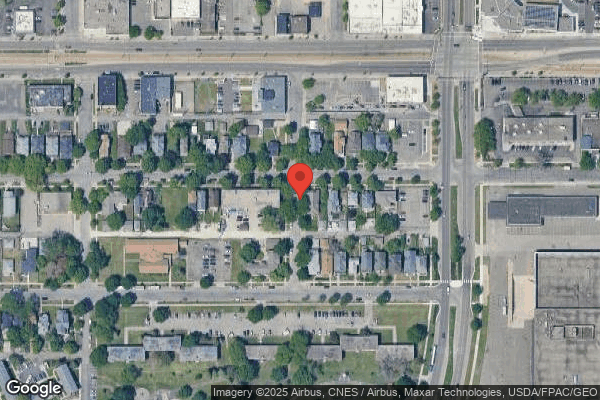
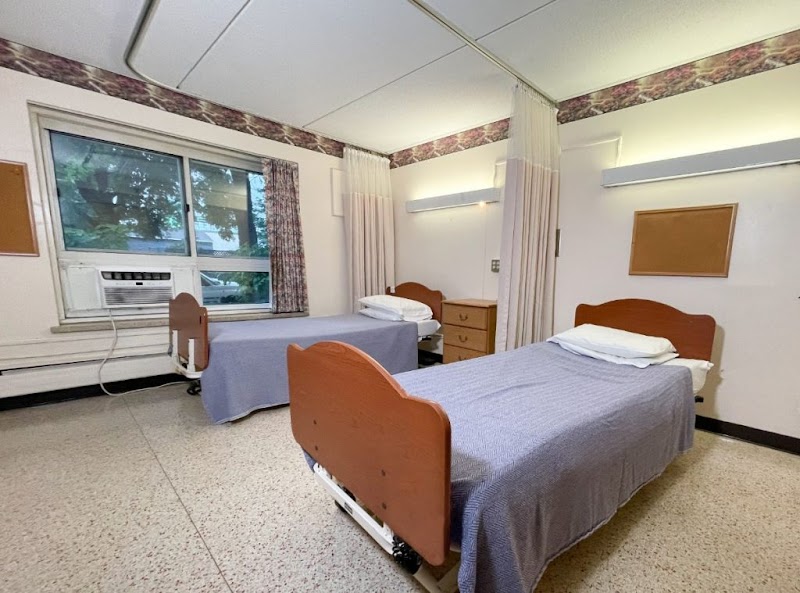
445 GALTIER AVENUE, SAINT PAUL, MN 55103 (651) 224-1848
For profit - Partnership 100 Beds MONARCH HEALTHCARE MANAGEMENT Data: November 2025
Trust Grade
55/100
#205 of 337 in MN
Last Inspection: April 2025

Within standard 12-15 month inspection cycle. Federal law requires annual inspections.

Overview

The Villas at St. Paul has received a Trust Grade of C, which means it is average and sits in the middle of the pack among nursing homes. It ranks #205 out of 337 facilities in Minnesota, placing it in the bottom half, and #16 out of 27 in Ramsey County, indicating only one local option is better. The facility is showing improvement, with issues decreasing from 14 in 2024 to 7 in 2025. Staffing is rated 4 out of 5 stars, which is good, but the turnover rate is concerning at 56%, higher than the state average. Although there have been no fines recorded, some recent incidents include failure to ensure staff wore beard nets in the kitchen, leading to potential contamination risks, and expired food items not being removed, which could affect residents' health. Overall, while there are strengths in staffing and improvement trends, there are critical areas that need attention regarding food safety and infection control.

Trust Score
C
55/100
In Minnesota
#205/337
Bottom 40%
Safety Record
Low Risk
No red flags
Inspections
Getting Better
14 → 7 violations
Staff Stability
⚠ Watch
56% turnover. Above average. Higher turnover means staff may not know residents' routines.
Penalties
✓ Good
No fines on record. Clean compliance history, better than most Minnesota facilities.
Skilled Nurses
○ Average
Each resident gets 40 minutes of Registered Nurse (RN) attention daily — about average for Minnesota. RNs are the most trained staff who monitor for health changes.
Violations
⚠ Watch
33 deficiencies on record. Higher than average. Multiple issues found across inspections.
★★★☆☆
3.0
Overall Rating
★★★★☆
4.0
Staff Levels
★★★☆☆
3.0
Care Quality
★★★☆☆
3.0
Inspection Score
Stable
2024: 14 issues
2025: 7 issues

The Good

  • 4-Star Staffing Rating · Above-average nurse staffing levels
  • Full Sprinkler Coverage · Fire safety systems throughout facility
  • No fines on record

Facility shows strength in staffing levels, fire safety.

The Bad

3-Star Overall Rating

Near Minnesota average (3.2)

Meets federal standards, typical of most facilities

Staff Turnover: 56%

Near Minnesota avg (46%)

Frequent staff changes - ask about care continuity

Chain: MONARCH HEALTHCARE MANAGEMENT

Part of a multi-facility chain

Ask about local staffing decisions and management

Staff turnover is elevated (56%)

8 points above Minnesota average of 48%

The Ugly 33 deficiencies on record

Apr 2025 3 deficiencies
CONCERN (D)

Potential for Harm - no one hurt, but risky conditions existed

Quality of Care (Tag F0684)

Could have caused harm · This affected 1 resident

**NOTE- TERMS IN BRACKETS HAVE BEEN EDITED TO PROTECT CONFIDENTIALITY** Based on observation, interview, and document review the facility failed to ensure residents compression stockings were applied ...

Read full inspector narrative →
**NOTE- TERMS IN BRACKETS HAVE BEEN EDITED TO PROTECT CONFIDENTIALITY** Based on observation, interview, and document review the facility failed to ensure residents compression stockings were applied correctly for 1 of 1 resident (R20) reviewed for edema. R20's quarterly Minimum Data Set (MDS) dated [DATE], indicated moderately impaired cognition and diagnoses of spondylosis with myelopathy (cervical region), muscle weakness, and dementia. It further indicated R20 was independent with activities of daily living (ADL) and mobility. R20's physician's order dated 3/31/25, indicated Thrombo-Emobolic Deterrent stockings (TED) on during the day and off at night, every morning and at bedtime. Remove at hour of sleep (HS) and wash and rinse, hang to dry. R20's nursing assistant care sheet (undated), indicated R20 preferred to put TED stocking on himself, staff to check that they are on during the day and off at night. R20's care plan dated 3/25/25, indicated self-care deficit related to increased weakness and failure to thrive with the following interventions: -Independent with dressing -Independent with grooming -Assist of 1 with bathing -Provide assistance with oral cares morning, bedtime, and as needed -Call bell/light within reach at all times, answer promptly. -Hair will be washed by nursing department and cut by beauty shop as needed -Nails will be cut by nursing department -Explain all cares while doing them -Assist with personal hygiene (Specify) -Dressing and personal hygiene preferences (Specify) The care plan lacked any indication R20 wore TED stockings or preferences regarding them. During observation and interview on 3/31/25 at 1:20 p.m., R20 was sitting in his wheelchair in his room and was wearing bilateral TED stockings. Both stockings were rolled down to his ankles and the end of the stockings (where the toes should be), had approximately 4-5 inches of the stocking hanging over. There were indentations in the skin of his ankles where the TED stockings were rolled down. He had a dime sized red area on the top of his right ankle where the stocking was rolled down. R20 stated he put on his own TED stockings. During observation and interview on 4/1/25 at 2:42 p.m., R20 was sitting in his room in his wheelchair. He was wearing bilateral TED stockings and they were rolled down to his ankles. He removed his slippers and the TED stockings were hanging off the ends of his toes approximately 4-5 inches. He also removed his TED stockings and his ankles had indentations in the skin and a red area on the top of his right ankle where the stocking was rolled down. During observation and interview on 4/1/25 at 2:44 p.m., licensed practical nurse (LPN)-A verified R20's TED stockings were not on correctly and nurses and nursing assistants were responsible for applying them. R20 stated he had put on his own TED stockings. During interview on 4/2/25 at 8:39 a.m., LPN-B stated the nurses were responsible for applying residents TED stockings and if the resident prefers to put them on themselves, it was the nurses responsibility to ensure they were on correctly. During interview on 4/2/25 at 9:00 a.m., LPN-C stated nurses were responsible for applying residents TED stockings, but if they wanted to do it themselves, the nurse was still responsible for ensuring they were on correctly, stating That's part of signing it off in the documentation. During interview on 4/3/25 at 12:12 p.m. the director of nursing (DON) stated R20 wore TED stockings per his preference and also prefers to apply them himself. The DON further stated the nurses were responsible for ensuring he was wearing them during the day, they were on correctly, and removed at night. This was important in order to prevent skin breakdown. A facility policy regarding edema in regards to TED stockings was requested but not received.
CONCERN (E)

Potential for Harm - no one hurt, but risky conditions existed

Food Safety (Tag F0812)

Could have caused harm · This affected multiple residents

**NOTE- TERMS IN BRACKETS HAVE BEEN EDITED TO PROTECT CONFIDENTIALITY** Based on observation, interview and record review the facility failed to ensure expired food items were removed from service, fo...

Read full inspector narrative →
**NOTE- TERMS IN BRACKETS HAVE BEEN EDITED TO PROTECT CONFIDENTIALITY** Based on observation, interview and record review the facility failed to ensure expired food items were removed from service, food items were labeled and dated, and food was stored in a manner to prevent cross contamination. Furthermore, the facility failed to ensure dishwasher temperatures were monitored to ensure proper sanitization. This had the potential to impact all residents who reside in the facility. Findings include: Food storage An observation on 3/31/25 at 11:43 a.m., the main kitchen was reviewed. A stand-up freezer contained a silver pan with plastic wrap covering it. The plastic wrap was not secured and was loose and lifted off three sides. The plastic wrap had 2/13 beef roast written on it in black marker. Inside was frozen meat with ice crystals and patches of white frost on it. A stand-up refrigerator was reviewed. Inside contained the following: -a covered, plastic container of cut pineapple with no date. -an opened pack of turkey lunch meat with no date. -two containers of [NAME] cultured sour cream, one opened and one unopened. Both containers had a best by date of 2/6/25. On the floor of the dry storage area contained three empty 5 gallon buckets labeled Ecolab liquid laundry chlorine. The buckets had lids, however there were holes in the tops of the lids and small amounts of the contents remained inside. When interviewed on 3/31/25 at 12:06 p.m., cook (C)-A and C-B verified the above findings. C-B stated any food item that is open should be dated and when new stock is delivered, whoever was putting it away should be looking at the dates and throwing out anything expired. C-A stated the 5-gallon buckets were stored there so they could be cleaned out. C-A acknowledged the buckets still having chemicals inside, and verified should not be stored around the food. On 3/31/25 at 12:52 p.m., the 4th floor patient refrigeration was reviewed and the following identified: -an unlabeled opened individual bottle of [NAME] 2% milk with approximately 1/3 of the milk left with a use by date of 2/4/25. -a sandwich wrapped in a plastic bag taped to a plastic closed storage container. There was green/gray growth on the sandwich seen through the bag. The tape was dated 12/25/24. -three unlabeled and thawed frozen entrée meals stored on the top shelf of the refrigerator and not in the freezer. -a loaf of cub foods white sandwich bread with a best by date of 3/10/25. -two unlabeled or dated Styrofoam take out containers. -two take-out containers labeled Lori 3/5. -an unlabeled or dated Wendy's fast-food bag. The freezer had five Ice Brick ice packs piled next to two unlabeled and dated plastic bags tied with unidentified food items inside. When interviewed on /31/25 at 1:16 p.m., nursing assistant (NA)-A verified the above items in the refrigerator and freezer. NA-A stated families often brought in meals for the residents on this floor and should have the residents name and when it was brought in. NA-A verified ice packs should not be in the freezer with food and there was another freezer in the medication room for those. NA-A further stated kitchen staff were responsible for cleaning of the fridge and to ensure items were thrown out but wasn't sure when the last time that happened was. On 3/31/25 at 1:55 p.m., the second floor resident refrigerator was reviewed and the following found: -un unlabeled and undated plastic container with clear lid containing what appeared to be a chicken breast with green and gray growths on the chicken. -an unlabeled take-out container from Kitchen Food Correlation dated 1/25/25. -5 unlabeled and undated several take out plastic bags with food containers inside. When interviewed on 3/31/25 at 2:08 p.m., NA-B verified the above findings and further sated when residents want food placed in the refrigerator, the items needed to be labeled and dated. NA-B further stated the kitchen staff monitored for expired items. When interviewed on 4/1/25 at 2:30 p.m., registered nurse (RN)-A was not sure who reviewed the unit refrigerators and felt it may be activities or housekeeping. RN-A verified resident food items should be labeled with the resident name and date it was brought in. Furthermore, RN-A stated ice packs should not be stored with resident food items as it could cause contamination. When interviewed on 4/2/25 at 1:36 p.m., the Director of Nursing (DON) expected staff to ensure all food was labeled with the resident name and date it was received. Anything that was open would be thrown out after three days. DON stated it was a group effort between dietary and nursing to remove expired or outdated items from resident refrigerators. DON verified there should be no ice packs stored in freezers as only disposable ones were utilized. Dishwasher An observation on 4/1/25 at 9:33 a.m., the dishwasher in the main kitchen was observed. On the side of the dishwasher was a sign that directed wash temps to reach 150 degrees Fahrenheit (F) and rinse temps to reach 180 degrees F. Hanging on a clipboard on the wall above the dirty side was a temperature log Dated April, 2025. The log was blank. Dietary Aide (DA)-A was washing pans from breakfast. DA-A was asked to identify wash and rinse temperatures for the next two cycles. DA-A wasn't sure where to look for temperatures for the cycles until shown. Observation of 2 wash/rinse cycles was completed and the first had a wash temp of 150 and a rinse temperature of 173. The second cycle observed had a wash temperature of 153 and a rinse of 175. DA-A verified the temperatures. DA-A was not aware of monitoring temperatures and was not sure what they should be at. DA-A further stated they were not trained about dishwashing temperatures. When interviewed on 4/1/25 at 9:50 a.m., DA-B stated the dishwasher wash temperature was usually around 140-145 degrees F, while the rinse temperature generally ran around 184 F. DA-B stated there was no official training for the dishwasher and monitoring temperatures and was just told to the new staff during training. DA-B verified temperatures of a cycle that read 153 F for the wash and 178 for the rinse. DA-B further stated maintenance was completed not long ago to help bring up the temperatures as they had been off. DA-B verified the 4/2025 temperature log was blank and stated the cooks generally did the checks. DA0B was not sure where the 3/2025 log was. When interviewed on 4/2/25 at 1:57 p.m., the Corporate Dietary Director (CDD) stated when orders arrive, staff were expected to rotate on a first in, first used method and ensure all items checked for expiration and expected any expired items to be tossed at that time. CDD further stated anything stored in the freezer should be in a sealed container or bag. If the item was not, staff should switch it out to ensure that. The CDD acknowledged there had been a breakdown on who was monitoring resident food storage and that was in the process of being worked out. CDD verified the dishwasher utilized high temperatures to sanitize dishes. The dishwasher had not been getting to temperatures a few weeks ago and had received maintenance. CDD further stated DA-B had received education for monitoring temperatures at that time, however education to other staff had not been completed. CDD further stated while ideally temperatures would be taken at each mealtime use, an initial one at the start of the day was expected to be done. During that time, CDD had the temperature log for 3/2025, however it had been misplaced and had not yet been found. A facility policy titled Food Brought into Facility revised 9/2012, directed staff to label resident food with the resident's name and date the item was received. Food must be disposed of properly after 3 days. Furthermore, resident refrigerators may not be used for any other purposes other thatn the storage of resident food and beverage. A facility policy for food storage was requested however was not received.
CONCERN (E)

Potential for Harm - no one hurt, but risky conditions existed

Infection Control (Tag F0880)

Could have caused harm · This affected multiple residents

**NOTE- TERMS IN BRACKETS HAVE BEEN EDITED TO PROTECT CONFIDENTIALITY** R3 R3's prospective payment system (PPS) 5-day assessment Minimum Data Set (MDS) dated [DATE], indicated intact cognition and re...

Read full inspector narrative →
**NOTE- TERMS IN BRACKETS HAVE BEEN EDITED TO PROTECT CONFIDENTIALITY** R3 R3's prospective payment system (PPS) 5-day assessment Minimum Data Set (MDS) dated [DATE], indicated intact cognition and reported an open lesion on her foot and indicated she was taking an antibiotic during the lookback period. According to the Center for Disease Control (CDC), enhanced barrier precautions (EBP) are an infection control intervention aimed at reducing the transmission of multidrug resistant organisms (MDRO) used during high contact resident care activities. The CDC states contact precautions are put into place to prevent the spread of infectious agents that are spread by direct or indirect contact with the resident or the resident's environment. The CDC recommends using personal protective equipment (PPE), including gown and gloves, for all interactions that may involve contact with the resident or the resident's environment. The CDC indicates donning PPE when entering the room and discarding before exiting the room is done to contain pathogens, or contagious/infectious organisms. R3's care plan dated 1/27/25, indicated she was on EBP related to her incision. The care plan directed staff to follow EBP precautions and don and doff PPE per EBP precautions when providing high contact cares. A provider progress note dated 3/31/25, indicated under the assessment and plan header, MRSA (methicillin resistant Staphylococcus aureus) infection wound culture positive for MRSA and SA (staphylococcus aureus). According to the CDC, MRSA is a type of SA germ that can be resistant to several types of antibiotic treatments and is spread through contact with infected people, wounds, or items that have touched infected skin and are carrying the bacteria. The CDC recommends healthcare providers follow contact precautions when caring for residents with MRSA. R13 R13's quarterly Minimum Data Set (MDS) dated [DATE], indicated she had intact cognition and reported her diabetic foot ulcer. R13's care plan indicated she was on contact precautions for wound care related to active MRSA in her right foot and abdominal wound. The care plan directed staff to follow indicated infection control precautions per protocol and sign on resident's door. During observation on 4/2/25 at 8:58 a.m., a contact precaution sign was posted on R3 and R13's door. Nursing assistant (NA)-E entered R3 and R13's shared room without donning PPE and asked if they were done with the breakfast tray. R13 pulled her privacy around her wheelchair and NA-E exited the room. Per interview on 4/2/25 at 9:00 a.m., NA-E stated, I would assume they are both on contact precautions. NA-E stated staff should wear PPE for contact cares, or for instances where staff would come into contact with the resident, however, if I was just feeding them or something, I wouldn't need to wear PPE. During observation on 4/2/25 at 11:35 a.m., licensed practical nurse (LPN)-D knocked on R3's door and entered the room without donning PPE. LPN-D approached R3 and touched her shoulder and asked if she was coming to lunch. LPN-D then rubbed her back before exiting the room and performing hand hygiene back. During observation on 4/2/25 at 11:43 a.m., NA-F and social services (SS)-A entered R3's room without donning PPE and approached R3's bedside before exiting the room. During interview on 4/2/25 at 11:43 a.m., LPN-D stated both R3 and R13 were on contact precautions for their wounds. LPN-D expected staff to follow the instructions on the sign posted on their door, which stated gown and gloves at the door, however, if staff were only dropping off a meal tray or asking a question, they would not need to wear PPE. When asked how staff would know when to follow the signage on posted on the door and when it did not apply, LPN-D deferred to RN-A. During interview on 4/2/25 at 11:43 a.m., registered nurse (RN)-A stated staff were expected to follow the contact precautions signage posted on the door, which stated staff should don gown and gloves at the door, but if staff were dropping off a room tray, it would be okay to go without PPE. RN-A stated staff would only need to wear PPE if they were providing direct cares with the resident. When asked to clarify if staff should follow the signage posted on the door, which read, hand hygiene before entry and all staff should d on gown and gloves at the door, or if they should only wear PPE when providing direct cares, RN-A stated staff should follow the signage on the door, however, if they were not providing direct cares, they would not need to don full PPE. LPN-D and RN-A reviewed the contact precautions recommendations on the CDC website which indicated staff should wear a gown and gloves for all interactions that may involve contact with the patient or the patient's environment. Donning PPE upon room entry and properly discarding before exiting the patient room is done to contain pathogens, during the interview and RN-A confirmed staff should always follow the signage on the door. During the interview, RN-A and LPN-D confirmed R3's care plan lacked documentation of correct transmission-based precautions. RN-A stated, I'll change that for her right now. LPN-D verified the deficient practice of not wearing appropriate PPE during the observation and stated NA-F and SS-A should have also worn PPE into the room. A facility policy titled Infection Prevention and Control Program revised 3/13/23, directed staff to use surveillance tools for recognizing the occurrences of infection. Furthermore, infection prevention included identifying possible infections. The policy further directed staff to implement appropriate isolation precautions when necessary. Based on observation, interview and record review the facility failed to identify and track a potential infection for 1 of 1 residents (R73) who required treatment for latent tuberculosis (a highly contagious lung disease). Furthermore, the facility failed to ensure transmission-based precautions (TBP) were utilized for 2 of 2 residents (R3, R13) who were on contact isolation precautions. Findings include: R73's quarterly Minimum Data Set (MDS) dated [DATE], indicated R73 had cognitve impairment and diagnoses of chronic lymphocytic leukemia (blood cancer) and high blood pressure. R73's infectious disease after visit summary dated 1/14/25, indicated R73 had been diagnosed with latent TB. While R73 had no symptoms, if left untreated R79 may develop active TB in the future. R73's provider order dated 1/14/25, indicated R73 required rifampin (antibiotic) 600 milligrams (mg) each evening for 4 months for latent TB. A facility document titled Monthly Line Listing InfectionReport for 1/2025- 3/2025 lacked documentation of R73's latent TB infection or antibiotic use. When interviewed on 4/2/25 at 1:09 p.m., the infection preventionist (IP) stated R and R were both on contact precautions for MRSA. Furthermore, IP expected staff to follow the directions on the contact isolation sign posted on R and R 's door. IP stated the interdisciplinary team (IDT) would meet daily and determine if any residents had been started on antibiotics or were admitted with antibiotics. The residents and information were then included on the line listing document and were monitored until the infection cleared and antibiotic was no longer needed. We track when the symptoms, testing, site, and location in the building. The IP verified R73 was not on the Monthly Line Listing report and had not realized R73 and would need to look further into the situation. A follow up interview on 4/3/25 at 11:04 a.m., the IP stated R73 was added to the Monthly Line Listing Infection Report and would be monitored.
Mar 2025 2 deficiencies
CONCERN (E) 📢 Someone Reported This

A family member, employee, or ombudsman was alarmed enough to file a formal complaint

Potential for Harm - no one hurt, but risky conditions existed

ADL Care (Tag F0677)

Could have caused harm · This affected multiple residents

**NOTE- TERMS IN BRACKETS HAVE BEEN EDITED TO PROTECT CONFIDENTIALITY** Upon observation, interview, and record review the facility failed provide the necessary services of oral hygiene for 5 of 6 res...

Read full inspector narrative →
**NOTE- TERMS IN BRACKETS HAVE BEEN EDITED TO PROTECT CONFIDENTIALITY** Upon observation, interview, and record review the facility failed provide the necessary services of oral hygiene for 5 of 6 residents (R1, R2, R3, R4, R5) reviewed for activity of daily living. Findings include: R1's admission Minimum Data Set, dated [DATE] indicated R1's Brief Inventory of Mental Status (BIM)s score was 00 indicating R1 was severely mentally impaired. R1 required moderate assistance with oral hygiene and eating. He required maximum assistance with dressing and transferring. R1's pertinent diagnose were alcoholic cirrhosis of the liver (severe liver disease caused by excessive alcohol), adult failure to thrive, and cachexia (weight loss of more than 10% in a person not trying to lose weight. R1's care plan dated 3/13/25 indicated R1 was to receive minimum assistant of 1-2 with personal hygiene. Upon observation and interview on 3/27/25 at 2:18 p.m. R1 was lying in bed wearing a hospital gown, two friends were visiting. A plastic basis was observed in his room with an unopened toothbrush wrapped, an unopened box of toothpaste and toothettes (a disposable single use oral care swab with a sponge on one side of the stick used for oral cares. When a toothette was held up to show R1 he stated he did not know what that was. R1 stated he had never been assisted with oral cares at the facility. Upon interview on 3/27/25 at 3:20 p.m. nursing assistant (NA)-A stated he was not certain if the toothettes were to be used with R1 how often, or if he has to use a toothbrush. He stated he had not worked with R1 prior to the day of the survey. He stated orals are to be completed every a.m. and every p.m. R2's significant change MDS dated [DATE] indicated R2 BIMs score was a four indicating R2 was cognitively impaired. R2 was totally dependent upon staff for eating, oral cares, toileting, bathing, dressing, hygiene and transferring. R2's significant diagnoses were paranoid schizophrenia (delusions and hallucinations), hyperparathyroidism (thyroid dysfunction when the glands produce too much parathyroid hormone), and bullous pemphigoid (autoimmune skin disorder characterized by large blisters. R2's care plan dated 3/28/25 indicated R2 had an alteration in dental care related to missing teeth. She was to have oral cares and every and per her request. Upon observation and interview on 3/28/25 at 9:12 a.m. R2 did not have oral care supplies in her room. She stated staff did not assist her with caring for her mouth. R3's nursing admission note dated 3/24/25 indicated R3 was able to make his needs know. R3's care plan dated 3/25/25 indicated R3 required staff assistance with dressing and personal hygiene. The plan did not indicate oral hygiene specifically. R3's admission MDS dated [DATE] was not completed on the date of survey. Upon observation and interview R3 had a plastic basin in his room with an unopened toothbrush wrapped in plastic and an unopened tube of toothpaste. R3 stated he had not brushed his teeth since his admission. He stated he was not certain whether staff was assisting him with that or not. R4's care plan dated 3/6/25 indicated R4 was at risk for dehydration, staff was to education resident, family on the importance of fluid intake. Staff was to observe R4 for dehydration, decreased skin turgor, dry mucous membranes, lethargy, fatigue, low urine output, hypotension (low blood pressure) and increased in falls. R4's annual MDS dated [DATE] indicated a BIMs score was not indicated. R4 was dependent on staff for eating, oral hygiene, toileting hygiene, bathing, dressing, and transferring. R4's pertinent diagnoses were autistic disorder (development disorder that impairs the ability communicate and interact), adjustment disorder with mixed anxiety and depression and drug induced dyskinesia (involuntary repetitive, and abnormal movements). Upon observation and interview on 3/28/25 at 9:35 a.m. R4 was in bed. R4 stated staff was to assist him with brushing his teeth as had mouth issues, however he had oral cares approximately 2-3 times a week. R5's admission MDS dated [DATE] indicated R5's BIMs score was a seven indicating R5 was cognitively impaired. R5 required set-up for eating, moderate assistance for oral hygiene, dressing, and transferring. Upon observation and interview on 3/28/25 at 10:09 a.m. R5 oral supplies were not observed in his room. He stated he was able to brush his own teeth, however needed the equipment to do so. Upon interview on 3/28/25 at 12:19 a.m. the director of nursing (DON) stated if assistance with oral care was on the care plan the staff was to assist them with oral care every morning and evening. A facility policy titled Activities of Daily Living (ADL's) Maintain Abilities Policy indicated: Based on the comprehensive assessment of a resident and consistent with the resident's needs and choices, the facility would provide the necessary care and services to ensure that a resident's abilities in activities of daily living do not diminish unless circumstances of the individual's clinical condition demonstrate that such diminution was unavoidable. 2. The facility will ensure a resident is given the appropriate treatment and services to maintain or improve their ability to carry out the activities of daily living. 3. The facility will provide care and services for the following activities of daily living: a. hygiene, bathing, dressing, grooming, and oral care, b. Mobility-transfer and ambulation, including walking, c. Elimination-toileting, d. Dining-eating, including meals and snacks. e. Communication, including speech, language, and other functional communication systems. 4. A resident who is unable to carry out activities of daily living will receive the necessary services to maintain good nutrition, grooming, and personal and oral hygiene; and basic life support.
CONCERN (E) 📢 Someone Reported This

A family member, employee, or ombudsman was alarmed enough to file a formal complaint

Potential for Harm - no one hurt, but risky conditions existed

Deficiency F0807 (Tag F0807)

Could have caused harm · This affected multiple residents

**NOTE- TERMS IN BRACKETS HAVE BEEN EDITED TO PROTECT CONFIDENTIALITY** Upon observation, interview, and record review the facility failed to provide drinks, including water consistent with the reside...

Read full inspector narrative →
**NOTE- TERMS IN BRACKETS HAVE BEEN EDITED TO PROTECT CONFIDENTIALITY** Upon observation, interview, and record review the facility failed to provide drinks, including water consistent with the resident needs and preferences and sufficient to maintain resident hydration for 5 of 6 residents (R1, R2, R3, R5, and R6) reviewed for hydration. Findings include: R1's Clinical Nutritional assessment dated [DATE] indicated R1's goal was for R1 to remain as nourished and hydrated as possible within the disease process. R1's admission Minimum Data Set, dated [DATE] indicated R1's Brief Inventory of Mental Status (BIM)s score was 00 indicating R1 was severely mentally impaired. R1 required moderate assistance with oral hygiene and eating. He required maximum assistance with dressing and transferring. R1's pertinent diagnose were alcoholic cirrhosis of the liver (severe liver disease caused by excessive alcohol), adult failure to thrive, and cachexia (weight loss of more than 10% in a person not trying to lose weight. R1's care plan dated 3/13/25 indicated staff was to offer fluids and snacks between meals. Upon observation and interview on 3/27/25 at 2:18 p.m. R1 was lying in bed wearing a hospital gown. R1 had two friends visiting him. One of the friends stated R1 never had water when he visited. R1's friend gave him a drink of water out of the cup she was drinking from. R1's mouth was dry, and he did not have fresh water or other liquids in his room to drink. A professional interpreter was called. R1 stated he only received fluids with his meals and with his medications. He would have liked water throughout the day. Upon interview on 3/27/25 at 3:20 p.m. nursing assistant (NA)-A stated he was not certain whether R1 was supposed to have water or not because R1 had an Aspira catheter (an indwelling catheter that removes flood from the abdominal area) in place and R1 was a relatively new resident. R2's physician orders dated 6/27/25 indicated staff was to observe R1 for dehydration, decreased skin turgor (elasticity of the skin), dry mucous membranes, lethargy, fatigue, low urine output, hypotension (low blood pressure) and increased in falls. R2's significant change MDS dated [DATE] indicated R2 BIMs score was a four indicating R2 was cognitively impaired. R2 was totally dependent upon staff for eating, oral cares, toileting, bathing, dressing, hygiene and transferring. R2's significant diagnoses were paranoid schizophrenia (delusions and hallucinations), hyperparathyroidism (thyroid dysfunction when the glands produce too much parathyroid hormone), and bullous pemphigoid (autoimmune skin disorder characterized by large blisters. R2's nutritional assessment dated [DATE] indicated R2's goal was to remain as nourished and hydrated as possible within the disease state process. R2's care plan dated 3/28/25 indicated R2 required staff assistance with drinking liquids and was to have a sippy cup. Upon observation and interview on 3/28/25 at 9:12 a.m. R2 was fully dressed seated in her room in her wheelchair. She did not have water in her room. She stated she got thirst there was water in her bathroom. R3's nursing admission note dated 3/24/25 indicated R3 was able to make his needs known. R3's care plan dated 3/25/25 indicated R3 required staff assistance with dressing and personal hygiene\ R3's admission MDS dated [DATE] was not completed on the date of survey. Upon observation and interview on 3/28/25 at 9:35 a.m. R3 was seated in his wheelchair dressed watching television. He did not have a glass with water or other liquids in his room. He stated he would like water to be available in between meals. R5's admission MDS dated [DATE] indicated R5's BIMs score was a seven indicating R5 was cognitively impaired. R5 required set-up for eating, moderate assistance for oral hygiene, dressing, and transferring. Upon observation and interview on 3/28/25 at 10:09 a.m. R5 was lying on his bed fully dressed. He did not have a glass with water or other liquids in his room. He stated he would like water throughout the day. R6's admission MD dated 11/13/24 indicated R4 had a BIMs score of 15 indicated he was cognitively intact. R6 was independent with eating, oral hygiene, toileting, dressing, and personal hygiene. R6's pertinent diagnoses were right and left leg below the knee amputations, hepatic encephalopathy (loss of brain functions when the liver does not remove toxins) and cirrhosis of the liver. Upon observation and interview on 3/28/25 at 10:21 a.m. R6 was standing outside of his room waiting to speak with surveyor. Upon observation of his room R6 did not have water readily available. He stated when he wanted water between meals and medication passes, he wound find the nurse or the nurses cart, get a glass and fill it in his bathroom. Upon interview on 3/28 at 10:48 a.m. NA-B stated the floor she was working on did not have the reuseable plastic mugs to fill with ice and water for the residents like the other floors had. She stated staff was supposed to fill the small disposable plastic cups the nurses use for their medications on that floor. The cups were four ounces (oz), cups. Upon interview on 3/28/25 at 12:19 a.m. the director of nursing (DON) stated all residents have water readily available. She believed staff were passing water in the morning and if the residents requests more the staff was to provide more. The staff was expected to check each residents room before leaving to ensure they had water. A facility policy titled Monitoring Food and Fluid Consumption dated 9/2012 indicated the facility was to maintain adequate nutritional intake and hydration for all the residents.
Mar 2025 2 deficiencies
CONCERN (D) 📢 Someone Reported This

A family member, employee, or ombudsman was alarmed enough to file a formal complaint

Potential for Harm - no one hurt, but risky conditions existed

Free from Abuse/Neglect (Tag F0600)

Could have caused harm · This affected 1 resident

**NOTE- TERMS IN BRACKETS HAVE BEEN EDITED TO PROTECT CONFIDENTIALITY** Based on interview and document review, the facility failed to ensure neglect did not occur when a staff member nursing assistan...

Read full inspector narrative →
**NOTE- TERMS IN BRACKETS HAVE BEEN EDITED TO PROTECT CONFIDENTIALITY** Based on interview and document review, the facility failed to ensure neglect did not occur when a staff member nursing assistant (NA)-A failed to answer call lights for a resident timely and instructed the resident to not use their call light unless it was an emergency for 1 of 3 residents (R1) reviewed for neglect. Findings include: R1's admission Minimum Data Set (MDS) comprehensive assessment was not completed as R1 was in the facility just over 24 hours. R1's 48-hour care plan was not completed as he had been in the facility just over 24 hours. R1's progress notes dated 2/26/25 at 11:05 p.m., indicated R1 was admitted on [DATE] around 6:30 p.m., and was alert and oriented. R1's progress notes dated 2/27/25 at 9:30 a.m., indicated staff offered R1 psychiatric services due to R1 had fears related to health and his recent amputation. R1's progress note dated 2/27/25 at 5:31 p.m., indicated R1 called 911 to go to the hospital and left the facility at 6:40 p.m. on 2/27/25. During an interview on 3/4/25 at 2:20 p.m., NA-A stated R1 arrived at night, appeared confused, and R1 would try to remove his incontinence brief. When NA-A checked on him, his underwear was down to his knees. NA-A stated he would inquire if R1 needed to use the bathroom and R1 did not understand what he was asking. NA-A indicated, I assumed something was wrong with him cognitively. NA-A stated when R1 activated his call light, R1 wanted his brief changed almost every time and needed to be changed only once. NA-A indicated R1 activated his light when he wanted water, ice, a pain pill, a different blanket, and asked for Ensure twice. NA-A stated he assessed if R1 would continue to use his call light, and further stated, I waited ten minutes to respond and then went back to check on him to see if he really needed something more than a cup of water or ice. The light would keep going off until I responded. I knew it was him, because the roommate was out of the room a lot of the time. If the call light was going off in the other rooms, I looked to see if others needed lights answered first. If someone pulls a bathroom alarm, that's a different light, and I answered those first. I would just check in on him periodically, like every 10 minutes, instead of answering the light. Additionally, NA-A stated, When [R1] needed his wound wrapped, I would say the nurses will get to you when the nurses get to you. I would leave and he would press it [the call light] again. Maybe something could happen in the 5 seconds when I was just there. I have been doing this for a while. It was a behavioral issue. I am experienced. I have been here 3 months. I was a CNA in [another city] for 6 months. I did let him know, unless it was something super important, like an emergency, he needed to ease off the light. I don't think he would remember most things. I did tell him he needed to ease up on the frequency of the call light. Maybe he didn't remember pressing the call light. We really did try to accommodate him. After a time, it was taking away from all the other residents with his confusion. the only thing he really needed was his wound changed. We had others who needed theirs done too. During an interview on 3/4/25 at 3:02 p.m., registered nurse (RN)-A stated R1 used his call light frequently however, expected that as it was R1's first day at the facility and R1 was adjusting to the new environment. RN-A stated it was not acceptable if NA-A made R1 wait for a call light response. We wouldn't know if it was important unless we answered the light. RN-A stated R1 had the right to use his call light and should not have been told to not use it. RN-A stated she was unaware NA-A was not answering R1's light and would have written NA-A up and told the nurse manager if she had known. RN-A stated, In a sense, it is neglect. During an interview on 3/4/25 at 3:09 p.m., RN-B stated he did not know NA-A was not answering R1's call lights, and was also not aware NA-A instructed R1 to not use his call light so frequently. RN-B stated call lights were answered by priority for those with physical needs, medication needs, treatments, and wound cares, however, further acknowledged staff would not know the urgency of the need until they answered the light. RN-B indicated when a resident arrived at night, was elderly, or had cognitive impairment, like R1, the resident may use the call light more. RN-B stated if he had known NA-A told R1 to stop using his light so much, he would have reported the NA to the director of nursing (DON) and would inquire about reporting the NA to the State Agency. During an interview on 3/4/25 at 5:08 p.m., the administrator stated she expected staff to answer call lights within five to 10 minutes and if they were not able to, they should ask for assistance from another staff. The administrator stated she was not aware NA-A told R1 to limit the use of his call light and it did not align with the facility ideals. During an interview on 3/4/25 at 5:21 p.m., DON stated she expected staff to answer call lights within five minutes, every time the resident activated it, and answering it every ten minutes was not acceptable, and stated, If could be an emergency, it could be life and death, and you don't know until you go in the room. Review of facility policy titled The Abuse Prohibition/Vulnerable Adult Plan dated 2/2/2023, indicated neglect was the failure of the facility, its employees or service providers to provide goods and services to a resident that were necessary to avoid physical harm, mental anguish, or emotional distress.
CONCERN (F) 📢 Someone Reported This

A family member, employee, or ombudsman was alarmed enough to file a formal complaint

Potential for Harm - no one hurt, but risky conditions existed

Infection Control (Tag F0880)

Could have caused harm · This affected most or all residents

Based on observation, interview and document review, the facility failed to follow infection control guidelines to ensure beard nets were worn by staff who prepared food in the kitchen. This practice ...

Read full inspector narrative →
Based on observation, interview and document review, the facility failed to follow infection control guidelines to ensure beard nets were worn by staff who prepared food in the kitchen. This practice had the potential to affect all the residents, staff, and visitors who ate food prepared in the kitchen. Findings include: During an observation on 3/4/25 at 12:41 p.m., cook (CK)-A was observed working in the kitchen where food was being prepared by other staff. CK-A had a full beard, was not wearing a beard net and walked by where the food was being prepared. CK-A stated he worked preparing food on 3/4/25 and 3/5/25, without a beard net because the facility was out of them. CK-A stated he knew he was supposed to wear a beard net to prevent hair from getting into the food. During an interview on 3/4/25 at 12:49 p.m., dietary aide (DA)-A stated the kitchen manager was not in the facility as she left to buy beard covers. During an interview on 3/4/25 at 5:08 p.m., the administrator stated she expected staff to wear a beard cover while preparing food, and if the facility did not have a supply, staff should have communicated the need to her so she could borrow from a sister facility if needed. Review of The Preventing Foodborne Illness - Employee Hygiene and Sanitary Practices facility policy dated October 2017, indicated hair nets and/or beard restraints must be worn to keep hair from contacting exposed food, clean equipment, utensils, and linens.
Sept 2024 4 deficiencies
CONCERN (D) 📢 Someone Reported This

A family member, employee, or ombudsman was alarmed enough to file a formal complaint

Potential for Harm - no one hurt, but risky conditions existed

Comprehensive Care Plan (Tag F0656)

Could have caused harm · This affected 1 resident

**NOTE- TERMS IN BRACKETS HAVE BEEN EDITED TO PROTECT CONFIDENTIALITY** Based on interview and document review, the facility failed to ensure a comprehensive, person-centered care plan was developed a...

Read full inspector narrative →
**NOTE- TERMS IN BRACKETS HAVE BEEN EDITED TO PROTECT CONFIDENTIALITY** Based on interview and document review, the facility failed to ensure a comprehensive, person-centered care plan was developed and adjusted as needed to promote continuity of care for 3 of 3 residents (R1, R2, and R3) reviewed for care planning. Findings include: R1's admission Minimum Data Set (MDS), dated [DATE], identified R1 admitted on [DATE] and was cognitively intact. The MDS outlined R1 required substantial physical assistance for toileting and setup/clean up assistance for oral hygiene. The MDS indicated R1 experienced occasional bladder incontinence and frequent bowel incontinence and was free of natural teeth. Further, the MDS outlined multiple Care Area Assessments (CAAs: items to have an in-depth review completed) were triggered for R1 which included, but was not limited to, Urinary Incontinence and Dental Care. Urinary incontinence was identified to be addressed in the care plan for improvement and to minimize risks. Dental care was identified to be addressed in the care plan to maintain current level of functioning and to minimize risks. R1's Bladder Evaluation, locked 3/25/24, identified R1 experienced occasional incontinence and requested the bed pan as needed. R1's Admission/Initial Data Collection V-5, locked 3/25/24, identified R1 utilized upper and lower dentures. R1's quarterly MDS, dated [DATE], identified R1 required substantial physical assistance for toileting and supervision or touching assistance for oral hygiene (increased assist from admission assessment), continued to experience occasional bladder incontinence and frequent bowel incontinence, and was free of natural teeth. R1's care plan, reviewed 9/19/24, identified multiple areas to record a, Focus [i.e., problem], with a corresponding goal and interventions. The care plan identified several focus areas; however, the care plan lacked focused areas for bowel and bladder incontinence and dental status/care. R2's admission MDS and Optional State Assessment (OSA), both dated 4/23/24, identified R2 admitted on [DATE] and was cognitively intact. The MDS outlined R1 required supervision for bed mobility, limited physical assist for toileting and transfers, setup/supervision/touching assist for dressing, personal hygiene, and walking short distances, and that R1 did not walk longer distances. In addition, R1 sustained falls within the month prior to admission and the last two to six months prior to admission and received high-risk medications (antipsychotic, antidepressant, diuretic). Further, the MDS outlined multiple CAAs were triggered for R2 which included, but was not limited to, Functional Abilities (Self-Care and Mobility) with improvements to be addressed on the care plan, Urinary Incontinence with improvements to be addressed on the care plan as she required assist with toileting, Falls with goal to minimize risks from immobility and medications addressed on the care plan, and Psychotropic Drug Use to avoid complications to be addressed on the care plan. R2's Admission/Initial Data Collection V-5, locked 4/22/24, identified R2 experienced frequent pain which impacted her sleep and limited her day-to-day activities, was non-weight bearing to her right leg, and preferred evening showers. R2's quarterly MDS, dated [DATE], identified R2 was cognitively intact and required periods of supervision or touching assist with bed mobility; however, was independent with transfers and walking short distances. In addition, the MDS identified R2 reported occasional moderate pain which occasionally limited her day-to-day activities, continued use of high-risk medications, and that occupational therapy (OT) ended 5/21/24 and physical therapy (PT) ended on 5/22/24. R2's care plan, reviewed 9/19/24, identified several focus areas, however, these areas were left blank or not completed including but not limited to: Fall Risk related to, with an initiated date of 6/11/24 (approximately two months after admission). The focus statement lacked insight into risks. A goal identified Resident will be safe and free from falls, and the interventions lacked person centered approaches. One intervention was identified: Follow residents specific fall prevention plan: (Specify). The fall care plan lacked specifics. Alteration in mobility related to, with an initiated date of 6/11/24. The focus statement lacked insight into the alteration. A goal identified Resident will move safely within their environment. Interventions, all initiated on 6/11/24, were written as follows: PT per MD (medical doctor) order, Follow PT instructions, Assist with ambulation (Specify), Assist with movement in bed and in/out of bed, Assist with transfers (Specify). The mobility care plan lacked specifics for ambulation, transfers, PT instructions, or R2's wheelchair ability/use and directed for PT to continue despite its discontinuation on 5/22/24. Self care deficit related to, with an initiated date of 6/11/24. The focus statement lacked insight into the deficit. Goals identified: Resident will be accept assistance with self cares and Resident will be dressed, groomed, and bathed per preferences. Interventions, all initiated on 6/11/24, were written as follows: OT per MD order, Follow OT instructions, Assist with bathing (Specify), Assist with dressing (Specify), Assist with personal hygiene (Specify), Bathing Preferences (Specify), Dressing and personal hygiene preferences (Specify). The Self care deficit care plan lacked specifics and preferences and directed OT to continue despite its discontinuation on 5/21/24. R2's care plan lacked focused areas for pain, toileting, and high-risk medication usage for antidepressant, antipsychotic, and diuretic use. R3's admission MDS and OSA, both dated 7/18/24, identified R3 admitted on [DATE] and was severely cognitively impaired with unclear speech and impairments with understanding and verbalization of need. The MDS outlined R3 required physical assist with cares and mobility, demonstrated total bowel and bladder incontinence, was diagnosed with diabetes, aphasia (impaired communication ability), cerebrovascular accident (CVA - stroke), dementia, hemiplegia/paresis (weakness on one side of body), and seizure disorder, was at risk for pressure ulcers, and was administered high risk medications (antidepressant - mood altering, hypoglycemic - blood glucose control). Further, the MDS outlined multiple CAAs were triggered for R3 which included, but was not limited to, Communication, Urinary Incontinence, Falls, Pressure Ulcer/Injury, and Psychotropic Drug Use. These identified the areas were to be addressed on the care plan and all areas lacked an overall objective for care planning. An Activities CAA was triggered with an objective for care planning to maintain current level of functioning and minimize risks. R3's Admission/Initial Data Collection V-5, locked 7/16/24, identified R3 preferred sponge baths. R3's nursing progress note, dated 9/3/24, identified R3 was found to have an open wound on her coccyx with a provider order for treatment. R3's nursing progress note, dated 9/16/24, identified the IDT (interdisciplinary team) met and discussed R3's coccyx wound [pressure ulcer]. New orders were discussed and R3 was to be repositioned per facility policy. R3's September 2024 Medication admission Record (MAR) identified R3 received daily routine pain medications to right arm. R3's care plan, along with care plan revision histories, reviewed 9/19/24 (approximately two months since admission), identified several focus areas, however, these areas were left blank or not completed including but not limited to: Alteration in skin integrity, created on 8/9/24 (28 days after admission) with a goal that Resident will remain free from skin breakdown. The focus statement lacked insight into the alteration and the intervention area remained blank. Additionally, the focus, goals, interventions lacked information related to R3's coccyx ulcer. Self care deficit related to, created on 8/9/24 with a goal that Resident will be accept assistance with self cares and Resident will be dressed, groomed, and bathed per preferences. The focus statement lacked insight into the deficit and the intervention area remained blank. Fall Risk related to, created on 8/9/24 with a goal that Resident will be safe and free from falls. Interventions directed staff to Follow PT and OT instructions for mobility function. The focus statement lacked insight into the risk and the intervention area remained free of additional interventions or therapy instructions. Alteration in communication, created on 8/9/24 with a goal that Residents needs will be anticipated and met by staff. The focus statement lacked insight into the alteration and the intervention area remained blank. Alteration in elimination, created on 8/9/24, lacked insight into the alteration, and the goal(s) and intervention area remained blank Alteration in mobility related to, created 8/9/24 with a goal that Resident will move safety within their environment. The focus statement lacked insight into the alteration and the intervention area remained blank. R3's care plan lacked focused areas for right arm pain, activities, and high-risk medication usage for antidepressant and hypoglycemic use related to depression and diabetes. When interviewed on 9/20/24 at 10:57 a.m., wound care nurse practitioner (NP)-A stated she would expect resident care plans, especially those with wounds, to have a comprehensive care plan that included risk factors and interventions to prevent/decrease the risk for further concerns as the care plan was a main avenue for staff communication of specific resident information. During an interview on 9/20/24 at 1:33 p.m., nursing assistant (NA)-B stated resident Kardexes (NA care plans derived from the comprehensive care plan) were a main source of resident information which she reviewed when she needed details about a resident. When interviewed on 9/20/24 at 2:39 p.m., registered nurse (RN)-A stated the [NAME] was utilized by the nursing assistants to know information such as preferences, risks, programs, etc. to keep the residents happy, safe, and free from harm. During an interview on 9/23/24 at 12:08 p.m., nursing assistant (NA)-D stated she utilized the Kardexes for resident information, especially when she was unfamiliar with a resident, and she expected specific information on the [NAME], especially as the group/assignment sheets lacked specific details and was not updated enough to reflect the residents' changing needs. When interviewed on 9/23/24 at 12:19 p.m., licensed practical nurse (LPN)-B stated the nurse managers were responsible for care planning processes. She was able to look at it but was unsure if she could edit it. LPN-B explained she expected the care plan to be comprehensive and contain enough information to assist with decreased risk factors such as ulcers or other higher risk concerns. During an interview on 9/23/24 at 1:10 p.m., LPN-D stated he was the unit care coordinator; however, care planning was completed by the director of nursing (DON) when the IDT met to discuss the residents. He felt this was a very effective way to ensure the care plans were maintained. He was unaware of any care plan completion concerns and explained he expected the care plan to provide enough information for staff to ensure tasks were performed and needed cares were provided. LPN-D stated if a care plan lacked enough information, risks for neglect would be increased. When interviewed on 9/23/24 at 3:07 p.m., RN-B identified she was a corporate nurse who assisted the facility with the MDS process. She explained the facility usually completed much of the care plan and then once she edited the MDS and completed that process, she checked the care plan and would update anything that needed an update or add any missing items. RN-B stated the comprehensive care plan was expected to have all information needed for the resident to prevent problems, along with identified goals and personalized interventions. RN-B explained risks associated with incomplete care plans would impact the care a resident received which may then led to such things as skin breakdown or safety concerns such as incorrect transfers. During an interview on 9/23/24 at 4:08 p.m., the DON stated all resident information was expected on the care plan as this information pulled over into the [NAME]. All departments were responsible to ensure the care plan was up to date. The DON stated, Our care plans are not great. She explained staff were afraid to add too many details to it, but she still expected enough information to be present for the residents to be cared for. This information included risks, goals, individualized interventions. The DON identified the facility policy was for the comprehensive care plan to be completed by day 21 of the resident's stay following the MDS process; however, the care plan started on admission with the baseline care plan process. The admitting nurse was expected to review the resident information, initiate the baseline care plan, and tweak the sections as needed within the baseline care plan assessment form, based on the resident information at the time of admission. The floor nurses did not adjust the care plan after that. After admission, and when changes arose, the nurse managers were required to review the care plan and make any additional adjustments as needed. If these processes were not followed, there were risks of missed information and the resident may not get the right care. During an interview on 9/24/24 at 9:49 p.m., RN-C identified she was a corporate nurse who assisted the facility with the MDS process. She explained the comprehensive care plan was expected to be completed when the care plan decision making decision on the MDS was dated. This was expected to be completed on or before the 21st day of a resident's stay. RN-C explained the comprehensive care plan was expected to address weaknesses and strengths for the continued maintenance of current function and to prevent declines. She stated facility staff were responsible to ensure the care plan was comprehensive and current for communication amongst team members and to meet the goals of the residents and her role was required to ensure things were in place. If this was not completed, this lack of information led to potential injury, falls, social isolation, unidentified or unmet needs, depression, skin breakdown, etc. A Care Planning policy, dated 1/6/22, identified each resident would have a person-centered care plan developed by the IDT for meeting the individual medical, physical, psychosocial, and functional needs. The policy directed the IDT, in conjunction with the resident and the resident representative were to develop and implement a comprehensive individualized care plan no later than the 21st day of admission. The care plan was to be consistent with the identified problem areas and their causes and interventions were to be developed that targeted and were meaningful to the resident. The careplan was to be used to develop daily care routines for the resident and was to be utilized by staff to provide care and services. The care plan was to be modified and updated as the condition and care needs of the resident changed. A Skin Assessment and Wound Management policy, dated 3/2024, directed that when a new skin problem was identified the care plan was to be reviewed and updated to include interventions and risks for skin breakdown.
CONCERN (D) 📢 Someone Reported This

A family member, employee, or ombudsman was alarmed enough to file a formal complaint

Potential for Harm - no one hurt, but risky conditions existed

Pressure Ulcer Prevention (Tag F0686)

Could have caused harm · This affected 1 resident

**NOTE- TERMS IN BRACKETS HAVE BEEN EDITED TO PROTECT CONFIDENTIALITY** Based on interview and document review, the facility failed to comprehensively reassess pressure ulcer risk and adjust the care ...

Read full inspector narrative →
**NOTE- TERMS IN BRACKETS HAVE BEEN EDITED TO PROTECT CONFIDENTIALITY** Based on interview and document review, the facility failed to comprehensively reassess pressure ulcer risk and adjust the care plan for 1 of 1 residents (R3) who developed an avoidable stage ll (i.e., partial thickness tissue loss) pressure ulcer to R3's coccyx (tailbone area). Findings include: R3's admission MDS and Optional State Assessment (OSA) Item Set, both dated 7/18/24, identified R3 admitted on [DATE] from an acute care hospital and was severely cognitively impaired with unclear speech and impairments with understanding and verbalization of need. The MDS outlined R3 required physical assist with cares and mobility, demonstrated total bowel and bladder incontinence, was diagnosed with diabetes, aphasia (impaired communication ability), cerebrovascular accident (CVA - stroke), dementia, diabetes, hemiplegia/paresis (weakness on one side of body), and seizure disorder, and was at risk for pressure ulcers based on clinical assessment and a formal assessment instrument/tool in which R3 utilized a pressure reducing device for her bed. Despite this, she was free of pressure ulcers or other coded skin impairments. Further, the MDS outlined multiple CAAs were triggered for R3 which included, but was not limited to, Pressure Ulcer/Injury. This CAA identified R3 was at risk for pressure ulcers related to her need for extensive to total physical assist with mobility and activities of daily living (ADLs), bowel and bladder incontinence, a decline in mobility following hospitalization for seizures, history of stroke with dysphagia, aphasia, and right hemiplegia, impaired communication with her being overall non-verbal but was usually able to make needs known, and aspirin medication usage. R3 was assessed to have bilateral upper extremity bruising. Interventions included an incontinent product to keep R3's skin dry, toileting and repositioning every two hours and as needed (PRN), routine skin cares every morning and with evening cares, and weekly skin inspections. R3's Braden Scale for Predicting Pressure Sore Risk, locked 7/13/24, identified R3 was at moderate risk with a score of 13 related to a slightly limited ability to respond to meaningful pressure-related discomfort, rare exposure to moisture, bedfast/confined to bed, immobility and unable to make even slight changes in body or extremity positions without assist, probably inadequate nutritional intake, and potential problem for friction and shearing. R3's nursing progress note, dated 9/3/24, identified R3 was found to have a 2 cm (centimeter) by 2 cm open wound on her coccyx and an open wound on butt line. The provider was updated, and wound care orders were received. A Risk Management Skin Tear form, dated 9/3/24, identified the open wound as a skin tear. The form lacked additional wound assessment information. Immediate Action Taken described the area was cleansed with normal saline, covered with a foam dressing for protection, and on call provider, husband, and unit manager were updated. The description lacked immediate interventions to prevent additional wound development(s). The sections for Predisposing Physiological and Situation Factors were blank. The form Notes section identified that on 9/6/24, the IDT met and R3 was assessed to have a stage ll pressure ulcer to her coccyx area. Adjusted orders were obtained and the dietician was updated. In addition, R3 received [nutritional] supplements and will be turning and repositioning every two to three hours and PRN. A Skin and Wound Evaluation V7.0, locked 9/6/24, identified R3 was assessed for a stage ll pressure ulcer. The form allowed for an Exact Date of onset, which was blank. The Wound Measurements were 3.6 cm in length and 0.7 cm in width. Depth was Not Applicable. Wound Bed, Exudate (drainage), Periwound, Wound Pain, and Orders (Goal of Care) were all blank. An area under Treatment allowed for Additional Care interventions; these were all unchecked. The Progress section identified the area was New; however, the remained of the section questions remained blank. A Wound Consult provider visit form, dated 9/11/24, identified R3's visit was conducted by nurse practitioner (NP)-A and was for a chief complaint of an unstageable coccyx ulcer, impaired skin integrity, muscle weakness, and limited mobility. The ulcer was sloughy (dead tissue) with peri wound maceration (wet edges) which required sharp wound debridement (removal of non-healthy tissue). As R3 had limited mobility, aggressive repositioning and offloading was discussed with staff. The form indicated R3 displayed multiple comorbidities for wound healing and wound progression, as well as risk for wounds which included diabetes, hypertension, malnutrition, incontinence, and limited mobility and muscle weakness. A Skin and Wound Evaluation V7.0, initiated on 9/11/24 and completed by NP-A, identified R3 was assessed for an unstageable pressure ulcer due to 100 percent slough and/or eschar covering the wound bed. The Wound Measurements indicated 0.8 cm length by 0.6 cm width. Exudate was moderate and the wound edges were macerated. Additional Care identified the following items were checked: mobility aid(s) provided, moisture barrier and control, nutrition/dietary supplementation, positioning wedge, repositioning device(s), and turning/repositioning program. The wound was Stable. R3's nursing progress note, dated 9/16/24, identified the IDT (interdisciplinary team) met and discussed R3's coccyx pressure ulcer. New orders were discussed and R3 was to be repositioned per facility policy. A Wound Consult provider visit form, dated 9/18/24, identified R3's visit was conducted by NP-A. R3's wound remained sloughy with peri wound maceration and increased excoriation (superficial loss of tissue). The wound had deteriorated some and appeared a little more deeper this week. NP-A spoke to the nurse manager about an air mattress and recommended house stock barrier cream for skin protection during peri cares. A Skin and Wound Evaluation V7.0, initiated on 9/18/24 and completed by NP-A, identified R3's unstageable (covered 100 percent with slough) coccyx ulcer measured 1.7 cm in length and 0.7 cm in width. Moderate exudate was present, and the peri wound was excoriated and macerated. Wound Progress was Deteriorating. R3's medical record, from 9/3/24 through 9/19/24, lacked evidence R3's pressure ulcer risk was comprehensively reassessed by nursing staff after the pressure ulcer was identified. R3's care plan, along with care plan revision histories, reviewed 9/19/24 (approximately two months since admission and 16 days after the pressure ulcer was first discovered), identified multiple areas to record a, Focus [i.e., problem], with a corresponding goal and interventions, however, these areas were left blank or not completed including but not limited to: Alteration in skin integrity, created on 8/9/24 (28 days after admission) with a goal that Resident will remain free from skin breakdown. The focus statement lacked insight into the alteration and the intervention area was blank. Additionally, the focus, goals, interventions lacked information related to R3's coccyx pressure ulcer or NP-A's wound care/interventions. Self care deficit related to, created on 8/9/24 with a goal that Resident will be accept assistance with self cares and Resident will be dressed, groomed, and bathed per preferences. The focus statement lacked insight into the deficit and the intervention area remained blank. Alteration in communication, created on 8/9/24 with a goal that Residents needs will be anticipated and met by staff. The focus statement lacked insight into the alteration and the intervention area remained blank. Alteration in elimination, created on 8/9/24, lacked insight into the alteration and the goal(s) and intervention area remained blank. Alteration in mobility related to, created 8/9/24 with a goal that Resident will move safety within their environment. The focus statement lacked insight into the alteration and the intervention area remained blank. R3's comprehensive care plan lacked evidence her pressure ulcer risk, assessed with the CAA process, was care planned to decrease the risk for pressure ulcers. In addition, R3's comprehensive care plan lacked updates reflective of the identified pressure ulcer and wound care recommendations. During an interview on 9/20/24 at 10:57 a.m., NP-A stated R3 displayed limited mobility due to a past stroke and was at risk for pressure ulcers; however, If [R3] was turned appropriately [the ulcer] could have been avoidable. NP-A expected some kind of interventions in R3's care plan especially interventions for repositioning and some sort of comprehensive assessment within 24 hours after an ulcer is discovered to determine continued pressure ulcer risk and to assess for any changes in resident status. If these were not completed, R3 was at additional increased risk for further skin breakdown or worsening of the current ulcer. When interviewed on 9/20/24 at 1:17 p.m., nursing assistant (NA)-A stated he was unaware of who had pressure ulcers or other alterations in skin integrity. For this information, he explained he would need to review the care plan or the group/assignment sheets. NA-A identified, after he reviewed the group/assignment sheet, this sheet lacked such information, nor did the sheet contain repositioning/toileting plans or interventions to decrease pressure ulcer risks. NA-A stated he was unaware if R3 was on an individualized repositioning plan, toileting plan, or that R3 required any additional care(s) for her skin; however, he explained all those at risk should be repositioned and toileting cares managed every two hours. During an interview on 9/20/24 at 1:33 p.m., NA-B stated she worked with R3 at times and was unaware if R3 had a pressure ulcer. She indicated she would need to follow up with the nurse and/or review the care plan for such information. In addition, she was unaware of R3's individualized pressure ulcer risk interventions; however, she explained everyone was on every two-hour, or as needed, repositioning and toileting plan. When interviewed on 9/23/24 at 11:54 a.m., NP-B identified she was one of R3's providers. She expected R3's care plan included risk factors based on a comprehensive skin/pressure ulcer risk assessment before, and after, a pressure ulcer was discovered. This ensured proper interventions and planning were implemented to prevent worsening of the area and to avoid any additional open areas. NP-B identified R3 was at a high risk for pressure ulcers, and she expected R3 to be care planned, at least, for every two-hour repositioning. During an interview on 9/23/24 at 12:08 p.m., NA-D stated she expected interventions for resident care to be on the [NAME] so that she knew what to do and explained this was important as the group/assignment sheets lacked specific details and was not updated enough to reflect the residents' changing needs. NA-D was aware R3 had a pressure ulcer as that was why they repositioned her every two hours. She was unsure if this was on R3's [NAME]; however, she expected it was as many agency staff worked for the facility and they needed to know such information. When interviewed on 9/23/24 at 12:19 p.m., licensed practical nurse (LPN)-B stated R3 had a pressure ulcer; however, she was unsure as to what the care plan identified as interventions for this and additional pressure ulcer risk reduction. She indicated she would need to review R3's care plan for specific details as she expected such interventions to be present. During an interview on 9/23/24 at 4:08 p.m., the DON stated R3's pressure ulcer was considered avoidable as the ulcer was very superficial and R3 sat for long periods, and if staff repositioned R3 every two to three hours, it could have been prevented. The DON stated when R3's husband was here, R3 sat up for longer periods of time. The DON stated if a resident were assessed for increased pressure ulcer risk, especially a Braden of 13 or less, this was expected to be on the care plan and individualized interventions initiated, such as w/c cushion, pressure reduction mattress, offloading every two to three hours and as needed. In addition, once an ulcer was found, the resident's risk should again be reassessed, and the care plan updated to reflect any risks/findings. A Skin Assessment and Wound Management policy, dated 3/2024, directed a pressure ulcer risk assessment (Braden Scale) was to be completed per the assessment schedule/grid and appropriate preventative skin measures were to be implemented such as, but not limited to, mobility and repositioning plans and a pressure reduction plan. When a pressure ulcer was identified, staff were expected to review and update the care plan including interventions, update resident care lists, and update the care plan to identify risks for skin breakdown.
CONCERN (D) 📢 Someone Reported This

A family member, employee, or ombudsman was alarmed enough to file a formal complaint

Potential for Harm - no one hurt, but risky conditions existed

Deficiency F0729 (Tag F0729)

Could have caused harm · This affected 1 resident

Based on interview and document review, the facility failed to verify nurse aide registration for 1 of 1 agency nursing assistants (NA-A) prior to allowing the individual to serve as a nurse aide and ...

Read full inspector narrative →
Based on interview and document review, the facility failed to verify nurse aide registration for 1 of 1 agency nursing assistants (NA-A) prior to allowing the individual to serve as a nurse aide and work directly with facility residents. This had the potential to affect all residents on the transitional care unit (TCU). Findings include: During an interview on 9/20/24 at 1:17 p.m., NA-A stated this was his first time working at the facility. NA-A identified he provided cares that morning to residents that included tasks such as hygiene and dressing cares, feeding, and mechanical lift transfers. When interviewed on 9/20/24 at 2:10 p.m., staffing coordinator (SC) stated 9/20/24 was NA-A's first shift and his agency staffing request was last minute. SC identified the director of human resources (DHR) managed facility staff and agency paperwork. During an interview on 9/20/24 at 2:25 p.m., DHR stated she only managed facility staff paperwork and did not follow-up on paperwork related to agency staff. She explained agency paperwork was SC's responsibility as SC collaborated with the agencies for staffing needs. When interviewed on 9/20/24 at 2:33 p.m., the administrator stated she expected DHR and SC worked together to ensure agency staff met requirements, which included licensure or nurse aide verification. She explained these processes were required to ensure resident safety. During subsequent interviews on 9/20/24 at 3:37 p.m. and 3:59 p.m., SC stated the agencies were responsible to ensure nursing staff were licensed or registered as a nursing assistant; however, when a new agency staff was confirmed for shift pickup, she requested information from an agency electronic portal system that included licensure or nurse aide verification. Based on the specific agency processes, either this information was viewed directly within the portal, or the information was required to be requested via an email link. An email link process was required per NA-A's agency processes. SC stated nursing assistants were required to have an active nurse aide registration before the aide worked with residents which ensured resident safety, but being NA-A's shift request was last minute she was unable to verify NA-A's registration prior to his shift. SC identified she submitted the email link request for NA-A's information that day, early afternoon or late morning. During the interview, an email, from NA-A's agency to SC, dated 9/20/24 at 2:54 p.m., was provided and identified NA-A's active nurse aide registration. SC stated the facility accessed the portal for agency staff information and thus did not maintain agency staff employee files. An Abuse Prohibition/Vulnerable Adult Policy, dated 3/2024, identified potential employees were screened for a history of abuse, neglect, or mistreating residents and license or nursing assistant registry checks were to be completed on facility employees when indicated.
CONCERN (D) 📢 Someone Reported This

A family member, employee, or ombudsman was alarmed enough to file a formal complaint

Potential for Harm - no one hurt, but risky conditions existed

Pharmacy Services (Tag F0755)

Could have caused harm · This affected 1 resident

Based on interview and document review, the facility failed to ensure a medicated powder for a fungal skin infection was transcribed when ordered, and thus applied, in accordance with provider orders ...

Read full inspector narrative →
Based on interview and document review, the facility failed to ensure a medicated powder for a fungal skin infection was transcribed when ordered, and thus applied, in accordance with provider orders for 1 of 3 residents (R1) reviewed for skin breakdown. Findings include: A wound care provider progress note, dated 8/28/24, identified R1 was assessed by nurse practitioner (NP)-A for left gluteus (buttocks) moisture associated skin damage (MASD) with observed peri area and groin intertrigo rash (skin condition caused by friction, heat, and moisture between skin folds). NP-A cleansed and applied Nystatin (anti-fungal medication) to R1's backside. The note directed the continued application of Clortrimazole-Betamethasone cream (anti-fungal medication) as previously ordered; however, did not reflect directions for facility Nystatin use. A Skin and Wound Evaluation form, dated 8/28/24, completed by NP-A, identified R1 was assessed for left gluteus incontinence associated dermatitis (condition that causes swelling and irritation of the skin). The form lacked measurements and the area demonstrated moderate serosanguineous exudate (blood and blood serum drainage) with an epithelial (tissue that covers damaged skin) wound bed. The area lacked signs of infection or pain. The area's progress was stable. A wound care provider order, dated 8/28/24, identified the wound care provider ordered Nystatin 100,00 units powder and directed its application to R1's bilateral breast folds, abdominal folds, and groin area three times a day (TID). The order was initialed by health information assistant (HIA)-A and dated 8/28/24. In addition, the order identified licensed practical nurse (LPN)-F's initials. R1's August Medication Administration Record (MAR), identified the 8/28/24 Nystatin order was scheduled to start on 8/29/24. The order was set up to be applied each day at 8:00 a.m., 12:00 p.m., and 4:00 p.m. The MAR from 8/29/24 at 8:00 a.m. through 8/31/24 at 4:00 p.m., indicated nine episodes for application; however, all nine episodes lacked administration identification at the designated dates and time frames. R1's September MAR, identified the 8/28/24 Nystatin order was scheduled to start on 8/29/24. The order was set up to be applied at 8:00 a.m., 12:00 p.m., and 4:00 p.m. The MAR from 9/1/24 at 8:00 a.m. through 9/3/24 at 12:00 p.m., indicated eight episodes for application; however, all eight episodes lacked administration identification at the designated dates and time frames. The MAR identified the Nystatin was first applied on 9/3/24 at the designated 4:00 p.m. timeframe by LPN-F. An Order Audit Report, identified R1's Nystatin was ordered on 8/28/24 at 5:07 p.m., and Queued (maintained in the order system until verified by a nurse) on 8/28/24 at 5:12 p.m.; however, the report indicated the order was created, confirmed, and revised on 9/3/24 at 6:11 p.m., by HIA-A. The report lacked information that supported the order was created and confirmed on 8/28/24 when ordered. A wound care provider progress note, dated 9/4/24, identified R1 was assessed by NP-A for the left gluteus/peri area/groin intertrigo rash. NP-A cleansed the area and applied anti-fungal. Due to a severe deterioration with the wound status, the nurse manager, and the director of nursing (DON) were updated. The note directed Nystatin to the areas TID with a dermatology appointment scheduled for 11/12/24. A Skin and Wound Evaluation form, dated 9/4/24, completed by NP-A, identified R1 was assessed for left gluteus incontinence associated dermatitis. The area measured a length of 8.7 cm and a width of 2.9 cm with a granulation (tissue that precedes epithelialization) wound bed. The area continued to demonstrate moderate serosanguineous exudate, lacked signs of infection, and/or pain. The areas progress was deteriorating. When interviewed on 9/20/24 at 10:57 a.m., NP-A stated R1's peri-groin area excoriation, related to moisture and fungal factors, over the past couple of months appeared to rapidly spread from the buttocks to the upper back and even into the breast regions which was aggressively treated with oral anti-fungal medication and creams/powders. NP-A stated she was unsure of the cause for the 9/4/24 identified decline, especially as this excoriation fluctuated in status. She denied knowledge of the missed 8/28/24 Nystatin order applications. Once provided MAR information, NP-A indicated she assumed it was not administered as ordered. NP-A explained there was always the potential for R1's skin concerns to deteriorate if the Nystatin was not applied; however, she was not 100 percent sure this was the reason based on R1's many risk factors. During an interview on 9/23/24 at 12:48 p.m., the DON was unaware of any medication concern related to R1. After she reviewed R1's August and September MARs, she stated the Nystatin order was there; however, was not given. The DON reviewed R1's progress notes and identified the progress notes lacked related details. She stated she needed to converse with staff prior to any thoughts on potential reasons for the blank MAR spots. The DON was unaware of any potential risks to R1 related to the potentially missed applications; however, she identified she observed R1's rash on 9/4/24 and the rash lacked improvements. She expected the staff to apply the Nystatin as ordered to help resolve R1's fungal infection. On 9/23/24 at 1:51 p.m., the DON and the administrator approached the surveyor and reported they investigated the missed Nystatin, and it was identified the order process was not initially completed, and the order was revised on 9/3/24. Prior to 9/3/24, because of an unidentified process error, staff were unable to see the order, thus, they were unaware of the need for the Nystatin application. In response, this error was a transcription error. Both denied previous error knowledge despite expectations staff should have alerted them to the error [on 9/3/24]. When interviewed on 9/23/24 at 2:44 p.m., HIA-A stated she initially entered provider orders into the electronic health record which pushed the orders into a que. When in this que, it was then the responsibility of the nurses to double check the order. HIA-A explained if she became aware of any order errors, she was expected to update the floor nurse and the nurse then took care of it. She only updated the DON on order errors when the nurse was unavailable. HIA-A was shown R1's Nystatin order; however, she lacked remembrance to any details surrounding the order and denied any insight into what potentially occurred during the order process(es). HIA-A denied being spoken to about the Nystatin order. During an interview on 9/23/24 at 2:56 p.m., LPN-F acknowledged the 8/28/24 Nystatin order contained his initials; however, he lacked remembrance to any details surrounding the order, any associated processing concerns, or the date he double checked the order. On 9/23/24 at 3:31 p.m., the pharmacy was contacted. Pharmacy tech (PT)-A indicated R1's Nystatin order was received on 8/28/24 and supplied to the facility on 8/29/24. A Medication Error Procedure, dated 1/2020, directed when a medication error occurred, the person responsible for the error, or the person who found the error, was to complete a Medication Error Reconciliation Report. In addition, the medical provider was to be updated, facility management was to complete an Investigation Summary, the person(s) making the error were to be followed up with, and the error was to be presented during routine quality assurance meeting(s). This assisted in the prevention and detection of adverse consequences such as adverse drug reactions and side effects. A Medication and Treatment Orders policy, dated 2/2024, identified orders for medications and treatments was to be transcribed accurately and in a timely fashion for consistent principles of safe and effective order writing.
Jul 2024 1 deficiency
CONCERN (D) 📢 Someone Reported This

A family member, employee, or ombudsman was alarmed enough to file a formal complaint

Potential for Harm - no one hurt, but risky conditions existed

Report Alleged Abuse (Tag F0609)

Could have caused harm · This affected 1 resident

**NOTE- TERMS IN BRACKETS HAVE BEEN EDITED TO PROTECT CONFIDENTIALITY** Based on interview and document review, the facility failed to immediately report allegations of physical abuse to the State Age...

Read full inspector narrative →
**NOTE- TERMS IN BRACKETS HAVE BEEN EDITED TO PROTECT CONFIDENTIALITY** Based on interview and document review, the facility failed to immediately report allegations of physical abuse to the State Agency (SA) with two hours for 1 of 1 resident. R3 reported allegations of physical abuse on her roommate R2. R3 reported during an interview that while staff was providing morning cares to R2 they put a pillow over R2's mouth to stop her screaming. R3 had reported the same allegations of physical abuse to licensed practical nurse (LPN)-A and nursing assistant (NA)-A. Neither LPN-A nor NA-A reported the allegations to the management staff at the facility. Findings include: R2's quarterly Minimum Data Set (MDS) dated [DATE] indicated R2 spoke Hmong. R2's Brief Inventory of Mental Status (BIMs) score was a zero indicating R2 was unable to complete the assessment. R2 was dependent on staff for activities of daily living (ADLs) such as transfers, bed mobility, dressing, toilet use, and personal hygiene. R2's diagnoses included hemiplegia (paralysis of one side of the body), diabetes and depression. Upon interview on 7/23/24 at 9:18 a.m. R3 stated that during her roommates cares at 7/23/24 at approximately 6:00 a.m. R2 was screaming out at two staff members. She stated suddenly the screams became muffled. R3 stated she was in bed and could not see R2 but thought the staff had placed a pillow over R2's mouth to silence her. R3 stated a few weeks ago she did witness a staff member put a pillow over R2's mouth, but another staff stopped it immediately. R2 did not report what she had witnessed a few weeks prior because of the staff stopping. Following the allegations on 7/23/24 at 6:00 a.m. R2 stated she immediately reported the incident to LPN-A and NA-A. Upon interview on 7/23/24 at 9:32 a.m. the Administrator and director of nursing (DON) were informed of the allegations of physical abuse reported by R3. The Administrator and DON stated they were not aware of any concerns from R3. Upon interview on 7/23/24 at 11:32 a.m. via a telephone interpreter service R2 stated she completes her own cares; she does not receive any assistance from staff for dressing or toileting. She stated her name correctly, but stated she lives at home with her family. R2 stated nobody had been in her room earlier during the day and helping her. Upon interview on 7/23/24 at 11:44 a.m. LPN-A stated on 7-23-24 at about 7:00 a.m. R3 told her that she thought staff put a pillow over R2's face during her morning cares because R2 was screaming and then her screams were muffled. LPN-A, who speaks Hmong, stated she asked R2 if any staff had hurt her and R2 stated no. LPN-A denied reporting the allegations to management. She stated that allegations of placing a pillow over vulnerable residents' mouth would be abuse and abuse was to be reported immediately, but R2 denied the allegations when asked. Upon interview on 7/23/24 at 12:09 p.m. NA-A stated at the beginning of her day shift on 7/23/24 R3 reported to her that she thought staff had placed a pillow over her roommate R2 to quiet her. NA-A stated she did not report the allegations because R3 told her she also reported the allegations to LPN-A. NA-A stated she believed if LPN-A was already aware of the allegations she did not need to report. NA-A denied having any conversation with LPN-A regarding the allegations. Upon interview on 7/23/24 at 3:39 p.m. the DON stated all abuse allegations are to be reported immediately. She stated the first she heard about the allegations from R3 was when the writer reported it on 7/23/24 at 9:32 a.m. A policy regarding abuse and reporting was requested however none was provided.
Jun 2024 9 deficiencies
CONCERN (D)

Potential for Harm - no one hurt, but risky conditions existed

Deficiency F0561 (Tag F0561)

Could have caused harm · This affected 1 resident

**NOTE- TERMS IN BRACKETS HAVE BEEN EDITED TO PROTECT CONFIDENTIALITY** Based on observation, interview, and record review, the facility failed to provide bathing preferences for 1 of 3 residents (R74...

Read full inspector narrative →
**NOTE- TERMS IN BRACKETS HAVE BEEN EDITED TO PROTECT CONFIDENTIALITY** Based on observation, interview, and record review, the facility failed to provide bathing preferences for 1 of 3 residents (R74) reviewed for choices. Findings include: R74's admission Minimum Data Set (MDS) dated [DATE], indicated R74 was in room [ROOM NUMBER]-1 and had intact cognition, did not have delirium, disorganized thinking, altered level of consciousness, hallucinations, delusions, physical, verbal, or other behavioral symptoms, and did not reject care. Additionally, the MDS indicated R74 was dependent on staff for showering and bathing. Further, the MDS indicated an interview for preferences including for receiving a tub, shower, or bed bath should be conducted, however was not assessed. R74's Medical Diagnosis form dated 6/27/24 at 9:53 a.m., indicated the following diagnoses: sepsis, rhabdomyolysis (a muscle injury where muscles break down), encephalopathy (a disturbance of brain function), blindness, and personality disorder. R74's care sheet lacked information when R74 would receive a bath or what type. R74's care plan saved on 6/27/24 at 12:06 p.m., indicated R74 had a weekly bath as scheduled. R74's Clinical Physician Orders form, indicated the following order: • 5/17/24, weekly skin inspection by licensed nurse. Complete weekly skin inspection in the electronic medical record (EMR) one time a day every Sunday at 8:00 a.m., for bath day. R74's medication administration record (MAR) and treatment administration record (TAR) dated May 2024, indicated R74 was to receive a bath within 24 hours of admission and after admission bath was completed, to follow the bath day every day and evening shift for two days. A check mark was located for the day shift on 5/18/24, and the day and evening shift on 5/19/24, and no additional check marks or initials were located on the form. R74's Clinical Resident Profile form, dated 6/27/24 at 9:52 a.m., indicated R74 was in room [ROOM NUMBER]-1. A form, Second Floor Bath Schedule, undated, identified resident room numbers under the various days of the week and additionally were separated into an a.m., or p.m. slot. The bath schedule indicated R74 would receive a bath on Sunday a.m. The form further indicated the nurse assessed skin for every bath or shower and completed a skin assessment and refusals were documented in the EMR. Further, the form indicated the nurse must complete a weekly skin inspection evaluation on bath days. R74's Clinical Assessment form dated 6/27/24 at 11:42 a.m., in the EMR indicated one Weekly Skin Inspection form dated 6/9/24. No other Weekly Skin Inspection forms were located. R74's Weekly Skin Inspection form dated 6/9/24 at 9:37 p.m., indicated R74 had a bed bath and it was not necessary to trim R74's fingernails. R74's Follow Up Question Report from 6/1/24, through 6/27/24, indicated the following: • 6/2/24, (Sunday) not applicable for how R74 took a full body bath, shower, sponge bath and transfers in and out of the tub shower. • 6/9/24, (Sunday) physical help limited to transfer only for how R74 took a full body bath, shower, or sponge bath and transfers in and out of the tub shower. • 6/16/24, (Sunday) no documentation was found under the report. R74's progress notes were reviewed from 5/24/24, to 6/25/24, and lacked information a bath was provided or if resident refused. During interview and observation on 6/24/24 between 1:21 p.m., and 1:30 p.m., R74 stated he has not had a shower since he has been at the facility. R74 had an odor and stated he hasn't had a bath in weeks. R74 had black debris under his fingernails that were approximately 1/2 inch long. R74 stated he had a sponge bath twice but stated they don't give him a shower. R74's family member (FM)-A stated she received a voicemail from approximately a week ago Friday and played the voice message that indicated R74 would receive a bath if not that evening, the following morning. During interview on 6/25/24 at 11:19 a.m., nursing assistant (NA)-C stated residents had a bath schedule and went into the 2nd floor nursing station to show the Second Floor Bath Schedule form hanging on the wall. The schedule indicated room [ROOM NUMBER]-1's bath day was on Sunday a.m. shift. During interview on 6/26/24 at 8:38 a.m., NA-C stated she offered to get R74 up, but R74 was just going to hang out in bed. During interview on 6/26/24 at 8:55 a.m., R74 stated NA-C asked if there was anything she could do for him and he told her no and stated he did not like to get up at 7:00 a.m., or 8:00 a.m., but still wanted to have a bath. During interview on 6/26/24 at 9:53 a.m., the director of social services (DSS)-A stated if R74 was sleeping she wouldn't disturb R74 because he gets agitated and at times refused to get out of bed and sit at the table and at times would refuse therapy at times as well. During interview on 6/26/24 at 10:27 a.m., certified occupational therapist assistant (COTA)-A stated R74 refused therapy once because his sister was visiting, otherwise participated in therapy. During interview on 6/26/24 at 1:56 p.m., physical therapist (PT)-B stated R74 didn't sleep well this week and was not motivated so therapy needed to come back a few times to convince R74 to do stuff. During observation on 6/26/24 at 2:00 p.m., R74 was up in the wheelchair and had moved to room [ROOM NUMBER]-2. During interview on 6/27/24 at 9:27 a.m., the director of reimbursement (DR) stated she scheduled the MDS and stated registered nurse (RN)-D completed all the sections of the MDS except C, D, E, F, K, and Q. DR stated activities completed section F (preferences) of the MDS. DR further stated section F was completed to incorporate a resident's preferences in the plan of care and stated it was important to have a personalized person centered plan of care and expected section F to be completed. During interview on 6/27/24 at 10:45 a.m., RN-D stated she had been helping out to complete the MDS sections and make sure the MDS got completed and stated if a section was not completed, she had to go in and finish it and stated if a section was not done, she would go in and dash the answers to get the MDS completed and stated section F hasn't been getting completed consistently, but was not sure why and stated it was important to complete to know what a resident's preferences were and stated residents could refuse interviews, but stated staff would follow the resident assessment instrument (RAI) manual instructions for completing section F. During interview and observation on 6/27/24 at 11:20 a.m., licensed practical nurse and nurse manager (LPN)-E stated R74 was in room [ROOM NUMBER]-1 and moved to 205-2 and stated R74 preferred to go to the shower and liked to sleep in and was adamant about that and did not like to get up in the morning. LPN-E viewed section F of the admission MDS dated [DATE], and stated the MDS created a structure for a care plan for them to follow and stated they lost their MDS nurse and stated R74's bath day was on Sunday a.m.'s according to the bath schedule and stated that would change to Wednesday evenings after viewing the Second Floor Bath Schedule. LPN-E further stated they covered things in care conferences so they knew what R74 liked. LPN-E stated baths were documented under the Forms tab in the EMR in a Weekly Skin Inspection form. LPN-E viewed R74's Forms tab and located one Weekly Skin Inspection form dated 6/9/24, that indicated R74 had a bed bath and verified he did not see any additional Weekly Skin Inspection forms and verified again they were documented in the EMR under Forms and stated if R74 refused, a progress note was documented. Further, LPN-E stated R74 could provide information accurately and stated R74's admission assessment on 5/17/24, indicated he wanted a sponge bath, but stated R74 was more lethargic when he first arrived and stated he would have to dig into locating documentation on baths and stated he was aware R74 has told him he hasn't had a shower and stated the showers should be documented and added he saw R74's dirty nails on 6/24/24, and offered to trim them and should have documented that, but did not. Additionally, LPN-E viewed R74's progress notes that lacked any documentation of refusals. During interview on 6/27/24 at 11:44 a.m., the director of nursing (DON) stated after admission, they check if a resident wants a shower and what time of day and whatever preferences they have they update the care plan and would have expected the MDS to be completed and did not know why it was not and stated it was very important to know what a resident's preferences were. During interview on 6/27/24 at 12:41 p.m., the DON stated they did not have a policy regarding preferences.
CONCERN (D)

Potential for Harm - no one hurt, but risky conditions existed

Deficiency F0583 (Tag F0583)

Could have caused harm · This affected 1 resident

**NOTE- TERMS IN BRACKETS HAVE BEEN EDITED TO PROTECT CONFIDENTIALITY** Based on observation, interview, and document review, the facility failed to ensure privacy was maintained when personal cares w...

Read full inspector narrative →
**NOTE- TERMS IN BRACKETS HAVE BEEN EDITED TO PROTECT CONFIDENTIALITY** Based on observation, interview, and document review, the facility failed to ensure privacy was maintained when personal cares was provided for 2 of 2 residents (R42, R64) reviewed for activity of daily living. Findings Include: R42 R42's quarterly Minimum Data Set (MDS) dated [DATE], indicated R42 was cognitively impaired, dependent on staff for toileting, transfers, dressing and personal hygiene. R42's face sheet printed 6/27/24, indicated diagnosis included cerebrovascular disease affecting right dominant side, with hemiplegia (paralysis of one side of the body) and hemiparesis (weakness or the inability to move on one side of the body, making it hard to perform everyday activities like eating or dressing). R42's care plan revised on 5/3/23, indicated R42 was to be turned every two to three hours, and staff were to perform peri care after each incontinent episode and as needed. R64 R64's quarterly MDS dated [DATE], indicated R64 was cognitively intact, always incontinent of bowel and bladder and dependent on staff toileting hygiene, shower/bath, dressing and personal hygiene. R64's face sheet printed 6/27/24, indicated chronic obstructive pulmonary disease, generalized anxiety disorder, peripheral vascular disease, and bed confinement status. R64's care plan updated on 5/21/24, indicated R64 required assist of one staff for toileting, peri cares and used incontinent products. During observation on 6/26/24 at 7:27 a.m., NA-A provided care for R42 including washing, drying, and applying lotion to R42's skin. When providing personal cares for R42, his door was shut however the privacy curtain was not pulled and his bed was within view from the door. An unidentified staff knocked on the door and NA-A stated it was okay for them to enter R42's room while R42 was undressed, front facing the wall, uncovered with backside and buttock area exposed when the door was opened. The staff shut R42's door and left then closed the room door. During observation on 6/26/24 at 7:49 a.m., NA-A assisted R64 to change her brief. R64's door was shut however the privacy curtain was not pulled to ensure privacy when the door was opened since R64's bed was within view from the door. During R64's cares several staff knocked on her door and was told by NA-A to enter room however R64's private areas including buttock were exposed and seen when the room door was opened. During interview on 6/26/24 at 9:08 a.m., nursing assistant (NA)-A stated they would normally pull resident's privacy curtains when providing cares to residents to prevent exposure of residents while they were undressed however the curtain in R42's and R64's rooms were stuck and not pulling all the way to provide privacy for the residents. NA-A clarified they had completed a work order for the request for repair of the privacy curtains but it had not been completed yet. During interview on 6/27/24 at 9:27 a.m., director of nursing (DON) stated it was her expectation that staff provided privacy for residents while providing personal cares for the residents with curtains pulled to ensure privacy. A facility resident privacy policy was requested but it was not provided.
CONCERN (D)

Potential for Harm - no one hurt, but risky conditions existed

Safe Environment (Tag F0584)

Could have caused harm · This affected 1 resident

**NOTE- TERMS IN BRACKETS HAVE BEEN EDITED TO PROTECT CONFIDENTIALITY** Based on observation, interview, and document review, the facility failed to provide a clean and sanitary environment for 1 of 1...

Read full inspector narrative →
**NOTE- TERMS IN BRACKETS HAVE BEEN EDITED TO PROTECT CONFIDENTIALITY** Based on observation, interview, and document review, the facility failed to provide a clean and sanitary environment for 1 of 1 resident (R29) reviewed who had enteral feeding liquid spilled on the support legs of the tube feeding (TF) pump pole. Findings include: R29's quarterly Minimum Data Set, dated [DATE], included R29 was dependent on staff for all activities of daily living, had diagnoses of traumatic brain injury, hemiparesis (weakness or the inability to move on one side of the body), and aphasia (the loss of ability to understand or express speech), and also indicated they had a feeding tube through which they received more than 50% of their nutrition. R29's physician order with revision date 6/25/24, indicated to wipe down and sanitize TF pump and pole once a week, every Thursday night shift. During observation on 6/24/24 at 12:19 p.m., R29 was lying in bed in their room with tube feeding running. The tube feeding pump was attached to a pole and there was dried brown substance on 3 of 4 support legs of the pole. Approximately 3 inches by 1.5 inches of the dried brown substance was adhered to two of the support legs. During observation on 6/25/24 at 11:58 a.m., the dried brown substance was still present on the support legs of the pole. During observation on 6/26/24 at 7:32 a.m., at 9:54 a.m., and at 1:15 p.m., the dried brown substance was still present on the support legs of the pole. During interview on 6/26/24 at 10:09 a.m., a registered nurse (RN-A) verified that the pole was dirty and that it should be cleaned. RN-A stated that it was the responsibility of the nursing staff to clean. During interview on 6/27/24 at 8:46 a.m., the nurse manager (RN-B) verified the presence of the dried substance and stated it looked like tube feeding. RN-B expected it would be cleaned once a spill was identified and that it was the responsibility of the nursing staff to clean. During interview on 6/27/24 at 11:29 a.m., the director of nursing expected nursing staff to clean on the spot if equipment was dirty. Cleaning policy regarding TF pump poles requested, none provided.
CONCERN (D)

Potential for Harm - no one hurt, but risky conditions existed

Comprehensive Assessments (Tag F0636)

Could have caused harm · This affected 1 resident

**NOTE- TERMS IN BRACKETS HAVE BEEN EDITED TO PROTECT CONFIDENTIALITY** Based on interview, observation, and document review, the facility failed to ensure the comprehensive assessment was developed, ...

Read full inspector narrative →
**NOTE- TERMS IN BRACKETS HAVE BEEN EDITED TO PROTECT CONFIDENTIALITY** Based on interview, observation, and document review, the facility failed to ensure the comprehensive assessment was developed, completed, and implemented for one of one resident (R74) reviewed for assessments. Findings include: See also F561. The Centers for Medicare and Medicaid Services Long-Term Care Facility Resident Assessment Instrument 3.0 User's Manual version 1.18.11, dated October 2023, indicated the purpose of the manual was to offer clear guidance about how to use the resident assessment instrument (RAI) correctly and effectively to provide appropriate care. The RAI helps nursing home staff gather definitive information on a resident's strengths and needs, which must be addressed in an individualized care plan. Under the heading, Section F: Preferences for Customary Routine and Activities, indicated the intent was to obtain information regarding the resident's preferences for their daily routine and activities. Further, this is best accomplished when the information is obtained directly from the resident or through family or significant other, or staff interviews if the resident cannot report preferences. R74's admission Minimum Data Set (MDS) dated [DATE], indicated R74 was in room [ROOM NUMBER]-1 and had intact cognition, did not have delirium, disorganized thinking, altered level of consciousness, hallucinations, delusions, physical, verbal, or other behavioral symptoms, and did not reject care. Additionally, the MDS indicated R74 was dependent on staff for showering and bathing. Further, the MDS indicated an interview for preferences including for receiving a tub, shower, or bed bath should be conducted, however was not assessed. Under section F, number F0300 indicated an interview for daily and activity preferences should be conducted and should continue to F0400 and further, the instructions indicated to attempt to interview all residents able to communicate, if resident is unable to complete, attempt to complete interview with family member or significant other. Additionally, if neither a family member nor a significant other is available skip to item F0800, Staff Assessment of Daily and Activity Preferences. A dash, indicating the question was not assessed, was identified on all of the questions for F0400, Interview for Daily Preferences, that included: how important is it to you to choose between a tub bath, shower, bed bath, or sponge bath. R74's Medical Diagnosis form dated 6/27/24 at 9:53 a.m., indicated the following diagnoses: sepsis, rhabdomyolysis (a muscle injury where muscles break down), encephalopathy (a disturbance of brain function), blindness, and personality disorder. R74's care sheet lacked information when R74 would receive a bath or what type. R74's care plan saved on 6/27/24 at 12:06 p.m., indicated R74 had a weekly bath as scheduled, but did not indicate the type or time. R74's Clinical Physician Orders form, indicated the following order: • 5/17/24, weekly skin inspection by licensed nurse. Complete weekly skin inspection in the electronic medical record (EMR) one time a day every Sunday at 8:00 a.m., for bath day. A form, Second Floor Bath Schedule, undated, identified resident room numbers under the various days of the week and additionally were separated into an a.m., or p.m., slot. The bath schedule indicated R74 would receive a bath on Sunday a.m. The form further indicated the nurse assessed skin for every bath or shower and completed a skin assessment and refusals were documented in the EMR. Further, the form indicated the nurse must complete a weekly skin inspection evaluation on bath days. R74's Clinical Assessment form dated 6/27/24 at 11:42 a.m., in the EMR indicated one Weekly Skin Inspection form dated 6/9/24. No other Weekly Skin Inspection forms were located. R74's Weekly Skin Inspection form dated 6/9/24 at 9:37 p.m., indicated R74 had a bed bath and it was not necessary to trim R74's fingernails. R74's Follow Up Question Report from 6/1/24, through 6/27/24, indicated the following: • 6/2/24, (Sunday) not applicable for how R74 took a full body bath, shower, sponge bath and transfers in and out of the tub shower. • 6/9/24, (Sunday) physical help limited to transfer only for how R74 took a full body bath, shower, or sponge bath and transfers in and out of the tub shower. • 6/16/24, (Sunday) no documentation was found under the report. R74's progress notes were reviewed from 5/24/24, to 6/25/24, and lacked information a bath was provided or if resident refused. During interview and observation on 6/24/24 between 1:21 p.m., and 1:30 p.m., R74 stated he has not had a shower since he has been at the facility. R74 had an odor and stated he hasn't had a bath in weeks. R74 had black debris under his fingernails that were approximately 1/2 inch long. R74 stated he had a sponge bath twice but stated they don't give him a shower. R74's family member (FM)-A stated she received a voicemail from approximately a week ago Friday and played the voice message that indicated R74 would receive a bath if not that evening, the following morning. During interview on 6/25/24 at 11:19 a.m., nursing assistant (NA)-C stated residents had a bath schedule and went into the 2nd floor nursing station to show the Second Floor Bath Schedule form hanging on the wall. The schedule indicated room [ROOM NUMBER]-1's bath day was on Sunday a.m. shift. During interview on 6/26/24 at 8:38 a.m., NA-C stated she offered to get R74 up, but R74 was just going to hang out in bed. During interview on 6/26/24 at 8:55 a.m., R74 stated NA-C asked if there was anything she could do for him and he told her no and stated he did not like to get up at 7:00 a.m., or 8:00 a.m., but still wanted to have a bath. During interview on 6/26/24 at 9:53 a.m., the director of social services (DSS)-A stated if R74 was sleeping she wouldn't disturb R74 because he gets agitated and at times refused to get out of bed and sit at the table and at times would refuse therapy at times as well. During interview on 6/26/24 at 10:27 a.m., certified occupational therapist assistant (COTA)-A stated R74 refused therapy once because his sister was visiting, otherwise participated in therapy. During interview on 6/26/24 at 1:56 p.m., physical therapist (PT)-B stated R74 didn't sleep well this week and was not motivated so therapy needed to come back a few times to convince R74 to do stuff. During observation on 6/26/24 at 2:00 p.m., R74 was up in the wheelchair and had moved to room [ROOM NUMBER]-2. During interview on 6/27/24 at 9:27 a.m., the director of reimbursement (DR) stated she scheduled the MDS and stated registered nurse (RN)-D completed all the sections of the MDS except C, D, E, F, K, and Q. DR stated activities completed section F (preferences) of the MDS. DR further stated section F was completed to incorporate a resident's preferences in the plan of care and stated it was important to have a personalized person centered plan of care and expected section F to be completed. During interview on 6/27/24 at 10:45 a.m., RN-D stated she worked remotely and had been helping out to complete the MDS sections and make sure the MDS got completed and stated if a section was not completed, she had to go in and finish it and stated if a section was not done, she would go in and dash the answers to get the MDS completed and stated section F hasn't been getting completed consistently, but was not sure why and stated it was important to complete to know what a resident's preferences were and stated residents could refuse interviews, but stated staff would follow the resident assessment instrument (RAI) manual instructions for completing section F. During interview and observation on 6/27/24 at 11:20 a.m., licensed practical nurse and nurse manager (LPN)-E stated R74 was in room [ROOM NUMBER]-1 and moved to 205-2 and stated R74 preferred to go to the shower and liked to sleep in and was adamant about that and did not like to get up in the morning. LPN-E viewed section F of the admission MDS dated [DATE], and stated the MDS created a structure for a care plan for them to follow and stated they lost their MDS nurse and stated R74's bath day was on Sunday a.m.'s according to the bath schedule and stated that would change to Wednesday evenings after viewing the Second Floor Bath Schedule that indicated R74's new room number was located in the p.m., slot for a bath. LPN-E further stated they covered things in care conferences so they knew what R74 liked. LPN-E stated baths were documented under the Forms tab in the EMR in a Weekly Skin Inspection form. LPN-E viewed R74's Forms tab and located one Weekly Skin Inspection form dated 6/9/24, that indicated R74 had a bed bath and verified he did not see any additional Weekly Skin Inspection forms and verified again they were documented in the EMR under Forms and stated if R74 refused, a progress note was documented. Further, LPN-E stated R74 could provide information accurately and stated R74's admission assessment on 5/17/24, indicated he wanted a sponge bath, but stated R74 was more lethargic when he first arrived and stated he would have to dig into locating documentation on baths and stated he was aware R74 has told him he hasn't had a shower and stated the showers should be documented and added he saw R74's dirty nails on 6/24/24, and offered to trim them and should have documented that, but did not. Additionally, LPN-E viewed R74's progress notes that lacked any documentation of refusals. During interview on 6/27/24 at 11:44 a.m., the director of nursing (DON) stated after admission, they check if a resident wants a shower and what time of day and whatever preferences they have they update the care plan and would have expected the MDS to be completed and did not know why it was not and stated it was very important to know what a resident's preferences were and stated they did not have a policy regarding the MDS, but followed the RAI manual.
CONCERN (D) 📢 Someone Reported This

A family member, employee, or ombudsman was alarmed enough to file a formal complaint

Potential for Harm - no one hurt, but risky conditions existed

Pressure Ulcer Prevention (Tag F0686)

Could have caused harm · This affected 1 resident

**NOTE- TERMS IN BRACKETS HAVE BEEN EDITED TO PROTECT CONFIDENTIALITY** Based on observation, interview, and document review, the facility failed to ensure the wound care provider's treatment orders w...

Read full inspector narrative →
**NOTE- TERMS IN BRACKETS HAVE BEEN EDITED TO PROTECT CONFIDENTIALITY** Based on observation, interview, and document review, the facility failed to ensure the wound care provider's treatment orders were transcribed into the medical record to ensure continuity of care for 1 of 2 (R48) residents reviewed for pressure ulcers. Findings include: R48's quarterly Minimum Data Set (MDS) dated [DATE], identified severely impaired cognition and no rejection of care or behaviors. Diagnoses included stroke, renal insufficiency, diabetes, aphasia (inability to speak), and malnutrition. Total assistance of two staff was required for bed mobility and transfers; and two stage three pressure ulcers, one unstageable pressure ulcer and diabetic foot ulcer were present. R48's significant change Care Area Assessment (CAA) dated 3/22/24, triggered and identified R48 was at risk for developing a pressure injury and other non-pressure related skin concerns. Nursing was directed to continue to monitor for changes in condition, update provider on concerns, complete a weekly skin check and proceed to care plan. R48's pressure ulcer care plan dated 6/26/24, identified a sacral pressure ulcer, two toe pressure ulcers, one diabetic foot ulcer and a left gluteus (muscles in the buttock/hip area) pressure ulcer. The wound care providers followed due to alterations in skin integrity, and the goal was to remain infection free. Staff were directed to monitor for skin breakdown, for signs/symptoms of infection and to report signs/symptoms to the providers. The care plan lacked direction for wound care dressing change orders. R48's wound care provider orders dated 5/29/24, and 6/5/24, lacked orders or assessment of the left gluteus pressure ulcer. Orders dated 6/12/24, identified a stable stage two left hip [gluteus] wound. Apply foam daily and follow wound care team weekly. R48's electronic medical record (EMR) orders dated 6/12/24 through 6/26/24, lacked documentation of dressing change orders for the left gluteus pressure ulcer. R48's medication administration record (MAR) and treatment administration record (TAR) dated 6/12/24 through 6/26/24 lacked documentation of the above ordered dressing changes to the left gluteus pressure ulcer. During an observation on 6/25/24 at 12:44 p.m., licensed practical nurse (LPN)-A assessed the placement of R48's left gluteus pressure ulcer dressing which was had a written date on it of 6/25/24. LPN-A stated wound care orders would be found in the EMR, she reviewed PCC and stated there was not an order in the EMR to change the dressing and she replaced the dressing she saw was previously in place. During an observation and interview on 6/26/24 at 1:01 p.m., nurse practitioner (NP)-A, an unidentified wound care provider, and LPN-D entered R48's room for weekly wound care provider rounds. NP-A removed a wet, foam dressing from R48's left gluteus pressure ulcer. NP-A stated the wound was wet with drainage this week, so she was going to change the wound care orders to include calcium alginate (fiber used to treat moderate to heavily draining wounds) and a foam dressing. LPN-D and surveyor reviewed the EMR to find no current orders for left gluteus dressing changes. NP-A stated the dressing changes should be in the EMR for the facility nurses to follow. During an interview on 6/26/24 at 2:49 p.m., the director of nursing (DON) stated she could not find orders for the left gluteus pressure ulcer dressing changes in the EMR, and it was expected the nurse attending wound rounds would enter the orders into the EMR. During a follow up interview on 6/26/24 at 3:38 p.m., with NP-A, the DON, facility administrator, regional nurse consultant (RNC), and an unidentified regional consultant, NP-A reviewed her wound care notes and verified the foam dressing orders should have been entered into the EMR following her 6/12/24, wound care rounds; and the left hip phraseology meant left gluteus. NP-A stated she expected her orders to be entered into the facility EMR to ensure continuity of care and to help prevent infections. NP-A stated she included the same orders as 6/12/24, for foam dressing change daily; in her 6/19/24, wound care orders (notes were requested and not provided) and on 6/26/24 wound care orders, she changed the orders to a foam dressing with calcium alginate (notes were requested and not provided). NP-A stated she did not believe the lack of dressing change orders, or the ability to review documentation if the dressing changes were completed as ordered contributed to R48's wound becoming a wet pressure ulcer. The facility policy titled Skin Assessment and Wound Management dated 3/2024, identified when a pressure ulcer was identified the provider would be notified and treatment ordered, including updating the care plan with interventions.
CONCERN (D)

Potential for Harm - no one hurt, but risky conditions existed

Deficiency F0688 (Tag F0688)

Could have caused harm · This affected 1 resident

**NOTE- TERMS IN BRACKETS HAVE BEEN EDITED TO PROTECT CONFIDENTIALITY** Based on observation, interview, and document review, the facility failed to ensure restorative nursing program (RNP) was comple...

Read full inspector narrative →
**NOTE- TERMS IN BRACKETS HAVE BEEN EDITED TO PROTECT CONFIDENTIALITY** Based on observation, interview, and document review, the facility failed to ensure restorative nursing program (RNP) was completed for 1 of 1 resident (R47) reviewed for mobility. Findings include: R47's face sheet printed 6/27/23 listed the pertinent diagnoses of peripheral vascular disease, muscle weakness, difficulty in walking, acquired absence of right leg above knee, and chronic pain syndrome. R47's quarterly Minimum Data Set, dated [DATE], indicated R47 was cognitively intact, no rejection of care noted, lower extremity impairment on one side, wheelchair use, and no restorative nursing program. R47's Physical Therapy Discharge summary dated [DATE], indicated R47 to have a RNP regarding ambulation after discharge from physical therapy to maintain and increase ease with ambulation. R47's care plan dated 5/23/24 indicated the resident has, an ADL Self Care Performance Deficit r/t Amputation, Impaired balance, Limited Mobility, Pain. Resident has a right leg prosthesis. The plan directed staff to ambulate the resident with an assist of x1 for 40-120 feet on the unit using a four-wheel walker, gait belt, and wheelchair to follow once daily and to also ensure the prosthetic is on properly. When interviewed on 6/24/24 at 12:09 p.m., R47 stated they have not used their prosthetic leg lately, as it was causing pain. When interviewed on 6/25/24 at 12:00 p.m., R47 stated they did not use the prosthetic leg yesterday and has not walked for the past four weeks. R47 stated wanted to walk. When interviewed on 6/25/24 at 1:08 p.m., nursing assistant (NA)-D stated R47 sometimes does not like to wear the prosthesis. When interviewed on 6/25/24 at 1:50 p.m., physical therapist (PT)-B stated that R47 had completed gait training and was discontinued from the physical therapy program at the end of December of 2023. At that time, the resident was able to walk 90 feet with the prosthesis while using a front wheeled walker, wheelchair follow, and stand by assist. The physical therapy team conducted and completed training with several nursing staff members regarding R47's therapy plan and it was ended with a RNP plan in place. PT-B stated that there was no end date to this RNP and expected it to be continued unless otherwise notified. PT-B was unaware of any concerns regarding R47's prosthesis. When interviewed on 6/25/24 at 2:49 p.m., registered nurse (RN)-B who was also the nurse manager verified the documentation on the treatment administration record (TAR), stated that it would mean the order was completed, and that most of the time it was the nurse to monitor the identified task. RN-B stated not seeing R47 walking with the prosthesis. R47's physician order dated 12/25/23, instructed staff to ambulate R47 with staff assist for 40-120 feet on unit using four-wheel walker, gait belt, and wheelchair to follow once daily. Staff to also ensure that the resident has the prosthesis on properly with ambulation. This order was discontinued on 6/25/24. R47's TAR indicated by staff signatures showed the RNP order was being completed; however, an interdisciplinary team (IDT) note dated 6/25/24 at 4:24 p.m. identified IDT met and discussed resident's need for nursing restorative program and determined that resident is not appropriate for program due to refusal to participate. Resident complains of pain with prosthetics fitting. Referral for therapeutic (PT + OT) evaluation to treat active. Resident has a scheduled appointment with pain clinic to eval. When interviewed on 6/26/24 at 9:24 a.m., PT-B stated R47 walked yesterday with prosthetic after the IDT meeting. R47 was able to walk 50 feet with stand by assist, wheelchair follow, while using front wheeled walker with prosthesis fitting well. PT-B stated R47 was motivated to participate with RNP for ambulation. When interviewed on 6/26/24 at 09:42 a.m., RN-B stated if there was an order for staff to complete that they should follow the order. If the resident either refuses or was independent with the order that staff would chart that appropriately. When interviewed on 6/26/24 at 10:07 a.m., registered nurse (RN)-A stated although they had signed off on R47's TAR, they did not recall seeing R47 walking on 6/24/24. When interviewed on 6/26/24 at 10:18 a.m., activities director stated not seeing R47 walking recently and did not remember the last time R47 had walked. When interviewed on 6/27/24 at 11:29 a.m., the director of nursing stated that staff should follow the orders and walk the resident. If the resident refuses, staff should attempt several times. This information should be relayed to the nurse manager and then brought to the interdisciplinary team (IDT) for follow up. If this refusal continues, the IDT will discontinue the order and follow up with therapy and follow their recommendations. A Restorative Nursing Program policy was requested, none provided.
CONCERN (D)

Potential for Harm - no one hurt, but risky conditions existed

Accident Prevention (Tag F0689)

Could have caused harm · This affected 1 resident

**NOTE- TERMS IN BRACKETS HAVE BEEN EDITED TO PROTECT CONFIDENTIALITY** Based on observation, interview, and document review, the facility failed to ensure 1 of 2 residents (R19) with repeated falls h...

Read full inspector narrative →
**NOTE- TERMS IN BRACKETS HAVE BEEN EDITED TO PROTECT CONFIDENTIALITY** Based on observation, interview, and document review, the facility failed to ensure 1 of 2 residents (R19) with repeated falls had implemented interventions to promote safety and reduce the risk of falls. Findings include: R19's Optional State Assessment (OSA) dated 5/30/24, indicated severe cognitive impairment, did not have behaviors, did not reject care, and required extensive assist for bed mobility, transfers, and toileting. R19's admission Minimum Data Set (MDS) dated [DATE], indicated R19 was frequently incontinent of bowel, had an indwelling catheter, and was not on a toileting program, did not fall in the last month prior to admission, did not fall in the last 2 to 6 months prior to admission, and had not fallen since admission. R19's care area assessment (CAA) summary dated 5/30/24, indicated falls was not triggered. R19's Medical Diagnosis form indicated the following diagnoses: peritoneal abscess, traumatic subdural hemorrhage without loss of consciousness, seizures, anemia, chronic kidney disease, acute pyelonephritis, and diabetes mellitus. R19's hospital physician notes dated 5/24/24, indicated R19 had multiple recent hospital admissions including: 2/27/24, for sepsis secondary to acute cholecystitis, 5/1/24, to 5/11/24, subdural (bleeding between the skull and surface of the brain) after a fall, a readmission on [DATE] with an abdominal abscess. R19's history of present illness (HPI) dated 6/20/24, indicated R19 was frail, had recurrent falls, seizure disorder, and was at high risk for delirium. R19's care plan saved on 6/24/24 at 2:29 p.m., indicated R19 was at risk for falls related to impaired mobility, safety awareness, and unsteady gait and had the following interventions in place, floor mat next to the bed, and a low bed. R19's care sheet provided on 6/24/24, at 12:48 p.m., by nursing assistant (NA)-E indicated R19 required a floor mat next to the bed. R19's progress notes dated 6/12/24 at 2:00 p.m., indicated R19 fell during the night shift and was alert and oriented as usual with no change in level of consciousness. R19's progress notes dated 6/13/24 at 1:48 p.m., indicated the interdisciplinary team (IDT) met and reviewed R19's fall 6/13/24, and R19 had a bump on his head, the bed was at the lowest position and R19 had a history of seizures; and an intervention for a floor mat was added to prevent further injury. R19's progress notes dated 6/15/24 at 9:30 a.m., indicated R19 was found lying on the floor next to his bed and further was speaking in Spanish and staff could not understand how or why R19 fell. R19's progress notes dated 6/15/24 at 12:0 p.m., indicated R19 was sent to the hospital. R19's progress notes dated 6/17/24 at 2:12 p.m., indicated IDT discussed R19's fall on 6/15/24, and R19 had an elevated white blood cell count and the fall was due to a change in condition. R19's progress notes dated 6/24/24 at 6:23 p.m., indicated IDT met to discuss R19's floor mat and was hospitalized the week prior for a urinary tract infection. The note further indicated R19 had a fall on 6/15/24, and R19 was attempting to go to the toilet that morning before breakfast and the floor mat has been discontinued at this time. Further, the note indicated staff were to complete safety checks between 6:00 a.m., and 6:30 a.m., to assess for toileting, safety, and any other needs. R19's Fall Review Evaluation form dated 5/24/24, and locked on 6/4/24, indicated, R19 had no history of falling, took medications that may contribute to falls, was frequently incontinent, had agitated behavior, was confined to a chair and disoriented, could not independently come to a standing position. The form lacked any summary or interventions. R19's Fall Review Evaluation form dated 6/2024, indicated R19 was on medications that contributed to falls, was incontinent, used a cane, walker, or etc. The documentation lacked any summary or interventions. R19's risk management report dated 6/12/24, indicated R19 was found on the floor next to the bed lying on his right side and R19 was unable to provide a description. Under the section, Immediate Action Taken, indicated R19 was assisted back to bed with a mechanical lift and R19 had a history of seizures and orders were placed for seizure activity; intervention for adding a floor mat to prevent further injury. Under the section, Mobility, indicated R19 was non ambulatory, and there were no predisposing environmental factors. Further, the form identified R19 had an unsteady gait and was confused. Under the heading, Notes, indicated IDT met and reviewed the fall and R19 had a history of seizures and orders placed for seizure activity and intervention for adding floor mat to prevent further injury and the care plan was updated. R19's risk management report dated 6/15/24, indicated R19 was calling for help and staff found R19 lying on the floor next to his bed, was speaking Spanish and could not understand why or how R19 fell. Under the section, Mobility, indicated R19 was not ambulatory, additionally, the report indicated R19 was incontinent and had a history of falls under the section, Predisposing Physiological Factors, and under the heading, Predisposing Situation Factors, indicated R19 rolled out of bed. Additionally, the note indicated IDT discussed R19's fall on 6/15/24, and a lab was completed the evening prior that revealed an elevated white blood cell count and the fall was due to a change in condition and R19 was in the hospital. During interview and observation on 6/24/24 between 2:17 p.m., and 2:21 p.m., R19 was in a gown and trying to get out of bed, stating he had to go to the bathroom. R19 was incontinent of stool and was positioned on his left side with a pillow under him. At 2:18 p.m., nursing assistant (NA)-E was alerted R19 was trying to get out of bed and came into R19's room. R19's care sheet indicated R19 was supposed to have a mat on the floor next to the bed. NA-F verified R19's care sheet indicated R19 was to have a mat on the floor. R19's care plan was viewed and indicated R19 was to have a mat on the floor and a low bed and NA-F verified there was no mat on the floor. During interview on 6/24/24 at 2:39 p.m., licensed practical nurse manager (LPN)-E stated R19 fell a couple of weeks ago and needed the floor mat to be down and expected staff to follow the care plans. During interview on 6/25/24 at 1:25 p.m., LPN-E later stated they spoke about the mat the day prior and thought the fall was more of a toileting issue that morning and stated if the residents don't need to use the mat, they are discontinued and stated they discussed checking R19 in the morning and stated he was not at the IDT meeting. During interview on 6/25/24, at 1:52 p.m., the director of nursing (DON) stated R19 had the mat on the floor because R19 was trying to self transfer and had fallen due to a change in condition and stated R19 went to the hospital with a urinary tract infection and stated they changed his intervention yesterday a.m. The DON stated when they have IDT, they discussed it in the morning and then staff are updated on changes and stated they communicate with staff and the nurse manager communicates with staff and further stated she would expect staff to follow the care plan. During observation on 6/26/24 at 8:18 a.m., R19 was in bed sleeping and his bed was all the way down to the floor. There was no wheelchair located next to the bed and no mat was on the floor. During interview on 6/26/24 at 12:42 p.m., nurse practitioner (NP)-B stated she was notified of falls via email or phone call and stated she was not not updated on any intervention changes with the mat until the DON updated her today. A policy, Fall Prevention and Management, indicated the purpose of the protocol was to identify residents at risk for falls, implement fall prevention interventions, provide guidelines for assessing a resident after a fall and to assist staff in identifying causes of the fall. Nursing staff will complete a Fall Risk Evaluation to identify and document resident's risk factors for falls upon admission, annually, with a significant change in condition and as needed. Facility staff will identify interventions related to the resident's specific risks and causes to try to prevent the resident from falling and try to minimize complications from falling. If falling recurs despite initial interventions, staff will implement additional or different interventions or indicate why the current approach remains relevant. A Daily Huddle Notes form was later provided dated 6/24/24, no time identified, that indicated R19's floor mat would be removed and staff would complete safety checks around 6:00 a.m., to 6:30 a.m., to make sure R19 was comfortable and dry, however there was no information in R19's medical record at the time of the observation on 6/24/24, to indicate the floor mat was discontinued.
CONCERN (D)

Potential for Harm - no one hurt, but risky conditions existed

Respiratory Care (Tag F0695)

Could have caused harm · This affected 1 resident

**NOTE- TERMS IN BRACKETS HAVE BEEN EDITED TO PROTECT CONFIDENTIALITY** Based on observation, interview, and document review, the facility failed to ensure respiratory status was monitored and assesse...

Read full inspector narrative →
**NOTE- TERMS IN BRACKETS HAVE BEEN EDITED TO PROTECT CONFIDENTIALITY** Based on observation, interview, and document review, the facility failed to ensure respiratory status was monitored and assessed on an ongoing basis, and that respiratory medications were provided as indicated for 1 of 1 resident (R50) reviewed with newly prescribed oxygen use. Findings include: R50's significant change Minimum Data Set (MDS) dated [DATE], identified severely impaired cognition, no rejection of care; diagnoses of psychosis, irregular heart rate, high blood pressure, and chronic obstructive pulmonary disease (COPD/chronic inflammatory lung disease that causes obstructed airflow from the lung). No supplemental oxygen use was identified. R50 required extensive assist with bed mobility and was independent with eating but required set up. R50's activities of daily living (ADL) care area assessment (CAA) dated 5/8/24, was triggered because the resident required assist with cares and had impaired cognition. Nursing was directed to monitor for changes in condition, update provider as necessary on concerns if observed, and to proceed with care plan. R50's care plan dated 1/19/24, lacked interventions for oxygen use. The care plan identified a potential for respiratory distress related to COPD. Interventions included: elevate head of bed to alleviate shortness of breath, position resident with proper body alignment for optimal breathing pattern, give aerosol or bronchodilators as ordered, and monitor and document any side effects and effectiveness. Lastly, R50 should be monitored for signs and symptoms of acute respiratory insufficiency: anxiety, confusion, restlessness, shortness of breath at rest, cyanosis, and somnolence. R50's physician orders dated 3/17/24, identified: albuterol sulfate inhaler 108 mcg of albuterol sulfate (90 mcg of albuterol base) give two puffs by mouth every six hours as needed (PRN) for wheezing or shortness of breath. R50's Medication Administration Record (MAR) dated 4/1/24 through 6/27/24, lacked administration of the PRN albuterol inhaler. R50's physician orders dated 6/24/24, lacked orders for oxygen use. R50's progress notes identified: - 6/4/24 at 1:03 p.m., the nursing assistant notified nursing of R50's generalized weakness. Oxygen saturations were 87% and the nurse practitioner (NP) was notified. - 6/4/24 at 6:43 p.m., the NP returned the phone call and orders for chest x-ray, covid test, blood work and oxygen at two LPM to keep oxygen saturations greater than 88%. Oxygen saturations were 86 % on room air and after oxygen was placed rose to 94%. - 6/5/24 at 2:47 p.m., chest x-ray showed no acute abnormalities, covid test negative and no respiratory distress was observed. During an observation on 6/24/24 at 12:35 p.m., R50 was in bed, an oxygen machine was running and set at two liters per minute (LPM). The nasal cannula or bubbler was not dated. R50's nasal cannula (oxygen delivery tubing) was not in her nares but was on her bed mattress. R50 had labored breathing as evidence by nose flaring and grunting while taking deep breaths. R50 was woken up and asked if she was breathing ok. R50 said she was ok because she had her oxygen, she picked up the cannula and asked for help placing it on and fell back asleep. During a follow up observation and document review on 6/24/24 at 12:44 p.m., R50's nasal cannula was properly placed in her nares, and breathing was regular. R50's medical record from 6/24/24, lacked a respiratory assessment, oxygen saturations, respiratory rate, or response to treatment identifying why oxygen was in use without an order in the electronic medical record. R50's oxygen saturations (blood oxygen level), heart rate or respiratory rate had not been checked since 6/21/24, and at that time she measured 92% on oxygen (normal range is between 92% and 100%.) During an interview on 6/24/24 at 6:48 p.m., nursing assistant (NA)-B stated she worked on R50's hallway routinely, the oxygen had been in her room for a couple of weeks and the nurses were responsible for maintaining the oxygen. NA-B stated R50 had shortness of breath occasionally and they would update the nurse if it occurred. During an observation and interview on 6/25/24 at 1:58 p.m., R50 was in bed with an oxygen concentrator in her room and it was not running. The nasal cannula was on the floor. R50 asked where her oxygen tubing was and asked for it on. R50's call light was activated, and NA-D entered the room. NA-D stated she worked with R50 routinely and she had oxygen in use intermittently over the past couple of weeks. Registered nurse (RN)-B entered the room, picked the nasal cannula off the floor, and left to get new tubing. RN-B returned, put the tubing on the concentrator, turned it on to two LPM, placed the nasal cannula in R50's nose and left the room. RN-B had not completed a respiratory assessment before or after treatment with oxygen. During an interview on 6/25/24 at 2:35 p.m. licensed practical nurse (LPN)-B stated he worked with R50 today and if a resident required oxygen an order needed to be in place and monitoring should be completed. LPN-B stated he had not seen an order on the MAR for R50 to use oxygen. LPN-B stated he saw oxygen in R50's room over the past couple of weeks but had not checked if an order was in place. During an interview on 6/25/24 at 3:28 p.m., RN-A stated she was familiar with R50, and she had not required oxygen use historically, however, oxygen was in use at this time. RN-B stated a respiratory assessment should be documented with oxygen use and especially for residents with COPD due to the risk of retaining carbon dioxide in the lungs. During a follow up interview on 6/25/24 at 3:32 p.m., RN-B reviewed R50's orders and could not find an order for the oxygen he placed earlier today. RN-B agreed a respiratory assessment should be done before and after oxygen therapy to assess effectiveness. RN-B was not sure if there was a risk in residents with COPD that were given oxygen without an assessment and was not sure if using R50's PRN inhaler was an appropriate intervention to complaints of shortness of breath and would need to check on some things and follow up later. During a second follow up interview on 6/25/24 at 3:57 p.m., RN-B found a written provider verbal/telephone order dated 6/4/24, for oxygen which had not gotten transcribed into the electronic medical record. The written order identified oxygen at two LPM via nasal cannula to keep oxygen saturations greater than 88%. RN-B agreed he had not checked oxygen saturations before implementing in accordance with the provider orders. During an observation on 6/26/24 at 10:21 a.m., R50 was in bed with the oxygen concentrator running and the nasal cannula on the floor. R50 asked for her inhaler. LPN-C was notified and entered the room, R50 stated her inhaler was on the floor, LPN-C looked on the floor and stated there was no inhaler. LPN-C asked if R50 meant her oxygen cannula, handed it to her, but stated he needed to get new tubing since it was on the floor. LPN-C was asked by surveyor if giving the albuterol inhaler PRN would be appropriate for R50's complaints of shortness of breath and he stated he would have to talk to the nurse manager. LPN-C left R50's room and had not checked oxygen saturations nor completed a respiratory assessment. During an interview on 6/26/24 at 2:49 p.m., the director of nursing (DON) stated oxygen use and respiratory assessments should be based on provider order and nursing judgement. A policy for respiratory assessments was requested and not provided. Instead, the facility's undated standing house orders (SHO) were provided, which identified one week and one month after admission; a resident's temperature, pulse, respirations, blood pressure and oxygen saturations would be checked monthly unless directed otherwise. The SHO lacked detail for respiratory assessments with oxygen use or shortness of breath.
CONCERN (D)

Potential for Harm - no one hurt, but risky conditions existed

Infection Control (Tag F0880)

Could have caused harm · This affected 1 resident

**NOTE- TERMS IN BRACKETS HAVE BEEN EDITED TO PROTECT CONFIDENTIALITY** Based on observation, interview, and document review, the facility failed to ensure staff utilized enhanced barrier precautions ...

Read full inspector narrative →
**NOTE- TERMS IN BRACKETS HAVE BEEN EDITED TO PROTECT CONFIDENTIALITY** Based on observation, interview, and document review, the facility failed to ensure staff utilized enhanced barrier precautions (EBP) for 1 of 2 residents (R48) observed during tube feeding cares. Findings include: R48's quarterly minimum data set (MDS) dated [DATE], identified she was rarely/never understood, was totally dependent on staff for bed mobility and transfers, and extensive assist was required for eating. Diagnoses included stroke, aphasia (loss of speech) and diabetes. R48 had malnutrition and received tube feeding for nutrition. R48's tube feeding care area assessment (CAA) dated 3/22/24, triggered related to receiving tube feeding for all nutritional needs. Staff were directed to continue to administer tube feeding as ordered, monitor for complications and proceed to care plan. R48's care plan dated 3/29/24, identified EBP was placed related to tube feeding and chronic pressure wounds, and staff were directed to don/doff personal protective equipment (PPE) per EBP when high contact cares were provided. R48's active orders dated 6/14/24, identified to follow EBP while tube feedings were provided, when the feeding tube and associated equipment were handled, when insertion site care was provided, and other high contact care activities. During an observation on 6/24/24 at 1:35 p.m., R48's door had an EBP sign on door directing staff to wear gloves and a gown for high contact care including device care and feeding tube. There was PPE bin hanging on the door containing gloves, goggles, and gowns. During an observation on 6/25/24 at 12:44 p.m., licensed practical nurse (LPN)-A entered R48's room, put on gloves but not a gown, pulled back R48's bedsheet, undid the abdominal binder holding R48's tube feeding line in place, entered the bathroom obtained water in a graduated cylinder, filled up a syringe from the cylinder and flushed the feeding tube with water. LPN-A refastened the abdominal binder, covered R48 back up with the sheet, changed gloves, filled the tube feeding water flush bag in the bathroom sink faucet, re-entered R48's room, spiked the tube feeding formula bottle, and programmed the tube feeding pump which then primed the tubing. LPN-A connected the tubing to R48's feeding tube and exited the room. During a follow up interview on 6/25/24 at 12:56 p.m., LPN-A stated she was told by someone she could not remember who, that she was not required to follow EBP during tube feeding cares, despite the signage on the door and order in the electronic medical record. During an interview on 6/25/24 at 1:19 p.m., the director of nursing (DON) stated staff should wear PPE in accordance with EBP for device cares such as tube feedings. The facility policy titled EBP dated 4/1/24, identified the use of gowns and gloves were required for high contact cares for residents at increased risk of multidrug resistant organism (MDRO) acquisition. Therefore, EBP would be implemented for all residents with indwelling medical devices such as catheters and feeding tubes, even if the resident is not known to be infected or colonized with an MDRO.
Mar 2023 12 deficiencies
CONCERN (D)

Potential for Harm - no one hurt, but risky conditions existed

Deficiency F0554 (Tag F0554)

Could have caused harm · This affected 1 resident

**NOTE- TERMS IN BRACKETS HAVE BEEN EDITED TO PROTECT CONFIDENTIALITY** Based on observation, interview, and document review, the facility failed to ensure a self-administration of medication (SAM) as...

Read full inspector narrative →
**NOTE- TERMS IN BRACKETS HAVE BEEN EDITED TO PROTECT CONFIDENTIALITY** Based on observation, interview, and document review, the facility failed to ensure a self-administration of medication (SAM) assessment was completed for 1 of 1 resident (R66) who was observed with medications at the bedside. Findings include: R66's significant change Minimum Data Set (MDS) dated [DATE], indicated R66 had moderate cognitive impairment and required one-person physical assistance with most activities of daily living (ADLs). R66's diagnoses included Parkinson's disease, muscle weakness and other symptoms and signs involving cognitive functions and awareness. R66's care plan dated 10/5/22, indicated R66 had an alteration in neurological and musculoskeletal status due to Parkinson's disease, impaired visual function, and ADL self-care deficit due to disease process. Care plan lacked evidence SAM was addressed with R66. R66's physician orders included fluticasone propionate suspension 50 micrograms (mcg)/act, 2 spray [sic] in both nostrils one time a day for allergic rhinitis, eye itching, stuffy nose, sneezing, watery and artificial tear solution, instill 1 drop in both eyes every 4 hours as needed for dry eyes. Neither order indicated they could be kept at the bedside. R66's physician orders lacked an order for R66 to self-administer medications. R66's March 2023 medication administration record (MAR) indicated R66 received the nasal spray daily and did not receive any eye drops. During observation and interview on 3/13/23, at 1:52 p.m. two bottles of fluticasone propionate suspension and one bottle of artificial tear solution was noted on R66's bedside table which was within reach of R66. R66 stated he often self-administered both medications. During observation on 3/14/23, at 8:09 a.m. the nasal sprays and eye drops remained at R66's bedside. During observation and interview on 3/14/23, at 2:30 p.m. the medications were not at the bedside. R66 stated he did not understand why the facility staff removed them as he used them regularly. During interview on 3/14/23, at 2:43 p.m. licensed practical nurse (LPN)-B stated R66's nasal spray was kept at his bedside but did not know if he self-administered or it was administered by the nurse since it was not due during the evening shift. LPN-B further stated if a medication was kept at bedside, then the manager would need to complete a SAM assessment to ensure it was safe for the resident to do so. During interview on 3/14/23, at 2:49 p.m. LPN-C stated if a medication was at the bedside there should be an order indicated it was okay at bedside and for self-administration. Further, the resident should be assessed for SAM. LPN-C stated he had noticed the medications in R66's room and removed them today (3/14/23) since R66 had not been assessed for SAM. During interview on 3/14/23, at 2:56 p.m. director of nursing (DON) stated expectation was residents with medications at the bedside would have an order and a SAM assessment and it would also be in their care plan. During interview on 3/14/23, at 3:24 p.m. DON verified R66 did not have an order or SAM assessment and therefore should not have any medications in his room. During interview on 3/15/23, at 1:02 p.m. DON stated they do not have a medication self-administration policy.
CONCERN (D)

Potential for Harm - no one hurt, but risky conditions existed

Deficiency F0561 (Tag F0561)

Could have caused harm · This affected 1 resident

**NOTE- TERMS IN BRACKETS HAVE BEEN EDITED TO PROTECT CONFIDENTIALITY** Based on observation, interview, and record review the facility failed to provide menus and food choices to 1 of 1 resident (R69...

Read full inspector narrative →
**NOTE- TERMS IN BRACKETS HAVE BEEN EDITED TO PROTECT CONFIDENTIALITY** Based on observation, interview, and record review the facility failed to provide menus and food choices to 1 of 1 resident (R69) reviewed for choices. Findings include: F69's admission Minimum Data Set (MDS) dated [DATE], indicated R69 was cognitively intact, and required extensive assist of 2 for bed mobility and transfers. R69's diagnoses included fracture of upper end of right tibia, and reduced mobility. R69 did not require assistance for eating. R69's Monarch Health Management (MHM) Clinical Nutrition Evaluation dated 2/23/23, indicated R69 can verbalize her likes and dislikes. R69's care plan dated 2/21/23, lacked any problem statements, focus statements, goals, or interventions related to diet. R69's admission orders printed 3/16/23 indicated a regular diet, regular texture with thin liquids. During an interview and observation on 3/13/23, at 12:32 p.m. R69 stated she felt like she didn't have choices. She complained of not knowing what the alternative meal options were and stated she hadn't seen a menu since admission. R69 further stated she talked with dietary staff but was unable to recall names. R69 had previously supplied the facility with a list of food likes and dislikes and requested salt and pepper with all meals. Her noon meal tray was in front of her and there were no salt and pepper packets on the tray. Before she lifted the cover, she stated she never knew what she was going to get and let out an audible sigh. A slip of paper on the tray indicated resident's name, diet type, requests (e.g., salt and pepper) and food items the resident preferred. There was no menu posted in R69's room and she confirmed she did not have one. During observation on 3/13/23, at 5:30 p.m. R69's meal tray did not have salt or pepper. During interview and observation on 3/15/23, at 8:17 a.m. R69's breakfast tray was delivered. Her plate had scrambled eggs, a piece of toast, a bowl of dry corn flakes, two empty drinking glasses and one empty coffee cup. R69 stated she didn't like cereal or oatmeal but was what she was served every day. There were no salt and pepper packets on the tray. R69 stated she had watched the beverage cart go by and no one had offered her any beverages; not getting beverages on her tray was a newer thing. At 8:28 a.m. R69 requested this writer go find someone who can get her a cup of coffee. Furthermore, R69 stated food was her only complaint and she had talked with dietary and other higher ups and nothing has changed. There was no menu posted in R69's room and she confirmed she did not have a menu. During an interview on 3/15/23, at 1:27 p.m. trained medication aid (TMA)-A stated dietary staff gave residents menus at the beginning of the week. TM-A added no one really asks residents what they want because there is only one choice on the menu. During an interview on 3/15/23, at 1:46 p.m. dietary manager (DM)-A stated a seven-day menu was printed every Friday and dietary staff would bring them to each floor and nursing staff would distribute them to the residents. The menu contained options for a main entrée and an alternative meal. During an interview on 3/15/23, at 1:59 p.m. nursing assistant (NA)-G reported she thought dietary sent a menu in the morning and the resident circled what they wanted for the day. NA-G wasn't sure how the slips got collected when the residents were done making their selection. During an interview on 3/15/23, at 2:02 p.m. registered dietician (RD)-A stated in general when she admits a new resident, she talks with the resident about allergies, intolerances, and preferences. Those items, as well as diet type and texture, were added to the tray tickets which went on each resident meal tray. RD-A verified menus were printed on Fridays and posted in dining rooms. RD-A added extra menus were available in a black box by each dining room. Nursing staff distributed the menus to the residents. RD-A stated she believed most of the nursing staff knew what residents wanted and some days they did check with residents before each meal. Furthermore, RD-A remembered meeting with R69 once when they discussed R69 having a different preference in taste because the food here wasn't like her cooking at home. RD-A stated the dietary aids serving the food were responsible for including special items noted on the tray ticket. During an interview on 3/16/23, at 10:00 a.m. licensed practical nurse (LPN)-E stated her understanding was during an admission dietary interviewed residents about preferences. From that they made the tray ticket which guided dietary staff as to what to put on their tray. She believed dietary staff printed menus once a week and brought them to each floor and nursing staff were to distribute menus daily. During an interview on 3/16/23, at 1:10 p.m. facility administrator stated the menus were posted on each floor and extras were available near the dining room. Stated the expectation was menus are posted weekly. Dietary would bring menus for residents who are immobile. A policy regarding resident choices, food selection was requested but not received.
CONCERN (D)

Potential for Harm - no one hurt, but risky conditions existed

Report Alleged Abuse (Tag F0609)

Could have caused harm · This affected 1 resident

**NOTE- TERMS IN BRACKETS HAVE BEEN EDITED TO PROTECT CONFIDENTIALITY** Based on interview and document review, the facility failed to file a report with Minnesota Adult Abuse Reporting Center (MAARC)...

Read full inspector narrative →
**NOTE- TERMS IN BRACKETS HAVE BEEN EDITED TO PROTECT CONFIDENTIALITY** Based on interview and document review, the facility failed to file a report with Minnesota Adult Abuse Reporting Center (MAARC) after a resident did not return from a leave of absence for 1 of 1 (R88) resident reviewed for discharge. R88's diagnoses from admission MDS dated [DATE], included a right-side rib fracture with routine healing, and chronic obstructive pulmonary disease (COPD), a chronic inflammatory lung disease that causes obstructed airflow from the lungs. R88's admission MDS dated [DATE], indicated moderately impaired cognition. Furthermore, R88 made his own decisions and did not have a representative. Physician orders for R88 lacked discharge or leave of absence (LOA) orders. R88's care plan, dated 12/15/23, indicated discharge planning to return to a homeless shelter. Facility form, entitled Social Service Admission/Discharge Evaluation Short Stay v1-v3 and dated 12/14/22, indicated R88 had been living at Union Gospel Mission. For a safe discharge plan he may need long term care while a referral is made to the county for relocation services. The form further identified activities of daily living (ADL) barriers as home management, safety awareness, grooming, dressing, and bathing. R88's progress notes dated 1/21/23 to 1/25/23: 1/21/23, at 10:08 p.m. resident out on leave of absence (LOA) for the entire shift. 1/22/23, at 4:02 a.m. resident called facility from [NAME] County Jail and spoke with a nurse on duty and said he had been arrested and did not give any details. 1/24/23, at 12:28 p.m. facility staff called to [NAME] County Jail and were told R88 was bailed out at 11:00 a.m. Staff called resident's phone and there was no answer. 1/25/23, at 2:28 p.m., facility staff called resident's phone and got no answer. Called local hospitals, jails, and former homeless shelter to locate resident but were not successful. During an interview on 3/16/23, at 2:05 p.m. licensed practical nurse (LPN)-E verified attempts had been made to locate resident without success. LPN-E didn't know if a MAARC report was filed. During an interview on 3/16/23, at 2:13 p.m. facility administrator confirmed unsuccessful attempts to locate R88. The administrator verified their policy is to file a MAARC report when a resident does not return from an LOA. During an interview on 3/16/23, at 2:33 p.m. social worker (SW)-A stated she would need to look at the policy to see what the process was when a resident doesn't return following an LOA. She would expect that a MAARC report would need to be filed. Facility procedure, entitled Not Returning from a Leave of Absence and last reviewed on 3/2/23, indicated the facility would file a missing person's report with the police for any resident not returning within 24 hours of their anticipated return. Further, the appropriate facility representative would be contacted, and a report completed through MAARC per LOA policy. An undated blank document, entitled Leave of Absence and Discharging Against Medical Advice Process and Acknowledgement Form, indicated for a resident who didn't return within 24 hours of the expected time back and didn't notify the facility, a missing person report will be completed with the local law enforcement. A policy and procedure for leave of absence was requested but not received. Evidence of a MAARC report was not located.
CONCERN (D)

Potential for Harm - no one hurt, but risky conditions existed

Deficiency F0638 (Tag F0638)

Could have caused harm · This affected 1 resident

**NOTE- TERMS IN BRACKETS HAVE BEEN EDITED TO PROTECT CONFIDENTIALITY** Based on interview and document review, the facility failed to complete the quarterly Minimum Data Set (MDS) in a thorough and a...

Read full inspector narrative →
**NOTE- TERMS IN BRACKETS HAVE BEEN EDITED TO PROTECT CONFIDENTIALITY** Based on interview and document review, the facility failed to complete the quarterly Minimum Data Set (MDS) in a thorough and accurate manner to ensure any cognitive, mood, and behavioral needs were evaluated and addressed for 1 of 2 residents (R141) reviewed for MDS accuracy. Findings include: The Centers for Medicare & Medicaid Services (CMS) Long-Term Care Facility Resident Assessment Instrument (RAI) 3.0 User's Manual, dated 10/2018, identified the quarterly MDS' was a non-comprehensive assessment to be completed at least every 92 days following the previous assessment of any type. This assessment was used, . to track a resident's status between comprehensive assessments to ensure critical indicators of gradual change in a resident's status are monitored. A section labeled, SECTION C: COGNITIVE PATTERNS, identified the items reviewed in the section were, . intended to determine the resident's attention, orientation and ability to register and recall new information. These items are crucial factors in many care-planning decisions. A subsequent section labeled, SECTION D: MOOD, identified the items reviewed in the section, . address mood distress . It is particularly important to identify signs and symptoms of mood distress among nursing home residents because these signs can be treatable. Further, a section labeled, SECTION E: BEHAVIOR, identified the items reviewed in the section helped, . identify behavioral symptoms in the last seven days that may cause distress to the resident, or may be distressing or disruptive to facility residents, staff members or the care environment. R141's quarterly MDS, dated [DATE], identified R141 admitted to the nursing home in May 2022 from the acute care hospital. The MDS' section labeled, Section C: Cognitive Patterns, however, had each item to be assessed completed with a - symbol and no other data present. In addition, the sections labeled, Section D: Mood, and, Section E: Behavior, also had all the items to be assessed or addressed completed with a - mark and not completed. R141's medical record and the completed MDS lacked evidence these items had been assessed within the assessment reference date (ARD) as directed by the RAI manual to ensure a full evaluation of the resident. On 3/14/23, at 3:09 p.m. registered nurse (RN)-A was interviewed and verified they completed the MDS(s) for the nursing home. RN-A reviewed R141's completed quarterly MDS (dated 12/16/22) and explained the sections outlined which had been 'dashed' or answered as not assessed were not completed and should have been. RN-A stated the social worker typically completed those assessments and MDS sections; however, it seemed she didn't get the assessments done. RN-A expressed there had been issues getting assessments, and subsequent MDS sections, completed adding it was probably more so an issue now versus when R141's quarterly MDS was completed given the nursing home no longer had a consistent social worker. RN-A stated the sections left not completed on the MDS were not surprising given the turn over of staff and workload of the campus adding, It's not easy. Further, RN-A stated all MDS should be completed to help ensure accuracy of the assessment and ensure the nursing home get's the correct rate reimbursement (i.e., payment). A facility' policy on MDS completion was requested, however, none was received.
CONCERN (D)

Potential for Harm - no one hurt, but risky conditions existed

Comprehensive Care Plan (Tag F0656)

Could have caused harm · This affected 1 resident

**NOTE- TERMS IN BRACKETS HAVE BEEN EDITED TO PROTECT CONFIDENTIALITY** Based on observation, interview, and document review, the facility failed to develop a comprehensive care plan to include assess...

Read full inspector narrative →
**NOTE- TERMS IN BRACKETS HAVE BEEN EDITED TO PROTECT CONFIDENTIALITY** Based on observation, interview, and document review, the facility failed to develop a comprehensive care plan to include assessed risks and interventions with skin care to reduce the risk of complication (i.e., skin breakdown) for 1 of 4 residents (R51) reviewed for care planning. Findings include: R51's quarterly Minimum Date Set (MDS) dated [DATE], identified R51 had unclear speech (i.e., slurred or mumbled words), hemiplegia (paralysis on one side of the body), and was totally dependent on staff for most activities of daily living (ADLs). Further, the MDS outlined R51 was at risk for pressure ulcers but had no current ulcers, wounds, or other skin problems. R51's most recent Braden Scale, dated 2/10/23, identified R51 as being chairfast (i.e., ability to walk severely limited or non-existent) and having very limited mobility. The scale included a scoring system based on points attached to certain issues which could impact skin, and this identified R51 as being AT RISK for skin impairment and breakdown. R51's most recent MHM (Monarch Healthcare Management) Weekly Skin Inspection V3, dated 2/21/23, identified the nurse was responsible to evaluate the resident' skin on a weekly basis and implement interventions, as needed. The inspection identified R51's skin was . normal to ethnicity, intact, warm to touch, no issues/concerns noted. On 3/14/23, at 2:07 p.m. R51 was observed laying in bed while in his room. R51 was dressed in a blue-colored hospital gown and had a single white sheet covering his chest, abdomen, and legs, with an air mattress being used on the bed. R51 had no visible bruises or skin impairment on his exposed arms or face; however, he did not verbally respond to questions at this time when asked. Later, on 3/14/23, at 2:16 p.m. nursing assistant (NA)-C was interviewed about R51's cares. NA-C stated R51 needed total help with cares and, at times, would usually only speak simple words (i.e., yes or no). NA-C stated R51 did not have any current wounds or ulcers to their knowledge. At 2:20 p.m., the surveyor and NA-C observed R51's skin with his consent. R51 had no visible ulcers or wounds present on his skin, however, had visible white-colored, scaled and dry skin on his left anterior leg. NA-C stated it was just dry skin which R51 had for awhile, so staff were applying A&D ointment and PeriGuard to them. Further, NA-C stated staff check and change R51 every two hours and try to keep him lotioned often as he spent a majority of time in his bed. However, R51's comprehensive care plan, dated 2/2/23, lacked any identified problem statements, focus statement, goals or interventions for R51's skin care and hygiene despite R51 being assessed as at-risk for skin breakdown and having ongoing, current dry skin present which staff were applying an ointment and/or cream on. On 3/14/23, at 2:39 p.m. licensed practical nurse (LPN)-A was interviewed. LPN-A explained the nurses' complete a weekly skin observation and record it in the medical record. LPN-A stated R51 had dry skin which seemed to happen on and off repeatedly so, as a result, staff were applying lotion and A&D ointment to the areas. At 2:43 p.m., registered nurse manager (RN)-C joined the interview, and they explained R51 had a history of skin breakdown which is why an air mattress was being used. RN-C reviewed R51's medical record and care plan and verified there was no current skin focus area, problem statement, or subsequent interventions listed on it for R51's overall skin management. RN-C stated R51 used to have a skin care plan; however, the nursing home had switched management companies a few months prior and they were still trying to get it figured out adding, These care plans are all messed up. RN-C explained the care plan was attached to the NA [NAME] which was used to communicate interventions to the NA staff so everyone was aware what needed to be done for the resident. RN-C expressed the nursing home used a lot of pool staff which made a current, complete care plan more critical so everyone would be aware and know what they're supposed to do. A provided Care Planning policy, dated 1/2022, identified each resident would have a person-centered care plan developed by the interdisciplinary team (IDT) to help meet the resident's medical, physical, and psychosocial needs. A section labeled, Comprehensive Care Plan, directed the care plan would be developed no later than 21 days after the admission of the resident and would be developed . from a thorough analysis of the information gathered as part of the comprehensive assessment. Further, the policy outlined, The care plan shall be used in developing the resident's daily care routines and will be utilized by staff personnel for the purposes of providing care or services to the resident.
CONCERN (D)

Potential for Harm - no one hurt, but risky conditions existed

Deficiency F0676 (Tag F0676)

Could have caused harm · This affected 1 resident

**NOTE- TERMS IN BRACKETS HAVE BEEN EDITED TO PROTECT CONFIDENTIALITY** Based on interview, observation, and document review, the facility failed to maintain mobility through ambulation for 1 of 1 res...

Read full inspector narrative →
**NOTE- TERMS IN BRACKETS HAVE BEEN EDITED TO PROTECT CONFIDENTIALITY** Based on interview, observation, and document review, the facility failed to maintain mobility through ambulation for 1 of 1 resident (R16) reviewed for activities of daily living (ADLs). Findings include: R16's quarterly Minimum Data Set (MDS) dated [DATE], indicated intact cognition, did not reject cares, and indicated R16 required extensive assist to transfer and did not ambulate in his room or in the corridor. Additionally, the MDS indicated walking was not attempted due to a medical condition or a safety concern. R16's Diagnosis Report indicated the following diagnoses: hemiplegia (paralysis on one side of the body) and hemiparesis (muscle weakness on one side of the body) following unspecified cerebrovascular disease (a condition that affects blood flow and the blood vessels in the brain) affecting unspecified side, difficulty in walking, muscle weakness, stiffness of unspecified joint, and contracture of right ankle. R16's care plan dated 12/7/17, with a goal target date of 6/10/23, indicated ADL self care deficit related to cerebrovascular accident (stroke) with right hemiparesis (weakness) and included an intervention for a walking program of 120 feet with a hemi walker and contact guard assist with the wheelchair to follow with the use of a gait belt daily. R16's care plan dated 2/10/20, with a goal target date of 6/10/23, indicated R16 required a splint/brace on the right lower extremity for ambulating and up in wheelchair to prevent contractures and allow participation. R16's Lookback Report dated 3/1/23 thru 3/16/23 indicated not applicable for ambulating in the hallway and in room for 15 of 16 days and on 3/5/23, no documentation was available. R16's physician orders dated 6/22/21, indicated R16 was to walk 120 feet with a hemi walker and contact guard assist with the wheelchair to follow with use of gait belt once daily. ADLs walk to shower room with hemi walker with wheelchair following. Range of motion (ROM) bilateral lower extremities stretching program in patients room once daily. R16's [NAME] dated 3/16/23, indicated R16 was on a walking program of 120 feet with a Hemi walker and contact guard assist with the wheelchair to follow with use of a gait belt daily. During interview on 3/14/23, at 3:35 p.m. licensed practical nurse (LPN)-A stated R16 was mostly independent and was cooperative. During interview on 3/15/23, at 11:46 a.m. R16 stated he did not have his splint or brace on and at 11:48 a.m. R16 was propelling himself down the hall away from the dining room. During interview on 3/15/23, at 11:48 a.m. nursing assistant (NA)-C stated R16 does not refuse cares. During interview on 3/16/23, at 10:15 a.m. R16 stated he did not walk today. During interview on 3/16/23, at 10:37 a.m. NA-A stated R16 does not walk or use a brace. During interview on 3/16/23, at 12:44 p.m. NA-B stated she looked at the resident's chart, asked co-workers, or the nurse manager what kind of cares a resident required. NA-B stated R16 required assist of one to apply shoes and stated R16 usually ambulated from his bed to his wheelchair, but did not ambulate in the hallway and added he was agreeable to ambulate, but NA-B was not aware how far R16 was supposed to ambulate. During interview on 3/16/23, at 12:51 p.m. registered nurse (RN)-C stated if a resident refused ADLs, it was documented under the tasks in the electronic medical record and stated she very rarely saw R16 ambulate and verified R16 was on a walking program according to the care plan. RN-C viewed and verified the documentation that indicated R16 did not refuse, documentation did not indicate R16 was unavailable, and the documentation indicated not applicable for ambulation in the hallway or in the room for 15 of 16 days from 3/1/23, thru 3/16/23 and one date, 3/5/23, lacked any documentation regarding ambulation. RN-C stated she expected R16 to be ambulated. During interview on 3/16/23 at 2:25 p.m. the director of nursing stated she expected the NA to document in the records and expected the care plan to be followed. During interview on 3/16/23, at 2:37 p.m. RN-B stated he worked at the facility the past couple of months and never saw R16 ambulate. The NA documentation under the tasks tab in the electronic medical record was requested, however was not provided. A policy, Restorative Nursing Guideline dated 10/1/19, indicated based on the comprehensive assessment, the resident's care plan must include specific interventions, exercises and or therapy to maintain or improve the range of motion and mobility, or to prevent, to the extent possible, declines or further declines in the resident's range of motion or mobility.
CONCERN (D)

Potential for Harm - no one hurt, but risky conditions existed

Deficiency F0679 (Tag F0679)

Could have caused harm · This affected 1 resident

**NOTE- TERMS IN BRACKETS HAVE BEEN EDITED TO PROTECT CONFIDENTIALITY** Based on observation, interview, and document review, the facility failed to comprehensively assess and develop person-centered ...

Read full inspector narrative →
**NOTE- TERMS IN BRACKETS HAVE BEEN EDITED TO PROTECT CONFIDENTIALITY** Based on observation, interview, and document review, the facility failed to comprehensively assess and develop person-centered activities of interest for 1 of 1 resident (R51) reviewed who was mostly non-verbal and spent a majority of time in their bed. Findings include: R51's quarterly Minimum Data Set (MDS), dated [DATE], identified R51 had unclear speech (i.e., slurred or mumbled words) but intact cognition. Further, the MDS identified R51 was totally dependent on staff for most of their activities of daily living (ADLs). R51's care plan, dated 2/2/23, identified R51 had a history of stroke with communication deficit (i.e., soft spoken, slow in response). The care plan outlined, [R51] structures their leisure time independently and is highly involved in structured group activities and/or independent activities, with a goal listed, Will notify Life Enrichment staff if they are looking for different or additional activities. The care plan listed several interventions for this focus including inviting to activities of interest, providing them with a monthly activity calendar, and, Favorite activities include: watching TV and listening to music. However, the care plan lacked what types of programs or music-types R51 enjoyed. On 3/13/23, at 1:11 p.m. R51 was observed laying in bed while in his room. R51's eyes were open and he was dressed in a blue-colored hospital gown. R51's room had single bulletin board present on the wall with nothing attached to it, along with a single white-colored piece of paper with family contact information, and an activities calendar labeled, February 2023. A radio was present on a bedside table positioned behind the pulled privacy curtain which was playing audible music, along with a television set sitting on R51's bedside dresser which had a women's talk show on with audible sound playing. A remote control for the television was present on the bedside dresser and out of R51's reach. The sound from both playing devices was conflicting and made it difficult to hear either of them. R51 did not verbally answer if they enjoyed such television programming when asked but just shrugged his left shoulder upwards from the bed. Later, on 3/13/23, at 3:17 p.m. R51's family member (FM)-A was interviewed, and they expressed R51 was dependent on staff for most cares. FM-A stated they were unaware what, if any, activities were being done for R51 while in the nursing home and explained they had attended a care givers meeting several months prior and asked them to make a plan for R51's activities programming, however, there had been no follow-up since then about it. As a result, R51 was left with just the television and radio for entertainment while he was in bed. FM-A stated R51 enjoyed cowboy movies and other old school movies in the past, however, would not enjoy watching women's talk show (type) programs. R51's progress note, dated 2/2/23, identified R51's activities care plan goal was being revised. The note outlined, This [previous] goal will be discontinued due to resident needs assistance with arranging, obtaining and knowing what is available for him to do. Resident will have a TV put into his room to provide some activity for him. Resident is gotten up daily and out of his room. In addition, R51's MHM (Monarch Healthcare Management) IDT Care Conference Form V-3, dated 2/7/23, identified a section labeled, Activity Participation/Involvement, which outlined, [R51] declined to participate in group activities . chooses to structure in room activities in his room . TR will continue to provide in room materials as needed . On 3/14/23, at 2:07 p.m. R51 was again observed laying in bed while in his room with his eyes open and looking at the ceiling. R51 had audible rock music playing from the radio behind the privacy curtain and the television was turned on to the Oxygen network with audible sound playing on a QVC-type program (i.e., shopping). The television remote control was again placed on the bedside dresser and out of R51's reach, and the activities calendar remained dated, February 2023, as the day prior. R51 was asked if he enjoyed the television program he was watching and did not verbally respond but shook his head with a 'no' motion while shrugging his left shoulder. When interviewed on 3/14/23, at 2:16 p.m. nursing assistant (NA)-A stated they routinely worked with R51 and described him as needing total help with cares. NA-A stated R51 did, at times, speak but it was only ever simple words (i.e., no or yes) and he was assisted to get up from bed at least once a day. NA-A explained R51 did attend some group activities on the unit, however, it was infrequent and only with passively participation if he did attend (i.e., just watch). NA-A stated they turn the TV on for R51 in his room while he's in bed but had never been told or directed what programs he enjoyed. NA-A expressed she was unsure if R51 enjoyed the Oxygen network (as currently watching) but added, He looks at it. On 3/14/23, at 2:39 p.m. licensed practical nurse (LPN)-A was interviewed. LPN-A explained R51 was total care and needed physical assistance to reposition or get up from the bed. LPN-A stated R51 would sometimes get up from the bed and attend activities but usually staff just assisted him to get up from bed and then would place him in the hallway to sit or put him up to a window to look outside. LPN-A stated they felt R51 would be able to nod his head if he enjoyed a television program or not, if asked, adding he believed R51 enjoyed football and preaching channels but had never been told or directed on which programs R51 enjoyed from anyone. At 2:43 p.m., registered nurse manager (RN)-C joined the interview, and they expressed the activities personnel were responsible to assess for preferences and likes, including with television programming, and develop the corresponding care plan. RN-C stated they had noticed R51 didn't have a television in his room several weeks prior, so they placed one in there for him. However, RN-C stated she was unaware if anyone had ever assessed or consulted with R51's family on his past preferences and enjoyed programs and reiterated the responsibility to do such was between social services and activities. Further, RN-C stated nobody from either department had ever directed or told them about what programs the nursing staff should try to have on for R51 while in bed in his room adding, Not to me [anyway]. R51's Documentation Survey Report V2, dated March 2023, identified R51's recorded activities for the month. It listed 30 different activities which could be recorded including religious services, current events, one-to-one visits, and time spent in their room(s). However, the report identified R51 had only been offered one activity so far for the month, with socializing being refused on 3/14/23. There were no other recorded attempts or completed activities, including one-to-one visits or television, being recorded on the provided report for the month. Further, R51's medical record was reviewed and lacked evidence R51 had been comprehensively assessed after the care plan goal was revised on 2/2/23, and a television set placed to determine what programs and/or music R51 enjoyed and would like to have turned on or playing for him despite being identified as having little-to-no speaking, needing total assistance with care, spending a majority of time in his bed, and not routinely attending group-based activities. On 3/15/23, at 8:47 a.m. the therapeutic recreation director (TR)-A was interviewed with the administrator present. TR-A explained they completed the assessment process for activity preferences upon admission and with each subsequent quarterly MDS review. TR-A reviewed R51's medical record and verified the last time R51 had been comprehensively assessed for their activities, including likes and preferences for programming, was in November 2021 (over a year prior) despite several MDS review(s) since then. TR-A stated maybe the quarterly evaluations had been missed or skipped since then but was unsure. TR-A stated they were aware R51 usually preferred to stay in his room and really doesn't get up for group-based activities so there wasn't much recorded for him. TR-A verified the medical record lacked evidence of any assessment or evaluation on television programming being completed since 2/2/23, when the care plan was adjusted and the television set was placed, and stated they went and talked with him [R51] last night and were now trying to touch base with FM-A to get a better plan in place for his activities including his television programming. TR-A stated it was important to reassess when there are changes with a resident to ensure the new situation was addressed. The administrator stated in that situation [R51] a reassessment should have been completed so staff would be aware of what programming to have on for R51. A facility' policy on activities programming, including the assessment and care planning process, was requested; however, none was received.
CONCERN (D)

Potential for Harm - no one hurt, but risky conditions existed

Deficiency F0688 (Tag F0688)

Could have caused harm · This affected 1 resident

**NOTE- TERMS IN BRACKETS HAVE BEEN EDITED TO PROTECT CONFIDENTIALITY** R16's quarterly Minimum Data Set (MDS) dated [DATE], indicated intact cognition, did not reject cares, and indicated R16 require...

Read full inspector narrative →
**NOTE- TERMS IN BRACKETS HAVE BEEN EDITED TO PROTECT CONFIDENTIALITY** R16's quarterly Minimum Data Set (MDS) dated [DATE], indicated intact cognition, did not reject cares, and indicated R16 required extensive assist to transfer and did not ambulate in his room or in the corridor. Additionally, the MDS indicated walking was not attempted due to a medical condition or a safety concern, and a restorative program for passive, and active ROM was not performed, and there was no assistance with a brace or splint. The MDS also indicated R16 had a limitation to ROM on one side of the upper and lower extremities. R16's Diagnosis Report indicated the following diagnoses: hemiplegia (paralysis of one side of the body) and hemiparesis (weakness on one side of the body) following unspecified cerebrovascular disease (a condition that affects blood flor and blood vessels in the brain) affecting unspecified side, difficulty in walking, muscle weakness, stiffness of unspecified joint, and contracture of right ankle. R16's care plan dated 2/10/20, with a target date of 6/10/23, indicated R16 required active range of motion (AROM) to the right side of his body once daily with 15 repetitions or to tolerance with limited assistance to prevent a contracture. The interventions indicated R16 had to raise his arms over his head and back down to his side and raise his right lower leg and back down to the ground, required range of motion to the upper right and left body 15 repetitions as tolerated, perform in a slow and smooth motion and observe for signs of discomfort or distress and inform the nurse if symptoms of pain is noted or voiced or if a decline in range was noted. Additionally, R16 required a splint for waking (SIC) and positioning to prevent contractures and allow participation in activities of daily living (ADLs). The intervention indicated unless medically contraindicated the splint was provided while up in the wheelchair and prior to walking. R16's care plan dated 12/7/12, with a target goal date of 6/10/23, indicated R16 required ROM to bilateral lower extremities with a stretching program once daily. The care plan indicated R16 had impaired active ROM to the right lower extremity due to a history of a stroke and activity intolerance of ROM in the right upper extremity due to a history of a stroke. R16's physician orders dated 6/23/21, indicated R16 was to ambulate 120 feet with a hemi walker and contact guard assist and a wheelchair to follow with the use of a gait belt daily, and bilateral ROM stretching daily. R16's physician orders dated 5/13/19, indicated AFO (splint) to RLE (right lower extremity) with all transfers/ambulation, may keep on while in the wheelchair. R16's physician orders dated 5/11/18, indicated R16 required passive ROM to the right lower extremity with assist of one twice daily. R16's physician orders dated 5/11/18, indicated R16 required active ROM to the right upper extremity shoulder, elbow, and hand, by raising arm above the head and extending fingers for 15 repetitions with set up and verbal cues twice daily. R16's physician orders dated 2/23/18, indicated R16 would maintain the ability to perform full passive ROM (PROM) to the right lower extremity to all joints with 20 to 30 repetitions every day and evening shift. R16's physician orders dated 2/23/18, indicated PROM to right upper extremity and right lower extremity ankle Active ROM 10 to 15 repetitions to right lower extremity and upper extremity twice daily. R16's physician orders 2/23/18, indicate R16 would maintain active ROM to right upper extremity to all joints by being able to raise arms above head for 15 repetitions with set up and verbal cues twice daily. R16's physician orders dated 2/23/18, indicated R16 was to stand five to 10 minutes twice daily to provide heel/cord stretch every day and evening shift. R16's medication administration record indicated the brace was utilized for all transfers/ambulation on days, evenings, and nights for the month of 3/1/23, thru day shift 3/16/23. R16's [NAME] report dated 3/16/23, indicated under heading restorative (in bold) active range of motion raise arms over head and back down to side. Raise right lower leg and and back down to ground 15 repetitions or up to resident level of tolerance and joints exercises. Resident splint provide while up in wheelchair and prior to walking to affected limb . Provide ROM to upper right and left body 15 repetitions as tolerated. Perform in slow and smooth motion. The [NAME] under heading mobility (in bold) indicated range of motion (active or passive) with a.m./p.m. cares. Under heading transferring (in bold) assist of one for lifting R16's legs into bed. Walking program 120 feet with a hemi walker and contact guard assist with the wheelchair to follow, ROM bilateral stretching program in R16's room daily. During interview and observation on 3/13/23, at 3:33 p.m. R16 had decreased ROM on the right lower extremity to the knee and ankle compared to the left side and did not have a brace or splint on his right lower extremity, and R16 stated exercises were not performed. R16 stated he had a stroke about 10 years ago and did not wear a brace. R16 stated he had a walker, but did not walk because he would fall. During interview and observation on 3/15/23, at 11:46 a.m. R16 stated he did not have his brace or splint on his right lower extremity. At 11:48 a.m. R16 propelled himself in the wheelchair away from the dining room. During interview on 3/15/23, at 11:48 a.m. nursing assistant (NA)-C stated R16 did not refuse cares. During interview on 3/16/23, at 10:15 a.m. R16 stated he did not walk today. During interview on 3/16/23, at 10:37 a.m. NA-A donned R16's shoes and stated R16 did not walk or use a brace. NA-A did not apply the brace. During interview on 3/16/23, at 12:44 p.m. NA-B stated she looked at a resident's chart, asked coworkers, or the nurse manager to determine the cares a resident required. R16 required assist of one to apply shoes. NA-B stated R16 could walk and usually walked when he got out of bed in order to get into his wheelchair and added that R16 did not ambulate in the hallway. NA-B stated she performed ROM to R16 and stated he required ROM only to both upper arms, no other ROM was needed, and stated she was not sure how many repetitions R16 required, but tried to do at least three repetitions and was not aware of how far R16 should ambulate. NA-B stated R16 sometimes refused ROM, and added that most of the time if you reapproached R16, was agreeable. During interview on 3/16/23, at 12:51 p.m. registered nurse (RN)-C stated R16 had orders for ROM with cares to bilateral lower extremities once daily and active ROM to right upper extremity raise arms above head and repeat 15 times and extend fingers for 15 repetitions twice daily and passive ROM to right lower extremity. RN-C stated the aides performed ROM during cares and stated the nurses documented in the treatment administration record for walking and stated it was the responsibility of every nurse to verify the walking program and click whether it was completed or not and added the nurse had to verify with the NA or check with the residents. RN-C stated the the aides were trained by therapy as far as the exercises required. RN-C later stated the walking program populated to the [NAME] and stated the aide should document the ambulation and the ROM did not populate to the aide care plan, but populated to the nurses and clarified the nurse was to do the ROM. RN-C stated if a resident refused ADLs, it was documented under the tasks in the electronic medical record and stated she very rarely saw R16 ambulate and verified R16 was on a walking program according to the care plan. RN-C viewed the documentation that indicated R16 did not refuse, and the documentation indicated not applicable for ambulation in the hallway for 15 of 16 days from 3/1/23, thru 3/16/23 and one date, 3/5/23, lacked any documentation. RN-C stated she expected R16 to be ambulated. During interview on 3/16/23, at 2:37 p.m. registered nurse (RN)-B stated he thought the nurse or the aide could perform ROM and stated he would have to check to see who completes ROM for R16. After viewing the medication and treatment administration record, RN-B stated the nurses and the aides can complete ROM and stated they could delegate to the aide and then sign off on the treatment. RN-B stated he had worked at the facility the past couple of months and never saw R16 out of his wheelchair walking. During interview on 3/16/23, at 2:25 p.m. the director of nursing stated she expected the NA to document in the records and expected the care plan to be followed. Requested a copy of the tasks for ambulation and ROM from the electronic medical record, but was not provided. A policy, Restorative Nursing Guideline dated 10/1/19, indicated based on the comprehensive assessment, the resident's care plan must include specific interventions, exercises and or therapy to maintain or improve the range of motion and mobility, or to prevent, to the extent possible, declines or further declines in the resident's range of motion or mobility. Treatment is delivered by NAs, restorative nursing staff, and activities staff. Variations in expected participation are communicated by staff to the RNPM on the day of occurrence and care refusals or limited participation are evaluated by the RNPM. NAs, restorative nursing staff and or activities staff enter minutes of daily participation in Point of Care (POC). Tracker of residents and their respective restorative programs was kept and updated weekly. Based on observation, interview, and document review the facility failed to ensure a range of motion exercises were completed to prevent further contractures for 2 of 2 residents (R16, R25) reviewed for range of motion (ROM). In addition, the facility failed to ensure an ordered hand splint was applied consistently to maintain range of motion for 1 of 2 residents (R25) reviewed for position/mobility. Findings include: R25's quarterly Minimum Data Set (MDS) dated [DATE], indicated R25 had moderately impaired cognition, impaired functional limitation in ROM on all extremities requiring total dependence on staff for most activities of daily living (ADLs). R25 had zero days of restorative nursing program in the seven day look back period and did not exhibit rejection of cares during the same time frame. R25's diagnoses included contracture of muscles affecting multiple joints and aphasia (condition affecting communication). R25's care plan dated 6/14/22, indicated R25 was at risk for developing impairment in functional joint mobility and instructed staff to provide passive range of motion (PROM) to right and left upper and lower extremities 20 repetitions (reps) to prevent contractures. R25's care plan further indicated R25 required use of a splint for right hand for contracture management and instructed staff to provide PROM to affected limb prior to splint application. R25 required assistance of one from hand splint application at bedtime and hand splint removal in the morning. R25's occupational therapy Discharge summary dated [DATE], indicated F25 was placed on restorative program using restorative splint and brace program. R25's physician orders indicated R25 was on three restorative programs including AROM (active range of motion), PROM, and contracture. The orders indicated complete PROM with R25's right upper extremity (RUE), 15 reps with each joint daily and nurse to follow up with nursing assistants (NAs) regarding restorative program of ROM was being completed. R25's [NAME] (NA care guide) indicated, Provide PROM to upper and lower extremities 20 reps as tolerated .Provide PROM/AROM to affected limb prior to applications of splint .A1 [assist of one] with R [right] hand splint on at HS [bedtime], off in AM [morning]. R25's NA team sheet (assignment sheet) lacked instruction for splint application or removal and ROM exercises. R25's March 2023 treatment administration record (TAR) indicated an N (no) documented 14 of 15 days for R25 receiving three restorative programs. Yet, completion of PROM on R25's RUE was documented as completed on 15 of 15 day and evening shifts and 10 of 15 night shifts. R25's TAR further indicated 10 of 15 night shifts the right hand splint was documented as being applied, and 15 of 15 day shifts it was documented as being removed. During observation on 3/13/23, at 6:43 p.m. R25 was in bed without a splint on right hand and splint was not seen in his room. During observation on 3/15/23, at 7:04 a.m. R25 was in bed and was not wearing a splint on right hand. During interview on 3/15/23, at 12:35 p.m. R25 communicated staff were not placing the hand splint at night and he had not refused. R25 communicated it had been several months since he had it on but would like to have it on at night. During observation on 3/15/23, at 9:40 a.m. NA-D and NA-E provided morning cares to R25, dressed him, and transferred to electric wheelchair. The splint was not present prior to cares and PROM was not observed with cares or dressing. During interview at 3/15/23, at 10:12 a.m. NA-D stated R25 used to have a splint he wore at night, but had not seen it in a while. NA-D further stated she completed PROM with R25 when dressing him for the day all the time. NA-D stated she had not completed PROM with R25 yet today (3/15/23). During interview on 3/15/23, at 10:15 a.m. licensed practical nurse (LPN)-C stated R25 did have a splint placed every evening and removed every morning. LPN-C found the splint in R25's closet, top shelf, tucked behind other items. LPN-C stated R25 had an order for the splint and should be wearing it per the order. During interview on 3/15/23, at 1:13 p.m. LPN-D stated had not seen a splint on R25 for several weeks and since it was almost always off in the morning when she arrived, LPN-D would document the splint removal on the TAR every day. During observation and interview on 3/16/23, at 8:04 a.m. R25 did not have the splint on and communicated the splint was not on overnight. The splint remained in R25's closet on the top shelf behind other items. During interview on 3/16/23, at 8:08 a.m. NA-F stated she had already cleaned and dressed R25 today and the splint was not on at the time. NA-F stated she completed PROM with R25 with five reps on each hand per assignment sheet. Assignment sheet reviewed and NA-F confirmed R25 had no instructions for PROM, but did have instruction on [NAME] of 20 reps. NA-F could not explain the discrepancy. During interview on 3/16/23, at 8:18 a.m. LPN-D stated she documented the N which indicated ROM did not occur due to R25's refusals. LPN-D stated the nurse, or the NA could do the ROM with R25, but the nurse should follow up with the NA to ensure it was done. LPN-D could not explain the contradiction in documentation regarding ROM or the splint. During interview on 3/16/23, at 8:27 a.m. LPN-C stated the NAs should complete ROM exercises on R25's right hand and arm joints for 15 reps each daily. The nurse should ensure it was being done. LPN-C stated anything on the [NAME] should be signed off by the NAs when completed and the care sheets were not reliable. LPN-C stated R25 had a long history of refusing cares. LPN-C further stated he would expect to be notified of refusal of care after three days of consistent refusal and therapy should be notified for potential re-evaluation. During interview on 3/16/23, at 8:51 a.m. occupational therapist (OT) stated R25 should have the splint on every night and off during the day. OT stated ROM should be completed daily and would expect to be notified of consistent refusals. OT stated had not heard anything about R25 refusing the splint or ROM. OT stated when a resident was placed on a restorative nursing program (RNP), she expected staff to comply. R25's RNP with the use of a splint and ROM exercises was to prevent further contracture. During observation on 3/16/23, at 9:00 a.m. OT took five minutes to place the splint on R25, and stated took longer since she was not used to applying it. OT stated she thought R25 was probably at baseline. During interview on 3/16/23, at 9:10 a.m. administrator stated expectation for orders to be followed and documented appropriately. Administrator stated any refusals for the splint or ROM should be documented and providers should be updated. During interview on 3/16/23, at 11:21 a.m. director of nursing (DON) stated either the nurse or the NA could complete the order for PROM and splint application and any resident refusals should be communicated to the nurse manager or DON and documented appropriately.
CONCERN (D)

Potential for Harm - no one hurt, but risky conditions existed

Accident Prevention (Tag F0689)

Could have caused harm · This affected 1 resident

**NOTE- TERMS IN BRACKETS HAVE BEEN EDITED TO PROTECT CONFIDENTIALITY** Based on observation, interview, and document review, the facility failed to ensure 1 of 1 resident (R16) reviewed for smoking w...

Read full inspector narrative →
**NOTE- TERMS IN BRACKETS HAVE BEEN EDITED TO PROTECT CONFIDENTIALITY** Based on observation, interview, and document review, the facility failed to ensure 1 of 1 resident (R16) reviewed for smoking was provided appropriate interventions to promote safety including use of a smoking apron. Findings include: R16's quarterly Minimum Data Set, dated [DATE], indicated intact cognition, required limited assistance with dressing, and did not reject care. R16's medical diagnosis in the electronic medical record (EMR) included: hemiplegia (paralysis of one side of the body) and hemiparesis (weakness on one side of the body) after cerebrovascular disease (a condition that affects blood flow and blood vessels in the brain). R16's smoking evaluation form dated 2/7/23, indicated R16 required a smoking apron because he had burn holes on his sweatpants. R16's smoking evaluation form dated 2/17/23, indicated R16 required supervision and staff had to keep all smoking materials. R16's progress note dated 2/8/23, indicated R16 required reminders to wear the smoking apron when smoking. R16's progress notes dated 2/9/23, indicated R16 was compliant with cares, required one person assist with activities of daily living and was encouraged to use the smoking apron when smoking. According to the progress notes, R16 was non compliant with his smoking apron and selling cigarettes and R16 agreed to use the apron to prevent him from losing his smoking privileges. R16's care plan dated 6/3/22, indicated R16 required a smoking apron to be worn whenever out smoking related to accidental cigarette buds dropping on pants. Additionally, smoking supplies were kept in the nursing cart pending acceptance of room search. R16's resident family education dated 3/3/23, at 4:54 p.m. indicated education was provided on compliance with the smoking policy, R16 was selling cigarettes to another resident who was a supervised smoker. R16's smoking supplies would be locked in the nursing carts. The form indicated R16 needed reinforcement. R16's resident family education dated 3/13/23, at 3:36 p.m. indicated R16 was provided education regarding selling cigarettes to a supervised smoker. During interview and observation on 3/13/23, at 3:37 p.m. R16 stated he smoked without supervision when he wanted and kept his cigarettes and lighter in his pocket, and the administrator told him he needed to wear an apron, but he forgets. R16 was observed to have cigarettes in his drawer. During observation on 3/14/23, at 3:17 p.m. R16 propelled himself in the wheelchair to the elevator. The smoking apron was not on and was not located in his wheelchair. R16 got on the elevator and the elevator started going down. During interview and observation on 3/14/23, at 3:28 p.m. R16 was outside smoking and did not have the apron on. There were no ashes on his lap. The surveyor immediately located registered nurse (RN)-A who at 3:30 p.m. verified R16 was not wearing his apron and told RN-A he forgot. RN-A stated the smoking aprons were kept on the fourth floor. During interview on 3/14/23, at 3:35 p.m. licensed practical nurse (LPN)-A stated R16 was cooperative, but sometimes forgetful, and stated R16 could smoke independently and he had not looked at R16's care plan, but verified after viewing the care plan R16 was supposed to have a smoking apron. During interview on 3/14/23, at 3:43 p.m. RN-C stated R16 was non-compliant. During interview on 3/14/23, at 3:47 p.m. the director of nursing (DON) stated she expected staff to follow the smoking care plan. A policy, Resident Smoking Policy, dated 10/2022, indicated residents who chose to smoke were evaluated on admission, significant change in condition or cognition, quarterly, or if they exhibited an inability to follow safe smoking practices. Storage of supplies varied depending on resident's cognitive abilities and was left to the facility to individualize based on the resident's smoking assessment. Additionally, the policy indicated the facility must document in the care plan and or progress notes other attempted interventions to manage and accommodate smoking needs before revoking smoking privileges.
CONCERN (D)

Potential for Harm - no one hurt, but risky conditions existed

Deficiency F0745 (Tag F0745)

Could have caused harm · This affected 1 resident

**NOTE- TERMS IN BRACKETS HAVE BEEN EDITED TO PROTECT CONFIDENTIALITY** Based on interview, observation, and document review, the facility failed to help obtain guardianship for 1 of 2 (R11) residents...

Read full inspector narrative →
**NOTE- TERMS IN BRACKETS HAVE BEEN EDITED TO PROTECT CONFIDENTIALITY** Based on interview, observation, and document review, the facility failed to help obtain guardianship for 1 of 2 (R11) residents reviewed for medically related social services. Findings include: R11's quarterly Minimum Data Set (MDS) dated [DATE], indicated severe cognitive impairment. The MDS indicated R11 participated in the assessment, but no family or significant other participated and indicated resident had no guardian or legally authorized representative. R11's medical diagnosis form indicated the following diagnoses: hemiplegia (paralysis of one side of the body) and hemiparesis (weakness of one side of the body) following nontraumatic subarachnoid hemorrhage (bleeding in the space around the brain) affecting left non-dominant side, unspecified sequelae of unspecified cerebrovascular disease (a condition that affects the blood flow and blood vessels in the brain), cognitive communication deficit, and cerebral infarction (stroke). R11's care plan dated 9/5/22, indicated R11 had impaired cognitive function due to impaired thought processes related to a BIMS (cognitive assessment) score of 3 (indicating severe cognitive impairment) and disease process of cerebrovascular disease. The care plan indicated on 9/5/22, a neuropsych evaluation from Associated Clinic of Psychology (ACP) recommended a court appointed guardian and long term care. An intervention was added 12/7/22, to approach [NAME] County to petition for a guardianship. Additionally, the care plan indicated the daughter was involved and helped with decisions. R11's profile in the electronic medical record (EMR) indicated R11 was her own representative and had family members as her emergency contacts. R11's Psychological Referral form dated 10/14/22, indicated a referral for ACP due to concerns of delusions, hallucinations and cognition issues with the request to evaluate for possible guardianship. R11's ACP note dated 11/22/22, indicated R11 was referred for a psychological evaluation and treatment by the primary care provider and the health care team of this facility with the goal of the evaluation to assess R11's mood, cognitive functioning, and strategies to reduce the likelihood of needing a higher level of care. According to the note, the director of social services wrote an ACP referral due to delusions, hallucinations, and a history of cognitive issues with the desired outcome to evaluate for possible guardianship. The mental status exam indicated R11 had moderately impaired short and long term memory, along with impaired insight, and judgment. The note indicated R11 had a major neurocognitive disorder due to probable Alzheimer's disease and a court appointed guardian was recommended to assist in healthcare and financial decisions and recommended R11 remain in her current placement. R11's progress notes were reviewed from 11/19/22, to 3/14/23, on 11/22/22, a social services late entry note created on 12/8/22, indicated R11 met with ACP and a court recommended guardian was recommended. On 12/12/22, a progress noted indicated, guardian app pending with family support. The notes lacked further information on whether the application was completed and submitted to the county or the status and follow up of the application. R11's nurse practitioner progress notes dated 3/7/23, 2/21/23, 2/15/23, 2/7/23, 1/10/23, and 12/27/22, were reviewed and there was no mention of follow up with guardianship, however the 2/15/23 note indicated impaired memory. During interview on 3/15/23, at 8:39 a.m. family member-G stated nobody contacted her regarding guardianship. During interview on 3/15/23, at 8:44 a.m. family member-H stated she had not been contacted regarding guardianship. During interview on 3/15/23, at 9:07 a.m. doctor of psychology stated he saw R11 on 11/22/22, and sent a record of his visit to the facility and spoke with the director of social services regarding guardianship recommendations and suggested communication with the director of social services to see what had been done. During interview on 3/15/23, at 1:22 p.m. social worker (SW)-A stated when a resident is seen by ACP, the facility reviews the reports and social services work with the resident to complete the guardianship application. Requested information on where the facility was at in the guardianship process, however, a copy of the guardianship paperwork was not provided. During interview on 3/16/23, at 2:17 p.m. SW-A stated that social services would complete the guardianship paperwork and send it to [NAME] County and stated she could not locate a copy of guardianship paperwork. SW-A stated she would have kept a copy of it and stated she did not know if the previous SW did that, and added she would not want to go through the trouble of filling out the paperwork again. During interview on 3/16/23, at 2:22 p.m. the administrator stated they were in the process of filling out the paperwork, and stated the guardianship takes a while and they have had challenges with staffing. Requested a policy on the guardianship process, or a social services policy, but was not available.
CONCERN (D)

Potential for Harm - no one hurt, but risky conditions existed

Deficiency F0807 (Tag F0807)

Could have caused harm · This affected 1 resident

**NOTE- TERMS IN BRACKETS HAVE BEEN EDITED TO PROTECT CONFIDENTIALITY** Based on observation, interview, and document review the facility failed to provide thickened liquids to 1 of 1 resident (R40) w...

Read full inspector narrative →
**NOTE- TERMS IN BRACKETS HAVE BEEN EDITED TO PROTECT CONFIDENTIALITY** Based on observation, interview, and document review the facility failed to provide thickened liquids to 1 of 1 resident (R40) who was reviewed for nutrition. Findings include: R40's annual Minimum Data Set (MDS) dated [DATE], indicated R40 had intact cognition and diagnoses of cerebral infarction, dementia, and dysphagia, (oropharyngela phase). Further indicated R40 was totally dependent on staff with transfers and required extensive assistance with all other activities of daily living (ADL) except eating which required supervision. R40's physician orders 5/27/22, indicated a consistent carbohydrate diet, mechanical soft texture (soft and easy to eat without biting or chewing), and nectar consistency liquids. R40's care plan dated 3/28/20, lacked any indication R40 was on nectar thickened liquids. During an observation on 3/16/23, at 8:33 a.m. R40 was sitting up in bed in her room with the bedside table in front of her, eating breakfast. There was a bowl of frosted flakes with milk, scrambled eggs, and toast. There was also a glass of milk and a glass of ice water. R40 stated she didn't like thickened liquids and wouldn't complain if she received liquids that weren't thickened. During an interview on 3/16/23, at 8:48 a.m. the surveyor asked registered nurse (RN)-D if R40 was supposed to have thickened liquids. RN-D looked in the computer at the doctor's orders and then asked the nurse manager RN-C. RN-C stated R40 was able to have thin liquids because she thinks she [R40] signed a risk vs benefits with speech therapy. During an observation/interview on 3/16/23, at 8:50 a.m. RN-D verified R40 had milk and ice water on her breakfast tray in her room and they were not nectar consistency. R40's risk versus benefits form dated 10/28/22, indicated R40 had been advised on the risks of drinking thin liquids, however it specifically stated it was for outside food brought in to the facility from the store or by family, not food from the facility kitchen. During an interview on 3/16/23, at 9:35 a.m. registered dietician (RD)-A stated R40 was supposed to have thickened liquids and nursing staff was responsible for thickening it. RD-A further stated the risk vs benefits that was signed on 10/28/22, was only for outside food sources, (for example if her family members bring in pop or outside food/snacks) not for food that comes from the facility kitchen. During a follow up interview on 3/16/23, at 10:25 a.m. RN-D stated the dietary staff was responsible for thickening liquids that comes from the kitchen and nursing staff was responsible for thickening liquids given with medications. During a follow up inteview on 3/16/23, 11:51 p.m. RN-C stated she looked at the physician's orders after the surveyor had asked about thickened liquids and verified R40 was supposed to be getting nectar thickened liquids. RN-C further stated any staff member who was assisting with passing the meal trays were responsible for checking the meal ticket and making sure the residents are getting what was on the ticket and do those checks. In regards to R40's risk vs benefits, RN-C stated Usually, when a resident signs a risk vs benefits, they update the order, but in this case it was not updated. The facility's policy on diet orders (undated) indicated, At no time will culinary services or certified nursing assistant make a diet order change without a written order. All consistency changes are ultimately approved by the physician. The initiating decisions can be made by the nurse manager, director of nurses, culinary services director, and or consultant dietician, but at no time may texture upgrades be made unless ordered by the physician and or speech language pathologist.
CONCERN (E)

Potential for Harm - no one hurt, but risky conditions existed

Quality of Care (Tag F0684)

Could have caused harm · This affected multiple residents

**NOTE- TERMS IN BRACKETS HAVE BEEN EDITED TO PROTECT CONFIDENTIALITY** R392's admission MDS dated [DATE], indicated R392 was cognitively intact. Diagnoses included polyneuropathy (a condition in whic...

Read full inspector narrative →
**NOTE- TERMS IN BRACKETS HAVE BEEN EDITED TO PROTECT CONFIDENTIALITY** R392's admission MDS dated [DATE], indicated R392 was cognitively intact. Diagnoses included polyneuropathy (a condition in which a person's peripheral nerves are damaged), and diabetes mellitus (a condition resulting from insufficient production of insulin causing high blood sugar) with foot ulcer (a deep sore or break in the skin). Further, R392's MDS indicated he did not walk, required a wheelchair for mobility and was at risk for developing pressure ulcers. R392's Care Area Assessment (CAA) Worksheet dated 3/10/23, indicated resident was at risk for developing pressure areas related to occasional incontinence, diabetes, and impaired mobility. Noted nursing staff checked skin weekly and updated provider as necessary. Provider orders for R392, dated 2/27/23, indicated right diabetic foot ulcer care with daily dressing changes of Betadine (a topical anti-infective), Kerlix (a white gauze dressing) and an ACE (elastic bandage) wrap. R392's care plan dated 2/27/23, indicated interventions for alteration in skin integrity were daily skin monitoring, a nurse to monitor skin weekly, and to monitor and report changes or signs of infection. R392's progress note dated 2/25/23, indicated resident had a pressure sore on the bottom of his right foot and redness in groin. R392's Monarch Health Management (MHM) Weekly Skin Inspection report dated 3/15/23, indicated resident declined a shower. On observation of 3/13/23, at 2:16 p.m. R392 was seated in a wheelchair in dining room with legs extended on leg rests. R392 had no socks on, and bare feet were observed to have thick layers of orange-colored skin on the balls of both feet. During observation and interview on 3/13/23, at 2:44 p.m. R392 stated he had gauze and ace wraps for both feet, but that hadn't been done for a week or so. R392 then showed the bottoms of his feet. There were thick layers of orange-colored skin on the balls of both feet, the rest of the skin was dry, white, flaking skin, and superficial fissure lines covered the bottoms of both feet. During an interview on 3/15/23, at 10:00 a.m. LPN-F stated the facility practice was to do weekly skin checks using the MHM Weekly Skin Inspection report to document. If a resident refused this, LPN-F would let the nurse manager know and make a progress note. LPN-F stated R392 refused his dressing change yesterday and she didn't document it. Verified with this writer there were no weekly skin checks for R392 in the electronic healthcare record, Point Click Care (PCC). During an interview on 3/16/23, at 10:49 a.m. the director of nursing (DON) stated the expectation was a licensed nurse did weekly skin checks using the MHM Weekly Skin Inspection in PCC. If a resident refused skin inspection, she would expect the nurse to talk with the resident or family about risks and document in PCC. DON stated skin checks were important to make sure the resident didn't have skin issues. DON accessed R392's PCC record and confirmed there was one MHM Weekly Skin Inspection report on 3/15/23, at 4:19 p.m. which noted R392 refused a shower. MHM Skin Assessment and Wound Management guidelines, last reviewed February 2023, indicated staff performed routine skin inspection with daily care. Nurses were to be notified if skin changes were identified, and a weekly skin inspection would be completed by licensed staff. The facility's policy on skin assessments and wound management dated 2/10/23, indicated the following guidelines for assessing and managing wounds. 1. A pressure ulcer risk assessment (Braden Scale) will be completed per Monarch's assessment schedule/grid. 2. Implement appropriate preventative skin measures. 3. Tissue tolerance evaluation is completed on admission, annually, and upon signifiant change. 4. Staff will perform routine skin inspections (with daily care). 5. Nurses are to be notified if skin changes are identified. 6. A weekly skin inspection will be completed by licensed staff. Medication Administration and Treatment Records were requested for R392 but not received. WHEELCHAIR POSITIONING: R392's admission MDS dated [DATE], indicated he was cognitively intact and had diagnoses of polyneuropathy (a condition in which a person's peripheral nerves are damaged), adult failure to thrive and difficulty walking. R392's MDS further indicated he did not walk and required a wheelchair for mobility. R392's care plan dated 2/27/23, lacked information R392 required mobility assistance. During observation on 3/13/23, at 2:16 p.m. R392 was sitting in his wheelchair in the dining area. R392's wheelchair was low and R392's knees were higher than his hips. R392 slid forward in the seat with his bottom close to the edge of the seat. The two footrests mounted to the chair were not parallel to the chair but were positioned at an outward angle so that his legs were further apart than his hips. R392's foot pedals were folded in and not supporting his feet which extended beyond the end of the pedal. When interviewed on 3/13/23, at 2:33 p.m. R392 stated he didn't like his wheelchair as it was not comfortable. He stated the cushion was too small for the chair, and he was worried about hitting his feet going through doorways. R392 stated this wasn't the wheelchair he had when he was admitted . His other one had disappeared and then this one appeared. He had no idea what happened to his other chair. He stated he had complained to staff it was hard to maneuver this one in his room because it was so wide. R392 was not able to identify which staff he had complained to. During observation on 3/14/23, at 2:55 p.m. R392 was sitting in his wheelchair in the hallway. His bottom was close to the edge of the seat. His two footrests were not parallel to his chair. R392's legs extended off the leg rests and foot pedals were folded in and not supporting feet. During observation on 3/15/23, at 7:33 a.m. R392 was in his wheelchair in his room. While seated, R392's knees were higher than his hips. His legs were resting on his two footrests at an angle that placed his feet further apart than his hips. When interviewed on 3/16/23, at 10:08 a.m. nursing assistant (NA)-I stated when residents are admitted the nurse provided a wheelchair if needed. If the wheelchair didn't fit or was not comfortable for the resident, the nurse would find another wheelchair. During interview on 3/16/23, at 10:16 a.m. trained medication aid (TMA)-A stated she would talk with the therapy staff if a wheelchair was needed for a resident. If a chair was not fitting properly, she would talk with the nurse. TMA-A also stated she told LPN-E today R392 slid down in the seat and looked too tall for the wheelchair. During interview of 3/16/23, at 10:22 a.m. LPN-E stated when a resident is admitted therapy assessed for wheelchair use. LPN-E confirmed with R392 he was not comfortable in the chair. LPN-E stated she did not think the chair looked bad and was not aware of any wheelchair concerns. During interview on 3/16/23, at 10:30 a.m. occupational therapist (OT)-A stated when a resident is admitted nursing staff will get them a wheelchair. Therapy staff then will follow up and assess for how it fit the resident. The OT-A stated there wasn't a specific form for assessing a wheelchair fit. She considered the resident's height and weight for wheelchair size. She verified therapy was working with R392 for strengthening and balance. OT-A acknowledged R392's wheelchair was too wide and leg rests could not extend further to support his legs and feet. Furthermore, OT-A stated there were no other wheelchairs available in the facility. She stated the cushion in the chair fits the resident, but not the chair. Nursing staff had not reported to her he wasn't comfortable in his chair. She confirmed she knew resident R392 didn't think it was his original chair, but she had told him it was. It had been out of his room when he returned from a leave of absence and was later located and returned to him. During an interview on 3/16/23, at 1:10 p.m. administrator stated her expectation for wheelchair fitment is therapy would assess height and weight for a wheelchair. If there wasn't a wheelchair in the facility that fit the resident, they would reach out to sister facilities and see if they can borrow one. R392's wheelchair assessment was requested however was not received. A facility policy for wheelchair assessment and positioning was request but not received. CONSTIPATION: R69's admission MDS dated [DATE], indicated R69 was cognitively intact, frequently incontinent of bowel, no constipation present, no bowel program, and extensive assist of two for bed mobility and toilet use. R69's diagnoses included fracture of upper end of right tibia, reduced mobility, muscle weakness, and chronic constipation. R69's Monarch Health Management (MHM) Admission/Initial Data Collection v-3 dated 2/18/23, indicated R69 was incontinent of bowel. R69's MHM Bowel Evaluation admission assessment dated [DATE], indicated R69 was continent of bowel. The assessment lacked further diagnoses, medications, bowel assessments, and specific interventions related to bowel function. R69's MHM Clinical Nutrition assessment dated [DATE], provided a summary of resident's daily protein, calorie, and fluid needs. Also included potential nutritional risks related to being overweight. The assessment wasn't documented until 3/14/23 despite being dated 2/23/23. R69's MHM Clinical Nutrition Evaluation dated 2/23/23, indicated resident's diet order, average food and fluid consumption, and a statement that resident can verbalize likes and dislikes. The assessment wasn't documented until 3/14/23 despite being dated 2/23/23. R69's provider order summary printed 3/16/23, indicated: -Senna (a plant-based laxative used to treat constipation) 8.6 milligrams (MG) one tablet in a.m. and two tablets every p.m. at bedtime. -Bisacodyl rectal suppository (a stimulant laxative used to treat constipation) 10 MG every 24 hours as needed for constipation. -Oxycodone HCl (an opioid used to treat moderate to severe pain) 10 MG one tablet every six hours as needed for pain. -Polyethylene glycol (a powder mixed with water used to treat constipation) give 17 grams (GM) one time a day for constipation. R69's care plan dated 2/21/23, lacked any problem statements, focus statement, goals, or interventions for R69's constipation despite R69's current constipation. R69's note dated 3/6/23, indicated R69 reported constipation and couldn't recall last bowel movement. Denied nausea, vomiting, pain in abdomen, and stated she did not feel acutely ill. Provider addressed with an order to increase Senna to one tab in a.m. and two tabs in p.m. R69's bowel movement (BM) record from 2/23/23 to 3/1/23 and 3/7/23 to 3/13/23 indicated no BMs and lacked any bowel assessment and/or intervention. Review of R69's progress notes from 2/23/23 to 3/1/23 and 3/7/23 to 3/13/23, lacked evidence of any bowel assessments, interventions, or notification to provider. Further, lacked evidence of any as needed (PRN) medications given for constipation. R69's medication administration record (MAR) indicated resident refused polyethylene glycol four of 11 days in February 2023, and eight of 16 days in March 2023, and lacked evidence of reasoning for refusal and/or education of risk factors with the refusals. Review of R69's progress notes from 2/23/23 to 3/1/23 and 3/7/23 to 3/13/23, lacked evidence of provider notification regarding constipation medication refusals. During an interview on 3/13/23, at 5:34 p.m. R69 stated she had not had a BM since admission about a month ago. She denied abdominal pain. During an interview on 3/14/23, at 2:35 p.m. R69 stated she refused polyethylene glycol because she didn't like the taste and only takes it when staff insist. During interview on 3/14/23, at 2:59 p.m. licensed practical nurse (LPN)-G stated nursing assistants (NA) documented in Point Click Care (PCC) when a resident had a BM. PCC had a dashboard which tracked resident's BM status and showed an alert for a resident having no BM for 72 hours or more. LPN-G stated nurses working the medication cart checked the dashboard every shift and if there was an indication for a resident, she would listen to the resident's bowel sounds, ask about abdominal pain, check the orders, increase fluids, or call the doctor. Further, stated these actions would be documented in a progress note. LPN-G reviewed PCC bowel log and progress notes for R69 and verified no BM from 3/7/23 to 3/13/23, bowel assessment, intervention, or provider notification was documented. During an interview on 3/14/23, at 2:44 p.m. NA-G reported not being able to document any of her resident tasks throughout the shift because she doesn't have access to PCC. NA-G added she told the charge nurse when someone had a BM. During an interview on 3/14/23, at 3:45 p.m. NA-H stated she documented resident BM status in PCC. During an interview on 3/14/23, at 3:47 p.m. LPN-E stated newly admitted residents were set up on a 3-day bowel and bladder observation sheet so a nurse could look for patterns and continence. LPN-E did not know of other ways to assess a resident's bowel status or risks but would follow-up with surveyors. During an interview on 3/16/23, at 9:46 a.m. LPN-E clarified for newly admitted residents the 3-day bowel and bladder observation was completed by the NAs and a licensed nurse would then review it and identify if interventions were needed. LPN-E provided a blank bowel and bladder observation sheet to show where she would document. For residents who are not new, the expectation is that NAs would document in PCC when resident had a BM. The PCC dashboard displayed residents with no BM recorded for 72 hours or more. The day shift cart nurse was responsible to review the PCC dashboard and complete any interventions as needed. LPN-E stated she had not determined R69 was at risk for constipation. The screening form for R69 was no longer available as it wasn't considered part of the medical record. LPN-E verified R69's progress notes lacked evidence a nurse reviewed R69's screening. LPN-E verified the MHM Bowel Evaluation admission assessment dated [DATE], had evaluation areas for further diagnoses, medications, assessments, and specific interventions related to bowel function, however, the form is blank because those areas don't open to accept text if the resident was marked continent. LPN-E was unaware of any comprehensive assessment for bowel and constipation. LPN-E further verified there was no progress note which indicated the provider was notified of R69's refusal of polyethylene glycol. During an interview on 3/16/23, at 10:42 a.m. the director of nursing (DON) verified the day shift nurse should check the PCC dashboard and initiate interventions for no BM for 72 hours and stated the PCC dashboard was reviewed at daily clinical meetings. The DON stated R69 took Senna twice a day but refused the polyethylene glycol. Further, expected the nurses to check bowel sounds, look for discomfort, and then proceed from there. The DON verified the BM record indicated five days of no BM, however R69 didn't complain of any abdominal discomfort so the staff may not have documented the BMs. The nurses should follow-up after three days of no BM and document any follow-up. The DON verified there was no documentation of any follow-up regarding R69's lack of BM for five days. During an interview on 3/15/23, at 2:02 p.m. registered dietician (RD)-A stated she looks at the weight, diagnosis of (wounds, dialysis, diabetes, tube feeding), and does ask when the last time was the resident had a BM. RD-A stated if the resident states more than three days, she would let the nurse know. RD-A verified the nutrition assessment and evaluation was started on 2/23/23/ but not completed until 3/14/23 due to being behind and was working extra to get caught up. Further, RD-A stated constipation is something nurses look at. Policy entitled, MHM Care Planning and last reviewed on 1/6/22, indicated care plan interventions are derived from a thorough analysis of the information gathered as part of the comprehensive assessment. The goal is to identify problem areas and their causes and develop interventions that are targeted and meaningful to the resident. A policy and procedure for assessments was requested but not received. R61's quarterly MDS dated [DATE], indicated impaired cognition and diagnoses of hemiplegia and hemiparesis following cerbral infarction (loss of strength following a stroke) affecting right dominant side, severe protein calorie malnutrition, type II diabetes, muscle weakness, and reduced mobility. It futher indicated R61 was totally dependent on staff for all activities of daily living (ADL), had an indwelling catheter, and was always incontinent of bowel. R41 was at risk for pressure ulcers and had (1) stage IV facility acquired pressure ulcer. R61's physician's orders dated 3/16/23, indicated weekly skin checks every Thursday p.m. (evening) shift. Complete MHM Weekly Skin Inspection V-3 under forms tab. Please also provide a progress note stating whether bath was complete and that vitals were taken every evening shift every Thursday for shower day. R61's care plan dated 9/16/22, indicated R61 had potential for impairment to skin integrity related to poor mobility and incontinence, with an intervention of monitor skin when providing cares, notify nurse of any changes in skin appearance. R61's last skin/wound assessment was completed on 12/29/22. R61's progress notes from 2/1/23-3/15/23, lacked any documentation a skin assessment had been completed. During an interview on 3/16/23, at approximately 11:30 a.m. licensed practical nurse (LPN)-G stated nurses were responsible for completing skin assessments on residents. LPN-G further stated the skin assessments should be completed once a week on the resident's scheduled bath day. During an interview on 3/16/23, at 11:51 a.m. the nurse manger LPN-E stated every resident needed a skin assessment completed once a week and the nurses were responsible for completing them. LPN-E verified R61's last skin assessment was on 12/29/22 and stated the nurses were documenting it in the MAR but weren't putting in progress notes, all they've been doing is marking it's been done. Based on observation, interview, and document review, the facility failed to ensure physician-ordered weekly skin monitoring was completed to reduce the risk of complication (i.e., breakdown) for 3 of 4 residents (R51, R61, R392); failed to ensure poor wheelchair positioning was assessed and acted upon to provide comfort, improve posture, and reduce the risk of complication for 1 of 1 resident (R392) observed to repeatedly use a wheelchair with poor fitment; and failed to comprehensively assess and develop interventions to promote comfort and appropriate bowel management for 1 of 1 resident (R69) who complained of constipation. Findings include: SKIN MONITORING: R51's quarterly Minimum Date Set (MDS), dated [DATE], identified R51 had unclear speech (i.e., slurred or mumbled words), hemiplegia (paralysis on one side of the body), and was totally dependent on staff for most activities of daily living (ADLs). Further, the MDS outlined R51 was at risk for pressure ulcers but had no current ulcers, wounds, or other skin problems. R51's Braden Scale, dated 2/10/23, identified R51 as being chairfast (i.e., ability to walk severely limited or non-existent) and having very limited mobility. The scale included a scoring system based on points attached to certain issues which could impact skin, and identified R51 as being AT RISK for skin impairment and breakdown. On 3/14/23 at 2:07 p.m., R51 was observed laying in bed while in his room. R51 was dressed in a blue-colored hospital gown and had a single white sheet covering his chest, abdomen, and legs, with an air mattress being used on the bed. R51 had no visible bruises or skin impairment on his exposed arms or face; however, he did not verbally respond to questions at this time when asked. Later, on 3/14/23 at 2:16 p.m., nursing assistant (NA)-A was interviewed about R51's cares. NA-C stated R51 needed total help with cares and, at times, would usually only speak simple words (i.e., yes or no). NA-C stated R51 did not have any current issues to their knowledge. At 2:20 p.m., the surveyor and NA-C observed R51's skin with his consent. R51 had no visible ulcers or wounds present on his skin, however, had visible white-colored, scaled and dry skin on his left anterior leg. NA-C stated it was just dry skin which R51 had for awhile, so staff were applying A&D ointment and PeriGuard to them. Further, NA-C stated staff check and change R51 every two hours and try to keep him lotioned often as he spent a majority of time in his bed. R51's Order Summary Report, dated 1/25/23, identified R51 had diabetes mellitus, chronic kidney disease, reduced mobility, and heart failure. The report outlined R51's physician-ordered medications and treatments which included, Skin Checks Weekly [bolded] every day shift every Wed[nesday]. However, R51's most recent MHM (Monarch Healthcare Management) Weekly Skin Inspection V3, dated 2/21/23 (nearly a month prior), identified the nurse was responsible to evaluate the resident' skin on a weekly basis and implement interventions, as needed. The inspection identified R51's skin was . normal to ethnicity, intact, warm to touch, no issues/concerns noted. The medical record was reviewed and lacked evidence a head-to-toe skin inspection or evaluation had been completed and recorded between 2/22/23 and 3/14/23, to help facilitate continuity of care and ensure any potential skin impairments were identified, acted up, and monitored timely. On 3/14/23 at 2:39 p.m., licensed practical nurse (LPN)-A was interviewed. LPN-A explained the nurses' complete a weekly skin observation and record it in the medical record using the 'Weekly Skin Inspection' forms. LPN-A stated R51 had dry skin which seemed to happen on and off repeatedly so, as a result, staff were applying lotion and A&D ointment to the areas. At 2:43 p.m., registered nurse manager (RN)-C joined the interview, and they explained R51 had a history of skin breakdown which is why a current air mattress was being used. RN-C reviewed R51's medical record and verified there were no weekly skin inspections completed in the medical record after 2/21/23, and they expressed the staff need to get this done. However, the facility used a significant amount of pool staff and the managers were unable to run behind them all the time to ensure tasks, including the weekly skin checks and records, were completed. RN-C explained the weekly skin inspections were important to complete as they help to find skin breakdown. RN-C added it was facility policy, to complete these in the medical record on a resident' assigned weekly bath day.
Understanding Severity Codes (click to expand)
Life-Threatening (Immediate Jeopardy)
J - Isolated K - Pattern L - Widespread
Actual Harm
G - Isolated H - Pattern I - Widespread
Potential for Harm
D - Isolated E - Pattern F - Widespread
No Harm (Minor)
A - Isolated B - Pattern C - Widespread

Questions to Ask on Your Visit

  • "Why is there high staff turnover? How do you retain staff?"
  • "Can I speak with families of current residents?"
  • "What's your RN coverage like on weekends and overnight?"

Our Honest Assessment

Strengths
  • • No major safety red flags. No abuse findings, life-threatening violations, or SFF status.
  • • No fines on record. Clean compliance history, better than most Minnesota facilities.
Concerns
  • • 33 deficiencies on record. Higher than average. Multiple issues found across inspections.
  • • Grade C (55/100). Below average facility with significant concerns.
  • • 56% turnover. Above average. Higher turnover means staff may not know residents' routines.
Bottom line: Mixed indicators with Trust Score of 55/100. Visit in person and ask pointed questions.

About This Facility

What is The Villas At St Paul's CMS Rating?

CMS assigns THE VILLAS AT ST PAUL an overall rating of 3 out of 5 stars, which is considered average nationally. Within Minnesota, this rating places the facility higher than 0% of the state's 100 nursing homes. This mid-range rating indicates the facility meets federal standards but may have areas for improvement.
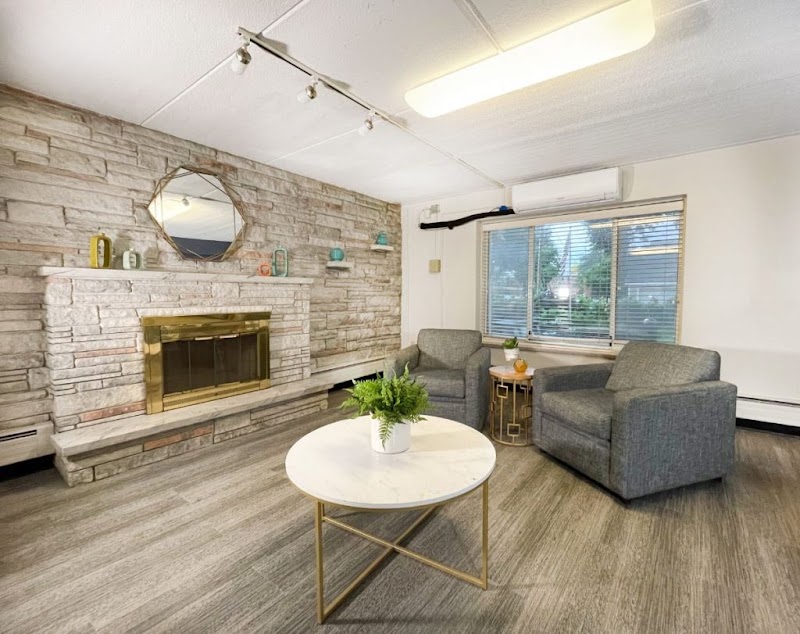
How is The Villas At St Paul Staffed?

CMS rates THE VILLAS AT ST PAUL's staffing level at 4 out of 5 stars, which is above average compared to other nursing homes. Staff turnover is 56%, which is 10 percentage points above the Minnesota average of 46%. High turnover can affect care consistency as new staff learn residents' individual needs.

What Have Inspectors Found at The Villas At St Paul?

State health inspectors documented 33 deficiencies at THE VILLAS AT ST PAUL during 2023 to 2025. These included: 33 with potential for harm.
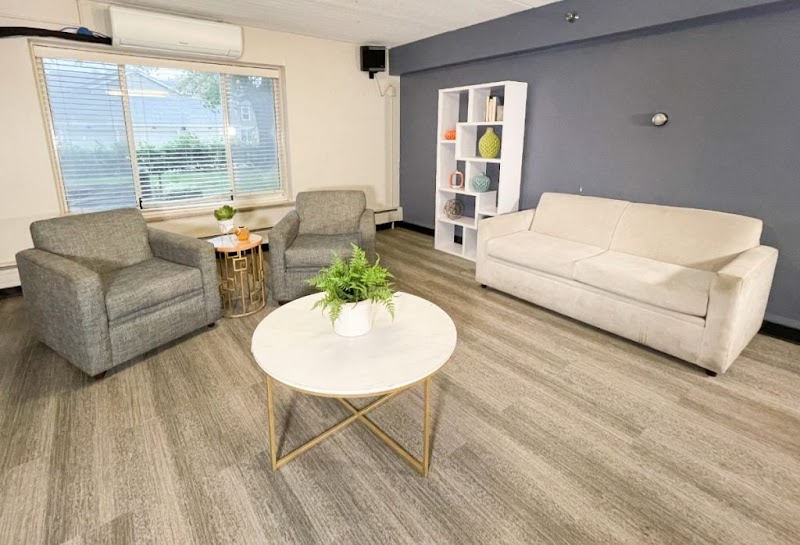
Who Owns and Operates The Villas At St Paul?

THE VILLAS AT ST PAUL is owned by a for-profit company. For-profit facilities operate as businesses with obligations to shareholders or private owners. The facility is operated by MONARCH HEALTHCARE MANAGEMENT, a chain that manages multiple nursing homes. With 100 certified beds and approximately 88 residents (about 88% occupancy), it is a mid-sized facility located in SAINT PAUL, Minnesota.
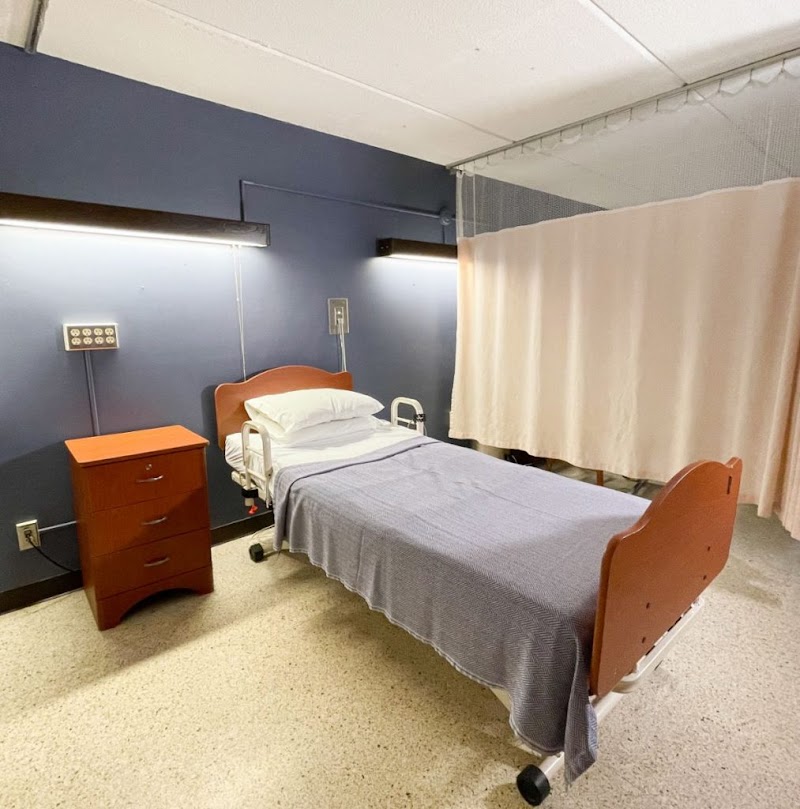
How Does The Villas At St Paul Compare to Other Minnesota Nursing Homes?

Compared to the 100 nursing homes in Minnesota, THE VILLAS AT ST PAUL's overall rating (3 stars) is below the state average of 3.2, staff turnover (56%) is near the state average of 46%, and health inspection rating (3 stars) is at the national benchmark.

What Should Families Ask When Visiting The Villas At St Paul?

Based on this facility's data, families visiting should ask: "How do you ensure continuity of care given staff turnover, and what is your staff retention strategy?" "Can I visit during a mealtime to observe dining assistance and food quality?" "How do you handle medical emergencies, and what is your hospital transfer rate?" "Can I speak with family members of current residents about their experience?" These questions are particularly relevant given the facility's high staff turnover rate.

Is The Villas At St Paul Safe?

Based on CMS inspection data, THE VILLAS AT ST PAUL has a clean safety record: no substantiated abuse findings (meaning no confirmed cases of resident harm), no Immediate Jeopardy citations (the most serious violation level indicating risk of serious injury or death), and is not on the Special Focus Facility watch list (a federal program monitoring the lowest-performing 1% of nursing homes). The facility has a 3-star overall rating and ranks #100 of 100 nursing homes in Minnesota. While no facility is perfect, families should still ask about staff-to-resident ratios and recent inspection results during their visit.

Do Nurses at The Villas At St Paul Stick Around?

Staff turnover at THE VILLAS AT ST PAUL is high. At 56%, the facility is 10 percentage points above the Minnesota average of 46%. High turnover means new staff may not know residents' individual needs, medications, or preferences. It can also be disorienting for residents, especially those with dementia who rely on familiar faces. Families should ask: What is causing the turnover? What retention programs are in place? How do you ensure care continuity during staff transitions?

Was The Villas At St Paul Ever Fined?

THE VILLAS AT ST PAUL has no federal fines on record. CMS issues fines when nursing homes fail to meet care standards or don't correct problems found during inspections. The absence of fines suggests the facility has either maintained compliance or corrected any issues before penalties were assessed. This is a positive indicator, though families should still review recent inspection reports for the full picture.

Is The Villas At St Paul on Any Federal Watch List?

THE VILLAS AT ST PAUL is not on any federal watch list. The most significant is the Special Focus Facility (SFF) program, which identifies the bottom 1% of nursing homes nationally based on persistent, serious quality problems. Not being on this list means the facility has avoided the pattern of deficiencies that triggers enhanced federal oversight. This is a positive indicator, though families should still review the facility's inspection history directly.