Tweeten Lutheran Health Care Center
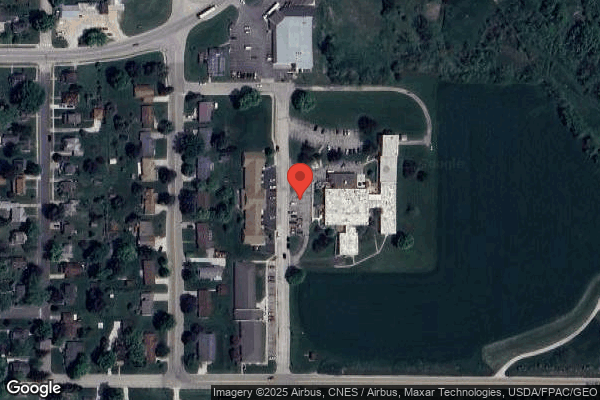

125 5TH AVENUE SOUTHEAST, SPRING GROVE, MN 55974 (507) 498-3211
Non profit - Corporation 49 Beds Independent Data: November 2025 2 Immediate Jeopardy citations
Trust Grade
0/100
#333 of 337 in MN
Last Inspection: January 2025

Within standard 12-15 month inspection cycle. Federal law requires annual inspections.

Overview

Tweeten Lutheran Health Care Center has received an F trust grade, indicating significant concerns about the facility's quality of care. Ranking #333 out of 337 in Minnesota places it in the bottom half of nursing homes statewide and #3 out of 3 in Houston County, meaning it is the lowest option available locally. While the facility is showing an improving trend with a decrease in reported issues from 6 to 5 over the past year, it still faces serious staffing challenges, evidenced by a 67% turnover rate, which is much higher than the state average of 42%. The staffing rating is good at 4 out of 5 stars, but troubling incidents have occurred, including critical errors in medication administration that resulted in hospitalization and serious health complications for residents. Additionally, the facility has incurred fines totaling $184,380, which is higher than 99% of similar facilities in Minnesota, suggesting ongoing compliance issues.

Trust Score
F
0/100
In Minnesota
#333/337
Bottom 2%
Safety Record
High Risk
Review needed
Inspections
Getting Better
6 → 5 violations
Staff Stability
⚠ Watch
67% turnover. Above average. Higher turnover means staff may not know residents' routines.
Penalties
○ Average
$184,380 in fines. Higher than 54% of Minnesota facilities. Some compliance issues.
Skilled Nurses
✓ Good
Each resident gets 64 minutes of Registered Nurse (RN) attention daily — more than 97% of Minnesota nursing homes. RNs are the most trained staff who catch health problems before they become serious.
Violations
⚠ Watch
19 deficiencies on record. Higher than average. Multiple issues found across inspections.
★☆☆☆☆
1.0
Overall Rating
★★★★☆
4.0
Staff Levels
★☆☆☆☆
1.0
Care Quality
★☆☆☆☆
1.0
Inspection Score
Stable
2024: 6 issues
2025: 5 issues

The Good

  • 4-Star Staffing Rating · Above-average nurse staffing levels
  • Full Sprinkler Coverage · Fire safety systems throughout facility
  • No fines on record

Facility shows strength in staffing levels, fire safety.

The Bad

1-Star Overall Rating

Below Minnesota average (3.2)

Significant quality concerns identified by CMS

Staff Turnover: 67%

21pts above Minnesota avg (46%)

Frequent staff changes - ask about care continuity

Federal Fines: $184,380

Well above median ($33,413)

Significant penalties indicating serious issues

Staff turnover is elevated (67%)

19 points above Minnesota average of 48%

The Ugly 19 deficiencies on record

2 life-threatening 2 actual harm
Jul 2025 1 deficiency 1 IJ
CRITICAL (J) 📢 Someone Reported This

A family member, employee, or ombudsman was alarmed enough to file a formal complaint

Immediate Jeopardy (IJ) - the most serious Medicare violation

Deficiency F0760 (Tag F0760)

Someone could have died · This affected 1 resident

**NOTE- TERMS IN BRACKETS HAVE BEEN EDITED TO PROTECT CONFIDENTIALITY** Based on observation, interview, and document review the facility failed to ensure insulin was safely administered by following ...

Read full inspector narrative →
**NOTE- TERMS IN BRACKETS HAVE BEEN EDITED TO PROTECT CONFIDENTIALITY** Based on observation, interview, and document review the facility failed to ensure insulin was safely administered by following the rights of medication administration prior to administering insulin for 2 of 4 residents (R1 and R2). This resulted in an immediate jeopardy for R1 who required hospitalization for blood glucose monitoring and intravenous dextrose (sugar solution) to return to baseline, and a likelihood of serious harm for R2. The immediate jeopardy (IJ) began on [DATE] when licensed practical nurse (LPN)-A injected R1 with 40 units of rapid-acting insulin instead of the prescribed 40 units of long-acting insulin, resulting in R1 being sent to the emergency room (ER) for monitoring and treatment of severe hypoglycemia (low blood sugar). The administrator and interim director of nursing were notified of the IJ on [DATE] at 5:37 p.m., which was identified at the scope and severity of J, ISOLATED. The IJ was removed on [DATE] at 12:18 p.m., but non-compliance remained at the lower scope and severity of D, no actual harm with potential for more than minimal harm that is not immediate jeopardy. Findings include:R1R1's face sheet dated [DATE], identified diagnoses of diabetes and chronic kidney disease (a disease of the kidneys leading to failure). R1's admission Minimum Data Set (MDS) dated [DATE], identified R1 received insulin injections and was cognitively intact. Review of R2's insulin physician orders from [DATE] to [DATE] were as follows:Start date of [DATE]: Aspart (rapid-acting) insulin, give per sliding scale (method for controlling blood sugar levels by adjusting insulin doses) before meals and at bedtime.Start date of [DATE]: Glargine (long-acting) insulin to give 40 units twice daily. R1's progress note dated [DATE] at 10:51 p.m., identified R1 had been given the wrong insulin. R1 was given 40 units of the fast acting instead of the prescribed 40 units of long-acting insulin. The ambulance was called and R1 had been given some carbohydrates. R1's blood sugar level was 117 milligrams/deciliter (mg/dl) when the ambulance arrived. R1's Safety Event-Medication Error report dated [DATE], identified R1 had been given 40 units of Aspart insulin rather than the ordered 40 units of glargine. R1 was given a snack and sent to ER via ambulance to hospital. Measures to prevent reoccurrence was noted for staff to double-check the medication administration record (MAR) with a second nurse for insulin orders. R1's progress note dated [DATE] at 11:34 p.m., identified the ER nurse called the facility and stated R1 was doing well. Their last blood sugar was about 90 mg/dl after administering glucose and sandwiches, and R1 would be coming back to the facility shortly. R1's progress note dated [DATE] at 3:34 a.m., identified the ER called and informed R1 was being admitted to the hospital due to their blood sugar dropping rapidly. R1's ER note dated [DATE], identified R1 arrived in the ER following an accidental injection of 40 units of rapid-acting insulin instead of the correct ordered 40 units of long-acting insulin. Emergency management services (EMS) reported R1's blood glucose taken 10 min prior to arrival in the ER had dropped from 117 mg/dl to 86 mg/dl. R1's Initial blood glucose taken in the ER at 9:04 p.m., was 59 mg/dl. R1 had to be given intravenous (IV) dextrose (sugar water). R1's blood sugar was taken again at 9:29 p.m It was 142 mg/dl. The ER physician's plan was to continue to monitor R1's glucose every 20 minutes for possible additional doses of dextrose. R1 had a large drop in persistently low glucose with symptoms of tremors and diaphoresis (sweating) and had to be given a second dose of IV dextrose. During this time R's blood glucose ranged from low 60's mg/dl to high 100's mg/dl. R1 was started on a continuous IV dextrose drip and staff checked R1's glucose regularly. At 12:44 a.m., R1 had a low blood glucose and had to be given a third dose of IV dextrose. R1's blood sugar at 2:00 a.m., was 97 mg/dl, but it continued to trend down to 72 mg/dl at 2:30 a.m Despite attempts to control R1's blood sugars by giving both IV dextrose and eating a meal, R1's blood sugar continued to drop. R1 subsequently became symptomatic for hypoglycemia. R1 was admitted to the hospital for blood glucose monitoring and laboratory (labs). R1's hospital Discharge summary dated [DATE], identified R1 had been seen in the ER on [DATE], after mistakenly being given 40 units of Aspart insulin rather than 40 units of glargine insulin and subsequently developed hypoglycemia. R1 had been kept in the ER additional time due to the half-life of Aspart. However, he had refractory hypoglycemia (low blood sugar that is prolonged and resistant to standard treatments) after this time period. Labs were drawn and identified R1 had an acute kidney injury due to poor oral intake and certain medications. R1 improved and was discharged back to skilled nursing facility. During an interview on [DATE] at 3:57 p.m., with the licensed practical nurse (LPN)-A stated on the evening of [DATE], she drew up R1's insulin. She had a trained medication aide (TMA) verify the units, however, noted she did not have the TMA verify in the MAR that the medication was correct. LPN-A then proceeded to administer the insulin to R1. When LPN-A was about to sign-off the insulin in the MAR, this is when LPN-A discovered the incorrect insulin had been given to R1. R1 was supposed to get 40 units of glargine. LPN-A had administered 40 units of Aspart instead. LPN-A proceeded to call an ambulance for R1 to send them to the ER for monitoring. LPN-A agreed she had not performed the proper rights of medication administration before administering the insulin to R1 and this is what caused the medication error. During an interview on [DATE] at 1:34 p.m., the IDON stated R1's medication error on [DATE], was considered a significant medication error. If LPN-A had followed the rights of medication administration, this kind of error would have not occurred. R1 could have died. During an interview on [DATE] at 2:46 p.m., the physician assistant (PA)-A stated R1's medication error of receiving 40 units of rapid-acting insulin versus the ordered 40 units of the long-acting insulin could have had a bad outcome for [R1]. For a resident that received this type of insulin when not ordered, it could cause severe hypoglycemia (low blood sugar) and a complication of death could be possible. PA-A stated her expectation for insulin/and or any medication administration would be for nursing to ensure all the correct checks are performed before a resident receives the medication to ensure they receive the correct medication and dose. During an interview on [DATE] at 3:33 p.m., the consulting pharmacist (RPh) stated when R1 received 40 units of rapid-acting insulin instead of the prescribed 40 units of long-acting insulin, this was a significant medication error because this type of insulin would have dropped R1's blood sugar rapidly. That error had the potential to cause serious injury or even death. The outcome could have bad for R1. During an interview on [DATE] at 1:11 p.m., R1 stated he was given the wrong insulin by mistake by LPN-A and had to be sent to the ER after it happened. I could have died from this kind of error, but very grateful I made it through it. R2R2's medication administration record (MAR), identified on [DATE] at 7:00 a.m., R2 had been administered four units of insulin lispro (fast-acting) insulin by LPN-B; however, the order read to hold the insulin if R2's blood sugar was less than 90 mg/dl. LPN-B and a trained medication aide (TMA)-A signed R2's order in the MAR as the double check the medication had been given appropriately and as ordered. Review of the [DATE], When is the best time to administer Humalog insulin article, located at https://www.drugs.com/medical-answers/best-time-administer-humalog-insulin-3560120/, identified Humalog should be injected within 15 minutes before eating a meal or immediately after eating a meal. Humalog is a rapid-acting insulin that is used to help control blood sugar in people with diabetes. Insulin is most commonly administered as a subcutaneous (under the skin) injection. Humalog is a brand name for insulin lispro, a rapid-acting insulin. R2's face sheet dated [DATE], identified diagnosis of diabetes mellitus. R2's Annual MDS dated [DATE], identified R2 received insulin injections and had moderate cognitive impairment. Review of R2's physician orders for blood sugar checks and insulin were as follows:Start date of [DATE]: check blood sugars t3 times per day and to notify physician next business day if less than 50 mg/dl or greater than 450 mg/dl. Special instruction to chart any symptoms/or lack of hypoglycemia if blood sugar is less than 80 mg/dl or blood and chart symptoms of hyperglycemia (high blood sugar level) if blood sugar above 300 mg/dl.Start date of [DATE]: Lispro (a rapid acting insulin) insulin give per sliding scale 3 times per day with meals.Start date of [DATE]: Lispro insulin give 4 units twice daily with meals and hold for blood sugar less than 90 mg/dl. Start date of [DATE]: Lispro insulin give seven units daily with noon meal-hold for blood sugar less than 90 mg/dl.Start date of [DATE]: Glargine (long-acting) insulin give seven units in the morning and twenty units in the evening.Two nurses or 1 nurse and a trained medication aide (TMA) were to check the medication and dose before administering. R2's vital signs (VS) documentation identified on [DATE] at 6:38 a.m., R2 had a blood sugar of 55 mg/dl. The VS documentation did not identify any further blood sugars were taken until 11:25 a.m. R2's progress notes or assessments data did not identify staff performed an assessment of potential or actual hypoglycemia symptoms, or if R2 had been given any carbohydrates. During an interview on [DATE] at 9:44 a.m., LPN-B identified on [DATE] she had obtained R2's blood sugar at 6:33 a.m., with a result of 55 mg/dl which was way too low for a diabetic person. LPN-B further stated she had not rechecked R2's blood sugar prior to administering R2's morning insulin, and stated R2's insulin was supposed to be held according to the order. LPN-B stated she had R2's insulin order verified by a TMA, prior to administering it to R2. During an interview on [DATE] at 11:31 a.m., R2 stated did not recall being told by the nurse that her blood sugar was low in the morning of [DATE] and she stated That is really low for me and she normally would eat something and/or have juice even if she was not having symptoms. During an interview on [DATE] at 1:34 p.m., the IDON stated on [DATE], R2's insulin order had been signed-off by LPN-B and a TMA-A for the 7:00 a.m. dose, even though the order was to hold if R2's blood sugar was less than 90 mg/dl. The IDON considered this a significant medication error that had the potential to cause serious hypoglycemia. When LPN-B took R2's blood sugar and it was 55 mg/dl, LPN-B should have followed the facilities hypoglycemia protocol. R2 should have been given carbohydrates, had her blood sugar rechecked and been closely monitored, and the physician notified. During interview [DATE] at 7:16 a.m., registered nurse (RN)-A stated she would take R1 and R2's blood sugar levels around 6:50 a.m. on the days she worked. She would document those levels in the VS documentation at that time. RN-A then records the results later when she administers insulin, around breakfast time at 8:00 a.m She does not recheck blood sugar levels prior to any administration at 8:00 a.m., nor does she document the time when the checks were performed in order to reflect actual times of the blood sugar levels taken. RN-A agreed blood sugar levels for a resident could drop in the time between the blood sugar was taken and the insulin being administered. This could put the residents at risk for hypoglycemia. During an interview on [DATE] at 3:33 p.m., the RPh stated a blood sugar of 55 mg/dl was significantly low and would indicate hypoglycemia. Rapid- acting insulins should be administered right after a blood sugar is checked and right before a meal. If the insulin had been administered based off the values that were obtained that far in advance (6:50 a.m.), that could result in severe hypoglycemia and/or unnecessary doses of insulin. During an interview on [DATE] at 10:04 a.m., the interim director of nursing (IDON) stated all blood sugars should be taken as close to mealtime and the actual insulin administration. The facility initially identified the root cause of R1's medication error to be the medication had not been identified correctly. The facility then began adding a second nurse or TMA to verify all insulin orders prior to administration. After the error of R2's insulin order being administered against physician order even with a second verification, s the root cause of the errors was the rights of medication administration were not being followed by staff. The IDON noted she was in the process of beginning education with all the licensed nursing staff immediately. The immediate jeopardy that began on [DATE] was removed on [DATE] when it was verified, the facility implemented the following:Reviewed policy and identified current policy met standards of practice.Facility will not use vials of insulin and will only use insulin pens.Rapid-acting insulin pens were marked with a red sticker to identify different type of insulinInsulin reference guides were attached to top of all medication carts.All like residents who received insulin had records reviewed to ensure they did not receive insulin in error.Education to all nursing staff was provided on the medication administration rights, standards of monitoring, and following physician orders with a return demonstration and quiz. Facility policy titled Insulin Administration dated 10/22, identified the purpose to provide guidelines for the safe administration of insulin to residents with diabetes. Preparation included the following:Only appropriately licensed or certified personnel shall draw and administer insulin.Only the person who draws up the insulin for injection can inject it.The type of insulin, dosage requirements, strength, and method of administration must be verified before administration, to assure that it corresponds with the order on the medication sheet and the physician order.The nurse shall notify the director of nursing services and attending physician of any discrepancies, before giving the insulin.
Jan 2025 4 deficiencies
CONCERN (D)

Potential for Harm - no one hurt, but risky conditions existed

Deficiency F0645 (Tag F0645)

Could have caused harm · This affected 1 resident

**NOTE- TERMS IN BRACKETS HAVE BEEN EDITED TO PROTECT CONFIDENTIALITY** Based on observation, interview, and document review, the facility failed to ensure a Level II Pre-admission Screening and Resid...

Read full inspector narrative →
**NOTE- TERMS IN BRACKETS HAVE BEEN EDITED TO PROTECT CONFIDENTIALITY** Based on observation, interview, and document review, the facility failed to ensure a Level II Pre-admission Screening and Resident Review (PASARR) was completed or clarified for 1 of 1 resident (R) 25 reviewed for PASARR who has a mental disorder who previously receivied services. Findings include: R25's Significant change Minimum Data Set (MDS) assessment dated [DATE] indicated R25 had intact cognition. R25 can hear adequately and communicate needs verbally. R25 was admitted on [DATE], with diagnoses of schizoaffective Disorder, Bipolar Disorder, Narcissistic Personality Disorder, Anxiety. R25's current medication regimen includes psychotropic medication of Depakote and Zyprexa. During an observation and interview on 1/6/25 at 3:22 p.m., R25 was in his room and was difficult to understand at times as R25 mumbled his words. R25 indicated he wanted to go home or somewhere different, stating so he can get back into a routine with visits to his previous psychiatrist. During an interview on 1/07/25 at 11:52 a.m., social services worker (SSW) indicated R25 wanted to go back to his group home and the county case worker is looking for placement as he cannot go to his previous one since it is on the second floor. SSW indicated R25 spends a lot of his time sleeping and noted a change in R25 behaviors such as refusing to talk or come out of room. SSW further explained R25 should have a PASARR Level II assessment due to his diagnosis and mental health concerns. During an interview on 1/7/25 at 1:08 p.m., nursing assistant (NA)-1 indicated R25 tends to stay in bed most of the time and refuses to go to activities. During an interview on 1/07/25 at 2:21 p.m. director of nursing (DON) said R25 has a case worker and case manager and they are in touch regarding appointments and changes in care. During an interview on 1/08/25 at 9:15 a.m., SSW verified they have no paperwork or documentation the facility initiated a request for a PASARR level II screening. And should have with his extended stay and mental health illnesses. During an interview on 1/8/25 at 9:36 a.m. power of attorney (POA) had returned a phone call and indicated the facility staff were to be working with R25 on all appointments and verified R25 previously saw a psychiatrist for mental health concerns. POA said the staff were supposed to set up all mental health appointments and include both the facility and POA on emails with the times so they could all join virtual with R25 to encourage a stable routine and positive outcome. The POA said the facility reached out and R25 had missed the last two sessions. During a phone interview on 1/8/25, county worker confirmed R25 was not on current case load although prior to nursing home admission, R25 was seen and followed regularly by R25's psychiatrist . During an email communication on 1/8/205 at 10:10 a.m. local county worker wrote a level II assessment was not completed because the facility had not requested one. During an interview on 1/08/25 at 9:51 a.m., DON was not aware of R25 PASARR status. DON stated appointments were supposed to be set up with the county and an email would be sent to confirm R25 appointment dates. The DON, R25 and POA would attend appointments. The DON verified they had not attended any appointments with R25 due to them being canceled. The DON was unsure why the appointment was canceled and not aware R25 was not being seen by his psychiatrist every other month for R25's behaviors and medication regimen. A facility policy identified as Preadmission Screening and Annual Resident Review (PASARR) dated 1/24, indicated individuals diagnosed with major mental illness and the PASARR process consists of a level 1 screen by the state and federal requirements as well as the review and implementation of the level II recommendations upon admission. A facility policy identified as Behavioral Assessment, Intervention, and Monitoring dated 9/24, indicated that the facility will provide, and residents will receive behavioral health services as needed to attain or maintain the highest practical psychical, mental, and psychosocial well-being in accordance with the comprehensive assessment and plan of care. The policy also reads all residents will receive a level I PASARR prior to admission and if the level one indicates that the individual may meet the requirement for a mental health disorder, intellectual disability, or related condition they will be referred to the state PASARR representative for the Level II screening.
CONCERN (D)

Potential for Harm - no one hurt, but risky conditions existed

Deficiency F0887 (Tag F0887)

Could have caused harm · This affected 1 resident

Based on interview and document review, the facility failed to maintain documentation staff were offered, and or provided education regarding the benefits and potential risks associated with COVID-19 ...

Read full inspector narrative →
Based on interview and document review, the facility failed to maintain documentation staff were offered, and or provided education regarding the benefits and potential risks associated with COVID-19 vaccination for 3 of 3 staff (LPN-A, LPN-B, HSK-A) reviewed for COVID-19 vaccinations. Findings include: Review of Centers for Disease Control and Prevention (CDC) Clinical Guidance for COVID-19 Vaccination, updated 10/31/24, directed the following guidance: People 5-64 years: should receive 1 dose of an age-appropriate 2024-2025 COVID-19 vaccine; People 65 years and older: should receive 2 doses of any 2024-2025 COVID-19 vaccine, spaced 6 months apart. During an interview on 1/9/24 at 11:38 a.m., human resources director (HR)-F stated the facility did not have any documentation of COVID-19 vaccine being offered or education provided for licensed practical nurse (LPN)-A; LPN-B or housekeeper (HSK)-A. During an interview on 1/9/25 at 1:20 p.m., director of nursing (DON) stated she is unaware if employees were offered the COVID-19 vaccine. During an interview on 1/9/25 at 12:49 p.m., medical director (MD) stated her expectation would be for the facility to ensure staff are provided education on risk versus benefits and be offered the COVID-19 vaccine when available. The facility policy on COVID-19 vaccine dated 11/2024, identified when COVID-19 vaccine is available each staff member will be offered and provided education regarding the benefits, risks, and potential side effects of the COVID-19 vaccine. The policy also identified the facility maintains documentation that staff were offered and provided education regarding benefits and potential risks of COVID-19 vaccination.
CONCERN (E)

Potential for Harm - no one hurt, but risky conditions existed

Food Safety (Tag F0812)

Could have caused harm · This affected multiple residents

**NOTE- TERMS IN BRACKETS HAVE BEEN EDITED TO PROTECT CONFIDENTIALITY** Based on observation, interview, and record review the facility failed to ensure a clean and sanitized environment to prevent th...

Read full inspector narrative →
**NOTE- TERMS IN BRACKETS HAVE BEEN EDITED TO PROTECT CONFIDENTIALITY** Based on observation, interview, and record review the facility failed to ensure a clean and sanitized environment to prevent the potential of cross contamination or food borne illness. This practice has the potential to effect all residents, staff and visitor who may receive food from the kitchen. Finding includes: During an initial tour and observation of the kitchen on 1/6/25 at 1:32 p.m., the dietary manager (DM) explained the process of storage for the kitchen. There were several large pans, mixing bowls, and containers used in the steam kitchen area found to be unclean and had dry crusted food on them. The DM acknowledged the items were dirty and pulled them from the storage area. There were several dirty utensils found in storage drawers. During a follow up kitchen observation on 1/08/25 at 10:48 a.m. cook (C)-1 confirmed the storage area for kitchen utensils and having identified several large pans having had dried food on them and one large baking pan with a small amount of paper. C-1 confirmed the pan was dirty and needed to be taken back to the dishwasher area. There was also several small dirty pans with either crusted food or some other type of debris found during this visit including ones going to be used for the next meal. C-1 explained if staff found dirty kitchen items they would send them back through the washer. C-1 verified staff were educated on this area and the normal process is to rewash them either by hand or run them through the dishwasher prior to using them for future food preparation or storage. C-1 stated all staff who work in the kitchen are trained on how to properly handle the cleaning of kitchen items, food storage, and use of the dishwasher. During an interview on 1/08/25 at 1:58 p.m. DM explained the sanitary policy and kitchen cleanliness. DM verified there were no problems with the dishwasher, and it is serviced as needed. The DM confirmed the unclean items from the initial tour and were discussed with staff and items were pulled out to be cleaned. DM verified there is about 10 staff, with some newer who work in the kitchen at various times. The DM said their expectation is for staff to send dirty kitchen items through the dishwasher again or clean them in the proper sink before placing them into use or storage. The DM verified they all have been educated and trained. The DM did verify the purpose of the training and ongoing education for proper cleaning and sanitization of kitchen items is to prevent the spread of germs or cross contamination which could potentially lead to foodborne illness. [NAME] Care Center Policy titled Cleaning Dishes/Dish machine (revised 2/22) included, all flatware, serving dishes, and cookware will be cleaned, rinsed, and sanitized after each use. The dish machines will be checked prior to meals to assure proper functioning and appropriate temperatures for cleaning and sanitizing. Staff will follow a list of procedures for washing dishes. Staff are required to inspect for cleanliness and dryness and put dishes away if clean. The staff are expected to follow the steps for proper implementation of the dishwasher prior to all meals and after using kitchen items before proper storage
CONCERN (F)

Potential for Harm - no one hurt, but risky conditions existed

Infection Control (Tag F0880)

Could have caused harm · This affected most or all residents

**NOTE- TERMS IN BRACKETS HAVE BEEN EDITED TO PROTECT CONFIDENTIALITY** Based on observations, interview and document review the facility failed to ensure proper handwashing/hand hygiene was implement...

Read full inspector narrative →
**NOTE- TERMS IN BRACKETS HAVE BEEN EDITED TO PROTECT CONFIDENTIALITY** Based on observations, interview and document review the facility failed to ensure proper handwashing/hand hygiene was implemented for 6 of 6 (R2, R21, R16, R13, R3, R9) residents observed for handwashing/hand hygiene. In addition, the facility failed to have a system for surveillance to identify possible communicable disease or infections. This deficient practice had the potential to affect all 28 residents who resided in the facility, staff and visitors. Findings include: R2's quarterly Minimum Data Set (MDS) assessment dated [DATE], identified diagnosis Alzheimer's disease (brain disorder that causes problems with memory, thinking and behavior. ) and needed assistance with eating. R21's quarterly MDS dated [DATE], identified diagnosis of Alzheimer's disease and needed assistance with eating. R26 quarterly MDS dated [DATE], identified diagnosis of Alzheimer's and needed clean up assistance with eating. During an observation and interview on 1/6/25 at 5:43 p.m., nursing assistant (NA)-B at the dining table between R2 and R21 during the meal. NA-B was feeding R2 her meal and then assisted R21 with her meal. NA-B did not perform hand hygiene prior to assisting R21. NA-B then placed gloves on without performing hand hygiene and wiped R21's face. NA-B then removed R26's clothing protector, hand hygiene was not performed prior to removing the R26's clothing protector. NA-B then returned to table to feed R2 her meal, NA-B did not perform hand hygiene prior to assisting R21 with meal. NA-B stated handwashing should be done in between each resident and before and after cares. R16's quarterly MDS dated [DATE], identified diagnosis of Parkinson's disease (is a movement disorder of the nervous system that worsens over time) and was independent with ambulation. R13's quarterly MDS dated [DATE], identified diagnosis of dementia (decline in mental ability) and needed assistance for transfers. During an observation and interview on 1/7/25 at 11:44 a.m., R16 was in the recliner in his room, and NA-C placed a gait belt on and ambulated R16 to the dining room, NA-C did not perform hand hygiene after transfer. At 11:48 a.m., NA-C then entered R13's room and applied gait belt to R13 and transferred R13 to the toilet. NA-C did not perform hand hygiene prior to entering room or prior to transferring R13. NA-C stated handwashing/hand hygiene should be done before and after touching a resident, when removing gloves, after touching bodily fluid, and before touching anything in the room. R3's quarterly MDS dated [DATE], identified a stage 3 pressure ulcer. During observation and interview on 1/7/25 at 3:27 p.m., licensed practical nurse (LPN)-C was sitting at the nursing station with gloved hands, LPN-C was observed touching her face with the gloved hands and at 3:24 p.m., proceeded to R3's room and removed gloves and applied gown and gloves. LPN-C did not perform hand hygiene prior to donning gown and gloves and then entered R3's room. LPN-C stated handwashing/hand hygiene should be done in between residents, and between glove changes. R9's quarterly MDS dated [DATE], identified diagnosis of Alzheimer's Disease was independent with propelling her wheelchair. During an observation and interview on 1/8/25 at 10:59 a.m., NA-D ambulated R16 from the activity room to R16's room holding on to the gait belt and assisted to the recliner. NA-D did not perform hand hygiene after leaving R16's room and returned to activity room and began pushing R9's wheelchair. NA-D did not perform hand hygiene prior to propelling R9's wheelchair. NA-D stated handwashing/hand hygiene should be done before and after touching a resident and before touching wheelchairs. During an interview on 1/9/25 at 9:21 a.m., director of nursing (DON) stated handwashing/hand hygiene should be done before and after touching a resident, after removing gloves and before and after care. DON stated her expectation would be for all staff to do handwashing/hand hygiene after these tasks. Review of facility infection control surveillance logs noted no surveillance of infections of residents or staff had been completed since July of 2024. During an interview on 1/8/25 at 1:20 p.m., DON stated no infection surveillance program is being done and stated, This is something that has fallen by the wayside and is not being done. DON stated she is not tracking staff infection or resident infections or looking for any correlations. During an interview on 1/9/24 at 12:49 p.m., medical director (MD) stated the facility not performing surveillance of infections since July 2024 is major concern and oversight by the facility. MD stated infection surveillance is an important factor in resident care. MD stated her expectations would be for the facility to regularly report, track and make sure appropriate infection prevention measures are in place and ensure staff are taking infection control measures. The facility's Infection Prevention and Control Plan Overview dated 11/2024, identified the facility will have an infection control surveillance system to include use of standardized definitions of infection, use of surveillance tools that can uncover an outbreak, and feedback results to the primary caregivers so they can assess the residents for signs of infection.
Dec 2024 3 deficiencies 1 Harm
SERIOUS (G) 📢 Someone Reported This

A family member, employee, or ombudsman was alarmed enough to file a formal complaint

Actual Harm - a resident was hurt due to facility failures

Deficiency F0692 (Tag F0692)

A resident was harmed · This affected 1 resident

**NOTE- TERMS IN BRACKETS HAVE BEEN EDITED TO PROTECT CONFIDENTIALITY** Based on interview and document review the facility failed to ensure a comprehensive nutritional assessment was completed and fu...

Read full inspector narrative →
**NOTE- TERMS IN BRACKETS HAVE BEEN EDITED TO PROTECT CONFIDENTIALITY** Based on interview and document review the facility failed to ensure a comprehensive nutritional assessment was completed and further failed to identify, comprehensively assess and monitor for signs/symptoms of dehydration for 1 of 3 residents (R1) reviewed for change in condition. The facility's failures resulted in harm when R1 required a 3 day hospitalization for profound hypernatremia and hypovolemia. Findings include: R1's admission Minimum Data Set (MDS) dated [DATE], identified R1's cognition was intact and had diagnoses of congestive heart failure, hypernatremia (a condition where there is too much sodium in the blood that can be caused by diarrhea and not drinking enough fluids) and hyperosmolality (a condition where the blood has a high concentration of salt, glucose and other substances which draws water out of the body's organs). R1 was always continent of bowel and bladder with no special diet. R1 received diuretics. R1's order summary dated 10/8/24, identified R1 had an order to receive torsemide 20 milligrams (mg) twice a day for heart failure. Additional orders to receive docusate sodium (emollient laxative that draws water and fat into your stool, making it softer and easier for stool to pass) give 100 mg twice a day for constipation. R1's Nutritional Therapy assessment dated [DATE] identified R1 was obese with no recent weight change, received a regular diet, used an adaptive divided plate with Dycem, mugs with lids and straws and built-up utensils. R1's food and fluid were adequate to meet estimated needs. Nutritional needs estimation did not identify how many calories, protein, or the amount of fluids R1 would need daily. R1's nutritional assessment did not identify R1 was on diuretics. R1's Bowel and Bladder Observation dated 10/11/24, identified R1 typically had a fluid intake of 501 to 1000 milliliters (ml)/daily. R1's discharge-return anticipated MDS assessment dated [DATE], identified R1 was frequently incontinent of bowel, received a mechanically altered diet and diuretics. Review of R1's record did not include a comprehensive assessment that identified R1's risk for dehydration, nor did the care plan address goals and interventions to prevent or mitigate R1's risk for dehydration related to (but not limited to) level of assistance, diuretic usage, change in diet to thickened liquids, and requiring assistance with eating. R1's care plan identified a problem dated 10/15/24, nutritional status potential for significant wight change and malnutrition. Intervention dated 11/11/24 to provide a pureed diet with nectar thickened liquids, provide feeding assistance when in an upright position in the wheelchair, not in the bed or recliner and complete oral cares after meals due to observed residue in mouth. An additional problem dated 10/30/24, R1 was limited in the ability to toilet self-related to immobility, weakness, and deconditioning, was frequently incontinent of bowel and bladder with a long-term goal to have a Bowel Movement (BM) every 3 days. Interventions included to monitor and record BM every shift and administer docusate sodium, Citrucel (bulk-forming laxative), and Miralax (osmotic laxative) per provider orders and to monitor the effectiveness of the medication. An additional intervention was to encourage fluids and reminder to drink fluids in between meals. R1's Vital report for fluid intake identified total fluid intakes each day for October and November 2024 however, in review of R1's record between 10/8/24 through 10/28/24, revealed the record did not include assessments/evaluations to ensure appropriate fluid balance and/or evident R1 was monitored for signs/symptoms of dehydration. Documented intakes included: 10/8/24: 200 ml 10/9/24: 960 ml 10/10/24: 840 ml 10/11/24: 990 ml 10/12/24: 650 ml 10/13/24: 420 ml R1's hospital discharge summary identified R1 was hospitalized from [DATE] at 5:25 p.m. to 10/16/24,and returned to the facility at 2:45 p.m. R1 was hospitalized for severe hypotension (when blood pressure drops dangerously low), acute respiratory failure with hypoxia (when your lungs suddenly fail to adequately oxygenate the blood leading to a dangerously low level of oxygen in the blood) due to a choking/aspiration event and was discharged with new diet orders for nectar thickened liquids and soft and bite sized diet. 10/16/24: 120 ml 10/17/24: 240 ml 10/18/24: 460 ml 10/19/24: 540 ml 10/20/24: 672 ml 10/21/24: 440 ml 10/22/24: 640 ml 10/23/23: 0 ml R1's hospital discharge summary identified R1 was hospitalized from [DATE] at 10:00 a.m. to 10/29/24 and returned to the facility at 1:00 p.m. R1 was hospitalized for profound hypernatremia and stupor secondary to poor oral intake and hypovolemia (a condition where the body loses too much fluid, such as blood or water which can lead to organ malfunction or failure), R1's torsemide was discontinued due to hypovolemia and may be restarted at a later date if needed. R1 will need to be offered water by staff every 4 to 6 hours, R1 may not ask for water so it needs to be offered. R1's Nutrition Reassessment dated [DATE] identified R1 received mechanical soft diet with thickened liquids. R1's current intake at meals was 50 to 74%. Food and fluid intake adequate to meet R1's needs was not identified and the assessment did not include an evaluation of R1's daily fluid consumption. R1's bowel and bladder record reviewed between 11/2/24 through 11/13/24 identified R1 had 17 large loose stools. R1's Vital report for fluid intake identified total fluid intakes each day for October and November 2024 however, in review of R1's record between 10/29/24 through 11/13/24, revealed the record did not include assessments/evaluations to ensure appropriate fluid volume balance and/or evident R1 was monitored for signs/symptoms of dehydration. Additionally, the record did not include documentation R1 was offered fluids every 4-6 hours per the hospital Discharge summary dated [DATE]. Documented intakes included: 10/29/24: 0 ml 10/30/24: 1,150 ml 10/31/24: 300 ml 11/1/24: 240 ml 11/2/24: 950 ml 11/3/24: 0 ml 11/4/24: 0 ml 11/5/24: 320 ml 11/6/24: 520 ml 11/7/24: 605 ml 11/8/24: 0 ml 11/9/24: 350 ml 11/10/24: 320 ml 11/11/24: 0 ml 11/12/24: 580 ml 11/13/24: 560 ml R1's Speech therapy (ST) Evaluation and Plan of treatment dated 11/11/24 identified R1 had a diagnosis of dysphagia (difficulty swallowing) required assist with eating and recommendations were to receive nectar thickened liquids with pureed consistencies. During a phone interview on 11/26/24 at 2:02 p.m., family member (FM)-A identified she was R1's guardian. FM-A indicated R1 had previously lived in a group home and had gotten COVID and had four hospitalizations since 9/25/24. FM-A stated the first and second time R1 had problems with her breathing, the third time she had high sodium levels and stated she didn't think R1 was getting enough to drink. FM-A stated after one of R1's hospitalizations she had to be on thickened liquids and didn't think the staff were offering the fluids like they should have been and R1 needed help with drinking fluids. During an interview on 11/26/24 at 4:26 p.m., nursing assistant (NA)-A identified R1 had a pureed diet and thickened liquids and needed assist with eating. NA-A stated she was not aware that fluids needed to be encouraged with R1 until the day she passed away on 11/13/24. NA-A stated the kitchen staff would pick up R1's lunch trays and document the fluids given. NA-A further stated R1 typically did not drink her fluids well. During an interview on 11/27/24 at 9:30 a.m., NA-B indicated R1 was on pureed foods and thickened liquids and stated R1 typically didn't eat much preferred desserts but would drink. NA-B stated initially R1 did not like thickened liquids but once we explained why she had to have thickened she would drink, she liked the thickened juice. During an interview on 11/27/24 at 1:51 p.m. licensed practical nurse (LPN)-B indicated low fluid intake along with loose stools can lead to dehydration and an electrolyte imbalance. LPN-B stated R1 was not drinking enough and was having several loose stools which can lead to dehydration. LPN-B stated she was unsure they had a system in place to monitor fluid intake unless a resident was on a fluid restriction. LPN-B indicated R1 was not being monitored for dehydration. During an interview on 11/27/24 at 12:54 p.m., LPN-A stated R1's care plan did not identify R1 was at risk for dehydration and did not identify the amount of fluids R1 would need daily to prevent dehydration. LPN-A indicated from 11/3/24 to 11/10/24, R1 received less than 600 ml of fluids daily and and 15 large loose stools would place R1 at risk for dehydration. During an interview on 11/27/24 at 1:44 p.m., dietary aide (DA)-A stated the nursing staff are responsible to document flood and fluid intake for their residents. On unit 2 the kitchen staff are responsible to document the food and fluid intake in the resident medical record. The residents who ate in their rooms, dietary would pick up the resident trays and document how much they ate based on what was left on their tray. During an interview on 11/27/24 at 1:15 p.m., dietary manager (DM)-A stated R1's admission nutritional assessment was not comprehensive and did not include R1 was administered diuretic medications, also did not identify the amount of calories and fluids R1 would need daily. DM-A stated she would start getting worried if a resident was not drinking 400 ml per meal. DM-A explained from 11/3/24 to 11/13/24, R1's fluid intake was less than 600 ml daily along with over 15 loose stools during that time, she would worry about dehydration. DM-A was unsure if R1's intakes were being monitored or who would be responsible for that. During a phone interview on 12/2/24 at 12:10 p.m., registered dietician (RD)-A stated a nutritional assessment was completed on all residents upon admit, with significant changes and annually. RD-A stated she did not comprehensively assess R1 for the amount of fluid intake she would need daily and did not develop a care plan for R1's risk for dehydration. RD-A stated typically the average resident would need 1500 ml per day to stay hydrated and verified that R1 was receiving less than 600 ml daily for 10 days prior to R1's death along with over 15 large loose stools. RD verified R1 was admitted with torsemide and taking this medication would put R1 at risk for dehydration and then was hospitalized from [DATE] to 10/29/24 for severe hypernatremia and was receiving thickened liquids due to difficulty swallowing, these factors put her at higher risk for dehydration. RD-A stated R1's body was losing fluids faster than she could take in and stated R1 should have been monitored for dehydration. During an interview on 11/27/24 at 2:03 p.m., interim director of nursing (IDON) indicated the facility did not currently have a system in place to monitor residents for fluid intake unless a resident was on a fluid restriction. IDON indicated R1's fluid intake was less than 600 ml daily for about 10 days along with over 15 large loose stools which had a high potential to lead to dehydration, the provider should have been notified right away. During a phone interview on 12/2/24 at 2:18 p.m., physician assistant (PA)-A stated any resident who had loose stools, bowel medications should be held, if loose stools continue for two days the provider should be notified to address this. PA-A further stated in conjunction with R1's lack of fluids and chronic loose stools could lead to dehydration which can cause hypernatremia, which is a condition where the level of sodium in the blood is too high. PA-A stated R1 would be at high risk for dehydration with low fluid intake, loose stools and recent history of hypernatremia, facility should be closely monitoring residents like this a reporting it to the provider. Facility policy Dehydration Nutrition Interventions dated 9/2024, included Individuals at risk for dehydration will be identified and provided with sufficient fluid intake to maintain proper hydration and health. Implementation: Each individual will receive sufficient amounts of fluid based on individual need and personal preference to prevent dehydration and maintain health. 1. Risk factors for and/or clinical signs of dehydration will be identified through routine nursing assessments. 2. Adequate fluids should be offered based on a comprehensive nutrition assessment of factors affecting fluid needs and fluid intakes. 3. Fluids should be provided based on each individual's beverage preferences and physician's orders for fluid consistency. 4. If fluids intake is not adequate to meet needs, an IV or enteral feeding tube may be recommended. Facility policy Encouraging and Restricting Fluids dated 7/2024 included: The purpose of this procedure is to provide the resident with the amount of fluids necessary to maintain optimum health. The policy directed staff on the protocol to encourage fluids and documentation requirements. The documentation requirements directed staff to record any evidence of dehydration such as weight loss, confusion, drowsiness, dry skin Further directing staff to notify the supervisor if the resident refuses. Facility policy Comprehensive Medical Nutrition Therapy assessment dated 11/2024 included The RDN will complete a comprehensive medical nutrition therapy assessment for each individual that is referred or identified. The purpose of nutrition assessment is to obtain, verify, and interpret data needed to identify nutrition-related problems, their causes, and significance.
CONCERN (D) 📢 Someone Reported This

A family member, employee, or ombudsman was alarmed enough to file a formal complaint

Potential for Harm - no one hurt, but risky conditions existed

Comprehensive Care Plan (Tag F0656)

Could have caused harm · This affected 1 resident

**NOTE- TERMS IN BRACKETS HAVE BEEN EDITED TO PROTECT CONFIDENTIALITY** Based on interview and document review the facility failed to ensure a comprehensive care plan was developed to reflect 1 of 1 r...

Read full inspector narrative →
**NOTE- TERMS IN BRACKETS HAVE BEEN EDITED TO PROTECT CONFIDENTIALITY** Based on interview and document review the facility failed to ensure a comprehensive care plan was developed to reflect 1 of 1 residents (R1) who had a diagnosis of acute respiratory failure with hypoxia. Findings include: R1's admission Minimum Data Set (MDS) dated [DATE], identified R1's cognition was intact and had diagnoses of acute respiratory failure with hypoxia. R1's care plan was reviewed, from 10/8/24 to 11/13/24 did not identify a respiratory plan of care with goals and individualized interventions to care and manage R1's respiratory condition(s). R1's hospital Discharge summary dated [DATE], identified R1 was hospitalized from [DATE] at 5:25 p.m. to 10/16/24,and returned to the facility at 2:45 p.m. R1 was hospitalized for severe hypotension (when blood pressure drops dangerously low), acute respiratory failure with hypoxia (when your lungs suddenly fail to adequately oxygenate the blood leading to a dangerously low level of oxygen in the blood) due to a choking/aspiration event and was discharged with new diet orders for nectar thickened liquids and soft and bite sized diet. During an interview on 11/27/24 at 12:54 p.m. LPN-A indicated R1 did have a diagnoses of acute respiratory failure with hypoxia upon admit and verified R1's care plan did not identify any interventions to assess and monitor for that. During an interview on 11/27/24 at 9:58 a.m., interim director of nursing (IDON) indicated R1 admitted on [DATE] with primary diagnosis of acute respiratory failure with hypoxia and verified this diagnosis was not on her care plan to provide interventions for respiratory assessment and monitoring. During a phone interview on 11/27/24 at 10:37 a.m. licensed practical nurse (LPN)-B indicated R1 was admitted with acute respiratory failure with hypoxia and verified the care plan did not identify interventions to assess and monitor for that routinely. During a phone interview on 12/2/24 at 2:18 p.m., physician assistant (PA)-A stated any resident with a diagnosis of acute respiratory failure with hypoxia, it should be care planned with person centered interventions to include a full respiratory assessment twice a day and as needed and monitor for changes. Facility policy, Care Planning-Comprehensive Person-Centered Care dated 5/2024, identified a purpose statement: a comprehensive, person centered care plan that includes measurable objectives and timetables to meet the residents physical, psychosocial and functional needs is developed and implemented for each resident . Interventions are actions, treatments, procedures, or activities designed to meet an objective .The comprehensive person centered care plan will: a. Include measurable objectives and time frames; b. Describe the services that are to be furnished to attain or maintain the resident's highest practicable physical, mental, and psychosocial well-being; c. Describe services that would otherwise be provided for the above, but are not provided due to the resident exercising their rights, including the right to refuse treatment;d. Describe any specialized services to be provided as a result of PASARR recommendations; e. Include the resident's stated goals upon admission and desired outcomes; f. Include the resident's stated preference and potential for future discharge, including the resident's desire to return to the community and any referrals made to local agencies or other entities to support such a desire; g. Incorporate identified problem areas; h. Incorporate risk factors associated with identified problems; i. Build on the resident's strengths; j. Reflect the resident's expressed wishes regarding care and treatment goals; k. Reflect treatment goals, timetables and objectives in measurable outcomes; I. Identify the professional services that are responsible for each element of care; m. Aid in preventing or reducing decline in the resident's functional status and/or functional levels; n. Enhance the optimal functioning of the resident by focusing on a rehabilitative program; and o. Reflect currently recognized standards of practice for problem areas and conditions. p. Be culturally competent q. Reflect trauma-informed interventions. 9. Areas of concern that are identified during the resident assessment will be evaluated before interventions are added to the care plan. 10. Identifying problem areas and their causes and developing interventions that are targeted and meaningful to the resident, are the endpoint of an interdisciplinary process. a. No single discipline can manage an approach in isolation. b. The resident's physician (or primary health care provider) is integral to this process. 11. Care plan interventions are chosen only after careful data gathering, proper sequencing of events, careful consideration of the relationship between the resident's problem areas and their causes, and relevant clinical decision making. a. When possible, interventions address the underlying source(s) of the problem area(s), not just addressing only symptoms or triggers. b. Care planning individual symptoms in isolation may have little, if any, benefit for the resident . 13. The comprehensive, person-centered care plan is developed within seven (7) days of the completion of the required comprehensive assessment (MDS).
CONCERN (D) 📢 Someone Reported This

A family member, employee, or ombudsman was alarmed enough to file a formal complaint

Potential for Harm - no one hurt, but risky conditions existed

Deficiency F0757 (Tag F0757)

Could have caused harm · This affected 1 resident

**NOTE- TERMS IN BRACKETS HAVE BEEN EDITED TO PROTECT CONFIDENTIALITY** Based on interview and record review the facility failed to monitor and evaluate the necessity of a bowel medication for adequat...

Read full inspector narrative →
**NOTE- TERMS IN BRACKETS HAVE BEEN EDITED TO PROTECT CONFIDENTIALITY** Based on interview and record review the facility failed to monitor and evaluate the necessity of a bowel medication for adequate monitoring for 1 of 1 resident (R1) who received scheduled bowel medications and had loose stools throughout her stay. Findings include: R1's admission Minimum Data Set (MDS) dated [DATE], identified R1's cognition was intact and had diagnoses of hypernatremia (a condition where there is too much sodium in the blood that can be caused by diarrhea and not drinking enough fluids) and hyperosmolality (a condition where the blood has a high concentration of salt, glucose and other substances which draws water out of the body's organs). R1 was always continent of bowel and bladder. R1's Bowel and Bladder Observation dated 10/11/24, identified R1 was always continent of bowel, had a bowel movement (BM) every 1 to 3 days and typically had a fluid intake to 501 to 1000 milliliters (ml)/daily. R1's discharge-return anticipated MDS assessment dated [DATE], identified R1 was frequently incontinent of bowel. R1's care plan dated 10/30/24 identified a problem, R1 was limited in the ability to toilet self-related to immobility, weakness, and deconditioning, was frequently incontinent of bowel and bladder with a long-term goal to have a BM every 3 days. Interventions included to monitor and record BM every shift and administer docusate sodium, Citrucel (bulk-forming laxative), and Miralax (Osmotic Laxative) per provider orders and to monitor the effectiveness of the medication. R1's Order Summary dated 10/8/24, identified docusate sodium (emollient laxative that draws water and fat into your stool, making it softer and easier for stool to pass) give 100 milligrams (mg) twice a day for constipation. R1's Vital report for bowel movements identified the following: October 2024: 10/9/24 at 2:39 p.m., large loose stool 10/16/24 at 10:17 p.m., large incontinent loose stool x 2 10/18/24 at 8:28 a.m., large loose foamy stool with foul odor 10/19/24 at 1:30 p.m., large incontinent loose stool, at 3:09 p.m., medium incontinent loose stool 10/20/24 at 1:50 p.m., large liquid incontinent loose stool x 2 10/21/24 at 11:07 p.m., large loose stool 10/30/24 at 10:19 a.m., large loose stool 10/31/24 at 12:22 p.m., 1 large loose stool and 1 medium loose stool November 2024: 11/2/24 at 1:38 p.m., large loose stool x 2. 11/3/24 at 1:23 p.m., large loose incontinent stool, at 1:41 p.m., and large loose liquid incontinent stool x 2. 11/4/24 at 1:34 p.m., large loose incontinent stool 11/6/24 at 4:36 a.m., small continent liquid stool and at 9:37 p.m., large loose stool. 11/7/24 at 9:38 p.m., medium liquid stool 11/8/24at 1:36 p.m., large loose continent stool x 3. 11/9/24 at 7:43 a.m., large loose incontinent stool, at 11:43 a.m., small incontinent loose stool and at 9:26 p.m., large loose stool. 11/10/24 at 5:25 a.m., large loose incontinent stool, at 1:15 p.m., large loose incontinent stool, at 9:26 p.m., large loose incontinent stool and 10:57 p.m., large loose incontinent stool. 11/11/24 at 4:04 p.m., large loose incontinent stool 11/12/24 at 5:27 a.m., large loose incontinent stool 11/13/24 at 5:07 a.m., large loose stool R1's medication administration record (MAR) dated October 2024, identified that docusate sodium was given twice a day with the exception of the following dates and times: -10/14/24 am and pm due to hospitalization. -10/15/24 am and pm due to hospitalization. -10/16/24 am due to hospitalization. -10/21/24 am due to condition. -10/23/24 to 10/29/24 due to hospitalization R1's MAR dated November 2024, identified that docusate sodium was given twice a day with the exception of the following dates and times: -11/11/24 am due to loose stools. -11/13/24 am due to loose stools. R1's docusate sodium was given all other days from 10/8/24 to 11/13/24 even though the medical record identified R1 was having current loose stools. R1's progress note dated 10/19/24 at 2:33 p.m., .identified that R1's docusate sodium was held due to loose stools. R1's progress note dated 10/20/24 at 12:18 p.m., .identified that R1 had many loose stools . R1's progress note dated 11/6/24 at 2:46 p.m., identified a request for med tech to hold bowel medications for this evening as R1 had been having loose stools. According to R1's MAR, bowel medications were not held on 11/6/24 and R1 had a large loose stool. R1's progress note dated 11/11/24 at 2:07 a.m., . identified R1 had loose stools . R1's progress note dated 11/12/24 at 1:20 p.m., .identified R1 continued to have loose stools and stomach upset, will have med tech hold any bowel meds for now .had a red raw bottom from loose stools, Z-Guard (medicated cream or paste that works by forming a barrier on the skin to protect it from irritants/moisture) applied to this area . According to R1's MAR, bowel medications were not held on 11/12/24 and R1 had a large loose stool. R1's progress note dated 11/12/24 at 11:43 p.m., identified R1 had loose stools .rectal area raw. Z-Guard applied. R1's progress note dated 11/13/24 at 6:13 a.m., identified R1 had diarrhea .had one more diarrhea after being given Loperamide at 10:30 p.m., .had redness on buttocks, staff reminded to put on cream after cleansing. During an interview on 11/26/24 at 4:25 p.m., nursing assistant (NA)-A stated she had worked frequently with R1 the last week leading up to 11/13/24. NA-A stated R1 had loose stools daily sometimes several and that each loose stool was immediately reported to the nurse. NA-A stated R1 would complain of stomach pain and then have a loose stool. NA-A stated she asked the nurse if R1 was getting medications that could be causing diarrhea. During an interview on 11/27/24 at 9:30 a.m., NA-B stated she regularly performed cares for R1 and stated R1 had frequent large loose stools. NA-B stated she would report every time R1 had a loose stool to the nurse in charge. NA-B further stated, anytime you would lay R1 down and roll her over it was projectile pooping. During an interview on 11/27/24 at 12:54 p.m., licensed practical nurse (LPN)-A indicated R1 was given docusate sodium twice a day most days even though R1 had several loose stools. LPN-A stated if a resident were to have a loose stool bowel medications should be held, if there were three or more large loose stools a provider would need to be notified. During an interview on 11/27/24 at 1:51 p.m. LPN-B stated when a resident who received bowel medications routinely, we would check the documentation to ensure the resident was not having loose stools. Nurses would also check in with the aides prior to giving the bowel medication. The provider should be notified of anything out of the normal. LPN-A stated R1 was having frequent loose stools since admission and docusate sodium was given most days in light of her having loose stools. LPN-A further stated loose stools can lead to dehydration and an electrolyte imbalance. During an interview on 11/27/24 at 2:03 p.m., interim director of nursing (IDON) verified R1 had loose stools on and off since admit and was given docusate sodium twice a day most of R1's stay when it should have been held, the provider should have been notified right away. IDON indicated the docusate sodium was an unnecessary medication for R1 and should have been given only as needed. During a phone interview on 12/2/24 at 2:18 p.m., physician assistant (PA)-A stated any resident who had loose stools, bowel medications should be held, if loose stools continue for two days the provider should be notified to address this. PA-A further stated chronic loose stools can lead to dehydration (when the body loses more fluids than it takes in) which can cause hypernatremia, which is a condition where the level of sodium in the blood is too high. Facility policy Bowel Management dated 5/2024, identified Factors that may change the bowel routine. 1. Diarrhea is caused by intolerance of foods, taking certain medications (ie antibiotics), overmedication with laxatives, certain foods (spicy or greasy foods, or caffeinated beverages) the presence of a virus, food poisoning, etc. Attempt to determine the cause of diarrhea and treat accordingly .Good habits to prevent bowel problems. 1. Dietary habits: a. Adequate fluid intake: 1500-2500 ml of non-caffeinated, nonalcoholic beverages, soups, and other liquids is required to replace urinary and fecal losses for older adults. Residents with a fever require more .4. Good pharmacological habits: a. This requires the nurse to assess the resident for their individual needs and develop a plan of care. Pharmacological treatment should be used only after other measures have not worked. Because excessive use of laxatives can cause damage to the colon and increase the problem of constipation, the least harsh laxative should be used. 5. Pharmacological agents include: .b. Stool Softeners: (DSS) These soften the stool by holding water and fat in the stool. Again, it is very important these residents receive adequate hydration .Implementation .3. Following admission assessment, a bowel assessment will be completed quarterly, annually and with significant change of condition. With this a 3-day bowel/bladder monitoring record with be completed annually and with significant change in condition. 1. if a resident becomes increasingly incontinent of bowel, a bowel assessment will be completed and if a pattern of incontinence is identified a toileting plan will be initiated for the resident to decrease incontinent episodes. [NAME] Staff will .2. Case Managers develop and maintain the resident's plan of care including a bowel program if the resident is at risk or has an actual problem with diarrhea or constipation. Include preventive management for residents on constipating medications. For a detailed reference refer to RNF Practice Guidelines for the Management of Constipation in Adultso.3. Nursing staff report to the Charge Nurse regarding any resident abdominal or rectal discomfort, or complaints of diarrhea or constipation. 4. Nursing staff document bowel movements in the BM book accurately for amount (S, M, L) and consistency (liquid, soft, formed, hard) and method (voluntary, involuntary). 5. Bowel Movement Monitoring: (unless the resident has a different plan of care) . c. Diarrhea Control: 1. Ensure a high fluid intake to keep resident well hydrated. Clear liquid diet 24-48 hours when resident also has nausea/vomiting, as tolerated. 2. Begin BRAT diet (Bananas, rice cereal, applesauce, and toast). These are high in fiber, are easy on the stomach, and a bit constipating. To help absorb more fluid in the colon and minimize watery diarrhea, add Metamucil. This will also help minimize cramps (caused by fluid-filled colon). 3. Stop milk, cheese, and other milk products except for live culture yogurt. Live culture yogurt will replace lactobacillus which is needed to digest mild products. Restart milk products, along with the yogurt once the diarrhea has resolved. 4. Give Imodium after each loose stool (may be repeated four times within 24 hours per directions on package). If resident isn't having reasonable improvement in diarrhea in the next 1-2 days, or if diarrhea is getting worse, contact Physician/Physician Assistant.
Nov 2024 3 deficiencies
CONCERN (D) 📢 Someone Reported This

A family member, employee, or ombudsman was alarmed enough to file a formal complaint

Potential for Harm - no one hurt, but risky conditions existed

Report Alleged Abuse (Tag F0609)

Could have caused harm · This affected 1 resident

**NOTE- TERMS IN BRACKETS HAVE BEEN EDITED TO PROTECT CONFIDENTIALITY** Based on observation, interview and document review, the facility failed to report an allegation of staff to resident physical a...

Read full inspector narrative →
**NOTE- TERMS IN BRACKETS HAVE BEEN EDITED TO PROTECT CONFIDENTIALITY** Based on observation, interview and document review, the facility failed to report an allegation of staff to resident physical abuse to the administration and State Agency (SA) immediately, but not later than two hours after the allegation is made, for 1 of 1 resident (R1) reviewed who reported an allegation of physical abuse in the facility. Findings include: R1's Minimum Data Set (MDS) assessment dated [DATE], indicated R1 admitted to the facility on [DATE] with diagnoses including Alzheimer's disease, auditory hallucinations, and psychotic disorder. R1 had no cognitive impairment and required partial to moderate assist with dressing, mobility, and transfers. R1's care plan focus dated 9/11/24, identified R1 as a vulnerable adult due to cognitive and physical limitations. It included an intervention dated 12/28/22, assist to safety in the event of a harmful situation, encourage to report any maltreatment. Nursing Home Incident Report (NHIR) submitted to the SA by the facility identified the date and time of submission as 12:28 p.m. on 11/21/24 and the submitter as the facility's social worker. Social worker and former DON met with R1 on 11/15/24 to discuss concern she raised regarding care she received two or three weeks ago. Two staff members were helping her get ready for bed. R1 stated, They wanted me to go to bed the way I don't usually do. DON went on to explain that typically, R1 would stand to get undressed and into her pajamas for bed. On the night in question, the gals wanted R1 to remain in her wheelchair. R1 was unsure of what they were doing, and so she tried to roll her wheelchair backwards. R1 then reported they grabbed my arms and tried to make me do it their way. I started hollering and two other people came in and told those two to leave. R1 does not recall the names of the staff members involved and shared she has not seen them again and is not sure if she could identify them if she saw them again. R1 stated no incident has happened since and that she feels safe. During an observation and interview on 11/21/24 at 9:54 a.m., R1 was seated in her wheelchair in the dining room up to one of the tables. R1 stated about a month ago there were two black girls who came into her room around 8:45 p.m. to help her get ready for bed. R1 stated they were not listening to her, and they both grabbed her behind the arms to try and force her into bed. R1 stated she started hollering for help because they were not listening to her and were hurting her. R1 stated two white girls came in and told the other two girls to leave and they got her ready for bed. R1 stated she told the two white girls about what the other two staff did to her. R1 stated. it was disrespectful and abusive to do that to me because they were not listening to me, they hurt me, and I had bruises on my arms from it. R1 stated she had not seen those two black girls ever since and that she now feels safe here. During an interview on 11/21/24 at 10:11 a.m., social worker (SW)-A stated she was aware of the staff to resident physical abuse allegation with R1 on 11/15/24. SW-A stated she was informed due to a quality-of-life survey that was done and knew the allegation had been reported to the state by the quality-of-life surveyor. SW-A stated the former director of nursing (DON) headed the investigation and thought she would have reported it to the administrator. SW-A stated the former DON would not let us report it to the state agency. This allegation should have been reported to the state immediately but no later than 2 hours. During an interview on 11/21/24 at 11:52 a.m. the administrator stated the physical abuse alleged by R1 from a month ago was not reported to him until today. The administrator stated any allegations of physical abuse should be reported immediately to the state agency but no later than 2 hours. Facility policy titled, Plan for Abuse Prevention and Reporting, approved 7/2024, identified It is the policy of [NAME] Care Center to maintain an environment where residents are free from abuse, neglect, exploitation, and misappropriation of resident property and all residents, staff, families, visitors, volunteers, students, and resident representatives are encouraged and supported in reporting suspected acts of abuse .[NAME] Care Center will ensure all that all alleged violations involving abuse .are reported immediately but no later then 2 hours after the allegation is made .Employees must always report any allegation of abuse or suspicion of abuse or suspicion of a crime immediately to the administrator. Note failure to report can make an employee just as responsible for the abuse in accordance with state law.
CONCERN (D) 📢 Someone Reported This

A family member, employee, or ombudsman was alarmed enough to file a formal complaint

Potential for Harm - no one hurt, but risky conditions existed

Investigate Abuse (Tag F0610)

Could have caused harm · This affected 1 resident

**NOTE- TERMS IN BRACKETS HAVE BEEN EDITED TO PROTECT CONFIDENTIALITY** Based on observation, interview and document review, the facility failed to thoroughly investigate an allegation of staff to res...

Read full inspector narrative →
**NOTE- TERMS IN BRACKETS HAVE BEEN EDITED TO PROTECT CONFIDENTIALITY** Based on observation, interview and document review, the facility failed to thoroughly investigate an allegation of staff to resident physical abuse for 1 of 1 resident (R1) reviewed who reported an allegation of physical abuse in the facility. Findings include: R1's Minimum Data Set (MDS) assessment dated [DATE], indicated R1 admitted to the facility on [DATE] with diagnoses including Alzheimer's disease, auditory hallucinations, and psychotic disorder. R1 had no cognitive impairment and required partial to moderate assist with dressing, mobility, and transfers. R1's care plan focus dated 9/11/24, identified R1 as a vulnerable adult due to cognitive and physical limitations. It included an intervention dated 12/28/22, assist to safety in the event of a harmful situation, encourage to report any maltreatment. Nursing Home Incident Report (NHIR) submitted to the SA by the facility identified the date and time of submission as 12:28 p.m. on 11/21/24 and the submitter as the facility's social worker. Social worker and former DON met with R1 on 11/15/24 to discuss concern she raised regarding care she received two or three weeks ago. Two staff members were helping her get ready for bed. R1 stated, They wanted me to go to bed the way I don't usually do. DON went on to explain that typically, R1 would stand to get undressed and into her pajamas for bed. On the night in question, the gals wanted R1 to remain in her wheelchair. R1 was unsure of what they were doing, and so she tried to roll her wheelchair backwards. R1 then reported they grabbed my arms and tried to make me do it their way. I started hollering and two other people came in and told those two to leave. R1 does not recall the names of the staff members involved and shared she has not seen them again and is not sure if she could identify them if she saw them again. R1 stated no incident has happened since and that she feels safe. Facility investigation dated 11/15/24 identified R1 was interviewed and two additional staff members that typically work the evening shift were interviewed. The facility investigation lacked other resident interviews, additional staff interviews fitting the description of the alleged perpetrators, and did not identify protection interventions were developed and implemented. During an observation and interview on 11/21/24 at 9:54 a.m., R1 was seated in her wheelchair in the dining room up to one of the tables. R1 stated about a month ago there were two black girls who came into her room around 8:45 p.m. to help her get ready for bed. R1 stated they were not listening to her, and they both grabbed her behind the arms to try and force her into bed. R1 stated she started hollering for help because they were not listening to her and were hurting her. R1 stated two white girls came in and told the other two girls to leave and they got her ready for bed. R1 stated she told the two white girls about what the other two staff did to her. R1 stated. it was disrespectful and abusive to do that to me because they were not listening to me, they hurt me, and I had bruises on my arms from it. R1 stated she had not seen those two black girls ever since and that she now feels safe here. During an interview on 11/21/24 at 10:11 a.m., social worker (SW)-A stated she was aware of the staff to resident physical abuse allegation with R1 on 11/15/24. SW-A indicated she was aware the two alleged perpetrator (AP)'s were described by R1 as two black females and that R1 described the two staff the entered the room due to R1 hollering out were two female white staff. SW-A indicated she did not interview other like residents or try and interview staff that fit the description of the AP's or the staff that R1 reported the allegation to and stated she should have. SW-A indicated the investigation should have been more thorough to keep all residents safe. During an interview on 11/21/24 at 11:52 a.m. the administrator indicated R1's physical abuse allegation was not thoroughly investigated and stated any allegations of physical abuse should be thoroughly investigated to keep all residents safe. Facility policy titled, Abuse Potential/Vulnerable Adult/QAPI review, effective 11/2024, identified It is the policy of [NAME] Care Center to maintain an environment where residents are free from abuse, neglect, exploitation, and misappropriation of resident property and all residents, staff, families, visitors, volunteers, students, and resident representatives are encouraged and supported in reporting suspected acts of abuse . g. SUPERVISION OF STAFF 1. Staff will be supervised to identify inappropriate behaviors while caring for or in attendance with residents. a. Supervisory staff of each shift are alert to identify inappropriate staff behaviors while caring for or in attendance with residents, such as using derogatory language, rough handling, ignoring residents while giving care, etc., and events that may constitute abuse .The investigation is the process used to try to determine what happened. The designated facility personnel will begin the investigation immediately. A root cause investigation and analysis will be completed. The information gathered is given to administration. a. Investigation of abuse: When an incident or suspected incident of abuse is reported, including resident to resident altercations when applicable, the Administrator or designee will investigate the incident with the assistance of appropriate personnel. The investigation will include at a minimum: i. Review of the documentation and evidence; ii. Review of the resident's medical record to determine the resident's physical and cognitive status at the time of the incident and since the incident; iii. Observe the alleged victim, including their interactions with staff and other residents; iv. Interview the person reporting the incident; v. Interview any witnesses to the incident; vi. Interview the resident (as medically appropriate) or the resident's representative, vii. Interview the resident's attending physician as needed to determine the resident's condition; viii. Interview staff members (on all shifts) who have had contact with the resident during the period of the alleged incident; ix. Interview the resident's roommate, family members, and visitors; x. Interview other residents to whom the accused employee provides care or services; xi. Review of all events leading up to the alleged incident; and xii. Document the investigation completely and thoroughly .
CONCERN (D) 📢 Someone Reported This

A family member, employee, or ombudsman was alarmed enough to file a formal complaint

Potential for Harm - no one hurt, but risky conditions existed

Infection Control (Tag F0880)

Could have caused harm · This affected 1 resident

**NOTE- TERMS IN BRACKETS HAVE BEEN EDITED TO PROTECT CONFIDENTIALITY** Based on observation, interview and document review the facility failed to ensure Enhanced Barrier Precautions (EBP)- (an infect...

Read full inspector narrative →
**NOTE- TERMS IN BRACKETS HAVE BEEN EDITED TO PROTECT CONFIDENTIALITY** Based on observation, interview and document review the facility failed to ensure Enhanced Barrier Precautions (EBP)- (an infection control intervention designed to reduce transmission of multidrug-resistant organisms that employs targeted gown and glove use during high contact resident care activities.) were implemented or followed for management of a pressure ulcer to reduce the risk of infection to others for 1 of 1 resident (R2). Findings included: R2's care plan dated 1/3/23 identified a problem of Enhanced Barrier Precautions (EBP) due to wounds. Interventions identified EBP required the use of gown & gloves during high contact resident care activities, including dressing, bathing, or showering, performing transfers, changing linens, providing hygiene, changing a resident's brief, or assisting them with toileting, direct care of an indwelling medical device, such as a central line, urinary catheter, feeding tube or tracheostomy, and when performing wound care on any skin opening that required a dressing. R2's quarterly Minimum Data Set (MDS) dated [DATE], identified R2's cognition was severely impaired and had diagnoses of vascular dementia and pressure ulcer of sacral region stage 3. Further identified R2 admitted with a stage 3 pressure ulcer that was current. R2's Physician Order report dated 11/1/24, identified a stage 3 pressure ulcer of sacral region treatment to: apply zinc oxide to peri-wound tissue, soak gauze in Dakin's solution 0.125% and pack into wound, cover with Vaseline-infused gauze and change twice a day. During an observation and interview on 11/20/24 at 2:44 p.m., R1 was lying in bed on her back and stated, I still have that blister on my bottom. R2's door or room had no signage for EBP, there was no cart with personal protective equipment (PPE) outside the door or anywhere in R1's room. During an observation on 11/21/24 at 8:57 a.m., R1 was seated in a bath chair covered with a bath blanket and was being pushed down the hall to her room by nursing assistant (NA)-A and NA-B. Neither NA-A or NA-B had gowns or gloves on. Once in R2's room, R2 was transferred via a full body mechanical lift to her bed. While R2 was repositioned on her side, she was noted to have a wound in her sacral area. NA-A stated R2 has had a pressure ulcer on her bottom for a long time. NA-A and NA-B were asked about the use of EBP with R2 due to her wound and they both indicated an unawareness of using gowns and gloves with high contact activities for residents with wounds. Both verified there was no signage on the door and no gowns available in the room. During an interview on 11/21/24 at 9:06 a.m., licensed practical nurse (LPN)-A stated none of the residents in the building use EBP. LPN-A verified R2 had a current pressure ulcer and stated there was no signage on R2's door and no PPE carts outside R2's room. LPN-A stated all the signs and carts disappeared quite awhile ago. During an interview on 11/21/24 at 9:39 a.m., registered nurse (RN)-A stated our old infection preventionist knew about the EBP regulation, we do have the signage and the policy she just never implemented it, so staff have not been doing it. During an interview on 11/21/24 at 9:11 a.m., interim director of nursing (IDON) indicated they had not implemented EBP for any of the residents as long as she had worked here and was not aware of the regulation to do so. Facility policy enhance barrier precautions dated 11/23, identified .Enhanced Barrier Precautions can be applied (when Contact Precautions do not otherwise apply) to residents with any of the following: o Wounds or indwelling medical devices, regardless of [NAME] colonization status o Infection or colonization with an MDRO. Effective implementation of EBP requires staff training on the proper use of personal protective equipment (PPE) and the availability of PPE and hand hygiene supplies at the point of care. Enhanced Barrier Precautions expand the use of PPE and refer to the use of gown and gloves during high contact resident care activities that provide opportunities for transfer of MDROs to staff hands and clothing. MDROs may be indirectly transferred from resident-to-resident during these high-contact care activities. Nursing home residents with wounds and indwelling medical devices are at especially high risk of both acquisition of and colonization with MDROs. The use of gown and gloves for high-contact resident care activities is indicated, when Contact Precautions do not otherwise apply, for nursing home residents with wounds and/or indwelling medical devices regardless of MDRO colonization as well as for residents with MDRO infection or colonization. Examples of high-contact resident care activities requiring gown and glove use for Enhanced Barrier Precautions include dressing, bathing/showering, transferring, providing hygiene, changing linens, changing briefs or assisting with toileting, device care or use: central line, urinary catheter, feeding tube, tracheostomy/ventilator, wound care: any skin opening requiring a dressing. In general, gown and gloves would not be required for resident care activities other than those listed above, unless otherwise necessary for adherence to Standard Precautions. Residents are not restricted to their rooms or limited from participation in group activities. Because Enhanced Barrier Precautions do not impose the same activity and room placement restrictions as Contact Precautions, they are intended to be in place for the duration of a resident's stay in the facility or until resolution of the wound or discontinuation of the indwelling medical device that placed them at higher risk. When implementing Enhanced Barrier Precautions, it is critical to ensure that staff have awareness of the facility's expectations about hand hygiene and gown/glove use, initial and refresher training, and access to appropriate supplies. To accomplish this: post clear signage on the door or wall outside of the resident room indicating the type of precautions and required PPE (e.g., gown and gloves}. For Enhanced Barrier Precautions, signage should also clearly indicate the high contact resident care activities that require the use of gown and gloves. Make PPE, including gowns and gloves, available immediately outside of the resident room, ensure access to alcohol-based hand rub in every resident room {ideally both inside and outside of the room), position a trash can inside the resident room and near the exit for discarding PPE after removal, prior to exit of the room or before providing care for another resident in the same room, incorporate periodic monitoring and assessment of adherence to determine the need for additional training and education, and provide education to residents and visitors.
Oct 2023 3 deficiencies
CONCERN (D)

Potential for Harm - no one hurt, but risky conditions existed

Deficiency F0554 (Tag F0554)

Could have caused harm · This affected 1 resident

**NOTE- TERMS IN BRACKETS HAVE BEEN EDITED TO PROTECT CONFIDENTIALITY** Based on observation, interview and document review, the facility failed to assess, monitor, and document use for 2 of 2 (R3, R1...

Read full inspector narrative →
**NOTE- TERMS IN BRACKETS HAVE BEEN EDITED TO PROTECT CONFIDENTIALITY** Based on observation, interview and document review, the facility failed to assess, monitor, and document use for 2 of 2 (R3, R12) residents who were reviewed for self- administration of medication. Findings include: R3's Minimum Data Set (MDS) dated [DATE], identified she was cognitively intact and had a diagnosis of Type 2 diabetes with chronic kidney disease. R3's Self-Administration of Medication assessment dated [DATE], identified she wanted to self-administer some medications could self-administer medications after nursing staff had dispensed them and would be stored on the nursing cart. R3's Self-Administration of Medication assessment identified R3 was able to have her Albuerol inhaler, saline mist nasal spray, Vagisil, Dermoplast and Gold Bond medicated powder at bedside. R3's care plan dated 8/14/23, indicated she was able to have Albuterol inhaler, nasal spray, Vagisil, Dermoplast and Gold Bond at bedside but did not include glucose tablets. During observation on 10/23/23 at 7:44 p.m., an Albuterol inhaler and a bottle of saline mist nasal spray were present on R3's bedside table in her room. In addition, a bottle of Glucose tablets were on R's bedside table. R3 stated she used the Albuterol inhaler on occasion for her asthma if she felt short of breath and the saline nasal spray on occasion when her nose was dry. R3 stated she needed the glucose tablets available if she felt shaky because for her that meant her blood sugar may be low. R3 stated she rarely took the glucose tablets and could not remember the last time she felt she needed one. R3 stated she would take a glucose tablet only after she had staff check her blood sugar. R3 denied any abnormally high blood sugars or ill effects related to taking glucose tablets. R3's physician's orders dated 10/23/23, included orders for Abuterol inhaler, Saline mist nasal spray, Vagisil, Dermoplast and Gold Bond medicated powder self administration and OK to keep at bedside but did not include an order for glucose tablets, self administration or OK to keep at bedside. R3's October 2023 medication administration record lacked any documentation of Albuterol inhaler, Vagisil, Dermoplast, Gold Bond medicated powder or glucose tablet use. R12's MDS dated , 8/14/23, identified he was cognitively intact and had diagnoses of hemiplegia and hemiparesis, heart failure and chronic pain syndrome. R12's Self-Administration of Medication assessment dated [DATE], identified he wanted to self-administer his oral medications after nursing staff had dispensed them and would be stored on the nursing cart. R12's care plan dated 8/29/23, directed staff to dispense and administer all medications. During observation on 10/23/23 at 7:23 p.m., two jars of Vicks vapo rub, two bottles of Absorbine and one bottle of Tums were present on R12's bedside table in his room. R12 stated he used Vicks vapor rub to breathe easier, the Absorbine for sore muscles and the Tums for heartburn. R12 confirmed he administered these medications himself and assumed staff were aware. R12's physician's orders dated 10/23/23, did not include orders for Vicks vapo rub, Absorbine, Tums or for self-administration and OK to keep at bedside for any of them. R12's October 2023 medication administration record lacked any documentation of Vicks vapo rub, Absorbine or Tums use. When interviewed on 10/26/23 at 9:22 a.m., registered nurse (RN)-A verified there were no physician orders for R3's glucose tablets or R12's Vicks vapo rub, Absorbine or Tums. In addition, RN-A stated there was no documentation of these medications being used. RN-A stated the facility practice would be to obtain a physician order if a resident expressed a desire to keep medications in their room and self-administer. RN-A stated she wasn't sure if an assessment for safe use needed to be done or if staff should be documenting use. When interviewed on 10/26/23 at 9:28 a.m., the director of nursing (DON) verified there were no physician orders for R3's glucose tablets or R12's Vicks vapo rub, Absorbine or Tums. The DON stated in order for a resident to self administer and store medications in their room an assessment needed to be completed, a physician's order needed to be obtained and staff needed to check with the resident each shift to confirm any use and document on the resident's medication administration record. The DON stated the importance of these steps was to ensure resident's were safe to self-administer and store medications in their rooms, to monitor frequency of use related to their health conditions and ensure their provider was aware. The facility policy Self-Administration of Medications dated 10/2022, identified a physician's order will be obtained and will include which specific medications can be kept at the bedside and the nurse will check with resident each shift for appropriate medication administration.
CONCERN (D)

Potential for Harm - no one hurt, but risky conditions existed

Pharmacy Services (Tag F0755)

Could have caused harm · This affected 1 resident

**NOTE- TERMS IN BRACKETS HAVE BEEN EDITED TO PROTECT CONFIDENTIALITY** Based on observation, interview, and document review the facility failed to ensure a medication was not crushed per manufacturer...

Read full inspector narrative →
**NOTE- TERMS IN BRACKETS HAVE BEEN EDITED TO PROTECT CONFIDENTIALITY** Based on observation, interview, and document review the facility failed to ensure a medication was not crushed per manufacturer's specification for 1 of 1 resident (R6) who was observed for medication administration. Findings include: R6's resident face sheet indicated diagnosis of hemiplegia (paralysis of one side of the body), chronic atrial fibrillation (a longstanding chaotic and irregular atrial arrhythmia (a problem with the rate or rhythm of your heartbeat)) and hypertension. R6's annual Minimum Data Set (MDS) dated [DATE], indicated R6 had moderate cognitive impairment. During a medication distraction pass on 10/25/23, at 7:54 a.m. trained medication assistant (TMA)-A was observed dispensing R6's medication then put them in a plastic bag and crush all R6's medication, which included metoprolol succinate ER (extended release) 25 mg (milligram). R6 had a physician order for metoprolol succinate extended release over 24 hours 25 mg daily for hypertension. R6's pharmacy blister pack (monthly pill organizer cold seal medication blister cards) indicated Metoprolol succinate ER 25 mg daily. The blister pack also had a sticker indicating do not crush. During an interview 10/25/23, at 8:00 a.m. with TMA-A stated I have been crushing R6's medications lately as she takes them better. During an interview on 10/25/23, at 8:04 a.m. director of nursing (DON) stated R6's metoprolol succinate ER should not be crushed. During an interview on 10/25/23, at 3:15 p.m. the consultant pharmacist (CP) revealed extended-release medication should not be crushed. CP stated the metoprolol succinate ER should be in your system for 24 hours if it was crushed it would be absorbed into the body more quickly and could lower a person's blood pressure or the heart rate could go up before the next dose was due. The facility Physician Standing Orders, undated, revealed may crush medication expect time-release, enteric coated, capsules with time-release pearls, or those the pharmacist indicated may not be crushed. The facility policy Crushing Medications dated 10/23, revealed medications shall be crushed only when it is appropriate and safe to do so, consistent with physician orders.
CONCERN (D)

Potential for Harm - no one hurt, but risky conditions existed

Deficiency F0761 (Tag F0761)

Could have caused harm · This affected 1 resident

Based on observation, interview, and document review the facility failed to ensure medications were properly labeled with direction for use for 1 of 1 resident (R2). Findings include: During medicatio...

Read full inspector narrative →
Based on observation, interview, and document review the facility failed to ensure medications were properly labeled with direction for use for 1 of 1 resident (R2). Findings include: During medication administration on 10/25/23, at 8:15 a.m. with trained medication assistant (TMA)-A, getting dorzolamide-timolol solution 22.3 mg (milligram)-6.8 mg eye drops for R2. The medication label directions read instill one drop in both eyes twice daily. The electronic medication administration (eMAR) indicated left eye one drop. There was no change of order sticker placed on the medication bottle or label. During an interview on 10/25/23, at 8:15 a.m. TMA-A stated I have only been giving it to R2 in her left eye. TMA-A stated she followed the computer and did not check the label. During an interview on 10/25/23, at 8:17 a.m. registered nurse (RN)-C stated she would follow the computer directions not the one on the bottle of dorzolamide-timolol solution. During an interview on 10/25/23, at 2:55 p.m. director of nursing (DON) stated the label should have a change of direction on it. DON stated we have the stickers in the medication room. The facility policy Labeling of Medication Containers dated 10/23, indicated any medication packaging or containers that are inadequately or improperly labeled are returned to the issuing pharmacy. Label for individual resident medication include all necessary information, such as: a. the resident's name b. the prescribing physician's name c. the name, address, and telephone number of the issuing pharmacy d. the name and strength, and quantity of the drug e. the prescription number (if applicable) f. the date that the mediation was dispensed g. appropriate accessory and cautionary statements h. the expiration date when applicable i. directions for use.
Jul 2023 1 deficiency
CONCERN (D) 📢 Someone Reported This

A family member, employee, or ombudsman was alarmed enough to file a formal complaint

Potential for Harm - no one hurt, but risky conditions existed

Room Equipment (Tag F0908)

Could have caused harm · This affected 1 resident

**NOTE- TERMS IN BRACKETS HAVE BEEN EDITED TO PROTECT CONFIDENTIALITY** Based on observation, interview, and document review, the facility failed to ensure preventative maintenance was completed accor...

Read full inspector narrative →
**NOTE- TERMS IN BRACKETS HAVE BEEN EDITED TO PROTECT CONFIDENTIALITY** Based on observation, interview, and document review, the facility failed to ensure preventative maintenance was completed according to manufacturer recommendations for 1 of 7 mechanical lifts used to transfer residents. Findings include: During an observation on 7/11/23, at 3:50 p.m. MNT-A located mechanical lifts in the facility. The dates the lifts were last serviced was not located on the lifts. MNT-A indicated the facility had a contract with the manufacturer for preventative maintenance program. MNT-A located the records for all of the lifts however, was unable to locate records for lift number 040356. During an interview on 7/11/23, at 3:35 p.m. maintenance (MNT)-A stated all lifts in the facility are inspected quarterly and the annual inspections were completed by the lift company. EZ Safety program check lists dated 7/13/22, indicated the facility had lifts 33345, 41878, 180007, 924481, 924481, 22192 inspected. The checklist did not include 040356. EZ Annual Safety Program dated 4/21/23, indicated the facility was on an annual program to have inspections of the EZ Way stands and or Lifts completed and serviced annually. Lifts covered and inspected on 4/21/23 included [PHONE NUMBER]5, [PHONE NUMBER]2, L500PS-70914952(new), L500PS-70914953(new). Covered stands included 898M-41878M, S400BN-180007, S400-PN-924481, S400PN-70914818 (new). It was not evident lift number 040356 had the annual preventative maintenance completed. Email communication from director of nursing (DON) dated 7/12/23 at 2:32 p.m. explained lift number 040365 had not been inspected last year and had been pulled off the floor last evening and was no longer going to be used. All other lifts in the building were inspected or were bought in the last year. EZ Way Smart Stand Safety and Maintenance checklist document from the manufacturer, stated components be scheduled for inspection at intervals no greater than 6 months, checking bolts, removing and checking covers, checking arm to mast pivot bolt by removing plastic cap to ensure nut is tight, [NAME] pin is in place and replace plastic cap if its missing, and gives a long list of items to be checked. At one-year intervals a load equivalent to rated capacity of the stand to unit must be tested and if any issues must stop using immediately. Important Notice in Asterisk at the end of the document reads it is the responsibility of the purchaser to ensure that regular maintenance inspection is conducted on the device by competent staff. The facilities Policy, Lifting Machine, Using a Mechanical, dated 10/2022, does not address mechanical lift maintenance requirements.
May 2023 1 deficiency 1 IJ
CRITICAL (J) 📢 Someone Reported This

A family member, employee, or ombudsman was alarmed enough to file a formal complaint

Immediate Jeopardy (IJ) - the most serious Medicare violation

Accident Prevention (Tag F0689)

Someone could have died · This affected 1 resident

**NOTE- TERMS IN BRACKETS HAVE BEEN EDITED TO PROTECT CONFIDENTIALITY** Based on interview and document review the facility failed to identify and implement physician orders for a therapeutic textured...

Read full inspector narrative →
**NOTE- TERMS IN BRACKETS HAVE BEEN EDITED TO PROTECT CONFIDENTIALITY** Based on interview and document review the facility failed to identify and implement physician orders for a therapeutic textured diet with interventions for safe swallowing for 1 of 3 residents (R1) who received the wrong textured diet for seventeen days, resulting in hospitalization with aspiration pneumonia, lung abscess, sepsis, and hospice care for one of one resident (R1). The immediate jeopardy (IJ) began on 5/1/23, when R1 had a provider visit and R1 was diagnosed with dysphagia and required a pureed diet with thickened liquids, the order was not acknowledged or implemented by the facility resulting in R1's transfer to emergency room (ER) and hospitalization from 5/11/23 to 5/16/23. The administrator and director of nursing (DON) were notified of the IJ on 5/24/23, at 4:47 p.m. The immediacy was removed on 5/25/23, at 11:30 a.m. but noncompliance remained at a lower scope and severity of a D with no actual harm with potential for more than minimal harm that was not immediate jeopardy. Findings include: R1's hospital,Speech Pathology Inpatient Evaluation, dated 4/19/23, identified R1 was referred for a bedside swallow evaluation nursing requested due to poor oral intake. The evaluation identified R1 had four trials given for thin liquids, one trial of bite size solids and easy to chew solids; R1 had delayed throat clearing, change in vital signs, and wet vocal quality. Suspect pharyngeal stasis (residue in the throat after swallowing) and suspected delayed initiation of swallow. After three trials of pureed food and mildly thicken liquids resulting in normal limited speech therapy recommendations were mildly thick liquids, pureed foods, crush medications with puree, upright with all oral intake and remain upright for 30 - 60 minutes after meals, eat/feed slowly, small bites/sips, nursing to provide assistance as needed. Plan: A Video fluoroscopic Swallow Study (VFSS) will need to be performed prior to diet consistency upgrades to rule out aspiration or if a decline in swallowing status observed by medical staff. R1's admission provider visit dated 4/25/23, indicated R1 was admitted to the facility for rehab following a hospitalization with a right sided pleural effusion that was thought to be secondary to an autoimmune disease. The visit note did not address R1's diagnoses of dysphagia or diet texture recommendations from her hospitalization and not evident the facility identified or provided R1 required a textured therapeutic diet upon admission to the facility. R1's physician order dated 4/24/23, included regular carb-controlled diet. Further clarified to include low sodium according to the Dietary Communication Order dated 4/25/23. R1's admission, Minimum Data Set (MDS), dated [DATE], identified R1 had diagnoses of downs syndrome, acute respiratory failure with hypoxemia (lower than normal oxygen levels) and gastroesophageal reflux disease (GERD). R1 had severe cognitive impairment and required supervision with eating. MDS identified R1 did not have any issues with swallowing/choking and did not identify R1's diagnosis of dysphagia. R1's physician visit dated 5/1/23, indicated during R1's hospital stay from 4/12/23 to 4/24/23, R1 had a speech therapy eval completed to rule out aspiration. Evaluation included findings of moderate oral pharyngeal dysphagia. Recommendations included level 2 mildly thickened liquids and level 4 pureed solids. Meds should be taken crushed with pureed foods. Remain upright as possible for all oral intake and remain upright for 30-60 minutes after meals, eat slowly, and take small bites and sips. Good potential for rehab and SLP (speech language pathologist) re-evaluation can be completed to see if we can advance diet if R1 continues to do well. In review of R1's physician orders, progress notes, and dietary documentation after the physician acknowledged R1's dysphagia diagnosis, dietary requirements for pureed diet, and interventions were transcribed into the facilities EMR (electronic medical record). Between 5/1/23 to 5/11/23, R1 did not receive the correct diet nor safe swallowing interventions to prevent or mitigate risk of aspiration according to the 5/1/23 physician visit note. During an interview on 5/24/23, at 12:55 p.m. the director of nursing (DON) was not aware R1 had a diagnosis of dysphagia nor the orders that had been identified in the 5/1/23 physician visit note. When R1 was admitted , the hospital discharge paperwork did not identify R1's diagnosis of dysphagia or include R1's speech evaluation and recommendations. DON stated I didn't know anything about it [5/1/23 physician acknowledgement of dysphagia diagnoses and textured diet order] until you [surveyor] brought it to my attention. DON explained the charge nurse would usually bring the residents visit notes/orders back for her to look at. DON was not sure what happened with R1's 5/1/23, visit or who reviewed it. R1's progress notes dated 5/11/23, at 6:45 a.m. indicated R1 was having diarrhea and nausea. At 11:30 p.m. R1's entire bed was wet from perspiration. R1's blood sugar was elevated, the physician was notified with orders to give insulin. At 11:36 p.m. R1 began to complain of chest pain and stated, my heart hurts. Family and physician notified and R1 was sent to the emergency department. R1's hospital palliative care visit note dated 5/12/23, identified visit diagnosis as abscess of lung with sepsis. R1 had a large right lung abscess that had not responded to antibiotics nor intervention, had progressed, and was very high risk for a surgical candidate. Shared concerns with family members that R1 was nearing the end of life and could not tolerate any aggressive treatments. Family was supportive of hospice. R1's after visit summary (AVS) dated 5/16/23, indicated R1 had a hospitalization from 5/12/23 to 5/16/23, with diagnoses of right lung abscess with aspiration pneumonia with a fluid collection measuring 7.4 centimeters (cm) x 4.3 cm x 5.5 cm. R1 was placed on end-of-life comfort cares. R1's Dietary Communication Order dated 5/16/23, included pureed diet with nectar thickened liquids. During an interview on 5/24/23, at 10:09 a.m. cook (C)-A, confirmed through documentation that R1 was on a low sodium diet with regular texture when she was first admitted . R1 did not receive pureed diet until 5/16/23, according to our kitchen records During an interview on 5/24/23, at 9:44 a.m. nursing assistant (NA)-A stated when R1 first got here she was a on a regular diet, then she went to the hospital, and currently on a pureed diet with thickened liquids. During an interview on 5/24/23, at 9:46 a.m. NA-B stated when R1 first got here she was a on a regular diet, then one day she was weak and shaky. R1 was sent to the hospital, she was diagnosed with aspiration pneumonia. When R1 returned from the hospital she was on hospice and needed a pureed diet with thickened liquids. During an interview on 5/24/23, at 9:48 a.m. NA-C stated when R1 first got here she was a on a regular diet, then she got aspiration pneumonia and went to the hospital. R1 came back from the hospital on hospice and was on pureed diet. During an interview 5/24/23, at 12:35 p.m. licensed practical nurse (LPN)-A indicated when we have new admissions the case manager reviews all of the admission paperwork and enters the orders into the EHR. The floor nurses were responsible for the assessments. Following a physician visit/appointment, a nurse needed to go through the visit notes and transcribe the orders and any care plan changes into EHR (electronic health record). LPN-A was not aware why R1's orders for pureed diet and thickened liquids were missed from the 5/1/23 appointment. During an interview on 5/24/23, at 12:46 p.m. speech therapist (ST)-A, stated she never received referral for R1 upon her initial admission date. ST-A stated if textured diets were not followed, it could result in aspiration pneumonia which could lead to sepsis and death. Aspiration can occur when pharyngeal (throat) secretions, food, or gastric (stomach) secretions enter the larynx (tube that leads to the lungs) and trachea and can descend into the lungs, having a diagnosis of GERD can play a role in this as well increasing the risk of aspiration. When the secretions are trapped in the lungs bacteria starts to form which leads to pneumonia. Silent aspiration happens when the cough reflex is not present. During an interview on 5/24/23 at 3:53 p.m. DON confirmed R1 should have been on a pureed diet and thickened liquid diet on her admit date of 4/24/23. DON acknowledged R1 started declining on 5/11/23, was sent to the ER and was hospitalized for aspiration pneumonia with sepsis and returned to the facility with hospice 5/16/23, as a result of further decline related to aspiration pneumonia. Facility policy, undated, National Dysphagia Level 1: Pureed Nutritional Therapy, indicated this diet is designed for people who have moderate to severe dysphagia, with poor oral phase abilities and reduced ability to protect their airway. Close to complete supervision and alternate feeding methods may be required. Facility policy, Physician services, revised 10/2022, indicated the medical care of each resident is under the supervision of a Licensed physician. Physician visits the physician will review the residents total program of care, including medications and treatments at each visit. Facility policy, Nursing admission/readmission Policy and Guidelines, revised 10/2022, indicated 4. Assure the facility receives appropriate medical records prior to or upon the resident admission. Preadmission/Preadmission: 1. Prior to the admission or readmission, the referring entity and/or attending physician must provide the facility with information related to the immediate care of the resident. An interdisciplinary discussion will occur in the facility involving no less than the social security designee (SSD) and nursing leadership team, but may include the medical director, pharmacy, or any other appropriate entity to best decide if the facility can safely and effectively meet the needs of the potential admission based on the information received. If needed a nurse-to-nurse call may be made to assist in the decision to take the individual as a resident of the facility. The immediate jeopardy that began on 5/1/23, was removed on 5/25/23, when it was verified, the facility implemented the following: -identified residents at risk for aspiration to ensure appropriate diets were given -reviewed physician visit notes for any missed orders for textured diets -Review and revised policies and procedures -Reviewed/revised care plans as appropriate -Educated all nursing staff on reading physician visits and transcribing orders from provider visits
May 2022 3 deficiencies 1 Harm
SERIOUS (G)

Actual Harm - a resident was hurt due to facility failures

Deficiency F0552 (Tag F0552)

A resident was harmed · This affected 1 resident

**NOTE- TERMS IN BRACKETS HAVE BEEN EDITED TO PROTECT CONFIDENTIALITY** Based on observation, interview and document review, the facility failed to completely inform 1 of 1 residents (R18) of their me...

Read full inspector narrative →
**NOTE- TERMS IN BRACKETS HAVE BEEN EDITED TO PROTECT CONFIDENTIALITY** Based on observation, interview and document review, the facility failed to completely inform 1 of 1 residents (R18) of their medical condition. This resulted in actual psychosocial harm for R18, when R18 had been erroneously informed he had a terminal diagnosis, and 2-3 weeks to live, without a medical diagnosis of a terminal condition. Findings include: R18's admission Minimum Data Set (MDS) dated [DATE], identified R18 was cognitively intact, did not exhibit behavioral symptoms or depression, was considered medically complex with problems including anemia, concerns related clotting disorder, end-stage-kidney disease requiring hemodialysis, and diabetes mellitus among other diagnosis. R18 did not have a pressure ulcer at that time, and the MDS did not indicate R18 had a terminal condition. R18's medical provider's note dated 3/18/22, written by a physician's assistant (PA)-A, included, R18 had been admitted to the facility following hospitalization due to concerns of a stroke and was found to have several blood clots in veins but not a stroke. R18 had a history of end stage renal disease (ESRD) and had been receiving dialysis. R18 had been active since admission to the facility, going to dialysis, but also on outings with family and friends, and R18 was hoping to discharge back to his home soon. PA-A recommended R18 decrease his outings and spend more time in therapy in order to meet his goal of returning home. The note did not indicate R18 had a wound at that time, nor did it indicate R18 was in a terminal condition. R18's medical provider's note dated 4/6/22, written by a medical doctor (MD)-A, identified R18 was on dialysis for ESRD and receiving physical therapy for strengthening. R18 had diabetic nephropathy associated with type 2 diabetes mellitus (kidney damage from diabetes). R18 had been admitted to the facility for generalized weakness, but was improving and the plan was to discharge home. There was no mention of skin problems, or anything to indicate R18 was in a terminal condition. R18's medical providers noted dated 4/12/22, written by PA-A, identified R18 had developed a skin lesion on the right inner gluteal cleft of his buttocks, and some superficial skin breakdown of the gluteal cleft. PA-A wrote the lesion was not open, but was indurated (hard swelling) and approximately 2 cm in length by 0.5 cm in width. A very small opening was noted, but PA-A was unsure if this was related. At that time there was no warmth or redness and no drainage and PA-A indicated this area might be a cyst, and warm packs were ordered to be applied three times per day. PA-A indicated R18 should be seen at the clinic for evaluation if his condition worsened. A Telephone Encounter note dated 4/18/22 indicated PA-A had received communication from the facility that R18's wound had some spreading redness and an open area. PA-A provided an order to start Doxycycline monohydrate (antibiotic) 100 mg two times per day and sulfamethoxazole/trimethoprim (antibiotic) 800-160 mg once daily in the evenings. A diagnosis of cellulitis of the buttocks was provided. R18's medical provider's note dated 4/19/21, written by PA-A indicated R18 was complaining of pain in the gluteal lesion, and PA-A remarked there was the possibility that R18 had developed an abscess. The note indicated PA-A discussed the case with MD-A and the decision was made to incise the wound and drain the cite which was then accomplished. Treatment orders were provided. On 4/19/22, 2:20 p.m. a registered nurse (RN)-A sent an email to a contracted wound care nurse, RN-E, with a picture of R18's wound, asking for an opinion on the wound and the treatment decisions. RN-E replied at 4:09 p.m. he was in agreement with the treatment plan. On 4/21/22, at 10:09 a.m. RN-A sent another email to RN-E (with a copy to PA-A and MD-A) with an updated picture of R18's wound, but with no other information about the wound. RN-A wrote, he is declining so I thought maybe a Kennedy ulcer? [A Kennedy terminal ulcer is a skin wound that appears in some people during their final weeks of life, it is a failure of skin as an organ as the organs shut down] A reply from RN-E came at 10:21 a.m. and said, I guess it's a terminal ulcer. No further emails were provided and no indication that PA-A or MD-A had acknowledged receipt or replied to the email correspondence. R18's progress note dated 4/21/22, at 3:39 p.m. included, R [right] buttock has deteriorated within the last week. Now measures approximately 5 cm long by 3 cm wide There is a hole due to I&D [incision and drainage] on Tuesday, the hole opening measures 0.5 cm and is 3 cm deep at this time. Consultation to wound care nurse completed and the wound appears to be a [NAME] Ulceration. It is a butterfly shape and has yellow stringy slough at this time. [R18 name] was told about this change and what a [NAME] Ulceration is. He understands and all question answered. Called [family member- FM-A] and all questions were answered. [R18] was very upset and saddened by this news. R18's progress note dated 4/22/22, at 4:59 a.m. included, Resident alert and oriented, able to make needs known and uses call light appropriately. Tearful at start of shift after finding out about Kennedy ulcer. Family here at 1900 [7:00 p.m.] and visited until 2300 [11:00 p.m.] Resident slept poorly throughout the night. Voiced that he is worried about dying. R18's progress note dated 4/22/22, at 10:20 a.m. included, Family here at facility at 0900 [9:00 a.m.] for a meeting regarding [R18's] wound. Per Wound Nurse yesterday [R18's] wound appears to be a terminal ulcer. Discussed with family, what the ulcer is, what the next steps are, what to continue etc. [R18] was understanding, family was understanding. All questions answered. [R18] chooses to continue with dialysis at this time until he physically cannot go to dialysis anymore. He is going to stay here and continue course as is at this time. A communication note dated 4/22/22, from R18's dialysis call center, indicated a call was received from RN-A: [R18] had a care conference today to inform patient and family of terminal wound on buttocks. Patient wishes to continue dialysis as long as he can. Use of cushioned blue chair at dialysis to promote comfort. Will forward to care team for pt [patient] update. A communication note dated 4/22/22, from R18's dialysis case manager RN-F, included the following: Told by POD [front line dialysis staff] that [R18] wanted to talk with someone to get more information about his new diagnosis. As chart review found little other than a new gluteal ulcer/abscess, call placed to [facility] to ask for more information. Per [licensed practical nurse (LPN)-A], [R18] was diagnosed yesterday with a Kennedy ulcer, and there had been a family conference today to talk about the poor prognosis (likely 2-3 weeks to live?) As writer unfamiliar with Kennedy ulcer, looked up information and noted that wound bears uncanny resemblance to calciphylaxis wound [a rare, but serious kidney complication where the calcium builds up inside blood vessels of the fat and skin]. Writer asked [PN-A] to please view information about calciphylaxis and to ask her team if they considered this as a diagnosis. Also asked if there had been any biopsies taken, which might prove or disprove either diagnosis. [PN-A] will follow up with [facility] while writer asks Nephrologist to review as well. R18's nephrologist, MD-B, wrote several communication notes dated 4/22/22 which indicated: Would need skin biopsy to see whether this is calciphylaxis or not. Wound clinic consult order placed. After RN-F replied to say it would be two weeks before an appointment could be made, MD-B wrote, I have placed consult for wound clinic. As discussed with you today please see if anyone can see him in the Wound Clinic sooner to comment on whether this ulcer is really Kennedy ulcer or not. He is in nursing home and they are discussing about end of life cares. A communication note dated 4/25/22 from RN-F indicated, Received call back from [RN-A]. They have doctor rounds with [R18] today, and will reassure patient and family that all departments are working together as a team to make accurate diagnosis and will work together to support them. R18's medical provider's note dated 4/26/22, written by PA-A indicated R18 had presumed cellulitis of the right buttock. PA-A remarked on concerns that the appearance of the wound might have represented a terminal ulcer, but PA-A wrote that R18's pain was improving, he was mentally clear, eating well and his wound was much improved. PA-A wrote that Nephrology had stopped medications with calcium due to a concern for calciphlylaxis as the etiology of the wound. A medical provider's note dated 4/28/22, written by a wound specialist, MD-C indicated R18 was being seen for the wound on his right gluteal cleft. MD-C wrote that chart notes document a concern for a Kennedy terminal ulcer and Nephrology was concerned for calcipylaxis. MD-C wrote that R18 came to the appointment with (FM-A), and indicated (FM-A) reported frustration that R18 had been given a diagnosis of a Kennedy terminal ulcer. MD-C wrote that the wound did not appear to have the appearance of calciphylaxis or Kennedy terminal ulcer. MD-C's note indicated the wound, appears to have started as a skin/soft tissue infection around April 12th, s/p (status post) I&D 4/19/22, now with element of pressure ulceration. Diagnosis provided included, Pressure ulcer-Stage IV-first [pressure ulcer affecting bone/tendon] assessment. During an interview on 5/2/22, at 4:38 p.m. R18 stated he had a wound on his buttocks which required he spend most of his time in bed. R18 expressed sadness about this since he enjoyed going out to stock sales and riding in the country. R18 stated he had hoped to go home soon, but would not be able to since his wound required dressing changes several times per day, and a visiting nurse could only come a few times a week. R18 said his wound had, started as a little pimple and rapidly progressed, and was now a stage IV pressure wound. R18 stated he wasn't sure anyone knew what was going on with his wound, but he had been to the wound clinic now and felt things might be improving. R18 had been provided a pressure reducing mattress for his bed, a different chair for dialysis and had been instructed to stay off the wound as much as possible. During a telephone interview on 5/4/22, at 9:11 a.m. RN-F stated the dialysis team had been aware that R18 had a sore on his buttocks. RN-F said she could not recall getting any calls from the facility about the wound, but had an expectation that the facility would call to provide updates. RN-F stated she knew of the wound because R18 had kept her apprised of his condition. RN-F then stated R18 had arrived to dialysis one day (unsure of date) in tears and overwhelmed and said they [facility] told him he was going to die. RN-F stated R18 told her he had a Kennedy ulcer. RN-F stated the renal team was concerned, as the wound looks similar to a wound dialysis patients can get [not a terminal ulcer]. RN-F stated the reason they had, weighed in on it was because it was a, big deal, and a, shock for R18. RN-F said R18 told her the facility had held a care conference to tell him he was terminal and would have to make end of life decisions. RN-F stated the renal team contacted their physician MD-B, who was reported to have said R18 needed a second opinion and ordered a referral to the wound care clinic. During an interview on 5/4/22, at 10:19 a.m. the facility director of social services (SW) stated R18 had initially planned a short term stay at the facility, and wanted to return to his home. SW stated they had discussed what type of referrals he would need to go home, including home modifications, nursing care and meal preparation. However, R18 had had some setbacks with a wound. SW stated RN-A had kept her up to date on what was happening with the wound, that it was a terminal wound and RN-A had set up a meeting with the family. SW said the family was very private so it was determined that it was not necessary for the entire interdisciplinary team to meet with the family, but just to have RN-A since they would need to, talk about sensitive things. SW did not know if a physician had determined R18 to be terminally ill, but stated, there was a wound specialist who looked at the wound, [RN-A] reached out to the wound specialist and he took a look at it. SW stated she had provided RN-A with some pamphlets to give the family on decision making and resources for end of life. During an interview on 5/4/22, at 10:15 a.m. R18 stated he had attended a meeting at the facility where he was told, his condition was terminal. R18 stated, I thought I was going to die. R18 expressed concern about FM-A who was very upset about what they had been told. R18 stated he thought he was going to have to make a decision about whether or not to continue his dialysis treatment, saying, I understood with a wound like that, well, it goes pretty quick and I thought I would have more time! R18 expressed this sudden terminal diagnosis was extremely upsetting to him and FM-A and he had believed he was going to die for a week before he found out the diagnosis was in error by facility staff and not diagnosed by a provider. R18 was observed to shake his head, and look down at his lap with a sad countenance. During an interview on 5/4/22, at 10:49 a.m. RN-A stated, I am not a certified wound nurse, but I am the one who monitors wounds. RN-A stated she had communicated with PA-A regarding the changes in R18's wound, and PA-A had provided treatment that included warm packs, antibiotics and opening the wound up. On 4/20/21, RN-A had been doing wound rounds, and, pretty much overnight, there was thick yellow slough [slough is dead tissue in the wound caused by inflammation]. RN-A stated she had contacted the nurse consultant RN-E and said, He mentioned it could have been a Kennedy ulcer or a terminal ulcer. RN-A said R18 went to dialysis on Friday 4/22/21 and the nurse manager there thought there was an aspect of calcification. RN-A said that nurse, MD-B and PA-A decided R18 should go to the wound clinic for an evaluation. RN-A stated she had never seen a Kennedy ulcer, but that RN-E had. RN-A said, RN-E had only seen R18's wound in a picture after it had gotten worse. RN-A stated a physician had not provided a diagnosis of a Kennedy ulcer or of a terminal condition, but said she had met with R18 and his family on 4/22/21 before he left for dialysis to discuss the possibility of this being a terminal ulcer. RN-A stated she provided them with resources for making decisions, including information about hospice care. RN-A stated, I discussed the potential for this to be a terminal ulcer, and I said I wasn't certified and hoped I was wrong. RN-A reported the family was, shocked and wanted to know why she thought it was a terminal ulcer. She said she told them she had reached out to a wound specialist about it. RN-A stated she had called dialysis to discuss the meeting, but said she had not documented this, and was unsure of who she spoke with. During a telephone interview on 5/4/22, at 11:21 a.m. PA-A stated she had been away from work during the time the 4/21/22, email had been sent from RN-A asking if the ulcer might be a Kennedy terminal ulcer. PA-A became aware the wound appeared to be worse after her return to work, and also becoming aware R18 and family had been told he had a terminal ulcer. PA-A stated a terminal diagnosis for R18 had never been given by her, or any physician, and to her understanding RN-E had simply suggested a terminal ulcer might be a possibility, and he was a nurse, not a medical provider. PA-A stated the communication to a resident of a terminal condition would be, distressing, adding, he did not have a terminal illness! PA-A stated such news would be, shocking and upsetting. PA-A expressed frustration with how things had been handled by the facility and stated, I came back from being gone and had to clean up that mess. When interviewed on 5/04/22, 3:38 p.m. The facility director of nursing (DON) stated , Luckily, he is better than was thought, but I understand, there was an emotional toll. A facility policy titled [NAME] Care Center: Palliative/End-of-Life Care-Clinical Protocol, dated 9/20/21 indicated the purpose was to provide end of life care according to the standards of practice set forth. The policy indicated, the physician will help identify or verify underlying causes of a resident's decline and it is not uncommon for patients to have potentially treatable conditions or have potential for improved function and quality of life that has not been identified or treated adequately. In addition, the policy indicated, the physician will advise the resident/patient, family and facility staff about the prognosis and overall medical plan periodically, including any impact of significant changes of condition.
CONCERN (D)

Potential for Harm - no one hurt, but risky conditions existed

Deficiency F0760 (Tag F0760)

Could have caused harm · This affected 1 resident

Based on observation, interview and document review, the facility failed to prime an insulin pen according to manufacturer instructions to ensure the correct dose was administered for 1 of 1 resident ...

Read full inspector narrative →
Based on observation, interview and document review, the facility failed to prime an insulin pen according to manufacturer instructions to ensure the correct dose was administered for 1 of 1 resident (R23), observed during medication administration. Findings include: R23's physician orders signed 4/6/22, included an order for Humalog KwikPen insulin 100 unit/ml (milliliter), inject 7 units subcutaneous once a morning (between 11:00 a.m. - 1:30 p.m.). On 5/3/22, at 11:37 a.m. licensed practical nurse (LPN)-A was observed preparing R23's Humalog KwikPen insulin prior to administration. LPN -A removed the cap off the insulin pen, used an alcohol wipe to cleanse the end of the pen, then applied a needle. Prior to proceeding to R23's room, LPN-A was asked if she would usually prime the insulin pen prior to dialing up the dosage to be administered. LPN-A confirmed if there was a physician order to prime the insulin pen prior to administration so would do it; otherwise, if no order she would not. LPN-A confirmed R23 did not have a physician order to prime the insulin pen. On 5/4/22, at 10:15 a.m. the director of nursing (DON) stated she would not expect an insulin pen to be primed unless there was a physician order specifying to do so. The policy titled, Insulin Administration date 9/30/21, did not include specific instructions related to insulin pens. The Humalog KwikPen Instructions for Use dated April 2020, indicated: Prime before each injection. · Priming your Pen means removing the air from the Needle and Cartridge that may collect during normal use and ensures that the Pen is working correctly. · If you do not prime before each injection, you may get too much or too little insulin. Step 6: · To prime your Pen, turn the Dose Knob to select 2 units. Step 7: · Hold your Pen with the Needle pointing up. Tap the Cartridge Holder gently to collect air bubbles at the top. Step 8: · Continue holding your Pen with Needle pointing up. Push the Dose Knob in until it stops, and 0 is seen in the Dose Window. Hold the Dose Knob in and count to 5 slowly. You should see insulin at the tip of the Needle. - If you do not see insulin, repeat priming steps 6 to 8, no more than 4 times. - If you still do not see insulin, change the Needle and repeat priming steps 6 to 8.
CONCERN (D)

Potential for Harm - no one hurt, but risky conditions existed

Infection Control (Tag F0880)

Could have caused harm · This affected 1 resident

**NOTE- TERMS IN BRACKETS HAVE BEEN EDITED TO PROTECT CONFIDENTIALITY** Based on observation, interview, and document review the facility failed to ensure proper hand hygiene, provide a clean area for...

Read full inspector narrative →
**NOTE- TERMS IN BRACKETS HAVE BEEN EDITED TO PROTECT CONFIDENTIALITY** Based on observation, interview, and document review the facility failed to ensure proper hand hygiene, provide a clean area for supplies during a wound treatment, and a sanitary practice was used for shared topical supplies for 1 of 2 residents (R18) reviewed for dressing changes. In addition, the facility failed to utilize proper infection control technique when preparing and administering insulin for 1 of 1 resident (R23) observed during insulin administration. Findings include: R18's admission Minimum Data Set (MDS) dated [DATE], indicated cognitively intact with a diagnosis of diabetes and end stage renal disease. R18's physician orders directed wound care orders, dated 4/29/22, for a dressing change on the right buttock to be done twice daily utilizing Dakin's Solution (sodium hypochlorite-an antiseptic bleach solution to kill viruses and bacteria) for a diagnosis of cellulitis (infection of the skin). During an observation on 5/4/22, 7:39 a.m. a registered nurse (RN)-A prepared to perform wound care on R18's open buttocks wound. RN-A looked around R18's room for supplies, but was unable to find what was needed so left the room. Upon return, RN-A was carrying supplies and did not perform hand hygiene. RN-A pushed R18'S overbed table to the side so it could be used during the treatment. The table was visibly soiled with an open, partially eaten candy sucker on a wrapper, a paper cup with a milky residue and straw, a television controller and other personal items sitting on the table top that had stains as well. RN-A set down a bottle of Dakin's [antiseptic wound cleanser] solution, a package with roller gauze, another package with an adhesive Mepilex dressing, a med cup, large jar of Vaseline and several cotton swabs that rolled onto the soiled table top. RN-A then performed hand hygiene and applied a pair of gloves and assisted R18 to remove his pants and incontinent brief. A small amount of stool was in the pad so RN-A found some wet-wipes and cleaned up the BM, then removed her gloves, and applied a fresh pair of gloves without performing hand hygiene. RN-A then removed R18's soiled incontinent brief, folding it up, and then cleaned his bottom more thoroughly. RN-A then threw the brief in the trash, removed her gloves, walked into the bathroom to retrieve a box of gloves which she sat on the overbed table with his personal items and dressing supplies. RN-A then applied fresh gloves without performing hand hygiene and removed R18's soiled dressing. RN-A then picked up a cotton swab from the table top, touched the inside of R18's wound, turned it around and inserted the stick end into a wound tunnel and broke it afterwards, saying she would use this as measurement. RN-A then removed her gloves and applied fresh gloves without performing hand hygiene. RN-A opened a large jar of Vaseline and dipped her gloved hands into the Vaseline, and smeared the product around the edges of the wound. RN-A then removed her gloves, looked around the room and said she had forgotten her scissors. RN-A then left the room without washing hands or performing hand hygiene. Upon return, RN-A did perform hand hygiene, brought a pair of large scissors to the room and set them on top of R18's personal items on the overbed table. RN-A poured Dakin's solution into the medication cup, applied gloves, opened the roller gauze package and cut a short section of the gauze using the scissors (without cleaning them first), before soaking the gauze in the solution. RN-A then squeezed the excess solution from the gauze, picked up another cotton swab that was sitting on the soiled table top with the cotton touching the counter, and proceeded to pack the gauze into the open wound. RN-A then opened the Mepilex and covered the wound with that dressing. RN-A then removed her gloves, did not perform hand hygiene, but proceeded to assist R18 in getting dressed. Following this, RN-A picked up the wound care supplies, left the room and went to a facility treatment cart, touching a lock pad, and opening the drawer. R18's wound care supplies were then placed in an area designated for him except for the Vaseline which was placed in another area for common use. RN-A then sanitized her hands. RN-A said the Vaseline could be shared and used on other residents, but after reflection stated it probably should not be shared after having been carried into R18's room. RN-A stated the proper procedure for wound care would consist of creating a clean area for supplies, and said she had not done this. RN-A stated hand washing or hand hygiene should be performed before entering a resident's room, before glove application, after removal of gloves, after touching a patient, if hands were visibly soiled, and when leaving a resident's room. RN-A stated she had not followed procedure and stated lack of hand hygiene could create an increased risk of infection. When interviewed on 5/4/22, 8:13 a.m. the director of nursing (DON) stated an expectation for nurses to create a clean area prior to setting down any wound care supplies, and to be sure to wash hands or use hand sanitizer prior to starting wound care. DON stated hand hygiene was to be performed when a soiled dressing was removed and any time gloves were removed. DON also stated shared products, such as the Vaseline used for R18's wound care, could be stored on the treatment cart, but should not be carried into a resident's room in the original container. If a shared product was in use, the DON stated the needed amount should be placed in a medication cup and carried to the resident's room to prevent cross-contamination. The DON stated R18 had an infection, and now had a stage IV pressure area (full thickness wound). A facility policy titled [NAME] Care Center Handwashing/Hand Hygiene dated 9/21/21 indicated: All personnel shall follow the handwashing/hand hygiene procedures to help prevent the spread of infection to other personnel, residents, and visitors. The policy indicated soap and water should be used when hands were visibly soiled or after contact with infectious diarrhea, but hand hygiene using an alcohol based hand rub or soap and water should be used in the following situations: before and after direct contact with residents, before performing any non-surgical invasive procedure, before handling clean or soiled dressings, gauze pads, etc.; before moving from a contaminated body site to a clean body site during resident care, after handling used dressings, after contact with objects in the immediate vicinity of the resident and after removing gloves. In addition, the policy indicated, The use of gloves does not replace hand washing/hand hygiene. Integration of glove use along with routine hand hygiene is recognized as the best practice for preventing healthcare-associated infection. A facility policy titled [NAME] Care Center Dressings, Dry/Clean, dated 12/31/18 indicated the first step in the procedure for changing a dressing was to clean bedside stand. Establish a clean field. Place the clean equipment on the clean field. R23's physician orders signed 4/6/22, included an order for Humalog KwikPen insulin 100 unit/ml (milliliter), inject 7 units subcutaneous once a morning (between 11:00 a.m. - 1:30 p.m.). On 5/4/22, at 11:20 a.m. registered nurse (RN)-D was observed preparing R23's Humalog KwikPen insulin prior to administration. RN-D removed the cap off the insulin pen then applied a needle. RN-D did not apply alcohol to the end of the insulin pen prior to attaching the needle. RN-D then primed the insulin pen with 2 units prior to dialing up the 7 units of insulin to be administered. RN-D brought R23's glucometer and insulin pen to the resident's room; tested R23's blood sugar, then proceeded to administer R23's insulin. RN-D did not apply alcohol to R23's skin at the injection site prior to administering the insulin. When interviewed at 11:30 a.m. following R23's insulin administration, RN-D confirmed she would sometimes apply alcohol to the insulin pen prior to applying the needle and also with applying alcohol to the residents skin at the injection site. On 5/4/22, at 3:07 p.m. the director of nursing confirmed she would expect alcohol be applied to an insulin pen prior to putting on the needle, and also would expect resident's skin to be cleansed with alcohol prior to injection. The Humalog KwikPen Instructions for Use dated April 2020, indicated: Step 1: · Pull the Pen Cap straight off. - Do not remove the Pen Label. · Wipe the Rubber Seal with an alcohol swab. The policy titled, Insulin Administration, dated 9/30/21, indicated: Select an injection site. Clean the injection site with an alcohol wipe and allow to air dry.
Understanding Severity Codes (click to expand)
Life-Threatening (Immediate Jeopardy)
J - Isolated K - Pattern L - Widespread
Actual Harm
G - Isolated H - Pattern I - Widespread
Potential for Harm
D - Isolated E - Pattern F - Widespread
No Harm (Minor)
A - Isolated B - Pattern C - Widespread

Questions to Ask on Your Visit

  • "What changes have you made since the serious inspection findings?"
  • "Why is there high staff turnover? How do you retain staff?"
  • "Can I speak with families of current residents?"
  • "What's your RN coverage like on weekends and overnight?"

Our Honest Assessment

Strengths
  • • Licensed and certified facility. Meets minimum state requirements.
Concerns
  • • Multiple safety concerns identified: 2 life-threatening violation(s), 2 harm violation(s), $184,380 in fines, Payment denial on record. Review inspection reports carefully.
  • • 19 deficiencies on record, including 2 critical (life-threatening) violations. These warrant careful review before choosing this facility.
  • • $184,380 in fines. Extremely high, among the most fined facilities in Minnesota. Major compliance failures.
  • • Grade F (0/100). Below average facility with significant concerns.
Bottom line: Trust Score of 0/100 indicates significant concerns. Thoroughly evaluate alternatives.

About This Facility

What is Tweeten Lutheran Health Care Center's CMS Rating?

CMS assigns Tweeten Lutheran Health Care Center an overall rating of 1 out of 5 stars, which is considered much below average nationally. Within Minnesota, this rating places the facility higher than 0% of the state's 100 nursing homes. A rating at this level reflects concerns identified through health inspections, staffing assessments, or quality measures that families should carefully consider.

How is Tweeten Lutheran Health Care Center Staffed?

CMS rates Tweeten Lutheran Health Care Center's staffing level at 4 out of 5 stars, which is above average compared to other nursing homes. Staff turnover is 67%, which is 21 percentage points above the Minnesota average of 46%. High turnover can affect care consistency as new staff learn residents' individual needs. RN turnover specifically is 64%, which is notably high. RNs provide skilled clinical oversight, so turnover in this role can affect medical care quality.

What Have Inspectors Found at Tweeten Lutheran Health Care Center?

State health inspectors documented 19 deficiencies at Tweeten Lutheran Health Care Center during 2022 to 2025. These included: 2 Immediate Jeopardy (the most serious level, indicating potential for serious harm or death), 2 that caused actual resident harm, and 15 with potential for harm. Immediate Jeopardy findings are rare and represent the most serious regulatory concerns. They require immediate corrective action.

Who Owns and Operates Tweeten Lutheran Health Care Center?

Tweeten Lutheran Health Care Center is owned by a non-profit organization. Non-profit facilities reinvest revenue into operations rather than distributing to shareholders. The facility operates independently rather than as part of a larger chain. With 49 certified beds and approximately 34 residents (about 69% occupancy), it is a smaller facility located in SPRING GROVE, Minnesota.

How Does Tweeten Lutheran Health Care Center Compare to Other Minnesota Nursing Homes?

Compared to the 100 nursing homes in Minnesota, Tweeten Lutheran Health Care Center's overall rating (1 stars) is below the state average of 3.2, staff turnover (67%) is significantly higher than the state average of 46%, and health inspection rating (1 stars) is much below the national benchmark.

What Should Families Ask When Visiting Tweeten Lutheran Health Care Center?

Based on this facility's data, families visiting should ask: "What changes have been made since the serious inspection findings, and how are you preventing similar issues?" "How do you ensure continuity of care given staff turnover, and what is your staff retention strategy?" "Can I visit during a mealtime to observe dining assistance and food quality?" "How do you handle medical emergencies, and what is your hospital transfer rate?" These questions are particularly relevant given the facility's Immediate Jeopardy citations and the facility's high staff turnover rate.

Is Tweeten Lutheran Health Care Center Safe?

Based on CMS inspection data, Tweeten Lutheran Health Care Center has documented safety concerns. Inspectors have issued 2 Immediate Jeopardy citations (the most serious violation level indicating risk of serious injury or death). The facility has a 1-star overall rating and ranks #100 of 100 nursing homes in Minnesota. Families considering this facility should ask detailed questions about what corrective actions have been taken since these incidents.

Do Nurses at Tweeten Lutheran Health Care Center Stick Around?

Staff turnover at Tweeten Lutheran Health Care Center is high. At 67%, the facility is 21 percentage points above the Minnesota average of 46%. Registered Nurse turnover is particularly concerning at 64%. RNs handle complex medical decisions and coordinate care — frequent RN changes can directly impact care quality. High turnover means new staff may not know residents' individual needs, medications, or preferences. It can also be disorienting for residents, especially those with dementia who rely on familiar faces. Families should ask: What is causing the turnover? What retention programs are in place? How do you ensure care continuity during staff transitions?

Was Tweeten Lutheran Health Care Center Ever Fined?

Tweeten Lutheran Health Care Center has been fined $184,380 across 1 penalty action. This is 5.3x the Minnesota average of $34,923. Fines at this level are uncommon and typically indicate a pattern of serious deficiencies, repeated violations, or failure to correct problems promptly. CMS reserves penalties of this magnitude for facilities that pose significant, documented risk to resident health or safety. Families should request specific documentation of what issues led to these fines and what systemic changes have been implemented.

Is Tweeten Lutheran Health Care Center on Any Federal Watch List?

Tweeten Lutheran Health Care Center is not on any federal watch list. The most significant is the Special Focus Facility (SFF) program, which identifies the bottom 1% of nursing homes nationally based on persistent, serious quality problems. Not being on this list means the facility has avoided the pattern of deficiencies that triggers enhanced federal oversight. This is a positive indicator, though families should still review the facility's inspection history directly.