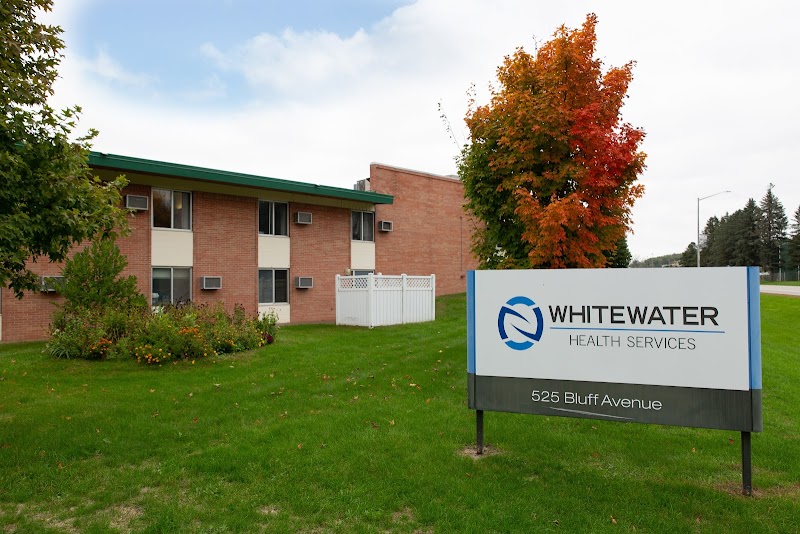
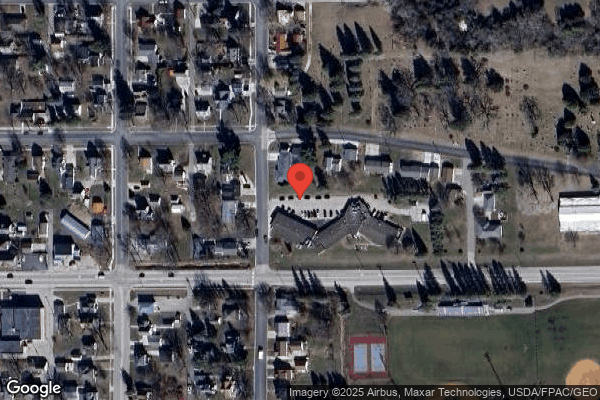
WHITEWATER HEALTH SERVICES

525 BLUFF AVENUE, ST CHARLES, MN 55972 (507) 932-3283
For profit - Corporation 45 Beds NORTH SHORE HEALTHCARE Data: November 2025 1 Immediate Jeopardy citation
Trust Grade
51/100
#215 of 337 in MN
Last Inspection: May 2025

Inspected within the last 6 months. Data reflects current conditions.

Overview

Whitewater Health Services in St. Charles, Minnesota has a Trust Grade of C, which means it is average and falls in the middle of the pack among nursing homes. It ranks #215 out of 337 in Minnesota, indicating it is in the bottom half of facilities statewide, and #3 out of 4 in Winona County, meaning only one local option is better. Unfortunately, the facility's performance is worsening; issues increased from 2 in 2024 to 9 in 2025. Staffing is a strength here, with a 5 out of 5 star rating and a turnover rate of 31%, significantly lower than the state average, which suggests that staff are experienced and familiar with residents. However, the facility has concerning fines totaling $16,452, which are higher than 78% of Minnesota facilities, indicating potential compliance problems. Although RN coverage is average, specific incidents raise alarms, including a critical failure to assess and respond timely to a resident’s sudden change in condition, resulting in a dangerous delay in hospitalization. Additionally, there were incidents of medication misappropriation, where staff took and administered medications belonging to one resident to another without proper documentation. Overall, while staffing is strong, there are significant issues that families should carefully consider.

Trust Score
C
51/100
In Minnesota
#215/337
Bottom 37%
Safety Record
High Risk
Review needed
Inspections
Getting Worse
2 → 9 violations
Staff Stability
○ Average
31% turnover. Near Minnesota's 48% average. Typical for the industry.
Penalties
✓ Good
$16,452 in fines. Lower than most Minnesota facilities. Relatively clean record.
Skilled Nurses
✓ Good
Each resident gets 65 minutes of Registered Nurse (RN) attention daily — more than 97% of Minnesota nursing homes. RNs are the most trained staff who catch health problems before they become serious.
Violations
⚠ Watch
19 deficiencies on record. Higher than average. Multiple issues found across inspections.
★★★☆☆
3.0
Overall Rating
★★★★★
5.0
Staff Levels
★★★★☆
4.0
Care Quality
★★☆☆☆
2.0
Inspection Score
Stable
2024: 2 issues
2025: 9 issues

The Good

  • 5-Star Staffing Rating · Excellent nurse staffing levels
  • 4-Star Quality Measures · Strong clinical quality outcomes
  • Full Sprinkler Coverage · Fire safety systems throughout facility
  • No fines on record
  • Staff turnover below average (31%)

    17 points below Minnesota average of 48%

Facility shows strength in staffing levels, quality measures, fire safety.

The Bad

3-Star Overall Rating

Near Minnesota average (3.2)

Meets federal standards, typical of most facilities

Staff Turnover: 31%

15pts below Minnesota avg (46%)

Typical for the industry

Federal Fines: $16,452

Below median ($33,413)

Minor penalties assessed

Chain: NORTH SHORE HEALTHCARE

Part of a multi-facility chain

Ask about local staffing decisions and management

The Ugly 19 deficiencies on record

1 life-threatening
Jun 2025 4 deficiencies
CONCERN (E) 📢 Someone Reported This

A family member, employee, or ombudsman was alarmed enough to file a formal complaint

Potential for Harm - no one hurt, but risky conditions existed

Deficiency F0602 (Tag F0602)

Could have caused harm · This affected multiple residents

**NOTE- TERMS IN BRACKETS HAVE BEEN EDITED TO PROTECT CONFIDENTIALITY** Based on observation, interview, and record review, the facility failed to ensure residents were free from misappropriation of p...

Read full inspector narrative →
**NOTE- TERMS IN BRACKETS HAVE BEEN EDITED TO PROTECT CONFIDENTIALITY** Based on observation, interview, and record review, the facility failed to ensure residents were free from misappropriation of property for five of eight residents (R2, R4, R5, R6, R8) reviewed when multiple nursing staff took medication belonging to one resident to administer to another resident when their medication supply ran out. Findings include: During an observation on 6/11/25 at 9:53 a.m. R2's levothyroxine 50 micrograms (mcg) medication card had doses, 30 through 17 removed and tablets one and two were removed. There was nothing written on the doses one and two. R4's potassium chloride 20 milliequivalent (mEq) medication card had doses 30 through five removed and doses one and two were removed. Written on the medication card was 5/18 for resident J.J (R7). R5's glipizide five milligram (mg) medication card had doses 30 through seven removed and dose one was removed at the bottom of the medication card and was initialed LM. R5's clozapine 100 mg medication card had doses 30 through 25 removed and doses five through one were removed. Written on the card was 6/6 D.L. for resident M.T. (R3). Held by a rubber binder was a second medication card with five tablets that was delivered by pharmacy. R6's oxycodone five mg medication card had two doses removed on 6/5 at 11:45 a.m., two tablets that were removed on 6/7 at 1:58 p.m., and two tablets removed on 6/8 at 12:11 a.m. There was no indication as to why two tablets were removed at a time. R2's face sheet dated 6/12/25 indicated R2 was admitted to the facility on [DATE] with a primary diagnosis of hemiplegia and hemiparesis following cerebral infarction affecting right dominant side. R2's additional diagnoses included hypothyroidism, hyperlipidemia, and type 2 diabetes mellitus without complications. R2's provider order dated 12/31/24, indicated R2 was prescribed potassium chloride ER tablet extended release 20 milliequivalent (mEq) two tablets in the morning for low potassium levels. R2's provider order dated 12/31/24, indicated R2 was prescribed levothyroxine sodium 25 micrograms (mcg) one time a day related to hypothyroidism. R2's potassium chloride medication card dated 4/28/25, indicated doses nine through seven were removed on 6/5/25 and written on the medication card, the medication was removed for R7. R2's levothyroxine medication card dated 5/18/25 indicated dose 30 through 16 were removed as well as dose two and one. There was no indication as to why dose two and one were removed. R2's provider order dated 5/30/25 indicated R2's potassium chloride ER 20 mEq would be discontinued. R4's face sheet dated 6/12/25 indicated R4 was admitted to the facility on [DATE] with a primary diagnosis of lumbar spina bifida without hydrocephalus. R4's additional diagnoses included calculus of kidney, chronic kidney disease stage 3A, hypokalemia, and hypercalcemia. R4's provider order dated 2/28/25 indicated R4 was prescribed potassium chloride 20 mEq taking two tablets one time a day. R4's potassium chloride medication card dated 4/19/25 indicated doses 30 through five were removed. Doses two and one were removed on 5/18/25 for R7. R5's face sheet dated 6/12/25 indicated R5 was admitted to the facility on [DATE] with a primary diagnosis of schizoaffective disorder. R5's additional diagnoses included type 2 diabetes mellitus with other diabetic kidney complications and major depressive disorder. R5's provider orders dated 4/1/25 indicated R5 was prescribed clozapine 100 milligrams (mg) at bedtime released to schizoaffective disorder bipolar type. R5 was prescribed glipizide five mg by mouth in the morning related to type 2 diabetes mellitus without complications. R5's glipizide five mg medication card dated 5/3/25 indicated doses 30 through seven were removed. Dose one was taken with initials LW. It is unknown whose initials LW is. It is unknown what date the glipizide was removed for the unknown resident. R5's clozapine 100 mg medication card dated 5/22/25 indicated doses 30 through 25 were removed. Doses five through one were removed on 6/6/25 for R3. R5's clozapine 100 mg medication card dated 6/5/25 indicated pharmacy filled five tablets. R6's face sheet dated 6/12/25 indicated R6 was admitted to the facility on [DATE] with a primary diagnosis of displaced fracture of lesser trochanter of left femur. R6's additional diagnoses included difficulty walking and age-related osteoporosis without current pathological fracture. R6's provider order dated 4/28/25 indicated R6 was prescribed oxycodone two-point five mg every four hours as needed for a pain score of four through six out of ten. R6 was prescribed five mg every four hours as needed for severe pain with a pain score of seven through ten out of ten. Oxycodone was prescribed for prolonged acute pain and traumatic injury. R6's oxycodone 5 mg medication card dated 5/18/25 indicated there were two tablets removed on 6/7/25 at 1:58 p.m. and two tablets were removed on 6/8/25 at 12:11 a.m. R6's medication administration record (MAR) dated 6/2025 indicated R6 was to be given oxycodone five mg, a half of a tablet (two-point five mg) every four hours as needed for pain. One dose of oxycodone two-point five mg was given on 6/7/25 at 1:57 p.m. by registered nurse (RN)-E. R6 was to be given oxycodone five mg one tablet every four hours as needed for pain. One dose of oxycodone five mg was given on 6/8/25 at 12:28 a.m. by licensed practical nurse (LPN)-A. R8's face sheet dated 6/12/25 indicated R8 was admitted to the facility on [DATE] with a primary diagnosis of encounter or orthopedic aftercare following surgical amputation. R8's additional diagnoses included osteomyelitis of vertebra in the lumbar region, polyneuropathy, and restless legs syndrome. R8 was discharged from the facility on 6/3/25. R8's provider order dated 5/2/25 indicated R8 was prescribed pregabalin ten mL (200 mg total) by mouth twice a day. R3's face sheet dated 6/12/25 indicated R3 was admitted to the facility on [DATE] with a primary diagnosis of other fracture of lower end of right ulna. R3's additional diagnoses included paranoid schizophrenia and anxiety disorder. R3's provider order dated 6/1/25 indicated R3 prescribed clozapine 100 mg five tablets orally at bedtime for paranoid schizophrenia. R3's MAR dated 6/2025 indicated R3 was to take clozapine 100 mg five tablets by mouth at bedtime. R3's clozapine was given on 6/6/25 by LPN-B. R7's face sheet dated 6/12/25 indicated R7 was admitted to the facility on [DATE] with a primary diagnosis of hemiplegia and hemiparesis following cerebral infarction affecting right dominant side. R7's additional diagnoses included hyperparathyroidism and hyperlipidemia. R7's progress note dated 5/5/25 indicated R7 was prescribed potassium chloride ER 20 mEq taking two tablets by mouth in the morning. R7's MAR dated 5/2025 indicated R7 was to take potassium chloride ER oral tablet extended release 40 mEq in the morning. R7's potassium chloride was given on 5/18/25 by RN-A. R7's MAR dated 6/2025 indicated R7 was to take potassium chloride ER oral tablet extended release 40 mEq by mouth in the morning. R7's potassium chloride was given on 6/5/25 by (RN)-A. During an interview on 6/11/25 at 9:53 a.m., RN-A stated director of nursing (DON)-A directed RN-A several times to borrow medications from other residents to give to another resident. All nurses were given education recently by DON-A about how to borrow medications from residents to give to another resident but could not recall the date that education was. During an interview on 6/11/25 at 11:09 a.m., R2 stated the nurses had not asked if they could borrow any of her medications to give to other residents. R2 was unsure whether she has run out of medications or missed any doses of her medications. During an interview on 6/11/25 at 11:11 a.m., R3 stated the nurses had not asked if they could borrow any of her medications to give to other residents. R3 stated she was unsure whether she had missed any doses of her medications. During an interview on 6/11/25 at 11:16 a.m., R4 stated the nurses had not asked if they could borrow any of his medications to give to other residents. R4 has not ran out of medications that he knows of. During an interview on 6/11/25 at 11:24 a.m., family member (FM)-A stated the nurses had not called him to ask if they could borrow any of R5's medications to give to other residents. FM-A was unsure whether R5 has gone without any medications or ran out of medications. During an interview on 6/11/25 at 12:24 p.m., LPN-A stated if a resident were out of a medication, they would call either the RN on call, the DON-A, or RN-C and get direction. The RN on call, DON-A, or RN-C would direct her to borrow medications from another resident to give to that resident. During an interview on 6/11/25 at 12:43 p.m., LPN-B stated when she would run out of a medication for a resident, she would contact the RN on call, and they would give her direction to borrow medications from one resident to give to another resident. LPN-B stated, this happens a lot. The last time LPN-B borrowed medications was about a week ago. R9 had ran out of Pregabalin and R8 would be discharging the next day. DON-A gave direction to borrow R8's medication to give to R9. During an interview on 6/11/25 at 2:08 p.m., RN-C stated she had given direction to several of the nurses to borrow medications from residents to give to other residents if they did not have the medication that needed to be administered. RN-C stated that this practice would happen every other day. During an interview on 6/11/25 at 5:44 p.m., RN-E stated DON-A and RN-C had told him to borrow medications from residents to give to other residents but could not recall the last time this happened. During an interview on 6/12/25 at 10:44 a.m., RN-A stated she has borrowed medications several times from residents to give to other residents but could not recall what medications she borrowed or what residents she took the medications from or what residents she gave the medications to. When a resident does not have a medication in the facility that needed to be administered, RN-A would call DON-A or RN-C, and they would give direction to borrow a resident's medication to give to that resident. When she would borrow medications from other residents, she would take the tablet from bottom of the medication card, initial with the nurses initial, date, time, and the initials of the resident to whom she gave the medication. During an interview on 6/12/25 at 2:24 p.m., DON-B stated he was unsure how long the borrowing of medications had been going on. Attempts to contact DON-A on 6/11/25 at 1:32 p.m., 6/12/25 at 9:28 a.m., and 6/16/25 at 9:35 a.m. without success. The facility policy titled Abuse, Neglect and Exploitation indicated misappropriation of resident property means the deliberate misplacement, exploitation, or wrongful, temporary, or permanent, use of a resident's belonging or money without the resident's consent.
CONCERN (E) 📢 Someone Reported This

A family member, employee, or ombudsman was alarmed enough to file a formal complaint

Potential for Harm - no one hurt, but risky conditions existed

Report Alleged Abuse (Tag F0609)

Could have caused harm · This affected multiple residents

**NOTE- TERMS IN BRACKETS HAVE BEEN EDITED TO PROTECT CONFIDENTIALITY** Based on observation, interview, and record review the facility failed to ensure that alleged violations involving misappropriat...

Read full inspector narrative →
**NOTE- TERMS IN BRACKETS HAVE BEEN EDITED TO PROTECT CONFIDENTIALITY** Based on observation, interview, and record review the facility failed to ensure that alleged violations involving misappropriation of resident medications were reported to the state agency not later than 24 hours of the incidents for five of eight residents (R2, R4, R5, R6, and R8). The facility knew about the misappropriation of resident medications on 6/9/25 and did not report to the state agency. Findings include: During an observation on 6/11/25 at 9:53 a.m. R2's levothyroxine 50 micrograms (mcg) medication card had doses, 30 through 17 removed and tablets one and two were removed. There was nothing written on the doses one and two. R4's potassium chloride 20 milliequivalent (mEq) medication card had doses 30 through five removed and doses one and two were removed. Written on the medication card was 5/18 for resident J.J (R7). R5's glipizide five milligram (mg) medication card had doses 30 through seven removed and dose one was removed at the bottom of the medication card and was initialed LM. R5's clozapine 100 mg medication card had doses 30 through 25 removed and doses five through one were removed. Written on the card was 6/6 D.L. for resident M.T. (R3). Held by a rubber binder was a second medication card with five tablets that was delivered by pharmacy. R6's oxycodone five mg medication card had two doses removed on 6/5 at 11:45 a.m., two tablets that were removed on 6/7 at 1:58 p.m., and two tablets removed on 6/8 at 12:11 a.m. There was no indication as to why two tablets were removed at a time. R2's face sheet dated 6/12/25 indicated R2 was admitted to the facility on [DATE] with a primary diagnosis of hemiplegia and hemiparesis following cerebral infarction affecting right dominant side. R2's additional diagnoses included hypothyroidism, hyperlipidemia, and type 2 diabetes mellitus without complications. R2's provider order dated 12/31/24, indicated R2 was prescribed potassium chloride ER tablet extended release 20 milliequivalent (mEq) two tablets in the morning for low potassium levels. R2's provider order dated 12/31/24, indicated R2 was prescribed levothyroxine sodium 25 micrograms (mcg) one time a day related to hypothyroidism. R2's potassium chloride medication card dated 4/28/25, indicated doses nine through seven were removed on 6/5/25 and written on the medication card, the medication was removed for R7. R2's levothyroxine medication card dated 5/18/25 indicated dose 30 through 16 were removed as well as dose two and one. There was no indication as to why dose two and one were removed. R2's provider order dated 5/30/25 indicated R2's potassium chloride ER 20 mEq would be discontinued. R4's face sheet dated 6/12/25 indicated R4 was admitted to the facility on [DATE] with a primary diagnosis of lumbar spina bifida without hydrocephalus. R4's additional diagnoses included calculus of kidney, chronic kidney disease stage 3A, hypokalemia, and hypercalcemia. R4's provider order dated 2/28/25 indicated R4 was prescribed potassium chloride 20 mEq taking two tablets one time a day. R4's potassium chloride medication card dated 4/19/25 indicated doses 30 through five were removed. Doses two and one were removed on 5/18/25 for R7. R5's face sheet dated 6/12/25 indicated R5 was admitted to the facility on [DATE] with a primary diagnosis of schizoaffective disorder. R5's additional diagnoses included type 2 diabetes mellitus with other diabetic kidney complications and major depressive disorder. R5's provider orders dated 4/1/25 indicated R5 was prescribed clozapine 100 milligrams (mg) at bedtime released to schizoaffective disorder bipolar type. R5 was prescribed glipizide five mg by mouth in the morning related to type 2 diabetes mellitus without complications. R5's glipizide five mg medication card dated 5/3/25 indicated doses 30 through seven were removed. Dose one was taken with initials LW. It is unknown whose initials LW is. It is unknown what date the glipizide was removed for the unknown resident. R5's clozapine 100 mg medication card dated 5/22/25 indicated doses 30 through 25 were removed. Doses five through one were removed on 6/6/25 for R3. R5's clozapine 100 mg medication card dated 6/5/25 indicated pharmacy filled five tablets. R6's face sheet dated 6/12/25 indicated R6 was admitted to the facility on [DATE] with a primary diagnosis of displaced fracture of lesser trochanter of left femur. R6's additional diagnoses included difficulty walking and age-related osteoporosis without current pathological fracture. R6's provider order dated 4/28/25 indicated R6 was prescribed oxycodone two-point five mg every four hours as needed for a pain score of four through six out of ten. R6 was prescribed five mg every four hours as needed for severe pain with a pain score of seven through ten out of ten. Oxycodone was prescribed for prolonged acute pain and traumatic injury. R6's oxycodone 5 mg medication card dated 5/18/25 indicated there were two tablets removed on 6/7/25 at 1:58 p.m. and two tablets were removed on 6/8/25 at 12:11 a.m. R6's medication administration record (MAR) dated 6/2025 indicated R6 was to be given oxycodone five mg, a half of a tablet (two-point five mg) every four hours as needed for pain. One dose of oxycodone two-point five mg was given on 6/7/25 at 1:57 p.m. by registered nurse (RN)-E. R6 was to be given oxycodone five mg one tablet every four hours as needed for pain. One dose of oxycodone five mg was given on 6/8/25 at 12:28 a.m. by licensed practical nurse (LPN)-A. R8's face sheet dated 6/12/25 indicated R8 was admitted to the facility on [DATE] with a primary diagnosis of encounter or orthopedic aftercare following surgical amputation. R8's additional diagnoses included osteomyelitis of vertebra in the lumbar region, polyneuropathy, and restless legs syndrome. R8 was discharged from the facility on 6/3/25. R8's provider order dated 5/2/25 indicated R8 was prescribed pregabalin ten mL (200 mg total) by mouth twice a day. R3's face sheet dated 6/12/25 indicated R3 was admitted to the facility on [DATE] with a primary diagnosis of other fracture of lower end of right ulna. R3's additional diagnoses included paranoid schizophrenia and anxiety disorder. R3's provider order dated 6/1/25 indicated R3 prescribed clozapine 100 mg five tablets orally at bedtime for paranoid schizophrenia. R3's MAR dated 6/2025 indicated R3 was to take clozapine 100 mg five tablets by mouth at bedtime. R3's clozapine was given on 6/6/25 by LPN-B. R7's face sheet dated 6/12/25 indicated R7 was admitted to the facility on [DATE] with a primary diagnosis of hemiplegia and hemiparesis following cerebral infarction affecting right dominant side. R7's additional diagnoses included hyperparathyroidism and hyperlipidemia. R7's progress note dated 5/5/25 indicated R7 was prescribed potassium chloride ER 20 mEq taking two tablets by mouth in the morning. R7's MAR dated 5/2025 indicated R7 was to take potassium chloride ER oral tablet extended release 40 mEq in the morning. R7's potassium chloride was given on 5/18/25 by RN-A. R7's MAR dated 6/2025 indicated R7 was to take potassium chloride ER oral tablet extended release 40 mEq by mouth in the morning. R7's potassium chloride was given on 6/5/25 by (RN)-A. During an interview on 6/11/25 at 9:53 a.m., RN-A stated director of nursing (DON)-A directed RN-A several times to borrow medications from other residents to give to another resident. All nurses were given education recently by DON-A about how to borrow medications from residents to give to another resident but could not recall the date that education was. During an interview on 6/11/25 at 11:09 a.m., R2 stated the nurses had not asked if they could borrow any of her medications to give to other residents. R2 was unsure whether she has run out of medications or missed any doses of her medications. During an interview on 6/11/25 at 11:11 a.m., R3 stated the nurses had not asked if they could borrow any of her medications to give to other residents. R3 stated she was unsure whether she had missed any doses of her medications. During an interview on 6/11/25 at 11:16 a.m., R4 stated the nurses had not asked if they could borrow any of his medications to give to other residents. R4 has not ran out of medications that he knows of. During an interview on 6/11/25 at 11:24 a.m., family member (FM)-A stated the nurses had not called him to ask if they could borrow any of R5's medications to give to other residents. FM-A was unsure whether R5 has gone without any medications or ran out of medications. During an interview on 6/11/25 at 12:24 p.m., LPN-A stated if a resident were out of a medication, they would call either the RN on call, the DON-A, or RN-C and get direction. The RN on call, DON-A, or RN-C would direct her to borrow medications from another resident to give to that resident. During an interview on 6/11/25 at 12:43 p.m., LPN-B stated when she would run out of a medication for a resident, she would contact the RN on call, and they would give her direction to borrow medications from one resident to give to another resident. LPN-B stated, this happens a lot. The last time LPN-B borrowed medications was about a week ago. R9 had ran out of Pregabalin and R8 would be discharging the next day. DON-A gave direction to borrow R8's medication to give to R9. During an interview on 6/11/25 at 2:08 p.m., RN-C stated she had given direction to several of the nurses to borrow medications from residents to give to other residents if they did not have the medication that needed to be administered. RN-C stated that this practice would happen every other day. During an interview on 6/11/25 at 5:44 p.m., RN-E stated DON-A and RN-C had told him to borrow medications from residents to give to other residents but could not recall the last time this happened. During an interview on 6/12/25 at 10:44 a.m., RN-A stated she has borrowed medications several times from residents to give to other residents but could not recall what medications she borrowed or what residents she took the medications from or what residents she gave the medications to. When a resident does not have a medication in the facility that needed to be administered, RN-A would call DON-A or RN-C, and they would give direction to borrow a resident's medication to give to that resident. When she would borrow medications from other residents, she would take the tablet from bottom of the medication card, initial with the nurses initial, date, time, and the initials of the resident to whom she gave the medication. During an interview on 6/12/25 at 2:24 p.m., DON-B stated to his knowledge, the misappropriation of medications was never reported, although it should have been. DON-B stated he was unsure how long the borrowing of medications had been going on. During an interview on 6/16/25 at 1:01 p.m., DON-D stated incidents of misappropriation of medications should be reported to the state agency. During an interview on 6/16/25 at 1:12 p.m., DON-C stated misappropriation of medications should be reported to the state agency, but he did not report. During an interview on 6/16/25 at 2:03 p.m., human resources (HR)-B stated she found out on 6/9/25 about the misappropriation of medications. HR-B did not report these incidents to the state agency because she did not have access and did not know how to report to the state agency. HR-B was unsure who would have been responsible for reporting these incidents to the state agency. During an interview on 6/16/25 at 2:40 p.m., HR-A stated he found out about the incident with misappropriation of medications on 6/9/25. HR-A did not report the misappropriation of medication because he was not involved in the investigation. Surveyor attempted to contact DON-A on 6/11/25 at 1:32 p.m., 6/12/25 at 9:28 a.m., and 6/16/25 at 9:35 a.m. without success. The facility policy titled Abuse, Neglect and Exploitation indicated misappropriation of resident property means the deliberate misplacement, exploitation, or wrongful, temporary, or permanent, use of a resident's belonging or money without the resident's consent. Employees would be educated on abuse, neglect, exploitation, and misappropriated of resident property on areas of definitions, preventing, identification, investigation, protection, and reporting not later than 24 hours if the events that cause the allegation do not involve abuse and dod not result in serious bodily injury.
CONCERN (E) 📢 Someone Reported This

A family member, employee, or ombudsman was alarmed enough to file a formal complaint

Potential for Harm - no one hurt, but risky conditions existed

Investigate Abuse (Tag F0610)

Could have caused harm · This affected multiple residents

**NOTE- TERMS IN BRACKETS HAVE BEEN EDITED TO PROTECT CONFIDENTIALITY** Based on interview and record review, the facility failed to thoroughly investigate allegations of misappropriation of resident ...

Read full inspector narrative →
**NOTE- TERMS IN BRACKETS HAVE BEEN EDITED TO PROTECT CONFIDENTIALITY** Based on interview and record review, the facility failed to thoroughly investigate allegations of misappropriation of resident medications for five of eight residents (R2, R4, R5, R6, and R8) when the facility found out about these allegations on 6/9/25, placed DON-A on administrative leave pending an investigation. Findings include: During an observation on 6/11/25 at 9:53 a.m. R2's levothyroxine 50 micrograms (mcg) medication card had doses, 30 through 17 removed and tablets one and two were removed. There was nothing written on the doses one and two. R4's potassium chloride 20 milliequivalent (mEq) medication card had doses 30 through five removed and doses one and two were removed. Written on the medication card was 5/18 for resident J.J (R7). R5's glipizide five milligram (mg) medication card had doses 30 through seven removed and dose one was removed at the bottom of the medication card and was initialed LM. R5's clozapine 100 mg medication card had doses 30 through 25 removed and doses five through one were removed. Written on the card was 6/6 D.L. for resident M.T. (R3). Held by a rubber binder was a second medication card with five tablets that was delivered by pharmacy. R6's oxycodone five mg medication card had two doses removed on 6/5 at 11:45 a.m., two tablets that were removed on 6/7 at 1:58 p.m., and two tablets removed on 6/8 at 12:11 a.m. There was no indication as to why two tablets were removed at a time. R2's face sheet dated 6/12/25 indicated R2 was admitted to the facility on [DATE] with a primary diagnosis of hemiplegia and hemiparesis following cerebral infarction affecting right dominant side. R2's additional diagnoses included hypothyroidism, hyperlipidemia, and type 2 diabetes mellitus without complications. R2's provider order dated 12/31/24, indicated R2 was prescribed potassium chloride ER tablet extended release 20 milliequivalent (mEq) two tablets in the morning for low potassium levels. R2's provider order dated 12/31/24, indicated R2 was prescribed levothyroxine sodium 25 micrograms (mcg) one time a day related to hypothyroidism. R2's potassium chloride medication card dated 4/28/25, indicated doses nine through seven were removed on 6/5/25 and written on the medication card, the medication was removed for R7. R2's levothyroxine medication card dated 5/18/25 indicated dose 30 through 16 were removed as well as dose two and one. There was no indication as to why dose two and one were removed. R2's provider order dated 5/30/25 indicated R2's potassium chloride ER 20 mEq would be discontinued. R4's face sheet dated 6/12/25 indicated R4 was admitted to the facility on [DATE] with a primary diagnosis of lumbar spina bifida without hydrocephalus. R4's additional diagnoses included calculus of kidney, chronic kidney disease stage 3A, hypokalemia, and hypercalcemia. R4's provider order dated 2/28/25 indicated R4 was prescribed potassium chloride 20 mEq taking two tablets one time a day. R4's potassium chloride medication card dated 4/19/25 indicated doses 30 through five were removed. Doses two and one were removed on 5/18/25 for R7. R5's face sheet dated 6/12/25 indicated R5 was admitted to the facility on [DATE] with a primary diagnosis of schizoaffective disorder. R5's additional diagnoses included type 2 diabetes mellitus with other diabetic kidney complications and major depressive disorder. R5's provider orders dated 4/1/25 indicated R5 was prescribed clozapine 100 milligrams (mg) at bedtime released to schizoaffective disorder bipolar type. R5 was prescribed glipizide five mg by mouth in the morning related to type 2 diabetes mellitus without complications. R5's glipizide five mg medication card dated 5/3/25 indicated doses 30 through seven were removed. Dose one was taken with initials LW. It is unknown whose initials LW is. It is unknown what date the glipizide was removed for the unknown resident. R5's clozapine 100 mg medication card dated 5/22/25 indicated doses 30 through 25 were removed. Doses five through one were removed on 6/6/25 for R3. R5's clozapine 100 mg medication card dated 6/5/25 indicated pharmacy filled five tablets. R6's face sheet dated 6/12/25 indicated R6 was admitted to the facility on [DATE] with a primary diagnosis of displaced fracture of lesser trochanter of left femur. R6's additional diagnoses included difficulty walking and age-related osteoporosis without current pathological fracture. R6's provider order dated 4/28/25 indicated R6 was prescribed oxycodone two-point five mg every four hours as needed for a pain score of four through six out of ten. R6 was prescribed five mg every four hours as needed for severe pain with a pain score of seven through ten out of ten. Oxycodone was prescribed for prolonged acute pain and traumatic injury. R6's oxycodone 5 mg medication card dated 5/18/25 indicated there were two tablets removed on 6/7/25 at 1:58 p.m. and two tablets were removed on 6/8/25 at 12:11 a.m. R6's medication administration record (MAR) dated 6/2025 indicated R6 was to be given oxycodone five mg, a half of a tablet (two-point five mg) every four hours as needed for pain. One dose of oxycodone two-point five mg was given on 6/7/25 at 1:57 p.m. by registered nurse (RN)-E. R6 was to be given oxycodone five mg one tablet every four hours as needed for pain. One dose of oxycodone five mg was given on 6/8/25 at 12:28 a.m. by licensed practical nurse (LPN)-A. R8's face sheet dated 6/12/25 indicated R8 was admitted to the facility on [DATE] with a primary diagnosis of encounter or orthopedic aftercare following surgical amputation. R8's additional diagnoses included osteomyelitis of vertebra in the lumbar region, polyneuropathy, and restless legs syndrome. R8 was discharged from the facility on 6/3/25. R8's provider order dated 5/2/25 indicated R8 was prescribed pregabalin ten mL (200 mg total) by mouth twice a day. R3's face sheet dated 6/12/25 indicated R3 was admitted to the facility on [DATE] with a primary diagnosis of other fracture of lower end of right ulna. R3's additional diagnoses included paranoid schizophrenia and anxiety disorder. R3's provider order dated 6/1/25 indicated R3 prescribed clozapine 100 mg five tablets orally at bedtime for paranoid schizophrenia. R3's MAR dated 6/2025 indicated R3 was to take clozapine 100 mg five tablets by mouth at bedtime. R3's clozapine was given on 6/6/25 by LPN-B. R7's face sheet dated 6/12/25 indicated R7 was admitted to the facility on [DATE] with a primary diagnosis of hemiplegia and hemiparesis following cerebral infarction affecting right dominant side. R7's additional diagnoses included hyperparathyroidism and hyperlipidemia. R7's progress note dated 5/5/25 indicated R7 was prescribed potassium chloride ER 20 mEq taking two tablets by mouth in the morning. R7's MAR dated 5/2025 indicated R7 was to take potassium chloride ER oral tablet extended release 40 mEq in the morning. R7's potassium chloride was given on 5/18/25 by RN-A. R7's MAR dated 6/2025 indicated R7 was to take potassium chloride ER oral tablet extended release 40 mEq by mouth in the morning. R7's potassium chloride was given on 6/5/25 by (RN)-A. During an interview on 6/11/25 at 9:53 a.m., RN-A stated director of nursing (DON)-A directed RN-A several times to borrow medications from other residents to give to another resident. All nurses were given education recently by DON-A about how to borrow medications from residents to give to another resident but could not recall the date that education was. During an interview on 6/11/25 at 12:24 p.m., LPN-A stated if a resident were out of a medication, they would call either the RN on call, DON-A, or RN-C and get direction. The RN on call, DON-A, or RN-C would direct her to borrow medications from another resident to give to that resident. During an interview on 6/11/25 at 12:43 p.m., LPN-B stated when she would run out of a medication for a resident, she would contact the RN on call, and they would give her direction to borrow medications from one resident to give to another resident. LPN-B stated, this happens a lot. The last time LPN-B borrowed medications was about a week ago. R9 had ran out of Pregabalin and R8 would be discharging the next day. DON-A gave direction to borrow R8's medication to give to R9. During an interview on 6/11/25 at 2:08 p.m., RN-C stated she had given direction to several of the nurses to borrow medications from residents to give to other residents if they did not have the medication that needed to be administered. RN-C stated that this practice would happen every other day. During an interview on 6/11/25 at 5:44 p.m., RN-E stated DON-A and RN-C had told him to borrow medications from residents to give to other residents but could not recall the last time this happened. During an interview on 6/12/25 at 10:44 a.m., RN-A stated she has borrowed medications several times from residents to give to other residents but could not recall what medications she borrowed or what residents she took the medications from or what residents she gave the medications to. When a resident does not have a medication in the facility that needed to be administered, RN-A would call DON-A or RN-C, and they would give direction to borrow a resident's medication to give to that resident. When she would borrow medications from other residents, she would take the tablet from bottom of the medication card, initial with the nurses initial, date, time, and the initials of the resident to whom she gave the medication. During an interview on 6/12/25 at 2:24 p.m., DON-B stated he was not part of the facility's investigation, so he was unfamiliar with what was happening in an investigation. DON-B stated human resources (HR)-A was investigating. During an interview on 6/12/25 at 2:40 p.m., HR-A stated he did not do an investigation. HR-A is aware that the facility had placed DON-A on administrative leave pending the investigation. During an email correspondence on 6/16/25 at 6:24 a.m., HR-A stated he had discussed with the facility and team internally and would not be releasing the investigation that the surveyor had requested. Parts of the investigation were still on going and the facility needed to protect themselves and employees as needed. During an interview on 6/16/25 at 1:12 p.m., DON-C stated he has educated some of the nurses about the polies and procedures around medication administration and what to do if they are out of a medication. DON-C stated he was not part of the investigation, but had thought HR-A had completed the investigation. During an interview on 6/16/25 at 1:40 p.m., HR-A stated when the facility found out about the allegation of misappropriation of resident medications, he was not part of the investigation, but HR-B was part of the investigation. HR-A was unaware of any education, corrective action plans, or audits being completed. During an interview on 6/16/25 at 2:03 p.m., HR-B stated she was part of an investigation. HR-B had placed DON-A on administrative leave pending the investigation but was unsure the results of the investigation. HR-B was unaware if the facility had done any education with the nurses. Attempts to contact DON-A on 6/11/25 at 1:32 p.m., 6/12/25 at 9:28 a.m., and 6/16/25 at 9:35 a.m. without success. The facility policy titled Abuse, Neglect and Exploitation indicated misappropriation of resident property means the deliberate misplacement, exploitation, or wrongful, temporary, or permanent, use of a resident's belonging or money without the resident's consent. Employees would be educated on abuse, neglect, exploitation, and misappropriated of resident property on areas of definitions, preventing, identification, investigation, protection, and reporting. Investigation included identify staff responsible for the investigation, identify and interview all persons involved including the alleged victim(s), alleged perpetrator, witnesses, and others who might have knowledge of the allegation(s), determine if the allegation occurred, the extent, and cause, complete and thorough documentation of the investigation.
CONCERN (E) 📢 Someone Reported This

A family member, employee, or ombudsman was alarmed enough to file a formal complaint

Potential for Harm - no one hurt, but risky conditions existed

Pharmacy Services (Tag F0755)

Could have caused harm · This affected multiple residents

**NOTE- TERMS IN BRACKETS HAVE BEEN EDITED TO PROTECT CONFIDENTIALITY** Based on observation, interview, and record review, the facility failed to provide pharmaceutical services to ensure residents m...

Read full inspector narrative →
**NOTE- TERMS IN BRACKETS HAVE BEEN EDITED TO PROTECT CONFIDENTIALITY** Based on observation, interview, and record review, the facility failed to provide pharmaceutical services to ensure residents medications were ordered in advanced and medications were administered as prescribed for five of eight residents (R2, R4, R5, R6, R8) reviewed when residents were administered other resident's medications when their supply ran out. Findings include: During an observation on 6/11/25 at 9:53 a.m. R2's levothyroxine 50 micrograms (mcg) medication card had doses, 30 through 17 removed and tablets one and two were removed. There was nothing written on the doses one and two. R4's potassium chloride 20 milliequivalent (mEq) medication card had doses 30 through five removed and doses one and two were removed. Written on the medication card was 5/18 for resident J.J (R7). R5's glipizide five milligram (mg) medication card had doses 30 through seven removed and dose one was removed at the bottom of the medication card and was initialed LM. R5's clozapine 100 mg medication card had doses 30 through 25 removed and doses five through one were removed. Written on the card was 6/6 D.L. for resident M.T. (R3). Held by a rubber binder was a second medication card with five tablets that was delivered by pharmacy. R6's oxycodone five mg medication card had two doses removed on 6/5 at 11:45 a.m., two tablets that were removed on 6/7 at 1:58 p.m., and two tablets removed on 6/8 at 12:11 a.m. There was no indication as to why two tablets were removed at a time. During an observation on 6/11/25 at 10:20 a.m. R2's potassium chloride 20 mEq medication card had two doses missing. Written next to the two doses missing included 6/5 for J.J. R2's face sheet dated 6/12/25, indicated R2 was admitted to the facility on [DATE] with a primary diagnosis of hemiplegia and hemiparesis following cerebral infarction affecting right dominant side. R2's additional diagnoses included hypothyroidism, hyperlipidemia, and type 2 diabetes mellitus without complications. R2's brief interview for mental status (BIMS) dated 5/8/25, indicated a score of 14, which indicated R2 was cognitively intact. R2's provider order dated 12/31/24, indicated R2 was prescribed potassium chloride ER tablet extended release, 20 mEq, two tablets in the morning for low potassium levels. R2's provider order dated 12/31/24, indicated R2 was prescribed levothyroxine sodium 25 mcg, one time a day related to hypothyroidism. R2's potassium chloride medication card dated 4/28/25, indicated doses nine through seven were removed on 6/5/25, and written on the medication card, the medication was taken for R7. R2's levothyroxine medication card dated 5/18/25, indicated dose 30 through 16 were removed as well as dose two and one. There was no indication as to why dose two and one was removed. R2's progress note dated 5/30/25, indicated R2's potassium chloride, ER 20 mEq would be discontinued. R2's provider order dated 5/30/25, indicated R2's potassium chloride ER 20 mEq, would be discontinued. R4's face sheet dated 6/12/25, indicated R4 was admitted to the facility on [DATE] with a primary diagnosis of lumbar spina bifida without hydrocephalus. R4's additional diagnoses included calculus of kidney, chronic kidney disease stage 3A, hypokalemia, and hypercalcemia. R4's BIMS dated 5/22/25, indicated a score of 15, which indicated R4 was cognitively intact. R4's provider order dated 2/28/25, indicated R4 was prescribed potassium chloride, 20 mEq, take two tablets one time a day. R4's potassium chloride medication card dated 4/19/25, indicated doses 30 through five were removed. Doses two and one were removed on 5/18/25 for R7. R5's face sheet dated 6/12/25, indicated R5 was admitted to the facility on [DATE] with a primary diagnosis of schizoaffective disorder. R5's additional diagnoses included type 2 diabetes mellitus with other diabetic kidney complications and major depressive disorder. R5's BIMS dated 3/17/25, indicated a score of three, which indicated R5 had severe cognitive impairment. R5's provider orders dated 4/1/25, indicated R5 was prescribed clozapine, 100 mg, at bedtime related to schizoaffective disorder bipolar type. R5 was prescribed glipizide, five mg, by mouth in the morning related to type 2 diabetes mellitus without complications. R5's glipizide five mg medication card dated 5/3/25, indicated doses 30 through seven were removed. Dose one was removed with initials LW. It is unknown whose initials LW is. It is unknown what date the glipizide was taken or for which resident. R5's clozapine 100 mg medication card dated 5/22/25 indicated doses 30 through twenty-five were removed. Doses five through one were removed on 6/6/25 for R3. R5's clozapine 100 mg medication card dated 6/5/25 indicated pharmacy filled five tablets. R5's pharmacy receipts indicated on 6/6/25 the pharmacy received a message from DON-A requesting to bill the facility for five tablets of the clozapine one-hundred mg tablets. R6's face sheet dated 6/12/25 indicated R6 was admitted to the facility on [DATE] with a primary diagnosis of displaced fracture of lesser trochanter of left femur. R6's additional diagnoses included difficulty walking and age-related osteoporosis without current pathological fracture. R6's provider order dated 4/28/25 indicated R6 was prescribed oxycodone, two-point five mg, every four hours as needed for a pain score of four through six out of ten. R6 was prescribed five mg every four hours as needed for severe pain with a pain score of seven through ten out of ten. Oxycodone was prescribed for prolonged acute pain and traumatic injury. R6's BIMS dated 5/6/25, indicated a score of zero, which indicated R6 had severe cognitive impairment. R6's oxycodone 5 mg medication card dated 5/18/25 indicated there were two tablets removed on 6/7/25 at 1:58 p.m. and two tablets were removed on 6/8/25 at 12:11 a.m. R6's medication administration record (MAR) dated 5/2025 indicated from 5/13/25 to 5/20/25 the facility used 15 half tablets of the five mg oxycodone tablets and five tablets of the oxycodone five mg tablets. This should have left the facility with two and a half tablets of the five mg tablets left. R6's pharmacy receipts indicated since 1/2025 the pharmacy delivered 15 tablets of oxycodone, five mg, on 5/3/25. On 5/13/25 the pharmacy delivered five mg, ten tablets. On 5/20/25 the pharmacy received a message stating the facility only had two tablets of the oxycodone five mg left. On 5/20/25 the pharmacy delivered oxycodone five mg 28 tablets. R6's MAR dated 6/2025 indicated R6 was to be given oxycodone five mg a half of a tablet (two-point five mg) every four hours as needed for pain. One dose of oxycodone two-point five mg was given on 6/7/25 at 1:57 p.m. by registered nurse (RN)-E. R6 was to be given oxycodone five mg one tablet every four hours as needed for pain. One dose of oxycodone five mg was given on 6/8/25 at 12:28 a.m. by licensed practical nurse (LPN)-A. The does was dependent on the pain scale. This should have left the facility with two and a half tablets of the five mg tablets. R8's face sheet dated 6/12/25, indicated R8 was admitted to the facility on [DATE] with a primary diagnosis of encounter or orthopedic aftercare following surgical amputation. R8's additional diagnoses included osteomyelitis of vertebra in the lumbar region, polyneuropathy, and restless legs syndrome. R8 was discharged from the facility on 6/3/25. R8's provider order dated 5/2/25, indicated R8 was prescribed pregabalin ten mL (200 mg total) by mouth twice a day. R8's medication card was no longer in the facility as she had been discharged . R3's face sheet dated 6/12/25 indicated R3 was admitted to the facility on [DATE], with a primary diagnosis of other fracture of lower end of right ulna. R3's additional diagnoses included paranoid schizophrenia and anxiety disorder. R3's provider order dated 6/1/25, indicated R3 was prescribed clozapine, 100 mg, five tablets orally at bedtime for paranoid schizophrenia. R3's BIMS dated 6/5/25 indicated a score of 13, which indicated R3 was cognitively intact. R3's MAR dated 6/2025 indicated R3 was to take clozapine, 100 mg, five tablets by mouth at bedtime. R3's clozapine was given on 6/6/25 by LPN-B. R3's pharmacy receipts indicated since 1/2025 the pharmacy delivered 25 tablets of clozapine on 6/6/25. R7's face sheet dated 6/12/25 indicated R7 was admitted to the facility on [DATE] with a primary diagnosis of hemiplegia and hemiparesis following cerebral infarction affecting right dominant side. R7's additional diagnoses included hyperparathyroidism and hyperlipidemia. R7's BIMS dated 4/24/25 indicated a score of zero, which indicated R7 had severe cognitive impairment. R7's progress note dated 5/5/25 indicated R7 was prescribed potassium chloride ER 20 mEq taking two tablets by mouth in the morning. R7's MAR dated 5/2025 indicated R7 was to take potassium chloride ER oral tablet extended release 40 mEq in the morning. R7's potassium chloride was given on 5/18/25 by RN-A. R7's MAR dated 6/2025 indicated R7 was to take potassium chloride ER oral tablet extended release 40 mEq by mouth in the morning. R7's potassium chloride was given on 6/5/25 by (RN)-A. R7's pharmacy receipts indicated since 1/2025 the pharmacy delivered 946 milliliters (mL) of potassium chloride on 1/21/25. On 2/20/25 the pharmacy delivered 946 mL. On 3/27/25 the pharmacy delivered 946 mL. On 5/2/25 the pharmacy delivered 473 mL. On 5/2/25 the pharmacy received a message stating P7 was on hospice and requested a partial refill. On 5/3/25 the pharmacy delivered 30 tablets. On 5/20/25 the pharmacy delivered thirty tablets. On 6/6/25 the pharmacy delivered 30 tablets. R9's face sheet dated 6/12/25 indicated R9 was admitted to the facility on [DATE] with a primary diagnosis of hypertensive heart and chronic kidney disease with heart failure and stage one through stage four chronic kidney disease. R9's additional diagnosis included type 2 diabetes. R9's provider order dated 10/17/24 indicated R9 was prescribed pregabalin 200 mg twice a day related to type 2 diabetes mellitus with diabetic neuropathy. R9's BIMS dated 6/6/25 indicated a score of eight, which indicated R9 had moderate cognitive impairment. R9's pharmacy receipts indicated since 1/2025 the pharmacy delivered 60 pregabalin tablets on 1/14/25. On 2/13/25 the pharmacy delivered 60 tablets. On 3/17/25 the pharmacy delivered 60 tablets. On 4/23/25 the pharmacy delivered 60 tablets. On 5/16/25 the pharmacy delivered 60 tablets. During an interview on 6/11/25 at 9:53 a.m., RN-A stated when a resident is out of a medication, they would re-order the medication once there is eight doses left. If the medication is not available at the time of medication administration, she would look in the emergency medication kit to see if the medication is available. RN-A would also call the pharmacy to check on the status of the medication. RN-A would call the on-call RN, RN-C or DON-A to get direction on the medication administration. RN-A stated she has been given direction by RN-C and DON-A to borrow medications from another resident when the medication is not available for that resident and not available in the emergency medication kit. RN-A has been given that direction several times. RN-A has received education about how to properly borrow medications from other residents but was unsure when this education was. The education was about taking a dose from the resident's medication card at the bottom. The nurse would then date, write the nurses initials, and then the initials of the resident who was given the medication. DON-A. provided this education. During an interview on 6/12/25 at 9:04 a.m., RN-A stated she would re-order a medication once there is eight doses left. The overnight nurses are responsible for re-ordering the medications. To order a medication, a nurse would click the re-order button in the electronic medical record (EMR). If a medication has been re-ordered but was not delivered yet, RN-A would fax the order to the pharmacy. During an interview on 6/11/25 at 11:09 a.m., R2 stated the nurses had not asked if they could borrow any of her medications to give to other residents. R2 was unsure whether she has run out of medications or missed any doses of her medications. During an interview on 6/11/25 at 11:11 a.m., R3 stated the nurses had not asked if they could borrow any of her medications to give to other residents. R3 stated she was unsure whether she had missed any doses of her medications. During an interview on 6/11/25 at 11:16 a.m., R4 stated the nurses had not asked if they could borrow any of his medications to give to other residents. R4 has not ran out of medications that he knows of. During an interview on 6/11/25 at 11:24 a.m., family member (FM)-A stated the nurses had not called him to ask if they could borrow any of R5's medications to give to other residents. FM-A was unsure whether R5 has gone without any medications or ran out of medications. During an interview on 6/11/25 at 12:24 p.m., LPN-A stated if she ran out of a resident medication, she would look in the backstock medication cart. If the medication is not in the backstock medication cart, she would call the pharmacy to check the status of delivery. LPN-A would ask for a stat delivery of the medication. If there is a medication that needs to be administered and the medication is not at the facility, she would consult with the RN-C or DON-A. On 6/6/25 she was to give R3 her clozapine dose. Since R3 was admitted to the day prior, R3's medications were not delivered yet. LPN-A consulted with the nurse practitioner (NP) who could not gain access into R3's EMR yet but would attempt to get into it the following day. The NP could not send the order to the pharmacy at that time. LPN-A consulted with RN-C who told LPN-A to borrow the medication from R5. LPN-A was aware this was a bad practice in nursing, but was following the direction of RN-C. During an interview on 6/11/25 at 12:43 p.m., LPN-B stated when she would run out of a medication for a resident, she would first call the provider. LPN-B stated she has received direction from RN-C and DON-A to borrow medications from residents to give to other residents if they run out of medications. LPN-B stated, this happens a lot. LPN-B stated the last time she borrowed a medication was last week when R9 ran out of his pregabalin and R8 was discharging the next day, so DON-A had told her to borrow the medication from R8 to give to R9. LPN-B stated the facility did not get the medication back to R8 because R8 had discharged that next day. During an interview on 6/11/25 at 12:49 p.m., LPN-C stated she has never borrowed a medication from one resident to give to another resident. During an interview on 6/11/25 at 1:07 p.m., RN-D stated if she ran out of a medication, she would call an on-call provider and the on-call nurse for direction. RN-D stated she had not been told to borrow medications from a resident to give to another resident is they ran out of that medication. During an interview on 6/11/25 at 1:36 p.m., guardian (G)-A stated the nurses had not asked if they could borrow any of R5's medications to give to other residents. G-A stated she is unsure whether R5 has gone without any medications or ran out of his medications. During an interview on 6/11/25 at 1:38 p.m., FM-B stated the nurses had not asked if they could borrow any of R6's medications to give to other residents. FM-B was unsure whether R6 had missed any medication doses. During an interview on 6/11/25 at 1:53 p.m., executive director (ED)-A stated DON-A gave nurses the direction to borrow medications from residents to give to other residents. ED-A stated borrowing medications from a resident to give to another resident has been a long-standing practice in the facility. DON-A had educated nurses on how to properly borrow medications. During an interview on 6/11/25 at 2:08 p.m., RN-C stated DON-A educated the nurses on how to properly borrow medications from residents to give to other residents. The education was in an all-nurses meeting in April 2025. The education was for nurses to take a dose from the bottom of a resident's medication card and dating and writing the initials of the resident who was given that dose of medication. RN-C stated DON-A did not want nurses taking a dose from the top of the medication because she did not want it to look like a medication error to other staff and the state agency. RN-C was unsure how the facility got the medications from the pharmacy to ensure the resident whose medications were borrowed was not short. LPN-A stated this practice has been going on for so long. Borrowing medications from residents had become a common practice within the facility that nurses stopped asking DON-A or herself when there was not a medication in the facility. On 6/2/25, RN-C was informed by DON-A that DON-A had given direction to LPN-A to borrow R8's pregabalin dose to R9 since R8 was discharging soon. On 6/6/25, RN-C received a call from LPN-A that R3 was anxious. LPN-A had already called the provider who could not write the prescription yet and the pharmacy to get a status on the delivery. The pharmacy told LPN-A that the clozapine medication card would not be delivered in time for her next dose. LPN-A gave direction to LPN-A to borrow the clozapine from R5. RN-C relayed the message to DON-A that she gave the direction to LPN-A to borrow the clozapine from R5 to give to R3 and DON-A stated she would call the pharmacy on 6/7/25 stating she dropped the cup of the five tablets on the floor and ask if the pharmacy could replace those medications. During an interview on 6/11/25 at 5:44 p.m., RN-D stated if a resident is missing a medication, they would look in the backstock medication cart. If the medication is not in the backstock medication cart, he would consider looking in the emergency medication kit. RN-D stated RN-C and DON-A had told him to borrow medications from one resident to give to another resident before, but was unsure of the date, resident's name, or situation. RN-D stated he had been educated within the last six months about how to properly borrow medications from other residents. During an interview on 6/12/25 at 9:21 a.m., physician assistant (PA)-A stated he was unaware the facility has been borrowing medications from one resident to give to another resident. PA-A stated the facility recently hired his company to provide medical care and he had only been in the facility two times. PA-A stated he would expect all residents' medications to be given to that resident only, and not shared. During an interview on 6/12/25 at 10:44 a.m., RN-A stated she has borrowed medications from residents to give to other residents several times but could not recall the medication name or the residents involved. Once a provider writes a new order, the provider can give the medication order to any of the nurses and that nurse is responsible for faxing the order to the pharmacy. After the order is faxed to the pharmacy, the nurse will write a progress note in the resident's chart about the medication change. Once the order is faxed, and if it were a hard copy order, the nurse would place that in the resident's chart. Once the pharmacy received the order, the pharmacy will process and deliver the order. The cut off time for same day delivery is 6:00 p.m. Monday through Saturday. If a medication is needed on a Sunday, the nurse would call the pharmacy and then the pharmacy will have the medication delivered from a backup pharmacy. If it is after 6:00 p.m. the medication would be delivered the next day. The pharmacy is open twenty-four hours a day. If a nurse needs a stat delivery on a medication, the nurse would check the emergency medication kit to see if the medication is in there, if not, the nurse would call the pharmacy requesting a stat delivery. If a medication cannot be delivered the same day and it needed to be started immediately, RN-A would check the emergency medication kit. If the medication is not in the emergency medication kit, the nurse would call the provider to ask if the medication can wait until the next day or if the provider wants to make a medication change. If a nurse has to use the emergency medication kit, and the medication is not a narcotic, the nurse would open the emergency medication kit, take the medication needed, and then fill out a form with the resident's name, the medication name, and how many tablets of the medication was taken, and then fax that form to pharmacy so they can replace the medication. If it is a narcotic, the nurse would call the pharmacy to get a code to open the narcotic emergency medication kit and then fill out a form with the resident's name, the medication name, and how many tablets of the medication was taken, and then fax the form to pharmacy so they can replace the medication. Nurse should only take from the emergency medication kit one dose at a time for a resident. Once a medication is delivered, a nurse will receive the medication and then compare the delivery receipt to the medications that were delivered. Once that is completed, the nurse would put the medication cards in the medication cart or the backstock medication cart. During administration if the nurse notices the medication is not in the medication cart and needs to be administered, the nurse would call the on-call RN, RN-C, or DON-A and they would give the nurse direction. RN-A stated every time she has called the on-call RN, RN-C, or DON-A, they would give direction to borrow medications from another resident to give to that resident. Once the medication cards come in for that other resident, they would take however many doses out of the medication card to put back in the resident's medication card the nurse took from by placing the medication in the card and taping it shut. RN-A stated she does now know how the medications are replaced so that the medications are not short all of the time. RN-A stated she thought the RN-C or DON-A calls the pharmacy to say they dropped the medications that they took from the resident so that pharmacy would replace how many doses were borrowed. During an interview on 6/12/25 at 1:06 p.m., pharmacist (PH)-A stated she would receive orders from the facility either in the EMR or via fax. PH-A stated the facility has a daily medication delivery in the evening. PH-A stated the facility has an emergency medication kit that she expects the facility to use if they are out of a resident's medication or it is a new stat order for a medication. The facility's emergency medication kit includes narcotic and non-narcotic medications. PH-A stated she has not received a phone call from the facility stating they had dropped medications and needed replacement but says there are other pharmacists at the pharmacy that also take phone calls. PH-A stated borrowing medications to give to other residents is not a standard of practice that the pharmacy would have. During an interview on 6/12/25 at 2:24 p.m., DON-B stated borrowing of medications is not a standard of practice that the facility would follow as this is misappropriation of medications. It is expected of nursing staff when a resident is out of a medication, to check the emergency medication kit. If the medication is not in the emergency medication kit, the nurse should call the pharmacy and troubleshoot with the pharmacy. During an interview on 6/12/25 at 2:40 p.m. human resources (HR)-A stated he knew DON-A had been placed on administrative leave pending the investigation. During an interview on 6/16/25 at 11:07 a.m., RN-D stated once the provider writs a new order for a resident, the provider will give those orders to the nurse on the floor. The nurse on the floor is responsible for putting those orders in the resident's charts. When a resident is low on a medication, the nurse will order the medication when the resident has eight doses on a medication left. RN-D stated the pharmacy will deliver medications once a day, every day. If a medication is not in the facility when it is time for medication administration, RN-D would check the backstock medication cart. If the medication is not in the backstock medication cart, then RN-D would check the emergency medication kit. If the medication is not in the emergency medication kit, he will call the on- call nurse, RN-C or DON-A. RN-D stated DON-A has hold him previously to borrow medications from residents to give to other residents. RN-D could not recall what date, medications, resident names, or situation when he borrowed these medications. During an interview on 6/16/25 at 1:12 p.m., DON-C stated it is expected that when a nurse runs out of medications, the nurse would call the pharmacy and provider to ask for alternatives to the medication that the nurse may have in the emergency medication kit, the time the medication can be delivered, and if the medication is not going to be delivered, to make a medication error report. DON-C stated the borrowing of medications is considered misappropriation of medications. During an interview on 6/16/25 at 1:40 p.m., HR-A stated he found out on 6/9/25 that nurses were borrowing medications from residents to give to other residents if they ran out of the medications. HR-A stated there has not been any corrective action plans for any of the nurses involved other than placing DON-A on an administrative leave. HR-A stated DON-A has been terminated from the facility following the investigation. During an interview on 6/16/25 at 2:03 p.m. HR-B stated DON-A was placed on administrative leave pending the investigation. After the investigation was completed, DON-A was terminated from the facility. RN-C placed her resignation effective immediately on 6/8/25. Surveyor attempted to contact DON-A on 6/11/25 at 1:32 p.m., 6/12/25 at 9:28 a.m., and 6/16/25 at 9:35 a.m. with no success. Ordering and Receiving Non-Controlled Medications policy dated 1/2025 indicated the facility would reorder medications in advance by writing the medication name and prescription number or applying the peel-off bar-coded label from the prescription label on the reorder sheet and faxing or otherwise transmitting the order to the pharmacy. All medication order changes would be communicated to the pharmacy, timely, to provide the correct quantities and accurate labeling when doses or administration frequencies are modified. If a medication is new, the facility would fax the order in and then inform the pharmacy of the need for prompt delivery. If a medication is a stat order, and if the medication is available in the emergency medication kit, the facility would remove the medication dose needed for administration prior to the next pharmacy delivery. If a medication is not in the emergency medication kit, a stat order is placed to the pharmacy and then the pharmacy is called by the facility requesting a stat delivery. The facility policy titled Medication Administration General Guidelines Section 7.1 dated 01/25 indicated medications supplied for one resident are never administered to another resident. The facility policy titled Medication Ordering and Receiving Form Pharmacy Provider and Ordering and Receiving Non-Controlled Medications Section 3.2 dated 01/25 indicated medications and related products are received from the provider pharmacy on a timely basis and the nursing care center maintain accurate records or medications ordered. The facility contracted pharmacy agreement effective 5/1/23 indicated the facility secured services that included up to eight (8) hours of nurse consulting services representative pharmacy visits quarterly, additional service charges apply. Nurse consulting services are only performed upon facility request. Available services include medication cart audits, documentation review to validate physician orders, medication administration record review, audits to assure accuracy among and between resident charts, treatment cart review, medication room audits and inspection, observation of medication passes, narcotic review, pre-survey audits, root cause analysis to determine process gaps with written solutions, and education training sessions for facility staff.
May 2025 5 deficiencies
CONCERN (D)

Potential for Harm - no one hurt, but risky conditions existed

Deficiency F0554 (Tag F0554)

Could have caused harm · This affected 1 resident

**NOTE- TERMS IN BRACKETS HAVE BEEN EDITED TO PROTECT CONFIDENTIALITY** Based on observation, interview and record review, the facility failed to ensure a self-administration of medication (SAM) asses...

Read full inspector narrative →
**NOTE- TERMS IN BRACKETS HAVE BEEN EDITED TO PROTECT CONFIDENTIALITY** Based on observation, interview and record review, the facility failed to ensure a self-administration of medication (SAM) assessment was completed for 1 of 1 resident's (R16) reviewed for medication administration. Findings include: R16's quarterly Minimum Data Set (MDS) assessment dated [DATE] indicated R16 was cognitively intact. R16's provider orders, included an order for Nystatin antifungal powder to both breasts and groin folds every 12 hours as needed . During observation on 5/14/25 at 7:17 a.m., registered nurse (RN)-A dispensed antifungal powder in a medication cup, walked to R16's room, and handed the medication cup to the director of nursing (DON) who was already in the room. The DON then placed the cup of powder on R16's bedside table and left the room. The DON stated R16 was getting ready for the day and would apply the powder herself when she is ready. During interview on 5/14/25 at 10:55 a.m., RN-A stated she did not think any current residents had a SAM assessment. RN-A stated a SAM assessment is needed to determine if a resident is safe to administer prescribed medications. Once a resident is deemed safe, a provider order is required for medications to be left at bedside. RN-A stated the SAM assessment is important to make sure the resident does not forget to take the medication. RN-A indicate all prescribed medications required a SAM assessment prior to leaving the medication at the bedside. RN-A confirmed R16 did not have a SAM assessment on file. During an interview on 5/14/25 at 11:20 a.m., the assistant director of nursing (ADON) stated residents who chose to have medications left at bedside would require an assessment for safety and a provider order to leave the medication at bedside. The ADON stated there are currently no residents who require a SAM assessment. The ADON stated narcotics are not allowed to be administered independently however all other medications are evaluated on a case by case basis. The ADON stated medications cannot be left with residents unless a SAM is performed to ensure residents are deemed safe to administer the mediation properly. Self-administration assessments are reviewed every 3 months for safety and is documented . Facility policy titled Medication Administration General-Guidelines dated 1/2023, included Residents are allowed to self -administer medications when specifically authorized by the prescriber, the nursing care center's Interdisciplinary Team (IDT), and in accordance with procedures for self-administration of medications and state regulations.
CONCERN (D)

Potential for Harm - no one hurt, but risky conditions existed

Deficiency F0655 (Tag F0655)

Could have caused harm · This affected 1 resident

**NOTE- TERMS IN BRACKETS HAVE BEEN EDITED TO PROTECT CONFIDENTIALITY** Based on interview and document review, the facility failed to complete and implement a baseline care plan within 48 hours of ad...

Read full inspector narrative →
**NOTE- TERMS IN BRACKETS HAVE BEEN EDITED TO PROTECT CONFIDENTIALITY** Based on interview and document review, the facility failed to complete and implement a baseline care plan within 48 hours of admission for 1 of 2 residents (R125) reviewed for new admissions. Findings include: R125's face sheet, indicated R125 admitted on [DATE]; diagnosis include, heart failure, respiratory disease, right lower leg pressure ulcer (reduce blood pressure to body area, leading to skin and tissue damage), left lower leg pressure ulcer, right hip pressure ulcer, perineum (area of sensitive skin between genitals and anus) wound, spinal vertebrae pain, lumbar pain, adult failure to thrive and a new diagnosis of urinary retention requiring a urinary catheter to drain bladder. R125's resident admission Minimum Data Set (MDS) assessment was not completed at time of survey. R125's cognitive function was intact. R125's a baseline care plan had not been initiated at time of survey; pain management treatment and goals had not been assessed. During interview on 5/12/25 at 10:39 a.m., R125 stated she has been in pain all morning, stated she was given Tylenol (used to help relieve pain) and some other medication this morning but the medications are not helping her with her pain. R125 stated her pain is where the urinary catheter is, she described it as a burning pain. R125 stated she is miserable here and just wants the pain to subside even for just a little bit. R125 stated no one at the facility had asked her what her pain goals were; she stated her goal would be a pain score of less than 2/10. During interview on 5/13/25 at 11:43 a.m., assistant director of nursing (ADON) and director of nursing (DON) stated R125 experiences pain frequently, and her pain has been high since arriving to the facility. ADON stated the initial goal was to try non-pharmacological options first. DON stated facility staff would be able to locate resident-specific needs in the resident care plan. Upon review, ADON confirmed a resident-specific care plan focus on pain had not been completed at the time of this interview. A facility care plan policy was requested and not received.
CONCERN (D)

Potential for Harm - no one hurt, but risky conditions existed

Deficiency F0697 (Tag F0697)

Could have caused harm · This affected 1 resident

**NOTE- TERMS IN BRACKETS HAVE BEEN EDITED TO PROTECT CONFIDENTIALITY** Based on observation, interview and document review, the facility failed to identify, treat, follow up on pain and offer non-pha...

Read full inspector narrative →
**NOTE- TERMS IN BRACKETS HAVE BEEN EDITED TO PROTECT CONFIDENTIALITY** Based on observation, interview and document review, the facility failed to identify, treat, follow up on pain and offer non-pharmacological interventions for 1 of 1 resident (R125) reviewed for pain management who was newly admitted . Findings include: R125's resident admission Minimum Data Set (MDS) assessment was not completed at time of survey. R125's had intact cognitive. R125 was admitted on [DATE] following a hospital stay, R125's diagnosis include, heart failure, respiratory disease, right lower leg pressure ulcer (reduce blood pressure to body area, leading to skin and tissue damage), left lower leg pressure ulcer, right hip pressure ulcer, perineum (area of sensitive skin between genitals and anus) wound, spinal vertebrae pain, lumbar pain, adult failure to thrive and a new diagnosis of urinary retention requiring a urinary catheter to drain bladder. R125's record lacked a baseline care plan. R125's pain management, treatment and goals was not assessed upon admission. R125's orders included Lyrica (Pregabalin-an anticonvulsant that can be used for nerve pain) 50 milligrams (mg) two times a day for pain, acetaminophen (a pain medication) 1000 mg every 6 hours for pain. Pain level was to be assessed each time the scheduled acetaminophen medication was administered. R125's May treatment administration record (TAR), included document any non-pharmacological pain interventions attempted. Interventions-ice, relaxation/distraction, repositioning, re-medicating, notify MD, diversional activities, music, re-repositioning, warm blanket, stretching, massage, rest, reduce stimuli, and other. R125's TAR included, Resident pain level every shift, use PAINAD (is a five-item observational tool to measure pain in people with dementia. It evaluates breathing, vocalization, facial expression, body language, and consolability) if resident unable to verbalize pain. R125's TAR lacked non-pharmacological pain interventions attempted for the following dates 5/8/25, 5/9/25, 5/10/25, and 5/11/25. R125's Pain Interview with Pain Management Review dated 5/12/25, indicated R125 had pain almost constantly over the past five days with an intensity rating as high as nine out of ten at times. The review of progress notes indicated staff had noticed vocal complaints of pain from R125 daily. The review indicated R125 received scheduled pain medication, but pain assessment was not completed for one of the two pain medications. R125's record included: -5/10/25 at 6:00 p.m., 1000mg acetaminophen was administered with pain rated 8/10. -5/10/25 at 8:00 p.m., 50mg Lyrica -5/10/25 at 10:29 p.m., R125 was calling out in pain, stating her pain is 8/10. -5/11/25 at 12:00 a.m., 1000mg acetaminophen was administered with pain rated 6/10. -5/11/25 at 6:00 a.m., 1000mg acetaminophen was administered with pain rated 5/10. -5/11/25 at 6:09 a.m., resident calling out in pain, stating to staff her pain is 8/10. -5/11/25 at 8:00 a.m., 50mg Lyrica -5/11/25 at 9:47 p.m., resident calling out in pain, stating to staff her pain is unbearable -5/11/25 at 12:00 p.m., 1000mg acetaminophen was administered with pain rated 5/10. -5/11/25 at 2:09 p.m., resident calling out in pain, stating to staff her pain is 8/10. -5/11/25 at 6:00 p.m., 1000mg acetaminophen was administered with pain rated 8/10. -05/11/25 6:32 p.m., resident stated the catheter is unbearable pain -5/11/25 at 8:00 p.m., 50mg Lyrica -5/11/25 at 11:37 p.m., resident calling out in pain -5/12/25 at 12:00 a.m., 1000mg acetaminophen was administered with pain rated 2/10. -5/12/25 at 3:27 a.m., pain is rated 2/10 (bilateral lower extremities, urinary catheter pain (noted to be draining clear yellow urine) -5/12/25 at 6:00 a.m., 1000mg acetaminophen was administered with pain rated 2/10. -5/12/25 at 8:00 a.m., 50mg Lyrica During observation on 5/11/25 at 6:20 p.m.,R125's call was on, nursing assistant (NA)-C entered the room and, told R125 the registered nurse (RN) would be in shortly to help her. R125 could be heard crying out in pain, stated she can't take this pain much longer, shouting out she doesn't understand why her pain isn't being treated. During observation on 5/12/25 at 9:25 a.m., R125 crying out, oh, oh this pain is terrible and ahh, ahh, make it stop During observation on 5/12/25 at 10:02 a.m., R125 called out in pain, ahh, oh , oh , someone help me owww, help it hurts so bad During observation on 5/12/25 at 10:29 a.m., R125 calling out in pain ahh, this hurts so bad, oh, please help me During interview on 5/12/25 at 10:39 a.m., R125 stated she has been in pain all morning, stated she was given acetaminophen and some other medication this morning but the medications are not helping her with her pain. R125 stated her pain is where the urinary catheter is, she described it as a burning pain. R125 stated she is miserable here and just wants the pain to subside even for just a little bit. During interview on 5/13/25 at 10:22 a.m., NA-C stated she will check on each resident as often as she is able. NA-C stated she will update the nurse right away when a resident complains of pain or sounds like the resident is in pain. NA-C stated if she answers the same resident call light again and the resident had not been seen by the nurse NA-C stated she would remind the nurse. In addition, NA-C would assist the resident with anything while waiting for the nurse to give pain medications. NA-C stated she would expect pain to be treated within 10-15 minutes of staff notification. During interview on 5/13/25 at 7:55 a.m., RN-A stated she was unsure how long R125 had her light on and knew R125 was having pain. RN-A stated pain should be treated within 15 minutes of the time the resident tells staff they are experiencing pain. RN-A stated if it was too soon to give pain medications, staff should offer things like ice or heat or other non-pharmacological options to manage the pain. RN-A confirmed if staff offered non-pharmacological options they were to chart and document in the residents record and said sometimes non-pharmacological interventions work better than giving medications. During interview on 5/13/25 at 11:43 a.m., assistant director of nursing (ADON) stated R125 experiences pain frequently, and her pain has been high since arriving to the facility. ADON stated the initial goal was to try non-pharmacological options first. ADON stated it is an expectation if the resident is offered a non-pharmacological option, it is charted, and a follow up assessment completed. ADON confirmed R125 did not have any non-pharmacological options charted as given since her arrival. ADON stated resident pain should be treated with 15-20 minutes of staff notification. Per facility policy titled Pain Management dated 8/9/22, stated staff will recognize when the resident is experiencing pain, evaluate the resident for pain and the cause, manage or prevent pain.
CONCERN (D)

Potential for Harm - no one hurt, but risky conditions existed

Infection Control (Tag F0880)

Could have caused harm · This affected 1 resident

**NOTE- TERMS IN BRACKETS HAVE BEEN EDITED TO PROTECT CONFIDENTIALITY** Based on observation, interview, and record review, the facility failed to ensure staff followed proper infection control practi...

Read full inspector narrative →
**NOTE- TERMS IN BRACKETS HAVE BEEN EDITED TO PROTECT CONFIDENTIALITY** Based on observation, interview, and record review, the facility failed to ensure staff followed proper infection control practices for 1 of 1 resident (R11) reviewed for urinary catheter. Staff failed to ensure a mechanical transfer lift was cleaned and disinfected after resident use for 1 of 1 resident (R125) observed for infection control. Furthermore, staff failed to ensure proper personal protective equipment (PPE) was used for 2 of 2 residents (R125, R126) observed for proper PPE. Findings include: R11 R11's quarterly Minimum Data Set (MDS) assessment dated [DATE], indicated R11 was cognitively intact with no behaviors, had range of motion limitations to both lower extremities, and was dependent on staff for lower body cares, bed mobility, and transfers. It also indicated R11 had a urinary catheter and colostomy, history of spina bifida (genetic neurologic condition), history of UTI, paraplegia (paralysis of lower extremities due to disorder of the nerves). R11's physician orders indicated R11 required enhanced barrier precautions, provide catheter care every shift, and change catheter system as needed. R11's diagnoses included spina bifida, paraplegia, heart failure, Ileal conduit (surgical opening in the abdomen to allow urine to drain from the kidneys), artificial opening of urinary tract status. R11's urostomy care plan indicated empty when half full, monitor skin around stoma for breakdown, provide ostomy care and change appliance as needed, report any changes in amount and color/odor of urine, use 2 ¼ inch ostomy supplies. R11's infection care plan indicated R11 was at risk for infection related to indwelling catheter and wounds requiring enhanced barrier precautions when performing high-contact care activities. R11's nursing assistant Kardex instructed staff to empty urostomy when half full, use enhanced barrier precautions when performing high contact care activities. During observation and interview on 5/11/25 at 2:07 p.m., R11 was lying in bed connected to a urinary drainage bag that was laying directly on the floor without a barrier preventing contact with the floor. A blue cloth privacy bag was attached to the bedframe next to the drainage bag. R11 indicated he has had a urostomy for a long time and has a history of recurrent kidney issues including infections. During observation on 5/11/25 at 4:47 p.m., R11's drainage bag was observed directly on the floor. R11's progress notes dated 5/13/25 at 1:15 a.m., indicated R11 was sent to the emergency room for an elevated temperature and swelling/redness to left hip. On 5/13/25 at 12:50 p.m., R11 returned from the emergency room with a diagnosis of cellulitis (infection under the surface of the skin) to the left hip and urinary tract infection and was started on a 7 day course of antibiotics. During observation 5/14/25 at 8:45 a.m., R11's catheter bag was observed directly on the floor without a barrier beneath it. Blue cloth privacy bag was tied to the bedframe next to the catheter bag. During interview on 5/14/25 at 9:20 a.m., nursing assistant (NA)-B stated urinary drainage bags should be placed in the cloth privacy bag and hung on the bedframe. NA-B stated placing the catheter bag directly on the floor would be an infection control issue and risk the bag getting run over and damaged. During interview on 5/14/25 at 9:22 a.m., NA-A stated urinary drainage bags should be placed in the cloth bag on the side of the bed and hung from the frame. NA-A stated catheter bags should not be placed directly on the floor due to risk for infection. During interview on 5/14/25 at 9:30 a.m., registered nurse (RN)-A stated catheter bags should be hung below the level of the bladder and in a blue bag on the frame, not directly on the floor. RN-A asked, are you referring to the gentleman in the middle room? and immediately went to R11's room to remove the catheter from the floor. During interview on 5/14/25 at 10:08 a.m., the infection preventionist (IP) stated R11 has a habit of pulling on the tubing of the catheter bag to remove it from the dignity bag and place the catheter bag directly on the floor. The IP stated R11's care plan was updated instructing staff to double check the room and make sure the catheter bag is protected. During interview on 5/14/25 at 10:27 a.m., the director of nursing (DON) and assistant director of nursing (ADON) stated R11 gets very angry when the catheter bag hanging from the bedframe stating he doesn't feel it drains properly unless it is on the floor. The ADON stated staff did compromise with R11 by at least placing the catheter bag in the cloth bag prior to it being placed on the floor. The next morning R11 was upset stating the catheter bag didn't drain properly in the dignity bag and the urine backed up. During observation and interview on 5/14/25 at 11:01 a.m., R11's catheter bag was in the cloth dignity bag attached to the bedframe. R11 stated his preference for the location of the catheter bag depends on the type of bag the facility uses. R11 stated some of the catheter bags the facility uses do not drain as well as he would like unless they are hanging low. R11 stated his catheter bag does not have to be directly on the floor, he just prefers it hang as low as possible. He does not like to use the dignity bag because he feels it doesn't allow proper drainage. R11 observed his catheter bag hanging from the bedframe in the dignity bag at the time of the interview and stated the current bag is draining well and he doesn't have an issue with it hanging from the bedframe. During interview on 5/14/25 at 12:45 p.m., the DON and ADON reiterated R11's wishes keeping the catheter bag on the floor. The corporate vice president of success (VP) stressed the need to have a barrier between the catheter bag and the floor. A policy titled Catheter Care dated 3/15/23 indicated privacy/dignity bags will be available and a catheter drainage bag should be covered or shielded at all times when in use. Disinfecting Equipment R125's resident admission MDS assessment was not completed at time of survey. R125's cognition was intact. R125 was admitted on [DATE] following hospital admission for acute respiratory failure with hypercapnia (too much carbon dioxide in the blood). R125's admission diagnosis include, heart failure, respiratory disease, right lower leg pressure ulcer (reduce blood pressure to body area, leading to skin and tissue damage), left lower leg pressure ulcer, right hip pressure ulcer, perineum (area of sensitive skin between genitals and anus) wound, spinal vertebrae pain, lumbar pain, adult failure to thrive and a new diagnosis of urinary retention requiring a urinary catheter to drain bladder. During an observation on 5/12/25 at 8:55 a.m., nursing assistant (NA)-D and NA-C answered R125's call light, taking mechanical transfer lift from the hallway without wiping it down, assisted resident to commode, then back to chair. NA-D placed the mechanical transfer lift into the hall without wiping it down or sanitizing. During observation on 5/12/25 at 9:23 a.m., NA-D and NA-C answered call light for another room, the same mechanical transfer lift was used for the 2nd resident without being wiped down or sanitized before or after the 2nd use. During interview on 5/12/25 at 9:33 a.m., NA-D stated facility equipment should be cleaned between residents, this is done to help prevent the spread of infection from resident to resident. NA-D confirmed she had not wiped the lift after using it with R125 and before using it with the 2nd resident. During interview on 5/13/25 at 11:43 a.m., director of nursing (DON) and assistant director of nursing (ADON) stated it is an expectation mechanical lifts are sanitized after use with each resident. Per facility policy titled Standard Precautions Infection Control dated 3/24/23, reusable resident equipment, such as mechanical lifts, should be cleaned and disinfected between residents. Appropriate PPE Donning/Doffing R125's resident admission MDS assessment was not completed at time of survey. R125's cognitive function was intact. R125 was admitted on [DATE] following hospital admission for acute respiratory failure with hypercapnia (too much carbon dioxide in the blood). R125's admission diagnosis include, heart failure, respiratory disease, right lower leg pressure ulcer (reduce blood pressure to body area, leading to skin and tissue damage), left lower leg pressure ulcer, right hip pressure ulcer, perineum (area of sensitive skin between genitals and anus) wound, spinal vertebrae pain, lumbar pain, adult failure to thrive, new diagnosis of urinary retention requiring a urinary catheter to drain bladder, and c-difficile (contagious pathogen in stool). R125 had an order to be placed in a room designated with contact precautions (used for residents with known or suspected infections that pose an increased risk for infection transmission). R125 was placed in a room with contact precautions implemented. R126's resident admission MDS assessment was not completed at time of survey. R126's cognitive function was intact. R126 was admitted on [DATE] following hospital admission after left knee surgery. R126's admission diagnosis includes, type 2 diabetes, chronic kidney disease requiring dialysis, heart failure, irregular heart rate, history of long-term antibiotic use, and known infection of left knee surgical site. R126 had an order to be placed in a room designated with contact precautions . R126 was placed in a room with contact precautions implemented. During observation on 5/12/25 at 1:09 p.m., housekeeping (H)-A donned gown and gloves upon entering room [ROOM NUMBER]. Upon exiting 304, H-A removed gloves, did not take off gown. H-A applied new gloves to clean room [ROOM NUMBER] and did not change gown from the previous room. Upon exiting 306, H-A removed gloves but did not take off gown before moving to clean the 3rd room. H-A applied new gloves to clean room [ROOM NUMBER] but did not change his gown from the previous 2 rooms. Upon exiting 308, H-A removed gown and gloves. During interview on 5/12/25 at 1:27 p.m., H-A stated the process for cleaning each room is the same when you are in the room (wipe stuff down, mop the floor, clean bathroom, empty trash, etc.). H-A stated the process for cleaning contact isolation rooms depends on the specific type of isolation pathogen, generally you need an isolation gown and gloves for cleaning these types of isolation rooms. H-A stated it is an acceptable practice to wear the same gown to clean multiple rooms; would just need to change gloves between rooms. During interview on 5/12/25 at 2:00 p.m., housekeeping supervisor (H)-B stated it is an expectation for housekeepers to change isolation gowns and gloves each time they enter a room to clean. Wearing the same gown for each room could spread different infections to residents. During interview on 5/12/25 at 2:09 p.m., assistant director of nursing (ADON) and corporate vice president of success (VP) stated it is and expectation and facility policy to remove gown and gloves after cleaning each room. This process is done to prevent the spread of infection between residents during the cleaning process. Per facility policy titled Transmission-Based (Isolation) Precautions, dated 9/24/24, donning PPE upon room entry and discarding before exiting the room is done to contain pathogens.
MINOR (C)

Minor Issue - procedural, no safety impact

Deficiency F0577 (Tag F0577)

Minor procedural issue · This affected most or all residents

**NOTE- TERMS IN BRACKETS HAVE BEEN EDITED TO PROTECT CONFIDENTIALITY** Based on observation, interview, and document review, the facility failed to ensure the facility's state survey results were kep...

Read full inspector narrative →
**NOTE- TERMS IN BRACKETS HAVE BEEN EDITED TO PROTECT CONFIDENTIALITY** Based on observation, interview, and document review, the facility failed to ensure the facility's state survey results were kept in a location readily accessible to all residents and/or visitors. This had the potential to affect all 22 residents and/or visitors who could wish to review the information. Findings include: R16's quarterly Minimum Data Set (MDS) assessment dated [DATE], indicated R16 had intact cognition. During resident council meeting on 5/12/25 at 10:50 a.m., R16 (resident council president) stated she did not know the state survey results were available to be read and confirmed she would be interested in seeing them. During observation and interview on 5/12/25 at 11:21 a.m., social worker (SW) said the facility had a survey binder and was unsure where the binder was located. SW walked out to main atrium and could not readily find the survey results binder. During observation and interview on 5/12/25 at 12:00 p.m., assistant director of nursing (ADON) and corporate vice president of success (VP) had located the survey binder stacked amongst other facility binders, out of sight of residents and others who may want to review. ADON confirmed the survey binder should be in a visible location and easily accessible . A policy regarding posting survey results was requested and not received.
Aug 2024 1 deficiency 1 IJ
CRITICAL (J) 📢 Someone Reported This

A family member, employee, or ombudsman was alarmed enough to file a formal complaint

Immediate Jeopardy (IJ) - the most serious Medicare violation

Quality of Care (Tag F0684)

Someone could have died · This affected 1 resident

**NOTE- TERMS IN BRACKETS HAVE BEEN EDITED TO PROTECT CONFIDENTIALITY** Based on interview and record review, the facility failed to identify, comprehensively assess, implement interventions, and prov...

Read full inspector narrative →
**NOTE- TERMS IN BRACKETS HAVE BEEN EDITED TO PROTECT CONFIDENTIALITY** Based on interview and record review, the facility failed to identify, comprehensively assess, implement interventions, and provide timely physician notification for a sudden change in condition for 1 of 3 residents (R1) reviewed for change in condition. This resulted in an immediate jeopardy (IJ) when R1 became unresponsive causing a delay in hospitalization. Immediate Jeopardy (IJ) began on [DATE] when the facility did not complete comprehensive assessments and communicate sudden change of condition to the physician when R1 became unresponsive and remained unresponsive for at least seven (7) hours before the ambulance arrived. The administrator and director of nursing (DON) were notified of the IJ on [DATE] at 4:58 p.m. The immediacy of the IJ was removed on [DATE] at 12:43 p.m. but noncompliance remained at the lower scope and severity level 2 (D), which indicated no actual harm with potential for more than minimal harm that is not IJ. Findings include: R1's hospital after visit summary (AVS) [DATE], identified R1 had been hospitalized for a brain bleed, which caused right sided weakness and altered mentation. Mental status improved throughout hospitalization and R1 was discharged to facility. R1's face sheet identified R1 was admitted to the facility with nontraumatic intracerebral hemorrhage (brain bleed), mixed receptive-expressive language disorder, hemiplegia and hemiparesis affecting right dominant side, weakness, dysphagia-(swallowing disorder), compression of brain, encephalopathy-(brain dysfunction that causes altered mental state), and cerebral amyloid angiopathy-(myloid protein builds up in the blood vessels in the brain causing bleeding inside the brain). R1's admission Minimum Data Set (MDS) dated [DATE], indicated R1 had severe cognitive impairment and displayed symptoms of delirium that included inattention and disorganized thinking. R1 had adequate hearing and vision, and had clear speech. R1 required substantial assistance with activities of daily living and was frequently incontinent of bowel and bladder. R1's care plan dated [DATE], identified a focus of cognitive loss and delay in responding related to: effects of intracerebral hemorrhage. Interventions included to allow adequate time to respond. Do not rush or supply words. Provide cueing and prompting for such things as activities, personal care. Repeat communication using more that one method (words, gestures, facial expressions). R1's recorded vital signs sheet identified on [DATE], at 3:00 a.m. blood pressure 121/66 (BP normal 120/80), pulse 117 (P normal 60-100), Temperature 100.7 (T normal 97-99 F), respirations 20 (R normal 12-20), oxygen saturations 92% (O2 normal 95-100%). There was no progress note or assessment that identified R1's condition or rational why vital signs were taken at 3:00 a.m. R1's recorded vital signs on [DATE] at 9:48 a.m., included: BP 133/60, P 100, T 101.6, Res 20, and 02 93%. R1's progress note on [DATE] at 10:16 a.m. identified, resident unresponsive this morning. Lung sounds clear. No cough. COVID test negative. Fever of 101.6., B/P 133/60, HR 100, R20 93% on room air. Cool rags applied. Notified MD [medical doctor] and RN [registered nurse] on call. At 10:25 a.m. the progress note identified the physician had responded with orders to collect a UA/UC. R1's medication administration record (MAR) identified LPN-A administered 650 milligrams Tylenol suppository at 10:17 a.m. and then at 10:18 a.m. documented the Tylenol was effective. On [DATE] at 12:48 p.m., R1's recorded vital signs included BP 140/64, P 117, T 98, Res 20, 02 95%. R1's progress note at 1:05 p.m. included, R1 had a fever, some difficulty breathing, and does not wake up or respond to stimuli. At 1:30 p.m. R1 had left via ambulance. R1's ambulance run report dated [DATE], identified Emergency Medical Services (EMS) crew arrived at 1:30 p.m. on scene and R1 was alone in room, no family or staff present. Initial assessment identified a Glasgow Coma Scale (GCS) of 3 (tool that measures a persons level of consciousness after a brain injury) the lowest possible score indicating deep coma or death. Sternal rub attempted with no response from R1. Rapid carotid pulse, skin diaphoretic (sweaty), warm to the touch, and pale. EMS applied cold packs bilaterally to neck, and axillary areas. Facility staff reported to EMS R1 had been in this condition since last night sometime. EMS requested intercept from secondary EMS crew due to R1's medical needs. R1's secondary EMS run on [DATE], identified EMS crew member from secondary EMS joined EMS crew from first ambulance at 1:41 p.m. and remained until arrived at the hospital at 2:05 p.m. EMS report R1 was unresponsive but breathing spontaneously with a steady pulse, GCS remained 3. During an interview on [DATE] at 1:16 p.m., nursing assistant (NA)-A and NA-B stated they were both familiar with R1. NA-A stated R1's normal routine was to get up in recliner during the morning and look outside. R1 was not usually difficult to arouse if she was sleeping. When NA's would reposition R1, she would wake up and talk to us. NA-A and NA-B both stated on [DATE] during the day shift, R1 went out of the facility for appointments and had been talking and drinking thickened liquids. Neither NA noticed any change in R1 since she was admitted to the facility. NA-A and NA-B both stated NA-C gave report to them on [DATE] at 6:00 a.m. and reported R1 had been unresponsive and limp. NA-A and NA-B went to R1's room at 6:30 a.m., performed morning cares, noted R1 was warm to touch. NA-B stated they reported R1's condition to LPN-A around 6:45 a.m. During a phone interview on [DATE] at 2:39 p.m., NA-C stated between 12:00 a.m.-1:30 a.m. on [DATE], R1 did not respond to her except in moans and she seemed very sleepy. NA-C just thought R1 was tired because she had out of the facility on [DATE] for quite awhile. NA-C explained when she went back to check on R1 between 2:30 to 3:30 a.m. she noticed R1 was very lethargic, warm, flushed, and weak. NA-C was concerned because that was not normal, so she reported the information to licensed practical nurse (LPN)-B. When she did shift report on [DATE] at 6:00 a.m., she explained all of R1's changes (very lethargic, warm, flushed, and weak) to NA-A and NA-B who were assigned to care for R1 for day shift. During a phone interview on [DATE] at 2:18 p.m., LPN-B stated between 2:30-3:00 a.m. on [DATE], NA-C reported to her R1 was not answering her and would not wake up. LPN-B went to R1's room and took her vital signs which were within R1's normal limits. Although LPN-B stated when she collected R1's vital signs, R1 was not as responsive as she would have liked to have seen her, R1 was at her baseline and there was nothing unusual or different. LPN-B further explained she did not find R1's lack of responsiveness unusual because R1 would not always wake up for her during the night with light shoulder rubs or a quieter voice. LPN-B indicated she had not completed a neurological assessment and did not provide intervention to lower R1's temperature. During an interview on [DATE] at 2:56 p.m., LPN-A stated at the shift report on [DATE], at 6:00 a.m. LPN-B did not say anything unusual happened with R1 during the night. LPN-A stated NA-A and NA-B had come to her after they were done washing R1 up reporting they thought R1 had a fever just before 7:00 a.m However, LPN-A had started R1's tube feeding at 7:00 a.m. and did not notice a difference in R1 as the NA's reported. LPN-B did not take R1's vital signs despite NA's reporting of a fever nor complete a neurological assessment. During an interview on [DATE] at 1:16 p.m., NA-A and NA-B, NA-A stated after the 6:45 a.m. check they returned to R1's room sometime after 9:00 a.m. R1 was still unresponsive, limp, and warm to the touch during cares. NA's indicated they reported their concerns to LPN-A. During an interview on [DATE] at 2:56 p.m., LPN-A stated NA-A and NA-B reported they thought R1 had a fever around 9:00 a.m. or 10:00 a.m. LPN-A stated she then went to R1's room and took R1's vital signs; R1's temperature was 101.6. R1 was unresponsive. She would not wake up, I did a sternal rub and no response from that. I just figured she was kind of sleeping because of the fever. LPN-A performed a Covid test with negative results. LPN-B notified DON and medical doctor (MD)-A. LPN-A had reported to the DON and MD-A R1 had a fever and was really sleepy. LPN-A stated MD-A ordered a urine analysis/urine culture (UA/UC-test to determine presence of urinary tract infection/type of bacteria that is found in the urine) to be collected. LPN-A stated she did not tell the DON and MD-A she was not able to arouse R1 with a sternal rub. During the interview on [DATE] at 2:56 p.m., LPN-A stated R1 did not move, flinch, groan, or moan when she cathed R1 to collect urine for the UA/UC on [DATE]. LPN-A stated R1 just seemed to be sleeping really hard and had a fever. LPN-A did not perform a neurological assessment. During an interview on [DATE] at 1:16 p.m., NA-A and NA-B stated the next time they returned to R1's room sometime after lunch (12:00-1:00 p.m) and changed R1's sheets because they were wet with perspiration. NA-A and NA-B noted R1 had sounded gurgly and was breathing heavily, remained unresponsive, and limp. NA's stated that is when LPN-A had called the ambulance. During a phone interview on [DATE] at 11:18 a.m., emergency medical system personal (EMS)-A indicated on [DATE], an ambulance was dispatched to the facility for a resident who was unresponsive. When they arrived onsite at approximately 1:30 p.m. R1 was unresponsive. Facility staff reported R1 had been in that state since the night before. R1's temperature was 100.2 when she was loaded her into the ambulance and never regained consciousness. During a phone interview on [DATE] at 12:16 p.m., MD-A stated LPN-A contacted her by message on [DATE]; the message said R1 was not as responsive and had a temperature of 102.9. Based on the information LPN-A gave to her she gave the order to get a UA/UC. MD-A stated it was not unusual for someone with a recent stroke to be a little more unarousable if they were to get an infection. However, at the time of the report from LPN-A, she was not aware LPN-A was not able to arouse R1 with a sternal rub. MD-A stated I would have sent her in [to the ED] then if I had known that. During an interview on [DATE] at 2:56 p.m., LPN-A explained around 12:30 p.m. she went into check on R1. R1's breathing became irregular; it was rapid, then calm, then rapid. LPN indicated she had described R1's condition to DON and MD as sleepiness because she was not sure R1's consciousness level had changed until right before we sent her to the hospital. R1's hospital records printed [DATE], identified a new large intraparenchymal hemorrhage (type of brain bleed) centered on the right parietal lobe as well as extension into the posterior right frontal and temporal lobes with extensive vasogenic edema (a type of brain swelling). Additionally, a second smaller intraparenchymal hemorrhage involving the inferior left occipital lobe with the associated vasogenic edema was found. R1 was intubated and mechanical ventilation began until family could arrive at bedside. R1 expired on [DATE] at 10:39 p.m. from nontraumatic Intracranial Hemorrhage. During an interview on [DATE] at 1:22 p.m., DON stated LPN-A called and said R1 had a fever and was not responding normally. DON verified LPN-A did not notify her that R1 was unresponsive to a sternal rub. DON indicated the physician should have been notified earlier when R1 was not responsive. Had she had more details she would have directed LPN to complete a neurological assessment. DON would expect staff to communicate efficiently so the physician could order the right treatments. DON expected complete assessments and evaluations as RN's or assist LPN's with what they are able to complete according to their scope. The facility Change in Condition of the Resident policy revised [DATE], identified the facility should immediately inform the resident; consult with the resident's physician; and notify the resident representative(s) when there is . a significant change in the resident's physical, mental, or psychosocial status in either life-threatening conditions or clinical complications. When a resident presents with a change in condition: 2. assess/evaluate the resident. This assessment/evaluation could include but is not limited to: a. VS. oxygen saturations, blood glucose level f. alteration in level of consciousness, ability to respond 6. Ensure change in condition is included on the 24-hour report to be reviewed later by interdisciplinary team. Documentation needs to include, but is not limited to the following: 1. Description of change in condition and assessment or observation findings. The IJ that began on [DATE] was removed on [DATE] at 12:43 p.m. when it was verified the facility implemented the following: -DON reviewed all resident progress notes for change of condition on [DATE]. -Medical Director and VP of Success, Executive Director, DON reviewed change of condition policy with no changes recommended -staff education re: -deviation from baseline such as a shift from normal -change of condition such as difficulty breathing nurse will complete VS, assess, notify MD of residents condition with documentation to include: date and time of incident, time of condition onset, observation and assessment findings including VS, baseline function and change in usual status, include in note what was communicated and what orders were rec'd. -education on the Stop and Watch system through PointClickCare -shift report changed to include nurse and nursing assistants together
Jun 2024 1 deficiency
CONCERN (D) 📢 Someone Reported This

A family member, employee, or ombudsman was alarmed enough to file a formal complaint

Potential for Harm - no one hurt, but risky conditions existed

Infection Control (Tag F0880)

Could have caused harm · This affected 1 resident

**NOTE- TERMS IN BRACKETS HAVE BEEN EDITED TO PROTECT CONFIDENTIALITY** Based on observation, interview, and document review the facility failed to ensure proper hand hygiene after meal service and du...

Read full inspector narrative →
**NOTE- TERMS IN BRACKETS HAVE BEEN EDITED TO PROTECT CONFIDENTIALITY** Based on observation, interview, and document review the facility failed to ensure proper hand hygiene after meal service and during personal cares for 3 of 3 resident (R1, R2, R4) observed for hand hygiene. Finding include: R1's quarterly minimum data set (MDS) dated [DATE], identified R1 was understood and understands both verbal and nonverbal expressions, had moderate cognitive impairment, and was dependent on staff for assistance with most to all dressing and grooming activities. R1's skin care plan dated 9/11/23, identified R1 had ongoing pressure ulcers and skin concerns, with goals to heal without complications. Intervention included report evidence of infections. R1's activities of daily living (ADL) care plan dated 7/10/23, indicated self-care deficit as evidenced by inability to complete independently related to cerebral vascular accident (CVA) and essential tremors. During an observation on 6/12/24 at 7:34 a.m., nursing assistant (NA)-A and NA-B assisted R1 with incontinent care before transferring with full body lift to wheelchair. NA-A applied gloves and cleaned peri-area and buttock before fully removing incontinent brief from underneath R1. Without removing gloves and performing hand hygiene NAs applied new clean brief, assisted to put lift sling in place on lift, and transferred R1 into wheelchair. After R1 was seated in the wheelchair, NA-A and NA-B removed gloves and disposed of them. Neither NA performed hand hygiene after removing the gloves and NA-A pushed R1 into the dining area in his wheelchair. During an observation on 6/12/24 at 8:18 a.m., NA-A had gloves donned and proceeded to clear dining room tables with gloves on. NA-A was removing soiled trays and cups from the tables after breakfast. NA-A removed her gloves and put gloves in the trash bag, with her bare hands she walked back to the dining room table and grabbed 3 cups by the rims in her left hand and wiped the table down with a towel, brought the cups to the dirty cart. NA-A then asked an unidentified resident if she wanted help walking to her room. NA-A placed the resident's walker in front of her, then NA-A placed her hand on the resident's back and escorted her to her room. No hand hygiene noted. NA-A then returned to dining room and asked residents sitting at the dining tables if they wanted coffee refills. Residents agreed to coffee refills and NA-A proceeded to grab the coffee pot and fill the mugs of the 2 residents. R2's quarterly MDS dated [DATE], identified R1 was usually understood and usually could understand both verbal and nonverbal expressions, had severe cognitive impairment and was dependent on staff for all ADL's. R2's care plan dated 1/18/21, indicated R2 had a self care deficit related to cognitive deficits, weakness, impaired mobility as evidenced by her impaired ability to bath and groom self. During an observation on 6/12/24 at 10:36 a.m., NA-A and NA-B assisted R2 from wheelchair to bed. Staff both had put gloves on upon entering R2's room. NA-A and NA-B worked together to roll R2 back and forth the remove her pants and soiled brief. NA-A wiped R2 and applied barrier cream. NA-A and NA-B with same gloves on assisted R2 into bed, position her with pillows, pull blanket up and apply the call light. NA-A and NA-B removed gloves upon exiting the room however, did not perform hand hygiene. During an interview on 6/12/24 at 10:40 a.m., NA-A and NA-B stated hand hygiene should be done at the beginning of cares and at the end. NA-A stated hand hygiene should be completed when going from dirty to clean but she hadn't done it because she had her gloves on. NA-A stated she would have changed her gloves and done hand hygiene if the resident had a bowel movement. R4's quarterly MDS dated [DATE], identified R4 was understood and usually understands both verbal and nonverbal expressions, had moderate cognitive impairment, and was dependent on staff for assistance with most to all dressing and grooming activities. R4's activities of daily living (ADL) care plan dated 5/26/20, indicated self-care deficit related to cognitive deficits, impaired mobility as evidenced by her inability to groom and dress self. During an observation on 6/12/24 at 11:33 a.m., NA-A and registered nurse (RN)-A were in R4's room. Staff both had gloves donned and were assisting R4 in changing her incontinent brief. NA-A was cleaning R4's bottom when she noted a small amount of BM and removed it. NA-A proceeded to remove soiled gloves looked around the room and went over and put on a clean pair of gloves without performing hand hygiene. NA-A continued putting the mechanical lift sling in place and transferred R4 to her wheelchair. During an interview on 6/12/24 at 3:53 p.m., regional nurse consultant (NC), director of nursing (DON), and assistant director of nursing (ADON), stated they would expect staff to follow the hand hygiene policy, the facility was currently working on infection control and ways to improve hand hygiene in the facility. Facility Policy titled Hand Hygiene, revised 11/2/2022, indicated, All staff will perform proper hand hygiene procedures to prevent the spread of infection to other personnel, residents, and visitors. This applies to all staff working in all locations within the facility. Policy defines hand hygiene as a general term for cleaning your hands by handwashing with soap and water or the use of an antiseptic hand rub, also known as alcohol-based hand rub (ABHR). Policy indicates use of hand hygiene under the following conditions. Hands are visibly dirty Hands are visibly soiled with blood or other body fluids Before and after eating After using a restroom Exposure to Bacillus anthracis is suspected or proven Exposure to Clostridioides difficile is suspected or likely (i.e. isolation room for C. diff) After caring for a person with known or suspected infectious diarrhea When coming on duty Between resident contacts* After handling contaminated objects* Before performing invasive procedures Before applying and after removing personal protective equipment (PPE), including gloves Before preparing or handling medications Before and after handling clean or soiled dressings, linens, etc.* Before performing resident care procedures Before and after providing care to residents in isolation* After handling items potentially contaminated with blood, body fluids, secretions, or excretions* When, during resident care, moving from a contaminated body site to a clean body site* After assistance with personal body functions (e.g., elimination, hair grooming, smoking) After sneezing, coughing, and/or blowing or wiping nose Before going off duty When in doubt
Jul 2023 8 deficiencies
CONCERN (D) 📢 Someone Reported This

A family member, employee, or ombudsman was alarmed enough to file a formal complaint

Potential for Harm - no one hurt, but risky conditions existed

Transfer Notice (Tag F0623)

Could have caused harm · This affected 1 resident

**NOTE- TERMS IN BRACKETS HAVE BEEN EDITED TO PROTECT CONFIDENTIALITY** Based on interview, and record review, the facility failed to ensure written notice was sent to the resident and/or the resident...

Read full inspector narrative →
**NOTE- TERMS IN BRACKETS HAVE BEEN EDITED TO PROTECT CONFIDENTIALITY** Based on interview, and record review, the facility failed to ensure written notice was sent to the resident and/or the resident's representatives after emergent transfer from the facility to the hospital for two residents (R185, R11) who were reviewed for hospitalization. Neither R185 and R11 were provided a written transfer notice, nor was R185's representative provided a bed hold notice. The failure to provide the required written notices, containing all required information, places the residents at risk of involuntary transfer, and/or not being informed of their rights, including how to appeal, their transfer. Findings include: R185's electronic medical record (EMR) indicated the resident was admitted to the facility on [DATE]. R185's Progress Notes dated 05/12/22, indicated the resident was sent to the local hospital to be evaluated and treated due to a change in his medical condition. R185's untitled document, referred to as a bed hold notice, dated 05/12/22, indicated the resident was willing to pay privately to hold his bed during his emergency treatment while at the facility. A review of R185's clinical record was conducted and there was no evidence the facility provided the resident with a transfer notice which contained appeal rights. There was no evidence the resident's representative was provided written transfer or bed hold notices. During an interview on 07/18/23 at 10:45 a.m., Administrator A stated the facility did not send a transfer notice to R185 nor to his representative. During an interview on 07/18/23 at 3:13 p.m., R185's representative stated he did not receive a written transfer notice, or a bed hold notice at the time of the resident's transfer. R11's annual Minimum Data Set (MDS) dated [DATE], indicated an admission date of 08/26/21. R11's 05/10/23 General Note revealed ER [emergency room] transfer: resident left facility with [hospital name] non-emergent ambulance at 11:51 a.m. to be assessed at [hospital name] ER for gallbladder sx [symptoms]. Order was given by [MD F] for transfer. Sister, [name], was updated and gave OK for bed hold. R11's 05/10/23 Communication with the Emergency Dept of the hospital note indicated Resident returned around 1730 [5:30 PM]. R11's chart revealed no evidence a hospital transfer notice was provided to the resident or the resident's representative. During an interview on 07/19/23 at 10:51 a.m., the [NAME] President of Success G was asked if R11 was provided a transfer notice. [NAME] President of Success reviewed the EMR and stated the facility would not have provided notice of transfer because R11 came back the same day. Review of a policy provided by the facility titled Transfer and Discharge dated 07/15/22 indicated .Emergency Transfers/Discharges .initiated by the facility for medical reasons, or for the immediate safety and welfare of a resident .Provide a notice of the resident's bed hold policy to the resident and representative at the time of transfer, as possible, but no later than 24 hours of the transfer.Provide transfer notice as soon as practicable to resident and representative .
CONCERN (D)

Potential for Harm - no one hurt, but risky conditions existed

Assessment Accuracy (Tag F0641)

Could have caused harm · This affected 1 resident

**NOTE- TERMS IN BRACKETS HAVE BEEN EDITED TO PROTECT CONFIDENTIALITY** Based on record review, staff interview, and review of the Resident Assessment Instrument (RAI) Manual, the facility failed to e...

Read full inspector narrative →
**NOTE- TERMS IN BRACKETS HAVE BEEN EDITED TO PROTECT CONFIDENTIALITY** Based on record review, staff interview, and review of the Resident Assessment Instrument (RAI) Manual, the facility failed to ensure 1 out of 15 residents (R22) had an accurate Minimum Data Set (MDS) assessment. Failure to code the MDS correctly could potentially lead to inaccurate federal reimbursements and inaccurate assessment and care planning of the resident. Findings include: R22's electronic medical record (EMR) indicated the resident was admitted to the facility on [DATE]. R22's physician orders dated 09/13/22, indicated Seroquel (an antipsychotic) 50 milligrams (mg) to be administered at bedtime due to dementia with behaviors. R22's Encounter note dated 03/14/23, indicated the primary doctor attempted a gradual dose reduction (GDR) from Seroquel 50 mg to be administered at bedtime to Seroquel 25 mg to be administered at bedtime and then Seroquel 25 mg PRN (as needed) during the day. The GDR was not successful. The resident had an increase in behaviors. R22's Encounter note dated 04/04/23, indicated the primary doctor attempted a GDR of the Seroquel, but it was not successful since the clinical notes revealed the resident was yelling in the evening and then overnight, all night long. In addition, it was noted the resident yelled out 50 times during a shift. The physician's progress note revealed an increase of Seroquel to 50 mg at bedtime. R22's quarterly Minimum Data Set (MDS) dated [DATE], indicated the resident had a Brief Interview for Mental Status (BIMS) score of five out of 15 which revealed the resident was severely cognitively impaired. The assessment indicated the resident was administered an antipsychotic medication seven times during this assessment period. The assessment revealed the resident did not have a GDR nor did the physician provide a clinical rationale if the GDR was contraindicated. During an interview on 07/19/23 at 10:41 a.m., the [NAME] President of Success G stated accuracy was the goal with the MDS. During an interview on 07/20/23 09:18 a.m., the MDS Coordinator E confirmed that she missed the GDR and confirmed the error. Review of the RAI Manual, dated 10/01/19, indicated, . It is important to note here that information obtained should cover the same observation period as specified by the Minimum Data Set (MDS) items on the assessment and should be validated for accuracy (what the resident's actual status was during that observation period) by the IDT (Interdisciplinary Team) completing the assessment.
CONCERN (D)

Potential for Harm - no one hurt, but risky conditions existed

Deficiency F0676 (Tag F0676)

Could have caused harm · This affected 1 resident

**NOTE- TERMS IN BRACKETS HAVE BEEN EDITED TO PROTECT CONFIDENTIALITY** Based on interview and record review, the facility failed to provide appropriate adaptive equipment as directed by the resident'...

Read full inspector narrative →
**NOTE- TERMS IN BRACKETS HAVE BEEN EDITED TO PROTECT CONFIDENTIALITY** Based on interview and record review, the facility failed to provide appropriate adaptive equipment as directed by the resident's care plan and Occupational Therapy (OT)-K recommendation, to prevent potential weight loss for 1 of 3 residents (R28) reviewed for nutrition. Findings include: R28's electronic medical record (EMR) indicated admission on [DATE] with a diagnosis of cerebral infarction (stroke). R28's quarterly Minimum Data Set (MDS) dated [DATE], indicated a Brief Interview for Mental Status (BIMS) score of 6 out of 15 which revealed the resident was severely cognitively impaired. The assessment indicated the resident required supervision with one person to assist. The assessment indicated the resident had an impairment with his upper extremity which included shoulder, arm, and his hand. The assessment indicated the resident had no weight loss identified during this assessment period. R28's care plan dated 09/27/22, indicated at risk for decreased oral intake due to diagnoses of dysphasia and dementia. An intervention dated 09/29/22, revealed to provide the resident with a spoon only (no knives or forks) due to the utensils being a distraction. R28's EMR [NAME] (a care plan for nursing assistants) undated, indicated the resident was to have a spoon only and a fork and knife were not to be set on his meal trays due to them being a potential distraction. R28's EMR nutritional/dietary progress note dated 04/23/23, indicated the resident was at risk nutritionally and was to have a spoon available during mealtimes. The progress note stated no fork or knife was to be present during mealtimes since it was a distraction for the resident. R28's meal ticket undated, indicated R28 was to be provided a spoon only and not a fork or knife since it was distracting. During an observation on 07/17/23 at 5:49 p.m., R28 had his meal plate delivered to him. The plate had chopped broccoli stir fry and a cup of pureed rice. In addition, the resident was served a cup of applesauce. There was a knife, fork and spoon next to his plate. The resident opened the cup of applesauce and then stuck his tongue in the cup to retrieve the applesauce. The resident was then observed picking up a cup of pureed rice and again stuck his tongue in the container. A random staff member approached the resident and handed him a spoon. The resident began to eat the remaining part of his dinner meal with the spoon. The resident ate approximately 50 percent (%) During an observation on 07/18/23 at 8:12 a.m., R28 was observed sitting at a dining room table. The resident was served hot cereal and scrambled eggs with cheese. R28 was observed to pick up a spoon and began to eat. At 8:45 a.m., the resident left the area. At 9:04 a.m., the resident returned to the dining room. The resident then picked up his fork and attempted to take a bite of his scrambled eggs. The resident was not successful in getting a bite of scrambled eggs into his mouth. The resident left the table at 9:07 a.m. There was approximately 75% of his eggs on his plate. During an observation on 07/19/23 at 7:57 a.m., R28 was observed to be taken to the dining room by staff. At 8:29 a.m., the resident was served hot cereal and pancakes. A random staff took a fork and knife to cut up the resident's pancakes into smaller pieces. The fork was left on the plate and the knife was on the right-hand side of his place setting. The resident was observed to eat his hot cereal with a spoon. The resident was observed to pick up pieces of pancake with his fingers and fed himself. During an interview on 07/19/23 at 12:30 p.m., the Dietary Manager (DM)-H stated all the silverware was pre-rolled prior to serving. She had never seen an order on a meal ticket like this before and was attempting a solution. During an interview on 07/20/23 at 8:48 a.m., Registered Dietician (RD)-I stated R28 required the use of the spoon only and no other eating utensils since it was a possible distraction. RD-I stated the referral for the use of the spoon only on his meal tray came from OT. RD-I stated the resident was at risk for weight loss. During an interview on 07/2023 at 9:51 a.m., OT-K stated R28 used to be on a pureed diet and previously used a bowl to eat from. OT-K stated it was in April 2023 that RD-I contacted her and asked for a referral on the resident to use a spoon only. OT-K stated there was not a paper referral. OT-K stated she confirmed the use of a spoon only since having the other eating utensils were too distracting for the resident to have around. OT-K stated the resident would use a knife as a spoon in an attempt to get food in his mouth. Review of a policy provided by the facility titled Assistive Devices dated 09/17 indicated .Assistive devices/utensils will be provided as identified in the individualized plan of care to main or improve a resident's/patient's ability to eat or drink independently.The assistive device/utensil requests will be entered into the individual resident profile in the menu management system for provisions with each meal and snack.
CONCERN (D)

Potential for Harm - no one hurt, but risky conditions existed

Menu Adequacy (Tag F0803)

Could have caused harm · This affected 1 resident

**NOTE- TERMS IN BRACKETS HAVE BEEN EDITED TO PROTECT CONFIDENTIALITY** Based on observation, interview, and record review, the facility failed to follow the menus for a renal diet and provide adequat...

Read full inspector narrative →
**NOTE- TERMS IN BRACKETS HAVE BEEN EDITED TO PROTECT CONFIDENTIALITY** Based on observation, interview, and record review, the facility failed to follow the menus for a renal diet and provide adequate protein substitute for eggs for 2 of 3 residents (R11, R15) reviewed for menus. Findings include: R11's annual Minimum Data Set (MDS) dated [DATE], revealed an admission date of 08/26/21. R11 had diagnoses of type 2 diabetes mellitus with other diabetic kidney complications and renal insufficiency, renal failure, or end-stage renal disease (ESRD). R11's orders dated 12/20/22, indicated a Renal diet, Regular texture, Regular/Thin consistency. R11's 06/13/23 care plan indicated Obesity (class 3) r/t [related to] greater energy input vs output AEB [as evidenced by] BMI [Body Mass Index] of 47.6 as of 6/17/23 and need for regular nutrition intake monitoring. An intervention included Provide diet as ordered. R11's nutrition assessment dated [DATE], indicated Renal diet w/ [with] Regular textures & [and] Reg [Regular] consistencies. The facility's food vendor's diet guide, dated 05/2023, under the renal diet section indicated The diet is high in protein with limited potassium . The average sodium or potassium amount in the [menu] cycle (35 days) does not exceed 2000 mg (+/- 200 mg) per day. Review of the potassium food postings from the kitchen, provided by the Dietary Manager (DM) H, revealed tomato paste, potatoes, and soy sauce were high in potassium. Review of the 07/18/23 Renal diet lunch menu revealed Pork Chop, pasta, corn, dinner roll, and gelatin. On 07/18/23 at 12:23 p.m., R11 was served lunch that included pork chops, mashed potatoes with gravy, corn, and a dinner roll. Review of R11's 07/18/23 lunch tray ticket revealed pork chop, pasta, corn, and a dinner roll. Review of the 07/19/23 Renal diet lunch menu revealed Beef Tips Au Jus, green peas, noodles, and a dinner roll. The tray line was observed on 07/19/23 at 11:51 a.m The food items included beef stroganoff, mechanical soft beef stroganoff, pureed beef stroganoff, peas, pureed peas, pasta, mashed potatoes, rolls, fruit, pureed fruit, pound cake, and pureed pound cake. During an interview on 07/19/23 at 11:52 a.m., the Dietary Aide (DA)-A was asked if there were any residents with special diets. DA-A stated yes, cardiac and renal but the food wasn't different today and everyone was served the same. DA-A went on to say, some days it's different. The DM-H was present and picked up two meal tickets, one for a cardiac diet that revealed beef stroganoff to be served and a renal diet that revealed beef tips Au Jus was to be served. DM-H asked what the difference was between beef stroganoff and beef tips Au Jus. DM-A answered, not much so they both get the same. On 07/19/23 at 12:28 p.m., R11 was served lunch that included Beef Stroganoff with pasta, green peas, roll, and fruit. Review of R11's 07/19/23 lunch tray ticket revealed Beef Tips Au Jus, green peas, noodles, and a dinner roll. Review of the 07/19/23 lunch entrée recipes revealed: Beef Stroganoff included beef, black pepper, onions, beef stock, canned tomato paste, Worcestershire Sauce, flour, sour cream, and gravy. Beef Tips Au Jus included beef, black pepper, onions, low sodium beef broth, paprika, and water. During a telephone interview on 07/20/23 at 8:48 a.m., the Registered Dietitian (RD)-I stated she wasn't aware the therapeutic menus weren't followed for R11. RD-I was informed R11 was served mashed potatoes at one meal when the menus called for pasta and R11 was served same entree as everyone else at another meal even though the menus called for a different entree. RD-I went on to say it was important to follow the menus for the renal diet. R15's quarterly MDSdated 05/18/23, indicated an admission date of 08/08/22. R15's order dated 08/09/22 indicated a Regular diet, Regular texture, Regular/Thin consistency. R15's care plan dated 05/12/23, indicated Risk of inadequate oral intake r/t dementia Dx [diagnosis] and advanced age AEB [as evidenced by] need for regular nutritional intake monitoring. Food Allergy: Eggs. R15's 05/17/23 Nutrition Assessment indicated Reg diet w/ Reg textures & Reg consistencies (cut up foods at meals, Egg Allergy, provide finger foods when able, fortified foods- for example: extra butter, sour cream, gravy, etc.) Review of the 07/18/23 Regular diet breakfast menu revealed Scrambled eggs and cheese, cereal of choice, and toast. On 07/18/23 at 8:36 a.m., R15 was served breakfast that included chocolate pudding, oatmeal, toast, juice, and milk. During an interview on 07/18/23 at 9:25 a.m., DA-A stated R15 couldn't have any eggs, even eggs used in cooking due to a severe allergy to eggs. DA-A stated R15 received the chocolate pudding instead of eggs and egg products. Review of the 07/19/23 Regular diet breakfast menu revealed Pancakes, sausage link, cereal of choice, and a banana. On 07/19/23 at 8:24 a.m., R15 was served breakfast that included chocolate pudding, oatmeal, banana, toast, apple juice, milk, and coffee. During an interview on 07/20/23 at 9:42 a.m., DM-H provided a review of the product label for the four-ounce chocolate pudding R15 received. The label revealed a protein amount of less than one gram. DA-A was present and stated R15 received the chocolate pudding in place of the pancakes at breakfast on 07/19/23 because pancakes contain eggs. During a telephone interview on 07/20/23 at 8:48 a.m., RD-I was not aware R15's eggs and egg products were replaced with four ounces of a chocolate pudding that supplied less than one gram of protein. RD-I stated the facility failed to follow the menu for a renal diet and failed to provide appropriate protein substitute for 2 residents. Review of the facility's policy titled Menus, dated 05/2014, revealed It is the center policy that menus are planned in advance to meet residents/patients in accordance with the Recommended Dietary Research Council and National Academy of Sciences. Menus will be developed to meet the criteria through the use of an approved menu planning guide. 6. Menus are served as written, unless changed in response to preference, item, or a special meal.
CONCERN (D)

Potential for Harm - no one hurt, but risky conditions existed

Deficiency F0883 (Tag F0883)

Could have caused harm · This affected 1 resident

**NOTE- TERMS IN BRACKETS HAVE BEEN EDITED TO PROTECT CONFIDENTIALITY** Based on interview and record review, the facility failed to offer 1 of 5 residents (R18) reviewed for flu/pneumonia vaccination...

Read full inspector narrative →
**NOTE- TERMS IN BRACKETS HAVE BEEN EDITED TO PROTECT CONFIDENTIALITY** Based on interview and record review, the facility failed to offer 1 of 5 residents (R18) reviewed for flu/pneumonia vaccinations and/or their representatives, the opportunity for the resident to be vaccinated in accordance with nationally recognized standards. The facility failed to offer R18 the opportunity to be vaccinated with Pneumococcal 15-valent Conjugate Vaccine (PCV15) or one dose of Prevnar 20 (PCV20) in accordance with nationally recognized standards. This practice had the potential to increase the risk for these residents to contract pneumonia. Findings include: Review of the CDC website titled Pneumococcal Vaccination: Summary of Who and When to Vaccinate, last reviewed 02/13/23, indicated .CDC recommends pneumococcal vaccination for all adults 65 years or older . For adults 65 years or older who have only received a PPSV23 [Pneumococcal Polysaccharide Vaccine], CDC recommends you . May give 1 dose of PCV15 [Pneumococcal Conjugate Vaccine] or PCV20 [PCV13 was previously recommended by the CDC prior to 10/21/21] . The PCV15 or PCV20 dose should be administered at least one year after the most recent PPSV23 vaccination. Regardless of if PCV15 or PCV20 is given, an additional dose of PPSV23 is not recommended since they already received it. Review of R18's electronic medical record (EMR) indicated admission on [DATE]. The resident was over the age of 65 at the time of admission. However, there was no evidence R18 was offered a pneumococcal vaccine. Review of a document provided by the facility for R18 titled .PSVC23. dated 01/20/19 indicated the resident refused to be administered the PSVC23 and PCV13. During an interview on 07/18/23 at 11:22 a.m., the Medical Director F stated she would direct staff to offer a resident, with a history of refusing past pneumococcal vaccines, the most current CDC recommendations. Medical Director F stated she would consider the quality and quantity of life of a resident prior to offering the vaccines. During an interview on 07/19/23 at 12:50 p.m., the Director of Nursing (DON)-B confirmed she was contacted by Medical Director F and was addressing this as a potential concern. Review of a policy provided by the facility titled Pneumococcal Vaccine Series dated 02/20/23 indicated .It is our policy to offer our residents and staff immunizations against pneumococcal disease in accordance with current CDC guidelines and recommendations.Each resident will be offered a pneumococcal immunization unless it is medically contraindicated, or the resident has already been immunized.Consent shall be documented prior to the administration of the vaccine. The resident/representative retains the right to refuse the immunization. Refusals should be documented, along with what education was provided and a risk vs benefit discussion.A pneumococcal vaccine (PCV15, PCV20, or PPSV23/PPSV) offered will depend upon the recipient's age.
CONCERN (E)

Potential for Harm - no one hurt, but risky conditions existed

Deficiency F0727 (Tag F0727)

Could have caused harm · This affected multiple residents

**NOTE- TERMS IN BRACKETS HAVE BEEN EDITED TO PROTECT CONFIDENTIALITY** Based on interview and document review, the facility failed to use the services of a registered nurse (RN) for at least eight co...

Read full inspector narrative →
**NOTE- TERMS IN BRACKETS HAVE BEEN EDITED TO PROTECT CONFIDENTIALITY** Based on interview and document review, the facility failed to use the services of a registered nurse (RN) for at least eight consecutive hours a day. This deficient practice had the potential to affect all 34 residents residing in the facility. Findings include: Review of the facility's assessment dated [DATE], revealed Federal law requires nursing homes to have sufficient staff to meet the needs of residents, to use the services of a registered nurse for at least 8 consecutive hours a day, 7 days a week. Review of the 02/04/23 through 07/17/23 nursing schedule, revealed an RN was not scheduled in the facility on 07/16/23. During an interview 07/19/23 at 9:05 a.m., the Administrator confirmed there was no RN working on 07/16/23. In a later interview at 2:25 p.m., the Administrator stated the census for 07/16/23 was 34. Review of the facility's policy titled, Nursing Services-Registered Nurse (RN), dated 07/22/22, revealed 1. The facility will utilize the services of a Registered Nurse for at least 8 consecutive hours per day, 7 days per week.
CONCERN (E)

Potential for Harm - no one hurt, but risky conditions existed

Deficiency F0809 (Tag F0809)

Could have caused harm · This affected multiple residents

Based on observation, interview, and record review, the facility failed to serve meals according to designated times. This had the potential to affect 33 of 34 residents who received meals prepared in...

Read full inspector narrative →
Based on observation, interview, and record review, the facility failed to serve meals according to designated times. This had the potential to affect 33 of 34 residents who received meals prepared in the facility's only kitchen. Findings include: Review of the facility's Daily Serving Times, provided by the Administrator, included Breakfast at 8:00 a.m., Lunch at 12:00 p.m., and Dinner at 5:00 p.m. On 07/17/23 at 5:41 p.m., the dinner trays for 14 residents were observed to arrive in the back dining room. On 07/18/23 at 8:30 a.m., the breakfast trays for 14 residents were observed to arrive in the back dining room. On 07/18/23 at 8:36 a.m., R15 was observed being served her breakfast in the back dining room. Resident Council Meeting agenda dated 12/02/22, indicated the resident council members voiced meals were not served timely. In a subsequent agenda dated 02/24/23, it indicated the resident council members continued to complain of the lack of timeliness of meals served. During a random interview conducted on 07/17/23 at 2:42 p.m., R31 stated the meal trays were delayed when they were delivered to his room. During a random interview conducted on 07/17/23 at 4:24 p.m., R25 stated the meals were served late and specifically stated she had to wait 45 minutes to an hour to have her meal delivered to her while in the dining room. During an observation conducted on 07/17/23 at 5:49 p.m., R28 was served his dinner meal. During a group interview with members of the Resident Council (R5, R18, R16, and R8) on 07/18/23 10:03 a.m., residents agreed meal delivery was consistently slow. During an observation on 07/18/23 at 8:37 a.m., R20 had her breakfast delivered to her. During an interview on 07/18/23 11:37 a.m., the Dietary Manager (DM)-H stated breakfast was at served at 8:00 a.m., lunch at 12:00 p.m., and dinner at 5:00 p.m. DM-H stated they had been working shorthanded so meals weren't as timely as they should be. During an interview on 07/19/23 at 11:33 a.m., Administrator stated he had a PIPs [Performance Improvement Project] for mealtimes written but not approved. He went on to say the PIPs hadn't been fully implemented and was still in the QA [Quality Assurance] process. A policy for meal service and/or mealtimes was requested. The Administrator stated the facility did not have a policy.
CONCERN (E)

Potential for Harm - no one hurt, but risky conditions existed

Food Safety (Tag F0812)

Could have caused harm · This affected multiple residents

Based on observation, interview, and record review, the facility failed to ensure the kitchen ceiling, walls, baseboards, appliances, and tumblers were clean and in good repair and the food delivery w...

Read full inspector narrative →
Based on observation, interview, and record review, the facility failed to ensure the kitchen ceiling, walls, baseboards, appliances, and tumblers were clean and in good repair and the food delivery was promptly put away. This deficient practice had the potential to affect 33 of 34 residents who received meals prepared in the facility's only kitchen. Findings include: During the kitchen tour on 07/17/23 at 2:37 p.m., and on 07/18/23 at 2:11 p.m. with the Dietary Manager (DM)-H the following observations were made: -The wall tile and dry board under the dish machine were observed missing and a collection of old glue and a mold-like substance was present. The baseboards on the lower walls in the dish room were soiled with a build-up of debris and noted to be coming off. More mold-like substances were also observed along the stainless-steel panels and on the tile caulking around the dish machine. -The interior lower wall next to the door to the dish room was noted to be broken and missing five ceramic tiles. -The wall behind the only hand sink was observed to have a mold-like substance along the tile grout. The metal frame to the hand sink contained worn and scraped paint. -The baseboards along the cabinets between the dish room and the kitchen were observed peeling and stained with a build-up of debris. -The ceiling air conditioner unit located directly above the steam table was observed with peeling paint and dust with a large tray hanging under the unit. DM-H stated the tray was there in case the unit dripped condensation. -The ceiling and fixtures throughout the kitchen were noted to have a collection of dust. -The cabinet under the produce sink was observed with a pan directly under the piping. A collection of rust and mold-like substance was noted throughout the inside cabinet. The Dietary Aide (DA)-A and DM-H stated the sink had a leak due to a broken garbage disposal. -The wall above the back windows was covered with old, worn, peeling paint. DM-H confirmed the wall and stated that the kitchen was old and needed attention. -A tray of clean plastic tumblers observed on the dining room beverage counter were noted to be stained, dingy, and scarred. The DM-H confirmed the tumblers were stained and stated the tumblers were soaked in vinegar to remove stains. On 07/18/23 at 8:13 a.m., the food delivery was observed stacked on a cart in the main dining room. Cases of food requiring cold storage were observed among the delivery. Several of the food cases contained a label keep frozen. These included pancake, minestrone soup, French toast, and chicken. Other food cases contained a label keep refrigerated. These included sour cream, whipped spread, boneless beef chuck pot roast, pork, and chicken soup. DM-H and DA-A were busy preparing and serving breakfast. At 9:02 a.m., the food boxes were gone, and DM-H was bringing back the cart. DM-H stated he just put up the groceries. During an interview on 07/18/23 at 12:07 p.m., Maintenance (MA)-A stated, I want a lot done in there but it's not in the budget. During an interview on 07/18/23 at 2:12 p.m., DM-H stated there was no one available to put away groceries immediately. However, he got them put up by 9:00 a.m. During an interview on 07/19/23 at 11:39 a.m., DA-A stated food delivery arrived at the facility the morning of 7/18/23 about 6:30 a.m. During an interview on 07/20/23 at 8:48 a.m., the Registered Dietitian (RD)-I stated she did sanitation audits during her weekly visits and had noted some issues. RD-I stated she was aware of the broken garbage disposal under the produce sink and stated she would follow-up. Review of the facility's policy titled General Sanitation of Kitchen, dated 08/16/22, revealed Food and nutrition services staff will maintain the sanitation of the kitchen through compliance with a written, comprehensive cleaning schedule.
Understanding Severity Codes (click to expand)
Life-Threatening (Immediate Jeopardy)
J - Isolated K - Pattern L - Widespread
Actual Harm
G - Isolated H - Pattern I - Widespread
Potential for Harm
D - Isolated E - Pattern F - Widespread
No Harm (Minor)
A - Isolated B - Pattern C - Widespread

Questions to Ask on Your Visit

  • "What changes have you made since the serious inspection findings?"
  • "Can I speak with families of current residents?"
  • "What's your RN coverage like on weekends and overnight?"

Our Honest Assessment

Strengths
  • • 31% turnover. Below Minnesota's 48% average. Good staff retention means consistent care.
Concerns
  • • Multiple safety concerns identified: 1 life-threatening violation(s). Review inspection reports carefully.
  • • 19 deficiencies on record, including 1 critical (life-threatening) violation. These warrant careful review before choosing this facility.
  • • $16,452 in fines. Above average for Minnesota. Some compliance problems on record.
  • • Grade C (51/100). Below average facility with significant concerns.
Bottom line: Mixed indicators with Trust Score of 51/100. Visit in person and ask pointed questions.

About This Facility

What is Whitewater Health Services's CMS Rating?

CMS assigns WHITEWATER HEALTH SERVICES an overall rating of 3 out of 5 stars, which is considered average nationally. Within Minnesota, this rating places the facility higher than 0% of the state's 100 nursing homes. This mid-range rating indicates the facility meets federal standards but may have areas for improvement.

How is Whitewater Health Services Staffed?

CMS rates WHITEWATER HEALTH SERVICES's staffing level at 5 out of 5 stars, which is much above average compared to other nursing homes. Staff turnover is 31%, compared to the Minnesota average of 46%. This relatively stable workforce can support continuity of care.

What Have Inspectors Found at Whitewater Health Services?

State health inspectors documented 19 deficiencies at WHITEWATER HEALTH SERVICES during 2023 to 2025. These included: 1 Immediate Jeopardy (the most serious level, indicating potential for serious harm or death), 17 with potential for harm, and 1 minor or isolated issues. Immediate Jeopardy findings are rare and represent the most serious regulatory concerns. They require immediate corrective action.

Who Owns and Operates Whitewater Health Services?

WHITEWATER HEALTH SERVICES is owned by a for-profit company. For-profit facilities operate as businesses with obligations to shareholders or private owners. The facility is operated by NORTH SHORE HEALTHCARE, a chain that manages multiple nursing homes. With 45 certified beds and approximately 21 residents (about 47% occupancy), it is a smaller facility located in ST CHARLES, Minnesota.

How Does Whitewater Health Services Compare to Other Minnesota Nursing Homes?

Compared to the 100 nursing homes in Minnesota, WHITEWATER HEALTH SERVICES's overall rating (3 stars) is below the state average of 3.2, staff turnover (31%) is significantly lower than the state average of 46%, and health inspection rating (2 stars) is below the national benchmark.

What Should Families Ask When Visiting Whitewater Health Services?

Based on this facility's data, families visiting should ask: "What changes have been made since the serious inspection findings, and how are you preventing similar issues?" "Can I visit during a mealtime to observe dining assistance and food quality?" "How do you handle medical emergencies, and what is your hospital transfer rate?" "Can I speak with family members of current residents about their experience?" These questions are particularly relevant given the facility's Immediate Jeopardy citations.

Is Whitewater Health Services Safe?

Based on CMS inspection data, WHITEWATER HEALTH SERVICES has documented safety concerns. Inspectors have issued 1 Immediate Jeopardy citation (the most serious violation level indicating risk of serious injury or death). The facility has a 3-star overall rating and ranks #100 of 100 nursing homes in Minnesota. Families considering this facility should ask detailed questions about what corrective actions have been taken since these incidents.

Do Nurses at Whitewater Health Services Stick Around?

WHITEWATER HEALTH SERVICES has a staff turnover rate of 31%, which is about average for Minnesota nursing homes (state average: 46%). Moderate turnover is common in nursing homes, but families should still ask about staff tenure and how the facility maintains care continuity when employees leave.

Was Whitewater Health Services Ever Fined?

WHITEWATER HEALTH SERVICES has been fined $16,452 across 1 penalty action. This is below the Minnesota average of $33,243. While any fine indicates a compliance issue, fines under $50,000 are relatively common and typically reflect isolated problems that were subsequently corrected. Families should ask what specific issues led to these fines and confirm they've been resolved.

Is Whitewater Health Services on Any Federal Watch List?

WHITEWATER HEALTH SERVICES is not on any federal watch list. The most significant is the Special Focus Facility (SFF) program, which identifies the bottom 1% of nursing homes nationally based on persistent, serious quality problems. Not being on this list means the facility has avoided the pattern of deficiencies that triggers enhanced federal oversight. This is a positive indicator, though families should still review the facility's inspection history directly.