Minnewaska Community Health Services
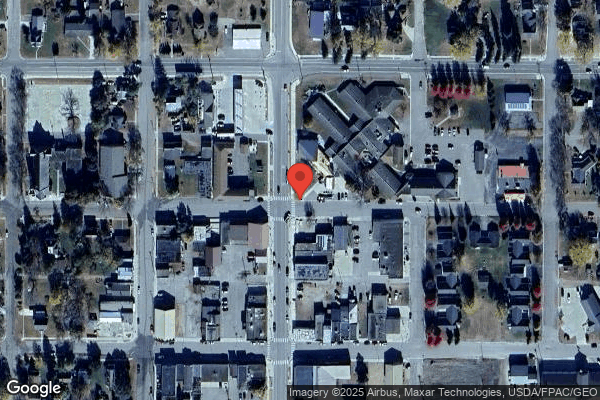
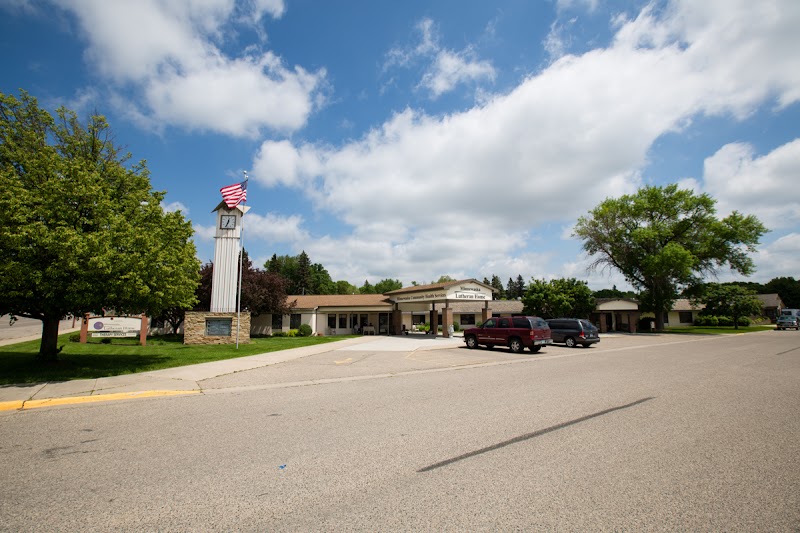
605 MAIN STREET, STARBUCK, MN 56381 (320) 239-2217
Non profit - Church related 39 Beds Independent Data: November 2025 2 Immediate Jeopardy citations
Trust Grade
11/100
#305 of 337 in MN
Last Inspection: March 2025

Within standard 12-15 month inspection cycle. Federal law requires annual inspections.

Overview

Minnewaska Community Health Services in Starbuck, Minnesota, has received a Trust Grade of F, indicating significant concerns and a poor overall standing. The facility ranks #305 out of 337 in Minnesota, placing it in the bottom half of nursing homes in the state, and #2 out of 2 in Pope County, meaning there is only one other local option that ranks higher. Unfortunately, the facility is worsening, with reported issues increasing from 5 in 2024 to 10 in 2025. Staffing is a relative strength, earning 4 out of 5 stars, though turnover is average at 50%. However, it has been fined $31,013, which is concerning as it is higher than 89% of other Minnesota facilities, indicating ongoing compliance problems. While the facility has average RN coverage, there have been serious incidents, including a critical failure to respect a resident's advance directives, risking unwanted CPR, and not properly securing a door alarm, which allowed a resident to leave a secured area unsupervised. Additionally, food was not served in a sanitary manner, which could pose health risks to residents. These findings highlight both staffing strengths and significant operational weaknesses that families should consider.

Trust Score
F
11/100
In Minnesota
#305/337
Bottom 10%
Safety Record
High Risk
Review needed
Inspections
Getting Worse
5 → 10 violations
Staff Stability
⚠ Watch
50% turnover. Above average. Higher turnover means staff may not know residents' routines.
Penalties
⚠ Watch
$31,013 in fines. Higher than 78% of Minnesota facilities, suggesting repeated compliance issues.
Skilled Nurses
✓ Good
Each resident gets 58 minutes of Registered Nurse (RN) attention daily — more than average for Minnesota. RNs are trained to catch health problems early.
Violations
⚠ Watch
22 deficiencies on record. Higher than average. Multiple issues found across inspections.
★☆☆☆☆
1.0
Overall Rating
★★★★☆
4.0
Staff Levels
★★★☆☆
3.0
Care Quality
★☆☆☆☆
1.0
Inspection Score
Stable
2024: 5 issues
2025: 10 issues

The Good

  • 4-Star Staffing Rating · Above-average nurse staffing levels
  • Full Sprinkler Coverage · Fire safety systems throughout facility
  • No fines on record

Facility shows strength in staffing levels, fire safety.

The Bad

1-Star Overall Rating

Below Minnesota average (3.2)

Significant quality concerns identified by CMS

Staff Turnover: 50%

Near Minnesota avg (46%)

Higher turnover may affect care consistency

Federal Fines: $31,013

Below median ($33,413)

Moderate penalties - review what triggered them

The Ugly 22 deficiencies on record

2 life-threatening
Jul 2025 1 deficiency
CONCERN (D) 📢 Someone Reported This

A family member, employee, or ombudsman was alarmed enough to file a formal complaint

Potential for Harm - no one hurt, but risky conditions existed

Pressure Ulcer Prevention (Tag F0686)

Could have caused harm · This affected 1 resident

**NOTE- TERMS IN BRACKETS HAVE BEEN EDITED TO PROTECT CONFIDENTIALITY** Based on interview and document review, the facility failed to implement daily monitoring and assessment of a deep tissue injury...

Read full inspector narrative →
**NOTE- TERMS IN BRACKETS HAVE BEEN EDITED TO PROTECT CONFIDENTIALITY** Based on interview and document review, the facility failed to implement daily monitoring and assessment of a deep tissue injury ( a type of pressure ulcer, a serious condition that affects the underlying layers of skin, muscle and other soft tissues) for 1 of 3 residents (R1) reviewed for pressure ulcers. Findings include: R1's admission Minimum Data Set (MDS) dated [DATE], identified R1 had moderate cognitive impairment and diagnoses which included: diabetes mellitus, cerebral vascular accident (stroke) and anxiety. R1 required partial/moderate assistance with toilet use, hygiene, and substantial/maximal assistance with dressing and transfers. R1 was at risk for pressure ulcers and had no unhealed pressure ulcers. R1's Pressure Ulcer Care Area Assessment (CAA) dated 6/5/25, identified R1 was at risk for potential pressure ulcers and R1's skin was assessed each week by a nurse, and by caregivers with each bath and each time R1 was dressed. Identified interventions were in place to prevent skin break down. R1 would be assisted with repositioning at least every two hours and as needed for comfort. R1's Braden Scale - for Predicting Pressure Ulcer Risk Evaluation dated 6/11/25, identified R1 had a score of 14, which identified R1 was at moderate risk for pressure ulcers. R1's Weekly Wound Round Documentation dated 6/20/25 at 11:21 a.m., identified R1 had a pressure wound acquired 6/20/25. The pressure wound was located on R1's sacrum (area at base of the spine) with length of 6 centimeters (cm), 4 cm width, no depth, and staged as a suspected deep tissue injury. The assessment identified no drainage and surrounding tissue was intact. Current treatment plan was moisture barrier, mattress air overlay and wheelchair/Broda chair (large adjustable cushioned wheel chair) cushion. The assessment identified no pain or odor. R1's care plan revised 6/23/25, identified R1 had a potential for activities of daily living (ADL) self-care performance deficit with interventions which included assistance of one with bathing, bed mobility, dressing, and grooming. R1's care plan identified R1 had limited physical mobility and required Hoyer (mechanical lift) for all transfers. R1 had actual impairment to skin integrity related to mechanical forces, impaired physical mobility, knowledge deficit and impaired circulation/perfusion, as evidenced by (AEB) tissue damage, changes in appearance of the affected area. Interventions included mattress air overlay, required (pressure relieving/reducing mattress, pillows, sheepskin padding etc) to protect the skin while in chair/wheelchair or bed, and weekly documentation. R1's progress notes reviewed 6/1/25 to 7/1/25, identified the following: -6/20/25, at 10:55 a.m., skilled evaluation: R1's skin: 1. The note identified the number one and lacked any further documentation. -6/21/25 at 1:10 a.m., skilled evaluation: R1's skin warm and dry, skin color WNL and turgor is normal. -6/21/25 at 11:33 a.m., skilled evaluation: R1's skin warm and dry, skin color WNL and turgor is normal. Skin issue # 001-identified as: new skin issue, sacrum, type, bruising, unknown how long the wound had been present. Painful yes, no measurements documented as part of the assessment, with reason as not applicable (n/a). -6/22/25 at 6:00 a.m. skilled evaluation: R1's skin issue #001- had not been evaluated. -identified as: new skin issue, sacrum, type, bruising, unknown how long the wound had been present -6/22/25 at 2:06 p.m., skilled evaluation: R1's skin issue #001- had not been evaluated. -identified as: new skin issue, sacrum, type, bruising, unknown how long the wound had been present -6/22/25 at 6:49 p.m., skin check: delegated to night nurse. -6/22/25 at 10:56 p.m., skilled evaluation: -R1's skin issue #001- had not been evaluated. -identified as: new skin issue, sacrum, type, bruising, unknown how long the wound had been present. -6/23/25 at 12:02 p.m. R1 sent to emergency room due to change in level of cognition (LOC) and required oxygen to keep sats over 88%. R1's medical record lacked documentation of daily monitoring of R1's pressure ulcer, including: if pain present, location, staging, size, drainage, description of wound bed, wound edges and surrounding tissue. Review of R1's emergency room attending physician's progress notes dated 6/23/25, identified a severe decubitus ulcer, sacral region unspecified stage. During interview on 6/30/25 at 2:03 p.m., nursing assistant (NA)-A stated NA-A had notified the nurse, case manager and director of nursing (DON) on 6/20/25, that R1 had a dark bruise area on her sacral area, and DON assessed it. During interview on 7/1/25 at 8:16 a.m., registered nurse (RN)-A stated RN-A had become aware of R1's deep tissue injury on 6/20/25, and notified DON. RN-A confirmed she had sent R1 to the emergency room on 6/23/25, and had not observed or assessed R1's pressure ulcer. RN-A said her usual practice for when to monitor pressure ulcers, was when completing dressing changes, or to check to assure the dressings were intact. RN-A stated DON completed all other wound assessments weekly as the wound nurse. During interview on 7/1/25 at 8:45 a.m., DON stated she was the facility wound nurse. DON confirmed she had been informed by the nursing staff on 6/20/25, that R1 had an darkened area on sacrum. DON reviewed R1's progress notes with skin assessments, and indicated she was not aware why some of the assessments were identified as no skin issues, or not evaluated. In addition, DON indicated she did not know what the number one represented in the skin progress notes listed above. DON indicated her expectation was that staff assessed pressure ulcers daily or every shift when competing skilled nursing assessments. During a telephone interview on 7/1/25 at 10:36 a.m. , RN-B indicated he thought he evaluated R1's deep tissue injury when observing R1 while she was in bed. RN-B was unable to describe the wound however, thought it looked kind of blackish, was not open and stated he could not remember for certain. RN-B stated there were no orders to observe R1's wound or any treatment plan. During a telephone interview on 7/1/25 at 11:37 a.m., RN-C indicated RN-C had been aware of R1's pressure ulcer and had documented it in R1's skills assessment and stated there was a place to check if there was no change. RN-C stated when RN-C had viewed R1's pressure ulcer, it was intact. During a telephone interview on 7/1/25 at 11:45 a.m. licensed practical nurse (LPN)-A indicated LPN-A had not been aware R1 had a pressure ulcer, until after R1 had been sent to the hospital. LPN-A stated R1 did not have any orders on her treatment administration record (TAR) to assess or treat a pressure ulcer. During a follow up interview on 7/1/25 at 11:29 a.m., DON indicated if a resident was receiving skilled services, the nurses were expected to assess the resident's skin each shift on the resident's skilled evaluation. DON stated if a long term resident had a pressure ulcer, she would place a nursing order in the electronic health record for nurses to assess the pressure ulcer daily. Review of the facility policy Pressure Injury Prevention And Management Policy dated 1/1/25, identified licensed nurses would conduct a full body skin assessment on all residents upon admission/re-admission, weekly, and after any newly identified pressure injury. Findings would be documented in the medical record. The policy identified monitoring would be completed by weekly wound assessments until resolved. The facility policy lacked identification of required daily monitoring of pressure ulcers.
Mar 2025 1 deficiency
CONCERN (E) 📢 Someone Reported This

A family member, employee, or ombudsman was alarmed enough to file a formal complaint

Potential for Harm - no one hurt, but risky conditions existed

Resident Rights (Tag F0550)

Could have caused harm · This affected multiple residents

**NOTE- TERMS IN BRACKETS HAVE BEEN EDITED TO PROTECT CONFIDENTIALITY** Based on interview and record review the facility failed to ensure dignified and respectful services for 4 of 6 residents (R2, R...

Read full inspector narrative →
**NOTE- TERMS IN BRACKETS HAVE BEEN EDITED TO PROTECT CONFIDENTIALITY** Based on interview and record review the facility failed to ensure dignified and respectful services for 4 of 6 residents (R2, R3, R4, R5) reviewed who reported concerns related to staff treatment. Findings include: R2's annual Minimum Data Set (MDS) dated [DATE], identified she had moderately impaired cognition and disorganized thinking or incoherent (rambling or irrelevant conversation, unclear or illogical flow of ideas, unpredictable switching from subject to subject) that fluctuated and changed in severity two out of seven days of the week. She had impaired range of motion (ROM) upper extremity on one side and bilaterally lower extremities. She required substantial/maximal assistance with upper and lower body dressing, personal hygiene and dependent upon staff for shower/bathing, toileting, roll left and right, sit to lying, lying to sitting, all transfers, and mobility. She was always incontinent of bowel and bladder. Medical diagnoses included: peripheral vascular disease (PVD) (arteries or veins become narrowed or blocked, reducing blood flow to the limbs, typically in the legs), arthritis, osteoporosis, dementia, hemiplegia/hemiparesis (a neurological condition that affects causing weakness or paralysis on one side of the body), seizure disorder/epilepsy, anxiety, and macular degeneration (an eye disease that can blur your central vision). R2's care plan dated 3/18/25, identified a self-care performance deficit and directed staff to transfer her with a Hoyer lift with assist of two staff, provide all ADLs, and turn and reposition in bed. She was at risk for impaired skin integrity and directed staff to use caution during transfers and bed mobility to prevent striking arms, legs, and hands against any sharp or hard surfaces. During an interview on 3/27/25 at 11:24 a.m. R2 stated she had polio when she was two years old which resulted in no neck muscles and found it uncomfortable when she sat in the wheelchair. Staff hooked her up to the harness (lift sheet) to Hoyer lift, left the room, closed the door, and looked for assistance to transfer her. She stated it made her feel like a horse with a harness and had asked staff to wait until both staff arrived prior to when she was hooked up. Staff rushed when they used the Hoyer lift, had forgotten to move her legs/feet out of the way, pinched and bumped them when staff pushed the emergency button on the lift machine and lowered her down quickly. While staff positioned her to be transferred from bed to wheelchair today, she was instructed to place her hands on her chest and hold her head up. She reminded staff to be careful of her feet, while staff pulled the emergency lever on the Hoyer lever and lowered her down quickly into the wheelchair. She was afraid her head would be hit by the Hoyer lift bar that hung over her head. She had been knocked in the head more than once by the Hoyer bar while she was lowered too quickly. On another occasion she was lowered into the wheelchair and the loop on the lift sheet had hit her in the eye. Staff had pulled her shirt off quickly and her right arm hurt. Her daughter called DON and was told she would talk to staff. She also reported this to the director of nursing (DON) and was told she would talk to the staff. She felt safe but uncomfortable with staff and frustrated when she reported concerns, and no changes noted. She identified a nursing assistant (NA)-A that was not her favorite. NA-A handled her roughly and worked fast, always in a hurry, never hurt her but she had screamed and yelled when her right arm was not handled gently, no bruises or injuries thank goodness. She was able to assist when staff requested her to turn to her right side, grabbed the bed railing, but was not allowed the time, and turned quickly by NA-A. She had cried more than once, felt disrespected, did not feel like home to her, and wanted to move out of facility. NA-A had continued to use the emergency button on the Hoyer lift and reported how she was treated by NA-A to the DON and planned to talk with DON again today. She stated she felt staff could treat her better and with respect. R3's quarterly MDS dated [DATE], identified intact cognition with no behaviors. She required substantial/maximal assistance with upper and lower body dressing, personal hygiene, roll left and right, sit to lying, lying to sit, sit to stand, and all transfers, dependent on staff for toileting hygiene and bathing/shower. She was unable to ambulate. She was always incontinent of bowel and bladder. Medical Diagnoses included: cancer, congestive heart failure, diabetes mellitus (DM), anxiety, obesity, and depression. R3's care plan dated 3/19/25 identified ADL self-care performance deficit and directed staff to establish a routine to provide a sense of security and confidence with resident, provide moderate assistance of one with bathing, bed mobility, incontinent brief changes, anticipate needs, and transfer with assist of two and sit to stand lift. Allow resident to accomplish tasks at her own pace, do not hurry them, and encourage independence only when resident was able to safely do so. She had potential for impaired skin integrity. Staff were directed to use caution during transfers and bed mobility to prevent striking arms, legs, and hands against any sharp or hard surfaces. She was prescribed an anticoagulant and staff were directed to protect resident from injury and trauma. During an interview on 3/27/25 at 10:13 a.m. R3 stated staff transferred her with a stand lift. She was concerned about her tender feet when taken to the shower by NA-A. She was placed into the shower/tub, feet first, her feet had gotten bumped into the inside to the tub and was painful. She no longer allowed NA-A to take her to the tub anymore. NA-A was rough with how she handled her, reported to management, was told no one else complained about her, and nothing was done. She allowed NA-A to transfer her with the stand life in her room only but watched where her feet were placed so that they did not get jammed somewhere. She stated she felt safe because she was able to speak up for herself but worried about those residents that were unable to say anything. NA-A had informed her not to tell her how to do her job when she encouraged her to slow down, watch her feet, and adjust incontinent brief when not placed properly. Her stools were horrible, runny, and when NA-A rushed while she placed the brief on improperly caused a mess in the bed, which not only caused quite the smell but embarrassment. NA-A told her she should spend some of her money on something to help the stool smell in her room. R4's quarterly MDS dated [DATE], identified intact cognition without behaviors. She had impairment ROM bilaterally upper and lower extremities. She required substantial/maximum assistance with oral hygiene, upper body dressing, personal hygiene, roll left and right, and dependent for all transfers, sit to lying, lying to sit, unable to walk, and used a motorized wheelchair for mobility. She had an indwelling catheter and frequently incontinent of bowel. Her diagnoses included: quadriplegic (a condition characterized by partial or complete paralysis of all four limbs, arms, and legs), depression, and anxiety. R4's care plan dated 3/24/25, identified she had an ADL self-care performance deficit and directed staff to allow sufficient time and assistance for her to dress and undress, she required assistance of two staff and a mechanical lift to transfer, and anticipate her needs. She had potential impairment to skin integrity of the coccyx related to quadriplegia. Staff were directed to use caution during transfers and bed mobility to prevent striking arms, legs, and hands against any sharp or hard surface. During an interview on 3/28/25 at 12:53 p.m. R4 stated the care at the facility was sometimes questionable. Staff rushed too much, lacked taking the time needed to complete tasks properly. Her catheter strap was located on the side of the leg and pants were not pulled up straight, later she had pressure marks on her leg. Staff failed to recognize the lift sheet was pulled up too tight between her legs during a transfer with the transfer lift and resulted in red marks in the groin area. She had not felt safe during a few of the total lift transfers especially on Tuesday when the lift sheet was placed too low on her hips and she had to be placed back on the bed crosswise during the transfer. She became anxious when things were not positioned correctly when she drove and when she had a spasm could have caused an accident. She preferred staff used the soaker sheet when they turned onto her side so that they avoided pulling /pushing on her. She was able to turn herself if only the staff would have slowed down an allowed her help. NA-A frequently used the emergency button on the total body lift machine, showed other staff how it was to be used, felt worse when she did, too fast and resulted in a bumped shoulder on the lift bar. NA-A had placed her in the shower chair, rushed too much, and bumped her feet. NA-A told her, another resident along with her should have not been placed in the same hallway, could not spend that much time helping us. There were a few other staff that had told her it had taken too long to take care of her. Those types of comments/actions of staff did not make her feel very well. She felt she was time consuming, angry, and irritated. She stated she told staff when they were rough with her during cares that hurt, to knock it off. She was in this facility because she required help and unable to live at home and independent once the staff assisted her up out of bed in the morning and completed cares. She had told a staff NA about her concerns and felt comfortable talking to only certain staff about her concerns. R5's quarterly MDS 12/27/24, identified intact cognition with no behaviors. She had impaired bilateral lower extremities range of motion (ROM). She required substantial/maximal assistance with roll left and right, dependent on staff to provide oral/toileting/personal hygiene, shower/bathing, upper and lower dressing, sit to lying, lying to sitting, sit to stand, and all transfers. She was unable to ambulate and used a motorized wheelchair for mobility. She was occasionally incontinent of bowel and always incontinent of bladder. Her diagnoses included: CHF, DM, and arthritis. During an interview on 3/27/25 at 9:27 a.m. R5 stated NA-A was a little rough with her approach when she cared for her. She was unable to turn herself in bed, NA]-A was stronger than the rest of the staff and without warning would be pushed over to her side rather fast and was unexpected. NA-A was the only staff that rushed through cares, and she had not reported anything. She was a bigger resident than most and did not feel it was intentional but when she talked with other residents, they did feel it was. NA-A used the emergency button on the Hoyer lift when she transferred her. NA-A usually waited until her bottom was on the bed or until her wheelchair was reclined, braced herself and then the emergency button would be pushed. There were times when her back was not placed down on the bed, approximately four inches away and NA-A pushed the emergency button on the Hoyer lift, and she felt a jolt. During an interview on 3/26/25 at 3:44 p.m. licensed practical nurse LPN-(A) stated on 3/24/25, she reported to the DON possible concerns she had regarding NA-A cares provided and transfer with a total lift machine. Later that same day, NA-B reported to her NA-A moved fast when she completed cares and transfers, used the emergency button on the total lift machine so that multiple residents were lowered down quickly into the chair and/or bed. She did not report that information and should have. During an observation on 3/26/25 at 4:45 p.m. NA-A and NA-B entered R2's room with a lift machine. R2 laid in bed on her back. Both NA's applied gloves and explained she would be transferred to her wheelchair for supper. Lift sheet, dark blue with green trim, was placed underneath her by rolling her slowly from side to side. Head of bed (HOB) was raised, and shoes applied. NA-A placed the loops of the lift sheet onto the lift machine and lifted her up off the bed with the remote control. NA-A moved the lift machine over to the wheelchair and slowly lowered her down onto the wheelchair. The emergency button was not used. NA-A and NA-B removed the lift sheet loops from the lift machine, tucked the lift sheet into the sides of her wheelchair and underneath her thighs, removed gloves, and sanitized their hands. During an interview on 3/26/25 at 4:56 p.m. NA-A stated the lift machine had an emergency button used to lower residents down quickly. She had used the emergency button once while she transferred a resident, and the battery was almost drained. She had not used the emergency button during a transfer since. Staff were educated the emergency button should have not been used for regular transfers or when a resident was in the lift. A resident would not get injured if the emergency button were used and lowered too quickly. She treated residents well, provided cares efficiently, and safely. She had not witnessed any staff treat residents in a poor manner or received any complaints from residents. The DON interviewed her on 3/25/25, regarding transfers and cares completed on 3/24/25. During an interview on 3/26/25 at 5:20 p.m. LPN-B stated he had assisted NA's with transfers with the total lift machine. He had been informed by staff NA-A had been rough with R3. He talked to R3, and she told him NA-A was not the most gentle touch, seemed to feel it was not too terribly rough, and no other comments. He had not received any other complaints about NA-A and was that information was not reported. During an interview on 3/27/25 at 10:47 a.m. NA-D stated the emergency button on the total lift machine was to be used only during an emergency. She had completed total lift machine transfers with NA-A and encouraged by NA-A to use the emergency button during the transfers especially on those residents that were heavier, so they were lowered down faster. The emergency button on the total lift machine was hard to pull. She was instructed by NA-A on how to emergency button should have been used and when she did it jerked the resident while they remained in the lift sling. She had not witnessed a resident hurt by this process but when used frequently could have possibly caused an injury. She had noticed since 2/19/25, NA-A worked fast and there were three residents that had informed her NA-A provided rough care. R3 informed her NA-A bumped her feet during transfers and refused to allow her to transfer or be pushed around by her anymore. R2 informed her during transfers had bumped her head with the lift machine bar, feet, and lowered quickly down into the bed or wheelchair. She was not sure if that was unusual, staff worked at different paces. R4 had told her staff rushed through cares, flipped over onto her side too fast, was not allowed time to assist with turns when able to, and felt frustrated and disrespected. The complaints were not reported but realized now she should have said something. During an interview on 3/27/25 at 12:10 p.m. NA-B stated NA-A was rough with the residents, very strong, and completed tasks quickly without thinking. She had told NA-A to slow down, it was not a race and would prevent injury to the residents. During repositioning or when a resident was turned NA-A used her hands, pushed on the wrong spot on the body they maybe sore already, and turned them quickly, causing more pain. She had seen NA-A transfer residents, without paying attention to the location of their feet and their head and they have gotten bumped. She had completed total lift machine transfers with NA-A and witnessed her rushing through the transfer placing the resident's safety at risk. She received complaints from residents R4, and R2, NA-A was rough and flipped them over too fast during cares. She has not witnessed any bruises or injuries. She had talked to LPN-A regarding her and resident concerns and encouraged residents to report concerns to the nurse on duty or the DON. The emergency button on the total lift machine was to be used only in an emergency, not daily. The facility had some heavier residents, was unsafe to be dropped down fast and could have possibility been injured. She had informed staff if they did not like working with old people, treated them poorly, they should have looked for a different job and would be reported. During an interview on 3/27/25 at 2:46 p.m. NA-C stated she had noticed there were staff NA's were rough with residents when moved or repositioned with their hands instead of using the soaker pads. She witnessed R3 requested to be boosted up in bed and NA-D replied, no. She was in a resident's room and heard NA-A stated in front of the resident how annoyed she was when the resident used the bed remote and placed her bed up and down frequently, cord pulled out of the wall, happened every night, had to get down on the floor, and plugged it back in. Had not reported concerns right away and on 3/25/25, in the afternoon she reported her concerns to DON. During an interview on 3/28/25 at 10:04 a.m. DON stated she was not aware of any concerns with residents being treated inappropriately by staff. R2 complained about her wheelchair and was looking for another place to move to. R2's daughter had not contacted her regarding concerns on how she was being treated at the facility. On 3/24/25 she had interviewed five residents all located on the same wing in the facility. Those residents were asked how they were doing, any concerns, and all said things were fine. She stated the residents would have told her if something had bothered them. During an interview on 3/28/25 at 12:15 p.m. administrator stated she was unaware of any resident concerns treated inappropriately by staff. We have great policies, need to be followed, and concerns would be expected to be reported right away. When concerns were identified interviews were expected to be completed with all residents in the facility. She had not received any complaints from staff or residents regarding staff. On 3/27/25, DON informed her about concerns and lack of staff reporting. Staff were terminated on 3/27/25. Facility policy Promoting Maintaining Resident Dignity undated identified it was the practice of this facility to protect and promote resident rights and treat each resident with respect and dignity as well as care for each resident in a manner and in an environment, which maintains resident's quality of life by recognizing each resident's individuality. Staff were expected to explain care or procedures before initiating the activity and speak respectfully to residents.
Mar 2025 7 deficiencies 1 IJ
CRITICAL (J)

Immediate Jeopardy (IJ) - the most serious Medicare violation

Deficiency F0578 (Tag F0578)

Someone could have died · This affected 1 resident

**NOTE- TERMS IN BRACKETS HAVE BEEN EDITED TO PROTECT CONFIDENTIALITY** Based on observation, interview, and document review, the facility failed to ensure resident advance directives were accurately ...

Read full inspector narrative →
**NOTE- TERMS IN BRACKETS HAVE BEEN EDITED TO PROTECT CONFIDENTIALITY** Based on observation, interview, and document review, the facility failed to ensure resident advance directives were accurately documented in the clinical record to reflect the resident's current wishes which affected 1 of 30 residents (R9) reviewed for advanced directives. This deficient practice resulted in an immediate jeopardy (IJ) for R9 who would have received cardiopulmonary resuscitation (CPR), contrary to their wishes, in the absence of a pulse or respirations. The IJ began on [DATE], when R9's electronic health record (EHR) banner and orders identified R9 was to have CPR however, R9's updated physician's order for life sustaining treatment (POLST) signed on [DATE], identified R9's wishes of do not resuscitate (DNR). The administrator, assistant administrator and director of nursing (DON) were notified of the IJ on [DATE], at 5:49 p.m. The IJ was removed on [DATE], at 11:35 a.m.,when the facility had implemented corrective action, however non-compliance remained at the lower scope and severity level of D, isolated with no actual harm but potential to cause more than minimal harm. Findings include: R9's admission Minimum Data Set (MDS) dated [DATE], identified R9 was cognitively impaired and had diagnoses which included dementia, asthma, and hypertension (elevated blood pressure). Identified R9 was dependent on staff for activities of daily living (ADLs) which included bed mobility, toileting, and transfers. R9's current POLST signed by family member (FM)-A on [DATE], identified R9's wishes were DNR. The POLST was scanned into her EHR and signed by her medical provider on [DATE]. Review of R9's current EHR Order Summary Report signed by her medical provider on [DATE], identified R9 had an order for CPR even though R9's POLST identified DNR. Review of R9's EHR banner on [DATE] at 1:12 p.m., identified R9 wanted CPR. Review of R9's face sheet in the EHR undated identified R9 was admitted to the facility on [DATE]. Identified R9 wanted CPR. R9's care plan revised [DATE], identified R9 wanted CPR. Identified the POLST would be reviewed quarterly and as needed. Review of a facility report sheet dated [DATE] -[DATE], located at the nurses station identified R9 wanted CPR. During an interview on [DATE] at 2:39 p.m., FM-A stated she had signed the POLST on [DATE], stating that R9's wishes were to be DNR. During an interview on [DATE] at 4:19 p.m., licensed practical nurse (LPN)-A indicated in the event a resident did not have a pulse or respirations, she would refer to the EHR banner and would have proceeded accordingly. LPN-A verified R9's banner identified R9 wanted CPR. LPN-A verified there was was a discrepancy between R9's banner and the POLST. During an interview on [DATE] at 4:22 p.m., registered nurse (RN)-A indicated in the event a resident did not have a pulse or respirations, she would refer to the report sheet located at the nurses station and would have proceeded accordingly. RN-A verified R9's report sheet identified R9 wanted CPR. RN-A verified there was a discrepancy between R9's report sheet and the POLST. During an interview on [DATE] at 4:24 p.m., RN-B indicated in the event a resident did not have a pulse or respirations, he would refer to the EHR banner and would have proceeded accordingly. RN-B verified R9's banner identified R9 wanted CPR. RN-B verified there was a discrepancy between R9's banner and the POLST. During a joint interview on [DATE] at 4:41 p.m., assistant director of nursing (ADON) and DON stated upon admission, all residents were assigned a full code (CPR) status. ADON and DON stated a POLST was then completed with all residents or resident representatives and sent off to the provider for a signature. ADON and DON confirmed there was a discrepancy with R9's banner and current physician orders which identified R9 was a full code and did not match her current wishes of being DNR. ADON and DON confirmed in the event R9 did not have a pulse or respirations, CPR would have been initiated against R9's wishes. DON indicated she would expect staff to follow the POLST, resident wishes and the facility policy. Review of a facility policy titled Code Status Policy revised [DATE], identified the facility would follow a policy regarding a resident's right to request, refuse, and/or discontinue medical treatment and to formulate an advance directive. Identified the POLST would have been documented in the EHR. Further identified the code status would have been reviewed with Care Conferences at least quarterly and documented in the medical record. The IJ was removed on [DATE] at 11:35 a.m., when the facility developed and implemented a systemic removal plan which was verified by interview and document review: -All residents' records were reviewed to ensure the POLST form, the electronic medical records were updated to ensure resident's wishes for advance directives, were accurate on [DATE]. -R9's EHR record was updated to match the current POLST. -All current licensed staff were educated on the policy for advance directives, updating the POLST and the EHR to reflect the resident's wishes on [DATE], as evidenced by the education sign in sheet and interviews. -A process was implemented to assure all other nursing staff completed mandatory education prior to the start of their next shift on [DATE], by notification of required education via phone/text. All staff would sign off once education had been completed. -The advance directive policy was reviewed and determined no changes were required.
CONCERN (D)

Potential for Harm - no one hurt, but risky conditions existed

Accident Prevention (Tag F0689)

Could have caused harm · This affected 1 resident

**NOTE- TERMS IN BRACKETS HAVE BEEN EDITED TO PROTECT CONFIDENTIALITY** Based on observation, interview and document review, the facility failed to ensure cleaning chemicals were secured away in a loc...

Read full inspector narrative →
**NOTE- TERMS IN BRACKETS HAVE BEEN EDITED TO PROTECT CONFIDENTIALITY** Based on observation, interview and document review, the facility failed to ensure cleaning chemicals were secured away in a locked cabinet or cart, which had the potential to affect all residents residing on the B-wing (8 rooms - B-39, B-40, B-41, B-42, B-43, B-44, B-45, B-46). Additionally, it had the potential to affect 2 of 30 (R22 and R10) who were observed walking down the hallway. Findings include: R22's quarterly Minimum Data Set (MDS) dated [DATE], identified R22 was severely cognitively impaired and had diagnoses which included dementia, traumatic brain injury (TBI) and alcohol dependence. Identified R22 was independent with transfers and mobility. R22's care plan revised 3/23/25, identified R22 had wandering behaviors. R10's annual Minimum Data Set (MDS) dated [DATE], identified R10 was severely cognitively impaired and had diagnoses which included dementia, depression, and glaucoma (difficulty with vision). Identified R10 was independent with transfers and mobility. R10's care plan revised 3/6/25, identified R10 had wandering behaviors. During observations the following was observed: -3/23/25 at 11:45 a.m., the tub/shower room door was propped open with the white trash can. Sitting to the right of the tub on the floor were two full bottles of vindicator+ (disinfectant/cleaner) one with no cap and the other closed with a cap. Sitting on the green rolling cart with hygiene supplies was one bottle of QT-TB (disinfectant/cleaner) 3/4 full in a spray bottle. Sitting on the tan rolling cart with hygiene supplies was a one bottle of Quarternary (Barrier II) based sanitizer 3/4 full in a spray bottle. The storage room B-50's door was open and one full bottle of pine liquid odor control was sitting on the floor in front of the wooden toiletry shelf. No staff were present down the hallway or ar the nurses' station. -3/23/25 at 2:10 p.m., both doors remained open and chemicals remained in the same place. -3/24/25 at 8:38 a.m., tub/shower room door continued to be propped open with the white trash can. Sitting to the right of the tub on the floor was one full bottle of vindicator+ and one empty bottle. Sitting on the white wire shelf above the tan rolling care was one bottle of QT-TB 3/4 full. The storage room B-50's door was open and one full bottle of pine liquid odor control was sitting on the floor in front of the wooden toiletry shelf. No staff were present down the hallway or ar the nurses station. -3/24/25 at 11:11 a.m., both doors remained open and chemicals remained in the same place. R22 walked down the hallway past both open doors to the exit. R22 remained at the exit door for approximately two minutes and walked back down the hallway past both open doors to another part of the facility. -3/24/25 at 1:39 p.m., both doors remained open and chemicals remained in the same place. -3/24/25 at 1:48 p.m., both doors remained open and chemicals remained in the same place. Nursing staff left the B-wing. - 3/25/25 at 7:25 a.m., tub/shower room door continued to be propped open with the white trash can. Sitting to the right of the tub on the floor was one full bottle of vindicator+ and one empty bottle. Sitting on the white wire shelf above the tan rolling care was one bottle of QT-TB 3/4 full. The storage room B-50's door was open and one full bottle of pine liquid odor control was sitting on the floor in front of the wooden toiletry shelf. No staff were present down the hallway or ar the nurses station. -3/25/25 at 12:56 p.m., both doors remained open and chemicals remained in the same place. R10 wheeled in R10's wheelchair down the hallway past both open doors to the exit door. R10 remained at the exit door for approximately five minutes. R10 wheeled R10's wheelchair back down the hallway past both open doors to another area in the facility. -3/25/25 at 1:12 p.m., both doors remained open and chemicals remained in the same place. R22 walked down the hallway past both open doors to the exit. R22 remained at the exit door for approximately two minutes and walked back down the hallway past both open doors to another part of the facility. During an interview on 3/25/25 at 1:20 p.m., nursing assistant (NA)-A stated nursing staff cleaned and disinfected the tub after a resident had received a bath and before another resident would enter the tub. NA-A indicated both doors were to be shut after staff were finished cleaning and disinfecting the tub or getting supplies out of the storage area. When NA-A was finished talking with surveyor, NA-A left the B-wing and both doors remained open. During an interview on 3/25/25 at 1:55 p.m., director of nursing (DON) confirmed the above findings and stated the doors to both rooms were to be closed at all times. DON indicated neither room had a lock on the door and chemicals were not locked in a storage area. DON further indicated even if the doors were closed the chemicals would not be stored properly. DON stated having chemicals sitting out could have the potential for a harmful situation. During an interview on 3/25/25 at 2:14 p.m. administrator confirmed the above findings and stated her expectations were chemicals were to be locked up and both doors were to be closed. The [NAME] material safety data sheet (MSDS) for Vindicator+ revised 2/4/21, indicated the disinfectant/cleaner was hazardous to a person's health. The MSDS indicated to health hazards with exposure to eye, skin, or ingestion. The MSDS further indicated to seek immediate medical attention if ingestion or eye or skin contact occurred. The [NAME] MSDS for QT-TB revised 8/12/21, indicated the disinfectant/cleaner was hazardous to a person's health. The MSDS indicated to health hazards with exposure to eye, skin, or ingestion. The MSDS further indicated to seek immediate medical attention if ingestion or eye or skin contact occurred. The [NAME] Chemical Company MSDS for Barrier II revised 4/9/20, indicated the disinfectant/cleaner was hazardous to a person's health. The MSDS indicated to health hazards with exposure to eye, skin, or ingestion. The MSDS further indicated to seek immediate medical attention if ingestion or eye or skin contact occurred. The Genlabs MSDS for Pine Odor Control revised 11/4/20, indicated the disinfectant/cleaner was hazardous to a person's health. The MSDS indicated to health hazards with exposure to eye, skin, or ingestion. The MSDS further indicated to seek immediate medical attention if ingestion or eye or skin contact occurred. Facility policy titled Hazard Communication and Employee Right-to-Know dated 9/23, was to educate the employees of the hazardous substances, physical and infectious agents that may endanger their health and well-being while at work. Chemicals, through the different steps from their production to their handling, transport and use, may be a real danger for human health and the environment. People of any ages, from children to elderly, using many different languages and alphabets, belonging to various social conditions, including illiterates, were daily confronted to dangerous products (chemicals, pesticides, etc.)
CONCERN (D)

Potential for Harm - no one hurt, but risky conditions existed

Deficiency F0919 (Tag F0919)

Could have caused harm · This affected 1 resident

**NOTE- TERMS IN BRACKETS HAVE BEEN EDITED TO PROTECT CONFIDENTIALITY** Based on observation, interview and document review, the facility failed to ensure call lights were accessible for 1 of 1 reside...

Read full inspector narrative →
**NOTE- TERMS IN BRACKETS HAVE BEEN EDITED TO PROTECT CONFIDENTIALITY** Based on observation, interview and document review, the facility failed to ensure call lights were accessible for 1 of 1 residents (R9) reviewed for call light accessibility. Findings include: R9's admission Minimum Data Set (MDS) dated [DATE], identified R9 was cognitively impaired and had diagnoses which included dementia, asthma, and hypertension (elevated blood pressure). Identified R9 was dependent on staff for activities of daily living (ADLs) which included bed mobility, toileting, and transfers. R9's care plan dated 1/28/25, identified R9 was at high risk for falls related to weakness, and age related osteoporosis, with an intervention dated 1/28/25, to be sure call light is within reach and encourage resident to use it for assistance as needed. During an observation on 3/23/25 at 2:00 p.m., R9 was seated in a stationary chair in her room about five ft. from her bed. R9's call light was attached to the bedrail out of R9's reach. During an observation on 3/23/25 at 2:01 p.m., on the bathroom door in R9's room was a sign that stated push call button for help. During an observation on 3/24/25 AT 8:35 A.M. R9 was seated in a stationary chair in her room about five ft. from her bed. R9's call light was attached to the bedrail out of R9's reach. During a joint interview on 3/24/25 at 8:40 a.m., nursing assistant (NA)-A and licensed practical nurse (LPN)-A verified R9's call light was attached to the bed rail and was not within reach of R9. NA-A and LPN-A verified R9 was able to use the call light. LPN-A stated her expectation was that R9's call light would be within reach. During an interview on 3/24/25 at 4:01 p.m., director of nursing (DON) verified R9 was able to use the call light. DON stated her expectations were that resident's call lights were within reach at all times so residents could call for assistance when needed. Review of a facility policy titled Call Lights: Accessibility and Timely Response revised 10/1/24, identified with each interaction in the resident's room or bathroom, staff would ensure the call light was within reach of the resident and secured, as needed.
CONCERN (E)

Potential for Harm - no one hurt, but risky conditions existed

Deficiency F0912 (Tag F0912)

Could have caused harm · This affected multiple residents

Based on observation, interview, and document review, the facility failed to ensure the 13 single resident rooms on the A-wing had at least 100 square feet of useable floor space for 10 of 10 resident...

Read full inspector narrative →
Based on observation, interview, and document review, the facility failed to ensure the 13 single resident rooms on the A-wing had at least 100 square feet of useable floor space for 10 of 10 residents (R7, R10, R14, R16, R22, R23, R25, R27, R28, R31) who currently resided in those rooms. Findings include: During the entrance conference on 3/23/25, the administrator confirmed the rooms in the hallway A did not have at least 100 square feet of useable floor space as required. During the initial screening for residents on the A-wing on 3/23/25 at 12:15 p.m., the following resident rooms for R7, R10, R14, R16, R22, R23, R25, R27, R28, R31 were observed to not have at least 100 square feet of useable floor space as required. On 3/23/25 at 2:13 p.m., R14 stated she would like a bigger room when one became available but was happy with her room and had no concerns. -at 2:20 p.m., R16 rested in bed, unable to respond to a question regarding room size. -at 2:22 p.m., R25 rested in bed, unable to respond to a question regarding room size. -at 2:25 p.m., R22 stated the room was big enough for him. -at 2:40 p.m., R31 rested in bed, unable to respond to a question regarding room size. -at 2:43 p.m. R7 stated the room was big enough for her. -at 2:45 p.m., R27 stated the room was big enough for him. -at 2:50 p.m., R10 rested in bed, unable to respond to a question regarding room size. On 3/24/25 at 2:33 p.m., R23 stated the room was big enough for him. -at 2:38 p.m., R28 rested in bed, unable to respond to a question regarding room size. R28's daughter stated no concerns with the room size. The following rooms on the A-wing were unoccupied A-30, A-33 and A-34. During an interview on 3/23/25 at 2:30 p.m., nursing assistant (NA)-B stated no residents had complained about the size of their rooms. During an interview on 3/24/25 at 2:35 p.m., maintenance director provided room measurements with surveyor. Maintenance director stated the rooms are less than 100 feet. During an interview on 3/25/25 at 10:13 a.m., director of nursing (DON) stated the facility would move a resident if they were not satisfied with their room. Director of nursing had not heard of any complaints about room sizes. During an interview on 3/25/25 at 10:18 a.m., administrator stated the rooms on the A-wing measured between 95.68 and 96.07 square feet. The administrator planned to apply for a waiver. A facility policy was requested and not received.
CONCERN (F)

Potential for Harm - no one hurt, but risky conditions existed

Food Safety (Tag F0812)

Could have caused harm · This affected most or all residents

Based on observation, interview and document review, food was not served in a sanitary manner for 30 residents who dined in the dining area observed during dining services and who received an afternoo...

Read full inspector narrative →
Based on observation, interview and document review, food was not served in a sanitary manner for 30 residents who dined in the dining area observed during dining services and who received an afternoon snack. In addition, the facility failed to maintain the ice machine and the coffee machine in a sanitary manner to prevent potential illness for 30 residents who currently received ice from the ice machine and or coffee from the coffee machine in the dining area. Further, the facility failed to maintain proper holding food temperatures for cole slaw that was to be served during the evening meal for all residents in the dining room. These deficient practices had the potential to affect all 30 residents residing in the facility. Findings include: FOOD SERVICE During an observation on 3/23/25 at 11:51 a.m., activities aide (AD)-A was serving beverages in the dining room. AD-A was not observed to wash her hands and was not wearing gloves. AD-A picked up a glass off the table holding the top rim with her fingers, poured tomato juice into the glass and placed the glass on the table. AD-A picked up another glass holding the top rim with her fingers and poured water. AD-A picked up a coffee cup holding the top rim with her fingers and carried the cup over to the hot water for tea. AD-A then placed a clothing protector around a resident's neck and touched the resident's skin while closing the snaps on the back of the clothing protector around the residents neck. AD-A proceeded to pick up a glass holding the top rim with her fingers and poured milk. AD-A picked up three prefilled thickened glasses off of the beverage cart of milk and two juices. AD-A removed the plastic wrap off of the top rim of the three glasses with her fingers, held onto the top rim and placed each glass on the table. During an interview on 3/23/25 at 12:52 p.m., AD-A stated she usually poured the beverages at lunch time. AD-A confirmed she picked up the glasses and coffee cup holding the top rim with her fingers. AD-A stated she had not received any specific training on handling glasses and did not perceive handling the top rim of the glasses as a concern. During an observation on 3/23/25 at 2:28 p.m., AD-A had a food cart in the A-wing with individual desserts and beverages. AD-A was visiting with a resident who was in a wheelchair sitting at an even height of the desserts directly next to the food cart. The desserts were observed to be uncovered and individual plastic wrap pieces stacked up sitting next to the tray of desserts. Two staff members were observed to walk past the food cart while AD-A was visiting with the resident. AD-A confirmed the desserts were not covered and she removed the plastic wrap in the kitchen from each dessert prior to bringing the food cart down the hall as it was quicker to serve the desserts. AD-A did not perceive the desserts being uncovered as a concern. During an interview on 3/24/25 at 4:31 p.m., assistant director of nursing (ADON) stated the activities staff usually assisted in the dining room and delivered afternoon snacks. ADON was unaware of any specific training the activities staff received on handling glasses or delivering food. ADON confirmed the expectation of staff was to handle the bottom of a glass while serving beverages and not touching the top rim of the glass as the glass would be contaminated with germs and a resident could become ill. ADON further confirmed desserts should be covered while the food cart goes down each hall to prevent germs from others getting on the food and potentially causing foodborne illness to the residents. ICE MACHINE During an observation on 3/23/25 at 11:37 a.m., the hot water spout on the coffee machine in the dining room had a white powder substance build up around the entire spout. In addition, the ice machine in the dining room had a white scaley substance build up around the entire inside of the spout approximately one to two inches in height. During an interview on 3/25/25 at 10:44 a.m., dietary manager (DM) verified the hot water spout on the coffee machine had a white powder substance build up around the entire spout and the ice machine had a white scaley substance build up around the entire inside of the spout. DM stated dietary staff were expected to clean the coffee machine at the end of each evening shift. DM was unaware of any staff cleaning the ice machine. DM stated there was not a log for cleaning the machines. DM verified the white substances could have bacteria present and residents could develop illness as a result. During an interview on 3/25/25 at 10:47 a.m., maintenance director stated he was unaware of cleaning logs for the coffee machine and ice machine and dietary staff were expected to clean them. The maintenance director stated he had not been notified of any white substance build up on the coffee machine or the ice machine. FOOD TEMPERATURE During an observation and interview on 3/24/25 at 12:04 p.m., dietary aide (DA)-A was temping food at the steam table in the dining room. Another dietary aide was writing the food temperatures onto a piece of scratch paper. A large uncovered plastic bin of cole slaw was sitting on the counter next to the steam table. DA-A temped the cole slaw after the hot foods at 12:14 p.m., at 49.5 degrees Fahrenheit (F). DA-A starting to serve the meal and was stopped by surveyor and asked what the cold food holding temperature was supposed to be. DA-A stated she was unaware what the cold food holding temperature should be and asked the dietary manager standing behind her. DM stated the cold food holding temperature should be between 40 and 45 degrees F. DM then removed the cole slaw from the meal service. During a follow up interview on 3/24/25 at 4:10 p.m., DA-A stated temperatures were written on a piece of paper and later transferred to the three ring binder of food temp logs. The food temp logs were observed to have breakfast, noon meal and evening meal entries with the recommended temperature of each food group listed. DA-A stated she was unable to verify food temperatures without use of the log. During an interview on 3/24/25 at 4:17 p.m., DM confirmed the cole slaw was at 49.5 degrees F and was unaware cold food holding temperature was 41 degrees F or less. DM verified the food temperature logs state salad 40 to 45 degrees for cold food temperature and that dietary staff usually wrote the temperatures on a piece of paper and transfer to the log book after a meal service. DM stated there was not a policy or procedure for keeping foods cold. DM stated the expectation was dietary staff to know the proper holding food temperatures to prevent the residents from developing food borne illness. The Food and Drug Administration food code identified the danger zone refers to the range of temperatures at which bacteria can grow between 40 degrees Fahrenheit (F) and 140 degrees F. For food safety, keep food below or above the danger zone. A facility policy titled Food Safety Requirements, undated, identified food distribution included holding foods hot on the steam table or under refrigeration for cold temperature control. When meals were assembled in the kitchen and then delivered to resident rooms, covering foods was appropriate, either individually or in a mobile food cart. Food would be covered when traveling a distance (i.e., down a hallway, to a different unit or floor). Food service safety referred to handling, preparing, and storing food in ways that prevent foodborne illness. Foodborne illness referred to an illness caused by the ingestion of contaminated food or beverages. Staff shall monitor food temperatures while holding for delivery to ensure proper hot and cold holding temperatures were maintained. Staff shall refer to the current Food and Drug Administration (FDA) Food Code and facility policy for food temperatures as needed. Foods and beverages shall be distributed and served to residents in a manner to prevent contamination and maintain food at the proper temperature and out of the Danger Zone. A facility policy for the coffee machine was requested and not received. A facility policy titled Ice Machine Policy and Procedure reviewed 10/26/19, identified the ice machine would be washed and wiped down daily at the end of each evening shift, making sure that the storage bin drains were clear and no Lime build up had occurred. If there was lime build up to notify maintenance for descaling. A manufacturer form provided by the facility titled Manitowoc Nugget Ice Machine dated July 2022, identified over time the drip tray and cup rest/spouts may become coated with scale or dirt. They could be removed and scrubbed in a sink. The spouts/chutes and drip tray were to be washed and to use ice machine scale remover if needed to dissolve scale. Recommended cleaning the ice machine every six months and more frequent cleanings may be required based on the mineral content of the water, run time and potential airborne contamination.
CONCERN (F)

Potential for Harm - no one hurt, but risky conditions existed

Staffing Data (Tag F0851)

Could have caused harm · This affected most or all residents

Based on interview and document review, the facility failed to submit complete and accurate direct care staffing information, including information for agency and contracted staff, based on payroll an...

Read full inspector narrative →
Based on interview and document review, the facility failed to submit complete and accurate direct care staffing information, including information for agency and contracted staff, based on payroll and other verifiable and auditable data, during 1 of 1 quarters reviewed (Quarter 4), to the Centers for Medicare and Medicaid Services (CMS) according to specifications established by CMS. This deficient practice had the potential to affect all 30 residents residing in the facility. Findings include: Review of the Payroll Based Journal Report (PBJ) [NAME] Report 1705 D identified excessively low weekend staffing. During an interview on 3/23/25 at 12:45 p.m., administrator confirmed the above findings and stated the low weekend staffing always happened because contracted staff hours had not been calculated into the system before it was submitted to CMS. Administrator further stated the PBJ would continue to be incorrect because the contracted staff hours would not be received on time from the contract company to accurately submit the facility's information to CMS. During an interview on 3/25/25 at 2:22 p.m., the administrator and chief financial officer (CFO) stated contracted staff hours were gathered from the invoices the facility received from the contract company. CFO further stated the invoices were received after the required submission date of the facilities PBJ information to CMS. CFO indicated contracted staff hours would continue to not be included in the PBJ due to the dates of the invoices and the required submission time of the facility's PBJ information to CMS. Review of facility policy titled Payroll Based Journal undated, It was the policy of this facility to electronically submit timely to CMS complete and accurate direct care staffing information, including information for agency and contract staff, based on payroll and other verifiable and auditable data in a uniform format according to specifications established by CMS.
CONCERN (F)

Potential for Harm - no one hurt, but risky conditions existed

Infection Control (Tag F0880)

Could have caused harm · This affected most or all residents

Based on observation, interview and document review, the facility failed to establish an on-going infection control program which included comprehensive surveillance of resident infections. In additio...

Read full inspector narrative →
Based on observation, interview and document review, the facility failed to establish an on-going infection control program which included comprehensive surveillance of resident infections. In addition, the facility failed to ensure hand hygiene was completed for 6 of 30 residents (R7,R10, R14, R22, R28, R31) observed during the afternoon water pitchers being delivered. These deficient practices had the potential to affect all 30 residents who resided in the facility. Findings include: SURVEILLANCE A review of the facility's infection control surveillance log titled Peerlytics dated October - December 2024 and January - March 2025, revealed the following: -Facility map included resident's room number and the resident's room was highlighted if the resident had a diagnosed infection. - The facility's current surveillance log lacked tracking necessary data which included: signs and symptoms for each infection, dates cultures were obtained, when the antibiotic was completed, when the antibiotic was discontinued, and when symptoms resolved. During an interview on 3/24/25 at 4:39 p.m., director of nursing (DON) and assistant director of nursing (ADON) indicated the facility used Peerlytics infection map to track resident's with diagnosed infections. DON and ADON stated the mapping document only included illnesses that were diagnosed and did not track signs and symptoms, culture results, or the antibiotic being used. HAND HYGIENE DURING WATER PITCHER PAS During an observation on 3/24/25 at 2:30 p.m., nursing assistant (NA)-B and NA-C pushed a cart of water pitchers from C-wing to A-wing. NA-B entered R7's room with a water pitcher from the cart and removed the used water pitcher from R7's room and placed on the middle shelf of the cart. NA-C entered R28's room with a water pitcher from the cart and removed the used water pitcher from R28's room and placed on the middle shelf of the cart. NA-B repeated the process for R10 and R14. NA-C repeated the process for R31 and R22. Three staff and two residents were observed to walk past the water pitcher cart. NA-B and NA-C did not sanitize their hands prior to entering a resident room or after touching the used water pitchers. During a joint interview on 3/24/25 at 2:35 p.m., NA-B and NA-C confirmed they did not sanitize their hands during the entire water pitcher delivery service. Both NA-B and NA-C stated they should have sanitized their hands to prevent the spread of infection. During an interview on 3/24/25 at 4:31 p.m., assistant director of nursing (ADON) verified the expectation of staff would be to sanitize their hands in between the new and used water pitchers being delivered to prevent the spread of germs and possible illness to the residents. During a follow up interview on 3/24/25 at 5:36 p.m., DON and ADON confirmed the facility did not have a process for tracking and trending infections within the facility. DON and ADON further confirmed the mapping only showed current resident infections. DON and ADON indicated they were unaware all signs and symptoms needed to be tracked for every resident. DON and ADON further indicated the facility had not had an outbreak therefore there would have not been a need to track signs or symptoms for every resident. During a follow-up interview on 3/25/25 at 2:06 p.m., DON and registered nurse (RN)-A provided spreadsheets for tracking and trending of residents infections for October - December 2024 and January - March 2025. DON and RN-A stated the spreadsheets were filled out the night before. DON further stated the spreadsheets should have been used before for tracking and trending. During an interview on 3/25/25 at 2:17 p.m., administrator confirmed the above findings and indicated she was unaware tracking and trending was not being completed. Administrator stated her expectations were trending and tracking of residents signs and symptoms of an infection were completed. Administrator further stated she would expect staff to completed contract tracing and utilize the facility software to help reduce/prevent an illness outbreak in the facility. Administrator indicated tracking and trending of infections was important to keep residents safe and healthy. Facility policy on infection control surveillance was requested, however one was not provided. A facility policy titled Hand Hygiene, undated, identified all staff would perform proper hand hygiene procedures to prevent the spread of infection to other personnel, residents, and visitors. Hand hygiene would be performed after handling contaminated objects.
Jan 2025 1 deficiency
CONCERN (D) 📢 Someone Reported This

A family member, employee, or ombudsman was alarmed enough to file a formal complaint

Potential for Harm - no one hurt, but risky conditions existed

Deficiency F0760 (Tag F0760)

Could have caused harm · This affected 1 resident

Based on interview and document review the facility failed to ensure 1 of 1 resident (R2) reviewed for medication errors was free of significant medication errors when orders for Warfarin (Coumadin) (...

Read full inspector narrative →
Based on interview and document review the facility failed to ensure 1 of 1 resident (R2) reviewed for medication errors was free of significant medication errors when orders for Warfarin (Coumadin) (a blood thinner used to reduce the risk of blood clots), was not transcribed into the electronic medical record according to physician's orders and resulted in six missed doses of Warfarin 5 milligrams (mg). Findings include: R2's telehealth visit with cardiologist on 11/20/24, identified stop Amiodarone (used to treat and prevent a number of types of irregular heartbeats) and Eliquis (used to prevent stroke and blood clots in patients with certain heart rhythm problem such as atrial fibrillation (A-fib) (an irregular and often very rapid heart rhythm and can lead to blood clots in the heart, increases the risk of stroke, heart failure, and other heart related complications), start taking Warfarin (Coumadin) 5 mg oral tablet daily according to the international normalized ratio (INR) (used to measure how long it took for blood to clot). R2's progress noted 11/20/24 at 6:58 p.m. R2 was seen by cardiology via telehealth today. Orders: stop Amiodarone and switch Eliquis to Coumadin 5 mg oral tablet daily, and then according to INR levels. Will clarify which clinic the results will go to and when INR checks to start. The communication documents with the Coagulation Clinic, INR nurse from 11/25/24 through 11/29/24 identified the following orders: -11/25/24, R2's finger stick INR result was 1.2 seconds with a therapeutic INR level while on warfarin 2 to 3 seconds. Current order began on 11/21/24, Coumadin 5 mg daily. Next INR scheduled for 11/29/24. Physician order: continue 5 mg by mouth (po) daily. Note: aware had only taken four doses to date. -11/29/24, R2's finger stick INR result was 2.4 seconds. Current order: Coumadin 5 mg daily. Next INR was scheduled for 12/5/24. Physician order: continue Coumadin 5 mg po daily. R2's primary provider medical doctor (MD) visit on 12/5/24, identified diagnoses: history congestive heart failure (CHF), diabetes mellitus (DM) insulin dependent with chronic kidney disease, atherosclerotic heart disease (buildup of fats, cholesterol and other substances in the artery of the walls called plague and can cause the arteries to narrow, blocking blood flow to organs and tissues), morbid obesity, chronic anticoagulation, deep vein thrombosis (blood clot) in lower extremities, A-fib, inferior vena cava (IVC) (big vein in the abdomen) filter (inserted into the IVC to catch/trap a traveling clot and prevent it from reaching the lung). She was started on Warfarin and a referral was placed to the INR clinic. INR was therapeutic with last check 2.4 on 11/9/24 [sic]. The communication documents with the Coagulation Clinic, INR nurse from 12/5/24 through 12/9/24 identified the following orders: -12/5/24, R2's finger stick INR result was 4.8 seconds. Current order: Coumadin 5 mg daily. Next INR was scheduled for 12/9/24. Physician order: hold today; 2.5 mg on 12/6/24 and 5.0 mg on 12/7/24 and 12/8/24. -12/9/24, R2's finger stick INR result was 2.9 seconds. Current order: Coumadin 5 mg daily. Next INR was scheduled for 12/16/24. Physician order: 2.5 mg on Mondays, Wednesdays, and Friday and 5 mg all other days. R2's December 2023 EMAR indicated: Warfarin 2.5. mg po in the evening on Monday, Wednesday, and Friday related to atrial fibrillation. Start date 12/9/24 at 6:00 p.m. and discontinue date 12/24/24 at 7:56 a.m., was administered on 12/9/24, 12/11/24, 12/13/24, 12/16/24, 12/18/24, 12/20/24, and 12/23/24. R2's December 2023 EMAR indicated: Warfarin 5 mg po in the evening on Tuesday, Thursday, Saturday, and Sunday for treating/preventing blood clots for two administrations. Start date 12/10/24 at 6:00 p.m. and discontinue date 12/24/24 at 5:46 p.m. Staff administered 5 mg on 12/10/24 and 12/12/24. On 12/10/24 the order for Warfarin 5 mg was transcribed inappropriately and entered on the EMAR as two administrations only. R2 did not receive Warfarin 5 mg dose as ordered on 12/14/24, 12/15/24, 12/17/24, 12/19/24, 12/21/24, and 12/22/24 (6 doses). The communication documents with the Coagulation Clinic, INR nurse from 12/16/24 through 1/14/25 identified the following orders: -12/16/24, R2's finger stick INR result was 2.3 seconds. Current order: Coumadin 5 mg Tuesday, Thursday, Saturday, Sunday, and 2.5 mg other days. Next INR scheduled: left blank. Physician order: Coumadin 5 mg po Tuesday, Wednesday, Thursday, and Saturday and Sunday; 2.5 mg Monday, Wednesday, and Friday. -12/24/24, R2's finger stick INR result was 1.2 seconds. Current order: 2.5 mg Monday, Wednesday, Friday, and 5 mg all other days. Next INR 12/31/24. Coumadin order: 5 mg tonight and 2.5 mg all other days. Handwritten on bottom of this document by INR clinic nurse was: 12/24/24 at 10:12 a.m. telephone call to staff nurse and upon looking at patient's medication list and EMAR, R2 had not received Coumadin 5 mg since 12/12/24, only the 2.5 mg dose Monday, Wednesday, Friday since then. Dosing of coumadin based on cumulative doses received. -R2's anticoagulant flow sheet dated 12/24/24 identified dosing plan for the week fax received from facility with INR 1.2 today. Telephone call (TC) to facility and checked on any changes or missed doses. Reported she had been getting 2.5 mg on Monday, Wednesday, and Friday but looks like she had not received Coumadin 5 mg tabs since 12/12/24. R2's order was placed wrong in computer, instead of ordered cumulative weekly dose of 27.5 mg she received 22.5 mg the week of 12/8/24 and only 7.5 mg the week of 12/15/24. Will have R2 take 5 mg tonight and then 2.5 mg daily and recheck INR in one week. Orders faxed to facility and pharmacy. -12/31/24, Diagnosis: A-fib. INR result today 1.4 seconds (goal 2 to 3). Dose increase by 12.5 %. Change coumadin dose: 5 mg po Thursday and Saturday and 2.5 mg Sunday, Monday, Wednesday, Thursday, and Friday. Recheck INR 1/7/25 (one week). -1/2/2025 10:05 a.m. R2's progress notes identified, Pharmacist Note: Medications and chart reviewed for monthly medication regimen review (MR) (a thorough evaluation of the medication regimen by a pharmacist, with the goal of promoting positive outcomes and minimizing adverse consequences associated with medication). No medication irregularities noted at this time. -1/7/25, R2's INR result today 1.6. Change coumadin dose to 5 mg Tuesday, Thursday, Saturday then 2.5 mg on Sunday, Monday, Wednesday, and Friday. Recheck INR on 1/14/25. -1/14/25, R2's INR result today 1.6. Increase dose by 10%. Change coumadin 5 mg po Sunday, Tuesday, Thursday, and Saturday; 2.5 mg Monday, Wednesday, and Friday. Recheck INR on 1/21/25. During an interview on 1/15/25 at 1:55 p.m. R2 stated she had a history of blood clots found in her legs, traveled to her lungs, and a filter was placed in her inferior vena cava. R2's last visit with her cardiologist was December 2024 and she had requested to be taken off Eliquis due to cost and placed on coumadin. She was started on Coumadin 5 mg with a therapeutic goal of INR between two and three and thought she had not received the correct doses of Coumadin. She stated the INR had been checked on Tuesdays and the result of the last one was below 2.0. She was concerned no adjustment had been made on the Coumadin dose and was afraid she was at an increased risk for another blood clot. During an interview on 1/16/25 at 11:30 a.m. medical doctor/medical director (MD) stated the INR clinic nurse helped manage R2's dosing of coumadin and she had written a note on 12/24/24 order form: R2 had not received her Coumadin for days due to the wrong order was placed in the computer. He would have expected staff to notify him right away, was out of the office on 12/24/24, and unsure when they discovered the transcription error. MD stated R2's missed doses of Coumadin contributed to a drop in her INR from 2.9 to 1.2, would have been considered subtherapeutic, and placed R2 at an increased risk for blood clots. During an interview on 1/16/25 at 1:45 p.m. registered nurse (RN) stated on 12/9/24, R2 had and INR of 2.9 and she had transcribed and signed off R2's orders for Coumadin 2.5 mg Monday, Wednesday, and Friday and 5 mg Tuesday, Thursday, Saturday, and Sunday. On 12/24/24 R2's INR had dropped to 1.2. She reviewed R2's December EMAR and noticed a transcription error, unsure why it had taken until 12/24/24 to realize this medication error. R2 was placed on Coumadin for her a-fib and when the INR dropped below 2 it increased R2's risk for blood clots. She stated the handwritten message and signature at the bottom of the 12/24/24 order document was the INR clinic nurse and identified the missed doses of Coumadin. During an interview on 1/16/25 at 3:37 p.m. pharmacist consult (PC) stated R2 had been taken off Eliquis, placed on Coumadin, and he was unaware of R2's missed doses of Coumadin. He stated once a resident was started on Coumadin it would have taken three to four days to achieve a therapeutic level versus Eliquis would have taken two days. R2's therapeutic level while on Coumadin was between two and three and if not within that window would have increased her risk of blood clots, stroke, and heart attack. During an interview on 1/16/25 at 4:30 p.m. director of nursing (DON) stated R2's Eliquis was discontinued and changed to Coumadin per her request due to cost. She stated on 12/24/24 R2's INR had dropped down to 1.2. R2 had missed six doses of Coumadin 5 mg due to a transcription error, probably lowered the INR level, and placed R2 at a risk for blood clots. The medication error was discovered on 12/24/24, and a new order was given that same day. Facility policy Medication Error dated 5/15/24, identified protection would be provided to all residents in the facility for the health, welfare, and rights by ensuring residents received care and services safely in an environment free of significant mediation errors. A mediation error was defined as the administration of medication which was not in accordance with the prescriber's order. Significant medication error was defined as one which jeopardized their health and safety. Medication errors, once identified, will be evaluated to determine if it would be considered significant by using the following guidelines: residents condition required rigid control such as monitoring of labs. Drug Category: if the medication is from a category that usually requires the resident to be titrated to a specific blood level such as medication with a narrow therapeutic index (NTI) such as Warfarin, and if the error occurred repeatedly such as omission of the resident's medication several times. If a medication error occurred the nurse would be expected to assess, examine the resident condition, and notify the physician or health care practitioner as soon as possible, monitor and document actions taken in the medial record, once stable report incident to supervisor, complete the incident or occurrence report.
Jan 2024 5 deficiencies
CONCERN (D) 📢 Someone Reported This

A family member, employee, or ombudsman was alarmed enough to file a formal complaint

Potential for Harm - no one hurt, but risky conditions existed

Transfer Notice (Tag F0623)

Could have caused harm · This affected 1 resident

**NOTE- TERMS IN BRACKETS HAVE BEEN EDITED TO PROTECT CONFIDENTIALITY** R19 R19's MDS dated [DATE], indicated R19 had severe cognitive impairment and had diagnosis which included severe intellectual d...

Read full inspector narrative →
**NOTE- TERMS IN BRACKETS HAVE BEEN EDITED TO PROTECT CONFIDENTIALITY** R19 R19's MDS dated [DATE], indicated R19 had severe cognitive impairment and had diagnosis which included severe intellectual disability, Chronic Ulcerative Rectosigmoiditis (disease that causes inflammation and ulcers in the digestive tract), Anxiety, Cerebral Palsy (condition that affects movement and posture), constipation. Identified R19 required extensive staff assistance with activities of daily living (ADL's) which included bed mobility, transfers, and toileting. Review of R19's progress notes on 3/25/23, revealed the following: - At 1:19 p.m., R19's abdomen was distended, noted to be hard upon percussion. R19 had shook his head up and down indicating yes when staff asked if he wanted to go to the doctor. Call was placed to R19's guardian, she did not answer, message left. R19 was sent to emergency room. - At 7:37 p.m., progress note stated in hospital. - At 9:44 p.m., progress note reported R19 was admitted with a bowel obstruction. Message was left for R19's guardian. R19's medical record lacked documentation R19's representative had received a written notification of the reason for transfer. Review of R19's progress notes on 4/15/23, revealed the following: - At 12:34 p.m., R19 had absent bowel sounds. Call was placed to guardian regarding bed hold. All responsible parties were notified of transfer. - At 4:28 p.m., progress note indicated R19 was admitted to the hospital. R19's medical record lacked documentation R19's representative had received a written notification of the reason for transfer. During an interview on 1/24/24 at 8:43 a.m., ADON confirmed R19 had been hospitalized both dates and stated that there was no written transfer notification in R19's medical record for either hospitalizations. ADON verbalized a written transfer notice was important to ensure appropriate parties had been notified and were aware of the reason for transfer. During an interview on 1/24/24 at 10:09 a.m., DON confirmed the above findings and indicated a written transfer notification was important to ensure responsible parties were aware of hospitalization and the expectation of nursing was to complete a transfer form and send to the receiving facility. Review of a facility policy titled, Transfer and Discharge (including AMA) revised 6/1/23, lacked documentation of a process for notifying the resident and or the resident representative of the transfer in writing for emergency hospital transfers. Based on interview and document review, the facility failed to ensure written notification of the reason for transfers were provided to the residents or resident representatives for 2 of 3 residents (R24, R19) reviewed for hospitalization. Findings Include: R24 R24's quarterly Minimum Data Set (MDS) dated [DATE], identified R24 was cognitively intact with diagnoses which included: heart failure, end stage renal disease, and diabetes mellitus. R24's MDS identified R24 required set up or assistance with eating, oral hygiene and upper body dressing. Review of R24's progress notes from 9/15/23 to 10/15/23, identified the following: -10/2/23 at 6:13 a.m., R24 was clammy, diaphoretic (perspiring), and nauseated. R24's speech was incoherent and R24 was unable to communicate his needs with general weakness. Emergency medical services (EMS) was called at 6:00 a.m., bed hold obtained, and all responsible parties notified. R24 left facility at 6:10 a.m. to hospital. -10/3/23 at 12:28 p.m., spoke with dialysis nurse, R24 admitted to hospital with pneumonia (PNA) and received antibiotics. -10/4/23 at 9:45 a.m., R24 unexpectedly hospitalized [DATE]. R24 returned to the facility on [DATE]. Review of R24's electronic health record (EHR) revealed no documentation the resident or resident's representative had received a written notification of R24's transfer. During an interview on 1/24/24 at 8:34 a.m., assistant director of nursing (ADON) reviewed R24's EHR and confirmed R24 went to the hospital on [DATE], and the facility was notified of R24's hospital admission on [DATE]. ADON confirmed R24's EHR lacked documentation a written notification of the transfer had been provided to the resident or the resident representative. ADON indicated the facility's usual process was to mail out a copy of the reason for transfer, with the the facility's bed hold policy at time of transfer to the resident's representative or provide to the resident. During an interview on 1/24/23 at 9:57 a.m., director of nursing (DON) verified R24 had been transferred to the hospital on [DATE], and R24's EHR lacked documentation a written notification of transfer had been provided. DON stated it was important to provide the written notification of transfer so family or representatives were aware of what happened and if there were questions they could contact the facility. DON indicated the facility did not have a process to assure documentation of written notification of transfers was completed.
CONCERN (D) 📢 Someone Reported This

A family member, employee, or ombudsman was alarmed enough to file a formal complaint

Potential for Harm - no one hurt, but risky conditions existed

Deficiency F0625 (Tag F0625)

Could have caused harm · This affected 1 resident

**NOTE- TERMS IN BRACKETS HAVE BEEN EDITED TO PROTECT CONFIDENTIALITY** Based on interview and document review, the facility failed to provide notification to the resident and/or resident's representa...

Read full inspector narrative →
**NOTE- TERMS IN BRACKETS HAVE BEEN EDITED TO PROTECT CONFIDENTIALITY** Based on interview and document review, the facility failed to provide notification to the resident and/or resident's representative of the facility's bed hold policy at the time of emergency transfer and hospitalizations for 1 of 4 resident (R19) reviewed for hospitalization. Findings include: R19's quarterly Minimum Data Set (MDS) dated [DATE], indicated R19 had severe cognitive impairment and had diagnosis which included severe intellectual disability, Chronic Ulcerative Rectosigmoiditis (disease that causes inflammation and ulcers in the digestive tract), Anxiety, Cerebral Palsy (condition that affects movement and posture), constipation. Identified R19 required extensive staff assistance with activities of daily living (ADL's) which included bed mobility, transfers, and toileting. Review of R19's progress notes on 3/25/23, revealed the following: - At 1:19 p.m., R19's abdomen was distended, noted to be hard upon percussion. R19 had shook his head up and down indicating yes when staff asked if he wanted to go to the doctor. Call was placed to R19's guardian, she did not answer, message left. R19 was sent to emergency room. - At 7:37 p.m., progress note stated in hospital. - At 9:44 p.m., progress note reported R19 was admitted with a bowel obstruction. Message was left for R19's guardian. R19's medical record lacked documentation that R19's representative had been notified of the facility's bed hold policy. Review of R19's progress notes on 4/15/23, revealed the following: - At 12:34 p.m., R19 had absent bowel sounds. Call was placed to guardian regarding bed hold. All responsible parties were notified of transfer. - At 4:28 p.m., progress note indicated R19 was admitted to the hospital. R19's medical record lacked documentation that R19's representative had been notified of the facility's bed hold policy. During an interview on 1/24/24 at 8:43 a.m., assistant director of nursing (ADON) confirmed R19 had been hospitalized both dates and stated that there was no written notice of bed-hold in R19's medical record for either hospitalization. ADON verbalized a bed-hold notice was important to ensure appropriate parties were notified and would allow the resident to return to the facility. During an interview on 1/24/24 at 10:09 a.m., director of nursing (DON) confirmed the above findings and indicated a bed-hold notification was important to ensure responsible parties were allowed the option to hold their bed. DON verified the expectation of nursing was to complete a bed-hold notice with all transfers. The facility bed-hold policy was requested however the policy was not provided.
CONCERN (E)

Potential for Harm - no one hurt, but risky conditions existed

Infection Control (Tag F0880)

Could have caused harm · This affected multiple residents

Based on observation, interview, and document review, the facility failed to ensure linen and personal laundry was transported and delivered in a manner that prevented the risk of contamination for on...

Read full inspector narrative →
Based on observation, interview, and document review, the facility failed to ensure linen and personal laundry was transported and delivered in a manner that prevented the risk of contamination for one of three hallways observed for linen and laundry transportation. This deficient practice had the potential to affect 9 of the 33 residents residing at the facility. Findings include: Review of Centers for Disease Control (CDC) guidance, Appendix D- Linen and Laundry Management updated 5/4/23, identified linens must be sorted, packaged, transported, and stored in a manner that prevents the risk of contamination by dust, debris, soiled linens, or soiled items. During an observation on 1/23/24 at 1:43 p.m., nursing assistant (NA)-A pushed the linen cart down hallway C. The front of the cart was not covered during transport. NA-A removed a hand towel and washcloth from the uncovered cart, knocked on R1's door and placed the hand towel and washcloth in the room. NA-A exited the room and removed a hand towel and washcloth from the uncovered cart. NA-A knocked on R24's door, entered the room, placed a hand towel and washcloth in the room and exited the room. NA-A took a hand towel and washcloth from the uncovered cart, knocked on R4's room, entered the room, placed the hand towel and washcloth in the room and exited the room. NA-A transported the uncovered linen cart to the storage room. NA-A did not sanitize her hands and the linen cart remained uncovered during the entire observation. During an observation on 1/24/24 at 9:54 a.m., environmental services (ES)-A, transported a laundry cart down hallway C with the front of the cart uncovered. ES-A removed clothes from the laundry cart that were on hangers, knocked on R22's door and entered. ES-A opened up R22's closet door, hung R22's clothes in the closet and closed the closet door. ES-A removed the empty clothes hangers from the closet and placed them in an uncovered laundry cart in the hallway to the right of the clean clothes. At 9:55 a.m., ES-A removed clean clothes from the uncovered laundry cart, knocked on R19's door, entered R19's room, opened the closet door, hung up R19's clothes and closed the closet doors. ES-A removed clean clothes from the uncovered laundry cart, knocked on R3's door, hung up clothes in the closet, closed the closet doors and returned to the uncovered laundry cart. ES-A removed clean clothes from the uncovered cart, knocked on R28's door, hung clothes in the closet, removed empty hangers from the closet and hung in the uncovered laundry cart. At 9:56 a.m. ES-A removed clean clothes from the laundry cart, entered R6's room and hung up clothes in the closet. ES-A removed hangers from the closet, closed the closet door and hung up the hangers in the uncovered cart. At 9:57 a.m., ES-A removed clothes from the uncovered cart and knocked on R28's door. ES-A entered the room, placed the clothes in the closet and closed the closet door. ES-A exited R28's room, removed clothes from the uncovered laundry cart and knocked on R10's door. ES-A hung clothes up in the closet, removed empty hangers, closed the closet door and exited the room. ES-A hung the hangers in the uncovered laundry cart. At 9:58 a.m., ES-A removed clothes from the uncovered laundry cart, knocked on R24's door, introduced herself while entering the room, hung the clothes up in the closet and removed the empty hangers. ES-A closed the closet door, exited the room and placed the hangers in the uncovered laundry cart. At 9:59 a.m., ES-A removed clothes from the uncovered laundry cart and knocked on R1's door. ES-A entered R1's room, hung up clothes in the closet, removed empty hangers and closed the closet door. ES-A exited the room and placed the hangers in the uncovered laundry cart. ES-A removed clothes from the uncovered laundry cart, knocked on R4's door, introduced herself while entering the room and hung the clothes in the closet. At 10:00 a.m., ES-A closed the closet door, exited the room and transported the uncovered laundry cart to the laundry room. ES-A did not sanitize her hands and the laundry cart remained uncovered during the entire observation. During an interview on 1/23/24 at 1:48 p.m., NA-A reported her normal process was to cover the linen cart when transporting and passing linen. NA-A verified she did not cover the laundry cart when passing linens in hallway C. NA-A confirmed she did not sanitize hands during the above listed observation. During an interview on 1/24/24 at 10:14 a.m., ES-A stated the process when delivering the laundry was to cover the laundry cart. ES-A verified she did not sanitize her hands when she was delivering laundry as she was only handling clean clothes. In addition, ES-A verified the laundry cart had been left uncovered during the delivery. ES-A indicated it was important to sanitize her hands to prevent cross contamination from room to room. During an interview on 1/24/24 at 10:31 a.m., the director of nursing (DON), who also works as the infection preventionist, reported it was her expectation that when transporting linen and laundry, the staff were to keep clean and dirty items separate, sanitize hands, and keep the linen and laundry carts covered. During an interview on 1/24/24 at 10:42 a.m. administrator stated her expectation was for staff to treat everything as dirty and wash hands between rooms to prevent cross contamination. Review of facility policy titled handling linen dated 2017, indicated laundry was delivered in a covered clean linen cart to prevent contamination while being moved though the facility. Review of facility policy titled hand hygiene dated 6/23/23 indicated staff would perform proper hand hygiene procedures to prevent the spread of infections to other personnel, residents, and visitors. The policy applied to all staff working in all locations within the facility.
CONCERN (E)

Potential for Harm - no one hurt, but risky conditions existed

Deficiency F0912 (Tag F0912)

Could have caused harm · This affected multiple residents

Based on observation, interview, and document review, the facility failed to ensure the 13 single resident rooms on the A-wing had at least 100 square feet of useable floor space for 11 of 11 resident...

Read full inspector narrative →
Based on observation, interview, and document review, the facility failed to ensure the 13 single resident rooms on the A-wing had at least 100 square feet of useable floor space for 11 of 11 residents (R21, R20, R9, R11, R25, R26, R18, R14, R29, R134, R135) who currently resided in those rooms. Findings include: During the entrance conference on 1/22/24, the administrator confirmed the rooms in the hallway A did not have at least 100 square feet of useable floor space as required. During the initial screening for residents on the A-wing on 1/22/23 at 11:39 a.m., the following resident rooms for R21, R20, R9, R11, R25, R26, R18, R14, R29, R134, R135 were observed to not have at least 100 square feet of useable floor space as required. On 1/22/23 at 11:38 a.m., R21 was observed to be resting in bed, unable to respond to questions regarding room size. A message was left for the guardian. On 1/22/23 at 5:45 p.m., the guardian returned the phone call and left a message and identified no concerns regarding the room size. -at 11:39 a.m., R20 stated she was happy with her room. R20's son reported no concerns with her room. -at 1:04 p.m., R9 stated her room was small. R9 chose her room when there were bigger rooms available. R9 had not requested to move to another room. -at 2:08 p.m., R25 stated her room was small, however she would not be staying long as she was returning home after she finished physical therapy. -at 2:17 p.m., R11 stated the room was big enough for her. -at 2:13 p.m., R26 stated the room was big enough as she did not do anything that required a lot of room. -at 2:56 p.m., R18 rested in bed, unable to respond to a question regarding room size. -at 4:54 p.m., R14 rested in bed, unable to respond to questions regarding room size. -at 1:45 p.m., R29 stated he had no complaints regarding room size and reported it was big enough for him. -at 1:58 p.m., R134 stated the room was big enough for him. -at 5:23 p.m., R 135 stated he would stay in the room. R 135 had no concerns with his room. The following rooms on the A-wing were unoccupied A-29 and A-30. During an interview on 1/24/24 at 1:23 p.m., nursing assistant (NA)-B stated no residents had complained about the size of their rooms. During an interview on 1/24/24 at 7:25 a.m., the director of nursing (DON) stated the facility would move a resident if they were not satisfied with their room. She had not heard of any complaints about room sizes. On 1/24/24 at 8:29 a.m., the administrator stated the rooms on the A-wing measured between 95.68 and 96.07 square feet. The administrator planned to apply for a waiver. Review of facility policy titled Change of room or Roommate dated 1/4/2, identified it was the policy of the facility to conduct changes to rooms when considered necessary and/or when requested by the resident or resident representative.
CONCERN (F)

Potential for Harm - no one hurt, but risky conditions existed

Staffing Data (Tag F0851)

Could have caused harm · This affected most or all residents

Based on interview and document review, the facility failed to submit complete and accurate direct care staffing information, including information for agency and contract staff, based on payroll and ...

Read full inspector narrative →
Based on interview and document review, the facility failed to submit complete and accurate direct care staffing information, including information for agency and contract staff, based on payroll and other verifiable and auditable data, during 1 of 1 quarter reviewed (Quarter 4 July 1st -September 30th, 2023), to the Centers for Medicare and Medicaid Services (CMS) according to specifications established by CMS. This deficient practice had the potential to affect all 33 residents residing in the facility. Finding include: Reviews of the Payroll-Based Journal Report (PBJ) [NAME] Report 1705D identified the following dates triggered for review: 7/8/23, 7/9/23, 7/15/23, 7/16/23, 7/29/23, 7/30/34, 8/5/23, 8/6/23, 8/9/23, 8/20/23, 8/27/23, 9/9/23, 9/10/23, 9/21/23, 9/24/23, and 9/30/23 for failure to have licensed nurse coverage 24 hours per day. A review of the staffing schedules revealed the facility had licensed nurse coverage 24 hours per day. A review of the staff timecards identified the facility had licensed nurse coverage 24 hours per day. A review of the facility's staffing schedules and timecards identified discrepancies with the licensed nurse hours and the PBJ report. During an interview on 1/23/24 at 2:26 p.m., with nursing assistant (NA)-B stated there had always been a nurse on duty when she was scheduled. During an interview on 1/23/24 at 2:26 p.m., executive assistant (EA) stated the facility had licensed nurse coverage 24 hours per day on the days that were triggered on the PBJ. During an interview on 1/23/24 at 3:46 p.m., the administrator verified the facility had a licensed nurse 24 hours a day. The administrator verified timecards and staff schedules were accurate. Administrator confirmed there was a discrepancy between the PBJ, the licensed staff schedules and payroll forms. Administrator stated she believed the facility had submitted accurate data to CMS and felt the PBJ report was inaccurate. A policy titled Payroll Based Journal dated 12/4/22 was provided. The policy stated the facility was to electronically submit timely to CMS complete and accurate direct care staffing information, including information for agency and contract staff, based on payroll and other verifiable and editable data in a uniform format according to specifications established by CMS.
Sept 2023 1 deficiency 1 IJ
CRITICAL (J) 📢 Someone Reported This

A family member, employee, or ombudsman was alarmed enough to file a formal complaint

Immediate Jeopardy (IJ) - the most serious Medicare violation

Accident Prevention (Tag F0689)

Someone could have died · This affected 1 resident

**NOTE- TERMS IN BRACKETS HAVE BEEN EDITED TO PROTECT CONFIDENTIALITY** Based on interview, document review, and observation, the facility failed to ensure a door alarm was activated at all times, whi...

Read full inspector narrative →
**NOTE- TERMS IN BRACKETS HAVE BEEN EDITED TO PROTECT CONFIDENTIALITY** Based on interview, document review, and observation, the facility failed to ensure a door alarm was activated at all times, which resulted in 1 of 3 residents (R1) leaving a secured area, out onto concrete steps in his wheelchair, which placed R1 at risk for serious injury, harm or death. The Immediate Jeopardy (IJ) began on 9/14/23, at 8:00 a.m. when staff had disarmed the WanderGuard system, and R1 went out the door and was found on the cement steps with his wheelchair leaning on top of his head at 11:15 a.m. The IJ was identified on 9/21/23, at 3:30 p.m. and the administrator and nurse consultant were notified of the IJ. The facility had immediately implemented corrective action on 9/14/23, therefore the IJ is being issued at past noncompliance. Findings include: R1's admission Minimal Data Set (MDS) dated [DATE], indicated R1 had severe cognitive impairment, was sometimes able to understand and be understood by others, with diagnoses including traumatic brain dysfunction related to traumatic brain injury (Injury to brain function). R1's care plan with revision date of 8/7/23 indicated use of a WanderGuard (alarm system attached to door which sounds an alarm when a resident with a WanderGuard bracelet on approaches a door that is opened) due to history of wandering with additional interventions to engage resident, clearly identify R1 room and bathroom, and schedule time for regular walks. R1's elopement assessment dated [DATE] identified resident at risk for elopement with history of wandering, wandering aimlessly, and resident not accepting of admission. R1's facility nursing home incident report (NHIR) Vulnerable Adult report dated 9/14/23 indicated R1 had left the facility and exited the building unwitnessed, where he had been found outside at 11:15 a.m. due to a WanderGuard system failing to alarm because a physical therapy assistant (PTA)-B had turned off the WanderGuard system. R1's facility 5-day Vulnerable Adult Report dated 9/18/23 indicated that WanderGuard system had been disabled by therapy staff, PTA-B and R1 was noted sitting on steps outside the administrative wing with his wheelchair leaning on his back. During observation on 9/20/23 at 10:15 a.m., front desk receptionist (FDR) was seen redirecting resident away from entrance door and explained to surveyor R1's WanderGuard had prevented him from opening the door. PTA stated there was another WanderGuard system on the other end of the facility. During observation on 9/20/23 at 12:37 p.m., R1 was in the dining room space with WanderGuard noted on resident wrist. When interviewed on 9/20/23 at 12:50 p.m., FDR stated he was very familiar with R1 and that R1 was constantly moving around and trying to get out. FDR stated on the day of R1 being found outside, the other WanderGuard system had been turned off and R1 had been first met on the steps by Physical Therapy Director (PTD)-C. FDR stated that education on proper use of the WanderGuard system had been provided to him on 9/14/23. When interview on 9/20/23 at 1:06 p.m., PTA-B stated he was familiar with R1, had worked with him in the past, and was aware that on many occasions he had tried to leave the facility. PTA-B stated R1 had once tried to get over a fence and was strong for his age. PTA-B stated he had turned off the WanderGuard at some point in the morning of 9/14/23, maybe around 8:00 a.m., but I had the doors still shut. PTA-B stated when he arrived to R1 outside on the cement steps that R1's wheelchair was at the top of the steps. PTA-B stated R1 could have been hurt from the incident and that he won't be turning off the WanderGuard system again and is no longer allowed to. PTA -B stated education on proper use of the WanderGuard system had been provided to him on 9/14/23. When interviewed on 9/20/23 at 1:24 p.m., PTD-C stated she was familiar with R1 and that he was a bit of an escape artist and moved quickly at times. PTD-C stated on 9/14/23 about 11:15 a.m., a passerby from the community had come through the administrative wing doors and notified the facility R1 was outside on the steps with a wheelchair over his head. PTD-C went outside immediately. R1 was sitting on the third or fourth step cement step outside with the back of the wheelchair leaning on his head. PTD-C stated R1 was trying to scoot down the steps as they tried to assess him. PTD-C showed surveyor steps R1 was found outside and they had 7 or more cement steps. PTD-C stated she had been reeducated on proper use of the WanderGuard on 9/14/23. During observation on 9/20/23 at 1:37 p.m., surveyor reviewed site where R1 was found outside by PTD-C. The exit door went to cement platform estimated 5 feet wide by 6 feet long with ramp on side and 7 cement steps led down to a short cement sidewalk of estimated 5 feet wide by 6 feet long in size with a cement street curb that led to a tarred street road for motor vehicles. No alarms noted on exit door leading out to cement steps. When interviewed on 9/20/23 at 3:05 p.m., PTA-B showed surveyor where he had turned off the WanderGuard alarm to the doors at the end of B wing before going towards administrative hall and exit door where R1 was found. PTA-B demonstrated to surveyor how he had turned off WanderGuard with a key within a lock box, and stated the yellow light indicates it on and the green light indicates the alarm is off. PTA ensure the system was armed and said he had not seen anyone else turn off WanderGuard alarm system on 9/14/23. When Interviewed on 9/20/23 at 3:16 p.m., licensed practical nurse (LPN)-A stated she had been working the medication cart on 9/14/23 at the time of R1 being found outside at 11:15 a.m., and that she had seen him 10 to 20 minutes earlier. LPN-A stated she did not recall hearing the WanderGuard alarm. Further, she would never turn off the WanderGuard alarm system. LPN-A stated education on proper use of the WanderGuard system had been provided to her on 9/14/23. When Interviewed on 9/20/23 at 3:45 p.m., environmental services director (ESD)-E stated he had been approached by the administrator immediately following the incident on 9/14/23 and began in person education at the site of the WanderGuard system with staff throughout the facility. ESD-E stated the education reviewed how to identify if the system was properly armed, how to properly arm if noted off, and that staff should not be turning off the system. ESD-E also produced a document showing who had participated in education from the facility, and that 2 staff who had not yet worked were still needing to be educated. They would be educated prior to working their next shift. During Observation on 9/21/23 at 9:01 a.m., PTD-C seen transferring R1 through doors at end of B wing hallway and WanderGuard alarm system sounding. PTD-C reset the alarm and yellow light indicator was on following reset. When Interviewed on 9/21/23 at 9:07 a.m., trained medical assistant (TMA)-A stated R1 is a known wanderer and only R2 and R3, who also tended to wander in the facility, have ever been seen coming down the B wing hall toward the therapy doors often. TMA-A stated other residents are using a WanderGuard, but it is often just R1, R2, and R3. TMA-A stated that she works the hallway often and is familiar with the residents. When interviewed on 9/21/23 at 9:42 a.m., facility rounding physician (FRP-D) stated he had assessed R1 following the incident on 9/14/23. FRP-D stated the resident seemed confused, and was, thankful okay, and it could have been a major event. When interviewed on 9/21/23 at 9:49 a.m., PTA-B stated he had learned how to turn off the WanderGuard system from a staff member in the past but could not recall exactly who and when. PTA-B stated he had turned it off that day because it can been bothersome to other residents with WanderGuard devices, who were already hesitant to go through the WanderGuard alarm system towards the therapy space, such as, R3, as it alarms loudly. When interviewed on 9/21/23 at 12:43 p.m., registered nurse (RN)-B stated she had assessed R1 on 9/14/23, after being found outside in the middle of the steps and transferred R1 back through the WanderGuard doors that had been turned off where R1 had exited. RN-B stated the doors had been turned back on by PTA-B around 11:30 a.m. and she verified that the WanderGuard system had been turned on at that time. The past non-compliance immediate jeopardy which began on 9/14/23. At 8:00 a.m. was removed, and the deficient practice corrected by 9/14/23, at 11:30 a.m., after the facility implemented a systemic plan that included the following actions: R1 removed from potential harmful space and assessed by facility trained nursing staff and physician with notification provided to resident guardian. Facility WanderGuard system rearmed and verified operational. Facility staff PTA-B reeducated on proper use of WanderGuard alarm system and not allowed to turn off WanderGuard system and can only be reset by PTD-C, or facility nursing staff. Facility wide education of WanderGuard system completed for all facility staff on 9/14/23. Facility investigation into cause of WanderGuard system being deactivated, and root cause of system deactivation performed. Facility document, titled, Elopements and Wandering Resident Policy indicated the facility is equipped with door locks/alarms to prevent elopements. Facility document, titled, Abuse, Neglect and Exploitation Policy indicated Minnewaska Lutheran Home is to provide protections for the health, welfare, and rights of each resident by developing and implementing written policies and procedures that prohibit and prevent abuse, neglect, exploitation, and misappropriation of resident property.
Oct 2022 6 deficiencies
CONCERN (D)

Potential for Harm - no one hurt, but risky conditions existed

Assessment Accuracy (Tag F0641)

Could have caused harm · This affected 1 resident

**NOTE- TERMS IN BRACKETS HAVE BEEN EDITED TO PROTECT CONFIDENTIALITY** Based on interview and document review, the facility failed to accurately code the Minimum Data Set (MDS) correctly for 1 of 1 r...

Read full inspector narrative →
**NOTE- TERMS IN BRACKETS HAVE BEEN EDITED TO PROTECT CONFIDENTIALITY** Based on interview and document review, the facility failed to accurately code the Minimum Data Set (MDS) correctly for 1 of 1 residents (R16) reviewed for pressure ulcers. Findings include: The Centers for Medicare and Medicaid (CMS) Long-Term Care Facility Resident Assessment Instrument (RAI) 3.0 User's Manual dated 10/2019, identified Section M: Skin Conditions to be completed with an intent to document the risk, presence, appearance, and change of pressure ulcers. Further, the manual provided several coding instructions, including completing question M0100A and M0210A and M0300A, directing staff to, Review the medical record, including skin care flow sheets or other skin tracking forms, nurses' notes, and pressure ulcer risk assessments. Speak with the treatment nurse and direct care staff on all shifts to confirm conclusions from the medical record review and observations of the resident. R16's quarterly Minimum Data Set ( MDS) dated [DATE], Section M: Skin Conditions question M0100A identified R16 had no stage I or greater pressure ulcer. Further, M0210 identified R16 did not have one or more unhealed pressure ulcer(s) at stage one or higher. M0300B indicated, R16 did not have a current stage two pressure ulcer. R16's Care Area Assessment (CAA) for pressure ulcer dated 12/14/21, indicated R16 was at risk for pressure ulcers related to the need for extensive assistance with activities of daily living ( ADL's.) R16's CAA identified routine skin checks had been completed. R16's Care plan updated 8/17/22, indicated R16 had a pressure ulcer. R16's interventions included a mattress overlay, a pressure relieving cushion in wheelchair and frequent repositioning. R16's Braden assessment dated [DATE], identified R16 was at moderate risk for pressure ulcers with a score of 13. A progress noted dated 8/17/22, indicated R16 had a stage two pressure ulcer to her right gluteal fold and an allevyn gentle border dressing was placed for advanced healing. A progress noted dated 8/30/22, indicated R16's wound was stable and stated to continue same treatment. A progress noted dated 9/12/22, indicated R16 had no skin concerns. Review of R16's wound assessment dated [DATE], identified R16 had a 1.2 x 0.6 stage two pressure ulcer on her right gluteal fold. Wound assessments dated 8/24/22, 9/7/22, 9/14/22, 9/24/22, identified a stage two pressure ulcer was still present on R16's right gluteal fold. Wound assessments dated 10/2/22, 10/6/22,10/13/22,10/20/22, indicated the pressure ulcer to R16's right gluteal fold had become unstageable. Review of the observation detail list report dated 9/12/22, indicated R16 was at risk for pressure ulcers however lacked evidence of a pressure ulcer. During an interview on 10/27/22, at 10:00 a.m. registered nurse (RN-A) verified R16 had a stage two pressure ulcer on her right gluteal fold at the time R16's MDS was completed. RN -A verified R16's MDS dated [DATE], had been coded incorrectly. During an interview on 10/27/22, at 10:30 a.m. assistant director of nursing (ADON) verified R16 had a stage two pressure ulcer on her right gluteal fold at the time R16's MDS was completed. ADON confirmed R16's MDS dated [DATE], had been coded incorrectly for pressure ulcers. ADON stated her expectation was the MDS would have been coded correctly. Review of a facility policy titled MDS 3.0 Completion indicated the facility conducts initially and periodically a comprehensive, accurate and standardized assessment of each resident's functional capacity, using the RAI specified by the state. Policy further indicated all disciplines should follow the guidelines in Chapter 3 of the current RAI Manual for coding each assessment
CONCERN (D)

Potential for Harm - no one hurt, but risky conditions existed

ADL Care (Tag F0677)

Could have caused harm · This affected 1 resident

**NOTE- TERMS IN BRACKETS HAVE BEEN EDITED TO PROTECT CONFIDENTIALITY** Based on observation, interview and document review, the facility failed to provide assistance with routine grooming which inclu...

Read full inspector narrative →
**NOTE- TERMS IN BRACKETS HAVE BEEN EDITED TO PROTECT CONFIDENTIALITY** Based on observation, interview and document review, the facility failed to provide assistance with routine grooming which included facial hair removal for 1 of 3 residents (R13) who required assistance with grooming and personal hygiene. Findings include: R13's quarterly Minimum Data Set (MDS) dated [DATE], identified R13 had diagnoses which included Parkinson's disease, Alzheimer's disease, and depression. The MDS identified R13 had severe cognitive impairment and required assistance with activities of daily living (ADL's) of dressing, personal hygiene, and bathing. The MDS identified R13 had no refusal of cares during the seven day look back period. R13's current care plan revised 9/24/22, revealed R13 required assistance with ADL's due to Parkinson's disease, dementia, and weakness. The care plan revealed R13's facial hair would be removed daily and as needed. On 10/24/22, at 2:39 p.m. R13 was observed seated in a wheelchair in the dining room, following a facility activity. R13 was observed to have several dozen, white, thick, course chin hairs approximately four (4) to five (5) millimeters (mm) in length and had several white wispy chin hairs approximately 10-15 mm long. R13 had a plate in front of her with a half eaten piece of birthday cake. On 10/25/22, at 9:15 a.m. R13 was observed seated in a wheelchair in the dining room at a table by the window. R13 was eating hot cereal and continued to have several dozen thick, course, approximately 4-5 mm long hairs along her chin along with several long, white, wispy chin hairs approximately 10 mm long. During a telephone interview on 10/24/22, at 6:50 p.m. with R13's family member, (FM)-A indicated she had recently visited R13 the previous Friday and had noticed she had a lot of facial hair along her chin and lip line. FM-A indicated R13's appearance had been very important to her and would have wanted her facial hair removed routinely. FM-A indicated she had spoken to a facility staff member in the past, approximately a month ago, requesting R13's facial hair be shaved off as needed. She indicated she felt R13 would have been upset if she knew she had been in a public area without being shaved. On 10/26/22, at 8:36 a.m. R13 was observed lying in bed on her back, her eyes were open, she was smiling. R13 continued to have several dozen thick, course, approximately 4-5 mm long hairs along her chin along with several long, white, wispy chin hairs approximately 10 mm long. At that time, nursing assistant (NA)-A entered R13's room and proceeded to assist her with morning cares and up into her wheelchair and was wheeled to the dining room for breakfast. NA-A was not observed to remove R13's facial hair. -at 9:26 a.m. R13 remained seated in her wheelchair in the dining room, she ate her breakfast independently. R13 continued to have several dozen thick, course, approximately 4-5 mm long hairs along her chin along with several long, white, wispy chin hairs approximately 10 mm long. During an interview on 10/26/22, at 11:58 a.m. NA-A indicated R13 required assistance with her ADLs of dressing, grooming, personal hygiene, and bathing. NA-A indicated R13 had cognitive impairment and was not always able to verbalize her needs on a routine basis. NA-A confirmed R13 had facial hair on her chin, and she had not removed R13's facial hair with her morning cares. She indicated she had shaved R13 the day prior, and had missed a few areas. During an interview on 10/27/22, at 10:58 a.m. the assistant director of nursing (ADON) indicated R13's family was very involved in her care and routinely visited her in the facility. The ADON stated she expected R13 would be well groomed and would have her facial hair removed as needed. Review of an undated facility policy titled, Grooming a Resident's Facial Hair, revealed it was the practice of the facility to assist residents with grooming facial hair to help maintain proper hygiene as per current standards of practice.
CONCERN (D)

Potential for Harm - no one hurt, but risky conditions existed

Deficiency F0883 (Tag F0883)

Could have caused harm · This affected 1 resident

**NOTE- TERMS IN BRACKETS HAVE BEEN EDITED TO PROTECT CONFIDENTIALITY** Based on interview and document review, the facility failed to ensure 2 of 5 residents (R4, R12) received pneumococcal vaccinati...

Read full inspector narrative →
**NOTE- TERMS IN BRACKETS HAVE BEEN EDITED TO PROTECT CONFIDENTIALITY** Based on interview and document review, the facility failed to ensure 2 of 5 residents (R4, R12) received pneumococcal vaccinations in accordance with the Center for Disease Control (CDC) recommendations. Findings include: The Center for Disease Control and Prevention Pneumococcal vaccine timing for Adults, dated 4/1/22, identified Adults [AGE] years of age or older who had previously received PPSV23 (pneumococcal polysaccharide vaccine 23) but had not received any pneumococcal conjugate vaccine (e.g. PCV13 (Pneumococcal 13-valent Conjugate Vaccine, PCV15 (15-valent Conjugate Vaccine) PCV20 (20-valent Conjugate Vaccine) should have received a dose of PCV15 or PCV20 at least one year after the most recent PPSV23 dose. R4 was an [AGE] year-old resident admitted to the facility on [DATE]. Review of R4's Immunization Report identified R4 had received the Pneumovax 23 (PPSV23) on 12/21/00. The form identified R4 had not received any other pneumococcal vaccinations. R17 was an [AGE] year-old resident admitted to the facility on [DATE]. Review of R4's Immunization Report identified R17 had received the PPSV23 on 5/15/07. The form identified R17 had not received any other pneumococcal vaccinations. During an interview on 10/27/22, at 12:50 a.m. with the facility's Infection Preventionist (IP), she indicated residents' vaccination status was reviewed during the facility's admission process. The IP stated residents who were not fully up to date on their pneumococcal vaccines would have been offered one. The IP confirmed R4 had not been offered a pneumococcal conjugate vaccine per CDC recommendations and indicated R17 had signed a consent form to receive the vaccine, however confirmed he had not been administered one at the time of the interview. Review of a facility policy titled, Pneumococcal Vaccine series dated 8/1/22, identified it was the policy of the facility to offer residents, staff, and volunteer workers immunization against pneumococcal disease in accordance with current CDC guidelines and recommendations.
MINOR (B)

Minor Issue - procedural, no safety impact

Deficiency F0912 (Tag F0912)

Minor procedural issue · This affected multiple residents

Based on observation, interview and document review, the facility failed to ensure the 13 single resident rooms on the A-wing had at least 100 square feet of useable floor space for 6 of 6 residents (...

Read full inspector narrative →
Based on observation, interview and document review, the facility failed to ensure the 13 single resident rooms on the A-wing had at least 100 square feet of useable floor space for 6 of 6 residents (R6, R14, R15, R16, R19, R79 ) who currently resided in those rooms. Findings include: During the A-wing tour on 10/27/22, at 10:29 a.m. with the maintenance director (MD) ( R6, R14, R15, R16, R19, R79, rooms were observed to not have at least 100 square feet of useable floor space, as required. On 10/27/22, at 11:10 a.m. R19 was lying in bed and unable to answer questions regarding room size -at 11:12 a.m. R16 was lying in bed and unable to answer questions regarding room size. - at 11:15 a.m. R79 stated the room was smaller than some others however it did not matter to R79. -at 11:17 a.m. R15 stated the room was a little small however R15 liked the room. -at 11:21 a.m. R 14 was sitting in wheelchair and was unable to answer questions about room size. at 11:23 a.m. R16 was lying in bed and was unable to answer questions about room size. The following rooms on the A wing were unoccupied 24,26,29,30,32.35,36. During an interview on 10/27/22, at 11:00 a.m. environmental director (ED) stated A-wing of the facility had measured smaller than the rooms in the other wings. ED indicated the administrator had completed a waiver each year to address the issue of the small rooms in the facility and expected a waiver would be completed again this year.
MINOR (C)

Minor Issue - procedural, no safety impact

Deficiency F0577 (Tag F0577)

Minor procedural issue · This affected most or all residents

Based on observation, interview and document review, the facility failed to ensure three years of survey results were readily accessible for residents or visitors. This deficient practice had the pote...

Read full inspector narrative →
Based on observation, interview and document review, the facility failed to ensure three years of survey results were readily accessible for residents or visitors. This deficient practice had the potential to affect all 27 residents currently residing in the facility. Findings include: During an observation on 10/24/22, at 4:30 p.m. the facility survey results binder was not readily available for residents and staff. There was no sign posted within the facility indicating where the survey results were located. During an observation on 10/25/22, at 2:41 p.m. the facility survey results binder continued to not be readily available for residents and staff. There was no sign posted within the facility indicating where the survey results were located. During an observation on 10/26/22, at 8:27 a.m. the facility survey results binder was located under a wooden podium near the entrance of the facility on the base of the podium which was approximately two feet or less off the ground. There was no sign posted within the facility which identified where the survey results were located. The last survey results noted in the binder were from 7/15/21. The binder included survey results from 2018, and 2019, however did not include surveys completed since 7/30/20. During observations on 10/27/22, at 1:13 p.m. the survey results remained the same. The facility lacked the survey results for the following surveys completed from 7/30/20, to 7/15/21: - 11/3/20, an abbreviated survey was completed. - 2/12/21, a focused infection control (FIC) survey was completed. - 6/23/21, an abbreviated survey was completed. - 7/7/21, an abbreviated survey was completed. - 8/18/21, an off-sight revisit survey was completed. - 8/31/21, an abbreviated survey was completed. - 10/12/21, an on-sight revisit survey was completed. - 12/7/21, an abbreviated survey was completed. - 1/7/22, an abbreviated survey was completed. During an interview on 10/26/22, at 12:41 p.m. the administrator confirmed the above findings and verified the facility had no sign posted identifying where the survey results were located. The administrator confirmed the facility had complaint and infection control surveys completed since 7/30/20. The administrator confirmed the last survey results in the facility survey binder were from their recertification survey completed on 7/15/21, and verified the facility should have had the last three years of surveys available. Review of facility policy titled, Availability of Survey Results undated, indicated the purpose of the policy was to uphold a resident's rights to examine the results of the most recent survey of the facility conducted by federal or state surveyors and any plan of correction in effect with respect to the facility. The policy indicated the results should have been placed readily accessible and with the results of most recent survey. The policy further indicated the facility would maintain reports of any surveys, certifications and complaint investigations during the three proceeding years.
MINOR (C)

Minor Issue - procedural, no safety impact

Safe Environment (Tag F0584)

Minor procedural issue · This affected most or all residents

Based on observation, interview, and document review, the facility failed to provide maintenance services to ensure a clean and safe kitchen environment for 1 of 1 kitchens observed during the kitchen...

Read full inspector narrative →
Based on observation, interview, and document review, the facility failed to provide maintenance services to ensure a clean and safe kitchen environment for 1 of 1 kitchens observed during the kitchen tour. This deficient practice had the potential to affect all 27 residents residing in the building and staff who worked in the kitchen. Findings include: During the initial tour of the kitchen on 10/24/22, at 1:56 p.m. with the dietary manager (DM) the following was observed: The dishwasher had a heavy buildup of lime scale on the lower outer edge around the outside of the dishwasher. Water leaked from the dishwasher which ran down on to the floor and towards the clean dish room area. The water filter system under the counter of the clean dish area had a heavy buildup of lime scale all around it and which had water leaking onto the floor. The floor had several cloths laying on the floor, which were soaked with water. The DM moved the cloths, and the flooring was observed to be covered with a moderate amount of lime scale which ran from the dishwasher area to the clean dish area under the counter. The DM stated she had placed a work order to maintenance to repair the filter system. DM indicated she thought the facility had planned to purchase a new one. During the follow-up kitchen tour on 10/26/22, at 8:38 a.m. with the DM the following continued to be observed.: The dishwasher had a heavy buildup of lime scale on the lower outer edge around the outside of the dishwasher. Water leaked from the dishwasher which ran down on to the floor and towards the clean dish room area. The water filter system under the counter of the clean dish area had a heavy buildup of lime scale all around it and which had water leaking onto the floor. The floor had several cloths laying on the floor, which were soaked with water. The DM moved the cloths, and the flooring was observed to be covered with a moderate amount of lime scale which ran from the dishwasher area to the clean dish area under the counter. The DM again stated she had placed a work order for repair to be completed. The DM indicated typically the facility completed work orders when repairs were needed and stated the maintenance staff completed the repairs. During a follow-up interview on 10/26/22, at 9:22 a.m. the DM provided a work order dated 9/8/22, which identified there was a leak under the drying area coming from the dishwasher area somewhere. During a follow-up interview on 10/26/22, at 10:52 a.m. the DM confirmed the above findings and indicated she had been soaking up the water with cloths as a temporary solution while waiting for the repairs to be completed. The DM stated the repair should have been completed well before now as the leaking water was a safety concern making it a potential fall risk. The DM indicated the buildup of lime scale was a potential contamination concern for the clean dish area. During an interview on 10/26/22, at 9:25 a.m., the maintenance director (MD) confirmed the above findings and indicated he had contacted the company who installed the dishwasher and was informed they could not assist with the repairs. The MD stated he had contacted the facility's contracted plumber (CP) the other day and would wait for CP to complete the repairs. MD indicated the facility had no other plans for the repairs to be completed. During a follow-up interview on 10/26/22, at 11:33 a.m. the MD verified the leaking areas in the dishwashing area posed a safety risk for staff who could slip and fall. The MD confirmed the buildup of calcium on the dishwasher, filter system and the floor posed a risk for potential contamination. During an interview on 10/25/22, at 9:35 a.m. the CP confirmed he had not been informed about the leak in the dishwasher area or about replacing the filter system and as a result, had no plans to complete the needed repairs. Review of the facility policy titled, Preventive Maintenance Program undated, indicated the program was developed and implemented to ensure the provision of a safe, functional, sanitary, and comfortable environment for residents, staff, and the public.
Understanding Severity Codes (click to expand)
Life-Threatening (Immediate Jeopardy)
J - Isolated K - Pattern L - Widespread
Actual Harm
G - Isolated H - Pattern I - Widespread
Potential for Harm
D - Isolated E - Pattern F - Widespread
No Harm (Minor)
A - Isolated B - Pattern C - Widespread

Questions to Ask on Your Visit

  • "What changes have you made since the serious inspection findings?"
  • "Can I speak with families of current residents?"
  • "What's your RN coverage like on weekends and overnight?"

Our Honest Assessment

Strengths
  • • Licensed and certified facility. Meets minimum state requirements.
Concerns
  • • Multiple safety concerns identified: 2 life-threatening violation(s), $31,013 in fines. Review inspection reports carefully.
  • • 22 deficiencies on record, including 2 critical (life-threatening) violations. These warrant careful review before choosing this facility.
  • • $31,013 in fines. Higher than 94% of Minnesota facilities, suggesting repeated compliance issues.
  • • Grade F (11/100). Below average facility with significant concerns.
Bottom line: Trust Score of 11/100 indicates significant concerns. Thoroughly evaluate alternatives.

About This Facility

What is Minnewaska Community Health Services's CMS Rating?

CMS assigns Minnewaska Community Health Services an overall rating of 1 out of 5 stars, which is considered much below average nationally. Within Minnesota, this rating places the facility higher than 0% of the state's 100 nursing homes. A rating at this level reflects concerns identified through health inspections, staffing assessments, or quality measures that families should carefully consider.

How is Minnewaska Community Health Services Staffed?

CMS rates Minnewaska Community Health Services's staffing level at 4 out of 5 stars, which is above average compared to other nursing homes. Staff turnover is 50%, compared to the Minnesota average of 46%.

What Have Inspectors Found at Minnewaska Community Health Services?

State health inspectors documented 22 deficiencies at Minnewaska Community Health Services during 2022 to 2025. These included: 2 Immediate Jeopardy (the most serious level, indicating potential for serious harm or death), 17 with potential for harm, and 3 minor or isolated issues. Immediate Jeopardy findings are rare and represent the most serious regulatory concerns. They require immediate corrective action.

Who Owns and Operates Minnewaska Community Health Services?

Minnewaska Community Health Services is owned by a non-profit organization. Non-profit facilities reinvest revenue into operations rather than distributing to shareholders. The facility operates independently rather than as part of a larger chain. With 39 certified beds and approximately 30 residents (about 77% occupancy), it is a smaller facility located in STARBUCK, Minnesota.

How Does Minnewaska Community Health Services Compare to Other Minnesota Nursing Homes?

Compared to the 100 nursing homes in Minnesota, Minnewaska Community Health Services's overall rating (1 stars) is below the state average of 3.2, staff turnover (50%) is near the state average of 46%, and health inspection rating (1 stars) is much below the national benchmark.

What Should Families Ask When Visiting Minnewaska Community Health Services?

Based on this facility's data, families visiting should ask: "What changes have been made since the serious inspection findings, and how are you preventing similar issues?" "Can I visit during a mealtime to observe dining assistance and food quality?" "How do you handle medical emergencies, and what is your hospital transfer rate?" "Can I speak with family members of current residents about their experience?" These questions are particularly relevant given the facility's Immediate Jeopardy citations.

Is Minnewaska Community Health Services Safe?

Based on CMS inspection data, Minnewaska Community Health Services has documented safety concerns. Inspectors have issued 2 Immediate Jeopardy citations (the most serious violation level indicating risk of serious injury or death). The facility has a 1-star overall rating and ranks #100 of 100 nursing homes in Minnesota. Families considering this facility should ask detailed questions about what corrective actions have been taken since these incidents.

Do Nurses at Minnewaska Community Health Services Stick Around?

Minnewaska Community Health Services has a staff turnover rate of 50%, which is about average for Minnesota nursing homes (state average: 46%). Moderate turnover is common in nursing homes, but families should still ask about staff tenure and how the facility maintains care continuity when employees leave.

Was Minnewaska Community Health Services Ever Fined?

Minnewaska Community Health Services has been fined $31,013 across 2 penalty actions. This is below the Minnesota average of $33,389. While any fine indicates a compliance issue, fines under $50,000 are relatively common and typically reflect isolated problems that were subsequently corrected. Families should ask what specific issues led to these fines and confirm they've been resolved.

Is Minnewaska Community Health Services on Any Federal Watch List?

Minnewaska Community Health Services is not on any federal watch list. The most significant is the Special Focus Facility (SFF) program, which identifies the bottom 1% of nursing homes nationally based on persistent, serious quality problems. Not being on this list means the facility has avoided the pattern of deficiencies that triggers enhanced federal oversight. This is a positive indicator, though families should still review the facility's inspection history directly.