Stewartville Care Center
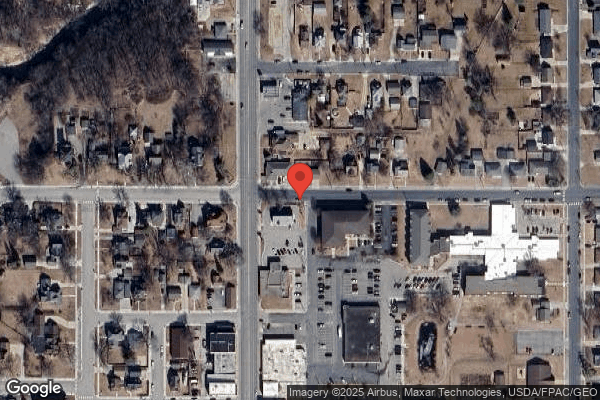
120 FOURTH STREET NORTHEAST, STEWARTVILLE, MN 55976 (507) 533-4288
Non profit - Corporation 58 Beds Independent Data: November 2025 2 Immediate Jeopardy citations
Trust Grade
16/100
#266 of 337 in MN
Last Inspection: April 2025

Within standard 12-15 month inspection cycle. Federal law requires annual inspections.

Overview

Stewartville Care Center has received a Trust Grade of F, indicating poor performance with significant concerns. Ranked #266 out of 337 facilities in Minnesota, they are in the bottom half, and #5 out of 8 in Olmsted County, meaning only a couple of local options are better. While the facility is improving, having reduced issues from 16 in 2024 to 6 in 2025, it still reported alarming incidents, including allowing two nursing assistants with illicit drug use to care for residents, leading to falls and injuries, and failing to provide adequate care for a resident, resulting in a life-threatening infection and amputation. Staffing is a strong point, rated 5 out of 5, though turnover is average at 44%. However, the facility has incurred $46,959 in fines, which is concerning, suggesting ongoing compliance issues.

Trust Score
F
16/100
In Minnesota
#266/337
Bottom 22%
Safety Record
High Risk
Review needed
Inspections
Getting Better
16 → 6 violations
Staff Stability
○ Average
44% turnover. Near Minnesota's 48% average. Typical for the industry.
Penalties
✓ Good
$46,959 in fines. Lower than most Minnesota facilities. Relatively clean record.
Skilled Nurses
✓ Good
Each resident gets 54 minutes of Registered Nurse (RN) attention daily — more than average for Minnesota. RNs are trained to catch health problems early.
Violations
⚠ Watch
34 deficiencies on record. Higher than average. Multiple issues found across inspections.
★★☆☆☆
2.0
Overall Rating
★★★★★
5.0
Staff Levels
★★☆☆☆
2.0
Care Quality
★☆☆☆☆
1.0
Inspection Score
Stable
2024: 16 issues
2025: 6 issues

The Good

  • 5-Star Staffing Rating · Excellent nurse staffing levels
  • Full Sprinkler Coverage · Fire safety systems throughout facility
  • No fines on record
  • Staff turnover below average (44%)

    4 points below Minnesota average of 48%

Facility shows strength in staffing levels, fire safety.

The Bad

2-Star Overall Rating

Below Minnesota average (3.2)

Below average - review inspection findings carefully

Staff Turnover: 44%

Near Minnesota avg (46%)

Typical for the industry

Federal Fines: $46,959

Above median ($33,413)

Moderate penalties - review what triggered them

The Ugly 34 deficiencies on record

2 life-threatening 1 actual harm
Apr 2025 6 deficiencies
CONCERN (D)

Potential for Harm - no one hurt, but risky conditions existed

Deficiency F0692 (Tag F0692)

Could have caused harm · This affected 1 resident

**NOTE- TERMS IN BRACKETS HAVE BEEN EDITED TO PROTECT CONFIDENTIALITY** Based on observation, interview, and document review, the facility failed to ensure 1 of 1 resident (R6) reviewed for nutrition ...

Read full inspector narrative →
**NOTE- TERMS IN BRACKETS HAVE BEEN EDITED TO PROTECT CONFIDENTIALITY** Based on observation, interview, and document review, the facility failed to ensure 1 of 1 resident (R6) reviewed for nutrition and weight loss had received a supplement to increase calorie intake and weight per provider order. Findings include: R6's face sheet included diagnoses of history of traumatic brain injury, weakness, pain, surgery of the digestive system, vascular disorder of the intestine, ischemic colitis (reduced blood flow to the colon), intestinal obstruction, and dysphagia (difficulty swallowing foods and liquids). R6's significant change Minimum Data Set (MDS) assessment dated [DATE], indicated moderately impaired cognition, no behaviors or rejection of care, use of a wheelchair, substantial/maximal assistance with toileting hygiene, bathing, dressing, and personal hygiene. R6's care plan revised 1/31/25, indicated history and risk of dehydration, thickened liquids, risk for aspiration related to traumatic brain injury and postural positioning, poor safety awareness related to eating, pureed diet, and approaches of encouraging R6 to follow diet orders, eat small bites, chew well, eat smaller meals frequently throughout the day, and monitor for signs and symptoms of aspiration. R6's care plan further indicated R6 was able to feed himself after setup assistance, had a history of difficulty swallowing, and refused assistance with tasks beyond setup. R6's care plan category: nutritional assessment updated 1/31/25, indicated R6 was hospitalized from [DATE]-[DATE], due to intestinal obstruction and aspiration pneumonia. Diet was ordered for puree texture foods and thickened liquids. Video swallow completed 12/26/24, R6 and family chose to have no enteral feeding. Supervision and aspiration precautions to be observed. R6 height 72 inches and weight 145.6 pounds. Weight one month ago 161.8 pounds, weight 6 months ago 163.4 pounds. Weight loss of 9.7% in one month and 10.8% in 6 months. Weight loss related to swallow problem and due to need for hospitalization with surgical procedure. Will continue to provide food/fluid for comfort. Review of R6's record on 4/1/25, indicated the following weights: 10/1/24- 160.3 pounds 11/1/24- 156.4 pounds 12/1/24- 161.4 pounds 1/2/25- 145.8 pounds 2/2/25- 139.6 pounds 3/1/25- 134.6 pounds 4/1/25- 135 pounds Review of R6's nutritional assessment dated [DATE] indicated registered dietician (RD) documented weight loss of 11% in six months. RD requested nutritional supplement eight ounces three times per day with meals, staff assist as needed. R6's physician's orders printed 4/1/25, indicated dysphagia diet, pureed texture. R6's physician's orders did not include an order for a nutritional supplement due to weight loss. Review of a facility provided document titled Physician's Telephone Order dated 3/1/25, indicated a physician's order for Ensure/Boost supplement eight ounces three times per day with meals due to weight loss was ordered on 3/1/25. During interview on 4/2/25 at 11:39 a.m., RD stated she reviewed R6's record on 2/20/25, and recommended a supplement three times per day due to weight loss. RD stated R6's height was 72 inches tall and she would expect him to increase his weight to 178 pounds. RD further stated extra calories were needed to increase his weight back to baseline. RD stated she was not aware the supplement had not been started and would have expected it to be put in within one week of her recommendation. During interview on 4/2/25 at 11:58 a.m., director of nursing (DON) stated she was not aware R6's order for nutritional supplement had not been entered. DON stated any nurse could put orders in, but they didn't have a good system, and this order had been placed on her desk and lost in a stack of papers. DON further stated she would expect this order to be entered within one to two days of being signed by the provider. A policy on order entry of nutritional supplements was requested but not received.
CONCERN (E)

Potential for Harm - no one hurt, but risky conditions existed

Deficiency F0761 (Tag F0761)

Could have caused harm · This affected multiple residents

Based on observation, interview, and record review, the facility failed to ensure discontinued medications were returned to the pharmacy or destroyed in a timely manner to decrease the potential for d...

Read full inspector narrative →
Based on observation, interview, and record review, the facility failed to ensure discontinued medications were returned to the pharmacy or destroyed in a timely manner to decrease the potential for drug diversion for 1 of 1 medication rooms. Findings include: During an observation and interview with Licensed Practical Nurse (LPN)-A on 4/2/25 at 11:00 a.m., the shelf in the medication room had 108 cards of varying oral medications including blood pressure medications, supplements, antidepressants, etc. There were also two plastic bins with varying creams, bulk powdered medications, bottled liquid medications, boxes of insulin pens, and IV (intravenous) antibiotic medications. These medications included: -One unopened box of 5 glargine insulin pens dated 12/8/24 and an unopened box of 5 aspart insulin pens dated 1/2/24 for R39. -Ten medicine balls of intravenous cefazolin (antibiotic) dated 1/13/25 for R92, two unopened bottles of liquid Haldol (antipsychotic medication used to treat mental health disorders) containing 15 ml (milliliters) and 30 ml's liquid medication dated 3/4/25 for R93. -an undated, unlabeled bottle of Haldol containing 12 ml's liquid medication. -Two full boxes of sodium polystyrene (liquid medication used to treat elevated potassium) dated 2/15/25 for R7. LPN-A stated the medications on the shelf either needed to be sent back to the pharmacy or destroyed. Medications that need to be sent back to the pharmacy are placed in brown paper bags and sent with the pharmacy delivery driver who comes daily. LPN-A stated all shifts are responsible for helping destroy or prepare medications that need to be sent back. LPN-A confirmed the amounts of medications. R39's record read passed away on 1/29/2025. R93's record read passed away on 3/5/2025. R92's provider orders indicated cefazolin was ordered every 12 hours x 6 days with an end date of 1/21/2025. R92's face sheet indicated an admission date of 1/6/2025 and a discharge date of 3/14/2025. R7's provider order indicated sodium polystyrene was discontinued 2/26/2025. During interview on 4/2/25 at 11:33 a.m., the infection preventionist/assistant director of nursing (IP) confirmed the medications on the counter are due to be sent back or destroyed and are from residents who have been discharged , passed away, or had orders changed. The IP confirmed R93 passed away, R92 discharged , R7's orders changed to a different form of the medication, R39 passed away. During interview on 4/3/25 at 10:46 a.m., the consultant pharmacist (CP) stated residents receiving Medicare-A benefits get reimbursed and should have their medications returned to the pharmacy. Others should be returned for destructions or can be destroyed at the facility. Medications due to be credited should be returned to the pharmacy within 30 days, the remaining medications should be destroyed as soon as possible. CP indicated the monthly bubble pack medications are usually returned to the pharmacy, however, the staff could destroy them at the facility. During an observation and interview on 4/3/25 at 10:52 a.m., the administrator stated medications no longer needed are pulled from the medication cart and placed in the med room waiting to be sent to the pharmacy or destroyed. The administrator stated very little medications get sent back and nurses destroy them when they have time. The administrator stated she would expect medications to be destroyed or sent back biweekly and all nurses are expected to make sure medications get destroyed timely. Administrator observed the medications stored on the counter and confirmed the medications should have been taken care of to decrease the risk of diversion. During an interview on 4/3/25 at 11:52 a.m., the director of nursing stated destruction of medications is time dependent, however would hopefully be done within a month. Staff education provided to nursing staff January 2025 indicated Returns are all nurses jobs on all shifts!!!. If you have downtime do them! It should not take hours for one person to do them after they get ignored and piled up!! It continues, These are just some things that have been seen while doing cart audits that will help keep our medication carts/med storage at state regulations.' A policy dated 12/01/2016 titled Discontinued Medications indicated, discontinued medications must be destroyed or returned to the issuing pharmacy in accordance with established policies. Complete 'Destruction of non-control substances' form and dispose of medications
CONCERN (E)

Potential for Harm - no one hurt, but risky conditions existed

Deficiency F0804 (Tag F0804)

Could have caused harm · This affected multiple residents

Based on observation, interview, and document review, the facility failed to ensure meals were served warm/hot and palatable to promote quality of life and nutritional intake for 2 of 2 residents (R16...

Read full inspector narrative →
Based on observation, interview, and document review, the facility failed to ensure meals were served warm/hot and palatable to promote quality of life and nutritional intake for 2 of 2 residents (R16 and R29) reviewed for dining. This had the potential to affect all residents who received food from the kitchen. Findings include: During an observation on 4/02/25 at 7:07 a.m., the cook (C)-A was preparing breakfast, food observed on the heat table included oatmeal, malt-o-meal, ham, and western style eggs. Toast was sitting above the steam table on a metal baking sheet. 4/02/25 at 7:34 a.m., plating begins for the residents seated in the dining room, C-A stated meals are served to dining room first then resident who prefer a tray in their rooms. 4/2/25 at 8:15 a.m., plating begins for East wing, trays put inside transport cart and delivered, last tray delivered to R16 in the East wing 4/2/25 at 8:22 a.m. 4/2/25 at 8:36 a.m., plating begins for North wing, trays put inside transport cart and delivered. 4/2/25 at 8:47 a.m., plating begins for [NAME] wing; extra tray added to transport cart for tasting. Last tray delivered to R29 on 4/2/25 at 9:03 a.m. 4/2/25 9:05 a.m., extra tray taken back to kitchen, C-A and dietary aide (DA)-A tasted meal on extra tray. C-A and DA-A confirmed eggs, and ham were cold and the toast was cold and soggy. C-A confirmed the toast was cooked at 7:07 a.m. was the same batch served to the last resident at 9:03 a.m. During interview on 4/2/25 at 9:33 a.m., R29 was observed to be the last resident to get her meal tray delivered to her room, she stated her eggs were cold, the toast was soggy, and the ham was a little chewy and cold. She stated she did not eat much of it; observed resident tray to be approximately 1/4 of portion was eaten. During interview on 4/2/25 at 10:38 a.m., R16 was observed to be the last resident to get his tray in the east wing. He stated his breakfast delivered this morning on 4/2/25 at approximately 8:20 a.m., the toast was so soggy he couldn't even eat it. The ham and eggs were both cold, so he did not eat any of it; observed resident tray to be uneaten. During interview on 4/3/25 at 11:45 a.m., C-A confirmed the breakfast foods can be difficult to keep warm or hot. C-A confirmed toast left sitting for over two hours would be expected to be soggy and cold; should have been redone. During interview on 4/3/25 at 11:45 a.m., dietary manager (DM) confirmed toast left out for 2 hours should not have been served to residents. Facility policy dated 2/2023 stated safe food handling procedures for time and temperature control will be practiced in the transportation and delivery of all food items.
CONCERN (E)

Potential for Harm - no one hurt, but risky conditions existed

Food Safety (Tag F0812)

Could have caused harm · This affected multiple residents

Based on observation, interview, and document review, the facility failed to ensure food stored in the refrigerators and dry storage were labeled, dated and discarded properly. This deficient practice...

Read full inspector narrative →
Based on observation, interview, and document review, the facility failed to ensure food stored in the refrigerators and dry storage were labeled, dated and discarded properly. This deficient practice had the potential to affect all 40 residents, staff and visitors who received food from facility kitchen. Findings include: During the initial kitchen tour on 3/31/25 at 11:35 a.m., dietary manager (DM) stated the dates listed on the food was the date of opening or when it was prepped and should be tossed after one week. The following items were observed in the fridge or dry storage with expired or undated food: -Hot dogs dated 3/16/25 -Bratwurst dated 3/17/25 -Tuna Salad dated 3/15/25 -Clam chowder dated 2/25/25 -Cranberry preparation date 3/19/25 -Celery preparation date 3/1925 -Corn preparation undated -Ground all spice, manufacturer expiration date 7/19/24 -Ground Cloves, manufacturer expiration date 9/5/24 During interview on 4/2/25 at 9:11 a.m., cook (C)-A and dietary aide (DA)-A stated the date on foods in the fridge are the dates they were open or prepped on. C-A and DA-A both stated the foods should be thrown one week after the date on the food. C-A and DA-A both stated everyone is responsible for throwing out expired foods. During interview on 4/2/25 2:45 p.m., dietary district manager (DDM) confirmed the facility policy is to date the food with the date it was opened or prepared; items should be thrown 7 days later. DDM verified the opened date on the hot dogs was 3/16/25 and should have been thrown by 3/23/25. DDM verified the opened date on the celery was 3/19/25 and should have been thrown by 3/26/25. DDM verified the manufacturers expiration date on the ground all spice was 7/19/24 and should have been thrown. Verified the manufacturers expiration date on the ground cloves was 9/5/24 and should have been thrown. Per facility Food Storage policy dated 2/23, storage areas will be neat, arranged for easy identification, and date marked as appropriate.
CONCERN (E)

Potential for Harm - no one hurt, but risky conditions existed

Infection Control (Tag F0880)

Could have caused harm · This affected multiple residents

**NOTE- TERMS IN BRACKETS HAVE BEEN EDITED TO PROTECT CONFIDENTIALITY** R36 significant change Minimum Data Set (MDS) assessment dated [DATE] indicated, R36 was moderately impaired with no behaviors, ...

Read full inspector narrative →
**NOTE- TERMS IN BRACKETS HAVE BEEN EDITED TO PROTECT CONFIDENTIALITY** R36 significant change Minimum Data Set (MDS) assessment dated [DATE] indicated, R36 was moderately impaired with no behaviors, dependent on staff for all activities of daily living (ADLs), incontinent of bowel and bladder, received nutrition and fluid intake through feeding tube (tube surgically inserted in the stomach to provide artificial nutrition and fluids. R36's diagnoses list included encephalopathy [a disorder involving altered brain function related to underlying disease/condition], transient ischemic attack (TIA) [temporary loss of blood flow to the brain], cerebral infarction [death of brain tissue due to loss of blood flow], gastrostomy [feeding tube surgically inserted into the stomach], moderate protein-calorie malnutrition, and nontraumatic intracranial hemorrhage [bleeding in the brain not caused by external force]. R36's provider orders included NPO [nothing by mouth] total tube nutrition, Nutren 1.5 cal ( brand of liquid nutrition) 500 ml three times a day, and water flushes 120 ml before and after each feeding. Provider orders also indicated route of administration for medications as gastric tube. A careplan dated 3/14/25 indicated R36 2 staff to assist [R36] to reposition in bed and chair every 2 hours, 2 staff to assist [R36] to transfer to and from chair and bed using Hoyer lift (machine used to lift a resident completely from one surface to another), and extensive assist with dressing, bathing, and personal cares. It also indicated R36 was NPO total tube feed due to inability to swallow. The careplan lacked indication of EBP. During interview on 3/31/25 at 5:54 p.m., R36's family member (FM)-A stated R36 requires tube feeding due to recent stroke and hospitalization for COVID. FM-A has not noticed staff wearing gowns when providing cares. During observation on 4/1/25 at 9:25 a.m., R36 was laying in bed with the head of his bed elevated. Bag dated 4/1/25 containing tube feeding solution was hanging from pole in the room. Enhanced barrier precautions sign was taped to the door. No PPE noted in or around R36's room. During observation and interview on 4/1/25 at 10:40 a.m., nursing assistant (NA)-A entered R36's room, applied gloves, and boosted R36 in bed by standing at the HOB and using soaker pad to boost resident in bed. NA-A then provided oral cares to resident using moistened sponges. During interview, NA-A stated staff are only required to wear gloves with EBP. NA-A stated carts with PPE are in the shower room in the middle of each hall. NA-A reiterated staff are required to wear gloves only for residents with EBP. NA-A and surveyor walked to shower room and observed a cart with drawers containing yellow gowns, gloves and other PPE. During observation and interview on 4/1/25 at 12:58 p.m., LPN-A arrived at R36's room and applied gloves. Without wearing a gown, LPN-A checked R36's residual volume [the volume of liquid remaining in the stomach]. LPN-A then administered water in R36's tube to flush tube and add fluid volume. After flushing the tube with water, LPN-A then hooked the liquid nutrition up to the feeding tube. LPN-A then removed the gloves. When asked about the EBP sign of R36's door, LPN-A stated she forgot to put a gown on. LPN-A stated resident's who have wounds, catheters, and feeding tubes are required to be placed on EBP. LPN-A stated nursing assistants are also required to wear a gown. When asked where the gowns are located, LPN-A looked up and down the hall stating gowns are normally located outside the resident's rooms however, In this one [hall] I think they are located in the shower room. LPN-A stated staff receive infection training yearly. The facility EBP sign posted on R23, R6, R15, R21, and R36's room entrance doors indicated the following: Enhanced Barrier Precautions- Everyone must clean their hands, including before entering and when leaving the room. Providers and staff must also wear gloves and a gown for the following high-contact resident care activities: dressing, bathing/showering, transferring, changing linens, providing hygiene, changing briefs or assisting with toileting, device care or use: central line, urinary catheter, feeding tube, tracheostomy, wound care. A facility policy titled Infection Control printed 4/3/25, indicated it was the policy of the facility that each resident and staff member be provided with a safe, sanitary and comfortable environment in which to live and work in by adapting processes to prevent development and transmission of disease and infection. An EBP policy was requested but not received. Based on observation, interview and document review the facility failed to ensure proper personal protective equipment (PPE) was utilized for 5 of 5 residents (R23, R6, R15, R21, R36) reviewed for enhanced barrier precautions (EBP). Findings include: R23's face sheet printed 4/2/25, included diagnoses of chronic pain, artificial hip joint, weakness, and fistula of intestine. R23's quarterly Minimum Data Set (MDS) assessment dated [DATE], indicated moderately impaired cognition, no rejection of care, upper and lower extremity impairment, use of a wheelchair, substantial/maximal assistance with toileting hygiene, upper and lower body dressing. R23's care plan revised 1/5/24, indicated extensive assist with bathing, grooming, and dressing. R23's care plan further indicated incontinence of bowel and presence of nephrostomy (opening between kidney and the skin) for urination. R6's face sheet, included diagnoses of history of traumatic brain injury, benign prostatic hypertrophy (enlargement of prostate gland causing difficult urination), weakness, and pain. R6's significant change MDS dated [DATE], indicated moderately impaired cognition, no behaviors or rejection of care, use of a wheelchair, substantial/maximal assistance with toileting hygiene, bathing, dressing, and personal hygiene. R6's care plan revised 1/31/25, indicated urinary catheter for benign prostatic hypertrophy, urinary retention, and frequent urinary tract infections. R6's care plan further indicated R6 had all personal bowel and bladder cares provided by nursing staff. R15's face sheet printed 4/2/25, indicated diagnoses of congestive heart failure, obesity, chronic pain, open wound of scalp, and open wound of left lower leg. R15's quarterly MDS dated [DATE], indicated intact cognition, no rejection of care, impairment of left lower extremity, dependent on staff for toileting hygiene, and substantial/maximal assistance for bathing and dressing. R15's physician's orders printed 4/2/25, indicated wound to left lower leg with orders to cleanse with wound cleanser, apply dressing, cover with absorbent pad, wrap from foot to knee. Physician's orders further instructed to soak wound with acetic acid for 15 minutes daily. In addition, physician's orders directed to soak scalp wound gently with soap and water, pat wound dry, and bandage. Before applying bandage, wipe away any crusting that formed. R21's face sheet printed 4/2/25, indicated diagnoses of congestive heart failure, paraplegia (loss of muscle use in the lower half of the body), obesity, presence of urinary catheter, and open wound of the left thigh. R21's annual MDS dated [DATE], indicated intact cognition, no rejection of care, upper and lower extremity impairment, use of a wheelchair, dependent on staff for toileting hygiene, and substantial/maximal assistance with dressing, bathing, and personal hygiene. R21's care plan date 2/27/25, indicated presence of chronic pressure injury stage II due to lack of repositioning while out of the facility. R21's care plan further indicated urinary incontinence and the presence of a suprapubic catheter (tube inserted into the bladder through incision in lower abdomen) and need for staff assistance with toileting and incontinence care. During interview and observation on 4/1/25 at 8:42 a.m., nursing assistant (NA)-C and NA-B assisted R23 with toilet use, transfer, and hygiene. R23 had an Enhanced Barrier Precautions (EBP) sign her room entrance door. NA-C and NA-B were not wearing gowns when providing cares to R23. NA-C stated she did not wear a gown to assist R23. NA-C further stated she was educated on EBP and should have worn a gown when providing cares to R23. NA-B state she did not wear a gown to assist R23, she knew the sign for EBP was on R23's door, but staff did not usually wear gowns because everything changes all the time, and she was not sure what she was supposed to do. During interview and observation on 4/1/25 at 12:57 p.m., NA-B assisted R6 with hygiene and emptying of urinary catheter bag. R6 had a sign on his room entrance door indicating the need for EBP. NA-B did not wear a gown to assist R6. NA-B stated she knew there was an EBP sign on R6's door, knew she should wear a gown to assist R6, but did not wear a gown. During interview and observation on 4/1/25 at 1:21 p.m., NA-B and NA-C assisted R15 with personal hygiene and brief change. R15 had an EBP sign on her room entrance door. NA-B and NA-C did not wear gowns while assisting R15. NA-B and NA-C stated they knew they should have worn gowns to assist R15 due to her wounds, but did not wear gowns. During interview and observation on 4/2/25 at 8:46 a.m., NA-D assisted R21 with emptying his urinary catheter. R21 had an EBP sign on his room entrance door. NA-D did not wear a gown while assisting R21. NA-D stated she was unaware she was supposed to wear a gown while assisting R21 and did not know what the EBP sign meant. NA-D stated she would go find some gowns to use. During interview and observation on 4/2/25 at 8:49 a.m., NA-E assisted R15 with personal hygiene and brief change. R15 had an EBP sign on her room entrance door. NA-E did not wear a gown while assisting R15. NA-E stated she did not know she needed to wear a gown, was unsure which resident in the room required use of EBP and would have to go ask someone for answers. During interview on 4/2/25 at 9:04 a.m., licensed practical nurse (LPN)-A stated she would expect the nursing assistants to wear gowns when providing cares in EBP rooms. LPN-A further stated she was unsure why they were not wearing proper PPE for EBP because they had all had training on EBP. During interview on 4/3/25 at 9:43 a.m., director of nursing (DON) stated staff had been educated on EBP and she expected staff to use EBP when required. During interview on 4/2/25 at 10:11 a.m., infection preventionist (IP) and administrator stated they were not aware proper PPE was not being used for EBP resident rooms and would expect staff to wear gowns in EBP rooms to prevent spread of infection.
CONCERN (E)

Potential for Harm - no one hurt, but risky conditions existed

Room Equipment (Tag F0908)

Could have caused harm · This affected multiple residents

Based on observation, interview, and record review, the facility failed to maintain kitchen equipment in safe operating condition. This had potential to affect all 40 residents, staff and visitors who...

Read full inspector narrative →
Based on observation, interview, and record review, the facility failed to maintain kitchen equipment in safe operating condition. This had potential to affect all 40 residents, staff and visitors who consumed meals from the main production kitchen. Findings include: During interview on 4/2/25 9:11 a.m., cook (C)-A stated the left side of the plate warmer does not work, only plates on the right side get warm. C-A stated the left side had not functioned for some time. C-A stated she told the dietary manager (DM) a while ago, but the left side of plate warmer is still broken. C-A stated the broken plate warmer was a concern because the warmed plates help the food stay warmer longer. Food that is placed on the cold plates from the left side of the plate warmer cools faster and residents become unhappy when they eat cold food. During interview on 4/2/25 1:47 p.m., administrator stated the facility does not have or keep maintenance logs for the kitchen plate warmer. Administrator stated if dietary had a problem with the plate warmer, they should call maintenance and if maintenance can't fix it then they would have to call the manufacturing company. She stated she didn't think any of the equipment in the kitchen needed maintenance. During interview on 4/2/25 at 2:01 p.m., dietary district manager (DDM) stated the facility does not use a maintenance tracking system; they communicate by word of mouth. He stated he was unsure when the facility was aware the plate warmer was not working. Verified the plate warmer did not have a maintenance log associated with it. During interview on 4/2/25 at 2:13 p.m., DDM stated the dietary manager, and the maintenance team discussed the broken plate warmer approximately one month prior. DDM confirmed the plate warmer was not working earlier today. A facility equipment maintenance policy was asked for, none was provided.
Dec 2024 1 deficiency
CONCERN (D) 📢 Someone Reported This

A family member, employee, or ombudsman was alarmed enough to file a formal complaint

Potential for Harm - no one hurt, but risky conditions existed

Deficiency F0657 (Tag F0657)

Could have caused harm · This affected 1 resident

**NOTE- TERMS IN BRACKETS HAVE BEEN EDITED TO PROTECT CONFIDENTIALITY** Based on observation, interview, and record review the facility failed to revise the comprehensive care plan for diabetic manage...

Read full inspector narrative →
**NOTE- TERMS IN BRACKETS HAVE BEEN EDITED TO PROTECT CONFIDENTIALITY** Based on observation, interview, and record review the facility failed to revise the comprehensive care plan for diabetic management that included goals and individualized interventions for 2 of 3 residents (R1, R2) reviewed for diabetic management. Findings incude: R1's face sheet identified R1 had diagnoses that included type 1 diabetes mellitus (autoimmune disease where the pancreas fails to produce insulin) with hyperglycemia (high blood sugar), unspecified diabetic retinopathy (diabetic complication that leads to vision loss) without macular degeneration, other diabetes complications unspecified, hypoglycemia (low blood sugar) without coma. R1's quarterly minimum data set (MDS) dated [DATE], identified R1 had verbal behaviors directed at others that occurred 1 to 3 days, did not reject cares, and had insulin injections daily. R1's lab report dated 4/9/24, identified a hemoglobin A1C (blood test that measures the average amount of sugar in the blood for over the past few months) result was 8.6 which indicated high with a reference range to be 4.0-5.6. R1's care plan dated 4/12/24, identified R1 is medication-diet controlled diabetic and receives insulin every day. R1's goal was to have stabilization of diabetes as evidenced by all blood sugars below 150. Review at each physician visit and care conference. Interventions included: administer medications as ordered, provide labs as ordered, staff to do chemstrips as ordered and report any changes to physician, staff to monitor food intake and remind R1 of diabetic diet. R1's physician orders included orders for insulin and included the order dated 5/17/24, that directed R1 to have blood sugar checks before every meal and at hour of sleep (HS) via Dexcom monitor (continuous glucose monitoring device). Review of R1's care plan did not address a communication plan between R1 and staff for the Dexcom smart phone application installed on R1's personal cell phone that would log the blood sugars and alert R1 when blood sugars were too low or too high. Further did not specify a goal range for R1's blood sugars. R1's medication administration record (MAR) for November 2024, identified blood sugar checks via Dexcom monitor were scheduled at 7:00 a.m., 11:00 a.m., 4:00 p.m., and 8:00 p.m. Record review identified R1 had a wide range blood sugars; being as low as 47 and as high as 600. Although the MAR identified blood sugars as low as 47 and as high as 600, and R1 had documented refusals to take his prescribed insulin, R1's care plan did not address R1's symptomology of hypo/hyperglycemia nor individualized interventions to prevent/mitigate the risk of hypo/hyperglycemia and management of. Additionally the care plan did address behavioral management of R1's rejections of insulin medication to control blood sugars. During an interview on 12/10/24 at 3:41 p.m., licensed practical nurse (LPN)-A stated she would use her nursing judgement for low blood sugar and get something to eat/drink and hold insulin until resident would reach a healthy number. For hyperglycemia LPN-A would give insulin and recheck the blood sugar later barring the resident was asymptomatic. LPN-A stated R1 was very difficult to manage his blood sugars. R2's face sheet identified R2 had diagnoses of type 2 diabetes with diabetic chronic kidney disease, hyperglycemia. R2's quarterly MDS dated [DATE], identified R2 was poor at making decisions, and needed cues/supervision. R2 had insulin injections daily. R2's lab report dated 11/7/24, identified A1C of 8.2, which indicated high with a note from the medical provider that stated over the past 3 months the hemoglobin has greatly improved and to continue with current orders for blood sugar control. R2's physician orders included insulin and an order dated 9/26/24, identified blood sugar four times a day. R2 had a Dexcom sensor. Notify provider if blood sugar <70 or >550 via note or if outside parameters and symptomatic notify provider same day. R2's MAR dated November 2024, identified blood sugar checks via Dexcom monitor were scheduled at 7:00 a.m., 11:00 a.m., 4:00 p.m., and 8:00 p.m. Record review identified R2 had blood sugars above 200 very frequently R2's care plan did not include diabetic management focus that included R2's blood sugar range goals, management of the Dexcom sensor, R2's symptomology of hypo/hyperglycemia nor individualized interventions to prevent/mitigate the risk of hypo/hyperglycemia and management of. During and observation and interview on 12/12/24 at 8:14 a.m., registered nurse (RN)-A went to R2's room and went to the receiver and pushed the button that lit the screen up and read 205 as the blood sugar. RN-A verified that R2 did not have diabetic management in the care plan. During an interview on 12/11/24 at 1:06 p.m., Director of Nursing (DON) reviewed the care plan of R1 and that it did not address diabetic management clearly. Reviewed R2's care plan and verified that the care plan did not address diabetic management. DON would expect the care plans to have diabetic management in them, and moving forward they definitely will. During an interview on 12/12/24 at 2:26 p.m., Administrator stated the facility wanted the standard things to watch for hyper and hypoglycemic issues, watch their feet, wounds that are not healing, should be everyone with diabetes. Each care plan should be individualized. Administrator would expect the care plan to be updated and have each residents diabetic issues addressed within it. The facility Comprehensive Care Plan policy and procedure revised 8/18, identified the care plan as a personalized plan of daily care based on the nature of the illness, treatment prescribed, long and short range goals including how they can best be accomplished, types of care and consultation needed, what methods are most successful, modification to ensure best results.
Jun 2024 4 deficiencies 1 Harm
SERIOUS (G) 📢 Someone Reported This

A family member, employee, or ombudsman was alarmed enough to file a formal complaint

Actual Harm - a resident was hurt due to facility failures

Accident Prevention (Tag F0689)

A resident was harmed · This affected 1 resident

**NOTE- TERMS IN BRACKETS HAVE BEEN EDITED TO PROTECT CONFIDENTIALITY** Based on observation, interview and document review, the facility failed to implement care planned fall interventions for 1 of 2...

Read full inspector narrative →
**NOTE- TERMS IN BRACKETS HAVE BEEN EDITED TO PROTECT CONFIDENTIALITY** Based on observation, interview and document review, the facility failed to implement care planned fall interventions for 1 of 2 residents (R1) reviewed for accidents. This resulted in actual harm for R1 who had an unwitnessed fall while self-transferring when the motion sensor alarm did not sound and failed to alert staff that R1 was self-transferring as intended per care plan. Additionally, the facility failed to determine why the motion sensor alarm did not alert staff following the fall and added a second alarm. Findings include: R1's quarterly Minimum Data Set (MDS) dated [DATE], indicated R1 had dementia, anxiety, and depression with severe cognitive deficits. R1 used a wheelchair and walker, was frequently incontinent of bladder and occasional incontinent of bowel. R1's care plan dated 2/20/23, indicated R1 had delusional disorders, neurocognitive disorder with Lewy bodies (a type of progressive dementia that leads to a decline in thinking, reasoning, and independent function) and was at risk for falls due to history of falls, poor decision making and dementia and was on antipsychotic medication. Staff were directed to initiate fall prevention program to include using call light for assistance, bed low and locked, per occupational therapy and physical therapy; all transfers & ambulation-SBA (stand by assist) with four wheeled walker, due to cognitive decline and poor safety with increased fall risk. Additionally, call light always within reach, position as needed for safety at nursing station am, pm and night shift. The care plan also indicated a motion sensor alarm (that sounds at the nurse's station making staff aware that R1 was self-transferring). R1's nursing assistant care sheet (which directs care staff for cares) indicated R1 used assist of one with walker for am and pm cares, used reading glasses, and was incontinent of bowel and bladder. (The care sheet did not indicate R1 was at risk for falls nor that an alarm system was in place to notify staff R1 was attempting to get out of bed). Review of Observation Detail List Report for R1 revealed a Fall Risk (Acuity) completed on 5/2/24, indicated R1 was disorientated, had poor visual impairment, and had a fall risk score of 20 (10 or higher represented a high risk for falls). Review of R1's Falls indicated the following: -11/09/23 R1 fell at 9:56 a.m. while trying to pull back curtain to talk to roommate and bumped head. Intervention included: educated R1 to use call light and wait for staff to assist. -12/19/13 at 4:443 p.m., R1 found on floor unwitnessed fall, trying to get up, staff heard R1 yelling. Intervention included: Reminders to use call light, bed low and locked, restorative therapy, motion sensor alarm. -12/22/23 at 4:01 p.m. R1 fell attempting to reach for walker from bed (to self-transfer) to use the bathroom, unwitnessed fall. Intervention included: Reminder to use call light for assistance, bed low and locked, restorative therapy, and motion sensor alarm. -12/31/23 at 5:38 p.m. R1 was found on floor next to roommates' bed with wheelchair next to her. R1 bumped head. Intervention included: Reminders to use call light for assistance, bed low and locked, restorative therapy, motion sensor alarm, position as needed for safety at nursing station a.m., p.m. and night. -6/04/24 at 6:20 a.m. (progress note indicated) R1 was found on floor in front of her bedroom. Fall was unwitnessed and resulted in a large hematoma above the left eye and upper lip. Resident kept on the floor in the upper seated position. Lying caused greater discomfort. At 7:00 a.m. Gold Cross (Emergency Medical Transport) arrived and left with resident, daughter was notified and will meet resident at St Mary's Emergency Department (ED). A follow up note indicated at 7:41 p.m. by the director of nursing (DON), received call from ED, R1 was admitted with diagnosis (Dx) of rib fx (fracture) and UTI (urinary tract infection). ED Provider Notes dated 6/04/24 at 3:04 p.m., indicated R1 was a [AGE] year-old female with a history of dementia from nursing home coming to the ED after a fall. She has two anterior rib fractures and right-sided chest wall pain. She also has contusion to her left eye and face. The prior team was worried of her having delirium, with altered mental status alternating between somnolence (sleepy) and agitation. Sources of delirium could be pain, in the setting of fall and rib fractures, or a urinary tract infection. During interview on 6/10/24 at 6:20 p.m., family member (FM)-A stated R1 has Lewy's bodies dementia, and she forgets she can no longer walk anymore. FM-A stated the staff informed her R1 was found on 6/04/24 in front of the doorway on the floor and there was blood on her nightstand, which was odd because she had a window bed. FM-A stated her window bed was at least 10 feet from the doorway. In addition, she was told there was no alarm sounding which was concerning to her since R1 has had several falls and she was wondering why they would not be using the alarm when it was working to reduce her falls. During interview on 6/11/24 at 9:30 a.m., registered nurse (RN)-A stated R1 was found sitting on the floor in front of the door the morning of 6/04/24, and there was no sensor alarm sounding. R1 was bleeding on her upper lip and leg and RN-A could see she was rubbing it all over. RN-A indicated the overnight staff are supposed to make sure the alarms were working and are on so we are alerted if she was up, the fall occurred at the beginning of her shift, R1 was still in her pajamas and had no shoes on. RN-A stated due to the emergency and because she was in so much pain, they did not change her or move her before the paramedics arrived. During observation and interview on 6/11/24 at 10:36 a.m., R1 was sitting with nursing assistant (NA)-A with motion sensor receiver next to NA-A. NA-A stated she was not working the day R1 fell. NA-A stated R1 used to have a motion sensor alarm but thinks they stopped it a while back and does not know why, but now she has a new pressure sensor alarm on her bed. During observation, R1 was looking at a bird magazine and commented at how beautiful the hummingbirds were. R1 had some bruising noted from the top of the left side of her face down to her chin, bruising was noted to be dark purple in color. Across the hall, the housekeeper made a noise with her mop bucket (moderate noise you would expect when mopping) and R1 was observed to get startled by the noise (jumped) and stated, I had one of those, but it never made noise like that! During observation on 6/11/24 at 10:40 a.m., R1's room had a motion sensor alarm on the dresser facing her bed (which would alarm to the nurse's station), along with a pressure sensor bed alarm (which would alarm in R1's room) attached to her bedside rail. NAR-A pushed R1's bed to demonstrate how the alarm sounded on bed. During interview on 6/11/24 at 10:54 a.m., with the director of nursing (DON) stated the fall R1 had was not reported to the state agency since she felt the care plan was followed, the sensor alarm was in R1's room and felt the staff were following it and her bed was low and in the locked position. The DON added she did not know why the motion sensor alarm did not go off the morning of R1's fall. The DON also indicated she was planning to have a nursing meeting today to go over the falls policy and to make sure they are completing the forms. Lastly, the DON stated she added a new alarm to R1's bed which was a pressure sensor alarm, which would alarm in R1's room. This was additional the motion sensory alarm. During interview on 6/11/24 at 3:24 p.m., LPN-B indicated she didn't hear the alarm go off the morning of R1's fall, we heard her yell. LPN-B stated she knows there were batteries in the motion sensor because she checks that all the time, adding the motion alarm assist staff to know when R1 was getting up so we can keep her from falling. During interview on 6/12/24 at 10:41 a.m., nursing assistant (NA)-C stated R1 has a motion alarm in her room, and that was the only alarm she had. In addition, we keep her bed in the low position due to her falls history and that keeps her from being able to get up. NA-C also indicated R1 can be easily startled. Adding, if R1 was in the hallway eating a snack, and someone spoke to her she would jump up or if you knocked on the door to her room, you would startle her. During interview on 6/12/24 at 10:55 a.m., NA-E stated she found R1 on the floor on 6/04/24, when she had her recent fall. NA-E stated she had her [NAME] stocking (compression stockings) on which should have been taken off when she went to bed, and her motion sensor alarm was not going off. NA-E stated she heard R1 yelling for help and when she got in the room R1 had blood coming down her face so she yelled for the nurse to come help. During interview on 6/12/24 at 11:25 a.m., NA-D stated she checks the alarms when she starts her shift in the morning to make sure they are on. NA-D indicated she was on the North Hall the morning R1 fell and never heard an alarm sound which she added she had mentioned to the DON, social worker, and the nurses. NA-D also stated she mentioned that R1 should be closer to the nurse's station since she was a fall risk but was told there was no open beds. Additionally, when speaking directly about the new intervention of the pressure sensor alarm, NA-D stated R1 can easily be startled, even when you speak to her, or you knock on her door. Startling her can also make her more likely to fall. During interview on 6/12/24 at 11:40 a.m., with assistant director of nursing (ADON) stated he is on the falls committee and helped with interventions. ADON added, R1 had a motion sensor alarm and no other alarms. Lastly, R1 was to be reminded to use her call light and ask for assistance with transfers and the bed has is to be in a low and locked position (the bed has to be low so the wheels go up so they don't move). The facility failed to determine why the motion sensor alarm failed, which had assisted to reduce falls since December 2023. Instead, the facility added a second pressure sensor alarm, without assessing the potential disruption this sounding alarm may cause the resident (with a diagnosis of Lewy bodies) and failed to update care planning/direct care staff sheets and nursing staff to the fall prevention and changes for R1 to prevent future falls. Falls Prevention and Management revised 3/03/2023, indicated to ensure residents live in an environment that is free from hazards over which the facility has control, and provide appropriate intervention to each resident to prevent avoidable accidents and injuries.
CONCERN (D) 📢 Someone Reported This

A family member, employee, or ombudsman was alarmed enough to file a formal complaint

Potential for Harm - no one hurt, but risky conditions existed

Report Alleged Abuse (Tag F0609)

Could have caused harm · This affected 1 resident

**NOTE- TERMS IN BRACKETS HAVE BEEN EDITED TO PROTECT CONFIDENTIALITY** Based on observation, interview and document review the facility failed to report an unwitnessed fall with injury to the state a...

Read full inspector narrative →
**NOTE- TERMS IN BRACKETS HAVE BEEN EDITED TO PROTECT CONFIDENTIALITY** Based on observation, interview and document review the facility failed to report an unwitnessed fall with injury to the state agency (SA) for 1 of 2 residents (R1) reviewed for falls. Findings include: R1's quarterly Minimum Data Set (MDS) dated [DATE], indicated R1 had dementia, anxiety and depression with severely cognitive deficits, used a wheelchair and walker, frequently incontinent of bladder and occasional incontinent of bowel. R1's care plan dated 2/20/23, indicated R1 had delusional disorders, neurocognitive disorder with Lewy bodies (a type of progressive dementia that leads to a decline in thinking, reasoning and independent function) and was at risk for falls due to history of falls, poor decision making and dementia and was on antipsychotic medication. Staff were directed to initiate fall prevention program to include using call light for assistance, bed low and locked, per occupational therapy and physical therapy; all transfers & ambulation-SBA (stand by assist) with four wheeled walker, due to cognitive decline & poor safety with increased fall risk. In addition, call light always with in reach, position as need for safety at nursing station am, pm and at night and motion sensor alarm. Review of R1's Progress Note: -6/04/24 at 6:20 a.m., R1 was found on floor in front of her bedroom. Fall was unwitnessed and resulted in a large hematoma above the left eye and upper lip. Resident kept on the floor in the upper seated position. Lying caused greater discomfort. At 7:00 a.m. Gold Cross (Emergency Medical Transport) arrived and left with resident, daughter was notified and will meet resident at St Mary's Emergency Department (ED). A follow up note indicated at 7:41 p.m. by the director of nursing (DON), received call from ED, R1 was admitted with diagnosis (Dx) of rib fx (fracture) and UTI (urinary tract infection). ED Provider Notes dated 6/04/24 at 3:04 p.m., indicated R1 was a [AGE] year-old female with a history of dementia from nursing home coming to the ED after a fall. She has two anterior rib fractures and right-sided chest wall pain. She also has contusion to her left eye and face. The prior team was worried of her having delirium, with altered mental status alternating between somnolence (sleepy) and agitation. Sources of delirium could be pain, in the setting of fall and rib fractures, or a urinary tract infection. During interview on 6/12/24 at 10:55 a.m., NA-E stated she found R1 on the floor on 6/04/24, when she had her recent fall. NA-E stated she had her [NAME] stocking (compression stockings) on which should have been taken off when she went to bed, and her motion sensor alarm was not going off. NA-E stated she heard R1 yelling for help and when she got in the room R1 had blood coming down her face so she yelled for the nurse to come help. During interview on 6/12/24 at 11:25 a.m., NA-D stated she checks the alarms when she starts her shift in the morning to make sure they are on. NA-D indicated she was on the North Hall the morning R1 fell and never heard an alarm sound which she added she had mentioned to the DON, social worker, and the nurses. During interview on 6/11/24 at 10:54 a.m., with the director of nursing (DON) stated the fall R1 had was not reported to the state agency since she felt the care plan was followed, the sensor alarm was in R1's room and felt the staff were following it and her bed was low and in the locked position. The DON added she did not know why the motion sensor alarm did not go off the morning of R1's fall. Vulnerable Adult Procedure revised 11/17/20, indicated all cases of known or suspected maltreatment of vulnerable adults to the MN Department of Health Office Of health facility complaints. If the incident involving the vulnerable adult requires immediate emergency services to protect the individual, call MAARC.
CONCERN (D) 📢 Someone Reported This

A family member, employee, or ombudsman was alarmed enough to file a formal complaint

Potential for Harm - no one hurt, but risky conditions existed

Investigate Abuse (Tag F0610)

Could have caused harm · This affected 1 resident

**NOTE- TERMS IN BRACKETS HAVE BEEN EDITED TO PROTECT CONFIDENTIALITY** Based on interview and document review the facility failed to thoroughly investigate an unwitnessed fall with a serious injury f...

Read full inspector narrative →
**NOTE- TERMS IN BRACKETS HAVE BEEN EDITED TO PROTECT CONFIDENTIALITY** Based on interview and document review the facility failed to thoroughly investigate an unwitnessed fall with a serious injury for 1 of 2 residents (R1) whose motion sensory alarm did not sound/alert staff of movement and R1 fell. This resulted in rib fractures and contusions to R1's face. Findings include: R1's quarterly Minimum Data Set (MDS) dated [DATE], indicated R1 had dementia, anxiety and depression with severely cognitive deficits, used a wheelchair and walker, frequently incontinent of bladder and occasional incontinent of bowel. R1's care plan dated 2/20/23, indicated R1 had delusional disorders, neurocognitive disorder with Lewy bodies (a type of progressive dementia that leads to a decline in thinking, reasoning and independent function) and was at risk for falls due to history of falls, poor decision making and dementia and was on antipsychotic medication. Staff were directed to initiate fall prevention program to include using call light for assistance, bed low and locked, per occupational therapy and physical therapy; all transfers & ambulation-SBA (stand by assist) with four wheeled walker, due to cognitive decline & poor safety with increased fall risk. In addition, call light always with in reach, position as need for safety at nursing station am, pm and at night and motion sensor alarm. Review of R1's Progress Note: -6/04/24 at 6:20 a.m., R1 was found on floor in front of her bedroom. Fall was unwitnessed and resulted in a large hematoma above the left eye and upper lip. Resident kept on the floor in the upper seated position. Lying caused greater discomfort. At 7:00 a.m. Gold Cross (Emergency Medical Transport) arrived and left with resident, daughter was notified and will meet resident at St Mary's Emergency Department (ED). A follow up note indicated at 7:41 p.m. by the director of nursing (DON), received call from ED, R1 was admitted with diagnosis (Dx) of rib fx (fracture) and UTI (urinary tract infection). ED Provider Notes dated 6/04/24 at 3:04 p.m., indicated R1 was a [AGE] year-old female with a history of dementia from nursing home coming to the ED after a fall. She has two anterior rib fractures and right-sided chest wall pain. She also has contusion to her left eye and face. The prior team was worried of her having delirium, with altered mental status alternating between somnolence (sleepy) and agitation. Sources of delirium could be pain, in the setting of fall and rib fractures, or a urinary tract infection. During interview on 6/12/24 at 10:55 a.m., NA-E stated she found R1 on the floor on 6/04/24, when she had her recent fall. NA-E stated she had her [NAME] stocking (compression stockings) on which should have been taken off when she went to bed, and her motion sensor alarm was not going off. NA-E stated she heard R1 yelling for help and when she got in the room R1 had blood coming down her face so she yelled for the nurse to come help. During interview on 6/12/24 at 11:25 a.m., NA-D stated she checks the alarms when she starts her shift in the morning to make sure they are on. NA-D indicated she was on the North Hall the morning R1 fell and never heard an alarm sound which she added she had mentioned to the DON, social worker, and the nurses. During interview on 6/11/24 at 10:54 a.m., with the director of nursing (DON) stated the fall R1 had was not reported to the state agency since she felt the care plan was followed, the sensor alarm was in R1's room and felt the staff were following it and her bed was low and in the locked position. The DON added she did not know why the motion sensor alarm did not go off the morning of R1's fall. The DON also indicated she was planning to have a nursing meeting today to go over the falls policy and to make sure they are completing the forms. Lastly, the DON stated she added a new alarm to R1's bed which was a pressure sensor alarm, which would alarm in R1's room. This was additional the motion sensory alarm. Vulnerable Adult Procedure revised 11/17/20, indicated an internal investigation will be started by the staff making the initial report along with with social services and licensed nurses. Staff initiating internal investigation should collect written statements from all staff members involved in incident. if there are any staff involved in the incident or abuse, they should be removed from the floor pending completion of the investigation.
CONCERN (D) 📢 Someone Reported This

A family member, employee, or ombudsman was alarmed enough to file a formal complaint

Potential for Harm - no one hurt, but risky conditions existed

Deficiency F0744 (Tag F0744)

Could have caused harm · This affected 1 resident

**NOTE- TERMS IN BRACKETS HAVE BEEN EDITED TO PROTECT CONFIDENTIALITY** Based on observation, interview and document review, the facility failed to assess, develop and implement a person centered deme...

Read full inspector narrative →
**NOTE- TERMS IN BRACKETS HAVE BEEN EDITED TO PROTECT CONFIDENTIALITY** Based on observation, interview and document review, the facility failed to assess, develop and implement a person centered dementia care treatment plan for 1 of 2 residents (R1) reviewed who had Lewy body dementia, was startled easily, at risk for falls, and the facility added a pressure sensor alarm to R1's bed, which sounded in her room. Findings include: R1's quarterly Minimum Data Set (MDS) dated [DATE], indicated R1 had dementia, anxiety and depression with severely cognitive deficits, used a wheelchair and walker, frequently incontinent of bladder and occasional incontinent of bowel and had no falls since admission. R1's care plan dated 2/20/23, indicated R1 had delusional disorders, neurocognitive disorder with Lewy bodies (a type of progressive dementia that leads to a decline in thinking, reasoning and independent function) and was at risk for falls due to history of falls, poor decision making and dementia and was on antipsychotic medication. Staff were directed to initiate fall prevention program to include using call light for assistance, bed low and locked, per occupational therapy and physical therapy all transfers & ambulation-SBA (stand by assist) with four wheeled walker, due to cognitive decline & poor safety with increased fall risk. In addition, call light always with in reach, position as needed for safety at nursing station am, pm and at night shift, and motion sensor alarm. R1's Falls Observation dated 5/02/24, indicated R1 was disorientated had poor visual impairment and had a fall risk score of 20 (10 or higher represented a high risk for falls). During observation and interview on 6/11/24 at 10:36 a.m., R1 was sitting with nursing assistant (NA)-A with motion sensor receiver next to NA-A. NA-A stated she was not working the day R1 fell. NA-A stated R1 used to have a motion sensor alarm but thinks they stopped it a while back and does not know why, but now she has a new pressure sensor alarm on her bed. During observation, R1 was looking at a bird magazine and commented at how beautiful the hummingbirds were. Across the hall, the housekeeper made a noise with her mop bucket (moderate noise you would expect when mopping) and R1 was observed to get startled by the noise (jumped) and stated, I had one of those, but it never made noise like that! During interview on 6/12/24 at 10:41 a.m., nursing assistant (NA)-C stated R1 has a motion alarm in her room, and that was the only alarm she had. In addition, we keep her bed in the low position due to her falls history and that keeps her from being able to get up. NA-C also indicated R1 can be easily startled. Adding, if R1 was in the hallway eating a snack, and someone spoke to her she would jump up or if you knocked on the door to her room, you would startle her. During interview on 6/12/24 at 11:25 a.m., when speaking directly about the new intervention of the pressure sensor alarm, NA-D stated R1 can easily be startled, even when you speak to her, or you knock on her door. NA-D added, startling her can also make her more likely to fall. During interview on 6/11/24 at 10:54 a.m., the director of nursing (DON) stated she added a new alarm to R1's bed which was a pressure sensor alarm which would alarm in R1's room. This was additional to the motion sensor alarm. The facility was unable to provide evidence of an assessment process that determined a sounding pressure alarm was a person centered intervention to reduce falls for R1 based on her diagnosis and response environment/sounds around her, potentially putting her a greater risk of falls.
May 2024 3 deficiencies
CONCERN (D) 📢 Someone Reported This

A family member, employee, or ombudsman was alarmed enough to file a formal complaint

Potential for Harm - no one hurt, but risky conditions existed

Deficiency F0808 (Tag F0808)

Could have caused harm · This affected 1 resident

**NOTE- TERMS IN BRACKETS HAVE BEEN EDITED TO PROTECT CONFIDENTIALITY** Based on observation, interview and document review, the facility failed to ensure therapeutic diet per physician's orders were ...

Read full inspector narrative →
**NOTE- TERMS IN BRACKETS HAVE BEEN EDITED TO PROTECT CONFIDENTIALITY** Based on observation, interview and document review, the facility failed to ensure therapeutic diet per physician's orders were followed for 1 of 3 residents (R1) reviewed for therapeutic diets. Finding include: R1's quarterly minimum data set (MDS) dated [DATE], indicated R1 had intact cognition with the diagnoses that included chronic kidney disease stage 3b, functional dyspepsia-indigestion, and moderate protein-calorie malnutrition. R1 was on a therapeutic diet and had no weight gain or loss noted. R1 required set up only with eating and oral hygiene. R1's physician orders included the following: -Diet: renal dialysis (2000 milligrams (mg) sodium, 100 grams (GM) protein, 2700 mg potassium, low phosphorous (start date 10/27/23). During a kitchen observation and interview on 5/23/24 at 4:45 p.m. dietary menus were reviewed with cook (C)-B. The menu identified for regular diets the following items would be served for the evening meal: Hawaiian baked ham, seasoned green beans, baked sweet potatoes, corn bread, and sliced pears. The corresponding menu for renal diets included glazed baked pork chops, mashed potato, green beans, dinner roll with margarine, and sliced pears. C-B stated the facility did not have any pork to serve for those diet types and no alternative protein was prepared for replacement. C-B was not able to articulate and/or explain the differences in diet types, he would read and plate what was on each resident's meal ticket which printed out which foods were to be served. (C)-B indicated the dietary manager was the person who was trained on different diet types and would have picked an alternative protein to meet the dietary restrictions, however the facility did not currently have dietary manager. The facility did have a registered dietician available for questions however, he had not called for further instructions when he realized that he could not make the pork. During an observation on 5/23/24 at 5:20 p.m. R1 sat at the dining room able, a box of condiments sat in front of her that included salt. R1 stated a family member put the box together for her. R1 stated she was not supposed to have salt according to her diet and she rarely used it. R1's dinner tray was set in front of her; R1 received Hawaiian baked ham, mashed potatoes, green beans, dinner roll/margarine, sliced pears. R1 stated she was supposed to be on a renal diet and the ham was not part of the diet. R1 stated she did not ask for an alternative menu item and ate all of foods that were served. During an interview on 5/24/24 at 1:59 p.m., regional director of operations (RDO)-A stated there were diet exchanges for every menu item and it was listed in the kitchen next to the current daily menu. It was her expectation that the ordered diets be followed. Review of the facility's contracted dietary company's policy HCSG policy 8, dated 10/2022, titled Therapeutic Diets, indicated 3. Diets are prepared in accordance with the guidelines in the approved Diet Manual and the individualized plan of care.
CONCERN (F) 📢 Someone Reported This

A family member, employee, or ombudsman was alarmed enough to file a formal complaint

Potential for Harm - no one hurt, but risky conditions existed

Deficiency F0801 (Tag F0801)

Could have caused harm · This affected most or all residents

**NOTE- TERMS IN BRACKETS HAVE BEEN EDITED TO PROTECT CONFIDENTIALITY** Based on interview and record review, the facility failed to employ either a full-time registered dietitian (RD) or a qualified ...

Read full inspector narrative →
**NOTE- TERMS IN BRACKETS HAVE BEEN EDITED TO PROTECT CONFIDENTIALITY** Based on interview and record review, the facility failed to employ either a full-time registered dietitian (RD) or a qualified dietary manager (DM) to carry out the functions of the food and nutritional service. This had the potential to affect 45 of 45 residents who resided in the facility. Findings include: During an interview on 5/24/24 at 9:12 a.m., [NAME] (C)-A, indicated the previous DM walked out earlier this month and the regional manager quit in April (2024). C-A had been doing the orders and the schedule for the past week. During a clarifying interview on 5/24/24 at 12:30 p.m., C-A stated she has not had any formal training for DM position and there was [NAME] currently in training for that position. C-A further stated the facility's registered dietician (RD), does not come into the kitchen when the RD is at the facility and has not been providing any support since the DM walked out. C-A could not articulate when RD was last at the facility. During an interview on 5/23/24 at 7:00 p.m., the administrator indicated the facility's dietary staff were contracted staff under an agreement with an outside company. Administrator verified there had not been a dietary manager since 5/10/24. There had been a lack of communication from the company on exactly when they would be sending a replacement but thought it would be soon. Administer further stated the registered dietician position was also a contracted position and was last at the facility in April 2024. During an interview on 5/24/24 at 1:59 p.m., dietary company regional director of operations (RDO-A) stated an awareness there was not DM at the facility and a new DM was hired but was not able to start because of delayed results from a pending back ground study. RDO-A indicated if dietary staff needed support they could call for guidance. Review of the facility contracted dietary company's policy dated 10/2022, titled, Professional staffing, HCSG policy 001, indicated there should be a qualified dietician or other clinically qualified nutrition professional, either full or part time. If the qualified dietician or other clinically qualified nutrition professional is not employed full time, a director of food and nutrition services who meets the necessary qualifications will be employed. Under Procedures: 1.) the qualified dietician, or other clinically qualified nutrition professional, will provide guidance and oversight to the Dining Services department for the consistent preparation and service of all regular and therapeutic diets, the training and supervision of all department staff, the purchase of food and supplies for the department and ensuring all practices are in full compliance with current standards of practice and all applicable regulatory requirements.
CONCERN (F) 📢 Someone Reported This

A family member, employee, or ombudsman was alarmed enough to file a formal complaint

Potential for Harm - no one hurt, but risky conditions existed

Food Safety (Tag F0812)

Could have caused harm · This affected most or all residents

Based on observation, interview, and document review the facility failed to ensure safe food storage and kitchen cleanliness to reduce and/or prevent the risk of food borne illness. This had the poten...

Read full inspector narrative →
Based on observation, interview, and document review the facility failed to ensure safe food storage and kitchen cleanliness to reduce and/or prevent the risk of food borne illness. This had the potential to affect 45 of 45 residents whop obtained their meals from the kitchen. Findings include: During the initial kitchen tour with cook (C)-B on 5/23/24 at 5:23 p.m., the following was observed: General kitchen area: The kitchen floor was noted to have a black thick dry substance arround the all the legs of prep tables and cabinents. The wall, floor, and piping underneath the dishwasher had adheared dry substances varying in size and color. C-B verified the presence of soiled areas on the floor/base boards and pipes. C-B stated he was unsure when the last time those areas were last cleaned and they should be cleaned. The cabinents that contained clean pans had white subsance and food crumbs. The ice machine had a white thick substance along the bottom of the machine with several towels underneath. C-B was not aware of when the ice machine was maintainenced and was not sure why the towels were underneath but thought it was because it leaked. Walk-in cooler: 4-5 pasturized egg flats were observed without a received date or an open date. C-B stated he was not sure when those eggs were received by the supplier and the eggs should be dated. On a shelf was an undated bag of 10-12 carrots that had liquid inside the bag and several carrots had a black fuzzy substance on them. C-B stated the black substance appeared to be mold and verified the carrots did not have a date on them. C-B through the carrots in the garbage. Walk-in Freezer: on a shelf in a metal pan that contained approximately 5-6 opened and unopened bags of food that were not labeled with it's contents nor were they dated. C-B confirmed the bags were not labeled or dated and did not know what the food items were inside the bags. C-B indicated 1/2 of what was in the pan had been there for at least 3 months. C-B stated the items should have been dated and labeled. Dry storage: Directly on the floor next to a shelf was a box of snack bars and a large bag of flour that was one half gone. C-B stated the food items should not have been on the floor, they should be on the shelf. During an observation o 5/23/24 at 6:00 p.m., in the dining room on a kitchen cart, there was a gray dish pan with ice in it and half gallons of milk, and Juices. The instructions on the juice boxes indicated the juices once opened expired in 7 days. The following juices were more than 7 days old after opening. -thickened orange juice dated 3/1924; -mildly thickened lemon water, dated 5/3/24; -prune juice, dated 5/15/24, and -cranberry juice with no open date. During an interview on 5/24/24 at 9:12 a.m., C-A verified the dates on the juice cartons and the thickened water. C-A was not aware the juices were only good for 7 days after opening. C-A disposed of the expired juices in the garbage. Review of the facility's contracted dietary company's policy HCSG policy 018 dated 02/2023, and titled Food Storage: Dry Goods, indicated: Procedures: 1. All items will be stored on shelves at least 6 inches above the floor. Review of the facility's contracted dietary company's policy HCSG policy 019, dated 02/2023, and titled Food Storage: Cold Food, indicated: Procedures: 5. All food will be stored wrapped or covered in containers, labeled, and dated, and arranged in a manner to prevent cross contamination. Review of the facility's contracted dietary company's policy HCSG policy 021, dated 10/2022, and title Ice, indicated the following: 2. The dining services director will coordinate with the maintenance director to ensure the ice machine will be disconnected, cleaned, and sanitized quarterly and as needed, or according to manufacturer guideline. 3. The exterior of the ice machine will be cleaned weekly. Review of the facility's contracted dietary company's policy HCSG policy HCSG 027, dated 09/17, and titled Equipment indicated: 1. All equipment will be routinely cleaned and maintained in accordance with manufacturer's direction and training materials. 3. All food contact equipment will be cleaned and sanitized after every use. 4. All non-food contact equipment will be cleaned and free of debris.
Jan 2024 8 deficiencies
CONCERN (D) 📢 Someone Reported This

A family member, employee, or ombudsman was alarmed enough to file a formal complaint

Potential for Harm - no one hurt, but risky conditions existed

Resident Rights (Tag F0550)

Could have caused harm · This affected 1 resident

**NOTE- TERMS IN BRACKETS HAVE BEEN EDITED TO PROTECT CONFIDENTIALITY** Based on observation, interview, and record review, the facility failed to ensure dignity for 1 of 1 resident (R2) when yelling ...

Read full inspector narrative →
**NOTE- TERMS IN BRACKETS HAVE BEEN EDITED TO PROTECT CONFIDENTIALITY** Based on observation, interview, and record review, the facility failed to ensure dignity for 1 of 1 resident (R2) when yelling out resident's name and care information in public areas. Findings include: R2's quarterly Minimum Data Set (MDS) assessment dated [DATE], indicates R2 is dependent on staff for feeding and activities of daily living, and mild cognitive impairment. R2 has diagnosis of contracture (stiffness with immobility) of multiple sites, vitamin B12 deficiency, mild cognitive impairment. R2's physician orders dated 1/8/24 indicate R2 receives cyanocobalamin (vitamin B12) injection daily. During an observation on 1/9/24 at 11:54 a.m., RN-A stood at medication cart near the lobby common area and asked RN-C, who was seated at the nurse's station, to help hold [R2's first name] to give medication injection. RN-C turned to LPN-B, who was at the other end of the nurses station and asked can you help hold [R2's first name]. RN-A looked at surveyors stating, I didn't say her last name. During interview on 1/11/24 at 10:39 a.m., LPN-A indicated it would not be ok for staff to discuss resident's information in a public setting. She stated residents have their own rights and she would tell staff it is inappropriate to do. LPN-A stated staff receive dignity education online via Educare. During interview on 1/11/24 at 10:41a.m., the administrator state there is no specific policy on dignity. During interview on 1/11/24 at 11:09 a.m., RN-C confirmed using resident's name and asking assistance to hold resident could be a dignity issue and break patient confidentiality. During an interview on 1/11/24 at 12:28 p.m., the DON indicated it is not appropriate to ask for staff assistance by yelling resident's name. Staff should ask for assistance discretely regardless of if resident is present or not. During an interview on 1/11/24 at 214 p.m., SS-A stated it is inappropriate for staff to use a resident's name and to ask to hold a resident. She would intervene if she heard staff yelling out information regarding resident's care.
CONCERN (D)

Potential for Harm - no one hurt, but risky conditions existed

Deficiency F0554 (Tag F0554)

Could have caused harm · This affected 1 resident

**NOTE- TERMS IN BRACKETS HAVE BEEN EDITED TO PROTECT CONFIDENTIALITY** Based on observation, interview and document review, the facility failed to ensure a resident who had been assessed to not self-...

Read full inspector narrative →
**NOTE- TERMS IN BRACKETS HAVE BEEN EDITED TO PROTECT CONFIDENTIALITY** Based on observation, interview and document review, the facility failed to ensure a resident who had been assessed to not self-administer medication, did not self-administer medication and store medications in the residents room for 1 of 1 residents (R9). Findings include: R9's quarterly Minimum Data Set (MDS) assessment dated [DATE], identified R9 had impaired cognition along with vision impairment. Diagnoses included total retinal detachment (retina, part of eye, is pulled away from its normal position), vitreous hemorrhage, left eye (blood within the eye), and cerebral infarction (stroke). On 1/8/24, at 1:15 p.m., R9 was ambulating independently in her room with a cane. She seated herself in her wheelchair. There was a nightstand with shelves along the wall right next to her bed. The bottom shelves are within reach of R9 while seated in her wheelchair. On the first shelf of the nightstand, R9 had a tube of opened Biofreeze pain relief gel, Systane Original eye drops, Nasal moisturizing spray and Nasal decongestant spray. There were boxes of unopened bottles of Systane Ultra eye drops, Systane Complete eye drops and lubricant eye drops. R9 stated she uses these medications independently. She indicated she has eye and ear drops and cream for her knee. R9 stated she has not put in any ear drops. R9 stated staff are aware she has the medications and can use them independently up to four times a day. R9's care plan, lacked identification of ability to self-administer medications. R9's current orders, dated 1/11/24, lacked an order for self-administration of medications. R9's self-administration of medication assessment, dated 9/6/23, identified that resident did not want to self-administer medications. It indicated resident had modified independence decision making - difficulty in new situation only and facility will set up medication for resident. It further indicated resident is unable to open medication container and cannot properly dispense eye drops, inhalers, nebulizer, and nasal sprays. The assessment identified resident is not appropriate to self-administer any medication due to visual impairments and resident not wanting to self-administer medications. On 1/9/24, at 1:28 p.m., nursing assistant (NA)-A verified they have worked with R9 often. NA-A indicated they obtain information regarding residents from report, [NAME], other staff and nursing. NA-A indicated they have seen the medications sitting on R9's nightstand since working with her. NA-A verified the following medications on R9's nightstand. NA-A indicated they do not pass medications and were unaware if R9 is able to self-administer medications. NA-A verified the medications are within reach of R9 and stated R9 can ambulate along with dress herself independently. On 1/9/24, at 2:11 p.m., registered nurse (RN)-C indicated R9 self-administers some medications such as nasal spray and eye drops. RN-C indicated she keeps these medications at her bedside and within her reach. RN-C indicated a self-administration of medication assessment is completed for residents to determine if it is appropriate for a resident to self-administer medications along with obtaining a MD order if the resident is appropriate to self-administer medications. RN-C stated the assessment and order would be in the electronic medical record (EMR). RN-C verified the self-administration of medications assessment was completed on 9/6/23 which indicated the facility will be setting up medications for residents and resident cannot properly dispense eye drops, inhalers, nebulizer's, or nasal sprays. On 1/9/24, at 2:19 p.m., RN-C verified a tube of opened Biofreeze pain relief gel, Systane Original eye drops, Nasal moisturizing spray and Nasal decongestant spray along with unopened bottles of Systane Ultra eye drops, Systane Complete eye drops and Celluvisc lubricant eye drops. RN-C asked R9 about medications in room and R9 stated she uses them independently. On 1/10/24, at 10:45 a.m., director of nursing (DON) stated a self-administration of medication assessment needs to be completed, an order obtained, and medications are kept locked in the resident's room. DON stated there are many risks involved with having medications in a resident's room without an assessment being completed or being locked up such as contraindications, overdose, and interactions with other medications. On 1/10/24, at 3:38 p.m., the administrator stated a self-administration of medication assessment is completed on admission, quarterly, change of condition and as needed. If a resident is appropriate, then the medications are kept locked in the resident room and the resident has a key. The administrator indicated it is important to keep medications locked as another resident could get them. A policy titled, Self-Administration of Medications, dated 12/22/2011 was provided. The policy indicated that a self-administration of medications assessment will be completed upon admission, quarterly and as needed to determine whether a resident is clinically appropriate to self-administer medications. It further indicates that an order must be obtained, and care plan updated for the resident to self-administer medications and medications kept in their room must be kept in a safe and secure place.
CONCERN (D)

Potential for Harm - no one hurt, but risky conditions existed

Deficiency F0583 (Tag F0583)

Could have caused harm · This affected 1 resident

Based on observation, interview, and document review, the facility failed to maintain confidentiality of resident's personal and medical records when staff left the computer open allowing others to vi...

Read full inspector narrative →
Based on observation, interview, and document review, the facility failed to maintain confidentiality of resident's personal and medical records when staff left the computer open allowing others to view the electronic medical records (EMR) and shift report notes lay open on top of the medication cart. Findings include: During an observation on 1/9/24 at 11:54 a.m., RN-A dispensed R2's medication and walked away with R2's medical information still visible on the EMR. During an observation on 1/9/24 at 12:15 p.m., a computer located on the north medication cart was left unattended with medical information visible to anyone walking by. RN-C was seated at the nurses' station with medication cart and computer facing away from her. RN-A was at a different medication cart and made aware information was visible. RN-A did not lock computer screen. Director of nursing (DON) was updated and verified the computer was left open. During an observation on 1/9/24 at 12:32 p.m., RN-C dispensed R142's medication, locked medication cart, and walked to resident's room to administer medications. EMR was left open to anyone walking by with several resident's pictures and names up on the screen. During an interview on 1/9/24 at 12:55 p.m., RN-C indicated it is normal practice to downsize computer screens and lock medication carts when leaving them unattended. If she were to see an unlocked cart or open computer screen, she would lock the cart and minimize the screen. RN-C stated it is important to close the computer screens to maintain patient confidentiality. During an observation on 1/10/24 at 9:04 a.m., the north wing medication cart computer screen was observed open with R143's information visible. A nursing assistant and another staff member walked by medication cart while the screen was left open. During an interview on 1/10/24 at 9:05 a.m., NA-B verified screen was open to EMR with R143's information showing. NA-B verified the screen was not locked and anyone walking by could see the information on the screen. On 1/10/24 at 9:08 a.m., TMA-A arrived at medication cart and verified R143's medication orders were visible. TMA-A stated the screen should not be left open and unattended.
CONCERN (D) 📢 Someone Reported This

A family member, employee, or ombudsman was alarmed enough to file a formal complaint

Potential for Harm - no one hurt, but risky conditions existed

Deficiency F0726 (Tag F0726)

Could have caused harm · This affected 1 resident

**NOTE- TERMS IN BRACKETS HAVE BEEN EDITED TO PROTECT CONFIDENTIALITY** Based on observation, interview, and document review, the facility failed to ensure licensed nurses have the competencies necess...

Read full inspector narrative →
**NOTE- TERMS IN BRACKETS HAVE BEEN EDITED TO PROTECT CONFIDENTIALITY** Based on observation, interview, and document review, the facility failed to ensure licensed nurses have the competencies necessary to administer medications through g-tube (gastrostomy-tube in stomach used for administration of medications and liquid tube feeding), troubleshooting complications, and ensuring documentation of findings for 1 of 1 resident (R2) reviewed for tube feeding. Findings include: R2's quarterly Minimum Data Set (MDS) assessment dated [DATE], indicates R2 is dependent on staff for eating, has active diagnosis of malnutrition, and receives tube feeding and mechanically altered diet. R2 has a diagnosis of severe protein-calorie malnutrition, gastrostomy (surgical hole in stomach that feeding tube is passed through), and oral dysphasia (unsafe swallowing) R2's care plan dated 5/4/22, indicates R2 receives liquid nutrition by g-tube as well as pleasure feedings of pureed foods and thin liquids. R2's physician orders dated 1/8/24 indicate R2 has a 12 French (size of tube) feeding tube, flush feeding tube with 60 milliliters (ml) of free water before and after feeding, and flush tube with 200 ml twice a day between meals. Medications are given via feeding tube. During an continuous observation on 1/9/24 at 09:10 a.m., RN-A entered R2's room with crushed medications in separate 30 ml medication cups and 200 ml of water from the medications cart cold water pitcher. R2's g-tube has 1 port (opening) with extension tubing attached and 1 port that is capped. RN-A looked at feeding tube and stated, I don't get it. RN-A removed extension tubing and placed it on over the bed side table. RN-A administered medications by attaching the barrel of 60 ml narrow tipped piston syringe to feeding tube, pouring water from glass into each 30ml cup of crushed medications, and pouring medications into syringe allowing medications to flow through tube via gravity. After each medication, RN-A poured more water into the medication cup to mix remnants of medications and then poured it into syringe. RN-A did not flush tubing with clear water between each medication. During medication administration, RN-A noted medications were no longer draining into tube via gravity. RN-A inserted piston into syringe and pushed mediations into g-tube. RN-A did not flush g-tube with clean water between medications. RN-A struggled to push medications into g-tube when R2's g-tube became clogged. RN-A attempted to dislodge clog by alternating pushing and pulling back plunger of syringe. RN-A manipulated base of ports in attempt break loose the clog. -9:19 a.m., RN-A obtained a different syringe and pushed on piston in attempts to break clog free. At 9:23 a.m. RN-A rolled g-tube between fingers. RN-A switched back to original syringe that contained dissolved medications and to push and pull back on piston to try and break clog free. -at 9:25 a.m., surveyors asked RN-A to step out in the hall. RN-A asked surveyors for suggestions. Surveyors asked RN-A what she would do if surveyors were not in the building. RN-A stated she would go ask for help. RN-A confirmed she did not flush tube or check patency prior to administering medications. She stated she normally uses warm water but used cold water to dissolve medications. RN-A continued to go ask for assistance after surveyor intervene. -9:39 a.m., LPN-B arrived to assist. LPN-B manipulated tube where it inserts into resident's stomach. LPN-B pushed and pulled on syringe plunger in attempts to break clog free with no luck. -at 9:43 a.m., surveyors had to intervene , staff emptied syringe, insert it into tube, and pull back on plunger. Clog remained. RN-A then used warm water. RN-A pushed hard enough on plunger to cause cap on 2nd port to open and shoot water across resident's room. RN-A grabbed tube at base of ports and pulled on tube toward resident to stretch tubing to dislodge clog. At 9:46 a.m., clog was dislodged. -at 9:48 a.m., After surveyor additional intervening RN-A administer remaining medications by pulsating instead of pushing plunger in one big push. RN-A instilled a total of 200 ml of cold water and 400ml of tap water were used to administer medications. During interview on 1/9/24 at 11:59 a.m., RN-A stated she received tube feeding training in nursing school and has not had any facility tube feeding training. RN-A stated she would look at facility policy if she was ever unsure. During interview on 1/10/24 at 7:30 a.m., LPN-A stated she did not have any issues flushing tube. She does occasionally have difficulty administering resident's medications due to resident's feeding tube size. LPN-A stated issues are usually related to resident's arm resting on the tube. During record review on 1/10/24, RN-A had not placed a progress note in R2's record of the 1/9/24 medication administration issues. During interview on 1/11/24 at 10:28 a.m., LPN-A stated she received paper instruction regarding g-tube site care, dating tubing, filling tubing, and medication administration. She also had in person demonstrate at facility and could not remember signing an attendance sheet. During interview on 1/11/24 at 11:09 a.m., RN-C stated if resident's g-tube is plugged, she would call a provider for further instruction. She would pass on issues with g-tube in report to oncoming shift. She would not always make a progress note indicating difficulty with g-tube and has not always gotten information in report. RN-C acknowledged it would be helpful if issues were documented in progress notes. She had education from manufacturer representative on how to use tube feeding pump, how to flush g-tube, and administer medications. RN-C stated facility annual online training does not contain g-tube or tube feeding education. If she has questions regarding a procedure or care of a resident, she will ask another staff member, call the discharging hospital, or contact medical providers. During an interview on 1/11/24 at 12:28 p.m., the DON stated she is developing training, educations, and tube feeding expectations. She stated training should be reviewed annually and more often if there are issues. DON stated staff are required to read, sign, and date to confirm receipt of each education. Tube feeding education has not been done. She assumes staff know the policy and procedures. The DON stated nursing staff are expected to check placement of g-tube by listening to stomach while instilling air into tube and flush tube with water prior to administering medications. Medications are dissolved in water and tube is flushed with clear water between each medication. The DON stated she expects staff unfamiliar with a procedure to ask for help, review policy and procedure, or google it. Staff should update their supervisor and provider of any issues, document, and pass information in report to incoming shift. DON reviewed documentation in R2's medication record confirming there is no documentation made regarding tube feeding issue from 1/9/24. She was not made aware of any concerns and would expect to be told immediately. The provider should be notified, and a physical assessment be performed. The DON confirmed tube feeding policy states to request liquid form of medication when possible and to use warm water to administer medications and flush tube. During document review on 1/11/24, RN-A, LPN-B, and RN-C's personnel file contain no tube feeding education documentation. An unsigned policy titled Medication Administration [NAME] Enteral Tube dated 12/30/13, indicates staff should request liquid forms of medications from the pharmacy whenever possible. Dilute medications and flush the tube with room temperature or warm liquids. Procedure indicates; staff should gather equipment and supplies need, warm water for diluting medications, warm water for flushing tubing. A 50-60 ml syringe with catheter tip should be used for large bore (diameter) tubing or luer-lock tip (tip used to attach syringe to tube) for small bore tubing. Attach syringe containing 20cc of air to end of tube. Check tube placement by auscultating with a stethoscope approximately 3 inches below sternum while injecting 20cc of air with a syringe. A bubbling sound should be heard as the air enters the stomach. If tube is not adequately placed, do not give the medication. Adjust the placement of the feeding tube and attempt to check placement and patency again. If still not adequately placed, the tube may be blocked; may gently attempt to clear blockage using an Enteral Feeding Tube Declogger (follow directions listed on the declogger package. If still blocked or not patent, contact MD/CNP for further direction. Flush tube with 30cc's of water. Prepare medications for administration by crushing tablet medications and dissolve separately in at least 5 cc's warm water or other appropriate liquid. Administer medications separately. Flush the tube with at least 5 cc's of water between each medication to avoid physical interaction of the medication. Flush with 30cc of water when finished administering all medications. Record medications were administered in the medication administration record. Observe for any adverse reactions. An undated floor nurse job description indicates a floor nurse must have the ability to follow established performance standards and implement facility policies and procedures and governing agency regulations. Floor nurse must have the ability to assess residents, notify, and follow up on incidents and must have the ability to document resident care provided and resident's response or lack of response to care in nurses notes, med record, treatment record, and other pertinent areas. Floor nurses must have the ability to abide by the facility's policies, procedures, and practices.
CONCERN (D)

Potential for Harm - no one hurt, but risky conditions existed

Drug Regimen Review (Tag F0756)

Could have caused harm · This affected 1 resident

**NOTE- TERMS IN BRACKETS HAVE BEEN EDITED TO PROTECT CONFIDENTIALITY** Based on interview and document review, the facility failed to act upon the consultant pharmacist ' s recommendation for 1 of 6 ...

Read full inspector narrative →
**NOTE- TERMS IN BRACKETS HAVE BEEN EDITED TO PROTECT CONFIDENTIALITY** Based on interview and document review, the facility failed to act upon the consultant pharmacist ' s recommendation for 1 of 6 residents (R1) reviewed for unnecessary medications. Findings include: R1's quarterly Minimum Data Set (MDS) assessment dated [DATE] indicated R1 with significantly impaired cognitive decision making, dependent on staff for all assist of daily living (ADL's) and taking antipsychotics on a routine basis. In addition, R1 with diagnoses of Alzheimer's, visual hallucinations, and dementia. R1's physician orders (PO) with start date of 9/5/23 indicate R1 ordered for Seroquel (quetiapine- Antipsychotic) 12.5mg (milligrams) every Monday morning. In addition, PO dated 11/28/23 with order for Seroquel (quetiapine) 37.5mg twice per day. Both PO's did not have a diagnoses associated with the medication orders. During interview with director of nursing (DON) on 1/11/24 at 9:24 a.m., DON reviewed R1's electronic medical record (EMR) for R1 and verified there was no diagnosis for the use of Seroquel. Also, DON confirmed the physician had approved the pharmacist recommendation to add diagnoses to the medication orders but it was not done by facility. During interview with the consultant pharmacist (CP) on 1/11/24 at 10:30 a.m., the CP stated he performs monthly medication reviews for the facility and made two recommendations (one in October 2023 and December 2023) for the physician to add a medical diagnoses to both of the Seroquel orders for R1. Facility policy titled Psychotropic Medications with revision date of 3-2013 state, A resident has the right to be free from the use of unnecessary medications. Unnecessary drugs are identified as drugs that are given in excessive doses, for excessive periods of time, without adequate monitoring, or in the absence of a diagnosis, or reason for the drug. Psychotropic drugs are classified as an unnecessary drug unless appropriate diagnosis is identified.
CONCERN (D)

Potential for Harm - no one hurt, but risky conditions existed

Dental Services (Tag F0791)

Could have caused harm · This affected 1 resident

Based on observation, interview, and document review, the facility failed to ensure routine dental care for 1 of 1 (R2) resident reviewed for dental services. Findings include: R2 admitted to facilit...

Read full inspector narrative →
Based on observation, interview, and document review, the facility failed to ensure routine dental care for 1 of 1 (R2) resident reviewed for dental services. Findings include: R2 admitted to facility on 6/19/2020 with diagnoses of contracture (a condition of shortening and hardening of muscles and tendons leading to deformity of joints) of left and right hand and mild cognitive impairment. MDS indicators indicate R2 is dependent on staff for oral and personal cares and has mild cognitive impairment. Dental was not recently assessed. R2's Dental care plan dated 5/4/2022 indicates resident has own teeth, in poor condition and will be screened annually. R2 receives nutrition via tube feeding and requires R2 to have thorough oral cares. R2 Care conference notes dated 10/26/23, indicated resident has own teeth and sees a dentist. During an interview on 1/8/2024 at 4:43 p.m., FM-A stated R2 is no longer able to brush her own teeth and R2's teeth look like they are going to fall out. During observation and interview 1/10/24 at 10:22 a.m., R2 stated she would like to brush her teeth and indicated staff assist her with teeth brushing prior to getting up. Teeth observed to be broken and worn flat. R2 denied any mouth or tooth pain. During an interview on 1/11/24 at 10:46 a.m., administrator indicated she would check with the dentist, who was in the building at the time of interview. The administrator returned and indicated R2 had not been seen since 2017. During an interviewed on 1/11/24 at 10:59 a.m., licensed social worker (LSW) indicated dental is discussed at care conferences if there is an issue. LSW stated there is a check list used to guide discussion during care conferences. A copy of the care conference check list was requested and provided. The check list includes dental is discussed at the care conferences. During observation and interview on 1/11/2024 at 11:36 a.m., RN-C observed R2's teeth stating, they look terrible. RN-C stated the social worker will usually discuss using in-house or outside dental providers upon admission. RN-C stated the facility uses a local dentist who visits resident's room to assess if they can see residents and will update the facility when a resident is due to be seen. RN-C reviewed and confirmed writing care conference notes dated 10/26/2023 indicating resident has own teeth and sees dentist. RN-C reviewed documentation in R2 record and hard chart at the time of interview and confirmed she could not find documentation indicating R2 was seen a dentist. RN-C stated it is possible R2 refused to see the dentist, however, could not provide documentation indicating a refusal. RN-C stated a refusal should have been documented. RN-C stated dental is discussed at every care conference and R2's family does not always attend. RN-C stated, we should have called the family. RN-C confirmed R2 is a vulnerable adult, and a lack of routine dental care can result in a bad infection, tooth loss, and cavities. RN-C stated R2 slipped through the cracks. During an interview on 1/11/24 at 11:36 a.m., director of nursing (DON) said she was not aware resident had not been seen by a dentist since admission. DON stated a vulnerable resident would be at risk for cardiac arrest, sepsis, the list goes on and on if not provided routine dental care. DON stated she would expect staff to document if a resident refuses to attend an appointment.
CONCERN (E)

Potential for Harm - no one hurt, but risky conditions existed

Pharmacy Services (Tag F0755)

Could have caused harm · This affected multiple residents

**NOTE- TERMS IN BRACKETS HAVE BEEN EDITED TO PROTECT CONFIDENTIALITY** Based on observation, interview, and document review, the facility failed to ensure controlled substances were stored and destro...

Read full inspector narrative →
**NOTE- TERMS IN BRACKETS HAVE BEEN EDITED TO PROTECT CONFIDENTIALITY** Based on observation, interview, and document review, the facility failed to ensure controlled substances were stored and destroyed in a timely manner to prevent potential diversion. In addition, the facility failed to ensure prescribed medications were secure at all times to prevent potential diversion and/or ingestion. Findings include: Controlled Medications During an observation and interview on [DATE] at 3:08 p.m., of the mediation storage room, LPN-B stated controlled substances waiting to be destroyed are locked in DON's office. Count is verified with another nurse, 'to DON office' is written on count sheet in bound book, and then signed by both nurses. The DON then places the medication in a locked file cabinet in her office. During an interview on [DATE], DON stated controlled substances waiting for destruction are kept under double lock in a file cabinet in her office. A single lock file cabinet was observed under a desk in DON's office. DON opened the file drawer, revealing medications waiting for destruction. DON stated locking her office door serves as the 2nd lock and her office is usually locked. DON verifies the medications the administrator or pharmacist prior to destruction. DON stated the facility is in the process of making room in the medication room to store the controlled medications that are waiting for destruction. During an interview [DATE] at 8:23 a.m., administrator informed the surveyor discontinued controlled medications were moved to from the DON's office to a locked file cabinet in the medication room. Administrator stated med destruction policy will be updated. During interview on [DATE] at 10:25 a.m., consultant pharmacist (CP) stated he has been doing monthly medication reviews, attending QAPI meetings, and stopping in to talk to the staff for several years. He stated controlled medications should be stored in a locked container, separate from other meds, and be included in the narcotic count sheets. Staff should be doing controlled medication counts at the cart every shift. Expired medication storage should default to the facility policy. Staff should have limited access to medications if stored outside the medication cart. Controlled medications should be destroyed between two licensed nurses and/or administrator. CP stated the sooner controlled medications are destroyed, the less chance for diversion and feels destroying the medications within a week would be reasonable. CP stated he has never destroyed controlled substances at the facility. During interview on [DATE] at 12:28 p.m., DON indicated controlled medications were moved to the medication room becasue they were already planning on it and having survey staff present was a kick to get it done sooner. DON stated non-narcotic medications get sent back to the pharmacy for credit and discontinued controlled substances are destroyed in-house within a month of her receiving them. During an observation and record review on [DATE] at 1:18 p.m., narcotic book and a comparison of the filing cabinet narcotic medications were completed. Medications waiting to be destroyed were dated [DATE] and [DATE].
CONCERN (E) 📢 Someone Reported This

A family member, employee, or ombudsman was alarmed enough to file a formal complaint

Potential for Harm - no one hurt, but risky conditions existed

Infection Control (Tag F0880)

Could have caused harm · This affected multiple residents

Based on observation, interview and record review, the facility failed to ensure community use glucometer's were properly cleaned and disinfected between patient use and complete hand hygiene for 3 of...

Read full inspector narrative →
Based on observation, interview and record review, the facility failed to ensure community use glucometer's were properly cleaned and disinfected between patient use and complete hand hygiene for 3 of 3 residents (R10, R34, R36) observed to have their blood glucose checked with the devices. This had the potential to affect 9 of 9 residents R6, R8, R10, R15, R18, R31, R34, R36, and R39 identified in the facility with orders to obtain blood glucose monitoring. Findings include: Per manufacturer's instructions for use of the Arkray Assure Platinum Blood Glucose Monitoring System in Section B: To reduce the chance of infection, the clinician is to, Wash hands thoroughly with soap and water before putting on a new pair of gloves and performing the next patient test. Guidelines for cleaning and disinfecting the unit reads, To minimize the risk of transmitting blood-borne pathogens, the cleaning and disinfection procedure should be performed. Per the manufacturer's instructions, the clinician is to utilize the approved and recommended Environmental Protection Agency (EPA)-registered wipe to cleanse and disinfect the unit after each use. One of the approved wipes is, Super Sani-Cloth Germicidal Disposable Wipes. General guidelines for use of the wipe is to, Allow treated surface to remain wet for two (2) minutes. Let air dry. The procedure for cleaning and disinfecting the Assure Platinum Blood Glucose Monitoring System is to wear appropriate protective gear such as disposable gloves, wipe the surface of the meter to clean it, wiping around the test strip port with unit facing down to prevent the disinfectant liquid from entering the meter, treated surface must remain wet for recommended contact time per the wipes manufacturer's instructions. And prior to disposing of the towelette, DO NOT WRAP THE METER IN A WIPE. During observation on 1/10/24 at 8:35 a.m., trained medication aide (TMA)-A was approached in the hall by R10 who was walking past the medication cart and asked to have her blood sugar tested prior to eating breakfast. TMA-A guided R10 to a private room and applied alcohol wipe to R10's right thumb. TMA-A then applied lancet to the thumb and obtained a blood sample. After obtaining glucometer result, TMA-A removed the strip from the machine, and removed her gloves and applied a Super Sani-Cloth Germicidal Disposable Wipes towelette to drape over the glucometer without wiping it. TMA-A stated the wait time for disinfection was two minutes. During interview with infection preventionist (IP) on 1/10/24 at 1:53 p.m., the IP stated failure to follow Arkray Assure Platinum Blood Glucose Monitoring System instructions for use is a risk for infection. During observation and interview on 1/11/24 at 7:37 a.m., LPN-A obtained R34's blood sugar. LPN-A did not wash her hands prior to applying gloves at beginning of procedure. LPN-A completed procedure and draped a Super Sani-Cloth Germicidal Disposable Wipes towelette to drape over the glucometer without wiping it down per manufacturer's instructions. LPN-A stated she did not receive education or training from facility on cleaning and disinfection of the Arkray Assure Platinum Blood Glucose Monitoring System. During observation and interview with registered nurse (RN)-C on 1/11/24 at 7:59 a.m., RN-C entered R36's shared bedroom and washed her hands prior to applying gloves. RN-C obtained blood sugar. RN-C stated facility provided training to nursing staff on glucometer use and cleaning, several years ago. RN-C stated, some [nursing staff] do put wipe on it and wait without wiping it down. During interview with director of nursing (DON) on 1/11/24 at 8:54 a.m., the DON stated, staff are not supposed to cover the glucometer with a wipe. DON stated expectation of staff to follow the manufacturer's instruction for use, including washing their hands prior to applying gloves for the procedure. DON stated there is risk for blood borne pathogen exposure if staff fail to follow the manufacturer's instructions. DON stated the facility did not have education for staff with glucometer use and cleaning and disinfection of the Arkray Assure Platinum Blood Glucose Monitoring System. Facility policy titled Standard Procedure with date of November 2, 2022 state blood glucose cleaning and disinfection procedure is to clean the outside of the meter with an EPA approved Sani-Cloth germicidal wipe. In addition, to disinfect the meter, Using a 2nd Sani-Cloth wipe the surface of the meter and allow to be wet for a full two minutes and air dry before using the device on a second resident. DO NOT WRAP THE METER IN A WIPE!
Feb 2023 1 deficiency
CONCERN (D) 📢 Someone Reported This

A family member, employee, or ombudsman was alarmed enough to file a formal complaint

Potential for Harm - no one hurt, but risky conditions existed

Accident Prevention (Tag F0689)

Could have caused harm · This affected 1 resident

**NOTE- TERMS IN BRACKETS HAVE BEEN EDITED TO PROTECT CONFIDENTIALITY** Based on observation, interview, and document review the facility failed to complete comprehensive fall analysis to determine ac...

Read full inspector narrative →
**NOTE- TERMS IN BRACKETS HAVE BEEN EDITED TO PROTECT CONFIDENTIALITY** Based on observation, interview, and document review the facility failed to complete comprehensive fall analysis to determine accurate causal factors and implement care plan interventions to prevent or mitigate the risk of recurrent falls for 3 of 3 residents (R2, R1, R3) reviewed for falls. Findings include: R2's face sheet printed 1/26/23, identified R2 had a diagnoses of acute on chronic congestive heart failure and abnormalities of gait and mobility. R2's annual MDS dated [DATE], identified R2 did not have cognitive impairment. R2 required limited assistance of one staff for transfers and extensive assistance of one staff for toilet use. R2 was always incontinent of bladder and frequently incontinent of bowel. R2 had one fall with no injury since last MDS assessment. R2's fall care plan dated 7/29/20, identified R2 was at risk for falls related to poor safety judgement, muscle weakness, mild cognitive impairment, and confusion related to frequent urinary tract infections. Interventions included: analyze residents falls to determine pattern/trend, encourage resident to assume standing position slowly, encourage resident to use environmental devices such as hand grips, grab bars, and reachers, give verbal reminders to not ambulate or transfer without assistance. R2's record identified R2 had three falls between 11/17/22 to 2/2/23. R2's fall record documentation for 11/18/22, identified R2 had a witnessed fall when nursing assistant (NA) transferred R1 off the toilet, R1 lost her balance and fell between the toilet and wall. NA had not used a gait assistive device. Interventions included: fall prevention program, gait belt and or consider a stand for all transfers related to resident's inability to support or balance own weight safely (sic) incurring injuries. R2's fall care plan was updated to include: staff to assist for all mobility and transfers using a front wheeled walker (FWW), ambulate short distances with staff- may need wheelchair to follow due to fatigue and low endurance. ALWAYS use gait belt for transferring resident! Consider assist of two or mobility transfer device upon approval by primary care provider. R2's progress note dated 11/18/22, identified R2 had a fall in her bathroom and landed on her left hip, she had no complaints of pain. Progress note at 1:13 p.m. indicated nurse felt left hip bone protruding. R2 reported left hip was painful to touch. Physician was notified and R2 was transferred to to the ED. Progress note at 6:23 p.m. indicated ED informed facility R2 did not have a hip fracture but was diagnosed with hematoma (abnormal collection of blood outside of a blood vessel) on left hip, trauma surgery would assess R2 and communicate to the facility whether R2 would be admitted to the hospital. Progress note at 11:29 p.m. identified R2 had been admitted to the hospital for bleeding into the hip, hemarthrosis. R2's hospital After Visit Summary (AVS) identified R2 was admitted to the hospital on [DATE], with primary diagnosis of Contusion (Hematoma) Thigh Initial Left. R2 required Eliquis (anticoagulant-blood thinning medication) for atrial fibrillation (heart arrhythmia). R2 sustained a contusion from a ground level fall after standing up from the toilet while in the bathroom at 7:00 a.m. Over the course of the day R2 developed significant swelling over the left hip. Hospital course included monitoring of hemoglobin, pelvic binder placed for compression, and R2 was given medication that reversed the anticoagulation medication, and was administered intravenous (IV) Fentanyl 25 micrograms (narcotic medication) for pain control. Additionally R2 was administered Tylenol, Lidoderm patches (transdermal pain patch), oxycodone and hydromorphone (narcotic pain medications) for pain control. R2 was discharged back to the facility on [DATE]. R2's fall record documentation for 1/17/23, indicated R2 had a witnessed fall in her room next to her bed after staff had walked her back from the bathroom to her bed. R2 became weak and slid to the floor. Staff had not used the gait belt. After the fall R2 complained of left elbow pain and red mark on lower back (did not include measurements). Fall interventions included: Initiate Fall Prevention Program. Consider assist of 2 or mobilization transfer device with approval of primary care provider, monitor status for 72 hours for bruising, change in mental status, pain, or other injuries related to the fall. Additional interventions included transfer belts to be used [with] all transfers. R2's fall record documentation for 2/2/23, identified R2 had a fall at 3:30 p.m. when staff assisted R2 with a gait belt to transfer. Staff had to lower R2 to the floor because she became weak. Interventions included: 1) Fall Prevention Program, utilize stand aide or mechanical standing lift related to R2's weakness/muscle atrophy continued. 2) primary care provider notified to change transfer device from only gait belt to either stand-aide/mechanical standing lift 3) medication and care plan updated with interventions of the event. Additional interventions directed staff to remind R2 to lift right foot that gets stuck and use mechanical standing lift if R2 was tired. During an observation and interview on 2/16/23, at 9:51 a.m., R2 was sitting in her wheelchair in her room. NA-A brought in the white stand aid and pushed it in front of the wheelchair and provided R2 with verbal cues during the transfer from the wheelchair to the bed. NA-A did not put gait belt on prior to the transfer. R2 completed the transfer safely with no signs of weakness. NA-A indicated after R2's most recent hospitalization, R2 had needed to use the stand-aide. NA-A confirmed she had not used the gait belt during the transfer and the gait belt should be used with all transfers including when the stand-aide was used. R1's face sheet printed 1/26/23, identified R1's diagnoses included: cerebral infarction (stroke) and osteoarthritis (arthritis in joint spaces). R1's quarterly minimum data set (MDS) dated [DATE], identified R1 was cognitively impaired. R1 required limited assistance of one staff with most activities of daily living (ADLs), extensive assist of one staff with mobility and dressing, R1 did not walk during the assessment period. R1 required one staff assist for toileting and was always continent of bowel and occasionally incontinent of bladder. R1 did not have any falls since admission or last assessment and no falls before admission. R1's fall Care Plan dated 6/3/21, identified R1 was at increased risk for falls related to recent fall on 1/7/23. R1 attempts to self-transfer and required assist of one staff with mobility. R1's fall interventions included: staff should walk with resident 2-3 times a day with front wheeled walker (FWW) and assist. R1 was independent with toileting and able to ambulate in her room with her walker. R1 required one staff to assist with transfer to and from chair and bed using FWW. R1's fall record identified R1 had three falls between 1/3/23 to 1/7/23. For all three falls, it was not evident the facility completed comprehensive fall assessments/analysis that identified root cause so that appropriate interventions were implemented to prevent and/or mitigate the risk of re-current falls. R1's event report dated 1/3/23, at 1:38 p.m., indicated R1 had an unwitnessed fall in her bathroom at 9:45 p.m. when she self-transferred. R1 sustained a small bruise by her elbow and forming bruise on the same arm. The immediate intervention was placement of personal alarm. Report indicated fall prevention program started on 1/4/23-1/11/23. Neurological assessment (includes: mental status, cranial nerves, motor and sensory function, pupillary response, reflexes, the cerebellum, and vital signs) flow sheet was started with normal findings. There was no indication R1's care plan was updated to identify the personal alarm. R1's progress note dated 1/4/23, at 11:54 a.m. indicated the physician was notified R1 had a fall on 1/2/23 with no injuries, however R1's record did not identify a fall that had occurred on 1/2/23. R1's progress note dated 1/4/23, at 2:29 p.m. indicated R1 was confused and continued to yell when she needed help going to the bathroom. R1 required two staff assist because R1 refused to open her eyes to help with transfers. There was no indication R1's transfer ability was reassessed in order to ascertain if R1 had a decline in mobility. R1's fall record documentation for 1/4/23, identified R1 had an unwitnessed fall, she was found sitting next to her bed, and had gotten up to use the bathroom. R1 reported she had hit her head. R1 had a recent decline in ADL abilities and interventions had been effective (did not identify which intervention were effective) R1's motion sensor had not alarmed. Neurological assessments were initiated but not completed; one assessment was completed on 1/4/23, at 9:15 p.m. resulted in normal findings. Interventions included implemented were alarms for mattress and floor. There was no indication R1's care plan was updated to include interventions of the mattress and floor alarms. R1's care plan was updated on 1/5/23, with the following intervention: consider utilization of visual monitor/camera kept at nurse station to observe R1 attempts at self-transferring, discuss with family. It was not evident the visual monitor/camera was implemented. R1's fall record documentation for 1/7/23, identified R1 had a witnessed fall out of her wheelchair after breakfast at 8:50 a.m. R1 had a goose egg on the left side of her forehead and was lethargic/drowsy. R1 had recent change in medications (fall documentation did not specify the change) and recent decline in ADL's. The record identified immediate interventions were 15-minute checks, 1. Assist of 1-2 with all transfers and gait belt. 2. Fall precautions 24/7 times two weeks. 3. Hospice. 4. Light on in room p.m. -call light accessible. R1's record included an incomplete post fall Neurological Assessment flow sheet. Neurological assessments were completed on 1/7/21 at 8:55 a.m., 9:10 a.m., 9:25 a.m., 9:45 a.m. and 12:30 p.m. with normal findings. There was no indication R1's care plan was was revised to include the aforementioned interventions. During an interview on 2/16/23, at 1:18 p.m. ADON reviewed R1's fall record; ADON indicated comprehensive fall assessments that included causal analysis were not completed for any of the falls and the care plan was not updated with interventions identified on the reports. However, stated the mattress alarm was implemented but could not recall what if any other interventions had been implemented for R1 after the falls. ADON had indicated it was a standard of care that all staff use gait belts when assisting residents to transfer and or ambulate. R3's face sheet printed 1/26/23, identified R3 had a diagnoses that included history of falling, osteoarthritis, and chronic respiratory failure. R3's quarterly MDS dated [DATE], identified R3 did not have cognitive impairment. R3 required extensive assistance of one staff with transfers and toileting R3 was frequently incontinent of bladder and occasionally incontinent of bowel. R3 had two or more falls with no injury and one fall with injury since last MDS assessment. R3's pain care plan dated 11/3/22 identified R3 had a history of falls with injury prior to admission. The care plan directed staff to encourage and assist R3 with mobility as tolerated. Fall prevention: assess resident's strength when using stand-aide and be aware she becomes weak not able tot maintain grip. R3's mobility care plan dated 11/3/22, identified R3 was total assist with mobility related to generalized weakness. The care plan directed staff to use the standing mechanical lift (EZ stand) for transfers which was inconsistent with the pain care plan directive. R3's progress note dated 12/21/22, at 3:00 p.m. indicated R3 required assistance from two staff with the EZ stand for all transfers. R3's progress note dated 12/22/22, at 10:40 a.m. indicated R3 transferred with assist of one staff with the stand-aide. R3's progress note dated 12/22/22, at 5:58 p.m. indicated R3 required assistance from two staff using the EZ stand for all transfers. R3's progress note dated 12/28/22, at 4:22 p.m. indicated R3 had let go of the stand-aide while being transferred at 3:30 p.m. that resulted in a skin tear on her right forearm and a large bruise on her left hand above her thumb. In review of R3's record it was not evident a comprehensive fall assessment and analysis was completed, no indication R3's care plan was revised, and not evident immediate interventions were implemented to mitigate risk of re-current falls. During an interview on 2/16/23, at 1:18 p.m. ADON explained he was the person who was responsible for the fall program. ADON had indicated it was a standard of care that all staff use gait belts when assisting residents to transfer and or ambulate. ADON explained nurses were supposed to complete the fall scene investigation (FSI) checklist at the time of the fall, then complete a progress note, which triggered an event report to be completed. The electronic health record system would initiate fall program focus to alert staff. ADON indicated nurses would not develop or initiate immediate fall interventions. Nurses monitored the resident throughout the shift and would give report to the next shift. ADON indicated the facility was not completing comprehensive assessments after falls and consistently updating the care plan with new fall interventions. The facility's fall program needed to be changed because it was not working. During a subsequent interview at 3:23 p.m. further explained if residents had physical changes he expected NA's to notify the nurse and the nurse document the change. To his knowledge there was not a comprehensive mobility assessment when residents demonstrated changes. Therapy would complete comprehensive mobility assessments upon admission and if the resident had therapy days available to use under their insurance. During an interview with the DON on 2/16/23 at 3:53 p.m., director of nursing (DON) indicated the facility was in the process of reviewing their fall program, however, had not developed and/or revised the program. DON indicated fall assessments were completed upon admission but was not sure when subsequent assessments would be completed. Facility policy/protocol for neurological assessments was requested and not received. Facility policy Standard Procedure Fall assessment dated 8/2018, included fall assessments would be completed on admission, readmission and with significant changes. Post fall event forms would be completed after each fall on Matrix followed by a post-fall observation. Nursing administration and interdisciplinary team would review the fall event for interventions, safety devices and environmental factors and update the care plan and monitor for ongoing evaluation of interventions.
Feb 2023 1 deficiency 1 IJ
CRITICAL (J) 📢 Someone Reported This

A family member, employee, or ombudsman was alarmed enough to file a formal complaint

Immediate Jeopardy (IJ) - the most serious Medicare violation

Pressure Ulcer Prevention (Tag F0686)

Someone could have died · This affected 1 resident

**NOTE- TERMS IN BRACKETS HAVE BEEN EDITED TO PROTECT CONFIDENTIALITY** Based on observation, interview and document review, the facility failed to comprehensively assess and implement pressure ulcer ...

Read full inspector narrative →
**NOTE- TERMS IN BRACKETS HAVE BEEN EDITED TO PROTECT CONFIDENTIALITY** Based on observation, interview and document review, the facility failed to comprehensively assess and implement pressure ulcer interventions for 1 of 3 residents (R1) who was admitted to the facility without pressure ulcers. The facility failed to provide ongoing comprehensive skin assessments, monitor for signs of infection/deterioration and ensure R1 was seen at the wound clinic per physician orders. As a result, R1 had a life threatening infection that required an above the knee amputation resulting in an immediate jeopardy. The IJ began on 12/20/22, when R1 was transferred to hospital-B for left above knee amputation related to diagnoses of osteomyelitis (bone infection) and calcaneus sepsis (life threatening bone infection that has spread through the body) from R1's pressure ulcer. The director of nursing (DON), assistant director of nursing (ADON), and social worker (SW)-A were notified of the IJ on 1/30/23, at 3:55 p.m. The IJ was removed on 2/2/23, at 1:51 p.m. Noncompliance remained at the lower scope and severity level of D-isolated indicated no actual harm with potential for more than minimal harm that is not immediate jeopardy. Findings include: Pressure Ulcer/Injury (PU/PI); localized damage to the skin and/or underlying soft tissue usually over a bony prominence or related to a medical or other device. A pressure injury will present as intact skin or open ulcer. The injury occurs as a result of intense and/or prolonged pressure or pressure in combination with shear. Soft tissue damage related to pressure and shear may also be affected by skin temperature and moisture, nutrition, perfusion, co-morbidities and condition of the soft tissue. Stage 2 Pressure Ulcer: partial-thickness loss of skin with exposed dermis, presenting as a shallow open ulcer. The wound bed is viable, pink or red, moist, and may also present as an intact or open/ruptured blister. Adipose (fat) is not visible and deeper tissues are not visible. Granulation tissue, slough and eschar are not present. Unstageable Pressure Ulcer: full-thickness skin and tissue loss in which the extent of tissue damage within the ulcer cannot be confirmed because the wound bed is obscured by slough or eschar. Stable eschar should only be removed after careful clinical consideration and consultation with the resident's physician. If the slough or eschar is removed, a Stage 3 or Stage 4 pressure ulcer will be revealed. Debridement: the removal of devitalized/necrotic tissue and foreign matter from a wound to improve or facilitate the healing process. Eschar: is dead or devitalized tissue that is hard or soft in texture; usually black, brown, or tan in color, and may appear scab-like. Necrotic tissue and eschar are usually firmly adherent to the base of the wound and often the sides/ edges of the wound. R1's Face sheet printed 1/30/23, identified a diagnoses of Diabetes and morbid obesity. R1's admission Minimum Data Set (MDS), dated [DATE], identified R1 did not have cognitive impairment. R1 required limited assistance from one staff for hygiene, dressing, and toileting and required extensive assist from one staff for bed mobility and transfers. In addition, R1 was at risk for pressure ulcers, did not have skin concerns, and utilized a pressure reducing device for his bed. R1's skin care plan 8/18/22, indicated R1 was at risk for delayed healing and additional skin break down due to immobility and diabetes. Corresponding interventions included treat skin issues/wounds per MD orders. Record location, size (length, width, depth), color, surrounding skin, presence/absence of drainage/pain/signs of healing. Avoid shearing resident's skin during positioning, transferring, and turning. R1's East Nurse Aide Shift Report document, dated 8/19/22, evening shift, identified that R1's left heel has a pressure ulcer-the nurse knows. R1's record lacked a comprehensive assessment that included description, measurements, interventions to improve and/or prevent further deterioration. Further, it was not evident the physician was notified upon identification. R1's care plan 8/1/22 did not include interventions to treat R1's pressure ulcers once they developed. Additionally, review of physician orders identified delay in treatment and intervention. Physician order dated 8/21/22, directed staff not to put R1's shoes on and physician order dated 8/23/22 directed staff to change left heel dressing every 3 days and as needed: cleanse with wound cleanser, foam heel dressing and secure with Kerlix (roll gauze). Check twice a day for placement, keep dry and intact. This order remained until 10/6/22 even though there had been physician ordered treatment change on 9/7/22. R1's progress note dated 8/23/22, indicated R1's Mepilex (absorbent antimicrobial foam dressing) dressing was changed to his left heel with a moderate amount of serosanguinous drainage (composed of red blood cells and blood serum, typically thin and watery with light red or pink hue). Area measured 8 centimeters (cm) x 8.5 cm. Wound appeared to be a drained open blister, top skin is intact, pink, and whitish overall. New dry foam heel dressing applied with Kerlix, blue boots on and left heel floated while in bed. The note did not identify the stage of the ulcer, and the care plan was not revised to identify the aforementioned interventions. R1's progress note dated 8/24/23, indicated R1's left heel large blister is now open, Xerofoam (medicated dressing) applied, Vaseline gauze, ABD pad (an absorbent pad) and wrapped with ace bandage. R1's physician orders did not identify a signed order to change/add the medicated gauze wound treatment from the ordered treatment on 8/23/22, that directed to clean wound with wound cleanser, apply heel dressing, and secure with Kerlix every three days. In review of R1's record it could not be determined the duration of how long Xeroform was used. R1's significant change MDS dated [DATE], identified R1 had one stage 2 pressure ulcer. However, R1's skin assessment dated [DATE], i identified a stage 2 pressure ulcer on his left heel and had wounds to left buttock. No further assessment was identified, however R1 would be referred to the wound clinic. R1's Nurse Practitioner visit, dated 9/7/2022, indicated R1 has developed a pressure ulcer to the plantar (sole) of his left heel that had been found a few days ago. The ulcer was fairly large, reddened area that encompassed most of the plantar aspect of his heel, two inch diameter eschar in the center of the wound. Nurses think it might be slightly improving. New treatment included, cleanse the wound with wound cleanser, apply Medi honey (an antibacterial wound gel), foam heel dressing, and secure with Kerlix, change dressing every 3 days and as needed. Further indicated a provider from wound clinic would be coming to visit R1 for wound care yet this week. We will continue to monitor R1 on a routine and as needed basis. Diagnosis of pressure injury of skin of left heel, unspecified injury stage. R1's wound assessment dated [DATE], indicated R1's medical record identified R1 developed a pressure ulcer to his left heel that measured 5 centimeters (cm) x 6.5 cm with a heavy amount of serosanguinous drainage. The record lacked staging of the pressure ulcer. R1's skin care plan was revised on 9/21/22, identified the left heel pressure area and had pressure areas on the tops of his right toes. Additional interventions included; air mattress on bed, followed by podiatry, determine if R1's feet are desensitized to pain/pressure, discourage R1 from using anything sharp/abrasive /drying to feet or nails. R1's progress note dated 9/26/23, indicated R1's wound changed in appearance; wound bed about 98% necrotic tissue. R1's wound note dated 9/28/22, left heel measured 5 cm x 5.7 cm, necrotic, declining. R1's Nurse Practitioner visit, dated 9/28/2022, indicated R1 was being seen today for his left heel, this started out as a blister approximately 8/23/22. The nursing staff have been trying to keep pressure off of it and have been treating it, but it has progressed. R1 has a very large black spot on the bottom/back of his left heel, with slight foul odor. Diagnosis: pressure injury of skin of left heel, unspecified injury stage. Referral to the wound clinic was completed. R1's Wound Care Clinic After Visit Summary (AVS) dated 10/6/22, indicated a new order placed for an ultrasound of the lower left extremities. Culture taken of unstageable left heel pressure ulcer. Will need wound care follow-up on 10/20/22. Included orders to start antibiotic medications. Wound dressing orders included: carefully remove all prior wraps and dressings and rinse all open areas with saline. Soak gauze in Dakin's 1/4 solution (a strong topical antiseptic to clean infected ulcers) and apply to heel for 15 minutes with dressing change daily, apply Iodosorb (wound gel that cleanse the wound by absorbing fluids and removing exudate) to the left posterior heel, place absorbent pad. If dressing becomes soiled, saturated, displaced, please remove, and replace. 100% non-weightbearing to the left lower extremity-PRAFO boot provided for wound offloading of left posterior heel, toe touch as needed for transfers. Use a tubigrip or stockinette to his left lower extremity. R1's culture results dated 10/11/23, identified methicillin resistant staphylococcus aureus (MRSA) was found in left heel wound and antibiotics were changed. R1's Medication Administration Record (MAR) identified the Iodosorb was not transcribed or implemented until 10/26/26. 20 days after the order was to be initiated. Further, R1's MAR identified on 10/8/22, 10/9/22, and 10/10/22, dressing was not changed with Dakin's solution, due to item unavailable. On 10/20/22 not completed as R1 was unavailable. R1's wound note dated 10/18/22, indicated left heel measured 5.0 cm x 6.5 cm, necrotic, declining. R1's Doctor of Podiatric Medicine (DPM) wound clinic visit, dated 10/20/22, indicated R1 was last seen on 8/19/22. The nursing facility applied the foam dressing to the left heel without removing the plastic covering, this was applied incorrectly so this caused maceration of the pressure injury. Post debridement measurements were 7.6 cm x 6.9 cm x 0.2 cm. New orders to apply Iodosorb, calmoseptime (an ointment that forms a barrier on the skin to protect it from irritants) and ABD pad applied to left heel ulceration. R1's vascular ultrasound scheduled for 11/7/22. Physician orders dated 10/21/22 identified the aforementioned order from the podiatrist, however, did not include the directive to apply the calmoseptime. Corresponding MAR identified the dressing was completed without the calmoseptime from 10/21/22 to 10/26/22. R1's Wound Clinic AVS dated 10/27/22, indicated R1 has an appointment on 11/7/22 at 9:00 am to have an ultrasound completed of his lower extremities, and wound care follow up on 11/10/22. According to R1's record, R1 was not seen for vascular ultrasound as ordered. R1's Physician assistant (PA) advanced wound healing visit and orders, dated 10/27/22, indicated R1's wound was very macerated and has worsened since his last visit. Radiographs of his left heel unstageable pressure ulcer, revealed no osteomyelitis. Wound was debrided; post debridement measurements were 5.5 cm x 9.1 cm x 0.4 cm. Advised R1 to increase protein intake via diet supplementation to accelerate wound healing. Return in 2 weeks for re-evaluation. New orders included, discontinue previous order. start daily dressing changes; cleanse wound with saline and gauze, soak the wound using gauze soaked in Dakin's ¼ strength for 10 -15 minutes. Apply Santyl (an ointment used to remove dead tissue from a wound) to the left posterior wound bed (nickel thick), cover with ABD pad. R1's PA advanced wound healing visit, dated 11/10/22, indicated that R1 stated during his visit that his dressing does not get changed every day. R1 further stated he has significant pain in the region of the ulcer edges, failed to complete his vascular ultrasound appointment and R1 reported the transportation never arrived, and was rescheduled today. R1 left heel unstageable pressure ulcer was debrided, post debridement measurements were 4.2 cm x 8.1 cm x 0.6 cm. Return to clinic in 1 week. According to R1's record it was not evident R1 returned to the wound clinic within one week as ordered. R1's NP Visit note, dated 11/30/22, indicated R1 was seen due to concerns with right heel, identified right heel as an unstageable pressure injury, referral in place for the wound clinic for his right heel. The visit note did not include further description of the left and right heel pressure ulcers. R1's quarterly MDS, dated [DATE], identified R1 had 2 unstageable pressure ulcers, however R1's record (aside from MDS) did not identify the presence of a second unstageable ulcer. R1's progress note, dated 12/6/22, indicated that social worker (SW)-A escorted R1 to his wound clinic appointment. R1 was sent to the emergency department from the wound clinic for further evaluation due to R1's elevated INR (a blood test that measures the time for blood to clot), pale complexion, lethargy and possible cellulitis of wound and was admitted to the hospital. In review of R1's medical record, it was not evident an assessment was completed to determine the tissue tolerance over bony areas to pressure in accordance with facility policy. Not evident on-going monitoring was completed. Further not evident weekly comprehensive assessments were completed for all of R1's pressure ulcers that included risk factors, size, depth, stage, wound bed characteristics, drainage, and pain. There was no indication the facility reassessed PU prevention modalities and treatment strategies for effectiveness every 14 days or sooner to ensure appropriateness for healing and/or prevent infection and further deterioration. During a continuous observation on 1/26/23, from 9:35 a.m. to 10:51 a.m. R1 was observed to be lying on his back in bed. R1 was observed to have an above the knee amputation on his left leg and had a wound vac that was attached to the stump that was running. R1's right lower extremity had a blue PRAFO boot (a device worn on the calf and foot that is used to prevent pressure ulcers to the back of the heel) on. R1 stated he had not eaten breakfast yet. During an interview on 1/26/23, at 10:38 a.m. nursing assistant (NA)-A stated she had been the one who had first identified the pressure ulcer on R1's left heel that had resulted in left leg amputation because of infection. R1 was hospitalized for about a month. NA-A explained NAs did not document toileting/reposition in the electronic health record (EHR); they would use paper care sheets with time slots of 6 am, 8 am, 10 am, 12 pm. We just put a check mark if we toileted or repositioned them. If the care plan changed the sheets would be updated by the nurse so that the NA's knew what to do. Most of the sheets don't direct us to offload heels for for people who need it, NA-A did not think that staff would offload heels if it was not on the care sheet. NA-A stated she could not get residents toileted and repositioned on time per their care plan because there was not enough staff. NA-A stated she had not had time to reposition R1 yet, because she had been busy with other residents. At 10:56 a.m. R1 was transferred via full body lift to his wheelchair. During an interview on 1/26/23, at 2:01 p.m. registered nurse (RN)-A changed R1's right heel dressing; reported the scabbed area measured 2.4 cm x 1.0 cm which would not be stageable. RN-A indicated the ulcer looked like it was getting better. During an observation and interview on 1/26/23, at 2:15 p.m. unit clinical manager (CM)-A stated, the floor nurses should be doing weekly wound assessments, this is typically done on Saturdays and should be documented in the nursing notes. CM-A stated R1 had pressure ulcers to his buttocks and was not sure how long they have been there. At 2:27 p.m. RN-A removed the sacral Mepilex dressing from R1's coccyx area; dressing had pinkish drainage on it. RN-A stated there was a moderate amount of serosanguinous drainage on the dressing. Four open areas were observed on R1's coccyx area. RN-A stated they were all stage 2 pressure ulcers. RN-A measured the areas and started to cleanse the areas with wound cleanser. R1 clenched his buttocks during the cleansing and stated, Ow! Ow! Ow! Wound beds all were red. Measurements were as follows: middle coccyx area measured 3.1 cm x 1.0 cm, ulcer directly below measured 0.5 cm x 0.5 cm. Right middle buttock ulcer was 1.5 cm x 0.5 cm and right lateral area was 0.7 cm x 0.7 cm. RN-A cut pieces of Aquacel and placed in each wound bed. RN-A stated they did not have any sacral Mepilex so instead she used a square 4 x 4 Mepilex and placed it in the middle of R1's coccyx area. R1 was then repositioned to his left side. During an interview on 1/26/23, at 3:04 p.m. CM-A stated the facility did not have a designated nurse to oversee wound care right now; the wound care system that had been in place just kind of fell apart. After a wound was identified a comprehensive assessment should be completed that included measurements, staging (if pressure ulcer), wound bed appearance, drainage and surrounding skin area. Assessments were to be completed weekly because if it started to worsen, the provider would be notified for possible change in treatments. The dressing should be changed per the MD order. During an interview on 1/26/23, at 5:17 p.m. CM-A thought R1's left heel wound started as a stage 2 pressure ulcer. CM-A was not sure when the ulcer became unstageable because the weekly wound assessments were not done. CM-A reported she was responsible for tracking the wound clinic appointments and communicating with SW-A to set up transport services; R1's follow-up appointment after the 11/10/22 was missed. On 11/30/22, R1 had developed a blister on his right heel. We obtained a referral to wound clinic, the appointment was made for 12/6/22, when he was transferred to the emergency room. He was admitted to hospital with osteomyelitis (bone infection) that resulted in a left above the knee amputation. During an interview on 1/26/23 at 4:49 p.m. SW-A, stated she was the one who set up transportation for outside appointments. R1 did not go to his vascular ultrasound appointment. The follow-up wound clinic appointment from the 11/10/22 visit was missed because nursing had not informed her of R1's need for appointment or transportation. R1 did not have another wound clinic appointment until 12/6/22, that she escorted him to. When we got to the clinic, R1 looked very white and pale looking. Clinic staff took him back for examination and came back out and told her they were sending him to the emergency room because he had an elevated INR, he was pale, and had possible cellulitis (skin infection). During an interview on 1/26/23, at 3:24 p.m. assistant director of nursing (ADON) stated the facility did not have anyone in charge of wounds currently. Anyone with a wound should be comprehensively assessed at least weekly. With any worsening the provider would need to be called to ensure appropriate treatment was in place. The resident's wound clinic physicians have been the ones doing the measurements. During an interview on 1/30/23 at 12:59 a.m. director of nursing (DON) stated, when R1 was admitted he had no pressure ulcers. DON stated R1 did not have weekly skin assessments performed as he should have to include pressure ulcer staging, measurement of ulcer, wound bed characteristics, surrounding skin area. Assessment needed to be done weekly to ensure the current treatment was working. DON stated on 11/10/22, R1 was supposed to have a follow-up appointment with the wound specialist within a week and the MD orders were not followed. R1 did not get to the wound specialist until 12/6/22. At the appointment R1 was immediately hospitalized with sepsis and ultimate left leg above the knee leg amputation. DON stated the floor nurses should be doing weekly bath audits which would be where the comprehensive skin assessments should go. During a phone interview on 1/30/23, at 1:57 p.m. NP-A explained she had seen R1 in September (2022) for his left heel unstageable ulcer so depth could not be determined. NP-A referred R1 to the wound clinic. Then on 11/30/22, NP-A wrote another referral for R1's right heel unstageable ulcer. The missed appointments and lack of assessments resulted in an unstageable pressure ulcer, sepsis, and ultimate loss of his left leg. NP-A stated she had recently seen R1 for his pressure ulcers on his buttocks, she had cultured the wounds, results were MRSA. We will be starting antibiotics. During a phone interview on 1/31/23, at 4:34 p.m. physician assistant wound specialist (PAWS)-A stated R1's left heel unstageable pressure ulcer was being managed by the wound clinic. We saw R1 on 10/20/22, at that time the left heel was just a big eschar cap. On 11/10/22, the eschar cap had softened and was macerated because the facility had applied the dressing incorrectly by not taking the plastic off. R1 was supposed to come back in a week for follow-up however, did not come back until 12/6/22. When he presented on 12/6/22 for that appointment he was really sick, pale, weak, cognition was blunted, his INR was high, he was just way off from his baseline. and that they sent him right over to the ER. He further stated he, the podiatrist, and ortho looked at his left heel, it was all open and wet, eschar stringy tissue, it looked terrible. R1 was diagnosed at the hospital with osteomyelitis and calcaneus sepsis. On 12/20/22, R1 transferred to another hospital where he had an above the knee amputation as a direct result from the infection in the pressure ulcer. Had R1 came back for his follow-up visit as ordered, could have prevented amputation of his leg. Facility policy entitled, Pressure Sores Protocol, revised 8/3/18, indicated a purpose to identify residents at risk for developing pressure sores. To assure residents are receiving necessary treatment and services to prompt healing, prevent infection and prevent new sores from developing. 1. Identifying at-risk individuals needing prevention and specific factors placing them at risk will be done in the initial comprehensive nursing assessment and in on-going assessments by the nursing staff. 5. Protection of residents from external mechanical forces such as friction, pressure, and shearing will be done as follows: a. positioning devices, such as pillows or foam wedges, should be used to keep boy prominence's from direct contact with one another, according to a written plan of care. B. individuals in bed who are completely immobile should have a care plan that includes the use of devices that totally relieves pressure on heels. The heels should be raised off the bed. F. Any individual assessed to be at risk for developing pressure areas should be placed on a pressure reducing device such as an air mattress, RoHo or gel cushions. The resident should be repositioned, shifting the points of pressure at least every hour. Resident capable of being taught should be instructed to shift weight every 15 minutes while sitting. Facility policy, entitled, Tissue Tolerance Audit Policy and Procedure, revised 8/3/18, included: 1. Tissue tolerance is the skin and its supporting structures ability to endure the effects of pressure without adverse effects. Each resident who is dependent on bed and/or chair mobility, will be monitored for tissue tolerance while lying and sitting: a. upon admission, readmission; and b. with a change in condition 2. Once an individualized turning and repositioning schedule is determined a daily skin inspection by the nursing assistant and a weekly skin inspection by the licensed nurse will be done to ensure that there are no adverse effects to the skin and its supporting structures, ensuring that the determined intervals are still appropriate. Facility policy entitled, Pressure Sore Monitoring, revised 8/3/18, identified a purpose to assure assessment and reassessment completion of all open area and appropriateness of treatment. 1. Staff nurse will assess all open areas on each resident on his/her wing weekly. 2. Staff will document on the skin and wound assessment and record sheet the stage of each area and present treatment. 3. Report of open areas and treatment will be given to the Quality Assurance Nurse. 4. Quality Assurance Nurse will do random assessments of open areas on each unit on an ongoing basis. %. Copies of weekly assessments of open areas will be available to the dietician for her review at her next visit. Residents with significant open areas will be reviewed by the dietician and recommendations made. Scheduled reviews with dietician will be coordinated by the dietary manager. 6. Assessment information will be utilized to assure on-going individual care plan approaches are current and specific for each resident. The immediate Jeopardy that began on 12/20/22, was removed on 2/2/23 at 1:51 p.m. when it was verified through interview and document review the facility implemented the following: -immediately review/revise/develop their pressure ulcer program policies and protocols. -Provided education to licensed staff on completing comprehensive pressure ulcer assessments and care plan interventions for pressure ulcers. -Comprehensively assess all residents who have any stage pressure ulcers. Evaluated and review/revise care plan for appropriateness of treatment and services to reduce the risk of pressure ulcer development and/or further deterioration of pressure ulcers and infection with notification to the physician as appropriate. -Provided education to direct care staff on pressure ulcer prevention modalities in accordance with the care plan.
Jan 2023 1 deficiency 1 IJ
CRITICAL (J) 📢 Someone Reported This

A family member, employee, or ombudsman was alarmed enough to file a formal complaint

Immediate Jeopardy (IJ) - the most serious Medicare violation

Free from Abuse/Neglect (Tag F0600)

Someone could have died · This affected 1 resident

**NOTE- TERMS IN BRACKETS HAVE BEEN EDITED TO PROTECT CONFIDENTIALITY** Based on interview and document review, the facility failed to ensure residents were free from neglect when they allowed two nur...

Read full inspector narrative →
**NOTE- TERMS IN BRACKETS HAVE BEEN EDITED TO PROTECT CONFIDENTIALITY** Based on interview and document review, the facility failed to ensure residents were free from neglect when they allowed two nursing assistants (NA)-A, NA-B, who were suspected of chemical impairment to work in the facility. NA-A and NA-B both tested positive for illicit drugs. 3 of 3 residents (R2, R3, R4) sustained falls that resulted in injuries when NA-A and NA-B did not follow the care plan. This resulted in an immediate jeopardy (IJ) for resident health and safety when NA-A and NA-B provided care. The IJ began on 1/18/23, when the facility failed to ensure residents were free from neglect when they allowed two nursing assistants who tested positive of chemical impairment to work in the facility. The administrator and the director of nursing (DON) were notified of the IJ on 1/25/23, at 5:28 p.m. The IJ was removed on 1/27/23, at 5:30 p.m. but scope and severity remained at a level D, no actual harm with potential for more than minimal harm. Findings include: NA-A's employee file dated 1/31/22, included a self-reported history of alcoholism. On 2/1/22, the facility implemented a plan to breathalyzer NA-A at beginning and middle of her shift while employed. On 2/20/22, NA-A reported to work at 6:30 a.m. and had a breathalyzer test (A breath alcohol test determines how much alcohol is in your blood) of 0.13 (0.08 is considered legally intoxicated in the state on Minnesota.) NA-A was sent home before starting her shift. The facility did not complete any breathalyzer testing after 5/10/22. NA-A's employee file contained NA-A's Escreen (an online portal that enables individuals to schedule and pay for drug screening and testing services and receive the online results.) Specimen Result Certificate dated 1/18/23, at 9:31 a.m., showed positive presence of amphetamines (a synthetic, addictive, mood-altering drug, used illegally as a stimulant). The report indicated the laboratory confirmation cutoff for a positive test of amphetamines as being 500 (nanograms/milliliter) ng/ml and this specimen indicated NA-A's result of over 1000 ng/ml. The result disposition of this specimen indicated NA-A's specimen as being positive for amphetamines. NA-B's employee file contained NA-B's Escreen Specimen Results Certificate dated 4/11/22, at 8:36 a.m. Employee file identified on her pre-employment drug screen sent to Escreen on 4/5/22, at 2:00 p.m. showed a positive presence of marijuana. The report indicated the laboratory confirmation cutoff for a positive test of marijuana as being 15ng/ml and this specimen indicated NA-B's result of over 50ng/ml. The result disposition of this specimen indicated NA-B's specimen as being positive for marijuana. On 1/19/23, at 1:09 p.m. an interview was conducted with NA-C. NA-C stated she had reported concerns to registered nurse (RN)-A about NA-A smelling of alcohol and sneaking out the window to drink in NA-A's truck during a shift. NA-C also stated on a shift in November (unknown date), NA-A had ran into a parked car in the parking lot and come into work smelling of alcohol. NA-C stated she did not feel NA-A was safe to continue to work at the facility as residents continued to fall on NA-A's shifts. NA-C stated she felt management was aware of her concerns because NA-C had told management she refused to work at the same time as NA-A, because N-A came to work impaired, and NA-C didn't want to work with someone you could not rely on. On 1/19/23, at 1:48 p.m. an interview was conducted with RN-A. RN-A stated she was aware that both NA-A and NA-B were supposed to be in recovery. RN-A stated she had heard about NA-A and NA-B coming to work chemically impaired in the past, and had heard about NA-A drinking at work last week. RN-A stated she had gotten calls from staff with concerns of NA-A and NA-B being at work impaired, and she told the staff to send them home. RN-A stated the last time she had told someone to send one of them home was a few months ago. RN-A stated she has had to do some coaching and re-education with NA-A when she had completed a transfer wrong and nearly dropped a resident when she wasn't using a gait belt during the transfer. RN-A stated she was unable to recall date of the coachings but stated it had been more than once On 1/19/23, at 2:23 p.m. an interview was conducted with director of nursing (DON) who stated she had heard allegations of NA-A drinking on the facility premises and sneaking out the window to avoid facility camaras on the weekend of the January 1st, 2023. The DON did not come to the facility but reviewed the camera footage on January 2nd, 2023, and stated she had not found anything concerning. The DON stated NA-A and NA-B did not have any substance abuse concerns in their employee files (despite NA-A self-reporting concerns and being breathalyzed previously at the facility). The DON stated she had NA-A and NA-B drug tested on [DATE]rd, 2023, to rule out staff suspicions of intoxication at work. The DON stated NA-A had never tested positive for alcohol at work during her breathalyzer testing contract. The DON stated NA-A's drug screen from 1/3/23, had come back positive for amphetamines (a synthetic, addictive, mood-altering drug, used illegally as a stimulant and legally as a prescription drug to treat children with ADD and adults with narcolepsy) on 1/18/23. NA-A had admitted to taking Vyvanse (a stimulant medication that is mainly used to treat attention deficit hyperactivity disorder in people over the age of five.) and continued to stay on the schedule and work pending the DON getting direction from the Escreen doctor on how to proceed on 1/23/23 when the doctor would be available for consultation. The DON stated she was not concerned about diversion related to the positive amphetamine test with NA-A, because no current residents had orders for amphetamines. The DON stated the facility was aware that NA-B had a prescription for medical marijuana and the DON had no concerns for NA-B's work performance with residents. The DON stated they had no monitoring of NA-A and NA-B's work performance related to their known chemical abuse history. On 1/19/23, at 5:13 p.m. an interview was conducted with the administrator who stated the DON had informed him on the day of the survey 1/19/23, she had a copy of NA-B's medical marijuana card in NA-B's employment file. The administrator stated he had reviewed NA-B's employment file and was unable to locate a medical marijuana card and had found a pre-employment drug test that was positive for marijuana. The administrator was unsure if staff would be able to work when using medical marijuana and would have to review the facility policy. The administrator stated nothing had been or was currently in place for monitoring impairment in NA-A or NA-B. The administrator stated he had thought both NA-A and NA-B had been removed from the schedule on 1/3/2023 pending further investigation, he was unaware NA-A and NA-B continued to be on the schedule. On 1/23/23 at 9:04 a.m. an interview was conducted with assistant director of nursing (ADON). The ADON stated he had been the person who tested NA-A with the portable breathalyzer on 2/10/22, and had sent her home. The ADON stated he was instructed by the DON to breathalyze NA-A at the beginning of her shifts back in February of 2022, but he was not sure who was supposed to breathalyzer her in the middle of her shifts. The ADON stated he had called the DON and informed her he had sent NA-A home on 2/10/22, related to the positive breathalyzer test. The ADON stated the DON informed him he had done the right thing, and she would have to meet with NA-A and have a conversation with her before NA-A's next work shift. The ADON stated staff had reported concerns of NA-A and NA-B coming to their shifts smelling of drugs and alcohol, but he had not observed this himself. The ADON stated he had usually been informed of the concerns a day or more after these occurred, so he was unable to determine the accuracy of these allegations. On 1/23/23, at 1:30 p.m. an interview was conducted with NA-D. NA-D stated she had worked with both NA-A and NA-B, and had reported her concerns to nurses on the floor as well, as the DON and administrator. NA-D stated she had reported seeing NA-A drinking in her truck at work, and being intoxicated, to her charge nurse. NA-D stated she was told by licensed practical nurse (LPN)-B, Yeah, she (NA-A) probably is. NA-D stated she personally witnessed NA-B transferring patients without her gait belt, and the residents falling and getting injured. NA-B stated she was present during at least five residents falls related to NA-B. NA-D stated she asked NA-B if she was impaired at work during one of her shifts, and NA-B had admitted she was. NA-D stated she observed NA-B transferring a resident with no gait belt, and the resident fell and hit her head on the floor causing a large goose egg on the resident's (R6) forehead. NA-D stated, Four of the residents are no longer with us. (R6) passed away last Tuesday, and I feel real bad. NA-D stated she witnessed NA-B transferring another resident without her gait belt, and NA-B let go of the resident and she fell, and NA-B put the gait belt on after the fall. NA-D stated she reported the incident to the floor nurse (LPN-A.) NA-D stated she had witnessed NA-A and NA-B always on break, and she could see them smoking out on the corner of the building. NA-D stated NA-B smoked her pen thing that smelled of marijuana, out on the corner for hours. NA-D stated NA-B had sat in NA-D's car at work one day and she witnessed NA-B rolling a white substance in white paper in NA-D's car and smoking it. NA-D stated she became upset, and had another co-worker assist her to get NA-B out of NA-D's car. NA-D stated she was so upset she went to the DON and threatened to quit after the incident, and the DON stated she couldn't do anything because the DON wasn't present when the incident happened. NA-D stated she asked NA-B directly if she used chemicals at work and NA-B told NA-D she used alcohol, and meth only on her breaks and at home. NA-D stated she had gone to the administrator with her concerns, and he stated, he would look into it but he never got back to her. NA-D stated she felt her concerns were not being addressed. On 1/24/23, at 11:11 a.m. an interview was conducted with trained medication assistant (TMA)-A. TMA-A stated she had been told by NA-D of concerns of NA-A drinking at work the previous week. TMA-A stated NA-D had told the nurse on duty about NA-A appearing drunk and was told, She probably is. TMA-A stated NA-A and her schedules did not overlap because NA-A came to work late most shifts. TMA-A stated management had to be aware of NA-B's substance addictions, because NA-B talked openly about it, and the DON had to work around NA-B's treatment schedule. TMA-A reported she was aware of NA-B having frequent falls with the residents related to NA-B not using her gait belt. TMA-A stated she witnessed NA-B with R2 on the floor and putting on the gait belt after the fall. TMA-A stated R2 ended up going to the hospital and having hip problems. TMA-A stated NA-B had multiple falls with residents and had been reported under the influence to management. On 1/24/23, at 12:11 p.m., an interview was conducted with DON stated she was aware of NA-B completing her treatment. The DON stated she had never asked NA-B if she had ever used chemical substances at work or come to work impaired. The DON stated she had not received results of NA-B's Escreen. The DON stated she had not put any monitoring in place for NA-B, and was aware of NA-B had chemical dependency issues. The DON reported after being asked to call the lab for results, NA-B had texted the DON's phone and informed the DON that her Escreen was positive for cocaine and marijuana. On 1/24/23, at 2:21 p.m. an interview was conducted with LPN-A. LPN-A stated she had been present during falls with NA-A and NA-B, and had to provide education on using gait belts and transferring residents properly. LPN-A also reported an incident when a resident had fallen and had sustained a hip injury. LPN-A stated she had specifically asked NA-A and NA-B to not walk the resident, only to return later in the shift and find NA-A and NA-B were walking the same resident she had specifically asked them not to walk. LPN-A stated NA-A's appearance at work has been questionable at times, with her coming to work with red, blood shot eyes and a disheveled appearance. LPN-A stated NA-A and NA-B were known to take numerous breaks. LPN-A stated she was present when RN-A had told NA-A and NA-B they couldn't take a break yet as they had just gotten to work. LPN-A stated she could remember this had happened with in the last month but was unable to determine exact date. On 1/24/23, at 2:55 p.m. an interview was conducted with NA-E who stated she had heard of people jumping out the windows at the facility to avoid being seen by the facilities cameras. NA-E reported NA-A was aware of her breaks being tracked by the DON. NA-E stated NA-A was going out the window to make it harder for the DON to track her breaks. NA-E stated when she worked with NA-A and or NA-B, she frequently would not get her breaks because the two would be on break so much, and things needed to get done so she wouldn't take her breaks. On 1/24/23, at 4:12 p.m. an interview was conducted with RN-C who stated she had a shift that occurred in December 2022, when NA-C had come to her with concerns related to NA-A acting odd and drinking alcohol. NA-A had told RN-C she had reported her concerns to RN-D, and nothing had been done. RN-C stated she had RN-D handle the situation before the end of RN-D's shift. RN-C stated NA-A had been tested with the breathalyzer and it had been zeros indicating no alcohol, and NA-A was still sent home because she was upset and seemed out of sorts. RN-C stated one other time, two NA's had been working with NA-A, and observed her in her truck drinking and charting while she was on the clock. RN-C stated she had not been at the facility when she received the phone call and the NA's were reporting the incident had happened at work on the previous day. RN-C stated she had directed the reporting NA to write up a statement, make a copy of it, and put it under the DON's door as proof of the report. RN-C stated she herself had texted the DON on the day she received the report from the NA's. RN-C stated she may have even shoved the papers under the DON's office door herself on the Monday after the incident happened, but was not positive if she did or not. RN-C stated she later reported the text on her phone to the DON was on September 5th, 2022. On 1/25/23, at 12:14 p.m. an interview was conducted with drug testing company certified medical reviewer (CMR, who was a medical doctor). CMR reported the testing completed for NA-A and NA-B were regulated tests, and there were very strict procedures that were followed for these tests to ensure accuracy. CMR reported that NA-A's test was a confirmatory positive test for amphetamines, and that 500 was considered confirmatory, and NA-A's test was 1900. CMR stated he would consider this a positive test with no legitimate explanation for the result of four times the confirmatory sample. CMR stated he would consider her impaired if she was to work at this level of intoxication. CMR reported NA-B had informed the tester she had a medical marijuana card, but was unable to produce it for the test, and declined to provide a prescription list or medical diagnoses for the test. MD-A stated NA-B's test for cocaine was twice the cut off, and she had tested positive for marijuana with 400 being the mean of what is considered a high-test, NA-B's test was at 1373. The CMR stated he felt both would be considered impaired and not safe to work with the vulnerable population on the day they were tested. On 1/25/23, at 2:57 p.m. an interview was conducted with NA-F who stated she had smelled alcohol on NA-A and reported it to RN-C after the Labor Day weekend. NA-F stated she had gone to the DON's office after that weekend and told the DON she was quitting because she was tired of dealing with NA's being impaired at work. NA-F reported that she had reported her concerns to RN-C, they had written out the letter together, and she then had gone into to the DON's office to talk to her face to face. NA-F stated she told the DON she was not going to do it anymore, that NA-A and NA-B were always outside, and work was not being done because you couldn't find them. NA-F stated nothing had changed, and the DON never got back to her after her report. On 1/25/23, at 4:19 p.m. an interview was conducted with the administrator. the administrator stated he was not aware of a history of impairment with NA-A or NA-B. The administrator stated he was not aware of the breathalyzer contract between NA-A and the DON in February of 2022. Administrator stated he did receive one call at home from RN-D one evening, and was told by RN-D the DON told her to inform him of NA-A being sent home, but her breathalyzer test had been negative. The administrator stated when it came to staff coming to work impaired or suspicion of being impaired, he would follow the facility policy. The administrator stated he would depend on his nurses to determine if a staff could work or not. The administrator stated, I did not know (NA-A) or (NA-B) worked on the day of the testing on [DATE]rd, and was not aware they had returned to work before we had received the test results. The administrator stated he would increased monitoring if there were concerns of staff using chemicals. A review of resident's incident reports indicated: -R1's fall event report dated 5/8/22, at 12:47 p.m. indicated NA-A transferred resident with one person transfer having R1 stand and ambulate to transfer causing a fall. R1's care plan dated 9/30/2021 identified R1 required a full body lift and two staff for transfers. -R2's Fall Scene Investigation Report (FSI) dated 11/18/22, at 8:00 a.m., indicated R2 fell in the bathroom during a transfer with NA-B. 5 whys completed by LPN-A indicated, Gait belt not in use. Interventions included gait belt or consider stand for all transfers. -R2's progress note dated 11/18/22, at 1:13 p.m., identified R2 had a fall earlier and had landed on her left hip. R2 reported hip was painful. physician assistant ordered R2 sent to emergency department for evaluation of left hip. -R2's progress note dated 11/18/22, at 11:29 p.m., stated R2 admitted to the hospital for bleeding into the hip. -R3 Progress note dated 12/28/22, at 4:22 p.m., stated R3 let go of white stand and had a fall while being toileted resulted in large bruising to her hand, small skin tear on right mid forearm.-R3's Care Plan approach dated 11/3/22, stated R3 was to have two staff assist her to transfer to and from chair and bed using sit to stand lift. Assess residents strength when using white stand and be aware she becomes weak, not able to maintain grip. -R3 progress note dated 12/28/22, at 7:03 p.m. stated new bruises and skin tear. -In an email received from DON dated 1/25/23, at 1:32 p.m., stated the facility had not created a fall event for R3's fall on 12/28/22, so no investigation had been completed. DON indicated NA-A had been assigned to the hall of R3 on the date and time of the fall. -R4 FSI dated 12/26/22 at 6:50 p.m., indicated R4 was rushing in bathroom with NA-B when resident lost balance and fell. FSI indicated NA-B had not used a gait belt during the transfer. Recommendations on the FSI stated,Do not rush, use transfer belt, gripper socks and use assistive device if resident appears weak. -R6 fall on 1/7/23 states resident had a fall from a wheelchair hit her head causing large goose egg. -On 1/23/23, 1:30 p.m. interview with NA-D stated she witnessed NA-B, drop R6 causing R6 to hit her head on the ground. NA-D stated NA-B doesn't follow resident care plans. NA-D stated she has observed NA-B put gait belts on after the falls. The facility policy The 3 I's Policy Intoxication, Impairment & Under the Influence dated 1/27/23, directed the facility is committed to health and safety of the facility and will work together to control impairment-related risks in the workplace. The facility's Vulnerable Adult Policy dated 11/17/20, directed each resident has a right to be free from abuse and defined abuse including Neglect as the failure of the facility, its employees or service provider to provide goods and services to a resident necessary to avoid physical harm, pain, mental anguish, or emotional distress. The immediate jeopardy that began on 1/25/23, at 5:28 p.m. was removed on 1/27/23, at 5:30 p.m. when it was verified through interview and document review the facility implemented the following: -immediately reviewed/revised policy/procedures for protecting residents from impaired staff. Including investigation on any impact of impairment to residents. -Identified and determined if any staff members were impaired and didn't allow them to work with residents. -Educated all staff on signs and symptoms of alcohol and illicit drug intoxication, and protocols for reporting to administration. -Educated the DON how to respond to concerns brought forward by staff, monitoring and supervision of staff with known chemical dependency issues, education on protecting residents when reasonable suspicion of impairment is determined and/or staff are drug tested. .
Nov 2022 9 deficiencies
CONCERN (D)

Potential for Harm - no one hurt, but risky conditions existed

Deficiency F0554 (Tag F0554)

Could have caused harm · This affected 1 resident

**NOTE- TERMS IN BRACKETS HAVE BEEN EDITED TO PROTECT CONFIDENTIALITY** Based on observation, interview and document review,the facility failed to assess residents prior to self-administration of medi...

Read full inspector narrative →
**NOTE- TERMS IN BRACKETS HAVE BEEN EDITED TO PROTECT CONFIDENTIALITY** Based on observation, interview and document review,the facility failed to assess residents prior to self-administration of medications or obtaining physician orders for self-administration of medications for 2 of 7 residents (R14 & R24) reviewed for administration of medications. Findings include: According to a Quarterly Minimum Data Set (MDS) assessment dated [DATE], R14 was assessed as having moderate cognitive impairment and at times suffered symptoms of psychosis with hallucinations and delusions. The MDS indicated R14 was debilitated due to cardiorespiratory conditions and suffered asthma among other listed diagnoses. R14's care plan indicated a problem dated 11/26/2019 indicating a diagnosis of asthma, bronchitis and wheezing, and having been hospitalized multiple times for respiratory issues. Associated interventions indicated staff were to monitor for respiratory and concerns report them to the physician; monitor for activity tolerance and proved rest, and to administer medications as ordered and report effectiveness to the medical provider. R14's physician orders indicated R14 had an order for Ipratropium-albuterol 0.5-2.5 mg/3 ml nebulization solution (medication for asthma) to be administered four times daily starting 10/3/22. According to an MDS significant change assessment dated [DATE], R24 was cognitively intact and suffered from asthma and arthritis among other listed diagnoses. R24's care plan indicated a problem dated 10/13/22 indicating a problem with chronic obstructive pulmonary disease and shortness of breath. Associated interventions indicated nurses were to administer medications as ordered and report the effectiveness of the medications to the medical provider, and were to monitor and report respiratory problems should they develop. R24' physician orders indicated R24 had an order for Ipratropium-Albuterol 0.5-2.5 mg/3 ml solution to be administered by inhalation four times daily starting 9/27/22. On 11/21/22, 11:13 a.m. a registered nurse (RN)-A was observed to check R14's medication administration record (MAR) for orders and then remove a dose of Ipratropium-albuterol 0.5-2.5 mg/3 ml from a medication cart and take the medication to R14's room. R14 was observed seated in a chair with oxygen infusing. A nebulizer machine was sitting next to her. Tubing was attached to the machine, and to a medication cup that had a respiratory mask dated 11/21/22 attached to the cup. RN-A instructed R14 to remove her oxygen. RN-A then opened the medication cup attached to the nebulizer and poured the medication solution in, reapplied the top and placed the mask on R14's face. RN-A turned on the nebulizer, informed R14 she would return to check on her later and left the room, returning to the medication cart. RN-A then checked R24's MAR and noted her dose of Ipratropium-Albuterol 0.5-2.5 mg/3 ml was due. RN-A obtained the medication from the chart and went to R24's room. A nebulizer was sitting near R24 with tubing attached to the machine and a medication cup topped with a chimney mouthpiece. R24 removed her oxygen while RN-A placed the medication solution in the nebulizer cup, reattached the top and handed it to R24. RN-A then turned on the machine, told R24 she would check on her later, and left the room. During an interview on 11/21/22, 11:57 a.m. RN-A stated residents could self-administer medications if they had been evaluated as capable of doing so, and the information would be listed on the MAR. RN-A reviewed the MAR for both R14 and R24 and was not able to find information stating either resident could self-administer medications. RN-A stated she was not aware use of a nebulizer was considered self-administration of medications. During an interview on 11/21/22, 12:00 p.m. another nurse, RN-C stated there were no orders within the facility for self-administration of nebulizer's. RN-C stated any self-administration of medication order would be entered separately into the MAR from the medication orders. RN-C reviewed the orders and was unable to find an order for R14 or R24 to self-administer medications. During an interview on 11/22/22, 9:09 a.m. the director of nursing (DON) stated residents had the right to self-administer medications if they requested to do so, and were capable. DON stated an assessment should be done, and the provider would need to write an order. DON stated the use of a nebulizer for inhaled medications was considered self-administration if the resident was left unsupervised. A facility policy titled Self-administration of Medications last reviewed March 2013 indicated it was a resident's right to self-administer medication. The procedure indicated a an initial assessment would be done using a self-administration of medications form and this would be reviewed by the interdisciplinary team to further evaluate if the resident was a candidate for self-administration. Then a physician's signature would be obtained, and the resident informed of the findings.
CONCERN (D)

Potential for Harm - no one hurt, but risky conditions existed

Pressure Ulcer Prevention (Tag F0686)

Could have caused harm · This affected 1 resident

**NOTE- TERMS IN BRACKETS HAVE BEEN EDITED TO PROTECT CONFIDENTIALITY** Based on observation, interview and document review, facility failed to follow professional standards to coordinate a response t...

Read full inspector narrative →
**NOTE- TERMS IN BRACKETS HAVE BEEN EDITED TO PROTECT CONFIDENTIALITY** Based on observation, interview and document review, facility failed to follow professional standards to coordinate a response towards reoccurring changes of skin integrity of 1 of 4 residents (R28) reviewed for pressure ulcers/skin integrity. Findings include: According to R28's Minimum Data Set (MDS) quarterly assessment dated [DATE], R28 was unable to complete a cognitive assessment, but was assessed by staff to be at least moderately impaired with poor decision making ability. Diagnosis assessment indicted R28 was debilitated due to cardiorespiratory conditions and suffered Alzheimer's dementia, anxiety and depression. R28 also had osteoarthritis. The MDS indicated R28 had a stage 2 pressure ulcer at that time and remained at risk for pressure ulcers. Additionally, R28 was listed as receiving hospice services. R28's care plan indicated no individually listed problem for skin integrity issues, but did indicated, under a falls problem, does have multiple open areas on her bottom. A tissue tolerance eval has been done and indicates that resident is able to reposition independently. She has a cushion in chair and pressure reduction mattress on bed(not dated). An associated intervention dated 8/18/20 indicated staff were to monitor skin daily for breakdown or pressure areas. Provide cushion in chair and pressure reduction mattress on bed. A problem area dated 3/7/22 indicated R28 was receiving hospice services and an associated interventions indicated when present, hospice staff will observe and report on residents status to facility staff in order to coordinate care, and facility staff will coordinate with hospice staff. A review of R28's diagnoses list failed to indicate any listed currently skin ulcers or past history of issues with skin integrity. According to a medical providers note dated 10/4/22, a primary care nurse practitioner (NP)-A visited R28 for a recertification visit. The note reviewed a history of a stage 2 pressure area of the right buttock and another on the left gluteal cleft, dated as noted on 3/11/22 to present, but then indicated as of 8/8/22 the area on the left buttock was covered with skin, and the area on the right buttock was a superficial opening. The note also included she scoots out of the chair intermittently so shear stress (pulling of the outer tissue over a bony prominence which applies pressure force to the skin). On 10/4/22 NP-A did not find R28 to have any active open areas. According to a hospice plan of care note dated 11/7/22, a hospice registered nurse (HRN)-A wrote facility had reported fever of 102.3 of unknown origin which had resolved. A new quarter sized open area on gluteal cleft that is 1.2 cm deep with yellow slough and serosanguinous drainage (clear yellow/red drainage) was described, as was the application of packing and dressing applied to the wound on 11/7 with orders for dressing changes daily. On 11/7/22 the hospice medical director (HMD)signed that he had reviewed the hospice plan of care. No new diagnosis was provided for the identified wound although the hospice diagnoses list did include, personal history of diseases of the skin and subcutaneous tissue. According to R28's facility progress notes on 10/13/22 R28 had pressure areas on her bottom, we apply barrier cream to these areas. On 10/31/22 a progress note indicated Shower given by [hospice nurse]. Nurse stated that residents legs were wrapped with ace wraps. Small area of redness noted under left breast. Excoriation noted on buttocks. No open areas presently. On 11/7/22 a progress note reported a hospice aid had visited to provide R28 with a shower and noticed an open area by the anus. The progress note indicated a facility nurse and hospice nurse looked at the wound, measuring it at about 2 cm in diameter and 1.2 cm deep with no redness and no firmness in the area. The note documented the wound to be a solitary wound in the gluteal cleft (a gluteal cleft is defined as: The groove between the buttocks that runs from just below the sacrum to the perineum.) Wound care of cleanse wound with wound cleanser, pack with plain packing gauze (1/4 inch if available), cover with island dressing or 4 x 4 gauze to contain drainage was included in the progress note. The progress note did not indicate that an medical provider was notified; however, an order for the wound care was entered in R28's chart on 11/8/22 as received from a hospice nurse practitioner (HNP)-A. On 11/21/22, 9:23 a.m. R28 was observed seated in a recliner in the common sitting area of the facility. R28 was squirming in the chair, twisting and pulling at the arm of her wheelchair parked next to the recliner, pulling herself over on her side, and continuing to squirm until she was nearly out of the recliner, sliding forward in the chair. On 11/21/22, 10:10 a.m. R28 was observed immediately after her shower given by a hospice aid (HA)-A. An open, round circular area with white rim on edge, slightly smaller than a dime was observed to be about 1-2 cm below the coccyx. The wound was open with a bright red center with some slight depth, estimated at about 2-3 mm. No redness was noted around the wound, no sign of maceration of tissue, HA-A confirmed this was the wound she had reported. An additional small wound, about the diameter of a pencil eraser was observed on the left buttock in the area of the ischium (bony prominence at the base of each side of the pelvis). This wound was also open with a white rim on the tissue and a red base. HA-A stated she knew there was an order to treat the central wound, but did not know about the smaller wound on the left. R28 did cry out and made a face when a hospice aid (HA)-A assisted her to scoot back in her seat. On 11/22/22, 11:15 a.m. a registered nurse (RN)-B was observed providing wound care to R28. R28 cried out multiple times and pushed back against RN-B during cares. RN-B stated she had provided morphine prior to the care, but thought R28 was having more pain and needed medications increased. RN-B stated the wound in the gluteal cleft was the original wound for which orders had been received. RN-B stated it seemed to be filling in but was unsure of the size. RN-B stated the open area on the left ischium had been there for some time, and she thought hospice was aware of it. RN-B stated they did not have any orders for care for the left ischeal wound and they were simply applying a skin barrier to the area. RN-B stated the process for when a wound was first noted was to notify their wound care nurse in the facility, RN-C. This nurse would then assess and measure the wound and contact the medical provider and family. RN-B stated, in the case of R28's wound, hospice was notified and responsible to notify the provider and family. RN-B did not know if a provider had seen the wound. According to an interview on 11/22/22, 9:24 a.m. a primary care nurse practitioner (NP)-A for the facility stated she hadn't seen R28 since early October, and was not aware that R28 had open wounds. NP-A reviewed R28's provider notes from hospice and stated she was unable to see that R28 had been seen by any provider since she had developed the wounds. NP-A stated it was important for any person who had open wounds to be seen by a provider. NP-A stated she would have been willing to see R28 if a hospice provider was unable to see her. NP-A stated wound prevention can be difficult with persons at the end of life, but stated it was important to determine if appropriate off loading and adequate nutrition was being provided. NP-A stated she did not see any notations regarding nutritional supplements or involvement of a dietician. On 11/22/22, 10:10 a.m. an attempt was made to reach the facility dietician regarding dietary involvement, but there was no answer and no return call. A review of R28's medical record did not show evidence that the dietician was notified of R28's open wounds, and no dietary intake was recorded for evaluation of her nutritional state. A review of R28's orders did not indicate any dietary supplement or additional protein had been ordered to assist with wound healing. On 11/22/22, 10:12 a.m. an attempt was made to contact the hospice medical director, but the phone call was sent to HNP-B who stated she was covering for HNP-A who was the usual provider for R28, but was not available. HNP-B stated an expectation for the hospice medical providers to be notified of any new wounds, and the provider would give recommendations. HNP-B stated the hospice medical providers did not necessarily go look at the wounds, saying, hospice is nursing run and we offer support over the phone. HNP-B also stated, the medical director will not have any more information. According to an interview on 11/22/22, 8:51 a.m. the director of nursing (DON) stated an expectations for nurses to report any new open wounds to the facility wound nurse, RN-C who did the assessments and notified providers and also family. DON stated skin was assessed for integrity issues each week during baths. DON stated a hospice patient was usually followed by the hospice providers and changes in conditions, including wounds, were to be reported to the hospice nurse who would then do the follow-up. According to an interview on 11/22/22, at 2:40 p.m. HRN-A stated she had been notified on 11/3/22 that R28 had a fever which then resolved. On 11/7/22, HRN-A stated she received notification from a hospice aide (HA)-A that R28 had an open area on her bottom. HRN-A stated she visited R28 and observed the wound. HA-A stated she thought it looked like a boil because it was not exactly on a pressure point. She stated it was 3 cm in length by 2 cm across and 1.2 cm deep, malodorous and covered in slough. At that time it was not painful to R28. HRN-A said she had made another visit to R28 on the week of 11/14/22 and observed the wound to appear to be resolving, being the size of a small pea and difficult to pack. HRN-A stated she was not aware R28 was in pain during dressing changes, or that the open area observed near the coccyx was bigger than pea size, nor was she aware there was another small open area on the left buttocks in the ischeal area. HRN-A stated hospice should be notified of any new wound or if a wound was suspected of worsening. HRN-A also stated a provider, including a non-hospice, primary care provider should be notified of negative changes in any wound. A policy on pressure ulcer prevention was not provided.
CONCERN (D)

Potential for Harm - no one hurt, but risky conditions existed

Pharmacy Services (Tag F0755)

Could have caused harm · This affected 1 resident

Based on observation, interview and record review the facility failed to ensure medications were ordered in a timely manner resulting in four missed doses for 1 of 7 residents (R13) observed. Finding...

Read full inspector narrative →
Based on observation, interview and record review the facility failed to ensure medications were ordered in a timely manner resulting in four missed doses for 1 of 7 residents (R13) observed. Findings include: According to R13's face sheet, R13 was a hospice patient with chronic pain, low back pain and osteoarthritis of the knee among other diagnosis. According to physician orders, a resident (R13) was to receive diclofenac sodium 1%, topical gel 2 GM four times per day (no location indicated) On 11/21/22, 11:13 a.m. a registered nurse (RN)-A was observed to check the medication administration record (MAR), remove a tube of medicated ointment from the medication cart and check it against the MAR. The medication ordered was Diclofenac topical gel, but the label indicated the tube contained Muscle Rub-Methyl Salicylate. RN-A then called the pharmacy to see if the methyl salicylate was in the same category as diclofenac sodium and could be used instead of that product. RN-A stated the pharmacist said they were not the same so she had to re-order the medication and could not administer the medication at that time. RN-A was unable to state if the medication had been re-ordered by anyone else, but stated medications were to be re-ordered before they ran out. On 11/22/22, 7:30 a.m. RN-B was observed preparing R13's morning medications for the day. RN-B was unable to locate a tube of diclofenac topical ointment, and stated the MAR indicated drug item not available for R13's previous dose. RN-B checked the medication room to see if the medication had been delivered since it had been ordered the day before, but did not locate the medication. RN-B stated medications were to be re-ordered prior to running out, but usually they came right away, we get same day delivery. RN-B also stated at times medications did not come when re-ordered because they were not covered by insurance, in which case they would have to contact the family to see if they would pay for the medication. However, RN-B did not know how long it would take for R13's diclofenac or if they would have to make further calls. According to R13's November 2022 MAR, R13 missed three doses of diclofenac on 11/21/22 and one on 11/22/22 because the medication was unavailable. During an interview on 11/22/22, 8:51 a.m. the facility director of nursing (DON) stated medications should be ordered before they are completely gone so there is not a missed dose. DON stated the pharmacy is generally very good about sending medications immediately upon knowing it is needed, and medications are generally received the same day they are ordered. A policy titled Ordering and Receiving Medications from the Dispensing Pharmacy, last revised October of 2022, indicated the policy to be medications and related products are received from the dispensing pharmacy on a timely basis. The facility maintains accurate records of medication order and receipt. The policy indicated that new orders would be sent with the next regular delivery, but if after the designated delivery cut-off time and will be needed prior to the regular delivery, the pharmacy should be notified. The policy did not include further information regarding regularly reoccurring refills that were not new orders, nor did it provide instructions on what to do if medications were not covered by insurance.
CONCERN (D)

Potential for Harm - no one hurt, but risky conditions existed

Deficiency F0757 (Tag F0757)

Could have caused harm · This affected 1 resident

**NOTE- TERMS IN BRACKETS HAVE BEEN EDITED TO PROTECT CONFIDENTIALITY** Based on observation, interview and record review, facility failed to ensure non-pharmacological interventions for pain were off...

Read full inspector narrative →
**NOTE- TERMS IN BRACKETS HAVE BEEN EDITED TO PROTECT CONFIDENTIALITY** Based on observation, interview and record review, facility failed to ensure non-pharmacological interventions for pain were offered prior to or along with analgesics for 1 of 4 residents (R28) reviewed for unnecessary medications. Findings include: According to R28's Minimum Data Set (MDS) quarterly assessment dated [DATE], R28 was unable to complete a cognitive assessment, but was assessed by staff to be at least moderately impaired with poor decision making ability. Diagnosis assessment indicted R28 was debilitated due to cardiorespiratory conditions and suffered Alzheimer's dementia, anxiety and depression. R28 also had osteoarthritis. The MDS also indicated that R28 was assessed to have pain as evidenced by vocal complaints, facial grimacing and body posture. R28 was listed as receiving pain medication on a regular and as needed basis. The MDS indicated a history of falls with injury, and also indicated R28 had and was at risk for pressure ulcers. Additionally, R28 was listed as receiving hospice services. According to R28's physician orders, R28 was receiving the following medications for pain control: Tylenol 1000 mg three times daily for osteoarthritis, lidocaine adhesive patch 5% apply one as needed (PRN) in the morning and remove in the evening for osteoarthritis, morphine concentrate 10 mg every 12 hours and may also have every hour PRN for pain, also, diclofenac sodium gel 1%, apply 2 gm to right arm/shoulder PRN four times daily. A review of R28's medication administration record (MAR) indicated the facility did assess her pain level three times daily when giving her Tylenol doses. Pain was documented as a reason for giving PRN morphine. Further review of the MAR, however, did not find that any non-pharmacological interventions for pain were documented as having been attempted prior to PRN dosing, or in conjunction with PRN dosing for better pain control. A review of R28's care plan was completed, but the plan did not include a problem related to the need for pain medication except to indicate R28 was receiving hospice services. On 11/21/22, 9:23 a.m. R28 was observed seated in a recliner in the common sitting area of the facility. R28 was squirming in the chair, twisting and pulling at the arm of her wheelchair parked next to the recliner, pulling herself over on her side, and continuing to squirm until she was nearly out of the recliner, sliding forward in the chair. On 11/21/22, 10:10 a.m. R28 was observed being seated in her wheelchair following her shower. R28 did cry out and made a face when a hospice aid (HA)-A assisted her to scoot back in her seat. On 11/22/22, 11:15 a.m. a registered nurse (RN)-B was observed providing wound care to R28. R28 cried out multiple times and pushed back against RN-B during cares. RN-B stated she had provided morphine prior to the care; RN-B stated she thought R28 was having more pain and needed medications increased, but did not address non-pharmacological interventions. During an interview on 11/22/22, 8:51 a.m. the facility director of nursing (DON) stated it was important to provide non-pharmacological interventions for pain, and stated this was generally listed in the MAR to remind nurses; however, DON was unable to find this information in R28's MAR. DON stated such interventions should be provided to help control and reduce pain unless refused by the resident. A facility policy titled Pain-Clinical Protocol, last reviewed 12/12/17 indicated the physician will order appropriate non-pharmacological and medication interventions to address the individual's pain and staff will provide the elements of a comforting environment and appropriate physical and complementary interventions; for example, local heat or ice, repositioning, massage and the opportunity to talk about chronic pain.
CONCERN (D) 📢 Someone Reported This

A family member, employee, or ombudsman was alarmed enough to file a formal complaint

Potential for Harm - no one hurt, but risky conditions existed

Unnecessary Medications (Tag F0759)

Could have caused harm · This affected 1 resident

Based on observation, interview and record review the facility failed to be free of a medication error rate of 5% or greater; this was identified when multiple medication passes were observed with two...

Read full inspector narrative →
Based on observation, interview and record review the facility failed to be free of a medication error rate of 5% or greater; this was identified when multiple medication passes were observed with two errors out of 34 medications administered resulting in a 5.88% error rate. Findings include: According to physician orders, a resident (R13) was to receive diclofenac sodium 1% 2 grams four times daily (location not specified) On 11/21/22, 11:13 a.m. a registered nurse (RN)-A was observed to check the medication administration record (MAR), remove a tube of medicated ointment from the medication cart and check it against the MAR. The medication ordered was diclofenac sodium topical gel, but the label indicated the tube contained Muscle Rub-Methyl Salicylate. RN-A stated she thought the pharmacy was sending that product as the generic for diclofenac sodium. RN-A then attempted to look for diclofenac sodium and methyl salicylate in a medication book to compare them, but was unable to find the methyl salicylate. RN-A stated, I'm sure this is what we have been using. RN-A then called the pharmacy to see if the methyl salicylate was in the same category as diclofenac and could be used instead of that product. RN-A stated the pharmacist said they were not the same so she had to re-order the medication and could not administer the medication. RN-A then told R13 she was not able to provide his diclofecan topical dose at that time, and would have to wait for it to come from the pharmacy. According to physician orders, a resident (R19) was to receive diclofenac sodium 1% gel 4 grams topical, apply to left knee-may apply to other painful areas (back) four times daily. 11/22/22 7:19 a.m. RN-B was observed providing R19 his morning oral medications. RN-B then checked the MAR and obtained a tube of diclofenac sodium topical gel from the medication cart, determined the dose to be given was 4 gm and squirted an undetermined amount into a plastic medication cup. After applying gloves, RN-B applied some of the ointment to R19's right wrist and the remainder to his right knee. RN-B was not able to state if the correct dosage had been applied, and stated she was not sure how to best determine this. After reviewing the instructions provided in the product carton, RN-B stated she should have used the measurement guide included, but stated she did not know why it was of a concern. During an interview on 11/22/22, 8:51 a.m. the facility director of nursing (DON) stated medications should be ordered before they are completely gone so there is not a missed dose. DON stated the pharmacy is generally very good about sending medications immediately upon knowing it is needed, and medications are generally received the same day they are ordered. DON also stated nurses should follow medication directions and the dosing guide during the application of diclofenac topical gel or a correct dose will not be given. A facility policy titled Administration of Medications last revised 5/2/14 indicated part of the procedure was, compare label of medication with order in medication record. Check for accuracy before administering medication. An additional policy titled Ordering and Receiving Medications from the Dispensing Pharmacy, last revised October of 2022, indicated the policy to be medications and related products are received from the dispensing pharmacy on a timely basis. The facility maintains accurate records of medication order and receipt. The policy indicated that new orders would be sent with the next regular delivery, but if after the designated delivery cut-off time and will be needed prior to the regular delivery, the pharmacy should be notified. The policy did not include further information regarding regularly reoccurring refills that were not new orders.
CONCERN (E)

Potential for Harm - no one hurt, but risky conditions existed

Infection Control (Tag F0880)

Could have caused harm · This affected multiple residents

Based on observation, interview and record review, facility failed to follow standard infection control hand washing practice during medication administration affecting 1 of 7 residents (R13) during m...

Read full inspector narrative →
Based on observation, interview and record review, facility failed to follow standard infection control hand washing practice during medication administration affecting 1 of 7 residents (R13) during medication pass and in the cleaning of equipment: the nebulization equipment for 2 of 2 residents (R14 &R24) observed for inhaled medications, and a point of care blood testing unit that had the potential to affect any person tested with the same unit (5 persons) including R13 observed. Findings include: Nebulization equipment: R14's physician orders indicated R14 had an order for Ipratropium-albuterol 0.5-2.5 mg/3 ml nebulization solution (medication for asthma) to be administered four times daily starting 10/3/22. R24' physician orders indicated R24 had an order for Ipratropium-Albuterol 0.5-2.5 mg/3 ml solution to be administered by inhalation four times daily starting 9/27/22. On 11/21/22, 11:13 a.m. a registered nurse (RN)-A was observed to check R14's medication administration record (MAR) for orders and then remove a dose of Ipratropium-albuterol 0.5-2.5 mg/3 ml from a medication cart and take the medication to R14's room. R14 was observed seated in a chair with oxygen infusing. A nebulizer machine was sitting next to her. Tubing was attached to the machine, and to a medication cup that had a respiratory mask dated 11/21/22 attached to the cup. RN-A instructed R14 to remove her oxygen. RN-A then opened the medication cup attached to the nebulizer and poured the medication solution in, reapplied the top and placed the mask on R14's face. RN-A turned on the nebulizer, informed R14 she would return to check on her later and left the room, returning to the medication cart. RN-A then checked R24's MAR and noted her dose of Ipratropium-Albuterol 0.5-2.5 mg/3 ml was due. RN-A obtained the medication from the chart and went to R24's room. A nebulizer was sitting near R24 with tubing attached to the machine and a medication cup topped with a chimney mouthpiece. R24 removed her oxygen while RN-A placed the medication solution in the nebulizer cup, reattached the top and handed it to R24. RN-A then turned on the machine, told R24 she would check on her later, and left the room. During an interview on 11/21/22, 11:57 a.m. RN-A stated the nebulizer medication cups, mouth pieces or masks were to be cleaned after each use and placed on a towel to dry until the next use. RN-A stated the unit found on a towel would mean it had been cleaned, but on that day the nebulizer's supplies had just been changed out by the night shift so they were clean. A review of R14's MAR indicated R14 had received a previous dose of the Ipratropium-albuterol at about 8:00 a.m. and also a dose of budesonide 0.5 mg/2 ml by inhalations at around 8:00 a.m. prior to the 11:13 a.m. dose on 11/21/22. A review of R24's MAR indicated R24 had received a previous dose of the Ipratropium-albuterol at about 6:00 a.m. on 11/21/22. During an observation on 11/22/22, 8:00 a.m. RN-B was administering medications to R24. A medication cup and mouth piece were attached to R24's nearby nebulizer and moisture could be observed in the cup. RN-B stated the cup and mouth piece were to be cleaned after administration of nebulized medications. RN-B described this as removing the cup and mouth piece from the tubing, going to the sink and washing the pieces and then leaving them on a towel to air dry until the next treatment. RN-B stated R24 would have received a dose of Ipratropium-albuterol at the end of the nightshift, around 6 a.m. RN-B stated she did not think the cup had been cleaned and it appeared as though there were remnants of that treatment still in the cup. Handwashing: On 11/21/22, 11:13 a.m. a RN-A was observed during the administration of R14's and immediately after, R24's Ipratropium-albuterol 0.5-2.5 mg/3 ml doses. After leaving R24's room, RN-A walked to the nurses' station and spoke with another nurse for a moment, touching the counter at that time, and then returned to the medication cart. RN-A was not observed to perform hand hygiene at that time, but she re-opened the medication cart, signed into the computer and began to review the MAR for R13's medication orders. Then, without performing hand hygiene, RN-A began to prepare R13's medications. RN-A was observed to remove a prescription card containing bumetanide 1 mg tablets from the medication cart. The instruction for administration was to give three 1 mg tablets to equal 3 mg. RN-A popped the three tablets out of the card into her unwashed hand and place them in a waiting paper medication cup. RN-A then retrieved a card for midodrine 5 mg tabs and popped the medication directly into the paper cup with the bumetanide. RN-A administered the medications to R24. During an interview on 11/21/22, 11:57 a.m. RN-A stated hands were to be washed between every encounter with a resident, and medications were not to be touched with one's bare hands. RN-A stated she was not aware she had not washed her hands nor was she aware she had handled the medications with her hands. Point of Care Blood Testing Equipment: During an observation on 11/22/22, 7:19 a.m. RN-B was observed preparing medications for R13 and discovered an order to have an INR test completed (a blood test to determine the effectiveness of certain blood thinning medications). RN-B stated the facility had the nurses do the testing rather than have someone come from a lab to draw blood. At 11/22/22, 7:30 a.m. RN-B went to the medication room to retrieve an INR monitor shared by all residents requiring such testing. The monitor was observed to be in an open basket that also contained test strips, lancets, alcohol wipes and cotton balls. RN-B placed a strip in the monitor and then cleansed R13's finger, used a lancet to obtain a drop of blood which then went on the test strip. RN-B completed the testing process and then disposed of the lancet and testing strip. RN-B then went to get a sanitizing wipe and she wiped the monitor for approximately 10 seconds and then placed it into a black pouch. RN-B stated she did not know the kill time for the sanitizing wipe, but said, I know we use this gray top cleanser and I can find the time. RN-B then read the product label which indicated the area should remain wet for three minutes. RN-B stated, well, that wouldn't work, would it? [indicating the monitor she had just wiped off] That won't stay wet. RN-B stated she had been trained in the process at a different job, but stated she was aware at the current facility monitors for testing blood sugar required being cleaned and then wrapped in the wipe for at least three minutes, and further stated this was probably what should be done with the monitor for testing INRs. During an interview on 11/22/22, 8:51 a.m. the director of nursing stated she expected medications cups, mouth pieces or masks for nebulized medication to be rinsed after use and laid out on a clean towel following use. DON stated this should occur at least one time daily and the way a nurse would know if the equipment was clean would be when they found it drying on a towel. DON stated there was the potential for infection if the equipment was not cleaned and the moist medication was resting inside the equipment. DON also stated hand washing before and after medication set up and administration was expected, and medications were never to be handled with bare hands. If medications needed to be handled for any reason, DON stated an expectation for gloves to be applied after hand hygiene. DON was unsure if there was a policy for cleaning the INR monitor, but expected nurses to follow the label of any sanitizing wipe for appropriate kill time. A facility policy related to the cleaning and care of nebulization equipment and for the cleaning of INR monitors was not provided; however, a facility policy titled INR Monitoring & Warfarin Administration last reviewed 12/1/2016 indicated each facility will have an established infection control policy for the meter as it is used for all patients and should be sanitized both before and after each patient use. A facility policy related to administration of medications did not address infection control, hand hygiene or care of equipment. A facility polity titled Infection Control last revised August of 2018 simply indicated hand washing between cares is mandatory. The use of gloves during medication administration or when handling medications was not addressed. Cleaning of equipment was not addressed.
CONCERN (F) 📢 Someone Reported This

A family member, employee, or ombudsman was alarmed enough to file a formal complaint

Potential for Harm - no one hurt, but risky conditions existed

Deficiency F0801 (Tag F0801)

Could have caused harm · This affected most or all residents

Based on observation, document review and staff interview, the facility failed to ensure there was a person employed at the facility and designated as the Dietary Manager who met the requirements in a...

Read full inspector narrative →
Based on observation, document review and staff interview, the facility failed to ensure there was a person employed at the facility and designated as the Dietary Manager who met the requirements in accordance with 483.60(a)(2). This had the potential to affect all 42 residents in the facility Findings include: 1.Review of the resident council meeting minutes dated September 13, 2022, revealed, .the dietary manager's last day is Friday. Healthcare Services Group is still managing the kitchen\dietary staff. We will just no longer have a dietary manager serving in the role. During an interview on 11/22/22 at 04:49 PM, District Dietary Manager (DDM) A stated she comes to the facility once or twice a week and the facility does not have a full-time dietary manager at this time. Interview on 11/21/22 at 05:05 PM, the Director of Nursing (DON) B confirmed the facility does not have a full-time Dietary Manager. 2. The facility failed to ensure menus were not repetitive. Refer to F803-F 3. The facility failed to ensure food was palatable and served to maintain temperature. Refer to F804-F
CONCERN (F) 📢 Someone Reported This

A family member, employee, or ombudsman was alarmed enough to file a formal complaint

Potential for Harm - no one hurt, but risky conditions existed

Menu Adequacy (Tag F0803)

Could have caused harm · This affected most or all residents

Based on observation, interview, and document review, the facility failed to ensure menus were not repetitive for two meals during week three and four. This deficient practice has the potential to aff...

Read full inspector narrative →
Based on observation, interview, and document review, the facility failed to ensure menus were not repetitive for two meals during week three and four. This deficient practice has the potential to affect all 42 residents in the facility. Findings include: Review of the four-week menu cycle for the facility revealed on week three there were repeated meal items. The meal items included mushroom Salisbury steak for Monday and Salisbury steak for Friday. Further review of week three menu cycle revealed there was beef and potatoes and sloppy joe on a bun for that week and on the following week four there was turkey with cranberry glaze for Tuesday, Citrus glazed Turkey for Wednesday, beef and potatoes and sloppy joe on a bun. Review of the resident council minutes dated January 11, 2022 revealed, .As discussed with residents there is delivery and food shortages; so facility may not be able to obtain all foods as ordered so the daily menu's might get changed and served what is on hand as opposed to what is ordered. Interview on 11/20/22 at 01:05 PM with Resident (R )8 stated the food is repetitive. Interview on 11/21/22 at 12:25 PM with Director of Nursing (DON) B confirmed the menu food items were repetitive on week three menu cycle. Interview of 11/21/22 at 03:41 PM R34 stated the food is also repetitive and the menu needs more options. During an interview on 11/21/22 at 05:25 PM, the District Dietary Manager (DDM -A) stated the menu are old menus from a previous dietary manager. She confirmed the menu items being repetitive aren't ideal.
CONCERN (F) 📢 Someone Reported This

A family member, employee, or ombudsman was alarmed enough to file a formal complaint

Potential for Harm - no one hurt, but risky conditions existed

Deficiency F0804 (Tag F0804)

Could have caused harm · This affected most or all residents

Based on observation, interview, and document review, the facility failed to ensure food was palatable and served to maintain temperature for two of two meals served. The deficient practice has the po...

Read full inspector narrative →
Based on observation, interview, and document review, the facility failed to ensure food was palatable and served to maintain temperature for two of two meals served. The deficient practice has the potential to affect all 42 residents in the facility. Findings include: Review of the resident council minutes dated January 11, 2022 revealed, .the chicken is dry, and the pork chops are very dry. Review of the resident council minutes dated September 13, 2022, revealed, .the Shrimp served was not fully cooked and the potato wedges served with it were cold. The resident council minutes indicated that [Resident (R )34's name] was not in attendance, but this writer spoke with resident, and she stated that the breading still tasted like flour and was all white on the inside (not cooked). Resident reported that the chicken served the other day was still pink on the inside. Further review of the Resident Council notes also indicated, [R34] stated the chicken was served raw. She could not even break it in half to eat only part of it . Observation on 11/21/22 at 12:05 PM, of the hot plate machine revealed that it was not plugged in to maintain hot food until served to the resident. Observation and interview with Dietary Aide (DA) A confirmed the hot plate machine should be plugged in but wasn't. Observation of the lunch meal on 11/21/22 at 12:15 PM, after the last tray was served to the residents, the tray was taken to the conference room at 12:19 PM by the surveyor. Observation and interview on 11/21/22 at 12:25 PM of the test tray with Nursing Assistant (NA) A and the Director of Nursing (DON) B, NAA stated the peas and potatoes were not tasty and were cold. The DON B stated the potatoes and meatloaf could use more seasoning. The surveyor also tasted the peas, potatoes, and meatloaf. The peas and potatoes tasted bland, and the meat loaf tasted as if it had too much filling. Observation of the kitchen with the DON-B on 11/21/22 at 05:05 PM confirmed the hot plate machine was not plugged in at this time to maintain hot food until served to the residents. Interview on 11/20/22 at 01:05 PM, R8 stated the food tasted horrible. Interview on 11/21/22 at 03:41 PM R34 stated the food tasted bland. She stated the food is sometimes cold and could use more seasoning. Interview on 11/21/22 05:25 PM with District Dietary Manager (DDM) A stated the current menu is a standard menu and is low salt diet.
Understanding Severity Codes (click to expand)
Life-Threatening (Immediate Jeopardy)
J - Isolated K - Pattern L - Widespread
Actual Harm
G - Isolated H - Pattern I - Widespread
Potential for Harm
D - Isolated E - Pattern F - Widespread
No Harm (Minor)
A - Isolated B - Pattern C - Widespread

Questions to Ask on Your Visit

  • "What changes have you made since the serious inspection findings?"
  • "Can I speak with families of current residents?"
  • "What's your RN coverage like on weekends and overnight?"

Our Honest Assessment

Strengths
  • • 44% turnover. Below Minnesota's 48% average. Good staff retention means consistent care.
Concerns
  • • Multiple safety concerns identified: 2 life-threatening violation(s), 1 harm violation(s), $46,959 in fines. Review inspection reports carefully.
  • • 34 deficiencies on record, including 2 critical (life-threatening) violations. These warrant careful review before choosing this facility.
  • • $46,959 in fines. Higher than 94% of Minnesota facilities, suggesting repeated compliance issues.
  • • Grade F (16/100). Below average facility with significant concerns.
Bottom line: Trust Score of 16/100 indicates significant concerns. Thoroughly evaluate alternatives.

About This Facility

What is Stewartville Care Center's CMS Rating?

CMS assigns Stewartville Care Center an overall rating of 2 out of 5 stars, which is considered below average nationally. Within Minnesota, this rating places the facility higher than 0% of the state's 100 nursing homes. A rating at this level reflects concerns identified through health inspections, staffing assessments, or quality measures that families should carefully consider.

How is Stewartville Care Center Staffed?

CMS rates Stewartville Care Center's staffing level at 5 out of 5 stars, which is much above average compared to other nursing homes. Staff turnover is 44%, compared to the Minnesota average of 46%. This relatively stable workforce can support continuity of care.

What Have Inspectors Found at Stewartville Care Center?

State health inspectors documented 34 deficiencies at Stewartville Care Center during 2022 to 2025. These included: 2 Immediate Jeopardy (the most serious level, indicating potential for serious harm or death), 1 that caused actual resident harm, and 31 with potential for harm. Immediate Jeopardy findings are rare and represent the most serious regulatory concerns. They require immediate corrective action.

Who Owns and Operates Stewartville Care Center?

Stewartville Care Center is owned by a non-profit organization. Non-profit facilities reinvest revenue into operations rather than distributing to shareholders. The facility operates independently rather than as part of a larger chain. With 58 certified beds and approximately 38 residents (about 66% occupancy), it is a smaller facility located in STEWARTVILLE, Minnesota.

How Does Stewartville Care Center Compare to Other Minnesota Nursing Homes?

Compared to the 100 nursing homes in Minnesota, Stewartville Care Center's overall rating (2 stars) is below the state average of 3.2, staff turnover (44%) is near the state average of 46%, and health inspection rating (1 stars) is much below the national benchmark.

What Should Families Ask When Visiting Stewartville Care Center?

Based on this facility's data, families visiting should ask: "What changes have been made since the serious inspection findings, and how are you preventing similar issues?" "Can I visit during a mealtime to observe dining assistance and food quality?" "How do you handle medical emergencies, and what is your hospital transfer rate?" "Can I speak with family members of current residents about their experience?" These questions are particularly relevant given the facility's Immediate Jeopardy citations.

Is Stewartville Care Center Safe?

Based on CMS inspection data, Stewartville Care Center has documented safety concerns. Inspectors have issued 2 Immediate Jeopardy citations (the most serious violation level indicating risk of serious injury or death). The facility has a 2-star overall rating and ranks #100 of 100 nursing homes in Minnesota. Families considering this facility should ask detailed questions about what corrective actions have been taken since these incidents.

Do Nurses at Stewartville Care Center Stick Around?

Stewartville Care Center has a staff turnover rate of 44%, which is about average for Minnesota nursing homes (state average: 46%). Moderate turnover is common in nursing homes, but families should still ask about staff tenure and how the facility maintains care continuity when employees leave.

Was Stewartville Care Center Ever Fined?

Stewartville Care Center has been fined $46,959 across 4 penalty actions. The Minnesota average is $33,548. While any fine indicates a compliance issue, fines under $50,000 are relatively common and typically reflect isolated problems that were subsequently corrected. Families should ask what specific issues led to these fines and confirm they've been resolved.

Is Stewartville Care Center on Any Federal Watch List?

Stewartville Care Center is not on any federal watch list. The most significant is the Special Focus Facility (SFF) program, which identifies the bottom 1% of nursing homes nationally based on persistent, serious quality problems. Not being on this list means the facility has avoided the pattern of deficiencies that triggers enhanced federal oversight. This is a positive indicator, though families should still review the facility's inspection history directly.