The Estates at Linden LLC
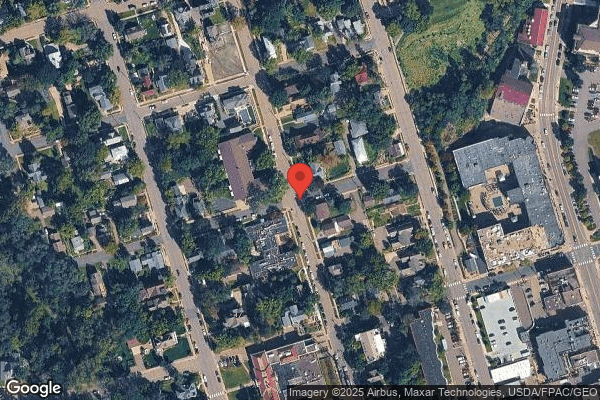

105 WEST LINDEN STREET, STILLWATER, MN 55082 (651) 439-5004
For profit - Partnership 51 Beds MONARCH HEALTHCARE MANAGEMENT Data: November 2025
Trust Grade
60/100
#210 of 337 in MN
Last Inspection: November 2024

Within standard 12-15 month inspection cycle. Federal law requires annual inspections.

Overview

The Estates at Linden LLC has a Trust Grade of C+, indicating a decent rating that is slightly above average. It ranks #210 out of 337 facilities in Minnesota, placing it in the bottom half, and #5 out of 8 in Washington County, meaning only three local options are better. The facility is improving, with issues decreasing from 7 in 2023 to 2 in 2024. Staffing is a relative strength, rated at 4 out of 5 stars, though the turnover rate of 57% is concerning, above the state average of 42%. Notably, there have been no fines, and RN coverage exceeds that of 83% of Minnesota facilities, suggesting strong medical oversight. However, there are some weaknesses. A serious incident involved a resident who suffered from unmanaged pain and withdrawal symptoms due to inadequate pain management. Additionally, the facility failed to ensure food safety practices, such as labeling and proper sanitation, which could potentially affect all residents. There was also a concern regarding the lack of a water management program to prevent Legionnaire's disease, which poses a risk to the health of residents and staff.
Trust Score
C+
60/100
In Minnesota
#210/337
Bottom 38%
Safety Record
Moderate
Needs review
Inspections
Getting Better
7 → 2 violations
Staff Stability
⚠ Watch
57% turnover. Above average. Higher turnover means staff may not know residents' routines.
Penalties
✓ Good
No fines on record. Clean compliance history, better than most Minnesota facilities.
Skilled Nurses
✓ Good
Each resident gets 65 minutes of Registered Nurse (RN) attention daily — more than 97% of Minnesota nursing homes. RNs are the most trained staff who catch health problems before they become serious.
Violations
⚠ Watch
11 deficiencies on record. Higher than average. Multiple issues found across inspections.
★★★☆☆
3.0
Overall Rating
★★★★☆
4.0
Staff Levels
★★★☆☆
3.0
Care Quality
★★★☆☆
3.0
Inspection Score
Stable
2023: 7 issues
2024: 2 issues

The Good

  • 4-Star Staffing Rating · Above-average nurse staffing levels
  • Full Sprinkler Coverage · Fire safety systems throughout facility
  • No fines on record

Facility shows strength in staffing levels, fire safety.

The Bad

3-Star Overall Rating

Near Minnesota average (3.2)

Meets federal standards, typical of most facilities

Staff Turnover: 57%

11pts above Minnesota avg (46%)

Frequent staff changes - ask about care continuity

Chain: MONARCH HEALTHCARE MANAGEMENT

Part of a multi-facility chain

Ask about local staffing decisions and management

Staff turnover is elevated (57%)

9 points above Minnesota average of 48%

The Ugly 11 deficiencies on record

1 actual harm
Nov 2024 2 deficiencies 1 Harm
SERIOUS (G)

Actual Harm - a resident was hurt due to facility failures

Deficiency F0697 (Tag F0697)

A resident was harmed · This affected 1 resident

**NOTE- TERMS IN BRACKETS HAVE BEEN EDITED TO PROTECT CONFIDENTIALITY** Based on interview and document review, the facility failed to manage pain consistent with the comprehensive assessment, plan of...

Read full inspector narrative →
**NOTE- TERMS IN BRACKETS HAVE BEEN EDITED TO PROTECT CONFIDENTIALITY** Based on interview and document review, the facility failed to manage pain consistent with the comprehensive assessment, plan of care, and physician's orders and to ensure potential acute opioid withdrawal symptoms were assessed to prevent avoidable, significant, pain for 1 of 1 resident (R23) reviewed for pain management. This deficient practice caused actual harm for R23, who experienced unmanaged pain and withdrawal symptoms. Findings include: R23's face sheet printed 10/31/24, indicated R23 had diagnosis of chronic pain syndrome with chronic opioid use related to a motor vehicle accident (MVA). R23's quarterly minimum data set (MDS) dated [DATE], indicated R23 was cognitively intact with no rejection of care. The MDS further indicated R23 had pain, however, did not receive any non-pharmacological interventions for pain. R23's pain Care Area Assessment (CAA) dated 5/7/24, indicated R23 reported pain which interfered with sleep and daily activities on an almost constant basis. Further, R23 reported constant pain rated at a 10 out of 10 on a 0-10 pain scale. Additionally, the CAA indicated R23 was at risk for pain not being adequately relieved or managed with interventions for nursing to monitor pain, administer pain medications as ordered, and nursing to update provider on pain as necessary and when pain was not adequately relieved/controlled. R23's care plan with revision date 5/17/24, indicated R23 had potential for alteration of comfort related to chronic pain syndrome, right humerus, and femur fractures, and left gluteal wound with the following interventions: pain medication as ordered by medical doctor (MD) and provide non-medicinal forms of pain relief including positioning, rest, and massage. R23's goal was to have adequate relief from pain as evidenced by verbalization, and freedom from signs/symptoms of non-verbal indications of pain. R23's physician visit note dated 10/10/24, indicated R23 had been on long-term opioid pain medications since 7/25/22 due to a motor vehicle accident and R23 reported pain intensity was an 8 on a 0-10 pain scale due to a recent fall during physical therapy which resulted in a fractured hip and shoulder. Further indicated, the physician ordered Belbuca (a strong prescription pain medicine that contains an opioid Buprenorphine. It is used to manage severe pain that requires long term treatment) 600 microgram (mcg) buccal film twice a day. R23's physician orders dated 10/31/24, indicated R23 had the following orders: -Lyrica 150 milligrams (mg) three times a day with a start date of 9/18/24 and a stop date of 10/11/24. -Lyrica 175 mg three times a day with a start date on 10/11/24. -Belbuca 900 mcg buccal film twice a day with a start date on 9/18/24 and a stop date of 10/11/24. -Belbuca 600 mcg buccal film twice a day with a start date on 10/11/24. R23's medication administration record (MAR) dated October 2024, indicated R23 did not receive the Belbuca 600 mcg buccal film from 10/11/24 at 8:00 p.m. through 10/15/24 at 8:00 p.m., a total of 9 doses missed. The MAR further indicated R23 did not receive the Lyrica 175 mg from 10/11/24 at 8:00 p.m. through 10/14/24 at 12:00 p.m., a total of 9 doses missed. R23's progress note dated 10/14/24 at 3:46 p.m., indicated R23 had increased anxiety, agitation, fidgeting, and pacing. R23's progress note dated 10/14/24 at 10:12 p.m., indicated R23's pain medication wasn't available and exhibited withdrawal symptoms such as restlessness and agitation. Review of R23's progress notes from 10/10/24 through 10/15/24, revealed no indication of physician notification of missed pain medications, R23's pain status, or R23's withdrawal symptoms. During review of R23's electronic medical record (EMR) from 10/10/24 through 10/16/24 on 10/31/24, lacked indication of non-pharmacological interventions provided, physician notification, or new pharmacological orders provided in substitution. During an interview on 10/31/24 at 10:59 a.m., registered nurse (RN)-A stated R23's Belbuca 600 mcg and Lyrica 175 mg pain medications were not available. Further, RN-A stated R23 was miserable and a mess during the days the pain medications weren't provided. Additionally, RN-A stated R23 exhibited withdrawal symptoms of shakiness, irritability, and restlessness during the days the pain medications weren't provided. Also, RN-A stated R23 was allowed to go smoke after hours throughout the night while he was unable to sleep. During an interview on 10/31/24 at 11:35 a.m. R23 stated, I felt awful, my pain was through the roof, my pain was completely out of control and they didn't do anything for my pain. Further, R23 verified the facility staff did not provide any non-pharmacological interventions during the time the pain medications weren't provided. During an interview on 10/31/24 at 11:43 a.m., registered nurse manager (RN-B) stated was informed by the nursing staff the pharmacy didn't send the new prescribed medications due to it was too early to fill the medications so, the medical provider was contacted on 10/16/24 regarding the missing pain medications. RN-B further stated the issue was the previous Belbuca and Lyrica medications were destroyed since R23 was given new prescriptions for the Belbuca and Lyrica. Additionally, the Belbuca prescription was sent to the wrong pharmacy and the facility had to call and have the pharmacy release the prescription so the facility pharmacy could fill and send the medication. During an interview on 10/31/24 at 1:26 p.m. the DON verified the nurses should have called the pharmacy when the medication wasn't received and should have updated the physician right away if the pharmacy couldn't send the medication. During an interview on 10/31/24 at 1:30 p.m., pain specialty physician stated the facility should have notified the office as soon as the medication wasn't received so an alternative could have been given. Further, the MD indicated if an opioid medication was stopped abruptly severe withdrawal symptoms could occur as well as increased pain. During an interview on 11/1/24 at 12:34 p.m. the administrator stated the facility administration was made aware on Monday 10/14/24 of R23 not receiving the new pain medications. Further, verified the medications were not received and given in a timely manner when the facility didn't receive the ordered medications. During an interview on 11/1/24 at 1:33 p.m., nurse practitioner (NP) verified they did not complete a comprehensive assessment of R23's pain or withdrawal symptoms on 10/14/24. During review of the prescribing information on Belbuca.com on 10/31/24, revealed a warning: Serious and Life-threatening risks from use of Belbuca indicated serious, life-threatening, or fatal respiratory depression may occur with use of Belbuca, especially during initiation or following a dosage increase. To reduce the risk of respiratory depression, proper dosing, and titration of Belbuca are essential. The Highlights of Prescribing Information obtained from Belbuca.com website indicated not to abruptly discontinue Belbuca in patients who may be physically dependent on opioids. Rapid discontinuation of opioid analgesics in patients who are physically dependent on opioids has resulted in serious withdrawal symptoms, uncontrolled pain, and suicide. Rapid discontinuation has also been associated with attempts to find other sources of opioid analgesics, which may be confused with drug-seeking for abuse. Patients may also attempt to treat their pain or withdrawal symptoms with illicit opioids, such as heroin, and other substance. The Pain Management Protocol dated 3/23/23, indicated to ensure that residents with pain or at risk for pain, have an effective pain management plan in place with individualized interventions that are consistent with the resident's goals for comfort. Treatment/Management 1. With input from the resident and/or resident representative, the provider, and staff will establish goals of pain treatment, for example, freedom from pain with minimal medication side effects, less frequent headaches, or improved functioning, mood, and sleep. 2. Nursing will evaluate for appropriate non-pharmacologic interventions to address the individual's pain. 3. Provider will order appropriate medication interventions to address individuals' pain. 4. The staff will evaluate and report how much and how often the resident utilizes PRN pain medication. a. Depending on severity and location of pain, the provider may start with PRN doses or supplement routine doses with PRN doses for breakthrough pain. b. If there are more than occasional PRN analgesic utilization (and depending on the success of nonpharmacological interventions), the provider may consider changing to regular administration of at least one analgesic with another medication for PRN use, increasing the routine dose of an existing analgesic, or switching to another analgesic. 5. Staff will provide the elements of a comforting environment and appropriate physical and complementary interventions; for example, local heat or ice, repositioning, massage, and the opportunity to talk about chronic pain. 6. Resident's plan of care will reflect pain management needs. 7. For the individual who is receiving opioid analgesics, the provider may order a regimen of laxatives and other measures to prevent constipation. Monitoring 1. The staff will reassess the individual's pain and related consequences at regular intervals; monitoring will occur to ensure pain is controlled, care plan goals are met, and pain management regimen is effective. Review should include frequency and intensity of pain, ability to perform activities of daily living (ADLs), sleep pattern, mood, behavior, and participation in activities. 2. The staff will discuss significant changes in levels of comfort with the provider who will consider adjusting interventions accordingly. This may include non-pharmacological measures and adjustments of regular and PRN analgesic doses to find the best combination of effectiveness and tolerable side effects. 3. The staff and physician will monitor for adverse effects of pain medications such as gastrointestinal bleeding from nonsteroidal anti-inflammatory drugs (NSAIDs), and anorexia, confusion, lethargy, severe constipation, or ileus related to opioids.
CONCERN (D)

Potential for Harm - no one hurt, but risky conditions existed

Deficiency F0604 (Tag F0604)

Could have caused harm · This affected 1 resident

**NOTE- TERMS IN BRACKETS HAVE BEEN EDITED TO PROTECT CONFIDENTIALITY** Based on observation, interview and record review the facility failed to ensure freedom of movement was not restricted for 1 of ...

Read full inspector narrative →
**NOTE- TERMS IN BRACKETS HAVE BEEN EDITED TO PROTECT CONFIDENTIALITY** Based on observation, interview and record review the facility failed to ensure freedom of movement was not restricted for 1 of 1 residents (R15) whose wheelchair was locked during mealtime in the dining room. Findings include: R15's quarterly Minimum Data Set (MDS) dated [DATE], indicated R15 had mild cognitive impairment and diagnoses of multiple sclerosis (a neurological disease that causes impaired walking and weakness the arms and legs), dementia with behavioral disturbance, and anxiety. R15 required total assistance with transfers, did not walk and was independent with wheelchair mobility. R15's nursing and provider orders lacked indication R15 had orders for restraints or to restrict movement when in the wheelchair. R15's care plan revised 8/12/24, indicated R15 had an alteration in socialization and at times can be disruptive during activities. Interventions included staff supervision when in an activity with R13 and encouragement to sit separately from R13. R13's annual MDS dated [DATE], indicated R13 had cognitive impairment and had diagnoses of dementia and diabetes. An observation on 10/28/24 at 5:09 p.m., R15 was sitting in their wheelchair in the dining room. Nursing assistant (NA)-A locked R15 wheelchair on the left side and stated I'm going to leave the wheelchair locked. NA-A then moved a bedside table in front of R15 in preparation for dinner. NA-A and NA-B were delivering trays and assisting residents in the dining room. R13 was seated at a table behind and to the left of R15. At 5:13 p.m., NA-A brought R15's dinner tray and placed it in front of him. R15's left wheel remained locked. R15 started eating dinner. At 5:40, registered nurse (RN)-C entered and cleared R15's dinner tray and R15 remained seated at the bedside table. AT 5:47 p.m., R15 attempted to wheel back away from the bedside table and only the right side of the wheelchair moved and R15 stopped trying to move. RN-C then moved the bedside table away from R15 however did not unlock the left wheel. R15 again attempted to self-propel the wheelchair and was only able to wheel the right side. R15 was only able to move in a circle pivoting on the left wheel, as that wheel was still locked. At 5:49 p.m. R15 started to self-propel the wheelchair and again rolled in part of a circle. AT 5:51 p.m., R15 again rolled in a circle pivoting on the left wheel. NA-A and NA-B were in the dining room removing trays of other residents and assisting some back to their rooms. At 6:12 p.m., NA-B went to move R15 out of the middle of the room and stated oh, not going anywhere with that locked as they unlocked R15's left wheel break. At 6:15 p.m., R15 started self-propelling out of the dining room. When interviewed on 10/28/24 at 6:19 p.m., NA-B verified R15's left wheelchair wheel was locked. NA-B further stated the break was placed to help keep R15 and R13 separated during dining. NA-B stated R15 and R13 had previous physical altercations and locking R15's wheelchair prevented R15 from rolling over to R13'stable . NA- further stated R15 wonders in his chair and locking the break made sure they were separated. When interviewed on 10/29/24 at 2:39 p.m., NA-C stated R15's wheelchair should not be locked. NA-C stated R15 wouldn't know how to unlock the breaks and having them locked would be a restraint. When interviewed on 10/29/24 at 2:47 p.m., RN- C stated R15 was alert to self and was independent with wheelchair mobility. R15 had a history of being intrusive to other residents and required redirection to stay away from R13. RN-C stated staff did not lock or unlock their chair as R15 liked to move throughout the building. RN-C believed R15 did not know how to lock or unlock his wheelchair due to dementia. When interviewed on 10/31/24 at 10:06 a.m., RN-B stated staff remained in the dining room to supervise meals and residents should be able to move around how they would like to. Furthermore, wheelchair breaks should not be locked if the residents could not unlock them. If locking them was to prevent movement, it would be considered a restraint. RN-C wasn't sure if R15 could unlock their wheelchair. R15 liked to self-propel around the facility in the wheelchair and locking the breaks would be a detriment to R15. When interviewed on 10/3124 at 10:23 a.m., the Director of Nursing (DON) stated wheelchair breaks should not be locked to prevent movement of residents. DON verified that would be considered a restraint if the resident was not able to lock and unlock the breaks themselves. The facility document titled Combined Federal and State [NAME] of rights dated 2019 , directed staff to treat the residents with respect and dignity to ensure freedom from physical restraints imposed for convenience and not required to treat a medical condition.
Nov 2023 7 deficiencies
CONCERN (D) 📢 Someone Reported This

A family member, employee, or ombudsman was alarmed enough to file a formal complaint

Potential for Harm - no one hurt, but risky conditions existed

Report Alleged Abuse (Tag F0609)

Could have caused harm · This affected 1 resident

Based on interview and document review the facility failed to ensure an allegation of resident-to-resident (R134,R135) abuse was reported to the state agency (SA) within two hours. Findings include: ...

Read full inspector narrative →
Based on interview and document review the facility failed to ensure an allegation of resident-to-resident (R134,R135) abuse was reported to the state agency (SA) within two hours. Findings include: A Nursing Home Incident Report (NHIR) dated 7/14/23 at 12:13 p.m., indicated at 7:45 a.m., R135 entered the dining room using a four-wheeled walker. R135 approached R134 who was sitting at a table and drinking coffee and shouted, You're not suppose to be sitting here, get your ass up. R134 replied Yes, I am. R135 then intentionally pushed his walked into R134's leg. Review of facility Verification of Investigation undated, also indicated the incident occurred on 7/14/23 at 7:45 a.m. During an interview on 11/2/23 at 12:53 p.m., the director of nursing (DON) stated all allegations of abuse were to be reported to the SA within two hours but stated she was not involved in the investigation related to R134 and R135. During an interview on 11/2/23 at 1:52 p.m., the administrator stated allegations of abuse were to be reported to management immediately and then reported to the SA within two hours. The administrator stated she did not recall why the allegation of abuse between R134 and R135 was not reported within two hours but that we try to adhere to that as closely as we can. The facility Abuse Prevention/Vulnerable Adult policy dated 8/2023, indicated abuse was the willful infliction of injury and defined willful as an individual who acted deliberately, not that they intended to inflict injury or harm. The policy also indicated resident-to-resident abuse was to be reported to the SA. The policy further indicated suspected abuse shall be reported to the SA not later than two hours after forming the suspicion of abuse.
CONCERN (D)

Potential for Harm - no one hurt, but risky conditions existed

Deficiency F0676 (Tag F0676)

Could have caused harm · This affected 1 resident

**NOTE- TERMS IN BRACKETS HAVE BEEN EDITED TO PROTECT CONFIDENTIALITY** Based on observation, interview and document review the facility failed to provide a shower and accommodate a specific shower da...

Read full inspector narrative →
**NOTE- TERMS IN BRACKETS HAVE BEEN EDITED TO PROTECT CONFIDENTIALITY** Based on observation, interview and document review the facility failed to provide a shower and accommodate a specific shower day for one of one resident (R6) who was refused showers. The facility further failed to assess why the resident was repeatedly refused his shower. Findings include: R6's quarterly Minimum Data Set (MDS), dated [DATE], indicated R6 was cognitively intact and admitted to the facility on [DATE]. R6's MDS further indicated he was independent with most activities of daily living (ADLs) and required moderate assistance with bathing. R6's Medical Diagnoses List, dated 12/9/21, indicated R6 had several medical diagnoses including dementia, peripheral vascular disease (a circulatory condition in which narrowed blood vessels reduce blood flow to the limbs) and squamous cell carcinoma of skin (cancer that occurs in the outermost part of the epidermis [skin surface] known as squamous cells.) R6's care plan, dated 12/10/21, indicated R6 had potential for alteration in skin integrity related not liking to bathe or shower. The care plan, dated 6/21/22, instructed staff to continue to encourage, reapproach and reeducate R6 on the importance of weekly showers. The care plan lacked approaches to encourage R6 to shower. R6's Interdisciplinary Team (IDT) Note, dated 9/21/23, indicated R6 was refusing showers but lacked approaches that have been used to encourage R6 to shower or approaches that have been successful. R6's electronic medical record (EMR) lacked an assessment of why R6 was continuing to refuse his showers and lacked evidence of documented approaches that work with R6 or have not work with R6 to encourage showers. R6's progress notes indicated R6 had refused his weekly shower six times in the past 10 weeks on 8/21/23, 9/4/23, 9/25/23, 10/2/23, 10/9/23, and 10/16/23. A progress note dated 10/2/23 indicated R6 had refused his shower because his shower day was Friday. During an interview and observation on 10/30/23 at 1:53 p.m., R6 stated he would rather have a shower on Fridays, so he is clean before the weekend. Multiple signs hanging in R6's room indicated his shower day was Mondays. R6 hair and clothes appeared disheveled and dirty. During an interview on 11/2/23 at 9:28 a.m., R6 stated he would take a shower if it was on Fridays and that he had told a few of the girls around here but it had not changed from Mondays. During an interview on 10/1/23 at 10:43 a.m., registered nurse (RN)-A confirmed R6 did refuse his shower most of the time and sometimes we just let him or we keep asking him. During an interview on 11/2/23 at 8:50 a.m., nursing assistant (NA)-A stated she heard from other staff that R6 refused his shower a lot. She was unsure if he had asked for a different day but stated staff should offer a different day to him if he was refusing. During an interview on 11/2/23 at 9:04 a.m., social services (SS)-A stated that the nurses usually assessed for shower day preferences with a resident upon admission. SS-A stated they had not attempted to change R6's shower day after his continued refusal but could try stating she was unsure if it would decrease his refusals as they had not yet tried to offer a different day, stating anything to help him get a shower. During an interview on 11/2/23 at 12:30 p.m., the director of nursing (DON) stated staff should reassess a resident for bathing preferences if they are frequently refusing showers and should be assessed for why they are refusing. The DON stated refusals should be discussed, and assessed, at care conferences and those discussions should be documented in an interdisciplinary team note (IDT) note. The DON further stated she would have expected staff to let her, or the assistant director of nursing know if a resident preferred a different shower day and the change would be made. The DON further stated she would expect the nurses to ensure the showers are getting offered and completed. A facility policy titled Activities of Daily Living (ADLs)/Maintain Abilities Policy, dated 3/31/23, indicated staff across all shifts should provide person-centered care and services that honor and support each resident's preferences and choices to carry out ADLs.
CONCERN (D)

Potential for Harm - no one hurt, but risky conditions existed

Deficiency F0679 (Tag F0679)

Could have caused harm · This affected 1 resident

**NOTE- TERMS IN BRACKETS HAVE BEEN EDITED TO PROTECT CONFIDENTIALITY** Based on observation, interview and document review the facility failed to comprehensively assess, develop and implement activit...

Read full inspector narrative →
**NOTE- TERMS IN BRACKETS HAVE BEEN EDITED TO PROTECT CONFIDENTIALITY** Based on observation, interview and document review the facility failed to comprehensively assess, develop and implement activities for one of one resident (R10) reviewed who had a decline in condition. Finding include: R10's admission MDS dated [DATE], indicated R10 admitted to the facility on [DATE] with diagnoses of amputation (surgical removal of part of the body, such as an arm or leg), anemia (a condition in which the blood doesn't have enough healthy red blood cells), hypertension, peripheral vascular disease (circulatory condition in which narrowed blood vessels reduce blood flow to the limbs), diabetes, dementia, and anxiety. R10's significant change Minimum Data Set (MDS) dated [DATE], indicated R10 had moderate cognitive impairment and had enrolled in hospice. R10's Preference for Customary Routine and Activities indicated listening to music, keep up with the news, do things with groups of people, go outside to get fresh air, and participation in religious services was listed as very important to her. R10's quarterly MDS dated [DATE], indicated R10 had severe cognitive impairment, needed setup with transfers and needed assistance with oral hygiene and dressing. The MDS section Preference for Customary Routine and Activities was not completed. R10's activities care plan dated 4/27/23, indicated Resident is independent with activity choices. She enjoys dancing, singing, being with her siblings [she is a twin], quilting, talking on the phone, and going out for dinner. She is of Catholic faith. She is not interested in much being here. She is eager to leave. R10's care plan goal indicated, Resident will express satisfaction through positive statements. R10's activities care plan included two interventions. The first intervention dated 4/27/23 indicated, Invite her to Catholic services on Tuesdays and, the second intervention dated 7/20/23, indicated Issue monthly activity calendar. Offer to assist as needed. The activities care plan lacked documentation about R10's change in condition and being signed onto hospice. The care plan focus, goals and interventions were not revised to reflect R10's cognitive decline, medical condition, or her enrollment into a hospice program. During observation on 10/30/23 at 12:58 p.m. staff brought R10's lunch tray, set up the meal and R10 didn't sit up in bed. At 1:24 p.m., R10 was laying down in bed, the lunch tray remained at bed side and resident had not eaten any of her meal. During observation on 10/30/23 at 1:51 p.m., R10 was laying in bed, calling out for help, her call light was at the end of the bed, not within reach. Later, at 3:19 p.m., R10 was observed sleeping in bed. During observation on 10/31/23 at 8:19 a.m., R10 was laying in bed in a hospital gown without staff interaction,with no TV, or music on in her room. During observation on 10/31/23 at 12:13 p.m., R10 was sleeping in bed wearing a hospital gown, with no TV, or music on in her room. During observation on 10/31/23 at 12:42 p.m., R10 was in bed, wearing a hospital gown, with no TV, or music on in her room During observation on 10/31/23 at 12:50 p.m., R10 was in bed sleeping wearing a hospital gown. R10 woke up when her name was called a second time, answered yes/no questions. R10's side of her room didn't have a TV and the drape dividing the room was pulled obstructing R10 view of the roommate's TV or the room window. During observation on 11/1/23 at 7:23 a.m., R10 was awake in bed, disoriented to time and place, and was only able to answer yes or no to questions. During this observation, no newspaper, magazines, books, or radio were noted in R10's room. During interview on 11/01/23 at 12:41 p.m., R10's daughter stated R10 enjoyed being with other people, liked to listen to music, listened to the news, liked to attend religious services and played bingo. R10's daughter stated, R10 was no longer able to use her cellular phone as a distraction. During interview on 11/2/23 at 8:57 a.m., the therapeutic recreation director (TRD) stated, upon admission all residents are assessed, asked about their preferences, a MDS assessment is done, and a care plan is developed. TRD stated, the care plans were reviewed quarterly and changed accordingly to reflect changes in condition or changes in residents' interests. TRD stated for the last two months, R10 had spent more time in her room, hasn't attended Catholic services and hasn't participated in activities R10 enjoyed before, and most recently refused to go to music on Halloween day. TRD stated, the staff continued to invite R10 to attend activities, offered books, trivia questions and TV guide. TRD stated, R10's refusal to participate in activities was not documented, therefore there was not documentation R10 was invited to attend to activities. TRD verified R10's activities care plan had not been updated to include significant cognitive and physical decline, as well as the lack of documentation of R10's enrollment on hospice on June 2023. During interview on 11/2/23 at 12:10 p.m., the director of nursing (DON) stated she expected the activity director to assess residents quarterly, with significant changes and reevaluate their interests, activities and update their care plans. The DON also stated, the care plans should include a variety of interventions and if a resident was enrolled on hospice, the activities care plan should incorporate the services provided by the hospice program. A facility policy on recreational activities was requested; however, none was received.
CONCERN (D)

Potential for Harm - no one hurt, but risky conditions existed

Quality of Care (Tag F0684)

Could have caused harm · This affected 1 resident

**NOTE- TERMS IN BRACKETS HAVE BEEN EDITED TO PROTECT CONFIDENTIALITY** Based on observation, interview and document review the facility failed to report to the provider timely, and appropriately resp...

Read full inspector narrative →
**NOTE- TERMS IN BRACKETS HAVE BEEN EDITED TO PROTECT CONFIDENTIALITY** Based on observation, interview and document review the facility failed to report to the provider timely, and appropriately respond to, significantly high blood pressure after a medication change for one of one resident (R2) reviewed for quality of care. Findings include: The Mayo Clinic article, What is a Hypertensive Crisis, dated 8/3/22, defined a hypertensive (high blood pressure) emergency as blood pressure higher than 180 millimeters of mercurcy (mm Hg)/120 mm Hg which requires emergency medical help. The Mayo Clinic further indicated untreated, high blood pressure increases the risk of heart attack, stroke and other serious health problems. The American Heart Association article, Why High Blood Pressure is a Silent Killer, dated 5/31/23, indicated that most of the time, there are no physical symptoms of high blood pressure, and it is known as the silent killer. The American Heart Association indicates ignoring high blood pressure and waiting for symptoms to alert that something is wrong is taking a dangerous chance with your life. R2's Minimum Data Set (MDS), dated [DATE], indicated R2 was cognitively intact and required extensive assist with most activities of daily living but was able to eat and use his wheelchair for locomotion independently. R2's Medical Diagnoses list, dated 1/18/23, indicated R2 was admitted to the facility with a primary diagnosis of acute on chronic kidney failure and had a secondary diagnosis of hemiplegia (paralysis on one side of the body) and hemiparesis (muscle weakness or partial paralysis on one side of the body that can affect the arms, legs, and facial muscles) following a cerebral infarction (stroke). R2's physician orders indicated R2 had an order for amlodipine (used to treat high blood pressure) 10 milligrams (mg) daily, dated 1/20/23 and hydralazine (also used to treat high blood pressure) 25 mg three times a day, dated 10/23/23. The order lacked blood pressure parameters on when to notify the physcian. R2's care plan and treament record also lacked blood pressure parameters on when to notify the physcian. R2's blood pressure list in the electronic medical record (EMR) indicated R2 had the following blood pressures: 173/103 on 10/24/23, 165/104 on 10/27/23, 185/137 and 166/104 on 10/28/23, 183/119 on 10/29/23, 163/107 on 10/30/23, 194/106 on 10/31/23 and 177/107 on 11/1/23. During an interview on 10/23/23 at 6:02 p.m., R2 stated he was often dizzy when he stood up and went outside to smoke multiple times a day. During an interview on 11/1/23 at 10:35 a.m., registered nurse (RN)-A stated she would notify the provider if a resident's blood pressure was over 180. RN-A stated she did not notify the provider yesterday when R2 had a blood pressure of 194/106 but had notified the provider this morning for the first time due to R2's blood pressure of 177/107. During an interview on 11/1/23 at 12:27 p.m., nurse practitioner (NP)-A stated she had increased R2's Hydralazine from 25mg two times a day to 3 times a day on 10/23/23. The NP stated she was not concerned about R2's high blood pressure because he was not having any symptoms. NP-A failed to indicate what symptoms should be monitored for signs of hypertension. NP-A stated R2 was good at letting staff know if he wasn't feeling well but was unaware that he had been feeling dizzy. During an interview on 11/2/23 at 9:09 a.m., the consulting pharmacist (CP) confirmed that R2's blood pressure increased after increasing his Hydralazine, stating this concerned her because hydralazine could cause rebound hypertension. The CP stated she would have been concerned with R2's blood pressure readings and would have reached out to the provider right away regardless if R2 was experiencing physical symptoms or not. The CP stated she would definitely consider adding another blood pressure medication and would continue to closely monitor R2's blood pressure until it was stable to prevent it from impacting R2's renal function and cardiovascular status. The CP stated, the providers need to make some changes or closely monitor this patient (R2). During an interview on 11/2/23 at 12:25 p.m., the director of nursing DON stated she would have expected the staff to reach out to the provider with R2's high blood pressure reading or at least reach out to the provider to ask for parameters of when to be notified of abnormal blood pressure readings. The DON stated she had reached out to the medical director on 11/1/23 who had discontinued R2's blood pressure checks and had recommended no changes to his medication despite his ongoing elevated blood pressure. The DON further stated she had received a fax from the CP that morning (at approximately 10:00 a.m.) concerned about R2's high blood pressure, which suggested to taper off R2's hydralazine and start an angiotensin-converting-enzyme inhibitor (ACE inhibitors, a class of medication used primarily for the treatment of high blood pressure and heart failure) due to the CP's concerns of significantly high blood pressures. A facility policy on vital signs and provider notification was requested but not provided. A facility policy, undated titled Change in Resident Condition or Status indicated the facility will promptly notify the physician or healthcare provider of a change in the resident's medical condition or status.
CONCERN (D)

Potential for Harm - no one hurt, but risky conditions existed

Incontinence Care (Tag F0690)

Could have caused harm · This affected 1 resident

**NOTE- TERMS IN BRACKETS HAVE BEEN EDITED TO PROTECT CONFIDENTIALITY** Based on observation, interview and document review the facility failed to reassess a newly incontinent resident after foley cat...

Read full inspector narrative →
**NOTE- TERMS IN BRACKETS HAVE BEEN EDITED TO PROTECT CONFIDENTIALITY** Based on observation, interview and document review the facility failed to reassess a newly incontinent resident after foley catheter removal for a toileting program for one of one resident (R5) reviewed for bowel and bladder. Findings include: R5's admission Minimum Data Set (MDS) dated [DATE], indicated R5 was admitted to the facility on [DATE], did not have a catheter in place and was not on a toileting program. R5's significant change MDS dated [DATE], indicated R5 was cognitively intact, now had a foley catheter and was not on a toileting program. R5's Bladder Evaluations on 8/18/23 and 9/6/23, both indicated R5 was continent on most occasions but rarely incontinent due to impaired mobility and that R5 was an assist of 1 with toileting. R5's Foley Catheter Evaluation, dated 9/6/23, indicated resident continues with need for a foley catheter. R5's Admission/Initial Data Collection, dated 8/11/23, indicated R5 was both always continent and occasionally incontinent of bladder. R5's progress note, dated 8/18/23, indicated R5 was sent to the emergency department for pain in his lower back, and bright red blood in his urine. A foley catheter was placed at the hospital on 8/20/23. A Urology After Visit Summary (AVS) note, dated 9/8/23, indicated R5's catheter was removed at the urology clinic 9/8/23. R5's care plan, dated 8/15/23, indicated R5 had an alteration in elimination as evidenced by indwelling foley catheter due to blood clot causing urinary retention. Resident has a history of hematuria and a diagnosis of benign prostatic hyperplasia (also called prostate enlargement, is a noncancerous increase in size of the prostate gland). Interventions included assist of 1 with toileting, monitoring foley output and change foley as ordered. R5's electronic medical record lacked evidence R5's bladder status was reassessed after foley catheter removal on 9/8/23. During an interview on 11/1/23 at 9:05 a.m., R5 stated his biggest concern was for his need for incontinent briefs, stating he was continent of bladder prior to admission to the facility. R5 stated he could sense the urge to urinate but felt he was always leaking urine and had to change his brief about five times a day. During an interview on 10/1/23 at 10:43 a.m., registered nurse (RN)-A stated there were no residents currently on a toileting program that she was aware of. However, RN-A stated staff were to check on R5 and ask if needed to use the toilet or have a brief change due to him being incontinent lately. During an interview on 11/2/23 at 8:50 a.m., nursing assistant (NA)-A stated staff checked on R5 to make sure he was clean and dry. NA stated R5 was not on a regimented toileting schedule and R5 would let staff know when he was wet. During an interview on 11/2/23 at 12:30 p.m., the director of nursing (DON) stated bowel and bladder assessments should be done within three days of admission and with significant changes. The DON confirmed R5 was not on a toileting program. The DON further stated it would be expected for a new bowel and bladder assessment to be completed when a foley catheter was removed. The DON stated R5 was recently started on a diuretic (also known as a water pill which increase the flow of urine) and could possibly benefit from a toileting program and should be assessed for a toileting program. A facility policy on bowel and bladder assessments was requested but not received.
CONCERN (F)

Potential for Harm - no one hurt, but risky conditions existed

Food Safety (Tag F0812)

Could have caused harm · This affected most or all residents

Based on observation, interview and document review the facility failed to ensure food was labeled with an expiration date. The facility also failed to ensure food was prepared in a clean and sanitary...

Read full inspector narrative →
Based on observation, interview and document review the facility failed to ensure food was labeled with an expiration date. The facility also failed to ensure food was prepared in a clean and sanitary environment. In addition, the facility failed to ensure the dishwasher temperatures were logged daily, and the chemical sanitization solution was at the correct concentration to ensure proper sanitization to prevent foodborne illness. This had the potential to affect all 34 residents in the facility. Findings include: Food Storage During an initial kitchen observation on 10/30/23 at 12:31 p.m., the following items were observed in the main kitchen: Refrigerator: -two half dozen bags of hard-boiled eggs, dated 10/13/23. Dry Storage: -canned peaches in a 1-quart plastic tub with no label or date to indicate when they were opened. -multiple individual ranch and French dressing packets with no expiration date. Freezer: -frozen sausage links in a plastic bag with no date to indicate when they were opened or when they expire. During an observation 11/2/23 at 9:45 a.m., the following items were observed: Dry Storage: -Five 6-pound (lb) cans of crushed pineapple and six 6 lb cans of diced pears with no expiration date. -Two bags of dried cheddar cheese mix and three bags of dried cream soup mix with no expiration date. -Two bags of refried pinto beans with an expiration date of 9/23. During an interview on 11/2/23 at 9:45 a.m., the dietary manager (DM) stated food removed from their original containers should be labeled with a date to indicate when they were opened and/or when they expire to avoid serving expired food to residents and potentially causing foodborne illnesses. Food Served/Prepped in a Sanitary Environment During an observation on 11/2/23 at 9:28 a.m., in the main kitchen food prep area by the stove, the ceiling was noted to have multiple cracks and flaking ceiling material and paint spanning the entire area above the food prep counter with two large chunks broken off and balancing and propped above the duct work over the stove area. A vent in the duct above the stove and near the food prep area was also coated around the edges and blades with black, fur-like dirt. The DM stated the vent should have been cleaned and the ceiling should be repaired to avoid contaminating food. During an observation on 11/2/23 at 9:28 a.m., six dozen muffins were cooling on the food prep counter. The ceiling above them remained cracked and peeling, with large pieces balanced on top of the duct work. During an interview on 11/2/23 at 10:09 a.m., the maintenance director (MTD) stated he was unaware of the pealing and cracked ceiling in the kitchen food prep area, and upon inspection agreed it would be a concern for possible food contamination. The MTD also stated the vents above the food prep area were supposed to be cleaned at least monthly to ensure they don't have dirt buildup and also contaminate food. Dishwasher Review of the facility dishwasher and sanitation solution log dated October indicated the dishwasher temperatures and sanitation solutions were tested 12 times out of the 52 times they should have been tested between 10/1/23 and 10/26/23 (two times per day). The log also indicated the following results: 10/4/23, PM -Dish PPM (sanitation parts per million) 0 -Wash temp:115 -Rinse temp:120 10/7/23, PM -Dish PPM: 0 -Wash temp:110 -Rinse temp:115 10/8/23, PM -Dish PPM: 0 -Wash temp:115 -Rinse temp:120 10/16/23, PM -Dish PPM: 100 -Wash temp:110 -Rinse temp:115 10/18/23, AM -Dish PPM: 100 -Wash temp:116 -Rinse temp:124 During an interview on 10/30/23 at 12:55 p.m., the cook (CK) stated the dishwasher was a low-temp dishwasher and they used test strips to test the sanitation solution for proper concentration. The test strips for the spray sanitation solution had an expiration date of 7/15/20, and the dishwasher test strips had an expiration date of 7/1/23. During an interview and observation on 10/30/23 at 12:55 p.m., the DM stated the dishwasher and sanitation solutions should have been checked and logged twice each day. The DM also verified the test strips were expired and should not have been used. The DM further stated there was no temperature requirement for the low-temp dishwasher, but it was preferred if the wash temp was over 120 degrees Fahrenheit (F) and the rinse temp was at least 124 degrees F. The DM then tested the dishwasher sanitization level using an expired test strip and the reading was 60 ppm. The DM stated he was unsure what the required PPM should be to ensure proper sanitization of the dishes. During an interview and observation on 11/2/23 at 9:39 a.m., the DM used a new, unexpired test strip to test the dishwasher ppm: the result was 25ppm. The DM again stated he did not know what the ppm was supposed to be to ensure proper sanitization of the dishes. During an interview on 11/2/23 at 12:18 p.m., the dishwasher sanitization company representative (ELR) arrived at the facility to inspect the dishwasher and sanitization solutions. The ELR stated the test strip should have read between 50-100 ppm to ensure proper sanitization. The ELR further stated the wash temp should be over 115 degrees F and combined with the proper ppm, would ensure the dishes were sanitized properly. The ELR also stated he believed staff were not testing the sanitization solution at the proper intervals, causing low readings and educated them on how to test the solution accurately. During an interview on 11/2/23 at 1:55 p.m., the administrator stated she would have expected to have been notified if there were any concerns related to the dishwasher and/or sanitizing solution and was unaware of any problems. The facility Food Receiving and Storage policy dated 10/17, indicated staff were to maintain clean food storage areas at all times. Dry foods removed from their original packaging and stored in bins were to be labeled and dated with a use by date. All foods stored in the refrigerator and freezer were also to be labeled with a use by date. The facility Sanitization policy dated 10/08, indicated all kitchens were to be kept clean, free from litter and rubbish and all counters, shelves and equipment was to be kept clean, maintained in good repair and free from breaks, corrosions, open seams, cracks and chipped areas. Low-temperature dishwashers (chemical sanitization) was to have a wash temperature of 120 degrees F and a final rinse with 50ppm hypocholorite (chlorine) for at least 10 seconds.
CONCERN (F)

Potential for Harm - no one hurt, but risky conditions existed

Infection Control (Tag F0880)

Could have caused harm · This affected most or all residents

Based on observation, interview and document review, the facility failed to ensure a risk assessment and a water management program was developed and maintained to help reduce the risk of Legionnaire'...

Read full inspector narrative →
Based on observation, interview and document review, the facility failed to ensure a risk assessment and a water management program was developed and maintained to help reduce the risk of Legionnaire's Disease (Legionella) bacterial growth and subsequent contamination in the facility's water supply and/or storage. These findings had potential to affect all 34 residents, staff and visitors within the nursing home. Findings include: Review of the Centers for Disease Control and Prevention (CDC) website titled Legionella.Prevention and Control, dated 03/25/21, revealed, The key to preventing Legionnaires' disease is to reduce the risk of Legionella growth and spread. Building owners and managers can do this by maintaining building water systems and implementing controls for Legionella.Key Elements.Seven key elements of a Legionella water management program are to. Establish a water management program team. Describe the building water systems using text and flow diagrams. Identify areas where Legionella could grow and spread. Decide where control measures should be applied and how to monitor them. Establish ways to intervene when control limits are not met. Make sure the program is running as designed (verification) and is effective (validation).Document and communicate all the activities.Principles. In general, the principles of effective water management include.Maintaining water temperatures outside the ideal range for Legionella growth.Preventing water stagnation.Ensuring adequate disinfection.Maintaining devices to prevent sediment, scale, corrosion, and biofilm, all of which provide a habitat and nutrients for Legionella.Once established, water management programs require regular monitoring of key areas for potentially hazardous conditions and the use of predetermined responses to respond when control measures are not met. During interview on 11/1/23 at 11:50 a.m., the maintenance director (MD) stated since the first floor is empty, I flush the first-floor toilets and open the faucets once a week. MD stated this task was not documented and was not able to provide documentation of a water management program upon request. During interview on 11/2/23 at 12:34 p.m., the administrator stated a water management program was not developed and verified a Legionella risk assessment had not been completed prior to 10/30/23. A facility water management program and Legionella risk assessment was requested and was not provided. Review of the policy titled Legionella Water Management Program dated 6/13/23, indicated Monarch Healthcare Management had developed and implemented water management programs in large or complex building water systems to reduce the risk of legionellosis. The policy interpretation and implementation, identified three key elements: * Each facility must conduct a facility risk assessment to identify where Legionella and other opportunistic waterborne pathogens could grow and spread in the facility water system. * Implementation of a water management program that considers the ASHRAE industry standard and the CDC toolkit, and includes control measures such as physical controls, temperature management, disinfectant level control, visual inspections, and environmental testing for pathogens. * Specify testing protocols and acceptable ranges for control measures and document the results of testing and corrective actions taken when control limits are not maintained.
Jun 2022 2 deficiencies
CONCERN (D)

Potential for Harm - no one hurt, but risky conditions existed

Unnecessary Medications (Tag F0759)

Could have caused harm · This affected 1 resident

Based on observation, interview, and document review, the facility failed to ensure they were free of a medication error rate of five percent or greater. The facility had a medication error rate of 8%...

Read full inspector narrative →
Based on observation, interview, and document review, the facility failed to ensure they were free of a medication error rate of five percent or greater. The facility had a medication error rate of 8% with 2 errors out of 25 opportunities involving 1 of 6 residents (R38) who were observed during medication administration. Findings include: R38's Diagnosis Report dated 6/23/22, indicated diagnoses of type II diabetes mellitus and dementia. R38's Medication Administration Record (MAR) dated 6/22/22 , indicated the following: 1. Blood sugar results were 424 2. Order for insulin glargine solution pen-injector 100 units/mL (milliliters) inject four units subcutaneously in the morning 3. Order for insulin lispro 100 units/mL inject four units subcutaneously before meals. During an observation on 6/22/22, at 9:35 a.m. registered nurse (RN)-A cleaned the tip of the insulin glargine injector pen with an alcohol wipe, applied the needle and primed the dial with one unit of insulin. RN-A then dialed up four units of insulin glargine as prescribed. RN-A then repeated the same process for the second type of insulin this time from the lispro injector pen: she cleaned the tip of the insulin pen with an alcohol wipe, applied the needle, dialed up one unit to prime the needle. RN-A then turned the dial to draw up four units as prescribed. RN-A then administered the insulin to R38. During an interview on 6/22/22, at 10:02 a.m. RN-A stated she was not aware the insulin pen needles to be primed with two units of insulin and then the prescribed dosage, so she only primed the needles with one unit. RN-A stated she had not seen insulin come out of the needle during priming to indicate it was primed fully. During an interview on 6/22/22, at 10:19 a.m. the consultant pharmacist (CP) stated insulin pen needles need to be primed with two to three units of insulin and then dial up the prescribed dosage of insulin. During an interview on 6/22/22, at 1:22 p.m. the director of nursing (DON) stated insulin pen needles need to be primed with two units of insulin and then dial up the insulin to ensure the resident received the correct insulin dose. Polaris Pharmacy Services document titled How to Give a Shot: Insulin Pens, undated, indicated to first dial up two units to prime the needle, and ensure at least a drop of insulin appears. Then dial up the prescribed dose of insulin.
CONCERN (D)

Potential for Harm - no one hurt, but risky conditions existed

Deficiency F0760 (Tag F0760)

Could have caused harm · This affected 1 resident

**NOTE- TERMS IN BRACKETS HAVE BEEN EDITED TO PROTECT CONFIDENTIALITY** Based on observation, interview, and document review, the facility failed to ensure residents were free of significant medicatio...

Read full inspector narrative →
**NOTE- TERMS IN BRACKETS HAVE BEEN EDITED TO PROTECT CONFIDENTIALITY** Based on observation, interview, and document review, the facility failed to ensure residents were free of significant medication errors for 1 of 1 residents (R38) reviewed for insulin administration using an insulin pen. Findings include: R38's admission Minimum Data Set (MDS) dated [DATE], was in progress. MHM (Monarch Health Management) Brief Interview for Mental Status (BIMS) form dated 6/20/2022, indicated R38 had severely impaired cognition. R38's Diagnosis Report dated 6/23/22, indicated diagnoses of type II diabetes mellitus and dementia. R38's care plan dated 6/23/22, indicated R38 had higher blood sugars since admission, and staff were directed to provide diabetes medication as ordered by the doctor. R38's Medication Administration Record (MAR) dated 6/22/22 , indicated the following: 1. Blood sugar results were 424 2. Order for insulin glargine solution pen-injector 100 units/mL (milliliters) inject four units subcutaneously in the morning 3. Order for insulin lispro 100 units/mL inject four units subcutaneously before meals. During an observation on 6/22/22, at 9:35 a.m. registered nurse (RN)-A cleaned the tip of the insulin glargine injector pen with an alcohol wipe, applied the needle and primed the dial with one unit of insulin. RN-A then dialed up four units of insulin glargine as prescribed. RN-A repeated the same process for the second type of insulin from the lispro injector pen; she cleaned the tip of the insulin pen with an alcohol wipe, applied the needle and dialed up one unit to prime the needle. RN-A then turned the dial to draw up four units as prescribed. RN-A administered the insulin to R38. By priming the insulin pen needles with only one unit of insulin each, R38 was potentially shorted two units of insulin in total. During an interview on 6/22/22, at 10:02 a.m. RN-A stated she was not aware the insulin pen needles to be primed with two units of insulin and then the prescribed dosage, so she only primed the needles with one unit. RN-A stated she had not seen insulin come out of the needle during priming to indicate it was primed fully. During an interview on 6/22/22, at 10:05 a.m. RN-C stated insulin pen needles required two units of insulin to prime and then dial up the prescribed dosage to ensure the needle was primed fully. During an interview on 6/22/22, at 10:09 a.m. the nurse practitioner (NP) stated R38 had some high blood sugars, and she was in the process of adjusting the medication orders today. The NP stated she would expect the prescribed dosage of insulin to be administered. During an interview on 6/22/22, at 10:19 a.m. the consultant pharmacist (CP) stated insulin pen needles need to be primed with two to three units of insulin and then dial up the prescribed dosage of insulin. During an interview on 6/22/22, at 1:22 p.m. the director of nursing (DON) stated insulin pen needles need to be primed with two units of insulin and then dial up the prescribed insulin to ensure the resident received the correct insulin dose. Polaris Pharmacy Services document titled How to Give a Shot: Insulin Pens, undated, indicated to first dial up two units to prime the needle, and ensure at least a drop of insulin appears. Then dial up the prescribed dose of insulin.
Understanding Severity Codes (click to expand)
Life-Threatening (Immediate Jeopardy)
J - Isolated K - Pattern L - Widespread
Actual Harm
G - Isolated H - Pattern I - Widespread
Potential for Harm
D - Isolated E - Pattern F - Widespread
No Harm (Minor)
A - Isolated B - Pattern C - Widespread

Questions to Ask on Your Visit

  • "Why is there high staff turnover? How do you retain staff?"
  • "Can I speak with families of current residents?"
  • "What's your RN coverage like on weekends and overnight?"

Our Honest Assessment

Strengths
  • • No fines on record. Clean compliance history, better than most Minnesota facilities.
Concerns
  • • 11 deficiencies on record, including 1 serious (caused harm) violation. Ask about corrective actions taken.
  • • 57% turnover. Above average. Higher turnover means staff may not know residents' routines.
Bottom line: Mixed indicators with Trust Score of 60/100. Visit in person and ask pointed questions.

About This Facility

What is The Estates At Linden Llc's CMS Rating?

CMS assigns The Estates at Linden LLC an overall rating of 3 out of 5 stars, which is considered average nationally. Within Minnesota, this rating places the facility higher than 0% of the state's 100 nursing homes. This mid-range rating indicates the facility meets federal standards but may have areas for improvement.
How is The Estates At Linden Llc Staffed?

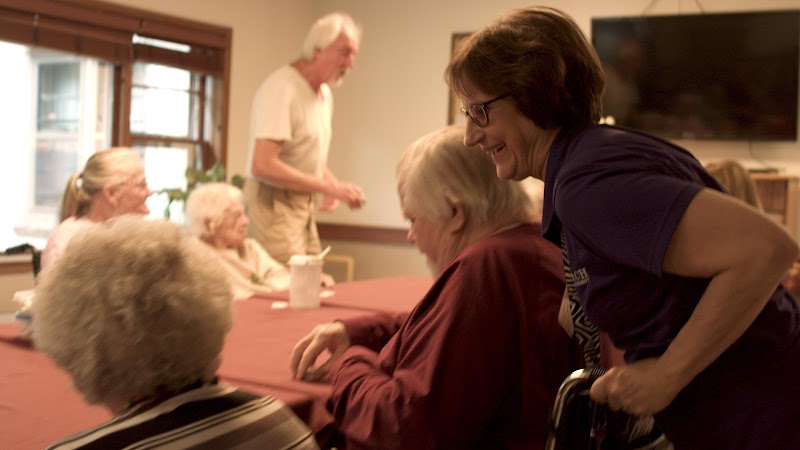
CMS rates The Estates at Linden LLC's staffing level at 4 out of 5 stars, which is above average compared to other nursing homes. Staff turnover is 57%, which is 11 percentage points above the Minnesota average of 46%. High turnover can affect care consistency as new staff learn residents' individual needs. RN turnover specifically is 64%, which is notably high. RNs provide skilled clinical oversight, so turnover in this role can affect medical care quality.

What Have Inspectors Found at The Estates At Linden Llc?

State health inspectors documented 11 deficiencies at The Estates at Linden LLC during 2022 to 2024. These included: 1 that caused actual resident harm and 10 with potential for harm. Deficiencies causing actual harm indicate documented cases where residents experienced negative health consequences.

Who Owns and Operates The Estates At Linden Llc?

The Estates at Linden LLC is owned by a for-profit company. For-profit facilities operate as businesses with obligations to shareholders or private owners. The facility is operated by MONARCH HEALTHCARE MANAGEMENT, a chain that manages multiple nursing homes. With 51 certified beds and approximately 33 residents (about 65% occupancy), it is a smaller facility located in STILLWATER, Minnesota.

How Does The Estates At Linden Llc Compare to Other Minnesota Nursing Homes?

Compared to the 100 nursing homes in Minnesota, The Estates at Linden LLC's overall rating (3 stars) is below the state average of 3.2, staff turnover (57%) is significantly higher than the state average of 46%, and health inspection rating (3 stars) is at the national benchmark.

What Should Families Ask When Visiting The Estates At Linden Llc?

Based on this facility's data, families visiting should ask: "How do you ensure continuity of care given staff turnover, and what is your staff retention strategy?" "Can I visit during a mealtime to observe dining assistance and food quality?" "How do you handle medical emergencies, and what is your hospital transfer rate?" "Can I speak with family members of current residents about their experience?" These questions are particularly relevant given the facility's high staff turnover rate.

Is The Estates At Linden Llc Safe?

Based on CMS inspection data, The Estates at Linden LLC has a clean safety record: no substantiated abuse findings (meaning no confirmed cases of resident harm), no Immediate Jeopardy citations (the most serious violation level indicating risk of serious injury or death), and is not on the Special Focus Facility watch list (a federal program monitoring the lowest-performing 1% of nursing homes). The facility has a 3-star overall rating and ranks #100 of 100 nursing homes in Minnesota. While no facility is perfect, families should still ask about staff-to-resident ratios and recent inspection results during their visit.

Do Nurses at The Estates At Linden Llc Stick Around?

Staff turnover at The Estates at Linden LLC is high. At 57%, the facility is 11 percentage points above the Minnesota average of 46%. Registered Nurse turnover is particularly concerning at 64%. RNs handle complex medical decisions and coordinate care — frequent RN changes can directly impact care quality. High turnover means new staff may not know residents' individual needs, medications, or preferences. It can also be disorienting for residents, especially those with dementia who rely on familiar faces. Families should ask: What is causing the turnover? What retention programs are in place? How do you ensure care continuity during staff transitions?

Was The Estates At Linden Llc Ever Fined?

The Estates at Linden LLC has no federal fines on record. CMS issues fines when nursing homes fail to meet care standards or don't correct problems found during inspections. The absence of fines suggests the facility has either maintained compliance or corrected any issues before penalties were assessed. This is a positive indicator, though families should still review recent inspection reports for the full picture.

Is The Estates At Linden Llc on Any Federal Watch List?

The Estates at Linden LLC is not on any federal watch list. The most significant is the Special Focus Facility (SFF) program, which identifies the bottom 1% of nursing homes nationally based on persistent, serious quality problems. Not being on this list means the facility has avoided the pattern of deficiencies that triggers enhanced federal oversight. This is a positive indicator, though families should still review the facility's inspection history directly.