Hilltop Health Care Center
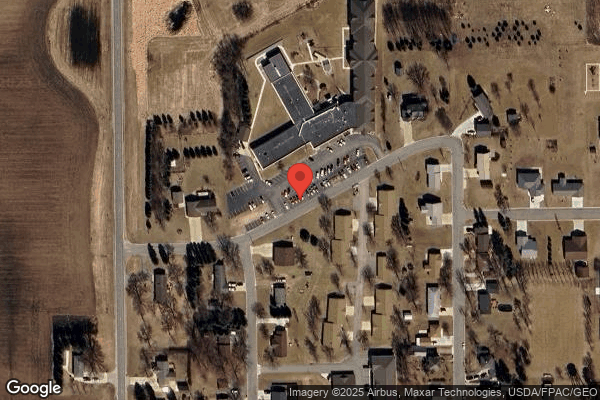
410 LUELLA STREET, WATKINS, MN 55389 (320) 764-2300
For profit - Limited Liability company 50 Beds Independent Data: November 2025
Trust Grade
90/100
#41 of 337 in MN
Last Inspection: May 2025

Inspected within the last 6 months. Data reflects current conditions.

Overview

Hilltop Health Care Center has received an impressive Trust Grade of A, which indicates that it is excellent and highly recommended. Ranked #41 out of 337 nursing homes in Minnesota, the facility is in the top half, and it holds the #1 position out of 3 homes in Meeker County, meaning it is the best local option. The overall trend is improving, as the number of issues reported decreased from 4 in 2024 to none in 2025. Staffing is strong, with a perfect 5-star rating and a turnover rate of 38%, which is below the state average, suggesting that staff are experienced and familiar with the residents. While there are many strengths, there are some concerns; for example, there were instances where the dishwasher did not reach the required temperature for cleaning, which could potentially affect food safety. Additionally, the facility failed to notify the appropriate parties regarding hospital transfers for two residents, and another resident's serious changes in condition were not communicated to a physician in a timely manner. Overall, while there are areas for improvement, Hilltop Health Care Center has a solid reputation and offers many strengths for potential residents.

Trust Score
A
90/100
In Minnesota
#41/337
Top 12%
Safety Record
Low Risk
No red flags
Inspections
Getting Better
4 → 0 violations
Staff Stability
○ Average
38% turnover. Near Minnesota's 48% average. Typical for the industry.
Penalties
✓ Good
No fines on record. Clean compliance history, better than most Minnesota facilities.
Skilled Nurses
✓ Good
Each resident gets 63 minutes of Registered Nurse (RN) attention daily — more than 97% of Minnesota nursing homes. RNs are the most trained staff who catch health problems before they become serious.
Violations
✓ Good
Only 5 deficiencies on record. Cleaner than most facilities. Minor issues only.
★★★★★
5.0
Overall Rating
★★★★★
5.0
Staff Levels
★★★★★
5.0
Care Quality
★★★★★
5.0
Inspection Score
Stable
2024: 4 issues
2025: 0 issues

The Good

  • 5-Star Staffing Rating · Excellent nurse staffing levels
  • 5-Star Quality Measures · Strong clinical quality outcomes
  • Full Sprinkler Coverage · Fire safety systems throughout facility
  • No fines on record
  • Staff turnover below average (38%)

    10 points below Minnesota average of 48%

Facility shows strength in staffing levels, quality measures, fire safety.

The Bad

Staff Turnover: 38%

Near Minnesota avg (46%)

Typical for the industry

The Ugly 5 deficiencies on record

Mar 2024 4 deficiencies
CONCERN (D)

Potential for Harm - no one hurt, but risky conditions existed

Transfer Notice (Tag F0623)

Could have caused harm · This affected 1 resident

**NOTE- TERMS IN BRACKETS HAVE BEEN EDITED TO PROTECT CONFIDENTIALITY** Based on interview and document review, the facility failed to notify the Ombudsman for Long Term Care (LTC) of resident transfe...

Read full inspector narrative →
**NOTE- TERMS IN BRACKETS HAVE BEEN EDITED TO PROTECT CONFIDENTIALITY** Based on interview and document review, the facility failed to notify the Ombudsman for Long Term Care (LTC) of resident transfers to the hospital for 2 of 2 residents (R19, R32), reviewed for hospitalization. This had the potential to affect all residents transferred to hospital. Findings include: R19's significant change Minimum Data Set (MDS) dated [DATE], indicated R19's diagnoses included chronic obstructive pulmonary disease (COPD) and heart failure, and R19 was cognitively intact. R19's progress notes indicated R19 was hospitalized from [DATE] through 6/8/23. R19's medical record lacked evidence the Ombudsman for LTC was notified of R19's transfer to the hospital. R32's face sheet, undated, indicated the following diagnoses hemiplegia and hemiparesis of the right side (weakness and paralysis on the right side), osteoarthritis, right femur fracture, and cerebral vascular infarction (CVA-stroke). Progress notes indicated R32 was hospitalized from [DATE] until 9/20/23 and 10/22/23 until 10/24/23. R32's medical record lacked evidence a written notification of transfer was sent to the Ombudsman for long term care. The facility's Admission/Discharge To/From Report for 6/1/23 to 6/30/23, listed resident names, dates, and location for seven residents discharged to home or other facilities from 6/1/23 through 6/30/23. However, the report did not include the names and dates of residents transferred to the hospital. On 3/21/24 at 1:03 p.m., social services director (SSD) stated the ombudsman of LTC was not notified of transfers to the hospital and was only notified of discharges to home or other facilities. SSD acknowledged the ombudsman should have been notified of all discharges, including residents transferred to the hospital. On 3/21/24 at 1:11 p.m., administrator acknowledged the ombudsman of LTC had not been notified of resident transfers to hospital. Administrator stated the ombudsman of LTC should have been notified of all resident hospital transfers. The facility's Transfer or Discharge, Emergency policy, last approved 3/2024, indicated the procedures that would be implemented for emergency transfer or discharge to a hospital. However, the policy lacked information regarding notification to the ombudsman of LTC.
CONCERN (D)

Potential for Harm - no one hurt, but risky conditions existed

Quality of Care (Tag F0684)

Could have caused harm · This affected 1 resident

**NOTE- TERMS IN BRACKETS HAVE BEEN EDITED TO PROTECT CONFIDENTIALITY** Based on interview and document review, the facility failed to notify the physician and/or nurse practitioner (NP) for 1 of 3 re...

Read full inspector narrative →
**NOTE- TERMS IN BRACKETS HAVE BEEN EDITED TO PROTECT CONFIDENTIALITY** Based on interview and document review, the facility failed to notify the physician and/or nurse practitioner (NP) for 1 of 3 residents (R34) reviewed for change of condition. Findings include: R34's quarterly minimum data set (MDS) dated [DATE], identified R34 had severe cognitive impairment and diagnoses which included dementia, Alzheimers, chronic kidney disease, edema and constipation. A review of R34's medical record revealed on 3/16/2024, at 4:41 a.m. a nursing progress note indicated Resident had small blood clots in her incontinent product. Further progress note on 3/16/2024 2:22 p.m. indicated resident had an emesis during lunch. After lunch, resident also had blood clots in her stool noted. Progress note on 3/18/2024, at 2:26 a.m. indicated R34 had a large blood clot and blood coming from her rectum that filled her incontinent pad. Further review of R34's medical record revealed the medical record lacked evidence R34's physician and/or NP had been notified. During interview on 3/21/24, at 11:07 a.m. registered nurse (RN)-B stated R34 had not had blood clots coming from the rectum prior to this and was not sure if the physician and/or NP were notified. On 3/21/24, at 11:13 a.m. RN-C stated it was not ordinary for R34 to have blood clots or blood coming from the rectum. RN-C stated the provider would be informed of a change in condition if there was a concern with R34's comfort or if there was something out of the ordinary. On 3/21/24, at 12:15 p.m. director of nursing (DON) reviewed the medical record and verified the record lacked evidence the provider had been notified of clots and blood coming from the rectum. The DON stated the provider should have been updated blood and clots from the rectum are definitely not ordinary. Facility policy Change in a Resident's Condition or Status dated 1/2024 identified our facility shall promptly notify the resident, his or her attending Physician, and representative of changes in the resident's medical/mental condition and /or status.
CONCERN (E)

Potential for Harm - no one hurt, but risky conditions existed

Food Safety (Tag F0812)

Could have caused harm · This affected multiple residents

Based on observation, interview and document the review the facility failed to ensure the dishwashing machine temperatures reached adequate washing temperatures to clean and sanitize ddishware. This d...

Read full inspector narrative →
Based on observation, interview and document the review the facility failed to ensure the dishwashing machine temperatures reached adequate washing temperatures to clean and sanitize ddishware. This deficient practice had the potential to affect all 46 residents who received meals from the facility's kitchen. Findings include: On 3/20/24 at 8:22 a.m., while observing the dishwasher, the wash cycle was observed 4 times and the temperatures were as follows: Wash cycle #1 at 8:22 a.m. =147 degrees Fahrenheit (°F) Wash cycle #1 at 8:23 a.m. =148 °F Wash cycle #1 at 8:25 a.m. =149 °F Wash cycle #1 at 8:27 a.m. =152 °F On 3/20/24 at 8:27 a.m., the dietary dishwasher (DD)-A stated it was a common occurrence for the dishwasher wash cycle to not reach the required temperature of 150 °F, since date of hire (November 2023). The log for the dishwasher temperatures was reviewed and indicated wash cycle temperatures greater than 150°F. DD-A stated the machine had to run a few times before it got to the required temperature that morning. However, DD-A stated when/if the wash cycle did not reach the required temperature the dishes were put out for use and not rewashed. On 3/20/24 at 9:23 a.m., the dietary manager (DM)-A stated they had not been notified the dishwasher was not meeting required wash cycle temperature. DM-A confirmed the dishwasher used high heat and chemical to sanitize and the required temperatures were 150 °F for wash cycle and 180 °F for rinse cycle. The DM-A expected staff to rewash dishes if the dishwasher did not get to the required washing temperature and report occurrence to DM-A. On 3/21/24 at 4:15 p.m., the maintenance staff (MA)-A confirmed the required temperatures for the dishwasher was a wash cycle at 150 °F or higher, and sanitize cycle at 180 °F. Additionally, MA-A confirmed issues in the past with dishwasher temperatures had been addressed. On 3/21/24 at 4:22 p.m., the Ecolab technician who maintained the machine for the facility confirmed the wash cycle needed to reach 150 °F and the rinse cycle 180 °F. If the temperature did not reach 150°F, staff should have run a test strip to ensure the machine reached the required temperatures. Prior to washing dishes, approximately 20-30 cycles could be necessary to reach the required 150 °F. The facility policy Operation of the Dish Machine dated 03/2024, indicated the required ranges was >150 °F for the wash cycle and >180 °F for rinse cycle.
MINOR (C)

Minor Issue - procedural, no safety impact

Staffing Information (Tag F0732)

Minor procedural issue · This affected most or all residents

**NOTE- TERMS IN BRACKETS HAVE BEEN EDITED TO PROTECT CONFIDENTIALITY** Based on observation, interview and document review the facility failed to ensure the required nurse staffing information was po...

Read full inspector narrative →
**NOTE- TERMS IN BRACKETS HAVE BEEN EDITED TO PROTECT CONFIDENTIALITY** Based on observation, interview and document review the facility failed to ensure the required nurse staffing information was posted daily. This had the potential to affect all 46 residents residing in the facility and visitors who may have wished to view this information. Findings include: On 3/18/24 until 3/21/24 the staff posting was posted at the door. However, upon review of the weekend postings the facility only indicated licensed staff in the facility but did not differentiate between registered nurses (RN) and licensed practical nurses (LPN). The Staff Posting Report [NAME] dated 2/17/24, listed out 3 licensed staff working a total of 24 hours but no designation of their license being RN or LPN. The Staff Posting Report [NAME] dated 2/18/24, listed out 3 licensed staff working a total of 24 hours but no designation of their license being RN or LPN. The Staff Posting Report [NAME] dated 2/24/24, listed out 2 licensed staff working a total of 16 hours but no designation of their license being RN or LPN. The Staff Posting Report [NAME] dated 2/25/24, listed out 2 licensed staff working a total of 16 hours but no designation of their license being RN or LPN. The Staff Posting Report [NAME] dated 3/2/24, listed out 3 licensed staff working a total of 24 hours but no designation of their license being RN or LPN. The Staff Posting Report [NAME] dated 3/3/24, listed out 3 licensed staff working a total of 24 hours but no designation of their license being RN or LPN. The Staff Posting Report [NAME] dated 3/9/24, listed out 2 licensed staff working a total of 16 hours but no designation of their license being RN or LPN. The Staff Posting Report [NAME] dated 3/10/24, listed out 2 licensed staff working a total of 16 hours but no designation of their license being RN or LPN. The Staff Posting Report [NAME] dated 3/16/24, listed out 3 licensed staff working a total of 24 hours but no designation of their license being RN or LPN. The Staff Posting Report [NAME] dated 3/17/24, listed out 3 licensed staff working a total of 24 hours but no designation of their license being RN or LPN. On 3/21/24 at 9:00 a.m., the business office manager (BOM) stated the staff posting was auto populated by a computer program, printed daily and was not broken down to indicate RN or LPN and only listed them as licensed staff. The BOM confirmed the staff posing lacked information on the weekends. It was important to include so anyone who wanted to know the staffing, could view the information. On 3/21/24 at 2:00 p.m., the director of nursing (DON) confirmed on the weekends the RN's and LPNs were only listed out as licensed staff with no designation between RN and LPN. The DON stated it was important to include the information to show how many RNs were in the building and they have enough staffing coverage. The facility policy Posting of Nursing Hours-Long term care last approved 12/2022, indicated the total number of actual hours worked by the following categories of hours worked was to be listed on the posting: RNs, LPNs, certified nurse aides, and resident census.
Feb 2023 1 deficiency
CONCERN (D)

Potential for Harm - no one hurt, but risky conditions existed

Tube Feeding (Tag F0693)

Could have caused harm · This affected 1 resident

**NOTE- TERMS IN BRACKETS HAVE BEEN EDITED TO PROTECT CONFIDENTIALITY** Based on observation, interview, and document review, the facility failed to ensure an eternal (feeding) tube was consistently c...

Read full inspector narrative →
**NOTE- TERMS IN BRACKETS HAVE BEEN EDITED TO PROTECT CONFIDENTIALITY** Based on observation, interview, and document review, the facility failed to ensure an eternal (feeding) tube was consistently checked for placement prior to the administration of medications through for 1 of 1 residents (R1) whose medication administration was offered through a stomach tube. Findings include: R1's quarterly Minimum Data Set (MDS) dated [DATE], identified R1 had unspecified intracranial injury with loss of consciousness for unknown period of time (injury to the brain without being awake for an unknown length of time) with related diagnosis of dysphagia (difficulty swallowing), and use of an abdominal feeding tube (a type of tube going straight into the stomach). R1's current orders, dated 2/2/23, identified a G-tube (gastrostomy tube) (a type of tube going straight into the stomach) and received medications given directly into stomach. On 1/31/23 at 2:12 p.m. registered nurse (RN)-A was observed by 2 surveyors, performing medication administration in R1's room following medication review, gathering a marked syringe, and beaker with water. RN-A raised the head of the bed, donned clean gloves, connected syringe onto G-tube and using gravity flow method, poured 30 ml of water through the syringe. RN-A did not check the placement of the tube prior to the 30 ml pour of water, RN-A continued to administer crushed medications through G-tube, and then flushing again with a 30 ml pour of water before disconnecting, and capping G-tube line. On 1/31/23 immediately after exiting R1's room from completion of medication administration, RN-A was unable to explain the facilities policy for checking G-tube placement prior to giving medications. RN-A stated, I'm not sure, I would have to ask, I don't know how we check placement. On 1/31/23 at 3:27 p.m. licensed practical nurse (LPN)-A said her process for performing medication administration for R1 would be to review the rights of medication administration, crush medications, use proper hygiene, and PPE (personal protective equipment) with syringe, and check placement through auscultation. LPN-A said she generally does not check residual volume for R1 (pulling back with a syringe for gastric contents) but does do auscultation (using a stethoscope. placed over the stomach to listen for rushing air through a G-tube from a syringe). On 1/31/23 at 3:32 p.m. clinical manager (CM)-A Identified R1 as the only resident with a G-tube in the facility. CM-A explained her expectation of skilled nursing staff, before administering a medication for any resident through a G-tube was to perform the rights of medication administration, use proper hand hygiene with PPE, have necessary equipment, and to check placement by both auscultation, and residual volume prior to medication administration. On 1/31/23 at 4:13 p.m. director of nursing (DON) said her expectations of skilled nursing staff administering medications through a G-tube, review the MAR with rights of medication administration, do appropriate water flushes, have proper hand hygiene with PPE, having an awareness of infection control, and to check tube placement. The DON stated, I would expect placement be checked through a residual volume check. The DON continued, staff should be checking placement prior to putting any medications or flushes through a G-tube and should not rely on auscultation. I have been reviewing the facility policy for G-tube medication, and it does identify checking placement prior to administration. The DON continued, if the placement was incorrect, it could result in potential infection, respiratory issues, and failure of medication absorption. Facility policy titled Administering Medications through an Enteral Tube obtained on 1/31/23, with upcoming review of 11/23 identified purpose, preparation, general guideline, equipment and supplies, steps in the procedure, and documentation. Under steps in the procedure on step 18, the policy identified confirm placement of feeding tube. Step 25 stated administer medication by gravity flow.
Understanding Severity Codes (click to expand)
Life-Threatening (Immediate Jeopardy)
J - Isolated K - Pattern L - Widespread
Actual Harm
G - Isolated H - Pattern I - Widespread
Potential for Harm
D - Isolated E - Pattern F - Widespread
No Harm (Minor)
A - Isolated B - Pattern C - Widespread

Questions to Ask on Your Visit

  • "Can I speak with families of current residents?"
  • "What's your RN coverage like on weekends and overnight?"

Our Honest Assessment

Strengths
  • • Grade A (90/100). Above average facility, better than most options in Minnesota.
  • • No major safety red flags. No abuse findings, life-threatening violations, or SFF status.
  • • No fines on record. Clean compliance history, better than most Minnesota facilities.
  • • Only 5 deficiencies on record. Cleaner than most facilities. Minor issues only.
Concerns
  • • No significant concerns identified. This facility shows no red flags across CMS ratings, staff turnover, or federal penalties.
Bottom line: Generally positive indicators. Standard due diligence and a personal visit recommended.

About This Facility

What is Hilltop Health Care Center's CMS Rating?

CMS assigns Hilltop Health Care Center an overall rating of 5 out of 5 stars, which is considered much above average nationally. Within Minnesota, this rating places the facility higher than 99% of the state's 100 nursing homes. This rating reflects solid performance across the metrics CMS uses to evaluate nursing home quality.

How is Hilltop Health Care Center Staffed?

CMS rates Hilltop Health Care Center's staffing level at 5 out of 5 stars, which is much above average compared to other nursing homes. Staff turnover is 38%, compared to the Minnesota average of 46%. This relatively stable workforce can support continuity of care.

What Have Inspectors Found at Hilltop Health Care Center?

State health inspectors documented 5 deficiencies at Hilltop Health Care Center during 2023 to 2024. These included: 4 with potential for harm and 1 minor or isolated issues.

Who Owns and Operates Hilltop Health Care Center?

Hilltop Health Care Center is owned by a for-profit company. For-profit facilities operate as businesses with obligations to shareholders or private owners. The facility operates independently rather than as part of a larger chain. With 50 certified beds and approximately 44 residents (about 88% occupancy), it is a smaller facility located in WATKINS, Minnesota.

How Does Hilltop Health Care Center Compare to Other Minnesota Nursing Homes?

Compared to the 100 nursing homes in Minnesota, Hilltop Health Care Center's overall rating (5 stars) is above the state average of 3.2, staff turnover (38%) is near the state average of 46%, and health inspection rating (5 stars) is much above the national benchmark.

What Should Families Ask When Visiting Hilltop Health Care Center?

Based on this facility's data, families visiting should ask: "Can I visit during a mealtime to observe dining assistance and food quality?" "How do you handle medical emergencies, and what is your hospital transfer rate?" "Can I speak with family members of current residents about their experience?"

Is Hilltop Health Care Center Safe?

Based on CMS inspection data, Hilltop Health Care Center has a clean safety record: no substantiated abuse findings (meaning no confirmed cases of resident harm), no Immediate Jeopardy citations (the most serious violation level indicating risk of serious injury or death), and is not on the Special Focus Facility watch list (a federal program monitoring the lowest-performing 1% of nursing homes). The facility has a 5-star overall rating and ranks #1 of 100 nursing homes in Minnesota. While no facility is perfect, families should still ask about staff-to-resident ratios and recent inspection results during their visit.

Do Nurses at Hilltop Health Care Center Stick Around?

Hilltop Health Care Center has a staff turnover rate of 38%, which is about average for Minnesota nursing homes (state average: 46%). Moderate turnover is common in nursing homes, but families should still ask about staff tenure and how the facility maintains care continuity when employees leave.

Was Hilltop Health Care Center Ever Fined?

Hilltop Health Care Center has no federal fines on record. CMS issues fines when nursing homes fail to meet care standards or don't correct problems found during inspections. The absence of fines suggests the facility has either maintained compliance or corrected any issues before penalties were assessed. This is a positive indicator, though families should still review recent inspection reports for the full picture.

Is Hilltop Health Care Center on Any Federal Watch List?

Hilltop Health Care Center is not on any federal watch list. The most significant is the Special Focus Facility (SFF) program, which identifies the bottom 1% of nursing homes nationally based on persistent, serious quality problems. Not being on this list means the facility has avoided the pattern of deficiencies that triggers enhanced federal oversight. This is a positive indicator, though families should still review the facility's inspection history directly.