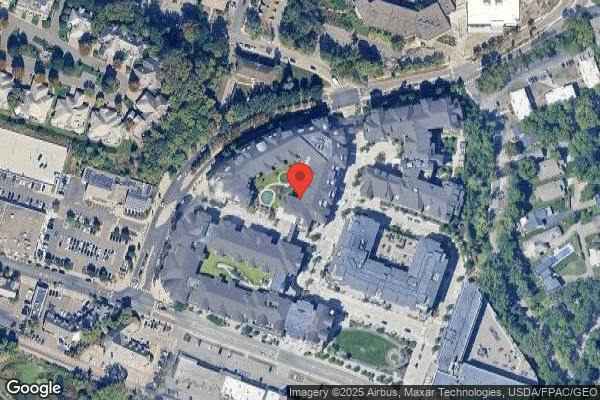




FOLKESTONE

100 PROMENADE AVENUE, WAYZATA, MN 55391 (952) 249-2400
Non profit - Corporation 30 Beds PRESBYTERIAN HOMES & SERVICES Data: November 2025
Trust Grade
90/100
#25 of 337 in MN
Last Inspection: October 2024

Within standard 12-15 month inspection cycle. Federal law requires annual inspections.

Overview

Folkestone nursing home in Wayzata, Minnesota, has received an excellent Trust Grade of A, indicating it is highly recommended and performs well compared to other facilities. It ranks #25 out of 337 in the state and #3 out of 53 in Hennepin County, placing it in the top half overall. However, the facility's trend is worsening, with issues increasing from 3 in 2023 to 4 in 2024, and there are some areas of concern regarding medication administration and food safety. Staffing is a strength, with a perfect score of 5/5 stars and a turnover rate of 32%, which is below the state average. While there have been no fines reported, some incidents, such as improper food storage and medication errors affecting multiple residents, raise potential concerns about the quality of care.

Trust Score
A
90/100
In Minnesota
#25/337
Top 7%
Safety Record
Low Risk
No red flags
Inspections
Getting Worse
3 → 4 violations
Staff Stability
○ Average
32% turnover. Near Minnesota's 48% average. Typical for the industry.
Penalties
✓ Good
No fines on record. Clean compliance history, better than most Minnesota facilities.
Skilled Nurses
✓ Good
Each resident gets 85 minutes of Registered Nurse (RN) attention daily — more than 97% of Minnesota nursing homes. RNs are the most trained staff who catch health problems before they become serious.
Violations
○ Average
7 deficiencies on record. Average for a facility this size. Mostly minor or procedural issues.
★★★★★
5.0
Overall Rating
★★★★★
5.0
Staff Levels
★★★★☆
4.0
Care Quality
★★★★☆
4.0
Inspection Score
Stable
2023: 3 issues
2024: 4 issues

The Good

  • 5-Star Staffing Rating · Excellent nurse staffing levels
  • 4-Star Quality Measures · Strong clinical quality outcomes
  • Full Sprinkler Coverage · Fire safety systems throughout facility
  • No fines on record
  • Staff turnover below average (32%)

    16 points below Minnesota average of 48%

Facility shows strength in staffing levels, quality measures, fire safety.

The Bad

Staff Turnover: 32%

13pts below Minnesota avg (46%)

Typical for the industry

Chain: PRESBYTERIAN HOMES & SERVICES

Part of a multi-facility chain

Ask about local staffing decisions and management

The Ugly 7 deficiencies on record

Oct 2024 4 deficiencies
CONCERN (D)

Potential for Harm - no one hurt, but risky conditions existed

Pharmacy Services (Tag F0755)

Could have caused harm · This affected 1 resident

**NOTE- TERMS IN BRACKETS HAVE BEEN EDITED TO PROTECT CONFIDENTIALITY** Based on interview, observation, and document review, the facility failed to accurately transcribe a medication order, and faile...

Read full inspector narrative →
**NOTE- TERMS IN BRACKETS HAVE BEEN EDITED TO PROTECT CONFIDENTIALITY** Based on interview, observation, and document review, the facility failed to accurately transcribe a medication order, and failed to check the medication administration record (MAR) against the medication label and clarify administration instructions prior to giving medication for 1 of 1 resident (R4) who received an anticoagulant (also known as blood thinners; medication used to prevent or reduce blood clots) during medication administration observation. Findings include: R4's significant change Minimum Data Set (MDS) dated [DATE], indicated R4 was cognitively intact and had diagnoses of atrial fibrillation (a heart condition which causes an irregular, often rapid, heartbeat), heart failure (heart muscle does not pump blood as well as it should), hypertension (high blood pressure), kidney failure (loss of kidney function which normally removes waste and excess fluid from blood), and diabetes mellitus [condition which affects how the body uses blood sugar (glucose)]. R4's undated care plan, identified R4 was at risk for side effects of anticoagulants due to anticoagulant use and directed staff to complete labs per provider orders and monitor for side effects, which included bruising, bleeding, CVA (cerebrovascular accident, also known as stroke; blood supply to part of the brain is blocked or reduced), heart attack (flow of blood to heart is severely reduced or blocked), and blood clots (clumps of blood which change from a liquid to a gel and controls bleeding). On 10/15/24 at 8:30 a.m., trained medication assistant (TMA)-A stated they prepared medication while reviewing the medication rights and checks. R4's apixaban (an anticoagulant) 2.5 mg (milligram) medication pack was observed, and the label instructed to give one tablet orally two times daily. TMA-A placed one 2.5 mg tablet of apixaban in R4's medication cup, prepared R4's other medications, and administered medication to R4. During subsequent document review, R4's Order Review Report signed by provider on 9/26/24 and MAR, directed staff to give 2.5 tablet of apixaban 2.5 mg orally two times a day with order start date of 3/20/24. During interview on 10/15/24 at 1:51 p.m., TMA-A confirmed R4's apixaban label directed to give one tablet of 2.5 mg apixaban and the MAR directed to give 2.5 tablet. TMA-A stated someone typed the order wrong and would let the nurse know. During interview on 10/15/24 at 2:12 p.m., registered nurse (RN)-A stated providers filled out order forms and the first nurse would enter the order and a second nurse completed a second check. Providers also gave orders through the telephone and nurses would write the order and have providers sign the orderp; or providers would fax the orders. Once orders were processed, they were placed in the resident binder. RN-A stated they would check residents for signs and/or symptoms of side effects and update the provider and family member or other representative if medication given incorrectly. RN-A verified R4's apixaban order, which reflected on MAR, directed to give 2.5 tablets of apixaban 2.5 mg instead of 1 tablet of apixaban 2.5 mg. RN-A stated orders entered incorrectly could lead to medication errors and was the reason nursing completed a second check after an order was entered. On 10/16/24 at 8:10 a.m., the clinical administrator (director of nursing; DON) stated a medication variance report was completed for the apixaban, the pharmacy had sent apixaban 2.5 mg tablets and no others for R4. The order was reviewed with the provider and changed to reflect 2.5 mg instead of 2.5 tablets of apixaban 2.5 mg. The DON provided R4's orders from M Health Fairview Southdale electronically signed 7/1/24, and the orders directed to give apixaban 2.5 mg, 1 tablet by mouth two times daily and had two initials written by the order. During interview on 10/16/24 at 12:44 p.m., TMA-A stated the pharmacy label on medication and MAR were supposed to match, and they followed the pharmacy label or called the DON when directions did not match. During interview on 10/16/24 at 1:02 p.m., RN-A stated they followed the rights of medication administration and reviewed provider orders in the resident binder when there was a discrepancy between medication labels and the MAR. During interview on 10/16/24 at 1:04 p.m., the DON stated they clarified the transcription of R4's apixaban order and believed R4 received the right medication and right dose. The DON expected staff to follow medication protocols and review the electronic MAR and medication packaging and follow provider orders. The Medication Administration Procedures dated 1/27/19, directed staff to verify the medication label matched the MAR with the right resident, medication, dose, time, route, reason, form of drug, and documentation. The Medication Administration Error Policy dated 5/2021, indicated a medication error occurred when there was failure to compare doctors' orders with pharmacy labels and medication administration record. The Order Processing Policy dated 5/2024, indicated staff obtained telephone, verbal, or written orders from providers and orders included the name, strength, dosage, time and frequency of medication, diagnosis for medication, and route of administration. Each order was noted and processed and received a second check by a qualified staff. The Medication Administration Policy dated 5/2021, indicated accurate transcription of medication orders was the responsibility of licensed nursing staff, and medications were transcribed from the physician order sheet to the MAR in the electronic MAR.
CONCERN (E)

Potential for Harm - no one hurt, but risky conditions existed

Unnecessary Medications (Tag F0759)

Could have caused harm · This affected multiple residents

**NOTE- TERMS IN BRACKETS HAVE BEEN EDITED TO PROTECT CONFIDENTIALITY** Based on observation, interview, and document review, the facility failed to ensure medications were administered in accordance ...

Read full inspector narrative →
**NOTE- TERMS IN BRACKETS HAVE BEEN EDITED TO PROTECT CONFIDENTIALITY** Based on observation, interview, and document review, the facility failed to ensure medications were administered in accordance with physician orders and manufacturer guidelines for 3 of 9 residents (R4, R17, and R15) observed to receive medication. A total of four (4) errors out of 29 opportunities were identified which resulted in a medication error rate of 13.79%. Findings include: R4: R4's significant change Minimum Data Set (MDS) dated [DATE], identified R4 was cognitively intact and had diagnoses of atrial fibrillation (a heart condition which causes an irregular, often rapid, heartbeat), heart failure (heart muscle does not pump blood as well as it should), and hypertension (high blood pressure), kidney failure (loss of kidney function which normally removes waste and excess fluid from blood), and diabetes mellitus [condition which affects how the body uses blood sugar (glucose)]. R4's Order Review Report signed 9/26/24, identified R4 required polyethylene glycol 3350 oral packet 8.6 gram by mouth in the morning for constipation with order date of 5/9/24. On 10/15/24 at 8:30 a.m., trained medication assistant (TMA)-A stated they prepared medication while reviewing the medication rights and checks. R4's polyethylene glycol 3350 oral container had a sticker which directed there was a change in the medication's directions. R4's electronic medication administration record (MAR) directed staff to give 8.6 gram (gm) by mouth in the morning. TMA-A took the cap off the polyethylene glycol container, poured the powder into the cap until the line which read 17 gm, and poured the powder into a plastic beverage cup. TMA-A prepared R4's other medications, locked the MAR screen and medication cart, and walked towards R4's room with medication and polyethylene glycol in hand. TMA-A was stopped and asked to verify the polyethylene glycol. TMA-A returned to the medication cart and confirmed the powder was poured to the 17 gm line and the order was for 8.6 gm. TMA-A dumped out the polyethylene glycol, filled the cap half-full of powder, and poured the powder into a plastic beverage cup. On 10/15/24 at 2:12 p.m., registered nurse (RN)-A stated they would check residents for signs and/or symptoms of side effects and update the provider and family member or other representative if medication given incorrectly. RN-A stated R4 had a history of intestinal obstruction, and R4 was at risk for excessive bowel movements and dehydration if given more polyethylene glycol than ordered. R17: R17's significant change MDS dated [DATE], identified R17 had moderate cognitive impairment and diagnoses of dementia, hypertension, coronary artery disease (also called atherosclerotic heart disease; a condition of narrowing or blockage of coronary arteries which supply blood and oxygen to the heart), and kidney failure. R17's Order Review Report signed 9/26/24, identified R17 required brimonidine tartrate ophthalmic solution 0.2% one drop in left eye two times a day for ocular hypertension (condition where the pressure inside the eye is higher than normal) with an order date of 11/22/23. On 10/15/24 at 8:54 a.m., TMA-A prepared an eye drop for R17. R17's brimonidine 0.2% eye drop label instructed to give one drop into left eye two times daily. TMA-A entered R17's room, performed hand hygiene, and donned gloves. R17 was laying in bed and TMA-A administered one drop to R17's left eye and one to R17's right eye. TMA-A confirmed one drop to both eyes were given and verified the MAR and label directed to give one drop to left eye. TMA-A stated R17 had other eye drops which instructed to give to both eyes. On 10/15/24 at 2:12 p.m., registered nurse (RN)-A stated staff followed orders for how many eye drops to give and which eye to give the drops in. RN-A stated follow-up for giving eye drops differently than ordered depended on which kind of eye drop was given, such as an eye drop for an eye condition like glaucoma. R15: R15's quarterly MDS dated [DATE], indicated R15 had moderate cognitive impairment and diagnoses of hypertension, kidney failure, and diabetes mellitus. The MDS indicated R15 had orders for insulin and received insulin injections seven days out of the last seven days of the MDS look back period. R15's Treatment Administration Record (TAR) for October 2024, indicated R15 required 8 units subcutaneously of insulin lispro injection solution 100 unit/mL (milliliter) three times a day for diabetes mellitus type two before each meal and hold if blood glucose less than 150 with start date of 9/17/24. R15 required 20 units subcutaneously of insulin glargine subcutaneous solution 100 unit/mL in the morning for diabetes mellitus type two with start date of 10/2/24. On 10/16/24 at 7:53 a.m., RN-A checked R15's blood glucose level, and the result was 186. RN-A removed gloves, completed hand hygiene, placed on new gloves, and stated R15 received eight units of insulin lispro before each meal and was held if blood glucose was less than 150, and 20 units of insulin glargine in the morning. RN-A placed needle on Humalog KwikPen (insulin lispro) 100 units/mL without wiping tip of pen with an alcohol swab and dialed pen to two and set aside. RN-A placed needle on Lantus Solostar (insulin glargine) without wiping tip of pen with an alcohol swab and dialed pen to two and set aside. RN-A wiped R15's abdomen with alcohol wipe, dialed Humalog KwikPen to eight units, and administered to R15's abdomen. RN-A wiped the other side of R15's abdomen with alcohol wipe, dialed Lantus Solostar from two units to 20 units, and was questioned about priming technique. RN-A stated the needle was primed when the pens were dialed to two units, verified they did not press the pen plunger before dialing from two to required units, and then administered to R15's abdomen. RN-A returned supplies to the cupboard in R15's room, removed gloves, performed hand hygiene, and exited R15's room. RN-A verified they did not wipe the tip of the insulin pens prior to attaching the needle, since they took the pen cap off and inserted needles without touching the tip of the pens. RN-A stated they wiped the top of insulin vials before withdrawing medication with needle, because the chances of touching the top of the vial was high. RN-A stated ensuring the pen tip was clean before needle attachment was important for infection purposes, and insulin pens were primed as part of instructions to administer the correct dosage. On 10/16/24 at 10:19 a.m., the clinical administrator (director of nursing; DON) stated they completed a medication variance report for the eye drops which were given in both eyes rather than the left eye. On 10/16/24 at 1:04 p.m., the DON stated R4 was focused on their bowels, and correct administration of bowel medications helped maintain R4's baseline and avoided loose stools or constipation. DON stated R17's brimonidine eye drop was intended for R17's left eye and not both eyes, and staff completed follow-up observations on R17. The DON referred to manufacturer instructions and facility competencies related to the need to wipe insulin pen tips or not prior to needle insertion and how to prime needles and insulin pens. The DON stated priming removed air from needles, and infection control was important for set-up of insulin administration. The DON expected staff to follow medication protocols and review the electronic MAR and medication packaging and follow provider orders. On 10/16/24 at 2:22 p.m., the DON confirmed priming occurred when insulin pens were dialed to two and plunger pressed to zero, and then the pens were redialed to administered amount. The DON also verified staff were to wipe the tip of insulin pens prior to attaching needle. Lantus Prescribing Information which contained Instructions for Use dated 12/2020, instructed to wipe the rubber seal with alcohol prior to attaching new needle and to perform a safety test before each injection to ensure an accurate dose by ensuring the pen and needle work properly and removing air bubbles. The directions to perform a safety test included turning the dosage selector to two units, holding the pen with needle pointing upwards and tapping insulin reservoir so air bubbles rise up towards the needle, pressing the injection button all the way in and checking if insulin comes out the needle tip. The dose window should show 0 (zero) following the safety test before selecting the dose. The Medication Administration Policy dated 5/2021, directed staff to follow the 8 rights of drug administration which included right drug, dose, and route. The Medication Administration Procedures dated 1/27/19, directed staff to remove the cap from the insulin pen and wipe the rubber stopper with an alcohol wipe and then attach a new needle to the insulin pen following manufacturer's guidelines. Further, the procedure directed staff to turn dose selector to two units, hold pen with the needle pointing up and tap the cartridge to move collected air to the top of the cartridge, press the injection button all the way in until the dose selector is back to zero, observe for a stream or drop of insulin at the tip of the needle or follow specific pen guidelines for additional testing if no drop appears, and select dose by turning the dose selector to the number of units to be administered.
CONCERN (F)

Potential for Harm - no one hurt, but risky conditions existed

Food Safety (Tag F0812)

Could have caused harm · This affected most or all residents

**NOTE- TERMS IN BRACKETS HAVE BEEN EDITED TO PROTECT CONFIDENTIALITY** Based on observation, interview, and document review, the facility failed to ensure food items were properly stored, labeled, an...

Read full inspector narrative →
**NOTE- TERMS IN BRACKETS HAVE BEEN EDITED TO PROTECT CONFIDENTIALITY** Based on observation, interview, and document review, the facility failed to ensure food items were properly stored, labeled, and dated, and kitchen fans were kept in clean condition. Also, the facility failed to ensure that staff with facial hair wore beard nets while in the kitchen and plating food. This had the potential to affect all 29 residents , staff, and visitors who consumed food from the main and/or fourth floor kitchen. Findings include: During the initial kitchen tour with executive chef (EC) on 10/14/24 at 12:53 p.m., the walk-in refrigerator on the main kitchen was reviewed. EC stated an unopened cooked corned beef package came from the freezer Friday and was for sandwiches and added date to the package. Unopened packaged ground beef was in a cardboard box with the date 9/30/24 typed on its packaging and/or delivery sticker, and EC marked the box for next use. Other unopened packages of ground beef were thawing next to the box and not in drip-proof container. EC stated the packages of ground beef next to the box were taken from the freezer this day. EC stated they received an order today and was in the process of moving food around. The walk-in freezer of the main kitchen had uncovered pastries on a cart for breakfast. A plastic bag had breaded fish without a label and date. EC removed and asked staff to label and date the fish. The fourth floor serving kitchen area for the nursing home had a stove which was used to make items such as scrambled eggs. Above the stove was an exhaust fan which had gray, fuzzy particles on the lower boarder. EC wiped finger on area of exhaust fan and had grayish colored, fuzzy particle which came off area onto finger. Pans were placed upside down and one pan was right side up on a flat surface above the stove and below the exhaust fan. The flat surface with the pans had small particles which were removed when fingers wiped across. EC stated the fan would be cleaned, and they cleaned the fans in the main kitchen weekly. The small dish washing room connected to the kitchen area but separated by a door had a fan with scattered grayish, fuzzy particles. On 10/14/24 at 5:04 p.m., meal service on the fourth floor was observed. Dietary aide (DA)-A plated multiple plates with pulled pork sandwiches, beans, fruit, and other food items. DA-A had facial hair which covered face from side burn of face by ears to chin and upper lip and was approximately a quarter-inch thick. On 10/14/24 at 5:20 p.m., DA-A stated they wore hair nets for food service and in the kitchen. DA-A verified they did not have their beard covered and stated they do not do anything different around beards but then stated they had beard bags. On 10/15/24 at 11:06 a.m., cook (C)-A verified pastries and cinnamon rolls were uncovered on sheet slid into a cart in the freezer of the main kitchen and stated they were for the next day. On 10/15/24 at 11:07 a.m., the cardboard boxes of ground beef and unopened ground beef packages next to the box remained on the bottom shelf on the refrigerator and not contained. On 10/15/24 at 11:14 a.m., DA-A had no beard cover and temped the cold food over ice and hot food on the steam table on the fourth-floor nursing home area. On 10/15/24 at 11:38 a.m., DA-A dished up multiple plates from the steam table, which staff brought to residents, and did not have a beard cover. On 10/16/24 at 8:48 a.m., the packages of ground beef remained on the bottom shelf and not in a container. On 10/16/24 at 9:10 a.m., C-A browned ground beef. C-A stated they were not aware of a protocol for kitchen staff with facial hair and would either follow the three-day rule for use of opened items in the refrigerator or consult with EC. C-A stated food in the refrigerator and freezer should be covered and dated. C-A stated they placed food into refrigerator from freezer a day or two before it was needed, so it would be thawed out by the time of use. If unopened items were not dated, they used the first in line. C-A stated they had a certain container for thawing chicken in the fridge and raw meat was placed on the bottom shelf to thaw. C-A continued to brown ground beef, and C-B checked on muffins in the oven and took out and placed on table. A fan was on and blew into the kitchen area where the muffins and ground beef were, and the fan had speckles of grayish colored particles and hair-like substance which blew approximately two to three inches away from where it was connected to the fan. C-B stated they all cleaned the fans, and there was not a schedule for the fans, but they cleaned in their down time when they saw the need. C-B stated they saw dust on the fan and would clean. C-A stated they usually tried to clean the fan once a week and did not document and confirmed the fan needed to be cleaned. On 10/16/24 at 9:44 a.m., the fan previously noted in the dish washing room of the fourth nursing home area with scattered grayish particles was on. DA-B stated they left dishes in the rack they were washed in and placed the rack on top of the dish machine to dry. On 10/16/24 at 12:54 a.m., DA-B confirmed the fan was on and needed to be cleaned. DA-B stated they cleaned what they were able to on the outside but did not have the parts fully clean the fan. DA-B stated they had verbally told a maintenance worker the fan needed to be cleaned about a couple weeks previously. On 10/16/24 at 1:26 p.m., the culinary director (CD) stated the pastries in the freezer were prepped for next days use, and C-B stated they had not covered the cart with the pastries in the freezer in the past. CD stated uncovered food was at risk for cross contamination. CD stated they rotated food in the refrigerator to know what to use first based on their five-week menu. CD stated food had dates when delivered and expected food to have dates when out of packages delivered in. In the walk-in refrigerator, CD wrote a date on unopened, cooked chicken label. The ground beef was now in a pan with a date, and CD stated the ground beef should be in pan and dated like it was now. CD stated they had a daily and quarterly cleaning list they used, and culinary cleaned the fans when dirty. The exhaust fan was cleaned by an outside company. Fans were important to clean to serve safe food. On 10/16/24 at 3:54 p.m., regional engineering manager stated there was an inspection sticker which showed the hood fan above the oven was cleaned twice a year by an outside company, and culinary cleaned in between. A facility maintenance technician (MT)-A stated staff notified them on concerns through TELS (web-based platform which helps with building operations communication), calling, using radio, or calling the receptionist who then communicated to the maintenance department. [NAME] Weekly Sanitation Checklist undated, directed cooks to take down hood vents and send through the dish washer and replace when clean. The facility did not provide checklist documentation of completed hood vent cleaning but provided documentation to show Brothers Industrial Cleaning cleaned the kitchen exhaust system 7/16/24. Cleaning checklists did not include fans. Facility policy Labeling and Dating Ready to eat and/or Potentially Hazardous Food Items dated 1/28/14, indicated ready to eat and potentially hazardous food items were to have labels to specify date prepared, date frozen, and date thawed of any refrigerated, ready-to-eat, potentially hazardous foods. Facility policy Food Receiving and Storage dated 5/14/17, directed staff to cover, label, and date all foods stored in the refrigerator or freezer, and uncooked and raw animal products and fish were stored in drip-proof containers. Nutrition and Culinary Uniform Policy dated 9/2024, directed staff to wear hair coverings while preparing food in prep areas, such as kitchenettes where staff served food, and beard nets for beard hair half an inch or longer.
MINOR (C)

Minor Issue - procedural, no safety impact

Staffing Information (Tag F0732)

Minor procedural issue · This affected most or all residents

Based on observation, interview, and document review, the facility failed to ensure required nurse staff data was posted daily before each shift, including over the weekend, and the accuracy of the po...

Read full inspector narrative →
Based on observation, interview, and document review, the facility failed to ensure required nurse staff data was posted daily before each shift, including over the weekend, and the accuracy of the posted nurse staffing information. This had potential to affect all 29 residents residing in the facility and/or visitors who may wish to view the information. Findings include: On 10/14/24 at 2:23 p.m., the PHS-Daily Hours Posted was in a holder on the wall near the nursing station and administrators' office. The posting was dated 10/11/24. The clinical administrator (director of nursing; DON) confirmed the posting was for 10/11/24 and stated they sometimes pulled the weekend information and reviewed before placing the posting back in holder. The facility staff posting dated 9/16/24, indicated the evening shift had no licensed staff and four non licensed staff. The daily roster dated 9/16/24, indicated the evening shift had one licensed practical nurse (LPN) from C.S. (central staffing) and five non licensed staff. The facility staff posting dated 9/24/24, indicated the evening shift had one licensed registered nurse (RN) and four non licensed staff. The daily roster dated 9/24/24, indicated the evening shift had one licensed RN and six non licensed staff. The facility staff posting dated 9/25/24, indicated the day shift had two RNs with one RN who worked 8:30 a.m. to 9:30 a.m The daily roster dated 9/25/24, indicated the day shift had one RN. The facility staff posting dated 9/16/24, 9/19/24, 9/24/24, 9/25/24, 10/1/24, 10/3/24 and 10/8/24, indicated the night shift had two registered nurses (RNs). The daily roster dated 9/16/24, 9/19/24, 9/24/24, 9/25/24, 10/1/24, 10/3/24 and 10/8/24, indicated the night shift had one RN. On 10/16/24 at 4:44 p.m., the care center administrator (administrator) stated they gave nursing copies of the facility staff posting for them to post over the weekend. The administrator stated they placed the facility staff posting in the wall holder each morning when they were here and did not switch posting on 10/14/24. There was a white board nursing updated in real time and visible for residents and family members but did not list specific hours. The administrator reviewed staffing information for 9/16/24 and confirmed there were six staff present, including one LPN, and the posting coded four staff. The administrator reviewed staffing information for 9/24/24 and stated the posting had not included the staffing coordinator (SC) who worked on the floor or the staff who was completing TMA or RN training. Staff postings were to include staff in training on the floor. The administrator reviewed staffing information for 9/25/24 and stated one RN should not be included in the posting since they were completing nondirect hours at an in-service. The administrator reviewed the night shifts which were coded as two RNs on the facility staff postings and daily rosters which indicated one RN. The administrator confirmed there was one RN who worked the night shifts on those days, and the other RN was on a leave and their shift showed up on the Dayforce (platform which helps manage payroll and workforce management) schedule. The administrator stated the human resources team who coded the RN in the system fixed the RN's status to reflect accurately. On 10/17/24 at 10:50 a.m., the SC stated they printed the daily schedule and changed the schedule to reflect call-ins or staff who switched shifts, and the nurses put the schedule on the board. The SC stated the weekend schedules were printed up until Monday morning, and the nurses made them aware of any staff changes and were responsible for updating the paper schedule on the weekends. The Nurse Hours Posting Policy dated 10/2022, indicated nursing staff data was posted on a daily basis at the beginning of each shift, reflected the actual hours worked by licensed and unlicensed nursing staff directly responsible for resident care per shift, and was updated by the staffing personnel to include the actual hours worked by direct nursing staff.
Dec 2023 3 deficiencies
CONCERN (D)

Potential for Harm - no one hurt, but risky conditions existed

Deficiency F0657 (Tag F0657)

Could have caused harm · This affected 1 resident

**NOTE- TERMS IN BRACKETS HAVE BEEN EDITED TO PROTECT CONFIDENTIALITY** Based in interview and document review, the facility failed to ensure a care conference was conducted and residents and their re...

Read full inspector narrative →
**NOTE- TERMS IN BRACKETS HAVE BEEN EDITED TO PROTECT CONFIDENTIALITY** Based in interview and document review, the facility failed to ensure a care conference was conducted and residents and their representatives were involved in the revision of the plan of care for 1 of 1 residents (R4) reviewed for participation in care. Findings include: R4's quarterly Minimum Data Set (MDS) dated [DATE], indicated R4 was severely cognitively impaired, and required extensive assistance of one staff for bed mobility, transfers, and toilet use. R4's care plan was last reviewed on 10/3/23. R4's Profile printed 12/5/23, identified R4's daughter as responsible party. R4's Medical Diagnosis list dated 12/5/23, included dementia and anxiety. R4's Care Conference Summary dated 7/7/23, identified R4, R4's spouse, and R4's daughter as attendees. R4's progress note dated 10/2/23, indicated RSD (resident services director) called to schedule care conference multiple times and daughter has no returned call. Will continue to try. R4's medical record lacked evidence of a quarterly care conference after 7/7/23. During interview on 12/4/23 at 7:22 p.m., R4 stated they did not think they had any care conferences, and R4's spouse thought their daughter arranged them. During interview on 12/7/23 at 9:36 p.m., director of nursing stated the RSD was shared with another facility, and either the RSD or administrator scheduled care conferences, and the clinical coordinator (CC) attended them. During interview on 12/7/23 at 9:38 a.m., CC stated care conferences were usually scheduled along with the MDS assessment period, depending on family availability. The meeting was documented in the electronic medical record and included the names of all who were invited as well as those who were in attendance. She stated sometimes residents or family did not want one, however the interdisciplinary team would still meet to discuss resident care and complete the documentation. During interview on 12/7/23 at 9:42 a.m., licensed practical nurse (LPN)-A stated she was unsure when R4's care conference was due. LPN-A reviewed R4's record and confirmed there was no documentation of a care conference since 7/2023, and whether the resident and/or family had attended or not, there should have been documentation. During interview on 12/7/23 at 10:11 a.m., administrator stated they knew when care conferences were due by viewing the MDS log. They stated RSD usually scheduled them and administrator usually attended them. Those invited included the resident, family, clinical coordinator, administrator, and others as needed, and attendees were documented in the care conference form in the computer. They confirmed the facility would still have the care conference, even if the resident and/or family did not wish to attend. They reviewed R4's records and verified R4 had not had the care conference due in 10/2023, and identified there was room for improvement in the process as they noted a few times recently where care conferences had not been done. Administrator confirmed they were unable to reach R4's family and schedule a meeting after multiple attempts, however the facility should have followed up and met as a team to discuss R4's care. The Care Plan Policy and Procedure dated 11/2022, indicated the care plan will be reviewed at least quarterly during MDS assessment period and with any significant change, and the care plan is not complete until the care conference has been held and reviewed with the resident and/or resident representative.
CONCERN (D)

Potential for Harm - no one hurt, but risky conditions existed

Pharmacy Services (Tag F0755)

Could have caused harm · This affected 1 resident

**NOTE- TERMS IN BRACKETS HAVE BEEN EDITED TO PROTECT CONFIDENTIALITY** Based on interview, observation, and document review, the facility failed to accurately transcribe a medication order, and faile...

Read full inspector narrative →
**NOTE- TERMS IN BRACKETS HAVE BEEN EDITED TO PROTECT CONFIDENTIALITY** Based on interview, observation, and document review, the facility failed to accurately transcribe a medication order, and failed to check the medication administration record (MAR) against the medication label prior to giving medication to ensure staff dispensed the correct medication for 1 of 4 residents (R1) observed during medication administration. Findings include: R1's quarterly Minimum Data Set, dated [DATE], included R1 was severely cognitively impaired, and had diagnoses of high blood pressure, kidney failure, and lung disease. R1's care plan dated 9/13/23, included R1 had an alteration in cardiovascular status related to high blood pressure and heart conditions and instructed staff to give medications as ordered. R1's order report dated 12/6/23, included: -Metoprolol Succinate ER Oral Tablet Extended Release 24 Hour, 25 milligrams (mg), give 1.5 tablets (37.5 mg) in the morning for high blood pressure starting 3/4/23 and discontinued 10/10/23. (An extended-release tablet which can be taken once per day.) -Metoprolol Tartrate Oral Tablet 25 mg, give 1.5 tablets by mouth one time a day for high blood pressure starting 10/11/23. (An immediate release tablet needing to be taken several times per day. There are differences in the dosages and indications for both metoprolol tartrate and metoprolol succinate and they are not considered interchangeable. Metoprolol Succinate vs Tartrate - What's the difference between them? (drugs.com)). A progress note dated 10/10/23, at 6:58 a.m. indicated R1 had shortness of breath and low blood oxygenation levels despite being on oxygen. The nurse practitioner (NP) was updated and prescribed one dose of 'metoprolol' which was given by the nurse. A provider note dated 10/10/23, indicated the on-call provider was notified early in the morning because R1 had complaints of shortness of breath and chest pain, even on 6 liters of oxygen. Staff were instructed to give R1 their morning dose of metoprolol earlier than normal. During observation of medication administration on 12/6/23 at 7:55 a.m., trained medication aide (TMA)-A prepared R1's morning medications. TMA-A looked at the electronic MAR which read metoprolol tartrate 25 mg and removed R1's blister pack of metoprolol succinate 25 mg from the medication cart. There were 6 doses left of the 31 supplied. They popped one dose into the container of previously prepared medications, locked and left the medication cart, and walked down the hallway to administer them to R1. TMA-A was stopped prior to reaching R1. TMA-A stated the nurses entered the orders into the computer system and TMA-A normally looked at the label to compare it to the MAR. They identified they needed to confirm the five rights before administration of any medication (right drug, right dose, right patient, right route, right time), and they did not notice the discrepancy between the MAR and the package. During interview on 12/6/23 at 11:15 a.m. licensed practical nurse (LPN)-B stated when she took a telephone or verbal order, she wrote it down on scratch paper, entered it into the computer, printed the order, faxed it to pharmacy, and placed it in a box for the next shift to review and double check before it was placed in another box for the provider to sign. During interview on 12/6/23 at 11:31 a.m. registered nurse (RN)-A stated if they received a verbal or telephone order they repeated it back to the provider, entered it into the computer, documented the method by which it was received (verbal, telephone, written), and if it was a verbal or telephone order the system prompted the staff to print a form, fax it to pharmacy, and place it in a bin for the next nurse who double checked it and placed it in another bin for the provider to sign. After the provider signed it, they uploaded it into the computer system. RN-A confirmed R1 originally had an order for metoprolol succinate, and when R1 had an episode of elevated blood pressure the overnight nurse called the provider and got a one-time order to give R1's morning dose of metoprolol succinate early that day. They identified the nurse discontinued the original order, selected the wrong medication for the one-time dose, and then re-ordered the wrong medication to begin again the next day. They identified since the order was entered as a written order instead of telephone or verbal, the system did not require a printout, fax to pharmacy, or provider signature, so the pharmacy continued to send the correct medication. They stated if staff were comparing the order to the package during medication administration, they should have caught it much earlier, as it had been incorrect for nearly two months. During interview on 12/7/23 at 9:00 a.m., director of nursing (DON) stated an on-call nurse who did not often work at the facility was working on 10/10/23. They contacted the provider when R1 had cardiac symptoms, who ordered the nurse to give the morning dose of metoprolol succinate earlier than scheduled. They stated instead of giving it early, they discontinued the old order, re-ordered it to be given at the new time for that day, and then added another order to start the following day to get back on schedule. However, instead of selecting the metoprolol succinate, they errantly selected the metoprolol tartrate from the list in the computer for both the one-time and the new order to begin the following day. Further, they entered it as a written order, which did not require a printing of a form, fax to pharmacy, or second check by another nurse. They stated they relied on the nurses to transcribe orders properly and follow the five rights of administration, and it should have been caught earlier to ensure the resident received the correct medication to lead to a positive outcome. During interview on 12/7/23 at 9:51 a.m., pharmacist stated when medications were sent from the pharmacy to the facility, staff checked the labels against the MAR to make sure they were the same. During interview on 12/6/23 at 2:47 p.m. nurse practitioner (NP)-A stated her expectation was for staff to enter the order correctly in the computer. They stated they should have added the one-time dose and left the original order which would have avoided the issue, and the error should have been caught sooner. During interview on 12/7/23 at 3:00 p.m. medical director stated in this situation there was little chance of an outcome, however if it had been a different medication, it could have been a bigger concern. They identified there could be improvements made in the medical record to prevent this issue, and the nurses needed to make sure they were looking at the full names of the medications when transcribing, entering, and administering them to avoid errors. The Medication Administration Policy dated 5/2021, indicated accurate transcription of medication orders is the responsibility of the licensed nursing staff, and the 8 rights of drug administration will be followed when administering all medication, including the right drug. The Order Processing Policy dated 7/2021, included staff were to obtain telephone, verbal, or written order from prescriber using the Provider Order Form and the order should include the name of the medication and the order it was received. Each order should be noted by the nurse to include the date and time the order was proceed, and a second review of all orders is required. If limited staffing on a shift, a process is to be implemented to ensure the orders are second checked by a qualified staff in the next shift.
CONCERN (D)

Potential for Harm - no one hurt, but risky conditions existed

Deficiency F0883 (Tag F0883)

Could have caused harm · This affected 1 resident

**NOTE- TERMS IN BRACKETS HAVE BEEN EDITED TO PROTECT CONFIDENTIALITY** Based on interview and document review, the facility failed to ensure 3 of 5 residents (R11, R77, R19) were offered or received ...

Read full inspector narrative →
**NOTE- TERMS IN BRACKETS HAVE BEEN EDITED TO PROTECT CONFIDENTIALITY** Based on interview and document review, the facility failed to ensure 3 of 5 residents (R11, R77, R19) were offered or received the pneumococcal vaccine in accordance with the Center for Disease Control (CDC) recommendations. Findings include: R11's significant change Minimum Data Set (MDS) dated [DATE], indicated R11 had severe cognitive impairments and diagnoses of femur fracture and Alzheimer's disease. Furthermore, R11's MDS indicated R11 was not up to date on the pneumococcal immunization. R11's Minnesota Immunization Information Connect (MIIC) dated 6/21/23, indicated R11 had not received any pneumococcal vaccine. R11's pneumococcal vaccination consent form dated 6/22/23, indicated R11's family consented for R11 to receive a pneumococcal vaccination. Review of the current CDC recommendations 03/15/23, revealed the CDC identified individuals who have not previously received a pneumococcal conjugate vaccine (PVC) should receive the receive the PVC 15 or PVC 20. R11's electronic medical record lacked evidence R11 had received the CDC recommended pneumococcal vaccine or indication why it should not be given. R77's entry MDS dated [DATE], indicated R77 was recently admitted to the facility and had a diagnosis of Alzheimer's disease. R77's medical record lacked indication R77's pneumococcal vaccine status was known. R77's pneumococcal vaccination consent form dated 11/23/23, indicated R77's family had signed the form, however the form did not indicate consent to receive or declination of the pneumococcal immunization. R19's quarterly MDS dated [DATE], indicated R19 had severe cognitive impairment and diagnoses of heart failure. R19's MDS further indicated R19 was up to date for pneumococcal immunization. R19's MIIC report dated 4/23/23, indicated R19 had completed the PPSV23 and PCV13 pneumococcal vaccine. R19's pneumococcal vaccination consent form dated 4/24/23, indicated R19's family consented for R19 to receive the pneumococcal vaccines recommended by the CDC. A CDC Pneumococcal Vaccine Timing dated 3/2023, identified when an adult over [AGE] years old had received the complete series (i.e., PPSV23 and PCV13) then the resident and provider may choose to administer PCV20 who had received PCV13 at any age and PPSV23 at or after [AGE] years old. R19's medical record lacked evidence the provider, R19, and facility had determined if R19 offered the PCV20 vaccine. When interviewed on 12/7/23 at 8:42 a.m., the infection preventionist (IP) stated upon admission resident's immunization status was determined by the MICC or resident report. Residents or their representative also signed consents for all vaccinations at that time. IP stated focus was placed on offering long term residents the pneumococcal vaccination rather than the short-term rehabilitation residents. The IP further stated short term residents were educated on their options but were referred to their primary clinic. IP reviewed R11 and was not sure why the PVC20 had not been given. IP verified R77 was a short-term rehabilitation resident and not a resident the facility would normally administer a pneumococcal vaccination to unless the provider wanted it. IP verified R19 admitted just before the facility's immunization policy changes. IP stated the facility had not reviewed residents who were already in the facility for recommendations or determination of if the provider had talked to R19 or no and was not able to find anything in the medical record to determine what the change was. When interviewed on 12/7/23 at 12:33 p.m., the Director of Nursing (DON) stated resident vaccinations were offered upon admission. The admission nurses will obtain a consent or declination and educate the resident or family at that time. Furthermore, the DON stated since the new policy was implemented pneumococcal vaccinations did not have to be offered to short-stay residents. DON expected staff to ensure consents were filled out and expected follow up on R77's consent. DON was not sure how the resident and provider determined if the PCV20 would be given and wasn't aware of any conversation or decision for R19. R11's family had wanted to delay the pneumococcal vaccination while working with therapy and there had been several conversations, but acknowledged follow up was needed. DON stated understanding the vaccination status and ensuring residents are offered and given if consented was an important preventative health measure for residents who reside in the facility. A facility policy titled Pneumococcal Vaccination Policy revised 7/2023, directed staff to ensure each resident was offered the pneumococcal immunization unless the immunizations are medically contraindicated, the resident declines, or the resident was already immunized.
Understanding Severity Codes (click to expand)
Life-Threatening (Immediate Jeopardy)
J - Isolated K - Pattern L - Widespread
Actual Harm
G - Isolated H - Pattern I - Widespread
Potential for Harm
D - Isolated E - Pattern F - Widespread
No Harm (Minor)
A - Isolated B - Pattern C - Widespread

Questions to Ask on Your Visit

  • "Can I speak with families of current residents?"
  • "What's your RN coverage like on weekends and overnight?"

Our Honest Assessment

Strengths
  • • Grade A (90/100). Above average facility, better than most options in Minnesota.
  • • No major safety red flags. No abuse findings, life-threatening violations, or SFF status.
  • • No fines on record. Clean compliance history, better than most Minnesota facilities.
  • • 32% turnover. Below Minnesota's 48% average. Good staff retention means consistent care.
Concerns
  • • No significant concerns identified. This facility shows no red flags across CMS ratings, staff turnover, or federal penalties.
Bottom line: Generally positive indicators. Standard due diligence and a personal visit recommended.

About This Facility

What is Folkestone's CMS Rating?

CMS assigns FOLKESTONE an overall rating of 5 out of 5 stars, which is considered much above average nationally. Within Minnesota, this rating places the facility higher than 99% of the state's 100 nursing homes. This rating reflects solid performance across the metrics CMS uses to evaluate nursing home quality.

How is Folkestone Staffed?

CMS rates FOLKESTONE's staffing level at 5 out of 5 stars, which is much above average compared to other nursing homes. Staff turnover is 32%, compared to the Minnesota average of 46%. This relatively stable workforce can support continuity of care.

What Have Inspectors Found at Folkestone?

State health inspectors documented 7 deficiencies at FOLKESTONE during 2023 to 2024. These included: 6 with potential for harm and 1 minor or isolated issues.

Who Owns and Operates Folkestone?

FOLKESTONE is owned by a non-profit organization. Non-profit facilities reinvest revenue into operations rather than distributing to shareholders. The facility is operated by PRESBYTERIAN HOMES & SERVICES, a chain that manages multiple nursing homes. With 30 certified beds and approximately 26 residents (about 87% occupancy), it is a smaller facility located in WAYZATA, Minnesota.

How Does Folkestone Compare to Other Minnesota Nursing Homes?

Compared to the 100 nursing homes in Minnesota, FOLKESTONE's overall rating (5 stars) is above the state average of 3.2, staff turnover (32%) is significantly lower than the state average of 46%, and health inspection rating (4 stars) is above the national benchmark.

What Should Families Ask When Visiting Folkestone?

Based on this facility's data, families visiting should ask: "Can I visit during a mealtime to observe dining assistance and food quality?" "How do you handle medical emergencies, and what is your hospital transfer rate?" "Can I speak with family members of current residents about their experience?"

Is Folkestone Safe?

Based on CMS inspection data, FOLKESTONE has a clean safety record: no substantiated abuse findings (meaning no confirmed cases of resident harm), no Immediate Jeopardy citations (the most serious violation level indicating risk of serious injury or death), and is not on the Special Focus Facility watch list (a federal program monitoring the lowest-performing 1% of nursing homes). The facility has a 5-star overall rating and ranks #1 of 100 nursing homes in Minnesota. While no facility is perfect, families should still ask about staff-to-resident ratios and recent inspection results during their visit.

Do Nurses at Folkestone Stick Around?

FOLKESTONE has a staff turnover rate of 32%, which is about average for Minnesota nursing homes (state average: 46%). Moderate turnover is common in nursing homes, but families should still ask about staff tenure and how the facility maintains care continuity when employees leave.

Was Folkestone Ever Fined?

FOLKESTONE has no federal fines on record. CMS issues fines when nursing homes fail to meet care standards or don't correct problems found during inspections. The absence of fines suggests the facility has either maintained compliance or corrected any issues before penalties were assessed. This is a positive indicator, though families should still review recent inspection reports for the full picture.

Is Folkestone on Any Federal Watch List?

FOLKESTONE is not on any federal watch list. The most significant is the Special Focus Facility (SFF) program, which identifies the bottom 1% of nursing homes nationally based on persistent, serious quality problems. Not being on this list means the facility has avoided the pattern of deficiencies that triggers enhanced federal oversight. This is a positive indicator, though families should still review the facility's inspection history directly.