WALKER METHODIST WESTWOOD RIDGE II
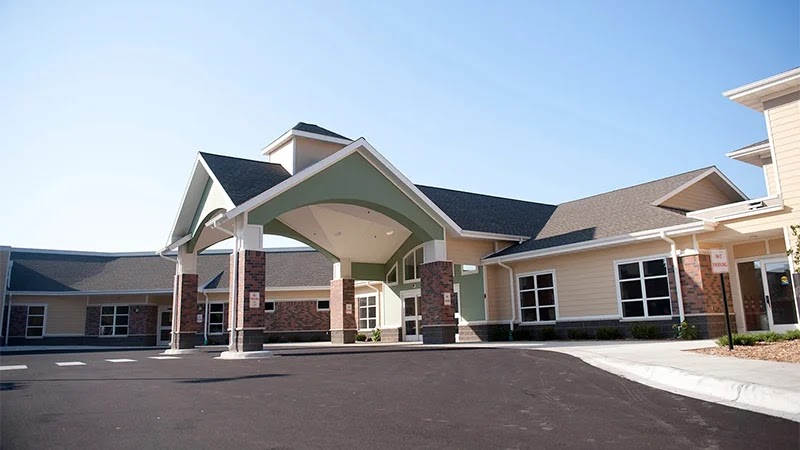
61 THOMPSON AVENUE WEST, WEST SAINT PAUL, MN 55118 (651) 259-6702
Non profit - Other 37 Beds Independent Data: November 2025 1 Immediate Jeopardy citation
Trust Grade
36/100
#276 of 337 in MN
Last Inspection: January 2025

Within standard 12-15 month inspection cycle. Federal law requires annual inspections.

Overview

Walker Methodist Westwood Ridge II has received a Trust Grade of F, indicating significant concerns about the care provided. It ranks #276 out of 337 facilities in Minnesota, placing it in the bottom half statewide and #8 out of 9 in Dakota County, meaning there are only a couple of better local options. The facility is worsening, with issues increasing from 11 in 2024 to 13 in 2025. Staffing is a notable strength, achieving 5/5 stars for staffing levels, although the turnover rate is average at 45%. However, concerning incidents include a critical failure to perform CPR on a resident who was unresponsive, as well as lapses in proper personal protective equipment usage and a lack of an effective antibiotic stewardship program, which raises serious safety and infection control concerns.

Trust Score
F
36/100
In Minnesota
#276/337
Bottom 19%
Safety Record
High Risk
Review needed
Inspections
Getting Worse
11 → 13 violations
Staff Stability
○ Average
45% turnover. Near Minnesota's 48% average. Typical for the industry.
Penalties
⚠ Watch
$24,070 in fines. Higher than 92% of Minnesota facilities. Major compliance failures.
Skilled Nurses
✓ Good
Each resident gets 123 minutes of Registered Nurse (RN) attention daily — more than 97% of Minnesota nursing homes. RNs are the most trained staff who catch health problems before they become serious.
Violations
⚠ Watch
30 deficiencies on record. Higher than average. Multiple issues found across inspections.
★★☆☆☆
2.0
Overall Rating
★★★★★
5.0
Staff Levels
★★★☆☆
3.0
Care Quality
★☆☆☆☆
1.0
Inspection Score
Stable
2024: 11 issues
2025: 13 issues

The Good

  • 5-Star Staffing Rating · Excellent nurse staffing levels
  • Full Sprinkler Coverage · Fire safety systems throughout facility
  • No fines on record
  • Staff turnover below average (45%)

    3 points below Minnesota average of 48%

Facility shows strength in staffing levels, fire safety.

The Bad

2-Star Overall Rating

Below Minnesota average (3.2)

Below average - review inspection findings carefully

Staff Turnover: 45%

Near Minnesota avg (46%)

Typical for the industry

Federal Fines: $24,070

Below median ($33,413)

Minor penalties assessed

The Ugly 30 deficiencies on record

1 life-threatening
Jan 2025 13 deficiencies
CONCERN (D)

Potential for Harm - no one hurt, but risky conditions existed

Deficiency F0561 (Tag F0561)

Could have caused harm · This affected 1 resident

**NOTE- TERMS IN BRACKETS HAVE BEEN EDITED TO PROTECT CONFIDENTIALITY** Based on interview and document review, the facility failed to ensure resident choices for bathing preferences were assessed and...

Read full inspector narrative →
**NOTE- TERMS IN BRACKETS HAVE BEEN EDITED TO PROTECT CONFIDENTIALITY** Based on interview and document review, the facility failed to ensure resident choices for bathing preferences were assessed and honored for 1 of 1 residents (R5) reviewed for choices. Findings include: R5's admission Minimum Data Set (MDS), dated [DATE], indicated R5 had intact cognition with no hallucinations or delusions. On 1/21/25 at 8:57 a.m., R5 indicated he has only been out of bed one time since admission to the facility. R5 indicated he was transferred out of bed with assist of 2 staff and walker and back to bed with a Hoyer lift (mechanical lift/device that lifts patients from one place to another who cannot bear weight on their lower extremities). R5 indicated he was currently receiving hospice services. R5 indicated staff come in and wash me up and rotate me but has not had a shower since admission which he prefers. R5's care plan, printed 1/23/25, identified the following: -BATHING/SHOWERING: The resident requires assistance from 1 staff with bathing. -TRANSFER: The resident is totally dependent on staff for transferring. -PERSONAL HYGIENE/ORAL CARE: The resident is totally dependent on staff for personal hygiene and oral care. -The resident is WEIGHT-BEARING. -AMBULATION: The resident does not ambulate. R5's care plan lacked evidence of R5's preference to have a shower versus a bed bath. R5's care sheet, printed 1/21/25, lacked evidence of preference of bathing preferences: showers vs baths. R5's [NAME], printed 1/21/25, identified the following: -Bladder/Bowel: Encourage resident to sit on toilet to evacuate bowels if possible. -Toileting: Ensure resident's feet are flat on the floor or flat on an elevated support during evacuation. Knees should be at 90 degrees or above hip height to promote east of evacuation where possible. -BATHING/SHOWERING: The resident requires assistance from 1 staff with bathing. -TRANSFER: The resident is totally dependent on staff for transferring. -PERSONAL HYGIENE/ORAL CARE: The resident is totally dependent on staff for personal hygiene and oral care. R5's [NAME] lacked evidence of R5's preference to have a shower versus a bed bath. R5's progress notes, dated 12/31/25 to 1/23/25, were reviewed. R5's progress notes lacked evidence of an assessment or conversation of R5's choice for bathing preference. R5's Nursing Assessment Admission/Readmission, dated 12/31/25 was reviewed and identified the following: -Bathing Preference/Day/Shift marked ADL-Bathing Monday and Thursday PM R5's Nursing Assessment lacked evidence of assessment of R5 being offered a choice between a bed bath and shower. On 1/21/25 at 12:15 p.m., nursing assistant (NA)-A indicated nursing assistants and nurses use care sheets and [NAME]'s to find the information needed to care for residents. NA-A indicated if they had any questions about resident cares/needs, they would ask the nurse. NA-A verified there was important information on the care sheets such as residents name, bath days, how they transfer, if they are continent or incontinent of bowel and bladder and other health information. On 1/21/25 at 2:58 p.m., NA-C verified they are familiar with R5. NA-C verified that R5 requires staff assist with ADLs and is dependent on staff. NA-C stated R5 has not been out of bed for at least the last week. NA-C verified they have not assisted R5 with a shower, adding hospice has been doing his bed baths, and verified showering was a responsibility of nursing assistants. NA-C was unable to indicate whether R5 preferred a bed bath or a shower. NA-C stated the care plan indicates that R5 needs assist of 1 staff. On 1/22/25 at 11:31 a.m., NA- D verified they are familiar with R5. NA-D indicated they have not transferred R5 for a while and were unable to give a time frame of the last time they assisted. NA-D indicated they think he is a Hoyer. NA-D indicated they are not sure when hospice comes to see R5 and stated, there is a schedule for hospice I think. NA-D indicated they have not assisted R5 with a shower. During a follow up interview on 1/22/25 at 2:50 p.m., R5 verified they prefer a shower. R5 stated he has not been offered a shower since admission. R5 added he doesn't know if there was a shower in the bathroom as he has not been in the bathroom in his room before. On 1/22/25 at 3:11 p.m., registered nurse (RN)-B stated that when a resident admits a resident should be asked about their preferences. RN-B stated this would be added to the care plan. RN-B stated that if a resident has a preference to have a bed bath versus a shower, that would have been assessed and added to the care plan for continuity of care. RN-B verified R5 was on hospice. On 1/22/25 at 2:56 p.m. NA-B verified they are trained to follow the care sheets, care plans, [NAME] to help determine resident needs. NA-B stated if they had questions about resident needs, they would ask the nurse. NA-B stated if it was resident's preference to have a bed bath versus a shower, that would be on the care plan and stated, an aid cannot decide this. NA-B stated an aide's job is to help the resident, wash the resident if needed, change the resident, you make beds, give them the call lights. NA-B stated residents' preferences would be on their care plan such as if they prefer to stay in bed or if they want a bed bath or a shower. On 1/23/25 at 10:08 a.m., licenses practical nurse coordinator (LPN)-C indicated residents should be given choices regarding their cares and their preferences are put on their care plans. LPN-C reviewed R5's assessments and care plan. LPN-C verified R5's electronic medical record (EMR) lacked evidence R5 was provided choices regarding showers versus baths. Furthermore, LPN-C verified R5's care plan indicates R5 was able to bear weight and dependent on staff for transferring. LPN-C verified R5 was not assessed by physical therapy or occupational therapy as [R5] is on hospice. LPN-C stated it is important that residents have choices as, it is their right to make choices .we are taking care of them .we want to meet their needs and provide the best care we want to accommodate that to the best of our ability. On 1/23/25 at 12:15 p.m., director of nursing (DON) verified a resident should be assessed for preferences and the preferences would be on a resident's care plan. DON verified if a resident has a preference to have a shower or a bed bath, that would be on a care plan as that would have been assessed. A facility policy on resident choices was requested and not received.
CONCERN (D)

Potential for Harm - no one hurt, but risky conditions existed

Deficiency F0582 (Tag F0582)

Could have caused harm · This affected 1 resident

Based on interview and document review, the facility failed to provide Skilled Nursing Facility Advanced Beneficiary Notice (SNFABN; CMS-10055) and/or Notice of Medicare Non-Coverage (NOMNOC; CMS-1012...

Read full inspector narrative →
Based on interview and document review, the facility failed to provide Skilled Nursing Facility Advanced Beneficiary Notice (SNFABN; CMS-10055) and/or Notice of Medicare Non-Coverage (NOMNOC; CMS-10123) upon the termination of Medicare A coverage for 3 of 4 residents (R26, R187, and R188) reviewed. Findings include: R26's Census Record, printed 1/23/25, identified on 1/15/25, R26's payor source changed. The record further indicated R26 remained in the facility. R26's Centers for Medicare and Medicaid Services (CMS)-10123 signed as received on 1/10/25, identified a last covered day (LCD) of 1/14/25, when R26's Medicare coverage would end. R26's Centers for Medicare and Medicaid Services (CMS)-R-131 signed as received on 1/21/25 which was 6 days after private pay costs started and after survey entrance. R187's Census Record, printed 1/23/25, identified on 10/15/24, R187's payor source changed. The record further indicated R187's billing stopped on 10/16/24. R187's Centers for Medicare and Medicaid Services (CMS)-10123 signed as received on 10/11/25, identified a last covered day (LCD) of 10/14/24, when R187's Medicare coverage would end. R187's medical record was reviewed and lacked any evidence a SNFABN had been provided to explain the estimated cost per day or provide rationale or explanation of the extended care services or items to be furnished, reduced, or terminated. R188's Census Record, printed 1/23/25, identified on 8/5/24, R188's payor source changed. The record further indicated R188's billing stopped on 8/7/24. R188's medical record was reviewed and lacked any evidence a SNFABN or NOMNOC had been provided to explain the estimated cost per day or provide rationale or explanation of the extended care services or items to be furnished, reduced, or terminated. On 1/23/25 at 11:27 a.m., administrator verified R26 had received a NOMNOC but did not receive a SNFABN until after payor source had started and after survey entrance. Administrator verified R187 received a NOMNOC but did not receive a SNFABN and should have. Furthermore, administrator verified R188 did not receive a SNFABN or NOMNOC and should have. Administrator stated retraining has been provided regarding notices as it was discovered that some things weren't getting done. Administrator stated they are currently reviewing NOMNOC's and SNFABN's to ensure accuracy. A facility policy titled Beneficiary Notices, revised 1/2025, indicated the facility will inform each resident before, or at the time of admission, and periodically during the resident's stay, of services available in the facility and of charges for those services, including any charges for services not covered under Medicare/Medicaid or by the facility's per diem rate.
CONCERN (D)

Potential for Harm - no one hurt, but risky conditions existed

Deficiency F0655 (Tag F0655)

Could have caused harm · This affected 1 resident

**NOTE- TERMS IN BRACKETS HAVE BEEN EDITED TO PROTECT CONFIDENTIALITY** Based on interview and document review the facility failed to provide a copy of the resident's base line care plan for 1 of 2 re...

Read full inspector narrative →
**NOTE- TERMS IN BRACKETS HAVE BEEN EDITED TO PROTECT CONFIDENTIALITY** Based on interview and document review the facility failed to provide a copy of the resident's base line care plan for 1 of 2 resident (R26) reviewed for baseline care plans. Findings include: R26's admission Minimal Data Set (MDS), dated [DATE], indicated R26 was admitted to the care facility on 12/10/24 and was cognitively intact. R4's Care Conference Summary, dated 12/22/24, contained a section for comment that stated, copies of care plan given/sent. In the text box was typed N/A [not applicable]. During an interview on 1/22/25 at 1:51 p.m., R26 stated she had attended a care conference since she arrived at the care facility but had not received a copy of her care plan, stating I would like to see it and have a copy if possible. During an interview on 1/22/25 at 12;10 p.m., social services (SW)-A stated there process was to start the baseline care plan the day a resident was admitted but they did not provide a copy of the care plan to residents or their representatives until they discharged . During an interview on 1/22/25 at 11:00 a.m., the nurse coordinator (NC) and director of nursing (DON) confirmed their process was to give resident a copy of their care plan on discharge along with a recapitulation of stay. A facility policy titled Care Plans, revised 1/2025, indicated the facility will provide the resident and their representative, if applicable, with a written summary of the baseline care plan by completion of the comprehensive care plan. The summary must be in a language and conveyed in a manner the resident and/or representative can understand.
CONCERN (D)

Potential for Harm - no one hurt, but risky conditions existed

Comprehensive Care Plan (Tag F0656)

Could have caused harm · This affected 1 resident

**NOTE- TERMS IN BRACKETS HAVE BEEN EDITED TO PROTECT CONFIDENTIALITY** Based on interview and document review, the facility failed to ensure a comprehensive care plan was developed, and maintained to...

Read full inspector narrative →
**NOTE- TERMS IN BRACKETS HAVE BEEN EDITED TO PROTECT CONFIDENTIALITY** Based on interview and document review, the facility failed to ensure a comprehensive care plan was developed, and maintained to ensure appropriate care was provided for 1 of 5 residents (R29) reviewed for comprehensive care plan. Findings include: R5's admission Minimum Data Set (MDS), dated [DATE], indicated R5 was admitted on [DATE], had intact cognition and required maximum assistance for oral hygiene, toileting, dressing lower part of body, footwear, personal hygiene, bed mobility, and transfers. R5 required touching assistance for upper body dressing. Noted for tub/shower transfer, not applicable. R5's MDS indicated no behaviors were present, and no rejection of care exhibited. Section H: Bladder and Bowel indicating R5's always continent of bowel. Section V: Care Area Assessment (CAA) summary, the following care areas were triggered and marked as addressed in care plan: communication; ADL function/rehabilitation potential; urinary incontinence and indwelling catheter; falls; nutritional status; dental care; pressure ulcer and psychotropic drug use. R5's diagnosis report, printed 1/23/25, included the following diagnoses: acute kidney failure (a condition when an abrupt reduction in kidneys' ability to filter waste products occurs within a few hours or a few day), retention of urine (condition where the bladder doesn't empty completely), diabetes (condition that affects your blood sugar levels), anemia (body does not have enough healthy red blood cells or hemoglobin to carry oxygen to the body's tissues), Atrial fibrillation (an irregular and often rapid heart rhythm that can lead to stroke and heart failure), congestive heart failure (heart not pumping pump properly), hypertension (high blood pressure), depression, obstructive sleep apnea (sleep disorder characterized by episodes of a complete or partial collapse of the airway with an associated decrease in oxygen saturation or arousal from sleep), ischemic cardiomyopathy (a condition of weakened heart muscles due to heart attack or coronary heart disease), and chronic kidney disease (a condition in which the kidneys are damaged and can't filter blood as well as they should). R5's Order Summary Report, dated 1/22/25, indicated the following orders: - hospice referral on 12/31/24. -Apixaban (used to prevent stroke and blood clots) 5 milligrams (mg) tablet; give 2.5 mg by mouth two times a day for CVA [cerebral vascular accident], stroke started 12/31/24 -Gabapentin (anti-convulsant medication which can be used to treat nerve pain) 300 mg capsule; give 1 capsule by mouth one time a day for neuropathic pain [order entered twice for two different times during the day] started 12/31/24 -Gabapentin 300 mg capsule; give 2 capsules by mouth at bedtime for neuropathic pain started 12/31/24 -haloperidol (antipsychotic medication) tablet 1 mg; give 1 tablet by mouth every 4 hours as needed for nausea/vomiting -Hydromorphone (opioid pain medication) HCL 2 mg tablet; give 1 mg by mouth every 4 hours as needed for pain, dyspnea (shortness of breath) started 12/31/24 -mirtazapine 15 mg tablet; give 0.5 tablet by mouth at bedtime for MDD (major depressive disorder) started 12/31/24 R5's care plan, printed 1/23/25, identified the following: -Resident has potential/actual risk of abuse from (self/others) to admission with no goal or interventions listed. -The resident has an ADL self-care performance deficit with no goal listed the following interventions: -Mobility/Safety/Medical Devices: (Examples: TLSE, Splint, Brace, Walker, Wheelchair, Oxygen, Wound Vac, etc). -Bed Mobility: The resident is totally dependent on staff for repositioning and turning in bed (SPECIFY FREQ) and as necessary. -The resident has constipation r/t [related to] with a goal and interventions. - The resident is on anticoagulant therapy r/t with a goal and interventions. -The resident is on pain medication therapy r/t with a goal and interventions. -The resident has (SPECIFY) pressure ulcer (SPECIFY LOCATION) or potential for pressure ulcer development r/t with a no goal listed with three interventions. -The resident has potential/actual impairment to skin integrity of (SPECIFY location) r/t with no goal listed with three interventions. R5's care plan lacked evidence of the following areas being identified in the care plan after identified being in the CAA: communication, urinary incontinence and indwelling catheter, falls, psychotropic drug use. R5's care plan lacked evidence of R5's cognitive abilities, behavioral symptoms, resident specifics regarding mobility/safety/medical devices (what medical devices R5 utilizes), resident specific how frequent resident should be repositioned and turned in bed, resident specific pressure ulcer concerns, resident specific skin integrity concerns, specifics relating to pain/anticoagulant/constipation. Furthermore, the care plan lacked any coordination with hospice or discharge plan. Additionally, R5's care plan lacked a goal for focus areas for: -Resident has potential/actual risk of abuse from (self/others) to admission -The resident has an ADL self-care performance deficit -The resident has limited physical mobility -The resident has (SPECIFY) pressure ulcer (SPECIFY LOCATION) or potential for pressure ulcer development r/t -The resident has potential/actual impairment to skin integrity of (SPECIFY location) r/t In addition, R5's care plan lacked any interventions for the focus area of -Resident has potential/actual risk of abuse from (self/others) to admission Additionally, R5's care plan lacked evidence of R5's preference of a shower versus a bed. R 5' s' care plan lacked evidence of R5's specific needs to transfer (assist of 2 staff, or Hoyer lift). Additionally, R5's care plan lacked evidence of R5's preference to use the bathroom vs incontinent pad and need for Foley catheter. R5's care plan lacked evidence of R5's preferences for therapeutic activities. On 1/21/25 at 12:15 p.m., nursing assistant (NA)-A indicated nursing assistants and nurses use care sheets and [NAME]'s to find the information needed to care for residents. On 1/21/25 at 2:58 p.m., NA-C verified they are familiar with R5. NA-C verified that R5 needs staff assist with ADLs and is dependent on staff. NA-C stated R5 has not been out of bed for at least the last week, adding we go in and reposition him. NA-C stated R5's incontinent pad is check and changed when R5's repositioned, verifying R5 has not been offered a bed pan, use of the bathroom or toilet. NA-C was unable to indicate whether a bed bath was NA-C preference versus a shower. NA-C verified R5 had a catheter upon admission to the facility. On 1/22/25 at 11:31 a.m., NA- D verified they are familiar with R5. NA-D verified they do not offer R5 a bed pan, or toilet as R5 was to be repositioned and changed. NA-D indicated they have not transferred R5 for a while and were unable to give a time frame of the last time they assisted. NA-D indicated they think he is a Hoyer. NA-D indicated they are not unsure when hospice comes to see R5 and stated, there is a schedule for hospice I think. NA-D verified nursing assistants use [NAME] and care sheets to know resident needs. During a follow up interview on 1/22/25 at 2:50 p.m., R5 stated he prefers a shower vs a bed bath. Furthermore, R5 stated he prefers to use bathroom vs an incontinent pad. R5 verified he has a Foley catheter. R5 stated his spouse (who resides in a separate part of facility) visits daily, enjoys listening to music and likes to watch TV. R5 stated he enjoys watching football. R5 stated he doesn't know if he is going to discharge from facility but would like to stay with his spouse but doesn't know if that is possible. On 1/22/25 at 3:11 p.m., registered nurse (RN)-B stated that when a resident admits a resident should be asked about their preferences. RN-B stated preferences would be added to the care plan. RN-B stated that if a resident has a preference to have a bed bath vs a shower, that would have been assessed and added to the care plan for continuity of care. RN-B verified R5's current plan as of 1/22/25 and lacked items listed above. On 1/22/25 at 2:56 p.m. NA-B verified they are trained to follow the care plans, care sheets, and [NAME]'s to help determine resident needs. NA-B stated residents' preferences would be on their care plan such as if a resident preferred a bed bath vs a shower. On 1/23/25 at 10:08 a.m., licenses practical nurse (LPN)-C nurse coordinator indicated a comprehensive care plan should include all activities of daily (ADL) needs (transferring, dressing, ambulating, etc.), any wounds or potential skin issues, antibiotics and dependent on the resident. LPN-C indicated the entire team, including social services adds to the care plan. LPN-C verified hospice information included hospice contact information, hospice goals should be on the comprehensive care plan. LPN-C verified resident preferences should be on the comprehensive care plan such as if a resident prefers a bed bath vs a shower or if a resident prefers to stay in bed vs getting out of bed. LPN-C verified the comprehensive care plan needs to be specific to each resident and all areas need to be completed to be resident specific. LPN-C verified R5's care plan lacks hospice information, preferences with shower vs bed bath, responsibility of R5's showers. LPN-C verified R5's care plan was not comprehensive or resident specific. On 1/23/25 at 12:15 p.m., director of nursing (DON) stated a comprehensive care plan needs to be completed by day 21 after admission. DON verified the comprehensive care plan needs to be resident specific and would include treatments, preferences, hospice information, diagnosis and other pertinent information. DON stated the comprehensive care plan needs to be resident focused. A facility policy titled Care plans, dated 1/2025, indicated the comprehensive care plan must describe the following: services that are to be furnished to attain or maintain the resident's highest practicable physical, mental and psychosocial well-being . Furthermore, the comprehensive care plan must reflect interventions, the specific care and services that will be implemented, to enable each resident to meet his/her objectives.
CONCERN (D)

Potential for Harm - no one hurt, but risky conditions existed

Deficiency F0657 (Tag F0657)

Could have caused harm · This affected 1 resident

**NOTE- TERMS IN BRACKETS HAVE BEEN EDITED TO PROTECT CONFIDENTIALITY** Based on interview and record review, the facility failed to ensure care conferences were conducted upon admission for 1 of 2 re...

Read full inspector narrative →
**NOTE- TERMS IN BRACKETS HAVE BEEN EDITED TO PROTECT CONFIDENTIALITY** Based on interview and record review, the facility failed to ensure care conferences were conducted upon admission for 1 of 2 residents (R5) reviewed for care conferences. Findings include: R5's admission Minimum Data Set (MDS), dated [DATE], indicated R5 had intact cognition with no hallucinations or delusions with an admission date of 12/31/24. Diagnoses included: heart failure, hypertension (high blood pressure), diabetes (condition that affects your blood sugar levels), depression, obstructive sleep apnea (sleep disorder characterized by episodes of a complete or partial collapse of the airway with an associated decrease in oxygen saturation or arousal from sleep), ischemic cardiomyopathy (a condition of weakened heart muscles due to heart attack or coronary heart disease), and chronic kidney disease (a condition in which the kidneys are damages and can't filter blood as well as they should). R5's progress notes, dated 12/31/24 to 1/23/25, were reviewed. Progress notes lacked evidence of R5 having a care conference since admission on [DATE]. Furthermore, lacked documentation of planning a care conference. R5's assessment tab in the electronic medical record (EMR), dated 12/31/24 to 1/23/25, were reviewed for care conference note. Assessment for care conference lacked evidence of R5 having a care conference since admission on [DATE]. On 1/21/25 at 8:57 a.m., R5 was observed lying in bed. R5 indicated he had not had a care conference since admission. R5 indicated there has not been a meeting of any kind to talk about a plan going forward. R5 stated his apartment had been given up and spouse was moved out of their joint apartment. R5 stated he isn't sure if the plan is for him to stay where he is at now or go somewhere else as no one has talked to him about the plan. R5 stated he is not doing any therapy. On 1/23/25 at 10:08 a.m., licensed practical nurse coordinator (LPN)-C indicated care conferences are typically completed within about a week or so after admission to the facility. LPN-C stated care conferences are held after therapy and nursing can assess residents. LPN-C stated therapy (physical, occupational and speech), nurse coordinator, social worker, family, and resident are all invited to care conferences. LPN-C stated the social worker sets up care conferences and puts in the notes afterwards. LPN-C verified she did not see a care conference in the EMR but wanted to verify with the social worker if a care conference was completed. LPN-C verified R5 admitted on [DATE] (23 days prior). On 1/23/25 at 10:47 a.m., social worker (SW)-A stated the expectation was to have a care conference about a week after admission after therapy and nursing can assess a resident. When asked about R5, SW-A stated, we have not had one for him as he came in on private pay on hospice his plan is to stay here private pay on hospice. SW-A indicated there was not a plan in place for a care conference for R5. SW-A stated there was no policy that a care conference had to be completed in a certain time frame. On 1/23/25 at 12:14 p.m., director of nursing (DON) stated care conferences are scheduled typically in the first week or two. DON stated care conferences are done after a resident has been assessed by therapies and nursing. DON stated, I would have to double check to see if there is requirement for when they have to be completed by. DON did not follow with a requirement. A policy on care conference timing was requested and not received.
CONCERN (D)

Potential for Harm - no one hurt, but risky conditions existed

Quality of Care (Tag F0684)

Could have caused harm · This affected 1 resident

**NOTE- TERMS IN BRACKETS HAVE BEEN EDITED TO PROTECT CONFIDENTIALITY** Based on observation, interview and document review, the facility failed to ensure effective collaboration between the facility ...

Read full inspector narrative →
**NOTE- TERMS IN BRACKETS HAVE BEEN EDITED TO PROTECT CONFIDENTIALITY** Based on observation, interview and document review, the facility failed to ensure effective collaboration between the facility and a contracted hospice organization that affected 1 of 1 residents (R5) reviewed for hospice services. Findings include: R5's admission Minimum Data Set (MDS) dated [DATE], indicated R5 was cognitively intact with no hallucinations or delusions and required maximum assistance for oral hygiene, toileting, dressing lower part of body, footwear, personal hygiene, bed mobility, and transfers. R5's diagnosis report, printed 1/23/25, included the following diagnoses: acute kidney failure (a condition when an abrupt reduction in kidneys' ability to filter waste products occurs within a few hours or a few day), retention of urine (condition where the bladder doesn't empty completely), anemia (body does not have enough healthy red blood cells or hemoglobin to carry oxygen to the body's tissues), Atrial fibrillation (an irregular and often rapid heart rhythm that can lead to stroke and heart failure), congestive heart failure (heart not pumping pump properly), hypertension (high blood pressure), diabetes (condition that affects your blood sugar levels), depression, obstructive sleep apnea (sleep disorder characterized by episodes of a complete or partial collapse of the airway with an associated decrease in oxygen saturation or arousal from sleep), ischemic cardiomyopathy (a condition of weakened heart muscles due to heart attack or coronary heart disease), and chronic kidney disease (a condition in which the kidneys are damaged and can't filter blood as well as they should). R5's hospice chart lacked a calendar of planned hospice visits. Furthermore, the hospice chart lacked a copy of the hospice care plan. There was a section for hospice staff to use for collaboration of care of between the hospice staff and facility staff. This section lacked any coordination from the hospice nursing assistants. R5's care plan, printed 1/23/25, lacked evidence of hospice provider, services provided, contact information, frequency of visits or disciplines visiting R5. R5's Order Summary Report, printed 1/22/25, identified referral: hospice on 12/31/24. R5's Order Summary Report lacked evidence of hospice provider name, contact information, services provided, frequency of visits or disciplines visiting R5. R5's Medication Administration Record (MAR/TAR), dated 1/22/25, for January included the following orders: -Hospice Charting. Document any changes in condition in a progress note every day shift on even days for Charting started 1/02/25 -Hospice Charting. Document any changes in condition in a progress note every evening shift on odd days for Charting started 12/31/24 R5's MAR/TAR lacked evidence of hospice provider, contact information, frequency of visits, disciplines visiting or services provided to R5. R5's progress notes, dated 12/31/24 to 1/21/25, were reviewed and identified the following: -1/13/25: RN called hospice regarding R5's urine. -1/8/25: Foley is patent, maceration in groin hospice informed. -1/3/245: R5 followed by [identified company] hospice for EOL [end of lift] services. -12/31/24: [R5] being admitted to [identified company] hospice. R5's progress notes lacked evidence of frequency of hospice visits, planned hospice visits, services hospice providing or disciplines providing services to R5 from hospice. R5's [NAME], printed 1/21/25, lacked evidence R5 was receiving hospice services. R5's care sheet, printed 1/21/25, identified R5 shower/bath days were Tuesday and Saturday AM. Care sheet indicates R5 receives hospice services with provider listed. R5's care sheet lacked evidence indicating hospice was responsible for R5's showers. During an interview on 1/21/25 at 8:57 a.m., R5 stated he currently receives hospice services. R5 stated he was not sure when hospice was scheduled to come as they just show up. R5 stated he has gotten music therapy and massage therapy through hospice. R5 verified he has been getting bed baths by hospice and no showers or bathing by facility staff. On 1/21/25 at 12:15 p.m., nursing assistant (NA)-A indicated nursing assistants and nurses use care sheets and [NAME]'s to find the information needed to care for residents. NA-A indicated if they had any questions about resident cares/needs, they would ask the nurse. NA-A verified there was important information on the care sheets such as residents name, bath days, how they transfer, if they are continent or incontinent of bowel and bladder and other health information. On 1/21/25 at 2:58 p.m., NA-C verified they are familiar with R5. NA-C verified that R5 needs staff assist with ADLs and is dependent on staff. NA-C stated, hospice has been doing his bed baths. NA-C verified they have not been completing R5's showers. On 1/22/25 at 11:31 a.m., NA-D verified they are familiar with R5. NA-D indicated they are not sure when hospice comes to see R5 and stated, there is a schedule for hospice I think. NA-D stated they are not sure the services the additional hospice provides for R5, adding there was a hospice book. On 1/22/25 at 11:42 a.m., registered nurse (RN)-C verified they are not sure when R5's hospice nurse comes to the facility. RN-C verified they are familiar with R5. RN-C verified they think it varies when the hospice staff comes to the facility to see R5. RN-C stated she was not sure the last time the hospice nurse seen R5 or the next scheduled visit with R5 was and added, I can call her with any changes which is what I do. RN-C stated, the hospice nursing assistant came today and last Wednesday. RN-C reviewed R5's hospice binder and verified the following information: identification of R5's hospice provider, RN care manager, social worker; a section with hospice provider address and phone number; list of standing house orders protocol; and an area for hospice staff to write notes after their visit with R5. RN-C verified the hospice binder, which was used for coordination of care, lacked a calendar of when hospice staff was coming and any notes from nursing assistant. The notes left by the hospice nurse lacked evidence of when the next visit was scheduled for. Furthermore, the hospice binder lacked a copy of the hospice plan of care. On 1/22/25 at 3:11 p.m., registered nurse (RN)-B reviewed and verified R5's care plan lacked information regarding hospice provider. Furthermore, lacked hospice provider name, contact information, services provided, frequency of visits or disciplines visiting R5. On 1/22/25 at 2:56 p.m., NA-B verified they are trained to follow the care sheets, care plans, and [NAME] to help determine resident needs. NA-B stated if they had questions about resident needs, they would ask the nurse. On 1/23/25 at 10:08 a.m., licenses practical nurse coordinator (LPN)-C verified coordination between facility and hospice needs to be occurring. LPN-C verified the care plan needs to be specific to each resident. LPN-C verified R5's care plan lacks hospice information. LPN-C stated the facility should have the hospice care plan which she thinks would be kept in the hospice binder. LPN-C verified R5's hospice binder lacked a calendar or any notification/plan on hospice visits, did not have any notes entered by nursing assistants on what care was provided during visits or a hospice care plan. LPN-C verified the binder should include this information. On 1/23/25 at 12:18 p.m., director of nursing (DON) stated it is expected that the facility and hospice are coordinating care. DON verified resident's hospice information is kept in the hospice binder and should include hospice care, communication of scheduled visits, POLST and a log for hospice staff to write in after visits. DON verified the facility, and hospice should be sharing the responsibility of showering residents. DON reviewed R5's shower log and verified based on the documentation, I would be unable to determine if R5 is getting a shower and would have to follow up with the nursing assistants. DON stated coordinating care was important to ensure we are providing the best care. A facility policy on coordination with providers was requested and not received.
CONCERN (D)

Potential for Harm - no one hurt, but risky conditions existed

Incontinence Care (Tag F0690)

Could have caused harm · This affected 1 resident

**NOTE- TERMS IN BRACKETS HAVE BEEN EDITED TO PROTECT CONFIDENTIALITY** Based on observation, interview and document review the facility failed to comprehensively reassess and demonstrate adequate jus...

Read full inspector narrative →
**NOTE- TERMS IN BRACKETS HAVE BEEN EDITED TO PROTECT CONFIDENTIALITY** Based on observation, interview and document review the facility failed to comprehensively reassess and demonstrate adequate justification for the continued use of an indwelling catheter for 1 of 2 residents (R4) reviewed who used a catheter. Further, the facility failed to develop a comprehensive plan of care to monitor and assess residents with indwelling catheters for 1 of 2 residents (R4) reviewed who used a catheter. The facility further failed to ensure a resident who was continent of bowel received services to maintain bowel continence for 1 of 2 residents (R5) reviewed for bowel and bladder. Findings include: R4's admission Minimum Data Set (MDS), dated [DATE], indicated R4 was admitted to the care facility on 12/4/24, had severe cognitive impairment and was dependent on staff for bathing, toileting, and dressing. The MDS further indicated R4 had a Foley catheter on place. R4's Urology Consult Note, dated 12/27/24, indicated R4 had an indwelling Foley catheter placed by urology that day as R4 relied on daily intermittent catheterization (a process where the catheter is removed after each use vs an indwelling catheter which remains in place) managed by R4's wife who had difficulty performing catheterization while R4 was in the hospital. The Urology note indicated to maintain Foley catheter at discharge, until patient is back to baseline or in 7-14 days. We can help arrange follow up to remove this otherwise okay for wife to deflate balloon and resume cathing 2-3 times daily after discharge. R4's Hospital Discharge note, dated 1/3/25, indicated unable to straight cath on 12/27/24. Urology placed a Foley 12/27/24. Plan to discontinue Foley and resume intermittent straight cath with wife to manage at TCU [transitional care unit] per discussion with wife and TCU facility. R4's Physician Progress note, dated 1/6/25, indicated R4 had a comorbidity of urine retention due to Parkinson's Disease. The note further indicated early discontinuation of Foley if present to help prevent CAUTI [catheter associated urinary tract infection] and initiation of intermittent straight catheterizations recommended. Initiate timed voids and bladder training as indicated. R4's Physician Progress note, dated 1/20/25, indicated the same catheter recommendations from the note dated 1/6/25. R4's Physician Orders, dated 1/20/25, indicated an order for Ciprofloxacin (an antibiotic) 500 mg twice a day for 7 days for a urinary tract infection. During an interview on 1/22/25 at 11:00, the nurse coordinator (NC) stated she believed that R4's spouse had wanted the catheter to stay in place as she had been running the show. The NC was unsure what the ongoing plan was for R4's catheter. During an interview on 1/22/25 at 12:44 p.m., R4's nurse practitioner (NP) stated that R4's Foley catheter was placed due to R4's spouse having a hard time with the intermittent straight catheterization for R4 and had requested a Foley catheter. During an interview on 1/23/25 at 11:35 a.m., the director of nursing (DON) and NC stated if there were no specific orders for a Foley catheter, the facility had standing orders to remove the Foley catheter and attempt a void trial (a procedure that assess a person's ability to urinate normally without a catheter.) During an interview on 1/23/25 at 1:09 p.m., R4's physician stated R4's spouse had been managing R4's intermittent straight catheterizations but that the care facility staff would be able to manage the catheterizations if necessary. The physician stated R4 would be moving to the assisted living next week and would probably end up needing a long term cath[eter] with monthly changes. A facility policy titled Catheter, revised 1/2025, indicated Vivie will ensure that a resident who admits to a Skilled Nursing Facility (SNF) without an indwelling catheter will not be catheterized unless the resident's clinical condition demonstrates that catheterization is necessary; or that a resident who enters the facility with an indwelling urinary catheter or subsequently receives one, is assessed for removal of the catheter as soon as possible, unless the resident's clinical condition demonstrates that catheterization is necessary. R5 R5's admission Minimum Data Set (MDS), dated [DATE], identified R5 was cognitively intact and required substantial/maximal staff assistance with toileting care. Further, the MDS outlined R5 as being always incontinent of bowel, however, a toileting program to manage the resident's bowel continence was marked no with a check mark. During interview on 1/21/25 at 8:57 a.m., R5 was observed lying in bed. R5 stated he would like to use the toilet instead of going in his incontinent pad for bowel movements. R5 stated he has a Foley catheter (a flexible tube that drains urine from the bladder into a bag). R5 stated staff does not offer to bring him to the bathroom and added, they tell me they will just clean me up. R5 stated, it is so unnatural to just go and get cleaned up. R5 stated his preference is to use the bathroom/toilet. R5's care plan, printed 1/23/25, identified the following: -TOILET USE: The resident is totally dependent on staff for toilet use. -TRANSFER: The resident is totally dependent on staff for transferring. -The resident is WEIGHT-BEARING. -Encourage the resident to sit on the toilet to evacuate bowels if possible. -Ensure the resident's feet are flat on the floor or flat on an elevated support during evacuation. Knees should be at 90 degrees or above hip height to promote east of evacuation where possible. R5's progress notes, dated 12/31/24 to 1/23/25, were reviewed and lacked evidence of a toileting program attempted. Furthermore, the progress notes lacked evidence of offering R5 the use of a toilet or a bed pan [a device used as a receptacle for the urine and/or feces of a person who is confined to a bed]. R5's Order Summary Report, printed 1/22/25, lacked evidence of toileting program. R5's Kardex, printed 1/21/25, indicated the following: -Bladder/Bowel: Encourage resident to sit on toilet to evacuate bowels if possible. -Toileting: Ensure the resident's feet are flat on the floor or flat on an elevated support during evacuation. Knees should be at 90 degrees or above hip height to promote ease of evacuation where possible. -Mobility: The resident is WEIGHT-BEARING. -Transferring: TRANSFER: The resident is totally dependent on staff for transferring. -Toileting: TOILET USE: The resident is totally dependent on staff for toilet use. R5's care sheet, printed 1/21/25, indicated R5 continent of bowel and bladder. Furthermore, indicated on EBP [enhanced barrier precautions] for Foley. R5's Nursing Assessment - Admission/Readmission, dated 12/31/24, indicated the following: R5 was occasionally incontinent of bowel. On 1/21/25 at 12:15 p.m., nursing assistant (NA)-A indicated nursing assistants and nurses use care sheets and Kardex's to find the information needed to care for residents. NA-A indicated if they had any questions about resident cares/needs, they would ask the nurse. NA-A verified there was important information on the care sheets such as residents name, bath days, how they transfer, if they are continent or incontinent of bowel and bladder and other health information. On 1/21/25 at 2:58 p.m., NA-C verified they are familiar with R5. NA-C verified that R5 needs staff assist with ADLs and is dependent on staff. NA-C stated R5 has not been out of bed for at least the last week, adding we go in and reposition him. NA-C stated R5's incontinent pad is check and changed when R5 is repositioned, verifying R5 has not been offered a bed pan or use of the bathroom or toilet. On 1/22/25 at 11:31 a.m., NA- D verified they are familiar with R5. NA-D verified R5 does not use the toilet or bed pan. NA-D verified they have not offered R5 a bed pan or toilet as R5 was to be repositioned and changed. NA-D indicated they have not transferred R5 for a while and were unable to give a time frame of the last time they assisted him transferring out of bed. During a follow up interview on 1/22/25 at 2:50 p.m., R5 stated again staff had not offered to bring him to the bathroom which is what he prefers. R5 stated he has not been in the bathroom in his room. R5 stated he knows when he must have a bowel movement and when he tells staff they tell him they will clean him up after he goes. R5 stated he has not been offered any other options beside getting cleaned up after having a bowel movement. On 1/22/25 at 3:11 p.m., registered nurse (RN)-B stated that when a resident admits a resident should be asked about their preferences. RN-B stated this would be added to the care plan. RN-B stated a resident would be offered the bathroom but if they couldn't use the bathroom, it would be expected the resident was offered a bed pan. RN-B verified R5's care plan did not have a preference to not use the bathroom, bedside commode or bed pan. On 1/22/25 at 2:56 p.m. NA-B verified they are trained to follow the care sheets, care plans, and Kardex to help determine resident needs. NA-B stated if they had questions about resident needs, they would ask the nurse. NA-B stated residents' preferences would be on their care plan. On 1/23/25 at 10:28 a.m., licenses practical nurse coordinator (LPN)-C verified R5's admission nursing assessment indicates R5 was continent of bowels with occasional incontinence. Furthermore, LPN-C verified R5's care plan indicates R5 was able to bear weight and dependent on staff for toileting needs. LPN-C stated the expectation would be staff would be assisting with toileting as R5's not independent. On 1/23/25 at 12:15 p.m., director of nursing (DON) verified resident preferences and needs should be on resident's care plan. DON stated it is important so we can provide the best care. On 1/23/25 at 1:21 p.m., RN-F verified they are familiar with R5. RN-F verified R5 has not been transferred out of bed in at least the last couple of weeks to use the bathroom. RN-F stated they were unsure if they were transferred out of bed prior to that. A facility policy titled Incontinence, revised 1/2025, indicated the following: When deemed appropriate, Vivie staff will implement interventions that may promote achieving the highest practicable level of functioning, may prevent the development of incontinence, or minimize a decline or lack of improvement in degree of continence include providing treatment and services to address factors that are potentially modifiable, such as: a. Managing pain and/or providing adaptive equipment to improve function for residents suffering from arthritis, contractures, neurological impairments, etc. b. Removing or improving environmental impediments that affect the resident's level of continence (e.g., improved lighting, use of a bedside commode or reducing the distance to the toilet); c. Treating underlying conditions that have a potentially negative impact on the degree of continence (e.g., delirium causing urinary incontinence related to acute confusion); d. Possibly adjusting medications affecting continence (e.g., medication cessation, dose reduction, selection of an alternate medication, change in time of administration); and e. Implementing a fluid and/or bowel management program to meet the assessed needs. f. Bladder Rehabilitation/Bladder retraining g. Pelvic floor muscle rehabilitation h. Prompted voiding i. Habit training/scheduled voiding
CONCERN (D)

Potential for Harm - no one hurt, but risky conditions existed

Medication Errors (Tag F0758)

Could have caused harm · This affected 1 resident

**NOTE- TERMS IN BRACKETS HAVE BEEN EDITED TO PROTECT CONFIDENTIALITY** Based on interview, and document review, the facility failed to ensure a resident that was prescribed psychotropic medications w...

Read full inspector narrative →
**NOTE- TERMS IN BRACKETS HAVE BEEN EDITED TO PROTECT CONFIDENTIALITY** Based on interview, and document review, the facility failed to ensure a resident that was prescribed psychotropic medications was monitored for side effects, for 1 of 2 residents (R283) reviewed for unnecessary medications. Findings include: R283's admission Minimum Assessment Data (MDS) dated [DATE], indicated R283 had moderate cognitive impairment and no mood or behavior concerns. R283's MDS indicated diagnoses of pneumonia, heart failure, and malnutrition. R283's clinical diagnosis report indicated the following diagnoses: acute respiratory failure, severe protein calorie malnutrition, dysphagia (difficulty swallowing), chronic obstructive pulmonary disease (lung disease that blocks the airflow and makes it difficult to breathe), abscess of lung with pneumonia and acute systolic congestive heart failure. R283's clinical orders report included the following orders: 1/6/25- trazadone (antidepressant also used to treat insomnia) HCL oral tablet 50 milligrams (mg), give 0.25 tablet orally at bedtime for insomnia. 1/7/25- buspirone HCL oral tablet 5 mg, give 0.5 tablet orally once a day for repeated episodes of anxiety. R283's January Medication Administration Record (MAR) printed on 1/23/25, indicated an order dated 1/8/23 started on the evening shift to monitor psychotropic side effects to medications every shift until the night shift of 1/14/25. During interview on 1/23/25 at 9:18 a.m., licensed practical nurse (LPN)-A stated she monitored for side effects every time she administered psychotropic medications. LPN-A added to her knowledge we are supposed to monitor our residents as long as they take a psychotropic medication. During interview on 01/23/25 at 11:12 a.m., care coordinator licensed practical nurse (LPN)-C indicated side effects to psychotropic medications were monitored for as long as a resident received one of those medications. The residents were monitored continuously, every shift without an end date. During interview on 01/23/25 at 12:56 p.m., director of nursing (DON) stated the documentation of side effects was done every shift for psychotropic medications, and a progress note is created if side effects are identified. A facility Policy concerning Monitoring Psychotropic side effects was requested but not received.
CONCERN (E)

Potential for Harm - no one hurt, but risky conditions existed

Deficiency F0583 (Tag F0583)

Could have caused harm · This affected multiple residents

Based on observation, interview and document review the facility failed to ensure private and confidential resident information was secure and not visible to residents and visitors when multiple care ...

Read full inspector narrative →
Based on observation, interview and document review the facility failed to ensure private and confidential resident information was secure and not visible to residents and visitors when multiple care sheets were left out in public view. This had the ability to affect eleven residents on the 400 hallway including R4. Findings include: During observation on 1/21/25 at 12:17 p.m., a medication cart down the 400 hallway was left unattended with a care sheet out in public view which identified five patient rooms which included the residents full name, diagnoses, special programs such as hospice, how alert and oriented they were, transfer and ambulation status, bowel and bladder continence, diet, precautions, skin conditions, and notes such as oxygen use, and devices used, new orders, etc. Multiple residents were seen wandering by the unattended medication cart with resident private information in sight. During an interview on 1/21/25 at 12:27 p.m., registered nurse (RN)-D stated he was working from the medication cart that day and due to the private resident information on the care sheets, they should be tucked away under the computer or behind the nursing desk so it was not out and visible to residents or visitors. During observation on 1/21/25 at 9:48 a.m., a clip board was observed sitting on the edge of the unit desk with a care sheet cart 1out in public view which identified five resident rooms which included the residents full name, diagnoses, special programs such as hospice, how alert and oriented they were, transfer and ambulation status, bowel and bladder continence, diet, precautions, skin conditions, and notes such as oxygen use, and devices used, new orders, etc. Multiple residents and family members were seen wandering by the unattended clip board with resident private information in sight. At 9:53 a.m., registered nurse (RN)-E was observed to pick up the clip board that contained the care sheet. On 1/23/25 at 8:22 a.m., it was observed medication cart 3 was left unattended in the hallway outside a room with the computer screen open with R4's medication orders on the screen along with a care sheet out in public view. The care sheet labeled cart 3 identified six resident rooms which included the residents full name, diagnoses, special programs such as hospice, how alert and oriented they were, transfer and ambulation status, bowel and bladder continence, diet, precautions, skin conditions, and notes such as oxygen use, and devices used, new orders, etc. There was no nurse in the area. At 8:25 a.m., licensed practical nurse (LPN)-A came out of a resident room stating, Oh my, did I leave that open? when asked about the computer screen. LPN-A verified the screen was left open and unattended with resident information viewable and verified they were working on medication cart 3. LPN-A grabbed the care sheet when asked to verify what the sheet was titled and placed it in their pocket stating, it is always in my pocket. LPN-A verified the sheet had resident information on it. On 1/23/25 at 10:30 a.m., licensed practical nurse coordinator (LPN)-C stated it is important to keep resident information private. LPN-C stated the expectation was that resident information is not to be left out in public view and any papers are to be flipped over and computer screens should be locked when not in use. A facility policy titled Notice of Privacy Practices, revised 1/2025, indicated we are required by law to maintain the privacy and security of your protected health information.
CONCERN (E)

Potential for Harm - no one hurt, but risky conditions existed

Deficiency F0883 (Tag F0883)

Could have caused harm · This affected multiple residents

**NOTE- TERMS IN BRACKETS HAVE BEEN EDITED TO PROTECT CONFIDENTIALITY** Based on interview and document review, the facility failed to ensure 5 of the 6 residents (R5, R9, R26, R28, and R133) reviewed...

Read full inspector narrative →
**NOTE- TERMS IN BRACKETS HAVE BEEN EDITED TO PROTECT CONFIDENTIALITY** Based on interview and document review, the facility failed to ensure 5 of the 6 residents (R5, R9, R26, R28, and R133) reviewed for immunizations were offered and/or provided the pneumococcal vaccination series as recommended by the Centers for Disease Control (CDC) to help reduce the risk of associated infection(s). In addition, the facility failed to ensure 1 of the 5 residents (R26) was offered and/or provided the influenza vaccination as recommended by the CDC. Findings include: A CDC Pneumococcal Vaccine Timing for Adults feature, dated October 2024, identified various tables when each (or all) of the pneumococcal vaccinations should be obtained. This identified when an adult who had received the complete series (i.e., PPSV23 and PCV13; see below) then the patient and provider may choose to administer, after 5 years, the Pneumococcal 20-valent Conjugate Vaccine (PCV20) or Pneumococcal 21-valent Conjugate Vaccine (PCV21) for patients who had received Pneumococcal 13-valent Conjugate Vaccine (PCV13) at any age and Pneumococcal Polysaccharide Vaccine 23 (PPSV23) at or after [AGE] years old. This also identified an adult over [AGE] years old, who received one dose of PPSV23 at any age should be offered either option A (PCV20 or PCV21) or option B (PCV15) after one year. According to 2024-2025 CDC Flu Vaccination Recommendations Adopted article, dated 8/29/2024, the Advisory Committee on Immunization Practices (ACIP) recommended an annual influenza (flu) vaccine for everyone 6 months or older in the United States. R5's face sheet, printed 1/23/25, indicated R5 was [AGE] years old. The immunization record, dated 1/23/25, indicated R5 received a PPSV23 and PCV13 on 10/18/02 followed by the PPSV on 6/22/11. R5's electronic medical record (EMR) and paper chart lacked evidence of shared clinical decision making occurring with the physician for PCV20 or PCV21 as it was more than 5 years after the previous pneumococcal dose. The records lacked evidence that R5 was offered or received PCV20 or PCV21 or education was provided. R9's face sheet, printed 1/23/25, indicated R9 was [AGE] years old. The immunization record, dated 1/23/25, indicated R9 received PPSV23 on 3/24/03. R9's EMR and paper chart lacked evidence of shared clinical decision making occurring with the physician for PCV20 or PCV21 as it was more than 5 years after the previous pneumococcal dose. The records lacked evidence that R9 was offered or received PCV20, PCV21, or PCV15 or education was provided. R26's face sheet, printed 1/23/25, indicated R26 was [AGE] years old. The immunization record, dated 1/23/25, indicated R26 did not have any pneumococcal immunizations on file. Furthermore, R26's immunization lacked evidence for influenza immunization. R26's EMR and paper chart lacked evidence of R26 being offered or received any pneumococcal doses or education. Furthermore, the records lacked evidence of R26 being provided education, offered, or receiving an annual influenza immunization. R28's face sheet, printed 1/23/25, indicated R28 was [AGE] years old. The immunization record, dated 1/23/25, indicated R28 received PPSV23 on 9/23/2008 followed by a PPSV23 on 9/2/14 followed by a PCV13 on 9/4/15. R28's EMR and paper chart lacked evidence of shared clinical decision making occurring with the physician for PCV20 or PCV21 as it was more than 5 years after the previous pneumococcal dose. The records lacked evidence that R28 was offered or received PCV20 or PCV21education was provided. R133's face sheet, printed 1/23/25, indicated R133 was [AGE] years old. The immunization record, dated 1/23/25, indicated R133 received PPSV23 on 1/1/2008 followed by a PCV13 on 7/26/16 followed by a PPSV23 on 9/24/19. R133's EMR and paper chart lacked evidence of shared clinical decision making occurring with the physician for PCV20 or PCV21 as it was more than 5 years after the previous pneumococcal dose. The records lacked evidence that R133 was offered or received PCV20 or PCV21education was provided. On 1/22/25 at 10:13 a.m., licensed practical nurse (LPN)-A stated nursing offers immunizations upon admission. LPN-A stated if a resident declines an immunization, it would be documented in a progress note and if a resident accepts a immunization than we would work on getting a physician order and then it would show up on the medication administration record (MAR). On 1/22/25 at 1:46 p.m., director of nursing (DON) verified she was the acting infection preventionist (IP). DON indicated during the admission process; a Minnesota Immunization Information Connection (MIIC) report is pulled which will show which immunizations a resident previously had. DON verified pneumococcal, COVID and influenza immunizations are offered as part of the admission process. DON stated the documentation of residents being offered/educated about immunizations would be found in either progress notes or the residents' hard chart. During a follow up interview on 1/23/25 at 2:04 p.m., DON verified the following: -R5's EMR and hard chart lacked evidence of R5 being offered, receiving, or provided education on PCV20 or PCV21 until after survey entrance and would be eligible for an updated pneumococcal dose. -R9's EMR and hard chart lacked evidence of R9 being offered, receiving, or provided education on PCV20, PCV21 or PCV15 until after survey entrance and would be eligible for an updated pneumococcal dose. -R26's EMR and hard chart lacked evidence of R26 being offered, receiving, or provided education on PCV20 or PCV21 until after survey entrance and would be eligible for an updated pneumococcal dose. DON verified R26 would be eligible for an influenza vaccine. DON verified EMR and [NAME] chart lacked evidence of R26 being offered, receiving, or being provided an influenza vaccine. -R28's EMR and hard chart lacked evidence of R28 being offered, receiving, or provided education on PCV20 or PCV21 until after survey entrance and would be eligible for an updated pneumococcal dose. -R133's EMR and hard chart lacked evidence of R133 being offered, receiving, or provided education on PCV20 or PCV21 until after survey entrance and would be eligible for an updated pneumococcal dose. DON verified using the current CDC October 2024 pneumococcal recommendations. A facility policy titled Pneumococcal Vaccines, revised 1/2025, indicates that all residents will be offered pneumococcal vaccines to aid in preventing pneumonia/pneumococcal infections. A facility policy titled Influenza Prevention and Outbreak Management, revised 1/2025, indicated the facility will offer vaccination to residents upon admission.
CONCERN (F)

Potential for Harm - no one hurt, but risky conditions existed

Infection Control (Tag F0880)

Could have caused harm · This affected most or all residents

**NOTE- TERMS IN BRACKETS HAVE BEEN EDITED TO PROTECT CONFIDENTIALITY** Based on observation, interview and document review, the facility failed to ensure proper personal protective equipment (PPE) us...

Read full inspector narrative →
**NOTE- TERMS IN BRACKETS HAVE BEEN EDITED TO PROTECT CONFIDENTIALITY** Based on observation, interview and document review, the facility failed to ensure proper personal protective equipment (PPE) use for 1 of 3 residents (R4) on enhanced barrier precautions (EBP) reviewed for proper PPE use during survey. In addition, the facility failed to ensure a comprehensive Infection Prevention and Control Program (IPCP) was maintained to include an ongoing analysis of collected data to help identify and reduce the risk of infection spread and outbreak. This had potential to affect all 30 residents, staff, and visitors. Findings include: R4's admission Minimum Data Set (MDS), dated [DATE], indicated R4 was dependent on facility staff for bathing, toileting and dressing and had a Foley catheter in place. During observation on 1/22/25 at 9:05 a.m., nursing assistant (NA)-E and NA-F entered R4's room. A sign was posted on R4's door indicating R4 was on enhanced barrier precautions (EBP) indicating staff must wear gown and gloves when providing high contact resident care activities including bathing, dressing, transferring and brief changes. NA-E and NA-F did not don appropriate PPE when they failed to wear a gown while providing high contact activities. NA-E and NA-F donned gloves and provided R4 with a partial bed bath, brief change and peri care, transferred him to his recliner chair via a mechanical lift. R4 was observed to have a Foley catheter in place with a drainage bag hanging on the side of the bed. NA-F emptied the urine in R4's drainage bag into a graduated cylinder. During all cares, neither NA-E nor NA-F were observed to wear a gown. During an interview on 1/22/25 at 1:43 p.m., R4's family member (FM)-A stated she did not see staff wearing gowns very often, stating therapy staff were often wearing gowns but otherwise she did not see staff wear gowns. During an interview on 1/22/25 at 1:47 p.m., NA-F stated R4 was on EBP because he had a Foley catheter and that she was aware she should have had a gown on when providing cares but forgot. During an interview on 1/22/25 at 11:00 a.m., the nurse coordinator (NC) and director of nursing (DON) stated that all staff should be wearing gloves and gowns when providing care in residents' rooms on EBP, stating it was important to prevent the spread of infection. SURVEILLANCE The facility' infection control program, including surveillance and analysis data, was requested. The following was provided: a white three ring binder titled Infection Prevention Resource Manual. The binder lacked any specific data related to the facility. Furthermore, the binder lacked any surveillance data or analysis data of the facility. During an interview on 1/22/25 at 1:46 p.m., director of nursing (DON) stated she was currently the acting facility infection preventionist and was responsible for overseeing the infection control program. DON verified there was no current surveillance of infections, resident symptoms or tracking of antibiotic use. DON stated she was unable to provide any current type of surveillance or data analysis. DON stated there are currently no audits being completed of staff adherence/proper use of PPE or handwashing. DON stated the facility was currently not tracking resident antibiotic use to ensure proper use and follow up, tracking of prophylactic antibiotics to ensure proper use and follow up and she was unaware if any antibiotic time-outs were occurring. During a follow up interview on 1/23/25 at 8:49 a.m., DON verified there are currently no antibiotic time-outs occurring at the facility. A facility policy titled Infection Control Surveillance, revised 1/2025, indicated The Infection Preventionist (IP) or Director of Nursing (DON) will conduct ongoing surveillance for Healthcare-Associated Infections (HAIs) and other epidemiologically significant infections that have substantial impact on potential resident outcome and that may require transmission-based precautions and other preventative interventions.
CONCERN (F)

Potential for Harm - no one hurt, but risky conditions existed

Antibiotic Stewardship (Tag F0881)

Could have caused harm · This affected most or all residents

Based on interview and document review, the facility failed to implement an antibiotic stewardship program which included development of protocols and a system to monitor appropriateness of antibiotic...

Read full inspector narrative →
Based on interview and document review, the facility failed to implement an antibiotic stewardship program which included development of protocols and a system to monitor appropriateness of antibiotic use to prevent antibiotic resistance and help prevent the spread of infectious diseases. This had the potential to affect all 30 residents residing in the facility. Findings include: During an interview on 1/22/25 at 1:46 p.m., director of nursing (DON) stated she was currently the acting facility infection preventionist and was responsible for overseeing the infection control program. DON verified the facility was currently not tracking resident antibiotic use to ensure proper use and follow up. DON verified there are currently no tracking of prophylactic antibiotics to ensure proper use and follow up. DON stated she was unaware if any antibiotic time-outs were occurring. During a follow up interview on 1/23/25 at 8:49 a.m., DON verified there are currently no antibiotic time-outs occurring at the facility. A facility policy titled Antibiotic Stewardship, revised 1/2025, indicated the Antibiotic Stewardship program included the following: - A designated Registered Nurse (RN) as the Infection Preventionist (IP) responsible for assessing, developing, implementing, monitoring, and managing the IPCP, and is - The IP will be certified in Infection Prevention and Control. - A system to monitor antibiotic use (i.e., antibiotic use reports, antibiotic resistance reports, response to antibiotics and lab results when available to determine if the antibiotic is still indicated or requires adjustments). Furthermore, the policy identified: resident antibiotic regimens will be documented on an antibiotic surveillance tracking form. The information gathered will include: 1) Resident name and medical record number; 2) Unit and room number; 3) Date symptoms appeared; 4) Name of antibiotic; 5) Start date of antibiotic; 6) Pathogen identified; 7) Site of infection; 8) Date of culture; 9) Stop date; and 10) Total days of therapy.
CONCERN (F)

Potential for Harm - no one hurt, but risky conditions existed

Deficiency F0882 (Tag F0882)

Could have caused harm · This affected most or all residents

Based on interview and document review, the facility failed to ensure the acting infection preventionist had completed specialized training in infection prevention and control. This had the potential ...

Read full inspector narrative →
Based on interview and document review, the facility failed to ensure the acting infection preventionist had completed specialized training in infection prevention and control. This had the potential to affect all 30 residents residing in the facility. Findings include: On 1/22/25 at 1:26 p.m., director of nursing (DON) stated she was currently the acting facility infection preventionist and was responsible for overseeing the infection control program. DON verified that she had not completed specialized training for infection prevention and control. DON verified they were not currently enrolled in any specialized training at this time nor had any specialized infection control education scheduled. DON verified no other staff in the facility had specialized training in infection prevention and control. A facility policy titled Infection Preventionist, revised 1/2025, indicated the following: The IP will be a Registered Nurse or have primary professional training in nursing, medical technology, microbiology, epidemiology, or other related field; will be qualified by education, training, experience or certification; Work at least part-time at the facility; and have completed specialized training in infection prevention and control. Continuing Education: The designated IP will maintain current knowledge in infectious disease and epidemiology by: o Attending programs and courses provided by infection control organizations o Accessing to published guidelines for best practice for infection prevention o Accessing current federal, state, local regulations related to infection control requirements.
Dec 2024 1 deficiency
CONCERN (D) 📢 Someone Reported This

A family member, employee, or ombudsman was alarmed enough to file a formal complaint

Potential for Harm - no one hurt, but risky conditions existed

Medication Errors (Tag F0758)

Could have caused harm · This affected 1 resident

Based on interview and document review, the facility failed to ensure 1 of 1 (R1) resident had parameters of an as needed (PRN) antipsychotic medication (medication used for a variety of mental health...

Read full inspector narrative →
Based on interview and document review, the facility failed to ensure 1 of 1 (R1) resident had parameters of an as needed (PRN) antipsychotic medication (medication used for a variety of mental health disorders) used for sleep. Findings include: Review of the report filed to the State Agency (SA) on 12/07/24 at 3:23 a.m., identified R1 had an unwitnessed fall and was found on the floor of her room next to her bed by staff on the unit. R1 had been assessed by the nurse and had no injuries related to the fall initially. R1 had complained of pain to her right lower leg, X-ray imaging was obtained and had identified R1 had a fracture and was sent to the emergency room (ER) for emergent evaluation. R1's Medical Diagnosis Sheet, identified a diagnosis of dementia with behavioral disturbance and depression. R1's 11/20/24, discharge Minimum Data Set (MDS) identified R1 had present behaviors that fluctuated with inattention (difficulty focusing) and disorganized thinking. R1 required substantial/maximum assistance with transfers and activities of daily living. R1 had verbal behaviors and other behavioral symptoms that occurred 1 to 3 days and had taken antidepressants on a routine basis during the look-back period. R1's 12/10/24, Order Summary Report identified she had taken trazodone (antidepressant) 50 milligram (mg) and was to take 0.5 mg tablet as needed for sleep with a start date of 12/02/24. The order lacked documentation of parameters for use of trazadone for sleep, that it was only to be used 1 x in 24 hrs, or a stop date was included on the order. R1's December Medication Administration Record (MAR) identified R1 had received trazodone on 12/06/24 at 9:41 p.m., and a second dose on 12/07/24 at 2:00 a.m., the following day. In addition, it was documented R1 had received a 2nd dose, 4 hours after of receiving the 1st dose. R1's undated, care plan identified R1 was prescribed psychotropic medications related to sleep. Staff were to administer psychotropic medications as ordered by the physician and to observe for side effects of the medication, review behaviors/interventions and alternate therapies, observe for adverse reactions such as: unsteady gait, tardive dyskinesia, shuffling gait, rigid muscles, and shaking, frequent falls, nausea, vomiting and behavior symptoms not usual to R1. Staff were to record occurrence for target behavior symptoms pacing, wandering, disrobing, inappropriate response to verbal communication and violence/aggression towards staff and others. During interview on 12/10/24 at 1:14 p.m., with licensed practical nurse (LPN)-A had confirmed R1 had fallen on 12/07/24 at 2:00 a.m. and had a history of experiencing sundowner (state of confusion that occurs in the last afternoon and night) syndrome and had required 1:1 monitoring during the night. She confirmed she had administered the trazodone medication the night of 12/06/24 at 9:41 p.m. but had not given a second dose the next morning on 12/07/24 and that should have been struck out. Interview on 12/11/24 at 10:22 a.m.,with clinical pharmacist indicated R1's trazodone medication was to be given once after a span of 24 hours had passed before R1 could receive another dose of trazodone. In addition, the trazodone order had no parameters of when R1 should take the medication at night for sleep. Interview with the 12/11/24 at 12:47 p.m., with director of nursing (DON) expected the trazodone ordered to be followed, as prescribed from the physician, and would have parameters in place to prevent overdose of the medication. She stated the side effects, such as drowsiness or fatigue symptoms could lead to residents who had taken trazodone, would be at a higher risk for falls. Review of May 2022 Medication Management policy identified the facility would follow medication orders in accordance with written orders by the primary physician. If a medication order was unclear the licensed nurse would clarify the order before the medication was administered and would ensure the medication doses were administered and documented. Lastly, if a medication was withheld, refused, or given outside of the medication order, the licensed nurse and/or trained medication aide (TMA) would document the reason for the administration on the resident's medical record.
Sept 2024 4 deficiencies 1 IJ
CRITICAL (J) 📢 Someone Reported This

A family member, employee, or ombudsman was alarmed enough to file a formal complaint

Immediate Jeopardy (IJ) - the most serious Medicare violation

Deficiency F0678 (Tag F0678)

Someone could have died · This affected 1 resident

**NOTE- TERMS IN BRACKETS HAVE BEEN EDITED TO PROTECT CONFIDENTIALITY** Based on interview and document review, the facility failed to provide basic life support, including cardiopulmonary resuscitati...

Read full inspector narrative →
**NOTE- TERMS IN BRACKETS HAVE BEEN EDITED TO PROTECT CONFIDENTIALITY** Based on interview and document review, the facility failed to provide basic life support, including cardiopulmonary resuscitation (CPR) in accordance with resident wishes and physician orders for full code status of CPR to 1 of 3 residents (R1) reviewed. This deficient practice resulted in an immediate jeopardy (IJ) situation when R1 was found not breathing, had no pulse, CPR was not initiated timely, and R1 passed away at the facility. The IJ began on 8/29/24, at 12:30 a.m. when R1 was noted to have no respirations or pulse, and no immediate action was taken by Registered Nurse (RN)-A, including CPR, which resulted in a missed opportunity to resuscitate R1, resulting in certain death. On 9/6/24, at 5:15 p.m. the administrator and director of nursing (DON) were notified of the IJ. The IJ was removed on 9/7/24, following verification of an acceptable removal plan however, noncompliance remained at the lower scope and severity level D, which indicated no actual harm with potential for more than minimal harm that is not immediate jeopardy. Findings include: R1's diagnoses list dated 9/5/24, identified: neoplasm (growth of abnormal cells) of bladder, aftercare following surgery for neoplasm, acute post hemorrhagic anemia (excess bleeding), abnormal uterine and vaginal bleeding, heart failure, presence of coronary angioplasty implant and graft, diabetes mellitus (type II), history of venous thrombosis and embolism (blood clot), and gross hematuria (visible blood in urine). R1's Provider Orders for Life-Sustaining Treatment (POLST) prepared and signed by healthcare agent family member (FM)-A on 8/27/24 (box checked: patient has capacity), and signed by provider on 8/28/24, identified: Attempt resuscitation /CPR (cardiac pulmonary resuscitation) (NOTE: selecting this requires selecting Full Treatment in section B). Section B Full Treatment. Use intubation, advanced airway interventions, and mechanical ventilation as indicated. Transfer to hospital and/or intensive care unit if indicated. All patients will receive comfort-focused treatments. R1's orders from 8/27/24, through 8/29/24 included: Code Status - Full Resuscitation order date 8/27/24. R1's care plan dated 8/28/24, identified resident had Foley catheter due to bladder tumor diagnosis. Interventions directed staff to monitor/record/report to MD (medical doctor) for s/sx (signs and symptoms) of UTI (urinary tract infection): pain, burning, blood-tinged urine, cloudiness, no output, deepening of urine color, increased [NAME], temperature, and urinary frequency, foul smelling urine, fever, chills, altered mental status, change in behavior, and change in eating patterns. R1's progress notes (PN) dated 8/27/24, through 8/29/24, identified: -on 8/27/24 at 5:23 p.m., R1 arrived at facility via EMT (emergency medical technicians) transport on w/c (wheelchair) accompanied by son. R1 was A & O x4 (alert and oriented times four), forgetfulness noted. -on 8/28/24 at 10:30 p.m., administered Acetaminophen oral tablet 500 mg (milligrams) two for sign of mild pain. -on 8/28/24 at 11:30 p.m., PRN (as needed) administration of Acetaminophen was effective, follow up pain scale was 0 out of 10. -on 8/29/24 at 1:17 a.m. replace and re-insert pulled out Foley catheter. Send patient to emergency if resistance is met. -on 8/29/24 at 6:22 a.m. R1 pulled out indwelling catheter together with the water balloon that anchored it in place. Some bleeding noted, R1 was washed up and a brief was offered to patient pending an order from provider for further action. Writer put a call into provider and waited to be called back. (PN lacked detail on when R1 pulled out catheter and when call was made to provider). Later, nurse practitioner (NP)-A called back and after a thorough explanation of the situation, an order was given to re-insert catheter. R1 was approached for re-insertion but refused. Writer suspected pain and administered Tylenol then let R1 be for a while, leaving her door open for easy monitoring. At 12:30 a.m. patient was okay talking and breathing without any sign of impending doom. By around 1:00 a.m. writer saw patient lying across bed and was not responding to any stimulus and looked lifeless lying her head in vomited food and fluid with some in her mouth. Writer quickly called the other nurse who also noted that patient was lifeless and then left the room immediately. Writer then turned patient to her right side while the water was still oozing out. CNA [certified nursing assistant] then noted that patient had passage of bowel movement and quickly cleaned it. As more fluid was oozing out after the second nurse left. CNA left to go answer call light while writer let out the water in patient's mouth and raised head of bed [HOB] and went to the nursing station to check patient's code status. Have noted code status RESUSCITATION, writer dashed back and asked the other CNA for help with putting patient down and CPR initiated immediately. No time was wasted. Patient was on the floor with fluid oozing from the mouth and POLST status had to be ascertained. All these were satisfied in a short time, couple of minutes then CPR was started: 911 was called. Patient was not able to be resuscitated. Family was informed and family came and arranged funeral home. Patient has long been deposited in funeral home. R1's treatment administration record (TAR) documentation of urinary output entered per shift (a.m. 0700-1500, p.m. 1500-2300, night shift 2300-0700. 8/27/24 evening output 350 cubic centimeters (cc) and night output 700 cc. 8/28/24 Evening output 500 cc and night output 300 cc. R1's electronic medical record did not identify R1's urinary output on 8/28/24 day shift. Review of NP-B visit dated 8/28/24, identified R1's advanced directives: Full Code. R1 had been hospitalized from [DATE], through 8/27/24, due to vaginal bleeding and concern for urinary source bleeding which resulted in increasing lightheadedness, dyspnea (shortness of breath), and a low hemoglobin 5.9 hemoglobin (Hgb) grams per deciliter (g/dL) (normal range 11.5 to 15). R1 received two units of red packed blood cells (RBC) upon admission and Hgb improved to 7.9, 8.4, and 8.3. On 8/21/24, R1 underwent D & C (dilation and curettage) (removed tissue from uterus), cystoscopy with fulguration of vessels (heat derived from an electrical current to destroy atypical /cancer tissue), and 50% removal of the bladder tumor. Additionally, on 8/22/24, R1 had an inferior vena cava filter placed due to unable to restart anticoagulant. R1 had an indwelling foley catheter placed to have remained in while at TCU. R1 was seen today 8/29/24, for an admission visit in the TCU. R1 had just finished up therapy and reported she was worn out from therapy. Appetite fair and no further bleeding. R1's vital signs 107/67, 97.3 Fahrenheit (F), pulse 86 per minute, 16 breathes per minute, and oxygen saturation level (Sa02) 98% (normal range 90 to 100%). R1's last Hgb on 8/27/24, was 8.9 g/dL. The facility's Incident Report submitted to the State Agency (SA) on 8/29/24 at 9:44 p.m., identified incident occurred on 8/29/24 at 1:00 a.m., administrator was notified of incident on 8/29/24 at 2:36 a.m. Nursing staff noted R1 had cessation of pulse and respirations on the morning of 8/29/24 at 1:00 a.m. The timeline of events from nurse progress notes were not conclusive as to when CPR (Cardiac pulmonary resuscitation) was initiated. Registered Nurse (RN)-A was suspended pending further investigation. Investigation was started. The facility's investigation submitted to the MDH on 9/6/24 at 9:17 a.m., identified this was an isolated incident, resident expired. The facility findings were inconclusive due to inconsistencies with staff statements and inability to establish and verify timeline of events. The resident's primary nurse resigned from her position effective immediately 8/30/24. Review of [NAME] St. [NAME] Police Incident Report with a creation date and time of 8/29/24 at 5:43 a.m. revealed the following: [RN-B] was agitated and noted that [R1] had been unconscious for an extended period and that [RN-A] had failed to provide or render proper aid for an extended period. [RN-B] alleged that [R1] had been unconscious since midnight, approximately one hour before the call for service. [RN-B] was upset and contacted the state because of the neglect. I spoke with Mhealth's supervisor, who noted he asked [RN-B] if she had contacted first responders to assist with the medical, and she said she had not because it was not her patient. I spoke with [RN-A], who noted she was in [R1]'s room around 00:40. Around 01:00, she walked past the room and saw [R1] lying across the bed, so she entered the room to assist her. [RN-A] found another employee to help with moving [R1] when she realized she had been vomiting. [RN-A] ran and found [RN-B] and advised her of the situation. [RN-B] followed her to the room and eventually left. [RN-A] saw food in [R1]'s mouth, so she moved her to the floor to begin to render aid. While speaking with [RN-A], [RN-B] approached and began to allege she was lying about what had occurred. I separated the two and asked [RN-B] to provide us with some privacy. After speaking with [RN-A], I found [RN-B] and learned the following: anytime the facility has a death, nurses will request a second nurse to verify the information. This includes checking the heart, checking the pupils, and confirming the individual is deceased . [RN-A] called [RN-B] to the room at 00:30 hours, where she checked the pulse and pupils. [R1] showed no pupillary response and had no heartbeat; however, she was still warm. [RN-B] asked if this was an expected death, which is frequent due to the facility's nature, and [RN-A] advised it was. [RN-A] and the nursing assistant began straightening the body and cleaning the bed. Around 01:00, [RN-A] asked for the nursing assistants help, entered [R1]'s room, and began to perform CPR. According to [RN-B], before requesting the nursing assistant to perform aid, there were no resuscitation attempts, and aid took 35 minutes before [RN-A] began to render assistance. But there should have been. [RN-B] stated she tried to contact management, but they had not contacted her, and she needed to contact the state within two hours since R1 was a vulnerable adult. Medics continued to render assistance, but [R1] was eventually declared deceased at 01:47 hours .Due to the neglect and serious allegations, I contacted on-duty investigators and informed them of the situation. I also called the Hennepin County Coroner's Office and explained the situation. They said they would not respond to the location based on what they had learned. During a telephone interview on 9/4/24 at 10:30 a.m., RN-B indicated at 12:30 a.m. on 8/29/24, RN-A walked over to the 400 Wing of the nursing home; did not appear frantic or hurried and stated to her, 300 just died, come over to verify the death. RN-B stated she grabbed her stethoscope and one minute later entered R1's room. RN-B stated nursing assistant (NA)-A and RN-A were in R1's room, stood together one side of R1's bed, had repositioned R1's bed sheets, there was no sign of emesis on or around R1, and no CPR was being done. RN-B indicated she checked R1's apical pulse, with no pulse response, then both pupils (nonresponsive), skin was pale but remained warm, no breathing noted, and unresponsive. RN-B stated she asked RN-A if R1's death was expected, and she replied yes. RN-B stated an expected death only meant one thing which was a hospice death, so no code status was checked, and RN-A never requested and further help so she exited R1's room. RN-B stated she informed NA-B there had been a death because now many resident call lights had gone off. RN-B stated then at 12:55 a.m. she observed RN-A walking down the 400 hallway again and asked where NA-B was, so she informed her NA-B was at the end of the 400 hallway. RN-A indicated RN-A walked down to end of 400 hallway yelling out NA-B's name loudly three times. RN-A stated NA-B and RN-A walked together into R1's room and closed the door. RN-A stated right before 1:08 a.m. RN-A exited R1's room and right after that she received a text message from NA-B that said, not sure what was going on but RN-A had us place [R1] on the floor and we are doing CPR . she was already dead . adding, then she looked up from her computer and NA-B was frantically waved at her and she looked scared, so RN-B indicated she got up and went over to NA-B immediately and into R1's room. RN-B stated NA-B informed her RN-A completed some compressions, then left the room, to call EMS, adding NA-B stated she was not comfortable doing CPR by herself, then turned around, and RN-A had returned to R1's room with no exchange of conversation and just started chest compressions on R1 again. RN-B stated when EMS arrived shortly after and entered R1's room, RN-A mislead the entire R1 situation. RN-B stated when EMS had taken her statement, she informed them at 12:30 a.m. she confirmed with RN-A that R1 had died, body was warm, and RN-A informed her it was an expected death. RN-B stated there was no crash cart or ambu bag in R1's room. RN-B stated at 2:23 a.m. she called DON, but got no response, then called floor manager licensed practical nurse (LPN)-D and reviewed the events with her, which most likely met state notification, and unexpected death of a vulnerable adult (VA). RN-B received a call back at 2:47 a.m. from LPN-D who had informed the administrator. During a telephone interview on 9/4/24 at 3:40 p.m., NA-A stated RN-A stood in front of R1's door and asked for help, R1 needed to be repositioned. NA-A verified both of us entered R1's room as she laid on her back across the bed with her feet on the floor and head towards the window. NA-A stated as they walked closer to R1 they realized she was dead, color was [NAME]/yellow and unresponsive. RN-A indicated as they repositioned and boosted R1 up into the bed throw up came out of her mouth. NA-A also stated RN-A checked R1's hear rate and said out loud no heart rate. RN-B also entered R1's room, assessed R1's pupils and confirmed she was not breathing, and left R1's room. NA-A stated no CPR was started and she changed R1's sheets twice with RN-A's assistance due to the throw up and bowel. NA-A confirmed R1's body was still warm and stated she said out loud to RN-A that this must have just happened. NA-A stated RN-A told her she had to call 911, her son, and the DON and left the room. NA-A stated she left her room after 10 or more minutes and answered other call lights. During an interview on 9/5/24 at 10:36 a.m., NA-B stated at about 12:30 a.m. RN-B informed her R1 had passed away. NA-B stated she walked down to R1's room, peaked into the room and R1 looked white, was not moving, and appeared deceased . NA-B stated there was no one in the room with R1. NA-B stated at about 12:45 a.m. she heard hollering in the hallway, and it was RN-A yelling for her to come help her. NA-B stated she followed RN-A to R1's room and was told to hurry, R1 needed to be placed on the ground. NA-B stated she was confused as to what was going on as she was previously told R1 was deceased . NA-B verified she assisted RN-A and lifted R1 from the bed with a lift sheet located underneath her and placed her onto the floor, her body was still warm and R1 was unresponsive the entire time. NA-B stated she felt very uneasy with the situation, but RN-A was very confrontational and not easy to work with, so she did what she asked. NA-B indicated RN-A and RN-B do not get along and she felt that was why she walked past RN-B and had chosen her go to R1's room. NA-B verified RN-A started chest compressions on R1 and stopped after one minute at around 1:05 a.m. NA-B stated RN-A instructed her to keep doing the compressions, and she had her CPR certification so she started compressions when RN-A left the room stating she was going to call 911. NA-B stated nothing had been put in place for CPR, no crash cart, no oxygen, no ambu bag and RN-A had not completed an assessment on R1's heartbeat/pulse while she was in the room. NA-B stated she was left in the room alone with R1 and completed chest compressions until she got tired, then stopped, opened R1's door, waved down RN-B and informed what they were doing (CPR/chest compressions only). NA-B stated RN-A had not returned to R1's room to help with CPR until she saw RN-B in R1's doorway. NA-B indicated at that time she heard the EMS sirens and went to front door and let them in. EMS went directly into R1's room and stated CPR. NA-B indicated unsure if or when RN-A checked R1's code status but felt like she panicked when she realized she was a full code. During a telephone interview on 9/5/24 at 11:07 a.m., RN-A stated on 8/28/24 between 6:30 p.m. and 7:00 p.m. she was notified R1 had pulled out her indwelling catheter. RN-A she stated she decided to wait to call provider, checked another resident's orders, completed a wound dressing changed, and finished up with her medication pass. RN-A stated it was later in the evening NP-A provided an order: re-insert and if resistance was met send to ER. RN-A stated she entered the order into the electronic health record and finished a few other things, then went to R1's room. RN-A stated R1 refused to have catheter re-inserted, denied pain but could see her face frown so she administered Tylenol between 10:00 p.m. and 11:00 p.m. RN-A stated she returned back to R1's room at 12:30 a.m. and again she refused re-insertion of the catheter. After finishing up a few things, RN-A stated she was then going to call 911 and send her to the ER but at 1:00 a.m. she noticed R1 laid across her bed with her feet on the floor, quickly went to room [ROOM NUMBER] and got a NA-A. RN-A stated both staff entered R1's room and she was lifeless and so quiet. RN-A stated she removed fluid from R1's mouth three times, turned her onto her side, and within a few seconds called RN-B and she rushed into R1's room. RN-A stated RN-B placed a stethoscope on her chest over her heart and stated she's dead. RN-A stated she shouted out, I had just talked to her. RN-A verified she checked as soon as she could R1's carotid and apical pulses and no heartbeat, skin color had not changed, and R1's body was still warm. RN-A stated RN-B rushed out of room, adding voluntarily, we are enemies, she had been fighting with all of us, accused me of things, and liked to control people. RN-A indicated R1's mouth continued to drain a cloudy fluid that smelled like undigested food with particles in it. RN-A stated she assisted NA-A to clean R1 up (brief change) and change her sheets twice. RN-A stated she had left R1's room and checked her POLST for code status and confirmed she was a full code. RN-A stated NA-A had left R1's room. RN-A indicated RN-B sat at the 300 nurse's station, she saw NA-B down the hallway and said come, come, come and together they entered R1's room. RN-A stated she chose NA-B because she was stronger and RN-A would not have helped immediately, said R1 was already dead, and asked a lot of questions. RN-A stated together with NA-B they lifted R1 off the bed with a lift sheet located underneath her and placed her onto the floor. RN-A stated no urine output was noted and unsure of what time this had been done. RN-A stated she started CPR without assistance, two minutes after she found her, I did not keep track of time, completed 30 chest compressions, stopped, checked neck pulse and no pulse then asked NA-B to complete chest compressions. RN-A stated she left the room called 911 and planned on grabbing ambu bag. RN-A stated she called DON first, didn't answer, left message, adding R1 was confirmed not breathing and like she was dead. RN-A verified she then called 911 but knew she should have called 911 prior to starting CPR and this was all completed in two seconds. RN-A indicated she returned back to R1's room and RN-B stood outside her bedroom door and said you are doing CPR on someone that has died, while NA-B continued chest compressions alone. RN-A stated EMS arrived, entered R1's room and took over. RN-A verified she should have asked RN-B to check R1's code status, would have saved time then CPR could have been started sooner. RN-A stated if this situation happened again, would do it differently and after no pulse, started CPR even if code status was not verified, to avoid something like this happening again. RN-A stated, it would have been a good idea to start CPR right away. RN-A also indicated she would have checked the code status for each resident at the beginning of the shift so that there would be no wasted time to go look. During a telephone interview on 9/4/24 at 4:00 p.m., family member FM-A stated on 8/28/24, R1 was a little sluggish, tired, refused to eat lunch and supper which was rather odd for her. FM indicated around 6:00 p.m. requested bathroom and he stepped out of room while staff assisted her. FM stated a few minutes later RN-A came out of the room looking flustered and informed him R1 had pulled out her urinary catheter, if they could get the bleeding under control, they would reinsert catheter and if not, she would be transferred back to the hospital. FM stated did not get a sense that this was an everyday event but none of the staff seemed concerned, requested to be called with an update that evening, and left facility to go back home. FM stated had not heard received a call from the RN-A, called and talked to her and was informed my mother was doing fine, had not gotten a chance to re-insert the urinary catheter. FM stated then at 1:15 a.m. on 8/29/24, received a call from RN-A and was informed R1 was unresponsive and medical emergency had done CPR on her. FM stated RN-A had informed him they had packed a pullup with a hand towel used to prevent her from bleeding. FM stated R1 had not moved to TCU to die and was expected to have returned to the hospital in two weeks for the remainder of the tumor to be removed. During an interview on 9/6/24 at 2:20 p.m., director of nursing (DON) verified interviews were completed with all staff working the night shift the evening of R1's passing. DON indicated timelines varied, staff were unable to identify times things occurred, events were not consistent with RN-A's interview, and verification of consistencies was challenging. DON stated certain aspects aligned with RN-A's interview but what stood out was when the staff NA completed chest compressions, she indicated the body was warm. DON stated RN-A informed her she removed fluid from her mouth, cleaned her up and applied a new brief. DON stated a code status should have been checked, CPR started immediately instead, and another staff should have brought the crash cart into the room with suction machine on it, which would have helped remove R1's secretions out of her mouth. DON verified CPR should only be completed by certified licensed staff to assure the resident was getting high quality CPR, timing, and document the incident. DON also verified the staff NA should not be asked to complete chest compressions, especially after RN-A left the room. DON indicted R1's cause of death was not identified, and her death was unexpected. During a telephone interview on 9/6/24 at 5:00 p.m. medical director (MD) stated there were poor nursing decisions made throughout the night regarding R1. MD stated after review of the incident, it was identified CPR should have been initiated sooner and was not completed in a timely manner. MD stated R1's death appeared to be unexpected, could have been a cardiac arrest or maybe threw a big blood clot and had a PE (pulmonary embolism), this is unknown, but chance of survival would be about 80% and with her type of diagnoses could still have lived for another 6 months. Facility policy Emergency Response Cardiopulmonary Resuscitation (CPR) dated 7/26/24, basic life support including initiation of CPR to a resident who experiences cardiac arrest (cessation of respirations and/or pulse) in accordance with the resident's advance directives or in the absence of advance directives or a Do Not Resuscitate (DNR) order. The facility will ensure that properly trained personnel and certified in CPR for Healthcare Providers are available immediately 24 hours a day to provide basic life support, including CPR to residents requiring emergency care prior to the arrival of emergency medical personnel, and subject to accepted professional guidelines, the advance directives and physician orders. All licensed nurses are required to maintain current CPR BLS certification through certification through training that includes hands-on practice and in person skills assessment. Per American Heart Association (AHA) recommendations, all potential rescuers initiate CPR unless: 1. A valid DNR is in place. 2. Obvious signs of clinical death (e.g. rigor mortis, dependent lividity, decapitation, transection, or decomposition) are present. Continue CPR until emergency personnel arrive and take over. The licensed nurse will run the code, instruct staff to obtain the medical record to verify the code status prior to initiating CPR. Once the code status is verified, the licensed nurse will give further directions to staff. The IJ which began on 8/29/24, was removed on 9/7/24, when the facility successfully implemented a removal plan which included: -All nursing staff will be retrained on CPR policy, responding to unresponsive residents, code status and any revisions made to the policy. -All facility staff will be trained on who in the facility should and should not perform CPR -Include the necessity for an immediate response -Outline how those who may not participate in performing CPR should assist to expedite emergency procedures (such as call 911, assist with timely repositioning for CPR preparation .etc.).
CONCERN (D) 📢 Someone Reported This

A family member, employee, or ombudsman was alarmed enough to file a formal complaint

Potential for Harm - no one hurt, but risky conditions existed

Notification of Changes (Tag F0580)

Could have caused harm · This affected 1 resident

**NOTE- TERMS IN BRACKETS HAVE BEEN EDITED TO PROTECT CONFIDENTIALITY** Based on interview, and document review the facility failed to notify the physician timely for 1 of 1 resident (R1) who was reco...

Read full inspector narrative →
**NOTE- TERMS IN BRACKETS HAVE BEEN EDITED TO PROTECT CONFIDENTIALITY** Based on interview, and document review the facility failed to notify the physician timely for 1 of 1 resident (R1) who was recovering from neoplasm (growth of abnormal cells) bladder surgery, had pulled out their indwelling catheter and had specific orders to contact physician with change of condition. Findings include: R1's diagnoses list dated 9/5/24, identified: neoplasm of bladder, aftercare following surgery for neoplasm, acute post hemorrhagic anemia (excess bleeding), abnormal uterine and vaginal bleeding, heart failure, presence of coronary angioplasty implant and graft, diabetes mellitus (type II), history of venous thrombosis and embolism (blood clot), and gross hematuria (visible blood in urine). R1's orders from 8/27/24, through 8/29/24 included: -Code Status - Full Resuscitation order date 8/27/24. -Patient Instruction for urinary retention: If you are unable to urinate 6 to 8 hours after discharge, return to emergency room with your discharge instructions order date 8/27/24 -Discharge potential: length of stay less than 30 days order date 8/27/24. -Urology: call for any questions if your catheter is not draining well. If you begin to notice more blood or large clots. Order date 8/27/24. -Skilled Medicare charting. Document findings in progress not: Vital signs (VS), ADL (activities of daily living) functioning, pain status, neuro status, skin issues, respiratory status (especially SOB [shortness of breath] and any oxygen/CPAP used), any special care items for patient (e.g. IV, drains, etc.), and any changes in condition including hospitalizations and returns, MD (medical doctor) appointments and return. Use your nursing judgement to add pertinent additional information. Order date 8/28/24. -8/27/24, Patient instruction for Urinary Retention: If you are unable to urinate in 6-8 hours after discharge, return to emergency room with your discharge instructions. -8/27/24, Minnesota Urology: Call for any questions if your catheter is not draining well or if you begin to notice more blood or large clots. -8/29/24 at 11:59 p.m. replace and re-insert pulled out Foley catheter. Send patient to emergency if resistance is met. (order received after delay in contacting physician on 8/29/24, catheter never replaced, and resident never sent to emergency) R1's care plan dated 8/28/24, identified resident had Foley catheter due to bladder tumor diagnosis. Interventions directed staff to monitor/record/report to MD (medical doctor) for s/sx (signs and symptoms) of UTI (urinary tract infection): pain, burning, blood-tinged urine, cloudiness, no output, deepening of urine color, increased [NAME], temperature, and urinary frequency, foul smelling urine, fever, chills, altered mental status, change in behavior, and change in eating patterns. R1's progress notes (PN) dated 8/27/24, through 8/29/24, identified: -on 8/27/24 at 5:23 p.m., R1 arrived at facility via EMT (emergency medical technicians) transport on w/c (wheelchair) accompanied by son. R1 was A & O x4 (alert and oriented times four), forgetfulness noted. -on 8/28/24 at 10:30 p.m., administered Acetaminophen oral tablet 500 mg (milligrams) two for sign of mild pain. -on 8/28/24 at 11:30 p.m., PRN (as needed) administration of Acetaminophen was effective, follow up pain scale was 0 out of 10. -on 8/29/24 at 1:17 a.m. replace and re-insert pulled out Foley catheter. Send patient to emergency if resistance is met. -on 8/29/24 at 6:22 a.m. R1pulled out indwelling catheter together with the water balloon that anchored it in place. Some bleeding noted, R1 was washed up and a brief was offered to patient pending an order from provider for further action. Writer put a call into provider and waited to be called back. (PN lacked detail on when R1 pulled out catheter and when call was made to provider). Later, nurse practitioner (NP)-A called back and after a thorough explanation of the situation, an order was given to re-insert catheter. R1 was approached for re-insertion but refused. Writer suspected pain and administered Tylenol then let R1 be for a while, leaving her door open for easy monitoring. At 12:30 a.m. patient was okay talking and breathing without any sign of impending doom. By around 1:00 a.m. writer saw patient lying across bed and was not responding to any stimulus and looked lifeless lying her head in vomited food and fluid with some in her mouth. Writer quickly called the other nurse who also noted that patient was lifeless and then left the room immediately. Writer then turned patient to her right side while the water was still oozing out. CNA [certified nursing assistant] then noted that patient had passage of bowel movement and quickly cleaned it. As more fluid was oozing out after the second nurse left. CNA left to go answer call light while writer let out the water in patient's mouth and raised head of bed [HOB] and went to the nursing station to check patient's code status. Have noted code status RESUSCITATION, writer dashed back and asked the other CNA for help with putting patient down and CPR initiated immediately. No time was wasted. Patient was on the floor with fluid oozing from the mouth and POLST status had to be ascertained. All these were satisfied in a short time, couple of minutes then CPR was started: 911 was called. Patient was not able to be resuscitated. Family was informed and family came and arranged funeral home. Patient has long been deposited in funeral home. During a telephone interview on 9/4/24 at 4:00 p.m., family member (FM) stated R1 had a bladder tumor and only half could be removed during the surgery because the bladder walls were very thin. FM stated the urologist wanted the urinary catheter left in place because if the bladder got too full and was not constantly draining, the bladder could rupture. FM stated R1 was to be discharged from hospital on 8/25/24 initially but had started to bleed again. FM stated once discharged from hospital they had planned on going back in a couple of weeks for the remainder of the bladder tumor to be removed. FM stated he was visiting on 8/28/24 and R1 was a little sluggish, tired, refused to eat lunch and supper, which was rather odd for her. FM indicated around 6:00 p.m. R1 requested the bathroom, and he stepped out of room while staff assisted her. FM stated a few minutes later RN-A came out of the room looking flustered and informed him R1 had pulled out her urinary catheter, if they could get the bleeding under control, they would reinsert catheter and if not, she would be transferred back to the hospital. FM stated he did not get a sense that this was an everyday event, but none of the staff seemed concerned. FM indicated he had requested to be called with an update that evening, and left facility to go back home. FM stated when he had not received a call from the RN-A, at 9:15 p.m. FM he called and talked to her and was informed R1 was doing fine, but they had not gotten a chance to re-insert the urinary catheter. Adding, then at 1:15 a.m. he received a call from RN-A and was informed R1 was unresponsive and medical emergency had done CPR on her. FM stated RN-A had informed him they had packed a pullup with a hand towel used to prevent her from bleeding. FM express, R1 had not moved to the TCU to die, but to recover and go on to finish the rest of her surgery. During an interview on 9/4/24 at 4:40 p.m., NA-C stated between 5:30 p.m. to 6:00 p.m. she went to take R1 to the bathroom but R1 had already gotten herself up and was almost to the bathroom. NA-C stated R1 informed her she had to go bad and then noticed blood on the floor where her feet had walked through it. NA-C indicated she looked around room and noticed the urinary catheter bag hung on the side of R1's bed with tubing attached to it that was no longer attached to R1. NA-C indicated she asked RN-A to assess R1 and see where the blood was coming from. NA-C stated RN-A entered R1's room as she cleaned up the drops of blood off the floor and suggested a brief be placed on R1. NA-C stated she noticed a dime sized blood clot stuck to the side of the toilet bowl when she flushed the toilet. NA-C also stated RN-A had picked up the catheter bag, held it up and looked at it. NA-C verified she was unsure as to where the blood came from, however there was approximately 300 cc of pink tinged urine in the collection bag. NA-C stated R1 appeared more confused. During a telephone interview on 9/5/24 at 11:07 a.m., RN-A stated on 8/28/24 between 6:30 p.m. and 7:00 p.m. a licensed practical nurse (LPN) informed her R1 was bleeding and she asked if it was R1 and she indicated yes. RN-A stated she immediately went to R1's room and observed her on toilet in bathroom. RN-A stated nursing assistant (NA)-A informed her R1 started to take herself to the bathroom when she entered the room, saw the catheter was pulled out with balloon still inflated and intact, and bleeding. RN-A stated she checked catheter tubing, bag, no blood identified, and approximately 250 milliliters (ml) of tea colored urine noted in collection bag. RN-A indicated this must have caused R1 some trauma, but she denied pain. RN-A confirmed there was a small amount of blood in the toilet. RN-A verified at 7:00 p.m. she instructed the NA to place a brief on R1 and indicated she would contact the provider for instruction possibly re-insert the catheter or send R1 to the ER. RN-A stated she decided to wait to call provider because she had to check another resident's orders, complete a wound dressing changed, and finish up with her medication pass, so it was later in the evening when she placed a call to the on-call provider. RN-A indicated she had to leave a message and when the NP-A called her back she informed her that R1 pulled out her catheter, no additional bleeding noted, and was resting in bed. RN-A indicated she asked NP-A what she should do and received an order to re-insert catheter now as she must have one in. RN-A stated she informed NP-A there was trauma and suggested R1 be sent to the ER, as she was concerned if she reinserted the catheter, it could possibly push a blood clot back into R1's bladder. RN-A indicted NP-A provided an order: re-insert and if resistance was met, send to ER. RN-A stated she entered the order into the electronic health record (order shows it was entered at 1:17 a.m. 8/29/24 after R1's passing in record) and finished a few other things, then went to R1's room. RN-A stated R1 refused to have catheter re-inserted and denied pain. RN-A stated she returned to R1's room at 12:30 a.m. and again she refused re-insertion of the catheter, so she finished up a few things and was then was going to call 911 and send her to the ER. RN-A stated at 1:00 a.m. she noticed R1 was laying across her bed with her feet on the floor, so she quickly went to room [ROOM NUMBER] and got NA-B (without assessing R1). RN-A stated both staff entered R1's room and she was lifeless, quiet, and body was still warm. RN-A verified with RN-B, no heartbeat, no respirations, and unresponsive. During a follow up interview via telephone on 9/6/24 at 12:11 p.m., RN-A stated called the on-call provider around 9:00 p.m., passed medications around that time also, time was not checked when she called back or documented in progress notes. RN-A stated was extremely busy that evening, resident with wound dressing change, new admission, and administered medications. RN-A stated DON was there, indicated those tasks needed to be completed first, wound cares around 8:30 p.m. and informed DON there was the whole night to get that catheter placed back in and DON indicated that was ok. RN-A stated she wanted R1 to have time to calm down, when catheter was pulled out sometimes it was hard on the resident especially when the balloon was still intact, and again stated she was in no hurry to contact provider. RN-A verified she did not document assessments completed as she was too busy, and no noted changes. RN-A indicated she was unsure what she told the triage and on-call provider but told them only what they asked for and they should have asked for more information. RN-A did confirm she should have told provide the catheter had been out for hours prior to the call, past medical history of bleeding and recent bladder surgery. RN-A stated the order that was given indicated to contact provider back if resistance was met and that did not happen because R1 refused. RN-A indicated she planned on sending R1 into ER but had medications to administer to other residents first. During a telephone interview on 9/6/24 at 9:24 a.m., on call NP-A stated RN-A first contacted triage on 8/28/24 at 10:02 p.m. (approximately 4 hours after R1 pulled out her catheter) NP-A indicated she had returned the call to RN-A on 8/28/24 at 10:16 p.m. NP-A verified RN-A had informed the triage nurse R1 had a recent bladder resection, pulled out indwelling catheter, bleeding had stopped, blood only noted when the peri area was wiped, and wore incontinent product. NP-A stated RN-A asked if R1's catheter could be replaced. NP-A stated the conversation was very short with triage nurse and was surprised she had not provided more information. NP-A stated she was the overnight on call provider and relied on what the nurse told the triage nurse. NP-A also stated the responsibility/burden lied with RN-A to have explained the situation to the triage nurse such as her history of bleeding issues. NP-A indicated she was not made aware R1 had gross hematuria (visible blood in the urine), anemia with Hgb of 5.9 g/dL, and a bladder tumor. NP-A stated she had given RN-A orders to replace, and re-insert pulled out Foley catheter and send to emergency if resistance was met. NP-A verified R1 had been seen earlier in the day by her primary provider NP-B. NP-A stated after R1 refused to have the catheter reinserted that would have fallen under an identified problem and would have expected RN-A to have called back right away with an update, re-assessed, and would have sent to emergency room to be assessed. NP-A verified she was not aware R1 had been without the catheter for over 4 hours, and was not contacted by RN-A after their initial conversation at 10:16 p.m. During an interview on 9/6/24 at 10:49 a.m., primary provider NP-B stated she would have expected RN-A to have sent R1 into the emergency room (ER) or call triage back when unable to reinsert the urinary catheter. NP-B indicated R1 just had a huge surgery and we wanted to avoid urinary retention. NP-B stated had seen R1 the morning of 8/28/24 around 9:00 a.m. to 10:00 a.m. while she made rounds at the facility. NP-B stated she was informed by physical therapy R1 was fatigued and confused. NP-B indicated she was surprised R1 had died. During an interview on 9/6/24 at 2:20 p.m., director of nursing (DON) indicated she was at the facility later that evening but was unable to provide an approximate time she was onsite. DON stated prior to leaving the facility later during the p.m. shift on 8/28/24, she was made aware by RN-A and R1's son of R1's indwelling catheter being pulled out. DON stated she informed R1's son the provider would be contacted to get direction on what to do, and he requested a follow up call once that was completed. DON informed RN-A R1's son requested an update once provider was contacted. DON verified during the facility's investigation following R1's death, RN-A verified she contacted the provider, but no time was provided, and the facility did not ask for a specific time. DON indicated she would have expected RN-A to contact the provider immediately and follow the orders due to history of bladder cancer, recent bladder surgery. DON stated it was unknown if R1's bladder was empty or full due to a lack of assessment by RN-A, and she would have expected RN-A to have completed and documented abdominal assessments, bladder scans, output, and ongoing monitoring to demonstrate R1's nursing care needs were being met and she was not having a change in condition. DON stated she would have expected RN-A to have followed up with the provider as soon as possible to update the provider on R1's refusal for re-insertion along with her assessment information and to received further direction and orders. DON indicated it may had been concerning to have R1's catheter out over six hours with her history of current bladder surgery but was unable to determine without the assessments having been completed. DON stated she did not delegate as to what steps RN-A should have taken or prioritized during her shift. DON indicated RN-A was expected to ask for help if needed and communicate that to her. During an interview on 9/9/24 at 4:30 p.m., administrator stated he would have expected RN-A to follow up with the provider to get the order timely. Administrator also stated if R1 had any resistance and/or refused re-insertion, R1 should have been sent to the hospital and was not sure why Tylenol and monitoring was the plan of care when that was not what the physician's order stated. During a telephone interview on 9/6/24 at 5:00 p.m., medical director (MD) stated would not be concerned with R1's history when catheter was out over six hours and there was no doubt the staff nurse should have contacted the provider timely and updated her when R1 refused to have catheter re-inserted and along with following providers orders. Facility policy Change in Resident Condition dated 8/18/21, identified physicians will be notified of acute changes in a resident's condition in health include but not limited to: bowel and bladder continence and refusal of treatment as soon as possible. Notifications to physicians/NP (nurse practitioners) and condition changes would be documented in progress notes in medical record.
CONCERN (D) 📢 Someone Reported This

A family member, employee, or ombudsman was alarmed enough to file a formal complaint

Potential for Harm - no one hurt, but risky conditions existed

Report Alleged Abuse (Tag F0609)

Could have caused harm · This affected 1 resident

**NOTE- TERMS IN BRACKETS HAVE BEEN EDITED TO PROTECT CONFIDENTIALITY** Based on interview and record review, the facility failed to immediately report to the state agency (SA) when a provider orders ...

Read full inspector narrative →
**NOTE- TERMS IN BRACKETS HAVE BEEN EDITED TO PROTECT CONFIDENTIALITY** Based on interview and record review, the facility failed to immediately report to the state agency (SA) when a provider orders for life sustaining treatment (POLST) and cardiopulmonary resuscitation was not initiated timely, as per the resident wishes for 1 of 1 resident (R1) reviewed for neglect. Findings include: R1's diagnoses' list dated 9/5/24, identified: neoplasm (growth of abnormal cells) of bladder, aftercare following surgery for neoplasm, acute post hemorrhagic anemia (excess bleeding), abnormal uterine and vaginal bleeding, heart failure, presence of coronary angioplasty implant and graft, diabetes mellitus (type II), history of venous thrombosis and embolism (blood clot), and gross hematuria (visible blood in urine). R1's Provider Orders for Life-Sustaining Treatment (POLST) prepared and signed by healthcare agent/son on 8/27/24 (box checked: patient has capacity), and signed by provider on 8/28/24, identified: Attempt resuscitation/CPR (cardiac pulmonary resuscitation) (NOTE: selecting this requires selecting Full Treatment in section B). Section B Full Treatment. Use intubation, advanced airway interventions, and mechanical ventilation as indicated. Transfer to hospital and/or intensive care unit if indicated. All patients will receive comfort-focused treatments. R1's orders from 8/27/24, through 8/29/24 included: -Code Status - Full Resuscitation order date 8/27/24. The facility's Incident Report submitted to the State Agency (SA) on 8/29/24 at 9:44 p.m., identified incident occurred on 8/29/24 at 1:00 a.m., administrator was notified of incident on 8/29/24 at 2:36 a.m. Nursing staff noted R1 had cessation of pulse and respirations on the morning of 8/29/24 at 1:00 a.m. The timeline of events from nurse progress notes were not conclusive as to when CPR (Cardiac pulmonary resuscitation) was initiated. Registered Nurse (RN)-A was suspended pending further investigation. Investigation was started. The SA was notified of the facility's failure to provide CPR timely 20 hours and 44 minutes after the facility (RN-A) suspected R1 was neglected. The facility's investigation submitted to the MDH on 9/6/24 at 9:17 a.m., identified this was an isolated incident, resident expired. The facility findings were inconclusive due to inconsistencies with staff statements and inability to establish and verify timeline of events. The resident's primary nurse resigned from her position effective immediately 8/30/24. Review of [NAME] St. [NAME] Police Incident Report with a creation date and time of 8/29/24 at 5:43 a.m. revealed the following: [RN-B] was agitated and noted that [R1] had been unconscious for an extended period and that [RN-A] had failed to provide or render proper aid for an extended period. [RN-B] alleged that [R1] had been unconscious since midnight, approximately one hour before the call for service. [RN-B] was upset and contacted the state because of the neglect. I spoke with Mhealth's supervisor, who noted he asked [RN-B] if she had contacted first responders to assist with the medical, and she said she had not because it was not her patient. I spoke with [RN-A], who noted she was in [R1]'s room around 00:40. Around 01:00, she walked past the room and saw [R1] lying across the bed, so she entered the room to assist her. [RN-A] found another employee to help with moving [R1] when she realized she had been vomiting. [RN-A] ran and found [RN-B] and advised her of the situation. [RN-B] followed her to the room and eventually left. [RN-A] saw food in [R1]'s mouth, so she moved her to the floor to begin to render aid. While speaking with [RN-A], [RN-B] approached and began to allege she was lying about what had occurred. I separated the two and asked [RN-B] to provide us with some privacy. After speaking with [RN-A], I found [RN-B] and learned the following: anytime the facility has a death, nurses will request a second nurse to verify the information. This includes checking the heart, checking the pupils, and confirming the individual is deceased . [RN-A] called [RN-B] to the room at 00:30 hours, where she checked the pulse and pupils. [R1] showed no pupillary response and had no heartbeat; however, she was still warm. [RN-B] asked if this was an expected death, which is frequent due to the facility's nature, and [RN-A] advised it was. [RN-A] and the nursing assistant began straining the body and cleaning the bed. Around 01:00, [RN-A] asked for the nursing assistants help, entered [R1]'s room, and began to perform CPR. According to [RN-B], before requesting the nursing assistant to perform aid, there were no resuscitation attempts, and aid took 35 minutes before [RN-A] began to render assistance. But there should have been. [RN-B] stated she tried to contact management, but they had not contacted her, and she needed to contact the state within two hours since [NAME] was a vulnerable adult. Medics continued to render assistance, but [R1] was eventually declared deceased at 01:47 hours .Due to the neglect and serious allegations, I contacted on-duty investigators and informed them of the situation. I also called the Hennepin County Coroner's Office and explained the situation. They said they would not respond to the location based on what they had learned. During interview on 9/10/24 at 11:52 a.m. DON stated she received noticed of the incident on 8/29/24 around 1:00 a.m. DON indicated per our facility policy all alleged violations are immediately reported to the community's administrator. DON stated at the time of the incident the RN that worked that night reported there were no concerns regarding delayed CPR. DON indicated it was not until after all of the statements were received that there were concerns related to timeliness and initiation of CPR and then it was reported to the MDH at that time. During an interview on 9/9/24 at 4:30 p.m., administrator stated he was notified on 8/29/24 at 1:36 a.m., about the incident with R1. Administrator indicated the report was filed with the SA with a time stamp of 8/29/24 at 9:44 p.m. Administrator indicated after the incident happened R1's progress noted were reviewed and there were no concerns of timelessness and once the night shift staff statements were gathered and completed, we felt it was reportable. Administrator stated there was no delay as far as he could see. Review of facility policy Vulnerable Adult Abuse Prevention Plan and Suspicion of a Crime Reporting dated 3/15/23, identified definition of neglect as the failure of the facility, its employees or service providers to provide goods and services to a resident(s) that are necessary to avoid physical harm, pain, mental anguish, or emotional distress. Neglect occurs when the facility was aware of or should have been aware of good or services that a resident(s) required but facility failed to provide them to the resident, that have resulted in or may result in physical harm, pain, mental anguish, or emotional stress. Employees must report a reasonable suspicion of a crime by email, fax, or telephone, committed against any resident to the MDH (Minnesota Department of Health) OHFC and to local law enforcement immediately but not later than two hours after forming suspicion if the events resulted in serious bodily injury which means injury involving extreme physical pain; substantial risk of death; protracted loss or impairment of the function of a bodily member, organ, or mental faculty; required medical intervention such as surgery, hospitalization, or physical rehabilitation; or an injury that resulted from criminal sexual abuse.
CONCERN (D) 📢 Someone Reported This

A family member, employee, or ombudsman was alarmed enough to file a formal complaint

Potential for Harm - no one hurt, but risky conditions existed

Quality of Care (Tag F0684)

Could have caused harm · This affected 1 resident

**NOTE- TERMS IN BRACKETS HAVE BEEN EDITED TO PROTECT CONFIDENTIALITY** Based on interview, and document review, the facility failed to provide the necessary care and services for 1 of 3 residents who...

Read full inspector narrative →
**NOTE- TERMS IN BRACKETS HAVE BEEN EDITED TO PROTECT CONFIDENTIALITY** Based on interview, and document review, the facility failed to provide the necessary care and services for 1 of 3 residents who was recovering from bladder surgery, had pulled out their indwelling catheter and the provider was not contacted timely, provider orders to replace catheter or send to Emergency Department were not followed and ongoing assessment and monitoring for bladder retention, bleeding, or change of condition were not completed. Findings include: R1's diagnoses list dated 9/5/24, identified: neoplasm (growth of abnormal cells) of bladder, aftercare following surgery for neoplasm, acute post hemorrhagic anemia (excess bleeding), abnormal uterine and vaginal bleeding, heart failure, presence of coronary angioplasty implant and graft, diabetes mellitus (type II), history of venous thrombosis and embolism (blood clot), and gross hematuria (visible blood in urine). R1's orders from 8/27/24, through 8/29/24 included: -Code Status - Full Resuscitation order date 8/27/24. -Patient Instruction for urinary retention: If you are unable to urinate 6 to 8 hours after discharge, return to emergency room with your discharge instructions order date 8/27/24 -Discharge potential: length of stay less than 30 days order date 8/27/24. -Urology: call for any questions if your catheter is not draining well. If you begin to notice more blood or large clots. Order date 8/27/24. -Skilled Medicare charting. Document findings in progress not: Vital signs (VS), ADL (activities of daily living) functioning, pain status, neuro status, skin issues, respiratory status (especially SOB [shortness of breath] and any oxygen/CPAP used), any special care items for patient (e.g. IV, drains, etc.), and any changes in condition including hospitalizations and returns, MD (medical doctor) appointments and return. Use your nursing judgement to add pertinent additional information. Order date 8/28/24. -8/27/24, Patient instruction for Urinary Retention: If you are unable to urinate in 6-8 hours after discharge, return to emergency room with your discharge instructions. -8/27/24, Minnesota Urology: Call for any questions if your catheter is not draining well or if you begin to notice more blood or large clots. -8/29/24 at 11:59 p.m. replace and re-insert pulled out Foley catheter. Send patient to emergency if resistance is met. (order received after delay in contacting physician on 8/29/24, catheter never replaced, and resident never sent to emergency) R1's care plan dated 8/28/24, identified resident had Foley catheter due to bladder tumor diagnosis. Interventions directed staff to monitor/record/report to MD (medical doctor) for s/sx (signs and symptoms) UTI (urinary tract infection): pain, burning, blood-tinged urine, cloudiness, no output, deepening of urine color, increased [NAME], temperature, and urinary frequency, foul smelling urine, fever, chills, altered mental status, change in behavior, and change in eating patterns. R1's progress notes (PN) dated 8/27/24, through 8/29/24, identified: -on 8/27/24 at 5:23 p.m., R1 arrived at facility via EMT (emergency medical technicians) transport on w/c (wheelchair) accompanied by son. R1 was A & O x4 (alert and oriented times four), forgetfulness noted. -on 8/28/24 at 10:30 p.m., administered Acetaminophen oral tablet 500 mg (milligrams) two for sign of mild pain. -on 8/28/24 at 11:30 p.m., PRN (as needed) administration of Acetaminophen was effective, follow up pain scale was 0 out of 10. -on 8/29/24 at 1:17 a.m. replace and re-insert pulled out Foley catheter. Send patient to emergency if resistance is met. -on 8/29/24 at 6:22 a.m. R1 pulled out indwelling catheter together with the water balloon that anchored it in place. Some bleeding noted, R1 was washed up and a brief was offered to patient pending an order from provider for further action. Writer put a call into provider and waited to be called back. (PN lacked detail on when R1 pulled out catheter and when call was made to provider). Later, nurse practitioner (NP)-A called back and after a thorough explanation of the situation, an order was given to re-insert catheter. R1 was approached for re-insertion but refused. Writer suspected pain and administered Tylenol then let R1 be for a while, leaving her door open for easy monitoring. At 12:30 a.m. patient was okay talking and breathing without any sign of impending doom. By around 1:00 a.m. writer saw patient lying across bed and was not responding to any stimulus and looked lifeless lying her head in vomited food and fluid with some in her mouth. Writer quickly called the other nurse who also noted that patient was lifeless and then left the room immediately. Writer then turned patient to her right side while the water was still oozing out. CNA [certified nursing assistant] then noted that patient had passage of bowel movement and quickly cleaned it. As more fluid was oozing out after the second nurse left. CNA left to go answer call light while writer let out the water in patient's mouth and raised head of bed [HOB] and went to the nursing station to check patient's code status. Have noted code status RESUSCITATION, writer dashed back and asked the other CNA for help with putting patient down and CPR initiated immediately. No time was wasted. Patient was on the floor with fluid oozing from the mouth and POLST status had to be ascertained. All these were satisfied in a short time, couple of minutes then CPR was started: 911 was called. Patient was not able to be resuscitated. Family was informed and family came and arranged funeral home. Patient has long been deposited in funeral home. R1's medication administration record for month of November 2024 identified acetaminophen oral tablet 500 mg two tablets by mouth every 6 hours as needed for mild pain was administered to R1 on 9/28/24 at 10:30 p.m. and pain level determined was 4 out of 10 (a numerical scale ranging from zero to 10: zero indicates no pain and 10 represents pain so severe that an individual loses consciousness). R1's treatment administration record (TAR) documentation of urinary output entered per shift (a.m. 0700-1500, p.m. 1500-2300, night shift 2300-0700). -8/27/24 evening output 350 cubic centimeters (cc) and night output 700 cc. -8/28/24 evening output 500 cc and night output 300 cc. R1's electronic medical record did not identify R1's urinary output on 8/28/24 day shift. NP-B visit note dated 8/28/24, identified R1's advanced directives: Full Code. R1 had been hospitalized from [DATE], through 8/27/24, due to vaginal bleeding and concern for urinary source bleeding which resulted in increasing lightheadedness, dyspnea (shortness of breath), and a low hemoglobin 5.9 hemoglobin (Hgb) grams per deciliter (g/dL) (normal range 11.5 to 15). R1 received two units of red packed blood cells (RBC) upon admission and Hgb improved to 7.9, 8.4, and 8.3. On 8/21/24, R1 underwent D & C (dilation and curettage) (removed tissue from uterus), cystoscopy with fulguration of vessels (heat derived from an electrical current to destroy atypical /cancer tissue), and 50% removal of the bladder tumor. Additionally, on 8/22/24, R1 had an inferior vena cava filter placed due to unable to restart anticoagulant. R1 had an indwelling foley catheter placed to have remained in while at TCU. R1 was seen today 8/29/24, for an admission visit in the TCU. R1 had just finished up therapy and reported she was worn out. Appetite fair and no further bleeding. R1's vital signs 107/67, 97.3 Fahrenheit (F), pulse 86 per minute, 16 breathes per minute, and oxygen saturation level (Sa02) 98% (normal range 90 to 100%). R1's last Hgb on 8/27/24, was 8.9 g/dL. During a telephone interview on 9/4/24 at 4:00 p.m., family member (FM) stated R1 had a bladder tumor and only half could be removed during the surgery because the bladder walls were very thin. FM stated the urologist wanted the urinary catheter left in place because if the bladder got too full and was not constantly draining, the bladder could rupture. FM stated R1 was to be discharged from hospital on 8/25/24 initially but had started to bleed again. FM stated once discharged from hospital they had planned on going back in a couple of weeks for the remainder of the bladder tumor to be removed. FM stated he was visiting on 8/28/24 and R1 was a little sluggish, tired, refused to eat lunch and supper, which was rather odd for her. FM indicated around 6:00 p.m. R1 requested the bathroom, and he stepped out of room while staff assisted her. FM stated a few minutes later RN-A came out of the room looking flustered and informed him R1 had pulled out her urinary catheter, if they could get the bleeding under control, they would reinsert catheter and if not, she would be transferred back to the hospital. FM stated he did not get a sense that this was an everyday event, but none of the staff seemed concerned. FM indicated he had requested to be called with an update that evening, and left facility to go back home. FM stated when he had not received a call from the RN-A, at 9:15 p.m. FM he called and talked to her and was informed R1 was doing fine, but they had not gotten a chance to re-insert the urinary catheter. Adding, then at 1:15 a.m. he received a call from RN-A and was informed R1 was unresponsive and medical emergency had done CPR on her. FM stated RN-A had informed him they had packed a pullup with a hand towel used to prevent her from bleeding. FM express, R1 had not moved to the TCU to die, but to recover and go on to finish the rest of her surgery. During an interview on 9/4/24 at 4:40 p.m., NA-C stated between 5:30 p.m. to 6:00 p.m. she went to take R1 to the bathroom but R1 had already gotten herself up and was almost to the bathroom. NA-C stated R1 informed her she had to go bad and then noticed blood on the floor where her feet had walked through it. NA-C indicated she looked around room and noticed the urinary catheter bag hung on the side of R1's bed with tubing attached to it that was no longer attached to R1. NA-C indicated she asked RN-A to assess R1 and see where the blood was coming from. NA-C stated RN-A entered R1's room as she cleaned up the drops of blood off the floor and suggested a brief be placed on R1. NA-C stated she noticed a dime sized blood clot stuck to the side of the toilet bowl when she flushed the toilet. NA-C also stated RN-A had picked up the catheter bag, held it up and looked at it. NA-C verified she was unsure as to where the blood came from, however there was approximately 300 cc of pink tinged urine in the collection bag. NA-C stated R1 appeared more confused. During a telephone interview on 9/5/24 at 11:07 a.m., RN-A stated on 8/28/24 between 6:30 p.m. and 7:00 p.m. a licensed practical nurse (LPN) informed her R1 was bleeding and she asked if it was R1 and she indicated yes. RN-A stated she immediately went to R1's room and observed her on toilet in bathroom. RN-A stated nursing assistant (NA)-A informed her R1 started to take herself to the bathroom when she entered the room, saw the catheter was pulled out with balloon still inflated and intact, and bleeding. RN-A stated she checked catheter tubing, bag, no blood identified, and approximately 250 milliliters (ml) of tea colored urine noted in collection bag. RN-A indicated this must have caused R1 some trauma, but she denied pain. RN-A confirmed there was a small amount of blood in the toilet. RN-A verified at 7:00 p.m. she instructed the NA to place a brief on R1 and indicated she would contact the provider for instruction possibly re-insert the catheter or send R1 to the ER. RN-A stated she decided to wait to call provider because she had to check another resident's orders, complete a wound dressing changed, and finish up with her medication pass, so it was later in the evening when she placed a call to the on-call provider. RN-A indicated she had to leave a message and when the NP-A called her back she informed her that R1 pulled out her catheter, no additional bleeding noted, and was resting in bed. RN-A indicated she asked NP-A what she should do and received an order to re-insert catheter now as she must have one in. RN-A stated she informed NP-A there was trauma and suggested R1 be sent to the ER, as she was concerned if she reinserted the catheter, it could possibly push a blood clot back into R1's bladder. RN-A indicted NP-A provided an order: re-insert and if resistance was met, send to ER. RN-A stated she entered the order into the electronic health record (order shows it was entered at 1:17 a.m. 8/29/24 after R1's passing in record) and finished a few other things, then went to R1's room. RN-A stated R1 refused to have catheter re-inserted and denied pain. RN-A stated she returned to R1's room at 12:30 a.m. and again she refused re-insertion of the catheter, so she finished up a few things and was then was going to call 911 and send her to the ER. RN-A stated at 1:00 a.m. she noticed R1 was laying across her bed with her feet on the floor, so she quickly went to room [ROOM NUMBER] and got NA-B (without assessing R1). RN-A stated both staff entered R1's room and she was lifeless, quiet, and body was still warm. RN-A verified with RN-B, no heartbeat, no respirations, and unresponsive. During a follow up interview via telephone on 9/6/24 at 12:11 p.m., RN-A stated called the on-call provider around 9:00 p.m., passed medications around that time also, time was not checked when she called back or documented in progress notes. RN-A stated was extremely busy that evening, resident with wound dressing change, new admission, and administered medications. RN-A stated DON was there, indicated those tasks needed to be completed first, wound cares around 8:30 p.m. and informed DON there was the whole night to get that catheter placed back in and DON indicated that was ok. RN-A stated she wanted R1 to have time to calm down, when catheter was pulled out sometimes it was hard on the resident especially when the balloon was still intact, and again stated she was in no hurry to contact provider. RN-A verified she did not document assessments completed as she was too busy, and no noted changes. RN-A indicated she was unsure what she told the triage and on-call provider but told them only what they asked for and they should have asked for more information. RN-A did confirm she should have told provide the catheter had been out for hours prior to the call, past medical history of bleeding and recent bladder surgery. RN-A stated the order that was given indicated to contact provider back if resistance was met and that did not happen because R1 refused. RN-A indicated she planned on sending R1 into ER but had medications to administer to other residents first. During a telephone interview on 9/6/24 at 9:24 a.m., on call NP-A stated RN-A first contacted triage on 8/28/24 at 10:02 p.m. (approximately 4 hours after R1 pulled out her catheter) NP-A indicated she had returned the call to RN-A on 8/28/24 at 10:16 p.m. NP-A verified RN-A had informed the triage nurse R1 had a recent bladder resection, pulled out indwelling catheter, bleeding had stopped, blood only noted when the peri area was wiped, and wore incontinent product. NP-A stated RN-A asked if R1's catheter could be replaced. NP-A stated the conversation was very short with triage nurse and was surprised she had not provided more information. NP-A stated she was the overnight on call provider and relied on what the nurse told the triage nurse. NP-A also stated the responsibility/burden lied with RN-A to have explained the situation to the triage nurse such as her history of bleeding issues. NP-A indicated she was not made aware R1 had gross hematuria (visible blood in the urine), anemia with Hgb of 5.9 g/dL, and a bladder tumor. NP-A stated she had given RN-A orders to replace, and re-insert pulled out Foley catheter and send to emergency if resistance was met. NP-A verified R1 had been seen earlier in the day by her primary provider NP-B. NP-A stated after R1 refused to have the catheter reinserted that would have fallen under an identified problem and would have expected RN-A to have called back right away with an update, re-assessed, and would have sent to emergency room to be assessed. NP-A verified she was not aware R1 had been without the catheter for over 4 hours, and was not contacted by RN-A after their initial conversation at 10:16 p.m. During an interview on 9/6/24 at 10:49 a.m., primary provider NP-B stated she would have expected RN-A to have sent R1 into the emergency room (ER) or call triage back when unable to reinsert the urinary catheter. NP-B indicated R1 just had a huge surgery and we wanted to avoid urinary retention. NP-B stated had seen R1 the morning of 8/28/24 around 9:00 a.m. to 10:00 a.m. while she made rounds at the facility. During an interview on 9/6/24 at 2:20 p.m., director of nursing (DON) indicated she was at the facility later that evening but was unable to provide an approximate time she was onsite. DON stated prior to leaving the facility later during the p.m. shift on 8/28/24, she was made aware by RN-A and R1's son of R1's indwelling catheter being pulled out. DON stated she informed R1's son the provider would be contacted to get direction on what to do, and he requested a follow up call once that was completed. DON informed RN-A R1's son requested an update once provider was contacted. DON verified during the facility's investigation following R1's death, RN-A verified she contacted the provider, but no time was provided, and the facility did not ask for a specific time. DON indicated she would have expected RN-A to contact the provider immediately and follow the orders due to history of bladder cancer, recent bladder surgery. DON stated it was unknown if R1's bladder was empty or full due to a lack of assessment by RN-A, and she would have expected RN-A to have completed and documented abdominal assessments, bladder scans, output, and ongoing monitoring to demonstrate R1's nursing care needs were being met and she was not having a change in condition. DON stated she would have expected RN-A to have followed up with the provider as soon as possible to update the provider on R1's refusal for re-insertion along with her assessment information and to received further direction and orders. DON indicated it may had been concerning to have R1's catheter out over six hours with her history of current bladder surgery but was unable to determine without the assessments having been completed. DON stated she did not delegate as to what steps RN-A should have taken or prioritized during her shift. DON indicated RN-A was expected to ask for help if needed and communicate that to her. During an interview on 9/9/24 at 4:30 p.m., administrator stated he would have expected RN-A to follow up with the provider to get the order timely. Administrator also stated if R1 had any resistance and/or refused re-insertion, R1 should have been sent to the hospital and was not sure why Tylenol and monitoring was the plan of care when that was not what the physician's order stated. Administrator added, she was unable to speak to RN-A's judgment, but if RN-A indicated she monitored R1 then she would have expected documentation of that monitoring to be completed. Administrator stated monitoring this resident would have been important due to their acuteness when admitted to the facility. Administrator also stated RN-A did not demonstrate critical thinking regarding necessary care and treatment R1 was ordered and required and it was unfortunate but was unsure if that would have changed the outcome. During a telephone interview on 9/6/24 at 5:00 p.m. medical director (MD) stated the nurse should have completed assessments and bladder scans to helped determined if R1's bladder was full. MD stated no doubt the staff nurse should have contacted the provider and updated her when R1 refused to have catheter re-inserted and providers orders were not followed. MD stated there were some bad nursing decisions made regarding R1's care here. During a telephone interview on 9/10/24 at 3:20 p.m. medical doctor/urologist (MDU) stated R1 was diagnosed with bladder cancer with a very large tumor that occupied half of her bladder. MDU also stated R1 had bled for one month prior to her diagnosis and became very anemic. MDU verified on 8/20/24, he removed half of the R1's tumor, hospitalized for seven days, and was stable enough when discharged to TCU with an indwelling urinary catheter. MDU stated R1's son had informed him she had pulled out her catheter at the TCU prior to her death. It would have been important to have kept the urinary catheter in place due to the large resection of the bladder tumor, a very thin bladder, and history of bleeding that resulted in a Hgb of 5.9. MDU added, it would have also been important for nursing to monitor, assess, and document R1's urinary output amount and color of urine. MDU stated R1's bladder cancer extended into the neck of the bladder, when the catheter was pulled out, and the balloon remained intact, that could have caused bleeding, which in turn, could have caused R1's bladder to ruptured if she had urinary retention. MDU stated R1 most likely had something going on earlier in the day and could have been a DVT/PE (blood clots) or cardiac issues, ultimately, we do not know, but her death was unexpected. Facility policy Nursing Assessments dated 11/28/16, identified licensed nurses would conduct initial and periodic comprehensive, standardized, and accurate reproducible assessments for each resident's functional status and should contain sufficient information related to the resident's condition. In addition to direct observation and communication with the resident licensed nurses will use a variety of other sources and may include discussions with physicians and review of the clinical record. Facility policy Change in Resident Condition dated 8/18/21, identified physicians will be notified of acute changes in a resident's condition in health include but not limited to: bowel and bladder continence and refusal of treatment as soon as possible. Notifications to physicians/NP (nurse practitioners) and condition changes would be documented in progress notes in medical record.
Feb 2024 5 deficiencies
CONCERN (D)

Potential for Harm - no one hurt, but risky conditions existed

Deficiency F0554 (Tag F0554)

Could have caused harm · This affected 1 resident

**NOTE- TERMS IN BRACKETS HAVE BEEN EDITED TO PROTECT CONFIDENTIALITY** Based on observation, interview and document review, the facility failed to assess, monitor, and document for 2 of 2 residents (...

Read full inspector narrative →
**NOTE- TERMS IN BRACKETS HAVE BEEN EDITED TO PROTECT CONFIDENTIALITY** Based on observation, interview and document review, the facility failed to assess, monitor, and document for 2 of 2 residents (R89, R90) reviewed for appropriate self-administration of medications. Findings include: R89's Nursing admission assessment dated [DATE], identified orientation to person, place, time, and situation, primary language was Hmong and did not wish to self-administer medications. R89's record lacked a medication self-administration assessment and order. R89's Physician's Order Listing dated 2/26/24, identified orders for olopatadine HCl ophthalmic solution 0.1% (an antihistamine eye drop) 1 drop each eye twice a day as needed for allergies with a start date of 2/20/20/24 and cyclosporine ophthalmic emulsion 0.05% (an anti-inflammatory eye drop) 1 drop each eye twice a day when needed with a start date of 2/20/24. R89's February 2024 Medication Administration Record (MAR) indicated no ordered eye drops had been administered by facility staff. During observation on 2/26/24 at 5:26 p.m. and 2/27/24 at 9:23 a.m., 12:35 p.m. and 4:00 p.m., 2 small dropper type bottles and 2 ointment type tubes with labeling in a foreign language were present in a plastic container on R89's bedside table. When interviewed on 2/27/24 at 12:51 p.m., R89's family member (FM)-A stated the medications on the bedside table were eye drops and eye ointments for dry eyes related to previous eye procedures and were brought in with R89 when admitted to the facility on [DATE] but stated facility staff were not notified. FM-A stated R89 used the drops and ointments independently and appropriately at home approximately four times a day for dry eyes. FM-A stated R89 previously had prescriptions for eye drops and ointments from an eye clinic but had run out so the family purchased the medications from a local Hmong market. FM-A stated the facility calls when R89 has questions regarding the ordered medications the staff administer to help translate what they are. FM-A stated she was unaware if R89 had used the medications brought in by family since admission or if they were the same as the facility ordered medications. R90's Minimum Data Set (MDS) dated [DATE], identified intact cognition. R90's Nursing admission assessment dated [DATE], identified R90 did not wish to self-administer medications. R90's record lacked evidence of a medication self-administration assessment and order. R90's Physician's Order Listing dated 2/26/24, lacked an order for eye drops or documentation of use. During observations on 2/26/24 at 6:25 p.m., and 2/27/24 at 1:03 p.m., a small bottle of Refresh eye drops (an over-the-counter medication used for dry eyes) was present on R90's bedside table. R90 stated the eye drops were brought from home and were used for dry eyes approximately two times per day. When interviewed on 2/27/24 at 4:00 p.m., registered nurse (RN)-A stated she was unaware of any residents currently self-administering medications. RN-A stated for a resident to self-administer prescription and over the counter medications an assessment had to be completed to determine if the resident was cognitively able to appropriately administer and safely store them. RN-A also stated an order needed to be obtained. When interviewed on 2/27/24 at 4:12 p.m., licensed practical nurse (LPN)-A stated a resident is asked upon admission to the facility if they wish to self-administer medication and if so, an assessment would be completed, an order would be obtained and a way to document use would be put into place. LPN-A confirmed R89's medications present on the bedside table were labeled as one bottle with instructions in a foreign language on the back and Visine on the front, one bottle of eye drops labeled dexoph (a corticosteroid), one tube of tetracycline (antibiotic) eye ointment and one tube of tetramycin (antibiotic) eye ointment. LPN-A confirmed there was no assessment or order in place for R89 to self-administer and store medications in the room and was unaware if and how often they were being used. When interviewed on 2/28/24 at 8:51 a.m., the director of nursing (DON) stated normally upon admission to the facility, staff will do an inventory list to include personal items and medications brought in. If a resident expresses the desire to store and self-administer medications an assessment must be completed to determine safe use and an order must be obtained from the provider. The DON stated there were locked drawers available in resident rooms for storage of medications and the resident would be provided a form to document use or nurses would check in every shift to ask and document use on the MAR. The DON stated the importance of the assessment, order, storage and documentation of use is so the care team including the provider are aware of all medications being taken. The facility policy Self-Administration of Medications-Skilled Patient Care Services dated 11/14/17, identified a resident may only self-administer medication after the interdisciplinary team (IDT) has determined which medications may be safely administered.
CONCERN (D)

Potential for Harm - no one hurt, but risky conditions existed

Deficiency F0760 (Tag F0760)

Could have caused harm · This affected 1 resident

Based on observation, interview, and document review, the facility failed to ensure a fast-acting insulin Flexpen, and newly attached needle was primed and administered in accordance with manufacturer...

Read full inspector narrative →
Based on observation, interview, and document review, the facility failed to ensure a fast-acting insulin Flexpen, and newly attached needle was primed and administered in accordance with manufacturer instructions to facilitate complete dosing of the medication for 1 of 2 resident (R122) observed to receive insulin. This had potential to deliver an incorrect dose of insulin and constituted a significant medication error. Findings include: R122's face sheet, dated 2/28/24, included diagnoses of type 2 diabetes and neurocognitive disorder with lewy bodies (form of dementia). R122's February 2024 Medication Administration Record identified R122 had a current physician order for Novolog (a fast-acting insulin) to be injected subcutaneously (under the skin) before meals per sliding scale which was listed as: 0-250 = zero (0) units, 251 - 600 = six (6) units. On 2/27/24, at 11:45 a.m., licensed practical nurse (LPN)-B obtained R122's blood sugar level from a finger prick using a glucometer. R122's blood sugar level was 413. LPN-B prepared insulin for R122 at a mobile cart in the hallway. LPN-B stated they were going to give her ordered insulin. LPN-B removed a Novolog flex-pen from the cart and attached a new needle, then reviewed R122's MAR (medication administration record) and turned the dial of the pen (used to inject the desired dose) to 6 units. LPN-B was observed not clean the tip of the pen prior to attaching the needle with an alcohol wipe or prime the needle with any insulin to ensure an accurate dose would be delivered. LPN-B turned away from the medication, towards R122's room, to deliver the medication after grabbing an alcohol wipe and gloves to administer the insulin. LPN-B was stopped by the surveyor and questioned about cleaning the top of the pen with an alcohol wipe and priming the needle attached to the flex-pen. LPN-B returned to the medication cart, removed the needle attached to the flex-pen and discarded in the sharps container (a specially designed container into which used needles and other medical-waste sharps are discarded). LPN-B attached a new needle after cleaning the top with an alcohol wipe and primed with 2 units of insulin. LPN-B then removed the needle, put a new needle on the flexpen and turned the dial to 6 units. LPN-B showed surveyor the dial was on 6 and stated they were going to administer the insulin after getting a double check. LPN-B was again stopped by the surveyor and questioned about priming the newly attached needle and LPN-B stated she was flustered as they are new and overwhelmed. LPN-B primed the needle with two units and then turned the dial to 6 units to be administered. LPN-B verified that if the needle is not primed then the resident wouldn't get the correct dose of insulin. During interview on 2/28/24, at 12:43 p.m., director of nursing (DON) stated that insulin flexpen(s) should be primed with two units to ensure the correct dose of insulin is administered. DON stated the needles are primed to ensure there is not a gap during administration and if they are not primed the insulin administered dose would not be the correct. DON indicated that by not administering the correct dose of insulin, it could affect a person's blood sugar. According to Novolog insulin (aspart) injection - prescribing information, dated 3/23, listed written and photo instructions for administration of insulin using an insulin flexpen. The instructions directed, please read the following instruction carefully before using you NovoLog FlexPen. This included a section labeled, Preparing your Novolog FlexPen, which directed pull off the pen cap .wipe the rubber stopper with an alcohol swab. It further indicated, before each injection small amounts of air may collect in the cartridge during normal use. To avoid injection air and to ensure proper dosing: turn the dose selector to select 2 units .hold the device upright and press the push-button all the way in. A drop of insulin should appear at the needle tip. A provided Medication Management policy, dated 5/16/22, identified medication will be administered to residents as prescribed by physicians and or by persons lawfully authorized to do so. However, the policy lacked information on insulin Flexpen administration directions including what, if any, manufacturer guidelines should be followed with administration of such. A policy on insulin and/or Flexpen administration was requested and not provided.
CONCERN (D)

Potential for Harm - no one hurt, but risky conditions existed

Deficiency F0883 (Tag F0883)

Could have caused harm · This affected 1 resident

**NOTE- TERMS IN BRACKETS HAVE BEEN EDITED TO PROTECT CONFIDENTIALITY** Based on interview and document review, the facility failed to implement the current standards of vaccinations regarding pneumon...

Read full inspector narrative →
**NOTE- TERMS IN BRACKETS HAVE BEEN EDITED TO PROTECT CONFIDENTIALITY** Based on interview and document review, the facility failed to implement the current standards of vaccinations regarding pneumonia for 1 of 5 residents (R2) over [AGE] years old whose vaccinations histories were reviewed. Findings include: The Center for Disease Control and Prevention identified on the Pneumococcal Vaccine Timing for Adults Chart, dated 3/15/23, Adult [AGE] years of age or older who had received the PPSV23 (pneumococcal polysaccharide vaccine 23) only at any age should receive one dose of either pneumococcal 20-valent Conjugate Vaccine (PCV20) or pneumococcal 15-valent Conjugate Vaccine (PCV15). The dose of PCV20 or PCV15 should be administered at least one year after the most recent PPSV23 dose. R2's facility Immunization Record, print dated 2/28/24, indicated he was [AGE] years old. The record indicated he received PPSV23 on 3/16/2005. A copy of the MIIC (Minnesota Immunization Information Connection) report, provided with a report run date of 2/2/24, lacked evidence of other pneumococcal immunizations. The report indicated a recommended completed date of 3/16/2006 of a pneumo-conjugate vaccine. There was no evidence in the electronic medical record (EMR) or MIIC report that R2 was provided education, offered, or received either the PCV20 or PCV15 after a year of administration of PPSV23. During an interview with infection preventionist (IP), on 2/28/24 at 11:12 a.m., she indicated that immunizations (influenza, Covid, pneumococcal and tetanus) are verified upon admission. She indicated that immunizations are verified through MIIC. IP indicated during the admission process; the admission coordinator discusses immunizations with residents/families at which time consents are signed. IP stated she is using the current CDC recommendations from March 2023. IP verified R2's pneumococcal immunization as listed above. During interview with IP on 2/28/24, at 11:58 a.m., IP verified R2 had not been offered or provided education on pneumococcal immunization after review of the EMR and paper chart. During interview on 2/28/24, at 1:20 p.m., IP stated they were able to follow up with R2 regarding the pneumococcal vaccine. IP indicated that R2 would like the PCV20 immunization, and a consent was signed. IP indicated they will get the immunization administered. A facility policy titled Pneumococcal Vaccines with a revision date of 9/6/23 was provided. Policy indicated: will ensure that all residents will be offered pneumococcal vaccines to aid in preventing pneumonia/pneumococcal infections. Both pneumococcal polysaccharide (PPSV23) and pneumococcal conjugate (PCV13, PCV15, PCV20) vaccines will be administered routinely in accordance with the Centers for Disease Control and Prevention guidelines. The policy further indicated residents will be assessed within three days, but no later than seven days, of admission for eligibility to receive the pneumococcal vaccine series.
CONCERN (E)

Potential for Harm - no one hurt, but risky conditions existed

Pharmacy Services (Tag F0755)

Could have caused harm · This affected multiple residents

Based on observation and interview the facility failed to ensure 3 of 3 medication carts were free of expired facility stock medications. The findings had the potential to affect all 33 residents resi...

Read full inspector narrative →
Based on observation and interview the facility failed to ensure 3 of 3 medication carts were free of expired facility stock medications. The findings had the potential to affect all 33 residents residing in the facility. Findings include: On 2/27/2024, at 9:38 a.m., medication cart #2 was observed with registered nurse (RN)-B. The cart contained the following expired stock medications: -bottle of vitamin D 25 mcg (micrograms), expiration date of 1/24. -bottle of docusate sodium (laxative) 100 mg (milligrams), expiration date of 9/23. -box of calcium carbonate (antaacid) 420 mg chewable tablets: packaged individually wrapped two packs, expiration date of 7/22. -bottle of vitamin B-12 1000 mg expiration 8/23. During the observation and interview, RN-B verified the expiration dates of medications listed above. RN-B stated they don't always check expiration dates prior to administration and verified that the medications [listed above] have been given to residents. RN-B stated they are going to identify who could have received them and update the needed parties. On 2/27/2024, at 9:58 a.m., medication cart #3 was observed with licensed practical nurse (LPN)- C. The cart contained the following expired stock medications: -bottle of multivitamin tablets, expiration date of 6/23. -bottle of dairy aid lactase enzyme supplement, expiration date of 6/23. -bottle of vitamin B-12 500 mg, expiration date of 8/23. -bottle of docusate sodium 100 mg, expiration date of 9/23. -bottle of multivitamin tablet with minerals, expiration date of 10/23. During observation and interview, LPN-C verified the expiration dates of the medications listed above and stated they do not check expiration dates prior to administration of medication. LPN-C indicated they would expect any medications in the medication cart to have been previously had expiration dates checked and they would thus not check the expiration dates prior to administration. LPN-C stated they figured they medications have been given since expiring as they are common medications and didn't know what would happen if given when they are expired. LPN-C indicated they would talk to management. On 2/27/2024, at 12:12 p.m., medication cart #1 was observed with LPN-B. The cart contained the following expired stock medications: -bottle of vitamin B-12 500 mcg, expiration date of 8/23. -bottle of vitamin B-12 1000 mcg, expiration date of 8/23. During observation and interview, LPN-B verified the expired medications listed above. LPN-B stated they check expiration dates prior to administration. LPN-B could not indicate if the expired medications have been administered since expiring and acknowledged they have been expired for a while. When interviewed on 2/28/24, at 8:30 a.m., director of nursing (DON) stated nurses should be checking the expiration dates on the medications in the medication carts. DON indicated that administering an expired medication would be an incident which would involve notifying the provider, pharmacist, and resident. DON verified administering an expired medication could affect the efficacy of the medication. A facility policy titled LTC Facility's Pharmacy Services and Procedures Manual, dated 1/1/22, was provided. Policy indicated medications with a manufacturer's expiration date expressed in month and year will expire on the last day of the month. The policy further indicated the facility should ensure that medications and biologicals that: (1) have an expired date on the label; (2) have been rained longer than recommended by manufacturer or supplier guidelines; or (3) have been contaminated or deteriorated, are stored separate from other medications until destroyed or returned to the pharmacy or supplier.
CONCERN (F)

Potential for Harm - no one hurt, but risky conditions existed

Deficiency F0882 (Tag F0882)

Could have caused harm · This affected most or all residents

Based on interview and document review, the facility failed to ensure the acting infection preventionist (IP) had completed specialized training in infection prevention and control. This had the poten...

Read full inspector narrative →
Based on interview and document review, the facility failed to ensure the acting infection preventionist (IP) had completed specialized training in infection prevention and control. This had the potential to affect all 33 residents residing in the facility. Findings include: When interviewed on 2/28/24, at 8:19 a.m., the administrator stated infection preventionist (IP) was the facility's designated infection preventionist. He verified that IP did not have the specialized training in infection prevention and control. He verified that IP had completed Relias trainings that all staff complete through facility and recently attended a Minnesota Department of Health Project Firstline Table Talk. During interview on 2/28/24, at 10:59 a.m., IP verified that she was the infection preventionist. IP verified that they have not completed specialized training for infection prevention and control. IP verified they were not currently enrolled in any specialized training at this time nor had any specialized infection control education scheduled. IP verified she had position of IP for greater than one year. A policy titled Infection Control Nurse, dated 6/2016, was provided. The policy indicated that the community will designate a licensed registered nurse to serve as a coordinator of the infection control program.
Feb 2024 1 deficiency
CONCERN (D) 📢 Someone Reported This

A family member, employee, or ombudsman was alarmed enough to file a formal complaint

Potential for Harm - no one hurt, but risky conditions existed

Report Alleged Abuse (Tag F0609)

Could have caused harm · This affected 1 resident

**NOTE- TERMS IN BRACKETS HAVE BEEN EDITED TO PROTECT CONFIDENTIALITY** Based on interview and document review, the facility failed to ensure allegations of misappropriation of property were reported ...

Read full inspector narrative →
**NOTE- TERMS IN BRACKETS HAVE BEEN EDITED TO PROTECT CONFIDENTIALITY** Based on interview and document review, the facility failed to ensure allegations of misappropriation of property were reported within 24 hours to the State Agency (SA) for 1 of 5 residents (R1) reviewed for allegations of misappropriation of property. R1's discharge Minimum Data Set (MDS) dated [DATE] indicated R1 was cognitively intact and had almost constant pain that occasionally affected her sleep with an average pain rating of 6/10 (Pain scale where 0 is no pain and 10 is the worst pain imaginable) R1's Provider Orders included oxycodone (narcotic pain medication) 10 milligram (mg) tablet by mouth every 4 hours as needed (PRN) for pain level 8-10/10 and Ambien (sedative) 5 mg by mouth every 24 hours as needed for sleep. R1's Medication Administration Record (MAR) for January 2024 indicated R1 had requested oxycodone on 1/27/24 for a pain rating of 8/10, and Ambien to help her sleep. A Facility Reported Incident (FRI) submitted on 1/29/24 at 12:45 p.m. (approximately two days after the incident was reported by R1) to the SA indicated R1 alleged licensed practical nurse (LPN)-B had stolen medication. On 1/31/24 at 12:45 p.m., R1 stated earlier in the week, she had experienced increased pain and was unable to fall asleep after LPN-B gave her oxycodone and Ambien she had requested. R1 stated she always fell asleep quickly after taking those two medications. R1 stated night she could not fall asleep. R1 stated she had not looked closely at her pills because she trusted the nurse had given her the correct medications. R1 stated LPN-B did not work with R1 again until Saturday. Saturday evening, R1 stated she requested as needed oxycodone and Ambien at 8:45 p.m. LPN-B brought the pills into the room, set them on the over the bed table then left the room. R1 examined the pills and knew the white oxycodone tablet looked different than the ones she had taken earlier in the day. R1 requested LPN-A to confirm the white pill was oxycodone. R1 stated LPN-A told her the white pill looked like melatonin (used to promote sleep), not oxycodone. R1 stated she filed a police report that night about a nurse stealing her narcotic medication. On 1/31/24 at 2:32 p.m., LPN-A stated she was the charge nurse on 1/27/24. LPN-A stated R1 told her LPN-B had stolen her narcotic medication. R1 told her she had called the police to file a report. LPN-A notified the director of nursing (DON) who instructed LPN-B to stop passing medications and to not go into R1's room. LPN-A stated the DON was the person who would file a report with the SA. On 2/1/24 at 3:54 p.m., the DON stated she was notified of a medication error on the evening of 1/27/24. The DON stated a report was not filed that evening because she was not informed of the theft allegation. The DON stated she did not know the reason for the police report. The DON stated during a care conference on 1/29/24, R1 again accused LPN-B of stealing medication on 1/27/24. The DON stated R1 said she experienced increased anxiety when LPN-B had worked on Sunday, even though LPN-B did not work directly with R1. The facility's Vulnerable Adult Policy dated 3/15/23 directed the facility promotes the right of each resident to be free from verbal, mental, sexual, or physical abuse, neglect, exploitation, mistreatment, or misappropriation of resident property. Misappropriation of resident property was defined to include diversion of the resident's medications. Alleged violations are to be reported immediately, but not later than 2 hours after the allegation is made, if the events that cause the allegation involve abuse or not later than 24 hours if the events that cause the allegation do not involve abuse and do not result in serious bodily injury.
Jul 2023 6 deficiencies
CONCERN (D)

Potential for Harm - no one hurt, but risky conditions existed

Deficiency F0553 (Tag F0553)

Could have caused harm · This affected 1 resident

**NOTE- TERMS IN BRACKETS HAVE BEEN EDITED TO PROTECT CONFIDENTIALITY** Based on interview and record review, the facility failed to provide an opportunity for participation in care plan development f...

Read full inspector narrative →
**NOTE- TERMS IN BRACKETS HAVE BEEN EDITED TO PROTECT CONFIDENTIALITY** Based on interview and record review, the facility failed to provide an opportunity for participation in care plan development for 1 of 1 resident (R177) reviewed for participation in care planning. Findings included: R177's admission Record dated 7/21/23, indicated R177 was admitted to the facility on [DATE]. R177's admission Minimum Data Set (MDS) with an Assessment Reference Date (ARD) of 7/11/23, indicated R177 was cognitively intact, had no behaviors or mood concerns, and indicated it was very important to have family involved in discussions about care. The MDS indicated, R177 needed assistance of one staff member with transfer, ambulation, bathing, and dressing. Diagnoses included progressive neurological condition, reaction due to neurostimulator implant of the brain, hypertension, diabetes mellitus, non-Alzheimer's dementia and Parkinson's (a disorder of the central nervous system that affects movement, often including tremors) disease. R177's Order Summary Report included a nursing order dated 7/15/23, Tabs alarm placed for safety; ensure plugged in and functioning q [every] shift. R177's Care Plan created 7/4/23, indicated R177 was at risk for falls related to Parkinson's disease and directed staff to anticipate R177's needs, to be sure the call light was within reach and to encourage R177 to use it for assistance as needed. R177's Physical Devices Consent was signed by R117's family member (FM)-A on 7/4/23, this form did not indicate the use of any device. During observation and interview on 7/17/23 at 5:53 p.m., R177 stated this alarm makes me feel like I am in jail. The alarm sounds as soon as I moved and it's so loud. During interview on 07/18/23 at 12:26 p.m., registered nurse (RN)-B stated a nurse needed to call the family to get consent to use an alarm and obtained an order from the provider. During interview on 7/18/23 at 1:40 p.m., FM-A stated, staff informed her about moving R177 to a different room but not about the alarm. FM-A stated a couple days ago I called him [R177] and he didn't answer the phone. I called him [R177] later and he said, earlier I couldn't answer the phone because he couldn't get up because his alarm was going to sound, and it was very noisy. R177 also told (FM)-A, he didn't like the alarm because it was limiting his activity and rehabilitation process. During interview on 7/19/23 at 2:22 p.m. licensed practical nurse (LPN)-B stated the alarms were used for safety related to falls when residents do not use their call lights. LPN-B stated the implementation of alarms was discussed on IDT (interdisciplinary team) meetings and the provider and family were updated. LPN-B verified the existence of a nurse order for alarm was dated 7/15/23, and there was lack of documentation about contacting the provider or the family. During interview on 7/20/23 at 10:00 a.m., the director of nursing (DON) stated the nurses are expected to implement alarms based on resident's safety to prevent falls when residents are confused. DON stated her expectation was that nurses will implement alarms after they talk to the family and provider. DON also stated, when alarms were implemented during the night, the family and providers should be updated the next day. A copy of the facility's alarms policy and procedure was requested and it was not provided.
CONCERN (D)

Potential for Harm - no one hurt, but risky conditions existed

Deficiency F0637 (Tag F0637)

Could have caused harm · This affected 1 resident

**NOTE- TERMS IN BRACKETS HAVE BEEN EDITED TO PROTECT CONFIDENTIALITY** Based on interview and document review, the facility failed to ensure a significant change in status Minimum Data Set (MDS; i.e....

Read full inspector narrative →
**NOTE- TERMS IN BRACKETS HAVE BEEN EDITED TO PROTECT CONFIDENTIALITY** Based on interview and document review, the facility failed to ensure a significant change in status Minimum Data Set (MDS; i.e., comprehensive assessment) was completed in a timely manner after hospice services (i.e., end-of-life) were initiated for 1 of 1 resident (R8) reviewed for hospice care. Findings include: The Centers for Medicare & Medicaid Services (CMS) Long-Term Care Facility Resident Assessment Instrument 3.0 User's Manual, dated 10/2018, identified a comprehensive MDS assessment included completion of the MDS along with the corresponding Care Area Assessment (CAA) and subsequent care planning. The manual outlined such MDS(s) included admission, annual, significant change in status (SCSA), and significant correction to prior comprehensive MDS(s). A table was provided to demonstrated the time periods allowed for such assessments to be completed. This identified a SCSA should have a reference date established within 14 days of determining a significant change has occurred. Further, a section labeled, Significant Change in Status Assessment (SCSA), outlined such assessment must be completed when the interdisciplinary team (IDT) has determined a resident meets the criteria for a major improvement or decline adding, A SCSA is required to be performed with a terminally ill resident enrolls in a hospice program . The ARD [assessment reference date] must be within 14 days from the effective date of the hospice election . A SCSA must be performed regardless of whether an assessment was recently conducted on the resident. R8's admission MDS, dated [DATE], identified R8 admitted to the transitional care unit (TCU) on 6/6/23 from an acute care hospital, and active discharge planning was in place. The MDS section labeled, Section O - Special Treatments and Programs, outlined treatments and programs, including hospice care, to be selected and indicated on the MDS. This was marked, Z. None of the above. However, R8's Facility Notification of Hospice Admission/Change, dated 6/27/23, identified R8 admitted to a Medicare-certified hospice agency on 6/27/23, with a routine level of care expected. The form was signed and dated 6/27/23, by both hospice and TCU staff members. R8's electronic medical record (EMR) MDS listing, printed 7/18/23, identified the completed, pending, and submitted MDS' for R8 while at the TCU. The last completed or in-progress MDS was the admission MDS (dated 6/13/23). There was no evidence a SCSA had been initiated or completed despite R8 starting hospice care on 6/27/23 (over 14 days prior). On 7/18/23 at 10:02 a.m., registered nurse (RN)-C was interviewed and stated they helped complete the MDS for the TCU campus. RN-C reviewed R8's medical record and verified a SCSA had not been initiated or completed despite R8 electing to sign on with hospice care. RN-C stated a SCSA should have been initiated and completed on 7/11/23, per the RAI manual adding they would schedule it now. RN-C stated they were aware R8 had elected to receive hospice care and expressed they had just missed the SCSA. However, RN-C expressed it was important to ensure SCSA were completed timely as they help ensure the care plan is updated to reflect what is currently happening with the resident' care. A facility policy on MDS completion was requested, however, none was received.
CONCERN (D)

Potential for Harm - no one hurt, but risky conditions existed

Deficiency F0757 (Tag F0757)

Could have caused harm · This affected 1 resident

**NOTE- TERMS IN BRACKETS HAVE BEEN EDITED TO PROTECT CONFIDENTIALITY** R7's admission Minimum Data Set (MDS), dated [DATE], indicated R7 had moderate cognitive impairment and needed extensive assista...

Read full inspector narrative →
**NOTE- TERMS IN BRACKETS HAVE BEEN EDITED TO PROTECT CONFIDENTIALITY** R7's admission Minimum Data Set (MDS), dated [DATE], indicated R7 had moderate cognitive impairment and needed extensive assistance with most activities of daily living (ADLs). R7's Physician Orders, dated 4/13/23, indicated R7 had an order for Metoprolol Succinate (an anti-hypertensive medication) Extended Release, 150 milligram (mg) tablet once a day. The order lacked any evidence of parameters on when to hold the medication and lacked any order to monitor blood pressure prior to administration. R7's vital signs indicated R7 had multiple episodes of systolic blood pressure readings of less than 100 millimeters (mm)/mercury(hg) in the past 30 days. During observation on 07/18/23 at 8:15 a.m., trained medication assistant (TMA)-A administered R7 his Metoprolol without checking R7's blood pressure and confirmed there were no prompts in the medication administration record (MAR) to check R7's blood pressure prior to medication administration or parameters on when to hold the medication. During an interview on 7/19/23 at 10:10 a.m., licensed practical nurse (LPN)-B stated the expectation was for the nurses and TMAs to monitor blood pressure and pulse prior to administering any anti-hypertensive medication. LPN-B stated she would expect to to see a physician order with parameters on when to hold the medication. LPN-B further stated it would be expected for the nurses to follow up with the physician on a antihypertensive medication that did not have parameters. During an interview on 7/19/23 at 12:12 p.m., the consultant pharmacist (CP) stated she would expect blood pressure to be taken frequently on a resident who had variations in blood pressure, being high or low readings. After reviewing R7's frequent low blood pressure readings and lack of blood pressure monitoring prior to administration of medications, the CP stated monitoring R7's blood pressure prior to administering medications was something she would definitely make note of and look into. A policy on monitoring blood pressure medication was requested but not received. Based on interview and document review, the facility failed to ensure non-pharmacological interventions were attempted and recorded prior to the administration of as-needed (PRN) narcotic medication to help facilitate person-centered care planning for 1 of 5 residents (R71); and ensure parameters for administration of high blood pressure medication were assessed and implemented, if needed, for 1 of 5 residents (R7) reviewed for unnecessary medication use. Findings include: R71's Order Summary Report, signed 7/14/23, identified R71 admitted to the transitional care unit (TCU) on 6/28/23, and had several medical diagnoses including end-stage renal disease (ESRD), type I diabetes, and chronic heart failure. The report outlined R71's current physician ordered medications which included Tylenol 975 milligrams (mg) by mouth three times a day, and, oxyCODONE [a narcotic] . 5 MG . 1 tablet by mouth every 6 hours as needed for moderate to severe pain, with a listed start date of 6/28/23. R71's most recent Pain Tool, dated 7/3/23, identified R71 had pain in her left hip rated at 5 on a 0-10 scale FACES scale. The tool outlined, What makes the pain better?[,] which was answered with writing, resting not moving. A section listed, Medications/Treatments/Modalities, outlined a section prefaced, Describe all methods of alleviating pain and their effectiveness, which was answered, resting, tylenol, pain medication. There were no other assessed or recorded non-pharmacological interventions identified to attempt for R71 prior to giving PRN pain medication. R71's completed corresponding Pain Interview, dated 7/3/23, identified R71 had reported pain or hurting within the past five days describing it as occurring, Frequently, and having made it harder to sleep at night, at times. A pain rating of 5 was recorded, and a section listed, Pain Management, outlined options to be selected for corresponding pain interventions. This section outlined R71 received scheduled and PRN pain medication including tylenol and oxycodone. However, the response provided reading, Received non-medication intervention for pain?[,] was left unchecked but with dictation recorded reading, resting, ice and not moving. R71's Medication Administration Record (MAR), dated 7/2023, identified the physician orders and treatments with corresponding spaces to record their administration via staff initials. The MAR listed R71's order for the as-needed oxycodone, along with dictation showing multiple doses were administered including: On 7/1/23 at 4:09 p.m., with a recorded pain rating of 5/10 and the results of administration being listed as, I [ineffective]. A corresponding progress note, dated 7/1/23, identified the medication was provided, however, lacked evidence of any non-pharmacological interventions being attempted or offered prior. On 7/4/23 at 10:44 p.m., with a recorded pain rating of 5/10 and the results of the administration being listed as, E [effective]. A corresponding progress note, dated 7/4/23, identified the medication was provided, however, lacked evidence of any non-pharmacological interventions being attempted or offered prior. On 7/11/23 at 4:22 p.m., with a recorded pain rating of 6/10 and the results of the administration being listed as, E. A corresponding progress note, dated 7/11/23, identified the medication was provided, however, lacked evidence of any non-pharmacological interventions being attempted or offered prior. On 7/15/23 at 4:28 p.m., with a recorded pain rating of 6/10 and the results of the administration being listed as, E. A corresponding progress note, dated 7/15/23, identified the medication was provided, however, lacked evidence of any non-pharmacological interventions being attempted or offered prior. On 7/16/23 at 5:00 p.m., with a recorded pain rating of 7/10 and the results of the administration being listed as, I. A corresponding progress note, dated 7/16/23, identified the medication was provided, however, lacked evidence of any non-pharmacological interventions being attempted or offered prior. The MAR recorded a total of five administrations of the PRN narcotic medication with none of them having recorded non-pharmacological interventions offered, attempted or refused prior to the administration despite ice application being identified on the completed Pain Interview (dated 7/3/23) as potentially effective for R71. When interviewed on 7/18/23 at 11:30 a.m., registered nurse (RN)-A explained R71 used oxycodone but hardly ever to their recall. RN-A stated when PRN narcotic pain medication, the staff should be assessing if the reported pain was new or chronic and, depending on the pain rating, giving non-narcotic medication (i.e., Tylenol) prior, if able. If the pain was severe, then the PRN narcotic could be given. However, RN-A verified staff were to attempt and document non-pharmacological interventions (i.e., ice, repositioning) prior to giving such medication adding they should be recorded in the progress note. RN-A verified even refused non-pharmacological interventions were expected to be recorded adding, If you didn't chart it, it didn't happen. During interview on 7/19/23 at 12:12 p.m., the consulting pharmacist (CP) expressed patient specific non-pharmacological interventions should be attempted and recorded in the medical record before PRN medications, including anti-psychotics, were given. This was done so staff know what does and does not work to help the patient and to help reduce the risk of unnecessary medication doses. On 7/19/23 at 1:42 p.m., licensed practical nurse unit manager (LPN)-A was interviewed. LPN-A verified they had reviewed R71's medical record and explained R71's completed Pain Tool/Interview (dated 7/3/23) outlined non-pharmacological interventions which could be attempted. LPN-A stated R71 was also on pain monitoring every shift and acknowledged nurses were expected to offer and, if able, provide non-pharmacological interventions prior to giving PRN narcotic medication. LPN-A stated they had not noticed any concerns with such interventions being completed in day-to-day care of R71, however, verified the lack of documentation supporting such adding, If [staff] didn't chart it, [staff] didn't do it. LPN-A stated it was important to ensure non-pharmacological interventions were attempted to recorded prior to giving PRN narcotic medication to help ensure the resident remains on the medication for as short amount of time as possible.
CONCERN (D)

Potential for Harm - no one hurt, but risky conditions existed

Medication Errors (Tag F0758)

Could have caused harm · This affected 1 resident

Based on observation, interview, and document review, the facility failed to ensure non-pharmacological interventions were attempted and recorded prior to the administration of as-needed (PRN) anti-ps...

Read full inspector narrative →
Based on observation, interview, and document review, the facility failed to ensure non-pharmacological interventions were attempted and recorded prior to the administration of as-needed (PRN) anti-psychotic medication to help facilitate person-centered care planning and reduce the risk of complication (i.e., sedation) for 1 of 5 residents (R76) reviewed for unnecessary medication use. Findings include: R76's Order Summary Report, signed 7/18/23, identified R76 admitted to the transitional care unit (TCU) on 7/12/23, and had several medical diagnoses including heart failure and Alzheimer's Disease. The report outlined R76's current physician ordered medications which included, SEROquel [an anti-psychotic medication] Oral Tablet 25 MG [milligrams] . by mouth every 8 hours as needed for agitation ., with a listed start date of 7/18/23. On 7/17/23 at approximately 1:00 p.m., R76 was observed seated on the bedside while in his room. R76 was unable to answer how long he had been at the TCU, and repeatedly asked the surveyor if they were working on the contracts. R76 appeared in no acute distress, was well-groomed and without obvious physical signs or symptoms of pain. R76's Medication Administration Record (MAR), dated 7/2023, identified the physician orders and treatments with corresponding spaces to record their administration via staff initials. The MAR listed R76's order for the as-needed Seroquel, along with dictation showing a total of five doses were administered including: On 7/13/23 at 7:18 p.m., with the results being recorded as, I [ineffective]. A corresponding progress note, dated 7/13/23, identified the medication was given, however, the note lacked any specific recorded symptoms displayed which warranted the medication nor what, if any, non-pharmacological interventions were attempted prior to giving the medication. A subsequent note, dated 7/13/23, identified R76 was confused, self transferring and wandering through the unit. The note outlined, Attempted to administer prn seroquel [sic], resident spit it out after administration. Walked with resident around unit with gait belt and FWW [walker]. However, again, the note lacked what non-pharmacological interventions had been attempted prior to giving the medication. On 7/14/23 at 7:16 p.m., with results being recorded as, E [effective]. A corresponding progress note, dated 7/14/23, identified the medication was given, however, lacked any specific recorded symptoms displayed which warranted the medication nor what, if any, non-pharmacological interventions were attempted prior to giving the medication. Further, there were no other recorded progress notes around this time which outlined what, if any, behaviors were displayed or what, if any, non-pharmacological interventions had been attempted prior to giving the medication. On 7/16/23 at 4:57 p.m., with results being recorded as, I. A corresponding progress note, dated 7/16/23, identified the medication was given, however, lacked any specific recorded symptoms displayed which warranted the medication nor what, if any, non-pharmacological interventions were attempted prior to giving the medication. Further, there were no other recorded progress notes around this time which outlined what, if any, behaviors were displayed or what, if any, non-pharmacological interventions had been attempted prior. On 7/18/23 at 7:00 p.m., with results being recorded as, E. A corresponding progress note, dated 7/18/23, identified the medication was given, however, lacked any specific recorded symptoms displayed which warranted the medication nor what, if any, non-pharmacological interventions were attempted prior to giving the medication. Further, there were no other recorded progress notes around this time which outlined what, if any, behaviors were displayed or what, if any, non-pharmacological interventions had been attempted prior. In total, four of the five administered doses had no recorded specific behavioral symptoms which demonstrated the rationale for giving the PRN Seroquel; nor any evidence of what, if any, non-pharmacological interventions had been attempted prior to the medication being given. The medical record was reviewed and lacked evidence of what, if any, non-pharmacological interventions had been attempted prior to each recorded administration. On 7/19/23 at 10:45 a.m., registered nurse (RN)-A was interviewed. RN-A explained they had only worked with R76 a few times and described him as not oriented, adding R76 had been wandering into other resident' rooms earlier in the week. RN-A explained the process when giving a PRN medication, including an antipsychotic medication, included assessing the resident for prior history with use of the medication as the medications could cause drowsiness or even more agitation if they've never had them prior. RN-A verified non-pharmacological interventions were supposed to be attempted and recorded in the progress notes with any PRN antipsychotic medication administration, however, added such doesn't always happen. RN-A added, We know we need to chart. When interviewed on 7/19/23 at 12:12 p.m., the consulting pharmacist (CP) stated patient specific non-pharmacological interventions should be attempted and recorded in the medical record before PRN medications, including anti-psychotics, were given. This was done so staff know what does and does not work to help the patient and to help reduce the risk of unnecessary medication doses. On 7/20/23 at 8:56 a.m., licensed practical nurse unit manager (LPN)-A was interviewed and verified they had reviewed R76's medical record. LPN-A acknowledged several of the recorded PRN Seroquel doses lacked evidence of any non-pharmacological interventions being attempted prior, however, voiced they did see them being done in day-to-day activities with R76. However, LPN-A verified the PRN Seroquel doses should have had non-pharmacological interventions charted when they were given. A provided Medication Management policy, dated 5/2022, identified a procedure of providing medication to residents at the care center. This instructed a licensed nurse must approve any TMA (trained medication aide) to provide PRN medication after completing an assessment. The policy continued and directed when a PRN medication was provided the date, time, dose, route of administration, complaint or symptoms for the medication, and results from it, were to be documented in the medical record. However, the policy lacked any information or guidance on the use and documentation needs of non-pharmacological interventions prior to use of PRN medication.
CONCERN (D)

Potential for Harm - no one hurt, but risky conditions existed

Deficiency F0790 (Tag F0790)

Could have caused harm · This affected 1 resident

**NOTE- TERMS IN BRACKETS HAVE BEEN EDITED TO PROTECT CONFIDENTIALITY** Based on interview and document review, the facility failed to ensure assessed oral and dental abnormalities were acted upon and...

Read full inspector narrative →
**NOTE- TERMS IN BRACKETS HAVE BEEN EDITED TO PROTECT CONFIDENTIALITY** Based on interview and document review, the facility failed to ensure assessed oral and dental abnormalities were acted upon and, if needed or desired, referred to a dental provider to reduce the risk of complication (i.e., further breakdown, oral pain) for 1 of 2 residents (R8) reviewed for dental hygiene and services. Findings include: R8's admission Minimum Data Set (MDS), dated [DATE], identified R8 admitted to the transitional care unit (TCU) on 6/6/23 from the acute care hospital and had moderate cognitive impairment. Further, the MDS, under section L0200, recorded R8 had no dental concerns (i.e., broken teeth, obvious cavities) with the selected option, None of the above were present. R8's Census listing, printed 7/18/23, identified R8's payer sources since admission. This included, Medicare A, from 6/6/23 to 6/27/23 when R8 became, Private Pay. On 7/17/23 at 1:05 p.m., R8 was interviewed and expressed she had dental concerns. R8 explained she wore a full upper denture and partial lower denture, however, the few remaining natural teeth are breaking apart and she needed to get seen by the dentist. R8 stated she had planned to have it addressed while she lived in the assisted living facility (ALF) but then this all came about [illness], which caused her to move to the transitional care unit (TCU) and need more long-term care. R8 stated, as a result of her teeth condition, she had to consume a ground-up diet and had issues with chewing. Further, R8 stated nobody from the nursing home had discussed what, if any, dental options were available in or through the TCU despite admitting to the care venue nearly a month prior. R8's Nursing Assessment - Admission/readmission + (plus) Careplan - V13, dated 6/6/23, identified R8 was alert and oriented to person, place, time, and situation. A section labeled, Oral, Vision and Hearing Status, which outlined R8 used dentures but also had, Loose, Broken Teeth, or Tooth Fragments. A section was listed, Last Dental Visit, however, this space was left blank and no data was written. Further, the corresponding options to identify what, if any, care planning would be completed for R8's dental and/or oral condition were all left unchecked and not completed. However, R8's medical record was reviewed and lacked evidence the identified potential abnormalities with R8's teeth identified upon the admission evaluation (dated 6/6/23) had been acted upon or assessed, including for any desired dental care or services, despite R8 initially admitting to the TCU over a month prior. When interviewed on 7/18/23 at 10:45 a.m., nursing assistant (NA)-A stated they had worked with R8 several times, and described R8 as being accepting of cares and having OK cognition. NA-A stated R8 wore dentures and only needed set-up and cues for oral cares. Further, NA-A stated R8 had not complained about her teeth prior and had no dental concerns to their knowledge adding, They're [teeth] good. On 7/18/23 at 11:43 a.m., registered nurse (RN)-A was interviewed. RN-A stated R8 admitted awhile ago to the TCU and recently elected to receive hospice care and services. RN-A explained dental status and condition was assessed upon admission and, if needed, a patient could be referred to the onsite dental program (i.e., dental hygienist) for care. RN-A stated they were unaware if R8 had any dental issues or concerns, nor if R8 had been offered or refused dental services adding, I don't believe so. On 7/18/23 at 1:47 p.m., licensed social worker (LSW)-A and the licensed practical nurse unit manager (LPN)-A were interviewed. LSW-A explained R8 had several previous admissions to the TCU and, prior to this current admission, lived in the attached ALF but came to the TCU after a hospitalization and, since then, has needed more long-term care needs and hospice services. LPN-A explained R8 had been admitted to the TCU on a previous stay (2023) and, at that time, had been seen by the dental hygienist and provided their completed evaluation for review. R8's corresponding Dental Evaluation - V3, dated 4/18/23, identified R8 was unable to answer or report when their last dental examination was completed, and had a checkmark placed next to the option which read, Mouth or facial pain, discomfort or difficulty with chewing. The evaluation outlined R8 wore full upper and lower partial dentures, had visible slight deposits of plaque on their remaining natural teeth with another checkmark being placed next to, Broken or loosely fitting full or partial denture . A section labeled, Recommended Treatments, Careplan Recommendations, and Referrals, directed R8 had mild issues present and no referral to the dental clinic was made. The evaluation concluded with a notes section which outlined, The Oral Health Program did an oral assessment . does not eat hard foods because her upper denture is loose . lost lower partial denture . states she is going to go to her dentist after she is discharged . [been] several years since her last dental visit . The interview continued, and LPN-A stated they had just prior followed up with R8 who denied oral pain but endorsed difficulty chewing with harder foods and, as a result, was just placed on the list to be seen by the onsite dental hygienist who came to the TCU once or twice a week, typically. LPN-A stated dental visits, and the need for such visits, should be recorded on the admission examination (i.e., Nursing Assessment - Admission/Readmission; dated 6/6/23) and felt the space being left blank, such as with R8's assessment, likely meant the last examination was unknown. LSW-A stated this conversation was their first time hearing about it [dental issues]. LPN-A acknowledged the medical record lacked evidence the identified concerns outlined on R8's current admission evaluation (dated 6/6/23) had been acted upon or addressed for potential further care needs, and expressed it was important to ensure dental needs were addressed timely to reduce the risk of oral infection and all that. Further, LSW-A stated R8 had cognitive impairment and was not totally reliable, adding they felt if R8's family had been concerned with R8's dentition then they would have reached out and expressed it. However, LSW-A and LPN-A both acknowledged R8's cognitive impairment made relevant ensuring appropriate follow-up was offered, documented in the record and, if needed or wanted, provided to them. On 7/18/23 at 2:39 p.m., the director of nursing (DON) was interviewed and R8's dental concerns were discussed. DON stated the facility had not yet completed R8's significant change MDS when she elected to sign up for hospice (on 6/27/23; see F637) and, had the assessment been completed, then R8's dental status and needs would have likely been identified and addressed timely with her transition to more long-term care. A provided Dental Services policy, dated 2/2020, identified the facility would provide or obtain routine dental services to meet each resident' need. A procedure was listed which outlined an initial nursing assessment would be completed at the time of each resident' admission to the community, and within 90 days of admission a resident needed to be referred for an initial dental examination unless one had been completed within the past six months prior. However, the policy lacked information on what, if any, process changes would be done if abnormalities were identified on the initial nursing evaluation (i.e., modify or accelerate the process).
CONCERN (D)

Potential for Harm - no one hurt, but risky conditions existed

Deficiency F0883 (Tag F0883)

Could have caused harm · This affected 1 resident

**NOTE- TERMS IN BRACKETS HAVE BEEN EDITED TO PROTECT CONFIDENTIALITY** Based on interview and document review, the facility failed to ensure 2 of 5 residents (R2, R7) were offered or received the pne...

Read full inspector narrative →
**NOTE- TERMS IN BRACKETS HAVE BEEN EDITED TO PROTECT CONFIDENTIALITY** Based on interview and document review, the facility failed to ensure 2 of 5 residents (R2, R7) were offered or received the pneumococcal pneumonia vaccine in accordance with the Center for Disease Control (CDC) recommendations. Findings include: R2's admission Minimum Data Set (MDS), dated [DATE], indicated R2 was admitted to the facility on [DATE]. Based on interview, R2 appeared to be cognitively intact. R2's immunization record indicated R2 had receive the Pneumococcal PCV13 vaccine on 9/26/16 but lacked evidence of R2 receiving, or being offered, the pneumococcal PCV20 or PPSV23 vaccine per CDC recommendations. During interview on 7/20/23 at 10:45 a.m., R2 stated she was not offered any vaccines when she was admitted to the facility. R7's (MDS), dated [DATE], indicated R7 was admitted to the facility on [DATE] and had moderate cognitive impairment. R7's immunization record indicated R7 had receive the Pneumococcal PCV13 vaccine on 1/3/22 but lacked evidence of R2 receiving, or being offered, the pneumococcal PCV20 or PPSV23 vaccine per CDC recommendations. During interview on 7/20/23 at 10:46 a.m., R7 stated he did not remember if he was offered any vaccines when he was admitted to the facility. During an interview on 7/19/23 at 9:27 a.m., the infection control preventionist (ICP) stated when a resident admitted to the facility she would review the Minnesota Immunization Information Connection (MIIC) and update a spreadsheet with the residents' current vaccination status. The ICP would then send the spreadsheet to the nurse managers for review and follow up. During an interview 7/19/23 at 10:10 a.m., licensed practical nurse (LPN)-B stated the expectation was to review a resident's immunization status and offer any needed vaccines upon admission. LPN-B further stated a refusal of a vaccine should be documented in the resident's electronic medical record (EMR). LPN-B confirmed the facility had access to the pneumococcal PPSV 23 vaccine if needed. LPN-B reviewed R2's and R7's EMR and confirmed their pneumococcal vaccines were not up to date, lacked documentation of being offered, and a refusal was not documented. A policy on immunizations was requested and not received.
Understanding Severity Codes (click to expand)
Life-Threatening (Immediate Jeopardy)
J - Isolated K - Pattern L - Widespread
Actual Harm
G - Isolated H - Pattern I - Widespread
Potential for Harm
D - Isolated E - Pattern F - Widespread
No Harm (Minor)
A - Isolated B - Pattern C - Widespread

Questions to Ask on Your Visit

  • "What changes have you made since the serious inspection findings?"
  • "Can I speak with families of current residents?"
  • "What's your RN coverage like on weekends and overnight?"

Our Honest Assessment

Strengths
  • • 45% turnover. Below Minnesota's 48% average. Good staff retention means consistent care.
Concerns
  • • Multiple safety concerns identified: 1 life-threatening violation(s). Review inspection reports carefully.
  • • 30 deficiencies on record, including 1 critical (life-threatening) violation. These warrant careful review before choosing this facility.
  • • $24,070 in fines. Higher than 94% of Minnesota facilities, suggesting repeated compliance issues.
  • • Grade F (36/100). Below average facility with significant concerns.
Bottom line: Trust Score of 36/100 indicates significant concerns. Thoroughly evaluate alternatives.

About This Facility

What is Walker Methodist Westwood Ridge Ii's CMS Rating?

CMS assigns WALKER METHODIST WESTWOOD RIDGE II an overall rating of 2 out of 5 stars, which is considered below average nationally. Within Minnesota, this rating places the facility higher than 0% of the state's 100 nursing homes. A rating at this level reflects concerns identified through health inspections, staffing assessments, or quality measures that families should carefully consider.
How is Walker Methodist Westwood Ridge Ii Staffed?

CMS rates WALKER METHODIST WESTWOOD RIDGE II's staffing level at 5 out of 5 stars, which is much above average compared to other nursing homes. Staff turnover is 45%, compared to the Minnesota average of 46%. This relatively stable workforce can support continuity of care.

What Have Inspectors Found at Walker Methodist Westwood Ridge Ii?

State health inspectors documented 30 deficiencies at WALKER METHODIST WESTWOOD RIDGE II during 2023 to 2025. These included: 1 Immediate Jeopardy (the most serious level, indicating potential for serious harm or death) and 29 with potential for harm. Immediate Jeopardy findings are rare and represent the most serious regulatory concerns. They require immediate corrective action.

Who Owns and Operates Walker Methodist Westwood Ridge Ii?

WALKER METHODIST WESTWOOD RIDGE II is owned by a non-profit organization. Non-profit facilities reinvest revenue into operations rather than distributing to shareholders. The facility operates independently rather than as part of a larger chain. With 37 certified beds and approximately 24 residents (about 65% occupancy), it is a smaller facility located in WEST SAINT PAUL, Minnesota.
How Does Walker Methodist Westwood Ridge Ii Compare to Other Minnesota Nursing Homes?

Compared to the 100 nursing homes in Minnesota, WALKER METHODIST WESTWOOD RIDGE II's overall rating (2 stars) is below the state average of 3.2, staff turnover (45%) is near the state average of 46%, and health inspection rating (1 stars) is much below the national benchmark.

What Should Families Ask When Visiting Walker Methodist Westwood Ridge Ii?

Based on this facility's data, families visiting should ask: "What changes have been made since the serious inspection findings, and how are you preventing similar issues?" "Can I visit during a mealtime to observe dining assistance and food quality?" "How do you handle medical emergencies, and what is your hospital transfer rate?" "Can I speak with family members of current residents about their experience?" These questions are particularly relevant given the facility's Immediate Jeopardy citations.

Is Walker Methodist Westwood Ridge Ii Safe?

Based on CMS inspection data, WALKER METHODIST WESTWOOD RIDGE II has documented safety concerns. Inspectors have issued 1 Immediate Jeopardy citation (the most serious violation level indicating risk of serious injury or death). The facility has a 2-star overall rating and ranks #100 of 100 nursing homes in Minnesota. Families considering this facility should ask detailed questions about what corrective actions have been taken since these incidents.

Do Nurses at Walker Methodist Westwood Ridge Ii Stick Around?

WALKER METHODIST WESTWOOD RIDGE II has a staff turnover rate of 45%, which is about average for Minnesota nursing homes (state average: 46%). Moderate turnover is common in nursing homes, but families should still ask about staff tenure and how the facility maintains care continuity when employees leave.

Was Walker Methodist Westwood Ridge Ii Ever Fined?

WALKER METHODIST WESTWOOD RIDGE II has been fined $24,070 across 1 penalty action. This is below the Minnesota average of $33,320. While any fine indicates a compliance issue, fines under $50,000 are relatively common and typically reflect isolated problems that were subsequently corrected. Families should ask what specific issues led to these fines and confirm they've been resolved.

Is Walker Methodist Westwood Ridge Ii on Any Federal Watch List?

WALKER METHODIST WESTWOOD RIDGE II is not on any federal watch list. The most significant is the Special Focus Facility (SFF) program, which identifies the bottom 1% of nursing homes nationally based on persistent, serious quality problems. Not being on this list means the facility has avoided the pattern of deficiencies that triggers enhanced federal oversight. This is a positive indicator, though families should still review the facility's inspection history directly.