GOOD SAMARITAN SOCIETY - WESTBROOK
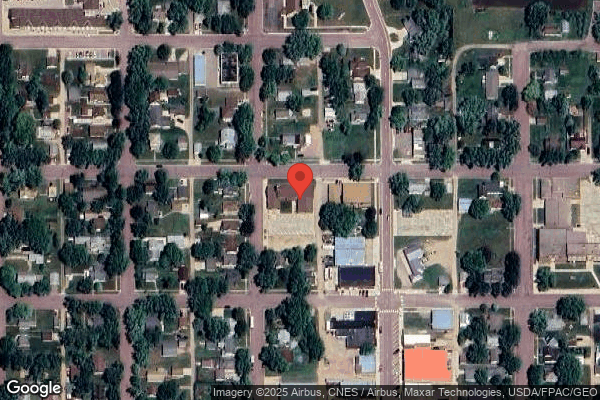
149 FIRST STREET, BOX 218, WESTBROOK, MN 56183 (507) 274-6155
Non profit - Corporation 32 Beds GOOD SAMARITAN SOCIETY Data: November 2025
Trust Grade
55/100
#234 of 337 in MN
Last Inspection: January 2025

Within standard 12-15 month inspection cycle. Federal law requires annual inspections.

Overview

Good Samaritan Society - Westbrook has a Trust Grade of C, which means it is average and falls in the middle of the pack among nursing homes. It ranks #234 out of 337 facilities in Minnesota, placing it in the bottom half, and #3 out of 3 in Cottonwood County, indicating that only one local option is better. The facility is showing improvement, having reduced its issues from 11 in 2023 to 8 in 2025. Staffing is rated at 3 out of 5 stars, with a turnover rate of 48%, which is average compared to the state average of 42%. There have been no fines reported, which is a positive sign, but the facility has concerning RN coverage, being lower than 96% of facilities in the state. However, there are notable weaknesses; for instance, the facility failed to monitor food safety measures, such as temperature checks for food storage, which could lead to foodborne illnesses. Additionally, they did not have an effective system in place to manage potential outbreaks of infectious diseases, like Norovirus, which has the potential to impact all residents. Lastly, the facility struggled to submit accurate staffing data to regulatory agencies, raising concerns about compliance. Families should weigh these strengths and weaknesses carefully when considering this nursing home.

Trust Score
C
55/100
In Minnesota
#234/337
Bottom 31%
Safety Record
Low Risk
No red flags
Inspections
Getting Better
11 → 8 violations
Staff Stability
⚠ Watch
48% turnover. Above average. Higher turnover means staff may not know residents' routines.
Penalties
✓ Good
No fines on record. Clean compliance history, better than most Minnesota facilities.
Skilled Nurses
⚠ Watch
Each resident gets only 27 minutes of Registered Nurse (RN) attention daily — below average for Minnesota. Fewer RN minutes means fewer trained eyes watching for problems.
Violations
⚠ Watch
19 deficiencies on record. Higher than average. Multiple issues found across inspections.
★★☆☆☆
2.0
Overall Rating
★★★☆☆
3.0
Staff Levels
★★☆☆☆
2.0
Care Quality
★★☆☆☆
2.0
Inspection Score
Stable
2023: 11 issues
2025: 8 issues

The Good

  • Full Sprinkler Coverage · Fire safety systems throughout facility
  • No fines on record

Facility shows strength in fire safety.

The Bad

2-Star Overall Rating

Below Minnesota average (3.2)

Below average - review inspection findings carefully

Staff Turnover: 48%

Near Minnesota avg (46%)

Higher turnover may affect care consistency

Chain: GOOD SAMARITAN SOCIETY

Part of a multi-facility chain

Ask about local staffing decisions and management

The Ugly 19 deficiencies on record

Jan 2025 8 deficiencies
CONCERN (D)

Potential for Harm - no one hurt, but risky conditions existed

Pressure Ulcer Prevention (Tag F0686)

Could have caused harm · This affected 1 resident

Based on observation, interview and document review, the facility failed to update the provider following re-development of an unstageable pressure area for 1 of 1 resident (R2). Findings include: R2'...

Read full inspector narrative →
Based on observation, interview and document review, the facility failed to update the provider following re-development of an unstageable pressure area for 1 of 1 resident (R2). Findings include: R2's 10/9/24, Annual Minimum Data Set (MDS) assessment identified her cognition was intact, she required extensive assistance from staff for activities of daily living (ADLs), and there were no skin issues identified. R2 had diagnoses of Neurocognitive disorder with Lewy Bodies, urge incontinence, major depressive disorder, anxiety disorder, neuromuscular dysfunction of bladder, osteoporosis, Parkinson's disease, and a history of falls. She was identified as at risk for pressure ulcers but had no unhealed pressure areas at the time of the assessment. R2 had a pressure relief mattress on her bed and her primary mode of transportation was a wheelchair. Observation and /interview on 1/6/25 at 1:30 p.m. with R2 who pulled up her right pant leg to show a Band-Aid covering the outer aspect of her ankle, and reported she had a sore there, but she did not recall when it had occurred or if she had injured the area. She reported staff put her stockings on over the bandage in the morning and took then off when she went to bed at night. The staff changed the band aid, but she wasn't certain how often they did that. Observation on 1/7/25 at 3:19 p.m., of licensed practical nurse (LPN)-A as she performed wound care to R2's right ankle. LPN-A cleansed the wound area with wound cleanser, applied skin prep to the surrounding area and allowed to dry. The wound had a light pink area surrounding a white, scabbed center area. R2 denied any pain or discomfort in the area. LPN-A applied a new Band Aid to the wound and dated and initialed the area. She reported R2 preferred to lie on her right side and interventions included repositioning and encouraging her to position off her right side. Interview on 1/7/25 at 3:25 p.m. with the director of nursing (DON), reported the medical record identified the wound was noted on 12/28/24, and described as the outer aspect red, and the center was pink with a small, scabbed area. She reported the source was unknown, but R2 had a history of reoccurrence of a right ankle wound. The DON reviewed the record and identified the last wound occurrence was in August of 2024. She reported the wound had healed, and remained healed until it was noted again on 12/28/24. A skin assessment was documented on 12/29/24, but there was no documentation the provider had been notified or orders received for a plan of treatment. She reported the record indicated staff were using skin prep on the area and covering with a band aid for protection. The DON reported she would have expected the provider to be notified of the reoccurrence, furthermore, the provider had made rounds on 12/31/24 with no record of the provider being updated of the reoccurrence of R2's ankle wound. The DON obtained measurements of the wound and reported, the size as .2 centimeters (cm) x .2 cm. on 1/9/25, with the area scabbed with no drainage present. Review of the April 26, 2024, Skin Assessment Pressure Ulcer Prevention and Documentation Requirements Policy identified the registered nurse (RN) was to complete a skin assessment to identify any skin issues. When an area was identified the RN was to record the type of wound, the degree of tissue damage, and the location of the wound, measurements, and the stage for a pressure area. The physician was to be notified of the resident condition and ulcer with orders for treatment documented.
CONCERN (D)

Potential for Harm - no one hurt, but risky conditions existed

Accident Prevention (Tag F0689)

Could have caused harm · This affected 1 resident

**NOTE- TERMS IN BRACKETS HAVE BEEN EDITED TO PROTECT CONFIDENTIALITY** Based on observation, interview and document review the facility failed to prevent potential accident hazards for 2 of 2 residen...

Read full inspector narrative →
**NOTE- TERMS IN BRACKETS HAVE BEEN EDITED TO PROTECT CONFIDENTIALITY** Based on observation, interview and document review the facility failed to prevent potential accident hazards for 2 of 2 residents (R7 and R19) due to wandering behaviors into unsecured areas containing hazardous substances. Findings include: R7's, 12/17/24, Significant change Minimum Data Set (MDS) assessment identified she had severe cognitive impairment and wandered throughout the facility including into other resident spaces. R7 had diagnoses of cognitive communication deficit, Cerebrovascular disease affecting left side, anxiety disorder, dementia, and cerebral infarction and wandered within the facility 1-3 days weekly. R19's, 11/27/24, quarterly MDS identified she had severe cognitive impairment, demonstrated verbal and physical behaviors directed toward others, and wandered throughout the facility and into other resident spaces and wandered 1-3 days weekly. Observation on 1/8/25 at 7:33 a.m. noted the tub room door open with no staff in attendance or in the immediate area outside of the tub room. Inside the room located beside the whirlpool tub a white cabinet had both doors open displaying personal care products including Skin protectant cream; hand lotion; skin cleaner; brushes; combs; body spray; hair spray; body powder; deodorant; nail files; and an electric razor. A pair of scissors, tweezers and a nail clipper were on the top of the cabinet along with a large jug of Thera Sol and a spray bottle of Rapid Multi disinfectant cleaner. The items were within reach of a resident ambulating or seated in a wheelchair who could enter the room. The removable bath chair base was located on the floor on the other side of the tub and could present a fall risk to a resident on that side of the tub. At 7:35 a.m., R19 was observed transporting herself in her wheelchair as she proceeded into the tub room, looked around and moved toward the cabinet. Unidentified staff were noted to pass by the room and glance in, but failed to investigate what R19 was doing in the unsecured tub room, as they passed by. R19 moved toward the cabinet reaching her hand out, as she was mumbling but was not able to reach the cabinet due to surveyor standing in front of it. R19 continued to move around the room, bumping items with her wheelchair before turning and exiting the room transporting herself down the hall. No staff checked on R19 or questioned what she was doing in the open and unattended tub room. Interview on 1/8/25 at 7:45 a.m. with the administrator reported the tub room should not have been left open and unattended, and the cabinet containing personal care items, in addition to the cleaning products on top of the cabinet should have been secured. The administrator confirmed R19 had severe cognitive impairment and was not aware of safety issues that could have occurred with the items in and on the cabinet. Observation on 1/6/25 at 12:20 p.m., a room at the end of the 300-wing hallway across from a sitting area had an open door. Inside the room was a desk against the wall. The desk had 2 bottles labeled Drano (a toxic solution used for clogged drains), a cart next to the desk had 2 cans labeled WD-40 (a flammable solvent), on the bottom shelf of another utility cart was a box labeled [NAME] (a pest control solution), an aerosol can labeled Lysol (disinfectant spray), an aerosol can labeled [NAME]-Eye 123 Primer, and multiple hand held tools including drills, drill bits, and screw drivers. Interview on 1/6/25 at 12:44 p.m., with NA-(A) identified they do have 2 residents who wander. R7 likes to walk up and down the hallways and R19 likes to sit by the doors at the end of the 300-wing (across from the above mentioned room). They both have a diagnosis of dementia. Observation on 1/6/25 at 12:50 p.m., unsecured room containing chemicals remains open, no residents or staff were observed in the area during the observation. Interview on 1/6/25 at 12:50 p.m., with the administrator identified the door should always be locked. She agreed there are toxic chemicals in the room that need to always be secured for the safety of the residents and any children that may be visiting the facility. She further identified that the facility has residents with diagnosis of dementia that could be at risk. The maintenance director was unavailable for interview. Review of the undated Procurement and Storage of Equipment, Products, and Supplies policy identified the facility was to ensure that all chemicals and disinfectants are labeled and stored in a manner that eliminates risk of improper use, contamination, inhalation, skin contact or personal injury. Housekeeping products and supplies should not be stored in resident rooms or units. Store these items in a locked cabinet and/or storage rooms as appropriate.
CONCERN (D)

Potential for Harm - no one hurt, but risky conditions existed

Drug Regimen Review (Tag F0756)

Could have caused harm · This affected 1 resident

Based on interview and document review the facility failed to ensure that consultant pharmacist reviews were completed monthly for 3 of 5 residents (R10, R19, and R21) reviewed for unnecessary medicat...

Read full inspector narrative →
Based on interview and document review the facility failed to ensure that consultant pharmacist reviews were completed monthly for 3 of 5 residents (R10, R19, and R21) reviewed for unnecessary medications. Findings include: R21's 10/30/24, quarterly Minimum Data Set (MDS) assessment identified R21 had severe cognitive impairment, and had behaviors of wandering, exit seeking, and verbal and physical agitation toward staff. She required extensive assistance with activities of daily living (ADLs). R21 ambulated using a 4 wheeled walker with assistance of staff and was seen by therapies. She had pain due to a pelvic fracture because of a fall and received both scheduled pharmacological and non-pharmacological pain interventions. R21 had diagnoses of Alzheimer's disease, major depressive disorder, pain in her feet, dementia, anxiety disorder, and adult personality disorder with behaviors. R21 received scheduled medications including an antipsychotic, antidepressant, and antianxiety. Safety measures were identified due to attempts to self-transfer and repeated falls. R21's monthly consulting pharmacist reviews between July through December 2024, identified there had been no documented pharmacist review completed for the months of November and December 2024. R10's 12/23/24, quarterly Minimum Data Set (MDS) assessment identified R10's cognition was intact. R10 had some verbal behaviors directed towards others and required extensive to total assistance with cares. Daily he received insulin, an anticoagulant, diuretic, antidepressant, and antipsychotic medication. The assessment identified diagnoses of hypertension, diabetes, hyperlipidemia, stroke, bilateral weakness, seizure disorder, and depression. R10's monthly consulting pharmacist reviews between July through December 2024, identified there had been no documented pharmacist review completed for the months of November and December 2024. Interview on 1/8/24 at 10:12 a.m., with administrator identified that the facility had concerns with the consulting pharmacist, and she had reached out to national campus who was also working with the pharmacist. The facility had trouble getting pharmacy reviews completed timely and they had discussed switching back to Thrifty White. She believed that the reviews had been completed but the facility did not have a copy in house of the review. Not being provided the reviews consistently was a problem for being able to communicate the recommendations to the provider. The facility was consistently calling the pharmacy and asking for the information. Additionally, she reported that she had tried to reach out to the pharmacist however, the pharmacist was out ill and unavailable. The pharmacist was unavailable for interview. There was no pharmacy contract provided during the survey. R19's 11/27/24, quarterly Minimum Data Set (MDS) assessment identified her cognition was severely impaired, she required extensive assistance with activities of daily life (ADL's) and had verbal and physical behaviors directed towards others, rejected care and at times wandered throughout the facility. R19 had diagnosis of dementia, aphasia, anxiety, and depression and was taking psychotropic medications for depression and anxiety. R19's monthly consulting pharmacist reviews between July through December 2024, identified there had been no documented pharmacist review completed for the months of November and December of 2024.
CONCERN (D)

Potential for Harm - no one hurt, but risky conditions existed

Deficiency F0757 (Tag F0757)

Could have caused harm · This affected 1 resident

**NOTE- TERMS IN BRACKETS HAVE BEEN EDITED TO PROTECT CONFIDENTIALITY** Based on interview and document review the facility failed to investigate and/or document the justification for a prophylactic a...

Read full inspector narrative →
**NOTE- TERMS IN BRACKETS HAVE BEEN EDITED TO PROTECT CONFIDENTIALITY** Based on interview and document review the facility failed to investigate and/or document the justification for a prophylactic antibiotic for 1 of 1 resident (R7). Findings include: R7's 12/17/24, Significant change Minimum Data Set (MDS) assessment identified she had severe cognitive impairment and wandered throughout the facility including into other resident spaces. R7 had diagnoses of cognitive communication deficit, Cerebrovascular disease affecting left side, anxiety disorder, vascular dementia, and cerebral infarction. R7 was frequently incontinent of bowel and bladder and required staff assistance for toileting. R7 was admitted in November of 2024, with orders for Macrobid (antibiotic)Capsule 100 milligrams (mg) by mouth (PO) daily (QD) with the diagnosis of chronic urinary tract infection (UTI). A urine test was completed 11/13/24 with negative results, and no culture and sensitivity was completed. There was no documentation to support the reason for the urine test, or any signs and symptoms (S/S) the resident had displayed. The preadmission assessment dated [DATE] by the MD, contained documentation R7 was receiving Macrobid 100 mg PO QD at 8:00 p.m., but there was no identified start or stop date, nor rational identifying a reason for prophylactic use of an antibiotic. R7's current undated care plan identified she had bowel and bladder incontinence related to vascular dementia, weakness, hallucinations, confusion, was at risk for falls, and low blood pressure. R7 had a history of frequent UTI's. Interventions included encouraging fluids during the morning and afternoon, monitor for S/S of UTI's, and offer toileting/repositioning Q 3 hours (H). There was no mention of R7 receiving a prophylactic antibiotic. Interview on 1/6/25 at 4:42 p.m. with licensed practical nurse (LPN)-B reported R7 was currently receiving a prophylactic antibiotic Macrobid 100 mg PO Q HS for chronic UTI's, with an original order date of 11/6/24 and no end date ordered. Interview on 1/7/25 at 11:14 a.m., with nursing assistant (NA)-A reported she was aware of the S/S of a UTI and would immediately report them to the charge nurse. She reported she had frequently assisted R7 with toileting and was not aware of any S/S of a UTI. Interview on 1/7/25 at 3:43 p.m. with the director of nursing (DON) identified R7 had been admitted with an order for a prophylactic antibiotic for recurrent UTI's. She was not aware of any evaluation for the need to continue the prophylactic antibiotic, or investigation taking place to identify the need for R7 to remain on the antibiotic. Interview on 1/8/25 at 1:25 p.m. with R7's primary provider (medical director) reported he was not certain when R7 had initially been started on Macrobid for a diagnosis of recurrent UTI's, but it had been prior to admission to the facility. The MD reviewed R7's clinic record and reported the original order was dated October of 2023 and she had been receiving the medication since that time. He had not investigated the continued need for the antibiotic at the time of admission, nor had R7 experienced any identified S/S of a UTI since time of admission. R7 had been admitted from an Assisted Living situation and was likely receiving better personal care currently than she had been able to provide for herself in her previous living situation. He was not aware of any previous referral to urology or infectious diseases and the continued use of the prophylactic antibiotic would need to be investigated further. The MD noted continued use justification should be brought forward for discussion with the MD if criteria was not met. Interview with the Infection Preventionist on 1/8/25 at 2:31 p.m. identified she was aware R7 was receiving a prophylactic antibiotic, but she had not identified this as an area of concern to investigate further under antibiotic stewardship criteria. A policy for unnecessary medications, and/or use of prophylactic antibiotic use was requested but not provided by the end of the survey period.
CONCERN (E)

Potential for Harm - no one hurt, but risky conditions existed

Antibiotic Stewardship (Tag F0881)

Could have caused harm · This affected multiple residents

Based on interview and document review, the facility failed to develop an antibiotic stewardship program which included development of protocols and a system to monitor antibiotic use, to ensure appro...

Read full inspector narrative →
Based on interview and document review, the facility failed to develop an antibiotic stewardship program which included development of protocols and a system to monitor antibiotic use, to ensure appropriate antibiotics were utilized to prevent antibiotic resistance. This deficient practice had the potential to affect all 29 residents who resided in the facility. Findings include: Review of the September 2024, October 2024, and November 2024 infection control (IC) antibiotic stewardship identified the following information: Resident name, Medication prescribed, Classification of the drug, start date, end date, ordered days of therapy, actual days of therapy, Route, and abbreviation for infection without a legend to identify the infection abbreviations. The data for each report showed in: 1.) September 2024, 14 antibiotic orders with 231 days of therapy were included on the monthly IC report. Nine residents were identified as having received antibiotic therapy (R3, R5, R11, R17, R19, R24, R31, R182 and R183). 2.) October 2024, 10 antibiotic orders with 100 days of therapy. R31 was identified as receiving an ongoing oral antibiotic, but there was no identified rational, or documentation of a physician contact to identify and document the need for continued use. Three residents (R2, R8 and R11) were identified as on antibiotics for a urinary tract infection (UTI). 3.) November 2024, 16 antibiotic orders with 75 days of therapy were documented. R7 was admitted with physician orders for an antibiotic for a prophylactic antibiotic due to a history of UTIs. The record failed to identify any consult with the physician related to Antibiotic Stewardship, the continued need for the antibiotic, and any rational or investigation as to when it had been initiated, a stop date, or follow up testing indicated. R6, R7, R13, R15, R18, R23, R24, R27, R187, R188, and R189 also received antibiotic treatment in November 2024. There was no documentation of symptoms, a time out completed, or culture/sensitivity results with notification of the physician to identify if the appropriate medication was in use or should be changed or discontinued. There was also no indication staff had re-assessed the resident's following completion of therapy or notified their physicians to identify if symptoms had resolved or if there was a need to change the medication or continue medication for a specific period. Interview on 1/8/25 at 1:25 p.m. interview with Physician (MD)-A reported he was not certain when R7 had started taking an antibiotic for a diagnosis of recurrent UTI's. Upon review of his clinical record, he identified the original order was in October of 2023. He had not investigated the use of the antibiotic at the time of admission, nor was he aware of R7 having any symptoms of a urinary tract infection since she had been admitted to the facility. He further commented he did not recall being asked about continued need for the antibiotic and reported he was not aware of any investigation or referrals to urology or infectious disease related to the need for continued use of the antibiotic. MD-A stated he felt continued use of an antibiotic for an extended period should be investigated further and there should be an end date to assess the need for continuation of a medication. MD-A also voiced agreement this was an area the IP should be aware of and questioning the MD for rational for the need of continued use or if the medication was effective Interview and document review on 1/8/24 at 2:30 p.m., with the IP reported she had not performed timeouts or tracked the antibiotic use through to resolution to identify if the antibiotic was appropriate, or the need to alter or change therapy was identified. The IP stated she had been on vacation and had not completed the December tracing information at the time of survey and agreed she had not performed appropriate antibiotic stewardship. There was no mention of any staff member covering the IP duties while she was away from the facility. Interview on 1/9/25 at 9:43 a.m., with the director of nursing (DON), identified she would expect a thorough IC program to include appropriate antibiotic stewardship. She was unaware no one was assigned to monitor the program when the IP had been on vacation. Interview on 1/9/25 at 9:50 a.m., with the administrator identified she agreed antibiotic stewardship was lacking appropriate oversight. The IP had been on vacation and had failed to identify anyone designated to cover infection control surveillance while they were on vacation. Review of the 12/19/24 Antibiotic Stewardship-Rehab/Skilled policy identified staff were to follow Loeb's criteria for initiating antibiotics (which, when met, indicate that the resident likely has an infection and that an antibiotic might be indicated, even if the infection has not been confirmed by diagnostic testing).
CONCERN (E)

Potential for Harm - no one hurt, but risky conditions existed

Deficiency F0882 (Tag F0882)

Could have caused harm · This affected multiple residents

Based on interview and document review, the facility failed to ensure 1 of 1 infection preventionist (IP) had appropriate training and oversight of the infection control (IC) program to management by ...

Read full inspector narrative →
Based on interview and document review, the facility failed to ensure 1 of 1 infection preventionist (IP) had appropriate training and oversight of the infection control (IC) program to management by performing current, daily cumulative infection control surveillance activities, maintain documentation of incidents, findings, and any corrective actions required, and ensure the IC program continued in her absence. Findings include: Refer to F880 and F881 Review of the September through December 2024 logs identified infection surveillance had not been tracked through to resolution, no tracking or trending had occurred, and December 2024 had not been performed. Interview on 1/8/25, at 2:10 p.m. with the IP identified she tracked staff illness with an illness/absence report, which was completed when a staff member called in due to illness of themselves or a child. The process was for the charge nurse to complete the form and provide a copy to the IP, director of nursing (DON), and office manager who completed the schedule. The IP reported she collected the forms and completed a report at the end of each month that was presented to the Quality Assurance (QA) committee. The IP reported she recalled R23 also being tested for Norovirus, but she had not included her on the log, and no initial clinical monitoring documentation had been completed. She stated she did not have an explanation for why this did not occur, but it was not on her log. The IP reported she had not been including documentation on surveillance or resolution of infections and when a resident had been admitted with orders for a prophylactic antibiotic she had not investigated or questioned the order. She identified completion of the IP training and provided a copy of her certificate, but stated she would like to receive additional education on how and what she needed to investigate and document, in addition to finding a format that included the necessary information. The reporting of infections and/or antibiotic use was received electronically if staff completed the documentation correctly. She also stated she was told by staff, or a note was left for her, for antibiotic use which she recorded on her log form. She made no follow-up to identify antibiotic stewardship had occurred, including antibiotic timeouts. The IP was unaware of the need to report potential Norovirus outbreak and had not correlated GI illness or put measures in place to prevent potential spread and ensured staff remained off work until 72 hours after symptoms subsided. Interview on 1/9/25 at 9:43 a.m., with the DON reported her expectation for the IP to correlate potential outbreak concerns related to staff and resident illness and investigate root cause with potential intervention. The DON identified there was a checklist that was supposed to be completed and sent to the IP and DON and she expected the IP to follow the facility policy and procedures about IC surveillance and documentation. She confirmed antibiotics should not be started until a culture was received and 48 hours after an antibiotic was started a time out was implemented with a form completed and sent to provider. She reported the physician was to review the appropriateness of the antibiotic and make the determination if it should continue or be changed. She confirmed R7 had been admitted on a prophylactic antibiotic and there was no documentation to indicate there had been an attempt to investigate need for continued use, or an attempt to implement alternate treatments. Interview on 1/9/25 at 9:50 a.m., with the administrator reported she was not aware of a possible correlation between the resident who was hospitalized with Norovirus and reported staff illness with the same symptoms. She reported she would expect staff or family illness to be investigated and staff is not allowed to return to work until the appropriate time follow resolution of symptoms. She stated she would expect documentation to be maintained to confirm this had taken place. She reported the IP had been on vacation and failed to identify anyone designated to cover infection control surveillance while the IP was on vacation. Review of the December 2, 2024, Infection Prevention and Control Program Policy identified the program was to work to prevent, identify, investigate, and report in the attempt to control infections and communicable diseases for residents, staff, and visitors in a facility. The program was to follow the nationally accepted standards, and guidelines for infection control. The program was to include an acceptable system to monitor and document infection control and prevention. The program was to be reviewed annually by the IP or designee, to ensure compliance. The IP utilizes surveillance date to identify outcomes, trends and patterns with results communicated to the QAPI committee.
CONCERN (F)

Potential for Harm - no one hurt, but risky conditions existed

Food Safety (Tag F0812)

Could have caused harm · This affected most or all residents

**NOTE- TERMS IN BRACKETS HAVE BEEN EDITED TO PROTECT CONFIDENTIALITY** Based on observation, interview, and document review the facility failed to appropriately prepare unpasteurized eggs, monitor te...

Read full inspector narrative →
**NOTE- TERMS IN BRACKETS HAVE BEEN EDITED TO PROTECT CONFIDENTIALITY** Based on observation, interview, and document review the facility failed to appropriately prepare unpasteurized eggs, monitor temperatures of food prior to serving, and to monitor the refrigerator and freezer temperatures to prevent food borne illnesses. Findings include: Observation and interview on 1/6/25 at 10:52 a.m., with the dietary manager (DM) during a tour of the kitchen, the DM identified the eggs located in the refrigerator in the prep area were unpasteurized. The DM reported that the facility cooked the unpasteurized eggs hard. She further reported she had forgotten to provide temperature monitoring sheets for the month of January, and temperatures had not been monitored and documented for the refrigerators and freezer. She confirmed that the refrigerator and freezer temperatures were to be monitored twice a day. Interview on 1/7/25 at 7:58 a.m., with the DM identified she ordered eggs through Sysco, and pasteurized eggs were not available at the time of the order. She stated she was aware that the unpasteurized eggs were to be cooked hard as they could not be served with a soft yoke. Review of the current facility menu identified eggs for breakfast: Week 1-Sunday scrambled eggs, Monday no eggs, Tuesday no eggs, Wednesday egg of choice, Thursday scrabbled eggs, Friday egg of choice, and Saturday no eggs. Week 2- Sunday cheesy eggs, Monday no eggs, Tuesday no eggs, Wednesday scrambled eggs, Thursday no eggs, Friday scrabbled eggs, and Saturday no eggs. Week 3-Sunday egg of choice, Monday cheese omelet, Tuesday no eggs, Wednesday scrambled eggs, Thursday cheese and egg casserole, Friday egg of choice, and Saturday no eggs. Week 4-Sunday egg and cheese sandwich, Monday no eggs, Tuesday scrambled eggs, Wednesday no eggs, Thursday egg of choice, Friday cheese omelet, and Saturday no eggs. Observation on 1/7/25 at 9:07 a.m., during medication pass, R5's plate was observed to have what looked like yellow egg yolk smeared on about ¼ of the plate and on the plates raised edges. There were two other residents in the dining room eating scrabbled eggs with no indication of egg yolk on their plates. Interview on 1/8/25 at 7:47 a.m., with dietary cook (C)-A who identified residents can get their eggs scrabbled or over easy. If she made scrambled eggs, she used the liquid eggs from the carton and for the over easy eggs she used the eggs out of the refrigerator. She reported she was unaware if the eggs were pasteurized or unpasteurized. She revealed she had not received any education on the use of pasteurized or unpasteurized eggs and how to prepare them. She reported R27 had requested runny eggs this morning and she made them runny for her. She then revealed that R5, R25, and R26 also requested their eggs runny sometimes. She then said, she believed the eggs were unpasteurized and that they had been getting the unpasteurized eggs for a while now. She reported she was unaware unpasteurized eggs needed to be hard cooked and not served runny. Interview on 1/8/25 at 7:54 a.m., with the dietary assistant (DA)-B identified that he did not cook, and he had not had any training on handling unpasteurized eggs. He confirmed there were residents in the facility who liked their eggs runny or soft for breakfast. Interview on 1/8/25 at 8:13 a.m., with R5 identified she liked eggs, and she usually ordered them fried, but did occasionally like them soft but not runny. Interview on 1/8/25 at 8:16 a.m., with R26 identified he liked eggs. He was unable to tell how he liked or received his eggs. Interview on 1/8/25 at 8:20 a.m., with the director of nursing (DON) identified the dietary manager ordered the eggs for the facility. She reported that if the facility had unpasteurized eggs, she would expect the dietary staff to be trained on handling unpasteurized eggs. Interview on 1/8/25 at 8:24 a.m., with the administrator identified unpasteurized eggs should not be served runny and she would expect all dietary staff to know how to handle unpasteurized eggs. She was unaware that the facility had been getting unpasteurized eggs and stated the facility should only be ordering pasteurized eggs. She then picked up the phone and called the dietician and the dietician stated on speaker phone the only time the facility should use unpasteurized eggs was if it was for baking. The dietician further reported if unpasteurized eggs were to be used for breakfast that they had to be cooked hard and all staff should be trained on how to handle unpasteurized eggs. Interview on 1/8/25 at 8:39 a.m., with DM identified she was still unable to get pasteurized eggs and she had forgotten to tell C-A the unpasteurized eggs could only be served cooked hard. For residents who like them served soft she reported they were to explain to the resident that they could not make soft eggs at this time and offer to serve the eggs hard or scrabbled. She said when she went to order the pasteurized eggs from Sysco they were listed out of stock. She stated, I'm not going to try to pull the wool over your eyes or lie and confirmed she had not been monitoring the temperatures for the food, refrigerators, or freezer. She reported she knew the refrigerator and freezer were working and she had set a bad example for others. She confirmed she knew she was supposed to monitor and document but she just did not do it. She said she had let a lot of things go that she was supposed to do but she had been working 7 days a week for a very long time and she just let things go. She confirmed she had no temperature logs to provide for food monitoring, refrigerators, or freezer. Interview on 1/8/25 at 9:18 a.m., with the dietician identified she would expect staff to monitor and document food temperature prior to serving, in addition to monitoring refrigerator and freezer temperatures. She reported she was surprised that it had not been getting completed. She was unaware that anyone was having trouble getting pasteurized eggs. Interview on 1/8/25 at 9:35 a.m., with the Sysco customer care identified there had been a problem with obtaining pasteurized eggs at some warehouses. He revealed that his records showed pasteurized eggs were unavailable at time of the facilities November and December orders. Facilities are not allowed to use unpasteurized eggs and other facilities had been ordering liquid eggs. He was unsure why the pasteurized eggs were unavailable and said Sysco was at the mercy of what they could get in the warehouses, but it appeared to be resolved at this time. Interview on 1/8/25 at 10:12 a.m., with the administrator identified she had all the unpasteurized eggs removed from the building, she set up mandatory education for dietary staff prior to starting their shift and arranged for the dietician to come today to re-educate the dietary manager. Interview on 1/8/25 at 1:21 p.m., with the medical director identified he would expect the facility to be following policies and procedures for monitoring and documenting food temperatures, refrigerator, and freezer temperatures to prevent food borne illnesses. He further confirmed unpasteurized eggs should not be served soft or runny due to the risk of Salmonella illness. Review of 12/16/24, Food Temperature Monitoring policy identified food temperatures are to be taken and documented prior to each meal. Additionally, periodic temperatures should be taken during or at end of meal to ensure temperatures maintain acceptable ranges. Review of 5/7/24, Food-Supply Storage-Food and Nutrition policy identified all refrigerators and freezers in the nutrition department and dining room are recorded twice daily. Review of 3/11/24, Ordering-Food and Nutrition Service policy identified ordering food will be completed timely and can be completed by ordering through Food Samaritan NET Purchasing System (DSSI) or by ordering directly from the vendor. If questions or concerns staff should reach out by submitting question directly to [NAME] Service Portal, or by contacting National Campus. A policy for use of unpasteurized eggs was requested but not provided.
CONCERN (F) 📢 Someone Reported This

A family member, employee, or ombudsman was alarmed enough to file a formal complaint

Potential for Harm - no one hurt, but risky conditions existed

Infection Control (Tag F0880)

Could have caused harm · This affected most or all residents

Based on observation, interview and document review the facility failed to have a current, ongoing, system of surveillance to identify potential outbreaks of infectious disease, ensure transmission ba...

Read full inspector narrative →
Based on observation, interview and document review the facility failed to have a current, ongoing, system of surveillance to identify potential outbreaks of infectious disease, ensure transmission based precautions were implemented timely, perform root cause analysis to identify patterns of illness in staff or residents, report an outbreak of Norovirus (highly contagious gastrointestinal (GI) virus that causes inflammation of the stomach and intestines), prohibit staff from returning to work until 72 hours from resolution of gastrointestinal symptoms occurred. and ensure 1 of 1 whirlpool tub was appropriately disinfected between resident use according to the manufacturer's directions. This had the potential to affect all 29 residents. Findings include: SURVEILLANCE/ POTENTIAL NOROVIRUS OUTBREAK Review of the September 2024 Monthly Infection Control Report identified 14 antibiotic orders utilized with 231 days of therapy. No staff/family/visitor documentation of illness was provided/identified in the document. Nine residents (R3, R5, R11, R17, R19, R24, R31, R182 and R183) were identified as having received antibiotics. 1 resident (R17) was identified as started on Paxlovid (antiviral medication used to treat COVID-19 symptoms). There was no documentation on the surveillance of a positive COVID diagnosis, date of initiation of S/S, transmission-based precautions (TBP) implemented, with start and stop dates, nor investigation into potential contacts or source of infection. Review of the October 2024, Monthly Infection Control Report identified 10 antibiotic orders utilized with 100 days of therapy. The report identified a COVID outbreak in the facility with 14 residents identified as COVID positive from September were carried over (R5, R9, R10, R14, R17, R22, R23, R24, R31, R133, R134, R185, R186 and R189). One resident (R31) was identified as having COVID and was also receiving an oral antibiotic without documented rational to support treatment for a bacterial infection. One resident was identified to be positive for Norovirus (R11) on 10/14/24, and 5 other residents (R1, R8, R17, R18, and R19) were listed as having GI symptoms on 10/21/24 through 10/26/24. Three residents, R2, R8, and R11, had documented urinary tract infections (UTI). The employee/children/family/visitor log for October 2024 identified 10 staff and/or their family members: 1) Nurse aide (NA)-C tested positive for COVID with onset of symptoms beginning 10/4/24 and returned to work when a negative COVID test was obtained on 10/9/24. 2) NA-D reported nausea and being sweaty on 10/11/24 and returned to work on 10/13/24. 3) Trained medication aide (TMA)-A reported nausea and vomiting on 10/13/24 and returned to work 10/15/24. 4) Licensed practical nurse (LPN)-B reported vomiting and diarrhea also on 10/13/24 and returned to work the next day on 10/14/24. 5) NA-E reported vomiting and diarrhea on 10/23/24 and 10/24/24 and returned to work on 10/31/24. 6) NA-F reported vomiting and diarrhea 10/15/24 through 10/16/24 and returned to work 10/18/24. 7) Unidentified staff (U)-A reported they along with their child had symptoms of fever, vomiting, and diarrhea. There was no notation if or when that staff reported back to work. 8) NA-G and their child reported vomiting and/or diarrhea on 10/16/24 and 10/17/24. NA-G returned to work on 10/20/24. It was noted some staff symptoms were documented as resolved, but not the date they resolved, or if staff had been prevented from returning to work for 72 hrs. after GI symptoms resolved. It is also not identified the infection preventionist correlated the possibility of staff being infected with Norovirus after R11 was formally diagnosed with the infection on 10/14/24, or the other residents, who had not been tested for potential Norovirus but had similar symptoms of potential outbreak had been noted. There was also no mention when TBP were implemented, or if any had occurred, or what type. Review of the November 2024, Monthly Infection Control Report identified 16 antibiotic orders utilized with 75 days of therapy. The report identified 1 resident (R7) admitted on a prophylactic antibiotic for history of UTI's. The record failed to contain any investigation into the continued need or rational for continued use of the antibiotic or if a time-out had been performed. 12 residents received antibiotics in November (R6, R7, R13, R15, R17, R18, R23, R24, R27, R187, R188, and R189). The employee/children/family/visitor log for November 2024 identified: 1) An unidentified staff (U)-B had s/s of a sore throat and cough on 11/13/24, tested negative for COVID and returned to work 11/15/24. 2) NA-I had GI Illness at work on 11/1/24 and went home. NA-I was noted as working less than part time, however, there was no notation to show if or when NA-I returned to work in November 2024. 3) LPN-C reported s/s of migraine on 11/15/24, but was not tested for COVID as they were positive for COVID infection in September 2024. 4) NA-C reported vomiting on 11/21/24, noted as symptom free and returned to work the next day on 11/22/24. 5) NA-J reported fever and vomiting on 11/21/24, and returned to work the next day on 11/25/24. 6) NA-G had an ill child from 11/12/24 through 11/14/24 and took to MD [doctor]. NA-G returned to work on 11/18/24. It was noted some staff symptoms were documented as resolved, but not the date they resolved, or if staff had been prevented from returning to work for 72 hrs. after GI symptoms resolved. It is also not identified the infection preventionist correlated the possibility of staff being infected with potential Norovirus. There was also no mention when TBP were implemented, or if any had occurred, or what type There was no surveillance performed during the month of December 2024 for residents or staff. Review of the 2024-2025 Norovirus Information for Long-term Care Facilities, located at https://www.health.state.mn.us/diseases/foodborne/outbreak/facility/ltcfnorotoolkit.pdf, identified Norovirus is transmitted through a fecal (stool)-oral route with symptoms of diarrhea, vomiting, nausea, abdominal pain, low grade fever, headache, and or body aches. Individuals generally become ill 12-48 hours after exposure (swallowing Norovirus). Infected individuals shed the virus in their stool and contaminate food, surfaces, and objects and can be shed in the stool for several weeks after recovery. Products used to clean Norovirus must say they are effective against Norovirus. Hand sanitizer does not work to kill the virus. Individuals should wash their hands for 20 seconds with soap and water. Individual cases of Norovirus are not reportable to the State, however, possible outbreaks or multiple cases with Norovirus-like symptoms must be reported. Documentation of possible outbreaks was to include: 1) Use the RESIDENT ILLNESS LOG and STAFF ILLNESS LOG to document illnesses among staff and residents/patients · Contact managers of each unit, etc. as necessary to gather illness information. Send both ILLNESS LOGS back to MDH within 2 business days of reporting the suspected outbreak. · Epidemiology staff will use this to assess A) which pathogen is causing the outbreak, B) the likely route of transmission, and C) whether additional prevention measures are needed. 2) Gather additional information · List activities, events, etc., held during the week prior to the first illness (especially if food was served). · Determine when and where there were any vomiting incidents or diarrheal accidents in the facility. · If requested by MDH, provide a dietary menu (breakfast, lunch, and dinner). · If requested by MDH, provide names and phone numbers for staff and/or residents (in rare cases, MDH may want to conduct interviews). 3) Collect a stool sample from three (3) residents and/or staff and send to MDH Laboratory for analysis (MDH will provide specimen collection kits; the testing is free of charge). · If stools from residents or staff were sent to a clinical laboratory, notify MDH of any results. 4) Send both completed ILLNESS LOGS back to MDH between 1 and 2 weeks after the last illness. 5) IMPLEMENT OUTBREAK CONTROL MEASURES: · Monitor for resident illness (record on RESIDENT ILLNESS LOG) and when possible, isolate residents while they are ill and for 72 hours after symptoms have stopped. Consider halting new admissions until the outbreak has ended. Exclude actively ill residents from games/activities where touching common items occurs (e.g., checkers, cards). · Monitor for staff illness (record on STAFF ILLNESS LOG) and restrict ill staff/volunteers from patient care and food handling duties until 72 hours after their vomiting/diarrhea has ended. Interview and document review on 1/8/24 at 2:10 p.m., with the infection preventionist (IP) identified 1 resident (R11), began having gastrointestinal (GI) symptoms of vomiting and diarrhea on 10/10/24 which continued resulting in her being transferred to the Emergency Department (ED) on 10/14/24 where she was diagnosed with Norovirus and was hospitalized . Beginning on 10/11/24, the October Infection Summary identified staff members and residents who reported ill with symptoms of vomiting and diarrhea. The facility also experienced an outbreak of COVID which documented as beginning 9/21/24 and extending through October 2024 with 13 residents (R5, R9, R10, R14, R17, R22, R23, R24, R31, R 133, R 185, R 186, and R 189), who were identified as positive for COVID during that time. The IP logged the illness for R11 which was diagnoses as Norovirus but had not done further investigation to identify potential contacts or the potential source of the infection. She had not identified the possible correlation of R11 being diagnoses with Norovirus, and staff members and residents becoming ill with the same type of gastrointestinal (GI) symptoms. The IP identified that due to multiple residents being COVID positive residents were isolated in their rooms, and the facility was not having group activities or dining. Review of the logs for the 2-week period following 10/14/24 Norovirus diagnosis did not identify any additional residents or staff with symptoms of nausea, vomiting or diarrhea. The IP acknowledged there was no surveillance for December 2024. The IP reported she collected infection control data and prepared a summary report at the end of each month that was presented at the QAPI meetings. The IP received both electronic (if the documentation was completed correctly), and verbal notifications from the nursing staff when a resident had an infection, and/or there was a positive culture and sensitively result and/or when they were started on an antibiotic. The IP stated she had been on vacation and had not completed the December tracing information at the time of survey and agreed she had not performed daily, cumulative infection control surveillance. There was no mention of any staff member covering the IP duties while she was away from the facility. Review of the infection control logs for residents from September 2024 through November 2024, (December had not been completed), failed to document the resolution of the identified infection following the use of antibiotic treatment, nor was there investigation documented as to potential contacts, or sources of the infection. The employee logs of illness September 2024 through November 2024 (December not available), failed to investigate the potential illness and ensure the employees remained off duty for 48-72 hours following the resolution of signs and symptoms. WHIRLPOOL Observation on 1/8/25 at 9:16 a.m. with nursing assistant (NA)-B as she performed cleaning and disinfection of the Air Spa Advantage Bathing System. NA-B followed the manufacture's posted instructions for cleaning the tub, chair and cushions and rinsing surfaces, however, she failed to ensure the interior surfaces of the tub and chair remained wet for 10 minutes per the manufacturer's instructions. Interview on 1/8/25 at 10:00 a.m. with NA-B reported she had read the posted direction for cleaning and disinfecting the tub and noted the direction for the surface to remain wet for 10 minutes with the disinfectant but was not aware of how she could do that. She had not been trained to ensure surfaces remained wet with disinfectant and stated that was the way everyone did it. Interview on 1/8/25 at 1:25 p.m. with the medical director identified his expectation for infection control documentation to be complete and investigation into potential root cause, and or contact with other persons to be documented following an outbreak or infectious virus. He reported he would need to investigate the Infection Control process further as the medical director. Interview on 1/9/25 at 9:43 a.m., with the director of nursing (DON), reported she was not aware of any potential correlation between the resident diagnosed with Norovirus, and other residents and staff beginning to report similar symptoms. Her expectation was for the IP to report any potential contagious conditions to be investigated, interventions implemented, surveillance implemented with appropriate documentation by the IP. The DON was interviewed related to the jetted tub and confirmed her expectation for the jetted tub to be disinfected according to the manufacture's direction listed in the manual and the posted direction on the surface of the tub. She was unaware staff were not following the direction of ensuring a wet contact time of 10 minutes in order to appropriately disinfect the whirlpool tub time and would need to provide re-education to staff to correct the issue. Interview on 1/9/25 at 9:50 a.m., with the administrator reported she was not aware of the tub not being disinfected correctly and expected staff to follow the instructions as listed in the manual. She was also unaware of a possible correlation between other staff and resident illness and the resident that had been diagnosed with Norovirus. The IP had been on vacation and failed to identify anyone designated to cover infection control surveillance. The administrator would expect potential outbreaks to be reported to the State Agency. Review of the 12/2/24, policy Definitions of Infection-For Surveillance Purposes only identified the presence of new GI symptoms in a single resident could prompt increased surveillance for any additional residents with symptoms that could indicate additional cases or outbreak. If an outbreak was suspected stool specimens were to be collected and sent to the lab to determine the presence of Norovirus or other contagions. Norovirus Gastroenteritis-if laboratory confirmation is not available, an outbreak (two or more cases in a nursing home) due to Norovirus infection can be assumed present if: 1) vomiting in more than half of residents, 2.) incubation period of 24-48 hours. 3) duration of illness 12-60 hours. 3) No bacterial pathogen in a stool culture. There was no indication how the facility determined its qualifiers for potential outbreak based of standards of practice or quality. Review of the 12/2/24, Infection Prevention and Control Program Policy identified the program was to work to prevent, identify, investigate, and report in the attempt to control infections and communicable diseases for residents, staff, and visitors in a facility. The program was to follow the nationally accepted standards, and guidelines for infection control. The program was to include an acceptable system to monitor and document infection control and prevention. The program was to be reviewed annually by the IP or designee, to ensure compliance. The IP utilizes surveillance date to identify outcomes, trends and patterns with results communicated to the QAPI committee.
Dec 2023 4 deficiencies
CONCERN (D)

Potential for Harm - no one hurt, but risky conditions existed

Medication Errors (Tag F0758)

Could have caused harm · This affected 1 resident

Based on interview, and record review the facility failed to have an appropriate diagnosis and target behavior for the use of an antipsychotic medication for 1 of 5 residents reviewed (R21). Findings ...

Read full inspector narrative →
Based on interview, and record review the facility failed to have an appropriate diagnosis and target behavior for the use of an antipsychotic medication for 1 of 5 residents reviewed (R21). Findings include: R21's 10/11/23, annual Minimum Data Set (MDS) assessment identified R21's cognition was severely impaired, he felt down, depressed, or hopeless 2 of 6 days per week, and had diagnoses of anxiety disorder and depression. R21 was taking a anti-psychotic on a routine basis and also took an anti-depressant. The assessment lacked identification of any target behaviors in order to determine efficacy of medication therapy. R21's December 2023, Medication Administration Record (MAR) printed 12/5/23, identified R21 was administered quetiapine fumarate (anti-psychotic) 25 mg tablet two times a day for mood related to anxiety. R21's undated care plan printed on 12/5/23, identified R21 was taking antipsychotic medication for anxiety with behaviors with interventions to consult with pharmacy and health care provider to consider a dosage reduction when appropriate and to monitor for possible side effects. There was no mention what behavior specifics R21 exhibited to indicate if staff would be aware to identify medication efficacy or the need to alter treatment. Review of R21's nurse practitioner (NP) progress note on 8/11/22, identified a plan of care to continue with quetiapine two times a day and Ativan as needed because the improvement in his anxiety outweighs the risk of memory loss and falls. On 3/30/23, the NP identified a diagnosis of anxiety and paranoia. At the time of survey the facility had not yet updated R21's medical record to include the added diagnosis of paranoia. Interview on 12/05/23 at 10:48 a.m., with director of nursing (DON) identified R21 was placed on quetiapine while in the hospital for aggressive and violent behavior. She agreed the diagnosis was incorrect and nursing should have clarified the reason for the medication with the physician in order to establish a baseline. Review of the facility provided Psychotropic Medication Policy identified residents would not be given psychotropic medication unless they were necessary to treat a specific condition as diagnosed and documented in the clinical record.
CONCERN (D)

Potential for Harm - no one hurt, but risky conditions existed

Deficiency F0761 (Tag F0761)

Could have caused harm · This affected 1 resident

Based on observation, interview and document review, the facility failed to ensure 1 of 2 E-kits (emergency kit) did not have expired medication and also ensure staff removed expired medications from ...

Read full inspector narrative →
Based on observation, interview and document review, the facility failed to ensure 1 of 2 E-kits (emergency kit) did not have expired medication and also ensure staff removed expired medications from the medication carts. E-Kit Observation, interview, and document review on 12/4/23 at 7:16 p.m. with registered nurse (RN)-A in the medication room identified a locked emergency medication container. The E-kit medication list on back of the E-kit listed four packages, one tablet of tramadol 50 milligram pills, that had expired on 10/18/23. Review of E-kit log sheet indicated the local pharmacy last checked the E-kit on 10/20/23. RN-A stated E-kit medications were checked and replaced by the pharmacy for expired medication during their monthly visits. Interview on 12/05/23 at 1:11 p.m., with local licensed pharmacist (RPh)-A identified they agreed the E-kit had expired medication. It was last checked in October of 2023. Her expectation was the E-Kit would be checked monthly for expired medication, however, the facility should be ensuring the security tab was in fact intact to identify potential diversion as soon as possible. Review of March 2023, Medication: Acquisition Receiving, Dispensing and Storage policy indicated all medications would be packaged and labeled in accordance with state pharmacy regulations and controlled medications would be reconciled through receipt and disposition by the licensed pharmacist. Medication Cart Observation on 12/06/23 at 7:36 a.m., of the facility medication cart identified 1 OTC (over the counter) bottle of Tylenol tablets that expired on February 2023. In addition, R3 had a bottle of omeprazole 40 mg (milligram) capsules had expired on 1/18/23. R3 also had OTC calcitriol which expired on 2/25/23, 37 remaining Folic acid tablets which expired on 4/05/23, 57 furosemide tablets that had expired on 7/19/23, and 100 tablets of vitamin B 12, which expired from the manufacturer on 10/17/23. Interview on 12/06/23 at 8:40 a.m., with LPN-A identified OTC medications that were expired should not be kept with medications that were in use. The facility's common practice was for those medications to be removed from the cart and replaced when reported off to another staff. LPN-A agreed medications that had expired should be removed from the cart as to not inadvertently administer those medications to a resident. Interview on 12/06/23 at 11:22 a.m., with the interim DON identified she would expect the medication cart to be check routinely for outdated medications and remove those medications when discovered as part of the medication administration process for administration. Review of the March 2023, Medications: Acquisitions Receiving Dispensing and Storage policy identified the facility staff will check and dispose expired medications in accordance with state pharmacy regulations.
CONCERN (E)

Potential for Harm - no one hurt, but risky conditions existed

Deficiency F0883 (Tag F0883)

Could have caused harm · This affected multiple residents

**NOTE- TERMS IN BRACKETS HAVE BEEN EDITED TO PROTECT CONFIDENTIALITY** Based on interview and document review, the facility failed to ensure 4 of 5 (R3, R4, R12 and R24) residents were appropriately ...

Read full inspector narrative →
**NOTE- TERMS IN BRACKETS HAVE BEEN EDITED TO PROTECT CONFIDENTIALITY** Based on interview and document review, the facility failed to ensure 4 of 5 (R3, R4, R12 and R24) residents were appropriately vaccinated against pneumococcal disease upon admission and/or offered updated vaccination per Centers for Disease Control (CDC) vaccination recommendations. Findings include: Review of the current CDC pneumococcal guidelines located at https://www.cdc .gov/vaccines/vpd/pneumo/hcp/pneumo-vaccine-timing.html, identified for adults [AGE] years of age or older, staff were to offer and/or provide based off previous vaccination status as shown below: a) If NO history of vaccination, offer and/or provide: aa) the PCV-20 OR bb) PCV-15 followed by PPSV-23 at least 1 year later. b) For PPSV-23 vaccine ONLY (at any age): aa) PCV-20 at least 1 year after prior PPSV-23 OR bb) PCV-15 at least 1 year after prior PPSV-23 c) For PCV-13 vaccine ONLY (at any age): aa) PCV-20 at least 1 year after prior PCV13 OR bb) PPSV-23 at least 1 year after prior PCV13 d) For PCV-13 vaccine (at any age) AND PPSV-23 BEFORE 65 years: aa) PCV-20 at least 5 years after last pneumococcal vaccine dose OR bb) PPSV-23 at least 5 years after last pneumococcal vaccine dose e) Received PCV-13 at Any Age AND PPSV-23 AFTER age [AGE] Years: aa) Use shared clinical decision-making to decide whether to administer PCV-20. If so, the dose of PCV-20 should be administered at least 5 years after the last pneumococcal vaccine. Review of 4 sampled residents for vaccinations identified: 1) R3 was [AGE] years old and was admitted on May of 2023. R3 received PPSV-23 on 10/13/04 and PCV-13 on 8/12/16. There was no documentation to support R3 had been offered the PCV-20 to ensure she was updated with current CDC guidance for vaccines. 2) R4 was [AGE] years old and was admitted on October of 2015. R4 received PPSV-23 on 12/11/04 and 9/20/11 and PCV-13 on 6/03/17. There was no documentation to support R4 had been offered the PCV-20 to ensure she was updated with current CDC guidance for vaccines. 3) R12 was [AGE] years old and was admitted on January of 2023. R12 received PPSV-23 on 11/21/06, 3/3/11 and 8/18/14. R12 received PCV-13 on 10/08/15. There was no documentation to support R12 had been offered the PCV-20 to ensure she was updated with the current CDC guidance for vaccines. 4) R24 was [AGE] years old and was admitted on January of 2023. R24 received PCV-13 on 12/03/15 and 5/22/17. There was no documentation to support R24 had been offered the PCV-20 to ensure she was updated with the current CDC guidance for vaccines. Interview on 12/06/23 at 10:21 a.m., with licensed practical nurse (LPN-B) who is the facility Infection Preventionist (IP) confirmed residents was not offered and/or administered PCV-20 and lacked a declination of refusal for vaccine upon admission to the facility. Review of September 2023, Immunizations/Vaccinations for Residents, Pneumococcal, Influenza, COVID-19, Other, AL, R/S, LTC, HBS policy identified pneumococcal immunizations would be offered according to CDC recommendations upon admission and per CDC guidelines for eligibility. Review of October 2023, Infection Prevention and Control Program, All Service Lines policy identified facility would promote the facility immunization program ensuring residents were provided education including the risk and benefits, administration, and declination of immunizations in accordance with current standards of practice.
CONCERN (F)

Potential for Harm - no one hurt, but risky conditions existed

Staffing Data (Tag F0851)

Could have caused harm · This affected most or all residents

Based on interview and document review, the facility failed to submit accurate and/or complete data for staffing information at least quarterly or more often, including information for agency and cont...

Read full inspector narrative →
Based on interview and document review, the facility failed to submit accurate and/or complete data for staffing information at least quarterly or more often, including information for agency and contract staff, based on payroll and other verifiable and auditable data during 1 of 1 quarter reviewed (Quarter 3) in Federal Fiscal Year 2023, to the Centers for Medicare and Medicaid Services (CMS), according to specifications established by CMS. The facility also failed to have a policy for PBJ that instructed how and when staff were to submit data and run verification reports to ensure data submitted was complete and accurate. This has the potential to affect all 34 residents residing in the facility. Findings include: Review of the Payroll Based Journal Report (PBJ) [NAME] Report 1705D for Quarter 3, 2023 (April 1 through June 30), identified the facility triggered for failing to have licensed nursing coverage 24 hours per day. The following dates were triggered for review: 4/2/23, 4/16/23, 5/7/23, 6/10/23, 6/18/23, 6/20/23, 6/25/23, 6/26/23, and 6/28/23. Review of the nursing timecard punches for the infraction dates identified above on the 1705D identified the facility did have licensed staff who worked, therefore the data submitted was inaccurate and nor not complete. Interview on 12/06/23 at 10:18 a.m., with the adminsitrator identified that they in fact had licensed staff on for the dates indicated but the previous administrator did not enter the PBJ information correctly. There was no policy related to PBJ entries provided by the end of the survey.
Feb 2023 7 deficiencies
CONCERN (D) 📢 Someone Reported This

A family member, employee, or ombudsman was alarmed enough to file a formal complaint

Potential for Harm - no one hurt, but risky conditions existed

Deficiency F0602 (Tag F0602)

Could have caused harm · This affected 1 resident

Based on interview and doument review, the facility failed to protect resident medication from misappropriation of resident propertyby securing away from unauthorized use when 1 of 1 staff (licensed p...

Read full inspector narrative →
Based on interview and doument review, the facility failed to protect resident medication from misappropriation of resident propertyby securing away from unauthorized use when 1 of 1 staff (licensed practical nurse (LPN)- A) diverted medication from a discharged resident (R180) for personal use. Findings include: Review of the 12/29/22 at 8:35 a.m., State Agency (SA) report identified an allegation of licensed practical nurse (LPN)-A, taking a dose of Zofran (nausea medication) belonging to R180 during the night shift on 12/28/22. R180 had been discharged on 12/1/22, and the medication had been stored in a plastic bag, unsecured from access by staff in the medication room pending destruction. The SA report identified LPN-A had not been feeling well during her scheduled shift and she had taken 1 Zofran (a medication used to treat nausea and vomiting) from the plastic bag. LPN-A reported during the shift report on 12/28/22 at 6:00 a.m., she had taken one Zofran tablet from the bag of medication which was to be destroyed for R180 as she felt ill during work. R180's signed physician orders identified an order dated 9/26/22 for Zofran 4 milligrams (mg) by mouth (PO) every (Q) 8 hours (H) as needed (PRN) for nausea. R180's physician orders for discharge did not include the Zofran, and the medication was placed in a plastic bag stored in the medication room for destruction. Interview on 2/14/23 at 2:17 p.m., with the social services designee (SSD) reported she received report of the incident from trained medication aide (TMA)-A during the morning of 12/28/22 when she had come to work. The SSD reported TMA-A had come to her and reported during shift report at 6:00 a.m., LPN-A stated she was not feeling well, was not able to find someone to complete her shift, and had taken a Zofan that was in the medication room for destruction. The SSD reported she had been told by TMA- A, LPN-A stated she had a personal prescription for Zofran at home, but did not have any with her at work, so she had taken one of the pills to enable her to finish her shift. The administrator was not available at the time, so the incident was reported to the director of nursing (DON)-B. DON-B and SSD interviewed TMA-A, reviewed the video recording of the medication room for 12/28/22 night shift, but did not observe LPN-A taking the medication. LPN-A was contacted via phone by administrator-B and admitted she had taken one Zofran pill from the plastic bag containing R180's medication. The SSD reported following the facility investigation and consultation with the Corporate Human Resources (HR) department administrator-B had submitted a report to the SA. The corporate HR made the decision to file a report to the Board of Nursing, and issue a final written action to LPN-A in addition to providing re-education. The SSD reported HR advised administrator-B a report to law enforcement was not necessary because R180 had been discharged on 12/1/22, the incident did not take place until 12/28/22, and the medication was no longer R180's personal property since it was to be destroyed. Interview on 2/14/23 at 3:08 p.m., with TMA-A reported at shift report on 12/28/22 at about 6 a.m., LPN-A reported she had been ill during her overnight shift, there was no one available to cover her shift and she had recalled there was Zofran in the medication room from a resident that had been discharged . TMA-A reported LPN-A stated she could not leave as she was the only nurse on duty, she had a personal prescription for Zofran, but did not have any with her, so she had taken one of the Zofran pills. TMA-A reported she knew this was wrong and she had reported the incident to the SSD who stated she would report the incident to the administrator and DON. Interview on 2/14/23 at 6:00 p.m., with LPN-A reported she had worked the overnight shift on 12/28/22 and had become ill. LPN-A reported she had a history of gastric issues and had developed nausea, vomiting and diarrhea. LPN-A reported she had contacted DON-B and the infection preventionist but neither of them were available to replace her shift. LPN-A reported she remembered seeing the bag containing the Zofran in a bag of medications to be destroyed in the medication room. LPN-A reported she was aware that it was not acceptable to take the medication, but since the resident had been discharged , and the medication was to be destroyed, she felt it was ok to take one of the Zofran tablets. LPN-A had a personal prescription for the medication, but did not have any with her and she knew she had to get through her shift and so she had taken one of the Zofran pills from the bag to be destroyed. LPN-A reported she finished her shift and had mentioned she had taken the Zofran from the medication room during report. Later that morning LPN-A reported she received a phone call from DON-B and the SSD and when questioned had admitted she had taken the one Zofran pill and why she had done so. She was informed the incident had to be reported to the SA and she would need to meet with administrator-B and HR. LPN-A reported she had a meeting with administrator who reviewed the facility policy on medication destruction and diversion of medications, and issued her a written warning. The nurse consultant was also involved, and she was informed the incident had been reported to the Board of Nursing. LPN-A reported education was provided to all nursing staff on the policies for medication destruction and drug diversion. LPN-A stated she was aware taking the medication was wrong, but she felt she had no other option due to the situation of needing to be able to finish her shift. R180 was not able to be reached for interview on 2/14/22 at 3:00 p.m. or 2/17/22 at 10:30 a.m. Interview on 2/17/23 at 10:00 a.m. with DON-A reported she was just starting in her position as DON at the time of the incident and did not recall a lot of the investigation, but agreed it was drug diversion to take a medication that had been prescribed for a resident She was aware taking a medication was reportable to the SA and reported the steps in the investigation process. The facility policy was provided. Review of the August 11, 2020 Drug Diversion policy identified diversion as the removal of drugs for the employee or others use and included on or off the facility premises. If the investigation revealed suspicion the notifications were to include the facility administrator, the SA, law enforcement and other designated agencies in accordance with state law of a medication diversion. This is viewed as misappropriation of resident property.
CONCERN (D) 📢 Someone Reported This

A family member, employee, or ombudsman was alarmed enough to file a formal complaint

Potential for Harm - no one hurt, but risky conditions existed

Report Alleged Abuse (Tag F0609)

Could have caused harm · This affected 1 resident

Based on interview and document review, the facility failed to follow their policy to report an allegation of a crime (drug diversion) to the State Agency (SA) and law enforcement in a timely manner f...

Read full inspector narrative →
Based on interview and document review, the facility failed to follow their policy to report an allegation of a crime (drug diversion) to the State Agency (SA) and law enforcement in a timely manner for 1 of 1 resident (R180). Findings include: Review of the 12/29/22 at 8:35 a.m., State Agency (SA) report identified an allegation of licensed practical nurse (LPN)-A, taking a dose of Zofran (nausea medication) belonging to R180 during the night shift on 12/28/22. R180 had been discharged on 12/1/22, and the medication had been stored in a plastic bag, unsecured from access by staff in the medication room pending destruction. The SA report identified LPN-A had not been feeling well during her scheduled shift and she had taken 1 Zofran (a medication used to treat nausea and vomiting) from the plastic bag. LPN-A reported during the shift report on 12/28/22 at 6:00 a.m., she had taken one Zofran tablet from the bag of medication which was to be destroyed for R180 as she felt ill during work. R180's signed physician orders identified an order dated 9/26/22 for Zofran 4 milligrams (mg) by mouth (PO) every (Q) 8 hours (H) as needed (PRN) for nausea. R180's physician orders for discharge did not include the Zofran, and the medication was placed in a plastic bag stored in the medication room for destruction. Interview on 2/14/23 at 2:17 p.m., with the social services designee (SSD) reported she received report of the incident from trained medication aide (TMA)-A during the morning of 12/28/22 when she had come to work. The SSD reported TMA-A had come to her and reported during shift report at 6:00 a.m., LPN-A stated she was not feeling well, was not able to find someone to complete her shift, and had taken a Zofan that was in the medication room for destruction. The SSD reported she had been told by TMA- A, LPN-A stated she had a personal prescription for Zofran at home, but did not have any with her at work, so she had taken one of the pills to enable her to finish her shift. The administrator was not available at the time, so the incident was reported to the director of nursing (DON)-B. DON-B and SSD interviewed TMA-A, reviewed the video recording of the medication room for 12/28/22 night shift, but did not observe LPN-A taking the medication. LPN-A was contacted via phone by administrator-B and admitted she had taken one Zofran pill from the plastic bag containing R180's medication. The SSD reported following the facility investigation and consultation with the Corporate Human Resources (HR) department administrator-B had submitted a report to the SA. The corporate HR made the decision to file a report to the Board of Nursing, and issue a final written action to LPN-A in addition to providing re-education. The SSD reported HR advised administrator-B a report to law enforcement was not necessary because R180 had been discharged on 12/1/22, the incident did not take place until 12/28/22, and the medication was no longer R180's personal property since it was to be destroyed. Interview on 2/14/23 at 3:08 p.m., with TMA-A reported at shift report on 12/28/22 at about 6 a.m., LPN-A reported she had been ill during her overnight shift, there was no one available to cover her shift and she had recalled there was Zofran in the medication room from a resident that had been discharged . TMA-A reported LPN-A stated she could not leave as she was the only nurse on duty, she had a personal prescription for Zofran, but did not have any with her, so she had taken one of the Zofran pills. TMA-A reported she knew this was wrong and she had reported the incident to the SSD who stated she would report the incident to the administrator and DON. Interview on 2/14/23 at 6:00 p.m., with LPN-A reported she had worked the overnight shift on 12/28/22 and had become ill. LPN-A reported she had a history of gastric issues and had developed nausea, vomiting and diarrhea. LPN-A reported she had contacted DON-B and the infection preventionist but neither of them were available to replace her shift. LPN-A reported she remembered seeing the bag containing the Zofran in a bag of medications to be destroyed in the medication room. LPN-A reported she was aware that it was not acceptable to take the medication, but since the resident had been discharged , and the medication was to be destroyed, she felt it was ok to take one of the Zofran tablets. LPN-A had a personal prescription for the medication, but did not have any with her and she knew she had to get through her shift and so she had taken one of the Zofran pills from the bag to be destroyed. LPN-A reported she finished her shift and had mentioned she had taken the Zofran from the medication room during report. Later that morning LPN-A reported she received a phone call from DON-B and the SSD and when questioned had admitted she had taken the one Zofran pill and why she had done so. She was informed the incident had to be reported to the SA and she would need to meet with administrator-B and HR. LPN-A reported she had a meeting with administrator who reviewed the facility policy on medication destruction and diversion of medications, and issued her a written warning. The nurse consultant was also involved, and she was informed the incident had been reported to the Board of Nursing. LPN-A reported education was provided to all nursing staff on the policies for medication destruction and drug diversion. LPN-A stated she was aware taking the medication was wrong, but she felt she had no other option due to the situation of needing to be able to finish her shift. R180 was not able to be reached for interview on 2/14/22 at 3:00 p.m. or 2/17/22 at 10:30 a.m. Interview on 2/17/23 at 10:00 a.m. with DON-A reported she was just starting in her position as DON at the time of the incident and did not recall a lot of the investigation, but agreed it was drug diversion to take a medication that had been prescribed for a resident She was aware taking a medication was reportable to the SA and reported the steps in the investigation process. The facility policy was provided. Review of the August 11, 2020 Drug Diversion policy identified diversion as the removal of drugs for the employee or others use and included on or off the facility premises. If the investigation revealed suspicion the notifications were to include the facility administrator, the SA, law enforcement and other designated agencies in accordance with state law of a medication diversion. This is viewed as misappropriation of resident property.
CONCERN (D) 📢 Someone Reported This

A family member, employee, or ombudsman was alarmed enough to file a formal complaint

Potential for Harm - no one hurt, but risky conditions existed

Investigate Abuse (Tag F0610)

Could have caused harm · This affected 1 resident

Based on interview and record review, the facility failed to appropriately assess and implement interventions to ensure residents were free from resident to resident abuse for 4 of 4 residents (R8, R9...

Read full inspector narrative →
Based on interview and record review, the facility failed to appropriately assess and implement interventions to ensure residents were free from resident to resident abuse for 4 of 4 residents (R8, R9, R178 and R179). Findings include: Review of the 1/24/22, report to the State Agency (SA) identified R178 was wheeling himself past R5 in front of the nursing station when R5 hit R 178 on his right arm just below his shoulder with the back of her hand. R 178 continued past R5 without stopping. The 1/31/22 5 day investigation report identified R5 was looking for a man who ripped her off and is a crook. R 178 was in his wheelchair going past R5 who was in her wheelchair heading the opposite direction toward the dining room. R5 stuck her hand out and made contact with R178's right upper arm. R178 said ouch and pulled his arm back. R178 continued down the hall and did not stop. Interview with R178 after the incident reported he was wheeling past R5 and she had swatted him on his arm. R178 commented the area was going to be purple tomorrow. A skin observation completed by the charge nurse on 1/24/22 and repeated on 1/25/22. There was no documentation in the medical record of further investigation or review by the interdisciplinary team (IDT) into the root cause of R5 striking R178. the facility identified both residents were being kept separated as best as possible by staff. R8 was checked for a urinary tract infection (UTI) which came back negative and was scheduled to have a special visit with her primary doctor on 2/8/22 to review her mood and behavior. Review of the 1/24/22 at 4:15 p.m. facility incident report for R178 identified R8 had struck out at R178 and contacted his right upper arm. R178's right upper arm was checked and there was no sign of bruising or injury noted. R178 reported it had hurt right away but not anymore. There was no update to the care plan or interventions added on how staff were to provide for R178's safety and preventing further potential abuse. Review of the 9/13/22 initial report to the SA identified R8 and R9 were both seated in their wheelchairs by the nursing station. R9 stated that R8 had slapped his outer thing on his left leg then grabbed his pant leg and wouldn't let go. R9 reported it did not hurt, did not traumatize him and he was not upset. The 9/20/22 5 day investigation identified R5 was upset when she was in the dining room and had verbally threatened to hit dietary aide (DA)-A and was yelling and swearing. R5 had refused to leave the dining room and nursing assistant (NA)-B returned later and were able to transport R5 from the dining room. Both R8 and R9 were by the nursing station when NA-B returned to the area and observed R8 holding onto R9's pants. NA- B immediately separated R8 and R9 and R8 was taken to a quiet area and given a doll which she could put to sleep. When interviewed R9 reported he had gone to the nursing station to have someone help him find something and reported he was not hurt or traumatized. R9 denied any fear of being out of his room or of R8, and stated, she just gets ornery sometimes. Action taken to prevent reoccurrence was Education/communication to staff regarding offering non-pharmacological interventions listed in R8's care plan or from the intervention cabinet when R8 was worked up, had high anxiety or was over stimulated. There was no mention of interventions put into place or how staff were to prevent further potential abuse. Review of the 11/4/22, initial report to the SA identified R8 and R179 were heard bickering in the dining room by the administrator ( previous administrator)-B. Upon arrival at the dining room R8 and R179 were about 3 feet apart and the administrator attempted to remove R8 from the dining room, and as she was being moved she attempted to kick R179, but was not close enough to make contact. As R8 was being moved away she attempted to strike the administrator. R179 received a bruise and a scratch on her left arm and elbow. The 11/11/22 5 day investigation identified staff failed to separate R8 and R179 when R8 became agitated. R8 became agitated and began yelling at a staff member calling her names. R179 stepped in and told R8 not to say those types of tings to that staff member as R179 liked that staff member. the staff member walked away as that was usually effective in calming R8. Immediate intervention was to separate the 2 residents from each other. Staff education was provided via On Shift to separate the residents if R8 was becoming agitated with another resident. Education was required to all staff for Dementia Care: Challenging Behaviors and Direct Care Staff, R8's care plan was updated and placed at the nursing station for all staff to review and sign. R8's, 9/23/22 annual Minimum Data Set (MDS) assessment identified severe cognitive impairment, behaviors of physical symptoms directed toward others occurred 4-6 days during the assessment period, verbal behavior directed toward others occurred 1-3 days, and other behavior symptoms not directed toward other occurred 4-6 days. For activities of daily living (ADLs) R8 required Extensive assistance from 2 staff persons for bed mobility, transfers, dressing, and toileting. One staff assistance was needed for personal hygiene and locomotion on/off the unit and was not able to ambulate. R8 was always incontinent of bladder and frequently incontinent of bowel. R8 had diagnosis including non-traumatic brain dysfunction, hypertension, arthritis, dementia, anxiety disorder, and depression. R8 received scheduled pain, anxiety, and psychotropic medications. R8's undated care plan identified she had impaired thought process, was monitored for increased confusion or forgetfulness and had limited physical mobility. R8 was evaluated by Occupational therapy and used a low-scoot chair. R8 had increased anxiety at times and was repetitive and over stimulated by residents. Interventions included redirection by offering to watch TV in her room, reading, organizing belongings, hold her cat or doll, offer a book to read or coffee. If a resident to resident altercation occurred, staff were to separate the residents, keep all residents safe and offer non-pharmacological interventions. If combative with cares, staff were to leave R8 in a safe position and re-approach later. R9's, 10/14/22, annual MDS identified R9 had moderate cognitive impairment, had no identified behaviors, and required Extensive assistance of 2 staff for bed mobility, 1 person assist with transfers, locomotion on/off the unit, dressing, toileting and personal hygiene. R9 required limited assistance of one staff for walking in his room, and supervision for walking in the hall. R9 had diagnosis of medically complex conditions, Coronary artery disease, hypertension, hyperlipidemia, and Parkinson's disease. R9's undated care plan identified he had limited physical mobility, weakness, bilateral leg pain and Parkinson's disease. R9 needed assist of 1 staff with a gait belt for mobility. Staff were to protect resident from potential abuse. R9 was receiving a restorative program and received an antipsychotic for adjustment disorder and an antidepressant for depressed mood with monitoring for potential side effects. R178's, 11/29/21, admission MDS identified moderate cognitive impairment, ADLs were independent to supervision with all areas and R178 used a walker and wheelchair for mobility. R178 had a history of falls prior to admit, and diagnosis which included coronary artery disease, weakness, hypertension, and malignant neoplasm of prostate. R178's undated care plan identified he had limited physical mobility related to (R/T) a history of a motor vehicle accident (MVA) with a sternal fracture, weakness and used a w/c for locomotion, and was able to ambulate independently. Staff were to protect all residents from potential allegations of resident abuse, neglect, exploitation or mistreatment. The care plan identified R178 required assistance from one staff for ADLS. R178 had a psychosocial well-being deficit evidenced by calling staff servants. Non-pharmacological interventions included 1:1, playing cards, puzzles, and he received antidepressant medication R/T a diagnosis of anxiety. Mood and behavior identified R178 was short tempered with staff, made negative comments towards staff, mocked other residents, and had been being physically aggressive. Interventions included for staff to intervene as necessary to protect the rights and safety of others and approach/speak in a calm manner, divert attention, remove him from the situation and take to alternate location as needed. R178 had a history of physical aggression with other residents. that was noted when he was in an over stimulated environment and R178 had decreased patience. If a resident to resident altercation occurred staff were to separate the residents, keep all residents safe, and offer non-pharmacological interventions included in care plan. There were no interventions included to identify an individualized approach with regard to the altercation with R8. R179's, 12/13/22. discharge with return anticipated MDS identified her cognition was intact, she had moderate to severe depression, behaviors included delusions, and she required extensive assistance of 2 staff for bed mobility, and the assistance of one staff for transfers, locomotion on/off the unit, dressing, toileting, and personal hygiene. R179 had diagnosis of osteoarthritis of knee, heart failure, hypertension, arthritis, vision issues, morbid obesity and major depressive disorder, and occasional pain. R179 had been on isolation due to COVID-19 and was paranoid of facility staff. R179's, 10/20/22, Care Area Assessment (CAA) identified cognitive loss/dementia, had disorganized thinking at times and would ramble and have irrelevant conversations due to her paranoia of facility staff. R179's, undated care plan identified she was able to verbally communicate her needs, had limited physical mobility and was at risk for falls R/T incontinence, medication use, weakness, congestive heart failure, and depression. R179 had an ADL self-care performance deficit and utilized a w/c for locomotion, and required an EZ stand lift for transfers. Behaviors were paranoia, being rude to bullying other residents, refusing to talk about mental health, many negative comments towards staff/belittles and degrades staff, and was rude to residents. Intervene as necessary to protect the rights and safety of others. Remove from situation and take to alternate location as needed. There was no mention of interventions specific to altercations with R8 or other residents. Interview on 2/13/23 at 6:15 p.m., with the SSD reported R8 had dementia with behavioral disturbances and became physically aggressive with cares. She reported there were not specific triggers or persons that R8 targeted but it seemed to be a situational response when she was agitated, or there was something not as she thought it should be. She reported R8 became over-stimulated around other residents or if there were loud activities going on. R8 calmed down if staff were able to bring her to the lounge across from the nursing station and give her something to read, or take her to the living room and give her a baby doll to hold and put to sleep. The SSD reported R8 had received orders for a new pain medication ( Fentanyl patch) that had been started the previous week and staff had noticed R8's mood had improved and she had decreased behavior. The SSD reported facility staff had received education on an annual basis on abuse, vulnerable adults, and reporting in addition to dementia training that was provided after the incident in November 2022. She reported staff were aware of R8's behavior and agitation directed toward other residents and staff and attempted to position R8 in a quieter area and supervise to keep other residents from getting too close, especially if R8 was agitated. Interview on 2/14/23 at 2:53 p.m., with nursing assistant (NA)-A reported R8 required total assistance from two staff for all ADLS and more recently had needed to be assisted with eating. NA-A reported R8 did seem more calm since the new medication had been started, but she continued to have verbal and physical aggression toward staff and other residents. She reported the immediate intervention when R8 became agitated toward another resident was to separate them, and take R8 to the living room and give her a doll to hold, or a book to read. She reported R8 was allowed to sleep in if she didn't want to get up, and 30 minutes prior to personal cares being provided R8 was given an antianxiety medication which helped with the aggressive behavior directed toward staff. NA-A reported R8 liked her alone time and spent a lot of time sitting in the living room reading or watching TV. NA-A reported she had received education on abuse, rights, reporting and dementia training within the last year, and the dementia training was provided in November 2022. Interview on 2/16/23 at 8:30 a.m., with the DON reported she was new in her positron and just learning about the need to review and revise care plans and interventions. She reported her expectations for staff to follow the facility abuse and neglect policy for keeping all residents safe, and when an incident did take place it was to be reviewed by the management team, discussion to attempt to determine the cause, review of interventions in place, and care planing of any new interventions added.
CONCERN (D) 📢 Someone Reported This

A family member, employee, or ombudsman was alarmed enough to file a formal complaint

Potential for Harm - no one hurt, but risky conditions existed

Deficiency F0661 (Tag F0661)

Could have caused harm · This affected 1 resident

Based on interview and document review, the facility failed to complete an appropriate discharge summary for 2 of 2 residents (R26 and R180) who were discharged to the community. Findings include: R2...

Read full inspector narrative →
Based on interview and document review, the facility failed to complete an appropriate discharge summary for 2 of 2 residents (R26 and R180) who were discharged to the community. Findings include: R26's 12/1/22, discharge Minimum Data Set (MDS) identified R26 had been independent with bed mobility, transfers, and toileting. R26 also required staff supervision when walking and was frequently incontinent of urine and occasionally incontinent of bowel. R26's 12/1/22, facility discharge summary identified pertinent medical diagnoses. It also had sections for hearing, vision and cognition which were blank. Staff noted mood and behavior as happy to be going, and Activities of Daily Living noted walker. Staff also noted resident's patterns of bladder and bowel were ambulates to the bathroom. The discharge summary lacked any mention of course of illness, treatment, pertinent labs or consultations. R26's discharge summary also included a section giving direction for the licensed nurse to complete a recapitulation of resident's stay including diagnosis, course of illness, treatment or therapy, pertinent lab, radiology and consultation results. A final summary of the resident's status to include the resident's strengths, goals, life history and preferences as reflected in the MDS. R180's 12/1/22, Discharge return not anticipated MDS identified R180 had moderate cognitive impairment and required limited assistance for toileting, supervision for all other Activities of Daily Living (ADL), and was able to ambulate independently in her room. R180 had diagnoses of osteoporosis, beeding of her brain stem, enlarged heart, abnormalities of gait and mobility, and hemiplegia( paralysis on 1/2 of the body). R180's 12/1/22 at 10:30 a.m., discharge summary identified diagnoses that were present on admission, with a space for final diagnosis to be completed by the physician with signature and date were left blank. The section identified as resident strengths and goals were also not completed on the discharge summary. Interview on 2/16/23 at 9:29 a.m., with the director of nursing (DON) indicated R26's discharge summary was missing a large amount of information that she would have expected to be included. The DON agreed R26's discharge summary did not include a recapitulation of care. Review of the 12/22/22, Discharge Planning Policy with a check list attached indicated a Discharge/Therapeutic Leave Instructions Progress Note and a Discharge Summary should have been completed in the medical record, however, there was no mention of a recapitulation of resident's stay.
CONCERN (D)

Potential for Harm - no one hurt, but risky conditions existed

Unnecessary Medications (Tag F0759)

Could have caused harm · This affected 1 resident

Based on observation, interview and document review, the facility failed to administer medication according to manufactures guidelines and physician's orders for 2 of 31 observations, resulting in a 6...

Read full inspector narrative →
Based on observation, interview and document review, the facility failed to administer medication according to manufactures guidelines and physician's orders for 2 of 31 observations, resulting in a 6.4% medication error rate. Findings include: Observation and interview on 2/16/23 at 7:57 a.m., of R10's medication pass with trained medication aide (TMA)-A who gathered his morning medications identified TMA-A administered his omeprazole (blocks stomach acid) and his albuterol inhaler. R10's inhaler label had an expiration date of 2/1/23 and was last used on 2/9/23. TMA-A reported R10's omeprazole was to administered before meals, but due to busy medication pass times, it would commonly end up being given with or immediately after R10 had his meal. TMA-A agreed R10's Albuterol inhaler label should have been verified as part of the 5 rights of medication administration and identified prior to administration. R10's current, undated physicians orders identified R10 had an order for omeprazole 20 milligrams (MG) by mouth (PO) twice daily (BID) to be taken before meals (ac) and Albuterol Sulfate 90 microgram (MCG) inhaler, 1 puff PO every 4 hours as needed (PRN). Interview on 2/16/23 at 8:38 a.m., with the DON identified she expected medications were to be administered according to the signed doctor's orders and discarded per manufacturer's instructions. The medication cart had been last checked by the Pharmacist on 1/25/23 and the TMA completed a check on 1/29/23. The DON was not certain how the inhaler was missed when both the consultant pharmacist and a TMA had checked the cart for outdated medications. The DON was aware medications such as omeprazole was being administered with meals rather than as order by the physician or indicated per manufacturer's guidelines. Review of the August 24, 2022, Administration Including Scheduling and Medication Aides policy identified medication was to be administered correctly and in a timely manner. The 5 Rights of Medication administration were to be followed for medication administration.
CONCERN (D)

Potential for Harm - no one hurt, but risky conditions existed

Deficiency F0761 (Tag F0761)

Could have caused harm · This affected 1 resident

**NOTE- TERMS IN BRACKETS HAVE BEEN EDITED TO PROTECT CONFIDENTIALITY** Based on observation, interview and document review, the facility failed to ensure controlled medication was appropriately and s...

Read full inspector narrative →
**NOTE- TERMS IN BRACKETS HAVE BEEN EDITED TO PROTECT CONFIDENTIALITY** Based on observation, interview and document review, the facility failed to ensure controlled medication was appropriately and securely stored to prevent potential drug diversion during observation of medication storage for 1 of 1 resident (R18) when their lorazepam was found partially opened and taped back in the original blister pack container. Findings include: Observation on 2/14/23 at 11:24 a.m., of the medications stored in the double locked drawer of the medication cart identified one blister card with lorazepam 0.5 mg by mouth (PO) as needed (PRN), for R18. The back of the card was punched out and covered with a tape. The medication markings were consistent with the remainder of the lorazepam in the blister pack. Interview and document review on 2/14/23 at 11:33 a.m., with trained medication aide (TMA)- A reported the medication cards stored in the double locked portion of the medication cart often became damaged due to the cards being taken in and out of the drawer during administration and again during the shift controlled medication counts. TMA-A felt that may be the reason for the partial opening on R18's card of lorazepam. Review of the narcotic book identified the count was correct for R18's lorazepam. Interview on 2/14/23 at 11:50 a.m., with the DON reported she was aware of the problem with damage to the medication cards when they were repeatedly taken in and out of the drawer. She was working with the pharmacy provider to correct. The DON provided a sticker system that was to be used when the packaging was damaged and reported this should have been implemented when the damaged card was discovered. The DON explained two staff (one being a licensed nurse) was to confirm the medication was still contained in the bubble pack on the card, and then a sticker with a dot was placed over the damaged area on the back of the card and dated and initialed by both staff. Review of the 2/13/23, [NAME] Drug Sticker Policy/Procedure identified the purpose of the system was to avoid having to send medications back to the pharmacy for repackaging or destruction when the medication remained in the card, but the integrity of the package had been damaged, and there was risk that the medication would fall out of the card. Staff were not to use the stickers on narcotic medication. 2 staff were to follow affix a red dot stickers to the medication. Those stickers were not to be used for narcotics that had been accidentally punched out of the card, or if a resident refused a medication that had been dispensed. The policy made no reference to medication that was not a narcotic but a controlled medication subject to being highly diverted.
CONCERN (E)

Potential for Harm - no one hurt, but risky conditions existed

Safe Environment (Tag F0584)

Could have caused harm · This affected multiple residents

Based on observation, interview, and document review, the facility failed to ensure comfortable warm water temperatures were maintained for 12 of 29 residents ( R1, R3, R4, R5, R11, R13, R17, R18, R19...

Read full inspector narrative →
Based on observation, interview, and document review, the facility failed to ensure comfortable warm water temperatures were maintained for 12 of 29 residents ( R1, R3, R4, R5, R11, R13, R17, R18, R19, R21, R25, and R181) who resided on the 100-wing. Findings include: Interview on 2/13/23 at 1:34 p.m., with R19 identified the water was too cold for bathing or washing up. R19 revealed she gets a bath 2 times a week. The water in her room was always cold. Everybody knows about it . they just tell us our rooms are at the end of the hall and there is nothing they could do about it. Observation on 2/13/23 at 2:29 p.m., in R19's room identified the hot water tap in bathroom had been turned on to its fullest extent. The hot water was allowed to run for 3 minutes and remained cold to the touch. Observation and Interview on 2/13/23 at 3:08 p.m., with R13 identified when she would use the bathroom sink in her room to wash up in the morning and had been unable to get any hot water. R13 had notified the staff at the facility several times. Staff had told her the water heater was on the other side of the building and there was nothing they could do to fix it. The hot water was then turned on and allowed to run approximately 4-5 minutes and remained cold to touch. Interview on 2/14/23 at 1:59 p.m., with nursing assistant (NA)-A identified she typically had to turn on the hot water in all resident rooms on the 100 wing for several minutes prior to using it as it never gets hot. NA-A revealed when water temps failed to get warm enough for comfort, she would either only wet a small corner of the washcloth to wash up the residents, or she had used a product called Peri-Wash spray that used little to no water instead. NA-A reported the lack of hot water down that wing approximately two months ago to the maintenance director (MD) and was told that a ticket was in to have the hot water problem fixed, however she was unsure of any outcome as the water remained well below comfortable temperatures for resident bathing. Interview on 2/14/23 at 2:57 p.m., with NA-B identified she was under the impression the water down the 100-wing failed to get warm enough for bathing because the hot water heater was on the opposite side of the building from the 100-wing. Interview on 2/14/23 at 3:02 p.m., with NA-C indicated the resident rooms on the 100-wing of the facility require a longer run time to get hot water. NA-C revealed she had told residents she was sorry she had been unable to get the water any warmer and if she had been able to fix it herself .she would. Observation and interview on 2/14/23 at 3:26 p.m., maintenance director (MD) identified 2 rooms were checked for appropriate water temperatures. R19's room hot water temperature was 80.7 degrees Fahrenheit (F). R18's room hot water temperature was 88.7 degrees F. The MD indicated the facility had trouble getting the water temperature to an acceptable range for the residents on the 100-wing. The MD revealed when she had been completing her routine hot water temperature audits, she would turn on the hot water in each room and lets it run awhile. She would then go back to the first room she had turned the water on and started checking temperatures so the hot water had time to warm up. Facility policy was to have hot water temperatures between 105-110 degrees within a minute or two of turning the hot water on. Review of the 1/6/23, Logbook Documentation indicated hot water temperature ranges for tap water was to be within 110 degrees to 115 degrees F, however, the logged temperatures identified that the hot water in the 100 wing resident rooms was between 53.6 degrees and 101 degrees. Interview on 2/14/23 at 3:45 p.m., with the administrator identified hot water temperature was to be maintained at acceptable ranges for comfort and safety between 105 F and 110 F.
Understanding Severity Codes (click to expand)
Life-Threatening (Immediate Jeopardy)
J - Isolated K - Pattern L - Widespread
Actual Harm
G - Isolated H - Pattern I - Widespread
Potential for Harm
D - Isolated E - Pattern F - Widespread
No Harm (Minor)
A - Isolated B - Pattern C - Widespread

Questions to Ask on Your Visit

  • "Can I speak with families of current residents?"
  • "What's your RN coverage like on weekends and overnight?"

Our Honest Assessment

Strengths
  • • No major safety red flags. No abuse findings, life-threatening violations, or SFF status.
  • • No fines on record. Clean compliance history, better than most Minnesota facilities.
Concerns
  • • 19 deficiencies on record. Higher than average. Multiple issues found across inspections.
  • • Grade C (55/100). Below average facility with significant concerns.
Bottom line: Mixed indicators with Trust Score of 55/100. Visit in person and ask pointed questions.

About This Facility

What is Good Samaritan Society - Westbrook's CMS Rating?

CMS assigns GOOD SAMARITAN SOCIETY - WESTBROOK an overall rating of 2 out of 5 stars, which is considered below average nationally. Within Minnesota, this rating places the facility higher than 0% of the state's 100 nursing homes. A rating at this level reflects concerns identified through health inspections, staffing assessments, or quality measures that families should carefully consider.

How is Good Samaritan Society - Westbrook Staffed?

CMS rates GOOD SAMARITAN SOCIETY - WESTBROOK's staffing level at 3 out of 5 stars, which is average compared to other nursing homes. Staff turnover is 48%, compared to the Minnesota average of 46%.

What Have Inspectors Found at Good Samaritan Society - Westbrook?

State health inspectors documented 19 deficiencies at GOOD SAMARITAN SOCIETY - WESTBROOK during 2023 to 2025. These included: 19 with potential for harm.

Who Owns and Operates Good Samaritan Society - Westbrook?

GOOD SAMARITAN SOCIETY - WESTBROOK is owned by a non-profit organization. Non-profit facilities reinvest revenue into operations rather than distributing to shareholders. The facility is operated by GOOD SAMARITAN SOCIETY, a chain that manages multiple nursing homes. With 32 certified beds and approximately 29 residents (about 91% occupancy), it is a smaller facility located in WESTBROOK, Minnesota.

How Does Good Samaritan Society - Westbrook Compare to Other Minnesota Nursing Homes?

Compared to the 100 nursing homes in Minnesota, GOOD SAMARITAN SOCIETY - WESTBROOK's overall rating (2 stars) is below the state average of 3.2, staff turnover (48%) is near the state average of 46%, and health inspection rating (2 stars) is below the national benchmark.

What Should Families Ask When Visiting Good Samaritan Society - Westbrook?

Based on this facility's data, families visiting should ask: "Can I visit during a mealtime to observe dining assistance and food quality?" "How do you handle medical emergencies, and what is your hospital transfer rate?" "Can I speak with family members of current residents about their experience?"

Is Good Samaritan Society - Westbrook Safe?

Based on CMS inspection data, GOOD SAMARITAN SOCIETY - WESTBROOK has a clean safety record: no substantiated abuse findings (meaning no confirmed cases of resident harm), no Immediate Jeopardy citations (the most serious violation level indicating risk of serious injury or death), and is not on the Special Focus Facility watch list (a federal program monitoring the lowest-performing 1% of nursing homes). The facility has a 2-star overall rating and ranks #100 of 100 nursing homes in Minnesota. While no facility is perfect, families should still ask about staff-to-resident ratios and recent inspection results during their visit.

Do Nurses at Good Samaritan Society - Westbrook Stick Around?

GOOD SAMARITAN SOCIETY - WESTBROOK has a staff turnover rate of 48%, which is about average for Minnesota nursing homes (state average: 46%). Moderate turnover is common in nursing homes, but families should still ask about staff tenure and how the facility maintains care continuity when employees leave.

Was Good Samaritan Society - Westbrook Ever Fined?

GOOD SAMARITAN SOCIETY - WESTBROOK has no federal fines on record. CMS issues fines when nursing homes fail to meet care standards or don't correct problems found during inspections. The absence of fines suggests the facility has either maintained compliance or corrected any issues before penalties were assessed. This is a positive indicator, though families should still review recent inspection reports for the full picture.

Is Good Samaritan Society - Westbrook on Any Federal Watch List?

GOOD SAMARITAN SOCIETY - WESTBROOK is not on any federal watch list. The most significant is the Special Focus Facility (SFF) program, which identifies the bottom 1% of nursing homes nationally based on persistent, serious quality problems. Not being on this list means the facility has avoided the pattern of deficiencies that triggers enhanced federal oversight. This is a positive indicator, though families should still review the facility's inspection history directly.