Good Samaritan Society - Windom

705 SIXTH STREET, WINDOM, MN 56101 (507) 831-1788
Non profit - Corporation 63 Beds GOOD SAMARITAN SOCIETY Data: November 2025
Trust Grade
60/100
#177 of 337 in MN
Last Inspection: December 2024

Within standard 12-15 month inspection cycle. Federal law requires annual inspections.

Overview

Good Samaritan Society - Windom has a Trust Grade of C+, which indicates it is slightly above average but still has room for improvement. It ranks #177 out of 337 nursing homes in Minnesota, placing it in the bottom half of facilities statewide, but it is #2 out of 3 in Cottonwood County, meaning only one local option is better. The facility is currently improving, having reduced its issues from 10 in 2023 to 4 in 2024. Staffing is a strength here, with a rating of 4 out of 5 stars and a turnover rate of 41%, which is slightly below the Minnesota average. On the downside, there have been concerns regarding infection control practices, such as improper handling of food service items and the lack of certification for the nutrition supervisor, which could affect all residents. Additionally, they failed to analyze infection data properly, potentially putting residents at risk. Despite these weaknesses, the absence of fines is a positive aspect, suggesting no serious compliance issues have been recorded.

Trust Score
C+
60/100
In Minnesota
#177/337
Bottom 48%
Safety Record
Low Risk
No red flags
Inspections
Getting Better
10 → 4 violations
Staff Stability
○ Average
41% turnover. Near Minnesota's 48% average. Typical for the industry.
Penalties
✓ Good
No fines on record. Clean compliance history, better than most Minnesota facilities.
Skilled Nurses
✓ Good
Each resident gets 43 minutes of Registered Nurse (RN) attention daily — more than average for Minnesota. RNs are trained to catch health problems early.
Violations
⚠ Watch
27 deficiencies on record. Higher than average. Multiple issues found across inspections.
★★★☆☆
3.0
Overall Rating
★★★★☆
4.0
Staff Levels
★★★☆☆
3.0
Care Quality
★★★☆☆
3.0
Inspection Score
Stable
2023: 10 issues
2024: 4 issues

The Good

  • 4-Star Staffing Rating · Above-average nurse staffing levels
  • Full Sprinkler Coverage · Fire safety systems throughout facility
  • No fines on record
  • Staff turnover below average (41%)

    7 points below Minnesota average of 48%

Facility shows strength in staffing levels, fire safety.

The Bad

3-Star Overall Rating

Near Minnesota average (3.2)

Meets federal standards, typical of most facilities

Staff Turnover: 41%

Near Minnesota avg (46%)

Typical for the industry

Chain: GOOD SAMARITAN SOCIETY

Part of a multi-facility chain

Ask about local staffing decisions and management

The Ugly 27 deficiencies on record

Dec 2024 4 deficiencies
CONCERN (D)

Potential for Harm - no one hurt, but risky conditions existed

Resident Rights (Tag F0550)

Could have caused harm · This affected 1 resident

**NOTE- TERMS IN BRACKETS HAVE BEEN EDITED TO PROTECT CONFIDENTIALITY** Based on observation, interview, and document review, the facility failed to ensure residents were provided care in a dignified ...

Read full inspector narrative →
**NOTE- TERMS IN BRACKETS HAVE BEEN EDITED TO PROTECT CONFIDENTIALITY** Based on observation, interview, and document review, the facility failed to ensure residents were provided care in a dignified and respectful manner for 1 of 3 residents (R13) who were observed during care interactions. Findings include: R13's quarterly Minimum Data Set (MDS) assessment dated [DATE], indicated R13 had moderately impaired cognition, had no rejection of care, was frequently incontinent of bladder, always continent of bowel, had a bowel toileting program, and was dependent for toilet transfers and toileting hygiene. R13's care plan dated 11/14/24, indicated a history of bowel incontinence related to loss of sensation, impaired mobility, needing staff assistance with transfers with a goal of 20 or less incontinent episodes of bowel movements through the next review date, constipation related to decreased mobility, frequent bladder incontinence related to stroke side effects with a goal of being continent of bladder during waking hours through the review date. R13's care plan further indicated a bowel toileting program with scheduled toileting times of 12:30 a.m., 6:45 a.m., 8:30 a.m., 1:00 p.m., 4:00 p.m., and 7:00 p.m. During observation on 12/11/24 at 7:29 a.m., nursing assistant (NA)-E answered R13's call light. R13 stated she needed to use the commode. NA-E told R13 she had just gotten up and R13 would have to wait until after breakfast because NA-E was too busy getting people up. NA-E told R13 she should have asked to use the commode when she got up for the day. NA-E assisted R13 to the dining room in her wheelchair without assisting her to the commode per R13's request. During interview on 12/11/24 at 7:32 a.m., NA-E stated she told R13 she had to wait because she didn't have time to put her on the commode every 5 minutes. NA-E further stated R13 was jealous of NA-E helping other residents and turned her light on out of jealousy and attention. NA-E then stated R13 was always asking for something. During interview on 12/11/24 at 7:35 a.m., R13 stated she needed to use the commode but was told to wait until after breakfast. R13 further stated she was frequently told staff didn't have time in the morning and often could not use the commode when requested. R13 stated she had been embarrassed due to being incontinent in her brief due to having to wait to use the commode until after breakfast. During interview on 12/11/24 at 7:39 a.m., NA-D stated she would assist a resident if they requested to use the commode and if she was too busy, she would ask a different NA to help or would tell her charge nurse. NA-D further stated she would not tell a resident they could not use the commode when requested. During interview on 12/11/24 at 7:42 a.m., registered nurse (RN)-C stated he expected residents to be able to use the commode when requested and if the NA was too busy they could ask another NA for assistance or ask a nurse to help. RN-C further stated residents should use the commode when requested. During interview on 12/11/24 at 9:34 a.m., licensed practical nurse (LPN)-A stated she would expect residents to use the commode when requested and if the NA was busy they could tell the resident they would be with them as soon as possible or request help from another NA or the nurse. LPN-A further stated it was not acceptable to tell a resident they had to wait until after breakfast to use the commode. During interview on 12/11/24 at 11:36 a.m., director of nursing (DON) stated she would not expect a resident to be told they couldn't use the commode and would expect the request to be honored, and if the NA was overwhelmed they could tell the resident they would be with them as soon as possible, ask another NA for assistance, or inform their charge nurse of the need for assistance. During observation on 12/11/24 at 8:23 a.m., R13 was assisted back to her room from breakfast and her call light was illuminated. NA-D entered R13's room and assisted her to the commode. During interview on 12/11/24 at 8:52 a.m., NA-D stated R13 was incontinent of urine in her brief prior to using the commode and had a bowel movement in the commode. A review of NA-E's training record printed 12/11/24, indicated NA-E was trained in [NAME] Health Nursing Assistant Training program, Changing the Culture to Person-Centered Care, Activities of Daily Living, and Communicating Effectively.
CONCERN (D)

Potential for Harm - no one hurt, but risky conditions existed

Deficiency F0688 (Tag F0688)

Could have caused harm · This affected 1 resident

**NOTE- TERMS IN BRACKETS HAVE BEEN EDITED TO PROTECT CONFIDENTIALITY** Based on observation, interview and document review, the facility failed to provide services to restore, maintain and prevent lo...

Read full inspector narrative →
**NOTE- TERMS IN BRACKETS HAVE BEEN EDITED TO PROTECT CONFIDENTIALITY** Based on observation, interview and document review, the facility failed to provide services to restore, maintain and prevent loss of range of motion (ROM) for 1 of 1 resident (R10) reviewed for limited ROM. Findings include: R10's facesheet printed 12/11/24, identified diagnoses of Parkinson's disease (brain disorder that causes unintended or uncontrollable movements), dementia, polyneuropathy (nerves that affects the skin, muscles and organs are damaged and can't sent signals back to the brain) and peripheral vascular disease (veins/arteries in the arms, hands, legs and feet have restricted blood flow). R10's quarterly Minimum Data Set (MDS) assessment dated [DATE], identified R10 had severely impaired cognition, limited range of motion of both upper and lower extremities on both right and left sides, dependent on staff for eating, and all activities of daily living. R10's care plan dated 6/2/24, indicated R10 had a need for a functional maintenance program due to limited mobility in left fingers/palm. Goal included resident will remain free of complications related to immobility of left fingers and skin break down through the next review date. Interventions included complete passive range of motion (PROM) to left digits while wrapped in warm towels. Place palm splint on after PROM. Complete 10 repetitions, three times per week as needed and as tolerated. A physician order dated 5/15/24, included remove brace from left hand at bedtime for hand contracture. A occupation therapy (OT) Therapist Progress and Discharge summary dated [DATE], by OT-B indicated caregiver is able to assist patient to complete PROM program for bilateral upper extremities (BUE) and wrist to reduce pain, avoid contractures, and maintain functional use of BUE. Patient has met goal of palm protector for left upper extremity to reduce pain, avoid contractures, and promote safe hand hygiene. Caregivers have been educated on strategies for safe use of palm protector and for PROM exercises to maintain current function of patients BUE. A Therapy Documentation Note dated 5/31/24, by certified occupational therapy assistant (COTA)-C, included complete PROM on left digits while wrapped in warm towels. Place palm splint on patient after PROM one to three time per week as tolerated. During observation on 12/9/24 at 3:26 p.m., R10 was lying in her bed. R10's left hand was in a fist with no splint present. R10, upon request to move her left fingers, was able to move all but her middle digit approximately 1/2 an inch. R10's right hand's fingers were curled towards her palm with fingers touching her palm. R10's right wrist was also positioned prone at 30 degree angle. R10 was not able to move her fingers or her wrist on right side. During observation on 12/10/24 at 9:26 a.m., R10 was lying in her bed awake. No splint was present on her left hand. Left fingers were curled into palm of hand in a fist position. Right hand was curled into a fist and right wrist remained positioned downwards at 30 degree angle. On interview 12/10/24 at 9:52 a.m., nursing assistant (NA)-A indicated R10 is supposed to wear a splint but couldn't find it this morning. NA-A stated she doesn't do ROM on R10's hand and doesn't believe NA's do that and restorative aide is responsible for completing that task. On interview 12/10/24 at 11:10 a.m., nursing assistant (NA)-B, also identified as restorative aide, stated range of motion (ROM) is done every time the brace is put on because it takes the warm towels to loosen R10's fingers to put the brace on. NA-B indicated the brace should be put on every morning but she was unable to locate it this morning or yesterday. NA-B indicated when she is scheduled for restorative aide duties, she always stops in the morning and ensures ROM done and splint are applied, but NA-A stated she gets pulled from restorative duties frequently including the past two weeks. NA-B indicated the ROM and splint are only ordered for her left hand and not her right hand, but stated it looked like her right hand could use ROM and a splint also. On interview 12/10/24 at 1:46 p.m., licensed practical nurse (LPN)-B wasn't sure if R10 was supposed to be wearing a splint. LPN-B indicated she has noted R10's right hand is also contracted and she should probably get an order for therapy for evaluation. On 12/11/24 at 7:18 a.m., LPN-A stated ROM is completed on both R10's hands and she does have a splint for her left hand. During interview and observation on 12/11/24 at 7:38 a.m., LPN-B indicated the NA's can complete ROM but if the restorative aide is available she will complete it and apply R10's splint. Upon request LPN-B assessed R10's hands and indicated R10's right hand/fingers was not as contracted as they currently are the last time she evaluated them (was not able to identify when last evaluated) and added she will get an order for therapy to evaluate. R10 did not have a splint on her left hand and LPN-B stated sometimes the left hand splint doesn't get applied until later in the day. During observation on 12/11/24 at 8:01 a.m., R10 is in the dining room with no splint on her left hand. Fingers continue curled into palms on both the right and left hands. During interview and observation on 12/11/24 at 8:19 a.m., occupational therapist (OT)-B, after reviewing notes from previous sessions April and May 2024, indicated R10 should be getting PROM to both hands and should wear a splint on her left hand throughout the day. OT-B stated R10 was not able to complete active range of motion, had zero strength on both hands and had facial grimacing with PROM of her left hand. Recommendations included PROM to both upper extremities. OT-B indicated written recommendations are given to the nursing staff upon discharge for recommendations to be completed for continued exercise program. At 8:36 a.m., OT-B completed evaluation of R10's hands. OT-B indicated no real change present on her left hand, however, R10 had no discomfort with PROM with her right hand during previous visit in April and May 2024, and now she does. OT-B added as soon as releasing fingers, they immediately returned to a curled position which could also indicate worsening of the motion in R10's right hand. OT-B indicated measurements of movement were never completed so it is difficult to state if her right hand/fingers/wrist are worse and can only base it on grimace on R10's face with passive movement. OT-B indicated with any change in either of R10's hands, a referral should be completed for OT evaluation. During observation on 12/11/24 at 12:40 p.m., R10 is in her room in her Broda chair (positioning chair) with no splint on her left hand. Facility Restorative Splinting policy dated 5/21/24, included: -Check electronic medical record (EMR) for resident specific restorative interventions -If care planned, provide ROM exercises to decrease muscle tone prior to application of splint Apply the splint as directed by physician and/or therapist instruction. A policy on ROM was requested but not received.
CONCERN (D)

Potential for Harm - no one hurt, but risky conditions existed

Incontinence Care (Tag F0690)

Could have caused harm · This affected 1 resident

**NOTE- TERMS IN BRACKETS HAVE BEEN EDITED TO PROTECT CONFIDENTIALITY** Based on observation, interview and document review, the facility failed to follow standards of care and practice for use of an ...

Read full inspector narrative →
**NOTE- TERMS IN BRACKETS HAVE BEEN EDITED TO PROTECT CONFIDENTIALITY** Based on observation, interview and document review, the facility failed to follow standards of care and practice for use of an indwelling catheter for 1 of 1 resident (R15) who used an indwelling catheter. Findings include: R15's facesheet, printed 12/11/24, included diagnoses of ulcerative proctitis (inflammatory bowel disease affecting only the rectum), insomnia, and hypothyroidism. There was no medical diagnosis indicating indication or rationale for Foley catheter. R15's quarterly Minimums Data Set (MDS) assessment dated [DATE], included moderately impaired cognition, requires partial to moderate assistance for toilet transfer, is continent of bowel and has an indwelling catheter. R15 does not have post void (urination) residuals greater than 250 cc. R15's Catheter Data Collection dated 11/15/24, indicated continued use of indwelling catheter. Reason for catheter was overactive bladder. Indications for use of catheter was checked as other with specify other left blank. R15's plan of care dated 8/27/24, indicated R15 had an indwelling catheter related to overactive bladder with hygiene issues and causes anxiety. Interventions included monitor and document for pain/discomfort due to catheter, monitor for signs and symptoms of discomfort on urination and frequency, indwelling 16 french Foley catheter with 5 cc balloon, document output every shift, monitor/record/report to health care provider for signs of urinary tract infection, catheter care by nursing assistant with morning and evening cares, wear leg bag during the day and straight catheter drainage bag at night and report any unusual observations/conditions to the nurse. During observation and interview on 12/9/24 at 4:14 p.m., R15 was sitting in her room in her wheelchair. R15 stated she currently has a urine infection and she was told by her doctor her bladder doesn't work anymore and she gets frequent infections. R15 stated she has had problems for years with urinary tract infections and has seen multiple doctors for this in the past. During observation and interview on 12/10/24, at 9:15 a.m., R15 stated her doctor told her she needs to have a catheter because her bladder doesn't work anymore. R15 stated they put the catheter in about two months ago. During observation and interview on 12/11/24 at 7:10 a.m., nursing assistant (NA)-A indicated R15 has had a catheter a few months now but is unsure why she has one. During interview on 12/11/24 at 7:31 a.m., licensed practical nurse (LPN)-A indicated R15 has had a lot of urinary tract infections (UTI's), so R15's physician ordered a catheter to see if it would help. LPN-A stated R15 has had one UTI since the catheter placement but feels this is less than previously. LPN-A stated the catheter is permanent and was not aware if post residual urine scans (amount of urine left in the bladder after urination completed by ultrasound scan of bladder) were ever performed or if she has seen a urologist. LPN-A contacted registered nurse (RN)-A, also identified as clinical leader, via phone. RN-A indicated R15 was given medication to try to empty R15's bladder but no tests were completed to see if bladder was emptying. RN-A stated a family member and R15 went to regular provider check up and asked if R15 could have a catheter to see if it would help with UTI's. RN-A indicated the provider listed reasons why she should have a catheter and placed an order for the Foley catheter. A provider note dated 7/15/24, included R15 has urinary incontinence 24/7. R15 indicated she can not make it to the bathroom and simply voids into pads and often has to wear multiple pads when she is out and about. R15 denies burning with urination, fever, chills, flank pain, suprapubic discomfort or change in urine itself. Discussed the possibility of an indwelling Foley. This would allow her to remain dry and not have to worry about being up and about. At the same time we discussed the fact that it is a foreign body and can increase the likelihood of infection. It may also cause bladder spasm, etc. It is not a perfect answer but one that has been considered in the past and one she would like to consider now. Suggested this begin no sooner than following an upcoming wedding, thus we will start the indwelling Foley catheter on 8/5/24. A provider order dated 7/15/24, indicated R15 to have an indwelling Foley placed to leg bag on 8/5/24 or thereafter. This is to be a permanent solution to her incontinence. During interview on 12/11/24 at 12:05 p.m., the director of nursing (DON) stated R15's diagnosis does not meet standard of care for a Foley catheter but added quality of life is important. The DON indicated R15 has not had a urology consult since she has been a resident at the facility. Facility Urinary Catheter policy dated 11/28/22, included: - An order and indication is required for an indwelling Foley insertion. Consider Foley catheter alternatives (i.e. external catheters and intermittent catheterization).
CONCERN (F)

Potential for Harm - no one hurt, but risky conditions existed

Infection Control (Tag F0880)

Could have caused harm · This affected most or all residents

Based on observation, interview, and document review the facility failed to maintain a system to analyze monthly surveillance data for trends and patterns to reduce the spread of illness, infections, ...

Read full inspector narrative →
Based on observation, interview, and document review the facility failed to maintain a system to analyze monthly surveillance data for trends and patterns to reduce the spread of illness, infections, control transmission of infections and communicable diseases present in the facility. This had the potential to affect all 53 residents who resided in the facility. Findings include: Document titled Monthly Infection Summary August 2024, September 2024, November 2024, indicated resident name, start date, date symptoms resolved, type of infection, status, antimicrobial, infection source and surveillance of criteria met. No mapping or trending of the data was provided. On 12/11/24 at 10:32 a.m., during an interview registered nurse (RN)-B stated she was the infection nurse at the facility. RN-B stated she was responsible for overseeing the facility's infection control program and maintaining the facility's infection control surveillance log. RN-B stated the infections were tracked and documented on the computer tracking form, but no ongoing formal surveillance, monitoring of trends and/or breaks in infection practices had occurred. When asked to review the infection data, RN-B used the tracking form on the computer and identified the infection control logs for the past few months. RN-B verified anything she had done regarding infection prevention was on done on an informal basis and confirmed the information was not tracked or analyzed. RN-B stated she was still in the process of learning all the components of infection preventionist role. RN-B stated infection data was reviewed at the end of the month and reviewed with the quality committee, On 12/11/24 at 11:08 a.m., the director of nursing (DON) verified the facility's infection surveillance was not comprehensive and residents were not tracked or compared for trending's or patterns The DON verified a monthly analysis of the illnesses and infections was important to rule out any trending or patterns, and interventions could be initiated to help prevent illness or infections including staff education and system process review. The DON verified the facility had not completed infection surveillance that included data collection, analysis of facility infections, tracking and trending of infections or illnesses within of residents or staff within the facility. Facility Infection Prevention and Control Program policy dated 12/2/24, indicated: To establish and maintain an infection prevention and control program designed to provide a safe, sanitary, and comfortable environment to help prevent the development and transmission of communicable diseases and infections. Surveillance The facility's surveillance system includes the data collection tool and then use of nationally recognized surveillance criteria to define infections. -resident infection surveillance is completed in the infection and antimicrobial tracking tool -resident infection surveillance is completed in safety zone Process surveillance and outcome surveillance are used as measures of the infection prevention and control program effectiveness. Data analysis that infection preventionist utilizes data gathered during surveillance to identify unusual or unexpected outcomes infection trends and patterns this data is reported the quality assurance and process improvement committee.
Nov 2023 9 deficiencies
CONCERN (D)

Potential for Harm - no one hurt, but risky conditions existed

Deficiency F0554 (Tag F0554)

Could have caused harm · This affected 1 resident

**NOTE- TERMS IN BRACKETS HAVE BEEN EDITED TO PROTECT CONFIDENTIALITY** Based on observation, interview and document review, the facility failed to ensure 1 of 1 resident (R31) who was observed to hav...

Read full inspector narrative →
**NOTE- TERMS IN BRACKETS HAVE BEEN EDITED TO PROTECT CONFIDENTIALITY** Based on observation, interview and document review, the facility failed to ensure 1 of 1 resident (R31) who was observed to have medications in her room, had been appropriately assessed and deemed safe to self-administer medications. Findings include: R31's facesheet printed on 11/2/23, included diagnoses of restless legs, osteoarthritis, and gastroesophageal reflux (when stomach acid irritates food pipe lining). R31's admission Minimum Data Set (MDS) assessment dated [DATE], indicated R31 had moderately impaired cognition, had adequate vision and hearing, clear speech, was understood and could understand. R31 could transfer and walk in her room with limited assistance of one staff. R31's physician orders included: ---9/25/23: Tums Tablet Chewable 500 MG (milligram) (Calcium Carbonate Antacid), give one tablet by mouth as needed; may take up to four times a day. ---9/27/23: Trolamine Salicylate External Cream 10 % (Trolamine Salicylate) - also known as Aspercreme. Apply to painful area feet/ legs topically as needed; may have four times a day for mild pain. R31's physician orders did not include an order for self-administration of medications. R31's MAR (medication administration record) indicated R31 received TUMS from the nursing staff once in October and received Aspercreme from the nursing staff nine times in October. R31's care plan indicated: ---9/26/23, indicated R31 had impaired visual function related to macular degeneration (eye disease causing vision loss). ---9/27/23, indicated R31 had impaired thought processes and impaired decision making. ---10/2/23, indicated R31 had degenerative arthritis with chronic pain and discomfort, and had restless leg syndrome. During an observation and interview on 10/30/23 at 5:22 p.m., in R31's room on the 500 wing, observed a bottle of generic chewable antacid tablets on a table in between her and her husbands recliners. R31 stated she used them for her stomach, especially after eating eggs; she liked eggs but her stomach didn't always like them. In addition, observed three, five ounce tubes of Aspercreme (pain cream) on an open shelf of a small chest of drawers by the window. During an interview on 10/30/23 at 6:53 p.m., R31 stated she had purchased the antacid tablets and the Aspercreme, stating she used the Aspercreme for her restless legs. During an interview on 10/31/23 at 1:46 p.m., trained medication aide (TMA)-B who administered medications to R31, did not know if a resident could keep over-the-counter (OTC) medications in their room, and suggested asking registered nurse (RN)-B about it. TMA-B did not know if a resident required an assessment in order to safety administer medication on their own. TMA-B was not aware of any residents on the 500 wing who had OTC medications in their room. During an interview and observation on 10/31/23 at 1:49 p.m., RN-B stated in order for a resident to keep medication in their room for self-administration, the resident would need a provider order and an assessment by the IDT (interdisplinary team) to ensure the resident could safely self-administrator medications. RN-B was not aware of any residents on the 500 wing who had OTC medications in their room. When informed of R31, RN-B stated, let me guess, was it Aspercreme. RN-B stated they had educated R31 in the past to inform staff when she had medications so they could safely store them for her. Together with RN-B, went to R31's room. R31 was in her room in her recliner. RN-B reminded R31 about letting staff know when she had medication and removed the antacid tablets and Aspercreme from the room. RN-B could not explain how staff going in and out of R31's room multiple times a day would not have noticed the OTC medications. During an interview on 11/01/23 at 10:15 a.m., the director of nursing (DON) stated a resident who wanted to self-administer medications would need an assessment to determine if able to administer it safely, and the physician would need to place an order in the EMR (electronic medical record). In addition, there would be a medication count added to the MAR to determine how often the medication had been self-administered by the resident. The DON stated no resident came to mind who had a self-administration of medication order. The DON was informed of R31 and stated R31 had a history of having OTC medication in her room. The DON stated she would have expected staff going in and out of R31's room to have noticed the medication and to inform a nurse. The facility Self-Administration of Medication policy dated 10/30/23, indicated before residents were deemed safe to self-administer medications, a self-administration of medications UDA (user defined assessment) would be completed. The interdisciplinary team (IDT) would determine whether each resident who expressed a desire to self-administer could do so safely. The IDT would determine which medications would be self-administered. A physician order would be obtained. The care plan would indicate which medications the resident is self-administering, where they are kept, who will document them. Self administration of medication assessment would be done at least quarterly.
CONCERN (D)

Potential for Harm - no one hurt, but risky conditions existed

Assessment Accuracy (Tag F0641)

Could have caused harm · This affected 1 resident

**NOTE- TERMS IN BRACKETS HAVE BEEN EDITED TO PROTECT CONFIDENTIALITY** R18's quarterly MDS assessment dated [DATE], completed by registered nurse (RN)-B, indicated R18 had a severe cognitive impairme...

Read full inspector narrative →
**NOTE- TERMS IN BRACKETS HAVE BEEN EDITED TO PROTECT CONFIDENTIALITY** R18's quarterly MDS assessment dated [DATE], completed by registered nurse (RN)-B, indicated R18 had a severe cognitive impairment, required two-person physical assist for bed mobility, transfer, and toilet use, one-person physical assist for dressing, eating, personal hygiene, and utilized a wheelchair, diagnoses included non-Alzheimer's dementia, Parkinson's disease, and depression. Further, the MDS indicated R18 received an antipsychotic during the last seven days. R18's medical record lacked evidence R18 was on an antipsychotic medication. On 10/31/23 at 2:51 p.m., during an interview RN-B confirmed she completed R18's last MDS on 9/1/23. RN-B confirmed R18 was not on an antipsychotic and was only on an antidepressant, and verified the MDS had an error. On 11/1/23 at 10:5 a.m., during an interview the director of nursing (DON) verified R18 was not on an antipsychotic and expected the MDS assessments accurately coded for the residents. The facility MDS 3.0 (Minimum Data Set) RAI (Resident Assessment Instrument) policy dated 6/13/23, indicated: 2. During the observation period each team member will review the EMR to determine if there is accurate documentation to support coding for the MDS. 10. Validation verification must be completed after each discipline has coded and signed their section. Any errors or warnings must be reviewed and acknowledged. 11. The MDS coordinator will complete a validation verification of the entire MDS. Based on interview and document review, the facility failed to ensure the Minimum Data Set (MDS) was accurately coded for antipsychotic medications for 1 of 1 resident (R18) and for fall resulting in major injury for 1 of 1 resident (R2) reviewed for falls. Findings include: R2's significant change MDS assessment dated [DATE], completed by registered nurse (RN)-D, indicated R2 had moderately impaired cognition required two-person physical assist for bed mobility, transfer, toilet use, personal hygiene and dressing. Further, the MDS indicated R2 has had no falls since admission or prior assessment and no fall any time in the last month prior to admission. R2's medical record review included a nursing progress note by RN-F dated 9/8/23 at 8:50 p.m., resident was yelling out and staff found R2 lying on right side in front of dresser by bathroom door in room. Right leg was rotated inward and R2 was sent to the emergency department for evaluation. R2's medical record review included a nursing progress note by RN-E dated 9/12/23 at 2:37 p.m., indicating R2 was readmitted [DATE] after a fall resulting in right hip fracture with surgical repair. On 11/1/23 at 10:55 a.m., during an interview the director of nursing (DON) verified R2 experienced a fall resulting in fracture at the facility and expected the MDS assessments accurately coded for the residents. On 11/2/23 at 9:26 a.m., during an interview RN-D confirmed she completed R2's last MDS on 9/16/23 and that was an oversight missing the fall on the significant change MDS. RN-B confirmed R2 did experience a fall at the facility resulting in surgical repair.
CONCERN (D)

Potential for Harm - no one hurt, but risky conditions existed

ADL Care (Tag F0677)

Could have caused harm · This affected 1 resident

**NOTE- TERMS IN BRACKETS HAVE BEEN EDITED TO PROTECT CONFIDENTIALITY** Based on observation, interview and document review the facility failed to provide timely incontinence care for 1 of 1 resident ...

Read full inspector narrative →
**NOTE- TERMS IN BRACKETS HAVE BEEN EDITED TO PROTECT CONFIDENTIALITY** Based on observation, interview and document review the facility failed to provide timely incontinence care for 1 of 1 resident (R21) who was dependent upon staff for assistance with activities of daily living (ADL). Findings include: R21's quarterly Minimum Data Set (MDS) assessment dated [DATE], indicated R21 had moderately impaired cognition, no rejection of care, required two person physical assist with bed mobility, transfer, dressing, toilet use, and personal hygiene, utilized a wheelchair, always incontinent of bladder, frequently incontinent of bowel, diagnoses included cerebrovascular accident (stroke), and depression. R21's care plan printed 10/31/23, indicated R21 had an ADL self-care performance deficit r/t (related to) lt (left) hemiplegia (paralysis of one side of the body), weakness secondary to CVA E/B (evidenced by) inability to independently dress, groom, toilet, bathe self, unable to transfer independently and interventions included toileting schedule: assist with toileting on bed pan upon rising, after meals and at hs (bedtime); R21 had an actual fall with no injury r/t poor balance, cognitive impairment, 10/14/23 found on floor by low bed slides bottom and interventions included: assist to use bedpan after noon meal. On 10/31/23 at 12:10 p.m., R21 was observed seated in a Broda chair (chair that has the ability to tilt and recline) in the 500-wing dining room and watched television. Nursing assistant (NA)-B stated R21 had just finished lunch. On 10/31/23 at 1:26 p.m., R21 remained in the dining room and continued to watch television. On 10/31/23 at 1:27 p.m., NA-I stated R21's care plan indicated when and how often R21 was expected to have incontinence cares completed. NA-I stated R21 was expected to have had incontinence care completed prior to meals and after meals, and R21 was expected to lay down in bed after meals. NA-I stated R21 had not had incontinence care completed or brief changed since 10:00 a.m., because staff were waiting for the shower room to be available as R21 needed a shower today and the shower room was being used for residents getting weighed. NA-I confirmed she had not changed R21's brief as expected. On 10/31/23 at 1:27 p.m., NA-J stated R21 was incontinent of urine and was not able to tell staff when she needed toileting. NA-J stated staff were responsible to assist R21 with incontinence cares prior to meals and after meals and stated incontinence care included changing R21's brief. On 10/31/23 at 1:43 p.m., registered nurse (RN)-B stated R21 was expected to have her brief changed prior to and after meals. RN-B stated R21 was expected to lay down in bed after meals. RN-B further stated just because staff were using the shower room for weights did not excuse R21 not having her brief changed or lying down in bed after her meal. RN-B stated any of staff working on the 500 wing were responsible for R21's incontinence care. On 10/31/23 at 1:46 p.m., RN-B was overhead and instructed NA-K to tell staff to change R21's brief and assist R21 to the shower room. On 11/1/23 at 10:20 a.m., during an interview the director of nursing (DON) stated resident's toileting and incontinence cares were expected per the care plan. The DON stated a resident should not have to wait for the shower room to have their brief changed, and stated weights could be completed in another location to ensure residents were toileted timely. The facility Activities of Daily Living policy dated 11/29/22, indicated: Purpose: To provide residence. With appropriate treatment and services to maintain or improve abilities and activities of daily living for the well-being of mind, body and soul. Policy Any resident who is unable to carry out activities of daily living will receive necessary services to maintain good nutrition, grooming and personal and oral hygiene. ADL's are those necessary tasks conducted in the normal course of a resident's daily life. Included in these are the following: 5. Toileting: Transferring on and off toilet; use of bedpan, urinal or commode; cleansing after elimination; changing any protective pads; adjusting clothing after toileting.
CONCERN (D)

Potential for Harm - no one hurt, but risky conditions existed

Quality of Care (Tag F0684)

Could have caused harm · This affected 1 resident

**NOTE- TERMS IN BRACKETS HAVE BEEN EDITED TO PROTECT CONFIDENTIALITY** Edema and Skin R35's quarterly Minimum Data Set (MDS) assessment dated [DATE], indicated R35 had moderately impaired cognition,...

Read full inspector narrative →
**NOTE- TERMS IN BRACKETS HAVE BEEN EDITED TO PROTECT CONFIDENTIALITY** Edema and Skin R35's quarterly Minimum Data Set (MDS) assessment dated [DATE], indicated R35 had moderately impaired cognition, no rejection of care, dependent on staff for toileting, shower/bathe, putting on/taking off footwear; required substantial/maximal assistance with upper and lower body dressing, personal hygiene, utilized a wheelchair, diagnoses included hypertension (high blood pressure), history of TIA (transient ischemic attack- brief stroke-like attack), glaucoma (eye diseases that can cause vision loss and blindness), and edema (swelling caused by too much fluid trapped in the body's tissues), R35's care plan printed 11/1/23, indicated impaired circulation r/t (related to) hypertension with daily diuretic E/B (evidenced by) dependent edema 1-2+, ensure proper fitting footwear, inspect feet routinely for areas of rubbing or injury, frequently wears gripper socks, inspect foot/ankle/calf skin routinely for changes: maceration (white, wrinkly, moist), redness, purple tinge, blue, rust coloring, weeping, edema, puffiness, tenderness, areas with no sensation; impairment to skin integrity R/T fragile skin, red toes; interventions included educate resident of causative factors and measures to prevent skin injury, monitor areas weekly, high risk for skin injury, use extra caution during transfers and bed mobility to prevent striking arms, legs, and hands against any sharp or hard surface, pressure reduction mattress on bed, pad in w/c (wheelchair), avoid scratching and keep hands and body parts from excessive moisture, keep fingernails short, keep skin clean and dry, use lotion on dry skin, wear slipper socks at this time, no shoes, lotion both lower legs in morning and at HS (bedtime), bed cradle at HS; potential for pressure ulcer development R/T immobility, muscle weakness and interventions included encourage, assist, supervise with use of assist bar for resident to assist with turning, inform resident/family of any new area of skin breakdown, provide pressure relieving devices on: bed and chair, notify nurse immediately of any new areas of skin breakdown: redness, blisters, bruises, discoloration, etc. noted during bath or daily care. R35's care plan did not address compression socks, bruising of bilateral hands, or skin abnormality on left forehead. R35's treatment record dated 10/1/23-10/31/23, indicated start date 7/20/23, compression stockings one time a day for apply in morning for dependent edema. The treatment record indicated nursing staff checked off and initialed when the compression socks were applied and in October 2023, documentation indicated staff applied the compression stockings 30/30 days. However, interviews and observations of R35 indicated the compression socks had not been applied as documented. R35's provider note dated 9/13/23, indicated a nursing concern about edema, plus two pitting edema of the lower extremities from the mid-shin down, no weeping or painful skin, will ask the nurses to review lower extremity edema to see if the Lasix (medication to help removal fluid) is of benefit. R35's provider progress note dated 7/17/23, indicated lower extremity edema +2 bilaterally, will ask for compression hose to begin, on in the morning and off in the evening, noted weight gain and feel this is most likely secondary to his pedal edema, as well as increased waist size. R35's provider progress note dated 5/17/23, indicated cancer removed from his left upper outer eyebrow area in February has healed quite nicely, there are no present concerns on today's review. R35's provider note dated 3/15/23, indicated R35 had recently been to dermatologist for a left forehead BCCA (basal cell carcinoma) (skin cancer) removal, wound looks very good, 1-2+ pitting edema of each lower extremity approximately one-third up the lower shin and including ankles and feet. R35's provider note dated 1/18/23, indicated diagnosed basal cell carcinoma of the left forehead, removed initially per shave biopsy, and encouraged R35 to be seen by dermatology on 2/14/23, persistent bilateral lower extremity 1-2+pitting edema. R35's nursing progress note dated 10/8/23 at 9:19 p.m., trained medication aide (TMA)-C indicated R35 was not wearing compression stockings. On 10/30/23 at 6:56 p.m., R35 was seated in a wheelchair and observed bruising on bilateral back of hands brownish in color, and quarter sized area left side of forehead by the temple area and area was scaly, scabbed and pink. R35 had no compression socks or wraps on his legs or feet. R35 was observed with socks and white slipper like socks that went up to the ankle. R35 stated he was not sure what happened with his hands and stated the spot on his head he had on and off for a while. R35 further stated swelling of his feet and legs were not uncommon. On 10/31/23 at 12:45 p.m., R35 was observed seated in a wheelchair in his room and no compression socks were present. R35 stated the compression socks were not offered to him today, and stated maybe the compression socks were in the laundry. R35 was observed with socks on and white slipper type coverings over the socks . R35 had swelling on bilateral legs from the ankle to the shin area and when pressure was applied to the swollen area, an indentation was observed. R35 left head temple area was observed with a quarter size pink scabbed area, and R35 stated the area will flare up and then goes away and stated the area does not itch or hurt. On 10/31/23 at 12:57 p.m., registered nurse (RN)-B stated R35's skin assessments were expected weekly on Sunday nights by the night nurse and expected documentation in the computer. RN-B confirmed there were no skin assessments for R35's left forehead. On 10/31/23 at 1:22 p.m., nursing assistant (NA)-I stated R35 did not want the compression socks on this morning because the socks were too tight. NA-I stated she did not tell the nurse regarding R35's concern with the compression socks being too tight. On 11/1/23 at 7:34 a.m., R35 was seated in a wheelchair in the main dining room with white ankle slipper type socks over blue gripper socks and feet were placed on the wheelchair foot pedals. R35 had no compression socks observed. R35 stated he was not offered the compression socks when he was assisted this morning by staff with dressing. R35 lower legs from the shin to the ankles were observed with +2 edema. On 11/1/23 at 7:41 a.m., NA-K stated R35's back of his hands always have a bruised look and he has not had a change in the skin coloration of his hands. NA-K stated R35's left side of his face had a removal of skin several months ago and stated the area is healing. NA-K stated she was not sure of the exact stocking R35 was expected to wear, but stated R35 was expected to wear the taller socks and not the low ankle socks. On 11/1/23 at 7:58 a.m., NA-L stated R35 wore the white ankle socks and was not aware if R35 had compression socks. NA-L stated if a resident was expected to wear compression socks, she would be educated by word of mouth, would see the socks in R35's room, or the plan of care in the computer would indicate compression socks. On 11/1/23 at 8:10 a.m., during a follow up interview NA-L stated R35 was expected to have worn compression socks and verified R35 was not offered compression socks today, and further stated she did not check the computer to see if compression socks were part of the plan of care for R35. On 11/1/23 at 9:15 a.m., during an observation and interview with the director of nursing (DON) R35 was observed in his room. DON observed R35 as he was seated in his wheelchair and the DON described that R35 had +2 pitting edema from his shins to his toes, and expected the compression socks were applied if the provider had an order. DON confirmed she completed the last skin check on 10/29/23, for pressure areas not other skin abnormalities. The DON stated the weekly skin check performed by the night nurse was for pressure points and not for bruises or skin lesions. The DON stated the nursing assistants were expected to report skin abnormalities to the nurse, and the nurse was expected to document skin abnormalities in the computer. The DON stated the left spot on R35's head expected a weekly assessment, measured, charted, and part of R35's treatment record documentation. On 11/1/23 at 9:20 a.m., licensed practical nurse (LPN)-B stated she was not aware of any skin concerns for R35. On 11/1/23 at 9:21 a.m., RN-B stated she was responsible for R35's weekly non pressure skin assessments and completed the skin assessments on Wednesdays. RN-B stated R35 had a groin area she had been assessing, monitoring, and documenting weekly, however was not aware of any other skin abnormalities for R35. RN-B through further discussion then confirmed R35 had hand discoloration and bruising and scabbed temple area on left side of his forehead. RN-B confirmed the forehead and hands had not been part of her weekly skin assessment and was not addressed in R35's care plan as expected. RN-B stated the nursing assistants were responsible to tell nursing about R35's bruised hands. RN-B also confirmed R35's compression socks were not part of the care plan as expected. On 11/1/23 at 10:07 a.m., the DON stated the pressure ulcer skin assessments were done by the night nurse based on the Braden scale of 17 or less; and any other skin concerns that would need better monitoring or treatments were the responsibility of the nurse case managers. The DON stated the nursing assistants were expected to bring changes in skin, unusual skin concerns to the nurse, and then the nurse was expected to complete a comprehensive skin check on the resident and add treatment for the resident, and update the care plan. The DON stated the nurse case managers were expected to document, monitor, assess, and add to the resident's treatment record regarding residents non pressure skin concerns. The DON stated there was consistent nurse and expected the nurse to be aware of unusual skin changes for the residents. The DON stated R35's hand discoloration/bruising and temple area on head was expected documented weekly and care planned to know if there was worsening or improvement. On 11/2/23 at 10:35 a.m. NA-B stated she documented R35's application of compression socks, however confirmed she did not apply the compression socks and had assumed the other nursing assistants who provided morning cares daily had applied R35's compression socks and had not checked to ensure R35 had on the compression socks. NA-B further stated new compression socks were obtained today for R35 as the compression socks were not able to be located. The facility Activities of Daily Living policy dated 11/29/22, indicated: Purpose: To provide residence. With appropriate treatment and services to maintain or improve abilities and activities of daily living for the well-being of mind, body, and soul. Policy Any resident who is unable to carry out activities of daily living will receive necessary services to maintain good nutrition, grooming and personal and oral hygiene. ADL's are those necessary tasks conducted in the normal course of a resident's daily life. Included in these are the following: 5. Dressing: Selecting, obtaining and putting on, fastening and taking off items of clothing including braces and prostheses. A facility policy on edema was requested and not received. The facility Skin Assessment Pressure Ulcer Prevention and Documentation policy dated 4/26/23, indicated: 5. A systematic skin inspection will be made daily by the nursing assistant assigned to those residents at risk for skin breakdown. The nursing assistant responsible for this will report any abnormal findings or signs of skin impairment to the licensed nurse. Assessment and documentation of bruises. Contusions/Skin Tears/Abrasions: -If a bruise, contusion, abrasion, or skin tear is observed on the resident, this should be Reported to the nurse immediately -The bruise/contusion/skin tear/abrasion should be monitored weekly and any changes and/or progress towards healing should be documented on the Skin Observation UDA and on the resident's care plan. Constipation R36's quarterly Minimum Data Set (MDS) assessment dated [DATE], indicated moderately impaired cognition, no rejection of care, clear speech, required one-person physical assistance with bed mobility, transfers, locomotion, dressing, toilet use, and personal hygiene, utilized a wheelchair, always continent of bowel, and diagnoses included depression, repeated falls, and type two diabetes. R36's medication administration record (MAR) dated 10/1/23-10/31/23, indicated magnesium hydroxide suspension give 30 ml (milliliter) by mouth one time a day for constipation. Documentation indicated no missed doses of the medication. R36's treatment administration record (TAR) dated 10/1/23-10/31/23, indicated large glass of prune juice BID two times a day for constipation. Documentation indicated on 10/18/23, no documentation was completed for the 5:30 p.m. prune juice. On 10/27/23 5:30 p.m., 10/28/23 5:30 p.m., and 10/29/23 8:30 a.m. and 5:30 p.m., prune juice was documented as not available. R36's MAR for 10/23, indicated R35 had no ordered as needed constipation medications or protocol. R36's care plan printed 10/31/23, indicated R36 used an antidepressant medication and interventions included report to nurse s/s (signs/symptoms) of the followings. Continence, constipation, fecal impaction, no voiding, diarrhea; ADL (activities of daily living) self-care performance deficit R/T (related to) neurologic disease weakness, fatigue, activity intolerance E/B (evidenced by) weakness, fatigue, shaky hands, and sleepiness causing inability to complete ADL's and interventions included toilet use: per request, sit to stand lift XL harness and 1 staff to transfer on/off commode and 1 assist with clothing management and hygiene. R36's documentation of bowel movement (BM)'s in the electronic medical record (EMR) under the tasks tab for toileting, indicated R36 had a BM on 10/23/23, and the next documented BM was 11/1/23. On 10/31/23 at 7:28 a.m., R36 stated he had problems with constipation and stated he was on the fourth day without a bowel movement. R36 stated he was supposed to get a glass of prune juice twice a day and the facility ran out of prune juice and were waiting for the truck to bring more supply of the prune juice. R36 stated the last time he had prune juice was Friday (10/27/23) and have not received any prune juice since. R36 further stated the facility had not offered any medications or interventions for his bowels. On 10/31/23 at 1:52 p.m., registered nurse (RN)-B stated the night shift nurse runs a bowel movement report and provided a handwritten note to each nursing station for residents that had not had a BM for three days. RN-B stated R36's name was on the list she received today. RN-B stated she was not aware how many days it had been since R36 had a bowel movement, because she was not sure how to check the EMR documentation, and RN-B further stated the list did not indicate how many days a resident had gone without a BM. RN-B stated the facility was out of prune juice from Thursday through yesterday. RN-B stated R36 was not provided an alternative to the prune juice and the provider was not notified. RN-B stated R36 received scheduled milk of magnesia daily, and stated the facility did not have a bowel protocol or standing orders. On 10/31/23 at 2:06 p.m., during an interview the dietary manager (DM)-H stated the facility supply of prune juice ran out on Thursday (10/26/23), and more supply came in yesterday (10/30/23). DM-H confirmed she was made aware the facility was out of prune juice, and confirmed she was responsible for ensuring the facility had a supply of the prune juice and if the supply was out, she was expected to go to the local grocery store to get more prune juice. On 11/1/23 at 8:32 a.m., R36 stated he had not had a BM yet, and stated he had no pain and stated the facility gave him something white in a cup this morning to help him have a bowel movement. On 11/01/23 at 8:43 a.m., LPN-B stated a BM list was given from the night nurse with resident names who had not had a BM for three days. LPN-B confirmed R36's name was on the list. LPN-B stated R36 was given milk of magnesia and prune juice this morning, and if he does not have a BM by lunch, she would contact the provider. LPN-B confirmed R36 did not have any as needed medications for constipation, and stated she used the EMR BM task on the computer to see how many days it was since the residents last had a BM if they were on the handwritten list. LPN-B stated R36 was on day eight of no bowel movement, however she stated the documentation might not be accurate as the NA's might not chart when the resident has a bowel movement. LPN-B stated she completed a full bowel assessment on R36 this morning and had no concerns. On 11/1/23 at 10:20 a.m., during an interview the director of nursing (DON) stated nursing staff monitored the frequency of resident bowel movements. The DON stated the night shift nurse looked at a dashboard report in the EMR which indicated residents who had not had a BM for three days. The night shift nurse wrote the names of those residents on a piece of paper and gave it to the day shift nurse. The DON expected the day shift nurse to investigate further by looking at BM documentation in the EMR and get information from the residents or nursing assistants. The DON acknowledged the dashboard report was limited to three days and a resident's name could drop off the list without receiving a BM intervention, including medication. The DON acknowledged the lists were not saved and therefore nurses would not be able to monitor trends. The DON stated NAs were responsible for documenting BM's. The DON confirmed R36's last documented BM was 10/23/23, and was not aware the facility had run out of prune juice, and R36 was expected to have received prune juice as ordered. The DON stated the facility did not have a bowel protocol to follow. On 11/01/23 at 2:04 p.m., during a telephone interview RN-C stated she worked the night shift and was responsible to run a report from the EMR that indicated residents who had not had a BM for three days. RN-C stated she would write the names on a piece of paper and gave the list to the day shift nurse. RN-C confirmed residents at times remained on the list for multiple days. RN-C stated R36 name had been on the list for at least couple of days and she gave R36 milk of magnesia this morning. On 11/2/23 at 10:36 a.m., NA-B stated bowel movements were charted by the NAs in the EMR. On 11/2/23 at 10:37 a.m., NA-H stated bowel movements were expected to be charted in the EMR and stated the resident may go two days without a bowel movement but was not aware of any residents who went more than two days without a BM. NA-H stated NA's were good about reporting to each other to ensure bowel movements were accurately charted in the EMR. On 11/2/23 at 10:39 a.m., NA-M stated resident bowel movements were expected charted in the EMR, and stated bowel movement charting may be missed if a resident self-toilets. On 11/2/23 at 10:42 a.m., NA-K stated NA were expected to document resident's BMs in the EMR. NA-K stated documentation could be missed if a NA got busy and forgot, and further stated was not aware of any residents who went several days without a bowel movement. R49's facesheet printed on 11/2/23, indicated diagnoses of traumatic subdural hemorrhage (head injury with bleed) with mild cognitive disorder. R49's quarterly MDS assessment dated [DATE], indicated severe cognitive impairment, clear speech; R49 was able to understand and was usually understood. R49 required limited assistance of one staff for toileting and was always continent of bowel. A bed and chair alarm was used daily. R49's physician orders did not include an order for a laxative or stool softener. R49's MAR (medication administration record) for October indicated R49 had not received a laxative or stool softener. R49's care plan with revised date of 6/1/23, indicated R49 had a communication problem related to traumatic brain injury with inability to communiate needs correctly. A chair pad alarm was used to alert staff to residents movement. A motion sensor light was by the bathroom door. Documentation of R49's BM's in the electronic medical record (EMR) under the Tasks tab for toileting, indicated no documention of having had a BM for one week: 10/22/23 through 10/28/23. During an interview on 11/01/23 at 8:13 a.m., licensed practical nurse (LPN)-B stated R49 was not able to toilet herself, that she had a chair alarm so that if she attempted to toilet herself, staff could intervene. LPN-B stated staff took R49 to the bathroom anytime she told them she had to go and after each meal. LPN-B looked R49's BM's for October and confirmed there had been no BM recorded from 10/22/23 to 10/28/28. LPN-B stated the night shift nurse was responsible for checking a BM report each night and if a resident had gone three days without a BM, she wrote the names of those residents on a piece of paper and gave it to the day shift nurse to obtain an order for a laxative or stool softener. LPN-B provided the list of residents from 11/1/23, and R49 was not included. During an interview on 11/02/23 at 9:26 a.m., (NA)-G stated she worked with R49 who required help with toileting. NA-G stated it was unlikely R49 had gone a week without a BM, although she could not recall the last time she helped R49 when she had a BM. NA-G stated NA's documented BM's using an electronic tablet located at the nurses station. NA-G stated she didn't think NA's always remembered to document BM's as they had to stop what they are doing to document. During an interview on 11/02/23 at 9:32 a.m., (NA)-H stated everyone was responsible for toileting residents, adding he might put a resident on the toilet and another NA might take the resident off the toilet. NA-H stated he did not go into the EMR to see if the other NA documented whether or not the resident had a BM -- he just expected the NA would. NA-H stated he would like to think he always remembered to document resident BM's but stated he might forget sometimes. During an interview on 11/02/23 at 1:15 p.m., with the administrator, informed of findings for R49, and also informed that according to the DON, the facility did not have standing orders that would guide staff to start a BM protocol when a resident did not have a BM within a certain number of days. The facility Bowel and Bladder: Evaluation, Assessment, Toileting Programs policy dated 4/26/23, indicated: Purpose: -To assess bowel and bladder function appropriately. - To identify appropriate bowel and bladder management programs. Possible Interventions 1. Interventions are based on the individual resident and the assessments. g. Medications: As ordered by the provider. 2. Care plan interventions should be individualized based on the CAA assessment and modified as appropriate based on assessment/evaluation of the resident's response to the interventions in success with Attaining/Maintaining bowel continence. Based on observation, interview and document review, the facility failed to follow physician orders for compression socks for 1 of 1 resident (R35) reviewed for edema, failed to monitor, treat skin lesions for 2 of 2 residents (R35 and R55) reviewed for non-pressure related skin condition, and failed to monitor the frequency of resident bowel movements and provide intervention for 2 of 2 residents (R36 and R49) reviewed for constipation. Findings include: Skin R55 was admitted to the facility on [DATE], with diagnosis of myocardial infarction (heart muscle damage cause by blocked arteries), peripheral vascular disease (abnormal narrowing of arteries other than those that supply the heart or brain), acute kidney failure, high blood pressure and respiratory failure. R55's 5 day Minimum Data Set (MDS) dated [DATE], indicated R55 had moderate cognitive impairment, uses a walker for mobility and requires partial to moderate assistance with bed mobility, and substantial to maximum assistance with toileting and transfers. Skin conditions indicated no issues. R55's nursing admission, readmission data collection tool completed by registered nurse (RN)-E 10/3/23, at 5:34 p.m. indicated R2's skin had normal color, temperature and turgor. Answered none of the above to resident having any wounds, pressure ulcers, or skin observations such as bruising. Skin observation assessment completed for R55 on 10/8/23, by RN-D indicated buttock/coccyx area red with no open areas. No mention of any significant bruising was present. R55's care plan dated 10/18/23, indicated potential for pressure ulcer development related to decreased mobility and bladder incontinence. The goal included will have intact skin, free of redness, blisters or discoloration by review date. Interventions included to notify nurse immediately of any new areas of skin breakdown, redness, blisters, bruises, discolorations noted during bath or daily care. During interview and observation on 10/30/23 at 12:45 p.m., family member (FM)-A indicated R55 had a large bruise on his right flank (side of body between the ribs and hip) that she noticed when they arrived at the facility after a hospital stay. FM-A was unsure how he got the bruise and resident denied any current pain. Bruising is light purple color, and was present on R55's right flank area extending to right front abdomen from below rib cage to waist area. R55 also had bruises present on left flank side smaller in size and darker in color. Bruising was round and 3 cm in size for each bruise. FM-A took a photo of the bruising on the right flank area upon admission and shared with this surveyor. Bruise was bright purple and the same size as described above. R55 indicated staff have never looked at or measured the bruises that he could recall. During interview on 11/1/23 at 9:38 a.m., licensed practical nurse (LPN)-A indicated she wasn't aware of any bruising for R55 and if it was being monitored it would be in the skin assessment book and it isn't. Shared picture of bruising from FM-A on admission and LPN-A indicated that bruise should have been monitored at least weekly. Upon request, LPN-A went to assess R55's bruising and indicated it was light purple and in healing stage. LPN-A indicate she would complete the skin observation and measurements at a later time. Skin observation assessment completed on 11/1/23 at 10:54 a.m. by LPN-A indicated right iliac crest (portion of 3 bones that form the hip) front with some scattered bruising in healing stages, lighter in color present since admission. No measurements were present. During interview on 11/1/23 at 10:07 a.m., director of nursing (DON) indicated nursing assistants should report anything that is unusual including bruising with weekly baths. The DON added on admission the nursing admission, readmission assessment is completed that includes a whole body assessment by a registered nurse. If anything is noted to be abnormal with the skin, a purple sheet is completed and the case managers should be overseeing and determining how often the skin issues evaluation should be completed. The DON indicated bruising, if significant, or resident is taking anticoagulants bruising should be monitored. During interview on 11/2/23 at 8:55 a.m., registered nurse (RN)-D was shown a picture of R55's bruising on admission taken by FM-A. RN-D stated the bruising was significant and should have been monitored with the skin assessment process followed for evaluation. RN-D confirmed this wasn't completed. RN-D indicated she started the nursing admission assessment, but handed off the physical assessment to another RN. During interview on 11/2/23 at 11:53 a.m., the administrator and registered nurse (RN)-B identified as rehab skilled nurse consultant both confirmed the bruise should have been monitored and reassessed frequently after admission.
CONCERN (D)

Potential for Harm - no one hurt, but risky conditions existed

Deficiency F0688 (Tag F0688)

Could have caused harm · This affected 1 resident

**NOTE- TERMS IN BRACKETS HAVE BEEN EDITED TO PROTECT CONFIDENTIALITY** Based on observation, interview and document review the facility failed to ensure range of motion program for upper and lower ex...

Read full inspector narrative →
**NOTE- TERMS IN BRACKETS HAVE BEEN EDITED TO PROTECT CONFIDENTIALITY** Based on observation, interview and document review the facility failed to ensure range of motion program for upper and lower extremities was implemented for 1 of 2 residents (R47) reviewed who had limited range of motion. Findings include: R47's face sheet printed 11/2/23, identified diagnoses of intracranial injury (head injury causing damage to the brain with long term complications), and autonomic dysreflexia (syndrome with sudden onset of excessively high blood pressure common in people with spinal cord injuries above the thoracic nerves of the spine). R47's quarterly Minimum Data Set (MDS) assessment dated [DATE], identified R47 was unable to speak, had severely impaired cognitive skills for daily decision making and was totally dependent on staff for all activities of daily living (ADL's). Range of motion on upper and lower extremities was not assessed. Diagnosis included traumatic brain dysfunction. R47's care plan, dated 7/5/23, identified a need for functional maintenance intervention related to traumatic brain injury. Interventions included passive range of motion: 10 reps to all joints five times per week. R47 was observed and interviewed on 10/31/23 at 1:13 p.m., lying in a chair with head of chair at 30 degrees. R47 did not respond to voice or touch and no observed movement was seen. R47 right fingers were curled and bent into had the right hand with a soft foam present in the palm of the hand. Family member (FM)-B was present and was reading to R47. Interview with FM-B was completed using interpreter services. FM-B stated has not seen staff complete range of motion (ROM) for R47 and was unsure what is ordered. FM-B indicated R47 has not had therapy services since arriving at the facility. During interview on 11/1/23 at 7:41 a.m., licensed practical nurse (LPN)-A indicated ROM is completed every day on R47's arms and legs. Exercises are posted in R47's room. During observation and interview on 11/1/23 at 7:49 a.m., nursing assistant (NA)-A and NA-C entered room and completed bed bath. R47 was able to move left arm and attempted to push staff away. NA-A and NA-C indicated it is common for R47 to move his left arm and try to push staff away but have not seen any movement in his right arm. NA-A indicated R47 has moved his legs and had some how got his leg over the edge of the bed and fell out. NA-A indicated NA's are not responsible for ROM and believe therapy is the one who completes that. Observation of the room did not include pictures of ROM on the walls. Requested physical or occupational therapy notes and none was received. Review of electronic medical record indicated no documentation range of motion had been completed and was requested from the director of nursing with no documentation of ROM received by the end of the survey. During interview on 11/2/23 at 9:33 a.m., registered nurse (RN)-D indicated the director of nursing (DON) had communicated to her the ROM for R47 was not being completed. RN-D indicated she was going to look further into why it wasn't completed. The DON on 11/2/23, was not available at the facility. A written note by the DON was left indicating night NA is trained to do the passive ROM but R47 has been more active making it difficult to do the movements without hurting him or making him more restless. The NA has not been documenting refusal or informing the nurse of her difficulty. I will refer back to his nurse manager for options such as using two person assist with ROM or possible skilled therapy to complete an evaluation. Attempted to reach NA-D, identified as night NA educated to complete ROM, but calls were not answered or returned after voicemail was left. The facility Range of Motion (ROM) policy and procedure dated 6/30/23 included: - Purpose is to prevent reduction in range of motion, maintain join movement and prevent contractures and to provide exercises safety and according to the residents ability - Based on the residents comprehensive assessment, the location will ensure that a resident entering without a limited range of motion will not experience a reduction of motion unless the resdient's clinical condition demonstrates that a reduction in ROM is unavoidable. Do not force and go beyond the point of pain with any movement. - ROM should be started as soon as possible since the joints begin to stiffen within 24 hours of disuse. -Document in EMR as set up through the care plan.
CONCERN (D)

Potential for Harm - no one hurt, but risky conditions existed

Deficiency F0847 (Tag F0847)

Could have caused harm · This affected 1 resident

**NOTE- TERMS IN BRACKETS HAVE BEEN EDITED TO PROTECT CONFIDENTIALITY** Based on interview and document review, the facility failed to thoroughly explain an arbitration agreement for complete understa...

Read full inspector narrative →
**NOTE- TERMS IN BRACKETS HAVE BEEN EDITED TO PROTECT CONFIDENTIALITY** Based on interview and document review, the facility failed to thoroughly explain an arbitration agreement for complete understanding of the agreement upon admission, for 2 of 3 residents (R55 and R111) reviewed for binding arbitration. Finding include: R55 was admitted to the facility on [DATE]. Review of the face sheet (located in the medical record) identified R55 as being his own power of attorney. Review of the admission minimum data set (MDS) assessment dated [DATE], indicated R55 had a brief interview for mental status (BIMS) of 9 meaning moderate impairment of cognition. Review of a admission agreement for R55 Resolution of Legal Disputes/Arbitration Agreement dated 10/3/23, indicated Yes I do wish to arbitrate and I received a copy of this Resolution of Legal Disputes signed by R55. During interview on 11/2/23 at 10:57 a.m., R55 indicated he doesn't remember signing this agreement. Family member (FM)-A was present and indicated she did not understand they were giving up their right to litigation. FM-A stated she asked the admissions staff member if others sign the document and she indicated yes, so R55 signed it. FM-A indicated she didn't understand what R55 was signing when they agreed to the Arbitration agreement. R111 was admitted to the facility on [DATE]. Review of the face sheet (located in the medical record) identified R111 as her own power of attorney. Review of the admission MDS assessment indicated R111 had a BIMS score of 12 indicating moderately impaired cognition. During interview on 11/2/23 at 11:15 a.m., R111 indicated when she signed the Arbitration Agreement, she didn't understand what she was signing. She remembers the conversation regarding Arbitration but did not understand she was giving up her right to litigation in a court proceeding should the need arise. During interview on 11/2/23 at 11:23 a.m., social services coordinator (SS)-A indicated she completes the Arbitration Agreement during the admission process. SS-A indicated each section of the admission agreement is covered and a copy given to the resident or family member including the Arbitration Agreement form and a pamphlet titled What is Arbitration is given to each resident. SS-A indicated arbitration is a concept that many people don't understand. SS-A added residents feel comfortable signing it but then forget that was discussed. R111's progress note dated 10/17/23 at 9:14 a.m., by SS-A indicated writer met with R111 and family member to review and complete admission packet. R111 signed all admission documents and copies provided to resident and family. R11's health insurance cards will be brought in and copies will be given to health information management. R11 may have an Advance Directive for healthcare and/or finance .There was no mention in relation to arbitration agreement though SS-A indicated this is included in the admission agreement. A policy and procedure on Arbitration Agreement was requested and none was received.
CONCERN (F)

Potential for Harm - no one hurt, but risky conditions existed

Deficiency F0801 (Tag F0801)

Could have caused harm · This affected most or all residents

Based on interview and document review, the facility failed to ensure that in the absence of a full-time registered dietician (RD), the supervisor of nutrition and food services (SNFS) was certified t...

Read full inspector narrative →
Based on interview and document review, the facility failed to ensure that in the absence of a full-time registered dietician (RD), the supervisor of nutrition and food services (SNFS) was certified to oversee nutrition and food services. This had potential to affect all 56 residents who resided in the facility. Findings include: During an interview on 10/30/23 at 12:58 p.m., SNFS-H stated she had not been certified in any capacity for the role of supervisor of nutrition and food services. SNFS-H had been the supervisor for four and a half years; had started a certified dietary manager (CDM) course through a college in 2020 but had not finished. During a telephone interview on 11/1/23 at 9:06 a.m., registered dietitian (RD)-G stated she had been part-time, and was at the facility once or twice a month. RD-G stated she was aware SNFS-H had not been certified for her role as supervisor of nutrition and food services, and aware she had started the CDM course but had not finished. During an interview on 11/1/23 at 10:50 a.m., the administrator stated she was aware SNFS-H had not been certified for her role as supervisor of nutrition and food services, and aware she had started the CDM course but had not finished. The administrator stated she had been working to identify how SNFS-H could become certified in the most expeditious manner. During an interview on 11/1/23 at 12:58 p.m., SNFS-H stated she knew she had not been qualified for the position as supervisor of nutrition and food services, and in order to complete the CDM course would take five or six months. SNFS-H stated she had been looking into another option in order to become qualified sooner, such as a certified food service manager course. SNFS-H stated she understood the importance of achieving certification; she was aware she had been limited in her knowledge of resident nutritional requirements and other regulatory requirements. The facility job description for Supervisor, Nutrition and Food Services, with date of last change 10/25/23, indicated a qualification of CDM certification.
CONCERN (F)

Potential for Harm - no one hurt, but risky conditions existed

Food Safety (Tag F0812)

Could have caused harm · This affected most or all residents

Based on observation, interview, and document review, the facility failed to ensure staff followed appropriate infection control practices while handling cups and silverware during food service. In ad...

Read full inspector narrative →
Based on observation, interview, and document review, the facility failed to ensure staff followed appropriate infection control practices while handling cups and silverware during food service. In addition, the facility failed to ensure pans in the kitchen were completely dry before storing to prevent bacterial growth. Further, the facility failed to ensure hairnets were accessible to staff upon entrance to the kitchen. This had potential to affect all 56 residents who resided in the facility. Findings include: During an observation and interview on 10/30/23 at 6:03 p.m., in the North dining room, observed nursing assistant (NA)-J handle two plastic cups and a plastic coffee cup by the rim with bare hands while filling them and setting them on a table. NA-J was informed of observations and admitted she should not have done that as it could spread germs. NA-J stated she had training on proper handling of cups and should have held the cup from the side. During an observation and interview on 10/31/23 at 12:06 p.m., in the Center dining area, observed (NA)-K hold two empty cups by the rim with bare hands, to position them on the table, then filled them with water. NA-K was informed of the observation and stated she had not been aware of doing that and admitted she should hold the cup toward the bottom. During an observation and interview on 10/31/23 at 12:12 p.m., in the main dining room, observed dietary aide (DA)-A prep three meal trays with silverware and napkins to hand off to the cook. With his bare hands, DA-A touched the portion of the spoons and forks that would go into a residents mouth, using a wiping off motion. At 12:14 p.m., DA-A was informed of the observation and stated he had not been aware of doing that and replaced the silverware on the trays. At 12:16 p.m., the supervisor of of nutrition and food services (SNFS)-H was informed of the observation who spoke to DA-A immediately. During an observation and interview on 11/01/23 at 12:58 p.m., while speaking to SNFS-H in her office, observed cook (C)-A walk through the kitchen to SNFS-H's office door which was attached to the kitchen, to speak to SNFS-H. C-A did not have a hairnet on. SNFS-H stated hairnets were in the kitchen by the sink and staff had to walk through the kitchen to get to them. SNFS-H did not see a problem as no food was being prepared at the time. SNFS-H asked C-A to move the hairnets to the back entrance of the kitchen. During an interview on 11/02/23 at 9:38 a.m., C-A was in the kitchen at the steam table. When asked if it was normal practice for kitchen employees to walk through the kitchen without a hairnet, C-A stated it was. C-A stated staff came into the back of the kitchen from the employee entrance, walked through the kitchen to put on a hairnet and wash their hands. C-A admitted to doing that when she arrived to work on 11/2/23. During an interview on 11/2/23 at 9:45 a.m., SNFS-H admitted it was common practice for staff to walk through the kitchen to put on a hairnet, adding that was how they were taught by the previous dietary manager .to come into the kitchen, put hairnet on and wash their hands. SNFS-H stated the hairnets were by the sink in the front of the department. Twenty seven steps (or approximately 67 feet) were counted from the back entrance of kitchen to the hairnets and sink. SNFS-H stated she had told C-A to move the hairnets to the back entrance the day before. During an interview and observation on 11/02/23 at 10:32 a.m., with SNFS-H and C-A, in an upper cupboard were multiple steam table pans stacked upside down, one on top of the other. SNFS-H was asked to remove the top pan. The top pan had visible water on it, as did the next pan. SNFS-H acknowledged staff should not put pans away while still wet in order to prevent bacterial growth. During an interview on 11/02/23 at 11:34 a.m., C-A stated she arrived to work at 5:30 a.m., to start food prep. The first dietary aide arrived at 6:30 a.m., followed by the second dietary aide at 9:30 a.m. C-A acknowledged both walked through the kitchen to put on a hairnet and wash their hands while food was being prepared. During an interview on 11/02/23 at 1:15 p.m., the administrator was informed of dining and kitchen findings. The administrator stated she expected anyone entering the kitchen to have a hairnet on. In addition, the administrator stated staff have had training on infection control practices related to handling cups and silverware and expected staff to adhere to those practices. Further, the administrator stated she would expect kitchen staff to know to dry pans completely before storing. Documentation of education provided by the director of nursing (DON) indicated: -- DA-A had completed an online learning module titled Basics of Food Safety in Long Term Care Facilities (which included proper hand hygiene to prevent contamination) and a module on Infection Prevention on 11/16/22. -- NA-J had completed an online learning module titled Basics of Food Safety in Long Term Care Facilities on 10/20/22, and two modules on Infection Prevention on 10/19/22 and 10/20/22. -- NA-K had completed an online learning module titled Basics of Food Safety in Long Term Care Facilities on 10/19/22, and two infection prevention modules on 8/5/23. The facility Food and Nutrition Services Employee Hygiene and Dress Code policy dated 6/13/23, indicated hairnets or hair restraints were used when cooking, preparing, assembling food; this included dishrooms and storage areas. The facility Food and Nutrition Services General Sanitation policy dated 3/8/23, indicated the purpose was to provide guidelines that limited the chance of foodborne illness. The facility stored, prepared, distributed and served foods under sanitary conditions at all times. When handling clean dishes and utensils, care was taken to minimize hand contact with food surfaces. Silverware would be touched on the handles, plates and bowls on the outside rim, and glasses at the base and cups and mugs on the handle or base.
CONCERN (F)

Potential for Harm - no one hurt, but risky conditions existed

Infection Control (Tag F0880)

Could have caused harm · This affected most or all residents

**NOTE- TERMS IN BRACKETS HAVE BEEN EDITED TO PROTECT CONFIDENTIALITY** Delivering Laundry During an observation and interview on 10/31/23 from 1:19 p.m. to 1:25 p.m., observed laundry technician (LT)...

Read full inspector narrative →
**NOTE- TERMS IN BRACKETS HAVE BEEN EDITED TO PROTECT CONFIDENTIALITY** Delivering Laundry During an observation and interview on 10/31/23 from 1:19 p.m. to 1:25 p.m., observed laundry technician (LT)-I go room to room with a rolling laundry cart, take clean laundry into resident rooms without cleaning her hands between rooms. Observed LT-I remove clothing both on hangers and from a drawer on the rolling laundry cart and entered R10's room (room [ROOM NUMBER]). LT-I slid open the closet door and opened a drawer and put clothing in both, then exited the room with empty hangers. LT-I removed clothing on hangers from her rolling cart, then went to R43's room, (room [ROOM NUMBER]). LT-I knocked on the door, then pushed the door open with her hand, slid open the closet door, placed clothing inside and exited the room with empty hangers. LT-I then took more clothing off her cart, hooked some of the clothing which were on hangers on the railing outside room [ROOM NUMBER], then walked to R2's room (room [ROOM NUMBER]) with the rest. LT-I knocked and pushed the door open, slid open the closet door and placed clothing inside. LT-I then went to R40's room (room [ROOM NUMBER]) and removed the clothing from the railing; entered the room and slid open the closet and put the clothes inside. LT-I then pushed the rolling cart to the service door to the laundry department. LT-I was informed of the observations of not cleaning her hands between resident rooms. LT-I admitted she had not cleaned her hands between resident rooms, stating we don't have to do that anymore; we used to when there was covid, but I was told we didn't need to now. LT-I could not recall who told her that. LT-I stated they used to have hand sanitizer on the laundry cart, but it had been taken away when they stopped wearing gowns and masks. During an interview on 11/02/23 at 1:15 p.m., the administrator was informed of observations of LT-I not cleaning hands between rooms when passing clean laundry. The administrator stated she would expect good hand hygiene when returning clean clothing to resident rooms in order to prevent the transfer of bacteria to residents. Documention provided by the director of nursing (DON) indicated LT-I completed three infection prevention modules on 10/16/22 and 8/20/23. The content consisted of preventing the spread of infection and to identify when to clean hands. The facility Hand Hygiene policy dated 3/29/22, indicated the purpose of the policy was to establish hand hygiene as the single most important factor in preventing the spread of disease-causing organisms to patients and personnel in healthcare settings. Employees would adhere to the four moments of hand hygiene: entering a room, before clean task, after bodily fluid/glove removal and exiting a room. The preferred method of hand hygiene for most patient care settings was to use the waterless alcohol-based hand sanitizer. Based on observation, interview and document review, the facility failed to ensure hand hygiene was performed when staff were observed going room to room delivering clean laundry. In addition, the facility failed to monitor risk factor testing associated with the facility water management program to prevent waterborne pathogens including Legionella (bacteria that can cause lung infection). This had potential to affect all 56 residents who resided in the facility. Findings include: WATER MANAGEMENT PROGRAM: Review of the facilities Water Plan dated 4/9/19, did not include a diagram of water input, storage and distribution throughout the facility. The facilities monitoring and verification plan dated 4/9/2019, for minimum requirements for building water systems included 1. Cold water services: To be sampled at the source of nearest outlet. Primary limit was listed as < 77 degrees Fahrenheit (F). Monitoring for cold water systems include water temperature weekly and chlorine residual monthly from nearest outlet, at potable cold water outlets. 2. Hot water services, centralized, water storage systems included water storage or supply temperature with control measure 140-145 degrees F. Hot water services for centralized water storage systems indicated water temperature from nearest outlet monthly. 3. Hot water services instantaneous tankless system #1 and #2 included water temperature at supply, return at nearest outlet weekly. 3. Hot water services centralized, instantaneous or semi-instantaneous systems indicated a range to maintain a return water temperatures of 124 degrees F weekly. During interview on 11/2/23 at 12:55 p.m., maintenance director (MD) indicated he is not aware of a facility diagram for water flow in and outside of the building. MD indicated the water comes in at one point from the city and flows throughout the building. They do have a water heater for water used in dietary and laundry but the patient rooms use a tankless water heating system. MD indicated their water plan is to check water temperatures thorughout the building and chlorine testing. Upon review of chlorine testing since June 2023, 2 tests were completed. On 6/22/23, 400 west in basement total chlorine residual indicated 0.5 mg/l and free Chlorine residual of 0 with cold water main temperature of 58.4 F. For 10/25/23, testing was completed on 400 west with free chlorine residual limit test at 0 mg/l and total chlorine residual was listed as 0.5 mg/l with water temperature of 58.6. Free chlorine residual control limit was > 0.5 mg/l and total chlorine residual control limit was listed as >1.0 mg/l. MD indicated the chlorine strips can be difficult to read and he does the best he can. MD added the facility has no control over the chlorine levels in the water as it comes from the city so is unsure how to fix the problem. Hot water temperatures were monitored in patient rooms throughout the building for domestic water temperatures monthly. The plan indicated hot water would be monitored at centralized water heater at the nearest outlet monthly and instantaneous tankless system at supply, return and nearest outlet for the 2 tankless systems. Temperature monitoring did not include these hot water systems. MD indicated he was not sure how he would check the instantaneous water system as the water heats as it moves through the building and is an on demand system. During interview on 11/2/23 at 2:00 p.m., the administrator confirmed there is no diagram of the facilities water system. The administrator confirmed the water program appears it isn't being completed per the site management water plan.
Feb 2023 1 deficiency
CONCERN (D) 📢 Someone Reported This

A family member, employee, or ombudsman was alarmed enough to file a formal complaint

Potential for Harm - no one hurt, but risky conditions existed

Notification of Changes (Tag F0580)

Could have caused harm · This affected 1 resident

Based on observation, interview, and document review, the facility failed to notify the physician in a timely manner of a significant change for 1 of 1 resident (R1) who fell, sustaining a wrist fract...

Read full inspector narrative →
Based on observation, interview, and document review, the facility failed to notify the physician in a timely manner of a significant change for 1 of 1 resident (R1) who fell, sustaining a wrist fracture. Findings include: R1's face sheet printed 2/6/23, indicated diagnoses of Alzheimer's disease, fracture of the lower end of left radius, and unspecified injury of left wrist, hand and fingers. R1's annual Minimum Data Set (MDS) assessment, dated 12/9/22, indicated R1 had severe cognitive impairment, adequate vision and hearing, usually is understood and understands. R1 had presence of delirium including inattention and disorderly thoughts that fluctuates. Behaviors included verbal and physical behaviors that puts R1 at significant risk for physical illness or injury. R1 required extensive assist of one for bed mobility, transfers, dressing, toileting and personal hygiene. R1 had a history of 2 or more falls since admission on e with minor injury. R1's plan of care dated 1/31/23, indicated R1 was at risk for falls and has had actual falls related to weakness, cognitive impairment, decreased mobility and impaired decision-making skills. Goal included resident will be free of falls and free of minor injury. Interventions included monitor,document, and report as needed to health care provider any symptoms of pain, bruises, change in mental status, new onset of confusion, sleepiness, inability to maintain posture, agitation. Close the door to room when eating supper to maximize safety. Observe for signs and symptoms of injury and check range of motion at the time of fall. Ensure a safe environment: Auto lock brakes on wheelchair, ensure brakes are locked when parked next to bed and avoid isolation. R1's physician orders dated 11/4/23, indicated R1 received Tylenol ES (extra strength) 500 mg, two tablets three times a day for pain, and Ativan (antianxiety medication) 0.5 mg by mouth every 8 hours as needed for agitation and aggression for 14 days (last day 2/6/23). R1's Care Area Assessment (CAA) completed 12/9/22, indicated R1 has had 3 falls in the past quarter with no injury on the last two, but sustained an abrasion to right knee previously. R1 had cognitive and physical impairments that hinder his thinking process and physical ability. Does have an assist bar on bed to help with transfers. Wife is notified of falls and has no concerns. R1's fall risk assessment conducted on 12/9/22, indicated R1 was a high fall risk. R1's post fall investigation report dated 1/30/23, at 6:00 p.m. indicated R1 was found on the floor on his left side in a lying position with left arm extended up and out. Due to dementia unable to do a thorough assessment as resident not very cooperative. R1 was unable to give a description of what occurred. Level of pain was rated at a 4. R1 was oriented to person only. An additional note indicated due to dementia was difficult to know if there is pain elsewhere, movement of left wrist caused facial grimacing and R1 was not cooperative. Predisposing factors included confusion. Family was notified 1/30/23 at 8:21 p.m., administrator on 1/30/23, at 10:20 p.m. and physician 1/31/23 at 8:28 a.m. A falls assessment was completed 1/31/23 at 4:30 p.m. which showed R1 was a high risk for falls. A progress note dated 1/30/23, at 10:22 p.m. indicated R1 was found on the floor lying on his left side with left arm extended upward and out. R1 appears to have pain on left wrist evident by facial grimaces when moving the wrist. Tylenol 1000 mg given and Ativan. R1 not very cooperative with assessment. Vital signs and neuro checks done per protocol. A progress noted dated 1/31/22, at 3:00 a.m., included a follow up from incident which occurred at 6:00 p.m. The sequence of vital signs and neurochecks was completed for follow up with nothing abnormal noted. R1 was checked for rounds at 10:30 p.m. and resident was asleep in bed as he has been since receiving Ativan and Tylenol after the fall. R1 was sleeping and in a position with left arm raised above his head on the pillow. Staff brought left arm down and elevated the hand and arm on a pillow. Ice was applied. Some facial grimace was seen as the arm was moved but resident did not wake up. He continued to sleep afterwards. A progress note dated 1/31/22, at 5:26 a.m. indicated R1 had now repositioned himself farther onto his left side and placed his left arm along his side above his head with palm side up. R1 is sound asleep. With R1's hand in this position two small, discolored areas can be seen at the bottom of his hand on both sides of the wrist. However, the swelling on the top of his hand seems to be less than when last checked. A progress note dated 1/31/23 at 6:16 a.m., indicated R1 was observed asleep on his left side with the left hand up by his head along the mattress. R1's fingers are bent down toward his palm in a relaxed position. More swelling has dissipated. A progress note dated 1/31/23, at 7:37 a.m. indicated R1 was resting in bed with his left hand elevated with pillow. A progress note dated 1/31/23, at 8:12 a.m., indicated R1's provider was contacted regarding resident's fall with symptoms of swollen and bruised hand. Will make appointment at clinic for follow-up. A progress note dated 1/31/23, at 9:38 a.m., indicated R1 is awake and a total lift was used for transfer to his wheelchair. R1's left hand is swollen and he is complaining of pain with movement. Family is at bedside. An appointment was made at the clinic this afternoon for X-rays. A Clinic Referral form dated 1/31/23, indicated R1 fell last p.m. at 6:30 p.m. Left hand is swollen, discolored with limited range of motion. Provider orders indicated a splint was applied to be left in place. May ice tonight to help with pain. Use Tylenol 650 mg four times a day for next 3 days then resume as needed dose. Diagnosis included left wrist (distal radius) fracture, displaced. A physician progress note dated 1/31/23, at 2:32 p.m. indicated R1 has a distal radius (commonly known as the wrist) fracture on left. R1 fell somehow at the nursing home last night. R1 has pain in his left wrist and is not using it and it is swollen. R1 was sent for x-rays. R1's left wrist is edematous (swollen) with localized tenderness over distal radius area. R1 hesitates to flex his wrist. X-ray revealed posterior displaced distal radius fracture (the broken bones shifted). Placed in fiberglass splint and wrapped with ace wrap for immobilization. Referral to orthopedist. A Clinic Referral sheet dated 2/2/23, indicated fracture of left radius. Progress note from provider indicated closed reduction completed (put bones back into the correct position). Splinting was completed in clinic. Keep left upper extremity splint clean, dry, intact and elevate above heart level. A physician progress note dated 2/2/23, indicated R1 had swelling and bruising about the left wrist with accompanying tenderness to palpation about the distal radius. Previous x-rays indicated a displaced distal radius fracture on the left side. After initial reduction maneuver, x-rays demonstrated minimal improvement of this fracture. Repeated the reduction maneuver and splinted him a second time with x-rays indicating a good reduction of his fracture. During observation on 2/6/23, at 10:45 a.m., R1 was asleep in bed. Bed alarm was present on bed and in low position. Call light was within reach. R1 was lying on his right side, with splint present on left arm. Fingers appeared bruised. During interview and observation on 2/6/23, at 11:21 a.m., a family member (FM)-A indicated she received a call around 10:00 p.m., the night R1 fell. FM-A indicated she asked if he was hurt and was told no, just some wrist swelling. FM-A indicated she arrived the next morning and could tell immediately his left wrist was broken as it appeared to be turned. FM-A stated it was obvious it was broken and I don't think he should have waited until the next afternoon to see a doctor. FM-A added I think if it was one of their loved ones, they would have wanted them sent to the emergency department. During telephone interview on 2/6/23, at 12:30 p.m., registered nurse (RN)-A indicated she was working the evening R1 fell. RN-A indicated she did not notice any injury initially but when she completed another assessment about an hour later noticed R1's left wrist was slightly crooked. RN-A indicated R1 was able to wiggle his fingers and did not show any signs of pain at that time. RN-A indicated about 10:00 p.m., she noted there was swelling but R1 was combative with cares and it was difficult to get a good assessment of the left wrist. RN-A indicated she applied ice to the wrist, gave R1 some Tylenol and notified the director of nursing (DON). RN-A indicated she was instructed to continue to monitor resident. All of R1's vital signs and neurochecks were normal for resident. RN-A added she did notify the emergency contact of fall but was unsure exactly what she told her RN-A indicated she did not notify the physician. RN-A added if it is life threatening we notify the physician otherwise we notify the DON and she instructs us on further recommendations. During interview on 2/6/23, at 12:54 P.M., RN-B indicated she was notified of R1's fall the next morning. RN-A had a fax ready to send to the provider so when RN-B arrived she spoke with the DON who worked the night shift and it was decided to notify the physician at that time. RN-B indicated she assessed the left wrist and it was swollen, but R1 could move his fingers and it was determined R1 wasn't in emergent pain. During interview on 2/6/23, at 2:11 p.m., the DON indicated she was notified at approximately 6:30 p.m. the evening R1 fell as she was working in the building. The DON indicated she instructed RN-A to give Ativan and Tylenol and instructed her to follow R1's normal routine and try to assess him again later when R1 was calmer. The DON indicated she returned to the facility and worked the night shift. DON stated she checked on R1 at 11:30 p.m. and R1 appeared comfortable and slept all night. Staff repositioned R1 and iced the wrist which had some swelling initially but appeared to improve. R1 was using his hand. The DON indicated she felt R1 going to his regular physician was more beneficial than an emergency room visit due to R1's dementia and behaviors. The DON indicated they do wait to notify the provider if no injury is noted after a fall. The DON added R1 had an injury but we didn't think R1 was in severe pain because of how he was acting. During interview on 2/6/23, at 2:45 p.m., the DON confirmed the fall policy and procedure includes notification of the physician with any fall. The DON indicated a change in condition form is done when assessing a resident from head to toe and may have helped in this situation but added R1 was calm and quiet so decided to wait to notify the physician. Facility policy and procedure titled Fall Prevention and Management, dated 3/3/20, included: -For fallen resident: - A nurse must observe the resident and perform a full-body exam to determine if there may be suspected injury and direct whether to move the resident. Do not attempt to move the resident if spinal or hip fracture is suspected -Obtain blood pressure, pulse, respiratory rate, pulse oximetry and temperature -If fall was not witnessed, neurological checks are required and must be documented in the medical record -Continue to monitor the residents condition, communicate updates as needed -Notify the physician and resident representative of the incident - If resident was not immediately transferred to the hospital/clinic, the Change in Condition Evaluation) can be used to collect additional information prior to notifying the physician. Document the physician's comments in the medical record. Facility policy and procedure titled Change in Condition Evaluation, dated 12/2/21, included: -Purpose is to enhance and improve communication between nurses and a provide of a resident who has a change in condition -Nursing judgment should be used when determining the urgency of contacting the provider. In the event the situation requires calling 911, the change in condition evaluation would not be used.
Dec 2022 13 deficiencies
CONCERN (D)

Potential for Harm - no one hurt, but risky conditions existed

Assessment Accuracy (Tag F0641)

Could have caused harm · This affected 1 resident

**NOTE- TERMS IN BRACKETS HAVE BEEN EDITED TO PROTECT CONFIDENTIALITY** Based on interview and document review, the facility failed to ensure the Minimum Data Set (MDS) was accurately coded for skin a...

Read full inspector narrative →
**NOTE- TERMS IN BRACKETS HAVE BEEN EDITED TO PROTECT CONFIDENTIALITY** Based on interview and document review, the facility failed to ensure the Minimum Data Set (MDS) was accurately coded for skin assessment for 1 of 3 residents (R48). Findings include: R48's admission record dated printed 12/14/22, indicated R48 was admitted to the facility on 2/2021, diagnoses included neurocognitive disorder with Lewy bodies, Parkinson disease, speech disturbance, and communication deficit. R48's significant change Minimum Data Set (MDS) dated [DATE], indicated R48 was rarely or never understood, at risk of developing pressure ulcers/injuries, no skin problems, skin treatments indicated pressure reducing device for chair and bed, and application of non-surgical dressing, no indication of rejection of care, required two person physical assist for bed mobility, transfer, and toilet use, one person physical assist for dressing, eating, personal hygiene, and utilized a wheelchair. The MDS failed to indicate R48 had a pressure ulcer/injury over the coccyx area. R48's care plan revision dated 9/13/22, indicated R48 had a history of an open area on coccyx related to decreased mobility and bowel/bladder incontinence, interventions included: pressure reduction mattress and cushion in wheelchair, notify nurse immediately of any new areas of skin breakdown: redness, blisters, bruises, discoloration, etc. noted during bath or daily care, and monitor Mepilex on coccyx and left hip, change as needed; terminal prognosis related to Parkinson's & Lewy bodies dementia, declining health status and hospice services started 10/17/22. On 10/19/22, the Braden scale for predicting pressure sore risk indicated R48 had been at risk for PU development. R48's nursing document report dated 12/12/22, registered nurse (RN)-B indicated R48 had no abnormal skin conditions, Mepilex as protective covering on coccyx, positioning device, incontinent of bowel and bladder, wears a brief at all times. R48's record review and MDS failed to indicate R48's open area of the coccyx. Progress note dated 8/17/22, RN-B indicated R48's coccyx was clear and intact. R48's medical record lacked evidence of body audits, skin checks or wound assessments regarding other than 11/6/22, and 8/25/22 regarding the R48's right shin. R48's nursing orders dated 12/1/22, through 12/31/22, indicated Mepilex on coccyx and left hip, change every 3-5 days when in use in the morning every 3 days for coccyx start date 9/27/22. On 12/13/22, at 12:19 p.m. during an interview RN-B indicated R48 had a Mepilex on the coccyx for prevention, RN-B indicated the facility was expected to complete weekly skin checks, and stated documentation was expected for any open area, wounds, or pressure ulcers, and skin assessments were documented in the electronic medical record (EMR). RN-B confirmed 11/6/22, was R48's last documented skin check. On 12/14/22, at 8:51 a.m. trained medical assistant (TMA)-A indicated R48, had a dressing over an open area of the coccyx area and the dressing was changed every three days by a TMA. TMA-A she had previously changed R48's coccyx dressing. TMA-A indicated the nurse was notified when R48's dressing was changed and would observe R48's coccyx wound when available. TMA-A confirmed a nurse did not measure the wound during the dressing change. On 12/14/22 at 9:32 a.m. RN-B indicated last week R48 coccyx area had a small, opened area with a slit, and confirmed the area was not measured, assessed or documented. RN-B further indicated measurements were expected and should be documented in the EMR. On 12/14/2, at 9:35 a.m. nursing assistant (NA)-C stated R48 was known to have open areas on his bottom, and further indicated during R48's cares an intact dressing was located on the coccyx. On 12/14/22, at 9:37 a.m. during an observation and interview with RN-B, R48's coccyx was observed and RN-B described the coccyx area as a 3 cm (centimeter) x .5 cm open area, and when asked if pressure RN-B indicated she was not sure. RN-B further indicated the nurse was expected to assess resident's skin and wounds during a dressing changes, and RN-B indicated the TMA's completed the dressing change, because the nurse was not always available. RN-B confirmed the nurse was responsible for the dressing change, monitoring of skin and included skin measurements documented in the EMR. RN-B further confirmed after further observation R48's coccyx area was pressure related, and was unknown when the area first developed. RN-B indicated R48 was at risk for pressure due to end of life care, hospice care, decreased intake, and hospice was aware of R48's skin concerns. RN-B indicated the facility practice relied on the nursing assistants to communicate to the nurse resident's skin abnormalities and changes of the skin condition, the nurse would complete an assessment, complete a comprehensive assessment weekly and document in the EMR. RN-B confirmed R48 skin assessment was inaccurate and was not did not include a comprehensive skin assessment or the expected documentation in the EMR. On 12/14/22, at 1:14 p.m. during an interview the DON stated for approximately three weeks comprehensive skin checks were not completed, dressing changes were being done, however wounds were not assessed, or measured as skin assessments were previously completed by the night nurse and she recently left the facility. A new process was developed on 12/7/22, for the nurse to complete skin and wound assessments on the resident's bath days. DON stated resident's skin should be monitored weekly by the nurse. The DON indicated NA's were expected to report abnormalities to the nurse with the resident's bath. The nurse was expected completion of a weekly skin assessments and included assessment, measure, and description of the skin in the EMR. The DON verified R48's skin had not been monitored, assessed, and measured since 11/6/22. The DON stated the policy for wounds to have a full assessment weekly with measurements. DON indicated the dressing should be changed by the nurse or nurse and TMA together, required a weekly RN assessment, A policy and procedure titled Skin Assessment, Pressure Ulcer Prevention and Documentation dated 4/26/22 included: 7. If a pressure ulcer is identified cleanse the area prior to observations being made to allow the wound bed and depth to be more accurately observed. The registered nurse should record the type of wound and the degree of tissue damage on the Wound RN Assessment UDA (i.e., for a pressure ulcer, record the stage). The licensed nurse records the location of the area, the measurements and the ulcer/wound characteristics. Document the information on the Wound Data Collection UDA.
CONCERN (D)

Potential for Harm - no one hurt, but risky conditions existed

Quality of Care (Tag F0684)

Could have caused harm · This affected 1 resident

**NOTE- TERMS IN BRACKETS HAVE BEEN EDITED TO PROTECT CONFIDENTIALITY** R48 R48's admission record dated printed 12/14/22, indicated R48 was admitted to the facility on 2/2021, diagnoses included neur...

Read full inspector narrative →
**NOTE- TERMS IN BRACKETS HAVE BEEN EDITED TO PROTECT CONFIDENTIALITY** R48 R48's admission record dated printed 12/14/22, indicated R48 was admitted to the facility on 2/2021, diagnoses included neurocognitive disorder with Lewy bodies, Parkinson disease, speech disturbance, and communication deficit. R48's significant change Minimum Data Set (MDS) assessment dated [DATE], indicated R48 was rarely or never understood, at risk of developing pressure ulcers/injuries, no skin problems, skin treatments indicated pressure reducing device for chair and bed, application of non-surgical dressing, no indication of rejection of care, required two person physical assist for bed mobility, transfer, and toilet use, one person physical assist for dressing, eating, personal hygiene, and utilized a wheelchair. R48's care plan dated 11/6/22, indicated R48 had skin impairment related to frequent independent transfers evidenced by superficial abrasion on right shin, interventions included: reduce risk of skin impairment, apply geri legs to both legs for protection, monitor location, size and treatment of skin injury, report abnormalities, failure to heal, s/s (signs and symptoms) of infection, maceration, etc. to health care provider, identify potential causative factors and eliminate/resolve where possible, high risk for skin injury, use extra caution during transfers and bed mobility to prevent striking arms, legs, and hands against any sharp or hard surface. R48's nursing document report dated 12/12/22, indicated R48 had no abnormal skin conditions, Mepilex as protective covering on coccyx, positioning device, incontinent of bowel and bladder, wears a brief at all times. R48's record review failed to indicate R48's right leg skin abrasion. R48's skin observation dated 11/6/22, indicated R48 right lower leg superficial abrasion on the top of his shin measuring approximately 15 cm (centimeter) in length, red but not open. R48's medical failed to indicate skin observations since 11/6/22. R48's skin observation dated 8/25/22, indicated R48 right lower leg front abrasion measuring 4 cm (centimeters) x 0.5 cm staff will continue to monitor area once every three days R48's medical record lacked evidence of body audits, skin checks or wound assessments regarding the right leg skin abrasion, other than 11/6/22, and 8/25/22. During observation on 12/14/22, at 9:00 a.m. R48 was observed seated in the north dining room, his right leg shin area was observed with scabbed reddened area. Nursing assistant (NA)-B stated staff were aware of the abrasion R48 had obtained the abrasion when he crossed his legs and the shin area rubbed on the dining table at meal time, NA-B further indicated the R48 was positioned now that the legs when crossed would not rub on the table. During observation on 12/14/22, at 9:37 a.m. observed R48's right leg with registered nurse (RN)-B, and RN-B described the area on R48's right shin as a scabbed area that was healed. RN-B indicated the area was not measured due to healed and scabbed over, when asked RN-B if the area on the right shin was ever measured RN-B indicated was not aware. R48 was seated in the wheelchair and an area approximately 15 cm x 0.5 cm red scrabbled area on right front shin. RN-B verified R48's EMR lacked evidence of skin checks or weekly skin measurements. RN-B indicated the night shift nurse was previously responsible for skin checks. RN-B further indicated nursing assistants were expected to alert nursing of any skin abnormalities during the resident's baths. RN-B verified the body audits were to be completed weekly if a resident had a skin abnormality, however RN-B indicated the body audits didn't always get completed. On 12/14/22 at 1:14 p.m. during an interview the DON stated for approximately three weeks comprehensive skin checks were not completed, dressing changes were being done, however wounds were not assessed, or measured as skin assessments were previously completed by the night nurse and she recently left the facility. A new process was developed on 12/7/22, for the nurse to complete skin and wound assessments on the resident's bath days. DON stated resident's skin should be monitored weekly by the nurse. The DON indicated NA's were expected to report abnormalities to the nurse with the resident's bath. The nurse was expected completion of a weekly skin assessments and included assessment, measure, and description of the skin in the EMR. The DON verified R48's skin had not been monitored, assessed, and measured since 11/6/22. The DON stated the policy for wounds to have a full assessment weekly with measurements. A policy and procedure titled Skin Assessment, Pressure Ulcer Prevention and Documentation, dated 4/26/22 included: - if a bruise, contusion, abrasion or skin tear is observed on a resident, this should be reported to the nurse immediately. - the bruise/contusion/skin tear/abrasion should be monitored weekly and any changes and or progress toward healing should be documented on the skin observation UDA and on the residents care plan. R12 R12's diagnosis list printed 12/14/22, identified diagnoses including peripheral vascular disease (slow progressive circulation disorder), atrial fibrillation (irregular hear rhythm that can lead to blood clots in the heart), congestive heart failure (progressive heart disease that affects pumping action of the heart muscles), long term use of anticoagulants (blood thinner), and end stage renal (kidney) disease. R12's quarterly Minimum Data Set (MDS) assessment dated [DATE], identified R12 had intact cognition, and required limited to extensive assistance with activities of daily living. R12 had now wounds or skin issues. R12 was on daily dose of insulin and anticoagulant. R12's plan of care dated 1/7/21, indicated R12 was on anticoagulant therapy with a goal of being free from discomfort or adverse reactions related to anticoagulant use through the review date. Interventions included report to nurse observations of blood tinged or frank blood in urine, black tarry stools, dark or bright red blood in stools, sudden severe headaches, nausea, vomiting, diarrhea, muscle joint pain, lethargy, bruising, blurred vision, shortness of breath, loss of appetite, sudden changes in mental status, significant or sudden changes in vital signs. Monitor resident condition based on clinical practice guidelines or clinical standards of practice related to use of warfarin (blood thinner). Review of Skin Observations included: 8/15/22: Skin check: (bruising,abrasion, skin tears, rash, location of closed pressure injury) Left elbow V-shaped 0.5 cm bilaterally. 8/17/22: Skin check - Left Elbow with small skin tear noted. Has dressing in place. Not open, scabbed over. 11/14/22: Skin observation - Left hand (back) red-blue discolored area on side of left hand and wrist, skin is intact, no pain. Will monitor area for healing since the skin is intact and there is no pain. During observation and interview on 12/12/22, at 3:58 p.m., R12 indicated he has multiple bruises and the one on his left arm is from when he lost his balance and started to fall and the nursing assistant (NA) grabbed him to prevent the fall causing the bruise on his forearm about a week or two weeks prior. Multiple bruising areas noted on skin including light purple bruise on left hand below index finger 2 cm by 1 cm, 1 dark purple bruise below 4th finger 1 cm x 2 cm, light purple bruise on right inner wrist 2 x 3 cm, right inner arm had multiple 1 cm x 1 cm light purple bruises and left forearm with 4 cm x 2 cm dark purple bruise with some yellow areas indicating the healing phase. R12 didn't remember staff monitoring his bruising and indicated he bruises very easy. During observation and interview on 12/13/22, at 1:30 p.m., NA-A indicated R12 has very sensitive skin and bruises easily. NA-A added R12 has had those bruises for awhile when observing R12's hands and forearms. R12 indicated again that the one dark purple bruise on his left forearm happened when he was falling and a nurse grabbed him to stop him from falling. R12 denied pain, but stated initially it was uncomfortable. NA-A indicated the bruise on R12's left forearm been reported to the nurse when it occurred over a week ago. During interview on 12/13/22, at 2:31 p.m., NA-E indicated all bruises get reported to the nurse on duty. NA-E indicated she wasn't aware R12 had any current bruises. During interview on 12/13/22, at 2:06 p.m., licensed practical nurse (LPN)-A indicated skin monitoring is completed by the night shift. LPN-A indicated there has not been any current bruise monitoring for R12 and they remind the NA's if bruises are seen to report them so they can be monitored. LPN-A added she was not aware of R12's left forearm bruise nor was she aware R12 indicated the bruise occurred when a nurse grabbed his arm preventing a fall. LPN-A reviewed the general skin assessment book and there was no monitoring of R12's bruises present. LPN-A indicated if the are aware of bruises, a UDA (electronic skin assessment) or a skin observation is completed. LPN-A indicated there had not been any completed on R12 recently. During interview on 12/13/22, at 2:50 p.m., NA-C indicated if there is a scratch, skin tear or bruises it is reported to the nurse right away. NA-C indicated they monitor resident's skin weekly with the baths and tell the nurses who then document the skin assessment. During observation and interview on 12/14/22, at 10:06 a.m., R12 indicated his bruises are still there and denied any discomfort. There was no change in bruising upon observation. During interview on 12/15/22, at 7:04 a.m., the director of nursing indicated skin abnormalities including bruising should be monitored especially if resident is taking warfarin or any anticoagulant. Based on observation, interview and document review, the facility failed to comprehensively assess, monitor and implement interventions for 3 of 3 resident's (R19, R48, R12) reviewed for lower leg edema and non-pressure related skin conditions. Findings include: R19 was admitted to the facility on 6/2022. Diagnosis listed on the diagnosis sheet in the medical record included: bilateral lower extremity edema (swelling of the lower extremities), embolism and thrombosis of the iliac artery (blood occlusion that prevents circulation to the limb) arteriosclerotic heart disease (ASHD) (a build up of cholesterol plaques in the walls of the arteries, causing obstruction of blood flow), chronic kidney disease (failure of the kidneys causing waste build up) and diabetes mellitus (pancreas does not produce enough insulin to control glucose in the body). R19's quarterly Minimum Data Set (MDS) assessment dated [DATE], identified R19 as having a brief interview for mental status (BIMS) score of 13 indicating intact cognition. The MDS indicated R19 required staff assistance with ADL's and mobility. R19's current care plan dated 8/18/22, identified R19 as having a history of thrombus and embolus of the iliac artery. Interventions included; inspect legs and feet for edema, temperature and color, elevate legs when sitting or sleeping and document, and support stockings during the day. R19 was identified as having a self-care performance deficit, related to weakness and inability to be independent with activities of daily living (ADL's) that included mobility. Interventions included; staff assistance for positioning needs and all other ADL's. R19's discharge hospital progress note dated 11/14/22, indicated R19 had a hospital stay from 11/12/22 to 11/14/22. R19 presented symptoms of bilateral lower extremity erythema, warmth and tenderness accompanied with bilateral edema. The progress note indicated R19 was treated with antibiotics for possible cellulitis and a urinary track infection (UTI). R19's current physicians orders dated 12/15/22, included checking weights twice weekly (call nephrology of a gain of more than 5 lbs), apply edema socks bilaterally during the day and lasix (used to reduce extra fluid in the body) 40 milligrams (mg) daily. Review of the weight log from 10/29/22 to 12/3/22, for R19 included; 10/29/22-216 pounds (#) 11/14/22-216.8# 11/20/22-221# 11/27/22-221# 12/3/22- 222# From 10/29/22 to 12/3/22, R19 had an increase in weight by 6 pounds. Although, there was a current order to monitor weights twice weekly and notify the provider of a 5 lb weight gain, this had not been done. Review of the nursing progress notes from 10/29/22 to 12/14/22, did not include documentation related to monitoring of R19's edema, to determine improvement or worsening of edema. During observation and interview on 12/12/22, at 5:00 p.m. R19 was sitting in a wheelchair in her room, with both legs dependent on the floor. Both lower legs were large and swollen. R19 had compression wraps on, but were very loose around her calf and ankles. R19 indicated she was unable to elevate her legs in the wheelchair independently, and did not have leg extensions. R19 indicated she does not like to lay down and would prefer to sit up in her wheelchair. R19 stated she had recently been in the hospital and her legs have been more swollen since that time. R19 indicated her legs hurt at times when bearing weight. During observation and interview on 12/13/22, at 12:30 p.m. R19 was sitting in a wheelchair with both legs dependent on the floor. Both lower legs noted to be swollen and large. Compression wraps were placed, but noted to be loose from mid calf down. R19 indicated she does not like to always lay down during the day, but indicated she would elevate her legs but needed assistance. R19 also stated she had a recliner in her previous room, but did not have one in the current room where she was residing. R19 stated the staff told her she would have to use the recliner in the lounges, but R19 indicated she did not like to be out where it is busy. R19 also indicated she did not recall having leg extensions on her wheelchair. During interview on 12/14/22, at 10:30 a.m. R19 and power of attorney (POA)-A (who was visiting) who indicated was involved in R19's care and participated in care conferences with R19. POA-A indicated he visits almost daily and did not recall R19 having leg extensions on the wheelchair. POA-A stated R19 had a recliner in her previous room that she utilized, but did not have one in her current room. POA-A also confirmed R19 does not like to be in crowds or noisy areas, so she did not like to go to the lounge to use the recliners. POA-A further stated this was discussed with the facility staff, but was informed the family would have to supply the recliner for her room. POA-A stated he was unable to provide. R19 and POA-A, both stated the facility staff did not review or discuss risks associated with not elevating her legs when up. R19's legs were observed to be dependent on the floor during interview. During interview on 12/13/22, at 11:00 a.m. nursing assistant (NA)-G indicated she was not aware of any interventions for R19's edema, other than the nurse applying compression stockings. NA-G confirmed R19 was not assisted with elevating her legs nor encouraged. During interview on 12/13/22, at 11:30 a.m. with licensed practical nurse (LPN)-D indicated she was responsible for applying R19's compression wraps. LPN-D stated she felt R19's edema in the legs was getting worse and more swollen. LPN-D indicated she was unsure if the NA's were encouraging R19 to elevate her legs, nor was she aware of R19's increase in weight. LPN-A indicated if there was a concern with a residents weight, the NA's will report to the charge nurse. Random observations were made throughout the survey on 12/12, 12/13 and 12/14/22 (other than the above observations) and R19 had her lower legs dependent to the floor. No staff were observed to assist R19 with elevating her legs during these observations. During interview on 12/13/22, at 12:45 p.m. the south unit registered nurse (RN)-B indicated R19 had just returned from the hospital a month ago and recently moved to the south unit. NM-B indicated R19 was in the hospital for treatment of fluid retention, edema of the lower legs as well as cellulitis in the lower legs. NM-B confirmed R19 did not have leg extensions on the wheelchair and was not sure why. NM-B also was unable to verify if staff were assisting or encouraging R19 to elevate her legs. NM-B indicated she had not been aware of R19's weight increase. During interview on 12/13/22, at 2:15 p.m. the north-RN-A, indicated when R19 resided on the north unit, leg extensions had been tried. NM-A indicated R19 did not like the extensions, because the re- positioning caused hip discomfort. NM-A indicated the extensions had been tried about 3 weeks ago. NM-A confirmed therapy services had not evaluated R19's positioning with the extensions. NM-A confirmed R19 did have a recliner in her previous room and did not in her current room. NM-A indicated she told R19's family they would need to supply a recliner for the new room. NM-A verified there had been no documentation related to the leg extensions, nor was there documentation related to reviewing the risks with R19, associated with not elevating the legs. NM-A further stated these discussion would have been discussed at care conferences. Review of the care conference progress notes since R19's admission 6/21/22, with the most current dated 12/2/22, did not include discussions related to R9's edema concerns and interventions. Review of the facility policy titled Edema Checks, dated 8/16/22, indicated the purpose of the policy is to determine the level and monitor the status of edema present. Options for management of edema include weight monitoring, measuring the affected area with a tape measure and to measure pitting edema. A baseline data for edema should be part of the residents medical record. Document weight and report to nurse/physician as ordered.
CONCERN (D)

Potential for Harm - no one hurt, but risky conditions existed

Pressure Ulcer Prevention (Tag F0686)

Could have caused harm · This affected 1 resident

Based on interview and document review, the facility failed to comprehensively assess and reassess to ensure adequate routine monitoring of pressure ulcers was completed and recorded for 1 of 1 reside...

Read full inspector narrative →
Based on interview and document review, the facility failed to comprehensively assess and reassess to ensure adequate routine monitoring of pressure ulcers was completed and recorded for 1 of 1 resident (R48) reviewed for pressure ulcer care and services. Findings include: Pressure Ulcer stages defined by the Minimum Data Set (MDS) per Center Medicare/Medicaid Services: Stage I pressure ulcer (An observable, pressure-related alteration of intact skin, whose indicators as compared to adjacent or opposite area on the body may include changes in one or more of the following parameters: skin temperature (warmth or coolness); tissue consistency (firm or boggy); sensation (pain, itching); and/or a defined area of persistent redness in lightly pigmented skin, whereas in darker skin tones, the ulcer may appear with persistent red, blue, or purple hues.) Stage II pressure ulcers (Partial thickness loss of dermis presenting as a shallow open ulcer with a red-pink wound bed, without slough. May also present as an intact or open/ ruptured blister.) Stage III pressure ulcers (Full thickness tissue loss. Subcutaneous fat may be visible but bone, tendon or muscle is not exposed. Slough may be present but does not obscure the depth of tissue loss. May include undermining or tunneling.) Stage IV pressure ulcer (Full thickness tissue loss with exposed bone, tendon or muscle. Slough or eschar may be present on some parts of the wound bed. Often includes undermining and tunneling.) Unstageable pressure ulcer: (Full-thickness skin and tissue loss in which the extent of tissue damage within the ulcer cannot be confirmed because it is obscured by slough or eschar) R48's admission record printed 12/14/22, indicated R48 was admitted to the facility on 2/2021, diagnoses included neurocognitive disorder with Lewy bodies, Parkinson disease, speech disturbance, and communication deficit. R48's significant change in status Minimum Data Set (MDS)dated 10/21/22, indicated R48 was rarely or never understood, at risk of developing pressure ulcers/injuries, no skin problems, skin treatments indicated pressure reducing device for chair and bed, and application of non-surgical dressing, no indication of rejection of care, required two person physical assist for bed mobility, transfer, and toilet use, one person physical assist for dressing, eating, personal hygiene, and utilized a wheelchair. R48's care plan revision dated 9/13/22, indicated R48 had a history of an open area on coccyx related to decreased mobility and bowel/bladder incontinence, interventions included: pressure reduction mattress and cushion in wheelchair, notify nurse immediately of any new areas of skin breakdown: redness, blisters, bruises, discoloration, etc. noted during bath or daily care, and monitor Mepilex on coccyx and left hip, change as needed; terminal prognosis related to Parkinson's & Lewy bodies dementia, declining health status and hospice services started 10/17/22. R48's Braden scale for predicting pressure sore risk dated 10/19/22, indicated R48 had been at risk for PU development. R48's nursing document report dated 12/12/22, registered nurse (RN)-B indicated R48 had no abnormal skin conditions, Mepilex as protective covering on coccyx, positioning device, incontinent of bowel and bladder, wears a brief at all times. R48's record review failed to indicate R48's open area of the coccyx. Progress note dated 8/17/22, RN-B indicated R48's coccyx was clear and intact. R48's medical record lacked evidence of body audits, skin checks or wound assessments other than 11/6/22, and 8/25/22 regarding the R48's right shin. R48's nursing orders dated 12/1/22, through 12/31/22, indicated Mepilex on coccyx and left hip, change every 3-5 days when in use in the morning every 3 days for coccyx start date 9/27/22. On 12/13/22, at 12:19 p.m. during an interview RN-B indicated R48 had a Mepilex on the coccyx for prevention, RN-B indicated the facility was expected to complete weekly skin checks, and stated documentation was expected for any open area, wounds, or pressure ulcers, and skin assessments were documented in the electronic medical record (EMR). RN-B confirmed 11/6/22, was R48's last documented skin check. On 12/14/22, at 8:51 a.m. trained medical assistant (TMA)-A indicated R48, had a dressing over an open area of the coccyx area and the dressing was changed every three days by a TMA. TMA-A stated she had previously changed R48's coccyx dressing. TMA-A indicated the nurse was notified when R48's dressing was changed and would observe R48's coccyx wound when available. TMA-A confirmed a nurse did not measure the wound during the dressing change. On 12/14/22 at 9:32 a.m. RN-B indicated last week R48's coccyx area had a small, opened area with a slit, and confirmed the area was not measured, assessed or documented. RN-B further indicated measurements were expected and should be documented in the EMR. On 12/14/2, at 9:35 a.m. nursing assistant (NA)-C stated R48 was known to have open areas on his bottom, and further indicated during R48's cares an intact dressing was located on the coccyx. On 12/14/22, at 9:37 a.m. during an observation and interview with RN-B, R48's coccyx was observed and RN-B described the coccyx area as a 3 cm (centimeter) x .5 cm open area, and when asked if pressure RN-B indicated she was not sure. RN-B further indicated the nurse was expected to assess resident's skin and wounds during a dressing changes, and RN-B indicated the TMA's completed the dressing change, because the nurse was not always available. RN-B confirmed the nurse was responsible for the dressing change, monitoring of skin and included skin measurements documented in the EMR. RN-B further confirmed after further observation of R48's coccyx area was pressure related, and was unknown when the area first developed. RN-B indicated R48 was at risk for pressure due to end of life care, hospice care, decreased intake, and hospice was aware of R48's skin concerns. RN-B indicated the facility practice relied on the nursing assistants to communicate to the nurse resident's skin abnormalities and changes of the skin condition, the nurse would complete an assessment, complete a comprehensive assessment weekly and document in the EMR. RN-B confirmed R48 had not had comprehensive skin checks or the expected documentation in the EMR. On 12/14/22, at 1:14 p.m. during an interview the director of nursing (DON) stated for approximately three weeks comprehensive skin checks were not completed, dressing changes were being done, however wounds were not assessed, or measured as skin assessments were previously completed by the night nurse and she recently left the facility. A new process was developed on 12/7/22, for the nurse to complete skin and wound assessments on the resident's bath days. DON stated resident's skin should be monitored weekly by the nurse. The DON indicated NA's were expected to report abnormalities to the nurse with the resident's bath. The nurse was expected to complete weekly skin assessments and included assessment, measurement, and description of the skin in the EMR. The DON verified R48's skin had not been monitored, assessed, and measured since 11/6/22. The DON stated the policy was for wounds to have a full assessment weekly with measurements. The DON indicated the dressing should be changed by the nurse or nurse and TMA together, and required a weekly RN assessment, On 12/14/22, at 4:15 p.m. during a follow up interview the DON indicated hospice was aware of R48's open area of the coccyx. The DON indicated she observed R48's coccyx and identified the area as a stage 2 pressure ulcer. The DON further indicated due to R48's end of life, decreased meal intake the pressure ulcer may have been unavoidable, and indicated inventions were in place with frequent repositioning, dressing changes, pressure reducing mattress. The DON confirmed the facility failed to comprehensively assess and monitor R48's skin. A policy and procedure titled Skin Assessment, Pressure Ulcer Prevention and Documentation, dated 4/26/22, included: 7. If a pressure ulcer is identified cleanse the area prior to observations being made to allow the wound bed and depth to be more accurately observed. The registered nurse should record the type of wound and the degree of tissue damage on the Wound RN Assessment UDA (i.e., for a pressure ulcer, record the stage). The licensed nurse records the location of the area, the measurements and the ulcer/wound characteristics. Document the information on the Wound Data Collection UDA. 8. Notify the physical of the ulcer and residents condition to obtain orders for treatment. 11. The interdisciplinary teams should determine any modifications that are necessary to the resident's plan of care. 12. When a pressure ulcer is present, daily monitoring (with accompanying documentation when a complication or change is identified) should include the following: - an evaluation of the ulcer, if no dressing present - an evaluation of the status of the dressing; if present (whether it is intact and whether draining, if resent, is or is not leaking, - the area of the areas surround the ulcer 13. If the pressure ulcer is determined to be clinically unavoidable the ulcer should show signs of improvement within two to four weeks. Signs of improvement might include decrease in size of wound, decrease amount of exudate, and improvement in the tissue type 14. The pressure also should be assessed/evaluated at least weekly and documented on the Wound RN Assessment UDA. If the resident is on Medicare document daily on the Wound Data Collection UDA with every treatment change. Observations of the ulcers characteristics may be documented by a licensed nurse and should include at least the following: -Measurements: length, width, depth -Characteristics of the ulcer including wound bed, undermining, tunneling, exudate surrounding skin etc. -Presence of pain -current treatments
CONCERN (D)

Potential for Harm - no one hurt, but risky conditions existed

Deficiency F0688 (Tag F0688)

Could have caused harm · This affected 1 resident

**NOTE- TERMS IN BRACKETS HAVE BEEN EDITED TO PROTECT CONFIDENTIALITY** Based on interview and document review, the facility failed to ensure staff provided restorative services to meet the assessed n...

Read full inspector narrative →
**NOTE- TERMS IN BRACKETS HAVE BEEN EDITED TO PROTECT CONFIDENTIALITY** Based on interview and document review, the facility failed to ensure staff provided restorative services to meet the assessed needs for 1 of 2 residents (R12) reviewed for restorative services. Findings include: R12's face sheet printed on 12/14/22, indicated diagnoses of type 2 diabetes mellitus, peripheral vascular disease (slow progressive circulation disorder), atrial fibrillation (irregular hear rhythm that can lead to blood clots in the heart), and polyosteoarthritis (joint pain and stiffness as a part of aging). R12's quarterly Minimum Data Set (MDS) assessment dated [DATE], included R12 is understood and understands, has intact cognition, no behaviors including refusal of care and required limited assist of 1 for transfers, supervision for walking in his room, did not walk in hallways and extensive assist of one for toileting, personal hygiene and dressing. R12 is not steady but able to stabilize with assistance. R12 uses a walker and wheelchair. R12's care plan dated 4/22/21, indicated R12 had an activities of daily living (ADL's) self care performance deficit related to weakness. Interventions included ambulation 1 assist and front wheeled walker at distance as tolerates. During interview and observation on 12/12/22, at 4:12 p.m., R12 stated wants to walk every day but they (staff) don't come and take him for a walk every day like they should. R12 added in the past few weeks staff have taken him maybe twice for a walk in the hallway. R12 indicated he doesn't feel safe on his own as he has had previous falls and is supposed to have someone with him. [NAME] was parked in the corner of his room. R12 was sitting in his wheelchair. During observation on 12/12/22, at 5:45 p.m., R12 self propelled himself in his wheelchair to the dining room. During observation on 12/13/22, at 11:51 a.m., R12 self propelled himself in his wheelchair to the dining room. During observation and interview on 12/14/22 at 10:06 a.m., R12 stated no one came to walk him yesterday because told by one of the staff, they didn't have time. R12 stated had not walked today yet either. R12 stated staff used to take him to a room where he pedaled a machine, but he doesn't want to do that anymore, he just wants staff to take him for a walk once a day. R12 indicated he has walked twice in the last two weeks and when he asks to be walked staff tell him they are to busy. Review of documentation for walking in corridor on day shift included: 12/1/22 -12/14/22: activity did not occur 15 times, 2 times documented as independent and one time with R12 requiring extensive assistance. 11/1/22 - 11/30/22: No documentation 5 days. Activity itself did not occur 25 times. 10/1/22 - 10/31/22: Activity itself did not occur 30 days. 1 day documented as independent. 9/1/22 - 9/30/22: Activity occurred with supervision to limited assistance 16 times. Activity itself did not occur 11 times. During interview on 12/14/22, at 10:17 a.m., nursing assistant (NA)-A indicated sometimes R12 will walk in the hallways and other days he says he is too short of breath or too tired. NA-A indicated 9 out of 10 times R12 refuses to walk. During interview on 12/14/22, at 10:25 p.m., NA-D indicated staff walk R12 once a day but he refuses a lot. NA-D indicated R12 was taken off the restorative program because he refused to participate. During interview on 12/14/22, at 1:54 p.m., R12 indicated he did refuse to go to restorative room for exercising because he doesn't want to ride a machine, he just wants to walk. R12 indicated he asks and asks but staff never have time to walk him. R12 added he never refused to walk and if they (staff) say that they are lying. R12 stated his goal is to maintain his walking skills so he can go out with his family for the holidays and to maintain his independence. During interview on 12/15/22, at 7:04 a.m., the director of nursing (DON) indicated R12 frequently has an excuse why he doesn't want to go for a walk and refused to participate in restorative care but if he wants to walk, he should be walked. A policy and Procedure titled Ambulation of Resident, dated 5/3/22 included: -Review resident information on the [NAME] or care plan -Assist resident as needed and assist with any prosthetics, if necessary,
CONCERN (D)

Potential for Harm - no one hurt, but risky conditions existed

Accident Prevention (Tag F0689)

Could have caused harm · This affected 1 resident

**NOTE- TERMS IN BRACKETS HAVE BEEN EDITED TO PROTECT CONFIDENTIALITY** Based on observation, interview and document review, the facility failed to conduct a comprehensive reassessment after a fall in...

Read full inspector narrative →
**NOTE- TERMS IN BRACKETS HAVE BEEN EDITED TO PROTECT CONFIDENTIALITY** Based on observation, interview and document review, the facility failed to conduct a comprehensive reassessment after a fall incident to identify root cause and ensure new interventions were implemented to prevent further falls for 1 of 2 residents (R41) reviewed for falls. Findings include: R41's annual Minimum Data Set (MDS) dated [DATE], indicated severe cognitive impairment, behaviors of inattention and disorganized thinking, delusions, rejection of care, wanders, required extensive assistance for bed mobility, transfers, dressing, toileting, and personal hygiene, unsteady, only able to stabilize with staff assistance when moved from seated to standing position, walked, turned, or transferred, and utilized a wheelchair and walker. The MDS further indicated R41 had two or more falls with no injury and one fall with injury since admission. R41's admission record printed 12/14/22, indicated R41 was admitted on 12/2019 and diagnoses included Alzheimer's disease, hypertension, depression, and dementia with behavioral disturbance. R41's care plan printed 12/14/22, indicated potential risk for falls related to (r/t) decreased mobility and fell prior to admit, history of getting out of bed, goes to toilet by self; interventions included: remind not to bend over to pick up dropped items, encourage use of grabber or to ask for assistance, encourage resident to participate in activities that promote exercise, physical activity for strengthening and improved mobility, ensure that resident is wearing appropriate footwear when transferring or mobilizing in wheelchair; resident had an actual fall with no injury r/t weakness and impaired decision making skills, fell 12/24/19, 5/10/22, 6/20/22, 9/23/22 (while outside in w/c), found on floor-no injuries 11/22/22, fell 12-6-22 and interventions included: monitor/document/report PRN (as needed) x 72h (hours) to health care provider for s/s (signs/symptoms): pain, bruises, change in mental status, new onset: confusion, sleepiness, inability to maintain posture, agitation, appropriate footwear when ambulating, transferring or mobilizing in w/c, antilock brakes, wander guards on his w/c, ensure w/c brakes are locked when parked next to bed and avoid isolation. The care plan lacked evidence of interventions from the 12/6/22 fall. The facility's incident report dated 12/6/22, indicated R41 was found on the floor by the double door and appeared he was attempting to open the doors, he stood up to push the doors open when he lost his balance and fell landing on his right side, no injures observed. R41's fall tool assessment dated [DATE], indicated a fall score of 16 (high risk) for falls, one or more falls in the last 3 months, moderately impaired cognitive status, risk factors included mobility, impulsive, cognition, confusion, poor memory, and incontinence. The fall tool action plan section was not completed. R41's medical record lacked any evidence of a comprehensive assessment to identify root cause analysis or or implementation of any new interventions to prevent future falls/accidents. On 12/13/22, at 12:08 p.m. during an interview registered nurse (RN)-B indicated on 12/6/22, R41 fell when attempted to stand from his wheelchair to open the hallway's double doors. RN-B further indicated no new interventions were implemented to the care plan or communicated from the director of nursing (DON). RN-B indicated falls were reviewed by the DON and the DON placed new interventions on the care plan. On 12/13/22, at 12:30 p.m. during an interview nursing assistant (NA)-A and NA-B stated they were aware of R41's falls, however, were not aware of any new interventions implemented to prevent further falls after 12/6/22. Further, NA-A stated new fall interventions were communicated through report or the [NAME] in the computer system. On 12/14/22 at 2:35 p.m. the director of nursing (DON) stated when a resident falls an incident report was completed, root cause analysis was completed, an intervention was implemented and documented on the care plan, and the interdisciplinary team (IDT) discusses the fall and implements a new intervention. The DON indicated a fall scene huddle worksheet was completed for falls. The DON verified no new interventions were implemented after R41's fall on 12/6/22. The facility Fall policy dated 3/30/22, indicated; After a Fall: Check the care plan to determine if the cause of the fall is addressed (to avoid additional false from the same cause). consider setting a short term goal to assist with monitoring the fall interventions closely to determine effectiveness; if not effective, revise the care plan and set no short term goal. Post-Fall Huddle A post fall huddle is an evaluation of a fall by employees from different departments ideally held where the resident fell. Post fall huddles are used to determine the cause of the fall and the appropriate interventions to prevent another fall. Using the fall huddle worksheet will guide efforts to gather information about possible causes, resident and employee actions and help with trending data. While the cause will not be the same for each fall, tracking falls and analyzing the data related to falls will help identify any common elements and or trends such as days of the week, certain shifts, certain locations etc., that may require changes in previous facility practices. This data can be used to focus on efforts of the fall reduction. In addition to reviewing the risk management portal and its report analysis information in PCC the Incident Safety Tracking Application can be used to track and trend fall data for additional root cause analysis.
CONCERN (D)

Potential for Harm - no one hurt, but risky conditions existed

Incontinence Care (Tag F0690)

Could have caused harm · This affected 1 resident

**NOTE- TERMS IN BRACKETS HAVE BEEN EDITED TO PROTECT CONFIDENTIALITY** Based on observation, interview and document review, the facility failed to complete a comprehensive bladder assessment to deter...

Read full inspector narrative →
**NOTE- TERMS IN BRACKETS HAVE BEEN EDITED TO PROTECT CONFIDENTIALITY** Based on observation, interview and document review, the facility failed to complete a comprehensive bladder assessment to determine the need and continued need for an indwelling catheter for 1 of 1 resident (R11) who used an indwelling catheter. Findings include: Centers for Disease Control and Prevention (CDC) guidelines for prevention of catheter-associated urinary tract infections dated 11/5/15 includes: - Appropriate urinary catheter use: Insert catheters only for appropriate indications and leave in place only as long as needed. -Examples of Appropriate indications for indwelling urethral catheter use (these indications are based primarily on expert consensus) include: 1. Patient has acute urinary retention or bladder outlet obstruction 2. Need for accurate measurements of urinary output in critically ill patients 3. Perioperative use for selected surgical procedures . 4. To assist in healing of open sacral or perineal wounds in incontinent patients 5. Patient requires prolonged immobilization (e.g., potentially unstable spine, multiple traumatic injures) 6. To improve comfort for end of life care if needed. -Examples of inappropriate uses of indwelling catheters include: 1. As a substitute for nursing care of the patient or resident with incontinence. 2. As a means of obtaining urine for culture or other diagnostic tests when the patient can voluntarily void. 3. Prolonged postoperative duration without appropriate indications. R11's Face Sheet, printed 12/14/22, included admission date of 9/13/22, and diagnoses of congestive heart failure, overactive bladder (a bladder control problem which leads to a sudden urge to urinate), acute respiratory failure, chronic obstructive pulmonary disease (respiratory symptoms like progressive breathlessness and cough), chronic kidney disease and urinary tract infection. R11's significant change Minimum Data Set (MDS) assessment dated [DATE], included intact cognition, requires extensive assistance of 2 plus persons for bed mobility, and toileting. R11 is incontinent of bowel and bladder and has indwelling catheter. R11's skin is intact and is at risk for skin breakdown and R11 is on a diuretic. A catheter data collection completed for R11 on 10/2/22, indicated a 16 french Foley catheter was inserted on 9/30/22, at 3:30 p.m. with indication for use as prolonged immobilization. A care area assessment (CAA) completed 10/4/22, for urinary incontinence and indwelling catheter indicated R11 currently has an indwelling Foley catheter in place related to immobility, incontinence and daily diuretic. R11's plan of care dated 12/4/22, included an activities of daily living self care performance deficit related to weakness. Intervention included a toileting schedule per request. R11 required a total lift with extra large sling to transfer on/off toilet or commode and total assist with hygiene and clothing management. 1-2 assist and bed pan per request. The resident has a potential for bladder incontinence related to decreased mobility, diuretic use and removal of Foley catheter dated 12/4/22. Interventions include encourage resident to drink more fluids during morning and afternoon and limit fluids in the evening/night. Resident prefers a bedpan while in bed. Brief use and check as needed. Monitor for signs of urinary tract infection. A progress note dated 9/30/2022, at 10:00 a.m. indicated R11 has been refusing to use the commode and had been urinating in her chair on the chuxs pads (protect beds and other surfaces from bodily fluids and can be tossed after use). Urine was running onto the floor as well. R11 is also incontinent of bowel She is aware of risk for skin breakdown related to incontinence. She wants a Foley catheter placed, so provider was notified. A Fax Communication to Physician dated 9/30/22, at 10:10 a.m. indicated R11 is requesting to have a Foley catheter placed related to diuretic use, immobility issues, pain issues with lifts and R11 is refusing to wear incontinent briefs or get up to use the commode. Requested order for a Foley to be placed. Provider responded okay for Foley. No diagnosis was included. R11's physician progress note dated 10/4/22, included new order for Tramadol (narcotic used for moderate to severe pain) 25 mg (1/2 tablet) twice a day for 30 days. The physician progress note did not include a diagnosis for Foley catheter use. R11's physician progress note dated 11/15/22, did not include a diagnosis for rationale of Foley catheter use. Progress notes for R11 indicated: --A progress note dated 11/10/22, at 2:41 a.m. indicated the Foley catheter was not draining well and had leaked. Placement was checked and noted catheter not hooked correctly in thigh strap. Placed correctly and moved thigh strap up higher, so catheter tubing not tight or kinked. --A progress note dated 11/27/22, at 3:00 p.m. indicated the nursing assistants reported incontinent of large amount of liquid stool this afternoon and was given as needed loperamide HCL (medication used to treat sudden diarrhea). R11 complained of Foley catheter discomfort and noted there was no catheter strap in place. Applied new adhesive catheter securement device. Withdrew 10 cc from balloon and readjusted catheter and re-inserted the sterile water into balloon. R11 stated she felt better and noted immediate clear amber urine throughout catheter tubing. --A progress note dated 11/28/22, at 5:28 a.m. indicated urine in the catheter bag is red with no sediment (microscopic gritty particles or mucous in the urine). Urine color is of concern due to R11 currently taking daily Coumadin (a blood thinner) dose. --A progress note dated 11/28/22, at 1:36 p.m. indicated a urinalysis was sent to the lab. --A progress note dated 11/30/22, at 2:21 indicated R11 was started on Cephalexin 50 mg orally four times a day for ten days with culture reflexed (urine indicated possible infection) and results are pending. --A progress note dated 11/30/2022, at 2:42 p.m., indicated R11 was complaining of catheter feeling uncomfortable. The catheter was flushed but did not help. New 16 french Foley Catheter placed with clear, yellow drainage coming from catheter. No further complaints of pain or discomfort. --A progress note dated 11/30/22, at 9:53 p.m. indicated the Foley catheter was found laying outside her vagina with balloon intact. A 16 french catheter was inserted with good returns of amber urine. --A progress note dated 12/3/22, at 7:20 a.m. indicated R11 was started on Septra SS (a combination of 2 antibiotics used to treat a wide variety of bacterial infections) 400-80 mg for 10 days with recheck of urinalysis on 12/12/22 for UTI. Catheter was removed due to causing UTI. Resident is doing well using the bedpan when needing the bathroom. R11's urine culture result preliminary results dated 12/1/22, indicated Organism 1 was Proteus mirabilis (found in human feces), organism number 2 was escherichia coli (bacteria that normally lives in the intestines of healthy people) and organism number 3 was klebsiella pneumoniae bacteria (normally lives in human intestines and feces). During interview and observation on 12/12/22, at 3:09 p.m., R11 stated she had a recent urinary tract infection (UTI) and took an antibiotic for 10 days. R11 denied any current symptoms such as burning or discomfort currently. R11 added she had a catheter in place when she had a feeling of fullness and discomfort so her urine was tested and she was diagnosed with UTI. R11 added she has chronic diarrhea and it was really bad around the time the symptoms of UTI started. R11 stated facility took the catheter out after she was diagnosed with the UTI. During observation on 12/13/22, at 1:33 p.m., R11 was lying in bed after finishing her lunch. R11 indicated she has been using the bed pan since the Foley catheter came out or they use the lift and place her on the commode. R11 indicated she is not having any symptoms of UTI or diarrhea at this time. During observation and interview on 12/14/22, at 10:28 p.m., R11 indicated she has a history of chronic diarrhea due to her gall bladder not functioning. R11 indicated she had some diarrhea at the end of November 2022. R11 indicated she had the catheter at the time and also had some issues with the Foley catheter balloon not inflating correctly. R11 added I don't think they did very good catheter care adding when she had a catheter while at home, she always wiped down the tubing and the staff here never did that. During interview on 12/15/22, at 7:00 a.m., the director of nursing (DON) indicated R11 probably should not have had a catheter placed without a better rationale. During interview on 12/15/22, at 8:30 a.m., LPN-A indicated R11 had previously had a catheter but it was discontinued after she was diagnosed with a UTI. LPN-A indicated R11 had a Foley catheter related to overactive bladder. During interview on 12/15/22, at 8:25 a.m., nursing assistant (NA)-F indicated catheter cares included emptying at the end of the shift and wiping the tip with alcohol once completed. NA-F added they use periwash to clean the perineum if incontinent of stool wiping front to back and down the catheter tubing from insertion outwards. A policy and procedure titled Catheter: Care, Insertion and Removal dated 8/24/22 included: - A resident is not to be catheterized unless the clinical condition demonstrates that catheterization is medically necessary and is not used solely for nurse/physician convenience. -Catheter removal includes indication for usage has been resolved (Pressure ulcer healed) and to prevent potential complications such as UTI and kidney stones) associated with long-term use of indwelling catheters.
CONCERN (D)

Potential for Harm - no one hurt, but risky conditions existed

Dental Services (Tag F0791)

Could have caused harm · This affected 1 resident

**NOTE- TERMS IN BRACKETS HAVE BEEN EDITED TO PROTECT CONFIDENTIALITY** Based on observation, interview, and document review, the facility failed to facilitate dental services for 1 of 1 resident (R18...

Read full inspector narrative →
**NOTE- TERMS IN BRACKETS HAVE BEEN EDITED TO PROTECT CONFIDENTIALITY** Based on observation, interview, and document review, the facility failed to facilitate dental services for 1 of 1 resident (R18) who expressed concern of ill-fitting dentures. Findings include: R18's face sheet printed 12/13/22, indicated admission date 9/26/22, and diagnoses included fracture of lumbosacral spine and pelvis, osteoporosis, anxiety, need for assistance with personal care, and mild cognitive impairment. R18's Minimum Data Set (MDS) assessment dated [DATE], indicated cognition was not assessed, no behaviors, no rejection of care, required two person physical assist with bed mobility, transfers, toilet use, utilized a walker and wheelchair, height 60 inches, weight 106 pounds, no weight loss of 5% or more in the last month or loss of 10% or more in last 6 months, no indication of loosely fitting dentures, or mouth discomfort. R18's care plan revised on 11/3/22, indicated R18 had an ADL (activities of daily living) self-care performance deficit and interventions indicated: R18 had her own teeth, able to feed self after set up by staff. The care plan failed to indicate the resident had dentures or weight loss. R18's dietitian assessment dated [DATE], indicated no documentation found for any chewing or swallowing problems, usual weight of 116 pounds, intake has been 76-100% at 1 meal out of 6 recorded in the past 14 days, with another 3 meals at 51-75%, and 2 meals at 26-50%. R18's oral/dental evaluation document dated 12/8/22, registered nurse (RN)-B indicated R18 had her own teeth, and no mouth pain, discomfort or difficulty with chewing, no broken or loosely fitting dentures, and further indicated own teeth in good condition. The evaluation failed to indicated R18 had dentures, and the bottom dentures were not worn, due to discomfort. On 12/12/22, at 2:20 p.m. during and interview and observation R18 was in her room and was observed and with top dentures and no bottom dentures present in the mouth. R18 further indicated staff provided assistance with cleaning of the dentures, and staff were aware the bottom dentures were not worn as the dentures did not fit. R18 further indicated staff had not assisted with a dental appointment and R18 confirmed she would want to see a dentist. On 12/13/22, at 12:30 p.m. nursing assistant (NA)-A and NA-B indicated R18 did not wear her bottom dentures due to discomfort and poor fit. On 12/13/22, at 2:21 p.m. during an interview and observation RN-B confirmed she completed R18's dental/oral assessment and nutrition review on 12/8/22, and further indicated R18's teeth was observed normal teeth, and was not aware resident did not have her own teeth. R18's mouth was observed with RN-B and confirmed R18 had top dentures and no bottom dentures present. R18 indicated to RN-B the bottom dentures were not worn due to discomfort and poor fit, and R18 indicated she would like to see a dentist. RN-B confirmed R18's assessment was inaccurate. RN-B further indicated awareness of R18's weight loss and verified the comprehensive assessment was inaccurate to address weight loss. On 12/14/22, at 1:16 p.m. during an interview the director of nursing (DON) confirmed the R18's oral and weight assessment were inaccurate and the DON further indicated the assessments were not comprehensive to include R18's weight loss or dentures. Policy and procedure titled Comprehensive Denture and Oral Care, Dental Health Assessment, Dental Services, dated 5/26/22, indicated: Purpose: -to observe the oral cavity for abnormalities-to provide appropriate oral dental assessment on a resident -to ensure good oral hygiene -to provide comfort and well-being -to ensure dental needs of all residents are met in a timely manner to maintain good oral hygiene -to prevent oral mucous membranes from irritation or infection Policy: Residents are assisted when necessary in making routine and annual appointments arranging transportation and referral to a dentist in case of lost or damaged dentures. Basic dental oral health assessments may be performed on residents by registered nurses following the guidance provided in section L of the resident assessment manual. These assessments will be conducted before initial, quarterly and annual MDS, or with any oral changes. The purpose of these assessments is for early identification and evaluation of any dental oral health problems for treatments by a dentist or other professional to begin as early as necessary. Referral will be made to appropriate specialized care as needed as well as assistance in obtaining properly fitting appliances. Dental health assessment: -Ask the resident about the presence of chewing problems or mouth or facial pain discomfort -Ask the resident family or significant other whether the resident has recently had dentures or partials if they did and do not know find out why if the resident does not have dentures or partials s with them at their location asked the family to bring them If the resident has dentures or partials examine the loose fit, check for chips, cracks or cleanliness. Removal of the dentures and partials as necessary for adequate assessment of the gums and denture. Use the tongue blade and flashlight to inspect the oral cavity visually observe and feel all oral surfaces. Palpitation: examine the oral cavity with the gloved hand for masses and ulceration. Palpate beneath the tongue and laterally explore the floor of the mouth. Document the cleanliness of the mouth, any unusual lesions, growths, broken teeth, loose teeth or denture status and a need for a dental visit. Complete documentation on admission in the nursing admit readmit data collection UDA within the shift of admission. Ongoing documentation is suggested in the health status.
CONCERN (D)

Potential for Harm - no one hurt, but risky conditions existed

Deficiency F0847 (Tag F0847)

Could have caused harm · This affected 1 resident

**NOTE- TERMS IN BRACKETS HAVE BEEN EDITED TO PROTECT CONFIDENTIALITY** Based on interview and document review, the facility failed to thoroughly explain an arbitration agreement for complete understa...

Read full inspector narrative →
**NOTE- TERMS IN BRACKETS HAVE BEEN EDITED TO PROTECT CONFIDENTIALITY** Based on interview and document review, the facility failed to thoroughly explain an arbitration agreement for complete understanding of the agreement upon admission, for 1 of 5 residents (R109) reviewed for binding arbitration. Finding include: R109 was admitted to the facility on [DATE]. Review of the face sheet (located in the medical record) identified R109 as being her own power of attorney. Review of the admission minimum data set (MDS), dated [DATE] indicated R109 had a brief interview for mental status (BIMS) of 15 meaning cognition is intact. Review of a admission agreement for R109 titled Resolution of Legal Disputes/Arbitration Agreement undated, did not include whether R109 accepted or denied the agreement. This part of the agreement was left blank. Interview on 12/14/22, at 1:00 p.m. R109 indicated she was given a arbitration agreement to sign on admission to the facility. R109 indicated she left the agreement blank because she did not understand what arbitration involved and why the facility was asking her to sign off on something she did not understand. R109 indicated the facility licensed social worker (LSW) explained a little about what arbitration was, but she still did not understand. R109 further indicated she told the facility LSW she did not understand what the agreement fully meant, so she was not going to complete. R109 indicated the staff never returned to further explain the arbitration agreement. Interview on 12/14/22, at 1:30 p.m. the facility LSW confirmed R109 did not complete the arbitration agreement on admission, that had been given to her to sign. The LSW also verified the staff did not return to explain further on what arbitration meant. A policy was requested, but not provided
CONCERN (D)

Potential for Harm - no one hurt, but risky conditions existed

Deficiency F0849 (Tag F0849)

Could have caused harm · This affected 1 resident

**NOTE- TERMS IN BRACKETS HAVE BEEN EDITED TO PROTECT CONFIDENTIALITY** Based on observation, interview, and document review, the facility failed to coordinate services between the facility and the ho...

Read full inspector narrative →
**NOTE- TERMS IN BRACKETS HAVE BEEN EDITED TO PROTECT CONFIDENTIALITY** Based on observation, interview, and document review, the facility failed to coordinate services between the facility and the hospice agency by obtaining the hospice plan of care to ensure coordination of care for 1 of 1 resident (R48) reviewed for hospice. Findings include: R48's significant change Minimum Data Set (MDS) dated [DATE], included cognitively intact with diagnoses including schizoaffective disorder, anxiety disorder, congested heart failure (CHF), chronic obstructive pulmonary disease (COPD), acute and chronic respiratory failure, asthma, pulmonary embolism, obstructive sleep apnea, and chronic pain syndrome. R48 required extensive assistance from staff for bed mobility, dressing, toilet use, personal hygiene, and transfers with mechanical lift. R48's admission record printed 12/14/22, indicated R48 was admitted to the facility on 2/2021, diagnoses included neurocognitive disorder with Lewy bodies, Parkinson disease, speech disturbance, and communication deficit. R48's significant change Minimum Data Set (MDS) dated [DATE], indicated R48 was rarely or never understood, at risk of developing pressure ulcers/injuries, no skin problems, skin treatments indicated pressure reducing device for chair and bed, and application of non-surgical dressing, no indication of rejection of care, required two person physical assist for bed mobility, transfer, and toilet use, one person physical assist for dressing, eating, personal hygiene, and utilized a wheelchair. R48's care plan revision dated 10/19/22, identified terminal prognosis related to Parkinson's, Lewy bodies dementia, declining health status and hospice services started 10/17/22. Intervention included: consult with health care provider and Social Services to have Hospice care for resident in the facility. On 12/13/22, at 2:46 p.m. during an interview and observation registered nurse (RN)-B confirmed R48 received hospice services, and indicated R48's hospice care plan was expected to be in the hospice care binder located at the nursing station. RN-B was observed attempting to locate R48's hospice care plan in the binder and was unsuccessful. RN-B confirmed R48's care plan was not located in the facility, and further indicated she expected to find the care plan in the binder. On 12/14/22 at 1:02 p.m. the director of nursing (DON) confirmed hospice care plans would be located in R48's hospice binder. DON stated expectation of the hospice binder would include hospice plan of care. The facility policy titled Hospice Benefit Care Requirements, dated 5/25/21 indicated, - Provide facility with the following information specific to each hospice patient resident at facility: the recent plan of care - For each hospice patient tin the facility obtain the most recent plan of care. - Development and implementation of joint plan of care. When a facility patient is authorized by Hospice for admission to the Hospice program and the facility admits a Hospice patient to the facility Hospice and facility shall jointly develop and agree upon the patients joint plan of care. Hospice shall retain overall professional management responsibility for directing the implementation of each patient patients plan of care. Facility shall be responsible for implementing these portions of the patient's plan of care for which facility is responsible. Hospice and facility shall each maintain a copy of each patient joint plan of care and their respective clinical records maintained by each party. Hospice and facility each shall designate a registered nurse responsible for coordinating the implementation of each patient.
CONCERN (E)

Potential for Harm - no one hurt, but risky conditions existed

Resident Rights (Tag F0550)

Could have caused harm · This affected multiple residents

Based on observation, interview and document review, the facility failed to ensure a dignified dining experience for 17 of 17 residents (R48, R8, R41, R1, R14, R36, R3, R50, R56, R21, R27, R24, R47, R...

Read full inspector narrative →
Based on observation, interview and document review, the facility failed to ensure a dignified dining experience for 17 of 17 residents (R48, R8, R41, R1, R14, R36, R3, R50, R56, R21, R27, R24, R47, R29, R20, R28 and R15) identified, who received meals served on trays and beverages in plastic and Styrofoam cups. Findings include: During the supper meal observation on 12/12/22, at 6:20 p.m., on the 400 wing dining room R14, R36, R3, R40, R56, R21 and R27 sat at the dining room tables and had trays sitting in front of them (dishes were not placed directly on the table and the trays were not removed). Beverages were served in plastic and Styrofoam cups. During supper observation on 12/12/22, at 6:30 p.m., the 500-North wing dining room, R48, R8, R41 and R1 were present at multiple tables in the dining room and had trays sitting in front of them (dishes were not placed directly on the table and the trays were not removed). Beverages were served in plastic and Styrofoam cups. During the lunch meal observation and interview on 12/15/22, at 11:47 a.m., on the 500-North wing dining room R48, R8, R41 and R1 sat at dining room tables and had trays sitting in front of them (dishes were not placed directly on the table and the trays were not removed). Plastic and Styrofoam cups were used for serving beverages. Nursing Assistant (NA)-C indicated they have been using plastic and Styrofoam cups for a long time and indicated that this week is the first time they have had real silverware and not plastic. NA-C indicated meals are always served on the trays and they never remove them. During the lunch meal observation and interview on 12/15/22 at 12:20 p.m., on the 200-South wing, R24, R47, R29, R20, R28 and R15 were present at one dining room table eating lunch. The meals were present on trays set in front of the residents. Plastic and Styrofoam cups were present on the trays. NA-D was present assisting 2 residents. NA-D indicated meals are served on trays and they do not remove them. Plastic and Styrofoam cups have been used since COVID-19 pandemic started and is what is sent from the kitchen. During interview on 12/14/22, at 12:14 p.m., dietary aide (DA)-B indicated he was told to send plastic and Styrofoam cups and added he doesn't work that often and probably isn't the best person to ask. During interview on 12/14/22, at 12:15 p.m., DA-A indicated he was told to send plastic and Styrofoam cups and was following the directions he was given. DA-A added it could just be left over from COVID-19 yet. During interview on 12/14/22, at 1:20 p.m., cook (C)-A indicated she wasn't sure why the facility continued using plastic but they shouldn't be. C-A added sometimes when they are short staffed, they need to, but today they had three staff members so shouldn't need to use plastic and Styrofoam cups. During interview on 12/15/22, at 7:11 a.m., the director of nursing indicated food should be taken off the trays for the residents. The DON added it is a quality of life issue. During interview on 12/15/22, at 9:00 a.m., the administrator (ADM) indicated it is more dignified for the residents to take the food off the trays. A policy and procedure titled Dignity In Dining, dated 2/22/2022, included: - Treat each resident like an individual and focus on making the dining experience as individualized as possible -Avoid the use of plastic cutlery and paper or Styrofoam cups, plates or bowls. A policy and procedure titled Dining Services Standards, dated 8/11/22, included: - Do not use disposable dishware unless it is more appropriate to an individual resident's needs. -Encourage use of of glassware rather than plastic. Clear glassware rather than colored glassware is recommended.
CONCERN (E)

Potential for Harm - no one hurt, but risky conditions existed

Pharmacy Services (Tag F0755)

Could have caused harm · This affected multiple residents

Based on observation, interview and document review, the facility failed to ensure a system for routine reconciliation of discontinued controlled substance medications had been done for 2 of 5 medicat...

Read full inspector narrative →
Based on observation, interview and document review, the facility failed to ensure a system for routine reconciliation of discontinued controlled substance medications had been done for 2 of 5 medication storage compartments. Findings include: On 12/14/22, at 1:30 p.m., a tour of the medication storage rooms was conducted with registered nurse (RN)-A and the facility director of nursing (DON). When asked about the storage, reconciliation and destruction of controlled substances, RN-A indicated these medications were stored in the administrators and DON's office. The DON confirmed discontinued controlled substances were stored in a locked safe in the administrators office and the E-Kit controlled substances were stored in the DON's office, in a double locked refrigerator. Observation of a locked safe in the administrators office (stored in a unlocked closet) currently did not contain any medications. Review of the reconciliation log for the safe noted reconciliation of the controlled substances were only reconciled when entering the safe and when they were destroyed. The medications were not reconciled at any other time. The destruction was signed by the administrator and the DON at random times. Observation of the DON's storage refrigerator in the DON's office, contained 2 vials of Ativan (lorazepam) (for treatment of anxiety) The refrigerator was locked by key, and inside the refrigerator contained a fixed compartment storage container that stored the Ativan. The storage compartment was secured with a numbered pull tab. Review of the reconciliation log for the Ativan, noted reconciliation had only been done weekly by the DON. There were no witnesses/ co-signatures. Interview on 12/14/22, at 2:00 p.m. the DON and administrator both indicated discontinued controlled substances were stored in the administrators office in a safe and are only reconciled when receiving and when destroyed. The administrator and DON both confirmed the medications were not being reconciled in-between those times. The destruction time varied, because it occurred only when the administrator and the DON had time. The DON also confirmed the E-Kit Ativan was being stored in her office, and had only been reconciled by her weekly. There was not a witness. Interview on 12/15/22, at 8:30 a.m. the facility consulting pharmacist indicated she had been aware of the storage of the discontinued controlled substances in the administrators office, as well as not reconciling routinely with licensed staff. The pharmacist indicated she was told the process for storage and reconciling discontinued controlled substances, had been implemented according to the previous pharmacist recommendation This included the current storage of discontinued controlled substances in the administrators office as well as not reconciling controlled substances routinely. The pharmacist verified all controlled substances should be double locked as well as routinely reconciled by licensed staff as well as timely destruction, although she had not enforced this. Review of the facility policy titled Medication Disposition, dated 7/1/22, indicated scheduled drugs that have been discontinued should be placed in a locked box in the medication room, as soon as they have been discontinued, or as indicated by law. Scheduled drugs should continue to be counted until disposal is completed. Controlled substances that need to be destroyed, two nurses or a nurse and a medication aide must record in the controlled substance bound book, to ensure accuracy of the count.
CONCERN (E)

Potential for Harm - no one hurt, but risky conditions existed

Deficiency F0761 (Tag F0761)

Could have caused harm · This affected multiple residents

Based on observation, interview and document review, the facility failed to ensure controlled substance medications were stored in a secure double locked storage area. In addition, the facility failed...

Read full inspector narrative →
Based on observation, interview and document review, the facility failed to ensure controlled substance medications were stored in a secure double locked storage area. In addition, the facility failed to have a system to dispose of controlled substances timely, to prevent and minimize the risk of diversion. Findings include: On 12/14/22, at 1:30 p.m., a tour of the medication storage rooms were conducted with registered nurse (RN)-A and the facility director of nursing (DON). When asked about the storage and destruction of controlled substances, RN-A indicated these medications were stored in the administrator and DON's office. The DON confirmed discontinued controlled substances were stored in a locked safe in the administrators office. Observation of the discontinued controlled substance storage safe was locked and stored in a closet in the administrators room. The administrator stored the key to the locked safe in a storage area behind the desk. The administrators office door had been open when entering and throughout the day, with people coming and going. Review of medication accountability log for the safe, noted reconciliation of the controlled substances had only been reconciled when entering the safe, and upon destruction. The medication log was signed by the administrator and the DON. Interview on 12/14/22, at 2:00 p.m. the DON confirmed the controlled substances stored in the administrators office had only been reconciled when the medication first entered the safe and when destroyed. The DON also confirmed the medications were destroyed when staff had time, which could be up to several days. The DON verified reconciliation was done by only 1 licensed medical personal and the administrator. Observation of the administrators office on 12/14/22, at 9:30 a.m. and 12/15/22, at 10:00 a.m. the office door was open and there was no one in the office during that time. Interview on 12/15/22, at 8:30 a.m. the facility consulting pharmacist indicated she had been aware of the storage of the discontinued controlled substances in the administrators office, as well as not reconciling routinely with licensed staff. The pharmacist indicated she was told the process for storage and reconciling discontinued controlled substances, had been implemented according to the previous pharmacist recommendation This included the current storage of discontinued controlled substances in the administrators office as well as not reconciling controlled substances routinely. The pharmacist verified all controlled substances should be double locked as well as routinely reconciled by licensed staff as well as timely destruction. Interview on 12/15/22, at 10:00 a.m. the administrator confirmed the administrators office door is not always locked during the day, and staff come and go leaving no one in the office. The administrator verified the controlled substance medications that are stored in the safe, would then only be stored under 1 lock. Review of the facility policy titled Medication Acquisition, Receiving, Dispensing and Storage, dated 2/8/22, indicated controlled drugs and other drugs subject to possible abuse will be stored in a separate, locked permanently fixed compartment.
CONCERN (E)

Potential for Harm - no one hurt, but risky conditions existed

Food Safety (Tag F0812)

Could have caused harm · This affected multiple residents

Based on observation, the facility failed to date opened containers of thickened waters and failed to ensure expired food was identified and removed in the standup kitchen refrigerator and single serv...

Read full inspector narrative →
Based on observation, the facility failed to date opened containers of thickened waters and failed to ensure expired food was identified and removed in the standup kitchen refrigerator and single serving containers were discarded after use. This had the potential to affect all 51 residents who were served food and beverages from the facility kitchen. Findings include: During interview and observation of kitchen on 12/12/22, at 1:39 p.m., with cook (C-A), the refrigerator had 2 orange juice thickened containers both ½ full with date of arrival as 3/10 but no date when opened. Thickened lemon flavored water with arrival date of 9/15 was ¾ full with no open date, a second thickened yellow flavored water was ¼ full with no arrival or opened date present. 1 sour cream container from Wholesome Foods was ¼ full, not dated when opened or when it arrived and had best used date of 11/14/22. 1 other full container of sour cream from wholesome foods was dated best used date by 11/14/22 and lacked arrival date. C-A indicated if any food or drink was not dated when opened, they would ask other staff and if no one knows it gets thrown out. The sour cream is usually good for 1 week but then it should be thrown out. C-A indicated they generally go through the stock and refrigerators weekly and discard those items and is unsure why they were still present. During interview and observation on 12/14/22, at 10:21 a.m., the above items remained in the standup refrigerator in the kitchen. C-A agreed all those products should be discarded if not labeled with date of arrival, date opened and if expired product within 1 week of expiration. During observation on 12/14/22, at 11:34 a.m. on the 500/North wing of the facility, a standup refrigerator contained thickened lemon flavored water, that was ½ full and had arrival date of 9/19 but no opened date. A single use pudding container was ¾ full with top lid pulled back ½ way and dated 12/12/22. An opened apple sauce container was present with lid pulled back and undated for open date. C-A indicated anything without an opened date needs to be discarded. The dietary manager was not available or on site during survey. Facility policy titled, Date Marking - Food and Nutrition dated 5/3/22, included: - When food has been opened but remains in storage, ensure that the foods opened at the location are clearly date marked for the date/time the original container is opened. - The date or day by which the food shall be consumed on the premises sold or discarded. NOTE: the day the original container is opened at the location shall be counted as day 1; the use by day or date marked by the location may not exceed a manufacturer's USE by date if the manufacturer determined the date based on food safety. Refer to FoodKeeper App for guidance on USE by dates. FoodKeeper App: Sour Cream: For freshness and quality, this item should be consumed within the package use by date.
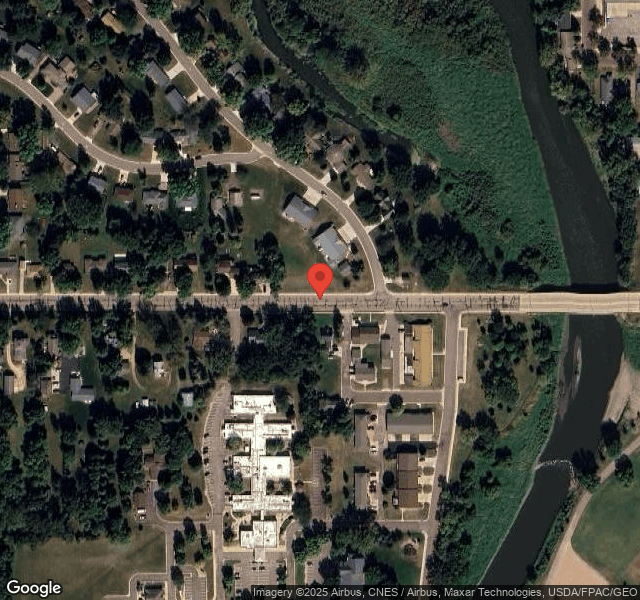
Understanding Severity Codes (click to expand)
Life-Threatening (Immediate Jeopardy)
J - Isolated K - Pattern L - Widespread
Actual Harm
G - Isolated H - Pattern I - Widespread
Potential for Harm
D - Isolated E - Pattern F - Widespread
No Harm (Minor)
A - Isolated B - Pattern C - Widespread

Questions to Ask on Your Visit

  • "Can I speak with families of current residents?"
  • "What's your RN coverage like on weekends and overnight?"

Our Honest Assessment

Strengths
  • • No major safety red flags. No abuse findings, life-threatening violations, or SFF status.
  • • No fines on record. Clean compliance history, better than most Minnesota facilities.
  • • 41% turnover. Below Minnesota's 48% average. Good staff retention means consistent care.
Concerns
  • • 27 deficiencies on record. Higher than average. Multiple issues found across inspections.
Bottom line: Mixed indicators with Trust Score of 60/100. Visit in person and ask pointed questions.

About This Facility

What is Good Samaritan Society - Windom's CMS Rating?

CMS assigns Good Samaritan Society - Windom an overall rating of 3 out of 5 stars, which is considered average nationally. Within Minnesota, this rating places the facility higher than 0% of the state's 100 nursing homes. This mid-range rating indicates the facility meets federal standards but may have areas for improvement.

How is Good Samaritan Society - Windom Staffed?

CMS rates Good Samaritan Society - Windom's staffing level at 4 out of 5 stars, which is above average compared to other nursing homes. Staff turnover is 41%, compared to the Minnesota average of 46%. This relatively stable workforce can support continuity of care.

What Have Inspectors Found at Good Samaritan Society - Windom?

State health inspectors documented 27 deficiencies at Good Samaritan Society - Windom during 2022 to 2024. These included: 27 with potential for harm.

Who Owns and Operates Good Samaritan Society - Windom?

Good Samaritan Society - Windom is owned by a non-profit organization. Non-profit facilities reinvest revenue into operations rather than distributing to shareholders. The facility is operated by GOOD SAMARITAN SOCIETY, a chain that manages multiple nursing homes. With 63 certified beds and approximately 58 residents (about 92% occupancy), it is a smaller facility located in WINDOM, Minnesota.

How Does Good Samaritan Society - Windom Compare to Other Minnesota Nursing Homes?

Compared to the 100 nursing homes in Minnesota, Good Samaritan Society - Windom's overall rating (3 stars) is below the state average of 3.2, staff turnover (41%) is near the state average of 46%, and health inspection rating (3 stars) is at the national benchmark.

What Should Families Ask When Visiting Good Samaritan Society - Windom?

Based on this facility's data, families visiting should ask: "Can I visit during a mealtime to observe dining assistance and food quality?" "How do you handle medical emergencies, and what is your hospital transfer rate?" "Can I speak with family members of current residents about their experience?"

Is Good Samaritan Society - Windom Safe?

Based on CMS inspection data, Good Samaritan Society - Windom has a clean safety record: no substantiated abuse findings (meaning no confirmed cases of resident harm), no Immediate Jeopardy citations (the most serious violation level indicating risk of serious injury or death), and is not on the Special Focus Facility watch list (a federal program monitoring the lowest-performing 1% of nursing homes). The facility has a 3-star overall rating and ranks #100 of 100 nursing homes in Minnesota. While no facility is perfect, families should still ask about staff-to-resident ratios and recent inspection results during their visit.

Do Nurses at Good Samaritan Society - Windom Stick Around?

Good Samaritan Society - Windom has a staff turnover rate of 41%, which is about average for Minnesota nursing homes (state average: 46%). Moderate turnover is common in nursing homes, but families should still ask about staff tenure and how the facility maintains care continuity when employees leave.

Was Good Samaritan Society - Windom Ever Fined?

Good Samaritan Society - Windom has no federal fines on record. CMS issues fines when nursing homes fail to meet care standards or don't correct problems found during inspections. The absence of fines suggests the facility has either maintained compliance or corrected any issues before penalties were assessed. This is a positive indicator, though families should still review recent inspection reports for the full picture.

Is Good Samaritan Society - Windom on Any Federal Watch List?

Good Samaritan Society - Windom is not on any federal watch list. The most significant is the Special Focus Facility (SFF) program, which identifies the bottom 1% of nursing homes nationally based on persistent, serious quality problems. Not being on this list means the facility has avoided the pattern of deficiencies that triggers enhanced federal oversight. This is a positive indicator, though families should still review the facility's inspection history directly.