

Sauer Health Care

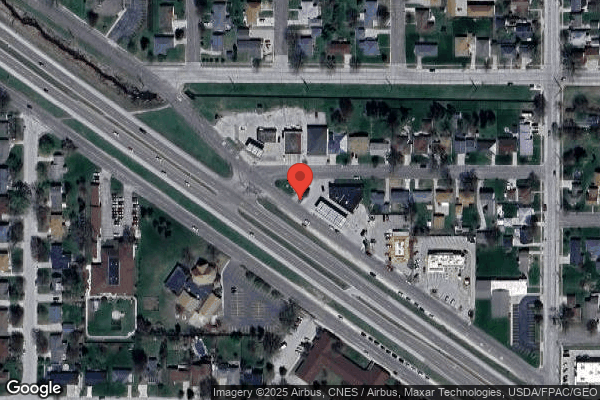
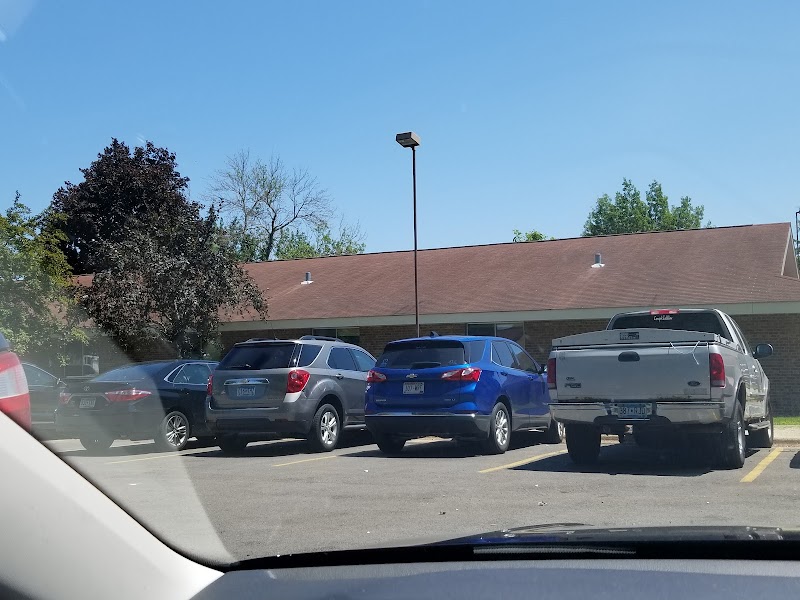
1635 WEST SERVICE DRIVE, WINONA, MN 55987 (507) 454-5540
Non profit - Corporation 61 Beds Independent Data: November 2025
Trust Grade
75/100
#146 of 337 in MN
Last Inspection: December 2024

Within standard 12-15 month inspection cycle. Federal law requires annual inspections.

Overview

Sauer Health Care in Winona, Minnesota, has a Trust Grade of B, indicating it is a solid choice for families, though there is room for improvement. It ranks #146 out of 337 facilities statewide, placing it in the top half, and is #2 out of 4 in Winona County, suggesting there is only one local option that performs better. The facility is showing an improving trend, decreasing from 5 issues in 2023 to 2 in 2024, although it has a concerning lack of RN coverage, with less than 6% of Minnesota facilities providing more. Staffing is a strength here, with a 5/5 star rating and a turnover rate of 31%, significantly lower than the state average. However, there were some serious concerns, including failure to properly monitor a resident's pressure ulcer, which led to significant harm, and issues with dietary management that could affect residents' nutrition. While the absence of fines is a positive aspect, the facility must address its RN coverage and monitoring practices to ensure resident safety and well-being.

Trust Score
B
75/100
In Minnesota
#146/337
Top 43%
Safety Record
Moderate
Needs review
Inspections
Getting Better
5 → 2 violations
Staff Stability
○ Average
31% turnover. Near Minnesota's 48% average. Typical for the industry.
Penalties
✓ Good
No fines on record. Clean compliance history, better than most Minnesota facilities.
Skilled Nurses
○ Average
Each resident gets 35 minutes of Registered Nurse (RN) attention daily — about average for Minnesota. RNs are the most trained staff who monitor for health changes.
Violations
⚠ Watch
12 deficiencies on record. Higher than average. Multiple issues found across inspections.
★★★★☆
4.0
Overall Rating
★★★★★
5.0
Staff Levels
★☆☆☆☆
1.0
Care Quality
★★★★☆
4.0
Inspection Score
Stable
2023: 5 issues
2024: 2 issues

The Good

  • 5-Star Staffing Rating · Excellent nurse staffing levels
  • Full Sprinkler Coverage · Fire safety systems throughout facility
  • No fines on record
  • Staff turnover below average (31%)

    17 points below Minnesota average of 48%

Facility shows strength in staffing levels, fire safety.

The Bad

Staff Turnover: 31%

15pts below Minnesota avg (46%)

Typical for the industry

The Ugly 12 deficiencies on record

1 actual harm
Dec 2024 2 deficiencies
CONCERN (D)

Potential for Harm - no one hurt, but risky conditions existed

Accident Prevention (Tag F0689)

Could have caused harm · This affected 1 resident

**NOTE- TERMS IN BRACKETS HAVE BEEN EDITED TO PROTECT CONFIDENTIALITY** Based on observation, interview and document review, the facility failed to implement appropriate, person-centered interventions...

Read full inspector narrative →
**NOTE- TERMS IN BRACKETS HAVE BEEN EDITED TO PROTECT CONFIDENTIALITY** Based on observation, interview and document review, the facility failed to implement appropriate, person-centered interventions to prevent further falls and potential injury for 1 of 1 resident (R20) reviewed for accidents. Findings include: R20's Minimum Data Set (MDS) dated [DATE], indicated R20 was severely cognitively impaired. MDS also indicated R20 had delusional behavior, required two-person physical assist for transferring, position changes, and toileting, required set up only for eating, and bowel and bladder incontinence. R20's medical diagnosis included: dementia with psychotic disturbance and agitation, recurrent urinary tract infection (UTI), disorientation, repeated falls, weakness, lack of coordination, and muscle weakness. R20's care plan dated 3/6/24 indicated R20 had a risk for falls related to gait and balance problem, incontinence, safety unawareness, use of psychotropic medication, and wandering. Further, R20 had a self-care deficit related to dementia and incontinence. During observation on 12/16/24 at 3:01 p.m., R20's room door was shut, upon entering the room, R20 was alone, sitting in her recliner. R20 did not want to answer questions about her care or the facility at this time. Asked to return after dinner. During observation on 12/16/24 at 6:04 p.m., R20's room door was shut, upon entering the room, R20 was alone , sitting in her bed. R20 was not receptive to answering questions. R20 stated she is just too tired today. R20's progress notes dated 9/3/24 at 6:23 a.m., indicated R20 was found sitting on her bottom in the bathroom with feet towards the radiator and head by the sink. Resident reported she fell out of bed and crawled to the bathroom. Fall assessment in this note, R20 was wearing gripper socks at time of fall. Physical assessment was negative for injury; family was notified, updated round book, and email sent to interdisciplinary team (IDT). Intervention at time of fall was to remind resident to use call light for assistance when feeling weak. R20's multidisciplinary care conference notes dated 9/4/24 at 9:22 a.m., did not address R20's last fall; additional fall prevention interventions were not implemented. R20's quality review note dated 9/4/24 at 1:46 p.m., care plan was reviewed at this time and no violations occurred along with no injuries. Care plan remained up to date and R20 was given reminders to call for help if she is feeling weak. Provider was updated and provider requested post-fall resident status updates every shift for 24 hours starting on 9/4/24. No further recommendations noted. No resident-specific interventions updated after fall. R20's progress notes dated 10/8/24 at 6:12 p.m., indicated R20 was found sitting on the floor in her room in front of the recliner chair with feet pointed towards wall. Resident reported she was trying to get to recliner so she could take a nap. Fall assessment in this note, R20 was wearing gripper socks at time of fall. Physical assessment was negative for injury; family was notified, updated round book, and email sent to IDT. Interventions at time of fall was to remind resident to use call light for assistance when feeling weak. R20's quality review note dated 10/9/24 at 3:11 p.m., care plan reviewed, and no violations occurred along with no injuries. The care plan remains up to date as this is believed to be an isolated incident. R20 was given reminders to call for help using her call light if she felt weak prior to transfers. Provider was updated and provider requested post-fall resident status updates every shift for 24 hours starting on 10/8/24. No further recommendations noted. No resident-specific interventions updated after fall. R20's progress note dated 11/6/24 at 4:00 p.m., indicated R20 was lying on her left side on the floor parallel to her bed with her feet closer to the door. Facility staff noted her wheelchair was closer to the bathroom door than her bed. Fall assessment was in this note, R20 had been wearing gripper socks at time of fall and call light was within reach but had not been activated by R20. R20 stated at this time she was trying to get into her bed from her wheelchair. Her wheelchair had ended up by her bathroom door while she was by her bed. Physical assessment was negative for injury; family was notified, updated rounds book, and email sent to IDT. R20's quality review note dated 11/8/24 at 9:35 a.m., care plan reviewed at this time and no violations occurred along with no injuries. Care plan was updated to reflect the use of antiroll backs on R20's wheelchair. Provider was updated about fall and agreed with care plan addition of antiroll backs on R20's wheelchair. Provider requested post-fall resident status updates every shift for 24 hours starting on 11/8/24. No further recommendations noted. No resident-specific interventions updated after fall. R20's progress note dated 12/7/24 at 7:07 p.m., indicated R20 turned the wrong way during an assisted transfer and went down to her knees. Head was laying on the bed, did not hit head. Fall assessment was in this note, R20 had been wearing gripper socks at time of fall. Physical assessment was negative for injury; family notified, updated rounds book, and email sent to IDT. No changes or updates done at this time. R20's progress note dated 12/8/24 at 8:41 a.m., indicated R20 fell out of her wheelchair to the floor and hit her head. Fall assessment was in this note, R20 was noted to have a large bruise on the right side of her face. R20 assisted back to bed and vital signs taken; were stable. Family notified, updated rounds book, and message sent to provider for additional directions. No changes made to care plan. R20's progress note dated 12/9/24 at 9:45 a.m., indicated the provider had seen a picture of R20's hematoma from the fall; the provider wanted R20 seen in the emergency room (ER) for further evaluation. R20 was sent via ambulance to local ER at 10:00 a.m. R20 had a CT scan while at the ER and this was negative for any acute findings. R20 was sent back to facility at 3:37 p.m. Provider requested post-fall resident status updates every shift for 24 hours starting on 12/8/24. No further recommendations noted. R20's quality review note dated 12/12/24 at 1:31 p.m., care plan reviewed at this time and no violations occurred for either fall. No additional changes made to care plan after falls. No further recommendations from provider after falls. No resident-specific interventions updated after fall. During interview on 12/18/24 at 10:44 a.m., nursing assistant (NA)-A stated R20 had fallen multiple times since admission. NA-A stated she would expect to see a care plan or interventions to include the standard call before you fall sign, correct shoes for ambulation, call light within reach, direct eye supervision, time checks, bed sensors, floor mats, and bed in lowest position for someone like R20 with a history of falls. NA-A confirmed R20 had a care plan in place which included a risk for falls related to gait imbalance, incontinence, safety awareness and psychotropic medications. NA-A confirmed R20 had a call before you fall sign on her closet door, had wheelchair rollbacks, and her call light was within reach. NA-A confirmed these were the generic fall orders all residents have. NA-A verified in the electronic medical record (EMR) R20 did not have resident-specific interventions implemented. During interview on 12/18/24 at 10:52 a.m., registered nurse (RN)-B stated R20 had fallen twice the previous week and R20 has had multiple falls prior to last week. RN-B confirmed R20 had basic falls interventions entered in the care plan. RN-B confirmed R20 had a call before you fall sign on the closet door, wheelchair rollbacks, and her call light within reach. RN-B stated she would have expected interventions such ambulating with proper footwear, specific toileting plan, bed alarms, direct vision, chair sensors, physical therapy consult, and floor mats. RN-B verified in the EMR R20 did not have any person-centered interventions implemented. During interview on 12/18/24 at 11:03 a.m., director of nursing (DON) stated R20 had a history of multiple falls since her initial admission. DON confirmed the facility completed a quality review after each fall. DON confirmed R20 should have resident-specific interventions in place due to high risk for falls. DON confirmed R20 was a risk for falls due to gait and balance problem, incontinence, safety unawareness, use of psychotropic medication, and wandering. DON confirmed R20 had the facility generic fall interventions in place including the call before you fall signage and call light within reach. Based on R20's fall history and quality review, the DON stated she would expect documentation/interventions for a physical therapy consult, direct view of staff, proper footwear, floor mats, supervision with walking, active toileting, and change in condition observations. Facility policy titled Sauer Health Care Fall Policy and Procedure dated 4/5/22; the facility will ensure residents live in an environment which is free from hazards over which the facility has control and provide appropriate interventions to each resident to prevent avoidable accidents and injuries. This policy directly states care plans will be updated to reflect the current fall risk/actual fall/fall history, goals, and current interventions. Further, staff will monitor for effectiveness of fall prevention plans and modify approaches to prevent further falls.
CONCERN (E)

Potential for Harm - no one hurt, but risky conditions existed

Infection Control (Tag F0880)

Could have caused harm · This affected multiple residents

**NOTE- TERMS IN BRACKETS HAVE BEEN EDITED TO PROTECT CONFIDENTIALITY** Based on observation, interview, and document review, the facility failed to ensure appropriate use of personal protective equip...

Read full inspector narrative →
**NOTE- TERMS IN BRACKETS HAVE BEEN EDITED TO PROTECT CONFIDENTIALITY** Based on observation, interview, and document review, the facility failed to ensure appropriate use of personal protective equipment (PPE) when going from room to room of residents with (R24, R36) and without (R6, R16) COVID-19 positive diagnoses. Findings include: The Center for Disease Control (CDC) Underlying Conditions and the Higher Risk for Severe COVID-19 guidance dated 7/30/24, identified the following high-risk underlying conditions which placed a person at higher risk for severe COVID-19: 1. Age is the strongest risk factor with a 340 times higher risk of death from COVID-19 in those age [AGE]+ and 140 times higher in those ages 75 to 84. 2. High risk medical conditions with a higher risk of death from COVID-19 included asthma, cancer, cardiovascular disease, chronic kidney disease, lung disease, mental health conditions such as depression and neurologic conditions such as dementia. R24's progress note dated 12/8/24 at 3:05 p.m., identified positive for COVID-19. R24's progress note dated 12/17/24 at 10:33 a.m., identified R24 remained on isolation and reported an infrequent cough. During a continuous observation on 12/18/24 from 8:06 a.m., through 8:10 a.m., -At 8:06 a.m. R24's room was identified with posters and a PPE bin as on enhanced respiratory precautions (ERP) with instructions for staff to follow the Centers for Disease Control (CDC) guidelines to wear N95, eye protection, gloves and a gown when entering. Dietary aide (DA)-A brought R24's room tray into her room with an N95 mask on, but no other PPE, set the tray of food on the tray table directly in front of R24, removed the lid covering the food, set to the side, and had a short conversation with the resident. R24 did not have a mask on. While DA-A removed the food tray lid, her scrub top brushed against the room tray table. DA-A exited the room and used alcohol-based hand sanitizer on her hands. R6's diagnosis list dated 12/18/24, identified age [AGE] and diagnoses of heart failure and pulmonary disease. -At 8:07 a.m., DA-A went directly from R24's room to the food cart and removed a tray, entered R6's room who was not on COVID-19 precautions. DA-A did not change her N95 mask, set the tray on the tray table in front of R6, removed the lid covering the food, had a short conversation with the resident. DA-A exited the room, used alcohol-based hand sanitizer, and did not remove her N95 mask. R36's progress note dated 12/15/24 at 7:55 a.m., identified positive for COVID-19. R36's progress note dated 12/17/24 at 18:18 (6:18 p.m.), identified he remained on isolation, had shortness of breath when coughing, dry cough and hoarse voice. -At 8:08 a.m., DA-A went directly from R6's room to the food cart and this time removed gloves from her scrub pants pocket and put them on her hands, took a food tray out of the cart and entered R36's room, which was also identified as having ERP in place for COVID-19. DA-A set the tray on the tray table in front of R36, removed the lid and had a short conversation with the resident. Removed gloves, used alcohol-based hand sanitizer, and exited the room did not change her N95 mask. R16's diagnosis list dated 12/18/24, identified age [AGE], and diagnoses of stroke, heart disease, depression, and emphysema. -At 8:09 a.m., DA-A went directly from R36's room to the food cart and removed a tray, entered R16's who was not on COVID-19 precautions. DA-A kept the same N95 mask on, set the tray on the tray table in front of R16, removed the lid, had a short conversation with the resident. Used alcohol-based hand sanitizer, exited the room, and did not change her N95 mask. -At 8:10 a.m., registered nurse (RN)-A who was in the hallway at the same time as the dietary staff delivering room trays stated she was not sure if dietary needed to wear full PPE to enter COVID-19 rooms and would need to check with the infection preventionist (IP). -At 8:10 a.m., dietary staff were stopped from delivering trays, when asked, DA-A stated she was not trained to wear full PPE when entering COVID-19 rooms for room tray delivery. Dietary manager (DM) who was also delivering room trays and pushing the cart agreed they did not need to as it was a short time they were in the rooms. The DM stated they delivered room trays to all residents in the facility. During an interview at 8:17 a.m., RN-B stated dietary staff did not need to wear full PPE going into resident rooms with COVID-19 to deliver room trays. During an interview on 12/18/24 at 8:28 a.m., the IP stated all staff have gone through training to don (put on) full PPE when entering the rooms of COVID-19 residents due to risk of touching contaminated items in the resident rooms and transmitting the germs to other locations and people. The facility's COVID-19 Plan and Core Principles of Infection Prevention and Control dated 4/4/24, identified the facility would activate and implement updated guidance based on regulations from local, state, and federal government agencies, including appropriate staff use of PPE. The CDC's Infection Control Guidance dated 6/24/24, identified: this guidance applied to all U.S. settings where healthcare is delivered, all health care personnel (HCP) who enter the room of a patient with suspected or confirmed COVID-19 infection should adhere to standard precautions and use a NIOSH approved particulate respirator with N95 filters or higher, gown, gloves, and eye protection (i.e., goggles or a face shield that covers the front and sides of the face).
Oct 2023 5 deficiencies
CONCERN (D)

Potential for Harm - no one hurt, but risky conditions existed

Comprehensive Assessments (Tag F0636)

Could have caused harm · This affected 1 resident

**NOTE- TERMS IN BRACKETS HAVE BEEN EDITED TO PROTECT CONFIDENTIALITY** Based on interview and document review, the facility failed to ensure the comprehensive assessment was developed, completed, and...

Read full inspector narrative →
**NOTE- TERMS IN BRACKETS HAVE BEEN EDITED TO PROTECT CONFIDENTIALITY** Based on interview and document review, the facility failed to ensure the comprehensive assessment was developed, completed, and implemented for one of one resident (R26) reviewed for assessments. Findings include: R26's Medical Diagnosis form indicated R26 had the following diagnoses: chronic diastolic congestive heart failure, chronic respiratory failure, mild persistent asthma, chronic kidney disease stage 3A, chronic obstructive pulmonary disease and major depressive disorder. R26's Hospice Notice of Election form indicated R26 began hospice on 5/24/23. R26's facility admission summary note dated 9/5/23, indicated R26 admitted to the facility, was on three liters of oxygen continuously, and was already enrolled in hospice. R26's clinical physician orders dated 9/5/23, indicated R26 had an order for three liters of oxygen continuously. R26's treatment administration record (TAR) dated 9/5/23, indicated R26 received oxygen three liters continuously until 9/18/23. R26's Initial Recreation Assessment form dated 9/11/23, indicated R26 had preferred participation levels of being independent and in group programs, did not like to read, enjoyed all kinds of music, being around animals, working in the garden, was Catholic, and enjoyed visiting with others. R26's care plan dated 8/31/23, indicated R26's admission date was 9/5/23, and was enrolled in hospice upon admission to the facility on 9/5/23. The care plan identified R26 had major depressive disorder and R26 verbalized sadness and loneliness, however the care plan lacked nonpharmacologic interventions that addressed sadness and loneliness. R26's care plan dated 9/18/23, indicated R26's cognition would remain stable based on evidence of a brief interview for mental status (BIMS), and R26's mood would remain stable or improved by evidence of a PHQ-9 (patient health questionnaire which identifies and tracks symptoms of depression) score and interventions included completing a BIMS score as indicated or as needed, and completing a PHQ-9 score as indicated or as needed. R26's care conference note dated 10/2/23, indicated R26 desired more activities and IDT would be looking into crafts or activities to keep R26 busy in R26's room. Further indicated R26 was already on hospice at the time of admission. R26's social worker (SW) note dated 10/13/23, indicated R26's family had concerns of R26's mood being down. R26's admission MDS dated [DATE], section labeled, Section C-Cognitive Patterns identified a BIMS should have been conducted, however a dash was marked under the section, Summary Score indicating the BIMS was not conducted. The MDS section labeled, Section D-Mood identified a resident mood interview should have been conducted, however a dash was marked under the section, Total severity Score indicating a resident mood interview was not conducted. The MDS section labeled Section F-Preferences for Customary Routine and Activities identified an interview for daily and activity preferences should have been conducted, however the section was marked with dashes indicating the interview was not conducted. Further, under the MDS section labeled Section J-Health Conditions, identified a pain assessment interview should have been conducted, however, the MDS did not identify the presence of pain, frequency of pain, pain effect on sleep, pain interference with therapy activities, day to day activities, pain intensity, or a verbal descriptor scale. Last, the MDS section labeled Section O-Special Treatments and Programs did not indicate R26 had oxygen on admission or while a resident, nor did the MDS indicate R26 was on hospice on admission or while a resident. During interview on 10/17/23 between 8:38 a.m., and 8:44 a.m., R26 stated staff were so busy and R26 did not want to bother them. R26 further stated a desire to have more company due to feeling lonely and stated feeling isolated in R26's room. During interview on 10/19/23 at 9:29 a.m., the administrator stated licensed practical nurse (LPN)-A completes the MDS and registered nurse (RN)-A oversees the completion and further stated their MDS coordinator left at the end of September. During interview on 10/19/23 at 9:53 a.m., SW-A stated she started working at the facility in February 2023, and was responsible for completing sections C, D, E, F, and Q of the MDS assessment. SW-A verified section C, D, and F was not completed and should have been completed and did not know why the assessments were not completed and added the MDS coordinator left and they were doing a different process than previously. SW-A stated R26 had heart failure and major depressive disorder and stated completing the MDS assessment would have been beneficial to R26 in order to monitor for changes in R26's mood and added completing R26's preferences interview would have been another opportunity for R26 to express what was important to her. SW-A verified R26 came into the facility with portable oxygen when she was first admitted . During interview on 10/19/23 at 10:12 a.m., RN-A stated either RN-A, LPN-A, or another staff person completes the pain assessment for Section O of the MDS assessment and LPN-A would enter the information on the MDS. RN-A stated she was working the day R26 was admitted to the facility and verified R26 had oxygen when she was admitted and was on oxygen prior to admission and should have had oxygen marked on the MDS. Further RN-A verified R26 was on hospice prior to admission to the facility and stated there were no progress notes to indicate why a pain assessment was missed and stated the pain assessment on the MDS should have been completed and added the whole MDS interview was not completed. During interview on 10/19/23 at 10:40 a.m., the director of nursing stated she expected the MDS sections should have been completed regarding areas marked not assessed, and the MDS should have been accurate. A policy, Comprehensive Resident assessment dated [DATE], indicated the primary purpose of assessing the resident is to gather detailed information that will help to develop a plan of care that is appropriate for the resident. The interdisciplinary team conducts timely resident assessments and reviews according to the following schedule: within 14 days of the resident's admission or re-admission to the facility; when there has been a significant change in the resident's condition; at least quarterly; and once every 12 months. Comprehensive assessments should include cogitative status or patterns, mood and behavior patterns, health conditions, activity preferences, and special treatments, procedures or care needs.
CONCERN (D)

Potential for Harm - no one hurt, but risky conditions existed

Assessment Accuracy (Tag F0641)

Could have caused harm · This affected 1 resident

**NOTE- TERMS IN BRACKETS HAVE BEEN EDITED TO PROTECT CONFIDENTIALITY** Based on interview and document review, the facility failed to ensure the Minimum Data Set (MDS) assessments completely and accu...

Read full inspector narrative →
**NOTE- TERMS IN BRACKETS HAVE BEEN EDITED TO PROTECT CONFIDENTIALITY** Based on interview and document review, the facility failed to ensure the Minimum Data Set (MDS) assessments completely and accurately reflected oxygen usage, activity prefereces, and hospice status for R26. Additionally, the facility failed to ensure the comprehensive assessment was completed for R26. Findings include: R26's Medical Diagnosis form indicated R26 had the following diagnoses: chronic diastolic congestive heart failure, chronic respiratory failure, mild persistent asthma, chronic kidney disease stage 3A, chronic obstructive pulmonary disease and major depressive disorder. R26's Hospice Notice of Election form indicated R26 began hospice on 5/24/23. R26's facility admission summary note dated 9/5/23, indicated R26 admitted to the facility, was on three liters of oxygen continuously, and was already enrolled in hospice. R26's clinical physician orders dated 9/5/23, indicated R26 had an order for three liters of oxygen continuously. R26's treatment administration record (TAR) dated 9/5/23, indicated R26 received oxygen three liters continuously until 9/18/23. R26's Initial Recreation Assessment form dated 9/11/23, indicated R26 had preferred participation levels of being independent and in group programs, did not like to read, enjoyed all kinds of music, being around animals, working in the garden, was Catholic, and enjoyed visiting with others. R26's care plan dated 8/31/23, indicated R26's admission date was 9/5/23, and was enrolled in hospice upon admission to the facility on 9/5/23. The care plan identified R26 had major depressive disorder and R26 verbalized sadness and loneliness, however the care plan lacked nonpharmacologic interventions that addressed sadness and loneliness. R26's care plan dated 9/18/23, indicated R26's cognition would remain stable based on evidence of a brief interview for mental status (BIMS), and R26's mood would remain stable or improved by evidence of a PHQ-9 (patient health questionnaire which identifies and tracks symptoms of depression) score and interventions included completing a BIMS score as indicated or as needed, and completing a PHQ-9 score as indicated or as needed. R26's care conference note dated 10/2/23, indicated R26 desired more activities and IDT would be looking into crafts or activities to keep R26 busy in R26's room. Further indicated R26 was already on hospice at the time of admission. R26's social worker (SW) note dated 10/13/23, indicated R26's family had concerns of R26's mood being down. R26's admission MDS dated [DATE], section labeled, Section C-Cognitive Patterns identified a BIMS should have been conducted, however a dash was marked under the section, Summary Score indicating the BIMS was not conducted. The MDS section labeled, Section D-Mood identified a resident mood interview should have been conducted, however a dash was marked under the section, Total severity Score indicating a resident mood interview was not conducted. The MDS section labeled Section F-Preferences for Customary Routine and Activities identified an interview for daily and activity preferences should have been conducted, however the section was marked with dashes indicating the interview was not conducted. Further, under the MDS section labeled Section J-Health Conditions, identified a pain assessment interview should have been conducted, however, the MDS did not identify the presence of pain, frequency of pain, pain effect on sleep, pain interference with therapy activities, day to day activities, pain intensity, or a verbal descriptor scale. Last, the MDS section labeled Section O-Special Treatments and Programs did not indicate R26 had oxygen on admission or while a resident, nor did the MDS indicate R26 was on hospice on admission or while a resident. During interview on 10/17/23 between 8:38 a.m., and 8:44 a.m., R26 stated staff were so busy and R26 did not want to bother them. R26 further stated a desire to have more company due to feeling lonely and stated feeling isolated in R26's room. During interview on 10/19/23 at 9:29 a.m., the administrator stated licensed practical nurse (LPN)-A completes the MDS and registered nurse (RN)-A oversees the completion and further stated their MDS coordinator left at the end of September. During interview on 10/19/23 at 9:53 a.m., SW-A stated she started working at the facility in February 2023, and was responsible for completing sections C, D, E, F, and Q of the MDS assessment. SW-A verified section C, D, and F was not completed and should have been completed and did not know why the assessments were not completed and added the MDS coordinator left and they were doing a different process than previously. SW-A stated R26 had heart failure and major depressive disorder and stated completing the MDS assessment would have been beneficial to R26 in order to monitor for changes in R26's mood and added completing R26's preferences interview would have been another opportunity for R26 to express what was important to her. SW-A verified R26 came into the facility with portable oxygen when she was first admitted . During interview on 10/19/23 at 10:12 a.m., RN-A stated either RN-A, LPN-A, or another staff person completes the pain assessment for Section O of the MDS assessment and LPN-A would enter the information on the MDS. RN-A stated she was working the day R26 was admitted to the facility and verified R26 had oxygen when she was admitted and was on oxygen prior to admission and should have had oxygen marked on the MDS. Further RN-A verified R26 was on hospice prior to admission to the facility and stated there were no progress notes to indicate why a pain assessment was missed and stated the pain assessment on the MDS should have been completed and added the whole MDS interview was not completed. During interview on 10/19/23 at 10:40 a.m., the director of nursing stated she expected the MDS sections should have been completed regarding areas marked not assessed, and the MDS should have been accurate. A policy, Comprehensive Resident assessment dated [DATE], indicated the primary purpose of assessing the resident is to gather detailed information that will help to develop a plan of care that is appropriate for the resident. The interdisciplinary team conducts timely resident assessments and reviews according to the following schedule: within 14 days of the resident's admission or re-admission to the facility; when there has been a significant change in the resident's condition; at least quarterly; and once every 12 months. Comprehensive assessments should include cogitative status or patterns, mood and behavior patterns, health conditions, activity preferences, and special treatments, procedures or care needs.
CONCERN (D)

Potential for Harm - no one hurt, but risky conditions existed

Accident Prevention (Tag F0689)

Could have caused harm · This affected 1 resident

**NOTE- TERMS IN BRACKETS HAVE BEEN EDITED TO PROTECT CONFIDENTIALITY** Based on observation, interview, and document review, the facility failed to implement safety prevention interventions for 1 of ...

Read full inspector narrative →
**NOTE- TERMS IN BRACKETS HAVE BEEN EDITED TO PROTECT CONFIDENTIALITY** Based on observation, interview, and document review, the facility failed to implement safety prevention interventions for 1 of 1 resident (R31) reviewed for safety. Findings include: R31's Medical Diagnosis form indicated the following diagnoses: alcoholic cirrhosis liver with ascites, metabolic encephalopathy (a condition affecting brain function), other frontotemperoral neurocognitive disorder (damage to neurons in the frontal and temporal lobes of the brain), restlessness and agitation, dementia in other diseases classified elsewhere unspecified severity with agitation, and other symptoms and signs involving appearance and behavior. R31's quarterly minimum data set (MDS) dated [DATE] indicated severe cognitive impairment, required set up for eating and hygiene, substantial assist for toileting hygiene, was independent with upper and lower body dressing, transfers, and ambulation, rejected cares one to three days, did not have hallucinations or delusions, physical behavior, or verbal behavior, and was frequently incontinent of bowel and bladder. R31's clinical physician orders dated 1/12/23, indicated R31 had an order for QUEtiapine fumarate 25 mg tablets, take 1.5 tablets by mouth twice a day for agitation. R31's care plan dated 10/28/22, indicated R31 was at risk for nutrition problems and an intervention for nursing staff, nursing assistants, dietary, and dietary manager indicated, provide R31 with finger foods and plastic silverware with meals due to cognitive impairment and history of physical aggression and resistiveness. When angry, R31 tried to use regular metal eating utensils as a weapon against staff. R31's diet order indicated R31 was on a regular diet texture with regular consistency foods. There was a heading titled, Additional Directions however no additional instructions were provided. R31's care plan dated 11/2/22, indicated R31 had a history of wandering into other resident's rooms when searching for the bathroom. R31's care plan dated 11/10/22, indicated R31 was on psychotropic medications due to major neurocognitive disorder and agitation with interventions to monitor and record occurrence of behaviors that included violence and aggression towards staff and others. R31's risk management report dated 1/8/23, indicated R31 attempted to strike a staff person with a flashlight and then grabbed a fork off the breakfast try and attempted to stab the nursing assistant. The report indicated the behavior began when staff attempted to change R31's wet clothing. Further, R31's room was checked for sharp items and these items were removed and the kitchen was contacted suggesting finger foods and no metal flat ware. R31's Task form for targeted behaviors from 9/30/23, through 10/19/23, indicated R31 had physical aggression one time on 9/20/23, additionally. R31 refused cares 29 times. R31's nursing progress notes dated 10/10/23, indicated R31 had two episodes of physical aggression in the past 30 days. During interview and observation on 10/17/23 at 9:05 a.m., R31 was in his room and had a breakfast tray with a plate and bowel with two fruit loop type cereal pieces. At 9:07 a.m., dietary aide (DA)-A arrived to take R31's meal tray and when asked if R31 received regular silverware, DA-A stated R31 does receive regular silverware and has for quite a while. R31 had a metal spoon, fork, and knife located on the meal tray. During interview on 10/17/23 at 2:44 p.m., nursing assistant (NA)-A stated R31 wandered and sometimes became agitated. During interview and observation on 10/17/23 from 3:19 p.m., to 3:24 p.m., dietary supervisor (DS) stated when a patient has special utensils or adaptive equipment, it was documented in the electronic medical record (EMR) and further stated they may receive information from nursing that is posted on the refrigerator regarding which residents received any adaptive equipment. A sign located on the refrigerator identified certain residents who required various adaptive equipment, but lacked information R31 required plastic silverware. DS further stated DA-A instructed DS to review the care plan and added in a red marker on 10/17/23, on a board R31 required plastic silverware for every meal until further notice. DS was not sure whether DA's had access to the EMR and verified R31 was supposed to have plastic silverware according to the EMR. During interview on 10/17/23 at 3:34 p.m., the operations director (OD) stated the kitchen has a list of residents who require assistive devices such as sippy cups to tube grips to silverware and divided plates located on the refrigerator. OD further stated they were working on the process for updating the process weekly as they receive more admissions and stated it was a miscommunication on OD's end and verified R31 was not on the list of the refrigerator. Requested a policy related to dietary orders and food utensils, however on 10/17/23 at 4:04 p.m., OD stated there was no policy on adaptive equipment. During interview on 10/18/23 at 8:07 a.m., licensed practical nurse (LPN)-A stated R31 wandered and stated R31 had agitation twice in October on 10/4/23, and 10/10/23, and refused cares 36 times. LPN-A further stated R31 had more agitation when he first arrived and thought R31 read lips and was doing better now that staff no longer had to wear a face mask. During interview on 10/18/23 at 9:54 a.m., the director of nursing stated any time something is placed on the care plan, the departments involved were notified and should be aware and further stated sometimes diet orders under special instructions would indicate the plastic silverware, but it was not listed. DON stated she expected dietary to be aware because R31 had agitation and it was important to have the plastic utensils for safety. A policy, Care Plan Policy, dated 11/25/16, indicated the care plan was based on the resident's comprehensive assessment findings and was developed by a care planning interdisciplinary team (IDT) that included the resident's attending physician, registered nurse, dietary manager and dietician, social worker, and each resident's comprehensive care plan was designed to incorporate identified problem areas, incorporate risk factors associated with identified problems, and identify the professional services that are responsible for each element of care.
CONCERN (D)

Potential for Harm - no one hurt, but risky conditions existed

Medication Errors (Tag F0758)

Could have caused harm · This affected 1 resident

**NOTE- TERMS IN BRACKETS HAVE BEEN EDITED TO PROTECT CONFIDENTIALITY** Based on interview and document review, the facility failed to ensure gradual dose reductions (GDR) were attempted, or an adequa...

Read full inspector narrative →
**NOTE- TERMS IN BRACKETS HAVE BEEN EDITED TO PROTECT CONFIDENTIALITY** Based on interview and document review, the facility failed to ensure gradual dose reductions (GDR) were attempted, or an adequate medical justification for the use of psychotropic medications for 1 of 5 residents (R31) reviewed for unnecessary medications. Findings include: R31's Medical Diagnosis form indicated the following diagnoses: alcoholic cirrhosis liver with ascites, metabolic encephalopathy (a condition affecting brain function), other frontotemperoral neurocognitive disorder (damage to neurons in the frontal and temporal lobes of the brain), restlessness and agitation, dementia in other diseases classified elsewhere unspecified severity with agitation, and other symptoms and signs involving appearance and behavior. R31's quarterly Minimum Data Set (MDS) dated [DATE], indicated severe cognitive impairment, had disorganized thinking that fluctuated, did not have hallucinations, or delusions, did not have physical, verbal, or other behavioral symptoms, and rejected care one to three days. Additionally, the MDS indicated R31 required set up for eating, oral hygiene, and required substantial toileting hygiene assistance, was independent with dressing, transfers, and ambulation, was incontinent of bowel and bladder, took antipsychotics on a routine basis, no gradual dose reduction (GDR) had been attempted, and a GDR had not been documented by a physician as clinically contraindicated. R31's physician orders dated 1/12/23, indicated R31 had an order for quetiapine fumarate 25 mg tablet give 1.5 tablets by mouth two times a day for agitation. R31's care plan dated 11/10/22, indicated R31 took a psychotropic medication quetiapine fumarate due to major neurocognitive disorder and agitation and his goal was to be free from drug related complications including movement disorder, discomfort and intervention indicated to consult with the pharmacy and physician to consider dosage reduction when clinically appropriate. R31's pharmacy medication regimen reviews (MRR) were reviewed and indicated no concerns reported for the following dates: 11/9/22, 12/9/22, 2/22/23, 3/30/23, 4/13/23, 5/10/23, 6/14/23, 8/11/23, and 9/13/23. On 11/2/22 there were no urgent action irregularities identified and question the maximum dose limitation of 2000 milligram (mg) per day on Tylenol with revision of instructions for use to limit total daily dosing. On 1/24/23, an MRR was completed and R31's immunization was overdue. On 7/11/23, the MRR was completed and a report was issued for GDR consideration. R31's Psychotropic Medication Regimen Review report dated 7/11/23, indicated R31 had frontotemporal dementia, insomnia, and agitation and took quetiapine 37.5 mg and citalopram (an antidepressant) 10 mg. The report indicated on 1/23/23, R31's quetiapine was increased from 25 mg twice daily on January 12, and citalopram 10 mg a day was started on January 12. The report further indicated R31 was due for tapering of the above regimen and if a reduction was not appropriate, the clinical contraindication to tapering must be documented and R31's target symptoms of physical aggression had greatly improved, but were not completely resolved. The physician response dated 7/17/23, indicated to discontinue citalopram 10 mg daily and start citalopram 5 mg daily for major depressive disorder. The report lacked information whether a GDR should be attempted on the quetiapine fumarate or a documented clinical contraindication to tapering the medication. R31's nurse practitioner (NP) noted dated 7/12/23, indicated R31's aggressive behaviors resolved and staff reported R31 settled in well and continued on quetiapine 37.5 mg twice a day and citalopram 10 mg daily. The note lacked information regarding a GDR for the quetiapine or a clinical contraindication to tapering the medication. R31's nursing progress note dated 7/13/23, indicated R31's quetiapine and citalopram was reviewed at monthly psych drug meeting and R31 was due for a GDR review and was awaiting provider response. The note further indicated R31 was quite stable on medications and behaviors and physical aggression had decreased greatly with increased doses. R31's psychotropic drug review nursing note dated 7/17/23 at 2:10 p.m., indicated a GDR was accepted for citalopram and the medication was decreased to 5 mg daily. R31's psychotropic drug review nursing note dated 8/9/23, indicated citalopram was discontinued 7/23, and continue quetiapine as ordered. R31's psychotropic drug review nursing note dated 9/13/23 indicated a GDR for quetiapine would be due in January 2024. R31's physician progress note dated 8/31/23, indicated R31's mood and behavior was appropriate. The note lacked information regarding a GDR for the quetiapine or a clinical contraindication to tapering the medication. R31's Task form for targeted behaviors from 9/30/23, through 10/19/23, indicated R31 had physical aggression one time on 9/20/23, additionally. R31 refused cares 29 times. R31's nursing progress notes dated 10/10/23, indicated R31 had two episodes of physical aggression in the past 30 days. During interview on 10/17/23 at 2:44 p.m., nursing assistant (NA)-A stated R31 can sometimes get agitated because he did not like assistance. During interview on 10/18/23 at 8:07 a.m., licensed practical nurse (LPN)-A stated R31 had agitation when he first was admitted and stated R31 read lips and his agitation was much better after staff no longer were required to wear face masks. LPN-A reviewed documentation and stated in the last 30 days R31 had two episodes of physical aggression on 10/4/23, and 10/10/23 and refused cares 36 times. During interview on 10/18/23 at 9:54 a.m., the director of nursing (DON) stated the pharmacist reviews medications on new admissions and additionally comes two days a month and emails his findings and the findings are reviewed with the provider during rounds and stated sometimes there was a lag between when the physician responded. DON further stated the physician documents their responses on the form and the nurse enters a note and any order changes are placed under physician orders. DON provided the psychotropic drug review nursing note dated 9/13/23 and stated she would look for documentation of the clinical contraindication in the hard chart. During interview on 10/13/23 at 11:00 a.m., DON verified there was no documented GDR clinical contraindication for the quetiapine. During interview on 10/18/23 at 2:53 p.m., the pharmacist consultant (PC) stated the purpose of a GDR is a regulatory requirement to find the minimum effective dose and re evaluate doses a resident may tolerate and to monitor for drug interactions and stated R31 had significant behavioral disturbance when R31 was first admitted . A policy, Psychotropic Medication Management dated 6/29/23, indicated psychotropic medications will be prescribed at the lowest possible dosage for the shortest period of time and are subject to GDR and review per CMS guidelines. The pharmacy consultant will monitor drug therapy monthly with recommendations to provider as indicated. The provider shall respond appropriately by documenting based on assessing the situation why the benefits of the medication outweigh the risks or suspected or confirmed adverse consequences. Residents receiving psychotropic medications will have GDR attempted unless clinically contraindicated with appropriate documentation by the provider.
CONCERN (F)

Potential for Harm - no one hurt, but risky conditions existed

Deficiency F0801 (Tag F0801)

Could have caused harm · This affected most or all residents

Based on interview and document review, the facility failed to employ either a full-time registered dietitian (RD) or a qualified dietary manager (DM) to carry out the functions of the food and nutrit...

Read full inspector narrative →
Based on interview and document review, the facility failed to employ either a full-time registered dietitian (RD) or a qualified dietary manager (DM) to carry out the functions of the food and nutrition service since 8/21/23, which had the potential to affect all 40 residents who resided in the facility. Findings include: The facility's undated list of new hires identified the dietary supervisor (DS) was hired on 8/21/23. The DS's undated employment and certification history lacked the required qualifications for a dietary manager. The DS's undated Dietary New Employee Orientation Checklist lacked completion of the required qualifications for a dietary manager. The RD Consultant Log identified the following: - 8/1/23 through 8/31/23, total number of hours worked was 27 - 9/1/23 through 9/30/23, total number of hours worked was 45.5 - 10/1/23 through 10/16/23, total number of hours worked was 11. The RD had not worked on a full-time basis since the DS was hired. During an interview on 10/16/23 at 2:18 p.m., the DS stated was the dietary manager, was hired a couple months ago and had not started the courses to be certified in food or nutrition services yet. The DS stated there was an RD that came in about weekly to the facility. During an interview on 10/17/23 at 2:19 p.m., the administrator stated their RD was contracted and had not worked full-time at the facility. Additionally, the DS was hired with a condition of employment to complete the coursework to obtain certification in food and nutrition services. During an interview on 10/18/23 at 9:58 a.m., the RD stated was employed as a part-time consultant for the facility and was not full-time. The RD stated was not aware of the need to be full-time if there was not a certified or qualified dietary manager in place. The facility policy titled Dietary Supervisor dated 6/2/23, identified the minimum experience and qualifications included high school diploma or general education development (GED), and willing to acquire certified dietary manager certificate or, Minnesota certified food protection manager and willing to acquire serve-safe certificate. The policy lacked identification of the need for a full time RD until the DS qualifications had been obtained.
Sept 2022 5 deficiencies 1 Harm
SERIOUS (G)

Actual Harm - a resident was hurt due to facility failures

Pressure Ulcer Prevention (Tag F0686)

A resident was harmed · This affected 1 resident

**NOTE- TERMS IN BRACKETS HAVE BEEN EDITED TO PROTECT CONFIDENTIALITY** Based on record review, interview, and policy review, the facility failed to consistently monitor and document the progression o...

Read full inspector narrative →
**NOTE- TERMS IN BRACKETS HAVE BEEN EDITED TO PROTECT CONFIDENTIALITY** Based on record review, interview, and policy review, the facility failed to consistently monitor and document the progression of pressure ulcers for one (Resident (R) 25) out of two residents reviewed for the development of pressure ulcers in the total sample of 21 residents. The facility staff failed to monitor a pressure ulcer identified on a care plan on 05/10/22 through 07/12/22 when the pressure ulcers progressed to the depth of exposed tendon and bone resulting in harm to R25. Findings include: Review of a document provided by the facility titled Skin Management Policy, dated 02/03/09, indicated . To identify residents at risk for impaired skin integrity, and to provide direction for proper prevention, treatment, and documentation of skin impairments. Full Body Skin Assessment . Wound/Ulcer Assessment . Documentation should include, but not limited to, the size, location, and characteristics (color, drainage, etc) of the injury in the form of a skin/wound progress note . A pressure ulcer is localized to the skin and/or underlying tissue usually over a bony prominence, as a result of pressure, or pressure in combination with shear . Under a category titled Measuring the document revealed . Length/Width . Depth . Undermining . Tunneling . Periwound [surrounding condition of the wound margins] . Under a category titled Exudate Types indicated Serous drainage . Sanguineous drainage . Serosanguinous exudate . Seropurulent exudate . Purulent exudate . Review of a document provided by the facility titled Hospital Discharge Note, dated 04/27/22, indicated R25 had a closed nondisplaced bimalleolar (both ankle bones) fracture of the right lower leg with routine healing. The discharge note indicated the resident had a diagnosis of peripheral vascular disease (poor circulation). Review of a document provided by the facility titled admission Record, indicated R25 was admitted to the facility on [DATE] with a nondisplaced ankle fracture, cerebrovascular disease, and peripheral vascular disease. Review of a document provided by the facility titled Order Summary Report, dated 04/27/22, indicated R25 was to have a CAM boot on at all times. In addition, there was an order for R25 to have a full body skin assessment. There was no indication the facility questioned the medical provider to permit the clinical staff to remove the CAM boot as part of the full body skin assessment. Review of a document provided by the facility titled Comprehensive Assessment, dated 04/27/22 (date of admission to facility), indicated R25 had no skin issues. Review of a document provided by the facility titled Braden Scale for Predicting Pressure Sore Risk, dated 04/27/22, indicated R25 was at mild risk for developing a pressure ulcer with a score of 17. Review of the admission Minimum Data Set (MDS) with an Assessment Reference Date (ARD) of 05/04/22 indicated a Brief Interview of Mental Status (BIMS) score of 15 out of 15 which revealed R25 was cognitively intact. This MDS assessment indicated R25 required extensive assistance of one staff member for bed mobility and extensive assistance of two staff for transfers. This MDS assessment revealed R25 was at risk for the development of pressure ulcers and had no pressure ulcers upon admission to the facility. Review of a document provided by the facility titled Progress Note, dated 05/06/22, indicated the resident had her toenails debrided and there was no mention of pressure ulcers on her right foot. Review of documents provided by the facility titled Resident Weekly Summary, dated 05/07/22, documented no skin issues for R25. Review of a document provided by the facility titled Care Plan, dated 05/10/22, indicated R25 had a non-surgical right ankle fracture and pressure ulcers under her CAM boot. There were no associated interventions identified in the care plan that addressed the care and treatment of the resident's pressure ulcers or the risk factors of wearing the CAM boot and the development of pressure ulcer injury. There was no description or measurements of the pressure ulcers on the care plan. Review of the EMR Progress Notes, Orders, Medication Administration Record (MARs), and Treatment Administration Records (TARs), dated 05/07/22 through 05/20/22 revealed no documentation of or treatment for pressure ulcers on R25's right foot. Review of documents provided by the facility titled Resident Weekly Summary, dated 05/14/22, documented no skin issues for R25 despite the care plan, dated 05/10/22, stating there was a pressure ulcer under the CAM boot. Review of a document titled Message, which was written by Podiatrist F and dated 05/20/22, which revealed he saw R25 on this same date, indicated the resident was safe wearing the CAM boot while transferring and wanted to see R25 in one week to check on the status of a new . pressure injury . Podiatrist F ordered R25 to put some pressure to her right foot if this added her in safe transfers. Podiatrist F directed staff to keep the boot on at all times Further review of this document and the EMR Orders tab revealed no description of the pressure injury and no orders for treatment. Review of a document provided by the facility titled Podiatry Note Clinic, dated 05/27/22, written by Podiatrist F, indicated R25 was seen as a follow-up for her ankle fracture. Podiatrist F indicated in the report, in addition to being seen for the ankle fracture, the resident's skin was intact and had small superficial abrasions, pressure ulcers at the lateral foot. The report indicated the resident had well managed edema in this region. Further review of this note and the EMR Orders tab revealed no description of the pressure ulcer at the lateral foot and no orders for treatment. Review of a document provided by the facility titled ER (emergency room) Urgent Care-Provider, dated 05/28/22, indicated R25 was transferred to the ER for evaluation of neuropathic pain. Further review of this document revealed R25 had a pressure ulcer of the dorsum (top) of right foot. This document included no description of the pressure ulcer. Review of a document provided by the facility titled Admission/Discharge/Transfer . Physician Plan of Care . , dated 05/28/22, indicated R25 had pressure ulcers on her foot and to change padding in boot every three days. The orders for care indicated to remove the CAM boot to right foot as needed based on resident's symptoms and to change padded foam every three days. Review of this document revealed no description of the pressure ulcer. Review of documents provided by the facility titled Resident Weekly Summary, dated 05/30/22, documented no skin issues for R25. Review of a document provided by the facility titled Treatment Administration Record (TAR), dated 05/31/22, R25 had an order to remove the CAM boot to the right foot and to change padded foam every three days. Review of the TARs revealed this order was carried out as ordered and continued until 06/15/22. Review of EMR Progress Notes and TARs revealed no description of the pressure ulcer even though the nursing staff was removing the CAM boot and changing the padded foam every three days. Review of a document provided by the facility titled Wound/Ulcer Assessment, dated 06/01/22, indicated the top right foot had a 1 x (by) 2 centimeters (cm) pressure ulcer. On the right outside of the foot on the pinky toe was a 0.5 x 0.5 cm pressure ulcer. The assessment indicated four scabbed areas on front of the right shin. The assessment reiterated the physician order, dated 05/28/22, to replace foam padding in boot and rewrap with gauze and replace boot every three days. This is the first description of the pressure ulcers since first mentioned in the Care Plan, dated 05/10/22, that indicated R25 had pressure ulcers under her CAM boot. This nursing Wound/Ulcer Assessment did not describe the characteristics (color, drainage, peri wound, odor, tissue of wound base) of the injury. Review of a document provided by the facility titled Nursing Home Comprehensive Note, dated 06/01/22, indicated R25 had multiple pressure sores on her foot of which the Medical Director was aware. The progress note revealed the clinical staff applied cast padding to her foot and it was to be changed every three days. There were no measurements or description of the pressure sores included in the progress note. Review of a document provided by the facility titled Nursing Home Notes, dated 06/01/22 and written by the Nurse Practitioner revealed the NP did not remove R25's CAM boot to look at her pressure ulcers. Review of a document provided by the facility titled Resident Weekly Summary, dated 06/06/22, indicated R25 had right foot sores which revealed a wound on the top of her foot which measured 1 cm x .75 cm, 1 cm x .5 cm, sore back of heel is .1 cm x .1 cm. Medial ankle sore 2 cm x 1 cm. Further review of this document revealed no description of the pressure ulcers other than measurements. The measurement of the pressure ulcer on the top of the foot now included a depth of 0.5cm which indicated a worsening of the area and a new pressure ulcer on the back of the right heel. Review of a document titled Laboratory Results, dated 06/11/22 indicated a culture was obtained from R25's right foot pressure ulcer and results revealed the resident had microbes found and there was a potential for infection. The results stated the bacterial organisms may not require therapy. The provider must use clinical assessment of the resident's symptoms to make a final judgement on antibiotic use or not. Review of a document provided by the facility titled RN note, Progress Note, dated 06/13/22, revealed a culture taken of R25's wound did not indicate the initiation of antibiotics. Review of a document provided by the facility titled Wound Care, dated 06/13/22, revealed R25 was seen by a wound Registered Nurse (RN). The wound RN identified the wound on R25's right foot as mixed arteriovenous ulceration and described the wound on the top of the foot of an UTD (unable to determine) depth and required debridement (the removal of nonviable, dead tissue). The wound on the right ankle posterior area was measured at 2cm x 1cm x .2 cm and required debridement. Both areas were assessed as full thickness (damage extends below all layers of skin into the subcutaneous tissue or beyond to muscle, bone, tendons). The RN wrote to apply Santyl for debridement and place an oil emulsion to provide a non-stick covering. The orders continued by placing a super absorbent dressing to wick away excess exudate away from the wound and peri-wound. This order was to be done daily and directed the clinical staff to monitor for decline in wound healing or the development of necrotic tissue. Further review of the note written by the wound nurse revealed it was written the same day as the following facility nursing note titled Resident Weekly Summary, dated 06/13/22: R25's top right foot pressure ulcer measured 1.0 cm x 1.0 cm x 0.5. The resident's medial ankle pressure ulcer measured 0.1 cm x 0.1 cm. The back of the resident's heel measured 2.0 cm x 1.0 cm. There was no description of the wounds other than the measurements. Review of a document provided by the facility titled provider's order note Progress Note, dated 06/15/22, indicated for wounds to the right fifth toe lateral, right dorsal mid-foot, right proximal foot, and right posterior ankle to cleanse area, pat dry, and to apply Santyl about nickel thick. To cover with oil emulsion, secure with roll gauze and tape, to apply low stretch (setopress) wraps as ordered and to change daily. Review of a document provided by the facility titled medication administration Progress Note, dated 06/18/22 indicated R25's treatment to her wounds was to cleanse, pat dry and to apply nickel thick Santyl. Then to cover the area with oil emulsion and secure with rolled gauze and tape. To apply low stretch (setopress) wraps as ordered and to change daily. Review of a document provided by the facility titled TAR, for the month of June 2022, indicated the treatments were administered as ordered and continued until 07/11/22. Review of a document provided by the facility titled Provider's Order, dated 06/20/22 ordered clinical staff to change the bandages of R25 to foot wounds every other day and to monitor for signs of infection. Review of a document provided by the facility titled Resident Weekly Summary, dated 06/27/22 stated details of R25's wounds were on the Medication Administration Record (MAR). Review of the June 2022 and July 2022, MARs revealed no descriptions of the wounds. Review of a document provided by the facility titled skin note Progress Note, dated 06/30/22, indicated there were wounds to the right lower extremity (no measurements). The progress note revealed the resident had slough covering the wound beds and wound was not showing any improvement. The progress note indicated the nurse attempted to use calcium alginate and covered with bordered foam and wrap to help remove slough from wound bed. There was no indication the facility notified the physician of the lack of improvement for the resident's right ankle. Review of a document provided by the facility titled skin note Progress Note, dated 07/01/22 indicated R25 had a pressure ulcer on the top of her right foot which measured 1.5 cm and was 3 cm redness around. The wound bed was noted to have slough, had bloody drainage, redness around the area. There was no documentation that the physician was notified of these findings. Review of a document provided by the facility titled Order Summary Report, dated 07/04/22, indicated the physician ordered R25 to have an ulcer/wound assessment completed for each ulcer on her right foot. Review of a document provided by the facility titled skin note Progress Note, dated 07/11/22, indicated R25 had a posterior wound caused by an ankle fracture and use of a CAM boot. The measurements were 1.0 cm x 1.0 cm and scabbed over the healing wound. The wound bed and peri-wound were intact. Another wound located on the top of the right foot measured 1.5 cm by 1.0 with unstageable slough present. The wound bed and peri-wound had some drainage. Review of a document provided by the facility titled Order Summary Report, dated 07/11/22 indicated the medical provider ordered treatment to R25's right foot/ankle on 07/11/22. The treatment was to cleanse the area, pat dry and apply nickel thick Santyl on the right proximal foot and right posterior ankle. To apply low stretch (setopress) wraps and change daily. Review of a document provided by the facility titled Wound Care Skin Integrity Evaluation, dated 07/12/22, indicated R25 was seen by a wound RN. The evaluation revealed the resident had a right dorsal mid-foot mixed arteriovenous ulceration, non-pressure, which measured 0.90 cm x 1.00 cm x 0.3 cm. The evaluation noted the wound bed was yellow 20 percent and had soft and slimy slough. The resident had exposed tendon/muscle/bone at 80 percent. The treatment for the first wound was to cleanse, pat dry, and apply Santyl to wound bed and to cover with hydrogel gauze, cover with super absorbent dressing and secure with roll gauze and tape. Change daily. A second wound was on the resident's right posterior ankle and measured 1.50 cm x 0.80 cm x 0.3 and was full thickness and was a mixed arteriovenous ulceration non-pressure. The treatment for the second wound was to cleanse area, pat dry and apply hydrogel gauze to wound bed. Then cover with super absorbent dressing. Secure with roll gauze and tape then apply setopress wraps and to change daily. Review of a document provided by the facility titled RN note Progress Note, dated 07/12/22, indicated R25 was seen by the wound RN on this date and new recommendations were made from the visit. The progress note revealed the resident had an exposed tendon on the anterior surface of her right foot with increased drainage today. There is no indication that the physician was notified of the exposed tendon since last week after the slough came loose from the wound bed. Review of a document provided by the facility titled ED/Urgent Care Note, dated 07/14/22, indicated R25 was seen in the ER for neuropathy pain and had skin ulcerations. The note revealed the resident had skin ulcerations on the dorsum of her right foot and over the Achilles tendon. During this visit the physician stated the wounds did not appear infected. There was no treatment ordered. Review of a document written by the hospital staff and provided by the titled Urgent Care Note, dated 07/14/22, indicated R25 had two open ulcerations on her right lower extremity. Specifically, .One is on her lower leg posteriorly proximal to the ankle that is about 1.5 cm in diameter is moist. There is a smaller ulceration on the dorsum of her right foot that is also about 1.5 cm in diameter and is quite moist. The note continued by stating there was a pulse to the foot and there was no evidence of infection or edema. Review of a document provided by the facility titled Progress Notes, dated 07/18/22, written by Podiatrist F, indicated the dorsal foot wound was deep and frankly exposed tendon and positive probe to the bone. The note indicated some redness and drainage and indicated the need for antibiotic use. The progress notes specifically revealed . Dressings to right foot are to be left in place. They will be changed at next office visit as scheduled . Review of a document provided by the facility titled infection control note Progress Note, dated 07/18/22 revealed R25 was to begin the antibiotic doxycycline 100 mg po BID times 10 days. A RN Progress Note, indicated the resident went to the ER on [DATE] and revealed the resident had skin ulcerations on the dorsum right foot and over the Achilles tendon. The wounds did not appear to be infected. Review of a document provided by the facility titled Provider's Order, dated 07/21/22 and written by Podiatrist F, revealed to remove the CAM boot from R25's right foot for comfort. To continue with antibiotics and to leave dressings clean, dry, and intact. Review of a document provided by the facility titled Progress Notes, dated 07/25/22, indicated R25 had a pressure wound which measured 0.5 cm by 0.3 cm and was partial thickness destruction through the epidermis extending into but not through the dermis. There was no exudate or odor present. The wound edges were defined, and the peri-wound was pink with no tunneling. The progress notes indicated a wound culture was taken of the resident's pressure ulcers while at the Podiatrist's office. Review of a document provided by the facility titled Provider's Order dated 07/25/22, written by Podiatrist F, revealed R25 was placed in a CAM boot based on resident symptoms. During this visit, Podiatrist F wrote to change dressings to foot wounds daily both the anterior and posterior ankle wounds covered with allyven dressings. The dorsal foot wound was dressed with Promogran and a small piece of gauze. The orders continued by indicating a small piece of foam was around a wound for off-loading pressure and could be left there unless it was significantly soiled. The foot was then to be lightly wrapped with Kling (rolled gauze) and a light layer of compression. Review of the MAR, dated July 2022, revealed the treatments were administered as ordered by the physician. Review of a document provided by the facility titled Provider's Order dated 07/27/22 indicated R25 was to receive Rocephin 2 grams intravenously every 24 hours for suspected osteomyelitis times 28 days. Review of a document provided by the facility titled Progress Notes, dated 07/28/22, written by Podiatrist F, revealed R25 had surgery on her right foot. Review of a document provided by the facility titled RN Progress Note, dated 08/10/22 indicated R25 had an above the knee amputation of her right leg. During an interview on 09/28/22 at 12:42 PM, Staff L, Licensed Practical Nurse (LPN), stated if a resident was at risk for the development of pressure ulcers, skin should be checked daily by the Certified Nursing Assistants (CNA). Staff L stated as a nurse we need to look at the resident physically to see if there are any pink area and the nurse would then complete a tissue tolerance test. CNAs would reposition a resident. Staff L stated the skin assessment was to be completed on a weekly basis and stated there was no wound nurse since all the facility nurses complete wound care. Staff L stated as part of wound care, measurements would be taken. Staff L stated R25 would not allow the staff to remove her CAM boot. Staff L was asked to show any information on R25's refusals and Staff L stated she could not locate this information. During an interview on 09/28/22 at 2:13 PM, with Staff C, MDS Coordinator, and she stated she would have expected the staff to remove R25's CAM boot for a full skin assessment which would be head to toe. Staff C confirmed the only interventions for the CAM boot were done after 06/01/22 when the facility received orders to loosen the straps on the resident's boot and this was done after the development of the pressure ulcers. Staff C stated the resident had no pressure ulcers when she was first admitted and the pressure ulcers on her foot developed while at the facility. Staff C stated part of the nursing assessment when looking at a wound was to gather the measurements, appearance, the edges, wound bed, signs and symptoms pf infection, and drainage. During an interview on 09/28/22 at 2:51 PM, Staff M, LPN stated R25 would refuse to have her CAM boot removed. Staff M stated the only thing the resident would permit them to do was to loosen her bootstraps. Staff M was asked to locate information in the clinical record which would indicate the resident's refusal to have the boot removed. Staff M was unable to identify this in the clinical record during this interview. During an interview on 09/28/22 at 2:58 PM, R25 denied that she refused to have her CAM boot removed. During an interview on 09/28/22 at 3:28 PM, Staff F confirmed he saw R25 on 05/20/22 for a follow-up to her right ankle fracture. Staff F stated the next time he saw the resident was on 05/27/22 and there were superficial abrasions to her right lateral foot. Staff F stated he saw the resident on 06/20/22 and there were wounds that had healed and some wounds on the dorsal foot in varying stages of healing. Staff F stated wound care treatment was changed and was aware the resident had extremely poor circulation and was not a good candidate for surgery. Staff F stated he did classify her wounds as pressure ulcers on 07/18/22. Staff F stated he wanted the boot to remain on since the CAM boot was like a cast and not to be removed. Staff F stated it was a balancing act to keep the boot on to heal the fracture or to take it off with the resident to be at risk for the development of pressure ulcers. During an interview on 09/28/22 at 3:59 PM, the Staff H, Infection Control Preventionist (ICP), confirmed there were no other skin descriptions other than the measurements of R25's wound on 06/06/22 and on 06/13/22. Staff H stated there were no stages identified. During an interview on 09/28/22 at 4:23 PM, the Staff E, Medical Director stated the staff were very concerned about R25's skin. The Staff E stated the resident initially had superficial areas on her foot. Staff E stated the resident was initially non-weight bearing and could not comply and so the Podiatrist then made her partial weight bearing. Staff E stated R25 had very poor circulation and had a great deal of edema which contributed to her vascular issues. Staff E stated she had placed R25 on diuretics and encouraged the resident to elevate her legs, but the foot was enormously swollen. Staff E stated it was the swelling that caused the pressure ulcers to the right foot. During an interview on 09/29/22 at 9:23 AM, the Staff H had the electronic medical records accessible. Staff H was asked about the nursing note dated 06/30/22 and indicated the wounds on R25 had not improved and if the physician was notified. Staff H stated the resident was seen the prior day by a physician and the issue of a possible urinary tract infection for R25. During an interview on 09/29/22 at 10:20 AM, Staff I, Registered Nurse (RN)confirmed she worked with R25 frequently. Staff I stated the resident was seen by the Podiatrist on 05/20/22 and the skin was grossly intact. Staff I said padding was changed every three days and there was no other wound care ordered at this time. Staff I stated the resident complained of pain on 05/31/22 and this was when the Podiatrist was reached out to, and he gave permission to open the CAM boot. Staff I stated the facility was watching the resident during this time. Staff I stated cultures were gathered, an x-ray was performed and again no concerns. Staff I stated the resident was even seen by a wound clinic. Staff I stated nutritional needs were evaluated during this time as well. A subsequent interview was conducted on 09/29/22 at 1:12 PM, Staff I stated there were no skin checks done from 06/14/22 through 06/27/22. Staff I stated Podiatrist F saw R25 on 06/20/22. Staff I confirmed there were no notes to reflect the physician was notified of worsening pressure ulcers from a note written on 06/30/22 or from a progress note entry dated 07/01/22.
CONCERN (E)

Potential for Harm - no one hurt, but risky conditions existed

Deficiency F0570 (Tag F0570)

Could have caused harm · This affected multiple residents

Based on interview and record review, the facility failed to have assurance of financial security for residents' personal funds. The facility must purchase a surety bond, or otherwise provide assuranc...

Read full inspector narrative →
Based on interview and record review, the facility failed to have assurance of financial security for residents' personal funds. The facility must purchase a surety bond, or otherwise provide assurance, to ensure the security of all residents' personal funds deposited with the facility. Findings include: Review of the Western Surety Company bond/rider, dated June 29, 2018, revealed the sum of the bond was not to exceed 1,000.00 dollars. According to an interview on 09/27/22 at 10:15 AM, Staff A, administrator stated there was no policy for the surety bond. On 09/28/2022 at 9:13 AM, the Staff T, Business Office Director provided a list of 28 residents and the amount of personal funds in their accounts which totaled $7,174.36 During an interview on 09/28/22 at 9:13 AM, Staff T reviewed the surety bond and agreed the amount was too low. During an interview on 09/28/22 at 2:30 PM, Staff A agreed that the amount needed to be increased to cover the amount of money in the residents' personal accounts.
CONCERN (E)

Potential for Harm - no one hurt, but risky conditions existed

Deficiency F0726 (Tag F0726)

Could have caused harm · This affected multiple residents

Based on record review, observations, interviews, and review of the facility assessment, the facility failed to implement an annual review and competency to evaluate the skills for three Certified Nur...

Read full inspector narrative →
Based on record review, observations, interviews, and review of the facility assessment, the facility failed to implement an annual review and competency to evaluate the skills for three Certified Nursing Assistant (CNA) (Staff P, Staff Q, and Staff R) out of three employee files reviewed. Findings include: Review of a document provided by the facility titled Facility Assessment, dated 02/22, indicated . The facility assessment services as a resource to support decision-making regarding staffing and other resources . The Facility Assessment collects information about the facility's resident population to identify . the care required . staff competencies . Additional competencies are determined according to the amount of resident interaction required by the job role, job specific knowledge, skills, and abilities and those needed to care for the resident population. Competencies are based on current standards of practice and may include knowledge and a test, knowledge and return demonstration, knowledge and observed ability, knowledge and observed behavior and annual performance evaluation. Competencies are based on the care and services needed by the resident population. Competencies are verified upon orientation, annually and as needed . A review of Staff P's employee record was conducted and revealed the staff member was hired on 09/19/14. Staff P's last annual review was completed on 03/08/21. There was no evidence Staff P had a current annual review or evaluation of her competencies. A review of Staff Q's employee record was conducted and revealed the staff member was hired on 08/22/17. Staff Q's last annual review was completed on 07/29/20. There was no evidence Staff Q had a current annual review or evaluation of her competencies. Review of Staff R's employee record was conducted and revealed the staff member was hired on 11/04/02. Staff R's last annual review was completed on 03/05/21. There was no evidence Staff R had a current annual review or evaluation of her competencies. During an interview on 09/29/22 at 1:03 PM, the Business Office Manager (BOM) confirmed the three CNAs did not have current annual reviews and competencies since COVID-19. During an interview on 09/29/22 at 1:46 PM, Staff B Director of Nursing (DON) stated the facility continues to receive training through an on-line program and this was where the staff were evaluated with competencies. Staff B stated she would like the time to locate the CNAs' training. No information was supplied on the CNAs' competencies prior to the end of the survey.
CONCERN (E)

Potential for Harm - no one hurt, but risky conditions existed

Menu Adequacy (Tag F0803)

Could have caused harm · This affected multiple residents

Based on observation, interviews, and review of the facility's menus, the facility failed to follow its menus for two sampled residents (Resident (R) 13 and R25) and all residents dining in the facili...

Read full inspector narrative →
Based on observation, interviews, and review of the facility's menus, the facility failed to follow its menus for two sampled residents (Resident (R) 13 and R25) and all residents dining in the facility. This failure created the potential for residents to not receive appropriate nutrients with their meals. Findings include: Review of a document provided by the facility titled Menu Planning Policy, dated 11/16/10, indicated . Menu planning is completed by the Dietary Supervisor at least two weeks in advance of need . Menus are written using an accepted, standard meal planning guide as well as facilities approved diet manual . Menus are posted in the MDR (main dining room), and copies are available for residents by request . The facility policies failed to address how residents were alerted to menu changes. Review of a document provided by the facility titled Resident Menu A-1, dated 09/26/22 through 10/02/22, indicated the lunch meal served was pork roast with gravy. For the dinner meal, the residents were to be served baked apples. During an interview on 09/26/22 at 3:10 AM, Staff S [NAME] walked to the main lobby of the facility and pulled out a current menu for the week. Staff S stated the residents were to receive roast beet with gravy for lunch but did not. A random interview conducted on 09/26/22 at 3:15 PM, Resident (R) 13 stated she was not informed of the lunch meal change. R13 stated she was served a sandwich. A random interview conducted on 09/26/22 at 3:35 PM, R25 stated she was served a sandwich and was not informed there was a menu substitution. During the tray line observation conducted on 09/26/22 at 4:40 PM, the Staff D Dietary Manager stated they were in the process of installing a new steam table and maintenance did not get to this today. Staff D confirmed the residents were not notified of the changes to the menu. Staff D stated she typically notifies residents of menu changes on the facility television channel. During this interview at 4:55 PM, orange fluff was observed to be placed on resident trays. Staff S confirmed she prepared the orange fluff since the facility was unable to obtain baked apples due to supply difficulties.
CONCERN (E)

Potential for Harm - no one hurt, but risky conditions existed

Deficiency F0883 (Tag F0883)

Could have caused harm · This affected multiple residents

Based on policy review, review of Centers for Disease Control and Prevention (CDC) guidelines, and interview, the facility failed to revise their pneumococcal vaccine policy to current pneumococcal va...

Read full inspector narrative →
Based on policy review, review of Centers for Disease Control and Prevention (CDC) guidelines, and interview, the facility failed to revise their pneumococcal vaccine policy to current pneumococcal vaccination guidelines. This failure increased the risk for residents not vaccinated per guidelines to contract pneumonia. Findings include: Review of the CDC website titled Pneumococcal Vaccination: Summary of Who and When to Vaccinate, effective 01/28/22, indicated . CDC recommends pneumococcal vaccination for all adults 65 years or older . For adults 65 years or older who have not previously received any pneumococcal vaccine, CDC recommends you . Give 1 dose of PCV [Pneumococcal Conjugate Vaccine] 15 or PCV20 . If PCV15 is used, this should be followed by a dose of PPSV [Pneumococcal Polysaccharide Vaccine] 23 at least one year later. The minimum interval is 8 weeks and can be considered in adults with an immunocompromising condition, cochlear implant, or cerebrospinal fluid leak . If PCV20 is used, a dose of PPSV23 is NOT indicated . For adults 65 years or older who have only received a PPSV23, CDC recommends you . May give 1 dose of PCV15 or PCV20 . The PCV15 or PCV20 dose should be administered at least one year after the most recent PPSV23 vaccination. Regardless of if PCV15 or PCV20 is given, an additional dose of PPSV23 is not recommended since they already received it. For adults 65 years or older who have only received PCV13, CDC recommends you . Give PPSV23 as previously recommended . For adults who have received PCV13 but have not completed their recommended pneumococcal vaccine series with PPSV23, one dose of PCV20 may be used if PPSV23 is not available. If PCV20 is used, their pneumococcal vaccinations are complete . Review of a document provided by the facility titled Pneumococcal Risk Assessment and Prevention Plan, dated 12/05/13 indicated . Prior to or upon admission, residents will be assessed for eligibility to receive the Pneumovax.(pneumococcal vaccine), and when indicated, will be offered the vaccine within thirty (30) days of admission to the facility unless medically contraindicated or the resident has already been vaccinated. When indicated, PPSV23 should be administered to patients who are uncertain of their vaccination status and there is no record of previous vaccination. When PCV13 is also indicated, a dose of PCV13 should be given first. During an interview on 09/27/22 at 3:56 PM, the Infection Control Preventionist (ICP) H stated the pharmacist recently alerted her to the new CDC guidelines and confirmed the facility's pneumococcal policies were not updated. ICP H stated it was her understanding the CDC pneumococcal guidance was recent.
Understanding Severity Codes (click to expand)
Life-Threatening (Immediate Jeopardy)
J - Isolated K - Pattern L - Widespread
Actual Harm
G - Isolated H - Pattern I - Widespread
Potential for Harm
D - Isolated E - Pattern F - Widespread
No Harm (Minor)
A - Isolated B - Pattern C - Widespread

Questions to Ask on Your Visit

  • "Can I speak with families of current residents?"
  • "What's your RN coverage like on weekends and overnight?"

Our Honest Assessment

Strengths
  • • No fines on record. Clean compliance history, better than most Minnesota facilities.
  • • 31% turnover. Below Minnesota's 48% average. Good staff retention means consistent care.
Concerns
  • • 12 deficiencies on record, including 1 serious (caused harm) violation. Ask about corrective actions taken.
Bottom line: Generally positive indicators. Standard due diligence and a personal visit recommended.

About This Facility

What is Sauer Health Care's CMS Rating?

CMS assigns Sauer Health Care an overall rating of 4 out of 5 stars, which is considered above average nationally. Within Minnesota, this rating places the facility higher than 99% of the state's 100 nursing homes. This rating reflects solid performance across the metrics CMS uses to evaluate nursing home quality.

How is Sauer Health Care Staffed?

CMS rates Sauer Health Care's staffing level at 5 out of 5 stars, which is much above average compared to other nursing homes. Staff turnover is 31%, compared to the Minnesota average of 46%. This relatively stable workforce can support continuity of care.

What Have Inspectors Found at Sauer Health Care?

State health inspectors documented 12 deficiencies at Sauer Health Care during 2022 to 2024. These included: 1 that caused actual resident harm and 11 with potential for harm. Deficiencies causing actual harm indicate documented cases where residents experienced negative health consequences.

Who Owns and Operates Sauer Health Care?

Sauer Health Care is owned by a non-profit organization. Non-profit facilities reinvest revenue into operations rather than distributing to shareholders. The facility operates independently rather than as part of a larger chain. With 61 certified beds and approximately 42 residents (about 69% occupancy), it is a smaller facility located in WINONA, Minnesota.

How Does Sauer Health Care Compare to Other Minnesota Nursing Homes?

Compared to the 100 nursing homes in Minnesota, Sauer Health Care's overall rating (4 stars) is above the state average of 3.2, staff turnover (31%) is significantly lower than the state average of 46%, and health inspection rating (4 stars) is above the national benchmark.

What Should Families Ask When Visiting Sauer Health Care?

Based on this facility's data, families visiting should ask: "Can I visit during a mealtime to observe dining assistance and food quality?" "How do you handle medical emergencies, and what is your hospital transfer rate?" "Can I speak with family members of current residents about their experience?"

Is Sauer Health Care Safe?

Based on CMS inspection data, Sauer Health Care has a clean safety record: no substantiated abuse findings (meaning no confirmed cases of resident harm), no Immediate Jeopardy citations (the most serious violation level indicating risk of serious injury or death), and is not on the Special Focus Facility watch list (a federal program monitoring the lowest-performing 1% of nursing homes). The facility has a 4-star overall rating and ranks #1 of 100 nursing homes in Minnesota. While no facility is perfect, families should still ask about staff-to-resident ratios and recent inspection results during their visit.

Do Nurses at Sauer Health Care Stick Around?

Sauer Health Care has a staff turnover rate of 31%, which is about average for Minnesota nursing homes (state average: 46%). Moderate turnover is common in nursing homes, but families should still ask about staff tenure and how the facility maintains care continuity when employees leave.

Was Sauer Health Care Ever Fined?

Sauer Health Care has no federal fines on record. CMS issues fines when nursing homes fail to meet care standards or don't correct problems found during inspections. The absence of fines suggests the facility has either maintained compliance or corrected any issues before penalties were assessed. This is a positive indicator, though families should still review recent inspection reports for the full picture.

Is Sauer Health Care on Any Federal Watch List?

Sauer Health Care is not on any federal watch list. The most significant is the Special Focus Facility (SFF) program, which identifies the bottom 1% of nursing homes nationally based on persistent, serious quality problems. Not being on this list means the facility has avoided the pattern of deficiencies that triggers enhanced federal oversight. This is a positive indicator, though families should still review the facility's inspection history directly.