THE GARDENS AT WINSTED LLC
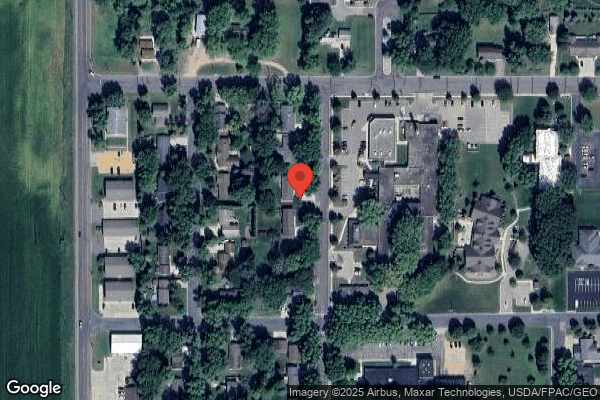
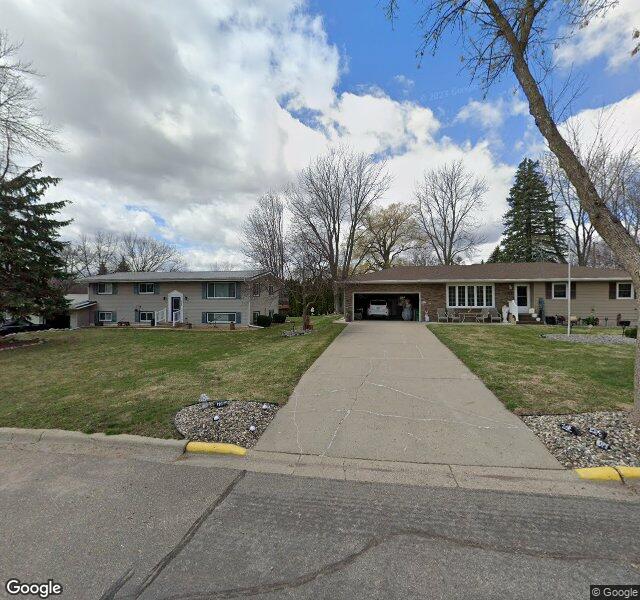
551 FOURTH STREET NORTH, WINSTED, MN 55395 (320) 482-3135
For profit - Corporation 70 Beds MONARCH HEALTHCARE MANAGEMENT Data: November 2025 1 Immediate Jeopardy citation
Trust Grade
21/100
#318 of 337 in MN
Last Inspection: May 2025

Inspected within the last 6 months. Data reflects current conditions.

Overview

The Gardens at Winsted LLC has a Trust Grade of F, indicating significant concerns about the quality of care provided, placing it in the bottom tier of nursing homes. It ranks #318 out of 337 facilities in Minnesota, meaning it is in the bottom half, and #3 out of 3 in McLeod County, suggesting there are no better local options. The facility’s trend is worsening, with issues increasing from 6 in 2024 to 23 in 2025, highlighting a growing number of serious concerns. Staffing is a notable weakness, with a poor rating of 1 out of 5 stars and a high turnover rate of 62%, which is above the state average of 42%, indicating challenges in maintaining consistent care. Moreover, specific incidents include a critical failure to supervise a resident at risk of leaving the facility, resulting in the resident being found outside in extremely cold conditions, and instances of inadequate hand hygiene which could lead to infections. While the facility has implemented corrective actions, the overall picture reveals significant weaknesses that families should consider.

Trust Score
F
21/100
In Minnesota
#318/337
Bottom 6%
Safety Record
High Risk
Review needed
Inspections
Getting Worse
6 → 23 violations
Staff Stability
⚠ Watch
62% turnover. Above average. Higher turnover means staff may not know residents' routines.
Penalties
○ Average
$8,021 in fines. Higher than 61% of Minnesota facilities. Some compliance issues.
Skilled Nurses
○ Average
Each resident gets 35 minutes of Registered Nurse (RN) attention daily — about average for Minnesota. RNs are the most trained staff who monitor for health changes.
Violations
⚠ Watch
40 deficiencies on record. Higher than average. Multiple issues found across inspections.
★☆☆☆☆
1.0
Overall Rating
★☆☆☆☆
1.0
Staff Levels
★★☆☆☆
2.0
Care Quality
★☆☆☆☆
1.0
Inspection Score
Stable
2024: 6 issues
2025: 23 issues

The Good

  • Full Sprinkler Coverage · Fire safety systems throughout facility
  • No fines on record

Facility shows strength in fire safety.

The Bad

1-Star Overall Rating

Below Minnesota average (3.2)

Significant quality concerns identified by CMS

Staff Turnover: 62%

16pts above Minnesota avg (46%)

Frequent staff changes - ask about care continuity

Federal Fines: $8,021

Below median ($33,413)

Minor penalties assessed

Chain: MONARCH HEALTHCARE MANAGEMENT

Part of a multi-facility chain

Ask about local staffing decisions and management

Staff turnover is elevated (62%)

14 points above Minnesota average of 48%

The Ugly 40 deficiencies on record

1 life-threatening
Aug 2025 4 deficiencies
CONCERN (D) 📢 Someone Reported This

A family member, employee, or ombudsman was alarmed enough to file a formal complaint

Potential for Harm - no one hurt, but risky conditions existed

Resident Rights (Tag F0550)

Could have caused harm · This affected 1 resident

**NOTE- TERMS IN BRACKETS HAVE BEEN EDITED TO PROTECT CONFIDENTIALITY** Based on observation, interview and document review the facility failed to maintain residents' dignity for 2 of 3 residents (R4,...

Read full inspector narrative →
**NOTE- TERMS IN BRACKETS HAVE BEEN EDITED TO PROTECT CONFIDENTIALITY** Based on observation, interview and document review the facility failed to maintain residents' dignity for 2 of 3 residents (R4, R5) reviewed for dignity when it took 20 minutes for staff to answer call lights causing R4 and R5 to become incontinent. Findings included: R4's Brief Interview for Mental Status (BIMS), dated 4/11/25, indicated he was cognitively intact. R4's care plan, dated 4/29/25, indicated R4 was frequently incontinent of bladder and occasionally incontinent of bowel. It also indicated R4 was on diuretic and BPH medications. The care plan directed he required assistance of two staff with full ceiling lift, provide assistance with peri cares, provide incontinent products, and assist to change as needed. The care plan directed a toileting schedule of every two hours on the odd hour, during waking hours. R4's annual Minimum Data Set (MDS) dated [DATE] indicated he had diagnoses of heart failure, benign prostatic hyperplasia (BPH, an enlarged prostate gland), hemiparesis (weakness on one side), and morbid obesity. The MDS indicated he was dependent on staff for assistance with toileting and personal hygiene, as well as transfers from bed to chair and from the chair to the bed. The MDS indicated a toileting program had not been trialed for R4. The MDS did not assess R4's cognitive status. R4's bladder and bowel assessments, dated 7/9/25, indicated he was continent of bladder and bowel. It indicated R4 stated he only had incontinent episodes if staff cannot answer his call light. R4's care area assessment (CAA), dated 7/18/25, indicated R4 triggered for need for assistance with toileting and urinary incontinence. The CAA indicated R4 was frequently incontinent of bowel and bladder. The CAA indicated staff will continue to follow current care plan to aide in prevention of complications of incontinence including assistance with managing incontinent products, assisting with toileting needs as he requests/allows monitoring for signs and symptoms of infection and assisting with peri cares as appropriate. The device activity report indicated R4 had his call light on for 20 minutes, starting at 1:40 p.m., on 8/14/25. On 8/14/25, at 2:30 p.m., R4 stated he had an incontinent episode after waiting for staff to respond to his call light. He stated his call light had been on for 20 minutes. R4 stated call wait time were always long, adding at times it took over an hour for the staff to respond to his call light. R4 stated this resulted in him having more incontinence episodes, leaving him to feel uncomfortable and as if the staff does not care about him. R4 stated he had been on diuretics for five years which creates more urgency and frequency during the morning hours. He stated long call wait times had been addressed through grievances and at the resident council meetings. He stated he was not on a toileting schedule but had been in the past. R5's CAA, dated 9/12/24, indicated R5 was incontinent, wore incontinence products, would call for assistance to the toilet, and was taking a diuretic plus medications to help with urination. R5's bladder assessment, dated 12/27/24, indicated he was frequently incontinent of bladder, was able to make his needs known, required assistance of one staff for transfers. R5's bowel assessment, dated 12/27/24, indicated he was continent of bowel and transferred with the assistance of one staff. R5's quarterly MDS, dated [DATE], indicated had heart disease, renal insufficiency, and BPH. The MDS indicated he was cognitively intact and required partial to moderate assistance with personal and toileting hygiene. The MDS indicated R5 used his wheelchair independently and was independent with transfers from the chair to the bed and from the chair to the toilet. The MDS indicated R5 was always incontinent of urine and always continent of bowel. It also indicated no trial of a toileting program had been implemented or trialed for R5. R5's care plan, dated 8/5/25, indicated he had alteration in elimination related to impaired mobility. The care plan directed assistance of one staff to/from toileting, assist with peri cares, provide incontinent products, and assist to change as needed. The device activity report indicated R5 had his call light on for 20 minutes, starting at 1:40 p.m., on 8/14/25. On 8/14/25, at 2:40 p.m., R5 stated he had been waiting for a half an hour when the NA responded to his call light at 2:00 p.m. He stated when he pressed the call light, he had not been incontinent yet, but due to the wait he urinated in his brief. R5 stated this made him feel anxious and mad. He also stated, I don't like sitting in wet pants. R5 stated, This happens often, and that it occurs more often late in the evening and in the middle of the night. On 8/15/25, at 10:10 a.m., the director of nursing (DON) stated she expected call lights to be answered as soon as possible, but within 15 minutes. She stated toileting schedules should be implemented for R4 and R5 to promote continence. On 8/15/25, at 11:50 a.m., the administrator stated the NA's should be answering call lights within 15 minutes. A facility document, Activities of Daily Living (ADLs) Maintain Abilities Policy, dated 3/31/23, directed It is the policy of the facility to specify the responsibility to create and sustain an environment that humanizes and individualizes each resident's quality of life by ensuring all staff, across all shifts and departments, understand the principles of quality of life, and honor and support these principles for each resident; and that the care and services provided are person-centered, and honor and support each resident's preferences, choices, values and beliefs.1. Based on the comprehensive assessment of a resident and consistent with the resident's needs and choices, the facility will provide the necessary care and services to ensure that a resident's abilities in activities of daily living do not diminish unless circumstances of the individual's clinical condition demonstrate that such diminution was unavoidable.2. The facility will ensure a resident is given the appropriate treatment and services to maintain or improve their ability to carry out the activities of daily living.3. The facility will provide care and services for the following activities of daily living: hygiene, mobility, elimination, dining, and communication.4. A resident who is unable to carry out activities of daily living will receive the necessary services to maintain good nutrition, grooming, and personal and oral hygiene.
CONCERN (D) 📢 Someone Reported This

A family member, employee, or ombudsman was alarmed enough to file a formal complaint

Potential for Harm - no one hurt, but risky conditions existed

Comprehensive Care Plan (Tag F0656)

Could have caused harm · This affected 1 resident

**NOTE- TERMS IN BRACKETS HAVE BEEN EDITED TO PROTECT CONFIDENTIALITY** Based on observation, interview and document review, the facility failed to develop and implement interventions to maintain cont...

Read full inspector narrative →
**NOTE- TERMS IN BRACKETS HAVE BEEN EDITED TO PROTECT CONFIDENTIALITY** Based on observation, interview and document review, the facility failed to develop and implement interventions to maintain continence for 2 of 3 residents (R4, R5) reviewed for care plans. Findings include: R4's Brief Interview for Mental Status (BIMS), dated 4/11/25, indicated he was cognitively intact. R4's care plan, dated 4/29/25, indicated R4 was frequently incontinent of bladder and occasionally incontinent of bowel. R4 was on diuretic and benign prostate hyperplasia (BPH) medications. The care plan directed he required assistance of two staff with full ceiling lift, provide assistance with peri cares, provide incontinent products, and assist to change as needed. The care plan directed a toileting schedule of every two hours on the odd hour, during waking hours. R4's annual Minimum Data Set (MDS) dated [DATE] indicated he had diagnoses of heart failure, benign prostatic hyperplasia (BPH, an enlarged prostate gland), hemiparesis (weakness on one side), and morbid obesity. The MDS indicated he was dependent on staff for assistance with toileting and personal hygiene, as well as transfers from bed to chair and from the chair to the bed. The MDS indicated a toileting program had not been trialed for R4. The MDS did not assess R4's cognitive status. R4's bladder and bowel assessments, dated 7/9/25, indicated he was continent of bladder and bowel. It indicated he stated he only had incontinent episodes if staff cannot answer his call light. R4's care area assessment (CAA), dated 7/18/25, indicated R4 triggered for need for assistance with toileting and urinary incontinence. The CAA indicated R4 was frequently incontinent of bowel and bladder. The CAA indicated staff will continue to follow current care plan to aide in prevention of complications of incontinence including assistance with managing incontinent products, assisting with toileting needs as he requests/allows monitoring for signs and symptoms of infection and assisting with peri cares as appropriate. On 8/14/25, at 2:30 p.m., R4 stated he had an incontinent episode after waiting for staff to respond to his call light. He stated his call light had been on for 20 minutes. R4 stated call wait time were always long, adding at times it took over an hour for the staff to respond to his call light. R4 stated this resulted in him having more incontinence episodes, leaving him to feel uncomfortable and as if the staff does not care about him. R4 stated he had been on diuretics for five years which creates more urgency and frequency during the morning hours. He stated long call wait times had been addressed through grievances and at the resident council meetings. He stated he was not on a toileting schedule but had been in the past. R5's CAA, dated 9/12/24, indicated R5 was incontinent, wore incontinence products, would call for assistance to the toilet, and was taking a diuretic plus medications to help with urination. R5's bladder assessment, dated 12/27/24, indicated he was frequently incontinent of bladder, was able to make his needs known, required assistance of one staff for transfers. R5's bowel assessment, dated 12/27/24, indicated he was continent of bowel and transferred with the assistance of one staff. R5's quarterly MDS, dated [DATE], indicated had heart disease, renal insufficiency, and BPH. The MDS indicated he was cognitively intact and required partial to moderate assistance with personal and toileting hygiene. The MDS indicated R5 used his wheelchair independently and was independent with transfers from the chair to the bed and from the chair to the toilet. The MDS indicated R5 was always incontinent of urine and always continent of bowel. It also indicated no trial of a toileting program had been implemented or trialed for R5. R5's care plan, dated 8/5/25, indicated he had alteration in elimination related to impaired mobility. The care plan directed assistance of one staff to/from toileting, assist with peri cares, provide incontinent products, and assist to change as needed. On 8/14/25, at 2:40 p.m., R5 stated he had been waiting for a half an hour when the NA responded to his call light at 2:00 p.m. He stated when he pressed the call light, he had not been incontinent yet, but due to the wait he urinated in his brief. R5 stated this made him feel anxious and mad. He also stated, I don't like sitting in wet pants. R5 stated, This happens often, and that it occurs more often late in the evening and in the middle of the night. R5 stated he was not on a toileting schedule. On 8/14/25, at 4:43 p.m., NA-A stated residents who cannot use their call lights are on toileting schedules every two hours She stated all other residents use their call light when they need to use the restroom and call lights are answered in the order they are pressed. She stated R4 and R5 were assisted to the bathroom as they requested it and were not on a schedule. On 8/15/25, at 9:48 a.m., NA-C stated R4 and R5 were supposed to be on a toileting schedule on the odd hours, but it was not followed. She stated it was implemented by the previous director of nursing (DON). On 8/15/25, at 10:10 a.m., the DON stated toileting schedules were intended to prevent incontinence episodes, by assisting the resident to the restroom on a regular basis and promote continence. She stated R4 was on a toileting schedule every two hours while awake. She stated the bladder assessment, dated 7/9/25 was not accurate, as it indicated R4 was continent. She also stated it was incomplete as it did not include pertinent diagnosis and medications related to urinary urgency and frequency. The DON stated R5 was not on a toileting schedule. The DON stated based on R5's bladder assessment, dated 12/27/24, she would expect the facility to have implemented a toileting schedule to offer him assistance to the restroom every 2 -3 hours, with a follow up to determine effectiveness. A facility document, Care Planning, dated 11/2024, directed in accordance with state and federal regulations, each resident will have a person-centered care plan developed by the interdisciplinary team for the purpose of meeting the resident's individual medical, physical, psychosocial, and functional needs. The care plan interventions are derived from a thorough analysis of the information gathered as part of the comprehensive assessment. The comprehensive person-centered care plan will be consistent with the resident's rights to identify problem areas and their causes and develop interventions that are targeted and meaningful to the resident. The resident has the right and is encouraged to participate in the development of their care plan. The care plan shall be used in developing the resident's daily care routines and will be utilized by staff personnel for the purposes of providing care or services to the resident. The plan of care will be utilized to provide care to the resident. The care plan is to be modified and updated as the condition and care needs of the resident changes.
CONCERN (D) 📢 Someone Reported This

A family member, employee, or ombudsman was alarmed enough to file a formal complaint

Potential for Harm - no one hurt, but risky conditions existed

Incontinence Care (Tag F0690)

Could have caused harm · This affected 1 resident

**NOTE- TERMS IN BRACKETS HAVE BEEN EDITED TO PROTECT CONFIDENTIALITY** Based on observation, interview, and document review the facility failed to ensure residents incontinent of bladder and bowel re...

Read full inspector narrative →
**NOTE- TERMS IN BRACKETS HAVE BEEN EDITED TO PROTECT CONFIDENTIALITY** Based on observation, interview, and document review the facility failed to ensure residents incontinent of bladder and bowel received services to maintain continence when 2 of 3 residents (R4, R5) reviewed for continence care did not receive timely care, resulting in bladder incontinence. Findings include: R4's care plan, dated 4/29/25, indicated R4 was frequently incontinent of bladder and occasionally incontinent of bowel. It also indicated R4 was on diuretic and BPH medications. The care plan directed he required assistance of two staff with full ceiling lift, provide assistance with peri cares, provide incontinent products, and assist to change as needed. The care plan directed a toileting schedule of every two hours on the odd hour, during waking hours. R4's Brief Interview for Mental Status (BIMS), dated 4/11/25, indicated he was cognitively intact. R4's annual Minimum Data Set (MDS) dated [DATE] indicated he had diagnoses of heart failure, benign prostatic hyperplasia (BPH, an enlarged prostate gland), hemiparesis (weakness on one side), and morbid obesity. The MDS indicated he was dependent on staff for assistance with toileting and personal hygiene, as well as transfers from bed to chair and from the chair to the bed. The MDS indicated a toileting program had not been trialed for R4. The MDS did not assess R4's cognitive status. R4's bladder and bowel assessments, dated 7/9/25, indicated he was continent of bladder and bowel. It indicated he stated he only had incontinent episodes if staff cannot answer his call light. The assessment lacked pertinent diagnoses that may affect urinary function, identification of medications related to urinary urgency and frequency, voiding patterns. The assessments lacked interventions to manage R4's incontinence.R4's care area assessment (CAA), dated 7/18/25, indicated R4 triggered for need for assistance with toileting and urinary incontinence. The CAA indicated R4 was frequently incontinent of bowel and bladder. The CAA indicated staff will continue to follow current care plan to aide in prevention of complications of incontinence including assistance with managing incontinent products, assisting with toileting needs as he requests/allows monitoring for signs and symptoms of infection and assisting with peri cares as appropriate. On 8/14/25, at 2:30 p.m., R4 stated he had an incontinent episode after waiting for staff to respond to his call light. He stated his call light had been on for 20 minutes. R4 stated call wait time were always long, adding at times it took over an hour for the staff to respond to his call light. R4 stated this resulted in him having more incontinence episodes, leaving him to feel uncomfortable and as if the staff does not care about him. R4 stated he had been on diuretics for five years which creates more urgency and frequency during the morning hours. He stated long call wait times had been addressed through grievances and at the resident council meetings. He stated he was not on a toileting schedule but had been in the past. R5's CAA, dated 9/12/24, indicated R5 was incontinent, wore incontinence products, would call for assistance to the toilet, and was taking a diuretic plus medications to help with urination. R5's bladder assessment, dated 12/27/24, indicated he was frequently incontinent of bladder, was able to make his needs known, required assistance of one staff for transfers. The assessment indicated it was not appropriate for a bladder retraining program. R5's bowel assessment, dated 12/27/24, indicated he was continent of bowel and transferred with the assistance of one staff. R5's quarterly MDS, dated [DATE], indicated had heart disease, renal insufficiency, and BPH. The MDS indicated he was cognitively intact and required partial to moderate assistance with personal and toileting hygiene. The MDS indicated R5 used his wheelchair independently and was independent with transfers from the chair to the bed and from the chair to the toilet. The MDS indicated R5 was always incontinent of urine and always continent of bowel. It also indicated no trial of a toileting program had been implemented or trialed for R5. R5's care plan, dated 8/5/25, indicated he had alteration in elimination related to impaired mobility. The care plan directed assistance of one staff to/from toileting, assist with peri cares, provide incontinent products, and assist to change as needed. On 8/14/25, at 2:40 p.m., R5 stated he had been waiting for a half an hour when the NA responded to his call light at 2:00 p.m. He stated when he pressed the call light, he had not been incontinent yet, but due to the wait he urinated in his brief. R5 stated this made him feel anxious and mad. He also stated, I don't like sitting in wet pants. R5 stated, This happens often, and that it occurs more often late in the evening and in the middle of the night. R5 stated he was not on a toileting schedule. On 8/14/25, at 4:43 p.m., NA-A stated residents who cannot use their call lights are on toileting schedules every two hours She stated all other residents use their call light when they need to use the restroom and call lights are answered in the order they are pressed. She stated R4 and R5 were assisted to the bathroom as they requested it and were not on a schedule. On 8/15/25, at 9:48 a.m., NA-C stated R4 and R5 were supposed to be on a toileting schedule on the odd hours, but it was not followed. She stated it was implemented by the previous director of nursing (DON).On 8/15/25, at 10:10 a.m., the DON stated toileting schedules were intended to prevent incontinence episodes, by assisting the resident to the restroom on a regular basis and promote continence. She stated R4 was on a toileting schedule every two hours while awake. She stated the bladder assessment, dated 7/9/25 was not accurate, as it indicated R4 was continent. She also stated it was incomplete as it did not include pertinent diagnosis and medications related to urinary urgency and frequency. The DON stated R5 was not on a toileting schedule. The DON stated based on R5's bladder assessment, dated 12/27/24, she would expect the facility to have implemented a toileting schedule to offer him assistance to the restroom every 2 -3 hours, with a follow up to determine effectiveness. A facility document, Care Planning, dated 11/2024, directed in accordance with state and federal regulations, each resident will have a person-centered care plan developed by the interdisciplinary team for the purpose of meeting the resident's individual medical, physical, psychosocial, and functional needs. The care plan interventions are derived from a thorough analysis of the information gathered as part of the comprehensive assessment. The comprehensive person-centered care plan will be consistent with the resident's rights to identify problem areas and their causes and develop interventions that are targeted and meaningful to the resident. The resident has the right and is encouraged to participate in the development of their care plan. The care plan shall be used in developing the resident's daily care routines and will be utilized by staff personnel for the purposes of providing care or services to the resident. The plan of care will be utilized to provide care to the resident. The care plan is to be modified and updated as the condition and care needs of the resident changes. A facility document, Activities of Daily Living (ADLs) Maintain Abilities Policy, dated 3/31/23, directed It is the policy of the facility to specify the responsibility to create and sustain an environment that humanizes and individualizes each resident's quality of life by ensuring all staff, across all shifts and departments, understand the principles of quality of life, and honor and support these principles for each resident; and that the care and services provided are person-centered, and honor and support each resident's preferences, choices, values and beliefs.1. Based on the comprehensive assessment of a resident and consistent with the resident's needs and choices, the facility will provide the necessary care and services to ensure that a resident's abilities in activities of daily living do not diminish unless circumstances of the individual's clinical condition demonstrate that such diminution was unavoidable.2. The facility will ensure a resident is given the appropriate treatment and services to maintain or improve their ability to carry out the activities of daily living.3. The facility will provide care and services for the following activities of daily living: hygiene, mobility, elimination, dining, and communication.4. A resident who is unable to carry out activities of daily living will receive the necessary services to maintain good nutrition, grooming, and personal and oral hygiene.
CONCERN (F) 📢 Someone Reported This

A family member, employee, or ombudsman was alarmed enough to file a formal complaint

Potential for Harm - no one hurt, but risky conditions existed

Deficiency F0838 (Tag F0838)

Could have caused harm · This affected most or all residents

Based on interview and document review the facility failed to ensure the facility assessment included the required components of involvement from direct care staff, considering staffing needs of each ...

Read full inspector narrative →
Based on interview and document review the facility failed to ensure the facility assessment included the required components of involvement from direct care staff, considering staffing needs of each unit in the facility, and a plan to recruit and retain staff. This had the opportunity to affect all 33 residents. Findings include: Review of the facility assessment, dated 7/22/24, failed to include input and active involvement from direct care staff, including but not limited to registered nurses (RN), licensed practical nurses (LPN), and nursing assistants (NA). The document indicated the following people were involved in completing the assessment: administrator, director of nursing (DON), Governing Body representative, the medical director, the pharmacist, and residents/resident representatives/family members through letters, family council and resident council. The facility assessment failed to consider staffing needs for each unit in the facility and failed to consider staffing needs for each shift. The document indicated acuity needs of residents was reviewed and evaluated regularly and determined by resident assessments, care plans, and census. The staffing plan section of the document indicated staffing needs were determined by reviewing the resident population, case mix index (CMI) and census daily. Admissions and discharges assist in determining staffing needs for each day. The facility assessment lacked a plan and maximized recruitment and retention of direct care staff. It also lacked a contingency planning for events that did not require activation of facility's emergency plan, but had the potential to affect resident care, such as availability of direct care nurse staffing or other resources for resident care. The facility daily schedules from 7/15/25 through 8/14/25 indicated the facility staffed nurses and trained medication aides (TMA) for the north and south units. The facility staffed NAs for rooms 200-224, rooms 207-225 and 226-228, 229-244, and a float aide. (Actual room layout is not in numerical sequence.) Facility call light records reviewed for 4 residents from 7/15/25 through 8/14/25 identified excessive call light wait times, with the longest response time of 120 minutes. The review identified the following: 115 call light wait times that exceeded 20 minutes 28 call light wait times that exceeded 30 minutes 50 call light wait times that exceeded 40 minutes 3 call light wait times that exceeded 50 minutes 4 call light wait times that exceeded 60 minutes 2 call light wait times that exceeded 70 minutes 2 call light wait times that exceeded 80 minutes 1 call light wait times that exceeded 90 minutes 1 call light wait time was exceeded 120 minutes On 8/14/25, at 8:10 a.m., family member (FM)-A stated family felt uncomfortable leaving R1 at the facility without their presence due to the facility's slow response time to the call light. FM-A stated they often waited for 40 minutes for the staff to answer the call lights. On 8/14/25, at 1:11 p.m., FM-B stated it was common to wait 45 minutes for R1's call light to be answered. On 8/14/25, at 2:06 p.m., R3 stated she has had to wait for over two hours at times for her call light to be answered, resulting in her sitting in feces, due to the facility cutting staff. On 8/14/25, at 2:30 p.m., R4 stated call wait times were addressed with the facility management through resident council meetings and their response was they had the right number of staff they were required to have. He stated, There just aren't enough people. He also stated he always experienced long call light wait times. R4 stated he pressed his call light at 1:40 p.m., on 8/14/25, to use the commode. He stated he had become incontinent while waiting for staff assistance, which took 20 minutes. On 8/14/25, at 2:40 p.m. R5 stated he put his call light on around 1:30 p.m., on 8/14/25. He stated he had not been incontinent when he first pressed his light, but due to waiting for over 30 minutes, he urinated in his brief. R5 stated it happened often, as the facility was short-staffed, and the wait was worse overnight. On 8/14/25, at 2:55 p.m., R6 stated call wait times were very long. She stated at the last resident council meeting another resident stated he had waited over 2 1/2 hours for his call light to be answered. On 8/14/25, at 4:43 p.m., NA-A stated the facility was cutting staff, due to empty beds in the facility. She stated, One person has to go home at 9:00 p.m. She stated the staff has attempted to address their staffing concerns with management, but felt management did not care. On 8/14/25, at 4:48 p.m., NA-B stated, I feel like a lot of call lights are on for a long time, it's been busy, and residents are waiting. She also stated one NA has to leave the shift early, at 9:00 p.m. NA-AD stated some of the residents had complained about the response time to the call lights. NA-AD stated several residents required the assistance of two staff for transfers. On 8/14/25, at 4:53 p.m., RN-A stated she did not feel the facility had enough staff. She said the residents had to wait for their call lights to be answered, causing them to be incontinent by the time the staff responded. RN-A stated residents had complained about the length of time they had to wait. She stated it was hard when one of the NA's was required to leave at 9:00 p.m., due to low census. RN-A stated she shared these concerns with management. On 8/15/25, at 8:30 a.m., the staffing coordinator (SC) stated the staffing level was determined by census and nursing hours per patient day (PPD). She stated the facility was trying to cut hours to meet labor and census. She stated she felt it was unsafe to cut any additional hours as they were already getting quite low on floor staff. She stated the staff reported they felt they needed more help to her. The SC stated she was cutting hours by having the evening shift come in late and having someone leave the evening shift early. On 8/15/25, at 9:52 a.m., the therapeutic recreation director stated she attended every resident council meeting. She stated call light response times were addressed in almost every meeting and she shared the concerns addressed in the meeting with the appropriate department leaders. On 8/15/25, at 10:10 a.m., the DON stated she felt the facility had enough staffing and had not been told of any concerns by the residents. She stated the call light response times were evaluated if there was a complaint concerning them. The DON stated the call lights should be answered as soon as possible, but within 15 minutes. The DON stated a 45-minute call light response time was not acceptable. On 8/15/25, at 11:50 a.m., the administrator stated the facility assessment was to be completed annually. She stated some residents take two people to be transferred requiring longer time with staff, resulting in residents complaining about the wait times. She stated she reviewed the call light logs if there were complaints. She stated she had not observed any extended call light response times over the last 30 days. The administrator stated the call lights should be answered within 15 minutes. She stated she evaluated the call light response times by running average response times. The facility lacked a policy for the facility assessment.
Jun 2025 2 deficiencies
CONCERN (D) 📢 Someone Reported This

A family member, employee, or ombudsman was alarmed enough to file a formal complaint

Potential for Harm - no one hurt, but risky conditions existed

Report Alleged Abuse (Tag F0609)

Could have caused harm · This affected 1 resident

**NOTE- TERMS IN BRACKETS HAVE BEEN EDITED TO PROTECT CONFIDENTIALITY** Based on interview and document review, the facility failed to report an allegation of sexual abuse to the State Agency (SA) wit...

Read full inspector narrative →
**NOTE- TERMS IN BRACKETS HAVE BEEN EDITED TO PROTECT CONFIDENTIALITY** Based on interview and document review, the facility failed to report an allegation of sexual abuse to the State Agency (SA) within two hours, as required, for 1 of 3 residents (R1) reviewed. Findings include: R1's quarterly Minimal Data Set (MDS) dated [DATE], indicated R1 had diagnoses which included paraplegia, neurogenic bowel (neurological condition disrupt the normal communication between the brain and colon, leading to difficulties in controlling bowel movements), and major depressive disorder. R1 was cognitively intact and did not exhibit any behaviors. Review of facility report number 360763 to the SA dated 6/6/25 at 1:07 p.m., indicated R1 reported she used the call light to request assistance with a brief change. She was turned onto their left side and participated in the repositioning by gripping the grab bar on that side of the bed. R1 indicated the nursing assistant (NA), while cleaning the resident, informed her that they needed to see how much stool was coming out. R1 reported the NA put their right hand on her right hip and with the left hand put their finger into her anus. R1 reported they have never had anal sex but the way the NA put his finger in and out of R1's anus was anal sex to them. R1 described the sensation of the finger entering her as painful and upsetting. Further, report identified registered nurse (RN)-A was made aware of the allegation on 6/6/25, at 11:05 a.m. On 6/18/25 at 10:42 a.m., NA-A indicated R1 required assistance by staff for incontinent cares and R1 had no cognitive impairments or behaviors. NA-A stated on 6/6/25, at approximately 6:00 a.m., R1 requested assistance with changing her brief. During the encounter, NA-A stated R1 the allegation of sexual abuse that occurred on the overnight. NA-A stated R1 was stated her rectum was painful and R1 was in tears. Further, NA-A stated following assisting R1, she exited her room and continued to assist other residents with morning cares until she seen RN-A at the nursing station. NA-A stated she reported R1's allegation to RN-A at approximately 8:30 a.m., because she did not see another other nurse around before that. In addition, NA-A stated staff were expected to report abuse immediately to the charge nurse. On 6/18/25 at 11:02 a.m., NA-B stated R1 was cognitively intact and did not exhibit any behaviors. NA-B stated she was made aware of R1's abuse allegation on 6/6/25, at approximately 9:00 a.m., when R1 had reported the overnight NA had fingered her anus. NA-B stated she exited R1's room and reported the allegation to NA-A, who then reported the allegation to RN-A. In addition, NA-B stated staff were expected to report abuse to the charge nurse right away but within two hours. On 6/18/25 at 12:55 p.m., RN-A stated on 6/6/25, at approximately 11:05 a.m., NA-A approached him and stated R1 wanted to speak with him, but NA-A did not report any abuse concerns at that time. RN-A administered insulin to another resident, and then went to speak with R1. RN-A stated upon entering R1's room he observed R1 was very upset, and she was crying. RN-A stated R1 had reported the overnight NA was assisting with a brief change and R1 felt the NA's finger go into her anus. RN-A stated he immediately went to report the abuse concern to the administrator and a report was submitted to the SA. On 6/18/25 at 3:05 a.m., interim director of nursing (DON) stated staff are expected to report abuse allegations immediately to the administrator and/or DON and within two hours to the SA. Review of facility policy titled Abuse Prohibition/Vulnerable Adult Policy revised 4/25, directed staff suspected abuse shall be reported to the SA online reporting process no later than 2 hours after forming the suspicion of abuse.
CONCERN (D) 📢 Someone Reported This

A family member, employee, or ombudsman was alarmed enough to file a formal complaint

Potential for Harm - no one hurt, but risky conditions existed

Deficiency F0943 (Tag F0943)

Could have caused harm · This affected 1 resident

Based on interview and document review, the facility failed to ensure contracted agency staff were trained on the facility's abuse policy and annual abuse training which had the potential to affect al...

Read full inspector narrative →
Based on interview and document review, the facility failed to ensure contracted agency staff were trained on the facility's abuse policy and annual abuse training which had the potential to affect all 37 residents currently residing in the facility at the time of the survey. Findings include: Review of facility report number 360763 to the SA dated 6/6/25 at 1:07 p.m., indicated R1 reported she used the call light to request assistance with a brief change. She was turned onto their left side and participated in the repositioning by gripping the grab bar on that side of the bed. R1 indicated the nursing assistant (NA)-C, while cleaning the resident, informed her that they needed to see how much stool was coming out. R1 reported the NA-C put his right hand on her right hip and with the left hand put his finger into her anus. R1 reported they have never had anal sex but the way the NA-C put his finger in and out of R1's anus was anal sex to them. R1 described the sensation of the finger entering her as painful and upsetting. Further, report identified registered nurse (RN)-A was made aware of the allegation on 6/6/25, at 11:05 a.m. Review of New Employee Orientation dated 12/24, document provided by NA-C's contracted agency staffing company revealed training on resident abuse, physical abuse, emotional abuse, financial abuse, neglect, and reporting abuse and neglect. The document failed to provide evidence of education related to sexual abuse and the reporting requirements. On 6/17/25 at 2:17 p.m., requested NA-C's abuse training. At 5:06 p.m., email was received from administrator stating the facility did not have abuse training for NA-C. On 6/18/25 at 9:43 a.m., NA-C stated he was contracted through an agency and had been working at the facility for two years but has only picked up about 10 shifts so far in 2025. NA-C stated through his agency he had completed some training regarding abuse and reporting, however, had not completed any training with the facility in regard to their abuse policy and procedure. On 6/18/25 at 10:34 a.m., director of recruitment from contracted staffing agency confirmed their employees received abuse training as part of their orientation and confirmed NA-C had not completed abuse training since October 2023. On 6/20/25 at 4:22 p.m., email received from administrator with NA-C education records from contracted agency company verified abuse training was completed on 8/21/24. However, training completed lacked evidence of sexual abuse training and reporting requirements. Review of facility policy titled Abuse Prohibition/Vulnerable Adult Policy revised 4/20/25, indicated the facility would provide orientation to all new employees which Resident Rights and Vulnerable Adult Law policies and procedures would be reviewed, and staff receive an employee policy book which outlines these policies/procedures, all new employees receive training on how to report alleged abuse/neglect upon hire, and all employees received annual in-service training on Vulnerable Adult Policies and Procedures. The policy lacked evidence of how contracted staff would be included and who would ensure contracted staff received education and training.
May 2025 13 deficiencies
CONCERN (D)

Potential for Harm - no one hurt, but risky conditions existed

Deficiency F0554 (Tag F0554)

Could have caused harm · This affected 1 resident

**NOTE- TERMS IN BRACKETS HAVE BEEN EDITED TO PROTECT CONFIDENTIALITY** Based on observation, interview, and document review the facility failed to ensure a self-administration of medications assessme...

Read full inspector narrative →
**NOTE- TERMS IN BRACKETS HAVE BEEN EDITED TO PROTECT CONFIDENTIALITY** Based on observation, interview, and document review the facility failed to ensure a self-administration of medications assessment was completed, and orders obtained, for all medications kept at bedside for 1 of 1 residents (R9) observed with medications at their bedside. Findings include: R9's quarterly Minimum Data Set (MDS) dated [DATE], indicated R9 was alert and oriented and able to communicate her needs. The MDS lacked any indication of behavioral concerns. R9 was able to complete activities of daily living (ADLs) independently, except for meeting her toileting and bathing needs. R9's medical diagnoses included anemia (low levels of healthy cells to carry oxygen), depression (a mood disorder with symptoms of sadness), chronic obstructive pulmonary disease with acute exacerbation (a persistent respiratory disease that may cause long-term, progressive lung damage), insomnia, nicotine dependence, chronic pain syndrome, gastroesophageal reflux disease (GERD), osteoporosis, unspecified fall, history of cerebral infarction (stroke) without residual deficits (last effects related to the stroke). R9's care plan revised on 1/28/25, identified R9 was a fall risk related to diagnosis of fracture of the left femur (thigh bone) with subsequent encounter for closed fracture with routing healing, age related osteoporosis, and chronic pain. The care plan also identified an alteration in mobility related to fracture of left femur. The care plan indicated R9 was independent with ambulation in halls with a four wheeled walker. R9 was also noted to use an electric wheelchair to get around both inside and outside of the facility. The care plan went on to identify alteration in comfort. R9 was identified to receive pain medication as ordered by the doctor. Staff were directed to document on the effectiveness of the pain medication. R9 was to express discomfort/pain to staff. Staff were directed to monitor for side effects of medication. The care plan also identified R9 chose to self administer elderberry chews. The care plan directed staff to monitor usage of bedside meds, and assess that resident is capable of self-administering chewable's. A review of R9's medical record indicated a Self Administration of Medication (SAM) Evaluation, dated 4/24/25, identified R9's medication was correctly labeled per regulatory guidelines. The document also indicated the resident is able to demonstrate to the satisfaction of the nurse manager and designee. The assessment identified R9 was able to self administer elderberry chews per manufacturer directions. The SAM lacked indication of assessment for any additional medications. R9's Pain Evaluation was completed on 4/11/25, and identified R9 received scheduled pain medications, as well as received PRN medications. The assessment indicated R9 received non-medication intervention for pain, however, the document lacked information regarding the interventions and their effectiveness. During initial observation and interview on 4/28/25 at 1:07 p.m., R9 was observed to have a three bottles of over the counter medications on her bedside table. The bottles of over the counter medications (OTC) were as follows: Hair, Skin, and Nail Vitamins, a bottle of 60 tablets which was approximately 1/4 full, Elderberry Gummies 100 mg, a full bottle of 40 gummies with the security label still in place, and a bottle of Glucosamine/Chondroitin and MSM supplement, 60 caplets per bottle, with approximately 1/3 bottle remaining. R9 stated she used the Glucosamine/Chondroitin and MSM supplement for pain management. A review of R9's orders was completed. It was noted the following medications were ordered for management of chronic pain: - Duloxetine HCl 30 mg (milligrams) two capsules by mouth daily for depression and chronic pain. This was started on 3/19/25. - Meloxicam 7.5 mg one tablet by mouth daily for osteoarthritis. This medication was started on 3/12/2025. - Gabapentin Capsule 300 mg three capsules (900 mg) by mouth three times a day for pain. This medication was started on 7/08/2024. - Tizanidine HCl Give four to eight mg every six hours as needed (PRN) for related chronic pain syndrome. This medication was started on 7/8/24. The following medications were ordered on 4/26/25: - Hydrocodone-Acetaminophen Oral Tablet 5-325 mg. Give one tablet by mouth three times a day related to chronic pain syndrome - Hydrocodone-Acetaminophen Oral Tablet 5-325 mg. Give one tablet by mouth as needed for breakthrough pain for 30 days daily as needed for breakthrough pain. Do not give within 2 hours of scheduled. During interview on 5/01/25 at 12:42 p.m., the director of nursing (DON) stated R9's pain level appeared to be managed through observation. DON stated R9 had orders for both routine medications for pain management, as well as PRN medications ordered. DON stated she was unaware of any medications at bedside. R9 had new orders implemented after the pain assessment was completed. DON stated the additional medications would need to be assessed for potential interactions with other medications by the provider and an order was needed in order for her to continue the medications at bedside. DON stated a SAM was needed for each medication kept at bedside. A review of the facility policy, Self Administration of Medications, dated 2/2024, was reviewed and identified resident had the right to self-administer medications if the interdisciplinary team has determined that it is clinically appropriate and safe for the resident to do so. If it is determined that it is safe for resident to self administer, this determination was documented in the medical records. The decision that the resident can safely self administer is reassessed periodically based on changes in the resident's medical and/or decision making process.
CONCERN (D)

Potential for Harm - no one hurt, but risky conditions existed

Deficiency F0565 (Tag F0565)

Could have caused harm · This affected 1 resident

Based on observation, interview and document review, the facility failed to act and ensure voiced concerns in the resident council were addressed in a timely manner. This had potential to affect 6 of ...

Read full inspector narrative →
Based on observation, interview and document review, the facility failed to act and ensure voiced concerns in the resident council were addressed in a timely manner. This had potential to affect 6 of 6 residents (R8, R28, R33, R7. R3, and R11), identified to have attended the meetings in the past two months. Findings include: On 4/30/25 at 8:32 a.m., the resident council president (R7) gave permission for the survey team to review previous minutes of resident council meetings. These minutes were provided and identified the following concerns: October 14, 2024: No resident attendance roster included in the meeting minutes. Concerns identified related to Therapeutic Recreation: Identified goal to get more activities/crafts for residents. November 11, 2024: No resident attendance roster included in the meeting minutes. Concerns identified related to Therapeutic Recreation: Trying to get more games and exercises going. More crafting. Bingocize has stopped. Bingo is transitioning. December 9, 2024: No resident attendance roster included in the meeting minutes. Concerns identified related to Therapeutic Recreation: Working on calendar. More snack ideas. January 13, 2025: Residents in attendance: R8, R2, R33, R32, and R7. No Therapeutic Recreation concerns were identified. A review of the facility Grievance Policy was completed. February 10, 2025: Residents in attendance: R28, R11, R3, and R7. Concerns identified related to Therapeutic Recreation: Trying VR (virtual reality)(Rendever) headsets more. Need activity ideas. March 10, 2025: Residents in attendance: R8, R7, R3, R28, and R16. Concerns identified related to Therapeutic Recreation: Trying to bring more things onto daily calendar. Daily Chronicle, Table Tidbits, When is Bingo night coming back? April 21, 2025: Residents in attendance: R6, R8, R7, R11, and R28. Concerns identified related to Therapeutic Recreation: Getting seven iPad's. Request for more activities. Newspaper to remain in the chapel lounge. On 4/30/25 at 3:00 p.m., a Resident Council meeting was held during survey. During routine questions regarding Council recommendations made/grievances voiced, the council members stated there had been grievances voiced/recommendations made regarding Therapeutic Recreations, however, the residents have not been informed of the resolutions. R3 stated a request has been made for daily reading of the Star Tribune, additionally indicating this would cost nothing, aside from staff commitment. R3 stated this had been previously a well attended activity, but no longer occurred. R7 commented Bingo used to be four days a week. In addition to this, Bingocize occurred as well. Bingocize no longer occurs, per R7. When asked about the Independent Leisure activities identified on the calendar, R7 stated sometimes they are little blurbs as to a weekend activity, however, generally there are no weekend activities. Residents present at meeting voiced agreement with comments made. R7 stated We were told there would be new activities. They said there would be interactive games, no on knew what that was. R7 identified there was previously an exercise program which was done with television which had been popular, however, was no longer offered. A review of the facility activity calendars from April 2025 and March 2025 lacked indication of offering of newspaper reading and craft activities appeared only on one occasion (3/2/25). A review of the March 2025 Activity Calendar indicated there were seven days where the only activities identified were Independent leisure, and eight days listed as Independent Leisure in April. A request was made for the facility policy for Therapeutic Program Development, however, none was available. A request was also made for the policy for Resident Council Management and follow though on grievances and recommendations made through Resident Council, however, no policy for Resident Council follow through was provided.
CONCERN (D)

Potential for Harm - no one hurt, but risky conditions existed

Grievances (Tag F0585)

Could have caused harm · This affected 1 resident

Based record review and interview the facility failed to follow up on grievances for 1 of 1 residents (R7) reviewed for grievances during the period 9/7/24 to 5/1/25. Findings include: On 4/30/25 at ...

Read full inspector narrative →
Based record review and interview the facility failed to follow up on grievances for 1 of 1 residents (R7) reviewed for grievances during the period 9/7/24 to 5/1/25. Findings include: On 4/30/25 at 3:14 p.m., during Resident Council, the question was asked: If the facility does not respond to concerns, does the Grievance Official provide a rationale for the response. R7 stated he was aware of the grievance process, and had filed multiple grievances, however, stated the last grievances, he did not received a response. A request was made for the grievance log from the past six months, as well as the resolutions of the grievances received. A log was received from 10/24/25 to 5/1/25. During this time, grievances were filed by R7 on 9/7/24, 11/18/24 (twice, for separate issues), 12/15/24, 12/15/24, 12/21/25, and 1/13/25. A resolution form was completed for the grievance of 9/7/24, with documentation completed on 10/14/24, which identified Grievance confirmed. The documentation indicated: investigation was ongoing and told resident [we] would continue to check in. Additionally, the narrative question Was resident/family satisfied with resolution identified Understood but not satisfied per se. Although the documentation reflected resident understood but was not satisfied, the documentation lacked indication of further follow through with resident. Further, the form identified N/A (not applicable)-no ongoing issues noted. The narrative note was completed on 10/14/24, and two additional grievances regarding call light times were filed on 9/19/24 and 10/8/24, although not by R7. A second form of resolution form was provided for concerns identified 11/18/24, was provided with documentation completed 12/3/24, which indicated the delay in response to this grievance was related to ongoing investigation. The grievance log indicated the concern was related to CNA (certified nursing assistant) behavior and the resolution form indicated that grievance was confirmed. The documentation indicated R7 preferred his shower at 9:30 p.m., and this was not always possible. The documentation identified that R7's shower was changed to Wednesday's as R7 preferred a shower later in the day. The documentation indicated resident was satisfied with resolution. A lack of documentation of resolution was noted for the following grievances filed: 11/18/24, one response was provided. Although there had been two issues identified, only one addressed in resolution. The second grievance on 11/18/24 was related to call light response times. 12/15/24, 12/15/24, 12/21/25, and 1/13/25. Additional grievance documentation was lacking for the dates of 2/23/25 to 5/1/25. During interview on 5/1/25 at 4:10 p.m., the corporate licensed social worker (CLSW) acknowledged the follow through on grievances historically had not been handled in a timely fashion and had addressed this with the current administrator. In addition to timely follow through, there were multiple grievances filed which had not been addressed at all, which CLSW stated should have been completed. The undated facility policy, Resident Council, identified: A Resident Council Response Form was utilized to track issues and their resolution. The facility department related to any issues was responsible for addressing the item(s) of concern. The facility policy, Complaint and Grievance Policy, most recently revised 9/2023, identified that any complaints were to be investigated per policy. The policy stated the administrator, or designated grievance official, was to complete and investigation of the grievance to determine it's validity. The facility policy further identified a verbal, or written summary if requested, was to be provided to the complainant of proposed action on the grievance no later than five (5) business days after the receipt of the grievance. The policy went on to identify if the administrator to resolve the grievance as outlined, the information was to be sent on to the [NAME] President (VP) of Operations of Monarch Healthcare Management. The policy further identified all completed grievance forms were to be kept on record at the facility for a period of no less than three years.
CONCERN (D)

Potential for Harm - no one hurt, but risky conditions existed

Quality of Care (Tag F0684)

Could have caused harm · This affected 1 resident

Based on observation, interview, and document review the facility failed to ensure the hospice plan of care had been integrated with the facility care plan for 1 of 1 resident (R2), identified to rece...

Read full inspector narrative →
Based on observation, interview, and document review the facility failed to ensure the hospice plan of care had been integrated with the facility care plan for 1 of 1 resident (R2), identified to receive hospice services. Findings include: R2's 3/21/25, significant change Minimum Data Set (MDS) identified her cognition was severely impaired, and was dependent on staff for activities of daily living (ADL)s. R2 had diagnoses of anemia (low levels of red blood cells (which carry oxygen to the tissues) which causes weakness and fatigue), hypertension (high blood pressure), arthritis (inflammation of the joints), neuropathy (nerve pain which can lead to pain, weakness, or numbness), and urinary retention, . A review of R2's current care plan identified R2 was on hospice, however, lacked indication as to what services hospice provided during their visits to the facility. Although the facility care plan directed staff to refer to Hospice plan of care and visit schedule, the medical record lacked this information for staff reference. During interview on 5/1/25 at 8:54 a.m., hospice nurse (HN)-A stated R2 was enrolled in Hospice on 3/20/24 with the diagnosis of senile degeneration of the brain. HN-A stated R2's hospice plan of care identified R2 received the following services: nursing services twice weekly, and as needed and aide services twice a week. R2 also received the following services monthly: massage therapy, social services, music therapy, chaplain visit, and volunteer visits. HN-A stated R2's service plan was evaluated on an ongoing basis for any needed changes regarding services provided and frequency of visits and was revised as needed. During interview and record review on 5/1/25 at 1:07 p.m., with registered nurse (RN)-A of the Hospice Care Binder for R2. RN-A stated she was unable to locate the hospice care plan within the binder. A review of the electronic facility care plan lacked incorporation of hospice services provided, other than to refer staff to Hospice plan of care. RN-A stated she was unsure of what process was used for referencing the care plan, however, stated she would follow up on this. On 5/1/25 at 3:38 p.m., the care plan process was reviewed with the director of nursing (DON) and corporate nurse (CN)-B. DON stated R2 was now enrolled in Hospice, which was going well. DON stated she was unaware the hospice care plan was not in the Hospice binder and would follow up on that. DON acknowledged the hospice care plan was to be available for reference as identified in the facility care plan for services. A review of the Hospice-Nursing Facility Services Agreement, dated 9/15/14, signed only by the Hospice agent, indicated the Hospice Plan of Care was a written plan of care established, maintained, reviewed and modified, at intervals identified by the Hospice and the Facility. The agreement indicated the Hospice Care Plan included the following: identification of services provided to meet the needs of hospice patient, and the needs of her family; a statement of scope and frequency of both hospice and facility services, measurable outcomes which were anticipated from implementation and coordination of the plan of care; drugs and treatments necessary to meet the needs of the resident; medical supplies needed; and documentation of participation of the hospice patient, or representatives' level of understanding of the plan of care. The agreement outlined the facility shall comply with the Hospice Patient's Plan of Care.
CONCERN (D) 📢 Someone Reported This

A family member, employee, or ombudsman was alarmed enough to file a formal complaint

Potential for Harm - no one hurt, but risky conditions existed

Accident Prevention (Tag F0689)

Could have caused harm · This affected 1 resident

**NOTE- TERMS IN BRACKETS HAVE BEEN EDITED TO PROTECT CONFIDENTIALITY** Based on observation, interview and document review, the facility failed to implement appropriate monitoring of wanderguard func...

Read full inspector narrative →
**NOTE- TERMS IN BRACKETS HAVE BEEN EDITED TO PROTECT CONFIDENTIALITY** Based on observation, interview and document review, the facility failed to implement appropriate monitoring of wanderguard function for 1 of 1 residents (R32) reviewed for elopement. Additionally, the facility failed to assure proper ongoing storage and use for e-cigarette (inhaled nicotine) device were implemented for 1 of 5 residents (R9) reviewed for smoking. In addition, the facility failed to provide supervision in the dining room during meal for 1 of 1 residents (R30) reviewed for safety while eating. Findings include: R32 R32's annual assessment of 12/13/24, indicated R32 had moderate cognitive impairment. R32's quarterly Minimum Data Set (MDS) dated [DATE], indicated R32 did not display episodes of inattention, disorganized thinking, or altered level of consciousness. The MDS also indicated R32 did not display physical or verbal symptoms directed toward others, or behavior symptoms not directed at others such as pacing. R2 was identified as having impairment of both lower extremities and noted to use a wheelchair for mobility. R32 was identified as receiving assistance with mobility. R32's medical diagnoses included acute kidney failure, cancer, hypertension (high blood pressure), seizure disorder or epilepsy, and reduced mobility. R32's care plan last revised 4/18/25, indicated R32 was at risk for elopement due to cognitive status. The care plan identified interventions to redirect tend to be effective and R32's Wanderguard was in place to left wrist. The care plan directed staff to monitor wanderguard for proper functioning. The care plan lacked direction how the staff were to assess for proper functioning. The care plan directed staff to answer door alarms promptly. R32's progress noted dated 10/11/24, R32 was noted by another resident to be exiting the therapy room entrance at 7:54 p.m. Resident was found near the door, and had his wheelchair tire stuck in the mulch. A review of the alarm codes indicated the alarm had initially sounded at 7:46 p.m. and then again at 7:54 when the staff assisted R32 into the facility. A nursing assessment was completed with no harm identified. R32's Wanderguard placement was checked for function, with no concerns identified. The facility also verified the function of other Wanderguards for Arial system functioning. Resident was identified to be at risk for elopement effective 10/5/23. Staff were aware to monitor for wandering. Wanderguard was in place on the left wrist. Wanderguard was to be monitored for proper functioning. A further review of R32's record indicated a prior elopement in January of 2024. At that time, staff increased frequency of monitoring of Wanderguard function and wandering of R32. The record reflected no episodes where resident had exited facility. R32's Elopement Risk Evaluation completed 3/26/25, indicated R32 had a history of wandering/attempts to leave the building and was able to self-propel his wheelchair. The assessment identified R32 does exhibit pacing or agitated behavior and had a history of elopement from the facility. The assessment indicated R32 had a cognitive deficit. The resident was identified as taking a medication which may cause confusion. The score of this assessment was 6. A score of 4 or greater was indicative of the potential for elopement. The assessment indicated implementation of an Elopement Risk Care Plan within the document. On 4/29/25 at 11:38 a.m., a purple binder, titled Elopement at Risk, was observed at the nurse's station and was reviewed. Within the binder, the residents at risk for elopement were identified with a listing updated 4/15/25, with a copy of their face sheet and diagnosis listing. In addition, there was a document titled Elopement at Risk Weekly IDT (Interdisciplinary Team) Review. This was completed from 8/21/24 through 2/28/25, with no further documents to identify review beyond that date. Additionally, a document titled Placing a Wanderguard-The Process was noted. The document indicated: If a resident was agitated/trying to wander was at risk for elopement the following needed to be completed ASAP (As soon as possible): Complete Elopement form (undated) Place Wanderguard (These are located in the small room behind the nurse's station). Place orders in PCC (Point Click Care-electric medical record) to monitor for placement and functioning of wanderguard every day, every shift. Document in progress notes where the wanderguard was placed, and why. Writer [sic] residents name in Elopement at Risk binder. Place Face Sheet in Elopement at Risk binder. Notify Responsible Party. Notify Administrator) and DON (Director of Nursing). Update physician. A review of the treatment administration record (TAR) for R32 was completed both for behavior monitoring and wandering. The resident was not identified as pacing in hallways, wandering, door checking, or exit seeking. In addition to monitoring for wandering, it also identified: Change Wanderguard per manufactures guidelines every evening shift with a start date of 4/4/2025. This had been signed off from 4/4/25 through 4/30/25 with a check, however, no guidelines were in place to identify specifically what was being completed. Monitor placement and function of wanderguard (placed on left ankle) every shift, effective 4/3/25. Although staff were directed to monitor placement and function of the wanderguard, the TAR lacked direction as to how this was to be done. On 4/30/25 at 12:03 p.m., DON stated staff check the Wanderguard for functioning by taking residents near the exits to see if they alarm. When questioned in clarification, DON stated she was unsure of the process and would follow up to assure the appropriate information was relayed. On 4/29/25 at 12:14 p.m., registered nurse (RN)-A stated she was unsure what the directions meant to monitor placement and function meant and would clarify with the DON. Upon review of the TAR, it was noted RN-A had signed off on the TAR that this was administered/completed by RN-A on multiple shifts. On 4/30/25 at 12:59 p.m., the corporate maintenance director (CMD) stated facility maintenance (FM) director checked the function of the Wanderguard at the exit doors weekly. A request was made for the manufacturer manual for the process of monitoring the system, and CMD stated this would be provided. CMD stated the nursing staff should be checking the function of the Wanderguards with the use a small monitoring box to assess function. CMD had located the tester and stated this would be kept in the supply closet with the Wanderguard supplies. During interview on 4/30/25 at 1:38 p.m., with RN-C and trained medical assistant (TMA)-B, RN-C stated if the Wanderguard alarmed, the staff were responsible to check the alarm to determine the reason it was triggered. RN-C stated staff were to reference the Elopement at Risk binder to see who had Wanderguards in place. RN-C stated staff were to always to check the residents who had Wanderguards in place if the alarm went off. RN-C was unaware of where the test machine was located. Previously she had not been able to find the device, and stated today was the first she had seen the monitor. RN-C stated some people say if they hear the alarm beeping when the resident is by the elevator, that is how they are checking it. The TAR was reviewed with RN-C in regards to the directions to change Wanderguards per manufacturer guidelines every night with no further direction. RN-C stated she was unsure of the policy, but stated this was not typically scanned daily. TMA-B stated this was the responsibility of the charge nurse and did not perform the task. Upon review of the document for instruction sheet for application of the Wanderguard in the Elopement at Risk binder, although it indicated to check the function of the Wanderguard, it lacked instruction as to how staff were to check functioning. On 4/30/25 at 1:59 p.m., DON stated the standard orders identified at this time included to check the function of the Wanderguard alarm daily. DON stated staff were to check for placement of the Wanderguard alarm every shift. DON acknowledged the policy in the binder did not reflect this process. When asked about the TAR directions to change Wanderguard as per manufacturer's instructions, DON had no further information. The facility policy, titled Elopement Policy, last reviewed June of 2023 identified upon admission, each resident was assessed for elopement risk. The policy identified all residents were to be reassessed quarterly, annually, and as needed for significant change. Although the policy directed staff to observe each resident's bracelet alarm brace for placement each shift, it lacked any direction as to when the alarm was to be placed and what guidelines were to be used to determine this. The policy further indicated the facility was to establish a process to check bracelet alarm/device batteries according to manufacturer's directions, however, it lacked indication as to what that was. The policy further directed staff to document bracelet alarm/device was in place and functioning but lacked direction as to how to verify function. A request was made for the manufacturer manual, and it was not provided. R9 R9's quarterly MDS dated [DATE], indicated R9 was alert and oriented and readily able to communicate her needs. The MDS lacked any indication of behavioral concerns. R9 was able to complete activities of daily living (ADL's) independently, with the exception of bathing and toileting needs. R9's medical diagnoses included anemia (low levels of healthy red blood cells to carry oxygen), depression (a mood disorder with symptoms of sadness), chronic obstructive pulmonary disease with acute exacerbation (a persistent respiratory disease that may cause long-term, progressive lung damage), nicotine dependence, and history of cerebral infarction (stroke) without residual deficits (last effects related to the stroke). R9's care plan last revised on 4/24/25, identified R9 currently smoked at this facility. The goal was identified for R9 to continue to smoke safely through the next review date (identified as 7/10/25). The care plan directed staff to educate R9 regarding the potential danger of butane lighters. The care plan identified the resident was deemed to be independent with smoking per smoking evaluation, and had been deemed safe to store/handle their own smoking materiel's. The care plan directed staff to complete a smoking evaluation per facility policy and as needed (PRN). R9's Quarterly Smoking assessment dated [DATE], identified R9 as a smoker. The assessment identified R9 preferred to smoke morning, afternoon, and evenings. R9 was determined able to light own cigarettes, and was deemed safe to store/handle own cigarette lighter. The assessment identified R9 would store smoking materiel's in her room. The assessment did identify the use of e-cigarettes and identified R9 was safe to use device. The summary and interventions also identified R9 was noted to smoke e-cigarettes and was aware these were not to be used in the facility and must be used in the designated area. The assessment also identified staff were to continue to monitor quarterly and PRN. During initial interview on 4/28/25 at 1:04 p.m., R9 was observed to have two e-cigarettes/vapes sitting on her bedside table. R9 stated she did not use the e-cigarettes, and stated she only used them outside. During conversation, R9 reached over and grabbed a vape and inhaled, releasing smoke stream toward surveyor, as smoke also flowed out of e-cigarette. R9 stated she didn't usually vape in room. R9 stated she kept her own cigarettes locked in the drawer of her bedside stand. During follow up interview on 4/29/25 at 12:33 p.m., R9 was observed resting on her bed. R9 continued to have two e-cigarettes/vapes sitting on her bedside table. R9 stated she only used them outside. When asked about use yesterday, R9 stated that was related to her hip pain, and stated it was difficult to move her hip to get up and go outside. On 5/01/25 at 10:59 a.m., DON was made aware of R9 using e-cigarette inside facility on 4/28/25. DON stated a smoking assessment had been recently completed. The smoking assessment indicated that R9 was able to safely smoke and manage own supplies. DON stated the smoking policy was also reviewed with R9 at the time the smoking assessment was completed. DON stated she would be removing items from resident and would be following up on the situation. The facility policy, titled Resident Smoking Policy, last reviewed 10/2024, identified it was the the intent of the policy to outline the procedure for safe resident smoking including evaluation of residents for determination of who were capable of smoking independently, and if safe, allowed to smoke in a designated smoking area. The policy identified all smoking devices, including electronic devices, will be lit/used in designated areas only. The policy went on to further identify those residents found not to be in compliance may lose smoking privileges. The policy identified privileges can be re-evaluated upon resident request. R30 R30's quarterly minimum data set (MDS) dated [DATE], indicated R30 had moderate cognitive impairment and required extensive assistance with activities of daily living (ADL's), however, R30 was independent with eating after staff set up meal. R30's care plan dated 4/19/24, indicated R30 had potential for altered nutrition status due to history of malnutrition, dementia, pneumonia and cancer. Interventions included ok for soft bread per facility bread policy, speech therapy to consult as needed and diet as ordered. R30's order summary report report dated 5/1/25, indicated regular diet International Dysphagia Diet Standardization Initiative (IDDSI) level six (soft and bite size food texture modification), thin liquids consistency. OK for soft breads. On 4/28/25 at 1:50 p.m., R30 was observed in the dining room eating, no staff were observed within site of R30. R30 was eating a whole chicken sandwich on a hamburger bun. R30 was observed alone in dining room until 2:05 p.m., when an unidentified staff member entered and sat with resident. On 4/28/25 at 6:05 p.m., R30 was eating a cheese quesidilla cut into quarters, no staff were in the dining room, R30 and two other residents remained in the dining room. At 6:08 p.m., three unidentified staff entered the dining room, one removed a medication cart, two staff assisted two other residents out of the dining room. Director of nursing (DON) entered dining room, remained in view of R30. On 5/01/25 at 9:41 a.m., R30 was eating alone in the dining room, no staff in view. At 9:53 a.m., unidentified staff member entered removed plate from in front of R30. When interviewed on 5/01/25 at 10:57 a.m., therapy program manager stated R30 had a history of pocketing food (holding food in the mouth without swallowing it), history of dysphagia (difficulty swallowing) and difficulty chewing. R30 was being seen by speech therapy. R30's food should be cut into bite size pieces, R30 should not have a whole chicken sandwich due to difficulty chewing. When interviewed on 5/01/25 at 11:27 a.m., dietary manager (DM) stated IDDSI level six was soft and bite size food, items should be cut into thumbnail size pieces, soft and squishy. R30 should not have been given a whole chicken sandwich. When interviewed on 5/01/25 at 1:31 p.m., trained medication aid (TMA)-A stated R30 was a slow eater, staff should be in the dining room for safety if resident required an altered diet due to risk of choking. When interviewed on 5/01/25 at 2:13 p.m., registered nurse (RN)-A stated someone should be in the dining room at all times when residents were eating for safety. When interviewed on 5/01/25 at 4:00 p.m., director of nursing (DON) stated R30 doesn't chose to leave the dining room, R30 may need to be moved to his room to finish eating. DON then stated upon further thought, R30 cannot be moved to his room, the expectation would be that someone would be there while he is eating. Facility policy Dining Room Supervision dated 8/26/20, indicated the dining room would be supervised while residents were eating.
CONCERN (D)

Potential for Harm - no one hurt, but risky conditions existed

Deficiency F0698 (Tag F0698)

Could have caused harm · This affected 1 resident

**NOTE- TERMS IN BRACKETS HAVE BEEN EDITED TO PROTECT CONFIDENTIALITY** Based on observation, interview, and record review, the facility failed to consistently communicate with dialysis department, an...

Read full inspector narrative →
**NOTE- TERMS IN BRACKETS HAVE BEEN EDITED TO PROTECT CONFIDENTIALITY** Based on observation, interview, and record review, the facility failed to consistently communicate with dialysis department, and follow through on directions for 1 of 1 residents (R141) reviewed for dialysis Findings include: R141 was admitted to the facility on [DATE]. R141's brief interview for mental status assessment completed on 4/17/25, indicated he was cognitively intact. R141's diagnoses upon admission to the facility included end stage renal (kidney) disease, congestive heart failure, diabetes (a condition where the body has problems with regulating blood glucose (sugar), and post surgical treatment of left foot. A provider visit note of 4/18/25, identified: R141 was admitted following recent hospitalization for surgery to his left foot. The note also identified R141 had been hospitalized for nausea and vomiting after dialysis, with hypotension (low blood pressure) during dialysis, dark stools requiring EGD (a scope to view digestive system) (showing gastroparesis), and mild hypoglycemia (low blood sugars). R141's 48-hour care plan, completed 4/16/25, indicated R141 received a diabetic diet. It also identified R141 was at risk for complications to dialysis. The care plan directed staff to send communication folder to dialysis with each run. R141 was scheduled for hemodialysis on Monday, Wednesday, and Friday. During interview on 4/29/25 at 11:20 a.m., R141 stated stated he had been receiving dialysis for approximately two years. R141 stated his fistula (site used to complete dialysis process) was on his left arm. R141 requested interview be complete as had many concerns to deal with. On 4/29/25 at 11:36 a.m., no dialysis binder for R141 was noted at nurses' station. On 4/29/25 at 3:39 p.m., registered nurse (RN)-B stated dialysis information was reviewed upon the resident's return to the facility following dialysis. He stated if there were follow up, that would be reviewed/implemented. Once this was completed, it was placed in the bin for processing by the Health Information Manager (HIM). During interview on 4/29/25 at 4:25 p.m., HIM stated the facility process included use of a Dialysis Center Communication Record. This document was sent with resident to dialysis and the staff would provide information prior to leaving for dialysis, and then review the information upon return. The current process was to send this information in an envelope and review upon it's return. A request was made for all of the documents since R141's admission 4/16/25. On 4/30/25 at 8:50 a.m., information provided by HIM, The Dialysis Center Communication Record was provided from 4/21/25, 4/23/25, and 4/25/25. Although the HIM provided the information faxed from the Dialysis Center from the runs of 4/18/25 and 4/28/25, the Dialysis Center Communication Record was not available. HIM stated the information had not been returned to the facility from the family members who assisted with transport. A review of the Dialysis Center Communication Record from 4/21/25, indicated the following information under the New Order/Changes to orders: Please give the pt (patient) his morning Midodrine one hour before Dialysis. Midodrine is used to treat low blood pressure (hypotension). A review of the Dialysis Center Communication Record from 4/25/25, indicated resident's Dialysis run (length of time the process was completed) was cut due to late arrival and low blood pressure (76/40). A review of R141's April 2025 medication administration record (MAR) indicated orders in place for the following: Midodrine HCL oral tablet. Give one tablet by mouth every Monday, Wednesday, and Friday related to end stage renal disease. The directions stated to give prior to dialysis, however, did not specify a time frame. The Communication Record clearly stated one hour before Dialysis. In addition to the lack of clear directions, the time frame identified in the MAR only indicated AM, which is a window of time when the morning medications can be given. On 4/30/25 at 10:22 a.m., RN-C stated R141 was to receive the Midodrine on the days he received Dialysis. RN-C stated on the days he goes to Dialysis, he leaves at 11:00 a.m., and that is the time they would give it. Upon review of the time of administration being AM versus a specific time, RN-C stated that may have been confusing as trained medical assistant (TMA) and they were the ones who gave the morning medications. RN-C stated the time of the medication administration needed to be changed to more clearly reflect when it was to be given. On 4/30/25, at 1:09 p.m. a call was placed to the Dialysis Center to inquired or orders for Midodrine. Upon speaking with Dialysis Clinical Manager (DCM), she verified the Midodrine was to have been given one hour before Dialysis. DCM stated the medication needed to be administered between one half to one hour prior to Dialysis because that is how long it takes to be effective. DCM stated R141 had informed him the facility had been giving it with his breakfast and that would not be effective. The Midodrine should be given just as R141 left for Dialysis. During interview on 4/30/25 at 1:30 p.m., TMA-A stated upon review of the MAR for R141, and the order for Midodrine TMA-A would probably send it with him, depending what time he goes. It just says give prior to Dialysis in this order. TMA then went on to stated she would ask her nurse on duty that day. During interview on 5/01/25 at 10:53 a.m., the director of nursing stated the time for medications assigned to be given AM allowed the medications to be given between 5:30 a.m. and 10:00 a.m. DON stated the order should have been more concise to clearly reflect when the medication should be given, as one hour before Dialysis did not correlate with the administration to be given AM as that was time frame of 5:30 a.m. to 10:00 a.m. DON stated upon review of the Dialysis Communication Record, the receiving nurse should sign off as having reviewed and processed any orders, and indicated 1st. A second nurse should then review and indicate 2nd. This should be completed before the information is processed by HIM. A request was made for the policies related to communications with Dialysis, and no additional policy was received outside of the undated Dialysis Center Communication Record document. A review was made of the Long Term Care Facility Outpatient Dialysis Services Care Coordination Agreement, signed 12/5/24. Within this document, listed under Obligations of Operator's Long Term Care Facility, it identified under Preparation of Residents: Long Term Care Facility shall ensure that each Resident is prepared to spend the extended length of time at Dialysis Facility, as necessary for the administration of Resident's prescribed treatment, and has received proper nourishment and any necessary medications before arriving at the Dialysis Facility.
CONCERN (D) 📢 Someone Reported This

A family member, employee, or ombudsman was alarmed enough to file a formal complaint

Potential for Harm - no one hurt, but risky conditions existed

Deficiency F0740 (Tag F0740)

Could have caused harm · This affected 1 resident

**NOTE- TERMS IN BRACKETS HAVE BEEN EDITED TO PROTECT CONFIDENTIALITY** Based on observations, interviews and document review, the facility failed to ensure resident medical social services were provi...

Read full inspector narrative →
**NOTE- TERMS IN BRACKETS HAVE BEEN EDITED TO PROTECT CONFIDENTIALITY** Based on observations, interviews and document review, the facility failed to ensure resident medical social services were provided for 2 of 2 residents (R8 and R14) whose room odors permeated the surrounding halls. This had the potential to affect residents in surrounding rooms, visitors and facility staff. Findings include: R8 In review of R8's Diagnosis Report (print date 4/30/25) documented the diagnoses of morbid obesity with alveolar hyperventilation (a condition where the lungs don't move enough air in and out, leading to a buildup of carbon dioxide (hypercapnia) and a decrease in oxygen levels in the blood, and type 2 diabetes. R8's 5-day minimum data set (MDS - post hospitalization), dated 2/12/25, indicated R8 was independent with self cares, requiring partial/moderate assistance with toileting and substantial/maximal assistance with showering/bath. In review of R8's Brief Interview for Mental Status (BIMS), resident was assessed to be cognitively intact. During screening interview on 4/28/25 at 2:12 p.m., there was a distinct urine and other odors to R8's room, however, R8 stated it was due to being toileted after an incontinent bowel movement. R8 stated the only concern he had at the time was having to wait 10-15 minutes to have his call light answered. On 4/29/25 at approximately 9:30 a.m., noted a strong almost necrotic odor (a foul-smelling odor that often arises from the breakdown of dead tissue and bacterial activity within the wound) emanating from R8's room. R8 was noted to be sitting in his wheel chair, reading papers on his tray table. R8 was asked about the odor, to which he stated he had not yet done his morning cares. Throughout the day of 4/29/25, the strong odor continued to be noted when passing R8's room. In review of R8's assessment, entitled: Target Behavior Form - V5 (dated 3/26/25) documented the following: IDT (interdisciplinary team) Review of behavior in the past quarter refusal of treatments, refusal of cares, scooting around facility in wheelchair without shoes, Inappropriate/Rude Comments, & Gestured Communication In the section of the assessment of Potential causes or identified patterns related to behavior, documented resident may feel shame related to care support from staff, unaccepting of change. Under the assessment section of Recommendations document: Non-Pharm Recommendations: Redirection, 2: Ambulate, 3: Offer Activity, 4: offer refused cares several times, 5: Reposition, 6: Toileting, 7: Provide 1:1 [one to one visits], 8: Offer food/fluids, 9: Offer pain relief as well as Pharmacy Recommendations: Administer medications/treatments as ordered In review of R8's care plan - Psychosocial Well-Being (last revised 1/28/25) documented: Resident is at risk for alteration in psychosocial well-being related to adjustment to placement . Social services documented the interventions of 1. will monitor safety concerns and evaluate [as needed]: smoking, elopement, suicide risk, etc , 2. will monitor and respond to unmet needs, and 3. will monitor mood state, refer [as needed]. In further review of R8's care plan - Vulnerable Adult (last reviewed 1/28/25) documented: Resident is categorically a vulnerable adult while resident resides in a Skilled Nursing Facility. Resident is at risk for decreased cognition and physical abilities . The interventions included, Monitor for signs of emotional distress or mood and behavior changes. A review of the social services progress notes, from admission on [DATE], through 4/29/25, lacked evidence the social worker was either aware of R8's care needs or failed to document and/or address the odor matter. During interview on 4/30/25 at 1:02 p.m., the corporate licensed social worker (CLSW) and covering licensed social worker (LSW)-A stated the facility currently does not have a LSW or a LSW designee currently, and between the two of them, they have been filling the social worker needs of the residents residing in the facility. CLSW stated she had spoken with R8 yesterday about the odor. R8 told her he doesn't want women helping him, and the facility currently doesn't have male nursing assistants. R8 told her once he is out of here he will clean himself better. Services through Associated Clinic of Psychology (ACP) were offered yesterday after this was brought to her attention. However R8 declined. No further interventions were documented by the social service department. R14 In review of R14's Diagnosis Report (print date 4/30/25) documented the diagnoses of Neuromuscular dysfunction of bladder, lumbar spina bifida with hydrocephalus (a birth defect where the spine and spinal cord don't close completely, is often associated with hydrocephalus, a condition where excess fluid accumulates in the brain) and morbid obesity. R14's significant change minimum data set (MDS), dated [DATE], indicated R14 was cognitively intact and required supervision and touch assistance with verbal cueing for all activities of daily living (ADLs). On 4/28/24 at 1: 00 p.m., outside R14's room, a strong odor of urine was noted. It also emanated from R14's room. It was also noted the door to R14's room was closed. The odor could be noted into the adjacent dayroom and within approximately 6 feet of the joining hall of rooms. On 4/28/25 at 1:13 p.m., After entering R14's room, the odor of urine became even more apparent. Inside the room, R14 was laying on her bed. Against the window was was a bariatic commode, the curtains were all pulled and lights were out. While being interviewed, R14 was asked about the odor in the room. R14 stated the odor in the room is from her, and stated she did not notice it, I have the scent sticks that cover and absorb. R14 stated housekeeping cleans her room at least weekly, adding she did not like to be disturbed. R14 stated she was working on writing fantasy series of books and needed to concentrate. R14 stated she toileted herself, only asking staff to assist when she was tired. In review of R14's assessment, entitled: Target Behavior Form - V5 (dated 11/11/24) the following was documented: - Resident will refuse to get out of be when needing the [bathroom] and will soil the bed through her brief and ask for bed changes when it starts bothering her. She also declines any assistance with shaving her face as it : doesn't bother her. - Under the section of Potential causes or identified patterns related to behavior documented Adjustment to new and temporary placement and this time of the year may cause mood or behavior concerns but also may be her baseline. - Under the section of Non-Pharm Recommendations documented continue to support residents, listen to any concerns and feelings and provide activities / socialization. Continue to encourage resident to get out of bed during the day. In review of R14's care plan - Mood and Behavior (last revised 9/10/24) documented: Resident is at risk for [alterations] in mood and behavior related to adjustment to placement .resident will refuse to get out of bed when needing the [bathroom] and also declines any assistance shaving. Interventions include: 1. MDS section [depression / PHQ-9 (an assessment used to determine issues of depression) will be conducted per regulations and [as needed], 2. monitor and document mood state/behaviors upon occurrence, 3. redirect [as needed], and 4. provide emotional support, validation and comfort measure [as needed]. In review of the social services progress notes, from admission on [DATE], through the last noted dated 3/25/25, notes lacked evidence the social worker was either aware of R14's care needs or failed to document and/or address the odor matter. A review of R14's care conference form (3/28/2025 IDT (Interdisciplinary Team) Care Conference Form V-5), a quarterly care conference, documented no mention of strong urine odors, only that R14 would be offered baths twice a week. During interview on 4/30/25 at 1:02 p.m., the corporate licensed social worker (CLSW) and covering licensed social worker (LSW)-A stated the facility currently did not have a LSW or a LSW designee currently, and between the two of them, they had been filling the social worker needs of the residents residing in the facility. CLSW stated, after review of R14's chart, R14 had previously declined referral to ACP. No further interventions were documented by the social service department. The Facility's Facility Assessment (last updated 7/22/24), indicated the ability to care for Psychiatric/Mood Disorders, which included psychosis (hallucinations, delusions, etc.), impaired cognition, mental disorder, depression, bipolar disorder (i.e., mania, depression, schizophrenia, post-traumatic stress disorder, anxiety disorder, behavior that needs interventions, failure to thrive, personality disorder. Policies for social services assessment and intervention for resident behavior and management was requested, however not received.
CONCERN (D)

Potential for Harm - no one hurt, but risky conditions existed

Deficiency F0883 (Tag F0883)

Could have caused harm · This affected 1 resident

**NOTE- TERMS IN BRACKETS HAVE BEEN EDITED TO PROTECT CONFIDENTIALITY** Based on interview and document review, the facility failed to ensure 1 of 5 residents (R5) reviewed for immunizations were offe...

Read full inspector narrative →
**NOTE- TERMS IN BRACKETS HAVE BEEN EDITED TO PROTECT CONFIDENTIALITY** Based on interview and document review, the facility failed to ensure 1 of 5 residents (R5) reviewed for immunizations were offered and/or provided the pneumococcal vaccine series as recommended by the Centers for Disease Control (CDC) to help reduce the risk of associated infection(s). Findings include: A CDC Pneumococcal Vaccine Timing for Adults feature, dated 10/24, identified various tables when each (or all) of the pneumococcal vaccinations should be obtained. This identified when an adult over [AGE] years old had received the complete series (i.e., PPSV23 and PCV13; see below) then the patient and provider may choose to administer Pneumococcal 20-valent Conjugate Vaccine (PCV20) for patients who had received Pneumococcal 13-valent Conjugate Vaccine (PCV13) at any age and Pneumococcal Polysaccharide Vaccine 23 (PPSV23) at or after [AGE] years old. R5's face sheet dated 5/1/25, indicated she was [AGE] years old. The immunization record dated 5/1/25, indicated R5 received the following pneumococcal vaccinations: PPSV23 on 10/25/19, she also received a PCV13 on 6/1/16. R5's electronic medical record (EMR) indicated an order dated 1/30/25 to administer PCV20, however, review of R5's medication administration record (MAR) lacked evidence of R5 being administered PCV20. Physician visit record shared clinical decision-making dated 4/3/25 indicated R5's provider recommended R5 to be administered PCV 21, however, R5's MAR failed to indicate R5 was administered PCV 21. When interviewed on 4/30/25 at 3:46 p.m., director of nursing/infection preventionist (DON/IP) stated we need to administer that one. Consents were redone this month, the immunization was ordered and has been delivered but was not given. facility Pneumococcal Policy dated 1/24 indicated Consent will be obtains and the pneumococcal vaccination will be administer per physician order and will be documented in the residents medical record.
CONCERN (E)

Potential for Harm - no one hurt, but risky conditions existed

Deficiency F0576 (Tag F0576)

Could have caused harm · This affected multiple residents

Based on interview and document review, the facility failed to ensure resident mail was delivered to residents on Saturdays for 2 of 2 residents (R3 and R28) who voiced concerns with mail delivery dur...

Read full inspector narrative →
Based on interview and document review, the facility failed to ensure resident mail was delivered to residents on Saturdays for 2 of 2 residents (R3 and R28) who voiced concerns with mail delivery during Resident Council. This had the potential to affect all 37 residents residing in the facility. Findings include: On 4/30/25 at 3:00 p.m., a Resident Council meeting was held with six residents from varied areas of the facility. During the meeting, R3 voiced a concern mail was not delivered to residents on Saturdays. This was verified by R28. R3 indicated mail was delivered to the facility on Saturdays and was placed in the black box outside of the front entrance. Historically, this was then gathered on Monday morning and delivered by the receptionist. This process has changed somewhat since the position of receptionist was not currently filled. On 5/1/25, at 9:53 a.m. the business office manager (BOM) affirmed the mail is delivered by the post office to the outside collection box. BOM stated the business office gets it Monday, as the key is locked up for the post office box outside. BOM stated the mail delivery is then coordinated on Mondays. During interview on 5/1/25, at 10:34 a.m. , interim administrator (IA) acknowledged awareness of mail delivery on Saturdays. Corporate nurse (CN)-A stated she was unaware of this requirement. On 5/1/25, at approximately 11:19 a.m. CN-A informed survey team member upon review of facility process, they were mistaken. CN-A stated the mail was not delivered to the facility on Saturdays. On 5/1/25, at 11:29 a.m., a call was placed to the United States Post Office in follow up. At this time, surveyor was informed by Post Master mail delivery occurred Monday through Saturday to the facility and the mail was placed in the locked box outside of the facility. On 5/1/25, at 11:39 a.m., IA stated upon investigation with the mail delivery, they spoke with corporate maintenance director and had been informed mail delivery on Saturdays was at the discretion of the community as to whether or not mail is delivered to facilities on Saturdays. Surveyor informed IA they had spoken with Post Master who had affirmed mail was delivered to this facility on Saturdays. IA stated she would seek further clarification on this. Surveyor provided contact information for local Unities States Post Office. No additional information was provided by the facility regarding mail deliver. A facility policy was requested for mail delivery on Saturdays, however, was informed no policy was available.
CONCERN (E) 📢 Someone Reported This

A family member, employee, or ombudsman was alarmed enough to file a formal complaint

Potential for Harm - no one hurt, but risky conditions existed

Safe Environment (Tag F0584)

Could have caused harm · This affected multiple residents

**NOTE- TERMS IN BRACKETS HAVE BEEN EDITED TO PROTECT CONFIDENTIALITY** Based on observations, interviews and document review, the facility failed to ensure resident living areas are free from odors f...

Read full inspector narrative →
**NOTE- TERMS IN BRACKETS HAVE BEEN EDITED TO PROTECT CONFIDENTIALITY** Based on observations, interviews and document review, the facility failed to ensure resident living areas are free from odors for 2 of 2 residents (R8 and R14) in the sample whose room odors permeated the surrounding halls. This had the potential to affect residents in surrounding rooms, visitors and facility staff. In addition the facility failed to fully investigate missing personal items for 1 of 1 residents (R9) with reports of missing clothing that was reported missing for approximately two months. Findings include: R8 In review of R8's Diagnosis Report (print date 4/30/25) documented the diagnoses of morbid obesity with alveolar hypoventitlation {a condition where the lungs don't move enough air in and out, leading to a buildup of carbon dioxide (hypercapnia) and a decrease in oxygen levels in the blood}, and type 2 diabetes. R8's 5-day Minimum Data Set (MDS) - post hospitalization, dated 2/12/25, indicated R8 was independent with self cares, requiring partial/moderate assistance with toileting and substantial/maximal assistance with showering/bath. In review of R8's Brief Interview for Mental Status (BIMS), resident was assessed to be cognitively intact. During screening interview on 4/28/25 at 2:12 p.m., there was a distinct urine and other odors to R8's room, however, R8 stated it was due to being toileted after an incontinent bowel movement. On 4/29/25 at approximately 9:30 a.m., noted a strong almost necrotic odor (a foul-smelling odor that often arises from the breakdown of dead tissue and bacterial activity within the wound) emanating from R8's room. R8 was noted to be sitting in his wheel chair, reading papers on his tray table. R8 was asked about the odor, to which he stated he had not yet done his morning cares. During an interview on 4/29/2025 at 10:17 a.m., nursing assistant (NA)-A stated R8 has a really strong odor to himself, and refuses staff to assist him with his activities of daily living (ADLs). R8 only feels a need for a weekly bath and did his own peri-area and washing up. We offer to assist and will occasionally allow staff to wash his back. A review of R8's care planned area of Self care (dated 7/17/24), under the Intervention/Tasks section the following was documented: Assist resident with personal hygiene including pericares in the morning, evening and as needed. Resident will at times refuse for staff to assist with completing cares as he prefers to be independent with this task. Throughout the day of 4/29/25, the odor continued to be noted as one passed R8's room. During environmental tour on 4/29/25 at 3:30 p.m., the following facility staff accompanied surveyor to R8's room: regional maintenance director (CMD), regional administrator (RA), the facility's maintenance director (FM), director of nursing (DON) and interim administrator (IA). CMD stated he was unaware of the odor until this morning when he arrived and walked by R8's room. CMD stated he would check with the facility house keeping department to see if an odor block container had been placed. DON stated R8 didn't have any open areas that would have potentially caused the smell. DON attributed the smell to resident being obese with multiple abdominal folds, R8 has an issue with yeast build up in those areas. DON stated R8 provides all his personal cares while he was not wishing staff to assist due to embarrassment. R8 occasionally allows staff to wash his back and assist during showers, however refused staff to assist with pericare and washing and drying of abdominal folds. During further interview on 4/29/25 at 4:40 p.m., CMD and facility housekeeping director (FHD), noted R8 was not currently in his room, showed the facility had placed an odor block container behind his wardrobe and was 1/2 empty. FHD stated the house keepers have done a deep cleaning of R8's room and every time resident has a shower and/or his sheets are changed, housekeeping wipes down R8's mattress with a sanitizer / deodorizer. FHD stated the odor goes away for a short period of time then returns. R14 In review of R14's Diagnosis Report (print date 4/30/25) documented the diagnoses of Neuromuscular dysfunction of bladder, lumbar spina bifida with hydrocephalus (a birth defect where the spine and spinal cord don't close completely, is often associated with hydrocephalus, a condition where excess fluid accumulates in the brain) and morbid obesity. R14's significant change MDS, dated [DATE], indicated R14 was cognitively intact and required supervision and touch assistance with verbal cueing for all ADLs. During initial tour of surveyor's assigned area, on 4/28/24 at 1: 00 p.m., which included R14's room, a strong odor of urine was noted, emanating from resident's room. It was also noted the door to R14's room was closed. The odor could be noted into the adjacent dayroom and within approximately 6 feet of the joining hall of rooms. On 4/28/25 at 1:13 p.m., after knocking on R14's door and being invited in, the odor of urine became even more apparent. Inside the room, R14 was laying on her bed using her iPad as introductions were made. Against the window was was a bariatic commode, the curtains were pulled and lights were out. While being interviewed, R14 was asked about the odor in the room. R14 stated the odor in the room is from her, and stated she doesn't notice it, I have the scent sticks that cover and absorb. When asked how often housekeeping comes in to clean, R14 stated at least weekly. R14 stated she is working on writing fantasy series of books and needed to concentrate. R14 stated she toilets herself, only asking staff to assist when she is tired. During interview on 04/28/2025 at 1:34 p.m., nursing assistant (NA) - A stated she is responsible for the resident on the south end of the wing. NA-A stated R14 rarely leaves the room, occasionally when they can talk her into having a shower. R14 washes self after set up by staff, but usually refuses assistance. NA stated R14's room has had an odor for a very long time, and she doesn't always allow staff to come in, especially housekeeping. During interview on 04/28/2025 at 3:50 p.m., NA-B stated R14 requires assistance with most of her cares, however normally only allowed set up of supplies. NA-B stated staff do encourage her to allow them to assist, but she feels she does an adequate job herself. R14 did request staff, in the evenings to assist her to the commode, when she was tired. R14 did not like staff touch her stuff. In a further interview on 04/28/2025 at 6:12 p.m., NA-C stated she occasionally helped near R14's room. NA-C stated the room and the hall area of R14's room had a strong odor of urine for awhile. NA stated R14 kept the room door closed and did not allow many staff in, R14 felt she was independent. During environmental tour on 4/29/25 at 3:45 p.m., the following facility staff accompanied surveyor to R14's room: CMD, RA, the FM, DON and IA. The door to R14's room was closed and while standing in the adjacent dayroom and joining hall, the facility team assembled stated they to were able to notice the strong urine odor. CDM state he was unaware of the issues and the facility could utilize an odor blocker container in the room if it had not already been placed. The DON and FM stated R14 doesn't leave the room and rarely allows housekeeping to clean the room. DON stated R14 will allow for a weekly cleaning (usually Friday) as she did not want to be disturbed. R14 only lets the staff change her sheets when she thought they were dirty enough. In a further interview on 4/29/25 at 4:40 p.m., CMD and the FHD stated the facility had placed a odor block container (located between R14's bed and bedside cabinet), but the room needed a through deep cleaning which R14 has not allowed. A review of R14's care plan area of Self care (last revised 10/02/24), documented that R14 was to have the assistance of one with personal hygiene. In further review of this care plan for Elimination, with a revision date of 9/10/24, indicated the following: Provide assistance with peri-cares AM, HS, following each incontinent episode, and [as needed]. The policy entitled: Daily Cleaning Procedures (YONA Solutions - undated), the following areas and processes were outlined: 1. wash hands, put on gloves and place wet floor sign at the door entrance, 2. knock on door and enter room, 3. empty trash, 4. high dust, 5. disinfect, 6. spot clean walls and inspect privacy curtains, 7. clean room, 8. dust mop, 9. damp mop and 10. place soiled rags in plastic bag on cart, remove and discard gloves, and wash hands prior to leaving room. Each of the sections provided staff definitions / descriptors of what was involved in each of the tasks. The policy entitled: Deep Clean Procedures (YONA Solutions - undated), mirrored the Daily Cleaning Procedure policy, however directed staff to include the cleaning of dressers, chairs, closet, windows, heating unit, night stand, bed, bedside tables, lights over the bed, call light and remove build-up on floor between room and hallway. R9 R9's quarterly MDS of 4/11/25, indicated R9 was alert and oriented and readily able to communicate her needs. The MDS lacked any indication of behavioral concerns. R9 was able to complete activities of daily living (ADL's) independently, except for meeting her toileting and bathing needs. R9's medical diagnoses included anemia (low levels of healthy cells to carry oxygen), chronic obstructive pulmonary disease with acute exacerbation (a persistent respiratory disease that may cause long-term, progressive lung damage), chronic pain syndrome, and history of cerebral infarction (stroke) without residual deficits (lasting effects related to the stroke). During interview on 4/28/25 at 12:58 p.m., R9 stated she had an item of clothing, a pink Under [NAME] long sleeve shirt, which she had sent to the laundry which had not been returned. R9 stated she had informed the housekeeping assistant (HA)-A of this. R9 stated this had been missing for approximately two months and had not been found yet. On 4/29/25 at 4:35 p.m., facility housekeeping director (FHD) stated she was unaware of any missing items, but would follow up with HA-A, as HA-A often spoke with R9. FHD stated HA-A had left for the day and would follow up on 4/30/25. On 4/30/25, surveyor spoke with both HA-A and FHD, who both stated the item had not yet been found. It was identified this was missing for approximately two months without being found. HA-A stated R9 had totes of personal belongings and thought she had seen a pink item through the clear side of the tote. HA-A stated FHD was going to go through them with R9 in attempt to locate the item. On 5/1/25 at 11:00 a.m., FHD stated she had looked in tote with both R9 and the corporate licensed social worker (CLSW), and was unable to find the item in R9's totes. FHD stated missing items were identified during morning meetings, and then FHD and HA-A proceeded to look for it. FHD stated there was no time frame for follow through and there was no tracking system in place that she was aware of, however, stated her previous boss had tracked this on paper. FHD stated R9's missing clothing was reviewed again this morning in report. FHD stated she planned to make a policy, and planned to track items on piece of paper. FHD stated she was unaware of any items previously being replaced, as items were typically found. On 5/1/25 at 11:30 a.m., FHD stated there was a policy in place, however, she was unaware of this. The Missing Item report form was filed in a pocket folder near the elevator. The document was dated 10/20. FHD was unaware of this, and had not used a tracking log to monitor missing items. A review of the facility grievance log, from 8/28/24 to 5/1/25, indicated 15 items identified as being missing, and of those items, 11 items were found. Of the four missing items, three of the remaining items missing were replaced by the facility, with the replacement of one of the items refused. The facility policy, Lost, Missing and Damaged Items policy, last reviewed 2/23 identified if an item was said to be missing, a Grievance Form was to be completed. The policy identified the employee who received the original missing valuables communication was responsible for initiating the Grievance form. The form was then to be signed by the person who completed the missing item report. This report was then to be returned to the Administrator's or Social Services office. The grievance process was then to be followed to determine the appropriate next steps. The Complaint and Grievance Policy, last revised 9/23, identified once a grievance was received, the Administrator, or designated grievance official completed an investigation to determine the validity of the grievance. Once the grievance was received, and the investigation was completed, the resident was provided with a verbal or written summary of the findings. The summary findings included date of grievance, summary of the grievance, steps taken to investigate, summary of the pertinent finding/conclusions, a statement which identified if the grievance was confirmed, and the dated the written decision was issued.
CONCERN (E)

Potential for Harm - no one hurt, but risky conditions existed

Deficiency F0679 (Tag F0679)

Could have caused harm · This affected multiple residents

**NOTE- TERMS IN BRACKETS HAVE BEEN EDITED TO PROTECT CONFIDENTIALITY** Based on observation, interview and documentation, the facility failed to identify personal activity preferences, develop reside...

Read full inspector narrative →
**NOTE- TERMS IN BRACKETS HAVE BEEN EDITED TO PROTECT CONFIDENTIALITY** Based on observation, interview and documentation, the facility failed to identify personal activity preferences, develop resident specific care plan, and coordinate activities of interest for 5 of 5 residents (R3, R22, R28. R31,and R36 ) reviewed for activities. Findings include: R3 R3's annual Minimum Data Set (MDS) assessment, dated 1/2/25, indicated R3 was cognitively intact and was readily able to communicate her thoughts, needs and wishes. R3's quarterly assessment of 4/4/25, indicated R3 had lower extremity deficit in mobility and was able to get around with the use of a wheelchair. R3's medical diagnoses included metabolic encephalopathy (brain dysfunction caused by systemic metabolic disturbances), anemia (a disease caused by low red blood cells that can cause shortness of breath and fatigue), hypertension (high blood pressure), diabetes mellitus (a group of disease that affect how the body uses blood sugar), arthritis (swelling or tenderness of one or more joints), multiple sclerosis (a chronic disease which affects your nervous system and causes inflammation, damage, and scarring in your brain and spinal cord), and idiopathic peripheral autonomic neuropathy (a disease which occurs when the nerves that are located outside of the brain and spinal cord (peripheral nerves) are damaged). R3's care plan indicated R3 was alert and oriented and was independent with her own activity choices. It also identified R3 was able to make her leisure needs known. It went on to state she was open to invites to facility group activities. The goal statement indicated Resident will continue to make independent choices related to her daily activities. She will express satisfaction with her current activity level through positive statements and continued daily activities of choice. R3's care plan interventions included: Invite and encourage R3 to participate in facility activities that she may enjoy. The care plan indicated staff were to target cards/games, crafts, music and social events. Staff were to offer to assist as needed. Additional interventions included staff were to provide with a monthly activity calendar for her room and offer to assist her as needed. Staff were directed to respect resident's right to refuse activities. Staff were also directed to provide facility updates, notify of upcoming special events, and to offer supplies for in-room activities. R3's Activity Participation Review of 1/8/24 and 4/10/25 were reviewed. The documents indicated R3's care plan was reviewed and goals were met. Under the review of the Activity Plan Review, the documents indicated the activity related focuses remained appropriate per care care. The documentation lacked indication for changes in activity focus, goals, or interventions. R3's Daily Activity Attendance reviewed from 1/1/25 through 4/30/25. Although R3's care plan stated enjoys crafts, the Daily Activity Attendance records lacked indication of participation in crafts in January, February, March and April. R3's care plan indicated she enjoyed cards/games. A review of the Activity Attendance lacked indication of participation in the months of January, February, March and April. Although these were areas of interest, interventions were not implemented/participated in, this was not addressed in the Activity Participation Review to determine if these areas continued to be R3's primary areas of interest. Additionally, although crafts were identified as an area of interest, there was no documentation present to indicate how these interests were supported or facilitated. R3's electronic medical record (EMR) lacked additional information regarding activities attendance, either in narrative notes or scanned documents. The EMR lacked documentation of activity attendance for 2025. During interview on 4/28/25, at 1:57 p.m. R3 stated the activities program consisted of Bingo. R3 stated she had wished they would do exercises, or do routine readings of the daily newspapers. R3 was aware of budgetary concerns, however, indicated these activities lacked additional cost, with the exception of staff time. On 4/29/25, at 3:08 p.m. a review was completed of the April Activity Calendar. It was noted there were no weekend activities identified, with the exception of the notation Independent Leisure. A review of the Activity Calendar identified the latest activity started at 3:45 p.m. on Tuesdays for Bible Study. There were no craft activities identified on the April Activity Calendar. During interview on 4/30/25, at 9:58 a.m. activities director (AD) stated the staff who managed the activities kept a running record for each resident. AD stated she was unsure as to when/if they were scanned into the EMR, however, stated she had hand written records in her drawer and had binders for each month since October of 2024. AD stated the documents and information had not been scanned in, or entered, since she had started her role in October. AD stated the residents were asked at Resident Council meetings if there were activities they were interested in. The activity department then assisted with coordination of the activities. They tried new activities. AD stated she also received ideas for activities from other therapeutic recreation directors. The activity calendar was reviewed with AD. AD stated the activity Rendever was a virtual reality experience with four headsets, four controllers, and an iPad. This was last used in February, however, was discontinued due to a lack of interest by the residents. Upon review of the activity calendars from March and April, the AD affirmed Rendever continued to be listed as a weekly activity. During the Resident Council meeting, and during individual interviews, residents identified budgetary concerns and the impact on activities (example provided was a decrease in Bingo frequency, absence of Bingocize, and a change of prizes). AD stated Bingo was no longer prized with quarters, but prizes given were candy, snacks, or items used on a daily basis. AD stated there were staff for weekend activities, however, the activities were not placed on the calendar. AD stated residents were informed of weekend activities on Fridays when the weekend calendar was passed out with menus. AD stated there are different activities that they were going to be doing, which included reading the newspaper at 4:00 p.m. AD affirmed there were no evening activities, unless CNA (certified nursing assistant) staff try to do something with them. She was unsure if CNA's did this. AD stated she was unaware of any concerns identified with Activities, however, added concerns were very rarely identified. AD was aware of the request from one resident for outings. Upon review of the calendar, noted many of the events were religious themed in nature (Bible study, Catholic services, Lutheran services, hymn sing) with few activities potentially being of interest to younger residents. AD stated the activity staff generally went with what the residents like to do and offered different things, adding they were going to trial a book club. AD stated more one to one interactions were added to the activity program, as a lot of residents refused to go out to activities. AD stated one to one visits were done by activity staff, and the activity staff provided her notes regarding the visits. She had not documented one to one visits in the EMR. AD stated the care plans were updated when they were due (Initial, quarterly, significant change, and annual reviews). On 5/1/25, at 10:06 a.m. a review of the May activity calendar was completed and it was noted reading of the newspaper was added on a weekly basis in the morning, however, not in the evening as discussed. In addition, the Twins schedule was added to the calendar. A facility policy was requested for activities program development and implementation, but was identified as not available. R22 R22's admission MDS dated [DATE], indicated R22 was cognitively intact and required extensive assistance with activities of daily living (ADLs). R22's medical diagnoses included stricture of artery (abnormal narrowing or constriction of an artery), hypertension, neuropathy (disorder that impairs the function of nerves, often causing pain, numbness, tingling, or weakness in the body), major depression, diabetes, and vitreous degeneration (changes in the vitreous humor, the clear, jelly-like substance that fills the space between the lens and retina in the eye). R22's care plan indicated R22 was independent with her daily activity choices, enjoyed reading and watching TV, was interested in participating in facility group activities, preferring smaller groups. R22 was noted to have a supportive family. The goal statement indicated R22 would express satisfaction with activity level through positive statements and continued daily activities of choice. R22's care plan interventions included: Invite and encourage to participate in facility group activities. Targeting crafts, card games, music, gardening, and being outside. Staff were to offer assistance as needed. Additional interventions included staff were to provide with a monthly activity calendar for her room and offer to assist her as needed. Staff were directed to respect resident right to refuse activities. Staff were also directed to provide facility updates, notify of upcoming special events, and to offer supplies for in-room activities, such as a deck of cards and reading materials. R22's therapy recreation (TR) evaluation and social history assessment dated [DATE], indicated R22 enjoyed cards and games, arts and crafts, exercises and sports, music, reading, television (TV), going to church, being wheeled around outside, gardening and plants, and small group activities. R22's Daily Activity Attendance was not found within the electronic medical record. Upon request from the activity staff, handwritten attendance sheets were provided. Although R22's care plan stated enjoys arts and crafts, the Daily Activity Attendance records lacked indication of participation in arts and crafts in February, March and April. R22's care plan indicates she enjoys cards/games. A review of the Activity Attendance lacked indication of participation in the months of February, March and April. R22's care plan stated she enjoyed exercise, TV and reading; review of Daily Activity Attendance records lacked indication of participation in these activities. When interviewed on 4/28/25, at 12:43 p.m. R22 stated there was not enough activities, nothing to do on weekends, nothing to do after supper. R22 stated would really like more activities to do, found herself bored, and was tired of watching TV. On 4/29/25, at 3:08 p.m. a review was completed of the April Activity Calendar. It was noted there were no weekend activities identified, and the calendar identified activities on those days to be Independent Leisure. A review of the Activity Calendar identified the latest activity starts at 3:45 p.m. on Tuesdays for Bible Study. There were no craft activities identified on the April Activity Calendar. When interviewed on 4/30/25, at 9:58 a.m. activities director (AD) stated the staff who managed the activities kept a tracking record for each resident. AD stated she was unsure as to when/if they were scanned into the EMR, although did have the handwritten records in her drawer in binders for each month since October of 2024. AD stated the residents were asked at Resident Council meetings as to which activities they would like to have done. AD stated she received activity ideas from other therapeutic recreation directors. AD stated there were staff for weekend activities, however, the activities are not placed on the calendar. AD stated residents are informed of weekend activities on Fridays when they passed out the calendar for the weekend. AD affirmed there were no evening activities, and added, unless CNA staff try to do something with them. AD stated she was unsure if CNA's did this. When interviewed on 5/01/25, at 1:07 p.m. trained medication aid (TMA)-A stated R22 watched a lot of TV, would be nice if there were more activities for the residents including weekends and evenings, calendars are copy pasted from the month before, there was no variety offered. R28 R28's quarterly MDS dated [DATE], indicated R28 had moderate cognitive impairment and was independent with ADL's. R28's medical diagnoses included cirrhosis of liver with ascites (severe liver damage leading to scarring and fluid buildup in the abdomen), protein-calorie malnutrition, congestive heart failure (CHF), hepatic encephalopathy, acute cystitis (sudden inflammation of the urinary bladder), and anxiety. R28's care plan indicated R28 was independent with her activity choices. The care plan also identified R28 enjoyed watching TV, reading, coloring, playing on her phone, and was interested in facility group activities. The goal statement indicated R28 would remain independent with daily activity choices, express satisfaction with her current activity level through positive statements and continued daily activities of choice. R28's care plan interventions included invite and encourage to participate in facility group activities she may enjoy, with staff targeting music, crafts, sports/exercises, social events, and cards/games. Staff were to offer to assist to and from activities as needed. Staff to offer hand massage, aromatherapy and/or healing touch for physical and psychosocial comfort. Additional interventions included staff were to provide with a monthly activity calendar for her room and offer to assist her as needed. Staff were also directed to provide facility updates, notify of upcoming special events, and to offer supplies for in-room activities, such as magazines, deck of cards, coloring supplies, and crafts. R28's Activity Participation Review dated 4/14/25 was reviewed. The document indicated that resident's care plan was reviewed, and goals were met. The document indicated that the activity related focuses remained appropriative per care plan. The documentation lacked indication for any changes in activity focus, goals, or interventions. R28's TR Evaluation and Social history assessment dated [DATE], indicated R28 enjoyed cards, games, crafts, making jewelry, exercises and sports with watching sports and bicycling indicated, variety of music, reading local news and magazines, walking, shopping, gardening, small groups, anything to stay busy. R28's Daily Activity Attendance was not found within the electronic medical record. Upon request from the activity staff, handwritten attendance sheets were provided. Although R28's care plan stated enjoys arts and crafts, the Daily Activity Attendance records indicated one participation in arts and crafts in January, February, March and April. R22's care plan indicates she enjoys cards/games, exercise, TV, music, and reading. A review of the Activity Attendance lacked indication of participation in these activities in the months of January, February, March and April. When interviewed on 4/28/25, at 1:29 p.m. R28 stated there was nothing to do on weekends. R28 stated she would like to have something more to do than watching TV. On 4/29/25, at 3:08 p.m. a review was completed of the April Activity Calendar. It was noted there were no weekend activities identified, and the calendar identified activities on those days to be Independent Leisure. A review of the Activity Calendar identified the latest activity starts at 3:45 p.m. on Tuesdays for Bible Study. There were no craft activities identified on the April Activity Calendar. When interviewed on 4/30/25, at 9:58 a.m. activities director (AD) stated the staff who managed the activities kept a tracking record for each resident. AD stated she was unsure as to when/if they were scanned into the EMR, although did have the handwritten records in her drawer in binders for each month since October of 2024. AD stated the residents were asked at Resident Council meetings as to which activities they would like to have done. AD stated she received activity ideas from other therapeutic recreation directors. AD stated there were staff for weekend activities, however, the activities are not placed on the calendar. AD stated residents are informed of weekend activities on Fridays when they passed out the calendar for the weekend. AD affirmed there were no evening activities, and added, unless CNA staff try to do something with them. AD stated she was unsure if CNA's did this. On 4/30/25, at 1:56 p.m. R28 was observed sitting on the edge of her bed, with TV on. R28 stated there's nothing else to do around here. On 4/30/25, at 2:58 p.m. R28 was walking down the hallway, stated she had won a dollar at bingo then stated now there's nothing to do the rest of the day. When interviewed on 5/01/25, at 1:07 p.m. TMA-A stated R28 would get her nails done, occasionally worked on puzzles on the table down the hall. R31 R31's admission MDS dated [DATE], indicated R31 was cognitively intact and required extensive assistance with ADLs. R31's diagnoses included bipolar, atrial fibrillation, insomnia, diabetes, history of strokes, chronic kidney disease, cushings syndrome (hormone disorder caused by too much cortisol), and atherosclerotic heard disease. R31's care plan lacked any evidence of an activity plan of care having been created for R31. R31's TR Evaluation and Social History assessment dated [DATE], indicated R31 enjoyed painting, soft jazz, soul music, watching TV, reading, trips, shopping, wheeling around, and small groups. R31's Daily Activity Attendance was not found within the electronic medical record. Upon request from the activity staff, handwritten attendance sheets were provided. Although R31's TR Evaluation and Social History indicated R31 enjoyed, painting, soft jazz, soul music, watching TV, reading, trips, shopping, wheeling around, and small groups a review of R31's Daily Activity Attendance records lacked indication of participation in any of these activities in March or April. When observed on 4/29/25, at 11:14 a.m. and 3:51 p.m. R31 was lying in bed with lights off and no TV or music on. On 4/29/25, at 3:08 p.m. a review was completed of the April Activity Calendar. It was noted there were no weekend activities identified, and the calendar identified activities on those days to be Independent Leisure. A review of the Activity Calendar identified the latest activity starts at 3:45 p.m. on Tuesdays for Bible Study. There were no craft activities identified on the April Activity Calendar. When observed on 4/30/25, at 7:20 a.m., 2:07 p.m. and 2:58 p.m. R31 was lying in bed with lights off, no TV or music on in room. When interviewed on 4/30/25, at 9:58 a.m. activities director (AD) stated the staff who managed the activities kept a tracking record for each resident. AD stated she was unsure as to when/if they were scanned into the EMR, although did have the handwritten records in her drawer in binders for each month since October of 2024. AD stated the residents were asked at Resident Council meetings as to which activities they would like to have done. AD stated she received activity ideas from other therapeutic recreation directors. AD stated there were staff for weekend activities, however, the activities are not placed on the calendar. AD stated residents are informed of weekend activities on Fridays when they passed out the calendar for the weekend. AD affirmed there were no evening activities, and added, unless CNA staff try to do something with them. AD stated she was unsure if CNA's did this. When observed on 5/01/25, at 9:19 a.m. 10:20 a.m., 11:34 a.m. and 12:40 p.m. R31 was lying in bed with lights off, curtains open and no TV or music on in room. When interviewed on 5/01/25, at 1:31 p.m. TMA-A stated R31 loved bingo and was very religious. TMA-A stated R31's daughter would take her out to have nails done. When interviewed on 5/01/25, at 2:13 p.m. registered nurse (RN)-A stated she hadn't seen R31 do any activities, went out with daughter one to two times a week. R36 R36's admission MDS dated [DATE], indicated R36 had severe cognitive impairment and required extensive assistance with ADLs. R36's diagnoses included hyperkalemia, dementia, hypertension, hyperlipidemia, urine retention, and weakness. R36's care plan indicated R36 was independent with his activity choices. He enjoyed watching TV, tinkering around, reading, using his cell phone, being outside in his free time and was open to invites to facility group activities. R36 was noted to have a supportive family. The goal statement indicated R36 would remain independent with daily activity choices, express satisfaction with his current activity level through positive statements and continued daily activities of choice. R36's care plan interventions included invite and encourage to participate in facility group activities he may enjoy, with staff targeting church, sports events, gardening, music, and socials/special events. Staff were to offer to assist to and from activities as needed. Additional interventions included staff were to provide with a monthly activity calendar for his room and offer to assist him as needed. Staff were also directed to provide facility updates, notify of upcoming special events, and to offer supplies for in-room activities, such as reading materials and a deck of cards. R36's TR Evaluation and Social History assessment dated [DATE], indicated R36 enjoyed cards, games, exercises, sports with basketball being named as a favorite, music, reading, all kinds of music, TV, spiritual and religious activities, wheeling around outdoors, trips/shopping, gardening, conversing with others, independent activities, and group activities. R36's Daily Activity Attendance was not found within the electronic medical record. Upon request from the activity staff, handwritten attendance sheets were provided. Although R36's care plan indicated R36 enjoyed watching TV, tinkering around, reading, using his cell phone, being outside in his free time; and R36's TR Evaluation assessment indicated R36 enjoyed cards, games, exercises, sports with basketball being named as a favorite, music, reading, all kinds of music, TV, spiritual and religious activities, wheeling around outdoors, trips/shopping, gardening, conversing with others, independent activities, and group activities a review of R36's Daily Activity Attendance records lacked indication of participation in any of these activities in March or April. When observed on 4/28/2, at 1:47 p.m. R36 was lying in bed with lights off, no TV or radio on in room. At 2:29 p.m. bingo was in the chapel, R36 was lying in bed with lights off and no TV or music on. When observed on 4/29/25, at 11:16 a.m. R36 was sitting in his wheelchair in common area. At 12:50 p.m. R36 was observed wheeling his wheelchair from the dining room. At 3:50 p.m. R36 was lying in bed, light off with no TV or radio on. On 4/29/25, at 3:08 p.m. a review was completed of the April Activity Calendar. It was noted there were no weekend activities identified, and the calendar identified activities on those days to be Independent Leisure. A review of the Activity Calendar identified the latest activity starts at 3:45 p.m. on Tuesdays for Bible Study. There were no craft activities identified on the April Activity Calendar. When observed on 4/30/25, at 8:09 a.m. R36 was being assisted by staff to the dining room. At 12:11 p.m. R36 was sitting in the dining room for lunch. At 1:58 p.m. R36 was lying in bed, lights off and no TV or radio on. At 2:57 p.m. R36 was lying in bed, lights off with no TV or radio on. When interviewed on 4/30/25, at 9:58 a.m. activities director (AD) stated the staff who managed the activities kept a tracking record for each resident. AD stated she was unsure as to when/if they were scanned into the EMR, although did have the handwritten records in her drawer in binders for each month since October of 2024. AD stated the residents were asked at Resident Council meetings as to which activities they would like to have done. AD stated she received activity ideas from other therapeutic recreation directors. AD stated there were staff for weekend activities, however, the activities are not placed on the calendar. AD stated residents are informed of weekend activities on Fridays when they passed out the calendar for the weekend. AD affirmed there were no evening activities, and added, unless CNA staff try to do something with them. AD stated she was unsure if CNA's did this. When observed on 5/01/25, at 9:13 a.m., 10:18 a.m., and 11:36 a.m. R36 was lying on his bed with lights off and no TV or radio on in room. When interviews on 5/01/25, at 1:16 p.m. TMA-A stated R36 was a pleasantly confused man. TMA-A stated when there was a memory care unit there had been many more activities provided throughout the day to stimulate the residents. When interviewed on 5/01/25, at 1:55 p.m. RN-A stated was harder for R36 to participate in activities, R36 required someone to sit with him during the activities to help him participate. A facility policy was requested for activities program development and implementation, but was identified as not available.
CONCERN (F) 📢 Someone Reported This

A family member, employee, or ombudsman was alarmed enough to file a formal complaint

Potential for Harm - no one hurt, but risky conditions existed

Infection Control (Tag F0880)

Could have caused harm · This affected most or all residents

Based on observation, interview and document review, the facility failed to perform hand hygiene and change gloves appropriately for 1 of 1 residents (R2) observed for personal cares. In addition, the...

Read full inspector narrative →
Based on observation, interview and document review, the facility failed to perform hand hygiene and change gloves appropriately for 1 of 1 residents (R2) observed for personal cares. In addition, the facility failed to develop a trending and tracking program system for monitoring residents who showed signs of illness, but were not on an antibiotic, these practices had the potential to affect all 37 residents currently residing in the facility. Findings Include: R2's 3/21/25, significant change Minimum Data Set (MDS) identified her cognition was severely impaired, and she was dependent on staff for activities of daily living (ADL)s. R2 had diagnoses of anemia (low levels of red blood cells (which carry oxygen to the tissues) which causes weakness and fatigue), hypertension (high blood pressure), arthritis (inflammation of the joints), neuropathy (nerve pain which can lead to pain, weakness, or numbness), and urinary retention. R2's care plan initiated 2/24/25, identified R2 had enhanced barrier precautions (EBP) in place due to use of an indwelling catheter. Enhanced barrier precautions was a risk-based approach to personal protective equipment (PPE) use designed to reduce the spread of multi-drug-resistant organisms (MDROs-super bugs which were difficult to treat with antibiotics) which involved the use of gown and gloves during high-contact resident care activities for residents at high risk of colonization with an MDRO. The care plan directed staff to follow the EBP and to don/doff (apply and remove) PPE per EBP when providing high contact cares. The care plan directed staff to perform peri-cares every morning, evening, and as needed. The staff were directed to perform Foley catheter care per policy. R2's care plan also identified R2 had self-care deficit due to weakness and directed staff to provide assistance of one with dressing and personal hygiene. On 4/30/25 at 7:32 a.m., R2 was observed resting on her bed, with head of the bed elevated 30 degree angle. Resident was observed to be in bed clothes, under covers, and was awake at this time. On 4/30/25 at 7:40 a.m., certified nursing assistant (CNA)-A greeted R2 from the door way, performed hand hygiene with alcohol based rub, and placed gown and gloves prior to entering the room. After gathering R2's clothing, towels and washcloths, CNA-A proceeded with personal cares. CNA-A removed the blanket from R2 and proceeded to place R2's pants on. CNA-A ran the catheter bag and tubing through the pants leg, and placed the catheter bag on the bed. CNA-A removed R2's gown and proceeded to wash R2's underarms, and then proceeded to wash under R2's breasts. After R2 was washed, CNA-A proceeded to apply powder under R2's breasts, and deodorant on under R2's arms. R2 was then dressed in a t-shirt. CNA-A proceeded to remove brief and completed pericare, with the use of a fresh washcloth. CNA-A completed catheter care by wiping down catheter tubing from meatus (opening of the urinary system) down the catheter tube. Following completion of pericares and catheter cares, R2 was assisted to reposition to replace the incontinence brief. Once brief was placed, CNA-A reached into her pocket to use her walkie talkie to summon assistance. Of note, during the observation of personal cares, initial gloves have not been removed, nor was hand hygiene performed. CNA-A's walkie talkie was returned to uniform pocket, behind gown, and CNA-A continued with cares. CNA-A was unsure if anyone heard request for assistance, stepped over to door, and opened door, looked down hallways, closed door and returned to cares. At this time, original gloves remain and hand hygiene had not been performed. While waiting for assist of staff, CNA-A proceed to wash R2's face with a fresh washcloth, taking care to wash from the inner corner of the eye outward. While providing care, CNA-A noted R2's mouth was very dry. While waiting for assistance, CNA-A proceeded to straighten up the room. CNA-A noted skin protector on bedside table, commented it was hers, and placed back in her pocket, moving gown aside. At this time, original gloves remain in place and no hand hygiene has been performed. At 7:59 a.m., CNA-D arrived to assist. Once hand hygiene was performed, gown and gloves applied, R2 was turned to complete pulling up of pants, and place sling for transfer. R2 was assisted by two staff to transfer into her chair with the use of a mechanical lift and sling. Once transfer was completed, CNA-D removed gown and gloves, performed hand hygiene and left the room. Resident was adjusted in chair so she was well supported. CNA-A proceeded to make R2's bed, and then provided a blanket to R2's lap. CNA-A continued to have initial gloves in place, with no hand hygiene performed. CNA-A proceeded to comb R2's hair. CNA-A then performed oral hygiene with toothbrush and toothpaste. R2 was provided a small amount of water to rinse mouth and stated teeth felt better once brushed. CNA-A proceed to remove original gown and gloves. CNA-A then placed portable liquid oxygen on the chair, and placed the nasal cannula into nostrils. CNA-A performed hand hygiene upon exit of room, using an alcohol based rub. During interview on 4/30/25 at 8:14 a.m., with CNA-A stated that she used gloves with personal cares. CNA-A was aware of the use of gown and gloves for EBP with R2. Gloves were placed upon entrance to each room for provision of cares. CNA-A stated when providing cares, she did change gloves throughout cares if they became visibly soiled, and stated if there was poop on them. Then I change them. CNA-A confirmed she did not change gloves throughout the provision of cares with R2. During interview of 4/30/25 at 3:46 p.m., the director of nursing (DON) stated staff were to perform hand hygiene prior to entering all rooms. DON expected staff to assist residents with personal hygiene by going from the cleanest to the dirtiest areas. DON stated if for some reason the staff needed to perform more personal cares before completing more clean cares, staff were to remove gloves, perform hand hygiene, and place new gloves. DON stated it was her expectation to perform hand hygiene as outlined, even if gloves were not visibly soiled. On 5/1/25 at 9:14 a.m., registered nurse (RN)-A stated hand hygiene was to be completed before and after providing care to any resident. RN-A stated hand hygiene was to be performed with any cares and identified hand hygiene should be completed before entering any room. RN-A stated the order of the bed bath performed was for the staff to start with the face first, and make your way down to the arms, stomach, legs, and finishing with peri area. RN-A stated gloves should be changed following pericare, and hand hygiene performed before going to any other areas of care. Policies were requested for performance of bedbaths, and completion of hand hygiene with cares, but not received. Infection Control: The facilities infection control logs were reviewed from January 2025 through March 2025. April 2025 infection control log was requested; however, this was not provided. The facility provided documents with the month and year written along the top of the first page. The headings on the document included; unit, name, room number, admit date , infection present on admission (yes or no), existing infection from previous month (yes or no), infection type, body system of infection, diagnosis, surveillance definition (yes or no), symptoms, onset date, device type(s), date(s) of insertion, date(s) of removal, device days, infection risk factors, diagnostic test performed (yes or no), test date, type of test, specimen source, results (organism colony count for urine), antibiotic resistant organism (yes or no), antibiotic name, class, other medications not listed, dose, route, frequency, provider, antimicrobial prescription origin, antibiotic start date, antibiotic end date, total days of therapy, meets criteria (yes or no), antibiotic reassessment performed, other antimicrobial prescribed name, other antimicrobial's prescribed class, transition based precautions required (yes or no) if yes specify, and date symptoms resolved. January 2025 infection log identified six-line entries for resident infections carried over from December 2024. There were 22 entries of infections during the month of January. Seven-line entries addressed respiratory tract infections which were treated with antibiotic therapy, with two lines contributed to one resident. Eight-line entries addressed urinary tract infections (UTI) which were treated with antibiotic therapy, with two residents having had two-line entries each. Four-line entries addressed skin infections which were treated with antibiotic therapy with two entries contributed to one resident. One-line entry addressed gastrointestinal (GI) which was treated with antibiotic therapy. One-line entry addressed eye infection treated with antibiotic therapy, and one-line entry addressed shingles treated with antibiotic therapy. There were no viral, fungal, yeast or viral illnesses identified, only illnesses that were treated with antibiotics. February 2025 infection log identified 30-line entries for the month. Ten-line entries addressed UTI treated with antibiotic therapy, with two residents that contributed to two lines each. Twelve-line entries addressed respiratory illness treated with antibiotic therapy, of which two residents contributed to three entries each and two residents contributed to two entries each. Four-line entries were contributed to one resident treated with antibiotic therapy for graft versus host disease. four-line entries addressed cellulitis (bacterial infection of the skin and underlying tissues) treated with antibiotic therapy. There were no viral, fungal, yeast or viral illnesses identified, only illnesses that were treated with antibiotics. March 2025 infection log identified four-line entries carried over from February 2025. thirteen lines were entered for March infections. One-line entry identified the infection type of prophylaxis antibiotic (preventative). Three-line entries addressed skin treated with antibiotic therapy, with two entries contributed to one resident. Two-line entries addressed GI treated with antibiotic therapy. Two-line entries addressed respiratory treated with antibiotic therapy, both contributed to one resident. Four-line entries addressed UTI treated with antibiotic therapy. One entry addressed hepatic encephalopathy (brain dysfunction caused by liver dysfunction) treated with antibiotic therapy. There were no viral, fungal, yeast illnesses identified, only illnesses that were treated with antibiotics. However, the facility did complete a Minnesota Department of Health (MDH) line listing for norovirus (very contagious virus that causes vomiting and diarrhea) outbreak that affected 29 residents. When interviewed on 4/30/25 at 3:40 p.m., director of nursing/infection preventionist (DON) stated resident infections and symptom tracking were completed on clinical DON update for morning meeting on weekdays with Mondays looking at the past weekend. There was no spreadsheet or log of symptom tracking for potential infections that did not require antibiotic therapy. Infection log was completed as infections were identified with a full review at the end of the month. On 5/01/25 at 8:13 a.m., DON provided clinical DON update before morning meeting for April 2025. Pages identified date with table for infections with headings of Resident, infection type, antibiotic, dates of treatment, MeGeers (a set of definitions used to identify and track healthcare-associated infections in long-term care facilities) and 72-hour antibiotic time out, added to infection tracking, and follow up. Review identified three residents with UTI treated with antibiotic therapy, one resident with cellulitis treated with antibiotic therapy. One resident with a nail infection treated with antibiotic therapy, and one resident with osteomyelitis (bone infection) treated with antibiotic therapy. No infections listed indicated they were added to infection tracking log. There was no April 2025 infection tracking log provided. There were no viral, fungal, yeast or viral illnesses identified, only illnesses that were treated with antibiotics. Facility Infection Prevention and Control Program policy dated 11/6/24, indicated surveillance tools were used to recognize the occurrence of infections, detected unusual pathogens with infection control implications. Data gathered during surveillance was used to oversee infections and spot trends. However, the policy did not address tracking symptoms and/or illnesses that did not require antibiotic therapy.
MINOR (C)

Minor Issue - procedural, no safety impact

Deficiency F0577 (Tag F0577)

Minor procedural issue · This affected most or all residents

Based on observation, interview and document review, the facility failed to ensure both recertification survey results, as well as additional complaint investigations, were available for review. This ...

Read full inspector narrative →
Based on observation, interview and document review, the facility failed to ensure both recertification survey results, as well as additional complaint investigations, were available for review. This had the potential to effect all 37 residents residing in the facility, along with family, visitors and staff. Findings include: During the recertification visit of 4/28/25 through 5/1/25, the facility survey results were observed to be placed in a binder near the main entrance for review. Upon arrival to the facility, on 4/28/25 at approximately 11:45 a.m., it was noted the survey binder contained the recertification surveys from the past three years of recertification, (2022, 2023, 2024), however, lacked documentation and follow up for complaint investigations completed during those years. During interview on 5/1/25, at 7:37 a.m. interim administrator (IA) stated complaint investigations were routinely posted in the binder. A review was completed of the binder at this time by surveyor and IA, and at that time, it was noted there was additional documentation present in the binder, which had not been identified on 4/28/25. On 5/1/25, at 8:02 a.m., a review was completed by surveyor with the survey binder, in conjunction with complaint investigations, from the period between current and last recertification surveys. The following documentation was observed to be lacking: The facility binder lacked documentation in the form of a CMS 2567 (Formal investigation documentation required by the Centers for Medicare and Medicaid Services-CMS) for investigations completed during the following dates: 1/2/25-1/3/25, 2/20/25-2/24/25, and 5/13/24-5/14/24. Additionally, although a letters was in place for the findings of the revisit/desk audit of 4/17/25 the 2567 was not present. The binder lacked any indication of the revisits of 6/24/24 and 8/19/24. An interview was completed in follow up on on 5/1/25, at 10:29 a.m., with IA and CN-A. CN-A stated the requirements for survey postings was for the facility to post the last three years of all annual survey and complaint investigations. Upon review of the survey binder postings, CN-A affirmed the above listed information was not present in the binder. CN-A verified it was her understanding that the 2567's were a requirement for all investigations completed, including revisits/desk audits. A request was made for the facility policy for posting of survey results was made and was informed there was no policy available by corporate nurse (CN)-A.
Mar 2025 1 deficiency
CONCERN (D) 📢 Someone Reported This

A family member, employee, or ombudsman was alarmed enough to file a formal complaint

Potential for Harm - no one hurt, but risky conditions existed

Infection Control (Tag F0880)

Could have caused harm · This affected 1 resident

**NOTE- TERMS IN BRACKETS HAVE BEEN EDITED TO PROTECT CONFIDENTIALITY** Based on observation, interview and document review the facility failed to ensure Enhanced Barrier Precautions (EBP) were used f...

Read full inspector narrative →
**NOTE- TERMS IN BRACKETS HAVE BEEN EDITED TO PROTECT CONFIDENTIALITY** Based on observation, interview and document review the facility failed to ensure Enhanced Barrier Precautions (EBP) were used for 1 of 3 residents (R3) reviewed for wound care. Findings include: R3's quarterly Minimum Data Set (MDS) dated [DATE], listed the following diagnoses: cancer, anemia, hypertension (high blood pressure), renal insufficiency (kidneys do not filter the blood properly, dementia (loss of memory and abilities that interfere with daily life), multiple sclerosis (autoimmune disease that affects gait a fine motor skills) and depression. R3's physician order list accessed 3/19/25, indicated that following orders: -Wound Right Heel dated 3/14/25, ordered cleanse with wound cleanser, pat dry. Apply betadine every day and as needed. Offload with offloading boot. -EBP dated 2/21/25, ordered follow EBP while providing wound cares and other high contact care activities every shift. R3's care plan dated 2/21/25, indicated R3's was currently on EBP precautions related to wounds, and staff were to don and doff EBP when providing high contact cares. On 3/19/25 at 10:06 a.m., the director of nursing (DON) entered R3's room to provide wound care. Hand hygiene was preformed, and gloves donned. However, a gown was never worn. The DON proceeded to provide wound care and followed the physician orders appropriately for wound care. Once wound care was completed, the DON removed her gloves and preformed hand hygiene. On 3/19/25 at 10:13 a.m., immediately following wound cares, the DON confirmed they did not wear the gown and did not follow EBP as ordered. The DON confirmed they should have worn a gown and expected staff to follow EBP guidelines while doing high contact cares such as wound care, and it was important to follow to prevent spreading infection to other residents in the facility. The facility policy for EBP was requested, however none was provided.
Feb 2025 2 deficiencies
CONCERN (D) 📢 Someone Reported This

A family member, employee, or ombudsman was alarmed enough to file a formal complaint

Potential for Harm - no one hurt, but risky conditions existed

Infection Control (Tag F0880)

Could have caused harm · This affected 1 resident

**NOTE- TERMS IN BRACKETS HAVE BEEN EDITED TO PROTECT CONFIDENTIALITY** Based on observation, interview and document review, the facility failed to ensure personal protective equipment (PPE) was utili...

Read full inspector narrative →
**NOTE- TERMS IN BRACKETS HAVE BEEN EDITED TO PROTECT CONFIDENTIALITY** Based on observation, interview and document review, the facility failed to ensure personal protective equipment (PPE) was utilized for 3 of 4 residents (R1, R2, R4) reviewed for infection control concerns. Furthermore, the facility failed to ensure enhanced barrier precaution (EBP) [measure intended to prevent the spread of multi drug-resistant organisms] was implemented for 2 of 4 residents (R1, R4) reviewed for foley catheter cares. Findings include: R1 R1's admission Record dated 6/21/2023, indicated R1's diagnoses included urinary tract infection, sepsis, and retention of urine. R1's quarterly Minimum Data Set, dated [DATE], indicated R1 had intact cognition and required moderate assistance of two persons with an easy stand (EZ) for transfers. R1's care plan dated 12/20/24 indicated R1 had foley catheter, moderate assist for toilet hygiene with staff interventions included follow EBP direction while providing urinary catheter maintenance, contact with the catheter, tubing, collection bag, and other high contact care activities. On 2/10/25 at 00:50 a.m. a progress note indicated no output from catheter, R1 bypassing urine, foley catheter was removed and new 16 French with 10cc in balloon was placed. R1 tolerated the procedure and denied pain or discomfort. On 2/20/25 at 1:15 p.m. a progress note indicated a urologist had been notified about R1 recent hospitalization and her urinary tract infection (UTI) status. On 2/24/25 at 9:09 a.m., during an observation, R1 had her foley catheter under her wheelchair (w/c) but no EBP signage noted on her door. On 2/24/25 at 3:06 p.m. RN-A stated R1's room should have a signage since she had a foley catheter. RN-A stated they should have worn gowns and gloves when transferring R1 from the chair to the bed. R2 R2's admission Record dated 4/6/2024, indicated R2's diagnoses included bladder disorder and neuromuscular dysfunction of bladder. R2's care plan dated 4/6/2024 indicated R2 had indwelling foley catheter with staff interventions included follow EBP direction while providing urinary catheter maintenance, contact with the catheter, tubing, collection bag, and other high contact care activities. On 2/20/25 at 12:31p.m. nursing assistant (NA)-A and a licensed practical nurse (LPN)-A have been observed transferring R2 who had an indwelling foley catheter with Enhance Barriers Precaution (EBP) signage on the door without donning gown and gloves. NA-A removed the foley catheter from the chair to the bed without gloves on. NA-A then picked up from the floor the soiled linen left in the resident room and put it in the bag with no gloves on. A soiled brief was in the garbage can opened in the room and the bathroom. On 2/20/25 at 12:43 p.m. NA-A stated she did not know how long the soiled linen was on the floor in the resident's room nor the soiled briefs. NA-A confirmed R2 was on EBP due to the Foley catheter and staff were expected to wear gowns and gloves during high contact care including transfers, brief changes, and dressing changes. NA-A stated she should have put gown and gloves on when providing cares to a resident with a foley catheter with EBP on the door. On 2/24/25 at 10:54 a.m. NA-D brought R2 to his room, NA-D did not wear gown or gloves. NA-D applied a transfer belt on R2, removed his foley catheter from the chair to the bed and called NA-E to help transferred R2 to bed which was high contact care activity. Both failed to wear gowns during the transfer with EZ. On 2/24/25 at 11:03 a.m. NA-D stated a gown and gloves were expected to be worn during transfers for residents on EBP. NA-D acknowledged she should have worn a gown and gloves while providing high contact care activity to R2. R4 R4's admission Record dated 1/23/25, indicated R4's diagnoses included acute kidney failure, neoplasm of kidney, retention of urine, and infection inflammatory reaction due to indwelling urethral catheter. R4's care plan dated 1/23/25 indicated R4 had indwelling foley catheter with staff interventions included follow EBP direction while providing urinary catheter maintenance, contact with the catheter, tubing, collection bag, and other high contact care activities. On 2/20/25 at 4:08 p.m. No signage of EBP on the R4's door noted. R4 had a foley catheter. NA-B and NA-C transferred R4 with no gowns and no gloves on. NA-B, after touching the foley catheter with no gloves on, went out to the clean utility to get a blanket for the resident without washing hands, and then took the resident to the dining room, touching the dining table where the resident was sitting. On 2/20/25 at 4:28 p.m. NA-B indicated any resident with foley catheter should be on EBP and the staff was made aware by the signage on the door. NA-B verified R4 had a foley catheter and no precaution signage was on R4's door. On 2/20/25 at 4:30 p.m. NA-C stated she was not aware R4 was on EBP precautions and confirmed PPE was not worn during the care and transfers of R4. On 2/20/25 at 4:32 p.m. RN-B stated when a resident has a foley catheter, staff should put EBP signage on the door. RN-B did not know why R4 did not have EBP signage on his door. On 2/24/25 at 3:37 p.m. the director of nursing (DON), known also as the infection preventionist, stated R1 had recently been inserted a foley catheter back and should be on EBP precautions. The DON stated she was not aware about R1 change in condition. The DON stated she should have worn gloves and gown while caring for R1. The DON stated EBP signage should have been posted on R1's door. She expected all staff to be knowledgeable EBP and wear proper PPE when caring for residents on EBP precaution. The DON stated, she started a full house reeducation about infection control. The facility Enhanced Barrier Precaution policy dated 4/1/2024 indicated enhanced barrier precautions should be followed outside the resident's room when performing transfers and assisting during a high contact activity such as bathing in a shared/common shower room and when working with residents in the therapy gym, specifically when anticipating close physical contact while assisting with transfers and mobility, or any high-contact activities included dressing, transferring, changing linens, and device care or use such urinary catheters, feeding tubes, and tracheostomy.
CONCERN (E) 📢 Someone Reported This

A family member, employee, or ombudsman was alarmed enough to file a formal complaint

Potential for Harm - no one hurt, but risky conditions existed

Safe Environment (Tag F0921)

Could have caused harm · This affected multiple residents

Based on observation and interview, the facility failed to ensure 1 of 3 residents (R5) room was kept clean to reside in. Furthermore, the facility failed to maintain sanitary condition in the dining ...

Read full inspector narrative →
Based on observation and interview, the facility failed to ensure 1 of 3 residents (R5) room was kept clean to reside in. Furthermore, the facility failed to maintain sanitary condition in the dining room. This had the potential to affect all 24 residents who ate food in the dining room. Findings include: During observation on 2/20/2025 10:34 a.m. to 11:35 a.m., a significant size of brownish stains were observed on the floor under a table close to the kitchen on three spots in the dining room. R5 stated it looked gross. Also observed were a few soiled tissues on the floor, uncleaned plate on two tables in the dining room with rest of scrambled eggs and pieces of bread. Six residents sitting two by two at the tables in the dining room. During observation on 2/20/25 at 11:42 a.m., the housekeeping supervisor (HS)-A cleaned the brownish stains under the table using washcloths without gloves on and then walked out of the dining room, did not wash hands, and touched a resident at the door who was asking for water. On 2/20/25 at 2:15 p.m. (HS)-A stated she was busy today and was not able to clean up the dining room right after breakfast. (HS)-A stated they have been trained to wear gloves when cleaning up dirt on the floor and wash hands. (HS)-A stated she should have cleaned the dining room just after breakfast and should have used gloves when cleaning up the brownish stains under the table in the dining room. On 2/24/25 from 9:11 a.m. through 11:05 a.m. white powder like substance was observed scattered on the floor from the door to the sink area in R5's room. On 2/24/25 at 11:16 a.m. housekeeper (H)-B stated the white dirt on the floor came from R5's skin and she got busy and could not clean it up earlier. On 2/24/25 at 3:37 p.m. the director of nursing (DON) stated she expected the dining room to be cleaned before and after meals as well as resident's rooms. A facility policy, procedure, or schedule on routine cleaning non dated indicated housekeeping get assigned rooms and the dining room cleaning every day before and after meal throughout the facility.
Jan 2025 1 deficiency
CONCERN (D) 📢 Someone Reported This

A family member, employee, or ombudsman was alarmed enough to file a formal complaint

Potential for Harm - no one hurt, but risky conditions existed

Pharmacy Services (Tag F0755)

Could have caused harm · This affected 1 resident

**NOTE- TERMS IN BRACKETS HAVE BEEN EDITED TO PROTECT CONFIDENTIALITY** Based on observation, interview and document review, the facility failed to ensure resident's ordered medications were fully com...

Read full inspector narrative →
**NOTE- TERMS IN BRACKETS HAVE BEEN EDITED TO PROTECT CONFIDENTIALITY** Based on observation, interview and document review, the facility failed to ensure resident's ordered medications were fully communicated to the filling pharmacy. In addition, the facility failed to ensure all licensed staff (including pool agency staff) understood and utilized the emergency medication kit (E-Kit) for 1 of 3 residents (R1) who did not have all physician ordered medications delivered from pharmacy for continuity of care. Findings include: R1's Active Diagnosis listing documented the following diagnoses: acute and chronic congestive heart failure, type 2 diabetes (insulin dependent), asthma and morbid obesity due to excess calories. R1's minimum data set (MDS) was still in process due to R1's admission on [DATE]. However, the facility had performed a Brief Interview for mental Status (BIMS) with R1, dated 12/24/24 and found to have scored 15 (cognitively intact). In review of R1's Clinical Profile (Face Sheet), R1 was admitted to the facility on [DATE] form Ridgeview Hospital Waconia. The hospital sent, both before and upon the admission process of R1, medication and treatment orders for continuity of R1's care. A review of R1's scanned orders (dated 12/24/24), the facility placed checks next to each medication and treatment order, question marks next to orders needing clarification from the prescribing physician. The facility staff utilized this process in placing R1's orders and treatments in to the Point Click Care system (electronic medication record). R1's progress notes were reviewed. The following medications were not filled by pharmacy immediately following R1's admission to the facility. The following entries were noted: 12/24/2024 22:35 (10:35 p.m.) Note Text: Nystatin External Powder 100000 UNIT/GM (Gram) Apply to skin topically two times a day for Infection Mix with Triad and apply to Skin fold/under pannus/into groin between legs. coming from pharmacy 12/24/2024 22:35 (10:35 p.m.) Note Text: Torsemide Oral Tablet Give 100 mg (milligrams) by mouth two times a day related to HEART FAILURE, EDEMA. coming from pharmacy 12/24/2024 22:35 (10:35 p.m.) Note Text: Triamcinolone Acetonide External Cream 0.1 % Apply to Skin topically two times a day. Apply a thin layer to entire outer layer of skin in the genital area where new tunnels are forming. coming from pharmacy 12/24/2024 22:35 (10:35 p.m.) Note Text: Montelukast Sodium Oral Tablet Give 10 mg by mouth at bedtime related to UNSPECIFIED ASTHMA, UNCOMPLICATED. coming from pharmacy 12/24/2024 22:34 (10:34 p.m.) Note Text: Pantoprazole Sodium Oral Tablet Delayed Release Give 40 mg by mouth in the evening related to GASTRO-ESOPHAGEAL REFLUX DISEASE WITHOUT ESOPHAGITIS for 90 Days Do not crush. Take on an empty stomach at least 30 minutes before a meal or at bedtime coming from pharmacy 12/24/2024 22:34 (10:35 p.m.) Note Text: Breztri Aerosphere Inhalation Aerosol 160-9-4.8 MCG (micrograms)/ACT 2 puff inhale orally two times a day related to CHRONIC OBSTRUCTIVE PULMONARY DISEASE, UNSPECIFIED coming from pharmacy 12/24/2024 22:34 (10:35 p.m.) Note Text: Insulin NPH (Human) (Isophane) Subcutaneous Suspension Pen-injector 100 UNIT/ML Inject 25 units subcutaneously in the evening related to TYPE 2 DIABETES MELLITUS WITH OTHER SPECIFIED COMPLICATION With supper coming from pharmacy 12/24/2024 22:34 (10:35 p.m.) Note Text: Atorvastatin Calcium Oral Tablet Give 80 mg by mouth in the evening related to HYPERLIPIDEMIA coming from pharmacy In further review of R1's orders received at admission on [DATE], the facility had been waiting for clarification on R1's sliding scale insulin to be clarified. The hospital sent the following order for R1's sliding insulin scale: insulin aspart 100 UNIT/ML injection Commonly known as: NovoLOG Dose: 1-32 Units Subcutaneous, WITH MEALS AND BEDTIME. Blood Glucose Target - Daytime (mg/dL): 153 Blood Glucose Target - Bedtime and Overnight (mg/dL): 185 Hyperglycemia Correction Factor - Daytime: 15 Hyperglycemia Correction Factor - Bedtime and Overnight: 30 This order failed to delineate the number of insulin units to be given for a given blood sugar range. Only to give 1 - 32 units of insulin aspart 100 units/ml with meals and bedtime. During interview on 1/2/25 at 2:02 p.m., director of nursing (DON) and resident care manager (RCM) were interviewed. The DON stated she became aware of the above documented medication not being delivered on 12/25/24. Working with the licensed staff that day, they contacted the pharmacy and again electronically sent the orders for the missing medications. DON was told by the pharmacy they had only filled the medications on the pages received, 8 in total. RCM was in the facility on 12/24/24 when R1 was admitted and assisted with the review of R1's ordered medications and communication to the filling pharmacy. Both the DON and RCM stated the facility utilized a PIXUS medication dispensing system and a refrigerated E-Kit (located in a locked medication room) incase a resident's medications had not been ordered or the pharmacy had yet to deliver resident's medications. Both nurses indicated most of the medications identified above could have been obtained from the PIXUS / E-Kit. For medications not included in these two systems a STAT order to the pharmacy could have been done by the scheduled licensed staff. Both nurses stated the ordering physicians refused to clarify the sliding scale orders, leaving it for the primary physician to deal with at a later time. In review of R1's blood sugar records, the following was noted: 12/26/2024 13:13 434.0 mg/dL 12/26/2024 11:20 434.0 mg/dL 12/25/2024 20:51 442.0 mg/dL 12/25/2024 09:17 291.0 mg/dL 12/24/2024 20:06 213.0 mg/dL 12/24/2024 17:03 189.0 mg/dL During a telephone interview on 1/2/25 at 3:08 p.m., pharmacist (PharmD) with Polaris Pharmacy (St. Louis Park, MN) stated, according to their records they had only received 6 pages of R1's medication and treatment orders from the facility. PharmD stated the pharmacy delivers twice a day, however only once a day on holidays. PharmD further stated, should the facility have called a STAT order to their services, they could have had the medications to the facility within 4 hours. PharmD stated their company runs 24 hours a day, 7 days a week. In further interview on 1/2/25 at 3:17 p.m., DON stated the facility utilized pool agency staff during relief shift on 12/24/24 and both day and relief shifts on 12/25/24. DON stated both she and the RCM take turns being on call during the holidays and weekends, and neither had received a call in regards to R1's medications not being delivered in full, until the morning of 12/25/24. DON stated when the day shift pool staff nurse (RN)-A contacted her, she assisted RN-A to contact the pharmacy and re-send R1's orders. DON stated the facility staff have access to the PIXUS system, however the agency pool staff do not. The facility created a systems tree for the pool staff, which is covered during their initial orientation to the facility. The system tree illustrated how pool staff were to deal with missing medications and / or medications which have yet to arrive to the facility from pharmacy. DON stated should a medication be needed from the secured PIXUS system, the pool staff were to call the oncall nurse to obtain the medication for the resident in need. However, in the case of R1's insulin, located in the refrigerated E-Kit, the pool staff failed to check this location. In not checking the E-Kit, R1 missed her evening dose of insulin on 12/24/24 and morning dose on 12/25/24. The facility identified the medication errors and had contacted the provider, with facility staff educated on the ordering of medications. Attempts were made, both on 1/2/25 and 1/3/25, to contact the schedule pool agency staff: licensed practical nurse (LPN)-A for the relief shift on 12/24/24, and RN-A who covered both the day and relief shift on 12/25/24, with no response back from either. During a follow-up interview on 1/2/25 at 3:58 p.m., PharmD was asked specifically, if the missing of R1's two doses of insulin would been a significant error. PharmD, after review of R1's blood sugars and historical information, stated the omission of the two doses of insulin were not a significant medication error due to her more historic higher blood sugar levels. And with the insulin being received by the facility on 12/25/24, and no change in R1's overall condition, it was not a significant omission. In a telephone interview on 1/2/25 at 3:52 p.m., physician assistant (PA), who performs the weekly facility rounds (three times a week) for R1's primary physician, stated she first met with R1 on 12/26/24 during rounds. PA stated she clarified the sliding scale orders the hospital failed to do, and has been adjusting resident's regularly scheduled insulin doses since admission. PA stated R1 has a history of non-compliance with her type 2 diabetes, normally running in the 300's or more. R1 was hospitalized after a fall at home and it was found she was experiencing a bladder infection. Although the facility failed to follow up on the scheduled insulin order, PA did not feel the omission of the two doses (evening of 12/24/24 and AM of 12/25/24) were significant. In review of R1's blood sugar readings, during the time of the omissions, R1's blood sugars were lower than normal. The PA noted the two 400 readings, noted on 2/26/24 were the the day she clarified R1's sliding scale. PA stated her blood sugar levels, now that she is in the facility, are coming down and R1's nutritional intake is better monitored. A facility policy, in regards to facility communication with pharmacy on the obtaining / receiving of electronic orders was requested, however, not received.
May 2024 2 deficiencies
CONCERN (D) 📢 Someone Reported This

A family member, employee, or ombudsman was alarmed enough to file a formal complaint

Potential for Harm - no one hurt, but risky conditions existed

Notification of Changes (Tag F0580)

Could have caused harm · This affected 1 resident

**NOTE- TERMS IN BRACKETS HAVE BEEN EDITED TO PROTECT CONFIDENTIALITY** Based on interview and document review the facility failed to notify the resident's representative following resident change of ...

Read full inspector narrative →
**NOTE- TERMS IN BRACKETS HAVE BEEN EDITED TO PROTECT CONFIDENTIALITY** Based on interview and document review the facility failed to notify the resident's representative following resident change of condition for 1 of 1 resident (R1) who had a decline in condition resulting in hospitalization. Findings include: R1's significant change Minimum Data Set (MDS) dated [DATE], indicated R1 had severe cognitive impairment. R1's diagnoses included diabetes, morbid obesity, anemia, edema, heart failure, altered mental status, and end stage renal disease. R1 was dependent on staff for dressing, toileting, personal hygiene, transferring, and bed mobility. The MDS also identified R1 had two stage 2 pressure ulcers (presenting as a shallow open ulcer); three stage 3 pressure ulcers (full thickness tissue loss which may include undermining or tunneling) and one unstageable pressure ulcer (known but not stageable due to coverage of wound bed by slough and/or eschar). R1's physician orders included: - Tylenol 1000 mg by mouth three times daily for pain; Tramadol 50 mg by mouth every six hours as needed for severe pain (start date 4/3/24). -Wound culture to coccyx ulcer for wound infection; turn resident every two hours; keep all pressure off his coccyx; up to chair only for meals; complete blood count (CBC) for wound infection; Cephalexin 500mg QID for 7 days for wound infection (start date 4/15/24). -Discontinue cephalexin (antibiotic); start Augmentin (antibiotic) 875mg/125mg one (1) tab twice daily for 10 days for wound infection (start date 4/19/24). R1's medical record lacked documentation of notification of physician order changes to R1's responsible party on 4/3/24, 4/15/24, and 4/19/24. During interview on 5/13/24 at 2:20 p.m., family member (FM)-A stated she was the responsible party and primary contact for R1. Indicated R1 was hospitalized on [DATE] because of an infected ulcer on his tailbone. Further indicated she was unaware that the wound had deteriorated to the extent that it had, and the facility did not notify her of any changes in R1's wounds. During a follow up interview on 5/14/24 at 1:33 p.m., FM-A indicated the facility had not notified her of any of the new orders for antibiotics or pain medications and was unaware until this phone interview. During interview on 5/14/24 at 10:40 a.m., licensed practical nurse (LPN)-A stated R1 had chronic medical issues and did not call the family or responsible party on all of the physician order changes. Stated she was aware of R1's orders for antibiotics but did not call the family. LPN-A further stated it would be unrealistic to call the families about wound care orders. During interview on 5/14/24 at 1:51 p.m., registered nurse (RN)-A indicated the policy directed to call with all order changes but was not sure if the policy addressed change of resident condition. Further stated, they (nurses) are supposed to call the resident's responsible person or family member with any order changes but admitted that she should be better at that. During interview on 5/14/24 at 2:26 p.m., RN-B indicated nurses should be calling families for a resident's change in condition, fall, become more confused. Further stated, it is the doctor's job to talk to the responsible party about medication changes. I am not aware that we have to call. During interview on 5/14/24 at 2:33 p.m., RN-C indicated they (nurses) call the responsible party if there is a fall but do not call the responsible party for medication changes. During interview on 5/14/24 at 12:06 p.m., the director of nursing (DON) indicated her expectation was nursing staff contact families for a new or worsening wound, new medications, and medication changes. The facility's Notification of Changes Policy dated 3/2024, indicated it is the policy of the facility that changes in a resident's condition or treatment be shared with the resident and/or the resident representative. The intent of the policy is to provide appropriate and timely information about changes relevant to a resident's condition or change in room or roommate to the parties who will make decisions about care, treatment, and preferences to address the changes.
CONCERN (D) 📢 Someone Reported This

A family member, employee, or ombudsman was alarmed enough to file a formal complaint

Potential for Harm - no one hurt, but risky conditions existed

Pressure Ulcer Prevention (Tag F0686)

Could have caused harm · This affected 1 resident

**NOTE- TERMS IN BRACKETS HAVE BEEN EDITED TO PROTECT CONFIDENTIALITY** Based on interview and document review the facility failed to effectively monitor and communicate wound status for early recogni...

Read full inspector narrative →
**NOTE- TERMS IN BRACKETS HAVE BEEN EDITED TO PROTECT CONFIDENTIALITY** Based on interview and document review the facility failed to effectively monitor and communicate wound status for early recognition of changes on 1 of 2 residents (R1) reviewed for worsening pressure ulcers. Findings include: R1's significant change in status Minimum Data Set (MDS) dated [DATE], indicated R1 had severe cognitive impairment. R1's diagnoses included diabetes, morbid obesity, anemia, edema, heart failure, altered mental status, and end stage renal disease. R1 was dependent on staff for dressing, toileting, personal hygiene, transferring, and bed mobility. The MDS also identified R1 had two stage 2 pressure ulcers (presenting as a shallow open ulcer); three stage 3 pressure ulcers (full thickness tissue loss which may include undermining or tunneling) and one unstageable pressure ulcer (known but not stageable due to coverage of wound bed by slough and/or eschar). R1's care plan initiated on 8/16/23, indicated R1 had skin alterations to coccyx, rear right thigh, left 2nd toe, and left heel. Directed nursing staff to document on skin condition, monitor for skin breakdown for signs/symptoms of infection, and to keep medical doctor (MD) or physician's assistant (PA) informed of changes. R1's wound care note dated 4/8/24, indicated R1 had a stage 3 pressure ulcer on the left heel, stage 3 pressure ulcer on coccyx, stage 3 pressure ulcer left ischial tuberosity (sit bones), stage 3 on right rear thigh, and a new unstageable perianal pressure ulcer due to a medical device. R1's Treatment Administration Record (TAR) identified daily and as needed wound treatments for the rear right thigh pressure ulcer, left 2nd toe, and left heel. The TAR identified twice daily and as needed wound treatments for the perianal pressure ulcer. R1's wound care noted dated 4/29/24, indicated R1 was being treated for the following wounds: 1) unstageable pressure ulcer on the left heel measured 2.9 centimeters (cm) in length x 1.7 cm wide. 2) Venous ulcer 2nd toe dorsal left measured 0.8 cm in length x 0.4 cm wide. 3) unstageable pressure ulcer perianal measured 4.7 cm in length x 3.4 cm wide 4) unstageable pressure ulcer rear right thigh measured 1.4 cm in length x 0.6 cm wide. R1's Progress Notes dated 5/2/24 at 10:57 p.m., indicated R1 was lethargic, non responsive and taken to the emergency room by ambulance. R1's Progress Noted dated 5/3/24 at 8:23 p.m., indicated R1 was admitted to the hospital due to sepsis (infection in the blood) due to infection of the perianal wound. During an interview on 5/14/24 at 10:21 a.m., the nurse manager stated she manages the wounds along with an outside wound care agency. Indicated nurse's do weekly skin checks and if any alteration in skin status is noted, she was notified for follow-up. Further indicated it was then referred to the wound care agency and came weekly to assess the wound, gave wound orders, and reviewed interventions. Facility nursing staff were expected to carry out the wound orders as written. Further stated that although the nurse's visualize the wounds during dressing changes, the facility does not have a good process for documenting the monitoring of the wounds. Stated, it is an area we need to work on. During an interview on 5/14/24 at 10:40 a.m., licensed practical nurse (LPN)-A indicated the nurse's do twice daily wound treatments to R1's wounds and visualize them at that time. If the wound got worse or it showed signs of infection, they would call the doctor and document it. Verified R1 did not have any wound progress notes in the medical record from 4/23/24 to the date of R1's hospitalization for wound infection on 5/2/24. LPN-A indicated it could not be ascertained if/when the wounds changed because there was not documentation to compare. During an interview on 5/14/24 at 1:50 p.m., RN-A indicated she performed routine wound treatments but did not document the condition of the wound in the medical record unless it looked different from her last observation. Further indicated she does not work every day and would not know what the previous nurse observed if it was not documented. RN-A stated she would not know if it changed from one day to the next unless it was in the medical record. During an interview on 5/14/24 at 12:05 p.m., the director of nursing (DON) indicated nurses observe resident wounds when doing wound treatments but did not expect them to document the condition of the wound unless it changes. Wound care comes in weekly to assess the wounds and adjust any orders as needed. Verified R1's wound status was not documented in the medical record except for the wound care provider. Confirmed that the nurse would not know the condition of the wound on the previous shifts without documentation. The facility policy titled, Wound Care Treatment Procedure dated 2/2024 instructed for every wound dressing change to evaluate the wound and note if there is any presence of possible complications such as: increasing are of skin damage, increased redness or swelling around the wound, pain, an increase in drainage from the wound and the characteristics of the drainage (odor, color, consistency). If there are any changes to the resident's wound appearance, pain, ability to tolerate the dressing change, or resident refusal; notify the provider immediately to collaborate on a new plan of care/treatment.
Feb 2024 3 deficiencies
CONCERN (D)

Potential for Harm - no one hurt, but risky conditions existed

Notification of Changes (Tag F0580)

Could have caused harm · This affected 1 resident

**NOTE- TERMS IN BRACKETS HAVE BEEN EDITED TO PROTECT CONFIDENTIALITY** Based on interview and document review, the facility failed to notify the attending physician of a change in condition for 1 of ...

Read full inspector narrative →
**NOTE- TERMS IN BRACKETS HAVE BEEN EDITED TO PROTECT CONFIDENTIALITY** Based on interview and document review, the facility failed to notify the attending physician of a change in condition for 1 of 1 resident's (R42) reviewed for new onset of hallucinations and delusions. Findings include: R42's admission minimum data set (MDS) dated [DATE], identified severe impairment in cognition with no hallucinations or delusions and diagnoses of myocardial infarction (heart attack), heart failure, gastrointestinal hemorrhage, and anemia. Hospital discharge orders dated [DATE], indicated resident was hospitalized related to confusion and condition was improving. Therapy orders for occupational, physical therapy and rehabilitation potential was good. Care plan dated [DATE], instructed staff to monitor for lethargy and increased confusion. Progress note dated [DATE] at 5:55 p.m., identified R42 admitted to the facility with a discharge plan to return home after therapies. Progress note dated [DATE] at 10:18 p.m., indicated R42 was hard to arouse and slept all shift. Progress note dated [DATE] at 6:43 p.m., indicated R42 wandered in the facility hallway looking for spouse. The record lacked evidence of notification to the attending physician. Progress note dated [DATE] at 11:56 a.m., identified staff had spoken with R42's daughter. She stated R42's confusion had gotten worse over the last one to two months with no current diagnosis for impaired cognition. Progress note dated [DATE] at 2:55 a.m., indicated R42 had been wandering in the facility hallways and had claimed to see a cat stuck outside the doors. The record lacked evidence of notification to the attending physician. R42's attending physician visit summary dated [DATE], identified forgetfulness and confusion with no note regarding potential hallucinations, delusions or wandering. Progress note dated [DATE] at 11:35 p.m., indicated R42 had a decreased appetite, sleeping difficulties, easily agitated and hard to redirect with delusions of her children being dead. The record lacked evidence the attending physician had been notified. Progress note dated [DATE] at 11:09 p.m., indicated R42 refused meals, had sleeping difficulties, was resistant to cares, and wandered. R42 packed personal items, and spouse was coming to pick resident up. The record lacked evidence of notification to the attending physician. Progress note dated [DATE] at 12:06 p.m., indicated R42's had garbled/mumbled speech, irregular pulse, increased edema to lower extremities, shortness of breath with exertion, decreased appetite and decreased fluid intake. The progress note also identified R42's hallucinations and delusions included seeing spiders all over her room, three kittens in the window, strangers in her room, and people dancing in the courtyard outside her room. Further, R42 had been screaming out in her sleep. The record lacked evidence the attending physician had been notified. Progress note dated [DATE] at 7:21 p.m., indicated R42 hallucinated and had delusions regarding spouse wanting a divorce, seeing cats and spiders all over her room. The record lacked evidence the attending physician was notified. Progress note dated [DATE] at 12:31 p.m., indicated R42 was restless, fidgety and hallucinated about cats and spiders. R42 had slept for approximately an hour and woke up screaming about spiders crawling all over her. The record lacked evidence the attending physician was notified. Progress note dated [DATE] at 3:30 p.m., indicated R42 remained in bed for the entire shift and refused all medications. The record lacked evidence the attending physician had been notified. Progress note dated [DATE] at 4:33 a.m., identified R42 had been found by staff unresponsive, gasping and below normal vital signs. 911 was called. The progress note indicated R42's daughter wanted her sent to the ER. The progress notes later indicated R42 was sent to the hospital where she expired. When interviewed on [DATE] at 5:43 p.m., the director of nursing (DON) stated R42's onset of hallucinations, lethargy and decrease appetite could have represented a change in condition for which the attending physician should have been notified. The DON stated the importance of updating the attending physician of changes in condition was to enable them to make decisions on or changes to the resident's plan of care. When interviewed on [DATE] at 8:56 a.m., R42's attending provider nurse practitioner (NP)-K stated resident had baseline confusion and delirium with previous hospitalizations over the previous two months prior to admissio to facility and was very frail. NP-K stated she saw R42 for the first time on [DATE] and noted her to be confused. On [DATE], NP-K was notified R42 had difficulty sleeping and ordered Melatonin. On [DATE], the facility requested a diagnosis of impaired cognition. On [DATE], the facility requested transfer/ discharge orders for placement in another nursing home where R42's husband resided. On [DATE], NP-K was notified R42 had a new wound to her heel. NP-K stated she was not made aware of R42's hallucinations, delusions, distress, decreasing appetite, increasing edema, shortness of breath or irregular pulse. NP-K would have considered these to be a change in condition. NP-K stated her expectation was for her or the on-call provider to be notified of changes in condition. Had she been made aware, NP-K would have ordered labs, possibly a nutritional supplement and discussed additional medications with the family or have ordered resident to be transferred to the emergency room for evaluation. NP-K stated she did not believe this would have prevented her overall decline and had not expected a good outcome related to her frailty and health conditions, although interventions could have made R42 more comfortable and facilitated palliative care discussions with the family. The facility undated policy Change in a Resident's Condition or Status, identified staff will notify the resident's attending physician or physician on call when there is a significant change in the resident's physical/emotional or mental condition.
CONCERN (D)

Potential for Harm - no one hurt, but risky conditions existed

Deficiency F0692 (Tag F0692)

Could have caused harm · This affected 1 resident

Based on observation, interview and document review the facility failed to follow the interventions for 1 of 1 residents (R34) reviewed for weight loss and nutrition leading to a 15 lbs (8.37%) weight...

Read full inspector narrative →
Based on observation, interview and document review the facility failed to follow the interventions for 1 of 1 residents (R34) reviewed for weight loss and nutrition leading to a 15 lbs (8.37%) weight loss over the course of 47 days. Findings include: R34's admission record dated 12/26/2023, indicated medical diagnoses of vascular dementia, severe with agitation; anxiety disorder; moderate protein calorie malnutrition. R34's admission weight was noted to be 125.5 lbs. on 12/16/23. R34's weight on 1/31/24 was 115 lbs., indicating an 8.37% weight loss over the course of 47 days. R34's care plan listed potential for altered nutrition status related to need for mechanically altered diet related to dysphagia; and Potential for weight loss related to altered oral intakes as evidenced by malnutrition diagnosis. Interventions indicated R34 needed staff assistance with eating and drinking. R34's record of meal intake indicated resident refused or had eaten less than 25 % of her meal for 62 out of 100 meals served from 12/26/23 through 2/7/2024. During observation on 2/5/24 at 5:22 p.m., R34 was seated in the dining room in her wheelchair and pushed up to a table. On the table directly in front of her was a bowl with a ground yellowish gray substance. To the right of the bowl was a spoon. R34 made no attempt to lift spoon or feed herself. No staff assisted her to eat. During observation on 2/6/24 at 12:19 p.m., R34 was seated in the dining room in her wheelchair and pushed up to a table. Staff brought a glass of clear liquid and set it in front of her. Staff brought a bowl of reddish-brown pureed substance, a bowl of whitish yellow pureed substance, a bowl of thick orange pureed substance and a bowl of dark green pureed substance. The menu indicated the meal served was country style ribs and kraut, sweet potatoes, and broccoli florets. R34 made no attempt to feed herself and staff made no offer or attempts to assist resident. During continuous observation on 2/07/24 from 08:37 a.m. through 09:10 a.m. R34 was seated in dining room in wheelchair; dressed; hands clenched in lap, head tilted down and to the left; clothing protector lying on table. At 08:40 a.m., utensils and food was placed front of R34. At 08:44 a.m., resident continued to sit at table with head down; no attempts made to feed self. At 08:49 a.m., no attempts being made to feed self; At 08:54 a.m., staff had not attempted or encouraged resident to eat; resident continued to have head hanging down towards the left; hands in lap. At 08:58 a.m., resident lifted head for a moment, looked at food, and put head back down; made no attempts to feed self; At 09:02 a.m., staff assisted another resident at same table; continued to not assist R34; R34 backed away from table; staff walked by and said hello to R34. At 09:04 a.m., staff approached R34, and she indicated she was finished and wanted to leave the table; Staff walked away without assisting R34. At 09:10 a.m., no attempts made to eat or be assisted to eat. At 09:16 a.m., staff assisted R34 to pull away from table. R34 ate zero % of meal. Interview with Certified Nursing Assistant (CNA)-A on 02/07/2024 at 0915 a.m., during interview CNA stated the tickets informed staff who needed help or ask the nurse. The chart also indicated resident needs. It meant staff needed to help residents, sit next to them, and assist them to eat. Staff stated she assisted residents by either guiding their hand to their mouth or feeding them. During interview on 02/07/2024 at 09:22 a.m., CNA-B stated residents' meal ticket from the kitchen or the information from the nurse indicated who required help. When it indicated assistance staff were to guide residents' hands, placing utensil, and/or indicate where food was located on the plate. During interview on 02/07/2024 at 0933 a.m., RN (Registered nurse) A stated staff referred to the care plan to identify residents that required assistance. Culinary staff indicated required assistance on individual meal tickets. Residents chart also indicated required assistance. Staff were notified in change of resident status in report. RN-A stated her expectation was staff sat near residents to hand them food or prompt them to eat. When residents required a pureed diet staff were expected to use hand over hand or feed residents. During interview on 02/07/2024 at 0950 a.m., with Licensed practical nurse (LPN) A stated staff were altered to resident requiring assistance by looking at the care plan, the meal ticket or the resident chart. During interview on 02/07/2024 at 10:20 a.m., Director of Nursing (DON) stated residents need for assistance was indicated on the care plan, on their group sheets, and dietary tickets. Care sheets were updated every other day. When there was a decline in weight, staff meets to review. When a physical decline was indicated a supplement was initiated, monitored for refusal, and weights were recorded. It was important to assist residents when required to avoid a decline in weight.
CONCERN (D) 📢 Someone Reported This

A family member, employee, or ombudsman was alarmed enough to file a formal complaint

Potential for Harm - no one hurt, but risky conditions existed

Deficiency F0760 (Tag F0760)

Could have caused harm · This affected 1 resident

Deficiency Text Not Available

Read full inspector narrative →
Deficiency Text Not Available
Jan 2024 1 deficiency 1 IJ
CRITICAL (J) 📢 Someone Reported This

A family member, employee, or ombudsman was alarmed enough to file a formal complaint

Immediate Jeopardy (IJ) - the most serious Medicare violation

Accident Prevention (Tag F0689)

Someone could have died · This affected 1 resident

**NOTE- TERMS IN BRACKETS HAVE BEEN EDITED TO PROTECT CONFIDENTIALITY** Based on interview and document review, the facility failed to provide adequate supervision for 1 of 3 residents (R1) who were a...

Read full inspector narrative →
**NOTE- TERMS IN BRACKETS HAVE BEEN EDITED TO PROTECT CONFIDENTIALITY** Based on interview and document review, the facility failed to provide adequate supervision for 1 of 3 residents (R1) who were at risk for elopement. This resulted in an immediate jeopardy (IJ) however, the facility implemented corrective action prior to the investigation so the deficiency remained at past non-compliance. The IJ began on 1/17/24 at 7:09 p.m. when the administrative hallway exit door alarm sounded and staff did not respond appropraitely. At 7:36 p.m. R1 on was located outside, approximately 15 feet from the building. AccuWeather temperature identified it was between 10 degrees Fahrenheit (F) and -3 degrees F on 1/17/24. The facility administrator and director of nursing (DON) were notified of the IJ on 1/25/24 at 3:02 p.m. The facility had implemented corrective action on 1/22/24, prior to the start of the survey and was issued at past non-compliance. Findings include: R1's Face Sheet printed 1/25/24, indicated diagnoses which included malignant neoplasm of the brain, and reduced mobility. R1's significant change Minimum Data Set (MDS) dated [DATE] indicated R1 had moderate cognitive impairment. The MDS also indicated R1 used a walker or wheelchair for mobility, and had a history of falls. The MDS indicated R1 did not have wandering behaviors. R1's Elopement Risk Assessment on 1/2/24 indicated he was at risk for elopement and aimlessly roamed in his wheelchair without a destination. R1's care plan dated 10/5/23, indicated R1 was at risk for elopement. R1 had a safety alarm bracelet (to alarm on certain doors to alert staff if he was trying to go out the door) on his left wrist. Interventions included the safety alarm bracelet would be monitored for proper functioning. and the door alarms would be answered promptly. On 11/14/23 a progress note indicated R1 had been noted to be wandering into empty rooms, and had been found sleeping in open beds. On 12/2/23 at 1:49 a.m., a progress note indicated R1 was up and wandering multiple times overnight. Staff attempted toileting and snack. R1 did not want to go to bed and was in the therapy lounge area. Shortly after staff left R1 alone, another resident called for help[, and staff found R1 lying in the other resident's bed. R1 was redirected back to his room and into bed. On 12/22/23 at 3:52 a.m., a progress note indicated R1 was up and wandering the hallways overnight. R1 attempted to enter other resident's rooms. R1 could not say what he was doing or if he needed anything. R1 was assisted back to his room multiple times. Staff also attempted offering a snack or toileting, but those interventions did not deter the wandering. On 1/17/24, at 11:45 p.m. a progress note indicated R1 exited the facility through the exit door in the administrative wing. R1's safety alarm bracelet did sound. R1 held the door until it opened. R1 stated he walked down the stairs and pulled his wheelchair with him. R1 stated he fell on the stairs and got back up and into his wheelchair. R1 exited the building through the exit door and was found by staff at approximately 7:35 p.m. R1 was able to walk up the stairs with 1 staff assist. An assessment completed at that time, and indicated R1 had full range of motion (ROM) to all extremities, no complaints of pain, neuro checks were stable. A skin check completed, with swelling noted and an abrasion on his left eye. R1 also had two scraped abrasions to the left mid/upper back approx 9 centimeters (cm) x 2 cm each. R1's left elbow was red with no noted swelling. Family contacted at 11:00 p.m. and did wish for R1 to be evaluated in the emergency room (ER) for any possible injury. R1 was sent to the ER for evaluation at 11:30 p.m. On 1/21/24 an Investigative Report Summary indicated at approximately 7:00 p.m. the alarm on the administrative hallway exit door sounded. NA-A responded to the alarm, and without looking outside, reset the alarm. The same door alarm went off again at approximately 7:10 p.m. NA-B looked around, and without looking outside, reset the alarm. At approximately 7:20 p.m. the door alarm went off again. At this time, RN-B and NA-A went to search for R1, and found him outside at approximately 7:30 p.m. On 1/24/24 at 2:48 p.m., RN-B stated she was working the evening of 1/17/24. RN-B stated she heard the door alarm around 7:00 p.m. RN-B stated it was unclear which door was causing the system to alarm and the door kept alarming, buzzing. RN-B stated around 7:30 p.m. she heard one of the nursing assistants looking for R1, and all staff began to search for him at that time. RN-B stated R1 was found outside just after 7:30 p.m. RN-B stated R1 appeared to have fallen at some point because he had a bump on his head and scrapes to his back. On 1/24/24 at 3:17 p.m., RN-A stated she was working the evening of 1/17/24. RN-A stated she heard someone ask if anyone knew were R1 was over the walkie-talkie. When she stepped out into the hallway, she could hear the alarm. RN-A stated she was unable to determine which exit door was going off. RN-A stated over the walkie-talkie, staff were communicating areas of the facility that had been searched. RN-B stated she and NA-A went to the administrative hallway exit door. RN-A stated NA-A saw R1 outside, in his wheelchair, on the sidewalk. RN-A stated R1 had a bump over his eye. Due to R1 being mostly non-verbal, RN-A stated it was unclear if he had fallen. RN-A stated it was cold outside, and R1 was not wearing a coat. On 1/25/24 at 9:39 a.m., NA-B stated she was working the evening of 1/17/24. NA-B stated she heard the first door alarm around 7:00 p.m. She said NA-A cleared the alarm. NA-B stated about 10 minutes later, the door alarm was sounding again. NA-B stated she looked around, didn't see anyone, and she reset the alarm. NA-B stated around 7:30 p.m. NA-A called over the walkie-talkie to announce she couldn't locate R1. NA-B stated all staff began to search the building and then the outside premises. NA-B stated R1 was found outside by RN-A and NA-A, near the administrative offices exit. On 1/25/24 at 10:17 a.m., the DON stated when door alarms sounded, she expected the staff to open the doors to visualize outside. The DON drove to the facility and staff told her R1 had eloped. She noted it was 3 degrees Fahrenheit (F) when she got in her vehicle. The DON stated she immediately began re-education for the staff on resetting door alarms. On 1/25/24 at 10:53 a.m., NA-A stated she was working the evening of 1/17/24. NA-A stated she responded when the administrative hallway exit door alarm went off the first time. NA-A stated she looked around and didn't see anyone, so she reset the alarm to the door. NA-A stated when the alarm went off again, she and NA-B looked around, but did not see anyone and NA-B reset the door alarm. NA-A stated R1 was found outside around 7:30 p.m. Per AccuWeather the temperature was between 10 degrees Fahrenheit (F) and -3 degrees F on 1/17/24. On 1/25/24 at 11:17 a.m., the administrator stated when door alarms sound, staff should open the doors to observe for residents outside. The administrator stated only herself or her designee (who could be a licensed nurse, but not a nursing assistant) could reset the door alarms. The administrator stated re-education for the staff included resetting door alarms, a review of the elopement policy, and additional education of how the safety alarm bracelet system worked. The administrator stated the Quality Assurance Performance Improvement (QAPI) committee met to review the incident on 1/18/24. The administrator stated elopement drills were conducted on 1/18/24 and would continue to be conducted monthly. The administrator stated the State Fire Marshall was contacted and granted permission to extend the administrative office door alarm from 15 to 30 seconds. This was implemented on 1/24/24 by the director of maintenance. The facility Elopement Policy dated 6/23, directed staff to assure each resident is assessed on an ongoing basis and has appropriate safety precautions in place. The policy also directed only the administrator (or designee) may authorize disabling the door alarm system, and were responsible for the method of monitoring residents' safety and resetting the alarm. The past noncompliance immediate jeopardy began on 1/17/24. The immediate jeopardy was removed and the deficient practice corrected by 1/22/24, after the facility implemented a systemic plan that included the following actions: In a meeting held on 1/18/24 staff were retrained on the facility's elopement policy, with an emphasis on clearing alarms only to be conducted by leadership or nurses. Additional education was provided to all staff on the safety alarm bracelet system. Two elopement drills were conducted with staff on 1/18/24. Verification of staff signatures on education provided reviewed. On 1/24/24, the administrative office door emergency release extended from 15 seconds to 30 seconds. Verification of corrective action was confirmed by observation, interview, and document review on 1/24/24 and 1/25/24.
Apr 2023 10 deficiencies
CONCERN (D)

Potential for Harm - no one hurt, but risky conditions existed

Notification of Changes (Tag F0580)

Could have caused harm · This affected 1 resident

**NOTE- TERMS IN BRACKETS HAVE BEEN EDITED TO PROTECT CONFIDENTIALITY** Based on observation, interview, and document review the facility failed to notify the medical provider and resident representat...

Read full inspector narrative →
**NOTE- TERMS IN BRACKETS HAVE BEEN EDITED TO PROTECT CONFIDENTIALITY** Based on observation, interview, and document review the facility failed to notify the medical provider and resident representatives of weight loss for 1 of 1 resident (R25) reviewed for notification of change. Findings include: R25's admission Minimum Data Set (MDS) dated [DATE], identified R25 had severe cognitive impairment and was not able to clearly communicate his needs and wishes. Further, R25 required extensive assistance for his activities of daily living (ADL's) and had several medical diagnoses including expressive language disorder (communication disorder in which there are difficulties with verbal and written expression), dysphagia (difficulty in swallowing food or liquid), chronic kidney disease, stage 4 (severe) (gradual loss of kidney function), dietary calcium deficiency, retention of urine, hypokalemia (low levels of potassium), hypomagnesemia (low levels of magnesium), essential hypertension (high blood pressure) and heart failure (a progressive heart disease that affects pumping action of the heart muscles). R25's care plan dated 3/7/23, identified R25 required additional monitoring due to current nutritional status at risk due to mechanically altered diet and directed staff to obtain weight monthly, obtain/review labs per MD (medical doctor) order and record nutritional intakes per facility protocol. R25's weights documented on the admission orders and Medication Administration Record, identified the following: -3/7/23: 204.2 (hospital discharge weight per discharge orders) -3/7/23: 206.5 at facility -3/26/23: 186.5 (9.69 % weight loss) -4/2/23: 183 (1.88% weight loss) Total of 11.38% weight loss in 27 days R25's medical record lacked evidence the medical provider and family were notified of the weight loss. During interview on 4/2/23, at 3:50 p.m. family member (FM)-A stated the facility does not notify her of changes right away and they wait to notify her until she comes to visit. During interview on 4/2/23, at 4:29 p.m. FM-B stated the facility did not notify her of R25's weight loss and she had to ask staff when she visited what R25's weight was. Staff informed her that his weight was 183 FM-B stated, he has lost a lot. During interview on 4/5/23, at 11:50 p.m. registered nurse (RN)-B stated when a provider or nurse practitioner comes to the facility for rounds/visits, facility gives them the resident's face sheet. RN-B stated the provider has access to PCC (point click care the electronic medical record) to review resident's information and when at facility if the provider has additional questions on a resident, they will find staff. RN-B stated weights are documented by the nursing assistants (NA) and put on a weight board that is behind the nurse's desk. RN-B stated the NA's would let the nurses know if there was a significant change in weight and then the nurses would review, ask for a reweigh and if the second weight continued to be off, they would then obtain vital signs, listen to lungs sounds, check for edema, and would update the provider via phone call or physician portal. RN-B stated the notification to providers would be documented in the resident's progress notes. RN-B also stated for notification to family members, she would look at resident's contact list and call whoever she could get a hold of first. RN-B stated she would notify the provider first and once a plan was developed then she would notify family as she does not call family before because they may have questions that she would not be able to answer. RN-B was not aware of any weight loss for R25. During interview on 4/5/23, at 4:00 p.m. director of nursing (DON) stated the registered dietician (RD) monitors resident weights the most and depending on which resident, the DON would also review weights if it is triggered on the dashboard. Significant weight loss shows up in red to alert staff. DON stated if she noticed an abnormal weight, she would notify the provider when the nurse practitioner (NP) is on site. DON stated once the registered dietician (RD) reviews weights, she would send out an email with a recommendation and then a referral would be sent to provider via the physician portal. DON stated if the provider would have been notified about R25's weight loss there would have been documentation in the progress notes. DON stated the provider also has access to PCC to review resident's chart. DON stated the provider had not been notified of weight loss for R25 and she would be sending a message via the portal immediately. During interview on 4/6/23, at 8:38 a.m. nurse practitioner (NP) stated the facility had not notified her of R25's weight loss and she was also not notified while she was on site during rounds. NP stated if she would have been notified of weight loss she would have reviewed, and would have placed a referral to a RD, add a house nutritional supplement to make sure that resident was receiving enough calories, and order more frequent weights for monitoring. During interview on 4/6/23, at 9:05 a.m. RD stated when she was reviewing weights on 4/2/23, she had reached out to the facility for a reweigh on R25. RD stated that reweigh was done but was not able to give the weight that was obtained or that she had acted upon it. RD stated that she is following up on R25's weight currently and is reassessing R25 and will probably add on a supplement. RD stated the registered dieticians review and monitor resident's weight but that there had been a glitch due to the other RD being on maternity leave. RD stated that weights are also reviewed at morning meetings. A facility policy was requested for notification of change, however, was not received.
CONCERN (D)

Potential for Harm - no one hurt, but risky conditions existed

Deficiency F0583 (Tag F0583)

Could have caused harm · This affected 1 resident

**NOTE- TERMS IN BRACKETS HAVE BEEN EDITED TO PROTECT CONFIDENTIALITY** Based on observation, interview and document review, the facility failed to ensure confidential information was not readily avai...

Read full inspector narrative →
**NOTE- TERMS IN BRACKETS HAVE BEEN EDITED TO PROTECT CONFIDENTIALITY** Based on observation, interview and document review, the facility failed to ensure confidential information was not readily available for all residents, staff, and visitors to view for 1 of 1 resident (R192) observed to have private information visible on an open computer screen in a common area. Findings include: R192's admission Minimum Data Set (MDS) dated [DATE], indicated R192 was cognitively intact and was able to clearly communicate her needs and wishes. The MDS indicated R192 required limited to extensive assistance with all activities of daily living (ADL). During continuous observation on 4/4/23, from 3:23 p.m. to 3:33 pm R192's picture and medications were displayed on an open computer screen that was left unattended on the nurse's medication cart in the common area by nurse's station. At 3:23 p.m. computer screen, on med cart, was open with R192's personal information visible on screen. At 3:24 p.m. another resident and her husband walked past the med cart and looked in the direction of the open computer screen where R192's personal information was present on screen. At 3:25 p.m. a visitor (a reporter from the local newspaper) walked past the med cart and looked in the direction of the open computer screen where R192's personal information was present on screen. At 3:29 p.m. a staff member walked by med cart and did not lock the computer screen leaving R192's personal information displayed on screen. At 3:30 p.m. another staff member walked by the med cart and did not lock the computer screen leaving R192's personal information displayed on screen. At 3:33 p.m. licensed practical nurse (LPN)-A walked past the med cart, saw that the computer screen was open to R192's personal information, stopped, backed up and locked the screen so that R192's personal information was not displayed on screen. During interview on 4/6/23, at 10:36 a.m. nursing assistant (NA)-D stated when leaving the medication cart she makes sure the screen is locked with no resident information visible. NA-D stated it is important to lock screen so that no other residents, family members or visitors can see any resident's information. During interview on 4/6/23, at 12:51 p.m. director of nursing (DON) stated that staff need to make sure computer screens are closed or locked before walking away from medication cart. DON stated it is important to lock screens because of HIPAA [Health Insurance Portability and Accountability Act]. The facility's Notice of Privacy Practices policy dated 7/1/15 indicated we are required by law to maintain the privacy and security of your protected health information. The HIPAA and Confidentiality of Client Matters policy, no date on policy, indicated We take our clients' privacy and confidentiality very seriously. Our professional ethics require that each employee maintain the highest degree of confidentiality when handling our resident's and tenant's matters. The Resident [NAME] of Rights and the HIPAA Privacy and Security Standards guarantee confidential treatment of clients' individual health information.
CONCERN (D)

Potential for Harm - no one hurt, but risky conditions existed

Pressure Ulcer Prevention (Tag F0686)

Could have caused harm · This affected 1 resident

**NOTE- TERMS IN BRACKETS HAVE BEEN EDITED TO PROTECT CONFIDENTIALITY** Based on observation, interview and document review, the facility failed to implement pressure ulcer interventions for 1 of 1 re...

Read full inspector narrative →
**NOTE- TERMS IN BRACKETS HAVE BEEN EDITED TO PROTECT CONFIDENTIALITY** Based on observation, interview and document review, the facility failed to implement pressure ulcer interventions for 1 of 1 resident (R25) identified at risk for pressure ulcers. Findings include: R25's admission Minimum Data Set (MDS) dated [DATE], identified severe cognitive impairment with diagnosis including aphasia (difficulty speaking), dysphagia (difficulty swallowing), a stroke, kidney failure, low blood potassium, low blood sodium, and heart failure. R25 required extensive assistance with mobility and did not have any pressure ulcers. R25's care plan dated 3/7/23, identified alteration in skin integrity and directed staff to apply protector on left heel when resident was in bed, monitor skin integrity daily during cares with weekly inspection by nurse, treatment to open areas per order, turn and reposition or reminders to offload q (every) 2-3 hours and PRN (as needed), pressure redistribution mattress to bed, pressure redistribution cushion to w/c (wheel chair) and chair, weekly measurements and assessment of wound, monitor for skin breakdown for signs/symptoms of infection and report signs/symptoms to MD (medical doctor) or PA-C (physician assistant), and document on skin condition and keep MD or PA-C informed of changes. R25's Clinical Nutrition Evaluation, dated 3/16/23, and was completed by facility's registered dietician (RD) indicated: Supplements: recommend Pro Stat at 30 cc QD d/t low alb (low albumin). Labs: alb = 2.5 (normal albumin level is 3.5 to 5.0 - albumin is one of several proteins made in the liver. The body needs these proteins to fight infections and to perform other functions including wound healing.) R25's progress notes identified a wound on left heel first developed on 3/31/23 with 4/3/23 being the first wound care appointment. R25's Initial progress note, from Integrated Wound Care, dated 4/3/23 indicated, Needing assessment and management of unstageable (Full-thickness skin and tissue loss in which the extent of tissue damage within the ulcer cannot be confirmed because it is obscured by slough or eschar) pressure ulcer to left heel. Per facility nurse edges are lifting. Current dressing orders are for betadine. No pain to area. Using heel protectors. Therapy wondering about weight bearing status with wound. Wound: #1 left Heel Pressure Ulcer: Unstageable Measures 1 cm (centimeter) x 1.5 cm x 0.2 cm Exudate: Small Serosanguinous (containing blood and serum) Odor: None Tissue Type: 100% Necrotic (dead tissue) Periwound: (+) blanching erythema (redness) Note: Able to remove entire eschar (slough or piece of dead tissue that sheds off from the surface of the skin after an injury) cap, revealing wound measurements above. Still 100% necrotic tissue. Treatment Recommendations: Cleanse gently with wound cleanser. Pat dry. Paint with betadine. Allow to dry. Cover with silicone foam border dressing whenever possible. Change 3 x per day and PRN (as needed). Pressure Relief/Offloading: Facility pressure ulcer prevention protocol. Heel offloading per facility protocol. Turn and reposition per facility protocol. Misc order: Diabetes control Plan of care: Plan of care discussed with facility staff. Plan of care discussed with patient. Paper copy of verbal order received, from wound care NP, on 4/4/23 was reviewed and included, Wound left heel: Cleanse gently with wound cleanser. Pat dry. Paint with betadine. Allow to dry. Cover with silicone foam border dressing. Change 3 x weekly every day shift every Mon, Wed, Fri for pressure ulcer. R25's progress notes, from 3/7/23 to 4/6/23, were reviewed with no documentation in regards to heel protectors in general and/or documentation that R25 attempted to kick heel protectors off once applied. During observation on 4/2/23, at 2:12 p.m. R25 was lying in bed and was sliding his heels back and forth against the bed, rubbing the pressure ulcer area on bed. Heel protectors were noted sitting in a chair. During observation on 4/3/23, at 2:41 p.m. R25 was lying in bed with no heel protector on left heel. During observation on 4/4/23, at 7:41 a.m. R25 was sitting up in wheelchair drinking a cup of soda with no heel protector on left heel. R25 had a gripper sock on foot and heel of foot was sitting flat on the floor. At 12:43 p.m. R25 was sitting up in wheelchair in his room with again with heel resting on floor. R25 was sliding his feet back and forth against the floor. At 3:13 p.m. R25 was lying in bed with no heel protector on left heel with heel laying flat on the bed. During observation and interview on 4/5/23, at 10:14 a.m. registered nurse (RN)-B performed wound care on R25's left heel. When taking R25's sock off left foot, there was no dressing present on wound with wound being open to air and had sock up against skin/wound surface. RN-B stated wound was, pale pink with a brown tinge. Surrounding tissue was a blanchable pink. During cleaning of wound with wound cleanser, R25 stated, owe with RN-B asking R25 if he was experiencing pain R25 stated, yes. RN-B continued cleansing with wound cleanser, applied betadine to area and applied an Allevyn dressing. RN-B stated that dressing is changed three times weekly. RN-B initialed and dated dressing. During observation on 4/6/236, at 1:14 p.m. R25 was lying in bed with no heel protectors on. At 1:50 p.m. R25 continued to be lying in bed and had heel protector on left leg turned backwards and it was up on his shin. Multiple staff walked past R25's room, turning their heads and looking in room at R25, and continued to walk past without repositioning heel protector. At 1:54 p.m. when DON came to room and DON stated to R25, well this isn't going to do you any good, referring to the heel protectors being turned around and up on R25's shin. DON repositioned heel protector to left heel. During interview on 4/2/23, at 4:29 p.m. family member (FM)-B stated she was concerned about the new wound on R25's heel that he did not have before. FM-B stated R25 lays in bed a lot and when she comes to visit there is no pillow under his feet or heel protector on to suspend feet off bed. FM-B had repeatedly asked staff to apply heel protectors with staff stating to FM-B that they would put heel protectors on but that R25 kicks them right off. FM-B has not witnessed R25 kicking off heel protectors while visiting. During interview on 4/5/23, at 11:50 a.m. RN-B stated heel protectors were to always be on R25's left heel. During interview on 4/6/23, at 8:38 a.m. nurse practitioner (NP) stated, the facility had not notified her of R25's recent weight loss of over eleven percent, which could have contributed to the pressure ulcer on his heel along with other risk factors of lack of exercise and diabetes. The NP stated, if aware of the significant weight loss, they would have assessed and ordered a supplement. During interview on 4/6/23, at 12:51 p.m. DON stated R25 was to have, heel protectors on when in bed and on when he was not wearing shoes so that his heel is not sitting on floor. The facility Skin Assessment & Wound Management policy dated 2/10/23 indicated Provide guidelines for assessing and managing wounds. 1. A pressure ulcer risk assessment (Braden Scale) will be completed per Monarch's Assessment Schedule/Grid. 2. Implement appropriate preventative skin measures. 3. Tissue Tolerance Evaluation is completed on admission, annually, and upon significant change. 4. Staff will perform routine skin assessments (with daily care). 5. Nurses are to be notified if skin changes are identified. 6. A weekly skin inspection will be completed by licensed staff. Pressure Wounds- New Skin Problem: When a pressure ulcer is identified, the following actions will be taken: 1. Notify MD/Treatment Ordered. 2. Notify resident representative. 3. Complete education with resident/resident representative including risks & benefits. 4. Initiate Weekly Wound Evaluation. 5. Notify Nurse Manager/Wound Nurse. 6. Referral to dietary, if appropriate. 7. Referral to therapies, if appropriate. 8. Update Care Plan. 9. Update resident care lists. 10. Update Care Plan to identify risks for skin breakdown.
CONCERN (D)

Potential for Harm - no one hurt, but risky conditions existed

Incontinence Care (Tag F0690)

Could have caused harm · This affected 1 resident

**NOTE- TERMS IN BRACKETS HAVE BEEN EDITED TO PROTECT CONFIDENTIALITY** R22 R22's admission MDS dated [DATE], identified cognitively intact with diagnoses including heart disease and dementia. R22 req...

Read full inspector narrative →
**NOTE- TERMS IN BRACKETS HAVE BEEN EDITED TO PROTECT CONFIDENTIALITY** R22 R22's admission MDS dated [DATE], identified cognitively intact with diagnoses including heart disease and dementia. R22 required extensive assistance with most activities of daily living (ADL's). R22 had an indwelling catheter. R22's care plan dated 2/13/23, identified R22 had an alteration in elimination and directed staff to provide assistance with peri-cares AM (morning), HS (night) and PRN (as needed), change Foley catheter per policy and Foley catheter care per policy. Also identified R22 had an alteration in skin integrity and directed staff to monitor skin integrity daily during care with a weekly skin inspection by nurse, monitor for skin breakdown for signs/symptoms of infection and report signs/symptoms to MD or PA-C, and document on skin condition and keep MD or PA-C informed of changes. Also identified R22 had an alteration in comfort and directed staff to provide nonmedicinal forms of pain relief such as positioning, rest, massage, etc. and to encourage resident to verbalize discomfort. On 4/2/23, at 6:22 p.m. R22's catheter bag was in place and secured on lower left leg. Left leg was purplish red in color and had swelling present. Bottom band of leg bag was indented approximately 0.5 inches into R22's leg, just above the left ankle. At 6:26 p.m. had registered nurse (RN)-A come to R22's room to assess leg and catheter bag. RN-A came and stated, That is how it normally is, her legs are always swollen. RN-A stated the leg band was not too tight, no, that is how it always is as her legs are always swollen and RN-A did not attempt to loosen catheter leg band. At 6:29 p.m. had director of nursing (DON) come to R22's room to assess leg and catheter bag. DON stated if R22 doesn't lay down she has edema as gravity works. DON assessed leg band and stated yeah, they got that on there snug. DON asked R22 if it hurt with R22 stating yeah. DON loosened and readjusted catheter leg bag band. On 4/5/23, at 9:42 a.m. R22's catheter bag was in place and secured on lower left leg. Bottom band of leg bag was indented approximately 0.5 inches into R22's leg, just above left ankle, and skin had a reddened line present under band location. During interview on 4/6/23, at 10:36 a.m. nursing assistant (NA)-D stated training on catheter care is done on facility's education platform, Healthcare academy, and on orientation when first hired. NA-D stated catheter bags are switched from a leg bag to an overnight bag before bed. NA-D stated that when applying R22's leg bag in the morning, she waits until the resident gets up out of bed to make sure that it is not too tight. NA-D stated, because it cuts the circulation off and makes legs swollen. During interview on 4/6/23, at 12:51 p.m. DON stated if any nurse had an observation of leg band being too tight, she would expect the nurse to do the same thing that she did such as assessing it and loosening the leg band so that it was not too tight and painful. DON stated that catheter bags are changed out weekly or as needed and that most residents have a leg bag and an overnight bag but that some residents prefer not to have a leg bag. DON stated staff are trained on catheter cares at hire. The facility's Catheter Care, Urinary policy dated 9/14 indicated to secure catheter utilizing a leg band with no additional information noted about placement, how to secure leg band, or monitoring skin where the rubber leg band is secured. R25 R25's admission MDS dated [DATE], identified R25 had severe cognitive impairment and was not able to clearly communicate his needs and wishes. Further, R25 required extensive assistance for ADL's. R25's diagnoses included, a stroke with dysphagia (difficulty swallowing) and aphasia (difficulty speaking). R25 had an indwelling catheter for urine drainage. R25's care plan dated 3/7/23, identified R22 had an alteration in elimination and directed staff to provide assistance with peri-cares in the morning, bedtime and as needed, provide incontinent products and assist to change as needed, monitor Foley catheter output, change Foley catheter per policy and Foley catheter care per policy. On 4/4/23, at 7:21 a.m. R25 was sitting in wheelchair drinking a cup of soda. R25 had catheter leg bag placed on left leg. No overnight catheter bag was present in R25's room or bathroom. On 4/5/23, at 9:35 a.m. R25 was lying in bed and had catheter leg bag placed on left leg. No overnight catheter bag was present in R25's room or bathroom. On 4/6/23, at 1:14 p.m. R25 was lying in bed and had catheter leg bag place on left leg. No overnight catheter bag was present in R25's room or bathroom. When R25 was asked if his catheter leg bag gets changed over to a different catheter bag, not secured on his leg, at bedtime R25 stated no. When asked if his catheter leg bag always is on, even during the night, R25 stated yes. On 4/6/23, at 1:50 p.m. R25 was lying in bed and leg catheter bag was more than ¾ full of urine with urine backing up tubing to insertion site. At 1:54 p.m. had DON come to R25's room to assess catheter bag. When arriving to R25's room, trained medication aide (TMA)-A was in the process of emptying catheter bag. When DON was asked where R25's overnight catheter bag is stored, DON went into R25's bathroom and looked but was not able to find one. TMA-A stated that it might be in the north utility room. Writer and DON went to north utility room with no overnight catheter bag found. DON asked NA-E, who was standing in the hallway, if I was R25's overnight bag where would I be? NA-E stated nonexistent. DON asked why R25 did not have an overnight bag with NA-E stating because there is none in the facility. DON asked NA-E if R25 had an overnight bag the night before last with NA-E stating no, it has been over a week since he had one, I wrote a note about it. DON stated, he doesn't have one right now. DON stated that if a resident only has a leg bag, it needs to be emptied more than once a shift and should be emptied before it gets ¾ full. DON stated, the reason you don't want it to back up is, so they don't get a UTI (urinary tract infection). During interview on 4/6/23, at 10:36 a.m. NA-D stated training on catheter care is done on facility's education platform, Healthcare Academy, and on orientation when first hired. NA-D stated catheter bags are switched from a leg bag to an overnight bag before bed. During interview on 4/6/23, at 12:51 p.m. DON stated catheter bags are changed out weekly or as needed and that most residents have a leg bag and an overnight bag but that some residents prefer not to have a leg bag. DON stated staff are trained on catheter cares at hire. The facility policy Disinfection of Urinary Drainage Bag dated December of 2015, identified the purpose and frequency was To clean and disinfect urinary drainage bag. To prohibit the growth of bacteria. Daily, when urinary drainage bag is removed from resident. The policy indicates the supplies needed as 1. Disposable gloves (2 pair) 2. Alcohol swab 3. Container for storage 4. Clean bath towel 5. 55-65 cc vinegar 6. Plastic disposable cup 7. Measuring container The policy indicated the steps of the procedure as 1. Wash hands. 2. Supplies will be stored in resident room, vinegar, gallon container with plastic disposable cups, alcohol swabs, gloves and paper towels are available in private resident bathrooms. If the resident shares a bathroom, these supplies will be stored in the resident room. 3. Introduce self and inform resident of what you will be doing. 4. Put on first pair of disposable gloves. 5. Uncap bottom outlet of bag, drain urine into measuring container, then recap outlet. 6. Measure urine and dispose of in toilet. 7. Remove gloves. 8. Wash hands. 9. Put on second pair of disposable gloves. 10. Before disconnecting, cleanse both connecting ends of catheter and tubing with alcohol swab. (This prevents bacteria from entering the catheter end when the bag is disconnected.) 11. Disconnect the bag from the catheter, being careful not to contaminate the connecting ends by touching other surfaces. 12. Connect the drainage bag to the catheter. 13. Remove gloves and dispose of them in waste container. 14. Make resident comfortable with signal light within reach. 15. Record amount of urine in bag. 16. Remove top cap. Partially fill the bag with 55-65 cc of vinegar. 17. Shake the bag gently so the entire inside of bag is rinsed well. 18. Drain vinegar from bag, store bag on clean towel or in clear plastic bag until next use; allowing exterior to air dry. 19. Wash your hands. 20. Change out bag for new appliance on bath day. Based on observation, interview and document review, the facility failed to ensure residents received appropriate ongoing catheter care that adhered to professional standards of practice and infection prevention for 3 of 3 residents (R33, R22, R25) who were reviewed for indwelling urinary catheter use. Findings include: R33's significant change Minimum Data Set (MDS) dated [DATE], indicated he had moderately impaired cognition, an indwelling urinary catheter and required extensive assist of 2 with toileting and personal hygiene. R33's Waconia Ridgeview Hospital Interagency Referral Form dated 2/10/23, indicated an indwelling urethral catheter for urinary retention was placed during his inpatient hospitalization prior to returning to the facility on 2/10/23. R33's care plan dated 2/16/23, indicated the presence of an indwelling catheter and directed staff to, change catheter per physician order and when needed, to position catheter bag and tubing below the level of the bladder, to monitor and document intake and output as per facility policy, to monitor and document pain and discomfort due to catheter and to monitor and report to MD [Medical Doctor] any signs or symptoms of urinary tract infection. The care plan did not include information on the size of the catheter or interventions regarding the daily cares of the catheter. R33's February Treatment Administration record (TAR) lacked any documentation indicating monitoring had been done from readmit on 2/10/23 to 2/19/23. Documentation was present for monitoring of the catheter from 2/20/23 to 2/22/23. There was no documentation for monitoring of the catheter from 2/23/23 to 2/28/23. R33's Foley Catheter Evaluation dated 2/17/23, indicated, Waiting on Urology appointment and appropriate DX [diagnosis] for indwelling catheter. Multiple attempts to remove at hospital. No trauma noted from catheter. R33's signed provider order dated 2/17/23, indicated, Indwelling Foley cath [catheter] placed-voiding trial in 1 week. OK for Indwelling cath, cath cares per facility policy. Also to reinsert if unable to void in 8 hours, or PVR [Post Void Residual] was greater than 250 CCs [cubic centimeters] x 3. The order did not include a diagnosis for use, size of catheter or frequency of changes. A facility Nurses Communication form sent with R33 to his Urology consult visit dated 2/21/23 indicated his catheter was removed at 5:30 a.m. that morning per order and no urinary output was noted since. The provider responded with orders to replace the catheter and return in a month. The orders did not include a diagnosis for use, size of catheter or frequency of changes. R33's progress note dated 3/7/23, indicated a transfer back and re-admission to Ridgeview hospital in Waconia related to staff inability to irrigate his catheter and blood noted after catheter replacement. The note did not specify the catheter type, size or technique used to replace. R33's MDS entry tracking record indicated he returned to the facility on 3/15/23. R33's hospital Discharge summary dated [DATE], indicated urology was consulted regarding a Foley catheter and recommended to discharge with the indwelling urethral catheter which was placed while inpatient on 3/7/23. R33's discharge summary indicated he had diagnosis of severe Sepsis (a life-threatening complication of an infection) due to Enterococcus and Escherichia Coli (E-coli) bacteria secondary to complicated urinary tract infection and would require a peripherally inserted central catheter (PICC) for antibiotic administration. R33's hospital discharge orders to the facility dated 3/15/23, indicated, Foley catheter care. The hospital discharge orders did not specify a diagnosis for use, size of catheter or frequency of catheter changes. R33's Foley Catheter Care Evaluation dated 3/22/23, indicated Resident being followed by urology at current. Voiding trial attempted at last follow-up appointment on 2/21/23. Resident failed voiding trial and new catheter was placed by urology. Resident to follow-up with neurology and urology. Resident recently hospitalized due to E-coli bacteremia. R33's facility Order Summary Report dated 4/2/23, lacked any orders indicating a diagnosis for use, the size of the catheter, the frequency of catheter changes or when to replace the catheter bed and leg bags. R33's March 2023 Treatment Administration record lacked documentation of catheter cares or monitoring. During observation on 4/3/23, at 9:33 a.m. R33 was noted to be in his room, up and dressed with his catheter leg bag secured to his left leg and in his wheelchair. R33's catheter bed bag was noted to be laying on top of a plastic 3-drawer storage tote in his bathroom with whom he shared with another resident. The bed bag was empty and not covered. During observation on 4/4/23, at 7:17 a.m. R33 was noted to be up in his wheelchair, dressed with his leg bag secured to his left leg and watching television. R33's catheter bed bag was again noted to be lying uncovered on top of the plastic 3 drawer storage tote in his shared bathroom. R33's April 2023 electronic medical record nursing assistant documentation indicated a task of Indwelling Catheter and Q [Every] Shift for documentation of staff initials. On 4/2/23, 4/3/23,4/4/23 and 4/5/23 there was documentation of two staff initials indicating that catheter cares had been provided on two out of the facilities three shifts. When interviewed on 4/4/23 at 7:28 a.m., nursing assistant (NA)-C stated staff change R33's catheter bed bag to a leg bag in the mornings with cares. NA-C stated she would normally drain the bed bag into the toilet in the resident's bathroom and use an alcohol wipe to clean the tubing then store the bag in the resident's bathroom in or on top of his storage tote and then attach the leg bag which had been cleaned by p.m. staff the evening before. When interviewed on 4/5/23, at 3:59 p.m. NA-B stated she would assist R33 in the evening by performing peritoneal cares and changing the catheter leg bag to his bed bag by first draining then cleaning the drain tube with an alcohol wipe. NA-B stated staff usually kept a plastic basin on top of the storage drawers in his bathroom to put the bags in however there wasn't currently one available so she would place it on top of the drawers. NA-B stated she didn't know if there was anything else she needed to do after changing R33's leg bag to a bed bag and day shift staff must flush the bags with water. When interviewed on 4/6/23, at 8:29 a.m. NA-A stated after staff wash and rinse R33's catheter tubing, staff would put the bags in a gray basin and take them to the utility room down the hall and run tap water though them from the sink faucet then drain them into the utility room hopper. NA-A stated staff would then bring the basin with the bags in it back to R33's room and store them in one of the drawers of his 3-drawer tote. NA-A acknowledged there was currently no basin in R33's bathroom or utility room for this purpose. When interviewed on 4/6/23, at 10:07 a.m. the director of nursing (DON) stated R33 had returned from his last hospitalization on 3/15/23 with an indwelling Foley catheter and an order for Foley catheter cares, however, no orders for catheter size and frequency of changes had been obtained from R33's provider. The DON stated a catheter order normally indicates a diagnosis for use, the size of the catheter and frequency of changes at 30 days. The DON stated the responsibility for obtaining the orders would be on the facility. The DON stated R33 had been seen by his provider on 3/17/23 but there was no acknowledgement of an indwelling Foley catheter or any orders for care in the visit summary. The [NAME] stated R33 was again seen by his provider on 3/21/23 and the indwelling Foley catheter was acknowledged as being present but no orders were given regarding care in the visit summary. The DON stated the nursing assistants provide the daily care of R33's catheter including measuring of output and changing of the bed bags and leg bags with cares. The DON stated the nursing assistants would document this care under Point of Care in the electronic medical record. When asked how catheter cares were to be performed the DON stated the catheter leg bag or bed bag would be drained then taken to the utility room in a basin covered with a towel and then rinsed with vinegar. The DON stated she was unaware of how the nursing assistants were currently cleaning and storing R33's urinary drainage bags or how long it had been since his bags had been replaced with new ones. The DON stated she should be aware of how R33's catheter cares were being performed. When asked if lack of proper catheter cares could increase R33's his risk for infection given his recent history of sepsis, the DON stated, No comment. The DON stated she was currently getting a new process in place for cleaning the catheter bags in place and that staff would be re-educated on catheter cares.
CONCERN (D)

Potential for Harm - no one hurt, but risky conditions existed

Deficiency F0692 (Tag F0692)

Could have caused harm · This affected 1 resident

**NOTE- TERMS IN BRACKETS HAVE BEEN EDITED TO PROTECT CONFIDENTIALITY** Based on observation, interview, and document review, the facility failed to complete accurate assessments, interventions and on...

Read full inspector narrative →
**NOTE- TERMS IN BRACKETS HAVE BEEN EDITED TO PROTECT CONFIDENTIALITY** Based on observation, interview, and document review, the facility failed to complete accurate assessments, interventions and ongoing weight monitoring, meal refusal monitoring and availability of fluids to address unplanned weight loss for 1 of 1 resident (R25) reviewed for nutrition and hydration. Findings include: R25's admission Minimum Data Set (MDS) dated [DATE], identified severe cognitive impairment, an inability to communicate needs, required extensive assist for most activities of daily living (ADL's). R25 required supervision, oversight, encouragement or cueing along with set up help for eating. R25 weighed 207 pounds and did not have any known weight loss or gain in the prior 6 months. R25 had received speech-language pathology services during the assessment period. R25 did not reject cares. It was somewhat important to R25 to have snacks available between meals. R25's diagnoses included, a stroke with aphasia (difficulty speaking), and dysphagia (difficulty swallowing), low blood sodium, diabetes and kidney failure. R25's care plan dated 3/7/23, identified R25 required additional monitoring due to current nutritional status and was at risk due to mechanically altered diet. R25's goal was to maintain adequate nutritional status and to consume 75 percent or more of meals. The care plan directed staff to provide a diet per medical doctor order, obtain weight monthly, record nutritional intakes per facility protocol, must be up in chair at 90 degrees for all meals, dietary preferences - refer to tray ticket, obtain/review labs per MD order and diuretic per MD order. The care plan did not identify any approaches to use if R25 was refusing meals and did not identify any current weight loss. R25's Therapy to Nursing Communication - Resident Status update, dated 3/10/23, specified R25 was now on a mechanical soft diet, must be up in chair 90 degrees for all meals and to ensure ground meats are moistened to proper texture - meats - may not be served dry. Form was completed by speech therapist (ST). Dietary reviewed, signed, and dated form on 3/13/23. R25's weights documented on the admission orders and Medication Administration Record, identified the following: -3/7/23: 204.2 # (pounds) (hospital discharge weight per discharge orders) -3/7/23: 206.5 # (weight on facility scale) -3/26/23: 186.5 # (9.69 % weight loss) -4/2/23: 183 # (1.88% weight loss) Total of 11.38% weight loss in 27 days, which was flagged in red on the electronic medical record for staff to note. R25's percentage of amount eaten from 3/7/23 to 4/3/23, identified R25 refused 16 meals out of 50 meals total. The MHM Clinical Nutrition Evaluation, dated 3/16/23, and was completed by registered dietician (RD) indicated: Most recent weight: 206.5 on 3/7/23 Usual body weight: 200 Weight History: 30 Day weight: 200 Weight History: 180 Day weight: 200 Loss of 5% or more in the last month or gain of 10% or more in last 6 months: No or unknown Gain of 5% or more in the last month or gain of 10% or more in last 6 months: No or unknown Diet order: [NAME]/2GmNa/Mech Soft (consistent carbohydrate/2 gram sodium, mechanical soft) Food/Calorie Intake by: Oral Meal intake: 51-75% Fluid Intake: Consumes 1000-1499cc (cubic centimeters)/day Supplements: None Amount of feeding assistance required: Independent Under the summary the assessment identified, hospital weight of 204, with a weight history of 200-210#. R25 had dentures he did not wear, but had not problem eating meals. Was on a mechanical soft diet, had no swallowing or chewing problems. It was recommended to add a supplement of Pro Stat 30 cc every day. Meal intake was variable. Staff were to offer snack, monitor and document meal intakes and obtain weight per policy. The Registered dietician to follow up as needed with changes in meal intakes, weights or skin concerns. R25's dietary slips from 4/2/23 and 4/5/23, identified a 2 gram sodium consistent carbohydrate mechanical soft diet with ground meat. The Group Assignment Sheet (nursing assistant care sheet) directed R25's weekly weight was scheduled on Mondays, was to be up in wheelchair for all meals, and diet was Consistent Carbohydrate diet, Regular texture, Regular (thin) consistency (liquids). On 4/2/23, at 3:14 p.m. R25 was coughing. At 3:15 p.m. staff went into room and asked R25 if she could assist him with sitting up in bed with R2 stated, No. On 4/2/23, at 6:03 p.m. R25 was in a lying position in his bed with the head of bed elevated 25-30 degrees and was sliding down in bed so that his feet were touching the foot board. R25 was attempting to drink water out of his water pitcher, R25 was coughing. Upon further observation, the water pitcher was empty. At 6:04 p.m. registered nurse (RN)-A went into R25's room and asked him why he didn't eat supper. RN-A asked R25 if he would like an Ensure (supplement), R25 stated, No. RN-A left room without exploring other intake options or filling the water pitcher. On 4/3/23, at 1:50 p.m. R25 was laying in bed watching television. R25 stated he had not eaten his lunch. On 4/4/23, at 7:21 a.m. R25 was sitting up in wheelchair drinking a cup of soda. R25's water pitcher was empty. At 8:41 a.m. R25 was observed eating in the dining room with R25 had eaten 100% of breakfast and drank 100% of his water and juice. On 4/4/23, at 7:53 a.m. observed refrigerator in dining room, where sandwiches were kept, with their only being deli sandwich option of turkey and cheese available. No ground meat or salad sandwiches were available. On 4/4/23, at 12:43 a.m. R25 was sitting in wheelchair in his room with no water in water pitcher. At 3:13 p.m. no water was in the water pitcher. On 4/5/23, at 8:50 a.m. R25's water pitcher was half full. At 8:51 a.m. R25 was observed eating in the dining room R25 ate 100% of breakfast and drank 100% of his water and juice. On 4/6/23, at 1:14 p.m. R25 was laying in bed, was pale in color and skin and tongue were dry. R25's water pitcher was empty. During interview on 4/2/23, at 3:50 p.m. family member (FM)-A stated the facility does not notify her of concerns/changes right away and that they wait to notify her until she comes to visit. FM-A stated that when she comes to visit there is, never any water in R25's room. FM-A stated she went up to the nurse's station 3 different times requesting water for R25 before staff brought some water into room for R25 an hour later. During interview on 4/3/23, at 3:48 p.m. trained medication aide (TMA)-D stated, R25 feeds self with no assistance needed. TMA-D stated R25 refuses cares frequently and sometimes he won't eat. If R25 is refusing meals, a nurse will go in to reapproach R25 and if R25 continues to refuse there are sandwiches in the refrigerator that they bring him to eat later. During interview on 4/3/23, at 4:11 p.m. TMA-C read information off nursing care sheet, she stated she was not that familiar with R25. TMA-C stated that R25 is an assist of 2 with sit-to-stand, needs to be up in w/c for all meals and eats a regular diet. During interview on 4/3/23, at 4:14 p.m. TMA-B read information off nursing care sheet, as she stated she was not that familiar with R25. TMA-B stated that R25 is an assist of 2 with sit to stand, has catheter and eats a regular diet. During interview on 4/3/23, at 4:18 p.m. registered nurse (RN)-A stated R25 eats meals in the dining room due to choking risk as he has choked on medications. RN-A stated R25 has memory concerns, refuses repositioning at times, and occasionally will refuse a meal in the evening. RN-A stated when R25 refuses a meal, she brings a sandwich to R25's room later. During interview on 4/5/23, at 11:50 p.m. registered nurse (RN)-B stated, the NA's document weights and would let a nurse know if a resident had lost weight. The nurse would assess and request the resident be reweighed. If the weight continued to be a significant loss, the nurse would do an assessment, document it and update the provider. Also the NA's let the nurse know if a resident is refusing a meal, the nurse will then reapproach the resident. If there are multiple refusals, the provider would be contacted. The night shift fills the water pitchers in resident rooms and they can be filled by other shifts if staff note they are empty. RN-B was not aware R25 had a significant weight loss. During interview on 4/5/23, at 3:29 p.m. the ST stated communication of changes or new orders are being worked on lately. ST stated they use a therapy to nursing communication form where they fill out with specific recommendations, sign, and date form. ST makes copies and hands them out to the appropriate staff members. One is placed in the therapy alert binder, one copy Is given to the licensed practical nurse (LPN) Care Coordinator, one copy is given to the culinary direct and one copy is posted at the nurse's station. In addition to handing form out, ST stated that she will also verbally update the staff that needs the information immediately such as, nurses and nursing assistants. ST stated a sandwich is not an option for a resident on a mechanically soft diet due to the National Dysphasia Diet group. ST stated that an in-service was done with dining where it was reviewed that if everything is moist, plenty of mayo is on bread, and there is no crust on the bread that a sandwich may be utilized. ST stated R25 should not be offered a deli meat sandwich due to being on a mechanically soft diet. ST stated R25 needs to be fully upright at a 90-degree angle, for all oral intake (food, liquids, and medications) due to swallowing difficulties and risk for choking/aspiration. ST stated R25 needed to be checked on frequently to ensure safety and due to his memory concerns, needed reminders to sit up if he was laying down and was reaching for his drink. During interview on 4/5/23, at 4:00 p.m. director of nursing (DON) stated the care sheets are updated by the LPN Care Coordinator and the information is directly from the care plan, which is done by the assessments or therapy recommendations. DON stated that the NA's, nurses, and DON will refer to the care sheets. DON stated staff are trained on mechanically soft diet during the CNA class and is part of the orientation training plan. DON stated the registered dietician (RD) monitors resident weights the most and depending on which resident, the DON will also review weights if it is triggered on the dashboard. DON stated if she noticed an abnormal weight, when the nurse practitioner comes to the facility on rounds, she would notify provider on site of weights. DON stated once the RD reviews weights, she would send out an email with a recommendation and then a referral would be sent to provider via the physician portal. DON stated if the provider would have been notified about the weight loss that there would have been documentation in the progress notes. DON stated that the provider also has access to PCC (point click care- the electronic medical record) to review resident's chart. DON stated if a resident refuses care, medication, meals, treatments more than 3 or 4 times, DON would start looking into it more and would notify family and provider. DON stated if a dementia resident is refusing, staff need to reapproach and if that does not work then another staff member needs to approach resident to attempt assistance. DON stated if it is common for a resident to refuse certain tasks, then it should be care planned that resident refused services. DON stated care plans are updated by the nurses, MDS nurse, nurse managers and the DON. DON stated when a resident is refusing meals, she would speak to family to review residents likes and dislikes, keep attempting to encourage resident to eat and monitor weights. After reviewing R25's medical record, DON stated R25 is typically refusing one meal a day and when R25 does eat he is eating 75-100% of most meals. DON stated R25's diet was consistent carb/2 gm sodium/mechanical soft diet which started on 3/14/23. DON stated R25 was on a regular texture diet when admitted and ST assessed him as R25 was coughing when he was eating. DON stated R25 was at risk for aspiration and should be sitting up for all oral intakes. DON stated R25 weekly weights are scheduled on Sundays since 3/12/23 as R25 was admitted on [DATE]. DON stated it is the NA and nurses' responsibility to obtain weights. DON acknowledged that R25's weight was not obtained for 2 weeks. DON stated there is an order for weekly weights so the nurses should be entering weights. DON stated, there is absolutely nothing marked on either documentation places (computer or weekly weight sheet). When DON reviewed R25's weights she stated, Yes that is a significant weight loss. DON stated that the provider had not been notified of weight loss and that she would be sending a message via the portal immediately. DON confirmed that R25's discharge weight from the hospital on 3/7/23 was 204. DON reviewed R25's weights and diet on care sheet and read weights on Monday and diet is regular texture. They put it in wrong as diet on here is incorrect. Culinary Services Director was reviewing diets today (4/5/23) and making changes. DON stated if a resident was requesting food due to being hungry staff would refer to the care sheets for resident's diet. When asked if R25 could have a sandwich, DON stated yes a sandwich is an option for a mechanical soft diet, tuna or ham salad, but no deli sandwiches. At 4:33 p.m. DON notified writer that the reason why those two weeks of weights were not taken is due to R25 being on contact precautions for C-Diff (clostridioides difficile) infection. At 4:37 p.m. writer visualized facility's wheelchair scale, scale has wheels and can move without difficulty. During interview on 4/6/23, at 8:38 a.m. nurse practitioner (NP) stated that the facility had not notified her of R25's weight loss and that she was also not notified while she was on site during rounds. NP stated that if she would have been notified of weight loss that she would have reviewed and would have placed a referral to a registered dietician, add a house nutritional supplement to make sure that resident was receiving enough calories and order more frequent weights for monitoring. The NP stated R25's nutritional status could have impacted his skin integrity with a newly developed pressure ulcer, but other factors would have also played a role. During interview on 4/6/23, at 9:05 a.m. RD stated that when she was reviewing weights on 4/2/23, she had reached out to the facility for a reweight on R25. RD stated that reweight was done but was not able to give the weight that was obtained. RD stated that she is following up on R25's weight currently and is reassessing R25 and will probably add on a supplement to make sure that he is following the diet. RD stated that the registered dieticians review and monitor resident's weight but that there has been a switch due to the other RD being on maternity leave. RD stated that weights are also reviewed at morning meetings. RD stated she was not notified or aware of R25's refusals of meals. RD stated she is reviewing, will document and update the care plan. The Guidelines for completing Dietary Intake, dated 9/12 indicated 1. Nursing or hospitality services staff are responsible to document intake. 2. The Dietary Intake is completed following each meal (breakfast, dinner, and supper) using 0, 25, 50, 75, or 100% to document amount consumed of each food item. An x should be entered if the item was not served at that meal. 3. For quarterly assessments, the Hospitality Services Manager will summarize the Dietary Intake, to be transferred to the Amount of Food Eaten section of the Nutrition Assessment Form. This form is kept in the resident's medical record. 4. After all information has been completed for the month, the Dietary Intake is filed in a location designated by the Culinary Services Director to be available for the Registered Dietitian. They will be kept as reference for a 3-month period. The Care Plans, Comprehensive Person-Centered, dated 12/16 indicated assessments of residents are ongoing and care plans are revised as information about the residents and the resident's conditions changes. A policy on resident's weight and hydration was requested but not received.
CONCERN (D)

Potential for Harm - no one hurt, but risky conditions existed

Pharmacy Services (Tag F0755)

Could have caused harm · This affected 1 resident

**NOTE- TERMS IN BRACKETS HAVE BEEN EDITED TO PROTECT CONFIDENTIALITY** Based on observation, document review and interview, the facility failed to ensure supply and administration of ordered medicati...

Read full inspector narrative →
**NOTE- TERMS IN BRACKETS HAVE BEEN EDITED TO PROTECT CONFIDENTIALITY** Based on observation, document review and interview, the facility failed to ensure supply and administration of ordered medications for 2 of 2 residents (R35 and R20) reviewed for pharmacy services. Findings include: R35's quarterly Minimum Data set (MDS) dated [DATE] indicated he was cognitively intact and had a diagnosis of anxiety. R35's Care Area Assessment worksheet dated 10/27/22, indicated Psychotropic drug use and staff will continue to follow plan of care to aide in prevention and manage any potential negative outcomes related to meds including admin [administration] meds [medications] as ordered, R35's Diagnosis Report dated 4/6/23, indicated he had panic disorder and general anxiety disorder. R35's care plan focus dated 9/11/22, indicated he had an alteration in mood and behavior due to diagnoses of major depressive disorder and anxiety disorder and directed staff to provide medications per order. R35's provider visit notes dated 2/14/23, indicated he continues to report significant issues with anxiety, is resistant to any medication reductions, and is managed on Venlafaxine [an antidepressant] Clonazepam [anxiolytic] and Diazepam [anxiolytic/sedative.] R35's Order Summary Report dated 4/6/23, indicated a medication order for Clonazepam one milligram (mg) three times a day related to panic disorder with a start date of 2/27/23. When interviewed on 4/2/23, at 1:31 p.m. R35 expressed concern regarding the facility running out of his Clonazepam medication in February. R35 stated it was very frustrating to him as because the facility was responsible for ordering his medications and he should not have run out. R35 stated his Clonazepam used to be scheduled and he normally took it three times a day. R35 stated at some point his Clonazepam order got changed to as needed three times a day and he had to ask for it. R35 stated he had wanted and requested a third dose of Clonazepam on the evening of February 22nd and the morning of February 23rd and was told there was no supply. R35 stated he remembers these dates specifically as he was very upset with the staff that he had run out. R35 again stated he would normally take the Clonazepam three times a day as it had been scheduled that way in the past. R35's February 2023 Medication Administration Record (MAR), indicated an order for Clonazepam one mg as needed for anxiety three times a day with a start date of 1/20/23 and discontinue date of 2/27/23. R35 received 2 doses of Clonazepam on February 22nd at 9:11 AM and 1:33 p.m. R35 received 2 doses of Clonazepam on February 23rd at 3:16 p.m. and 8:32 p.m. The documentation space for a third dose was left blank on both days. R20's MDS dated 38/23, indicated he was cognitively intact and had a diagnosis of chronic obstructive pulmonary disease (COPD). During a medication pass observation and interview on 4/3/23, at 9:22 a.m. trained medication aide (TMA)-A stated R20 had an order for Arnuity Ellipta which is an inhaler for his COPD at this time, but she could not give it as it had not arrived from the pharmacy yet. When asked what she would document on R20's MAR, TMA-A stated she was instructed by licensed staff not to document anything and let a charge nurse know so they could follow-up on why the medication wasn't in. When asked about the re-order process, TMA-A stated when a resident's supply gets low, she was able to re-order through the MAR itself and the request would go directly to the pharmacy. R20's March and April 2023 MARs indicated he had an order for Arnuity Ellipta 200 MCG/ACT (micrograms/actuation) Aerosol Powder (inhaler), breath activated one puff orally in the morning for COPD with a start date of 12/31/22. R20's March and April 2023 MAR lacked any documentation for his ordered doses on 3/5/23, 3/7/23, 3/8/23, 3/9/23, 3/13/23. 3/14/23, 4/2/23 and 4/3/23. R20's progress note dated 4/1/23 at 9:59 a.m., indicated his Arnuity Ellipta medication was unavailable. R20's progress note dated 4/3/23 at 9:47 a.m., indicated Per pharmacy consult, reviewed resident for polypharmacy. Per NP, ok to d/c (discontinue) Ellipta, MV (multivitamin), cranberry tabs. When interviewed on 4/4/23 at 8:52 a.m., TMA-B stated if a resident's medication was out, she would let the charge nurse know. TMA-B stated she was instructed not to document anything on the MAR by the licensed nurses so they would have the opportunity to figure out where the medication was. When interviewed on 4/6/23 at 8:53 a.m., registered nurse (RN)-B stated when R35 was admitted his Clonazepam was scheduled three times a day and then one of his providers changed it to as needed three times a day, so he needed to ask for it. RN-B stated the Clonazepam order was changed back to scheduled three times a day on 2/27/23. RN-B stated the facility had transitioned from using Thrifty [NAME] Pharmacy to Polaris Pharmacy in the beginning of December and staff had to learn a new ordering process. RN-B stated if the medication was not available, staff would leave the MAR blank and let the nurses know so we could follow-up with pharmacy. When asked about the missing documentation on the MARs for R35 and R20, RN-B stated she would consider that to be an omission medication error, however no medication error incident had been initiated. When interviewed on 4/6/23 at 10:07 a.m., the director of nursing (DON) stated the facility is responsible for ordering medications including obtaining signed prescriptions if needed. The DON stated R35 did miss 2 requested doses of Clonazepam because there was a delay in getting the needed signed prescription and would consider this a medication error. The DON stated she would consider the lack of R20's Ellipta inhaler to be a medication error as well. The DON stated medications should be ordered when the supply gets down to 7 days to ensure not running out. The DON stated staff were instructed to not document no supply on the MARs to remind them to let the charge nurse know the medication wasn't available. The DON stated sometimes the charge nurse will get an order from the provider for a late administration of the medication in case it would arrive outside the administration time, and this would be another reason staff would not immediately document anything on the MAR. When asked about the medication error process, the DON stated staff should initiate a facility medication error form but that had not been done with R35 or R20. The DON stated she would be re-educating staff on what constitutes a medication error and what to do if one occurs as well as the medication ordering process. The facility policy Documentation of Medication Administration dated April 2007, indicated Documentation must include, as a minimum: Reason(s) why a medication was withheld, not administered, or refused (as applicable). The facility policy Medication and Treatment Orders dated July 2016, indicated Drugs and biologicals that are required to be refilled must be reordered from the issuing pharmacy not less than three (3) days prior to the last dosage being administered to ensure that refills are readily available. The facility policy Medication Error Procedure dated January 2020, indicated when a medication error occurs, the person responsible for the error or finding the error should complete a Medication Error Reconciliation report and document information on the error, notify the provider, notify the resident, notify the resident representative, and notify the DON or designee. The Medication Error Procedure indicated there would be a meeting with the person(s) making the error and record follow-up action and education. The Medication Error Procedure indicated medication errors would be routed to the administrator and data would be complied regarding medication errors and adverse consequences would be brought to the facility Quality Assurance meeting monthly. The facility Medication Error Reconciliation Form dated September 2011, indicated Omission (missed dose/s) as one type of nursing medication error.
CONCERN (D)

Potential for Harm - no one hurt, but risky conditions existed

Drug Regimen Review (Tag F0756)

Could have caused harm · This affected 1 resident

**NOTE- TERMS IN BRACKETS HAVE BEEN EDITED TO PROTECT CONFIDENTIALITY** Based on interview and document review, the facility failed to ensure pharmacist consultant recommendations were acted upon for ...

Read full inspector narrative →
**NOTE- TERMS IN BRACKETS HAVE BEEN EDITED TO PROTECT CONFIDENTIALITY** Based on interview and document review, the facility failed to ensure pharmacist consultant recommendations were acted upon for 1 of 5 residents (R33) reviewed for unnecessary medications. Findings include: R33's significant change in status Minimum Data Set (MDS) dated [DATE] indicated he had moderately impaired cognition, was frequently incontinent of bowel, had a diagnoses including, Parkinson's Disease and psychotic disorder and received antipsychotics and antidepressant medications. R33's Consultant Pharmacist's Medication Review dated 11/5/22, indicated a recommendation to place standing orders for orthostatic blood pressures every month related to anti-psychotic use. The medication review indicated antipsychotics could cause orthostatic hypotension. R33's physician orders dated 4/2/23, indicated he was receiving the anti-psychotic medication Quetiapine Fumarate 12.5 mg (milligrams) two times a day for Psychosis related to Parkinson's Disease. R33's orders also indicated to monitor orthostatic blood pressures lying, sitting, and standing on the 3rd of every month. R33's care plan focus dated 3/30/23, indicated a potential for psychotropic drug adverse drug reactions (ADR's) related to daily use of psychotropic medication but provided no instruction to monitor orthostatic blood pressures monthly per pharmacy consultant recommendation on 11/5/22. R33's care plan focus dated 3/30/23, indicated he had an alteration in mobility related to weakness and Parkinson's Disease and instructed staff to provide assist of one with a front wheeled walker for transfers. R33's care plan focus dated 9/16/22 indicated he was a fall risk related to impaired mobility, weakness, history of falls and diagnosis of Parkinson's Disease. R33's March 2023 Treatment Administration Record indicated instruction for Psychotropic Monitoring - Antipsychotic Medication: Monitor for potential side effects: drowsiness, dizziness, orthostatic hypotension, weight gain, anticholinergic symptoms, extrapyramidal reaction and was initialed by staff on March 5, 2023; however, there was no documentation of orthostatic blood pressure values indicated. R33's vital signs record indicated regular blood pressures were completed several times in March 2023 but no orthostatic blood pressures including lying, sitting, and standing were done. R33's Consultant Pharmacist Medication Regimen Review dated 2/27/23, indicated a recommendation regarding his medication orders for the anti-diarrheal medication Loperamide and the supplement Magnesium stating Please note that magnesium products can cause diarrhea. Please assess the risk vs the benefit of the current regimen. R33's provider visit notes dated 3/3/23, indicated he was seen onsite by his provider with no documentation of review of the pharmacy recommendation for his Loperamide and Magnesium medications. R33's orders dated 4/2/23, indicated he was still receiving the supplement Magnesium Oxide 250 milligrams (MG) daily for Hypo magnesia and the anti-diarrheal medication Loperamide HCL 2 mg (milligrams) every day with no indication for use. When interviewed on 4/6/23 at 8:53 a.m., registered nurse (RN)-B stated the facility pharmacy consultant comes to the facility monthly to review all the resident's medication orders. When done, the pharmacy consultant will provide a form indicating any recommendations for the staff or the resident's provider to follow-up on. If the recommendation is something the provider needs to follow-up on, then a licensed nurse will fax the form to them for review. RN-B stated after faxing the form, we then put it in a desk organizer at the nurse's station and put the fax confirmation sheet in a binder. If the recommendation is for the facility rounding physician who comes onsite weekly, then we put the form in her folder at the nurse's desk so she can review when she is here. RN-B stated if the provider does not respond, then nursing staff would re-fax the recommendation or bring it to the rounding physician's attention again. RN-B could not recall if R33's pharmacy recommendation regarding for orthostatic blood pressures or magnesium and loperamide had been reviewed by his provider. RN-B stated if the recommendation is for an orthostatic blood pressure check, then a nursing order would be entered into the resident Treatment Administration Record and would include a lying, sitting, and standing blood pressure. RN-B stated vitals including orthostatic blood pressures could be done by nursing assistants, but it would be a licensed nurse's responsibility to check and document the values in the resident's medical record. When interviewed on 4/6/23 at 10:07 a.m., the director of nursing (DON) stated the pharmacy consultant comes in monthly and provides her with a list of everyone who had medication reviews and provides separate reports for any recommendations. The DON stated she looks though any recommendations and then either places the form at the desk in the onsite rounding physician's folder or faxes it to any outside providers. The DON stated she does this within 2 days of receiving the form from the pharmacy consult. The DON stated she would follow-up to see if a response was received from the provider within a week of sending the form. The DON stated the pharmacy consultant recommendation for R33 dated 11/5/22 regarding orthostatic blood pressures was entered into the treatment administration record, however staff were not completing them correctly. The DON stated the pharmacy consultant recommendation dated 2/27/23 regarding his Magnesium and Loperamide was missed, and not given to his provider resulting in the provider not having the opportunity to review or respond. The DON stated it was the facility responsibility to ensure the pharmacy recommendations were received by and responded to by the provider. When interviewed on 4/6/23 at 4:15 p.m., the facility pharmacy consultant (Pharm D) stated his expectation for how soon the facility should bring recommendations to the provider's attention could vary depending on the urgency of the situation. The Pharm D stated his expectation was that the facility would ensure the provider had received and reviewed any recommendations he made at least by the next time the resident was seen by the provider. The Pharm D stated there is often a recommendation to check orthostatic blood pressures with the use of psychotropic medications because they may contribute to orthostatic hypotension and increase the risk for falls. The facility policy Psychotropic Medication Use dated 7/8/21, indicated With initiation of an antipsychotic medication, residents who do not require use of a mechanical Hoyer lift will have an orthostatic blood pressure performed on a monthly basis.
CONCERN (D)

Potential for Harm - no one hurt, but risky conditions existed

Deficiency F0883 (Tag F0883)

Could have caused harm · This affected 1 resident

Based on interview and document review, the facility failed to ensure 2 of 5 residents (R10 and R32) admitted during the 2022/2023 influenza season (October 1 through March 31) received the influenza ...

Read full inspector narrative →
Based on interview and document review, the facility failed to ensure 2 of 5 residents (R10 and R32) admitted during the 2022/2023 influenza season (October 1 through March 31) received the influenza vaccination in accordance with the Center for Disease Control (CDC) recommendations. Findings include: R10's face sheet dated 4/3/23, indicated R10 had been admitted to the facility in Jaunary 2023. R10's medical record lacked evidence of influenza immunization, education, contraindication, and/or documentation of refusal by the resident or resident representative. Vaccination status had been reviewd for R10 with current immunizations scanned in from Minnesota Immunization Information Connection (MIIC). After additional records were requested, the administrator provided a declination form signed by resident dated 4/3/23 after the start of the survey and after requested by the surveyor. R32's face sheet dated 4/3/23. Indicated R32 had been admitted to the facility in February 2023. R32's medical record lacked evidence of influenza immunization, education, contraindication, and/or documentation of refusal by the resident or resident representative. Vaccination status had been reviewd for R32 with current immunizations scanned in from Minnesota Immunization Information Connection (MIIC). After additional records were requested, the administrator provided declination form signed by resident dated 4/3/23 after the start of the survey and after requested by the surveyor. During interview on 4/5/23, at 9:02 a.m. infection preventionist (IP) stated vaccination status is reviewed upon intake with the completion of the admission MDS assessment. IP stated she is new to this role (starting 2/23) and hopes to have a process for ongoing surveillance and tracking of resident vaccines in place later this month. During interview on 4/6/23, at 8:45 a.m. director of nursing (DON) stated vaccinations are reviewed upon admission and again quarterly at the time of the MDS quarterly assessment. The facility Influenza and Influenza- Like Illness Policy dated 11/1/22 states between October 1st and March 31st, residents will be offered the vaccine upon admission. All residents will be interviewed upon admission and annually by the designated nurse to determine their influenza vaccination status. Consent for immunizations will be obtained upon admission. A resident or staff's refusal of the vaccine (for reasons other than medical contraindication) will also be documented in the medical record.
CONCERN (E)

Potential for Harm - no one hurt, but risky conditions existed

Food Safety (Tag F0812)

Could have caused harm · This affected multiple residents

**NOTE- TERMS IN BRACKETS HAVE BEEN EDITED TO PROTECT CONFIDENTIALITY** Based on observation, interview and document review, the facility failed to store food in accordance with professional standards...

Read full inspector narrative →
**NOTE- TERMS IN BRACKETS HAVE BEEN EDITED TO PROTECT CONFIDENTIALITY** Based on observation, interview and document review, the facility failed to store food in accordance with professional standards for food service safety, monitoring of refrigerator/freezer temperatures and performing proper hand hygiene during meal services. This had the potential to affect all residents, staff and visitors who ate at the facility. Findings include: On 4/2/23, at 11:50 a.m. an initial kitchen tour was completed with lead cook (cook)-A. The following areas of concern were identified. -In walk in cooler the following food items were expired and/or not labeled with dates: container of sliced Swiss cheese, with corner of container open to air, was dated 12/1 and there was approximately 6 slices of cheese that had a white powdery substance on the cheese, cook-A stated, yes it's moldy; container of coleslaw with no open date labeled on container; French onion dip labeled 2/6/23; bag of tomatoes with no date; bag of cooked bacon with no date; container of strawberries dated 2/14; open bag of sliced Swiss cheese labeled 11/19; bag of shredded cheddar cheese dated 3/9; bag of shredded mozzarella cheese dated 1/23; bag of shredded Swiss cheese dated 11/10/22, cook-A stated cheese is dry with white powder substance on it, bag of shredded cheddar cheese with no date, cook-A stated, turning white; bag of shredded mozzarella cheese with no date; tin can of corn was covered with tin foil with no date, cook-A stated, not suppose to store food in cans. -On shelf in kitchen the following food items were expired and/or not labeled with dates: jar of apple butter dated 11/20/22; bag of instant mashed potatoes that was unsealed with no date; opened container of soy sauce dated 8/4/22 and was not refrigerated per instructions on container; squeeze bottle of a thick yellow liquid with no label of what item was and no date; opened container of sweet teriyaki sauce with no date and was not refrigerated per instructions on container; opened bag of Fritos chips dated 1/23. Cook-A stated, the culinary services director usually ensures food is not expired and is labeled, but all dietary staff were responsible for checking dates. During interview on 4/2/23, at 2:32 p.m. culinary services director (CSD) confirmed the outdated/expired items. CSD stated it is every dietary staff responsibility to check for expired foods and label all foods with date and they go by a 3-day date window. When CSD stated it was important, to prevent foodborne illness. When policy was requested CSD stated that she does not have a policy and will get one from corporate. CSD stated she had a monthly staff meeting with culinary staff on 2/28/23 where they reviewed FIFO (first in first out). On 4/5/23, at 3:52 p.m. unit 6 refrigerator (in resident's visiting area), was observed with many food items not being labeled, dated, and/or were expired. Administrator went through refrigerator and threw away the following items that were not labeled: strawberry cream cheese, 5 containers of yogurt, container of cottage cheese, package of [NAME], package of hot dog buns, a McDonald's bag of food and a package of tortilla shells. Administrator also threw away a container of cottage cheese with an expiration date of 2/27/23. Administrator stated it is culinary services responsibility to ensure food items are labeled and disposed of in the correct timeframe. Review of kitchen cleaning logs from 3/23 indicated Check food dates and toss old food to be completed on morning shift, 13 of the 31 morning shifts were initialed as being completed with the other shifts being blank. Check cooler for spills & mold, was to be completed on morning and afternoon shift, 11 of the 31 morning shifts and 15 of the 31 afternoon shifts were initialed as being completed with the other shifts being blank. Staff meeting training PowerPoint slides dated 2/28/23, indicated the following information: FIFO (First in First out), when storing food or putting away food we need to ensure new product is getting placed behind the old products. Old products should be used before the new products, reducing products likelihood of expiring and needing to be thrown. Food should only be stored for 3 days including the date of making, excluding tuna salads, pasta salads, etc. containing mayonnaise, vinegar, or lemon, those are good for 7 days including date of make. The Food Receiving and Storage policy dated 10/17, indicated, Food Services, or other designated staff, will maintain clean food storage areas at all times. All foods stored in refrigerator or freezer will be covered, labeled and date (use by date). Other opened containers must be dated and sealed or covered during storage. The Handling Food Brought in for Resident's Individual Consumption policy dated 1/17 indicated It is the policy of Monarch Health Care Management to address food brought in from the outside with the intent to serve it to individual residents. All food must be clean, free from spoilage and safe for human consumption. Food brought into the facility for particular residents will be assessed by facility staff on an individual basis. Food that is obviously unclean, spoiled, or unsafe will be disposed of properly. The container must be labeled with: Resident name and date the item was received. Food must be disposed of properly after 3 days. Refrigerator and freezer cleanliness will be maintained by facility staff. Cleaning of the refrigerator will occur weekly. On 4/04/23, at 7:32 a.m. tour of unit 6 refrigerator (resident's refrigerator in visiting room) was completed with CSD. CSD stated the freezer temperature was 1 degree and the refrigerator temperature was 39 degrees. CSD stated the unit was running higher temps but adjusted some setting and moved the thermometers to the back. Review of temperature logs from 3/23 for unit 6 refrigerator indicated that the temperature was only recorded once on 3/31/23 for the month of March, with a freezer temperature of 5 degrees and a refrigerator temperature of 44 degrees. Review of kitchen cleaning logs from 3/23 indicated Record Cooler & Freezer temps to be completed on AM shift, 12 of the 31 AM shifts were initialed as being completed with the other shifts being blank. The Food Receiving and Storage policy dated 10/17, indicated Refrigerated foods must be stored below 41 degrees F unless otherwise specified by law. Functioning of the refrigeration and food temperature will be monitored at designated intervals throughout the day by the food and nutrition services manager or designee and documented according to state-specific requirements. All food belonging to residents must be labeled with the resident's name, the item and the use by date. Refrigerators must have working thermometers and be monitored for temperature according to state-specific guidelines. The Handling Food Brought in for Resident's Individual Consumption policy dated 1/17 indicated Refrigerator and freezer temperatures will be monitored on a daily basis to ensure they are within acceptable range. On 4/4/23, at 8:36 a.m. dietary aide (DA)-A was serving breakfast to residents in the dining room. DA-A was wearing gloves that were ripped at the cuff of the right glove and did not change them to a new pain. DA-A touched refrigerator handle, poured cereal in a bowl with her thumb touching the inside of bowel, touched all meal tickets and was serving beverages. While serving beverages, DA-A placed finger inside of coffee cup and milk cup around lip of cup. At 8:47 a.m. DA-A touched the top rim, where resident places lips, of a juice cup and carried it to the resident by the rim. At 8:48 a.m. DA-A touched the handle of a resident's wheelchair with her gloved hands and did not change gloves before serving next resident. At 8:55 DA-A touched a resident's piece of toast to hold it for RD who was applying jelly. DA-A touched resident's shoulder, with gloved hands, when delivering the toast. At 8:58 a.m. DA-A unwrapped straw and placed the end of the straw, that she touched, in beverage. At 9:00 a.m. DA-A touched her shirt to readjust with both gloved hands. At 9:03 a.m. DA-A touched handle of a resident's wheelchair with gloved hands. At 9:11 a.m. DA-A touched the rims of 2 juice cups that she was preparing for room trays. At 9:17 a.m. DA-A removed the pair of gloves, that were ripped on the right cuff, that she was wearing during the entire meal service without changing gloves or performing hand hygiene. DA-A did not perform hand hygiene after removing gloves and going to next task. During interview on 4/4/23, at 9:45 a.m. DA-A stated that she should be changing her glove anytime I touch anything that I shouldn't touch. DA-A stated she changes her gloves between every task, describing that she considered serving drinks and plates are one task and cleaning in considered another task. When DA-A was asked how many times she changed her gloves during this meal service, DA-A stated once. When DA-A was asked why it is important to change gloves and perform hand hygiene, DA-A stated, so we don't spread germs. During interview on 4/06/23, at 3:49 p.m. infection preventionist (IP) stated that her expectation of hand hygiene in dining room is Wash your hands before going in there, and in between when they are touching the chairs, etc. that aren't food. Servers need to be wearing gloves when serving. If they are touching other things besides serving, then they need to change gloves in between and wash their hands before applying new gloves. IP stated that hand hygiene audits have not been done since she came which was in mid-December of 2022 and that she did not review or look at anything Infection Control until mid-February of 2023. IP stated that there have been no foodborne illnesses. When IP was asked why hand hygiene and monitoring/audits of hand hygiene are important, IP stated because we are in trouble if bacteria is being spread all over by not doing hand hygiene. The Food Preparation and Service policy dated 4/19, indicated Food and nutrition services staff, including nursing services personnel, wash their hands before serving food to residents. Employees also wash their hands after collecting soiled plates and food waste prior to handling food trays. Gloves are worn when handling food directly and changed between tasks. Disposable gloves are single-use items and are discarded after each use.
CONCERN (E)

Potential for Harm - no one hurt, but risky conditions existed

Deficiency F0887 (Tag F0887)

Could have caused harm · This affected multiple residents

Based on interview and document review, the facility failed to ensure 3 of 5 residents (R10, R25, and R32) reviewed for COVID-19 vaccination status were offered the COVID-19 vaccine, and/or provided e...

Read full inspector narrative →
Based on interview and document review, the facility failed to ensure 3 of 5 residents (R10, R25, and R32) reviewed for COVID-19 vaccination status were offered the COVID-19 vaccine, and/or provided education regarding the risks, benefits, and potential side effects of COVID-19 vaccinations in accordance the Centers for Disease Control and Prevention (CDC) recommendations. Findings include: R10's face sheet dated 4/3/23, indicated R10 had been admitted to the facility in January 2023. R10's medical record lacked evidence of COVID-19 vaccination, education, contraindication, and/or documentation of refusal by the resident or resident representative. Vaccination status had been reviewd for R10 with current immunizations scanned in from Minnesota Immunization Information Connection (MIIC). After Additional records were requested 4/3/23, the administrator provided declination form on 4/4/23 signed by resident and dated 4/3/23 after the survey enterance and after requested by the surveyor. R25's face sheet dated 4/3/23, indicated R10 had been admitted to the facility in March 2023. R25's medical record lacked evidence of COVID-19 vaccination, education, contraindication, and/or documentation of refusal by the resident or resident representative. Vaccination status had been reviewd for R25 with current immunizations scanned in from Minnesota Immunization Information Connection (MIIC). After Additional records were requested 4/3/23, the administrator provided declination form on 4/4/23 with verbal refusal from resident representative dated 4/3/23 after the survey enterance and after requested by the surveyor. R32's face sheet dated 4/3/23. Indicated R32 had been admitted to the facility in February 2023. R32's medical record lacked evidence of COVID-19 vaccination, education, contraindication, and/or documentation of refusal by the resident or resident representative. Vaccination status had been reviewd for R10 with current immunizations scanned in from Minnesota Immunization Information Connection (MIIC). After Additional records were requested 4/3/23, the administrator provided declination form on 4/4/23 signed by resident and dated 4/3/23 after the survey enterance and after requested by the surveyor. During interview on 4/5/23, at 09:02 a.m. infection preventionist (IP) stated vaccination status is reviewed upon intake with the completion of the intake MDS assessment. IP stated she is new to this role (starting 2/23) and hopes to have a process for ongoing surveillance and tracking of resident vaccines in place later this month as there is not currently one in place. During interview on 4/6/23, at 8:45 a.m. director of nursing (DON) stated vaccinations are reviewed upon intake and again quarterly at the time of the MDS quarterly assessment. The facility COVID-19 Policy dated 3/13/23 states prior to or upon admission to the facility (within 5 days), all residents will be assessed for current immunization status and eligibility to receive the COVID vaccine. Within 30 days of admission, resident will be offered the vaccine, when indicated, unless the resident has already been vaccinated or the vaccine is medically contraindicated.
Jan 2023 1 deficiency
CONCERN (D) 📢 Someone Reported This

A family member, employee, or ombudsman was alarmed enough to file a formal complaint

Potential for Harm - no one hurt, but risky conditions existed

Report Alleged Abuse (Tag F0609)

Could have caused harm · This affected 1 resident

**NOTE- TERMS IN BRACKETS HAVE BEEN EDITED TO PROTECT CONFIDENTIALITY** Based on interview and document review, the facility failed to immediately report, no later than 2 hours, an allegation of abuse...

Read full inspector narrative →
**NOTE- TERMS IN BRACKETS HAVE BEEN EDITED TO PROTECT CONFIDENTIALITY** Based on interview and document review, the facility failed to immediately report, no later than 2 hours, an allegation of abuse to the State Agency (SA) for 1 of 3 residents (R1) reviewed for abuse. Findings include: R1's significant change Minimum Data Set (MDS) dated [DATE], identified R1 had diagnosis which included cancer, anemia, and atrial fibrillation (irregular heart rate that causes poor blood flow) . Indicated R1 had intact cognition and was independent with transfers however required extensive assistance with toileting. R1's care plan revised 1/27/23, revealed R1 was susceptible to abuse related to inability to care for self appropriately. The care plan directed staff to report and investigate suspected abuse cases in accordance with facilities policies and procedures. The facility SA report dated 1/20/23, filed at 3:01 p.m. identified R1 had reported rough care by a nursing assistant (NA-A). During an interview on 1/30/22, at 3:20 p.m. R1 stated a few weeks ago, NA-A had been rough with her when she was assisting R1 to change her incontinent product. R1 indicated she was afraid of NA-A. During an interview on 1/30/23, at 3:40 p.m. director of nursing (DON) stated on 1/20/23, at approximately 11:00 a.m. R1 reported to her NA-A had been rough with her during cares and she was afraid of NA-A. DON stated she and the administrator conducted a follow up interview with R1 to obtain clarification prior to reporting the allegation of abuse to the SA. DON confirmed the report to the SA had been filed late. DON indicated her expectation was any allegation of abuse would have been reported to the SA immediately but no more than two hours after learning about the allegation of abuse. During a telephone interview on 1/30/22, at 3:55 p.m. administrator stated she had been made aware of the allegation of abuse on 1/20/23, between 12:00 p.m. and 1:00 p.m. after DON had completed an interview with R1. Administrator stated she and the DON completed a follow up interview with R1 to obtain clarification. Afterwards, she and the interdisciplinary team (IDT) had decided to file the report with the SA. Administrator confirmed the report to the SA had been filed late. Administrator stated her expectation was any allegation of abuse would have been reported to the SA immediately but no more than two hours after learning about the allegation of abuse. A facility policy titled Abuse Prohibition/Vulnerable Adult Plan revised 4/11/22, indicated all staff were responsible for reporting any situation that was considered abuse or neglect. and immediate notification to the administrator was required for any incidents of resident abuse, alleged or suspected abuse. The policy indicated suspected abuse should have been reported to OHFC online reporting not later than two hours after forming the suspicion of abuse.
Understanding Severity Codes (click to expand)
Life-Threatening (Immediate Jeopardy)
J - Isolated K - Pattern L - Widespread
Actual Harm
G - Isolated H - Pattern I - Widespread
Potential for Harm
D - Isolated E - Pattern F - Widespread
No Harm (Minor)
A - Isolated B - Pattern C - Widespread

Questions to Ask on Your Visit

  • "What changes have you made since the serious inspection findings?"
  • "Why is there high staff turnover? How do you retain staff?"
  • "Can I speak with families of current residents?"
  • "What's your RN coverage like on weekends and overnight?"

Our Honest Assessment

Strengths
  • • Licensed and certified facility. Meets minimum state requirements.
Concerns
  • • Multiple safety concerns identified: 1 life-threatening violation(s). Review inspection reports carefully.
  • • 40 deficiencies on record, including 1 critical (life-threatening) violation. These warrant careful review before choosing this facility.
  • • Grade F (21/100). Below average facility with significant concerns.
  • • 62% turnover. Above average. Higher turnover means staff may not know residents' routines.
Bottom line: Trust Score of 21/100 indicates significant concerns. Thoroughly evaluate alternatives.

About This Facility

What is The Gardens At Winsted Llc's CMS Rating?

CMS assigns THE GARDENS AT WINSTED LLC an overall rating of 1 out of 5 stars, which is considered much below average nationally. Within Minnesota, this rating places the facility higher than 0% of the state's 100 nursing homes. A rating at this level reflects concerns identified through health inspections, staffing assessments, or quality measures that families should carefully consider.

How is The Gardens At Winsted Llc Staffed?

CMS rates THE GARDENS AT WINSTED LLC's staffing level at 1 out of 5 stars, which is much below average compared to other nursing homes. Staff turnover is 62%, which is 16 percentage points above the Minnesota average of 46%. High turnover can affect care consistency as new staff learn residents' individual needs. RN turnover specifically is 93%, which is notably high. RNs provide skilled clinical oversight, so turnover in this role can affect medical care quality.

What Have Inspectors Found at The Gardens At Winsted Llc?

State health inspectors documented 40 deficiencies at THE GARDENS AT WINSTED LLC during 2023 to 2025. These included: 1 Immediate Jeopardy (the most serious level, indicating potential for serious harm or death), 38 with potential for harm, and 1 minor or isolated issues. Immediate Jeopardy findings are rare and represent the most serious regulatory concerns. They require immediate corrective action.

Who Owns and Operates The Gardens At Winsted Llc?

THE GARDENS AT WINSTED LLC is owned by a for-profit company. For-profit facilities operate as businesses with obligations to shareholders or private owners. The facility is operated by MONARCH HEALTHCARE MANAGEMENT, a chain that manages multiple nursing homes. With 70 certified beds and approximately 37 residents (about 53% occupancy), it is a smaller facility located in WINSTED, Minnesota.

How Does The Gardens At Winsted Llc Compare to Other Minnesota Nursing Homes?

Compared to the 100 nursing homes in Minnesota, THE GARDENS AT WINSTED LLC's overall rating (1 stars) is below the state average of 3.2, staff turnover (62%) is significantly higher than the state average of 46%, and health inspection rating (1 stars) is much below the national benchmark.

What Should Families Ask When Visiting The Gardens At Winsted Llc?

Based on this facility's data, families visiting should ask: "What changes have been made since the serious inspection findings, and how are you preventing similar issues?" "How do you ensure continuity of care given staff turnover, and what is your staff retention strategy?" "Can you walk me through typical staffing levels on day, evening, and night shifts?" "Can I visit during a mealtime to observe dining assistance and food quality?" These questions are particularly relevant given the facility's Immediate Jeopardy citations, the facility's high staff turnover rate, and the below-average staffing rating.

Is The Gardens At Winsted Llc Safe?

Based on CMS inspection data, THE GARDENS AT WINSTED LLC has documented safety concerns. Inspectors have issued 1 Immediate Jeopardy citation (the most serious violation level indicating risk of serious injury or death). The facility has a 1-star overall rating and ranks #100 of 100 nursing homes in Minnesota. Families considering this facility should ask detailed questions about what corrective actions have been taken since these incidents.

Do Nurses at The Gardens At Winsted Llc Stick Around?

Staff turnover at THE GARDENS AT WINSTED LLC is high. At 62%, the facility is 16 percentage points above the Minnesota average of 46%. Registered Nurse turnover is particularly concerning at 93%. RNs handle complex medical decisions and coordinate care — frequent RN changes can directly impact care quality. High turnover means new staff may not know residents' individual needs, medications, or preferences. It can also be disorienting for residents, especially those with dementia who rely on familiar faces. Families should ask: What is causing the turnover? What retention programs are in place? How do you ensure care continuity during staff transitions?

Was The Gardens At Winsted Llc Ever Fined?

THE GARDENS AT WINSTED LLC has been fined $8,021 across 1 penalty action. This is below the Minnesota average of $33,159. While any fine indicates a compliance issue, fines under $50,000 are relatively common and typically reflect isolated problems that were subsequently corrected. Families should ask what specific issues led to these fines and confirm they've been resolved.

Is The Gardens At Winsted Llc on Any Federal Watch List?

THE GARDENS AT WINSTED LLC is not on any federal watch list. The most significant is the Special Focus Facility (SFF) program, which identifies the bottom 1% of nursing homes nationally based on persistent, serious quality problems. Not being on this list means the facility has avoided the pattern of deficiencies that triggers enhanced federal oversight. This is a positive indicator, though families should still review the facility's inspection history directly.