St Therese Of Woodbury Llc
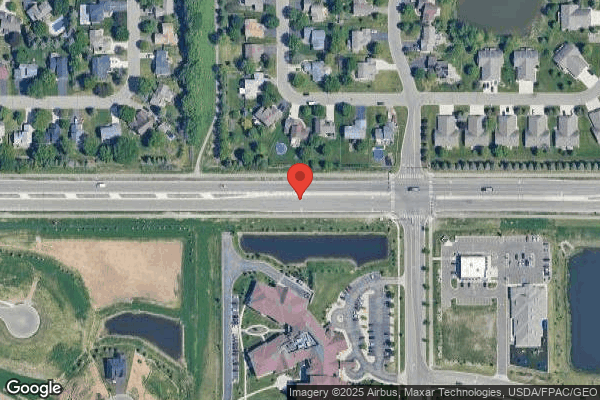
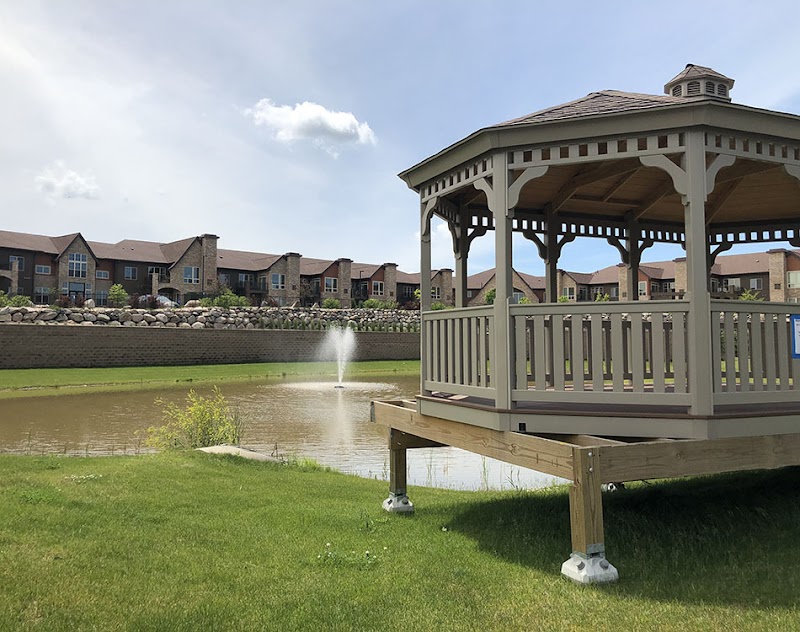
7555 BAILEY ROAD, WOODBURY, MN 55129 (651) 209-9100
Non profit - Corporation 56 Beds SAINT THERESE SENIOR COMMUNITIES Data: November 2025
Trust Grade
65/100
#149 of 337 in MN
Last Inspection: March 2025

Within standard 12-15 month inspection cycle. Federal law requires annual inspections.

Overview

St. Therese of Woodbury LLC has a Trust Grade of C+, indicating it is slightly above average but not without its challenges. In Minnesota, it ranks #149 out of 337 facilities, placing it in the top half, and #3 out of 8 in Washington County, meaning only two local options are rated higher. The facility is improving, with issues decreasing from 9 in 2024 to 6 in 2025. Staffing is a strong point, rated 5 out of 5 stars with a turnover rate of 37%, which is lower than the state average, suggesting that staff are experienced and familiar with the residents. On the downside, there were some concerning incidents, such as two residents developing serious pressure ulcers due to inadequate monitoring and care. Additionally, there were issues related to food safety and hygiene, including staff failing to cover facial hair while plating food and not ensuring proper hand hygiene for a resident with a multi-drug resistant organism. Overall, while there are notable strengths in staffing and recent improvements, families should be aware of these significant shortcomings.

Trust Score
C+
65/100
In Minnesota
#149/337
Top 44%
Safety Record
Moderate
Needs review
Inspections
Getting Better
9 → 6 violations
Staff Stability
○ Average
37% turnover. Near Minnesota's 48% average. Typical for the industry.
Penalties
✓ Good
No fines on record. Clean compliance history, better than most Minnesota facilities.
Skilled Nurses
✓ Good
Each resident gets 115 minutes of Registered Nurse (RN) attention daily — more than 97% of Minnesota nursing homes. RNs are the most trained staff who catch health problems before they become serious.
Violations
⚠ Watch
25 deficiencies on record. Higher than average. Multiple issues found across inspections.
★★★★☆
4.0
Overall Rating
★★★★★
5.0
Staff Levels
★★★☆☆
3.0
Care Quality
★★★☆☆
3.0
Inspection Score
Stable
2024: 9 issues
2025: 6 issues

The Good

  • 5-Star Staffing Rating · Excellent nurse staffing levels
  • Full Sprinkler Coverage · Fire safety systems throughout facility
  • No fines on record
  • Staff turnover below average (37%)

    11 points below Minnesota average of 48%

Facility shows strength in staffing levels, fire safety.

The Bad

Staff Turnover: 37%

Near Minnesota avg (46%)

Typical for the industry

Chain: SAINT THERESE SENIOR COMMUNITIES

Part of a multi-facility chain

Ask about local staffing decisions and management

The Ugly 25 deficiencies on record

1 actual harm
Mar 2025 6 deficiencies
CONCERN (D)

Potential for Harm - no one hurt, but risky conditions existed

Deficiency F0578 (Tag F0578)

Could have caused harm · This affected 1 resident

**NOTE- TERMS IN BRACKETS HAVE BEEN EDITED TO PROTECT CONFIDENTIALITY** Based on interview and document review, the facility failed to ensure 2 of 2 residents (R147, R198) reviewed for Physician Order...

Read full inspector narrative →
**NOTE- TERMS IN BRACKETS HAVE BEEN EDITED TO PROTECT CONFIDENTIALITY** Based on interview and document review, the facility failed to ensure 2 of 2 residents (R147, R198) reviewed for Physician Orders for Life Sustaining Treatment (POLST) had the correct code status (i.e. full code, do not resuscitate-DNR) information outlined within the medical record. This could cause R147 and R198 to receive resuscitation efforts (i.e. cardiopulmonary resuscitation-CPR) against their wishes. Findings include: R198 R198's 5-day Minimum Data Set (MDS) dated [DATE], indicated R198 was cognitively intact. R198's diagnoses included osteoarthritis of right shoulder, congestive heart failure, chronic kidney disease, and hypertension. R198's face sheet printed [DATE] at 7:50 p.m., indicated R198's advance directive listed full code. R198's admission assessment dated [DATE], indicated, Code Status ON HOSPITAL ORDERS: Full Code/CPR .Code Status ON admission POLST: DNR/DNI .Does the code status on the hospital orders MATCH the code status on the admission POLST orders?: No. The admission assessment indicated in bold, red print, Code status on hospital order DOES NOT match admission POLST orders!!! Nurse must call provider immediately and get a verbal order confirmation of code status. R198's care plan printed [DATE], indicated, POLST: Resident has completed a POLST: Full code .Resident wishes will be followed and respected .See Orders for current Resuscitation order. R198's physician orders dated [DATE], indicated, Full Code .Active. R198's POLST signed by R198 [DATE], indicated, Do Not Attempt Resuscitation/DNR [Allow Natural Death] .Comfort Focused Treatment. During interview on [DATE] at 6:45 p.m., R198 stated would not want CPR, no pounding on my chest if found unresponsive and without a heartbeat. R198 stated would not want any tubes or other artificial means to be kept alive. During interview on [DATE] at 6:59 p.m., registered nurse (RN)-A stated the POLST could be found in the hard chart and code status could also be seen in the electronic medical record (EMR). RN-A stated the EMR should match the POLST. During interview on [DATE] at 7:04 p.m., RN-B stated I would look in the hard chart for the POLST and the code status would also be in the computer. RN-B stated the hard chart should match the EMR, but sometimes the EMR was not updated. During interview on [DATE] at 7:39 p.m., RN-A stated R198 was a DNR/DNI according to the POLST located in R198's hard chart. RN-A then looked in R198's EMR and verified R198's face sheet indicated R198 was full code. RN-A stated if a nurse were to look in the computer first, they would think R198 wanted full resuscitation which was against her wishes. During interview on [DATE] at 7:49 p.m., RN-C stated the EMR should match the POLST which should reflect the resident's wishes. RN-C stated if the EMR indicated a resident was full code and the POLST indicated DNR, it could be possible the resident would receive resuscitation efforts when they really wanted DNR. During interview on [DATE] at 11:03 a.m., RN-D stated upon admission the nurse would complete an assessment on the resident which included current code status. RN-D stated part of the assessment was to determine what the hospital had documented as code status which would be their admission code status and determine if that was still accurate. The admission assessment worksheet in the EMR would indicate a warning in red when the resident's current code status wish did not match the admission order code status. The warning instructed the nurse to contact the provider immediately to update the order to match the resident's wishes. RN-D stated it was important to have the POLST and EMR to match and also to reflect the resident's current code status wishes. During interview on [DATE] at 1:01 p.m., director of nursing (DON) stated expectation for admission nurse to complete a new POLST on every resident and confirm the EMR accurately reflected the POLST which would reflect the resident's accurate code status wishes. DON stated expectation for the code status to be updated timely and be accurate throughout the resident's EMR and hard chart. R147 R147's face sheet printed [DATE], indicated R147 was recently admitted and required care after back surgery. R147's face sheet indicated R147 was full code. R147's POLST dated [DATE], indicated R147 was DNR with selective treatments. R147's admission assessment dated [DATE], indicated R147 was alert and orientated. R147's admission assessment further indicated R147's hospital orders indicated DNR/DNI, the code status on the admission POLST was DNR/DNI and the code status matched the code status on the admission POLST. R147's provider order dated [DATE], indicated R147 was a full code. R147's care plan initiated [DATE], indicated R147 had completed a POLST and was full code. Staff were directed to see orders for current resuscitation order. When interviewed on [DATE] at 5:43 p.m., R147 verified they did not want resuscitation or intubation if they became pulseless or had trouble breathing. R147 would let their family determine any other non-invasive treatments. When interviewed on [DATE] at 6:40 p.m., RN-H stated a resident's code status would be determined by looking in the computer chart or the POLST in the hard chart and would go to whatever was closest. RN-H verified R147's POLST indicated DNR while the provider order in the EMR stated full code. RN-H stated the provider would need to be contacted to clarify which one was correct. However, if RN-H would go with the signed POLST and follow DNR. Facility policy Residents' Rights Regarding Treatment and Advance Directives dated [DATE], indicated the facility would support and facilitate the resident's wishes to request, refuse and/or discontinue medical or surgical treatment and to formulate an advance directive. Facility policy Communication of Code Status dated [DATE], indicated a resident had the right to formulate advance directives and the facility would have processes in place to communicate a resident's code status to all who need to know. The policy indicated identification of a resident's wishes to include full code, DNR, DNI (do not intubate), and do not hospitalize would be clearly documented in designated sections of the medical record. The nurse who notates the physician order is responsible for documenting the directions in all relevant sections of the medical record.
CONCERN (D)

Potential for Harm - no one hurt, but risky conditions existed

Quality of Care (Tag F0684)

Could have caused harm · This affected 1 resident

**NOTE- TERMS IN BRACKETS HAVE BEEN EDITED TO PROTECT CONFIDENTIALITY** Based on interview and document review the facility failed to ensure bowel monitoring for 1 of 1 resident (R33) reviewed for con...

Read full inspector narrative →
**NOTE- TERMS IN BRACKETS HAVE BEEN EDITED TO PROTECT CONFIDENTIALITY** Based on interview and document review the facility failed to ensure bowel monitoring for 1 of 1 resident (R33) reviewed for constipation. Findings include: R33's modification of quarterly Minimum Data Set (MDS) dated [DATE], indicated moderately impaired cognition and diagnoses of chronic diastolic (congestive) heart failure, benign prostatic hyperplasia with lower urinary tract symtoms, and encounter for palliative care. It further indicated R33 required staff assistance with most activities of daily living (ADL), mobility, had a catheter, and was always continent of bowel. During interview on 3/17/25 at 2:25 p.m. family member (FM)-B stated the facility didn't monitor R33's bowel movements very well. R33's documentation (under the tasks tab) titled bowel movements (BM), for the month of March 2025, indicated R33 did not have a BM from 3/5/25-3/7/25 and from 3/15/25-3/17/25. R33's standing orders dated 2/18/25, indicated the following steps in montioring for constipation: 1. Consider rectal check to determine if impaction is present 2. Encourage 2,000 millilieters (ml) daily fluid intake unless contraindicated 3. Consult nutrition services for dietary recommendations. 4. Give Sennoside 8.6 milligrams (mg) 2 tablets by mouth daily as needed (PRN) for up to 3 days, if no BM by day 3 offer/give Biscodyl suppository 10 mg: rectally once daily as needed for up to 2 days. 5. Reattempt Senna or Biscodyl if no results after 24 hours and notify provider. R33's last bowel and bladder assessment was completed on 12/13/24. R33's physician's orders lacked an order for a PRN medication related to constipation. R33's progress notes for the month of March 2025 lacked documentation of bowel monitoring including a bowel assessment, administration of PRN's, or notification of the provider and/or hospice. R33's medication and treatment administration records (MAR/TAR) for the month of March 2025, lacked documentation of bowel movements (BM) or that PRN medications had been administered in regards to constipation. During interview on 3/19/25 at 10:30 a.m., nursing assistant (NA)-A stated the nursing assistants were responsible for documenting each bowel movement and the nurses were responsible for checking the charting every 3 days to make sure the resident had a BM. NA-A further stated NA's should let the nurses know if there was something abnormal reagrding the BM but not necessarily every time the resident had one. During interview on 3/19/25 at 10:55 a.m., NA-B stated the NA's were responsible for documenting if a resident had a BM and (each time they had one) and the nurses were able to see their charting. The NA's don't necessarily let the nurses know each time the resident had a BM unless there was a problem. During interview on 3/19/24 at 11:04 a.m., licensed practical nurse (LPN)-A stated if a resident didn't have specific orders for bowel monitoring, then they should follow the standing orders. They should start following the standard orders on the 3rd day of the resident not having a BM. LPN-A verified R33 had not had a BM from 3/5/25-3/8/25 and from 3/15/25-3/17/25 and the standing order protocol should have been started on the 3rd day of no BM. During interview on 3/20/25 at 8:45 a.m., LPN-B stated if a resident doesn't have specific orders for bowel monitoring then they were expected to follow the standing orders for constipation which would start on day 3 of no BM. During interview on 3/20/25 at 8:49 a.m., the clinical coordinator stated standing orders are built into the system through the electronic medication administration record (e-mar), unless the resident had their own specific orders and there would be a little red alert letting the nurses know the resident had a BM in 3 days. The NA's were responsible for documenting BM's under the tasks in point of care (computer system for NA documentation) and they were also responsible for letting the nurse know if a resident had a BM. The nurses were responsible for checking the charting, and starting the steps on the standing orders protocol on day 3 of a resident not having a BM. The clinical coordinator verified R33 did not have an order for a PRN medication related to constipation and there wasn't any documentation that the provider or Hospice had been notified. It was Important to keep track of BM's because the resident may develop a bowel obstruction, perforated bowl, rectal tears, and pain. She further verified R33 did not have a BM from 3/5/25-3/7/25 and from 3/15/25-3/17/25. During interview on 3/20/25 at 10:09, the director of nursing (DON) stated his expectation regarding bowel monitoring was the standing orders protocol should be followed (for residents who do not have specific orders for monitoring BM's) starting on day 2 or 3 of the resident not having one. This was important for comfort and ensuring the resident wasn't impacted. The facility's policy regarding Bowel Assessment and Management dated October of 2022, indicated bowel management protocol will be implemented by nursing staff if resident is identified as needing interventions for constipation. A. Bowel Management Tracking tool is reviewed by all shifts. B. Day shift evaluates bowel function that may include -Abdominal Assessment/Evaluation -Implement non-pharmaceutical interventions (prunes, prune juice, exercise, increase fluids) -Administer pharmaceutical intervention, medical doctor (MD) order would supersede policy. -follow current House Standing Orders C. Diarrhea (Loose Stools) -Follow current House Standing Orders
CONCERN (D)

Potential for Harm - no one hurt, but risky conditions existed

Accident Prevention (Tag F0689)

Could have caused harm · This affected 1 resident

**NOTE- TERMS IN BRACKETS HAVE BEEN EDITED TO PROTECT CONFIDENTIALITY** Based on observation, interview and record review the facility failed to ensure recommendations were followed to minimize risk o...

Read full inspector narrative →
**NOTE- TERMS IN BRACKETS HAVE BEEN EDITED TO PROTECT CONFIDENTIALITY** Based on observation, interview and record review the facility failed to ensure recommendations were followed to minimize risk of aspiration for 1 of 1 residents reviewed for nutrition. Findings include: R23's admission Minimum Data Set (MDS) dated [DATE], indicated R23 had mild cognitive impairment and diagnoses of Parkinson's disease (illness that effects the nervous system) and dysphagia (trouble swallowing). R23 required set up for meals and had coughing or choking during meals or when swallowing medications. R23's speech therapy (ST) assessment dated [DATE], indicated ST recommended R23 to have a soft diet with bite sized food, thin liquids with no straw use. R23's provider order dated 3/3/25, indicated R23 required a soft diet with bite sized food and thin liquids. R23's orders lacked indication R23 should not use a straw. R23's [NAME] printed on 3/17/25, lacked indication R23 should not use a straw. R23's care plan revised 3/3/25, indicated R23 was at risk for nutritional and hydration deficit related to Parkinson's Disease and dysphagia. Interventions directed staff to set up meals and ensure modified diet and thin liquids were provided. R23's care plan lacked indication R23 should not use straws. During an observation on 3/17/25 at 12:35 p.m., R23 was seated at the bedside with her lunch tray in front of her. R23 had a large pink water mug with a straw in place. There was also a carton of boost on the bedside table with a straw. On R23's wall was a sign indicating R23 required a soft diet with bite sized pieces, thin liquids and no straw. R23 stated they likes the straws and it was ok to drink without them. When interviewed on 3/17/25 at 12:40 p.m., family member (FM-A) stated R23 had trouble swallowing pills and sometimes coughed after drinking and eating. FM-A stated the staff feel she had a problem swallowing and placed on the soft diet with no straws and R23 had a swallow study scheduled for next week. FM-A further stated R23 had been drinking with the straws today and seemed ok and verified the water and boost were on the bedside table when they arrived. An observation on 3/17/25 at 5:16 p.m., R23 was seated in their wheelchair with dinner on the bedside table. On the bedside table was a large pink mug with water and a straw. An observation on 3/19/25 at 8:24 a.m., R23 was in bed sleeping. Upon the bedside table was a container of boost with a straw in place. At 8:42 a.m., the Social Service Director (SSD) brought in R23 breakfast tray. SSD verified the empty boost container with a straw and stated yesterday, R23 refused to have straws taken away when found in her room. When interviewed on 3/19/25 at 8:51 a.m., registered nurse (RN)-E stated R23 initially had problems with choking when taking pills and swallowing and wasn't aware of any issues with swallowing lately. RN-E further stated for a time, R23 was not supposed to use straws, however since there were not any issues, R23 could use them. RN-E stated recommendations from ST would be found in the care plan. When interviewed on 3/19/25 at 2:03 p.m., RN-C stated ST would place an assessment and recommendations into the electronic medical record (EMR). The ST placed any diet orders, and nursing would update the care plan. RN-C knew about the change and was not sure how updating the care plan was missed. RN-C stated staff should document if R23 had refused straws to be removed and was aware of R23 refusing to have them removed the day prior. however, RN-C verified there was no other documentation indicating R23 refused to have the straws removed. When interviewed on 3/20/25 at 10:56 a.m., ST stated any recommendations were completed as assessment notes on the EMR. ST further stated if residents were ok with signs in their rooms, those were placed as reminders as well. ST stated R23 was having a formal swallow study next week and could not say if they were at risk for aspiration however when initially assessed R23 was consistently coughing and therefore the diet changed, and direction given for no straw use. ST had been notified on 3/18/25, R23 had refused straws to be taken from her drinks. ST worked with R23 and had R23 drink with a straw and R23 started coughing immediately after. ST re-educated R23 and R23 was agreeable to have the straws removed. ST further stated R23 had cognition impairments and required frequent reminders and education. A new assessment had not been completed as ST did not have any new recommendations. When interviewed on 3/20/25 at 11:08 a.m., the Director of Nursing (DON) expected recommendations to be communicated on the care plan and for staff to be following the recommendations. DON further stated if residents refused the recommendations, staff should document and inform ST. ST would complete the re-education and document risk/benefits. A facility policy titled Care Plan Revisions Upon Status Changes revised 10/2023, directed staff to review and revise the comprehensive care plan with resident change. Staff who work directly with the resident will report the resident response to the new interventions.
CONCERN (D)

Potential for Harm - no one hurt, but risky conditions existed

Menu Adequacy (Tag F0803)

Could have caused harm · This affected 1 resident

**NOTE- TERMS IN BRACKETS HAVE BEEN EDITED TO PROTECT CONFIDENTIALITY** Based on observation, interview and document review the facility failed to ensure meal choices were provided as ordered for 1 of...

Read full inspector narrative →
**NOTE- TERMS IN BRACKETS HAVE BEEN EDITED TO PROTECT CONFIDENTIALITY** Based on observation, interview and document review the facility failed to ensure meal choices were provided as ordered for 1 of 2 (R147) residents reviewed for choices. Findings include: R147's face sheet printed 3/19/25, indicated R147 was recently admitted and required care after back surgery. R147's admission assessment dated [DATE], indicated R147 was alert and orientated and had a spinal fusion. R147's provider order dated 3/9/25, indicated R147 required a regular diet with thin liquids. R147's care plan initiated 3/10/25, indicated R147 had a nutrition/hydration risk related to spinal fusion and irritable bowel syndrome (condition that can cause bloating, constipation or diahhrea and can be managed by diet). Interventions included to follow diet as ordered. A facility document titled Always Available Menu no date, indicated seasonal fresh fruit was always available as a side. R147's meal ticket dated 3/18/25, indicated R147 had ordered a plain hamburger, ketchup and fresh fruit for lunch. R147's meal ticket also indicated R147 had intolerances to lactose, garlic, onion and peppers. R147 also avoids whole wheat. When interviewed on 3/17/25 at 11:49 a.m., R147 stated she had IBS and many foods bothered her stomach. R147 was frustrated as sometimes what was ordered was forgotten and a few times the meal was completely different than what was ordered. R147 thought it may be someone else's food. R147 stated her family brought in some if all else fails food to make sure she had enough options. At 11:50 a.m., dietary aide (DA)-A entered to obtain orders for tomorrow's meals. For lunch, R147 ordered a plain burger with no toppings, ketchup and fresh fruit. An observation on 3/18/25 at 11:49 a.m., R147 was sitting in a chair with their tray table in front of them. R147 had a plain hamburger with ketchup for lunch. R147 did not have fresh fruit. R147 acknowledged she had not received any fruit. At 12:44 p.m., registered nurse (RN)-C verified there was no fresh fruit delivered to R147. When interviewed on 3/18/25 at 12:47 p.m., dietary aide (DA)-B stated a resident's meal was checked three times for accuracy. Once when being plated in the kitchen, once before bringing into the room, and once when setting it up with the resident. DA-B had not recalled anything missing for resident's trays served and stated there were lots of trays to deliver. DA-B further stated if someone had ordered fresh fruit, there may not have been any left. DA-B stated fruit was cut by one person in the mornings and that was on the breakfast menu this morning and sometimes it gets used up. DA-B stated it doesn't happen often, but has occurred. When interviewed on 3/19/25 at 12:18 p.m., the Dietary Director (DD) stated fresh fruit was always available and stated there was not a shortage yesterday. DD further stated the process was not perfect, and sometimes items may be missed. A facility policy titled Resident Rights dated 10/2022, directed staff to ensure the residents right to make choices about aspects of their care that are significant to the resident.
CONCERN (D)

Potential for Harm - no one hurt, but risky conditions existed

Antibiotic Stewardship (Tag F0881)

Could have caused harm · This affected 1 resident

**NOTE- TERMS IN BRACKETS HAVE BEEN EDITED TO PROTECT CONFIDENTIALITY** Based on interview and document review the facility failed to ensure monitoring was in place for 1 of 1 resident (R9) reviewed w...

Read full inspector narrative →
**NOTE- TERMS IN BRACKETS HAVE BEEN EDITED TO PROTECT CONFIDENTIALITY** Based on interview and document review the facility failed to ensure monitoring was in place for 1 of 1 resident (R9) reviewed who had an urinary tract infection (UTI). Finding include: R9's admission Minimum Data Set (MDS) dated [DATE], indicated R9 was cognitively intact and had diagnoses of lung failure. R9 was occasionally incontinent of bowel and bladder. R9's provider progress note dated 3/4/25, indicated R9 was having urine frequency, and a UA/UC would be checked. R9's laboratory result report dated 3/5/25, indicated R9's urinary analysis/urinary culture (UA/UC) was positive and indicated R9 had a UTI. R9's provider order dated 3/6/25, indicated R9 required 1gram (gm) ceftriaxone (antibiotic) intermuscular injection once for UTI. R9's orders lacked indication R9 was monitored during symptoms or for the effectiveness of the antibiotic. R9's laboratory result report dated 3/16/25 indicated R9's UA/UC was positive and indicated R9 had a UTI. R9's provider progress note dated 3/17/25, indicated R9 was still having urine frequency and had completed antibiotics for UTI. Repeat UA/UC still showing infection and antibiotic was ordered again. R9's provider order dated 3/17/25, indicated R9 required 1gm ceftriaxone intermuscular injection once for UTI. R9's orders lacked indication R9 was monitored during symptoms or for the effectiveness of the antibiotic. A review of R9's nursing progress notes dated 3/5/25 through 3/19/25, lacked indication R9 was monitored for symptoms of UTI or effectiveness of the antibiotic. A facility document titled antibiotic tracking dated 3/2025, indicated R9 had received ceftriaxone on 3/5/25, for a UTI with symptoms of burning and urgency. The column titled symptoms resolved was blank. The document further indicated R9 had received ceftriaxone on 3/17/25, for UTI with the same symptoms of burning and urgency. When interviewed on 3/17/25 at 3:28 p.m., R9 stated had a UTI. R9 stated the provider ordered a second round of antibiotics but had not received any yet. R9 stated it hurts to urinate and she needed to go about every 30 minutes or so. When interviewed on 3/18/25 at 2:26 p.m., nursing assistant (NA)- C stated R9 was having to use the bathroom frequently for a while. NA-C further stated R9 had a UTI and did get antibiotics for treatment. When interviewed on 3/18/25 at 3:05 p.m., registered nurse (RN)-F stated when a resident had symptoms of an infection an assessment would be completed and the provider notified. If labs were ordered, make sure those were collected. RN-E stated there was usually an order to monitor for symptoms or an infection note was placed. RN-E verified R9 was treated twice for UTI and knows symptoms included feeling a need to urinate urgently. RN-E wasn't sure of symptoms with the current UTI. RN-E verified there was no documentation of R9's symptoms to determine the effectiveness of the antibiotics. When interviewed on 3/20/25 at 10:17 a.m., the infection preventionist (IP) stated R9 had complained of frequency to the provider and then the provider ordered the UA/UC. IP expected floor nurses to be monitoring and documenting symptoms while on the antibiotic, even if it was a one time shot. IP further stated there were orders that should be placed to ensure monitoring of symptoms and temperature was completed. When interviewed on 3/20/25 at 11:18 a.m., the Director of Nursing (DON) expected staff to staff to be monitoring residents for probable or confirmed infections. DON stated there were batch orders that should have been placed to ensue the monitoring was occurring each shift. This was important to ensure residents improve or stabilize. A facility policy titled Antibiotic Stewardship revised 5/2023, directed nursing staff to assess residents who are suspected to have an infection and notify the provider and monitor response to antibiotics to determine if adjustments should be made.
CONCERN (F)

Potential for Harm - no one hurt, but risky conditions existed

Food Safety (Tag F0812)

Could have caused harm · This affected most or all residents

Based on observation, interview and record review the facility failed to ensure facial hair was covered when plating food for delivery and failed to ensure dishwasher temperatures were maintained at r...

Read full inspector narrative →
Based on observation, interview and record review the facility failed to ensure facial hair was covered when plating food for delivery and failed to ensure dishwasher temperatures were maintained at required temperatures needed for proper sanitization. Furthermore, the facility failed to ensure refrigerated items were removed after expiration from 1 of 2 unit kitchens reviewed. This had the potential to impact all residents who reside in the facility. Findings include: Facial hair An observation on 3/19/25 at 11:45 a.m., cook-A and cook-B were observed in the main kitchen plating food onto plates for delivery. Cook-A and cook-B both had facial hair and with no beard covers. Cook-A and cook-B both placed food items from the steam table and the grill onto plates before placing them under a heat lamp for other dietary staff to put on trays for delivery. When interviewed on 3/19/25 at 12:03 p.m., cook-A and cook-B verified they did not have beard guards in place. Cook-A stated they were worn only when they were told by leadership to wear them. Cook-B stated he thought the facility did not have any available right now. Unit kitchen An observation on 3/18/25 at 2:41 p.m., the second-floor unit kitchen was reviewed. There were two refrigerators containing snacks and nutritional supplements. Both fridges contained 5 individual containers of Vital Cuisine vanilla mildly thick supplements. The best before date was 12/17/24 for all of them. At 3:21 p.m., registered nurse verified the supplements and threw them away. Dishwasher A facility document titled Dish machine Temperature Record (high temperature machine) dated 3/2025, indicated temperatures were taken with each meal. The document directed staff to stop using the machine if the final rinse temperature was less than 180 degrees Fahrenheit (F). 36 out of 58 opportunities (62%) of the recorded rinse temperatures were 180 degrees F or above. An observation on 3/19/25 at 1:38 p.m., dietary aide (DA)-C was observed starting dishes on the 1st floor unit kitchen. The dishwasher was Ecolab dishwasher and DA-C verified it used hot water to sanitize the dishes. A rack of plates was placed in the dishwasher and the final rinse temperature reached 176 degrees F. DA-C took the rack out and proceeded to load another rack of plates and cups. The dishwasher final rinse was 179 degrees F. DA-C verified the temperatures and stated temperatures were tracked for each mealtime. DA-C was not sure what the temperatures needed to get to and stated the temperatures were just written down and then the dishes washed. DA-C reviewed the temperature log for 3/2025 and noted what the wash and rinse temperatures should be. DA-C verified there were shifts documented below 180 degrees F. for rinse tempratures. DA-C stated there had not been any communication with the Dietary Director (DD) about the temperatures documented for 3/19/25. When interviewed on 3/19/25 at 12:18 p.m., the DD stated kitchen staff were responsible for the snacks and juices on the unit kitchens. Nursing staff ordered the supplements and were responsible to ensure they were stored properly and not outdated. DD further stated beard guards had not been required before but understood food should be protected. In a follow up interview on 3/20/25 at 10:16 a.m., the DD stated they were not of the dishwasher running below normal temperatures. DD felt it was education needed with staff and the dishwasher on the 1st floor was only ran a few times a day and wasn't ran enough to get to the temperatures. DD expected staff to notify him to troubleshoot or call Ecolab. A facility policy titled Ware washing dated 11/3/2023, directed staff to turn on the machine and fill water at the start of the shift and to run the machine and record the temperatures. For a high temperature machine, the wash cycle should be 150-165 degrees F and the rinse cycle 180 degrees F. A facility policy titled Food Storage dated 11/3/22, directed staff to ensure safe food storage to prevent contamination and the spread of illness.
Sept 2024 3 deficiencies 1 Harm
SERIOUS (G) 📢 Someone Reported This

A family member, employee, or ombudsman was alarmed enough to file a formal complaint

Actual Harm - a resident was hurt due to facility failures

Pressure Ulcer Prevention (Tag F0686)

A resident was harmed · This affected 1 resident

**NOTE- TERMS IN BRACKETS HAVE BEEN EDITED TO PROTECT CONFIDENTIALITY** Based on observation, interview and document review the facility failed to comprehensively assess pressure ulcers and monitor fo...

Read full inspector narrative →
**NOTE- TERMS IN BRACKETS HAVE BEEN EDITED TO PROTECT CONFIDENTIALITY** Based on observation, interview and document review the facility failed to comprehensively assess pressure ulcers and monitor for skin breakdown to prevent and/or mitigate the risk of deterioration resulting in actual harm for 2 of 3 residents when (R1) admitted with a stage 1 pressure ulcer that developed into an unstageable pressure ulcer and R2 admitted with a stage 2 pressure ulcer that developed into an unstageable pressure ulcer resulting in ongoing pain. Findings include: Definitions of pressure ulcers: Pressure Ulcer/Injury (PU/PI) is localized damage to the skin and/or underlying soft tissue usually over a bony prominence or related to a medical or other device. A pressure injury will present as intact skin and may be painful. The appearance will vary depending on the stage and may be painful. The injury occurs as a result of intense and/or prolonged pressure or pressure in combination with shear. Stage 1 Pressure Injury: Non-blanchable erythema of intact skin. Intact skin with a localized area of non-blanchable erythema (redness). In darker skin tones, the PI may appear with persistent red, blue, or purple hues. The presence of blanchable erythema or changes in sensation, temperature, or firmness may precede visual changes. Stage 2 Pressure Ulcer: partial thickness skin loss with exposed dermis. Partial thickness skin loss of skin with exposed dermis, presenting as a shallow open ulcer. The wound bed is viable, pink or red, moist, and may also present as an intact or open/ruptured blister. Adipose (fat) is not visible and deeper tissues are not visible. Granulation tissue, slough and eschar are not present. This stage should not be used to describe moisture associated skin damage including incontinence associated dermatitis, intertriginous dermatitis (inflammation of skin folds), medical adhesive related skin injury, or traumatic wounds (skin tears, burns, abrasions). Stage 3 Pressure Ulcer: Full-thickness loss of skin, in which subcutaneous fat may be visible in the ulcer and granulation tissue and epibole (rolled wound edges) are often present. Slough and/or eschar may be visible but does not obscure the depth of tissue loss. The depth of tissue damage varies by anatomical location; areas of significant adiposity can develop deep wounds. Undermining and tunneling may occur. Fascia, muscle, tendon, ligament, cartilage and/or bone are not exposed. If slough or eschar obscures the wound bed, it is an Unstageable PU/PI. Unstageable pressure ulcer: Full thickness skin and tissue loss in which the extent of tissue damage within the ulcer cannot be confirmed because the wound bed is obscured by slough or eschar. If the slough or eschar is removed, a stage 3 or 4 pressure ulcer will be revealed. Eschar: dead or devitalized tissue that is hard or soft in texture; usually black, brown, or tan in color, and may appear scab-like. Necrotic tissue and eschar are usually firmly adherent to the base of the wound and often the sides/ edges of the wound. Slough: non-viable yellow, tan, gray, green or brown tissue; usually moist, can be soft, stringy, and mucinous in texture. Slough may be adherent to the base of the wound or present in clumps throughout the wound bed. Serosanguinous drainage: a thin, watery fluid that's often slightly yellow and has a light pink tinge that can ooze from a wound as a part of the wound healing process. R1's admission assessment dated [DATE] identified R1 had non-blanchable redness at mid-spine and buttock with blanchable redness. The assessment did not include measurements and did not identify the staging of the pressure injury identified. R1's admission Minimum Data Set (MDS) dated [DATE], identified R1 had moderate cognitive impairment, had diagnoses of diabetes, fracture of sternum, left humerus (upper arm bone) and left patella (knee), required two person assist with toileting, transfers, and bed mobility. Further identified R1 was at risk for pressure ulcers and had one stage 1 pressure ulcer and one surgical wound. Skin ulcer/injury treatments did not identify pressure reducing devices, turning/repositioning, pressure ulcer/injury or surgical wound care. R1's pressure ulcer Care Area Assessment (CAA) dated 8/22/24, identified R1 needed assist with bed mobility, had a pressure ulcer, and was at high risk for pressure ulcers. R1 to see therapy for strengthening to increase independence with activities of daily living (ADL)'s. Will continue to update the physician and care plan as needed. R1's care plan revised 8/22/24 identified a focus that R1 was at risk for impaired skin integrity related to a surgical wound; no related interventions were included. An additional focus dated 8/22/24, included R1 had an ADL deficit related to subdural hematoma and multiple fractures with intervention of requiring 2 staff assist with bed mobility. R1's care plan did not identify any pressure ulcer prevention interventions. R1's physician orders included the following: -R1 to lie down on side while in bed due to pressure ulcer on upper back (dated 8/20/24). -Back wound-cleanse and apply Mepilex (absorbant dressing) every 3 days and as needed (dated 8/21/24). -Reposition every two hours and encourage to sit in chair during the day and apply Mepilex to sacrum every 72 hours for sacral wound (dated 8/22/24). -Apply non-adherent dressing mid-spine on pressure ulcer one time per day (dated 8/23/24). R1's Treatment Administration Record (TAR) dated August 2024 identified the aforemented physician orders and were marked as completed: -8/20/24 to 8/28/24 R1 to lie down on side while in bed due to pressure ulcer on upper back. -8/21/24 to 8/27/24 back wound cleanse and apply Mepilex every 3 days and as needed. -8/22/24 to 8/28/24 reposition every two hours and encourage to sit in chair during the day and apply Mepilex to sacrum every 72 hours for sacral wound. -8/23/24 to 8/28/24 identified to apply nonadherent dressing mid-spine on pressure ulcer one time per day. R1's Medicare Skilled Documentation note dated 8/26/24 identified R1 had a stage 2 pressure ulcer to midback. The documentation did not include pressure ulcer characteristics to include, measurements, wound bed, drainage, peri wound, signs and symptoms of infection, pain, or a description of the treatment. R1's certified nurse practioner (CNP) visit dated 8/27/24 identified R1 had a stage 2 pressure sore to back .unable to turn to see it due to R1's pain, will attempt to view this in the facility electronic medical record (EMR) which should have documentation. No new treatment ordered. R1's Medicare Skilled Documentation note dated 8/28/24 identified R1 was sent to the hospital from dialysis due to low blood pressure .dressing on spine changed before leaving for dialysis. Review of R1's medical record did not identify a comprehensive pressure ulcer assessment to include staging, wound bed description, peri-wound, amount and type of drainage, signs and symptoms of infection or if pain was noted. R1's hospital notes dated 8/29/24 identified R1 had an unstageable pressure injury to spine was present on admit that measured 11.0 centimeters (cm) x 3.0 cm. Wound bed had 50% eschar and 50% slough with a scant amount of serosanguinous drainage and liquifying slough. Bedside nurse reported R1 stated he was not turned all night at the nursing home. Treatment goal infection control/prevention, protection, and to remove and soften necrotic tissue. R1's coccyx had a stage 3 pressure ulcer measured 4.5 cm x 1.2 cm x 0.3 cm. Wound bed had 50% slough and 50% epidermis with a scant amount of serosanguinous drainage. During an interview on 9/16/24 at 8:16 a.m., nursing assistant (NA)-B stated she was there the day that R1 was sent to the hospital from dialysis, stated she got him up in his chair that morning. NA-B stated R1 had a pressure ulcer on his spine with dark spots half way up his spine. During an interview on 9/17/24 at 8:25 a.m., NA-A stated she was taking care of R1 the day they found the pressure ulcer on his coccyx and mid-spine area however, never saw what they looked like. During an interview on 9/16/24 at 3:34 p.m., registered nurse (RN)-E stated a comprehensive skin assessment should be completed on admission; any pressure area or wounds should be measured, wound bed described, and peri wound, along with the amount and type of drainage. RN-E stated our policy was to do a comprehensive skin assessments for the first three days of admission and then weekly. If a new wound was found or had a change the family and physician should be notified. RN-E verified R1 had admitted with a stage 1 pressure injury to his back and had redness on his buttocks. RN-E stated the stage 1 pressure injury should have been measured and the care plan should have had interventions in place for prevention of worsening and to promote healing. RN-E verified he did see the unstageable pressure ulcer to R1's back on 8/28/24 and stated it should have been measured and the provider should have been notified. During an interview on 9/16/24 at 4:12 p.m., director of nursing (DON) indicated R1's skin was not comprehensively assessed or monitored to mitigate the risks of pressure ulcer development or deterioration. DON stated all residents admitted should have comprehensive skin assessments performed, and weekly thereafter. Further stated when a wound/pressure ulcer is found, the family and physician should be notified and a comprehensive pressure ulcer assessment should include documentation of stage of pressure ulcer, wound bed characteristics, measurements, peri-wound, amount and type of drainage, signs, and symptoms of infection and if there is pain. R2 R2's hospital After Visit Summary (AVS) dated 8/30/24, indicated R2 had a pressure ulcer to left heel with care instructions that included paint with betadine daily, leave open to air if no drainage, if drainage was noted cover with dry gauze, float heels at all times while in bed or recliner. Return to wound provider on 9/4/24. R2's admission Assessment note, dated 8/30/24, identified R2 had a wound next to heel on left foot, looked greenish purple, open to air. R2's care plan dated 9/3/24, identified a focus that R2 was at risk for impaired skin integrity related to venous stasis ulcer, wound left heel and right foot with interventions to do wound cares as ordered, and ensure that a pressure reducing/relieving mattress is in place on the bed, observe for wound complications and call medical doctor (MD) with any changes. R2's wound care provider visit dated 9/4/24 identified a stage 2 pressure ulcer to left heel, treatment to apply iodine daily. Return to wound provider on 9/18/24. R2's order summary dated 9/4/24 identified dressing change instructions to left heel, apply iodine daily. R2's pressure ulcer Care Area Assessment (CAA) dated 9/5/24, identified R2 needed assist with bed mobility, frequently incontinent of bowel and bladder, making R2 at higher risk for development of pressure ulcers. R2 will see therapy for strengthening to increase independence with ADL's. Staff will continue to update the physician and care plan as needed. R2's admission MDS dated [DATE], identified R2 was cognitively intact, had a diagnosis of osteomyelitis and sepsis, required substantial to maximal assist with toileting and required intravenous (IV) medications. Further identified R2 was at risk for pressure ulcers and had no existing pressure ulcers. R2's Skin assessment dated [DATE], did not identify a pressure ulcer on left heel. R2's Skin assessment dated [DATE], identified a wound next to heel on left foot, looked greenish purple and left open to air. Review of R2's medical record did not include comprehensive wound assessments and evidence of monitoring were performed to ensure ordered treatments were effective to promote healing and prevent deterioration of pressure ulcer to left heel. During an interview on 9/16/24 at 4:05 p.m., R2 was seated in his wheelchair and was noted to have Pressure Relief Ankle Foot Orthosis (PRAFO) boots on both lower extremities. R2 stated he had a pressure sore on his left heel, and no one has looked at that pressure sore for 8 days. R2 stated the pressure sore on his left heel was the size of a prune, it was yellowish and then it broke open. R2 further stated the staff here put iodine on it once in a while and that he will see the wound provider the day after tomorrow. R2 stated he had ongoing pain in the left heel. During an observation and interview on 9/17/24 at 10:34 a.m., RN-A, RN-B and RN-E assisted with a dressing change to R2's left heel. R2's left leg had tubigrip on it, the tubigrip had a small amount of dried brownish drainage in the heel area. Tubigrip was removed and R2's left heel had a hard blackened area. RN-E stated the left heel was an unstageable pressure ulcer that had 90% eschar and 10% slough. Further stated there was a small amount of serosanguinous drainage noted on tubigrip and inside of PRAFO boot. RN-A stated the measurements were 5.3 cm x 4.3 cm. and the peri-wound was slightly macerated on one side. R2 stated he had level 2 to 3 pain in the left heel most of the time. R2 stated staff here looked at his left heel maybe once a week and that he has had the iodine put on his heel maybe two or three times in the last two weeks. R2 stated a girl came in his room yesterday and saw that there was drainage all over his sheets from the left heel draining and she changed his bedding for him. RN-A stated she would call the doctor to update the change in the status of the pressure ulcer. During an interview on 9/17/24 at 11:24 a.m., DON indicated R2's left heel pressure ulcer was not comprehensively assessed or monitored to mitigate the risks of pressure ulcer development or deterioration and should have been. Facility policy, Wound Treatment Management, dated January 2023, identified a Policy to promote wound healing of various types of wounds, it is the policy of this facility to provide evidence-based treatments in accordance with current standards of practice and physician orders. Policy Explanation and Compliance Guidelines: 1. Wound treatments will be provided in accordance with physician orders, including the cleansing method, type of dressing, and frequency of dressing change. 2. In the absence of treatment orders, the licensed nurse will notify physician to obtain treatment orders. This may be the treatment nurse, or the assigned licensed nurse in the absence of the treatment nurse. 3. Dressing changes may be provided outside the frequency parameters in certain situations: a. Feces has seeped underneath the dressing. b. The dressing has dislodged. c. The dressing is soiled otherwise or is wet. 4. Dressings will be applied in accordance with manufacturer recommendations. 5.Treatment decisions will be based on a. Etiology of the wound: i. Pressure injuries will be differentiated from non-pressure ulcers, such as arterial, venous, diabetic, moisture or incontinence related skin damage. ii. Surgical. iii. Incidental (i.e. skin tear, medical adhesive related skin injury). iv. Atypical (i.e. dermatological or cancerous lesion, pyoderma, calciphylaxis). b. Characteristics of the wound: i. Pressure injury stage (or level of tissue destruction if not a pressure injury). ii. Size - including shape, depth, and presence of tunneling and/or undermining. iii. Volume and characteristics of exudate. iv. Presence of pain. v. Presence of infection or need to address bacterial bioburden. vi. Condition of the tissue in the wound bed. vii. Condition of peri-wound skin. c. Location of the wound. d. Goals and preferences of the resident/representative. 6. Guidelines for dressing selection may be utilized in obtaining physician orders (See Wound Treatment Guidelines). a. The guidelines are to be used to assist in treatment decision making. b. Due to unique needs and situations of individuals, the guidelines may not be appropriate for use in all circumstances. c. The facility will follow specific physician orders for providing wound care. 7. Treatments will be documented on the Treatment Administration Record or in the electronic health record. 8. The effectiveness of treatments will be monitored through ongoing assessment of the wound. Considerations for needed modifications include a. Lack of progression towards healing. b. Changes in the characteristics of the wound (see above). c. Changes in the resident's goals and preferences, such as at end-of-life or in accordance with his/her rights. Facility policy, Skin Assessment, dated January 2023, identified it is our policy to perform a full body skin assessment as part of our systematic approach to pressure injury prevention and management. This policy includes the following procedural guidelines in performing the full body skin assessment. Policy Explanation and Compliance Guidelines: 1. A full body, or head to toe, skin assessment will be conducted by a licensed or registered nurse upon admission/re-admission, daily for three days, and weekly thereafter. The assessment may also be performed after a change of condition or after any newly identified pressure injury. 2. Procedure: a. Wash hands. b. Explain the procedure to the resident. c. Provide privacy and adequate lighting. d. Put on gloves. e. Begin head to toe, thoroughly examining the resident's skin for conditions. Pay close attention to pressure points, bony prominences, and underneath medical devices. f. Remove any special garments or devices, if not contraindicated or ordered to remain in place. g. Remove any dressings, using clean technique, unless contraindicated or ordered to remain in place, and note findings. h. Note any skin conditions such as redness, bruising, rashes, blisters, skin tears, open areas, ulcers, and lesions. i. Dispose of contaminated items safely. j. Remove gloves and perform hand hygiene prior to leaving room. 3. Consider the general status of the resident's skin. a. Color. b. Temperature. c. Moisture status. d. Sensory perception. e. Skin texture/turgor. f. Perfusion. 4. Considerations for a resident with darkly pigmented skin: a. It is not always possible to identify redness on darkly pigmented skin. b. Indicators of early pressure damage: i. Localized heat ii. Edema iii. Bogginess iv. Induration v. Temperature differences of surrounding skin vi. Skin discoloration 5. Considerations for a bariatric resident: a. Perform assessment with at least one other staff member to assist with mobility and positioning of body parts. b. Approach resident in a manner that promotes dignity and respect. c. Thoroughly inspect each surface of a skin fold. d. Consider moisture and weight exerted by opposing skin and/or body parts (i.e. abdominal pannus) when determining pressure versus moisture related etiology. Pressure injuries may result from tissue pressure of high concentration of adipose tissue and may be in areas other than bony prominences. 6. Differentiating the extent of redness a. Blanchable erythema (redness) loses its redness when a finger is pressed on the erythema for 3 seconds and released. Blanching is assessed following the removal of the finger. b. Non-blanchable erythema (redness) persists when touched. 7. Documentation of skin assessment: a. Include date and time of the assessment, your name, and position title. b. Document observations (e.g. skin conditions, how the resident tolerated the procedure, etc.). c. Document type of wound. d. Describe wound (measurements, color, type of tissue in wound bed, drainage, odor, pain). e. Document if resident refused assessment and why. f. Document other information as indicated or appropriate.
CONCERN (D) 📢 Someone Reported This

A family member, employee, or ombudsman was alarmed enough to file a formal complaint

Potential for Harm - no one hurt, but risky conditions existed

Deficiency F0804 (Tag F0804)

Could have caused harm · This affected 1 resident

**NOTE- TERMS IN BRACKETS HAVE BEEN EDITED TO PROTECT CONFIDENTIALITY** Based on observation, interview, and document review the facility failed to ensure meals were served in a warm, palatable manner...

Read full inspector narrative →
**NOTE- TERMS IN BRACKETS HAVE BEEN EDITED TO PROTECT CONFIDENTIALITY** Based on observation, interview, and document review the facility failed to ensure meals were served in a warm, palatable manner to promote quality of life and nutritional intake for 1 of 1 resident (R3) observed for short term stay. The facility further failed to offer an alternate meal option. This had the potential to affect all 16 of 16 residents identified to reside on the unit where the meal was served. Findings include: A provided line listing report, printed 9/12/24, identified all residents and their room numbers within the [NAME] unit, including R3 who resided on the TCU unit. R3's admission Minimum Data Set (MDS) assessment dated [DATE], identified R3's cognition was intact had a diagnosis of dysphagia (difficulty swallowing) and was independent with eating, had complaints of difficulty or pain with swallowing and coughing or choking during meals or when swallowing medications and was on a mechanically altered diet. R3's Order Summary dated 9/12/24, identified a regular diet with easy to chew texture and no bread products. R3's care plan identified a focus dated 9/1/24, that R3 had an ADL deficit related to surgery and weakness, intervention that R3 required set up assistance with eating. During an observation on 9/17/24 at 9:14 p.m., Food Server (FS)-A walked into R3's room and delivered R3's breakfast tray. During an observation and interview on 9/17/24 at 9:14 a.m., R3 turned on her call light. R3 stated she just got her breakfast tray, and her eggs and turkey sausages were cold and turned her call light on to see if there was something different to eat. During an observation on 9/17/24 at 9:36 a.m., nursing assistant (NA)-A answered R3's call light and stated to R3, Do you need something? R3 replied, my breakfast was cold could I get a sweet roll? NA-A left the room. During an interview on 9/17/24 at 10:08 a.m. FS-A stated if someone had cold food, we would offer an alternative, we don't typically have sweet rolls. FS-A was notified that R3's breakfast was cold and R3 wanted an alternative to breakfast. FS-A did not go into R3's room to see what alternative R3 would like and was noted to continue to push the cart down the hall that was filled with the food trays she had picked up from residents rooms. During an interview on 9/17/24 at 10:11 a.m., R3 stated she told NA-A that her food was cold, and she would like a sweet roll. R3 stated she wished she would have eaten her cold food now because she was hungry. R3 stated no one came in and asked me if I would like something different to eat. During an interview on 9/17/24 at 10:14 a.m., director of social services ([NAME])-A stated she would expect staff to offer an alternative to a meal if the resident did not like it and further stated at the very least staff should have offered to heat up R3's food if it was cold. During an interview on 9/17/24 at 11:29 a.m., director of nursing (DON) stated the expectation if a residents food was cold, and they didn't want it to be offered another choice of food. Dietary policy requested and not received.
CONCERN (D) 📢 Someone Reported This

A family member, employee, or ombudsman was alarmed enough to file a formal complaint

Potential for Harm - no one hurt, but risky conditions existed

Infection Control (Tag F0880)

Could have caused harm · This affected 1 resident

**NOTE- TERMS IN BRACKETS HAVE BEEN EDITED TO PROTECT CONFIDENTIALITY** Based on observation, interview, and document review the facility failed to ensure enhanced barrier precautions (EBP)-(an infect...

Read full inspector narrative →
**NOTE- TERMS IN BRACKETS HAVE BEEN EDITED TO PROTECT CONFIDENTIALITY** Based on observation, interview, and document review the facility failed to ensure enhanced barrier precautions (EBP)-(an infection control intervention designed to reduce transmission of multidrug-resistant organisms that employs targeted gown and glove use during high contact resident care activities.) were implemented for management of a pressure ulcer wound and a peripherally inserted central catheter (PICC) to reduce the risk of infection to others for 1 of 1 resident (R2). Further the facility failed to implement hand hygiene for 1 of 1 resident (R2) observed during incontinence care. Findings include: R2's order summary dated 9/2/24 identified PICC Site Maintenance: change dressing to IV site weekly and PRN (as needed) using transparent dressing. Measure upper arm circumference and external catheter length. Compare catheter length to placement record. Document abnormal findings in a progress note. 9/4/24 dressing change instructions to left heel: Iodine daily every day shift, and Dressing Change Instructions Right Foot: standard wound vac instructions 1. 3 times a week and as needed, cleanse the area with normal saline (NS) 2. Pat dry 3. Apply Cavilon (barrier cream) no sting barrier wipe to the skin surrounding the wound 4. Apply drape around incision 5. Cut the foam to fit the area of the incision 6. Cut narrow strip of foam of bridging 7. Cover foam with drape to obtain airtight seal 8. Cut opening the size of a quarter 9. Apply diction pad 10. 125 millimeters of mercury (mmhg) continuous suction. R2's care plan dated 9/3/24 identified a focus of PICC line for IV antibiotics with an intervention for staff to implement and adhere to EBP while resident has device in place. An additional focus dated 9/3/24 of R2 was at risk for impaired skin integrity related to venous stasis ulcer, wound left heel and right foot with interventions to do wound cares as ordered, and ensure that a pressure reducing/relieving mattress is in place on the bed, observe for wound complications and call medical doctor (MD) with any changes. R2's admission Minimum Data Set (MDS) dated [DATE] identified R2 was cognitively intact, had a diagnosis of osteomyelitis and sepsis, required substantial to maximal assist with toileting and required IV medications. During an observation on 9/17/24 at 8:49 a.m., upon entrance to R2's room on the inside of the door an orange paper sign was taped to the inside of R2's door, and a white cart with drawers was to the right entrance of the room. Two red colored, STOP signs noted at the top on either side. Signage read: ENHANCED BARRIER PRECAUTIONS EVERYONE MUST: clean their hands, including before entering and when leaving the room. PROVIDERS AND STAFF MUST ALSO: Wear gloves and a gown for the following activities. Dressing, Bathing/Showering, Transferring, Changing linens, Providing Hygiene, Changing briefs or assisting with toileting. Device care or use: central line, urinary catheter, feeding tube, tracheostomy. Wound care: any skin opening requiring a dressing. Do not wear the same gown and gloves for the care of more than one person. The sign also had color pictures of hand cleanser, gloves, and gown. During an observation on 9/17/24 at 8:51 a.m., nursing assistant (NA)-A and nurse practitioner (NP)-A were on either side of R2's bed rolling him to the side while changing his wet brief, NA-A and NP-A had gloves on but did not have a gown on. After changing R2's brief, NA-A with the same gloves got a pillow and put it behind R2's head, then NA-A and NP-A boosted R2 up in bed. NA-A went to R2's bathroom and removed her gloves and did not perform hand hygiene. R2 asked NA-A for his dentures in the top drawer of his nightstand, NA-A put a new pair of gloves on, rinsed the dentures in the sink and handed R2 his dentures. R2 put his dentures in his mouth. NA-A removed her gloves and threw them in the trash in R2's bathroom, picked up the trash bag, tied it in a knot and walked out of R2's room without performing hand hygiene. During interview on 9/17/24 at 8:55 a.m., NA-A stated she thought you only had to use EBP with wound care and verified she did not wash her hands after removing her dirty gloves and stated she should have. During an interview on 9/17/24 at 11:20 a.m., registered nurse (RN)-B stated anyone with a PICC line, surgical wound or pressure ulcer all staff should be using EBP's with toileting assist to help prevent the spread of infection. EBP would include the use of gowns and gloves. All staff should be performing hand hygiene before and after resident cares. During an interview on 9/17/24 at 11:24 a.m., director of nursing (DON) stated anyone with a PICC line, surgical wound or pressure ulcer all staff should be using EBP's with toileting assist to help prevent the spread of infection. EBP would include the use of gowns and gloves. All residents with EBP have a sign clearly posted on the door of their room and staff should be looking for that and following the policy for EBP to help prevent the spread of infection. All staff should be utilizing hand hygiene before and after resident cares. Facility policy, Enhance Barrier Precautions, dated July 2024 identified it is the policy of this facility to implement enhanced barrier precautions for the prevention of transmission of multidrug resistant organisms. Definitions: Enhanced Barrier Precautions (EBP) refer to an infection control intervention designed to reduce transmission of multidrug-resistant organisms that employ targeted gown and gloves use during high contact resident activities. Policy explanation and Compliance Guidelines: 1. Prompt recognition of need: a. all staff receive training on enhance barrier precautions upon hire and at least annually and are expected to comply with all designated precautions. B. all staff receive training on high-risk activities and common organisms that require enhanced barrier precautions. C. the facility will have the discretion on how to communicate to staff which residents require the use of EBP, as long as staff are aware of which resident require the use of EBP prior to providing high contact care activities. 2. Initiation of Enhance Barrier Precautions: a. the facility will have the discretion in using EBP for residents who do not have a chronic wound or indwelling medical device and are infected or colonized with an MDRO that is not currently targeted by CDC but may be considered epidemiologically important. b. an order for enhanced barrier precautions will be obtained for residents with any of the following: i. wounds (e.g., chronic wounds such as pressure ulcers, diabetic foot ulcers, unhealed surgical wounds and chronic venous stasis ulcers) and/or indwelling medical devices (e.g., central lines, urinary catheters, feeding tubes, tracheostomy/ventilator tubes, hemodialysis catheters, PICC lines, midline catheters) even if the resident is not known to be infected or colonized with a MDRO .3. Implementation of Enhance Barrier precautions: a. make gowns and gloves immediately near or outside of the residents room. Note: face protection may also be needed if performing activity with risk of splash or spray (i.e., wound irrigation, tracheostomy care). b. PPE for enhanced barrier precautions is only necessary when performing high-contact care activities and may not need to be donned prior to entering the residents room. c. ensures alcohol-based hand rub in every resident room ideally both inside and outside the room. d. position a trash can inside the resident room and near the exit for discarding PPE after removal, prior to the exit of the room or before providing care to another resident in the same room. e. The infection preventionist will incorporate periodic monitoring and assessment of adherence to determine the need for additional training and education. F. provide education to residents and visitors .4. High-contact resident care activities include a. dressing .d. providing hygiene .f. changing briefs or assisting with toileting .10. Enhance barrier precautions should be used for the duration of the affected residents stay in the facility until the resolution of the wound or discontinuation of the indwelling medical device that placed them at higher risk. Facility policy, Hand Hygiene, dated September 2023 identified all staff will perform proper hand hygiene procedures to prevent the spread of infection to other personnel, residents, and visitors. This applies to all staff working in all locations within the facility. Definitions: hand hygiene is a general term for cleaning your hands by handwashing with soap and water or the use of antiseptic hand rub, also known as alcohol-based hand rub (ABHR). 1. Staff will perform hand hygiene when indicated, using proper technique consistent with accepted standards of practice .
May 2024 6 deficiencies
CONCERN (D)

Potential for Harm - no one hurt, but risky conditions existed

Deficiency F0554 (Tag F0554)

Could have caused harm · This affected 1 resident

R360's face sheet printed 5/22/24, indicated R360 was recently admitted . R360's diagnoses list printed 5/22/24, indicated R360 had a diagnosis of a traumatic subdural hematoma (head bleed) and Parki...

Read full inspector narrative →
R360's face sheet printed 5/22/24, indicated R360 was recently admitted . R360's diagnoses list printed 5/22/24, indicated R360 had a diagnosis of a traumatic subdural hematoma (head bleed) and Parkinson's disease (neurological disorder). R360's provider order dated 5/15/24, indicated R360 required Carbidopa-Levodopa 25-100 milligrams (mg) three times a day for Parkinson's disease. Furthermore, R360's orders lacked a provider order to self- administer medication. R360's medical record lacked evidence an assessment for resident self-administration of medications was completed. An observation on 5/20/24 at 2:21 p.m., R320 was in her room laying in bed. On the bedside table was a pill cup with one and a half pills inside. R360 stated those were her Parkinson's medications and need to two hours after lunch. R320 further stated they brought them in and since it was too early to take, they left them for me to take later. When interviewed on 5/20/24, at 2:29 p.m., licensed practical nurse (LPN)-B verified there was not a self-medication assessment completed for R360. LPN-B R320 did not eat lunch until later so when LPN-B brought in the medications R320 did not want them. LPN-B further stated the medications shouldn't have been left in the room. During interview on 5/23/24 at 10:12 a.m., the nurse manager registered nurse (RN)-A stated in order for residents to administer their own medications, they need to have a SAM assessment and a doctor's order, and even if they have both of those things, the nurses shouldn't leave medications in their rooms/at bedside. During an interview on 5/23/24 at 10:26 a.m., the director of nursing (DON) stated in order for residents to administer their own medications, they would need a doctor's order and an assessment. If they don't have those things, medications should not be kept at bedside because the resident may not administer it correctly (according to the orders). A facility policy titled Resident Self-Administration of Medications dated 4/1/22, directed staff to determine if self-administration was clinically approporiate for the resident and document the findings on the Medication Self-Administration Assessment form. Based on observation, interview, and document review, the facility failed to ensure a self-administration of medications (SAM) assessment was completed to allow residents to safely administer their own medications for 2 of 2 residents (R15, R360) observed with medications at bedside. Findings include: R15's annual Minimum Data Set (MDS) 2/13/24, indicated R15 had severely impaired cognition, diagnosis of Alzheimer's disease, and was dependent on staff for most activities of daily living (ADL) and mobility. R15's physician's orders dated 4/16/24, indicated Menthol-Zinc Oxide external ointment 0.44-20.6 % (Menthol-Zinc Oxide). Apply to buttocks topically every 12 hours as needed for irritation and apply to left buttock topically four times a day for skin excoriation for 5 Days. R15's physician's orders lacked an order for self administration of medications. R15's SAM dated 5/9/23, indicated R15 did not wish to administer her own medications. During an observation on 5/20/24 at 1:10 p.m., R15 was sitting in her wheelchair in her room and there was a container of Hydroseptine (Menthol-Zinc Oxide) external ointment on the nightstand. During observation and interview on 5/20/24 at 1:49 p.m., trained medication assistant (TMA)-A verified R15 had Menthol-Zinc Oxide medication in her room and stated R15 was unable to administer her own medications and it should not left in her room. TMA-A further stated in order for residents to adminster their own medications and/or keep them at bedside, they would need a doctor's order and wasn't sure if a SAM assessment needed to be completed. During interview on 5/20/24 at 1:56 p.m., the clinical coordinator stated in order for residents to administer their own medications, they need to have a SAM assessment and a doctor's orders. The clinical coordinator further stated R15 was not able to administer her own medications and medications should not have been left in her room.
CONCERN (D)

Potential for Harm - no one hurt, but risky conditions existed

Comprehensive Care Plan (Tag F0656)

Could have caused harm · This affected 1 resident

**NOTE- TERMS IN BRACKETS HAVE BEEN EDITED TO PROTECT CONFIDENTIALITY** R355's admission MDS dated [DATE], indicated R355 had sever cognitive impairment and diagnoses of a hip fracture and spine fract...

Read full inspector narrative →
**NOTE- TERMS IN BRACKETS HAVE BEEN EDITED TO PROTECT CONFIDENTIALITY** R355's admission MDS dated [DATE], indicated R355 had sever cognitive impairment and diagnoses of a hip fracture and spine fractures. R355's care plan dated 5/5/24, lacked indication R355 required a back brace. R355's [NAME] dated 5/5/24, lacked indication R355 required a back brace. R355's provider order dated 5/5/24, directed staff to have brace on when elevated above 30 degrees or up and active. An observation on 5/21/24 at 1:23 p.m., nursing assistant (NA)-B entered R355's room to assist him back to bed. R355 was sitting in the wheelchair with a black brace that went around his torso with straps over the shoulders. After NA-B was assisted back to bed, NA-B assisted R355 to remove the back brace. When interviewed on 5/21/24 at 1:55 p.m., NA-B- stated R355 had a back brace for when R355 was out of bed. NA-B wasn't sure why the brace was needed and stated rule of thumb for back braces was for them to be on when out of bed and to be removed when residents were in bed. NA-B stated nurses need to let us know if there were different instructions. NA-B stated sometimes information was included on the [NAME], but that had to be manually entered and usually they just had the tasks to document. When interviewed on 5/23/24 at 9:05 a.m., RN-A stated when residents were admitted with a back brace, the order would be placed and the care plan and [NAME] were updated with any information or instructions. RN-A verified R255's brace instructions was missed and had not been placed on the care plan or [NAME]. RN-A further verified Nas did not have access to the orders and having the brace information on the care plan and [NAME] was important to ensure all staff had the information. Review of the August 2020, Version 1, Anterior/Posterior TLSO: Guidelines, Patient and Carer Information Booklet, located at https://www.nslhd.health.nsw.gov.au/Services/Documents/SDDocs/OrthoRNSH-NS12359-E.pdf, Identified the purpose of the TLSO brace was to immobilize your spine during healing, stabilizes and restricted movement of injured area, controlled pain by restricting movement following spinal injury or surgery. The guide included how to put the brace on and take off. The guide instructions included to apply the brace while lying down by log roll onto your side with assistance. When applying the brace, the assistant was to use a scooping action and press down on the bed, and ensure the brace was even to minimize rotation/twisting when putting the brace on and off. Once the brace was in place, the person could roll back to their back. The assistant should ensure that the front piece of the brace was tucked into the back piece of the brace before fastening the Velcro straps starting with the center ones and tighten evenly side to side as firm as the person can tolerate. To remove the brace the person should be lying on their back and undo all the Velcro straps, remove the front section and then log roll to side and the assistant can remove the back section. The guide gave multiple other instruction to help with healing. Review of 4/1/22, Comprehensive Care Plan policy identified the facility would develop a person-centered care plan for each resident to ensure the residents needs are met. The care plan should describe services that will be provided, any specialized services, discharge plan, and resident specific interventions to care for the resident. The care plan would be reviewed and revised quarterly and as needed. Qualified staff responsible for implementing interventions would be notified of their role of implementation of the interventions as identified on the care plan and when changes are made. R304's admission Minimum Data Set (MDS) dated [DATE], indicated R304 had intact cognition and a diagnosis of Multiple Sclerosis. It further indicated R304 had lower extremity impairment, used a wheelchair, and required substantial/maximal assistance with mobility. R304's [NAME] dated 5/23/24, indicated staff will follow treatment plan as prescribed by the provider and keep resident well informed of the plan of care. During observation and interview on 5/20/24 at 2:24 p.m., R304 stated he received therapy 5 times a week but he never knew what time of day they were coming and would like to. R304's white board (in his room) lacked any indication of when therapy was coming. During interview on 5/21/24 at 2:00 p.m., registered nurse (RN)-B stated the therapy department made the schedule the night before and then gave it to the nursing staff by midnight for the following day. Then the nursing staff were responsible for letting the residents know what time therapy was coming by writing it on the white board in each residents room. During observation on 5/21/24 at 1:46 p.m., R304's white board indicated the date and the name of the nurse who was providing care to him that shift. It lacked any indication of the therapy schedule. During observation on 5/22/24 at 8:48 a.m., R304's white board did not have any therapy times written on it. It had yesterday's date (5/21/24) and the name of the nurse from the previous day written on it. During observation on 5/23/24 at 9:54 a.m., R304's white board did not have any therapy times written on it. It had yesterday's date (5/21/24) and the name of the nurse from the previous day written on it. During an interview on 5/23/24 at 10:04 a.m., RN-C verified R304's therapy schedule was not written on the whiteboard in his room. RN-C further stated once nursing staff received the therapy schedule for the day, it was their responsibility to let the residents know what time their therapy appointments were scheduled by writing it on the white board in each residents room. During interview on 5/23/24 at 10:12 a.m., the nurse manager RN-A stated each day therapy prints out the schedule in the morning and bring it to the nursing station. Then the nurses were responsible for letting the residents know by telling them when therapy was coming or by writing it on the white board in each resident's room. During interview on 5/22/24 at 8:45 a.m., the physical therapist (PT)-A stated nursing was provided with the daily schedule and were then responsible for letting the residents know when therapy was coming by either telling them or writing it on the whiteboard in their room. During an interview on 5/22/24 at 12:53 p.m., the director of therapy stated she had the schedule completed by 8:00 p.m. the night before, for the followoing day. Then either the overnight or day shift nurse was responsibloe to print the schedule and let each resident know by telling them or writing it on each residents white board. During interview on 5/23/24 at 10:26 a.m., the administrator stated therapy was responsible for giving the nursing staff the schedule each day and then the nursing staff was responsible for letting each resident know when therapy was coming by telling them or writing it on each residents white board. They encourage the nursing staff to write it on the white board and soemtimes therapy will let the resident know but the expectation is to let the resident know when therapy is scheduled to be there. Based on observation, interview, and document review the facility failed to ensure a person-centered comprehensive care plan was developed for 3 of 14 residents (R103,R304, R355) reviewed. Findings include: R103's May 2024, admission orders identified L5 compression fracture and to wear TLSO brace when head of bed was greater than 30 degrees or when out of bed. R103's admission Minimum Data Set (MDS) assessment identified R103's cognition was intact, he had no behaviors, used a wheelchair for mobility, he needed substantial assistance for transfers, toileting, and bed mobility. R103 was independent with eating and oral cares. R103 was incontinent of bowel and bladder. R103 was on a scheduled pain medication and had as needed pain medication available. He had history of a fall prior to admission that resulted in a fracture. He took hypoglycemic medication and opioid medication for pain. He was working with occupational and physical therapies and planned to return to the community. R103's May 2024, administration and treatment record identified an order to update Thoraco-Lumbo-Sacral Orthosis (TLSO) spinal brace company, as R103 reported multiple areas where brace hurt to see if they could come out to assess. The record identified that staff charted 18 times from 5/10/24 through 5/22/24, that was completed. The record had no indication that the TLSO brace was to be worn when R103 was up greater than 30 degrees or out of bed. The record identified diagnoses of traumatic shock, acute kidney failure, osteoarthritis, hypertension, rhabdomyolysis, and wedge compression fracture of fifth lumbar vertebra. R103's 5/16/24, care plan identified fifth lumbar vertebra fracture and left shoulder joint dislocation. R103 required 2 staff and extensive assistance with bed mobility. Neurosurgical restrictions were not to lift/push/pull over 5-10 pounds, no repetitive bending, twisting, or activities. Non-weight bearing to left shoulder, no active or passive range of motion to left upper extremity. R103 was to wear a sling always to left upper extremity, may remove for cares and therapy. There was no mention of the TLSO brace or when it should be worn, or how to apply the brace. Interview on 5/20/24 at 6:11 p.m., with R103 who reported he had a back brace that he was to have on when he was up out of bed. He reported that the staff don't know how to put the brace on and that just this morning the staff had put the brace on wrong and the nurse had to fix it for me. Interview on 5/21/24 at 12:25 p.m., with nursing assistant (NA)-B identified the nurse or therapy will give instructions on how to use a brace if a resident has one. She reported she would have to ask someone as she had never been shown how to put the TLSO brace on and she has not put the TLSO brace on R103 ever. Interview on 5/21/24 at 12:37 p.m., with R103 who identified the staff put on his brace upside down this morning. He reported therapy even labeled the brace front and back with arrows and they still put it on upside down. Interview on 5/21/24 at 12:52 p.m., with physical therapist (PT)-B and certified occupational therapy assistant (COTA)-D identified R103's brace was labeled, the edges are all soft, and the brace needed to be put on while R103 was laying down. PT-B reported the brace was a challenge to put on and she herself had it on wrong the first time so that was why they labeled it. COTA-D reported therapy initially trained some nursing staff, and they were to train each other from there. COTA-D revealed they had not provided any written instructions for the staff on the TLSO brace. Interview on 5/22/24 at 7:04 a.m., with registered nurse (RN)-A nurse manager identified if a nursing assistant did not know how to apply the TLSO brace they were to ask the nurse on duty. He reported that therapy trained the staff on how to apply a brace like that. RN-A confirmed there was no instruction for when R103 was to wear the TLSO brace or how to don or doff the brace on the care plan or the staff [NAME]. He stated, we must have missed placing that on the care plan he confirmed that information should be on the care plan. Observation and interview on 5/22/24 at 7:06 a.m., with (RN)-D and (NA)-C who assisted R103 to don his TLSO brace. RN-D directed R103 to roll onto his side, he declined and stated he wanted to put the brace on while sitting on the edge of the bed. RN-D honored his wish and assisted him to sit up on the edge of the bed, while NA-C provided support from the other side of the bed. RN-D directed NA-C on how to apply the brace. NA-C reported she was unaware of any instruction on how to apply the TLSO brace and that was why RN-D was assisting. Observation of R103's room found no instruction on donning or doffing the TLSO brace and when it should be applied and when it was ok for R103 to not wear. R103's 5/17/24, occupational therapy note identified communication had been sent out to the nursing staff to reiterate TLSO guidelines (brace needed to be donned when head of bed was greater than 30 degrees). R103's 5/20/24, progress note identified occupational therapy was notified by floor nurse and nursing assistant about incorrect positioning on back portion of R103's brace. Education was provided on correct orientation of the brace and recommended everyone to be using the written word front and back with arrow pointing in correct orientation as a visual reminder of how to apply the TLSO brace. Interview on 5/22/24 at 10:07 a.m., with the director of therapy identified the therapy department verbally educated nursing staff on the TLSO brace. She reported they did not have any written instruction that they provided to the nursing staff. Interview on 5/22/24 at 1:44 p.m., with director of nursing (DON) identified her expectation was that the care plan would reflect how to care for the resident including when and how to don and doff the TLSO brace and any special instructions related to applying the TLSO brace.
CONCERN (D)

Potential for Harm - no one hurt, but risky conditions existed

Quality of Care (Tag F0684)

Could have caused harm · This affected 1 resident

**NOTE- TERMS IN BRACKETS HAVE BEEN EDITED TO PROTECT CONFIDENTIALITY** Based on observation, interview and record review the facility failed to ensure weekly wound assessments were completed to monit...

Read full inspector narrative →
**NOTE- TERMS IN BRACKETS HAVE BEEN EDITED TO PROTECT CONFIDENTIALITY** Based on observation, interview and record review the facility failed to ensure weekly wound assessments were completed to monitor wound healing and evaluate the residents response to interventions for 1 of 1 residents (R30) reviewed for non- pressure related wounds. Findings include: R30's admission Minimum Data Set (MDS) dated [DATE], indicated R30 was cognitively intact required dressing changes for a diabetic foot wound and had diagnoses of diabetes and a chronic right foot ulcer. R30's skin care area assessment dated [DATE], indicated R30 had debridement of the right foot wound and had a wound vacuum dressing in place. R30's care plan dated 4/10/24, indicated R30 had skin impairment related to diabetes and recent surgery of a right foot wound. Interventions included encouraging proper nutrition, apply lotion to dry areas and negative pressure wound therapy that included dressing changes on Monday, Wednesday, and Friday. R30's provider order dated 5/20/24, directed staff to change the right foot negative pressure dressing every Monday, Wednesday, and Friday. R30's provider orders lacked indication R30 required wound assessment or monitoring. R30's medical record lacked evidence of R30's right foot wound had been assessed or measurements had been obtained since admission to the facility. R30's medical record showed R30 had appointments with a vascular provider on 5/8/24, 4/25/24, and 4/11/24, however R30's medical record lacked provider progress notes or other indication of the status of R30's wound healing. R30's right foot wound assessments were requested however was not provided. An observation on 5/20/24 at 1:02 p.m., R30 was sitting in the wheelchair in his room. R30's right foot had a black boot on it and had a wound vacuum dressing and machine attached to it. R30 stated the wound was slow to improve. When interviewed on 5/22/24 at 9:28 a.m., licensed practical nurse (LPN)-A stated R30's wound was changed three times a week. LPN-A verified there were no wound assessments or measurements completed by the facility. LPN-A stated R30's wound was followed by an outside provider and the wound team only assessed residents who were not followed for wound cares by an outside provider. When interviewed on 5/22/24 at 1:20 a.m., the Director of Nursing (DON) stated they were aware of only documentation of R30's dressing change and was not aware of any wound assessments. When interviewed on 5/22/24, at 2:52 p.m., the vascular clinic registered nurse (RN)-K verified R30 was followed for wound management through the vascular clinic and was seen every 2-3 weeks. RN-K stated the clinic expected measurements and assessments of R30's wound to be done at the facility to ensure there were no changes in size or signs of infection. When interviewed on 5/23/24 at 8:53 a.m., registered nurse (RN)-A stated wound assessments were completed upon admission and weekly. More complicated wounds who were followed by an outside provider were not assessed by the facility. Treatment orders were managed by the outside provider and staff followed those orders. RN-A stated R30's dressing was changed three times a week and nurses knew to look for signs of infection and ensure the wound vacuum dressing was functioning, but measurements were not taken. RN-A acknowledged there was no documentation of how the wound appeared, measurements, signs of infection, odor, or drainage for R30's wound as this was done by the provider following for the wound. When interviewed on 5/23/24 at 10:27 a.m., the Director of Nursing (DON) expected staff to assess wounds during the treatment of any wounds that were followed by an outside provider. DON further expected to receive documentation of the outside provider's assessments of the wounds. This was important to ensure staff know when changes have occurred and providers need to be updated or understand improvement of the wound. A facility policy titled Documentation of Wound Treatments dated 1/2023, directed staff to complete wound assessments upon admission, weekly, and as needed. Furthermore, the policy directs the following elements to be documented; type, measurements, and wound characteristics.
CONCERN (D)

Potential for Harm - no one hurt, but risky conditions existed

Deficiency F0688 (Tag F0688)

Could have caused harm · This affected 1 resident

**NOTE- TERMS IN BRACKETS HAVE BEEN EDITED TO PROTECT CONFIDENTIALITY** Based on observation, interview, and document review, the facility failed to ensure range of motion (ROM) exercises and a left h...

Read full inspector narrative →
**NOTE- TERMS IN BRACKETS HAVE BEEN EDITED TO PROTECT CONFIDENTIALITY** Based on observation, interview, and document review, the facility failed to ensure range of motion (ROM) exercises and a left hand splint was applied as ordered for 1 of 1 resident (R16) reviewed for range of motion. Findings include: R16's care area assessment (CAA) dated 9/6/23, indicated R16 refused cares one time during a seven day look back period and was usually very cooperative with cares and did not refuse. Additionally, R16's CAA indicated R16 was admitted to the facility with left sided hemiparesis (weakness) from an old stroke and required assistance with activities of daily living (ADLs) and R16 was at risk of complications of immobility such as contractures (a permanent tightening of the muscles). R16's modified quarterly Minimum Data Set, dated [DATE], indicated intact cognition, did not reject care, had upper and lower extremity range of motion limitations on one side of the body, and was dependent on staff for upper and lower body dressing, and personal hygiene. R16's Optional State Assessment (OSA) dated 3/7/24, indicated R16 required extensive assistance with bed mobility, transfers, and toileting. R16's Medical Diagnosis form indicated the following diagnoses: hemiplegia (paralysis on one side of the body) and hemiparesis (weakness on one side of the body) following cerebral infarction (stroke) affecting left non dominant side, major depressive disorder, muscle weakness, other chronic pain. R16's care sheet indicated R16 had a left arm brace that was to be on every a.m., and off at bedtime, required daily range of motion before supper to the left arm and shoulder and further indicated to see the handouts attached to the wall in R16's room. R16's care plan dated 8/31/24, indicated R16 had pain related to arthritis and stroke and had the following interventions: staff will assist with providing range of motion (ROM) to left arm and shoulder, printed handouts from therapy in R16's room and staff to assist to place left arm brace on every morning for comfort and remove at bedtime. R16's care plan dated 8/31/23, indicated R16 required assist of one person with dressing, due to left sided hemiparesis. R16's physician orders indicated the following orders: • 4/16/24, and discontinued on 4/26/24, staff will assist with providing ROM to the left arm and shoulder and lower extremities. Printed handouts from therapy in the room. R16 has a visual pain chart in his room, please place on R16's lap during ROM. R16 can point to the number/pain face if pain gets too bad. • 4/26/24, and discontinued on 5/22/24, staff will assist with providing ROM to left arm and shoulder. Printed handouts from therapy in R16's room. R16 has a visual pain chart in his room, please place on R16's lap during ROM. R16 can point to the number/pain face if pain gets too bad one time a day. • 5/23/24, staff will assist with providing ROM to left arm and shoulder and apply left lower extremity stretching strap to AFO for 15 minutes daily. Printed handouts from therapy in room. R16 has a visual pain chart in his room, please place on my lap during ROM. R16 can point to the number/pain face if pain gets too bad one time a day. R16's nursing assistant (NA) 30 day look back task from 4/26/24, through 5/19/24, with the intervention, Staff will assist with providing ROM to left arm/shoulder. Printed handouts from therapy in room. I have a visual pain chart in my room, please place on my lap during ROM. I can point to the number/pain face if pain gets to (sic) bad. lacked documentation ROM was completed on 5/11/24, 5/12/24, 5/14/24, 5/15/24, 5/16/24, and 5/17/24. R16's medication administration record (MAR) and treatment administration record (TAR) dated May 2024, indicated ROM was marked as completed 21 times. R16's Progress notes dated 4/22/24, indicated ROM to the left arm and shoulder and lower extremities were not completed because staff were not able to get to it. During interview and observation on 5/20/24 at 12:39 p.m., R16's room had signage on the wall for ROM. R16 stated staff were supposed to help with ROM, but staff don't perform the ROM. R16 had an AFO (ankle-foot orthoses brace) on his left leg and a hand brace was located on R16's desk, was not on R16 and was out of R16's reach. R16 stated he forgot to tell staff to apply the left hand splint. During interview and observation on 5/21/24 at 12:38 p.m., R16 stated he had not had ROM to his extremities. R16's AFO was in place on his left leg, however, the left hand brace was located on his desk and was not on R16's left hand. During interview on 5/21/24 at 1:25 p.m., nursing assistant (NA)-D stated they looked at the care plan to know what cares a resident required. NA-D stated if a resident refused cares, they were reapproached three times before they documented a refusal and notified the nurse. NA-D further stated R16 required assist with transferring, toileting, showering and setting up meals. NA-D further stated R16 asked for the hand splint to be applied and stated sometimes he wanted it applied and sometimes he wanted to skip it. R16 asked for the splint to be applied. During observation on 5/21/24 at 2:22 p.m., NA-D removed the left hand splint and performed ROM to the left wrist and at 2:24 p.m., NA-D left the room and did not offer to reapply the hand splint after it was removed for ROM. During interview on 5/21/24 at 2:25 p.m., R16 stated he has to ask for the splint to be applied and stated staff did not offer to apply the left hand splint that a.m., but R16 wanted to have the hand splint placed to prevent his fingers from curling. During interview on 5/21/24 at 2:26 p.m., family member (FM)-A stated it was infrequent that R16 received ROM every day. During observation on 5/21/24 between 2:45 p.m., and 3:00 p.m., NA-E went into R16's room and completed ROM after R16 stated the surveyor wanted to see ROM. NA-E finished ROM at 2:54 p.m., and at 2:58 p.m., left R16's room. At 3:00 p.m., R16 still had the left hand splint located on the bed. During interview and observation on 5/21/24 at 3:23 p.m., R16's left hand splint was still located on the bed and R16 stated he wanted it to be applied. During interview on 5/21/24 at 3:35 p.m., registered nurse (RN)-E stated they looked to the care plan to know what kind of cares a resident required. If a resident refused cares they reapproached and if a resident continued to refuse, a refusal was documented in the electronic medical record. RN-E stated R16's hand and leg brace was used because R16 had weakness and the hand splint was used to prevent R16's fingers from digging into his skin and expected the left arm brace to be on in the a.m., and expected staff follow the care plan and staff should explain why R16 needed the hand splint and offer the splint because some residents may not remember to ask for it. RN-E further stated R16 at times was forgetful. RN-E further stated R16 was able to report if he did not receive ROM and further stated sometimes staff overlooked the care plan. During interview on 5/21/24 at 3:25 p.m., NA-E stated he looked at the care plan to know what cares a resident required. NA-E stated R16 did not refuse cares, and verified R16's brace was located on the bed and verified the left hand brace should be on in the a.m., and off at bedtime. During interview on 5/22/24 at 1:41 p.m., licensed practical nurse (LPN) clinical coordinator (CC)-A stated she expected staff to follow the care plan and care sheet, and stated R16 sometimes wanted to leave the left hand splint off for a while after ROM, but expected staff to offer to apply the left hand brace. CC-A further stated it was reported to her that R16 had not always received ROM and has had many conversations with staff and stated the NA's reported they did not have time to complete the ROM. CC-A further stated R16's cares were time consuming. CC-A stated she tried to isolate if it was just one person not performing ROM, but it did not seem to be the case. CC-A stated R16 had a stroke and had paralysis and pain and did not want R16 to become contracted and needed the support of the braces to have the highest quality of life and decreased pain. During interview on 5/23/24 at 9:52 a.m., physical therapist assistant (PTA)-E stated physical therapy (PT) set up ROM for R16 who had hemiplegia and hemiparesis after a stroke that affected his left non dominant side. PT saw R16 on 5/6/24, 5/8/24, and 5/13/24. PTA-E stated she hoped staff would complete ROM to maintain R16's optimal ROM in order to carry out his activities of daily living (ADLs) and remain pain free and expected staff to donn the left hand splint because it was important to maintain his ROM. During interview on 5/23/24 at 10:26 a.m., the director of nursing (DON) stated she expected staff follow instructions with applying splints and completing ROM and expected staff to follow the care plan and care sheets. A policy, Prevention of Decline in Range of Motion, dated 4/1/22, indicated the facility in collaboration with the medical director, director of nurses and as appropriate, physical, occupational consultant shall establish and utilize a systematic approach for prevention of decline in range of motion, including the assessment, appropriate care planning, and preventive care. The facility will provide treatment and care in accordance with professional standards of practice. This includes, but is not limited to appropriate services, appropriate equipment such as braces or splints. A nurse with responsibility for the resident will monitor for consistent implementation of the care plan interventions. Refusals of care or problems associated with range of motion exercises will be documented in the medical record.
CONCERN (D)

Potential for Harm - no one hurt, but risky conditions existed

Respiratory Care (Tag F0695)

Could have caused harm · This affected 1 resident

**NOTE- TERMS IN BRACKETS HAVE BEEN EDITED TO PROTECT CONFIDENTIALITY** Based on observation, interview, and document review the facility failed to ensure residents oxygen was adminstered according to...

Read full inspector narrative →
**NOTE- TERMS IN BRACKETS HAVE BEEN EDITED TO PROTECT CONFIDENTIALITY** Based on observation, interview, and document review the facility failed to ensure residents oxygen was adminstered according to doctor's orders for 1 of 1 resident (R305) reviewed for respiratory therapy. Findings include: R305's admission Minimum Data Set (MDS) dated [DATE], indicated intact cognition and a diagnosis of chronic obstuctive pulmonary disease (COPD). R305's physician's order lacked a doctor's order for oxygen. R305's care plan dated 5/15/24, indicated R305 had difficulty breathing at times due to COPD with an intervention of continuous oxygen via nasal cannula set at 2 lpm. During observation and interview on 5/20/24 at 2:49 p.m., R305 was sitting in her room with continuous oxygen via nasal cannula. She stated her oxygen was supposed to be set at 2.0 liters per minute (LPM) but surveyor observed it was set at 2.5 LPM. R305 stated she had not been short of breath. During interview on 5/21/24 at 1:32 p.m., registered nurse (RN)-B verified R305 had a physician's order for oxygen in her hard chart/paper chart but it had never been put in the computer or medication administration record (MAR) and should have been. RN-B further verified the physicians order indicated oxygen 2.0 LPM via nasal cannula continuous-no weaning due to chronic obstructive pulmunary disease (COPD), every shift. RN-B stated the nurses would not have known how many LPM of oxygen R305 should have or if they should be attempting to wean her off of it since the orders were not in the MAR. Nurses were responsible for checking the LPM of oxygen the resident was being administered each shift. During an observation and interview on 5/22/24 at approximately 9:30 p.m.,the nurse manager RN-A verified R305's oxygen was set at 2.5 LPM and it should have been set at 2.0 LPM. RN-A stated the expectation was for the nurses to be checking the lpm each shift. During observation and interview on 5/23/24 at 9:52 a.m., licensed practical nurse (LPN)-C verified R305's oxygen was set at 2.5 LPM and stated it should have been set at 2.0 LPM. If a resident was short of breath and required oxygen to be increased, the process would be to increase the oxygen, notify the doctor, and document it in the progress notes. During interview on 5/23/24 at 10:26 a.m., the director of nursing (DON) stated the nurses were responsible for checking the lpm of oxygen the resident was receiving was correct when compared with the physician's orders and it should be checked each shift. She further stated if the lpm of oxygen needed to be changed, the nurse should reach out to the physician and document it. If a resident was receiving the wrong amount of oxygen, some of the adverse effects could be shortness of breath and/or low oxygen saturations. A facility policy regarding oxygen administration was requested and received, however it did not address checking the LPM of oxygen each shift.
CONCERN (E)

Potential for Harm - no one hurt, but risky conditions existed

Infection Control (Tag F0880)

Could have caused harm · This affected multiple residents

Based on observation, interview and record review the facility failed to ensure 1 of 1 residents (R360) colonized with a multidrug resistant organism (MRDO) was placed on enhanced barrier precautions ...

Read full inspector narrative →
Based on observation, interview and record review the facility failed to ensure 1 of 1 residents (R360) colonized with a multidrug resistant organism (MRDO) was placed on enhanced barrier precautions (EBP). This had the potential to impact all residents who reside in the facility. Furthermore, the facility failed to ensure proper hand hygiene and glove use was utilized for 1 of 1 residents (R360) observed during personal cares. Findings include: R360's face sheet printed 5/22/24, indicated R360 was recently admitted and had a diagnosis of a traumatic subdural hematoma (head bleed). R360's care plan dated 5/15/24, indicated R360 required assist of one for toileting and had occasional incontinence. R360's nursing and provider orders reviewed on 5/20/24, lacked indication R360 required EBP. R360's hospital history and physical dated 5/12/24, indicated R360 had recurrent urinary tract infections (UTI) and UTI due to the MDRO extended-spectrum-beta lactamase (ESBL). R359's face sheet printed 5/22/24, indicated R359 was recently admitted and had a diagnosis of dementia. R359's care plan dated 5/15/24, indicated R359 was assist of one for toileting and used the toilet. An observation on 5/20/24 at 2:22 p.m., R360's room was entered. Upon entering the main room door there were two doors straight ahead to then access R360's room and R359's room. To the left side was a bathroom shared by R360 and R359. R360's main room door and inside door had no sign or cart indicating EBP was required. When interviewed on 5/22/24 at 8:33 a.m., R360 stated staff had not been wearing gowns or gloves when providing care. R360 stated she was able to use the bathroom and wore a brief as she did not always make it in time. R360 verified staff assisted her in changing her brief when needed. R360 further stated they had a history of frequent UTIs and had a bacteria in her system that apparently could be transferred by coming in contact with their urine. An observation on 5/22/24 at 12:56 p.m., R360's main room door and inside room door had no sign or cart indicating EBP was required. NA-A entered R360's room without performing hand hygiene. R360 was sitting on their bed and asked NA-A for assistance to the bathroom. After placing a transfer belt on R360 and obtaining R360's walker, NA-A assisted R360 to walk into the bathroom. Once R360 was standing in front of the toilet, NA-A obtained gloves that were near the bathroom sink. NA-A attempted to don gloves but could not fit them over their hands. NA-A stated, these are too small and not my size. Without gloves, NA-A then assisted R360 in lowering their pants and wet brief. R360 then sat down on the toilet. Without hand hygiene, NA-A left R360's room to a supply closet down the hall and obtained a box of gloves. NA-A then re-entered R360's room and without performing hand hygiene donned gloves but no gown. NA-A removed the wet brief and placed in the bathroom garbage. Without glove exchange or hand hygiene NA-A removed R360's pants from around their ankles and hung them on the walker. NA-A then obtained a clean brief and assisted R360 to first place the brief around their lower legs and followed with the pants. NA-A then removed gloves performed hand hygiene and exited R360's room. At 1:04 p.m., NA-A entered R360's bathroom, performed hand hygiene and donned gloves but no gown. R360 was assisted to stand with the walker and NA-A then obtained wipes to provide perianal care for R360. Without glove exchange or hand hygiene, NA-A assisted R360 in pulling up the brief and pants. R360 was assisted over to the sink to wash hands. NA-A then took the garbage with the wet brief and tied it closed removed and placed on the bathroom floor. Still without hand hygiene or glove exchange, NA-A assisted R360 back to sit on their bed. NA-A moved R360's wheelchair out of the way, adjusted R360's pillows and removed R360's transfer belt before assisting with R360's legs to lay down in bed. Still without hand hygiene or glove removal, NA-A moved the walker out of the way, placed a bed railing in the up position and moved R360's bedside table near the bed. NA-A then took R360's cell phone and handed it to them and placed the call light within reach. NA-A then removed gloves and performed hand hygiene before obtaining tied garbage and exiting R360's room. When interviewed on 5/22/24 at 1:14 p.m., NA-A any resident who was in EBP would have a sign and cart outside of their room. NA-A verified R360 had no sign and was not on EBP. NA-A stated hand hygiene needed to be completed when entering and exiting a resident room and verified they had not performed hand hygiene with each entrance and exit of R360's room. NA-A further stated gloves should have been worn before assisting with R360's brief however the correct size was not in R360's bathroom. NA-A verified they had not exchanged gloves after providing personal cares for R360 as there was only urine incontinence. NA-A stated it was dependent on the situation when or if glove removal was needed during personal cares. If the gloves were not soiled during the cares, they did not need to be exchanged. NA-A further stated since R360's brief was only wet and had no bowel movement, it was ok to use the same gloves for all assistance until leaving the room. NA-A further stated if there was bowel movement then the gloves would be exchanged. When interviewed on 5/22/24 at 2:02 p.m., the infection preventionist (IP) stated upon admission, the information sent from the hospital was reviewed to determine if EBP was needed. The admission coordinator looked at discharge orders, diagnosis, history and physical. Any resident with a drain, catheter, wounds or colonized MDRO required EBP. IP verified R360's hospital history and physical indicated R360 had history of urinary tract infection due to ESBL. IP stated this was a miss and R360 should have been placed on EBP due the history of ESBL. IP further verified R360 should not be sharing a bathroom with R359. IP also expected staff to perform hand hygiene upon entrance and exit of resident rooms. Gloves were also required when assisting residents with toileting and personal cares. Furthermore, gloves were expected to be removed and hand hygiene performed after perianal cares or handling soiled briefs and before moving on to other resident cares. IP stated ensuring EBP and proper hand hygiene was required to minimize the risk of bacteria to be spread. When interviewed on 5/23/24 at 10:37 a.m., the Director of Nursing (DON) expected resident MDRO status to be reviewed during the admission process and EBP initiated upon resident arrival. DON further stated staff were expected to exchange gloves and perform hand hygiene after assisting with personal cares or when assisting with any soiled items and before moving to other cares. A facility policy titled Enhanced Barrier Precautions dated 10/2022, directed staff to initiate EBP for colonization of any MDRO's including ESBL. The policy further directed staff to use a gown and gloves when providing high contact resident care activities including dressing, transferring, changing briefs and assisting with toileting. A facility policy titled Hand Hygiene revised 9/2023, directed staff to perform hand hygiene before performing resident care procedures and after handling items potentiall contaminated with body fluids, secretions or excretions.
Oct 2023 1 deficiency
CONCERN (D) 📢 Someone Reported This

A family member, employee, or ombudsman was alarmed enough to file a formal complaint

Potential for Harm - no one hurt, but risky conditions existed

Pressure Ulcer Prevention (Tag F0686)

Could have caused harm · This affected 1 resident

**NOTE- TERMS IN BRACKETS HAVE BEEN EDITED TO PROTECT CONFIDENTIALITY** Based on observation, interview, and document review the facility failed to complete weekly comprehensive skin assessments, fail...

Read full inspector narrative →
**NOTE- TERMS IN BRACKETS HAVE BEEN EDITED TO PROTECT CONFIDENTIALITY** Based on observation, interview, and document review the facility failed to complete weekly comprehensive skin assessments, failed to follow physician ordered treatments, and failed to revise the care plan for new ulcer development for 1 of 4 residents (R2). Additionally failed to complete an admission comprehensive skin assessment, develop a baseline care plan for pressure ulcers, and failed to implement pressure ulcer interventions for 1 of 4 residents (R4) reviewed for pressure ulcers. Findings include: Stage 2 Pressure Ulcer: Partial-thickness loss of skin with exposed dermis, presenting as a shallow open ulcer. The wound bed is viable, pink or red, moist, and may also present as an intact or open/ruptured blister. Adipose (fat) is not visible and deeper tissues are not visible. Granulation tissue, slough and eschar are not present. This stage should not be used to describe moisture associated skin damage including incontinence associated dermatitis, intertriginous dermatitis (inflammation of skin folds), medical adhesive related skin injury, or traumatic wounds (skin tears, burns, abrasions). Stage 3 Pressure Ulcer: Full-thickness loss of skin, in which subcutaneous fat may be visible in the ulcer and granulation tissue and epibole (rolled wound edges) are often present. Slough and/or eschar may be visible but does not obscure the depth of tissue loss. The depth of tissue damage varies by anatomical location; areas of significant adiposity can develop deep wounds. Undermining and tunneling may occur. Fascia, muscle, tendon, ligament, cartilage and/or bone are not exposed. If slough or eschar obscures the wound bed, it is an Unstageable PU/PI. Unstageable Pressure Ulcer: Full-thickness skin and tissue loss in which the extent of tissue damage within the ulcer cannot be confirmed because the wound bed is obscured by slough or eschar. Stable eschar (i.e. dry, adherent, intact without erythema or fluctuance) should only be removed after careful clinical consideration and consultation with the resident's physician, or nurse practitioner, physician assistant, or clinical nurse specialist if allowable under state licensure laws. If the slough or eschar is removed, a Stage 3 or Stage 4 pressure ulcer will be revealed. If the anatomical depth of the tissue damage involved can be determined, then the reclassified stage should be assigned. The pressure ulcer does not have to be completely debrided or free of all slough or eschar for reclassification of stage to occur. Slough: is non-viable yellow, tan, gray, green or brown tissue; usually moist, can be soft, stringy and mucinous in texture. Slough may be adherent to the base of the wound or present in clumps throughout the wound bed. Granulation tissue: is the pink-red moist tissue that fills an open wound, when it starts to heal. It contains new blood vessels, collagen, fibroblasts, and inflammatory cells. R2's face sheet included diagnoses of pressure ulcer of left heel stage 3 (3/9/23), diabetes, peripheral vascular disease (PVD), personal history of diabetic foot ulcer, and Alzheimer's disease late onset. R2's quarterly MDS dated [DATE], indicated R2 was severely cognitively impaired, required extensive assistance of 2 with bed mobility, transfers, did not walk, needed extensive assist of one with toilet use and personal hygiene. MDS indicated R2 had no behaviors and did not reject cares. MDS further identified R2 was at risk for pressure ulcers, had a stage 3 pressure ulcer with interventions that included pressure reducing device for chair and bed and pressure ulcer care. R2's skin care plan revised on 3/9/23, identified R2 had a history of diabetic ulcer to left heel and had a current stage 3 pressure injury on her left heel. R2 was at risk for a decline in skin integrity related to diabetes, neuropathy, PVD, limited mobility, occasional moisture, edema, and anemia. R2 could make position changes to redistribute pressure in bed and wheelchair and was compliant with nursing and physician orders regarding skin care. Interventions included the following: -Monitor skin daily during cares and document skin condition weekly. -Monitor wound for sign/symptoms of infection including: foul odor after cleansing, purulent drainage, pain, warmth, redness. Update physician for further follow-up and evaluation. -When in chair right foot with diabetic shoe, left foot with cam boot. When in bed: right foot prevalon boot, left foot rooke boot (start date 8/14/23). -Remind R2 to elevate left foot throughout the day. Always keep the footrests on wheelchair (start date 8/17/23) R2's additional skin care plan revised on 2/12/23 identified R3 had actual skin impairment to skin integrity on the left heel related to unstageable pressure ulcer. Interventions included air mattress to bed, cushion to wheelchair-Vicair Vector cushion, and monitor/document/reprot abnormalities, failure to heal, signs/symptoms of infection, maceration to nurse and physician. During an observation on 10/10/23, at 12:37 p.m. R2 laid in bed with Prevelon boot on right foot and CAM boot on left foot. Nursing assistant (NA)-B and NA-C provided peri cares to R2. R2 was observed to have area of discoloration and open area to coccyx area. NA-B and NA-C both stated nurses were aware of the wound and that was why R2 had an order for barrier cream to be applied with incontinent episodes. R2's record did not identify the open coccyx wound. R2's provider note dated 6/14/23, indicated R2 had chronic left foot pain, skin was negative for color change and wound. R2's Skin assessment dated [DATE], identified R2 had stage 3 pressure injury to left heel, no further description was included. R2's provider note dated 8/10/23, identified R2 had a left wound chronic stage 3 pressure ulcer and has a non-healing foot ulcer due to which she has a boot on. R2's Skin assessment dated [DATE], identified R2 had left heel stage 3 pressure injury; no further description was included. R2's admission Assessment (Section 5. Skin Integrity) dated 8/14/23, did not identify stage 3 pressure ulcer to left heel. R2 Skin assessment dated [DATE], identified left heel stage 3 pressure injury; no further description was included. R2's Skin assessment dated [DATE], did not identify R2 had a pressure injury to the left heel. R2's wound clinic care visit note dated 8/17/23, indicated reason for appointment was left heel unstageable now stage 3 pressure injury. R2 had a new blood blister again. Husband stated she did not have the foot peddle on the wheelchair on Sunday and reports it was also not on yesterday (Wednesday.) R2 digs heels in and shuffles when foot peddle is not on. New purple discoloration today Open wound/damage area with blood blister 5.7 x 3.8cm 45% deep blook blister 55% granular. Slight maceration. Will enter foot peddle on wheelchair at all times on the left side. R2's Skin assessment dated [DATE], identified R2 had left heel stage 3 pressure injury; no other information was included on the assessment. R2's wound clinic care visit dated 8/24/23, indicated there was no new damage today. Wheelchair peddle in use all week. Wound treatment was changed once yesterday therfore moist today. Continue to twice a day however change to Dakin's moistened guaze packing. Assessment identified no new purple discoloration. Total area of discoloration 5.3 x 5 cm with open wound 4.0 x 4.5 x 0.4cm 45% slough 55% granular. Maceration noted extending out 1cm due to dressing completed once yesterday. Orders included: -When in chair: Right foot with diabetic shoe and left foot CAM boot -When in bed: Right foot with good Prevalon boot and left foot in Rooke boot -Treatment: cleanse with Dakins, apply Dakins moistened gauze to wound, cover with dry gauze, ABD pad (absorbent dressing) and secure with wrapping, change twice daily and as needed. -Continue: wheelchair must have left foot peddle on at all times to keep foot off the ground. In review of R2's record reviewed between 8/24/23 to 9/21/23, it was not evident comprehensive skin assessments were completed. R2's admission Assessment (Section 5. Skin Integrity) dated 8/31/23, did not identify left foot stage 3 pressure ulcer. R2's Skin assessment dated [DATE], included left heel wound unchanged.; no further information about the wound was identified on the assessment. R2's Skin assessment dated [DATE], identified left heel wound; no further information about the wound was identified on the assessment. R2's wound clinic care visit note dated 9/21/23, indicated R2's left heel wound was stable and green drainage on present; dressing last changed 9/19/23 and the dressing is ordered daily. Nurse manager spoke with staff and unit nurse manager this week about consistency of dressing changes. Assessment identified: No new purple discoloration today. Total area of wound 4.5cm x 2.5cm x 0.3cm with 20% slough and 80% healthy granular tissue after aggressive cleansing. Orders included -When in chair: Right foot with diabetic shoe and left foot CAM boot -When in bed: Right foot with good Prevalon boot and left foot in Rooke boot -Treatment: cleanse with Acetic acid, apply acetic acid moistened gauze to wound, cover with dry gauze, ABD pad and secure with wrapping, change twice daily and as needed. -Continue: wheelchair must have left foot peddle on at all times to keep foot off the ground. R2's wound clinic care visit note dated 9/28/23, included area remains stable. Foot peddle in use. [NAME] drainage still present. Staff report continuing to complete daily wound care and have not been completing twice daily dressing changes. Total wound area 4.5cm x 2.5cm x 0.2cm 100% healthy granular tissue after cleansing. Size is stable and wound bed improved. Continued interventions from aforementioned visit note dated 9/21/23. Treatment: Ensure dressing is changed TWICE daily; cleanse with Acetic acid, apply acetic acid moistened gauze to wound, cover with dry gauze, ABD pad and secure with wrapping, change twice daily and as needed. R2's provider visit note dated 10/4/23, indicated R2 skin stage 3 pressure ulcer to left heel followed by the wound care nurse. R2's wound clinic care visit note dated 10/5/23, identified wound remains stable and green drainage was improving. The wound was slow to heal due to two previous grafts and diabetes. [FM-B] reports that patient did not have foot rests on wheelchair once when he visited this weekend. This is the patients third pressure injury to the area. Physician has done previous grafts so area more at risk to re-opening. She had arterial work done on left leg and ever since that procedure she developed lymphedema in left leg and poor healing. Assessment identified: Total area is 4.0cm x 1.5 x 0.2cm and 100% healthy tissue. Peri wound with moist callus extending out from wound 0.3-0.5 cm. The orders included aforementioned interventions with wound treatment change to 1) daily and as needed cleanse with Acetic acid, apply Acetic acid moistened gauze to wound, cover with dry gauze, ABD pad (absorbent dressing), and secure with wrapping. Ensure dressing is changed according to orders. 2) Wheelchair must have LEFT foot peddle at all times to keep foot off the ground. 3) Please add a sign above bed ot alert staff to use wheelchair foot peddle if that is approved by unit manager. 4) AFO can never be used if wanting effective protection as she scoots and shuffles in wheelchair with her behaviors from dementia. AFO heel was down in less than two months' time. CAM boot started mid July 2023. During an interview on 10/11/23, at 8:12 a.m. licensed practical nurse (LPN)-B stated when nurses completed wound care, measurements should be recorded at least once a week. LPN-B stated she had not done any measurements or documentation for any wounds since she had begun working for this facility. LPN-B was informed of a new open area on R2 during her morning report. R2 had a meplex border dressing in place on her coccyx wound per facility standing orders. LPN-B reviewed R2's record and reported she did not see any measurements or documentation related to the coccyx wound. During an interview on 10/10/23, at 11:53 a.m. Clinical Manager (CM)-A stated skin assessments were to be completed weekly on all residents on bath days. CM-A indicated the nurse practitioner and wound clinic are monitoring wounds in the facility. Director of nursing (DON) would assign a specific nurse weekly to complete progress notes on the residents that had been rounded on for the week. CM-A reviewed R2's record and indicated comprehensive assessments were not completed weekly and should have been. R4 R4's admission record indicated diagnoses of orthopedic aftercare following surgical amputation, non-pressure chronic ulcer of other part of right foot limited to breakdown of skin, diabetes mellitus without complications, osteomyelitis, sepsis, bacteremia. R4's admission skin assessment dated [DATE], 2:44 p.m. indicated coccyx wound stage 2. Documentation lacked location, description of wound and measurements. R4's care plan dated 10/4/23 indicated a risk for/have impaired skin integrity, as evidence by: [specify] (skin tear, diabetic wound, incontinence associated dermatitis, surgical wound, etc.) None had been specified. No goal identified; intervention included staff will ensure that a pressure reducing/relieving mattress is in place on the bed. Care plan did not include any other interventions. R4's documentation lacked any wound interventions, measurements, and or wound descriptions. During an interview on 10/11/23, at 10:28 a.m. director of nursing (DON) stated the facility currently did not have a systematic approach for prevention and monitoring of pressure injuries risks or treatments in place. DON explained the facility has not been monitoring, measuring, or describing any of its current wounds. DON stated she has had discussions with the facilities current wound care provider, and they were not willing to see all residents in the facility with wounds weekly. DON stated she would expect that all residents would have skin risk assessments completed on admission, weekly and as needed then based on those assessments' interventions should be put in place. DON stated she did not feel the facility's residents were currently being assessed or monitored properly and proper care planning was not being completed for any skin risks or concerns. DON stated her expectation would be for the staff to follow the facility skin policies. DON stated R4 did not have a comprehensive skin assessment completed. Further, did not have an accurate or completed care plan in place. The current intervention on R4's care plan of a pressure reducing mattress was not in place and she thought it had been ordered but found it had not yet been ordered. DON stated no interventions were currently in place for R4 and stated it was concerning. Facility Policy titled, Skin Assessment, dated 4/22, indicated, it was the policy to perform a full body skin assessment as part of the systematic approach to pressure injury and management. The policy includes the following procedural guidelines in preforming the full body skin assessment. A full body skin assessment will be conducted by a licensed or registered nurse upon admission/re-admission, daily for three days, and weekly thereafter. Documentation of skin assessments should include, date and time of assessment, with name and title. Document observations such as skin condition, how resident tolerated procedure, type of wound, description of wound (measurements, color, type of tissue in wound bed, drainage, odor, pain). Document if resident refused assessment and why. Facility Policy titled, Pressure Injury Prevention and Management, dated 4/1/22, indicated, the facility is committed to the prevention of avoidable pressure injuries, unless clinically unavoidable, and to provide treatment and services to heal the pressure ulcer/injury, prevent infection and the development of additional pressure ulcers/injuries. The facility shall establish and utilize a systematic approach for pressure injury prevention and management including prompt assessment and treatment, intervening to stabilize, reduce or remove underlying risk factors; monitoring the impact of the interventions; and modifying the interventions as appropriate. Evidence-based interventions for prevention will be implemented for all residents who are assessed at risk or who have a pressure injury present. Interventions will be documented in the care plan and communicated to all relevant staff. Compliance with interventions will be documented in the weekly summary charting. The RN unit manager or designee will review all relevant documentation regarding skin assessments, pressure injury risks, progression towards healing, and compliance at least weekly and document a summary of the findings in the medical record.
Jul 2023 4 deficiencies
CONCERN (D)

Potential for Harm - no one hurt, but risky conditions existed

Deficiency F0578 (Tag F0578)

Could have caused harm · This affected 1 resident

**NOTE- TERMS IN BRACKETS HAVE BEEN EDITED TO PROTECT CONFIDENTIALITY** Based on interview and document review, the facility failed to ensure resident current wishes for resuscitation status were accu...

Read full inspector narrative →
**NOTE- TERMS IN BRACKETS HAVE BEEN EDITED TO PROTECT CONFIDENTIALITY** Based on interview and document review, the facility failed to ensure resident current wishes for resuscitation status were accurately documented in all areas of the medical record for 1 of 22 residents (R33) reviewed for advanced directives. Findings include: R33's five-day Minimum Data Set, dated [DATE], indicated moderate cognitive impairment and required extensive assist for most activities of daily living (ADLs). R33's Medical Diagnosis form in the electronic health record (EHR), indicated the following diagnoses: unspecified fracture of left femur, unspecified fracture of unspecified metacarpal bone, fracture of orbital floor, type two diabetes mellitus, unspecified fracture of facial bones, anemia in chronic kidney disease, chronic kidney disease stage four, malignant neoplasm of unspecified site of left female breast, age related osteoporosis with current pathological fracture. R33's progress note dated [DATE], indicated R33 was alert. R33's progress note dated [DATE], indicated R33 was alert and oriented. R33's medication administration profile printed [DATE], next to heading, Advance Directive indicated R33 wanted full treatment. R33's Clinical Census form in the EHR, indicated R33 wanted full treatment under the heading, Code Status. R33's physician orders dated [DATE], indicated R33 wanted full treatment. R33's physician orders for life sustaining treatment (POLST) dated [DATE], indicated R33 did not want resuscitation attempted. During interview on [DATE] at 7:16 p.m., registered nurse (RN)-A stated she looked on the computer or in the paper chart to find a resident's code status. During interview on [DATE] at 7:22 p.m., R33 stated she did not want cardiopulmonary resuscitation (CPR). During interview on [DATE] at 7:25 p.m., RN-B stated she looked at the medication administration record or checked the POLST in order to determine a resident's code status and stated they would call the physician if the code status didn't match. During interview on [DATE] at 7:31 p.m., RN-A stated she would perform CPR if a resident's heart stopped and there was a discrepancy in the medical record. During interview on [DATE] at 7:45 p.m., RN-B stated she would perform CPR if there was a discrepancy with the code status in EHR and in the paper chart. During interview on [DATE] at 8:16 a.m., licensed practical nurse (LPN)-C stated she would look at the banner in the EHR to determine a resident's code status, and if she was not by the computer, LPN-C would look at the POLST in the paper chart. LPN-C further stated she would start CPR right away if she was not sure about a resident's code status. During interview on [DATE] at 9:02 a.m., the director of nursing (DON) stated the code status was found either in the paper chart or in the EHR on the banner. DON verified the banner in the EHR indicated R33 wanted full treatment and stated full treatment meant they would perform CPR on R33. At 9:14 a.m., DON verified R33's POLST indicated she did not want CPR. DON further stated code status discrepancies in a resident's medical record was a big risk because they might perform CPR, and the resident may not want CPR, or vice versa. DON verified physician orders dated [DATE], indicated full code status, contrary to R33's POLST which indicated R33 did not want CPR. A policy, Communication of Code Status dated [DATE], indicated it was the policy of the facility to adhere to residents' rights to formulate advance directives. When an order is written pertaining to a resident's presence or absence of an advance directive, the directions would be clearly documented in designated sections of the medical record. Examples of directions to be documented include full code, do not resuscitate, do not intubate, do not hospitalize. The nurse who notates the physician order is responsible for documenting the directions in all relevant sections of the medical record. There was a section in the policy to identify the designated sections of the medical record, however the designated sections were not identified in the policy.
CONCERN (D)

Potential for Harm - no one hurt, but risky conditions existed

Quality of Care (Tag F0684)

Could have caused harm · This affected 1 resident

**NOTE- TERMS IN BRACKETS HAVE BEEN EDITED TO PROTECT CONFIDENTIALITY** R205's face sheet (undated) included diagnoses of type 2 diabetes mellitus with foot ulcer, cutaneous abscess of unspecified foo...

Read full inspector narrative →
**NOTE- TERMS IN BRACKETS HAVE BEEN EDITED TO PROTECT CONFIDENTIALITY** R205's face sheet (undated) included diagnoses of type 2 diabetes mellitus with foot ulcer, cutaneous abscess of unspecified foot, and streptococcal infection of unspecified site. R205's physician's orders dated 7/22/23, included wound to left plantar midfoot. Keep dressing clean, dry, and intact until you're seen in clinic. Change dressing daily with dry gauze, kerlix, all cotton elastic (ACE) bandage. Keep dressing dry. If you notice drainage through dressing or if dressing becomes wet call the clinic, dressing change every day shift for wound care. R205's progress note dated 7/24/2023, indicated daily condition documentation: surgical/wound care. -location of surgical incision or wound: diabetic foot wounds on left lower extremity. -dressing Change: dressing should stay intact until next follow-up appointment. -sign/symptoms of Infection: drainage noted -level of pain and response to pain medication: patient complains of headache this morning. 500mg Tylenol administered per request. -participation in Therapy: PT/OT -lab results: not within normal limits -vital signs: see pointclickcare (computer program) -new orders: no new orders -progress to discharge plan: ongoing -additional information: non-weight bearing on left lower extremity until care provider says it okay to bear weight. During observation and interview on 7/24/23 at 12:36 p.m., R205 was laying in bed and both feet were wrapped in ACE bandages. Her left foot had reddish brown drainage seeping through the bandage. R205 stated no one had changed her bandages since she was admitted on [DATE] and the nurse (unknown) told her the doctor said she needed to keep the bandage on until her next doctor's appointment (7/26/23). During observation on 7/25/23 at 1:04 p.m., R205 was sitting in her wheelchair with her feet elevated on the bed. Her left foot had reddish brown drainage seeping through the bandage. R205 again stated, her bandages had not been changed since she was admitted . During observation on 7/26/23 at 9:52 a.m., R205 was sitting in her wheelchair in her room. Her left foot had reddish brown drainage seeping through bandage. R205 pointed to her bed linens which had several reddish brown (baseball sized) circular areas at the foot of the bed which she stated was drainage from the bandage on her left foot. During an interview on 7/25/23 at 1:53 p.m., licensed practical nurse (LPN)-A stated she noticed the bandage on R205's left foot had drainage on it but she hadn't changed the dressing because the doctor's orders said it shouldn't be changed until her next doctor's appointment (7/26/23). She further stated she had planned on asking the primary physician about it when she did her rounds today. R205's medical record lacked any evidence LPN-A had contacted the doctor regarding the soiled bandage. During an interview on 7/26/23 at 10:32 a.m., LPN-B verified R205 had reddish brown drainage seeping through the bandage on her left foot and stated she had doctor's appointment today to have the wound on her foot looked at. During an interview on 7/26/23 at 10:45 a.m., nursing assistant (NA)-A stated she had changed R205's bed sheets and verified there were several reddish brown stains at the foot of her bed. During an interview on 7/26/23 at 2:46 p.m., RN-C-stated she had worked the previous night (7/25/23) and had noticed some old drainage on R205's left bandage on her foot. She further stated she did not change the bandage because she was told by LPN-A that it's been that way since R205 was admitted and to leave the dressing in place until her appointment tomorrow. RN-C stated if the drainage had been new, she probably would've called someone about it. During an interview on 7/25/23 at 1:50 p.m., the DON verified R205 had reddish brown drainage seeping through the bandage on her left foot and stated it should be changed. The DON further stated (after reading the doctor's order) if the nurse looked at the dressing and there was blood soaking through it, they would be responsible for changing it and calling the doctor. If the nurse looked at it (bandage) and it looked fine (no drainage), then they should leave it in place until the appointment. A policy on following doctor's orders was requested but not received. Based on observation, interview, and document review, the facility failed to implement physician's orders for dressing changes as written for 2 of 2 residents (R26 and R205) reviewed for dressing changes. Findings include: R26's admission Minimum Data Set (MDS) dated [DATE], identified intact cognition, extensive staff assistance needed for dressing, limited staff assistance needed for hygiene, and diagnoses of bloodstream infection and heart failure. R26 received antibiotics seven out of seven days in the lookback period, and received IV medications before admission and while a resident. R26's Treatment Administration Record (TAR) dated 7/1/23 through 7/26/23, identified an order to change Peripherally Inserted Central Catheter (PICC - a long tube inserted into the arm which leads to the heart to allow direct administration of intravenous medications) dressing every Sunday. The dressing change was initialed completed on 7/16/23 and 7/23/23. The dressing was due next on 7/30/23. During an observation and interview on 7/24/23 at 12:57 p.m., R26 stated she had sepsis (bloodstream infection) before her admission and was at the facility for rehab and intravenous (IV) antibiotics. R26 had IV antibiotics infusing continuously. R26 stated it had been a while since her PICC dressing was changed and was not sure how often it needed to be changed. R26's PICC dressing had a transparent window with gauze border which allowed visualization of the access site. R26's PICC dressing had a written date on it of 7/16/23. R26's PICC dressing was not changed on 7/23/23, as ordered and was now one day overdue. During an observation and interview on 7/27/23 at 8:33 a.m., registered nurse (RN)-D looked at R26's PICC site and verified the dressing was last changed on 7/16/23, not on 7/23/23, as ordered and was now four days overdue. RN-D stated the standard was to change weekly, if dressings were not changed weekly then the risk of infection would be increased. RN-D verified the transparent window of the dressing had visible condensation and should be changed today. During an observation and interview on 7/27/23 at 9:10 a.m., the director of nursing (DON) entered R26's room, verified the PICC dressing was dated 7/16/23, past due, and stated it should have been changed once weekly to reduce the risk of infection. During an interview on 7/27/23 at 10:00 a.m., RN-C stated she worked with R26 on 7/23/23, and had initialed the task as completed on the TAR but had not completed the PICC dressing change. RN-C stated it was a major omission on her part. The facility policy titled PICC Dressing Change dated 4/1/22, identified PICC dressings were changed weekly or if soiled, in a manner to decrease potential for infection and/or cross-contamination. Physician's orders would specify the type of dressing and frequency of changes.
CONCERN (D)

Potential for Harm - no one hurt, but risky conditions existed

Drug Regimen Review (Tag F0756)

Could have caused harm · This affected 1 resident

**NOTE- TERMS IN BRACKETS HAVE BEEN EDITED TO PROTECT CONFIDENTIALITY** Based on observation, interview, and document review, the facility failed to ensure pharmacy recommendations were addressed time...

Read full inspector narrative →
**NOTE- TERMS IN BRACKETS HAVE BEEN EDITED TO PROTECT CONFIDENTIALITY** Based on observation, interview, and document review, the facility failed to ensure pharmacy recommendations were addressed timely for 1 of 5 residents (R26) reviewed for monthly medication regimen reviews (MRR). Findings include: R26's admission Minimum Data Set (MDS) dated [DATE], identified intact cognition, extensive staff assistance needed for dressing, limited staff assistance for hygiene, and diagnoses of bloodstream infection, irregular heart rhythms, blood clots and heart failure. R26 received antibiotics seven out of seven days in the lookback period, and received IV medications while a resident. R26's Monthly Pharmacist MRR dated 6/22/23, identified an irregularity for the admission order of isosorbide dinitrate five milligrams (mg) three times daily scheduled at 8:00 a.m., 2:00 p.m. and 8:00 p.m. The pharmacist recommendation identified the medication timing should be changed to 8:00 a.m., 12:00 p.m. and 5:00 p.m. to allow for an adequate nitrate free period. The MRR lacked a response from the facility. R26's subsequent physician and nurse practitioner visit notes dated 6/26/23, 7/5/23, and 7/11/23, lacked a response to the above pharmacist recommendations. R26's Medication Administration Record (MAR) orders dated 7/1/23 through 7/26/23, identified the following: -isosorbide dinitrate 5 mg three times a day to prevent angina (chest pain from reduced blood flow) from 6/21/23 through 7/5/23, -isosorbide dinitrate 10 mg by mouth three times a day to prevent angina from 7/5/23 through 7/13/23, -isosorbide dinitrate 20 mg by mouth three times a day to prevent angina from 7/13/23 and ongoing -the above medications were scheduled 8:00 a.m., 2:00 p.m., and 8:00 p.m. and not with the pharmacist recommendation of 8:00 a.m., 12:00 p.m., and 5:00 p.m. During an observation and interview on 7/27/23 at 8:33 a.m., registered nurse (RN)-D administered R26's morning medications which included isosorbide dinitrate. RN-D confirmed the administration times were 8:00 a.m., 2:00 p.m., and 8:00 p.m., and not the pharmacist recommendation of 8:00 a.m., 12:00 p.m., and 5:00 p.m. During an interview on 7/27/23 at 9:10 a.m., the director of nursing (DON) stated R26's pharmacy recommendations from 6/22/23, were not addressed and should have been. During an interview on 7/27/23 at 9:51 a.m., the facility's consultant pharmacist (CP) stated when the MRR recommendations identified an irregularity, they should be addressed within 30 days unless otherwise indicated. The CP stated R26's time change recommendations were not followed up on by the facility and should have been since it was over 30 days and related to a cardiac medication, and R26's providers had been in the facility to visit R26 three times. The facility policy titled Medication Regimen Review dated 4/1/22, identified if the CP identified an irregularity that required urgent action, the DON or designee would be notified verbally. The policy lacked a timeline to respond to routine pharmacist recommendations to MRR irregularities.
CONCERN (D)

Potential for Harm - no one hurt, but risky conditions existed

Deficiency F0883 (Tag F0883)

Could have caused harm · This affected 1 resident

Based on interview and document review, the facility failed to offer influenza vaccine to 2 of 5 residents (R19, R25), reviewed for immunizations. R19's face Sheet in the electronic health record (EHR...

Read full inspector narrative →
Based on interview and document review, the facility failed to offer influenza vaccine to 2 of 5 residents (R19, R25), reviewed for immunizations. R19's face Sheet in the electronic health record (EHR), indicated R19 diagnoses included Alzheimer's disease, dementia, and chronic obstructive pulmonary disease. R19's immunization record in the EHR,indicated R19 received the influenza vaccine 11/1/2020, however the record lacked indication R19 received the influenza vaccine in 2022. R19's EHR lacked indication R19 was offered and/or refused the influenza vaccine. R25's face sheet in the EHR,indicated R25's diagnoses included respiratory syncytial virus pneumonia, unspecific atrial fibrillation, and generalized anxiety disorder. R25's immunization record in the EHR, indicated R25 received the influenza vaccine in 10/30/19, however the record lacked indication R25 received the influenza vaccine in 2022. During interview on 7/27/23 at 10:51 a.m., the director of nursing (DON) and infection preventionist (IP) stated the facility had provided influenza vaccine, syringes, education and tools needed to administer the vaccine to residents, however the nurses failed to administer influenza vaccine to R19 and R25. Facility Influenza Policy dated 4/1/22, indicated, It is the policy of this facility, in collaboration with the medical director, to have an immunization program against influenza disease in accordance with national standards of practice. Influenza vaccinations will be routinely offered annually from October 1st through March 31st unless such immunization is medically contraindicated, the individual has already been immunized during this time period, or refuses to receive the vaccine.
Jul 2023 1 deficiency
CONCERN (D) 📢 Someone Reported This

A family member, employee, or ombudsman was alarmed enough to file a formal complaint

Potential for Harm - no one hurt, but risky conditions existed

Deficiency F0657 (Tag F0657)

Could have caused harm · This affected 1 resident

**NOTE- TERMS IN BRACKETS HAVE BEEN EDITED TO PROTECT CONFIDENTIALITY** Based on observation, interview, and record review the facility failed to review, revise, and follow a care plan for 1 of 3 resi...

Read full inspector narrative →
**NOTE- TERMS IN BRACKETS HAVE BEEN EDITED TO PROTECT CONFIDENTIALITY** Based on observation, interview, and record review the facility failed to review, revise, and follow a care plan for 1 of 3 residents reviewed for falls. Findings include: Upon observation on 7/7/23 at 11:32 a.m. Nursing Assistant (NA)-A answered R1's call light to assist R1 to the bathroom. NA-A pushed R1's wheelchair in the bathroom, had R1 place her left hand on the grab by the toilet, while NA-A placed her right arm under R1's right shoulder and used her left hand to pull R1 up with her pants. R1 was unable to fully stand, so NA-A pulled R1 to the standing position with both hands grabbing and pulling on R1's pants. R1 was seated on the toilet. RN-A was brought into the room and told NA-A to put a gait belt on R1. R1's Care plan (CP) dated 3/30/23 indicated on 4/5/23 a revision was made that R1 was to have the extensive assistance of two staff members with the use of a gait belt and two wheeled walker for pivot transfer to the toilet. In addition, on 4/5/23 a revision was made for R1 to have extensive assistance of two staff members for pivot transfers using a gait belt and two wheeled-walker, weight bearing as tolerated (WBAT), anterior hip precautions (no hyperextension, limit external rotated (ER) to 45 degrees. A facility document titled Complete Menu for Day and PM Aid undated indicated under the heading Transfer/Bed mobility indicated the use of two wheeled walker for standing support and pivot. The document did not indicate how many staff required to assist R1 with transfers. Under the title Mobility, the document indicated R1 to be up in wheelchair and to keep the walker and wheelchair away from the side of the bed when she is in bed. The document did not indicate how many staff are required to assist R1 or the anterior hip precautions she had listed on her care plan. Under the heading elimination it indicated R1 was occasionally incontinent of bladder and bowels. R1 wears a small brief and is not on a toileting schedule. Do not wake R1 up at night to change her brief, she will put the call light on then needs to be gotten up and taken to the bathroom. The document does not indicate how many staff are to assist R1 during the night. An email dated 4/21/23 at 1:14 p.m. from physical therapy to all the nursing staff indicated R1 required extensive assistance of one staff member for transfers. R1 was to pivot transfer using a gait belt and two wheeled wheelchair. Step-by-step cues needed. R1 tended to lean back when she first stands, be prepared to stabilize R1. R1's quarterly Minimum Data Set (MDS) dated [DATE] indicated R1 had a Brief Inventory of Mental Status (BIMs) score of 13 indicating R1 indicating R1 was cognitively intact. R1 required extensive assistance of one staff member for bed mobility, transferring, dressing, toilet use and personal hygiene. R1's pertinent diagnoses included aftercare following joint replacement surgery, osteoarthritis, fracture of the left humerus and unspecified falls. R1's progress notes dated 3/30/23 - 7/10/23 indicated R1 had six falls at the facility. R1's progress note dated 4/21/23 at 1:06 p.m. R1 fell in her room between her wheelchair and her closet, attempting to reach some papers on her desk. R1 had a two-centimeter (cm) x three cm wide left lateral flat tear area just above the ankle and abrasion mid shin one cm long x two cm. wide. R1's was given a grabber/reacher to prevent further incident, the care plan was updated. R1's progress note dated 5/29/23 at 3:36 p.m. indicated R1 fell in her bedroom. The note did not indicate how the fall happened, it was an unwitnessed fall and R1 was found on the floor shouting for help. R1 was taken to the common area for close supervision. R1 did not obtain any injuries. R1's care plan remained the same with no new interventions. R1's progress note dated 6/4/23 at 7:30 a.m. indicated at 3:02 a.m. R1 was found on the floor with her body to the floor and both legs on the bed. R1 did not obtain any injures. The following questions on the fall progress note were left blank: 1. When was the resident toileted last? 2. Was the call light on at or around the time of the fall? 3. What was the resident doing at the time of the fall? 4. What action was taken after the fall? 5. What treatments were completed/provided? 5. List the names of the MD/NP who were notified and the time they were notified? 6. List the names of the family who were notified and the time they were notified? Was the care plan updated: What interventions were put in place post fall? Is there anything else that is important to note about this incident/fall? R1's progress note dated 6/5/23 at 11:15 p.m. indicated R1 fell in her bedroom. R1 was found laying on the floor on her back between her bed and her nightstand. R1 was attempted to get herself some water. There were no injures obtained. There were no interventions put into place and the care plan was not updated. R1's progress note dated 6/20/23 at 11:32 a.m. indicated R1 fell, hit her head, and incurred a laceration about 1 inch in length causing bleeding. R1 could not tell staff what she was doing. R1 denied pain, remained alert, was at her base line of mildly confused. R1 was sent to the emergency room. R1's progress note dated 6/20/23 at 6:05 p.m. indicated R1 returned from the hospital with an open wound on her left arm. Antibiotics were ordered. R1's progress note dated 6/22/23 at 1:55 p.m. indicated the facility obtained the after-visit summary from R1's emergency room visit which indicated she had one staple in her head which was to be removed in 10 to 14 days and had a new for Macrobid one capsule for a urinary tract infection. R1's progress note dated 6/22/23 at 8:54 p.m. indicated R1 complained of left rib post fall. The on-call provider was notified with no new orders provided, except to monitor for shortness of breath. R1's progress note dated 6/25/23 at 10:30 p.m. indicated R1 fell in her bedroom. She was found lying on her back with both the call light and bed remote in her hands. R1 had bleeding on her head from an old injury. R1's staple in her head was intact. R1 stated she had fallen because she was looking for her call light. There were no new interventions indicated and the care plan was not updated. R1's progress note dated 6/28/23 at 8:51 p.m. indicated R1 continued to complain of left rib cage pain. An x-ray, a lidocaine patch and Acetaminophen were ordered. R1's progress note dated 6/29/23 at 1:32 p.m. indicated R1 had a fracture of her left rib cage. R1 was ordered Physical therapy (PT) and Occupational therapy (OT). R1's progress note dated 7/3/23 at 10:47 a.m. indicated the interdisciplinary team (IDT) met to discuss the fall on 6/25/23 and to add the intervention of leaving the bathroom light on so resident could see the call light was added to the care plan. Upon interview on 7/7/23 at 9:15 a.m. R1 stated she has been at the facility since the end of March. She started out on the floor upstairs, but then it was decided she would live at the facility permanently. R1 stated she sees either PT or OT twice a week, she could not recall which one. R1 was able to describe the last two falls at the facility, however, could not recall the exact dates. She stated on the first fall, she was reaching for an object, got dizzy and she fell against a table in the room. R1 was able to point to the table and pointed to stained blood marks still on the carpet. She stated she was taken to the hospital and the found out she had a urinary tract infection which currently has subsided. R1 stated a few days later she fell again. This fall was at night trying to get up to go to the bathroom. She stated she could not find her call light, so she stood up and fell. R1 stated on one of the falls she suffered a rib fracture. R1 thought it was the first fall because that is when the rib pain began. R1 stated that only one staff member at a time assists her except for the times she has fallen and two staff help her off the floor. R1 stated some staff use a gait belt with her and others don't. R1 was not certain if staff are supposed or if it was the choice of the staff to use the belt or not. R1 stated the only thing she knows that is for certain on her care plan was that staff was not move her surgical leg more than 45 degrees. Upon interview on 7/7/23 at 11:44 a.m. NA-A stated she did not use a gait belt because she smelled bowel movement on R1 and thought it was an emergency and needed to get her on the toilet quickly. NA-A denied knowledge of any hip precautions with R1 and stated she has never known R1 to require two staff for transfer assistance. Upon interview on 7/7/23 at 11:58 a.m. Registered Nurse (RN-A) was uncertain how R1 was to transfer. RN-A looked up R1's care and stated R1 was to be transferred with assistance of two staff members and a gait belt. RN-A was not certain if this was an isolated incident or if two staff normally transfer R1. Upon interview on 7/7/23 at 12:20 p.m. licensed practical nurse (LPN)-A unit manager stated, I did immediate verbal education on the staff member who did not use the gait belt. LPN-A stated that R1 was to be a transferred with two staff members. LPN-A stated she recalled maybe staff was transferring her correctly because physical therapy could have downgraded her to assistance of one staff member. LPN-A stated Well, even if she was downgraded to assistance of one, the staff still was not following the plan. Upon interview on 7/7/23 at 1:45 p.m. Physical Therapist (PT)-A stated R1 is an assistance of one. PT-A states she recalled sending out a nurse communication note to all the nursing staff a while back with R1's assessment. PT-A found the email and provided the emailed assessment to the surveyor. She stated, she sent the email to all the staff to make sure the correct staff member received it. PT-A denied following-up with nursing staff about the changes. Upon interview on 7/7/23 at 1:55 p.m. LPN-A stated she recalls the email where R1 was downgraded 4/21/23. LPN-A stated she intentionally did not change R1's plan of care to assistance of one staff with transferring because R1 had fallen that day and she believed it was safe to keep her at assistance of two staff members assisting with the transfers. LPN-A denied have a conversation with therapy about keeping R1 an assistance of two staff for transferring due to the fall. Upon interview on 7/8/23 at 8:40 a.m. NA-B stated he has always transferred R1 with assistance of one and a gait belt. He denied being aware of any hip precautions during transfers. Upon interview on 7/8/23, at 11:00 a.m. Regional Quality Assurance Manager, RN-B stated the plan of care and nursing aid menu should match. She stated that following a fall the staff does check the care plan and are supposed to checking to see if staff are following the care plan. A facility policy titled Fall Prevent Program dated 4/1/2022 indicated each resident will be assessed for fall risk and will receive care and services in accordance with their individualized level of risk to minimize the likelihood of falls. And, the facility will review the resident's care plan and update as indicated.
Jun 2023 2 deficiencies
CONCERN (D) 📢 Someone Reported This

A family member, employee, or ombudsman was alarmed enough to file a formal complaint

Potential for Harm - no one hurt, but risky conditions existed

Report Alleged Abuse (Tag F0609)

Could have caused harm · This affected 1 resident

**NOTE- TERMS IN BRACKETS HAVE BEEN EDITED TO PROTECT CONFIDENTIALITY** Based on interview and document review the facility failed to report allegations of staff to resident abuse to the state agency ...

Read full inspector narrative →
**NOTE- TERMS IN BRACKETS HAVE BEEN EDITED TO PROTECT CONFIDENTIALITY** Based on interview and document review the facility failed to report allegations of staff to resident abuse to the state agency (SA) immediately but no later than 2 hours for 1 of 3 residents (R1) who were reviewed for abuse. Findings include: . R1's 5-day Minimum Data Set (MDS) dated [DATE], identified R1 had moderate cognitive impairment and diagnoses of right femur fracture and Parkinson's disease. R1's care plan dated 5/1/23, indicated R1 was at risk for abuse with interventions to include to observe/report any behavioral or mood changes that may indicate an episode has occurred and to report to a supervisor immediately. Review of police report, [NAME] Incident Report, dated 5/26/23 at 11:13 a.m., indicated that R1 reported she was, punched, in the soft area, which she believed to be her stomach. R1 believed she was sexually violated by one of the staff. R1 indicated the person was an older white female with blonde hair and described the incident as her lying on the bed fully disrobed with the staff member, fondling her genitals. R1 reported to her therapist that she was unsure of the validity of these memories as she reported the memories are unclear. Review of the facility reported incident (FRI), submitted to the SA on 6/5/23, identified allegations of sexual abuse-sexual contact or penetration between resident and service provider or facility staff, that occurred on 4/28/23, with no time identified. The report indicated that police arrived on 5/30/23, at 11:00 a.m. to do a sexual assault investigation regarding [R1's] stay at the facility. The interim administrator identified three possible staff members that worked during the time period as described by R1 to discuss the situation with them. R1 had reported the allegation to a therapist in her home and does not identify the date of when the allegation occurred. During an interview on 6/12/23, at 3:48 p.m. administrator indicated R1's allegation of abuse was reported to the SA late. Our policy would be to report to the SA immediately but no later than two hours any allegation of abuse. During an interview on 6/12/23, at 4:28 p.m. director of nursing (DON) indicated she had tried to submit the report to the state agency on 5/30/23, but must not have saved it. The report was not submitted until 6/5/23. Facility policy Abuse, Neglect and Exploitation dated October 2022 included, VII. Reporting/Response A. The facility will have written procedures that include: 1. Reporting of all alleged violations to the Administrator, state agency, adult protective services and to all other required agencies (e.g., law enforcement when applicable) within specified timeframe's: a. Immediately, but not later than 2 hours after the allegation is made, if the events that cause the allegation involve abuse or result in serious bodily injury, or b. Not later than 24 hours if the events that cause the allegation do not involve abuse and do not result in serious bodily injury.
CONCERN (D) 📢 Someone Reported This

A family member, employee, or ombudsman was alarmed enough to file a formal complaint

Potential for Harm - no one hurt, but risky conditions existed

Investigate Abuse (Tag F0610)

Could have caused harm · This affected 1 resident

**NOTE- TERMS IN BRACKETS HAVE BEEN EDITED TO PROTECT CONFIDENTIALITY** Based on interview and record review the facility failed to thoroughly investigate allegations of sexual abuse for 1 of 3 reside...

Read full inspector narrative →
**NOTE- TERMS IN BRACKETS HAVE BEEN EDITED TO PROTECT CONFIDENTIALITY** Based on interview and record review the facility failed to thoroughly investigate allegations of sexual abuse for 1 of 3 residents (R1) reviewed for abuse. Findings include: R1's 5-day Minimum Data Set (MDS) dated [DATE], identified R1 had moderate cognitive impairment and diagnoses of right femur fracture and Parkinson's disease. R1's care plan dated 5/1/23, indicated R1 was at risk for abuse with interventions to include to observe/report any behavioral or mood changes that may indicate an episode has occurred and to report to a supervisor immediately. Review of police report, [NAME] Incident Report, dated 5/26/23, at 11:13 a.m. indicated that R1 reported she was, punched, in the soft area, which she believed to be her stomach, also stated, she believed she was sexually violated by one of the staff. R1 indicated the person was an older white female with blonde hair and described the incident as her lying on the bed fully disrobed with the staff member, fondling her genitals. R1 reported to her therapist that she was unsure of the validity of these memories as she reported the memories are unclear. Review of the facility reported incident (FRI), submitted to the SA on 6/5/23, identified allegations of sexual abuse-sexual contact or penetration between resident and service provider or facility staff, that occurred on 4/28/23, with no time identified. The report indicated that police arrived on 5/30/23, at 11:00 a.m. to do a sexual assault investigation regarding [R1's] stay at the facility. The interim administrator identified three possible staff members that worked during the time period as described by [R1] to discuss the situation with them. [R1] had reported the allegation to a therapist in her home and did no identify the date of the allegation occurred. Review of the facility 5-day investigation dated 6/12/23, indicated there were statements from three staff members and no changes to the policy and procedure after incident occurred. Investigative summary indicated the investigation was not valid and [R1] refused to speak with staff at the facility. The police handled the case from their end and determined no wrongdoing. The staff were educated on how to care for residents. Review of registered nurse (RN)-A's statement dated 5/30/23, indicated RN-A remembered NA-A's name, but did not remember NA-A working with R1. Review of nursing assistant (NA)-A's statement dated 5/31/23, indicated NA-A did work with R1 and had never touched R1 inappropriately. Review of RN-B's undated statement, indicated RN-B answered R1's call light one time and met R1's needs. During a phone interview on 6/13/23, at 6:08 p.m. RN-A stated she did not remember R1 at all. Calls placed to NA-A and RN-B on 6/13/23, at 6:03 p.m. and 6:05 p.m. with no return call. During an interview on 6/12/23 at 4:28 p.m., director of nursing (DON) stated, we did not find anything that this allegation happened. DON explained they did not interview the three alleged perpetrators that the police had identified, she had them write statements. Other residents and staff members were not interviewed, we kind of just let the police handle it. DON stated she did not realize she needed to submit the 5-day report to the state and thought she had to already completed that. During a subsequent interview on 6/13/23, at 3:18 p.m. DON stated, the police came to the facility on 5/30/23, to investigate the allegations of sexual abuse, that was how we found out about R1 had made allegations. The police had informed us of how they received the reported allegations. DON indicated she had tried to contact R1 twice but the call was never returned. The police had whittled it down to three potential staff members that fit the description R1 gave in conjunction with the day the incident allegedly occurred. All the staff members denied touching R1 inappropriately and R1 never said anything to any of the staff here about this event while R1 was a resident here. During an interview on 6/12/23, at 4:36 p.m. the administrator stated, he did not interview other residents or staff members because he did not want to interrupt the detectives investigation. Police came to the facility on 5/30/23, at 11:00 a.m. and reported [R1] had an allegation of sexual assault from one of our staff members. We had narrowed it down to three staff members and the detective interviewed them and did not find anything substantiated. Facility policy, Abuse, Neglect and Exploitation, dated October 2022, V. Investigation of Alleged Abuse, Neglect and Exploitation, indicated A. an immediate investigation is warranted when suspicions of abuse, neglect or exploitation, or reports of abuse, neglect or exploitation occur. B. Written procedures for investigations include: 1. Identifying staff responsible for the investigation .3. Investigating different types of abuse investigations, 4. Identifying and interviewing all involved persons, including the alleged victim, alleged perpetrator, witnesses, and others who might have knowledge of the allegations. 5. Focusing the investigation on determining if abuse, neglect, exploitation, and or mistreatment has occurred, the extent and cause; and 6. Providing complete and through documentation of the investigation.
Dec 2022 2 deficiencies
CONCERN (D) 📢 Someone Reported This

A family member, employee, or ombudsman was alarmed enough to file a formal complaint

Potential for Harm - no one hurt, but risky conditions existed

Abuse Prevention Policies (Tag F0607)

Could have caused harm · This affected 1 resident

Based on interview and document review the facility failed to implement resident protection measures and reporting of abuse allegations according to their abuse policy for 1 of 2 residents (R1) review...

Read full inspector narrative →
Based on interview and document review the facility failed to implement resident protection measures and reporting of abuse allegations according to their abuse policy for 1 of 2 residents (R1) reviewed for abuse. Finding include: During an interview on 12/13/22, at 11:52 a.m. physical therapy assistant (PTA)-A stated when she was working with R1 on 11/25/22, R1 had reported that nursing assistant (NA)-A was rude to her on the overnight shift after having 3 bouts of loose stool incidents. NA-A had threatened R1 she would have to use the bedpan and treated her roughly when he assisted her back to bed. PTA-A stated R1 did not want NA-A to assist her ever again. PTA-A indicated since it was an allegation of abuse, she filled out a grievance form and placed it on the director of nursing's desk. PTA-A stated she should have verbally told her. Review of facility reported incidents, identified the allegation was not reported to the state agency until 11/30/22. The report identified R1's allegation as reported by PTA-A. The report did not indicate and/or include protection measures were implemented after the allegation was made. During an interview on 12/13/22, at 10:25 am, verified that the allegation of abuse was reported to PTA-A on the morning of 11/25/22. Administrator stated, the DON was gone and didn't get the report until 11/29/22. Administrator further verified that NA-A was not suspended until 11/30/22 and had worked 2 shifts after the allegation. At 3:29 pm, administrator verified verified an allegation of abuse should be reported to the state agency timely and protection measures should have been implemented immediately after the allegation. Facility policy Abuse, Neglect and Exploitation dated October 2022, included VI. Protection of Resident The facility will make efforts to ensure all residents are protected from physical and psychosocial harm, as well as additional abuse, during and after the investigation. Examples include but are not limited to: A. Responding immediately to protect the alleged victim and integrity of the investigation;B. Examining the alleged victim for any sign of injury, including a physical examination or psychosocial assessment if needed; C. Increased supervision of the alleged victim and residents; D. Room or staffing changes, if necessary, to protect the resident(s) from the alleged perpetrator; E. Protection from retaliation; F. Providing emotional support and counseling to the resident during and after the investigation, as needed; G. Revision of the resident ' s care plan if the resident ' s medical, nursing, physical, mental, or psychosocial needs or preferences change as a result of an incident of abuse. VII. A. The facility will have written procedures that include: 1. Reporting of all alleged violations to the Administrator, state agency, adult protective services and to all other required agencies (e.g., law enforcement when applicable) within specified timeframes: a. Immediately, but not later than 2 hours after the allegation is made, if the events that cause the allegation involve abuse or result in serious bodily injury, or b. Not later than 24 hours if the events that cause the allegation do not involve abuse and do not result in serious bodily injury.
CONCERN (D) 📢 Someone Reported This

A family member, employee, or ombudsman was alarmed enough to file a formal complaint

Potential for Harm - no one hurt, but risky conditions existed

Report Alleged Abuse (Tag F0609)

Could have caused harm · This affected 1 resident

Based on interview and document review the facility failed to report allegations of staff to resident abuse to the state agency (SA) immediately but no later than 2 hours for 2 of 2 residents (R1 and ...

Read full inspector narrative →
Based on interview and document review the facility failed to report allegations of staff to resident abuse to the state agency (SA) immediately but no later than 2 hours for 2 of 2 residents (R1 and R2) who were reviewed for abuse. Findings include: During an interview on 12/13/22, at 11:52 a.m. physical therapy assistant (PTA)-A stated when she was working with R1 on 11/25/22, R1 had reported that nursing assistant (NA)-A was rude to her on the overnight shift after having 3 bouts of loose stool incidents. NA-A had threatened R1 she would have to use the bedpan and treated her roughly when he assisted her back to bed. PTA-A stated R1 did not want NA-A to assist her ever again. PTA-A indicated since it was an allegation of abuse, she filled out a grievance form and placed it on the director of nursing ' s desk. PTA-A stated she should have verbally told her. Review of the facility reported incident (FRI), submitted to the SA on 11/30/22, identified allegations of physical abuse-conduct to produce pain/injury or rough handling, that had occurred on 11/29/22 at 6:00 p.m. The report indicated R1 stated NA-A was rough and hurt her back. R1 stated she told NA-A that it hurt her back and NA-A replied and stated, my back hurts too. The report did not identify R1 reported the allegation to PTA on 11/25/22. R2 Review of the facility reported incident (FRI) submitted to the SA on 11/11/22 at 3:59 p.m. identified allegations of physical abuse-conduct to produce pain/injury or rough handling, that had occurred on 11/11/22 at 3:45 a.m. The report indicated R2 stated NA-B swung R2's legs in bed and caused her pain. During an interview on 12/13/22 at 2:15 p.m. physical therapist (PT)-A, verified she was working with on the morning of 11/11/22. R2 reported to PT-A nursing assistant (NA)-B had been rough while helping R2 to bed last night. As a result R2 was upset and had pain in her right leg. PT-A stated she had filled out a grievance form and told her manager who reported R2 allegations to director of nursing (DON). PT-A was not able to articulate required abuse reporting time frame; PT-A stated abuse allegations whould be reported immediately but not later than 24 hours. During an interview on 12/13/22, at 3:29 pm administrator verified R1's allegation of abuse was reported to staff on 11/25/22 and was not reported to state agency until 11/30/22. Further verified R2's allegation of abuse was reported to staff on morning of 11/11/22, and was not reported to the state agency until 3:59 p.m. Administrator verified both allegations of abuse should have been reported to the state agency immediately, but no later than 2 hours, per their policy. Facility policy Abuse, Neglect and Exploitation dated October 2022 included,VII. Reporting/Response A. The facility will have written procedures that include: 1.Reporting of all alleged violations to the Administrator, state agency, adult protective services and to all other required agencies (e.g., law enforcement when applicable) within specified timeframe's: a. Immediately, but not later than 2 hours after the allegation is made, if the events that cause the allegation involve abuse or result in serious bodily injury, or b. Not later than 24 hours if the events that cause the allegation do not involve abuse and do not result in serious bodily injury.
Understanding Severity Codes (click to expand)
Life-Threatening (Immediate Jeopardy)
J - Isolated K - Pattern L - Widespread
Actual Harm
G - Isolated H - Pattern I - Widespread
Potential for Harm
D - Isolated E - Pattern F - Widespread
No Harm (Minor)
A - Isolated B - Pattern C - Widespread

Questions to Ask on Your Visit

  • "Can I speak with families of current residents?"
  • "What's your RN coverage like on weekends and overnight?"

Our Honest Assessment

Strengths
  • • No fines on record. Clean compliance history, better than most Minnesota facilities.
  • • 37% turnover. Below Minnesota's 48% average. Good staff retention means consistent care.
Concerns
  • • 25 deficiencies on record, including 1 serious (caused harm) violation. Ask about corrective actions taken.
Bottom line: Mixed indicators with Trust Score of 65/100. Visit in person and ask pointed questions.

About This Facility

What is St Therese Of Woodbury Llc's CMS Rating?

CMS assigns St Therese Of Woodbury Llc an overall rating of 4 out of 5 stars, which is considered above average nationally. Within Minnesota, this rating places the facility higher than 99% of the state's 100 nursing homes. This rating reflects solid performance across the metrics CMS uses to evaluate nursing home quality.
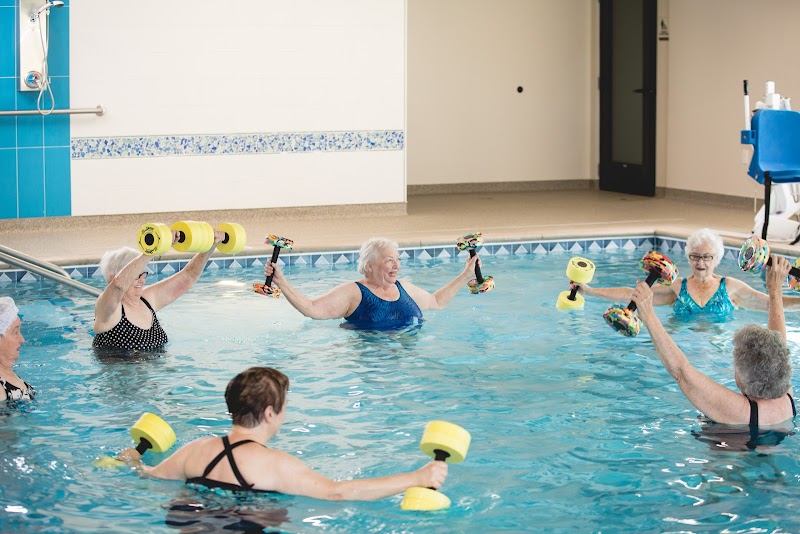
How is St Therese Of Woodbury Llc Staffed?
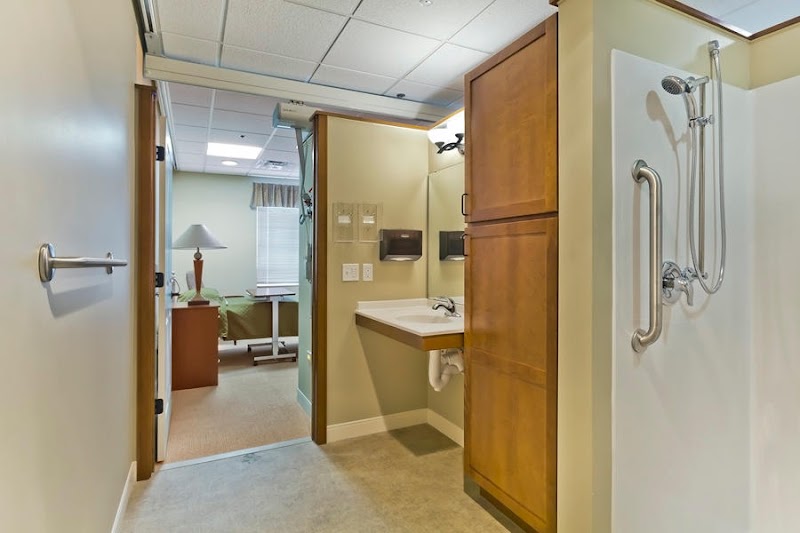
CMS rates St Therese Of Woodbury Llc's staffing level at 5 out of 5 stars, which is much above average compared to other nursing homes. Staff turnover is 37%, compared to the Minnesota average of 46%. This relatively stable workforce can support continuity of care.

What Have Inspectors Found at St Therese Of Woodbury Llc?

State health inspectors documented 25 deficiencies at St Therese Of Woodbury Llc during 2022 to 2025. These included: 1 that caused actual resident harm and 24 with potential for harm. Deficiencies causing actual harm indicate documented cases where residents experienced negative health consequences.
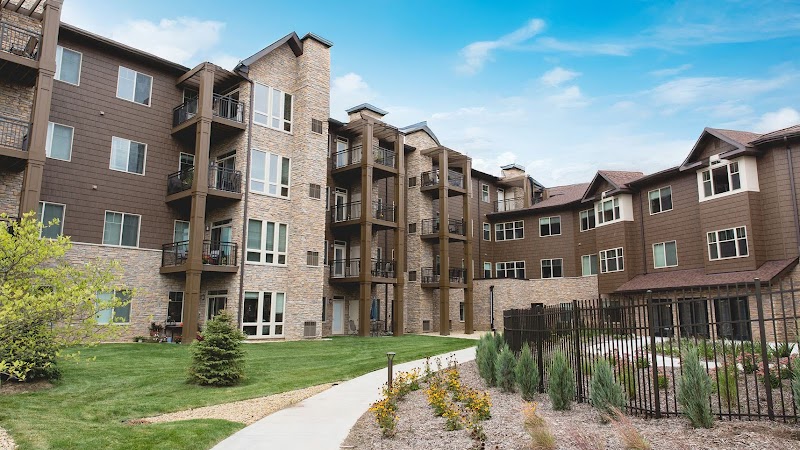
Who Owns and Operates St Therese Of Woodbury Llc?

St Therese Of Woodbury Llc is owned by a non-profit organization. Non-profit facilities reinvest revenue into operations rather than distributing to shareholders. The facility is operated by SAINT THERESE SENIOR COMMUNITIES, a chain that manages multiple nursing homes. With 56 certified beds and approximately 55 residents (about 98% occupancy), it is a smaller facility located in WOODBURY, Minnesota.

How Does St Therese Of Woodbury Llc Compare to Other Minnesota Nursing Homes?

Compared to the 100 nursing homes in Minnesota, St Therese Of Woodbury Llc's overall rating (4 stars) is above the state average of 3.2, staff turnover (37%) is near the state average of 46%, and health inspection rating (3 stars) is at the national benchmark.

What Should Families Ask When Visiting St Therese Of Woodbury Llc?

Based on this facility's data, families visiting should ask: "Can I visit during a mealtime to observe dining assistance and food quality?" "How do you handle medical emergencies, and what is your hospital transfer rate?" "Can I speak with family members of current residents about their experience?"

Is St Therese Of Woodbury Llc Safe?

Based on CMS inspection data, St Therese Of Woodbury Llc has a clean safety record: no substantiated abuse findings (meaning no confirmed cases of resident harm), no Immediate Jeopardy citations (the most serious violation level indicating risk of serious injury or death), and is not on the Special Focus Facility watch list (a federal program monitoring the lowest-performing 1% of nursing homes). The facility has a 4-star overall rating and ranks #1 of 100 nursing homes in Minnesota. While no facility is perfect, families should still ask about staff-to-resident ratios and recent inspection results during their visit.

Do Nurses at St Therese Of Woodbury Llc Stick Around?

St Therese Of Woodbury Llc has a staff turnover rate of 37%, which is about average for Minnesota nursing homes (state average: 46%). Moderate turnover is common in nursing homes, but families should still ask about staff tenure and how the facility maintains care continuity when employees leave.

Was St Therese Of Woodbury Llc Ever Fined?

St Therese Of Woodbury Llc has no federal fines on record. CMS issues fines when nursing homes fail to meet care standards or don't correct problems found during inspections. The absence of fines suggests the facility has either maintained compliance or corrected any issues before penalties were assessed. This is a positive indicator, though families should still review recent inspection reports for the full picture.

Is St Therese Of Woodbury Llc on Any Federal Watch List?

St Therese Of Woodbury Llc is not on any federal watch list. The most significant is the Special Focus Facility (SFF) program, which identifies the bottom 1% of nursing homes nationally based on persistent, serious quality problems. Not being on this list means the facility has avoided the pattern of deficiencies that triggers enhanced federal oversight. This is a positive indicator, though families should still review the facility's inspection history directly.