WOODBURY HEALTH CARE CENTER
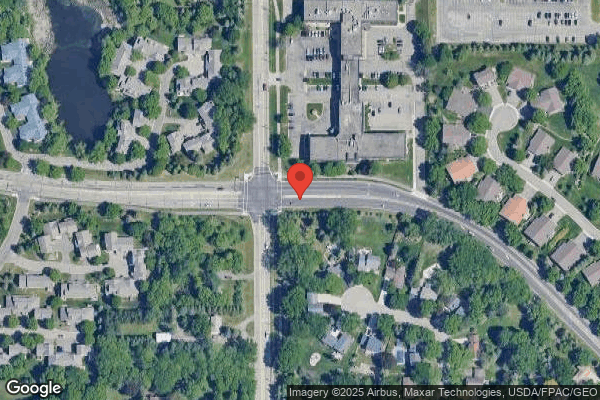
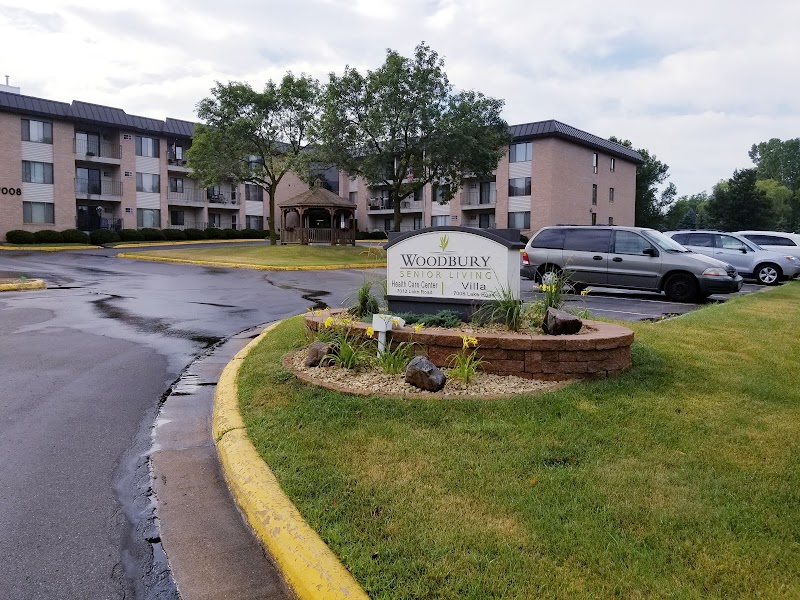
7012 LAKE ROAD, WOODBURY, MN 55125 (651) 735-6000
Non profit - Corporation 155 Beds LIFESPARK Data: November 2025 1 Immediate Jeopardy citation
Trust Grade
28/100
#277 of 337 in MN
Last Inspection: July 2025

Inspected within the last 6 months. Data reflects current conditions.

Overview

Woodbury Health Care Center has received a Trust Grade of F, indicating significant concerns about its quality of care. It ranks #277 out of 337 nursing homes in Minnesota, placing it in the bottom half of facilities in the state, and #8 out of 8 in Washington County, meaning there are no better local options available. The facility is showing signs of improvement, having reduced its issues from 15 in 2024 to 11 in 2025, but it still faces a high number of deficiencies, with 46 total, including one critical incident where a resident was hospitalized due to a failure to monitor their blood sugar levels properly. Staffing appears to be a strength with a turnover rate of 0%, which is well below the state average, but the overall star rating is only 2 out of 5, reflecting below-average performance in multiple areas. Additionally, fines totaling $26,685 are concerning, indicating compliance issues, and there was a serious incident resulting in a resident's hospitalization after a fall due to inadequate supervision.

Trust Score
F
28/100
In Minnesota
#277/337
Bottom 18%
Safety Record
High Risk
Review needed
Inspections
Getting Better
15 → 11 violations
Staff Stability
○ Average
Turnover data not reported for this facility.
Penalties
✓ Good
$26,685 in fines. Lower than most Minnesota facilities. Relatively clean record.
Skilled Nurses
✓ Good
Each resident gets 53 minutes of Registered Nurse (RN) attention daily — more than average for Minnesota. RNs are trained to catch health problems early.
Violations
⚠ Watch
46 deficiencies on record. Higher than average. Multiple issues found across inspections.
★★☆☆☆
2.0
Overall Rating
★★☆☆☆
2.0
Staff Levels
★★★☆☆
3.0
Care Quality
★★☆☆☆
2.0
Inspection Score
Stable
2024: 15 issues
2025: 11 issues

The Good

  • Full Sprinkler Coverage · Fire safety systems throughout facility
  • No fines on record

Facility shows strength in fire safety.

The Bad

2-Star Overall Rating

Below Minnesota average (3.2)

Below average - review inspection findings carefully

Federal Fines: $26,685

Below median ($33,413)

Moderate penalties - review what triggered them

Chain: LIFESPARK

Part of a multi-facility chain

Ask about local staffing decisions and management

The Ugly 46 deficiencies on record

1 life-threatening 1 actual harm
Jul 2025 8 deficiencies
CONCERN (D)

Potential for Harm - no one hurt, but risky conditions existed

Deficiency F0554 (Tag F0554)

Could have caused harm · This affected 1 resident

**NOTE- TERMS IN BRACKETS HAVE BEEN EDITED TO PROTECT CONFIDENTIALITY** Based on observation, interview, and document review, the facility failed to ensure a self administration of medications (SAM) w...

Read full inspector narrative →
**NOTE- TERMS IN BRACKETS HAVE BEEN EDITED TO PROTECT CONFIDENTIALITY** Based on observation, interview, and document review, the facility failed to ensure a self administration of medications (SAM) was completed to allow residents to safely administer their own medications for 1 of 1 resident (R68) observed with a medication at the bedside. R68's Medical Diagnosis form indicated the following diagnoses: acute and chronic respiratory failure with hypoxia, severe persistent asthma, chronic obstructive pulmonary disease with acute exacerbation, and emphysema.R68's quarterly Minimum Data Set (MDS) dated [DATE], indicated intact cognition, and had shortness of breath with exertion when sitting at rest, and when lying flat.R68's care plan dated 4/3/25 indicated R68 could not self-administer medications and nebulizers, and the facility was to administer medications as resident was not safe to independently administer medications at this time. Additionally, a SAM was to be completed quarterly and as needed. R68's physician orders form indicated the following orders:3/23/25, and discontinued on 7/22/25, Albuterol Sulfate HFA inhalation aerosol solution 108 (90 Base) microgram (MCG)/ACT inhaler inhale 1 puff orally every 4 hours as needed for wheezing. Inhale 1-2 puffs into the lungs to be administered by the clinician.7/22/25, Albuterol Sulfate HFA inhalation aerosol solution 108 (90 base) mcg/ACT 2 puffs inhale orally every 4 hours as needed for wheezing to be administered by the clinician. R68's medication administration record (MAR) and treatment administration record (TAR) dated July 2025, lacked information R68 utilized as needed Albuterol. R68's MAR and TAR lacked information R68 could SAM her Albuterol metered dose inhaler (MDI).R68's Self Administration of Nebulizers Evaluation form dated 4/3/25, indicated R68 had a physician's order to self-administer nebulizers and could be left along during administration of nebulizer treatment. The form lacked information whether R68 could self-administer her Albuterol MDI.R68's nursing progress notes were reviewed and lacked information R68 could SAM her Albuterol MDI. During observation on 7/21/25 at 1:25 p.m., R68 had an Albuterol inhaler on the bedside table in her room and stated she used the inhaler. During observation on 7/23/25 at 7:14 a.m., R68 had an inhaler on her bedside table.During observation on 7/23/25 at 8:22 a.m., an unknown staff person entered R68's room and delivered her meal and left the room.During observation on 7/23/25 at 8:25 a.m., nursing assistant (NA)-A entered R68's room and placed a packet of butter on the bedside table and left to get R68 a spoon. R68 had the albuterol inhaler with an open date of 12/27 written on the label. At 8:26 a.m., NA-A entered the room to assist R68 with her bed and left the room.During interview and observation on 7/23/25 at 9:10 a.m., licensed practical nurse (LPN)-A entered R68's room and moved R68's meal tray off the bedside table and started R68's nebulizer. At 9:11 a.m., LPN-A left the room with the meal tray. LPN-A stated a few residents can have medications at the bedside and stated those residents had an order to do so and they also have an assessment to make sure they are alert and oriented and further stated for inhalers to be self-administered, staff had to make sure residents understood to how to breathe into the inhaler and take two puffs and stated the technique differed from a nebulizer. LPN-A viewed R68's orders for her Albuterol inhaler and verified the medication was supposed to be administered by the clinician and verified R68's Albuterol inhaler was located on her bedside table and stated that was something that could be followed up on and stated there needed to be an order and stated he looked to the MAR to know if a resident could SAM. During interview on 7/23/25 at 9:24 a.m., LPN-B viewed R68's orders in the paper chart and stated R68 had an order to SAM nebulizers but did not have an order to SAM the Albuterol MDI. During interview on 7/23/25 at 9:28 a.m. with registered nurse (RN)-B and LPN-B, RN-B viewed R68's paper chart and both RN-B and LPN-B stated R68 should have a SAM assessment for the Albuterol MDI in addition to her assessment for nebulizers. LPN-B stated if a resident had a nebulizer the nurse had to assess if the resident could keep the mask on and if a resident had an MDI the nurse had to educate the resident on how many puffs they can take and watch them and document if they are able to know the frequency and both RN-B and LPN-B verified R68 did not have a SAM assessment for an MDI, and did not have an order to SAM the Albuterol MDI.During interview on 7/23/25 at 10:41 a.m., the director of nursing (DON) stated if a resident wanted to self-administer their medications, a SAM assessment would be completed, and an order would be obtained from the provider and further stated she expected MDIs would not be kept at the bedside unless it was determined the resident was safe to SAM. A policy, Medication Self Administration Safety Screen and/or Self Administration dated 9/2023, indicated the Medication Self Administration Safety Screen and/or the Self Administration of Nebulizer's Evaluation is only completed if the resident requests to do their own medications or some of their own medications such as inhalers, eye drops or actual pills. Evaluation and approval for self-administration of medications will be based on the Medication Self-Administration Safety Screen and or the Self-Administration of Nebulizer's Evaluation. The IDT will review the summary on the Medication Self-Administration Safety Screen to determine appropriateness of self-administration of medications. The determination will include whether the resident can self-administer medications unsupervised, with supervision or is not safe to administer medications. A physician order will be obtained indicating which medications the resident may self-administer and with or without supervision.
CONCERN (D)

Potential for Harm - no one hurt, but risky conditions existed

Deficiency F0578 (Tag F0578)

Could have caused harm · This affected 1 resident

**NOTE- TERMS IN BRACKETS HAVE BEEN EDITED TO PROTECT CONFIDENTIALITY** Based on observation, interview, and document review the facility failed to ensure a resident's wishes for resuscitation were ac...

Read full inspector narrative →
**NOTE- TERMS IN BRACKETS HAVE BEEN EDITED TO PROTECT CONFIDENTIALITY** Based on observation, interview, and document review the facility failed to ensure a resident's wishes for resuscitation were accurately documented in all areas the medical record for 1 of 22 residents (R87) reviewed for advanced directives. R87's quarterly Minimum Data Set (MDS) dated [DATE], indicated moderately impaired cognition and diagnoses of [NAME]-Danlos Syndrome, signs and symptoms involving cognitive function and awareness, and Chronic Obstructive Pulmonary Disease (COPD). It further indicated R87 required supervision with activities of daily living (ADL) and was independent with mobility. R87's face sheet/banner in Point Click Care (computer system for documentation) indicated Do Not Resuscitate (DNR). R87's physician's orders indicated DNR. R87's Physician's Order for Life Sustaining Treatment (POLST) dated [DATE], indicated Cardiopulmonary Resuscitation (CPR) and DNR. During interview on [DATE] at 6:22 p.m., R87 stated she did not want life saving measures and there comes a point in your life where you don't want to be filled with junk anymore so when your time comes, it comes. During interview on [DATE] 6:30 p.m., registered nurse (RN)-A stated if a resident was found unresponsive, the first place they would look for their code status would be on the POLST. If the POLST indicated both CPR and DNR, they would error on the said of caution and perform CPR. RN-A further stated if a nurse made an error when filling out the POLST, they should get a new one and start over because it was a very important document. During interview on [DATE] at 7:05 p.m., licensed practical nurse (LPN)-C stated if a resident was found unresponsive, the first place they would look for their code status would be on the POLST. If the POLST indicated CPR and DNR or there was a discrepancy, they would get clarification from the nurse manager on what should be done. LPN-C further stated if they made an error while filling out a residents POLST, they would get a new one and have the resident/resident representative re-sign it. During interview on [DATE] at 7:55 p.m., LPN-D stated if a resident was found unresponsive, the first place they would go to check their code status was the POLST. The POLST shouldn't indicate CPR and DNR because a physician goes over it, however if it did indicate both options, they would clarify it with the resident or their responsible party in order to determine what to do next. During interview on [DATE] at 7:52 p.m., LPN-E stated if a resident was found unresponsive, the first place they would look for their code status would be on the POLST. If there was a discrepancy, they would get clarification from the nurse manager/supervisor on what to do. During interview on [DATE] at 11:45 a.m., the nurse manager RN-C stated if a resident became unresponsive, the first place they would look to find their code status would be on the face sheet/banner in PCC because if they are at the cart, it's the closest place to look. RN-C would also encourage the nurses to look at the residents POLST in order to compare the face sheet/banner to the POLST. If the POLST indicated CPR and DNR, then the nurse should compare it to the banner in PCC. If there was a discrepancy or staff had a question, they should clarify it with the nurse manager/supervisor in order to know how to proceed. During interview on [DATE] at 12:34 p.m., the director of nursing (DON) stated if a resident became unresponsive, the first place nurses would look to find their code status would be on their POLST. There was also an order in PCC with a banner/ribbon that should match. If there was a discrepancy, they should look at dates to see which one was the most recent. They should also do a quick comparison. If family was easily reachable, the nurses could contact them as well. If the POLST indicated both CPR and DNR, the nurse should compare it to the face sheet/banner in PCC. If the nurse makes an error on POLST, they should get a new POLST. This was important because it leaves it open to too much interpretation when we get messy like that.The facility policy regarding advanced directives dated 12/2018, indicated when the need for resuscitation occurs, the physician order status, and/or (CPR) Resuscitate/Do not Resuscitate decision in Part 2 of the Health Care Directive and/or Part A of the POLST will be followed and then the physician will be notified as soon as possible.
CONCERN (D)

Potential for Harm - no one hurt, but risky conditions existed

Deficiency F0657 (Tag F0657)

Could have caused harm · This affected 1 resident

**NOTE- TERMS IN BRACKETS HAVE BEEN EDITED TO PROTECT CONFIDENTIALITY** Based on interview and document review, the facility failed to provide routine care conferences to allow for resident/ family pa...

Read full inspector narrative →
**NOTE- TERMS IN BRACKETS HAVE BEEN EDITED TO PROTECT CONFIDENTIALITY** Based on interview and document review, the facility failed to provide routine care conferences to allow for resident/ family participation and interdisciplinary review, and update, if necessary, of the care plan for 1 of 1 resident (R50) reviewed for care conferences. Findings include:R 50's quarterly Minimum Data Set (MDS) dated [DATE] severely cognitively impaired, unable to communicate clearly, and understand others. R50 had the following diagnoses: major depressive disorder, Alzheimer's, unspecified psychosis not due to a substance or known physiological condition, unspecified dementia, psychotic disturbance, mood disturbance, and anxiety.R50's electronic medical record (EMR) indicated R50 had a care conference on 6/24/25, EMR indicated the last documented care conference for R50 was 10/7/24.During an interview on 7/21/25 at 6:28 p.m., R50's family member (FM)-A stated the facility were doing care conferences quarterly then it changed. FM-A stated it was explained to them the social worker left the facility, so no care conferences were offered. FM-A wanted to be included in care conferences and give input for care plan of R50.During an interview on 7/24/25 at 11:48 a.m., LPN manager (LPN)-A stated the care conferences and care plan review were held quarterly, annually, if changes occur, staff or family request. The expectation was informing resident, family, dietary, physical, occupational and speech therapy, speech, social services, community life, nurses, doctors, director of nurses and executive director to attend care conference.During an interview on 7/24/25 at 12:16 p.m., the director of social services (SS)-A stated the expectations for care conferences and care plan review were held quarterly, annually, and if requested. The care conference and care plan were correlated with the MDS. The expectation was informing resident, family, dietary, physical, occupational and speech therapy, , social services, community life, nurses, doctors, director of nurses and executive director to attend care conference. The importance of care conferences was to collaborate across disciplines, provide comprehensive assessments, meet the psychosocial needs of residents and families and provide resources.During an interview on 7/24/25 at 3:14 p.m., the director of nurses (DON)-A stated the process for care conferences were to be done upon admit, quarterly and annually. The care plans and care conferences are assessed in the same time frame. The expectations for care conferences were to collaborate with family and resident and address any concerns. The family, resident and members of the interdisciplinary team (IDT) were informed of the time and date of care conference. The importance and individualized care plans are through care conferences, the collaboration with family and resident learn about them, how they grow and meet their needs at their level.A facility policy titled Care Conferences stated the care conference guidelines indicated the IDT would review and update after: *Initial: Complete Care Conference after admission MDS, CAAs, care plan was completed Quarterly Discharge Planning Change in condition As needed for any resident and/or family request
CONCERN (D)

Potential for Harm - no one hurt, but risky conditions existed

Quality of Care (Tag F0684)

Could have caused harm · This affected 1 resident

Based on interview, observation, and document review, the facility failed to ensure symptoms of constipation were acted upon and assessed to determine what, if any interventions were needed to promote...

Read full inspector narrative →
Based on interview, observation, and document review, the facility failed to ensure symptoms of constipation were acted upon and assessed to determine what, if any interventions were needed to promote appropriate bowel management for 1 of 1 resident (R4). Findings include:R4's Optional State Assessment (OSA) dated 7/8/25, indicated R4 did not reject care, required extensive assistance with bed mobility and toilet use, and was not on a urinary or bowel toileting program.R4's Medical Diagnosis form indicated the following diagnoses: hemiplegia (paralysis of one side of the body) affecting the left nondominant side, diabetes mellitus (DM), muscle weakness, chronic idiopathic (without a known cause) constipation.R4's care plan dated 10/3/24 indicated R4 had a self care deficit due to a stroke and required substantial to maximal assist of one for personal hygiene. R4's care plan dated 7/17/25 indicated R4 refused to get out of bed due to refusing the mechanical lift. R4's care plan dated 10/14/24, indicated R4 had frequent incontinence of bowel and bladder and interventions indicated to record bowel movements daily and used a bed pan and urinal.R4's care plan dated 7/8/25, indicated R4 had a nutrition problem due to diagnoses that included constipation. R4's physician's orders form indicated the following orders: 4/24/25, senna-docusate sodium (stool softener) oral tablet 8.6-50 milligram (MG) tablet, give one tablet twice a day.4/24/25, bisacodyl rectal suppository (a laxative) 10 mg, insert 10 mg rectally every 72 hours as needed for constipation.R4's medication administration record (MAR) and treatment administration record (TAR) dated June 2025, indicated R4 received senna-docusate sodium twice daily. Further, R4 did not utilize any PRN bisacodyl medication. R4's MAR and TAR dated July 2025, and saved 7/24/25 at 7:08 a.m., indicated R4 received senna-docusate sodium twice daily. Further, R4 did not utilize any PRN bisacodyl medication. R4's Task form titled, Bowel Continence & BM, dated 5/26/25, to 7/24/25, indicated the following:On 6/13/25 at 2:22 p.m., R4 had a large bowel movement. No further bowel movements were documented until 6/18/25 at 7:42 p.m., when R4 had a large bowel movement. On 6/18/25 at 7:42 p.m., R4 had a large bowel movement. No further bowel movements were documented until 6/22/25 at 9:49 p.m., when R4 had a medium bowel movement.On 6/23/25 at 7:40 p.m., R4 had a large bowel movement. No further bowel movements were documented until 6/27/25 at 5:55 a.m., when R4 had a medium bowel movement. On 7/1/25 at 8:16 p.m., R4 had a large bowel movement. No further bowel movements were documented until 7/6/25 at 2:41 p.m., when R4 had a large bowel movement. On 7/8/25 at 12:34 p.m., R4 had a large bowel movement. No further bowel movements were documented until 7/14/25 at 2:29 p.m., when R4 had a large bowel movement.On 7/17/25 at 9:26 p.m., R4 had a medium bowel movement. No further bowel movements were documented until 7/21/25 at 9:45 p.m., when R4 had a small bowel movement. R4's nursing progress notes were reviewed from 5/26/25, to 7/23/25, and lacked information R4 was administered as needed bisacodyl if R4 had no bowel movement for 72 hours. Further, progress notes lacked physician notification during days R4 went longer than 72 hours without a bowel movement. Progress notes lacked information R4 was going longer than 72 hours without having a bowel movement. R4's Comprehensive Nursing Data Collection form dated 7/2/25, indicated R4 was alert and oriented to person, place, time, and situation, had frequent bladder incontinence, and was continent of bowels. Further, R4's bowel sounds were present and active, had a soft and rounded abdomen, and under a heading, Date of last BM indicated, see CNA task. During interview and observation on 7/21/25 between 12:44 p.m., and 12:51 p.m., R4 was in his bed and stated he hadn't gone to the bathroom in 5 days and stated he felt some movement, but the stool did not want to come and added this was an everyday concern. R4 stated staff provided a bedpan and stated he asked about Miralax (a medication to treat constipation) which he stated sometimes helped and prune juice and added it was very uncomfortable. R4 stated his normal pattern was every other day not every 5 days. During interview on 7/24/25 at 9:44 a.m., licensed practical nurse (LPN)-B stated refusals were documented in a progress note and staff documented bowel movements in the Tasks form where the nursing assistants (NA) document the size of the bowel movement and the NA's report if a resident does not have a bowel movement in a while and can additionally look in the dashboard. LPN-B stated if a resident had no bowel movement in three days, they provided prune juice and further stated R4 complained of constipation a while ago. LPN-B stated she expected staff to administer as needed (PRN) medications and complete a bowel assessment and verified R4 did not have PRN medications administered in June and added R4 had senna-docusate sodium, but it was not working and verified R4 was not on any additional medications for constipation. LPN-B viewed the aide documentation and stated they would administer a suppository and if the suppository wasn't effective, would call the physician to see about other interventions. LPN-B further stated R4's risk factors for constipation was R4 was bedbound and immobile and additionally R4 already had a diagnosis of constipation.During interview on 7/24/25 at 10:36 a.m., LPN-F stated she had to administer Miralax to R4. LPN-F viewed R4's orders and verified R4 had no order for Miralax. During interview on 7/24/25 at 11:07 a.m., LPN-F stated she received an order for Miralax for R4 and added R4 had problems with constipation and just received an order. During interview on 7/24/25 at 11:46 a.m., LPN-F stated resident refusals were documented and bowel movements were documented in the Tasks form and stated if a resident had problems with constipation they could administer Miralax and further stated R4 asked for bowel meds for the first time today and stated he did not want a suppository and always refused the bisacodyl. Further, LPN-F stated she would have expected staff follow up sooner if resident refused the bisacodyl so R4 could have something else instead. During interview on 7/24/25 at 12:03 p.m., the director of nursing (DON) stated bowel status was monitored in the clinical dashboard and further stated they utilized standing orders and if a medication was utilized off the standing orders, the medication was transcribed to the MAR. Further, the DON stated if medications were note working expected staff to complete an assessment if a resident went more than 3 days without a bowel movement and stated bowel movements were documented under Tasks in bowel continence and size. Further, if a resident refused bisacodyl, expected staff follow up with a provider and obtain a new protocol. The DON stated it was important for R4 because he had a diagnosis of constipation and did not get out of bed. On 7/24/25 at 12:18 p.m., a new order for Miralax 17 grams every day in the a.m., was entered in the physician's orders form.A policy was requested, but the facility did not have a policy.
CONCERN (D)

Potential for Harm - no one hurt, but risky conditions existed

Deficiency F0699 (Tag F0699)

Could have caused harm · This affected 1 resident

**NOTE- TERMS IN BRACKETS HAVE BEEN EDITED TO PROTECT CONFIDENTIALITY** Based on interview and record review the facility failed to assess trauma history and identify potential triggers for 1 of 1 res...

Read full inspector narrative →
**NOTE- TERMS IN BRACKETS HAVE BEEN EDITED TO PROTECT CONFIDENTIALITY** Based on interview and record review the facility failed to assess trauma history and identify potential triggers for 1 of 1 residents (R8) with post-traumatic stress disorder (PTSD). Findings include:R8's quarterly Minimum Data Set, dated [DATE], indicated R8 was cognitively intact and had diagnoses of anxiety, depression and PTSD. R8's trauma screening assessment dated [DATE], indicated R8 had experienced a traumatic event, and a referral was made for a counselor or therapist. The assessment lacked information of the traumatic event and lacked assessment of anything that may trigger R8's trauma experience.R8's care plan dated 11/7/24, indicated R8 had experienced trauma/PTSD and referred staff to Associated Clinic of Psychology (ACP)notes. R8's care plan lacked identification of triggers for R8's PTSD. Interventions included therapy referral if indicated, chaplain visits as requested, consistent staffing if able, validate feelings and approach calmly. R8's ACP progress note dated 3/25/25, indicated R8 received ACP services for persistent depressive disorder and PTSD. ACP indicated continued services were required to maintain and improve R8's functioning as emotional symptoms had affected R8's functioning. When interviewed on 7/21/25 at 12:23 p.m., R8 stated staff often did not knock when entering the room, even into the bathroom when I am naked! R8 further stated she did not like when people surprised her or came up behind her. I have PTSD and just don't like surprises. R8 was not sure if staff ever talked with her about PTSD or if staff were even aware of it. When interviewed on 7/23/25 at 9:28 a.m., nursing assistant (NA)-B stated R8 required assist of one for transferring and toileting. NA-B stated R8 was not sure if R9 had PTSD and wasn't aware of any triggers that would upset R8. NA-B reviewed their tablet and verified there was nothing about PTSD on their task sheet. The only thing was on there was to monitor for depression. When interviewed on 7/23/25 at 9:50 a.m., registered nurse (RN)-D was not sure if R8 had PTSD. RN-D stated R8 had some behavior monitoring in place for depression and side effects of her medications. RN-D was not aware of any possible triggers or behaviors for R8. RN-D verified R8's care plan mentioned the diagnosis of PTSD, however did inform staff of any triggers for R8 and further stated that was where that information should be, When interviewed on 7/23/25 at 12:12 p.m., the Director of Social Services (DSS) stated a trauma assessment was completed upon admission and as needed during the resident stay. DSS stated the assessment should identify PTDS and assess for triggers and what kind of support was helpful. This information then put in the care plan. DSS had recently started this job and has just become aware of R8's PTSD and was not aware of any triggers as it had not been discussed. DSS would expect R8's assessment to include any triggers for R8's PTSD as well as the care plan. A facility policy titled Trauma Informed Care dated 2025, directed staff to identify a residents history of trauma including potential triggers or stressors that may prompt recall of a traumatic event. The identified triggers will have trigger-specific interventions in place to decrease effects of the trigger and ensure the information was included in the plan of care.
CONCERN (D)

Potential for Harm - no one hurt, but risky conditions existed

Deficiency F0745 (Tag F0745)

Could have caused harm · This affected 1 resident

**NOTE- TERMS IN BRACKETS HAVE BEEN EDITED TO PROTECT CONFIDENTIALITY** Number of residents sampled:2Number of residents cited:2Findings include:R11's quarterly Minimum Data Set (MDS) dated [DATE], in...

Read full inspector narrative →
**NOTE- TERMS IN BRACKETS HAVE BEEN EDITED TO PROTECT CONFIDENTIALITY** Number of residents sampled:2Number of residents cited:2Findings include:R11's quarterly Minimum Data Set (MDS) dated [DATE], indicated R11 was cognitively intact and had diagnoses of anxiety and depression. R11's care plan revised 12/15/24, indicated R11 had a psychosocial well-being problem related to depression and anxiety. Interventions included to encourage R11 to verbalize feelings, perceptions and fears and help identify precipitating factors of stressors.R11's medical record lacked indication follow up was completed after a behavioral outburst by R105. R105's admission MDS dated [DATE], indicated R105 was cognitively intact and had diagnoses of adjustment disorder with mixed disturbances and conduct and heart failure. R105's nursing progress note dated 6/17/25 at 8:48 p.m., indicated R105 had loud and disruptive behaviors for over 4 hours. The note indicated other residents were visibly upset from the behavior. A message was left for the nurse manager. R105's nursing progress note dated 7/19/25 at 9:51 p.m., indicated R105 was yelling and cursing at staff. R105 was disrupting other residents rest time.R105's nursing progress note dated 7/20/25 at 9:09 p.m., indicated after R105 was assisted into the wheelchair the resident became disruptive and was yelling and cursing at staff. R105 was so disruptive, other residents started to complain. The nurse in charge was notified and advised to call 911 due to uncontrollable behavior. Police and ambulance staff arrived with resident refusing to go to hospital. After, R105 calmed down and staff assisted back to bed. R105's care plan revised 5/8/25, indicated R105 exhibited angry outbursts, yelling and throws items. Interventions included a behavioral health consult. Triggers include needs not being met upon request, especially when brief wet. Furthermore, R105 had potential for communication problem with difficulty understanding verbal content related to mood and anxiety. Interventions included provide a safe environment, anticipate needs, assist with incontinent cares timely, and to observe effectiveness of communication strategies. When interviewed on 7/21/25 at 4:56 p.m., R11 stated R105 was always yelling and screaming. R11 stated yesterday I was afraid of her. R105 was swearing and yelling so much, it was scary, and I was afraid of what was going to happen. Suddenly, the police were here. R11 didn't know what had happened and hoped it didn't happen again. When interviewed on 7/23/25 at 12:35 p.m., nursing assistant (NA)-B stated R105 yelled out when she wanted help. NA-B stated she had heard about the police being notified however was not aware of why. NA further stated some of the residents down the hall had talked about the police being here when R105 was upset, but they didn't go into details. When interviewed on 7/23/25 at 12:39 p.m., registered nurse (RN)-E stated R105 would scream at the top of her lungs and sometimes came out of her room and would scream in the hallway. RN-E stated it was scary when R105 would do that as she was intimidating. RN-E was aware of 911 was called due to R105's behavior when it was out of control and verified R105's behavior was very scary for other residents. RN-E stated residents down the hall had voiced concerns about it. When interviewed on 7/23/25 at 1:45 p.m., RN-F stated any resident incidents were talked about during morning meeting. RN-F attempted to talk to R105, however R105 did not want to talk and wanted to talk later. RN-F had not returned to discuss the situation. RN-F further stated all they really knew about the situation was what was written in the progress note. No follow up had occurred with R105, R11 or other residents. When interviewed on 7/23/25 at 1:57 p.m., the Director of Social Services (DSS) stated they reviewed the 72-hour report on Mondays to review any behavior incidents from the weekend. DSS was aware of R105's from the report and had read about it in the progress notes. DSS had followed up with R8 who voiced concerns during an assessment, however had not followed up with any other residents to determine if there was any support needed after the police incident and was not aware of R11's feelings of the situation. A facility document titled Social Worker- Senior Living dated 6/6/22, indicated the social services department was responsible for providing each residents emotional and psychological needs from admission to discharge.
CONCERN (E) 📢 Someone Reported This

A family member, employee, or ombudsman was alarmed enough to file a formal complaint

Potential for Harm - no one hurt, but risky conditions existed

Food Safety (Tag F0812)

Could have caused harm · This affected multiple residents

Based on observation, interview, and document review, the facility failed to ensure food items were disposed of when needed and were properly stored, labeled, and dated. This had potential to affect a...

Read full inspector narrative →
Based on observation, interview, and document review, the facility failed to ensure food items were disposed of when needed and were properly stored, labeled, and dated. This had potential to affect all residents, staff, and visitors who consumed food from the main kitchen,and dining refrigerators.Findings include:During the initial kitchen tour on 7/21/25 at 12:03 p.m., the large refrigerator in the hallway across the main kitchen had an opened package of tortilla shells which were not secured closed and not labeled with an opened date. CD and kitchen supervisor (KS)-D stated the kitchen served tacos over the weekend. The large freezer in the hallway across from the main kitchen had meat in an unlabeled freezer bag with a zip lock. KS-D stated the bag contained cooked ribs they used the day prior. The freezer contained meat in clear, tight-sealed packaging and did not contain a label. KS-D stated the meat was pork shoulder which was delivered to the kitchen and expected the label to be cut off from the original box and placed on the meat if the box got damaged.During continued tour with the CD, the second-floor refrigerator in the dining room down the left hallway had a cup from Chick-Fil-A with a sticky note which contained a room number and no date. CD stated nursing may know more about the contents, and they did not let food or items like that stay in the refrigerator longer than a day. CD stated the servers go through the dining refrigerators every shift.During observation and interview on 7/21/25 at 12:49 p.m., KS-D expected items in the refrigerator to be labeled and dated and stated staff checked the refrigerators daily. The third-floor refrigerator in the dining room closest to the elevators contained a fast-food package with a receipt which read 7/7/25. Another type of to-go box was labeled 6/15/25. Another food container was labeled with a resident name, but the date was not seen before KS-D removed the item. The freezer contained at least two freezer meals, such as mashed potatoes and cheddar broccoli freezer meals, from a resident with use by dates of 3/2/24 and February 2024. KS-D removed other items from the freezer and stated they had dates of 2024.During observation and interview on 7/21/25 at 1:22 p.m., the second-floor refrigerator in the dining room closest to the elevators had two packages of fully cooked cheddar smoked sausages. Nursing assistant (NA)-B verified the packages did not have a resident name and a use by date of 7/11/25.During interview on 7/23/25 at 12:35 p.m., dietary aide (DA)-B stated the culinary staff who served on the floor were responsible for checking the refrigerators for unlabeled or outdated items.During observation and interview on 7/23/25 at 12:41 p.m., KS-E stated resident food items were thrown away if expired or past use by date. In the large refrigerator in the hallway across from the main kitchen, there was a pan with meat and liquid which did not have a date or label. KS-E stated the meat was prepped the day prior to marinate and was going to be used for tonight's dinner. Ground beef was in its original packaging and box and had red liquid visible inside the bottom part of the tight-sealed packaging. KS-E stated the ground beef was raw and was going to be used for tomorrow night and Saturday lunch. KS-E stated the ground beef was delivered fresh on 7/17/25 and verified the package had a use by or freeze by date of 7/21/25.During follow-up interview on 7/24/25 at 9:53 a.m., NA-B stated staff were supposed to label and date resident or other food items placed in the dining room refrigerators or freezers. NA-B stated both dietary and nursing staff were responsible to ensure food was labeled and disposed of when needed.During interview on 7/24/25 at 1:17 p.m., cook (CK)-A stated food should be closed and wrapped and labeled with an opened date. CK-A stated how long the kitchen kept food depended on what the item was.During interview on 7/24/25 at 1:37 p.m., the CD expected staff to wrap, cover, label, and date used food at the end of the shift to keep the quality of the item and ensure items were not old or past the date it should be used. CD expected food prepped ahead of time to be dated when it was prepared and then used in a day and a half. CD stated nursing was responsible for resident food items in the refrigerator. CD stated dietary staff did not use the microwaves in the resident dining areas and were going to start taking the responsibility to clean them.During interview on 7/24/25 at 3:36 p.m., the director of nursing (DON) stated staff who placed food in the refrigerator or freezer or who served food should label and date food to ensure they served safe food. Lifespark Senior Living and Senior Care Communities Food Brought in to Residents from Outside for Storage and Consumption policy dated 2/2019, indicated staff checked any food or beverage brought into the facility for resident consumption. Food or beverages brought in were labeled with the resident's name, room number, and dated by nursing with the current date the item(s) was brought to the facility for storage. The policy directed nursing staff to monitor resident's room, unity pantry, and refrigeration units for food and beverage disposal.New Horizon Foods Skilled Nursing Facility Food and Beverage Labeling Policy dated 1/1/25, indicated food items were labeled with what the item was, when it was prepared or opened, and when it should be used or discarded if need be. The policy stated resident-specific items should be labeled accordingly and handled with care. The policy directed designated staff to check food storage areas periodically and may discard any item which lacked proper labeling or appeared questionable.
CONCERN (E)

Potential for Harm - no one hurt, but risky conditions existed

Infection Control (Tag F0880)

Could have caused harm · This affected multiple residents

**NOTE- TERMS IN BRACKETS HAVE BEEN EDITED TO PROTECT CONFIDENTIALITY** Based on observation, interview, and document review, the facility failed to implement transmission-based precautions (TBP) and ...

Read full inspector narrative →
**NOTE- TERMS IN BRACKETS HAVE BEEN EDITED TO PROTECT CONFIDENTIALITY** Based on observation, interview, and document review, the facility failed to implement transmission-based precautions (TBP) and infection surveillance for 1 of 1 resident (R111) who had an active order to collect a stool sample for Clostridioides difficile (C. diff).Findings include: Review of R111's medical record included diagnosis list dated 7/24/25 which included End stage renal disease, diarrhea unspecified, and gastritis. Review of R111's Medication Administration Record (MAR) dated July 2025 indicated a physician order Collect Stool and send to the lab for C-Diff every loose stool D/C (discontinue) once the stool collected. The order was dated 7/21/25, and every shift through 7/24/25 had charted NO BM. R111’s Medication Administration Record for July 2025, directed staff to collect a stool sample and send to the lab for C. diff every shift for loose stool and to discontinue the order once R111’s progress notes did not indicate if R111 was placed on precautions or any additional details on when symptoms started and what prompted testing for C. diff. the stool was collected with start date of 7/21/25. R111’s progress notes dated 7/22/25 to 7/24/25, indicated R111 did not have a bowel movement to collect for a sample, or R111’s bowel movement was not collected due to R111 resting upon return from dialysis.The facility’s infection surveillance line list dated July 2025 did not include R111. Observation on 7/21/25 at 2:00 p.m., R111 room door was noted to have an Enhanced Barrier Precautions (EBP) sign. The sign indicated everyone must: clean their hands, including before and when leaving the room. Providers and staff must also: wear gloves and gown for the following high-contact resident care activities. Dressing, Bathing/Showering, Transferring, Changing Linen, providing hygiene, changing briefs or assisting with toileting, Device care or use: central line, urinary catheter, feeding tube, tracheostomy tube, Wound care: any skin opening requiring a dressing. Interview on 7/21/25 at 2:15 p.m., R111's family indicated R111 had a loose stool in the morning, so the facility started the precautions again. R111's family indicated R111 was tested for C-diff (clostridium difficile) (inflammation of the colon caused by the bacteria Clostridium difficile) while in the hospital. Interview on 7/24/25 at 2:41 p.m., registered nurse (RN)-G indicated R111 had one loose stool on 7/21/25 when the nurse practitioner (NP) was here, and the NP wrote the order for the stool specimen, and the resident has not had another loose stool since. Interview on 7/24/25 at 3:07 p.m., Licensed Practical nurse (LPN)-G verified R111's orders included an order for a stool sample, but R111 had not had a loose stool. LPN-G indicated if an order for a stool sample for C-diff was received, the resident should be put on contact precautions and Assistant Director of Nursing should be notified. LPN-G indicated the difference between EBP and Contact precautions are that every time someone enters the resident's room, they must wear PPE, no matter the reason. Interview on 7/24/25 at 3:14 p.m., RN-G indicated the Infection Control nurse should have been notified of the order and the resident should have been put on Contact Precautions until the stool specimen was collected and the results came back. RN-G indicated Contact Precautions means that all staff must wear PPE (Personal Protective Equipment) whenever entering the room. During interview on 7/24/25 at 1:56 p.m., the infection preventionist (IP) expected staff to place R111 on contact precautions until a negative lab returned for loose stools. IP stated R111 was not on the line list and did not know about R111’s loose stool(s) or order to test for C. diff. IP expected staff to notify them about R111’s symptoms and ordered test. During interview on 7/24/25 at 3:36 p.m., the director of nursing (DON) expected staff to place residents with a pending stool sample for C. diff on contact precautions to stop the potential spread of infection. The DON stated pending tests where not typically on the infection surveillance line list. The DON expected staff to document what happened and triggered the test, signs and symptoms, and what was tried. The [NAME] Health Care Center’s Infection Surveillance policy dated December 2020, indicated a written line list of infections to assist in organizing information about resident infections should be monitored and updated regularly to identify clusters, outbreaks, and other unusual infection patterns. The policy indicated cues for triggering a possible infection included antibiotic starts and resident signs and symptoms. The policy directed the IP to review infection surveillance definitions to determine if infection criteria were met if symptoms on the line list suggested a potential infection. Lifespark Senior Living and Senior Care Communities Infection Prevention and Control Program dated 4/2020, directed the IP to implement and monitor guidelines and procedures for isolation precautions. A specific policy on transmission based precautions was not provided.
Apr 2025 2 deficiencies
CONCERN (D) 📢 Someone Reported This

A family member, employee, or ombudsman was alarmed enough to file a formal complaint

Potential for Harm - no one hurt, but risky conditions existed

Deficiency F0558 (Tag F0558)

Could have caused harm · This affected 1 resident

**NOTE- TERMS IN BRACKETS HAVE BEEN EDITED TO PROTECT CONFIDENTIALITY** Based on observation, interview, and document review, the facility failed to ensure call lights were within reach and accessible...

Read full inspector narrative →
**NOTE- TERMS IN BRACKETS HAVE BEEN EDITED TO PROTECT CONFIDENTIALITY** Based on observation, interview, and document review, the facility failed to ensure call lights were within reach and accessible for 1 of 3 residents (R1), who was dependent on staff for care. Findings include: R1's care plan revised 12/23/24, identified a focus that R1 had potential for/actual communication problem with difficulty expressing ideas, understanding others related to speech is clear. Intervention identified to ensure/provide a safe environment: Call light in reach, adequate low glare light, bed at appropriate height and wheels locked, and avoid isolation. R1's quarterly Minimum Data Set (MDS) dated [DATE], identified R1 had diagnoses of encounter for palliative care, anxiety, depression, and chronic pain syndrome. R1's cognition was moderately impaired and required substantial to maximum assist for toileting hygiene, dressing and bed mobility. During an observation and interview on 4/28/25 at 12:15 p.m., R1's room on the third floor was the last room on the left at the end of the hallway furthest from the nursing station. R1 was heard right just outside her room yelling softly but urgently for help. R1 was lying in bed on her back with the head of the bed elevated approximately 30 degrees, behind R1's head was a pink body pillow where R1's soft touch call light was draped over the back of the pillow on R1's right side above her head and has a contracted left hand. R1 stated she needed help because her shoulders were hurting and was unable to reach her call light, and stated she did not know where it was. R1 was shown the call light, but she was unable to reach it and asked the button to be pushed for assistance. At 12:20 p.m., Nursing assistant (NA)-A and NA-B walked in the room and informed R1 they would get her up in the chair so she could eat lunch. At 12:22 p.m. Licensed practical nurse (LPN)-A administered R1's scheduled pain medications. NA-A, NA-B and LPN-A all stated that R1's call light was not within her reach and should be. NA-B stated she forgot to put the call light in place for R1 when she was last in R1's room about a half hour ago. NA-A and NA-B both stated R1 does use her call light to ask for help and the call light should be placed in reach of R1's right hand because her left hand was contracted. During an interview on 4/28/25 at 12:59 p.m., LPN-A indicated she was R1's nurse for the shift and that R1's call light should always be in reach. LPN-A stated R1 had anxiety and recently did not like being left alone. During an interview on 4/28/25 at 2:11 p.m., director of nursing (DON) stated it would be an expectation that all residents that are dependent on staff for ADL's that their call light should be within reach at all times. Facility policy, Accessible Call light, dated 5/1/25, identified the purpose of this policy is to assure the facility is adequately equipped with a call light at each residents' bedside, toilet, and bathing facility to allow residents to call for assistance. Call lights will directly relay to a staff member or centralized location to ensure appropriate response. 1. All staff will be educated on the proper use of the resident call system, including how the system works and ensuring resident access to the call light. 2. All residents will be educated on how to call for help by using the resident call system. 3. Each resident will be evaluated for unique needs and preferences to determine any special accommodations that may be needed in order for the resident to utilize the call system. 4. Special accommodations will be identified on the resident's person-centered plan of care and provided accordingly. (Examples include touch pads, larger buttons, bright colors, etc.) 5. Staff will ensure the call light is within reach of resident and secured, as needed.
CONCERN (D) 📢 Someone Reported This

A family member, employee, or ombudsman was alarmed enough to file a formal complaint

Potential for Harm - no one hurt, but risky conditions existed

Infection Control (Tag F0880)

Could have caused harm · This affected 1 resident

**NOTE- TERMS IN BRACKETS HAVE BEEN EDITED TO PROTECT CONFIDENTIALITY** Based on observation, interview and document review the facility failed to ensure Enhanced Barrier Precautions (EBP)- (an infect...

Read full inspector narrative →
**NOTE- TERMS IN BRACKETS HAVE BEEN EDITED TO PROTECT CONFIDENTIALITY** Based on observation, interview and document review the facility failed to ensure Enhanced Barrier Precautions (EBP)- (an infection control intervention designed to reduce transmission of multidrug-resistant organisms (MDRO) that employs targeted gown and glove use during high contact resident care activities,) were implemented or followed for management of a non-pressure skin wound to reduce the risk of infection to others for 1 of 1 resident (R1). Further the facility failed to implement hand hygiene for 1 of 1 resident (R1) observed during incontinence care and transfer. Findings included: R1's care plan revised 1/28/25, identified a focus that R1 had a disease/condition requiring precautions-wounds with drainage, history of Methicillin Resistant Staphylococcus Aureus (MRSA)-(caused by a type of staph bacteria that's become resistant to many of the antibiotics used to treat ordinary staph infections). Interventions dated 8/8/24, identified to bag and transport used linen according to facility protocol, preventing skin exposure or contamination, educate resident/family on appropriate use of antibiotics, stress importance of finishing all antibiotics, give antibiotic therapy as ordered, observe for and report and side effects to medical practitioner, isolation procedure according to the facility protocol, post sign on door, and contact isolation. Revision on 1/28/25, identified R1 required EBP precautions. The care plan does not identify to use EBP with high-risk activities or what the high-risk activities include. R1's quarterly Minimum Data Set (MDS) dated [DATE], identified R1's cognition was moderately impaired and had diagnoses of peripheral vascular disease (PVD)- (a disease that involves reduced blood flow to limbs, often due to narrowed or blocked vessels, and can lead to symptoms like pain, numbness, and slow wound healing) and unspecified wound of lower left and right leg. R1's Treatment Administration Record (TAR) dated 4/2/25, identified R1's left leg wounds to clean wound with wound cleanser apply xeroform (petrolatum-based gauze dressing) to open areas only, apply ABD (highly absorbent pad used for wound care) then gauze wrap, change dressing every shift. R1's Medical Doctor (MD) note visit dated 4/14/25, identified R1's reason for a visit was a recheck. Assessment identified R1 had a history of wounds non-healing to bilateral lower extremities, history of recurrent cellulitis to left lower extremity requiring hospitalization/wound infection, history of MRSA bacteremia with open area on both legs, and bilateral venous stasis ulcers non-healing. History identified R1 was on hospice for PVD and open wounds. R1 has had at least 20 admissions related to this with multiple re-hospitalization due to cellulitis infected wounds and felt this was a noncurative condition. Amputation of R1's bilateral lower extremity was recommended but R1 refused. The hospital recommended hospice and feels that antibiotics would no longer be justified. Physical exam revealed R1's feet are cold with minimal edema noted on legs with venous stasis dermatitis- (a skin condition caused by poor circulation in the legs, leading to blood pooling and inflammation). Open areas on both legs with no dressing. During an observation and interview on 3/18/25 at 12:15 p.m., upon entrance to the left of R1's door was an orange paper sign taped to the wall. There were two STOP signs noted on the floor. Signage read: ENHANCED BARRIER PRECAUTIONS EVERYONE MUST: clean their hands, including before entering and when leaving the room. PROVIDERS AND STAFF MUST ALSO: Wear gloves and a gown for the following activities. Dressing, Bathing/Showering, Transferring, changing linens, Providing Hygiene, changing briefs or assisting with toileting. Device care or use: central line, urinary catheter, feeding tube, tracheotomy. Wound care: any skin opening requiring a dressing. Do not wear the same gown and gloves for the care of more than one person. The sign also had pictures of hand cleanser, gloves, and gown. There was no personal protective equipment (PPE) cart observed outside of R1's room. R1 was lying in bed and a dressing dated 4/28/25 was noted to R1's left lower leg. Nursing assistant (NA)-A and NA-B walked into R1's room without doing hand hygiene, and did not utilize masks or a gown. NA-A and NA-B applied gloves and performed incontinence care for R1. After removing R1's brief and providing peri-care, NA-A changed gloves without hand hygiene, applied a new pair of gloves. NA-B was assisting with rolling R1 in bed and kept her gloves on. NA-A and NA-B transferred R1 from the bed to her wheelchair using a full body mechanical lift. NA-A removed her gloves without doing hand hygiene and wheeled R1 to the dining room for lunch and placed a protective clothing covering on R1's chest. NA-B removed gloves and performed hand hygiene and carried R1's covered lunch tray that had been sitting on her bedside table to the dining room and heated her food up in the microwave. During an interview at 12:26 p.m. NA-A and NA-B stated they were not aware that they needed to use EBP during personal cares for R1. Both stated when a resident was supposed to be on EBP precautions the DON would put a PPE cart outside of the resident's room. Both verified the signage was outside of R1's door and no PPE cart was observed. Both staff stated R1 had a wound on her left lower leg. NA-A and NA-B stated all their PPE was disposable and would just dispose of the PPE in the resident's garbage can in the resident's room. NA-A stated she did not wash her hands after changing from soiled to clean gloves or upon entering and exiting the room. NA-B stated she did not perform hand hygiene upon entrance to the room. On 4/28/25 at 12:59 p.m., licensed practical nurse (LPN)-A stated she was R1's nurse for the shift and staff should follow EBP precautions for all personal care, including toileting, incontinence care, and transfers, due to R1's wounds and MRSA history. LPN-A was unaware that a PPE cart was not available outside R1's room. She also emphasized that hand hygiene should be practiced upon entering and exiting the room, as well as between dirty and clean glove changes. During an interview on 4/28/25 at 2:11 p.m., director of nursing (DON stated it would be an expectation for all staff to follow facility policy and procedure of EBP and hand hygiene. DON verified R1 was on EBP precautions due to chronic venous wounds and history of MRSA, this would include to use mask, gown and gloves with any personal cares to include toileting/incontinence care. DPON further stated hand hygiene upon entrance and exit of resident room, along with hand hygiene between glove changes would be the expectation to help prevent the risk of infections. Facility policy PPE selection and Use, reviewed 9/2023, identified Purpose: Improve personal safety with the appropriate use of Personal Protective Equipment. GUIDELINE: Personal Protective Equipment (PPE) is clothing or equipment worn by an employee for protection against infectious materials (OSHA). Enhanced barrier precautions used for any resident with an infection or colonization of a novel or MDRO when contact precautions do not apply. These precautions are intended for long term use and Isolation is NOT required. Enhanced Barrier Precautions may apply to wounds or indwelling medical devices (central line, urinary catheter, feeding tube, tracheotomy) regardless of MDRO colonization. These precautions are used during high contact resident care activities such as dressing, bathing, transfers, hygiene, incontinence care, device or wound care. Facility policy, Hand Hygiene, revised 7/21, identified Purpose: Proper hand washing techniques should be used to protect the spread of infection. Cleaning your hands reduces the spread of potentially deadly germs to the resident and reduces the risk of healthcare provider colonization or infection caused by germs acquired from the resident. Hand hygiene may occur multiple times during a single care episode. Use alcohol based hand sanitizer immediately before touching a patient before moving from a soiled body site to a clean body site on same resident/patient, after touching a resident/patient or the resident's/patient's immediate environment, after contact with blood, body fluids or contaminated surfaces and immediately before putting on gloves and after glove removal. .
Mar 2025 1 deficiency 1 IJ
CRITICAL (J) 📢 Someone Reported This

A family member, employee, or ombudsman was alarmed enough to file a formal complaint

Immediate Jeopardy (IJ) - the most serious Medicare violation

Quality of Care (Tag F0684)

Someone could have died · This affected 1 resident

**NOTE- TERMS IN BRACKETS HAVE BEEN EDITED TO PROTECT CONFIDENTIALITY** Based on interview and document review, the facility failed to accurately assess and implement interventions to prevent hypoglyc...

Read full inspector narrative →
**NOTE- TERMS IN BRACKETS HAVE BEEN EDITED TO PROTECT CONFIDENTIALITY** Based on interview and document review, the facility failed to accurately assess and implement interventions to prevent hypoglycemia (low blood sugar) for 1 of 1 resident who was diabetic, had a blood sugar of 30 mg/dl (milligrams per deciliter; normal range is 80-130 mg/dl) and was unresponsive at dialysis. This resulted in an immediate jeopardy for R1 who was hospitalized with hypogylcemia. The IJ began on 3/1/25 at 5:00 p.m. when R1 was admitted to the facility with orders for insulin but lacked orders to check blood sugars. The facility did not implement standing orders or request orders to monitor R1's blood glucose levels, resulting in a severe drop in R1's blood sugar level and hospitalization. The administrator, director of nursing (DON), and regional nurse were notified of the IJ on 3/7/25 at 11:50 a.m. The facility had implemented immediate corrective action on 3/4/25 to prevent recurrence prior to the survey, therefore, the IJ was issued at past none compliance. Findings include: R1 admitted to the facility on [DATE] with a diagnoses of dependence on renal dialysis, pleural effusion, Type 2 Diabetes Mellitus (DM) with diabetic chronic kidney disease, acute respiratory failure with hypoxia, chronic atrial fibrillation, and chronic systolic congestive heart failure. R1's physician admission orders indicated that he was to receive 35 units Lantus (insulin) once daily at bedtime, and to use nursing home standing orders. admission orders lack direction for blood sugar checks. A facility document, Standing Orders for Skilled Nursing Facilities dated 2023, directed to initiate four times daily blood glucose monitoring upon admission for three days for all diabetic patients unless ordered otherwise. R1's hospital Discharge summary, dated [DATE], indicated he was hospitalized from [DATE] through 3/1/25 and his insulin requirements had been decreasing and he started having hypoglycemia episodes after being started on hemodialysis on 2/13/25. The discharge summary also directed R1 to have a continuous Dexcom 7 sensor (a continuous glucose monitoring system that provides real-time glucose readings, alerts for highs and lows) to be changed every ten days. R1's care plan indicated R1 had a diagnosis of diabetes and took hypoglycemic medication (insulin). R1's progress note dated 3/3/25 at 7:45 a.m., indicated writer received call from Fresenius dialysis clinic regarding R1, who was found unresponsive upon arrival at the dialysis clinic and sent to the hospital. R1's hospital note, dated, 3/3/25, indicated he was admitted for hypoglycemia, tachypnea (rapid breathing) and tachycardia (fast heart rate) with the plan to remain hospitalized for at least two additional days to monitor and stabilize. R1's progress notes lacked any blood sugar readings from 3/1/25 through 3/3/25. R1's MAR (medication administration record)/TAR (treatment administration record) lacked instruction for blood sugar monitoring. On 3/6/25, registered nurse (RN)-A (dialysis nurse) stated R1 was dropped off at the dialysis clinic at 7:50 a.m., on 3/3/25. RN-A stated R1 was very weak and could not answer questions. R1 was not responding to verbal cues, his head was tilted to the side, and his mouth was wide open. She called for help right away and checked his blood sugar which was 30 mg/dl (normal range is 80-130 mg/dl, per the American Diabetes Association). Emergency medical services (EMS) called. EMS transported R1 to the hospital for evaluation. RN-A also stated R1 was not provided a lunch in anticipation of dialysis. On 3/6/25, at 12:28 p.m., RN-B (RN nurse manager) stated at admission, nurses should initiate standing orders for blood sugar checks for three days for any diabetic residents who did not have a physician order to check blood sugars and notify the provider to request orders. RN-B stated nurses should check blood sugar and vital signs for any diabetic residents before sending them to dialysis treatment. On 3/6/25, at 1:24 p.m., the director of nursing (DON) stated she expected nursing staff to ensure residents received breakfast, checked blood sugar and vital signs for diabetic residents before sending them to dialysis. On 3/6/25, at 2:18 p.m., licensed practical nurse (LPN)-A, an agency nurse assigned to R1 the morning of 3/3/25, stated he did not check R1's blood sugar and vital signs prior to his dialysis appointment. LPN-A stated he did not give R1 breakfast before R1 left for dialysis. LPN-A did not know R1 had diabetes at the time and no report was given to him about R1's diabetic status. On 3/6/25 at 3:24 p.m., medical provider (MD)-A stated she expected nursing staff to check the blood sugar of diabetic residents, even if they do not have order from the hospital, before sending them to the dialysis treatment. On 3/7/25, at 1:29 p.m., LPN-A stated R1 was brought to the lobby of the facility around 6:30 a.m. on 3/3/25. LPN-A stated transportation was scheduled for 7:00 a.m. to pick R1 up for dialysis. LPN-A stated he wasn't sure why R1 didn't receive breakfast. On 3/7/25, at 1:36 p.m., RN-C stated he and another nurse entered R1's orders on 3/1/25. RN-C stated he was aware diabetic residents should have blood sugar checks for the first few days, per the standing orders. RN-C confirmed this was missed. On 3/7/25, at 1:40 p.m., RN-D stated she and RN-C worked together to enter R1's orders on 3/1/25. RN-D stated she would expect blood sugar checks for a diabetic resident on insulin. RN-D stated they should have called to clarify R1's orders. On 3/7/25, at 2:15 p.m. family member (FM)-A stated R1 remained hospitalized but his status was improving. A facility policy regarding caring for diabetic residents was requested, but not received. The facility implemented corrective action prior to the start of survey. The IJ is issued at past noncompliance. IJ began on 3/1/25 and was corrected by 3/4/25. Facility action included: • The facility identified like residents and ensured appropriate blood glucose monitoring was in place. • Education was provided to all nursing staff on standing orders and when to implement standing orders, specifically to diabetic care. • Reviewed and educated nursing staff regarding the importance of nutrition for vulnerable residents including those with diabetes or on dialysis. • Re-educated staff who provide diabetic care to the dialysis residents on these policies and procedures. • Orientation training package to be provided to all agency staff with competencies test.
Jun 2024 15 deficiencies 1 Harm
SERIOUS (G) 📢 Someone Reported This

A family member, employee, or ombudsman was alarmed enough to file a formal complaint

Actual Harm - a resident was hurt due to facility failures

Accident Prevention (Tag F0689)

A resident was harmed · This affected 1 resident

**NOTE- TERMS IN BRACKETS HAVE BEEN EDITED TO PROTECT CONFIDENTIALITY** Based on observation, interview and document review, the facility failed to implement care plan interventions, including providi...

Read full inspector narrative →
**NOTE- TERMS IN BRACKETS HAVE BEEN EDITED TO PROTECT CONFIDENTIALITY** Based on observation, interview and document review, the facility failed to implement care plan interventions, including providing required supervision, which resulted in a fall for 1 of 1 residents (R68) reviewed for accidents. This resulted in actual harm when R68 required hospitalization for pain control and sustained a fractured left tibia and fibula (lower leg bones). The facility had implemented and completed corrective action prior to the start of the survey, and the deficient practice is being issued at past non-compliance. Findings include: R68's annual Minimum Data Set (MDS), dated [DATE], indicated R68 was admitted to the facility on [DATE], was cognitively intact and required substantial or maximum assistance with toileting and dressing and partial to moderate assistance with bed mobility. R68's care plan, dated 3/22/23, indicated R68 had an activities of daily living (ADL) self-care performance deficit related to failure to thrive, osteoarthritis (inflammation of one or more joints) of the right knee and generalized weakness. Interventions included assistance of two staff for bathing and bed mobility and to ensure two staff were in the room when receiving daily cares due to a history of false accusations. R68's care plan, dated 6/6/24, also indicated R68 had limited physical mobility r/t [related to] ., which lacked information on what the limited mobility was related to in the blank space on the care plan form, with an additional intervention of contour/defined perimeter mattress or bed bolsters. R68's care sheets (used by the nursing assistants to know what cares to provide the residents), dated 6/24/24, indicated R68 was incontinent of bowel and bladder and required assistance of two staff for toileting in bed and bed mobility. During an interview on 6/25/24 at 12:35 p.m., nursing assistant (NA)-J stated the NAs used the care sheets to know what cares, and how to provide cares, to residents, stating the care sheets should be checked every shift in case there had been a change. NA-J stated R68 required two staff members for cares in bed and they had recently received education on cares in pairs for residents who received cares in bed for safety, so the resident does not fall out of bed. R68's progress notes indicated on 6/6/24, at approximately 1:30 p.m., R68 was found on the floor, on the left side of her bed and had complaints of left ankle pain and left side rib pain. R68 was assessed for injury and transferred back to bed. R68's progress notes further indicated a change in condition on 6/7/24 at 8:56 p.m., indicating R68 had continued pain and a recieved a provider recommendation to transfer to the hospital for evaluation. During an interview on 6/25/24 at 1:42 p.m., NA-B stated on 6/6/24, she went into R68's room to help NA-A with cares. NA-B stated R68 was very particular so NA-B told NA-A he could leave, and she would call him back into the room when she needed him. NA-B stated she tried to call NA-A back into the room, but he did not answer the walkie talkie. NA-B stated R68 was on her left side, having a bowel movement, when NA-B noticed she was out of barrier cream. NA-B did not want to lay R68 on her back so her sheets would not be soiled. NA-B then left R68 laying on her left side in bed unsupervised and unassisted in order to go get barrier cream. When NA-B returned, approximately 2-3 minutes later, she found R68 laying on the floor. NA-B stated she called the nurse and NA-A back to the room and R68 was transferred to bed via a hoyer lift. NA-B stated at that time R68 was complaining of left ankle and rib pain and stated she felt herself falling over the left side of the bed but could not stop herself. NA-B stated she was aware at the time of the fall that R68 was to receive cares with two staff members and stated she checked the care sheets daily. NA-B also stated she received education on the importance of always following a resident's care plan, stating R68 would not have fallen if two staff members were in the room providing cares. During an interview on 6/25/24 at 1:27 p.m., NA-A stated on 6/6/24, he went into R68's room with NA-B because R68 required two staff members for cares for safety. NA-A stated NA-B told him she could handle it and R68 did not want him there so he left the room. NA-A stated he did not notify the nurse or another NA to help because NA-B s stated she could handle it. NA-A stated he had received education since R68's fall that all residents who received cares in bed needed two staff members for safety. R68's physician order, dated 6/6/24, indicated an order for a left ankle and chest x-ray to rule out fractures. R68's medication administration record (MAR) indicated the x-ray was completed 6/7/24. R68's after visit summary (AVS) from Woodwinds Hospital, dated 6/10/24, indicated R68 was admitted to the hospital on [DATE] due to left ankle pain. The AVS indicated on 6/6/24, facility staff left R68's room after she was placed on the edge of the bed resulting in a fall to the floor. The AVS confirmed R68 sustained a fracture to her left tibia and fibula. R68's hospital discharge orders, dated 6/10/24, indicated a new medication order for hydromorphone (a narcotic used to treat moderate to severe pain) 2 milligrams (mg) by mouth every four hours as needed for severe pain. R68's physician orders indicated an order, dated 6/17/24, for Oxycodone (a narcotic used to treat moderate to severe pain) 5 mg every four hours as needed for pain. R68's medication adminsitration record (MAR), dated 6/24, indicated R68 received hydromorphone 13 times on 6/10/24, 6/11/24 x 2, 6/12/24 x 4, 6/13/24 x 4, 6/16/24 and 6/20/24. The MAR also indicated R68 received oxycodone 14 times on 6/17/24, 6/18/24, 6/19/24 x 2, 6/21/24 x 4, 6/22/24 x 2, 6/23/24, 6/24/24 x 2, and 6/25/24 x 2. R68's Associated Clinic of Psychology (ACP) note, dated 6/11/24, indicated R68 was calm and lethargic likely due to receiving narcotic pain medication. R68's fall from bed was reviewed and how distressing it was for her. R68 indicated she was nervous for facility staff to provide incontinent cares in bed since her return from the hospital and how it will take time for her to regain trust in the facility staff. R68's ACP note, dated 6/18/24, indicated R68 updated the ACP practitioner on her post fall experience and how angry she was at the situation and not able to understand how staff walked out of her room allowing her to fall. The ACP note indicated R68 was very averse to pain and complained of the weight of her left leg cast. R68 continued to be anxious when staff provided incontinent cares in bed, stating they have not done anything to help her feel safer about the process. The note explained how R68 was also concerned about how this incident set her back in her rehabilitation process as she was not able to get out of bed due to pain. During an interview on 6/25/24 at 12:49 p.m., the director of nursing (DON) stated he was made aware of the 6/6/24 incident with R68 the day it happened. The DON stated NA-B had told NA-A he could leave R68's room while providing cares and R68 was ultimately left alone, laying on her left side which resulted in R68 falling from bed. The DON stated due to R68's complaints of left ankle and rib pain post fall an x-ray was ordered that same evening but did not get completed until the following day, 6/7/24. The evening of 6/7/24 the X-ray confirmed a fractured left ankle and R68 was sent to the hospital for evaluation. The DON confirmed at the time of the fall R68 was an assist of two staff members for bed mobility and incontinent cares and that the care plan was not followed. The DON stated another resident at the facility had a similar fall out of bed on 5/2/24 and at that time all residents who received cares in bed were reviewed and it was determined that R68 required assistance of two staff members for bed mobility and incontinent cares in bed for safety to prevent falls. The DON further stated R68 did not have a perimeter mattress but an air mattress currently in place on her bed, stating after IDM review they believed this was a better option after the incident for her due to her fractures and current bed bound status. The DON stated if stay were providing cares in pairs for R68 she would be safe in an air mattress since she did not roll ut of bed on her own, but was left up on her side by staff causing her to fall out of bed. The DON stated interventions for R68's fall revolved around education to the entire staff on care in pairs for residents who received cares in bed and the importance of following the care plan. The DON stated even though NA-A was not in the room at the time of the fall he was also coached on the incident because even if NA-B told him to leave, he should have stayed for R68's safety. The DON stated if a second staff member had been in the room with R68 and NA-B, R68 would not have fallen out of bed stating, she (R68) would not have rolled out of bed on her own, it was because she was left on her side alone. The past non-compliance that began on 6/6/24 and was verified, and found to be corrected, during the current recertification survey from 6/24/24 - 6/27/24. Verification of corrective action was confirmed by observation of cares, interview with staff on education received and document review of the all nursing staff education and coaching provided to NA-A and NA-B. Interviews above with NA-A and NA-B indicated they received coaching and education on the importance of following the care plan and cares in pairs for all bed bound residents for safety. During observation on 6/27/24 at 7:47 a.m., R26, a bed bound resident was observed to receive incontinent care in bed with two staff members present. The nursing staff education given to all nursing staff after the 6/6/24 incident and was completed by 6/21/24 and the recertification survey began on 6/24/24. During survey education documentation was reviewed and indicated nursing staff were educated on Two Assist and Why it Matters. Topics included why do some NAR sheet tasks (care sheets) say A-2 (assist of 2)?, who decides who is A-2 or not?, why do assistance levels matter?, and what of the resident tells the 2nd aide to leave?. The form had the following statement on the bottom and was signed by the employee receiving the training; This education was produced as a part of the mitigation action plan. I acknowledge that I have read and understand the contents of this training. If I have any further questions, I will ask either my floor nurse, care coordinator, assistant director of nursing, or the director of nursing. A facility policy on falls was requested but not received.
CONCERN (D)

Potential for Harm - no one hurt, but risky conditions existed

Deficiency F0554 (Tag F0554)

Could have caused harm · This affected 1 resident

**NOTE- TERMS IN BRACKETS HAVE BEEN EDITED TO PROTECT CONFIDENTIALITY** Based on observation, interview, and document review, the facility failed to ensure self-administration of medications was compr...

Read full inspector narrative →
**NOTE- TERMS IN BRACKETS HAVE BEEN EDITED TO PROTECT CONFIDENTIALITY** Based on observation, interview, and document review, the facility failed to ensure self-administration of medications was comprehensively assessed for 1 of 1 residents (R75) with medication found at the bedside. Findings include: R75's quarterly Minimum Data Set (MDS) dated [DATE], indicated R75 had intact cognition and was diagnosed with diabetes, a stroke, and hypertension. The MDS indicated R75 was dependent on staff for bed mobility, transferring, and toileting. R75's Order Summary Report dated 6/13/24, indicated R75 had an order for two tablets of 500 milligrams (mg) of chewable calcium carbonate (antacid), every six hours as needed. R75's care plan dated 2/7/24, indicated R75 was dependent on staff for all activities of daily living. The care plan indicated that R75 was to be fully upright and supervised while eating and given medications one at a time with sips of water. The care plan did not address the self-administration of medication. R75's Medication Administration Record (MAR) dated 6/1/24- 6/26/24, included no documented doses of calcium carbonate. R75's medication record was reviewed and did not include an assessment to ensure R75 could safely keep medications at the bedside and administer them independently. During an observation and interview on 6/24/24 at 4:56 p.m., R75 was observed lying in bed with a half-empty bottle of chewable Tums (calcium carbonate) smoothies 750mg tablets clearly visible on the bedside table. R75 stated he had the Tums bottle on his bedside table for the past month and the bottle was full when he first got it. R75 stated he used the medication for heartburn and kept it on his bedside table so he could take it whenever he wanted. R75 thought he took the medication every few days but couldn't remember for sure. During an observation on 6/25/24 at 8:46 a.m., a half-empty bottle of chewable Tums (calcium carbonate) smoothies 750 mg tablets was observed on R75's bedside table. During an observation and interview on 6/25/24 at 3:09 p.m., registered nurse (RN)-A stated she had been in R75's room earlier but hadn't noticed the Tums on his table. RN-A now noted the Tums bottle next to the cup of water she had set down after assisting R75 with taking his medications. RN-A stated the Tums R75 had in his room were not the type the facility provided residents so she thought the family must have brought the medication. RN-A stated she was the nurse in charge of R75's care during the day shift and no one had reported R75 had this medication at bedside. RN-A stated she was not sure if R75 had been assessed for self-administering medication. RN-A stated the assessment was important so the facility could ensure the medication was taken at a time that would not interact with other medications, track how often he was taking the medication, and ensure R75 could safely take the medication by himself. During an interview on 6/27/24 at 8:49 a.m., the assistant director of nursing (ADON) stated she reviewed R75's medical record and if he had a medication self-administration assessment completed, it would be found under the assessment tab but she did not see anything. The ADON stated she would have expected the nurse or one of the aides assisting with R75's care to remove the medication from R75's room until a self-administration assessment was completed to ensure R75 could safely take the medication. The facility's Medication Self Administration Safety Screen and/or Self Administration policy dated 9/23, indicated a medication self-administration assessment would be completed before the initiation of resident self-administration and at least quarterly.
CONCERN (D)

Potential for Harm - no one hurt, but risky conditions existed

Comprehensive Care Plan (Tag F0656)

Could have caused harm · This affected 1 resident

**NOTE- TERMS IN BRACKETS HAVE BEEN EDITED TO PROTECT CONFIDENTIALITY** R199's admission Minimum Data Set (MDS) dated [DATE] indicated R199 was admitted to facility on 6/10/24 and had intact cognition...

Read full inspector narrative →
**NOTE- TERMS IN BRACKETS HAVE BEEN EDITED TO PROTECT CONFIDENTIALITY** R199's admission Minimum Data Set (MDS) dated [DATE] indicated R199 was admitted to facility on 6/10/24 and had intact cognition. R199's MDS identified the Care Plan Decision and Care Areas were completed on 6/21/24. R199's care plan (CP) dated 6/12/24 documented: (Preferred Name) has Renal Failure/Insufficiency r/t (Preferred Name) has altered cardiovascular status R/T (SPECIFY CARDIAC DX)(SPECIFY: With / without potential for bleeding/bruising R/T aspirin use, anticoagulant therapy, lovenox, heparin, Plavix) (PREFFERED NAME) has an infection of (SPECIFY) requiring antibiotic therapy (Preferred Name) uses Antidepressant Medication due to (SPECIFY: feelings of sadness, low self esteem, tearfulness, withdrawal from cares/activity, ineffective coping, feeling lonely/isolated) R/T (Preferred Name) is considered a vulnerable adult R/T (Preferred Name) wishes to return to the community (SPECIFY: goals for admission and desired outcome) [PREFERRED NAME] has potential/actual impairment to skin integrity r/t: During interview with licensed practical nurse (LPN)-B on 6/27/24 at 8:30 a.m., LPN-B reviewed R199's electronic medical record (EMR) and care plan. LPN-B stated, Yes, I would expect the care plan to be more patient specific in the goals here (pointing to the care plan). It should always say his name and be more person centered. This looks like it was put in generically and no one edited it to reflect [R199's] name and goals. During interview with facility's assistant director of nursing (ADON) on 6/27/24 at 8:36 a.m., ADON reviewed R199's EMR and care plan. ADON stated, [R199's] care plan does not reflect being person-centered. The goals are generic and should at least mention his name. I expect this to be updated. Facility policy titled Person Centered Care Plan revised on 12/2022 state, Considerations for developing Person Centered Care Plan .should be individualized to the resident avoiding vague/non-specific information. Based on interview and document review, the facility failed to ensure a comprehensive, person-centered care plan was developed and readily available to promote continuity of care for 2 of 3 residents (R61, R199) reviewed for care planning. Findings include: R61's admission Minimum Data Set (MDS), dated [DATE], identified R61 had intact cognition and was admitted to the care center on 6/3/24 from the acute care hospital. The MDS outlined R61 needed physical assistance for most activities of daily living (ADLs) and had multiple medical conditions including fractures, neurogenic bladder, and multiple sclerosis (MS). Further, the MDS outlined multiple Care Area Assessments (CAAs; items to have an in-depth review completed) were triggered for R61 including ADL Functional/Rehab, Urinary Incontinence and Indwelling Catheter, Falls, and Pressure Ulcer. On 6/24/24 at 1:07 p.m., R61 was interviewed. R61 explained they admitted to the care center several weeks prior after being hospitalized for a leg fracture. R61 stated she was working with therapy for rehab and, to her recall, had a care conference but it was earlier when I was doing better. R61 expressed multiple concerns about her care at the nursing home including a lack of bathing (see F677) and constipation not being addressed (see F684). R61's initial Comprehensive Nursing Data Collection - V7, dated 6/3/24, identified R61 was cognitively intact but orientated to person and place only. R61 was recorded as taking medications which could cause confusion and a section labeled, FUNCTIONAL STATUS, outlined R61 needed supervision or physical assistance to complete most ADLs. Further, the evaluation outlined R61 used a urinary catheter, had moderate pain, and several skin issues (i.e., bruising, redness) present upon admission. R61's care plan, printed 6/25/24, identified R61 admitted to the care center on 6/3/24 along with multiple areas to record a, Focus [i.e., problem], with a corresponding goal and interventions. The care plan identified several focus areas, however, these areas were left blank or not completed including but not limited to: (Preferred Name) has an ADL Self Care Performance Deficit r/t [blank, with a creation date listed, 06/04/2024. The focus statement lacked any written goals for the identified problem and multiple interventions were left un-edited to reflect R61's specific condition or presentation such as, TUB/SHOWER TRANSFER: dependent on assistance of # staff to complete. (Preferred Name) has Cognitive Loss/dementia or alteration in thought processes AEB [evidenced by] deficit's in memory/recall ability, judgement, decision making and thought process r/t [blank], with a creation date listed, 06/04/2024. A goal was written which read, Will be able to make basic needs known on a daily basis ., however, the space to record interventions for this identified concern was left blank with nothing written or completed. (Preferred Name) has no cognitive impairments. Is alert and fully orientated to person, place, time and situation, with a creation date listed, 06/04/2024. The focus statement lacked any written goals for the identified problem and some interventions were left un-edited to reflect R61's specific condition or presentation such as, BIMS Score is (SPECIFY). (Preferred Name) has (specify type: indwelling, condom, supra pubic) Catheter. At increased risk for infection, with a creation date listed, 06/04/2024. The care plan lacked further information on which catheter type R61 had or used. On 6/26/24 at 12:11 p.m., the assistant director of nursing (ADON) was interviewed, and they verified they had reviewed R61's care plan. ADON stated the care plan had not been completed and added, There was like nothing done on there. ADON explained the MDS nurse typically updated them after the assessments were completed but stated anyone, such as floor nurses or staff, could edit or update it, when needed. ADON verified R61 should have their comprehensive care plan updated to reflect individualized needs and expressed aloud, It just didn't get done. Further, ADON stated the care plan, and some interventions placed within it, could be linked to the NA 'tasks' for documentation and care direction adding it should have been completed. ADON stated the care plan was a tool used to guide or direct staff and that tells you the picture [of them] and how best to care for them adding further, It's very important.
CONCERN (D)

Potential for Harm - no one hurt, but risky conditions existed

ADL Care (Tag F0677)

Could have caused harm · This affected 1 resident

**NOTE- TERMS IN BRACKETS HAVE BEEN EDITED TO PROTECT CONFIDENTIALITY** Based on observation, interview, and document review, the facility failed to ensure bathing care was consistently provided or re...

Read full inspector narrative →
**NOTE- TERMS IN BRACKETS HAVE BEEN EDITED TO PROTECT CONFIDENTIALITY** Based on observation, interview, and document review, the facility failed to ensure bathing care was consistently provided or recorded for 1 of 2 residents (R61) reviewed for activities of daily living (ADLs) and who was dependent on staff assistance for bathing. Findings include: R61's admission Minimum Data Set (MDS), dated [DATE], identified R61 had intact cognition and admitted to the care center on 6/3/24 from the acute care hospital. Further, the MDS recorded R61 demonstrated no delusional thinking and required substantial and/or maximum assistance with showering and/or bathing. R61's care plan, printed 6/25/24, identified R61 resided on the transitional care unit (TCU) and listed a focus, [Preferred Name] has an ADL Self Care Performance Deficit r/t [related to] [blank], with no goal statement associated. The care plan directed an intervention which read, SHOWER/BATHE SELF: requires partial/moderate assistance of # staff to complete, and, TUB/SHOWER TRANSFER: dependent on assistance of # staff to complete. The care plan lacked further information on bathing for R61 including frequency. On 6/24/24 at 1:17 p.m., R61 was observed seated in a wheelchair in her room. R61 was dressed in a hospital-type gown and stated they had been at the care center for a few weeks due to a fractured femur. R61 stated she had not really had a shower or good, in-depth bed bath since coming to the care center adding the lack of bathing had always been a bug-a-boo since [I've] been living here. R61 stated they would like help with bathing, including at least with a bed bath, and expressed she had told staff about the desire, too. R61's POC Response History, printed 6/26/24, identified a 21-day review period for R61's recorded assistance with bathing (i.e., independent, physical help). This outlined only a single recorded episode on 6/17/24, with the results being listed, Not Applicable. There were no other recorded baths on this form. R61's electronic medical record (EMR) outlined two completed Body Audit 11-15-V8 forms, dated 6/3/24 and 6/17/24, with each having a section labeled, Bath/Shower, along with spaces to record the type of bath received and a corresponding skin check. These identified R61 refused bathing on 6/3/24 (admission date) and received a bed bath on 6/17/24. There were no other recorded Body Audit 11-15-V8 identified despite R61 being admitted to the care center on 6/3/24. When interviewed on 6/26/24 at 8:43 a.m., nursing assistant (NA)-G verified they had worked with R61 since she admitted to the care center. NA-G stated R61 was more alert lately than when she first admitted and used a mechanical lift for transfers which was just implemented by therapy. NA-G reviewed the care sheet which had all residents on the unit, including R61, and their care needs listed. NA-G stated R61 was scheduled for a Monday evening shower which was not their typical shift, so they were unsure how often R61 was bathed or how much helped was needed to do so. However, NA-G stated all baths, including showers and bed baths, should be recorded in the POC charting when completed. When interviewed on 6/26/24 at 8:58 a.m., registered nurse (RN)-B explained R61 was allowable to most cares but did, at times, complain about things such as cares and everything. RN-B stated bathing should be done on her scheduled bath day which was Monday evening and, when completed, the nurse on the floor should record it using the body audit [form]. RN-B verified the TCU had a shower available and added they had not had anyone report concerns with bathing not being completed stating, Nobody have ever said that to me. RN-B verified all bathing or attempts, including refusals when offered, should be recorded using the Body Audit form(s) in the EMR. However, R61's medical record was reviewed and lacked evidence R61 had been offered, provided or refused a shower or bathing between 6/3/24 to 6/17/24 (two weeks), or since 6/17/24 (over a week). There were no additional Body Audit 11-15-V8 forms identified nor further documentation within the POC charting to demonstrate bathing had been offered, completed or refused. On 6/26/24 at 12:11 p.m., the assistant director of nursing (ADON) was interviewed, and verified they had reviewed R61's medical record. ADON explained the bath schedule was made with each room getting an assigned bath day which was listed on the NAR sheets for staff to be aware of and complete. ADON verified they were unable to locate documentation to demonstrate R61 had been offered or had bathing completed outside of the dates recorded (i.e., 6/3/24 and 6/17/24). ADON stated the nurses were recording on the Treatment Administration Record (TAR) they were doing a body audit, however, they were not filling out the corresponding form (i.e., Body Audit 11-15-V8). ADON stated they expected a bath or shower, along with the Body Audit 11-15-V8 form, to be done on a weekly basis or have documented rationale why it had not been done in the medical record. ADON stated R61 had a brief hospitalization (6/19/24 to 6/21/24), however, again, acknowledged the lack of documentation to support bathing had been done or offered adding, We have some work to do. ADON verified baths were usually recorded between the POC charting or Body Audit 11-15-V8 forms, and expressed bathing should be done to help reduce the risk of skin breakdown or other complications adding, Older peoples' skin is very thin. A facility' policy on ADL care, including bathing, was requested, however, none was received.
CONCERN (D)

Potential for Harm - no one hurt, but risky conditions existed

Quality of Care (Tag F0684)

Could have caused harm · This affected 1 resident

**NOTE- TERMS IN BRACKETS HAVE BEEN EDITED TO PROTECT CONFIDENTIALITY** Bed Positioning: R26's quarterly Minimum Data Set (MDS), dated [DATE], indicated R26 was admitted to the facility on [DATE] and...

Read full inspector narrative →
**NOTE- TERMS IN BRACKETS HAVE BEEN EDITED TO PROTECT CONFIDENTIALITY** Bed Positioning: R26's quarterly Minimum Data Set (MDS), dated [DATE], indicated R26 was admitted to the facility on [DATE] and was cognitively intact. The MDS further indicated R26 required substantial to maximum assistance with most activities of daily living (ADLs) and was non- ambulatory. R26's diagnoses, printed 6/27/24, indicated R26 had several medical diagnoses which included cerebral ischemia (a condition in which there is insufficient blood flow to the brain to meet metabolic demand which leads to poor oxygen supply and thus leads to the death of brain tissue or stroke) and acquired absence of left leg below the knee. R26's care plan, revised 5/14/24, indicated R26 had a ADL self-care performance deficit related to cerebral vascular accident, left below knee amputation and weakness. Interventions including assistance of two staff members for repositioning in bed and ensuring R26 was upright for all oral intake. R26's care plan and care sheets (used to instruct nurses and nursing assistance on cares to provide residents) lacked instruction on how to position R26. R26's electronic medical record (EMR) lacked a comprehensive assessment of R38's positioning in bed along with interventions that have worked or not worked for R38's positioning. R26's EMR further lacked any evidence of refusing positioning interventions. During observation on 6/24/23 at 12:55 p.m., R26 was laying in her standard hospital bed with the head of the bed elevated approximately 45 degrees. R26's body was slouched down in bed and leaning over to the left side with her head resting directly on the affixed grab bar with her left shoulder and arm hanging off the side of the bed. R26's lunch was in front of her untouched. Further, above R26's bed was a sign posted which directed R26 should be boosted in bed and sitting upright when eating. R26 only shrugged her shoulders when asked if she was comfortable. During interview and observation on 6/26/24 at 12:32 p.m., R26 stated staff have tried to place a pillow under the mattress on her left side but that she does not like it because it hurts her shoulder. R26 was again in bed, with the head of the bed elevated approximately 45 degrees, leaning significantly to the left with her head resting directly on the affixed grab bar. During an interview on 6/26/24 at 1:03 p.m., the director of rehab (DOR) stated R26 had been seen by therapy on and off since 2022, with her last therapy case ending 5/31/24. The DOR stated therapy worked with R26 on correct wheelchair positioning and safe swallowing. The DOR stated speech therapy gave instructions upon discharge for staff to ensure R26 was boosted in bed and sitting upright for all oral intake. During interview and observation on 6/27/24 at 7:47 a.m., nursing assistant (NA)-B stated R26 preferred to stay in bed during the day and that she was aware that R26 often laid in bed, leaning to the left with her head resting on the grab bar. NA-B stated staff had tried to use a pillow on her left side but that R26 stated she was more comfortable without it. NA-B and NA-I boosted R26 in bed and assisted with her breakfast set up on her bedside table. R26 was left at only an approximate 25-degree incline to eat but was able to use the bed remote to raise her head of bed to approximately 60 degrees. As NA-B was still in R26's room, cleaning up from morning cares, R26 started to slowly lean over to the left side. NA-B made no attempts to help reposition R26 or use pillows to prop R26 or protect her head from resting directly on the grab bar. R26 was left leaning to the left in bed, with her breakfast on her bedside table, alone in her room to eat. During an interview on 6/27/24 at 9:01 a.m., NA-B confirmed she did not attempt to prop R26 up as she was leaning to the left stating, we stopped putting a pillow there (on her left side) because she (R26) says she is more comfortable without it. During an interview on 6/27/24 at 10:30 a.m., the DOR stated R26 preferred to lay that way and that although she could not physically move herself independently in bed if she was uncomfortable and depended on staff for bed mobility, she could call for help. The DOR stated if she was made aware that R26 was laying with her head resting directly on the grab bar she would recommend trying to pad the grab bar with a towel or pillow for R26's. During an interview on 6/27/24 at 11:00 a.m., the assistant director of nursing (ADON) stated R26's positioning needs, or refusals to reposition, should be care planned and agreed staff should be comprehensively assessing R26 to find a positioning device R26 would tolerate to improve her bed positioning. The ADON stated they should be ensuring R26's positioning preference should be assessed to make her choices in positioning as safe as possible for her. A facility policy on positioning was requested and not received. Based on observation, interview and document review, the facility failed to comprehensively assess and, if needed, develope interventions to promote a proactive bowel management program to promote comfort and reduce the risk of complication (i.e., impaction, constipation) for 1 of 1 residents (R61); and failed to comprehensively assess and, if needed, develop or implement interventions to promote good posture and positioning while in bed for 1 of 1 resident (R26) observed who leaned significant to the side while in bed. Findings include: Bowel Management: R61's admission Minimum Data Set (MDS), dated [DATE], identified R61 had intact cognition and was dependent on staff for toilet hygiene and transfers. The MDS outlined a section labeled, H0600. Bowel Patterns, with spacing to record if constipation was present. This was answered, No. Further, the MDS identified R61 consumed multiple medications during the review period including opioids (i.e., narcotics). R61's initial Comprehensive Nursing Data Collection - V7, dated 6/3/24, identified R61's admission information along with a section labeled, BLADDER AND BOWEL, which outlined R61 had an indwelling Foley catheter and was continent of bowel adding, Continent - complete control. The evaluation outlined R61 used a toilet and bedpan for her elimination needs. However, the completed evaluation lacked evidence R61 had been evaluated for what, if any, risk factors for constipation were identified; if R61 had a history of or currently such condition; last bowel movement or normal patterns; and what, if any, personal preferences or input R61 had for her care with such. R61's care plan, printed 6/25/24, identified a section which read, (Preferred Name) is continent of bowel and bladder but requires (SPECIFY: cuing, assistance) to maintain continence, along with a single intervention which read, Notify nurse and medical practitioner of any increase in frequency, pain, discomfort or incontinence issues. The care plan lacked any specific interventions for R61's bowel continence or potential constipation risk, if applicable. On 6/24/24 at 12:58 p.m., R61 was observed seated in her wheelchair while in her room. R61 was interviewed and expressed concern she was having constipation. R61 explained the hospital had recently started her on Miralax (a laxative medication) which seemed to help but added she still felt constipated. R61 stated she was unsure how often it was scheduled but added, I do remind them [needing it]. R61 stated she was unsure what else could be done for her bowel management or what, if any, bowel management program was in place for her but added, I'm not regular yet. R61's M Health Fairview History and Physical, dated 6/19/24, identified R61 admitted to the hospital from the care center on 6/19/24, with several medical conditions including, 2/. Constipation secondary to neurogenic bowel . not a new situation at this time . did hesitantly acknowledge that she has ongoing constipation for the last 2 to 3 years and has been in the past taking prune juice but that seems to be somewhat of a challenge at the care facility . with her increased mobility it may be time to place her on scheduled MiraLAX and senna. R61's subsequent Comprehensive Nursing Data Collection - V7, dated 6/21/24, identified R61 returned from the hospital. The evaluation again listed a section labeled, BLADDER AND BOWEL, along with various questions to be answered by the evaluator. This outlined R61 was continent of bowel, had a soft abdomen, and had bowel sounds present and active in all quadrants. The evaluation outlined R61 used a toilet, bedpan, and incontinent product (i.e., brief) for elimination; however, again, the completed evaluation lacked evidence R61 had been evaluated for what, if any, risk factors for constipation were identified; if R61 had a history of or currently such condition; last bowel movement or normal patterns; and what, if any, personal preferences or input R61 had for her care with such despite just being hospitalized with potential constipation issues identified. R61's POC (Point of Care) Response History, printed 6/25/24, identified the nursing assistant (NA) charting for R61's bowels including, Size of BM [bowel movement], from 6/5/24 to 6/25/24 with spacing to record the corresponding size (i.e., small, large). However, the completed charting showed only the following bowel movements recorded: On 6/12/24, R61 had a large BM. On 6/15/24, R61 had a large BM. On 6/17/24, R61 had a large BM. On 6/18/24, R61 had a large BM. On 6/19/24 to 6/20/24, R61 was recorded as, Resident Not Available [hospitalized ]. There were no recorded BM(s) for R61 from 6/5/24 to 6/11/24 (seven days); nor were there any recorded BM(s) since R61 re-admitted on [DATE] despite R61 being hospitalized and potential constipation being identified. R61's Medication Administration Record (MAR), dated 6/2024, identified R61's consumed medications and corresponding staff initials to demonstrate their administration while at the care center. This included: Miralax . 1 packet by mouth one time a day ., with a listed start date of 6/4/24 and discontinue date, 06/21/2024. The corresponding spaces to record staff initials had multiple spaces answered, 3 [drug refused], recorded. Polyethylene Glycol [Miralax] . 1 packet by mouth one time a day for CONSTIPATION, with a listed start date, 06/22/2024. However, the corresponding spaces to record administration again had multiple recorded, 3, answered. Senna-Docusate Sodium [stool softener medication] . 1 tablet by mouth one time a day ., written between two separate orders (due to hospitalization). These were all recorded as being administered. When interviewed on 6/26/24 at 8:43 a.m., NA-G stated they had worked with R61 and described her as getting better now since when first admitted . NA-G stated R61 used a mechanical lift for transfers but, just recently, had started to use a standing-lift so using the toilet more would be possible moving forward. NA-G stated R61 was on a 'as requested' toileting program and verified R61 was able to ask for help when needing to have a bowel movement. NA-G stated resident' BM(s) were tracked and charted by the NA in the POC charting and expressed they were unaware R61 had any issues with constipation adding, I don't think so, no. NA-G stated R61 was not on any scheduled prune juice to their knowledge and expressed R61 had not had a BM for their shift (AM) during the past time they worked with her adding, I recorded no BM. R61's medical record was reviewed and lacked evidence R61 had been comprehensively assessed for what, if any, proactive bowel management needs were warranted or desired despite R61 being recorded as going multiple days between bowel movements (i.e., POC charting), R61 having periods of medication (i.e., laxative) refusals, and being recently hospitalized with constipation being outlined. There was no evidence what, if any, actions would be taken to help reduce the risk of complication for R61's bowels despite these identified risks. When interviewed on 6/26/24 at 8:58 a.m., registered nurse (RN)-B explained R61 was OK with her cares and usually allowing of them. RN-B stated they were aware R61 had constipation issues and explained R61 had, again, been refusing to always take her scheduled Miralax which lead to trouble having a BM due to R61 not being very mobile. RN-B reviewed R61's recorded BM(s) and stated the night nurse typically writes a listing of people on or over three days without a BM for the next shift to address with prune juice or medication. RN-B stated a more formal bowel evaluation, including with resident' preference and goals for their bowels, was typically discussed with them but was done more-so verbally and not recorded or documented anywhere. On 6/26/24 at 12:11 p.m., the assistant director of nursing (ADON) was interviewed. ADON verified they had reviewed R61's medical record, and they explained R61 did have scheduled prune juice in place but it had just been started on 6/25/24. ADON stated R61 was frequently refusing her scheduled laxative medication but verified R61 had a history of bowel-related issues. ADON verified they were unable to locate evidence in the medical record to demonstrate R61's bowels, including normal patterns and preferences, had been assessed adding aloud, as far as an actual assessment, no. ADON stated the care center used to have a different form to use to complete for such an evaluation which was more bowel focused but were no longer using it. ADON verified the NA charting in R61's POC and stated, She had a few days there she didn't go. A provided Bowel Management Program, undated, outlined the document was only a guide and for staff to follow physician orders for constipation prior to initiating. The document outlined, Constipation is if the resident has two or fewer bowel movements during the past 7-day period or for most bowel movements their stool is hard and difficult for them to pass . If resident has not had a BM for 2 days give 4 ounces of Prune Juice with breakfast. Encourage 2,000 ml [milliliters] daily fluid intake unless contraindicated. The document then listed several increasing steps to follow for multiple days without a stool. However, the provided document lacked information on how or when the care center would comprehensively reassess or what, if any, specific parameters would be evaluated to ensure a proactive bowel management program was in place in accordance with resident' wishes and goals.
CONCERN (D)

Potential for Harm - no one hurt, but risky conditions existed

Deficiency F0688 (Tag F0688)

Could have caused harm · This affected 1 resident

**NOTE- TERMS IN BRACKETS HAVE BEEN EDITED TO PROTECT CONFIDENTIALITY** Based on observation, interview and document review, the facility failed to provide passive range of motion and palm protector t...

Read full inspector narrative →
**NOTE- TERMS IN BRACKETS HAVE BEEN EDITED TO PROTECT CONFIDENTIALITY** Based on observation, interview and document review, the facility failed to provide passive range of motion and palm protector to prevent possible contracture for one of one residents (R38) reviewed for range of motion (ROM) who had limited functional movement of their hands. Findings include: R38's admission Minimum Data Set (MDS), dated [DATE], indicated R38 was on hospice with Alzheimer's dementia, had severe cognitive impairment and required substantial/maximum assistance with eating, toileting and personal hygiene and was dependent on staff for showers and dressing. R38's Therapy Recommendations and discharge instructions, dated [DATE], indicated R38 was to wear a palm protector at all times, provided hand hygiene and gentle PROM. The form indicated R38 was tolerating both the palm protector and the PROM. R38's sectioned labeled Tasks in the electronic medical record (EMR), for the month of June 2024, indicated a Functional Maintenance Program for a right palm protector at all times to be removed for hand hygiene and skin inspection only. The Tasks section in the EMR also indicated a Restorative Program for PROM to bilateral upper and lower extremities as tolerated. The Functional Maintenance Program had 18 documented shifts of Not Applicable for the palm protector in the month of June. The Restorative Program lacked any documentation that it had been completed in the past 30 days. R38's care plan, dated 4/17/24, indicated R38 was on a Functional Maintenance program and was to wear a right palm protector at all times to be removed for skin checks and hand hygiene only. R38's Care Sheets, used by the nursing assistants for resident information, updated 6/24/24, also indicated R38 was to wear a right palm protector at all times. R38's electronic medical record (EMR) lacked any evidence R38 had refused PROM or her palm protector. During observation on 6/24/24 at 2:10 p.m., R38 was lying in bed without a palm protector on her right hand. R38's bilateral hands were contracted into a fist, with the right hand appearing tighter. During observation on 6/25/24 at 10:20 a.m., an unnamed staff member was bringing R38 downstairs to see the podiatrist. R38 had no palm protector in place and her hands were noted to be clenched into fists. During observation on 6/25/24 at 12:43 p.m., R38 was back in bed, asleep, with no palm protector in place. During observation on 6/26/24 at 10:30 a.m., R38 was lying in bed, no palm protector in place. During an interview on 6/26/24 at 10:42 a.m., nursing assistant (NA)-F stated R38 was total assist with cares and that she preferred to stay in bed for breakfast but would get up in her broda chair for lunch. NA-F stated she was unaware of anything that should be put on R38's hand (i.e. a palm protector) or a range of motion program for R38 but she did wear special boots on her feet. During an interview on 6/26/24 at 1:03 p.m., the director of therapy (DOT) stated R38 was seen and evaluated by therapy when she admitted to the facility on [DATE] and discharged from therapy on 4/18/24 when she was admitted to hospice. The DOT confirmed R38 was discharged with instructions for a palm protector to be worn at all times for comfort and skin integrity due to R38's contracted hands. The DOT stated staff should be removing the palm protector to provide gentle PROM to prevent worsening contractures. During an interview on 6/27/24 at 7:47 a.m., NA-B stated R38 had cushy grips for her hands since they were so contracted and that she believed therapy came and did PROM with her. During observation and interview on 6/27/24 at 9:20 a.m., NA-B provided morning cares to R38 including washing her face, under her arms and breasts and peri-area. R38 did not wash R38 hands, provide PROM or apply a palm protector. During a follow up interview on 6/27/24 at 10:30 a.m., the DOT stated there were two different programs available after a resident discharged from therapy; a restorative program that is carried out by a therapy aide and a functional maintenance program that is carried out by the Nas however she was unaware if the therapy aides were seeing R38. During an interview on 6/27/24 at 10:45 a.m., occupational therapist (OT)-A stated he had worked with R38 before she discharged from therapy and recommended the nursing staff (i.e. nursing assistants) to provide hand hygiene, gentle PROM and a palm protector for comfort and skin integrity since R38 was signing onto hospice. OT-A confirmed the therapy staff was not following R38 and the cares should be provided by the NAs. During an interview on 6/27/24, the assistant director of nursing (ADON) stated she would expect that the staff are following the care plan and providing R38 with hand hygiene and applying the palm protector for R38's comfort and to prevent skin breakdown or worsening contractures. A facility policy on functional and restorative programs was requested and not received.
CONCERN (D)

Potential for Harm - no one hurt, but risky conditions existed

Incontinence Care (Tag F0690)

Could have caused harm · This affected 1 resident

**NOTE- TERMS IN BRACKETS HAVE BEEN EDITED TO PROTECT CONFIDENTIALITY** Based on observation, interview, and document review, the facility failed to ensure urology orders for catheterization were clar...

Read full inspector narrative →
**NOTE- TERMS IN BRACKETS HAVE BEEN EDITED TO PROTECT CONFIDENTIALITY** Based on observation, interview, and document review, the facility failed to ensure urology orders for catheterization were clarified; and failed to ensure the use of an in-dwelling Foley catheter was comprehensively assessed or care-planned to promote continuity of care for 1 of 1 resident (R20) reviewed for catheter use. Findings include: R20's quarterly Minimum Data Set (MDS), dated [DATE], identified R20 had intact cognition. The MDS outlined a section labeled, H0100, which identified R20 did not use an indwelling catheter. On 6/24/24 at 4:53 p.m., R20 was observed seated in her wheelchair. R20 had a urinary drainage bag attached to her right leg (i.e., leg bag) which was visible at the bottom of her pant leg. The bag had visible, light-yellow colored urine present with a slight cloudy appearance. R20 was interviewed and verified she used a catheter, however, when asked the rationale just shrugged her shoulders and voiced aloud, Don't know. R20 stated it had been placed at the clinic and reiterated they were unaware of it's rationale for use. R20's care center' progress note, dated 3/26/24, identified R20 saw the urologist and a Foley catheter was placed with orders to follow-up in two or three months. R20's Referral Form, dated 3/26/24, identified R20 was seen by the urologist with a progress note listed, Follow-up with overactive bladder . unable to empty. Foley placed. May be 2/2 [secondary] medications + Parkinson's. The form included a section labeled, Orders, which had dictation written, Foley exchange monthly. If you can do intermittent cath, please perform every 4-6 hours and remove Foley . Follow-up 2-3 months. R20's Progress Note, dated 3/29/24 and completed by R20's nurse practitioner (NP), identified R20 was seen for an episodic visit and outlined a Foley had been placed on 3/26/24 (three days prior). The note contained a bolded heading which read, Dysuria, along with dictation reading, On-call updated 3/25/24 due to patient reporting incomplete emptying of bladder, burning . Bladder scan 112 . Urine culture ordered . noted multiple morphotypes present with no predominate organism . probable contamination during collection . Today, patient is sitting in her bed. Talks quietly. Denies having any urinary symptoms. Points to the leg bag on her leg from her foley [sic] catheter. Has had intermittent tachycardia [rapid heartbeat] since facility admission. The note lacked dictation or rationale from the NP on keeping the Foley in place versus proceeding with intermittent catheterization as directed on the referral form. In addition, R20's medical record was reviewed and lacked evidence the orders from urology had been clarified or, at minimum, any indication on whether or not intermittent catheterization had been attempted in accordance with the urology' referral. R20's most recent Comprehensive Nursing Data Collection - V7, dated 6/18/24, identified R20 was reviewed for a quarterly assessment and listed a section labeled, BLADDER AND BOWEL, which had a checkmark placed next to an option, NA - Indwelling Catheter in place. The evaluation lacked any further information on the catheter including baseline output, urine characteristics, medical rationale for use, or what, if any, complications had been assessed for and actions to mitigate such risks. R20's care plan, printed 6/25/24, identified R20 was incontinent of bowel and bladder along with several interventions including use of an incontinent product (i.e., brief), barrier cream with moisture exposure, and assistance with toileting. The care plan also included a section which outlined, Resident has an [space] indwelling medical device - urinary catheter [space] requiring EBP precautions, with a creation date listed, 04/23/2024. It listed a single intervention which read, Requires enhanced barrier precautions. However, the entire care plan lacked information on R20's placed catheter including what size device (i.e., 16 Fr), the normal output expected, or expected/baseline urine characteristics. R20's medical record was reviewed and lacked evidence R20's placed Foley catheter had been comprehensively assessed to help determine what, if any, baseline parameters (i.e., output, urine characteristics) were identified to help ensure appropriate continuity of care and reduce the risk of complication. When interviewed on 6/25/24 at 12:27 p.m., nursing assistant (NA)-H stated they had worked with R20 prior and verified she used an in-dwelling Foley catheter adding, We empty her bag [Foley] as [R20] drinks water all day. NA-H stated R20 had the device placed like two or three months prior but was unsure why it had been placed adding aloud, I don't even know why she got that thing placed in. NA-H stated R20 continued to use the toilet for bowel movements and couldn't recall it ever being removed for intermittent catheterization adding, [It's] been constant. NA-H stated if R20 complained about the device, they would report it to the nurse adding the NA staff were tracking her output in the POC charting. NA-H stated they had never been told or recall what R20's baseline output (i.e., normal/shift) was adding, They [nurses] don't actually really say that. NA-H then provided a care sheet for review stating these were used to staff are aware of cares for each resident in the group. The provided Group A sheet, dated 6/24/24, identified R20's name along with her basic care needs including help with activities of daily living (ADLs) and diet. The sheet outlined, EBP-CATHETER, but lacked other information on the device' use or baseline characteristics for it so staff would be aware what, if any, changes or departure from the baseline had happened during their shift. When interviewed on 6/25/24 at 12:45 p.m., licensed practical nurse (LPN)-E stated the nurses' follow physician orders to manage a catheter whether a resident admitted with it or had it placed afterward. LPN-E stated the NA staff charted the urinary outputs and felt from [their] experience the staff would report things which were kinda funky or abnormal. LPN-E reiterated they depended on the NA staff working to report changes if noticed and voiced they could use their worksheets [care sheets] for specific resident' information. LPN-E stated any assessment or evaluation of a resident' catheter, including for baseline data, would be completed possibly by the MDS nurse but added they (LPN-E) had never seen one done before on anyone else to their recall. LPN-E verified the care center had equipment to do intermittent catheterization, if needed, and explained orders from appointments were typically checked and entered by the health unit coordinator (HUC) before being second-checked by the nurse adding, We have to second check everything. LPN-E stated R20 had the Foley placed for a good couple months and, at the surveyor' request, reviewed the initial Urology referral order which directed to perform intermittent catheterization, if able. LPN-E stated they didn't recall such ever being attempted or done with R20 and expressed the order should have been clarified as the urologist gave orders for both intermittent and in-dwelling catheters adding, That doesn't make sense. On 6/25/24 at 3:14 p.m., the director of nursing (DON) and assistant director of nursing (ADON) were interviewed. DON verified they had reviewed R20's medical record, and they explained R20 went to the urology appointment on 3/26/24 where the Foley was placed. Upon return, the order from the Urologist then had some confusion which they believed was identified by the HUC who updated the nurse manager with what was two different orders on the referral form. However, with the nurse manager was essentially where is stayed and never acted upon or clarified or, at least, no evidence was in the record to support it had been done. DON explained catheter use was reviewed with the medical provider to ensure an appropriate medical rationale, and voiced the NA staff who work with her [R20] a lot would likely know the normal, baseline characteristics for the catheter. However, DON verified the care center still used agency staff but on a lesser basis than months' previous. DON stated there was not typically a recorded assessment or evaluation of a placed catheter (i.e., to determine baseline characteristics) but reiterated they felt the NA would report changes to the nurse who would then bring such to the nurse managers who would catch a deviation from baseline. A facility' policy on urology order and catheter evaluation was requested, however, none was received.
CONCERN (D)

Potential for Harm - no one hurt, but risky conditions existed

Respiratory Care (Tag F0695)

Could have caused harm · This affected 1 resident

**NOTE- TERMS IN BRACKETS HAVE BEEN EDITED TO PROTECT CONFIDENTIALITY** Based on observation, interview, and document review, the facility failed to ensure proper cleaning of a non-invasive ventilatio...

Read full inspector narrative →
**NOTE- TERMS IN BRACKETS HAVE BEEN EDITED TO PROTECT CONFIDENTIALITY** Based on observation, interview, and document review, the facility failed to ensure proper cleaning of a non-invasive ventilation machine to reduce the risk of complications (i.e., respiratory infection) for 1 of 1 residents (R40) observed for non-invasive ventilation machine use. Findings include: The ResMed AirFit F20 Full Face Mask User Guide dated 12/20, indicated the mask should be disassembled, rinsed, cleaned with a soft brush until dirt was removed, cleaned with warm water and a mild detergent, rinsed and air dried daily or after each use. The guide indicated the headgear should be cleaned with warm water and mild detergent and then rinsed and air-dried weekly. The ResMed AirCurve 10 User Guide dated 4/21, indicated the non-invasive ventilation machine should be cleaned weekly including washing the water tub and air tubing with warm water and mild detergent and wiping the machine's exterior with a dry cloth. The guide recommended regular cleaning of the tubing, water tub, and mask for optimal therapy and prevention of the growth of germs. R40's significant change Minimum Data Set (MDS) dated [DATE], indicated R40 had intact cognition and was diagnosed with heart failure, respiratory failure, and debility. R40 was dependent on staff for bathing, toileting hygiene, and transfers and used a non-invasive ventilation machine. R40's Treatment/Medication Administration Report (TAR/MAR) dated 6/1/24- 6/26/24, indicated R40 had an order to clean mask every morning with soap and water which was documented as completed daily. The report included an order to document how the resident's machine worked every night, with ok written daily during the period. The report indicated the non-invasive ventilation machine should be applied at night and removed upon rising for a diagnosis of obstructive sleep apnea (OSA). The report indicated this had been completed every day and night except for six occasions during the day (6/3/24, 6/6/24, 6/12/24, 6/14/24, 6/17/24, and 6/26/24) where a 9 was charted indicating other/ see progress notes and one occasion (6/4/24) that was left blank. The report did not include documentation of cleaning the machine's tubing, water tub, headgear, or device exterior. R40's progress notes dated 6/3/24, 6/6/24, 6/12/24, 6/14/24, 6/17/24, and 6/26/24, indicated removal of R40's non-invasive ventilation machine was done on PM. During an interview and observation on 6/24/24 at 1:16 p.m., R40 stated she had never seen anyone clean her non-invasive ventilation machine, but it had looked like it needed to be cleaned for a while. R40's ResMed AirCurve 10 with an attached ResMed AirFit F20 Full Face Mask was observed on R40's bedside table with a white and yellow substance partially covering the inside of the mask. During an observation on 6/25/24 at 8:49 a.m., R40's ResMed AirCurve 10 with an attached ResMed AirFit F20 Full Face Mask was observed on R40's bedside table with a white and yellow substance partially covering the inside of the mask. During an observation and interview on 6/25/24 at 12:26 p.m., registered nurse (RN)-A stated she was the nurse in charge of R40's care today. RN-A stated she had not seen the non-invasive ventilation machine today or noticed any order to clean the machine. RN-A reviewed the TAR and stated the order had not popped up for her because the night nurse had charted they had already cleaned the mask. On observation of the machine with RN-A, RN-A stated, The mask could use some cleaning, and noted a white residue on the inside of the mask and the machine was still running. RN-A stated she was unsure why the night nurse had charted the mask was cleaned when it was apparent that it had not been. During an interview on 6/26/24 at 6:34 a.m., licensed practical nurse (LPN)-D stated she had just completed her night shift and had been the nurse in charge of R40's care. LPN-D stated, that everyone was responsible for cleaning the non-invasive ventilation machine for R40 but normally the night shift nurse completed it. LPN-D stated she knew how and what part of the machine needed cleaning by following the orders on the TAR and she otherwise did not have a specific process for cleaning the machine. LPN-D stated she had wiped down the machine and mask but had not completed more in-depth cleaning of the machine. During an interview on 6/27/24 at 8:49 a.m., the assistant director of nursing/ infection preventionist (ADON) stated nursing staff should wash the mask daily with soap and water to remove any dirt or bacteria. The ADON stated she would expect the machine cleaning to have been ordered and then documented in the TAR so it was completed consistently. The ADON stated she would worry about R40 developing a respiratory infection if the non-invasive ventilation machine was not adequately cleaned. A policy regarding the cleaning of non-invasive ventilation machines was requested and not received.
CONCERN (D)

Potential for Harm - no one hurt, but risky conditions existed

Deficiency F0699 (Tag F0699)

Could have caused harm · This affected 1 resident

Based on observation, interview, and document review the facility failed to comprehensively assess past trauma and develop a comprehensive person-centered care plan with goals and interventions utiliz...

Read full inspector narrative →
Based on observation, interview, and document review the facility failed to comprehensively assess past trauma and develop a comprehensive person-centered care plan with goals and interventions utilizing a trauma-informed approach including monitoring of PTSD (post-traumatic stress disorder) for 1 of 1 (R39) residents reviewed for trauma-informed care. Findings include: R39's quarterly Minimum Data Set (MDS) assessment dated , 6/6/24, indicated R39 diagnoses included: PTSD, adjustment disorder with mixed anxiety and depressed mood (a mental health condition with symptoms of depression and anxiety), borderline personality disorder (a mental health disorder that is characterized by unstable mood and behavior) and depression. R39 had intact cognition. R39's Trauma Screening, dated 12/20/23, identified R39 identified experiencing a traumatic event. The document identified through questions with radio-button answered yes that R39 experienced nightmares or thought about event when you did not want to; will go out of the way to avoid situations that reminded R39 of the event; been on guard, watchful or easily startled; felt numb or detached from people, activities or surroundings and had felt guilty or blames self for the event. The document further indicated no referrals were made as resident declines referrals at this time. A box at the bottom of the assessment indicated, resident stated that she experienced trauma. Resident did not want to talk about her experience with LSW. Resident declined all referral. LSW continues to be available prn [as needed]. The document did not contain what referrals were discussed and if any triggers for symptoms were discussed. Nursing assistant care sheet, updated 6/24/24, identified R39's needs for ADLs (activities of daily living). The document had a section titled Person Centered Information, which included, likes Classic rock, worked as a school bus driver and CNA. The document lacked identification of any identified triggers or potential triggers for R39. R39's care plan, printed 6/26/24, identified R39 had history of trauma/catastrophic life even with actual/potential for PTSD. [R39] declined to elaborate on trauma experienced, which was initiated on 12/20/23. Interventions failed to identify individualized triggers or interventions to determine triggers, measurable objectives, interventions, and timeframes for how staff are expected to meet R39's desired goals and outcomes concerning her PTSD. Furthermore, the document identified R39 exhibits the following rejection of care, screaming/cursing at others, socially inappropriate/disruptive behavior, initiated on 6/6/24, with no individualized interventions for possible triggers of this behavior. During interview on 6/24/24 at 6:28 p.m., R39 stated, no one here has ever asked me about triggers there are things that make my symptoms worse no one here has ever asked me about what those things are I think it would be helpful. R39 declined to further discuss what those triggers are with surveyor. R39 did state she recently had a room change as there was some conflict with her old roommate and she feels she is doing better since she has a single room. R39 stated, I would like it if they would talk to me about it. During an interview on 6/25/2024 at 1:28 p.m., nursing assistant (NA)-C verified that they are familiar and work with R39 often. NA-C indicated that they get the information that they need to care for the resident off the nursing assistant care sheet. NA-C stated they are aware that R39 has mental health issues as she told me. NA-C stated they are unaware of any triggers and was not sure if R39 has PTSD. NA-C stated, it would be on the care sheet. NA-C verified the care sheet does not identify a history of trauna or any triggers for R39. On 6/26/24 at 10:24 a.m., NA-D verified they work frequently with R39 and are familiar with R39's needs. NA-D stated they get information needed about residents from the nursing assistant care sheets. NA-D stated they are aware R39 has PTSD. NA-D verified they are not aware of any triggers for R39 and verified there is no information relating to history of trauma or triggers on the care sheet. On 6/26/24 at 9:33 a.m., licensed practical nurse (LPN)-C verified they work frequently with R39 and are familiar with her care needs. LPN-C stated that they are aware that R39 has PTSD. LPN-C reviewed the care plan and verified there are no triggers on the care plan for R39. LPN-C indicated it is important to know your residents to help care them better. LPN-C indicated the documentation regarding triggers would be found on the care plan. On 6/27/24 at 9:53 a.m., social worker (SW)-A verified they work with R39 and familiar with their care. SW-A verified a trauma screening was preformed upon admission but not since. SW-A verified R39 recently had a room change due to difficulties with a roommate. SW-A verified there are no triggers identified in her care plan. SW-A stated, If we are able to know her triggers then we are able to avoid her having more emotional distress. On 6/27/24 at 10:06 a.m., assistant director of nursing (ADON) stated, it is important to know the background of our residents, so we are more aware of triggers, so we are caring for them properly. We don't want to agitate or upset them. ADON stated she would expect the triggers to be identified on the care plan. A facility policy titled Person Centered Care plan, reviewed 12/22, identified in the section: Comprehensive person-centered care plans should include specific interventions to eliminate or mitigate triggers that may cause retraumatization in trauma survivors.
CONCERN (D)

Potential for Harm - no one hurt, but risky conditions existed

Drug Regimen Review (Tag F0756)

Could have caused harm · This affected 1 resident

**NOTE- TERMS IN BRACKETS HAVE BEEN EDITED TO PROTECT CONFIDENTIALITY** Based on interview and document review, the facility failed to ensure consultant pharmacist recommendations were acted upon time...

Read full inspector narrative →
**NOTE- TERMS IN BRACKETS HAVE BEEN EDITED TO PROTECT CONFIDENTIALITY** Based on interview and document review, the facility failed to ensure consultant pharmacist recommendations were acted upon timely, and an appropriate rationale was recorded for not implementing recommendations for 1 of 5 residents (R38) reviewed for unnecessary medication use. Findings include: R38's admission Minimum Data Set (MDS), dated [DATE], indicated R38 was admitted to the facility on [DATE], (was signed onto hospice three days later on 4/18/24) and had severe cognitive impairment. R38's Diagnoses list, dated 4/15/24, indicated R38 had several medical diagnoses including dementia with agitation, generalized anxiety, and major depressive disorder. R38's physician orders, dated 4/19/24, indicated an order for prochlorperazine maleate 10 milligrams (mg) by mouth every six hours as needed for nausea and vomiting (an antipsychotic medication used to treat schizophrenia and anxiety which can also be used to treat severe nausea and vomiting) and an order for lorazepam (medication used to treat anxiety and agitiation) 0.5 mg by mouth every four hours as needed for anxiety. Both orders lacked an end date. R38's June medication administration record (MAR) indicated R38 had not received the as needed prochlorperazine maleate or lorazepam that month. On R38's monthly medication regiment review (MRR), dated 5/14/24, the consultant pharmacist (CP) indicated R38, has been prescribed PRN (as needed) Ativan (lorazepam) since 4/19/24, however there is no stop date/duration listed for this medication on the MAR. Per updated Centers for Medicare & Medicaid Services (CMS) regulations, all new PRN psychotropic medication orders must be re-evaluated within 14 days of initiation, and then at routine intervals thereafter (follow up interval must be specified by the provider). Additionally, when renewing the PRN psychotropic orders, clinical rationale for continuing the medication must be provided. NOTE: CMS has specified that hospice is not exception to this rule. The MRR indicated follow up was expected as soon as possible but no later than 30 days. The MRR indicated under follow up or action taken, rejected per hospice with the physician signature, dated 5/15/24. A second MRR, dated 5/14/24 for R38, the CP indicated, according to CMS's frequently asked questions related to Long Term Care regulations, Compazine or prochlorperazine is considered an antipsychotic, though it can be used to treat nausea and vomiting. Therefore, according to federal requirements, a PRN order for Compazine must be limited to 14 days. A new PRN order cannot be renewed unless the attending physician or prescribing practitioner first evaluates the resident to determine if entering a new order for the PRN medication is appropriate. Additionally, CMS has specified that hospice is not an exception to this rule. The MRR indicated follow up was expected as soon as possible but no later than 30 days. The MRR lacked attending physician/practitioner follow up until 6/26/24, during survey, when the physician discontinued the medication. During an interview on 6/27/24 at 9:56 a.m., the CP stated for recommendations regarding PRN medications he expected follow up within 30 days, stating past 14 days the facility would be out of compliance. The CP further stated he would expect a clinical rationale on why the PRN medication should remain in place past 14 days other than the resident receiving hospice services. The CP stated the main reason for this was to ensure residents did not have orders for, or receive, unneeded medications. During an interview on 6/27/24, the assistant director of nursing stated the MRRs are sent to the director of nursing monthly who ensure they get to the correct floor specific to the resident. The nurse manager would follow up on recommendations that only required nurse follow up and the recommendations that required physician follow up would be left for review by the rounding physician. A facility policy titled Medication Management, reviewed 9/23, indicated the CP would review each resident's medication regiment at least monthly and report any irregularities in writing to the facility. The policy further indicated the expected follow-up timeline would be documented on the written form. A facility policy titled Mood and Behavior Program, revised 11/22, indicated PRN orders for psychotropic medications (i.e., Lorazepam) are limited to 14 days and if extended beyond that a clinical rationale must be documented by the prescribing provider. PRN orders for antipsychotics (i.e., Compazine) are limited to 14 days and the prescribing provider must assess the resident to determine if renewing the order is appropriate for the resident.
CONCERN (D)

Potential for Harm - no one hurt, but risky conditions existed

Deficiency F0757 (Tag F0757)

Could have caused harm · This affected 1 resident

**NOTE- TERMS IN BRACKETS HAVE BEEN EDITED TO PROTECT CONFIDENTIALITY** Based on interview and document review, the facility failed to ensure a scheduled antifungal medication without an end date was ...

Read full inspector narrative →
**NOTE- TERMS IN BRACKETS HAVE BEEN EDITED TO PROTECT CONFIDENTIALITY** Based on interview and document review, the facility failed to ensure a scheduled antifungal medication without an end date was evaluated for the appropriateness of its continued use for 1 of 5 residents (R40) reviewed for unnecessary medications. Findings include: R40's significant change Minimum Data Set (MDS) dated [DATE], indicated R40 had intact cognition and was diagnosed with heart failure, respiratory failure, and debility. R40 was dependent on staff to complete bathing, toileting hygiene, and transfers. R40's Order Summary Report dated 3/26/24, indicated R40 had an order starting on 3/26/24 with no end date for nystatin (an antifungal medication) powder application to the groin folds two times a day for a rash. R40's Medication Administration Report (MAR) dated 3/26/24- 6/26/24, indicated R40 had received twice daily applications of nystatin powder during this period except for seven incidents where a three was coded indicating drug refused. R40's Body Audits dated 5/2/24, 5/9/24, 5/16/24, 5/23/24, 5/30/24, 6/7/24, 6/14/24, and 6/20/24, indicated no to the question does the resident have any alterations in skin integrity which included but was not limited to rashes, skin tears, and pressure ulcers. R40's progress notes dated 5/2/24 through 6/27/24 were reviewed and did not contain documentation of provider notification when the fungal infection had resolved or an ongoing fungal infection in the groin area. R40's care plan dated 5/16/24, indicated R40 required the assistance of two people for bathing and staff were to report any changes in skin condition to the nurse. The care plan indicated that skin was to be assessed weekly and as needed with a goal of having no related complications through the review date. R40's progress note dated 6/26/24 at 9:53 a.m., indicated R40's skin was currently intact. During an interview on 6/26/24 at 8:50 a.m., the nursing assistant (NA)-A stated she had assisted R40 with her personal cares this morning and had not noted any redness in her groin folds. During an interview on 6/26/24 at 12:07 p.m., licensed practical nurse (LPN)-A stated TMA-A was in charge of applying R40's nystatin powder but she was not aware of R40 having any redness or a rash currently. LPN-A stated that R40's skin condition was documented in her body audits. LPN-A stated the order for the nystatin powder did not say to discontinue use when the yeast infection/rash had healed so they continued the order and applied the medication. During an interview on 6/26/24 at 12:13 p.m., trained medication aide (TMA)-A stated he had applied R40's nystatin powder this morning to her groin, and her skin was without a rash. TMA-A stated he had not told the nurse of R40's skin integrity as this was not new. During an interview on 6/27/24 at 8:14 a.m., doctor of medicine (MD)-A stated she does not recommend R40 to continue using the nystatin powder when she does not have an active fungal infection as demonstrated by a skin alteration and the order should have been discontinued if the rash had cleared. During an interview on 6/27/24 at 8:56 a.m., the assistant director of nursing (ADON)/ infection preventionist stated skin status could be found in a weekly body audit or a nursing progress note. The ADON stated nursing staff should have been assessing skin daily when applying the nystatin powder. The ADON stated if the skin was clear of a rash, the provider should have been updated so the order could be discontinued when it was no longer needed. The ADON stated it was important for R40 to have the nystatin powder discontinued if not needed, so the medication did not become less effective over time. The facility's Medication Management policy dated 9/23, indicated nursing staff were to always know the medications they were administering to residents and the effects of the medication. The policy did not indicate when staff should notify a provider to assess for the need to discontinue a medication when the medication indication was no longer present.
CONCERN (D)

Potential for Harm - no one hurt, but risky conditions existed

Medication Errors (Tag F0758)

Could have caused harm · This affected 1 resident

**NOTE- TERMS IN BRACKETS HAVE BEEN EDITED TO PROTECT CONFIDENTIALITY** R69's admission Minimum Data Set (MDS) dated [DATE], indicated R69 had moderately impaired cognition and was receiving hospice s...

Read full inspector narrative →
**NOTE- TERMS IN BRACKETS HAVE BEEN EDITED TO PROTECT CONFIDENTIALITY** R69's admission Minimum Data Set (MDS) dated [DATE], indicated R69 had moderately impaired cognition and was receiving hospice services. R69 did not display any hallucinations, delusions, behavioral symptoms directed toward others, rejection of care, or wandering during the look-back period. The MDS indicated that R69 was diagnosed with cancer and a seizure disorder. The MDS indicated R69 required moderate assistance with personal hygiene, transferring, and bed mobility. R69's Order Summary Report dated 5/2/24, indicated R69 had an order starting on 5/2/24 with no end date for two milligrams (mg) of PRN lorazepam (a psychotropic medication) every 15 minutes for three doses if seizure activity continued. R69's written hard copy order dated 5/2/24 at 1:40 p.m., indicated R69 had an order starting on 5/2/24 for two mg of PRN lorazepam (a psychotropic medication) every 15 minutes for three doses if seizure activity continued. The order did not have an end date. R69's care plan dated 5/5/24, indicated R69 received a psychotropic medication for seizures and had a goal of remaining free from discomfort or adverse medication reactions. R69's Medication Administration Record (MAR) dated 6/1/24 - 6/26/24, indicated the code 9 was documented on 6/22/24 under the 5/2/24 order for two milligrams (mg) of PRN lorazepam every 15 minutes for three doses, indicating other/ see progress notes. The MAR did not indicate any other doses of lorazepam were given under the 5/2/24 PRN lorazepam order during this period. R69's progress note dated 6/22/24 at 9:38 p.m., indicated R69 was observed to have symptoms of a possible seizure and was given PRN lorazepam. The note indicated hospice was updated and a second dose of PRN lorazepam was given. R69's provider order dated 6/27/24 at 12:55 p.m., indicated an updated order for two milligrams (mg) of PRN lorazepam every 15 minutes for three doses if seizure activity continued with an order duration of 90 days. R69's medical record was reviewed and did not include documented rationale by the practitioner before survey entrance for extending the PRN lorazepam order and what duration that order was extended to. During an interview on 6/26/24 at 9:46 a.m., the assistant director of nursing (ADON) acknowledged R69 had an order for PRN lorazepam, a psychotropic without a stop date. The ADON stated hospice was the primary provider for R69. The ADON stated the facility had continued issues with hospice providers ordering psychotropic medications without a stop date or justification for why the provider was extending the stop date beyond 14 days. The ADON stated she would review the medical record for an end date for the PRN lorazepam and the corresponding justification for why the medication was ordered for longer than 14 days. During an interview on 6/26/24 at 1:46 p.m., the ADON stated she had reviewed R69's medical record and could not find documentation of the rationale and duration for the PRN lorazepam order dated 5/2/24. During an interview on 6/27/24 at 8:46 a.m., the ADON stated she had called but had not heard back from the prescribing practitioner related to the PRN lorazepam without an end date. The ADON stated it was important that the psychotropic medications had an appropriate end date to ensure the resident was not receiving the medication for a longer than necessary duration putting the resident at great risk for medication side effects. The ordering provider was called on 6/26/24 at 1:41 p.m. by the surveyor, with no response received. The facility's Mood and Behavior Program Policy dated 11/22, indicated PRN orders for psychotropic medications should have been limited to 14 days unless the attending physician or prescribing practitioner believed extending the order was appropriate, documented their rationale for doing so, and indicated a specific duration for the PRN medication use. Based on interview and document review the facility failed to care plan and document resident specific target behaviors for 1 of 5 residents (R38) who was prescribed scheduled antipsychotic medication. Further, the facility failed to ensure that as-needed (PRN) psychotropic medications were limited to 14 days of use or the practitioner documented both a specific order duration and the rationale for extending the PRN psychotropic order, to ensure the medications continued necessity and reduce the risk of complication for 1 of 5 residents (R69) reviewed for unnecessary medication use. Findings include: R38's admission Minimum Data Set (MDS), dated [DATE], indicated R38 had severe cognitive impairment and was dependent on staff for activities of daily living (ADLs). R38's physician order, dated 4/15/24, indicated R38 had an order for quetiapine fumarate (an antipsychotic medication used to treat anxiety and agitation) 100 milligrams (mg) by mouth two times a day for Alzheimer's dementia with agitation. R38's care plan, dated 4/16/24, instructed staff to observe for target behaviors/symptoms and record per facility protocol. However, the care plan lacked target behaviors specifc to R38 related to the use of schedule Seroquel. R38's electronic medical record (EMR), including R38's medication administration record (MAR) and treatment administration record (TAR) lacked documentation of specific target behaviors staff should monitor for to ensure R38's antipsychotic medication was effective and necessary. During an interview on 6/27/24 at 9:56 a.m., the consultant pharmacist (CP) stated he would expect, per center for Medicare and Medicaid services (CMS) guidelines, that the facility develops and care plans resident specific target behaviors for antipsychotic medication use. The CP stated he would expect the facility to have developed R38's target behaviors into her care plan since she had been at the facility for a few months. During an interview on 6/27/24 at 11:00 a.m., the assistant director of nursing (DON) stated it would be expected that resident specific target behaviors should be on the MAR or the TAR for staff to document what behaviors are present. The ADON stated this would be important to track to ensure the antipsychotics were effective or needed an adjustment if behaviors were still present. A facility policy titled Mood and Behavior, revised 11/22, indicated all residents receiving antipsychotic medications would have a physician order to monitor target behaviors and behaviors would be tracked on the MAR.
CONCERN (E)

Potential for Harm - no one hurt, but risky conditions existed

Resident Rights (Tag F0550)

Could have caused harm · This affected multiple residents

**NOTE- TERMS IN BRACKETS HAVE BEEN EDITED TO PROTECT CONFIDENTIALITY** Dining R79's quarterly Minimum Data Set (MDS) assessment dated [DATE], indicated R79 had intact cognition with an admission date...

Read full inspector narrative →
**NOTE- TERMS IN BRACKETS HAVE BEEN EDITED TO PROTECT CONFIDENTIALITY** Dining R79's quarterly Minimum Data Set (MDS) assessment dated [DATE], indicated R79 had intact cognition with an admission date of 2/23/24. R24's quarterly MDS dated [DATE], indicated R24 had severely impaired cognition with no hallucinations or delusion with an admission date of 1/2/24. R59's quarterly MDS dated [DATE], indicated R59 had intact cognition with an admission date of 11/20/23. R35's quarterly MDS dated [DATE], indicated R35 had intact cognition with an admission date of 7/24/23. R346's entry MDS dated [DATE], indicated R346 admitted on [DATE]. During observation on 6/25/24 at 11:33 a.m., the lunch cart was brought to 3rd floor and delivered to the 3rd floor dining room by unknown dietary staff. The lunch cart was an uncovered metal cart on wheels with slots, that held hard plastic trays that contained resident meals. Each slot could hold two hard plastic trays which could be slid from the front or back of the approximately 6-foot metal cart. The hard plastic trays each contained a paper slip that identified who the meal was intended for, a plate of food that was sitting on a plate warmer and was covered with a hard plastic dome shaped lid. The drinks were covered with Saran wrap and the coffee cups were covered with plastic disposable lids. The silverware on the trays, were wrapped in napkins held together with a paper napkin band. R79 was observed sitting in the dining room at this time. At 11:37 a.m., two staff were observed to bring two residents (R59 and R24) downstairs to be seen by podiatry services. At 11:40 a.m., R79 came out of the dining room and asked unknown staff if lunch was going to be served which was responded with lunch hasn't come up yet. At 11:45 a.m., R79 removed his own tray from the dining cart and started to eat. No staff were present. At 11:49 a.m., unknown staff returned with R24 and brought him to the dining room. They sat R24 at the same table with R79. They told R24 the nursing assistant will get them their food and proceeded to leave the unit. During continued observation on 6/25/24 at 11:53 a.m., nursing assistant (NA)-C came out of a resident room stating, oh lunch is here. NA-C proceeded to wheel R346 to a table in the dining room. At 11:56 a.m., NA-C removed R24's tray from the lunch cart. NA-C set the hard plastic lunch tray which contained the separated food items on the table directly in front of resident. NA-C removed the warming lid off the plate and placed it on the table. NA-C uncovered the remaining plastic covered items on the tray and placed the plastic lids and Saran Wrap directly on the hard tray and walked away after asking R24 if they needed anything else. At 11:58 a.m., NA-C served R346 lunch. NA-C removed the hard plastic lunch tray from the lunch cart, placed the entire plastic tray on the table, removed the covering and left them on the tray. All food items are left on the serving tray. At 12:00 p.m., R59 returned to the floor and was served lunch. R59's hard plastic tray was placed in front of him, food items were uncovered, and plastic disposable coverings were left on the tray. At 12:22 p.m., R85 and R35's trays were placed on different dining room tables and remained covered. On 6/26/24 at 7:57 a.m., R59 was observed just finishing breakfast in the dining room. R59 stated the breakfast was pretty good. It was observed that R59's breakfast items were served on a hard plastic tray as the tray was placed on the table in front of him with the food items within the plastic tray. Additionally, there were plastic coverings sitting on the plastic tray. R59 was the only resident eating at the table at the time. There was one tray sitting on the table that appeared untouched. On 6/26/24 at 7:59 a.m., NA-D was observed bringing R85 to the dining room. NA-D moved the entire hard plastic tray that contained on it, a warming plate with a cover, bowl with a plastic cover along with covered drinks and left this at the table for R85. R85 proceeded to start to uncover her own items and start to eat. NA-D walked back over with an additional covered bowl of food which NA-D uncovered, placing the disposable plastic cover on the hard plastic tray. On 6/27/24 at 8:49 a.m., R35 was observed eating breakfast in the dining room which had just been served by NA-C. R35's breakfast was served on the hard plastic tray being set on the table. On 6/26/24 at 9:56 a.m., licensed practical nurse (LPN)-C stated, we always serve the food on the [plastic] trays. On 6/26/24 at 10:24 a.m., NA-D stated they are responsible along with the nurse to pass out meals during their shift. NA-D stated, the tray is left with resident adding there are items like brown sugar and it keeps everything together. On 6/27/24 at 8:43 a.m., R346 was observed eating breakfast in the 3rd floor dining room. R346 breakfast was served on the plastic tray. R346 was the only resident eating at the table. During follow up interview on 6/27/24 at 8:43 a.m., LPN-C stated, We always leave it on the tray keeps their food together in case there is an allergy their name is on there. LPN-C indicated they think they serve meals in the dining room on other floors on their trays. LPN-C verified that they help serve meals along with the nursing assistants. On 6/27/24 at 8:47 a.m., NA-C verified they do not take the food items off the tray prior to serving the food to the residents. NA-C verified this is the only floor that food is served on the trays except for sometimes on first floor and the lower level. NA-C stated, it is just easier to put the whole tray there. On 6/27/24 at 10:10 a.m., assistant director of nursing (ADON) stated the expectation is the meals should be removed from the trays. ADON stating by removing the meals from the tray it creates a more homelike environment for our residents which is what we want. A policy for homelike environment for dining relating to dignity was requested but not received. Based on observation, interview, and document review, the facility failed to promote dignity for 6 of 6 residents (R1, R23, R28, R31, R47, R58) reviewed for resident rights when name labels were observed on the outside of clothing. Additionally, the facility failed to ensure a dignified home-like environment was provided during dining services in 1 of 2 dining rooms reviewed. Findings include: Clothing Labels R1's annual Minimum Data Set (MDS) dated [DATE], indicated R1 had severely impaired cognition and required moderate assistance with lower body dressing. R23's quarterly MDS dated [DATE], indicated R23 had severely impaired cognition and was dependent on staff for dressing. R28's annual MDS dated [DATE], indicated R28 had severely impaired cognition and required maximal assistance with lower body dressing. R31's quarterly MDS dated [DATE], indicated R31 had severely impaired cognition and required maximal assistance with lower body dressing. R47's quarterly MDS dated [DATE], indicated R47 had severely impaired cognition and required maximal assistance with lower body dressing. R58's quarterly MDS dated [DATE], indicated R58 had severely impaired cognition and required maximal assistance with lower body dressing. During an observation on 6/24/24 at 1:00 p.m., R58 was observed sitting in a common area with no shoes on and socks that had a white name label that was visible from across the room. During an observation on 6/25/24 at 8:36 a.m., R47 was observed sitting in a common area wearing shoes and long socks that had a white name label that was visible from across the room. During an observation on 6/25/24 at 11:18 a.m., R23 was observed sitting in a common area with no shoes on and socks that had a white name label that was visible from across the room. During an observation on 6/25/24 at 11:24 a.m., R1 was observed sitting in a common area wearing no shoes but socks that had a white name label that was visible from across the room. During an observation on 6/25/24 at 12:29 p.m., R28 and R31 were observed sitting in a common area wearing no shoes but socks that had a white name label that was visible from across the room. During an interview on 6/25/24 at 11:08 a.m., laundry aide (LA)-A stated he labeled resident clothing and normally labeled socks on the outside because it was hard to find the label while sorting when it was on the inside of the sock. During an interview on 6/25/24 at 1:20 p.m., the laundry supervisor (LS) confirmed that the laundry aides were instructed to put the clothing labeling on the outside of the sock because it was hard to find the label when it was on the inside. During an interview on 6/26/24 at 9:25 a.m., R58's family member (FM)-A stated R58 no longer had the cognitive ability to state her preferences but FM-A thought R58 would not have labeled her socks on the outside at home. FM-A thought it would bother R58 to have her name written on the outside of her socks in that manner. During an interview on 6/27/24 at 8:47 a.m., the assistant director of nursing (ADON) stated laundry staff should be applying name labels to the inside and not the outside of clothing. The ADON stated, that if it were her, she would not like her name written on the outside of her socks. The ADON stated she would guess it was being completed this way for convenience and that was not an appropriate reason. A policy regarding labeling clothing was requested and not received.
MINOR (B)

Minor Issue - procedural, no safety impact

Deficiency F0568 (Tag F0568)

Minor procedural issue · This affected multiple residents

**NOTE- TERMS IN BRACKETS HAVE BEEN EDITED TO PROTECT CONFIDENTIALITY** Based on interview and document review, the facility failed to ensure quarterly statements of resident' trust fund balances were...

Read full inspector narrative →
**NOTE- TERMS IN BRACKETS HAVE BEEN EDITED TO PROTECT CONFIDENTIALITY** Based on interview and document review, the facility failed to ensure quarterly statements of resident' trust fund balances were provided for 2 of 2 residents (R13, R75) who voiced they had not received one; and for an additional 32 of 32 residents identified to have trust accounts managed by the care center. Findings include: R13's annual Minimum Data Set (MDS), dated [DATE], identified R13 had intact cognition and demonstrated no delusional thinking. When interviewed on 6/24/24 at 1:34 p.m., R13 stated he had an active trust account which was managed by the care center. R13 stated he was unsure how much money he had in his account but added, They're [center] supposed to keep track of it. R13 stated he had not received a statement of the funds balance for many months and expressed aloud, I don't think they are [sending]. R13 stated he wanted to get a statement provided more routinely adding, I would like that. R75's quarterly MDS, dated [DATE], identified R75 had intact cognition and demonstrated no delusional thinking. When interviewed on 6/24/24 at 4:55 p.m., R75 stated he had an active trust account but was not getting any statements on the balance to his recall. R75 stated he would like to get a statement, if able. A provided Trial Balance print-out, dated 6/26/24, identified a total of 34 residents had an active trust account along with each corresponding balance. R13 and R75 were included on this list and had positive balances listed of $37.10 and $60.00, respectively. However, neither of their medical records had evidence a statement had been mailed or provided to them within the last quarter (i.e., 90 days). Further, during the recertification survey from 6/24/24 to 6/27/24, evidence was requested to demonstrate statements being provided on, at minimum, a quarterly basis to the residents with an account (or their representative, if applicable). However, no evidence was provided or received. On 6/26/24 at 10:52 a.m., the human resources director (HR)-A was interviewed. HR-A verified they helped manage the day to day withdrawals from the accounts but expressed they did not provide or send out any statements adding such would be done usually [by] the billing office. HR-A stated there was not a current business office manager (i.e., BOM) to speak with and directed the surveyor to speak with the administration. When interviewed on 6/26/24 at 2:40 p.m., the administrator stated they didn't think quarterly statements were being sent since the previous BOM resigned several months prior adding they could not locate any evidence or paperwork to demonstrate statements had been mailed or provided. The administrator stated there was currently nobody assigned to make or send these statements which was part of the issue. The administrator stated they had just developed a mitigation plan and would ensure statements were sent out moving forward. A facility' policy on personal funds management was requested, however, none was received.
MINOR (B)

Minor Issue - procedural, no safety impact

Deficiency F0569 (Tag F0569)

Minor procedural issue · This affected multiple residents

**NOTE- TERMS IN BRACKETS HAVE BEEN EDITED TO PROTECT CONFIDENTIALITY** Based on interview and document review, the facility failed to ensure resident' trust account balances above the state-required ...

Read full inspector narrative →
**NOTE- TERMS IN BRACKETS HAVE BEEN EDITED TO PROTECT CONFIDENTIALITY** Based on interview and document review, the facility failed to ensure resident' trust account balances above the state-required supplemental security income (SSI) threshold (i.e., $3,000) were identified and notice provided to the resident for 3 of 3 residents (R26, R5, R45) whose balance was over the amount. This had potential to affect a total of 6 of 6 residents with excessive balances with the potential to impact their medical assistance coverage. Findings include: A Minnesota Medical Assistance Treatment of Assets and Income, dated 9/2023, identified a person with medical assistance (i.e., Medicaid) living in a nursing home must contribute most of their income towards the cost of such care. The article outlined, The MA [medical assistance] asset limit is $3,000 for an individual and $6,000 for a couple, plus $200 for each dependent. A provided Trial Balance listing, printed 6/26/24, identified all resident' trust account balances for the care center. This identified a total of six residents (including R26, R5, R75) had a balance well over $3,000 at the time of survey. R26's quarterly Minimum Data Set (MDS), dated [DATE], identified R26 had intact cognition. Further, R26's Clinical Census listing, printed 6/27/24, identified R26's current payer source as, Medical Assistance - MN, with a last effective date, 3/1/2024. When interviewed on 6/26/24 at 10:42 a.m., R26 stated she managed her own finances and was unaware she had so much money in her trust account adding, I thought it was much less than that. R26 stated she could not recall ever being told or notified of the excessive balance. R26's medical record, including the scanned documents, was reviewed and lacked evidence R26 had ever been notified when the balance of their trust account had come within $200 of the SSI threshold ($3,000) and what, if any, impact on their current payer source such could mean. R5's quarterly MDS, dated [DATE], identified R5 had severe cognitive impairment. Further, R5's Clinical Census listing, printed 6/27/24, identified R5's current payer source as, Medical Assistance - MN, with a last effective date, 6/1/2024. When interviewed on 6/26/24 at 12:44 p.m., family member (FM)-B stated they helped R5 manage their finances and were aware of the excessive balance in R5's trust account as they had asked about it a month or so prior but added, I had to ask about it. FM-B stated they had not been approached or notified of the balance prior to them taking initiative and asking about it despite the excessive balance R5 had (i.e., over $20,000). R5's medical record, including the scanned documents, was reviewed and lacked evidence R5 or their representative had ever been notified when the balance of their trust account had come within $200 of the SSI threshold ($3,000) and what, if any, impact on their current payer source such could mean. R45's quarterly MDS, dated [DATE], identified R45 had moderate cognitive impairment. Further, R45's Clinical Census listing, printed 6/27/24, identified R45's current payer source as, Medical Assistance - MN, with a last effective date, 4/1/2024. When interviewed on 6/26/24 at 10:30 a.m., R45's family member (FM)-C verified they were R45's financial power-of-attorney (POA). FM-C stated they were unaware R45's trust account balance was so high expressing aloud, It's that high?! FM-C stated they had not been provided a statement (see F568) or told of the excessive balance adding the last statement they had received showed R45 with only a little over a thousand [dollars] in the account. FM-C verified they had not been notified when the balance reached or exceeded $3,000 to their recall. R45's medical record, including the scanned documents, was reviewed and lacked evidence R45 or their representative had ever been notified when the balance of their trust account had come within $200 of the SSI threshold ($3,000) and what, if any, impact on their current payer source such could mean. On 6/26/24 at 10:52 a.m., the human resources director (HR)-A was interviewed. HR-A verified they helped manage the day to day withdrawals from the accounts but expressed they did not provide or send out any statements adding such would be done usually [by] the billing office. HR-A stated they did not track the resident trust account balances for excessive amounts (i.e., over $3,000) adding, I don't. HR-A stated excessive amounts, including any need for a 'spend-down', would be tracked by the billing office, however, the person who managed it had resigned several months prior. When interviewed on 6/27/24 at 8:55 a.m., the administrator verified he had reviewed the trust account balances, and was unable to locate evidence to show the resident or their representative had been notified of the excessive balances. The administrator stated they had just developed and will mail a notice of it now. Further, the administrator stated the evidence should have been saved or scanned into the medical record and expressed it was important to ensure excessive balances were notified as residents' were entitled to the money, and then could spend it on themselves instead of the State taking it back. A facility' policy on personal trust account management was requested, however, none was received.
Sept 2023 1 deficiency
CONCERN (D) 📢 Someone Reported This

A family member, employee, or ombudsman was alarmed enough to file a formal complaint

Potential for Harm - no one hurt, but risky conditions existed

Report Alleged Abuse (Tag F0609)

Could have caused harm · This affected 1 resident

**NOTE- TERMS IN BRACKETS HAVE BEEN EDITED TO PROTECT CONFIDENTIALITY** Based on interview and document review, the facility failed to report to the state agency immediately, within 2 hours, an allega...

Read full inspector narrative →
**NOTE- TERMS IN BRACKETS HAVE BEEN EDITED TO PROTECT CONFIDENTIALITY** Based on interview and document review, the facility failed to report to the state agency immediately, within 2 hours, an allegations of verbal abuse for one of one (R1) residents reviewed. R1's hospital discharge paperwork dated 8/28/23, indicated R1 was discharged to the facility for supportive care following a coronary artery bypass graft (CABG) surgery. A handwritten complaint from R1 written 8/31/23 indicated a facility employee had entered her room unannounced and when R1 attempted to speak with the employee, he had told her to shut up. MDS admission assessment dated [DATE] indicated R1's diagnoses included non-ST elevation myocardial infarction, coronary artery disease, and the presence of bypass grafts. R1's Brief Interview for Mental Status (BIMS) was 12 out of 15, and indicated she was moderately cognitively impaired. During and interview on 9/15/23 at 10:53 a.m., family member (FM)-A stated R1 had called him the morning of 8/31/23 very upset about an interaction with a laundry aide. FM-A stated R1 didn't know who the man was, and when she tried to talk to him, the man told her Oh shut up. FM-A stated R1 was so distressed over these events he had to leave work and come comfort R1 in person. FM-A stated R1 had written down the allegation and provided it to the director of nursing (DON). FM-A stated he spoke with the DON over the phone later on 8/31/23 and was satisfied with the facility's plan not to allow the employee back in R1's room. During an interview on 9/15/23 at 11:35 a.m., nursing assistant (NA)-A stated any allegations of abuse must be reported to the patient's nurse or supervisor immediately. During an interview on 9/15/23 at 1:31 p.m., registered nurse (RN)-A stated any abuse or allegations of abuse need to be reported to the supervisor, administrator, or director of nursing as soon immediately. During an interview on 9/15/23 at 1:38 p.m., a housekeeping aide stated if a resident were to report any abuse to her she would report it to the nurse as soon as possible. During an interview on 9/15/23 at 2:41 p.m., NA-B stated all allegations of abuse are to be reported to the nurse and DON immediately. During an interview on 9/15/23 at 2:50 p.m., licensed practical nurses (LPN)-A stated abuse allegation need to be reported to the supervisor or the DON immediately. During an interview on 9/15/23 at 3:09 p.m., the DON stated he was given R1's written complaint and spoke with her about it in person. The DON stated R1 told him a laundry aide had told her to shut up on the morning of 8/31/23. The DON stated the facility chose to treat her complaint as a customer service issue, and did not treat it as a abuse allegation. The DON stated R1 was satisfied with the facility's plan to have a different employee from laundry services work with her. The DON stated the facility did not report R1's allegation to the state agency because she was happy the facility's actions. The DON stated abuse allegations are reported to the state agency within 2 hours when there is a negative outcome.
Aug 2023 9 deficiencies
CONCERN (D)

Potential for Harm - no one hurt, but risky conditions existed

Deficiency F0554 (Tag F0554)

Could have caused harm · This affected 1 resident

**NOTE- TERMS IN BRACKETS HAVE BEEN EDITED TO PROTECT CONFIDENTIALITY** Based on observation, interview, and document review, the facility failed to ensure a self-administration of medications assessm...

Read full inspector narrative →
**NOTE- TERMS IN BRACKETS HAVE BEEN EDITED TO PROTECT CONFIDENTIALITY** Based on observation, interview, and document review, the facility failed to ensure a self-administration of medications assessment was completed to allow residents to safely administer their own medications for 1 of 1 resident (R25) observed with medications at bedside. Findings include: R25's quarterly MInimum Data Set (MDS) dated [DATE], indicated R25 had intact cognition and diagnoses of congenital malformations of intestinal fixation (the intestines are not in the correct position in the abdomen), right upper quadrant pain, and unspecified abdominal pain. It further indicated, R2 was independent with all activities of daily living (ADL) except eating which required supervision, had a feeding tube, received 26-50% of calories and 501 cubic centimeters (cc) or more fluids through TF. R25's physician's orders dated 8/5/23, indicated tube feeding Osmolite 1.5 at 50 millileters (ml)/hour (hr). If patient is able to eat small meals frequently throughout the day, then infuse TF overnight only from 8:00 p.m.-8:00 a.m. If ongoing nausea/abdominal discomfort with inability to take adequate food by mouth, then infuse 24 hours per day. Initiate at 10 ml/hr and advance by 10 ml every 6 hr. as tolerated to goal at 50 ml/hr. Do not advance TF rate unless potassium is equal to or greater than 3.0, Magnesium is equal to or greater than 1, every shift. It further lacked a doctor's order to be able to self administer her medication. R25's care plan dated 7/5/23, indicated R25 was able to perform ADL's with minimal assistance from staff and had a tube feeding and nausea. She had been noted to take food and drinks (mostly soda, bread and cheese) to her room and eat/drink it. It further indicated the following interventions: eats independently by mouth, but receives most of her nutrition by feeding tube. Per gastrointestinal (GI) clinic recommendations: continue TFs as per your dietician, if you do eat or drink anything, please remain upright for an hour or so afterwards. Ok to take non-crushable medications by mouth. She is able to manage her tube feeding with set up and supervision from nursing staff. Assist as needed. During interview on 8/07/23 at 5:21 p.m., R25 stated she administerd her own TF and flushes but her doctor was trying to convince her to let the nurses administer it. During observtion/interview on 8/9/23 at 8:00 a.m., R25 was sitting in her room working on some paperwork. The TF pole was in her room but their wasn't any Osmolite hanging and the TF wasn't running. R25 stated she started her TF at approximately 9:00 p.m. on (8/8/23) and stopped it at approximately 7:00 a.m., stating thought I'd had enough already. R25 further stated she had everything in her room to do it herself. During an interview on 8/9/23 at 8:49 a.m., registered nurse (RN)-E stated R25 usually administerd her own tube feeding because she won't allow staff to do it. She further stated the doctor's order wasn't clear and the notes from the hospital say she manages her own TF. The doctor needs to give us an order that's clear. RN-E verified R25 had Osmolite and TF supplies in her room. During an interview on 8/9/23 at 10:57 a.m., LPN-D stated R25 administerd her TF without telling anyone, staff offer to help but she won't let us or says she already did it. We are trying to get a doctor's order for staff to do it. LPN-D further stated R25 get's the supplies from the supply room and keeps them in her closet. During observation on 8/9/23 at 1:15 p.m., a full bottle of unopened Osmolite was sitting on R25's dresser and there was an unopened package of tubing next to it. During an interview on 8/9/23 at 1:25 p.m., nursing assistannt (NA)-L verified there was a bottle of Osmolite sitting on the dresser in R25's room and stated all of the supplies for R25's TF are stored in the supply closet and the Osmolite was stored in the medication room both of which were locked. During an interview on 8/9/23 at 1:28 p.m., nurse manager RN-C stated R25 was administering her own TF and verified R25 had not been assessed (SAM) and didn't have a doctor's order to be self-administering her own medications. RN-C further stated R25 should not have Osmolite or TF feeding supplies in her room and she did not have access to the supply closet or medication room and would have to be let in by a nurse. During interview on 8/10/23 at 12:48 p.m., the director of nursing (DON) stated in order for a resident to be able to administer their own medications, they need to be assessed, reviewed in IDT, and have a doctor's order. The DON further stated the nurses were responsible for administering R25's TF and flushes and verified R25 did not have a self administration of medications assessment (SAM), and the supplies for her TF were locked up in the medication room and a nurse would have to access it for her. A facility policy on medication administration was received, however it did not address self adminstration of medication.
CONCERN (D)

Potential for Harm - no one hurt, but risky conditions existed

Deficiency F0558 (Tag F0558)

Could have caused harm · This affected 1 resident

**NOTE- TERMS IN BRACKETS HAVE BEEN EDITED TO PROTECT CONFIDENTIALITY** Based on observation, interview, and document review, the facility failed to ensure resident's needs were assessed appropriately...

Read full inspector narrative →
**NOTE- TERMS IN BRACKETS HAVE BEEN EDITED TO PROTECT CONFIDENTIALITY** Based on observation, interview, and document review, the facility failed to ensure resident's needs were assessed appropriately for 1 of 1 resident (R58) when a staff answered a call light and immediately turned it off without assessing or addressing the resident's needs. Findings include: R58's quarterly Minimum Data Set (MDS) dated [DATE], indicated R58 was cognitively impaired, required 2-person physical assist for bed mobility, transfers, and toilet use. R58 required 1-person physical assist with all other activities of daily living (ADLs) and could always make self understood with verbal and non-verbal expression. R58's diagnoses included dementia, dysphagia, and anxiety. R58's communication care area assessment (CAA) dated 3/7/23, indicated R58 had difficulty putting sentences together. R58's care plan (CP) dated 6/14/23, indicated R58 had cognitive loss and directed staff to use communication techniques that facilitate optimal interaction and to identify self, face when speaking, and make eye contact. The CP further directed staff to anticipate needs, and observe physical, nonverbal indicators of discomfort or distress. During observation on 8/8/23 at 1:51 p.m., R58 was in bed fidgeting with the bed control pointed to the other side of the room where there was a TV, a water pitcher, a wheelchair, and blanket. R58's legs were moving as if attempting to get out of bed. R58 was provided her call light which was within reach, and she activated it independently. During observation on 8/8/23 at 1:54 p.m., nursing assistant (NA)-E walked into R58's room, reset the call light and left R58's room without addressing what the call light was on for. NA-E was in R58's room for 10 seconds. NA-E entered a different resident's room. During observation on 8/8/23 at 1:56 p.m., R58 continued to fidget with the bed control, appeared restless in bed, and pointed toward the other side of the room. Surveyor pointed to several items and R58 nodded when the water pitcher was offered. During observation on 8/8/23 at 2:07 p.m., NA-E exited the other room and walked away from R58's room toward the common area and did not return to R58's room. When interviewed on 8/8/23 at 2:08 p.m., NA-E stated R58 did not want anything and she must have pulled the call light off the wall and hit it accidentally. NA-E further stated to understand R58, staff should get close to her and listen carefully. When interviewed on 8/9/23 at 9:09 a.m., NA-G stated R58 did not communicate well and required staff to get down close to her and speak slowly. NA-G further stated when R58 activated her call light, staff should look for signs of grimacing or pain, check her brief, offer drinks or snacks and allow her time to try to express her needs. NA-G stated this interaction should take at least a few minutes and may take up to 5 minutes to determine what her need was or if she had activated the call light on accident. When interviewed on 8/9/23 at 12:42 p.m., registered nurse (RN)-C stated R58 had cognitive loss and staff should always attempt to figure out and address needs when R58's call light was activated. RN-C stated staff should take their time with all residents but particularly with those who had communication barriers. When interviewed on 8/10/23 at 10:14 a.m., director of nursing (DON) stated the expectation was staff should not just reset a call light, but should take a few minutes to attempt to understand and address resident's needs when answering call lights. Facility policy Standards of Care Guidelines dated 3/24/15, identified, All staff will care for residents in a manner that promotes maintenance, dignity, or enhancement of each resident's quality of life.
CONCERN (D)

Potential for Harm - no one hurt, but risky conditions existed

Deficiency F0676 (Tag F0676)

Could have caused harm · This affected 1 resident

**NOTE- TERMS IN BRACKETS HAVE BEEN EDITED TO PROTECT CONFIDENTIALITY** Based on observation, interview, and document review, the facility failed to ensure assistive devices were maintained and provid...

Read full inspector narrative →
**NOTE- TERMS IN BRACKETS HAVE BEEN EDITED TO PROTECT CONFIDENTIALITY** Based on observation, interview, and document review, the facility failed to ensure assistive devices were maintained and provided for 1 of 1 resident (R24) reviewed for hearing aid assistance. Findings include: R24's quarterly Minimum Data Set (MDS) dated [DATE], identified adequate hearing, moderately impaired cognition, diagnoses of medical complex condition related to diabetes mellitus, and staff provided supervision for hygiene and dressing. R24's hearing evaluation clinical note dated 5/31/23, identified R24 reported difficulty hearing and was a good candidate for amplification. Bilateral rechargeable hearing aids for both ears were recommended/chosen and both R24 and her family member approved to proceed. R24's Annual Comprehensive Nursing Home visit notes dated 8/4/23, identified R24 received hearing aids today and reported they helped with hearing. R24's care plan dated 7/2/23, identified deficits in memory/recall ability, judgement and decision making related to dementia. Interventions included consistent routine and face when speaking and make eye contact. The care plan lacked interventions related to hearing aid assistive devices. R24's medication administration record (MAR) dated 8/1/23 through 8/31/23, identified an order with a start date of 8/4/23, for staff to place hearing aids in R24's ears in the morning and put on the charger once removed. During an observation and interview on 8/8/23 at 8:59 a.m., R24 was in her wheelchair in the hallway without hearing aids in. R24 stated she wanted to wear them but could not put her own hearing aids in and sometimes her family helped her. R24's charger was seen on her bedside table but not plugged into the wall, the hearing aids had no charge to them. R24's hearing aides were not placed in the charger properly as ordered. During an interview on 8/8/23 at 2:25 p.m., nursing assistant (NA)-B stated R24 did not have hearing aids identified on her nursing assistant task sheet and therefore had not assisted with placing them. During an interview and observation on 8/8/23 at 2:30 p.m., registered nurse (RN)-B stated R24 had refused to wear hearing aids today and had not identified why. RN-B was asked if he checked the charger, and he said no. RN-B entered R24's room and verified the charger was unplugged and the hearing aids had no charge. RN-B stated he should have checked this at the beginning of his shift so the hearing aids could be charged. During an interview on 8/9/23 at 12:53 p.m., RN-C stated according to the order, R24's hearing aids should be checked to make sure they are charging in the evening once removed and nursing should complete this task. During an interview on 8/10/23 at 9:04 a.m., the director of nursing (DON) stated assistive devices should be placed as ordered. A policy for hearing aids or applying assistive devices was requested during survey but not provided.
CONCERN (D)

Potential for Harm - no one hurt, but risky conditions existed

Pressure Ulcer Prevention (Tag F0686)

Could have caused harm · This affected 1 resident

**NOTE- TERMS IN BRACKETS HAVE BEEN EDITED TO PROTECT CONFIDENTIALITY** Based on observation, interview, and document review, the facility failed to ensure interventions were used consistently for 1 o...

Read full inspector narrative →
**NOTE- TERMS IN BRACKETS HAVE BEEN EDITED TO PROTECT CONFIDENTIALITY** Based on observation, interview, and document review, the facility failed to ensure interventions were used consistently for 1 of 2 residents (R36) at risk for pressure ulcers (PU) when an air mattress was unplugged for several days and not used. Findings include: R36's quarterly Minimum Data Set (MDS) dated [DATE], indicated R36 was cognitively impaired and required 1-person physical assistance with bed mobility and most activities of daily living (ADLs). The MDS indicated R36 was at risk for developing PUs and had a stage II PU (partial-thickness skin loss with exposed dermis) upon admission to the facility. R36's diagnoses included fractured vertebra, dementia, and muscle weakness. R36's skin care area assessment (CAA) dated 3/30/23, indicated R36 was at risk for developing PU's and interventions would be added to R36's care plan (CP) to minimize risk and avoid complications. R36's CP dated 7/6/23, indicated R36 had potential for impairment to skin integrity related to decreased mobility, incontinence, and a stage II PU. The CP interventions included, Mattress replacement system Air mattress. R36's wound assessment dated [DATE], indicated a new in-house acquired stage II left gluteus PU with treatments listed and additional care noted as mattress with pump, air mattress ordered. R36's wound assessment dated [DATE], indicated a stage II left gluteus PU as improving. R36's wound assessment dated [DATE], indicated a stage II left gluteus PU as improving and additional care listed as mattress with pump. R36's wound assessment dated [DATE], indicated a stage II left gluteus PU as improving and additional care listed as mattress with pump. R36's wound assessment dated [DATE], indicated a stage II left gluteus PU as resolved. During observation on 8/7/23 at 12:35 p.m., R36 was in bed with an air mattress not on and the plug approximately 12 inches from the wall socket wedged between the bed mattress and frame. During interview on 8/7/23 at 2:51 p.m., family member (FM)-A stated R36 had a sore on her bottom but it has since resolved. FM-A stated he visited almost daily and had noticed the air mattress turned on sometimes and sometimes turned off, but lately had not been on while R36 was in bed. During observation on 8/8/23 at 8:30 a.m., R36's air mattress was still unplugged with the plug trapped in the same position between the bed mattress and the bed frame. R36 was resting in bed. During observation on 8/9/23 at 7:22 a.m., R36's air mattress was still unplugged with the plug trapped in the same position between the bed mattress and the bed frame. R36 was resting in bed. During observation on 8/9/23 at 8:37 a.m., nursing assistant (NA)-H assisted R36 onto the toilet and with morning cares. NA-H made R36's bed and did not notice the air mattress was not on and did not plug it in. During interview on 8/9/23 at 8:57 a.m., NA-H stated R36's PU was resolved but they still had PU prevention measures in place including barrier cream, offloading and toileting every 2 hours and air mattress for the bed. During interview on 8/9/23 at 9:00 a.m., NA-G stated R36 had a PU on her bottom but it had resolved a few weeks ago. NA-G stated they still provided intervention to prevent PU due to R36 still being at risk for developing PU's. NA-G stated R36 had barrier cream, repositioning and toileting schedule, cushion on wheelchair, and air mattress on bed since R36 preferred to sleep on her back. During interview on 8/9/23 at 9:29 a.m., NA-H confirmed R36's air mattress was not on, and the plug was trapped between the mattress and the frame. NA-H stated it was the NA's responsibility to check that the air mattress was turned on and working whenever the resident was in bed. NA-H plugged the air mattress in and confirmed it was working properly. During interview on 8/9/23 at 9:56 a.m., registered nurse (RN)-C stated resident's with PU or at risk for developing PUs have interventions in place such as repositioning every 2 hours, barrier cream, cushion on wheelchair and air mattress on bed. RN-C stated the expectation was for NA's to check that the air mattress was on and working. RN-C further stated R36 should have an air mattress on and working all the time due to her history of PU and at risk status for developing one again. RN-C stated R36 did not have the cognitive ability to know that the air mattress was not on when it should have been and not able to tell staff. RN-C stated she would have maintenance look at R36's bed to determine why the plug was stuck in the bed. During observation on 8/10/23 at 9:16 a.m., R36 was in bed and the air mattress was not on. The plug was not seated fully into the wall outlet. During interview on 8/10/23 at 9:19 a.m., NA-G stated R36's air mattress should be on and working and confirmed it was not on or plugged in completely into the outlet. NA-G could not explain why it kept dislodging but stated it should be checked anytime R36 was assisted back to bed. NA-G called maintenance and requested they look at it and provide a long-term solution. During interview on 8/10/23 at 10:10 a.m., director of nursing (DON) stated when air mattresses were in place they should be turned on and in working condition. DON stated the expectation was NA's should check to make sure PU precautions were in place and air mattresses were plugged in and turned on. DON stated R36 not using an air mattress could potentially reopen the previous stage II PU on her bottom. Facility policy Skin Management Program dated 9/2022, indicated purpose to promote the prevention of alterations in skin integrity: promote healing of current skin alteration and to prevent further loss of skin integrity. The policy further indicated interventions may include pressure reducing mattress and/or wc [wheelchair] cushion for all residents at risk.
CONCERN (D)

Potential for Harm - no one hurt, but risky conditions existed

Pharmacy Services (Tag F0755)

Could have caused harm · This affected 1 resident

**NOTE- TERMS IN BRACKETS HAVE BEEN EDITED TO PROTECT CONFIDENTIALITY** Based on observation, interview, and document review, the facility failed to ensure an expired medication was discarded and repl...

Read full inspector narrative →
**NOTE- TERMS IN BRACKETS HAVE BEEN EDITED TO PROTECT CONFIDENTIALITY** Based on observation, interview, and document review, the facility failed to ensure an expired medication was discarded and replaced before administration for 1 of 2 residents (R30) reviewed for insulin administration. Findings include: R30's quarterly Minimum Data Set (MDS) dated [DATE], identified Intact cognition, extensive assist of one staff provided for hygiene, a diagnosis of diabetes mellitus, and insulin given seven out of seven days in the lookback period. R30's care plan identified he had diabetes mellitus type II with a history of complications and a goal for insulin daily. R30's Medication Administration Record (MAR) dated [DATE] through [DATE], identified an order for Humalog (insulin lispro) inject five units subcutaneously before meals for diabetes (three times daily). Humalog (lispro insulin) manufacturer's instructions dated 2012, identified used cartridges or prefilled pens should be discarded after 28 days, even if insulin remained. During an observation on [DATE] at 10:57 a.m., trained medication aide (TMA)-A checked R30's blood glucose with a result of 132 and updated licensed practical nurse (LPN)-A on the results. During an observation and interview on [DATE] at 11:35 a.m., LPN-A returned to the medication cart and put R30's Humalog insulin pen with insulin remaining into the medication cart. LPN-A stated she had just administered R30's insulin. The insulin pen was dated as opened on [DATE], which placed the insulin expired by three days. LPN-A stated she thought insulin was good for 30 days after opening, instead of 28 days in accordance with the manufacturer's instructions. LPN-A then went to call the pharmacy who she said verified the insulin should have been disposed of on the 28th day. LPN-A stated she would discard the expired insulin and put a new one in the medication cart. During an interview on [DATE] at 2:31 p.m., registered nurse (RN)-D stated insulin expired 28 days after opening. During an interview on [DATE] at 2:46 p.m., the director of nursing (DON) stated insulin should be used within 28 days once opened, then removed from the cart and replaced. The DON stated the efficacy of the medication would be reduced after it expired. During an interview on [DATE] at 12:29 p.m., the consultant pharmacist (CP) stated R30's insulin was good for 28 days after opening. The CP stated once insulin was out of the fridge and opened the efficacy reduced after 28 days. The CP stated insulin should be used per the manufacturer's instructions to ensure efficacy. The facility policy Medications Management dated 6/2023, identified once opened, an insulin vial/pen expired 28 days per the manufacturer's date.
CONCERN (D)

Potential for Harm - no one hurt, but risky conditions existed

Deficiency F0761 (Tag F0761)

Could have caused harm · This affected 1 resident

**NOTE- TERMS IN BRACKETS HAVE BEEN EDITED TO PROTECT CONFIDENTIALITY** Based on observation, interview, and document review, the facility failed to ensure insulin stored in the medication cart was la...

Read full inspector narrative →
**NOTE- TERMS IN BRACKETS HAVE BEEN EDITED TO PROTECT CONFIDENTIALITY** Based on observation, interview, and document review, the facility failed to ensure insulin stored in the medication cart was labeled with an expiration date for 2 of 4 residents (R57 and R145) reviewed for medication storage. Findings include: R57's admission Minimum Data Set (MDS) dated [DATE], identified moderately impaired cognition, extensive assist of one staff was provided for hygiene, a diagnosis of diabetes mellitus and insulin was given seven out of seven days in the look back period. R57's Medication Administration Record (MAR) dated [DATE] through [DATE], identified an order for Novolog (insulin aspart) inject 15 units subcutaneously at bedtime for diabetes. R145's admission MDS was not yet completed due to being a new admission. R145's face sheet identified an admission date of [DATE], and a diagnosis of diabetes mellitus type II. R145's MAR dated [DATE] through [DATE], identified an order for insulin Lantus inject 15 units subcutaneously at bedtime for diabetes. During an observation and interview on [DATE] at 1:07 p.m., licensed practical nurse (LPN)-A reviewed the insulin pens in the medication cart. LPN-A stated R57's Novolog and R145's Lantus insulin pens had been opened before today and lacked a label with the opened date or the expiration date. During an interview on [DATE] at 2:46 p.m., the director of nursing (DON) stated insulin should be labeled with an opened date to ensure it was used before the 28-day expiration. During an interview on [DATE] at 12:29 p.m., the consultant pharmacist (CP) stated R57 and R145's insulin should have been labeled once opened so the expiration date could be tracked. The CP stated insulin expired after 28 days of opening and the efficacy was reduced after 28 days. The facility policy Medications Management dated 6/2023, identified once opened medication should be labeled with the specific date of first use.
CONCERN (D)

Potential for Harm - no one hurt, but risky conditions existed

Dental Services (Tag F0791)

Could have caused harm · This affected 1 resident

**NOTE- TERMS IN BRACKETS HAVE BEEN EDITED TO PROTECT CONFIDENTIALITY** Based on observation, interview, and document review, the facility failed to ensure dental services were provided for 1 of 1 res...

Read full inspector narrative →
**NOTE- TERMS IN BRACKETS HAVE BEEN EDITED TO PROTECT CONFIDENTIALITY** Based on observation, interview, and document review, the facility failed to ensure dental services were provided for 1 of 1 resident (R50) reviewed for dental services. Findings include: R50's quarterly Minimum Data Set (MDS) dated [DATE], indicated R50 had moderate cognitive impairment and required 2-person physical assistance for most activities of daily living (ADLs). R50's diagnoses included dementia, schizophrenia, and abnormal weight loss. R50's care plan (CP) dated 6/6/23, indicated R50 had oral/dental health problem related to partial dentures with an intervention of coordinate arrangements for dental care, transportation as needed/as ordered. R50's Oral/Dental Assessment Form (O/DAF) dated 5/24/23, indicated R50 had obvious missing teeth, no teeth/dentures on upper and missing posterior teeth on lower. The O/DAF indicated, recommended treatment included routine, non-urgent dental care to replace upper denture and provide new lower partial. R50's provider order dated 1/25/23, indicated R50 could be seen by dental per facility policy. R50's Oral Health Plan and Consent Form signed 3/23/21, indicated R50 authorized Apple Tree Dental (ATD) to provide comprehensive and periodic oral evaluations, x-rays, preventive care and a house call/facility visit. During interview on 8/7/23 at 3:18 p.m., R50 stated needed new dentures and was not aware of any plan and did not think the facility was working on it. R50 stated she had not had any dental appointments since admitting to the facility. During interview on 8/9/23 at 10:38 a.m., licensed social worker (SS)-A stated dental services were reviewed during quarterly care conferences and ATD came to the facility every 3 to 6 months. SS-A was not sure how the residents were selected to be seen during the next ATD visit. During interview on 8/9/23 at 10:46 a.m., health unit coordinator (HUC) stated ATD triages and creates the list for who they will see and perform services for during their next visit. HUC confirmed R50 was not on the list to be seen on the upcoming visit on 8/19/23. During interview on 8/9/23 at 11:30 a.m., Apple Tree Dental Community Care Coordinator (ATDCCC) stated ATD, and the facility had 2 different contracts -one that provided an annual evaluation and recommendation and another that provided dental services. ATDCCC stated R50 was not in their system and therefore, did not have a contract for ATD to complete dental services. ATDCCC further stated upon admission to the facility, a resident was provided a choice to utilize ATD, their own dentist or decline all dental services. ATDCCC stated that since R50 was not in their system, ATD never received a consent to provide R50 dental services. During interview on 8/9/23 at 12:24 p.m., SS-A confirmed R50 had a signed consent for ATD services in her electronic medical record (EMR). SS-A stated R50 should have been receiving ATD services for the last 2 years. SS-A stated the process upon admission was to review the consent with the resident and/or representative and assist them in completing the form. SS-A would then scan and send the completed form to the HUC and the HUC would forward to ATD or other appropriate service. SS-A stated not sure how this was missed, someone dropped the ball. SS-A confirmed no dental visits were documented in R50's EMR since admission. During interview on 8/9/23 at 12:37 p.m., registered nurse (RN)-C stated completed consents should be sent to the appropriate services and could not explain why R50's dental consent was never sent to ATD nor why it had been missed for the last 2 years. RN-C stated expectation was for R50 to have received necessary services from ATD. During interview on 8/10/23 at 10:07 a.m., director of nursing (DON) stated the process upon admission was for consent completion and HUC to forward to appropriate service. DON stated expectation was that ATD provided dental services for R50 and the lack of services in the last 2 years should have been caught and resolved. Facility policy on dental services requested but not received.
CONCERN (D)

Potential for Harm - no one hurt, but risky conditions existed

Infection Control (Tag F0880)

Could have caused harm · This affected 1 resident

**NOTE- TERMS IN BRACKETS HAVE BEEN EDITED TO PROTECT CONFIDENTIALITY** Based on observation, interview, and document review, the facility failed to ensure contact precautions (measures intended to pr...

Read full inspector narrative →
**NOTE- TERMS IN BRACKETS HAVE BEEN EDITED TO PROTECT CONFIDENTIALITY** Based on observation, interview, and document review, the facility failed to ensure contact precautions (measures intended to prevent transmission of infectious agents which are spread by direct or indirect contact with the resident or the resident's environment) for clostridioides difficile (C. diff), (a germ that can cause symptoms ranging from diarrhea to life-threatening colon inflammation) were implemented for 3 of 3 residents (R81, R106, R20). Findings include: R81's admission Minimum Data Set (MDS) dated [DATE], indicated moderate cognitive impairment, required extensive assistance with most activities of daily living (ADLs) including toileting, and was frequently incontinent of stool. R81's Medical Diagnosis form in the electronic medical record (EMR), indicated the following diagnoses: arthritis due to other bacteria to right knee, sepsis, bacterial infection unspecified. R81's medication administration record (MAR) dated August 2023, indicated R81 finished vancomycin (an antibiotic) 125 milligram capsule, 1 capsule by mouth four times a day for C. diff on 8/2/23. R81's Bowel Continence and BM (bowel movement) form for August 2023, indicated R81 had loose diarrhea once on 8/4/23, once on 8/5/23, two times on 8/6/23, once on 8/7/23, and once on 8/8/23. R81's C. Diff laboratory report dated 7/19/23, identified R81 had a positive C. difficile GDH antigen and C. Difficile toxin. The report further indicated the results must be interpreted based on clinical findings and were supportive of C. Diff infection. R81's care plan dated 7/17/23, indicated R81 had incontinence of bowel and bladder. During interview and observation on 8/7/23 at 1:10 p.m., R81 had a cart that contained gowns and gloves located outside the room. There was no sign located on the door or the wall that identified whether R81 was on any type of precautions. Nursing assistant (NA)-C stated R81 had C. Diff and verified there was no signage posted regarding precautions. During observation on 8/7/23 at 1:21 p.m., NA-C placed a sign on the wall next to R81's room that identified R81 was on contact precautions. During interview on 8/8/23, at 10:16 a.m., R81 stated he still had looser stools than normal. During interview on 8/8/23 at 10:38 a.m., licensed practical nurse (LPN)-B stated R81 still had symptoms of C. Diff. LPN-B further stated staff could go into R81's room with out a gown if just administering medications and would not need to donn a gown if she wasn't changing a brief, dressing, or bathing R81. During observation on 8/9/23 at 7:09 a.m., R81's contact precautions sign posted on the wall outside the door indicated everyone had to clean their hands prior to entering and when leaving, put on gloves before room entry and discard before room exit, put on a gown before room entry, and discard the gown before room exit. During interview and observation on 8/9/23 between 7:49 a.m. and 7:50 a.m., NA-C walked into R81's room without a gown or gloves donned and delivered R81's breakfast tray. NA-C was observed touching the bedside table. NA-C stated gowns and gloves needed to be worn only when providing cares. During observation on 8/9/23 at 9:19 a.m., NA-C walked into R81's room without a gown or gloves donned and asked R81 if he wanted to get up. When R81 stated he wanted to get up, NA-C sanitized hands, walked out of the room donned a gown and gloves and LPN-B donned a gown and gloves and entered the room. R106's admission MDS dated [DATE], indicated severe cognitive impairment, required extensive assist for most ADL's including toileting, and was frequently incontinent of stool. R106's Medical Diagnosis form in the EMR indicated the following diagnoses: nondisplaced intertrochanteric fracture of the right femur, paroxysmal atrial fibrillation, congestive heart failure, chronic kidney disease, and Alzheimer's disease. R106's clinical physician orders dated 8/7/23, indicated obtain stool sample for salmonella, shigella, campylobacter, Y Enterocolitica, C. Diff, stool anion gap. R106's care plan dated 8/4/23, indicated R106 had bowel incontinence. R106's Bowel Continence and BM form for July-August 2023, indicated R106 had loose diarrhea one time on 7/29/23, 7/31/23, 8/2/23, 8/4/23, 8/5/23, 8/6/23, and 8/7/23. R106's C. Diff laboratory result dated 8/8/23 at 7:15 p.m., indicated a negative result. During interview 8/7/23 at 2:54 p.m., family member (FM)-B stated R106 had chronic diarrhea. During observation 8/8/23 at 8:30 a.m., R106 did not have an isolation cart located outside the door and no precautions sign was located on the door. During observation 8/8/23 at 1:32 p.m., R106's door was closed and there was no isolation cart located outside the door and no precautions sign on the wall or door indicating any type of contact precautions. During observation 8/9/23 at 8:22 a.m., R106's door was closed and there was no isolation cart located outside the door and no contact precautions sign. R106's paper chart was reviewed along with the EMR and did not locate C. Diff laboratory results. During interview and observation on 8/9/23 at 9:46 a.m., NA-F stated she worked at the facility for four years and mainly worked on R106's side. NA-F stated R106 always had loose stools and stated R106 was not on any kind of precautions. During interview on 8/9/23 at 10:10 a.m., LPN-A initially stated she was not aware if a stool sample had been obtained for R106 yet, then added the stool had been sent the day prior for C. Diff. When asked if R106 was on contact precautions for potential C. Diff, LPN-A stated they always do standard precautions (infection prevention practices that apply to all residents, regardless of suspected or confirmed diagnosis or presumed infection status. Standard precautions is based on the principle that all blood, body fluids, secretions, excretions except sweat, regardless of whether they contain visible blood, non-intact skin, and mucous membranes may contain transmissible infectious agents) but had just obtained the specimen and everyone was on standard precautions until the test results were received. During interview on 8/9/23 at 12:44 p.m., the infection preventionist-(IP)-E stated she was alerted to new infections through staff notification, and if a resident was placed on an antibiotic, it would appear on the dashboard. If there was suspected C. Diff, staff would notify the physician and wait for a culture and staff would put out a cart with gowns and gloves. A resident comes off contact precautions if they are finished with the antibiotic and are no longer having symptoms for 48 hours. Staff are notified when a patient is no longer on precautions and the cart would be removed. IP-E stated she heard R81 did not have a sign posted and verified he was still on contact precautions because he was still having loose stools. IP-E further stated she expected staff to wear a gown and gloves if providing cares, and added the use of gloves depended on the situation. IP-E stated if a test for C. Diff was ordered, she expected contact precautions to be initiated because if a resident was found to be positive for C. Diff, staff could spread the infection to multiple residents. During interview on 8/10/23 at 10:04 a.m., the director of nursing (DON) stated their policy indicated if touching surfaces gloves should be worn and expected gloves and gowns for contact precautions and staff should wash hands before exiting room. DON further stated he expected contact precautions to be put in place preemptively while awaiting test results. R20's 5-day Minimum Data Set (MDS) dated [DATE], indicated R20 was cognitively intact, required 2-person physical assistance with transfers and bed mobility and 1-person physical assistance with toileting and personal hygiene. R20's diagnoses included osteomyelitis of vertebra (infection in the bone), enterocolitis due to clostridium difficile (C-diff), recurrent, and need for assistance with personal care. R20's care plan (CP) dated 7/26/23, indicated R20 had incontinence of bowel and bladder related to stress incontinence, history of recurrent urinary tract infection, and colitis related to C-diff. Interventions included perineal care after incontinent episode and record bowel movements daily. R20's August treatment administration record (TAR) indicated an order dated 8/7/23, to check stool for C-diff every shift for 3 days. Discontinue when completed. R20's progress note dated 8/8/23 at 5:03 p.m., indicated, Room Change: Reason: C-Diff precautions-resident has had loose stool . During interview on 8/8/23 at 3:56 p.m., registered nurse (RN)-C stated she thought R20 had a stool sample collected per the provider's order but had not been placed on precautions. During observation on 8/9/23 at 7:40 a.m., R20 and R20's bed was not in her room. When interviewed on 8/9/23 at 7:44 a.m., nursing assistant (NA)-I stated R20 was transferred yesterday (8/8/23) around dinner time. NA-I did not know the reason for the R20's transfer and was not aware of an order to collect a stool sample. When interviewed on 8/9/23 at 7:56 a.m., NA-G stated the infection preventionist (IP) and director of nursing (DON) informed her yesterday (8/8/23) that R20 had an order for stool sample collection to check for C-diff. NA-G stated the facility policy was for residents to be placed on contact precautions anytime C-diff was suspected, and a stool sample ordered so that C-diff would not inadvertently be spread to other residents. NA-G stated contact precautions for C-diff would include bleach wipes for surfaces, soap and water hand hygiene, gowns and gloves for any cares. NA-G stated an isolation cart with all the appropriate items for precautions would immediately be placed outside a resident's room while waiting for C-diff results. When interviewed on 8/9/23 at 9:52 a.m. RN-C stated R20 was transferred to a private room and contact precautions initiated only after she was alerted that a stool sample for C-diff had been ordered. RN-C stated precautions should have been started as soon as the order for the sample was placed but there was a breakdown in communication. RN-C stated R20 was on an antibiotic prophylactically for C-diff, however, with her recent episodes of diarrhea and her history of recurrent C-diff, they were collecting a stool sample to test for it. When interviewed on 8/10/23 at 10:20 a.m., DON stated contact precautions should be initiated immediately upon receiving an order for a stool sample to test for C-diff. DON stated there was a breakdown in communication in R20's case. A policy, Clostridium Difficile (Based on the MDH Clostridium difficile Algorithms for LTC) dated 7/2018, indicated risk factors for C. Diff infections included recent antibiotic use, over age [AGE], and other serious illness. Contact precautions are used with any resident with C. Diff infection or those who may be suspected of having C. Diff. Gloves and gowns are always worn when providing direct cares with the resident. Under the heading, Early Recognition, the provider is contacted to obtain an order for a lab test for C. Diff and while the test was pending, pre-emptive contact precautions is initiated. Further indicated under the heading Contact Precautions, a contact precautions symbol was placed on the door of resident's room to alert staff of contact precautions along with an isolation cart with adequate supplies for resident care. Gloves were worn whenever entering room and gowns were worn for direct care of the resident or any environmental contact.
CONCERN (E) 📢 Someone Reported This

A family member, employee, or ombudsman was alarmed enough to file a formal complaint

Potential for Harm - no one hurt, but risky conditions existed

Safe Environment (Tag F0584)

Could have caused harm · This affected multiple residents

**NOTE- TERMS IN BRACKETS HAVE BEEN EDITED TO PROTECT CONFIDENTIALITY** R295's Clinical Census Form in the electronic medical record (EMR) indicated R295 was admitted to the facility on [DATE], to roo...

Read full inspector narrative →
**NOTE- TERMS IN BRACKETS HAVE BEEN EDITED TO PROTECT CONFIDENTIALITY** R295's Clinical Census Form in the electronic medical record (EMR) indicated R295 was admitted to the facility on [DATE], to room [ROOM NUMBER]. R295's nursing progress notes dated 1/20/23, indicated R295 was discharged with family member (FM)-C. However, did not indicated any reasoning for the discharge. During interview on 8/9/23, at 1:35 p.m., FM-C stated R295's room was located on the main floor and the door knob looked like someone tried to pry it with a screw driver. During interview and observation on 8/9/23, between 1:43 p.m., and 1:45 p.m., the door handle to room [ROOM NUMBER] was pulled down and stuck in the downward position. At 1:45 p.m., housekeeper (H)-C verified the latch parts were loose and there was a loose screw and the latch was stuck inside when the door handle was pushed downward. Part of the door next to the latch had what appeared to be chipped wood measuring approximately 2.5 inches long by .75 inches wide. H-C did not know how long the door had been in this condition. Facility work orders were reviewed from 1/1/23 through 8/9/23, and no orders were located for room [ROOM NUMBER]'s door. During interview on 8/9/23 at 1:52 p.m. maintenance (MA) verified the latch was stuck and wood was missing on the side of the door latch and stated he requestesd more door handles be ordered as room [ROOM NUMBER] also had a bad bathroom handle and would see what he had for doors and also had wood putty. During interview on 8/9/23 at 2:03 p.m., FM-C stated he notified staff of the condition of the door and stated he asked for the person in charge. Provided the surveyor with pictures of the door latch/handle. During interview on 8/9/23 at 2:27 p.m., the director of plant operations (DP) stated they completed latch and gap inspections once a month and if anything needed to be done, they repaired them. During interview on 8/10/23 at 9:54 a.m., MA verified the latch in the photograph and the door latch for room [ROOM NUMBER] were absolutely the same latch, adding you could tell because the same wood was missing in the picture as was identified on the door for room [ROOM NUMBER]. MA verified latches were checked and inspected monthly and stated a new door was ready to be installed. A policy was requested, but not received. Based on observation, interview, and document review, the facility failed to ensure the west hallway shower room was kept clean, sanitary and in good repair, which had the potential to affect all 22 residents who utilized the west shower room. Additionally, the facility failed to provide maintenance services for 2 of 2 (R11, R295) residents whom had broken door handles and latches. Findings include: R11's significant change Minimum Data Set (MDS) dated [DATE], identified intact cognition, a diagnosis of medically complex conditions related to colon cancer, rejection of care 1-3 days in the seven day look back period, and one-person physical assist was provided for bathing along with extensive staff assistance provided for transfers, hygiene and dressing. During an interview on 8/7/23 at 12:50 p.m., R24 stated the common shower room she used in the hallway was disgusting. During an observation on 8/7/23 at 12:52 p.m., the shower room was observed to have an approximate four by four-foot area for showering with white tile and grout on the floors and wall. The grout alongside the floor of the shower where it met with the wall was discolored brown and orange. The grout in the two back corners was spotted black extending up the walls approximately two inches. The shower had no curtain. There was a tattered clear plastic bag taped and tied onto the shower grab bar. During an interview on 8/7/23 at 3:01 p.m., nursing assistant (NA)-J stated showers were disinfected between residents. NA-J stated the cleaning solution needed to be obtained from housekeeping and was not kept in the shower room. During an interview on 8/7/23 at 3:03 p.m., NA-K stated she was not sure what cleaners were used between resident uses of the shower and would have to ask the nurse. During an observation and interview on 8/8/23 at 10:14 a.m., the housekeeper (H)-A cleaned the shower room floor with bleach. H-A stated nursing could call housekeeping for assistance. During an observation and interview on 8/9/23 at 9:32 a.m., maintenance (MA) confirmed the above findings in the shower room and stated grout was maintained by maintenance, and shower curtains would be maintained by housekeeping. MA stated he was unsure what the clear plastic bag tied to the grab bar was for and wondered if it was a make-shift shower curtain. MA stated the grout should be fixed by maintenance and needed to be cleaned well. MA stated maintenance periodically inspected the showers,and had not noticed nor been informed by staff of the discolored grout or lack of shower curtain. During an interview on 8/9/23 at 9:43 a.m., the housekeeping manager (HM) stated a shower curtain should been in place in resident shower rooms. The HM stated any cleaning needs could be submitted to housekeeping via the TELS system (an online system of logging maintenance or housekeeping requests). The HM reviewed the TELS reports and verified no request had been submitted for a west shower curtain or grout concerns. During an interview on 8/9/23 at 2:27 p.m., the director of plant operations (DPO) stated housekeeping was responsible to clean bathrooms and grout and maintenance would be responsible for grout repairs. The undated facility document titled Housekeeping In-Service identified mops and germicide solutions were used to disinfect washroom floors. Additionally, the mop should run alongside the edges and never push dirt into the corners. A policy for shower room maintenance was requested and not provided.
Jul 2023 5 deficiencies
CONCERN (D) 📢 Someone Reported This

A family member, employee, or ombudsman was alarmed enough to file a formal complaint

Potential for Harm - no one hurt, but risky conditions existed

Employment Screening (Tag F0606)

Could have caused harm · This affected 1 resident

**NOTE- TERMS IN BRACKETS HAVE BEEN EDITED TO PROTECT CONFIDENTIALITY** Based on document review and interview, the facility failed to complete a criminal background check for 1 of 3 employees (NA-A) ...

Read full inspector narrative →
**NOTE- TERMS IN BRACKETS HAVE BEEN EDITED TO PROTECT CONFIDENTIALITY** Based on document review and interview, the facility failed to complete a criminal background check for 1 of 3 employees (NA-A) prior to working with residents in the facility. Findings include: Review of nursing assistant (NA)-A personnel file identified date of hire as [DATE], and criminal background check verification was not located in file. During a telephone interview on [DATE] at 11:50 p.m. NA-A stated the facility never received verification her fingerprints were completed. NA-A indicated she had been sent home early today from work by and instructed to complete the fingerprints today so a background study could be done. During an interview on [DATE] at 4:15 p.m. director of nursing (DON) verified NA-A had been set up for finger printing, was not completed, and invitation link had expired. DON also verified he had been notified by human resource director (HRD) on [DATE], the background check had not been completed since date of hire [DATE]. DON stated he expected the background check to be completed prior to start date to ensure individuals with criminal background were not hired for the safety of the residents. During an interview on [DATE] at 11:00 a.m. human resource director (HRD) indicated NA-A fingerprint code had been requested and received and NA-A had 14 days to complete the finger printing until the code expired. HRD also stated time had lapsed, NA-A finger printing and criminal background checks were not completed. HRD stated background checks were necessary to verify staff do not have a criminal records with vulnerable adults, and were mandatory prior to working at this facility. HRD stated it was an oversight and NA-A would complete one now. HRD also verified NA-A had worked 605.61 hours since date of hire on [DATE]. Review of a facility policy titled Vulnerable Adult/Maltreatment Communication, Prevention, and Reporting, revised last 10/2022 identified all licensed potential employees will receive a background check and verification of certification status for nursing assistants.
CONCERN (D) 📢 Someone Reported This

A family member, employee, or ombudsman was alarmed enough to file a formal complaint

Potential for Harm - no one hurt, but risky conditions existed

Report Alleged Abuse (Tag F0609)

Could have caused harm · This affected 1 resident

**NOTE- TERMS IN BRACKETS HAVE BEEN EDITED TO PROTECT CONFIDENTIALITY** Based on interview and document review, the facility failed to ensure an allegation of potential physical abuse was reported to ...

Read full inspector narrative →
**NOTE- TERMS IN BRACKETS HAVE BEEN EDITED TO PROTECT CONFIDENTIALITY** Based on interview and document review, the facility failed to ensure an allegation of potential physical abuse was reported to the State Agency (SA) within two hours, as required, for 1 of 3 residents (R4) whose allegations were reviewed. Findings include: R4's annual Minimum Data Set, dated [DATE], identified severe cognitive impairment, hallucinations, delusions, and displayed behaviors such as rejection of cares. Review of facility document titled Vulnerable Adult Maltreatment report submitted to SA on 6/26/23 at 10:03 a.m. indicated on 6/26/23 at 9:17 a.m. director of nursing was going through morning checks of the risk management in the facility computer system and noted an alleged abuse report completed on 6/24/23 at 7:52 a.m. Nursing assistant (NA)-C had been in the room to assistant R4's roommate. R4 had gotten out of bed and confronted NA-C notably upset and anxious, and requested NA-C get out of her room. It was noted in the report that R4 slapped NA-C across the face and spit on her. R4 then exited the room and walked down hallway with walker and informed staff nurse that she was slapped by NA-C. The report indicated the local police department was notified and an investigation was initiated. NA-C had no further contact with R4 after incident. During an interview on 6/28/23 at 11:20 a.m. licensed social worker (LSW)-A stated the DON required assistance to enter possible abuse incident with R4. LSW-A indicated she entered the information and submitted it to the SA. LSW-A verified the incident was filed late on 6/26/23 around 10:00 a.m. and should have been submitted within two hours of the incident. During an interview on 6/28/23 at 12:10 p.m. registered nurse (RN)-A stated on 6/24/23 she worked as the on-call RN for the weekend. RN-A verified she had received a phone call on 6/24/23 around 5:00 a.m. from RN-B and informed her R4 was very agitated, slapped and spit on NA-C's face. RN-A stated she was also informed R4 indicted NA-C slapped her. RN-A stated she informed RN-B to call the DON, didn't hear back, and assumed she got a hold of him. RN-A indicated on Monday morning (6/26/23) she realized she should have attempted to contact the administrator or DON rather than directed RN-B to complete that task. RN-A also stated the administrator was not contacted about this incident over the weekend. During an interview on 6/28/23 at 12:52 p.m. DON stated he received a voicemail on 6/24/23 around 5:00 a.m. over the weekend while sleeping, on call nurse RN-B was a mandated reporter and he assumed RN-B filed it with the SA. DON indicated he arrived at work on Monday morning 6/26/23, at 7:40 a.m. and noticed the incident had not been filed with SA. DON stated on 6/26/23 at 10:03 a.m. the incident was submitted late to the SA. DON verified any allegation of abuse should have been reported within two hours. DON also verified the administrator was not contacted. During an interview on 6/30/23 at 2:30 p.m. RN-B stated she called RN-A on 6/24/23 at approximately 5:15 a.m. and informed her of incident. RN-B indicated RN-A informed her she was uncertain of the process and suggested DON be called. RN-B called DON on 6/24/23 around 5:25 a.m. and thought she had left a message on his personal cell phone, and no return call was received. RN-A indicated the administrator's home phone number was on first floor, called his work number at the facility instead, and left a message on Saturday 6/24/23 around 5:30 a.m. RN-B stated she had not received instruction on what to do if the DON and/or administrator did not answer. RN-B verified education to keep calling the DON and administator until they are reached had been provided since this incident. Facility policy titled Vulnerable Adult/Maltreatment, Communication, Prevention, and Reporting, revised 10/2022, identified an incident or event sustained by a vulnerable adult are required to be reported to the immediate supervisor who will notify the administrator and DON. The Administrator or DON shall determine if the incident/allegation meets the criteria for reportable incident. All incidents deemed reportable under the Minnesota statue are submitted to Minnesota Department of Health (MDH) via the on-line reporting system immediately but no later two hours after forming the suspicion.
CONCERN (D) 📢 Someone Reported This

A family member, employee, or ombudsman was alarmed enough to file a formal complaint

Potential for Harm - no one hurt, but risky conditions existed

Investigate Abuse (Tag F0610)

Could have caused harm · This affected 1 resident

**NOTE- TERMS IN BRACKETS HAVE BEEN EDITED TO PROTECT CONFIDENTIALITY** Based on interview and document review the facility failed to thoroughly investigation an allegation of staff to resident abuse ...

Read full inspector narrative →
**NOTE- TERMS IN BRACKETS HAVE BEEN EDITED TO PROTECT CONFIDENTIALITY** Based on interview and document review the facility failed to thoroughly investigation an allegation of staff to resident abuse for 2 of 3 (R1, R2) residents whose allegations were reviewed when other residents who would have worked with the alleged staff member were not formally interviewed as part of the investigation process. Findings include: R1's admission Minimum Data Set (MDS) dated [DATE], identified R1 had intact cognition. Review of Facility Investigation Report dated 6/23/23 at 8:27 a.m. indicated nursing assistant (NA)-B grabbed call light, threw it on the floor, and told resident no more, you are okay. R1 then reported that after call light was thrown NA-B glanced, struck, or brushed the right side of R1's face with the back of his hand. Report stated R1 was interviewed. R1's video footage summary was reviewed and showed only views of outside R1's room and NA-B spent a total of around seven minutes/three visits in R1's room the entire night. The [NAME] Police Department was contacted. DON interviewed and discussed incident with NA-B, placed on suspension on day of incident, and then terminated. Body audit was completed on R1 with no findings noted. Record review and staff and R1's wife were interviewed. Facility Investigation Report lacked evidence additional residents were interviewed as part of the investigation. Interview on 6/28/23 at 12:52 p.m. DON stated NA-B was identified as the root cause and made sure he did not come back to the facility. DON also stated he had stopped in R1's unidentified neighbors' room and asked how he had been treated by NA-B but didn't really ask anything else and was not documented. DON stated the neighbor resident no longer resided at that facility, indicated he had slept all night, and had no interactions with NA-B. DON verified no other residents were interviewed. DON indicated he assumed the residents on the transitional care unit (TCU) were able to report concerns and would have let him know. DON confirmed another resident (R3) came forward and had voiced concern prior to this incident regarding NA-B. DON stated more residents should have been interviewed to build an accurate instigation to identify similar reports. R2's MDS significant change dated 5/11/23, identified cognition intact with behaviors such as rejection of care. Review of Facility Investigation Report dated 6/19/23 at 10:57 a.m. indicated R2 reported to licensed social worker (LSW) on the morning of 6/19/23 at 8:59 a.m., the incident happened on 6/16/23 when he was pulled out of bed and pushed down on shoulders and forced onto the toilet by NA-A. Director of nursing (DON) completed a brief interview with R2. R2's assessment provided no findings of bruising or other visual skin concerns. Multiple staff and R2's roommate were interviewed. NA-A was interviewed, suspended from work on 6/20/23, LPN-A and additional staff were interviewed, and care plan and care sheet updated. The report did not identify additional residents were interviewed. Interview on 6/28/23 at 12:15 p.m. DON stated he completed the investigation, R2's physical assessment, interviews with R2, NA-A and LPN-A, and R2's roommate R5. DON verified R2 and R5 were the only residents interviewed. DON indicated R5 was physically located in the room during the incident, no concerns were identified, therefore no reason to expand the interviews to other residents. Facility policy titled Vulnerable Adult/Maltreatment, Communication, Prevention, and Reporting, revised 10/2022, identified the supervisor, DON or administrator will immediately institute an internal investigation of the reported allegation or incident. The investigation may include interviews of staff, residents, and witnesses, environmental review, resident health status, and behavior and medication review.
CONCERN (D) 📢 Someone Reported This

A family member, employee, or ombudsman was alarmed enough to file a formal complaint

Potential for Harm - no one hurt, but risky conditions existed

Deficiency F0729 (Tag F0729)

Could have caused harm · This affected 1 resident

Based on document review and interview the facility failed to verify nurse aide registration for 1 of 3 nursing assistants (NA-B) prior to allowing individual to serve as a nurse aide and work directl...

Read full inspector narrative →
Based on document review and interview the facility failed to verify nurse aide registration for 1 of 3 nursing assistants (NA-B) prior to allowing individual to serve as a nurse aide and work directly with resident in the facility. Findings include: Review of NA-B personnel file identified date of hire as 5/15/23 and terminated on 6/26/23. No verification of NA-B nursing assistant certification was located in the personnel file. During an interview on 6/28/23 at 11:10 a.m., human resource director (HRD) indicated NA-B's nurse aide registration verification should have been completed during the screening process. HRD stated NA-B had been hired during a special hiring event and verification of status for CNA was noted last week as missed and not verified. HRD indicated all staff hired are required to have their CNA certificate verified prior to taking care of residents. HRD indicated she tried to find NA-B's CNA registration verification but was unable to locate it. HRD also stated verification of CNA registration was a regulation to ensure staff hired are educated, trained, and certified to be employed at a long term care facility. During an interview on 6/28/23 at 11:58 p.m., director of nursing (DON) indicated every newly hired nursing assistant were expected to be verified on the registry, received clearance prior to start of work at facility, properly trained in cares, and adequately educated to the standards Minnesota expects. DON stated NA-B's CNA had not been confirmed or found on the registry. During a telephone interview on 6/28/23 at 12:10 p.m. NA-B stated they worked at facility for approximately six weeks. NA-B indicated he had completed certification for nursing assistant education 2022, registered in the state of New York, and not in Minnesota. NA-B stated he was unable to provide certification number, issue and expiration date, and whether the certification transferred to Minnesota. NA-B indicated he was not asked to provide verification of his CNA certification for employment at this facility. Review of a facility policy titled Vulnerable Adult/Maltreatment Communication, Prevention, and Reporting, revised last 10/2022, identified all licensed potential employees will receive a background check and verification of certification status for nursing assistants.
CONCERN (E) 📢 Someone Reported This

A family member, employee, or ombudsman was alarmed enough to file a formal complaint

Potential for Harm - no one hurt, but risky conditions existed

Resident Rights (Tag F0550)

Could have caused harm · This affected multiple residents

**NOTE- TERMS IN BRACKETS HAVE BEEN EDITED TO PROTECT CONFIDENTIALITY** Based on observation, interview and record review, the facility failed to ensure call lights were answered in a timely manner th...

Read full inspector narrative →
**NOTE- TERMS IN BRACKETS HAVE BEEN EDITED TO PROTECT CONFIDENTIALITY** Based on observation, interview and record review, the facility failed to ensure call lights were answered in a timely manner that promoted dignity for 6 of 8 (R1,R3, R5, R6, R7, and R8) reviewed. Findings include: R1's admission Minimum Data Set (MDS) dated [DATE], identified R1 had intact cognition, no behaviors, extensive assistance with bed mobility, personal hygiene, toilet use, transfers, dressing, and locomotion on the unit. R1 had impairment on both sides of lower extremities and used walker and wheelchair. R1's diagnoses included: dementia, Parkinson's, anxiety, and depression. Review of facility document titled Grievance/Comments/Suggestions Feedback Form dated 6/21/23, R1 resident filed a grievance 6/21/23 staff not answering call light and night nursing assistant had taken call light away from resident so that he could not use it. R1 stated a nursing assistant (NA) hit him. A vulnerable adult report was filed. The call light response time log was requested and reviewed for the date range of 6/19/23 through 6/28/23. Review of the call light response times for R1 revealed his call light was not responded to in a timely manner on the following dates: On 6/19/23, the call light was activated at 6:16 a.m. and was responded to 20 minutes 18 seconds after it was activated. On 6/21/23, the call light was activated at 9:57 p.m. and was responded to 14 minutes 32 seconds after it was activated. On 6/22/23, the call light was activated at 7:52 a.m. and was responded to 23 minutes 26 seconds after it was activated. On 6/22/23, the call light was activated at 2:33 p.m. and was responded to 39 minutes 47 seconds after it was activated. On 6/22/23, the call light was activated at 9:41 p.m. and was responded to 14 minutes 32 seconds after it was activated. On 6/24/23, the call light was activated at 5:54 a.m. and was responded to 21 minutes 12 seconds after it was activated. On 6/25/23, the call light was activated at 7:34 a.m. and was responded to 14 minutes 12 seconds after it was activated. On 6/26/23, the call light was activated at 10:13 a.m. and was responded to 19 minutes 6 seconds after it was activated. On 6/26/23, the call light was activated at 2:58 p.m. and was responded to 14 minutes 19 seconds after it was activated. On 6/26/23, the call light was activated at 8:00 p.m. and was responded to 31 minutes 14 seconds after it was activated. On 6/28/23, the call light was activated at 9:45 a.m. and was responded to 24 minutes 43 seconds after it was activated. During an observation on 6/26/23 at 12:59 p.m. R1 sat in wheelchair located in the doorway of his room with the call light activated. R1 screamed out please, can someone help me? NA-G walked by R1's room and stated we will get there to help you soon and walked away. At 1:09 p.m. NA-G entered R1's neighbors' room, informed her she was the only staff working right now, placed oxygen tubing on, exited the room, and walked down the hallway. At 1:13 p.m. (14 minutes later) NA-G entered R1's room and assisted him to bed per his request. R1 Interview on 6/26/23 at 3:47 p.m. R1 stated nursing assistant (NA)-B worked night shift caused problems. R1 indicated NA-B had a problem with R1 during the night and refused to provide assistance when requested. R1 also stated NA-B would made him wait and came back to assist him when NA-B felt like it. R1 verified during a previous night shift the call light rested on his stomach, could not sleep, pushed call light on many times and asked to get up then NA-B entered his room around 3:00 a.m. said things R1 did not understand, grabbed the call light, and threw it onto the floor so that it was unreachable. R1 stated the call light remained on the floor until the next staff came in and gave it back to him. R1 indicated NA-B swung at his face, back of NA-B's hand grazed his face and then left the room. R1 stated NA-B had been disrespectful, was not scared but felt somewhat uncomfortable. During an interview on 6/27/23 at 11:00 a.m. NA-E verified she had witnessed residents drenched in urine and laid in stool. NA-E indicated resident had complained about the overnight shift call lights wait time, and not assisting them with cares to her supervisor. R3's quarterly MDS dated [DATE], identified intact cognition and no behaviors identified. R3 required total dependence with transfers and extensive assistance with bed mobility, dressing, personal hygiene, and toileting. R3 was always incontinent of bowel and bladder and used a wheelchair for mobility. R3 diagnoses included depression and anxiety. Review of a facility document titled Feedback Form Grievances/Comments/Suggestions dated 6/15/23, identified R3 filed a grievance. R3 indicated on 6/15/23, was told by a male night nursing assistant do not call again until after 6:30 a.m. so the girls can come in. The call light response time log was requested and reviewed for the date range of 6/24/23 through 6/28/23. Review of the call light response times for R3 revealed his call light was not responded to in a timely manner on the following dates: On 6/24/23, the call light was activated at 8:11 p.m. and was responded to 84 minutes 25 seconds after it was activated. On 6/25/23, the call light was activated at 9:18 a.m. and was responded to 13 minutes 45 seconds after it was activated. On 6/25/23, the call light was activated at 1:42 p.m. and was responded to 15 minutes 23 seconds after it was activated. On 6/25/23, the call light was activated at 3:25 p.m. and was responded to 22 minutes 5 seconds after it was activated. On 6/25/23, the call light was activated at 8:33 p.m. and was responded to 13 minutes 9 seconds after it was activated. On 6/27/23, the call light was activated at 1:36 p.m. and was responded to 13 minutes 57 seconds after it was activated. On 6/27/23, the call light was activated at 6:04 p.m. and was responded to 61 minutes 32 seconds after it was activated. On 6/28/23, the call light was activated at 10:29 a.m. and was responded to 19 minutes 29 seconds after it was activated. During an observation on 6/28/23 at 10:30 a.m. R3's call light was noted to be on. At 10:49 a.m. (19 minutes later) an unidentified staff entered R3's room and closed the door. During an interview on 6/26/23 at 2:45 p.m. R3 stated he had waited up to 30 minutes on the day shift, over 30 minutes on the evening shift, and up to 15 minutes on the night shift for the call light to be answered. R3 indicated he had filed a grievance on night shift NA-B larger big man with an accent had shut off his call light and said do not call again until 6:30 a.m. and then the girls can answer it. R3 indicated he felt NA-B refused to answer his call light at times or provide cares when needed. R3 stated he was transgender, felt puzzled, helpless, uncomfortable, and upset when left to lay in stool. R5's annual MDS dated [DATE], indicated intact cognition and no behaviors. R5 required extensive assistance for bed mobility, transfers, locomotion on unit, dressing, personal hygiene, toilet use, and used a walker and wheelchair. R5 was frequently incontinent of bowel and bladder. R5's diagnoses included Parkinson's, renal failure, and diabetes mellitus. Review of a facility document titled Feedback Form Grievances/Comments/Suggestions dated 6/2/23, identified R5 filed a grievance. R5 indicated during a care conference a long call wait timed had been experienced. R5 also indicated a few weeks ago waited on the toilet for 2 ½ hours. Follow up by facility of grievance identified call light times monitored daily and traced. Encouraged R5 report concerns immediately and not wait for care conference. Review of facility document titled Grievance/Comments/Suggestions Feedback Form dated 6/21/23, R5 resident filed a grievance 6/21/23 staff not answering call light and night nursing assistant had taken call light away from resident so that he could not use it. R5 stated NA hit him. A vulnerable adult report was filed. The call light response time log was requested and reviewed for the date range of 6/23/23 through 6/28/23. Review of the call light response times for R5 revealed call light was not responded to in a timely manner on the following dates: On 6/23/23, the call light was activated at 9:30 a.m. and was responded to 73 minutes 12 seconds after it was activated. On 6/24/23, the call light was activated at 9:15 a.m. and was responded to 99 minutes 3 seconds after it was activated. On 6/24/23, the call light was activated at 10:24 a.m. and was responded to 29 minutes 9 seconds after it was activated. On 6/24/23, the call light was activated at 3:04 p.m. and was responded to 19 minutes 59 seconds after it was activated. On 6/24/23, the call light was activated at 3:04 p.m. and was responded to 19 minutes 59 seconds after it was activated. On 6/28/23, the call light was activated at 9:12 a.m. and was responded to 15 minutes 15 seconds after it was activated. On 6/28/23, the call light was activated at 8:14 p.m. and was responded to 52 minutes 51 seconds after it was activated During an interview on 6/28/23 at 9:43 a.m. R5 stated he sat on toilet way too long and at times up to two hours. R5 stated required staff assistance to get to the toilet and sometimes did it himself due to long call wait times, and usually happened mostly towards the end of the day, late afternoon/evening shift. R5 verified has had accidents with stool but mostly urine at least once a week. R6's quarterly MDS dated [DATE], identified intact cognition and no behaviors. R6 required extensive assistance for bed transfers, locomotion on unit, dressing, personal hygiene, toilet use, and used a wheelchair. R6 had an indwelling urinary catheter and was always incontinent of bowel. R6's diagnoses included obstructive uropathy (urine flow is blocked and required a catheter) and manic depression. Review of a facility document titled Feedback Form Grievances/Comments/Suggestions dated 4/23/23, identified R6's wife filed a grievance. R6's wife stated staff turned off and unplugged call light during the night shift on 4/1/23 and 4/2/23. R6's wife unable to get a hold of during night shift after multiple attempts. Review of a facility document titled Feedback Form Grievances/Comments/Suggestions dated 5/23/23, identified concerns brought up in care conference of long call light times which led to R6 to have had accidents and resident has not been getting helped to the restroom. Follow up of grievance by facility identified call light report reviewed with average call light times of 13 minutes. R6 had a hard time knowing/feeling the stool come until it was too late. The call light response time log was requested and reviewed for the date range of 6/24/23 through 6/28/23. Review of the call light response times for R6 revealed call light was not responded to in a timely manner on the following dates: On 6/24/23, the call light was activated at 7:20 p.m. and was responded to 75 minutes 49 seconds after it was activated. On 6/24/23, the call light was activated at 8:57 p.m. and was responded to 19 minutes 49 seconds after it was activated. On 6/24/23, the call light was activated at 10:02 p.m. and was responded to 38 minutes 37 seconds after it was activated. On 6/25/23, the call light was activated at 10:56 a.m. and was responded to 31 minutes 53 seconds after it was activated. On 6/25/23, the call light was activated at 3:05 p.m. and was responded to 15 minutes 23 seconds after it was activated. On 6/25/23, the call light was activated at 7:05 p.m. and was responded to 45 minutes 27 seconds after it was activated. On 6/25/23, the call light was activated at 9:49 p.m. and was responded to 31 minutes 23 seconds after it was activated On 6/26/23, the call light was activated at 9:26 a.m. and was responded to 30 minutes 58 seconds after it was activated. On 6/26/23, the call light was activated at 2:55 p.m. and was responded to 20 minutes 4 seconds after it was activated. On 6/26/23, the call light was activated at 6:59 p.m. and was responded to 23 minutes 43 seconds after it was activated. On 6/28/23, the call light was activated at 1:19 p.m. and was responded to 41 minutes 55 seconds after it was activated. On 6/28/23, the call light was activated at 3:18 p.m. and was responded to 39 minutes 17 seconds after it was activated. On 6/28/23, the call light was activated at 9:05 p.m. and was responded to 16 minutes 9 seconds after it was activated. During an interview on 6/28/23 at 9:20 a.m. R6 verified he had taken Miralax (laxative) and Colace (stool softener). R6 stated placed call light on to go to the bathroom and experienced long wait times up to one hour. R6 verified when call light wait time was over 30 minutes, unable to wait longer than that, went in his pants. R6 stated staff unable to assist to bathroom on time and later changed pants instead. R6 indicated call light pulled out when head of bed was raised up on the night shift and reported to facility. R6 also stated unable to identify which staff, no name badge, and refused to provide name when asked. R6 indicated he laid in bed, used his cane to push the call button on the wall, female staff entered room, and asked him how he was able to turn the call light on. R7 significant change MDS dated [DATE], identified intact cognition and occasional rejection of care. R7 required extensive assistance for bed mobility, transfers, locomotion on unit, dressing, personal hygiene, toilet use, and used a wheelchair. R7 was frequently incontinent of bladder and had a colostomy (a surgical opening for the colon or large intestine through the abdomen wall). R7's diagnoses included cancer and diabetes mellitus. Review of a facility documents titled Feedback Form Grievances/Comments/Suggestions dated 5/10/23, identified R7 filed a grievance. R7 indicated a concern of long call light times. Follow up of grievance by facility identified call lights reviewed and performance improvement project (PIP) in progress for timely response. The call light response time log was requested and reviewed for the date range of 6/22/23 through 6/27/23. Review of the call light response times for R7 revealed call light was not responded to in a timely manner on the following dates: On 6/22/23, the call light was activated at 3:17 a.m. and was responded to 47 minutes 7 seconds after it was activated. On 6/22/23, the call light was activated at 7:01 a.m. and was responded to 18 minutes 22 seconds after it was activated. On 6/24/23, the call light was activated at 6:30 a.m. and was responded to 20 minutes 47 seconds after it was activated. On 6/24/23, the call light was activated at 4:11 p.m. and was responded to 63 minutes 48 seconds after it was activated. On 6/25/23, the call light was activated at 3:20 p.m. and was responded to 31 minutes 23 seconds after it was activated. On 6/27/23, the call light was activated at 10:31 a.m. and was responded to 26 minutes 11 seconds after it was activated. During an interview on 6/28/23 at 10:00 a.m. R7 stated had concerns with lack of call light response time up to four hours. R7 indicated she had filed a grievance and change of shift was usually the worst time of the day. R7 stated during a night shift two female staff worked. R7 placed her call light on, one female staff entered room, turned off call light, stated someone will be coming to help you, and exited the room. R7 stated she waited up to 45 minutes then placed the call light on again. R7 indicated during the night shift had asked two female staff to empty colostomy bag and they indicted did not know how, and reported this to staff nurse. R7 stated when call lights were answered staff talked down to her, did not appreciated being treated this way, and made her feel like a child/little kid. R8 significant change MDS dated [DATE], identified intact cognition and no behaviors. R8 required extensive assistance for bed mobility, locomotion on unit, dressing, personal hygiene, toilet use, total dependence for transfers, and used a wheelchair. R8 was always incontinent of bowel and bladder. R8's diagnoses included arthritis, diabetes, benign prostatic hyperplasia (enlargement of the prostate needing to urine frequently), dementia, and depression. The call light response time log was requested and reviewed for the date range of 6/23/23 through 6/28/23. Review of the call light response times for R8 revealed call light was not responded to in a timely manner on the following dates: On 6/23/23, the call light was activated at 5:53 p.m. and was responded to 26 minutes 12 seconds after it was activated. On 6/25/23, the call light was activated at 6:49 p.m. and was responded to 23 minutes 21 seconds after it was activated. On 6/26/23, the call light was activated at 12:13 p.m. and was responded to 15 minutes 42 seconds after it was activated. On 6/28/23, the call light was activated at 7:57 a.m. and was responded to 33 minutes 11 seconds after it was activated. On 6/28/23, the call light was activated at 3:50 p.m. and was responded to 15 minutes 44 seconds after it was activated. On 6/28/23, the call light was activated at 8:43 p.m. and was responded to 24 minutes 45 seconds after it was activated. During an interview on 6/27/23 at 8:53 a.m. R8 stated used call light probably more than staff liked and required assistance of two staff to get in and out of bed. R8 indicated the over night shift seemed to be the longest wait time for the call light to be answered, up to 1 ½ hours. During an interview on 6/28/23 at 3:13 p.m. the director of nursing (DON) stated approximately two months ago a new call light improvement program Performance Improvement Project (PIP) was initiated. DON indicated the regional manager approved the project with a goal for call lights response time under 15 minutes. DON stated he received call light report every morning and counseled many staff regarding the response time. DON verified the call light reports indicated long call light times up to 224 minutes. DON stated once a call light turned on, it came across the walkies and clearly indicated which room and how long the light had been on. DON verified he had not seen call light wait times up to 224 minutes since staff was counseled. DON also stated staff had the option to use the walkies and was their choice. DON indicated staff are expected to respond to call lights between 10 to 15 minutes. DON stated NAs moved down from 3rd floor dementia unit, not used to call lights being on, and had a hard time answering call lights again. DON indicated the long call wait time seemed worse on 2nd floor do to retraining of staff. Review of facility document titled Performance Improvement Project (PIP) worksheet dated 5/1/23, identified call light response time concerns on all floors and shifts discovered by resident grievances. Expected average call light response time was 10 minutes or less. Current average call light response time was over 10 minutes. Facility policy titled Standards of Care Guidelines revised last 3/34/15, identified residents will be cared for in a manner that promotes maintenance, dignity, or enhancement of each resident's quality of life. When a resident is unable to carry out his/her activities of daily living (ADLs) reasonable accommodation of individual needs and preferences will be made. Staff are directed to speak clearly, directly, and simple statements and adjust tone of voice to resident hearing level. Staff are expected to use light, gentle touch and verbal cues through all cares. Additionally, staff are expected make sure call lights are placed within reach and answered promptly, help one another and when unable to assist a resident immediately at least reassure that resident you will be back as soon as you complete the other task.
Jun 2023 1 deficiency
CONCERN (D) 📢 Someone Reported This

A family member, employee, or ombudsman was alarmed enough to file a formal complaint

Potential for Harm - no one hurt, but risky conditions existed

Quality of Care (Tag F0684)

Could have caused harm · This affected 1 resident

**NOTE- TERMS IN BRACKETS HAVE BEEN EDITED TO PROTECT CONFIDENTIALITY** Based on interview and document review the facility failed to ensure pain medications were available for 2 of 3 residents (R1, R...

Read full inspector narrative →
**NOTE- TERMS IN BRACKETS HAVE BEEN EDITED TO PROTECT CONFIDENTIALITY** Based on interview and document review the facility failed to ensure pain medications were available for 2 of 3 residents (R1, R3) reviewed for pain. In addition, the facility failed to monitor non-pressure related skin concerns for 1 of 3 resident (R3) reviewed for wounds. Findings include: R1's admission Minimum Data Set (MDS) dated [DATE], identified severe pain, almost constantly that interfered with sleep and limited his day to day activities. R1's care plan dated 5/5/23, identified actual/potential for pain with need for medication management. The care plan directed staff to observe for signs of pain and to offer non-pharmacological interventions for pain. An undated Feedback Form, Grievances, Comments, Suggestions, completed by R1 indicated he requested pain medications on Saturday and did not receive them as the facility had run out. The form indicated R1 waited 11-12 hours for pain medication. R1's Medication Administration Record (MAR) dated May 2023, identified an order dated 5/5/23, Oxycodone HCL 5 milligrams (mg), 1 tablet by mouth every four hours as needed for moderate pain and two tabs for severe pain. The MAR indicated R1 received Oxycodone on 5/14/23 at 4:01 a.m. and did not receive the medication again until 2:34 p.m., a period of over 10 hours. R1's Progress Notes indicated on 5/14/23, at 4:00 a.m. R1 was out of Oxycodone and asked when it would be available. R1 needed a new script from the provider. At 7:37 a.m. call placed to pharmacy to see if they had received a prescription and informed none had been received. Staff called provider who indicated she would get it to pharmacy within the hour. At 10:40 a.m. call placed to pharmacy to inquire about prescription and still had not received. Call place to provider who indicated earlier script had been sent to the wrong pharmacy. At 12:36 p.m. note indicated R1 was upset that Oxycodone had not been delivered yet. R1 was given Tylenol, ice packs and Vistaril which were not effective. At 2:31 p.m. R1 received 10 mg of Oxycodone. During interview on 6/1/23, at 3:24 p.m. licensed practical nurse (LPN)-A, nurse manager stated on May 14th staff called to place an order for pain medication and when they called the pharmacy the prescription had not been received. LPN-A stated the prescription had been sent to the incorrect pharmacy so staff followed up again. LPN-A stated R1 had received pain medication at 4:01 a.m. and did not receive it again until 2:30 p.m. LPN-A stated the facility had a Cubex machine (emergency kit) that could have been utilized. A report to the state agency dated 2/23/23, indicated R3 developed pressure ulcers while residing in the facility and indicated the facility withheld pain medications from R3. R3's admission MDS dated [DATE], indicated she required Extensive assistance for bed mobility, transfers and toileting. The MDS indicated R3 had in indwelling Foley catheter and was always incontinent of bowel and had no pressure ulcers or moisture associated skin damage (MASD). R3's MDS identified occasional mild pain. R3's care plan dated 2/10/23, identified a a self care deficit and limited physical mobility. The care plan directed the use of a mechanical lift for transfers and assistance with toileting using a bed pan. The care plan further identified diabetes Mellitus and potential/actual impairment to skin integrity and directed staff to check all of body for breaks in skin and treat promptly, observe skin during cares and report changes to the nurse. A facility Body Audit dated 2/10/23, identified the following skin concerns: Left gluteal fold, red blanchable. Nursing Assessment Admission/re-admission + Care Plan dated 2/10/23, identified the following: Type of skin alteration present: MASD and left gluteal fold: pressure. Comprehensive Skin and Positioning Evaluation dated 2/10/23, identified the following: Stage I or greater (pressure ulcer), scar over bony prominence or non-removable dressing. Very fragile skin and current pressure ulcers. Left buttock red and blanchable. An Encounter Summary dated 2/16/23, indicated R3 admitted to the emergency department (ED) with a urinary tract infection and altered mental status on 2/15/23. The ED note indicated R3 had multiple areas of skin breakdown due to incontinence including coccyx, sacrum and upper thigh area. During interview on 6/1/23, at 1:20 p.m. R3's guardian stated when R3 admitted to the facility on a Friday she was told they did not have any pain medications available and R3 would have to wait until Monday. The guardian stated R3 had chronic pain and was told by the facility the hospital had not sent a prescription and would have to wait. R3's MAR dated February 2023, identified an order dated 2/13/23, Oxycodone 5 mg, give one tablet by mouth every four hours for pain. The order was not received until three days after R3 admitted to the facility. Review of R3's record lacked evidence of ongoing assessments as identified in care plan. R3 was no longer a resident at time of survey. During interview on 6/1/23, at 2:17 p.m. the registered nurse (RN) support nurse and licensed practical nurse (LPN)-A, nurse manager were interviewed. LPN-A stated she was out of the facility when R3 admitted . LPN-A said typically skin was documented under body audits or a general notes and should include measurements and then followed on wound rounds. The RN support nurse stated someone should have further investigated R3's skin. In regard to pain medication, the RN support nurse stated she had not been aware R3 did not receive pain medication. Facility Policy Skin Management Program dated 9/2022, indicated documentation of the skin integrity, risk factors and evaluation of individualized interventions shall be done in clear and concise manner.
Feb 2023 1 deficiency
CONCERN (D) 📢 Someone Reported This

A family member, employee, or ombudsman was alarmed enough to file a formal complaint

Potential for Harm - no one hurt, but risky conditions existed

Report Alleged Abuse (Tag F0609)

Could have caused harm · This affected 1 resident

Based on interview and document review, the facility failed to ensure allegations of abuse were reported within 2 hours to the State Agency (SA) for 1 of 2 residents (R1). Findings include: Review of...

Read full inspector narrative →
Based on interview and document review, the facility failed to ensure allegations of abuse were reported within 2 hours to the State Agency (SA) for 1 of 2 residents (R1). Findings include: Review of the 1/23/23 at 2:27 p.m., report to the SA identified R1's family member (FM)-A had notified the facility social worker that an incident occurred on 1/22/23 around 11:30 p.m., and had been captured on a electronic monitoring camera. FM-A reported that nursing assistant (NA)-A had come into R1's room to answer the call light, and NA-A had been observed during a transfer to grasp R1's wrist and had been allegedly rough while transferring. The facility placed NA-A on investigative suspension. R1 had no observable injuries and had been up per normal self. R1's 12/22/22, significant Minimum Data Set (MDS) assessment identified R1 had admitted to facility on 1/17/23, R1 required extensive assistance with bed mobility, transfers, and toileting. R1 was not steady but able to stand without assistance. R1 was not steady to transfer on and off toilet with out assistance. R1 used a walker or wheelchair. R1 had diagnoses of hypertension, arthritis, Alzheimer's, dementia, and depression. R1 took a daily antidepressant. R1's 1/17/23, plan of care identified R1 required 1 staff assistance to reposition and turn in bed. R1 required 2 staff assist with walker, the second staff person was to ensure safe environment. R1 was identified to be assist of 1 staff with a front wheeled walker using a gait belt to transfer and ambulate in her room to the bathroom and back. Review of 1/30/23, staff care sheets identified R1 required 2 staff for all cares. R1 was able to pivot transfer with gait belt with assistance of 1 staff. R1 was able to ambulate with front wheeled walker and 1 staff assistance to and from bathroom. Interview on 1/31/23 at 9:30 a.m., with assistant director of nursing (ADON) revealed that R1 was able to be interviewed but did have some confusion. The ADON further revealed that R1 had previously had a camera in her room and the family listened and monitored all activity in the room. Interview on 1/31/23 at 9:50 a.m., with social service designee (SSD)-A identified FM-A made her aware of the allegation via phone on 1/23/23 at approximately 8:15 a.m FM-A advised SSD there was a video of the incident and would bring that video into the facility for review in a few hours. At approximately 10:00 a.m., SSD reviewed the video from the family member. The SSD-A revealed after she had reviewed the video, NA-A had spoke to R1 in a strong tone. NA-A appeared to have grabbed R1 by her hand to sit her up on the edge of the bed and then NA-A let go. R1 allegedly fell backward into the bed. She reported NA-A did not appear to tell R1 she was sorry or anything . She further reported that NA-A had taken R1 into the bathroom which was not on camera but SSD-A could hear NA-A talk in a harsh tone. She was unsure what NA-A said, but she could hear R1 say she could not do that. NA-A then assisted R1 back into bed. SSD-A confirmed she had told the director of nursing (DON) and the administrator initially after she had received the phone call from FM-A at 8:15 a.m., and again at 10:00 a.m. after she had watched the video. Interview on 1/31/23 at 11:58 a.m., with FM-A identified the incident happened on the night of 1/22/23 and she had called the facility on 1/23/23 at 6:55 a.m., and left a message. SSD-A returned her call at 8:16 a.m., and FM-A informed her about the video and told her that FM-B was coming in to show the video to SSD-A. FM-B had showed the social worker the video and the social worker reportedly gasped several times telling FM-B that was not ok as she watched the video. FM-A reported she received another call from SSD-A at 10:09 a.m., confirming she was working on the situation with the director of nursing (DON).she had watched the video and NA-A had come into R1's room to help her to the bathroom. NA-A asked R1 to sit up and NA-A did not help R1 even when R1 reached her arm out for help. FM-A reported R1 struggled to sit up on her own in bed and NA-A reportedly did not assist with raising the bed up or anything. FM-A stated R1 scooted to edge of the bed and NA-A advised R1 to get into her chair. NA-A yanked R1 up from the bed by her arms and R1 yelled out in pain. FM-A reported on the video she reported she could hear NA-A saying get up! It was difficult to watch the video of R1 struggling and staff not helping her in any way. NA-A was reportedly heard telling R1 to get up. She felt R1's voice was distressed in her response to NA-A. After they got back from the bathroom and R1 was by the bed, NA-A had R1 get herself out of the wheelchair and back into bed. Interview on 2/1/23 at 9:34 a.m., with DON identified the family had reported that NA-A had been rough when helping R1 back into bed while lifting her feet in. She revealed she had spoke to the SSD-A who had seen the video and SSD-A reported to her, after review of the video, it did not look abusive to the SSD. Nothing on the video looked intentional. The DON reported she made the SA report out of precaution on 1/23/23 at 2:27 p.m., 6 and 1/2 hours after the allegation was made aware, but was notified by the SSD between noon and 1:00 P.M., on 1/23/23. She further revealed she had been the DON for the last 7 years and had made many SA reports on allegations of abuse and she was very aware of what the rules were and followed those rules. Observation on 2/1/23 at 3:35 p.m., of the video of the above-mentioned incident identified the video began on 1/22/23 at 11:25 p.m NA-A was observed entering the room and asking R1 what she needed. NA-A was seen grasping R1's hands to pull her to an upright position on edge of bed. NA-A then was observed to release R1's hands. R1 leaned back onto her left elbow onto the bed. NA-A acquired the wheelchair and pulled it closer to R1. NA-A was heard telling R1 you need to stand up ma'am and get into the wheelchair, please. R1 stated I'm trying. NA-A was then seen pushing R1 in her wheelchair away from the bed and out of sight of the camera. NA-A was heard saying get up and stand in a mild manner while they were in the bathroom. NA-A was then seen at 11:32 p.m., bringing R1 back over next to the bed. NA-A was heard to ask R1 to stand up and turn around to sit on the bed. R1 stood up on her own and sat on bed with stand by assist from NA-A. NA-A had grabbed R1's feet and lifted them somewhat swiftly into bed. R1 stated owe. NA-A had not responded to R1's discomfort. NA-A covered R1 back up and lowered bed back down. NA-A had a calm demeanor and approach during the interaction and was not observed to be harsh or loud as FM-A described. No concerns were noted for abusive behavior. Review of August 2019, Vulnerable Adult/Maltreatment-Communication, Prevention, and Reporting policy identified staff were to report any abuse or maltreatment immediately or as soon as discovered. Staff were to report to the administrator and the director of nursing immediately after identification. The administrator and director of nursing would then review the allegation and determine if it met the criteria of reportable incident. All incidents deemed reportable allegations would be reported immediately but no later than 2 hours after forming suspicion. There is no indication the policy had been reviewed and updated yearly per regulation.
Dec 2022 3 deficiencies
CONCERN (D) 📢 Someone Reported This

A family member, employee, or ombudsman was alarmed enough to file a formal complaint

Potential for Harm - no one hurt, but risky conditions existed

Deficiency F0657 (Tag F0657)

Could have caused harm · This affected 1 resident

**NOTE- TERMS IN BRACKETS HAVE BEEN EDITED TO PROTECT CONFIDENTIALITY** Based on observation, interview and document the facility failed to revise the care plan for falls and transfers for 1 of 3 resi...

Read full inspector narrative →
**NOTE- TERMS IN BRACKETS HAVE BEEN EDITED TO PROTECT CONFIDENTIALITY** Based on observation, interview and document the facility failed to revise the care plan for falls and transfers for 1 of 3 residents (R2) reviewed for falls. Findings include: R2's admission record, printed 12/16/22, indicated R2 had diagnoses of Parkinson's disease and intervertebral disc disorders with radiculopathy (a term used to describe radiating leg pain, numbness or weakness caused by a pinched nerve) of the lumbar (low back) region. R2's admission, minimum data set (MDS) assessment, dated 10/25/22, indicated R2's cognition was intact, required extensive assist of 2 with transfers and toileting, used a wheelchair for mobility and was always incontinent of bowel. Review of R2's Physical Therapy (PT) Discharge summary, dated [DATE] to 11/18/22, indicated on 10/20/22, R2 transferred with contact guard assist and use of a slide board. R2 demonstrated ability to independently set up transfer with no additional cues during transfer, however required extra time R2's care plan dated 10/19/22, did not include an individualized toileting plan. R2's transfer care plan identified R2 required one staff assist for transfers to and from his scooter. R2 was able to complete sit to pivot transfer. The care plan directed staff not to use slide board. Nursing Assistant Care Sheet, dated 12/14/22, identified R2's toileting schedule was per request. The care sheet identified R2 required one staff for transfer to and from scooter and able to complete a sit pivot transfer. The care sheet did not identify the use of the slide board. R2's care plan nor the care sheet was revised to identify the therapy recommendations that directed staff to transfer R2 with the slide board. R2's Post Fall Data Collection dated 12/8/22, identified R2 had an unwitnessed fall on 12/8/22 at 4:15 p.m. when R2 slid from his recliner to the floor. R2's care plan nor the care sheet was not revised to identify the direction to offer R2 toileting every two hours. During an observation and interview on 12/14/22, a 3:34 p.m. R2 was seated in his red motorized scooter. R2 stated he had been having loose stools since his surgical procedure. R2 explained he had an incontinent episode of stool that caused him to slide to the floor. R2 indicated he was not on a toileting schedule, he had to go in his pants. R2 stated he used a sliding board for transfers. During an interview on 12/15/22, at 2:15 p.m. nursing assistant (NA)-A verified he was working with R2 today. R2 had loose stools, sometimes twice a day. NA-A explained staff did not take him to the toilet because R2 used a sliding board for transfers and there was no way to get him on the toilet. NA-A stated R2 used a brief; staff changed him when he was incontinent. NA-A was unable to articulate R2's fall interventions. During an interview on 12/15/22, at 1:21 p.m. trained medication aide (TMA)-A verified she was aware that R2 had a recent fall. TMA-A explained R2's new fall intervention was offer him to use the toilet (did not identify how often), however, TMA-A was not able to articulate how R2 transferred to the toilet. During an interview on 12/15/22, at 4:08 p.m. director of nursing (DON) reviewed R2's care plan and verified the care plan was not revised to include his toileting plan. DON was not able to articulate how R2 used the bathroom. DON identified R2's care plan dated 12/8/22, directed staff not to use the sliding board, and was not aware if R2 was safe to use the sliding board. During an interview on 12/16/22, at 9:54 p.m. director of therapy (DOT)-A, verified R2 was safe to use the sliding board or a lateral scoop pivot transfer without the board for transfers. Review of facility policy titled, Fall Risk and Prevention Guidelines, revised [DATE], indicated the purpose is to ensure adequate interventions are in place to decrease, limit and prevent resident falls and ensure resident safety while maintaining their dignity and highest practical level of abilities. Begin the root cause analysis/review utilizing Post Fall Huddle: 5. The nurse reviews the information collected, determines the root cause and initiates a plan based on the information. The plan of care is updated and revised with changes as indicated. Requested R2's occupational therapy (OT) and physical therapy (PT) recommendations and were not received.
CONCERN (D) 📢 Someone Reported This

A family member, employee, or ombudsman was alarmed enough to file a formal complaint

Potential for Harm - no one hurt, but risky conditions existed

Quality of Care (Tag F0684)

Could have caused harm · This affected 1 resident

**NOTE- TERMS IN BRACKETS HAVE BEEN EDITED TO PROTECT CONFIDENTIALITY** Based on observation, interview and document review, the facility failed to complete comprehensive skin assessments for a non-pr...

Read full inspector narrative →
**NOTE- TERMS IN BRACKETS HAVE BEEN EDITED TO PROTECT CONFIDENTIALITY** Based on observation, interview and document review, the facility failed to complete comprehensive skin assessments for a non-pressure skin area for 1 of 3 residents (R1) reviewed for impaired skin integrity. Findings include: R1's admission record, printed 12/16/22, indicated R2 had diagnoses of Parkinsonism, diabetes mellitus, and muscle weakness. R1's quarterly Minimum Data Set (MDS) dated [DATE], identified R1 did not have cognitive impairment, required extensive assist from one staff with all activities of daily living (ADL)'s. R1 used a walker and wheelchair for mobility. R1 was frequently incontinent of bladder and occasionally incontinent of bowel. The MDS did not identify R1 had any skin conditions. R1's care plan revised 6/3/22, included R1 has a potential/actual impairment to skin integrity related to fragile skin, immobility, and incontinence. Interventions included: encourage reposition/position changes during rounds, keep skin clear and dry, apply lotion during cares. Do not apply lotion between toes or open rashy areas, observe skin during cares and report any changes to the nurse. R1's care plan did not identify any areas of skin impairment. R1's Point of Care (electronic health record) identified between 11/15/22 to 12/14/22 R1 was incontinent of bladder 36 of 56 times. R1 was incontinent of bowel 6 of 19 times. Review of R1's weekly skin assessments between 11/15/22 to 12/15/22 identified lack of weekly comprehensive skin assessments, ongoing monitoring, and delayed treatment after impaired skin was identified. -Weekly skin assessment dated [DATE], identified no skin concerns. -Weekly skin assessment 11/18/22, identified a pressure sore on left gluteal fold that measured 0.1 centimeters (cm) x 0.1 cm. The assessment did not include stage of ulcer and further description. -Weekly skin assessments were not completed between 11/22/22 through 12/12/22. -Weekly skin assessment dated [DATE], identified R1 had an old sore healing on coccyx however did not include measurements and a description of the wound. Additionally, the assessment did not identify if the wound was pressure or non-pressure related. The record did not indicate the physician was notified. R1's record did not identify a treatment order until 11/29/22, for the impaired skin integrity identified on 11/18/22 which included if R1 continued to have an open area to left buttocks, follow wound care daily: 1. Cleanse area with normal saline daily, 2. Apply triad wound paste (zinc-based paste skin protectant to protect against MASD), and 3. Cover with gauze only, every day shift for wound. R1's treatment administration record (TAR), dated, December 2022, identified the aforementioned treatment was completed daily from 12/1/22 to 12/15/22. During an observation and interview on 12/15/22, at 2:54 p.m. R1 sat in his recliner. R1 stated the left side of his bottom hurt because of a sore. R1 explained staff were putting A&D ointment (petroleum-based skin moisturizer/protectant), but no one had put anything for 5 or 6 days even when he asked to have it put on and notified the aides that the sore on his bottom hurt. During an interview on 12/15/22, at 3:14 p.m. nursing assistant (NA)-A stated R1 did not have any sores on his bottom, however, recanted and explained R1 did have very little sore on his left buttock. NA-A stated he had not told the nurse about the sore. During an interview on 12/15/22, at 3:17 p.m. licensed practical nurse (LPN)-A indicated no one had notified her of a wound on R1's buttocks. LPN-A walked to R1's room, assisted R1 to a standing position. No dressings were observed over R1's wound. LPN-A identified the wound as a stage II pressure ulcer on the midline aspect of left buttock. LPN-A reported measurements of 0.9 centimeters (cm) x 0.5 cm, no drainage, appeared to be scabbing over. R1 told LPN-A no one has done anything for that sore in 5-6 days. LPN-A reviewed treatment orders; the treatment was obviously not done even though it was documented as completed. During an interview on 12/16/22, at 9:32 a.m. DON stated she assessed R1's buttocks last evening after becoming aware of the R1's wound. DON stated the wound was moisture associated skin damage. The wound measured 0.9 cm x 0.4 cm. The wound had increased in size from 11/18/22, when it measured 0.1 cm x 0.1 cm. DON explained the wound was not a pressure ulcer but MASD due to incontinence associated dermatitis. DON expected weekly skin assessments be completed and she should be notified immediately of any changes in skin condition. Review of facility policy, titled, Skin Management Program, revised 9/2022, identified a purpose to promote the prevention of skin alterations in skin integrity, to promote healing of current skin alteration and to prevent further loss of skin integrity. Assessment: all residents will be assessed for skin integrity alterations or changes in skin conditions upon preadmission screening, admission, daily with POC and weekly with bath. Documentation: Documentation of the skin integrity, risk factors and evaluation of individualized interventions shall be done in clear and concise manner per the resident plan of care. nobody Audit is completed: Upon admission and weekly by licensed staff, preferable on bath day, and PRN for changes in skin integrity. o Comprehensive Skin and Positioning evaluation completed: Upon admission, quarterly, annually and with changes in condition. Daily skin /wound monitoring will be completed for all residents on a daily basis that have any alterations in skin integrity until resolved.
CONCERN (D) 📢 Someone Reported This

A family member, employee, or ombudsman was alarmed enough to file a formal complaint

Potential for Harm - no one hurt, but risky conditions existed

Incontinence Care (Tag F0690)

Could have caused harm · This affected 1 resident

**NOTE- TERMS IN BRACKETS HAVE BEEN EDITED TO PROTECT CONFIDENTIALITY** Based on observation, interview, and document review the facility failed to complete a comprehensive assessment for fecal incont...

Read full inspector narrative →
**NOTE- TERMS IN BRACKETS HAVE BEEN EDITED TO PROTECT CONFIDENTIALITY** Based on observation, interview, and document review the facility failed to complete a comprehensive assessment for fecal incontinence to determine appropriate treatment, individualized toileting plan, and interventions. Additionally failed to follow physician's orders for administration of bowel medications and notify the physician of ongoing loose stools per physician order for 1 of 3 residents (R2) reviewed for incontinence. Findings include R2's admission record, printed 12/16/22, indicated R2 had diagnoses of Parkinson's disease, urinary tract infection, anemia, and intervertebral disc disorders with radiculopathy (radiating leg pain, numbness/weakness caused by a pinched nerve) of the lumbar (low back) region. R2's admission nursing assessment, dated 10/19/22, identified R2 was completely continent of bowel; regular bowel pattern was every 2-3 days. R2 required two staff assist with transfers and toileting. R2's admission Minimum Data Set (MDS) dated [DATE], indicated R2 did not have cognitive impairment and required extensive assist of two with transfers and toileting. R1 required a wheelchair for mobility and was always incontinent of bowel. R2's record did not identify and/or include an evaluation of the change in R2's bowel continence where R2 went from being completely continent of bowel according to the 10/19/22 assessment to always incontinent of bowel according to the MDS assessment dated [DATE]. R2's care plan dated 10/19/22, did not include an individualized toileting schedule or plan. On 12/8/22, the care plan for transfers identified R2 required assist of one staff with transfers to and from the scooter, no sliding board, and was able to complete a sit pivot transfer. During an observation and interview on 12/14/22, at 3:34 p.m. R2 sat in his motorized scooter. R2 stated ever since he had spinal surgery that he had been having incontinent episodes of loose stools for over a month sometimes more than once a day. R2 expressed frustration and that the incontinence was making his life difficult. He was not on a toileting schedule, was not taken to the toilet or offered the bedpan, and had to have bowel movements in his incontinent brief. R2 indicated he would use his call light, but staff would not come on time, and he would go in his brief. He used a sliding board for transfers with staff assistance (inconsistent with the care plan). He was not sure if he was taking any stool softener medications. R2's Verbal Orders sheet dated 10/31/22, included an order to discontinue multivitamin with iron and keep current ferrous sulfate (iron supplement) dose. Please inform MD if any issues with constipation or diarrhea. An additional order on 11/9/22, directed staff to start MiraLAX (laxative medication)17 grams daily, hold for loose stools. R2's electronic physician orders identified the order for Miralax however, was not entered/transcribed into the record to include the directive to hold for loose stools. R2's December 2022 medication administration record (MAR), included the incomplete physician order. Identified R2 received Miralax every day from 12/1/22 to 12/16/22. R2's Point of Care bowel record between 12/1/22 to 12/16/22 was reviewed in conjunction with R2's Miralax administrations according to TAR. The records identified Miralax was administered every day despite R2 having documented loose stools on 10 days in which the Miralax should have been held according to the original physician orders. According to the bowel record R2 had loose stools and administered Miralax on the following dates: 12/1/22, R2 had one loose stool 12/2/22, R2 had one loose stool 12/5/22, R2 had one loose stool 12/6/22, R2 had one loose stool 12/8/22, R2 had one loose stool 12/9/22, R2 had one loose stool 12/10/22, R2 had one loose stool 12/14/22, R2 had one loose stool 12/15/22, R2 had one loose stool 12/16/22, R2 had one loose stool Review of R2's record did not identify notification to the MD for a change in bowel status per MD order. Review of Nursing Assistant Care Sheet, dated 12/14/22, identified R2's toileting schedule was per request. Did not identify R2 was having loose stools or how R2 was toileted. Further identified for transfers R2 required one staff assist to and from the scooter, able to complete a sit pivot transfer. Care sheet did not identify directives for the transfer board. During an interview on 12/15/22, at 1:21 p.m. trained medication aide (TMA)-A stated, she was responsible for administering R2's medication today. TMA stated she had given R2 his Miralax today. She was not aware R2 had been having loose stools and was not aware she should have held the Miralax if R2 was having loose stools. During an interview on 12/15/22, at 1:30 p.m. R2 again stated he was not aware if he was administered bowel medications and stated he hoped not. He reported having 1-4 loose stools per day. Stool incontinence was damning, it was a mess, and got all over everything. It's embarrassing and he ended up falling as a result. R2 explained he also had pain in his stomach when his bowels started acting up. During an interview on 12/15/22, at 2:15 p.m. nursing assistant (NA)-A verified he was working with R2 today. NA-A explained every morning R2 had loose stools, sometimes twice during the day shift. NA-A indicated he had not notified the nurse R2 was having loose stools, however, documented in the computer, and hoped they would know about it. NA-A stated R2 was not taken to the toilet because he used a sliding board; there was no way to get him to the toilet, so staff just changed his incontinent brief. NA-A was not aware R2 could be pivot transferred. NA-A also reported that R2's stools were black and had not notified the nurse. During an interview on 12/15/22, at 2:41 pm registered nurse (RN)-A stated unawareness R2 had been having loose stools, stool was black, and had abdominal pain. Had RN-A known about the loose stools she would have made sure his Miralax was held and completed a bowel assessment. During an interview on 12/15/22, at 4:08 p.m. director of nursing (DON) reviewed R2's record. DON confirmed R2 did not have a toileting care plan and was unable to articulate how R2 used the bathroom according to the record. DON identified the Miralax order was incorrectly transcribed into the physician's orders. DON further indicated R2's Miralax should not have been given when he had loose stools and confirmed the loose stools were not reported to the physician per the order. DON was not aware of R2 having black stools along with abdominal pain. R2's progress note, dated 12/15/22, at 4:51 p.m. bowel assessment completed, bowel sounds in all 4 quadrants, abdomen soft, round, upon palpation slight tenderness in lower right quadrant, no hardness noted. Vital signs stable. MD here on 12/16/22 will update. During an interview on 12/16/22, at 2:49 p.m. Corporate Nurse (CN)-A verified through the resident record that upon admission R2 was continent of bowel and was now always incontinent of bowel. CN-A further confirmed R2 had loose stools, was given MiraLAX when having loose stools, and was not reported to the physician per the order. CN-A stated the physician had not yet arrived at facility to assess R2. Facility policy was not provided.
Understanding Severity Codes (click to expand)
Life-Threatening (Immediate Jeopardy)
J - Isolated K - Pattern L - Widespread
Actual Harm
G - Isolated H - Pattern I - Widespread
Potential for Harm
D - Isolated E - Pattern F - Widespread
No Harm (Minor)
A - Isolated B - Pattern C - Widespread

Questions to Ask on Your Visit

  • "What changes have you made since the serious inspection findings?"
  • "Can I speak with families of current residents?"
  • "What's your RN coverage like on weekends and overnight?"

Our Honest Assessment

Strengths
  • • Licensed and certified facility. Meets minimum state requirements.
Concerns
  • • Multiple safety concerns identified: 1 life-threatening violation(s), 1 harm violation(s), $26,685 in fines. Review inspection reports carefully.
  • • 46 deficiencies on record, including 1 critical (life-threatening) violation. These warrant careful review before choosing this facility.
  • • $26,685 in fines. Higher than 94% of Minnesota facilities, suggesting repeated compliance issues.
  • • Grade F (28/100). Below average facility with significant concerns.
Bottom line: Trust Score of 28/100 indicates significant concerns. Thoroughly evaluate alternatives.

About This Facility

What is Woodbury Health's CMS Rating?

CMS assigns WOODBURY HEALTH CARE CENTER an overall rating of 2 out of 5 stars, which is considered below average nationally. Within Minnesota, this rating places the facility higher than 0% of the state's 100 nursing homes. A rating at this level reflects concerns identified through health inspections, staffing assessments, or quality measures that families should carefully consider.
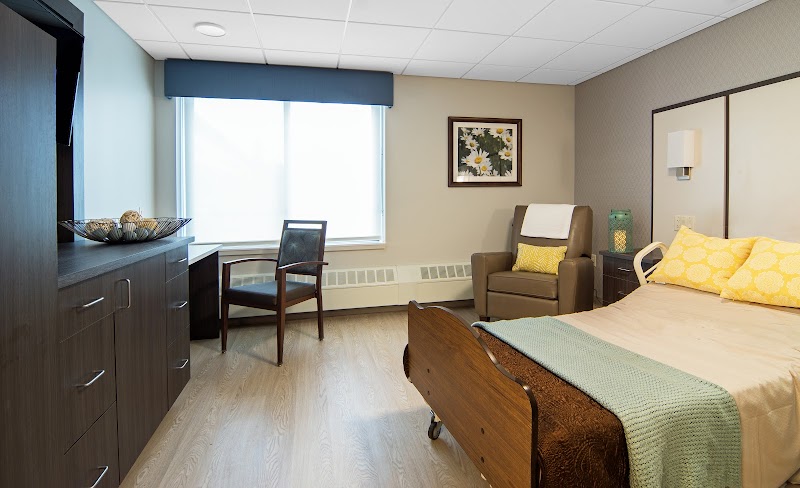
How is Woodbury Health Staffed?

CMS rates WOODBURY HEALTH CARE CENTER's staffing level at 2 out of 5 stars, which is below average compared to other nursing homes.

What Have Inspectors Found at Woodbury Health?

State health inspectors documented 46 deficiencies at WOODBURY HEALTH CARE CENTER during 2022 to 2025. These included: 1 Immediate Jeopardy (the most serious level, indicating potential for serious harm or death), 1 that caused actual resident harm, 42 with potential for harm, and 2 minor or isolated issues. Immediate Jeopardy findings are rare and represent the most serious regulatory concerns. They require immediate corrective action.
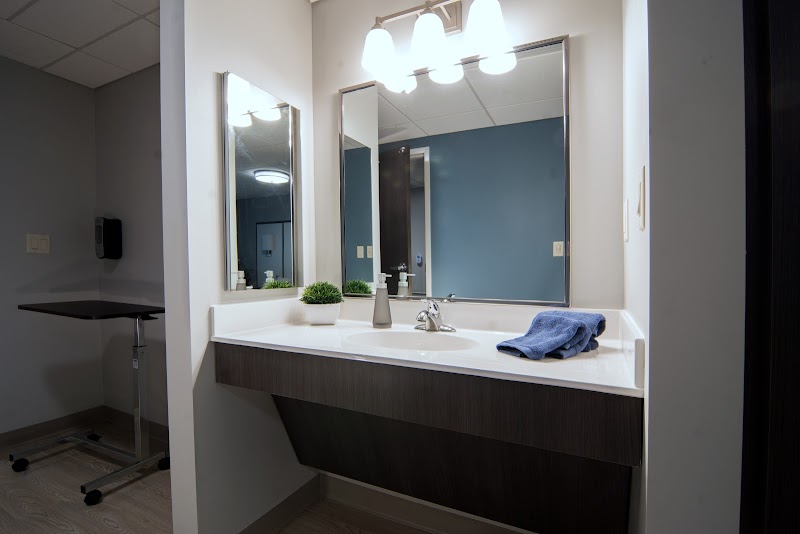
Who Owns and Operates Woodbury Health?

WOODBURY HEALTH CARE CENTER is owned by a non-profit organization. Non-profit facilities reinvest revenue into operations rather than distributing to shareholders. The facility is operated by LIFESPARK, a chain that manages multiple nursing homes. With 155 certified beds and approximately 108 residents (about 70% occupancy), it is a mid-sized facility located in WOODBURY, Minnesota.
How Does Woodbury Health Compare to Other Minnesota Nursing Homes?

Compared to the 100 nursing homes in Minnesota, WOODBURY HEALTH CARE CENTER's overall rating (2 stars) is below the state average of 3.2 and health inspection rating (2 stars) is below the national benchmark.

What Should Families Ask When Visiting Woodbury Health?

Based on this facility's data, families visiting should ask: "What changes have been made since the serious inspection findings, and how are you preventing similar issues?" "Can you walk me through typical staffing levels on day, evening, and night shifts?" "Can I visit during a mealtime to observe dining assistance and food quality?" "How do you handle medical emergencies, and what is your hospital transfer rate?" These questions are particularly relevant given the facility's Immediate Jeopardy citations and the below-average staffing rating.

Is Woodbury Health Safe?

Based on CMS inspection data, WOODBURY HEALTH CARE CENTER has documented safety concerns. Inspectors have issued 1 Immediate Jeopardy citation (the most serious violation level indicating risk of serious injury or death). The facility has a 2-star overall rating and ranks #100 of 100 nursing homes in Minnesota. Families considering this facility should ask detailed questions about what corrective actions have been taken since these incidents.

Do Nurses at Woodbury Health Stick Around?

WOODBURY HEALTH CARE CENTER has not reported staff turnover data to CMS. Staff turnover matters because consistent caregivers learn residents' individual needs, medications, and preferences. When staff frequently change, this institutional knowledge is lost. Families should ask the facility directly about their staff retention rates and average employee tenure.

Was Woodbury Health Ever Fined?

WOODBURY HEALTH CARE CENTER has been fined $26,685 across 1 penalty action. This is below the Minnesota average of $33,346. While any fine indicates a compliance issue, fines under $50,000 are relatively common and typically reflect isolated problems that were subsequently corrected. Families should ask what specific issues led to these fines and confirm they've been resolved.

Is Woodbury Health on Any Federal Watch List?

WOODBURY HEALTH CARE CENTER is not on any federal watch list. The most significant is the Special Focus Facility (SFF) program, which identifies the bottom 1% of nursing homes nationally based on persistent, serious quality problems. Not being on this list means the facility has avoided the pattern of deficiencies that triggers enhanced federal oversight. This is a positive indicator, though families should still review the facility's inspection history directly.