EDGEWOOD HEALTH & REHABILITATION
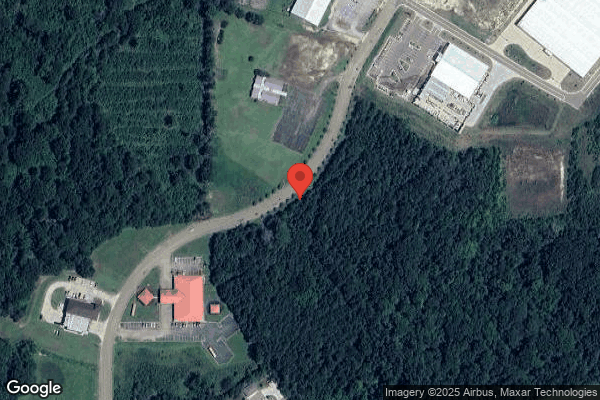
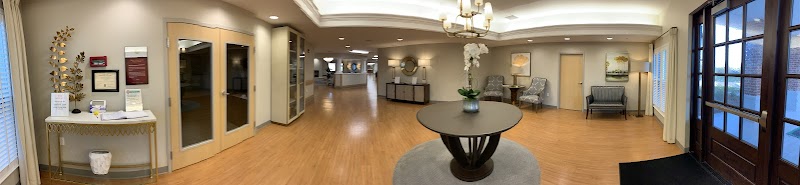
205 BYRAM PARKWAY, BYRAM, MS 39272 (601) 362-5394
For profit - Corporation 119 Beds TREND CONSULTANTS Data: November 2025 3 Immediate Jeopardy citations
Trust Grade
0/100
#160 of 200 in MS
Last Inspection: August 2024

Within standard 12-15 month inspection cycle. Federal law requires annual inspections.

Overview

Edgewood Health & Rehabilitation in Byram, Mississippi, has received a Trust Grade of F, indicating significant concerns about the facility's quality of care. Ranking #160 out of 200 facilities in the state places it in the bottom half, and #8 out of 11 in Hinds County suggests only a few local options are better. Although the trend is improving with the number of issues decreasing from 17 to 7 over the past year, staffing remains a concern with a 61% turnover rate, which is higher than the state average. The facility has also incurred $116,800 in fines, marking it higher than 94% of Mississippi facilities, which raises red flags about compliance. Specific incidents include a vulnerable resident being able to exit the facility unnoticed and another resident gaining access to a medication cart, both posing serious risks to health and safety. While there is some strength in staffing rated at 3/5 stars, the overall picture suggests families should proceed with caution.

Trust Score
F
0/100
In Mississippi
#160/200
Bottom 20%
Safety Record
High Risk
Review needed
Inspections
Getting Better
17 → 7 violations
Staff Stability
⚠ Watch
61% turnover. Above average. Higher turnover means staff may not know residents' routines.
Penalties
✓ Good
$116,800 in fines. Lower than most Mississippi facilities. Relatively clean record.
Skilled Nurses
⚠ Watch
Each resident gets only 17 minutes of Registered Nurse (RN) attention daily — below average for Mississippi. Fewer RN minutes means fewer trained eyes watching for problems.
Violations
⚠ Watch
41 deficiencies on record. Higher than average. Multiple issues found across inspections.
★☆☆☆☆
1.0
Overall Rating
★★★☆☆
3.0
Staff Levels
★☆☆☆☆
1.0
Care Quality
★☆☆☆☆
1.0
Inspection Score
Stable
2024: 17 issues
2025: 7 issues

The Good

  • Full Sprinkler Coverage · Fire safety systems throughout facility
  • No fines on record

Facility shows strength in fire safety.

The Bad

1-Star Overall Rating

Below Mississippi average (2.6)

Significant quality concerns identified by CMS

Staff Turnover: 61%

15pts above Mississippi avg (46%)

Frequent staff changes - ask about care continuity

Federal Fines: $116,800

Well above median ($33,413)

Significant penalties indicating serious issues

Chain: TREND CONSULTANTS

Part of a multi-facility chain

Ask about local staffing decisions and management

Staff turnover is elevated (61%)

13 points above Mississippi average of 48%

The Ugly 41 deficiencies on record

3 life-threatening 7 actual harm
Jun 2025 3 deficiencies 1 IJ
CRITICAL (J) 📢 Someone Reported This

A family member, employee, or ombudsman was alarmed enough to file a formal complaint

Immediate Jeopardy (IJ) - the most serious Medicare violation

Accident Prevention (Tag F0689)

Someone could have died · This affected 1 resident

**NOTE- TERMS IN BRACKETS HAVE BEEN EDITED TO PROTECT CONFIDENTIALITY** Based on observation, staff interview, record review, and facility policy review, the facility failed to provide adequate superv...

Read full inspector narrative →
**NOTE- TERMS IN BRACKETS HAVE BEEN EDITED TO PROTECT CONFIDENTIALITY** Based on observation, staff interview, record review, and facility policy review, the facility failed to provide adequate supervision and ensure environmental safety to prevent Resident #1, a vulnerable resident, from exiting the facility unnoticed and unsupervised for one (1) of three (3) residents reviewed. Resident #1 On 6/10/25, Resident #1, who had a Brief Interview for Mental Status (BIMS) score of seven (7), was let out of the building by a lawn service worker. She exited the facility in her wheelchair unnoticed and was last seen inside the facility at 11:05 AM. She was found at 11:08 AM by a visitor walking into the facility in the facility's parking lot, approximately 145 feet from the front door of the building. The facility's failure to provide supervision and ensure environmental safety put Resident #1 and other vulnerable residents at risk for serious injury, serious harm, serious impairment, or death. The situation was determined to be an Immediate Jeopardy (IJ) and Substandard Quality of Care (SQC), which began on 6/10/25, when Resident #1 exited the facility. The State Agency (SA) notified the Administrator of the IJ on 6/17/25 at 2:30 PM and provided an IJ Template. Based on the facility's implementation of corrective actions on 6/11/25, the SA determined the IJ and SQC to be Past Non-Compliance (PNC) and the IJ was removed as of 6/12/25 prior to the SA's entrance on 6/16/25. Findings include: A review of the facility's policy Accidents and Supervision, revised 4/3/25 revealed, Policy: The resident environment will remain as free of accident hazards as is possible. Each resident will receive adequate supervision .to prevent accidents .Policy Explanation and Guidelines .5. Supervision - Supervision is an intervention and a means of mitigating accident risk. The facility will provide adequate supervision to prevent accidents . Record review of the Final Investigation revealed, .On 6/10/2025 DON (Director of Nursing) was informed by Social Services Director that she was informed by a visitor that (Resident #1) was outside in facility parking lot, in wheelchair. Social Services Director and MDS (Minimum Data Set) nurse went outside and resident was seated up in wheelchair in parking lot of facility .Staff reviewed the camera system and noted door was held open to allow resident to exit facility by lawn service vendor staff who was exiting the facility after providing lawn services to inner courtyard .Investigation revealed resident was 145 feet from the front door, weather conditions for 6/10/2025 .was as follows, at 10:00 AM the temperature was 80 degrees, cloud cover was at 37%, and humidity was 74%, wind speed was 4.3 westerly winds . Record review of the local conditions revealed on 6/10/25 at 10:00 AM to 11:00 AM was 80 degrees, cloud cover was at 37%, and humidity was 74%. A record review of a statement by the Lawn Care Vendor revealed, .Our employee had been inside performing routine lawn maintenance at the inner courtyard. While he was waiting to be let out of the front door .a resident in a wheelchair came up behind him and followed him outside . A record review of the admission Record revealed the facility admitted Resident #1 on 5/19/2016 with current diagnoses including Heart Failure and Vascular Dementia. A record review of the Quarterly MDS with an Assessment Reference Date (ARD) of 4/15/2025 revealed Resident #1 had a BIMS score of 07, which indicated her cognition was severely impaired. Further review of Section E revealed Resident #1 did not exhibit any wandering behaviors. A record review of the Wandering Elopement Assessment, dated 4/15/25, revealed Resident #1 scored 1.0 which indicated Category of Low Risk for Wandering. On 6/16/25 at 4:00 PM, during an interview with the Administrator and Director of Nursing (DON), they confirmed that on 6/10/25 at approximately 11:05 AM, a lawn care worker opened and held the facility's front door, allowing Resident #1 to exit unsupervised. The resident was found approximately 145 feet from the entrance, sitting in her wheelchair in the parking lot. A review of the facility's surveillance video revealed the resident was outside without supervision for approximately three (3) minutes. The Administrator and DON stated Resident #1 was not care planned as an elopement risk and had not exhibited elopement behaviors prior to the incident. They acknowledged that signage was posted on the inner door instructing individuals not to allow residents to exit. However, they reported that the lawn care worker involved did not speak or read English and was unable to interpret the posted warning. Following the elopement, the facility conducted a head count of all residents. On 6/16/25 at 4:15 PM, during an interview with Licensed Practical Nurse (LPN) #1, she explained that on 6/10/25, she heard the Social Worker call her name and ask for assistance retrieving a resident who was outside. LPN #1 stated that she and the Social Worker immediately ran outside and found Resident #1 sitting in her wheelchair facing the facility entrance, approximately 145 feet from the front door. She stated the resident did not appear to be in any distress, and the weather was overcast, with no rain and mild temperatures. LPN #1 reported that they brought the resident back inside right away and notified the Director of Nursing (DON) and the Administrator. She stated the resident was assessed, and the resident's Resident Representative (RR) and medical provider were notified. On 6/16/25 at 4:30 PM, during an interview with the Social Services Director, she explained that on 6/10/25, a resident's family member informed her that a resident was outside in a wheelchair. She stated she immediately called out to LPN #1, and they both ran outside, where they found Resident #1 in her wheelchair. On 6/17/25 at 9:00 AM, during a review of the facility's surveillance video, a lawn maintenance worker opened and held the front door of the facility, allowing Resident #1 to exit unattended. The video revealed that Resident #1 was outside the facility, unsupervised, for approximately three (3) minutes. The resident was observed wearing a long-sleeved T-shirt, blue jeans, and tennis shoes. There was no rain at the time, and the resident was located in the facility's parking lot. On 6/17/25 at 9:15 AM, during a phone interview with the lawn care manager, he confirmed that one of his crew members held the front door open, allowing Resident #1 to exit the facility. The manager explained that the crew member does not speak or read English and was therefore unable to read the signage posted on the door instructing that residents are not permitted to exit unaccompanied. The facility submitted a corrective action plan as follows: On 6/10/2025 at 11:02 AM, Resident #1 exited the facility unsupervised through the front door, which was held open by a lawn service vendor employee who could not read or speak English to understand the sign posted on the door. This incident represented an Immediate Jeopardy (IJ) situation. The Administrator was presented with an IJ template by the State Agency (SA) on 6/17/2025 at 2:30 PM. On 6/10/2025 at 11:04 AM, a visiting guest leaving the facility notified staff that a resident was outside in front of the facility. Licensed Practical Nurse (LPN) #1 and the Director of Social Services immediately exited the building and assisted Resident #1 back inside. On 6/10/2025 at 11:05 AM, LPN #1 notified the Administrator and the Director of Nursing (DON). On 6/10/2025 at 11:15 AM, an investigation was initiated by LPN #1. A body audit was completed for Resident #1, and no injuries were noted. The resident was placed on hourly observations. On 6/10/2025 at 11:30 AM, the Administrator completed a head count and bed checks. All other residents were accounted for. On 6/10/2025 at 11:40 AM, the Administrator reviewed video camera footage. The footage confirmed that at 11:02 AM, a lawn service vendor exited through the front door and held the door open, allowing Resident #1 to exit the facility. On 6/10/2025 at 11:45 AM, the Administrator notified the facility's Medical Director of the incident. On 6/10/2025 at 11:45 AM, maintenance staff checked all doors for proper functioning and locking. All doors were secured, locked, and functioning properly. On 6/10/2025, the Administrator added signs to the facility's front door in Spanish to coincide with the existing signs in English, which instruct visitors not to allow residents to exit without staff present. On 6/10/2025 at 1:10 PM, the Director of Nursing notified the State Department of Health Complaint Line as well as the Attorney General's Office of Resident #1's elopement. On 6/10/2025 at 2:00 PM, Resident #1's care plan was reviewed and updated by the Minimum Data Set (MDS) nurses. A complete audit was performed by MDS on all residents identified as at risk or exhibiting wandering/elopement behaviors. On 6/11/2025 at 8:00 AM, the Director of Nursing and the Administrator initiated in-service education for staff. Topics included: Door release and observation, Elopement or missing resident policy, Procedures for identifying and responding to elopement, Post-elopement protocols. Staff will not be allowed to work until all Inservice education has been completed. On 6/11/2025, Code [NAME] drills were held by maintenance staff and the administrator during the 7 AM-3 PM and 3 PM-11 PM shifts as part of the in-service training on wandering risk and elopement procedures. On 6/11/2025 at 9:00 AM, maintenance staff re-checked all doors and locks to validate appropriate functioning. All locks were confirmed secure and operational. On 6/11/2025 at 10:00 AM, an ad hoc Quality Assurance Performance Improvement (QAPI) meeting was held with the Medical Director, Administrator, DON, Social Services Director, MDS (LPN) #1, Infection Preventionist, and RN Unit Managers. The QAPI Committee made the following recommendations: Continue staff in-service training on wandering risk, elopement procedures, and door lock protocols. Maintain hourly observation of Resident #1, as updated on the care plan dated 6/10/2025, indefinitely. No new recommendations were made following the 6/10/2025 audit of residents at risk for elopement. No other residents were identified as high risk at this time. The Administrator and Social Services reviewed the Elopement Binder on 6/10/2025. Resident #1 was added, and their face sheet and photo were included. The Administrator, DON, and Staff Development Coordinator will monitor compliance. The Wandering Resident and Elopement Policy and Procedure was reviewed on 6/11/2025; no revisions were recommended. Implement in-house maintenance staff to manage the facility's inner courtyards effective 6/11/2025. Conclusion: Based on the corrective actions taken and completed on 6/11/25, the facility alleges that Immediate Jeopardy was removed as of 6/12/25. Validation: The SA validated on 6/19/25, through interview and record review, that corrective actions to remove the Immediate Jeopardy were completed on 6/11/25, and the IJ was removed as of 6/12/25, prior to the SA's entrance on 6/16/25.
CONCERN (D) 📢 Someone Reported This

A family member, employee, or ombudsman was alarmed enough to file a formal complaint

Potential for Harm - no one hurt, but risky conditions existed

Deficiency F0657 (Tag F0657)

Could have caused harm · This affected 1 resident

Complaint: MS #29210 Based on record review, interview, and facility policy review, the facility failed to develop and revise a comprehensive care plan in accordance with physician orders and professi...

Read full inspector narrative →
Complaint: MS #29210 Based on record review, interview, and facility policy review, the facility failed to develop and revise a comprehensive care plan in accordance with physician orders and professional standards for one (1) of three (3) residents reviewed for respiratory equipment (Resident #2). Specifically, the facility failed to update the resident's care plan to reflect a new physician order dated 1/31/25 for an auto-adjusting -(continuous positive airway pressure) C-Pap at 8-18 cm (centimeter) of H20 (water), with modem setup, and the interdisciplinary team did not review or implement updated interventions related to the resident's new therapy. Findings included: A review of the facility's Care Plans-Comprehensive, revised on 10/2016, revealed, .An individualized (person centered) comprehensive care plan that includes measurable objectives and timetables to meet the resident medical, nursing, mental and psychological needs is developed for each resident . A record review of the admission Record revealed the facility admitted Resident #2 on 7/20/2020 with current diagnoses including bipolar disorder. Record review of the Annual Minimum Data Set (MDS) with an Assessment Reference Date (ARD) of 4/4/25 revealed Resident #2 had a Brief Interview for Mental Status (BIMS) score of 09, which indicated he is moderately impaired. A record review of the physician prescription revealed, on 1/31/2025 Auto-C-Pap at 8-18 cm of H2O. with Modem set up. A record review of the facility's statement dated 6/19/25, and signed by the Administrator revealed, the facility failed to enter the C-Pap 1/31/25 order from physician and care plan was not created or updated to reflect the new order. A record review of Resident #2 facility progress note revealed, on 5/30/25 resident was fitted for and received his C-Pap machine on 5/28/25. A record review of the Comprehensive Care Plan revealed, on 7/20/2020 the resident had a C-Pap at 4 (four) cm and has not been updated to reflect the new order C-Pap at 8-18 cm of H2O, with Modem set up. On 6/16/25 at 4:00 PM, during an interview with Licensed Practical Nurse (LPN)/MDS Coordinator #1, she confirmed that Resident #2's comprehensive care plan was not updated to reflect the new CPAP prescription ordered on 1/31/25. She confirmed that comprehensive care plans are essential to ensure residents receive individualized and coordinated care. New physician orders should be reflected in the plan. On 6/18/25 at 12:38 PM, during an interview with the Director of Nurses (DON), she confirmed that the physician's order the new C-Pap machine dated 1/31/25 was not incorporated into the resident's care plan. She revealed that all new physician orders should be reflected in the care plan to guide staff in providing the appropriate care. This one was missed. On 6/18/25 at 1:00 PM, during an interview with the Administrator, she acknowledged that the interdisciplinary (IDT) team did not review or revise Resident #2's care plan in response to the 1/31/25 physician order the new C-Pap machine. The Administrator confirmed there is no documentation that the IDT met or reviewed the care plan related to the new C-Pap order.
CONCERN (D) 📢 Someone Reported This

A family member, employee, or ombudsman was alarmed enough to file a formal complaint

Potential for Harm - no one hurt, but risky conditions existed

Deficiency F0658 (Tag F0658)

Could have caused harm · This affected 1 resident

Complaint MS #29210 Based on record review, interview, and facility policy review, the facility failed to ensure services were provided and documented according to professional standards for one (1) ...

Read full inspector narrative →
Complaint MS #29210 Based on record review, interview, and facility policy review, the facility failed to ensure services were provided and documented according to professional standards for one (1) of three (3) sampled residents receiving individual Continuous Positive Airway Pressure (C-Pap). Resident #2. Specifically, the facility failed to follow and transcribe a physician's order dated 1/31/25 for a new C-Pap machine, until 5/28/25. Findings included: A review of the facility's policy titled, Transcribing Physician Orders, revised 2/27/2012, revealed, .It is the policy of this facility to transcribe and follow the attending physicians orders as written with order clarification obtained when needed . Resident #2 A record review of the admission Record revealed the facility admitted Resident #2 on 7/20/2020 with current diagnoses including bipolar disorder. Record review of the Annual Minimum Data Set (MDS) with an Assessment Reference Date (ARD) of 4/4/25 revealed Resident #2 had a Brief Interview for Mental Status (BIMS) score of 09, which indicated he is moderately impaired. A record review of the physician prescription revealed, on 1/31/2025 Auto-(continuous positive airway pressure) C-Pap at 8-18 (centimeter) cm of (water) (H2O), with Modem set up. A record review of the facility's statement dated 6/19/25, and signed by the Administrator revealed, the facility failed to enter the C-Pap 1/31/25 order from physician. A record review of Resident #2 facility progress note revealed, on 5/30/25 resident was fitted for and received his C-Pap machine on 5/28/25. On 6/18/25 at 12:38 PM, during an interview with the Director of Nurses (DON) confirmed that on 1/31/25 following the resident sleep study examination, his physician recommended the resident have a new C-Pap with mask. On 2/6/25 the DON supplied the Administrator with quotes on renting the C-Pap quotes and or purchase of a new machine. On 5/26/25 she received authorization from the Administrator to rent the new C-Pap for Resident #2 and it was supplied to the resident on 5/28/25. On 6/18/25 at 1:00 PM, during an interview with the Administrator confirmed that she received new orders from the DON for Resident #2 to have a new C-Pap machine on 1/31/25. Following she received several quotes from the DON that she gave authorization for the C-Pap on 5/26/25 to the DON. During a phone interview on 6/18/25 at 4:00 PM, the Nurse Practitioner (NP) confirmed that Resident #2 was ordered a new C-Pap by his pulmonologist on 1/31/25, following his sleep study. The importance of receiving a new C-Pap for maintaining optimal therapy effectiveness and ensuring hygiene during that time C-Pap machines and components can degrade leading to reduced airflow.
Mar 2025 4 deficiencies
CONCERN (D) 📢 Someone Reported This

A family member, employee, or ombudsman was alarmed enough to file a formal complaint

Potential for Harm - no one hurt, but risky conditions existed

Free from Abuse/Neglect (Tag F0600)

Could have caused harm · This affected 1 resident

**NOTE- TERMS IN BRACKETS HAVE BEEN EDITED TO PROTECT CONFIDENTIALITY** Based on observation, interview, record review, and facility policy review, the facility failed to ensure a resident's right to ...

Read full inspector narrative →
**NOTE- TERMS IN BRACKETS HAVE BEEN EDITED TO PROTECT CONFIDENTIALITY** Based on observation, interview, record review, and facility policy review, the facility failed to ensure a resident's right to be free from abuse for two (2) of seven (7) sampled residents reviewed, Resident #1 and Resident #2. Findings include: Record review of the facility policy titled Preventing Resident Abuse, with a revision date of 8/16/2016, revealed .1. The facility's goal is to achieve and maintain an abuse-free environment .3. Residents have the right to be free from all forms of abuse. Abuse includes conduct that causes or has the potential to cause the resident to experience humiliation, fear, shame, agitation, or degradation. Resident #1 Record review of the facility's Final Investigation dated 2/22/25-2/23/25 revealed the facility's documentation stated that on 2/24/25, the roommate of Resident #1 (Resident #6) reported to the Director of Nursing (DON) and Social Services Director (SSD) that on the night of 2/22/25 or early morning of 2/23/25, she heard Resident #1 say, Stop hitting me, while Certified Nurse Aide (CNA) #1 was rendering care. Resident #6 provided a written statement that read: Saturday midnight shift 11-7 the CNA came in the room around 1:00 AM to change (Resident #1's) brief when I heard a lot of touching, and I heard (Proper name of Resident #1) say, Stop, you hurting me and I heard a pop on her body. Resident #1 scream loud Stop hitting me! and the CNA said, ' You stop hitting me. Record review of the facility's Final Investigation with the date of incident as 3/13/2025 revealed an allegation of verbal abuse by CNA #2. Resident #1's roommate (Resident #6) provided an audio recording-obtained with permission from Resident #1's Responsible Party (RP)-as evidence of inappropriate speech and verbal abuse. The investigation revealed that CNA #2 made belittling, mocking, and profane remarks to Resident #1 during care. Specific comments recorded included the CNA referring to the resident's alopecia by saying, You got a few strands in the back. CNA #2 commented, Look at your feet, how they are overlapping, and You have hair on your chin. She stated, You probably didn't whip your kids ass, but you're up here trying to whip ours. When the resident said she was going out on pass with her daughter, the CNA replied, Well, I want to see that. When discussing the resident's previous work, CNA #2 said, Oh, I couldn't have worked there. I would have been a dead nigga. She remarked, Once an adult and twice a child. When the resident said, That hurts, the CNA said, I bet it didn't hurt when that man was down there. When the resident mentioned her breast, the CNA said, I don't like women. I like men. I don't lick and lap. On 3/18/25 at 11:25 AM, an interview with the SSD revealed she was made aware of the abuse allegation involving Resident #1 and CNA #1 on 2/24/25 at approximately 12:00 PM, as reported by Resident #6. The SSD confirmed the allegation included hearing a pop and Resident #1 screaming out during care. She stated she was informed of the abuse allegation involving Resident #2 on the same day by the resident's RP. Additionally, the SSD reported she learned of the verbal abuse allegation against CNA #2 during a meeting with Resident #1's RP on 3/3/25, concerning abuse that occurred in January and February 2025. On 3/18/25 at 10:50 AM, during observation and interview, Resident #1 was resting in bed, alert and oriented to self, but unable to recall any incidents of abuse or mistreatment. On 3/18/25 at 11:54 AM, during an interview with Resident #6, she confirmed that she had reported both the physical abuse by CNA #1 and verbal abuse by CNA #2. She described the 2/22/25 incident involving CNA #1, confirming that she heard Resident #1 say, Stop hitting me, followed by a pop and Resident #1 screaming. She also described CNA #2 as a bully who used cruel language during care and stated she had helped facilitate the recordings with RP permission due to Resident #1's memory impairment. On 3/18/25 at 12:03 PM, an interview with the Medical Director revealed he had been made aware of the allegations by the Administrator. He stated that both a Nurse Practitioner (NP) and a contract psychiatric NP had assessed the residents, and neither required hospitalization or medical intervention. He reported no change in either resident's condition since the incidents. On 3/20/25 at 2:52 PM, during a telephone interview, the Resident Representative for Resident #1 reported she had heard the audio recording shared by Resident #6 and described CNA #2's language as disrespectful and humiliating. She stated the CNA sounded like a bully and that the language used was degrading, including references to the resident's appearance and sexually inappropriate remarks. Record review of the admission Record for Resident #1 revealed the resident was admitted on [DATE] with diagnoses that included Unspecified dementia, Brain disorder, and Hypertension. Record review of the Quarterly Minimum Data Set (MDS) with an Assessment Reference Date (ARD) of 1/14/25 revealed a Brief Interview for Mental Status (BIMS) score of 4, indicating severe cognitive impairment. Resident #2 Record review of the facility's Final Investigation dated 2/23/25 revealed that Resident #2 reported to the DON that CNA #1 had struck her on the hands during care. The incident occurred on the 11:00 PM-7:00 AM shift. Resident #2 stated that CNA #1 was assisting her to turn in bed and that she was holding onto a positioner. When she didn't release her grip, CNA #1 struck her on the knuckles and repeated, Let go. Resident #2 said she told the CNA, Give me time. I'm [AGE] years old. The facility's investigation revealed CNA #1 had been assigned to Resident #2 and had documented care for that shift. On 3/18/25 at 1:00 PM, during observation and interview, Resident #2 recalled that CNA #1 struck her knuckles during care on 2/23/25, while she was holding a positioner. She said the CNA told her to let go, then struck her, prompting her to respond, Give me time. I'm [AGE] years old. On 3/19/25 at 11:00 AM, the Administrator confirmed that both CNA #1 and CNA #2 had been suspended immediately after their respective allegations and that both were terminated based on the facility's investigations. On 3/20/25 at 1:48 PM, an interview with the DON revealed she was notified of the abuse allegations involving Resident #1 and Resident #2 on 2/24/25. She confirmed CNA #1 was not on duty at the time but was immediately suspended. She stated the roommate of Resident #1 described hearing the resident scream out, Stop hitting me! and hearing CNA #1 respond, You stop hitting me! The DON confirmed CNA #1's employment was terminated, and the incident was reported to the State Agency (SA) certification division.The DON reported she was made aware of the verbal abuse allegation against CNA #2 on 3/13/25. She confirmed CNA #2 was immediately suspended. The resident's RP had shared recordings of the abuse, and Resident #6 confirmed that CNA #2 made mocking and inappropriate comments during care. The DON stated she had previously corrected CNA #2 for making inappropriate remarks about another staff member. Following investigation, CNA #2's employment was terminated, and she was also reported to the SA certification division. Record review of the admission Record for Resident #2 revealed the resident was admitted on [DATE] with diagnoses that included Atrial fibrillation, Congestive heart failure, and Hypertension. Record review of the Annual MDS with an ARD of 3/4/25 revealed a BIMS score of 10, indicating moderate cognitive impairment. On 3/19/25 at 2:46 PM, during a telephone interview, CNA #2 confirmed familiarity with Residents #1 and #4 and admitted making the statement about that man down there, though she claimed she was quoting someone else. She confirmed her suspension and termination. On 3/20/25 at 2:42 PM, the SA attempted to contact CNA #1 by telephone and text but was unsuccessful.
CONCERN (D) 📢 Someone Reported This

A family member, employee, or ombudsman was alarmed enough to file a formal complaint

Potential for Harm - no one hurt, but risky conditions existed

Comprehensive Care Plan (Tag F0656)

Could have caused harm · This affected 1 resident

**NOTE- TERMS IN BRACKETS HAVE BEEN EDITED TO PROTECT CONFIDENTIALITY** Based on observation, interview, record review, and facility policy review, the facility failed to implement care plan intervent...

Read full inspector narrative →
**NOTE- TERMS IN BRACKETS HAVE BEEN EDITED TO PROTECT CONFIDENTIALITY** Based on observation, interview, record review, and facility policy review, the facility failed to implement care plan interventions on the Activities of Daily Living (ADL) care plan for Resident #7 when the resident's drink was left unopened, her cereal was served dry, and her utensils were placed out of reach during the evening meal on 3/20/25 for one (1) of seven (7) sampled residents reviewed. Resident #7. Findings include: Record review of the Care Plan dated 7/07/24 for Resident #7 revealed a focus of Resident requires assistance with ADLs related to muscle weakness and diagnosis of Alzheimer's Disease .Interventions .Provide assistance as needed for ADLs .Resident able to feed self with tray set-up but does require nursing staff to assist with feeding at times due to visual impairment On 3/20/25 at 5:30 PM, during a dining observation and interview, Resident #7 and her roommate were alone in their room. Resident #7 was sitting in bed with her supper tray on her over-the-bed table. She had her soda can unopened in her hand, and her utensils were out of reach on the opposite side of the tray. Resident #7 confirmed that she wanted to eat and drink but could not open the can and did not know where her utensils were. Licensed Practical Nurse (LPN) #3 and the Director of Nursing (DON) arrived and confirmed that the drink should have been opened and the utensils placed within reach during tray set-up as part of meal assistance. On 3/20/25 at 4:40 PM, during an interview with the DON and Administrator, both confirmed that ADL assistance for eating included opening containers and ensuring that residents could reach utensils at the time of tray set-up. They confirmed that care plans were essential for appropriate care and staff were expected to follow them. Record review of the admission Record for Resident #7 revealed the resident was admitted to the facility on [DATE] with diagnoses including Alzheimer's Disease, Glaucoma, Muscle weakness, and Diabetes.
CONCERN (D) 📢 Someone Reported This

A family member, employee, or ombudsman was alarmed enough to file a formal complaint

Potential for Harm - no one hurt, but risky conditions existed

Deficiency F0676 (Tag F0676)

Could have caused harm · This affected 1 resident

**NOTE- TERMS IN BRACKETS HAVE BEEN EDITED TO PROTECT CONFIDENTIALITY** Based on observation, interview, record review, and policy review, the facility failed to provide appropriate services to mainta...

Read full inspector narrative →
**NOTE- TERMS IN BRACKETS HAVE BEEN EDITED TO PROTECT CONFIDENTIALITY** Based on observation, interview, record review, and policy review, the facility failed to provide appropriate services to maintain the ability to carry out activities of daily living (dining/eating) when the resident's drink was left unopened and her utensils were left out of reach during the evening meal on 3/19/25, which prevented her from feeding herself for one (1) of seven (7) sampled residents reviewed. Resident #7 Findings include: Record review of the facility policy titled, Meal Assistance and Assistance Policy, dated May 2024, revealed Policy . Compliance Guidelines . 5. Check the tray before serving it to the resident to be sure that it is correct diet ordered and that the food consistency is appropriate to the resident's ability to chew and swallow . Arrange the dishes and silverware so that the resident can reach them easily . 8. Open all cartons and remove all lids from items on the tray. Give the napkin to the resident . 17. Encourage the resident to participate with his or her meal as much as possible. On 3/19/25 at 5:30 PM, during a dining observation and interview, Resident #7 and her roommate were alone in their room without staff present. Resident #7 was sitting in bed with her supper tray in front of her on an over-the-bed table. Her soda can was unopened in her hand, and her utensils were out of reach on the opposite side of the tray across her plate. There was a bowl of cereal on the tray without milk. Resident #7 confirmed that she wanted to drink her soda and eat but could not open the can and did not know where her utensils were. Licensed Practical Nurse (LPN) #3 and the Director of Nursing (DON) arrived and confirmed that the drink should have been opened and the utensils should have been placed within reach as part of meal set-up assistance. On 3/20/25 at 4:40 PM, during an interview with the DON and the Administrator, both confirmed that activities of daily living (ADL) assistance for eating included opening containers, pouring milk over cereal, and ensuring residents could reach their utensils during tray set-up. Record review of the admission Record for Resident #7 revealed the resident was admitted to the facility on [DATE] with diagnoses including Alzheimer's Disease, Glaucoma, Muscle weakness, and Diabetes. Record review of the Quarterly Minimum Data Set (MDS) with an Assessment Reference Date (ARD) of 3/12/24 for Resident #7 revealed a Brief Interview for Mental Status (BIMS) score of 9, indicating moderate cognitive impairment.
CONCERN (D) 📢 Someone Reported This

A family member, employee, or ombudsman was alarmed enough to file a formal complaint

Potential for Harm - no one hurt, but risky conditions existed

Deficiency F0804 (Tag F0804)

Could have caused harm · This affected 1 resident

**NOTE- TERMS IN BRACKETS HAVE BEEN EDITED TO PROTECT CONFIDENTIALITY** Based on observation, interview, record review, and policy review, the facility failed to provide a meal that was palatable in a...

Read full inspector narrative →
**NOTE- TERMS IN BRACKETS HAVE BEEN EDITED TO PROTECT CONFIDENTIALITY** Based on observation, interview, record review, and policy review, the facility failed to provide a meal that was palatable in appearance when the facility posted Club Sandwich and French Fries on the menu for the evening meal on 3/19/25 and the sandwiches served were not palatable in appearance and did not match the facility's recipe for two (2) of seven (7) sampled residents reviewed. Resident #3 and Resident #4. Findings include: Record review of the facility policy titled MENUS, dated 4/21/22, revealed the policy stated: Policy . Foods will be served as planned on the menu unless there is a legitimate and extenuating circumstance . Standardized recipes are available for all items included on the cycle menu. Computerized recipes may be used. Record review of the posted menu for the evening meal on 3/19/25 revealed the menu listed Club Sandwich, Potato Chips, Cookie of Choice, Fruit of Choice, Iced Tea, and Milk. Record review of the Menu Calendar Report, Week 4, revealed that the Wednesday dinner menu included Club Sandwich, Potato Chips, Cookie of Choice, Fruit of Choice, Iced Tea, and Milk. The alternate menu included chicken strips, tater tots, mixed vegetables, turkey sandwich, and French fries. Record review of the Recipe Report for Club Sandwich revealed the ingredients included bacon, sliced white bread, mayonnaise, fresh sliced tomatoes, fresh iceberg lettuce, pre-sliced pork, ham, lunch meat, and turkey. On 3/19/25 at 5:00 PM, observation and interview with Resident #4 in the dining room revealed she had a slice of ham and an intact hoagie bun (not sliced into halves) on her supper plate with no vegetables. There were no chips or French fries on her plate. Resident #4 stated she was not able to eat the bun, picked it up and held it near her mouth, then stated, How can I eat it? I can't even get it in my mouth. When asked if she would like an alternate meal, she stated that staff were getting her some French fries and she would eat her meat and French fries. Observation revealed the meal served did not match the posted menu and did not appear palatable. On 3/20/25 at 10:00 AM, during an interview, the Administrator confirmed that posted menus were to be followed and that a club sandwich typically included bacon, more than one type of meat, and dressings such as tomato and lettuce. On 3/20/25 at 10:15 AM, during an interview with Resident #4 in her room, she stated she did not know what kind of sandwich was served on the evening of 3/19/25, but it was not a kind she was accustomed to or aware of. On 3/20/25 at 10:35 AM, during an interview with the Dietary Manager in Training (DMIT) and the contract Certified Dietary Manager (CDM), the CDM confirmed that posted menus were generated from prescheduled Menu Reports that could be adjusted based on resident preferences. Recipes were available online and were expected to be followed. She confirmed that sandwiches were customarily served with lettuce, tomato, and fresh vegetables to allow residents to dress their sandwiches as preferred. The DMIT stated she was not completely sure of the correct ingredients for a club sandwich. Record review of the admission Record for Resident #4 revealed the resident was admitted on [DATE] with diagnoses of Cervical spondylosis, Atrial fibrillation, and Anemia. Record review of the BIMS dated 1/10/25 revealed a score of 15, indicating no cognitive impairment. Resident #3 On 3/19/25 at 5:25 PM, observation and interview with Resident #3 revealed the resident was served an evening meal tray by facility staff that included a sandwich listed on the posted dinner menu as a club sandwich. The sandwich consisted of small ham squares and mayonnaise on a hoagie bun, with no vegetables. The resident looked at the sandwich and sneered. She stated it looked terrible and asked what it was supposed to be. She said she liked club sandwiches but that the item served was not a club sandwich. She attempted to eat it but had to remove the top bun in order to fit it in her mouth. Observation revealed the sandwich did not appear palatable and did not match the description or expectations of a club sandwich. Record review of the admission Record for Resident #3 revealed the resident was admitted on [DATE] with diagnoses including Hypertensive heart disease, Cerebral infarction, Diabetes, and Dementia. Record review of the Quarterly Minimum Data Set (MDS) with an Assessment Reference Date (ARD) 12/24/24 revealed a Brief Interview for Mental Status (BIMS) score of 5, indicating severe cognitive impairment.
Nov 2024 1 deficiency
CONCERN (D) 📢 Someone Reported This

A family member, employee, or ombudsman was alarmed enough to file a formal complaint

Potential for Harm - no one hurt, but risky conditions existed

Transfer Notice (Tag F0623)

Could have caused harm · This affected 1 resident

**NOTE- TERMS IN BRACKETS HAVE BEEN EDITED TO PROTECT CONFIDENTIALITY** Based on interviews, record reviews, and policy review, the facility failed to ensure the written contents of the notice of disc...

Read full inspector narrative →
**NOTE- TERMS IN BRACKETS HAVE BEEN EDITED TO PROTECT CONFIDENTIALITY** Based on interviews, record reviews, and policy review, the facility failed to ensure the written contents of the notice of discharge included all of the requirements for a facility-initiated discharge for one (1) of two (2) Residents reviewed. (Resident #1) Findings Include: A review of the facility's policy titled, Transfers and Documentation, dated 02/2024, revealed Transfers may occur within the facility for the following reasons: 1. The needs of the resident cannot be met in the section of the facility in which he/she is residing. 2. The resident threatens the safety of himself/herself or the safety of other residents in the facility. 3. The health or other residents is endangered. 4. The resident and/or resident representative requests a transfer made . During an interview on 11/25/24 at 2:48 PM, Resident #1's brother stated the discharge letter was dated 9/6/24 and was received by certified mail on 9/18/24. He stated he felt like there should have been more communication between the facility and family before they kicked him out. The resident's brother also stated the discharge letter did not include a discharge plan, nor an actual discharge date . The resident's brother also commented that from the date the actual discharge letter was received, it was not 30 days prior to the resident's discharge. A record review of the discharge letter dated 9/6/24 mailed by certified mail to the Resident Representative (RR) of Resident #1 revealed the notice of discharge did not include the reason for discharge, the location to which the resident was being discharged , nor the mailing and email address and telephone number of the agency responsible for protection and advocacy of individuals with a mental disorder. The discharge notice indicated the discharge of Resident #1 would occur 30 days after receipt of the notice. A record review of the Nurses Notes for Resident #1 revealed a note written on 10/15/24 by Licensed Practical Nurse (LPN) #1 revealed that Resident #1 was transferred to a nearby local hospital behavioral health unit due to sexual behavior towards staff and residents. An additional nurses note written by the Interim Director of Nursing (IDON) on 10/18/24 (30 days from the date that the brother stated the RR received the notice of discharge) at 3:58 PM, revealed that Resident #1 was discharged to the hospital's behavioral health unit that the resident had been transferred to on 10/15/24. The nurses note also revealed that the RR was notified. On 11/26/24 at 1:15 PM, in an interview with the current Administrator she stated she was not here during the Resident #1's discharge, as she came to the facility on [DATE]. The Administrator mentioned a 30-day discharge notice should include how the resident's needs cannot be met. She also added that in the past when she was responsible for sending discharge notices, she would say they would try to find a suitable place, however, if not they would be discharged to the RR. The Administrator stated 30-day discharge notices are sent by certified mail to ensure that the RR receives the notice. During an interview on 11/26/24 at 3:17 PM, with Interim Director of Nursing (IDON) at the time of alleged incident. She stated the prior Administrator wrote the discharge letter pertaining to Resident #1. She stated she had read over the letter; however, she had never seen a discharge letter before and did not know what was supposed to be included in the letter. A record review of Resident #1 admission Record revealed an admission date of 06/13/19 with diagnoses that included Schizophrenia and Vascular Dementia with Behavioral Disturbance. A record review of the Quarterly Minimum Data Set (MDS) for Resident #1, with an Assessment Reference Date (ARD) of 9/6/24, revealed a Brief Interview for Mental Status (BIMS) score of 11, which indicated moderate cognitive impairment. A review of the certified letter receipt revealed the RR signed for the letter on 9/18/24.
Aug 2024 9 deficiencies 4 Harm
SERIOUS (G) 📢 Someone Reported This

A family member, employee, or ombudsman was alarmed enough to file a formal complaint

Actual Harm - a resident was hurt due to facility failures

Notification of Changes (Tag F0580)

A resident was harmed · This affected 1 resident

Based on interviews, record review, and facility policy review, the facility failed to notify the Physician or the Resident Representative (RR) when a resident experienced pain to her right knee after...

Read full inspector narrative →
Based on interviews, record review, and facility policy review, the facility failed to notify the Physician or the Resident Representative (RR) when a resident experienced pain to her right knee after a resident transfer which resulted in a femoral fracture that was diagnosed the following day for one (1) of ten (10) sampled residents that require a mechanical lift for transfers. (Resident #5) Findings Include: A review of the facility's policy Resident Change in Condition revised 2016, revealed, .It is the policy of this facility to promptly notify the resident, his or her attending physician, and the resident representative (RR) of changes in the resident's condition .Procedure 1. The Charge Nurse will notify the resident's attending physician when: a. The resident is involved in any accident or incident that results in an injury .b. There is a significant change in the resident's physical, mental or psychosocial status .g. Deemed necessary or appropriate in the best interest of the resident. 2. Unless otherwise instructed by the resident, the charge nurse will notify the resident representative when: a. The resident is involved in any accident or incident that results in an injury .b. There is a significant change in the resident's physical, mental, or psychosocial status . A record review of the facility's investigation summary dated 7/6/24 and a follow up investigation dated 7/11/24 as reported to the State Agency revealed that on the morning of 7/3/24, Resident #5 complained of right leg pain to the nurse and her daughter via phone. The daughter called the nurse and requested an X-ray of her right leg at this time. The X-ray was completed, and the results came back in the early morning hours of 7/4/24. The interviews conducted included two (2) Certified Nursing Aides (CNAs) involved in transferring Resident #5 from the chair to the bed, the cart nurse, and the resident's roommate. The CNAs stated that upon attempting to transfer Resident #5 from the chair to the bed that afternoon, the lift battery was dead, rendering them unable to lift Resident #5 out of the chair. While the nurse was fetching the battery, Resident #5 began sliding out of the chair. To prevent her from falling, one CNA reclined the back of the chair. Then, one CNA grabbed the two handles at the top of the lift pad and the other grabbed the bottom two handles of the lift pad. The resident yelled out during the transfer. The sitter was in the room at the time of the transfer, she stated that she heard the resident yell out and the resident's knee was on the bed, but her foot was on the floor. During an interview on 7/30/24 at 10:20 AM, Licensed Practical Nurse (LPN #3) confirmed the incident occurred on 7/2/24 at approximately 2:15 PM when CNA #3 asked for assistance with transferring Resident #5 using a mechanical lift. LPN #3 explained she got another battery for the lift, but that battery was also not charged, so she unhooked the resident from the Hoyer and went to get another lift. When she returned with another lift, CNA #3 and CNA #4 informed her the resident had to be manually transferred to the bed because she had started sliding from the wheelchair. On 7/2/24, LPN #3 assessed the resident. CNA #3 reported that Resident #5 was moaning and pointing at her leg. LPN #3 confirmed the sitter also told her at that time Resident #5 was complaining of pain because the CNAs had manually transferred her. She admitted she did not notify the Unit Manager, Medical Director, DON, or Resident Representative (RR) about Resident #5's complaint of knee pain after the manual transfer. During an interview on 7/30/24 at 10:50 AM, CNA #3 admitted she did not notify LPN #3 that Resident #5 had screamed or yelled out in pain during the manual transfer. In an interview on 7/30/24 at 11:20 AM, CNA #4 also confirmed she did not notify LPN #3 that Resident #5 screamed or yelled out in pain during the manual transfer. On 8/1/24 at 11:00 AM, during an interview with the DON, she confirmed the physician, DON, and RR should have been notified of Resident #5's incident on 7/2/24 and resident yelling out in pain at the time of the transfer. She emphasized that it was the facility's policy to notify the Unit Manager, Medical Director, DON, and RR of any changes in residents' conditions and expected the nursing staff to adhere to this policy. On 8/1/24 at 2:17 PM, in an interview with the Administrator, he confirmed that on 7/2/24, the facility did not follow the facility's policy regarding notification of a change in a resident's condition. He stated that he expected the facility staff to comply with the policy and notify the physician and RR. A record review of the admission Record revealed the facility admitted Resident #5 on 3/2/2018 and she had current diagnoses including Hemiplegia, and Hemiparesis following Cerebral Infarction. A record review of the Quarterly Minimum Data Set (MDS) with an Assessment Reference Date of 5/17/24 revealed Resident #5 had a Brief Interview for Mental Status (BIMS) score of 14, which indicated she was cognitively intact.
SERIOUS (G) 📢 Someone Reported This

A family member, employee, or ombudsman was alarmed enough to file a formal complaint

Actual Harm - a resident was hurt due to facility failures

Comprehensive Care Plan (Tag F0656)

A resident was harmed · This affected 1 resident

Based on interviews, record review, and facility policy review, the facility failed to implement care plan approaches or interventions related to pain when Resident #5 yelled out in pain during a tran...

Read full inspector narrative →
Based on interviews, record review, and facility policy review, the facility failed to implement care plan approaches or interventions related to pain when Resident #5 yelled out in pain during a transfer for one (1) of 23 residents reviewed for care plans. (Resident #5) Findings Include: A review of the facility's Following the Care Plan Policy, dated 1/2011, revealed, .It is the Policy of this facility to follow a written and approved care plan for each resident. All employees will be .required to follow the care plan. Procedure .All employees will follow the written care plan that is developed in order to assure the residents needs are met. A record review of the Comprehensive Care Plan with an initiation date of 6/2/23 revealed Focus: Resident is at risk for pain .Interventions initiated on 6/2/2023 .Document type, location and severity of pain .Give medications as ordered . A record review of the facility's investigation summary dated 7/6/24 and a follow up investigation dated 7/11/24 as reported to the State Agency revealed that on the morning of 7/3/24, Resident #5 complained of right leg pain to the nurse and her daughter via phone. The daughter called the nurse and requested an X-ray of her right leg at this time. The X-ray was completed, and the results came back in the early morning hours of 7/4/24. The physician was notified of the results and gave an order for Resident #5 to be sent out for further examination. At approximately 4:37 PM on 7/4/24, the Registered Nurse (RN) Supervisor called the receiving facility to check on Resident #5 and was informed that she was being admitted with a fracture. The Certified Nursing Assistants (CNAs) stated that upon attempting to transfer Resident #5 from the chair to the bed that afternoon .the resident yelled out. The sitter who was in the room, stated that the resident's knee was on the bed, but her foot was on the floor. A record review of the local hospital orthopedic Consult Orders, dated 07/05/24, revealed, .Subjective .right distal periprosthetic femur fracture .A Hoyer lift is used for transfers. Patient had a fall during the transfer and was found to have a right distal femur fracture. She was admitted to the hospitalist for her medical care and orthopedics was consulted for fracture care. Objective: Right lower extremity: Moderate swelling about the fracture site . A record review of the electronic Medication Administration Record (eMAR) for July 2024 revealed an order dated 09/08/20 for Tramadol 50 milligrams (mg) Give 1 tablet by mouth every six (6) hours as needed (PRN) for moderate or severe pain. There was no documentation Resident #5 received any pain medication on 7/2/24, the day the incident occurred. Resident #5 received a routine Duragesic patch for pain on 7/3/24, which was the day following the manual transfer incident in which Resident #5 had screamed out in pain. In an interview on 07/30/24 at 10:20 AM, with Licensed Practical Nurse (LPN) #3, she confirmed on 7/2/24 at approximately 2:15 PM, Resident #5 was manually transferred from her wheelchair to her bed. Shortly after, CNA #3 reported to the nurse that Resident #5 was complaining of pain. LPN #3 confirmed she failed to administer any pain medication to Resident #5 on 07/02/24 when she complained of pain. In an interview with the Director of Nursing (DON) on 8/1/24 at 11:00 AM, she confirmed care plan interventions were not implemented regarding pain when LPN #3 failed to administer the as needed pain medication that was ordered for Resident #5 and did not report the pain to the oncoming nurse. The DON explained that care plans were in place for the staff to use to take care of the residents, and she expected the staff at the facility to follow care plan interventions on the residents. During an interview on 8/1/24 at 2:17 PM, the Administrator confirmed the staff failed to follow the care plan by not administering pain medication and documenting the pain to Resident #5. She expected the staff to follow the care plan. A record review of the admission Record revealed the facility admitted Resident #5 on 2/24/2023, and she had current diagnoses including Age-related Osteoporosis, Hemiplegia, and Hemiparesis following Cerebral Infarction.
SERIOUS (G) 📢 Someone Reported This

A family member, employee, or ombudsman was alarmed enough to file a formal complaint

Actual Harm - a resident was hurt due to facility failures

Accident Prevention (Tag F0689)

A resident was harmed · This affected 1 resident

**NOTE- TERMS IN BRACKETS HAVE BEEN EDITED TO PROTECT CONFIDENTIALITY** Based on record review, interviews, and facility policy review, the facility failed to ensure a resident was free of accidents a...

Read full inspector narrative →
**NOTE- TERMS IN BRACKETS HAVE BEEN EDITED TO PROTECT CONFIDENTIALITY** Based on record review, interviews, and facility policy review, the facility failed to ensure a resident was free of accidents and/or hazards when facility staff were aware a resident who was care planned for a mechanical lift was sliding from a wheelchair and the staff detached the lift pad from the mechanical lift, causing the resident to further slide and be manually transferred which resulted in a right femur fracture for one (1) of ten (10) sampled residents that required transfers via mechanical lift. (Resident #5) Findings Include: A review of the facility's Responsibility for Accident/Incident Report Policy dated [DATE] revealed, .It is the policy of this facility for all Incidents and Accidents involving resident's to be investigated immediately upon knowledge of the incident. Procedure .Procedure .They are to document on the proper forms and notify the Administrator and/or DON (Director of Nursing) immediately when there is an injury . A record review of the facility's investigation summary dated [DATE] and a follow up investigation dated [DATE] as reported to the State Agency revealed that on the morning of [DATE], Resident #5 complained of right leg pain to the nurse and her daughter via phone. The daughter called the nurse and requested an X-ray of her right leg at this time. The X-ray was completed, and the results came back in the early morning hours of [DATE]. The physician was notified of the results and gave an order for Resident #5 to be sent out for further examination. At approximately 4:37 PM on [DATE], the Registered Nurse (RN) Supervisor called the receiving facility to check on Resident #5 and was informed that she was being admitted with a fracture. The Administrator and Director of Nursing (DON) were notified at approximately 4:58 PM on [DATE], and a verbal report was made to the State Agency (SA). An investigation was initiated immediately. The interviews conducted included two (2) Certified Nursing Aides (CNAs) involved in transferring Resident #5 from the chair to the bed, the cart nurse, and the resident's roommate. The CNAs stated that upon attempting to transfer Resident #5 from the chair to the bed that afternoon, they connected the lift to the lift pad while she was in the chair. However, the lift battery was dead, rendering them unable to lift Resident #5 out of the chair. The nurse went to retrieve a new battery to re-attempt the transfer. While the nurse was fetching the battery, Resident #5 began sliding out of the chair. To prevent her from falling, one CNA reclined the back of the chair. Then one CNA grabbed the two handles at the top of the lift pad and the other grabbed the bottom two handles of the lift pad. Securing the lift pad at both top and bottom, they were able to slide Resident #5 from the chair to the bed safely. The CNA stated that they slid her over in her bed without incident. The sitter was in the room at the time of the transfer but was sitting on the other side in a chair next to the door with the curtain closed. The sitter stated she saw them lift her but then went back to watching her phone. When she heard the resident yell out, she looked up from her phone to check on the resident. She stated that the resident's knee was on the bed, but her foot was on the floor. A record review of the local hospital orthopedic Consult Orders, dated [DATE], revealed, .Subjective .right distal periprosthetic femur fracture .A Hoyer lift is used for transfers. Patient had a fall during the transfer and was found to have a right distal femur fracture. She was admitted to the hospitalist for her medical care orthopedics was consulted for fracture care. Objective: Right lower extremity: Moderate swelling about the fracture site . A record review of the Lift (Determination for Resident Lift/Transfer Assistance), dated [DATE], for Resident #5, revealed .A. Resident's Level of Assistance .Dependent - Resident requires more than 50 % assistance by staff, or is unpredictable in the amount of assistance offered .B. Can the Resident bear weight? . NO .C. Does the Resident have upper extremity strength to support his/her weight during the transfer .NO .G .1. Equipment used to transfer to and from .total lift . During an interview with Resident #5's daughter on [DATE] at 10:39 AM, she said she received a phone call from the sitter on [DATE] at approximately 8:02 AM, stating that her mother was moaning, groaning, and crying, and that her right knee was hurting. The sitter informed her that the staff transferred the resident on [DATE] at approximately 2:15 PM without using a Hoyer (type of mechanical lift). The daughter explained the sitter informed her that the nurse and the CNA attempted to transfer the resident via the Hoyer when the battery for the Hoyer failed. The nurse went to get another battery. The two CNAs transferred the resident by lifting the Hoyer pad manually. The daughter stated that the sitter heard a loud scream and looked over and noticed her mother's foot was on the floor. The daughter stated that she called the facility and asked for an X-ray. During an interview with the sitter on [DATE] at 10:50 AM, she stated on [DATE] at approximately 2:15 PM, she was sitting across the room with her chair facing the resident's bed. The sitter stated the roommate's privacy curtain was closed, but Resident #5 did not have a privacy curtain on her side. The sitter explained CNA #3 and LPN #3 were attempting to transfer Resident #5 via the Hoyer, however, the battery did not allow them to lift the resident. The nurse left to go and get another battery. CNA #4 entered the room along with the nurse and they attempted to use another battery, but that battery also did not work. CNA #4 stated, We can transfer the resident without using the Hoyer. LPN #3 replied, No, we're going to do the right thing. I know there's another battery around here. LPN #3 exited the room with the Hoyer lift. The sitter stated she was looking down at her phone when she heard Resident #5 scream. She looked up and noticed Resident #5's knee was on the bed and her foot was on the floor. The sitter asked CNA #3 and CNA #4 how the resident's foot got on the floor, but neither CNA responded. The nurse returned with a Hoyer lift and both CNAs informed her the resident was already transferred to the bed. The sitter stated that Resident #5 complained of her right knee hurting her at that time and she notified CNA #3. The sitter stated she left the facility at approximately 3:00 PM. During an interview on [DATE] at 10:20 AM with Licensed Practical Nurse (LPN #3), she said the incident occurred on [DATE] when CNA #3 asked for assistance with a lift for Resident #5. LPN #3 explained that the battery for the lift died and she left the room to get a battery. When she returned to the room, CNA #4 had entered the room and suggested they lift Resident #5 manually by the lift straps because the battery still did not work. LPN #3 insisted to both CNAs that they are going to do this right and she and CNA #3 unhooked the lift pad from the Hoyer lift. LPN #3 left the room with the Hoyer lift. LPN #3 explained that once she returned with a new Hoyer lift, both CNAs told her the resident was sliding and they manually transferred the resident to the bed. LPN #3 stated that she assessed the resident after CNA #3 informed her Resident #5 was moaning and pointing at her leg. The nurse said she did not know the resident screamed during the transfer because the CNAs did not tell her. The nurse admitted she did not investigate to see if anything occurred during the transfer and did not report it to the unit manager or DON. During an interview and observation on [DATE] at 10:50 AM, CNA #3 revealed Resident #5 was sitting in her wheelchair on a lift pad and she started to slide. Therefore, she and LPN #3 hooked all four straps of the lift pad to the mechanical lift, but the battery went out. After trying a different battery, she and LPN #3 unhooked the resident from the lift pad and the nurse went to get another lift. CNA #3 stated Resident #5 started to slide out of the wheelchair and she and CNA #4, manually lifted the resident from the chair to the bed. CNA #3 confirmed the resident screamed when they transferred her and admitted she did not tell the nurse the resident screamed because she moaned all the time. CNA #3 stated that she informed the nurse the resident complained of pain shortly after the transfer. CNA #3 and LPN #3 completed a demonstration of the incident, and CNA #3 explained Resident #5's lift pad straps should have stayed strapped onto the first Hoyer and a fresh battery should have been used. CNA #3 stated Resident #5 would not have slid out of the chair if the lift pad had been secured to the Hoyer and they should have waited for a new battery. An interview with CNA #4 on [DATE] at 11:20 AM, revealed she was asked by CNA #3 to assist her with transferring Resident #5 to her bed via Hoyer. CNA #4 stated that she was taking care of another resident, so LPN #3 was going to assist with the transfer. CNA #4 went to Resident #5's room when she finished and the nurse left the room to get a new battery, but it did not work. Therefore, LPN #3 removed the Hoyer lift from the resident's room to get another one. Resident #5 started to slide out of the wheelchair, so she tilted the wheelchair backward, but the resident continued to slide. CNA #4 stated they used the sling/lift pad to transfer the resident to the bed. CNA #4 stated she grabbed the top of the resident and CNA #3 transferred the resident's legs to the bed. CNA #4 confirmed she did not tell anybody the resident screamed during the transfer because she thought CNA #3 said something because it was her resident, and the resident frequently complained of pain when you touched her. CNA #4 confirmed the resident would not have slid out of the chair if the lift pad she was in had been connected to the Hoyer and they should have waited for a charged battery. During an interview with LPN #6 on [DATE] at 12:00 PM, she stated she was administering medication to Resident #5 on the morning of [DATE] when Resident #5 began crying, stating that her right knee hurt. LPN #6 said she looked at Resident #5's knee and did not see any swelling at that time. She called the Nurse Practitioner (NP) and received an order for an X-ray on [DATE] at 9:30 AM. LPN #6 stated she called the daughter and explained the resident was complaining of right knee pain and that the NP had ordered a mobile X-ray. LPN #6 revealed the X-ray team came later that afternoon, and the results came in during the morning hours the next day ([DATE]). In an interview with the DON on [DATE] at 11:00 AM, she stated that she did not know about the incident regarding Resident #5 being transferred without a mechanical lift until [DATE]. The DON stated the facility called her explaining Resident #5 had a femur fracture and she came to the facility to investigate the event. The DON said that she interviewed the sitter and was told the CNAs transferred the resident manually and that she had been looking down at her phone and heard the resident cry out and when she looked up and saw the resident's foot on the floor. The DON explained she was told the resident started sliding while sitting in her wheelchair and LPN #3 and CNA #4 attempted to transfer her via the Hoyer lift when the battery would not work. The DON stated LPN #3 also said she went to get a battery and when she returned, the CNAs had already transferred the resident to the bed. The DON explained that LPN#3 said she did not know the resident was in any distress. The DON stated she was unaware that the staff removed the lift pad straps from the mechanical lift and that LPN#3 removed the lift from the room to get another one. The DON also stated that she was not aware Resident #5 had screamed during the transfer until she was conducting the investigation. The DON explained LPN #3 and CNA #3 should have left the lift pad straps secured to the Hoyer lift until a charged battery was found. All the staff were trained on the no-lift policy, in which the staff are not allowed to manually lift residents who are required to be transferred with a mechanical lift. During an interview on [DATE] at 2:17 PM, the Administrator stated she was aware of the incident with Resident #5 and was told two (2) CNAs and an LPN were in the room with the resident when the battery in the Hoyer lift died. LPN #3 left the room and CNA #3 and CNA #4 manually transferred Resident #5 from the wheelchair to the bed because she was sliding. The CNAs told her that it would be easier to lift Resident #5 than to let her slide out of the chair onto the floor. The Administrator stated this facility has a no-lift policy, and everyone had been in-serviced A record review of the admission Record revealed the facility admitted Resident #5 on [DATE] and she had current diagnoses including Age-related Osteoporosis, Hemiplegia, and Hemiparesis following Cerebral Infarction. A record review of the Quarterly Minimum Data Set (MDS) with an Assessment Reference Date (ARD) of [DATE] revealed Resident #5 had a Brief Interview for Mental Status score of 14, which indicated the resident was cognitively intact.
SERIOUS (G) 📢 Someone Reported This

A family member, employee, or ombudsman was alarmed enough to file a formal complaint

Actual Harm - a resident was hurt due to facility failures

Deficiency F0697 (Tag F0697)

A resident was harmed · This affected 1 resident

Based on interviews, record review, and facility policy review, the facility failed to ensure pain management was provided to a resident who complained of pain after a manual transfer from her wheelch...

Read full inspector narrative →
Based on interviews, record review, and facility policy review, the facility failed to ensure pain management was provided to a resident who complained of pain after a manual transfer from her wheelchair to the bed and was subsequently diagnosed with a femoral fracture for one (1) of 23 residents reviewed for pain, Resident #5. Findings Include: A record review of the facility's policy Pain Assessment/Management revised 09/10, revealed, It is the policy of this facility to provide guidelines in the identification and treatment of the residents at risk of acute and chronic pain. Each resident's pain will be assessed in an approach designed to increase comfort and promote dignity through administering alternative interventions or medications .pain will be assessed and recorded on the medication administration record. The nurse will document the type of nonverbal or verbal pain the resident is experiencing when documenting the reason the medication is being given. The nurse will also document the intensity of the pain each time a PRN pain medication is given using the rating scale . A record review of the facility's investigation summary dated 7/6/24 and a follow up investigation dated 7/11/24 as reported to the State Agency revealed that on the morning of 7/3/24, Resident #5 complained of right leg pain to the nurse and her daughter via phone. The daughter called the nurse and requested an X-ray of her right leg at this time. The X-ray was completed, and the results came back in the early morning hours of 7/4/24. The physician was notified of the results and gave an order for Resident #5 to be sent out for further examination. At approximately 4:37 PM on 7/4/24, the Registered Nurse (RN) Supervisor called the receiving facility to check on Resident #5 and was informed that she was being admitted with a fracture. The CNAs stated that upon attempting to transfer Resident #5 from the chair to the bed on 7/2/24, they connected the lift to the lift pad while she was in the chair. However, the lift battery was dead, rendering them unable to lift Resident #5 out of the chair. The nurse went to retrieve a new battery to re-attempt the transfer. While the nurse was fetching the battery, Resident #5 began sliding out of the chair. To prevent her from falling, one CNA reclined the back of the chair. Then one CNA grabbed the two handles at the top of the lift pad and the other grabbed the bottom two handles of the lift pad. Securing the lift pad at both top and bottom, they were able to slide Resident #5 from the chair to the bed. When she heard the resident yell out, she looked up from her phone to check on the resident. She stated that the resident's knee was on the bed, but her foot was on the floor. A record review of the electronic Medication Administration Record (eMAR) for July 2024 revealed an order dated 09/08/20 for Tramadol 50 milligrams (mg) Give 1 tablet by mouth every six (6) hours as needed (PRN) for moderate or severe pain. There was no documentation Resident #5 received any pain medication on 7/2/24, the day the incident occurred. Resident #5 received a routine Duragesic patch for pain on 7/3/24, which was the day following the manual transfer incident in which Resident #5 had screamed out in pain. During an interview on 07/30/24 at 10:20 AM, with Licensed Practical Nurse (LPN) #3, she confirmed on 7/2/24 at approximately at 2:15 PM, Resident #5 was manually transferred from her wheelchair to her bed. Shortly after, CNA #3 reported that Resident #5 was complaining of pain. LPN #3 confirmed she failed to administer any pain medication to Resident #5 on 07/02/24 when she complained about pain. In an interview with the Director of Nursing (DON) on 08/01/24 at 11:00 AM, she confirmed the LPN#3 failed to follow the pain policy by not administering pain medication when Resident #5 complained of pain. During an interview on 08/01/24 at 2:17 PM, the Administrator confirmed that on 07/02/24, the facility did not follow the pain policy and should have medicated Resident #5 for pain. She expected the staff to follow the policy and procedures of the facility. A record review of the admission Record revealed the facility admitted Resident #5 on 2/24/2023, and she had current diagnoses including Age-related Osteoporosis, Hemiplegia, and Hemiparesis following Cerebral Infarction. A record review of the Quarterly Minimum Data Set (MDS) with an Assessment Reference Date of 05/17/24 revealed Resident #5 had a Brief Interview for Mental Status (BIMS) score of 14, which indicated she was cognitively intact.
CONCERN (D) 📢 Someone Reported This

A family member, employee, or ombudsman was alarmed enough to file a formal complaint

Potential for Harm - no one hurt, but risky conditions existed

Deficiency F0561 (Tag F0561)

Could have caused harm · This affected 1 resident

Based on observation, interviews, and facility policy review, the facility failed accommodate the needs of a resident, as evidenced by, leaving a resident who was dependent on staff for eating, unassi...

Read full inspector narrative →
Based on observation, interviews, and facility policy review, the facility failed accommodate the needs of a resident, as evidenced by, leaving a resident who was dependent on staff for eating, unassisted and unfed during a meal, for one (1) of 23 sampled residents. Resident #70. Findings Include: A review of the facility's policy titled Residents Rights dated 1/24/22 revealed, Policy Statement .Residents' rights policies and procedures shall ensure that each resident admitted to the center .Policy Interpretation and Implementation .9. Is treated with consideration, respect, and full recognition of his dignity and individuality, including privacy in treatment and in care for his personal needs . On 07/29/24 at 12:44 PM, an observation with Resident #70 revealed she was sitting up in her electric wheelchair. Both of her arms were contracted down by her sides. There was a blow call light to the right side of Resident #70. The resident had a mouth stylus pen that she was using to scroll and type on her phone. In an interview, Resident #70 indicated that Certified Nursing Assistant (CNA) #1 who worked the 3:00 PM - 11:00 PM shift, was just beginning to feed her dinner on 7/3/24, when Licensed Practical Nurse #1 (LPN) came to the door and demanded CNA #1 stop what she was doing to attend a meeting at the nurse station. She said the CNA left her sitting there with the tray in front of her. On 7/30/24 at 12:46 PM, in a follow-up interview, Resident #70 mentioned that the reason she was irritated by the whole incident that occurred on 7/3/24 was because she was hungry and ready to eat. She explained that she had to wait to be fed, and it seemed like it took forever for CNA #1 to return, and her food had gotten cold. Resident #70 expressed that she felt disrespected because CNA #1 should not have been made to stop feeding her, as she could not feed herself, and the nurse was wrong in her opinion for making her do so. On 8/1/24 at 10:08 AM, in a phone interview, CNA #1 confirmed she was the CNA assigned to feed Resident #70 on 7/3/24 for the dinner meal. She indicated the trays had just come out and she was putting the second spoonful of food in Resident #70's mouth when LPN #1 asked her to stop feeding the resident and come to a meeting with all CNAs at the nurse's desk. CNA #1 said that she initially continued to feed the resident because she did not want to leave her, but about five minutes later, the nurse returned and in a demanding tone said, Stop what you're doing and come here now. You can finish feeding the resident when you get back! CNA #1 expressed her belief that it was unfair to abandon the resident during her meal, as the resident was totally dependent upon her to provide her nourishment. When she was finally able to return to the resident, it was about twenty to thirty minutes later. She realized the resident's food was cold, so she took the necessary steps to get her some warm food to eat, which further delayed the resident's meal. On 8/1/24 at 1:32 PM, in an interview with the Director of Nursing, she stated that the resident should have been fed first. If it was not an emergency, such as a resident code, the nurse should have waited until the CNA finished feeding the resident. She added that the nurse's actions were inappropriate. A record review of the admission Record revealed the facility admitted Resident #70 on 11/04/2021. Her current medical diagnoses included Quadriplegia, C5-C7 Complete Muscle Weakness, and Lack of Coordination. A record review of the Quarterly Minimum Data Set (MDS) with an Assessment Reference Date (ARD) of 6/13/2024 revealed Resident #70 had a Brief Interview for Mental Status (BIMS) score of 15, which indicated she was cognitively intact.
CONCERN (D)

Potential for Harm - no one hurt, but risky conditions existed

Respiratory Care (Tag F0695)

Could have caused harm · This affected 1 resident

Based on observations, interviews, record reviews, and facility policy review, the facility failed to ensure proper storage of respiratory equipment as evidenced by tubing not dated or bagged when not...

Read full inspector narrative →
Based on observations, interviews, record reviews, and facility policy review, the facility failed to ensure proper storage of respiratory equipment as evidenced by tubing not dated or bagged when not in use for one (1) of one (1) resident sampled for respiratory care. Resident #88 Findings Include: A record review of the facility policy titled Nebulizer and Oxygen Tubing Storage Policy, dated April 2007, revealed, POLICY It was the policy of the facility to decrease the risk of potential and/or direct exposure to infectious diseases, air contaminants, and bacterial exposure. We will provide our residents with the proper storage and cleaning of respiratory equipment . The facility will replace all respiratory tubing weekly. These tubings will be dated and stored in a dated plastic bag when not in use. The plastic bags will also be changed out weekly . A record review of Resident #88's Order Summary Report with active orders as of 7/30/24, revealed an order 3/5/24 O2 (oxygen) at 2 (two) liters per nasal cannula PRN (as needed) for SOB (shortness of breath). An additional order dated 3/5/24 revealed Change nebulizer/O2 tubing weekly (on Sunday nights on the 7P-7A shift) date the tubing & (and) new storage bag when changed. Cleaning nebulizers/O2 concentrators and filters at this time . Observations on 07/29/24 at 10:19 AM and at 12:50 PM, revealed oxygen tubing on Resident #88's wheelchair was not dated and stored in a dated plastic bag while not in use, as the resident was in bed and using a bedside concentrator. Observation on 07/29/24 at 1:15 PM, Resident #88 was noted to be in a wheelchair with portable oxygen tubing in use. The tubing remained undated. Observation on 07/30/24 at 10:19 AM, revealed portable oxygen tubing on Resident #88's wheelchair was still not dated or in a dated storage bag. Observation on 7/30/24 at 3:14 PM, revealed portable oxygen tubing on the wheelchair. Again the oxygen tubing was not in a storage bag or labeled with a date. In an interview on 07/31/24 at 09:36 AM, Licensed Practical Nurse (LPN) #4 stated that the facility policy required replacing all respiratory tubing weekly, dating the tubing, and storing it in a dated plastic bag when not in use. When asked about the availability of bags, she revealed that she had never seen a bag since working there. In an interview on 07/31/24 at 10:36 AM, LPN #1 explained that the policy required changing the tubing every week and turning it off when not in use. She emphasized that the policy aimed to decrease the risk of exposure to infectious diseases, air contaminants, and bacterial exposure. During an interview on 07/31/24 at 11:20 AM, the Director of Nursing (DON) stated that it was the cart nurse's responsibility to change, label, and care for oxygen and nebulization tubing and that changes typically occurred on the Sunday night to Monday morning shift. A record review of Resident #88's admission Record revealed an admission date of 02/27/24 with an original admission date of 01/05/24 with current diagnoses that included Metabolic Encephalopathy.
CONCERN (D)

Potential for Harm - no one hurt, but risky conditions existed

Deficiency F0865 (Tag F0865)

Could have caused harm · This affected 1 resident

Based on observations, staff and resident interviews, record review, plan of correction review, and facility policy review, the facility failed to sustain an effective Quality Assurance and Performanc...

Read full inspector narrative →
Based on observations, staff and resident interviews, record review, plan of correction review, and facility policy review, the facility failed to sustain an effective Quality Assurance and Performance Improvement (QAPI) committee as evidenced by one (1) re-cited deficiency originally cited in July 2023 on an annual recertification survey. Findings Include: A record review of the facility policy Quality Assurance and Performance Improvement (QAPI) Plan of Action dated 4/1/2021 revealed on page seven and page eight: Quality Assurance Program Tools: This facility's QAPI systems and processes are maintained within an ongoing program that is dynamically designed to monitor and evaluate the quality of resident care, pursue methods to improve quality care, and resolve identified problems .Focus Indicators: the QAPI provides comprehensive oversight but maintains a priority focus which follows indicators that are high risk, problem-prone, and low volume with the potential for undesirable outcomes such as .IV. Restraint Management . F604: During this recertification survey, the facility failed to ensure a resident was free from physical restraints by not assessing for a least restrictive restraint for one (1) of one (1) sampled residents for restraints. During the recertification survey on 7/24/23, the facility failed to obtain a physician order for the use of a restraint for one (1) of three (3) residents reviewed for restraints. On 8/1/24 at 3:34 PM, during an interview with the Administrator, she revealed that staff had been in-serviced and they performed weekly audits as part of their correction for addressing hazards related to restraints. She also noted that they had a high-risk meeting coming up where the topic of restraints was to be discussed and any problems would have been identified during that meeting.
CONCERN (E)

Potential for Harm - no one hurt, but risky conditions existed

Deficiency F0604 (Tag F0604)

Could have caused harm · This affected multiple residents

**NOTE- TERMS IN BRACKETS HAVE BEEN EDITED TO PROTECT CONFIDENTIALITY** Based on observation, record review, policy review, and interviews, the facility failed to ensure a resident was free from physi...

Read full inspector narrative →
**NOTE- TERMS IN BRACKETS HAVE BEEN EDITED TO PROTECT CONFIDENTIALITY** Based on observation, record review, policy review, and interviews, the facility failed to ensure a resident was free from physical restraints, as evidenced by not completing an assessment and evaluation for an upper body harness vest and by not ensuring the upper body vest was the least restrictive device for one (1) of one (1) sampled residents for restraints. Resident #88 Findings Included: A record review of the facility's policy titled Physical Restraint, dated 2/20/12, revealed .Restraints shall only be used for the safety and well-being of the residents and only after other alternatives have been tried unsuccessfully .1. Restraints will only be used after alternatives have been tried unsuccessfully, and only with informed consent from the resident, physician, and/or responsible party . A record review of the facility's policy titled, Restraint Decision Policy, dated 10/2016, revealed, Policy: It is the policy of this facility to provide the least restrictive, restraint-free environment for our residents . 1. The Restraint Decision Form will be completed prior to the application of restraints with exception of emergency situation that threatens the safety and well-being of the resident or others . A record review of the physical restraint record of informed consent dated 7/23/2024 for Resident #88 revealed a type of restraint involving a wheelchair harness vest. The Resident's Representative had been informed of options regarding the use of physical restraints and the possible negative outcomes. The resident understood the right to be free from physical restraints and acknowledged that it would be used for protection from possible physical injury with the least restrictive device. A record review of Resident #88's Restraint (Initial Assessment for Use of Physical Restraint) with an effective date of 7/23/2024 revealed Reason for the use of Physical Restraint .4. Frequent falls 5. Sliding out of chair/wheelchair .Physician order received .May use wheelchair harness vest as a restraint to prevent unassisted rising . Record review of the admission Record revealed Resident #88 was admitted to the facility on [DATE] with diagnoses that included Metabolic encephalopathy. A record review of Resident #88's Minimum Data Set (MDS) with an Assessment Reference Date (ARD) of 07/03/2024 revealed a Brief Interview for Mental Status (BIMS) score of eleven (11), indicating the resident's cognition was moderately impaired. On 07/29/24 at 12:50 PM, in an observation, Resident #88 was in a wheelchair with an upper body harness vest in place. The RR stated that this harness had been used for the past few weeks to prevent the resident from leaning too far forward and falling out of the wheelchair. In an interview, on 8/1/24 at 10:52 AM, the Director of Nursing (DON) revealed that the vest was brought in by Resident #88's family member, who insisted on using it. The corporate office was contacted for approval, and the doctor signed off on its use. The DON admitted that the assessment and evaluation for the device was missed, as well as the in-service training for all staff involved in care since it was not a regularly used facility device. In an interview on 08/01/24 at 12:15 PM, the Physical Therapist (PT) revealed that Resident #88 was on caseload from March through April. The PT confirmed the resident had not recently been evaluated regarding posture and verified that PT would not recommend restraints of any type without a thorough assessment, always starting with the least restrictive measures.
CONCERN (F)

Potential for Harm - no one hurt, but risky conditions existed

Food Safety (Tag F0812)

Could have caused harm · This affected most or all residents

Based on observations, interviews, and policy review, the facility failed to store food and use sanitary practices in accordance with professional standards for food service safety related to unlabele...

Read full inspector narrative →
Based on observations, interviews, and policy review, the facility failed to store food and use sanitary practices in accordance with professional standards for food service safety related to unlabeled food items, food items exposed, overly ripe produce, improperly stored foods, and contaminated dry bin items for one (1) of two (2) kitchen observations. This has the potential to affect all residents who receive meals from the dietary department. Findings Include: A review of the facility's policy titled Food Storage Labeling, dated 3/24, revealed, . All food items that are not in their original containers must be labeled with the common name of the food and the use-by date Foods stored in storage units will be surveyed routinely to identify and discard foods that have passed the manufacturer use-by date or expiration date . A review of the facility's policy titled Storage of Canned and Dry Food, dated 11/23, revealed, .Opened packages are stored in tightly covered containers intended for food that are durable, leak proof, and can be tightly sealed or covered and labeled . Dry food products such as flour, cornmeal, sugar, etc, that are stored in bins are removed from their original packaging . Scoops are stored in covered containers and not in the storage bin . On 07/29/24 at 10:32 AM, an interview with the Dietary Manager (DM) and observation of the kitchen revealed the following: In Refrigerator #1, there were nineteen (19) overly ripe green tomatoes with black and white biological growth (bio-growth), five (5) overly ripe cucumbers with soft discolored areas and white bio-growth, and eight (8) overly ripe green bell peppers with white and black bio-growth. One (1) pan contained three (3) baked sweet potatoes, as described by the DM, with no label, and the plastic wrap over the pan was pulled back, leaving the food exposed. One (1) plastic container of tomato soup, as described by the DM, had a written date of 7/7/24 with no indication of what the date meant. Three (3) trays containing thirty-five (35) portioned glasses each of cranberry and orange juice, as described by the DM, had no labels. One (1) pan of scrambled eggs, as described by the DM, had no label and was not completely covered with plastic wrap, leaving the food exposed. One (1) pan of gravy, as described by the DM, had no label and was not completely covered with plastic wrap, leaving the food exposed. One (1) pan of bacon had no date label and was not completely covered with plastic wrap, leaving the food exposed. Additionally, there were three (3) unopened bags of salad mix containing lettuce, shredded carrots, and purple cabbage with a manufacturer's best-if-used-by date of 7/25/24. In Refrigerator #2, one (1) tray contained seven (7) thickened teas, seven (7) thickened waters, with no labels. Another tray contained one (1) thickened orange juice, one (1) thickened cranberry juice, and eight (8) thickened waters, with no labels. In Refrigerator #3, there were two (2) opened 46-ounce cartons of thickened orange juice that had a date of 7/10/24 written on the carton. The DM described the date as the date it was received in the facility. There was no indication of an open date on the cartons. There was also one (1) opened 46-ounce carton of thickened cranberry juice that had a date of 7/10/24 written on the carton. The DM described the date as the date it was received in the facility. There was no indication of an open date on the carton. Five (5) unlabeled condiment cups contained what the DM described as hibachi sauce. One (1) unlabeled 52-ounce bottle of smoothie was present. The DM stated she did not know to whom the smoothie belonged. On the bottom shelf of a food preparation table, there was a box of bananas containing thirty-five (35) overly ripe bananas with several small flying insects in the box. The banana skins were split, leaving the inside of the bananas exposed and with white bio-growth. In the pantry, the scoop for the flour bin was found inside the bin. Two (2) containers of garlic seasonings had the lids open, leaving the seasoning exposed. There was also one (1) opened container of chicken-flavored base, one (1) opened 7-pound 8-ounce container of chocolate sauce, one (1) opened gallon of teriyaki sauce, and one (1) opened 22-ounce container of caramel-flavored sauce, each of which had a manufacturer's label that read refrigerate after opening. On 07/29/24 at 10:32 AM, in an interview, the Dietary Manager confirmed there was overly ripe produce, exposed foods, unlabeled foods, and the failure to refrigerate perishable items. The DM stated the produce did not look like this when she left on Friday and indicated the weekend cook should have checked for spoiled and expired foods. The DM mentioned she conducted daily checks to monitor for outdated foods. On 08/01/24 at 12:34 PM, during an interview, the Administrator was made aware of the findings observed in the kitchen. The Administrator stated she expected the kitchen staff to monitor food storage and labeling daily and promote food safety.
Jun 2024 4 deficiencies 2 IJ
CRITICAL (J) 📢 Someone Reported This

A family member, employee, or ombudsman was alarmed enough to file a formal complaint

Immediate Jeopardy (IJ) - the most serious Medicare violation

Comprehensive Care Plan (Tag F0656)

Someone could have died · This affected 1 resident

**NOTE- TERMS IN BRACKETS HAVE BEEN EDITED TO PROTECT CONFIDENTIALITY** Based on record review, staff interviews and facility policy review, the facility failed to ensure a care plan was implemented t...

Read full inspector narrative →
**NOTE- TERMS IN BRACKETS HAVE BEEN EDITED TO PROTECT CONFIDENTIALITY** Based on record review, staff interviews and facility policy review, the facility failed to ensure a care plan was implemented to prevent a resident's access to a medication cart, when a resident, without supervision, opened an unlocked medication cart and drank Lactulose liquid for one (1) of nine (9) sampled residents. Resident #1 The facility's failure to implement care plan interventions placed this resident and other cognitively impaired residents at risk, in a situation that was likely to cause serious harm, injury, impairment, or death. The situation was determined to be an Immediate Jeopardy (IJ) that began on 6/4/24, when Resident #1 opened an unlocked and unattended medication cart and took a bottle of Lactulose and drank from the bottle. The facility Administrator was notified of the IJ on 6/20/24 at 4:25 PM and was presented with the IJ Template. The facility provided an acceptable Removal Plan on 6/21/24, in which they alleged all corrective actions to remove the IJ were completed on 6/21/24 and the IJ removed on 6/22/24. The SA validated the Removal Plan on 6/24/24 and determined that the IJ was removed on 6/22/24, prior to exit. Therefore, the scope and severity for CFR 483.21 (b) (1) Comprehensive Care Plans was lowered to a D while the facility develops a plan of correction to monitor the effectiveness of the systemic changes to ensure the facility sustains compliance with regulatory requirements. Findings include: Record review of the facility's policy titled, Care Plans - Comprehensive, dated 10/2016, revealed, An individualized (person centered) comprehensive care plan that includes measurable objectives and timetables to meet the resident's medical, nursing, mental and psychological needs is developed for each resident . Record review of the facility's policy titles, Following the Care Plan Policy, dated 1/2011, revealed, It is the Policy of this facility to follow a written and approved care plan for each resident. All employees will be trained upon hire and be required to follow the care plan . All employees will follow the written care plan that is developed in order to assure the residents needs are men. Record review of the Care Plan for Resident #1 with an initiation date of 3/14/22 revealed Focus: At risk for self-harm R/T (related to) removing edible and inedible items from med cart and placing in mouth Interventions: .Keep all medication carts locked and clean on top without any harmful items resting on top. Resident #1 also had a Care Plan created on 1/13/2020 Focus .Moderate cognitive impairment noted with impaired communication ability .Goal: Staff will supervise and cue resident if possible . Record review of the Incident Report dated 6/04/24, revealed Incident Description .At approximately 5:30 PM, resident opened cart and took a bottle of Lactulose and proceeded to drink from the bottle Estimated 60 cc (cubic centimeters) was drank .Immediate Action Taken: Took bottle away from resident .Contacted Poison Control .Contacted NP (Nurse Practitioner) . During an interview on 6/17/24 at 12:00 PM, Licensed Practical Nurse (LPN) #1 confirmed that she was assigned to the care of Resident #1 on 6/04/24 from 7:00 AM through 7:00 PM. She stated that she was aware of previous incidents when the resident accessed unsecured liquids, not intended for consumption and consumed them. The nurse confirmed she observed Resident #1 seated in his wheelchair next to the cart with a medication cart drawer open and an open bottle of Lactulose in his hand with the bottle up to his mouth. LPN #1 stated that she was not aware of care plan interventions for Resident #1 related to his cognitive impairment/impaired communication or risk for self-harm. During an interview on 6/18/24 at 1:18 PM, the Director of Nurses (DON) she stated that limited communication ability, wandering behaviors and cognitive limitations were risk factors for accidents for Resident #1, which were addressed in the resident's care plan. She stated that following care plans for all residents are very important and she expected nursing staff to follow all residents' care plans to meet the needs of each resident. During an interview on 6/18/24 at 3:35 PM, the Administrator revealed that she was made aware of the incident in which Resident #1 obtained medication from an unattended, unlocked medication cart by the DON on the morning of 6/05/24. She stated that she was familiar with Resident #1 and the resident's history of rummaging and drinking inappropriate substances. She stated that she considered following care plans for all residents very important. The Administrator stated that she expected the resident's individualized care plans to be followed and that it was important and that the purpose of having them was to provide instructions for care of each resident. During an interview on 6/20/24 at 3:10 PM, with the Minimum Data Set (MDS)/Nurse #2, she confirmed that the Care Plan for Resident #2 was updated on 6/12/24. She stated that she frequently updated care plans as needed and that it was very important for care plans and the resident care instructions in the [NAME] of Point Click Care (PCC) software to be followed. She stated that all nurses had access to all resident care plans via PCC. She explained that the [NAME] pulled information directly from the care plan and that all Certified Nurse Aides (CNAs) had access to the [NAME] information detailing each resident's care needs. During an interview on 6/20/24 at 3:35 PM, with MDS Nurse #1, she confirmed that she updated the Care Plan for Resident #2 on 6/06/24 and on 6/12/24. She stated that she frequently updated care plans as needed and that it was very important for care plans and the resident care instructions in the [NAME] of Point Click Care (PCC) software to be followed for the of care of each resident. The facility submitted the following acceptable Removal Plan on 6/21/24: The facility took the following actions to address the citation and prevent any additional residents from suffering an adverse outcome. The care plan is being followed for Resident #1. Resident #1 is having one on one supervision at all times which began on 6/20/24 at 5:00pm. A nurse was assigned to the dementia unit each shift for increased supervision for cognitively impaired residents who reside there. This additional nurse began on 6/20/24 at 11:00pm. Resident #1 has been assessed for injuries with no adverse effects noted. Resident Representative attempted to be notified by phone at time of incident with no success. Several phone attempts were followed up by facility with no success. Letter mailed to resident representative on 6/21/24 for notification of incident. The Director of Nursing (DON), Staff Development, Administrator and Registered Nurse (RN) Supervisors provided education to staff whom are directly involved in passing medication and responsible for medication carts which began on 6/20/24 at 5:30pm. An emphasis was placed on ensuring all carts in the facility are always locked when not in attendance. In-service also including following the care plan for Resident #1. In-service is ongoing and continues until all nurses are educated prior to working their shift. There is a designated nurse assigned to the dementia unit each shift to increase supervision of cognitively impaired residents. The extra nurse began working at 11:00pm on 6/20/24. The Director of Nursing (DON), Staff Development, Administrator and Registered Nurse (RN) Supervisors provided education on the one on one supervision on Resident #1 beginning on 6/20/24 at 5:00pm. This in-service is ongoing and will continue until all nursing staff have been in-serviced prior to working their scheduled shift. The Minimum Data Set (MDS) nurse updated the care plan and [NAME] to reflect the need for one on one supervision on 6/21/24. Behavior monitoring has been ongoing with this resident but was updated on 6/21/24 to include the behavior of rummaging. The DON or Staff Development Nurse has assigned a staff member each shift to make rounds every 30 minutes to check that all carts in the facility are locked. These rounds began on 6/20/24 at 5:30pm. The Director of Nursing, Staff Development Nurse or Registered Nurse Supervisor are assigned to audit the one on one supervision sheets on a daily basis for compliance with one on one supervision of Resident #1 beginning on 6/21/24. AD HOC Quality Assurance (QA) meeting held on 6/21/24 at 9:00am to review plans for removal of Immediate Jeopardy (IJ) tag. The facility alleges that the immediacy has been removed as of 6/22/2024. Validation: The State Agency (SA) validation of the Removal Plan was made on-site during the Complaint Investigation CI #25376 through record review and interviews on 6/24/24. The SA determined that all corrective actions were completed on 6/21/24 and the IJ was removed on 6/22/24.
CRITICAL (J) 📢 Someone Reported This

A family member, employee, or ombudsman was alarmed enough to file a formal complaint

Immediate Jeopardy (IJ) - the most serious Medicare violation

Accident Prevention (Tag F0689)

Someone could have died · This affected 1 resident

**NOTE- TERMS IN BRACKETS HAVE BEEN EDITED TO PROTECT CONFIDENTIALITY** Based on observation, staff interviews, record review and facility policy review the facility failed to provide an environment f...

Read full inspector narrative →
**NOTE- TERMS IN BRACKETS HAVE BEEN EDITED TO PROTECT CONFIDENTIALITY** Based on observation, staff interviews, record review and facility policy review the facility failed to provide an environment free from accident/hazards and supervision, as evidenced by leaving a medication cart unlocked and unattended, allowing a resident to remove and ingest a medication from the cart for one (1) of nine (9) sampled residents. Resident #1 The situation was determined to be an Immediate Jeopardy (IJ) and Substandard Quality of Care (SQC) that began on 6/4/24, when Resident #1 opened an unlocked and unattended medication cart and took a bottle of Lactulose and drank from the bottle. The facility's failure to ensure the resident was protected from accident/hazards placed this resident and other residents at risk and in a situation likely to cause serious injury, serious harm, serious impairment or death. The facility Administrator was notified of the IJ and SQC on 6/20/24 at 4:25 PM and was presented with the IJ Template. The facility provided an acceptable Removal Plan on 6/21/24, in which they alleged all corrective actions to remove the IJ were completed, and the IJ was removed on 6/22/24. The SA validated the Removal Plan on 6/24/24 and determined that the IJ was removed on 6/22/24, prior to exit. Therefore, the scope and severity for CFR 483.25(d)(2)-Accidents was lowered to a D while the facility develops a plan of correction to monitor the effectiveness of the systemic changes to ensure the facility sustains compliance with regulatory requirements. Findings include: Record review of the facility policy titled, .Medication Storage in the Facility, revised January 2018, revealed, Medications and biologicals are stored safely, securely, and properly .The medication supply is accessible only to licensed nursing personnel, pharmacy personnel, or staff members lawfully authorized to administer medication .Procedures: .B . Medication rooms, carts, and medication supplies are locked when not attended by persons with authorized access . Record review of the Incident Report dated 6/04/24, revealed Incident Description: .At approximately 5:30 PM, resident opened cart and took a bottle of Lactulose and proceeded to drink from the bottle Estimated 60 cc (cubic centimeters) was drank .Immediate Action Taken: Took bottle away from resident .Contacted Poison Control .Contacted NP (Nurse Practitioner) . On 6/17/24 at 12:00 PM, an interview with LPN #1 revealed that she was familiar with Resident #1 and his care. She confirmed that she was assigned to the care of Resident #1 on 6/04/24 from 7:00 AM through 7:00 PM. She stated that she was aware of previous incidents when the resident accessed unsecured liquids not intended for consumption and consumed them. She stated that drugs or other therapeutic agents should be stored in the secure medication rooms or medication carts, which should be always locked. LPN #1 stated that Resident #1's risk factors for accidents included his behaviors of getting into carts and drinking anything he can get a hold of. LPN #1 stated that at approximately 5:30 PM, she was standing at her med cart cleaning it and stepped into the medication room and didn't realize the push-in locking mechanism on the medication cart had not engaged. She stated that upon exiting the medication room she observed Resident #1 seated in his wheelchair next to the cart with a medication cart drawer open and an open bottle of Lactulose in his hand with the bottle up to his mouth. She stated she immediately retrieved the bottle from the resident. She stated the cause of the incident was that she accidentally left the medication cart unlocked and unattended. On 6/18/24 at 1:18 PM, an interview with the Director of Nurses (DON) revealed that she became aware of the 6/04/24 incident, involving Resident #1, on 6/04/24 at approximately 6:05 PM, when she was notified by telephone by LPN #1. She said LPN #1 told her that she had gone to the medication room and upon exiting the medication room, she observed Resident #1 with a bottle of lactulose up to his lips. The DON stated she instructed LPN #1 to contact poison control, the primary healthcare provider Nurse Practitioner (NP) #1 and the resident's Resident Representative (RR) and to monitor the resident. She stated that limited communication ability, wandering behaviors and cognitive limitations were risk factors for accidents for Resident #1. She stated that the cause of the incident was the resident's mentality. She stated that following the incident, Certified Nurse Aides (CNAs) and nurses did hourly rounds to monitor and assess the resident for seventy-two (72) hours and focused on ensuring the resident displayed no adverse reactions including nausea or diarrhea. On 6/18/24 at 3:35 PM, an interview with the Administrator revealed that she was made aware of the incident in which Resident #1 obtained medication from an unattended, unlocked medication cart by the Director of Nurses (DON) on 6/05/24. She stated that medications carts should be kept locked when unattended to provide safety for all residents. She stated that she was familiar with Resident #1 and the resident's history of rummaging and drinking inappropriate substances. On 6/20/24 at 12:05 PM, during an observation and interview with LPN #2 of the medication cart for the 800 Hall revealed that the drawer where the bottles of Lactulose were stored also contained bottles of liquid Valproic Acid, Colace, Iron Supplement, and Tussin Cough Syrup. Additionally, the drawer contained boxes of Zofran, Fosamax, Immodium and Tylenol tablets. All liquid medications in the drawer had child resistant screw on lids, including the Lactulose containers. She stated that she was familiar with Resident #1 and his care and that he was independent with mobility and able to propel his wheelchair throughout the facility, without assistance, using his legs. She stated that Resident #1 had behaviors of wandering and taking items from carts and drinking them or putting them into his mouth. She stated that Resident #1 required supervision and redirection when he was up in his wheelchair to ensure he did not get anything that he should not put into his mouth. LPN #2 stated that medication carts should always be locked and should never be left unattended for the safety of all residents. On 6/26/24 at 11:30 AM, the facility Medical Director returned a telephone call post exit from the facility. During the telephone interview, he stated that he had been made aware of the 6/04/24 incident involving Resident #1. The Medical Director stated that it was an unfortunate incident that should not have happened. He stated that he was not overly concerned about the resident's consumption of Lactulose, a laxative. He stated that he had continued to follow the care of Resident #1 following the incident and that the resident had no adverse effects. The Medical Director stated that concerns related to the incident included that Resident #1 had gained access to other significant medications, as well as the Lactulose. Record review of the admission Record for Resident #1 revealed the facility admitted the resident on 6/24/05. The resident had diagnoses that included Dementia with Behavioral Disturbance, Impulse Disorder, Psychotic Disorder with Hallucinations due to Known Physiological Condition, and Personal History of Traumatic Brain Injury (TBI). Record review of the Quarterly Minimum Data Set (MDS), with Assessment Reference Date of 4/12/24, for Resident #1 revealed the resident had no Brief Interview for Mental Status (BIMS) score, as the interview was not conducted. Section C was coded to indicate that the resident is rarely/never understood, therefore the BIMS should not be conducted. Further review of the MDS documented that the resident had a memory problem and modified independence with cognitive skills for daily decision making. Review of the MDS also revealed that Resident #1 used a wheelchair and required no assistance for mobility. The facility submitted the following acceptable Removal Plan on 6/21/24: The facility took the following actions to address the citation and prevent any additional residents from suffering an adverse outcome. The care plan is being followed for Resident #1. Resident #1 is having one on one supervision at all times which began on 6/20/24 at 5:00pm. A nurse was assigned to the dementia unit each shift for increased supervision for cognitively impaired residents who reside there. This additional nurse began on 6/20/24 at 11:00pm. Resident #1 has been assessed for injuries with no adverse effects noted. Resident Representative attempted to be notified by phone at time of incident with no success. Several phone attempts were followed up by facility with no success. Letter mailed to resident representative on 6/21/24 for notification of incident. The Director of Nursing (DON), Staff Development, Administrator and Registered Nurse (RN) Supervisors provided education to staff whom are directly involved in passing medication and responsible for medication carts which began on 6/20/24 at 5:30pm. An emphasis was placed on ensuring all carts in the facility are always locked when not in attendance. In-service also including following the care plan for Resident #1. In-service is ongoing and continues until all nurses are educated prior to working their shift. There is a designated nurse assigned to the dementia unit each shift to increase supervision of cognitively impaired residents. The extra nurse began working at 11:00pm on 6/20/24. The Director of Nursing (DON), Staff Development, Administrator and Registered Nurse (RN) Supervisors provided education on the one on one supervision on Resident #1 beginning on 6/20/24 at 5:00pm. This in-service is ongoing and will continue until all nursing staff have been in-serviced prior to working their scheduled shift. The Minimum Data Set (MDS) nurse updated the care plan and [NAME] to reflect the need for one on one supervision on 6/21/24. Behavior monitoring has been ongoing with this resident but was updated on 6/21/24 to include the behavior of rummaging. The DON or Staff Development Nurse has assigned a staff member each shift to make rounds every 30 minutes to check that all carts in the facility are locked. These rounds began on 6/20/24 at 5:30pm. The Director of Nursing, Staff Development Nurse or Registered Nurse Supervisor are assigned to audit the one on one supervision sheets on a daily basis for compliance with one on one supervision of Resident #1 beginning on 6/21/24. AD HOC Quality Assurance (QA) meeting held on 6/21/24 at 9:00am to review plans for removal of Immediate Jeopardy (IJ) tag. The facility alleges that the immediacy has been removed as of 6/22/2024. Validation: The State Agency (SA) validation of the Removal Plan was made on-site during the Complaint Investigation (CI) MS #25376 through record review and interviews on 6/24/24. The SA determined that all corrective actions were completed on 6/21/24 and the IJ was removed on 6/22/24.
CONCERN (D) 📢 Someone Reported This

A family member, employee, or ombudsman was alarmed enough to file a formal complaint

Potential for Harm - no one hurt, but risky conditions existed

Notification of Changes (Tag F0580)

Could have caused harm · This affected 1 resident

Based on observations, staff and Resident Representative (RR) interview, record review and facility policy review the facility failed to notify the RR/family of a severely cognitively impaired residen...

Read full inspector narrative →
Based on observations, staff and Resident Representative (RR) interview, record review and facility policy review the facility failed to notify the RR/family of a severely cognitively impaired resident of a change in the resident's condition, for one (1) of nine (9) sampled residents. Resident #6 Findings include: Record review of the facility policy titled, Notification of Family/Resident Representative, with revision date 10/2016, revealed, Policy: It is the policy of this facility to notify family or resident representative of all services provided by this facility. This included changes in a resident's condition or status. The physician, family member or resident representative will be notified of the change . Record review of the Resident Grievance Investigation Form, dated 6/03/24 revealed . RR was upset .with regards to old, scattered scratches on his chest area .The scratches were documented in the body audit, but the nurse forgot to call the RR . On 6/18/24 at 1:18 PM, during an interview with the DON, she stated that she had pitched in to help the nurses on 5/27/24, and conducted the weekly body audit for Resident #6. She confirmed she had noted scratches on the chest of Resident #6 and forgot to notify the resident's RR. On 6/18/24 at 4:30 PM, an interview with the RR for Resident #6 revealed she had been upset and filed a grievance on 6/03/24, because she visited Resident #6 and noted multiple scratches on the resident's chest of which she had not been notified. She stated that she voiced her concerns to the Director of Nurses (DON). She stated that because of her grievance, the DON reported the facility nursing staff would provide fingernail care for Resident #6 every week. The RR said that the DON told her that she (the DON) had completed a body audit for Resident #6 on 5/27/24, noted the scratches but forgot to notify her of the change to the resident's skin. On 6/18/24 at 4:40 PM, during an observation, with the RR for Resident #6, she pointed out two (2) clean, dry scratches on the chest of Resident #6. There was one slightly curved two (2) inch scratch below the right breast and one (1) scratch that was one (1) inch on the resident's upper left chest. Record review of the admission Record, for Resident #6, revealed the facility initially admitted the resident on 6/17/22. The resident had diagnoses that included Chronic Leukemia, Type 2 Diabetes, Chronic Kidney Disease, and Unspecified Dementia. Record review of the Annual Minimum Data Set (MDS) with an Assessment Reference Date (ARD) of 5/28/24 revealed the Resident #6 had a Brief Interview for Mental Status (BIMS) score of 5, which indicated the resident had severe cognitive Impairment.
CONCERN (D) 📢 Someone Reported This

A family member, employee, or ombudsman was alarmed enough to file a formal complaint

Potential for Harm - no one hurt, but risky conditions existed

Report Alleged Abuse (Tag F0609)

Could have caused harm · This affected 1 resident

Based on observations, staff interviews, record review, and facility policy review, the facility failed to ensure an allegation of resident-to-resident non-consensual sexual contact was reported to th...

Read full inspector narrative →
Based on observations, staff interviews, record review, and facility policy review, the facility failed to ensure an allegation of resident-to-resident non-consensual sexual contact was reported to the State Agency (SA) for two (2) of nine (9) sampled residents. Residents #3 and #4 Findings included: Record review of the facility policy titled, Abuse Policy and Procedure dated 3/21/2022, revealed, Policy Statement: Each resident of this facility has the right to be free from verbal, sexual .mental abuse . Residents are not to be subjected to abuse by anyone. This includes .other residents . Abuse Policy Employee Responsibility .7. Any alleged incident REPORTED must be investigated and REPORTED to the state within 24 hours of knowledge of such alleged incident. In addition, a written report must be submitted by Registered Mail within 72 hours. On 6/17/24 at 12:00 PM, an interview with License Practical Nurse (LPN) #1 revealed that on 6/09/24 she was assigned to the care of Residents #2, #3 and #4. She stated that at approximately 12:15 PM, (after lunch) she observed in the dining room of the locked dementia unit Resident #3 stand up from the dining table and Resident #2 stood up and stood directly behind Resident #3 and caressed her right buttock with his right hand from about waist level down to the bottom of Resident #3's buttock. She stated that she immediately spoke with Resident #2 and informed him that his behavior was inappropriate and requested he go to his room. She stated that she documented her observation in a Behavioral Progress Note for Resident #2 and notified the Registered Nurse (RN) Supervisor/RN #1 between 12:45 PM and 1:00 PM on 6/09/24. LPN #1 reported that in a separate incident during the evening meal on 6/09/24 at approximately 5:30 PM, she observed Resident #2 stand and rub resident #4 on her right buttock as Resident #4 exited the dining room after eating supper and provided a verbal reminder to Resident #2 that it was not appropriate to touch other residents, and Resident #2 went to his room. She stated she documented the observation in a Behavioral Progress Note. Record review of the Progress Notes Type: Behavior Note dated 6/09/24 at 12:06 PM and signed by LPN #1 revealed Inappropriate sexual language and conduct towards another resident . Record review of the Progress Notes: Type: Behavior Note dated 6/09/24 at 12:15 PM and signed by LPN #1 revealed Writer observed resident caressing the buttock of another resident . Record review of the Progress Notes: Type: Nurses Note dated 6/09/24 at 7:14 PM (19:14) signed by LPN #1 revealed At evening meal, resident was observed stroking another resident in a sexual manner . On 6/18/24 at 11:19 AM, an interview with the Social Service Director (SSD)revealed she became aware of the two (2) incidents related to sexually inappropriate behavior by Resident #2 on 6/12/24, when she conducted a Minimum Data Set (MDS) assessment and reviewed the resident's progress notes. She stated that she reported the incidents to the Interdisciplinary Team (IDT), including the Administrator and Director of Nurses (DON) on the morning of 6/12/24. On 6/18/24 at 1:18 PM, an interview with the DON revealed that she became aware of the allegation of sexual abuse of Resident #3 and #4 during the morning IDT meeting at approximately 9:00 AM on 6/12/24. The DON stated that she had not reported any allegation of sexual abuse on or following 6/09/24 to the SA or any other agency. On 6/18/24 at 1:25 PM, a telephone interview with RN #1 revealed that she was on duty as the RN Supervisor at the facility on 6/09/24 and said that LPN #1 had reported verbal remarks that Resident #2 had made to Resident #3 but said actual physical contact between residents was not reported to her. She said that if actual physical contact had been reported to her, she would have called the DON and suggested one-on-one supervision of Resident #2. On 6/18/24 at 3:35 PM, an interview with the Administrator revealed she was made aware of the 6/09/24 allegations involving Residents #2, #3, and #4 on the morning of 6/12/24. She confirmed that no report was submitted to any agencies. She said it was hard to say if she considered the contact between the residents as sexual abuse because all the residents involved residents had dementia. She stated that the DON was and is responsible for investigations. When asked if there were any barriers to reporting to outside agencies, the Administrator responded, All things that we think may be remotely reportable we run by corporate. Record review of the admission Record for Resident #2 revealed the facility admitted the resident on 6/13/2019 with diagnoses that included Schizophrenia, Vascular Dementia with Behavioral Disturbances, and Wernicke's Encephalopathy. Record review of the Quarterly MDS with an Assessment Reference Date (ARD) of 6/12/24 for Resident #2, revealed the resident had a Brief Interview for Mental Status (BIMS) score of 10, which indicated the resident had moderate cognitive impairment. Further review of the MDS revealed in Section E that Resident #2 exhibited physical behavioral symptoms directed toward others, verbal behavioral symptoms directed toward others, and other behavioral symptoms not directed toward others for 1 (one) to 3 (three) days during the seven (7) day look back period.
Apr 2024 1 deficiency
CONCERN (D) 📢 Someone Reported This

A family member, employee, or ombudsman was alarmed enough to file a formal complaint

Potential for Harm - no one hurt, but risky conditions existed

Accident Prevention (Tag F0689)

Could have caused harm · This affected 1 resident

**NOTE- TERMS IN BRACKETS HAVE BEEN EDITED TO PROTECT CONFIDENTIALITY** Based on interview, record review, and facility policy review, the facility failed to ensure the environment was free from accid...

Read full inspector narrative →
**NOTE- TERMS IN BRACKETS HAVE BEEN EDITED TO PROTECT CONFIDENTIALITY** Based on interview, record review, and facility policy review, the facility failed to ensure the environment was free from accident hazards and residents received adequate supervision to prevent a resident from ingesting a cleaning solution retrieved from an unsecured housekeeping cart for one (1) of two (2) residents reviewed with wandering behaviors. (Resident #1) Findings include: Record review of the facility policy titled, Hazardous Chemical Storage, dated 10/2003, revealed, Policy: Environmental services shall maintain all hazardous chemicals in a safe, clean, and locked location when not in use. All hazardous chemicals shall be in control of facility personnel while being used. Procedure: 1. Hazardous chemicals will be maintained in a locked storage area at all times. 2. Hazardous chemicals in use by environmental services shall remain under direct control by facility personnel while in common traffic areas. 3. Hazardous chemicals placed on environmental services cleaning carts shall be locked in the provided container after each use or when not in direct use by facility personnel . Record review of the Facility Incident Report dated 4/11/24, revealed that at 10:30 AM, staff noticed Resident #1 had a cleaning supply bottle in his hand and consumed a small amount of the contents of the bottle. On 4/22/24 at 2:06 PM, an interview with the Director of Nurses (DON) revealed that Resident #1's nurse, Licensed Practical Nurse (LPN) #1, had reported to her on 4/11/24 at approximately 10:30 AM, that she had witnessed Resident #1 consume a gulp of fluid from a bottle of cleaning solution from one of the housekeeping carts. The DON stated that Registered Nurse (RN) #1/Nurse Supervisor had contacted the Nurse Practitioner (NP) and poison control and received instructions to provide increased amounts of oral fluid intake for Resident #1 and monitor for adverse reactions. The DON reported that Facility Investigation into the incident revealed Resident #1 had obtained the bottle of cleanser from the housekeeping cart of Housekeeper #1 on the 500 Hall. On 4/22/24 at 2:20 PM, an interview with Housekeeper #1 revealed that she had been cleaning the bathroom attached to room [ROOM NUMBER], with her cleaning cart parked outside the door of room [ROOM NUMBER] with the wheels unlocked, and the supply cabinet door unlocked and aligned with the door to room [ROOM NUMBER]. She mentioned that upon returning to the room from the bathroom, she noticed that the cart had been moved, but was later notified by nursing staff, that Resident #1 had taken a bottle of cleaning solution and had consumed some of it. She confirmed she had had been instructed by the Housekeeping Supervisor to keep housekeeping carts locked or lined-up with the room of the door in which they were working. Housekeeper #1 stated she was familiar with Resident #1 and was aware that he had a behavior of removing items from carts in the hallways. She stated, He can tear a cart up if no one's watching. She stated that while Resident #1's room was on the 800 Hall and she was working on the 500 Hall on 4/11/24, she had been aware that the resident had wandering behaviors and was able to move about the facility to all hallways. On 4/22/24 at 2:30 PM, an interview with the Housekeeping Supervisor and observation of the spray bottle of the cleanser that the Housekeeping Supervisor reported was the bottle retrieved from Resident #1 on 4/11/24, the Housekeeping Supervisor stated that when housekeeping carts were in the hallways, cleaning supplies were supposed to be kept in the locked storage box on the cart when not in use by the housekeeper. Observation revealed the bottle was labeled CLOROX Healthcare Bleach Germicidal Cleaner. The label stated, Physical or Chemical Hazards: Strong Oxidizing Agent .Directions for Use .This product is not to be used as a terminal sterilant/high-level disinfectant on any surface or instrument that (1) is introduced directly into the human body, either into or in contact with the bloodstream or normally sterile areas of the body, or (2) contacts intact mucous membranes . Review of the Caution section of the label revealed, Causes moderate eye irritation .First Aid: If in Eyes: . Call poison control center or doctor for further treatment advice . On 4/23/24 at 10:45 AM, an interview with Housekeeper #2 revealed she said that when working out of direct observation of the housekeeping cart, including in the resident's bathroom, the supplies lock box should be locked, and the cart should be positioned with the door of the lock box aligned with the door of the room in which the housekeeper was working for the safety of the residents. On 4/23/24 at 1:00 PM, during an interview with RN #1, she confirmed that she was the RN Supervisor for the 800 Hall on 4/11/24, and had contacted the NP and Poison Control following an incident on 4/11/24 at approximately 10:30 AM, during which Resident #1 had obtained a spray bottle of cleaning solution and consumed some of the contents. RN #1 stated that she was familiar with Resident #1, his care, and his behaviors. She stated, He roams around, and we are aware of his behavior. She explained that Resident #1 had wandering behaviors and had been known to take unsecured items from medication carts and place the items into his mouth. Record review of the admission Record, for Resident #1, revealed the facility admitted the resident on 6/24/2005. The resident's diagnoses included Unspecified Dementia with Behavioral Disturbance, Impulse Disorder, Psychotic Disorder with Hallucinations, and Personal History of Traumatic Brain Injury. Record review of the Quarterly Minimum Data Set (MDS) with Assessment Reference Date (ARD) of 1/17/24, revealed the resident had no Brief Interview for Mental Status (BIMS) score. Section C revealed Resident #1 was not able to participate in the interview because he is rarely/never understood and had memory problems.
Apr 2024 1 deficiency 1 Harm
SERIOUS (G) 📢 Someone Reported This

A family member, employee, or ombudsman was alarmed enough to file a formal complaint

Actual Harm - a resident was hurt due to facility failures

Deficiency F0697 (Tag F0697)

A resident was harmed · This affected 1 resident

Based on interviews, record review, and facility policy review, the facility failed to timely manage and treat complaints of pain for two (2) of four (4) sampled residents, when the unit the residents...

Read full inspector narrative →
Based on interviews, record review, and facility policy review, the facility failed to timely manage and treat complaints of pain for two (2) of four (4) sampled residents, when the unit the residents resided on did not have a licensed nurse to assess, monitor, or treat complaints of pain from approximately 7:00 PM on 3/22/24 until approximately 1:47 AM on 3/23/24. Residents #2 and #4 Findings Include: Record review of the facility policy titled, Pain Assessment/Management, revised 9/10, revealed, It is the policy of this facility to provide guidelines in the identification and treatment of residents at risk for acute and chronic pain. Each residents pain will be assessed in an approach designed to increase comfort and promote dignity through administering alternative interventions or medications .Staff members providing direct care .will use an interdisciplinary approach observing pain symptoms in the resident and report it to the nurse. If possible, the nurse will discuss with the resident the severity and quality of pain using the pain reference scale. This will be documented on the pain assessment. When a resident demonstrates pain, whether verbally or non-verbally, the nurse is to administer pain med per PRN (as needed) orders . Resident #2 On 4/01/24 at 4:30 PM, an interview with Resident #2 revealed the resident reported that there was not a licensed nurse on the 500 Hall from 7:00 PM on Friday, 3/22/24 until between 1:00 AM and 2:00 AM on Saturday, 3/23/24. Resident #2 stated that she reported all over body pain, which she rated nine (9) on a 0-10 pain scale, to her Certified Nurse Aide (CNA). The resident explained that the CNA told her that there was not a nurse to give her any medicine. The resident stated that she had not been able to go to sleep until she received her medication later that night. Record review of the Order Summary Report, with active orders as of 3/1/24 for Resident #2, revealed a physician order for Norco Tablet 7.5-325 MG (milligrams) (Hydrocodone-Acetaminophen) Give 1 tablet by mouth every 6 hours for pain as needed for Moderate Pain, with an order date of 12/02/21. There was also an order, dated 1/26/21 to Evaluate pain per pain scale (0-10) every shift PRN. If pain is present document interventions and follow up on effects. Notify MD (Medical Doctor) of persistent pain unrelieved by intervention, every shift. Record review of the admission Record for Resident #2 revealed the facility admitted the resident on 1/26/21, with diagnoses that included Type 2 diabetes and Peripheral autonomic neuropathy. Record review of the Quarterly Minimum Data Set (MDS) with Assessment Reference Date (ARD) 3/19/24, for Resident #2, revealed the resident had a Brief Interview for Mental Status (BIMS) score of 15, which indicated the resident was cognitively intact. Resident #4 On 4/03/24 at 11:30 AM, an interview with Resident #4 revealed the resident recalled having had surgery and having surgical related pain on the evening of 3/22/24, that was untreated for several hours. The resident recalled she had been told by the CNA that there was no nurse on their unit to give her any pain medication. The resident stated she was still real sore at the surgical site and rated her pain on the evening of 3/22/24, as 5 to 6 on a 0-10 pain scale. Record review of the Order Summary Report, with active orders as of 3/1/24 for Resident #4, revealed physician orders dated 2/2/24, Evaluate Pain Per Pain Scale (0-10) every shift and as needed and if pain is present document interventions and follow up on effects. Notify MD (Medical Doctor) of persistent pain unrelieved by intervention, every shift, Acetaminophen Oral Tablet 500 MG, give 2 tablets by mouth every 6 hours PRN, Hydrocodone-Acetaminophen Oral Tablet 7.5-325 MG, give 2 tablets by mouth every 6 hours PRN, and Tramadol HCL (hydrochloride) Oral Tablet 50 MG, give 1 tablet by mouth every 6 hours PRN. Record review of the admission Record for Resident #4 revealed that the facility admitted the resident on 2/2/24, with diagnoses that included Encounter for orthopedic aftercare following surgical amputation and Peripheral vascular disease. Record review of the 5 Day MDS with ARD of 2/09/24, for Resident #4, revealed the resident had a BIMS score of 12, which indicated the resident had moderate cognitive impairment. On 4/01/24 at 6:40 PM, an interview with Registered Nurse (RN)#1 revealed that she worked at the facility as the RN Supervisor for the 3:00 PM to 11:00 PM (3-11) shift and that she was responsible for the entire building. RN #1 confirmed that she did not go on the 500 Hall the entire time she was on duty on the evening of 3/22/24. She stated that Licensed Practical Nurse (LPN) #1 counted the narcotics and took the cart for outgoing LPN #2 and that LPN #1 did not request assistance during the shift. On 4/01/24 at 7:00 PM, an interview with LPN #1 revealed that she counted the narcotics with LPN #2 at approximately 6:50 PM on 3/22/24 because she was under the impression that the Float Nurse was coming in to take care of and administer medications to the residents on the 500 Hall. LPN #1 reported that she had been busy with her assigned residents on the 600 and 800 Halls and did not go on the 500 Hall during her shift until LPN #3 arrived at approximately 1:47 AM on 3/23/24. LPN #1 said that at 1:47 AM she and LPN #3 counted the narcotics for the 500 Hall medication cart and LPN #3 assumed responsibility for the residents on 500 Hall. LPN #1 confirmed that she did not provide any supervision or monitoring, including pain monitoring or administration of any medications, for the residents on the 500 Hall. She explained she felt the situation occurred because LPN #4 called-in, the Float Nurse did not show up, the RN Supervisor did not assume responsibility for the 500 Hall, and the On-Call Nurse did not answer calls from the facility. LPN #1 stated that she notified RN #1 at or around 8:00 PM on 3/22/24, that there was no nurse on the 500 Hall. On 4/02/24 at 2:15 PM, an interview with LPN #3, revealed that he was made aware that there was no nurse on the 500 Hall after 7:00 PM on 3/22/24, sometime after midnight on the morning of 3/23/24. He stated he reported to the facility at 1:47 AM, completed a narcotic count with LPN #1 and administered medications to the residents on the 500 Hall. He stated that he was concerned about the report of no nurse on the 500 Hall because Resident #2 can't go to bed without her bedtime medicine. He stated that he had contacted the Nurse Practitioner (NP) and notified her of the delay in delivery of services, with no new orders noted. LPN #3 confirmed that Resident #2 was awake when he reported to work at 1:47 AM. On 4/02/24 at 4:00 PM, during a telephone interview with the NP for Residents #2 and #4, she stated that she expected the physician orders to be followed to provide for each resident's needs. She stated that failure to receive pain assessments and pain medication as prescribed could result in prolonged pain and discomfort and said, I don't want any of my patients to be in pain, that's why I write orders for pain management and said she felt that failure to assess residents for pain and failure to administer prescribed pain management medications was unacceptable. On 4/02/24 at 4:10 PM, a follow-up interview with RN #1 revealed that she stated that she was shocked that a resident could report pain or the need for medication to a CNA that was not communicated to a licensed nurse. She stated that the CNAs should not have told residents that there were no nurses to give them medications or assess them for pain management needs. She stated that the CNAs should have reported resident needs to a nurse and denied having any such requests reported to her on the evening of 3/22/24. On 4/02/24 at 4:20 PM, during an interview CNA #1 confirmed that on 3/22/24 she had worked the 3PM-11PM shift and was assigned to rooms 507-B through 511. CNA #1 reported that no licensed nurse came on to the 500 Hall after 7:00 PM. She stated that Resident #4 reported pain and requested pain medication and I told her the nurse wasn't there yet. I told (LPN #1) and she said she would let the nurse know when they got there. CNA #1 confirmed that LPN #1 did not assess Resident #4 for pain or come to the 500 Hall. On 4/02/24 at 4:30 PM, during an interview CNA #3 reported that she had worked from 3PM-11PM at the facility on 3/22/24 and was assigned to rooms 512 through 520. CNA #3 confirmed that no nurse came to the 500 Hall after 7:00 PM. CNA #3 stated that Resident #2 and other residents requested their medications and she had told them that their nurse had not made it yet. CNA #3 revealed that she had not notified any licensed nurse of the resident's requests. CNA #3 confirmed that some of her assigned residents were still awake when she left the facility at 11:00 PM. On 4/03/24 at 12:11 PM, during an interview the Director of Nurses (DON) confirmed that the facility utilized the (0-10) Pain Scale for pain assessment of residents and that nurses are encouraged to anticipate pain management needs of residents. The DON confirmed that pain interventions were not utilized from 7:00 PM on 3/22/24 through approximately 1:47 AM on 3/23/24, due to a break in staff communication. The DON further confirmed the facility did not have a licensed nurse on the 500 Hall during this time, to monitor and administer medications to the residents on the 500 Hall for approximately six (6) hours and 45 minutes. 7:00 PM on 3/22/24, until approximately 1:47 AM. The DON stated that LPN #1 should have been made aware of resident complaints of pain and requests for medications, as LPN #1 had the keys to the 500 Hall medication cart. She stated that she expected that residents' physician orders to be followed. On 4/03/24 at 1:15 PM, an interview with the Administrator revealed the Administrator was unaware of the staffing issue that occurred on 3/22/24, until inquiries were made regarding the incident by the State Agency on 4/01/24. Record review of the facility MEDICATION PASS TIMES dated 12/01/23, revealed the facility defined scheduled medication administration times for physician orders for HS (bedtime) as 8:00 PM.
Feb 2024 1 deficiency
CONCERN (D) 📢 Someone Reported This

A family member, employee, or ombudsman was alarmed enough to file a formal complaint

Potential for Harm - no one hurt, but risky conditions existed

Deficiency F0602 (Tag F0602)

Could have caused harm · This affected 1 resident

**NOTE- TERMS IN BRACKETS HAVE BEEN EDITED TO PROTECT CONFIDENTIALITY** Based on interview, record review, facility investigation and facility policy review, the facility failed to protect a resident ...

Read full inspector narrative →
**NOTE- TERMS IN BRACKETS HAVE BEEN EDITED TO PROTECT CONFIDENTIALITY** Based on interview, record review, facility investigation and facility policy review, the facility failed to protect a resident from misappropriation of funds for one (1) of three (3) residents sampled. Resident #1 Findings include: A review of the facility's policy, Abuse Policy and Procedure, dated 1/24/22, revealed Policy Statement: Each resident of this facility has the right to be free from . misappropriation of resident property. Definitions of Abuse: 7. Misappropriation of resident property means the deliberate misplacement, exploitation, or wrongful, temporary or permanent use of a resident's belongings or money without the resident's consent . Record review of the facility's investigation revealed it was reported to the facility on [DATE] that the Social Service Director #1 had not provided a resident with the money he requested on two separate occasions on 12/13/23 and 12/15/23. The Administrator investigated the claim and based on video footage, interviews with the resident and Social Service Director #1, and review of signatures on the Trust Fund Cash Request forms it was determined that misappropriation of resident funds was evident. On 2/5/24 at 10:56 AM, in an initial interview with the Administrator, he revealed several corrections he had put in place because of the incident involving Resident #1's funds. He revealed that in-services were performed facility-wide, new processes were added when distributing money to residents, and he would be doing his own personal audits of the Resident Fund Management Service (RFMS) process to ensure accuracy. On 2/5/24 at 11:19 AM, in an interview with Resident #1, stated he vaguely remembers the incident over the money he requested in December of last year. He stated that he remembered bits and pieces of the incident but that the facility had given him his money since then. He stated the Administrator gave him his money and a lockbox to store it in. He said he couldn't remember how much it was. He added that he has the key for the lockbox, and the Administrator has a backup key. Resident #1 said that he had no further problems receiving funds when he requested them. Record review of the Trust Fund Cash Request dated 12/13/23 and 12/15/23 revealed three signatures. One was Resident #1's signature, the other was Social Service Director #1, and the third only had the first name legible. On 2/5/24 at 12:55 PM, in a phone interview with Social Service Director #1, she stated that she has held the position since February or March of 2023. She mentioned that she frequently is a witness with the Administrator or Business Office Manager (BOM) giving money to the residents. She stated that her responsibility as a witness was to observe them hand over the money to the resident, and she then confirmed that she witnessed the resident receive the exact amount asked. Once that is confirmed, she stated that she, as the witness, would sign an acknowledgment, along with the resident. However, on the day in question, she stated that the BOM was no longer there, so she relayed the resident's request to the Interim Business Office Manager. The Interim Business Office Manager asked that she take the money to Resident #1. She stated that when she arrived at the Resident's room there was a Certified Nursing Assistant (CNA) in the room providing resident care. After the care was completed, she stated that she went into the resident's room while the CNA was present and had her and the Resident sign as she placed his money in the book he had on the bedside table. The Social Service Director #1 then revealed that two (2) days later, Resident #1 requested another $50, and she believed she went down to deliver it to him. However, she had a lot going on that day and may have gotten the dates and times mixed up. The Administrator approached her and stated that Resident #1 had not received his money. She claimed she was astonished he said that, but she didn't think much more of it. A day or so later, she was informed that an investigation had begun, and she was terminated shortly thereafter. When asking Social Service Director #1 about the three signatures, she confessed that she signed her name and the resident's name because she was eager to leave the room and return to work. She did indicate that the third signature came from a CNA she hadn't met before. She stated she thinks the CNA was new to the building. As a result, she was unable to provide her entire name. When she was told that the first name on the form read as CNA #1, but the last name was not legible, she insisted that it was not CNA#1 because they were good friends, but another CNA with the same first name signed. The Social Service Director#1 then said she isn't sure why she didn't get someone to walk down to the resident's room with her and witness the exchange of money. Social Services Director #1 stated she accepts full responsibility for her poor judgment in this scenario. However, she claims she has no idea what happened to the money because it was in his book, and she does not understand why the resident claims he did not receive it. On 2/5/24 at 1:29 PM, in an interview with Social Services Director #2, revealed at the time of the incident, she was the Interim Business Office Manager but had been recently promted to Social Services Director. It was her obligation, along with the Administrator or Social Worker, to collect money and distribute it to residents. Also, it is common to have a witness present while delivering money to a resident. She stated that on 12/13/23, Social Service Director #1 arrived and asked for money to give to Resident 1. She explained that she counted the money out and gave it to her as part of the process. Later, she returned with the signed form and checked that it had three signatures, and that was the extent of her engagement with Social Service Director #1. She did indicate that it was acceptable at the time to take any staff member from the floor as a witness while handing out money to the residents. However, the new practice requires the BOM and another department head to witness the residents' receiving money. When showing Social Service Director #2 the third signature on the Trust Fund Cash Request dated 12/13/23 and 12/15/23, she stated that it appeared to be CNA #1. She stated that she is unaware of any other employees in the building named with the same first name. On 2/5/24 at 1:44 PM, in an interview with CNA #1, she disclosed that she did not sign the Trust Fund Cash Request dated 12/13/23 and 12/15/23 after examining it. She claims she hasn't witnessed anyone give money to residents in months, particularly not in December 2023. She then claims that someone falsified her signature. CNA #1 proceeded to sign a piece of paper, pointing out that her signature was not the same as the one on the Trust Fund Cash Request dated 12/13/23 and 12/15/23. Observation of her signature revealed that they are completely different. On 2/6/24 at 1:09 PM, in an interview with the Administrator, he stated that it was brought to his attention in December, but he cannot recall who informed him that Resident #1 had not received the money he requested. He stated he then went to speak with Social Services Director #1 who stated that she had given Resident #1 his money. admitted ly, he said he didn't make much of it because the resident is known to be confused at times and has money scattered throughout his room and in his bible, which is kept on the bedside table, so he assumed Resident #1 had forgotten he received it. A day or two passed, and the Resident was still talking about it, prompting him to review RFMS receipts and examine the cameras on 12/13/23 and 12/15/23. When signatures and camera footage were compared, they revealed a completely different picture than what Social Service Director #1 had said. So, after additional investigation, he decided that Social Service Director #1 had misappropriated resident funds and terminated her. A record review of the admission Record reveals the facility admitted Resident #1 on 10/26/2020. A record review of the Minimum Data Set (MDS) with Assessment Reference Date (ARD) 12/4/23 revealed Resident #1 had a Brief Interview for Mental Status (BIMS) score of 13, which indicated he was cognitively intact. Based on the facility's implementation of corrective actions on 1/23/24, the State Agency (SA) determined the deficiency to be Past Non-Compliance (PNC) and the deficiency was corrected as of 1/24/24, prior to the SA's first entrance on 2/05/24. Validation: On 2/6/24, the SA validated through staff interviews, record review, and facility policy review, the facility began an immediate investigation when the suspicion of misappropriation of the resident's money occurred. A review of the AD HOC Quality Assurance and Performance Improvement (QAPI) meeting minutes revealed the facility held a QAPI meeting on 12/22/23. The SA verified through interview with the Director of Nurses (DON) and the Business Office Manager, along with several other department heads that they attended the QAPI meeting to discuss the situation and the facility policies related to abuse. The QAPI meeting concluded that the Plan of Correction was to make improvements to the process of the Trust Fund Cash Request. The SA interviewed all department heads that attended the AD HOC QAPI meeting that took place on 12/22/24. The SA also confirmed their attendance in the Attorney General Training of 1/22/23 and 1/23/24 regarding, Abuse, Neglect, Documentation, Misappropriation of Resident Funds, Vulnerable Adult and False Claims Act. A record review of the Performance Improvement Project (PIP) for Business Office Trust Fund Internal Control Improvements for Trust Fund Cash Requests, dated 12/22/23, revealed no concerns. A record review of the RFMS Trust Fund Audit Sheet dated 12/29/23, 1/5/24, 1/24/24 and 2/1/24 revealed no concerns. A record review of the facility-wide in-service performed by the local Attorney General's office, dated 1/23/24, on Abuse, Neglect, Misappropriation of resident funds, the Vulnerable Adult Act, and False Claims Act revealed no concerns. A record review of the Resident Trust Fund Questionnaire revealed no concerns. On 2/5/24, the SA verified the facility reported the misappropriation to the SA and the AGO.
Jul 2023 10 deficiencies 2 Harm
SERIOUS (G)

Actual Harm - a resident was hurt due to facility failures

Deficiency F0657 (Tag F0657)

A resident was harmed · This affected 1 resident

Based on interviews, record review and facility policy review, the facility failed to revise a comprehensive care plan regarding interventions to prevent a dependent resident from falling for one (1) ...

Read full inspector narrative →
Based on interviews, record review and facility policy review, the facility failed to revise a comprehensive care plan regarding interventions to prevent a dependent resident from falling for one (1) of three (3) residents reviewed for falls. Resident #98. Findings include: Review of the facility's policy, titled Care Plans-Comprehensive, dated 10/2016 revealed, An individualized (person centered) comprehensive care plan that includes measurable objectives and timetables to meet the resident's medical, nursing, mental and psychological needs is developed for each resident . 8. Assessments of residents are ongoing and care plans are revised as information about the resident and the resident's condition change. 9. The Care Planning/Interdisciplinary Team is responsible for the review and updating of care plans: a. When there has been a significant change in the resident's condition; b. When desired outcome is not met; c. When the resident has been readmitted to the facility from a hospital stay; and d. At least quarterly . Record review of the Fall Assessment for Resident #98, dated 04/06/23, revealed the resident scored an 18. The score indicated Resident #98 was High Risk for Falls. Record review of the Care Plan for Resident #98 revealed, Total care required with ADL's (Activities of Daily Living) R/T(related to) HX (History) of CVA's (Cerbrovascular Accidents) with hemiplegia of the left non dominant side, date initiated 04/06/23 . Interventions: Requires 1 person total assistance with personal hygiene . Requires 2 person total assistance with bathing . Requires total assistance x(times) 2 (two)staff member for dressing . Total assistance with bed mobility 2 persons assistance . These interventions were initiated after Resident #98's fall. Record review of the Care Plan Resident is at risk for falls and falls related injuries r/t (related to) weakness . initiated 4/6/23 and revised 4/22/23 . The care plan did not have interventions in place to address the number of staff needed to provide incontinent care or bed mobility safely. During an interview on 07/27/23 at 2:00 PM, with Licensed Practical Nurse (LPN) # 6, she revealed she was responsible for completing the residents fall assessment on 4/6/23. LPN #6 confirmed Resident #98's score revealed the resident was High Risk for Falls. LPN #6 also confirmed Resident #98's care plan should have been revised when the significant change Minimum Data Set (MDS) was completed on dated 4/6/23. The LPN explained Resident #98 was also placed on Hospice due to a decline in her health. LPN #6 confirmed Resident #6 was totally dependent on staff and needed two (2) persons assist while providing incontinent care and bed mobility because the resident was a high risk for falls. The LPN also confirmed Resident #98's care plan should have been revised prior to the fall. During a telephone interview on 7/27/23 at 3:00 PM, with the Director of Nursing (DON), she explained she thought Resident #98's care plan said she was a one (1) to two (2) persons assist. The DON said she didn't have access to Resident #98's records at this time and is unable to make a comment. During an interview with the Administrator on 7/27/23 at 3:15 PM, he confirmed Resident #98 was a totally dependent resident and needs two persons to assist. The Administrator said he didn't know why the residents care plan did not address how many staff it takes to safely provide care.
SERIOUS (G)

Actual Harm - a resident was hurt due to facility failures

Accident Prevention (Tag F0689)

A resident was harmed · This affected 1 resident

Based on observation, interviews, record review, and facility policy review, the facility failed to provide care in a manner to protect vulnerable residents from falls resulting in injury for one (1) ...

Read full inspector narrative →
Based on observation, interviews, record review, and facility policy review, the facility failed to provide care in a manner to protect vulnerable residents from falls resulting in injury for one (1) of three (3) residents reviewed for falls. Resident #98 Findings include: Review of the facility's policy, Fall Risk Documentation Policy and Procedure, revised 5/2005 revealed, It is the policy of this facility to evaluate and provide least restrictive intervention when a resident is a risk for falls. Upon Admission, Quarterly, and as needed the Fall Risk documentation form will be completed for each resident. The resident will be scored in eight (8) areas. A total score of these areas will determine at what level of risk the resident is. A score of 10 or greater will place the resident in the High-Risk category. Prevention protocol will be initiated immediately and documented on the care plan. Review of the facility's protocol, Protocol for Residents Who Are at Risk for Falls, revised 5/2001 revealed, 1. Residents identified as being at high risk for fall shall be place on the fall prevention program list. This list should be at each nurse's station where it is easily accessible by all staff. The Director of Nursing (DON) should also keep an updated list. 2. Resident identified as high risk for falls shall be addressed on their ADL's (Activities of Daily Living). All staff should know the designation utilized by the facility through in-service an education. 3. Residents shall be assessed at a minimum for the following: mental status, history of fall, continence, vision, gait/balance, blood pressure, medications, predisposing disease, footwear, and environment. 4. Residents shall be screened by therapy. 5. Care plan shall include all specific interventions appropriate to resident and this information should be accessible to all staff. 6. The nurse's notes shall reflect all steps taken in the assessment process as well as the interventions to prevent falls. 7. Residents shall remain in the Fall Prevention Program until the Fall Risk Assessment no longer indicated high risk or the interdisciplinary care plan team determines that the resident is no longer at risk. 8. If a fall occurs with a resident who has been identified as High Risk, the cause of the fall should be investigated and then referral made to the Fall Management Committee by the criteria in the Fall Management Protocol. Review of the Fall Risk Assessment, with the effective date of 5/13/2023, revealed the resident scored an 18, which placed the resident in the High-Risk category for falls. During an interview on 07/25/23 at 10:11 AM, with Resident #98's daughter, she verbalized concern about her mother falling out of the bed. The resident's daughter said her mother does not move. She doesn't understand how she could have fallen out of the bed. The daughter said the resident was sent to the local hospital and was assessed. Review of Resident #98's, Progress Notes dated 05/23/23 at 10:20 PM, revealed the nurse returned to unit and was informed by another nurse that while Certified Nurse Aide (CNA) #4 was providing peri care to Resident #98, while the CNA turned the resident over in the bed, she reached for the wipes and the resident's top leg slid, causing her to slide out of the bed. The CNA reported that she witnessed that the resident's head bumped the side rail while she was being turned over, and she guided the resident to the floor. The CNA stated that the resident did not hit her head on the ground. It was further documented the resident was assessed and edema was noted to the face, a small laceration was noted above the left eye and a small laceration with a scant amount of blood was noted at the nasal area under the left eye. The Nurse Practitioner (NP) was notified, and an order was received to transfer the resident to the emergency room (ER) at a local hospital for evaluation. On 07/27/23 at 1:00 PM, during a telephone interview with the Director of Nursing (DON), she revealed she was responsible for conducting the investigation of Resident #98's fall. The DON said CNA #4 was providing peri care and as she turned Resident #98 over in the bed, and reached for the wipes, the residents top leg slid, causing her to slide out of the bed to the floor. Reportedly, Resident #98 bumped her head on the side rail. CNA #4 stated she guided the resident to the floor and denied that the resident hit her head on the floor. Resident #98 was noted with edema to face, a small laceration above the left eye and a small laceration, with a scant amount of blood to the nasal area under the left eye. The NP was notified, and an order was received to transfer to the local ER for evaluation. The DON explained prior to the fall, the resident was a one (1) to two (2) persons assist with bed mobility. During an interview on 07/27/23 at 2:00 PM, with Licensed Practical Nurse (LPN) # 6, she revealed she was responsible for completing the fall assessment for Resident #98 on 4/6/23. LPN #6 confirmed the resident's score revealed the resident was High Risk for falls. LPN #6 also confirmed the resident was totally dependent on staff and needed two (2) persons assist while providing peri care and bed mobility because the resident was a high risk for falls. On 7/27/23 at 2:30 PM, during an interview with CNA #4, she confirmed she was providing peri care to Resident #98. CNA #4 said she turned the resident over away from her. The CNA reported that Resident #98 was stiff and slid out of the bed to the floor. CNA #4 also said she was unable to catch the resident because she was on the opposite side of the bed. CNA #4 revealed she thinks the resident hit her head on the bed rail because of the laceration on her nose and her left eye. The CNA said the resident did not hit her head on the floor because she went down feet first. CNA #4 reported the only time they use two (2) CNAs to provide care is with transfers. However, CNA #4 revealed Resident #98 should have two (2) people to provide care because the resident needs total care and is unable to assist. CNA #4 also said the resident has a mattress that is slippery and probably that caused the resident to slide out of the bed. During an interview on 7/27/23 at 3:00 PM, with the Administrator, he confirmed Resident #98 had a fall on May 23, 2023, and needs total assistance with Activities of Daily Living (ADL's). The facility admitted Resident #98 on 12/16/2022, per the admission Record with the diagnoses that included Osteomyelitis, Muscle Weakness, and Osteoarthritis. The Significant Change Minimum Data Set (MDS), with the Assessment Reference Date (ARD) of 04/06/23, revealed Resident #98's cognition is severely impaired. Section G revealed Resident #98 was totally dependent with one person assist for bed mobility.
CONCERN (D)

Potential for Harm - no one hurt, but risky conditions existed

Deficiency F0583 (Tag F0583)

Could have caused harm · This affected 1 resident

Based on observation, interview, and policy review, the facility failed to ensure a resident's privacy as evidenced by posting of clinical care signage on the resident's wall for one (1) of 22 residen...

Read full inspector narrative →
Based on observation, interview, and policy review, the facility failed to ensure a resident's privacy as evidenced by posting of clinical care signage on the resident's wall for one (1) of 22 residents reviewed in sample. Resident #75. Findings Include: Record review of policy titled, Resident Room Postings, dated 2/2020, revealed, It is the policy of this facility to support a resident's right to personal privacy and confidentiality in all aspects of care and services, to include personal and medical record. The policy goes on to read that 4. Resident room postings will only be allowed if resident or resident's representative request posting at the bedside or if used as a visual safety reminders. On 07/24/23 at 10:26 AM, observation revealed signage related to clinical status and posted over the resident's bed that read to please assist resident with all meals and rotate resident every 2 hour, keep off trochanter. On 07/25/23 at 12:32 PM, observation revealed signs remain posted over resident's bed. On 07/26/23 at 01:07 PM, observation revealed signs continue to be located on wall above bed. An interview on 07/26/23 at 01:38 PM, with the Assistant Director of Nursing (ADON) revealed signage should not be placed on the wall that indicates patient care needs. On 07/26/23 at 01:39 PM, an interview with Registered Nurse (RN) #3 revealed it is against facility policy to place resident care signs on walls indicating care to be provided by staff. She stated this is something the facility should be doing without needing signs posted on the resident's wall. The RN proceeded to remove signage from resident's wall.
CONCERN (D)

Potential for Harm - no one hurt, but risky conditions existed

Deficiency F0604 (Tag F0604)

Could have caused harm · This affected 1 resident

Based on observation, interviews, record review, and facility policy review, the facility failed to obtain a physician order for the use of a restraint for one (1) of three (3) residents reviewed for ...

Read full inspector narrative →
Based on observation, interviews, record review, and facility policy review, the facility failed to obtain a physician order for the use of a restraint for one (1) of three (3) residents reviewed for restraints. Resident #25 Findings include: A record review of the facility's policy, Physical Restraint, with a revision date of 10/2016, revealed Restraints shall only be used for the safety and well-being of the residents . Restraints will only be used after other alternatives have been tried unsuccessfully, and only with the informed consent from the resident, physician and/or resident representative . On 7/24/23 at 2:45 PM, Resident # 25 was observed in the day room trying to remove restraint and transfer to a chair. Resident was not able to remove the soft waist restraint, but she managed to get her bottom partially in the chair, while still restrained to the wheelchair. On 7/24/23 at 2:53 PM, when called for assistance, an observation revealed that Licensed Practical Nurse (LPN) #4 released the soft waist restraint from the resident's waist and assisted the resident completely out of the wheelchair onto the chair. The nurse then stated she was going to get another nurse for assistance. On 7/24/23 at 2:57 PM, LPN #4 returned to the day room with LPN #5, and they were observed assisting Resident #25 back into the wheelchair without re-applying the waist restraint. On 07/25/23 at 3:59 PM, in a telephone interview with LPN #4, she stated she could not recall whether or not Resident #25 had been wearing a waist restraint. The LPN explained that she didn't remember seeing a restraint but recalled that LPN #5 helped her put the resident back in the wheelchair. LPN #4 confirmed that Resident #25 did not have an order for restraints and that orders are required for restraints. LPN #4 denied receiving training on restraints, but explained she knows that restraints must be released every 30 minutes to an hour. On 07/25/23 at 4:16 AM, during an Interview with LPN #5 she confirmed LPN #4 called her over to assist with repositioning Resident #25 in her wheelchair. She stated the nurse must have a physician order for restraints. On 7/25/23 at 4:19 PM, during an interview with the Assistant Director of Nursing (ADON), she revealed she was aware the State Agency (SA) observed a restraint on Resident #25 on 7/24/23 at 2:45 PM. She confirmed that an order is required for the use of a restraint, and she did not see an order in the electronic or paper chart for a soft waist restraint for Resident #25. The ADON explained that if a resident cannot release the device, then it is considered a restraint. She stated no resident should have restraints on without a physician order, as restraints are to be used as a last resort, after first trying several least restrictive interventions to keep residents safe. She stated she expects the staff to follow their policy on restraints. A record review of the admission Record revealed the facility admitted Resident #25 to the facility on 6/29/21, with diagnoses that included Muscle Weakness, History of Falling, and Cognitive Communication Deficit. A record review of the medical records revealed there was not a physician order for the use of restraints for Resident #25.
CONCERN (D)

Potential for Harm - no one hurt, but risky conditions existed

Assessment Accuracy (Tag F0641)

Could have caused harm · This affected 1 resident

**NOTE- TERMS IN BRACKETS HAVE BEEN EDITED TO PROTECT CONFIDENTIALITY** Based on record review, staff interviews, and facility policy review, the facility failed to accurately code the discharge Minim...

Read full inspector narrative →
**NOTE- TERMS IN BRACKETS HAVE BEEN EDITED TO PROTECT CONFIDENTIALITY** Based on record review, staff interviews, and facility policy review, the facility failed to accurately code the discharge Minimum Data Set (MDS) assessment for one (1) of two (2) sampled closed records. Resident #102. Findings include: A record review of the facility's written statement on company letterhead regarding the facility's MDS Policy, revealed The company's MDS policy is to follow the guidelines set forth by the current MDS 3.0 Resident Assessment Instrument (RAI) User's Manual and the Supportive Documentation Requirements User Guide by the Mississippi Division of Medicaid and [NAME] & [NAME], LC. A record review of the admission Record, for Resident #102 revealed the facility admitted the resident on 06/27/2023, with diagnoses that included Aftercare Following Joint Replacement Surgery and End Stage Renal disease. A record review of the Transfer/Discharge Report, for Resident #102, revealed the resident was discharged on 07/05/23, to private home/apartment. with no home health services. A record review of the Progress Notes for Resident #102 dated 07/26/23 at 10:33 AM, revealed, Resident discharged home from facility via private transportation. Resident was alert and oriented upon departure. Family x2 (times two) assisted . to car. A record review of the Section A of Resident #102's Discharge MDS, with an Assessment Reference Date (ARD) of 07/05/2023 revealed, the discharge date entered into A2000 was 07/05/2023 and the Discharge Status entered into A2100 was coded as 03, indicating the resident was discharged to an Acute Hospital. During an interview with the Corporate Nurse/Registered Nurse (RN) on 07/26/2023 at 7:55 AM, she explained the Discharge Status for the Discharge MDS dated [DATE], should have been coded as returning to the Community. The Corporate Nurse stated she expected the MDS to be coded accurately, as the error would not have been caught in audit, due to it not encompassing discharge. During an interview with the MDS Nurse/Licensed Practical Nurse (LPN) #3 on 07/26/23 at 2:30 PM, she revealed Resident #102 went home and she coded her as a discharge to the hospital in error.
CONCERN (D)

Potential for Harm - no one hurt, but risky conditions existed

Incontinence Care (Tag F0690)

Could have caused harm · This affected 1 resident

Based on observation, interviews, record review, and facility policy review, the facility failed to provide the appropriate care and services to a resident who was incontinent to prevent urinary tract...

Read full inspector narrative →
Based on observation, interviews, record review, and facility policy review, the facility failed to provide the appropriate care and services to a resident who was incontinent to prevent urinary tract infections for one (1) of three (3) residents reviewed for incontinent care. Resident #17. Findings include: A record review of the facility's policy, ADL Care (Activities of Daily Living Care), revised 6/2018, revealed It is policy of this facility to provide appropriate treatment and services in relations to ADL care to residents to ensure all ADL needs are met on a daily basis, while attaining or maintain the resident's highest practicable physical, mental and psychosocial well-being . On 7/24/23 at 12:10 PM, Resident # 17 indicated she has not been changed since her earlier request at 11:30 AM. She stated a Certified Nursing Assistant (CNA) just came in, put supplies in the chair and left the room. There was an odor in the room that smelled of urine covered with fragrance freshener. On 7/24/23 at 3:12 PM, during an interview with Resident #17, she revealed being left in urine and feces for long hours daily. When using her call light to notify staff, it is usually much later when they come to her room, and they still do not change her. The resident explained it is often into the next shift before getting changed. On 7/25/23 at 8:31 AM, in an interview with Resident #17 she revealed that she requested to be changed on 7-24-23 at 5:20 PM. Staff did not come until 10:14 PM, after multiple requests. The resident indicated that she reached out to staff this morning at 2:30 AM but was not changed until 5:33 AM this morning and has not been changed since then. On 7/25/23 at 1:47 PM, interview with Resident # 17 revealed she was finally changed at 1:36 PM this afternoon. On 07/26/23 at 10:15 AM, in observation of a bed bath being given to Resident #17 by CNA #2, when the CNA removed the comforter, there was no flat sheet. The resident stated the top sheet was removed last night because it was wet. An observation of Resident # 17's brief revealed it was heavily saturated with urine and feces. On 07/26/23 at 2:21 PM, in an interview with Resident #17, she revealed she was wet from 9:20 PM on the previous evening until 6:00 AM this morning. The resident also expressed concern that when she was receiving the bed bath this morning, CNA #2 only washed her left buttock and did not turn her to wash the right buttock. On 07/26/23 at 2:43 PM, in an interview with CNA #2, she confirmed she should have bathed the right buttock when she was giving the Resident #17 a complete bed bath. The CNA stated it slipped her mind while she was providing the care. On 07/26/23 at 3:10 PM, in an interview with the Assistant Director of Nursing (ADON), she confirmed that CNA #2 should have bathed both sides of the resident's buttocks. She stated that CNA #2's actions could increase the resident's risk of infection. She also confirmed that she expects her staff to provide proper care to the residents in a timely manner. On 07/27/23 at 9:50 AM, in an observation of Resident #17 receiving a bed bath by CNA #3, and assisted by CNA #5, when the resident's brief was removed, it was heavily saturated with urine. On 07/27/23 at 10:00 AM, in an interview with CNA #3, she confirmed that the brief was heavily saturated with urine. She stated she came to work at 7:00 AM and this was the first time she had provided resident care on her shift. A record review of admission Record for Resident #17 revealed the facility admitted the resident to the facility on 7/21/22, with diagnoses that included Fibromyalgia and Anxiety. A record review of Minimum Data Set (MDS) for Resident #17, with Assessment Reference Date (ARD) of 4/14/23, revealed a Brief Interview for Mental Status (BIMS) score of 13 which indicated the resident was cognitively intact. Section G revealed physical help for bathing activity.
CONCERN (D)

Potential for Harm - no one hurt, but risky conditions existed

Deficiency F0700 (Tag F0700)

Could have caused harm · This affected 1 resident

Based on observation, interview, and record review, the facility failed to ensure residents and or family were educated on the risk of bedrails and failed to evaluate and document alternatives prior t...

Read full inspector narrative →
Based on observation, interview, and record review, the facility failed to ensure residents and or family were educated on the risk of bedrails and failed to evaluate and document alternatives prior to the application and use of bed rails for one (1) of 22 sampled residents, Resident #75. Findings Include: Review of the facility policy revealed a policy for restraint use but no policy for use of bedrails. On 07/24/23 12:17 PM, observation revealed the resident lying in bed with the head of the bed slightly elevated with quarter side rails up. Observation on 07/25/23 2:02 PM, revealed quarter side rails were up and continued to be raised on the resident's bed. Observation on 07/26/23 at 1:25 PM, revealed quarter side rails continue to be used. Interview on 07/26/23 at 1:30 PM, with the Maintenance Director, revealed bed rails are checked monthly to ensure safety. Review of documentation in the maintenance log system revealed the bed rails were last checked 5/31/23 for proper installation. On 07/26/23 2:13 PM, an interview with the facility Administrator revealed there is no policy related to risk assessments with bed rails. The Administrator explained that the bed rail assessment is performed on admission and is not updated for any changes in resident condition. The facility Administrator stated the facility failed to address alternatives that were attempted prior to the installation or use of a bed rails. The Administrator stated the facility does a physical restraint assessment upon admission and addresses restraints with the residents' families but not the use of bedrails. The Administrator stated they are looking into their bedrail policies and procedures now. Record review revealed a bed rail assessment for Resident #75 but no evidence of family/resident education or monitoring or of the installation and check of safety of the bed rails.
CONCERN (D)

Potential for Harm - no one hurt, but risky conditions existed

Medication Errors (Tag F0758)

Could have caused harm · This affected 1 resident

Based on observation, interview, and record review, the facility failed to ensure as needed (prn) psychotropic medications were limited to 14 days unless a longer timeframe was documented appropriate ...

Read full inspector narrative →
Based on observation, interview, and record review, the facility failed to ensure as needed (prn) psychotropic medications were limited to 14 days unless a longer timeframe was documented appropriate by the attending physician for one (1) of 22 residents reviewed. Resident #85 Findings Include: Record review revealed resident is currently taking the following psychotropic med Lexapro 10 mg (milligrams) daily, Seroquel 25 mg @bedtime, Buspirone 15 mg BID (twice a day), Klonopin 0.5mg 1/2 (one-half) daily, and Ativan 0.5mg, 1 tablet by mouth every 12 hours as needed. Review of Order Summary revealed Resident #85 was prescribed Ativan 0.5 mg by mouth every 12 hours as needed for agitation related to anxiety disorder. Prescription start dated noted as 02/23/23. Review of admission Record revealed Resident #85 had an admitting diagnoses of Unspecified Dementia, Unspecified severity, without behavioral disturbance, psychotic disturbance, mood disturbance, and Anxiety. On 07/24/23 11:30 AM, an observation revealed Resident #85 in dining area during lunch. Resident was yelling out prior to eating but was calm as she ate. On 07/25/23 at 2:51 PM, observation revealed resident lying in bed with eyes closed and resting. Daughter at beside. Interview with daughter said she had no issues with the care other than the resident yells out when needing care. 07/25/23 3:00 PM revealed during interview with Licensed Practical Nurse (LPN) #1 that Resident #85 has behaviors of yelling and loud insensible speech. She stated the facility has attempted to respond to resident behavior of yelling by placing the resident in in a Geri chair and bringing her to the day room and dining room for socialization. LPN #1 stated resident enjoys having her hair done and does not yell during that activity. On 07/25/23 3:24 PM, interview with the Minimum Data Set (MDS) Nurse revealed resident yells out and makes a low continuous noise at times. Stated this has been reported to the physician and resident was referred to psychiatric services to review medications. Observation on 07/27/23 at 8:49 AM revealed Resident seated in Geri chair in dayroom. Quiet and does not open eyes when name is called. Interview on 07/27/23 at 9:55 AM, with the Medical Director (MD) revealed he depends on staff observations as a justification for the Resident continuing the list of medications prescribed. MD reported he has not spoken to Resident's daughter regarding reduction of medication versus non pharmaceutical measures. MD reported he was not aware that regulations stated that Resident's prescribed Ativan should be renewed every 14 days. MD reported he was under the impression that Ativan should be renewed every 90 days.
CONCERN (D)

Potential for Harm - no one hurt, but risky conditions existed

Infection Control (Tag F0880)

Could have caused harm · This affected 1 resident

Based on observation, interviews, record review, and facility policy review, the facility failed to ensure infection control measures were consistently implemented to prevent the development and/or tr...

Read full inspector narrative →
Based on observation, interviews, record review, and facility policy review, the facility failed to ensure infection control measures were consistently implemented to prevent the development and/or transmission of infection for two (2) of twenty-two (22) sampled residents. Resident #17 and #50 Findings include: A record review of the facility's policy, Infection Prevention and Control Program, dated 6/2019, revealed It is a policy of this facility to establish and maintaining infection prevention and control program designed to provide a safe, sanitary, and comfortable environment and to prevent the development and transmission of communicable diseases and infections . Resident #17 On 07/26/23 at 10:15 AM, during an observation Resident #17 receiving a bed bath, Certified Nurse Aide (CNA) #2 placed two (2) plastic bags at the foot of the bed to use for dirty linen and trash. During the procedure, the CNA knocked the plastic bag containing the soiled brief and wipes off the bed onto the floor two (2) times and both times, she picked the bag up and placed it back onto the resident's bed. Several times during the bath, CNA #2 removed her gloves soiled with feces, placing them in the plastic bag and applied clean gloves, without performing hand hygiene. Additionally, the CNA placed the package of peri-wipes onto the resident's bed and used her soiled gloves to remove additional wipes, contaminating the package. As the bath progressed, the CNA was observed washing the residents left buttock, however, she never bathed the resident's right buttock, which had been in contact prior to the procedure with the soiled brief that was saturated with urine and feces. As the procedure was completed and the CNA was pulling the comforter back up to cover the resident, the top part of the comforter fell on the floor. The CNA picked the comforter up and proceeded to use it to cover the resident. On 07/26/23 at 2:21 PM, in an interview with Resident #17, she stated when CNA #2 gave her a bed bath earlier today, she only washed her left and did not bathe the right buttock. The resident also voiced concern, that the CNA did not wash her hands at any time during the procedure when she removed her soiled gloves. On 07/26/23 at 2:43 PM in an interview with CNA #2, she confirmed she should not have picked the bags off the floor and placed them back on the bed, as that is an infection control issue. The CNA also confirmed she did not perform hand hygiene at any point during the procedure. The CNA stated when she removed her soiled gloves, her hands were considered contaminated, and she should have performed hand hygiene prior to applying clean gloves. Furthermore, the CNA confirmed that it slipped her mind during the bath to bathe the resident's right buttock. While discussing the use of wipes during the procedure, the CNA revealed she should have removed sufficient wipes prior to beginning the procedure, because the way she had continued to pull additional wipes from the pack, she had contaminated the packet of wipes. Additionally, the CNA confirmed she should have never picked up the top of the comforter off the floor and placed it back on the resident bed, as once it hit the floor, it was considered dirty. On 07/26/23 at 3:10 PM, in an interview with Assistant Director of Nursing (ADON), she confirmed CNA #2 should have washed her hands after removing soiled gloves, she should not have picked up the bag or the comforter up off the floor and placed them back on the bed, she should have removed sufficient wipes from the packet prior to beginning the procedure, and she should have made sure to bathe the resident's right buttock. The ADON revealed that all off these actions are an infection control issue and increase the possibility of infection. A record review of the admission Record for Resident #17 revealed the facility admitted the resident on 7/21/22, with diagnoses that included Fibromyalgia and Anxiety. A record review of the Minimum Data Set (MDS) for Resident #17, with the Assessment Reference Date (ARD) of 4/14/23, revealed a Brief Interview for Mental Status (BIMS) score of 13, which indicated the resident was cognitively intact. Resident #50 On 07/26/23 at 8:30 AM, during medication pass, Licensed Practical Nurse (LPN) #2 placed a fish oil capsule for Resident #50 in her bare hands and then placed it in the medication cup with the rest of the resident's medications. Prior to touching the medication, the nurse touched the cart keys, computer, and doors to the medication cart. On 07/26/23 at 8:43 AM, in an interview with LPN #2, she confirmed she contaminated Resident #50's medication by touching it with her bare hands. LPN #2 explained she knew better, as by touching the medication with her bare hands, she could have transferred bacteria to the medication which could cause the resident to get an infection. On 07/26/23 at 3:03 PM, in an interview with ADON, confirmed LPN #2 should not have touched Resident #50's medication with her bare hands. She revealed the contaminated medication could cause the resident to get an infection. The ADON stated she expects the nurses to follow the proper protocol for medication pass. A record review of Resident # 50's Order Summary Report, revealed a physician's order, dated 9/14/2020 for Fish Oil Capsule 1000 mg (Milligrams) (Omega-3 Fatty Acids) Give one (1) capsule by mouth a day related to Hyperlipidemia, Unspecified. A record review of the admission Record for Resident #50 revealed the facility admitted the resident on 12/27/17, with diagnoses that included Essential Hypertension, Hyperlipidemia, and Type 2 Diabetes Mellitus.
CONCERN (E)

Potential for Harm - no one hurt, but risky conditions existed

Deficiency F0883 (Tag F0883)

Could have caused harm · This affected multiple residents

**NOTE- TERMS IN BRACKETS HAVE BEEN EDITED TO PROTECT CONFIDENTIALITY** Based on interviews, record review, and facility policy review, the facility failed to ensure that the resident or the resident'...

Read full inspector narrative →
**NOTE- TERMS IN BRACKETS HAVE BEEN EDITED TO PROTECT CONFIDENTIALITY** Based on interviews, record review, and facility policy review, the facility failed to ensure that the resident or the resident's representative received education regarding influenza and pneumonia immunizations and were given the opportunity to receive or refuse the immunizations for 20 of 25 residents reviewed for immunizations.Resident #8, Resident #16, Resident #17, Resident #19, Resident #26, Resident #28, Resident #31, Resident #33, Resident #41, Resident #44, Resident #48, Resident #49, Resident #55, Resident #62, Resident #70, Resident #71, Resident #85, Resident #98, Resident #102, Resident #304 Findings include: Review of the facility's policy titled Immunization of Residents, revised 10/2015, revealed It is the policy of this facility to provide immunizations of residents against preventable disease within the facility. 1. Upon admission to the facility, permission must be obtained from the resident or representative to administer or withhold the Pneumonia vaccine per MD (Medical Doctor) Orders and Influenza vaccine annually unless contraindicated. 2. Pneumonia Vaccine -The resident or representative will be educated on the benefit and potential side effects of each vaccination when ordered and documentation will be provided to the resident or representative in the form of a handout and recorded on the consent form. 3. Residents who have no record of previous pneumonia vaccination on admission will be offered and educated on the potential side effects. Those residents whom refused this offer at admission will be annually offered and educated during the MDS (Minimum Data Set) annual assessment period . 5. Influenza Vaccination - The resident or representative will be offered and educated on the benefits and potential side effects of each vaccination when ordered and documentation will be provided to the resident or representative in the form of a handout and recorded on the consent form . 8. The infection control nurse will be responsible for education, documentation, and the administration of these vaccinations. The MDS (Minimum Data Set) nurse will communicate to the infection control nurse when the resident is in their annual assessment period . During an interview on 07/26/23 at 12:55 PM, with License Practical Nurse (LPN) #8, she confirmed she is responsible for the residents receiving their influenza and pneumonia immunizations. LPN #8 explained she mailed the consent forms out to the families at the end of the year. This form provided education regarding the benefits and potential side effects of the pneumococcal and influenza immunizations to all residents and Resident Representative (RR). She explained that the RRs did not mail them back, so she assumed the RRs were refusing the vaccines and the residents did not receive the immunizations. During a telephone interview on 07/26/23 at 1:15 PM, with the Director of Nursing (DON), she explained that she did not know the resident's family or representatives did not send the consent forms back to the facility. The DON confirmed she expected LPN #8 to follow up on the consents and give the vaccines as ordered. During an interview with the Administrator on 7/27/23 at 2:00 PM, he confirmed the facility failed to provide documentation that the residents families/representatives were provided consent forms and education about the influenza and pneumococcal immunizations. The Administrator said he had expected LPN #8 to follow up on the consent forms that were mailed to the families. The Administrator stated he did not know the residents did not receive their vaccines. Resident #8 Record review of the admission Record revealed Resident #8 was admitted to the facility on [DATE], with diagnoses that included Dementia, Traumatic Brain Injury, and Diabetes Mellitus (DM). A review of Resident #8's medical record revealed there were no records to indicate whether education was provided to the Resident #8's RR of regarding the benefits and the potential side effects of the either the pneumococcal or influenza immunizations. In addition, there was no documentation to indicate whether Resident #8 received or refused the vaccines. Resident #16 Record review of the admission Record revealed Resident #16 was admitted to the facility on [DATE], with diagnoses that included Convulsions, Quadriplegia, and Bipolar Disease. A review of Resident #16's medical record revealed there were no records to indicate whether education was provided to Resident #16's RR regarding the benefits and the potential side effects of the either the pneumococcal or influenza immunizations. In addition, there was no documentation to indicate whether Resident #16 received or refused the vaccines. Resident #17 Record review of the admission Record revealed Resident #17 was admitted to the facility on [DATE], with diagnoses that included Fibromyalgia, Schizoaffective Disorder, and anxiety disorder. A review of Resident #17's medical record revealed there were no records to indicate whether education was provided to Resident #17's RR regarding the benefits and the potential side effects of the either the pneumococcal or influenza immunizations. In addition, there was no documentation to indicate whether Resident #17 received or refused the vaccines. Resident #19 Record review of the admission Record revealed Resident #19 was admitted to the facility on [DATE], with diagnoses that included Dementia, Chronic Obstructive Disease (COPD), and Diabetes Mellitus (DM). A review of Resident #19's medical record revealed there were no records to indicate whether education was provided to Resident #19's RR regarding the benefits and the potential side effects of the either the pneumococcal or influenza immunizations. In addition, there was no documentation to indicate whether Resident #19 received or refused the vaccines. Resident #26 Record review of the admission Record revealed Resident #26 was admitted to the facility on [DATE], with diagnoses that included Heart Disease, Chronic Obstructive Pulmonary Disease (COPD), and Diabetes Mellitus (DM). A review of Resident #26's medical record revealed there were no records to indicate whether education was provided to Resident #26's RR regarding the benefits and the potential side effects of the either the pneumococcal or influenza immunizations. In addition, there was no documentation to indicate whether Resident #26 received or refused the vaccines. Resident #28 Record review of the admission Record revealed Resident #28 was admitted to the facility on [DATE], with diagnoses that included Dementia, Heart Failure, and Chronic Obstructive Pulmonary Disease (COPD). A review of Resident #28's medical record revealed there were no records to indicate whether education was provided to Resident #28's RR regarding the benefits and the potential side effects of the either the pneumococcal or influenza immunizations. In addition, there was no documentation to indicate whether Resident #28 received or refused the vaccines. Resident #31 Record review of the admission Record revealed Resident #31 was admitted to the facility on [DATE], with diagnoses that included Dementia, Heart Disease, and Diabetes Mellitus (DM). A review of Resident #31's medical record revealed there were no records to indicate whether education was provided to Resident #31's RR regarding the benefits and the potential side effects of the either the pneumococcal or influenza immunizations. In addition, there was no documentation to indicate whether Resident #31 received or refused the vaccines. Resident #33 Record review of the admission Record revealed Resident #33 was admitted to the facility on [DATE], with diagnoses that included Pneumonitis Due to Inhalation of Food and Vomit, Convulsions, and Diabetes Mellitus (DM). A review of Resident #33's medical record revealed there were no records to indicate whether education was provided to Resident #33's RR regarding the benefits and the potential side effects of the either the pneumococcal or influenza immunizations. In addition, there was no documentation to indicate whether Resident #33 received or refused the vaccines. Resident #41 Record review of the admission Record revealed Resident #41 was admitted to the facility on [DATE], with diagnoses that included Chronic Kidney Disease, Renal Dialysis, and Hypertension A review of Resident #41's medical record revealed there were no records to indicate whether education was provided to Resident #41's RR regarding the benefits and the potential side effects of the either the pneumococcal or influenza immunizations. In addition, there was no documentation to indicate whether Resident #41 received or refused the vaccines. Resident #44 Record review of the admission Record revealed Resident #44 was admitted to the facility on on 05/17/2021, with diagnoses that included Schizophrenia, Heart Valve, and Diabetes Mellitus (DM). A review of Resident #44's medical record revealed there were no records to indicate whether education was provided to Resident #44's RR regarding the benefits and the potential side effects of the either the pneumococcal or influenza immunizations. In addition, there was no documentation to indicate whether Resident #44 received or refused the vaccines. Resident #48 Record review of the admission Record revealed Resident #48 was admitted to the facility on [DATE], with diagnoses that included Chronic Kidney Disease, Heart Failure, and Diabetes Mellitus (DM). A review of Resident #48's medical record revealed there were no records to indicate whether education was provided to Resident #48's RR regarding the benefits and the potential side effects of the either the pneumococcal or influenza immunizations. In addition, there was no documentation to indicate whether Resident #48 received or refused the vaccines. Resident #49 Record review of the admission Record revealed Resident #49, age [AGE], to the facility on [DATE], with diagnoses that included Vascular Dementia, Cerebrovascular Disease, and Diabetes Mellitus (DM). A review of Resident #49's medical record revealed there were no records to indicate whether education was provided to Resident #49's RR regarding the benefits and the potential side effects of the either the pneumococcal or influenza immunizations. In addition, there was no documentation to indicate whether Resident #49 received or refused the vaccines. Resident 55 Review of the admission Record revealed Resident #55 was admitted to the facility on [DATE], with diagnoses that included Heart Disease, Chronic Obstructive Pulmonary disease (COPD), and Hypertension. A review of Resident #55's medical record revealed there were no records to indicate whether education was provided to Resident #55's RR regarding the benefits and the potential side effects of the either the pneumococcal or influenza immunizations. In addition, there was no documentation to indicate whether Resident #55 received or refused the vaccines. Resident #62 Record review of the admission Record revealed Resident #62 was admitted to the facility on [DATE], with diagnoses that included Dementia, Hypertension, and Atrial Fibrillation. A review of Resident #62's medical record revealed there were no records to indicate whether education was provided to Resident #62's RR regarding the benefits and the potential side effects of the either the pneumococcal or influenza immunizations. In addition, there was no documentation to indicate whether Resident #62 received or refused the vaccines. Resident #70 Record review of the admission Record revealed Resident #70 was admitted to the facility on [DATE], with diagnosis that included Dementia, Heart Failure, and Hypothyroidism. A review of Resident #70's medical record revealed there were no records to indicate whether education was provided to Resident #70's RR regarding the benefits and the potential side effects of the either the pneumococcal or influenza immunizations. In addition, there was no documentation to indicate whether Resident #70 received or refused the vaccines. Resident #71 Record review of the admission Record revealed Resident #71 was admitted to the facility on on 09/24/2018, with diagnoses that included Dementia, Chronic Kidney Disease, and Diabetes Mellitus (DM). A review of Resident #71's medical record revealed there were no records to indicate whether education was provided to Resident #71's RR regarding the benefits and the potential side effects of the either the pneumococcal or influenza immunizations. In addition, there was no documentation to indicate whether Resident #71 received or refused the vaccines. Resident #85 Record review of the admission Record revealed Resident #85 was admitted to the facility on [DATE], with diagnoses that included Dementia, Kidney Failure, and Heart Failure. A review of Resident #85's medical record revealed there were no records to indicate whether education was provided to Resident #85's RR regarding the benefits and the potential side effects of the either the pneumococcal or influenza immunizations. In addition, there was no documentation to indicate whether Resident #85 received or refused the vaccines. Resident #98 Record review of the admission Record revealed Resident #98 was admitted to the facility on [DATE], with diagnoses that included Kidney Disease, Hypertension, and Diabetes Mellitus (DM). A review of Resident #98's medical record revealed there were no records to indicate whether education was provided to Resident #98's RR regarding the benefits and the potential side effects of the either the pneumococcal or influenza immunizations. In addition, there was no documentation to indicate whether Resident #98 received or refused the vaccines. Resident #102 Record review of the admission Record revealed Resident #102 was admitted to facility on 06/27/2023, with diagnoses that included Hypertension, Arial Fibrillation and Heart Disease A review of Resident #102's medical record revealed there were no records to indicate whether education was provided to Resident #102's RR regarding the benefits and the potential side effects of the either the pneumococcal or influenza immunizations. In addition, there was no documentation to indicate whether Resident #102 received or refused the vaccines. Resident #304 Record review of the admission Record revealed Resident #304 was admitted to the facility on [DATE], with diagnoses that included Hypertension, Dementia, and Osteoarthritis. A review of Resident #304's medical record revealed there were no records to indicate whether education was provided to Resident #304's RR regarding the benefits and the potential side effects of the either the pneumococcal or influenza immunizations. In addition, there was no documentation to indicate whether Resident #304 received or refused the vaccines.
Apr 2023 3 deficiencies
CONCERN (D) 📢 Someone Reported This

A family member, employee, or ombudsman was alarmed enough to file a formal complaint

Potential for Harm - no one hurt, but risky conditions existed

Deficiency F0558 (Tag F0558)

Could have caused harm · This affected 1 resident

**NOTE- TERMS IN BRACKETS HAVE BEEN EDITED TO PROTECT CONFIDENTIALITY** Based on observation, interview, record review, and facility policy review, the facility failed to ensure a resident's right to ...

Read full inspector narrative →
**NOTE- TERMS IN BRACKETS HAVE BEEN EDITED TO PROTECT CONFIDENTIALITY** Based on observation, interview, record review, and facility policy review, the facility failed to ensure a resident's right to reside and receive services in the facility with reasonable accommodation of resident needs and preferences for one (1) of four (4) residents reviewed for accommodation of needs. Resident #1 Findings include: Record review of the Residents' Rights, provided to each resident upon revealed, .Residents rights, policies, and procedures shall insure that each resident admitted to the center . 9. Is treated with consideration, respect, and full recognition of this dignity and individuality . Record review of the 2022 Facility Assessment, revealed, Services and Care We Offer Based on our Residents' Needs .Mental health and behavior Manage the medical conditions .identify and implement interventions to help support individuals with issues such as .someone with cognitive impairment .Provide person-centered/directed care: Psycho/social/spiritual support: Support emotional and mental well-being; support helpful coping mechanisms, Support resident having familiar belongings .Individual staff assignment .Specific staff assignments are made with continuity of care in mind for nurses and aides . Record review of the Care Plan created on [DATE], for Resident #1, revealed Focus The resident has impaired cognitive function/dementia or impaired thought processes r/t (related to) Dementia, with Interventions which included, Keep the resident's routine consistent and try to provide consistent care givers as much as possible in order to decrease confusion . [DATE] another identified Focus revealed, Severely impaired vision. Resident is legally blind, with Interventions which included, Keep frequently used items in a consistent area within reach and Keep furniture in same place and do not rearrange. On [DATE] at 9:15 AM, during a telephone interview with the Resident Representative (RR) for Resident #1, she confirmed that the resident was admitted to the facility on [DATE]. The RR revealed that upon admission, Resident #1 was admitted to a private room on the 200 Hall of the facility. The RR stated that Resident #1 was in the room in which she as admitted until [DATE], when the facility moved the resident to a semi-private room on the 800 Hall, stating that she was not paying for a private room. The RR revealed that during the days prior to the relocation of the resident to another hall, she had made it clear to the new Social Services Director that the resident was [AGE] years old, had Dementia, was Legally Blind and had hearing loss, therefore, did not agree to the move. The RR stated she explained that the resident had resided in that room since admission, had gotten oriented to the room and staff, and that she felt it would be detrimental to the resident to be transferred to a different room. Reportedly, the Social Service Director stated that the resident could remain in the room but would be required to pay for the private room. The RR stated that during the six (6) months that the resident had resided in the private room, she had never received an invoice for the room and that she did not ask for the private room upon admission, nor did anyone explain that the private room would be temporary. She revealed that she had asked the previous Social Services Director if she could purchase a lift chair for the resident and she was told that it would be fine, never mentioning anything about the chair may not fit into the semi-private room that she would at some point be transferred to. However, Resident #1 was moved to the semi-private room, in which the lift chair did not fit and the facility put it in storage. The RR also pointed out that the new room was set up backwards from the room in which the resident had lived in and had gotten use to. The RR revealed that the effect the move had on Resident #1 was disorientation and decreased mobility, as after her lift chair was taken, she was limited to the bed or her wheelchair. The RR further stated that she felt the move had affected the resident's quality of life. On [DATE] at 4:42 PM, an interview with the current Social Services Director she confirmed that Resident #1 was originally admitted to a private room, however, she said she did not know why. She stated that during a stand up meeting on or around [DATE], the Interdisciplinary Team (IDT) discussed transferring Resident #1 to a semi-private room. She stated that the resident's assessment nor her care plan had been discussed. She confirmed that she had telephoned the RR for Resident #1 a couple of times and that the RR had voiced her disagreement with the relocation of Resident #1 and the rationale for her disagreement. She revealed that she had told the RR that Resident #1 would have to pay $275 per day to remain in the private room. On [DATE] at 9:33 AM, an interview with Registered Nurse (RN) #1 revealed she was familiar with Resident #1 and her care. She stated that the nursing schedule was designed to provide continuity of care for residents and that except for nursing staff filling in to cover call-ins most of the staff worked the same areas consistently which would have resulted in a change of staff working with a resident relocated from the 200 Hall to the 800 Hall. She confirmed that Resident #1 utilized her lift chair every day while residing on the 200 Hall. On [DATE] at 9:58 AM, during an interview with the Minimum Data Set (MDS) Nurse, she revealed she did not recall the Interdisciplinary Team (IDT) reviewing the care plan for Resident #1 at the time of transfer because she stated, everyone was already aware she was blind and hard of hearing and had dementia. She stated she did not think a room transfer was discussed at the resident's care plan meeting prior to the room transfer. She said continuity of care would mean that nursing staff would typically be scheduled to work the same group of residents or resident rooms and confirmed that would mean that if a resident were transferred from the 200 Hall to the 800 Hall they would have a change in nursing staff. On [DATE] at 10:30 AM, during an interview with the Administrator, he confirmed that Resident #1 was originally admitted to a private room and stated he did not know why. He confirmed that when the IDT received the referral the facility could have declined to admit the resident if the resident was only interested in a private room or a larger room or had other requirements which the facility could not accommodate. He stated that he could not recall why Resident #1 was relocated except that the facility must have needed the bed for another resident or new admission. He confirmed that he nor the IDT reviewed the resident assessment or care plan for Resident #1 when making the decision to relocate the resident to a different room. He confirmed that he had been made aware that Resident #1's lift chair would not fit into the room on the 800 hall during the relocation process. It was decided upon assessment of the room and the need of staff to be able to maneuver themselves inside the room to provide care for the resident that the chair would not be put in the room. He described that the layout of room [ROOM NUMBER] as the opposite of room [ROOM NUMBER], as the bathroom, window, and door were located on the opposite side of the room. He said he could not recall if any semi-private rooms with a similar layout to the private room had been available on [DATE]. He said he had not been aware that the Social Services Director had told the RR for Resident #1 that it would cost $275 per day for the resident to stay in a private room. He said he was not aware of any promises made to Resident #1 or her RR regarding being able to stay in the private room, as she had originally been assigned by the Social Services Director at the facility for Resident #1's first six months.The previous Social Services Director is no longer employed at the facility. He stated that he was not aware that the Care Plan for Resident #1 stated Keep frequently used items in a consistent area within reach or Keep furniture in same place and do not rearrange. Record review of the admission Record, for Resident #1, revealed the resident was admitted by the facility on [DATE], with diagnoses that included Dementia, Anxiety, Legal Blindness, and Bilateral Hearing Loss and a discharge date of [DATE] as the resident was transferred to the hospital and expired. .
CONCERN (D) 📢 Someone Reported This

A family member, employee, or ombudsman was alarmed enough to file a formal complaint

Potential for Harm - no one hurt, but risky conditions existed

Employment Screening (Tag F0606)

Could have caused harm · This affected 1 resident

Based on record review, staff interview and facility policy review the facility failed to perform a thorough investigation of the history of a Certified Nurse Assistant (CNA) after receiving notificat...

Read full inspector narrative →
Based on record review, staff interview and facility policy review the facility failed to perform a thorough investigation of the history of a Certified Nurse Assistant (CNA) after receiving notification from the state licensure board that the CNA may have a disqualifying event which would cause her to be ineligible for employment at the facility for one (1) of six (6) employees reviewed for a history of a potential disqualifying event. Findings include: Review of the facility policy titled, Background Investigations, dated 3/19, revealed, .Prior Convictions will not necessarily disqualify an applicant or lead to termination of an employee from employment with our facility unless such disqualification is required by law. Serious consideration will be given to the position for with the person applied, the seriousness of the offense, and how recently the offense was committed . Review of the facility policy titled, Criminal History Check, undated, revealed, .Serious consideration will be given to the position for which the person applied, the seriousness of the offense, and how recently the offense was committed as allowed by state regulations. Inquiries concerning background investigations should be referred to the Administrator . Record review of the Criminal History record check revealed the facility hired a CNA for which they had received notification from the state licensure board that the CNA's disclosed that (the CNA) may have one of the disqualifying events specified in the requirements for participation in Medicaid and Medicare. The facility failed to follow up with investigation into the results of the notification regarding the CNA's criminal record check. On 4/05/23 at 10:30 AM, during an interview with the Administrator he explained that CNA #1 applied for a CNA position at the facility and consented to a background check with fingerprinting. The Administrator revealed in June of 2022, the facility had received notification from the state licensure board that the CNA's criminal history record check disclosed that the CNA may have one of the disqualifying events, which would have made her ineligible for employment involving the care of vulnerable adults. He stated the CNA had received a copy of the notification letter sent to the facility, along with a copy of her criminal history record report (rap sheet), which would contain information regarding the possible disqualifying event. The Administrator confirmed it had been his responsibility to follow-up and ask the employee to come in with the information she had received, for his review, as he needed to determine the appropriateness of continued employment with the facility. The Administrator revealed that on 3/28/23, the facility discovered the oversight and informed CNA #1 that she would have to bring the report (rap sheet) to the facility for review by the Administrator. He reported that upon review of the rap sheet, he made the decision to terminate her employment at the facility due to multiple arrests including reckless endangerment with incarceration. Record review of the personnel file for CNA #1 revealed she had been hired on 6/30/22, and had no complaints or grievances filed against her or any disciplinary actions taken during her employment at the facility. Review of her 'Notice of Termination' dated 3/28/23 revealed her employment at the facility had been terminated due to Criminal record not disclosed to administrator, with Supervisor's Comments: CNA brought background check showing multiple arrests, including reckless endangerment along with incarceration. CNA terminated immediately due to her direct care worker status.
CONCERN (D) 📢 Someone Reported This

A family member, employee, or ombudsman was alarmed enough to file a formal complaint

Potential for Harm - no one hurt, but risky conditions existed

Comprehensive Care Plan (Tag F0656)

Could have caused harm · This affected 1 resident

**NOTE- TERMS IN BRACKETS HAVE BEEN EDITED TO PROTECT CONFIDENTIALITY** Based on interviews, record review, and facility policy review, the facility failed to provide interventions identified in the C...

Read full inspector narrative →
**NOTE- TERMS IN BRACKETS HAVE BEEN EDITED TO PROTECT CONFIDENTIALITY** Based on interviews, record review, and facility policy review, the facility failed to provide interventions identified in the Comprehensive Care Plan for one (1) of four (4) residents sampled for accommodation of needs. Resident #1 Findings include: Review of the facility policy titled, Care Plans- Comprehensive, dated 10/2016 revealed, Policy Statement: An individualized (person centered) comprehensive care plan that includes measurable objectives and timetables to meet the resident's medical, nursing, mental and psychological needs is developed for each resident. meet the resident's medical nursing, mental and psychological needs is developed for each resident. Policy Interpretation and Implementation: 1. Our facility's Care Planning/Interdisciplinary Team, in coordination with the resident, his/her family or resident representative, develops and maintains a comprehensive care plan for each resident that identifies the highest level of functioning the resident may be expected to attain. 2. The comprehensive care plan is based on a thorough assessment . 3. Each resident's comprehensive care plan is designed to: a. Incorporate identified problem areas . d. Reflect the resident's expressed wishes regarding care and treatment goals . g. Aid in preventing or reducing declines in the resident's functional status . 5. Care plan interventions are designed after careful consideration . Record review of the Care Plan created on 8/5/22, for Resident #1, revealed Focus The resident has impaired cognitive function/dementia or impaired thought processes r/t (related to) Dementia, with Interventions which included, Keep the resident's routine consistent and try to provide consistent care givers as much as possible in order to decrease confusion . 8/5/22 another identified Focus revealed, Severely impaired vision. Resident is legally blind, with Interventions which included, Keep frequently used items in a consistent area within reach and Keep furniture in same place and do not rearrange. During a telephone interview with the Resident Representative (RR) for Resident #1 on 3/28/23 at 9:15 AM, she confirmed that the resident had been admitted to the facility on [DATE]. The RR revealed that upon admission, Resident #1 was admitted to a private room on the 200 Hall of the facility. The RR stated that Resident #1 was in the room in which she as admitted until 2/12/23, when the facility moved the resident to a semi-private room on the 800 Hall, stating that she was not paying for a private room. The RR revealed that during the days prior to the relocation of the resident to another hall, she had made it clear to the new Social Services Director that the resident was [AGE] years old, had Dementia, was Legally Blind and had hearing loss, therefore, did not agree to the move. The RR stated she explained that the resident had resided in that room since admission, had gotten oriented to the room and staff, and that she felt it would be detrimental to the resident to be transferred to a different room. However, Resident #1 was moved to the semi-private room, in which the lift chair did not fit, and the facility put it in storage. The RR also pointed out that the new room was set up backwards from the room in which the resident had lived in and had gotten use to. The RR revealed that the effect the move had on Resident #1 was disorientation and decreased mobility, as after her lift chair was taken, she was limited to the bed or her wheelchair. The RR further stated that she felt the move had affected the resident's quality of life. During an interview on 3/31/23 at 4:42 PM, with the Social Services Director she stated that the resident's assessment nor her care plan had been discussed, prior to the move. The Social Services Director confirmed that Resident #1's lift chair would not fit in the private room. In an interview with the Minimum Data Set (MDS) nurse on 4/03/23 at 9:58 AM, she revealed that she did not recall the IDT reviewing the care plan for Resident #1 at the time of transfer. She stated she did not think room transfer was discussed at the resident's care plan meeting prior to the room transfer. She said continuity of care would mean that nursing staff would typically be scheduled to work the same group of residents or resident rooms and confirmed that would mean that if a resident were transferred from the 200 Hall to the 800 Hall, they would have a change in nursing staff. On 4/03/23 at 10:25 AM, during an interview with the Director of Nurses (DON), she confirmed the care plans developed for each resident was individualized and resident centered based on the assessment of the resident and their needs. She confirmed care plans were to be followed to provide the best care and outcome for each resident. She stated she did not recall review of Resident #1's care plan prior to transfer. She confirmed Resident #1's lift chair was not moved into her semi-private room , as there was not enough room in the room for the chair. She also confirmed the layout of room on the 800 hall that Resident #1 was moved to was opposite of the layout of the resident's original room. The Administrator confirmed on 4/03/23 at 10:30 AM,during an interview he confirmed that he nor the IDT reviewed the resident assessment or care plan for Resident #1 prior to the resident's relocation to a semi-private room. He also confirmed that lift chair, belonging to Resident #1 did not fit in the semi-private room and the chair was put in storage. He described that the layout of room [ROOM NUMBER] as the opposite of room [ROOM NUMBER]. He revealed the bathroom, window, and door were located on the opposite side of the room. The Administrator noted that he was not aware that the Care Plan for Resident #1 stated Keep frequently used items in a consistent area within reach or Keep furniture in same place and do not rearrange. Record review, of the admission Record, for Resident #1, revealed the resident was admitted by the facility on 8/05/23, with diagnoses that included Dementia, Anxiety, Legal Blindness, and Bilateral Hearing Loss.
Jan 2020 4 deficiencies
CONCERN (D)

Potential for Harm - no one hurt, but risky conditions existed

Assessment Accuracy (Tag F0641)

Could have caused harm · This affected 1 resident

Based on staff interview, record review and facility policy review, the facility failed to accurately code the Minimum Data Set (MDS) for two (2) of 24 MDS records reviewed, Resident #24 and Resident ...

Read full inspector narrative →
Based on staff interview, record review and facility policy review, the facility failed to accurately code the Minimum Data Set (MDS) for two (2) of 24 MDS records reviewed, Resident #24 and Resident #1. Findings include: A review of the facility's Minimum Data Set (MDS) Assessment policy, dated May/2006, revealed it is the policy of this facility to follow the Resident Assessment Instrument (RAI) process as set forth by The Centers for Medicare & Medicaid Services (CMS) protocol. The procedure revealed the facility would follow direction per the federal and state guidelines for resident assessment protocol and would refer to the MDS RAI manual. Review the admission Record revealed Resident #24's diagnoses included Unspecified Psychosis not due to a substance or known physiological condition, other Bipolar Disorder, Major Depressive Disorder, Anxiety Disorder, Other specified Nonpsychotic Mental Disorders, Mild Cognitive Impairment, Unspecified Dementia without Behavioral Disturbance, and Cognitive Communication Deficit. The onset date of the aforementioned diagnoses was 2/19/18. Review of the Preadmission Screening and Resident Review (PASRR) revealed, on 12/19/2017, the Summary of Findings Report stated the individual met the criteria for having a diagnosis of mental illness as defined by PASRR. Review Resident #24's Annual MDS with an Assessment Reference Date (ADR) of 2/11/2019, revealed Section A1500, Preadmission Screening and Resident Review (PASRR), was coded No regarding the question, Is the resident currently considered by the state level II PASRR process to have mental illness and/or intellectual disability (mental retardation in federal regulation) or a related condition. Section A 1510, Level II Preadmission Screening and Resident Review (PASRR) Conditions revealed: A. Level II PASRR conditions: Serious Mental Illness, B. Level II PASRR conditions: Intellectual Disability, and C. Level II PASRR conditions: Other related conditions, were not answered. On 1/15/2020 at 2:55 PM, an interview with Registered Nurse (RN) #1/Minimum Data Set (MDS) Nurse, revealed Resident #24's Annual Assessment, Section A 1500 should have been checked yes due to the diagnoses of mental illnesses. Resident #1 A review of the admission Record revealed the included diagnoses of Unspecified Dementia Without Behavioral Disturbance, onset date of 2/5/18, and Paranoid Personality Disorder, onset date of 12/18/18. Review of Resident #1's Order List, dated January 15, 2020 at 3:30 PM, revealed an order dated 8/21/2019, for Risperdal 0.25 milligram (mg) for Paranoid Personality Disorder. A review of Resident #1's Comprehensive Care Plan revealed a Focus, initiated and created on 10/29/18, for the use of psychotropic medications (antipsychotropic) related to (r/t) a diagnosis (dx) of Paranoia. The Goals included no signs and symptoms (s/s) of side effects by the next review date, and decrease s/s of Paranoia behavior by the next review date. The revision date was 1/9/2020, and the Target Date was 3/31/2020. The Interventions included to administer medications as ordered, Risperdal 0.25 mg. BID (twice a day), monitor/document side effects and effectiveness. Consult Pharmacy, MD (Medical Doctor) to consider dose reduction when clinically appropriate, discuss with MD continuing need for use of medication, monitor/record occurrence of behavior symptoms, monitor/report to MD side effects and adverse reactions of psychoactive. Psych consult as needed and per protocol. A review of Resident #1's December 2019 Medication Administration Record (MAR), revealed the resident received the antipsychotic medication, Risperdal, the month of December 2019. A review of Resident #1's Minimum Data Set (MDS), with an ARD of 12/27/2019, revealed Section N0410, Medications Received, revealed the resident did not receive antipsychotic medications during the 7 day look back. On 1/15/20 at 3:16 PM, an interview with Licensed Practical Nurse (LPN) #2/MDS Nurse, revealed Resident #1 received the antipsychotic medication for all of December 2019. She stated she clicked the wrong box. LPN # 2 said she clicked the antidepressant box instead of the antipsychotic box. LPN #2 said she will have to do a correction to the assessment, and change from antidepressant to antipsychotic.
CONCERN (D)

Potential for Harm - no one hurt, but risky conditions existed

Deficiency F0761 (Tag F0761)

Could have caused harm · This affected 1 resident

**NOTE- TERMS IN BRACKETS HAVE BEEN EDITED TO PROTECT CONFIDENTIALITY** Based on observation, staff interview, record review and facility policy review, the facility failed to date Resident #37's insu...

Read full inspector narrative →
**NOTE- TERMS IN BRACKETS HAVE BEEN EDITED TO PROTECT CONFIDENTIALITY** Based on observation, staff interview, record review and facility policy review, the facility failed to date Resident #37's insulin pen at the time it was opened for one (1) of four (4 ) medication carts observed, Cart 500. Findings include: A review of the facility's Insulin Storage policy, dated May/2010, revealed when insulin was opened the nurse was to date and initial the vial and to check the date prior to each use to assure that it was not expired. An observation, on [DATE] at 9:18 AM, of the 500 Hall Medication (Med) Cart revealed a Tresiba Flextouch 100 unit/milliliter (u/ml) insulin pen which was not dated with an open date for Resident #37. The directions on the pen stated to inject 10 units subcutaneous (sub-q) every day. The pen was opened and labeled for Resident #37. The delivery date on the label was [DATE]. The date open sticker was on the pen without a date. An interview, on [DATE] at 9:20 AM, with Licensed Practical Nurse (LPN) #2 confirmed the insulin pen was open, and she could not tell when it was opened or why the date was not on the insulin pen. She said the policy of the facility was to date when opened. LPN #2 said the resident has an order for a routine dose of the medication on the evening shift. Review of Resident #37's Order Summary Report, dated [DATE] at 2:34 PM, revealed an order dated [DATE] for the Insulin DeGludec Solution 10 units sub-q one time a day related to Type 2 Diabetes Mellitus. Review of Resident #37's [DATE] Medication Administration Record (MAR) revealed documentation the Insulin Degludec Solution Inject 10 units sub-q every day, scheduled at 2100 (9 PM), was administered every day. An interview on [DATE] at 1:45 PM, revealed the Director of Nursing (DON) said her expectation was the insulin bottles and pens to be labeled with an open date as per the facility policy. She said the pharmacist consultant usually checks the carts and expiration dates. The DON said the nurses were trained and educated with dating opened multi-dose vials.
CONCERN (E)

Potential for Harm - no one hurt, but risky conditions existed

Food Safety (Tag F0812)

Could have caused harm · This affected multiple residents

Based on observation, staff interview, record review and facility policy review, the facility failed to label opened food items in the cooler, failed to remove expired food items, and failed to remove...

Read full inspector narrative →
Based on observation, staff interview, record review and facility policy review, the facility failed to label opened food items in the cooler, failed to remove expired food items, and failed to remove the scoop out of the sugar container for two (2) out of four (4) kitchen observations. Findings include: A review of the facility's Food Preparation and Receiving policy, not dated, revealed all food items would be appropriately labeled and dated either through manufacturer packaging or staff rotation, and all foods items would be stored in a manner that insured appropriate and timely utilization based on the principles of first in-first out. The policy also revealed safe food handling procedures for time and temperature control will be practiced in the transportation, delivery, and subsequent storage of all food items. On 1/13/2020 at 10:10 AM, an initial tour of the kitchen revealed four (4) clear plastic containers with breakfast cereal without a date or name on the containers, two (2) 16 ounce (oz) beef base containers without a date, half a gallon of cultured whole buttermilk in the cooler with an expiration date of 1/07/2020, two (2) white glass plates of sliced cucumbers and tomatoes without a date, seven (7) packs of twelve count hamburger buns with an expiration date 1/9/2020, and twelve loaves of white bread without an expiration date. On 1/16/2020 at 10:55 AM, a second tour of the kitchen revealed the sugar bin with a clear pitcher scoop left in the bin. On 1/16/2020 at 11:20 AM, an interview with the Dietary Manager (DM) revealed food unlabeled and expired can cause potential food borne illnesses and residents could get sick from it. The DM said she should have made sure everything was labeled and leaving the scoop in the sugar could cause cross contamination.
MINOR (C)

Minor Issue - procedural, no safety impact

Deficiency F0582 (Tag F0582)

Minor procedural issue · This affected most or all residents

Based on staff interview, record review and facility policy review, the facility failed to provide a Notice of Medicare Non-Coverage (NOMNC) at the time of discharge for Medicare/Centers For Medicare ...

Read full inspector narrative →
Based on staff interview, record review and facility policy review, the facility failed to provide a Notice of Medicare Non-Coverage (NOMNC) at the time of discharge for Medicare/Centers For Medicare and Medicaid CMS) skilled services for three (3) of three (3) residents reviewed: Resident #105, Resident #311, and Resident #312. Findings include: A review of the facility's statement on letterhead, dated and signed by the Administrator, on 1/16/2020, revealed the facility followed CMS guidance related to the issuing of discharge notification from skilled services. A review of the Instructions for the Notice of Medicare Non-Coverage (NOMNC) CMS-10095 revealed a Medicare health provider must give an advance, completed copy of the NOMNC to enrollees receiving skilled nursing, home health (including psychiatric home health), or comprehensive outpatient rehabilitation facility services, no later than two days before the termination of services. A review of the (Skilled Nursing Facility) SNF Beneficiary Protection Notification Review forms for Residents #105, #311 and #312 revealed: 2. Was a NOMNC (CMS 10123) provided to the resident? No was checked for all three residents, which stated if no, explain why the form was not provided. The choices were number 1 or 2. The facility checked number 2, which stated, Other and Explain. ABN (Advanced Beneficiary Notice) Only was handwritten in the box. Review of the facility's Benficiary Notice-Residents discharged Within the Last Six months revealed: Resident #105's discharge date was 9/12/19 and discharged to: Remained in the facility. Resident #311's discharge date was 8/28/19 and discharged to: Home/Lesser Care. Resident #312's discharge date was 10/29/19 and discharged to: Home/Lesser Care. An interview, on 1/14/20 at 2:43 PM, revealed the Administrator said the facility only sends out the Skilled Nursing Facility Advance Beneficiary Notice of Non-Coverage (SNFABN) forms at the time of discharge from Medicare Part A. She said the SNFABN form would have been mailed at the time of the discharge, and they do not have any signed forms that were returned to the facility. She said she had printed the forms from the CMS website and confirmed the facility had not completed the NOMNC forms for the residents' initiated discharges. Review of the SNFABN for Resident #105 revealed: Beginning on 9/12/19, you may have to pay out of pocket for this care if you do not have other insurance that may cover these costs. The Care: Inpatient Skilled Nursing Facility Stay. Reason Medicare May Not Pay: The resident has reached maximum potential in therapy. The resident needs assistive and supportive care, not therapy or skilled nursing care by a nurse. Medicare will not pay a facility unless therapy or skilled nursing care is required. There was no Patient or Authorized Representative signature or Date at the bottom of the page. Resident #105 did not have a NOMNC form completed. Review of the SNFABN for Resident #311 revealed: Beginning on 8/28/19, you may have to pay out of pocket for this care if you do not have other insurance that may cover these costs. The Care: Inpatient Skilled Nursing Facility Stay. Reason Medicare May Not Pay: The resident has reached maximum potential in therapy. The resident needs assistive and supportive care, not therapy or skilled nursing care by a nurse. Medicare will not pay a facility unless therapy or skilled nursing care is required. There was no Patient or Authorized Representative signature or Date at the bottom of the page. Resident #311 did not have a NOMNC form completed. Review of the SNFABN for Resident #312 revealed: Beginning on 10/29/19, you may have to pay out of pocket for this care if you do not have other insurance that may cover these costs. The Care: Inpatient Skilled Nursing Facility Stay. Reason Medicare May Not Pay: The resident has reached maximum potential in therapy. The resident needs assistive and supportive care, not therapy or skilled nursing care by a nurse. Medicare will not pay a facility unless therapy or skilled nursing care is required. There was no Patient or Authorized Representative signature or Date at the bottom of the page. Resident #312 did not have a NOMNC form completed. Review of Resident #105's admission Record revealed she was admitted by the facility, on 5/22/09, with a diagnosis of End Stage Renal Disease. Review of Resident #311's admission Record revealed she was admitted by the facility, on 6/3/19, with a diagnosis of Myocardial Infarction. Review of Resident #312's admission Record revealed she was admitted by the facility, on 8/5/19, with a diagnosis of Fracture of Surgical Neck of Right Humerus.
Understanding Severity Codes (click to expand)
Life-Threatening (Immediate Jeopardy)
J - Isolated K - Pattern L - Widespread
Actual Harm
G - Isolated H - Pattern I - Widespread
Potential for Harm
D - Isolated E - Pattern F - Widespread
No Harm (Minor)
A - Isolated B - Pattern C - Widespread

Questions to Ask on Your Visit

  • "What changes have you made since the serious inspection findings?"
  • "What safeguards are in place to prevent abuse and neglect?"
  • "Why is there high staff turnover? How do you retain staff?"
  • "Can I speak with families of current residents?"
  • "What's your RN coverage like on weekends and overnight?"

Our Honest Assessment

Strengths
  • • Licensed and certified facility. Meets minimum state requirements.
Concerns
  • • Multiple safety concerns identified: Federal abuse finding, 3 life-threatening violation(s), 7 harm violation(s), $116,800 in fines, Payment denial on record. Review inspection reports carefully.
  • • 41 deficiencies on record, including 3 critical (life-threatening) violations. These warrant careful review before choosing this facility.
  • • $116,800 in fines. Extremely high, among the most fined facilities in Mississippi. Major compliance failures.
  • • Grade F (0/100). Below average facility with significant concerns.
Bottom line: This facility has a substantiated abuse finding. Extreme caution advised. Explore alternatives.

About This Facility

What is Edgewood Health & Rehabilitation's CMS Rating?

CMS assigns EDGEWOOD HEALTH & REHABILITATION an overall rating of 1 out of 5 stars, which is considered much below average nationally. Within Mississippi, this rating places the facility higher than 0% of the state's 100 nursing homes. A rating at this level reflects concerns identified through health inspections, staffing assessments, or quality measures that families should carefully consider.

How is Edgewood Health & Rehabilitation Staffed?

CMS rates EDGEWOOD HEALTH & REHABILITATION's staffing level at 3 out of 5 stars, which is average compared to other nursing homes. Staff turnover is 61%, which is 15 percentage points above the Mississippi average of 46%. High turnover can affect care consistency as new staff learn residents' individual needs. RN turnover specifically is 73%, which is notably high. RNs provide skilled clinical oversight, so turnover in this role can affect medical care quality.

What Have Inspectors Found at Edgewood Health & Rehabilitation?

State health inspectors documented 41 deficiencies at EDGEWOOD HEALTH & REHABILITATION during 2020 to 2025. These included: 3 Immediate Jeopardy (the most serious level, indicating potential for serious harm or death), 7 that caused actual resident harm, 30 with potential for harm, and 1 minor or isolated issues. Immediate Jeopardy findings are rare and represent the most serious regulatory concerns. They require immediate corrective action.

Who Owns and Operates Edgewood Health & Rehabilitation?

EDGEWOOD HEALTH & REHABILITATION is owned by a for-profit company. For-profit facilities operate as businesses with obligations to shareholders or private owners. The facility is operated by TREND CONSULTANTS, a chain that manages multiple nursing homes. With 119 certified beds and approximately 113 residents (about 95% occupancy), it is a mid-sized facility located in BYRAM, Mississippi.

How Does Edgewood Health & Rehabilitation Compare to Other Mississippi Nursing Homes?

Compared to the 100 nursing homes in Mississippi, EDGEWOOD HEALTH & REHABILITATION's overall rating (1 stars) is below the state average of 2.6, staff turnover (61%) is significantly higher than the state average of 46%, and health inspection rating (1 stars) is much below the national benchmark.

What Should Families Ask When Visiting Edgewood Health & Rehabilitation?

Based on this facility's data, families visiting should ask: "What changes have been made since the serious inspection findings, and how are you preventing similar issues?" "What safeguards and monitoring systems are in place to protect residents from abuse or neglect?" "How do you ensure continuity of care given staff turnover, and what is your staff retention strategy?" "Can I visit during a mealtime to observe dining assistance and food quality?" These questions are particularly relevant given the facility's Immediate Jeopardy citations, the substantiated abuse finding on record, and the facility's high staff turnover rate.

Is Edgewood Health & Rehabilitation Safe?

Based on CMS inspection data, EDGEWOOD HEALTH & REHABILITATION has documented safety concerns. The facility has 1 substantiated abuse finding (meaning confirmed case of resident harm by staff or other residents). Inspectors have issued 3 Immediate Jeopardy citations (the most serious violation level indicating risk of serious injury or death). The facility has a 1-star overall rating and ranks #100 of 100 nursing homes in Mississippi. Families considering this facility should ask detailed questions about what corrective actions have been taken since these incidents.

Do Nurses at Edgewood Health & Rehabilitation Stick Around?

Staff turnover at EDGEWOOD HEALTH & REHABILITATION is high. At 61%, the facility is 15 percentage points above the Mississippi average of 46%. Registered Nurse turnover is particularly concerning at 73%. RNs handle complex medical decisions and coordinate care — frequent RN changes can directly impact care quality. High turnover means new staff may not know residents' individual needs, medications, or preferences. It can also be disorienting for residents, especially those with dementia who rely on familiar faces. Families should ask: What is causing the turnover? What retention programs are in place? How do you ensure care continuity during staff transitions?

Was Edgewood Health & Rehabilitation Ever Fined?

EDGEWOOD HEALTH & REHABILITATION has been fined $116,800 across 7 penalty actions. This is 3.4x the Mississippi average of $34,247. Fines at this level are uncommon and typically indicate a pattern of serious deficiencies, repeated violations, or failure to correct problems promptly. CMS reserves penalties of this magnitude for facilities that pose significant, documented risk to resident health or safety. Families should request specific documentation of what issues led to these fines and what systemic changes have been implemented.

Is Edgewood Health & Rehabilitation on Any Federal Watch List?

EDGEWOOD HEALTH & REHABILITATION is not on any federal watch list. The most significant is the Special Focus Facility (SFF) program, which identifies the bottom 1% of nursing homes nationally based on persistent, serious quality problems. Not being on this list means the facility has avoided the pattern of deficiencies that triggers enhanced federal oversight. This is a positive indicator, though families should still review the facility's inspection history directly.