
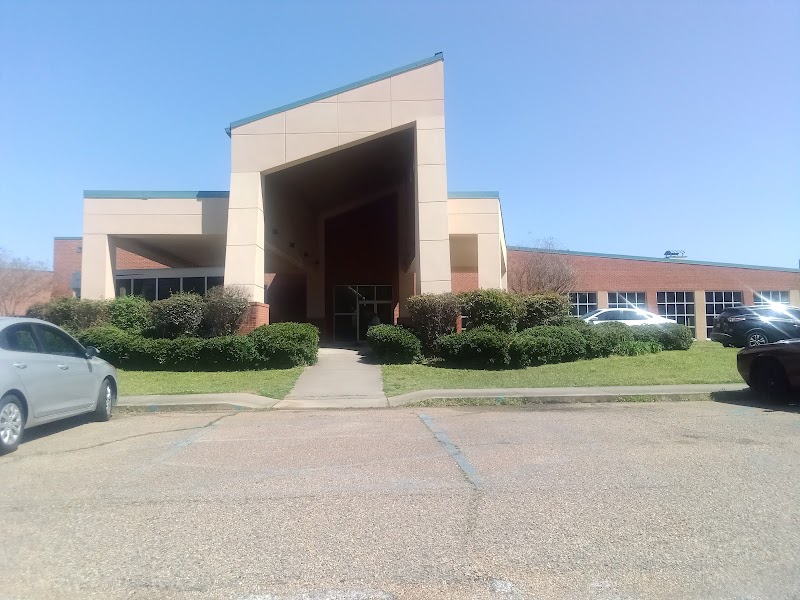
MADISON CO NH

1421-A EAST PEACE STREET, CANTON, MS 39046 (601) 855-5760
Government - County 95 Beds Independent Data: November 2025
Trust Grade
48/100
#127 of 200 in MS
Last Inspection: July 2024

Within standard 12-15 month inspection cycle. Federal law requires annual inspections.

Overview

Madison County Nursing Home in Canton, Mississippi, has a Trust Grade of D, indicating below-average quality and some concerns about care. It ranks #127 out of 200 facilities in Mississippi, placing it in the bottom half, and #4 out of 5 in Madison County, suggesting only one local option is better. The facility is improving, with issues decreasing from 5 in 2024 to 2 in 2025. Staffing is a strength, with a 4/5 star rating and a turnover rate of 32%, which is significantly lower than the state average. However, it has concerning RN coverage, ranking below 96% of state facilities, and recent inspections revealed serious issues, such as administering incorrect dosages of medication and failing to notify residents or their families about hospital transfers, which could lead to confusion and safety risks.

Trust Score
D
48/100
In Mississippi
#127/200
Bottom 37%
Safety Record
Moderate
Needs review
Inspections
Getting Better
5 → 2 violations
Staff Stability
○ Average
32% turnover. Near Mississippi's 48% average. Typical for the industry.
Penalties
⚠ Watch
$12,735 in fines. Higher than 82% of Mississippi facilities, suggesting repeated compliance issues.
Skilled Nurses
⚠ Watch
Each resident gets only 17 minutes of Registered Nurse (RN) attention daily — below average for Mississippi. Fewer RN minutes means fewer trained eyes watching for problems.
Violations
⚠ Watch
19 deficiencies on record. Higher than average. Multiple issues found across inspections.
★★☆☆☆
2.0
Overall Rating
★★★★☆
4.0
Staff Levels
★☆☆☆☆
1.0
Care Quality
★★★☆☆
3.0
Inspection Score
Stable
2024: 5 issues
2025: 2 issues

The Good

  • 4-Star Staffing Rating · Above-average nurse staffing levels
  • Full Sprinkler Coverage · Fire safety systems throughout facility
  • No fines on record
  • Staff turnover below average (32%)

    16 points below Mississippi average of 48%

Facility shows strength in staffing levels, fire safety.

The Bad

2-Star Overall Rating

Below Mississippi average (2.6)

Below average - review inspection findings carefully

Staff Turnover: 32%

13pts below Mississippi avg (46%)

Typical for the industry

Federal Fines: $12,735

Below median ($33,413)

Minor penalties assessed

The Ugly 19 deficiencies on record

1 actual harm
May 2025 2 deficiencies 1 Harm
SERIOUS (G) 📢 Someone Reported This

A family member, employee, or ombudsman was alarmed enough to file a formal complaint

Actual Harm - a resident was hurt due to facility failures

Deficiency F0760 (Tag F0760)

A resident was harmed · This affected 1 resident

**NOTE- TERMS IN BRACKETS HAVE BEEN EDITED TO PROTECT CONFIDENTIALITY** Based on staff interviews, record review, and facility policy review, the facility failed to ensure a resident was free from a s...

Read full inspector narrative →
**NOTE- TERMS IN BRACKETS HAVE BEEN EDITED TO PROTECT CONFIDENTIALITY** Based on staff interviews, record review, and facility policy review, the facility failed to ensure a resident was free from a significant medication error resulting in harm for one (1) of (6) six residents reviewed for narcotic medication administration (Resident #2). Findings include: A review of the facility policy titled, Adverse Consequences and Medication Errors, revealed under Policy Interpretation and Implementation: 5.) A Medication error is defined as the preparation or administration of drugs or biologicals which is not in accordance with physician's orders, manufacturer specifications, or accepted standards and principles of the professional providing services. Section 6 listed wrong dose as an example of a medication error. During an interview with the Director of Nursing (DON) on 5/12/25 at 11:30 AM regarding a facility-reported significant medication error, she stated that on 4/23/25 at 10:00 PM, Resident #2 was administered the incorrect dosage of morphine sulfate. The DON reported receiving a call at approximately 11:00 PM when the end-of-shift narcotic count was found to be incorrect. She stated Licensed Practical Nurse (LPN) #3 reported that the morphine sulfate was delivered without a syringe, so she used a plastic medication cup to administer the dose. The DON stated the medication cup had the lowest measurable line of 2.5 ml (milliliter), while the prescribed dose was only 0.25 ml. She reported that LPN #3 was asked to mark on the cup where she had poured the dose, and the mark was at the 2.5 ml line. The DON confirmed the resident required Narcan (a medication primarily used to reverse opioid overdoses) due to a significant change in condition and respiratory status following the medication error. She stated the Narcan was effective, and the residents' vital signs began to recover. The DON reported that the day prior to receiving the morphine, Resident #2 had attended bingo activities twice. An observation of the plastic medication cup with the DON on 5/12/25 at 11:45 AM confirmed a black line marked at the 2.5 ml level, which LPN #3 had indicated was the amount she administered. During an interview with LPN #4 on 5/12/25 at 1:20 PM, she stated that at the start of her shift on 4/23/25 at 11:00 PM, she and LPN #3 completed the narcotic count and found the morphine sulfate count was incorrect. She stated that LPN #3 reported the pharmacy did not send a syringe, so she used a medication cup and indicated the 2.5 ml line as the amount given. LPN #4 confirmed the medication cup's lowest measurement line was 2.5 ml. She stated she immediately reported the error to the provider, Hospice, and the DON, and monitored the resident closely due to observed changes in respiratory status. During a phone interview with LPN #3 on 5/12/25 at 3:33 PM, she confirmed she worked the 3:00 PM-11:00 PM shift on 4/23/25 and administered the first dose of morphine sulfate to Resident #2 from the new bottle. She confirmed the pharmacy did not send a syringe and she could not locate one, so she used a plastic medication cup. When asked how she measured the dose, she stated she poured to the lowest line on the cup. LPN #3 confirmed she again she did not locate a syringe or call for direction before administering the medication. During an interview with the Pharmacy Consultant on 5/12/25 at 3:40 PM, he confirmed he was aware of the significant medication error involving Resident #2. He stated that morphine sulfate should never be administered without a calibrated measuring syringe and that the use of an inaccurate measuring device increases the risk for overdose, sedation, respiratory depression, and other complications. Record review of the Physician Order Report dated 4/1/25 through 4/30/25 revealed an order dated 4/22/25 for morphine concentrate 100 mg (milligrams)/5 ml (20 mg/ml), to administer 0.25 ml every hour as needed by mouth (PO) or sublingually (SL) for pain or air hunger. A subsequent order dated 4/24/25 directed Narcan (naloxone) nasal spray 2 mg to be administered one time now. Record review of the Medication Administration Record for Resident #2 revealed morphine concentrate was signed off as administered on 4/23/25 at 10:20 PM by Licensed Practical Nurse (LPN) #3. Record review of the Progress Notes dated 4/23/25 at 3:33 PM for Resident #2 documented that the resident was alert, awake, and responsive to verbal and physical stimuli. On 4/24/25 at 2:01 AM, progress notes documented oxygen saturation at 81%, heart rate of 55, and respiratory rate of 12. Despite cueing to breathe deeply and continued oxygen use, the resident's saturation levels did not improve. Record review of the Progress Notes for Resident #2 dated 4/24/25 at 10:14 AM documented that the resident had an altered mental status and was difficult to arouse. At 10:21 AM, the resident was noted to be unresponsive. The medical doctor was notified and gave a now order for Narcan. Vital signs at that time included a blood pressure of 131/78, heart rate of 33, respiratory rate of 11, and oxygen saturation of 68%. Emergency services were contacted, and Narcan was administered. Post-administration vital signs showed improvement: BP 131/78, HR 111, RR 16, O2 79%. Review of a document from the Food and Drug Administration (FDA), last revised 12/2023, titled Morphine Sulfate Oral Solution under Warnings and Precautions, stated: Instruct caregivers to always use the enclosed calibrated oral syringe when administering morphine oral concentrate to ensure the dose is measured and administered accurately. Under Use in Specific Populations: Renal Impairment, the document stated that morphine pharmacokinetics are altered in patients with renal failure, with increased exposure and reduced clearance, and that metabolites may accumulate to higher plasma levels. Review of a document from the FDA, last revised 11/2015, titled NARCAN Nasal Spray described Narcan as an opioid antagonist indicated for the emergency treatment of known or suspected opioid overdose, as manifested by respiratory and/or central nervous system depression. Record review of the Face Sheet revealed that Resident #2 was admitted to the facility on [DATE] with medical diagnoses that included Chronic Kidney Disease, Stage 3. Record review of Resident #2's Minimum Data Set (MDS), Section C, with an Assessment Reference Date (ARD) of 4/7/25 revealed a Brief Interview for Mental Status (BIMS) score of 15, indicating Resident #2 was cognitively intact.
CONCERN (D) 📢 Someone Reported This

A family member, employee, or ombudsman was alarmed enough to file a formal complaint

Potential for Harm - no one hurt, but risky conditions existed

Deficiency F0602 (Tag F0602)

Could have caused harm · This affected 1 resident

**NOTE- TERMS IN BRACKETS HAVE BEEN EDITED TO PROTECT CONFIDENTIALITY** Based on staff interview, record review, and facility policy review the facility failed to ensure a resident was free from abuse...

Read full inspector narrative →
**NOTE- TERMS IN BRACKETS HAVE BEEN EDITED TO PROTECT CONFIDENTIALITY** Based on staff interview, record review, and facility policy review the facility failed to ensure a resident was free from abuse and misappropriation of resident property when a resident was found to have 36 oxycodone pain pills missing from the narcotic box for (1) one of (6) six residents narcotics reviewed. (Resident #1) Findings include: Review of the facility policy titled, Abuse Policy & Procedure, with no revision date, revealed that each resident of the facility has the right to be free from misappropriation of property. The policy further defines misappropriation of resident property as the deliberate misplacement, exploitation, or wrongful use of a resident's belongings without the resident's consent. During an interview on 5/12/25 at 11:30 AM with the Director of Nursing (DON) related to a facility reported incident of drug diversion, she confirmed that narcotic drug diversion occurred involving Resident #1. The DON reported that on the morning of 2/13/25, staff notified her that a card of oxycodone 10 mg, delivered on 2/3/25, was missing from the medication cart. Staff indicated that it was unlikely the resident had taken 60 pills in a week's time. Upon investigation, it was discovered that 120 pills of oxycodone were delivered for Resident #1 on 2/3/25. On 2/12/25, a card of oxycodone was deducted from the Controlled Drug Record for Resident #1. However, upon reviewing the Medication Administration Record for Resident #1, it was noted that only 24 oxycodone pills had been signed out as administered between the time the Oxycodone card was added and removed from the medication cart. The DON revealed she questioned Licensed Practical Nurse (LPN) #1, who had removed the card from the count. She stated that LPN #1 verbalized that she administered the last dose of oxycodone, deducted the card from the count, and placed the narcotic card in the shred box, with the completed narcotic sheet placed in the medical record's box. The DON confirmed that she holds the only key to the shred box and was unable to locate the medication card for Resident #1 in the box. Additionally, no narcotic sheet for the oxycodone was found in the medical record box. The DON confirmed that upon completing the investigation, she validated there was a narcotic diversion because 36 of the 120 oxycodone pills delivered on 2/3/25 for Resident #1 were unaccounted for. Record review of the Physician's Order Report for Resident #1 from 2/1/25-2/28/25 revealed an order dated 12/30/24 for oxycodone 10 mg, one tablet by mouth every six (6) hours as needed for pain. Record review of a written statement from LPN #2 revealed that on the morning of 2/13/25, she noticed that the first card of 120 oxycodone pills was missing from the medication cart. LPN #2 reported the missing medication to the DON because the medication was ordered every six hours, and the calculation did not add up. Record review of a written statement from LPN #1 indicated that she worked on the medication cart from 7:00 AM to 3:00 PM, Monday through Friday, and dosed Resident #1 with oxycodone daily. On 2/12/25, she administered the last two pills from the card and placed the card in the shred box. Record review of the pharmacy receipt dated 2/3/25 revealed Resident #1 had prescription (RX) # N803917 two cards of oxycodone 10 mg with a total quantity of 120 pills delivered to the facility. Record review of the Controlled Drug Record revealed that on 2/3/25, 120 pills (two cards of 60 pills) of oxycodone, RX #N8039713, were added to the narcotic count form on the dayshift. On 2/12/25, a card of oxycodone, RX #N8039713, was deducted from the narcotic count form on the dayshift. Record review of the 'Medication Record' for Resident #1 with the DON on 5/12/25 at 12:10 PM revealed that, from 2/3/25-2/12/25, during the time oxycodone for Resident #1 was added and removed from the narcotic count, 24 pills were documented as administered. Review of the Face Sheet revealed that Resident #1 was admitted to the facility on [DATE] with diagnoses that included Unspecified Pain. Record review of Resident #1's Quarterly Minimum Data Set (MDS) with an Assessment Reference Date (ARD) of 3/13/25 revealed in Section C a Brief Interview for Mental Status (BIMS) score of 15, indicating the resident was cognitively intact.
Jul 2024 5 deficiencies
CONCERN (D)

Potential for Harm - no one hurt, but risky conditions existed

Resident Rights (Tag F0550)

Could have caused harm · This affected 1 resident

**NOTE- TERMS IN BRACKETS HAVE BEEN EDITED TO PROTECT CONFIDENTIALITY** Based on observation, staff interview and facility policy review the facility failed to ensure a resident's dignity as evidenced...

Read full inspector narrative →
**NOTE- TERMS IN BRACKETS HAVE BEEN EDITED TO PROTECT CONFIDENTIALITY** Based on observation, staff interview and facility policy review the facility failed to ensure a resident's dignity as evidenced by allowing the resident to sit in a public area with a private body part exposed for one (1) of 21 residents sampled. Resident #85 Findings include: Review of the facility policy titled, Dignity with no revision date revealed under, Policy Interpretation and Implementation .#11. Staff promote, maintain and protect resident privacy, including bodily privacy . An observation on 7/8/24 at 12:10 PM revealed Resident #85 sitting in a reclined wheelchair across from the centralized nurse's station wearing a tank top that had fell from her left shoulder exposing her breast. At this time there were approximately 10 other residents sitting in the area of the nurse's station and day room with staff and visitors walking past the resident. An interview and observation on 7/8/24 at 12:15 PM with Licensed Practical Nurse (LPN) #1 revealed she is Resident #85's nurse and confirmed that the resident needed to be covered. She stated they were having trouble keeping the resident covered today. This observation revealed LPN #1 pulled the residents tank top strap up and began tucking a fleece blanket around the residents' shoulders then stated, I should've gone and got her something else to wear. An interview and observation on 7/9/24 at 10:30 AM, with Certified Nurse Assistant (CNA) #2 revealed that Resident #85's closet had approximately 4 shirts with sleeves, two long sleeve gowns, 4 pairs of pants and a robe. She stated the CNA's dress the resident and the resident should always have clothes that fit her and do not expose her breast for the resident's dignity. An interview on 7/9/24 at 11:00 AM, with LPN #1 confirmed that Resident #85 should have had better clothes on yesterday that did not expose her for the resident's dignity. An interview on 7/9/24 at 1:30 PM, with the Director of Nurses (DON) confirmed that her expectation is that residents should be dressed in a manner that would keep them from exposing private body parts. She stated that Resident #85 having a breast exposed due to an ill-fitting tank top while sitting in the area near the nurses' desk would have been a dignity issue for the resident. Record review of Resident #85's Face Sheet revealed the resident was admitted to the facility on [DATE] with medical diagnoses that included Senile Degeneration of Brain.
CONCERN (D)

Potential for Harm - no one hurt, but risky conditions existed

Comprehensive Care Plan (Tag F0656)

Could have caused harm · This affected 1 resident

**NOTE- TERMS IN BRACKETS HAVE BEEN EDITED TO PROTECT CONFIDENTIALITY** Based on observation, staff interview, record review, and facility policy review, the facility failed to implement a comprehensi...

Read full inspector narrative →
**NOTE- TERMS IN BRACKETS HAVE BEEN EDITED TO PROTECT CONFIDENTIALITY** Based on observation, staff interview, record review, and facility policy review, the facility failed to implement a comprehensive person-centered care plan for a resident requiring grooming and personal hygiene and failed to develop a care plan for splint/mobility devices for three (3) of 21 care plans reviewed. Resident #20, Resident #44 and Resident #68 Findings Include: Review of the facility policy titled, Care Plans-Comprehensive with no revision date revealed under the Policy Statement .A comprehensive care plan that includes measurable objectives and timetables to meet the resident's medical, nursing, mental and psychological needs shall be developed for each resident. Resident #20 Review of Resident #20's Care Plan revealed, ADLS (activities of daily living): Requires assistance with ADLS related to impaired functional ability/right sided hemiplegia, and cognitive impairment. Also revealed under, Approaches: . Hygiene and grooming daily . shave daily if facial hair is present . On 7/8/2024 at 11:44 AM, an observation revealed, Resident #20 lying in bed, non-communicative with grayish-black facial hair observed above the upper lip, under the lower lip, and to her chin, measuring approximately 1/4 (one-fourth) inch in length. The resident was wearing a hospital gown and had a tan colored liquid substance spread across the chest area of the gown and two (2) small, cubed pieces of carrot. An observation and interview with Registered Nurse (RN) #1 on 7/9/2024 at 10:15 AM, confirmed Resident #20's facial hair and acknowledged that when a resident had soiled clothing, it should be changed immediately. An interview with the Director of Nursing (DON) on 7/10/2024 at 8:25 AM, confirmed the ADL care plan was not followed and revealed the importance of following the plan of care was to provide the necessary care for Resident #20. Record review of the Face Sheet revealed the facility admitted Resident #20 on 6/29/2023 with medical diagnoses which included Hemiplegia following Nontraumatic Intracerebral Hemorrhage affecting right dominant side. Resident #44 Record review of Resident #44's care plans revealed the resident has a care plan regarding needing assistance with Activities of Daily Living (ADL) related to muscle weakness, occasional incontinence and cognitive impairment with interventions that include assist with grooming and spoon-feed all meals (CNA). On 07/08/24 at 2:06 PM, an observation revealed Resident #44 sitting in the day room dressed in personal clothes, with a sliced piece of carrot, approximately six (6) pieces of rice and a nickel size amount of a brown substance on her shirt around her chest area. On 7/9/24 at 1:20 PM, during an interview with the DON, she stated Resident #44 has to be fed by the staff and that she normally wears a bib, but she should be checked before leaving the dining room and cleaned to make sure food is not left on the resident. She revealed it was her expectation that this would be done for all residents. Record review of Resident #44's Face Sheet revealed the resident was admitted to the facility on [DATE]. Record review of Resident #44's Minimum Data Set (MDS) with an Assessment Reference Date (ARD) of 7/3/24 revealed in Section GG that the resident was dependent on staff for eating. Resident #68 Review of a written physician's order for Resident #68 provided by the facility dated 2/10/22 revealed, resident to wear (L) left resting hand splint time four (4) hours per day with staff monitoring skin for irritation to decrease risk of worsening joint deformity with no discontinue date. Review of the Electronic Care Guide (ECARE) Care Plan for Resident #68 revealed no resting left-hand splint intervention listed. Review of the Comprehensive Care Plans for Resident #68 revealed no resting left-hand splint listed on any of the care plans. On 7/9/24 at 10:40 AM, during an interview with Restorative Nurse, she revealed after review of Resident #68's care plans and the ECARE guide for the Certified Nurse Assistants (CNAs), she confirmed she was unable to find the splinting device for the left hand listed on any of the care plans. Interview with the Minimum Data Set (MDS) Coordinator on 7/09/24 at 12:59 PM, she revealed the purpose of the comprehensive care plan is to direct resident specific care needs to staff. She then confirmed, if a resident had an order for a splinting device, the device should be a care-planned to reflect the resident's specific need. She confirmed, after review of Resident #68's care plans, they were not revised to reflect the left-hand resting splint. Interview with the Director of Nursing (DON) on 7/09/24 at 1:32 PM, she revealed the physician's order for the resting left-hand splint was never added to the ECARE care guide for the resident when she was discharged from Occupational Therapy (OT). Interview with Certified Nursing Assistant (CNA) #3 on 07/09/24 at 2:02 PM, she revealed if a resident has a splint or other device ordered, it would trigger the CNA ECARE guide. She stated Resident #68 used to have a splint triggering to the ECARE, but it dropped off a while back. Review of the Face Sheet revealed Resident #68 was admitted by the facility on 11/11/20 with diagnoses including Cerebral Palsy and Hemiplegia.
CONCERN (D)

Potential for Harm - no one hurt, but risky conditions existed

ADL Care (Tag F0677)

Could have caused harm · This affected 1 resident

**NOTE- TERMS IN BRACKETS HAVE BEEN EDITED TO PROTECT CONFIDENTIALITY** Based on observations, staff interview, record review, and facility policy review, the facility failed to provide assistance wit...

Read full inspector narrative →
**NOTE- TERMS IN BRACKETS HAVE BEEN EDITED TO PROTECT CONFIDENTIALITY** Based on observations, staff interview, record review, and facility policy review, the facility failed to provide assistance with activities of daily living (ADLs) for a resident dependent on staff for shaving and changing visibly soiled clothing for two (2) of 21 sampled residents. Resident #20 and Resident #44 Findings Include: Review of the facility policy titled Activities of Daily Living undated, revealed, Policy Statement: Residents who are unable to carry out activities of daily living independently will receive the services necessary to maintain good nutrition, grooming and personal and oral hygiene . Resident #20 An observation on 7/8/2024 at 11:44 AM, revealed Resident #20 lying in bed, non-communicative with grayish-black facial hair observed above the upper lip, under the lower lip, and to her chin, measuring approximately 1/4 (one-fourth) inch in length. The resident was wearing a hospital gown and had a tan colored liquid substance spread across the chest area of the gown and two (2) small, cubed pieces of carrot. Review of the lunch menu for 7/8/2024 revealed lunch included a hamburger steak with brown gravy over white rice with sliced cooked carrots. An observation and interview with Registered Nurse (RN) #1 on 7/9/2024 at 10:15 AM, confirmed the presence of Resident #20's facial hair and revealed the aides were responsible for shaving the female residents when it was noticeable. RN #1 explained that she glanced into the resident's room daily to ensure her care was completed, and stated she just overlooked the facial hair. She acknowledged that when a resident had soiled clothing, it should be changed immediately. An interview with the Director of Nursing (DON) on 7/9/2024 at 10:21 AM, revealed the aides were responsible for shaving the female residents on their designated bath day. She explained Resident #20 was able to feed herself but was a messy eater. She revealed her expectations were for staff to check for soiled clothing and immediately changed it when needed. Record review of the Face Sheet revealed the facility admitted Resident #20 on 6/29/2023 with medical diagnoses that included Hemiplegia following Nontraumatic Intracerebral Hemorrhage affecting right dominant side. Resident #44 An observation on 07/08/24 at 2:06 PM revealed Resident #44 sitting in the day room dressed in personal clothes, with a sliced piece of carrot, approximately six (6) pieces of rice and a nickel size amount of a brown substance on her shirt around her chest area. Review of the lunch menu for 7/8/24 revealed lunch included a hamburger steak with brown gravy over white rice with sliced cooked carrots. An interview on 7/9/24 at 11:00 AM with Certified Nurse Assistant (CNA) #1 revealed that Resident #44 has to be fed by the staff and the resident should always be cleaned up after feeding because this resident cannot clean herself. She stated lunch is served around 11 AM and they should always make sure there is no food left on the resident's clothes after meal time. An interview on 7/9/24 at 11:22 AM with Licensed Practical Nurse (LPN) #1 confirmed that Resident #44 has to be fed by staff and would have been fed by her CNA yesterday. She stated she expects the CNA that feeds the resident to clean the resident up and make sure there is no food left on their clothes from the meal. An interview on 7/9/24 at 1:20 PM with the DON confirmed that Resident #44 has to be fed by the staff and that she normally wears a bib, but she should be checked before leaving the dining room and cleaned to make sure food is not left on the resident. She revealed it was her expectation that would be done for residents. Record review of Resident #44's Face Sheet revealed the resident was admitted to the facility on [DATE] with medical diagnoses that included Type 2 Diabetes Mellitus. Record review of Resident #44's Minimum Data Set (MDS) with an Assessment Reference Date (ARD) of 7/3/24 revealed in Section GG that the resident was dependent on staff for eating.
CONCERN (D)

Potential for Harm - no one hurt, but risky conditions existed

Deficiency F0688 (Tag F0688)

Could have caused harm · This affected 1 resident

Based on observation, staff interview, record review and facility policy review, the facility failed to provide services to assure a resident maintained the level of range of motion (ROM) for one (1) ...

Read full inspector narrative →
Based on observation, staff interview, record review and facility policy review, the facility failed to provide services to assure a resident maintained the level of range of motion (ROM) for one (1) of three (3) residents positioning and mobility. Resident # 68 Findings include: Review of the policy titled, Contracture Prevention Protocol, revealed Policy: .A resident with a limited ROM (Range of Motion) receives appropriate treatment and services to increase ROM and/or to prevent further decrease in ROM, thus preventing contracture formation . An observation of Resident #68 on 7/8/24 at 11:00 AM revealed the resident's left hand/wrist to be contracted, a splinting device was observed lying on the counter next to the sink. An observation of Resident #68 on 7/8/24 at 2:45 PM revealed a hand splint laying on the counter next to the sink, resident observed with no splinting devices observed on left hand. Interview with Licensed Practical Nurse (LPN) #2 on 7/9/24 at 10:30 AM, confirmed Resident #68 should have been wearing the resting left-hand splint on 7/8/24 but confirmed she did not check to see if the resident was wearing the splint. She then revealed, after reviewing the Treatment Administration Records (TAR) and the physician's orders for Resident #68, that she did not see the order for the splint. An interview with the Occupational Therapist (OT) on 7/9/24 at 10:35 AM, revealed she has not had Resident #68 on case load for a while but confirmed that Resident #68 should be wearing her left-hand splint to prevent worsening of contractures, and she confirmed she had not discontinued the device. Record review of OT notes for Resident #68 revealed she began OT services on 1/2/2022 for functional decline with left-hand contracture, muscle wasting and atrophy after a hospital stay. OT services were discontinued on 2/10/22 related to goals met. Record review of a written Physician's Order for Resident #68 provided by the facility dated 2/10/22 revealed, resident to wear (L) left resting hand splint four (4) hours per day with staff monitoring skin for irritation to decrease risk of worsening joint deformity with no discontinue date. Record review of the July 2024 Physician's Orders for Resident #68 revealed no order for a left resting hand splint. Interview with Restorative Nurse on 7/9/24 at 10:40 AM, she revealed after review of Resident #68's physician's orders, she confirmed she was unable to find the splinting device for the left hand listed at all, and the purpose of the left-hand splint was to prevent worsening of the contracture. An interview with the Director of Nursing (DON) on 7/10/24 at 8:30 AM, revealed after further investigation it was found that the order for the left-hand splint was entered into the computer system to alert staff on 2/10/22 when Resident #68 was discharged from OT, but for some reason dropped off in May 2022 and was never re-entered in the computer system. Record review of the Face Sheet revealed Resident #68 was admitted by the facility on 11/11/20 with diagnoses including Cerebral Palsy and Hemiplegia. Record review of Resident #68's Section C of the Minimum Data Set (MDS) revealed that on 6/14/24 the Brief Interview for Mental Status (BIMS) score was 0, indicating the resident was severely cognitively impaired. Section GG0115: Functional Limitation in Range of Motion was coded 1. Impairment on one side to upper extremity.
CONCERN (D)

Potential for Harm - no one hurt, but risky conditions existed

Infection Control (Tag F0880)

Could have caused harm · This affected 1 resident

Based on observations, staff interviews, record review and facility policy review, the facility failed to prevent the possibility of infection as evidenced by failing to cleanse and properly store a P...

Read full inspector narrative →
Based on observations, staff interviews, record review and facility policy review, the facility failed to prevent the possibility of infection as evidenced by failing to cleanse and properly store a Percutaneous Endoscopic Gastrostomy (PEG) tube syringe for (1) one of (5) five resident care observations. Resident # 68 Findings include: Review of the facility policy titled, Standard Precaution, revealed, .Policy Interpretation: Any equipment or items that may be suspected of contamination with body fluids must be handled in a manner to prevent possible transmission of infectious agents . Review of the facility policy titled, Feeding Syringe Policy, revealed, Our policy for the cleanliness of syringes is they are dated and stored on a pole bag. Syringes are stored separated after use. An observation of Resident #68's room on 7/8/24 at 11:00 AM, revealed a PEG tube syringe separated and laying on the bedside table, with no clean barrier or storage bag observed on the table. Interview with Licensed Practical Nurse (LPN) #2 on 7/9/24 at 10:30 AM revealed she was assigned to Resident #68 and confirmed she left the PEG tube syringe laying on the bedside table. She revealed she should have cleansed the syringe, dried it and placed it in a clean storage bag. She then stated that by not cleaning and storing the PEG tube syringe correctly, it placed Resident #68 at increased risk for transmission of bacteria and infection into the gastric site. Interview with the Infection Control Nurse on 7/09/24 at 10:40 AM, revealed that the PEG tube syringe should have been cleaned and dried and stored in a clean storage bag. She stated by not cleaning and storing the PEG tube syringe appropriately, Resident #68 was placed at increased risk for transmission of infection or bacteria and germs to the PEG site. A record review of the July 2024 Physician's Orders for Resident #68 revealed she received all medications, nutrition, and fluid requirements via the PEG tube. Record review of the Face Sheet revealed Resident #68 was admitted by the facility on 11/11/20 with diagnoses including Cerebral Palsy and Encounter for Attention to Gastrostomy.
Jan 2023 5 deficiencies
CONCERN (D)

Potential for Harm - no one hurt, but risky conditions existed

Safe Environment (Tag F0584)

Could have caused harm · This affected 1 resident

**NOTE- TERMS IN BRACKETS HAVE BEEN EDITED TO PROTECT CONFIDENTIALITY** Resident #65 An observation on 1/24/23 at 9:30 AM, revealed Resident #65 was sitting in a geriatric chair in the lobby area near...

Read full inspector narrative →
**NOTE- TERMS IN BRACKETS HAVE BEEN EDITED TO PROTECT CONFIDENTIALITY** Resident #65 An observation on 1/24/23 at 9:30 AM, revealed Resident #65 was sitting in a geriatric chair in the lobby area near the nurses' station. Resident #65 was moving her arms and legs freely and it was noted that the cushion to the right chair arm had moved towards the center of the chair exposing the metal part of the arm rest. The resident's right arm was noted to be near the metal area and occasionally rested on the unpadded area. An interview and observation of Resident #65's geriatric chair with Licensed Practical Nurse (LPN) #3 on 1/25/23 at 9:35 AM, revealed the area of exposed metal on the arm of the chair was due to a loose screw that held the cushion pad onto the metal arm. She stated she would ask maintenance to repair this to prevent an injury. An interview with the DON on 1/25/23 at 9:45 AM, revealed the metal on the chair arm was exposed due to the cushion being loose and repair was necessary. She stated all staff were responsible to monitor equipment for safety when being used. She confirmed the facility failed to properly maintain the resident's equipment and this could lead to a skin tear injury to the resident. Record review of Resident #65's Face Sheet revealed she was admitted to the facility on [DATE]. Her diagnoses included Alzheimer's Disease and Dementia with Behavioral Disturbances. Record review of Resident #65's MDS with an ARD dated 10/18/22 revealed a BIMS score of zero (0) indicating severe cognitive impairment. Based on observation, staff/resident interview, record review and facility policy review the facility failed to provide a safe, clean environment for three (3) of the eighteen residents sampled. Resident Resident #25, Resident# 49 and Resident #65. Findings include: Record review of the facility policy titled, Resident Equipment Cleaning and Disinfection, undated revealed, . All equipment used for resident care shall be kept clean and in proper working condition . Resident #25 An observation on 01/24/23 at 9:51 AM, revealed Resident #25 sitting in a geriatric-chair (geri-chair), the footrest noted with torn vinyl on both sides exposing tattered foam padding. A further observation on 01/24/23 at 4:40 PM, of Resident #25's geri-chair revealed the footrest vinyl was peeled back on both sides exposing tattered foam padding. The bilateral armrest was loose and moved back and forth when touched. A tan-colored substance was noted on the left armrest with a dried light brownish substance down both sides of the chair. The back of the chair was tattered at the top seam with foam exposed. In an interview on 01/25/23 at 9:20 AM, Licensed Practical Nurse (LPN) #1 confirmed the footrest vinyl was torn, the foam padding was exposed and the armrests were loose and needed to be fixed on Resident #25's geri-chair. She stated the resident could get a skin tear from the vinyl sticking up. She revealed the resident eats sitting up in her chair and the substance on the armrest was probably dried food. She reported that on Wednesdays, all equipment is cleaned on the 11-7 PM shift, but it doesn't look like this chair had been cleaned in a while. An interview and observation on 01/25/23 at 09:38 AM, the Director of Nursing (DON) confirmed Resident #25's geri-chair was tattered and could cause a skin tear. She revealed the resident's husband brought that chair from home. She confirmed that it was the facility's responsibility to ensure the equipment was in good repair and she would see if they could order a new footrest. She confirmed that the geri-chair was dirty and attempted to scratch off the brown substance on the left armrest. She stated the chair was supposed to be kept clean. An interview on 01/26/23 at 10:35 AM, with Resident #25's Resident Representative (RR) revealed he purchased her the geri-chair sometime after she was admitted to the facility. He revealed he has had it worked on before but couldn't afford a new chair and is ashamed of how the chair looks with all the food on it and how it is torn up. He revealed about three months ago he took it out of the facility one evening and cleaned it and when the weather warms up, he will take it outside and give it a good cleaning again. In an interview on 01/26/23 at 12:05 PM, the DON revealed the Certified Nursing Assistants (CNAs) on the 11-7 PM shift are responsible for cleaning the geri-chairs. She revealed there is no sheet for the aides to sign off that the cleaning has been completed and sometimes they just initial a sheet by the room number. She confirmed that nothing had been signed on it and she wasn't sure of when the equipment had been cleaned. Review of the 11-7 Shift Wheelchair/Geri-Chair Washing Schedule, undated, revealed there were no staff initials by any of the room numbers. Record review of Resident #25's Face Sheet revealed the resident was admitted to the facility on [DATE] with diagnoses that include Hemiplegia following nontraumatic intracerebral hemorrhage affecting the right dominant side. Record review of the Minimum Data Set (MDS) Section C with an Assessment Reference Date (ARD) of 10/6/22 revealed a Brief Interview for Mental Status (BIMS) score of 00 which indicated Resident #25 had severe cognitive impairment. Resident #49 An observation on 01/24/23 at 3:33 PM, revealed Resident #49 in bed with four side rails up with full-length side rail pads on each side of the bed. The pads were torn with foam exposed in the middle area of the pads. The torn edges were rough to the touch. An observation on 01/25/23 at 9:00 AM, revealed Resident #49 in bed with four side rails up with torn side rail pads. An observation and interview on 1/25/23 at 2:15 PM, with the DON confirmed Resident #49 had side rails up times four (4) with blue plastic covered foam pads the full length of both sides of the bed. The DON confirmed the pads were torn with rough edges at the middle section and stated she knew they needed to get new ones. The DON declined to feel the rough torn areas on the side rail pads. Review of the facility Face Sheet for Resident #49 revealed an admission date of 10/04/13 with diagnoses that include Vascular Dementia, Unspecified Lack of Coordination and Unspecified Convulsions. Review of the MDS Section C with an ARD of 11/30/22 revealed a BIMS score of 00 which indicated Resident #49 had severe cognitive impairment.
CONCERN (D) 📢 Someone Reported This

A family member, employee, or ombudsman was alarmed enough to file a formal complaint

Potential for Harm - no one hurt, but risky conditions existed

Deficiency F0602 (Tag F0602)

Could have caused harm · This affected 1 resident

**NOTE- TERMS IN BRACKETS HAVE BEEN EDITED TO PROTECT CONFIDENTIALITY** Based on observation, staff interview, record review and facility policy review the facility failed to prevent the misappropriat...

Read full inspector narrative →
**NOTE- TERMS IN BRACKETS HAVE BEEN EDITED TO PROTECT CONFIDENTIALITY** Based on observation, staff interview, record review and facility policy review the facility failed to prevent the misappropriation of medication for one (1) of eighteen residents sampled. Resident #79 Findings include: Record review of facility policy titled, Abuse, Neglect, Exploitation and Misappropriation Prevention Program, undated, revealed, Residents have the right to be free from abuse, neglect, misappropriation of resident property and exploitation. This includes but is not limited to freedom from corporal punishment, involuntary seclusion, verbal, mental, sexual or physical abuse, any physical or chemical restraint not required to treat the resident's symptoms. The policy also revealed, The resident abuse, neglect and exploitation prevention program consists of a facility-wide commitment and resource allocation to support the following objectives: 1. Protect residents from abuse, neglect, exploitation or misappropriation of property by anyone including, but not necessarily limited to: a. facility staff .e. staff from other agencies. 2. Develop and implement policies and protocols to prevent and identify: a. abuse or mistreatment of residents; b. neglect of residents; and/or c. theft, exploitation or misappropriation of resident property. An interview with the Director of Nursing (DON) on 1/24/23 at 3:00 PM, revealed a drug diversion occurred at the facility on 12/31/22, and through their investigation, it was determined that an agency nurse, Licensed Practical Nurse (LPN) #6, was the one that diverted the drugs. She stated LPN #6 signed out a narcotic card on the narcotic card count log and decreased the number by one on the card log, but did not put the resident information on the card. This made the numbers of narcotic cards and sheets on the medicine cart match the number on the card log, and it was not detected until the next day on 1/1/23, when Registered Nurse (RN) #2 noticed that the card count log was not filled out properly or completely and she notified the DON. A phone interview with RN #2 on 1/26/23 at 9:50 AM, revealed she worked on Saturday 12/31/23 and counted at 7 AM with the nurse leaving and the card count was 30 at that time. She stated LPN #6 came into work approximately 8:30 AM, so she counted with her and handed the keys and cart to her for her shift and at that time the card count and paper log remained at 30. She stated on Sunday morning at 7 AM she came in to work and she counted with the nurse going home and the card count and the paper log were both 29. She stated she realized shortly after that the card count log count was correct, but it was not filled out completely with the resident's name and medication that was removed from the cart. She stated the only information present was the date of 12/31/22 and the count of 29 and the signature of LPN #6. Stated at that point they tried to locate the medication and sheet and she contacted the DON to inform her of this incident. She stated all medication carts were checked and the card of medication and sheet could not be located. An interview with the DON on 1/26/23 at 2:30 PM, revealed the drug diversion at the facility occurred and she confirmed the facility failed to prevent the misappropriation of a resident's medication. Record review of Resident #79's Face Sheet revealed she was admitted to the facility on [DATE], with diagnoses of Adjustment Disorder with Mixed Anxiety and Depressed Mood, Dementia, Major Depressive Disorder, Opioid Dependence with unspecified Opioid Induced Disorder. Record review of Physician Orders revealed an order dated 11/22/22 for Hydrocodone-Acetaminophen 10-325 milligrams (mg), give one tablet by mouth three (3) times a day every eight (8) hours for pain. Record review of the Minimum Data Set with an Assessment Reference Date of 11/8/22 revealed a Brief Interview for Mental Status score of nine (9) which indicated moderate cognitive impairment.
CONCERN (D)

Potential for Harm - no one hurt, but risky conditions existed

Deficiency F0604 (Tag F0604)

Could have caused harm · This affected 1 resident

**NOTE- TERMS IN BRACKETS HAVE BEEN EDITED TO PROTECT CONFIDENTIALITY** Resident #25 An observation on 01/24/23 at 9:51 AM, of Resident #25 sitting in a Geri chair with a black lap belt fastened aroun...

Read full inspector narrative →
**NOTE- TERMS IN BRACKETS HAVE BEEN EDITED TO PROTECT CONFIDENTIALITY** Resident #25 An observation on 01/24/23 at 9:51 AM, of Resident #25 sitting in a Geri chair with a black lap belt fastened around her waist. An observation on 01/24/23 at 11:26 AM, of Resident #25 sitting in a Geri-chair with a black waist belt in place. An interview and observation on 01/25/23 at 9:20 AM, with LPN #1 confirmed Resident #25 had a lap belt on and was unable to unfasten it. She revealed it's used so she won't slide out of the chair. She revealed she has never witnessed her sliding down in the chair. An interview and observation on 01/25/23 at 9:38 AM, the DON confirmed that Resident #25 had a lap belt in place. The DON encouraged Resident #25 to release the belt and Resident #25 was unable to release the belt. The DON then revealed she's not supposed to have this waist belt on. I don't know why she has it on. An interview on 01/25/23 at 10:56 AM, with CNA #1 revealed they have been using the waist belt while the resident was up in the Geri chair to aid in her not sliding down and have been using the belt for a long time. An interview on 01/25/23 at 11:16 AM, with the DON revealed there was no restraint assessment for the waist belt or physician's order or care plan because she wasn't aware it was being used. An interview on 01/25/23 at 2:30 PM, with LPN #1 revealed Resident #25's husband was in today and signed a restraint consent form and wanted to keep the seat belt on her. An interview on 01/26/23 at 10:00 AM, with Resident #25's husband/Resident Representative revealed I'm the one who bought the geriatric chair for her, he revealed the staff would put her safety belt on her to keep her from sliding out of the chair. He revealed he never signed a consent for the belt until he came in yesterday and the nurse told him he needed to sign the form. An interview on 01/26/23 at 12:08 PM, with CNA #1 revealed she has been working in the facility for seven years and the resident has always had the lap belt and everyone knows that she has it. She revealed when I came to work here the aide training me told me the belt needed to be on her when she is up in the chair, so she doesn't slide out. Review of Resident #25's Face Sheet revealed the resident was admitted to the facility on [DATE] with diagnoses that include Hemiplegia following nontraumatic intracerebral hemorrhage affecting the right dominant side. Review of the MDS Section C with an ARD of 10/6/22 revealed a BIMS score of 00 which indicated Resident #25 had severe cognitive impairment. Resident #31 An observation on 01/23/23 at 9:00 AM, revealed Resident #31 lying in bed with eyes closed, and three quarter (3/4) siderails up on both sides of the resident's bed with the bed in the lowest position. An interview on 01/25/23 at 8:15 AM, with Certified Nurse Assistant (CNA) #2 revealed she always works the Alzheimer/dementia care unit. She revealed that she thinks all of the residents need side rails to prevent them from falling. She revealed the facility has in-services about siderails and they have told us to make sure they are up and she believes they all need them for safety. She revealed Resident #31 has full side rails up when she is in bed, and she is unaware of any care plan that she is supposed to look at or orders to know who needs full side rails and who does not. An interview on 01/25/23 at 8:25 AM, with Licensed Practical Nurse (LPN) #2 revealed she is the nurse on the Alzheimer's/Dementia care unit. She revealed that full siderails are considered all four (4) split rails and if the bed only has long single rails on each side, then both sides up would be considered full rails. She revealed that the resident's that can let their own siderails down can get full siderails if they request them and they or the family signs a consent. She revealed she is aware that siderails could be considered a restraint, a siderail assessment is completed by the Registered Nurse (RN) and LPN on admission and if the resident has any changes in condition. She revealed that if the resident is a fall risk or cannot define the perimeters of the bed, then the staff talk to the resident's family, and if they want full side rails they sign a consent. She revealed that Resident #31 has a long side rail on each side of her bed and both are up when this resident is in the bed. An interview on 01/25/23 at 8:57 AM, with CNA #3 revealed that some residents have two (2) full rails, and some have 4 half rails. She revealed she does not work the floor often, but when she does, and she sees that a resident has full side rails up then she leaves them up. She revealed if she had to put the resident to bed she determines if the resident needs full side rails based on if the resident can move around by their self. She revealed if the resident can move around on their own, they are at a higher risk of falling out of the bed, so in her judgement they need full side rails. An interview and observation on 01/25/23 at 11:00 AM, with the Director of Nurses (DON) revealed there were 13 beds with ¾ siderails and one (1) bed with full side rails on the 100 hall with 22 total beds. She revealed the facility has been trying to get all new beds with just the upper half rails. She revealed that if a resident's bed had both ¾ side rails up then the resident could not let them down on their own and it could be considered a restraint. An interview on 01/26/23 at 11:35 AM, with Registered Nurse-Minimum Data Set (RN-MDS) confirmed that Resident #31 has both 3/4 side rails up while she is in bed to help with bed mobility. She revealed the resident is able to move herself in the bed independently and needs limited assistance with walking. When the SA asked why the resident would need both 3/4 side rails up while in bed if the resident is able to move herself independently in bed, RN-MDS stated, I see your point. She confirmed that if a resident had both 3/4 side rails up then the resident could not let them down or get out of their bed. Record review of the facility restraint in-services revealed CNA #2 and CNA #3 and LPN #1 and LPN #2 had completed restraint in-services in 08/2022. Record review of Resident #31's Face Sheet revealed the resident was admitted to the facility on [DATE] with medical diagnoses that included Unspecified dementia, unspecified severity with behavioral disturbance. Record review of Resident #31's Physician's Orders revealed an order dated 4/20/21- Siderails, necessary to serve as an enabler to promote independence. Record review of Resident #31's Side Rail Consent revealed that left and right upper side rails were to be used and was signed by a resident representative on 4/19/21. Record review of Resident #31's Bedrail/Assist Bar evaluation competed on 01/03/23 revealed that bed rails are 3/4 rails and are only utilized when resident is in bed for promotion of bed mobility independence. Resident can reposition self in bed. Record review of Resident #31's MDS with an AR of 01/03/23 revealed under Section C a BIMS score of 00 which indicates the resident is severely cognitively impaired, under Section G indicated the resident needed limited assistance with bed mobility, transfer, moving from seated to standing position, walking, moving on and off toilet and surface-to-surface transfer and in Section P that bed rails were not being used, Resident #72 An observation on 01/23/23 at 7:20 PM, revealed Resident #72 lying in bed with a wood head and foot board and full wooden siderails up. An observation on 01/24/23 at 8:50 AM, revealed Resident #72 lying in bed with full side rails up. An observation on 01/24/23 at 3:00 PM, revealed Resident #72 lying in bed with full side rails up. An observation on 01/24/23 at 5:00 PM, revealed Resident #72 lying in bed with full side rails up and with eyes closed. An interview on 01/24/23 at 5:10 PM, with Resident #72's Resident Representative revealed she guesses she is ok with the siderails and revealed the staff may have discussed the risk and benefits of side rails, but she cannot remember. An interview and observation on 01/25/23 at 9:00 AM, with LPN #1 revealed she is the nurse for Resident #72. She revealed that full side rails are a precaution to keep them from falling out of the bed. She revealed if the resident moves a lot in the bed, then they have full side rails. She revealed that Resident #72 does not walk, but she can stand and pivot. An observation at this time with LPN #1 confirmed that Resident #72 has 4 split rails up. She revealed that she is not sure why Resident #72 has full side rails, because she should not need them. An interview and observation on 01/25/23 at 9:15 AM, with CNA #4 confirmed that Resident #72 has full side rails up on her bed. She revealed that Resident #72 has just come out of the stage of walking on her own and now she does not, so she might think she can still get up and that is why her full siderails are up. She revealed that Resident #72 has never tried to get out of bed as far as she knows. She revealed that residents that are total care all have full side rails to keep them from falling. She revealed that siderails can be considered a restraint. An interview and observation on 01/25/23 at 10:20 AM, with LPN-MDS with RN-MDS present revealed that Resident #72 has a consent on her record for left and right upper rails, signed by her resident representative on admission [DATE]. An observation with LPN-MDS confirmed that Resident #72 has a bed with 4 half rails and all 4 rails were up. She revealed she would consider the resident a fall risk, but she has never known her to try and get out of the bed. She revealed Resident #72 needs a new bed that goes lower to the floor, and she plans to have it replaced. She revealed that Resident #72's siderail consent does not match what the resident has in use. An interview on 01/25/23 at 10:30 AM, with RN-MDS revealed that she and LPN-MDS does the bedrail assessments on everyone. She revealed that Resident #72 had a bedrail assessment on 12/22/22 due to a significant change in the same bed she currently is in. She confirmed that Resident #72's consent indicates left and right upper side rails and that did not match what the resident currently had in use, which was 4 half rails. She revealed that after she completed her bedrail assessment on 12/22/22 she did not get a new consent signed for full side rails. An observation on 01/25/23 at 1:00 PM, revealed that Resident #72's bed had been changed to a bed that goes lower and has bilateral 3/4 rails and the resident is sitting up in a reclining mobile chair out by the nurse's desk. An interview on 01/26/23 at 10:35 AM, with the DON revealed that Resident # 72 did not have an order for side rails and if a resident has siderails in use they should have an order. An interview on 01/26/23 at 11:30 AM, with RN-MDS confirmed that Resident #72's bed was changed and stated, Her bed was changed because apparently it was not a suitable bed. She also confirmed that the resident did not have an order for siderails but should have. Record review of Resident #72's Face Sheet revealed the resident was admitted to the facility on [DATE] with medical diagnoses that included Chronic obstructive pulmonary disease. Record review of Resident #72's Physician's Orders revealed there was no order for side rail use. Record review of Resident #72's Bedrail/Assist Bar Evaluation completed 12/22/22 by RN-MDS revealed the assessment was completed due to a significant change. This assessment indicated that the resident had not expressed a desire to have side rails raised and is unable to release bed rails. This assessment revealed under Evaluation Factors .Bilateral upper and lower rails are needed for resident's bed mobility independence and for safety to prevent resident from slipping or rolling onto floor with the diagnosis to be considered with bed rails/assist bar being Unspecified Dementia. Record review of Resident #72's Side Rail Consent dated 11/3/22 revealed it read Prior to the completion of the side rail assessment I request the staff of [NAME] County Nursing Home to raise the protective side rails indicated below for my safety and the indicated side rails were marked as left and right upper side rail. Record review of Resident #72's MDS with an ARD dated of 12/22/22 revealed under Section C that there was a BIMS score of 00 which indicates the resident is severely cognitively impaired; Section G indicated the resident needed limited assistance for moving from seated to standing position and surface to surface transfer and in Section P indicated bed rails were not in use. Based on observation, staff and resident representative interview, record review and facility policy review the facility failed to ensure residents were free from physical restraints for three (3) of eighteen residents on sample. Resident #25, #31, and #72. Findings include: Record review of the facility policy titled, Guidelines and Policy with no revision date revealed under, Purpose .Physical restraints are defined as any manual method, physical or mechanical device, material or equipment attached to the resident's body that the resident cannot remove easily which restricts freedom of movement or normal access to one's body. The resident must be physically and cognitively able to self-release device such as Velcro lap-trays or tables, seat belt with Velcro, or snap seat belts, if a resident cannot mentally and physically self-release, then the device is considered a restraint .
CONCERN (D)

Potential for Harm - no one hurt, but risky conditions existed

Comprehensive Assessments (Tag F0636)

Could have caused harm · This affected 1 resident

**NOTE- TERMS IN BRACKETS HAVE BEEN EDITED TO PROTECT CONFIDENTIALITY** Resident #25 An interview and observation on 01/25/23 at 9:38 AM, the Director of Nurses (DON) confirmed that Resident # 25 had ...

Read full inspector narrative →
**NOTE- TERMS IN BRACKETS HAVE BEEN EDITED TO PROTECT CONFIDENTIALITY** Resident #25 An interview and observation on 01/25/23 at 9:38 AM, the Director of Nurses (DON) confirmed that Resident # 25 had a lap belt in place. The DON encouraged Resident # 25 to release the belt and Resident # 25 was unable to release the belt. The DON revealed she's not even supposed to have this waist belt on. I don't know why she has it on. An interview on 01/25/23 at 11:16 AM, with the DON revealed there was no restraint assessment for the waist belt or physician's order or care plan because she wasn't aware it was being used. An interview on 01/26/23 at 11:40 AM, the Minimum Data Set (MDS) nurse confirmed that the MDS Section P was not coded correctly and the careplan was not reflective of the waist belt. An interview on 01/26/23 at 12:45 PM, the DON revealed upon admission the admitting nurse or the Minimum Data Set (MDS) nurse completes the 24-hour baseline care plan then the MDS nurse does the updating of any changes to their care plan. She revealed that she wasn't aware that Resident #25 was using the seat belt and that's why she didn't have a care plan. She revealed she was aware that the resident has been here for a long time and that the staff should have communicated that the waist belt was being used and revealed it was just bad communication. Review of the MDS Section P (Restraints) with an Assessment Reference Date (ARD) of 10/6/22 Coding: (0. Not Used) Review of Resident #25's Face Sheet revealed the resident was admitted to the facility on [DATE] with diagnoses that include Hemiplegia following nontraumatic intracerebral hemorrhage affecting the right dominant side. Review of the Minimum Data Set (MDS) Section C with an Assessment Reference Date (ARD) of 10/6/22 revealed a Brief Interview for Mental Status (BIMS) score of 00 which indicated Resident #25 had severe cognitive impairment. Based on staff interviews and record review the facility failed to accurately code the Minimum Data Set (MDS) for one (1) of eighteen residents sampled. Resident #25 Findings include: Record review of an unsigned, undated statement on facility letterhead revealed, It is [NAME] County Nursing home protocol to follow the Resident Assessment Instrument (RAI) Manual for MDS's and Care Plans.
CONCERN (D)

Potential for Harm - no one hurt, but risky conditions existed

Comprehensive Care Plan (Tag F0656)

Could have caused harm · This affected 1 resident

**NOTE- TERMS IN BRACKETS HAVE BEEN EDITED TO PROTECT CONFIDENTIALITY** Resident #25 An interview and observation on 01/25/23 at 9:38 AM, the Director of Nurses (DON) confirmed that Resident # 25 had ...

Read full inspector narrative →
**NOTE- TERMS IN BRACKETS HAVE BEEN EDITED TO PROTECT CONFIDENTIALITY** Resident #25 An interview and observation on 01/25/23 at 9:38 AM, the Director of Nurses (DON) confirmed that Resident # 25 had a lap belt in place. The DON revealed she's not even supposed to have this waist belt on. I don't know why she has it on. An interview on 01/25/23 at 11:16 AM, with the DON revealed there was not a care plan because she wasn't aware it was being used. An interview on 01/26/23 at 11:40 AM, the Minimum Data Set (MDS) nurse confirmed that the care plan was not reflective of the waist belt. She revealed I just found out about the belt. An interview on 01/26/23 at 12:45 PM, the DON revealed upon admission the admitting nurse or the Minimum Data Set (MDS) nurse completes the 24-hour baseline care plan then the MDS nurse does the updating of any changes to their care plan. She revealed that she wasn't aware that Resident #25 was using the seat belt and that's why she didn't have a care plan. She revealed she was aware that the resident has been here for a long time and that the staff should have communicated that the waist belt was being used and revealed it was just bad communication. Record review of Resident #25's Care plan Problem Onset: dated 11/17/2006 Falls: At risk for falls/injury and further contractures related to impaired mobility. Approaches: geri-chair primary mode of locomotion. No care plan developed addressing the lap belt or the use of a restraint. Review of Resident #25's Face Sheet revealed the resident was admitted to the facility on [DATE] with diagnoses that include Hemiplegia following nontraumatic intracerebral hemorrhage affecting the right dominant side. Based on staff interview, record review and facility policy review the facility failed to develop a comprehensive care plan for physical restraints for one (1) of eighteen residents sampled. Resident #25 Findings include: Record review of the facility policy Care Plans-Comprehensive undated, revealed Policy Statement: A comprehensive care plan that includes measurable objectives and timetables to meet the resident's medical, nursing, mental and psychological needs shall be developed for each resident. Policy Interpretation and Implementation .2. The comprehensive care plan has been designed to: a. Incorporate identified problem areas. b. Incorporate risk actors associated with identified problems .d. Reflect treatment goals and objectives in measurable outcomes.e. Identiy the professional services that are responsible for each element of care .3.The resident's comprehensive care plan is developed with seven (7) days of the completion of the resident's comprehensive assessment .
Jul 2019 7 deficiencies
CONCERN (D)

Potential for Harm - no one hurt, but risky conditions existed

Comprehensive Care Plan (Tag F0656)

Could have caused harm · This affected 1 resident

Resident #31 Record review of Resident #31's current comprehensive care plan revealed no care plan was developed for the change in medical condition which involved two (2) hospital transfers for vomit...

Read full inspector narrative →
Resident #31 Record review of Resident #31's current comprehensive care plan revealed no care plan was developed for the change in medical condition which involved two (2) hospital transfers for vomiting blood and new medication orders for nausea and vomiting. On 07/24/19 at 09:46 AM, an interview with Resident #31 revealed she had a recent hospital stay. On 7/24/19 at 4:01 PM, an interview with RN #1 confirmed there was no care plan developed for Resident #31 for the problem which resulted in hospital transfers and stays. RN # 1 confirmed Resident #31 has had episodes of vomiting blood and blood clots and should be care planned with interventions. RN #1 confirmed hand written orders were documented in the chart for two (2) transfers to the hospital for vomiting of blood. RN #1 revealed she is not sure if she every got a copy of the new orders or not. On 7/25/19 at 8:14 AM, an interview with the DON revealed the recent medical condition, where Resident #31 had episodes of vomiting blood clots and blood, should have been care planned, with interventions to address the change in condition. The DON revealed the nurses should update the paper care plans in the resident's charts with any changes or updates, then the Minimum Data Set (MDS) nurse updates the care plan in the computer. She stated that the MDS nurse should get the yellow copy of all new orders written and update the care plans from the new orders. Record review of the Physician's Orders for Resident #31 revealed orders written to transfer to the hospital on 6/2/19, and 6/9/19, for vomiting of blood. Record review of the July monthly Physician's orders revealed an order written on 6/21/19, for Promethazine 25 milligram (mg) for nausea and vomiting. There was no care plan developed for the new orders and/or condition. Based on observation, interview, record review, and facility policy review, the facility failed to develop the comprehensive care plan to address dental concerns for Resident #59; change in condition after hospitalization for Resident #31; and failed to implement the care plan related to Activity of Daily Living (ADL) care for Resident #36, #59, and #71, for four (4) of 19 sampled residents reviewed. Findings include: A review of the facility's Care Plans - Comprehensive Person-Centered policy, with a revision date of December 2016, revealed the policy statement A comprehensive, person-centered care plan that includes measurable objectives and timetables to meet the resident's medical, nursing, mental and psychological needs shall be developed for each resident. The Interdisciplinary team (IDT), in conjunction with the resident and his/her family or legal representative were to develop and implement a comprehensive, person-centered care plan for each resident. The policy further included the care plan was designed to incorporate identified problem areas and risk factors associated with identified problems. Resident #36 A review of Resident #36's Comprehensive care plan revealed a care plan with a problem/need dated 02/22/19, of ADL's: Requires staff assistance for ADLs related to impaired mobility and cognitive impairment, The care plan had an intervention to assist with bathing, dressing, and grooming with Certified Nursing Assistant (CNA) listed as staff to complete the intervention. An observation and interview on 07/23/19 at 10:15 AM, revealed Resident #36 lying in bed watching television in her room. The resident appeared clean but had visible patches of chin hair about one (1) centimeter (cm) in length from the surface of the chin, but curled upward. Resident #36 stated she likes for the chin hair to be shaved off, had not recently asked staff to do it, but they had done it in the past. She stated she couldn't recall when it was last done, but it was more than two (2) weeks ago. Resident #36 stated she received a daily bed bath and went to the shower about once a week. An observation and interview on 07/24/19 at 8:39 AM, revealed the resident with visible chin hair. Resident #36 stated the chin hair was bothersome to her and she preferred it be shaved and had not ever refused to be shaved. The resident stated staff had not asked her if she wanted it shaved. An interview and observation of Resident #36, on 07/25/19 at 9:18 AM, with CNA #1, revealed the resident had curled chin hair. With Resident #36's permission, CNA #1 extended the chin hairs from the curled position to straight and CNA #1 estimated the hairs to be approximately one (1) inch long. CNA #1 stated the hair appeared to not have been shaved for at least two (2) weeks. CNA #1 stated that she had been regularly assigned to Resident #36 and had not noticed the chin hair. CNA #1 stated that she really hadn't paid attention. CNA #1 confirmed it was her responsibility to assist the resident with bathing and personal hygiene, which would include shaving as needed. Resident #59 A review of Resident #59's comprehensive care plan revealed the resident had an ADL care plan with an onset date of 05/01/08, a goal and target date of 08/25/19, with an approach to dress, bathe, and groom daily, keep clean and neat. CNA was listed as staff responsible for completion of the approach. A review of Resident #59's current care plan revealed an ADL care plan with an onset date of 05/01/08, with an intervention to provide oral care every shift and observe for mouth pain/problems during oral care. There was no care plan addressing dental exams. An observation on 07/23/19 at 9:58 AM, revealed Resident #59 in her room lying in bed. The resident was not verbally responsive. The resident had a patch of hair visible on right side of chin approximately one (1) cm from the surface of her chin, curled. An observation on 07/24/19 at 10:09 AM, of Resident #59 in the day room area near the nurse's station, revealed Resident #59 seated in a Geri-chair. The resident's chin hair glistened as it caught the sunlight. A review of Resident #59's most recent quarterly Minimum Data Set (MDS), with an Assessment Reference Date (ARD) of 5/28/19, revealed Resident #59 is totally dependent on staff to take care of personal hygiene needs. An interview and observation on 07/25/19 at 09:23 AM, with CNA #1, revealed Resident #59 had curled chin hair. In order to measure the hair, CNA #1 extended the chin hairs from the curled position to straight and estimated the hairs to be approximately one (1) inch long. CNA #1 stated it had probably been at least a couple of weeks since the hair had been shaved, but she was unsure. CNA #1 stated that she had been regularly assigned to Resident #59 and really hadn't paid attention. CNA #1 confirmed it was her responsibility to assist the resident with bathing and personal hygiene, which would include shaving. An interview on 07/25/19 at 2:52 PM, with the Administrator and the Director of Nursing (DON) revealed it was expected that staff complete all tasks assigned to them. The DON stated hygiene tasks should be completed during daily baths and as needed and she expected staff to do their job everyday. The DON stated it was the responsibility of nursing staff to complete hygiene tasks and it was expected the tasks be completed per resident preferences. The DON stated grooming included shaving. The DON stated if residents were not shaved if it were their preference to be, the care plan was not followed. An interview on 07/25/19 at 03:50 PM, with Resident #59's brother, (FM #2), revealed before Resident #59 got sick she was a person who prided herself on her appearance. The brother stated the resident would not want to have facial hair present and would want the hair to be shaved or plucked out. An observation on 07/23/19 at 09:58 AM, revealed Resident #59 lying in bed in her room. The resident was not verbal and had dry, cracked skin on her lips, several teeth were missing, with her visible bottom teeth appearing jagged with dark areas of decay present. A review of Resident #59's record revealed no indication of a dental exam in the past year. A review of Resident #59's physician's orders for July 2019 revealed an order with a start date of 04/17/17, which noted, May see dentist prn (as needed). On 7/25/19 at 04:51 PM, interview with DON revealed the resident had been seen by a dentist, taken by her son, but she couldn't remember when. The DON asked LPN #2 to call the resident's son to see when the resident went to the dentist. LPN #2 called the resident's son and he told her it was in 2016, and it was recommended some teeth be pulled and recommended the resident be sedated to do so, but the attending physician wouldn't approve the resident having the procedure due to her condition at the time, it was unsafe to sedate her. The DON stated the facility used to have a dentist who came in to the facility to examine teeth, but did not currently have anyone. The DON stated she didn't know if Resident #59 had a dental exam since 2016. Review of the archived medical record revealed Resident #59's dental visits dated 11/15/16 and 03/08/17. The 11/15/16 visit indicated the resident did not have a dental exam due to the resident refusing and being combative. The 03/08/17 visit indicated the resident was seen due to bleeding gums and had gingivitis. Plan was to re-evaluate wear, gingivitis, bleeding gums, and plaque during the next scheduled visit. The facility was unable to provide evidence that any visit had been scheduled since 2017. A review of Resident #59's most recent comprehensive Minimum Data Set (MDS) with an Assessment Reference Date (ARD) of 12/04/18, revealed Resident #59 was assessed to have cavity or broken natural teeth, had a decreased ability to understand others or perform tasks, had poor dental health, obvious or likely cavities noted, and was dependent on staff for oral care. During an interview on 07/25/19 at 4:00 PM, the DON stated there was a care plan to provide oral care, but the care plan did not address dental visits or exams. The DON stated the care plan should be further developed to include regular dental exams for the resident to meet her needs. Resident #71 A review of Resident #71's comprehensive care plan revealed an ADL care plan with a problem onset date of 05/31/16, of Requires staff assistance for ADL's related to paraplegia/impaired mobility, contracted legs. Goals included Will be neat, clean, dressed, and groomed appropriately with an approach to be completed by the CNA of Bathe, dress, and groom. The care plan did not specifically address nails or nailcare. On 07/24/19 at 3:25 PM, Resident # 71 was observed in bed lying on the left side. The Resident's fingernails appeared approximately 0.75 cm from the nail bed and had build up of brown and reddish brown substances under the nails. Resident #71 stated the CNA told the nurse that his nails needed to be cut but the nurse came in and said she didn't think they needed to be cut. Resident #71 stated the substance was food built up. The resident stated he wasn't sure how long it had been since they had been cleaned, but buildup was thick and hard. On 07/25/19 at 9:13 AM, interview with Resident #71's sister revealed she often finds her brother's fingernails to be dirty and when she is here she usually tries to clean them. She stated the build up under the nails is so thick now he is complaining they hurt when she tried to clean them this morning. She stated the right hand is more of an issue than the left, because he eats with that hand. The resident stated because his nails are long, the food gets caught under them. The resident's fingernails were observed to have dirt under all nails. The resident stated a nurse came to look at the nails and said they didn't need cutting, so he just went along with it. He stated if they were shorter, they wouldn't pick up as much food under them. Resident #71 stated the nails were sore. An interview on 07/25/19 at 9:32 AM, with CNA #2, revealed she was regularly assigned to Resident #71. CNA #2 stated she had attempted to clean the resident's fingernails this morning but the resident complained they hurt, so she stopped. CNA #2 stated she reported it to the nurse and had told the nurse the resident wanted his nails trimmed. CNA #2 declined to answer if she believed the resident's nails should be trimmed but stated the resident liked to eat finger foods that tended to get under his fingernails. CNA #2 stated she did think if the resident's nails were shorter, they would stay cleaner and be easier to clean. An interview on 07/25/19 at 2:52 PM, with the Administrator and the Director of Nursing (DON), revealed it was expected that staff complete all tasks assigned to them. The DON stated grooming included cleaning nails. The DON stated if residents had dirty or long nails, the care plan was not followed.
CONCERN (D)

Potential for Harm - no one hurt, but risky conditions existed

Deficiency F0657 (Tag F0657)

Could have caused harm · This affected 1 resident

Based on observation, record review, interview, and facility policy review, the facility failed to revise the care plan related to an intervention to help prevent injury (use of padding for a bed rail...

Read full inspector narrative →
Based on observation, record review, interview, and facility policy review, the facility failed to revise the care plan related to an intervention to help prevent injury (use of padding for a bed rail) for one (1) of 19 care plans reviewed (Resident #88). Findings include: A review of the facility's Care Plans - Comprehensive Person-Centered policy, with a revision date of December 2016, revealed the comprehensive, person-centered care plan that includes measurable objectives and timetables to meet the resident's medical, nursing, mental and psychological needs shall be developed for each resident. The Interdisciplinary team (IDT), in conjunction with the resident and his/her family or legal representative were to develop and implement a comprehensive, person-centered care plan for each resident. The policy further included the care plan was designed to incorporate identified problem areas and risk factors associated with identified problems and should be revised as information about the resident and resident condition changes. A review of Resident #88's Comprehensive Care Plan revealed a care plan with a problem onset date of 07/03/19, addressing the fracture of her left radius. The approaches were not revised to include using padding on the side rails. An observation on 07/24/19 at 08:30 AM, revealed Resident #88's bed had no padding on the side rails. A review of a facility reported incident dated 07/09/19, revealed Resident #88 sustained an injury of a subtle fracture of the distal radius of her left hand. The facility's investigation concluded it was unknown exactly how the injury occurred, but it was possibly during care, due to the resident's history of kicking, hitting and spitting. The resident also had diagnoses including Parkinson's Disease and degenerative interphalangeal joints. The report documented the care plan was going to be revised and there would be padding put on the side rail of the bed. An observation of Resident #88, and an interview on 07/23/19 at 3:42 PM, with Resident #88's daughter, (FM #3), revealed FM #3 was generally pleased with the resident's care. FM #3 stated her sister (FM #4) was notified of an injury to Resident #88's wrist on 07/02/19, and an X-ray was done on 07/03/19, that revealed a fracture. FM #3 stated the facility investigated the incident and she and FM #4 met with the facility Administrator, Director or Nursing (DON), and a nurse from the hospice care provider on July 9, 2019. FM #3 stated they were told by the facility that after completing their investigation, they were unsure what happened, but suspected she hit her wrist on something. They determined in the meeting that, as precaution to prevent any further injury, they would pad the side rail. FM #3 stated the side rail had not been padded yet, and it was now 07/23/19. There were 1/2 side rails observed on the resident's bed, with no padding, and Resident #88 was periodically using side rails to move around in the bed. Resident #88 had a splint on her left hand. The bed was positioned against the wall with approximately four (4) inches of space between the wall and bed rail. An interview on 07/24/19 at 05:00 PM, with the DON, revealed she was unable to determine the exact cause of Resident #88's injury. The DON stated she couldn't recall how or when the facility decided to put padding on the side rails, but did add padding to the rail today. The DON stated she attempted to pad the rails with sheepskin padding yesterday, but it wasn't adequate and could not be secured to the rail. The DON stated the padding should have been added sooner, and the care plan revised, as an intervention to prevent further injury. An interview with the DON and the Administrator on 07/25/19 at 3:03 PM, revealed there had been a meeting with Resident #88's family on 07/09/19, and discussed the injury. They did recall the discussion of placing padding on the side rails, but were not sure it was during the meeting with the family. They confirmed there were no minutes of the meeting. The DON confirmed the care plan did not include use of padding for bed rails and should have been revised to include use of padding sooner.
CONCERN (D)

Potential for Harm - no one hurt, but risky conditions existed

ADL Care (Tag F0677)

Could have caused harm · This affected 1 resident

Resident #25 During an interview and observation on /24/19 at 12:00 PM, Licensed Practical Nurse (LPN) #1 confirmed Resident #25 had long, rough, and dirty fingernails. She confirmed Resident #25's ri...

Read full inspector narrative →
Resident #25 During an interview and observation on /24/19 at 12:00 PM, Licensed Practical Nurse (LPN) #1 confirmed Resident #25 had long, rough, and dirty fingernails. She confirmed Resident #25's right hand index and middle finger had a dark brown substance under the nail. On 07/24/19 at 12:05 PM, an interview with Resident # 25 revealed she always does her own finger nails, the staff does not usually do them. Resident #25 revealed she tried to clean them when she notices they are dirty. On 07/24/19 at 12:10 PM, an interview with the LPN #1 confirmed Resident #25's fingernails were dirty, long, and rough. LPN #1 revealed that there is no excuse for not keeping her nails clean and smooth. LPN #1 revealed the resident just finished eating and her dirty fingernails could be a source of spreading an infection if not clean for meal times. LPN #1 revealed the Certified Nursing Assistants (CNA) clean and trim non-diabetic fingernails one (1) time a week and they should be cleaned on bath days. LPN #1 confirmed they look like they have not been cleaned or trimmed in a while. On 07/25/19 at 9:00 AM, an interview with the Director of Nursing (DON) revealed she was made aware of Resident #25's fingernails and confirmed they were long and dirty. The DON confirmed that it was everyone's responsibility to clean and trim resident's nails when they are dirty or long. Record review of Resident #25's nail care report revealed from 6/1/19 to 7/25/19, nail care (cleaning/trimming ) was provided only one (1) time on 6/20/19. Record review of the MDS for Significant Change, dated 4/18/19, revealed Resident #25 required extensive assistance of one (1) staff for personal hygiene. Based on observation, staff interview, family interview, resident interview, record review, and facility document review, the facility failed to provide nail care for Resident #25, and #71, and shave facial hair for Resident #36 and #59, for four (4) of 19 sampled residents. Findings include: A review of an untitled document provided by the facility on 07/25/19, revealed it was the protocol of the facility to have personal care, hygiene, and grooming needs met for all residents to include caring for fingernails and shaving. Resident #36 An observation and interview on 07/23/19 at 10:15 AM, revealed Resident #36 in her room lying in bed watching television. The resident appeared clean but had visible patches of chin hair curled up that extended approximately one (1) centimeter (cm) from the surface of her face. Resident #36 stated she liked for the chin hair to be shaved off. She stated the staff had shaved the chin hair in the past. She stated she could not recall when it was last done, but guessed it was more than two (2) weeks ago. An observation on 07/23/19 at 4:16 PM, revealed Resident #36 in her room in bed with chin hair present. Resident's eyes were closed and she was breathing deeply. An observation and interview on 07/24/19 at 08:39 AM, revealed Resident #36 sitting up in bed in her room. Resident #36 stated the chin hair was bothersome to her and she preferred for it to be shaved. Resident #36 stated she had never refused it to be shaved and staff had never asked her if she wanted it shaved. Review of the Quarterly Minimum Data Set (MDS) with an Assessment Reference Date (ARD) of 05/08/19, revealed resident had a Brief Interview of Mental Status (BIMS) of 12, indicating she had moderate cognitive impairment, and needed extensive assistance with one (1) person physically assisting her with personal hygiene. An interview on 07/24/19 at 03:43 PM, with Licensed Practical Nurse (LPN) #2, revealed all residents in the facility received a bed bath everyday if they didn't have a shower/whirlpool bath. LPN #2 stated during baths all personal hygiene needs should be completed including nail care, grooming, and shaving. LPN #2 stated the Certified Nursing Assistants (CNAs) should record tasks performed on the Activities of Daily Living (ADL) sheet electronically. LPN #2 stated the CNA Coordinator was responsible for checking to make sure the tasks were completed. An interview and observation on 07/25/19 at 09:18 AM, with CNA #1, of Resident #36, revealed the resident had curled chin hair. With Resident #36's permission, CNA #1 extended the chin hairs from the curled position to straight. The chin hair was estimated to be approximately one (1) inch long. CNA #1 stated the hair appeared to not have been shaved for at least two (2) weeks. CNA #1 stated that she had been regularly assigned to Resident #36, but had not really paid attention to the resident's chin hair. CNA #1 confirmed it was her responsibility to assist the resident with bathing and personal hygiene which would include shaving. CNA #1 stated she didn't remember doing it, but if she had she would have recorded it on the kiosk (electronic documentation instrument). CNA #1 demonstrated on the kiosk how the tasks performed were recorded, and the tasks did include an area to mark for shaving. There was no shaving recorded for the months of June 2019, or July 2019. A review of a print out, provided by the facility, titled Nail Care Report, revealed a column under Personal Hygiene with a task of shaving/hair removal. The column did not have any mark to indicate completion of shaving/hair removal from 06/01/19 through 07/24/19 for Resident #36. Resident #59 An observation on 07/23/19 at 09:58 AM, revealed Resident #59 in her room lying in bed. The resident was not verbally responsive. The resident had a patch of curled hair visible on the right side of her chin, approximately one (1) cm from the surface of her chin. A review of Resident #59's most recent quarterly MDS, with an ARD of 5/28/19, revealed Resident #59 was totally dependent on staff to take care of personal hygiene needs. An observation on 07/24/19 at 10:09 AM, revealed Resident #59 sitting in the dayroom near the nurse's station in a Ger-chair. The resident's chin hair glistened in the sunlight as it shone through the window, visible from the nurse's station, approximately 20 feet away. An interview and observation on 07/25/19 at 09:23 AM, with CNA #1, of Resident #59, revealed the resident had curled chin hair. In order to measure the hair, CNA #1 extended the chin hairs from the curled position to straight and estimated the hairs to be approximately one (1) inch long. CNA #1 stated it had probably been at least a couple of weeks since the hair had been shaved, but she was unsure. CNA #1 stated that she had been regularly assigned to Resident #59 and had not noticed the chin hair. CNA #1 stated that she really hadn't paid attention. CNA #1 confirmed it was her responsibility to assist the resident with bathing and personal hygiene, which would include shaving. CNA #1 stated she didn't remember doing it, but if she had, she would have recorded it on the kiosk. An interview on 07/25/19 at 03:50 PM, with Resident #59's brother (FM #2), revealed before Resident #59 got sick she was a person who prided herself on her appearance. FM #2 stated the resident would not want to have facial hair present and would want it to be shaved or plucked out. A review of a print out, provided by the facility, titled Nail Care Report, revealed a column under Personal Hygiene with a task of shaving/hair removal. The column did not have any mark to indicate completion of shaving/hair removal from 06/01/19 through 07/24/19. Resident #71 An observation and interview on 07/24/19 at 03:25 PM, revealed Resident #71 lying on his left side in bed. The resident's fingernails appeared approximately 0.75 cm from the nail bed, with build up of brown and reddish brown substance under the nails of both hands. Resident #71 stated the CNA told the nurse that his nails needed to be cut this morning, but the nurse came in and said she didn't think they needed to be cut. Resident #71 stated the substance was food built up. The resident stated he wasn't sure how long it had been since they had been cleaned, but buildup was thick and hard. A review of Resident #71's Quarterly MDS, with an ARD of 06/07/19, revealed the resident had a BIMS score of 9, which indicated the resident had moderate cognitive impairment and the resident was totally dependent on staff to complete personal hygiene needs. The resident required the assistance of 1 (one) staff person to assist with personal hygiene. An observation and interview on 07/25/19 at 09:13 AM, with the resident's sister (FM #1), and Resident #71, revealed the resident's sister often found the resident's fingernails to be dirty when she visited. FM #1 stated she usually tried to clean the nails when she was here. FM #1 stated the build up under the nails was so thick now the resident complained they hurt when she attempted to clean them. FM #1 stated the right hand was more of an issue than the left, because the resident ate with that hand. Resident #71 stated food gets caught under his nails, because his nails are long. Resident #71's nails had dirt under all nails. The resident stated a nurse came to look at the nails and said they didn't need cutting, so he just went along with it. Resident #71 stated if the nails were shorter they wouldn't pick up as much food under them. Resident #71 stated the nails were sore. An interview on 07/25/19 at 09:32 AM, with CNA #2, revealed she was regularly assigned to Resident #71. CNA #2 stated she had attempted to clean the resident's fingernails this morning, but the resident complained they hurt and so she stopped. CNA #2 stated she reported to the nurse and had told the nurse the resident wanted his nails trimmed. CNA #2 declined to answer if she believed the resident's nails should be trimmed, but stated the resident liked to eat finger foods that tended to get under his fingernails. CNA #2 stated she did think if the resident's nails were shorter, they would stay cleaner and be easier to clean. An interview with the CNA Supervisor (LPN #3) on 07/25/19 at 9:51 AM, revealed she expected CNAs to shave hair, clean nails, and assist with all hygiene needs during the resident's daily bath. LPN #3 stated CNAs were expected to shave any facial hair per the resident's preference or the preference of the resident representative if the resident could not speak for themselves. LPN #3 stated she did periodic spot checks to make sure hygiene tasks were being completed, but did not keep documentation of this. LPN #3 stated that regarding nail care, CNAs were expected to assist the residents in washing hands prior to meals and after meals, which included checking nails, and cleaning as needed, after meals and/or as they check people throughout the day. LPN #3 stated any nursing staff could complete hygiene tasks. LPN #3 stated she had not noticed chin hair on Resident #36 or Resident #59 and had not recently noticed residents having dirty or untrimmed nails. An interview on 07/25/19 at 2:52 PM, with the Administrator and the Director of Nursing (DON), revealed it was expected that staff complete all tasks assigned to them. The DON stated hygiene tasks should be completed during daily baths and as needed and she expected staff to do their job everyday. The DON stated it was the responsibility of nursing staff to complete hygiene tasks and it was expected the tasks be completed per resident preferences.
CONCERN (D)

Potential for Harm - no one hurt, but risky conditions existed

Accident Prevention (Tag F0689)

Could have caused harm · This affected 1 resident

Based on observation, record review, staff interview, and family interview, the facility failed to implement an intervention (pad side rail) that was discussed with family, to help prevent further inj...

Read full inspector narrative →
Based on observation, record review, staff interview, and family interview, the facility failed to implement an intervention (pad side rail) that was discussed with family, to help prevent further injury after a resident had received a prior injury to her hand for one (1) of four (4) residents reviewed for accidents/hazards, Resident #88. Findings include: A review of a facility reported incident dated 07/09/19, revealed the facility reported an injury of unknown source in which no abuse was suspected. Resident #88 sustained an injury of a subtle fracture of the distal radius of her left hand. The facility's investigation concluded it was unknown exactly how the injury occurred, but it was possibly during care, due to the resident's history of kicking, hitting and spitting. The resident also had diagnoses including Parkinson's Disease and degenerative interphalangeal joints. The report documented the care plan was going to be updated and there would be padding put on the side rail of the bed. An observation of Resident #88 and an interview on 07/23/19 at 03:42 PM, with Resident #88's daughter (FM #3), revealed FM #3 was generally pleased with the resident's care, but they were concerned about a fracture that happened on or around 07/02/19. FM #3 stated her sister (FM #4) was notified of the injury on 07/02/19, and an X-ray was performed on 07/03/19, that revealed a fracture to Resident #88's wrist. FM #3 stated her mother had a bone screening a few years ago, which indicated her bones were like Swiss cheese. FM #3 stated she and FM #4 met with the facility Administrator, Director of Nursing (DON), and a nurse from the hospice care provider regarding the injury on July 9, 2019. FM #3 stated the facility suspected the resident hit her wrist on something and determined in the meeting that, as precaution to prevent any further injury, they would pad the side rail. FM #3 stated the side rail had not been padded yet and it was now 07/23/19. Observation revealed there were 1/2 side rails up with no padding and Resident #88 periodically used the side rails to move around in bed. Resident #88 had a splint on her left hand. The bed was positioned against the wall with approximately four (4) inches of space between the wall and the bed rail. At 04:02 PM, the DON approached the doorway to Resident #88's room, during the surveyor interview with FM #3, with a sheepskin pad in her hands and stated she would return shortly to put it on the side rail. An observation on 07/24/19 at 08:30 AM revealed Resident #88's bed had no padding on the side rails. An interview on 07/24/19 at 5:00 PM, with the DON, revealed she was unable to determine the exact cause of Resident #88's injury. The DON stated she couldn't recall how or when the facility decided to put padding on side rails, but did add padding to the rail today. The DON stated she attempted to pad the rails with sheepskin padding yesterday, but it wasn't adequate and could not be secured to the rail. The DON stated the padding could have been added sooner as an intervention to prevent further injury. An interview with the DON and the Administrator on 07/25/19 at 3:03 PM, revealed there had been a meeting with Resident #88's family on 07/09/19, to discuss the resident's injury. They did recall the discussion of placing padding on the side rails, but they were not sure it was during the meeting with the family. They did not record any minutes of the meeting. They did agree the padding should have been placed and care planned.
CONCERN (D)

Potential for Harm - no one hurt, but risky conditions existed

Dental Services (Tag F0791)

Could have caused harm · This affected 1 resident

**NOTE- TERMS IN BRACKETS HAVE BEEN EDITED TO PROTECT CONFIDENTIALITY** Based on observation, staff interview, record review, and facility document review, the facility failed to ensure Resident #59 r...

Read full inspector narrative →
**NOTE- TERMS IN BRACKETS HAVE BEEN EDITED TO PROTECT CONFIDENTIALITY** Based on observation, staff interview, record review, and facility document review, the facility failed to ensure Resident #59 received routine dental care for one (1) of 19 sampled residents. Findings Include: A review of an untitled document provided by the facility on 07/25/19, revealed it was the protocol of the facility that routine and emergency dental services were available to meet the residents' oral health needs according to the resident assessment and plan of care. An observation on 07/23/19 at 09:58 AM, revealed Resident #59 lying in bed in her room. The resident was not verbally responsive. Resident #59 had a continuous food pump and was making chewing motions with her mouth. The resident's lips were dry, she had several teeth missing and bottom teeth were jagged, some broken with dark decayed appearance. A review of Resident #59's record revealed no indication of dental exams in the past year. An interview on 07/24/19 at 04:51 PM, with the Director of Nursing (DON), revealed the resident had been seen by a dentist but she couldn't remember when. The DON stated she recalled the resident's son taking the resident to the dentist. The DON asked LPN #2 to call the resident's son to see when the resident went to the dentist. LPN #2 stated the son told her it was in 2016, and it was recommended some teeth be pulled and recommended the resident be sedated to do so, but the attending physician wouldn't approve the resident having the procedure due to her condition at the time; because it was unsafe to sedate her. The DON stated the facility formerly had a dentist who came to the facility to examine teeth, but did not currently have anyone. A review of Resident #59's current July 2019 physician orders revealed an order with a start date of 04/17/17, which noted, May see dentist PRN (as needed). A review of Resident #59's most recent comprehensive Minimum Data Set (MDS), with an Assessment Reference Date (ARD) of 12/04/18, revealed Resident #59 was assessed to have cavity or broken natural teeth, had a decreased ability to understand others or perform tasks, had poor dental health, obvious or likely cavities noted, and was dependent on staff for oral care. A review of Resident #59's care plan revealed an Activity of Daily Living (ADL) care plan, with an onset date of 05/01/08, with an intervention to provide oral care every shift and observe for mouth pain/problems during oral care. There was no care plan addressing dental exams. An interview with Certified Nursing Assistant (CNA) #1, on 07/25/19 at 09:18 AM, revealed it was difficult to provide oral care to the resident because she would clench her mouth shut most of the time and wouldn't let staff brush her teeth. CNA #1 stated there are times when there is a strong odor from the resident's mouth and she had told the nurses about the odor. An interview on 07/25/19 at 10:02 AM, with Licensed Practical Nurse (LPN) #1, revealed she was aware of Resident #59's oral issues. LPN #1 stated there were attempts to provide oral care every shift. LPN #1 stated she had noticed a strong odor on some days. LPN #1 stated the facility did not have an onsite dentist and resident's were usually sent out for dental care. As far as she was aware, and looking back over the past year in the appointment calendar, Resident #59 had not been seen by a dentist in at least a year. LPN #1 stated all residents have standing orders for seeing the dentist as needed. The facility provided documentation from Resident #59's archived medical record of dental visits dated 11/15/16, and 03/08/17. The 11/15/16 visit indicated the resident did not have a dental exam due to the resident refusing and being combative. The 03/08/17 visit indicated the resident was seen due to bleeding gums and had gingivitis. Plan was to re-evaluate wear, gingivitis, bleeding gums, and plaque during next scheduled visit. The facility was unable to provide evidence that any visit had been scheduled since 2017. An interview on 07/25/19 at approximately 2:52 PM, with the facility Administrator and the DON, revealed there had not been any efforts to secure an in-house dentist since the former in-house dentist stopped visiting the facility in 2017. Residents were sent out for dental care. An interview on 07/25/19 at 03:50 PM, with Resident #59's brother, (FM #2), confirmed he took Resident #59 to the dentist in 2016, and the dentist said she would need to be sedated to have some teeth pulled but her doctor thought the benefit outweighed the risk. Mr. [NAME] stated no one at the facility had requested he take his sister to the dentist since then. An interview on 07/25/19 at 4:00 PM, with the DON, revealed there was a care plan to provide oral care, but the care plan did not address dental visits or exams. The DON stated the care plan should be revised to include regular dental exams for the resident to meet her needs.
CONCERN (E)

Potential for Harm - no one hurt, but risky conditions existed

Transfer Notice (Tag F0623)

Could have caused harm · This affected multiple residents

**NOTE- TERMS IN BRACKETS HAVE BEEN EDITED TO PROTECT CONFIDENTIALITY** Resident #60 A review of nurse's notes for Resident #50 revealed the resident had transferred to the hospital on [DATE], and on ...

Read full inspector narrative →
**NOTE- TERMS IN BRACKETS HAVE BEEN EDITED TO PROTECT CONFIDENTIALITY** Resident #60 A review of nurse's notes for Resident #50 revealed the resident had transferred to the hospital on [DATE], and on 07/01/19. A review of Resident #50's medical record revealed no documentation that the resident and/or the resident representative was notified in writing of the transfers to the hospital. Resident #60 A review of Resident #60's medical record revealed the resident had been transferred for acute care stays to the hospital on [DATE], 06/01/19, and 06/20/19. There was no documentation that the resident or the resident representative were notified in writing of the transfers to the hospital. On 7/24/19 at 2:00 PM, an interview with the Licensed Social Worker revealed she was not aware that the facility should be sending a written notice to the responsible party when the facility sends a resident to the hospital, the reason why, where the resident was transferred, and the bed hold information. On 7/25/19 at 8:14 AM, an interview with the Director of Nursing (DON) confirmed she was unaware of the regulation for sending a written notice to the responsible party, of why the resident was being transferred and to where. The DON revealed we just call the RP with transfers and the bed hold form is signed on admission. Resident #31 On 07/24/19 at 9:46 AM, an interview with Resident #31 revealed she had a recent hospital stay. A review of the physician's orders for Resident #31 confirmed a transfer to the hospital on 6/2/19 and 6/9/19 for vomiting of blood. A review of Resident #31's medical record revealed no indication of written notice being given to the resident or resident's representative of transfer to the hospital. On 7/24/19 at 2:00 PM, an interview with Licensed Social Worker (LSW) confirmed Resident #31 was transferred to the hospital two (2) times in the month of June (2019) and no written notice was sent to the responsible party informing them of the transfer. On 7/25/19 at 8:14 AM, an interview with the Director of Nursing (DON) confirmed no written notice was sent to Resident #31's Responsible Party when the resident was transferred to the hospital. Based on record review, staff interview, and facility policy review, the facility failed to notify the resident and/or the resident's Responsible Party (RP)/representative, in writing, of transfers to the hospital for four (4) of four (4) residents reviewed for transfer to the hospital (Resident #31, #50, #60, and #71). Findings Include: Review of the facility's Bed-hold and readmission Policy revealed in part: The nursing home is required to provide written information to the resident and or the responsible party for residents transferred from the facility. Resident #71 A review of Resident #71's medical record revealed the resident had been sent to the hospital from [DATE] through 6/9/19, due to altered mental status. There was no evidence in the medical record of written notification of transfer to the hospital to the resident or resident's representative.
CONCERN (E)

Potential for Harm - no one hurt, but risky conditions existed

Deficiency F0625 (Tag F0625)

Could have caused harm · This affected multiple residents

**NOTE- TERMS IN BRACKETS HAVE BEEN EDITED TO PROTECT CONFIDENTIALITY** Resident #50 A review of nurse's notes for Resident #50 revealed the resident had transfers to the hospital on [DATE], and on 07...

Read full inspector narrative →
**NOTE- TERMS IN BRACKETS HAVE BEEN EDITED TO PROTECT CONFIDENTIALITY** Resident #50 A review of nurse's notes for Resident #50 revealed the resident had transfers to the hospital on [DATE], and on 07/01/19. A review of Resident #50's medical record revealed no indication that the resident and/or the resident representative were notified of the bed-hold policy at the time of transfers to the hospital. Resident #60 A review of Resident #60's medical record revealed the resident had been transferred for acute care stays to the hospital on [DATE], 06/01/19, and on 06/20/19. There was no indication that the resident and/or the resident representative were notified of the bed-hold policy at the time of transfers to the hospital. Resident #71 A review of Resident # 71's medical record revealed the resident had been sent to the hospital from [DATE] through 6/9/19, due to altered mental status. There was no evidence in chart of notification in writing of the bed-hold notice to the resident or resident's representative. On 7/24/19 at 2:00 PM, an interview with the Licensed Social Worker (LSW) revealed she was not aware that the facility should be issuing the bed hold policy to the resident and/or resident representative at the time of transfer. The LSW stated the bed-hold policy was signed at admission but was not being signed upon transfer. On 7/25/19 at 8:14 AM, an interview with the Director of Nursing (DON) confirmed she was unaware of the regulation to provide the bed-hold policy at the time of transfer for an acute care stay. The DON stated the bed-hold policy is only being signed on admission. Resident #31 On 07/24/19 at 09:46 AM, an interview with Resident #31 revealed she had a recent hospital stay. Review of the Physician's Orders for Resident #31 confirmed a transfer to the hospital on 6/2/19, and 6/9/19, for vomiting of blood. A review of Resident #31's medical record revealed no indication of the bed-hold policy being provided to the resident or resident's representative upon transfer to the hospital. Based on record review, staff interview, and facility policy review, the facility failed to provide the bed hold policy to the resident and/or resident representative at the time of transfer for an acute care stay for four (4) of four (4) residents reviewed for transfer to the hospital (Resident #31, #50, #60, and #71). Findings Include: A review of the facility's Bed-hold and readmission Policy revealed, The nursing home is required to provide written information to the resident and or the responsible party .
Understanding Severity Codes (click to expand)
Life-Threatening (Immediate Jeopardy)
J - Isolated K - Pattern L - Widespread
Actual Harm
G - Isolated H - Pattern I - Widespread
Potential for Harm
D - Isolated E - Pattern F - Widespread
No Harm (Minor)
A - Isolated B - Pattern C - Widespread

Questions to Ask on Your Visit

  • "Can I speak with families of current residents?"
  • "What's your RN coverage like on weekends and overnight?"

Our Honest Assessment

Strengths
  • • 32% turnover. Below Mississippi's 48% average. Good staff retention means consistent care.
Concerns
  • • 19 deficiencies on record, including 1 serious (caused harm) violation. Ask about corrective actions taken.
  • • $12,735 in fines. Above average for Mississippi. Some compliance problems on record.
  • • Grade D (48/100). Below average facility with significant concerns.
Bottom line: Trust Score of 48/100 indicates significant concerns. Thoroughly evaluate alternatives.

About This Facility

What is Madison Co Nh's CMS Rating?

CMS assigns MADISON CO NH an overall rating of 2 out of 5 stars, which is considered below average nationally. Within Mississippi, this rating places the facility higher than 0% of the state's 100 nursing homes. A rating at this level reflects concerns identified through health inspections, staffing assessments, or quality measures that families should carefully consider.

How is Madison Co Nh Staffed?

CMS rates MADISON CO NH's staffing level at 4 out of 5 stars, which is above average compared to other nursing homes. Staff turnover is 32%, compared to the Mississippi average of 46%. This relatively stable workforce can support continuity of care.

What Have Inspectors Found at Madison Co Nh?

State health inspectors documented 19 deficiencies at MADISON CO NH during 2019 to 2025. These included: 1 that caused actual resident harm and 18 with potential for harm. Deficiencies causing actual harm indicate documented cases where residents experienced negative health consequences.

Who Owns and Operates Madison Co Nh?

MADISON CO NH is owned by a government entity. Government-operated facilities are typically run by state, county, or municipal agencies. The facility operates independently rather than as part of a larger chain. With 95 certified beds and approximately 91 residents (about 96% occupancy), it is a smaller facility located in CANTON, Mississippi.

How Does Madison Co Nh Compare to Other Mississippi Nursing Homes?

Compared to the 100 nursing homes in Mississippi, MADISON CO NH's overall rating (2 stars) is below the state average of 2.6, staff turnover (32%) is significantly lower than the state average of 46%, and health inspection rating (3 stars) is at the national benchmark.

What Should Families Ask When Visiting Madison Co Nh?

Based on this facility's data, families visiting should ask: "Can I visit during a mealtime to observe dining assistance and food quality?" "How do you handle medical emergencies, and what is your hospital transfer rate?" "Can I speak with family members of current residents about their experience?"

Is Madison Co Nh Safe?

Based on CMS inspection data, MADISON CO NH has a clean safety record: no substantiated abuse findings (meaning no confirmed cases of resident harm), no Immediate Jeopardy citations (the most serious violation level indicating risk of serious injury or death), and is not on the Special Focus Facility watch list (a federal program monitoring the lowest-performing 1% of nursing homes). The facility has a 2-star overall rating and ranks #100 of 100 nursing homes in Mississippi. While no facility is perfect, families should still ask about staff-to-resident ratios and recent inspection results during their visit.

Do Nurses at Madison Co Nh Stick Around?

MADISON CO NH has a staff turnover rate of 32%, which is about average for Mississippi nursing homes (state average: 46%). Moderate turnover is common in nursing homes, but families should still ask about staff tenure and how the facility maintains care continuity when employees leave.

Was Madison Co Nh Ever Fined?

MADISON CO NH has been fined $12,735 across 1 penalty action. This is below the Mississippi average of $33,206. While any fine indicates a compliance issue, fines under $50,000 are relatively common and typically reflect isolated problems that were subsequently corrected. Families should ask what specific issues led to these fines and confirm they've been resolved.

Is Madison Co Nh on Any Federal Watch List?

MADISON CO NH is not on any federal watch list. The most significant is the Special Focus Facility (SFF) program, which identifies the bottom 1% of nursing homes nationally based on persistent, serious quality problems. Not being on this list means the facility has avoided the pattern of deficiencies that triggers enhanced federal oversight. This is a positive indicator, though families should still review the facility's inspection history directly.