PARKWAY HEALTH & REHAB LLC
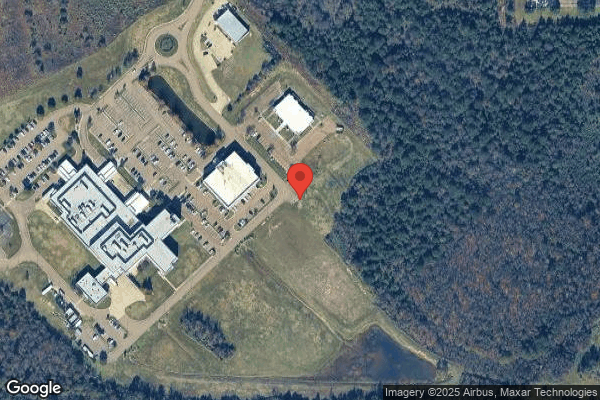
230 RIVER OAKS DRIVE, CANTON, MS 39046 (601) 607-9050
For profit - Limited Liability company 87 Beds Independent Data: November 2025
Trust Grade
18/100
#177 of 200 in MS
Last Inspection: March 2025

Within standard 12-15 month inspection cycle. Federal law requires annual inspections.

Overview

Parkway Health & Rehab LLC has a Trust Grade of F, indicating significant concerns about the quality of care provided. Ranking #177 out of 200 in Mississippi places it in the bottom half of nursing facilities, and it is the lowest-ranked option in Madison County. The facility's situation is worsening, with issues increasing from 5 in 2022 to 17 in 2025, demonstrating rising compliance problems. Staffing is a concern as well, with a 96% turnover rate that is much higher than the state average, leading to instability in care. Specific incidents include a resident who developed a pressure ulcer due to a failure to update their care plan and another case where hand hygiene practices in the kitchen were not followed, increasing the risk of infection. Overall, while there are some staff members who may be dedicated, the facility faces serious challenges that families should consider.

Trust Score
F
18/100
In Mississippi
#177/200
Bottom 12%
Safety Record
Moderate
Needs review
Inspections
Getting Worse
5 → 17 violations
Staff Stability
⚠ Watch
96% turnover. Very high, 48 points above average. Constant new faces learning your loved one's needs.
Penalties
○ Average
$8,278 in fines. Higher than 55% of Mississippi facilities. Some compliance issues.
Skilled Nurses
⚠ Watch
Each resident gets only 24 minutes of Registered Nurse (RN) attention daily — below average for Mississippi. Fewer RN minutes means fewer trained eyes watching for problems.
Violations
⚠ Watch
29 deficiencies on record. Higher than average. Multiple issues found across inspections.
★☆☆☆☆
1.0
Overall Rating
★★☆☆☆
2.0
Staff Levels
★☆☆☆☆
1.0
Care Quality
★☆☆☆☆
1.0
Inspection Score
Stable
2022: 5 issues
2025: 17 issues

The Good

  • Full Sprinkler Coverage · Fire safety systems throughout facility
  • No fines on record

Facility shows strength in fire safety.

The Bad

1-Star Overall Rating

Below Mississippi average (2.6)

Significant quality concerns identified by CMS

Staff Turnover: 96%

50pts above Mississippi avg (47%)

Frequent staff changes - ask about care continuity

Federal Fines: $8,278

Below median ($33,413)

Minor penalties assessed

Staff turnover is very high (96%)

48 points above Mississippi average of 48%

The Ugly 29 deficiencies on record

2 actual harm
Mar 2025 12 deficiencies
CONCERN (D)

Potential for Harm - no one hurt, but risky conditions existed

Notification of Changes (Tag F0580)

Could have caused harm · This affected 1 resident

Based on dialysis staff and facility staff interview, record review, and facility policy review, the facility failed to promptly notify the physician of a resident change in both nutrition and hydrati...

Read full inspector narrative →
Based on dialysis staff and facility staff interview, record review, and facility policy review, the facility failed to promptly notify the physician of a resident change in both nutrition and hydration status for one (1) of four (4) residents reviewed for nutrition. Resident #12 Cross Reference F692 Findings Include: Review of the facility policy titled Change in a Resident's Condition or Status with a revision date of May 2017, revealed, Policy Statement: Our facility shall promptly notify the resident, his or her Attending Physician, and representative (sponsor) of changes in the resident's medical/mental condition and/or status . Record review of Resident #12's MAR revealed an order dated 1/09/25, Dialysis Fluid Restriction 1,500cc (cubic centimeters). Record review of the Registered Dietician Note dated 2/18/25 for Resident #12 revealed, RD (Registered Dietician) spoke with RD from dialysis regarding resident having issues with fluid overload. RD suggests changing TF (tube feeding) to Nutren 2.0 in order to meet needs for weight gain/wound healing without having excess fluids to prevent overload. Dialysis RD agrees and will monitor dialysis labs for elevated phosphorous. Dialysis RD states that fluid restriction for resident is 1000 ml (milliliters) H20 (water), however online orders (facility physician orders) show 1500 ml (milliliters) H20 (water). Additionally revealed under, Interventions: 1. Consult MD (physician) for fluid restriction clarification. 2. Change TF (tube feeding) to Nutren 2.0 (1) can five (5) times per day. Flush with 50 ml (milliliters) H20 (water) after each feeding. TF (tube feeding) will provide 2500 calories, 100 grams protein, 1125 milliliters free H20 (water) 1500 milliliters total H20 (water). 3. Change med flushes to 15 ml (milliliters) H20 (water) before and after meds. Med flushes will provide 60-90 milliliters H20 (water). Goal: WG (weight gain) to IBW (ideal body weight), TF (tube feeding) to meet needs for dialysis and desired WG (weight gain). Record review of Resident #12's Medication Administration Record (MAR) revealed the RD recommendations dated 2/18/25 were not implemented. Record review of Resident #12's MAR revealed an order dated 2/12/25, Enteral Feed Order . Nepro 1 can six (6) times per day via bolus. Flush with 30 ml (milliliters) H20 (water) after each feeding. Tube feeding will provide: 2560 calories, 115 grams protein, 1394 cc (cubic centimeter) free H20 (water), 1782 cc (cubic centimeter) total H20 (water). Also revealed an order dated 3/7/25, Enteral Feed Order every shift: Flush peg tube (Percutaneous Endoscopic Gastrostomy) with 15cc (cubic centimeters) of water before and after administration of medication and 5cc (cubic centimeters) in between each medication. A telephone interview with the facility RD on 3/12/25 at 10:40 AM revealed she last saw Resident #12 in the facility on 2/18/25. She revealed she called and spoke with the dialysis RD. The RD revealed that after speaking with the Dialysis RD, she was made aware that the resident should be on a 1200 ml fluid restriction. The RD explained that she made recommendations that day to change the enteral feedings to Nutren 1 can bolus 5 times daily and to change up the flushes. She revealed she also recommended contacting the MD for a clarification on the fluid restriction. She revealed she gave the recommendation to the Director of Nursing or the Assistant Director of Nursing while she was at the facility. An interview with the Director of Nursing (DON) on 3/12/25 at 10:53 AM confirmed the RD recommendations should have been put into place for Resident #12. She explained that she remembered talking to the RD and then going back and forth about his changes. The DON revealed the RD recommendation must have been misplaced because she was unable to locate it. She revealed once the RD makes a recommendation, it was given to her, and she placed it in the physician's folder for him or the nurse practitioner to review. A telephone interview with Proper Name of Dialysis Company RD on 3/12/25 at 1:18 PM revealed the facility had the resident on a 1500 ml (milliliter) fluid restriction, which was not what the dialysis physician had ordered. The RD revealed that she faxed a 1200 ml (milliliter) fluid restriction physician order to the facility on 2/20/25. A follow up interview with the DON on 3/12/25 at 2:48 PM confirmed that the physician was not made aware of Resident #12's new RD recommendations via telephone because she thought the nurse practitioner intended to come to the facility a couple of days later and could have reviewed it then. She acknowledged the physician should have been made aware as the resident had had a delay getting the care. Record review of the Dialysis Orders Log for Resident #12 revealed an order dated 2/20/25, Patient to follow a fluid restricted diet, limiting fluid intake to 1200 ml (milliliters) per day. Monitor fluid closely and report any concerns to dialysis unit. Record review of the admission Record revealed the facility admitted Resident #12 on 12/19/24 with medical diagnoses that included Hypertensive Heart and Chronic Kidney Disease with Heart Failure with Stage 5 Chronic Kidney Disease and End Stage Renal Disease.
CONCERN (D)

Potential for Harm - no one hurt, but risky conditions existed

Deficiency F0604 (Tag F0604)

Could have caused harm · This affected 1 resident

**NOTE- TERMS IN BRACKETS HAVE BEEN EDITED TO PROTECT CONFIDENTIALITY** Based on observation, staff and resident interviews, record review, and facility policy, the facility failed to ensure a residen...

Read full inspector narrative →
**NOTE- TERMS IN BRACKETS HAVE BEEN EDITED TO PROTECT CONFIDENTIALITY** Based on observation, staff and resident interviews, record review, and facility policy, the facility failed to ensure a resident's right to be free from physical restraints when a bed alarm pad and a wheelchair alarm pad were used that restricted the resident's movements. The alarms caused the resident to stop moving to avoid triggering the alarm sounds, demonstrating a restrictive effect for one (1) of two (2) residents reviewed for restraints. (Resident #67) Findings include: Review of the facility policy titled Use of Restraints, revised April 2017, revealed Policy Interpretation and Implementation: 'Physical Restraints' are defined as any manual method, or physical or mechanical device, material or equipment attached or adjacent to the resident's body that the individual cannot remove easily, which restricts freedom of movement or restricts normal access to one's body . An observation and interview with Resident #67 on 3/11/25 at 10:15 AM revealed a bed alarm pad attached to the resident's bed. During the interview, Resident #67 stated that the bed alarm went off frequently and voiced, I hate it. He reported that when the alarm sounds, he stops moving so it will stop alarming. During an interview with Certified Nurse Assistant (CNA) #6 on 3/13/25 at 8:16 AM, she confirmed that Resident #67 had a bed alarm pad in place due to a history of frequent falls. When asked if the resident had ever complained about the alarm pad, CNA #6 stated that she had observed the resident stop moving or attempting to get up when the alarm sounded, as he did not want it to continue. When asked if she reported this behavior, she stated that she believed she did. A record review of the Order Summary report for Resident #67 revealed no physician order for a bed alarm pad. Further review revealed an order dated 10/15/24 for a wheelchair/chair alarm pad to alert staff of attempts to get up unassisted. An interview with the Medicare Nurse on 3/12/25 at 8:35 AM confirmed that if Resident #67 stated he stops moving to make the alarm stop and staff reported observing the resident stopping movement in response to the alarm, the alarms would be considered a restraint. She confirmed that no restraint assessments had been completed for either alarm devices because she was unaware that the alarm was restricting the resident's movement. She also revealed the resident only had an alarm pad ordered for the wheelchair and was not aware that he had an alarm pad to the bed. During an interview with the Director of Nursing (DON) on 3/13/25 at 8:50 AM revealed that she was unaware that Resident #67 had voiced his dislike for the alarm or that it caused him to stop moving. She confirmed that while the resident had an order for an alarm pad on the wheelchair, there was no order for an alarm pad on the bed. The DON stated she did not know when or by whom the bed alarm pad was placed. She confirmed that if the resident expressed distress about the alarm and staff verified his behavior of stopping movement to silence it, both alarm devices would be considered restraints. During an interview with the Assistant Director of Nursing (ADON)/Infection Control Nurse on 3/13/25 at 3:34 PM revealed concerns about the use of restraints, stating that they could lead to anxiety or depression and hinder residents from performing daily activities independently. Record review of the admission Record revealed Resident #67 was admitted on [DATE], with a diagnoses which included Repeated Falls. A record review of Resident #67's Minimum Data Set (MDS), Section C with an Assessment Reference Date (ARD) of 2/12/2025, revealed a Brief Interview for Mental Status (BIMS) score of 7, indicating the resident was severely cognitively impaired.
CONCERN (D)

Potential for Harm - no one hurt, but risky conditions existed

Deficiency F0692 (Tag F0692)

Could have caused harm · This affected 1 resident

Based on dialysis staff and facility staff interview, record review, and facility policy review, the facility failed to provide nutritional and hydration care and services to meet the needs of a resid...

Read full inspector narrative →
Based on dialysis staff and facility staff interview, record review, and facility policy review, the facility failed to provide nutritional and hydration care and services to meet the needs of a resident receiving both enteral feedings and dialysis for one (1) of four (4) residents reviewed for nutrition. Resident #12 Cross reference F580 Findings Include: Review of the facility policy titled Enteral Nutrition with a revision date of January 2014, revealed under, Policy Statement: adequate nutritional support through enteral feeding will be provided to residents as ordered. Additionally revealed under, 8. The Dietician will monitor residents who are receiving enteral feedings and will make appropriate recommendations for interventions to enhance tolerance and nutritional adequacy of enteral feedings . Record review of the Registered Dietician Note dated 2/18/25 for Resident #12 revealed, RD (Registered Dietician) spoke with RD from dialysis regarding resident having issues with fluid overload. RD suggests changing TF (tube feeding) to Nutren 2.0 in order to meet needs for weight gain/wound healing without having excess fluids to prevent overload. Dialysis RD agrees and will monitor dialysis labs for elevated phosphorous. Dialysis RD states that fluid restriction for resident is 1000 ml (milliliters) H20 (water), however online orders (facility physician orders) show 1500 ml (milliliters) H20 (water). Additionally revealed under, Interventions: 1. Consult MD (physician) for fluid restriction clarification. 2. Change TF (tube feeding) to Nutren 2.0 (1) can 5 times per day. Flush with 50 ml (milliliters) H20 (water) after each feeding. TF (tube feeding) will provide 2500 calories, 100 grams protein, 1125 milliliters free H20 (water) 1500 milliliters total H20 (water). 3. Change med flushes to 15 ml (milliliters) H20 (water) before and after meds. Med flushes will provide 60-90 milliliters H20 (water). Goal: WG (weight gain) to IBW (ideal body weight), TF (tube feeding) to meet needs for dialysis and desired WG (weight gain). Record review of Resident #12's Medication Administration Record (MAR) revealed the RD recommendations dated 2/18/25 were not put in place. Record review of Resident #12's MAR revealed an order dated 2/12/25, Enteral Feed Order . Nepro 1 can 6 times per day via bolus. Flush with 30 ml (milliliters) H20 (water) after each feeding. Tube feeding will provide: 2560 calories, 115 grams protein, 1394 cc (cubic centimeter) free H20 (water), 1782 cc (cubic centimeter) total H20 (water). Also revealed an order dated 3/7/25, Enteral Feed Order every shift: Flush peg tube (Percutaneous Endoscopic Gastrostomy) with 15cc (cubic centimeters) of water before and after administration of medication and 5cc (cubic centimeters) in between each medication. Record review of Resident #12's MAR revealed an order dated 1/09/25, Dialysis Fluid Restriction 1,500cc (cubic centimeters). On 3/12/25 at 10:40 AM, a telephone interview with the facility RD revealed the last time she saw Resident #12 was on 2/18/25. She stated that she talked with the dialysis RD because the resident was having fluid overload during his dialysis treatments. She admitted they also discussed concerns about the resident's enteral feedings and not gaining weight. The RD revealed that after speaking with the dialysis RD, she was made aware that the resident should be on a 1200 ml fluid restriction. The RD explained that she made recommendations to the Director of Nurses (DON) or the Assistant Director of Nurses (ADON) that day to change the enteral feedings to Nutren 1 can bolus 5 times daily and to change up the flushes. She revealed she also recommended contacting the MD for a clarification on the fluid restriction. Furthermore, she confirmed failure to act promptly on these recommendations could place the resident at risk for continued fluid overload. On 3/12/25 at 10:53 AM, an interview with the DON confirmed that she remembered talking to the RD and then going back and forth about Resident #12's changes. She revealed that once the RD makes a recommendation, she usually places it in the physician's folder for him or the nurse practitioner to review. She admitted that those recommendations must have been misplaced because she was unable to locate it and confirmed that they should have been put into place. On 3/12/25 at 1:18 PM, a telephone interview with Proper Name of Dialysis Company RD confirmed she spoke with the Facility RD related to Resident #12 being NPO (nothing by mouth) and receiving Nepro enteral feedings and losing weight, plus concerns related to the resident's interdialytic (between dialysis sessions) weight gain. She stated that she had faxed a 1200 ml (milliliter) fluid restriction physician order to the facility on 2/20/25, but the facility continued to have the resident on a 1500 ml (milliliter) fluid restriction. She expressed that the resident was normally over his pre-dialysis target weight with excessive fluid. She confirmed that if the resident did not follow the recommended fluid restriction, and the RD recommended enteral feedings/flushes then that could result in elevated blood pressure. Record review of the (Proper Name Dialysis) Orders Log for Resident #12 confirmed an order dated 2/20/25, Patient to follow a fluid restricted diet, limiting fluid intake to 1200 ml (milliliters) per day. Monitor fluid closely and report any concerns to dialysis unit. On 3/12/25 at 1:26 PM, a telephone interview with Proper Name of Dialysis Company Registered Nurse (RN) Clinical Director revealed that Resident #12 was normally 3-4 kilo's (kilograms) (6.6 to 8.8 pounds) over on his pre-dialysis weight and the goal was not to be above 1 kilo (2.2) pounds or to exceed 2 kilos (4.4) pounds. She stated that the residents' last visit was on Monday 3/10/25, and he was 4 kilos (8.8) pounds over. An interview with the DON on 3/12/25 at 2:48 PM revealed the physician was not made aware of Resident #12's new Registered Dietician (RD) recommendations via telephone because the nurse practitioner intended to come to the facility a couple of days later and could review it then. She confirmed the resident's fluid volume status was of high importance and acknowledged the physician should have been made aware as the resident had had a delay getting the care. She revealed they (the facility) did not receive the faxed physician order from dialysis to reduce Resident #12's fluid restriction to 1200 milliliters. Record review of the Weights and Vitals Summary for Resident #12 revealed the following weights: 12/03/24 115.3 pounds 12/26/24 110.4 pounds 1/03/25 - 106.9 pounds 1/17/25 - 109.1 pounds 2/03/25 - 117.7 pounds 2/17/25 - 116.6 pounds 3/07/25 - 112.6 pounds Record review of the admission Record revealed the facility admitted Resident #12 on 12/19/24 with medical diagnoses that included Hypertensive Heart and Chronic Kidney Disease with Heart Failure and with Stage 5 Chronic Kidney Disease and End Stage Renal Disease.
CONCERN (D)

Potential for Harm - no one hurt, but risky conditions existed

Deficiency F0699 (Tag F0699)

Could have caused harm · This affected 1 resident

**NOTE- TERMS IN BRACKETS HAVE BEEN EDITED TO PROTECT CONFIDENTIALITY** Based on staff and resident interview, record review and facility policy review, the facility failed to ensure care was delivere...

Read full inspector narrative →
**NOTE- TERMS IN BRACKETS HAVE BEEN EDITED TO PROTECT CONFIDENTIALITY** Based on staff and resident interview, record review and facility policy review, the facility failed to ensure care was delivered to a resident with Post Traumatic Stress Disorder (PTSD) in a manner that would minimize triggers and the possibility of re-traumatization for one (1) of two (2) residents reviewed with PTSD. Resident # 41 Findings Include Review of the facility policy titled, Trauma Informed Care with no revision date revealed under, Purpose .To guide staff in appropriate and compassionate care specific to individuals who have experienced trauma. Record review of Resident #41's admission Record revealed the resident was re-admitted to the facility on [DATE] with medical diagnoses that included Post Traumatic Stress Disorder (PTSD) and Bipolar Disorder. Record review of Resident #41's Care Plan Detail revealed under, Focus: Resident has a dx (diagnosis) of PTSD related to killing other humans with a machine gun in combat. Resident has experienced other trauma such as death of close family, being assaulted in lifetime . Under Interventions/Tasks, the care plan was not developed for triggers or trigger-specific interventions. During an interview on 3/12/25 at 8:35 AM, Resident #41 confirmed that he does have PTSD that stems from when he came home from Vietnam and the treatment that he received during the war. In an interview on 3/12/25 at 8:50 AM, Certified Nurse Assistant (CNA) #5 revealed she had no idea if Resident #41 had PTSD. In an interview on 3/12/25 at 9:40 AM, the Social Worker (SW) confirmed that Resident #41 did have PTSD, but that she didn't know what his triggers were and had never discussed his PTSD or triggers with him. During an interview on 3/12/25 at 10:00 AM, the Director of Nurses (DON) confirmed that Resident #41's plan of care did not address any triggers. She stated that she knew what his triggers were, and they included being awakened in the middle of the night by staff knocking on the door and entering the room. She confirmed that since the staff were not made aware of the resident's triggers and interventions to prevent them it could lead to re-traumatization. Record review of Resident #41's MDS revealed an ARD of 1/15/2025 and, in Section C, a Brief Interview for Mental Status (BIMS) score of 15, which indicated the resident is cognitively intact.
CONCERN (D)

Potential for Harm - no one hurt, but risky conditions existed

Deficiency F0761 (Tag F0761)

Could have caused harm · This affected 1 resident

**NOTE- TERMS IN BRACKETS HAVE BEEN EDITED TO PROTECT CONFIDENTIALITY** Based on observation, resident and staff interview, record review, and facility policy review, the facility failed to ensure med...

Read full inspector narrative →
**NOTE- TERMS IN BRACKETS HAVE BEEN EDITED TO PROTECT CONFIDENTIALITY** Based on observation, resident and staff interview, record review, and facility policy review, the facility failed to ensure medications were stored appropriately and not left in the resident's room for one (1) of 23 sampled residents. Resident #10 Findings include: A review of the facility policy titled, Storage of Medications revised April 2007 revealed, The facility shall store all drugs and biologicals in a safe, secure, and orderly manner. An observation on 3/11/25 at 10:15 AM revealed Resident #10 had a bottle of Tums Ultra Strength 1000 mg (milligrams)and Equate Nasal Spray 3 fluid (fl) ounces (oz) sitting on his overbed table. An observation and interview on 3/12/25 at 11:10 AM revealed Resident #10's medication of a bottle of Tums Ultra Strength 1000 mg and Equate Nasal Spray 3 fl. oz remained sitting on his overbed table. Resident #10 revealed that he has bad indigestion and needs his medicine and stated, If they come in here and try to take them, I'll walk out right now. A record review for Resident #10 revealed there was no self-administration of medication assessment. During an interview on 3/12/25 at 11:15 AM Licensed Practical Nurse (LPN) #4 revealed she is assigned to Resident #10 and gives him his medicines; she revealed she was not aware that the resident had medicine sitting on the overbed table because she gives him all of his medications and stands there while he takes them. During an observation and interview on 3/12/25 at 11:25 AM LPN #4 confirmed that the resident had medications sitting on his overbed table and revealed he was not supposed to have them. She revealed his family brought these medicines in for him, and she had overlooked them sitting there. In an interview on 3/12/25 at 11:35 AM, the Assistant Director of Nurses (ADON) confirmed that Resident #10 did not have a medication self-administration form filled out and had not been evaluated to self-administer medications. She confirmed the medications were not supposed to be left at the bedside, but all medications were to be kept locked in the medication cart. She revealed with the resident having access to these medications, he could take too much, or someone could wander into his room and take them. A record review of Resident #10's admission Record revealed the resident was admitted to the facility on [DATE] with medical diagnoses that included Hypertensive Heart and Chronic Kidney Disease with Heart Failure and Stage 1 through Stage 4 Chronic Kidney Disease, and Gastro-Esophageal Reflux Disease. A record review of the Minimum Data Set (MDS) with an Assessment Reference Date (ARD) of 12/19/2024 revealed a Brief Interview for Mental Status (BIMS) score of 9, which indicated Resident #10 has moderate cognitive impairment.
CONCERN (D)

Potential for Harm - no one hurt, but risky conditions existed

Infection Control (Tag F0880)

Could have caused harm · This affected 1 resident

**NOTE- TERMS IN BRACKETS HAVE BEEN EDITED TO PROTECT CONFIDENTIALITY** Based on observation, resident representative and staff interviews, record review, and facility policy review, the facility fail...

Read full inspector narrative →
**NOTE- TERMS IN BRACKETS HAVE BEEN EDITED TO PROTECT CONFIDENTIALITY** Based on observation, resident representative and staff interviews, record review, and facility policy review, the facility failed to ensure proper catheter care and infection control practices were implemented for one (1) of four (4) residents direct care areas observed (Resident #37). Findings include: A review of the facility policy titled, Catheter Care Urinary, revised September 2014, revealed under Infection Control: b.) Ensure the catheter tubing and drainage bag are kept off the floor. Further review of the policy under Steps in the Procedure revealed: 31.) Use a clean washcloth with warm water and soap or cleansing wipe to cleanse and rinse the catheter from insertion site to approximately four inches outward. An observation of Resident #37 and interview with the resident's representative on 3/11/25 at 2:23 PM revealed a catheter bag hanging on the left side of the resident's wheelchair, with the catheter bag and tubing observed resting on the floor. During an interview at that time with the resident's representative, she revealed the resident has a history of frequent urinary tract infections and has the catheter because her bladder does not empty. An observation of catheter care for Resident #37 on 3/12/25 at 10:20 AM revealed upon entrance to the room, the catheter bag and tubing were laying on the floor. Certified Nurse Assistant (CNA)# 6 was observed performing hand hygiene and cleansing the urinary meatus and catheter tubing with a wet washcloth. There was no observation of soap or cleansing products added to the water basin or washcloth. CNA #6 then dried the urinary meatus and catheter tubing with a dry cloth, completed the procedure, and performed hand hygiene. In a concurrent interview, CNA #6 confirmed the catheter bag should not have been placed on the floor. She also acknowledged she cleaned the urinary meatus, perineal area, and catheter tubing using only water without soap or cleansing product. CNA #6 stated she avoided using soap because she did not want to irritate the resident's skin. Record review of the Order Summary Report for Resident #37 revealed an active order dated 1/29/25 to clean urinary catheter with soap and water every shift. During an interview with the Director of Nursing (DON) on 3/12/25 at 11:14 AM, she confirmed the catheter bag should not have been placed on the floor and that staff performing catheter care should have used soap and water to clean Resident #37 as ordered. She stated that placing the catheter bag on the floor and failing to cleanse with soap and water increases the risk of infection for the resident. Record review of Resident #37's admission Record revealed the resident was admitted on [DATE] with diagnoses including Retention of Urine and Urinary Tract Infection. Record review of Resident #37's Minimum Data Set (MDS), Section C, with an Assessment Reference Date (ARD) of 2/5/25, revealed a Brief Interview for Mental Status (BIMS) score of 5, indicating severe cognitive impairment. Section H-Bladder and Bowel was coded as having an indwelling catheter.
CONCERN (E)

Potential for Harm - no one hurt, but risky conditions existed

Comprehensive Care Plan (Tag F0656)

Could have caused harm · This affected multiple residents

**NOTE- TERMS IN BRACKETS HAVE BEEN EDITED TO PROTECT CONFIDENTIALITY** Based on observation, resident and staff interviews, record review, and facility policy review, the facility failed to develop a...

Read full inspector narrative →
**NOTE- TERMS IN BRACKETS HAVE BEEN EDITED TO PROTECT CONFIDENTIALITY** Based on observation, resident and staff interviews, record review, and facility policy review, the facility failed to develop and/or implement care plans related to Activities of Daily Living (ADL) care for Residents #1, #34, #61 and #67, failed to develop a care plan related to Post-Traumatic Stress Disorder (PTSD) for Resident #41, and failed to develop a care plan related to activities for Resident #68. Additionally, the facility failed to implement a care plan intervention for a contracture device for Resident #12 for seven (7) of 23 resident care plans reviewed. The scope/severity of this deficiency was increased to E Pattern due to prior citation on the last Annual Recertification Survey. Findings include: Record review of the policy titled, Care Plans, Comprehensive Person-Centered, revised December 2016, revealed its Policy Statement: A comprehensive, person-centered care plan that includes measurable objectives and timetables to meet the resident's physical, psychosocial and functional needs is developed and implemented for each resident. Resident # 1 Record review of Resident #1's ADL care plan revealed, Focus: Resident requires supervision-total assistance with ADL's r/t (related to) impaired mobility urostomy and colostomy status right aka above knee amputation) left bka (below knee amputation), DM . Interventions .Shave resident prn (as needed) .Shower three (3) times a week sponge bath on other days. On 3/11/25 at 9:34 AM, an observation and interview revealed Resident #1's facial hair was approximately ¾ inch long on his chin, sides of his face, and neck area. His hair was unkempt and thick. Resident #1 revealed the barber hadn't been here in quite some time; and stated I would like to have a haircut and be shaved. He revealed no one had asked him if he wanted to be shaved or have a haircut, and it's been a very long time. On 3/12/25 at 9:35 AM, during an observation and interview the Director of Nurses (DON) confirmed that Resident #1 needed to be shaven, and his hair needed to be cut. The DON confirmed that Resident #1 had a care plan to shave the resident prn, and his plan of care was not being followed. A record review of Resident #1's admission Record revealed the resident was admitted to the facility on [DATE] with diagnoses that included Type 2 Diabetes Mellitus with Hypoglycemia without Coma, and Functional Quadriplegia. A record review of the Minimum Data Set (MDS) with an Assessment Reference Date (ARD) of 1/20/25 revealed, in Section C, a Brief Interview of Mental Status (BIMS) score of 15, which indicated Resident #1 was cognitively intact. Resident #61 Record review of Resident #61's ADL care plan revealed, Focus: Resident requires assistance with ADLs 's d/t (due to) decreased mobility, colostomy status, incontinence of bladder, schizophrenia and depression .Interventions. Shower 3 times a week sponge bath on other days. On 3/11/25 at 9:55 AM, an observation and interview revealed Resident #61 had facial hair approximately one and a half inches long to his cheeks, chin, and neck and hair that was unkempt, long, and greasy. Resident #61 stated it's been a long time since he had been shaved and had a haircut. During an interview on 3/12/25 at 3:05 PM, the DON confirmed that the staff is responsible for addressing the residents' grooming needs daily and ensuring they are adequately groomed, which includes shaving and hair care. During an interview on 3/12/25 at 1:30 PM, the Medicare Nurse revealed she and the MDS nurse are responsible for developing the residents' nursing care plans. She revealed that the purpose of the care plan is to paint a thorough picture of the resident's individualized needs, and anyone can look at their care plan and know exactly their needs. She confirmed that the care plan for Resident #61 was not developed to reflect his shaving and that it should have been. After reviewing the care plans for Resident #1 and Resident #61, she revealed they were very vague about the interventions needed for their hygiene and grooming needs. A record review of Resident #61's admission Record revealed the resident was admitted to the facility on [DATE] with diagnoses that included Paranoid Schizophrenia and Depression. A record review of the MDS with an ARD of 01/06/25 revealed, in Section C, a BIMS score of 15, which indicated Resident #61 was cognitively intact. Resident #41 Record review of Resident #41's admission Record revealed the resident was re-admitted to the facility on [DATE] with medical diagnoses that included Post Traumatic Stress Disorder (PTSD), and Bipolar Disorder. Record review of Resident #41's Care Plan Detail revealed under, Focus: Resident has a dx (diagnosis) of PTSD related to killing other humans with a machine gun in combat. Resident has experienced other trauma such as death of close family, being assaulted in lifetime. Under, Interventions/Tasks, the care plan was not developed for triggers or trigger-specific interventions. On 3/12/25 at 8:35 AM, during an interview, Resident #41 confirmed that he does have PTSD that stems from when he came home from Vietnam and the treatment that he received during the war. In an interview on 3/12/25 at 8:50 AM, CNA #5 revealed Resident #41 doesn't have behaviors now, but he use to have a lot of behaviors. She stated that she wasn't sure if the resident had PTSD or not. On 3/12/25 at 9:40 AM, in an interview the Social Worker (SW) stated that she didn't know what Resident #41's triggers were. She revealed she had never discussed his PTSD or triggers with the him and confirmed he did not have a PTSD care plan that addressed any triggers. On 3/12/25 at 10:00 AM, during an interview the DON confirmed that Resident #41 has PTSD. She revealed his trigger were being awakened in the middle of the night by staff knocking on the door and entering the room. She confirmed that the resident did not have a PTSD care plan that addressed trigger-specific interventions, so therefore the staff were not made aware so that they could try and prevent re-traumatization. Record review of Resident #41's MDS with an ARD of 1/15/2025 revealed in Section C, a BIMS score of 15, which indicated the resident is cognitively intact. Resident #67 A review of Resident #67's Care Plan titled, Resident requires assistance with ADLs r/t incontinence, dementia, and muscle weakness, last revised on 2/16/25, revealed no interventions related to personal hygiene assistance. On 3/11/25 at 10:00 AM, during an observation and interview with Resident #67 the resident was noted to be unshaven with unkempt facial hair and his face and hair appeared oily. When asked about his personal care routine, the resident stated he had not been shaved in a while and could not recall when his hair was last washed. An interview with the Medicare Nurse on 3/13/25 at 8:35 AM confirmed that after reviewing Resident #67's ADL care plan, it was not developed to include personal hygiene interventions. She stated that comprehensive care plans should accurately reflect a resident's needs and guide staff in providing necessary care. An interview with the DON on 3/13/25 at 8:50 AM acknowledged that if care plans related to ADL's do not include personal hygiene interventions, staff may not provide essential hygiene assistance, leading to unmet care needs. A review of Resident #67's admission Record revealed that he was admitted on [DATE], with a diagnosis of Infrarenal Abdominal Aortic Aneurysm. A review of the MDS Section C with an ARD of 2/12/25, revealed a BIMS score of 7, indicating severe cognitive impairment. Section GG ADL was coded as Item 01301 Personal Hygiene dependent. Resident #12 Review of Resident #12's Care Plan revealed, The resident has an ADL (activities of daily living) self-care performance deficit r/t (related to) decreased mobility and function, incontinent of bowel and bladder, HTN (hypertension), PVD (peripheral vascular disease), GERD (gastroesophageal reflux disease), Pain, ESRD (end stage renal disease), multi contractures, Hx (history) dysphagia. Additionally revealed under, Interventions/task: Resident will wear resting hand splint on LUE (left upper extremity) x (times) 4-6 hours daily, report to OT (occupational therapy) any complications. On 3/11/25 at 9:37 AM, an observation of Resident #12 revealed he was lying in bed with a left upper extremity contracture without a device in place. On 3/12/25 at 8:08 AM and again at 9:30 AM, an observation of Resident #12 revealed he was lying in bed without a contracture device in place on the left extremity. On 3/12/25 at 9:45 AM, an observation and interview with the Assistant Director of Nursing (ADON) confirmed Resident #12 was not wearing the ordered splint. An interview with the Medicare Nurse on 3/13/25 at 8:02 AM confirmed the staff did not follow the care plan for Resident #12's splinting device. Record review of the admission Record revealed the facility admitted Resident #12 on 12/19/24 with medical diagnoses that included Hypertensive Heart and Chronic Kidney Disease with Heart Failure, Stage 5 Chronic Kidney Disease and End Stage Renal Disease. Resident #68 Record review of Resident #68's Care Plans revealed a care plan was not developed for activities. An interview with the Medicare Nurse on 3/13/25 at 8:05 AM confirmed an activity care plan was not developed for Resident #68 and should have been. She revealed the Activity Director is responsible for developing the activity care plans. An interview with the Activity Director (AD) on 3/13/25 at 8:20 AM revealed she had been working at the facility for one year. She revealed Resident #68 did participate in activities but was more of a sit and watch person due to her poor attention span even though she did like to talk. The AD admitted that when the facility changed charting systems in August 2024 she did not develop an activity care plan for the resident and confirmed that it should have been done to determine the resident's functional abilities and preferences. Record review revealed the facility admitted Resident #68 on 3/07/23 with a medical diagnosis that included Dementia. Resident #34 Record review of Resident #34's care plan related to ADLs, last revised on 10/11/2024, revealed the focus area indicated that he required extensive assistance with personal hygiene related to muscle weakness, decreased mobility, pain, and history of falls. Interventions/tasks revealed resident requires extensive assistance with personal hygiene. On 3/11/25 at 10:30 AM, an observation and interview revealed Resident #34 to be unshaven and his hair appeared oily with visible white flakes around the scalp edges. He expressed a desire to be shaved and have his hair washed but was unable to recall the last time he received such care. Record review of Resident #34's MDS Kardex Report also noted that he required extensive assistance with personal hygiene. An interview on 3/12/25 at 8:31 AM, with the Medicare Nurse confirmed, after reviewing the ADL care plan for Resident #34, that staff had not implemented the required personal hygiene interventions outlined in the ADL care plan. Record review of Resident #34's admission Record revealed he was admitted to the facility on [DATE], with diagnoses that included Hypertensive Heart and Chronic Kidney Disease with Heart Failure, Stage 1 through Stage 4 Chronic Kidney Disease, and Malignant Neoplasm of Bladder. Record review of Resident #34's MDS Section C, with an ARD of 12/16/2024, revealed a BIMS score of 14, indicating the resident was cognitively intact .Section GG 0130 Self Care was coded dependent.
CONCERN (E)

Potential for Harm - no one hurt, but risky conditions existed

ADL Care (Tag F0677)

Could have caused harm · This affected multiple residents

**NOTE- TERMS IN BRACKETS HAVE BEEN EDITED TO PROTECT CONFIDENTIALITY** Based on observation, resident and staff interviews, record review, and facility policy review, the facility failed to provide A...

Read full inspector narrative →
**NOTE- TERMS IN BRACKETS HAVE BEEN EDITED TO PROTECT CONFIDENTIALITY** Based on observation, resident and staff interviews, record review, and facility policy review, the facility failed to provide Activities of Daily Living (ADL) care for residents that require assistance for four (4) of seventy-nine (79) residents observed during the initial tour. Resident's #1, #34, #61 and #67 The scope/severity of this deficiency was increased to E - Pattern due to prior citation on the last Annual Recertification Survey. Findings include: Review of the facility policy titled, Quality of Life, revised August 2009, revealed Policy Interpretation and Statement: 3.) Residents shall be groomed as they wish to be groomed (hair styles, nails, facial hair, etc. (et cetera). Resident #1 An observation and interview on 3/11/25 at 9:34 AM revealed Resident #1's facial hair was approximately ¾ inch long on his chin, sides of his face, and neck area. His hair was unkempt and thick. Resident #1 stated, The barber has not been here in quite some time. I would like to have a haircut and be shaved. He admitted that no one had asked him if he wanted to be shaved or have a haircut, and it's been a very long time. An observation on 3/12/25 at 8:20 AM revealed Resident #1 with no change in appearance from the previous day. During an interview and observation on 03/12/25 at 9:25 AM, Certified Nurse Aide (CNA) #1 revealed she was assigned to Resident #1 and confirmed he had long facial hair and needed a haircut. She admitted she was not sure if the resident wanted to be shaved because she had not asked and confirmed that she should have put him down on the barber list for a haircut. During an observation and interview on 3/12/25 at 9:35 AM, the Director of Nurses (DON) confirmed that Resident #1 needed to be shaven, and his hair needed to be cut. She stated, He's able to tell the staff when he wants it to be done. Resident #1 replied, But I don't know when the man comes to cut our hair. He stated to the DON that he had his haircut last year, and the barber also shaved him at that time, but that was the last time he was shaven. Resident #1 then confirmed that he would like to be shaved and have his hair cut. A record review of the Daily Barber Shop Charges revealed Resident #1's last haircut was on 10/8/24. A record review of Resident #1's admission Record revealed the resident was admitted to the facility on [DATE] with diagnoses that included Type 2 Diabetes Mellitus with Hypoglycemia without Coma, Tachycardia, and Functional Quadriplegia. A record review of the Minimum Data Set (MDS) with an Assessment Reference Date (ARD) of [DATE] revealed, in Section C, a Brief Interview of Mental Status (BIMS) score of 15, which indicated Resident #1 was cognitively intact. Resident #61 An observation and interview on 3/11/25 at 9:55 AM revealed Resident #61 had facial hair approximately 1.5 (one and one-half) inches long to his cheeks, chin, and neck and his hair was long, and greasy. Resident #61 admitted that it had been a long time since he had been shaved and had a haircut, and he wanted to have those things taken care of. An observation on 3/12/25 at 8:20 AM revealed Resident #61 with no change in appearance from the previous day. In an interview and observation on 3/12/25 at 8:55 AM, CNA #5 confirmed that Resident #61 needed to be shaved and have his hair washed and cut. She revealed that she was assigned to Resident #61 today and stated that he was looking rough. She then stated that she wasn't sure how long it had been since the resident had a haircut or had been shaved. A record review of Resident #61's admission Record revealed the resident was admitted to the facility on [DATE] with diagnoses that included Hypokalemia and Depression. A record review of the MDS with an ARD of 1/6/25 revealed, in Section C, a BIMS score of 15, which indicated Resident #61 was cognitively intact. Resident #67 During an observation and interview with Resident #67 on 3/11/25 at 10:00 AM, the resident's face and hair appeared oily with long unkempt facial hair. The resident stated he had not been shaved in a while and could not remember when his hair was last washed. An observation with CNA #6 on 3/12/25 at 8:16 AM confirmed that Resident #67's facial hair was unkempt, needed to be shaved, and his face and hair were oily and needed washing. During an interview with the DON on 3/13/25 at 8:50 AM, she confirmed that all residents should receive personal hygiene daily and as needed. She acknowledged that a lack of personal hygiene could lead to potential skin issues. Review of the ADL documentation for Resident #67 from 2/27/25-3/12/25 revealed only two days of documentation for personal hygiene. A review of Resident #67's admission Record revealed that he was admitted on [DATE], with a diagnosis of Infrarenal Abdominal Aortic Aneurysm. A review of the MDS, Section C, dated 2/12/25, revealed a BIMS score of 7, indicating severe cognitive impairment. A review of the MDS-Nursing (7) Seven-Day Look Back Report dated 3/12/25 documented that Resident #67 was coded as dependent for Section GG: 01301 - Personal Hygiene. Resident #34 An observation and interview on 3/11/25 at 10:30 AM, revealed Resident #34's hair was greasy with white flakes around the scalp edges and his face had visible facial hair. He stated he could not remember the last time his hair was washed, or he was shaved but he wanted it done. An observation on 3/12/25 at 8:25 AM, with CNA #4, confirmed that Resident #34 appeared to have gone without a shower or hair wash for an extended period. An observation on 3/12/2025 at 8:27 AM, with Registered Nurse (RN) #3, she confirmed Resident # 34 looked scruffy and unkempt. Record review of Resident #34's admission Record revealed he was admitted to the facility on [DATE], with diagnoses that included Hypertensive Heart and Chronic Kidney Disease with Heart Failure, Stage 1 through Stage 4 Chronic Kidney Disease, and Malignant Neoplasm of Bladder. Record review of Resident #34's MDS Section C, with an ARD of 12/16/2024, revealed a BIMS score of 14, indicating the resident was cognitively intact. Section GG 0130 Self Care was coded dependent.
CONCERN (E)

Potential for Harm - no one hurt, but risky conditions existed

Deficiency F0688 (Tag F0688)

Could have caused harm · This affected multiple residents

Based on observation, staff interview, record review, and facility policy review, the facility failed to ensure a splint was applied for a resident with contractures for one (1) of 35 residents with l...

Read full inspector narrative →
Based on observation, staff interview, record review, and facility policy review, the facility failed to ensure a splint was applied for a resident with contractures for one (1) of 35 residents with limited range of motion (ROM) residing in the facility. Resident #12 The scope/severity of this deficiency was increased to E Pattern due to prior citation on the last Annual Recertification Survey. Findings Include: Review of the facility policy titled Resident Mobility and Range of Motion with a revision date of July 2017, revealed under, Policy Statement: 1. Residents will not experience an avoidable reduction in range of motion (ROM). 2. Residents with limited range of motion will receive treatment and services to increase and/or prevent a further decrease in ROM. 3. Residents with limited mobility will receive appropriate services, equipment and assistance to maintain or improve mobility unless reduction in mobility is unavoidable . An observation of Resident #12 on 3/11/25 at 9:37 AM revealed he had a left upper extremity contracture with no contracture device in place. An observation of Resident #12 on 3/12/25 at 8:08 AM and again at 9:30 AM revealed the resident continued to have no device in place for the left extremity contracture. Record review of Resident #12's March 2025 Medication Administration Record (MAR) revealed an order dated 6/11/24, Resident to wear resting hand splint to LUE (left upper extremity) daily. Put on at 8:00 AM. Leave on resident 4-6 hours as resident will allow. One time a day to prevent declining contracture report to OT (Occupational Therapy) any complications. An observation and interview with the Assistant Director of Nursing (ADON) on 3/12/25 at 9:45 AM confirmed Resident #12 was not wearing the ordered splint. She revealed the aides were responsible for applying the device and the nurses were to ensure it was applied. The ADON revealed failing to apply the splint could cause worsening contractures. An interview with Licensed Practical Nurse (LPN) #3 on 3/12/25 at 9:51 AM confirmed she did not ensure Resident #12 had on his hand splint yesterday or today. She revealed she was unsure where the splint was but thought it could be in the laundry. She confirmed she signed off on the MAR as administered yesterday and admitted she did not go back to ensure it was applied. An interview with Certified Nurse Aide (CNA) #1 on 3/12/25 at 10:15 AM revealed she worked last night, and Resident #12 did not have his splint in his room. She stated, I guess someone took it to laundry because he didn't have it. She confirmed she did not look for it. Record review of the Minimum Data Set (MDS) with an Assessment Reference Date (ARD) of 12/26/24 revealed under section GG, Resident #12 had upper extremity (shoulder, elbow, wrist, hand) functional limitation in Range of Motion (ROM) on both sides. Record review of the admission Record revealed the facility admitted Resident #12 on 12/19/24 with medical diagnoses that included Hypertensive Heart and Chronic Kidney Disease with Heart Failure and with Stage 5 Chronic Kidney Disease and End Stage Renal Disease.
CONCERN (F)

Potential for Harm - no one hurt, but risky conditions existed

Food Safety (Tag F0812)

Could have caused harm · This affected most or all residents

Based on observation, staff interview, record review, and facility policy review, the facility failed to ensure dietary staff followed proper hand hygiene practices and monitor food temperatures in a ...

Read full inspector narrative →
Based on observation, staff interview, record review, and facility policy review, the facility failed to ensure dietary staff followed proper hand hygiene practices and monitor food temperatures in a manner that prevented cross-contamination for one (1) of two (2) kitchen tours. Findings Include: Review of the facility policy titled Hand and Single Use Glove Sanitation Practices with a revision date of October 2017, revealed Policy: Facility employees shall follow sanitary practices when handling food to prevent the spread of foodborne illness . Review of the facility policy titled Guidelines for Using Thermometers with a revision date of October 2017, revealed Policy: the facility shall monitor temperatures of hazardous foods to maintain quality and safety of food served using an appropriate thermometer . An observation of the kitchen on 3/12/25 at 11:00 AM revealed Dietary Staff #2, located near the 3-compartment sink, gathering kitchen utensils. He walked over to the steam table with a white dish cloth in his hands and began setting up to check food temperatures. Dietary Staff #2 did not wash his hands before proceeding. After measuring the temperature of the hamburger patties, he picked up the dish cloth from the plate rest and wiped the end of the thermometer probe. He then inserted the thermometer into a pan containing lettuce and tomatoes. After removing the thermometer, he again wiped the probe with the dish cloth, continuing this same process - checking temperatures and wiping the probe with the dish cloth - until all food temperatures were measured. An interview with Dietary Staff #2 on 3/12/25 at 11:16 AM confirmed that he did not wash his hands before checking the food temperatures. He stated, I just had my hands in Clorox water, and acknowledged that this practice could cause cross-contamination of the food. He further explained that it was common practice to use a dish cloth to wipe the thermometer probe between uses, and that this was how he had been trained to do it. Dietary Staff #2 admitted that this could potentially make a resident sick due to cross-contamination from the dish towel to the food. An interview with the Dietary Manager (DM) on 3/12/25 at 11:36 AM confirmed that dietary staff were required to perform hand hygiene before checking food temperatures and anytime they handle food. She explained that the kitchen had disposable wipes that should be used to clean the thermometer probe between uses. The DM acknowledged that improper hand hygiene and improper cleaning of the thermometer could result in cross-contamination and the spread of harmful bacteria to food.
CONCERN (F)

Potential for Harm - no one hurt, but risky conditions existed

Staffing Data (Tag F0851)

Could have caused harm · This affected most or all residents

Based on staff interview, record review, and facility policy review, the facility failed to submit accurate staffing data into the Payroll-Based Journal (PBJ) system for one (1) of four (4) quarters r...

Read full inspector narrative →
Based on staff interview, record review, and facility policy review, the facility failed to submit accurate staffing data into the Payroll-Based Journal (PBJ) system for one (1) of four (4) quarters reviewed. Quarter 1 2025 Findings include Record review of facility policy titled, Submission Timeliness and Accuracy dated April 2016, revealed, Direct care staffing and census data will be collected quarterly, and is required to be timely and accurate. Record review of PBJ Staffing Data Report CASPER Report 1705D FY (Fiscal Year) Quarter 1 2025 (October 1-December 31), revealed the facility triggered on this report for excessively low weekend staffing. During an interview on 3/11/25 at 11:50 AM, the Administrator revealed I don't understand how we were running excessively low weekend staffing; we were adequately staffed during that time. He revealed we were transitioning between payroll systems then, and maybe it didn't transition accurately. Record review of the facility staffing grid for the weekends of quarter 1 revealed no issues with low weekend staffing. During an interview on 3/13/25 at 9:33 AM, the Human Resources Director revealed that after reviewing the discrepancy of low weekend staffing for the first quarter of 2025, we have determined that all of the nursing hours did not show up accurately. She revealed we were transitioning to a different payroll system, and the hours did not transition over accurately. Therefore, the facility didn't report the required staffing information and ensure it's accuracy.
MINOR (B)

Minor Issue - procedural, no safety impact

Assessment Accuracy (Tag F0641)

Minor procedural issue · This affected multiple residents

Based on staff interview, record review, and facility policy review, the facility failed to accurately complete section N of the Minimum Data Set (MDS) for a resident taking an antiplatelet medication...

Read full inspector narrative →
Based on staff interview, record review, and facility policy review, the facility failed to accurately complete section N of the Minimum Data Set (MDS) for a resident taking an antiplatelet medication for one (1) of 23 MDS assessments reviewed. Resident #42 Findings Include: Review of the facility policy titled Resident Assessment Instrument with a revision date of September 2010 revealed under, Policy Statement: A comprehensive assessment of a resident's needs shall be made within fourteen (14) days of the resident's admission. Additionally revealed, 4. Information derived from the comprehensive assessment helps the staff to plan care that allows the resident to reach his/her highest practical level of functioning. Record review of the Annual MDS with an Assessment Reference Date (ARD) of 12/3/24 revealed, under Section N, Resident #42 was coded as receiving an anticoagulant (blood thinner) medication during the 7-day look back period. Record review of the Medication Administration Record (MAR) for November and December 2024 revealed Resident #42 did not receive an anticoagulant (blood thinner) medication. Additionally, the resident did receive the antiplatelet medication Plavix. An interview with the Medicare Nurse on 3/12/25 at 9:40 AM confirmed Resident #42 did not receive an anticoagulant medication and revealed that Section N was coded wrong. She explained that the antiplatelet box should have been marked. The Medicare Nurse revealed they follow the Resident Assessment Instrument (RAI) manual for guidance in completing the assessments, and acknowledged Resident #42's MDS should be accurate to reflect the resident's status. Record review of the admission Record revealed the facility admitted Resident #42 on 1/04/23 with a medical diagnosis that included Alzheimer's Disease.
Feb 2025 2 deficiencies 2 Harm
SERIOUS (G) 📢 Someone Reported This

A family member, employee, or ombudsman was alarmed enough to file a formal complaint

Actual Harm - a resident was hurt due to facility failures

Deficiency F0657 (Tag F0657)

A resident was harmed · This affected 1 resident

**NOTE- TERMS IN BRACKETS HAVE BEEN EDITED TO PROTECT CONFIDENTIALITY** Based on complainant and staff interview, record review and facility policy review, the facility failed to revise a pressure ris...

Read full inspector narrative →
**NOTE- TERMS IN BRACKETS HAVE BEEN EDITED TO PROTECT CONFIDENTIALITY** Based on complainant and staff interview, record review and facility policy review, the facility failed to revise a pressure risk care plan for a resident who developed a pressure ulcer for one (1) of (3) three residents care plans reviewed. (Resident #1) Findings include: Review of the facility policy titled, Care Plans, Comprehensive Person-Centered, with no revision date revealed, Policy Interpretation and Implementation: .13.) Assessments of residents are ongoing, and care plans are revised as information about the residents and the residents' conditions change . Record review of Resident #1's care plan titled Resident is a risk for pressure ulcers/further impaired skin integrity related to (r/t) incontinence dementia, with onset date of 12/11/24 and revision date of 1/27/25, revealed no revisions to the care plan prior to the onset of the deep tissue injury (DTI) identified on 1/19/25. On 1/31/25 at 4:00 PM, during a phone interview with the complainant, she revealed her mom (Resident #1) was sent to the hospital on 1/19/25 and was assessed to have an open pressure ulcer on her right heel that was black and draining. She then stated cannot understand how a wound on her foot that was open, black in color and draining had not already been identified and addressed. Record review of Resident #1's hospital notes dated 1/19/25 confirmed that the resident presented to the hospital on 1/19/25 at 10:23 PM with a pressure injury of deep tissue injury (DTI) with epithelial separation, revealing partial thickness pink wound bed with deep purple discoloration, scant drainage, and devitalized tissue surrounding wound noted to right heel on initial wound care exam. On 2/3/25 at 10:30 AM, an interview with the Director of Nursing (DON) confirmed that the pressure risk care plan should have been revised when the resident had a decline in function increasing her pressure ulcer risk and any new interventions should have been put in place for pressure prevention. She stated that she had determined after the resident was transferred to the hospital that she had a decline for approximately two weeks prior in her activities of daily living (ADL) function that included mobility and self-feeding. She revealed that she reviewed the residents [NAME], and it did not reflect any pressure reducing measures in place prior to the onset of the pressure injury to the right heel. Record review of the Minimum Data Set (MDS) [NAME] Report for Resident #1 dated 12/11/24 revealed no revisions to the [NAME] related to skin and ulcer treatment. On 2/3/25 at 11:00 AM, during an interview with the MDS Nurse she confirmed that since Resident #1 showed a decline in her ADL function and nutrition then she was at a higher risk for pressure injury and extra precautions should have been put in place to reduce the risk. She confirmed that the residents care plan had not been revised after that decline or prior to the return from the hospital with the onset of the pressure injury. She revealed the purpose of the care plan is to inform staff of the specific resident care needed to care for that resident. Review of the admission Record revealed Resident #1 was admitted by the facility on 12/11/24 with diagnoses that included Unspecified Dementia and Aphasia.
SERIOUS (G) 📢 Someone Reported This

A family member, employee, or ombudsman was alarmed enough to file a formal complaint

Actual Harm - a resident was hurt due to facility failures

Pressure Ulcer Prevention (Tag F0686)

A resident was harmed · This affected 1 resident

Based on complainant, resident representative and staff interviews, record review, and facility policy review, the facility failed to provide necessary services to prevent new pressure ulcers from dev...

Read full inspector narrative →
Based on complainant, resident representative and staff interviews, record review, and facility policy review, the facility failed to provide necessary services to prevent new pressure ulcers from developing for one (1) of three (3) residents with wounds reviewed. (Resident #1) Findings include: Review of the facility policy titled, Prevention of Pressure Ulcers/Injuries, with no revision date, revealed, Purpose: The purpose of this procedure is to provide information regarding identification of pressure ulcer/injury risk factors and interventions for specific risk factors. In a phone interview with the complainant on 1/31/25 at 4:00 PM, she revealed her mom (Resident #1) was sent to the hospital on 1/19/25 and was assessed to have an open pressure ulcer on her right heel that was black and draining. She stated she was concerned because Resident #1 had started declining about a week before being sent to the hospital, requiring increased assistance with all her care and transfers. She then revealed she also cannot understand how a wound on her foot that was open, black in color and draining had not already been identified and addressed. The complainant admitted that the only thing that staff put on Resident #1's feet prior to the discovery of the wound were socks and her heels were never floated or had foot pillows. Record review of the hospital notes dated 1/19/25 revealed Resident #1 presented to the hospital on 1/19/25 at 10:23 PM with a deep tissue injury (DTI) with epithelial separation, revealing partial thickness pink wound bed with deep purple discoloration, scant drainage, and devitalized tissue surrounding wound noted to right heel on initial wound care exam. During an interview with Resident #1's Representative on 2/3/25 at 10:20 AM, he stated that he visits with his wife (Resident #1) for several hours every day, and he had noticed that over a week prior to being sent to the hospital, she kept leaning to the left in the wheelchair. He stated she stopped feeding herself and had to be fed and required more assistance from staff for toileting and transfers. He admitted that he could not physically assist her anymore because she was unable to help at all. He stated he was not aware of any wound on her foot until the nurse who called about her going to the hospital said she had a blister on her right heel. The Resident Representative confirmed that he had never seen Resident #1's heels floated, foot pillows or any kind of positioning device used for her prior to the wounds being discovered and that the only thing that was ever on his wife's feet were socks. In an interview with the Director of Nursing (DON) on 2/3/25 at 10:30 AM, confirmed that it was determined that Resident #1 showed a decline in function approximately two weeks before being sent to the hospital on 1/19/25. She stated the resident was mobile short distances with staff assistance and limited on standing with assistance upon admission but declined requiring two staff members assistance for transfers, toileting, and bed mobility. She then stated she was informed by staff on 1/19/25 at the time of transfer to the hospital that the resident had a blister on her right heel. Furthermore, she stated there was no documentation in the medical record of the wound before that date. She stated she was not informed that the wound was dark purple/black in color and open and draining. The DON revealed when the resident began declining in Activities of Daily Living (ADL) function and requiring more assistance with care, she was at a higher risk for pressure injury and should have had resident specific interventions put in place. She confirmed, after review of Resident #1's medical record, she could not find where any resident specific interventions were put in place to reduce the risk of pressure injury and that could have led to the development of a pressure injury. Record review of the Active Order Summary Report dated 1/20/25 for Resident #1 revealed no orders related to skin or pressure relief prevention. In an interview with Licensed Practical Nurse (LPN)#1 on 2/3/25 at 10:50 AM, she revealed she had cared for Resident #1 several days over the few weeks before she went to the hospital and noticed that the resident had been leaning in the wheelchair. She confirmed that the resident had to be fed and required more care by staff for transfers, toileting, and mobility. She also confirmed that the resident did not wear foot pillows or have orders to float heels prior to the discovery of the wound. In an interview with Certified Nurse Assistant (CNA) # 1 on 2/3/25 at 10:50 AM confirmed that Resident #1 had started declining a couple of weeks ago requiring two staff members to assist with transfers and toileting because the resident had quit assisting with pivoting, no longer ambulating or following simple direction. She also stated she was no longer feeding herself or repositioning herself. In an interview with the Minimum Data Set (MDS) Nurse on 2/3/25 at 11:00 AM she revealed she was not aware that Resident #1's condition had declined before her hospital stay, but confirmed if she was no longer ambulating, declined in ADL function, and nutrition then she was at a higher risk for pressure injury and extra precautions should have been put in place to reduce the risk. She then confirmed that their failure to put interventions in place could have led to the development of the pressure ulcer. In an interview with LPN #2 on 2/3/25 at 11:30 AM, she revealed she assisted LPN #3 get Resident #1 ready to transfer to the hospital on 1/19/25. She stated they both were working 7:00 AM-7:00 PM that day and did observe an open dark purple/blackish blister area to the resident's right heel that she would have considered to be one-half (½) dollar in size. She confirmed the resident only had socks on her feet, heels were not floated, and no heel protectors were on. In an interview with LPN #3 on 2/3/25 at 11:50 AM revealed she was assigned Resident #1 on 1/19/25 when she was sent to the hospital. She stated during her assessment; she observed an open draining dark purple blistered area with dried drainage noted to the resident's right sock and her fitted sheet of the bed. She stated she had never been informed of the wound before, but stated, it was obvious from the condition of the wound that it did not just form. She then stated she would say the size was about the size of a half dollar. In an interview with CNA #2 on 2/3/25 at 3:00 PM, confirmed that Resident #1 had needed additional assistance from staff over the past few weeks, because she was no longer able to assist with her care. She confirmed that the resident was leaning in the wheelchair and would not move unless staff assisted her, which was different from her norm. She stated that she had never seen a wound on the resident's foot, stating she always had socks on, and confirmed the resident did not have any foot pillows in her room. Record review of Resident #1's admission Record revealed the facility admitted the resident on 12/11/24 with medical diagnoses that included Unspecified Dementia and Aphasia.
Jan 2025 3 deficiencies
CONCERN (D) 📢 Someone Reported This

A family member, employee, or ombudsman was alarmed enough to file a formal complaint

Potential for Harm - no one hurt, but risky conditions existed

Deficiency F0602 (Tag F0602)

Could have caused harm · This affected 1 resident

**NOTE- TERMS IN BRACKETS HAVE BEEN EDITED TO PROTECT CONFIDENTIALITY** Based on observation, staff interview, record review, and facility policy, the facility failed to ensure a resident's right to b...

Read full inspector narrative →
**NOTE- TERMS IN BRACKETS HAVE BEEN EDITED TO PROTECT CONFIDENTIALITY** Based on observation, staff interview, record review, and facility policy, the facility failed to ensure a resident's right to be free from misappropriation of property when a bottle of Morphine Sulfate was found altered in color composition and not properly accounted for on the medication administration record for (1) one of three (3) residents reviewed for misappropriation. (Resident #1) Findings include: Review of the facility policy titled, Abuse Prevention Program, with no revision date revealed, Policy Statement: Our residents have the right to be free from abuse, neglect, misappropriation of resident property and exploitation . Review of the facility policy titled, Controlled Substances, with no revision date revealed under the Policy Statement :The facility complies with the laws, regulations and other requirements related to handling, storage, disposal, and documentation of controlled substances . An interview on 1/14/25 at 8:00 AM, with the Director of Nursing (DON) confirmed there had been a narcotic diversion investigation back in September 2024 regarding Resident #1. During a continued interview with the DON and record review of the facility investigation/video surveillance on 1/14/25 at 9:10 AM, she revealed that on the morning of Monday 9/16/24 the day shift nurse Licensed Practical Nurse (LPN) #1 reported to her that after drawing up Resident #1's morphine from her only vial that was dated 9/6/24, he discovered that the medicine was not the color it was supposed to be. She stated that he immediately brought it to her, and she confirmed that the liquid inside the vial was clear and was supposed to be a light blue. She reported that the Hospice nurse was notified and that they brought a new bottle of morphine, and the medicine was blue in color. The DON stated she immediately contacted all nurses who had access to the morphine on the 100-hall cart and requested that they meet at the clinic on 9/16/24 for a random drug screen related to a narcotic concern. She revealed that all the nurses complied with the random drug screen except for LPN #2. She stated that after LPN #2 did not comply with a drug screen, the Administrator reviewed the video footage of the 100 hallways for the weekend and found on 9/14/24 at approximately 3:00 PM, LPN #2 was observed to position her medication cart in front of room [ROOM NUMBER] with the medication drawers facing the inside of the room. LPN #2 was observed to reach into the narcotic box, pull out the Morphine box, insert the syringe into the morphine bottle, pull back on the syringe, remove the syringe and go into the bathroom of room [ROOM NUMBER]. She then returned to the medication cart, inserted the syringe into the morphine again, pulled back on the syringe, then went back into the bathroom of room [ROOM NUMBER]. The DON also confirmed based on the investigation, the video, and the failure of LPN #2 to submit to a drug screen, the undeniable change in the color of the liquid morphine, the allegation of diversion was substantiated by the facility. An observation and interview on 1/14/25 at 9:20 AM of the Morphine vial dated 9/6/24 compared to the vial dated 9/16/24 with the DON confirmed that the morphine dated 9/6/24 was notably a few shades lighter blue than the one dated 9/16/24. The DON confirmed there were no other bottles of morphine in the 100-hall medication cart at the time of the incident. Record review of the Termination Report for LPN #2 revealed the facility terminated her on 9/17/24 for failure to comply with narcotic investigation. LPN #2's last day to work was 9/15/24. Record review of Resident #2's September 2024 Order Summary Report revealed this residents' location was room [ROOM NUMBER] and there were no orders for any narcotics for this resident. Record review of the admission Record revealed Resident #2 was admitted by the facility on 6/05/24 and discharged on 9/21/24. An interview with LPN #1 on 1/14/25 at 10:10 AM, revealed that on the morning of 9/16/24 he went in to give Resident #1 some morphine and did not see anything in the syringe. He then revealed he shook the medicine up and attempted to withdraw the morphine again and realized the liquid in the syringe was clear. He stated that he had administered the morphine to Resident #1 on Friday 9/13/24 and the medication was blue at that time. He confirmed that there were no other bottles of morphine on the medication cart at the time that the morphine was found to be a different color. LPN #1 stated he notified the DON, the Administrator, and called hospice to have a new bottle of morphine delivered. LPN #1 stated the new bottle of morphine that was delivered was a much brighter blue color. Record review of the Order Summary Report for Resident #1 revealed an order to admit to Hospice on 9/05/24 related to Chronic Obstructive Pulmonary Disease (COPD) and Morphine Sulfate Oral Solution 20 mg (milligram) 5 (five) ml (milliliters): give 0.5 ml sublingual every 4 (four) hours as needed for pain and wheezing for 14 days, dated 9/05/24. Record review of the Individual Patient Narcotic-Controlled Drug form for Resident #1 for Morphine Sulfate 100 mg/5 ml was received on 9/6/24 by LPN #1 with 30 ml in the bottle. A record review of the Individual Patient Narcotic-Controlled Drug form for Resident #1 morphine sulfate revealed on 9/14/24 that five doses of morphine were signed out by LPN #2 at 8:30 AM, 11:00 AM, 2:00 PM, 6:00 PM, and 9:00 PM; on 9/15/24 a dose of morphine was signed out by LPN #2 at 2:00 PM. Record review of the admission Record revealed Resident #1 was admitted by the facility on 10/14/22 with diagnoses of Chronic Obstructive Pulmonary Disease and Chronic Respiratory Failure with Hypoxia. Record review of Resident #1's Significant Change Minimum Data Set (MDS) with an Assessment Reference Date (ARD) of 9/16/24, revealed Section O: Special Treatments, Procedures, and Programs coded as receiving Hospice services while a resident.
CONCERN (D) 📢 Someone Reported This

A family member, employee, or ombudsman was alarmed enough to file a formal complaint

Potential for Harm - no one hurt, but risky conditions existed

Report Alleged Abuse (Tag F0609)

Could have caused harm · This affected 1 resident

**NOTE- TERMS IN BRACKETS HAVE BEEN EDITED TO PROTECT CONFIDENTIALITY** Based on staff interview, record review, and facility policy review, the facility failed to report an allegation of narcotic div...

Read full inspector narrative →
**NOTE- TERMS IN BRACKETS HAVE BEEN EDITED TO PROTECT CONFIDENTIALITY** Based on staff interview, record review, and facility policy review, the facility failed to report an allegation of narcotic diversion/misappropriation of property to the State Agency (SA) for one (1) of three (3) residents reviewed for narcotic diversion/misappropriation of property. (Resident #1) Cross Reference F602 Findings include: Review of the facility policy titled, Abuse, Neglect, Exploitation, or Misappropriation- Reporting and Investigating, with a revision date of 09/2022 revealed under the Policy Interpretation and Implementation .1. If resident .misappropriation of property .is suspected, the suspicion must be reported immediately to . 2. a. The state licensing/certification agency responsible for surveying/licensing the facility . Upon entrance to the facility on 1/14/25 at 8:00 AM, the Director of Nursing (DON) confirmed that they had one reportable incident that was a narcotic diversion investigation involving Resident #1 in 09/2024. Record review of the facility investigation, dated 9/19/24 involving Resident #1, revealed there was no notification of the narcotic diversion investigation to the State Agency. In an interview with the DON regarding the narcotic diversion investigation on 1/14/25 at 9:10 AM, she revealed on the morning of Monday 9/16/24 the day shift nurse Licensed Practical Nurse (LPN) #1 came to her and let her know that the liquid narcotic for Resident #1 was not the color it should be. She stated the liquid morphine the facility receives is a clear blue color. The DON and LPN #1 together assessed the morphine to be clear once again when pulled in the syringe. The Hospice nurse was called and brought a new bottle of morphine to the facility for Resident #1. The DON revealed the bottle of morphine delivered on 9/6/24 and the new bottle of morphine was delivered on 9/16/24 for Resident #1 were compared, and the bottle dated 9/6/24 was a lighter clear blue color than the new bottle recently delivered. She stated the Morphine in question was removed from the narcotic count and locked up securely. The DON stated she immediately contacted all nurses who had access to the morphine on the 100-hall cart to meet at the clinic at 1:00 PM on 9/16/24 for a random drug screen related to a narcotic concern. She revealed all the nurses complied with doing the random drug screen with no positive results for narcotics, except for LPN #2. She stated that after LPN #2 did not comply with a drug screen, the Administrator reviewed the video footage of the 100 hallways for the weekend and found on 9/14/24 at approximately 3:00 PM, LPN #2 was observed to position her medication cart in front of room [ROOM NUMBER] with the medication drawers facing the inside of the room. LPN #2 was observed to reach into the narcotic box, pull out the Morphine box, insert the syringe into the morphine bottle, pull back on the syringe, remove the syringe and go into the bathroom of room [ROOM NUMBER]. She then returned to the medication cart, inserted the syringe into the morphine again, pulled back on the syringe, then went back into the bathroom of room [ROOM NUMBER]. Review of the Order Summary Report for Resident #1 revealed an order for Morphine Sulfate Oral Solution 20 mg (milligram) 5 (five) ml (milliliters): give 0.5 ml sublingual every 4 (four) hours as needed for pain and wheezing for 14 days, dated 9/05/24. In an interview with the DON on 1/14/25 at 9:00 AM, she revealed she thought she had reported it to the SA, but she was unable to find any documentation that she had reported the incident and confirmed that she should have reported it. She then confirmed the allegation of narcotic diversion should have been immediately reported as part of the investigation process to ensure thorough investigation and follow-up is completed for the investigation. Review of the admission Record revealed Resident #1 was admitted by the facility on 10/14/22 with diagnoses of Chronic Obstructive Pulmonary Disease and Chronic Respiratory Failure with Hypoxia.
CONCERN (D) 📢 Someone Reported This

A family member, employee, or ombudsman was alarmed enough to file a formal complaint

Potential for Harm - no one hurt, but risky conditions existed

Medical Records (Tag F0842)

Could have caused harm · This affected 1 resident

Based on staff interview, record review, and facility policy review, the facility failed to accurately document the administration of PRN (as needed) pain medication in the electronic medication syste...

Read full inspector narrative →
Based on staff interview, record review, and facility policy review, the facility failed to accurately document the administration of PRN (as needed) pain medication in the electronic medication system for one (1) of three (3) residents reviewed for narcotic administration. Resident #1 Findings include: Review of the facility policy titled, Controlled Substances, with no revision date revealed, Policy Statement: The facility complies with the laws, regulations and other requirements related to handling, storage, disposal, and documentation of controlled substances . Review of the facility policy titled, Charting Documentation, with revision date 07/2017 revealed, Policy Interpretation and Implementation: 2.) The following information is to be documented in the resident medical record .b. Medications administered . Record review of the Order Summary Report for Resident #1 revealed an order of Morphine Sulfate Oral Solution 20 mg (milligram)/5 (five) ml (milliliters): give 0.5 ml sublingual every 4 (four) hours as needed for pain and wheezing for 14 days dated 9/5/24. Record review of the individual Patient Narcotic -Controlled Drug form for Resident #1 morphine sulfate revealed on 9/13/24 a dose was signed out by LPN #1 at 9:30 PM; on 9/14/24 five doses of morphine were signed out by LPN #2 at 8:30 AM, 11:00 AM, 2:00 PM, 6:00 PM, and 9:00 PM and on 9/15/24 revealed a dose of morphine was signed out by LPN #2 at 2:00 PM. Record review of Resident #1's Medication Administration Record (MAR) dated 9/1/24-9/30/24 revealed there was no documentation of a dose of Morphine being given on 9/13/24 at 9:30 PM; on 9/14/24 at 8:30 AM, 11:00 AM 2:00 PM, 6:00 PM and 9:00 PM or on 9/15/24 at 2:00 PM. In an interview with LPN #1 on 1/14/25 at 10:10 AM, he confirmed that he did administer morphine to Resident #1 on 9/13/24 at 9:30 PM and failed to document the medication that was given. He stated that it is important to sign the MAR, to prove it was given, to let other staff know the time of the last medication, and if it was effective. He also stated it could be reflective of diversion of narcotics. In an interview with LPN #3 on 1/14/25 at 3:00 PM she revealed all narcotics should be signed out on the narcotic sheet and on the MAR. She stated if a narcotic is not documented given on the MAR, then it looks like staff did not administer the medication and provides an inaccurate record. In an interview with the Director of Nursing (DON) on 1/14/25 at 3:05 PM, she confirmed that narcotics should be signed out on the narcotic sheet and on the MAR, otherwise it could appear as if staff were diverting narcotics, or they were missing. She revealed the purpose of documenting narcotic medications given on the medication record is to show staff gave it and are following physician's orders. Record review of the admission Record revealed Resident #1 was admitted by the facility on 10/14/22 with diagnoses of Chronic Obstructive Pulmonary Disease and Chronic Respiratory Failure with Hypoxia.
Sept 2022 5 deficiencies
CONCERN (D)

Potential for Harm - no one hurt, but risky conditions existed

Deficiency F0576 (Tag F0576)

Could have caused harm · This affected 1 resident

Based on resident and staff interview and facility policy review, the facility failed to provide mail delivery on Saturdays for two (2) of nine (9) residents who attended the resident council meeting....

Read full inspector narrative →
Based on resident and staff interview and facility policy review, the facility failed to provide mail delivery on Saturdays for two (2) of nine (9) residents who attended the resident council meeting. Findings include: Review of the facility policy titled, Mail and Electronic Communication, with a revision date of May 2017, revealed residents are allowed to communicate privately with individuals of their choice and may receive personal mail, email, and other electronic forms of communication confidentially. The policy interpretation and implementation revealed, under #4, that mail and packages will be delivered to the resident within twenty-four (24) hours of delivery on premises or to the facility's post office box (including Saturday deliveries). On 09/27/22 at 02:00 PM, during the Resident Council Meeting Resident #5 and Resident #8 stated that they do not get mail on the weekend. An interview, on 09/28/22 at 08:30 AM, with the Activity Director revealed that during the week, the receptionist or the business office person brings her the mail and she delivers it to the residents. She stated that she was responsible for making sure the residents get their mail and takes care of outgoing mail. An interview, on 09/28/22 at 10:36 AM, with the Business Office Director revealed that when she gets to work, she checks the mailbox and checks with the receptionist for resident mail. She stated that she, the social worker, or the activity director delivers the mail. She stated that she is not sure whether anybody works on the weekends to check for resident mail. An interview, on 09/28/22 at 10:58 AM, with the Administrator (ADM) revealed that no one in the building is assigned to get the mail and deliver it to the residents on the weekend. The ADM confirmed that residents are not getting mail on the weekend and stated that they need to establish a process for that.
CONCERN (D)

Potential for Harm - no one hurt, but risky conditions existed

Comprehensive Care Plan (Tag F0656)

Could have caused harm · This affected 1 resident

**NOTE- TERMS IN BRACKETS HAVE BEEN EDITED TO PROTECT CONFIDENTIALITY** Record review of Resident #17's comprehensive care plan revealed the nursing diagnosis of Physical Mobility, Impaired developed ...

Read full inspector narrative →
**NOTE- TERMS IN BRACKETS HAVE BEEN EDITED TO PROTECT CONFIDENTIALITY** Record review of Resident #17's comprehensive care plan revealed the nursing diagnosis of Physical Mobility, Impaired developed 3/13/17 and revised on 9/3/22, with a problem of contractures related to limited mobility and an approach for the resident to wear R (right) hand splint 5 hours/day being checked every 2 (two) hours. Then report to OT(Occupational Therapist) with any complications. Remove the resting hand splint as indicated. An observation on 09/26/22 at 10:30 AM and 03:48 PM, revealed right-hand contracture with no splint in place. An observation on 09/27/22 at 08:30 AM and 02:40 PM, revealed right-hand splint and knee extension bolster not in place. An interview, on 09/27/2022 at 02:45 PM with Certified Nursing Assistant (CNA) #1 revealed she had never seen a splint or bolster on Resident #17's hand or legs. CNA #1 verified that the splint and bolster were on Resident #17's Smart Chart care plan and verified she uses the smart chart care plan to document the care performed. She confirmed the splints and bolster should be put on the resident. An interview, on 09/27/2022 at 3:10 PM with the Director of Nursing (DON) confirmed that applying splints for Resident #17 was on the Smart Chart Care plan for the CNA's. An interview, on 09/28/2022 at 2:00 PM, with the DON confirmed the nursing staff did not follow the comprehensive care plan on applying splints. Record review of Resident #17's Face Sheet revealed he was admitted on [DATE] with diagnoses of Hemiplegia following Cerebral Infarction affecting right dominant side. Resident #29 Record review of Resident #29's Care Plan with a problem onset date of 8/24/22 revealed, Problem/Need . Resident requires physical assistance with ADLs (Activities of Daily Living) related to frequent incontinence of bowel and bladder, left-hand contracture, lumbar spinal cord injury, and muscle weakness. The goal for this care plan was, Resident will be well groomed and needs met and show improvement with ADLS by the next review date . Approaches . Provide foot and nail care prn (as needed). Shave resident prn. An observation on 09/26/22 at 11:30 AM, of Resident #29 revealed he had approximately 1-inch hair growth on his chin and above his lip with hair stubble on his cheeks. This observation revealed the resident had a brown substance under all of his long, jagged fingernails. An interview on 09/26/22 at 11:31 AM with Resident #29 revealed that he likes to be shaved and would like his nails cut. An interview on 09/28/22 at 3:00 PM, with LPN #3, revealed Resident #29's ADL care plan was not being followed, and since the move to the new facility, it must have just fallen through the cracks. An interview on 09/28/22 at 04:09 PM, with the DON, revealed the aides and nurses know what is expected of them. She confirmed the care plan for Resident #29 was not being followed regarding shaving, cleaning, and cutting his nails. Record review of Resident #29's Face sheet revealed he was admitted to the facility on [DATE] with diagnoses that included Type II Diabetes mellitus with diabetic neuropathy, Muscle weakness, Unspecified injury to unspecified level of the lumbar spinal cord, Osteoarthritis, Chronic Obstructive Pulmonary Disease, and Peripheral Vascular Disease. Record review of Resident #29's Minimum Data Set (MDS) with an Assessment Reference Date (ARD) of 8/31/2022 revealed a Brief Interview for Mental Status of 15 indicating full cognitive ability. Based on observation, staff interview, resident interview, record review and facility policy review the facility failed to implement a comprehensive care plan for three (3) of thirteen (13) resident care plans reviewed. Residents #31, #29 and #17. Findings Include: Record review of the policy titled, Comprehensive Assessments and the Care Delivery Process, revised December 2016, revealed its Policy Statement Comprehensive Assessments and the Care Delivery Process. The Policy Interpretation and Implementation under number one (1) Comprehensive assessments, care planning and the care delivery process involve collecting and analyzing information, choosing, and initiating interventions, and then monitoring results and adjusting interventions. Resident # 31 Record review of Resident #31's Care Plan with an onset date of 3/7/20 revealed Resident #31 requires physical assist with ADL's related to decrease mobility and function, generalized muscle weakness, dementia, and degenerative disease of nervous system with approaches that included provide foot and nail care and shave resident as needed (PRN). An interview on 9/26/22 at 3:11 PM, with Resident #31 revealed the resident was able to answer simple yes or no questions. When asked if the resident would like to be shaved, he answered yes and if he wanted his nails cut shorter, he answered yes. An interview on 9/27/22 at 2:09 PM, with the DON confirmed that Resident #31's nails were too long and dirty and they needed to be trimmed and cleaned and his face needed to be shaved. She revealed that every resident has a Certified Nursing Assistant (CNA) care plan in a binder at the nurse's station and the CNAs are supposed to look at that daily. She revealed these care plans will tell the CNA's what care each resident needs. During an interview on 09/28/22 at 3:00 PM, with Licensed Practical Nurse (LPN) #3 she revealed Resident #31's care plan indicated nail care by the nurses and the CNA care plan indicated nail care and shaving. She confirmed that Resident # 31's care plans regarding shaving and nail care were not being followed and since the move to the new facility it must have just fallen through the cracks. An interview on 09/28/22 at 3:10 PM, with Registered Nurse (RN) - Minimum Data Set (MDS) #1 confirmed that if the resident was getting nail care as directed on his care plan, then his nails should not be long and dirty. An interview on 9/28/22 at 4:05 PM, with the DON confirmed that Resident #31 had a care plan for nail care to be performed by the nurse. She confirmed that the resident's care plan was not being implemented. Record review of Resident #31's Face Sheet revealed the resident was admitted to the facility on [DATE] with medical diagnoses that included Unspecified Dementia without behavioral disturbance, Cognitive communication deficit, and Hemiplegia following subarachnoid hemorrhage affecting left nondominant side.
CONCERN (D)

Potential for Harm - no one hurt, but risky conditions existed

ADL Care (Tag F0677)

Could have caused harm · This affected 1 resident

**NOTE- TERMS IN BRACKETS HAVE BEEN EDITED TO PROTECT CONFIDENTIALITY** Based on observation, staff and resident interview, record review and facility policy review the facility failed to provide nail...

Read full inspector narrative →
**NOTE- TERMS IN BRACKETS HAVE BEEN EDITED TO PROTECT CONFIDENTIALITY** Based on observation, staff and resident interview, record review and facility policy review the facility failed to provide nail care and facial shaving for two (2) of 13 resident's reviewed for Activities of Daily Living (ADL). Resident # 29 and # 31. Findings include: A review of the facility policy, titled, Care of Fingernails/Toenails with a revision date of October 2010. This policy revealed underPurpose .The purpose of this procedure are to clean the nail bed, to keep nails trimmed, and to prevent infections. This policy revealed under General Guidelines . 1. Nail care includes daily cleaning and regular trimming. A review of the facility policy, titled, Shaving the Resident with a revision date of October 2010, revealed under Purpose .The purpose of this procedure is to promote cleanliness and to provide skin care. Resident #29 An observation and interview on 09/26/22 at 11:30 AM, of Resident #29 revealed he had approximately 1-inch hair growth on his chin and above his lip with hair stubble on his cheeks. This observation revealed the resident had a brown substance under all of his long, jagged fingernails. Resident #29 revealed that he likes to be shaved and would like his nails cut. An observation on 09/26/22 at 4:02 PM, revealed that Resident #29 was unshaven, and his fingernails were long and jagged with a brown substance under all his fingernails. An observation on 09/27/22 at 8:30 AM, revealed that Resident #29 was unshaven, and his fingernails were long and jagged with a brown substance under all his fingernails. An interview on 09/27/22 at 01:50 PM with Certified Nursing Assistant (CNA) #1 revealed that when giving the resident either a bed bath or a shower it is the CNA's responsibility for shaving the resident, cleaning and cutting their nails. She revealed it is the nurses responsibility to cut the diabetic nails, but the aides can clean them. An interview on 09/27/22 at 02:23 PM with Resident #29 revealed he got a bed bath today but didn't get shaved or his nails cut. An observation and interview on 09/27/22 at 2:50 PM, with Licensed Practical Nurse (LPN) #2 revealed she is his nurse today and it is the LPN or Registered Nurses's (RN) responsibility to do his weekly body audit and nail care since he is diabetic. She revealed his last body audit and nail care was 9/13/22. She confirmed his nails are long and dirty and he doesn't look like he has been shaved in a while. She revealed the dirty nails could cause an infection or bacteria. An observation and interview on 09/27/22 at 03:10 PM, with the Director of Nursing (DON) confirmed that Resident #29 was unshaven and had dirty, long uneven nails. She revealed the nurses are responsible for doing a weekly body audit and for Resident #29 that includes cutting his nails since he is diabetic. An observation on 09/28/22 at 8:45 AM, revealed that Resident #29 was unshaven, and his fingernails were long and jagged with a brown substance under all his fingernails. Record review of Resident #29's Face Sheet revealed he was admitted to the facility on [DATE] with diagnoses that included Type II Diabetes mellitus with diabetic neuropathy, Muscle weakness, Unspecified injury to unspecified level of the lumbar spinal cord, Osteoarthritis, Chronic Obstructive Pulmonary Disease, and Peripheral Vascular Disease. Record review of Resident #29's Minimum Data Set (MDS) with an Assessment Reference Date (ARD) of 8/31/2022 revealed a Brief Interview for Mental Status (BIMS) score of 15 indicating Resident #29 is cognitively intact. Resident #31 An observation on 9/26/22 at 10:55 AM, revealed Resident #31 had hair stubble on his cheeks, chin and neck and his fingernails were long. An observation and interview on 9/26/22 at 3:10 PM, revealed Resident #31 had hair stubble on his cheeks, chin and neck and his fingernails were long with a brown substance under three nails. The resident was able to answer simple yes or no questions. When asked if the resident would like to be shaved, he answered yes and if he wanted his nails cut shorter, he answered yes. An observation on 9/27/22 at 1:30 PM, revealed Resident #31's nails were long and three nails had a brown substance under them. This observation also revealed that the resident had hair stubble on his cheeks, chin, and neck. An interview on 9/27/22 at 1:35 PM with CNA #2 revealed she is Resident #31's CNA. She revealed the resident is on the bath schedule to receive his baths from 3 PM to 11 PM on Tuesday, Thursday, and Saturday. She revealed that nail care is part of a resident's bath along with shaving if they need it. An observation on 9/27/22 at 1:40 PM, with Certified Nurse Assistant (CNA) #2 confirmed that Resident #31 had hair stubble on his face and his fingernails were too long with an unknown brown substance under the nails. CNA #2 confirmed that Resident #31 needed to be shaved and his nails needed to be cleaned and trimmed. She revealed the resident having long dirty nails could cause him to accidentally scratch himself. An observation on 9/27/22 at 1:48 PM, with Licensed Practical Nurse (LPN) #1 revealed she is Resident #31's nurse. She confirmed that Resident #31's nails were long and dirty, and his face had hair stubble that needed to be shaved. LPN #1 confirmed that Resident #31's nails needed to be cleaned, trimmed and he needed to be shaved. She revealed that the resident feeds himself and if he put his fingers in his mouth with that brown substance under them then it could have caused an infection. It is the CNA's responsibility to do the resident's baths according to their schedule. She revealed that nail care and shaving is a part of the baths. An interview on 9/27/22 at 2:00 PM, with the DON revealed the residents are on a schedule to get a bath and the CNAs are responsible for completing those baths. She confirmed that nail care and shaving is part of the bath and the CNAs are aware of what's expected of them. The DON confirmed that Resident # 31's nails were dirty and long, and the resident needed to be shaved. She revealed that every resident gets a skin audit weekly by a nurse and that includes nails. She revealed his nails did not get that way in a weeks' time and it should have been caught and took care of. She revealed there is no excuse for his nails and face looking like it does. She confirmed that the resident's nails being long with an unknown brown substance under them could cause an infection or bacteria. Record review of Resident #31's Face Sheet revealed the resident was admitted to the facility on [DATE] with medical diagnoses that included Unspecified Dementia without behavioral disturbance, Cognitive communication deficit, Hemiplegia following Subarachnoid hemorrhage affecting left nondominant side. Record review of Resident #31's Minimum Data Set with an Assessment Reference Date of 8/24/22 revealed in Section C a Brief Interview for Mental Status (BIMS) score of 10 which indicates the resident is moderately cognitively impaired and in Section G it revealed that the resident requires extensive assistance with personal hygiene.
CONCERN (D)

Potential for Harm - no one hurt, but risky conditions existed

Deficiency F0688 (Tag F0688)

Could have caused harm · This affected 1 resident

**NOTE- TERMS IN BRACKETS HAVE BEEN EDITED TO PROTECT CONFIDENTIALITY** Based on observation, staff interview, record review and facility policy review the facility failed to prevent a decline in the ...

Read full inspector narrative →
**NOTE- TERMS IN BRACKETS HAVE BEEN EDITED TO PROTECT CONFIDENTIALITY** Based on observation, staff interview, record review and facility policy review the facility failed to prevent a decline in the resident's range of motion (ROM) as evidenced by failing to apply the correct hand splint and knee bolster for one (1) of three (3) residents for positioning and mobility. (Resident # 17). Findings include: Record review of the facility policy titled, Resident Mobility and Range of Motion, revised July 2017, revealed Policy Statement 1. Residents will not experience an avoidable reduction in range of motion (ROM) 2. Residents with limited range of motion will receive appropriate services, equipment and assistance to maintain or improve mobility unless reduction in mobility is unavoidable 3. Resident with limited mobility will receive appropriate services, equipment and assistance to maintain or improve mobility unless reduction in mobility is unavoidable . An observation on 09/26/22 at 10:30 AM and 03:48 PM, revealed right-hand contracture with no splint in place. An observation, on 09/27/22 at 08:30 AM and 02:40 PM, revealed right-hand splint and knee extension bolster not in place. An interview on 09/27/2022 at 02:45 PM, with Certified Nursing Assistant (CNA) #1 revealed she had never seen a splint or bolster on Resident #17's hand or legs. CNA # 1 located the leg bolster in the resident's closet and four hand splints were in the drawer. CNA #1 verified that the splint and bolster were on Resident # 17's Smart Chart care plan and verified she uses the smart chart care plan to document the care performed. She stated that she did not see the instructions for the splints and bolster. She confirmed the splints and bolster should be put on the resident. An observation and interview on 09/27/2022 at 03:10 PM, with the Director of Nursing (DON) confirmed Resident #17 did not have a splint on her right hand or a bolster to her legs. She confirmed there were four hand splints in Resident # 17's drawer and a bolster in the closet. The DON stated that a possible complication of not applying the splints is worsening of the contracture. The DON revealed she believed the application of the splint was on the Medication Administration Record (MAR). The DON stated the nurses or CNA's can apply the splints, but the nurse should check behind the CNA to ensure it was applied. The DON confirmed if the CNA's apply splints, it will be on the Smart Chart Care plan. The DON confirmed she was responsible for reviewing orders to ensure they are completed correctly and include the time scheduled. The DON confirmed there was no time code listed on the physician's orders or the MAR and the nurse should have obtained a clarification order. An observation and interview, on 09/27/2022 at 3:30 PM, with Licensed Practical Nurse (LPN) #1 revealed she did not remember seeing splints on the MAR. Record review of the MAR with LPN# 1 confirmed there was no time scheduled for applying the splints or nurse signature that they had been applied. She confirmed a clarification order should have been obtained and if there was no signature on the MAR it was not done. An observation and interview on 09/28/2022 at 11:35 AM, with the Occupational Therapist (OT) revealed the splint and the brace were not in place. The OT attempted to apply the splint to Resident #17's right hand. The OT stated she was unable to apply the splint to Resident #17's hand because it was too big. The OT confirmed the contracture to the right hand may have worsened since she could not get the splint on. During the observation no skin concerns to the right hand were noted. The OT evaluated and measured the contractures. An interview, on 09/29/2022 at 09:25 AM, with OT revealed she was able to place a bath cloth roll in Resident # 17's right-hand and after eight (8) hours she was able to apply the hand splint that the resident had in her room. An interview on 09/29/2022 at 09:35 AM, with the DON confirmed after reviewing the OT notes that Resident # 17 did have a decline in ROM to the right hand. Record review of Physician's Order dated 11/13/2020 revealed Resident to wear right splint and knee extension bolster 6 hours a day, check every 2 hours. Report to Occupational Therapy if any problems. Record review of the CNA's Assigned Tasks List for Resident #17 revealed Wear right grip splint and knee extension bolster 6 hours a day, check every 2 hours while in place, remove after 6 hours and report to nurse any concerns. Record review of Resident # 17's Medication Administration Record (MAR) for September 2022 revealed, Resident to wear right splint and knee extension bolster 6 hours a day, check every 2 hours. Report to Occupational Therapy if any problems. This was not initialed as completed for the entire month of September 2022. Record review of Resident # 17's Occupational Therapy Plan of Care (POC) dated 10/06/2020, revealed right upper extremity (UE) completes up to 50% of normal in Range of Motion (ROM) and the POC dated 09/28/2022 revealed the right UE completes 25% of normal ROM. Record review of Resident #17's Face Sheet revealed she was admitted on [DATE] with diagnoses of Hemiplegia following Cerebral Infarction affecting right dominant side. Record review of the quarterly Minimum Data Set (MDS) Section C with an Assessment Reference Date (ARD) of 08/09/2022 revealed Resident #17 had a Brief Interview for Mental Status (BIMS) of rarely/never understood indicating, Resident #17 was severely cognitively impaired.
CONCERN (D)

Potential for Harm - no one hurt, but risky conditions existed

Respiratory Care (Tag F0695)

Could have caused harm · This affected 1 resident

**NOTE- TERMS IN BRACKETS HAVE BEEN EDITED TO PROTECT CONFIDENTIALITY** Based on observation, staff and resident interview, record review, and facility policy review, the facility failed to provide Ox...

Read full inspector narrative →
**NOTE- TERMS IN BRACKETS HAVE BEEN EDITED TO PROTECT CONFIDENTIALITY** Based on observation, staff and resident interview, record review, and facility policy review, the facility failed to provide Oxygen (O2) in use signage on resident doorways and failed to label, store and date respiratory supplies for two (2) of five (5) resident's reviewed for respiratory care. Resident # 136 and #337. Findings include: A record review of the facility's policy titled Oxygen Administration, revised October 2010, revealed Purpose: The purpose of this procedure is to provide guidelines for safe oxygen administration .Equipment and Supplies .4. No Smoking/Oxygen in Use signs; . Steps in the Procedure: # 2. Place an Oxygen in Use sign on the outside of the room entrance door. Close the door . Resident # 136 An observation on 9/26/22 at 10:40 AM, revealed that Resident #136 was receiving Oxygen (O2) via nasal cannula at 2 Liters Per Minute (LPM) with no label or date on the O2 tubing and no O2 sign on the resident's room door. Record review of Resident #136's Physician's Orders revealed an order dated 9/22/22 O2 at 2 Liters per Minute (LPM) via NBP (nasal bi-prong) continuously (COPD) and an order dated 9/25/22 Change O2 ear cushion, O2 tubing and water humidifier every week on Sunday 11 PM-7 AM shift and As Needed (PRN). An observation on 9/26/22 at 3:40 PM, revealed that Resident #136 was receiving O2 via nasal cannula at 2 LPM with no label or date on the O2 tubing and no O2 sign on the resident's room door. An observation on 9/27/22 at 8:40 AM, revealed that Resident #136 was wearing a nasal cannula and receiving O2 at 2 LPM. This observation revealed the resident's O2 tubing and O2 humidification bottle was not dated or labeled and there was no O2 signage on the resident's room door. An interview on 9/27/22 at 2:15 PM, with LPN # 2 revealed she was Resident #136's nurse. LPN #2 stated O2 tubing should be changed by the nurse every 24-48 hours, and labeled with date and time on both the tubing and the humidification bottle. LPN # 2 confirmed Resident #136's O2 tubing and humidification bottle were not labeled, dated, or timed and the O2 tubing needed to be changed. LPN #2 stated if the resident's O2 tubing and O2 bottle was not labeled, dated, and timed then they would not know when it needed to be changed. An interview on 9/27/22 at 2:30 PM, with the Director of Nurses (DON) confirmed that resident's O2 tubing needed to be labeled, dated, and timed when it is changed. The DON stated it was the policy of the facility that each resident's O2 tubing was to be changed weekly on Sunday nights. She confirmed that if the resident's O2 tubing was not changed it could lead to an infection. An interview on 9/29/22 at 9:15 AM, with the DON revealed residents that were using O2 needed to have O2 signage on their room doors. She revealed that the reason for the signage on the door was to make others aware of oxygen in use. She revealed if someone happened to come in with a lighter or smoking then it could cause a fire in the building and be detrimental. An interview on 9/29/22 at 9:30 AM, with the Administrator confirmed that O2 signage definitely needs to be on the resident room doors for the ones that are using O2. He confirmed that if a resident or visitor had a lighter near a room with O2 then it could cause a fire and that is why we need the O2 signage. An interview on 9/29/22 at 10:00 AM, with LPN #3 and Registered Nurse (RN)-Minimum Data Set (MDS) #1 confirmed that Resident # 136 had an order to change the O2 tubing every Sunday. They revealed that dating and labeling the O2 tubing is a nursing standard that nurses should know needs to be completed. LPN #3 revealed that the reason the O2 tubing needed to be dated and labeled is to let the nurses know when it needs to be changed. LPN #3 confirmed that if it is not changed then it could lead to bacteria. RN-MDS #1 confirmed that if the O2 tubing is not changed then it could lead to infection. An interview on 9/29/22 at 11:30 AM, with LPN # 4-Staff Development confirmed that Resident #136 did not have an O2 sign on his room door. Record review of Resident #136's Face Sheet revealed he was admitted to the facility on [DATE] with medical diagnoses that included Dependence on supplemental oxygen and Chronic Obstructive Pulmonary Disease (COPD). Resident #337 An observation on 9/26/22 at 10:50 AM, revealed no oxygen in use signage on Resident #337's door. The oxygen humidification bottle, oxygen cannula, and nebulizer mask were not dated. The oxygen cannula and nebulizer mask were not stored in a protective bag. An observation, on 9/27/22 at 8:25 AM, revealed no oxygen in use signage on Resident #337's door. The oxygen cannula and nebulizer mask were not stored in a protective bag. The nebulizer mask was not dated. An observation and interview with Resident #337, on 9/27/22 at 3:50 PM, revealed no oxygen in use signage on Resident #337's door. The oxygen cannula and nebulizer mask were not stored in a protective bag. The nebulizer mask was not dated. Resident #337 revealed that staff had not given her anything to store her oxygen tubing or nebulizer mask in. She stated she was not aware of the oxygen tubing or nebulizer being changed. During an observation and interview with the Director of Nursing (DON), on 9/27/22 at 3:55 PM she revealed that staff dated the oxygen humidification and tubing today. She stated that she could not verify that the oxygen tubing had been replaced, but that it should have. She also stated that the oxygen tubing and nebulizer mask should be stored in a bag. She stated that oxygen tubing and nebulizer masks should be changed weekly on Sunday night and documented on the Electronic Medication Administration Record (EMAR) During an interview, with the Director of Nursing on 9/29/22 at 9:29 AM, she verified that there was no documentation on the EMAR that the oxygen tubing and nebulizer mask was changed. She stated that due to the lack of documentation on the EMAR she could not verify that the oxygen tubing or nebulizer mask was changed. During an interview, with the Director of Nursing, on 9/29/22 at 9:30 AM, she revealed that the facility did not have a written policy related to dating, labeling, storing, or changing tubing on oxygen or nebulizers. During an interview, with the Staff Development Coordinator on 9/29/22 at 10:25 AM, she verified that no oxygen in use signage was in place on the door. On 9/29/22 at 10:00 AM, in an interview the Administrator confirmed that the facility had no written policy related to changing and dating tubing or nebulizers. Record review of a typed statement dated 9/29/22 and signed by the Administrator revealed (Proper Name of Facility) does not have a specific written policy stating when to change and date tubing on oxygen or nebulizers. Record review of September 2022 Physicians' Orders revealed an order dated 9/13/22 for DuoNeb every four (4) hours as needed (PRN) and an order dated 9/12/22 for Oxygen at two (2) liters per minute via nasal cannula as needed. Record review of the EMAR for September 2022 revealed no documentation that the oxygen tubing, humidification or nebulizer mask was changed this month. Record review of the Face Sheet revealed that Resident # 337 was admitted to the facility on [DATE] with diagnoses that included Obstructive sleep apnea. Record review of the Admission/Discharge MDS Section C with an ARD of 9/15/22, Staff assessment revealed short-term and long-term memory OK and Cognitive skills for daily decision making independent-decisions consistent/reasonable.
Aug 2019 7 deficiencies
CONCERN (D)

Potential for Harm - no one hurt, but risky conditions existed

Deficiency F0602 (Tag F0602)

Could have caused harm · This affected 1 resident

**NOTE- TERMS IN BRACKETS HAVE BEEN EDITED TO PROTECT CONFIDENTIALITY** Based on staff interview, record review, and facility policy review, the facility failed to protect the Resident #24's property ...

Read full inspector narrative →
**NOTE- TERMS IN BRACKETS HAVE BEEN EDITED TO PROTECT CONFIDENTIALITY** Based on staff interview, record review, and facility policy review, the facility failed to protect the Resident #24's property from unauthorized use of funds for one (1) of 21 residents reviewed for misappropriation of funds. Findings Include: Review of the facility's policy, titled Investigating Incidents of Theft and/or Misappropriation of Resident Property. The policy statement revealed all reports of theft or misappropriation of resident property shall be promptly and thoroughly investigated. The policy Interpretation and Implementation revealed the residents have the right to be free from theft and/or misappropriation of personal property. Misappropriation of resident property, is defined as deliberate misplacement, exploitation, or wrongful, temporary or permanent use of resident's belongings or money without resident's consent. Our facility will exercise reasonable care to protect the resident from property loss or theft, including: Implementing policies that strictly prohibit, and pursue to the full extent of the law, staff, staff or employee theft or misappropriation of resident property. Review of the facility's Complaint-Incident reported to the Mississippi State Department of Health, on 04/24/2019 at 1:19 PM, by the Administrator, revealed it was reported this AM, Resident #24 had given money (Name of Dietary Staff #2), an ex-dietary worker. The Administrator interviewed Resident #24, and he said that (Dietary Staff #2) had asked him for money, but he could not remember the time or day that this took place. Resident #24 said he was trying to help Dietary Staff #2. Dietary Staff #2 said Resident #24 gave her the money, she did not ask the resident for the money. Dietary Staff #2 said she tried to find a nurse to give the money to, but she was not able to find one, and put the money in her car. Dietary Staff #2 said she had forgotten about it, until I spoke with her this morning. Dietary Staff #2 is out of state, so she sent the money via a money cable service for me to pick up. Review of the typed note, dated Wed, [DATE] (Wednesday, April 24, 2019), and signed by the Dietary Manager revealed, Today and employee approached me and explained that I might want to look into a dietary employee borrowing money from a resident, (Name of Resident #24). I spoke with (Name of Resident #24 on this matter and he said (Name of Dietary Staff #2) did indeed borrow $25-$35 cash .He couldn't remember the exact amount. I explained to him that any employee should not ask for help from a resident. I explained that I understood him wanting to help but if any employee needed help they could come to me (Name of Dietary Manager) or the Administrator, (Name of Administrator). Furthermore, (Name of Dietary Staff #2 no longer works for this facility. Review of training provided to Dietary Staff #2, dated 02/14/19, revealed a copy of the facility's policy, Abuse and Neglect-Reporting-Resident, which also included Misappropriation of Resident Property, and identified the Seven Types of Abuse. Further review of the training revealed Dietary Staff #2 signed a document, on 02/04/19 stating, I have completed viewing the Hand N Hand series. Review of the facility's Grievance/Complaint Form, dated 04/24/19, revealed Resident #24 filed a grievance stating an employee came to him and stated she need to talk to him later. She came back later and asked him to borrow $25.00. Resident #24 said he wanted his money back. Review of the facility's Grievance/Complaint Investigation Report Form, dated 04/24/19, revealed Resident #24 said the incident occurred in March 2019. Resident #24 said the employee came to him and said she needed to talk to him later, and she returned later and asked to borrow $25.00. Resident #24 said he gave it to her. The findings for the incident revealed the facility was unable to validate the incident, and did recommend returning the resident's money. Resident #24 signed the document on 04/24/19, and checked yes for was the grievance/complaint resolved to satisfaction of all concerns. During an interview, on 08/01/19 at 2:54 PM, the DM confirmed Dietary Staff #2 did borrow $35.00 from Resident #24. The DM said Resident #24 asked him, where is Dietary Staff #2. He told Resident #24 Dietary Staff #2 moved to (Name of State). Resident #24 said he loaned her money and wanted it back. Resident #24 said he was trying to help her. The DM said he notified the Administrator. During an interview, on 08/01/19 at 3:01 PM, the Administrator confirmed Dietary Staff #2 borrowed money from Resident #24. The Administrator said she called Dietary Staff #2 and asked her about the money. The Administrator stated Dietary Staff #2 said she did not borrow the money, and that Resident #24 gave her the money. Dietary Staff #2 said she attempted to give the money to a nurse, but could not find one in the building. Dietary Staff #2 said she put it in her glove box. The Administrator told her to return Resident #24's money. Dietary Staff #2 said that she was in (Name of State). Dietary Staff #2 sent $35.00 via (Name of Store) to the Administrator. The Administrator said she reported this to the Attorney General's office. A review of the Face Sheet revealed the facility admitted Resident #24, on 09/10/2018, with diagnoses which included Asymptomatic Human Immunodeficiency Virus Infection, Cerebrovascular Accident and Pain. A review of Resident #24's Quarterly Minimum Data Set (MDS), with an Assessment Reference Date (ARD), of 03/19/2019, revealed Resident #24 had a Brief Interview for Mental Status (BIMS) score of 15, which indicated the resident was cognitively intact.
CONCERN (D)

Potential for Harm - no one hurt, but risky conditions existed

Assessment Accuracy (Tag F0641)

Could have caused harm · This affected 1 resident

**NOTE- TERMS IN BRACKETS HAVE BEEN EDITED TO PROTECT CONFIDENTIALITY** Based on facility policy review, record review, and staff interview, the facility failed to accurately code Resident #74's Minim...

Read full inspector narrative →
**NOTE- TERMS IN BRACKETS HAVE BEEN EDITED TO PROTECT CONFIDENTIALITY** Based on facility policy review, record review, and staff interview, the facility failed to accurately code Resident #74's Minimum Data Set (MDS) related to discharge for one (1) of three (3) resident MDS record reviews. Findings include: A review of the Resident Assessment Instrument (RAI) Policy Statement, revised September 2010, revealed comprehensive assessment of a resident's needs shall be made within fourteen (14) days of the resident's admission. The Policy Interpretation and Implementation stated 1. The Assessment Coordinator is responsible for ensuring that the Interdisciplinary Assessment Team conduct timely resident assessments and reviews according to the following schedule: B. when there has been a significant change in the resident's condition. 2. The Interdisciplinary Assessment Team must use the MDS form currently mandated by Federal and State regulations to conduct the resident assessment. Other assessments forms may be used in addition to the MDS form. A review of the most recent MDS, with an Assessment Reference Date (ARD) of 06/24/2019, revealed a Discharge End of Perspective Payment System (PPS) Assessment Return not anticipated was coded with the discharge status being acute hospital. Review of the Departmental Notes-Nursing, dated 06/24/2019, revealed Resident #74 was discharged from the facility on 06/24/2019, to home. A review of the Physician's Order, dated 06/24/2019, revealed Resident #74 was discharged to home with home health services. On 07/31/19 at 4:25 PM, an interview with Licensed Practical Nurse (LPN) #3/MDS Coordinator, revealed according to the MDS, dated [DATE], Resident #74 was admitted to an acute hospital, but actually he was discharged home. LPN #3/MDS Coordinator confirmed the MDS was coded incorrect. On 08/01/2019 at 8:39 AM, an interview with the Director of Nursing (DON), revealed since she was new to the facility, she was unaware of his discharge but, the MDS should have been coded accurately.
CONCERN (D)

Potential for Harm - no one hurt, but risky conditions existed

Deficiency F0657 (Tag F0657)

Could have caused harm · This affected 1 resident

Based on observations, staff interviews, record review, and facility policy review, the facility failed to revise the comprehensive care plan related to falls for one (1) of 21 resident care plans rev...

Read full inspector narrative →
Based on observations, staff interviews, record review, and facility policy review, the facility failed to revise the comprehensive care plan related to falls for one (1) of 21 resident care plans reviewed. Resident #37. Findings include: A review of the facility's policy titled, Care Plans, Comprehensive Person-Centered, dated December 2016 revealed, the Interdisciplinary Team (IDT), in conjunction with the resident and his/her family or legal representative, develops and implements a comprehensive, person-centered care plan for each resident. A review of the facility's policy titled, Falls and Fall Risk Managing, dated December 2007, revealed if falling recurs despite initial interventions, staff will implement additional or different interventions, or indicate why the current approach remain relevant. Review of Resident #37's Care Plan with the Problem/Need, dated 04/11/18, revealed the resident was at risk for injury related to frequent falls. The Goal & Target Date stated he would not experience any injuries from falls, 09/09/19. The Approaches with no dated included: Start Neuro Checks if the resident hit his head. Make sure resident has on appropriate shoes daily, like tennis shoes to ensure safety during transfer. Adequate lighting in room. Staff observe and assist with transfers. Approaches dated 06/07/19 through 07/29/19 included: Toilet every two hours. Ensure items are within reach. Check every two hours and as needed to ensure the resident is clean and dry. Change clothes as needed. Provide a low bed to minimize injuries when a fall occurs. Change side rails to ¼ side rails. Review of Resident #37's Fall Risk assessment, dated 03/15/19, revealed he scored 16 (10 or greater indicated high risk for falls) on assessment, which indicated he was at high risk for falls. On 07/30/19 at 10:46 AM, an observation revealed Resident #37 sitting in his wheelchair in the Activity Room. A record review of the most recent Quarterly Minimum Data Set (MDS) assessment, with an Assessment Reference Date (ARD) of 06/12/19, revealed the MDS was coded to include falls since Admission/Entry or Prior Omnibus Budget Reconciliation Act (OBRA) Assessment or scheduled Prospective Payment System (PPS) Assessment and coded to include injury except major. Review of the Annual MDS, with an ARD of 03/14/19, revealed the resident was coded for falls since admission/reentry/prior assessment: any falls-yes. Falls since admission/reentry/prior assessment: no injury two or more falls was coded. Falls since admission/reentry/prior assessment: major injury was coded one. On 07/31/19 at 3:58 PM, an interview with Licensed Practical Nurse (LPN) #3/MDS Coordinator, revealed the Care Plan should be updated with each MDS assessment. She stated the Comprehensive Care Plan should be updated and an intervention should be put in place as soon as a resident has a fall. She stated Resident #37's Comprehensive Care Plan had not been updated to include interventions for falls that had occurred from January 2019 through April 2019. LPN #3 stated Resident #37 needed to be in the high traffic area at all times so he could be monitored at all times. LPN #3 also stated the Comprehensive Care Plan did not reflect the resident's current status. She stated the resident was not able to ambulate, but can pivot with assistance with transfers. She stated as the MDS Coordinator she makes sure that interventions are put in place after a fall for the resident, but the Director of Nurses (DON) is primarily responsible for putting interventions in place after a resident fall. On 07/31/19 at 4:24 PM, an interview with the DON, revealed the Staffing Coordinator had been doing staff in-services. The DON stated, to tell you the truth, These falls should be discussed in the morning and weekly hi risk Quality Assurance Performance Improvement (QAPI) meetings. She stated when the Department Heads are not here, the primary nurse caring for the resident should put an intervention in place after each fall. The DON also stated the current Comprehensive Care Plan does not reflect Resident #37's current status. She also stated the Comprehensive Care Plan does not include interventions for the falls that occurred on 01/27/19, 02/14/19, 02/26/19, 02/27/19, 03/04/19, 03/09/19, 03/16/19 03/18/19, 03/29/19, and 04/05/19. A review of the Face Sheet revealed the facility admitted Resident #37, on 03/28/18, with a diagnosis of Congested Heart Failure (CHF). Review of the most recent Quarterly MDS assessment, with an ARD of 06/12/19, revealed, Resident #37 had a Brief Interview of Mental Status (BIMS) score of 5, which indicated a severe cognitive impairment.
CONCERN (D)

Potential for Harm - no one hurt, but risky conditions existed

Deficiency F0658 (Tag F0658)

Could have caused harm · This affected 1 resident

**NOTE- TERMS IN BRACKETS HAVE BEEN EDITED TO PROTECT CONFIDENTIALITY** Based on observations, staff interview, facility policy review, and review of the Mississippi Nurse Aide Written (or oral) Exami...

Read full inspector narrative →
**NOTE- TERMS IN BRACKETS HAVE BEEN EDITED TO PROTECT CONFIDENTIALITY** Based on observations, staff interview, facility policy review, and review of the Mississippi Nurse Aide Written (or oral) Examination & Skills Evaluation Candidate Handbook, review of the Mosby's Pocket Guide to Nursing Skills & Procedures, [NAME].[NAME] Eighth Edition, Review of the Administrative Code For The Mississippi Board of Nursing, Title 30: Professions and Occupations Parts 2801-2900, the facility failed to ensure the Certified Nursing Assistant (CNA) provided resident care within the scope of the CNA's skills for one (1) of two (2) catheter care observations. Resident #123. Findings Include: Review of the Mississippi Nursing Practice Law, with an effective date of July 1, 2010, revealed on pages three and four (3 & 4) of 26: 73-15-5 Definitions. (2) The practice of nursing by a registered nurse means the performance for compensation of services which requires substantial knowledge of biological, physical, behavioral, psychological, and sociological sciences, and of nursing theory as the basis for assessment, diagnosis, planning intervention, and evaluation in the promotion, maintenance of health; management of individual's responses, to illness, injury or infirmity; the restoration of optimum function; or the achievement of a dignified death. Nursing practice includes, but is not limited to, administration, teaching, counseling, delegation, and supervision of nursing, and execution of the medical regimen, including the administration of medications, and treatments prescribed by any licensed or legally authorized physician, or dentist. (5) The practice of nursing by a licensed practical nurse means the performance for compensation of services requiring basic knowledge of the biological, physical, behavioral, psychological, and sociological sciences, and of nursing procedures which do not require the substantial skill, judgement, and knowledge required of a registered nurse. These services are performed under the direction of a registered nurse, or a licensed physician, or licensed dentist, and utilize standardized procedures in the observation, and care of the ill, injured, and infirm; in the maintenance of health; in action to safeguard life and health; and in the administration of medications, and treatments prescribed by any licensed physician, or licensed dentist authorized by state law to prescribe. Review of the Mississippi Nurse Aide Written (or oral) Examination & Skills Evaluation Candidate Handbook, dated July 2018, revealed the Skills Listing from page 25 to page 39 did not include the operation of feeding pumps. Review of the Administrative Code For The Mississippi Board of Nursing, Title 30: Professions and Occupations Parts 2801-2900, dated March 16, 2012, pages 13 and 14, revealed: Rule 1.2 Unprofessional Conduct Defined. Unprofessional conduct shall include but not be limited to the following: J. Permitting, aiding, or abetting an unlicensed person to perform activities requiring a license. L. Inappropriately delegating tasks to individuals licensed or unlicensed when the person lacks educational preparedness, experience, credentials, competence, or physical, or emotional ability to complete the task. Review of the Mosby's Pocket Guide to Nursing Skills & Procedures, [NAME].[NAME] Eighth Edition, Copy Right 2015 revealed: (1) Page 168 Skill 25: Enteral Nutrition via a Nasoenteric Feeding Tube: Delegation Considerations: The skill of administration of nasoenteric tube feedings can be delegated to nursing assistive personnel (NAP). However a registered nurse (RN) or licensed practical nurse (LPN) must first verify tube placement, and patency. The nurse directs the NAP to: Not adjust feeding rate, infuse the feeding as ordered. (2) Page 555 Skill 76: Review of the facility's policy titled, Gastric Tube Feeding via Continuous Pump, revised March 2018, revealed the purpose of this procedure is to provide nourishment to the resident who is unable to obtain nourishment orally. Further review of the policy revealed no staff identification as who should or should not operate the feeding pump. Record Review of Resident #123's August 2019 Physician's Orders revealed an order, dated 07/17/19 for Jevity 1.5 cal at 40 milliliters per hour (ml/hr) via feeding continuous pump via Percutaneous Endoscopic Gastrostomy (PEG) tube due to Aphasia following Cerebrovascular Disease. An observation, on 08/01/19 at 10:01 AM, revealed Certified Nursing Assistant (CNA) #4 provided Resident #123's catheter care. CNA #4 turned the feeding pump off. Adjusted the bed. CNA #4 cleaned from front to back, secured base of the catheter while providing catheter care. CNA #4 turned the pump on after the care was completed. During an Interview, on 07/31/19 at 4:29 PM, CNA #4 said she normally turned the pump off prior to providing care because leaving the pump on will cause the resident to aspirate. CNA #4 said maybe she shouldn't have turned the pump off. CNA #4 said maybe she should have put it on hold. Record Review of the Care Plan revealed the Problem/Need, dated 07/17/19, for the potential for dehydration secondary to receiving all of his fluids/nutritional needs per the PEG tube. The role for the Problem was an N for Nursing. During an interview, on 07/31/19 at 4:40 PM, the Director of Nursing (DON) revealed CNA #4 failed to follow the facility policy. The CNAsare trained to ask the nurse to turn the feeding pumps off prior to performing catheter care. A review of the Face Sheet revealed the facility admitted Resident #123, on 07/17/2019, with diagnoses which included Aphasia following other Cerebrovascular Disease, History of Urinary Tract Infection, Stage 4 Pressure Ulcer, and Gastrostomy. A review of Resident #123's Quarterly Minimum Data Set (MDS), with an Assessment Reference Date (ARD) of 07/23/2019, revealed Resident #123 had a Brief Interview for Mental Status (BIMS) score of 99 which indicated the facility was not able to complete the interview. Resident #123 was coded a 3 for Cognitive Skills for daily decision making, which indicated the resident rarely or never made decisions.
CONCERN (D)

Potential for Harm - no one hurt, but risky conditions existed

Pharmacy Services (Tag F0755)

Could have caused harm · This affected 1 resident

**NOTE- TERMS IN BRACKETS HAVE BEEN EDITED TO PROTECT CONFIDENTIALITY** Based on observations, staff interview, record review, and facility policy review, the facility failed to ensure Resident #28's ...

Read full inspector narrative →
**NOTE- TERMS IN BRACKETS HAVE BEEN EDITED TO PROTECT CONFIDENTIALITY** Based on observations, staff interview, record review, and facility policy review, the facility failed to ensure Resident #28's medications were available for one of three (1 of 3) residents reviewed for medication administration. Findings include: A review of a document provided by the Director of Nursing (DON)/Interim Infection Control Nurse, 07/31/19 revealed, We do not have a specific policy for ordering medications related to cycle refills. An interview, on 07/30/19 at 9:36 AM, revealed LPN #1 stated, the resident is out of Lyrica. I'm not sure how long he has been out of the medication. I don't have the Lyrica to give him this morning. I never saw where Lyrica (An Anticonvulsant and also used to treat neuropathy/nerve damage pain) was in the Pixis (after hour medication dispenser). An observation, on 07/30/19 at 10:09 AM, revealed Licensed Practical Nurse (LPN) #1 entered Resident #26's room to administer his medications. Upon entering the room Resident #26 stated he had not had his Lyrica since 07/29/19. Resident #26 said they got his pain pill out of the Pixis last night. LPN #1 stated, I worked last Friday and we sent the request to the Nurse Practitioner (NP) for a hard script for his Lyrica but we don't have it today. I called the pharmacy today and they told me they didn't have the script. I told my nurse supervisor (Registered Nurse #1) and she called them to. They told her they didn't have a hard prescription either. I don't have Lyrica in the after hour medication dispenser (Pixis) to give him this morning. An interview, on 07/30/19 10:50 AM, with RN #1 revealed, she called the pharmacy this morning and they said they were waiting on the physician's signature for the Lyrica. Pharmacy said they got the request yesterday but could not fill it because they didn't have a signed prescription for it. They were waiting on the physician's signature. The Lyrica is not at the facility today that I know of. An interview, on 7/30/19 at 10:55 AM, with LPN #1 revealed, she did not have any Lyrica to give him this morning. LPN #1 said she called the pharmacy this morning and they told her they didn't have an order for the Lyrica, and that they needed a prescription signed before they could send the medication. Record review of the July 2019 Electronic Medication Administration Record (EMAR) for Resident #26, revealed Lyrica was signed as not being administered on 07/29/19 at 5 PM and 07/30/19 at 9 AM. Record review of the July 2019 Physician's Orders, revealed an order, dated 05/23/19, for Lyrica 75 milligrams (mg), one (1) capsule by mouth twice a day. Further review revealed an order, dated 05/23/19 for Norco 10-325 tablet, give one by mouth every 12 hours as needed for breakthrough pain. Further review also revealed an order dated, 05/28/19, for Fentanyl 12 microgram per hour (mcg/hr) related to breakthrough pain. (The July 2019 EMAR documented the last Fentanyl Patch was administered on 07/27/19.) There was also an order, dated 05/23/19, for Tylenol Extra Strength 500 milligram (mg) caplet by mouth every six hours as needed for pain, for pain scale of one to five (1-5). Record review of the Narcotic Sign-Out Sheet for Resident #26's Lyrica revealed the last dose of medication was signed out on 07/29/19 at 9 AM. An observation, on 07/30/19 at 11:40 AM, revealed while the surveyor was sitting at the nurse's station a CNA came and told RN #1 that Resident #26 was in his room acting out and throwing things. On entrance to the room, Resident #26 was lying in bed. The Director of Nursing (DON) was at Resident #26's bedside. Resident #26 stated he had not received his Lyrica since yesterday morning, that he had not received his Lyrica in two days. An interview, on 07/30/19 at 2:55 PM, with LPN #1, revealed she should have called the Nurse Practitioner (NP) or the physician to go ahead and send the hard prescription (Rx) for Resident #26 to the pharmacy when she saw he was out of medication. Record review of the Delivery Manifest revealed Resident #26's Lyrica was delivered to the facility on [DATE], and checked in on the 3-11 shift. An interview, on 07/30/19 at 11:23 AM, with RN #1 revealed the facility had a back-up pharmacy She wanted to say it is (Name of Pharmacy), but she was not sure why they were not used. RN #1 said she still didn't know if the resident's Lyrica was at the facility at this time. An interview, on 07/30/19 at 11:24 AM, with LPN #1 revealed, I worked last Friday, and I realized he was out of the Lyrica, so I faxed a request to the pharmacy for the medication. An interview, on 07/30/19 at 11:42 AM, with the Director of Nursing (DON) revealed, Resident #26 missed last night's Lyrica. The DON stated they have a back-up pharmacy, it is (Name of Pharmacy. If the nurses don't have the medication then they should call the physician to get a hold order on the medication, or to get a replacement medication. Evidentially they didn't call the doctor or the Nurse Practitioner (NP). They should have called one or the other when they first saw that Resident #26 was running out of his Lyrica. If they don't have the medication they should call the physician or the NP, and ask for a prescription or at least for something to replace the medication until the medication can be ordered and come from the pharmacy. They should get an order to hold the medication if it's not here. The DON said she did not know that Resident #26's medication was not here until about 15 minutes ago when RN #1 told me. An interview, on 07/30/19 at 11:53 AM, revealed the facility's Pharmacist stated, the facility doesn't have Lyrica in the Pixis for them to get out. We did not receive an order over the weekend for Resident #26's Lyrica. We have not filled the Lyrica since 06/26/19. They could send a request all day, but without a signed hard script from the physician, we would not have sent it. If the medication was not a schedule II the physician could have called it in to (Name of Pharmacy), and someone would have had to go pick it up from them. Lyrica is not a schedule II so that should have been called to (Name of Pharmacy). We have nothing on file for the Lyrica to be refilled. I don't understand. They have a card with the medication on it, and they can see before they are running out of a narcotic. But they still let it run out. They are not ordering medications accordingly, or they would not run out of the medication. This issue has been a problem for the facility as well as other facilities. An interview, on 07/30/19 at 12:15 PM, with RN #1 revealed, she just took an order from the Nurse Practitioner (NP) and wrote the order at 12:07 PM to hold the Lyrica until it could get here. We have obtained a new script for Resident #26's Lyrica, and the NP sent them to the pharmacy, and I've resent them to the pharmacy also. An interview, on 07/31/19 at 1:35 PM with the Nurse Practitioner revealed, it is not recommended to stop Lyrica abruptly because you can have withdrawal symptoms. The NP stated she did not think Resident #26 would have withdrawal symptoms just missing a couple doses, but it was hard to say. The NP stated her understanding was that apparently Resident #26 ran out of medications this weekend. The NP stated she gave a hold order until the medication could arrive, and she sent a new script over to the pharmacy yesterday. An interview, on 08/01/19 at 8:10 AM, with the DON revealed, we do have a problem with the nurses not ordering medications in a timely manner. The nurses just need some education on ordering narcotics. The nurses may just fax a request over to the pharmacy for a narcotic and not realize they need an order from the physician, and the physician needs to physically sign the order. The nurses need to follow up when ordering medications to make sure they arrive to the facility. It is every nurse's responsibility to order medication. An interview, on 08/01/19 at 5:31 PM, revealed the Administrator stated, The nurses should have immediately called the Medical Director and got instructions as what to do when the medication is out. Whatever the MD says to do is what we need to do. Doing nothing is not the right thing to do. We have to be diligent in keeping enough medications at the facility for the residents.
CONCERN (E)

Potential for Harm - no one hurt, but risky conditions existed

Free from Abuse/Neglect (Tag F0600)

Could have caused harm · This affected multiple residents

**NOTE- TERMS IN BRACKETS HAVE BEEN EDITED TO PROTECT CONFIDENTIALITY** Based on observations, staff interview, record review, and facility policy review, the facility failed to protect the residents ...

Read full inspector narrative →
**NOTE- TERMS IN BRACKETS HAVE BEEN EDITED TO PROTECT CONFIDENTIALITY** Based on observations, staff interview, record review, and facility policy review, the facility failed to protect the residents from abuse for five (5) of six (6) residents reviewed for abuse. Residents #10, #24, #27, #28, and #60. Findings include: Review of the facility's policy, titled Abuse/Neglect Reporting-Resident, no date, revealed each resident in this facility has the right to be free from verbal, sexual, mental, physical abuse, including corporal punishment, involuntary seclusion and/or misappropriation of property, Abuse is willful infliction of injury, unreasonable confinement, intimidation, or punishment with resulting physical harm, pain, or mental anguish. This includes the deprivation by an individual, including a caretaker, of goods or services that are necessary to attain or maintain physical, mental and psychosocial wellbeing. Physical Abuse includes but is not limited to hitting, slapping, pinching, and kicking. It also includes controlling behavior through corporal punishment. Review of the facility's policy titled, Preventing Resident Abuse, dated April 2013 revealed: Our facility will not condone any form of resident abuse and will continually monitor our facilities (sic) policies, procedures, training programs, systems, etc. to assist in preventing resident abuse. Our abuse prevention/intervention includes but is not limited to assessing, care planning and monitoring residents with needs, and behaviors that may lead to conflict or neglect and involve qualified psychiatrists and other mental health professionals to help the staff manage difficult or aggressive residents. Review of the facility's policy titled, Reporting Abuse to Facility Management with no date, revealed: It is the responsibility of our employees, facility consultants, Attending Physicians, family members, visitors, etc. to promptly report any incident or suspected incident of neglect or resident abuse, including injuries of unknown source and theft or misappropriation of resident property to facility management. Resident #10 Review of the facility's Resident Incident Report revealed an incident occurred, on 06/06/2019 at 8:46 AM, involving Resident #10 and Resident #124. The report stated Resident #124 entered Resident #10's room and began rummaging through her things. Resident #10 told Resident #124 to get out of her room, but instead he hit her on the side of her face with an open hand, knocking her back on her bed, and causing her eyeglasses to turn sideways. The Immediate Post-Incident Action stated Resident #124 was placed on one on one (1 on 1) supervision and taken to his room. Resident #10 was taken to an office and observed by a nurse. Orders were received to send Resident #12 to a Geri-Psych facility. The Incident Investigation section revealed the interviewed witness, (Certified Nursing Assistant (CNA) #1, stated the resident hit the female resident with an open hand to the left side of her face. The resident (Resident #124) fell to the floor after attempting to also hit the nurse who tried to intervene. An observation, on 07/31/19 at 1:53 PM, revealed Resident #10 was sitting on the bed reading a book. Resident #10 was alert and oriented, speech was clear, and she was able to make her needs known. During an interview, on 07/31/19 at 2:20 PM, Resident #10 revealed Resident #124 came in her room rambling through her stuff. Resident #10 said she told Resident #124 to get out of her room. Resident #10 said #124 punched her on the left side of her face. Resident #10 said Resident #124 hit her so hard she fell on the bed and it turned her glasses sideways. During an interview, on 07/31/19 at 2:21 PM, Certified Nursing Assistant (CNA) #1 said she was walking down the hall and overheard Resident #10 say get out of my room. She saw Resident #124 punch Resident #10 on the left side of her face. Resident #10 fell to the bed. Resident #124 started rambling through Resident #10's night stand. CNA #1 said she attempted to redirect Resident #124, but Resident #124 started swinging at CNA #1. CNA #1 went to the door and yelled for Licensed Practical Nurse (LPN) #5 to assist her. Resident #124 started swinging at LPN#5. CNA #1 went to get the Director of Nurses (DON) and the Assistant Director of Nurses (ADON). Resident #124 kept swinging at LPN #5 until he fell on the floor. CNA #1 said Resident #124 was sent out to the Geri Psych Unit, that Resident #124 did not return to the facility. During an interview, on 07/31/19 at 2:29 PM, LPN #5 said CNA #1 yelled for help. LPN #5 said she came to the room and asked Resident #124 to come out of Resident #10's room. Resident #124 refuse to be redirected. Resident #124 started swinging at her. CNA #1 went to get the DON and ADON. Resident #124 kept swinging until he fell on the floor. LPN #5 said Resident #124 was sent to Geri Psych. Record review of Resident #124's Comprehensive Care Plan revealed the following Problems/Needs: 05/21/19, Urinary Tract Infection (UTI) infection with increased confusion. The Goal & Target Date was 07/20/19, the UTI will be resolved before the next review date. Approaches included: Orient resident to self, place, and situation due to acute changes in behavior and increased confusion. 10/30/18, Resident has poor short term memory and cannot recall/repeat given words or phrases from memory. The Goal & Target Date was 07/20/19, will continue to function at highest practical level without (w/o) further preventable decline throughout next review date. Approaches included: Encourage him to participate in activities of interest. Provide one on one interaction to provide stimulation for cognitive status awareness. Give him opportunities to make simple decision for himself and give the time to do so. Provide cues and supervision. 01/30/19. Potential for socially inappropriate behavior r/t his diagnosis of Vascular Dementia with Behavior Disturbances and Unspecified Psychosis. The Goal & Target Date was 07/20/19, will have less than 2 (two) episode of inappropriate behavior per month. Approaches included: Do not argue with resident. Remove resident from public area when behavior is inappropriate. Provide diversional activities as needed Assist resident in avoiding situation that will result in inappropriate behavior. 10/30/1, Potential to become withdrawn. The Goal & Target Date was 07/20/19, will socialize/participate in at least 2 (two) activities a month. Approaches included: Monitor and record mood/behavior changes Q (every) shift. Encourage resident to attend activities with friends. Speak in an understanding non-judge mental tone of voice when communicating with the resident. Further review of the Resident Incident Reports revealed: On 05/15/18 at 8:20 PM, Resident #124 had a physical altercation with another resident. Resident #124 stated he did not know what the staff member was talking about when he was asked what had happened. The Medical Doctor (MD) was notified, no new orders were received. The Immediate Post-Incident Action revealed the residents would remain separated to prevent further occurrences. On 07/20/18 at 11:00 AM, Resident #124 was punched and knocked down to the floor by another resident. The other resident accused Resident #124 of having his jacket, which he did not. The jacket was checked and found to have Resident #124' name on it. Body audit was done, and Resident #124 was assessed, no bruising was found, and no complaints of any pain. The Immediate Post-Incident Action stated the residents were separate immediately and the assailant resident was sent out to Geri-Psych for evaluation. On 05/31/19 at 7:10 PM, Resident #124 punched another resident in the arm. Resident #124 could not remember the incident happening, when he was questioned by the facility staff. A Certified Nursing Assistant (CNA) stated the other resident was trying to get something out of Resident #124's pocket, and he told the other resident to stop, but he didn't, and Resident #124 punched the other resident on the arm. The Immediate Post-Incident Action stated the residents were immediately separated and will remain separated to prevent future occurrences. During an interview, on 07/31/19 at 3:18 PM, the Administrator confirmed Resident #124 punched Resident #10 in the face. The Administrator said she was trying to find placement for Resident #124 because of his aggressive behavior. The Administrator said she was aware of Resident 124 attempting to fight staff and refusing to be redirected. Record review of Resident #10's Comprehensive Care Plan, no date, revealed Resident #10 was at risk for high anxiety and has a fear that others around her are upset with her easily evidenced by constantly asking everyone are you upset with me today? Will repeatedly state I'm sorry for no reason. Interventions included: Encourage resident to participate in daily activities to spend time with friends, Ensure Resident that no one is angry or upset with her to relieve stress, redirect resident if she becomes overly anxious and is on the verge of becoming tearful. Resident #10 has a diagnosis of unspecified Dementia, Unspecified Psychosis, Major Depressive Disorder, and Anxiety, resident is often repetitive in questions and has episodes if anxiety, Resident #10 has memory loss and distortion. Resident #10 enjoys special attention and one on one conversations with staff. Resident is at risk for falls related to (r/t) poor safety awareness, depression and anxiety. A review of the Face Sheet revealed the facility admitted Resident #10, on 09/11/2017 with diagnoses, which included the included diagnoses Depressive Disorder, Dementia and Anxiety Disorder. A review of Resident #10's Quarterly Minimum Data Set (MDS), with an Assessment Reference Date (ARD) of 05/8/2019, revealed Resident #10 had a Brief Interview for Mental Status (BIMS) score of 15, which indicated the resident was cognitively intact. A review of the Face Sheet revealed the facility admitted Resident #124, on 09/11/2017, with diagnoses which included Vascular Dementia, Psychosis and Major Depressive Disorder. A review of Resident #124's Quarterly Minimum Data Set (MDS), with an Assessment Reference Date (ARD) of 06/6/2019, revealed Resident #124 had a Brief Interview for Mental Status (BIMS) score of 5, which indicated the resident was severely cognitively impaired. Resident #28 and Resident #60 Review of the Resident Incident Reports revealed, on 03/19/19 at 8:48 AM, an altercation occurred between Resident #28 and another resident (#60). The CNA (#6) reported a resident (#28) came into the bathroom while Resident #60 was finishing up their shower. The Resident #60, who was dressing, became very angry and slammed the door in (Name of Resident #28's) face. At this point Resident #28 grew angry, came inside and punched Resident #60. The CNA was able to stop the men from fighting and separate the two individuals. There were no injuries to either party. The Immediate Post-Incident Action stated the two individuals were separated and taken to separate units. Both individuals were interviewed, and witness involved, and assessed both residents for injuries. The Narrative of Investigation stated the incident was investigated and no injuries found. Both residents deny being hit by the other person. Both agreed to stay away from each other, and each stated they do not dislike each other. Review of the facility's Report Information, an investigative document provided by the facility Administrator, dated 03/21/19, revealed an incident occurred on 03/19/19 between Resident #28 and Resident #60. Certified Nursing Aide (CNA) #6 was assisting Resident #60 with getting dressed after he finished his shower then Resident #28 knocked on the door. CNA #6 said patient care, but Resident #28 still opened the door. Resident #60 closed the door on Resident #28 and Resident #28 opened the door again and told Resident #60 that if he closed the door again, he was going to bust his head. Resident #60 closed the door again and that's when Resident #28 opened the door and he was swinging his fist at Resident #60. Resident #60 was swinging back and then landed punches on one another. CNA #6 intervened and started yelling for help. Neither Resident #28 nor Resident #60 received any injuries, no hits to the head. The document stated that the physician was notified, on 03/19/19, for each resident, but neither was seen by a physician since there was no notice of any signs of injury. The document also revealed that the Resident Representative was notified for both Resident #28 and Resident #60. On 07/31/19 at 3:20 PM, the surveyor attempted to call CNA #6 twice with no answer, and no voice mail set up. Record review of CNA #6's Witness Statement, dated 03/19/19, revealed CNA #6 stated I was assisting Resident #60 with getting dressed after his shower when Resident #28 knocked on the door. I said patient care, but Resident #28 opened the door. Resident #60 closed the door on Resident #28. Resident #28 opened the door again and told Resident #60 if he closed the door again, he was going to bust his head. Resident #60 closed the door again and that's when Resident #28 opened it up and with his fist closed and swinging at Resident #60. Resident #60 swung back and they both landed a punch on one another. I intervened and started yelling for help. That's when three (3) of my co-workers came and the incident ended. An observation, on 07/31/19 at 4:00 PM, revealed Resident #28 and Resident #60 shared a hall shower with other residents at the facility. An observation, on 08/01/19 at 9:00AM, revealed Resident #28 and #60's rooms were located side by side on the unit with the shower room across the hall from the resident's rooms. Record review of the Face Sheet revealed Resident #28 currently resided in room [ROOM NUMBER]B. Record Review of the Face Sheet revealed Resident #60 currently resided in room [ROOM NUMBER]B Review of a document provided by the facility revealed Resident #28 was placed in room [ROOM NUMBER]B on admission, 05/16/14. Resident #60 was placed in room [ROOM NUMBER]B on 11/14/18. Record review of the Minimum Data Set (MDS), with an ARD date of 03/21/19, revealed Resident #28 had a Brief Interview of Mental Status (BIM)S score of 15, which indicated no cognitive impairment. Further review of the MDS revealed no concerns with behaviors was identified. Record Review of the MDS, with an ARD date of 03/21/19, revealed Resident #60's BIMS score was 9, which indicated moderate cognitive impairment. Further review of the MDS revealed no concerns with behaviors was identified. An interview, on 07/31/19 at 10:37 AM, with Administrator revealed, If I remember correctly that's the incident where Resident #28 knocked on the door in the shower room. CNA #6 was in there and she separated them at that time. Basically, we need to make sure the residents know if care is in progress they have to wait. We have two other bathrooms down that hall and some of the residents have bathrooms in their room. The shower room is used by everyone on that unit. We have had no other incidents since then with these two residents. They were separated in the shower that day. I'll have to check and see if anything else was done. I guess I should have got the Psychiatric Nurse Practitioner to evaluate the residents and moved rooms with one of them. To my knowledge, Resident #28 was never seen by the facility's Psych Nurse Practitioner and I believe Resident #60 was not seen by the Psych Nurse Practitioner until June 2019 after the incident. An interview, on 07/31/19 at 9:10 AM, with Registered Nurse (RN) #1 revealed CNA #6 was in the shower the day of the incident between Resident #28 and Resident #60. RN #1 stated however CNA #6 had quit and walked out of the building this morning after coming to work. An interview, on 08/01/19 at 4:34 PM, revealed the DON stated, in my opinion based on the evidence presented to me, I feel neither Resident was protected from reoccurrence. An interview, on 08/01/19 at 2:55 PM, with the Administrator revealed, I don't really know what time they called and told me about the incident. We did separate them for a little while that day, but we did allow them to go back to their room the same day since there was no more incidents. They do still share a bathroom and shower room. The Administrator further revealed the residents are in the same room they were in at the time of the incident. The Administrator stated, I'm not sure what time I was notified of the incident. I don't have any documentation where I wrote down when I was notified, nor the instructions I gave them. I'd have to review my notes. You've got all my documentation from that day. Resident #24 Review of the facility's Report Information, signed by the Administrator, and no date revealed a reported incident and brief description of an altercation between Resident #24 and another resident. The Brief Description of the event stated another resident lightly hit Resident #24 on the arm and Resident #24 hit another resident in the face, another resident has skin tears on the right side of the right eye, on his jaw, and on the right side of his neck. Review of the facility's investigation documented on the Information Report revealed, on July 14, 2019 it was reported that Resident #24 had hit another resident. Upon investigation into this incident, on July 14, 2019 around 3:19 PM, another resident entered the activity room. Another resident took a chair from one table and placed it at another table nearby. Before he could sit, a female resident grabbed the chair returning it to the original table and sat down. Another resident went to retrieve another chair. After getting it, another resident pushed his walker with one hand and pulled the chair with the other. Resident #24 came into the activity room and had his arms over the shoulder of the female resident. Another resident came back toward the table, but the tables were in close proximity and the other resident could not get through. It appears that another resident touched Resident #24 with his walker. Resident #24 pushed another resident's walker causing his drink to spill. Another resident balled up his fist and touched Resident #24 on the arm. Resident #24 got in another resident face and hit him. Resident #24 lost his balance and fell to the floor. The other resident did not fall. Both residents were separated, and both have been referred for evaluation by Psych services. The other resident was evaluated by the nurse, but Resident #24 refused to be evaluated. The physician was called and both RP were notified. No other incidents have occurred. This completes the investigation. Review of the Narrative of Incident revealed, This nurse was at unit one nurses station doing CNA assignments when loud noises came from activity room where Residents were lining up to smoke. This nurse ran into room. Noted that Resident was sitting in a chair at the table, in front of the table was spilled drinks and the walker of another resident. When asked what happened Resident stated, I did not hit him. This nurse asked him who, Resident then pointed at another resident. This nurse asked him to explain what happened, Resident would not. Immediate Post-Incident Action: Other resident taken out with unit 2 staff to smoke without having to come onto same hall as this resident. Residents were immediately separated. On 07/30/19 at 10:10 AM, with Resident # 24 regarding his incident with another resident, revealed Resident #24 stated another resident popped him on his back, so then he attacked the other resident, the other resident is no longer in facility, according to the Resident #24. Review of the Care Plan for the Problem/Need, dated, 09/10/2018, revealed Resident #24 displays physically aggressive behavior at times. The approaches included: Identify causes for behavior and reduce factors that may provoke Resident #24. Discuss Resident #24 options for appropriate channeling of anger. Talk with Resident #24 in calm voice when behavior is disruptive. Remove Resident #24 from public area when behavior is disruptive and unacceptable. On 07/31/19 at 2:36 PM, an interview with Certified Nurse Assistant (CNA) # 2, revealed normally Resident #24 is in bed and if there was an altercation the other resident had to set him off, he normally helps all the residents out. On 08/01/2019 at 12:47 PM, with the DON, revealed Resident #24 may have a temper at intervals, and he has been transferred to Geri-Psych Hospital. On 08/01/2019 at 1:00 PM, an interview with the DON, revealed the other resident involved in the facility reported investigation was also admitted to Geri-Psych Hospital. On 08/01/2019 at 1:10 PM, the surveyor attempted to contact both of the Resident's Representatives regarding the facility's reported incidents, however did not receive any return calls. On 08/01/19 at 4:33 PM, an interview with the Director of Nursing, revealed Resident #24 would become very agitated with his room-mates. Review of the Face Sheet revealed the facility admitted Resident #24, on 09/10/18, with included diagnoses Acute Upper Respiratory Infection and Pain. Review of Resident #24's Quarterly MDS, with an ARD date of 03//13/19, revealed a BIMS score of 15, which indicated no cognitive impairment, and no behavior concerns were identified. Resident #27: Review of the facility's Report Information signed by the Administrator, no date, revealed, on 06/27/19, the facility's Receptionist stepped into the office and reported to the Administrator in the presence of the Dietary Manager she had observed a resident swinging at Resident #27, and she wanted to report it. The Receptionist stated she had pushed the resident up the hill, and there was no contact made. On July 1, 2019, it was discovered that no incident report had been made. Further investigation found that (Name of Receptionist) had not reported the incident to the nurse. Therefore, the incident was immediately reported to the Mississippi State Department of Health and the Mississippi Attorney General's Office. Statements were gathered from staff from that day. The Receptionist stated she was coming through the side doorway toward Unit #1 to clock in from lunch. According to the Witness Statement, the Receptionist stated she saw the resident hit Resident #27 in the face three times. Witness statement was not written until 07/01/19. The Receptionist reported to the Administrator and the Dietary Manager no contact was made. Camera footage was not available for this incident. On June 27,2019, immediately after this event, Resident #27 went to smoke. (Name of Staff Member) gave Resident #27 her cigarette and saw no injury. Following smoking, Resident #27 went to activities, and the Activities Director said she did not see any injury. This completes the investigation. Review of the Brief Description of the event, documented on the Report Information, revealed Resident on Resident altercation - Employee Receptionist reported seeing another resident was swinging at Resident #27. The following investigation from June 27, 2019 where no injuries were noted. Record review of the Departmental Notes-Nursing, dated 07/01/2019 at 4:14 PM, revealed a Resident on resident incident, which occurred on 6/25/2019. Reported by employee to administration at the time of incident. Resident was observed being punched in the face x three (3) by another resident. Staff member stated that both residents were propelling their wheelchairs in the hallway. On the hill, on unit one. Resident was rolling down the hill. When she punched resident in the face x three (3). The nurse's note on 07/01/2019, revealed no apparent injuries to the face area. On 07/31/19 at 5:00 PM, an interview with Resident # 27, about being punched in the face, revealed she gave a thumb's up, for no injuries. On 07/31/19 at 5:05 PM, an interview with the Administrator revealed the resident was slapped in the face by another resident and she had no injuries. The Administrator stated she reported the injury to the Department of Health. On 08/01/2019 at 12:47 PM, an interview with the DON, revealed Resident #27 very mild mannered. On 08/01/2019 at 3:10 PM the surveyor contacted Responsible Party and they revealed they were informed of the incident.
CONCERN (E)

Potential for Harm - no one hurt, but risky conditions existed

Infection Control (Tag F0880)

Could have caused harm · This affected multiple residents

Based on observations, staff interviews, record review, and facility policy review, the facility failed to administer medications in a manner to prevent possible spread of infection for two (2) of fiv...

Read full inspector narrative →
Based on observations, staff interviews, record review, and facility policy review, the facility failed to administer medications in a manner to prevent possible spread of infection for two (2) of five (5) resident medication pass observations for Residents #56 and Unsampled Resident A, provide wound care in a manner to prevent the possible spread of infection for two (2) of three (3) resident wound care observations, Residents #26 and #35, provide gastric tube site dressing change in a manner to prevent the possible spread of infection for one (1) of two (2) resident gastric tube site dressing change observations, Resident #27, and failed to provide catheter care in a manner to prevent the possible spread of infection for one (1) of two (2) resident catheter care observations, Resident #35. Findings include: A review of the facility's policy titled, Infection Control Guidelines for All Nursing Procedures, dated February 2019, revealed: The purpose of the guidelines is for general infection control while caring for residents. The general guidelines include the use of Standard Precautions in the care of all residents in all situations regardless of suspected or confirmed presence of infectious disease. Standard Precautions apply to blood, body fluids, secretions, and excretions regardless of whether or not they contain visible blood, non-intact skin, and/or mucous membranes. Employees must wash their hands using antimicrobial or non-antimicrobial soap and water under the following conditions: before and after direct contact with residents; after contact with blood, body fluids, secretions, mucous membranes, or non-intact skin, and after removing gloves. In most situations, the preferred method of hand hygiene is with an alcohol based hand rub if the hands are not visibly soiled. Alcohol based hand rub should be used before handling clean or soiled dressings, gauze pads ,etc.; before moving from a contaminated body site to a clean body site during resident care; after contact with a residents intact skin; after handling used dressings, contaminated equipment, etc.; after contact with objects (medical equipment) in the immediate vicinity of the resident and after removing gloves. A review of facility's policy titled, Catheter Care, Urinary dated September 2014, revealed, The purpose of this policy is to prevent catheter-associated urinary tract infections. The urinary drainage bag must be held or positioned lower than the bladder at all times to prevent the urine in the tubing and drainage bag from flowing back into the urinary bladder. A review of the facility's policy titled, Gastrostomy/Jejunostomy Site Care, dated March 2018, revealed: The Purpose of this procedure is to promote cleanliness and to protect the gastrostomy or jejunostomy site from irritation, breakdown and infection. Steps in the procedure included: 1. Place the equipment on the bedside stand or overbed table on a clean barrier. Arrange the supplies so they can be easily reached. 2. Wash hands and dry thoroughly. 3. Wear clean gloves. A review of the facility's policy titled, This Facility Considers Hand Hygiene The Primary Means To Prevent The Spread Of Infection, revealed: Policy Interpretation and Implementation: 7. Use an alcohol-based hand rub containing at lease 62%; or, alternatively, soap (antimicrobial or non-antimicrobial) and water for the following situations: B. Before and after direct contact with residents, F. Before donning sterile gloves, K. After handling used dressings, contaminated equipment, etc., M. After removing gloves. Unsampled Resident A On 7/31/19 at 8:45 AM, an observation revealed Licensed Practical Nurse (LPN) #4 used Alcohol Based Hand Gel (ABHG), reached in her left uniform pocket, pulled out a pair of gloves, and applied them prior to putting the Artificial Tears in Unsampled Resident A's left eye. LPN #4 opened the Artificial Tears, placed the top of the eye drop bottle on the resident's over bed table that had not been cleaned, and did not have a barrier. While applying the eye drops, LPN #4 touched the tip of the Artificial Tears eye drop bottle to the resident's right eyelid. On 7/31/19 at 2:10 PM, an interview with Licensed Practical Nurse #4, revealed she would turn the light on the next time she gives eye drops to be sure she could see better. LPN #4 stated she would use the gloves that are hanging on the wall in the resident's room the next time she needed to use gloves. She stated it is an infection control problem to take gloves from her pocket and use them, because she never knows what is in her pocket. LPN #4 stated touching the resident's eyelid with the tip of the eye drop bottle is an infection control issue also because the bottle should not touch the resident's eyelid. She also stated, she should have wiped the over-bed table or placed a barrier on the table before sitting the Natural Tears eye drop bottle top on the over-bed table. On 8/1/19 at 4:15 PM, an interview with the Director of Nurses (DON) revealed, LPN #4 should have had a clean barrier on the resident's (referring to Unsampled Resident A) over-bed table and should have wiped the table off. She stated LPN #4 should not have had any gloves or anything else in her pocket. The DON also stated the resident's Artificial Tears eye drops bottle tip should not have touched the resident's eyelid because that is an infection control issue. Review of Unsampled Resident A's Physician's Orders, revealed an order dated 6/20/17 for Artificial Tears, one drop to both eyes twice a day for Dry Eye Syndrone of Bilateral Lacrimal Glands. A review of the Face Sheet revealed the facility admitted Unsampled Resident A, on 08/21/19, with the included diagnoses of Cataract, Dry Eye Syndrome of Bilateral Lacrimal Glands, and Glaucoma. Resident #56 An observation, on 07/30/19 at 10:25 AM, revealed Licensed Practical Nurse (LPN) #1 prepared Resident #56's medications. Resident #56 was sitting in his wheelchair by the medication cart awaiting his medications. LPN #1 did not wash her hands before she began to pour up the medications. LPN #1 pulled the residents Omeprazole, Cymbalta and Neurontin capsules from their respective cards, and put them into a medication cup. LPN #1 picked up the Omeprazole capsule with her ungloved hands, pulled it apart and put the contents into another med cup. LPN #1 then took the Cymbalta capsule out of the first medication cup with her ungloved hands, and tried to pull the capsule apart. The capsule would not come apart, so LPN #1 used her fingernails, which were acrylic nails, to help prize the capsule apart. LPN #1 put the contents of the capsule into the medication cup with the Omeprazole. LPN #1 removed the Neurontin capsule from the first medication cup with her ungloved hands, and again took her fingernail and prized the capsule open and added this to the other medications in the second medication cup. LPN #1 mixed the medications with applesauce and administered them to the Resident #56. LPN #1 then gloved without performing hand hygiene, picked up Resident #56's Imprimis eye drops and dropped them onto the eye lid of Resident #56's left closed eye. LPN #1 sat the drops on top of her computer on the medication cart without a barrier, and then took her hands and pulled Resident #56's left eye open. LPN #1 stated that the resident had surgery on his left eye a few days ago. LPN #1 did this twice before she got the drops into Resident #56's left eye, each time sitting the drops on top of the computer on her cart without a barrier. LPN #1 took her right gloved forefinger and rubbed the drops upward into Resident #56's left eye. LPN #1 kept the same gloves on and picked up Resident #56's Durezol eye drops and attempted to drop them into his left eye. The drop fell onto the outside of Resident #56's left eye. LPN #1 never noticed drops were not in Resident #56's eye. LPN #1 removed her gloves, and without washing her hands she re-gloved and picked up the third eye drop, Combigen, and placed the drop in Resident #56's left eye. The drop fell onto Resident #56's eye lid, and LPN #1 took her right forefinger and pushed the drop into his eye. When LPN #1 was asked about the Durezol drop, not getting into Resident #56's eye, LPN #1 stated Oh I thought it went in the eye. I'll put them in again. LPN #1 obtained the Durezol drops from the top of the computer on the medication cart, where she had set them without a barrier, and reapplied the drops in Resident #56's left eye. LPN #1 didn't wash her hands before preparing medications or after removing gloves, or before re-gloving. An interview, on 07/30/19 at 2:55 PM, revealed LPN #1 stated she remembered opening the three (3) medications with her bare hands, and using her fingernail to help open the capsules. LPN #1 said she should have washed her hands and wore gloves. LPN #1 said it was an infection control issue. LPN #1 said she put gloves on and tried to put the Imprimis drops into Resident #56's left eye, and he kept closing his eye. LPN #1 said she set the drops on top of her computer and didn't have a barrier. LPN #1 said she picked up the drops and put the drops onto his eyelid, and then set the eye drops on top of her computer with no barrier. LPN #1 said she took her hands, and tried to open his eye for the drops to go in. LPN #1 said she took her gloved forefinger and wiped the drops into the edge of Resident #56's eye. LPN #1 said she didn't change her gloves, and then she picked up the Durezol eye drops and put them into his left eye. LPN #1 said she thought the drops went into the eye, but after the surveyor brought it to her attention that she saw them not go in, she (LPN #1) did put those drops into his eye again. LPN #1 said she set the drops on top of her computer and didn't use a barrier. LPN #1 said she took her gloves off and reapplied gloves, but did not wash her hands before she started or when she removed her gloves. LPN #1 stated she did take her finger and kind of rake the drops into Resident #56's left eye. LPN #1 stated she should have not used her finger to do that. LPN #1 stated not washing her hands, and taking her finger to put the drops into the eye could cause an infection, and this was an infection control issue. LPN #1 stated she didn't change gloves between applying the first and second drops, and she should have used a barrier to sit the drops on instead of sitting them on the computer on the cart. An interview, on 08/01/19 at 8:10 AM, with the Director of Nursing (DON)/Interim Infection Control Nurse revealed, LPN #1 opening the medication with her ungloved hands and using her fingernails to open the pills is definitely an infection control issue. The DON stated LPN #1 taking her gloved finger and putting the drops up into Resident #56's eye is an infection control issue, and changing her gloves between eye drops is an infection control issue. The DON stated LPN #1 should have changed her gloves. LPN #1 not washing her hands between glove change is an infection control issue. The DON stated LPN #1 setting the eye drops on top of her computer without a barrier is an infection control issue. Resident #26 An observation on 08/01/19 at 8:32 AM, revealed Licensed Practical Nurse (LPN) #2 entered Resident #26's room to provide wound care. Resident #26 had a Stage IV Pressure Ulcer to the right and left Ischium and Sacrum. Resident #26 was lying with the bed in a flat position, on his right side facing the wall. LPN #2 exited the room, and returned to the wound care cart. LPN #2 re-entered the room, and placed a red biohazard bag in the garbage can. LPN #2 exited the room, but when exiting the room, LPN #2 bumped the bracket on the wall holding a box of gloves and the box of gloves fell on the floor with gloves exposed from the opening of the box. LPN #2 picked the gloves up and put them back in the wall bracket. LPN #2 washed her hands and gloved. LPN #2 put gauze into six (6) plastic drinking cups, and sat the cups on top of the wound care cart with no barrier. LPN #2 poured normal saline into three (3) of the cups and Dakins solution into three (3) of the cups. LPN #2 reached into the drawer of the wound cart and got a container of bleach wipes out and placed several wipes into a plastic drinking cup. LPN #2 sat the cup with the bleach wipes on the wound cart without a barrier. LPN #2 took out two (2) blue disposable pads out of the wound cart and laid them on top of the wound care cart unopened with no barrier present. LPN #2 removed five (5) 6x6 border gauze and laid them on top of the blue pads. LPN #2 removed her gloves, used hand sanitizer, and then picked up the blue pads, the border gauze, the cup with the bleach wipes in it and entered Resident #26's room. LPN #2 sat the cup containing the bleach wipe, the two blue pads and the border gauze on the over bed table with no barrier. LPN #2 took one blue pad and spread it out on the over bed table as a barrier. LPN #2 left Resident #26's room and went to the wound cart located in the hall, and picked up all six (6) cups without having gloves on or using hand sanitizer. LPN #2 sat all six (6) cups on the blue pad on the over bed table. LPN #2 asked Certified Nurses Aid (CNA) #5, who came into the room, to bring the box of gloves LPN #2 had knocked off the wall earlier to her (LPN #2). CNA #5 went and got the box of gloves that LPN #2 had knocked on the floor, and was picked up and put back on the wall, and placed them in a chair on top of Resident #26's pillow. LPN #2 used hand sanitizer, and also used the gloves from the box of contaminated gloves she had knocked on the floor earlier. LPN #2 opened five (5) border gauzes and placed them on the barrier on the table. LPN #2 reached into her pocket with her gloves on and pulled out a sharpie pen. LPN #2 took one bleach wipe and wiped the sharpie and, then dated and initialed the border gauze dressing. LPN #2 removed her gloves and used hand sanitizer. LPN #2 obtained gloves from the box (contaminated box of gloves) sitting on top of Resident #26's pillow, picked up Resident #26 feet and put them on a blue pad which was already lying on the bed. LPN #2 removed her gloves and used hand sanitizer. LPN #2 gloved and took the catheter drainage bag and laid it on the foot of the bed. LPN #2 removed gloves and used hand sanitizer. LPN #2 gloved and pulled the over bed table closer to Resident #26. LPN #2 placed the hand sanitizer on the over bed table and not on the barrier. LPN #2 took the second blue barrier and placed it under Resident #26's buttocks. LPN #2 removed the soiled dressing from the Ischium/sacral area and discarded it into the red bag. LPN #2 removed her gloves and used hand sanitizer. LPN #2 gloved and took one (1) gauze out of the drinking cup and wiped the sacral wound from the inner area outwards and then discarded the dressing in the red bag. LPN #2 removed gloved, used hand sanitizer, gloved and removed another gauze with normal saline and wiped the sacral wound again from inner to outward are of the wound. LPN #2 removed gloves and used hand sanitizer. LPN #2 gloved and picked up one of the cups holding the Dakins solution in it, removed a gauze and wiped the sacral wound from inner to outwards and discarded in the red bag. LPN #2 removed gloves and used hand sanitizer. LPN #2 gloved, picked up a cup with Dakins solution in it and took five (5) of the gauze and packed the sacral wound. LPN #2 removed gloves and used hand sanitizer. LPN #2 gloved and applied one (1) 6x6 border gauze to the wound. LPN #2 removed her gloves and used hand sanitizer. LPN #2 gloved and took a cup containing normal saline gauze and wiped the right Ischium wound from the inner area to the outwards area of the wound in a circular motion. LPN #2 discarded soiled gauze in red bag, removed gloves and used hand sanitizer. LPN #2 gloved and used one (1) Dakin solution soaked gauze to wipe around the edges of the wound. LPN #2 used four (4) Dakin solution soaked gauze to pack the wound. LPN #2 removed her gloves. No hand hygiene was performed. LPN #2 gloved and applied a 6x6 border dressing to the wound. LPN #2 removed gloves and used hand sanitizer. LPN #2 gloved and took a cup with normal saline in it, and removed a gauze and wiped the left Ischium from the inner area of the wound to the outer area of the wound in a circular motion. LPN #2 removed her gloves and did not perform hand hygiene. LPN #2 gloved and used one (1) Dakin solution soaked gauze and wiped the wound edges. LPN #2 took three (3) Dakins soaked gauze to pack the wound. LPN #2 removed her gloves and used hand sanitizer. LPN #2 gloved and took a 6x6 border gauze and placed it over the wound and then without changing gloves, applied a 4th 6x6 border gauze over the other three (3) dressings. LPN #2 assisted Resident #26 up in bed with the same gloves on as she applied the last two (2) dressings. LPN #2 gathered supplies, removed gloves and discarded items in red the bag. LPN #2 left room without cleaning her hands and walked to the biohazard room to discard the red bag. LPN #2 returned to the wound care cart and began to push cart down the hall all without performing hand hygiene. LPN #2 stated I picked the catheter drainage bag up off of Resident #26's bed and hung it on the side of the bed before we left the room. The catheter drainage bag remained on the foot of Resident #26's bed the entire process. On observation, the catheter drainage bag had 250 cc of urine in the bag and the tubing was filled with urine throughout the wound care process. Further observation during Resident #26's wound care revealed the catheter drainage bag was placed on the foot of the bed during the entire wound care. The drainage bag had 250 cubic centimeters (cc) of urine in the bag, and the tubing was filled with urine throughout the wound care. An interview, on 08/01/19 9:05 AM, with LPN #2, revealed LPN #2 stated she did know you should wash your hands before a procedure, throughout a procedure, when gloves are soiled and after removing gloves. LPN #2 said she bumped the container that the box of gloves was in on the wall with her shoulder and they did fall on the floor. LPN #2 said she did ask CNA #5 to bring her the box of gloves. LPN #2 said she wasn't thinking about the box of gloves being contaminated, and she should have gotten another box. LPN #2 stated she was trained to put the catheter bag on the bed for Resident #26 because of his movements. LPN #2 stated that person doesn't work here anymore. LPN #2 stated she did remember the catheter drainage bag being on the foot of Resident #26's bed during the wound care. LPN #2 said she knew better, and it should have been hanging on the side of the bed that the resident was facing. LPN #2 stated the catheter lying on the bed could cause urine to go back into Residents #26 bladder and cause a Urinary Tract Infection (UTI). It could also damage the bladder if enough urine traveled back into the bladder. LPN #2 said the drainage bag should be below the bladder. An interview, on 08/01/19 8:10 AM, with the Director of Nursing (DON)/Interim Infection Control Nurse, revealed not washing hands between changing gloves is an infection control issue. The DON stated the box of gloves falling on the floor was contaminated, and then LPN #2 using them was an infection control issue. The DON stated LPN #2 should have discarded the box of gloves and obtained another box. The DON sated the catheter drainage bag should not have been placed on the bed at the bladder level. It could have caused a Urinary Tract Infection. Resident #35 Wound Care An observation, on 07/31/19 at 11:25 AM, revealed Licensed Practical Nurse (LPN) #2 washed her hands at the nurses station, took a paper towel, dried her hands and used the same paper towel to turn the faucet off. LPN #2 entered Resident #35's room to perform wound care to a Healing Stage III Pressure Ulcer to the sacrum. CNA #3 assisted LPN #2 with positioning the resident during the wound care. LPN #2 entered the room, and performed hand hygiene with sanitizer by the door. LPN #2 gloved and entered Resident #35's side of the room where the privacy curtain was pulled. Upon entry, there were two (2) overbed tables set up on Resident #35's side of the room; one with wound care supplies and the other with catheter care supplies. Neither tray was covered. Resident #35's catheter drainage bag was lying on top of the bed at Resident #35's feet. The catheter had 200 cc of urine in the bag, and the catheter tubing was full of urine which had some sediment in it. LPN #2 gloved and moved the over bed table that the catheter care supplies were set up on, from Resident #35's side of the room to the roommate's side of the room (just on the other side of the privacy curtain). The over bed table with the supplies for catheter care was left open to air. LPN #2 removed her gloves and used hand sanitizer. There was no sink in Resident #35's room. LPN #35 gloved and laid a disposable pad under Resident #35's buttocks. LPN #2 removed the soiled dressing from the sacrum and discarded it into a red biohazard bag. LPN #2 removed her gloves and used hand sanitizer. LPN #2 gloved, then reached and picked up a drinking cup containing gauze and normal saline that was sitting on her barrier on the over bed table. LPN #2 took a piece of gauze and wiped the wound in a circular motion from inside of the wound area to outside of wound. LPN #2 disposed of the gauze in the red biohazard bag. LPN #2 removed her gloves and used hand sanitizer. LPN #2 applied gloves and took the second piece of gauze and wiped the wound in a circular motion, inside to outside, and discarded soiled gauze. LPN #2 removed her gloves and used hand sanitizer. LPN #2 gloved and opened the Zerfoam dressing and laid it on the barrier on table. LPN #2 picked up the medication cup with the collagen in it and applied the collagen to the top of the Zerfoam dressing. LPN #2 kept the same gloves on and applied the Zerfoam dressing to the wound. LPN #2 removed her gloves and used hand sanitizer. LPN #2 gloved and applied a foam dressing over the Zerfoam dressing. LPN #2 removed her gloves and used hand sanitizer. LPN #2 realized that Resident #35 had a re-opened area to his right Ischium. LPN #2 stated that she had to leave the room to go get supplies for the new area. LPN #2 gathered her barrier and trash and threw it away in the red biohazard bag and left the room. Certified Nursing Assistant (CNA) #3 reached and pulled the over bed table that she had set up for catheter care onto Resident #35's side of the room. CNA #3 used hand sanitizer, gloved and waited for LPN #2 to return to finish wound care so she could perform catheter care. LPN #2 entered Resident #35's room with the supplies for the new wound and laid them onto the barrier on the over bed table. LPN #2 gloved without doing hand hygiene. LPN opened a foam dressing and laid it back on the barrier. LPN #2 removed her gloves. LPN #2 gloved and used a bleach wipe to clean a sharpie pen she pulled out of her pocket. LPN #2 removed her gloves and LPN #2 applied gloves without performing hand hygiene and dated and initialed the dressing. LPN #2 removed her gloves and picked up a plastic drinking cup with normal saline in it and set it down on the barrier. LPN #2 reached for the hand sanitizer and she bumped the over bed table allowing the hand sanitizer to fall onto the floor. LPN #2 told CNA #2 to pick the hand sanitizer up. CNA #3 picked the sanitizer up and sat it on the barrier on the over bed table set up with supplies for catheter care. LPN #2 dropped saline in the drinking cup on the floor also. LPN #2 removed her gloves, used hand sanitizer on the wall by the door and left the room. LPN #2 went to the wound care cart and gloved and put gauze in drinking cup and poured normal saline onto the gauze in the cup. LPN #2 closed the normal saline bottle and re-entered the room. LPN #2 removed gloves worn from the hall into the room and used the hand sanitizer that fell onto the floor that was sitting on the over bedtable set up for wound care. LPN #2 gloved and assisted Resident #35 to his side with the assistance of CNA #3. LPN #2 removed her gloves and used the hand sanitizer that was picked up off the floor and placed on the over bed table for wound care. LPN #2 gloved and measured Resident #35's wound to the right Ischium. LPN #2 removed her gloves and used the hand sanitizer that had been on the floor and still sat on the table set up for wound care. The catheter bag is still lying on the foot of the bed and it remained there through out the entire process. LPN #2 gloved and wiped the wound from the inner wound area to outer area. LPN #2 did not change gloves. LPN #2 took a second gauze and wiped from the inner area of the wound to the outer area. LPN #2 removed her gloves and used the hand sanitizer that had been picked up from the floor. LPN #2 gloved and took a dry gauze and dried the wound from inner area of the wound to the outer area of the wound. LPN #2 removed her gloves and used the hand sanitizer which was picked up from the floor earlier. LPN #2 gloved and applied Lantiseptic to the wound bed with a Q-tip applicator. LPN #2 removed her gloves and used the hand sanitizer which had been picked up from floor. LPN #2 gloved and opened a foam dressing and applied the foam dressing to the wound. LPN #2 gathered supplies and trash and exited the room. An interview, on 08/01/19 9:05 AM, with LPN #2 revealed, I remember the hand sanitizer fell on the floor and I used it when I did wound care for Resident #35. I remember it falling and I told the CNA to pick it up and she did and I told her not to put it in my barrier but I really didn't pay attention that she put it on her barrier. But now that I think of it she did put it on her table set up for catheter care. I thought if I told her not to put it on my barrier she surely wouldn't put it on hers. I don't remember not washing my hands between gloving with Resident #35. I do remember the catheter being on the foot of Resident #35's bed during wound care. I know better and I should have told CNA #3 better. I am responsible for her actions in the room. It should have been hanging on the side of the bed that the resident was facing. The catheter lying of the bed could cause urine to go back into Residents #26 bladder and cause a UTI. It could also damage the bladder if enough urine traveled back into the bladder. The drainage bag should be below the bladder. I used the hand sanitizer several times and I can't tell you how many times you can use it without washing your hands. I do know you should wash your hands before a procedure, throughout a procedure, when gloves are soiled and after removing gloves. An interview, on 08/01/19 at 9:15, AM with CNA #3 revealed 'I don't remember picking the hand sanitizer up off of the floor. I don't remember where I sat the sanitizer. The catheter drainage bag should have been on the side of the bed. I don't remember it being on the foot of the bed. I do remember putting the catheter bag on the lift when I assisted him up, but I don't remember where I got it from. I did use the hand sanitizer throughout the process of catheter care. When asked where the sanitizer was sitting that she used, the CNA #3 stated, It was on my over bed table with my stuff set up on it. I do know that the catheter being on the bed and using the hand sanitizer that was picked up off of the floor is an infection control issue. An interview, on 8/01/19 at 8:10 AM, with the DON/Interim Infection Control Nurse revealed the hand sanitizer falling on the floor was an infection control issue. The DON stated the nurse should have left it on the floor and went and obtained another bottle. The DON stated LPN #2 not changing gloves from dirty to clean was an infection control issue, and LPN #2 not washing her hands between gloving is an infection control issue also. The DON state the catheter drainage bag should not have been placed on the bed at the bladder level. It could have caused a Urinary Tract Infection. Resident #35 Catheter Care An observation, on 07/31/19 at 12:00 PM, revealed Certified Nursing Assistant (CNA) #3 pulled the over bed table with catheter care supplies on it closer to Resident #35's bed. The hand sanitizer that was picked up off the floor during wound care was still sitting on the barrier on the over bed table with catheter care supplies. CNA #3 used the hand sanitizer, gloved and turned Resident #35 over on his back to perform catheter care. The catheter drainage bag was lying on the bed with 200 cc of urine in it, and the tubing was full of urine with sediment. The catheter drainage bag remained on the foot of the bed the entire process. CAN #3 removed her gloves and used the hand sanitizer that had fallen to the floor and was placed on the over bed table. CNA #3 gloved and took a gauze with normal saline on it and held the tube at the shaft of the penis and wiped up on the tubing. CNA #3 removed her gloves and used the same bottle of hand sanitizer that was picked up from the floor. CNA #3 gloved and using a dry towel, secured the tubing at the shaft of penis and wiped up on the tubing. CNA #3 removed her gloves and used the same bottle of hand sanitizer. CNA #3 gloved, secured the brief, and pulled Resident #35's pants up. CNA #3 removed her gloves and left the room for help to place Resident #35 in his wheelchair. The catheter drainage bag was still lying at the foot of Resident #35's bed. CNA #3 entered the room with LPN #2 to place Resident #35 in his wheelchair. LPN #2 and CNA #3 used the same bottle of hand sanitizer as they entered the room. Both gloved and assisted Resident #35 to a lift placing the urine drainage bag, which was lying on the bed, on the lift. The catheter lay on Resident #35's bed from 11:25 AM until 12:10 PM with 200cc of urine in the bag and the tubing was full of urine with sediment. An interview, on 08/01/19 9:05 AM, with LPN #2 revealed, I remember the hand sanitizer fell on the floor and I used it when I did wound care for Resident #35. I remember it falling and I told the CNA to pick it up and she did and I told her not to put it in my barrier but I really didn't pay attention that she put it on her barrier. But now that I think of it she did put it on her table set up for catheter care. I thought if I told her not to put it on my barrier she surely wouldn't put it on hers. I don't remember not washing my hands between gloving with Resident #35. I do remember the catheter being on the foot of Resident #35's bed during wound care. I know better and I should have told CNA #3 better. I am responsible for her actions in the room. It should have been hanging on the side of the bed that the resident was facing. The catheter lying of the bed could cause urine to go back into Residents #26 bladder and cause a UTI. It could also damage the bladder if enough urine traveled back into the bladder. The drainage bag should be below the bladder. I used the hand sanitizer several times and I can't tell you how many times you can use it without washing your hands. I do know you should wash your hands before a procedure, throughout a procedure, when gloves are soiled and after removing gloves. An interview, on 08/01/19 at 9:15, AM with CNA #3 revealed 'I don't remember picking the hand sanitizer up off of the floor. I don't remember where I sat the sanitizer. The catheter drainage bag should have been on the side of the bed. I don't remember it being on the foot of the bed. I do remember putting the catheter bag on the lift when I assisted him up, but I don't remember where I got it from. I did use the hand sanitizer throughout the process of catheter care. When asked where the sanitizer was sitting that she used, the CNA #3 stated, It was on my over bed table with my stuff set up on it. I do know that the catheter being on the bed and using the hand sanitizer that was picked up off of the floor is an infection control issue. An interview, on 8/01/19 at 8:10 AM, with the DON/Interim Infection Control Nurse revealed the hand sanitizer falling on the floor was an infection control issue. The DON stated the nurse should have left it on the floor and went and obtained another bottle. The DON stated LPN #2 not changing g[TRUNCATED]
Understanding Severity Codes (click to expand)
Life-Threatening (Immediate Jeopardy)
J - Isolated K - Pattern L - Widespread
Actual Harm
G - Isolated H - Pattern I - Widespread
Potential for Harm
D - Isolated E - Pattern F - Widespread
No Harm (Minor)
A - Isolated B - Pattern C - Widespread

Questions to Ask on Your Visit

  • "Why is there high staff turnover? How do you retain staff?"
  • "Can I speak with families of current residents?"
  • "What's your RN coverage like on weekends and overnight?"

Our Honest Assessment

Strengths
  • • Licensed and certified facility. Meets minimum state requirements.
Concerns
  • • 29 deficiencies on record, including 2 serious (caused harm) violations. Ask about corrective actions taken.
  • • Grade F (18/100). Below average facility with significant concerns.
  • • 96% turnover. Very high, 48 points above average. Constant new faces learning your loved one's needs.
Bottom line: Trust Score of 18/100 indicates significant concerns. Thoroughly evaluate alternatives.

About This Facility

What is Parkway Health & Rehab Llc's CMS Rating?

CMS assigns PARKWAY HEALTH & REHAB LLC an overall rating of 1 out of 5 stars, which is considered much below average nationally. Within Mississippi, this rating places the facility higher than 0% of the state's 100 nursing homes. A rating at this level reflects concerns identified through health inspections, staffing assessments, or quality measures that families should carefully consider.

How is Parkway Health & Rehab Llc Staffed?

CMS rates PARKWAY HEALTH & REHAB LLC's staffing level at 2 out of 5 stars, which is below average compared to other nursing homes. Staff turnover is 96%, which is 50 percentage points above the Mississippi average of 47%. High turnover can affect care consistency as new staff learn residents' individual needs. RN turnover specifically is 75%, which is notably high. RNs provide skilled clinical oversight, so turnover in this role can affect medical care quality.

What Have Inspectors Found at Parkway Health & Rehab Llc?

State health inspectors documented 29 deficiencies at PARKWAY HEALTH & REHAB LLC during 2019 to 2025. These included: 2 that caused actual resident harm, 26 with potential for harm, and 1 minor or isolated issues. Deficiencies causing actual harm indicate documented cases where residents experienced negative health consequences.

Who Owns and Operates Parkway Health & Rehab Llc?

PARKWAY HEALTH & REHAB LLC is owned by a for-profit company. For-profit facilities operate as businesses with obligations to shareholders or private owners. The facility operates independently rather than as part of a larger chain. With 87 certified beds and approximately 79 residents (about 91% occupancy), it is a smaller facility located in CANTON, Mississippi.

How Does Parkway Health & Rehab Llc Compare to Other Mississippi Nursing Homes?

Compared to the 100 nursing homes in Mississippi, PARKWAY HEALTH & REHAB LLC's overall rating (1 stars) is below the state average of 2.6, staff turnover (96%) is significantly higher than the state average of 47%, and health inspection rating (1 stars) is much below the national benchmark.

What Should Families Ask When Visiting Parkway Health & Rehab Llc?

Based on this facility's data, families visiting should ask: "How do you ensure continuity of care given staff turnover, and what is your staff retention strategy?" "Can you walk me through typical staffing levels on day, evening, and night shifts?" "Can I visit during a mealtime to observe dining assistance and food quality?" "How do you handle medical emergencies, and what is your hospital transfer rate?" These questions are particularly relevant given the facility's high staff turnover rate and the below-average staffing rating.

Is Parkway Health & Rehab Llc Safe?

Based on CMS inspection data, PARKWAY HEALTH & REHAB LLC has a clean safety record: no substantiated abuse findings (meaning no confirmed cases of resident harm), no Immediate Jeopardy citations (the most serious violation level indicating risk of serious injury or death), and is not on the Special Focus Facility watch list (a federal program monitoring the lowest-performing 1% of nursing homes). The facility has a 1-star overall rating and ranks #100 of 100 nursing homes in Mississippi. While no facility is perfect, families should still ask about staff-to-resident ratios and recent inspection results during their visit.

Do Nurses at Parkway Health & Rehab Llc Stick Around?

Staff turnover at PARKWAY HEALTH & REHAB LLC is high. At 96%, the facility is 50 percentage points above the Mississippi average of 47%. Registered Nurse turnover is particularly concerning at 75%. RNs handle complex medical decisions and coordinate care — frequent RN changes can directly impact care quality. High turnover means new staff may not know residents' individual needs, medications, or preferences. It can also be disorienting for residents, especially those with dementia who rely on familiar faces. Families should ask: What is causing the turnover? What retention programs are in place? How do you ensure care continuity during staff transitions?

Was Parkway Health & Rehab Llc Ever Fined?

PARKWAY HEALTH & REHAB LLC has been fined $8,278 across 1 penalty action. This is below the Mississippi average of $33,162. While any fine indicates a compliance issue, fines under $50,000 are relatively common and typically reflect isolated problems that were subsequently corrected. Families should ask what specific issues led to these fines and confirm they've been resolved.

Is Parkway Health & Rehab Llc on Any Federal Watch List?

PARKWAY HEALTH & REHAB LLC is not on any federal watch list. The most significant is the Special Focus Facility (SFF) program, which identifies the bottom 1% of nursing homes nationally based on persistent, serious quality problems. Not being on this list means the facility has avoided the pattern of deficiencies that triggers enhanced federal oversight. This is a positive indicator, though families should still review the facility's inspection history directly.