MS CARE CENTER OF ALCORN COUNTY, INC-SNF
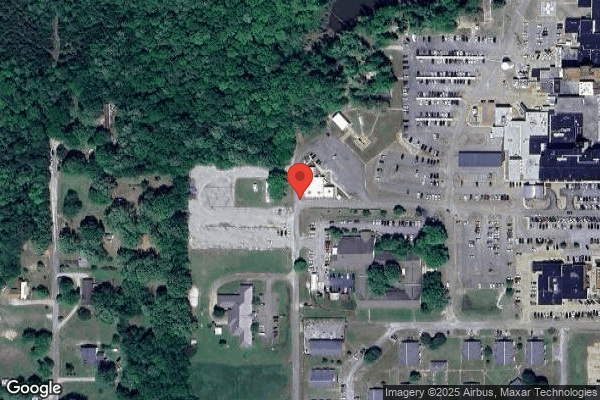
3701 JOANNE DRIVE, CORINTH, MS 38834 (662) 287-8071
For profit - Limited Liability company 119 Beds MISSISSIPPI CARE CENTER Data: November 2025 1 Immediate Jeopardy citation
Trust Grade
0/100
#174 of 200 in MS
Last Inspection: January 2025

Within standard 12-15 month inspection cycle. Federal law requires annual inspections.

Overview

The MS Care Center of Alcorn County has received a Trust Grade of F, indicating significant concerns about the quality of care provided. With a state rank of #174 out of 200 facilities, they fall in the bottom half of all nursing homes in Mississippi, and they are the second option out of two in Alcorn County, meaning only one local facility ranks lower. The facility is worsening, with issues increasing from 7 in 2023 to 11 in 2025, which suggests deteriorating conditions. While staffing is a strength, rated at 4 out of 5 stars, the turnover rate is average at 53%, which means some staff may not stay long enough to build strong relationships with residents. However, the facility has faced serious incidents, such as a resident leaving the premises unnoticed, raising significant safety concerns, and reports of neglect, including staff being rude and refusing medication, which led to feelings of unsafety among residents. Overall, while there are some strengths in staffing, the serious deficiencies and low trust grade indicate potential risks for residents.

Trust Score
F
0/100
In Mississippi
#174/200
Bottom 13%
Safety Record
High Risk
Review needed
Inspections
Getting Worse
7 → 11 violations
Staff Stability
⚠ Watch
53% turnover. Above average. Higher turnover means staff may not know residents' routines.
Penalties
✓ Good
$25,376 in fines. Lower than most Mississippi facilities. Relatively clean record.
Skilled Nurses
○ Average
Each resident gets 37 minutes of Registered Nurse (RN) attention daily — about average for Mississippi. RNs are the most trained staff who monitor for health changes.
Violations
⚠ Watch
20 deficiencies on record. Higher than average. Multiple issues found across inspections.
★☆☆☆☆
1.0
Overall Rating
★★★★☆
4.0
Staff Levels
★☆☆☆☆
1.0
Care Quality
★☆☆☆☆
1.0
Inspection Score
Stable
2023: 7 issues
2025: 11 issues

The Good

  • 4-Star Staffing Rating · Above-average nurse staffing levels
  • Full Sprinkler Coverage · Fire safety systems throughout facility
  • No fines on record

Facility shows strength in staffing levels, fire safety.

The Bad

1-Star Overall Rating

Below Mississippi average (2.6)

Significant quality concerns identified by CMS

Staff Turnover: 53%

Near Mississippi avg (46%)

Higher turnover may affect care consistency

Federal Fines: $25,376

Below median ($33,413)

Moderate penalties - review what triggered them

Chain: MISSISSIPPI CARE CENTER

Part of a multi-facility chain

Ask about local staffing decisions and management

The Ugly 20 deficiencies on record

1 life-threatening 4 actual harm
Mar 2025 1 deficiency
CONCERN (D) 📢 Someone Reported This

A family member, employee, or ombudsman was alarmed enough to file a formal complaint

Potential for Harm - no one hurt, but risky conditions existed

Notification of Changes (Tag F0580)

Could have caused harm · This affected 1 resident

**NOTE- TERMS IN BRACKETS HAVE BEEN EDITED TO PROTECT CONFIDENTIALITY** Based on staff and resident representative (RR) interviews, record review, and facility policy review, the facility failed to no...

Read full inspector narrative →
**NOTE- TERMS IN BRACKETS HAVE BEEN EDITED TO PROTECT CONFIDENTIALITY** Based on staff and resident representative (RR) interviews, record review, and facility policy review, the facility failed to notify the resident representative of a significant change in physical condition and that the resident was being sent to the hospital for one of three residents reviewed. Resident #1. Findings Include: Review of the undated facility policy Required Notices revealed under Notification of changes: Facility will immediately inform the resident; consult with resident's physician; notify, consistent with their authority, the resident representative when: .b. The resident has a significant change in their physical, mental, or psychosocial status in either life threatening conditions or clinical complications d. A decision to transfer or discharge the resident from the facility . A phone interview on 03/17/25 at 9:06 AM with Resident #1's RR revealed that she was upset about a recent situation that occurred at the facility. RR revealed that she gone into the facility on [DATE], walked into Resident #1's room and found that her bed was stripped, and she was not there. She revealed that she went to the nurses' station and the staff told her that Resident #1 was in the hospital and had been there since 03/08/25. RR revealed that she had not been notified of a change in condition or of the transfer to the hospital and this was not acceptable. An interview on 03/17/25 at 9:42 AM with the Director of Nursing (DON), revealed that Resident #1's RR came into the facility on [DATE], found that Resident #1 was in the hospital and complained about not being notified about her change in condition or the transfer to the hospital that happened over the weekend. DON revealed that she came in on Monday morning, 03/10/25, ran a report and found out that Resident #1 had been sent out to the hospital on [DATE] for low oxygen levels. DON revealed that she looked into the situation and found that Licensed Practical Nurse (LPN) #2 was taking care of Resident #1 on the night shift of 03/07/25. DON revealed that LPN #2 asked LPN #1 for help to get the paperwork ready for ambulance transfer when she found that Resident #1 was having trouble breathing. DON revealed that after interviewing the two nurses, she found that LPN #1 thought LPN #2 had called the RR and that LPN #2 thought LPN #1 called her and due to miscommunication, they failed to notify the RR that the resident had been sent to the hospital and was admitted . DON confirmed that the nurse was supposed to notify the RR with any resident change in condition or transfer to the hospital and this was not done. A phone interview on 03/17/25 at 9:45 AM with LPN #1 revealed that he worked on the 11 PM - 7 AM night shift on 03/07/25 and that Resident #1's oxygen dropped too low on the morning of 03/08/25 and LPN #2 asked him to come and help with the situation. He revealed that they checked Resident #1's vital signs and found that her oxygen level was very low, reported it to the doctor and he ordered her to be sent to the hospital. LPN #1 revealed that LPN #2 asked him to print the necessary paperwork off the computer to be sent to the hospital with Resident #1. He revealed that he did not contact Resident #1's RR, that he assumed that the other nurse had since Resident #1 was her assigned patient. LPN #1 revealed that when they send a resident out to the hospital, they were supposed to always call the resident's RR and let them know. He also revealed that had he known that LPN #2 did not call the RR, he would have done it. A phone interview on 03/17/25 at 12:55 PM with LPN #2, revealed that she was working on the medication cart on the night shift, 11 PM - 7 AM, of 03/07/25. She revealed that she was preparing Resident #1's medications around 5:30 AM on the morning of 03/08/25, when an aide came to her and reported that Resident #1 was having trouble breathing. LPN #2 revealed that she went in and checked on her and found that her heart rate was elevated, and her oxygen saturation was extremely low, down in the 30's. She revealed that she called the doctor and received an order to send Resident #1 out to the Emergency Room. LPN #2 revealed that LPN #1 came to help, and she asked him to print out all the necessary paperwork for the transfer. She revealed that while he did that, she called 911 and then called the ER (Emergency Room) and gave them a report. LPN #2 revealed that LPN #1 printed the paperwork, and she stated, I just assumed he did everything else. She revealed that she was in the middle of the medication pass, there was a lot going on, and she thought LPN #1 had called the RR and he assumed she had. LPN #2 revealed that she should not have assumed that LPN #1 called the Resident #1's RR, she should have checked with LPN #1 and made sure it was handled. LPN #2 revealed that she realized that because she failed to notify the RR, Resident #1 went out to the hospital without any family knowing her condition, and this should not have happened. LPN #2 confirmed that they were supposed to inform the RR of any changes in a resident's condition and supposed to notify the RR if a resident had to transfer to the hospital. Record review of Resident #1's Late Entry Progress Note with effective date of 03/08/25 at 05:50 revealed CNA (Certified Nursing Assistant) reported resident was not breathing correctly. went to check on resident and residents bipap trilogy was in use. resident was having difficulty breathing .MD (Medical Doctor) notified New orders to send resident to ER (Emergency Room) for treatment. Dispatch notified. Report called to ER. Resident transported to ER via ambulance. Was able to get 02 (oxygen) up to 62%. Record review of the facility Change of Condition Report dated 03/08/25 revealed that Resident #1 was sent to the hospital at 5:50 AM for dyspnea. Record review of Grievance/Complaint Report dated 03/11/25, revealed that (proper name) Resident #1's RR wasn't notified about resident being sent to the hospital. Documentation on the form revealed Under Details: (proper name) states she wasn't notified when resident was sent to hospital. She found out when she came to visit resident on Monday, 3-10-25. Record review of Resident #1's admission Record revealed an admission date of 10/27/22 and that she had diagnoses that included Hemiplegia and Hemiparesis following Cerebrovascular Disease, Cerebral Infarction, and Acute Respiratory Failure with Hypoxia and Hypercapnia. Record review of Resident #1's Quarterly Minimum Data Set (MDS) with Assessment Reference Date (ARD) of 01/22/25 revealed that a Brief Interview for Mental Status (BIMS) should not be conducted because the resident was rarely/never understood.
Mar 2025 1 deficiency 1 IJ
CRITICAL (J) 📢 Someone Reported This

A family member, employee, or ombudsman was alarmed enough to file a formal complaint

Immediate Jeopardy (IJ) - the most serious Medicare violation

Accident Prevention (Tag F0689)

Someone could have died · This affected 1 resident

Based on observation, interviews, record reviews, facility policy reviews, and the facility's investigation, the facility failed to provide adequate supervision to prevent Resident #1, who was identif...

Read full inspector narrative →
Based on observation, interviews, record reviews, facility policy reviews, and the facility's investigation, the facility failed to provide adequate supervision to prevent Resident #1, who was identified as a wandering risk, from exiting the facility unnoticed and unsupervised for one (1) of three (3) residents reviewed. Resident #1. The facility failed to provide supervision to prevent an elopement for Resident #1, who was a wandering risk. The resident left the facility unnoticed and unsupervised on 3/4/25 at 5:09 AM and was discovered asleep in the back seat of someone's car at their place of residency which was approximately eight (8) miles from the facility on 3/4/25 at approximately 9:30 AM after the resident rode home with them from their place of employment. During the investigation, the State Agency (SA) identified an Immediate Jeopardy (IJ) and Substandard Quality of Care (SQC) which began on 3/4/25 and existed at 42 CFR: 483.25 (d)(1)(2)- Free of Accidents Hazards/Supervision/Devices (F689) - Scope and Severity J. This situation placed Resident #1 and other residents at risk for wandering and elopement, at risk for serious injury, serious harm, serious impairment, or death. The SA notified the facility's Administrator of the IJ and SQC on 3/5/25 at 2:00 PM and provided the Administrator with the IJ template. Based on the facility's implementation of corrective actions on 3/4/25, the SA determined the IJ and SQC to be Past Non-Compliance (PNC) and the IJ was removed on 3/5/25, prior to the SA's entrance on 3/5/25. Findings Include: A review of the facility's policy Elopements and Wandering Residents revealed This facility ensures that residents who exhibit wandering behavior and/or are at risk for elopement receive adequate supervision to prevent accidents, and receive care in accordance with their person-centered plan of care addressing the unique factors contributing to wandering or elopement risk . Policy Explanation and Compliance Guidelines: 1. The facility is equipped with door locks/alarms to help avoid elopements. 2. Alarms are not a replacement for necessary supervision. Staff are to be vigilant in responding to alarms in a timely manner. Record review of the facility's Incident Description and Reportable Summary revealed that on 3/4/25 at 7:35 AM while delivering breakfast trays Resident #1 was found not to be in his room. A Code W (missing resident) was initiated, and staff began searching for the resident. The local Police Department, Attorney General, Nurse Practitioner, and Resident #1's Responsible Party were notified. Resident #1 exited the facility at 5:09 AM through the front door. Resident #1's shoes were found across the street in a local crisis center parking lot. Review of security footage from the local crisis center revealed Resident #1 in the crisis center parking lot from 5:12 AM until 6:55 AM when he entered an employee's car. The crisis center employee was unaware that the resident was in their car and drove home. The crisis center notified their employee who looked in the car, saw Resident #1 sleeping and notified the local Police Department. The resident was transported to the local hospital by emergency services and returned to the facility on 3/4/25 at 11:16 AM, with no injuries. Review of the facility camera footage for 3/4/25, with the Administrator present on 3/5/25 at 12:00 PM revealed Resident #1 exited the front door of the facility at 5:09:10 AM on 3/4/25. Further observation of the video footage revealed a staff member, identified as Licensed Practical Nurse #1 (LPN), by the Administrator, walking toward the front door of the building at 5:09:49 looking at her phone. She is seen entering the door code, looking back down at her phone, turning and walking away. This is approximately 39 seconds after Resident #1 exited the building. Telephone interview on 3/5/25 at 12:38 PM with Certified Nursing Assistant #1 (CNA), who was assigned to Resident #1 on the 11 PM to 7 AM shift stated that she had gotten the resident up just before 5:00 AM and assisted him to get dressed and took him to the 200-hall sitting area. She stated that the resident sat down in the recliner. She stated that this is his routine every morning and he usually sits in the recliner until breakfast and will sometimes nap. She stated that was the last time she saw the resident before the end of her shift. She stated that he was not displaying agitation or anxiety, he was not having increased wandering nor was he exit seeking. She stated that the resident does wander around the inside of the facility, but he has never gone into anyone else's room or attempted to exit the building. She stated that the resident was wearing a long sleeve gray shirt, heavy plaid pants and gray shoes. She stated that she starts her rounds in the hall furthest away from the front door so if the alarm was sounding, she would not have been able to hear it. A telephone interview with LPN #1 on 3/5/25 at 1:34 PM, she stated that she last saw Resident #1 around 5:00 AM on 3/4/25, when he walked past the nurse's station while she was preparing medication for another resident. She stated that he usually sits in the recliner in the 200 Hall lounge area until breakfast. She stated that sometimes when the resident is near the front door the alarm would go off, but she initially stated that she did not hear any alarms sounding. Upon further interview with LPN #1 she was notified, by the SA, of the video showing her walk to the front door a few seconds after Resident #1 exited the building and entering a code on the door alarm. When asked about this she stated she guessed the alarm was going off and thought a phlebotomist set it off when she came in. She stated she looked out the door but did not see anyone. An interview with the Administrator (ADM) on 3/5/25 at 1:45 PM, he verified that the Resident #1 was noted missing 3/4/25 at 7:35 AM, and Code W, which is the code for a missing resident, was initiated. All other residents were accounted for; staff began looking for Resident #1. He stated upon review of the camera footage Resident #1 was seen exiting the front door of the building 3/4/25 at 5:09 AM, and LPN #1 was seen entering the alarm code on the front door at 5:09 AM. He stated that he believes when the phlebotomist came into the facility, prior to the resident's exit, the door did not latch when it closed, and the resident was able to push it open and exit the building. He verified upon review of camera footage from the crisis center across the street from the facility, Resident #1 was seen sitting on the bumper of a vehicle from 5:16 AM until 6:55 AM when he found the door unlocked and got into the vehicle. A crisis center employee who owned the vehicle went home after work not realizing the resident was in the car. The employee was contacted and asked to check her vehicle, and the resident was noted to be asleep in the back of the car. The local police department was notified, and Emergency Medical Services (EMS) transported the resident to the local emergency room (ER) for evaluation then the resident returned to the facility around 11:16 AM. He stated that the resident was placed on increased monitoring and the locksmith was called to evaluate the door closure. He stated the door closure was not malfunctioning, but that it was replaced with a more heavy-duty closure. The facility notified Resident #1's responsible party (RP) and nurse practitioner as well as the State Agency (SA) and Attorney General's Office (AGO). The Administrator stated the facility began to have additional elopement drills and all employees were in-serviced on elopement, supervision of residents and care plans. The Administrator provided the SA with copies of the statements received regarding the investigation and the sign-in page of the Quality Assurance Performance Improvement (QAPI) meeting that was held on the afternoon of the incident to discuss the incident and steps needed to prevent this from happening again. The facility conducted an investigation and submitted it to the SA and AGO. Following their investigation, they determined there were no signs of abuse or neglect. Through a root cause analysis by the Director of Nursing (DON) and Administrator, it was determined that the resident exited the building through the front door when the door did not latch properly after the phlebotomist entered and the nurse did not respond appropriately to the alarm when the resident exited the building. During an interview with the DON on 3/4/25 at 1:50 PM, she confirmed that Resident #1 did wander but did not have exit seeking behavior or verbalizations of wanted to leave. She verified that it was his usual routine to get up early and sit in the recliner in the 200 Hall area until breakfast. She stated upon return to the facility a body audit was conducted, and Resident #1 was noted to have no injuries. Resident #1 was placed on increased visual monitoring for 24 hours and then continued every hour visual monitoring. She stated that his elopement assessment and care plan were updated on 3/4/25. She stated that his wander guard was present and functional upon return to the facility and that placement and function are checked every shift. The DON also stated that all residents in the facility were assessed for elopement and their care plans were updated as needed. She stated that all residents at risk for elopement will be visually monitored every hour. She revealed LPN #1 was suspended pending termination on 3/4/25 when the facility camera footage revealed that she entered the alarm code without investigating the cause of the alarm. An interview with the Locksmith on 3/5/25 at 2:30 PM, he stated that the closure on the door was worn but not in disrepair. He verified that he replaced the closure with a stronger closure system. Record review of the door check form for March 2025, with the Administrator, on 3/5/25 at 2:35 PM, revealed all doors were checked for functionality in the morning and at 3:00 PM daily. On 3/5/25 at 3:00 PM, during an observation walk-through of the route from the facility to crisis center across the street where Resident #1 was seen to get into an employee's vehicle and the distance was determined to be 400 feet across a commercial road. During the observation, there was 1 car on the road and 1 streetlight in place. A record review of the weather report from the website https://www.localconditions.com/weather-corinth-mississippi/38834/past.php revealed that it was 52 degrees on 3/4/35 at 5:00 AM. Wind speed 13.2 miles per hour with gusts of 22.1 miles per hour. Record review of the Elopement Risk Evaluation for Resident #1, dated 2/13/25 revealed Resident wanders, no other risks for elopement. Elopement Risk Score 0. Record review of the admission Record revealed that the facility admitted Resident #1 on 2/12/24 with diagnoses including Diabetes Mellitus, Cognitive Communication Deficit, and Difficulty Walking. Record review of Resident #1's Minimum Data Set (MDS) with an Assessment Reference Date (ARD) of 2/13/25 revealed a Brief Interview for Mental Status (BIMS) score of 99 indicating that the resident is rarely/never understood. The facility implemented the following Corrective Action Plan prior to the State Agency's entrance on 3/5/25. Immediate action started on 3/4/25 at 7:35 AM. On 3/4/25 at 7:35 AM, resident #1 was noticed to be missing when his dining room tray was delivered to the hall by Certified Nursing Assistant (CNA). On 3/4/25 at 7:37 AM, a Code W was initiated by Unit Manager, Registered Nurse (RN). All staff searching for resident and one hundred percent audit was completed to ensure all other residents were present. On 3/4/25 at 7:41 AM, Assistant Director of Nursing (ADON) notified Director of Nursing (DON). On 3/4/25 at 7:59 AM, Director of Nursing (DON) notified Administrator. On 3/4/25 at 7:54 AM, Local Police Department, Local Fire and Rescue, and Attorney General Investigation Team were notified resident missing by Quality Assurance Licensed Practical Nurse (LPN). On 3/4/25 7:56 AM, Resident #1 House shoe was located by Housekeeper #1 in parking lot of local crisis center. On 3/4/25 at approximately 8:05 AM, Resident Responsible Party and Resident Physician Family Nurse Practitioner (FNP) notified by Assistant Director of Nursing (ADON). On 3/4/25 at 8:15 AM, Review of security cameras by Minimum Data Set (MDS) Registered Nurse (RN) saw Resident #1 exiting facility via front door at 5:09 AM. On 3/4/25 at 8:20 AM, Janitor #1 was assigned to monitor the front door and the Maintenance Supervisor contacted Locksmith to evaluate door closure mechanism. On 3/4/25 at 09:22 AM, Facility was notified by the Dietary Manager while watching security footage at the Crisis Center that the resident was seen getting into the back of an employee vehicle. Crisis Center then notified the employee to have someone check in the car and notify police. Resident was asleep in the back seat. On 3/4/25 at 9:30 AM, Local police department went to the crisis center ' s staff member ' s residence and called Emergency Medical Services (EMS) for transport to Local Hospital for evaluation. Resident #1 was evaluated and noted to have no injury or signs of distress. On 3/4/25 at 10:03 AM, Resident #1 arrived at local emergency room and Infection Control, Registered Nurse (RN) was sent to supervise Resident #1 until return to facility. On 3/4/25 at 11:00 AM, Locksmith present and working on front door to replace door closures. On 3/4/25 at 11:16 AM, Resident #1 returned to facility, Body Audit completed revealing no injuries. Visual checks initiated every 15 minutes for total of four (4) hours, every 30 minutes for total of 4 hours, and every 1 hour for eight (8) hours to total 24 hours. Resident #1 will be monitored every hour indefinitely. On 3/4/26 at 11:17 AM, Resident #1 Wander Guard Bracelet was checked and was determined to be functioning. All residents with Wander Guards were checked and found to be functional. They will be checked each shift by nurse for functional status. On 3/4/25 at 11:19 AM, Resident Elopement Assessment and Care Plan were updated to include actual elopement on Resident #1 On 3/4/25 at 11:20 AM, DON, Assistant DON, Minimum Data Set Registered Nurse (RN), and Admissions Registered Nurse (RN) did one hundred percent Elopement Assessment on all residents. Care Plans for residents with Elopement Risk were updated to include visual checks every hour. Visual Monitoring will be monitored by the nurse each shift, any discrepancies will be reported to the Quality Assurance Nurse who will report findings to the Quality Assurance Committee monthly for three (3) months, then quarterly. On 3/4/25 at 1:00 PM, an Ad Hoc Emergency Quality Assurance and Improvement Committee meeting was held related to resident elopement to conduct a root cause analysis and Policy and Procedure for changes. Attendees were the Nursing Home Administrator, Director of Nursing, Infection Preventionist, Social Services, Quality Assurance Coordinator, Maintenance Supervisor, Housekeeping Supervisor, Dietary Supervisor, Nurse Practitioner attended by phone for the Medical Director who is off on medical leave. No policy and procedure changes were made at this time. On 3/4/25 at 2:00 PM, Director of Nursing, Quality Assurance Nurse, and Staff Development Nurse initiated in-services for all staff related to Elopement and Wandering Prevention, Response to Alarms, and following Care Plans. No employee will be allowed to return to work without training. On 3/4/25 at 4:00 PM, an Elopement Drill was completed and will continue to be conducted daily for 3 days on each shift, then weekly for three (3) weeks, then monthly. Social Services will report findings to the Quality Assurance Committee monthly. On 3/4/25 at 4:11 PM License Practical Nurse (LPN) #1 was suspended pending termination. All corrective actions were completed on 3/4/25 and facility alleges the IJ was removed on 3/5/25. The State Agency validated the facility's Corrective Action Plan on-site during the Complaint Investigation by record review and interviews on 3/5/25 and 3/6/25. The SA determined all corrective actions were completed on 3/4/25 and the IJ was removed on 3/5/25.
Jan 2025 9 deficiencies 4 Harm
SERIOUS (G) 📢 Someone Reported This

A family member, employee, or ombudsman was alarmed enough to file a formal complaint

Actual Harm - a resident was hurt due to facility failures

Free from Abuse/Neglect (Tag F0600)

A resident was harmed · This affected 1 resident

**NOTE- TERMS IN BRACKETS HAVE BEEN EDITED TO PROTECT CONFIDENTIALITY** Based on record reviews, staff interviews and facility policy review, the facility failed to ensure a resident's right to be fre...

Read full inspector narrative →
**NOTE- TERMS IN BRACKETS HAVE BEEN EDITED TO PROTECT CONFIDENTIALITY** Based on record reviews, staff interviews and facility policy review, the facility failed to ensure a resident's right to be free from abuse and neglect as required for one (1) of 20 residents reviewed. Resident A. Cross Reference F609, F656, F697 Findings Include: Review of facility policy Freedom from Abuse, Neglect and Exploitation revised October 2022 revealed Policy Statement: All residents of this facility have the right to be free from neglect .Residents must not be subject to abuse by anyone .Practices of omitting part of resident care or neglecting resident and misappropriation of property is to be considered as leading to abuse and should be investigated and treated as abuse. A record review of the Grievance/Complaint Report documented by Social Services on 10/22/24 revealed that Resident A reported that staff was rude to him and refused to give him his medications, stating it was bad for him and that he did not need it. He further reported that staff threw his call light on the floor, refused to assist him onto the bedside commode, and that he was scared. A record review of the Record of Complaint documented by the Director of Nursing (DON) on 10/21/24 indicated that Resident A's responsible party stated that the night shift nurse was rude and hateful. The resident expressed a desire to discharge home, stating he felt unsafe and was not receiving proper care at night. The investigation found that the resident's pain was left untreated, and staff interviews revealed examples of misconduct toward resident by the nurse. The immediate corrective actions at the time of the incident included the termination of the night shift nurse, relocating the resident to a different hall per his request, and in-servicing staff on professional conduct, abuse, and neglect. A record review of the Witness Statement documented by the Physical Therapy Assistant (PTA) on 10/21/24 revealed that Resident A stated he wanted to leave the facility. The resident became emotional and expressed fear, stating he had no defense and could not protect himself. He also reported that no one answered his call light, that staff threw it on the floor, and when he asked for it back, they refused, telling him he did not need it. During an interview with the PTA on 1/29/25 at 9:25 AM, she confirmed that her statement accurately reflected what Resident A had reported to her on 10/21/24. A record review of a Witness Statement documented by Licensed Practical Nurse (LPN) #2 on 10/22/24 revealed that she heard LPN #3 yelling, Shut up! down the hall on 10/19/24 while Resident A was calling for help. She also stated that LPN #3 said she was not going to give Resident A anything for pain because he could not have a bowel movement. During an interview and record review of the Grievance/Complaint Report, Record of Complaint, and Witness Statements on 1/29/25 at 9:28 AM, the Social Services/Grievance Official agreed that Resident A's complaint constituted an allegation of abuse and neglect. In an interview with the DON on 1/29/25 at 10:05 AM, she stated that when she arrived at work on 10/21/24, she was reviewing nursing notes and found documentation by LPN #3 that Resident A had yelled that he had requested pain medication over an hour ago. The DON further stated that, while in the Assistant Director of Nursing's (ADON) office, the resident's son reported that the previous evening, the resident had requested pain medication, but the nurse told him he did not need it due to stomach issues. The DON later spoke with the resident in the therapy department, where he confirmed he had not received his pain medication the previous night and expressed fear of LPN #3 due to her loud and rude behavior. The DON stated that during her investigation, she received reports from LPN #2 that LPN #3 had been loud and cursing in the hallway. When she interviewed LPN #3, the nurse admitted to withholding the pain medication because the resident was constipated. The DON informed her that this was not a valid reason to deny medication. The nurse was subsequently terminated. However, the DON stated she could not substantiate the allegations that staff had taken or ignored the resident's call light and that after review of the camera footage at that time you could see a CNA going in and answering his call light that night. The DON agreed that this incident was an allegation of abuse and neglect. In an interview at 10:12 AM on 1/29/25 with the Administrator he confirmed that the Grievance Investigation was an allegation of abuse. A record review of the Minimum Data Set (MDS) with an Assessment Reference Date (ARD) of 10/22/24 revealed that Resident A had a Brief Interview for Mental Status (BIMS) score of 15, indicating that he was cognitively intact. A record review of the admission Record revealed that Resident A was admitted to the facility on [DATE] with diagnoses including Left-sided Maxillary Fracture, Left-sided Fracture of the Medial Orbital Wall, Multiple Left-sided Rib fractures, other Physical Fracture of the Lower End of the Radius, and Unspecified Pain. Resident A was discharged home on [DATE].
SERIOUS (G) 📢 Someone Reported This

A family member, employee, or ombudsman was alarmed enough to file a formal complaint

Actual Harm - a resident was hurt due to facility failures

Report Alleged Abuse (Tag F0609)

A resident was harmed · This affected 1 resident

**NOTE- TERMS IN BRACKETS HAVE BEEN EDITED TO PROTECT CONFIDENTIALITY** Based on record reviews and staff interviews the facility failed to identify and report an allegation of abuse and neglect to th...

Read full inspector narrative →
**NOTE- TERMS IN BRACKETS HAVE BEEN EDITED TO PROTECT CONFIDENTIALITY** Based on record reviews and staff interviews the facility failed to identify and report an allegation of abuse and neglect to the proper authorities within prescribed timeframes as required for one (1) of 20 residents reviewed. Resident A. Cross reference F600, F656, F697 Findings Included: Review of facility policy Freedom from Abuse, Neglect and Exploitation revised October 2022 revealed Policy Statement: Practices of omitting part of resident care or neglecting resident and misappropriation of property is to be considered as leading to abuse and should be investigated and treated as abuse .5. The facility will ensure that all alleged violations involving mistreatment, neglect, or abuse .are reported immediately to the supervisor, and the administrator of the facility, or other officials, such as the State Board of Health and the Office of the Attorney General . A review of the Record of Complaint documented by the Director of Nursing (DON) on 10/21/24 indicated that Resident A's responsible party (RP) stated that the night shift nurse was rude and hateful. The resident expressed a desire to discharge home, stating he felt unsafe and was not receiving proper care at night. The investigation found that the resident's pain was left untreated, and staff interviews revealed examples of misconduct toward resident. The immediate actions included the termination of the night shift nurse, relocating the resident to a different hall per his request, and in-servicing staff on professional conduct, abuse, and neglect. A record review of the Grievance/Complaint Report documented by Social Services on 10/22/24 revealed that Resident A reported staff was rude to him and refused to give him his medications, stating it was bad for him and that he did not need it. He further reported that staff threw his call light on the floor, refused to assist him onto the bedside commode, and that he was scared. Record review of the Witness Statement documented by the Physical Therapy Assistant (PTA) on 10/21/24 revealed that Resident A stated he wanted to leave the facility. The resident became emotional and expressed fear, stating he had no defense and could not protect himself. He also reported that no one answered his call light, that staff threw it on the floor, and when he asked for it back, they refused, telling him he did not need it. Record review of a Witness Statement documented by Licensed Practical Nurse (LPN) #2 on 10/22/24 revealed that she heard LPN #3 yelling, Shut up! down the hall on 10/19/24 while Resident A was calling for help. She also stated that LPN #3 said she was not going to give Resident A anything for pain because he could not have a bowel movement. On 1/29/25 at 9:28 AM, during an interview with the Social Services/Grievance Official, she agreed that Resident A's complaint constituted an allegation of abuse and neglect and confirmed that it had not been reported to the State Agency. At 10:10 AM on 1/29/25, the DON confirmed that this incident was an allegation of abuse and acknowledged that it had not been reported to the State Agency because she had not identified it as such at the time. At 10:12 AM on 1/29/25, the Administrator confirmed that it constituted an allegation of abuse and neglect and should have been reported to the State Agency and stated that he typically reports all such allegations but did not recall being aware of this specific incident. Record review of the Minimum Data Set (MDS) with an Assessment Reference Date (ARD) of 10/22/24 revealed that Resident A had a Brief Interview for Mental Status (BIMS) score of 15, indicating that he was cognitively intact. A record review of the admission Record revealed that Resident A was admitted to the facility on [DATE] with diagnoses including Left-sided Maxillary Fracture, Left-sided Fracture of the Medial Orbital Wall, Multiple Left-sided Rib fractures, other Physical Fracture of the Lower End of the Radius, and Unspecified Pain. Resident A was discharged home on [DATE].
SERIOUS (G) 📢 Someone Reported This

A family member, employee, or ombudsman was alarmed enough to file a formal complaint

Actual Harm - a resident was hurt due to facility failures

Comprehensive Care Plan (Tag F0656)

A resident was harmed · This affected 1 resident

**NOTE- TERMS IN BRACKETS HAVE BEEN EDITED TO PROTECT CONFIDENTIALITY** Based on record review, staff interview and facility policy review, the facility failed to implement pain management care plan i...

Read full inspector narrative →
**NOTE- TERMS IN BRACKETS HAVE BEEN EDITED TO PROTECT CONFIDENTIALITY** Based on record review, staff interview and facility policy review, the facility failed to implement pain management care plan interventions and failed to develop a care plan with individualized interventions to include triggers for Post Traumatic Stress Disorder (PTSD) for two (2) of 20 sampled resident care plans reviewed. Resident A and Resident #64. Findings include: Record review of the facility policy Pain Management revealed, Policy: The facility will ensure that pain management is provided to residents who require such services, consistent with professional standards of practice, the comprehensive person-centered care plan, and the residents' goals and preferences. A record review of Resident A's Care Plan revealed, Focus: Risk for altered comfort related to benign hypertrophy of the prostate (BHP) and pain related to fractures, with interventions including: .Administer pain medication as needed . A record review of the Grievance/Complaint Report documented by Social Services/Grievance Official on 10/22/24 revealed that Resident A reported staff refused to administer his pain medication. The investigation findings noted: Resident pain left unattended. A record review of Progress Notes for Resident A, dated 10/21/24 at 1:39 AM, revealed that the resident yelled out, stating, I asked for my medicine an hour ago. Do you just not have any help? A record review of the Medication Administration Record (MAR) revealed that Resident A had an active order for Hydrocodone-Acetaminophen Oral Tablet 5-325 mg (milligrams), with instructions to administer one (1) tablet orally every six (6) hours as needed for pain. Further review of the MAR revealed that on 10/20/24, Resident A received a dose of pain medication at 1:34 PM. However, there was no documentation that the resident received any additional pain medication until 9:58 AM on 10/21/24. In an interview with the Director of Nursing (DON) on 1/29/25 at 10:05 AM, she stated that when she arrived at work on 10/21/24, Resident A's son voiced concerns that the nurse did not give his father any pain medication last night. The DON stated that she interviewed Licensed Practical Nurse (LPN) #3 regarding not administering pain medications to the resident and the nurse stated that she withheld the pain medication because the resident was constipated. On 1/30/25 at 9:41 AM, during an interview with the Minimum Data Set (MDS) Coordinator and the MDS LPN, they stated that the purpose of the care plan is to guide staff in providing appropriate care for the resident. The MDS Nurses confirmed that the nurse failed to follow the care plan when she did not administer pain medication as needed and that were requested by the resident. They further explained that the potential negative outcomes of untreated pain include unrelieved pain, increased anxiety, and difficulty participating in therapy and Activities of Daily Living (ADLs). A review of the Minimum Data Set (MDS) with an Assessment Reference Date (ARD) of 10/22/24 revealed that Resident A had a Brief Interview for Mental Status (BIMS) score of 15, indicating that he was cognitively intact. The Pain Assessment Interview in section J documented that Resident A had experienced occasional pain over the past five (5) days, which limited his daily activities. He rated his pain as a five (5) on a numeric scale from zero (0) to ten (10), with zero (0) representing no pain and ten (10) representing the worst pain imaginable. A record review of the admission Record revealed that Resident A was admitted to the facility on [DATE] with diagnoses including Left-sided Maxillary Fracture, Left-sided Fracture of the Medial Orbital Wall, Multiple Left-sided Rib fractures, other Physical Fracture of the Lower End of the Radius, and Unspecified Pain. Resident A was discharged home on [DATE]. Resident #64 Record review of facility policy titled, Trauma-Informed Care undated, revealed, The general idea of trauma-informed care is to provide increased sensitivity to residents who have experienced trauma. Educating staff on how to interact with residents in an effort to limit triggering events and provide sensitive psychosocial interventions. A Care Plan for a resident who has experienced requires the same structure as all resident care plans - there is an identified problem, a goal and interventions. The problems must be measurable and time-based. Broad generalizations are insufficient. Goal: . Resident will describe any triggers or stresses related to traumatic events and how they cope with it. The policy also revealed, Person centered care plan is the key to Trauma Informed Care, Resident Centered Care mandates include: address training needs of staff to improve knowledge and sensitivity; identify an individual's hope, capacities, interests, preferences, needs, and abilities; the individual is the expert of his/her life; practice is a collaborative process; individual choice is evident; resident's voice is used in treatment plans - goals are in his/her own words; strength based, recovery-oriented principles; assess for traumatic histories and symptoms; recognition of culture and practices that are re-traumatizing. Record review of Resident #64's Care Plan, date initiated 10/10/24, revealed, Focus: Psychiatric diagnosis related to post traumatic stress disorder, but the care plan did not include specific triggers that the resident experienced due to his diagnosis. During an interview on 1/28/25 at 11:55 AM, Resident #64 revealed he was in the Vietnam War, and he suffered from Post Traumatic Stress Disorder (PTSD) from his military service. He stated he was left for dead and the two soldiers with him were killed and it was a miracle he survived. He said that during that event, he was praying for God to keep him still so they would think he was dead and then he talked about how his mother prayed constantly for him to safely return home. He believed that God gave him the strength not to move even though he was getting kicked and beaten. He acknowledged he had triggers such as loud thunder or a loud noise from something being dropped, and when he heard these things, I almost hit the floor. While he was talking about his experience, he became teary eyed and cried softly. During an interview on 1/29/25 at 4:15 PM, the Director of Nursing (DON) revealed the resident had a diagnosis of PTSD and a care plan was developed for this. She stated a care plan should guide staff in the individualized care of each resident. She confirmed a PTSD assessment was not done, and triggers were not identified, therefore, the care plan did not give staff information needed for the triggers that affected this resident's mental health status. An interview with Registered Nurse (RN) MDS Coordinator on 1/30/25 at 9:30 AM, revealed she was responsible for developing and updating care plans to provide the staff with a guide for the resident's care. She stated that since the resident was not assessed for his PTSD needs and triggers, the care plan did not contain these items. She stated for a resident with PTSD, the staff should be aware of triggers that could cause the resident to have increased anxiety and they needed to be included in the care plan. She confirmed the facility failed to individualize a care plan by including triggers for a resident with PTSD. Record review of Resident #64's admission Record revealed the facility admitted the resident on 7/15/22. Diagnoses included PTSD. Record review of the MDS Section C dated 1/7/25, revealed a Brief Interview for Mental Status (BIMS) score of 15 which indicated Resident #64 was cognitively intact. Record review of Resident #64's admission MDS Section I dated 7/21/22 and the most recent quarterly assessment dated [DATE] revealed a diagnosis of PTSD.
SERIOUS (G) 📢 Someone Reported This

A family member, employee, or ombudsman was alarmed enough to file a formal complaint

Actual Harm - a resident was hurt due to facility failures

Deficiency F0697 (Tag F0697)

A resident was harmed · This affected 1 resident

**NOTE- TERMS IN BRACKETS HAVE BEEN EDITED TO PROTECT CONFIDENTIALITY** Based on record reviews, staff interviews, and facility policy reviews, the facility failed to ensure that a resident received p...

Read full inspector narrative →
**NOTE- TERMS IN BRACKETS HAVE BEEN EDITED TO PROTECT CONFIDENTIALITY** Based on record reviews, staff interviews, and facility policy reviews, the facility failed to ensure that a resident received pain medication as ordered by the physician for one (1) of one (1) resident reviewed for pain management. Resident A. Cross reference F600, F656, F609 Findings include: Record review of the facility policy Pain Management dated September 2022 revealed, Policy: The facility will ensure that pain management is provided to residents who require such services, consistent with professional standards of practice, the comprehensive person-centered care plan, and the residents' goals and preferences. A record review of the admission Record revealed that Resident A was admitted to the facility on [DATE] with diagnoses including Left-sided Maxillary Fracture, Left-sided Fracture of the Medial Orbital Wall, Multiple Left-sided Rib fractures, other Physical Fracture of the Lower End of the Radius, and Unspecified Pain. Resident A was discharged home on [DATE]. A record review of the Grievance/Complaint Report documented by Social Services/Grievance Official on 10/22/24 revealed that Resident A reported staff refused to administer his pain medication. The investigation findings noted, resident pain left unattended. A record review of Progress Notes for Resident A, dated 10/21/24 at 1:39 AM, revealed that the resident yelled out, stating, I asked for my medicine an hour ago. Do you just not have any help? A record review of the Medication Administration Record (MAR) revealed that Resident A had an active order for Hydrocodone-Acetaminophen Oral Tablet 5-325 mg (milligrams), with instructions to administer one (1) tablet orally every six (6) hours as needed for pain. Further review of the MAR revealed that on 10/20/24, Resident A received a dose of pain medication at 1:34 PM. However, there was no documentation that the resident received any additional pain medication until 9:58 AM on 10/21/24. Record review of the Pain Assessment Interview dated 10/01/24 in Section J documented that Resident A had experienced occasional pain over the past five (5) days, which limited his daily activities. He rated his pain as a five (5) on a numeric scale from zero (0) to 10, with zero (0) representing no pain and 10 representing the worst pain imaginable. A record review of a Witness Statement dated 10/22/24 revealed that Licensed Practical Nurse (LPN) #2 reported hearing LPN #3 state that she was not giving Resident A pain medication because he could not have a bowel movement. On 1/29/25 at 10:05 AM, an interview with the Director of Nursing (DON) she stated that when she arrived at work on 10/21/24, she was reviewing nursing notes and saw the documentation by LPN #3 regarding Resident A's request for medication. While reviewing this information, Resident A's son approached her and reported that his father had requested pain medication the previous evening, but the nurse told him he did not need it due to stomach issues. Later, in the therapy department, Resident A confirmed to the DON that he had not received his pain medication the previous night. Upon interviewing LPN #3 regarding not administering requested pain medication, the nurse stated that she withheld the pain medication because the resident was constipated. The DON stated that she informed the nurse that this was not a valid reason to withhold pain medication, and that the medication should have been administered as ordered by the physician. The DON agreed that the resident's pain was left untreated throughout that night. During an interview with the Minimum Data Set (MDS) Coordinator on 1/30/25 at 9:41 AM, she stated that failure to administer pain medication as prescribed could lead to unrelieved pain, anxiety, and difficulty participating in therapy and Activities of Daily Living (ADLs). A record review of the MDS with an Assessment Reference Date (ARD) of 10/22/24 revealed that Resident A had a Brief Interview for Mental Status (BIMS) score of 15, indicating that he was cognitively intact.
CONCERN (D)

Potential for Harm - no one hurt, but risky conditions existed

PASARR Coordination (Tag F0644)

Could have caused harm · This affected 1 resident

**NOTE- TERMS IN BRACKETS HAVE BEEN EDITED TO PROTECT CONFIDENTIALITY** Based on staff interviews, record review, and facility policy review, the facility failed to submit a status change for a reside...

Read full inspector narrative →
**NOTE- TERMS IN BRACKETS HAVE BEEN EDITED TO PROTECT CONFIDENTIALITY** Based on staff interviews, record review, and facility policy review, the facility failed to submit a status change for a resident with a new mental illness diagnosis to the Preadmission Screening and Resident Review (PASRR) program for one (1) of four (4) residents reviewed. Resident #41 Findings include: Record review of facility letterhead revealed, Admissions Coordinator uses the Division of Medicaid Pre-admission Screening (PAS) Instruction Manual to determine the admission PAS process. Social Services uses the Maximus guide to determine status change or potential status change that require submission of a Resident Review status change in MS (Mississippi). Record review of guidelines titled, Mississippi PASRR Identifying Status Changes, dated 8/3/22, revealed, The nursing facility (NF) must submit a Status Change (SC) to Maximus using the Level I PASRR Resident Review process whenever a Significant Change in Condition occurs for an individual with a PASRR identified condition (i.e., Serious Mental Illness (SMI), Intellectual and/or Developmental Disability (ID/DD), and/or Related Condition (RC). The MS division of Medicaid Administrative Code also defines a Significant Change as being applicable to persons with newly discovered or suspected MI, ID/DD, and/or RC. During an interview on 1/29/25 at 2:00 PM, Social Service #1 revealed it was her responsibility to submit the Status Change into the PASRR system for any resident with a new serious mental illness diagnosis. The resident was admitted to the facility on [DATE] and had the PAS dated 8/23/23 and did not require a Level II at that time. On 1/29/24, Resident #41 had a new diagnosis of Schizoaffective Disorder, which required a status change to be submitted, but that was not done. She confirmed she was not notified of the diagnosis and therefore, did not submit as required. An interview with the Director of Nursing (DON) on 1/29/25 at 2:15 PM, revealed it was important to accurately follow the PASRR process to ensure each resident was properly placed and received needed services. She confirmed the facility failed to submit a PASRR status change for a resident with a new mental health diagnosis of Schizoaffective Disorder. During an interview on 1/29/25 at 2:55 PM, the Administrator confirmed the facility failed to submit a PASRR change of status for Resident #41's new diagnosis of Schizoaffective Disorder. Record review of Resident #41's Preadmission Screen (PAS) dated 8/23/23, revealed the resident did not have a diagnosis of a serious mental illness and was determined that, level of care automatically approved due to recommended outcome from submitted assessment. Record review of Resident #41's admission Record revealed the resident was admitted to the facility originally on 10/19/17 with the most recent admission being 8/23/23. Diagnosis included Schizoaffective Disorder with an onset date of 1/29/24 and Cerebral Infarction with an onset date of 10/19/17. Record review of Resident #41's Minimum Data Set (MDS) Section C with Assessment Reference Date (ARD) of 11/23/24 revealed a Brief Interview for Mental Status (BIMS) was unable to be obtained and noted as resident is rarely/never understood Section I Active Diagnoses item I6000 revealed Schizophrenia was coded yes.
CONCERN (D)

Potential for Harm - no one hurt, but risky conditions existed

Deficiency F0699 (Tag F0699)

Could have caused harm · This affected 1 resident

**NOTE- TERMS IN BRACKETS HAVE BEEN EDITED TO PROTECT CONFIDENTIALITY** Based on observation, staff and resident interviews, record review, and facility policy review, the facility failed to provide t...

Read full inspector narrative →
**NOTE- TERMS IN BRACKETS HAVE BEEN EDITED TO PROTECT CONFIDENTIALITY** Based on observation, staff and resident interviews, record review, and facility policy review, the facility failed to provide trauma care and services for a resident with a diagnosis of Post Traumatic Stress Disorder (PTSD) for one (1) of 20 sampled residents. Resident #64 Findings include: Record review of facility policy titled, Trauma-Informed Care undated, revealed, The general idea of trauma-informed care is to provide increased sensitivity to residents who have experienced trauma. Educating staff on how to interact with residents in an effort to limit triggering events and provide sensitive psychosocial interventions. On 1/28/25 at 11:55 AM, an interview with Resident #64 revealed he was in the Vietnam War and he suffered from PTSD from his military service. He stated he was left for dead and the two soldiers with him were killed and it was a miracle he survived. He said that during that event, he was praying for God to keep him still so they would think he was dead and then he talked about how his mother prayed constantly for him to safely return home. He believed that gave him the strength not to move even though he was getting kicked and beaten. He acknowledged he had triggers such as loud thunder or a loud noise from something being dropped, and when he heard these things, I almost hit the floor. While he was talking about his experience, he became teary eyed and cried softly. Interviews with Social Service #1 on 1/29/25 at 2:00 PM and 3:10 PM, revealed on admission, each resident or resident's family filled out a Cultural Assessment packet and if any of the events in this assessment had been experienced by the resident, they addressed that specific area for the resident's care. She acknowledged this packet was started in 2023 after Resident #64's admission to the facility in 2022, therefore, this evaluation for trauma care needs was not done on his admission. She confirmed that when the facility began the assessments, the staff failed to assess resident for trauma, triggers, interventions, and appropriate treatment for his mental health care needs. She also confirmed this resident was not followed by the facility's mental health care provider to receive specialized mental health care services during his time at the facility, even though he had a PTSD diagnosis. An interview on 1/29/25 at 4:15 PM, the Director of Nursing (DON) revealed Resident #64 was admitted to facility in 2022 with a diagnosis of PTSD, but did not have a trauma assessment done or triggers identified, and he had not received mental health services from the facility's mental health care specialist. She acknowledged that PTSD should be assessed and triggers that interfere with quality of life should be identified in order to provide each resident with care to attain their highest possible mental health status. She confirmed the facility failed to adequately assess the resident for his diagnosis of PTSD, determine triggers, and provide mental health services. During an interview on 1/29/25 at 4:25 PM, the Administrator confirmed that any resident with PTSD should be evaluated for appropriate mental health care services and confirmed the facility failed to provide this for a resident with a PTSD diagnosis. Record review of Resident #64's admission Record revealed the facility admitted the resident on 7/15/22. Diagnoses included PTSD. Record review of Resident #64's Minimum Data Set (MDS) Section C dated 1/7/25, revealed a Brief Interview for Mental Status (BIMS) score of 15 which indicated the resident was cognitively intact. Record review of Resident #64's admission MDS Section I dated 7/21/22 and the most recent quarterly assessment dated [DATE] revealed a diagnosis of PTSD.
CONCERN (E)

Potential for Harm - no one hurt, but risky conditions existed

Deficiency F0565 (Tag F0565)

Could have caused harm · This affected multiple residents

Based on resident and staff interviews, record review, and facility policy review, the facility failed to act upon and resolve resident grievances regarding cold food and lack of hot water for six (6)...

Read full inspector narrative →
Based on resident and staff interviews, record review, and facility policy review, the facility failed to act upon and resolve resident grievances regarding cold food and lack of hot water for six (6) of eight (8) residents in the Resident Council meeting. Resident #5, Resident #13, Resident #28, Resident #43, Resident #64, and Resident #73 Findings Include: Review of the facility policy titled Grievances undated, revealed under, . 2. The resident has the right and the facility will make prompt efforts to resolve grievances the resident has . Record review of the Resident Council Meeting Agenda dated 10/29/24 revealed Resident #73, Resident #43, and Resident #5 voiced concerns: Food is getting cold by the time it gets to us (Breakfast, Lunch, Supper). Record review of the Resident Council Meeting Agenda dated 11/26/24 revealed, Resident #43 voiced a complaint of bacon being cold. Resident #64 voiced, The food is cold because staff doesn't start passing trays until about 10-15 minutes after trays are on the hall. Also revealed under, Dietary . talked with staff about serving hot food. Record review of the Resident Council Meeting Agenda dated 12/31/24 revealed, under, Dietary: . talked with cook about cold food. Record review of the Record of Complaint for Resident #73 dated 1/15/25 revealed under, Nature of Complaint: Says gravy is always cold, eggs are cold . Record review of the Grievance/Complaint Report for Resident #43 dated 1/20/25 revealed under, Grievance/Complaint . food cold on 1/17/25 at lunch. Also revealed under, Details: Friday in dining room at lunch - trays came out and it was about 10 minutes before staff came to pass trays and my fries were cold. During a Resident Council meeting held on 1/28/25 at 4:00 PM, Resident's #13, #28, #43, #64, and #73 revealed, cold food had been a problem for a while, and it had been discussed in the Resident Council meetings. Resident #13 voiced at lunch that her chicken pot pie was cold. She revealed that she got the dietary department to come down to her room and asked for it to be heated. Resident #28 revealed, he ate in the dining room at lunch and his soup was cold. Residents #5, #13, #43, #64, and #73 revealed they had been getting cold food at times for breakfast, lunch, and supper. All residents agreed they get cold food commonly when they eat in their room but agreed it does happen in the dining room. Resident #5 (the Resident Council President) revealed he was not aware of anything the facility had done to address the cold food. Resident #43, #64, and #73 voiced once the kitchen brings the meal carts out, it normally takes 10-15 minutes before anyone touches the trays to begin passing them out to the residents. An interview with Social Services #1 on 1/29/25 at 10:00 AM revealed she attends the Resident Council meetings every month. She confirmed the residents had been complaining about cold food, but she thought the issue had gotten better. SS #1 revealed she writes up the things discussed in the meetings and afterward she distributes the concerns to whoever was over the department, and they were to handle it. She revealed if there was a dietary concern, such as cold food, it would have been given to the Dietary Manager to handle. She revealed the Dietary Manager had started overhead paging to notify the staff when the meal trays were out and ready to be served. SS #1 acknowledged cold food was a topic trend in the past couple of Resident Council meetings and confirmed the issue with cold food was an unresolved grievance. An interview with the Dietary Manger (DM) on 1/29/25 at 10:18 AM confirmed she was aware of the concerns coming from the Resident Council meetings related to cold food. She revealed she had talked to the dietary staff and explained to them, they needed to cut the hot box on sooner, so the plates would get warm. The DM revealed she had also started announcing when the meal trays were ready, so there would not be a delay in pass time. An interview with the Administrator (ADM) on 1/29/25 at 2:00 PM revealed he was not aware of any resident concerns related to cold food. He revealed they did have trouble at one point in the past with cold food, but that had gotten better. The ADM confirmed resident grievances should be acted upon promptly and resolved. He stated, Nobody wants cold food. Record review of the admission Record revealed the facility admitted Resident #5 on 5/21/12. Record review of the Brief Interview for Mental Status (BIMS) Evaluation dated 12/20/24 revealed a BIMS summary score of 12, indicating Resident #5 was moderately cognitively impaired. Record review of the admission Record revealed the facility admitted Resident #13 on 7/26/24. Record review of the BIMS dated 1/10/25 revealed a BIMS summary score of 14, indicating Resident #13 was cognitively intact. Record review of the admission Record revealed the facility admitted Resident #28 on 3/29/24. Record review of the Minimum Data Set (MDS) with an Assessment Reference Date (ARD) of 12/14/24 revealed a BIMS summary score of 15, indicating Resident #28 was cognitively intact. Record review of the admission Record revealed the facility admitted Resident #43 on 9/09/19. Record review of the BIMS dated 1/17/25 revealed a score of 15, indicating Resident #43 was cognitively intact. Record review of the admission Record revealed the facility admitted Resident #64 on 7/15/22. Record review of the BIMS dated 1/07/25 revealed a score of 15, indicating Resident #64 was cognitively intact. Record review of the admission Record revealed the facility admitted Resident #73 on 4/04/23. Record review of the BIMS dated 1/01/25 revealed a score of 15, indicating Resident #73 was cognitively intact.
CONCERN (E)

Potential for Harm - no one hurt, but risky conditions existed

Safe Environment (Tag F0584)

Could have caused harm · This affected multiple residents

**NOTE- TERMS IN BRACKETS HAVE BEEN EDITED TO PROTECT CONFIDENTIALITY** Based on observation, resident and staff interviews, record review, and facility policy review, the facility failed to ensure a ...

Read full inspector narrative →
**NOTE- TERMS IN BRACKETS HAVE BEEN EDITED TO PROTECT CONFIDENTIALITY** Based on observation, resident and staff interviews, record review, and facility policy review, the facility failed to ensure a home-like environment, as evidenced by cold water temperatures in the 300-hall shower room for one (1) of two (2) shower rooms observed. Findings include: Review of the facility policy titled, Resident Rights undated revealed, Facility will treat each resident with respect and dignity and care for each resident in a manner and in an environment that promotes maintenance or enhancement of their quality of life . During an interview on 1/28/25 at 10:15 AM, Resident #28 revealed that the shower room on the 300 hall where we take our showers is often without hot water. He revealed that it was a big problem last week, and when my aide brought me back to my room after the cold shower, I saw the Administrator in the hallway and told him about the issue. An interview on 1/29/25 at 9:50 AM, Certified Nurse Aide (CNA) #1 revealed she has had several residents complain of the water being cold in the 300-hall shower room. She revealed last week that she took Resident #28 to the 300-hall shower room for his shower, turned the water on, and waited for about a minute; it got a little warm but not warm enough for a shower. She stated, I kept apologizing to (Resident #28), I felt so bad for him. When I was taking (Resident #28) back to his room, we saw the Administrator in the hallway, and (Resident #28) told him about the water being cold. She revealed that she had reported the issue to the unit manager before, and maintenance would test the water in the shower room, and they would say that it was ok. She revealed that the water still does not get warm enough. During an interview on 1/29/25 at 9:55 AM, CNA #2 revealed that multiple residents complained of the cold water in the 300-hall shower room. She revealed that she had not reported it to anyone because maintenance was already aware of the issue. In an interview on 1/29/25 at 11:10 AM, Resident #28 revealed he got a bed bath today. He also revealed that CNA #1 was assigned to him today and she told him that the water was cold in the shower and that it would be better for me to have a bed bath, so I did that. During an interview on 1/29/25 at 11:20 AM, CNA #3 revealed that residents have been complaining of the 300-hall shower room water being cold, and she revealed that she had reported it to maintenance in the past. In an interview on 1/29/25 at 11:30 AM, Maintenance worker #1 revealed that he is aware of complaints about the cold water in the shower room on 300 Hall. He revealed that he checked the water this morning, which was 105 degrees. During an interview and observation on 1/29/25 at 11:45 AM, Maintenance worker #2 revealed he checks the water temperatures two times daily and does it at random rooms. The water temperature is always running between 105-110. He revealed that he didn't understand how the water temperature in the 300-hall shower room was running colder. Maintenance worker #2 offered to check the water temperature in the shower room and stated, We can check it in the shower room sink since they are on the same water line. The State Agent (SA) encouraged the Maintenance worker to check the water from the middle shower stall, where the staff gave the residents their showers instead. Maintenance worker #1 tested the water temperature with a digital thermometer and after two minutes of running the water, an observation of the digital thermometer temperature gauge revealed that the water temperature was 88 degrees. Maintenance workers #1 and #2 confirmed the water was too cold for a shower and revealed they needed to fix this. An observation of the water temperature in the shower room sink revealed the hot water temperature at 106 degrees. Maintenance workers #1 and #2 revealed they always checked the sink in the 300-shower room and didn't check the water from the shower faucet because they felt like the water in the sink gave a more accurate reading, which was always around 105 degrees. During an interview on 1/29/25 at 2:00 PM, the Administrator revealed he wasn't aware of an issue with the cold water until his maintenance department notified him today. He revealed he did recall talking with Resident #28 last week in the hallway but did not recall the context of his conversation. He confirmed that there was obviously a problem with the valves in that shower stall. He confirmed this is the resident's home, and we were not promoting a homelike environment by not ensuring the residents get a warm shower. A record review of Resident #28's admission Record revealed the resident was admitted to the facility on [DATE]. Record review of the Minimum Data Set (MDS) with an Assessment Reference Date (ARD) of 12/14/24 revealed Resident #28 had a Brief Interview for Mental Status (BIMS) score of 15, which indicated the resident is cognitively intact.
CONCERN (F)

Potential for Harm - no one hurt, but risky conditions existed

Food Safety (Tag F0812)

Could have caused harm · This affected most or all residents

**NOTE- TERMS IN BRACKETS HAVE BEEN EDITED TO PROTECT CONFIDENTIALITY** Based on observation, staff and resident interviews, record review, and facility policy review, the facility failed to ensure fo...

Read full inspector narrative →
**NOTE- TERMS IN BRACKETS HAVE BEEN EDITED TO PROTECT CONFIDENTIALITY** Based on observation, staff and resident interviews, record review, and facility policy review, the facility failed to ensure food temperatures were completed and documented adequately for one (1) of three (3) kitchen observations. Findings include: A review of the facility policy titled Kitchen Thermometers undated revealed, A food thermometer should also be used to ensure that cooked food is held at safe temperatures until served. Cold foods should be held at 40 degrees F (Fahrenheit) or below. Hot food should be kept hot at 140 degrees F or above . Temperature Recording Preserves the Food's Quality. If facilities don't keep food at the proper temperature, its quality can quickly deteriorate . During the initial tour of the facility with resident interviews on 1/28/25 at 10:10 AM, Resident #28 revealed, I have received cold chicken soup on more than one occasion. Last week, I requested two bowls of soup; they brought it, but it was cold. During dining room observation on 1/28/25 at 11:50 AM, Resident #28 was overheard telling a staff member that his soup was cold. The soup was returned to the kitchen, and Dietary Worker #1 confirmed the food item was chicken noodle soup. She checked the temperature of the chicken soup and revealed the temperature was a little under 80 degrees, and she wasn't sure what the temperature for the soup was supposed to be. The Dietary Manager checked the soup temperature and revealed it was 80 degrees when it was supposed to be at least 135 degrees. Dietary workers #2 and #3 confirmed the soup temperature was not checked today. In an interview on 1/28/25 at 12:40 PM, Dietary worker #3 revealed she cooked breakfast and lunch meals today and did not check food temperatures for either meal. She revealed that her initials with the temperatures were on the Prepared Food Record; however, she had not checked the temperatures or initialed the sheet. She stated, I think (Dietary worker #1) filled that sheet out. She confirmed she was supposed to check the temperature of the food items on the steam table but just didn't. A record review and observation on 01/28/25 at 12:30 PM revealed a document titled Prepared Food Temperature Record dated January 2025 revealed that all food temperatures were documented for all three meals for the 28th of January with staff member initials under the date of the 28th. In an interview on 1/28/25 at 12:45 PM, the Dietary Manager confirmed the temperatures on the Prepared Food Temperature Record were already documented for today despite the temperatures not being taken. She revealed that the temperature record was already filled out for the upcoming dinner meal, which hadn't even happened yet. She stated, I don't watch my dietary workers take the food temperatures; I trust them to do their jobs correctly, and the way it looks, they are not doing what they should have been. She revealed that it is very important that temperature checks are done for each food item that is put on that steam table and served to the residents. She revealed that a resident could get a foodborne illness by not ensuring all food temperatures are within the normal range. She revealed this is just not acceptable and the dietary workers should ensure the food temps are being done. She confirmed the soup was cold and that, according to her staff admission, they had not checked the temperature of the soup before sending it out to the resident. In an interview on 1/28/25 at 1:00 PM, Dietary worker #1 confirmed that she had recorded the temperatures but did not check any food items for breakfast or lunch and had already documented the temperatures for the dinner meal for that evening on the log. She confirmed that what she did was false documenting. She stated, I filled out the sheet because if I didn't do it, it wouldn't get done. During an interview on 1/29/25 at 2:07 PM, the Administrator revealed he felt the food quality was improving and had not heard any complaints about the food being cold. He revealed it is of the utmost importance that the temperature of the food is checked before serving it to our residents, which ensures good quality of the food being served and ensures no potential food-borne illness. He revealed he was unaware that the dietary staff did not check the food temperatures yesterday, which is unacceptable. A record review of Resident #28's admission Record revealed the resident was admitted to the facility on [DATE]. Record review of the Minimum Data Set (MDS) with an Assessment Reference Date (ARD) of 12/14/2024 revealed Resident #28 had a Brief Interview for Mental Status (BIMS) score of 15, which indicated the resident is cognitively intact.
Sept 2023 7 deficiencies
CONCERN (D)

Potential for Harm - no one hurt, but risky conditions existed

Deficiency F0561 (Tag F0561)

Could have caused harm · This affected 1 resident

**NOTE- TERMS IN BRACKETS HAVE BEEN EDITED TO PROTECT CONFIDENTIALITY** Based on resident and staff interviews, record review, and facility policy review, the facility failed to honor a resident's pre...

Read full inspector narrative →
**NOTE- TERMS IN BRACKETS HAVE BEEN EDITED TO PROTECT CONFIDENTIALITY** Based on resident and staff interviews, record review, and facility policy review, the facility failed to honor a resident's preference to get up and attend morning activities for one (1) of 24 residents sampled. Resident #40 Findings Include: Review of the facility policy titled, Resident Rights undated, revealed Policy: Facility will ensure the resident has the right to a dignified existence, self-determination, and communication with and access to persons and services inside and outside the facility. Facility will treat each resident with respect and dignity and care for each resident in a manner and in an environment that promotes maintenance or enhancement of their quality of life, recognizing each resident's individuality. The facility will protect and promote the rights of each resident . An interview on 09/18/23 at 3:21 PM, with Resident # 40 revealed that she sometimes missed morning activity due to the assigned aide being too busy to get her up in time. The resident revealed that this is something that she likes to do and did not want to miss activities. An interview on 9/19/23 at 4:15 PM, with the Activity Director, revealed Resident # 40 has missed several morning activities due to the staff not getting her up in time. She revealed that she has addressed the issue with the charge nurse on the floor and so far, there has not been a resolution. She stated, It's only in the morning that she doesn't always get to come. An interview with the Director of Nursing (DON) on 9/19/23 at 4:25 PM, confirmed she was aware that Resident # 40 had missed some morning activities due to staff not getting her up. She revealed the aides do get the resident up as soon as they can, but it's not always before morning activity. An interview on 9/20/23 at 8:30 AM with Resident # 40 revealed she prefers to get up after breakfast. An interview with the Director of Nursing (DON) on 9/21/23 at 9:20 AM, revealed she felt like the facility did not honor Resident # 40's preference to get up after breakfast and attend activities, but that they tried to the best of their ability. Record review of the Face Sheet for Resident #40 revealed the resident was admitted to the facility on [DATE] with medical diagnoses that included Chronic Kidney Disease, Major Depressive Disorder, Type 2 Diabetes Mellitus and Essential (Primary) Hypertension. Record review of the Minimum Data Set (MDS) with an Assessment Reference Date (ARD) of 9/05/23 revealed, under section C, a Brief Interview for Mental Status (BIMS) score of 15, which indicated Resident #40 is cognitively intact. Also revealed under section F, an interview for Activity Preferences indicated that it is very important for the resident to do her favorite activities.
CONCERN (D)

Potential for Harm - no one hurt, but risky conditions existed

Deficiency F0578 (Tag F0578)

Could have caused harm · This affected 1 resident

**NOTE- TERMS IN BRACKETS HAVE BEEN EDITED TO PROTECT CONFIDENTIALITY** Based on resident and staff interviews, record review, and facility policy review, the facility failed provide the resident with...

Read full inspector narrative →
**NOTE- TERMS IN BRACKETS HAVE BEEN EDITED TO PROTECT CONFIDENTIALITY** Based on resident and staff interviews, record review, and facility policy review, the facility failed provide the resident with the choice for end-of-life care for one (1) of 32 residents sampled. Resident #72 Findings include: Record review of facility policy titled, Advanced Directive Policy, undated, revealed, This facility recognizes the resident's rights under state law to accept or refuse medical treatment and to formulate advance directive such as a Living Will, Durable Power of Attorney for health care, and decisions regarding resuscitation Upon admission it is assumed that every resident will receive cardiopulmonary resuscitation (CPR) unless there is a physician order to the contrary and/or written directives from the resident . An interview with the Director of Nursing on [DATE] at 7:55 AM, revealed Resident #72 did not have a Power of Attorney (POA) directive in place and was cognitive and was able to choose his code status. She confirmed the facility failed to verify his code status when he became able to express his desire for end-of-life care. An interview with Resident #72 on [DATE] at 9:45 AM revealed his desire for end-of-life care was to not be resuscitated. During an interview on [DATE] at 9:55 AM, the Administrator confirmed it was the resident's right to decide their code choice for end-of-life care. He stated Resident #72 was cognitive and the facility had the responsibility to ensure that end of life care was discussed with the resident and that the resident was given the opportunity to express and verify his decision. He confirmed it was the facility's responsibility to ensure the residents' wishes were honored. Interview with the admission Coordinator on [DATE] at 10:05 AM, confirmed the admission packet was done prior to Resident #72's admission. He stated he met with the resident and family prior to the resident's admission and the code status was completed at that time by the family. He stated he did not meet with the resident once he was admitted and was able to make his own decisions on end-of-life care. Record review of Resident #72's Resident Consent for CPR (Cardiopulmonary Resuscitation) dated [DATE] revealed the Resident's Representative signed the consent and marked I consent to a Do Not Resuscitate (DNR) order. Record review of Physician's Order dated and signed by physician on [DATE] revealed DNR. Record review of Resident #72's electronic Physician's Orders revealed an order for DNR dated [DATE]. Record review of Resident #72's Face Sheet revealed he was admitted to the facility on [DATE]. Diagnoses included Acute Respiratory Failure with Hypoxia, Rhabdomyolysis, Hypertension, and Acute Kidney Failure. Record review of Resident #72's Minimum Data Set (MDS) with Assessment Reference Date (ARD) of [DATE] revealed a Brief Interview for Mental Status (BIMS) score of 15 which indicated the resident was cognitively intact.
CONCERN (D)

Potential for Harm - no one hurt, but risky conditions existed

Comprehensive Care Plan (Tag F0656)

Could have caused harm · This affected 1 resident

**NOTE- TERMS IN BRACKETS HAVE BEEN EDITED TO PROTECT CONFIDENTIALITY** Based on observation, staff interviews, record review, and facility policy review, the facility failed to develop and implement ...

Read full inspector narrative →
**NOTE- TERMS IN BRACKETS HAVE BEEN EDITED TO PROTECT CONFIDENTIALITY** Based on observation, staff interviews, record review, and facility policy review, the facility failed to develop and implement a care plan related to nail care for one (1) or 24 residents sampled. Resident #54 Findings Include: Record review of the facility policy titled Care Plans, Comprehensive Person-Centered undated, revealed Policy Statement: A comprehensive, person-centered care plan that includes measurable objectives and timetables to meet the resident's physical, psychosocial and functional needs is developed and implemented for each resident. Policy Interpretation and Implementation . 2. The care interventions are derived from a thorough analysis of the information gathered as part of the comprehensive assessment . Record review of the care plans for Resident #54 revealed under, Self-care deficit: . shampoo, shower/bath: two (2) times a week. Fingernail/toenails cleaned and checked. An observation on 9/19/23 at 3:20 PM, of Resident # 54 revealed a dark brown substance underneath all the fingernails on the left hand. An interview with the Director of Nursing (DON) on 9/19/23 at 4:05 PM, confirmed the aides were responsible for cleaning Resident # 54's nails with bathing and anytime they were dirty and revealed dirty nails could lead to an infection. An interview with the Minimum Data Set (MDS) Nurse on 9/21/23 at 8:15 AM, revealed the purpose of the care plan was to ensure the residents were getting adequate care and identify their risk. She revealed all the staff, including the aides, have access to the care plan. She acknowledged Resident # 54's care plan should have nail care as needed (PRN) to ensure the nails remained clean every day. An interview with the DON on 9/21/23 at 9:35 AM, revealed the care plan should be resident centered. She confirmed the care plan was what staff followed to know what the residents' needs were. The DON revealed she couldn't say whether staff followed Resident #54's care plan but confirmed nail care was for as needed (PRN) to cover every day. Record review of the Face Sheet revealed Resident # 54 was admitted to the facility on [DATE] with medical diagnoses that included Unspecified Dementia and Bipolar Disorder. Record review of Resident #54's Minimum Data Set (MDS) with an Assessment Reference Date (ARD) of revealed Section C under C0100, that resident was rarely/never understood.
CONCERN (D)

Potential for Harm - no one hurt, but risky conditions existed

ADL Care (Tag F0677)

Could have caused harm · This affected 1 resident

**NOTE- TERMS IN BRACKETS HAVE BEEN EDITED TO PROTECT CONFIDENTIALITY** Based on observation, staff interviews, record review and facility policy review, the facility failed to perform nail care for a...

Read full inspector narrative →
**NOTE- TERMS IN BRACKETS HAVE BEEN EDITED TO PROTECT CONFIDENTIALITY** Based on observation, staff interviews, record review and facility policy review, the facility failed to perform nail care for a resident dependent on staff for one (1) of 24 residents sampled. Resident #54 Findings Include: Record review of the facility policy titled Fingernails/Toenails, Care of undated revealed Purpose: The purposes of this procedure are to clean the nail bed, to keep nails trimmed, and to prevent infection .General Guidelines 1. Nail care includes daily cleaning and regular trimming . An observation on 9/19/23 at 3:20 PM, of Resident # 54 revealed a dark brown substance underneath all the fingernails on her left hand. An observation and interview on 9/19/23 at 3:25 PM, with Certified Nurse Aide (CNA) # 1 confirmed Resident # 54 had a brown substance underneath the nails on the left hand. She stated, They need cleaning, and revealed the aides were responsible for cleaning the residents' nails while bathing and when needed. An observation and interview on 9/19/23 at 3:35 PM, with Licensed Practical Nurse (LPN) # 1 confirmed a brown substance under Resident #53's nails on the left hand. She revealed the aides were responsible for cleaning the residents' nails anytime they were dirty. An interview with the Director of Nursing (DON) on 9/19/23 at 4:05 PM, confirmed the aides were responsible for cleaning Resident # 54's nails while bathing and anytime they are dirty and revealed dirty nails could lead to an infection. Record review of the Face Sheet revealed Resident # 54 was admitted to the facility on [DATE] with medical diagnoses that included Unspecified Dementia and Bipolar Disorder. Record review of the Minimum Data Set (MDS) with an Assessment Reference Date (ARD) of 7/22/23 revealed, under section C, that the Cognitive Skills for Daily Decision-Making are severely impaired. Also revealed under section G, Activities of Daily Living (ADL) Assistance, the resident required extensive assistance with personal hygiene.
CONCERN (D)

Potential for Harm - no one hurt, but risky conditions existed

Deficiency F0725 (Tag F0725)

Could have caused harm · This affected 1 resident

**NOTE- TERMS IN BRACKETS HAVE BEEN EDITED TO PROTECT CONFIDENTIALITY** Based on resident, family, and staff interviews, record review, and facility policy review, the facility failed to ensure adequa...

Read full inspector narrative →
**NOTE- TERMS IN BRACKETS HAVE BEEN EDITED TO PROTECT CONFIDENTIALITY** Based on resident, family, and staff interviews, record review, and facility policy review, the facility failed to ensure adequate staff for the care of the residents as evidenced by not answering call lights, getting the residents up and not delivering meal trays in a timely manner for nine (9) of 105 residents reviewed. Resident #6, Resident #7, Resident #17, Resident #40, Resident #54, Resident#59, Resident #64, Resident #74, and Resident #82. Findings Include: Record review of the facility policy titled Nursing Services with a revision date of 9/2022 revealed . Sufficient Nursing Services: The facility will have sufficient nursing staff with the appropriate competencies and skills sets to provide nursing and related services to assure resident safety, and attain or maintain the highest practicable physical, mental, and psychosocial well-being of each resident, as determined by their resident assessments and individual plan of care and considering the number, acuity and diagnoses of the facility's resident population as stated in the facility assessment . Record review of the Resident Council Meeting Minutes revealed in the meeting dated 6/23/23 and 7/28/23 revealed that CNAs were not answering their call lights and the food was cold. The meeting dated 8/29/23 revealed CNAs were not answering their call lights. An interview with the Director of Nursing (DON) on 9/18/23 at 10:15 AM, revealed staffing has been an issue for the facility. Resident #6 An interview on 9/18/23 at 12:10 PM, with Resident # 6's daughter, revealed the facility had staffing problems and did not have enough help. She stated, The facility has been so short-staffed at times and especially on the weekends. She revealed that she came to the facility every day and had witnessed several call lights going off and no one would be available to answer them. Record review of Resident # 6's Face Sheet revealed the resident was admitted to the facility on [DATE] with medical diagnoses that included Alzheimer's Disease. Record review of Resident #6's Minimum Data Set (MDS) with an Assessment Reference Date (ARD) of 8/23/23, Section C,revealed a Brief Interview for Mental Status (BIMS) score of 04, indicating the resident was severely cognitively impaired. Resident #7 During the Resident Council meeting on 9/19/23 at 2:30 PM, Resident #7 complained that the food was cold. Record review of Resident #7's Face Sheet revealed the resident was admitted to the facility on [DATE] with medical diagnoses that included Essential Hypertension. Record review of Resident #7's MDS with an ARD of 6/29/23 revealed, under Section C, a BIMS score of 10, which indicated the resident was moderately cognitively impaired. Resident #17 In the Resident Council meeting on 9/19/23 at 2:30 PM, Resident #17 complained that the food was cold. Resident #17 stated that she thought the food was cold because the trays sit on the hall too long before they deliver them, and that was because they do not have enough staff. Resident #17 stated that the lack of staffing was the main issue with most of their problems. Record review of Resident #17's Face Sheet revealed the resident was admitted to the facility on [DATE] with medical diagnoses that included Diaphragmatic Hernia without obstruction or gangrene. Record review of Resident #17's MDS with an ARD of 7/24/23 revealed, under Section C, a BIMS score of 13, which indicated the resident was cognitively intact. Resident #40 An interview on 9/18/23 at 3:10 PM, with Resident #40 revealed she had waited for up to an hour on two separate occasions for someone to come change her brief. She revealed she pushed the call light, and no one came, so she called the administrator on his cell phone to try to get some help. She revealed that the residents don't get the care they need. The resident revealed that she sometimes missed morning activity due to the assigned aide being too busy to get her up in time. During an interview on 9/19/23 at 2:30 PM, during Resident Council, Resident #40, revealed that the facility does not have enough staff, and it takes too long to get their call lights answered most of the time. Resident #40 revealed there had been twice in the last month that she used her call light, and it took almost an hour for someone to come. Resident #40 also complained that the food was cold. An interview on 9/19/23 at 4:15 PM, with the Activity Director, revealed Resident # 40 has missed several morning activities due to the staff not getting her up in time. She revealed that she has addressed the issue with the charge nurse on the floor and so far, there has not been a resolution. She stated, It's only in the morning that she doesn't always get to come. An interview with the Director of Nursing (DON) on 9/19/23 at 4:25 PM, confirmed she was aware that Resident # 40 had missed some morning activities due to staff not getting her up. She revealed the aides do get the resident up as soon as they can, but it's not always before morning activity. Record review of Resident #40's Face Sheet revealed the resident was admitted to the facility on [DATE] with medical diagnoses that included Diabetes Mellitus due to underlying condition with foot ulcer. Record review of Resident #40's MDS with an ARD of 9/5/23 revealed, under Section C, a BIMS score of 15, which indicated the resident was cognitively intact. Resident #54 An interview on 9/19/23 at 8:12 AM, with Resident # 54's husband revealed he had asked staff for help to get his wife up since he arrived at the facility around 7AM. He revealed he had asked Licensed Practical Nurse (LPN) # 2, and she had been unable to find any staff to assist. He stated, They just don't have any help. He confirmed that they do not have any staff to change briefs when it's needed and on weekends it was worse than the weekdays and last Saturday (9/16/23) while he was at the facility, his wife did not get her brief changed like she was supposed to. An interview with LPN # 2 on 9/19/23 at 8:20 AM, confirmed that she had been trying to find a staff member to help Resident #54 get up and had been unable to find anyone. She revealed that she was unable to get the resident up by herself because the resident required a lift and 2 staff assistance. Record review of Resident # 54's Investigation Notes dated 4/06/23 conducted by the Director of Nursing revealed, It was reported to me by Resident # 54's husband that his wife hadn't been changed in over 4 hours. I went to the administrator's office to watch the cameras. Nurse Aide (NA) # 2 went into the room from 545a until 553a. NA # 2 went back into room from 605-615a. She came out with a bag in her hand and threw it into the trash. Resident's Roommate is continent. LPN # 2 went into the room at 737am. Resident # 54's husband arrived at facility at 742am Tray at 803a. Resident # 54's husband feeds his wife. Trays were picked up completely and taken off hall at 853am. At 934am-946a, Certified Nurse Aide # 3 went into room and came out with trash bag in her hand. LPN # 3 completed body audit due to over 2 hours passing since being changed. Body audit clear. Record review of Resident # 54's Face Sheet revealed the resident was admitted to the facility on [DATE] with medical diagnoses that included Unspecified Dementia. Record review of Resident #54's MDS with an ARD of 7/22/23 revealed, Section C, Cognitive Skills for Daily Decision Making are severely impaired. Resident #59 An interview on 09/18/23 at 12:00 PM, with Resident #59 revealed the facility did not have enough staff to care for the residents. He revealed he had waited for 30 minutes to 1 hour to get his call light answered and had to get his own ice at times. Record review of Resident #59's Face Sheet revealed the resident was admitted to the facility on [DATE] with medical diagnoses that included Encounter for Surgical Aftercare Following Surgery on the Circulatory System. Record review of Resident #59's MDS with an ARD of 7/28/23 revealed, Section C, a BIMS score of 15, which indicated the resident was cognitively intact. Resident # 64 During a Resident Council meeting on 9/19/23 at 2:30 PM, Resident #64 revealed that the facility does not have enough staff, and it takes too long to get their call lights answered most of the time. Record review of Resident #64's Face Sheet revealed the resident was admitted to the facility on [DATE] with medical diagnoses that included Spinal Stenosis, lumbar region with neurogenic claudication. Record review of Resident #64's MDS with an ARD of 8/20/23 revealed Section C a BIMS of score of 15, which indicated the resident was cognitively intact. Resident # 74 An interview with Resident #74 on 09/18/23 at 10:35 AM, revealed she had frequent urination and had trouble getting staff to carry her to the bathroom. She revealed that this morning, she had her call light on, and nobody came. She revealed the nurse finally came in and went and got an aide to assist. Record review of Resident #74's Face Sheet revealed the resident was admitted to the facility on [DATE] with medical diagnoses that included Abnormalities of gait and mobility and Unspecified Dementia. Record review of Resident #74's MDS with an ARD of 7/23/23 revealed in Section C a BIMS of score of 13, which indicated the resident was cognitively intact. Resident # 82 During a Resident Council meeting on 9/19/23 at 2:30 PM, Resident #82 revealed that the facility does not have enough staff, and it takes too long to get their call lights answered most of the time. He stated that he had waited 40 minutes before his call light was answered. Resident #82 stated that the lack of staffing was the main issue with most of their problems and that turnover with the staff was bad. Resident #82 revealed that once you get used to a CNA and they get used to you, then they're gone and there is a new one that does not know anything. Resident #82 also complained that the food was cold. Record review of Resident #82's Face Sheet revealed the resident was admitted to the facility on [DATE] with medical diagnoses that included Benign Prostatic Hyperplasia with lower Urinary Tract symptoms, Difficulty walking and Lack of Coordination. Record review of Resident #82's MDS with an ARD of 07/16/23 revealed a BIMS score of 15 which indicated the resident was cognitively intact. An observation on 09/19/23 at 8:00 AM, of the 300 hall revealed the breakfast trays sitting on hall cart with no staff to help pass them out. An observation on 9/19/23 at 8:10 AM, of the 300 hall revealed Certified Nurse Aide (CNA) #4 began to get trays to take to the resident's rooms and she was the only staff member passing trays and later called for help from the desk to get some staff to help her in order to get the trays to the residents. An interview with CNA # 5 on 9/19/23 at 8:25 AM, revealed she got pulled to the floor this morning and was the transportation aide. An interview on 9/19/23 at 4:30 PM, with the Administrator confirmed that staffing had been an issue, and he had emailed his owner last week regarding the staffing issue. An interview with DON on 9/19/23 at 4:35 PM, revealed she was aware of the resident and family complaints regarding staffing. She revealed they usually try to staff eight aides total for the building but no less than seven. Inquired from the DON whether the facility had enough staff to meet the residents' needs, and she replied, Yes, but I don't disagree that we need more help. She revealed a lot of the aides do work extra hours, and they do give incentives and bonuses, but agreed that staffing has been a big issue. She revealed the facility does the nurse aide classes and recently the administrator requested a raise for the aides, which was still in the process. The DON revealed that Resident #54's husband had not come to her to report any concerns about the resident getting up. She revealed he had come to her several months ago to report that his wife was not being changed in a timely manner. She revealed after she did an investigation and she concluded the resident had not been changed in three hours. An interview on 9/20/23 at 7:00 AM, with the DON confirmed that she was aware of some of the complaints that were mentioned in the resident council meeting on 9/19/23 about staffing. She confirmed that she had spoken with the Administrator about their need for more staffing or an increase in pay for the aides in the past few weeks. An interview with LPN #1 on 9/20/23 at 8:45 AM, confirmed that staffing had been a struggle. She revealed on day shift they usually have seven or eight aides. She revealed they do have call ins and occasionally the aides on the schedule just don't show up. Inquired whether the facility had enough staff to meet the needs of the residents, and she replied, It can be a struggle at times; We have some residents that are more demanding at times. She revealed there may be an occasion where a resident's call light might go off for 30 minutes, but in those instances the aide typically answers the call light and turns it off while notifying the resident they are tied up and will be back. She revealed the aides are also responsible for giving their assigned residents a shower. An interview on 9/21/23 at 8:35 AM, with Nurse Aide (NA) #6 revealed she was working on 300 hall today and assigned to rooms 307-314. She confirmed that they do not have enough staff to care for the residents and that they do have trouble getting the meal trays passed out timely because her partner was assigned to work in the main dining room. She revealed they sometimes work short because of call ins. Inquired whether they have enough staff to adequately care for the residents, and she replied, Today yes, other day's no. She revealed that she doesn't think the residents get the proper care and stated, They won't get any extra care such as nail care. An interview with Nurse Aide (NA) # 7 on 9/21/23 at 9:15 AM, revealed he had been working on the floor for about a month and that they do not have enough staff to care for the residents. He stated, We can't keep people. He revealed we can't care for the residents the way they need to be cared for. An interview with DON on 9/21/23 at 9:30 AM, revealed that they did not use agency for additional staff, but they may reconsider because the staff were tired and overworked. Inquired whether the residents were receiving proper care, and she replied, We do the bare minimum, but we don't go above, and beyond, which is what these residents deserve. An interview with the Administrator on 9/21/23 at 11:20 AM, revealed that the facility lost two more aides recently. He revealed that he recently got with the owner about increasing the pay for the aides and that staffing had been a concern, but they were addressing it.
CONCERN (E)

Potential for Harm - no one hurt, but risky conditions existed

Deficiency F0565 (Tag F0565)

Could have caused harm · This affected multiple residents

**NOTE- TERMS IN BRACKETS HAVE BEEN EDITED TO PROTECT CONFIDENTIALITY** Based on staff and resident interview, record review and facility policy review the facility failed to resolve resident's grieva...

Read full inspector narrative →
**NOTE- TERMS IN BRACKETS HAVE BEEN EDITED TO PROTECT CONFIDENTIALITY** Based on staff and resident interview, record review and facility policy review the facility failed to resolve resident's grievances as evidence by recurring grievances mentioned in the last three (3) resident council meetings with no documented resolution follow-up for five (5) of eight (8) residents present during the resident council meeting. Resident #7, Resident #17, Resident #40, Resident #64, and Resident #82. Findings Include: Record review of the facility policy titled, Grievance Policy with a revision date of November 2016 revealed Procedure .This facility grievance policy ensures the prompt resolution of all grievances regarding the residents' rights .To ensure the prompt resolution of all grievances regarding the residents' rights, this facility will: A reasonable expected time frame for completing the review of the grievance .The right to obtain a written decision regarding his or her grievance; This review revealed under Grievance Official .4.b .Issuing written grievance decisions to the resident During the resident council meeting held on 9/19/23 at 2:30 PM, with eight residents present, Resident #7, Resident #82, Resident #17, and Resident #40 complained that their food was cold. Resident #17 stated that she thinks the food is cold because the trays sit on the hall too long before they deliver them and that is because they do not have enough staff. Resident #82, Resident #17, Resident #40, and Resident #64 revealed that the facility does not have enough staff and it takes too long to get their call lights answered most of the time. Resident #40 revealed there had been two times in the last month that she used her call light, and it took almost an hour for someone to come. Resident #82 agreed with her and stated that he had waited 40 minutes before. Resident #17 stated that the lack of staffing is the main issue with most of their problems. Resident #82 stated that he agreed with that, and that turnover with staff was bad. Resident #82 revealed that once you get used to a Certified Nurse Assistant (CNA) and they get used to you then they're gone and there is a new one that does not know anything. Resident #17 and Resident #40 revealed that housekeeping did not sweep or mop under their beds or chairs. All residents present revealed that all these issues had been discussed at previous resident council meetings over the last few months. All residents present revealed that grievances or complaints during resident council were not followed up on and that they did not get a resolution to their grievances. They revealed that no staff member ever came to them to let them know what was being done to fix the issues. Record review of the Resident Council Meeting Minutes revealed the following: The meeting dated 6/23/23 revealed that the food was cold; housekeeping was not sweeping and mopping under the beds and CNAs were not answering their call lights. The meeting dated 7/28/23 revealed that the food was cold; housekeeping needed to clean the bathrooms better and CNAs were not answering their call lights. The meeting dated 8/29/23 revealed that housekeeping does not clean their bathrooms or mop and CNAs were not answering their call lights. An interview on 9/19/23 at 4:30 PM, with the Administrator confirmed that some of these issues he was aware of from past resident council meetings. He revealed that he does go around and talk with the residents but agreed that following up on the complaints regarding the resolution would be beneficial. He stated that they talk about the resident council meeting minutes in the stand-up meeting and the Quality Assurance (QA) meetings if needed. He stated that the residents' food should not be cold and confirmed that staffing had been an issue and that he had emailed his owner last week in hopes of getting a raise for the CNA's, in hopes that they could retain staff. An interview on 9/20/23 at 7:00 AM, with the Director of Nurses (DON) confirmed that some of the complaints that were mentioned in the resident council meeting on 9/19/23 she was aware of like the dietary and staffing concerns. She revealed that she had spoken with the Administrator about their need for more staffing or an increase in pay for the CNA's and confirmed that the Administrator was working on that issue. She revealed that any issues with the nursing department that comes up during the resident council meetings are brought to her and she handles them but admitted that she has never went back to the resident council group that complained to do a follow up regarding the resolution or to let them know what they are working on. An interview on 9/20/23 at 8:05 AM, with Social Services revealed that she holds the monthly resident council meetings, and any complaints are put on a form for each department and given to that department head. She revealed that she does not give the Administrator or the DON a copy of the minutes unless the complaints are pertaining to them. She confirmed she does not follow up to see if the complaint had been resolved, but they do talk about it in the next resident council meeting. She stated that she is the facilities Grievance Officer, and she handles those formal grievances. She revealed that she does not follow-up with the residents personally to make sure the grievance is resolved. She admitted that it would be a good idea for her to follow-up with the grievances and document it on their grievance form. She also revealed it would be a good idea for her to make the administrator aware of any repetitive complaints during the monthly resident council meetings. Resident #7 Record review of Resident #7's Face Sheet revealed the resident was admitted to the facility on [DATE] with medical diagnosis that included Essential Hypertension. Record review of Resident #7's Minimum Data Set (MDS) with an Assessment Reference Date (ARD) of 6/29/23 revealed in Section C a Brief Interview for Mental Status (BIMS) score of 10, which indicated the resident is moderately cognitively impaired. Resident #17 Record review of Resident #17's Face Sheet revealed the resident was admitted to the facility on [DATE] with medical diagnoses that included Diaphragmatic Hernia without obstruction or gangrene. Record review of Resident #17's MDS with an ARD of 7/24/23 revealed in Section C a BIMS score of 13, which indicated the resident is cognitively intact. Resident #40 Record review of Resident #40's Face Sheet revealed the resident was admitted to the facility on [DATE] with medical diagnoses that included Diabetes Mellitus due to underlying condition with foot ulcer. Record review of Resident #40's MDS with an ARD of 9/5/23 revealed in Section C a BIMS score of 15, which indicated the resident is cognitively intact. Resident #64 Record review of Resident #64's Face Sheet revealed the resident was admitted to the facility on [DATE] with medical diagnoses that included Spinal Stenosis, lumbar region with neurogenic claudication. Record review of Resident #64's MDS with an ARD of 8/20/23 revealed in Section C a BIMS score of 15, which indicated the resident is cognitively intact. Resident #82 Record review of Resident #82's Face Sheet revealed the resident was admitted to the facility on [DATE] with medical diagnoses that included Benign Prostatic Hyperplasia with lower Urinary Tract symptoms. Record review of Resident #82's MDS with an ARD of 7/16/23 revealed in Section C a BIMS score of 15, which indicated the resident is cognitively intact.
CONCERN (E)

Potential for Harm - no one hurt, but risky conditions existed

Infection Control (Tag F0880)

Could have caused harm · This affected multiple residents

**NOTE- TERMS IN BRACKETS HAVE BEEN EDITED TO PROTECT CONFIDENTIALITY** Based on observation, staff interviews, record review, and facility policy review the facility failed to perform medication admi...

Read full inspector narrative →
**NOTE- TERMS IN BRACKETS HAVE BEEN EDITED TO PROTECT CONFIDENTIALITY** Based on observation, staff interviews, record review, and facility policy review the facility failed to perform medication administration using proper hand hygiene, failed to ensure a multi-use glucometer was properly cleaned and disinfected, and failed to wear masks in the resident halls in the facility during a COVID-19 outbreak for two (2) of four (4) survey days. Findings Include: Review of the facility policy titled, Infection Prevention and Control Program with no revision date revealed Policy: This facility has established and maintains an infection prevention and control program designed to provide a safe, sanitary, and comfortable environment and to help prevent the development and transmission of communicable diseases and infections . Review of the facility policy titled, Personal Protective Equipment with no revision date revealed Policy: This facility promotes appropriate use of personal protective equipment to prevent the transmission of pathogens to residents, visitors, and other staff . Review of the facility policy titled, Glucometer Disinfection undated, revealed Policy: The purpose of this procedure is to provide guidelines for the disinfection of capillary-blood sampling devices to prevent transmission of blood borne disease to residents and employees . 3. The glucometers should be disinfected with a wipe pre-saturated with an EPA registered healthcare disinfectant that is effective against HIV (Human immunodeficiency viruses), Hepatitis C, and Hepatitis B virus. Surfaces are to remain wet for 2 minutes . Review of the facility policy titled, Hand Hygiene undated, revealed Policy: All staff will perform proper hand hygiene procedures to prevent the spread of infection to other personnel, residents, and visitors . Observation and interview on entry into the facility on 9/18/23 at 10:15 AM, signage indicated the facility was in a COVID-19 outbreak, with the need to wear a mask. Interview with the Director of Nurses (DON) at this time confirmed the facility was in a COVID-19 outbreak with four (4) positive residents and eight (8) staff members. An observation and interview on 09/19/23 at 4:45 PM, revealed LPN #5 performed an Accu-Check on a resident in room [ROOM NUMBER]B using a multi-use glucometer. Upon her return to the medication cart, she obtained two disposable wipes from the purple top germicidal cleaner container, LPN #5 cleaned the glucometer with a wipe briskly on the front, back, and sides for approximately 30 seconds and then placed the glucometer in a clear plastic cup sitting on the medication cart, she then wiped the barrier tray and placed in the bottom drawer of her cart and disposed of the two wipes. Interview at that time about the proper cleaning and disinfecting time for the glucometer, LPN #5 revealed, I think it's for about one (1) minute. I didn't clean it for a minute, did I? After further discussion and observation of the Germicidal cleaner labeling, LPN #5 revealed the proper time is two (2) minutes for disinfecting and confirmed she failed to clean for the proper time. She revealed the glucometer not being properly cleaned for the recommended amount of time could cause the glucometer to not be disinfected properly. An interview on 09/19/23 at 5:05 PM, the DON confirmed that the proper time for cleaning the glucometer is two minutes, and it is supposed to be cleaned and sanitized with the purple top cleaner wipe. She revealed a failure to properly clean could lead to cross-contamination of any blood-borne infections. The DON revealed the LPN is a new nurse but has been trained in the proper technique for cleaning the glucometers. An observation and interview on 9/20/23 at 6:00 AM, with the Infection Preventionist it was revealed that Licensed Practical Nurse (LPN) #4 was walking on the 300 hall with no mask. Interview with LPN #4 revealed, Even though I'm vaccinated? The Infection Preventionist informed LPN #4 that when she was walking in the hall, talking, or caring for a resident she needed to wear a mask to prevent the spread of infection. Continued observation at this time revealed Certified Nurse Assistant (CNA) #8 came out of the nurse's station on the 200 hall with no mask, went to the day room and walked back down the 200 hall. At this time, the Infection Preventionist informed CNA #8 to put a mask on. An interview at this time with CNA #8 confirmed she did not have a mask on. When asked if she had been in-serviced to wear a mask, she replied, Someone may have mentioned it. CNA #8 confirmed she was aware the facility was in a COVID-19 outbreak, and replied Yes, and stated that the purpose of wearing a mask was, to prevent or decrease the spread of COVID-19. An interview on 9/20/23 at 7:00 AM, with the DON confirmed that staff members should be wearing a mask while in the facility since the facility is in a COVID-19 outbreak to prevent the spread of COVID-19. An observation on 09/20/23 at 8:15 AM, revealed LPN #6 failed to wash his hands or use hand sanitizer prior to preparing medications for a resident in room [ROOM NUMBER]A. LPN #6 entered room [ROOM NUMBER]A and set the tray barrier on the overbed table. LPN #6 did not wash his hands before giving the medications, he completed the medication administration and exited the room. LPN #6 failed to wash his hands or use hand sanitizer upon return to the medication cart. An interview on 09/20/23 at 8:35 AM, LPN #6 confirmed that he didn't wash or sanitize his hands prior to preparing medications and failed to perform hand hygiene before giving the medications and upon return to the medication cart. LPN #6 confirmed that by not utilizing proper hand hygiene that his hands could spread infections between residents, and he knew that hand washing was a very important thing to do. An interview on 09/20/23 at 8:45 AM, with the Assistant Director of Nurses (ADON) revealed it is our policy that staff properly wash their hands especially while passing medications. She confirmed that not washing hands could easily spread infection between residents. Record review and interview on 9/20/23 at 11:00 AM, the DON confirmed LPN #4 attended facility inservices related to using Personal Protective Equipment (PPE) on 6/1/23 and Employee mask usage on 4/3/23 and CNA #8 attended inservices on Infection Control and Barrier Precautions on 6/30/23.
Mar 2022 2 deficiencies
CONCERN (D)

Potential for Harm - no one hurt, but risky conditions existed

Accident Prevention (Tag F0689)

Could have caused harm · This affected 1 resident

Based on resident and staff interview, facility policy review and record review the facility failed to ensure that a resident was free from falls during a transfer for one (1) of three (3) fall invest...

Read full inspector narrative →
Based on resident and staff interview, facility policy review and record review the facility failed to ensure that a resident was free from falls during a transfer for one (1) of three (3) fall investigations reviewed. Resident #22. Findings include: A review of facility policy titled Modified Lifting Policy, undated, revealed, (Proper name of facility) will provide a safe work environment for resident care areas by providing and requiring the use of safety materials, equipment, and training designed to prevent personnel and resident injury. Record review of the Proper Name Skilled and Look Back Documentation dated 1/26/22, revealed that Resident #22 sustained a fall from a mechanical lift during transfer. An interview on 03/28/22 at 11:55 AM, with Resident #22 revealed she had a fall from the lift when being moved. She stated the staff was moving her in the lift and she was dropped on the floor. She stated she was sent to the hospital and returned to the facility. An interview on 3/30/22 at 12:00 PM, with the Director of Nursing revealed Resident #22 had a fall from the lift and the incident occurred when the staff did not cross the lift pad's straps on the Vandergard lift and the resident slid through the opening between the two straps. She stated the resident landed on her knees and did not hit her head. She revealed there was a miscommunication and misinterpretation of the technique for using the lift and pad. She stated the Certified Nursing Assistant (CNA) Supervisor (CNA #5) had told the CNAs to not cross the straps and when telling this she was meaning the loop straps on the pad, not the two long pad straps that support the resident, but CNA #3 and CNA #4 misunderstood and thought she meant the pad straps, so they did not cross and the resident slid through. An interview on 3/31/22 at 10:25 AM, with CNA #3 revealed Resident #22 was in the bed and they were going to transfer her to the chair for therapy. She stated she and CNA #4 were at the bedside and they discussed whether or not the proper procedure was to cross the straps and they thought they were instructed not to cross them and this led to the accident. She stated they lifted the resident and had begun swinging her around and she was still above the bed, but she slipped through the opening and landed on the floor on her knees but she did not hit her head. She stated the resident was sent to the emergency room for evaluation and returned to the facility without injury. She stated we did the wrong thing and learned the hard way on proper use. She stated she had been in-serviced and had used the lift before without incident but this time they made a mistake and did it the wrong way. A phone interview on 3/31/22 at 12:05 PM, with the CNA Supervisor (CNA #5) revealed she did not witness the incident, but had trained CNAs on the proper technique to use the lift. She stated they were trained to use the pad underneath the resident with the pad legs crossed and are instructed to position the resident in a seating type position during lift. She stated two staff members are required for lift use. She stated once the lift pad with crossed leg pads is in place, the pad is attached to the lift and the resident is lifted and transferred to the chair. She stated the crossed legs of the sling pad prevents the resident from sliding through and prevents shearing, tearing, or pinching of resident's skin. She stated she was told that CNA #3 and CNA #4 misunderstood the instructions. She stated they were trained before and after incident. A phone interview on 3/31/22 at 12:28 PM, with CNA #4 revealed she and CNA #3 were in Resident #22's room to get her up for therapy. She stated they were both at the lift and they put the pad under the resident without the pad legs crossed. She stated they lifted the resident off of the bed and as they were about to rotate to put her in chair, the resident slid through the opening. She stated the resident caught herself with her arms and landed on her knees. The resident was sent to the emergency room to be checked and she did not have an injury. She stated she was trained before and after the incident. An interview on 3/31/22 at 2:45 PM, with the DON confirmed the facility failed to ensure the safety of the resident during a lift transfer due to improper training. She confirmed the resident could have sustained an injury due to the improper lift technique used. A record review of an in-service titled, CNA - Safely Moving Residents - Lifting and Transferring, dated 11/17/2021 and an in-service titled Mechanical Lifts dated 11/23/2021 revealed CNA #3 and CNA #5 Supervisor attended these. A record review of CNA/Student Clinical Skills Check Off revealed CNA #4 completed skill check off for Transfer Using Vander-Lift on 12/14/2021. A record review of Resident #22's Facesheet list of diagnoses include Nontraumatic Subarachnoid Hemorrhage, Cerebral Infarction, Hemiplegia and Hemiparesis following Nontraumatic Intracerebral Hemorrhage affecting right dominant side, Hypertension. A record review of the most recent Minimum Data Set (MDS) Section C dated 1/13/22, revealed the resident had a Brief Interview for Mental Status (BIMS) score of 12, indicating the resident was mildly impaired cognitively.
CONCERN (E)

Potential for Harm - no one hurt, but risky conditions existed

Infection Control (Tag F0880)

Could have caused harm · This affected multiple residents

**NOTE- TERMS IN BRACKETS HAVE BEEN EDITED TO PROTECT CONFIDENTIALITY** An observation on 03/29/22 at 08:38 AM, revealed Licensed Practical Nurse (LPN) #1 failed to wash her hands or use hand sanitize...

Read full inspector narrative →
**NOTE- TERMS IN BRACKETS HAVE BEEN EDITED TO PROTECT CONFIDENTIALITY** An observation on 03/29/22 at 08:38 AM, revealed Licensed Practical Nurse (LPN) #1 failed to wash her hands or use hand sanitizer properly, as evidenced by placing hand sanitizer on the palm of her hand and rubbing her palms together. LPN #1 failed to rub the sanitizer through fingers and on top of her hands for at least twenty seconds before setting up the medications from the medication cart. The LPN entered resident room [ROOM NUMBER]A and set the tray barrier on the overbed table. LPN #1 did not wash her hands before giving the medications. After the oral medications were administered, LPN #1 gave a subcutaneous (Sub Q) injection without washing her hands. LPN #1 completed the medication administration and exited the room. LPN #1 failed to wash her hands or use hand sanitizer upon return to the medication cart. An interview, on 03/29/22 at 09:00 AM, with LPN #1 confirmed, she realized she didn't properly wash her hands when she went into the resident's room. She confirmed she should have washed her hands before giving the medications and in between the subcutaneous injection and oral mediations and upon return to the medication cart. LPN #1 also confirmed she should have washed her hands to prevent cross-contamination and prevent infections. In an interview on 03/31/22 at 10:50 AM, with the Director of Nursing (DON), revealed that when the staff sanitizes hands they should be covering all of the hand when washing. An interview on 03/31/22 at 01:25 PM, with LPN#3/Staff Development Nurse confirmed LPN #1 was in-serviced on hand hygiene in October 2021. A record review of SNFCLINIC In-service revealed LPN #1 completed Basic Infection Control titled, Handwashing on [DATE], and [DATE]. Resident #18 An observation on 03/28/22 at 3:00 PM, revealed Resident #18's bed in low position. The foley catheter drainage bag was hanging on the right side of the bed with the emptying spout clamped but not secured in it's cover. The spout was laying on the floor. An observation on 03/30/22 at 9:30 AM, revealed Resident #18's bed in low position. The foley catheter drainage bag was hanging on the right side of the bed but laying on the floor. The spout was clamped and secured in it's cover. An interview on 3/30/22 at 10:20 AM, with Certified Nursing Assistant (CNA) #1 revealed that she did not know about foley catheter bag care. She also revealed that in-service information was sent out a couple days ago about catheters but she had not looked at it. An interview on 3/30/22 at 10:25 AM, with Licensed Practical Nurse (LPN) #2 revealed that she stated the catheter bag needs to be in the bag cover at all times and not on the floor. She stated that the catheter bag being on the floor could cause infection. An interview on 3/31/22 at 9:10 AM, with Licensed Practical Nurse (LPN) #3, Staff Development Nurse, revealed that leaving a catheter bag on the floor is a big infection control problem. An interview on 3/31/22 at 9:15 AM, with Director of Nursing (DON) revealed the foley catheter bag should not be on the floor because this would be a big infection control issue. An interview on 3/31/22 at 10:28 AM, with DON revealed that it does not matter if the foley catheter bag is inside the black privacy bag, it should not be touching the floor. An interview on 3/31/22 at 10:30 AM, with LPN #3 revealed that the facility policy does not specifically state that catheter bags should remain off of the floor, but revealed the staff are instructed to keep foley catheter bags in privacy bags and off of the floor. An interview on 3/31/22 at 10:35 AM, with Certified Nursing Assistant (CNA) #2 revealed that foley catheter bags should be kept below the waist and always in a black privacy bag to keep from touching the floor. Record review, of C.N.A./STUDENT CLINICAL SKILLS CHECK OFF Non-Invasive Procedures revealed that CNA #1 performed a check off on 2/14/22 which included #11. Catheter care, tubing placement, leg strap, privacy bag. Record review of Resident #18's Facesheet revealed she was admitted to the facility on [DATE] with diagnoses including Cerebral Infarction and Neuromuscular dysfunction of bladder. Record review of Resident #18's Minimum Data Set (MDS) with an Assessment Reference Date (ARD) of 01/07/22 revealed a Brief Interview for Mental Status (BIMS) score of 99 indicating the resident was unable to participate in the BIMS. Based on observations, staff interviews, and facility policy review the facility failed to maintain proper placement of a urinary catheter bag (Resident #18) and perform medication administration utilizing proper hand hygiene to prevent the possible spread of infection for three (3) of four (4) days of survey. Findings include: Review of the facility policy titled, Handwashing/Hand Hygiene - F880, undated, revealed, Policy Statement - This facility considers hand hygiene the primary means to prevent the spread of infections. Policy interpretation and implementation . 2. All personnel shall follow the handwashing/hand hygiene procedures to help prevent the spread of infections to other personnel, residents, and visitors . 7. Use an alcohol-based hand hand rub containing at least 62% alcohol; or, alternatively, soap (antimicrobial or non-antimicrobial) and water for the following situations: . b. Before and after direct contact with residents; c. Before preparing or handling medications . p. Before and after assisting a resident with meals; .
Understanding Severity Codes (click to expand)
Life-Threatening (Immediate Jeopardy)
J - Isolated K - Pattern L - Widespread
Actual Harm
G - Isolated H - Pattern I - Widespread
Potential for Harm
D - Isolated E - Pattern F - Widespread
No Harm (Minor)
A - Isolated B - Pattern C - Widespread

Questions to Ask on Your Visit

  • "What changes have you made since the serious inspection findings?"
  • "What safeguards are in place to prevent abuse and neglect?"
  • "Can I speak with families of current residents?"
  • "What's your RN coverage like on weekends and overnight?"

Our Honest Assessment

Strengths
  • • Licensed and certified facility. Meets minimum state requirements.
Concerns
  • • Multiple safety concerns identified: Federal abuse finding, 1 life-threatening violation(s), 4 harm violation(s), $25,376 in fines. Review inspection reports carefully.
  • • 20 deficiencies on record, including 1 critical (life-threatening) violation. These warrant careful review before choosing this facility.
  • • $25,376 in fines. Higher than 94% of Mississippi facilities, suggesting repeated compliance issues.
  • • Grade F (0/100). Below average facility with significant concerns.
Bottom line: This facility has a substantiated abuse finding. Extreme caution advised. Explore alternatives.

About This Facility

What is Ms Of Alcorn County, Inc-Snf's CMS Rating?

CMS assigns MS CARE CENTER OF ALCORN COUNTY, INC-SNF an overall rating of 1 out of 5 stars, which is considered much below average nationally. Within Mississippi, this rating places the facility higher than 0% of the state's 100 nursing homes. A rating at this level reflects concerns identified through health inspections, staffing assessments, or quality measures that families should carefully consider.

How is Ms Of Alcorn County, Inc-Snf Staffed?

CMS rates MS CARE CENTER OF ALCORN COUNTY, INC-SNF's staffing level at 4 out of 5 stars, which is above average compared to other nursing homes. Staff turnover is 53%, compared to the Mississippi average of 46%.

What Have Inspectors Found at Ms Of Alcorn County, Inc-Snf?

State health inspectors documented 20 deficiencies at MS CARE CENTER OF ALCORN COUNTY, INC-SNF during 2022 to 2025. These included: 1 Immediate Jeopardy (the most serious level, indicating potential for serious harm or death), 4 that caused actual resident harm, and 15 with potential for harm. Immediate Jeopardy findings are rare and represent the most serious regulatory concerns. They require immediate corrective action.

Who Owns and Operates Ms Of Alcorn County, Inc-Snf?

MS CARE CENTER OF ALCORN COUNTY, INC-SNF is owned by a for-profit company. For-profit facilities operate as businesses with obligations to shareholders or private owners. The facility is operated by MISSISSIPPI CARE CENTER, a chain that manages multiple nursing homes. With 119 certified beds and approximately 87 residents (about 73% occupancy), it is a mid-sized facility located in CORINTH, Mississippi.

How Does Ms Of Alcorn County, Inc-Snf Compare to Other Mississippi Nursing Homes?

Compared to the 100 nursing homes in Mississippi, MS CARE CENTER OF ALCORN COUNTY, INC-SNF's overall rating (1 stars) is below the state average of 2.6, staff turnover (53%) is near the state average of 46%, and health inspection rating (1 stars) is much below the national benchmark.

What Should Families Ask When Visiting Ms Of Alcorn County, Inc-Snf?

Based on this facility's data, families visiting should ask: "What changes have been made since the serious inspection findings, and how are you preventing similar issues?" "What safeguards and monitoring systems are in place to protect residents from abuse or neglect?" "Can I visit during a mealtime to observe dining assistance and food quality?" "How do you handle medical emergencies, and what is your hospital transfer rate?" These questions are particularly relevant given the facility's Immediate Jeopardy citations and the substantiated abuse finding on record.

Is Ms Of Alcorn County, Inc-Snf Safe?

Based on CMS inspection data, MS CARE CENTER OF ALCORN COUNTY, INC-SNF has documented safety concerns. The facility has 1 substantiated abuse finding (meaning confirmed case of resident harm by staff or other residents). Inspectors have issued 1 Immediate Jeopardy citation (the most serious violation level indicating risk of serious injury or death). The facility has a 1-star overall rating and ranks #100 of 100 nursing homes in Mississippi. Families considering this facility should ask detailed questions about what corrective actions have been taken since these incidents.

Do Nurses at Ms Of Alcorn County, Inc-Snf Stick Around?

MS CARE CENTER OF ALCORN COUNTY, INC-SNF has a staff turnover rate of 53%, which is 7 percentage points above the Mississippi average of 46%. Moderate turnover is common in nursing homes, but families should still ask about staff tenure and how the facility maintains care continuity when employees leave.

Was Ms Of Alcorn County, Inc-Snf Ever Fined?

MS CARE CENTER OF ALCORN COUNTY, INC-SNF has been fined $25,376 across 3 penalty actions. This is below the Mississippi average of $33,333. While any fine indicates a compliance issue, fines under $50,000 are relatively common and typically reflect isolated problems that were subsequently corrected. Families should ask what specific issues led to these fines and confirm they've been resolved.

Is Ms Of Alcorn County, Inc-Snf on Any Federal Watch List?

MS CARE CENTER OF ALCORN COUNTY, INC-SNF is not on any federal watch list. The most significant is the Special Focus Facility (SFF) program, which identifies the bottom 1% of nursing homes nationally based on persistent, serious quality problems. Not being on this list means the facility has avoided the pattern of deficiencies that triggers enhanced federal oversight. This is a positive indicator, though families should still review the facility's inspection history directly.