LEGACY MANOR NURSING AND REHABILITATION
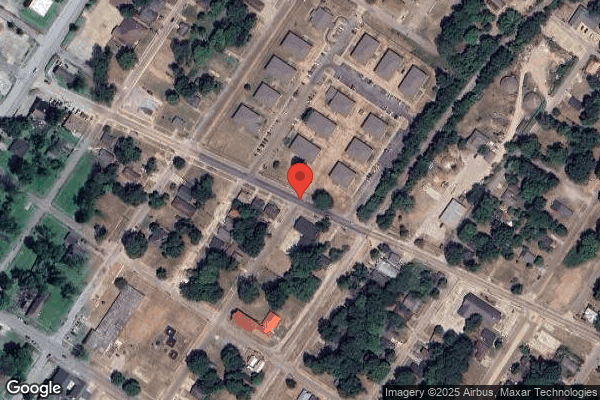
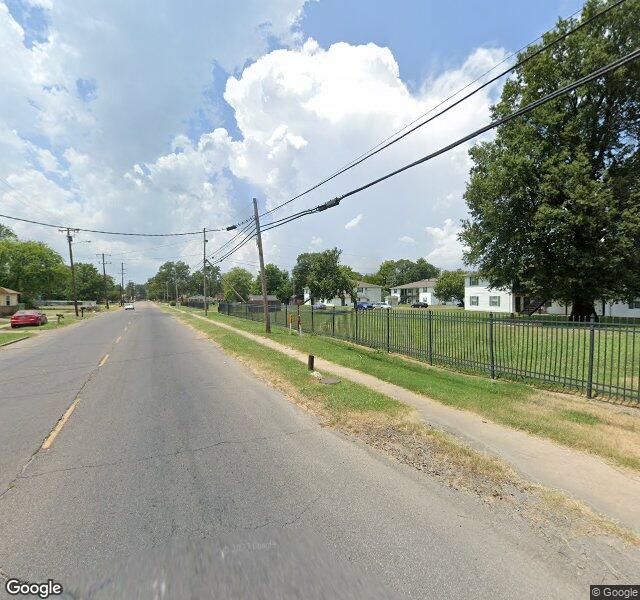
1935 NORTH THEOBOLD EXTENSION, GREENVILLE, MS 38704 (662) 334-4501
For profit - Limited Liability company 60 Beds Independent Data: November 2025 3 Immediate Jeopardy citations
Trust Grade
0/100
#125 of 200 in MS
Last Inspection: June 2024

Within standard 12-15 month inspection cycle. Federal law requires annual inspections.

Overview

Legacy Manor Nursing and Rehabilitation in Greenville, Mississippi has received a Trust Grade of F, indicating significant concerns about the facility's care quality. Ranking #125 out of 200 in the state places it in the bottom half of Mississippi nursing homes, and it is #4 out of 5 in Washington County, meaning only one local option is better. Although the facility is showing signs of improvement, reducing issues from 5 in 2024 to 1 in 2025, it still has troubling incidents, including failing to perform CPR on a resident who was found unresponsive, which led to the resident's death. Staffing is a relative strength with a good rating of 4 out of 5 stars and a turnover rate of 36%, lower than the state average. However, the facility's $27,024 in fines is concerning, as it is higher than 87% of Mississippi facilities, indicating ongoing compliance challenges.

Trust Score
F
0/100
In Mississippi
#125/200
Bottom 38%
Safety Record
High Risk
Review needed
Inspections
Getting Better
5 → 1 violations
Staff Stability
○ Average
36% turnover. Near Mississippi's 48% average. Typical for the industry.
Penalties
○ Average
$27,024 in fines. Higher than 65% of Mississippi facilities. Some compliance issues.
Skilled Nurses
○ Average
Each resident gets 30 minutes of Registered Nurse (RN) attention daily — about average for Mississippi. RNs are the most trained staff who monitor for health changes.
Violations
⚠ Watch
18 deficiencies on record. Higher than average. Multiple issues found across inspections.
★★☆☆☆
2.0
Overall Rating
★★★★☆
4.0
Staff Levels
★★★★★
5.0
Care Quality
★☆☆☆☆
1.0
Inspection Score
Stable
2024: 5 issues
2025: 1 issues

The Good

  • 4-Star Staffing Rating · Above-average nurse staffing levels
  • 5-Star Quality Measures · Strong clinical quality outcomes
  • Full Sprinkler Coverage · Fire safety systems throughout facility
  • No fines on record
  • Staff turnover below average (36%)

    12 points below Mississippi average of 48%

Facility shows strength in staffing levels, quality measures, fire safety.

The Bad

2-Star Overall Rating

Below Mississippi average (2.6)

Below average - review inspection findings carefully

Staff Turnover: 36%

Near Mississippi avg (46%)

Typical for the industry

Federal Fines: $27,024

Below median ($33,413)

Moderate penalties - review what triggered them

The Ugly 18 deficiencies on record

3 life-threatening
Jan 2025 1 deficiency 1 IJ
CRITICAL (J) 📢 Someone Reported This

A family member, employee, or ombudsman was alarmed enough to file a formal complaint

Immediate Jeopardy (IJ) - the most serious Medicare violation

Free from Abuse/Neglect (Tag F0600)

Someone could have died · This affected 1 resident

**NOTE- TERMS IN BRACKETS HAVE BEEN EDITED TO PROTECT CONFIDENTIALITY** REVISED 3/13/25: After quality assurance review with the Centers for Medicare and Medicaid Services (CMS) Regional Office (RO) o...

Read full inspector narrative →
**NOTE- TERMS IN BRACKETS HAVE BEEN EDITED TO PROTECT CONFIDENTIALITY** REVISED 3/13/25: After quality assurance review with the Centers for Medicare and Medicaid Services (CMS) Regional Office (RO) on 3/13/25, it was determined that an Immediate Jeopardy (IJ) and Substandard Quality of Care (SQC) should have been identified and cited as Past Non-Compliance (PNC) during the Complaint Investigation conducted on 12/24/24. The IJ and SQC existed at: 42 CFR483.12(a)(1), Freedom from Abuse, Neglect, and Exploitation - F600 Scope/Severity J This situation placed Resident #1 and other residents at risk for the likelihood of serious injury, harm, impairment or death. The State Agency (SA) notified the Administrator of the IJ and SQC on 3/13/25 at 4:50 PM and provided the IJ Template. Based on the facility's implementation of corrective actions on 12/26/24, the SA determined the IJ and SQC to be Past Non-Compliance (PNC) and the IJ was removed on 12/27/24, prior to the SA's entrance on 1/14/25. Based on observations, facility security camera video observations, policy reviews, interviews, and record reviews, the facility failed to ensure Resident #1's right to be free from abuse. Resident #1 was punched in the head, face, and chest with a closed fist at least 10 times and flipped over in his wheelchair on to the hallway floor by Certified Nursing Assistant (CNA) #1. Resident #1 received an injury of broken blood vessels to his right eye and swelling and had to be treated and evaluated by a physician. Resident #1 was one (1) of four (4) residents reviewed for abuse and neglect. Findings Include: Review of the facility policy titled: Resident Abuse last review date 01/24 stated, Conduct detrimental to resident care that results in neglect or abuse of any resident is strictly prohibited .B. Any employee suspected of abuse will be suspended immediately and future employment will be based on the outcome of the investigation. Review of the facility policy titled Employee Corporate Compliance Code of Conduct dated 05/18 and signed by CNA #1 on 1/11/23 revealed, Each resident residing in this facility has the right to be free from any type of abuse including verbal, sexual, mental, physical abuse, neglect, misappropriation of resident property and exploitation . Abuse is the willful infliction of injury, unreasonable confinement, intimidation, or punishment with resulting physical harm, pain or mental anguish. The facility's undated investigation report that was signed by the Director of Nursing (DON) stated, Staff Development, Licensed Practical Nurse (LPN) #2 and DON to building to review camera footage and noted that on 12/24/24 @ 1553 (3:53 PM) Resident #1 approached CNA#1 in hallway and appears to have tapped her on her arm and then made a motion like he was bowing up on her. CNA #1 was not pinned or trapped like she stated and had ample opportunity to step away. She began to hit him with her closed fist multiple times in the face. We counted approximately 10 times, and then proceeded to flip his wheelchair over. Resident #1 was then left lying on the floor and he proceeded to crawl into his room. At 4:06 PM she appeared back in hallway and picked up his belongings and threw them into his room and shut his door. She also picked wheelchair upright and it was left sitting in hallway. At 4:30 PM LPN #1 in hallway and they entered resident's room and got him up off the floor using lift. DON did assess right eye sclera is noted to be red with what appears to be ruptured blood vessels. Record review of the facility investigation concluded that CNA #1 had abused and neglected Resident #1 on 12/24/24. CNA #1 was terminated on 12/26/24 from the facility for abuse and neglect of Resident #1. Record review of the facility termination form titled Termination Report dated 12/26/24 revealed: (CNA #1) Last Day Worked 12/24/24 Termination Effective Date 12/26/24 Resident Abuse, Violation of Company Policies/Procedure-See Facility Investigation Interview on 01/14/25 at 12:30 PM with the facility Administrator (ADM) revealed that he was not involved in the investigation of the alleged abuse of (Resident #1) that occurred on 12/24/24. ADM stated that he was out of the state for the holidays and the DON and LPN #2 had completed the investigation and they had terminated CNA #1. ADM stated that the facility security video cameras were reviewed by the DON and LPN #2 and they both confirmed that CNA #1 was identified in the video and they both saw in plain view on the video that CNA #1 hit Resident #1 several times in the head, face, and chest with a closed fist. The DON terminated CNA #1 from her employment at the facility upon confirming that CNA #1 had abused and neglected Resident #1 and that she never attempted to remove herself from the encounter and go get help. CNA #1 not only hit Resident #1 with a closed fist, but she grabbed his wheelchair and intentionally flipped the wheelchair over dumping the resident out onto the floor of the hallway and stepped over Resident #1 leaving him unattended and unassessed for over 30 minutes. The ADM stated that the video was hard for him to watch and that the blatant abuse of Resident #1 was sickening. ADM stated that on 12/30/24 the Attorney General's (AG) office had come to the facility, and he too had obtained a copy of the facility video for his investigation. ADM stated that the AG was pursuing charges against CNA #1 for felony abuse and neglect. ADM shared the facility investigation, the facility video, and the phone numbers of the AG with the surveyor and sat down and reviewed and narrated the approximate 45-minute facility security video. Observation of the facility security camera video on 1/14/2025 at 12:45 PM-1:35 PM along with the interview of the ADM verbally identifying the times of the events, along with the video clock (which verified the time of the event as 3:50 PM on 12/24/24 until 4:30 PM on 12/24/24). The video contained no audio. Observation of the facility video revealed that at approximately 3:55 PM on 12/24/24 Resident #1 approached CNA #1 in the hallway as he rolled up close to her in his wheelchair. Immediately CNA #1 began to punch Resident #1 in the face, head and chest with a closed fist. CNA #1 never attempted to obtain assistance, nor did she attempt to leave the situation and go get help. CNA #1 hit Resident #1 many times with a closed fist and was unable to count the fist punches accurately because they were happening too fast. It appeared to be at least a dozen fist punches (approximately) administered by CNA #1 to Resident #1. CNA #1 had several opportunities to leave away from Resident #1, but she did not attempt to remove herself from the situation. CNA #1 reached down near the front wheels of Resident #1's wheelchair and flipped the chair over dumping Resident #1 on to the floor and on to his back. From approximately 4:05 PM on 12/24/24 until approximately 4:20 PM on 12/24/24 Resident #1 was left lying on the floor in the hallway unassisted and unattended. Resident #1's wheelchair remained turned over on its side and personal clothing items and a seat cushion were scattered about the hallway. Resident #1 moved slowly on the floor of the hallway dragging his limp body across the floor and into his room where he disappeared from the camera view. At approximately 4:30 PM on 12/24/24 (LPN #1) appeared on the hallway and she and CNA #1 went into the room of Resident #1. CNA #1 was pushing the full body lift into the room of Resident #1. CNA #1 went into another resident's room across the hall from Resident #1 and left Resident #1 unattended and unassessed lying in the hallway for approximately 30 minutes. When CNA #1 came out of the other resident room she picked up the wheelchair and threw the cushion and clothing from the hallway into Resident #1's room and then reached in and closed the door to Resident #1's room. CNA #1 did not go into Resident #1's room and never assisted Resident #1. CNA #1 never went to get help/assistance for approximately 30 minutes. CNA #1 was never seen on the video reporting the incident to anyone or seeking assistance for Resident #1. ADM stated that CNA #1 never reported a fall or any incident to anyone. CNA #1 worked second shift (3:00 PM-11:00PM) on 12/24/24 and worked third shift (11:00 PM -7:00 AM) on 12/24/24 and never mentioned the incident with Resident #1 to anyone. CNA #1 did not report the altercation between her and Resident #1 to any staff member or to anyone at the facility for two (2) eight-hour shifts (approximately 16 hours), according to the interview with the ADM on 1/14/25 at 12:30 PM. Observation of the facility security camera video and interview on 1/14/25 at 1:00 PM with the DON revealed that she was out of town with her family celebrating Christmas Day when at approximately 12:00 noon she was contacted by LPN #2 and told that there was a report of abuse given by another resident (Resident #3). DON stated that she never in a million years would have believed that CNA#1 would have done such a thing as abuse a resident like she did. DON had to drive to the facility from another state to investigate the situation at the facility. She informed LPN #2 to call CNA #1 and suspend her until the investigation could be completed and to get a statement from CNA #1 over the phone as to what had occurred. CNA #1 told them that Resident #1 attacked her first and pinned her up against the wall with his legs and that she had to get him off of her and she slapped Resident #1 with an open hand and then he slid out of his wheelchair. CNA #1 told LPN #2 that she had not abused Resident #1. LPN #2 and DON both arrived at the facility at approximately 4:00 PM and they together viewed the security video cameras and they could not believe their eyes as they both saw CNA #1 repeatedly hitting Resident #1. CNA #1 flipped over the wheelchair dumping Resident #1 out on his back into the hallway floor. DON stated that they identified several times during the encounter when CNA #1 could have left and gone for assistance, but she never did. She also left Resident #1 in the floor unattended and unassessed for over 30 minutes and she never reported the incident to anyone. DON stated that at no time during the encounter was CNA #1 pinned up to the wall by Resident #1. DON stated that the realization of the video clearly confirmed that Resident #1 was abused and neglected by CNA#1. DON stated that the video was not at all consistent with the statement that was given by CNA #1. DON viewed the video with ADM and surveyor and she identified CNA #1 and Resident #1 and she confirmed that CNA #1 was terminated for the abuse and neglect of Resident #1. DON stated that CNA #1 never reported the incident during the 16 hours that she worked on 12/24/24-12/25/24 and that the incident occurred within an hour of her first coming into work that day. In an interview on 1/14/25 at 1:40 PM with LPN #2 revealed that she was the on call nurse supervisor on 12/25/24. She stated that CNA #3 called her to report that another resident (Resident #3) reported that on 12/24/24 Resident #1 and CNA #1 had been in an altercation in which CNA #1 hit Resident #1. It was reported that on 12/25/24 at 11:48 AM Resident #1 had a swollen eyed with blood vessels busted in his eye. When LPN #2 asked Resident #1 what had occurred he stated that maybe CNA #1 had stuck her finger in his eye when they were on the floor tussling. LPN#2 then called LPN#1 at 11:59 AM on 12/25/24 and asked her what had occurred on 12/24/24 and how did Resident #1 get a blood shot eye. LPN #1 told LPN #2 that she had no idea how Resident #1 had received a blood shot eye. All that had occurred during the second shift on 12/24/24 was Resident #1 had slid out of his wheelchair on to the floor and was assessed by LPN #1 and Resident #1 was found to have had no injuries. LPN #1 had no knowledge of any incidents/accident with Resident #1 on 12/24/24. LPN #2 stated that she received a call from CNA #1 at approximately 12:11 PM on 12/25/24 in which CNA #1 said she had something to report to LPN #2. CNA #1 stated that Resident #1 had attacked her, and he had hit her and pinned her up against the wall. CNA #1 told LPN#2 that she hit Resident #1 with an open hand to get him off of her and that she did not report the incident to LPN #1 and did not seek assistance from anyone. LPN #2 stated that she then went back and watched the security video to see what had happened. LPN #2 and the DON viewed the video together on 12/25/25 and they both were in disbelief at the abuse that they saw on the video to Resident #1 from CNA #1. LPN #2 stated that she and the DON slowed the video down while viewing and counted 10 times that CNA #1 hit Resident #1 with a closed fist. CNA #1 purposefully flipped Resident #1 over in his wheelchair, dumping him onto the floor of the hallway and then walked away leaving Resident #1 on the floor unattended and unassessed. LPN #2 stated that never did she view on the video that Resident #1 had pinned CNA #1 up against the wall. The video did not show the encounter with Resident #1 that CNA #1 had explained. LPN #2 stated that she interviewed Resident #1 on 12/25/24 and he was unable to remember how he received the broken blood vessels to his right eye. LPN #2 called the local Police department at 1:22 PM to come and complete a police report of the incident because it was determined that alleged abuse had occurred. LPN #2 stated that after viewing the facility security video it was determined that CNA #1 had abused and neglected Resident #1 and she was terminated from the facility. LPN #2 stated that she and the DON were so upset by the abuse that they viewed on the video that they both cried. LPN #2 stated that no one, no matter what had happened, deserved what CNA #1 did to Resident #1. LPN #2 stated that CNA #1 had several opportunities to leave and go get help, but she did not, she continued to hit Resident #1 and flipped him over in his wheelchair. An interview on 1/14/25 at 2:00 PM with the AG Investigator, revealed that he came to the facility on [DATE] and obtained copies of the Police Report, the facility video, and copies of Resident #1's records. He stated that he was taking the case to the District Attorney and was asking for felony charges to be placed against CNA #1 for abuse and neglect of Resident #1. The AG stated that he was convinced that the District Attorney would allow him to arrest CNA #1 for abuse and neglect of Resident #1. He stated that the video alone was enough evidence to put CNA #1 in jail. Interview and observation on 1/24/25 at 3:00 PM with Resident #1 revealed an obese male sitting in a wheelchair in his private room, alone. Resident #1 mumbled and made statements that were not relevant to the subjects and appeared to not be cognitive of his surroundings as he rambled and stated that no one had ever hurt him there and that he had not gotten into an altercation with anyone. Interview and observation on 1/24/25 at 3:10 PM with Resident #3 revealed that he remembered the altercation between Resident #1 and CNA #1 that occurred on Christmas Eve. Resident #3 stated that everyday Resident #1 cusses and turns over furniture and causes problems. He also makes sexual comments to the staff and He metals in things that do not belong to him. Interview on 1/14/25 at 3:30 PM with LPN #1 revealed that she was the second shift (3:00 PM-11:00 PM) nurse on 12/24/24. She stated that she was making rounds and giving out medications at approximately 4:30 PM on 12/24/24 when she found Resident #1 lying on the floor of his room. She stated that CNA #1 was coming past with the full body lift, and she asked CNA #1 to help her put Resident #1 back in his bed with the full body mechanical lift. LPN#1 had assessed the resident on the floor and had determined he was not injured and he told her he fell out of his chair. LPN #1 re-assessed Resident #1 again when he was lifted to his bed and he voiced that he was not injured and issued no complaints and gave no information as to how he fell other than he slipped out of his wheelchair. LPN #1 stated that CNA #1 never reported that she had knowledge of Resident #1 falling or that there had been an incident. LPN #1 was busy during that period giving out medications and making rounds and she never heard any disturbances and was unaware that there had been an incident between Resident #1 and CNA #1. Resident #1 has behaviors, and he regularly acts out and gets loud and turns over furniture and makes demands to go home. He is cognitively impaired, and he has sundowners. Interview on 1/14/25 at 4:10 PM with CNA #2, revealed that on 12/24/24 she was the other CNA on that unit along with CNA #1 and LPN #1. She stated that she never heard any disturbances on 12/24/24 between CNA #1 and Resident #1 and that no one had reported to her that Resident #1 had been found on the floor. Record review of Resident #1's Minimum Data Set (MDS) Section C dated 11/12/24 revealed a Brief Interview for Mental Status (BIMS) score of 7 which indicated that Resident #1 was severely cognitively impaired. Record review of Resident #1's admission Record documented that Resident #1 had been admitted to the facility on [DATE] and had diagnoses which included Alcohol Abuse with Alcohol Induced Mood Disorder; Psychoactive Substance Abuse with Withdrawal; Dementia with Behaviors; and Cognitive Communication Deficit. On 3/13/25, after quality review with CMS/RO, the SA validated through record review that the facility implemented corrective actions on 12/25/24 through 12/26/24 to remove the IJ and SQC. On 12/25/24, DON assessed Resident #1, notified the Medical Director, and suspended CNA#1. The Quality Assurance and Performance Improvement (QAPI) Committee met on 12/25/24 to discuss the abuse, review policies and develop a plan. The facility reported the abuse to the SA and local police department on 12/25/24. Staff inservices on Abuse/Crime Reporting, Aggressive Physical Behavior, Elder Justice Act, Residents Rights, Recognizing and Dealing with Signs of Burnout, Frustration and Stress, and Seven Components to Reduce, Detect and Prevent Abuse and Neglect began on 12/25/24 and continued until all staff were inserviced. Interviews with all residents were initiated on 12/25/24 to identify any other allegations of abuse. Resident Council Meeting was held on 12/26/24 to discuss resident safety and offer counseling. A 100 percent body audit was conducted on 12/26/24 with no adverse findings. CNA #1 was terminated on 12/26/24. The Attorney Generals office was notified on 12/26/24. QAPI implemented monitoring beginning 12/2724 of 1 resident/employee interview weekly for 4 weeks, then twice monthly for 2 months, then monthly for 1 month. Reporting of abuse/safety of residents will be discussed in Resident Council monthly. Beginning 1/22/25, the QAPI committee will address concerns identified from the interviews and the Resident Council meetings monthly for four months and make any recommendations or changes needed.
Sept 2024 2 deficiencies 2 IJ
CRITICAL (J) 📢 Someone Reported This

A family member, employee, or ombudsman was alarmed enough to file a formal complaint

Immediate Jeopardy (IJ) - the most serious Medicare violation

Comprehensive Care Plan (Tag F0656)

Someone could have died · This affected 1 resident

**NOTE- TERMS IN BRACKETS HAVE BEEN EDITED TO PROTECT CONFIDENTIALITY** Based on interview, record review, and facility policy review the facility failed to implement care plan interventions related t...

Read full inspector narrative →
**NOTE- TERMS IN BRACKETS HAVE BEEN EDITED TO PROTECT CONFIDENTIALITY** Based on interview, record review, and facility policy review the facility failed to implement care plan interventions related to Cardiopulmonary Resuscitation (CPR) for a resident who was found to have no respirations and no pulse for one (1) of three (3) sampled residents. Resident #1. The facility's failure to implement the care plan for Resident #1 resulted in the resident not receiving CPR and emergency services when he was found without pulse, respirations or blood pressure. Resident #1 was a Full Code status. The resident subsequently expired in the facility. The situation was determined to be an Immediate Jeopardy (IJ) that began on [DATE] when Resident #1 was found by facility staff to be unresponsive and without respirations, a pulse or blood pressure. The facility Administrator was notified of the IJ on [DATE] at 3:02 PM and was provided an IJ Template. Based on the facility's implementation of corrective actions on [DATE] the State Agency (SA) determined the IJ to be Past Non-Compliance (PNC) and the IJ was removed as of [DATE], prior to the SA's first entrance on [DATE]. Findings Include: Review of the facility's Care Plan Process policy, latest revision date 08/17, revealed . Interventions are actions that should promote meeting the established goal . Record review of Resident #1's care plan dated [DATE], revealed Advanced Directive - Full Code. Goal: Honor Residents wishes .Approaches: .Honor Resident/Family Advance Directive request .Full Code. A review of the Progress Notes by Licensed Practical Nurse #1 (LPN) dated [DATE] at 7:45 PM, revealed that she walked by Resident #1's room and noticed he did not look well. Upon entering the room, she found the resident unresponsive, with no respirations, pulse, or blood pressure. She then notified the coroner, the family, the Administrator, and the Nurse Practitioner of the resident's death. There was no indication that CPR was initiated or that emergency services were called. Record review of Resident/Family Consent for Cardiopulmonary Resuscitation (CPR) for Resident #1, dated [DATE], revealed I understand that CPR constitutes an extraordinary measure and SHOULD be done on this resident in the case of extreme emergency. Record review of Resident #1's Physician's Telephone Order dated [DATE] revealed an order for Full Code indicating that the resident should receive CPR. On [DATE] at 1:30 PM, during an interview the Administrator confirmed that the care plan was not followed, and Resident #1 did not receive CPR. Record review of the Facesheet for Resident #1 revealed the facility admitted Resident #1 on [DATE] with diagnoses that included Dementia and Chronic Kidney Disease. The facility submitted the following acceptable Corrective Action Plan on [DATE]: Corrective Action Plan On [DATE], while making rounds at 7:45 PM, Licensed Practical Nurse #1 reports glancing into Resident #1's room and observed resident not looking right and entered Resident #1's room to assess Resident #1's status. Licensed Practical Nurse #1 reports that resident was without active vita! signs, face and upper arms cool to touch, rest of body warm. Licensed Practical Nurse #1 then placed a call to the coroner at 7:55 PM and did not initiate cardiac resuscitation measures and call 911. Resident #1 medical record indicates resident was with full code status. Licensed Practical Nurse #1 notified facility Administrator of resident death at 8:00 PM. Licensed Practical Nurse #1 notified Staff Development Nurse #1 at 8:05 PM who instructed Licensed Practical Nurse # 1 to initiate Cardiopulmonary Resuscitation efforts. Licensed Practical Nurse #1 notified Nurse Practitioner at 8:10 PM of resident death. Licensed Practical Nurse #1 contacted Resident #1's sister at 8:15 PM and resident's family arrived at the facility at 8:45 PM. On [DATE], approximately 8:20 AM, it was determined by Staff Development Nurse #1 that Licensed Practical Nurse #1 did not initiate Cardiopulmonary Resuscitation efforts. On [DATE], at approximately 8:30 AM the facility Administrator was notified by Assessment Nurse #1 of the failure by Licensed Practical Nurse #1 to initiate cardiopulmonary resuscitation on Resident #1. On [DATE], at approximately 9:35 AM, Licensed Practical Nurse #1 was suspended via telephone by facility Administrator pending investigation. On [DATE], at approximately 9:30 AM, the facility Administrator interviewed Licensed Practical Nurse #1. The interview indicated Licensed Practical Nurse #1 was aware of the full code status and did not initiate Cardiopulmonary Resuscitation due resident being without signs of life. On [DATE], the Regional Supervisor and [NAME] President interviewed Licensed Practical Nurse #1 via telephone. The interview indicated the Licensed Practical Nurse #1 did not initiate Cardiopulmonary Resuscitation. On [DATE], the Assessment Nurse #1, interviewed the three Certified Nurse's Aide on shift at the time of the incident. The Certified Nurse Aide #1 was interviewed and confirmed that Cardiopulmonary Resuscitation was not initiated by Licensed Practical Nurse #1. The Certified Nurse Aide #2 was interviewed and reported that she had informed Licensed Practical Nurse #1 to start Cardiopulmonary Resuscitation after speaking to Staff Development Nurse #1 via telephone on the evening of [DATE]. Certified Nursing Aide #2 also reported that Licensed Practical Nurse #1 stated no because he is already deceased . Certified Nurse Aide #3 was interviewed and reported that Licensed Practical Nurse #1 did not perform Cardiopulmonary Resuscitation on Resident #1. On [DATE], the approximately 4:30 PM, the State Department of Health was notified of the initial report via telephone of the incident. On [DATE], at approximately 2:00 PM, an initial report was submitted to local law enforcement, Attorney General's Office, and the Mississippi Board of Nursing of the incident involving Licensed Practical Nurse #1. On [DATE], at approximately 3:30 PM Licensed Practical Nurse #1 was terminated via telephone for failure to follow instructions from Staff Development Nurse #1 to initiate cardiopulmonary resuscitation on Resident #1 per facility policy. A facility Quality Assurance Committee meeting was held at approximately 3:30 PM, [DATE], to include facility Quality Assurance Committee members which consisted of the facility Administrator #1, Corporate Nurse #1, Regional Supervisor #1, Staff Development Nurse #1, Infection Preventionist Nurse, Medical Director #1, Assessment Nurse #1, Social Service Director #1, Activities Director #1 and Administrative Assistant #1. Topics discussed included: Failure to initiate CPR measures for a full code resident. The facility corrective actions were reviewed and initiated [DATE], to include the following: in-service training, code drills, medical record audits, and monitoring systems ongoing. On [DATE], in-service training was initiated by Staff Development Nurse #1 and Assessment Nurse #1 to include all Registered Nurses, Licensed Practical Nurses, Certified Nursing Assistants, Housekeeping and Laundry staff, office personnel and contracted therapy department on the following: (a) Cardiopulmonary Resuscitation Policy, (b) Change in Resident Medical Status, (c) Emergency Care of Residents, (d) Care Plan Process, (e) Advance Directives, physician orders (f) Resident Rights, (g) Resident Abuse/Neglect and Reporting. The in-service conducted on [DATE], included two (2) Registered Nurses, five (5) Licensed Practical Nurses, and eight (8) Certified Nursing Assistants. Facility staff and agency staff if utilized will not be allowed to work until the proper in-service training has been conducted. On [DATE], Cardiopulmonary Resuscitation (CPR) Code Drills were initiated by the facility Staff Development Nurse #1 and the facility Assessment Nurse #1 for all Registered Nurses and Licensed Practical Nurses. Registered Nurses and Licensed Practical Nurses will not be allowed to provide direct patient care until participation in a code drill has been conducted. Code drill exercises will be performed daily until all Registered Nurses and Licensed Practical Nurses have participated in at least one exercise, and then code drills will continue as outlined below. On [DATE], all active resident's medical record charts were audited by the facility Staff Development Nurse #1, and Assessment Nurse #1 to ensure proper code status identification. The results of this audit showed one discrepancy found and was immediately corrected. On [DATE], all active residents plan of care were audited by the facility Assessment Nurse #1 and the Staff Development Nurse #1 to ensure proper code status identification. The audit results showed no issues found. On [DATE], monitoring systems were put in place to sustain compliance. (a) Verify licensed staff Cardiopulmonary Resuscitation certification status upon hire and monthly by the Director of Nursing. (b) All active resident medical records and plan of care will be monitored for the correct code status weekly for four (4) weeks, bi-weekly for three (3) months, then monthly thereafter. (c) the facility began monitoring cardiopulmonary resuscitation code drills on all three shifts, weekly times four (4) weeks, monthly time three (3) months, then per facility protocol thereafter (every four (4) months rotating shifts) (d) the facility began crash cart inventory checks for 30 days and then weekly thereafter. The facility Administration will have a follow up Quality Assurance Meeting on [DATE], and monthly times two months and then quarterly thereafter. The facility alleges that all corrective actions to remove the IJ were completed on [DATE], and the Immediate Jeopardy was removed as of [DATE]. Validation: The State Agency (SA) validation of the Corrective Action Plan was made on-site during the Complaint Investigation (CI) MS #26389 and CI MS #26398. On [DATE], the SA validated through record review and interviews that all corrective actions to remove the IJ were completed by the facility on [DATE] and the IJ was removed on [DATE], prior to the SA entering the building on [DATE].
CRITICAL (J) 📢 Someone Reported This

A family member, employee, or ombudsman was alarmed enough to file a formal complaint

Immediate Jeopardy (IJ) - the most serious Medicare violation

Deficiency F0678 (Tag F0678)

Someone could have died · This affected 1 resident

**NOTE- TERMS IN BRACKETS HAVE BEEN EDITED TO PROTECT CONFIDENTIALITY** Based on interviews, record review, and facility policy review, the facility failed to initiate Cardiopulmonary Resuscitation (C...

Read full inspector narrative →
**NOTE- TERMS IN BRACKETS HAVE BEEN EDITED TO PROTECT CONFIDENTIALITY** Based on interviews, record review, and facility policy review, the facility failed to initiate Cardiopulmonary Resuscitation (CPR) and provide emergency services to a resident who was found to have no respirations and no pulse for one (1) of three (3) sampled residents. Resident #1. Resident #1, who had a Full Code status, was found to have no respirations and no pulse. The nurse did not initiate CPR or activate emergency services for Resident #1. The resident expired in the facility. The situation was determined to be an Immediate Jeopardy (IJ) and Substandard Quality of Care (SQC) that began on [DATE] when Resident #1 was found by facility staff to be unresponsive and without respirations, a pulse or blood pressure. The facility Administrator was notified of the IJ and SQC on [DATE] at 3:02 PM and was provided an IJ Template. Based on the facility's implementation of corrective actions on [DATE], the State Agency (SA) determined the IJ and SQC to be Past Non-Compliance (PNC) and the IJ was removed as of [DATE], prior to the SA's first entrance on [DATE]. Findings Include: A record review of the facility's Cardiac Resuscitation Policy latest revision date 02/24, revealed, It is the policy of this facility to provide basic life support, including CPR, Cardiopulmonary Resuscitation, when a resident requires such emergency care, prior to the arrival of emergency medical services, subject to physician orders and resident choice indicated in the resident's advance directives. Nurses and other care staff are educated to initiate CPR unless a valid Do Not Resuscitate (DNR) order is in place or obvious clinical signs of death are present such as rigor mortis . Record review of the Progress Notes by Licensed Practical Nurse (LPN) #1 dated [DATE] at 7:45 PM, revealed that she walked by Resident #1's room and noticed he did not look well. Upon entering the room, she found the resident unresponsive, with no respirations, pulse, or blood pressure. She then notified the coroner, the family, the Administrator, and the Nurse Practitioner of the resident's death. There was no indication that CPR was initiated or that emergency services were called. Record review of a Progress Note dated [DATE] at 2:57 PM by LPN #1 revealed a clarification note for [DATE], In my previous noted, I did not make it understandable that Resident's face and upper arms were cool to touch but when I uncovered lower arms and legs, his body was still warm . Record review of Resident/Family Consent for Cardiopulmonary Resuscitation (CPR) for Resident #1, dated [DATE], revealed I understand that CPR constitutes and extraordinary measure and SHOULD be done on this resident in the case of extreme emergency. Record review of Resident #1's Physician's Telephone Order dated [DATE] revealed an order for Full Code indicating that the resident should receive CPR. An interview with the Staff Development Coordinator on [DATE] at 12:45 PM, revealed that she instructed LPN #1 via phone to initiate CPR on Resident #1. Staff Development Coordinator further stated that when she asked LPN #1 why she had not performed CPR on Resident #1 LPN #1 responded it was because the resident was already deceased . The Deputy County Coroner revealed in an interview on [DATE] at 12:59 PM, that she received a call from LPN #1 on [DATE] at 7:55 PM, reporting Resident #1's death at 7:45 PM. The Coroner noted that facilities typically notify her after CPR and emergency services have been attempted. She pronounced Resident #1 deceased at the facility at 8:22 PM and observed that the resident did not exhibit rigor mortis or dependent lividity. The Deputy County Coroner further reported that when asked why CPR had not been initiated, LPN #1 stated that she had last seen the resident alive at 6:20 PM and was unsure of the exact time of death. During an interview on [DATE] at 1:30 PM, the Administrator confirmed that CPR should have been initiated on Resident #1, but it was not performed. Record review of the Facesheet for Resident #1 revealed the facility admitted Resident #1 on [DATE] with diagnoses that included Dementia and Chronic Kidney Disease. The facility submitted the following acceptable Corrective Action Plan on [DATE]: Corrective Action Plan On [DATE], while making rounds at 7:45 PM, Licensed Practical Nurse #1 reports glancing into Resident #1's room and observed resident not looking right and entered Resident #1's room to assess Resident #1's status. Licensed Practical Nurse #1 reports that resident was without active vita! signs, face and upper arms cool to touch, rest of body warm. Licensed Practical Nurse #1 then placed a call to the coroner at 7:55 PM and did not initiate cardiac resuscitation measures and call 911. Resident #1 medical record indicates resident was with full code status. Licensed Practical Nurse #1 notified facility Administrator of resident death at 8:00 PM. Licensed Practical Nurse #1 notified Staff Development Nurse #1 at 8:05 PM who instructed Licensed Practical Nurse # 1 to initiate Cardiopulmonary Resuscitation efforts. Licensed Practical Nurse #1 notified Nurse Practitioner at 8:10 PM of resident death. Licensed Practical Nurse #1 contacted Resident #1's sister at 8:15 PM and resident's family arrived at the facility at 8:45 PM. On [DATE], approximately 8:20 AM, it was determined by Staff Development Nurse #1 that Licensed Practical Nurse #1 did not initiate Cardiopulmonary Resuscitation efforts. On [DATE], at approximately 8:30 AM the facility Administrator was notified by Assessment Nurse #1 of the failure by Licensed Practical Nurse #1 to initiate cardiopulmonary resuscitation on Resident #1. On [DATE], at approximately 9:35 AM, Licensed Practical Nurse #1 was suspended via telephone by facility Administrator pending investigation. On [DATE], at approximately 9:30 AM, the facility Administrator interviewed Licensed Practical Nurse #1. The interview indicated Licensed Practical Nurse #1 was aware of the full code status and did not initiate Cardiopulmonary Resuscitation due resident being without signs of life. On [DATE], the Regional Supervisor and [NAME] President interviewed Licensed Practical Nurse #1 via telephone. The interview indicated the Licensed Practical Nurse #1 did not initiate Cardiopulmonary Resuscitation. On [DATE], the Assessment Nurse #1, interviewed the three Certified Nurse's Aide on shift at the time of the incident. The Certified Nurse Aide #1 was interviewed and confirmed that Cardiopulmonary Resuscitation was not initiated by Licensed Practical Nurse #1. The Certified Nurse Aide #2 was interviewed and reported that she had informed Licensed Practical Nurse #1 to start Cardiopulmonary Resuscitation after speaking to Staff Development Nurse #1 via telephone on the evening of [DATE]. Certified Nursing Aide #2 also reported that Licensed Practical Nurse #1 stated no because he is already deceased . Certified Nurse Aide #3 was interviewed and reported that Licensed Practical Nurse #1 did not perform Cardiopulmonary Resuscitation on Resident #1. On [DATE], the approximately 4:30 PM, the State Department of Health was notified of the initial report via telephone of the incident. On [DATE], at approximately 2:00 PM, an initial report was submitted to local law enforcement, Attorney General's Office, and the Mississippi Board of Nursing of the incident involving Licensed Practical Nurse #1. On [DATE], at approximately 3:30 PM Licensed Practical Nurse #1 was terminated via telephone for failure to follow instructions from Staff Development Nurse #1 to initiate cardiopulmonary resuscitation on Resident #1 per facility policy. A facility Quality Assurance Committee meeting was held at approximately 3:30 PM, [DATE], to include facility Quality Assurance Committee members which consisted of the facility Administrator #1, Corporate Nurse #1, Regional Supervisor #1, Staff Development Nurse #1, Infection Preventionist Nurse, Medical Director #1, Assessment Nurse #1, Social Service Director #1, Activities Director #1 and Administrative Assistant #1. Topics discussed included: Failure to initiate CPR measures for a full code resident. The facility corrective actions were reviewed and initiated [DATE], to include the following: in-service training, code drills, medical record audits, and monitoring systems ongoing. On [DATE], in-service training was initiated by Staff Development Nurse #1 and Assessment Nurse #1 to include all Registered Nurses, Licensed Practical Nurses, Certified Nursing Assistants, Housekeeping and Laundry staff, office personnel and contracted therapy department on the following: (a) Cardiopulmonary Resuscitation Policy, (b) Change in Resident Medical Status, (c) Emergency Care of Residents, (d) Care Plan Process, (e) Advance Directives, physician orders (f) Resident Rights, (g) Resident Abuse/Neglect and Reporting. The in-service conducted on [DATE], included two (2) Registered Nurses, five (5) Licensed Practical Nurses, and eight (8) Certified Nursing Assistants. Facility staff and agency staff if utilized will not be allowed to work until the proper in-service training has been conducted. On [DATE], Cardiopulmonary Resuscitation (CPR) Code Drills were initiated by the facility Staff Development Nurse #1 and the facility Assessment Nurse #1 for all Registered Nurses and Licensed Practical Nurses. Registered Nurses and Licensed Practical Nurses will not be allowed to provide direct patient care until participation in a code drill has been conducted. Code drill exercises will be performed daily until all Registered Nurses and Licensed Practical Nurses have participated in at least one exercise, and then code drills will continue as outlined below. On [DATE], all active resident's medical record charts were audited by the facility Staff Development Nurse #1, and Assessment Nurse #1 to ensure proper code status identification. The results of this audit showed one discrepancy found and was immediately corrected. On [DATE], all active residents plan of care were audited by the facility Assessment Nurse #1 and the Staff Development Nurse #1 to ensure proper code status identification. The audit results showed no issues found. On [DATE], monitoring systems were put in place to sustain compliance. (a) Verify licensed staff Cardiopulmonary Resuscitation certification status upon hire and monthly by the Director of Nursing. (b) All active resident medical records and plan of care will be monitored for the correct code status weekly for four (4) weeks, bi-weekly for three (3) months, then monthly thereafter. (c) the facility began monitoring cardiopulmonary resuscitation code drills on all three shifts, weekly times four (4) weeks, monthly time three (3) months, then per facility protocol thereafter (every four (4) months rotating shifts) (d) the facility began crash cart inventory checks for 30 days and then weekly thereafter. The facility Administration will have a follow up Quality Assurance Meeting on [DATE], and monthly times two months and then quarterly thereafter. The facility alleges that all corrective actions to remove the IJ were completed on [DATE], and the Immediate Jeopardy was removed as of [DATE]. Validation: The State Agency (SA) validation of the Corrective Action Plan was conducted on-site during the Complaint Investigation (CI) MS #26389 and CI MS #26398. On [DATE], the SA validated through record review and interviews that all corrective actions to remove the IJ were completed by the facility on [DATE] and the IJ was removed on [DATE], prior to the SA entering the building on [DATE].
Jun 2024 3 deficiencies
CONCERN (D)

Potential for Harm - no one hurt, but risky conditions existed

Safe Environment (Tag F0584)

Could have caused harm · This affected 1 resident

Based on resident and staff interview, observation, record review and facility policy review the facility failed to maintain a safe environment when a resident's toilet was noted to be loose for one (...

Read full inspector narrative →
Based on resident and staff interview, observation, record review and facility policy review the facility failed to maintain a safe environment when a resident's toilet was noted to be loose for one (1) of 30 resident bathrooms observed. Resident #21. Findings include: Record review of the facility policy, titled, Resident Environment, dated 09/15 revealed It is the policy of this facility to provide a safe, clean, comfortable and homelike environment . In an interview and observation on 06/11/24 at 9:23 AM, with Resident #21, the resident stated the toilet in his bathroom is loose and moves when he sits on it. An observation of the toilet in Resident #21's bathroom revealed that three-fourths (3/4) of the caulking around the base of the toilet was missing. A record review of the facility's Maintenance and Repair Log for June 2024 revealed there were no entries reporting the condition of the toilet in Resident #21's room. On 6/12/24 at 11:04 AM, during an observation and interview with the Maintenance Man confirmed three-fourths (3/4) of the caulking around the base of the toilet in Resident #21's bathroom was missing, and the toilet was loose. He stated he was unaware the toilet was in this condition. The Maintenance Man stated that the condition of the toilet was dangerous, and the resident could fall and hurt himself. During an interview on 6/12/24 at 1:10 PM, the Administrator agreed staff should have reported the loose toilet and that the resident could fall and hurt himself.
CONCERN (D)

Potential for Harm - no one hurt, but risky conditions existed

Comprehensive Care Plan (Tag F0656)

Could have caused harm · This affected 1 resident

**NOTE- TERMS IN BRACKETS HAVE BEEN EDITED TO PROTECT CONFIDENTIALITY** . Based on observation, resident and staff interviews, record review, and facility policy review, the facility failed to impleme...

Read full inspector narrative →
**NOTE- TERMS IN BRACKETS HAVE BEEN EDITED TO PROTECT CONFIDENTIALITY** . Based on observation, resident and staff interviews, record review, and facility policy review, the facility failed to implement an Activities of Daily Living (ADL) care plan for residents who required nail care and facial grooming for two (2) or seventeen residents sampled. Resident #21 and Resident #34 Findings include: A review of the facility's Care Plan Process policy, revision date of 08/17, revealed, Regulations require facilities to complete, at a minimum and at regular intervals, a comprehensive, standardized assessment of each resident's functional capacity and needs, in relation to a number of specified areas (e.g., customary routine, vision, and continence) . The Physician Orders, Medication Administration Record, and the Treatment Administration Record are part of the Comprehensive Care Plan . Resident #21 A record review of Resident #21's Comprehensive Care Plan with Problem Onset: dated 6/18/21 revealed, Problem: .needs assist with ADLS . Approaches . Bathing-Physical help in bathing activity. On 6/11/24 at 10:00 AM, during an observation and interview revealed that Resident #21's fingernails on both hands were one-half (1/2) inch long past the tip of his fingers. Resident #21 was also noted to have patchy facial hair one (1) inch long. He stated he wanted his nails cut and his face shaved and was unsure of when it had been done last. On 6/12/24 at 9:35 AM, during an interview and observation of Resident #21 with Licensed Practical Nurse #1 (LPN) she confirmed that Resident #21's nails and facial hair were long and that he needed his nails cut and needed to be shaved. LPN #1 was unsure of the last time Resident #21 had his nails cut or was shaved. Record review of the Face Sheet revealed Resident #21 was admitted to the facility on [DATE] with diagnoses that included Primary Open-angle glaucoma and lack of coordination. Resident #34 A record review of Resident #34's Comprehensive Care Plan with Problem Onset: dated 8/25/2023 revealed, Resident #34 needs assist with ADLS and was dependent on staff for bathing. On 06/11/24 at 9:55 AM and 2:30 PM, observations revealed Resident #34 sitting in his wheelchair, bilateral fingernails approximately one-half (1/2) inch long and jagged past the tip of fingers, and a brown substance under each nail. Facial hair was approximately ½ inch long and was noted to cheeks and chin. Observation on 06/12/24 at 08:25 AM, revealed Resident #34 lying in bed with no change in his appearance from the previous day. On 06/12/24 at 09:59 AM, observation and interview with the DON confirmed Resident #34's fingernails were long, jagged, and had a brown substance under the fingernails and needed to be cleaned and trimmed. An interview on 06/12/24 at 02:55 PM, with the Minimum Data Set (MDS) nurse revealed she is responsible for developing the care plans. She revealed the care plans are developed so the staff will know how to take care of the residents. She revealed under the ADL care plan that bathing includes nail care and shaving. She confirmed for Resident #21 and Resident #34 if they were not shaven and their nails were not clean and trimmed, then the plan of care was not being followed and it should have been.
CONCERN (D)

Potential for Harm - no one hurt, but risky conditions existed

ADL Care (Tag F0677)

Could have caused harm · This affected 1 resident

**NOTE- TERMS IN BRACKETS HAVE BEEN EDITED TO PROTECT CONFIDENTIALITY** Based on observation, staff, and resident interviews, record review, and facility policy review, the facility failed to provide ...

Read full inspector narrative →
**NOTE- TERMS IN BRACKETS HAVE BEEN EDITED TO PROTECT CONFIDENTIALITY** Based on observation, staff, and resident interviews, record review, and facility policy review, the facility failed to provide personal hygiene as evidenced by long, jagged nails with brown substance underneath nails, and unshaven facial hair for two (2) of 17 sampled residents. Resident #21 and Resident #34. Findings Include: Record review of the facility policy titled, Nail Care, latest review date 01/24, revealed, Purpose, To promote cleanliness, safety and a neat appearance. Record review of the facility policy titled, Shaving, latest review date 01/24, revealed, Purpose, To provide hygiene in accordance with the resident's preferences and preferred self-image. Resident #21 An observation and interview on 6/11/24 at 10:00 AM, revealed that Resident #21's fingernails on both hands were one-half (1/2) inch long past his fingertips. Resident #21 was also noted to have patchy facial hair one (1) inch long. He stated he wanted his nails cut and his face shaved. He was unsure of when it had been done last. A record review of Active Orders for Resident #21 revealed an order for Nail Care Weekly. Check condition and clean as needed (PRN), with an onset date of 1/2/2024. A record review of Resident #21's Electronic Treatment Record (eTAR), for June 2024 revealed Nail Care Weekly. Check condition and clean prn, with no documentation that weekly nail care was performed during the month of June. A record review of the Resident Care Record for Resident #21, dated 5/1/24 through 6/12/24, revealed that there was no documentation that the resident had received nail care or been shaved during that time period. During an interview and observation of Resident #21 on 6/12/24 at 9:35 AM, with Licensed Practical Nurse #1 (LPN) she stated that the resident's nails are to be cut weekly. She stated that the nurse is responsible for cutting resident's nails if they are diabetic and the Certified Nursing Assistant (CNA) is responsible for cutting the resident's nails if they are not diabetic. LPN #1 was unsure of the last time Resident #21 had his nails cut or was shaved. She agreed that Resident #21's nails and facial hair were long and that he needed his nails cut and needed to be shaved. In an interview and observation of Resident #21, with CNA #1, on 6/12/24 at 9:45 AM, she verified that the CNAs are responsible for cutting residents nails if the resident is not diabetic. CNA #1 stated that Resident #21 was not diabetic, so she was responsible for cutting his nails. She stated that the resident's nails are cut, and they are shaved on their shower days if they need it. CNA #1 verified that Resident #21's nails and facial hair were long. She was unsure of the last time Resident #21 had his nails cut or had been shaved but agreed that it needed to be done. Record review of the Face Sheet revealed Resident #21 was admitted to the facility on [DATE] with diagnoses that included Primary Open-angle glaucoma and Lack of Coordination. Resident #34 Observation on 06/11/24 at 9:55 AM and again at 2:30 PM, revealed Resident #34 sitting in his wheelchair, bilateral fingernails approximately one-half (1/2) inch long and jagged past the tip of fingers, with a brown substance under each nail. Facial hair was approximately one-half inch long on his cheeks and chin. Observation on 06/12/24 at 08:25 AM, revealed Resident #34 lying in bed with no change in his appearance from the previous day. An observation and interview on 06/12/24 at 09:15 AM, revealed CNA #2 shaving Resident #34, and the resident is supposed to be shaved during his shower days which are Tuesday, Thursday, and Saturday. CNA #2 revealed that yesterday was his shower day and stated, I wasn't here and I'm not sure why he didn't get shaved. She confirmed that with his long facial hair, it looked like he hadn't been shaved in quite a while. CNA #2 confirmed Resident #34's nails were long and had a brown substance under them and needed to be cleaned and trimmed. In an interview on 06/12/24 at 9:25 AM, the Director of Nurses (DON) revealed that the CNAs are responsible for shaving their residents during baths or shower times and cleaning and trimming residents' nails if they are non-diabetic. She confirmed Resident #34 was not a diabetic. Observation and interview on 06/12/24 at 09:59 AM, the DON confirmed Resident #34's fingernails were long, jagged, and had a brown substance under the fingernails and needed to be cleaned and trimmed. An interview on 06/12/24 at 02:41 PM, Registered Nurse (RN) #1 revealed I cut and cleaned Resident #34's fingernails this morning when it was brought to my attention that it needed to be done. She revealed the resident is not a diabetic and it was supposed to be done by his CNA. RN #1 confirmed when she went in to clean and trim his nails, they were long and had a brown substance under them. She revealed she wasn't sure how long it had been since his nails had been done. Record review of the Face Sheet revealed Resident #34 was admitted to the facility on [DATE] with diagnoses that included Cognitive Communication Deficit and Weakness.
Jun 2023 1 deficiency
CONCERN (D) 📢 Someone Reported This

A family member, employee, or ombudsman was alarmed enough to file a formal complaint

Potential for Harm - no one hurt, but risky conditions existed

Infection Control (Tag F0880)

Could have caused harm · This affected 1 resident

**NOTE- TERMS IN BRACKETS HAVE BEEN EDITED TO PROTECT CONFIDENTIALITY** Based on observations, staff interview, record review and facility policy review the facility failed to prevent the possibility ...

Read full inspector narrative →
**NOTE- TERMS IN BRACKETS HAVE BEEN EDITED TO PROTECT CONFIDENTIALITY** Based on observations, staff interview, record review and facility policy review the facility failed to prevent the possibility of the spread of infection as evidenced by a towel that had touched the floor being used to dry a resident after a bath for one (1) of three (3) resident's bed bath's observed. Resident #3 Findings Include: Review of the facility policy titled, General Infection Prevention and Control Nursing Policies with last review date of 08/21 revealed It is the policy of this facility that all nursing activities will be performed in a manner to minimize the potential for infection in resident's staff and visitors An observation on 6/28/23 at 9:15 AM, revealed Certified Nurse Assistant (CNA) #1 giving Resident #3 a bed bath and while she was washing the resident with a washcloth, the towel on the foot of the bed fell on the floor. CNA #1 finished washing the resident, then picked the towel up off of the floor and dried the resident's body with that towel. The CNA then removed the resident's brief, washed her bottom with a washcloth and dried her bottom with that same towel; the sacrum wound was covered in a dressing. An interview on 6/28/23 at 9:20 AM, with CNA #1 confirmed that the towel fell on the floor and should have been replaced. She revealed it should not have been used to wipe the resident down since it had touched the floor. She revealed she must have just been nervous. An interview on 6/28/23 at 1:00 PM with the Wound Nurse Practioner confirmed that a towel dropped on the floor should not be used to wipe a resident down, because there is always a possibility of spreading infection. An interview on 6/28/23 at 3:44 PM, with the Infection Preventionist revealed that a towel that had been dropped on the floor should not be used to wipe a resident down, because it could introduce any kind of pathogen or bacteria that it came in contact with from the floor and introduce it into the resident if they had an open wound. She revealed that is definitely a break in infection control. An interview on 6/29/23 at 8:30 AM, with the Director of Nurses (DON) confirmed that CNA #1 should have replaced the towel that she dropped on the floor and not used it to wipe Resident #3 down after her bath. She confirmed that using the dirty towel could cause cross contamination and infection. She revealed that all nursing staff are in-serviced on hire and annually on infection prevention and using clean linens and towels are included in that in-service and training. Review of the facility in-services revealed an Infection Prevention in-service in March 2023 that was attended by CNA #1. Record review of Resident #3's Facesheet revealed the resident was admitted to the facility on [DATE] with medical diagnoses that included Type 2 Diabetes Mellitus with diabetic neuropathy unspecified, Diabetes with neurological manifestations type 2 or unspecified type, uncontrolled and Pressure ulcer of sacral region, stage 4. Record review of Resident #3's Minimum Data Set with an Assessment Reference Date of 6/13/23 revealed under Section C a Brief Interview for Mental Status (BIMS) of 05, which indicates the resident is severely cognitively impaired and in Section M that the resident had an unhealed Stage 4 Pressure Ulcer.
Feb 2023 5 deficiencies
CONCERN (D)

Potential for Harm - no one hurt, but risky conditions existed

Comprehensive Care Plan (Tag F0656)

Could have caused harm · This affected 1 resident

**NOTE- TERMS IN BRACKETS HAVE BEEN EDITED TO PROTECT CONFIDENTIALITY** Based on observations, staff interviews, record review and facility policy review the facility failed to implement the comprehen...

Read full inspector narrative →
**NOTE- TERMS IN BRACKETS HAVE BEEN EDITED TO PROTECT CONFIDENTIALITY** Based on observations, staff interviews, record review and facility policy review the facility failed to implement the comprehensive care plan for a resident who needed care to promote the healing of a pressure ulcer and was dependent on staff for incontinent care for one (1) of 16 resident care plans reviewed. Resident #8. Findings include: Record review of the facility policy titled, Care Plan Process with a revision date of 08/17 revealed on page 4 .The Care Plan must include measurable objectives and time frames and must describe the services that are to be furnished to attain or maintain the resident's highest practicable physical, mental, and psychosocial well being. The facility staff shall follow the care plan . An observation on 2/6/23 at 10:30 AM, revealed Resident #8 sitting on the side of the bed with no brief and her pants pulled down to her knees while Certified Nurse Assistant (CNA) #2 and CNA #1 were assisting the resident out of bed. This observation revealed when the resident stood up that she had a formed bowel movement stuck between her buttock cheeks that was approximately 4 inches long and ran up under the brown and red stained 4x4 dressing on her sacrum. CNA #1 stated, Oh she has had a bowel movement and CNA #2 stated, Just hurry up and put her diaper on so we can sit her down. The CNA's put a clean brief on the resident, pulled her pants up and assisted her to the wheelchair. An interview on 2/6/23 at 11:10 AM, with CNA #1 revealed that Resident #8's bowel movement had not been cleaned yet. She revealed they were letting her eat her breakfast, before they cleaned her up. She revealed that Resident #8 had been sitting in her bowel movement since they got her up around 10:30 AM and that is not good. She revealed, I wouldn't want to have to sit in mine. An interview on 2/6/23 at 11:30 AM, with CNA #2 confirmed that Resident #8 had a bowel movement stuck between her buttock cheeks when they got her up at around 10:30 AM. She confirmed they were letting the resident eat her breakfast before they cleaned her up. She confirmed that the resident had been sitting in her bowel movement since 10:30 and that is not good especially with her having a sore at the top of her butt. An interview on 2/6/23 at 12:30 PM, with Registered Nurse (RN) #1-Treatment Nurse confirmed that Resident #8 has a facility acquired pressure ulcer on her sacrum, is incontinent of both bowel and bladder and has to have incontinent care performed by staff. An interview on 2/8/23 at 1:30 PM, with Minimum Data Set (MDS)/Licensed Practical Nurse (LPN) revealed she was responsible for completing the resident's care plans and putting them in the computer based on the MDS assessments and staff communication. An interview on 2/8/23 at 1:50 PM, with RN-Corporate Nurse confirmed that the resident should have had incontinent care regarding her bowel movement while the CNAs were in the room and should have had the supplies they needed before they entered the room to perform incontinent care. She revealed that the resident sitting in a bowel movement for 30-40 minutes would not be good for the resident's wound. An interview on 2/9/23 at 8:30 AM, with RN #1-Treatment nurse revealed the purpose of the care plan is to address and identify problems with the resident and if it is not implemented then the resident could get worse. An interview on 2/9/23 at 8:50 AM, with MDS/LPN revealed the purpose of the care plan is to see how to take care of the residents and if it is not implemented then care could be omitted. Record review of Resident #8's Face Sheet revealed she was admitted to the facility on [DATE] with medical diagnoses that included Type 2 diabetes mellitus with diabetic neuropathy unspecified, Obesity and Nutritional deficiency and a current diagnosis of Pressure ulcer of sacral region, unspecified stage. Record review of a care plan with a problem onset date of 1/11/2023 revealed (Formal name of Resident #8) has a pressure ulcer to her sacrum .Approaches .Provide Pericare with each incontinence episode Record review of a care plan with a problem onset date of 6/6/2016 revealed, (Formal name of Resident #8) needs assist with ADL's (Activities of Daily Living) . Approaches .Incontinence care every two hours as needed . Record review of Resident #8's MDS with an Assessment Reference Date of 11/23/22 revealed in Section C a Brief Interview for Mental Status of 12, which indicates that the resident is cognitively intact.
CONCERN (D) 📢 Someone Reported This

A family member, employee, or ombudsman was alarmed enough to file a formal complaint

Potential for Harm - no one hurt, but risky conditions existed

ADL Care (Tag F0677)

Could have caused harm · This affected 1 resident

**NOTE- TERMS IN BRACKETS HAVE BEEN EDITED TO PROTECT CONFIDENTIALITY** Based on observations, staff and resident interviews, record review and facility policy review, the facility failed to provide i...

Read full inspector narrative →
**NOTE- TERMS IN BRACKETS HAVE BEEN EDITED TO PROTECT CONFIDENTIALITY** Based on observations, staff and resident interviews, record review and facility policy review, the facility failed to provide incontinent care for a resident who was dependent on staff as evidenced by incontinent care not being performed following a bowel movement for one (1) of five (5) residents reviewed that were dependent for their Activities of Daily Living (ADLs) /toilet use. Resident #8 Findings include: Record review of the facility policy titled Activities of Daily Living with a revision date of 12/20 revealed under Procedures .#1 Activities of Daily Living (ADL's) are to be resident specific and reflect current resident status. An observation on 2/6/23 at 10:30 AM, revealed Resident #8 sitting on the side of the bed with no brief and her pants pulled down to her knees while Certified Nurse Assistant (CNA) #2 and CNA #1 were assisting the resident out of bed. This observation revealed when the resident stood up that she had a formed bowel movement stuck between her buttock cheeks that was approximately 4 inches long and ran under the brown and red stained 4x4 dressing on her sacrum. CNA #1 stated, Oh she has had a bowel movement and CNA #2 stated, Just hurry up and put her diaper on so we can sit her down. The CNA's put a clean brief on the resident, pulled her pants up and assisted her to the wheelchair. An interview on 2/6/23 at 11:10 AM with CNA #1 revealed that Resident #8's bowel movement had not been cleaned yet. She revealed they were letting her eat her breakfast, before they cleaned her up. She revealed that Resident #8 had been sitting in her bowel movement since they got her up around 10:30 AM and that is not good. She stated, I wouldn't want to have to sit in mine. An interview on 2/6/23 at 11:30 AM with CNA #2 confirmed that Resident #8 had a bowel movement stuck between her buttock cheeks when they got her up at around 10:30 AM. She confirmed they were letting the resident eat her breakfast before they cleaned her up. She confirmed that the resident had been sitting in her bowel movement since 10:30 and that was not good especially with her having a sore at the top of her buttocks. An interview on 2/6/23 at 12:30 PM, with Registered Nurse (RN) #1-Treatment Nurse confirmed that Resident #8 has a facility acquired pressure ulcer on her sacrum, is incontinent of both bowel and bladder and has to have incontinent care performed by staff. An interview on 2/6/23 at 3:10 PM, with Resident #8 confirmed that the staff have to provide incontinent care. She confirmed she has a sore on her bottom that bothers her. An interview on 2/8/23 at 9:00 AM, with the Administrator confirmed that Resident #8 probably should have been cleaned when they got her up and saw that she had a bowel movement. An interview on 2/8/23 at 11:00 AM, with CNA #1 revealed that during the observation on 2/6/23 at 10:30 AM when she and CNA #2 were getting Resident #8 out of the bed and discovered the bowel movement they realized they did not have wipes in the room and therefore they could not clean the resident. She revealed that they were too embarrassed to tell the State Agency that they did not have wipes in the room and decided to let her eat before they went back and cleaned her up. She admitted that they should have made sure they had the supplies they needed in the room before attempting to get the resident up and clean her. An interview on 2/8/23 at 1:50 PM, with the RN-Corporate Nurse confirmed that the resident should have had incontinent care regarding her bowel movement while the CNAs were in the room and should have had the supplies they needed before they entered the room to perform incontinent care. She revealed that the resident sitting in a bowel movement for 30-40 minute would not be good for the resident's wound. An interview on 2/8/23 at 2:00 PM, with the Director of Nurses (DON) confirmed the CNAs should have had the supplies they needed when they went in the room to perform the incontinent care and that the resident sitting in a bowel movement could cause the residents' wound to get infected. Record review of the Completed Care Details report dated 2/7/23 with a 30 day lookback revealed documentation that indicated Resident #8 had pericare completed 35 times in the last 14 days for an average of 2.5 times per day. Record review of a care plan with a problem onset date of 6/6/2016 revealed, (Formal name of Resident #8) needs assist with ADLs . Goal & (and) Target Date: Formal Name of Resident #8) will be assisted with ADL's while promoting max level of independence through review date of 3/7/23 Approaches .Incontinence care every two hours as needed . Record review of Resident #8's Face Sheet revealed she was admitted to the facility on [DATE] with medical diagnoses that included Type 2 Diabetes Mellitus with diabetic neuropathy unspecified, Obesity and Nutritional deficiency and a current diagnosis of Pressure ulcer of sacral region, unspecified stage. Record review of Resident #8's Minimum Data Set with an Assessment Reference Date of 11/23/22 revealed in Section G that the resident needed extensive assistance with toilet use and in Section C a Brief Interview for Mental Status score of 12, which indicates that the resident is cognitively intact.
CONCERN (D)

Potential for Harm - no one hurt, but risky conditions existed

Pressure Ulcer Prevention (Tag F0686)

Could have caused harm · This affected 1 resident

**NOTE- TERMS IN BRACKETS HAVE BEEN EDITED TO PROTECT CONFIDENTIALITY** Based on observation, staff and resident interviews, record review and facility policy review, the facility failed to provide ca...

Read full inspector narrative →
**NOTE- TERMS IN BRACKETS HAVE BEEN EDITED TO PROTECT CONFIDENTIALITY** Based on observation, staff and resident interviews, record review and facility policy review, the facility failed to provide care to promote the healing of a pressure ulcer as evidenced by incontinent care not being performed after a bowel movement for one (1) of nine (9) residents reviewed for pressure ulcers. Resident # 8 Findings include: Record review of the facility policy titled, Pressure Ulcer Prevention and Treatment Interventions Guidelines with a revision date of 10/22 revealed A. Skin Hygiene Inspection . #3. Keep local areas of skin clean, dry, and free of body wastes, perspiration, and wound drainage D. Incontinence and Moisture Management. 1. Assess and treat incontinence. When incontinence cannot be controlled, use appropriate peri-care with barrier ointment or cream to perineal area after each episode of incontinence . An observation on 2/6/23 at 10:30 AM, revealed Resident #8 sitting on the side of the bed with no brief and her pants pulled down to her knees while Certified Nurse Assistant (CNA) #2 and CNA #1 were assisting the resident out of bed. This observation revealed when the resident stood up that she had a formed bowel movement stuck between her buttock cheeks that was approximately 4 inches long and ran under the brown and red stained 4x4 dressing on her sacrum. CNA #1 stated, Oh she has had a bowel movement and CNA #2 stated, Just hurry up and put her diaper on so we can sit her down. The CNA's put a clean brief on the resident, pulled her pants up and assisted her to the wheelchair. During an interview on 2/6/23 at 11:10 AM, with CNA #1 revealed that Resident #8's bowel movement had not been cleaned yet. She revealed they were letting her eat her breakfast, before they cleaned her up. She revealed that Resident #8 had been sitting in her bowel movement since they got her up around 10:30 AM and that is not good. She stated, I wouldn't want to have to sit in mine. On 2/6/23 at 11:30 AM, during an interview with CNA #2 confirmed that Resident #8 had a bowel movement stuck between her buttock cheeks when they got her up at around 10:30 AM. She confirmed they were letting the resident eat her breakfast before they cleaned her up. She confirmed that the resident had been sitting in her bowel movement since 10:30 and that was not good especially with her having a sore at the top of her buttocks. In interview on 2/6/23 at 12:30 PM, with Registered Nurse (RN) #1-Treatment Nurse confirmed that Resident #8 has a facility acquired pressure ulcer on her sacrum, is incontinent of both bowel and bladder and has to have incontinent care performed by staff. An interview on 2/6/23 at 2:30 PM, with Licensed Practical Nurse (LPN) #3 confirmed that Resident #8 has a wound on her sacrum and sitting in a bowel movement could cause the wound to get infected. Resident #8 reported during an interview on 2/6/23 at 3:10 PM, that the staff have to provide incontinent care for her. She confirmed she has a sore on her bottom that bothers her. An interview on 2/8/23 at 9:00 AM, with the Administrator confirmed that Resident #8 probably should have been cleaned when they got her up and saw that she had a bowel movement. An interview on 2/8/23 at 11:00 AM, with CNA #1 revealed that during the observation on 2/6/23 at 10:30 AM when she and CNA #2 were getting Resident #8 out of the bed and discovered the bowel movement they realized they did not have wipes in the room and therefore they could not clean the resident. She revealed that they were too embarrassed to tell the State Agency that they did not have wipes in the room and decided to let her eat before they went back and cleaned her up. She admitted that they should have made sure they had the supplies they needed in the room before attempting to get the resident up and clean her. An interview with the RN-Corporate Nurse on 2/8/23 at 1:50 PM, she confirmed that the resident should have had incontinent care regarding her bowel movement while the CNAs were in the room and should have had the supplies they needed before they entered the room to perform incontinent care. She revealed that the resident sitting in a bowel movement for 30-40 minutes would not be good for the resident's wound. The Director of Nurses (DON) confirmed during an interview on 2/8/23 at 2:00 PM, the CNAs should have had the supplies they needed when they went in the room to perform the incontinent care and that the resident sitting in a bowel movement could cause the residents' wound to get infected. Record review of Resident #8's Face Sheet revealed she was admitted to the facility on [DATE] with medical diagnoses that included Type 2 Diabetes Mellitus with diabetic neuropathy unspecified, Obesity and Nutritional deficiency and a current diagnosis of Pressure ulcer of sacral region, unspecified stage. Record review of Resident #8's Minimum Data Set with an Assessment Reference Date of 11/23/22 revealed in Section G that the resident needed extensive assistance with toilet use and Section C indicated Resident #8's Brief Interview for Mental Status score was 12, which indicated that the resident is cognitively intact.
CONCERN (D)

Potential for Harm - no one hurt, but risky conditions existed

Respiratory Care (Tag F0695)

Could have caused harm · This affected 1 resident

**NOTE- TERMS IN BRACKETS HAVE BEEN EDITED TO PROTECT CONFIDENTIALITY** Based on observation, staff and resident interviews, record review and facility policy review the facility failed to post oxygen...

Read full inspector narrative →
**NOTE- TERMS IN BRACKETS HAVE BEEN EDITED TO PROTECT CONFIDENTIALITY** Based on observation, staff and resident interviews, record review and facility policy review the facility failed to post oxygen in use signage on a resident's door for a resident using oxygen for one (1) of 5 residents reviewed who were receiving oxygen. Resident # 48. Findings include: Record review of the facility policy titled, Oxygen-Administration, Concentration, Storage, Assemblage with a revision date of 10/17 revealed under, Oxygen Safety .#5 Post an oxygen safety warning sign on the door where oxygen is stored or in use. An observation on 2/6/23 at 11:00 AM, revealed Resident #48 was receiving Oxygen (O2) via nasal cannula at 2 liters/min (LPM), with no oxygen in use sign posted on the resident's room door. An observation on 2/7/23 at 2:45 PM, revealed Resident #48 lying in bed watching TV and receiving O2 via nasal canula at 2L/minute with no oxygen signage on the resident's door. An interview on 2/8/23 at 8:21 AM with the Director of Nurses (DON) confirmed that if a resident is receiving O2 then they should have an O2 in use sign on their door. An interview on 2/8/23 at 8:25 AM with LPN #4 confirmed that Resident #48 receives O2. She confirmed that if a resident is receiving O2 then they should have an O2 in use sign on their door to make people aware that it is in use so that they do not bring stuff in that could cause it to blow up. An interview on 2/8/23 at 8:40 AM with the Staffing Coordinator/Licensed Practical Nurse (LPN) revealed that if a resident is receiving O2 then they should have an O2 sign on their door and confirmed that Resident #48 receives O2 and did not have an O2 sign on his door. An interview on 2/8/23 at 8:40 AM with the Minimum Data Set (MDS)/LPN confirmed that if a resident has O2 then they need a sign on the door of their room. An interview on 2/8/23 at 9:00 AM with the Administrator confirmed that it is the policy of the facility that if a resident is receiving O2 then they should have a sign on their door that indicated O2 in use to make people aware to not come in with anything that might make it combustiable Record review of Resident #48 Face Sheet revealed the resident was admitted to the facility on [DATE] with medical diagnoses that included Shortness of breath and hypoxemia. Record review of the February 2023 Physician Orders revealed and order dated 12/29/22 Oxygen @ (at) 2L/MIN via (by) nasal cannula as needed for shortness of breath . Record review of Resident #48's Minimum Data Set with an Assessment Reference Date of 11/16/22, indicated in section O that the resident had oxygen in use. Section C indicated that the resident had a Brief Interview for Mental Status score of 15 which indicates that the resident is cognitively intact.
CONCERN (D)

Potential for Harm - no one hurt, but risky conditions existed

Unnecessary Medications (Tag F0759)

Could have caused harm · This affected 1 resident

**NOTE- TERMS IN BRACKETS HAVE BEEN EDITED TO PROTECT CONFIDENTIALITY** Based on observation, staff interview, record review, and policy review the facility failed to maintain a medication error rate ...

Read full inspector narrative →
**NOTE- TERMS IN BRACKETS HAVE BEEN EDITED TO PROTECT CONFIDENTIALITY** Based on observation, staff interview, record review, and policy review the facility failed to maintain a medication error rate of less than five (5) percent, when three medications were not administered per physician's orders. This consisted of three (3) errors out of 35 opportunities resulting in a medication error rate of 8.57%. Resident #23 and Resident #45. Findings include: Record review of the facility policy Administration of Medications with a revision date of 10/17, revealed Purpose To administer medications in accordance with best practices .Oral Medication Administration Procedures .3 Verify the physicians order, comparing the medication label to the MAR (Medication Administration Record) to verify the following .b. Right dosage . Resident #23: An observation and interview with Licensed Practical Nurse (LPN) #1 on 2/8/23 at 8:05 AM revealed LPN #1 set up and administer medications to Resident #23. Resident # 23 asked LPN#1 Are you sure this is all my medication this don't look right. LPN #1 signed off all medications due for 9:00 AM on the E-MAR (Electronic Medication Administration Record) as given. The State Agency (SA) asked the nurse if he was finished administering Resident #23's s medication. LPN #1 stated he was and began moving the medication cart to another area of the hall. Record review of the Physician Order List for Resident #23 revealed an order dated 4/18/2016 Metformin HCL ER 500mg tablet-Give two tabs (1000 mg) by mouth twice a day .Colace 100 mg capsule-give 1 tab (tablet) by mouth twice a day . Recod review of the E-MAR and an interview with LPN #1 on 2/08/23 at 8:20 AM, revealed Metformin HCL ER (extended release) 500 mg (milligrams) tablet -Give two tablets (1000 mg) by mouth twice daily and Colace 100 mg- Give one capsule by mouth twice daily. LPN#1 confirmed he only gave one Metformin and he should have gotten two pills and confirmed he did not give the Colace at all. LPN #1 confirmed he did sign the medications as administered but he did not give the medication. LPN # 1 opened the cart and prepared the Colace as directed and the other half of the Metformin. LPN #1 stated it is the facility's practice that medications are to be verified using the E-MAR with the medication label on the card or bottle, placed in the medication cup and then click prepared on the E-MAR after each individual medication set up. Then, administer the medication and sign the medications as administered on the E-MAR after completion. LPN #1 confirmed he did not click prepared on the E-MAR after each medication was verified and confirmed he should have. LPN # 1 revealed a possible complication from not receiving Metformin is elevated blood sugars and constipation is a concern from missing Colace. An interview with the Director of Nursing (DON) on 2/8/23 at 10:50 AM, revealed a possible complication from not administering Metformin is problems with blood sugars and constipation for not administering Colace therapy. An interview with Resident #23 on 2/8/23 at 3:27 PM, revealed he often takes himself to the bathroom and feels his Colace is controlling his constipation. When asked about his diabetes he expressed he was happy his sugar is being controlled. Record review of Resident #23's Face Sheet revealed he was admitted on [DATE] with diagnoses of Cardiomyopathy, Type 1 and 2 Diabetes, Peripheral Vascular disease, and Constipation. Record review of the admission MDS Section C with an Assessment Reference Date (ARD) of 01/11/23 revealed Resident #23 had a Brief Interview for Mental Status (BIMS) score of 15, indicating she was cognitively intact. Resident #45: An observation with LPN #2 on 2/8/23 at 9:35 AM revealed LPN #2 set up and administer medications for Resident #45. LPN #2 returned to cart and signed all medications as given. LPN # 2 was asked if she was finished preparing giving all medication due for Resident # 45. LPN #2 confirmed that she did not administer Vitamin D 325 mcg (micrograms) but she signed the E-MAR as given. LPN # 2 revealed she should have clicked prepared after each medication to ensure she had them all, but she did not do that. LPN # 2 prepared the Vitamin D3 as ordered and administered as ordered An interview on 2/8/23 at 11:09 AM, with LPN # 2 revealed complications from not giving Vitamin D is bone loss or weakening bones. An interview with the Staffing Coordinator/Floor nurse on 2/08/23 at 2:42 PM, revealed when she gives medications she checks the directions on the medication card. She revealed nurses are to check the E- MAR three times to verify correct, punches the pill in a medication cup, then clicks prepared, and moves to the next medication. The Staffing Coordinator revealed after all medications are verified and prepared, the cart is locked the medications are given to the resident and signed as given. An interview with the Minimum Data Nurse (MDS) on 2/8/23 at 3:18 PM, revealed she works the medication cart when needed. She revealed when she gives medications, she verifies that the label and the E-MAR matches and puts the medication in the cup, clicks prepared on the E-MAR, closes the cart, administers the medications and returns to the cart to sign document as given. The MDS nurse also revealed the possible complications from not receiving metformin would be increased blood sugars and labs, Colace an increase in constipation, and Vitamin D 3 an increase for fracture related to bone loss. Record review of Resident #45's Face Sheet revealed he was admitted on [DATE] with diagnoses of Dysphagia,Dementia, Type 2 Diabetes and Gastrostomy tube . Record review of the admission MDS Section C with an Assessment Reference Date (ARD) of 12/27/22, revealed Resident # 45 had a Brief Interview for Mental Status (BIMS) score of 5, indicating she had severe cognitive impairment. An interview with the Administrator on 2/9/23 at 8:44 AM, revealed he has no medical background, but if a resident does not receive diabetic medicine as ordered it can cause problems with blood sugars, and if missing Vitamin D3 for a period of time a fracture would be possible.
Aug 2019 6 deficiencies
CONCERN (D)

Potential for Harm - no one hurt, but risky conditions existed

Comprehensive Care Plan (Tag F0656)

Could have caused harm · This affected 1 resident

Based on observation, staff interview, record review and facility policy review, the facility failed to develop a Care Plan for Resident #43's skin condition, care and treatment for one (1) of 17 resi...

Read full inspector narrative →
Based on observation, staff interview, record review and facility policy review, the facility failed to develop a Care Plan for Resident #43's skin condition, care and treatment for one (1) of 17 residents reviewed for care plan development. The facility failed to implement the Care Plan related to Resident #36's pain management and changing Resident #25's oxygen tubing for two (2) of 17 care plans reviewed for implementation of care plans. Findings include: Record review of the facility's policy titled, Care Plan Process, dated 8/17, revealed the facility staff shall follow the care plan. The facility must develop a comprehensive care plan for each resident that includes measurable objectives and timetables to meet a resident's medical nursing, and mental and psychosocial needs. Resident #43 Record review of Resident #43's Care Plan revealed no care plan or interventions were developed to address the resident's lower extremities' skin condition, the visits to the wound clinic, or any treatment for the lower extremities' skin condition. Further review of the Care Plans revealed the skin condition and compression and edema control interventions were not added until 8/14/19, after the surveyor identified there was no care plan or interventions for this concern. On 08/12/19 at 12:33 PM, an observation revealed Resident #43 was sitting in the dining room at a table with noted swelling and blistered areas on her front lower extremities. Review of Resident #43's Physician's Order Details from the (Name of Hospital) Wound Healing Center, dated 8/1/19, revealed: Discharge from wound care clinic. Call for appointment if needed. May shower without dressing. Keep skin clean and well moisturized (with cream such as Aquaphor) daily. ACE 6X5 (Compression Bandage six inches by five feet) to Bilateral Lower Extremity (BLE) as needed (PRN). Compression/Edema Control: Single Layer Compression Wrap to affected Leg(s). Apply compression wrap from mid-foot to knee, covering heel. Apply in the morning. Remove at bedtime. Keep legs elevated. - ACE 6x5 to BLE PRN. Elevate leg(s) above the level of the heart when sitting - Monitor fluid intake. On 08/14/19 at 4:09 PM, an interview with RN #1/Case Mix/Care Plan Nurse, revealed there was no care plan developed addressing the skin breakdown on Resident #43's lower extremities, the treatments to the skin or the weekly visits to the wound clinic. On 08/14/19 at 10:15 AM, an interview with Registered Nurse (RN) #2, revealed there was no orders for treatment for the skin issues on Resident #43's lower legs. RN #2 also confirmed after review of the orders on 8/1/19 from the wound healing center that she was not aware of these orders for Resident #43's wound clinic visit on 8/1/19 for a single layer compression wrap to affected legs, apply compression wrap from mid-foot to knee, covering heel. Apply in the morning. Remove at bedtime. Keep legs elevated. RN #2 confirmed the order from the wound clinic was not being implemented. Resident #36 Record review of Resident #36's Care Plan revealed a Care Plan, no date, was developed for pain. Further review of the Care Plan revealed the goal stated Resident #36 would not have any pain through the next review on 11/15/19. The Interventions included: Instructed staff to administer medications as ordered. Record review of Resident #36's August 2019 Electronic Medication Administration Record, revealed on Saturday, August 9, 2019, the medication, Actemra (Given for moderate to severe Rheumatoid Arthritis) 62 milligrams (mg)/0.9 milliliters (ML) subcutaneous injection every week was documented as not given. On 08/14/19 at 3:50 PM, an interview with RN #1 revealed she was one of the nurses responsible for developing Care Plans, and she confirmed Resident #36's Care Plan had an intervention that instructed staff to administer medications as ordered for pain. RN #1 confirmed the nursing staff did not give an ordered medication to Resident #36 for pain related to her arthritis. Resident #25 Review of Resident #25's Care Plans revealed a care plan, with a problem onset date of 12/07/16, for oxygen therapy with the included approach: Change tubing to oxygen every seven (7) days. An observation, on 8/12/19 at 4:51 PM, revealed there was no date on Resident #25's oxygen (O2) tubing. There was a piece of tape wrapped around the O2 tubing at the connection site to the humidifier bottle, which was torn. The Humidification bottle was dated 8/6/19. An observation, on 8/13/19 at 11:08 AM, revealed the humidification bottle had been changed, but there was no date on the bottle. The O2 tubing with the torn tape was still around the tubing. On 08/13/19 at 1:53 PM, an interview with the Director of Nursing (DON), revealed the care plan was not followed for changing the O2 tubing every seven (7) days. Record review of the August 2019 Physician's Orders revealed an order with a start date of 12/21/18, for Humidified Oxygen at two (2) liter per minute continuously for Dyspnea. Record review of Resident #25's Face Sheet revealed the resident was admitted by the facility on 3/7/14, with the included diagnosis of Toxic Encephalopathy. Record review of the Minimum Data Set (MDS) Quarterly Assessment, with an Assessment Reference Date (ARD) of 5/24/19, Section C, revealed that a staff assessment for mental status was conducted and the resident had severely impaired cognitive skills for daily decision making.
CONCERN (D)

Potential for Harm - no one hurt, but risky conditions existed

Deficiency F0657 (Tag F0657)

Could have caused harm · This affected 1 resident

Based on observation, staff interview and facility policy review, the facility failed to revise a care plan for oxygen therapy when the order for oxygen was changed from as needed to continuous for (1...

Read full inspector narrative →
Based on observation, staff interview and facility policy review, the facility failed to revise a care plan for oxygen therapy when the order for oxygen was changed from as needed to continuous for (1) of 17 resident care plans reviewed, Resident #25. Findings include: Review of the facility's policy titled, Care Plan Process, with the latest revision of 08/17, revealed The care plan must be reviewed and revised periodically, on an ongoing basis to reflect the services provided or arranged, and must be consistent with each resident's written plan of care. Record review of Resident #25's Care Plan revealed a Problem/Need for oxygen therapy as needed due to shortness of breath while lying flat. The Onset Date was 12/07/16. The Goal & Target Date stated Resident #25 would receive adequate oxygen saturation, and would have no complications with oxygen therapy thru the next review on 8/27/19. An observation, on 8/12/19 at 4:51 PM, revealed Resident #25 was lying in bed, positioned on his right side with pillows. The head of the bed was elevated approximately 30 degrees. Resident #25 had oxygen (O2) on at two liters per minute (2 L/M) via a nasal cannula attached to an O2 concentrator. Record review of the August 2019 Physician's Orders revealed an order, dated 12/21/18 for humidified O2 at 2 L/M continuously for Dyspnea (Difficulty Breathing). During an interview with the Director of Nursing (DON), on 8/13/19, at 1:53 PM, she confirmed that Resident #25's care plan for oxygen therapy had not been revised to reflect the current oxygen order and that it would be important that the care plan reflect the current condition of the resident. Record review of Resident #25's Face Sheet revealed the resident was admitted to the facility, on 3/7/14, with the included diagnosis of Toxic Encephalopathy. Record review of the Quarterly Minimum Data Set (MDS) Assessment, with an Assessment Reference Date (ARD) of 5/24/19, Section C, revealed that a staff assessment for mental status was conducted and the resident had severely impaired cognitive skills for daily decision making.
CONCERN (D)

Potential for Harm - no one hurt, but risky conditions existed

Quality of Care (Tag F0684)

Could have caused harm · This affected 1 resident

**NOTE- TERMS IN BRACKETS HAVE BEEN EDITED TO PROTECT CONFIDENTIALITY** Based on observation, staff interview, resident interview, record review and facility policy review, the facility failed to prov...

Read full inspector narrative →
**NOTE- TERMS IN BRACKETS HAVE BEEN EDITED TO PROTECT CONFIDENTIALITY** Based on observation, staff interview, resident interview, record review and facility policy review, the facility failed to provide a skin treatment as ordered by a physician for one (1) of three (3) resident skin observations. Resident #43 Findings include: Record review of the facility's policy titled, Prevention and Treatment of Skin Issues, dated 2/17, revealed it is the policy to properly identify and assess residents whose clinical conditions increase the risk for impaired skin integrity, and pressure ulcers; to implement preventative measures: and to provide appropriate treatment modalities for wounds according to industry standards of care. On 08/12/19 at 12:33 PM, an observation revealed Resident #43 was sitting in the dining room at a table with noted swelling and blistered areas on her front lower extremities. Review of Resident #43's Physician's Order Details from the (Name of Hospital) Wound Healing Center, dated 8/1/19, revealed: Discharge from wound care clinic. Call for appointment if needed. May shower without dressing. Keep skin clean and well moisturized (with cream such as Aquaphor) daily. ACE 6X5 (Compression Bandage six inches by five feet) to Bilateral Lower Extremity (BLE) as needed (PRN). Compression/Edema Control: Single Layer Compression Wrap to affected Leg(s). Apply compression wrap from mid-foot to knee, covering heel. Apply in the morning. Remove at bedtime. Keep legs elevated. - ACE 6x5 to BLE PRN. Elevate leg(s) above the level of the heart when sitting - Monitor fluid intake. Further review of the (Name of Hospital) Wound Healing Center revealed Physician Orders Details dated 7/18/19 and 7/25/19. Both orders stated: Return appointment in one week. Wound Cleansing & Dressings: Dressing/wrap to be changed in seven (7) days, by nurse, upon arrival to the wound healing center. Do not get wrap wet. Xerofoam to wound covered with ABD pads, triamcinolone cream, viscopaste, and ACE 6x5 (Compression bandage six inches by five feet) to RLE (Right Lower Extremity). Compression and Edema Control: Multi Layer Wrap to affected leg(s) - Do not get leg(s) with wrap wet. If wraps are too tight, elevate leg(s) and the call the wound center. Remove wrap if discomfort continues. ABD pads, triamcinolone cream, viscopaste, and ACE 6x5 to RLE. Elevate the leg(s) above the level of the heart when sitting - Monitor fluid intake. Physician Review: Discussed Plan of Care at bedside with patient/caregiver. Orders sent to the nursing home, as they provide care for the patient. On 8/12/19 at 3:00 PM, an interview with Resident #43 revealed the nurses do not do any treatments to her legs. On 08/14/19 at 10:15 AM, an interview with Registered Nurse (RN) #2/Treatment Nurse confirmed there were no orders for treatment to Resident #43's lower legs. After review of the orders on 8/1/19, RN #2 confirmed she was not aware of the orders from the wound clinic, dated 8/1/19, for Resident #43 to apply a single layer compression wrap to affected legs, apply compression wrap from mid-foot to knee, covering heel. Apply in the morning. Remove at bedtime. Keep legs elevated. RN #2 confirmed the order from the wound clinic was not being implemented. On 8/15/19 at 11:32 AM, an interview with the Director of Nursing (DON) confirmed the order from the Physician at the wound clinic, on 8/1/19, after Resident #43 was treated there, did not get processed or implemented after she returned to the facility. Record review of Resident #43's August 2019 Physician's Orders revealed an order noted on 6/21/9 and discontinued on 7/11/19 to clean the right leg with normal saline pat dry, apply Vit. D ointment twice daily and monitor leg for drainage, open wounds or bleeding. Further review of the orders revealed no orders for treatment to Resident #43's lower legs were written until 8/14/19, after the surveyor brought the absence of orders for the resident's lower leg treatment. Review of the Face Sheet revealed Resident #43 was admitted by the facility, on 7/16/15, and readmitted on [DATE], with included diagnoses Dementia, Cellulitis, Nicotine Dependence, Edema, Diabetes Mellitus Type I with Hyperglycemia, and Convulsions.
CONCERN (D)

Potential for Harm - no one hurt, but risky conditions existed

Respiratory Care (Tag F0695)

Could have caused harm · This affected 1 resident

Based on observation, staff interview, facility policy review and record review the facility failed to change the oxygen tubing every seven (7) days for 1 of five (5) residents reviewed with oxygen. R...

Read full inspector narrative →
Based on observation, staff interview, facility policy review and record review the facility failed to change the oxygen tubing every seven (7) days for 1 of five (5) residents reviewed with oxygen. Resident # 25 Findings include: Review of the facility's policy titled, Infection Control Oxygen Equipment Cleaning, latest revision of 03/18, revealed: Use disposable tubing, masks, and cannulas for patients receiving oxygen therapy. This equipment is to be discarded as this procedure dictates: 7. Tubing should be replaced every 7 (seven) days. An observation, on 08/12/19 at 4:51 PM, revealed Resident #25's oxygen (O2) tubing was attached to an O2 concentrator by his bed. The O2 tubing had not date to indicate the date it was connected to the O2 concentrator. There was a piece of torn white tape wrapped around the O2 tubing at the connection to the humidifier bottle. On 08/13/19 at 11:08 AM, an observation revealed the same O2 tubing with the torn tape around the tubing at the connection to the humidifier bottle remained attached to the concentrator. Record review of the August 2019 Physician's Orders revealed an order with a start date of 12/21/18, for Humidified Oxygen at two (2) liters per minute continuously for Dyspnea. On 08/13/19 at 11:10 AM, during an interview with Licensed Practical Nurse (LPN) #2 revealed she confirmed the tape looked as if it had been torn off, and that there was no date on the oxygen tubing. LPN #2 stated the whole system is usually changed every Sunday on the 11/7 shift. She stated it was important to change the tubing weekly because we want to be sure they are getting proper air flow. If it has been on too long they may not get the proper air they need, sometimes it will make their nose dry out, and also for sanitary issues, it may cause an infection. LPN #2 confirmed that there would be no way of knowing how long the tubing had been in use without a date. On 08/13/19 at 1:53 PM, in an interview with the Director of Nursing (DON), she stated that the oxygen tubing should be changed weekly on the 11/7 shift, and it should be dated on a piece of tape. The DON stated that it's important to have clean tubing. Record review of Resident #25's Face Sheet revealed the resident was admitted by the facility, on 3/7/14, with a diagnosis of Toxic Encephalopathy. Record review of the Minimum Data Set (MDS) Quarterly Assessment, with an Assessment Reference Date (ARD) of 5/24/19, Section C, revealed that a staff assessment for mental status was conducted and the resident had severely impaired cognitive skills for daily decision making.
CONCERN (D)

Potential for Harm - no one hurt, but risky conditions existed

Deficiency F0697 (Tag F0697)

Could have caused harm · This affected 1 resident

Based on observation, staff interview, resident interview, record review and facility policy review, the facility failed to administer pain medication as ordered by the physician for one (1) of two (2...

Read full inspector narrative →
Based on observation, staff interview, resident interview, record review and facility policy review, the facility failed to administer pain medication as ordered by the physician for one (1) of two (2) residents monitored for pain. Resident #36 Findings include: Record review of the facility's policy titled, Pain Screen and Management, dated 9/18 revealed all residents who experience routine pain receive a comprehensive pain screening and a treatment plan until acceptable level of relief is achieved. On 08/12/19 at 04:07 PM an interview with Resident #36 revealed she had arthritis and pain in her hands and wrist, and she was supposed to receive a shot on Saturday for her arthritis, but she did not. Resident #36 revealed she was told by the nurse she did not have any, and she would take care of it on Monday. Record review of Resident #36's Medication Administration record revealed on Saturday, August 10th 2019 the medication Actemra was not administered. Record review of Resident #36's Physician Orders for August 2019 revealed an order dated 5/8/19 for Actemra 162 mg/0.9 ML syringe give subcutaneous injection every week. On 8/15/19 at 11:45 AM, a phone interview with Licensed Practical Nurse (LPN) #1 confirmed she did not give Resident #36 her ordered and scheduled Actemra injection on Saturday at 9:00 AM due to there was none in the facility. LPN #1 revealed she checked in the medication storage room refrigerator, where it was kept, and it was not there. LPN #1 revealed she attempted to call Resident #36's physician but was unable to get him, and she called the pharmacy and was told they did not have the medication in stock and would have to order it and it should be delivered on Monday. LPN #1 confirmed she did not document she attempted to call the physician, that she called the pharmacy and did not document being out of the medication on the 24 hour report. On 08/12/19 at 4:36 PM, an interview with the Director of Nursing (DON) confirmed Resident #36's Electronic Medication Administration Record (EMAR) for Saturday August 10th revealed an N was documented for the medication of Actemra 162 milligrams (MG)/0.9 millimeters (ML) syringe give subcutaneous injection every week was not given. The DON revealed the last injection was given August 3, 2019, and should have been reordered at that time but was not. On 8/15/19 at 11:32 AM, an interview with the DON confirmed Resident #36 did not receive her Actemra on Saturday as ordered. The DON revealed the nurse that gave the last injection should have ordered another injection for the next week. The DON revealed Resident #36's physician was notified on 8/13/19. mg/0.9 ml scheduled for 8/10/19 was not administered Record review of Resident #36's Nurses Notes, dated 8/10/19 at 10:15 AM, revealed LPN #1 documented the Actemra 162 .
CONCERN (E)

Potential for Harm - no one hurt, but risky conditions existed

Transfer Notice (Tag F0623)

Could have caused harm · This affected multiple residents

**NOTE- TERMS IN BRACKETS HAVE BEEN EDITED TO PROTECT CONFIDENTIALITY** Based on staff interview, record review and facility policy review the facility failed to notify the responsible party in a writ...

Read full inspector narrative →
**NOTE- TERMS IN BRACKETS HAVE BEEN EDITED TO PROTECT CONFIDENTIALITY** Based on staff interview, record review and facility policy review the facility failed to notify the responsible party in a written form when the resident was transferred to the hospital for five (5) of six (6) residents reviewed for hospitalization. Residents #25, #53, #24, #45 and #39. Findings include: Record review of the facility's policy titled, Transfer Form, with a revision date of 02/17, revealed a copy of the Transfer Form must be given to the resident or resident representative and maintained in the resident's medical record. On 8/14/19 at 2:30 PM, an interview with the Administrator (ADM) confirmed the facility was not sending a written notification to resident's responsible parties when a resident was transferred out of the facility. The ADM revealed she was not aware of the regulation that required a written notice was to be sent to the responsible parties when the resident was transferred to the hospital. Resident #24 Record review of Resident #24's Physician's Orders revealed an order to transfer the resident to the hospital on 4/16/19. Resident #24 was admitted to the hospital for Urinary Tract Infection. Resident #24 did return to the facility on 4/22/19. Review of the Face Sheet revealed Resident #24 was admitted by the facility, on 5/15/18 and readmitted on [DATE], with the included diagnoses a Below the Left Knee Amputation (BKA), Hypertension, Heart Failure, Peripheral Vascular Disease, Major Depression, Diabetes Type II, and Urinary Tract Infection. Resident #39 Record review of Resident #39's Physician's Orders revealed an order to transfer the resident to the hospital on 8/4/19 due to the resident was unresponsive to verbal or tactile stimuli. Resident #39 remains in the hospital with expected return to the facility. Review of the Face Sheet revealed Resident #39 was admitted by the facility, on 6/19/19, with the included diagnoses Pneumonia, Parkinson's Disease, and Urinary Tract Infection. Resident #53 Record review of Resident 53's Nurses Notes, dated 3/19/19 at 10:04 AM, revealed the resident was transferred to the hospital due to difficulty breathing and lethargy. Review of the Nurses Notes, dated 3/23/19 at 12:43 AM, revealed Resident #53 returned to the facility after both transfers. Review of Resident #53's Physician's Orders revealed an order to transfer the resident to the hospital, on 5/27/19, for evaluation of generalized weakness and mental status change. Review of the Face Sheet revealed Resident #53 was admitted by the facility, on 3/27/17 and readmitted on [DATE], with included diagnoses of Bipolar Disorder, Depression, Anorexia Nervosa, Diabetes Type II, Pressure Ulcers to Right and Left Heel and Sacrum, Hypertension, Peripheral Vascular Disease, and Urinary Tract Infection. Resident #25 Record review of a Nurse's Note, dated 5/11/19, at 5:23 AM, revealed Resident #25 was transferred to the local hospital, on 5/11/19, with increased respiratory congestion and an oxygen saturation level of 85 percent. Record review of a Nurse's Note Late Entry, at 5:10 PM on 5/11/19, revealed the resident was admitted to the local hospital. Review of the resident's record revealed the Resident Representative (RR) was not notified in writing of the transfer. On 08/15/19 at 10:00 AM, an interview with the Director of Nursing (DON), revealed the facility did not issue a written notification to the RR at the time of the hospital transfer and that she was not aware of the regulation requiring written notification of RR when a resident was transferred to the hospital. The DON stated the RR would be called, and it should be documented in the record. Record review of Resident #25's Face Sheet revealed the resident was admitted by the facility on 3/7/14, with the included diagnosis of Toxic Encephalopathy. Record review of the Minimum Data Set (MDS) Quarterly Assessment ,with an Assessment Reference Date (ARD) of 5/24/19, Section C, revealed a staff assessment for mental status was conducted and the resident had severely impaired cognitive skills for daily decision making. Resident #45 Record review of a Physician's Order dated 6/5/19, for Resident #45 revealed the resident was transferred to the local hospital emergency room on 6/5/19 for evaluation. On 08/15/19, at 3:46 PM, an interview with Administrator revealed the facility was not notifying the Responsible Party in a written form. She stated that the facility sends a transfer form with the resident to the hospital. The Administrator stated, she didn't know, and they would get it in order. Record review of the Face Sheet for Resident #45 revealed the resident was admitted by the facility on 11/08/11, with the included diagnoses of Chronic Venous Hypertension with Ulcer of Unspecified Lower Extremity. Review of Section C of the Minimum Data Set (MDS) Prospective Payment System 30 Day Assessment, with an Assessment Reference Date (ARD) of 7/8/19, revealed Resident #45 had a Brief Interview for Mental Status (BIMS) score of 00, indicating severely impaired cognition.
Understanding Severity Codes (click to expand)
Life-Threatening (Immediate Jeopardy)
J - Isolated K - Pattern L - Widespread
Actual Harm
G - Isolated H - Pattern I - Widespread
Potential for Harm
D - Isolated E - Pattern F - Widespread
No Harm (Minor)
A - Isolated B - Pattern C - Widespread

Questions to Ask on Your Visit

  • "What changes have you made since the serious inspection findings?"
  • "What safeguards are in place to prevent abuse and neglect?"
  • "Can I speak with families of current residents?"
  • "What's your RN coverage like on weekends and overnight?"

Our Honest Assessment

Strengths
  • • 36% turnover. Below Mississippi's 48% average. Good staff retention means consistent care.
Concerns
  • • Multiple safety concerns identified: Federal abuse finding, 3 life-threatening violation(s), $27,024 in fines. Review inspection reports carefully.
  • • 18 deficiencies on record, including 3 critical (life-threatening) violations. These warrant careful review before choosing this facility.
  • • $27,024 in fines. Higher than 94% of Mississippi facilities, suggesting repeated compliance issues.
  • • Grade F (0/100). Below average facility with significant concerns.
Bottom line: This facility has a substantiated abuse finding. Extreme caution advised. Explore alternatives.

About This Facility

What is Legacy Manor Nursing And Rehabilitation's CMS Rating?

CMS assigns LEGACY MANOR NURSING AND REHABILITATION an overall rating of 2 out of 5 stars, which is considered below average nationally. Within Mississippi, this rating places the facility higher than 0% of the state's 100 nursing homes. A rating at this level reflects concerns identified through health inspections, staffing assessments, or quality measures that families should carefully consider.

How is Legacy Manor Nursing And Rehabilitation Staffed?

CMS rates LEGACY MANOR NURSING AND REHABILITATION's staffing level at 4 out of 5 stars, which is above average compared to other nursing homes. Staff turnover is 36%, compared to the Mississippi average of 46%. This relatively stable workforce can support continuity of care.

What Have Inspectors Found at Legacy Manor Nursing And Rehabilitation?

State health inspectors documented 18 deficiencies at LEGACY MANOR NURSING AND REHABILITATION during 2019 to 2025. These included: 3 Immediate Jeopardy (the most serious level, indicating potential for serious harm or death) and 15 with potential for harm. Immediate Jeopardy findings are rare and represent the most serious regulatory concerns. They require immediate corrective action.

Who Owns and Operates Legacy Manor Nursing And Rehabilitation?

LEGACY MANOR NURSING AND REHABILITATION is owned by a for-profit company. For-profit facilities operate as businesses with obligations to shareholders or private owners. The facility operates independently rather than as part of a larger chain. With 60 certified beds and approximately 47 residents (about 78% occupancy), it is a smaller facility located in GREENVILLE, Mississippi.

How Does Legacy Manor Nursing And Rehabilitation Compare to Other Mississippi Nursing Homes?

Compared to the 100 nursing homes in Mississippi, LEGACY MANOR NURSING AND REHABILITATION's overall rating (2 stars) is below the state average of 2.6, staff turnover (36%) is near the state average of 46%, and health inspection rating (1 stars) is much below the national benchmark.

What Should Families Ask When Visiting Legacy Manor Nursing And Rehabilitation?

Based on this facility's data, families visiting should ask: "What changes have been made since the serious inspection findings, and how are you preventing similar issues?" "What safeguards and monitoring systems are in place to protect residents from abuse or neglect?" "Can I visit during a mealtime to observe dining assistance and food quality?" "How do you handle medical emergencies, and what is your hospital transfer rate?" These questions are particularly relevant given the facility's Immediate Jeopardy citations and the substantiated abuse finding on record.

Is Legacy Manor Nursing And Rehabilitation Safe?

Based on CMS inspection data, LEGACY MANOR NURSING AND REHABILITATION has documented safety concerns. The facility has 1 substantiated abuse finding (meaning confirmed case of resident harm by staff or other residents). Inspectors have issued 3 Immediate Jeopardy citations (the most serious violation level indicating risk of serious injury or death). The facility has a 2-star overall rating and ranks #100 of 100 nursing homes in Mississippi. Families considering this facility should ask detailed questions about what corrective actions have been taken since these incidents.

Do Nurses at Legacy Manor Nursing And Rehabilitation Stick Around?

LEGACY MANOR NURSING AND REHABILITATION has a staff turnover rate of 36%, which is about average for Mississippi nursing homes (state average: 46%). Moderate turnover is common in nursing homes, but families should still ask about staff tenure and how the facility maintains care continuity when employees leave.

Was Legacy Manor Nursing And Rehabilitation Ever Fined?

LEGACY MANOR NURSING AND REHABILITATION has been fined $27,024 across 2 penalty actions. This is below the Mississippi average of $33,349. While any fine indicates a compliance issue, fines under $50,000 are relatively common and typically reflect isolated problems that were subsequently corrected. Families should ask what specific issues led to these fines and confirm they've been resolved.

Is Legacy Manor Nursing And Rehabilitation on Any Federal Watch List?

LEGACY MANOR NURSING AND REHABILITATION is not on any federal watch list. The most significant is the Special Focus Facility (SFF) program, which identifies the bottom 1% of nursing homes nationally based on persistent, serious quality problems. Not being on this list means the facility has avoided the pattern of deficiencies that triggers enhanced federal oversight. This is a positive indicator, though families should still review the facility's inspection history directly.