RIVER HEIGHTS HEALTHCARE CENTER
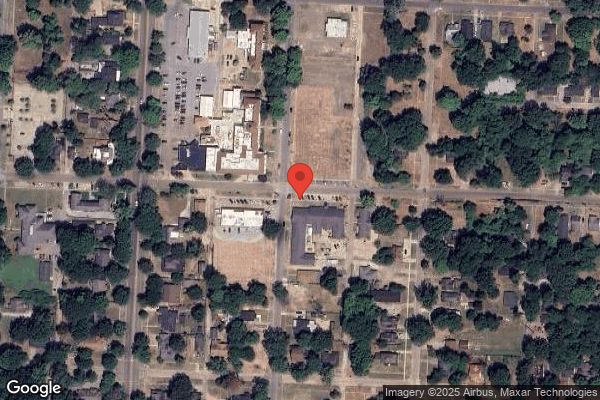
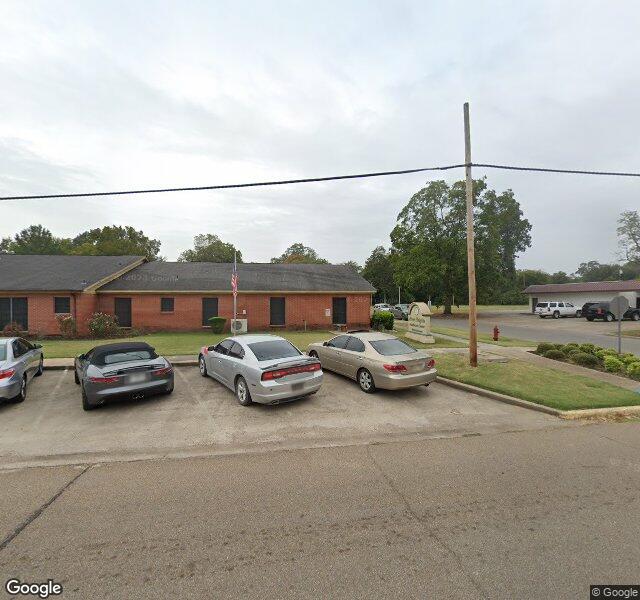
402 ARNOLD AVENUE, GREENVILLE, MS 38701 (662) 332-0318
For profit - Corporation 60 Beds Independent Data: November 2025
Trust Grade
13/100
#182 of 200 in MS
Last Inspection: June 2025

Inspected within the last 6 months. Data reflects current conditions.

Overview

River Heights Healthcare Center in Greenville, Mississippi, has received a Trust Grade of F, indicating significant concerns about the quality of care provided. With a state ranking of #182 out of 200, they are in the bottom half of Mississippi facilities, and they rank last among the five nursing homes in Washington County. The facility's situation is worsening, as the number of reported issues increased from 3 in 2024 to 12 in 2025. Staffing is relatively stable, with a good turnover rate of 0%, which is well below the state average, and they have better RN coverage than 82% of facilities in the state. However, the home has faced serious incidents, including a resident suffering a dislocated shoulder due to improper lifting and another resident being left with an uncovered catheter bag, compromising their dignity. While there are some strengths in staffing, the overall quality of care and the recent trend of increasing problems raise significant concerns for families considering this facility.

Trust Score
F
13/100
In Mississippi
#182/200
Bottom 9%
Safety Record
High Risk
Review needed
Inspections
Getting Worse
3 → 12 violations
Staff Stability
○ Average
Turnover data not reported for this facility.
Penalties
✓ Good
$8,800 in fines. Lower than most Mississippi facilities. Relatively clean record.
Skilled Nurses
✓ Good
Each resident gets 43 minutes of Registered Nurse (RN) attention daily — more than average for Mississippi. RNs are trained to catch health problems early.
Violations
⚠ Watch
21 deficiencies on record. Higher than average. Multiple issues found across inspections.
★☆☆☆☆
1.0
Overall Rating
★★★☆☆
3.0
Staff Levels
★☆☆☆☆
1.0
Care Quality
★★☆☆☆
2.0
Inspection Score
Stable
2024: 3 issues
2025: 12 issues

The Good

  • Full Sprinkler Coverage · Fire safety systems throughout facility
  • No fines on record

Facility shows strength in fire safety.

The Bad

1-Star Overall Rating

Below Mississippi average (2.6)

Significant quality concerns identified by CMS

Federal Fines: $8,800

Below median ($33,413)

Minor penalties assessed

The Ugly 21 deficiencies on record

2 actual harm
Jun 2025 12 deficiencies
CONCERN (D)

Potential for Harm - no one hurt, but risky conditions existed

Resident Rights (Tag F0550)

Could have caused harm · This affected 1 resident

Based on observation, staff interviews, record review, and facility policy review, the facility failed to provide dignity to a resident, as evidenced by leaving an indwelling urinary catheter bag and ...

Read full inspector narrative →
Based on observation, staff interviews, record review, and facility policy review, the facility failed to provide dignity to a resident, as evidenced by leaving an indwelling urinary catheter bag and tubing uncovered for one (1) of three (3) residents with a catheter reviewed. Resident #55 Findings include: A review of the facility policy, Dignity with a revision date of February 2021, revealed .12. Demeaning practices and standards of care that compromise dignity are prohibited. Staff are expected to promote dignity and assist residents; for example: . a. helping the resident to keep urinary catheter bags covered . An observation on 06/03/25 at 7:49 AM, and again at 9:08 AM, revealed Resident #55 lying in his bed in his room. A urinary catheter bag containing 200 milliliters of yellow urine was hanging on his bed and visible from the hall, with no privacy bag in place. During an interview on 6/04/25 at 10:05 AM with Certified Nurse Aide (CNA) #4 and CNA #6, CNA #4 revealed that all urinary catheters are supposed to be kept inside a privacy bag, so the resident's urine is not visible to anyone else; it's a dignity issue. CNA #6 (lead CNA) revealed that the catheter is always supposed to be kept inside the privacy bag and confirmed that the urinary catheter bag was uncovered the previous morning, stating, We are doing much better today, looking at that. In an interview on 6/4/2025 at 2:42 PM, the Director of Nurses (DON) revealed that it is our expectation that if a resident has a urinary catheter, it should be placed inside a privacy bag so that the urinary contents are not visible to anyone else. She revealed that if it were not inside a privacy bag, then it would be a dignity issue. Record review of Resident #55's admission Record revealed the facility admitted the resident on 4/15/2025 with medical diagnoses that included Multiple Sclerosis, and Neuromuscular dysfunction of the Bladder. Record review of Resident #55's Minimum Data Set (MDS) with an Assessment Reference Date (ARD) of 4/21/25 under Section C revealed a Brief Interview for Mental Status (BIMS) score of 12 which indicated that the resident had moderate cognitive impairment.
CONCERN (D)

Potential for Harm - no one hurt, but risky conditions existed

Deficiency F0552 (Tag F0552)

Could have caused harm · This affected 1 resident

Based on staff interviews, record review, and facility policy review, the facility failed to notify a resident representative of the risk and benefits for the initiation of a new psychotropic medicati...

Read full inspector narrative →
Based on staff interviews, record review, and facility policy review, the facility failed to notify a resident representative of the risk and benefits for the initiation of a new psychotropic medication for one (1) of two (2) residents reviewed for psychotropic medication use. Resident #31 Findings Include: Review of the facility policy titled Psychotropic Medication Use with a revision date of 2/2025 revealed under, Informed consent or refusal: 1. Prior to initiating the use of, increasing the dose of, or switching to a different psychotropic medication, the staff and physician will review the following with the resident/representative prior to obtaining documented consent or refusal: . b. the indications and rationale for the recommendation; c. the potential risk and benefits (including possible side effects, adverse consequences, and the black box warning); and d. the resident's/representative's right to accept or decline the treatment. Record review of Resident #31's Psych Progress Note dated 11/8/24 revealed, Facility request visit due to recent combative behavior. Staff report that a resident is displaying combative behaviors . Resident is often noted to be reaching for things or pulling at blankets and fidgety often. However, staff reported that the resident has now become combative with staff. Behaviors have been monitored for approximately 1 week and seem to be worsening. Additionally reveled under, Recommendations: Initiate Rexulti 0.5 mg (milligram) q (every) pm (evening) for a diagnosis of Alzheimer's disease. Record review of Resident #31's Progress Notes dated 11/08/24 revealed, Psych (psychiatric) NP (nurse practitioner) gave recommendation for Rexulti. The proper name of RR (resident representative) called to make her aware of the new order. Explained med (medication) is for Alzheimer's and also treats agitation. The proper name of RR said she believed the agitation was related to her not being able to visit lately. There was no documentation that the representative was informed of the risk and benefits of the antipsychotic medication Rexulti, nor that alternative treatments were discussed or that informed consent was obtained. During an interview on 6/4/25 at 2:24 PM, the Director of Nursing (DON) confirmed that staff contacted the resident representative of Resident #31 to inform her of the new medication. However, the representative was not informed of alternative treatment options, potential risks and benefits, or provided the opportunity to consent or refuse treatment. The DON acknowledged the representative should have received this information to make an informed decision. Record review of the admission Record revealed the facility admitted Resident #31 on 10/15/21 with diagnoses that included Dysphagia following Cerebral Infarction and Alzheimer's Disease. Record review of the Minimum Data Set (MDS) with an Assessment Reference Date (ARD) of 2/17/25 revealed under section C, a Brief Interview for Mental Status (BIMS) summary score was not conducted because Resident #31 was rarely/never understood.
CONCERN (D)

Potential for Harm - no one hurt, but risky conditions existed

Safe Environment (Tag F0584)

Could have caused harm · This affected 1 resident

**NOTE- TERMS IN BRACKETS HAVE BEEN EDITED TO PROTECT CONFIDENTIALITY** Based on observation, staff interviews, record review, and facility policy review, the facility failed to provide a safe, homeli...

Read full inspector narrative →
**NOTE- TERMS IN BRACKETS HAVE BEEN EDITED TO PROTECT CONFIDENTIALITY** Based on observation, staff interviews, record review, and facility policy review, the facility failed to provide a safe, homelike environment as evidenced by an unsanitary bathroom for one (1) of the thirty resident shared bathrooms observed. room [ROOM NUMBER], and room [ROOM NUMBER] Findings include: Review of the facility policy titled Safe environment, undated, revealed, The facility must provide- (1) A safe, clean, comfortable, and homelike environment (2) Housekeeping and maintenance services necessary to maintain a sanitary, orderly, and comfortable interior . Review of the facility policy titled Bathrooms, undated, revealed that Bathrooms shall be maintained in a clean and sanitary manner and shall be cleaned on a daily basis. Record review of Grand Rounds for room [ROOM NUMBER] dated 5/27/25, 5/28/25, 5/29/25, 6/2/25, and 6/3/25 revealed that, under Free from urine odors, and bathroom cleaned it was documented No (N). An observation on 6/3/25 at 2:40 PM revealed a strong urine odor in the shared bathroom of Rooms #133 and #135. A thick black substance was around the base of the toilet. An observation on 6/4/25 at 8:55 AM, and again at 1:25 PM, revealed a strong urine odor in the shared bathroom of Rooms #133 and #135. The thick black substance remained around the base of the toilet. During an observation and interview on 6/04/25 at 3:55 PM, Registered Nurse (RN) #1 revealed that the bathroom shared by room [ROOM NUMBER] and room [ROOM NUMBER] has been a work in progress for quite some time. He revealed that four men share that bathroom, and maintenance has changed out the toilet several times. He confirmed the room had a strong urine smell, and there was a black substance around the base. An observation and interview on 6/04/25 at 4:17 PM with the Maintenance Assistant revealed that he wasn't aware of the significant amount of black corrosion around the base of the toilet and stated, That's on us. I'll let my maintenance director know. He confirmed the bathroom had a strong urine smell. During an interview on 6/04/25 at 4:30 PM, the Housekeeping Director revealed he was aware of the strong urine smell in the resident's bathroom. He revealed that four males share it, and we are cleaning that room more frequently because the men are missing the toilet; it is just a constant battle. During an interview on 06/04/25 at 4:52 PM, the Maintenance Director revealed the department heads make rounds to each resident's rooms and bathrooms each morning and report anything that may be in disrepair or need cleaning during the stand-up meeting. He revealed that he was not aware of the black corrosion around the base of the toilet until his Maintenance Assistant took him into the bathroom a few minutes ago to show him. He confirmed that the toilet had black corrosion around its base, and the strong urine smell was because the tile needed to be replaced. During an interview and observation on 6/04/25 at 5:06 PM, the Administrator revealed that department heads conduct Grand Rounds each morning in each resident room, which includes their bathroom, and discuss any issues found during the stand-up meeting. She confirmed that there was a strong urine odor in the bathroom that rooms #133 and #135 shared. She acknowledged there was a black corrosion around the base of the toilet and stated, We will replace the tile, but until then, a little bleach and Pine-Sol would do a lot of good. During an interview on 6/04/25 at 5:13 PM, Medical Records revealed she is responsible for the morning Grand Round for the shared bathroom of rooms #133 and #135. She revealed that Every day, I go in there. Honestly, it has a strong odor of urine, and the bathroom is dirty. I always put it down on the sheet and notify housekeeping in the hallway, and I also address it during our morning stand-up meeting. She revealed this has been a constant issue.
CONCERN (D) 📢 Someone Reported This

A family member, employee, or ombudsman was alarmed enough to file a formal complaint

Potential for Harm - no one hurt, but risky conditions existed

Free from Abuse/Neglect (Tag F0600)

Could have caused harm · This affected 1 resident

Based on facility investigation review, record review and staff interview, the facility failed to protect the residents' right to be free from sexual abuse by other residents for one (1) of six (6) re...

Read full inspector narrative →
Based on facility investigation review, record review and staff interview, the facility failed to protect the residents' right to be free from sexual abuse by other residents for one (1) of six (6) residents reviewed for abuse. Resident #49. Findings included: Record review of the facility policy, titled Abuse Prevention Program, revealed Policy Statement: Our residents have the right to be free from abuse, neglect, misappropriation of resident property, corporal punishment and involuntary seclusion. Resident #49 Record review of the facility investigation titled Report of Investigation dated 2/24/25, regarding an allegation of sexual abuse involving Resident #52 and Resident #49 revealed that on 2/20/2025 at approximately 5:10 AM Certified Nurse Assistant (CNA) witnessed Resident #52 with his hand underneath Resident #49's blouse rubbing her breasts in the day room. The residents were separated, and Resident #52 was placed on one-on-one monitoring. Resident #49 was assessed and found to have no injuries. Record review of Fact Finding Witness Interview-Confidential, dated 2/20/25 revealed that during interview with Social Services Resident #52 denied rubbing Resident #49's breasts, stating that she was trying to stand up and her breast fell out and he was trying to cover it. Record review of Fact Finding Witness Interview-Confidential, dated 2/20/25 revealed that during interview with Social Services Resident #49 indicated that she was touched by Resident #52. In an attempted interview with Resident #49 on 6/3/25 at 8:18 AM she did not respond. In an attempted interview with Resident #52 on 6/3/25 at 8:21 AM, he stated get the hell out. Interview with the DON on 6/3/25 at 11:00 AM, she confirmed that the facility investigation confirmed that Resident #52 was witnessed by a staff member rubbing Resident 49's breast and agreed that this action constituted abuse. Telephone interview with CNA #3 on 6/3/24 at 4:54 PM she stated on 2/20/25 around 5:10 AM she was making rounds and went to the day room area and saw Resident #52 with his right hand through the sleeve of Resident 49's shirt rubbing her breasts. She stated that she separated the residents and notified the nurse. She stated that Resident #52 has a history of inappropriately touching staff but has not touched a resident before. Record review of the admission Record revealed the facility admitted Resident #49 on 12/26/23 with a diagnosis of Diffuse Traumatic Brain Injury and Cognitive Communication Deficit. Record review of the MDS with and ARD of 12/19/24 for Resident #49 revealed a BIMS score of 11, indicating the resident is moderately cognitively impaired. Record review of the admission Record revealed the facility admitted Resident #52 on 7/26/24 with diagnoses including Traumatic Hemorrhage of Cerebrum. Record review of the MDS with an ARD of 1/23/25 for Resident #52 revealed a BIMS score of 11, indicating the resident is moderately cognitively impaired.
CONCERN (D)

Potential for Harm - no one hurt, but risky conditions existed

MDS Data Transmission (Tag F0640)

Could have caused harm · This affected 1 resident

**NOTE- TERMS IN BRACKETS HAVE BEEN EDITED TO PROTECT CONFIDENTIALITY** Based on staff interviews, record reviews and facility policy review, the facility failed to timely submit the quarterly Minimum...

Read full inspector narrative →
**NOTE- TERMS IN BRACKETS HAVE BEEN EDITED TO PROTECT CONFIDENTIALITY** Based on staff interviews, record reviews and facility policy review, the facility failed to timely submit the quarterly Minimum Data Set (MDS) assessment for one (1) of 22 resident MDS assessments reviewed for timely submissions: Resident #17. Findings include: Record review of the facility policy titled MDS Completion and Submission Timeframes, with revision date July 2017, revealed the following policy statement: Our facility will conduct and submit resident assessments in accordance with current federal and state submission timeframes . Record review of Resident #17's Quarterly MDS assessment with Assessment Reference Date (ARD) of 10/21/2024 revealed, Section Z0500 .B. Date Registered Nurse (RN) Assessment Coordinator signed assessment as complete: 11/14/2024 . Record review of Resident #17's Quarterly MDS assessment with of ARD 4/18/2025 revealed, Section Z0500 .B. Date Registered Nurse (RN) Assessment Coordinator signed assessment as complete: 6/4/2025 . During an interview on 6/4/25 at 1:18 PM with the MDS Nurse, she confirmed quarterly MDS assessments for Resident #17 with ARD dates 10/21/2024 and 4/18/2025 were both submitted after the 14-day timeframe. She explained that in October 2024, she missed a significant amount of work due to a family illness, and in April 2025, she was out for surgery. She further stated that no one filled in for her during her absence, resulting in delays in submitting assessments. During an interview on 6/5/25 at 1:47 PM with the Director of Nursing (DON), she confirmed her expectation that MDS assessments to be submitted timely. Record review of the admission Record revealed Resident #17 was admitted to the facility on [DATE], with medical diagnoses that included Epilepsy and Vascular Dementia. Record review of the quarterly MDS with an ARD of 4/18/25 indicated, under Section C, a Brief Interview for Mental Statue (BIMS) score of 7, which indicated the resident had moderate cognitive impairment.
CONCERN (D)

Potential for Harm - no one hurt, but risky conditions existed

Comprehensive Care Plan (Tag F0656)

Could have caused harm · This affected 1 resident

**NOTE- TERMS IN BRACKETS HAVE BEEN EDITED TO PROTECT CONFIDENTIALITY** Resident #49 Record review of Resident #49's care plans revealed an alteration in ADL's related to general weakness , impaired m...

Read full inspector narrative →
**NOTE- TERMS IN BRACKETS HAVE BEEN EDITED TO PROTECT CONFIDENTIALITY** Resident #49 Record review of Resident #49's care plans revealed an alteration in ADL's related to general weakness , impaired mobility dated 12/26/23 with an intervention of Total Assist times one (1) staff with eating. On 6/3/25 at 7:30 AM an observation revealed Resident #49's breakfast tray was sitting on her bedside table. The resident was lying in bed with her head covered and continued observation revealed that no staff entered the room to assist the resident or set tray up until 8:00 AM. On 6/3/25 at 8:00 AM during interview with CNA #1 she verified that Resident #49 had to be assisted by staff during meals. Interview with Licensed Practical Nurse (LPN) #1 on 6/3/25 at 8:05 AM she confirmed that Resident #49 should have been assisted with breakfast when the tray was delivered. An interview with the Care Plan Nurse at 8:53 AM on 6/5/25 she verified that the care plan should have been followed but wasn't. Record review of the admission Record revealed the facility admitted Resident #49 on 12/20/23 with a diagnosis of Diffuse Traumatic Brain Injury Record review of the MDS with an ARD of 12/19/24 for Resident #49 revealed a BIMS score of 11, indicating the resident is moderately cognitively impaired. Resident #7 Record review of Resident #7's Activities of Daily Living (ADL) Care Plan revealed under, Focus: Alteration in ADL's and additionally revealed under, Interventions: May provide fingernail and toenail care as needed. On 6/03/25 at 10:28 AM, an observation and interview with Resident #7 revealed her toenails needed cutting. An observation revealed the residents toenails on both feet were excessively thick and long extending approximately 8 millimeters (mm) past the tips of the toes. An observation and interview with the Wound Care Nurse on 6/04/25 at 10:21 AM confirmed Resident #7's toenails needed care. An interview with the MDS Nurse on 6/05/24 at 8:50 AM revealed the purpose of the care plan was to have an individual resident centered care plan to meet the resident needs. She explained it was a road map for resident care. The MDS Nurse acknowledged the care pan was not followed for Resident #7's nail care. Record review of admission Record revealed the facility admitted Resident #7 on 5/08/20 with medical diagnoses that included [NAME] and Callosities, Unspecified Intellectual Disabilities and Paranoid Schizophrenia. Record review of the MDS with an ARD of 2/11/25 revealed under section C, a BIMS summary score of 15, which indicated Resident #7 was cognitively intact. Resident #44 Record review of Resident #44's Care Plan Report revealed under, Focus: Risk for psychosocial complications R/T (related to) diagnosis of PTSD (Post-Traumatic Stress Disorder. Also revealed under, Interventions: Assess for anxiety and triggers contributing to PTSD. During an interview with Resident #44 on 6/04/25 at 1:42 PM, he revealed he was a United States [NAME] in the military for 5 years and was a sniper during wartime. He stated that he does suffer from post-traumatic stress disorder and has nightmares on and off. The resident explained that when a helicopter passes over the facility, it bothers him (triggers). The resident additionally revealed he was run over by an automobile before coming to the facility and had numerous broken bones and head trauma that required surgery. Record review of Resident #44's Trauma Informed Care Assessment-Post Traumatic Stress Disorder (PTSD) dated 5/19/25 revealed under, PTSD Screen: Sometimes things happen that are unusually or especially frightening, horrible, or traumatic. For example: *a serious accident or fire* a physical or sexual assault or abuse* an earthquake or flood* a war* seeing someone killed or seriously injured* having a loved one die through homicide or suicide . 1. Have you ever experienced this kind of event? No was documented. An interview with Social Services #1 on 6/04/25 at 1:50 PM confirmed Resident #44's trauma assessment was completed inaccurately, and as a result, the facility failed to identify his symptoms (nightmares) and potential triggers. An interview with MDS Nurse on 6/05/25 at 8:50 AM confirmed Resident #44's trauma informed care assessment was inaccurate; therefore, the care plan was not followed to identify resident triggers contributing to his diagnosis of PTSD. Record review of the admission Record revealed the facility admitted Resident #44 on 11/30/23 with medical diagnoses that included Encounter for Surgical Aftercare Following Surgery on the Nervous System and Post-Traumatic Stress Disorder. Record review of the MDS with an ARD of 2/12/25 revealed, under section C, a BIMS summary score of 15, which indicated Resident #44 was cognitively intact. Based on observation, staff and resident interview, record review and facility policy review, the facility failed to implement care plans: 1) related to Activities of Daily Living (ADL) assistance (Resident #1, #7, and #17); 2)trauma informed care (Resident #44), 3)prevention of accidents/positioning (Resident #15); and 4) assistance with feeding (Resident #49). This was for six (6) of 22 resident's care plans reviewed. Findings Include Review of the facility policy titled, Care Plan, Comprehensive Person-Centered with a revision date of March 2022 revealed under the Policy Statement .A comprehensive, person-centered care plan that includes measurable objectives and timetables to meet the resident's physical, psychosocial and functional needs is developed and implemented for each resident. Resident #1 Record review of Resident #1's Activities of Daily Living (ADL) care plan, with no date, revealed, .oral hygiene assist daily and as needed . On 6/3/25 at 8:22 AM and again at 1:54 PM, observations and interviews with Resident #1 revealed he had visible thick, brownish-yellow discoloration and buildup on the upper and lower front teeth. Resident #1 revealed that it had been a while since anyone had brushed his teeth for him. He stated he would not refuse mouth care if someone offered it. He mentioned that sometimes staff performed mouth care, but not often. Review of Resident #1's ADL care plan on 6/4/25 at 12:37 PM with the Care Plan nurse revealed the ADL care plan was fully developed and included oral care on the Kardex for the aide's instruction. She confirmed that the care plan was not implemented by the staff. She further stated that the care plans were individualized for each resident and provided treatment and goals tailored to each resident. Record review of the admission Record that Resident #1 was admitted to the facility on [DATE], with medical diagnoses that included Hemiplegia and hemiparesis following cerebral infarction affecting left non-dominant side, other lack of coordination, need for assistance with personal care, contracture of muscle right hand, contracture of muscle left hand, and muscle weakness (generalized). Record review of the quarterly Minimum Data Set (MDS) with an Assessment Reference Date (ARD) of 4/29/25 revealed, under Section C, a Brief Interview for Mental Status (BIMS) score of 11, indicating that the resident had moderate cognitive impairment. Resident #15 Record review of Resident #15's care plan, Fall Risk related to history of falls, impaired mobility, date initiated 7/10/2018 revealed, .floor mat to floor at bedside to prevent injury from falls .apply wedge between thighs . On 6/03/25 at 10:18 AM and again at 2:00 PM, during observations revealed Resident #15 lying in bed without wedge cushion placed between thighs, and a fall mat was folded up and leaning against the wall. Review of Resident #15's Fall care plan with Care Plan Nurse on 6/04/25 at 12:45 PM confirmed the fall care plan was fully developed and included the placement of the fall mat at the bedside and the wedge between the resident's thighs. She acknowledged that the care plan had not been implemented by the staff. Additionally, she confirmed that the care plans were individualized for each resident and provided specific treatment and goals tailored to each resident's needs. Record review of the admission Record that Resident #15 was admitted to the facility on [DATE] with medical diagnoses that included Hemiplegia and hemiparesis following cerebral infarction affecting left non-dominant side and unspecified convulsions. Resident #17 Record review of Resident #17's ADL care plan, with no date, revealed, .staff to provide ADL care every (Q) day as appropriate . During an observation on 6/3/25 at 7:37 AM it was revealed Resident #17's bilateral fingernails were approximately three-fourths (3/4) of an inch long and jagged, extending past the tips of fingers; a brown substance was noted under each nail. Additionally, facial hair was approximately one-half (1/2) inch long and was observed on the cheeks, chin, and above the resident's lip. Review of Resident #17's ADL care plan with Care Plan Nurse on 6/4/25 at 12:41 PM confirmed that the ADL care plan was fully developed and included oral care on the Kardex for the aide's instruction. She acknowledged that the care plan had not been implemented by the staff. Furthermore, she confirmed that the care plans were individualized for each resident, providing specific treatment and goals tailored to each resident's needs. Record review of the admission Record revealed Resident #17 was admitted to the facility on [DATE], with medical diagnoses that included Epilepsy and Vascular Dementia. Record review of the quarterly MDS with an ARD of 4/18/25 indicated, under Section C, a BIMS score of 7, which indicated the resident had moderate cognitive impairment. Section GG revealed Resident #17 was dependent on staff with personal hygiene.
CONCERN (D)

Potential for Harm - no one hurt, but risky conditions existed

ADL Care (Tag F0677)

Could have caused harm · This affected 1 resident

**NOTE- TERMS IN BRACKETS HAVE BEEN EDITED TO PROTECT CONFIDENTIALITY** Resident #49 An observation on 6/3/25 at 7:30 AM revealed Resident #49's breakfast tray sitting on her bedside table, not opened...

Read full inspector narrative →
**NOTE- TERMS IN BRACKETS HAVE BEEN EDITED TO PROTECT CONFIDENTIALITY** Resident #49 An observation on 6/3/25 at 7:30 AM revealed Resident #49's breakfast tray sitting on her bedside table, not opened or set up. The resident was in bed with her head covered with a blanket. Continued observation revealed that staff finally came in to assist the resident with breakfast at 8:00 AM. An interview with CNA #1 on 6/3/25 at 8:00 AM verified that Resident #49 has to be assisted with meals. She revealed that staff know they are not supposed to leave trays in the rooms of residents that need assistance, if they cannot feed them at that time. She stated that if a resident needs to be fed you are supposed to sit down and feed the resident when you bring the tray into the room. She stated that the tray should have been left on the cart until she was available to assist the resident. She verified that the food could get cold and that residents may not want to eat it. An interview with CNA #2 on 6/3/25 at 8:03 AM confirmed that when a meal tray is placed in the room you are to assist the resident at that time and not leave the tray sitting in the room. An interview with LPN #1 on 6/3/25 at 8:05 AM confirmed that if a resident requires assistance with meals they are to be assisted when the tray is taken into the room and Resident #49 should have been assisted with breakfast when the tray was delivered. An interview with the Administrator on 6/4/25 at 11:00 AM stated that she expected the staff to assist residents with their meals when they bring their tray to their rooms. Record review of the admission Record revealed the facility admitted Resident #49 on 12/26/23 with a diagnoses including DiffuseTraumatic Brain Injury. Record review of the MDS with an ARD of 12/19/24 for Resident #49 revealed a BIMS score of 11, indicating the resident is moderately cognitively impaired. Based on observations, resident and staff interviews, record review, and facility policy review, the facility failed to provide Activities of Daily Living (ADL) care to maintain personal hygiene (Resident #1 and #17) and failure to provide timely assistance with meals (Resident #49) for three (3) of 57 residents in the facility. Findings include: Review of facility policy titled, Activities of Daily Living (ADL) Supporting with revision date March 2018, revealed, .Residents who are unable to carry out activities of daily living independently will receive the services necessary to maintain good nutrition, grooming and personal and oral hygiene . Resident #1 During observations and interviews on 6/3/25 at 8:22 AM and again at 1:54 PM, Resident #1 had a buildup of a thick brown/yellow substance on his teeth. This buildup was observed on both the upper and lower teeth. The resident stated he would like to have his teeth cleaned and it had been a while since anyone had offered. He verified he would not decline if they offered. During an observation and interview on 6/4/25 at 12:20 PM with Certified Nursing Assistant (CNA) #2, she confirmed the resident's teeth had buildup and should have been brushed. She revealed that not receiving daily oral care could lead to gum disease and/or cavities. During an observation and interview with the Director of Nursing (DON) on 6/4/25 at 12:26 PM, she confirmed that Resident #1 was in need of oral care and that the CNAs were responsible for providing that daily. She further revealed that lack of oral care could lead to dental caries. Record review of the admission Record revealed that Resident #1 was admitted to the facility on [DATE], with medical diagnoses that included Hemiplegia and hemiparesis following cerebral infarction affecting left non-dominant side, other lack of coordination, need for assistance with personal care, contracture of muscle right hand, contracture of muscle left hand, and muscle weakness (generalized). Record review of the quarterly Minimum Data Set (MDS) with an Assessment Reference Date (ARD) of 4/29/25 revealed, under Section C, a Brief Interview for Mental Status (BIMS) score of 11, indicating that the resident had moderate cognitive impairment. Resident #17 An observation on 6/3/25 at 7:37 AM revealed Resident #17's fingernails on both hands had a brown substance under each nail bed, was jagged and long extending approximately three-fourths (3/4) of an inch long past the tips of fingers; facial hair was visible on the resident's cheeks, chin and upper lip that was approximately one-half (1/2) inch long. During an observation and interview on 6/4/25 at 12:14 PM with CNA #2, she confirmed Resident #17 had 1/2 facial hair to his face and upper lip and that his fingernails were very long and dirty as well. She verbalized that he should be clean shaven, and his fingernails should also be trimmed. She confirmed that having long fingernails and long facial hair could be a source for bacteria to grow. Additionally, he could cause a skin tear with his long nails. During an observation and interview on 6/4/25 at 12:20 PM with Licensed Practical Nurse (LPN) #2, she confirmed that Resident #17, scratches and digs, with his fingernails, however they should be kept trimmed and clean. She also confirmed that his facial hair was several days old and should have been shaved off. She verbalized that he could scratch himself with his long nails and cause infection. During an interview with the DON on 6/4/25 at 12:26 PM, she confirmed that fingernails should be trimmed and cleaned as needed and that Resident #17 should have already been shaved. She confirmed he could cause a skin tear and/or infection with long, jagged nails. Record review of the admission Record revealed Resident #17 was admitted to the facility on [DATE], with medical diagnoses that included Epilepsy and Vascular Dementia. Record review of the quarterly MDS with an ARD of 4/18/25 indicated, under Section C, a BIMS score of 7, which indicated the resident had moderate cognitive impairment. Section GG revealed Resident #17 was dependent on staff for personal hygiene.
CONCERN (D)

Potential for Harm - no one hurt, but risky conditions existed

Deficiency F0687 (Tag F0687)

Could have caused harm · This affected 1 resident

**NOTE- TERMS IN BRACKETS HAVE BEEN EDITED TO PROTECT CONFIDENTIALITY** Based on observation, resident and staff interviews, record review, and facility policy review, the facility failed to provide t...

Read full inspector narrative →
**NOTE- TERMS IN BRACKETS HAVE BEEN EDITED TO PROTECT CONFIDENTIALITY** Based on observation, resident and staff interviews, record review, and facility policy review, the facility failed to provide the necessary foot care to maintain skin integrity and prevent complications for one (1) of three (3) residents reviewed that needed assistance with foot care. Resident #7 Findings Include: Review of the facility policy titled Foot Care with a revision date of 10/2022 revealed under, Policy Statement: Resident receive appropriate care and treatment in order to maintain mobility and foot health. Also revealed under, Policy Interpretation and Implementation: 1. Residents are provided with foot care and treatment in accordance with professional standards of practice. 2. Overall foot care includes the care and treatment of medical conditions to prevent foot complications from these conditions. On 6/03/25 at 10:28 AM, during an observation and interview with Resident #7 she stated, Are you here to trim my toenails? She revealed her toenails needed cutting and the podiatrist was here weeks ago, but she was told she was not on the list to be seen. The resident reported she was having left heel pain and explained she had told the nurse. An observation of the left heel revealed a circular area with excessively thick dry and peeling skin, with dark redness surrounding the area. There was a small open area inside the patch of dryness that measured approximately 0.8 centimeters (cm) x 0.5 centimeters (cm) and was V-shaped in appearance with no intact skin and dark purple outer edges. The resident stated she had been applying lotion to it every day, but the staff were not doing a treatment. She stated the area was painful to touch. Several calluses were observed on both feet and her toenails on both feet were excessively thick and long extending approximately eight (8) millimeters (mm) past the tips of the toes. Record review of Resident #7's Progress Notes revealed there was no documentation regarding a skin concern. Record review of Resident #7's June 2025 Treatment Administration Record (TAR) there were no orders to provide care to the left heel. Record review of Resident #7's Skin Check dated 6/03/25, 5/27/25, 5/20/25, and 5/13/25 revealed No skin issues was documented. An interview with the Wound Care Nurse on 6/04/25 at 10:21 AM revealed she worked weekends and helped some during the week with wound care. She explained Resident #7 did not have skin concerns other than some dry skin at times. The Wound Nurse stated, She's complaining all the time that her feet felt like they were bursting. Following an observation of Resident #7's left heel with the Wound Nurse, she stated she was unaware of the wound. She described the area as dry, thick cracking skin with redness around the edges. The resident confirmed the area was tender to touch. The Wound Nurse provided measurements of the entire circumference of the wound that measured 9.5 centimeters (cm) x 3.5 centimeters (cm). She confirmed the resident had excessively long thick toenails that needed to be cut. She revealed this could cause skin concerns or injury to the resident. The Wound Nurse acknowledged the residents' foot concerns should have been discovered during routine weekly skin checks and stated early identification could prevent foot complications. An observation and interview with the Assistant Director of Nursing (ADON) on 6/04/25 at 10:46 AM revealed the medication nurses were responsible for doing the weekly body audits. She revealed she was not aware of any skin concerns the resident had. After assessing Resident 7's left heel, she confirmed this should have been detected during the body audit done yesterday and a treatment initiated. An interview with Licensed Practical Nurse (LPN) #2 on 6/04/25 at 2:10 PM revealed she conducted the skin audit on Resident #7 yesterday. She confirmed she did not document accurately to reflect the resident skin condition. LPN #2 stated she had been applying lotion to the area, but she did not have any documentation to prove she had been doing it. She explained the podiatrist was here last month and she thought he saw her and stated, Maybe he didn't document it. Record review of Resident #7's Foot Care Progress Note dated 2/24/25 revealed the resident was seen for toenail care with recommendations of Daily moisturizer twice daily and 60 day follow up for corns and callus. An interview with the Director of Nursing (DON) on 6/05/25 at 8:15 AM confirmed Resident #7 had excessively long thick toenails. She revealed the resident was at risk for infection and ingrown toenails or injury. She confirmed the resident was last seen by the podiatrist in February 2025. Record review of admission Record revealed the facility admitted Resident #7 on 5/08/20 with medical diagnoses that included [NAME] and Callosities, Unspecified Intellectual Disabilities and Paranoid Schizophrenia. Record review of the Minimum Data Set (MDS) with an Assessment Reference Date (ARD) of 2/11/25 revealed under section C, a Brief Interview for Mental Status (BIMS) summary score of 15, which indicated Resident #7 was cognitively intact.
CONCERN (D)

Potential for Harm - no one hurt, but risky conditions existed

Accident Prevention (Tag F0689)

Could have caused harm · This affected 1 resident

**NOTE- TERMS IN BRACKETS HAVE BEEN EDITED TO PROTECT CONFIDENTIALITY** Based on observations, staff interviews, record review, and facility policy review, the facility failed to provides an environme...

Read full inspector narrative →
**NOTE- TERMS IN BRACKETS HAVE BEEN EDITED TO PROTECT CONFIDENTIALITY** Based on observations, staff interviews, record review, and facility policy review, the facility failed to provides an environment that is free from accident hazards as evidenced by failure to implement interventions to reduce fall hazards for one (1) of 40 residents sampled, Resident #15. Findings include: Review of the facility policy titled, Safety and Supervision of Residents with a revision date of July 2017 revealed under, Policy Statement .Our facility strives to make the environment as free from accident hazards as possible. Resident safety and supervision and assistance to prevent accidents are facility wide priorities .Resident Risk and Environment Hazards .c. Falls. During observations on 6/03/25 at 10:18 AM and again at 2:00 PM, revealed Resident #15 lying in bed with a fall mat folded up and leaning against the wall and without a wedge placed between his thighs. During an observation and interview on 6/4/25 at 11:03 AM, with Certified Nursing Assistant (CNA) #1, she confirmed that the fall mat was folded up and propped against the wall. She revealed that the fall mat was supposed to be laid out on the floor in case he fell. She further confirmed that should he fall out of bed without the fall mat in place, he could potentially break a bone or get seriously hurt. She confirmed he did not have a wedge between his thighs, nor did he even have a wedge in his room. During an observation and interview on 6/4/25 at 11:06 AM, with Licensed Practical Nurse (LPN) #1, she confirmed the fall mat was propped against the wall but should be on the floor beside his bed. She verbalized that the mat was there to help prevent injury should the resident fall out of bed. Additionally, she stated that he could break a bone if he fell out of bed without the mat in place. She confirmed that Resident #15 did not have a wedge between his thighs. She also could not find one in his room as well. During an interview on 6/4/25 at 11:10 AM, with the Director of Nursing (DON), she confirmed the fall mat should have been in place on the floor beside his bed and he should have the wedge cushion in place. She confirmed that the mat was put in place to help prevent a serious injury should he fall out of bed. Record review of the admission Record that Resident #15 was admitted to the facility on [DATE] with medical diagnoses that included Hemiplegia and hemiparesis following cerebral infarction affecting left non-dominant side and unspecified convulsions. Record review of the quarterly Minimum Data Set (MDS) with an Assessment Reference Date (ARD) of 4/17/25, under Section C for Resident #15, revealed, .resident is rarely/never understood .
CONCERN (D)

Potential for Harm - no one hurt, but risky conditions existed

Deficiency F0699 (Tag F0699)

Could have caused harm · This affected 1 resident

**NOTE- TERMS IN BRACKETS HAVE BEEN EDITED TO PROTECT CONFIDENTIALITY** Based on resident and staff interviews, record review, and facility policy review, the facility failed to ensure an accurate tra...

Read full inspector narrative →
**NOTE- TERMS IN BRACKETS HAVE BEEN EDITED TO PROTECT CONFIDENTIALITY** Based on resident and staff interviews, record review, and facility policy review, the facility failed to ensure an accurate trauma-informed care assessment was completed for one (1) of two (2) residents reviewed for Post-Traumatic Stress Disorder (PTSD). Resident #44 Findings Include: Review of the facility policy titled Trauma Informed Care and Culturally Competent Care with a revision date of 8/2022 revealed under, Purpose: To guide staff in providing care that is culturally competent and trauma-informed in accordance with professional standards of practice. To address the needs of trauma survivors by minimizing triggers and/or re-traumatization. Also revealed under, Resident Assessment: 1. Assessment involves an in-depth process of evaluating the presence of symptoms, their relationship to trauma, as well as the identification of triggers . An interview with Resident #44 on 6/04/25 at 1:42 PM revealed he was a United States [NAME] in the military for five (5) years and was a sniper during wartime. He stated that he does suffer from PTSD and has nightmares on and off. He explained that when a helicopter passes over the facility, it bothers him (triggers). The resident additionally revealed he was run over by an automobile before coming to the facility and had numerous broken bones and head trauma that required surgery. Record review of Resident #44's Trauma Informed Care Assessment-Post Traumatic Stress Disorder (PTSD) dated 5/19/25 revealed under, PTSD Screen: Sometimes things happen that are unusually or especially frightening, horrible, or traumatic. For example: *a serious accident or fire* a physical or sexual assault or abuse* an earthquake or flood* a war* seeing someone killed or seriously injured* having a loved one die through homicide or suicide . 1. Have you ever experienced this kind of event? No was documented. An interview with Social Services #1 on 6/04/25 at 1:50 PM revealed that all she knew regarding Resident #44's background she obtained from a family member, who mentioned that he was homeless and was hit by a car. SS #1 stated she was not aware that he was a [NAME] and in a war. She confirmed being in a war and being hit by an automobile were both traumatic events. She stated, He has never had an episode to make us think he had post-traumatic stress disorder. She acknowledged the trauma assessment was completed inaccurately, and as a result, the facility failed to identify his symptoms (nightmares) and potential triggers. An interview with Licensed Practical Nurse (LPN) #2 on 6/04/25 at 1:56 PM revealed she was assigned to Resident #44 but was unaware he had PTSD. She stated he had not reported any triggers to her. An interview with the Director of Nursing (DON) on 6/04/25 at 2:01 PM confirmed her expectations were for Resident #44 to have an accurate trauma-informed assessment completed so that staff could identify the resident triggers to prevent any potential re-trauma. Record review of the admission Record revealed the facility admitted Resident #44 on 11/30/23 with medical diagnoses that included Encounter for Surgical Aftercare Following Surgery on the Nervous System and Post-Traumatic Stress Disorder. Record review of the Minimum Data Set (MDS) with an Assessment Reference Date (ARD) of 2/12/25 revealed, under section C, a Brief Interview for Mental Status (BIMS) summary score of 15, which indicated Resident #44 was cognitively intact.
CONCERN (D)

Potential for Harm - no one hurt, but risky conditions existed

Deficiency F0838 (Tag F0838)

Could have caused harm · This affected 1 resident

Based on interview, record review and facility policy review, the facility failed to ensure the Facility Assessment was updated to include a comprehensive evaluation of the resident population and the...

Read full inspector narrative →
Based on interview, record review and facility policy review, the facility failed to ensure the Facility Assessment was updated to include a comprehensive evaluation of the resident population and the necessary resources, including staffing levels and competencies, required to meet resident needs under both routine and emergency conditions for three (3) of three (3) survey days. Findings include: Review of the facility policy titled Facility Assessment with a revision date of December 2024 revealed Policy Statement: A facility assessment is conducted annually to determine and update the capacity to meet the needs of and competently care for residents during day-to-day operations (including nights and weekends) and emergencies. Facility Assessment .4. The facility assessment is used to inform staffing decisions.A. The facility assessment is used to ensure there is enough staff with appropriate competencies and skill sets to meet the needs of the residents identified through the review of resident assessments and plans of care.(2) Staffing needs are considered for each shift, including day, evening, and night shifts, and adjusted as necessary based on changes in the resident population. A review of the Facility Assessment document revealed that under Section II (Staffing, Training, Services & Personnel) and Section III (Physical Environment, Technology, & Equipment), the Sufficiency Analysis Categories were marked only as Evaluated. The assessment lacked documentation of specific staffing levels required for each shift (day, evening, and night) and did not address the specific skills and competencies necessary for staff to provide care for the facility's current resident population. During an interview on June 5, 2025, at 12:05 PM, the Administrator revealed that she completes the facility Assessment using the (proper name)Program. She revealed that she has always answered those questions and marked either 'evaluated' or 'sufficient' for staff. She confirmed that she has always only documented in the facility assessment that the staffing was sufficient, but did not actually calculate or address the staffing and skills needed for specific shifts, including night shifts, weekends, and emergencies.
CONCERN (D)

Potential for Harm - no one hurt, but risky conditions existed

Infection Control (Tag F0880)

Could have caused harm · This affected 1 resident

Based on observations, staff interviews, record reviews, and facility policy review, the facility failed to help prevent the possible transmission of infections when staff failed during medication adm...

Read full inspector narrative →
Based on observations, staff interviews, record reviews, and facility policy review, the facility failed to help prevent the possible transmission of infections when staff failed during medication administration to ensure a multi-use glucometer was properly cleaned and disinfected and failed to use Enhanced Barrier Precautions (EBP) during catheter care (Resident #55) for two (2) of three (3) infection control practices observed. Findings include: Review of the policy titled, Enhanced Barrier Precautions Checklist with no revision date revealed Staff shall apply Enhanced Barrier Precautions to the care of all residents in high contact care activities .5. Barriers include gloves, gowns . An observation of catheter care for Resident #55 on 6/4/25 at 10:05 AM revealed Enhanced Barrier Precautions (EBP) signage on the outside of the room door. Certified Nurse Aide (CNA) #4 entered the room, performed hand hygiene, applied clean gloves, and did not apply a gown for enhanced barrier precautions. The Lead CNA assisted CNA #4 with catheter care and washed her hands, applying gloves, but did not put on a gown. The Lead CNA was observed leaning into the residents' bed with her clothes touching the bed. During an interview on 6/4/2025, at 10:20 AM, CNA #4 confirmed that she failed to wear a gown while providing catheter care for Resident #55. The Lead CNA revealed the resident is on EBP because he has a urinary catheter, and we should have both worn a gown to protect ourselves and also the resident from any possible spread of infection. An interview on 6/04/25 at 1:20 PM, the Infection Preventionist confirmed that enhanced barrier precautions are supposed to be used when providing catheter care. She revealed that the staff is to wear their gowns and gloves to protect themselves and the residents from any possible transmission of infection. An interview on 6/04/25 at 2:49 PM, the Director of Nurses (DON) confirmed that Resident #55 was under enhanced barrier precautions due to having a urinary catheter. She revealed it is our expectation that the staff members providing catheter care should always wear a gown and gloves to help prevent the spread of infections. Record review of Resident #55's admission Record revealed the facility admitted the resident on 4/15/2025 with medical diagnoses that included Multiple Sclerosis, and Neuromuscular dysfunction of the bladder. Record review of Resident #55's Minimum Data Set (MDS) with an Assessment Reference Date (ARD) of 4/21/25 under Section C revealed a Brief Interview for Mental Status (BIMS) score of 12 which indicated that the resident had moderate cognitive impairment. Multi-Use Glucometer Review of facility policy titled, Obtaining a Fingerstick Glucose Level with no date, revealed, .clean and disinfect reusable equipment between uses according to the manufacturer's instructions . Review of manufacturer's User Instruction Manual with no date, revealed, .PDI Super Sani-Cloth Germicidal Disposable Wipe .Contact time: two (2) minutes . During an observation and interview in between glucose checks on 6/4/25 at 11:17 AM with Licensed Practical Nurse (LPN) #1 revealed she cleaned the glucometer with a Sani-wipe by wiping down the meter with the wipe for a few seconds, then proceeded to set her clock for two (2) minutes. She placed the glucometer on a clean surface and allowed it to dry for two (2) minutes before use. She verbalized they were taught to wipe it down and let it sit and dry for 2 minutes. She further stated, We used to do it that way (have contact with the germicidal wipe for two (2) minutes), but then they said we were doing it wrong. She confirmed that not following the manufacturer's guidelines could result in the spread of infection. During an interview on 6/4/25 at 11:28 AM, with the Director of Nursing (DON), she confirmed they (nursing staff) were taught to wipe the glucometer and then let it dry for two (2) minutes. She stated, We misunderstood the directions. Additionally, she verbalized that reusable equipment should be cleaned according to manufacturer's guidelines to prevent the spread of infection.
Jul 2024 1 deficiency
CONCERN (D) 📢 Someone Reported This

A family member, employee, or ombudsman was alarmed enough to file a formal complaint

Potential for Harm - no one hurt, but risky conditions existed

Free from Abuse/Neglect (Tag F0600)

Could have caused harm · This affected 1 resident

**NOTE- TERMS IN BRACKETS HAVE BEEN EDITED TO PROTECT CONFIDENTIALITY** Based on staff and resident interview, record review and facility policy review the facility failed to prevent resident to resid...

Read full inspector narrative →
**NOTE- TERMS IN BRACKETS HAVE BEEN EDITED TO PROTECT CONFIDENTIALITY** Based on staff and resident interview, record review and facility policy review the facility failed to prevent resident to resident sexual abuse for two (2) of five (5) residents reviewed for sexual abuse. Resident # 1 and Resident #3. Findings include: Record review of the facility policy, titled Abuse Prevention Program dated November 2010, revealed Policy Statement: Our residents have the right to be free from abuse .1. Our facility is committed to protecting our residents from abuse by anyone including .other residents . Record review of the facility investigation titled Checklist for Follow-Up to Incidents Requiring Investigation dated 7/10/24 regarding an allegation of sexual abuse involving Resident #1 and Resident #2 revealed that on 7/6/24 at 7:16 PM, Resident #4 reported that he saw Resident #1 touching Resident #2's breast under her shirt. He stated that he told him to stop and went out to smoke. Resident #4 stated upon his return Resident #1 was touching Resident #2 on her breast again, so he went to the nurses' station and reported it to the nurse. The investigation revealed upon interview Resident #1 admitted that he was touching Resident #2 because he felt like he could. Interview with Resident #4 on 7/15/24 at 2:30 PM, revealed on 7/6/24 around 7:00 PM, he was in the dining room and saw Resident #1 touching Resident #2's breast under her shirt. He stated he told Resident #1 to stop and then went out to smoke. Resident #4 stated when he came back in Resident #1 was touching Resident #2's breast again and he went and told the nurse. Record review of the facility investigation titled Checklist for Follow-Up to Incidents Requiring Investigation dated 7/12/24, regarding an allegation of sexual abuse involving Resident #1 and Resident #3 revealed on 6/24/24 at 3:45 PM, while outside on the smoking patio, the Maintenance staff witnessed Resident #1 feeling on Resident #3. The Maintenance staff and Resident #3 both told Resident #1 to stop. The Maintenance staff took Resident #3 inside to the nurses' station and Resident #1 came by and touched her again. The Maintenance man then reported the incident to Social Services. Upon facility interview on 7/11/24, Resident #3 stated on 6/24/24 Resident #1 touched her breast, and she did not want him to touch her. Upon facility interview on 7/11/24, Resident #1 denied knowledge of the incident and stated that he did not know Resident #3. Record review of Statement of Witness-Confidential revealed Social Services provided a witness statement to the Administrator dated 7/11/24, which indicated on 6/24/24 Maintenance staff notified her that Resident #1 touched #3 while outside on the patio and again at the nurses' station. Interview with the Maintenance staff on 7/15/24 at 2:00 PM, revealed on 6/24/24 at 3:45 PM, he had taken residents out to the smoking patio to smoke, and he saw Resident #1 touch Resident #3's breast. He stated that he could not leave the residents unsupervised so as soon as the resident cigarette break was over, he took Resident #3 inside to the nurses' station and Resident #1 touched her again. The Maintenance staff stated Social Services was there, so he reported the incident to her. Record review of a handwritten statement signed by Resident #1 dated 7/8/24 revealed I (Proper name of Resident #1) was in the dining room and yes I touch (Proper name of Resident #2) because I felt like I could touch her. Interview with Resident #1 on 7/15/24 at 3:40 PM, he stated that he knew Resident #2 and Resident #3. He confirmed he had touched both residents on the breasts without their permission. Resident #1 stated he touched them because he wanted to. During a telephone interview with Social Services on 7/15/24 at 5:30 PM, revealed on 6/24/24 around 4:00 PM Maintenance staff notified her Resident #1 was feeling up Resident #2 in the smoking area. She confirmed there was no documentation she had notified the Administrator or Director of Nursing. Interview with the Administrator on 7/16/24 at 8:00 AM, confirmed she was not notified of the incident that occurred on 6/24/24 between Resident #1 and Resident #3 at the time it occurred. She stated she did not receive any information regarding the incident until 7/11/24 when she received a witness statement from Social Services regarding the incident. Record review of the Face Sheet for Resident #1 revealed he was admitted on [DATE] to the facility with diagnoses that included Essential Hypertension. Record review of the admission Minimum Data Set Assessment (MDS) with an Assessment Reference Date (ARD) of 6/20/24 for Resident #1 revealed a Brief Interview for Mental Status (BIMS) score of 15, indicating the resident is cognitively intact. Record review of the Face Sheet for Resident #2 revealed she was admitted on [DATE] to the facility with diagnoses that included Dementia. Record review of the annual MDS with an ARD of 6/24/24 for Resident #2 revealed a BIMS score of 3, indicating the resident is severely cognitively impaired. Record review of the Face Sheet for Resident #3 revealed she was admitted on [DATE] to the facility with diagnoses that included Schizophrenia. Record review of the Optional State Assessment (OSA) MDS with and ARD of 7/1/24 for Resident #3 revealed a BIMS score of 15, indicating the resident is cognitively intact. Record review of the Face Sheet for Resident #4 revealed he was admitted on [DATE] to the facility with diagnoses that included Chronic Obstructive Pulmonary Disease. Record review of the annual MDS with and ARD of 5/21/24 for Resident #4 revealed a BIMS score of 15, indicating the resident is cognitively intact.
Apr 2024 2 deficiencies 2 Harm
SERIOUS (G) 📢 Someone Reported This

A family member, employee, or ombudsman was alarmed enough to file a formal complaint

Actual Harm - a resident was hurt due to facility failures

Comprehensive Care Plan (Tag F0656)

A resident was harmed · This affected 1 resident

**NOTE- TERMS IN BRACKETS HAVE BEEN EDITED TO PROTECT CONFIDENTIALITY** Based on resident and staff interview, record review and facility policy review the facility failed follow the person centered c...

Read full inspector narrative →
**NOTE- TERMS IN BRACKETS HAVE BEEN EDITED TO PROTECT CONFIDENTIALITY** Based on resident and staff interview, record review and facility policy review the facility failed follow the person centered care plan to use a full body lift as indicated, causing a dislocated shoulder for Resident #1. This was for one (1) of four (4) resident care plans reviewed. Findings Include Record review of the facility policy titled, Care Plans, Comprehensive, Person Centered with no revision dated revealed Policy Statement: A comprehensive, person-centered care plan that includes measurable objectives and timetables to meet the resident's physical, psychosocial, and functional needs is developed and implemented for each resident . Record review of Resident #1's Care Plan revealed a care plan dated 3/8/23 Alteration in ADLS (Activities of Daily Living) r/t (related to) generalized weakness, difficulty walking, impaired mobility secondary to Hx (history) CVA (Cerebral vascular accident) with left sided Hemiplegia, extensive assist x (times) 2 staff with bed mobility and transfer .Interventions .Transfer using full body mechanical lift with 2 persons assist . During an interview on 4/17/24 at 9:10 AM, revealed Resident #1 stated she hurt her shoulder a few weeks ago, but they were using a different kind of lift then. She revealed that she was holding herself up for too long on that lift and that's what hurt her shoulder. During an interview on 4/17/24 at 9:35 AM revealed CNA #1 and CNA #2 both reported Resident #1 used to be a sit to stand lift but that the resident got to where she could not bear weight, so they changed her to a total lift. During an interview on 4/17/24 at 10:50 AM, with CNA #4 confirmed she did not have access to the resident's care plans. She stated that the care plans should let them know what care the resident needed. During an interview on 4/17/24 at 11:00 AM, with the Director of Nursing (DON) and Assistant Director of Nursing (ADON) revealed that it was discovered during the investigation of Resident #1's right shoulder dislocation that CNA #5 used a sit to stand lift on the resident by herself. The ADON revealed that they changed Resident #1 from a sit to stand lift to a total lift after this incident because the resident drops her weight by bending her knees and couldn't always hold herself up. During an interview and record review on 4/17/24 at 11:40 AM, the DON confirmed Resident #1 had a Physician's order for a Total Lift to be used since 3/9/2023 and a care plan for the use of a Total Lift with a start date of 3/8/23. She stated that care plans are used to direct the care needed for the residents. During an interview on 4/17/24 at 11:42 AM, with Licensed Practical Nurse (LPN) #1 stated that care plans are important to help guide the care that the resident is supposed to receive. During an interview on 4/17/24 at 11:45 AM, with the Director of Clinical Services confirmed that the care plan is put into place to guide the staff on what type of care the resident needs. During an interview on 4/17/24 at 12:00 PM, the Administrator stated staff must not be looking at the resident's care plans like they are supposed too. Record review of Resident #1's Face Sheet revealed the resident was admitted to the facility on [DATE] with medical diagnoses that included Hemiplegia following Cerebral Infarction affecting left nondominant side. Record review of the facility's Report of Investigation for Resident #1's incident revealed that on 3/21/24 the resident was left in a sit to stand lift too long without assistance, which resulted in an injury of a dislocated right shoulder. The report indicated Certified Nursing Assistant (CNA) #5 provided care to resident by herself. Record review of Resident #1's Radiology Interpretation: x-ray report dated 3/25/24 revealed .Significant Findings: Right Shoulder X-Ray .Findings:There is anterior shoulder dislocation .
SERIOUS (G) 📢 Someone Reported This

A family member, employee, or ombudsman was alarmed enough to file a formal complaint

Actual Harm - a resident was hurt due to facility failures

Accident Prevention (Tag F0689)

A resident was harmed · This affected 1 resident

**NOTE- TERMS IN BRACKETS HAVE BEEN EDITED TO PROTECT CONFIDENTIALITY** Based on observation, resident and staff interview, record review and facility policy review the facility failed to prevent an a...

Read full inspector narrative →
**NOTE- TERMS IN BRACKETS HAVE BEEN EDITED TO PROTECT CONFIDENTIALITY** Based on observation, resident and staff interview, record review and facility policy review the facility failed to prevent an accident that resulted in an injury, as evidenced by a staff member using a lift the physician had not ordered for one (1) of four (4) residents reviewed that required a lift. Resident #1 Findings Include Review of the facility policy titled, Modified Lifting Policy with no revision dated revealed .Policy Interpretation and Implementation .3. Staff will follow the documented lifting protocol deemed appropriate for each resident. This information is documented in the resident's chart and on the Resident Care Sheet. This information should be referred to prior to lifting/transferring or assisting each resident . An interview and observation on 4/17/24 at 9:10 AM, revealed Resident #1 lying in bed with a total lift sling underneath her. She revealed they now use a lift that lifts her up out of the bed and sits her in her wheelchair. She stated she hurt her shoulder a few weeks ago, but they were using a different kind of lift then. She stated that she was holding herself up for too long on that lift and that's what hurt her shoulder. She admits she feels better now and likes this lift better. Record review of the facility's Report of Investigation for Resident #1's incident revealed that on 3/21/24 the resident was left in a sit to stand lift too long without assistance, which resulted in an injury of a dislocated right shoulder. The report indicated Certified Nursing Assistant (CNA) #5, an agency CNA, provided care to resident by herself. Record review of Resident #1's Radiology Interpretation: x-ray report dated 3/25/24 revealed .Significant Findings: Right Shoulder X-Ray .Findings: There is anterior shoulder dislocation . Record review of the witness statement dated 3/26/24 from CNA #5 revealed she had put Resident #1 in the bed on Wednesday or Thursday around 6:30 PM and the resident stated that the lift was hurting and then complained the next day with her shoulder hurting so she told the nurse. Record review of Resident #1's Departmental Notes dated 3/26/24 at 3:58 AM, revealed the resident returned to the facility from the ER (emergency room) and report from the ER nurse revealed that the resident had a dislocated shoulder, was given local anesthesia and shoulder put back in place. Record review of Resident #1's Physicians Orders revealed an order dated 3/9/23 Transfer using full body mechanical lift with 2 persons assist. An interview and observation on 4/17/24 at 9:35 AM, revealed CNA #1 and CNA #2 used a total lift to get Resident #1 out of bed and into her wheelchair. Both CNAs revealed that the resident used to be a sit to stand lift but that the resident got to where she could not bear weight, so they changed her to a total lift. CNA #1 stated that the lift change was not long ago. CNA #2 stated that when residents are admitted that therapy decides what type of lift the resident needs and then the nurses tell the CNA's. Both CNAs stated that they were not aware of any care guide that they can look at that tells them what kind of lift to use for the resident. CNA #2 stated that they just know if the residents are weight bearing or not and that helps us to know what kind of lift they need. CNA #1 stated they also have colored dots on their room number that indicate what kind of lift they need. This observation revealed that Resident #1 did not have a colored dot by her room number. An interview on 4/17/24 at 10:15 AM, with Registered Nurse (RN) #1 stated that the residents should have a care plan for lift transfers and that it should confirm rather they are a total or a stand-up lift. She confirmed that the dots that are on the resident's door indicates whether they are independent (green), sit to stand (yellow) or full body lift (red). RN #1 revealed that it lets the nurse aides know which lift to use and that they should use two people with both lift transfers. An interview on 4/17/24 at 10:30 AM, with CNA #3 stated that Resident #1 was not always able to hold her weight up on the Sit to Stand lift so they recently changed her to a Total Lift. An interview on 4/17/24 at 10:50 AM, with CNA #4 confirmed that the colored dots on the resident's room doors let the CNA's know what type of lift to use on the resident. She confirmed that Resident #1 did not have a colored dot on her door. She stated if she did not have a dot then she would just have to ask the nurse what kind of lift to use. She confirmed she was not aware of any care guide that indicated what type of lift the residents use. An interview on 4/27/24 at 11:00 AM, with the Director of Nursing (DON) and Assistant Director of Nursing (ADON) revealed that it was discovered during the investigation of Resident #1's right shoulder dislocation that CNA #5 used a sit to stand lift on the resident by herself. The DON stated that an X-ray revealed the resident's right shoulder was dislocated. The ADON revealed that they immediately started an investigation that began with interviewing Resident #1. She stated that the resident told her that she had to hold herself up too long on that lift and that was when her shoulder started hurting. The DON stated that CNA #5 admitted that she used the Sit to Stand lift without any other staff help. The ADON revealed that they changed Resident #1 from a sit to stand lift to a total lift after this incident because the resident drops her weight by bending her knees and couldn't always hold herself up. They both revealed that the CNA's have a care guide at the nurse's station that tells them what kind of lift to use, but the residents also have colored dots on their room numbers that indicate what kind also. An interview on 4/17/24 at 11:20 AM, with the Administrator stated that he knew that CNA #5 had used a Sit to Stand lift without any help and she was not supposed to do that, so she is on my no hire list. An interview and record review on 4/17/24 at 11: 40 AM with the DON confirmed that Resident #1 had an order for a Total Lift to be used since 3/9/2023. The DON stated, so she (CNA) #5 did not even use the correct lift. She stated that she thought the resident had an order for a Sit to Stand but confirmed that she did not. She stated that the use of the wrong lift was against their policy and not following physicians' orders, which could have led to the residents dislocated shoulder. She stated that they put the colored dots in place to indicate the type of lift a little while back but admits that the staff need to be educated on the use of their care guide. An interview and record review on 4/17/24 at 11:50 AM, with CNA #1 revealed she had never seen the care guide form before that indicated a number system that told what type of lift the resident supposed to use. She stated she did not know that Resident #1 was supposed to have been using a total lift because they had always used a sit to stand with her until this incident happened. An interview on 4/17/24 at 12:00 PM, with the Administrator revealed he was not aware that CNA #5 had used the wrong lift and stated that staff must not be looking at the resident's care guides like they are supposed too. Record review of Resident #1's Daily Care Guide revealed the resident needed Total Dependence for transfer. Record review of Resident #1's Face Sheet revealed the resident was admitted to the facility on [DATE] with medical diagnoses that included Hemiplegia following Cerebral Infarction affecting left nondominant side.
Nov 2023 2 deficiencies
CONCERN (D)

Potential for Harm - no one hurt, but risky conditions existed

Assessment Accuracy (Tag F0641)

Could have caused harm · This affected 1 resident

**NOTE- TERMS IN BRACKETS HAVE BEEN EDITED TO PROTECT CONFIDENTIALITY** Based on record review, staff interviews and facility policy review, the facility failed to accurately code the Minimum Data Set...

Read full inspector narrative →
**NOTE- TERMS IN BRACKETS HAVE BEEN EDITED TO PROTECT CONFIDENTIALITY** Based on record review, staff interviews and facility policy review, the facility failed to accurately code the Minimum Data Set (MDS) assessments for a Preadmission Screening and Resident Review (PASRR) for two (2) of 16 sampled residents. Resident #4 and Resident #15. Findings Include: A record review of the facility policy Certifying Accuracy of the Resident Assessment, revised December 2009 revealed Policy Statement: All personnel who complete any portion of the Resident Assessment (MDS) must sign and certify the accuracy of that portion of the assessment . Resident #4 A record review of Resident #4's annual MDS with a Assessment Reference Date (ARD) of 5/26/2023, indicated a No to A1500, Is the resident currently considered by the state level II PASRR process to have serious mental illness . A record review of Resident #4's Summary Findings Report, dated 10/20/2022, revealed . Mental Health: .The resident meets criteria for having a diagnosis of mental illness as defined by Preadmission Screening Resident Review (PASRR) . A record review of Resident #4's Face Sheet revealed Resident #4 was admitted to the facility on [DATE] with diagnoses that included Schizoaffective Disorder and Schizophrenia, Paranoid Type. During an interview on 11/20/23 at 10:19 AM, with the MDS/Care Plan Nurse (MDS/CP), she reviewed the annual MDS and confirmed it was inaccurate. She verified it was coded in error as Resident #4 had been approved for a Level II PASRR and determined to have a serious mental illness. Resident #15 A record review of Resident #15's Summary Findings Report, dated 4/25/2023, revealed . Mental Health: .The resident meets criteria for having a diagnosis of mental illness as defined by Preadmission Screening Resident Review (PASRR) . A record review of Resident #15's admission MDS with an ARD of 7/28/2023, indicated a No to A1500, Is the resident currently considered by the state level II PASRR process to have serious mental illness . A record review of Resident #15's Face Sheet revealed Resident #15 was admitted to the facility on [DATE], with diagnoses that included Bipolar disorder, current episode hypomanic and Delusional disorder. During an interview on 11/20/23 at 10:21 AM, with the Licensed Practical Nurse (LPN) #2 she reviewed the admission MDS and confirmed it was inaccurate. She verified it was coded in error as Resident #15 had been approved for a Level II PASRR and determined to have a serious mental illness. During an interview on 11/20/23 at 10:23 AM, with the MDS/Care plan nurse and MDS LPN #2 they stated that the purpose of the MDS assessment was to determine the care the resident should receive and stated that an inaccurate MDS assessment could lead to the resident not receiving the care they needed. During an interview on 11/20/23 at 10:25 AM, with the Director of Nursing (DON) she acknowledged Resident #4 and Resident #15's MDS was inaccurately coded. She verified that it is her expectation that the MDS should be coded accurately.
MINOR (B)

Minor Issue - procedural, no safety impact

MDS Data Transmission (Tag F0640)

Minor procedural issue · This affected multiple residents

**NOTE- TERMS IN BRACKETS HAVE BEEN EDITED TO PROTECT CONFIDENTIALITY** Based on staff interview, record review and facility policy review the facility failed to submit a Discharge Minimum Data Set (M...

Read full inspector narrative →
**NOTE- TERMS IN BRACKETS HAVE BEEN EDITED TO PROTECT CONFIDENTIALITY** Based on staff interview, record review and facility policy review the facility failed to submit a Discharge Minimum Data Set (MDS) assessment timely in accordance with the current federal and state submission timeframes for one (1) of 16 resident MDS assessments reviewed. Resident #40 Findings include: A review of the facility policy titled, MDS Completion and Submission Timeframes revised September 2010 revealed, Policy Statement: Our facility will conduct and submit resident assessments in accordance with the current federal and state submission timeframes. Policy Interpretation and Implementation: . 2. The following timeframes will be observed by the facility: Assessment type: .Discharge Assessment .Transmission Date: MDS Completion Date +(plus) 14 calendar days . Record review of the Discharge MDS assessment for Resident #40 revealed the resident was discharged [DATE]. Section Z revealed Section K Swallowing /Nutritional Status was completed on 11/16/23. A review of the MDS transmission reports from 9/22/23-11/24/23 revealed Resident #40 had no assessments transmitted during this time frame. An interview with MDS/Care plan Nurse on 11/21/23 at 8:00 AM, revealed that she and the other MDS Licensed Practical Nurse (LPN) were new to the job at the time the discharge assessment for Resident #40 was completed and were not responsible for transmitting the MDS. The MDS/Care plan nurse also revealed she recently found that the dietary section for Resident #40's discharge assessment was not completed by the Assessment Reference Date (ARD), and she notified the Dietary Manager to complete her section and confirmed the discharge MDS should have been submitted as soon as the dietary section was completed but it was not. The MDS/Care plan nurse also revealed the purpose of the MDS is to paint a picture of the level of care the resident requires and determines the payment reimbursement and confirmed the discharge assessment for Resident #40 should have been transmitted 14 days after the assessment was completed. A interview and record review with the MDS/LPN on 11/21/23 at 8:05 AM, confirmed she was new to the job when Resident #40's discharge assessment would have been submitted and revealed the Corporate Nurse was transmitting the assessments at that time. The MDS/LPN revealed that by not submitting the discharge MDS timely it would appear as if Resident #40 was still a resident in the building receiving services. She verified after review of the transmission validation reports she was unable to find where the discharge MDS for Resident #40 was transmitted. A phone interview with the Corporate Nurse on 11/21/23 at 8:55 AM, revealed after review of the discharge MDS for Resident #40 she determined the MDS was never closed, and the dietary section was not completed until 11/16/23. She revealed at the time the assessment for Resident #40 was completed the facility was in transition with new MDS nurses and the facility missed that the discharge assessment was not closed or transmitted. An interview with the Dietary Manager on 11/21/23 at 9:35 AM, revealed she was notified by MDS/Care plan nurse that the dietary section was not completed for Resident # 40, so she completed that section on 11/16/23. Record review of the Face Sheet revealed that the facility admitted Resident #40 on 4/12/23 with diagnosis of Hemiplegia following cerebral infarction affecting right dominate side and the resident was discharged on 9/22/23.
Sept 2022 4 deficiencies
CONCERN (D)

Potential for Harm - no one hurt, but risky conditions existed

PASARR Coordination (Tag F0644)

Could have caused harm · This affected 1 resident

**NOTE- TERMS IN BRACKETS HAVE BEEN EDITED TO PROTECT CONFIDENTIALITY** Based on staff interviews, record review, and facility policy review, the facility failed to obtain a Level II Pre-admission Scr...

Read full inspector narrative →
**NOTE- TERMS IN BRACKETS HAVE BEEN EDITED TO PROTECT CONFIDENTIALITY** Based on staff interviews, record review, and facility policy review, the facility failed to obtain a Level II Pre-admission Screening and Resident review (PASSAR) for residents with diagnoses of mental illness for two (2) of three (3) residents reviewed for PASARR. Resident #17 and Resident #34. Findings include: Review of facility policy titled, admission Criteria, revised December 2016, revealed it is the Policy Interpretation and Implementation that under #8 Nursing and medical needs of individuals with mental disorders or intellectual disabilities will be determined by coordination with the Medicaid PASSAR to the extent practicable and #9 revealed Potential residents with mental disorders or intellectual disabilities will only be admitted if the State mental health agency has determined (through preadmission screening program) that the individual has a physical or mental condition that requires the level of service provided by the facility. Resident #17 A record review of Resident # 17's admission Pre-admission Screening (PAS) Application for Long Term Care completed on 3/5/20revealed .Part B-Level II Referral Criteria .Person has a diagnosis of a major mental illness? The response was not answered yes or no as indicated and was left blank. Person has a recent history of a major mental illness? The response was not answered yes or no as indicated and was left blank. Record review of Resident # 17's electronic health record (EHR) revealed no documentation of a PASARR for a Level II. Record review of Resident #17's Face Sheet revealed he was admitted to the facility on [DATE] with the diagnoses that included Schizophrenia, Epilepsy, and Depressive Disorder. Record review of the annual Minimum Data Set (MDS) section C with an Assessment Reference date (ARD) of 6/28/22 revealed Resident #17 had a Brief Interview for Mental Status (BIMS) score of 15, indicating Resident #17 is cognitively intact. Resident #34: A record review of Resident # 34's admission Pre-admission Screening (PAS) Application for Long Term Care completed on 4/28/21revealed .Part B-Level II Referral Criteria .Person has a diagnosis of a major mental illness? The answer indicated no. Record review of Resident #34's Face Sheet revealed he was admitted on [DATE] with a diagnosis of Schizophrenia. Record review of the annual MDS Section C with an ARD 5/06/22 revealed Resident #34 had a BIMS score of 9 which indicated Resident #34 had moderate cognitive impairment. An interview on 9/20/22 at 2:00 PM, with Social Services (SS) confirmed that a Level ll PASARR should be completed if a resident is admitted with or has a new diagnosis of a mental illness. She confirmed that Resident #17 and Resident #34 should have been referred for a Level ll and the purpose of the Level II PASARR is to be able to care for and meet the individual needs of the resident and to make sure they are properly placed. An interview on 9/21/22 at 12:45 PM, with the Administrator (ADM) revealed that a Level ll assessment should be done on any resident admitted to the facility with a mental illness diagnosis, received a mental illness diagnosis after admission, had a change in condition or a change in medications. The ADM stated that a Level ll should be completed to see if the resident was appropriately placed and can be cared for in the facility. He stated that he was not here when this resident was admitted , but realizes he is still responsible. He stated there have not been any facility incidents involving Resident #17 or Resident #34. An interview on 9/21/22 at 1:00 PM, with the Director of Nursing (DON) revealed that she has had no incidents concerning Resident #17 or Resident #34. Record review of the incident log from January 2022 through September 2022 revealed no incidents involving Resident #17 or Resident #34.
CONCERN (D)

Potential for Harm - no one hurt, but risky conditions existed

Comprehensive Care Plan (Tag F0656)

Could have caused harm · This affected 1 resident

**NOTE- TERMS IN BRACKETS HAVE BEEN EDITED TO PROTECT CONFIDENTIALITY** Based on staff interviews, facility policy review, and record review, the facility failed to implement a care plan for rinsing a...

Read full inspector narrative →
**NOTE- TERMS IN BRACKETS HAVE BEEN EDITED TO PROTECT CONFIDENTIALITY** Based on staff interviews, facility policy review, and record review, the facility failed to implement a care plan for rinsing a resident's mouth after use of a metered inhaler for one (1) of 15 residents reviewed for care plans. Resident #9 Findings include: Review of the facility policy titled, Care Plans, Comprehensive Person-Centered, with a revised date of December 2016, revealed, Policy Statement: A comprehensive, person-centered care plan that includes measurable objectives and timetables to meet the resident's physical, psychosocial, and functional needs is developed and implemented for each resident. Policy Interpretation and Implementation: 1. The Interdisciplinary Team (IDT), in conjunction with the resident and his/her family or legal representative, develops and implements a comprehensive, person-centered care plan for each resident. 4. Each resident's comprehensive person-centered care plan will be consistent with the resident's rights to participate in the development and implementation of his or her plan of care, including the right to: . g. Receive the services and/or items included in the plan of care. Record review of the care plan titled, Shortness of Breath: exertion/activity status post (s/p) pneumonia with a start date of 6/23/22 revealed under interventions: Symbicort 160 micrograms (mcg)/4.5 mcg 2 puffs twice daily and rinse mouth after use. An observation on 9/20/22 at 9:00 AM, revealed Licensed Practical Nurse (LPN) #3 administered Symbicort 160 mcg/4.5 mcg inhaler and failed to instruct Resident #9 to rinse his mouth with water after using the inhaler. An interview on 9/20/22 at 9:45 AM, with LPN #3 revealed that she knew she was supposed to have the resident rinse his mouth after administering the inhaler Symbicort, but she was nervous and forgot. An interview with the Director of Nursing (DON) on 9/21/22 at 9:15 AM, confirmed if LPN #3 did not have the resident rinse his mouth, she did not follow the comprehensive care plan for rinsing mouth after inhaler use. An interview on 9/21/22 at 9:20 AM, with LPN #3 confirmed that she did not follow the care plan for the resident. She stated that the care plan shows the care the resident should receive and shows when there are changes in the resident's care. Record review of the Face Sheet revealed Resident #9 was admitted on [DATE] with diagnoses of Pneumonia and Chronic Obstructive Pulmonary Disease. Record review of the admission Minimum Data Set (MDS) Section C with an Assessment Reference Date (ARD) of 6/30/22 revealed Resident #9 had a Brief Interview for Mental Status (BIMS) of 14, indicating Resident #9 is cognitively intact.
CONCERN (D)

Potential for Harm - no one hurt, but risky conditions existed

Deficiency F0658 (Tag F0658)

Could have caused harm · This affected 1 resident

**NOTE- TERMS IN BRACKETS HAVE BEEN EDITED TO PROTECT CONFIDENTIALITY** Based on observation, staff and resident interviews, manufacturer guidelines, record review and procedure review the facility fa...

Read full inspector narrative →
**NOTE- TERMS IN BRACKETS HAVE BEEN EDITED TO PROTECT CONFIDENTIALITY** Based on observation, staff and resident interviews, manufacturer guidelines, record review and procedure review the facility failed to ensure a resident rinsed their mouth after administration of a metered dose inhaler for one (1) of 30 medications observed. Resident #9. Findings include: Record review of Administering Medications through a Metered Dose Inhaler 2001 MED-PASS, Inc. (Revised October 2010) revealed Purpose: The purpose of this procedure is to provide guideline for safe administration of inhaled medications .Equipment and Supplies .5. Gargling solution . An observation, on 9/20/22 at 9:00 AM, revealed Licensed Practical Nurse (LPN) #3 administered Symbicort 160 micrograms (mcg)-4.5 mcg inhaler and failed to instruct Resident #9 to rinse his mouth with water after using the inhaler. An interview on 9/20/22 at 9:45 AM, with LPN #3 revealed that she knew she was supposed to have the resident rinse his mouth after administering the inhaler, but she was nervous and forgot. LPN #3 stated that thrush was a possible complication of not rinsing after Symbicort inhaler use. An interview on 9/20/22 at 9:50 AM, Resident #9 confirmed the nurse did not have him rinse his mouth after administering the inhaler. Resident #9 stated the nurses don't always get him to rinse his mouth. Resident #9 denied having any episodes of sore mouth or difficulty swallowing. During an interview on 9/20/22 at 2:35 PM, concerning the administration of a Symbicort inhaler the State Agency (SA) asked the Director of Nursing (DON) what should the nurse have the resident do after she administered the inhaler. The DON stated, Did they (the nurse) not give them a drink of water? The DON was unable to verbalize any possible complications related to not rinsing the mouth after the use of an inhaler. A telephone interview on 9/20/22 at 2:49 PM, the Pharmacy Consultant confirmed the mouth should be rinsed after the use of Symbicort because thrush or candida infection could occur if the mouth was not rinsed. An interview, with the DON on 9/21/22 at 9:15 AM, confirmed that the policy for administering metered dose inhalers does not instruct nurse to rinse mouth after use. A record review of Physician Orders dated 6/23/22 revealed Symbicort 160 mcg-4.5 mcg/actuation HFA aerosol inhaler. 2 PUFFS INH (inhalation) TWICE DAILY. RINSE MOUTH AFTER USE INHALATION 9A/9P Every Day. A review of the Manufacturer guidelines for Symbicort (Budesonide and Formoterol Fumarate Dihydrate Inhalation Aerosol) revealed under warnings and precautions that localized infections Candida albicans infection of the mouth and throat may occur. Monitor patients for signs of adverse effects on the oral cavity and advise patient to rinse mouth with water without swallowing to help reduce the risk. Record review of Resident #9's Face Sheet revealed he was admitted on [DATE] with diagnoses that included Pneumonia and Chronic Obstructive Pulmonary Disease. Record review of the admission Minimum Data Set (MDS) Section C with an Assessment Reference Date (ARD) of 6/30/22 revealed Resident#9 had a Brief Interview for Mental Status(BIMS) score of 14, indicating he was cognitively intact.
CONCERN (D)

Potential for Harm - no one hurt, but risky conditions existed

ADL Care (Tag F0677)

Could have caused harm · This affected 1 resident

**NOTE- TERMS IN BRACKETS HAVE BEEN EDITED TO PROTECT CONFIDENTIALITY** Based on observations, resident and staff interviews, record review, and facility policy review, the facility failed to provide ...

Read full inspector narrative →
**NOTE- TERMS IN BRACKETS HAVE BEEN EDITED TO PROTECT CONFIDENTIALITY** Based on observations, resident and staff interviews, record review, and facility policy review, the facility failed to provide Activities of Daily Living (ADL) care to a dependent resident as evidenced by the resident having long fingernails and long toenails on her big toes for one (1) of 12 dependent residents reviewed for ADL care. Resident #2 Findings include: Review of the facility policy titled, Care of Fingernails/Toenails, with a revised date of October 2010, revealed, Purpose: The purposes of this procedure are to clean the nail bed, to keep nails trimmed, and to prevent infections. An observation and interview on 09/18/22 at 4:45 PM, with Resident #2 revealed that her fingernails and toenails had not been trimmed in over a month or two. Resident#2 revealed she wanted her fingernails and toenails cut and does not like them long. Her fingernails were observed to be approximately ½ inch long, past the fingertips on both of her hands and were uneven, with wavy edges, and the nail on both of her big toes were observed to be approximately ½ inch beyond the tip of the toes. The nails on the other toes were not long. An observation and interview on 9/19/22 at 9:00 AM, with Resident #2 revealed she still had fingernails with wavy edges that extended approximately ½ inch past the fingertips on both of her hands. Resident was observed to be wearing shoes and revealed the nails on her big toes had not been cut yet. An observation and interview on 9/19/22 at 2:50 PM, with the Certified Nurse Aide (CNA)#1 who was assigned to Resident #2, revealed she was not responsible for trimming Resident #2's fingernails and toenails. She stated the shower aides were responsible for cutting the residents' nails when they are taken to the shower, unless a resident was a diabetic. CNA #1 noted that a CNA could not do diabetic nail care and the nurse would do the care. CNA #1 confirmed Resident #2 had long fingernails, with wavy edges, that extended ½ past the tips of fingers and her nail on each of her big toes extended ½ inch beyond the tip of the toes. An interview on 9/19/22 at 2:55 PM, with the Licensed Practical Nurse (LPN) #1 confirmed Resident #2 had long fingernails with wavy edges, that extended ½ inch past the tips of fingers and the nail on her big toes extended ½ inch past the tip of her big toes. She revealed the Treatment Nurse was the Registered Nurse (RN) responsible for cutting Resident #2's nails because Resident #2 had a diagnosis of diabetes. An interview on 9/19/22 at 2:57 PM, with the Treatment Nurse revealed Resident #2 was not on her list of residents to provide diabetic nail care. An interview on 9/19/22 at 3:00 PM, with LPN #1 confirmed Resident #2's fingernails and toenails should have been trimmed to avoid the likelihood of injury and/or infection from a scratch or possible injury from pressure on her toenails when wearing shoes. An interview on 9/19/22 at 3:15 PM, with the Director of Nursing (DON) revealed an RN could cut the nails of a resident that had a diagnosis of diabetes. She confirmed Resident #2 should have her fingernails and toenails trimmed by an RN, that her fingernails should have been cut to avoid the resident scratching and injuring herself, and her toenails should have been cut to avoid possible injury or infection to resident's big toes while attempting to wear shoes that may push against her long toenails. An interview on 9/20/22 at 05:15 PM, with the Administrator (ADM) confirmed Resident #2 should have been receiving proper diabetic nail care from an RN and her fingernails and toenails should have already been trimmed. Record review of the Face Sheet revealed Resident #2 was admitted to the facility on [DATE] and had diagnoses that included Cerebral Infarction, Unspecified, Hemiplegia and Hemiparesis Following Cerebral Infarction Affecting Left Dominant Side, Type two (2) Diabetes Mellitus Without Complications, Contracture of Muscle, Left Upper Arm, Foot Drop, Left Foot, Difficulty in Walking, Not Elsewhere Classified, Other Lack of Coordination, and Muscle Weakness (Generalized). Record review of Resident #2's last Podiatry consult revealed Resident #2 had a Podiatry visit and evaluation on 04/21/22. The Podiatry documentation did not indicate that Resident #2's toenails were cut. Record review of the Departmental Notes, dated 4/21/2022 at 1:43 PM, revealed The Podiatrist made rounds today. He cut and trimmed toenails. No new orders noted. Record review of the Resident #2's Physician Orders revealed there was no order for Diabetic nail care. Review of Section C of a quarterly Minimum Data Set (MDS) with an Assessment Reference Date (ARD) of 9/9/2022 for Resident #2 revealed a Brief Interview for Mental Status score of 14, indicating Resident #2 is cognitively intact.
Understanding Severity Codes (click to expand)
Life-Threatening (Immediate Jeopardy)
J - Isolated K - Pattern L - Widespread
Actual Harm
G - Isolated H - Pattern I - Widespread
Potential for Harm
D - Isolated E - Pattern F - Widespread
No Harm (Minor)
A - Isolated B - Pattern C - Widespread

Questions to Ask on Your Visit

  • "What safeguards are in place to prevent abuse and neglect?"
  • "Can I speak with families of current residents?"
  • "What's your RN coverage like on weekends and overnight?"

Our Honest Assessment

Strengths
  • • Licensed and certified facility. Meets minimum state requirements.
Concerns
  • • Multiple safety concerns identified: Federal abuse finding, 2 harm violation(s), Payment denial on record. Review inspection reports carefully.
  • • 21 deficiencies on record, including 2 serious (caused harm) violations. Ask about corrective actions taken.
  • • Grade F (13/100). Below average facility with significant concerns.
Bottom line: This facility has a substantiated abuse finding. Extreme caution advised. Explore alternatives.

About This Facility

What is River Heights Healthcare Center's CMS Rating?

CMS assigns RIVER HEIGHTS HEALTHCARE CENTER an overall rating of 1 out of 5 stars, which is considered much below average nationally. Within Mississippi, this rating places the facility higher than 0% of the state's 100 nursing homes. A rating at this level reflects concerns identified through health inspections, staffing assessments, or quality measures that families should carefully consider.

How is River Heights Healthcare Center Staffed?

CMS rates RIVER HEIGHTS HEALTHCARE CENTER's staffing level at 3 out of 5 stars, which is average compared to other nursing homes.

What Have Inspectors Found at River Heights Healthcare Center?

State health inspectors documented 21 deficiencies at RIVER HEIGHTS HEALTHCARE CENTER during 2022 to 2025. These included: 2 that caused actual resident harm, 18 with potential for harm, and 1 minor or isolated issues. Deficiencies causing actual harm indicate documented cases where residents experienced negative health consequences.

Who Owns and Operates River Heights Healthcare Center?

RIVER HEIGHTS HEALTHCARE CENTER is owned by a for-profit company. For-profit facilities operate as businesses with obligations to shareholders or private owners. The facility operates independently rather than as part of a larger chain. With 60 certified beds and approximately 56 residents (about 93% occupancy), it is a smaller facility located in GREENVILLE, Mississippi.

How Does River Heights Healthcare Center Compare to Other Mississippi Nursing Homes?

Compared to the 100 nursing homes in Mississippi, RIVER HEIGHTS HEALTHCARE CENTER's overall rating (1 stars) is below the state average of 2.6 and health inspection rating (2 stars) is below the national benchmark.

What Should Families Ask When Visiting River Heights Healthcare Center?

Based on this facility's data, families visiting should ask: "What safeguards and monitoring systems are in place to protect residents from abuse or neglect?" "Can I visit during a mealtime to observe dining assistance and food quality?" "How do you handle medical emergencies, and what is your hospital transfer rate?" "Can I speak with family members of current residents about their experience?" These questions are particularly relevant given the substantiated abuse finding on record.

Is River Heights Healthcare Center Safe?

Based on CMS inspection data, RIVER HEIGHTS HEALTHCARE CENTER has documented safety concerns. The facility has 1 substantiated abuse finding (meaning confirmed case of resident harm by staff or other residents). The facility has a 1-star overall rating and ranks #100 of 100 nursing homes in Mississippi. Families considering this facility should ask detailed questions about what corrective actions have been taken since these incidents.

Do Nurses at River Heights Healthcare Center Stick Around?

RIVER HEIGHTS HEALTHCARE CENTER has not reported staff turnover data to CMS. Staff turnover matters because consistent caregivers learn residents' individual needs, medications, and preferences. When staff frequently change, this institutional knowledge is lost. Families should ask the facility directly about their staff retention rates and average employee tenure.

Was River Heights Healthcare Center Ever Fined?

RIVER HEIGHTS HEALTHCARE CENTER has been fined $8,800 across 1 penalty action. This is below the Mississippi average of $33,167. While any fine indicates a compliance issue, fines under $50,000 are relatively common and typically reflect isolated problems that were subsequently corrected. Families should ask what specific issues led to these fines and confirm they've been resolved.

Is River Heights Healthcare Center on Any Federal Watch List?

RIVER HEIGHTS HEALTHCARE CENTER is not on any federal watch list. The most significant is the Special Focus Facility (SFF) program, which identifies the bottom 1% of nursing homes nationally based on persistent, serious quality problems. Not being on this list means the facility has avoided the pattern of deficiencies that triggers enhanced federal oversight. This is a positive indicator, though families should still review the facility's inspection history directly.