WASHINGTON CARE CENTER
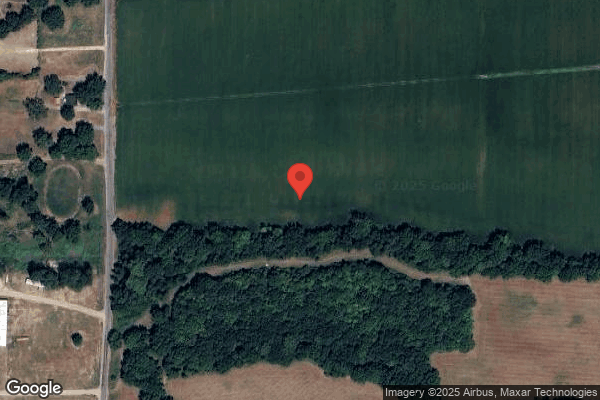
1920 LISA DRIVE EXTENDED, GREENVILLE, MS 38703 (662) 335-2897
For profit - Corporation 60 Beds THE BEEBE FAMILY Data: November 2025
Trust Grade
68/100
#90 of 200 in MS
Last Inspection: August 2024

Within standard 12-15 month inspection cycle. Federal law requires annual inspections.

Overview

Washington Care Center in Greenville, Mississippi has a Trust Grade of C+, indicating it is slightly above average but not without its concerns. It ranks #90 out of 200 facilities in the state, placing it in the top half, and #2 out of 5 in Washington County, meaning there is only one local option that performs better. However, the facility is currently worsening, with the number of identified issues doubling from 2 in 2023 to 4 in 2024. Staffing ratings are average, with a turnover rate of 52%, which is similar to the state average, and RN coverage is also rated as average. Additionally, the facility has incurred $4,017 in fines, which is not alarming but suggests some compliance issues. Specific incidents include failures to submit accurate staffing information and to properly manage residents' medication assessments, potentially impacting care quality. Overall, while there are strengths in staffing stability and a decent trust grade, families should be aware of the recent trend of increasing concerns and the need for improvement in care protocols.

Trust Score
C+
68/100
In Mississippi
#90/200
Top 45%
Safety Record
Low Risk
No red flags
Inspections
Getting Worse
2 → 4 violations
Staff Stability
⚠ Watch
52% turnover. Above average. Higher turnover means staff may not know residents' routines.
Penalties
○ Average
$4,017 in fines. Higher than 75% of Mississippi facilities. Some compliance issues.
Skilled Nurses
⚠ Watch
Each resident gets only 25 minutes of Registered Nurse (RN) attention daily — below average for Mississippi. Fewer RN minutes means fewer trained eyes watching for problems.
Violations
○ Average
10 deficiencies on record. Average for a facility this size. Mostly minor or procedural issues.
★★★☆☆
3.0
Overall Rating
★★★☆☆
3.0
Staff Levels
★☆☆☆☆
1.0
Care Quality
★★★★☆
4.0
Inspection Score
Stable
2023: 2 issues
2024: 4 issues

The Good

  • Full Sprinkler Coverage · Fire safety systems throughout facility
  • No fines on record

Facility shows strength in fire safety.

The Bad

3-Star Overall Rating

Near Mississippi average (2.6)

Meets federal standards, typical of most facilities

Staff Turnover: 52%

Near Mississippi avg (46%)

Higher turnover may affect care consistency

Federal Fines: $4,017

Below median ($33,413)

Minor penalties assessed

Chain: THE BEEBE FAMILY

Part of a multi-facility chain

Ask about local staffing decisions and management

The Ugly 10 deficiencies on record

Aug 2024 3 deficiencies
CONCERN (D)

Potential for Harm - no one hurt, but risky conditions existed

Assessment Accuracy (Tag F0641)

Could have caused harm · This affected 1 resident

Based on resident and staff interview, record review, and facility policy review, the facility failed to accurately code a quarterly Minimum Data Set Assessment (MDS) for one (1) of 16 resident assess...

Read full inspector narrative →
Based on resident and staff interview, record review, and facility policy review, the facility failed to accurately code a quarterly Minimum Data Set Assessment (MDS) for one (1) of 16 resident assessments reviewed. (Resident # 11) Findings include: Review of the facility policy titled, Resident Assessment, with the latest revision 09/19 revealed, .The completed assessment guides the staff in identifying key information about the resident's specific issues and objectives to develop a care plan . Any healthcare professional that completes a portion of the assessment must sign and certify the accuracy of the portion of the assessment that they have completed . In an interview with Resident #11 on 8/20/24 at 11:00 AM, she revealed she was not on or receiving Hospice services. Record review of Resident #11's Section C of the Quarterly MDS revealed on 7/08/24 a Brief Interview for Mental Status (BIMS) score was 13 indicating the resident was cognitively intact. Section: O- Special Treatments, Procedures, and Programs was coded Hospice services while a resident. In an interview with Licensed Practical Nurse (LPN)/MDS Nurse on 8/21/24 at 9:04 AM, she revealed after review of Resident #11's quarterly MDS that she accidentally coded that the resident was on Hospice and confirmed that Resident #11 had never been on Hospice. She then revealed the purpose of accurate coding is to get an accurate picture of the resident's needs and services required. In an interview with the MDS Registered Nurse (RN) Coordinator on 8/21/24 at 12:19 PM, she revealed that Resident #11 has not ever been on Hospice services and confirmed the resident's MDS assessment was coded incorrectly. She stated the purpose of accurately coding the resident assessments is to ensure the facility receives proper payment for care and to ensure the resident receives the individualized care required. Review of the admission Record revealed the facility admitted Resident #11 on 4/21/23 with diagnoses that included End-stage renal disease.
CONCERN (D)

Potential for Harm - no one hurt, but risky conditions existed

Medication Errors (Tag F0758)

Could have caused harm · This affected 1 resident

Based on staff interview, record review, and facility policy review, the facility failed to ensure a resident on a PRN (as needed) psychotropic medication had a stop date for one (1) of five (5) medic...

Read full inspector narrative →
Based on staff interview, record review, and facility policy review, the facility failed to ensure a resident on a PRN (as needed) psychotropic medication had a stop date for one (1) of five (5) medication reviews. Resident #40 Findings Include: Review of the facility policy titled, Psychotropic Medication, revised 10/22, revealed Residents do not receive psychotropic drugs pursuant to a PRN (as needed) order unless that medication is necessary to treat a diagnosed a specific condition that is documented in the clinical record; and PRN orders for psychotropic drugs are limited to 14 days. Review of the Order Summary Report with active orders as of 8/21/24 for Resident #40 revealed an order dated 7/5/2024, Xanax oral tablet 0.5 mg (milligram) (Alprazolam) give (1) tablet by mouth every 6 (six) hours as needed for agitation . There was no stop date for the order. Review of the August 2024 Medication Administration Record (MAR) for Resident #40 revealed the resident received Xanax 0.5 mg on the following dates: 8/3, 8/4, 8/8, 8/9, 8/10, 8/13, 8/14, 8/15, 8/16, 8/18, 8/19, 8/20, 8/21. An interview with the Director of Nursing (DON) on 8/21/2024 at 12:08 PM confirmed Resident #40's PRN Xanax order did not have a stop date. She revealed the resident was on hospice and should have been re-evaluated by hospice within the 14 days to ensure the medication was needed and it could have been continued at that point. Review of the admission Record revealed the facility admitted Resident #40 on 3/14/24 with a medical diagnosis of Aftercare following joint replacement surgery.
CONCERN (F)

Potential for Harm - no one hurt, but risky conditions existed

Staffing Data (Tag F0851)

Could have caused harm · This affected most or all residents

Based on staff interview and record review, the facility failed to submit accurate staffing information into the Payroll-Based Journal (PBJ) system for one (1) of four (4) quarters reviewed. Second (2...

Read full inspector narrative →
Based on staff interview and record review, the facility failed to submit accurate staffing information into the Payroll-Based Journal (PBJ) system for one (1) of four (4) quarters reviewed. Second (2nd) Quarter 2024. Findings include: Review of the facility PBJ (Payroll-Based Journal) Instructions with a revision date of February 3, 2020 revealed, PBJ = Payroll-Based Journal - Mandated by CMS (Centers for Medicare and Medicaid Services). Each location must collect time worked by contract workers. The corporate office will submit at regular intervals Review of the PBJ (Payroll-Based Journal) Staffing Data Report revealed the facility triggered for excessively low weekend staffing data for the 2nd Quarter 2024 [NAME] report from CMS.Triggered=Submitted Weekend Staffing data is excessively low. An interview with the Administrator on 8/20/2024 at 9:25 AM, revealed, she was not aware of the facility triggering on the [NAME] report for low weekend staffing data and stated the corporate office was responsible for submitting the PBJ. She revealed the facility had been using agency staff and to her knowledge the agency hours were added by the Business Office. A telephone interview with Corporate Special Projects on 8/20/2024 at 3:36 PM, revealed, she was responsible for submitting the PBJ. She revealed she was not aware the facility triggered for low weekend staffing data and stated she had not received any kind of notification. She explained that she did not have contact with anyone at the facility to ensure contract/agency hours were being captured in the PBJ. She revealed the facility was responsible for adding the agency hours into the (proper name of system) and the system would automatically do a payroll interfaced sweep over every night to capture those hours. She confirmed if the agency hours were not entered manually at the facility, they would not be captured. Review of the PBJ total daily staffing hours submitted to CMS for the 2nd Quarter 2024 did not match the facility's staffing grid hours, which indicated inaccurate information was submitted in the PBJ. An interview with the Regional Supervisor on 8/21/2024 at 2:25 PM revealed, she had not received any information that the facility was triggering for low weekend staffing. She stated she was unsure how contract hours were handled, but she knew the Business Office added the agency hours into the (proper name of system) after receiving the information from the shift worked. She confirmed there could be a breakdown and revealed that was something they would have to look into.
Jul 2024 1 deficiency
CONCERN (D) 📢 Someone Reported This

A family member, employee, or ombudsman was alarmed enough to file a formal complaint

Potential for Harm - no one hurt, but risky conditions existed

Transfer Requirements (Tag F0622)

Could have caused harm · This affected 1 resident

Based on resident representative and staff interview, record review and facility policy review the facility failed to honor a resident's right to return to the facility following a hospitalization for...

Read full inspector narrative →
Based on resident representative and staff interview, record review and facility policy review the facility failed to honor a resident's right to return to the facility following a hospitalization for one (1) of three (3) residents reviewed for discharge. Resident #1. Findings Include: Record review of facility policy titled, Discharge Transfer and Planning , revised 9/23, revealed The facility must permit each resident to remain in the facility, and not transfer or discharge the resident from the facility .Before a facility transfers or discharges a resident, the facility must notify the resident and the resident's representative of the transfer or discharge and the reasons for the move in writing and in a language and manner they understand .The Discharge/Transfer notice shall be made by the facility at least 30 days before the resident is transferred or discharged . Record review of the Face Sheet for Resident #1 revealed that the facility admitted him on 12/24/2013 with diagnoses that included Cerebral Infarction and Alzheimer's Disease. The facility discharged Resident #1 on 6/7/2024. A telephone interview with Resident Representative #2 on 7/1/24 at 11:15 AM, she stated that on 6/7/24 she was notified by the hospital social worker that Resident #1 was being discharged from the hospital on that day but that the facility refused to take him back because he had exceeded his bed hold and that the family had fired the attending physician. Resident Representative #2 stated that the family never fired the resident's attending physician. She stated that at the hospital another physician was filling in for the attending physician there and they thought the attending physician would resume care when Resident #1 returned to the facility. Resident Representative #2 stated that after the initial call they received on 5/23/24 when the resident was being sent to the hospital, they received no other communication from the facility until 6/10/24 when she and Resident Representative #1 initiated contact. Resident Representative #2 stated that they were never notified by the facility that the attending physician would no longer be Resident #1's physician in the nursing home or that Resident #1 was being discharged from the facility. She stated they never received a discharge notification or the opportunity to appeal the discharge. Resident Representative #2 stated that on 6/10/24 she asked Resident Representative #1 to go to the facility to find out what the issue was. She stated that a conference was held on 6/10/24 between Resident Representative #1, Resident Representative #2, the Administrator and the Director of Nursing (DON). She stated that at that time they were told by the facility that the resident exceeded his bed hold days, so he had to be discharged and he did not have a physician to readmit him. She reported that the facility did not offer to help them find an alternative physician telling them that the other physicians were not accepting new residents. She stated that the resident was discharged from the hospital to an alternative nursing home on 6/14/24 after he had lived in the nursing home for over 10 years. During an interview with the DON on 7/1/24 at 11:05 AM, she stated on 6/3/24, while the resident was still in the hospital, the facility received a call from the receptionist at Resident #1's attending physician's office notifying them that he would no longer be Resident #1's physician. She stated that she did not know what prompted this change. She verified that she did not reach out to the family to notify them or to attempt to find out what prompted this change. The DON stated on 6/5/24 she called another physician to see if he would be willing to accept Resident #1, but the physician was not accepting new residents. She stated she did not contact the two (2) physicians to inquire if they would be willing to admit Resident #1. She stated on 6/6/24 or 6/7/24 the hospital called regarding Resident #1's readmission to the nursing facility, and she informed them at that time that the resident did not have a physician so they would not be taking him back. An interview and record review on 7/1/24 at 11:15 AM, with the Administrator, of an untitled document, on facility letter head, addressed to Resident Representative #1 revealed This letter is to inform you of the facility-initiated discharge to hospital on 6/7/24 . we are no longer able to meet your needs in this facility and the transfer is necessary for your welfare. Additional comments: Resident exhausted his bed hold days. Discharge to Proper Name of Hospital effective date 6/7/24. The Administrator stated that the notification was mailed on 6/7/24 but was unable to provide documentation that the document had been delivered to the Resident Representative. An interview on 7/1/24 at 11:20 AM, with the Administrator verified that the facility did not contact Resident #1's family regarding the resident not having an attending physician or to notify them that he would be discharged and not readmitted to the facility. She also verified that the facility did not reach out to any of their other physicians to determine if they would accept the resident for admission.
Feb 2023 2 deficiencies
CONCERN (D) 📢 Someone Reported This

A family member, employee, or ombudsman was alarmed enough to file a formal complaint

Potential for Harm - no one hurt, but risky conditions existed

Comprehensive Care Plan (Tag F0656)

Could have caused harm · This affected 1 resident

**NOTE- TERMS IN BRACKETS HAVE BEEN EDITED TO PROTECT CONFIDENTIALITY** Resident #42 An interview and observation on 02/06/23 at 11:54 AM, revealed Resident #42 sitting on the side of the bed with fac...

Read full inspector narrative →
**NOTE- TERMS IN BRACKETS HAVE BEEN EDITED TO PROTECT CONFIDENTIALITY** Resident #42 An interview and observation on 02/06/23 at 11:54 AM, revealed Resident #42 sitting on the side of the bed with facial hair noted to his cheeks, above his lip, and on his chin approximately one (1) inch long. Resident #42 revealed the last time he was shaved was a week ago, but he likes to be shaved every two days. He revealed he has mentioned it to staff before, but they say they'll get to it but never do. Resident #42's fingernails on both hands were approximately 1/2-inch past the end of the fingers and were jagged and dirty. There was a brown substance under each nail. The resident revealed he doesn't like his fingernails this long and would like for them to be cut. He stated that they haven't been cut since he's been at the facility. An observation on 2/06/23 at 2:30 PM, revealed Resident #42 lying in bed unshaven and nails on bilateral fingers jagged and approximately 1/2 inch long with a brown substance under the nails. The resident revealed he hasn't been shaved or his nails cut yet. An observation and interview on 2/07/23 at 8:10 AM, revealed Resident #42 sitting on the side of the bed. The resident was unshaven and his nails were long with a brown substance underneath the nails. An observation on 2/07/23 at 9:55 AM, revealed Resident #42 sitting in the dining room. The resident was unshaven and the fingernails on both hands were dirty, jagged, and approximately 1/2 inch long. An interview and observation on 2/07/23 at 11:05 AM, with CNA #1 confirmed that Resident # 42 nails were long and dirty and needed to be cut. She revealed that if a resident isn't diabetic the aides can cut their nails, but she was unsure if the resident was diabetic or not. She revealed that she hasn't cut his fingernails and wasn't sure if he was supposed to get that done when he went to the shower. CNA #1 revealed Resident #42's shower days are Monday, Wednesday, and Friday and that he gets shaved by CNA #2 because she gives him his showers. CNA #1 revealed that she can shave him as well if he needs it. She confirmed that he hasn't been shaved in a while and that he should have been. She revealed the CNA's don't have assignment sheets with the exact task we are supposed to do. An interview and observation on 2/07/23 at 11:30 AM, the DON confirmed Resident # 42's fingernails were long, jagged, and dirty. She revealed she would get his nails done right away. She confirmed that the resident was unshaven with hair on his chin and the sides of his face. Resident #42 revealed to the DON that he likes to be shaved every other day. The DON revealed the residents usually get shaved when they go to the shower and confirmed that the resident was unshaven and looked like he hasn't been shaved in a while. An interview on 2/07/23 at 2:31 PM, with the MDS nurse revealed she is the one that develops the plan of care, and the care plan is developed to help us specifically know how to take care of the resident. She revealed she is responsible for updating the plan of care and that the care plan is updated as needed and/or when the resident has an MDS due. She revealed each resident's Activities of Daily Living (ADL) care plan should be reflective of nail care, baths, and if they are to be shaven or not. She revealed she wasn't sure if all ADL care plans addressed that or not. An interview on 2/08/23 at 11:00 AM, the Corporate Consultant revealed each resident is supposed to have an individualized care plan which should include nail care, shaving, and any specific preferences so the staff will know how to take care of them. An interview on 2/08/23 at 11:24 AM, with the MDS nurse confirmed that Resident # 42 did not have a care plan that addressed shaving and his preference of shaving every other day and he should have. An interview and ADL care plan review on 02/08/23 at 05:26 PM, with the DON confirmed that Resident #42 did not have an ADL care plan that was individualized to his preference of shaving and confirmed his nail care was not being implemented and it should have been. Record review of Resident #42's care plan, with a problem onset date of 10/24/2022 revealed (Formal Name of Resident) need assist with ADLs .Approaches . Nursing staff to eval (evaluate) or nail care as needed . Record review of Resident #42's Face Sheet revealed the resident was admitted to the facility on [DATE] with diagnoses that included, Hemiplegia, unspecified affecting left nondominated side, Personal history of Transient Ischemic Attack (TIA), and Cerebral Infarction. Record review of the MDS with an ARD of 1/30/2023 revealed Resident #42 had a BIMS score of 10, which indicated the resident has moderate cognitive impairment. Based on observation, resident and staff interviews, facility policy review and record review, the facility failed to develop a comprehensive care plan for a resident requiring shaving and failed to implement the care plan for residents requiring nail care for two (2) of 18 residents reviewed. Resident #24 and Resident #42 Findings include: Resident #24 A record review of the facility policy titled, Care Plan Process Policy , with a revision date of 08/17, revealed regulations require facilities to complete, at a minimum and at regular intervals, a comprehensive, standardized assessment of each resident's functional capacity and needs, in relation to a number of specified areas (e.g., customary routine, vision, and continence. The facility shall develop and implement a Baseline Careplan and Summary NS 813 for each resident that includes the instructions needed to provide effective and person-centered care of the resident that meets professional standards of quality care. An observation on 02/06/23 at 11:20 AM, revealed Resident #24 sitting up in his wheelchair. His fingernails were long on both hands approximately 1/2 inch past the end of fingertips. Resident #24 stated that he had asked staff to cut his nails, but they told him they didn't have any clippers. Resident #24 stated that he knew somebody here should have nail clippers. An observation on 02/07/23 at 9:44 AM, revealed Resident #24's fingernails are trimmed but have sharp edges and the left thumbnail is jagged. The resident stated they came in yesterday afternoon and cut them. He confirmed they were rough but stated that it was a start. An interview on 2/7/23 at 1:00 PM, with the Activity Trainer revealed that she had cut Resident #24's fingernails yesterday. She stated that they were long but they were clean. An interview on 2/7/23 at 2:10 PM, with Certified Nursing Assistant (CNA) #3 stated that she felt like Resident #24's fingernails were kind of long today, but not as long as they were yesterday. She stated that they needed trimming. An observation and interview on 2/7/23 at 3:20 PM, with the Director of Nursing (DON) confirmed Resident #24's fingernails were trimmed yesterday. She confirmed they had sharp uneven corners. She stated that long nails and rough nails could case skin tears and harbor debris. An interview on 2/09/23 at 8:40 AM, with the DON confirmed Resident #24's care plan was not implemented because his nails were long and needed cutting. Record review of Resident #24's Care Plan with a problem onset date of 11/18/2020, revealed, (Formal Name of Resident) needs assist with ADL's .Approaches .Nursing staff to provide nail care as needed . Record review of the facility Face Sheet revealed Resident #24 was admitted to the facility on [DATE] with diagnoses that include Chronic Obstructive Pulmonary Disease and Anxiety. Record review of the Minimum Data Set (MDS) with an Assessment Reference Date (ARD) of 1/04/23, Section C revealed a Brief Interview for Mental Status (BIMS) score of 13 which indicated Resident #24 was cognitively intact.
CONCERN (D) 📢 Someone Reported This

A family member, employee, or ombudsman was alarmed enough to file a formal complaint

Potential for Harm - no one hurt, but risky conditions existed

ADL Care (Tag F0677)

Could have caused harm · This affected 1 resident

**NOTE- TERMS IN BRACKETS HAVE BEEN EDITED TO PROTECT CONFIDENTIALITY** Resident #42 During an interview and observation on 2/06/23 at 11:54 AM, revealed Resident #42 sitting on the side of the bed wi...

Read full inspector narrative →
**NOTE- TERMS IN BRACKETS HAVE BEEN EDITED TO PROTECT CONFIDENTIALITY** Resident #42 During an interview and observation on 2/06/23 at 11:54 AM, revealed Resident #42 sitting on the side of the bed with facial hair noted to the sides of his cheeks, above his lip, and on his chin with approximately. 1-inch growth. Resident #42 revealed the last time he was shaved was a week ago, but he likes to be shaved every two days. He revealed he has mentioned it to staff before, but they say they'll get to it but never do. Resident #42's fingernails on bilateral hands were approximately 1/2-inch past the end of the finger, were jagged, and dirty with a brown substance under each nail. The resident revealed he doesn't like them this long and would like them to be cut but they haven't cut them since he's been here. An observation on 2/06/23 at 2:30 PM, revealed, Resident # 42 lying in bed. Resident #42 was unshaven and nails on bilateral fingers jagged and approximately 1/2 inch long with a brown substance under the nails. The resident revealed he hasn't been shaved or his nails cut yet. An observation and interview on 2/07/23 at 08:10 AM, revealed Resident #42 sitting on the side of the bed. The resident was unshaven, and his nails were long, with a brown substance underneath. An observation on 2/07/23 at 9:55 AM, revealed Resident #42 sitting in the dining room, unshaven and the fingernails on bilateral hands are dirty, jagged, and approximately 1/2 inch long. An interview and observation on 2/07/23 at 11:05 AM, with CNA #1 confirmed that Resident # 42's nails were long and dirty and needs to be cut. She revealed that if a resident isn't diabetic that the aides can cut their nails, but she was unsure if the resident was diabetic or not. She revealed that she hasn't cut his fingernails and wasn't sure if he was supposed to get that done when he went to the shower. She revealed his shower days are Monday, Wednesday, and Friday and that he gets shaved by CNA #2 because she gives him his showers. She revealed that she can shave him as well if he needs it. She confirmed that he hasn't been shaved in a while and that he should have been. She revealed we don't have assignment sheets with the exact task we are supposed to do and wished the facility had them. An interview and observation on 2/07/23 at 11:30 AM, the DON confirmed Resident #42's fingernails were long, jagged, and dirty. She revealed she would get his nails done right away. She confirmed that the resident was unshaven with hair on his chin and the sides of his face. Resident #42 revealed to the DON that he likes to be shaven every other day. The DON revealed the residents usually get shaved when they go to the shower and confirmed that the resident was unshaven and looked like he hadn't been shaved in a while. On 2/07/23 at 1:30 PM, during an interview with CNA #2 revealed she does the showers, and it is basically her responsibility to shave a resident when they come to the shower unless they can shave by themselves. She revealed Resident # 42 was unable to shave on his own. She revealed she can't remember when the last time he was shaven, but it might have been last Friday. She confirmed that she had noticed his long fingernails before but hadn't cut them and any aide can cut the resident's nails unless they are diabetic, but there is no one specifically assigned. Record review of Resident #42's Face Sheet revealed the resident was admitted to the facility on [DATE] with diagnoses that included, Hemiplegia, unspecified affecting left nondominated side, Personal history of Transient Ischemic Attack (TIA), and Cerebral Infarction. A record review of the MDS with an ARD of 1/30/2023 revealed Resident #42 had a Brief Interview for Mental Status (BIMS) score of 10, which indicated the resident has moderate cognitive impairment. Based on observation, staff interviews, resident interview, facility policy review and record review, the facility failed to provide Activities of Daily Living (ADLs) as evidenced by long and jagged nails, and unshaven facial hair for two (2) of eighteen residents observed. Resident #24 and Resident #42 Findings include: A record review of the facility policy titled, A.M. Care policy' with a revision date of 10/17 revealed, Purpose: To prepare the resident for their day, to maintain oral health and bodily hygiene, and to maintain the resident's desired physical appearance . Procedure: 12. Assist the resident with grooming according to their preferences (makeup application, shaving, hair removal, hair care, and styling, etc.) . A record review of the facility policy titled, Nail Care Policy, with a revision date of 10/17 revealed, Purpose: To promote cleanliness, safety, and a neat appearance. To observe skin condition on fingers and toes .Procedure: 8. Trim the nails straight across, and even with the end of the finger or toe. For fingers, remove any sharp edges with the file or emery board . Resident #24 During an observation on 02/06/23 at 11:20 AM, revealed Resident #24 sitting in his wheelchair with long fingernails that were approximately 1/2 inch past the end of his fingertips. Resident #24 stated that he had asked staff to cut his nails, but they told him they didn't have any clippers. Resident #24 stated that he knew somebody here should have nail clippers. During an observation on 02/07/23 at 9:44 AM, revealed Resident #24 sitting up in wheelchair. His fingernails had been trimmed but had sharp edges and his left thumbnail was jagged. Resident #24 stated they (staff) came in yesterday afternoon and cut them. He confirmed they were rough but stated that it was a start. On 02/07/23 at 1:00 PM, during an interview with the Activity Trainer revealed that she cut Resident #24's fingernails yesterday. She stated that they were long, but they were clean. An interview on 2/7/23 at 2:10 PM, with Certified Nursing Assistant (CNA) #3 revealed that she felt like Resident #24's fingernails were kind of long today, but not as long as they were yesterday. She confirmed that they needed trimming. An observation and interview, on 2/7/23 at 3:20 PM, with the Director of Nursing (DON) confirmed Resident #24's fingernails were trimmed yesterday. She confirmed they had sharp uneven corners. She stated that long nails and rough nails could cause skin tears and harbor debris. The DON stated the Certified Nursing Assistants are responsible for maintaining nails or reporting to the nurse if they are unable to cut them. Review of the facility Face Sheet revealed Resident #24 was admitted to the facility on [DATE] with diagnoses that included Chronic Obstructive Pulmonary Disease and Anxiety. Record review of Section C of the Minimum Data Set (MDS) with an Assessment Reference Date (ARD) of 1/04/23 revealed a Brief Interview for Mental Status (BIMS) score of 13 which indicated Resident #24 was cognitively intact.
Jan 2020 4 deficiencies
CONCERN (D)

Potential for Harm - no one hurt, but risky conditions existed

Assessment Accuracy (Tag F0641)

Could have caused harm · This affected 1 resident

Based on record review, staff interview, and facility policy review, the facility failed to accurately complete a Minimum Data Set (MDS) assessment for one (1) of 19 MDS assessments reviewed, Resident...

Read full inspector narrative →
Based on record review, staff interview, and facility policy review, the facility failed to accurately complete a Minimum Data Set (MDS) assessment for one (1) of 19 MDS assessments reviewed, Resident #42. Findings include: Review of the facility's Resident MDS Assessment policy, revised 09/19, revealed: Any healthcare professional that completes a portion of the assessment must sign and certify the accuracy of the portion of the assessment that they have completed. Review of Resident #42's Quarterly MDS Assessment, with an Assessment Reference Date (ARD) of 12/13/19, revealed Section N (Medications), Item N0410E, was answered to indicate the resident had received an anticoagulant medication for seven (7) days, during the look back period. Review of Resident #42's Medication Administration Record (MAR), dated December 2019, revealed no anticoagulant medications were administered, during the seven (7) day look back period. During an interview, on 01/08/20, at 12:02 PM, the Director of Nursing (DON) stated Resident #42 did not receive an anticoagulant medication. The DON stated Plavix, which is an antiplatelet, was mistakenly coded as an anticoagulant, and that made the MDS inaccurate.
CONCERN (D)

Potential for Harm - no one hurt, but risky conditions existed

Comprehensive Care Plan (Tag F0656)

Could have caused harm · This affected 1 resident

Findings include: Review of the facility's Care Plan Process policy, revised 08/17, revealed: The comprehensive care plan is an interdisciplinary communication tool. The Care Plan must include measura...

Read full inspector narrative →
Findings include: Review of the facility's Care Plan Process policy, revised 08/17, revealed: The comprehensive care plan is an interdisciplinary communication tool. The Care Plan must include measurable objectives and time frames and must describe the services that are to be furnished to attain or maintain the resident's highest practicable physical, mental and psychosocial well-being. The facility staff shall follow the care plan. Resident #2 Review of Resident #2's care plan, revealed a problem to address oxygen therapy related to shortness of breath (SOB), with an onset date of 06/10/19. Interventions included to change oxygen (O2) tubing and nasal cannula/mask weekly on Wednesday and flag with date and initials. Store in plastic bag, when not in use, with residents name and date. During an observation, on 01/06/20 at 11:30 AM, Resident #2's oxygen concentrator had a cannula cover bag laying on it, dated 12/25/19. There was no nasal cannula attached to the concentrator. During an observation, on 01/06/20 at 4:32 PM, Resident #2's oxygen concentrator was observed with a cannula cover bag laying on it, with a date of 12/25/19. There was no nasal cannula attached to the concentrator. During an observation and interview, on 01/07/20 at 8:30 AM, Resident #2's nasal cannula was observed to be laying across the resident's bed, uncovered, and dated 12/25/19. The cannula cover bag was dated 12/25/19. The Director of Nursing (DON) was brought to Resident #2's room to observe the placement of the cannula, and the dates on the cannula and cover bag. The DON confirmed they were both dated 12/25/19. The DON stated the oxygen tubing was to be changed one time a week, and should have been changed on 01/01/20. Resident #39 An observation, on 01/06/20 at 12:42 PM, revealed Resident #39's oxygen concentrator was turned on and running at 2 liters per minute (LPM). The nasal cannula and tubing was draped over the head of the bed, uncovered, and touching the floor behind the bed, and dated for 01/01/20. During an observation, on 01/06/20 at 3:30 PM, Resident #39's concentrator was turned on and running at 2 LPM. The nasal cannula, dated 01/01/20, was uncovered, draped over the head of the bed. and lying on the floor, behind the head of the bed. On 01/07/20 at 8:30 AM, Resident #39 was observed in bed, with a nasal cannula on, and dated 01/01/20. During an observation and interview, on 01/07/20 at 8:33 AM, the DON was informed of the observations made on 01/06/20, where Resident #39's nasal cannula was uncovered, draped over the head of the bed, touching the floor and dated 01/01/20. Resident #39 was wearing the same cannula when observed by the DON. The DON stated she would replace the nasal cannula. Review of Resident #39's care plan, revealed a problem for occasional shortness of breath (SOB)/wheezing, with an onset date of 01/25/18. Based on observation, interview, record review, and facility policy review, the facility failed to implement the care plan related to storage of oxygen equipment, for two (2) of 19 resident care plans reviewed, Resident #2 and #39.
CONCERN (D)

Potential for Harm - no one hurt, but risky conditions existed

Deficiency F0657 (Tag F0657)

Could have caused harm · This affected 1 resident

Based on record review, observation, staff interview, and facility policy review, the facility failed to revise the care plan related to Nutrition for Resident #27 for one (1) of 19 resident care plan...

Read full inspector narrative →
Based on record review, observation, staff interview, and facility policy review, the facility failed to revise the care plan related to Nutrition for Resident #27 for one (1) of 19 resident care plans reviewed. Findings include: Review of the facility's Care Plan Process policy, dated 08/17, revealed: The comprehensive care plan is an interdisciplinary communication tool. The Care Plan must include measurable objectives and time frames and must describe the services that are to be furnished to attain or maintain the residents's highest practicable physical, mental, and psychosocial well-being. The care plan must be reviewed and revised periodically, on an ongoing basis to reflect the services provided or arranged, and must be consistent with each resident's written plan of care. Review of Resident #27's Care Plan, revealed a problem to address Nutritional Approaches Therapeutic diet: Carbohydrate Controlled Diet/Limited Concentrated Sweets (CCD/LCS), onset date of 11/26/19, and Goal and Target date, to follow therapeutic diet by 03/17/20. Interventions included to provide diet as ordered. A review of Resident #27's Physician Orders List, revealed an order, dated 06/19/19, to discontinue CCD/LCS diet. An order for Nothing by mouth (NPO), was initiated on 11/26/19. Resident #27 has a current order, dated 01/08/20, for Diabetasource AC tube feeding via Percutaneous Gastrostomy (PEG) Tube at 55 cubic centimeters (cc) per hour for 22 hours. Observations on 01/06/20 - 01/09/20 (dates of survey), revealed Resident #27 had a PEG tube in place, with Diabetasource AC infusing at 55 cc per hour. No meal tray was observed in the resident's room at any time. During an interview, on 01/08/20 at 12:10 PM, the Director of Nursing (DON) revealed the Dietary Supervisor completes the initial Nutrition care plan. The DON stated, If this care plan was followed, something bad could happen. During an interview, with the Dietary Manager (DM), on 01/08/20 at 2:20 PM, she stated It (care plan) should have been updated. I haven't had time. The DM stated, I must have missed it in reference to initiation of care plan upon admission. Review of the Face Sheet, revealed, Resident #27 was admitted by the facility, on 11/26/2019, with diagnoses of Hemiplegia, Dysphagia, Gastrostomy Status, and Type 2 Diabetes Mellitus.
CONCERN (D)

Potential for Harm - no one hurt, but risky conditions existed

Respiratory Care (Tag F0695)

Could have caused harm · This affected 1 resident

Based on observation, staff interview, record review, and facility policy review, the facility failed to store oxygen equipment in a manner to prevent cross contamination for two (2) of 20 residents r...

Read full inspector narrative →
Based on observation, staff interview, record review, and facility policy review, the facility failed to store oxygen equipment in a manner to prevent cross contamination for two (2) of 20 residents receiving oxygen therapy, Residents #2 and #39. Findings include: A review of the facility's Infection Control Oxygen Equipment Cleaning policy, revised 03/18, revealed: Tubing should be replaced every seven (7) days. When not in use, store the mask/cannula in a plastic bag clearly labeled with the resident's name and date. Resident #2 During an observation, on 01/06/20 at 11:30 AM, Resident #2's oxygen concentrator had a cannula bag on it, dated 12/25/19. There was no nasal cannula attached to the concentrator. During an observation, on 01/06/20 at 4:32 PM, Resident #2's oxygen concentrator was observed with a cannula bag on it dated 12/25/19. There was no nasal cannula attached to the concentrator. During an observation and interview, on 01/07/20 at 8:30 AM, Resident #2's nasal cannula was observed to be laying across the resident's bed, uncovered, and dated 12/25/19. The cannula cover bag was dated 12/25/19. The Director of Nursing (DON) was brought to Resident #2's room to observe the placement of the cannula and the dates on the cannula and cover bag. The DON confirmed they were both dated 12/25/19. The DON stated the oxygen tubing was to be changed one time a week and should have been changed on 01/01/20. Review of Resident #2's care plan revealed a problem, with an onset date of 06/10/19, to address the resident receives oxygen therapy as ordered for shortness of breath (SOB) with exertion and sitting at rest. Interventions included to Change O2 (oxygen) tubing and nasal cannula/mask weekly on Wednesday. Flag with date and initials. Store in plastic bag when not in use with residents name and date. Resident #39 An observation, on 01/06/20 at 12:42 PM, revealed Resident #39's oxygen concentrator was turned on and running at 2 liters per minute (LPM), with the nasal cannula and tubing draped over the head of the bed, uncovered and touching the floor, and dated for 01/01/20. During an observation, on 01/06/20 at 3:30 PM, Resident #39's concentrator was turned on and running at 2 LPM. The nasal cannula, dated 01/01/20, was uncovered, draped over the head of the bed. and lying on the floor, behind the head of the bed. On 01/07/20 at 8:30 AM, Resident #39 was observed in bed, with a nasal cannula on, and dated 01/01/20. During an observation and interview, on 01/07/20 at 8:33 AM, the DON was informed, by the surveyor, of the observations made on 01/06/20, where Resident #39's nasal cannula was uncovered, draped over the head of the bed, touching the floor and dated 01/01/20. Resident #39 was wearing the same cannula when observed by the DON. The DON stated she would replace the nasal cannula.
Understanding Severity Codes (click to expand)
Life-Threatening (Immediate Jeopardy)
J - Isolated K - Pattern L - Widespread
Actual Harm
G - Isolated H - Pattern I - Widespread
Potential for Harm
D - Isolated E - Pattern F - Widespread
No Harm (Minor)
A - Isolated B - Pattern C - Widespread

Questions to Ask on Your Visit

  • "Can I speak with families of current residents?"
  • "What's your RN coverage like on weekends and overnight?"

Our Honest Assessment

Strengths
  • • No major safety red flags. No abuse findings, life-threatening violations, or SFF status.
  • • $4,017 in fines. Lower than most Mississippi facilities. Relatively clean record.
Concerns
  • • No major red flags. Standard due diligence and a personal visit recommended.
Bottom line: Mixed indicators with Trust Score of 68/100. Visit in person and ask pointed questions.

About This Facility

What is Washington's CMS Rating?

CMS assigns WASHINGTON CARE CENTER an overall rating of 3 out of 5 stars, which is considered average nationally. Within Mississippi, this rating places the facility higher than 99% of the state's 100 nursing homes. This mid-range rating indicates the facility meets federal standards but may have areas for improvement.

How is Washington Staffed?

CMS rates WASHINGTON CARE CENTER's staffing level at 3 out of 5 stars, which is average compared to other nursing homes. Staff turnover is 52%, compared to the Mississippi average of 46%.

What Have Inspectors Found at Washington?

State health inspectors documented 10 deficiencies at WASHINGTON CARE CENTER during 2020 to 2024. These included: 10 with potential for harm.

Who Owns and Operates Washington?

WASHINGTON CARE CENTER is owned by a for-profit company. For-profit facilities operate as businesses with obligations to shareholders or private owners. The facility is operated by THE BEEBE FAMILY, a chain that manages multiple nursing homes. With 60 certified beds and approximately 51 residents (about 85% occupancy), it is a smaller facility located in GREENVILLE, Mississippi.

How Does Washington Compare to Other Mississippi Nursing Homes?

Compared to the 100 nursing homes in Mississippi, WASHINGTON CARE CENTER's overall rating (3 stars) is above the state average of 2.6, staff turnover (52%) is near the state average of 46%, and health inspection rating (4 stars) is above the national benchmark.

What Should Families Ask When Visiting Washington?

Based on this facility's data, families visiting should ask: "Can I visit during a mealtime to observe dining assistance and food quality?" "How do you handle medical emergencies, and what is your hospital transfer rate?" "Can I speak with family members of current residents about their experience?"

Is Washington Safe?

Based on CMS inspection data, WASHINGTON CARE CENTER has a clean safety record: no substantiated abuse findings (meaning no confirmed cases of resident harm), no Immediate Jeopardy citations (the most serious violation level indicating risk of serious injury or death), and is not on the Special Focus Facility watch list (a federal program monitoring the lowest-performing 1% of nursing homes). The facility has a 3-star overall rating and ranks #1 of 100 nursing homes in Mississippi. While no facility is perfect, families should still ask about staff-to-resident ratios and recent inspection results during their visit.

Do Nurses at Washington Stick Around?

WASHINGTON CARE CENTER has a staff turnover rate of 52%, which is 6 percentage points above the Mississippi average of 46%. Moderate turnover is common in nursing homes, but families should still ask about staff tenure and how the facility maintains care continuity when employees leave.

Was Washington Ever Fined?

WASHINGTON CARE CENTER has been fined $4,017 across 1 penalty action. This is below the Mississippi average of $33,119. While any fine indicates a compliance issue, fines under $50,000 are relatively common and typically reflect isolated problems that were subsequently corrected. Families should ask what specific issues led to these fines and confirm they've been resolved.

Is Washington on Any Federal Watch List?

WASHINGTON CARE CENTER is not on any federal watch list. The most significant is the Special Focus Facility (SFF) program, which identifies the bottom 1% of nursing homes nationally based on persistent, serious quality problems. Not being on this list means the facility has avoided the pattern of deficiencies that triggers enhanced federal oversight. This is a positive indicator, though families should still review the facility's inspection history directly.