GOLDEN AGE NURSING HOME
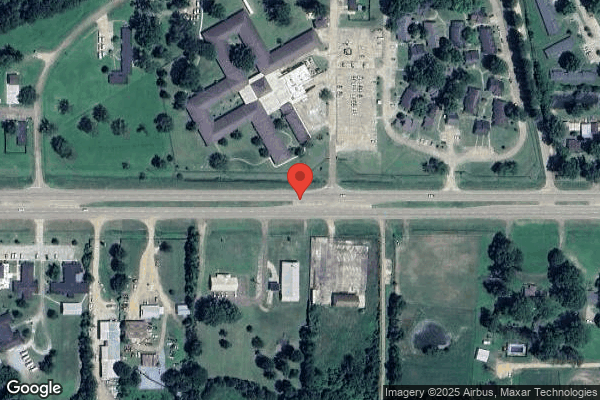
2901 HIGHWAY 82 EAST, GREENWOOD, MS 38930 (662) 453-6323
Non profit - Corporation 95 Beds Independent Data: November 2025
Trust Grade
80/100
#35 of 200 in MS
Last Inspection: November 2024

Within standard 12-15 month inspection cycle. Federal law requires annual inspections.

Overview

Golden Age Nursing Home in Greenwood, Mississippi has a Trust Grade of B+, which means it is above average and recommended for families considering care options. It ranks #35 out of 200 facilities in the state, placing it in the top half, and is the best option out of three in Leflore County. The facility appears to be improving, having reduced issues from six in 2024 to three in 2025, and it has a strong staffing rating of 5 out of 5 stars with only a 14% turnover rate, significantly lower than the state average. However, families should note that there have been concerns, such as not properly dating and labeling food items, incorrect coding of resident discharge statuses, and unresolved grievances regarding missing property for some residents. Despite these weaknesses, the absence of fines and average RN coverage contribute to the overall positive outlook for this nursing home.

Trust Score
B+
80/100
In Mississippi
#35/200
Top 17%
Safety Record
Low Risk
No red flags
Inspections
Getting Better
6 → 3 violations
Staff Stability
✓ Good
14% annual turnover. Excellent stability, 34 points below Mississippi's 48% average. Staff who stay learn residents' needs.
Penalties
✓ Good
No fines on record. Clean compliance history, better than most Mississippi facilities.
Skilled Nurses
✓ Good
Each resident gets 43 minutes of Registered Nurse (RN) attention daily — more than average for Mississippi. RNs are trained to catch health problems early.
Violations
⚠ Watch
16 deficiencies on record. Higher than average. Multiple issues found across inspections.
★★★★☆
4.0
Overall Rating
★★★★★
5.0
Staff Levels
★★☆☆☆
2.0
Care Quality
★★★☆☆
3.0
Inspection Score
Stable
2024: 6 issues
2025: 3 issues

The Good

  • 5-Star Staffing Rating · Excellent nurse staffing levels
  • Low Staff Turnover (14%) · Staff stability means consistent care
  • Full Sprinkler Coverage · Fire safety systems throughout facility
  • No fines on record
  • Staff turnover is low (14%)

    34 points below Mississippi average of 48%

Facility shows strength in staffing levels, staff retention, fire safety.

The Bad

No Significant Concerns Identified

This facility shows no red flags. Among Mississippi's 100 nursing homes, only 1% achieve this.

The Ugly 16 deficiencies on record

Sept 2025 3 deficiencies
CONCERN (D) 📢 Someone Reported This

A family member, employee, or ombudsman was alarmed enough to file a formal complaint

Potential for Harm - no one hurt, but risky conditions existed

Grievances (Tag F0585)

Could have caused harm · This affected 1 resident

**NOTE- TERMS IN BRACKETS HAVE BEEN EDITED TO PROTECT CONFIDENTIALITY** Based on resident and staff interviews, record review, and facility policy review, the facility failed to ensure a resident's gr...

Read full inspector narrative →
**NOTE- TERMS IN BRACKETS HAVE BEEN EDITED TO PROTECT CONFIDENTIALITY** Based on resident and staff interviews, record review, and facility policy review, the facility failed to ensure a resident's grievances related to missing property were investigated and resolved. This deficient practice was identified for three (3) of seven (7) residents reviewed for grievances (Residents #1, #2, and #3) Findings include: Review of the facility policy titled, Resident and Family Grievances, dated April 2017, revealed: “The facility will make prompt efforts to resolve grievances… The written decision will include a minimum: a summary of the pertinent findings or conclusions regarding the resident's concerns… any corrective action as a result of the grievance.” Resident #1Record review of a Missing Item Report Form dated 6/27/25 documented Resident #1's iPhone with a pink case as missing. The follow-up/results section was blank. In an interview with the Administrator (ADM) on 9/3/25 at 8:40 AM, she confirmed Resident #1 reported her phone missing on 6/27/25. Staff tracked it with her iPad, which pinged at Housekeeper #1's address. Video footage showed Housekeeper #1 entering Resident #1's room at 1:27 PM, discarding the phone case, concealing the phone in her bra, and leaving the room. Police were notified the same day, and the housekeeper was terminated and later arrested. She confirmed the facility did not reimburse or replace the phone. In an interview with Resident #1 on 9/3/25 at 9:20 AM, she stated she spoke to her daughter on her phone at 11:30 AM, dozed off after lunch, and woke to find it missing. She stated she reported it to staff, who tracked it and confirmed the location. She stated she was told the housekeeper was fired but the facility never reimbursed or replaced the phone, and her daughter purchased one for her. Record review of the “admission Record” revealed Resident #1 was admitted on [DATE]. Record review of a Brief Interview for Mental Status (BIMS) for Resident #1 dated 6/7/25 revealed a score of 15 indicating the resident was cognitively intact. Resident #2Record review of a Missing Item Report Form dated 6/11/25 documented Resident #2's red iPhone 11 as missing. The follow-up/results section was blank. During an interview with Resident #2 on 9/3/25 at 12:10 PM, he stated he reported his phone missing in June, staff searched but never found it, and “it doesn't seem like I will be getting another one.” During an interview with Resident #2's representative on 7/2/25 at 4:00 PM, she confirmed she was notified of the missing phone but stated the facility never offered reimbursement or replacement. Record review of the “admission Record” revealed Resident #2 was admitted on [DATE]. Record review of a BIMS for Resident #2 dated 8/14/25 revealed a score of 12 indicating the resident was moderately cognitively impaired. Resident #3Record review of a Missing Item Report Form dated 6/5/25 documented Resident #3's black iPhone 16 as missing. The follow-up/results section was blank. During an interview with Certified Nursing Assistant (CNA) #1 on 9/3/25 at 12:00 PM, she stated she reported Resident #3's phone missing after it was not located. She confirmed the resident used it regularly, but it had not been replaced. In an interview with the ADM on 9/4/25 at 8:35 AM, she confirmed the cell phones for Residents #1, #2, and #3 were never located or replaced. She stated she reviewed video footage of Residents #2 and #3's rooms but could not substantiate misappropriation. During an interview with the Social Worker on 9/4/25 at 8:40 AM, she confirmed she searched for the phones of Residents #1, #2, and #3 but did not find them. She stated all three residents used their cell phones regularly and kept them within reach. She also confirmed the Missing Item Reports for all three residents contained no documentation of a resolution. Record review of the “admission Record” revealed Resident #3 was admitted on [DATE]. Record review of the BIMS dated 7/22/25 revealed a score of 11, indicating Resident #3 was moderately cognitively impaired.
CONCERN (D) 📢 Someone Reported This

A family member, employee, or ombudsman was alarmed enough to file a formal complaint

Potential for Harm - no one hurt, but risky conditions existed

Deficiency F0602 (Tag F0602)

Could have caused harm · This affected 1 resident

**NOTE- TERMS IN BRACKETS HAVE BEEN EDITED TO PROTECT CONFIDENTIALITY** Based on resident and staff interviews, record review and facility policy review, the facility failed to ensure residents were f...

Read full inspector narrative →
**NOTE- TERMS IN BRACKETS HAVE BEEN EDITED TO PROTECT CONFIDENTIALITY** Based on resident and staff interviews, record review and facility policy review, the facility failed to ensure residents were free from misappropriation of property for one (1) of four (4) residents reviewed (Resident #1). Findings include: Review of the facility policy titled, “Abuse, Neglect, Exploitation,” revised August 2018, revealed: “Each resident has the right to be free from . misappropriation of property .Misappropriation of Resident Property' means the deliberate misplacement, exploitation, or wrongful, temporary or permanent, use of a resident's belongings without the resident's consent . An interview on 9/3/25 at 8:40 AM with the Administrator (ADM) revealed that Resident #1 had reported her phone missing on 6/27/25. She confirmed that a facility-reported incident dated 6/27/25 had been completed regarding the reported missing phone, staff used the resident's iPad to track the phone, which pinged at the address of Housekeeper #1. She further stated video footage showed Housekeeper #1 entering Resident #1's room at 1:27 PM, discarding the phone case, concealing the phone in her bra, and leaving the room. The Administrator confirmed that police were notified the same day, that Housekeeper #1 was terminated on 6/27/25, and that the housekeeper was later arrested. She acknowledged the facility did not reimburse or replace the resident's stolen phone. Review of a payroll change form confirmed Housekeeper #1's termination on 6/27/25 related to “stealing resident property.” During an interview with Resident #1 on 9/3/25 at 9:20 AM, she stated that on 6/27/25 she spoke to her daughter on the phone around 11:30 AM. After lunch she dozed off, and upon waking her cell phone was missing. She stated she always kept it nearby in case her family called. She reported the loss to staff who used her iPad to locate it. She stated the police came and confirmed her phone was taken, and she was later informed the housekeeper was fired. Resident #1 stated, however, the facility did not replace her phone, and her daughter had to buy her a new one. Review of the “admission Record” revealed Resident #1 was admitted on [DATE]. Review of the Brief Interview for Mental Status (BIMS) dated 6/7/25 revealed a score of 15, indicating the resident was cognitively intact.
CONCERN (D) 📢 Someone Reported This

A family member, employee, or ombudsman was alarmed enough to file a formal complaint

Potential for Harm - no one hurt, but risky conditions existed

Report Alleged Abuse (Tag F0609)

Could have caused harm · This affected 1 resident

**NOTE- TERMS IN BRACKETS HAVE BEEN EDITED TO PROTECT CONFIDENTIALITY** Based on staff interviews, record review, and facility policy review, the facility failed to ensure that allegations of abuse an...

Read full inspector narrative →
**NOTE- TERMS IN BRACKETS HAVE BEEN EDITED TO PROTECT CONFIDENTIALITY** Based on staff interviews, record review, and facility policy review, the facility failed to ensure that allegations of abuse and misappropriation were reported immediately to the State Agency within required timeframes. This deficient practice was identified for two (2) of seven (7) residents reviewed for reporting of allegations (Residents #1 and #4). Findings include: Review of the facility policy titled, “Abuse, Neglect, Exploitation” (revised August 2018), revealed: “Response and Reporting of Abuse, Neglect, and Exploitation .13 .ensure all alleged violations involving abuse, neglect, are reported immediately, but no later than two (2) hours after the allegation is made if the events that cause the allegation involve abuse or result in bodily injury, and no later than 24 hours if the events do not involve abuse or bodily injury. Allegations involving licensed staff will be reported to the appropriate licensing authority.” Resident #1 – Misappropriation of PropertyDuring an interview with the Administrator (ADM) on 9/3/25 at 8:40AM regarding a facility-reported incident, she confirmed that on 6/27/25 Resident #1 reported her cell phone missing. Staff used the resident's iPad to track the phone, which pinged at the address of Housekeeper #1. She stated video footage showed Housekeeper #1 entering Resident #1's room at 1:27 PM, discarding the phone case, concealing the phone in her bra, and leaving the room. The Administrator confirmed police were notified the same day, Housekeeper #1 was terminated, and the housekeeper was later arrested. However, she acknowledged that the State Agency was not notified until 6/30/25, when the final report was submitted. She confirmed the allegation should have been reported immediately on 6/27/25 once misappropriation was substantiated. Record review of the “admission Record” revealed Resident #1 was admitted on [DATE] with a diagnosis of polyneuropathy. Record review of the Brief Interview for Mental Status (BIMS) dated 6/7/25 revealed a score of 15, indicating the resident was cognitively intact. Resident #4 – Alleged AbuseDuring an interview with the Director of Nursing (DON) on 9/2/25 at 2:47 PM regarding a facility-reported incident, she confirmed that an alleged incident of verbal/physical abuse occurred on 7/13/25 at approximately 6:00 PM involving Resident #4. She stated she was not notified until 7/14/25 when she found a note under her office door. She confirmed staff should have immediately reported the allegation to her or the ADM. She also confirmed she did not report the allegation to the State Agency until 7/14/25, after receiving the note. The DON further stated that the purpose of immediate reporting of all allegations of abuse or misappropriation is to ensure resident safety and allow for a timely investigation. Record review of a written statement provided by Licensed Practical Nurse (LPN) #1 revealed that on 7/13/25 a Certified Nursing Assistant (CNA) orientee #2 gave her a note regarding the allegation. She stated she handed the note to the House Supervisor, Registered Nurse (RN) #1, who instructed her to place it under the DON's door for the next morning. Record review of a written statement from RN #1 dated 7/15/25 confirmed she read the note and instructed LPN #1 to leave it under the DON's door. Record review of an in-service dated 7/14/25 revealed both LPN #1 and RN #1 attended training on immediately reporting allegations of abuse. The in-service emphasized: “Abuse must be reported to MSDH within two hours by Administration. … Remember to always report any suspicion of abuse and neglect immediately. … When in doubt, report it.” Record review of the “admission Record” revealed Resident #4 was admitted on [DATE] with a diagnosis of dementia, unspecified severity with agitation. Record review of the BIMS dated 5/9/25 revealed a score of 99, indicating the resident was rarely/never understood.
Nov 2024 6 deficiencies
CONCERN (D)

Potential for Harm - no one hurt, but risky conditions existed

Deficiency F0658 (Tag F0658)

Could have caused harm · This affected 1 resident

Based on observation, staff interview, record review, and facility policy review, the facility failed to follow nursing standards of practice as evidenced by administering a resident's medication by t...

Read full inspector narrative →
Based on observation, staff interview, record review, and facility policy review, the facility failed to follow nursing standards of practice as evidenced by administering a resident's medication by the wrong route for eight (8) of 38 medication opportunities observed. Resident #30 Findings Include: Cross Reference F759 Review of the facility policy titled, Medication Administration -General Guidelines unrevised, revealed under, Policy: Medications are administered as prescribed in accordance with good nursing principles and practices . Also revealed under, A. Preparation . 4) Five Rights - Right resident, right drug, right dose, right route and right time, are applied for each medication being administered. A triple check of these 5 rights is recommended at three steps in the process of preparation of a medication for administration: (1) when the medication is selected, (2) when the dose is removed from the container, and finally (3) just after the dose is prepared and the medication put away .B. Administration .2) Medications are administered in accordance with written orders of the prescriber . On 11/20/24 at 7:45 AM, an observation during medication pass, with Licensed Practical Nurse (LPN) #1 revealed, she crushed and administered the following medications to Resident #30 via percutaneous endoscopic gastrostomy (PEG) tube: 1. Fenofibrate (lowers cholesterol)160 milligrams (mg) 1 tablet 2. Apixaban (blood thinner) 2.5 milligrams (mg) 1 tablet 3. Atorvastatin (lowers cholesterol) 20 milligrams (mg) 1 tablet 4. Carvedilol (lowers blood pressure) 6.25 milligrams (mg) 1 tablet 5. Ascorbic Acid (immune support) 500 milligrams (mg)/5 milliliters (ml) 5 milliliters 6. Allopurinol (gout) 100 milligrams (mg) 1 tablet 7. Potassium ER (potassium supplement) 20 milliequivalents (MEQ) 1 tablet 8. Multivitamin liquid (vitamin supplement) 15 milliliters (ml) Record review of the November 2024 Medication Administration Record (MAR) for Resident #30 revealed the following orders, Allopurinol tablet 100 mg (milligrams) give 1 tablet by mouth in the morning, Apixaban oral tablet 2.5 mg (milligrams) give 1 tablet by mouth every morning and at bedtime, Atorvastatin Calcium oral tablet 20 mg (milligrams) give 1 tablet by mouth in the morning, Carvedilol tablet 6.25 mg (milligrams) give 1 tablet by mouth every morning and at bedtime, Fenofibrate oral tablet 160 mg (milligrams) give 1 tablet by mouth one time a day, Multivitamin Oral Liquid give 15 ml (milliliters) by mouth in the morning, Potassium Chloride ER oral tablet extended release give 1 tablet by mouth in the morning, Ascorbic Acid 500 mg (milligrams) give 5 ml (milliliters) by mouth in the morning. An interview with LPN #1 on 11/20/24 at 8:40 AM, revealed she had reviewed Resident #30's MAR and confirmed she gave the resident's medication by the wrong route. LPN #1 revealed she was fixated on giving the right medication and dosage and did not read the rest of the order. She confirmed that she did not follow the nursing principles on the 5 (five) rights of medication administration. She confirmed giving the medication by the wrong route was a medication error. On 11/20/24 at 8:50 AM, an interview with the Director of Nursing (DON) revealed, her expectations were for the nurses to follow the physician orders and the 5 (five) rights of medication administration to prevent potential errors. Record review of the admission Record revealed the facility admitted Resident #30 on 11/9/24 with medical diagnoses that included Cerebral Infarction and Gastrostomy Status.
CONCERN (D)

Potential for Harm - no one hurt, but risky conditions existed

Deficiency F0692 (Tag F0692)

Could have caused harm · This affected 1 resident

Based on staff interviews and record reviews, the facility failed to implement interventions to maintain nutritional status for one (1) of eight (8) residents reviewed for nutritional status. Resident...

Read full inspector narrative →
Based on staff interviews and record reviews, the facility failed to implement interventions to maintain nutritional status for one (1) of eight (8) residents reviewed for nutritional status. Resident # 20. Findings include: A typed statement on company letter head dated 11/20/24 and signed by the Director of Nursing (DON) revealed that the facility did not have a policy related to following the Registered Dietitian's (RD) recommendations. A record review of the Registered Dietitian Assessment Summary for Resident #20, dated 10/16/24, revealed a weight loss of -2.4 percent (%) in 30 days and -6.5% over 180 days, with weight documented below normal limits for the resident's height. The nutrition diagnosis noted Increased needs related to skin breakdown. The recommended interventions included: Zinc 220 milligrams (mg) once daily for 14 days, Vitamin C 500 mg once daily, and Pro-Stat Advanced Wound Care 30 milliliters (ml) once daily. The goals indicated were to achieve weight stability and meet nutritional needs for wound healing. The recommendations were signed and approved by the Nurse Practitioner (NP) on 10/18/24. A record review of the Order Summary with active orders as of 10/1/2024, for Resident #20 revealed no new orders reflecting the RD recommendations dated 10/16/24. A record review of the Monthly Weight Report for Resident #20 revealed: 5/2024 weight 116.0 pounds (Lbs.), 6/2024 weight 114.0 Lbs., 7/2024 weight 114.6 Lbs., 8/2024 weight 112.5 Lbs. , 9/2024 weight 109.2 Lbs., 10/2024 weight 106.6 Lbs., and 11/2024 weight 103.0 Lbs. During an interview with the DON on 11/19/24 at 12:45 PM, she confirmed that she had received the RD's recommendations and forwarded them to the NP for review. She stated that the NP typically indicates approval on the form, which is then sent to the floor nurse to initiate the orders. She retains a copy to follow up and ensure the recommendations are implemented. However, the DON acknowledged that the RD recommendations dated 10/16/24 for Resident #20 were not initiated, despite the NP's approval. She was unsure why the recommendations were not followed. The DON agreed that failure to implement the RD recommendations could result in further weight loss and delayed wound healing. Record review of the admission Record revealed that the facility admitted Resident #20 on 10/17/19 with diagnoses that included Vitamin Deficiency and Benign Neoplasm of Meninges.
CONCERN (D)

Potential for Harm - no one hurt, but risky conditions existed

Medication Errors (Tag F0758)

Could have caused harm · This affected 1 resident

**NOTE- TERMS IN BRACKETS HAVE BEEN EDITED TO PROTECT CONFIDENTIALITY** Resident #49 Record review of the Order Summary Report for Resident #49 revealed an order dated 8/9/24 for Lorazepam Tab 0.5 MG ...

Read full inspector narrative →
**NOTE- TERMS IN BRACKETS HAVE BEEN EDITED TO PROTECT CONFIDENTIALITY** Resident #49 Record review of the Order Summary Report for Resident #49 revealed an order dated 8/9/24 for Lorazepam Tab 0.5 MG (1) one tablet orally every 4 (four) hours as needed for Terminal Agitation related to Restlessness and agitation with no stop date. Record review Interdisciplinary Psych (psychotropic) Dashboard for October 2024, revealed, Pharmacist Comments for Resident #49: PRN psychotropic orders require a 14-day stop order and resident must be evaluated prior to continuing . In an interview with Licensed Practical Nurse #1 on 11/19/24 at 12:50 PM, she revealed Resident #49 did not have a stop date for the PRN Lorazepam and does have to take it sometimes. In an interview with the Director of Nursing on 11/19/24 at 1:00 PM, she revealed that she was aware that PRN Lorazepam required a stop date and confirmed that she was unaware that Resident #18 and Resident #49 did not have a stop date on their Lorazepam. She then revealed the purpose of the PRN medication requiring a stop date was to assess the residents' need to continue the PRN psychotropic medication. She then stated that Residents #18 and #49 were on hospice services and thought that might be the reason the medication had no stop date. A phone interview with the Hospice Nurse on 11/19/24 at 2:33 PM revealed she was unaware that the as needed Lorazepam required a stop date. Record review of the admission Record revealed the facility admitted Resident #49 on 12/05/2019 with diagnoses of Restlessness, Agitation and Anxiety Disorder. Based on staff interviews and record review, the facility failed to ensure an as-needed (PRN) psychotropic medication had a stop date for two (2) of five (5) residents reviewed for unnecessary medications. Resident #18 and Resident #49 Findings include: A typed statement on company letterhead revealed that the facility does not have a policy for Ativan/Lorazepam order stop dates and was signed by the Director of Nurses (DON), dated [DATE]. Resident #18 Record review of the Order Summary Report for Resident #18 revealed an order dated 7/23/2024, Ativan Oral Tablet 1 mg (Lorazepam) Give 1 tablet by mouth every 6 (six) hours as needed with no stop date. During an interview on 11/19/24 at 12:30 PM, Registered Nurse (RN) #2 confirmed that Resident #18 had an order for Ativan one milligram (mg) every 6 hours as needed. She revealed the resident has had to take it several times and confirmed that there was no stop date for the Ativan. An interview on 11/20/24 at 10:03 AM, with the facility's Pharmacy Consultant revealed he was aware that a PRN psychotropic medication needed a stop date, had recommended it, but was not sure why there wasn't one. Record review of the October 2024 Interdisciplinary Psych Dashboard revealed Resident #18 with an order for Ativan 1 mg Q6H (every 6 hours) PRN and the pharmacy consultant recommendation of . PRN psychotropic orders require a 14 day stop order and resident must be evaluated prior to continuing. A record review of Resident #18's admission Record revealed the resident was admitted to the facility on [DATE] with medical diagnoses that included Alzheimer's Disease and Anxiety Disorder.
CONCERN (D)

Potential for Harm - no one hurt, but risky conditions existed

Unnecessary Medications (Tag F0759)

Could have caused harm · This affected 1 resident

Based on observation, staff interview, record review, and facility policy review, the facility failed to ensure the medication error rate was not five (5) percent (%) or greater for eight (8) of 38 me...

Read full inspector narrative →
Based on observation, staff interview, record review, and facility policy review, the facility failed to ensure the medication error rate was not five (5) percent (%) or greater for eight (8) of 38 medication opportunities. The medication error rate was 21.05%. Resident #30 Findings Include: Cross Reference F658 Review of the facility policy titled, Medication Administration -General Guidelines unrevised, revealed under, A. Preparation . 4) Five Rights - Right resident, right drug, right dose, right route and right time, are applied for each medication being administered. A triple check of these 5 rights is recommended at three steps in the process of preparation of a medication for administration: (1) when the medication is selected, (2) when the dose is removed from the container, and finally (3) just after the dose is prepared and the medication put away .B. Administration .2) Medications are administered in accordance with written orders of the prescriber . An observation during medication pass, on 11/20/24 at 7:45 AM, with Licensed Practical Nurse (LPN) #1 revealed, she crushed and administered the following medications to Resident #30 via percutaneous endoscopic gastrostomy (PEG) tube: 1. Fenofibrate (lowers cholesterol)160 milligrams (mg) 1 tablet 2. Apixaban (blood thinner) 2.5 milligrams (mg) 1 tablet 3. Atorvastatin (lowers cholesterol) 20 milligrams (mg) 1 tablet 4. Carvedilol (lowers blood pressure) 6.25 milligrams (mg) 1 tablet 5. Ascorbic Acid (immune support) 500 milligrams (mg)/5 milliliters (ml) 5 milliliters 6. Allopurinol (gout) 100 milligrams (mg) 1 tablet 7. Potassium ER (potassium supplement) 20 milliequivalents (MEQ) 1 tablet 8. Multivitamin liquid (vitamin supplement) 15 milliliters (ml) Record review of the November 2024 Medication Administration Record (MAR) for Resident #30 revealed the following orders, Allopurinol tablet 100 mg (milligrams) give 1 tablet by mouth in the morning, Apixaban oral tablet 2.5 mg (milligrams) give 1 tablet by mouth every morning and at bedtime, Atorvastatin Calcium oral tablet 20 mg (milligrams) give 1 tablet by mouth in the morning, Carvedilol tablet 6.25 mg (milligrams) give 1 tablet by mouth every morning and at bedtime, Fenofibrate oral tablet 160 mg (milligrams) give 1 tablet by mouth one time a day, Multivitamin Oral Liquid give 15 ml (milliliters) by mouth in the morning, Potassium Chloride ER oral tablet extended release give 1 tablet by mouth in the morning, Ascorbic Acid 500 mg (milligrams) give 5 ml (milliliters) by mouth in the morning. On 11/20/24 at 8:40 AM an interview with LPN #1 revealed she reviewed Resident #30's MAR and confirmed she gave the medication by the wrong route. LPN #1 revealed she did not read the entire order. She confirmed this was medication errors. An interview with the Director of Nursing (DON) on 11/20/24 at 8:50 AM revealed, Resident #30 had a recent order change from PEG medication administration to by mouth and she expected the nurses to follow the physician orders and the 5 rights of medication administration to prevent potential errors. Record review of the admission Record revealed the facility admitted Resident #30 on 11/9/24 with medical diagnoses that included Cerebral Infarction and Gastrostomy Status.
CONCERN (D)

Potential for Harm - no one hurt, but risky conditions existed

Infection Control (Tag F0880)

Could have caused harm · This affected 1 resident

Based on observation, staff interview, record review, and facility policy review, the facility failed to use enhanced barrier precautions (EBP) during wound care for one (1) of five (5) resident direc...

Read full inspector narrative →
Based on observation, staff interview, record review, and facility policy review, the facility failed to use enhanced barrier precautions (EBP) during wound care for one (1) of five (5) resident direct care opportunities during the survey. Resident #59 Findings Include: Review of the facility policy titled, Enhanced Barrier Precautions with a revision date of 5/24 revealed under, Policy: It is the policy of this facility to implement enhanced barrier precautions for the prevention of transmission of multidrug-resistant organisms. EBP refer to an infection control intervention designed to reduce transmission of multidrug-resistant organisms that employs targeted gown and gloves use during high contact resident care activities .2. Initiation of Enhanced Barrier Precautions: An order for enhanced barrier precautions will be obtained for residents with any of the following: i. Wounds (e.g., chronic wounds such as pressure ulcers . Record review of Resident #59's Wound Evaluation dated 11/13/24 revealed, Pressure -Stage 3 Sacrum with measurements of 3 centimeters (cm) length, 1.95 centimeters (cm) width, and 0.2 centimeters (cm) deepest point. Record review of the November 2024 Treatment Administration Record (TAR), for Resident #59 revealed, an order dated 10/31/24, Clean sacrum stage II pressure injury daily and PRN (as needed) with WW (wound wash) and pat dry. Apply collagen and cover with border gauze until resolved. One time a day related to pressure ulcer stage 3. An observation of wound care on 11/20/24 at 9:21 AM, with Registered Nurse (RN) #1 and Nurse Practitioner (NP) #1 revealed, they entered Resident #59's room and did not apply a gown for EBP. NP #1 assisted with wound care by turning the resident onto her side while RN #1 performed the wound care. Further observation revealed, there was not a sign posted to indicate the resident was on enhanced barrier precautions (EBP). An interview with RN #1 on 11/20/24 at 10:28 AM confirmed she did not apply a gown for Resident #59's wound care. RN #1 revealed she was familiar with EBP but did not practice it on wounds unless they were draining. She revealed the purpose of practicing EBP was to protect the residents from bacteria that they could be exposed to and explained that it made sense to wear a gown. An interview with NP #1 on 11/20/24 at 11:10 AM, revealed she had not been made aware they must use EBP with pressure wounds. An interview with the Director of Nursing (DON) on 11/20/24 at 1:43 PM, revealed they had not received any guidance on using EBP with wounds unless the wound was draining. She confirmed the purpose was to protect the residents from infection. Record review of the admission Record revealed the facility admitted Resident #59 on 1/10/24 with medical diagnoses that included Alzheimer's Disease and Pressure Ulcer of Other Site, Stage 3.
CONCERN (E)

Potential for Harm - no one hurt, but risky conditions existed

Assessment Accuracy (Tag F0641)

Could have caused harm · This affected multiple residents

**NOTE- TERMS IN BRACKETS HAVE BEEN EDITED TO PROTECT CONFIDENTIALITY** Resident #81 Record review of the Discharge-Return Not Anticipated MDS with an ARD of 10/17/24 for Resident #81 revealed Dischar...

Read full inspector narrative →
**NOTE- TERMS IN BRACKETS HAVE BEEN EDITED TO PROTECT CONFIDENTIALITY** Resident #81 Record review of the Discharge-Return Not Anticipated MDS with an ARD of 10/17/24 for Resident #81 revealed Discharge Status was coded as Short-Term General Hospital. Record review of Progress Notes for Resident #81, dated 10/17/24 revealed Resident discharged to home. An interview with the MDS nurse on 11/20/24 at 10:40 AM confirmed that Resident #81 was discharged home and the MDS assessment was coded incorrectly. She stated that she is usually notified by Social Services of the resident's discharge location, but it must have fallen through the cracks. Record review of the admission Record revealed the facility admitted Resident #81 on 9/13/24 with a diagnosis of Acquired Absence of Right Leg Above Knee. Based on staff interviews, record reviews, and facility policy reviews, the facility failed to ensure that the Minimum Data Set (MDS) assessment was coded accurately for three (3) of twenty-one sampled residents. Residents #18, #54, and #81. Findings include: Record review of the facility policy titled, Conducting an Accurate Resident Assessment, dated 6/2023, revealed, The purpose of this policy is to assure that all residents receive an accurate assessment of relevant care areas . Accurate assessments addressing each resident's status, needs, strengths, and areas of decline must be conducted by qualified staff that are knowledgeable about the resident and correctly document information about the resident's status. Resident #18 Record review of Resident #18's Order Summary Report revealed an Admit to (Proper Name) Hospice order dated 7/15/2024. Record review of Resident #18's MDS with an Assessment Reference Date (ARD) of 10-18-2024 revealed in Section O-K1 that hospice care was coded No. During an interview on 11/19/24 at 1:30 PM, the MDS Coordinator confirmed that Resident #18 is receiving hospice services and that the MDS assessment for 10/18/24 had not been coded correctly. She revealed that it is important that the MDS assessments are correct, because it is supposed to reflect the residents plan of care. In an interview on 11/19/24 at 1:40 PM, the Director of Nurses (DON) confirmed that hospice should have been marked on the MDS assessment for Resident #18. She said that error could affect the residents' care and is also a financial issue. She confirmed that the MDS assessment from 10/18/24 did not represent an accurate assessment of the resident. A record review of Resident #18's admission Record revealed the resident was admitted to the facility on [DATE] with medical diagnoses that included Alzheimer's Disease and Anxiety Disorder. Resident #54 A record review of an Unwitnessed Fall dated 8/10/2024 revealed that Resident #54 was found on the floor in his room .Fracture of one of the lateral mid left ribs suspected Fractures of left seventh and eighth ribs . Record review of Resident #54's MDS with an ARD of 10-07-2024 revealed in Section J-Health Conditions. J1800 that the resident had no falls since admission or reentry or the prior assessment. An interview on 11/19/24 at 1:00 PM, the Administrator (ADM) confirmed that she was aware that Resident #54 had a fall with an injury and any falls that a resident has should be coded on their MDS. An interview on 11/19/24 at 1:45 PM, the MDS Coordinator confirmed that she was aware that Resident #54 had a fall on 8/10/24. She revealed that Section J1800 was not accurately checked, revealing that the resident had a fall. She revealed it must have been overlooked in error. A record review of Resident #54's admission Record revealed the resident was admitted to the facility on [DATE] with medical diagnoses that included Chronic Obstructive Pulmonary Disease and a recent medical diagnosis on 8/10/24 of Multiple Fractures of Ribs, left side.
Jul 2023 7 deficiencies
CONCERN (D)

Potential for Harm - no one hurt, but risky conditions existed

Assessment Accuracy (Tag F0641)

Could have caused harm · This affected 1 resident

**NOTE- TERMS IN BRACKETS HAVE BEEN EDITED TO PROTECT CONFIDENTIALITY** Resident #62 A record review of Resident #62's quarterly MDS with an ARD of 6/26/2023, revealed in Section N, Item N0410A: medic...

Read full inspector narrative →
**NOTE- TERMS IN BRACKETS HAVE BEEN EDITED TO PROTECT CONFIDENTIALITY** Resident #62 A record review of Resident #62's quarterly MDS with an ARD of 6/26/2023, revealed in Section N, Item N0410A: medications received: Days: antipsychotic was coded as five (5), but N0450A: Resident received antipshychotic medications was coded zero (0) No-Antipsychotics were not received. A record review of Resident # 62's E-MAR Administration Record revealed that she received an antipsychotic medication, Risperdal 0.5 mg, for six (6) days during the assessment reference period of 6/20/23 through 6/26/23. An interview with Minimum Data Set Nurse (MDS) on 7/26/23 at 3:50 PM, she verified that failure to code the Antipsychotic Medication Review correctly could lead to residents missing gradual dose reductions and increase risk for side effects that can affect their health. Review of Resident # 62's Facesheet revealed that she was admitted to the facility on [DATE], with diagnoses that include Unspecified dementia, Unspecified severity, with agitation, Personal history of other mental and behavioral disorders, Dementia .with psychotic disturbance, and Alzheimer's Disease. Based on staff interview ,record review, and facility policy review, the facility failed to accurately code antipsychotic medication for two (2) of 18 Minimum Data Set (MDS) assessments reviewed. Resident #61 and #62. Findings include: Review of the facility policy titled, Resident Assessment Instrument, revised 12/2010, revealed, .Policy Interpretation and Implementation .3. The purpose of the assessment is to describe the resident's capability to perform life functions and to identify significant impairments in in functional capacity. 4. Information derived from the comprehensive assessment helps the staff to plan care that allows the resident to reach his/her highest practicable level of functioning .7. All persons who have completed any portion of the MDS Resident Assessment Form MUST sign each document attesting to the accuracy of such information . Resident #61 A record review of Resident #61's Section N-Medications of the quarterly Minimum Data Set (MDS), with an Assessment Reference Date (ARD) of 5/10/2023, revealed N0410A: antipsychotic-number of days received seven (7) .N0450A-Resident received antipsychotic medications coded zero (0)-antipsychotics were not administered .N0450B: (GDR) gradual dose reduction attempted , N0450C: Date of last attempted GDR, N0450D: physician documented GDR, N0450E: Date physician documented GDR ,N2001: Drug regimen review ,N2003: Medication follow-up, and N2005: Medication intervention were not answered. A record review of Resident # 61's Electronic Medication Administration Record (E-MAR) for May 2023 revealed that he received an antipsychotic medication, Haloperidol 5 mg (milligrams), for seven (7) days during the assessment reference period of 5/04/23 through 5/10/23. An interview with the MDS Coordinator on 7/26/23 at 3:45 PM, she revealed she coded N0450A under Section N of the MDS dated [DATE] incorrectly, revealing that because she coded section N0450A incorrectly she was not prompted to answer the questions regarding gradual dose reduction and drug regimen review and confirmed she should have answered all of the questions and confirmed Resident #61 did receive antipsychotic medications for seven days during the look back period. Record review of Resident #61's Facesheet revealed that the resident was admitted to the facility on [DATE] with diagnoses of Major Depressive Disorder and Schizoaffective Disorder. Record review of the Minimum Data Set (MDS) Section C with an ARD on 5/10/23, revealed that Resident # 61 had a Brief Interview of Mental Status (BIMS) score of 4 which indicated that he was severely cognitively impaired. Section N revealed Resident # 61 received antipsychotic medications seven days during the look back period.
CONCERN (D)

Potential for Harm - no one hurt, but risky conditions existed

Comprehensive Care Plan (Tag F0656)

Could have caused harm · This affected 1 resident

**NOTE- TERMS IN BRACKETS HAVE BEEN EDITED TO PROTECT CONFIDENTIALITY** Resident #228 Positioning Record review of Resident #228's care plans revealed there was no care plan regarding the need to posi...

Read full inspector narrative →
**NOTE- TERMS IN BRACKETS HAVE BEEN EDITED TO PROTECT CONFIDENTIALITY** Resident #228 Positioning Record review of Resident #228's care plans revealed there was no care plan regarding the need to position the resident's right arm. On 07/24/23 at 10:30 AM, observation revealed Resident #228 was sitting up in his geriatric chair with his right arm hanging down beside the chair. On 07/24/23 at 11:30 AM, Resident # 228 was observed sitting up in his geriatric chair with his right arm hanging down beside his chair. The Speech Therapist walked up to his chair and picked up his arm and repositioned it. On 07/26/23 at 1:26 PM, observation revealed Resident #228 sitting up in his geriatric chair with his right arm hanging down beside his chair. On 07/26/23 at 01:45 PM, in an interview with Resident # 228 he stated that he can move his arm around and he can put his arm down but cannot pick it back up and doesn't want it to stay hanging down. Resident #228 stated that he would like them to find something to keep it from falling off the side of the chair. An interview on 07/26/23 at 01:50 PM with LPN #2 confirmed that there was not a care plan for positioning for Resident #228. She stated that therapy has not talked to her about positioning for Resident #228 while up in the geriatric chair. . An interview on 07/27/23 at 09:07 AM with Director of Nursing (DON), confirmed that there was no care plan for positioning Resident #228's right arm and that there should be a care plan in place for this. Review of the facility Facesheet revealed Resident #228 was admitted to the facility on [DATE] with diagnoses that included Paraplegia, Fusion of spine cervical region, Benign Prostatic Hyperplasia, and Retention of Urine, unspecified. Review of the Minimum Data Set (MDS) with an Assessment Reference Date (ARD) of 7/21/23 revealed a Brief Interview for Mental Status (BIMS) score of 13 which indicated Resident #228 was cognitively intact. Based on observations, resident and staff interview, record review and facility policy review the facility failed to implement a care plan for removing facial hair on a resident that was dependent on staff for Activities of Daily Living (ADL) [Resident #28], and failed to develop a care plan for positioning of right arm and positioning of a urine catheter bag [Resident #228] for three (3) of 18 care plans reviewed. Findings include: Review of the facility policy titled, Comprehensive Care Plans, revised 2/2017, revealed, Policy: It is the policy of this facility to develop and implement a comprehensive person-centered care plan for each resident, consistent with resident rights, that includes measurable objectives and time frames to meet a resident's medical, nursing, and mental and psychosocial needs that are identified in the resident's comprehensive assessment . Resident #28 Record review of Resident #28's care plans revealed a care plan with a problem onset date of 04/26/2019 that indicated that Resident #28 requires assistance with ADL's (Activities of Daily Living). Approaches include Provide assist with all ADLs .Wax or pluck facial hair - do not shave . An observation on 07/24/23 at 03:53 PM revealed that Resident #28 had dark hair approximately 1/8 of an inch long above her lip with a patch of black hair 1/8 of an inch wide and long on either side of her mouth and black hair stubble approximately 1/8 inch long covering her chin. An observation on 07/25/23 at 09:13 AM, revealed that the hair above Resident #28's lips and on her chin remained as it was yesterday. An interview on 7/25/23 at 4:00 PM with the Administrator and the Director of Nurses (DON), they confirmed that her care plan said do not shave, but the resident had agreed to being shaved in the past and while they were waiting on the wax strips to come in, they should have at least shaved in order to remove the hair from the resident's face. Record review of Resident #28's Facesheet revealed the resident was admitted to the facility on 4/2619 with medical diagnoses that included Hemiplegia, unspecified affecting right dominant side and Dysphagia, oropharyngeal phase. Record review of Resident #28's Minimum Data Set (MDS) with an Assessment Reference Date (ARD) of 4/25/23 revealed in Section C a Brief Interview for Mental Status (BIMS) score of 10, which indicated the resident is moderately cognitively impaired and in Section G that the resident needed extensive assistance with personal hygiene and total dependence with bathing. Resident #228 Urinary Catheter An observation, on 07/25/23 at 03:25 PM revealed Resident #228 lying in bed positioned on his back. The State Agency (SA) was unable to locate the resident's Foley (urinary) catheter on either side of the bed. An observation and interview on 7/25/23 at 3:27 PM, with Licensed Practical Nurse (LPN)#1 revealed Resident #228's Foley catheter bag was laying on the bed beside the resident's right knee. LPN #1 confirmed the catheter bag should not be in the bed with the resident. LPN #1 stated that the catheter bag should be hanging on the bedside to prevent urine from backing up into the urethra and causing an infection. An interview, on 7/26/23 at 10:20 PM with Licensed Practical Nurse (LPN) #2 revealed she develops care plans. She confirmed that she failed to care plan that Resident #228's Foley catheter should be kept below the level of the bladder. She stated that was important because if the catheter is not below the level of the bladder, urine can back up and could cause pain or infection. An interview, with the DON on 7/26/23 at 10:30 AM, revealed Resident #228's care plan should have included position of the catheter bag, it is in their policy.
CONCERN (D)

Potential for Harm - no one hurt, but risky conditions existed

ADL Care (Tag F0677)

Could have caused harm · This affected 1 resident

**NOTE- TERMS IN BRACKETS HAVE BEEN EDITED TO PROTECT CONFIDENTIALITY** Based on observations, staff and resident interview, record review and facility policy review the facility failed to remove faci...

Read full inspector narrative →
**NOTE- TERMS IN BRACKETS HAVE BEEN EDITED TO PROTECT CONFIDENTIALITY** Based on observations, staff and resident interview, record review and facility policy review the facility failed to remove facial hair on a resident that was dependent on staff for their Activities of Daily Living (ADL) for one (1) of 18 resident's reviewed for ADL's. Resident #28. Findings Include: Review of the facility policy titled, ADL Basic Care with a revision date of 4/25/17 revealed, A. All residents are given or are assisted with their bathing, showering or bed bath . An observation on 07/24/23 at 3:53 PM, revealed that Resident #28 had dark hair approximately 1/8 of an inch long above her lip with a patch of black hair 1/8 of an inch wide and long on either side of her mouth and black hair stubble approximately 1/8 inch long covering her chin. An observation on 07/25/23 at 09:13 AM, revealed that the hair above Resident #28's lips and on her chin remained as it was yesterday. An interview on 7/25/23 at 12:40 PM, with Certified Nurse Assistant (CNA) #2 revealed that female facial shaving is a part of the resident's bath and confirmed that Resident #28 had facial hair above her lip and on her chin. She stated that she thinks the resident goes to the beauty shop to get the facial hair waxed, but she is not sure the last time she went. An interview and observation on 7/25/23 at 1:10 PM, with Licensed Practical Nurse (LPN) #1 confirmed that female resident's facial hair should be removed unless they refuse. LPN #1 confirmed that Resident #28 had facial hair above her lip and on her chin. When the State Agent ask the resident if she wanted her facial hair removed by shaving the resident answered one finger for yes and agreed that 2 fingers would have meant no. An interview on 7/25/23 at 3:40 PM, with the facility Beautician revealed she does not like to use the hot wax on Resident #28, because it is so harmful on her skin. She revealed it has been at least 2 months since she had waxed Resident #28's facial hair. An interview on 7/25/23 at 4:00 PM, with the Administrator and the Director of Nurses (DON) revealed they had been in the process of ordering some wax strips that were not so hot and hard on her skin. She confirmed the resident had agreed to being shaved in the past and while they were waiting on the wax strips to come in, we should have at least shaved in order to remove the hair from the resident's face. Record review of Resident #28's Facesheet revealed the resident was admitted to the facility on [DATE] with medical diagnoses that included Hemiplegia, unspecified affecting right dominant side and Dysphagia, oropharyngeal phase. Record review of Resident #28's Minimum Data Set (MDS) with an Assessment Reference Date (ARD) of 4/25/23 revealed in Section C a Brief Interview for Mental Status (BIMS) score of 10, which indicated the resident is moderately cognitively impaired and in Section G that the resident needed extensive assistance with personal hygiene and total dependence with bathing.
CONCERN (D)

Potential for Harm - no one hurt, but risky conditions existed

Quality of Care (Tag F0684)

Could have caused harm · This affected 1 resident

**NOTE- TERMS IN BRACKETS HAVE BEEN EDITED TO PROTECT CONFIDENTIALITY** Based on observations, resident and staff interview, record review and facility policy review, the facility failed to provide tr...

Read full inspector narrative →
**NOTE- TERMS IN BRACKETS HAVE BEEN EDITED TO PROTECT CONFIDENTIALITY** Based on observations, resident and staff interview, record review and facility policy review, the facility failed to provide treatment and care to address a resident's positioning needs that were in accordance with professional standards of practice for one (1) of (18) residents reviewed on sample. Findings include: A review of the facility policy titled, Positioning in Chair , undated, revealed, STANDARD Residents are positioned to maintain correct body alignment when seated in a chair .POLICY .Special seating-positioning needs are provided .Recliner .2. Center head and shoulders against the backrest of chair, maintaining alignment with hips . An observation on 07/24/23 at 10:30 AM, revealed Resident #228 was sitting up in his geriatric chair with his right arm hanging down beside the chair. An observation on 07/24/23 at 11:30 AM, revealed Resident # 228 was sitting up in his geriatric chair with his right arm hanging down beside his chair. The Speech Therapist walked up to his chair and picked up his arm and repositioned it. An observation on 07/24/23 at 11:56 AM and again at 2:48 PM, revealed Resident #228 sitting up in his geriatric chair with his right arm hanging down beside his chair. An observation on 07/26/23 at 1:26 PM, revealed Resident #228 sitting up in his geriatric chair with his right arm hanging down beside his chair. Licensed Practical Nurse (LPN) #3 walked up and talked to Resident # 228 and did not pick his arm up and place it back in his geriatric chair. An interview on 07/26/23 at 1:36 PM, with LPN #3, confirmed that she should have repositioned the resident's arm and that it should not be hanging down. An interview on 07/26/23 at 1:38 PM, with Certified Occupational Therapy Assistant (COTA) revealed that they have been working with Resident #228 and his hand splints. She stated that they have been looking at his positioning in the chair but other than a sling they really aren't sure what they would use. She stated they didn't want to use a sling because he has use of the right elbow and can move his arm around, that he just can't lift it back up to put back in the chair if it falls to the side of the chair. She stated that they have worked on educating the resident to tell the staff when he needs his arm picked back up. An interview on 07/26/23 at 01:45 PM, with Resident # 228 he stated that he can move his arm around and he can put his arm down but cannot pick it back up and doesn't want it to stay hanging down. Resident #228 stated that he would like them to find something to keep it from falling off the side of the chair. An interview on 07/26/23 at 1:47 PM, with LPN #3 stated that she had not received any education from therapy on putting the residents' arm back up on the geriatric chair or positioning. An interview on 07/26/23 at 2:50 PM, with the Director of Nursing (DON) confirmed that Resident #228's arm should not be hanging down and that it could cause swelling. A record review of the facility Facesheet for Resident #228 revealed that he admitted to the facility on [DATE] with diagnoses that included Cervical disc disorder with myelopathy, unspecified cervical region, Paraplegia unspecified, and Fusion of spine cervical region. A record review of Resident #228's Minimal Data Set (MDS) with an Assessment Reference Date (ARD) of 07/21/23 revealed a Brief Interview for Mental Status (BIMS) score of 13 which indicated the resident was cognitively intact.
CONCERN (D)

Potential for Harm - no one hurt, but risky conditions existed

Incontinence Care (Tag F0690)

Could have caused harm · This affected 1 resident

**NOTE- TERMS IN BRACKETS HAVE BEEN EDITED TO PROTECT CONFIDENTIALITY** Based on observation, staff interview, record review and facility policy review the facility failed to maintain a urinary cathet...

Read full inspector narrative →
**NOTE- TERMS IN BRACKETS HAVE BEEN EDITED TO PROTECT CONFIDENTIALITY** Based on observation, staff interview, record review and facility policy review the facility failed to maintain a urinary catheter drainage bag below the bladder to prevent the potential of infection for one (1) of two (2) residents with a urinary catheter in the facility. Resident #228 Findings include: Review of the facility policy titled, Catheterization, dated 11/2022, revealed, .Procedure . Indwelling (FOLEY) Catheters .#6 Drainage bag should hang below bladder level at all times. An observation on 07/25/23 at 3:25 PM, revealed Resident #228 lying in bed positioned on his back. The State Agency (SA) was unable to locate the resident's Foley (urinary) catheter on either side of the bed. An observation and interview on 7/25/23 at 3:27 PM, with Licensed Practical Nurse (LPN) #1 revealed Resident #228's Foley catheter bag was laying on the bed beside the resident's right knee. LPN #1 confirmed the catheter bag should not be in the bed with the resident. LPN #1 stated that the catheter bag should be hanging on the bedside to prevent urine from backing up into the urethra and causing an infection. An interview on 7/26/23 at 9:35 AM, with the Director of Nursing (DON) revealed she was aware of the incident with Resident #228's catheter bag being left in the bed yesterday. She stated that she could not imagine why that happened. She stated that the staff knows to hang it on the bedside. The DON stated that leaving the catheter on the bed can cause urine to back up and lead to infection. An interview on 7/26/23 at 1:30 PM, with Certified Nursing Assistant (CNA) #1 revealed that she knows she is supposed to make sure the catheter bag is below the bladder. She stated that she usually does, but yesterday she was busy and just forgot. She stated the bag should be below the bladder, so urine won't flow back into the bladder and cause infection. Record review of the Physician Orders for the month of July 2023 revealed orders dated 7/14/23, Foley catheter 16 French (F) with 10 cubic centimeter (cc) bulb -- Change monthly and as needed (prn). Review of the facility Facesheet revealed Resident #228 was admitted to the facility on [DATE] with diagnoses that included Paraplegia, Benign Prostatic Hyperplasia, and Retention of Urine, unspecified. Review of the Minimum Data Set (MDS) with an Assessment Reference Date (ARD) of 7/21/23 revealed a Brief Interview for Mental Status (BIMS) score of 13 which indicated Resident #228 was cognitively intact.
CONCERN (D)

Potential for Harm - no one hurt, but risky conditions existed

Deficiency F0757 (Tag F0757)

Could have caused harm · This affected 1 resident

**NOTE- TERMS IN BRACKETS HAVE BEEN EDITED TO PROTECT CONFIDENTIALITY** Based on staff interview, record and policy review the facility failed to ensure residents were free from unnecessary medication...

Read full inspector narrative →
**NOTE- TERMS IN BRACKETS HAVE BEEN EDITED TO PROTECT CONFIDENTIALITY** Based on staff interview, record and policy review the facility failed to ensure residents were free from unnecessary medications as evidenced by no documented monitoring for side effects of psychotropic medications for two (2) of five (5) residents reviewed for unnecessary medications. Resident #61 and Resident #62. Findings include Review of the facility policy titled, Use of Psychotropic Drugs, with a revised date of 4/2017, revealed .Procedure .13. The facility will monitor for general, cardiovascular, metabolic, and neurological adverse consequences of antipsychotic drug use . Resident #61 A record review of the Physician Orders for July 2023 for Resident #61, revealed Haloperidol 5 mg (milligrams) give 1/2 tablet (2.5 mg) by mouth at bedtime for schizoaffective disorder and Seroquel 25 mg one tablet by mouth daily at 7 pm Record review of Resident # 61's E-MAR (Electronic Administration Record) Administration Record for July 2023, revealed there was no monitoring for side effects of psychotropic drugs documented. A review of Resident # 61's Progress Notes for July 2023 revealed no documentation of monitoring for side effects of psychotropic drugs. Record review of Resident #61's Facesheet revealed that the resident was admitted to the facility on [DATE] with diagnoses of Major Depressive Disorder and Schizoaffective Disorder. Record review of the Minimum Data Set (MDS) Section C with an Assessment Reference Date (ARD) on 5/10/23, revealed Resident # 61 had a Brief Interview for Mental Status (BIMS) score of 4 which indicated he was severely cognitively impaired. Section N revealed Resident # 61 received antipsychotic medications seven days during the look back period. Resident #62 A record review of Resident # 62's July 2023 Physician Orders revealed an order dated 6/27/23 Risperdal 0.5 milligrams (mg) tablet. Give one tab (tablet) PO (by mouth) QD (daily) x (times) 1 week . Rexulti 0.5 mg tablet. Give one tab PO QD x 1 week .Rexulti 1 mg tablet. Give one tab PO QD x 1 week .with a start date of 7/6/23, and Rexulti 2 mg tablet. Give one tab PO QD .with a start date of 7/13/23 . Record review of Resident # 62's E-MAR Administration Record for July 2023 revealed there was no documentation of monitoring for side effects for the use of psychotropic medications. Review of Resident # 62's Facesheet revealed that she was admitted to the facility on [DATE], with diagnoses that included Unspecified dementia, unspecified severity, with agitation, Personal history of other mental and behavioral disorders, and Dementia with psychotic disturbance and Alzheimer's Disease. Record review of Resident # 62's MDS with an ARD of 6/26/2023 revealed a BIMS score of eight (8), which indicated the resident has moderate cognitive impairment. An interview with the DON on 7/26/23 at 9:22 AM, confirmed that there was no documentation of monitoring for side effects of psychotropic medications and verified that neither Resident #61 or Resident #62 was monitored for side effects. The DON verified that failure to monitor for side effects could result in staff missing negative side effects in residents on psychotropic medications. The DON confirmed there should have been monitoring in place.
CONCERN (F)

Potential for Harm - no one hurt, but risky conditions existed

Food Safety (Tag F0812)

Could have caused harm · This affected most or all residents

Based on observation, staff interviews, and facility policy review, the facility failed to ensure items in the kitchen refrigerators, freezers, and dry storage room were dated, labeled, and discarded ...

Read full inspector narrative →
Based on observation, staff interviews, and facility policy review, the facility failed to ensure items in the kitchen refrigerators, freezers, and dry storage room were dated, labeled, and discarded by the expiration date for one (1) of two (2) kitchen tours. Findings include: Record review of the facility policy titled Storing: Food and Equipment with no revision date revealed under Policy .Team members must store food in a manner that ensures quality, freshness and safeguards against foodborne illness . This review revealed under Label .Items to label .Ensure all food items are labeled. Be especially cautious to label all food items that are , not kept in their original containers, including condiments (e.g., salad dressing, ketchup, etc. Label information: Each label must contain the following information Product name (or a common name or identifying description), use-by-date, date the product was prepared or opened. And under Storage; General Rule: Follow the Use-by-Date, generally, food should be discarded or used by the use-by date. That food should be discarded or used by the use-by date, which is the last date the manufacturer recommends use of the food. For foods that do not have a use-by date or do not have any identified quality issues, the Food Storage Chart can be used as a general suggestion for the average recommended length of storage time from the sell-by date to help preserve quality. An observation and interview on 7/24/2023 at 10:25 AM, of the walk-In refrigerator with the Assistant Dietary Manager revealed a large container of mustard with an opened date of 7/16/2023 and a best by 5/28/2022, four (4) large containers of sour cream with an open date of 6/9/2023 and best by date of 7/20/2023, an opened zip lock bag of bacon with no label. An interview at this time with the Assistant Dietary Manager confirmed that the large container of mustard and four (4) large containers of sour cream were expired, and the unlabeled and unzipped bag of bacon should be discarded and not used. She stated that the mustard, sour cream, and bacon would be served to all residents that receive food. She stated that she has no idea when the bacon was cooked. She revealed that all foods that are expired should be disposed of, and all opened food should be labeled with a date to prevent the resident's from getting sick. An observation and interview with the Assistant Dietary Manager on 07/24/23 at 10:40 AM, of the walk-in freezer revealed a package of opened corn chowder. The Assistant Dietary Manager confirmed that the open corn chowder should be discarded since it had been opened. An observation and interview on 7/24/23 at 10:50 AM, with the Assistant Dietary Manager of the dry food storage revealed an unopened package of tortilla shells with a best by date of 6/28/2023. An interview at this time with the Assistant Dietary Manager revealed the tortilla shells are used for soft shell tacos as an alternate food choice for residents, confirmed they were expired and should have been disposed of. An interview with the Dietary Manager on 07/26/23 at 09:00 AM, revealed that food supply is received twice a week and kitchen staff are supposed to rotate items and dispose of expired items at that time with the Assistant Dietary Manager checking behind them to make sure this is completed. She stated that opened food is supposed to be labeled and the labels should include the open date. She confirmed that the mustard, sour cream, bacon, and corn chowder would have been used for all residents that receive food. She stated that the tortilla shells were used to make soft shell tacos and should have been disposed of when the food shipment came in and staff were rotating food according to dates. When the State Agent asked what the cooked bacon that was found in an unzipped bag and not labeled was used for, she revealed the staff use it to season vegetables and soups, but it should have been zipped and labeled. She confirmed that the mustard, sour cream, corn chowder, bacon and tortilla shells should have been disposed of. When asked what could happen if the expired or unlabeled foods were served to residents, she confirmed that it could have caused the residents to be sick.
Understanding Severity Codes (click to expand)
Life-Threatening (Immediate Jeopardy)
J - Isolated K - Pattern L - Widespread
Actual Harm
G - Isolated H - Pattern I - Widespread
Potential for Harm
D - Isolated E - Pattern F - Widespread
No Harm (Minor)
A - Isolated B - Pattern C - Widespread

Questions to Ask on Your Visit

  • "Can I speak with families of current residents?"
  • "What's your RN coverage like on weekends and overnight?"

Our Honest Assessment

Strengths
  • • Grade B+ (80/100). Above average facility, better than most options in Mississippi.
  • • No major safety red flags. No abuse findings, life-threatening violations, or SFF status.
  • • No fines on record. Clean compliance history, better than most Mississippi facilities.
  • • 14% annual turnover. Excellent stability, 34 points below Mississippi's 48% average. Staff who stay learn residents' needs.
Concerns
  • • 16 deficiencies on record. Higher than average. Multiple issues found across inspections.
Bottom line: Generally positive indicators. Standard due diligence and a personal visit recommended.

About This Facility

What is Golden Age's CMS Rating?

CMS assigns GOLDEN AGE NURSING HOME an overall rating of 4 out of 5 stars, which is considered above average nationally. Within Mississippi, this rating places the facility higher than 99% of the state's 100 nursing homes. This rating reflects solid performance across the metrics CMS uses to evaluate nursing home quality.

How is Golden Age Staffed?

CMS rates GOLDEN AGE NURSING HOME's staffing level at 5 out of 5 stars, which is much above average compared to other nursing homes. Staff turnover is 14%, compared to the Mississippi average of 46%. This relatively stable workforce can support continuity of care.

What Have Inspectors Found at Golden Age?

State health inspectors documented 16 deficiencies at GOLDEN AGE NURSING HOME during 2023 to 2025. These included: 16 with potential for harm.

Who Owns and Operates Golden Age?

GOLDEN AGE NURSING HOME is owned by a non-profit organization. Non-profit facilities reinvest revenue into operations rather than distributing to shareholders. The facility operates independently rather than as part of a larger chain. With 95 certified beds and approximately 86 residents (about 91% occupancy), it is a smaller facility located in GREENWOOD, Mississippi.

How Does Golden Age Compare to Other Mississippi Nursing Homes?

Compared to the 100 nursing homes in Mississippi, GOLDEN AGE NURSING HOME's overall rating (4 stars) is above the state average of 2.6, staff turnover (14%) is significantly lower than the state average of 46%, and health inspection rating (3 stars) is at the national benchmark.

What Should Families Ask When Visiting Golden Age?

Based on this facility's data, families visiting should ask: "Can I visit during a mealtime to observe dining assistance and food quality?" "How do you handle medical emergencies, and what is your hospital transfer rate?" "Can I speak with family members of current residents about their experience?"

Is Golden Age Safe?

Based on CMS inspection data, GOLDEN AGE NURSING HOME has a clean safety record: no substantiated abuse findings (meaning no confirmed cases of resident harm), no Immediate Jeopardy citations (the most serious violation level indicating risk of serious injury or death), and is not on the Special Focus Facility watch list (a federal program monitoring the lowest-performing 1% of nursing homes). The facility has a 4-star overall rating and ranks #1 of 100 nursing homes in Mississippi. While no facility is perfect, families should still ask about staff-to-resident ratios and recent inspection results during their visit.

Do Nurses at Golden Age Stick Around?

Staff at GOLDEN AGE NURSING HOME tend to stick around. With a turnover rate of 14%, the facility is 31 percentage points below the Mississippi average of 46%. Low turnover is a positive sign. It means caregivers have time to learn each resident's needs, medications, and personal preferences. Consistent staff also notice subtle changes in a resident's condition more quickly. Registered Nurse turnover is also low at 20%, meaning experienced RNs are available to handle complex medical needs.

Was Golden Age Ever Fined?

GOLDEN AGE NURSING HOME has no federal fines on record. CMS issues fines when nursing homes fail to meet care standards or don't correct problems found during inspections. The absence of fines suggests the facility has either maintained compliance or corrected any issues before penalties were assessed. This is a positive indicator, though families should still review recent inspection reports for the full picture.

Is Golden Age on Any Federal Watch List?

GOLDEN AGE NURSING HOME is not on any federal watch list. The most significant is the Special Focus Facility (SFF) program, which identifies the bottom 1% of nursing homes nationally based on persistent, serious quality problems. Not being on this list means the facility has avoided the pattern of deficiencies that triggers enhanced federal oversight. This is a positive indicator, though families should still review the facility's inspection history directly.