BEDFORD CARE CTR-MONROE HALL

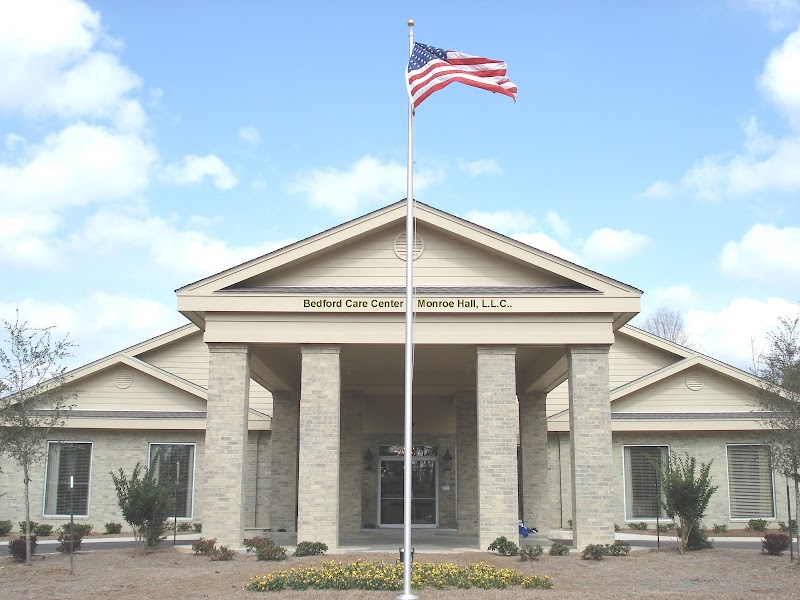
300 CAHAL STREET, HATTIESBURG, MS 39401 (601) 582-9157
For profit - Corporation 80 Beds BEDFORD CARE CENTERS Data: November 2025
Trust Grade
65/100
#58 of 200 in MS
Last Inspection: August 2025

Inspected within the last 6 months. Data reflects current conditions.

Overview

Bedford Care Center-Monroe Hall has a Trust Grade of C+, indicating it is slightly above average but not without its issues. It ranks #58 out of 200 facilities in Mississippi, placing it in the top half, but only #7 out of 8 in Forrest County, suggesting limited local competition. The facility is improving, with reported issues decreasing from 5 in 2024 to 2 in 2025, which is a positive trend. Staffing is rated 4 out of 5 stars, showing a good level of care, although the turnover rate is average at 51%. Notably, the facility has not faced any fines, which is a good sign, and it has average RN coverage, meaning residents receive decent medical oversight. However, there are areas of concern. Recent inspections revealed that four residents were not receiving necessary personal hygiene services, and a staff member was observed feeding a resident while standing, which compromised the resident's dignity. Additionally, there were food safety violations, including expired items not being removed from storage. While there are strengths in staffing and a lack of fines, families should weigh these concerns carefully when considering this facility for their loved ones.

Trust Score
C+
65/100
In Mississippi
#58/200
Top 28%
Safety Record
Low Risk
No red flags
Inspections
Getting Better
5 → 2 violations
Staff Stability
⚠ Watch
51% turnover. Above average. Higher turnover means staff may not know residents' routines.
Penalties
✓ Good
No fines on record. Clean compliance history, better than most Mississippi facilities.
Skilled Nurses
○ Average
Each resident gets 41 minutes of Registered Nurse (RN) attention daily — about average for Mississippi. RNs are the most trained staff who monitor for health changes.
Violations
⚠ Watch
14 deficiencies on record. Higher than average. Multiple issues found across inspections.
★★★☆☆
3.0
Overall Rating
★★★★☆
4.0
Staff Levels
★☆☆☆☆
1.0
Care Quality
★★★★☆
4.0
Inspection Score
Stable
2024: 5 issues
2025: 2 issues

The Good

  • 4-Star Staffing Rating · Above-average nurse staffing levels
  • Full Sprinkler Coverage · Fire safety systems throughout facility
  • No fines on record

Facility shows strength in staffing levels, fire safety.

The Bad

3-Star Overall Rating

Near Mississippi average (2.6)

Meets federal standards, typical of most facilities

Staff Turnover: 51%

Near Mississippi avg (46%)

Higher turnover may affect care consistency

Chain: BEDFORD CARE CENTERS

Part of a multi-facility chain

Ask about local staffing decisions and management

The Ugly 14 deficiencies on record

Aug 2025 2 deficiencies
CONCERN (D)

Potential for Harm - no one hurt, but risky conditions existed

Resident Rights (Tag F0550)

Could have caused harm · This affected 1 resident

Based on observation, interview record review and facility policy review, the facility failed to assure the resident's dignity in accordance with professional standards as evidenced by staff were stan...

Read full inspector narrative →
Based on observation, interview record review and facility policy review, the facility failed to assure the resident's dignity in accordance with professional standards as evidenced by staff were standing while assisting a resident with feeding for one (1) of 20 residents sampled. Resident #6Findings include:A review of the facility's policy, Assisting with Meals, revised 8-2-22, revealed Policy Statements Residents shall receive assistance with meals in a manner that meets the individual needs of each resident .Policy Interpretation and Implementation .3. Residents Requiring Full Assistance .c. Residents who cannot feed themselves will be fed with attention to .dignity, for example: (1) Not standing over residents while assisting them with meals .On 08/25/2025 at 11:59 AM, during an observation from the hallway, Resident #6 was in his room, being assisted with feeding by the Infection Preventionist (IP). The IP was standing while feeding Resident #6 and was positioned above or over the resident who was lying in bed. The door to the room was open to the hallway, and several people passed by the residents' room. On 08/25/2025 at 12:30 PM, an interview with the IP, she acknowledged assisting Resident #6 with feeding while standing over him. The IP nurse revealed she was aware that this was a violation of the resident's dignity and explained that she had instructed other staff to sit while assisting with feedings and should have known better. On 08/27/2025 at 3:20 PM, during an interview, the Director of Nursing (DON) affirmed that this was a violation of the resident's dignity. The DON stated that the staff will be in-serviced on the proper way to assist residents with feeding, and she expects all staff to position themselves properly when assisting with feeding. A record review of the facility's admission Record revealed the facility admitted Resident #6 on 1/11/23 with diagnoses including Alzheimer's Disease.A record review of the Quarterly Minimum Data Set (MDS) with an Assessment Reference Date (ARD) of 7/30/25 revealed Resident #6 had a Brief Interview for Mental Status (BIMS) score of 8 indicating severe cognitive impairment.
CONCERN (D)

Potential for Harm - no one hurt, but risky conditions existed

Food Safety (Tag F0812)

Could have caused harm · This affected 1 resident

Based on observations, interviews, and policy reviews, the facility failed to ensure food safety on one (1) of four (4) survey days. Specifically, the facility failed to remove out-of-date grape juice...

Read full inspector narrative →
Based on observations, interviews, and policy reviews, the facility failed to ensure food safety on one (1) of four (4) survey days. Specifically, the facility failed to remove out-of-date grape juice from the reach-in cooler, failed to remove (34) four-ounce containers of expired yogurt from the refrigerator, and failed to prevent the service of expired food items to residents. Findings Include:A review of the facility's policy, Food Safety Requirements, revised 11/21/22, revealed, .Food will be served in accordance with professional standards for food service safety.Policy Interpretation and Implementation.8c. Additional strategies to prevent foodborne illness include.iv. Labeling, dating, and monitoring refrigerated foods so it is used by the use-by date or discarded.A review of the facility's policy, Food Receiving and Storage, reviewed 10/3/22, revealed, Food shall be stored in a manner that complies with safe food handling practices.Policy Interpretation and Implementation.14.The manufacturer's code will be used when available and may include a manufactured-on date, a best buy date, or an expiration date.On 8/25/25, at 10:07 AM, observation during the initial kitchen tour with the Dietary Manager, revealed there was one (1) container of grape juice in Reach-In Cooler #1 with an expiration date of 5/19/25. The Dietary Manager confirmed the finding and acknowledged the grape juice had been served at breakfast that morning.On 8/25/25 at 10:15 AM, there were (34) four-ounce containers of light vanilla yogurt in the refrigerator with a use-by date of 8/18/25. The Dietary Manager confirmed the finding and stated the yogurt had last been distributed during lunch on Sunday, 8/24/25.On 8/26/25 at 12:27 PM, during an interview with the Registered Dietitian Consultant, she stated her expectation is for the dietary department to check expiration dates and discard food prior to the use-by date, in accordance with policy and federal food service guidelines.On 8/27/25, at 3:45 PM, the Director of Nursing (DON) stated her expectation is for dietary staff to ensure residents are not served expired food and to follow food safety standards. She reported there had been no complaints of diarrhea or other foodborne illnesses in the past six months.On 8/28/25 at 11:56 AM, the Administrator confirmed awareness of the findings and stated his expectation is for dietary staff to check food dates consistently. He reported there had been no outbreaks of foodborne illness in the facility within the last six months.
Oct 2024 3 deficiencies
CONCERN (D) 📢 Someone Reported This

A family member, employee, or ombudsman was alarmed enough to file a formal complaint

Potential for Harm - no one hurt, but risky conditions existed

Free from Abuse/Neglect (Tag F0600)

Could have caused harm · This affected 1 resident

**NOTE- TERMS IN BRACKETS HAVE BEEN EDITED TO PROTECT CONFIDENTIALITY** Based on interview, record review, and facility policy review, the facility failed to ensure a resident was free from neglect, a...

Read full inspector narrative →
**NOTE- TERMS IN BRACKETS HAVE BEEN EDITED TO PROTECT CONFIDENTIALITY** Based on interview, record review, and facility policy review, the facility failed to ensure a resident was free from neglect, as evidenced by, on 10/21/24, at approximately 2:45 PM, after returning to an outing at a local fair, a resident was left in the facility's transportation van until approximately 5:00 PM, for one (1) of three (3) sampled residents. Resident #1 Findings include: A review of the facility's policy, Abuse Prevention Program, modified 8/2/22, revealed .Our residents have the right to be free from abuse, neglect, misappropriation of resident property and exploitation . On 10/28/24 at 11:20 AM, during an interview with the Administrator, he stated that on 10/21/24, following a trip to a local fair, five (5) residents were in the facility's transportation van. At approximately 2:45 PM the van returned to the facility and all the residents were unloaded except Resident #1. The van driver, who is also responsible for central supply, was requested to retrieve supplies for another resident. The front desk staff reported she always had eyes on the resident, while the resident was in the van alone, which was approximately 20 minutes. The Administrator confirmed that the Director of Nursing (DON) called him on 10/21/24 and advised him that Resident #1 was found inside the facility van at approximately 5:00 PM. The Administrator also stated that although the facility had video surveillance, the surveillance system was not operational on 10/21/24. During an interview on 10/28/25 at 12:45 PM, the van driver stated that on 10/21/24 at approximately 2:45 PM, he arrived at the facility with five (5) residents. Resident #1 was the only resident who was in a wheelchair. During their return to the facility as the residents were exiting, the van driver was called to get supplies for another resident, leaving Resident #1 in the van. He stated he was only gone for five (5) to six (6) minutes. Front Desk #1 informed him that she would watch Resident #1 while he went for supplies. Upon returning to the van, he assisted Resident #1 off the van and brought him to the front lobby. On 10/28/24 at 12:55 PM, during an interview with Front Desk #1, she stated that while the van driver was getting supplies for another resident, she walked outside, then back inside, and kept eyes on Resident #1 the entire time he was in the van. Approximately 10 minutes later, the van driver returned and assisted the resident off the van. On 10/28/24 at 1:32 PM, during a phone interview with Registered Nurse (RN) #1/Supervisor, she stated that on 10/21/24 at approximately 5:00 PM during the evening meal, she was informed the facility staff could not locate Resident #1. RN #1 explained that all staff began to search for Resident #1, both inside and outside of the facility. Certified Nurse Assistant (CNA) #1 stated that Resident #1 went to the fair earlier and went to the front of the facility and found Resident #1 in the locked van. She further explained that Licensed Practical Nurse (LPN) #1 retrieved the facility van keys from Front Desk #1 and opened the van. The van driver had returned to the facility and assisted with removing Resident #1 from the van. RN #1 stated the incident was reported to the Director of Nurses (DON), and the Nurse practitioner (NP) was notified. During an interview on 10/28/24 at 2:01 PM with LPN #2, she confirmed that on 10/21/24 during dinner time at the facility, Resident #1 was not present in the dining room, the staff went to search for him and found him in the facility van. The van was locked, and LPN #1 received the keys from the front desk staff and opened the van. Someone had called the van driver back to the facility and he came and assisted in getting Resident #1 out of the van, which was at approximately 5:00 PM. On 10/28/24 at 2:10 PM, during a phone interview with CNA #1, she revealed that when she realized Resident #1 was not in the dining room during the evening meal, she remembered he had gone with the other residents to the local fair. She immediately went to the van, which was in the handicapped parking spot, and saw him inside the van. CNA #1 recalled that a nurse got the keys from the front desk staff and the van driver assisted with getting the resident off the van and into the facility. On 10/28/24 at 3:15 PM, during an interview with CNA #2, she stated that on 10/21/24 at approximately, 4:00 PM, she observed Resident #1 in the front lobby playing basketball. On 10/28/24 at 3:24 PM, during a phone interview with LPN #1, she stated that on 10/21/24, when the facility staff discovered that Resident #1 was missing, she searched his room and bathroom. When he was found to be locked in the facility van, she got the keys from the front office to get him out of the van. She said the van was parked in its designated parking spot. She explained that someone had called the van driver to assist with getting the resident out. LPN #1 further explained that when the residents returned from the fair, she had documented that Resident #1 had returned in the computer system but admitted that she had not actually observed him in the facility. On 10/28/24 at 3:40 PM, in a follow up interview with Front Office #1, she recalled giving a nurse the van key on 10/21/24 sometime before she got off work at 6:00 PM but was unable to recall why the key was needed, the exact she gave the key out, and the name of the nurse she gave the key to because there was a lot of activity in the lobby. On 10/28/24 at 4:15 PM, during a follow up interview with the Administrator, he reiterated that following the outing to the fair, the residents returned to the facility on [DATE] between 2:15 to 2:30 PM. Later that day, after leaving the facility for the day, he received a phone call from the DON, informing him that she received a phone call at or around 6:00 PM stating that Resident #1 was alone in the van and that he had no injuries. The staff notified the Nurse Practitioner to assess the resident. The next day, he received statements from the van driver and Front Office #1. The Administrator stated that he concluded based off those two (2) interviews that the resident was in the van for less than an hour and was supervised the entire time. He explained that he trusted the van driver's statement because he had been employed at the facility for 19 years and Front Office #1 collaborated the statement. He admitted that he did not interview any of the nursing staff that had assisted Resident #1 off the van around 5:00 PM. He was also unaware that Front Office #1 had given the van key to a nurse around that same time. The Administrator was unable to explain the discrepancies in the statements made by the facility staff and the timeline of the event. The Administrator explained the facility held an emergency Quality Assurance (QA) meeting on 10/22/24 because a resident being left on the van for any amount of time could be an issue. On 10/29/24 at 9:27 AM, an interview with the Nurse Practitioner (NP) revealed on 10/21/24 at approximately 6:00 PM, he received a phone call from RN #1, stating that Resident #1 was left in the facility van for an undetermined amount of time. The NP explained that he did not witness Resident #1 being left in the facility's van. His note on 10/21/24 reflected to the best of his knowledge at the time of the incident what had been reported by the nursing staff. The NP stated he had provided an addendum to his note to clarify that he had no knowledge of how long the resident was left on the van. Following the incident as it was reported to him, he ordered basic blood work as the concern was that the resident had been left on the van for an undetermined amount of time. On 10/29/24 at 9:57 AM, an interview with the DON confirmed on 10/21/24 at approximately 5:00 PM, she received a phone call from RN #1, stating that Resident #1 was missing but that he had been found in the facility van. The NP was notified, and she had called the Administrator to let him know what the RN Supervisor had reported. She stated the facility completed in-services regarding completing documentation correctly since LPN #1 admitted that she had documented Resident #1 as being in the facility on 10/21/24 without seeing him. The facility also completed in-services on Abuse and Neglect. On 10/29/24 at 10:03 AM, in a follow up interview with RN #1, she stated that when it was reported to her that Resident #1 was missing, all staff started searching resident rooms, the shower room, and the outside courtyard. She did not issue a missing resident alert because he was found in the facility van. She confirmed that she went outside to the van and both the back and front door was open. She confirmed she observed the van driver return to the facility in his truck, and he was wearing a white t-shirt and shorts. In a follow up interview with LPN #1 on 10/29/24 at 5:15 PM, she stated she found Resident #1 in the facility van, secured in a seatbelt, and the van door was locked. She explained she went and got the keys from Front Office #1, and another staff member called the van driver, who quickly arrived back to the facility. A record review of the admission Record revealed the facility admitted Resident #1 on 6/24/23 with diagnosis including Unspecified Intellectual Disabilities and Dementia. A record review of the Quarterly Minimum Data Set (MDS), with an Assessment Reference Date (ARD) of 8/27/24, revealed Resident #1 had a Brief Interview of Mental Status (BIMS) score of 6, which indicated his cognition was severely impaired. A record review of the Quality Assessment and Assurance Committee Minutes October 22, 2024 revealed, .Emergency QA meeting held related to resident being left in a van. The driver of the van parked the vehicle in the front parking @ (at) the front entrance of the facility but failed to unload the resident. The amount of time the resident was in the van is unknown exactly, but it wasn't greater than 1 (one) hour . Record review of the Progress Note from the NP, dated 10/21/24, revealed, .Patient seen today per facility request for environmental exposure, apparently left in transport van. I was contacted approximately 1800 (6:00 PM) hours by facility nursing staff regarding the patient spending several hours in the van after going to the fair .At approximately 19:30 (7:30 PM) I came and evaluated the patient .Document e-signed .on [DATE] . Record review of the Addendum from the NP Progress Note revealed, Addendum is made to give this note to more accurately reflect appropriate timeline. It should be noted that I was not a witness to the events described above. The amount time that the patient was been in the van at this time is indeterminate, however he was at the fair and overall outside facility for several hours .Document e-signed on [DATE] .
CONCERN (D) 📢 Someone Reported This

A family member, employee, or ombudsman was alarmed enough to file a formal complaint

Potential for Harm - no one hurt, but risky conditions existed

Report Alleged Abuse (Tag F0609)

Could have caused harm · This affected 1 resident

**NOTE- TERMS IN BRACKETS HAVE BEEN EDITED TO PROTECT CONFIDENTIALITY** Based on staff interview, record review, and facility policy review, the facility failed to report a violation of neglect within...

Read full inspector narrative →
**NOTE- TERMS IN BRACKETS HAVE BEEN EDITED TO PROTECT CONFIDENTIALITY** Based on staff interview, record review, and facility policy review, the facility failed to report a violation of neglect within 24 hours when the facility was notified that a resident had been left in a facility van for an undetermined amount of time for one (1) of three (3) residents. Resident #1 Findings include: A review of the facility's policy, Abuse Investigation and Reporting Prevention Program, modified 8/2/22, revealed, .All reports of resident abuse, neglect, exploitation, misappropriation of resident property, mistreatment and/or injuries of unknown source (abuse) shall be promptly reported to local, state and federal agencies .Reporting .2. An alleged violation of abuse, neglect .will be reported immediately, but not later than .b. Twenty-four (24) hours if alleged violation does not involve abuse AND has not resulted in serious bodily injury . During an interview with the Administrator on 10/28/24 at 4:15 PM, he stated that following the outing to the fair, the residents returned to the facility on [DATE] between 2:15 PM to 2:30 PM on the facility's transportation van. He confirmed that later that day after leaving the facility, he received a phone call from the Director of Nursing (DON) informing him that she had received a phone call at or around 6:00 PM from the facility staff stating that Resident #1 was alone in the van and that he had no injuries. The staff notified the Nurse Practitioner (NP) to assess the resident. The next day, he received statements from the van driver and Front Office #1 and he concluded based off those two (2) interviews that the resident was in the van for less than an hour and was supervised the entire time. He explained that he trusted the van driver's statement because he had been employed at the facility for 19 years and Front Office #1 collaborated the statement. He admitted that he did not interview any of the nursing staff that had assisted Resident #1 off the van around 5:00 PM. However, he felt that since the facility always had eyes on the resident and his investigation was completed, he did not need to report the event to the State Agency (SA). During an interview on 10/29/24 at 9:57 AM, the DON, confirmed that on 10/21/24 at approximately 5:00 PM, she received a phone call from RN #1, stating that Resident #1 was missing but had been found in the facility van. She notified the Administrator, but did not report or investigate the event because the Administrator stated he would do the investigation. A record review of the admission Record revealed the facility admitted Resident #1 on 6/24/23 with diagnoses including Unspecified Intellectual Disabilities and Dementia. A record review of the Quarterly Minimum Data Set (MDS), with an Assessment Reference Date (ARD) of 8/27/24, revealed Resident #1 had a Brief Interview of Mental Status (BIMS) score of 6, which indicated his cognition was severely impaired. A record review of the Quality Assessment and Assurance Committee Minutes October 22, 2024 revealed, .Emergency QA (Quality Assessment) meeting held related to resident being left in a van. The driver of the van parked the vehicle in the front parking @ (at) the front entrance of the facility but failed to unload the resident. The amount of time the resident was in the van is unknown exactly, but it wasn't greater than 1 (one) hour . Record review of the Progress Note from the NP, dated 10/21/24, revealed, .Patient seen today per facility request for environmental exposure, apparently left in transport van. I was contacted approximately 1800 (6:00 PM) hours by facility nursing staff regarding the patient spending several hours in the van after going to the fair .At approximately 19:30 (7:30 PM) I came and evaluated the patient .Document e-signed .on [DATE] . Record review of the Addendum from the NP Progress Note revealed, Addendum is made to give this note to more accurately reflect appropriate timeline. It should be noted that I was not a witness to the events described above. The amount time that the patient was been in the van at this time is indeterminate, however he was at the fair and overall outside facility for several hours .Document e-signed on [DATE] .
CONCERN (D) 📢 Someone Reported This

A family member, employee, or ombudsman was alarmed enough to file a formal complaint

Potential for Harm - no one hurt, but risky conditions existed

Investigate Abuse (Tag F0610)

Could have caused harm · This affected 1 resident

**NOTE- TERMS IN BRACKETS HAVE BEEN EDITED TO PROTECT CONFIDENTIALITY** Based on staff interview, record review, and facility policy review, the facility failed to conduct a thorough investigation rel...

Read full inspector narrative →
**NOTE- TERMS IN BRACKETS HAVE BEEN EDITED TO PROTECT CONFIDENTIALITY** Based on staff interview, record review, and facility policy review, the facility failed to conduct a thorough investigation related to a resident who was left on the facility's transportation van upon return from an outing for one (1) of 3 (three) sampled residents. Resident #1 Findings include: A review of the facility's policy, Abuse Investigation and Reporting, modified 8/2/22, revealed, .All reports of resident abuse, neglect, exploitation, misappropriation of resident property, mistreatment and/or injuries of unknown source (abuse) shall be .thoroughly investigated by facility management .Policy Interpretation and Implementation Role of the Administrator: 1. If an incident or suspected incident of resident .neglect .is reported, the Administrator or designee will lead the investigation .Investigative Process: 1. The individual conducting the investigation will, as a minimum .c. Interview the person(s) reporting the incident; d. Interview any witnesses to the incident .g. Interview staff members (on all shifts) who have had contact with the resident during the period of the alleged incident .j. Review all events leading up to the alleged incident . The Administrator stated during an interview on 10/28/24 at 11:20 AM, that on 10/21/24, following a trip to a local fair, five (5) residents were in the facility's transportation van. At approximately 2:45 PM the van returned to the facility and all the residents were unloaded except Resident #1. The van driver, who is also responsible for central supply, was requested to retrieve supplies for another resident. The front desk staff reported she always had eyes on the resident, while the resident was in the van alone, which was approximately 20 minutes. The Administrator confirmed that the Director of Nursing (DON) called him on 10/21/24 and advised him that Resident #1 was found inside the facility van at approximately 5:00 PM. The Administrator also stated that although the facility had video surveillance, the surveillance system was not operational on 10/21/24. The Administrator reiterated on 10/28/24 at 4:15 PM, during a follow up interview that following the outing to the fair, the residents returned to the facility on [DATE] between 2:15 to 2:30 PM. He confirmed that later that day, after leaving the facility, he received a phone call from the DON, informing him that she received a phone call at or around 6:00 PM stating that Resident #1 was alone in the van and that he had no injuries. The staff notified the Nurse Practitioner to assess the resident. The next day, he received statements from the van driver and Front Office #1 and he concluded based off those two (2) interviews that the resident was in the van for less than an hour and was supervised the entire time. He explained that he trusted the van driver's statement because he had been employed at the facility for 19 years and Front Office #1 collaborated the statement. He admitted that he did not interview any of the nursing staff that had assisted Resident #1 off the van around 5:00 PM or any other facility staff that may have witnessed the incident. He also did not interview staff members on all shifts who had contact with the resident during the period of the alleged incident. The Administrator was unable to explain the discrepancies in the statements made by the facility staff and the timeline of the event. He stated that since the facility staff always had eyes on the resident, the investigations was completed, unsubstantiated, and required no further investigation. The DON confirmed during an interview on 10/29/24 at 9:57 AM, that on 10/21/24 at approximately 5:00 PM, she received a phone call from RN #1, stating that Resident #1 was missing but had been found in the facility's van. She notified the Administrator, but did not report or investigate the event because the Administrator stated he would do the investigation. A record review of the admission Record revealed the facility admitted Resident #1 on 6/24/23 with diagnoses including Unspecified Intellectual Disabilities and Dementia. A record review of the Quarterly Minimum Data Set (MDS), with an Assessment Reference Date (ARD) of 8/27/24, revealed Resident #1 had a Brief Interview of Mental Status (BIMS) score of 6, which indicated his cognition was severely impaired. A record review of the Quality Assessment and Assurance Committee Minutes October 22, 2024 revealed, .Emergency QA (Quality Assessment) meeting held related to resident being left in a van. The driver of the van parked the vehicle in the front parking @ (at) the front entrance of the facility but failed to unload the resident. The amount of time the resident was in the van is unknown exactly, but it wasn't greater than 1 (one) hour . Record review of the Progress Note from the NP, dated 10/21/24, revealed, .Patient seen today per facility request for environmental exposure, apparently left in transport van. I was contacted approximately 1800 (6:00 PM) hours by facility nursing staff regarding the patient spending several hours in the van after going to the fair .At approximately 19:30 (7:30 PM) I came and evaluated the patient .Document e-signed .on [DATE] . Record review of the Addendum from the NP Progress Note revealed, Addendum is made to give this note to more accurately reflect appropriate timeline. It should be noted that I was not a witness to the events described above. The amount time that the patient was been in the van at this time is indeterminate, however he was at the fair and overall outside facility for several hours .Document e-signed on [DATE] .
Mar 2024 2 deficiencies
CONCERN (D)

Potential for Harm - no one hurt, but risky conditions existed

MDS Data Transmission (Tag F0640)

Could have caused harm · This affected 1 resident

Based on staff interview, record review, and facility policy review, the facility failed to transmit a Discharge Minimum Data Set (MDS) Assessment in a timely manner for one (1) of 19 residents review...

Read full inspector narrative →
Based on staff interview, record review, and facility policy review, the facility failed to transmit a Discharge Minimum Data Set (MDS) Assessment in a timely manner for one (1) of 19 residents reviewed for MDS assessments. (Resident # 58) Findings Include: Record review of the facility's policy, Resident Assessment Instrument, revised 06/17/2022 revealed, POLICY STATEMENT: A comprehensive assessment of a resident's needs shall be made .periodically .POLICY INTERPRETATION AND IMPLEMENTATION: 1. The Assessment Coordinator is responsible for ensuring that the Interdisciplinary Assessment Team conduct timely resident assessments and reviews . Record review of the admission Record revealed the facility admitted Resident #58 on 10/31/23 and he had diagnoses including Atrial Fibrillation. Record review of a Physician's Order, dated 1/15/24, revealed Resident #1 was sent to a local emergency room (ER) for evaluation and treatment. Review of the medical record of Resident #1 revealed the MDS Discharge assessment was not transmitted when he was sent to the hospital on 1/15/24. During an interview on 03/27/24 at 9:47 AM, with Registered Nurse (RN) #1, he confirmed the facility failed to transmit the hospital discharge MDS for Resident #58 and confirmed the resident did not return to the facility. He reported the staff discussed in daily stand up about residents that are sent to the local hospital. RN #1 explained that it was his responsibility to transmit the hospital discharge within 14 days. He was unsure how it was missed because corporate also completed spot checks to ensure MDS were transmitted. During an interview on 3/28/24 at 10:04 AM, with the Director of Nurses (DON), she stated she expected the facility staff to transmit the hospital discharge MDS in a timely manner. She was unsure how the discharge transmittal was missed because they have systems in place to ensure they are submitted.
CONCERN (D)

Potential for Harm - no one hurt, but risky conditions existed

Respiratory Care (Tag F0695)

Could have caused harm · This affected 1 resident

Based on observation, interviews, record review, and facility policy review, the facility failed ensure a nebulizer mask was stored in a designated storage bag one (1) of one (1) resident reviewed for...

Read full inspector narrative →
Based on observation, interviews, record review, and facility policy review, the facility failed ensure a nebulizer mask was stored in a designated storage bag one (1) of one (1) resident reviewed for respiratory care. Resident #179. Findings include: A record review of the facility's policy, Administering Medications through a Small Volume (Handheld) Nebulizer, revised date 8/2/22, revealed, The purpose of this procedure is to safely and aseptically administer aerosolized particles of medication into the resident's airway . 23. When equipment is completely dry, store in a plastic bag with the resident's name and the date on it . A record review of the Order Summary Report, with active orders as of 03/27/24, revealed Resident #179 had a Physician's Order, dated 3/20/24, for Ipratropium-Albuterol Solution 0.5-2.5 (3) mg (milligram)/ 3 ml (milliliters) 1 vial inhale orally four times a day for wheezing/sob (shortness of breath). On 03/25/24 at 11:26 AM, during an observation, Resident #179 was lying in bed sleeping. A nebulizer mask was tied to the left bedrail and was not stored in a designated bag. At 12:39 PM on 03/25/24, during an observation and an interview with Licensed Practical Nurse (LPN) #1, she confirmed the nebulizer mask was tied directly onto the bedrail for Resident #179 and explained that the mask should have been stored in a plastic bag. LPN #1 was unable to find a designated storage bag in the room and stated she would get a bag to store the mask. LPN #1 reported that Resident #179 was not able to tie the mask to the bedrail and that a staff member must have placed it there. On 03/26/24 at 01:30 PM, during an interview with the Director of Nursing (DON), she explained all nebulizer masks should be stored in a clear bag, dated, and changed weekly with the oxygen tubing. She expected all nurses to follow the policy and store nebulizer masks in designated bags to prevent infections or complications. A record review of the admission Record revealed the facility admitted Resident #179 on 03/20/20 with diagnoses including Alzheimer's Disease. A record review of the Quarterly Minimum Data Set (MDS) with an Assessment Reference Date (ARD) of 02/07/24 revealed Resident #179 had a Brief Interview for Mental Status (BIMS) score of 02, which indicated his cognition was severely impaired.
Jan 2023 3 deficiencies
CONCERN (D) 📢 Someone Reported This

A family member, employee, or ombudsman was alarmed enough to file a formal complaint

Potential for Harm - no one hurt, but risky conditions existed

Deficiency F0558 (Tag F0558)

Could have caused harm · This affected 1 resident

Deficiency Text Not Available

Read full inspector narrative →
Deficiency Text Not Available
CONCERN (D) 📢 Someone Reported This

A family member, employee, or ombudsman was alarmed enough to file a formal complaint

Potential for Harm - no one hurt, but risky conditions existed

Incontinence Care (Tag F0690)

Could have caused harm · This affected 1 resident

Based on observation, interviews, record review, and facility policy review the facility failed to ensure that a resident, who was incontinent of bladder received appropriate treatment and services to...

Read full inspector narrative →
Based on observation, interviews, record review, and facility policy review the facility failed to ensure that a resident, who was incontinent of bladder received appropriate treatment and services to prevent urinary tract infections (UTIs) for one (1) of two (2) incontinence care. Resident #3 Findings include: Record review of the facility's policy, Perineal Care revised 8/2/22, revealed, The purposes of this procedure are to provide cleanliness and comfort to the resident, to prevent infections .10 . e. Wash the rectal area thoroughly, wiping from the base of the labia towards and extending over the buttocks (wipe from front to back) . On 1/27/23 at 12:00 PM, during an interview the Resident Representative (RR) for Resident #3 expressed concern related to the incontinence care provided for Resident #3 and that she was considering other facilities because she was not satisfied. She stated that she was worried because Resident #3 had previously been diagnosed with UTI, however, the resident did not actively have an infection. On 1/27/23 at 1:49 PM, during observation of incontinence care for Resident #3 performed by Certified Nurse Aide (CNA) #1 and CNA #2, with the Staff Development Nurse (SDN) present in the room, CNA #1 used a disposable cleansing cloth and wiped from the rectal area toward the vaginal area (back to front) of the resident. On 1/27/23 at 1:55 PM, during an interview with CNA #1, she stated that she was aware she had made a mistake during incontinence care, and she stated I got nervous; I wiped from back to front. I know better. She confirmed she knew that the correct procedure was to cleanse or wipe front to back to prevent urinary tract infections. On 1/27/23 at 2:00 PM, during an interview the SDN, he confirmed that he also had witnessed during the SA observation CNA #1 perform incontinence care for Resident #3 and that she had cleaned the resident by wiping from back to front, which did not coincide with the facility policy or current standards of practice designed to prevent urinary tract infections and it could have potentially lead to the resident obtaining a urinary tract infection. On 1/27/23 at 3:40 PM, during an interview the Director of Nursing, she confirmed that facility policy and accepted current standards of care specified that incontinence care should always include cleansing (wiping) from front to back and that for female residents that meant the vaginal area toward the rectal area, and never back to front. She stated that in-service training had been provided for all nursing staff in which facility incontinence care policy and procedure and current standards of care designed to prevent urinary tract infection were reviewed. She confirmed use of incorrect procedure could potentially lead to urinary tract infection. Record review of the admission Record for Resident #3 revealed the facility admitted her on 5/17/22 with diagnoses including Toxic Encephalopathy and Type 2 Diabetes Mellitus. Record review of the quarterly MDS with an Assessment Reference Date (ARD) of 11/09/22 revealed Resident #3 had a Brief Interview for Mental Status (BIMS) score of 12, which indicated the resident had moderate cognitive impairment. Further review revealed Resident #3 required extensive assistance with toilet use and personal hygiene and was assessed as Always Incontinent for Urinary Continence and Always Incontinent for Bowel Continence.
CONCERN (E) 📢 Someone Reported This

A family member, employee, or ombudsman was alarmed enough to file a formal complaint

Potential for Harm - no one hurt, but risky conditions existed

ADL Care (Tag F0677)

Could have caused harm · This affected multiple residents

**NOTE- TERMS IN BRACKETS HAVE BEEN EDITED TO PROTECT CONFIDENTIALITY** Based on observations, interviews, record review, and facility policy review, the facility failed to ensure residents, who were ...

Read full inspector narrative →
**NOTE- TERMS IN BRACKETS HAVE BEEN EDITED TO PROTECT CONFIDENTIALITY** Based on observations, interviews, record review, and facility policy review, the facility failed to ensure residents, who were unable to carry out Activities of Daily Living (ADLs), received the necessary services to maintain grooming and personal hygiene for four (4) of seven (7) sampled residents. Resident #1, Resident #3, Resident #5, and Resident #7. Findings include: Record review of the facility's policy, Care of Fingernails/Toenails, revised 8/2/22, revealed, The purposes of this procedure are to clean the nail bed, to keep nails trimmed .1. Nail care includes daily cleaning and regular trimming .13. Trim fingernails in an oval shape and toenails straight across. 14. Smooth the nails with a nail file or emery board . Record review of the facility's policy, Activities of Daily Living (ADLs), Supporting Policy, revised 8/2/22, revealed, Policy Interpretation and Implementation .2. Appropriate care and services will be provided for residents who are unable to carry out ADLs independently .including appropriate support and assistance with: a. hygiene ( .grooming .) . Resident #1 On 1/27/23 at 10:25 AM, during an observation with the Wound Care Nurse, Resident #1's toenails were long and ragged/jagged and his fingernails were long, jagged. The length of Resident #1's fingernails exceeded the tips of the fingers on his right hand 0.2 centimeters to 0.4 centimeters. On 1/27/23 at 10:30 AM, during an interview with the Wound Care Nurse, she described the toenails of Resident #1 as long and ragged. She confirmed Resident #1's fingernails were also long. She reported that fingernail care and toenail care were included in adequate grooming for residents. She also confirmed the resident was not able to trim his own fingernails or toenails and it was the responsibility of the resident's nurse or herself to provide toenail care. She stated the Certified Nurse Aides (CNAs) were responsible for reporting to the nurses if a resident's toenails or fingernails needed to be trimmed. Record review of the admission Record for Resident #1 revealed the facility admitted him on 6/23/10, with diagnoses including Hemiplegia and Hemiparesis following Cerebral Infarction Affecting Left Non-Dominant Side, Parkinson's Disease, and Type 2 Diabetes Mellitus. Record review of the quarterly Minimum Data Set (MDS) for Resident #1 with an Assessment Reference Date (ARD) of 12/21/22 revealed the resident had a Brief Interview for Mental Status (BIMS) score of 00 and documented the resident exhibited Disorganized Thinking .incoherent .unclear flow of ideas and Altered Level of Consciousness. Further MDS review, Section G, revealed Resident #1 required extensive assistance with personal hygiene. Resident #3 On 1/26/23 at 1:40 PM, observation and an interview with Resident #3 in her room revealed she was seated in a wheelchair in her room reading a book.Her fingernails were long and dirty. Her fingernails extended approximately 0.5 centimeters past the end of her fingers and were jagged, rough, and not smooth. Record review of the admission Record for Resident #3 revealed the facility admitted her on 5/17/22 with diagnoses including Toxic Encephalopathy and Type 2 Diabetes Mellitus. Record review of the quarterly MDS with an ARD of 11/09/22 revealed Resident #3 had a BIMS score of 12, which indicated the resident had moderate cognitive impairment. Further review of the MDS, Section G, revealed Resident #3 required extensive assistance with personal hygiene. Resident #5 On 1/27/23 at 10:55 AM, an observation revealed the resident had long, rough, jagged toenails. Record review of the admission Record for Resident #5 revealed she was admitted by the facility on 5/09/22 with diagnoses including Alzheimer's Disease and had Dementia. Record review of the Quarterly MDS with an ARD of 11/02/22 revealed the resident had a BIMS score of 00 with documentation of Delirium .Inattention. Further MDS review, Section G, revealed Resident #5 required extensive assistance with personal hygiene. Resident #7 On 1/27/23 at 11:10 AM, an observation revealed Resident #7 was seated in a wheelchair at a table in a common area. Both of her hands were balled up into tight fists. With the assistance of the Director of Nursing (DON) the resident's fingernails were assessed and noted to be long, rough, and jagged. On 1/27/23 at 11:15 AM, during an interview the DON, she confirmed that Resident #7's fingernails were long. She said that fingernails and toe nails were to be assessed by nurses and CNAs on an ongoing basis and fingernail and toenail care should be provided by staff as needed. She confirmed that there were criteria for CNAs to be able to use clippers to trim fingernails or toenails, but the CNAs responsibility included reporting to the nurse if a resident needed care and they were not able to provide the care. Record review of the admission Record for Resident #7 revealed she was admitted by the facility on 5/19/17 with diagnoses including Alzheimer's Disease and Dementia. A record review of the quarterly MDS with an ARD of 12/7/22, revealed Resident #7 had long and short term memory problems and her cognitive skills for daily decision making was severely impaired. Further MDS review, Section G, revealed Resident #7 required extensive assistance with toilet use and personal hygiene. On 1/26/23 at 2:30 PM, during an interview with CNA #4, she reported that the facility provided in-service training for ADLs. On 1/26/23 at 3:00 PM, during an interview Registered Nurse (RN) #1, she stated she was responsible for supervision of Licensed Practical Nurses (LPNs) and the care of residents. She stated the CNAs were trained and reminded and provided with instruction to use and follow the [NAME] in electronic health records software for ADL care. She confirmed that staff were expected to provide care based on the MDS assessment of each resident which was reflected in the resident's [NAME]. She reported each resident was scheduled for showers every week, most every other day, and that fingernail care was supposed to be done on shower days. She said that if a resident was diabetic, had physician orders for anticoagulant therapy or was diagnosed with a bleeding disorder, the CNA should report to a licensed nurse if the resident's nails needed trimming, but they were allowed to use an emery board as needed to file or smooth any resident's nails. On 1/27/23 at 2:00 PM, during an interview the Staff Development Nurse (SDN), he stated that he was responsible for general facility orientation for CNAs and for checkoff competencies for CNAs when they are ready to be own their own. He confirmed the competencies included ADL care. He confirmed that all CNAs employed by the facility had received formal training in a certified training program which would have included correct ADL procedures. On 1/27/23 at 3:40 PM, an interview with the DON, she confirmed the nursing staff were responsible for assessment of the condition of resident fingernails and toenails and provide fingernail and toenail care as appropriate to prevent the fingernails and toenails from growing too long or being rough or jagged. She confirmed that fingernail care and toenail care were included in personal hygiene and grooming. On 1/27/23 at 3:50 PM, an interview with the facility Administrator, he confirmed the nursing staff were responsible for fingernail care and toenail care and that fingernail care and toenail care was considered personal hygiene/grooming.
Feb 2022 4 deficiencies
CONCERN (D)

Potential for Harm - no one hurt, but risky conditions existed

Transfer Notice (Tag F0623)

Could have caused harm · This affected 1 resident

**NOTE- TERMS IN BRACKETS HAVE BEEN EDITED TO PROTECT CONFIDENTIALITY** Based on interviews, record review and facility policy review, the facility failed to provide a written notice of transfer to th...

Read full inspector narrative →
**NOTE- TERMS IN BRACKETS HAVE BEEN EDITED TO PROTECT CONFIDENTIALITY** Based on interviews, record review and facility policy review, the facility failed to provide a written notice of transfer to the Responsible Representative (RR) for four (4) of four (4) residents reviewed. Resident #23, Resident #63, Resident #65 and Resident #67. Findings Include: Record review of the facility's policy, Transfer or Discharge, Emergency with a Revised Date of September 2012 and a Reviewed Date of 1/2022 revealed Our facility shall make an emergency transfer or discharge when it is in the best interest of the resident. 1.e. Notify the representative (sponsor) or other family member as appropriate in writing . Record review of the Re: Written Notice Requirements form revealed .our regulations require this facility to send a Written Notice to Resident Representatives each time a resident is transferred to the hospital or goes out on therapeutic leave . Resident #23 On 02/15/22 at 2:11 PM, during a phone interview with Resident #23's RR, she explained the facility called and informed her of her mother being transferred to the hospital, but she did not receive a notification in writing of the transfer. A record review of the admission Record for Resident #23 revealed the facility admitted Resident #23 on 2/14/2020 with diagnoses including but not limited to: Alzheimer's Disease with late onset, Dementia, and Essential High Blood Pressure. A record review of Resident #23's Order Audit Report revealed a physician order with an order date of 02/08/22 to send to (Name of Local Hospital) emergency room for evaluation of hypotension. A record review of Resident Notification of Transfer/Leave Bed Hold revealed the facility completed the portion of the form of Resident #23's name, date of transfer, and type of leave as transfer to hospital, but it did not indicate the reason for the transfer. A record review of nurse Progress Notes with an effective date of 2/08/22 for Resident #23 revealed, RN was notified that (Name of Nurse Practitioner) was sending Elder to ER (Emergency Room) . A record review of Resident #23's Discharge Minimum Data Set (MDS) with an Assessment Reference Date (ARD) of 02/08/22 revealed she was discharged to an Acute hospital on 2/8/22. Resident #63 Record review of the admission Record revealed Resident #63 was admitted to the facility on [DATE] with diagnoses including Sepsis and Parkinson's Disease. Record review of the nurse Progress Notes with an effective date of 1/25/22 revealed, .On 1/21/22 staff reported .He was sent to (Name of Local Hospital) ER for evaluation . Record review of Resident #63's MDS with an ARD of 1/21/22 revealed Resident #63 was discharged to an acute hospital on 1/21/22. Record review of the medical chart revealed there was no written notification of transfer for Resident #63. Resident #65 Record review of the admission Record revealed Resident #65 was admitted to the facility admitted on [DATE] with diagnoses including Congestive Heart Failure, Type II Diabetes Mellitus, and Chronic Kidney Disease. Record review of the Physician Discharge Summary with a discharge date of 1/11/22 revealed .Elder sent to (Name of Local Hospital) ER for evaluation . Record review of Progress Notes with an effective date of 1/11/21 revealed, .New order to send patient to (Name of Local Hospital) ER for evaluation . Record review of the MDS with an ARD of 1/11/22 revealed Resident #65 was discharged to an acute hospital on 1/11/22. Record review of the medical chart revealed there was no written notification of transfer for Resident #65. Resident #67 Record review of the admission Record revealed the facility originally admitted Resident #67 on 10/7/20 and readmitted her on 2/15/22. Resident #67 has diagnoses including Epilepsy, Vascular Dementia and Urinary Tract Infection. Record review of Resident #67's MDS with an ARD of 2/1/22 revealed she was discharged to another nursing home or swing bed on 2/1/22. Record review of the medical chart revealed there was no written notification of transfer for Resident #67. On 02/16/22 at 1:50 PM, during an interview with Social Service (SS), explained she had stopped sending a written notification of transfer to the residents' RRs about a year ago. The previous Administrator had removed that task from her responsibility because she had so much to do. She stated the nurse who initiates the resident transfer completes the transfer form and sends it along with the other information with the resident to the hospital. The facility then retains a copy of the form in the resident's medical chart. The nurses do not notify the RR in writing because the RR is notified verbally at the time of transfer. She confirmed the facility failed to notify RRs in writing of resident transfers, including the reason for the transfer. On 02/16/22 at 4:38 PM, during an interview with the Administrator, he reported that SS knew to notify the RR in writing by mailing the transfer/discharge letter to the resident's RR. On 02/18/22 at 01:47 PM, in an interview with Director of Nursing (DON), she stated SS was responsible for sending the written notice to the family. She stated she is aware that RRs did not receive written notification of the resident transfer and the forms should have been sent to the family.
CONCERN (D)

Potential for Harm - no one hurt, but risky conditions existed

Deficiency F0645 (Tag F0645)

Could have caused harm · This affected 1 resident

Based on interviews, record review, and facility policy review, the facility failed to ensure a Pre-admission Screening (PASSR) Application was completed accurately for one (1) of nine (9) PASSR Appli...

Read full inspector narrative →
Based on interviews, record review, and facility policy review, the facility failed to ensure a Pre-admission Screening (PASSR) Application was completed accurately for one (1) of nine (9) PASSR Applications reviewed. Resident #2. Findings Include: A record review of the facility's policy admission Criteria with a reviewed date of June 2021, revealed, Policy Statement Our facility admits only residents who's medical and nursing care needs can be met Policy Interpretation and Implementation . 9. All new admissions and readmissions are screened for mental disorders (MD), intellectual disabilities (ID), or related disorders (RD) per the Medicaid Pre-admission Screening and Resident Review (PASARR) process. a. the facility conducts a Level I PASARR screen for all potential admissions, regardless of payer source, to determine if the individual meets the criteria for a MD, ID, or RD. b. If the level I screen indicates that the individual may meet for a MD, ID, RD, he or she is referred to the state PASARR representative for the Level II (evaluation and determination) screening process. (1) the admitting nurse notifies the social department when a resident is identified as having a possible (or evident) MD, ID, or RD. (2) The social worker is responsible for making referrals to the appropriate state-designated authority. A record review of Resident #2's admission Record revealed the facility initially admitted Resident #2 on 08/27/21 and re-admitted her on 2/3/22 with the medical diagnoses that included but were not limited to Hemiplegia and Hemiparesis following cerebral infarction, Bipolar Disorder, Unspecified and Major Depressive Disorder. A record review of Resident #2's Pre-admission Screening (PAS) Application for Long Term Care with a PAS date of 11/5/21 revealed the application was completed by the Social Worker. Selective Active Medical Conditions revealed Bipolar Disorder which indicated the facility was aware Resident #2 had a major mental illness diagnosis of Bipolar Disorder at the time the application was completed. The answers to questions, Person has a diagnosis of a major mental illness and has a recent history of a major mental illness was answered No and indicated Resident #2 did not have a diagnosis of a major mental illness, which did not correlate with the resident's Bipolar Disorder diagnosis. A record review of Resident #2's Order Summary Report revealed physician orders for Zyprexa Tablet 2.5 milligram (mg) give one (1) tablet by mouth at bedtime for Bipolar Disorder, Remeron Tablet 30 mg give one (1) tablet by mouth at bedtime for Depression and decreased appetite, Paxil Tablet 20 mg give one (1) tablet by mouth one time a day related to Major Depressive Disorder. On 02/16/22 at 4:50 PM, during an interview with the Administrator, he explained the Social Worker completed PASRRs and confirmed the resident had two diagnoses of mental illness, Bipolar and Major Depression. He confirmed a PASRR II should have been sent for evaluation, but the PAS did not flag for a PASRR II due to the PAS was marked incorrectly. On 02/16/22 at 5:00 PM, during an interview with the Social Worker, she reported she did not know where to look for the diagnoses and did not know the resident had a serious mental illness. After reviewing the medical diagnoses for Resident #2, she confirmed the resident had a serious mental illness on admission of Bipolar and Major Depression. A record review of Resident #23's admission Minimum Data Set (MDS) with Assessment Reference Date (ARD) of 2/9/22 revealed diagnoses of Bipolar Disorder and Depression and received seven days of antipsychotic and antidepressant medications during the seven day look back period.
CONCERN (D)

Potential for Harm - no one hurt, but risky conditions existed

Incontinence Care (Tag F0690)

Could have caused harm · This affected 1 resident

Based on observation, interviews, record review and facility policy review, the facility failed to ensure catheter tubing was anchored to minimize movement or prevent friction and trauma during cathet...

Read full inspector narrative →
Based on observation, interviews, record review and facility policy review, the facility failed to ensure catheter tubing was anchored to minimize movement or prevent friction and trauma during catheter care and failed to provide catheter care in a manner to prevent infection for one (1) of three (3) catheter care observations. Resident #13. Findings include: The facility policy, Catheter Care, Urinary, revised September 2014 and reviewed 1/2022 revealed, Purpose The purpose of this procedure is to prevent catheter-associated urinary tract infections .Infection Control .2a Routine hygiene (e.g. to maintain routine hygiene cleansing of the meatal surface during daily bathing or showering is appropriate) . The staff should assess the urethral meatus prior to providing care. For a female resident use a washcloth with warm water and soap to cleanse the labia. Use one area of the washcloth for each downward, cleansing strokes. Change the position of the washcloth with each downward stroke. Next, change the position of the washcloth and cleanse around the urethra meatus. Do not allow the washcloth to drag on the resident skin or bid linen. With a clean washcloth, rinse with warm water using the above technique. The staff may use incontinent wipes. Use a clean washcloth with warm water and soap to cleanse and rinse the catheter from insertion site to approximately 4 inches outwards. During an interview on 2/16/22 at 3:45 PM, Resident #13 revealed the staff needs to be gentle when providing catheter care, because her catheter has come out several times. During an observation on 2/16/22 at 4:00 PM, of catheter/perineal care, Certified Nursing Assistant (CNA) #1 wiped down the center of the resident's vaginal area three times with the same side of the wet wipe. CNA #1 pulled out another wipe and went down the left side of the vaginal area with the same wipe three (3) times. CNA #1 pulled outward on the tubing without securing the tip near the meatus. During an interview on 2/16/22 at 4:15 PM, with CNA #1, she confirmed she failed to change wipes with each stroke while providing perineal care. CNA #1 also confirmed she failed to secure the tubing at the meatus. CNA #1 said she did not realize the tubing would come out by pulling on it. During an interview on 02/18/22 at 12:08 PM, with the Director of Nursing (DON), she confirmed CNA #1 failed to follow the facility policy by wiping the resident's vaginal area with the same wipe, without changing the position of the wipe. The DON also said CNA #1 should have secured the tubing at the meatus to prevent trauma or friction and the staff is trained to wipe one time and discard the wipe and trained to secure the tubing to prevent trauma or friction. The DON confirmed this could cause the resident to get an infection. The DON also confirmed Resident #13's catheter has come out several times. During an interview on 2/18/22 at 12:25 PM, Registered Nurse (RN) #2 confirmed CNA #1 failed to follow the Catheter/perineal policy. RN #2 said CNAs are trained to wipe one time with the wipe and to discard it. They are also trained to secure the tubing of the catheter at the meatus to prevent trauma and pulling the catheter out. RN #2 stated this could cause infection and trauma. RN #2 confirmed the resident's catheter has come out several times. Record review of the admission Record revealed the facility admitted Resident #13 on 07/08/2016, with diagnoses including Chronic Cystitis without hematuria, Urinary Tract Infection and Neuromuscular Dysfunction of Bladder. Record review of the Quarterly Minimum Data Set (MDS) with an Assessment Reference Date (ARD) of 12/1/21, revealed Resident #13 had a Brief Interview of Mental Status (BIMS) score of 15 that indicated Resident #13 is cognitively intact. Record review of the facility's Order Summary Report with active orders as of 2/18/22 revealed Resident #13 had physician orders to perform catheter care as needed and Catheter Orders as needed if the catheter is pulled out with bulb inflated, reinsert immediately with 24 Fr (french) 30 cc (cubic centimeters) balloon, and monitor for excessive bleeding. Monitor Resident for elevation in temperature or chills. If present, notify physician. Record review of the facility's education sheet, titled Provides Catheter Care Skills Sheet, dated 6/6/21 revealed CNA #2 was trained on catheter care For Females: holds catheter near meatus two avoid tugging the catheter. Use wipe to cleanse the labia. Use one area of the wipe for each downward, cleansing stroke. Change position of wipe or obtain new wipe and cleanse around urethral meatus. Cleanse at least 4 inches of catheter nearest meatus, moving in only one direction (i.e. away from the meatus) using a clean area of the wipe for each stroke or obtain new wipe.
CONCERN (D)

Potential for Harm - no one hurt, but risky conditions existed

Infection Control (Tag F0880)

Could have caused harm · This affected 1 resident

Based on observations, interviews and facility policy review, the facility failed to prevent the possible spread of infection during medication administration and Percutaneous Endoscopic Gastrostomy (...

Read full inspector narrative →
Based on observations, interviews and facility policy review, the facility failed to prevent the possible spread of infection during medication administration and Percutaneous Endoscopic Gastrostomy (peg) site care for five (5) of seven (7) observations. Findings Include: Record review of the facility's policy, Hand washing/Hand Hygiene, with a revised date of August 2015 and reviewed date of 10/2021 revealed, Policy Statement The facility considers hand hygiene the primary means to prevent spread of infections. Policy Interpretation and Implementation .7. Use an alcohol-based hand rub containing at least 70% alcohol; or, alternatively, soap (antimicrobial or non-antimicrobial) and water for the following situations: . 7.b. Before and after direct contact with residents. 7.c. Before preparing or handling medications; .7. m. After removing gloves . On 2/17/22 at 8:23 AM, during an observation of medication pass, Licensed Practical Nurse (LPN) #2 left the medication cart with an uncovered cup of medications for Resident #31 in her left hand and some crackers in a cup in her right hand. LPN #2 entered Resident #19's room and gave her crackers and exited the room without washing or sanitizing her hands and continued to hold Resident #31's uncovered medications in a cup in her right hand. She then entered Resident #31's room and gave her the medication that was in the cup. LPN #2 exited Resident # 31's room and returned to medication cart and prepared medications for Resident #47. LPN #2 did not wash or sanitize her hands before preparing Resident #47's medications. LPN #2 entered Resident #47's room holding an Oxygen (O2) pulse oximetry device, resident medications, and a temple thermometer. She applied the O2 pulse oximeter to Resident #47's right finger. She then used the temple thermometer to obtain the resident's temperature. She placed the O2 pulse oximeter and the thermometer on a bedside table without a barrier. She donned one glove on her right hand and administrated the nasal spray medication. She removed the glove before exiting the room but did not wash or sanitize her hands. LPN #2 returned to the medication cart and opened a new box of disinfectant wipes by removing the top lid and placed the wipes in her bare hand and pulled them apart. She used a disinfectant wipe to clean the O2 pulse oximeter and used the same wipe to clean the thermometer. She used another wipe to clean her hands but did not use alcohol-based hand rub or soap. LPN #2 then prepared medications for Resident #50. She entered Resident #50's room and placed the thermometer and O2 pulse oximeter on the resident's bedside table and did not apply a barrier. She then gave the medications in the cup to the resident, and she spilled the medications on her bed and one pill rolled onto the floor. Resident #50 picked up the medications off the bed and placed them in the cup. LPN #2 took the cup of medications from the resident and picked up a pill identified as Dicyclomine HCI off the floor. LPN #2 then went to the medication cart, disposed of the pill in the sharps container, and retrieved another Dicyclomine HCI pill and did not wash or sanitize her hands before handling the medication. She went back into Resident #50's room and gave her the cup of medications that included the ones that had fallen onto the residents' bed. Resident #50 took the medications in the cup. LPN #2 exited the room and sanitized the equipment with a disinfectant wipe and wiped her hands with another wipe. On 2/17/22 at 10:45 AM, in an interview with LPN #2, stated she should have not taken Resident #31's medications into Resident #19's room. She stated she did not sanitize her hands between Resident #19's and Resident #31's rooms. She stated when she cleaned the equipment, she should have used one disinfectant wipes per item. She also confirmed she should have sanitized her hands each time before handling medications. She stated that her actions can cause cross contamination and cause the resident to have an infection and infections can be life threatening. On 2/17/22 at 3:46 PM, in an interview with Registered Nurse (RN) #1, she stated LPN #2 transferred what was on the equipment to the next resident She confirmed LPN #2 should have washed her hands before and after contact with each resident. She stated the pills that had fallen onto the bed should been discarded and the nurse should have prepared a new set of pills because the pills were contaminated. She stated LPN #2's actions can cause infection to spread from resident to resident. On 2/17/22 at 4:15 PM, in an interview with the Director of Nursing (DON) stated LPN #2 should have discarded the medications and prepared new medications after the resident wasted it on the bed. She also confirmed LPN #2 should have washed or sanitized her hands before and after resident contact. She stated LPN #2's actions put the resident at risk for infection. Resident #53 On 2/16/22 at 10:30 AM, during a medication administration observation, LPN #1 checked placement of Resident #53's Percutaneous Endoscopic Gastrostomy (peg) tube and did not remove gloves after checking placement and before administering medication per the peg tube. After administering the medication by peg tube, she removed her gloves and applied clean gloves, but did not wash or sanitize her hands before applying clean gloves. LPN #1 then realized that she did not have glucose test strips needed to perform an accucheck. LPN #1 exited the room, wearing gloves, and went down the hallway and retrieved a test strip from the medication cart drawer, opened the bottle to retrieve the strip and returned to the resident's room while still wearing the same gloves. LPN #1 checked Resident #53's blood sugar by wiping his right index finger with a clean alcohol wipe, pricked the resident's finger with a lancet, and obtained blood sample with test strip, while wearing the same gloves. LPN #1 opened an alcohol prep and cleaned the top of an insulin vial with the alcohol prep and drew up 15 units of insulin with her right hand while still holding the used alcohol prep in her left hand. LPN #1 used the contaminated alcohol prep to clean the left lower abdomen of the resident. LPN #1 administered the insulin and removed her gloves. She then applied clean gloves without washing or sanitizing her hands and cleaned the resident's peg site. After the procedure, she washed her hands, gathered supplies and barrier, and exited the room. On 2/16/22 at 2:05 PM, in an interview with LPN #1, she stated she should have washed her hands before applying clean gloves each time. She confirmed she should have removed her gloves before entering the hallway and her actions placed the resident at risk for infection. LPN #1 also verified she should have not cleaned the insulin injection site with the same wipe she had used to clean the top of the insulin vial. She stated she has had training on infection control and handwashing practices. On 2/17/22 at 3:25 PM, in an interview with RN #1/Infection Preventionist, she confirmed that LPN #1 should have washed her hands each time she removed her gloves, and she should have not been in the in the hallway with gloves on. LPN #1 should have made sure she had all supplies before beginning care and should have used another alcohol prep for the insulin injection instead of using the one she had used to clean the insulin vial. She stated these practices could have caused the resident to acquire a serious infection. On 2/17/22 at 4:00 PM, in an interview with the DON, she stated LPN #1 should have sanitized hands and changed gloves after checking for peg tube placement. The DON stated by the facility policy, LPN #1 should have used a new alcohol prep to clean the insulin injection site and she should have sanitized her hands after removing her gloves each time. She stated LPN #1 put the resident at risk for infection. Record review of a facility education form dated 1/12/22, with the Class Name listed as Med Administration, revealed LPN #1 and LPN #2 signed the in-service which indicated both nurses received training on medication administration. Record review of a facility education form dated 12/7/21, with the Class Name listed as .Hand Hygiene, revealed LPN #1 signed the in-service which indicated she received training on hand hygiene.
Understanding Severity Codes (click to expand)
Life-Threatening (Immediate Jeopardy)
J - Isolated K - Pattern L - Widespread
Actual Harm
G - Isolated H - Pattern I - Widespread
Potential for Harm
D - Isolated E - Pattern F - Widespread
No Harm (Minor)
A - Isolated B - Pattern C - Widespread

Questions to Ask on Your Visit

  • "Can I speak with families of current residents?"
  • "What's your RN coverage like on weekends and overnight?"

Our Honest Assessment

Strengths
  • • No major safety red flags. No abuse findings, life-threatening violations, or SFF status.
  • • No fines on record. Clean compliance history, better than most Mississippi facilities.
Concerns
  • • 14 deficiencies on record. Higher than average. Multiple issues found across inspections.
Bottom line: Mixed indicators with Trust Score of 65/100. Visit in person and ask pointed questions.

About This Facility

What is Bedford Care Ctr-Monroe Hall's CMS Rating?

CMS assigns BEDFORD CARE CTR-MONROE HALL an overall rating of 3 out of 5 stars, which is considered average nationally. Within Mississippi, this rating places the facility higher than 99% of the state's 100 nursing homes. This mid-range rating indicates the facility meets federal standards but may have areas for improvement.
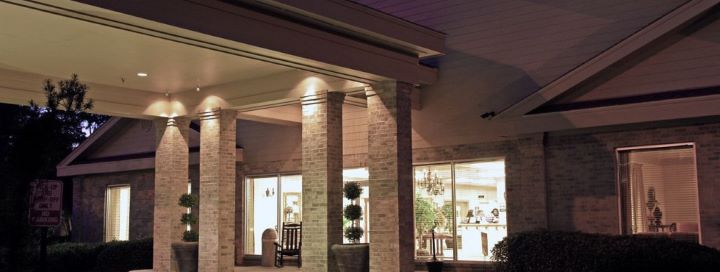
How is Bedford Care Ctr-Monroe Hall Staffed?

CMS rates BEDFORD CARE CTR-MONROE HALL's staffing level at 4 out of 5 stars, which is above average compared to other nursing homes. Staff turnover is 51%, compared to the Mississippi average of 46%.

What Have Inspectors Found at Bedford Care Ctr-Monroe Hall?

State health inspectors documented 14 deficiencies at BEDFORD CARE CTR-MONROE HALL during 2022 to 2025. These included: 14 with potential for harm.

Who Owns and Operates Bedford Care Ctr-Monroe Hall?

BEDFORD CARE CTR-MONROE HALL is owned by a for-profit company. For-profit facilities operate as businesses with obligations to shareholders or private owners. The facility is operated by BEDFORD CARE CENTERS, a chain that manages multiple nursing homes. With 80 certified beds and approximately 71 residents (about 89% occupancy), it is a smaller facility located in HATTIESBURG, Mississippi.
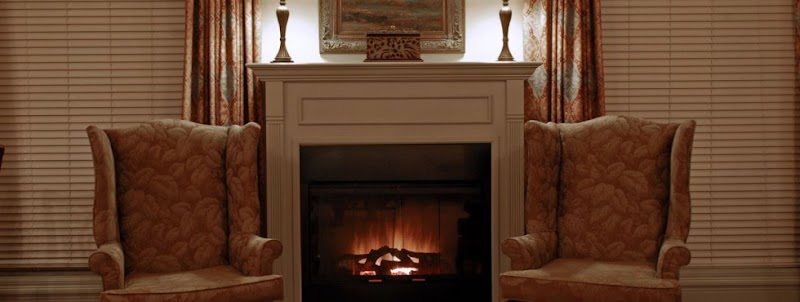
How Does Bedford Care Ctr-Monroe Hall Compare to Other Mississippi Nursing Homes?

Compared to the 100 nursing homes in Mississippi, BEDFORD CARE CTR-MONROE HALL's overall rating (3 stars) is above the state average of 2.6, staff turnover (51%) is near the state average of 46%, and health inspection rating (4 stars) is above the national benchmark.

What Should Families Ask When Visiting Bedford Care Ctr-Monroe Hall?

Based on this facility's data, families visiting should ask: "Can I visit during a mealtime to observe dining assistance and food quality?" "How do you handle medical emergencies, and what is your hospital transfer rate?" "Can I speak with family members of current residents about their experience?"

Is Bedford Care Ctr-Monroe Hall Safe?

Based on CMS inspection data, BEDFORD CARE CTR-MONROE HALL has a clean safety record: no substantiated abuse findings (meaning no confirmed cases of resident harm), no Immediate Jeopardy citations (the most serious violation level indicating risk of serious injury or death), and is not on the Special Focus Facility watch list (a federal program monitoring the lowest-performing 1% of nursing homes). The facility has a 3-star overall rating and ranks #1 of 100 nursing homes in Mississippi. While no facility is perfect, families should still ask about staff-to-resident ratios and recent inspection results during their visit.

Do Nurses at Bedford Care Ctr-Monroe Hall Stick Around?

BEDFORD CARE CTR-MONROE HALL has a staff turnover rate of 51%, which is 5 percentage points above the Mississippi average of 46%. Moderate turnover is common in nursing homes, but families should still ask about staff tenure and how the facility maintains care continuity when employees leave.

Was Bedford Care Ctr-Monroe Hall Ever Fined?

BEDFORD CARE CTR-MONROE HALL has no federal fines on record. CMS issues fines when nursing homes fail to meet care standards or don't correct problems found during inspections. The absence of fines suggests the facility has either maintained compliance or corrected any issues before penalties were assessed. This is a positive indicator, though families should still review recent inspection reports for the full picture.

Is Bedford Care Ctr-Monroe Hall on Any Federal Watch List?

BEDFORD CARE CTR-MONROE HALL is not on any federal watch list. The most significant is the Special Focus Facility (SFF) program, which identifies the bottom 1% of nursing homes nationally based on persistent, serious quality problems. Not being on this list means the facility has avoided the pattern of deficiencies that triggers enhanced federal oversight. This is a positive indicator, though families should still review the facility's inspection history directly.