WINDHAM HOUSE OF HATTIESBURG
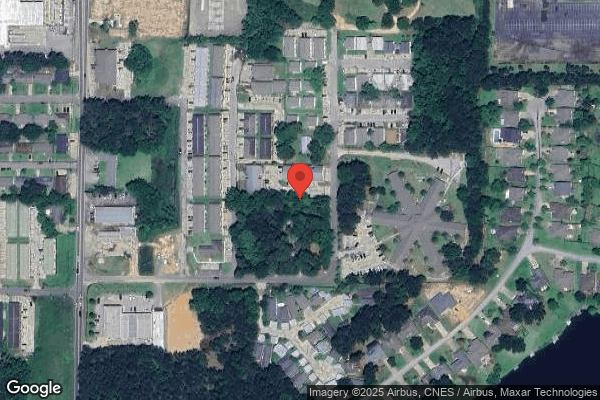

37 HILLCREST DRIVE, HATTIESBURG, MS 39402 (601) 264-0058
For profit - Limited Liability company 60 Beds THE BEEBE FAMILY Data: November 2025
Trust Grade
70/100
#93 of 200 in MS
Last Inspection: November 2024

Within standard 12-15 month inspection cycle. Federal law requires annual inspections.

Overview

Windham House of Hattiesburg has a Trust Grade of B, which indicates it is a good choice among nursing homes but not the top tier. It ranks #93 out of 200 facilities in Mississippi, placing it in the top half, but it is last in its county, #8 out of 8 in Forrest County. Unfortunately, the facility is experiencing a worsening trend, with issues increasing from 2 in 2023 to 7 in 2024. Staffing is rated 4 out of 5 stars, which is a strength, although turnover is at 49%, close to the state average. There have been no fines, which is a positive sign, and while RN coverage is average, it's important to note some concerning incidents: food safety practices were inadequate, leading to expired and unsanitary foods; a resident's assessment for dialysis was inaccurately coded; and personal medical information was displayed publicly, compromising resident privacy. Overall, while there are strengths in staffing and compliance with fines, families should be aware of the concerns regarding care practices and recent trends.

Trust Score
B
70/100
In Mississippi
#93/200
Top 46%
Safety Record
Low Risk
No red flags
Inspections
Getting Worse
2 → 7 violations
Staff Stability
⚠ Watch
49% turnover. Above average. Higher turnover means staff may not know residents' routines.
Penalties
✓ Good
No fines on record. Clean compliance history, better than most Mississippi facilities.
Skilled Nurses
⚠ Watch
Each resident gets only 27 minutes of Registered Nurse (RN) attention daily — below average for Mississippi. Fewer RN minutes means fewer trained eyes watching for problems.
Violations
⚠ Watch
12 deficiencies on record. Higher than average. Multiple issues found across inspections.
★★★☆☆
3.0
Overall Rating
★★★★☆
4.0
Staff Levels
★★★★☆
4.0
Care Quality
★★★☆☆
3.0
Inspection Score
Stable
2023: 2 issues
2024: 7 issues

The Good

  • 4-Star Staffing Rating · Above-average nurse staffing levels
  • 4-Star Quality Measures · Strong clinical quality outcomes
  • Full Sprinkler Coverage · Fire safety systems throughout facility
  • No fines on record

Facility shows strength in staffing levels, quality measures, fire safety.

The Bad

3-Star Overall Rating

Near Mississippi average (2.6)

Meets federal standards, typical of most facilities

Staff Turnover: 49%

Near Mississippi avg (46%)

Higher turnover may affect care consistency

Chain: THE BEEBE FAMILY

Part of a multi-facility chain

Ask about local staffing decisions and management

The Ugly 12 deficiencies on record

Nov 2024 7 deficiencies
CONCERN (D)

Potential for Harm - no one hurt, but risky conditions existed

Resident Rights (Tag F0550)

Could have caused harm · This affected 1 resident

Based on observation, interviews, record review, and facility policy review, the facility failed to protect a resident's right to a dignified existence by posting clinical data on a resident board in ...

Read full inspector narrative →
Based on observation, interviews, record review, and facility policy review, the facility failed to protect a resident's right to a dignified existence by posting clinical data on a resident board in open view for one (1) of 15 sampled residents. (Resident #36). Findings included: A review of the facility's Resident Rights Policy, reviewed 12/23, revealed Every resident in the facility has the right to .16. Have their personal and medical records treated as confidential . A review of the facility's policy titled Dignity and Respect, revised 07/22, revealed A facility must treat each resident with respect and dignity .The facility shall protect and promote the rights of the resident . A record review of the admission Record revealed the facility admitted Resident #36 on 07/19/2022 with diagnoses including Cerebral Infarction. During an observation and interview on 11/12/24 at 10:02 AM, there was identifiable care information visible on a board at the head of the bed in Resident #36's room. The documentation included the resident's name, turn rotation schedule, and care coordination details, such as the requirement for a two-person assist and use of a mechanical lift. Resident #36 stated that the clinical documentation at the head of the bed was intended to assist the Certified Nursing Aides (CNAs) and staff by specifying how to care for her. She mentioned that the documentation included details on when and how to turn her to prevent pressure sores. The resident was unsure how long the information had been displayed. On 11/12/2024 at 10:40 AM, during an interview, Licensed Practical Nurse (LPN) #2 stated that the information on the board in the resident's room was meant to inform staff about providing specific care for the resident. She acknowledged that the documents contained the resident's name and could be considered a dignity issue, adding that the same information was available was available to view in the electronic medical record (EMR). On 11/14/2024 at 1:00 PM, during an interview, the Administrator explained that the information on the board was intended to guide staff in providing care for Resident #36. He admitted that the documents included the resident's name and agreed it could be viewed as a dignity issue, reiterating that the same information was accessible in the resident's EMR.
CONCERN (D)

Potential for Harm - no one hurt, but risky conditions existed

Safe Environment (Tag F0584)

Could have caused harm · This affected 1 resident

Based on observation, interviews, record review, and facility policy review, the facility failed to ensure the resident's right to a clean, comfortable home-like environment as evidenced by a stained ...

Read full inspector narrative →
Based on observation, interviews, record review, and facility policy review, the facility failed to ensure the resident's right to a clean, comfortable home-like environment as evidenced by a stained privacy curtain, undusted high-touch areas, scuffed and dirty walls, and an unclean shower in the room of one (1) of 15 sampled residents. (Resident #18) Findings included: A review of the facility's policy Resident Environment, dated 09/15, revealed, It is the policy of this facility to provide a safe, clean, comfortable, homelike environment . On 11/12/2024 at 1:16 PM, during an observation and interview, Resident #18's shower contained a hair wash basin and a dead house plant, with grime and dirt visible on the shower floor. The room had noticeable dust and spider webs above the overhead light, and grime and scuff marks were observed on the wall behind the headboard. The privacy curtain at the sliding glass door displayed oil and dirt stains. Resident #18, the sole occupant of the room, stated that she had never used the shower, noting that it had been grimy for over six (6) months. She mentioned that while staff vacuum, empty the trash, and clean the toilet, they rarely dust certain areas. On 11/13/2024 at 9:12 AM, during an interview, Housekeeping Staff #1 stated that her staff cleans rooms daily, typically including tasks such as vacuuming, dusting, and mopping. However, she noted that privacy curtains are only washed when staff notify her that they need attention. She confirmed Resident #18's room had noticeable dust and spider webs above the overhead light, grime and scuff marks on the wall behind the headboard, and oil and dirt stains on the privacy curtain. She acknowledged that these issues represented lapses in the facility's adherence to cleanliness and maintenance standards. On 11/14/2024 at 11:19 AM, during an interview, the Nursing Home Administrator emphasized that the maintenance and upkeep of residents' rooms are essential to creating a home-like environment. He expressed his expectation that staff adhere strictly to cleanliness and maintenance standards to ensure a comfortable and sanitary setting for all residents. A record review of the admission Record revealed the facility admitted Resident #18 on 06/19/2017 with diagnoses including Paraplegia. A record review of the Annual Minimum Data Set (MDS) with an Assessment Reference Date (ARD) of 10/03/2024 revealed Resident #18 had a Brief Interview for Mental Status (BIMS) score of 15, which indicated she was cognitively intact.
CONCERN (D)

Potential for Harm - no one hurt, but risky conditions existed

Comprehensive Care Plan (Tag F0656)

Could have caused harm · This affected 1 resident

Based on observation, staff interview, record review, and facility policy review, the facility failed to implement a resident's comprehensive care plan regarding Enhanced Barrier Precautions (EBP) whi...

Read full inspector narrative →
Based on observation, staff interview, record review, and facility policy review, the facility failed to implement a resident's comprehensive care plan regarding Enhanced Barrier Precautions (EBP) while providing Percutaneous Endoscopic Gastrostomy (PEG) tube care for one (1) of 15 sampled residents. Resident #19. Findings included: A record review of the facility's policy Care Plan Process, revised 08/17, revealed, . CAA's (Care Area Assessments) assist in guiding to develop an individualized plan of care and should provide structure for the care and services that are needed . When implemented properly, the CAA process should help staff: . address the need and desire for other important considerations . The comprehensive care plan is an interdisciplinary tool . for the care of the resident . A record review of Resident #19's Care Plan revealed Problem/Need: Resident has a feeding tube .Approaches .Enhanced barrier precautions-Gown and gloves to be worn during high contact resident care activities (dressing, bathing, transfers, changing linens, hygiene, and toileting . The intervention was dated 4/23/24. During an observation on 11/13/2024 at 10:25 AM, Registered Nurse (RN) #1 did not wear a gown while providing PEG tube care for Resident #19. After cleaning and drying the site, RN #1 verbalized that she forgot to put on a gown and continued to complete the care without wearing the gown. During an interview on 11/13/2024 at 10:35 AM, RN #1 confirmed she did not use a gown while providing care. She stated that the purpose of the gown was to protect the resident during care and acknowledged that she was expected to wear a gown while providing care and to follow Resident #19's care plan interventions regarding EBP. A record review of the admission Record revealed that the facility admitted Resident #19 on 02/23/2023 with diagnoses including Encounter for Attention to Gastrostomy and Dysphagia, Unspecified. A record review of the Annual Minimum Data Set (MDS) with an Assessment Reference Date (ARD) of 10/07/2024 revealed Resident #19 had a Brief Interview for Mental Status (BIMS) score of 15, which indicated she was cognitively intact. A review Section K revealed she had a feeding tube. During an interview on 11/14/2024 at 12:00 PM, RN #2/Care Plan Nurse, confirmed that EBP was required on Resident #19's care plan and stated that she expected all staff to follow the care plan while providing care. During an interview on 11/14/2024 at 1:34 PM, the Director of Nursing (DON) verbalized understanding of Enhanced Barrier Precautions and the importance of following the care plan. She stated that she expected all staff to adhere to Enhanced Barrier Precautions and care plans while providing care.
CONCERN (D)

Potential for Harm - no one hurt, but risky conditions existed

Deficiency F0865 (Tag F0865)

Could have caused harm · This affected 1 resident

Based on interviews, record review, plan of correction review, and facility policy review, the facility failed to sustain an effective Quality Assurance and Performance Improvement (QAPI) committee as...

Read full inspector narrative →
Based on interviews, record review, plan of correction review, and facility policy review, the facility failed to sustain an effective Quality Assurance and Performance Improvement (QAPI) committee as evidenced by one (1) of (1) re-cited deficiency originally cited in April 2023 on an annual recertification survey. Findings Include: A review of the facility's, QAPI Governance and Leadership Guidelines', revised 08/15, revealed, Oversight of the facilities QAPI program is provided through the Quality Assessment and Assurance (QA Committee) .The QAPI program is developed and led by the QA Committee, but requires input and participation from staff, residents and families .Element 5: Systematic Analysis and Systemic Action .The facility uses a systematic approach to determine when in-depth analysis is needed to fully understand the problem, its causes, and implications of a change. The facility uses a thorough and highly organized/structured approach to determine whether and how identify problems may be caused or exacerbated by the way care and services are organized or delivered .Systemic actions look comprehensively across all involved systems to prevent future events and promote sustained improvement. This element includes a focus on continual learning and continuous improvement. F641: During this recertification survey, 11/12/24 through 11/14/24, the facility failed to ensure a Minimum Data Set (MDS) assessment was accurately coded for a resident receiving dialysis for (1) of (1) resident reviewed for dialysis. During the recertification survey on 4/27/23, the facility failed to accurately code the MDS related to a resident receiving an anticoagulant medication and a resident who had a nephrostomy tube. During an interview on 11/14/24 at 10:00 AM, Registered Nurse (RN) #3 confirmed that she attended QAPI meetings, and the facility had not discussed the MDS inaccuracy regarding Resident #10 receiving dialysis. During an interview with the Director of Nursing (DON) on 11/14/24 at 1:00 PM, she said she had not reviewed the CMS-2567 (a record that identifies the federal regulation in violation and describes the findings of noncompliance and the facility's plan of correction) from the previous annual recertification survey when she came to work at the facility in September 2024. The DON stated she had not attended a QAPI meeting at the facility and was unaware the facility was previously cited for inaccuracy of MDS assessments. During an interview with the Administrator on 11/14/24 at 2:00 PM, he stated he was not aware of the previous MDS assessment citation or the facility's plan of correction because he was not working at the facility at the time of the survey in April of 2023. The Administrator confirmed he had not reviewed the previous 2567 to determine previous citations.
CONCERN (D)

Potential for Harm - no one hurt, but risky conditions existed

Infection Control (Tag F0880)

Could have caused harm · This affected 1 resident

Based on observation, staff interview, record review and facility policy review the facility failed to implement Enhanced Barrier Precautions (EBP) for one (1) of three (3) residents reviewed as high ...

Read full inspector narrative →
Based on observation, staff interview, record review and facility policy review the facility failed to implement Enhanced Barrier Precautions (EBP) for one (1) of three (3) residents reviewed as high risk for acquiring multi-drug-resistant organisms (MDROs). (Resident #19) Findings included: A record review of the facility's policy Enhanced Barrier Precautions, revised 03/24, revealed, Enhanced Barrier Precautions are an infection control intervention designed to reduce transmission of multidrug-resistant organisms (MDROs) in nursing homes. Enhanced Barrier Precautions involve gown and glove use during high-contact resident care activities for residents known to be colonized or infected with an MDRO as well as those at increased risk of MDRO acquisition (e.g., residents with wounds or indwelling medical devices) . Indwelling medical device examples include central lines, urinary catheters, feeding tubes, and tracheostomies . On 11/13/2024 at 10:15 AM, during an interview, Registered Nurse (RN) #1 explained that she was aware Resident #19 was on EBP due to having a PEG tube. She stated she had been in-serviced on EBP. On 11/13/2024 at 10:25 AM, during an observation of Percutaneous Endoscopic Gastrostomy (PEG) site care for Resident #19, revealed RN #1 did not wear a gown while providing care. After cleaning and drying the site, RN #1 verbalized that she forgot to put on a gown and continued to complete the care without wearing the gown. On 11/13/2024 at 10:35 AM, during an interview, RN #1 confirmed she did not use a gown while providing care. She stated that the purpose of the gown was to protect the resident during care and acknowledged that she was expected to follow EBP while providing care to Resident #19's PEG site. On 11/14/2024 at 9:40 AM, during an interview, Licensed Practical Nurse (LPN) #1 explained that all staff members had been educated on EBP and that signs were placed on the doors of residents requiring such precautions. She stated she expected all staff to follow EBP to prevent the spread of infections. She confirmed that Resident #19 was on EBP due to having a PEG tube and that a gown and gloves should always be worn when providing high-contact resident care, including PEG site care. On 11/14/2024 at 1:34 PM, during an interview, the Director of Nursing (DON) stated she understood the requirements of EBP and expected all staff to follow them while providing care to prevent the spread of infection. A record review of the admission Record revealed the facility initially admitted Resident #19 on 11/24/2021 with diagnoses including Encounter for Attention to Gastrostomy and Dysphagia, Unspecified. A record review of the Order Listing Report revealed Resident #19 had a Physician's Order, dated, 9/27/24 to cleanse the PEG site with normal saline, pat dry, and apply new split foam dressing. A record review of the Annual Minimum Data Set (MDS) with an Assessment Reference Date (ARD) of 10/07/2024 revealed Resident #19 had a Brief Interview for Mental Status (BIMS) score of 15, which indicated she was cognitively intact. A review Section K revealed Resident #19 had a feeding tube.
CONCERN (E)

Potential for Harm - no one hurt, but risky conditions existed

Assessment Accuracy (Tag F0641)

Could have caused harm · This affected multiple residents

Based on interviews, record review, and facility policy review, the facility failed to accurately code a Minimum Data Set (MDS) assessment for a resident receiving dialysis for one (1) of one (1) dial...

Read full inspector narrative →
Based on interviews, record review, and facility policy review, the facility failed to accurately code a Minimum Data Set (MDS) assessment for a resident receiving dialysis for one (1) of one (1) dialysis residents reviewed. (Resident #10) Findings included: A review of the facility's policy Resident Assessment, revised 09/19, revealed, An assessment will be completed on each resident utilizing the MDS . The completed assessment guide the staff in identifying key information about the resident and serves as a basis for identifying resident-specific issues . The assessment will describe the resident's physical and mental deficits, strengths and the requirements of assistance to meet their needs . A record review of the Order Listing Report revealed Resident #10 had a Physician's Order, dated 7/27/24, for dialysis services at a local clinic every Monday, Wednesday, and Friday. A record review of the admission Record revealed the facility originally admitted Resident #10 on 4/26/2022 and with diagnoses including End Stage Renal Disease and Dependence on Renal Dialysis. A record review of the Quarterly MDS with an Assessment Reference Date (ARD) of 10/28/2024 revealed Resident #10 had a Brief Interview for Mental Status (BIMS) score of fifteen (15), which indicated he was cognitively intact. Section O was not coded that Resident #10 received hemodialysis. On 11/12/2024 at 11:25 AM, during an interview, the Director of Nursing (DON) stated that Resident #10 was the only resident in the facility who goes to dialysis. On 11/14/2024 at 9:35 AM, during an interview, Registered Nurse (RN) #2 confirmed that she completed the last Quarterly MDS, and she did not code it in a manner that reflected Resident #10 received dialysis. She explained that during the last visit with Case Mix Management, she was informed that dialysis could only be documented on the MDS if a communication form was completed for each dialysis visit. She stated that previously, one completed communication form was sufficient to document dialysis, but now three forms were required. She acknowledged that the MDS did not accurately reflect the resident's true assessment and confirmed that Resident #10 had consistently received dialysis since admission. On 11/14/2024 at 1:30 PM, during an interview, the DON stated that she was aware there had been problems identified during the Case Mix audit regarding the dialysis communication forms and the MDS coding. On 11/14/2024 at 1:36 PM, during an interview, the Administrator stated that he was not aware the MDS did not document dialysis for a resident who had been receiving dialysis since admission. He expressed his expectation that each resident's MDS be coded accurately.
CONCERN (F)

Potential for Harm - no one hurt, but risky conditions existed

Food Safety (Tag F0812)

Could have caused harm · This affected most or all residents

Based on observations, interviews, record reviews, and policy reviews, the facility failed to store food and maintain sanitary practices in accordance with professional standards for food safety, incl...

Read full inspector narrative →
Based on observations, interviews, record reviews, and policy reviews, the facility failed to store food and maintain sanitary practices in accordance with professional standards for food safety, including expired foods, exposed foods, overly ripe produce, unsanitary practices by staff, and incomplete temperature logs for resident refrigerators for three (3) of (3) days of survey. Findings included: A review of the facility's policy titled Food Storage Labeling, revised 05/18, revealed, Policy: The facility will ensure the safety and qualify of food by following good storage and labeling procedures .Procedure: 1. Labeling a. All temperature controlled foods .will be labeled. 3. Rotations b. Foods stored in storage units will be surveyed routinely to identify and discard foods that have passed their manufacturer use-by date or expiration date . A review of the facility's policy titled Employee Work Practices, revised 05/2018, revealed, Food service employees shall follow sanitary practices to prevent the spread of foodborne illness . Wears a . hair restraint (e.g., beard restraint) in the food production area. The restraint must cover all hair and prevent the hair from contacting exposed food . A review of the facility's policy titled Food From Outside Sources, reviewed 11/23, revealed .Food that is brought to the residents from family, visitors, or volunteers is handled in a safe and sanitary manner. Procedure .4 a. Foods requiring refrigeration may be stored in a resident's personal refrigerator. The refrigerator is equipped with a thermometer .iv. A designated employee is assigned the following tasks: Monitoring refrigerator temperature. If temperature is consistently above 41°F, their immediate supervisor is notified . Kitchen: On 11/12/2024 at 9:07 AM, during an observation and interview with the Dietary Supervisor (DS), it was noted that Refrigerator #1 contained one (1) gallon of 2% milk with a manufacturer's date of 11/10/2024, which the DS confirmed was expired. A 4-ounce carton of cranberry-flavored cocktail fell onto the floor, and the DS placed it back into the box without cleaning it. Refrigerator #2 contained a five (5) pound bag of shredded cheese with no open date, showing a supplier received date of 10/16/2024. Refrigerator #3 contained a pan of beef stroganoff covered with plastic wrap that had a hole, leaving the food exposed. Freezer #1 contained an opened, exposed bag of chicken nuggets. In the pantry, four (4) onions had white biological growth. On 11/12/2024 at 9:30 AM, during an observation and interview, the Hairdresser (HD) and Business Office Manager (BOM) were in the food preparation area without wearing hair restraints while a kitchen staff member prepared cookie dough. Both the HD and BOM acknowledged they should have been wearing hair restraints. On 11/13/2024 at 10:45 AM, [NAME] #1 was observed preparing raw chicken without a beard net. He moved between tasks, including handling raw chicken, assisting with vegetables, and touching various surfaces, with only glove changes and no handwashing. [NAME] #2 was observed opening an oven with his foot, which the DS later opened by hand. On 11/13/2024 at 11:00 AM, during an interview, [NAME] #1 admitted to not wearing a beard net and failing to use proper hand hygiene. He reported working at the facility for one week. On 11/13/2024 at 1:12 PM, during an interview, [NAME] #2 admitted to using his foot to open the oven and acknowledged it was unsanitary. He stated staff are in-serviced on food safety twice a month. On 11/13/2024 at 1:17 PM, the DS acknowledged outdated foods, exposed foods, overly ripe onions, and unsanitary practices in the kitchen. She stated she conducts in-services twice a month and takes responsibility for ensuring expired and overly ripe foods are discarded. On 11/14/2024 at 8:40 AM, the Administrator confirmed the findings and stated he would assist the DS in conducting more frequent checks for expired foods. He also stated he addressed the issue of non-kitchen staff entering the kitchen without hair restraints. Resident Refrigerator Logs (Resident #17): On 11/12/2024 at 10:05 AM, during an observation, the refrigerator in Resident #17's room was observed with a temperature log that had no recorded temperatures for October 2024. Items in the refrigerator included water, juice, applesauce, and Jell-O. On 11/14/2024 at 9:10 AM, during an observation and interview with Licensed Practical Nurse (LPN) #1, she confirmed that the refrigerator temperature log was incomplete. She stated temperatures are checked daily by housekeeping. On 11/14/2024 at 9:25 AM, during an interview with Housekeeping #1, she confirmed the logs were to be completed daily but had not been filled out for November. On 11/14/2024 at 1:37 PM, during an interview, the Administrator stated he was unaware that refrigerator temperatures were not being recorded and expects daily monitoring. A record review of the admission Record revealed the facility admitted Resident #17 on 09/17/2019 with diagnoses including Unspecified Dementia.
Apr 2023 2 deficiencies
CONCERN (D)

Potential for Harm - no one hurt, but risky conditions existed

Assessment Accuracy (Tag F0641)

Could have caused harm · This affected 1 resident

**NOTE- TERMS IN BRACKETS HAVE BEEN EDITED TO PROTECT CONFIDENTIALITY** Based on interviews, record reviews, and facility policy review, the facility failed to ensure Minimum Data Set (MDS) assessment...

Read full inspector narrative →
**NOTE- TERMS IN BRACKETS HAVE BEEN EDITED TO PROTECT CONFIDENTIALITY** Based on interviews, record reviews, and facility policy review, the facility failed to ensure Minimum Data Set (MDS) assessments were accurately coded to reflect anticoagulant therapy and a nephrostomy tube for two (2) of 15 sampled residents. Resident #10 and Resident #18 Findings include: A review of the facility's policy Resident Assessment with the latest revision date of 09/19 revealed An Assessment will be completed on each resident utilizing the MDS. The reason for assessment, schedule, and timeframes will be according to the guidance of the Resident Assessment Instrument (RAI) Manual .Any healthcare professional that completes a portion of the assessment must sign and certify the accuracy of the .assessment . Resident #10 On 04/25/23 at 12:12 PM, during an interview with Resident #10, she stated that she is on Pletal (a medication to prevent platelets from sticking together and forming a blood clot). Record review of the Face Sheet revealed Resident #10 was admitted to the facility on [DATE] with diagnoses that included Coronary Artery Disease (CAD). A record review of the Quarterly MDS with an Assessment Reference Date (ARD) of 04/10/2023 revealed Resident #10 had a Brief Interview for Mental Status (BIMS) score of 15, which indicated she was cognitively intact. A review of Section N of the MDS revealed Resident #10 had received seven (7) days of an anticoagulant medication during the MDS look back period. A record review of the Physician Orders for March and April 2023, for Resident #10, revealed there were no physician orders for an anticoagulant medication. A record review of the MedlinePlus.gov/drug info .revealed, .Cilostazol is in a class of medication called platelet-aggregation inhibitors (antiplatelet medications). Resident #18 On 04/25/25 at 11:50 AM, during an interview with Resident #18, she explained she had a nephrostomy tube for urine on her right side. A record review of the Face Sheet revealed Resident #18 was admitted to the facility 06/27/2019 with diagnoses that included Encounter for Attention to Other Artificial Openings of Urinary Tract. A record review of the Physician Orders for April 2023, revealed Resident #18 had a Physician's Order, dated 2/28/2022, to Change right nephrostomy tube dressing every 7 days. A record review of the Annual MDS with an ARD of 03/07/2023, revealed Resident #18 had a BIMS score of 14, which indicated she was cognitively intact. Review of Section H revealed the MDS was not marked to indicate that Resident #18 had an indwelling catheter (including suprapubic catheter and nephrostomy tube). On 04/27/23 at 11:50 AM, during an interview with RN #1, who is the MDS Care/Plan Nurse, she explained that when Resident #10 was first prescribed Cilostazol, she thought the medication was classified as an anticoagulant. RN #1 then researched the medication and confirmed that Cilostazol was classified as an antiplatelet medication and not an anticoagulant. She confirmed that the assessment was coded in error. RN #1 further explained that Resident #18's MDS was also coded in error and missed because she had a nephrostomy tube. On 04/27/2023 at 1:00 PM, during an interview with the Director of Nursing (DON), she explained that she expected the MDS nurses to code and complete the MDS accurately. The DON reviewed Resident #10's physician orders and confirmed that Resident #10 was not taking any medication classified as an anticoagulant. She also confirmed that Resident #18 has had a nephrostomy tube for a long time and the MDS was coded incorrectly.
CONCERN (D)

Potential for Harm - no one hurt, but risky conditions existed

Deficiency F0645 (Tag F0645)

Could have caused harm · This affected 1 resident

Based on record review, staff interview, and facility policy review, the facility failed to ensure a Pre-admission Screening (PAS) accurately reflected a diagnosis of a major mental illness for one (1...

Read full inspector narrative →
Based on record review, staff interview, and facility policy review, the facility failed to ensure a Pre-admission Screening (PAS) accurately reflected a diagnosis of a major mental illness for one (1) of 16 record reviewed. Resident #6 Findings include: A review of the facility's policy, Pre-admission Screening PAS/PASRR (MS (Mississippi) Only) revealed, Anyone applying for admission into a nursing facility must be approved prior to the admission .The PAS with level 1 PASRR (Pre-admission Screening and Resident Review) must be submitted .and approved prior to admission to a nursing facility . A record review of the Face Sheet revealed the facility admitted Resident #6 on 05/06/21 and she had a diagnosis of Schizoaffective Disorder, Bipolar Type. A record review of the Pre-admission Screening (PAS) Application for Long Term Care, dated 05/06/2021, revealed B Level II Referral was marked to indicate Resident #6 did not have a diagnosis of a major mental illness. A review of the resident's preadmission records provided by the facility revealed Resident #6 was admitted from another long-term care facility and had a diagnosis of Schizoaffective Disorder, Bipolar Type. On 04/26/23 at 10:10 AM, during an interview with the Director of Nursing (DON), she explained the admission staff complete the PAS screening for residents prior to admission. The DON reviewed Resident #6's diagnoses and physician orders and confirmed the resident was admitted with a diagnosis of Schizoaffective Disorder, Bipolar type. She confirmed the PAS should have reflected that a Level II screening was needed because the resident did have a major medical diagnosis prior to admission. She stated she expected the admission staff to complete the PAS accurately. On 06/26/23 at 12:30 PM, during an interview with Certified Nursing Assistant (CNA) #3, who is the Admissions Coordinator, she explained the previous Coordinator completed the PAS dated 05/06/2021 for Resident #6. She confirmed that the PAS should accurately indicate if the resident is taking an antipsychotic medication or has a major mental illness. She reviewed Resident #6's Physician Orders and diagnosis and confirmed she would have indicated this information on the PAS and would have sent for a Level II screening due to the diagnoses of Bipolar.
Jan 2020 3 deficiencies
CONCERN (D)

Potential for Harm - no one hurt, but risky conditions existed

Deficiency F0583 (Tag F0583)

Could have caused harm · This affected 1 resident

Based on observation, staff interview, and facility policy review, the facility failed to provide privacy for Resident #32 during personal care for one (1) of three (3) resident care observations. Fin...

Read full inspector narrative →
Based on observation, staff interview, and facility policy review, the facility failed to provide privacy for Resident #32 during personal care for one (1) of three (3) resident care observations. Findings Include: Review of facility's Confidentiality and Privacy policy, dated 11/2017, revealed it is the policy of this facility that residents are allowed personal privacy and must be allowed privacy when receiving treatment and care for personal needs. During Resident #32's incontinent care observation, on 1/22/2020 at 2:15 PM, performed by Certified Nursing Assistant (CNA) #1 and Certified Nursing Assistant (CNA) #2, it was revealed Resident #32's bed was located next to the glass patio door in her room and the patio door was covered with a set of vertical blinds with three (3) of the 20 total slats missing. The three (3) missing blind slats allowed for a four (4) inch clear opening, which allowed for a clear view from the outside patio area into Resident #32's room. Resident #32 was not provided privacy during the incontinent care due to the openings from the missing slats on the blind. During an interview, on 1/22/2020 at 2:30 PM, CNA #1, stated she didn't know what to do about the missing slats when caring for Resident #32. CNA #1 stated that although she pulled the privacy curtain as far as she could, it did not cover the patio door, and Resident #32 did not have complete privacy during the incontinent care. During an interview, on 1/22/2020 at 2:33 PM with CNA #2, she stated she believed the maintenance man is the one who must fix the blinds. CNA #2 stated Resident #32 did not have privacy during the incontinent care because the blinds were broken. During an interview, on 1/22/2020 at 3:15 PM with Licensed Practical Nurse (LPN) #1/ Staff Development Nurse, she stated it is possible that if someone was outside the patio door, they would be able to see Resident #32 during care through the opening caused by the missing slats on the blind. LPN #1 stated this was a violation of Resident #32's right to privacy. Review of the Face Sheet revealed Resident #32 was admitted to the facility, on 08/27/2019, with diagnoses to include Hypothyroidism and Tubulo-Interstitial Nephritis.
CONCERN (D)

Potential for Harm - no one hurt, but risky conditions existed

Deficiency F0657 (Tag F0657)

Could have caused harm · This affected 1 resident

Based on observation, staff and resident interviews, record review and facility policy review, the facility failed to revise Resident #30's Care Plan to address the resident's call light placement pre...

Read full inspector narrative →
Based on observation, staff and resident interviews, record review and facility policy review, the facility failed to revise Resident #30's Care Plan to address the resident's call light placement preference, for one of (1) of seventeen care plans reviewed. Findings Include: Review of the facility's policy, Care Plan Process, dated 08/2017, revealed it is the policy of this facility that the key staff or the Interdisciplinary Team (IDT) should subsequently review and revise the current care plan as needed. During a resident care observation, on 1/21/2020 at 11:14 AM, an observation revealed Resident #30's call light was hanging on the call light box located on the wall above the bed. Resident #30 was lying in bed at this time and the call light was not within her reach. During an interview, on 1/22/2020 at 10:20 AM, Licensed Practical Nurse (LPN) #2, confirmed Resident #30's call light was wrapped around the call light box, on the wall, above the bed. LPN #2 confirmed the call light was not in reach, but that Resident #30 doesn't always like it on her bed, and sometimes she puts it on the wall. LPN #2 stated that anyone entering and leaving a resident's room should be making sure the resident's call light is in place unless the resident can tell you they do not want it on the bed. During an interview, on 1/22/2020 at 11:00 AM, Resident #30 confirmed she knew where the call light was, she knew how to use it, and that if she needed someone to help her, she would use it. Resident #30 indicated that she did not have a problem with it hanging on the call light box, and that's what she prefers. During an interview, on 1/23/2020 at 10:00 AM, Registered Nurse (RN) #1/ Care Plan Coordinator confirmed Resident #30's care plan did not, but should have, addressed the resident's call light placement preference of placing the call light above the bed over the call light box. RN #1 stated any preference for any resident should always be addressed on the care plan to paint a more accurate picture of that resident, and to provide the best care possible to meet the resident's needs. RN #1 stated honoring a resident's preferences is respecting their right to make choices involving their care. Review of Resident #30's Comprehensive Care Plan, dated 6/9/2019, revealed the Care Plan had not been revised to reflect Resident #30's call light placement preference. Review of the Face Sheet revealed Resident #30 was admitted to the facility, on 2/19/2019, with diagnoses to include Gait and Mobility Abnormality, Dysuria and Anemia.
CONCERN (D)

Potential for Harm - no one hurt, but risky conditions existed

Accident Prevention (Tag F0689)

Could have caused harm · This affected 1 resident

Based on observation, staff interviews, record review, and facility policy review, the facility failed to clean the dryer lint from the Tumble Dryer Lent Trap for 1 (one) of 3 (three) Laundry Room obs...

Read full inspector narrative →
Based on observation, staff interviews, record review, and facility policy review, the facility failed to clean the dryer lint from the Tumble Dryer Lent Trap for 1 (one) of 3 (three) Laundry Room observations. Findings Include: Review of the facility's policy titled, Laundry Instructions, revised August 2013, revealed the facility would remove lint from the dryer Lint Trap regularly, but no less than three (3) times a day. This policy noted the facility should check the top of the dryer and the back of the dryer for lint build-up. Review of the facility's manufacturer's guidelines for the Tumble Dryers Operation/Maintenance, dated January 2020, revealed: Warning- the lint compartment must be cleaned daily to avoid the risk of fire. Caution- risk of fire, a clothes dryer produces combustible lint. Exhaust outdoors. Care should be taken to prevent the accumulation of lint around the exhaust opening and in surrounding area. During an observation, in the Laundry Room, with the Maintenance Director, on 01/22/2020 on 9:24 AM, revealed the dryer lint trap filter was covered with lint. The dryer also had large pieces of lint hanging from the filter. The bottom of the dryer case was also covered with lint. In an interview, on 01/22/2020 at 9:29 AM, the Maintenance Director revealed the lint filter was covered with lint, pieces of lint was hanging from the filter and the bottom of the dryer case was covered with lint. The Maintenance Director stated he cleans the lint filter once a month. The Maintenance Director stated the lint filter should be cleaned daily because, this could cause a fire. In an interview, on 01/22/2020 at 9:51 AM, the Laundry Supervisor revealed she has been the supervisor for two (2) months. The supervisor stated the staff are trained to clean the filter every evening before leaving the facility. The supervisor confirmed if the lint filter is not cleaned that it is a fire hazard. During an interview, on 01/22/2020 at 9:59 AM, with the Laundry Worker, she stated she just started back in laundry this week. The Laundry Worker stated she did not check the filter when she came in at 6:00 AM. The Laundry Worker stated she was told the night shift would clean it before they left. On 01/22/2020 at 10:05 AM, the Administrator confirmed the lint trap filter was covered with lint, pieces of lint was hanging from the filter and the bottom of the dryer case was covered with lint. The Administrator stated he was going to have the lint removed immediately because, this could cause a fire. Review the Dryer Log revealed the last time the lint trap filter was checked in the dryer was on October 2, 2019. This was confirmed by the Laundry Supervisor and the Administrator.
Understanding Severity Codes (click to expand)
Life-Threatening (Immediate Jeopardy)
J - Isolated K - Pattern L - Widespread
Actual Harm
G - Isolated H - Pattern I - Widespread
Potential for Harm
D - Isolated E - Pattern F - Widespread
No Harm (Minor)
A - Isolated B - Pattern C - Widespread

Questions to Ask on Your Visit

  • "Can I speak with families of current residents?"
  • "What's your RN coverage like on weekends and overnight?"

Our Honest Assessment

Strengths
  • • No major safety red flags. No abuse findings, life-threatening violations, or SFF status.
  • • No fines on record. Clean compliance history, better than most Mississippi facilities.
Concerns
  • • 12 deficiencies on record. Higher than average. Multiple issues found across inspections.
Bottom line: Mixed indicators with Trust Score of 70/100. Visit in person and ask pointed questions.

About This Facility

What is Windham House Of Hattiesburg's CMS Rating?

CMS assigns WINDHAM HOUSE OF HATTIESBURG an overall rating of 3 out of 5 stars, which is considered average nationally. Within Mississippi, this rating places the facility higher than 99% of the state's 100 nursing homes. This mid-range rating indicates the facility meets federal standards but may have areas for improvement.

How is Windham House Of Hattiesburg Staffed?

CMS rates WINDHAM HOUSE OF HATTIESBURG's staffing level at 4 out of 5 stars, which is above average compared to other nursing homes. Staff turnover is 49%, compared to the Mississippi average of 46%.

What Have Inspectors Found at Windham House Of Hattiesburg?

State health inspectors documented 12 deficiencies at WINDHAM HOUSE OF HATTIESBURG during 2020 to 2024. These included: 12 with potential for harm.

Who Owns and Operates Windham House Of Hattiesburg?

WINDHAM HOUSE OF HATTIESBURG is owned by a for-profit company. For-profit facilities operate as businesses with obligations to shareholders or private owners. The facility is operated by THE BEEBE FAMILY, a chain that manages multiple nursing homes. With 60 certified beds and approximately 55 residents (about 92% occupancy), it is a smaller facility located in HATTIESBURG, Mississippi.

How Does Windham House Of Hattiesburg Compare to Other Mississippi Nursing Homes?

Compared to the 100 nursing homes in Mississippi, WINDHAM HOUSE OF HATTIESBURG's overall rating (3 stars) is above the state average of 2.6, staff turnover (49%) is near the state average of 46%, and health inspection rating (3 stars) is at the national benchmark.

What Should Families Ask When Visiting Windham House Of Hattiesburg?

Based on this facility's data, families visiting should ask: "Can I visit during a mealtime to observe dining assistance and food quality?" "How do you handle medical emergencies, and what is your hospital transfer rate?" "Can I speak with family members of current residents about their experience?"

Is Windham House Of Hattiesburg Safe?

Based on CMS inspection data, WINDHAM HOUSE OF HATTIESBURG has a clean safety record: no substantiated abuse findings (meaning no confirmed cases of resident harm), no Immediate Jeopardy citations (the most serious violation level indicating risk of serious injury or death), and is not on the Special Focus Facility watch list (a federal program monitoring the lowest-performing 1% of nursing homes). The facility has a 3-star overall rating and ranks #1 of 100 nursing homes in Mississippi. While no facility is perfect, families should still ask about staff-to-resident ratios and recent inspection results during their visit.

Do Nurses at Windham House Of Hattiesburg Stick Around?

WINDHAM HOUSE OF HATTIESBURG has a staff turnover rate of 49%, which is about average for Mississippi nursing homes (state average: 46%). Moderate turnover is common in nursing homes, but families should still ask about staff tenure and how the facility maintains care continuity when employees leave.

Was Windham House Of Hattiesburg Ever Fined?

WINDHAM HOUSE OF HATTIESBURG has no federal fines on record. CMS issues fines when nursing homes fail to meet care standards or don't correct problems found during inspections. The absence of fines suggests the facility has either maintained compliance or corrected any issues before penalties were assessed. This is a positive indicator, though families should still review recent inspection reports for the full picture.

Is Windham House Of Hattiesburg on Any Federal Watch List?

WINDHAM HOUSE OF HATTIESBURG is not on any federal watch list. The most significant is the Special Focus Facility (SFF) program, which identifies the bottom 1% of nursing homes nationally based on persistent, serious quality problems. Not being on this list means the facility has avoided the pattern of deficiencies that triggers enhanced federal oversight. This is a positive indicator, though families should still review the facility's inspection history directly.