LANDMARK OF DESOTO

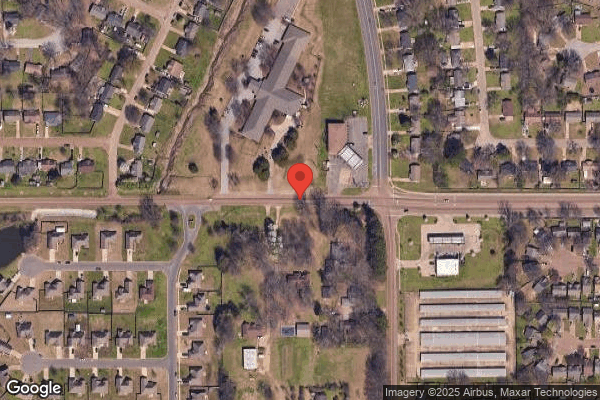
3068 NAIL ROAD WEST, HORN LAKE, MS 38637 (662) 280-1219
For profit - Corporation 60 Beds THE BEEBE FAMILY Data: November 2025
Trust Grade
38/100
#123 of 200 in MS
Last Inspection: October 2024

Within standard 12-15 month inspection cycle. Federal law requires annual inspections.

Overview

Landmark of Desoto has received a Trust Grade of F, indicating significant concerns and poor overall quality of care. Ranking #123 out of 200 facilities in Mississippi places them in the bottom half, and #2 out of 3 in De Soto County suggests that only one local option is better. The facility is worsening, with issues increasing from 3 in 2023 to 8 in 2024, which raises alarms about the care provided. Staffing is average with a 3/5 rating, and while turnover is at 57%, it aligns with the state average, meaning staff stability is a concern but not worse than many others. There have been serious incidents, such as failing to develop a comprehensive care plan for residents with pressure ulcers, and not providing necessary treatment, which puts residents at risk for further health issues. Additionally, the facility has not submitted accurate staffing information to regulatory bodies, raising questions about transparency and compliance.

Trust Score
F
38/100
In Mississippi
#123/200
Bottom 39%
Safety Record
Moderate
Needs review
Inspections
Getting Worse
3 → 8 violations
Staff Stability
⚠ Watch
57% turnover. Above average. Higher turnover means staff may not know residents' routines.
Penalties
○ Average
$10,527 in fines. Higher than 59% of Mississippi facilities. Some compliance issues.
Skilled Nurses
⚠ Watch
Each resident gets only 28 minutes of Registered Nurse (RN) attention daily — below average for Mississippi. Fewer RN minutes means fewer trained eyes watching for problems.
Violations
⚠ Watch
13 deficiencies on record. Higher than average. Multiple issues found across inspections.
★★☆☆☆
2.0
Overall Rating
★★★☆☆
3.0
Staff Levels
★★★☆☆
3.0
Care Quality
★★☆☆☆
2.0
Inspection Score
Stable
2023: 3 issues
2024: 8 issues

The Good

  • Full Sprinkler Coverage · Fire safety systems throughout facility
  • No fines on record

Facility shows strength in fire safety.

The Bad

2-Star Overall Rating

Below Mississippi average (2.6)

Below average - review inspection findings carefully

Staff Turnover: 57%

11pts above Mississippi avg (46%)

Frequent staff changes - ask about care continuity

Federal Fines: $10,527

Below median ($33,413)

Minor penalties assessed

Chain: THE BEEBE FAMILY

Part of a multi-facility chain

Ask about local staffing decisions and management

Staff turnover is elevated (57%)

9 points above Mississippi average of 48%

The Ugly 13 deficiencies on record

2 actual harm
Oct 2024 8 deficiencies 2 Harm
SERIOUS (G)

Actual Harm - a resident was hurt due to facility failures

Comprehensive Care Plan (Tag F0656)

A resident was harmed · This affected 1 resident

Based on observation, staff interviews, record review, and facility policy review, the facility failed to develop a comprehensive care plan for a resident with pressure ulcers for two (2) of 20 sample...

Read full inspector narrative →
Based on observation, staff interviews, record review, and facility policy review, the facility failed to develop a comprehensive care plan for a resident with pressure ulcers for two (2) of 20 sampled residents. Resident # 28 and Resident # 209 Findings Include: Review of the facility policy titled Care Plan Process with a revision date of 8/17 revealed, .The Care Plan must include measurable objectives and time frames and must describe the services that are to be furnished to attain or maintain the resident's highest practicable physical, mental, and psychosocial well-being . Resident #28 A review of the Skin & Wound Evaluation dated 9/19/24 revealed that Resident #28 acquired an unstageable pressure ulcer on the right fourth (4th) ring finger on 9/19/24. The quarterly Minimum Data Set (MDS) Assessment with an Assessment Reference Date (ARD) of 9/16/24 indicated that Resident #28 had a functional limitation in the range of motion (ROM) in the upper extremity on one side. A review of the comprehensive care plan for Resident #28 showed that no pressure reduction interventions were in place to reduce the risk of pressure ulcers associated with the resident's right fourth finger. On 10/29/24 at 8:30 AM, during an interview with the Wound Treatment Nurse she explained that Resident #28 had developed a pressure ulcer on the right fourth ring finger due to pressure from fingers contracted in a fist. She acknowledged that pressure relief measures should have been implemented to prevent pressure ulcers on Resident #28's fingers. During an interview with MDS Nurse #1 and MDS Nurse #2 on 10/29/24 at 8:45 AM, they stated that the purpose of the care plan is to inform staff of the resident's required care. They confirmed that there was no care plan in place to prevent skin breakdown related to the right-hand contracture and agreed that such a plan should have been established. Record review of the admission Record revealed the facility admitted Resident # 28 on 5/31/21 with a diagnosis of Cerebral Infarction. Resident #209 On 10/29/24 at 11:20 AM, an interview with the Wound Treatment Nurse revealed, Resident #209 had a new pressure wound on the right Achillies area. Record review revealed a care plan was not developed for Resident #209's wound care or pressure ulcer on the right Achilles. On 10/29/24 at 3:50 PM, an interview with the Administrator (ADM) confirmed Resident #209's wound care plan was not developed. An interview with the MDS Nurse #1 on 10/30/24 at 10:40 AM revealed the purpose of care plan development was so that anyone who looks at the wound knew the level of care needed. Record review of the admission Record revealed the facility admitted Resident #209 on 10/9/24 with a medical diagnosis of Displaced Fracture of the Lower Epiphysis of Right Femur.
SERIOUS (G)

Actual Harm - a resident was hurt due to facility failures

Pressure Ulcer Prevention (Tag F0686)

A resident was harmed · This affected 1 resident

Based on observation, record review, resident and staff interview the facility failed to provide treatment and services to prevent pressure ulcers for two (2) of five (5) residents observed with press...

Read full inspector narrative →
Based on observation, record review, resident and staff interview the facility failed to provide treatment and services to prevent pressure ulcers for two (2) of five (5) residents observed with pressure ulcers. Resident #28 and Resident # 209 Findings Included: Record review of facility policy Pressure Ulcer Prevention and Treatment Intervention Guidelines, revised 10/22, revealed C. Protection from Fiction or Shear .4. Provide padding for casts, braces, splints, oxygen tubing, shoes etc. as needed to prevent friction. 5. Remove orthotics on a regular basis for skin inspection .Therapy Department Interventions .3. Explore possible therapy interventions for .c. Splinting/orthotic modifications . 1. Provide pressure ulcer topical treatments as ordered Resident #28 A review of the Skin & Wound Evaluation dated 9/19/24, revealed that Resident #28 acquired an unstageable pressure ulcer on the right fourth (4th) ring finger on 9/19/24. Record review revealed measurements of 1.4 centimeters (cm) area, 1.4 cm length, 1.3 cm width and depth not applicable (n/a). The quarterly Minimum Data Set (MDS) Assessment with an Assessment Reference Date (ARD) of 9/16/24 Section GG revealed revealed Resident #28 had a functional limitation in the range of motion in the upper extremity on one side. A record review of Order Listing Report for September and October 2024 revealed no orders for pressure relief devices for Resident # 28. During an observation and interview with Licensed Practical Nurse (LPN) #2 on 10/29/24 at 8:00 AM, Resident #28 was observed with a palm shield in place on the right hand. LPN #2 confirmed that Resident #28 had a contracture in the right hand and stated that the palm shield was applied only after the pressure ulcer developed on the right 4th ring finger. She verified that no splinting or other pressure relief interventions were in place before the pressure ulcer developed. In an interview with the Wound Treatment Nurse on 10/29/24 at 8:30 AM, she explained that Resident #28 had developed a pressure ulcer on the right fourth ring finger due to pressure from the fingers being contracted in a fist. She stated that when she identified the pressure ulcer, she contacted therapy to request a pressure relief device. She acknowledged that pressure relief measures should have been in place to prevent pressure ulcers on Resident #28's fingers. She confirmed that there were no orders or documentation for the use of the palm shield. In an interview with the Rehabilitation Director on 10/30/24 at 9:00 AM, she verified that Resident #28 did not have a palm shield before developing the pressure ulcer on the right 4th finger and confirmed that she was consulted, and the shield was implemented after the ulcer appeared. Record review of the admission Record revealed the facility admitted Resident # 28 on 5/31/21 with a diagnosis of Cerebral Infarction. Resident #209 An observation and interview with Resident #209 on 10/29/24 at 10:16 AM revealed, she was lying in bed with an immobilizer to the right leg. The resident verbalized she had an unrepaired femur fracture and revealed she had a new sore that developed under the brace since she admitted . She explained that she followed up with her orthopedic doctor last week, and he asked her to use foam under the brace, but the facility did not have any foam. An interview with the Wound Treatment Nurse on 10/29/24 at 11:20 AM revealed Resident #209 had a new pressure wound caused by the immobilizer on the Achilles area. She explained that she was notified by the Therapy Rehab Director on 10/21/24 that the residents' immobilizer was sliding down and had caused a sore. She revealed she had been treating the wound since she was made aware, but the treatment order was not added to the Treatment Administration Record (TAR) until 10/26/24, and she had not staged the wound. The Wound Nurse confirmed Resident #209's skin had not been assessed under the immobilizer every day to determine if the resident had any skin breakdown. Record review of the Wound Evaluation dated 10/22/24 revealed the wound to the right Achilles was not staged and measured 0.94 cm in length and 0.56 cm in width, with no determination on depth. Review of the October 2024 Treatment Administration Record for Resident #209 revealed an order, dated 10/26/24, Clean open area to right heel with NS (normal saline) and pat dry, apply Xeroform and cover with bandage every other day until resolved with a discontinue date of 10/29/24. Also revealed an order, dated 10/29/24, Clean open area to right Achilles with NS (normal saline) and pat dry, apply TAO (triple antibiotic ointment) and cover with bandage every other day until resolved. Record review of the Order Listing Report revealed there was not a physician order for Resident #209's leg immobilizer or to monitor the skin under the brace for skin breakdown. An interview with the Director of Nursing (DON) on 10/29/24 at 12:50 PM confirmed, Resident #209 did not have an order for the right leg immobilizer. She revealed it was not clear to her why the staff would not have called and followed up on how the resident was supposed to wear it. Record review of the Physician Consultation Report dated 10/24/24 revealed under, Findings: . Pressure sores where hinges are present. Also revealed under, Recommendations: When pt is in bed open brace completely to relieve pressure; Apply thin layer of foam to posterior calf and thigh portion of brace. An interview with the Wound Treatment Nurse on 10/29/24 at 2:30 PM confirmed she did not implement the orders recommended by the Orthopedic Physician. She revealed the foam would have been too thick under the brace and stated, I don't think foam would work. She revealed Resident #209 had told her the hospital applied foam under the immobilizer, and it was too tight. An interview with the Administrator (ADM) on 10/29/24 at 2:48 PM, confirmed the skin should be assessed underneath an immobilizer daily to ensure there was no skin breakdown caused by the device. She confirmed Resident #209's wound was avoidable, if the skin under the immobilizer had been assessed. She revealed the physician's recommendations should have been followed. An interview with the Therapy Rehab Director on 10/30/24 at 9:10 AM revealed she usually had to take Resident #209's immobilizer off to reposition it correctly. She revealed she observed the area to the resident's leg and reported it to the nurse on duty on 10/20/24. She stated the nurse thought the brace had rubbed the area on the leg, and she needed something to pad the area for support. The therapist revealed they placed a towel under the brace that day for extra protection, and she told the Wound Treatment Nurse the following day. An interview with the Wound Treatment Nurse on 10/30/24 at 10:25 AM confirmed Resident #209's wound was avoidable if the proper monitoring under the brace had been done. Record review of the admission Record revealed the facility admitted Resident #209 on 10/9/24 with a medical diagnosis of Displaced Fracture of the Lower Epiphysis of Right Femur. Record review of the Minimum Data Set (MDS) with an Assessment Reference Date (ARD) of 10/16/24 revealed under, section C, a Brief Interview for Mental Status (BIMS) summary score of 15, which indicated Resident #209 was cognitively intact.
CONCERN (D)

Potential for Harm - no one hurt, but risky conditions existed

Resident Rights (Tag F0550)

Could have caused harm · This affected 1 resident

Based on observation, staff interview, and facility policy review, the facility failed to provide privacy for one (1) of 20 residents reviewed as evidenced by a resident who was left uncovered and vis...

Read full inspector narrative →
Based on observation, staff interview, and facility policy review, the facility failed to provide privacy for one (1) of 20 residents reviewed as evidenced by a resident who was left uncovered and visible from the hallway. Resident # 17 Findings Include: A review of the facility's Dignity and Respect policy, revised on 7/22, stated: A facility must treat each resident with dignity and care for each resident in a manner and in an environment that promotes maintenance or enhancement of their quality of life, recognizing each resident's individuality. The facility shall protect and promote the rights of the resident . Residents will be examined and treated in a manner that maintains bodily privacy . An observation from the hallway on 10/28/24 at 9:30 AM, revealed Resident #17's door was open and was lying in bed uncovered, with an adult incontinence brief on the resident, stomach exposed, with the Percutaneous Endoscopic Gastrostomy (PEG) tube visible. In a follow-up observation from the hallway on 10/28/24 at 9:55 AM, Resident #17 was still lying uncovered in bed, with an adult brief, stomach, and PEG tube exposed, and with the door open and privacy curtain pulled back. An observation and interview on 10/28/24 at 10:20 AM, with Licensed Practical Nurse (LPN) #1 confirmed that Resident #17's door and privacy curtain were open and that the resident was in bed uncovered, with their hospital gown partially up, revealing an adult brief. The LPN stated that the resident never stays covered but acknowledged that staff should be keeping the privacy curtain pulled so that the resident was not visible from the hallway. In an interview on 10/29/24 at 9:00 AM, the Director of Nursing (DON) confirmed that Resident #17 being uncovered, with the brief and PEG tube visible from the hallway, was a dignity concern. Record review of the admission Record revealed the facility admitted Resident #17 on 7/27/22 with a diagnosis of Cerebral Infarction.
CONCERN (D)

Potential for Harm - no one hurt, but risky conditions existed

Deficiency F0578 (Tag F0578)

Could have caused harm · This affected 1 resident

**NOTE- TERMS IN BRACKETS HAVE BEEN EDITED TO PROTECT CONFIDENTIALITY** Based on resident and staff interview, record review, and facility policy review, the facility failed to honor a resident's righ...

Read full inspector narrative →
**NOTE- TERMS IN BRACKETS HAVE BEEN EDITED TO PROTECT CONFIDENTIALITY** Based on resident and staff interview, record review, and facility policy review, the facility failed to honor a resident's right to make health care decisions related to cardiopulmonary resuscitation (CPR) for one (1) of 20 sampled residents. Resident #58 Findings Include: Review of the facility policy titled Advance Directives with a revision date of 7/15 revealed under, Policy: The facility recognizes that all adults have a fundamental right to make decisions relating to their own medical treatment, including the right to accept or refuse medical care. Also revealed under, Procedure: . The resident will be encouraged to participate in all aspects of decision-making regarding care and treatment. Statements by a competent resident regarding his/her desire to accept or refuse treatment will be documented in the resident's clinical record. Record review of the Advanced Directive Consent for Resident #58 revealed, the consent was initialed and signed by a family member dated [DATE] and that Resident #58 did not sign the consent. An interview with Resident #58 on [DATE] at 8:10 AM, revealed the facility had not gone over the advanced directives consent or code status with her. She revealed she would like to make her own healthcare decisions because she was still able. She confirmed she did not have a medical Power of Attorney (POA) established and explained she wanted everything done to save her life, should something happen. An interview with the admission Coordinator on [DATE] at 8:24 AM, confirmed she did not go over the advanced directives and code status with Resident #58 on admission. She explained that she allowed a family member to sign the consent because the family member was the Resident Representative (RR). The admission Coordinator confirmed she should have spoken with the resident regarding her wishes. She revealed Resident #58 was cognitive and able to make her own healthcare decisions, and she did not have a medical POA to make decisions for her. An interview with the Administrator on [DATE] at 8:56 AM, confirmed Resident #58 was cognitive and should have been allowed to sign her consent related to code status on admission. Record review of the Minimum Data Set (MDS) with an Assessment Reference Date (ARD) of [DATE] revealed under, section C, a Brief Interview for Mental Status (BIMS) summary score of 12, which indicated Resident #58 was moderately cognitively impaired. Record review of the admission Record revealed the facility admitted Resident #58 on [DATE].
CONCERN (D)

Potential for Harm - no one hurt, but risky conditions existed

Incontinence Care (Tag F0690)

Could have caused harm · This affected 1 resident

**NOTE- TERMS IN BRACKETS HAVE BEEN EDITED TO PROTECT CONFIDENTIALITY** Based on observation, staff interview, record review, and facility policy review, the facility failed to provide appropriate car...

Read full inspector narrative →
**NOTE- TERMS IN BRACKETS HAVE BEEN EDITED TO PROTECT CONFIDENTIALITY** Based on observation, staff interview, record review, and facility policy review, the facility failed to provide appropriate care services for (1) one of (5) resident care observations. (Resident # 57) Findings include: A review of the facility policy titled, Perineal Care, latest revision date 01/24 revealed. .Resident with Catheter: 4.) Using a clean washcloth or wash wipe, start at the meatus and wash the tubing in a circular motion away from the body . Rinse using the same method . An observation of catheter care with Certified Nurse Assistants (CNA) #1 and CNA #2 for Resident #57 on 10/29/24 at 11:34 AM, revealed CNA #1 cleaned one side of the urinary catheter from the urinary meatus downward with a clean soapy wet washcloth, and then cleaned the other side with a clean area section of the washcloth. CNA #1 then placed the dirty washcloth into the clean water in the wash basin, rinsed it out and used the same dirty washcloth to rinse the urinary catheter tubing/urinary meatus all in the same swipe wearing the same gloves worn during cleaning process In an interview with CNA #2 on 10/29/24 at 11:56 AM, she revealed that she was in the room only to help CNA #1 if she needed any help. She confirmed that CNA #1 contaminated the clean water in the basin when she put the dirty washcloth in it. She then stated CNA #1 should also have used a clean washcloth to rinse the resident. In an interview with CNA #1 on 10/29/24 at 11:59 AM, she revealed she did not even realize she forgot to change her gloves as well as she used the same dirty washcloth to rinse Resident #57's meatus and catheter tubing. She stated that it was cross contamination and could lead to infections. In an interview with the Infection Control/Treatment Nurse on 10/29/24 at 12:12 PM, she revealed that the CNA should have performed hand hygiene and used a clean washcloth to rinse the perineal area after cleansing the resident to prevent cross contamination of bacteria. She stated that failing to do this could lead to urinary tract infections for the resident. Record review of the admission Record revealed the facility admitted Resident # 57 on 9/16/24 with diagnoses including Neuromuscular dysfunction of the bladder. Record review of Resident #57's Section C of the Minimum Data Set (MDS) dated [DATE] revealed on a Brief Interview for Mental Status (BIMS) score was 15, indicating the resident was cognitively intact. In Section H Bladder and Bowel item H0100 revealed the resident had an indwelling urinary catheter.
CONCERN (D)

Potential for Harm - no one hurt, but risky conditions existed

Pharmacy Services (Tag F0755)

Could have caused harm · This affected 1 resident

Based on observation, staff interview, record review, and facility policy review, the facility failed to maintain a system of medication records that enables periodic accurate reconciliation and accou...

Read full inspector narrative →
Based on observation, staff interview, record review, and facility policy review, the facility failed to maintain a system of medication records that enables periodic accurate reconciliation and accounting for all controlled medications for (1) one of (3) three narcotic storage areas reviewed. Findings include: A review of the facility policy titled, Drug-Controlled Substances, latest revision 11/17 revealed, Regulations require that the facility have a system in place to account for the receipt, usage, disposition, and reconciliation of all controlled medications . A controlled drug count is to be done at the beginning of each shift by the outgoing and on-coming nurses . An observation of the narcotic box in the medication room refrigerator with Licensed Practical Nurse (LPN) # 1 on 10/29/24 at 8:30 AM, revealed four (4) vials of Emergency Drug Kit (EDK) Lorazepam two (2) mg/ml (milligram/milliliter). LPN #1 revealed she and the other medication nurse on duty have access to the narcotic box in the refrigerator. She then confirmed the Lorazepam was not counted every shift with the other narcotics on the medication carts with the ongoing and off going shifts. LPN #1 also revealed she was unaware how long the Lorazepam vials had been in the refrigerator. In an interview with the Pharmacy Consultant on 10/29/24 at 8:35 AM, he confirmed that the medication nurses should be reconciling the EDK Lorazepam in the medication room narcotic box every shift. He then revealed that a potential concern from not reconciling narcotics is potential narcotic diversion. In an interview with LPN #2 on 10/29/24 at 10:10 AM, she stated she has a key to the narcotic lock box in the medication room refrigerator and was aware there was Lorazepam in the narcotic box. She then confirmed that the Lorazepam was not reconciled every shift with the other narcotics on the medication cart and is not listed in her narcotic count book. She stated a concern from not counting the narcotic every shift was it could have been missing, and we would not know when it went missing. A review of an Emergency Box Requisition form with the Pharmacy Consultant on 10/29/24 at 10:20 AM, revealed the four vials of Lorazepam in the medication room lock box were delivered on 5/04/23. He revealed after further observation of the Lorazepam, the EDK requisition form to be counted each shift was still in the refrigerator with the box of Lorazepam vials. The pharmacy Consultant then confirmed the Lorazepam was never added to either medication cart-controlled record books for the nurses to reconcile every shift. In an interview with the Director of Nursing (DON) on 10/29/24 at 10:30 AM, she confirmed the EDK Lorazepam should have been added to the narcotic count book to be counted each shift.
CONCERN (D)

Potential for Harm - no one hurt, but risky conditions existed

Deficiency F0761 (Tag F0761)

Could have caused harm · This affected 1 resident

Based on observation, resident and staff interview, and facility policy review, the facility failed to ensure a resident's environment was free from accident hazards, as evidenced by, medications left...

Read full inspector narrative →
Based on observation, resident and staff interview, and facility policy review, the facility failed to ensure a resident's environment was free from accident hazards, as evidenced by, medications left at bedside for one (1) of twenty sampled residents. Resident #58 Findings Include: Review of the facility policy titled Medication Storage with a revision date of 11/17 revealed under, There shall be storage areas provided that assure adequate space, equipment and security for medications within the facility . An observation and interview on 10/28/24 at 9:50 AM, revealed Resident #58 lying in bed and on the bedside table was a six (6) ounce bottle of red spray liquid with a label that read, Sore Throat Spray and a one (1) fluid ounce white bottle that read, Lubricating Eye Drops. The resident revealed that she used the eye drops about six times a day for dry eyes and administered it herself. She revealed that she used the sore throat spray as needed for a sore throat. She explained the staff knew she had it because it had been on the table since she was admitted to the facility. An interview with Licensed Practical Nurse (LPN) #1 on 10/28/24 at 10:30 AM, confirmed Resident #58 had medications at her bedside. She revealed the resident did not have a physician order for the medication and the resident could be using the medication too often without staff monitoring, or a confused resident could come along and take it. An interview with the Administrator (ADM) on 10/29/24 at 8:58 AM, revealed the residents were not supposed to have medications at bedside. She confirmed Resident #58 could take too much, or she could have a reaction to the medications, and that all medications should be secured and put away. Record review of the Minimum Data Set (MDS) with an Assessment Reference Date (ARD) of 10/10/24 revealed under Section C, a Brief Interview for Mental Status (BIMS) summary score of 12, which indicated Resident #58 was moderately cognitively impaired. Record review of the admission Record revealed the facility admitted Resident #58 on 10/4/24 with a medical diagnosis of Cellulitis of the left lower leg.
CONCERN (F)

Potential for Harm - no one hurt, but risky conditions existed

Staffing Data (Tag F0851)

Could have caused harm · This affected most or all residents

Based on staff interviews and record reviews, the facility failed to submit accurate direct care staffing information to the Centers for Medicare and Medicaid Services (CMS) as required for the third ...

Read full inspector narrative →
Based on staff interviews and record reviews, the facility failed to submit accurate direct care staffing information to the Centers for Medicare and Medicaid Services (CMS) as required for the third quarter (Q3) of fiscal year (FY) 2024 (April 1-June 30). Findings include: Record review of a letter, on facility letter head, signed by the Administrator, revealed that the facility does not have a policy related to Payroll Based Journal (PBJ) submission. A record review of the facility's PBJ Staffing Data Report for Q3 FY 2024 revealed that the facility triggered for excessively low weekend staffing. In an interview on 10/29/24 at 12:45 PM, the Administrator stated that the facility had not submitted accurate PBJ staffing data to CMS for the third quarter of FY 2024. She explained that the corporate office was responsible for submitting PBJ staffing data for the facility; she provided the agency/contract staffing hours, while the corporate office pulls hours for facility staff from payroll records. She noted that administrative staff were sometimes reassigned to provide direct resident care when there are call-ins, but there was currently no way to report this as direct care, which contributed to the PBJ reporting error.
Aug 2023 3 deficiencies
CONCERN (D)

Potential for Harm - no one hurt, but risky conditions existed

Comprehensive Care Plan (Tag F0656)

Could have caused harm · This affected 1 resident

Based on staff interviews, record review and facility policy review, the facility failed to a implement a comprehensive care plan for a resident requiring oral care and a resident requiring nail care ...

Read full inspector narrative →
Based on staff interviews, record review and facility policy review, the facility failed to a implement a comprehensive care plan for a resident requiring oral care and a resident requiring nail care and for two (2) of 18 residents care plans reviewed. Resident #23 and #39 Findings include: A review of the facility policy titled, Care Plan Process with a revision date of 08/17 revealed, Regulations required facilities to complete, at a minimum and at regular intervals, a comprehensive, standardized assessment of each resident's functional capacity and needs, in relation to a number of specified areas (e.g., customary routine, vision, and continence). The results of the assessment, which must accurately reflect the resident's status and needs, are to be used to develop, review, and revise each resident's comprehensive person-centered plan of care . Resident #23 Record review of Resident # 23's Care Plan with a problem on set date of 9/14/2016 revealed RESIDENT IS DEPENDENT WITH ADLS (Activities of Daily Living) Approaches . PROVIDE AM/PM CARES . Record review of Resident #23's Care Plan with a problem onset date of 6/10/2019 revealed, RESIDENT HAS A DX (diagnosis) OF DIABETES MELLITUS (DM) .Approaches . DIABETIC FINGERNAIL CARE PER RN AS NEEDED . An observation on 8/14/23 at 3:43 PM, revealed Resident #23 lying in bed, non-verbal with long fingernails on both hands that measured three-eights (3/8) inch with a brown substance underneath. The resident was observed with a thick layer of yellow substance on his upper and lower teeth. An observation and interview on 8/15/23 at 10:30 AM, with the Director of Nursing (DON) confirmed that Resident #23 had long nails with a brown substance underneath. She stated, They need cut and cleaned. She also confirmed that the resident had a yellow substance adhering to his upper and lower teeth. She revealed that the aides were using lemon glycerin or pink swabs for oral care, but they were not brushing his teeth. An interview with the Minimum Data Set (MDS) Nurse on 8/15/23 at 12:05 PM, revealed she was responsible for developing the comprehensive care plans. She revealed she looked over Resident #23's physician orders and the resident to determine what kind of assistance the resident would need. She confirmed that Resident #23's care plan for diabetic finger nail care and oral care was not followed. She revealed the purpose of the care plan was to be a guide for the staff as to what care to provide for the resident. An interview with the Director of Nursing (DON) on 8/15/23 at 12:10 PM, confirmed that Resident #23s care plan was not followed for nail and oral care. Resident #39 Record Review of Resident #39's Care Plan problem with onset of 01/01/2021 revealed Resident is edentulous .Approaches .Assist resident with maintaining good oral hygiene . A review of the Care Plan problem with onset of 01/01/2021 revealed Resident needs assist with ADL's . Approaches Offer and assist with ADLs as needed . An observation on 08/14/23 at 02:25 PM, Resident #39 revealed she was lying in bed, unable to converse with State Agent (SA) and was being tube fed. Resident #39's upper and lower lips were dry, cracked, and peeling. An observation on 08/14/23 at 03:28 PM, revealed Resident #39 was lying in bed awake. Her upper and lower lips were dry, cracked, and peeling. An observation on 08/15/23 at 08:43 AM, revealed Resident #39 lying in bed awake with her upper and lower lips dry and cracked with a peeling substance noted on the lips. On 08/15/23 at 11:50 AM, an interview with the MDS nurse revealed she is responsible for developing the comprehensive care plan, and the care plans are developed for each individual resident so the staff will know how to take care of them. She confirmed the care plan for Resident #39 was not followed for oral care. An interview on 08/15/23 at 12:00 PM, Certified Nursing Assistant (CNA) #1, in the presence of the Director of Nurses (DON), confirmed Resident #39's lips were very dry and peeling when she went in to give her a bath this morning. An interview on 08/15/23 at 12:15 PM the DON revealed mouth care is supposed to be done at least once a shift and as needed. She confirmed the oral hygiene care plan was not implemented for the resident.
CONCERN (D)

Potential for Harm - no one hurt, but risky conditions existed

ADL Care (Tag F0677)

Could have caused harm · This affected 1 resident

**NOTE- TERMS IN BRACKETS HAVE BEEN EDITED TO PROTECT CONFIDENTIALITY** Based on observations, staff interviews, record review, and facility policy review, the facility failed to provide personal hygi...

Read full inspector narrative →
**NOTE- TERMS IN BRACKETS HAVE BEEN EDITED TO PROTECT CONFIDENTIALITY** Based on observations, staff interviews, record review, and facility policy review, the facility failed to provide personal hygiene to residents as evidenced by chapped peeling lips, long nails with a brown substance underneath, and yellow substance on teeth for two (2) of 18 residents sampled for activities of daily living (ADL'S). Resident #23, and #39. Findings include: Record review of the facility policy titled, Activities for Daily Living with a revision date of 12/20 revealed .Procedure: 1. ADLs to be resident-specific and reflect current resident status . Resident #23 An observation on 8/14/23 at 3:43 PM, of Resident #23 revealed, him lying in bed, non-verbal, with long fingernails on both hands that measured three-eights (3/8) inch with a brown substance underneath. The resident was observed with a thick layer of yellow substance on upper and lower teeth. An observation and interview on 8/15/23 at 10:05 AM, with Certified Nurse Aide (CNA) #4 confirmed that Resident #23 had long nails with a brown substance underneath. She revealed that the treatment nurse cuts and cleans the resident's nails. She confirmed that the resident had a thick yellow substance on his upper and lower teeth and stated, It's probably some plaque or something. She revealed that she used lemon glycerin swabs, or the pink mouth swabs every shift for oral hygiene and acknowledged she did not brush his teeth. An observation and interview on 8/15/23 at 10:10 AM, with Licensed Practical Nurse (LPN) # 2 confirmed that Resident #23 had long dirty nails. She revealed that the resident should get his nails cleaned as part of his routine bath by the aide. She revealed that a Registered Nurse (RN) must trim his nails because he was a diabetic, but the aides can clean them. LPN #2 revealed the aides use mouth swabs to perform oral care on the resident. An observation and interview on 8/15/23 at 10:30 AM, with the Director of Nursing (DON) confirmed that Resident #23 had long nails with a brown substance underneath. She stated, They need cut and cleaned. She also confirmed that the resident had a yellow substance adhering to his upper and lower teeth. She revealed that the aides were using lemon glycerin or pink swabs for oral care, but they were not brushing his teeth. The DON confirmed that dental caries or gingivitis could result. She also confirmed that the resident could scratch himself or the staff with the long nails. Record review of the August Electronic Treatment Administration Record (ETAR) revealed, Diabetic Fingernail Care Per RN As Needed with an order date of 7/27/23 with no documentation that fingernail care had been performed for Resident #23. Record review of the Face Sheet for Resident # 23 revealed the resident was re-admitted to the facility on [DATE] with medical diagnoses that included encounter for Attention to Gastrostomy, Type 2 Diabetes Mellitus, and Cerebral Infarction due to Embolism. Record review of the Minimum Data Set (MDS) with an Assessment Reference Date (ARD) of 7/17/23 revealed under section C, a Brief Interview for Mental Status (BIMS) score of 00, indicating Resident #23 never/rarely makes decisions or understood. Section G revealed Resident #23 requires total dependence with personal hygiene. Resident #39 On 08/14/23 at 02:25 PM, an observation revealed Resident #39 lying in bed, and unable to converse with the State Agent (SA). The resident is tube fed and her upper and lower lips were dry, cracked, and peeling. On 08/14/23 at 03:28 PM, the SA observed Resident #39 lying in bed awake and her upper and lower lips were dry, cracked, and peeling. On 8/15/23 at 8:43 AM, revealed Resident #39 lying in bed awake. Her upper and lower lips were dry and cracked with a peeling substance noted on the lips. On 08/15/23 at 11:00 AM, an observation and interview with Certified Nursing Assistant (CNA) #1 revealed Resident #39 lying in bed awake. CNA #1 revealed she is the shower aide and was giving the resident a bed bath. She confirmed the resident's lips were very dry and cracked when she came in to give her a bath, she revealed it was peeling bad and that's why I started putting the moisturizer on her lips. She revealed the aide that is assigned to the resident is supposed to make sure that they do oral care, especially for her since she is a mouth breather and it looked like her lips hadn't been done in a while. On 08/15/23 at 11:17 AM, an interview with CNA #2 revealed, she was assigned to Resident #39 yesterday and today. She revealed this morning when she came in, she didn't notice her dry lips and used the pink swab. She confirmed she didn't do mouth care yesterday and hasn't applied any moisturizer for the past two days. She revealed we are supposed to do mouth care every day and whenever the resident needs it. On 08/15/23 at 11:25 AM, an interview with Licensed Practical Nurse (LPN) #1 revealed, she is assigned to the resident today and had been in her room several times this morning doing care to her peg (percutaneous endoscopic gastrostomy) tube. She confirmed that she noticed the resident's lips were dry and cracked and peeling this morning and revealed she is feisty and some days lets me put moisturizer on her and someday's not. She revealed she didn't try to put moisturizer on her and told the bath aide that was getting ready to give her a bath that her lips were dry and cracked and the bath aide said she would take care of it. On 08/15/23 at 12:00 PM, an interview with CNA #1, in the presence of the Director of Nurses (DON), confirmed Resident #39's lips were very dry and peeling when she went in to give her a bath this morning and when she cleaned the side of the lip it started bleeding. She revealed she cleaned her lips off and applied moisturizer to them. An interview on 08/15/23 at 12:15 PM, the DON revealed mouth care is supposed to be done at least once a shift and as needed. She revealed that they use lemon or pink swabs and Resident #39 also uses moisturizer. A record review of the facility's Face Sheet for Resident #39 revealed an admission date of 9/23/21 with diagnoses that included Alzheimer's disease, Depression, and Adult Failure to Thrive. A record review of the MDS with an ARD of 7/24/2023 revealed there was no BIMS score due to Resident #39 being severely impaired-never/rarely made decisions.
CONCERN (D)

Potential for Harm - no one hurt, but risky conditions existed

Infection Control (Tag F0880)

Could have caused harm · This affected 1 resident

**NOTE- TERMS IN BRACKETS HAVE BEEN EDITED TO PROTECT CONFIDENTIALITY** Based on observation, staff interviews, and facility policy review, the facility failed to prevent the likelihood of the spread ...

Read full inspector narrative →
**NOTE- TERMS IN BRACKETS HAVE BEEN EDITED TO PROTECT CONFIDENTIALITY** Based on observation, staff interviews, and facility policy review, the facility failed to prevent the likelihood of the spread of infection as evidenced by staff not cleaning vital sign equipment between residents for one (1) of four (4) survey days. Findings include: Record review of facility policy titled, Infection Control Policy for General Cleaning and Maintenance of Equipment dated 8/21, revealed, It is the policy of this facility that all resident care equipment will be cleaned and decontaminated after use and will be prepared for reuse by the same or another resident. During a medication administration pass on 8/16/23 at 7:50 AM, an observation revealed Licensed Practical Nurse (LPN) #1, entered resident room [ROOM NUMBER] and vital signs were checked with the multi-resident use equipment. LPN #1 then went into resident room [ROOM NUMBER], checked the resident's vital signs using the same multi-resident use equipment. LPN#1 did not clean the multi-resident use equipment prior to use, between use, or after use. An interview with LPN #1 on 8/16/23 at 8:00 AM, revealed she cleaned the equipment at the beginning of her shift to get it ready for her day. She stated she does not clean the vital sign equipment between residents unless it is visibly soiled. She stated she had been in-serviced on infection control, but she was uncertain if the facility has a policy related to the cleaning of patient care equipment between residents. She confirmed that without properly cleaning of equipment, there was a potential for an infection to spread. During an interview on 8/16/23 at 12:30 PM, the Director of Nursing (DON) confirmed that not cleaning the multi-resident use equipment between residents could lead to an infection control concern and could lead to the spread of an infection.
Apr 2022 2 deficiencies
CONCERN (D)

Potential for Harm - no one hurt, but risky conditions existed

Assessment Accuracy (Tag F0641)

Could have caused harm · This affected 1 resident

**NOTE- TERMS IN BRACKETS HAVE BEEN EDITED TO PROTECT CONFIDENTIALITY** Based on staff interviews, record review, and facility policy review the facility failed to accurately complete a Minimum Data S...

Read full inspector narrative →
**NOTE- TERMS IN BRACKETS HAVE BEEN EDITED TO PROTECT CONFIDENTIALITY** Based on staff interviews, record review, and facility policy review the facility failed to accurately complete a Minimum Data Set (MDS) assessment for one (1) of 13 residents reviewed. Resident #50 Findings Include Review of the facility policy titled, Resident Assessment with a revision date of 09/19 revealed .The completed assessment guide the staff in identifying key information about the resident and serves as a basis for identifying resident specific issues and objectives in order to develop a care plan .The assessment will describe the resident's physical and mental deficits, strengths and the requirements of assistance to meet their needs. The assessment will also identify risk factors associated with possible functional decline and describe the resident's objectives for maintaining or improving their functional abilities .Any healthcare professional that completes a portion of the assessment must sign and certify the accuracy of the portion of the assessment that they have completed An interview on 4/27/22 at 2:50 PM, with the Minimum Data Set (MDS) Nurse revealed she had been training someone to help her with MDS and that person completed Resident # 50's 4/3/22 Significant Change MDS Assessment. She confirmed that Resident #50 receives dialysis and her assessment on 4/3/22 did not indicate that. She revealed the facility has a utilization meeting every Thursday to review all MDS assessment documentation for that week and make any corrections that need to be made, but we must have missed this error. She confirmed that Resident #50's 4/3/22 MDS assessment Section O was not accurate due to Dialysis not being marked correctly. An interview on 4/27/22 at 4:44 PM, with the Director of Nurses (DON) confirmed that Resident #50 should have had dialysis indicated on her MDS assessment, because she does get dialysis and has for a long time. Record review of the Face Sheet revealed that Resident #50 was admitted on [DATE] with medical diagnoses that included End Stage Renal Disease and Chronic Kidney Disease. Record review of the Resident # 50's Physician's Orders revealed the following order with a start date of 9/2/21- Dialysis on Tuesday, Thursday, and Saturday . Record review of the MDS Section O with an Assessment Reference Date (ARD) of 4-3-22 revealed the resident was not receiving Dialysis. Section C revealed a Brief Interview for Mental Status (BIMS) score of 11, which indicates the resident is moderately cognitively impaired.
CONCERN (F)

Potential for Harm - no one hurt, but risky conditions existed

Deficiency F0888 (Tag F0888)

Could have caused harm · This affected most or all residents

Based on staff interviews, record reviews, and facility policy review, the facility failed to implement the facility policy to ensure all staff are fully vaccinated for COVID-19 for three (3) of 43 st...

Read full inspector narrative →
Based on staff interviews, record reviews, and facility policy review, the facility failed to implement the facility policy to ensure all staff are fully vaccinated for COVID-19 for three (3) of 43 staff employed by the facility. Findings include: Record review of policy titled, Mandatory COVID-19 Vaccination Policy and Procedure, with the latest revision date of 04/22, revealed, .Purpose: Vaccination is a vital tool to reduce the presence and severity of COVID-19 cases in the workplace, in communities, and in the nation as a whole. This facility has adopted this policy on mandatory vaccination to safeguard the health of our staff and residents from the hazards of COVID-19 Scope: . All staff, covered by this policy, are required to be fully vaccinated as a term and condition of employment at this facility. Current staff must be fully vaccinated by March 15.2022 Should current staff not provide proof of vaccination or proof of exemption by January 20, 2022, they will be given written notice of the need to do so by February 13, 2022. If the staff member has not provided the proof of vaccination of exemption by February 13, 2022, they will be placed on an up to 30-day unpaid leave, at the end of the leave if proof of vaccination of exemption is not provided, the status is considered voluntary resignation . Record review of the Credentials . Covid Vaccination Status printout from the National Healthcare Safety Network (NHSN), copies of the staffs' COVID-19 Vaccination Record Card, and copies of the Patient Vaccination Summary, for the staff, revealed there were three (3) unvaccinated staff members, Certified Nurse Aide (CNA)#1, CNA #2, and Dietary Department Staff #1 (Dietary Manager), that had only received one (1) dose, of the COVID-19 vaccine, on 12/1/2021, but did not reveal documentation to prove that they were fully vaccinated for COVID-19, before March 15, 2022. An interview on 4/28/22 at 11:40 AM, with the Director of Nursing (DON), confirmed that all staff members of the facility were not fully vaccinated before March 15, 2022, and that CNA #1, CNA #2 and Dietary Department Staff Member #1, had been employed in the facility long enough to have been fully vaccinated by March 15, 2022. The DON revealed that the 3 unvaccinated staff members had remained on the facility work schedules until 4/28/22, with CNA #1 and CNA #2, on the nursing units as direct care staff and the Dietary Staff Member #1, in the kitchen, as the Dietary Manager. The DON confirmed that CNA #1, CNA #2, and the Dietary Staff Member #1 should have been removed from the facility's work schedules on February 13, 2022. The DON also confirmed the that the facility was out of compliance and that the facility was not following the Mandatory COVID-19 Vaccination Policy and Procedure. The DON revealed all employee COVID-19 vaccinations should have been completed by March 15, 2022, which would have possibly decreased the likelihood of COVID-19 being possibly contracted by a resident or another staff member and revealed that the facility's last COVID-19 positive test result, was on 2/16/22. An interview on 4/28/22 at 12:20 PM, with the Administrator, revealed she was not aware that there was three (3) unvaccinated staff members, CNA #1, CNA #2, and the Dietary Staff Member #1 (Dietary Manager). She was informed of their vaccination status on 4/28/22, and confirmed that the three (3) unvaccinated staff members were informed not to return to work, as of 4/28/22, until they could provide proof of being fully vaccinated. The Administrator revealed that no written notification had been given to the unvaccinated staff members regarding them being responsible for providing proof of vaccination or proof of exemption by February 13, 2022 and if they failed to do so, they would be placed on an up to 30 day unpaid leave, that could have resulted in voluntary resignation. The Administrator revealed the employees should have been vaccinated by 3/15/22 or should have been removed from the work schedule and confirmed the facility's last positive COVID-19 test result was on 2/16/22. A telephone interview on 4/28/22 at 12:35 PM, with the Dietary Staff Member #1 (Dietary Manager), revealed she was scheduled to get her second (2nd) dose of the vaccine at the first of March 2022, was not able to get it due a family emergency. She was reminded by the DON she needed to be fully vaccinated in March 2022, but was not informed, by the facility, that she needed to be fully vaccinated by the specific date of March 15, 2022. The Dietary Staff Member revealed she was told, by the DON, to wear an N95 mask until she was fully vaccinated, was screened at the main entrance each workday, and had to have a COVID-19 test done every Tuesday and Thursday, due to not being fully vaccinated. The Dietary Staff Member #1 confirmed she was sent home from the facility by the DON, on 4/28/22, and told not to return to work until she is fully vaccinated. A telephone interview on 4/28/22 at 12:45 PM, with CNA #2, revealed she was scheduled to get her second dose of the COVID-19 vaccine on 5/5/22, at the facility's scheduled COVID-19 Clinic for vaccinations, and that the DON had informed her she could get her second dose on that date. She stated that she had not been informed that the deadline to be fully vaccinated was March 15, 2022. She stated that she is screened in at the main entrance each work day, wears an N95 mask until she was fully vaccinated, and that she followed the COVID-19 testing schedule to be tested every Tuesday and Thursday, for not being fully vaccinated. A telephone interview attempt was made on 4/28/22 at 12:55, with CNA #1, without an answer or return call.
Understanding Severity Codes (click to expand)
Life-Threatening (Immediate Jeopardy)
J - Isolated K - Pattern L - Widespread
Actual Harm
G - Isolated H - Pattern I - Widespread
Potential for Harm
D - Isolated E - Pattern F - Widespread
No Harm (Minor)
A - Isolated B - Pattern C - Widespread

Questions to Ask on Your Visit

  • "Why is there high staff turnover? How do you retain staff?"
  • "Can I speak with families of current residents?"
  • "What's your RN coverage like on weekends and overnight?"

Our Honest Assessment

Strengths
  • • Licensed and certified facility. Meets minimum state requirements.
Concerns
  • • 13 deficiencies on record, including 2 serious (caused harm) violations. Ask about corrective actions taken.
  • • $10,527 in fines. Above average for Mississippi. Some compliance problems on record.
  • • Grade F (38/100). Below average facility with significant concerns.
  • • 57% turnover. Above average. Higher turnover means staff may not know residents' routines.
Bottom line: Trust Score of 38/100 indicates significant concerns. Thoroughly evaluate alternatives.

About This Facility

What is Landmark Of Desoto's CMS Rating?

CMS assigns LANDMARK OF DESOTO an overall rating of 2 out of 5 stars, which is considered below average nationally. Within Mississippi, this rating places the facility higher than 0% of the state's 100 nursing homes. A rating at this level reflects concerns identified through health inspections, staffing assessments, or quality measures that families should carefully consider.

How is Landmark Of Desoto Staffed?

CMS rates LANDMARK OF DESOTO's staffing level at 3 out of 5 stars, which is average compared to other nursing homes. Staff turnover is 57%, which is 11 percentage points above the Mississippi average of 46%. High turnover can affect care consistency as new staff learn residents' individual needs.

What Have Inspectors Found at Landmark Of Desoto?

State health inspectors documented 13 deficiencies at LANDMARK OF DESOTO during 2022 to 2024. These included: 2 that caused actual resident harm and 11 with potential for harm. Deficiencies causing actual harm indicate documented cases where residents experienced negative health consequences.

Who Owns and Operates Landmark Of Desoto?

LANDMARK OF DESOTO is owned by a for-profit company. For-profit facilities operate as businesses with obligations to shareholders or private owners. The facility is operated by THE BEEBE FAMILY, a chain that manages multiple nursing homes. With 60 certified beds and approximately 55 residents (about 92% occupancy), it is a smaller facility located in HORN LAKE, Mississippi.

How Does Landmark Of Desoto Compare to Other Mississippi Nursing Homes?

Compared to the 100 nursing homes in Mississippi, LANDMARK OF DESOTO's overall rating (2 stars) is below the state average of 2.6, staff turnover (57%) is significantly higher than the state average of 46%, and health inspection rating (2 stars) is below the national benchmark.

What Should Families Ask When Visiting Landmark Of Desoto?

Based on this facility's data, families visiting should ask: "How do you ensure continuity of care given staff turnover, and what is your staff retention strategy?" "Can I visit during a mealtime to observe dining assistance and food quality?" "How do you handle medical emergencies, and what is your hospital transfer rate?" "Can I speak with family members of current residents about their experience?" These questions are particularly relevant given the facility's high staff turnover rate.

Is Landmark Of Desoto Safe?

Based on CMS inspection data, LANDMARK OF DESOTO has a clean safety record: no substantiated abuse findings (meaning no confirmed cases of resident harm), no Immediate Jeopardy citations (the most serious violation level indicating risk of serious injury or death), and is not on the Special Focus Facility watch list (a federal program monitoring the lowest-performing 1% of nursing homes). The facility has a 2-star overall rating and ranks #100 of 100 nursing homes in Mississippi. While no facility is perfect, families should still ask about staff-to-resident ratios and recent inspection results during their visit.

Do Nurses at Landmark Of Desoto Stick Around?

Staff turnover at LANDMARK OF DESOTO is high. At 57%, the facility is 11 percentage points above the Mississippi average of 46%. High turnover means new staff may not know residents' individual needs, medications, or preferences. It can also be disorienting for residents, especially those with dementia who rely on familiar faces. Families should ask: What is causing the turnover? What retention programs are in place? How do you ensure care continuity during staff transitions?

Was Landmark Of Desoto Ever Fined?

LANDMARK OF DESOTO has been fined $10,527 across 2 penalty actions. This is below the Mississippi average of $33,184. While any fine indicates a compliance issue, fines under $50,000 are relatively common and typically reflect isolated problems that were subsequently corrected. Families should ask what specific issues led to these fines and confirm they've been resolved.

Is Landmark Of Desoto on Any Federal Watch List?

LANDMARK OF DESOTO is not on any federal watch list. The most significant is the Special Focus Facility (SFF) program, which identifies the bottom 1% of nursing homes nationally based on persistent, serious quality problems. Not being on this list means the facility has avoided the pattern of deficiencies that triggers enhanced federal oversight. This is a positive indicator, though families should still review the facility's inspection history directly.