CARE CENTER OF LAUREL
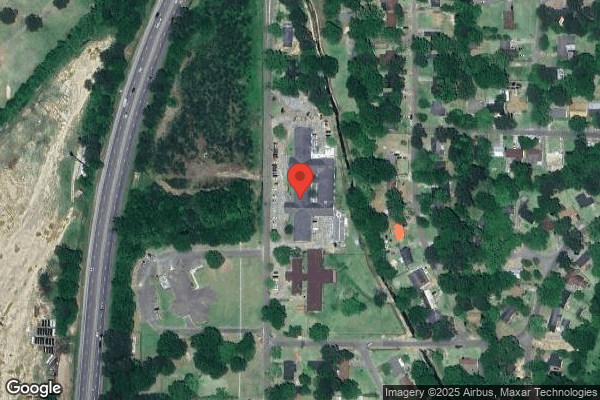
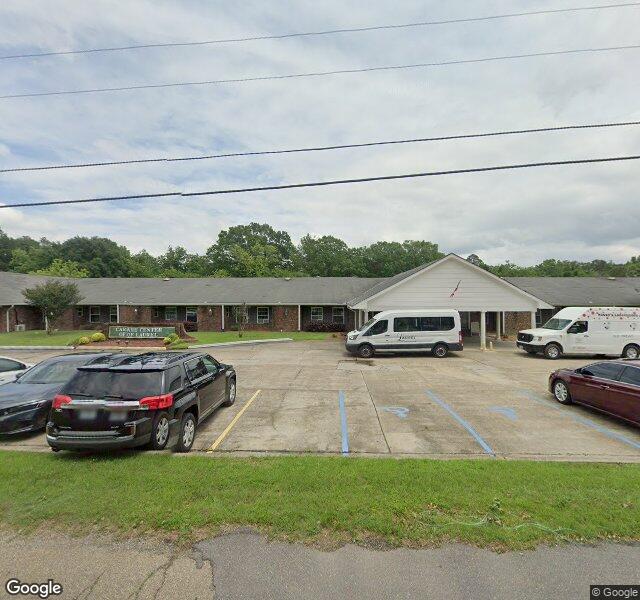
935 WEST DR, LAUREL, MS 39440 (601) 649-8006
For profit - Limited Liability company 120 Beds Independent Data: November 2025
Trust Grade
55/100
#101 of 200 in MS
Last Inspection: August 2025

Inspected within the last 6 months. Data reflects current conditions.

Overview

Care Center of Laurel has a Trust Grade of C, which means it ranks as average among nursing homes, sitting in the middle of the pack. It holds a state rank of #101 out of 200 facilities in Mississippi, indicating it is in the bottom half, but it is #2 out of 4 in Jones County, meaning only one local option is better. The facility is showing signs of improvement, having reduced its issues from 7 in 2024 to 5 in 2025. Staffing is rated at 3 out of 5 stars, with a turnover rate of 43%, which is better than the state's average of 47%, suggesting staff stability. Despite having no fines, which is a positive sign, the care center has concerning RN coverage, being below 95% of other facilities in the state. However, there are some weaknesses to consider. Recent inspections revealed that the facility failed to develop comprehensive care plans for several residents, which is vital for their individual care needs. Additionally, food storage practices were not up to standard, with items not being labeled or dated properly, which raises concerns about safety and hygiene. Finally, there was a failure to refund a resident's trust account funds to their family within the required timeframe after their passing, indicating potential issues with compliance and resident rights. Overall, while there are strengths in staffing and fines, potential deficiencies in care planning and food safety are important to weigh.

Trust Score
C
55/100
In Mississippi
#101/200
Top 50%
Safety Record
Low Risk
No red flags
Inspections
Getting Better
7 → 5 violations
Staff Stability
○ Average
43% turnover. Near Mississippi's 48% average. Typical for the industry.
Penalties
✓ Good
No fines on record. Clean compliance history, better than most Mississippi facilities.
Skilled Nurses
⚠ Watch
Each resident gets only 16 minutes of Registered Nurse (RN) attention daily — below average for Mississippi. Fewer RN minutes means fewer trained eyes watching for problems.
Violations
⚠ Watch
19 deficiencies on record. Higher than average. Multiple issues found across inspections.
★★☆☆☆
2.0
Overall Rating
★★★☆☆
3.0
Staff Levels
★☆☆☆☆
1.0
Care Quality
★★★☆☆
3.0
Inspection Score
Stable
2024: 7 issues
2025: 5 issues

The Good

  • Full Sprinkler Coverage · Fire safety systems throughout facility
  • No fines on record
  • Staff turnover below average (43%)

    5 points below Mississippi average of 48%

Facility shows strength in fire safety.

The Bad

2-Star Overall Rating

Below Mississippi average (2.6)

Below average - review inspection findings carefully

Staff Turnover: 43%

Near Mississippi avg (46%)

Typical for the industry

The Ugly 19 deficiencies on record

Aug 2025 5 deficiencies
CONCERN (D)

Potential for Harm - no one hurt, but risky conditions existed

Deficiency F0569 (Tag F0569)

Could have caused harm · This affected 1 resident

**NOTE- TERMS IN BRACKETS HAVE BEEN EDITED TO PROTECT CONFIDENTIALITY** Based on record review, staff interview, and facility policy review, the facility failed to ensure that a resident had trust acc...

Read full inspector narrative →
**NOTE- TERMS IN BRACKETS HAVE BEEN EDITED TO PROTECT CONFIDENTIALITY** Based on record review, staff interview, and facility policy review, the facility failed to ensure that a resident had trust account funds refunded to their family within 30 days after death for one (1) of three (3) closed records reviewed. (Resident #91)Findings Include:A review of the facility's General Resident Trust Fund Policies, dated 04/25, revealed, .Conveyance Upon Discharge or Death Upon discharge or in the event of death of a resident with personal funds deposited with the facility, the facility must refund within 30 days the funds and a final accounting of those funds to the resident. In the event of death funds must be refunded to the Estate of or sent to the State Unclaimed Property Division if no heir can be identified within 30 days.A record review of the admission Record revealed the facility admitted Resident #91 on [DATE] with diagnoses including Amyotrophic Lateral Sclerosis (ALS).A record review of the Discharge Minimum Data Set (MDS) with an Assessment Reference Date (ARD) of [DATE] revealed Resident #91was coded for Death in facility.A record review of the Progress Notes revealed a Nursing Note, dated [DATE] at 9:31 (AM) indicated Resident #91 expired at the facility.A record review of the Resident Statement revealed Resident #91 had a balance of $2.00 that remained in the account at the time of his death. The account was documented as closed on [DATE].A record review of a facility-issued check written to the resident's family indicated the check was dated [DATE], which was more than 90 days after the resident's death.On [DATE] at 10:38 AM, during an interview with the Nursing Home Administrator (NHA), he stated he recently started the process of refunding families after the death of residents because he was new to the facility. He further stated that he was unaware of the requirement to return trust fund balances within 30 days of a resident's death.
CONCERN (D)

Potential for Harm - no one hurt, but risky conditions existed

Safe Environment (Tag F0584)

Could have caused harm · This affected 1 resident

**NOTE- TERMS IN BRACKETS HAVE BEEN EDITED TO PROTECT CONFIDENTIALITY** Based on observation, staff interview, and facility policy review, the facility failed to ensure a homelike and comfortable envi...

Read full inspector narrative →
**NOTE- TERMS IN BRACKETS HAVE BEEN EDITED TO PROTECT CONFIDENTIALITY** Based on observation, staff interview, and facility policy review, the facility failed to ensure a homelike and comfortable environment by failing to address a persistent, unpleasant noise caused by a malfunctioning resident room door for three (3) of four (4) days of the survey. Findings include: Record review of the facility policy titled Resident Environment, dated 9/15/25 revealed, It is the policy of this facility to provide a safe, clean, comfortable and homelike environment.During observations from 8/4/25 through 8/6/25, multiple times throughout the day, there was a high-pitched, squealing noise heard from the hallway. The noise was very loud and could be heard through the closed door in the training room. The noise occurred multiple times throughout the day of survey and was notably loud and unpleasant. On 8/6/25 at 1:45 PM, during an observation of Percutaneous Endoscopic Gastrostomy (peg) tube care, the wound care nurse closed Resident #53's door to provide privacy during the care. When she closed the door, the metal door rubbed the floor and caused the unpleasant, high-pitched noise that had been heard throughout the survey. On 8/6/25 at 2:32 PM, during interviews with Certified Nurse Aides (CNAs) #1 and #2, both staff were asked to open the door to room [ROOM NUMBER] and acknowledged hearing the loud squealing noise caused by the metal door rubbing the floor. The CNAs stated the issue had been ongoing for a while and that they typically left the door open because the residents were nonverbal and the door was only closed during care. They both agreed the sound was unpleasant and could affect residents but admitted they had not reported the issue to maintenance because no one ever complained. On 8/6/25 at 2:35 PM, during an interview with Licensed Practical Nurse (LPN) #1, she stated the loud noise from the door had been occurring for several months. She explained she had not submitted a maintenance request because no residents had complained, but agreed the sound was unpleasant and could be disturbing to the residents who are unable to voice their concerns. On 8/6/25 at 2:45 PM, during an interview and observation with the Maintenance Director, the door to room [ROOM NUMBER] was closed and it made a loud noise. He stated that typically nurses or CNAs will either submit a work order or notify him verbally of an issue with equipment. He reported that nothing had been brought to his attention regarding the loud, squeaking door. He determined that the problem could be resolved by removing the current kick plate and replacing it.On 8/7/25 at 11:44 AM, in an interview with the Director of Nursing (DON), she stated that any staff who become aware of a problem with functioning equipment should notify the Maintenance Supervisor by submitting a work order. She confirmed that all staff interviewed had been aware of the problem for several months. She stated it is her expectation that staff notify maintenance of such issues so they can be addressed in a timely manner. The DON added that while the resident affected by this problem could not verbally communicate to complain, the noise could have been an irritating stimulus or disrupted the resident's sleep pattern, as the resident is aware of her surroundings but unable to express concerns.
CONCERN (D)

Potential for Harm - no one hurt, but risky conditions existed

Assessment Accuracy (Tag F0641)

Could have caused harm · This affected 1 resident

Based on record review, staff interview, and facility policy review, the facility failed to ensure the Minimum Data Set (MDS) accurately reflected the resident's active diagnoses of Atrial Fibrillatio...

Read full inspector narrative →
Based on record review, staff interview, and facility policy review, the facility failed to ensure the Minimum Data Set (MDS) accurately reflected the resident's active diagnoses of Atrial Fibrillation (Resident #4) and failed to ensure the completion of an entry and discharge MDS (Resident #90) for two (2) of 19 sampled residents.Findings included: A review of the facility’s policy MDS Process, revised 12/20, revealed, .The RAI (Resident Assessment Instrument) is the source document to be used for further MDS coding guidelines, time schedules and requirements . The RAI User’s Manual, Chapter 1 requires the assessment accurately reflects the resident's status and Chapter 2 indicates that an Entry Tracking Record must be completed at the time of admission, and a Discharge Tracking Record or Discharge MDS must be completed when the resident is discharged . Resident #4 A record review of the “admission Record” revealed the facility admitted Resident #4 on 6/3/24 with diagnoses including Type 2 Diabetes Mellitus. A record review of the “Patient Discharge Instructions” for Resident #4, dated 4/4/25 revealed, “…New Medications… apixaban (type of anticoagulant medications) … Impression and Plan Diagnosis: New onset A-fib (Atrial fibrillation) with RVR (Rapid Ventricular Rate)” A record review of the Annual Minimum Data Set (MDS) with an Assessment Reference Date (ARD) of 5/20/25 revealed Resident #4 had a Brief Interview for Mental Status (BIMS) score of 15, which indicated she was cognitively intact. Section I – Active Diagnoses did not include Atrial Fibrillation as an active diagnosis, despite documentation in the medical record. On 8/5/25 at 3:51 PM, in an interview with the Director of Nursing (DON), she stated she is currently performing quality assurance (QA) duties and oversees the MDS and care plan nurses. The DON confirmed that Resident #4 returned from the hospital on 4/4/25 with a new diagnosis of A-fib with RVR (Rapid Ventricular Rate) and the Annual MDS failed to reflect the diagnosis. She stated she expected the MDS to be accurate and updated daily when new orders are received and reviewed quarterly with the comprehensive assessment. She stated the nurse must have missed the new diagnosis since it was not added to the resident’s current diagnoses in the electronic health record (EHR). Resident # 90 A record review of the 'admission Record' revealed the facility admitted Resident #90 on 4/4/24 with diagnoses including Cerebral Infarction. A record review of a “Nursing Note” revealed Resident #90 returned from the hospital on 7/16/25. A record review of a “Transfer Out Note” revealed Resident #90 was sent out for evaluation on 7/31/25. A record review of the electronic health record (EHR) for Resident #90 indicated the last activity occurred on the Minimum Data Set (MDS) was a “Discharge Return Anticipated” assessment, dated 7/2/25. There was no entry MDS noted for the return on 7/16/25, nor was a discharge assessment noted for the 7/31/25 discharge to the hospital. On 8/6/25 at 4:25 PM, during an interview with the DON, she stated the MDS assessments with appropriate ARDs should have been completed in a timely manner. She explained the facility was currently recruiting a QA nurse for the MDS/Care Plan department.
CONCERN (E)

Potential for Harm - no one hurt, but risky conditions existed

Comprehensive Care Plan (Tag F0656)

Could have caused harm · This affected multiple residents

Based on record review, staff interview, and facility policy review, the facility failed to develop a comprehensive care plan for four (4) of 19 sampled residents. (Resident #3, Resident #4, Resident ...

Read full inspector narrative →
Based on record review, staff interview, and facility policy review, the facility failed to develop a comprehensive care plan for four (4) of 19 sampled residents. (Resident #3, Resident #4, Resident #17, and Resident #31)Findings included: A review of the facility’s policy, Care Plan Process, revised 12/24, revealed, .Regulations require facilities to complete .a comprehensive, standardized assessment of each resident's functional capacity and needs .The results of the assessment .are to be used to develop .each resident's comprehensive person-centered plan of care .The Care Plan must include measurable objectives and time frames and must describe the services that are to be furnished to attain or maintain the resident's highest practicable physical, mental, and psychosocial well-being . Resident #3 A record review of the admission Record revealed the facility admitted Resident #3 on 1/3/24 with diagnoses including Chronic Obstructive Pulmonary Disease and Encounter for Prophylactic Measures. A record review of the Order Review History Report revealed Resident #3 had a Physician's Order, dated 1/3/24 for Apixaban 5 milligrams (mg) two times a day for Atrial Fibrillation (A-fib). A record review of the Comprehensive Care Plan revealed there was no care plan developed to include interventions related to anticoagulant therapy. A record review of the Quarterly Minimum Data Set (MDS) with an Assessment Reference Date (ARD) of 5/28/25 revealed Resident #3 had Brief Interview for Mental Status (BIMS) score of 15, which indicated he was cognitively intact. Further review revealed he had taken anticoagulant medication during the lookback period. Resident #4 A record review of the “admission Record” revealed the facility admitted Resident #4 on 6/3/24 with diagnoses including Type 2 Diabetes Mellitus. A record review of the “Patient Discharge Instructions” dated 4/4/25 revealed, “…New Medications… apixaban (type of anticoagulant medications) … Impression and Plan Diagnosis: New onset A-fib (Atrial fibrillation) with RVR (Rapid Ventricular Rate) …” A record review of the Order Review History Report revealed Resident #4 had a Physician's Order dated 4/4/25 for Apixaban 5 mg two times a day for A-Fib. A record review of the Comprehensive Care Plan revealed there was no care plan developed to include interventions for the diagnosis of Atrial fibrillation, or the risks related to anticoagulant therapy. A record review of the Annual MDS with an ARD of 5/20/25 revealed Resident #4 had a BIMS score of 15, which indicated she was cognitively intact. During an interview on 8/5/25 at 3:51 PM, the Director of Nursing (DON), she stated she is currently performing Quality Assurance (QA) duties and oversees the MDS and care plan nurses. The DON confirmed that Resident #4 returned from the hospital on 4/4/25 with a new diagnosis of A-fib with RVR (Rapid Ventricular Rate). She acknowledged that there was no care plan for the anticoagulant or the diagnosis of A-fib. She stated she expected care plans to be developed daily when new orders or information is received and reviewed quarterly with the comprehensive assessment. She stated the nurse must have missed the new diagnosis since it was not added to the electronic health record (EHR). In a follow up interview on 8/6/25 at 11:00 AM, the DON confirmed that a care plan had not been developed for anticoagulant therapy for Resident #3 and explained the facility had been without a QA nurse for several months which had contributed to the failure to develop the care plans. Resident #17 On 8/4/25 at 3:14 PM, during an interview, Resident #17 reported that she was dependent upon staff to assist with changing her. A record review of the “admission Record” revealed the facility admitted Resident #17 on 6/13/25 and she had current diagnoses including Morbid (Severe) Obesity. A record review of the Quarterly MDS with an ARD of 5/15/25 revealed Resident #17 had a BIMS score of 15, which indicated she was cognitively intact. A review of Section GG revealed Resident #17 was dependent on staff for toileting hygiene. A record review of Resident 17's medical record revealed there was no care plan developed that included bowel and bladder care. On 8/7/25 at 10:05 AM, during an interview, the DON stated she was aware that care plans had not been developed and that the facility was in the process of hiring an MDS nurse. Resident #31 A record review of the “admission Record” revealed the facility admitted Resident #31 on 7/22/21 with diagnoses including Obstructive Uropathy. A record review of the “Order Review History Report” revealed Resident #31 had a Physician’s Order, dated 7/5/24, to change the catheter and catheter bag monthly and as needed. A record review of the Quarterly MDS with an ARD of 6/18/25, revealed Resident #31 had a BIMS score of 15 and had an indwelling catheter. A record review of Resident #31’s medical record revealed there was no care plan developed to address the indwelling urinary catheter. On 8/6/25 at 11:52 AM, during an interview with the DON, she confirmed the care plan did not address the indwelling catheter or any related interventions. She stated the care plan should have been developed to include this information and explained that the facility previously employed a case manager who was responsible for updating care plans, but that person was terminated in January. She added that she and other staff had been trying to correct care plans since that time.
CONCERN (E)

Potential for Harm - no one hurt, but risky conditions existed

Food Safety (Tag F0812)

Could have caused harm · This affected multiple residents

Based on observation, staff interview, record review, and facility policy review, the facility failed to store, label, and date food items in a sanitary manner and ensure tray line temperatures were c...

Read full inspector narrative →
Based on observation, staff interview, record review, and facility policy review, the facility failed to store, label, and date food items in a sanitary manner and ensure tray line temperatures were consistently documented, for one (1) of two (2) kitchen observations. Findings included:A review of the facility's policy titled Storage of Canned and Dry Food with a revision date of 9/23 revealed, .Procedure.8. Opened packages are stored in tightly covered containers or Ziploc bags.A review of the facility's policy titled Resident Tray Service and Delivery with a revision of 05/18 revealed, .Procedure.g. The temperatures of food is taken with a calibrated thermometer and documented on the Temperature Monitoring Log.On 8/4/25 at 10:32 AM, during an observation of the kitchen with the Dietary Manager (DM), in the dry storage room, there was a partially torn pack of hamburger buns with two missing, an opened pack of coffee filters, American cheese wrapped in saran wrap with a hole exposing slices to air, an open 25-pound box of instant thickener, and a brown box of croissant rolls with one pack torn open. In the freezer, several plastic bags were torn open, including a 10-pound box of pork sausage links, a 10-pound box of turkey sausage links, a 10-pound box of sausage patties, a 15-pound box of fried egg patties, and a 20-pound box of chocolate chip dough. In the refrigerator, a clear plastic container of sliced lemons was observed with visible mold, a gallon container of grape Kool-Aid with lemons had no label or date, and a nearly empty gallon container of ranch dressing had no open date. A record review of the Daily Food Temperature Monitoring Log revealed missing documentation for dinner temperatures on 7/5, 7/18, 7/19, 7/20, and 7/25. It also revealed missing documentation for lunch on 7/22.On 8/4/25 at 11:08 AM, during an interview with the DM, she stated that all open food items should be sealed or placed in plastic bags to prevent contamination. She explained that unsealed food could cause residents to become sick. She stated it was her responsibility to ensure staff followed proper procedures. She also explained that the final cooking temperatures should be recorded for each meal to confirm that food is cooked and served at appropriate temperatures and to reduce the risk of foodborne illness.On 8/6/25 at 10:57 AM, during an interview with the cook, she stated she always checks tray line temperatures but sometimes forgets to write them down.
Mar 2024 7 deficiencies
CONCERN (D)

Potential for Harm - no one hurt, but risky conditions existed

Resident Rights (Tag F0550)

Could have caused harm · This affected 1 resident

Based on observation, interviews, record review, and facility policy review the facility failed to promote the dignity of residents by requiring the residents to use a bedside commode (BSC) in their r...

Read full inspector narrative →
Based on observation, interviews, record review, and facility policy review the facility failed to promote the dignity of residents by requiring the residents to use a bedside commode (BSC) in their room instead of a designated restroom when toileting for two (2) of (19) sampled residents. (Resident #29 and Resident #51) Findings Include: Review of the facility's policy, Dignity and Respect, revised 7/22, revealed, A facility must treat each resident with respect and dignity and care for each resident in a manner and in an environment that promotes maintenance or enhancement of his or her quality of life .The facility shall protect and promote the rights of the resident .2. Each resident of the facility has the right to a dignified existence . Review of the facility's Resident Rights Policy, revised 12/23, revealed, Every resident in this facility has the right to .12. Be treated .with the fullest measure of dignity .17. Be treated with consideration and respect for their personal privacy including but not limited to toileting . During an observation and interview on 3/19/24 at 11:00 AM, with Resident #29 and Resident #51, the residents revealed the toilet in their bathroom did not work. Resident #29 stated the sewage backed up and had overflow issues, so they had been instructed by the facility to use BSCs provided by the facility. The toilet had been in disrepair since January of this year (2024) and both residents expressed they did not feel comfortable using the BSCs because of the odors and the lack of privacy. The staff made sure the curtains were pulled for privacy, but they had to call staff to empty the BSCs after each use. There were two BSCs noted in the residents' room. One BSC was located on each side of the room. During an interview on 3/19/24 at 11:15 AM, with Certified Nursing Aide (CNA) #7, she confirmed the toilet had not worked properly in Resident #29 and Resident #51's bathroom since January 2024. CNA #7 stated the residents used the BSCs that were lined with a clear bag and after use of the BSC, the CNAs removed and disposed of the bags. In an interview on 3/20/24 at 11:00 AM, with the Maintenance Director, he explained that he had installed a new toilet in Resident #29 and Resident #51's room about a week and a half ago and he was unaware the residents were still having problems with the toilet. The Maintenance Director stated that no one had completed a maintenance form indicating the toilet needed to be repaired. During an interview on 3/21/24 at 10:00 AM, with the Director of Nursing (DON), she stated that she did not know the residents were having issues with the toilet. The DON said she understood why using BSCs rather than the toilet would be upsetting to the residents. During an interview on 3/21/24 at 10:15 AM, with the Administrator, she stated that she was aware the toilet was not working properly for Resident #29 and Resident #51, but thought it was repaired when the Maintenance Director installed a new toilet in the residents' room. The Administrator was unaware the residents were currently using BSCs and confirmed this could be a dignity issue for the residents. She reported that she would work to have the toilet flushing issue repaired immediately. Resident #29 A record review of the Face Sheet revealed the facility admitted Resident #29 on 10/11/18 and she had current diagnoses including Hemiplegia, Hypertension, and Anxiety. A record review of the Quarterly Minimum Data Set (MDS) with an Assessment Reference Date (ARD) of 12/13/23 revealed Resident #29 had a Brief Interview of Mental Status (BIMS) score of 12, which indicated her cognition was moderately impaired. Resident #51 A record review of the Face Sheet revealed the facility admitted Resident #51 on 12/7/23 and she had current diagnoses including Heart Failure, Renal Disease, and Diabetes Mellitus. A record review of the admission MDS with an ARD of 12/15/23 revealed a BIMS score of 15, which indicated she was cognitively intact.
CONCERN (D)

Potential for Harm - no one hurt, but risky conditions existed

Safe Environment (Tag F0584)

Could have caused harm · This affected 1 resident

Based on observation, interviews, and facility policy review, the facility failed to ensure residents' rights for a comfortable, homelike environment as evidenced by not providing hot water in the sho...

Read full inspector narrative →
Based on observation, interviews, and facility policy review, the facility failed to ensure residents' rights for a comfortable, homelike environment as evidenced by not providing hot water in the shower room and for four (4) of 27 residents residing on the Primary Care Unit (PCU). Resident #17, Resident #42, Resident #66 and Resident #72. Findings include: A review of the facility's policy, Resident Environment, dated 09/15, revealed, It is the policy of this facility to provide a .comfortable and homelike environment . Resident #17 On 03/19/24 at 10:21 AM, during an interview with Resident #17, reported the water in her room and the shower room was not hot. At 9:45 AM on 03/20/24, during an observation of Resident #17's bathroom, the hot water in the sink measured 60 F after three (3) minutes with a thermometer and 64 F after four (4) minutes. Resident #42 On 03/19/24 at 11:50 AM, during an observation and interview with Resident #42, he complained the hot water in his bathroom did not work. The hot water in the bathroom sink was turned on and was not warm after approximately one (1) minute. On 03/20/24 at 09:50 AM, during an observation of Resident #42's bathroom, the hot water in the skin reached 74 F after two (2) minutes and was cool. Resident #66 At 09:55 AM on 03/20/24, during an interview with CNA #4, she explained the water in Resident #66's (PCU) bathroom would not get hot, so she usually got hot water from the other side of the building and brought it back to Resident #66's room to give her a bath. Resident #72 At 11:15 AM on 03/19/24, during an interview with Resident #72, he complained the water in the bathroom sink did not get warm. On 03/20/24 at 9:35 AM, during an interview with Certified Nursing Assistant (CNA) #5, she explained the water in Resident #72's bathroom (PCU) did not get hot. The hot water temperature was checked with a thermometer and after two (2) minutes, the thermometer reading was 60 degrees Fahrenheit (F) and after four (4) minutes it was 64 F. On 03/19/24 at 11:00 AM, during an interview with CNA #6, she confirmed the water on the PCU did not get hot and residents have complained. She stated management was aware of the problem. On 03/20/24 at 2:45 PM, during an interview with the Administrator, she explained a new hot water heater had been installed for the PCU and she was not aware that residents still had complaints regarding hot water since the installation of the new hot water heater. At 3:10 PM on 03/20/24, during an interview and observation with the Maintenance Director, he explained that after the new hot water tank was installed on the PCU, he had some complaints about the hot water. The facility decided to get a different type of recycling pump and was currently waiting on the plumbing company to replace it. During observation of Resident #72's bathroom sink, the hot water reached 64 F after running for three (3) minutes. In Resident #17's bathroom sink, the hot water temperature reached 64 F after running for three (3) minutes. Resident #42's bathroom sink reached 74 F after running for two (2) minutes. The shower room on the PCU reached 64 F after running for two (2) minutes. He confirmed the hot water temperatures were cold and that all residents have the right to hot water. On 03/21/24 at 12:28 PM, during an interview with the Administrator, she stated that she expected all residents to have hot water in their bathrooms and showers.
CONCERN (D)

Potential for Harm - no one hurt, but risky conditions existed

Comprehensive Care Plan (Tag F0656)

Could have caused harm · This affected 1 resident

Based on observations, interviews, record review, and the facility policy review, the facility failed to implement comprehensive care plan interventions for a resident with a feeding tube (Resident #2...

Read full inspector narrative →
Based on observations, interviews, record review, and the facility policy review, the facility failed to implement comprehensive care plan interventions for a resident with a feeding tube (Resident #26) and failed to develop a comprehensive care plan for a resident with full length bedrails (Resident #66) for two (2) of 19 sampled residents. Findings include: A review of the facility's policy, Care Plan Process, revised 08/17, revealed, .The facility must develop a comprehensive care plan for each resident that includes measurable objectives and timetables to meet a resident's medical, nursing, and mental and psychosocial needs .The facility staff shall follow the care plan . Resident #26 Cross Reference: F693 A record review of the Face Sheet revealed the facility re-admitted Resident #26 on 5/23/23 and he had current diagnoses including Cerebral Infraction, Aphasia, and Dysphagia. A record review of the Care Plan revealed Resident #26 had a Problem/Need of Resident has a feeding tube, with an onset date of 5/3/23, and an approach of Keep HOB (Head of Bed) elevated 30 degrees. On 03/20/24 at 11:00 AM, during an observation, Certified Nursing Assistant (CNA) #9 lowered the head of bed (HOB) until Resident #26 was lying flat. CNA #9 completed incontinent care and the HOB was not elevated during the care. On 03/20/24 at 11:30 AM, during an interview, CNA #9 confirmed she had lowered the HOB and Resident #26 was lying flat while she provided care. CNA #9 said that she was aware Resident #26 had a high risk for aspiration and explained that it was difficult to turn the resident without assistance if the HOB was elevated. CNA #9 confirmed that she had not asked any other staff to assist with providing care to Resident #26. On 3/21/24 at 10:30 AM, in an interview with Licensed Practical Nurse (LPN) #4, she stated she expected the staff to implement care plan approaches and keep Resident #26's HOB elevated at all times due to his high risk for aspiration. Resident #66 Cross Reference: F700 During an observation on 3/20/24 at 8:30 AM, Resident #66 was lying in bed and there were two (2) full length bedrails noted on the bed. The right bedrail was raised, and the left bedrail was lowered at the head of the bed and was slanted. Resident #66 was leaning toward the left side of the bed, and she had her right foot propped up on the middle of the right raised bed rail. Record review of the Face Sheet revealed the facility admitted Resident #66 on 9/29/20 and she had current diagnoses including Dementia. A review of the comprehensive care plans revealed Resident #66 did not have a care plan regarding full length bedrails. On 03/21/24 at 11:29 AM, during an interview with LPN #4, she explained she was not aware until this week that Resident #66 had full length bedrails. She reported that she had not completed a care plan with approaches for bedrails for Resident #66.
CONCERN (D)

Potential for Harm - no one hurt, but risky conditions existed

ADL Care (Tag F0677)

Could have caused harm · This affected 1 resident

Based on observations interviews, record review, and facility policy review, the facility failed to clean, cut, and file fingernails for a resident who required assistance with Activities of Daily Liv...

Read full inspector narrative →
Based on observations interviews, record review, and facility policy review, the facility failed to clean, cut, and file fingernails for a resident who required assistance with Activities of Daily Livings (ADLs) for personal hygiene for one (1) of 19 sampled residents. Resident #55 Findings include: A review of the facility's policy Nail Care, revised 01/24, revealed Purpose .To promote cleanliness, safety and a neat appearance . On 03/19/24 at 10:22 AM, Resident #55 was lying in bed and had long fingernails on both hands. The resident was able to respond to questions and answered yes when asked if she would like to have her nails trimmed. On 03/20/24 at 10:05 AM, during an observation of Resident #55 and an interview with Certified Nurse Aide (CNA) #3, she confirmed Resident #55 had long nails that were dirty. CNA #3 explained Resident #55 had a diagnosis of Diabetes and CNAs were not allowed to trim her nails. At 10: 15 AM on 03/20/24, during an observation of Resident #55 and an interview with Licensed Practical Nurse (LPN) #2, she explained LPNs were not allowed to clip Resident #55's nails because she had a diagnosis of Diabetes, and a Registered Nurse (RN) clipped the resident's nails on weekends and as needed. LPN #2 observed Resident #55's fingernails and confirmed the resident's fingernails were long, jagged, and dirty and asked Resident #55 if a nurse could trim her nails, and the resident replied yes. LPN #2 reported that the resident's nails had not been clipped recently. On 03/20/24 at 03:35 PM, during an interview with the Director of Nursing (DON), she explained the weekend RNs are to assess resident nails weekly and they only checked the condition of the nail and cleaned and clipped as needed. She explained she was not sure if Resident #55 refused nail care but if so, it would be documented in the medical chart. She stated she expected staff to adequately complete ADL care for all residents, which included clipping and cleaning their fingernails. At 4:00 PM on 03/20/24, during a phone interview with RN#2, she explained she worked at the facility on the weekend on a part-time basis. She explained that she looked at the at the nails for residents with Diabetes, but she did not clip all the resident's nails in the facility every week and rotated nail care from week to week. She confirmed that she did not clip Resident #55's nails this month, but she did observe them to ensure they were clean. She was unable to recall if Resident #55 ever refused to have her nails clipped. Record review of the Face Sheet revealed the facility admitted Resident #55 on 12/15/21, and she had current diagnoses including Type 2 Diabetes Mellitus. Record review of the Quarterly Minimum Data Set (MDS) with an Assessment Reference Date (ARD) of 01/08/24 revealed Resident #55 had a Brief Interview for Mental Status (BIMS) score of six (6), which indicated her cognition was severely impaired. Further review revealed she required moderate assistance with personal hygiene.
CONCERN (D)

Potential for Harm - no one hurt, but risky conditions existed

Incontinence Care (Tag F0690)

Could have caused harm · This affected 1 resident

Based on observation, interviews, record review, and facility policy review, the facility failed to provide incontinent care in a manner to prevent complications for one (1) of two (2) residents revie...

Read full inspector narrative →
Based on observation, interviews, record review, and facility policy review, the facility failed to provide incontinent care in a manner to prevent complications for one (1) of two (2) residents reviewed for care. (Resident #26) Findings Include: Review of the facility's policy, Perineal Care, revised 1/24, revealed, .Purpose .To prevent irritation or infection .Male-Without Catheter .4. Hold the shaft of the penis with on hand. 5. Using the other hand gently cleanse from the tip to the base of the penis . On 03/20/24 at 11:00 AM, Certified Nurse Aide (CNA) #9 provided incontinent care for Resident #26 after he had an incontinent episode and had a soiled brief. During the care, the CNA did not clean the resident's penis. In an interview on 03/20/24 at 11:30 AM with CNA #9, she confirmed she failed to cleanse the resident's penis during care. She explained that she had forgotten and confirmed that not cleansing the penis after an incontinent episode could have caused the resident to acquire an infection. During an interview on 3/21/24 at 10:00 AM, with the Director of Nursing (DON), she stated she expected the staff to follow the standards of practice while providing incontinent care and she reported the staff received training regarding how to appropriately provide care, including cleaning the penis. A record review of the Face Sheet revealed the facility admitted Resident #26 on 5/23/23 and he had current diagnoses including Cerebral Infraction, Aphasia, and Dysphagia. A record review of the Quarterly Minimum Data Set (MDS) with an Assessment Reference Date (ARD) of 1/10/24 revealed Resident #26 had a Brief Interview for Mental Status (BIMS) score of 00, which indicated the resident was severely cognitively impaired.
CONCERN (D)

Potential for Harm - no one hurt, but risky conditions existed

Tube Feeding (Tag F0693)

Could have caused harm · This affected 1 resident

Based on observation, interviews, record review and facility policy review, the facility failed to ensure the head of the bed (HOB) was properly elevated for a resident who required enteral feedings a...

Read full inspector narrative →
Based on observation, interviews, record review and facility policy review, the facility failed to ensure the head of the bed (HOB) was properly elevated for a resident who required enteral feedings and was at high risk for aspiration for one (1) of nine (9) residents observed who received nutrition by a feeding tube. Resident #26 Findings include: Record review of the facility's policy, Tube Feedings revised 12/15, revealed, .4. A resident who is fed by nasogastric, jejunostomy or gastrostomy tubes will receive appropriate treatment and services to prevent aspiration pneumonia . During an interview on 03/19/24 at 01:07 PM, a family member for Resident #26 stated the staff provided care to the resident by laying him flat, even though he had a high risk for aspiration. She stated the feeding tube was not infusing while staff provided care, but the resident could not tolerate lying flat at any time and the HOB must be kept elevated. During an observation on 03/20/24 at 11:00 AM, Certified Nursing Assistant (CNA) #9 lowered the HOB until Resident #26 was lying flat. CNA #9 completed incontinent care and the HOB was not elevated during the care. During an interview on 03/20/24 at 11:30 AM, with CNA #9, she confirmed she had lowered the HOB and Resident #26 was lying flat while she provided care. CNA #9 said that she was aware Resident #26 had a high risk for aspiration and explained that it was difficult to turn the resident without assistance if the HOB was elevated. CNA #9 confirmed that she had not asked any other staff to assist with providing care to Resident #26. During an interview on 3/21/24 at 10:00 AM, with the Director of Nursing (DON), she said she expected the staff to follow the standards of practice while providing care to residents. The DON confirmed the CNA should have kept the Resident #26's HOB elevated at least 30 degrees and stated she should have asked for assistance rather than lying the resident flat. A record review of the Face Sheet revealed the facility re-admitted Resident #26 on 5/23/23 and he had current diagnoses including Cerebral Infraction, Aphasia, and Dysphagia. A record review of the Quarterly Minimum Data Set (MDS) with an Assessment Reference Date (ARD) of 1/10/24 revealed Resident #26 had a Brief Interview for Mental Status (BIMS) score of 00, which indicated the resident was severely cognitively impaired.
CONCERN (D)

Potential for Harm - no one hurt, but risky conditions existed

Deficiency F0700 (Tag F0700)

Could have caused harm · This affected 1 resident

Based on observation, interviews, record review, and the facility policy review, the facility failed to adequately assess a resident for bedrail use, failed to attempt alternative measures prior to th...

Read full inspector narrative →
Based on observation, interviews, record review, and the facility policy review, the facility failed to adequately assess a resident for bedrail use, failed to attempt alternative measures prior to the placement of full bedrails, and failed to ensure bedrails were properly installed and assessed for the risk of entrapment for one (1) of 19 sampled residents. Resident #66 Findings include: Record review of a statement provided by the Administrator on facility letterhead, dated March 21, 2024 revealed, The facility does not have a specific policy and procedure that only states Bed/Side Rails . On 3/20/24 at 8:30 AM, during an observation, Resident #66 was lying in bed and there were two (2) full length bedrails noted on the bed. The right bedrail was raised, and the left bedrail was lowered at the head of the bed and was slanted. Resident #66 was leaning toward the left side of the bed, and she had her right foot propped up on the middle of the right raised bed rail. On 03/20/24 at 9:55 AM, in an interview and observation, Resident #66 was lying in bed and Certified Nursing Assistant (CNA) #4 confirmed the resident had full length bedrails. CNA #4 reported the resident had full bedrails for the past couple of months because the resident was crawling out of the bed. At 2:35 PM on 03/20/24, during an interview with Licensed Practical Nurse (LPN) #2, she explained Resident #66 had gotten a new bed approximately two (2) months ago because the resident had falls. On 03/20/24 at 2:45 PM, during an interview with the Director of Nursing (DON), she explained she was unaware that Resident #66 had full length bedrails. Resident #66 received hospice services and the hospice provider brought the resident a new bed. At 11:04 AM on 3/21/24, during an interview with the DON, she explained Resident #66 had not been assessed for bedrail use or entrapment. The DON further explained that when the resident's bed was delivered and set up, a new bedrail assessment was not completed. The DON reported that Resident #66's family member had signed a bedrail consent on admission, but it was not updated to indicate the resident had full length bedrails. Record review of the Face Sheet revealed the facility admitted Resident #66 on 9/29/20 and she had current diagnoses including Dementia. Record review of the Quarterly Minimum Data Set (MDS) with an Assessment Reference Date (ARD) of 03/05/24 revealed Resident #66 had a Brief Interview for Mental Status (BIMS) score of 03, which indicated her cognition was severely impaired. Record review of Resident #66's Device/Physical Restraint Consent signed 09/18/20 revealed I (Proper Name of Resident #66) have been informed . that a side rails device will be used . The consent does not indicate the type of siderails to be used or the benefits of using siderails. The consent was signed by the Resident Representative. Record review of the Nurse Data Collection and Screening, dated 12/11/23 revealed the bed rail was Not used
Jul 2023 2 deficiencies
CONCERN (D) 📢 Someone Reported This

A family member, employee, or ombudsman was alarmed enough to file a formal complaint

Potential for Harm - no one hurt, but risky conditions existed

Notification of Changes (Tag F0580)

Could have caused harm · This affected 1 resident

Based on interviews, record review, and facility policy review, the facility failed to notify the physician of feeding tube complications for one (1) of two (2) residents reviewed with feeding tubes. ...

Read full inspector narrative →
Based on interviews, record review, and facility policy review, the facility failed to notify the physician of feeding tube complications for one (1) of two (2) residents reviewed with feeding tubes. Resident #1. Findings Include: Record review of the facility's Gastrostomy/Jejunostomy/Nasogastric Tube policy, revised 01/22, revealed, .Administration of Tube Feedings .6. For Gastrostomy and Nasogastric tubes .C. If more than 100 (cc) cubic centimeter of residual is aspirated, return the residual to the stomach, discontinue the tube feeding, and notify the physician . Record review of the Face Sheet revealed the facility admitted Resident #1 on 6/5/23 with a diagnosis of Cerebral infarction, unspecified, and Gastrostomy status. Record review of Physician Orders for the month of July 2023 revealed Resident #1 had a Physician's Order with an order date of 6/5/23 to Check residual; notify MD (Medical Doctor) if greater than 100 ml (milliliters). A record review of the Departmental Notes revealed on 7/2/23 at 6:45 AM and 7:45 AM, License Practical Nurse (LPN) #1 and Registered Nurse (RN) #1 have no documentation of notifying the MD of Resident #1 feeding tube residual of greater than 100 ml. On 7/24/23 at 2:37 PM, an interview with RN #1 confirmed she is the day shift supervisor, and she did not notify the physician on 7/2/23 when she reported on duty that Resident #1's gastrostomy tube residual was greater than 100 ml. RN #1 revealed that the resident was not in any distress and was not gurgling, vomiting, or having shortness of breath when she arrived on duty at 7:00 AM. On 7/24/23 at 3:37 PM, an interview with LPN #1 confirmed she did not follow the physician's orders to notify the MD of the residual of greater than 100 ml on 7/2/23. She relayed she should have followed the physician's orders to notify him of the resident residual. On 7/25/23 at 10:35 AM, an interview with the Director of Nursing (DON) stated it is my expectation that the nurses follow the physician's orders. LPN #1 should have notified the physician of Resident #1 residual or any acute problems. On 7/25/23 at 11:00 AM, an interview with the MD confirmed on 7/2/23, the nurses did not notify him of Resident #1 residual of greater than 100 ml and that the tube feeding was placed on hold. During the interview, the MD stated that he would not have done anything differently since the resident was not in any acute distress.
CONCERN (D) 📢 Someone Reported This

A family member, employee, or ombudsman was alarmed enough to file a formal complaint

Potential for Harm - no one hurt, but risky conditions existed

Comprehensive Care Plan (Tag F0656)

Could have caused harm · This affected 1 resident

Based on interviews, record review, and facility policy review, the facility failed to implement care plan approaches or interventions related to notifying the physician of feeding tube complications ...

Read full inspector narrative →
Based on interviews, record review, and facility policy review, the facility failed to implement care plan approaches or interventions related to notifying the physician of feeding tube complications for one (1) of four (4) resident care plans reviewed. Resident #1. Findings Include: Record review of the facility's Care Plan Process policy, revised 08/17, revealed, .The facility staff shall follow the care plan .The Physician Orders, Medication Administration Record, and Treatment Administration Record are part of the Comprehensive Care Plan . Record review of the Face Sheet revealed the facility admitted Resident #1 on 6/5/23 with a diagnosis of Cerebral infarction, unspecified, and Gastrostomy status. Record review of Physician Orders for the month of July 2023 revealed Resident #1 had a Physician's Order with an order date of 6/5/23 to Check residual; notify MD (Medical Doctor) if greater than 100 ml (milliliters). In a record review of the Care Plan for Resident #1 revealed a Problem Onset date of 6/16/23 with a Problem/Need of .has a feeding tube . and Approaches included Notify MD (Medical Doctor) of any complications. In a record review of the Departmental Notes revealed on 7/2/23 at 6:45 AM and 7:45 AM, License Practical Nurse (LPN) #1 and Registered Nurse (RN) #1 had no documentation of notifying the MD of Resident #1 feeding tube residual of greater than 100 ml. On 7/24/23 at 2:37 PM, an interview with RN #1 confirmed she did not follow the care plan of informing the physician that Resident #1 gastrostomy tube residual was greater than 100 ml. During the interview, she conveyed that she is the day shift supervisor the night nurse should have informed the resident's physician of the information because it was part of the care plan. On 7/24/23 at 3:37 PM, an interview with LPN #1 confirmed she did not follow the care plan on Resident #1 to notify the MD of the residual of greater than 100 ml. She relayed she should have followed the care plan to notify the MD because it is the process for staff to take care of the residents. On 7/24/23 at 4:00 PM, an interview with RN #2 reported that care plans were developed and individualized to ensure consistency in the nursing care of the resident, which helps improve services. RN #2 added that she expects all nursing staff in the facility to follow care plans for the residents. On 7/25/23 at 10:35 AM, an interview with Director of Nursing (DON) revealed it is my expectation that the nursing staff follow the care plans of all residents. The care plans provide a detailed and effective personalized outline of care to be provided to our residents.
Jan 2022 5 deficiencies
CONCERN (D)

Potential for Harm - no one hurt, but risky conditions existed

PASARR Coordination (Tag F0644)

Could have caused harm · This affected 1 resident

**NOTE- TERMS IN BRACKETS HAVE BEEN EDITED TO PROTECT CONFIDENTIALITY** Based on staff interviews, record reviews, and facility policy review, the facility failed to complete a Level II Preadmission S...

Read full inspector narrative →
**NOTE- TERMS IN BRACKETS HAVE BEEN EDITED TO PROTECT CONFIDENTIALITY** Based on staff interviews, record reviews, and facility policy review, the facility failed to complete a Level II Preadmission Screening and Resident Review (PASARR) for a resident with a new major mental illness diagnosis for one (1) of three (3) residents reviewed for PASARR completion. Resident #28 Findings include: Record review of the facility's policy Preadmission Screening PAS/PASRR (MS only) with a revision date of 10/18 revealed .The Level II evaluation must occur prior to admission and whenever the resident has a significant change in status . A change in status referral for Level II Resident Review Evaluations is also required for individuals who may not have previously been identified by PASRR to have mental illness . Record review of the Face Sheet revealed the facility originally admitted Resident #28 on 05/07/15 and readmitted him on 05/05/20 with diagnoses that included Bipolar Disorder current episode depression, severe without psych features, Major Depressive Disorder recurrent, severe and Anxiety and Auditory Hallucinations. Record review of the medical record for Resident #28 revealed a Level I PAS was completed on 05/6/15. There was no Level II PASARR evaluation for Resident #28 in the medical record. Record review of the annual Minimum Data Set (MDS) with an Assessment Reference Date (ARD) of 11/05/2021, revealed Resident #28 had a diagnosis of Depression and Bipolar disorder. Record review of Physician Orders for January 2022 for Resident #28 revealed a physician order for Remeron 30 milligram tablet, give one tablet by mouth every hour sleep for Depression. The order start date was 05/05/20. Record review of the Behavioral Health Service note for 12/30/21 revealed use of antipsychotics, antidepressants, and medication for Dementia. Resident #28 was seen for Anxiety, Insomnia, and Depression. The current medication on 12/30/21 included Aricept (which is used for Dementia), Remeron (which is used for Depression), Risperdal (which is used for Bipolar), and Doxepin (which is used for Dementia). The recommendations were to discontinue Risperdal due to resident is without psychosis and may benefit from med discontinued. Record review of Resident #28's Care Plan with a problem onset date of 12/28/17 revealed resident has a history of hearing voices/auditory hallucinations with a diagnosis of Bipolar disorder. On 01/05/22 at 3:30 PM, during an interview with the Director of Nursing (DON), she explained Resident #28 had a PAS Level I completed prior to his admission on [DATE] and reported no PASARR Level II has been competed since admission. The DON reviewed Resident #28's medical diagnoses and confirmed a diagnosis of Bipolar disorder and Depression. She further reported Resident #28 had not been out to Geri-psych since she became the DON in February 2019, but Resident #28 does see psychiatric services related to his diagnosis.
CONCERN (D)

Potential for Harm - no one hurt, but risky conditions existed

Deficiency F0657 (Tag F0657)

Could have caused harm · This affected 1 resident

**NOTE- TERMS IN BRACKETS HAVE BEEN EDITED TO PROTECT CONFIDENTIALITY** Based on staff interview, record review and facility policy review the facility failed to ensure a comprehensive person-centered...

Read full inspector narrative →
**NOTE- TERMS IN BRACKETS HAVE BEEN EDITED TO PROTECT CONFIDENTIALITY** Based on staff interview, record review and facility policy review the facility failed to ensure a comprehensive person-centered care plan was revised to accurately reflect the Resident's continence status for one (1) of (23) care plans reviewed. Resident #42. Findings include: Review of the facility's Comprehensive Care Plan Policy, revealed it is the policy of this facility to develop, revise and implement a comprehensive person-centered care plan for each resident, consistent with resident rights, that includes measurable objectives and timeframes to meet a resident's medical, nursing, and mental and psychosocial needs that are identified in the resident's comprehensive assessment. The facility's policy also revealed the comprehensive care plan will be reviewed and revised periodically, on an ongoing basis to reflect the services provided or arranged and must be consistent with each resident written plan of care. The facility shall use the results of the assessment to develop, review, and revise the resident's comprehensive plan of care. The facility shall follow the care plan. Record review of the comprehensive care plan with a problem onset dated 10/20/21 revealed Resident #42 is at risk for urinary incontinence. The goal is for Resident # 42 is to remain continent through the next review 1/20/22. The facility's approaches included to evaluate Resident #42's bladder control and pattern PRN (as needed). Observation on 01/04/22 at 03:29 PM, of incontinent care with Certified Nursing Assistant (CNA) #1 revealed the CNA failed to change wipes with each stroke. CNA #1 also cleansed the penis with the same wipe wiping multiple times in the same area. CNA #1 also failed to cleanse Resident #42 with the wipes from front to back. During an interview on 01/06/22 at 03:58 PM, with the Director of Nursing (DON) confirmed the facility failed to revise the care plan to reflect the resident's incontinent episodes. During an interview on 01/06/22 at 04:22 PM, with Registered Nurse (RN) #1 confirmed she failed to revise the residents care plan to reflect the resident having incontinent episodes. RN #1 said she thought the resident was still continent of bowel and bladder. RN #1 also confirmed the resident's care plan did not reflect the resident's current bladder status at this time. During an interview on 01/06/22 at 05:12 PM with CNA #1 confirmed Resident #42 has incontinent episodes all the time. Record review of Resident #42's five (5) day Minimum Data Set (MDS) with an Assessment Reference Date (ARD) of 11/12/21 revealed in Section H that Resident #42 is always continent of bladder. Record review of the Face Sheet revealed Resident #42 was admitted to the facility on [DATE] with the diagnoses that included Urinary Tract Infection (UTI), Chronic Obstructive Pulmonary Disease (COPD) and Heart Failure.
CONCERN (D)

Potential for Harm - no one hurt, but risky conditions existed

Accident Prevention (Tag F0689)

Could have caused harm · This affected 1 resident

Based on observations, interviews, record reviews and facility policy review, the facility failed to ensure the residents' environment is free from possible accidents by not providing adequate supervi...

Read full inspector narrative →
Based on observations, interviews, record reviews and facility policy review, the facility failed to ensure the residents' environment is free from possible accidents by not providing adequate supervision while smoking for one (1) of five (5) observations of residents smoking. Resident #14, Resident #58, and Resident #67. Findings include: Record review of the facility's policy, Smoking Policies and Regulations, with a review date of 8/2021, revealed the facility will provide matches and will light cigarettes upon request in designated areas set aside for smoking. These areas will be monitored by designated staff. On 1/3/22 at 3:44 PM, the State Agency (SA) observed residents smoking in the designated area without supervision. Resident #58 stated, she went to get her coat, she was cold. The SA observed Laundry Aide #1 return to the designated smoking area at 3:52 PM. On 1/3/22 at 3:53 PM, in an interview with Laundry Aide #1, she stated she was cold, and she went to use the restroom and get her coat. She acknowledged she should have stayed with the residents because something could have happened when the residents are left alone, and they could get burned. On 1/5/22 at 1:58 PM, in an interview with the Administrator, she stated that staff are supposed to be with residents when they are smoking and by staff not supervising the residents, it could cause a resident to fall or to get burned. She stated the facility policy is that staff are supposed to be with residents at all times when residents are smoking. Resident #14 On 1/5/22 at 4:50 PM, in an interview with Resident #14, she stated the residents have often been left alone while smoking. She stated the staff takes them out to light their cigarettes and leaves and she could get hurt being left outside alone. Record review of Resident #14's Face Sheet revealed the facility admitted her on 9/24/21. Record review of Resident #14's Minimum Data Set (MDS) with an Assessment Reference Date (ARD) of 10/4/21 revealed a Brief Interview for Mental Status score of 13, which indicated the resident is cognitively intact. Resident #58 On 1/4/22 at 10:30 AM, during Resident Council meeting, Resident #58 stated that residents are left unattended during smoke breaks and that it has happened all the time. Record review of the Resident #58's Face Sheet revealed the facility admitted the resident on 10/10/19. Record review of the Quarterly MDS with an ARD of 11/23/21 revealed Resident #58 had a BIMS score of 12, which indicated the resident has moderate cognitive impairment. Resident #67 On 1/6/22 at 4:40 PM, in an interview with Resident #67, she stated staff will leave them and step inside the building when it is cold outside. She stated the staff goes inside to sit at the tables while the residents are smoking and that the staff cannot see what is going on outside when they are sitting inside. She stated it has happened a couple of times. Record review of Resident #67's Face Sheet revealed the facility admitted her on 9/7/21. Record review of the admission MDS with an ARD of 9/14/21 revealed a BIMS score of 15, which indicated the resident is cognitively intact.
CONCERN (D)

Potential for Harm - no one hurt, but risky conditions existed

Incontinence Care (Tag F0690)

Could have caused harm · This affected 1 resident

**NOTE- TERMS IN BRACKETS HAVE BEEN EDITED TO PROTECT CONFIDENTIALITY** Based on observation, staff interview, record review and facility policy review the facility failed to provide incontinent care ...

Read full inspector narrative →
**NOTE- TERMS IN BRACKETS HAVE BEEN EDITED TO PROTECT CONFIDENTIALITY** Based on observation, staff interview, record review and facility policy review the facility failed to provide incontinent care utilizing correct technique for one (1) of five (5) incontinent care observations. Resident #42. Findings include: The facility policy, Perineal Care, revised 10/2018 revealed the purpose is to cleanse the perineum, to eliminate odor, to prevent irritation or infection and to enhance the Resident's dignity and self-esteem. Under male- without catheter the policy revealed while providing perineal care the staff should hold the shaft of the penis with one hand. Using the other hand gently cleanse from the tip to the base of the penis. Use a clean portion of the washcloth or pre-moistened wash wipe after each stroke. Observation on 01/04/22 at 03:29 PM, of incontinent care with CNA #1 revealed the CNA, cleansed the resident's perineal area with one wipe. CNA #1 wiped the same area multiple times without changing the wipes. CNA #1 also cleansed Resident #42's penis with the same wipe, wiping multiple times in the same area. CNA #1 turned Resident #42 over and wiped the resident with a wet wipe from back to front. CNA #1 failed to change wipes with each stroke and failed to wipe from front to back while providing incontinent care. During an interview on 01/06/22 at 03:58 PM, with the Director of Nursing (DON) confirmed CNA #1 could have caused an infection. The DON also said Resident #42 could become septic from an infection. The DON stated CNA #1 was trained on the appropriate steps to providing incontinent care. During an interview on 01/06/22 at 05:07 PM, with License Practical Nurse (LPN)#1 confirmed CNA #1 failed to follow the facility policy by cleansing the resident's perineal area with the same wipe and wiping the residents' buttocks from back to front. LPN #1 said CNA #1 has been trained how to provide incontinent care properly, and this could cause urinary tract infections (UTIs). During an interview on 01/06/22 at 05:12 PM, CNA #1 confirmed she failed to change wipes with each stroke while providing perineal care. CNA #1 said she was nervous and was thrown off her regular routine. CNA #1 also said the resident has incontinent episodes all the time. CNA #1 confirmed that by not cleaning the resident appropriately, this could cause the resident to get UTIs. Record review of the Face Sheet revealed Resident #42 was admitted to the facility on [DATE] with diagnoses that included Urinary Tract Infection (UTI), Chronic Obstructive Pulmonary Disease (COPD) and Heart Failure. Record review of the five (5) day Minimum Data Set (MDS) with an Assessment Reference Date (ARD) of 11/12/21 revealed Resident#42 had a Brief Interview for Mental Status (BIMS) of 15 that indicted Resident #42 is cognitively intact. Record review of Certified Nursing Assistant (CNA) #1 Perineal care in-service dated 11/07/21 revealed CNA #1 was in-serviced on providing perineal care appropriately.
CONCERN (D)

Potential for Harm - no one hurt, but risky conditions existed

Infection Control (Tag F0880)

Could have caused harm · This affected 1 resident

Based on observation, interviews, record reviews, and facility policy review the facility failed to prevent the possible spread of infection during incontinent care for two (2) of five (5) residents r...

Read full inspector narrative →
Based on observation, interviews, record reviews, and facility policy review the facility failed to prevent the possible spread of infection during incontinent care for two (2) of five (5) residents reviewed. Resident #49 and Resident #21. Finding include: Record review of facility's policy for Infection Prevention and Control Surveillance revealed It is the policy of this facility to prevent infections whenever possible . Record review of the facility's policy for Hand Hygiene revealed the purpose of the policy is to cleanse hands to prevent transmission of infection or other conditions . Indications for hand washing . 3. Before and after procedures. 4. Before and after applying gloves. 5. When hands are visibly soiled .Selecting hand washing method .2. When to wash with soap and water a. when hands are visibly soiled/dirty .d. when hands are visibly contaminated with blood or body fluids . Resident #49 On 1/5/22 at 11:40 AM, the SA observed catheter and perineal care provided by Certified Nursing Assistant (CNA) #4 and assisted by CNA #5 and Registered Nurse (RN) #2. During the procedure, as RN #2 and both CNA's were positioning and turning Resident #49, a bag containing soiled items that had been used during care fell onto the floor and the contents of the bag spilled. RN #2 picked up the spilled contents and placed them back into the bag. She then placed the contaminated bag onto the resident's bed. On 1/6/21 at 4:46 PM, in an interview with RN #2, she confirmed she picked the bag up off the floor after it fell from the resident's bed. The bag landed upside down and the soiled contents fell onto the floor. She acknowledged that she then picked the bag up and placed it back onto the resident's bed. She stated she should have left the bag on the floor and not put the contaminated bag onto the resident's bed because her actions could have caused the resident to have multiple health issues related to infection control. RN #2 was unable to recall the last in-service she had received on infection control. On 1/6/21 at 6:15 PM, in an interview with the Director of Nursing (DON), she stated RN #2 should not have put the contaminated bag back onto Resident #2's bed. She confirmed RN #2 should have left the room and disposed of the bag and the actions of RN #2 could have caused the resident to acquire and spread a bacterial infection. On 1/6/22 at 6:25 PM, in an interview with Licensed Practical Nurse #1 (LPN)/Infection Control Nurse, she confirmed RN #2 should have left the bag on the floor and that by picking up the bag of soiled items and placing it back on the bed, she contaminated the bed and could have caused the resident to acquire an infection. Record review of Resident #49's Face Sheet revealed the facility admitted the resident on 10/5/19, with diagnoses that included Alzheimer's and Dementia with behavioral disturbance. Record review of the In-service training sheet revealed an in-service was conducted on 12/8/21 with the topic of infection control. RN #2's signature was on the sign in sheet indicating she has been trained on infection control. Resident #21 During an observation of incontinent care, on 01/03/21 at 12:45 PM, CNA #2 did not change her visibly soiled gloves, wash or sanitizer her hands, or don clean gloves after cleaning feces from Resident #21 and before applying a clean brief. On 01/03/21 at 1:00 PM, during an interview with CNA #2, she acknowledged she did not remove her soiled gloves and wash her hands. CNA #2 explained she should have changed her gloves after cleaning resident, washed or sanitized her hands, and applied clean gloves before applying the clean brief. On 01/06/21 at 4:00 PM, during interview with the Director of Nursing (DON), she explained CNA #2 came to her right after she completed incontinent care and advised that she didn't change her gloves before placing the clean brief on the resident. The DON confirmed CNA #2 should have changed gloves when they were visibly soiled with feces and these actions could have caused the resident to have a urinary tract infection. The DON reported that CNA #2 had completed a check off list related to Infection Control when hired. On 01/06/22 at 5:30 PM, during an interview with LPN #1/Infection Preventionist, she confirmed CNA #2 should have changed her gloves and washed her hands after cleaning the resident and before applying a clean brief. The CNA's actions caused an infection control breach, and this could have caused a urinary tract infection and the spread of bacteria. Record review of the Face Sheet for Resident #21 revealed the facility admitted Resident #21 on 10/14/21, with diagnoses that included Urinary tract infection, Pressure ulcer, High Blood pressure, and Cardiomegaly. Record review of the admission Five Day Minimum Data Set (MDS) with an Assessment Reference Date (ARD) of 10/21/21, revealed a Brief Interview for Mental Status (BIMS) score of 07 which indicated Resident #21 had severe cognitive impairment. Section G revealed Resident #21 required extensive assistance with personal hygiene and was frequently incontinent of bowel and bladder.
Understanding Severity Codes (click to expand)
Life-Threatening (Immediate Jeopardy)
J - Isolated K - Pattern L - Widespread
Actual Harm
G - Isolated H - Pattern I - Widespread
Potential for Harm
D - Isolated E - Pattern F - Widespread
No Harm (Minor)
A - Isolated B - Pattern C - Widespread

Questions to Ask on Your Visit

  • "Can I speak with families of current residents?"
  • "What's your RN coverage like on weekends and overnight?"

Our Honest Assessment

Strengths
  • • No major safety red flags. No abuse findings, life-threatening violations, or SFF status.
  • • No fines on record. Clean compliance history, better than most Mississippi facilities.
  • • 43% turnover. Below Mississippi's 48% average. Good staff retention means consistent care.
Concerns
  • • 19 deficiencies on record. Higher than average. Multiple issues found across inspections.
  • • Grade C (55/100). Below average facility with significant concerns.
Bottom line: Mixed indicators with Trust Score of 55/100. Visit in person and ask pointed questions.

About This Facility

What is Care Center Of Laurel's CMS Rating?

CMS assigns CARE CENTER OF LAUREL an overall rating of 2 out of 5 stars, which is considered below average nationally. Within Mississippi, this rating places the facility higher than 0% of the state's 100 nursing homes. A rating at this level reflects concerns identified through health inspections, staffing assessments, or quality measures that families should carefully consider.

How is Care Center Of Laurel Staffed?

CMS rates CARE CENTER OF LAUREL's staffing level at 3 out of 5 stars, which is average compared to other nursing homes. Staff turnover is 43%, compared to the Mississippi average of 46%. This relatively stable workforce can support continuity of care.

What Have Inspectors Found at Care Center Of Laurel?

State health inspectors documented 19 deficiencies at CARE CENTER OF LAUREL during 2022 to 2025. These included: 19 with potential for harm.

Who Owns and Operates Care Center Of Laurel?

CARE CENTER OF LAUREL is owned by a for-profit company. For-profit facilities operate as businesses with obligations to shareholders or private owners. The facility operates independently rather than as part of a larger chain. With 120 certified beds and approximately 89 residents (about 74% occupancy), it is a mid-sized facility located in LAUREL, Mississippi.

How Does Care Center Of Laurel Compare to Other Mississippi Nursing Homes?

Compared to the 100 nursing homes in Mississippi, CARE CENTER OF LAUREL's overall rating (2 stars) is below the state average of 2.6, staff turnover (43%) is near the state average of 46%, and health inspection rating (3 stars) is at the national benchmark.

What Should Families Ask When Visiting Care Center Of Laurel?

Based on this facility's data, families visiting should ask: "Can I visit during a mealtime to observe dining assistance and food quality?" "How do you handle medical emergencies, and what is your hospital transfer rate?" "Can I speak with family members of current residents about their experience?"

Is Care Center Of Laurel Safe?

Based on CMS inspection data, CARE CENTER OF LAUREL has a clean safety record: no substantiated abuse findings (meaning no confirmed cases of resident harm), no Immediate Jeopardy citations (the most serious violation level indicating risk of serious injury or death), and is not on the Special Focus Facility watch list (a federal program monitoring the lowest-performing 1% of nursing homes). The facility has a 2-star overall rating and ranks #100 of 100 nursing homes in Mississippi. While no facility is perfect, families should still ask about staff-to-resident ratios and recent inspection results during their visit.

Do Nurses at Care Center Of Laurel Stick Around?

CARE CENTER OF LAUREL has a staff turnover rate of 43%, which is about average for Mississippi nursing homes (state average: 46%). Moderate turnover is common in nursing homes, but families should still ask about staff tenure and how the facility maintains care continuity when employees leave.

Was Care Center Of Laurel Ever Fined?

CARE CENTER OF LAUREL has no federal fines on record. CMS issues fines when nursing homes fail to meet care standards or don't correct problems found during inspections. The absence of fines suggests the facility has either maintained compliance or corrected any issues before penalties were assessed. This is a positive indicator, though families should still review recent inspection reports for the full picture.

Is Care Center Of Laurel on Any Federal Watch List?

CARE CENTER OF LAUREL is not on any federal watch list. The most significant is the Special Focus Facility (SFF) program, which identifies the bottom 1% of nursing homes nationally based on persistent, serious quality problems. Not being on this list means the facility has avoided the pattern of deficiencies that triggers enhanced federal oversight. This is a positive indicator, though families should still review the facility's inspection history directly.