LAURELWOOD COMMUNITY LIVING CENTER
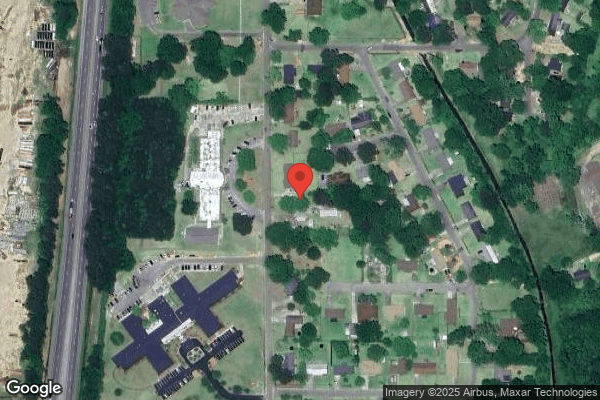

1036 WEST DRIVE, LAUREL, MS 39440 (601) 425-3191
For profit - Individual 60 Beds COMMUNITY ELDERCARE SERVICES Data: November 2025 1 Immediate Jeopardy citation
Trust Grade
11/100
#170 of 200 in MS
Last Inspection: April 2025

Within standard 12-15 month inspection cycle. Federal law requires annual inspections.

Overview

Laurelwood Community Living Center has received a Trust Grade of F, indicating significant concerns and poor overall performance. With a state ranking of #170 out of 200 facilities in Mississippi and a county ranking of #4 out of 4 in Jones County, they are in the bottom half, suggesting limited options for better care in the area. The facility's issues are trending toward improvement, reducing from 9 problems in 2023 to 6 in 2025, yet they still face serious challenges. Staffing is a weakness, with a turnover rate of 67%, significantly higher than the state average, and only 2 out of 5 stars for staffing quality. There are concerning incidents, including a failure to maintain a functioning resident call system for many rooms, which posed a serious risk to resident safety, and a failure to notify a physician about a resident who went six days without a bowel movement, leading to hospitalization for fecal impaction. While there are areas needing improvement, families should weigh these details carefully in their decision-making process.

Trust Score
F
11/100
In Mississippi
#170/200
Bottom 15%
Safety Record
High Risk
Review needed
Inspections
Getting Better
9 → 6 violations
Staff Stability
⚠ Watch
67% turnover. Above average. Higher turnover means staff may not know residents' routines.
Penalties
○ Average
$13,520 in fines. Higher than 50% of Mississippi facilities. Some compliance issues.
Skilled Nurses
⚠ Watch
Each resident gets only 23 minutes of Registered Nurse (RN) attention daily — below average for Mississippi. Fewer RN minutes means fewer trained eyes watching for problems.
Violations
⚠ Watch
19 deficiencies on record. Higher than average. Multiple issues found across inspections.
★☆☆☆☆
1.0
Overall Rating
★★☆☆☆
2.0
Staff Levels
★☆☆☆☆
1.0
Care Quality
★★☆☆☆
2.0
Inspection Score
Stable
2023: 9 issues
2025: 6 issues

The Good

  • Full Sprinkler Coverage · Fire safety systems throughout facility
  • No fines on record

Facility shows strength in fire safety.

The Bad

1-Star Overall Rating

Below Mississippi average (2.6)

Significant quality concerns identified by CMS

Staff Turnover: 67%

21pts above Mississippi avg (46%)

Frequent staff changes - ask about care continuity

Federal Fines: $13,520

Below median ($33,413)

Minor penalties assessed

Chain: COMMUNITY ELDERCARE SERVICES

Part of a multi-facility chain

Ask about local staffing decisions and management

Staff turnover is elevated (67%)

19 points above Mississippi average of 48%

The Ugly 19 deficiencies on record

1 life-threatening 3 actual harm
Apr 2025 6 deficiencies 3 Harm
SERIOUS (G)

Actual Harm - a resident was hurt due to facility failures

Notification of Changes (Tag F0580)

A resident was harmed · This affected 1 resident

**NOTE- TERMS IN BRACKETS HAVE BEEN EDITED TO PROTECT CONFIDENTIALITY** Based on interviews, record review, and the facility policy review, the facility failed to notify the physician of a resident wi...

Read full inspector narrative →
**NOTE- TERMS IN BRACKETS HAVE BEEN EDITED TO PROTECT CONFIDENTIALITY** Based on interviews, record review, and the facility policy review, the facility failed to notify the physician of a resident with no documented bowel movement for six (6) consecutive days, which resulted in the resident being hospitalized on [DATE] for evaluation that included findings consistent with fecal impaction for one (1) of 14 sampled residents. Resident #25 Cross Reference F684, F656 Findings include: A record review of the facility's policy Notification of Changes in a Resident's Conditions or Status, undated, revealed, . It is the policy of this facility to .consult with his or her physician .changes in the resident's condition and/or status .Procedure 1. Nursing services shall be responsible for notifying the resident's attending physician when .d. There is a need to alter the resident's treatment significantly . A record review of the statement provided via the Administrator on facility letterhead dated 4/10/25 revealed the facility did not have a policy regarding constipation or bowel movements. On 04/07/25 at 02:38 PM, during a phone interview with a family member, she explained Resident #25 had been hospitalized in January because she did not have a bowel movement (BM) for a week. On 04/08/25 at 03:20 PM, during an interview with Licensed Practical Nurse (LPN) #1, she explained the Certified Nurse Aides (CNAs) are to notify them if a resident does not have a BM for three (3) consecutive days and the electronic health record (EHR) will trigger an alert for anyone with 3 days of no BM. She reported that the facility has standing physician's orders for medications to give if needed for residents with no BM. She confirmed that the physician is not always notified of no bowel movements unless the medications are not effective. On 04/08/25 at 04:00 PM, during an interview with the Director of Nursing (DON), she confirmed Resident#25 was hospitalized with a fecal impaction several months ago. She explained the resident had a history of diarrhea and constipation and when she experienced diarrhea, medications were administered to stop it. The CNAs are to notify the nurse if there are no BMs in 3 consecutive days and then the nurse is to give the resident medications and notify the physician if there are no changes. She confirmed she was not aware the resident was not having BMs, and explained the physician did see the resident prior to the hospital admission in January. On 04/09/2025 at 10:45 AM, during a follow up interview with the DON, she acknowledged there was no documentation of nursing interventions, constipation medications administered, or provider notification regarding the gaps in bowel movements prior to the hospitalization for Resident #25. On 04/10/25 at 12:45 PM, during a phone interview with Resident #25's Physician, he explained he is familiar with the resident and explained the resident has had irritable bowels, with alternating patterns of diarrhea and constipation. He confirmed Resident #25 was on Lomotil for diarrhea and reported he was aware the resident was admitted to the hospital several months ago for a fecal impaction. However, he was not informed that the resident had no BMs or documentation of no BM for 6 consecutive days prior to being sent to the hospital. The facility has standing orders to follow if a resident has no BM. He confirmed that if he had been notified that Resident #25 had no BMs for consecutive days, he would have implemented orders for constipation. A record review of Resident #25's admission Record revealed the facility originally admitted the resident on 03/01/2022 and she had a diagnosis of Constipation. Diagnoses added with an onset date of 2/5/2025 included Hemorrhage Of Anus And Rectum and Fecal Impaction. A record review of Resident #25's Quarterly Minimum Data Set (MDS) with an Assessment Reference Date (ARD) of 04/03/25 revealed a Brief Interview for Mental Status (BIMS) score of 13, which indicated she was cognitively intact. Resident dependent on staff for toileting hygiene and frequently incontinent of bowel and bladder. A record review of the facility's Documentation Survey Report for January 2025 revealed Resident #1 experienced multiple days without a documented bowel movement. Specifically, there was no documented bowel movement on January 1, 2, 3, and 5, and again on January 14, 15, 16, 17, 18, and 19, which was six (6) consecutive days. There was also no bowel movement documented on January 23, 24, and 28. A record review of the medical record revealed there was no documentation of nursing interventions, assessments, or physician notification to address Resident #25's ongoing constipation or lack of consecutive days with no BM during the month of January 2025. A record review of an acute hospital Summary of Care Document confirmed that Resident #1 was hospitalized from [DATE] through 02/04/2025 with multiple medical issues, including a diagnosed fecal impaction. A record review of the Resident's Medication Administration Record (MAR) for January 2025 revealed Resident #25 continued to receive Lomotil (antidiarrheal medication) three (3) times daily despite the documented days of no BM. Additionally, no medications were administered for constipation, including Miralax (type of laxative medication) that was ordered to be administered PRN (as needed).
SERIOUS (G)

Actual Harm - a resident was hurt due to facility failures

Comprehensive Care Plan (Tag F0656)

A resident was harmed · This affected 1 resident

**NOTE- TERMS IN BRACKETS HAVE BEEN EDITED TO PROTECT CONFIDENTIALITY** Based on interviews, record review, and the facility policy review, the facility failed to implement comprehensive person-center...

Read full inspector narrative →
**NOTE- TERMS IN BRACKETS HAVE BEEN EDITED TO PROTECT CONFIDENTIALITY** Based on interviews, record review, and the facility policy review, the facility failed to implement comprehensive person-centered care plan interventions for a resident with constipation and no documented bowel movements for consecutive days, which resulted in a Resident being hospitalized on [DATE] for evaluation that included findings consistent with fecal impaction for one (1) of 14 sampled residents. Resident#25 Cross Reference F580, F684 Findings include: A review of the facility's policy Care Plans, Comprehensive Person-Centered, reviewed 10/2022 revealed, . A comprehensive, person-centered care plan that includes measurable objectives and timetables to meet the resident's physical, psychosocial and functional needs is developed and implemented for each resident. Policy Interpretation and Implementation . 7. The comprehensive, person-centered care plan: . e. reflects currently recognized standards of practice for problem areas and conditions . 10. When possible, interventions address the underlying source (s) of the problem area (s), not just symptoms or triggers. 11. Assessments of residents are ongoing, and care plans are revised as information about the residents and the residents' conditions change . A record review of the Care Plan Report revealed Resident #25 had a comprehensive care plan with a Focus of (Proper Name of Resident #25) is at risk for constipation r/t (related to) polypharmacy. The Goal that was initiated on 10/4/2023 revealed, (Proper Name of Resident) will have a normal bowel movement at least every 3 (three) days . Interventions included Follow orders for bowel management, Glycolax powder .as needed for constipation, and Observe for/document/report to MD (medical doctor) PRN (as needed) s/sx (signs and symptoms) of complications related to constipation .fecal compaction . A record review of Resident #25's admission Record revealed the facility originally admitted the resident on 03/01/2022 and she had a diagnosis of Constipation. Diagnoses added with an onset date of 2/5/2025 included Hemorrhage of Anus and Rectum and Fecal Impaction. A record review of Resident #25's Quarterly Minimum Data Set (MDS) with an Assessment Reference Date (ARD) of 04/03/25 revealed a Brief Interview for Mental Status (BIMS) score of 13, which indicated she was cognitively intact. Further review revealed Resident #25 is dependent on staff for toileting hygiene and frequently incontinent of bowel and bladder. A record review of the facility's Documentation Survey Report for January 2025 revealed Resident #1 experienced multiple days without a documented bowel movement. Specifically, there was no documented bowel movement on January 1, 2, 3, and 5, and again on January 14, 15, 16, 17, 18, and 19, which was six (6) consecutive days. There was also no bowel movement documented on January 23, 24, and 28. A record review of an acute hospital Summary of Care Document confirmed that Resident #1 was hospitalized from [DATE] through 02/04/2025 with multiple medical issues, including a diagnosed fecal impaction. A record review of the Resident's Medication Administration Record (MAR) for January 2025 revealed Resident #25 continued to receive Lomotil three (3) times daily despite the documented days of no BM. Additionally, MiralAX (type of laxative) was ordered PRN (as needed) and was not administered. In a phone interview, on 04/07/25 at 02:38 PM, Resident #25's daughter explained that her mother had been hospitalized in January because she did not have a bowel movement (BM) for a week. She had to be transferred to an acute hospital in another state and was there for almost a week because her bowels were impacted. In an interview on 04/08/25 at 04:00 PM, the Director of Nursing (DON) confirmed Resident#25 was hospitalized with a fecal impaction several months ago. She explained the resident had a history of diarrhea and constipation and when she experienced diarrhea, medications were administered. She confirmed Resident#25 was receiving Lomotil (antidiarrheal medication) three (3) times a day prior to the hospitalization. The CNAs are to notify the nurse if a resident goes three (3) consecutive days without a BM and the nurse should give medications and notify the physician if there are no changes. She reported she was not aware Resident #25 was not having BMs, and explained the physician did see the resident prior to the hospital admission in January. She also advised the physician after she was informed by the hospital that the resident had a fecal impaction in January. In a follow up interview with the DON on 04/09/2025 at 10:45 AM, she acknowledged there was no documentation of nursing interventions, constipation medications administered, or provider notification regarding the gaps in bowel movements prior to the hospitalization for Resident #25. In a phone interview with the physician on 04/10/25 at 12:45 PM, he confirmed Resident#25 was on Lomotil for diarrhea and reported he was aware the resident was admitted to the hospital several months ago for a fecal impaction. However, he was not informed that the resident had no BMs or documentation of no BM for six (6) consecutive days prior to being sent to the hospital. He stated that the facility has standing orders to follow if a resident has no BM. He confirmed that if he had been notified that Resident #25 had no BMs for consecutive days, he would have implemented orders for constipation. In an interview on 04/10/25 at 1:30 PM, LPN #3/Care Plan Nurse explained the facility has working care plans and are updated daily. She described the purpose of the care plan as providing the staff with a guideline to care for each individual resident. She expects staff to follow the care plans to provide care for the residents. In an interview on 04/10/25 at 1:40 PM, the DON explained she expects the staff to follow care plans to provide the highest quality of care for each resident, to follow standing orders related to no bowel movements, and to notify her and the physician of any changes in any resident. She reported there was miscommunication with the staff and the physician. In an interview on 04/10/25 at 1:50 PM, the Administrator explained the facility wants to provide each resident care as planned and to notify the DON and the physician of any changes.
SERIOUS (G)

Actual Harm - a resident was hurt due to facility failures

Quality of Care (Tag F0684)

A resident was harmed · This affected 1 resident

**NOTE- TERMS IN BRACKETS HAVE BEEN EDITED TO PROTECT CONFIDENTIALITY** Based on interviews, record review, and the facility policy review, the facility failed to identify or respond to a clinically r...

Read full inspector narrative →
**NOTE- TERMS IN BRACKETS HAVE BEEN EDITED TO PROTECT CONFIDENTIALITY** Based on interviews, record review, and the facility policy review, the facility failed to identify or respond to a clinically relevant pattern of constipation, which resulted in a resident being hospitalized on [DATE] for evaluation that included findings consistent with fecal impaction for one (1) of 14 sampled residents. Resident #25 Cross Reference F580, F656 Findings include: A record review of the statement provided via the Administrator on facility letterhead dated 4/10/25 revealed, . (Proper Name of Facility) does not have a policy for constipation or bowel movements. During a phone interview, on 04/07/25 at 02:38 PM, Resident #25's daughter explained that her mother had been hospitalized in January because she did not have a bowel movement (BM) for a week. She had to be transferred to an acute hospital in another state and was there for almost a week because her bowels were impacted. During an interview on 04/08/25 at 03:20 PM, Licensed Practical Nurse (LPN) #1 explained that the CNAs advise if there is a problem with a resident's BMs and the nurses receive an alert on the computer if a resident goes three (3) consecutive days without a BM. She further explained that the facility has standing orders for medications to give if a resident needs it for no BM or constipation. Usually, the nurse will administer oral medications related to constipation and if there are no results, they will use a suppository and rarely use an enema. If the medications are not effective, then the physician is notified. During an interview on 04/08/25 at 04:00 PM, the Director of Nursing (DON) confirmed Resident #25 was hospitalized with a fecal impaction several months ago. She explained the resident had a history of diarrhea and constipation and when she experienced diarrhea, medications were administered. She confirmed Resident#25 was receiving Lomotil (antidiarrheal medication) three (3) times a day prior to the hospitalization. The CNAs are to notify the nurse if a resident goes three (3) consecutive days without a BM and the nurse should give medications and notify the physician if there are no changes. She reported she was not aware Resident #25 was not having BMs, and explained the physician did see the resident prior to the hospital admission in January. She also advised the physician after she was informed by the hospital that the resident had a fecal impaction in January. During a follow up interview with the DON on 04/09/2025 at 10:45 AM, she confirmed there was no documentation of nursing interventions, constipation medications administered, or provider notification regarding the gaps in bowel movements prior to the hospitalization for Resident #25. During a phone interview with the physician on 04/10/25 at 12:45 PM, he explained Resident #25 had irritable bowels, with alternating patterns of diarrhea and constipation. He confirmed Resident#25 was on Lomotil for diarrhea and reported he was aware the resident was admitted to the hospital several months ago for a fecal impaction. However, he was not informed that the resident had no BMs or documentation of no BM for six (6) consecutive days prior to being sent to the hospital. He stated that the facility has standing orders to follow if a resident has no BM. He confirmed that if he had been notified that Resident #25 had no BMs for consecutive days, he would have implemented orders for constipation. A record review of Resident #25's admission Record revealed the facility originally admitted the resident on 03/01/2022 and she had a diagnosis of Constipation. Diagnoses added with an onset date of 2/5/2025 included Hemorrhage Of Anus And Rectum and Fecal Impaction. A record review of Resident #25's Quarterly Minimum Data Set (MDS) with an Assessment Reference Date (ARD) of 04/03/25 revealed a Brief Interview for Mental Status (BIMS) score of 13, which indicated she was cognitively intact. Section GG revealed Resident #25 was dependent on staff for toileting hygiene and Section H revealed she was frequently incontinent of bowel and bladder. A record review of the facility's Documentation Survey Report for January 2025 revealed Resident #1 experienced multiple days without a documented bowel movement. Specifically, there was no documented bowel movement on January 1, 2, 3, and 5, and again on January 14, 15, 16, 17, 18, and 19, which was six (6) consecutive days. There were also no bowel movement documented on January 23, 24, and 28. A record review of the medical record revealed there was no documentation of nursing interventions, assessments, or physician notification to address Resident #25's ongoing constipation or lack of consecutive days with no BM during the month of January 2025. A record review of an acute hospital Summary of Care Document confirmed that Resident #1 was hospitalized from [DATE] through 02/04/2025 with multiple medical issues, including a diagnosed fecal impaction. A record review of the Resident's Medication Administration Record (MAR) for January 2025 revealed Resident #25 continued to receive Lomotil three (3) times daily despite the documented days of no BM. Additionally, MiralAX (type of laxative) was ordered PRN (as needed) and was not administered. A record review of the Resident's Physician's Progress Notes dated 01/30/25 revealed, pt (patient) with decreased LOC (Level of Consciousness), pt noncompliant with therapy, pt with no dysuria, . good BS (bowel sounds) . A record review of the Resident's Physician's Progress Notes dated 02/06/25 revealed, pt with GI (Gastrointestinal) bleed .
CONCERN (D)

Potential for Harm - no one hurt, but risky conditions existed

Incontinence Care (Tag F0690)

Could have caused harm · This affected 1 resident

Based on observation, interview, record review, and facility policy review, the facility failed to ensure appropriate incontinence care was provided, as evidenced by the failure to cleanse the skin du...

Read full inspector narrative →
Based on observation, interview, record review, and facility policy review, the facility failed to ensure appropriate incontinence care was provided, as evidenced by the failure to cleanse the skin during a brief change for one (1) of two (2) residents observed for incontinence care (Resident #13). Findings included: A review of the facility's policy titled, Perineal Care, revised 8/25/2014, revealed, .Procedure .5. Clean perineal area well with soap and warm water taking care to clean from front to back using a clean washcloth or clean area of the cloth for each stroke. 6. Rinse perineal area, moving from front to back using a clean area of the washcloth or towelette or use another clean washcloth or towelette for each stroke. (Note: Not all products require rinsing. Follow product instructions). 7. Dry perineal area moving from front to back. Use a blotting motion with towel. 8. Turn resident on side. 9. Clean, rinse (as applicable) and dry buttocks and perianal area without contaminating perineal area. 10. Remove wet incontinent pad or protective linen. Change gloves and perform hand hygiene . On 4/8/25 at 2:20 PM, during an observation of incontinence care, and interview with Certified Nurse Aide (CNA) #1, she explained that Resident #13 was dependent on staff for activities of daily living (ADLs) and was incontinent of bowel and bladder. Resident #13 was lying in bed, and his brief was soiled with urine. Disposable wipes were noted on the bedside table. CNA #1 removed the soiled brief and applied a clean one without cleansing or rinsing the perineal area or buttocks. The CNA repositioned the resident and covered him with a blanket. On 4/8/25 at 2:50 PM, during a follow-up interview with CNA #1, she confirmed she changed Resident #13's soiled brief and did not provide perineal care. She stated she was nervous during the observation and forgot, but she knew the appropriate procedure. She acknowledged that failing to cleanse the resident could contribute to urinary tract infections and skin breakdown. On 4/9/25 at 4:00 PM, during an interview with the Director of Nursing (DON), she stated her expectation is for staff to always provide proper incontinence care to prevent infections or skin breakdown. A record review of the admission Record revealed the facility admitted Resident #13 on 3/10/25 with diagnoses including Metabolic Encephalopathy. A record review of the admission Minimum Data Set (MDS) with an Assessment Reference Date (ARD) of 3/16/25 revealed Resident #13 had a Brief Interview for Mental Status (BIMS) score of 3, which indicated his cognition was severely impaired. Further review revealed he was frequently incontinent of bowel and bladder and dependent on staff for toileting hygiene.
CONCERN (D)

Potential for Harm - no one hurt, but risky conditions existed

Deficiency F0761 (Tag F0761)

Could have caused harm · This affected 1 resident

Based on observation, interview, and policy review, the facility failed to ensure medications were secured when a wound care treatment cart was left unlocked and unattended in a hallway for one (1) of...

Read full inspector narrative →
Based on observation, interview, and policy review, the facility failed to ensure medications were secured when a wound care treatment cart was left unlocked and unattended in a hallway for one (1) of four (4) days of the survey. Findings included: A review of the facility's policy titled Medication Administration Guidelines, revised August 25, 2014, revealed, .Procedure .2. Administration .m. During administration of medications, the medication cart is kept closed and locked when out of sight of the medication nurse or aide. It may be kept in the doorway of the resident's room, with open drawers facing inward and all other sides closed. No medications are kept on top of the cart. The cart must be clearly visible to the personnel administering medications, and all outward sides must be inaccessible to residents or others passing by . On 4/9/25 at 2:14 PM, during an observation on the North Hall, a wound care treatment cart was unlocked. The cart was left unattended by Registered Nurse (RN) #1, who had entered a resident's room to perform wound care. RN #1 remained in the room with the door closed until 2:34 PM. When she exited the room, she confirmed the treatment cart had been left unlocked and unattended. On 4/9/25 at 2:38 PM, during a follow up interview with RN #1, she confirmed the cart had been left unlocked and unattended for approximately 20 minutes. She stated that the cart should have been locked to prevent resident access. RN #1 opened the cart and demonstrated the contents, which included bactericidal isopropyl alcohol-based sanitizer wipes, Santyl ointment (used for tissue removal and debridement), normal saline, betadine, and nail clippers. She explained that these items could pose risks to residents, including gastrointestinal distress or requiring emergency care, if consumed. On 4/10/25 at 12:10 PM, during an interview with the Director of Nursing (DON), she confirmed that it was her expectation for staff to keep carts locked and not leave them unattended. She stated the risks of leaving wound carts unsecured included possible resident poisoning from substances such as betadine or Santyl, and unauthorized access by staff without proper training, which could result in theft or misuse of supplies. She confirmed that RN #1 should have locked the cart while it was unattended per facility policy.
CONCERN (F)

Potential for Harm - no one hurt, but risky conditions existed

Food Safety (Tag F0812)

Could have caused harm · This affected most or all residents

Based on observation, staff interviews, record review, and facility policy review, the facility failed to maintain a sanitary and pest-free environment in the kitchen by not ensuring effective pest co...

Read full inspector narrative →
Based on observation, staff interviews, record review, and facility policy review, the facility failed to maintain a sanitary and pest-free environment in the kitchen by not ensuring effective pest control measures were implemented and sustained for two (2) of three (3) kitchen observations. Findings included: A review of the facility's policy, Sanitization (undated), revealed, .The food service area shall be maintained in a clean and sanitary manner. Policy Interpretation and Implementation 1. All kitchens, kitchen areas shall be . protected from rodents, roaches, flies, and other insects. A review of the facility's Pest Control Policy, dated 4/10/23, revealed, .Our facility shall maintain an effective pest control program. Policy Interpretation and Implementation 1. This facility maintains an on-going pest control program to ensure that the building is kept free of insects and rodents .6. Maintenance services assist, when appropriate and necessary, in providing pest control services. On 4/7/25 at 10:02 AM, during the initial kitchen tour with the Dietary Manager, the dry goods storage area was observed. A cardboard box containing individually packaged cereal had small, black, rice-sized objects and shredded cardboard inside. The Dietary Manager confirmed the rice-sized objects appeared to be rat droppings. A glue trap with what appeared to be peanut butter smeared on top was observed on the floor of the pantry area. The Dietary Manager stated he was unaware of when the kitchen was last treated for rodents. He reported concern that rodents may be entering through a small gap beneath the kitchen's back door, which leads directly outside. On 4/9/25 at 8:50 AM, during a phone interview with the Registered Dietitian (RD), she explained she performs monthly kitchen tours at the end of each month. She stated she had not observed pest or rodent activity during those walk throughs. She stated her expectations were for dietary staff to maintain an effective pest control plan and adhere to sanitation standards. On 4/9/25 at 10:00 AM, during an interview with the Maintenance Supervisor, he stated he was unaware of rodent activity in the kitchen but acknowledged that rodents may have entered through a gap under the back door. He explained the rear kitchen area had a two-door system-a screen door and a solid, sealed door. He reported that staff had previously left the solid door open to allow air circulation when the air conditioning system was not functioning. He stated the air system was scheduled to be repaired that day. On 4/9/25 at 11:04 AM, during an observation of the assembly line plating, a live roach was observed crawling across a resident's meal tray. The tray was immediately removed after confirmation by the Dietary Manager, Dietary Aide, Head Cook, and Maintenance Supervisor. On 4/10/25 at 9:10 AM, during observation of the low-temperature dishwasher, a live roach was observed crawling on top of the machine. On 4/10/25 at 1:10 PM, during an interview with the Administrator, she was informed of the pest-related concerns identified during two (2) of three (3) kitchen inspections. She stated she had been unaware of pest issues in the kitchen and acknowledged that high staff turnover had affected kitchen oversight. She emphasized that her expectations were for food to be prepared safely, the kitchen to be maintained in a clean and organized condition, and for pest infestations to be minimized. A record review of the facility's pest control logs revealed treatments for rodents and pests had occurred since December 2024. A review of the facility's pest control logs revealed the pest control company were targeting mice and roaches with roaches and rodent activity noted on visits during the monthly visits for the months of January, February, and March 2025.
Oct 2023 7 deficiencies
CONCERN (D)

Potential for Harm - no one hurt, but risky conditions existed

Deficiency F0558 (Tag F0558)

Could have caused harm · This affected 1 resident

Based on observation, interviews, record review, and facility policy review, the facility failed to ensure a call light was within reach for one (1) of 15 sampled residents. Resident #26 Findings incl...

Read full inspector narrative →
Based on observation, interviews, record review, and facility policy review, the facility failed to ensure a call light was within reach for one (1) of 15 sampled residents. Resident #26 Findings include: A review of the facility's policy, Call Light, Use of, revised 11/15/2019, revealed . It is the policy of this facility to have an adequately equipped communication system that allows residents to call for staff . Be sure all call lights are placed within reach . The facility will routinely inspect: Call lights are placed appropriately and within reach at bedside . On 10/16/23 at 11:46 AM, during an initial interview and observation with Resident #26, she explained that her call light had not been in reach many times and that occurred on all shifts. An observation revealed the call light was on the nightstand and out of reach of the resident. She stated that she has been told by staff not to yell out, but if there was an emergency, she would yell anyway. On 10/16/23 at 12:20 PM, during an observation, Certified Nurse Aide (CNA) #1 took a meal tray into Resident #26's room and placed the tray on the bedside table. CNA #1 did not place the call light within reach of the resident. At 12:45 PM on 10/16/23, during an observation, CNA #2 entered Resident #26's room and removed the meal tray. CNA #2 did not place the call light within the resident's reach. At 1:00 PM on 10/16/23, during an interview and observation with Resident #26, she confirmed that neither CNA #1 or CNA #2 placed her call light within her reach when her tray was delivered or removed from her room. At 1:10 PM on 10/16/23, during an observation and interview with CNA #2, she confirmed that the call light was not within reach for Resident #26. She explained that the call light should always be within reach and that the residents are observed every two hours during rounds. She said it was her responsibility to make sure the call light was within reach of the resident. At 11:40 AM on 10/19/23, during an interview with Director of Nursing (DON), she explained she expected all staff to respect resident's wishes and keep all call lights within reach at all times. Record review of the admission Record revealed the facility admitted Resident #26 on 7/03/23 with a diagnosis of Chronic Kidney Disease. Record review of the admission Minimum Data Set (MDS) with an Assessment Reference Date (ARD) of 07/10/23 revealed Resident #26 had a Brief Interview for Mental Status (BIMS) score of 14, which indicated she was cognitively intact. Section G revealed she required extensive assistance with bed mobility and transfers.
CONCERN (D)

Potential for Harm - no one hurt, but risky conditions existed

Deficiency F0561 (Tag F0561)

Could have caused harm · This affected 1 resident

**NOTE- TERMS IN BRACKETS HAVE BEEN EDITED TO PROTECT CONFIDENTIALITY** Based on interview, record review, and facility policy review, the facility failed to notify the Resident's Representative (RR) ...

Read full inspector narrative →
**NOTE- TERMS IN BRACKETS HAVE BEEN EDITED TO PROTECT CONFIDENTIALITY** Based on interview, record review, and facility policy review, the facility failed to notify the Resident's Representative (RR) of a room change for one (1) of 15 sampled residents. Resident #39 Findings include: A review of the facility's policy, Room Changes Policy, revised April 9, 2021, revealed, The facility will promote resident's right to make choices and to receive written notice of a room change when being relocated .When a resident is changing rooms at the request of facility staff, the resident and/or resident representative should receive written notification that contains the reason for the room change, the effective date of the change, and the location to which the resident will be moved . On 10/17/23 at 10:06 AM, a phone interview with Resident #39's RR revealed the resident was changed to a new room during his stay. The RR stated she did not know of Resident # 39's room change until she came to the facility, and the resident was not in his room. The RR reported being scared and had to look for a staff member to help her find the resident. A record review of the resident's medical record revealed there was no notation of a room change for Resident #39 from December 31, 2022, to January 1, 2023. A record review of the facility's Census Reports for December 31, 2022, to January 01, 2023, revealed the resident was moved from room [ROOM NUMBER]A to room [ROOM NUMBER]A. A record review of the admission Record revealed the facility initially admitted Resident #39 on 12/15/22 with diagnoses that included Type II Diabetes Mellitus and Dementia. A record review of the Quarterly Minimum Data Set (MDS), with an Assessment Reference Date of 6/23/23, revealed Resident #39 had a Brief Interview for Mental Status (BIMS) score of 5, which indicated he had severe cognitive impairment. On 10/17/23 at 02:51 PM, an interview with the Social Services Director (SSD) revealed Resident #39 was admitted to the facility on [DATE]. The SSD stated the Resident was moved from room [ROOM NUMBER]A to room [ROOM NUMBER]A on 1/1/23. The SSD confirmed there was no documentation that supported the facilities' effort to contact the RR regarding the room change. On 10/19/23 at 07:37 AM, in an interview with the Administrator, she acknowledged the facility failed to notify the Resident or RR of the room change. On 10/19/23 at 11:50 AM, in an interview with the Director of Nursing (DON), she confirmed there were no progress notes which documented the resident's room change from 10A to room [ROOM NUMBER]A on 1/1/23.
CONCERN (D)

Potential for Harm - no one hurt, but risky conditions existed

Deficiency F0625 (Tag F0625)

Could have caused harm · This affected 1 resident

**NOTE- TERMS IN BRACKETS HAVE BEEN EDITED TO PROTECT CONFIDENTIALITY** Based on interview, record review, and facility policy review, the facility failed to provide the Resident, or the Resident Repr...

Read full inspector narrative →
**NOTE- TERMS IN BRACKETS HAVE BEEN EDITED TO PROTECT CONFIDENTIALITY** Based on interview, record review, and facility policy review, the facility failed to provide the Resident, or the Resident Representative (RR), written notification of the bed hold policy at the time of transfer for one (1) of 15 sampled residents. Resident #39 Findings include: A review of the facility's policy, Bedhold Policy and Procedure, undated, revealed, Before the facility transfers a resident to the hospital .written information should be provided to the resident and family member or legal representative specifying the following information .The duration of the bed-hold policy under the State plan, if any, during which the resident is permitted to return and resume residence in the facility; and .The policies regarding bed hold periods, which should be consistent . Resident #39 On 10/17/23 at 10:09 AM, during a phone interview with the RR, she stated that she did not receive written notification of the bed hold information regarding Resident #39's recent hospitalization. A review of the medical record revealed there was no written notification of the bed hold policy at the time of Resident #39's transfer from the facility on 7/25/23. A record review of the Discharge Minimum Data Set (MDS) with an Assessment Reference Date (ARD) of 07/25/23, revealed the resident was discharged to an acute care hospital on 7/25/23. A record review of the admission Record revealed the facility initially admitted Resident #39 on 12/15/22 with a diagnosis of Dementia, and he was re-admitted on [DATE] with a diagnosis of Urinary Tract Infection. A record review of the Quarterly MDS with an ARD of 6/23/23 revealed Resident #39 had a Brief Interview for Mental Status (BIMS) score of 5, which indicated he had severe cognitive impairment. On 10/17/23 at 10:15 AM, an interview with the Admissions Coordinator (AC), revealed she reviewed the subject of the Bed hold with the Resident and/or RR at the time of admission. The AC revealed she explained to the RR that in the event of hospitalization, they may hold the Resident's bed for a daily charge. The AC reported the admissions packet, which included the bed hold form, was sent to the Business Office when completed. On 10/17/23 at 10:20 AM, an interview with the Business Office Manager (BOM), revealed she received the admissions packet, included the bed hold form from the AC and filed the form in her office. The BOM stated that at the time of a resident hospitalization, she called the RR to ask if they wanted to hold the Resident's bed and discussed payment at that time. She confirmed she did not provide written notification to the Resident or the RR at the time of the hospital transfer. On 10/17/23 11:58 AM, an interview with the Social Services Director (SSD) revealed that when a resident is transferred or discharged to the hospital, she mailed the RR a notification of transfer and that she did not provide written notification of bed hold at the time of resident transfer to the hospital. On 10/19/23 at 07:37 AM, during an interview with the Administrator, she acknowledged the failure of the facility to provide written notification to the Resident or RR of the bed hold policy at the time of each hospitalization. The Administrator reported that this was a learning experience for her staff.
CONCERN (D)

Potential for Harm - no one hurt, but risky conditions existed

ADL Care (Tag F0677)

Could have caused harm · This affected 1 resident

Based on observations, interviews, record review, and facility's policy review, the facility failed to ensure a resident who was dependent on staff assistance for showering received those services for...

Read full inspector narrative →
Based on observations, interviews, record review, and facility's policy review, the facility failed to ensure a resident who was dependent on staff assistance for showering received those services for one (1) of three (3) residents reviewed for Activities of Daily Living (ADL) assistance. Resident #10 Findings include: A record review of the facility's policy Bath, Shower/Tub, dated August 25, 2014, revealed . The purposes of this procedure are to promote cleanliness, provide comfort to the resident . The following information should be recorded on the resident's ADL record and/or in the resident's medical record: 1. The date and time the shower/tub was performed. 2. The name and title of the individual(s) who assisted the resident with the shower/tub bath . 4. How the resident tolerated the shower/tub bath. 5. If the resident refused the shower/tub bath, the reason(s) why and the intervention taken. On 10/16/23 at 12:30 PM, during an interview and observation, Resident #10 was observed in her wheelchair, with toiletry supplies in her hand. It was noted that the resident's hair looked dirty and oily. The resident explained it has been a week ago Monday since she had her last shower. She stated she is to take a shower three (3) times a week on the evening shift. Resident #10 revealed she goes to the shower with a Certified Nursing Assistance (CNA), as she is afraid of falling and needs assistance. On 10/17/23 at 8:15 AM, observed and interviewed Resident #10 lying in bed. The resident was alert and oriented. The resident explained she did not receive a shower last night. Her hair continues to look dirty and oily. On 10/17/23 at 10:10 AM, during an interview with CNA #1, she explained she does not have Resident #10 today but reported she has worked with the resident. CNA #1 revealed that the resident gets showers on the evening shift and the assistance of one person is required. The CNA commented that Resident #10 has never refused any care on her, especially a shower. She stated that Resident #10 loves to take showers. On 10/17/23 at 10:25 AM, during an interview with CNA #2, she explained Resident #10 is given baths/showers on evening shifts and sometimes resident may get washed off in the mornings but gets showers on the evening shift. On 10/17/23 at 3:40 PM, during an interview with CNA #3, she explained Resident #10 is scheduled for evening showers and she seldom has had Resident #10 on her care load, but Resident #10 rarely refused showers on her. On 10/17/23 at 4:20 PM, during an interview with CNA #4, she explained the facility has a shower binder to help with who gets showers and when, but reported the showers are listed in the Kiosk under task for the CNAs to complete. The CNA revealed that Resident #10 always wants to go to the shower, seldom refuses, and she thought Resident #10 went to the shower last night. While reviewing the task record with the CNA, the record revealed the resident refused her shower, however, CNA #4 confirmed that she doesn't remember the refusal. The CNA then commented that she will try and give the resident a shower tonight. She explained the shower binder is only an extra source for quick review of the showers. CNA #4 confirmed that Resident #10's hair appears dirty and oily. On 10/17/23 at 4:30 PM, during an interview with Resident #10, she explained she does not remember staff asking her about a shower last night. She revealed she has seldom refused showers, except for last week when she had a doctor's appointment on Wednesday and was just too tired to go to the shower. On 10/17/23 at 4:45 PM, during an interview with Registered Nurse (RN) #1, she explained if a resident frequently refuses care, a care plan meeting should be arranged with the resident and family and should be care planned for refusal. The RN confirmed Resident #10's hair looked dirty and oily. On 10/18/23 at 7:30 AM, Resident #10 was observed sitting in the foyer area, the resident's hair continued to look dirty. The resident reported she still did not get a shower last night, and no one came and asked her. On 10/19/23 at 11:35 AM, during an interview with the Administrator, she explained she expects her staff to provide showers as scheduled consistently. At 11:40 AM on 10/19/23, during an interview with the Director of Nurses (DON), she explained she expects all staff to respect resident's wishes, give showers as scheduled and chart if the resident refused. Record review of Resident #10's admission Record revealed the facility admitted the resident on 8/02/22 with the diagnoses of Malignant Neoplasm of Colon, Chest Pain, and Need for Assistance for Personal Care. Record review of Resident #10's Annual Minimum Data Set (MDS), with Assessment Reference Date (ARD) of 7/20/23, revealed a Brief Interview for Mental Status (BIMS) score of 13, which indicated the resident was cognitively intact. Further review of the MDS revealed that showers are somewhat important to the resident and the resident had no rejection of care. The MDS also revealed that bathing did not occur during the timeframe of the MDS documentation. Record review of the Resident #10's Point Click Care Documentation Survey Report for July-2023 through October-2023 revealed an intervention/task for bathing M-W-F (Monday-Wednesday-Friday) 3-11. For the month of July 2023 Resident #10 missed seven (7) showers for the month. For the month of August 2023, Resident #10 missed three (3) showers for the month. For the month of September 2023, Resident #10 missed two (2) showers for the month. For the month of October 2023 Resident #10 missed two (2) showers and refused once.
CONCERN (E)

Potential for Harm - no one hurt, but risky conditions existed

Deficiency F0567 (Tag F0567)

Could have caused harm · This affected multiple residents

Based on interview, record review and facility policy review the facility failed to ensure the residents were able to obtain funds from their trust accounts on weekends for nine (9) of (12) Resident c...

Read full inspector narrative →
Based on interview, record review and facility policy review the facility failed to ensure the residents were able to obtain funds from their trust accounts on weekends for nine (9) of (12) Resident council members interviewed. (Residents #4, #11, #17, #18, #20, #27, #28, #30 and #31) Findings Include: Review of the facility's policy titled, Resident Trust Fund Policy & Agreement, dated 10/7/07, revealed, .WHEREAS the resident acknowledges that he/she has been informed and understands that he/she has the right to manage his/her own financial affairs . The Facility will give the Resident due receipt for such monetary sums . During an interview on 10/16/23 at 3:30 PM, with the Resident Council members, Residents #4, 11, #17, #18, #20, #27, #28, #30 and #31 complained that they were not able to get their money from their trust fund on weekends. The residents said if they want money for the weekend, they must get it on Friday. The residents revealed that has been a problem for them, because if they wanted to order a pizza or food from Door Dash on weekends, they've unable to do so, as they do not have access to their money. Review of the facility's, Resident Fund Management Service undated, revealed Residents #4, #11, #17, #18, #20, #27, #28, # 30 and #31 have money in the Facility Trust Fund. During an interview on 10/18/23 at 2:47 PM, with the Activity Director revealed she did not know the residents were unable to get their money on weekends. In an interview on 10/18/23 at 2:50 PM, the Business Office Manager (BOM) revealed she works Monday through Friday. She stated she leaves $50.00 with the Director of Nursing (DON) in an envelope on Fridays to be put on the medication cart, so the charge nurse can have money to give to residents that request it over the weekend. During an interview on 10/18/23 at 3:10 PM, with Registered Nurse (RN) #1, she revealed she works every other weekend. RN #1 said if the resident wants a snack, she purchases it out of the vending machine with her money. The RN stated the facility does not leave money on weekends for the residents. RN #1 confirmed that residents must request money from their account by Friday evening, or they won't be able to get money until Monday. During an interview on 10/18/23 at 3:14 PM, with Licensed Practical Nurse (LPN) #1, she confirmed she works every other weekend on the medication cart. LPN #1 said she has never seen an envelope with money on the medication cart. The nurse said the residents must get their money from the business office by Friday evening. During an interview on 10/19/23 at 9:05 AM, with the Director of Nursing (DON), she said when she first started working at the facility, the BOM would leave money in a black box on weekends on the medication cart. The DON said she has not seen the black box lately. She revealed she doesn't know where it's kept but knows it's not on the medication cart. The DON said she doesn't know if the BOM is leaving the money with the kitchen and doesn't know if the residents are able to get money on weekends now or not. During an interview on 10/19/23 at 10:08 AM, with LPN #3, revealed she occasionally works on weekends. The nurse stated the business office does not give her an envelope with money for the residents to have over the weekend. On 10/19/23 at 10:54 AM, during an interview with the Administrator, she stated the BOM should be leaving an envelope on the medication cart with $50.00 on Friday for the residents to use on the weekend. The Administrator revealed she did not know the money was not being left for the Residents to use of the weekends. During an interview on 10/19/23 at 11:00 AM, with the Dietary Manager, she revealed the dietary department never receives resident funds for the weekend or any other time. Resident #4 A record Review of Resident #4's admission Record revealed the facility admitted the resident on 8/16/22, with diagnoses that included Lack of Coordination, Depression, and Malignant Neoplasm of Breast. A record review of the Comprehensive Minimum Data Set (MDS) with Assessment Reference Date (ARD) 8/2/23 revealed a Brief Interview of Mental Status (BIMS) score of 14, which indicated resident was cognitively Intact. Resident #11 A record Review of Resident #11's admission Record revealed the facility admitted the resident on 7/26/22, with diagnoses that included Hypertension, Anxiety and Diabetes Mellitus. A record review of Resident #11's Quarterly MDS with an ARD of 10/3/23, revealed a BIMS score of 15, which indicated the resident was cognitively intact. Resident #17 A record Review of Resident #17's admission Record revealed the facility admitted the resident on 6/1/23, with diagnoses that included Heart Failure, Kidney Disease and Osteoarthritis. A record review of Resident #17's Quarterly MDS, with an ARD of 8/23/23, revealed a BIMS score of 15, which indicated the resident was cognitively intact. Resident #18 A record Review of Resident #18's admission Record revealed the facility admitted the resident on 5/25/22, which included diagnoses of Hypertension, Heart Failure and Diabetes Mellitus. A record review of Resident #18's Quarterly MDS, with an ARD of 8/2/23, revealed a BIMS score of 15, which indicated the resident was cognitively intact. Resident #20 A record Review of Resident #20's admission Record revealed the facility admitted the resident on 10/21/20, with diagnoses that included Heart Disease, Hypertension and Lack of coordination. A record review of Resident #20's Quarterly MDS, with an ARD of 9/11/23, revealed a BIMS score of 14, which indicated the resident was cognitively intact. Resident #27 A record Review of Resident #27's admission Record revealed the facility admitted the resident on 4/9/23, with diagnoses of Hypertension, Anxiety Disorder and Diabetes Mellitus. A record review of Resident 27's Quarterly MDS, with an ARD of 8/14/23, revealed a BIMS score of 14, which indicated the resident was cognitively intact. Resident #28 A record Review of Resident #28's admission Record revealed the facility admitted the resident on 10/13/20, with diagnoses of Hypertension, Heart Failure and Anxiety Disorder. A record review of Resident #28's Annual MDS, with an ARD of 8/11/23, revealed a BIMS score of 15, which indicated the resident was cognitively intact. Resident #30 A record Review of Resident #30's admission Record revealed the facility admitted the resident on 8/28/23, with diagnoses of Hypertension, Renal Disease and Anxiety. A record review of Resident #30's Quarterly MDS, with an ARD of 9/22/23, revealed a BIMS score of 15, which indicated the resident was cognitively intact. Resident #31 A record Review of Resident #31's admission Record revealed the facility admitted the resident on 2/15/23, with diagnoses of Hypertensive Urgency, Rheumatoid Arthritis and Anxiety Disorder. A record review of Resident' #31's Quarterly MDS, with an ARD of 9/13/23, revealed a BIMS score of 11, which indicated the resident had moderate cognitive impairment.
CONCERN (E)

Potential for Harm - no one hurt, but risky conditions existed

Grievances (Tag F0585)

Could have caused harm · This affected multiple residents

Based on interviews, record review, and facility policy review, the facility failed to ensure Resident Council complaints were resolved in a timely manner regarding transportation to outings. This aff...

Read full inspector narrative →
Based on interviews, record review, and facility policy review, the facility failed to ensure Resident Council complaints were resolved in a timely manner regarding transportation to outings. This affected nine (9) of (12) Resident council members who participate in the Resident Council meetings. Residents #4, #11, #17, #18, #20, #27, #28, #30 and #31 Findings Include: Review of the facility's policy titled, Grievances and Complaints, dated 2/14/23, revealed, Social services will act as the grievance officer for the facility and oversee the grievance process. Grievance forms should be kept outside of the office, where residents, and staff members can access them at any time. All grievances will be reported to Social Services and Social Services will follow the following procedure to investigate and work to resolve the grievance . STEP 1 Upon receipt of a grievance, Social Services will complete a written report within five working days of the filed grievance and determine what corrective action, if any should be taken . STEP 2 Social services must notify the person who filed the grievance, within 10 working days of the filed grievance, in the form of a report. Copies of this report will be available to the person at any time. STEP 3 If filer is not satisfied with the results of the investigation, the filer may file a report with the local ombudsman . Review of the facility's policy titled, Facility Assessment, reviewed 1/2023. revealed, A facility assessment is conducted annually to determine and update our capacity to meet the needs of and competently care for our residents during day-to-day operations. Determining our capacity to meet the needs of and care for our residents during emergencies is included in this assessment 3. The facility assessment includes a detailed review of the resident's population. This part of the assessment includes: . d. (3) activities . Review of the facility's policy titled, Life Connection Program, reviewed 3/2023 revealed, Policy Statement: Life connections programs are designed to meet the interest of and support the physical, mental and psychosocial well-being of each resident. Policy Interpretation and Implementation: 1. The life connections program is provided to support the well-being of residents and to encourage both independence and community interactions . Review of the facility's, admission Agreement dated 1/20/09, revealed, .GRIEVANCES and/or CONCERNS (Resident) . Policy Statement: It is the policy of this facility to support each resident's right to voice grievances to the facility or other agency or entity that hears grievances without discrimination or reprisal and without fear or discrimination or reprisal. After receiving a concern/grievance, the facility will actively seek a resolution and keep the residents appropriately appraised of its progress toward a resolution. As necessary, the facility will take action to prevent further occurrences during the investigation . Review of the facility's Resident Rights, revised and implemented on November 28,2016, revealed, . (3) The resident has all right to interact with members of the community and participate in community activities both inside and outside of the facility . (5) The resident has a right to organize and participate in residents groups in the facility . (iv) The facility must consider the views of a resident or family group and act promptly upon the grievances and recommendations of such groups concerning issues of resident care and life in the facility . (8) The resident has the right to participate in other activities, including social, religious, and community activities that do not interfere with other residents in the facility . (j) . (2) The resident has the right to, and the facility must make prompt efforts by the facility to resolve grievances the resident may have, in accordance with this paragraph . During a Resident Council meeting on 10/16/23 at 03:30 PM, with the Resident Council members, Residents #4, #11, #17, #18, #20, #27, #28, #30 and #31 complained that the facility van has not been available for over a year, as it is need of repair. The residents said in the past, they enjoyed going shopping, fishing, and taking part in community events. The residents said when the van was working, they were able to participate in different functions outside of the facility. However, since the van stopped working, they feel isolated. The residents also said they feel like inmates, as they are unable to leave the facility. The Activity Director has been shopping for them, but they prefer to look around the stores and choose for themselves. They were told this was their home, but they can't go out of the building to functions because they don't have transportation. During an interview on 10/18/23 at 2:47 PM, with the Activity Director, she confirmed the residents have complained several times in the Resident Council meetings about the van being broken. The Activity Director said the residents want to go shopping for themselves. She explains to them every month the new shopping policy to remind them not to give money to staff to buy things. The Director revealed there are only two (2) people in the facility that can shop for the residents, her, and the Business Office Manager (BOM). The Director also said the residents complain about being stuck at the facility and not having transportation to go out to other events. The Activity Director said she talked to the Administrator about the residents' concerns about not going to outside events. The Administrator told her that is working with the corporate office to resolve the issue, but she doesn't know how long it would take. During an interview on 10/18/23 at 3:00 PM, with the Social Worker revealed she was not told about the grievance of the van. The Social Worker stated she is aware the van has not been running for a long time, but neither the Activity Director, nor the residents have complained to her. During an interview on 10/19/23 at 10:54 AM, the Administrator confirmed the van has not worked for over a year. The Administrator said she doesn't know the exact day the van stopped running. She stated she is working with the corporate office on a resolution. The Administrator commented the corporate office has not decided whether they're going to get the motor fixed in the van or buy another van. For now, the Administrator said the facility uses the local transportation company to make sure the residents can get to their doctor appointments. The Administrator confirmed that the facility has not rented a van or used transportation services for outside activity events for the residents. The Administrator revealed she doesn't know how long it will take for the corporate office to make a decision regarding the van. Resident #4 A record Review of Resident #4's admission Record revealed the facility admitted the resident on 8/16/22, with diagnoses that included Lack of Coordination, Depression, and Malignant Neoplasm of Breast. A record review of the Comprehensive Minimum Data Set (MDS) with Assessment Reference Date (ARD) 8/2/23 revealed a Brief Interview of Mental Status (BIMS) score of 14, which indicated resident was cognitively Intact. Resident #11 A record Review of Resident #11's admission Record revealed the facility admitted the resident on 7/26/22, with diagnoses that included Hypertension, Anxiety and Diabetes Mellitus. A record review of Resident #11's Quarterly MDS with an ARD of 10/3/23, revealed a BIMS score of 15, which indicated the resident was cognitively intact. Resident #17 A record Review of Resident #17's admission Record revealed the facility admitted the resident on 6/1/23, with diagnoses that included Heart Failure, Kidney Disease and Osteoarthritis. A record review of Resident #17's Quarterly MDS, with an ARD of 8/23/23, revealed a BIMS score of 15, which indicated the resident was cognitively intact. Resident #18 A record Review of Resident #18's admission Record revealed the facility admitted the resident on 5/25/22, which included diagnoses of Hypertension, Heart Failure and Diabetes Mellitus. A record review of Resident #18's Quarterly MDS, with an ARD of 8/2/23, revealed a BIMS score of 15, which indicated the resident was cognitively intact. Resident #20 A record Review of Resident #20's admission Record revealed the facility admitted the resident on 10/21/20, with diagnoses that included Heart Disease, Hypertension and Lack of coordination. A record review of Resident #20's Quarterly MDS, with an ARD of 9/11/23, revealed a BIMS score of 14, which indicated the resident was cognitively intact. Resident #27 A record Review of Resident #27's admission Record revealed the facility admitted the resident on 4/9/23, with diagnoses of Hypertension, Anxiety Disorder and Diabetes Mellitus. A record review of Resident 27's Quarterly MDS, with an ARD of 8/14/23, revealed a BIMS score of 14, which indicated the resident was cognitively intact. Resident #28 A record Review of Resident #28's admission Record revealed the facility admitted the resident on 10/13/20, with diagnoses of Hypertension, Heart Failure and Anxiety Disorder. A record review of Resident #28's Annual MDS, with an ARD of 8/11/23, revealed a BIMS score of 15, which indicated the resident was cognitively intact. Resident #30 A record Review of Resident #30's admission Record revealed the facility admitted the resident on 8/28/23, with diagnoses of Hypertension, Renal Disease and Anxiety. A record review of Resident #30's Quarterly MDS, with an ARD of 9/22/23, revealed a BIMS score of 15, which indicated the resident was cognitively intact. Resident #31 A record Review of Resident #31's admission Record revealed the facility admitted the resident on 2/15/23, with diagnoses of Hypertensive Urgency, Rheumatoid Arthritis and Anxiety Disorder. A record review of Resident' #31's Quarterly MDS, with an ARD of 9/13/23, revealed a BIMS score of 11, which indicated the resident had moderate cognitive impairment.
CONCERN (F)

Potential for Harm - no one hurt, but risky conditions existed

Food Safety (Tag F0812)

Could have caused harm · This affected most or all residents

**NOTE- TERMS IN BRACKETS HAVE BEEN EDITED TO PROTECT CONFIDENTIALITY** Based on observation, interview, record review, and facility policy review, the facility failed to thaw food at the correct temp...

Read full inspector narrative →
**NOTE- TERMS IN BRACKETS HAVE BEEN EDITED TO PROTECT CONFIDENTIALITY** Based on observation, interview, record review, and facility policy review, the facility failed to thaw food at the correct temperature, failed to clean the equipment according to the cleaning schedule, and failed to ensure the three compartment sinks' chemical sanitation was working appropriately to prevent possible foodborne illnesses for two (2) of four (4) dietary observations. This has a potential to affect all residents receiving meals prepared by the facility's dietary department. Findings Include: Review of the facility's policy titled, Meat Cookery and Storage, from [NAME] Corporate Dietitians (Copyright ©2020), revealed, the Food and Nutrition Services Department should ensure that meat shall be prepared in a manner to preserve quality, maximize nutrient retention and to obtain maximum yield of product .Procedure: Meat which needs defrosting should be pulled three days prior to service and defrosted in a dry, cool area at 41 degrees F (Fahrenheit) or less. Larger meats, such as whole turkey may require additional thawing time. Date meat when pulled for defrosting . Review of the facility's in-service dated 9/22/23 revealed the dietary staff was in-serviced on Cooling Monitor for Hazardous Foods. Review of the facility's in-service dated 9/25/23 revealed the dietary staff was in-serviced on the proper way to store food. The in-service included a document titled, Food Storage, from [NAME] Corporate Dietitians, (Copyright ©2019), which revealed, Improper storage of Time/Temperature Controlled for Safety (TCS) foods can affect your budget or even worse, get a resident sick . b. Fresh raw poultry should be kept in a refrigerator that maintains 40 degrees F (Fahrenheit) or below and used with 1-2 days. c. Improper storage of food is the main reason for foodborne illness . Review of the facility's policy titled, Cleaning Schedules from [NAME] Corporate Dietitians (Copyright ©2018), revealed The Food and Nutrition Services staff shall maintain sanitation of the Food and Nutrition Services Department through compliance with written, comprehensive cleaning schedules developed for the community by the Director of Food and Nutrition Services or other clinical qualified nutrition professionals . Community satellite kitchens will be able to be held to the same sanitary standards as the main kitchen, utilizing a comprehensive cleaning schedule specific to each kitchen . Procedure: 1. The Director of Food and Nutrition Services or other qualified nutrition professionals shall record all cleaning sanitation tasks for the Food and Nutrition Services Department. 2. A cleaning schedule shall be posted with task designated to specific positions in the department. 3. All tasks shall be addressed as to frequency of cleaning . 6. On the Position cleaning schedules the Director of food and Nutrition Services or other clinically qualified nutrition professional fills in the Position, the item to be clean, Frequency, i.e. daily, day of week, or week 1, 2, 3, 4. 7. Under the days of the week or the weeks, the Director of Food and Nutrition Services or other clinically qualified nutrition professional can check off assignments completed, or the employee can initial . A record review of the facility's, Daily and Weekly Cleaning Schedule, revealed schedules dated 9/31/23-10/8/23, 10/9/23-10/13/23 and 10/18/23-10/22/23 staff initials were present indicating the grill/ovens, range/catch pan, steam table/tray lines, and pots and pans sink had been cleaned each day. A record review of the facility's document titled, Sanitizer Use Concentrations for Food Service and Food Production Facilities, from [NAME] Corporate Dietitians (Copyright ©2020), revealed, . a. A chlorine solution shall have a minimum temperature and contact time based on the concentration and pH (acidity or basicity) of the solution as listed in the following chart: Concentration Range 25 ppm (parts per million) with a 10 second contact time, 50 ppm with a seven (7) second contact time, and 100 ppm with a 10 second contact time . d. A hot water sanitize shall have a minimum temperature and contact time based on equipment specifications as listed in the following chart: . a. Equipment Specifications .3-compartment (three-compartment) sink integral heating device immersed in rack or basket . Minimum Temperature .171 degrees F .Minimum Contact Time 30 (thirty) seconds. Review of the facility's, in-service, dated 6/27/23, revealed the dietary staff received an inservice that included Review of Sanitation. An initial tour of the kitchen on 10/16/23 at 11:40 AM, with the Dietary Manager (DM), revealed six (6) bags of chicken in zip lock bags were soaking in water in the three-compartment sink, thick grease and grime was noted on the side of the stove, a thick grease substance around the edge of the steam table lids and a thick calcium build up was in the steam table compartment pans. The Dietary Manager (DM) said the lids are cleaned every shift but food spill on them because they are stored underneath the steam table where food is served. The DM revealed that the chicken had been soaking in the water since 10:30 AM. During an interview on 10/16/23 at 11:45 AM, with Dietary Worker/Cook #2, she explained the chicken is thawing in the sink for Wednesday's lunch. During an interview on 10/17/23 at 12:08 PM, with the DM confirmed the chicken was soaking in the water. The DM said that Dietary Aide #3 put the chicken in the water to thaw, as he was trying to prep for Wednesday. An observation on 10/17/23 at 12:15 PM, revealed Dietary Worker/Cook #5 washing pots in the three-compartment sink. The Dietary Worker washed the pots and pan in soapy water and rinsed them with clear water, then placed with the clean pots and pans. The pots and pans were not sanitized. During an interview with Dietary/Cook #5 on 10/17/23 at 12:31 PM, she confirmed she washed the pots and pans and rinsed them off without sanitizing them. The Dietary Worker revealed the sanitizer did not work. She explained when they turn on the sanitizer, the water runs from the back of the dispenser to the floor. Dietary Worker #5 said the sanitizer has been broken for a week and a half to two weeks and states that it has been reported to the DM. During an interview on 10/17/23 at 1:00 PM, with the Registered Dietitian (RD), she revealed she works at the facility on Mondays and Tuesdays. The RD revealed that she was unaware that there was a problem with the sink and sanitizer on the three-compartment sink. The RD revealed she thought the staff was cleaning the stove at least monthly and confirmed the facility should have been cleaning and sanitizing the steamed table lids and steam table compartments daily to prevent cross contamination, food borne illnesses. The RD confirmed the chicken should not have been soaked in water to thaw, as the chicken should have been thawed in the refrigerator or with running water over it to prevent the chicken from causing foodborne illnesses which could cause the residents to get sick. The RD explained that by not sanitizing the pots and pans appropriately, it could also cause foodborne illnesses. In an interview on 10/17/23 at 1:30 PM, with the DM he stated that Dietary Worker #3 put the chicken in the water to thaw because he was trying to help the cooks to have the chicken ready for Wednesday. The DM confirmed the chicken should have been left in the refrigerator to thaw or it should have had cold running over the chicken to prevent the chicken from getting too warm and possibly cause a food borne illness to the residents and staff. The DM stated that the monthly cleaning schedule for the stove is done by the night cook. He revealed he doesn't remember when the last time the cook cleaned the stove, but he thinks it was between two and three months ago. The manager confirmed the stove had thick greasy grime and build up all over it and needed to be cleaned to prevent fires and cross contamination. The DM also confirmed he was notified Friday of last week (10/13/23) at 9:00 AM, that the sanitation on the three-compartment sink was not working appropriately. The DM stated that the water was running down onto the floor whenever the sanitation was turned on. The DM also explained that the staff was told to turn it on only to allow the sanitation in the water during the time needed and to make sure it was turned off afterwards to prevent it from leaking onto the floor. The DM stated that he was told at that time that the leaking had occurred a week and half prior to his knowledge. The DM revealed that he had called the local dishwashing company and notified them of the leaking. The DM also confirmed the steam table lids had grease build up and grime around the edge of the lids. The DM stated that the lids are cleaned daily but because they are housed under the steam table it causes food and other things to drop on the lids. The DM further confirmed the compartments on the steam table had extra calcium and grime buildup. During an interview on 10/17/23 at 1:45 PM, the Administrator revealed she did not know that the sink was broken and running water continuously. The Administrator also said she did not know that the sanitation system on the three-compartment sink was not working until today. The Administrator confirmed that by not sanitizing the pots and pans, it could cause foodborne illnesses in the facility. The Administrator also stated that she did not know the staff were soaking the chicken in water to thaw. The Administrator stated that she expects the kitchen to follow the approved dietary guidelines to prevent foodborne illnesses. The Administrator also revealed that she had not been in the kitchen for a while and did not know that the stove had not been cleaned. The Administrator stated that the DM is responsible for the cleaning schedule and making sure it is followed by the dietary staff. During an interview on 10/17/23 at 2:00 PM, with the Maintenance Director he revealed he was unaware that the sink was continuously running and would not stop, nor was he unaware that sanitation was not working appropriately in the three-compartment sink was The Maintenance Director stated that he does not deal with the three-compartment sink, as the local dishwashing company does not want anyone else to perform maintenance on their equipment. The Maintenance Director stated that the facility is responsible for putting equipment issues in the maintenance log and he signs off on them when they are finished. The Maintenance Director revealed that he would fix the sink today as soon as possible. During an interview on 10/17/23 at 2:30 PM, with Dietary Worker/Cook #4, he revealed he cooks at night. The cook confirmed it has been between five (5) and six (6) months since he cleaned the stove. He also confirmed the compartments and lids on the steam table should have been cleaned. He revealed that when he washed the pots and pans, he ran the sanitizer in the sink and then turned it off, to stop the water from running onto the floor. Dietary Worker #4 confirmed the sanitation system has been broken for two weeks and it had been reported to the Dietary Manager. During an interview on 10/18/23 at 9:10 AM, with Dietary Worker #3, he confirmed he put the chicken in the water to thaw, as he was trying to help the cooks get prepared for Wednesday. Dietary Worker #3 revealed he did not know that thawing chicken submerged in water could cause a foodborne illness.
Aug 2023 2 deficiencies
CONCERN (D) 📢 Someone Reported This

A family member, employee, or ombudsman was alarmed enough to file a formal complaint

Potential for Harm - no one hurt, but risky conditions existed

Quality of Care (Tag F0684)

Could have caused harm · This affected 1 resident

Based on observation, staff interview, record review, and facility policy review, the facility failed to provide treatment and services in accordance with professional standards for one (1) of two (2)...

Read full inspector narrative →
Based on observation, staff interview, record review, and facility policy review, the facility failed to provide treatment and services in accordance with professional standards for one (1) of two (2) residents reviewed with wounds. Resident #1 Findings Include: A review of the facility's Skin Care Process policy, dated 1/17/2018, revealed, .It is the policy of this facility to provide care and services that meet professional standards to treat the loss of skin integrity . On 8/10/23 at 10:05 AM, during an observation of wound care for Resident #1 with Registered Nurse (RN) #1, revealed RN #1 gathered supplies including a package of gauze, spray container of wound cleanser, container of betadine, package of Alginate, and container of hand sanitizer. All items were gathered in her arms and held against her chest and in contact with her clothing. RN #1 removed and discarded the soiled dressing. She retrieved several of the gauze from the packet, touching the container, and applied wound cleanser to the gauze. She cleaned the lower wound to the abdomen by blotting up and down on and around the wound, used the same gauze to clean the upper wound by blotting up and down on and around the wound, then used the same gauze to make one swipe from the top of the upper wound all the way down to the bottom of the lower wound. She did not discard and use clean gauze, or reposition the gauze to use a clean area while cleaning the wound. RN #1 then discarded the soiled gloves, applied hand sanitizer, and donned a clean pair of gloves. She reached into the container of Alginate and tore off a small piece. Her hands were in contact with the remaining Alginate in the container and she touched the container itself. She applied the Alginate to the sound, applied betadine, and covered the wound. RN #1 then gathered the package of gauze, wound cleanser, the packet of Alginate, betadine, and the hand sanitizer and exited the room. She took the supplies into the hallway and placed them back in the treatment cart. On 8/10/23 at 10:15 AM, in an interview with RN #1, she confirmed that she should not have taken all the supplies into the resident's room and brought them back out and placed them in the treatment cart. She said she thought she should have only taken what was needed into the room but had understood she was supposed to take in all the supplies. She also confirmed that cleaning the wound improperly could have caused the wound to become infected. On 8/10/23 at 10:20 AM, in an interview with the Director of Nursing, she stated that she expected the nurses to complete wound care without contaminating the supplies. She stated that the facility currently has an outside wound care service that comes into the facility weekly to measure, assess, and treat resident wounds. Record review of the Order Summary Report with Active Orders as of: 08/10/2023 revealed Resident #1 had a Physician's Order, dated 7/22/23, for Cleanse wound to midline abdomen with wound cleanser, pat dry, apply alginate, paint wound with betadine, cover with bordered gauze, change drsg (dressing) every other day and prn (as needed) . Record review of the admission Record revealed the facility admitted Resident #1 on 8/19/20 with diagnoses that included Fistula of Stomach and Duodenum. Record review of the Quarterly Minimum Data Set (MDS) with an Assessment Reference Date (ARD) of 7/17/23, revealed Resident #1 had a Brief Interview for Mental Status (BIMS) score of 15 which indicated he was cognitively intact.
CONCERN (D) 📢 Someone Reported This

A family member, employee, or ombudsman was alarmed enough to file a formal complaint

Potential for Harm - no one hurt, but risky conditions existed

Infection Control (Tag F0880)

Could have caused harm · This affected 1 resident

Based on observation, staff interview, record review, and facility policy review, the facility failed to prevent the possible spread of infection during wound care for one (1) of two (2) residents rev...

Read full inspector narrative →
Based on observation, staff interview, record review, and facility policy review, the facility failed to prevent the possible spread of infection during wound care for one (1) of two (2) residents reviewed with wounds. Resident #1 Findings Include: Review of the facility's policy, Infection Control Program, dated 7/16/22, revealed, .The facility will establish and maintain an Infection Control Program focused on preventing the transmission of infectious disease .Purpose .Decrease the risk of infection for residents .Insure compliance with federal and state infection control guidelines . Review of the facility's policy, Handwashing/Hand Hygiene, dated June 2010, revealed, .Policy Interpretation and Implementation .6. In most situations, the preferred method of hand hygiene is with an alcohol-based hand rub. IF hands are not visibly soiled, use an alcohol-based hand rub .for all of the following situations: .before handling clean or soiled dressings .after removing gloves . During an observation of wound care on 8/10/23 at 10:05 AM, for Resident #1 with Registered Nurse (RN) #1 revealed RN #1 gathered supplies for wound care that included a package of gauze, spray container of wound cleanser, container of betadine, package of Alginate, and container of hand sanitizer. All items were gathered in her arms and held against her chest and in contact with her clothing. RN #1 did not wash or sanitizer her hands before applying gloves and initiating wound care. RN #1 removed and discarded the soiled dressing, but did not wash or sanitize her hands before applying a clean pair of gloves. RN #1 returned unused supplies from Resident #1's room to the treatment cart. In an interview with RN #1, on 8/10/23 at 10:15 AM, she confirmed that not sanitizing her hands could have caused the wound to become infected. She confirmed that she should not have taken all the supplies into the resident's room and brought them back out and placed them in the treatment cart. During an interview with the Director of Nursing on 8/10/23 at 10:20 AM, she stated that she expected the nurses to sanitize their hands during wound care. Record review of the Order Summary Report with Active Orders As Of: 08/10/2023 revealed Resident #1 had a Physician's Order, dated 7/22/23, for Cleanse wound to midline abdomen with wound cleanser, pat dry, apply alginate, paint wound with betadine, cover with bordered gauze, change drsg (dressing) every other day and prn (as needed) . Record review of the admission Record revealed the facility admitted Resident #1 on 8/19/20 with diagnoses that included Fistula of Stomach and Duodenum.
Apr 2021 4 deficiencies 1 IJ (1 affecting multiple)
CRITICAL (K)

Immediate Jeopardy (IJ) - the most serious Medicare violation

Deficiency F0919 (Tag F0919)

Someone could have died · This affected multiple residents

**NOTE- TERMS IN BRACKETS HAVE BEEN EDITED TO PROTECT CONFIDENTIALITY** Based on observation, interview, record review, and review of the facility policy it was determined that the facility failed to ...

Read full inspector narrative →
**NOTE- TERMS IN BRACKETS HAVE BEEN EDITED TO PROTECT CONFIDENTIALITY** Based on observation, interview, record review, and review of the facility policy it was determined that the facility failed to ensure that all parts/entities of the resident call system were functioning properly for 31 of 44 resident call systems observed. The resident call system was not monitored at the nursing station/desk and did not sound with audio signaling at the nursing station panel/board for 31 resident rooms (resident rooms 1-31). There was no facility staff observed at the nursing station/desk from 7:45 A.M. - 11:30 A.M. on 03/18/2021. The facility's failure to provide supervision and to devise appropriate monitoring and surveillance for all residents while the resident call system was malfunctioning was likely to cause serious harm, injury, impairment, or death. The noncompliance with the monitoring and surveillance of the resident call system and the nursing station/desk subsequently constituted the Immediate Jeopardy (IJ). The State Agency (SA) identified an Immediate Jeopardy (IJ) that began on 01/09/2021, which was the original date that the complaint, CI MS #17469, alleged the Resident Call System(s) were not answered timely. On 03/30/2021 at 9:30 A.M. the (SA) notified the facility Administrator and the Director of Nursing (DON) of the (IJ) and provided the IJ Template to the Administrator. (IJ) existed at: 42 CFR 483.90 (g)(1)(2)-Resident Call System, (F919). The facility submitted an acceptable Removal Plan on 03/31/2021 at 5:00 P.M. in which the facility alleged all corrective actions were completed on 3/31/2021, and the (IJ) removed on 03/31/2021 at 5:00 P.M. The (SA) validated the facility's Removal Plan on 4/2/2021, and determined the IJ was removed on 03/31/2021, prior to exit. Therefore, the scope and severity for 42 CFR(s) 483.90 (g) (1) (g) (2) -Resident Call System, (F919) was lowered from K to a scope and severity of E while the facility develops and implements a plan of correction and monitors the effectiveness of the systematic changes to ensure the facility sustains compliance with regulatory requirements. Findings Include: Record review of the complaint information for CI MS #17469 revealed the complaint alleged that the call lights were not answered timely when residents rang for assistance and that the nursing station at the facility was not attended by staff. Review of the facility policy titled Call Light Use Of, Current Revision Date: November 15, 2019, read: It is the policy of this facility to have an adequately equipped communication system that allows residents to call for staff. All personnel should be aware of call lights at all times. In the event the primary call light system fails to function properly, the facility will have a backup call system in place. The backup system will be of a manner to include audible and/or visual notification of the need of assistance. Backup systems may include but not be limited to bells, horns, and any other device that a resident can use based on their physical capabilities to alert staff. The facility will routinely inspect: The functionality of the call light system to ensure the system is working properly. Record review revealed complaint, CI MS #17469, for a facility resident that alleged she had called the facility numerous times on 01/09/2021 and could not obtain an answer to the call system and/or the facility nursing station. Interview on 03/19/2021 at 11:00 A.M. with complainant for CI MS #17469, revealed that Resident #245 had a personal cell phone and that the resident had attempted to call the facility nursing station when her call system was not answered on 01/09/2021. Complainant stated that the facility would not answer the call lights timely and resident laid in a dirty brief for over two (2) hours. Complainant stated that she telephoned the facility over and over and no one would answer the telephone, so she got in her car and drove to the facility to get staff to change the resident. Complainant (CI MS #17469) stated that resident was only in the facility for about a week and because of the issues of not answering the call lights and telephones at the nursing station and not changing and assisting resident in a timely matter, they decided to move the resident to another facility. Record review of the discharge Minimum Data Set (MDS) dated [DATE], revealed that Resident # 245(CI MS #17469) had an admission date of 12/31/2020. There was no Brief Interview of Mental Status (BIMS) score obtained for this resident (CI MS #17469) for the short period of facility stay. All call lights in the building were checked on 03/18/21 between 7:45 A.M.-11:30 A.M., by the SA and found that the resident call system was malfunctioning. The resident call system for 31 resident rooms (rooms #1-#31) did not sound with audio signaling at the nursing station. No one was at the nursing station/desk to answer the telephone and/or to monitor the resident call system. Resident rooms #12, #14, #17, #18 and #22 did not light up above the resident's doors. Resident rooms #5, #7, #9, 15, and #16, call system did not light up at the nursing station. During observtion Registered Nurse (RN #2) was in the area of the nurses station and rooms #12, #14, #17, and #18. Observations revealed 8:58 AM to 11:30 AM that the light for room [ROOM NUMBER] continued to light up at the nursing station with no one answering for 152 minutes (2.5 hours). Interview and observation on 03/18/2021 at 11: 30 A.M. with RN#2 confirmed that the nursing station had a light signaling for resident room [ROOM NUMBER] and the light over the door of room [ROOM NUMBER] was not signaling/working. RN#2 stated that she had been working part time at the facility for three (3) weeks and she had not noticed this issue prior to 03/18/2021. RN#2 went with surveyor to resident room [ROOM NUMBER] and verified the light above the door was not working. RN#2 confirmed that the audio sound at the nursing station was not signaling for resident room [ROOM NUMBER]. RN#2 confirmed that the resident in room [ROOM NUMBER] was a dialysis resident. RN#2 stated that the telephones at the nursing station were not available to the nursing staff during the time that they were delivering care and during medication administration. RN#2 stated that the nursing staff could not run back and forth to the nursing station to answer telephones. RN#2 stated that there was no assigned staff for monitoring the nursing station and for answering the telephones and that she had requested a cordless telephone for the medication carts. Interview on 03/18/2021 at 11:30 A.M., with Maintenance Manager (MM) revealed that he had been working at the facility for one and a half years as Maintenance Manager. He verified the call lights were not working properly for room [ROOM NUMBER]. He donned PPE and went in room [ROOM NUMBER] and repaired the call light. MM stated a wire was loose. MM also confirmed that the call lights for resident rooms #17 and #18 were not working properly. MM stated that the resident call system board/panel at the nursing station was broken between room [ROOM NUMBER] and room [ROOM NUMBER]. Interview and observation on 03/18/21 at 11:30 A.M., with Resident #92 revealed that he was in his bed and had catheter tubing in bed with him as surveyor entered his room to check his call light operation. Resident #92 stated that he had been waiting for a long time for someone to come and finish helping him with his catheter. Resident #92 stated that last night (03/17/21) he rang his call light for hours (three (3) to five (5) hours) for assistance and never could get any one to come help him. Resident #92 was in room alone with no roommate on 03/18/21. Record review of the Face Sheet revealed that resident #92 had an admission date of 03/10/2021 and had admission diagnoses of Type 2 Diabetes Mellitus; Obstructive Sleep Disturbance; Essential (Primary) Hypertension; Weakness; Epilepsy; Metabolic Encephalopathy; Lack of Coordination; Weakness; Chronic Kidney Disease; Long Term (Current) Insulin Use; Chronic Respiratory Failure; and numerous other diagnoses. The Minimum Data Set (MDS) dated [DATE] revealed a Brief Interview of Mental Status (BIMS) of 09 which indicated some moderate cognitive deficits. Record review revealed that resident #92 was to be discharged from the facility on 03/19/2021. RN #2 was back and forth making emergency calls from 10:00-10:30 A.M. arranging for admits to the hospital per doctor's orders. The physician was observed in the facility making rounds and issuing orders for resident care. Resident room [ROOM NUMBER]'s call system was observed not to light above the resident's door. Resident room [ROOM NUMBER] was observed to be signaling visually with a light at the nursing station but was not signaling above the resident's door. There was no auto sound signaling at the nurses station for resident rooms 1-31. Interview on 3/19/21 at 9:50 A.M., with Resident #92 revealed that prior to yesterday it was difficult to get staff assistance when call system was used. Resident stated that he had been here for 10 days and that up until yesterday when he used the call system it would take more than an hour to get assistance. He stated that he slept better last night and was checked on regularly through the night last night, which had not occurred until yesterday when the call system was repaired. EXTENDED SURVEY 03/30/2021-04/02/2021 The State Agency (SA) re-entered the facility for the Extended Survey on 03/30/2021 and relayed to the Director of Nursing (DON) and the facility Administrator (ADM) that an Administrative Review had identified an Immediate Jeopardy (IJ) for the Resident Call System (s) not properly functioning at all entities. The (SA) gave the DON and ADM the IJ Template at 9:15 A.M. on 3/30/21. Observation on 3/30/21 at 9:20 A.M., the SA toured all 44 of the Resident rooms in the facility and engaged all resident bedside call systems. The resident call system/ lights that were not working at all entities on 03/30/21 were resident rooms #2; #8; #9; #22; and #24. room [ROOM NUMBER] was not in use for residents. Observations on 03/30/2021 from 9:30 A.M.-10:30 A.M. revealed that there was no alternative resident call systems at the resident bedsides. There were no bells, whistles, horns, or call devices observed for any of the 44 resident rooms in the facility. On 3/30/2021, at 9:53 AM, the State Agency (SA) activated the call light for Resident # 4. The light was visible outside the resident's door and the sound was audible at the nursing station. The light for the activated call light did not light up at the nursing station. Interview on 3/30/2021 at 10:30 A.M., with the Maintenance Manager (MM) revealed that resident room [ROOM NUMBER] was closed off for the past 4-5 days due to the fact that the call light was not operable at any entity. He stated he had to take the call lights apart in room [ROOM NUMBER] to repair Resident's call light in resident room [ROOM NUMBER]. MM confirmed that the call system in room [ROOM NUMBER] was not operable. MM stated that he had placed a call in to the Regional Director of Maintenance (RDM) for his assistance with the repairs. MM stated that the Regional Director of Maintenance (RDM) had been contacted and he was suppose to be on his way to the facility to repair the resident call system. MM stated that he had called a local call system repair company to come out on 03/18/2021 to repair the call system. The MM stated that this local company was the company who they always call when call system repairs were needed. The MM confirmed that he was in the process of repairing the call system. MM confirmed that currently the call system was not functioning properly at all entities. MM observed, along with surveyors, and verbally confirmed that resident Rooms #2; #8; #9; #22; and room [ROOM NUMBER]; were not working at all entities on 03/30/2021 at 10:30 A.M. Interview on 03/30/2021 at 10:43 A.M. via telephone with the local call system repair Company's Representative revealed that the Company was called on 03/18/21 to come to the facility to repair the call system due to no audio sound working at the nursing station. Company stated that the (RDM) was also on the scene and that the (RDM) discovered that the wires for the audio/sound at the nursing station panel was not working and the wires had to be replaced in order to make it sound. (RDM) had repaired the sound at the nursing station and told the local Company that there was no other need for repairs at that time. The local Company Representative stated that the system was not complicated and could be repaired by a good maintenance worker and/or a local electrician. Company Representative stated that to his knowledge his Company had not been to the facility to repair the resident call system in over two (2) years. Observation and Interview with Maintenance Manager (MM) on 03/30/2021 at 11:10 A.M., of call system for resident room [ROOM NUMBER] revealedthe call system would not light at the nursing station on the panel/board. MM confirmed that the bulb on the panel/board at the nursing station had a short in it and would not visually light up. In an interview on 03/30/2021 at 11:45 A.M., with Registered Nurse (RN) #4, she stated that she has not, to date, received any In-service training in reference to the resident call system. RN#4 stated that the alternate call system that they put in place was to make rounds on the residents every two (2) hours. The certified staff make rounds every two (2) hours and the licensed staff make rounds on the residents every two (2) hours. This process would make rounds every hour by either certified staff or licensed staff. RN#4 stated that she had no other knowledge of an alternate resident call system other than making rounds every two (2) hours. Interview on 03/30/2021 at 11:45 A.M., with LPN#2 revealed that she had only been working at the facility for three (3) weeks and she had not attended any In-Services concerning the call system and/or an alternate call system. LPN#2 stated that if the call system was found not to work she would contact Maintenance to report the resident call system. She stated that she had no knowledge concerning an alternate call system to put in place while the resident call system was malfunctioning. LPN#2 stated that to her knowledge there were no bells, whistles, horns, and/or devices placed at the residents' bedside when the call system was malfunctioning. Observation and Interview on 03/30/21 at 2:30 P.M., of Resident #12 revealed that he was sitting in the dark in his room with a lunch tray in front of him eating. Resident #12 stated that the staff were slow to answer the call system when he used it. Resident #12 stated that it takes forever to get someone to answer the call lights. Resident #12 stated that he had been a resident at the facility for about a year and the call lights had always been a problem with staff not answering them timely. Record review of the Face Sheet of Resident #12 revealed that he was admitted on [DATE]. Minimum Data Set (MDS) dated [DATE] documented a BIMS Score of 15 for resident #12 indicating intact cognitive skills for daily decision making. Resident #12's Face Sheet revealed had diagnoses of Heart Failure, Unspecified; Dependence on Renal Dialysis, and Type I Diabetes Mellitus with Foot Ulcer. Interview on 03/30/2021 at 2:50 P.M., with the Administrator (ADM), the Nurse Consultant (RN#6), and the Director of Nursing (DON) confirmed that the facility did not have an alternate call system in place on 03/30/21 at 2:50 P.M. There were no bells, whistles, horns or alternate devices placed within the reach of residents to call for assistance while the call system was being repaired. The ADM stated that they had just instituted 15 minute rounds checks and had devised a rounds report to sign by staff every 15 minutes. The ADM stated that they were currently in-servicing all staff on the resident call system and the alternate resident call system to put in place. The Nurse Consultant (RN#6) stated that she was going to send someone to the store to purchase bells and whistles to put at the resident bedsides as an alternate call system. The Nurse Consultant (RN#6) confirmed that at 2:50 P.M. on 03/30/2021 the facility did not have the alternative devices for the alternate resident call system in place at the facility. Observations on 03/30/2021 at 2:50 P.M. were made of random resident rooms between rooms #1-#31 and of the emergency kit kept in the medication room. No alternate devices were observed to be in the building and/or at resident bedside and/or within resident reach during the malfunctioning of the call system on 03/30/2021. The MM and the RDM along with others were observed to be engaged in the resident call system repair. In an interview on 03/30/2021 at 3:00 P.M., the MM stated that he had never seen any alternate resident call system devices at the facility. MM stated that they were working hard to get the call system repaired. MM confirmed that as of 3:00 P.M. on 03/30/2021 the facility's resident call system was malfunctioning and repairs were in process. Observations on 3/30/2021 at 4:30 P.M. revealed that the call system at the nursing station was being repaired by the facility MM. The facility submitted a Removal Plan on 3/31/2021 for the IJ. Review of the facility's Removal Plan revealed the facility took the following actions to remove the IJ: Removal Plan: On March 30, 2021 at 9:30 A.M. State Agency (SA) notified facility Administrator of Immediate Jeopardy (IJ). The SA provided the facility Administrator the IJ template. Brief Summary of Events The facility failed to ensure that all components of the Resident Call Light System were properly functioning, and call lights were being answered. There were no staff members monitoring the nurses' station call light system. Failure to ensure a proper call light system could have a serious adverse outcome of serious injury, serious harm, serious impairment or death to all residents, and there was a need for immediate action. The state surveyors identified call light malfunctions for rooms #2, 8, 9, 22 and 24. Malfunction being light malfunctioning above door and/or light alert at nurses' station not working. Corrective Actions: 1. On March 30, 2021 at 9:30 A.M. the Administrator immediately implemented procedures to protect the residents by implementing 15-minute rounding. The facility also assigned (2) Licensed Practical Nurses, (1) Registered Nurse, and (1) Social Services Director to observe mid-way of each unit. 2. On March 30, 2021 Regional Maintenance Director immediately changed bulbs at the nurses' desk on room [ROOM NUMBER], 8, 9, 22 and 24. On 03/30/21 at 11:55 A.M. Vendor (1) was contacted, and Vendor (1) placed Laurelwood on route to further investigate repairs of system malfunction for clarity and further repairs to room [ROOM NUMBER] and #24. 3. On March 30, 2021 at 11:30 A.M. a replacement cord was ordered and the wrong part came in, so it was reordered and it is scheduled to arrive to the facility on April 1, 2021 for room [ROOM NUMBER]. 4. On March 30, 2021 an Emergency Quality Assurance Performance Improvement meeting was called for review and discussion of the cited Immediate Jeopardy at 12:10 P.M. The call light policy was discussed and found sufficient; no corrections needed. The back-up/alternate system was discussed, the repairs and malfunction of the call light system was presented by Regional Maintenance Director with the following staff in attendance and the Medical Director via phone, Administrator, MDS Registered Nurse Coordinator, MDS Licensed Practical Nurse Coordinator, Director of Nursing/Infection Preventionist, Maintenance Director, Medical Records Coordinator, Rehabilitation Director. Dietary Manager, Housekeeping Supervisor, Regional Director of Operations, and Regional Nurse Consultant. Recommendations were made on all findings for process of starting a plan of corrective action. 5. On March 30, 2021 at 1:00 P.M. a staff member was assigned to the nurses' station and will be continued until call light system is working properly. 6. On March 30, 2021 at 2:00 P.M. an in-service was conducted by the Regional Nurse consultant for direct (11) and non-direct care staff (11) to include the call light process and back up procedures on March 30, 2021. 7. On March 30, 2021 Vendor one (1) arrived at 3:43 P.M. to further investigate the call light system. 8. On March 30, 2021 at 3:45 P.M. the back-up system was implemented which includes calls bells and whistles for residents to utilize to call for assistance. 9. No staff will be allowed to work until in-serviced on call-light policy and procedures. 10. The facility alleges the Immediate Jeopardy (IJ) was removed on March 31, 2021 at 5:00 P.M. The SA validated on 04/02/2021, that all corrective actions had been taken by the facility to remove the IJ during the extended survey on 03/30/2021-04/02/2021, and the IJ was removed on 03/31/2021 at 5:00 P.M. The State Agency (SA) validated the facility's approved Removal Plan on April 2, 2021 as follows: 1. On March 30, 2021 at 9:30 A.M. the Administrator immediately implemented procedures to protect the residents by implementing 15-minute rounding. The facility also assigned (2) Licensed Practical Nurses, (1) Registered Nurse, and (1) Social Services Director to observe mid-way of each unit. Validations were completed by the SA on 04/02/2021, through interviews, observations, and record reviews, that the facility had assigned specific staff including one (1) Registered Nurse (RN), two (2) Licensed Practical Nurses (LPN's), one (1) Social Worker, one (1) Activity Director, and four (4) Certified Nursing Assistance (CNA's), to complete and document the 15 minute rounds for each of the residents in the facility. 2. On March 30, 2021 Regional Maintenance Director immediately changed bulbs at the nurses' desk on room [ROOM NUMBER], 8, 9, 22 and 24. On 03/30/21 at 11:55 A.M. Vendor (1) was contacted, and Vendor (1) placed Laurelwood on route to further investigate repairs of system malfunction for clarity and further repairs to room [ROOM NUMBER] and #24. The SA validated on 04/02/2021, through interview, observation, and record review that the Regional Maintenance Director and the local maintenance Vendor were in the facility making the repairs to the resident call system. 3. On March 30, 2021 at 11:30 A.M. a replacement cord was ordered and the wrong part came in, so it was reordered and it is scheduled to arrive to the facility on April 1, 2021 for room [ROOM NUMBER]. The SA validated on 04/02/2021, through observation, interview, and review of maintenance invoices that repair parts were ordered for the repair and/or replacement of the resident call system in the facility. 4. On March 30, 2021 an Emergency Quality Assurance Performance Improvement meeting was called for review and discussion of the cited Immediate Jeopardy at 12:10 P.M. The call light policy was discussed and found sufficient; no corrections needed. The back-up/alternate system was discussed, the repairs and malfunction of the call light system was presented by Regional Maintenance Director with the following staff in attendance and the Medical Director via phone, Administrator, MDS Registered Nurse Coordinator, MDS Licensed Practical Nurse Coordinator, Director of Nursing/Infection Preventionist, Maintenance Director, Medical Records Coordinator, Rehabilitation Director. Dietary Manager, Housekeeping Supervisor, Regional Director of Operations, and Regional Nurse Consultant. Recommendations were made on all findings for process of starting a plan of corrective action. On April 2, 2021 the SA validated through interviews, and record review of the sign in sheet for the Emergency Quality Assurance Performance Improvement meeting, that the committee had met on 03/30/2021 and all were present at the meeting via validation of signatures and validation through interviews. 5. On March 30, 2021 at 1:00 P.M. a staff member was assigned to the nurses' station and will be continued until call light system is working properly. The SA validated on 04/02/2021 through interview and observation that there was assigned staff at the nursing station. 6. On March 30, 2021 at 2:00 P.M. an in-service was conducted by the Regional Nurse consultant for direct (11) and non-direct care staff (11) to include the call light process and back up procedures on March 30, 2021. The SA validated on April 2, 2021 through interviews, and record review of the documented In-Service and sign in sheets that staff at the facility had been In-Serviced on the resident call system and the process for implementing a back up plan. 7. On March 30, 2021 Vendor one (1) arrived at 3:43 P.M. to further investigate the call light system. The SA validated on 04/02/2021 through interview and observation that the Vendor was present in the facility to assist with the repairs to the resident call system. 8. On March 30, 2021 at 3:45 P.M. the back-up system was implemented which includes calls bells and whistles for residents to utilize to call for assistance. The SA validated through observation, and interview, on 04/02/2021, that each resident bedside had been equipped with a back-up devise of a bell and/or a whistle, for use in case the resident call system filed. 9. No staff will be allowed to work until in-serviced on call-light policy and procedures. The SA validated on 04/02/2021 through interviews and review of the In-Service meeting records and sign in sheets, that no employee would be allowed to work until they were In-serviced on the resident call system and back up plan. 10. The facility alleges the Immediate Jeopardy (IJ) was removed on March 31, 2021 at 5:00 P.M. The SA validated through record reviews, interviews, observations, and through hands on testing of each resident call system that the IJ was removed as per the facility's approved Removal Plan on March 31, 2021 at 5:00 P.M. The SA validated on 04/02/2021, that all corrective actions had been taken by the facility to remove the IJ during the extended survey on 03/30/2021-04/02/2021, and the IJ was removed on 03/31/2021 at 5:00 P.M.
CONCERN (D)

Potential for Harm - no one hurt, but risky conditions existed

ADL Care (Tag F0677)

Could have caused harm · This affected 1 resident

**NOTE- TERMS IN BRACKETS HAVE BEEN EDITED TO PROTECT CONFIDENTIALITY** Resident # 14 Observation on 3/18/21 at 9:45 AM, of peri-care being with Certified Nursing Assistant (CNA) #1 on Resident #14. R...

Read full inspector narrative →
**NOTE- TERMS IN BRACKETS HAVE BEEN EDITED TO PROTECT CONFIDENTIALITY** Resident # 14 Observation on 3/18/21 at 9:45 AM, of peri-care being with Certified Nursing Assistant (CNA) #1 on Resident #14. Resident #14's room had a strong urine odor. CNA #1 prepared a clean pad and clean brief to roll under the resident. CNA #1 asked resident to turn to the left. The resident turned and the CNA #1 rolled the soiled brief and pad. CNA #1 then rolled the clean pad and brief under the resident. At this time, CNA #1 asked the resident to turn to the right side. The resident turned to the right side. CNA #1 removed the soiled brief and pad and unrolled the clean brief and pad under resident. CNA #1 secured the clean brief. Prior to applying the clean brief, CNA #1 did not provide any peri care. She changed the brief and pad only. On 3/18/21 at 10:00 AM, in an interview with Resident #14 stated I was wet, but I was not soapy wet. They changed my brief before day this morning. They come and check on me. They keep me changed. They usually wipe me off. On 3/18/21 at 4:50 PM in an interview with CNA #1 stated, I knew what to do. I was thinking in my mind what to do. I should have done peri care. She stated the resident can get a urinary tract infection, if peri care is not done properly. On 3/19/21 at 5:10 PM, in an interview with Director of Nursing (DON) confirmed CNA #1 should have provided peri care. She stated CNA #1's actions can cause all kinds of problems. It could cause the Resident #14 to get an infection. A record review of Resident #14's Face sheet revealed Resident#14 was admitted on [DATE]. A record review of Resident #14's Medical Doctor diagnoses included Lack of Coordination, Muscle Weakness, and Abnormalities Gait and Mobility. A record review of General Orientation Checklist revealed for CNA #1 revealed her initials on the checklist for the role in resident care. A record review of the Comprehensive Care Plan for ADL's with an initiation date of 4/30/20 and a revision date of 10/21/20 revealed, I have an ADL self-care performance deficit related to (r/t) weakness, decreased mobility and seizure disorder. Interventions on the care plan included personal hygiene limited to total assistance of one, toileting/ Incontinent brief change limited to total assistance of one (1)- two (2). A care plan for Urinary Tract infection revealed , I have a history of Urinary Tract Infections with an initation date of 7/13/20 and a revision date of 10/21/20 interventions/task included check frequently for incontinence. Wash, rinse, and dry soiled areas. A care plan for skin with an initiation date of 4/30/20 and a revision date of 7/28/20 revealed I have potential for impairment to skin integrity due to decreased mobility and incontinence. Interventions/Task included, Moisture barrier cream to perineal area with each adult brief change Prn (as needed). A care plan for bowel and bladder incontinence with a hisotry of Urinary tract infection with an initation date of 4/30/20 and a revision date of 4/30/20 revealed Check frequently of incontinence. Wash, rinse, and dry perineum.Change clothes PRN after incontinence episodes. A record review of the Quarterly Minimum Data Set (MDS) with Assessment Reference Date (ARD) of 1/11/21 revealed a Brief Interview for Mental Status (BIMS) score of 15. Section G0110. Activities of Daily Living (ADL) Assistance Reveals: Personal hygiene reveals that the resident requires extensive assistance of one person. Section GG0130 Self-Care: Toileting hygiene reveals that the resident is dependent. Based on observations, staff interviews, record review and facility policy review the facility failed to provide pericare for one (1) of four (4) observations. Resident # 14. The facility policy and procedure titled Perineal Care dated August 25, 2014 revealed, cleanse the perineum to prevent infection and odor . Place call light in place and instruct resident to call for assistance, if needed. Provide privacy. Provide a clean surface. Perform hand hygiene. Put on gloves. Expose perineal area. Avoid unnecessary exposure. Clean perineal area well with soap and warm water or other cleanser taking care to clean from front to back using a clean cloth or clean area of the cloth for each stroke. Rinse perineal area, moving from front to back using a clean area of the washcloth or towelette or use another clean washcloth or towelette for each stroke. (Note: Not all products require rinsing. Follow product instructions). Dry perineal area moving from front to back. Use a blotting motion with towel. Turn resident on side. Clean, rinse (as applicable) and dry buttocks and perineal area without contaminating perineal area. Remove wet incontinent pad or protective linen. Change gloves and perform hand hygiene. Place a dry incontinent pad underneath resident. Discard linen properly. Empty, clean and store basin, if used. Dispose of gloves properly. Perform hand hygiene. Reposition resident.
CONCERN (D)

Potential for Harm - no one hurt, but risky conditions existed

Unnecessary Medications (Tag F0759)

Could have caused harm · This affected 1 resident

**NOTE- TERMS IN BRACKETS HAVE BEEN EDITED TO PROTECT CONFIDENTIALITY** Based on observation, staff and resident interviews, record review, and facility policy review, the facility failed to have a le...

Read full inspector narrative →
**NOTE- TERMS IN BRACKETS HAVE BEEN EDITED TO PROTECT CONFIDENTIALITY** Based on observation, staff and resident interviews, record review, and facility policy review, the facility failed to have a less than five (5) percent med error rate as evidenced by the facility failed to administer oral inhalation medication per manufactures guidelines for two (2) of three (3) medication administration observations Residents # 9 and Resident #11. Findings include: Review of the the facility's, Oral Inhalation Administration policy, dated November 1, 2008 revealed the purpose is to allow correct administration of oral inhalers to residents, and for instruction in proper techniques for those resident able to administer the medication to themselves. Have resident rinse his/her mouth and spit out the rinse water. Review of the Trelegy Ellipta Guide, dated May 2019, revealed the possible side effects of Trelegy Ellipta can cause serious side effects including: fungal infection in your mouth or throat (thrush). Rinse your mouth with water without swallowing after using Trelegy Ellipta to help reduce your chance of getting thrush. Review of the, Quick Guide to using Symbicort Inhaler, dated 2018, revealed after you finish taking Symbicort two (2) puffs, rinse your mouth with water. Spit out the water. Do not swallow it. The guide also states Symbicort may case serious side effects including: fungal infection in your mouth or throat (thrush). Rinse your mouth with water without swallowing after using Symbicort to help reduce your chance of getting thrush. Resident #9 A Medication Administration observation on 03/17/21, at 09:15 AM, with Licensed Practical Nurse (LPN) # 1 revealed the nurse failed to instruct Resident #9 to rinse her mouth with water after 2 puffs of Symbicort inhaled orally for Shortness of Breath (SOB). During an interview on 03/17/21 at 11:36 AM, Resident #9 revealed nobody has ever discussed with her to rinse her mouth with water after inhaling Symbicort. Resident #9 said she didn't know she needed to rinse her mouth. In a interview on 03/19/21 at 11:40 AM Interview with LPN #1 confirmed she failed to ask Resident #9 to rinse her mouth after inhaling the Symbicort. LPN #1 said because it was not on the Medication Administration Record (MAR) she did not think Resident #9 should rinse her mouth. LPN #1 also said she knew it could cause a mouth fungus. LPN #1 said Resident #9 has not had a mouth fungus. Record review of the Face Sheet revealed the facility admitted Resident #9 on 09/26/20, with the diagnoses that included Chronic Obstructive Pulmonary Disease (COPD), Fatigue and Shortness of Breath (SOB). The admission Minimum Data Set (MDS) with the Assessment Reference Date (ARD) of 12/30/20 revealed Resident #9 had a Brief Interview for Mental Status (BIMS) of fifteen (15) that indicated Resident # 9 is cognitively intact. Resident #11 During a Medication Administration observation for Resident #11 on 03/18/21 at 09:45 AM, Registered Nurse (RN) #2 administered Trelegy Elipta Aerosol 100-62.5/25 mcg/INH (micrograms per inhalation) 1 puff orally. RN #2 failed to instruct the resident to rinse her mouth out with water and spit it out after the medication was administered. An interview on 03/18/21 at 10:00 AM, with Resident #11, revealed the resident has not been told to rinse her mouth with water and spit it out after using the Trelegy inhaler. Review of the facility's, Physicians Orders, dated 4/17/20, revealed Resident #11 is ordered Trelegy Ellipta Aerosol Powder Breath Activated 100-62.5-25 MCG/INH, 1 puff inhale orally one time a day for Chronic Obstructive Pulmonary Disease (COPD). Review of the facility's, Physicians orders, dated March 17, 2020 revealed Resident #11 was ordered Nystatin Suspension five (5) milliliters by mouth four times a day for thrush for seven (7) days. In a interview on 03/19/21 at 11:56 AM, RN #2 confirmed she failed to ask the resident to rinse her mouth with water and spit it out. RN #2 said that she did not think about it. RN #2 said at the other facility she work at its on the MAR and that reminds her to ask the residents to rinse their mouth. Record review of the Face Sheet revealed the facility admitted Resident #11 on 4/17/20, with the diagnoses that included Chronic Obstructive Pulmonary Disease (COPD), Shortness of Breath (SOB), Diabetes Mellitus and Emphysema. The admission Minimum Data Set (MDS) with the Assessment Reference Date (ARD) of 1/21/21 revealed Resident #11 had a Brief Interview for Mental Status (BIMS) of fifteen (15) that indicated Resident #11 is cognitively intact. In a interview on 03/19/21 at 12:08 PM, with Director of Nursing (DON) confirmed the staff should rinse the residents mouth after receiving inhalers with steroids because it could cause a fungal infection in the mouth or throat. The DON said the pharmacy consultant comes twice a month and randomly watch the nurses during their medication administration. The consultant will email recommendations and if the nurse needs further education. In a interview on 03/19/21 at 12:32 PM, with The Pharmacy Consultant confirmed the nurses should ask the residents to rinse their mouth after using all steroid medications inhaled orally. The Pharmacist said he recommended the facility to add to Resident #11 MAR to rinse her mouth with water and spit it out after inhaling the Trelegy Elilipta on July 31,2020 to avoid fungal infections. The Pharmacy Consultant also said he recommended the facility place on the MAR to rinse Resident #9's mouth with water and spit it out on September 29, 2019 and [DATE] to prevent fungal infections and the facility did not follow the pharmacy recommendations.
CONCERN (D)

Potential for Harm - no one hurt, but risky conditions existed

Food Safety (Tag F0812)

Could have caused harm · This affected 1 resident

Based of observation, staff interviews, record review, and facility policy review, the facility failed to remove expired food items from the food pantry and failed to monitor the freezer temperature f...

Read full inspector narrative →
Based of observation, staff interviews, record review, and facility policy review, the facility failed to remove expired food items from the food pantry and failed to monitor the freezer temperature for one 1 of four 4 observations. Findings include: The facility's policy, Food Storage, dated 8/18/2011, revealed the Policy Statement: It is the policy of the facility that food storage areas be maintained in a clean, safe, and sanitary manner .4. Frozen foods shall be stored at minus 18 degrees Celsius (0) degrees Fahrenheit) or below at all times. There is an accurate thermometer in each refrigerator and freezer and in store rooms used for perishable foods. Observation on 3/16/21 at 10:20 AM, during an initial tour of the kitchen, with the Dietary Manager, revealed the freezer thermometer could not be located by the Dietary Manager in the freezer. During the tour State Agency (SA) found a 32 ounce French's Dijon Mustard with an expiration date of 10/5/20 and a box of 500 yellow mustard in individual packs with an expiration date of 2/23/21. On 03/16/21 at 10:40 AM, in an interview with Dietary Manager stated, she just wrote down zero because she could not locate the thermometer in the freezer. She stated the freezer is always zero. when I check it daily. On 3/18/21 at 2:24 PM, in an interview with Dietary Manager stated residents can get sick from eating expired foods It is extremely important to remove expired foods from the shelf. I should have removed them. She stated that by not seeing the thermometer and writing down zero it could cause the residents to get sick. She stated food could defrost and leak on other foods in the freezer and make the residents sick. She stated it could cause food poisoning. On 3/19/21 at 9:58 AM, in an interview with the Administrator stated, it is critical that expired items be removed and that we do not serve the residents expired food. We need to know the temperature of the food in the freezer before serving it to the residents. Expired foods and not knowing the freezer temperatures can have a critical effect on the residents. A record review of the freezer temperature log revealed a negative zero (0) on 3/16/21.
Understanding Severity Codes (click to expand)
Life-Threatening (Immediate Jeopardy)
J - Isolated K - Pattern L - Widespread
Actual Harm
G - Isolated H - Pattern I - Widespread
Potential for Harm
D - Isolated E - Pattern F - Widespread
No Harm (Minor)
A - Isolated B - Pattern C - Widespread

Questions to Ask on Your Visit

  • "What changes have you made since the serious inspection findings?"
  • "Why is there high staff turnover? How do you retain staff?"
  • "Can I speak with families of current residents?"
  • "What's your RN coverage like on weekends and overnight?"

Our Honest Assessment

Strengths
  • • Licensed and certified facility. Meets minimum state requirements.
Concerns
  • • Multiple safety concerns identified: 1 life-threatening violation(s), 3 harm violation(s), Payment denial on record. Review inspection reports carefully.
  • • 19 deficiencies on record, including 1 critical (life-threatening) violation. These warrant careful review before choosing this facility.
  • • $13,520 in fines. Above average for Mississippi. Some compliance problems on record.
  • • Grade F (11/100). Below average facility with significant concerns.
Bottom line: Trust Score of 11/100 indicates significant concerns. Thoroughly evaluate alternatives.

About This Facility

What is Laurelwood Community Living Center's CMS Rating?

CMS assigns LAURELWOOD COMMUNITY LIVING CENTER an overall rating of 1 out of 5 stars, which is considered much below average nationally. Within Mississippi, this rating places the facility higher than 0% of the state's 100 nursing homes. A rating at this level reflects concerns identified through health inspections, staffing assessments, or quality measures that families should carefully consider.

How is Laurelwood Community Living Center Staffed?

CMS rates LAURELWOOD COMMUNITY LIVING CENTER's staffing level at 2 out of 5 stars, which is below average compared to other nursing homes. Staff turnover is 67%, which is 21 percentage points above the Mississippi average of 46%. High turnover can affect care consistency as new staff learn residents' individual needs. RN turnover specifically is 83%, which is notably high. RNs provide skilled clinical oversight, so turnover in this role can affect medical care quality.

What Have Inspectors Found at Laurelwood Community Living Center?

State health inspectors documented 19 deficiencies at LAURELWOOD COMMUNITY LIVING CENTER during 2021 to 2025. These included: 1 Immediate Jeopardy (the most serious level, indicating potential for serious harm or death), 3 that caused actual resident harm, and 15 with potential for harm. Immediate Jeopardy findings are rare and represent the most serious regulatory concerns. They require immediate corrective action.

Who Owns and Operates Laurelwood Community Living Center?

LAURELWOOD COMMUNITY LIVING CENTER is owned by a for-profit company. For-profit facilities operate as businesses with obligations to shareholders or private owners. The facility is operated by COMMUNITY ELDERCARE SERVICES, a chain that manages multiple nursing homes. With 60 certified beds and approximately 46 residents (about 77% occupancy), it is a smaller facility located in LAUREL, Mississippi.

How Does Laurelwood Community Living Center Compare to Other Mississippi Nursing Homes?

Compared to the 100 nursing homes in Mississippi, LAURELWOOD COMMUNITY LIVING CENTER's overall rating (1 stars) is below the state average of 2.6, staff turnover (67%) is significantly higher than the state average of 46%, and health inspection rating (2 stars) is below the national benchmark.

What Should Families Ask When Visiting Laurelwood Community Living Center?

Based on this facility's data, families visiting should ask: "What changes have been made since the serious inspection findings, and how are you preventing similar issues?" "How do you ensure continuity of care given staff turnover, and what is your staff retention strategy?" "Can you walk me through typical staffing levels on day, evening, and night shifts?" "Can I visit during a mealtime to observe dining assistance and food quality?" These questions are particularly relevant given the facility's Immediate Jeopardy citations, the facility's high staff turnover rate, and the below-average staffing rating.

Is Laurelwood Community Living Center Safe?

Based on CMS inspection data, LAURELWOOD COMMUNITY LIVING CENTER has documented safety concerns. Inspectors have issued 1 Immediate Jeopardy citation (the most serious violation level indicating risk of serious injury or death). The facility has a 1-star overall rating and ranks #100 of 100 nursing homes in Mississippi. Families considering this facility should ask detailed questions about what corrective actions have been taken since these incidents.

Do Nurses at Laurelwood Community Living Center Stick Around?

Staff turnover at LAURELWOOD COMMUNITY LIVING CENTER is high. At 67%, the facility is 21 percentage points above the Mississippi average of 46%. Registered Nurse turnover is particularly concerning at 83%. RNs handle complex medical decisions and coordinate care — frequent RN changes can directly impact care quality. High turnover means new staff may not know residents' individual needs, medications, or preferences. It can also be disorienting for residents, especially those with dementia who rely on familiar faces. Families should ask: What is causing the turnover? What retention programs are in place? How do you ensure care continuity during staff transitions?

Was Laurelwood Community Living Center Ever Fined?

LAURELWOOD COMMUNITY LIVING CENTER has been fined $13,520 across 1 penalty action. This is below the Mississippi average of $33,214. While any fine indicates a compliance issue, fines under $50,000 are relatively common and typically reflect isolated problems that were subsequently corrected. Families should ask what specific issues led to these fines and confirm they've been resolved.

Is Laurelwood Community Living Center on Any Federal Watch List?

LAURELWOOD COMMUNITY LIVING CENTER is not on any federal watch list. The most significant is the Special Focus Facility (SFF) program, which identifies the bottom 1% of nursing homes nationally based on persistent, serious quality problems. Not being on this list means the facility has avoided the pattern of deficiencies that triggers enhanced federal oversight. This is a positive indicator, though families should still review the facility's inspection history directly.