WINSTON COUNTY NURSING HOME

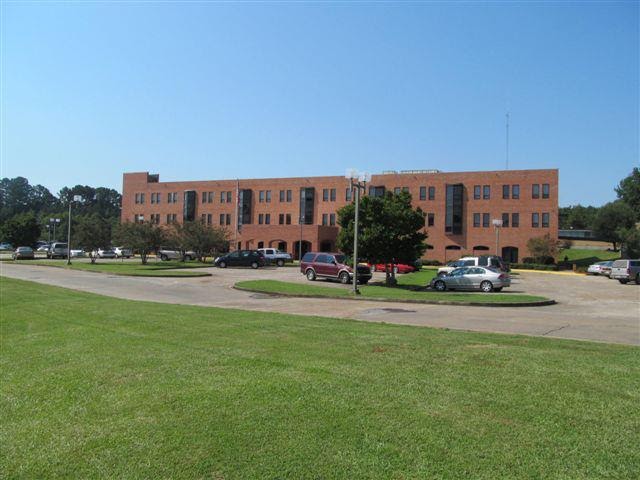
17560 EAST MAIN STREET, LOUISVILLE, MS 39339 (662) 779-5137
Non profit - Corporation 96 Beds Independent Data: November 2025
Trust Grade
58/100
#94 of 200 in MS
Last Inspection: March 2024

Within standard 12-15 month inspection cycle. Federal law requires annual inspections.

Overview

Winston County Nursing Home has a Trust Grade of C, indicating it is average compared to other facilities, which means it is neither great nor terrible. It ranks #94 out of 200 in Mississippi, placing it in the top half of state facilities, but it is the only option in Winston County. The facility is currently worsening, with issues increasing from 2 in 2023 to 4 in 2024. Staffing is a strong point, earning a 5/5 star rating and a turnover rate of 41%, which is better than the state average. However, families should be aware of some concerning incidents, including a resident suffering a femur fracture during a transfer that was not done with the required mechanical lift and failures in ensuring proper labeling of food items in the kitchen. While the nursing home has good RN coverage, more attention to safety and compliance is necessary to improve overall care.

Trust Score
C
58/100
In Mississippi
#94/200
Top 47%
Safety Record
Moderate
Needs review
Inspections
Getting Worse
2 → 4 violations
Staff Stability
○ Average
41% turnover. Near Mississippi's 48% average. Typical for the industry.
Penalties
✓ Good
$12,155 in fines. Lower than most Mississippi facilities. Relatively clean record.
Skilled Nurses
✓ Good
Each resident gets 90 minutes of Registered Nurse (RN) attention daily — more than 97% of Mississippi nursing homes. RNs are the most trained staff who catch health problems before they become serious.
Violations
⚠ Watch
12 deficiencies on record. Higher than average. Multiple issues found across inspections.
★★★☆☆
3.0
Overall Rating
★★★★★
5.0
Staff Levels
★☆☆☆☆
1.0
Care Quality
★★★☆☆
3.0
Inspection Score
Stable
2023: 2 issues
2024: 4 issues

The Good

  • 5-Star Staffing Rating · Excellent nurse staffing levels
  • Full Sprinkler Coverage · Fire safety systems throughout facility
  • No fines on record
  • Staff turnover below average (41%)

    7 points below Mississippi average of 48%

Facility shows strength in staffing levels, fire safety.

The Bad

3-Star Overall Rating

Near Mississippi average (2.6)

Meets federal standards, typical of most facilities

Staff Turnover: 41%

Near Mississippi avg (46%)

Typical for the industry

Federal Fines: $12,155

Below median ($33,413)

Minor penalties assessed

The Ugly 12 deficiencies on record

2 actual harm
Mar 2024 4 deficiencies
CONCERN (D)

Potential for Harm - no one hurt, but risky conditions existed

Deficiency F0578 (Tag F0578)

Could have caused harm · This affected 1 resident

**NOTE- TERMS IN BRACKETS HAVE BEEN EDITED TO PROTECT CONFIDENTIALITY** Based on staff interview, record review, and facility policy review, the facility failed to ensure a resident's choice for end o...

Read full inspector narrative →
**NOTE- TERMS IN BRACKETS HAVE BEEN EDITED TO PROTECT CONFIDENTIALITY** Based on staff interview, record review, and facility policy review, the facility failed to ensure a resident's choice for end of life care was indicated accurately on medical records for one (1) of 24 residents reviewed for advance directives. Resident #56 Findings include: Record review of facility's resident rights pamphlet titled, A Matter of Rights, undated, revealed, As a resident in a long term care facility, you have many rights guaranteed by law. Your rights include . freedom to make your own decisions. You have a right to expect care and a residential setting that: promotes your quality of life, and reflects your individual needs and preferences . Record review of facility policy titled, Policy for Advanced Directives, undated, revealed, (proper name of facility) and the Medical Staff will comply with the 1990 Patient Self Determination Act by: 1. Inquiring upon admission if the patient has an advance directive (Living Will or Durable Power of Attorney), 2. Providing information related to advance directives to the patient. Within the confines of medical/ethical practices, we will honor your advance directive with consultation with you and your family . Record review of facility policy titled, Understanding Advance Directives, undated, revealed, You have the right to make health care decisions, including decisions about nursing home care, for yourself . Record review of Resident #56's Advance Directive Acknowledgement Review dated 12/19/23, revealed, This update on (proper name of Resident #56) took place on 12/19/2023 with the responsible party. This update documents that this resident will be: DNR (do not resuscitate) and was signed by the Licensed Social Worker (LSW). This document was located in the resident's paper medical chart as the front page. Record review of Advance Directive Acknowledgement revealed on admission to the facility, Resident #56 chose a full code status. This document was signed by the resident and witnessed by the LSW and dated 12/2/22. This form was located in the resident's paper chart behind the Advance Directive Acknowledgement Review form that was dated 12/19/23. Record review of Resident #56's electronic Physician Orders dated 12/12/22, revealed an order for full code. An interview and chart review with the Director of Nursing (DON) on 3/27/24 at 4:00 PM, revealed if Resident #56 experienced a cardio-pulmonary arrest, the staff would check the resident's medical record and would note the first page which indicated a DNR status, and if no additional review of medical records or orders was done, no life-saving measures would be initiated. She confirmed the advance directive signed by the resident on admission and the physician's electronic order indicated a full code status. She confirmed the facility failed to ensure the accuracy of documentation of the resident and/or the resident's representative choice for end of life care which could have led to the resident's wishes not being honored. During an interview on 3/27/24 at 4:05 PM, the Administrator confirmed the electronic physician's order as well as the initial advance directive signed by the resident on admission indicated a full code status, but the Advance Directive Review dated 12/19/23 indicated a Do Not Resuscitate status. She confirmed the facility failed to accurately indicate the resident and/or resident's representative choice for end of life care in the medical record which could have led to the resident's wishes not being honored. An interview with the LSW on 3/27/24 at 4:40 PM, revealed she was responsible for discussing the advance directive with the residents and/or resident representatives annually. She revealed if a resident or representative had no request for change from the previous advance directive acknowledgement, the acknowledgement review would be signed to indicate this information was reviewed but no changes were made. If the resident or representative requested a change from the previously made choice, a new Advance Directive Acknowledgement Review form would be completed to indicate the decision made and would be signed by the resident or representative to indicate this new decision. She and Resident #56's representative discussed this during the annual review, but no decision to change from the full code status was determined. The LSW confirmed she mistakenly marked DNR rather than full code on the review form, which was not indicative of the resident's or the representative's wishes. She stated it is important for this information to be accurate since it does determine what end of life care would be provided for the resident. Record review of Resident #56's Face Sheet revealed the resident was admitted to the facility on [DATE], with medical diagnoses that included chronic obstructive pulmonary disease with acute exacerbation, heart failure, type 2 diabetes mellitus, atrial fibrillation, and congestive heart failure. Record review of Minimum Data Set (MDS) with Assessment Reference Date (ARD) of 12/17/23, revealed a Brief Interview for Mental Status (BIMS) score of 6 which indicated the resident was severely cognitively impaired.
CONCERN (D)

Potential for Harm - no one hurt, but risky conditions existed

Deficiency F0691 (Tag F0691)

Could have caused harm · This affected 1 resident

Based on observations, resident and staff interviews, record reviews, and facility policy review, the facility failed to ensure a resident received the necessary care and treatment of a nephrostomy fo...

Read full inspector narrative →
Based on observations, resident and staff interviews, record reviews, and facility policy review, the facility failed to ensure a resident received the necessary care and treatment of a nephrostomy for one (1) of three (3) residents with urinary catheter systems. Resident #78 Findings include: Record review of the facility policy titled Application of Urostomy pouch and bedside drainage bag with a revision date of 2/1/23, revealed, Purpose: Care of a Resident with a urostomy and pouch system for collection of urine. To promote the dignity and cleanliness of a Resident who has a urostomy Record review of Progress note, (Proper name of facility) dated 03/19/2024 at 4:03 AM, revealed, This nurse received report from emergency room (ER) Resident also needs a new bag ordered since his is leaking. An interview and observation on 3/26/24 at 10:57 AM, Resident #78 revealed his urinary catheter bag leaks, and he has to put the catheter bag inside of a zip-lock bag, so it doesn't leak into his privacy bag. An observation of a clear zip-lock bag with the nephrostomy bag inside of it with approximately 75 cc of yellow urine in the bottom of the zip-lock bag. The resident revealed the urinary bag had been leaking for quite some time. An interview and observation on 3/27/24 at 2:00 PM, Resident #78 revealed he had told the nurses that his catheter bag leaked and that's what he is using the zip-lock bags for, they just give me more zip-lock bags. He revealed I just want this fixed, so I don't have to use these extra bags. An interview and observation on 3/27/24 at 2:45 PM, the Registered Nurse (RN) Supervisor revealed it is the responsibility of the nurses to inspect Resident #78's catheter bag each shift and to notify her or the Director of Nurses (DON) if there is a problem. She revealed she had not been notified of any issues with his urinary bag. The RN Supervisor confirmed that Resident #78's urinary catheter bag was inside a zip-lock bag and revealed it looked like there was approximately 75-100 cc of urine in the bottom of the zip-lock bag. She revealed the ball was dropped and confirmed he did not have a new catheter bag ordered at this time and stated, I feel like we failed the resident for this. An interview on 3/27/24 at 3:05 PM, RN #1 revealed Resident #78 asked for a zip lock bag a few days after he came back from the ER and I gave him two or three zip-lock bags to use to put his catheter bag in. RN #1 revealed she looked at the catheter bag and it looked as if the seam on the catheter bag was leaking. She confirmed she did not notify anyone about ordering the resident a new catheter bag and confirmed the resident's primary physician had not been notified about the leaking nephrostomy bag. An observation and interview on 03/27/24 at 3:45 PM, the DON revealed she was unaware of any issues with Resident #78's nephrostomy catheter needing to be replaced. Resident #78 stated to the DON that his bag had been leaking before he went to the ER last week and he has been using zip-lock bags for quite some time. An interview on 3/27/24 at 3:55 PM, the DON confirmed the issue of his catheter bag leaking has gone through several staff members and it should have been taken care of immediately. She confirmed they failed to address the necessary care needed for the resident's nephrostomy. Record review of Resident #78's Face Sheet with an admission of 3/15/23 revealed medical diagnoses that included Retention of urine, and Benign Neoplasm of Prostate. Record review of Resident #78's Minimum Data Set (MDS) with an Assessment Reference Date (ARD) of 2/18/24 revealed a Brief Interview for Mental Status (BIMS) score of 15, which indicated Resident #78 is cognitively intact.
CONCERN (E)

Potential for Harm - no one hurt, but risky conditions existed

Employment Screening (Tag F0606)

Could have caused harm · This affected multiple residents

Based on staff interviews, record review, and facility policy review, the facility failed to submit criminal background checks on four (4) of five (5) new employee personnel records reviewed during su...

Read full inspector narrative →
Based on staff interviews, record review, and facility policy review, the facility failed to submit criminal background checks on four (4) of five (5) new employee personnel records reviewed during survey. Employee #1, #2, #3, and #5. Findings include: Review of the facility policy titled, Hiring with no revision date revealed under Comments #3e. If the drug test is negative, a Criminal History Record Check (CHRC) will be performed. Employees will be fingerprinted, and fingerprints will be submitted to the (Proper Name State Agency) . An interview on 03/28/24 at 12:45 PM, with the Administrator confirmed that background checks were completed with the Human Resource Director who also oversees the hospital. The Administrator confirmed that she was not aware that the fingerprint letters were not on the employee files. An interview on 03/28/24 at 12:55 PM, with the Human Resource Director and the Administrator revealed that criminal background checks have not been performed on any employee that has been hired since the first week of January 2024. The Human Resource Director stated, I'm just going to be honest with you, I don't have any background letters. I have the fingerprint cards filled out, but I haven't sent them in to be checked. I got behind on them and I just haven't managed to catch up. The Human Resource Director confirmed that the purpose of the background checks is to make sure the residents are safe and that nobody is hired with a criminal background. A record review of License Verification for the five (5) employee files that did not have a background check letter did not reveal any discipline activity on their license. Employee #1, #2, #3 and #5 were all hired within the last four (4) months and serve in the role of Certified Nursing Assistant (CNA) and Registered Nurse (RN). The employees have had a Nurse Aid Registry search that showed no disqualifying events, but they do not have a fingerprint letter from the state that would show any criminal charges in the last two years. An interview on 03/28/24 at 1:40 PM, with the Chief Executive Officer (CEO) of the hospital/nursing home confirmed that he was not aware that the Human Resource Director had not been submitting the fingerprint cards for a criminal background check. The CEO confirmed that not submitting and receiving the background check information could result in someone being hired and working with the residents that could put the residents at risk.
CONCERN (F)

Potential for Harm - no one hurt, but risky conditions existed

Food Safety (Tag F0812)

Could have caused harm · This affected most or all residents

Based on observation, staff interview, facility policy review, the facility failed to ensure items in the kitchen refrigerator, freezer and dry good spices were labeled and dated on one (1) of two (2)...

Read full inspector narrative →
Based on observation, staff interview, facility policy review, the facility failed to ensure items in the kitchen refrigerator, freezer and dry good spices were labeled and dated on one (1) of two (2) kitchen tours during survey. Findings include: A review of the facility policy revised on 1/22, titled Food and Supply Storage revealed: Procedures: Cover, label and date unused portions and open packages . An interview on 03/26/24 at 10:15 AM, with the Assistant Dietary Director (ADD) revealed that the Dietary Director is off this week, and she oversees the kitchen. An observation and interview on 03/26/24 at 10:18 AM, of the walk-in freezer in the kitchen with ADD revealed four (4) clear gallon size Ziploc bags with some type of meat inside them. The ADD confirmed that it was fish inside two (2) of the gallon Ziploc bags and some type of red meat inside of the other 2 gallon size Ziploc bags. The ADD confirmed that the Ziploc bags should have been labeled and dated when the meat was placed in the bag and stored in the refrigerator. An observation on 03/26/24 at 10:35 AM, of the spice rack located on the stainless steel preparation table revealed an opened 28 ounce container of Nutmeg that was unlabeled, a 28 ounce container of Montréal Steak seasoning, a 28 ounce container of Cinnamon, a 28 ounce container of Onion Powder, a 28 ounce container of Garlic Powder, a 28 ounce container of Rubbed Sage, a 28 ounce container of Rotisserie Chicken Seasoning, a 28 ounce container of Lemon Pepper Salt, and a 28 ounce container of Ground Cumin that were all opened and unlabeled. There was a stainless steel four (4) inch container with a creamy white substance inside of it with a piece of clear plastic wrap over the top of it with no label or date. An interview on 03/26/24 at 10:45 AM, with the cook confirmed that the creamy white substance in a 4-inch stainless steel container was bacon grease that she used it to season the food with sometimes and that she did not know how old it was. The cook confirmed that when any item was opened that it was supposed to have a label identifying what was inside and when it was opened but she was busy and didn't have time to do it. An interview on 03/26/24 at 10:50 AM, with the ADD confirmed that there were nine (9) 28-ounce seasoning containers opened without dates on the labels. The ADD stated All the staff knows to label anything that they open with the contents and the date opened on a sticker. An observation on 03/26/24 at 11:05 AM, of the kitchen in Oak Cottage revealed a tray with eight (8) 8-ounce glasses of a brown liquid and three (3) 8-ounce glasses of a white liquid that did not have a label on them. An interview on 03/26/24 at 11:35 AM, with the Dietary Aide confirmed that all items prepared and placed in the refrigerator or stored as dry goods should be labeled and dated. Dietary worker confirmed that not labeling food and drink items could result in someone getting sick. An interview on 03/27/24 at 2:15 PM, with the Administrator confirmed that any food or drink that is opened is supposed to be labeled and dated. The Administrator confirmed that not labeling and dating food items could result in someone getting something that they might have an allergy to or someone getting sick if the food item is old.
Mar 2023 2 deficiencies 2 Harm
SERIOUS (G) 📢 Someone Reported This

A family member, employee, or ombudsman was alarmed enough to file a formal complaint

Actual Harm - a resident was hurt due to facility failures

Comprehensive Care Plan (Tag F0656)

A resident was harmed · This affected 1 resident

**NOTE- TERMS IN BRACKETS HAVE BEEN EDITED TO PROTECT CONFIDENTIALITY** Based on staff interview, record review and facility policy review the facility failed to implement the care plan related to tra...

Read full inspector narrative →
**NOTE- TERMS IN BRACKETS HAVE BEEN EDITED TO PROTECT CONFIDENTIALITY** Based on staff interview, record review and facility policy review the facility failed to implement the care plan related to transfers for one (1) of nine (9) care plans reviewed. Based on implementation of the facility's corrective actions on 2/20/23, this was determined to be Past Non-Compliance. (Resident #1) Findings include: A record review of the facility's policy titled Care Plan, revealed, Purpose: To direct resident care from admission to discharge . Procedure: 10.) Customize the care plan to address the resident's individual concerns and needs . A record review of the facility's policy titled Care Plan [NAME] for CNA, Purpose: To ensure that the Certified Nurse Assistants (CNA) identify particular needs of each resident related to activities of daily living .Procedure: 1.) Certified Nurse Assistants will utilize the Plan of Care [NAME] daily to ensure continuity of care to assigned residents . 2.) The Certified Nurse Assistants will review the Plan of Care [NAME] of each assigned resident daily . 6.) The plan of Care [NAME] will identify the Residents' needs to Nurses and Certified Nurse Assistants regarding he is following ADL'S (Activities of Daily Living): Hearing, speech, vision, ambulation, bathing, restraints, bed mobility, and transfer, personal hygiene, dressing, eating, bowel and bladder function, and any adaptive equipment. A review of the comprehensive care plan with a start date of 2/16/23 titled, I FALLS- I am at risk for falls w(with)/injuries R/T (related to): I have a HX (history) of falls, I am not walking, I have increased weakness. I have a DX (diagnosis) of osteopenia; I am dependent for transfers. Intervention: .Transfers- I am dependent x (times) 2 (two) staff using hoyer lift . A record review of the Plan of Care [NAME] for February 2023 for Resident #1, revealed under Transfers/ROM(Range of Motion): Mechanical Lift: Hoyer/Ceiling Lift for transfers. A review of the findings of the investigation revealed: 1.) On 2/17/23 Certified Nursing Assistant (CNA) # 1 was assigned to resident and approximately 5:30 PM went in to move resident from the recliner to the bed for the night, stepped out into the hall and asked CNA # 2 to assist . 2.) Resident's care plan and instructions for specific resident care are maintained on cards located at the nurse's station and CNAs are instructed to check the card every day for specific instructions or changes in the care plan and initial the card to indicate understanding of the instructions . 3.) Review of the records indicated CNA # 1 did not read the card prior to her shift on 2/17/23. CNA # 1 admitted during an interview that she did not read the care plan which specifically calls for residents to be transferred with a Hoyer lift. 4.) Review of the record indicated CNA # 2 had not previously been assigned and had no knowledge of the resident's specific needs. An interview with CNA # 2 stated she relied on CNA # 1's knowledge of the resident's care plan and assisted CNA # 1 with a two-person manual transfer from the recliner to the bed. 5.) During separate interviews with both CNA's, they indicated they did not observe anything unusual or remarkable about the transfer and the resident did not indicate any pain during or after the transfer . 6.) CNA # 1 and CNA # 2 were suspended pending findings of investigation on 02/18/23. A review of the conclusion of the investigation revealed, 1.) Both CNAs were immediately placed on leave pending the investigation. 2.) Investigators believe the injury was sustained during the transfer on 2/17/23 and CNAs did not follow the proper protocol by not familiarizing themselves with the care plan instructions on the card system. 3.) Investigators did not find intentional abuse or rough handling of resident. 4.) All residents care planned for a Hoyer Lift was reviewed and no deficiencies noted. An interview via phone with CNA # 1 on 3/28/23 at 11:00 AM, revealed she knew she was supposed to use the Hoyer Lift for Resident #1 and knows she was supposed to review the [NAME] every day before caring for residents to make sure there is no changes but verified, she did not review Resident # 1's [NAME] on 2/17/23 prior to the transfer. CNA #1 confirmed she was assigned to Resident # 1 and knew she was supposed to use the Hoyer Lift for her. CNA # 1 stated I got CNA # 2 to help me, we lifted resident gently under her arms and transferred resident to the bed, lifted her legs in the bed and made her comfortable, and the resident never complained. CNA #1 confirmed transferring her incorrectly possibly fractured Resident #1's leg. An interview with the Quality Assurance (QA)/Nurse Educator on 3/29/23 at 8:45 AM, revealed she was a part of the investigation for Resident #1's fracture and confirmed that the injury Resident # 1 sustained was related to CNA's not following the [NAME] care plan for Resident # 1. An interview with the Director of Nursing (DON) on 3/29/23 at 8:55 AM, she revealed she investigated the fracture on Resident # 1 and confirmed she believed that staff not following the care plan for transfers resulted in the fracture of Resident # 1's leg. An interview with the Administrator on 3/29/23 at 9:10 AM, he revealed that the CNAs did not follow the plan of care resulting in the fracture. A review of the comprehensive care plan with a start date of 2/16/23 titled, I desire to have my needs anticipated and met by staff in a timely manner through next review .Interventions: Transfers- I am dependent x 2 staff using Hoyer lift. Record review of the Face Sheet revealed that the facility admitted Resident # 1 to the facility on 2/10/23 with diagnoses of Disorder of the Bone density and structure unspecified, Chronic Pain syndrome and Peripheral vascular disease. Record review of the Minimum Data Set (MDS) Section C with an Assessment Reference Date (ARD) of 2/19/23, revealed that Resident #1 had a Brief Interview of Mental Status (BIMS) score of 06 which indicated that she was severely cognitively impaired. Section GG of the MDS for chair/bed-to chair transfer Resident # 1 was coded Dependent. A review of CNA # 1's personnel file revealed she was educated on the [NAME] (care plan) on 6/27/22 and 7/1/22 on the Lifts. A review of CNA # 2's personnel file revealed she was educated on the [NAME] (care plan) and Lifts on 9/27/22. The SA validated through record review and staff interview that the following occurred: 1. Investigators believe the injury was sustained during the transfer on 2/17/23 and CNA'S did not follow the proper protocol by not familiarizing themselves with the care plan instructions on the card system. 2. Both CNAs were immediately placed on leave pending investigation. 3. An Ad Hoc Quality Assurance meeting was held on 2/20/23. 4. Immediate in-person education was conducted 2/20/23 with all staff to reiterate protocols regarding information about care plans, the card system acknowledgement, Resident Rights and abuse and neglect. 5. All Resident's care planned for a Hoyer Lift were reviewed. No additional deficiencies were noted. 6. Investigators did not find intentional abuse or rough handling of resident. 7. [NAME] will be checked for completion beginning 2/20/23, three (3) times a week for 3 weeks, then 2 times a week for 3 weeks, then weekly times 3 weeks. Any CNA failing to read and acknowledge [NAME] assignments will be subject to disciplinary actions. 8. If either of the two CNA's involved in the incidents are found to be out of compliance within 90 days, immediate dismissal will result. Record review revealed the facility emailed the Investigative summary to the State Agency on 2/23/23 and to the Attorney General's Office on 3/22/23.
SERIOUS (G) 📢 Someone Reported This

A family member, employee, or ombudsman was alarmed enough to file a formal complaint

Actual Harm - a resident was hurt due to facility failures

Accident Prevention (Tag F0689)

A resident was harmed · This affected 1 resident

**NOTE- TERMS IN BRACKETS HAVE BEEN EDITED TO PROTECT CONFIDENTIALITY** Based on record review, resident and staff interviews, and facility policy review, the facility failed to ensure a resident was ...

Read full inspector narrative →
**NOTE- TERMS IN BRACKETS HAVE BEEN EDITED TO PROTECT CONFIDENTIALITY** Based on record review, resident and staff interviews, and facility policy review, the facility failed to ensure a resident was free of accidents and or hazards during transfer when two (2) staff physically lifted the resident under her arms and transferred her from her chair to the bed without using a mechanical lift resulting in a distal femur fracture for one (1) or six (6) residents reviewed for accidents. Based on implementation of the facility's corrective actions on 2/20/23, this was determined to be Past Non-Compliance. (Resident # 1) Findings include: The facility policy titled USE OF HYDRAULIC LIFT, HOYER LIFT, revised 9/9/2014, revealed Purpose: To reduce the risk of injury to residents and or staff related to transfer of dependent or obese residents . Special Considerations: Hydraulic lifts are designed to be operated by one person but, for the safety of residents and staff members, it is this facility's policy for two staff members to be present when hydraulic lift is in use. One to operate the lift and the other to stabilize and support the resident during transfer . A review of the facility's self-reported investigation of Resident # 1's fracture of unknown cause, revealed, Description of incident: On 2/18/23 family of the resident noted swelling and redness on the right leg and reported to the nurse, upon assessment the Licensed Practical Nurse (LPN) on duty observed the redness and swelling and reported to the Registered Nurse (RN) Supervisor who confirmed the assessment and notified the provider. Resident #1 was sent to Emergency Department (ED) for evaluation and radiology reported a mildly angulated nondisplaced fracture to distal femur and severe tri-compartmental osteoarthritic disease with severe joint space loss. Resident returned from ED with an immobilizer to right leg and medication for pain and to follow up with primary physician as surgery is not an option. The primary physician referred to an orthopedic doctor of choice. The RN Supervisor reported that during the assessment, the family indicated the resident was transferred from the recliner to bed on 2/17/23 in the P.M. without the use of the lift and that her knee was twisted during the transfer. The family indicated they did not witness the transfer but was informed by someone about the incident. The family declined to identify the source of information. Upon notification of the fracture on 2/18/23 the Director of Nursing (DON) reported the incident via phone to Licensure and Certification at approximately 11:30 PM on 2/18/23. A review of the findings of the investigation revealed: 1.) On 2/17/23 Certified Nursing Assistant (CNA) # 1 was assigned to resident and approximately 5:30 PM went in to move resident from the recliner to the bed for the night, stepped out into the hall and asked CNA # 2 to assist . 2.) Resident's care plan and instructions for specific resident care are maintained on cards located at the nurse's station and CNAs are instructed to check the card every day for specific instructions or changes in the care plan and initial the card to indicate understanding of the instructions . 3.) Review of the records indicated CNA # 1 did not read the card prior to her shift on 2/17/23. CNA # 1 admitted during an interview that she did not read the care plan which specifically calls for residents to be transferred with a Hoyer lift. 4.) Review of the record indicated CNA # 2 had not previously been assigned and had no knowledge of the resident's specific needs. An interview with CNA # 2 stated she relied on CNA # 1's knowledge of the resident's care plan and assisted CNA # 1 with a two-person manual transfer from the recliner to the bed. 5.) During separate interviews with both CNA's, they indicated they did not observe anything unusual or remarkable about the transfer and the resident did not indicate any pain during or after the transfer . 6.) CNA # 1 and CNA # 2 were suspended pending findings of investigation on 02/18/23. A review of the conclusion of the investigation revealed, 1.) Both CNAs were placed on leave pending the investigation. 2.) Investigators believe the injury was sustained during the transfer on 2/17/23 and CNAs did not follow the proper protocol by not familiarizing themselves with the care plan instructions on the card system. 3.) Investigators did not find intentional abuse or rough handling of resident. 4.) All residents care planned for a Hoyer Lift was reviewed and no deficiencies noted. An observation of Resident # 1 on 3/27/23 at 3:00 PM, revealed resident lying in bed facing the door, eyes closed with no nonverbal signs of pain observed. An interview and observation on 3/28/23 at 10:00 AM, revealed Resident # 1 lying in bed watching the television, State Agency (SA) spoke to the resident and asked if she was hurting, and Resident # 1 smiled and shook her head no. On 3/28/23 at 11:00 AM, during an interview via phone with CNA # 1, revealed she was assigned to Resident # 1 on 2/17/23, and knew she was supposed to use the Hoyer Lift for Resident #1. She was supposed to review the [NAME] every day before caring for residents to make sure there is no changes but verified, she did not review Resident # 1's [NAME] on 2/17/23 prior to the transfer. CNA # 1 stated she got CNA # 2 to help her, we lifted the resident gently under her arms and transferred her to the bed, lifted her legs in the bed and made her comfortable. The resident never complained. CNA #1 confirmed transferring her incorrectly possibly fractured Resident #1's leg. A phone interview with CNA # 2 on 3/28/23 at 3:00 PM, revealed she did assist with the two- person transfer for Resident # 1 but she was not assigned to the resident just assisted, and trusted that CNA #1 who was assigned to her knew the care she needed. On 3/29/23 at 8:45 AM, during an interview with the Quality Assurance (QA)/Nurse Educator, she stated she was a part of the investigation for Resident #1's fracture. She confirmed that the fracture was most likely sustained during the improper transfer of Resident # 1. An interview with the Director of Nursing (DON) on 3/29/23 at 8:55 AM, revealed she investigated the fracture for Resident # 1 and confirmed she believed that Resident # 1 being transferred incorrectly resulted in the fracture of her leg and confirmed that other possible concerns from an incorrect transfer are falls, and further injuries. An interview with the Administrator on 3/29/23 at 9:10 AM, revealed that the investigation of Resident # 1 is clear, the resident had no other incidents or injuries until she was transferred incorrectly on 2/17/23 by CNA #1 and CNA #2. A record review of the Progress notes dated 2/18/2023, revealed family of Resident # 1 was visiting and reported Resident # 1 was complaining of knee pain, that Resident # 1 was assessed by the LPN and RN Supervisor on duty and assessment revealed the right knee swelling, redness, and warm to touch. The provider was notified and ordered to be sent to the emergency room for an outpatient x-ray. Review of the x-ray report revealed Impression: Acute nondisplaced distal femoral condyle fracture extending from lateral to medial. A review of the Transfer assessment dated [DATE] revealed under Mode of Transfer: Lift mechanically. A review of CNA # 1's personnel file revealed she was educated on the [NAME] (care plan) on 6/27/22 and 7/1/22 on the Lifts. A review of CNA # 2's personnel file revealed she was educated on the [NAME] (care plan) and Lifts on 9/27/22. Record review of the Face Sheet revealed that the facility admitted Resident #1 on 2/10/23 with diagnoses of Disorder of the Bone density and structure unspecified, Chronic Pain syndrome and Peripheral vascular disease. Record review of the Minimum Data Set (MDS) Section C with an Assessment Reference Date (ARD) of 2/19/23, revealed that Resident #1 had a Brief Interview of Mental Status (BIMS) score of 06 which indicated that she was severely cognitively impaired. Section GG of the MDS for chair/bed-to chair transfer Resident # 1 was coded Dependent. The SA validated through record review and staff interview that the following occurred: 1. Investigators believe the injury was sustained during the transfer on 2/17/23 and CNA'S did not follow the proper protocol by not familiarizing themselves with the care plan instructions on the card system. 2. Both CNAs were immediately placed on leave pending investigation. 3. An Ad Hoc Quality Assurance meeting was held on 2/20/23. 4. Immediate in-person education was conducted 2/20/23 with all staff to reiterate protocols regarding information about care plans, the card system acknowledgement, Resident Rights and abuse and neglect. 5. All Resident's care planned for a Hoyer Lift were reviewed. No additional deficiencies were noted. 6. Investigators did not find intentional abuse or rough handling of resident. 7. [NAME] will be checked for completion beginning 2/20/23, three (3) times a week for 3 weeks, then 2 times a week for 3 weeks, then weekly times 3 weeks. Any CNA failing to read and acknowledge [NAME] assignments will be subject to disciplinary actions. 8. If either of the two CNA's involved in the incidents are found to be out of compliance within 90 days, immediate dismissal will result. Record review revealed the facility emailed the Investigative summary to the State Agency on 2/23/23 and to the Attorney General's Office on 3/22/23.
Dec 2022 1 deficiency
CONCERN (D) 📢 Someone Reported This

A family member, employee, or ombudsman was alarmed enough to file a formal complaint

Potential for Harm - no one hurt, but risky conditions existed

Notification of Changes (Tag F0580)

Could have caused harm · This affected 1 resident

**NOTE- TERMS IN BRACKETS HAVE BEEN EDITED TO PROTECT CONFIDENTIALITY** Based on interview, record review, and facility policy review the facility failed to report an unwitnessed fall to the physician...

Read full inspector narrative →
**NOTE- TERMS IN BRACKETS HAVE BEEN EDITED TO PROTECT CONFIDENTIALITY** Based on interview, record review, and facility policy review the facility failed to report an unwitnessed fall to the physician and family for one (1) of the three (3) fall reports reviewed. Resident #1 Review of the facility policy titled, Reporting of Incidents with an effective date of 10/2014 and a revision date of 9/10/2014 revealed its purpose was to address incidents in a timely, effective manner. To maintain a record of incident and related assessments and interventions. Number 6 under procedure revealed notify responsible party and physician of occurrence. A telephone interview, on 12/20/22 at 10:36 AM with Licensed Practical Nurse (LPN) #1 revealed that a Certified Nurse Aide (CNA) came and got her because Resident #1 was in the floor. LPN #1 stated that the resident was sitting in the bathroom floor and told her that she went to the bathroom and did not feel like walking back. LPN #1 stated Resident #1's call light was on her bed. She stated that Resident #1 said she was not hurt so she didn't think much about it. LPN #1 stated that she looked Resident #1 over from head to toe and got her vital signs. She stated she did not call the doctor or family concerning the incident. She stated she did talk to the doctor when he made rounds, but she thought it was the next day. She stated that the doctor questioned her about the incident and said it should have been considered a fall. LPN #1 stated that she did what the Director of Nursing (DON) had told her to do. An interview, on 12/20/22 at 1:30 PM with the Director of Nursing (DON) revealed LPN #1 had called her at home to report Resident #1 was found in the bathroom floor. She stated that Resident #1 told them she sat down in the floor. The DON confirmed she told LPN #1 to do a thorough skin assessment. She stated that she just believed what the resident said when she told the staff that she had just sat down in the floor. The DON confirmed that due to the fact that Resident #1 had previous falls and a Brief Mental Status (BIMS) score of five (5), the incident should have been written up as a fall and reported to the doctor and responsible party. The DON confirmed the Medical Director (MD) and the Responsible Party (RP) were not notified, but the MD did come that afternoon and made rounds. A telephone interview on 12/21/22 at 2:30 PM with the physician revealed that he was not called concerning Resident #1's fall, he just happened to find out during his rounds. He stated that Resident #1 is a Medicare Part A resident, so he tries to see those residents weekly. He stated that he was not sure if the staff knew he was coming around that day. He stated that sometimes the reporting is hit or miss. An interview with Administrator on 12/21/22 at 3:00 PM revealed that if a resident had an incident, it should be written up as a fall and this would include notification of the physician and the family. Record review of the fall dated 12/23/22 where Resident #1 was found in the bathroom floor by a staff member revealed that the resident did not sustain any injuries. Record review revealed Resident #1 was admitted to the facility on [DATE] with Unspecified Dementia, Essential hypertension, Type 2 Diabetes Mellitus, Syncope and Collapse, Hemiplegia following Cerebral Infarct affecting left nondominated side, difficulty in walking, and Unspecified lack of coordination. Review of section C of the Minimum Data Set (MDS) with an Assessment Reference Date (ARD) of 11/28/22 revealed a Brief Interview for Mental Status (BIMS) score of five (5) which indicated Resident #1 was severely cognitively impaired.
Oct 2022 4 deficiencies
CONCERN (D)

Potential for Harm - no one hurt, but risky conditions existed

Employment Screening (Tag F0606)

Could have caused harm · This affected 1 resident

Based on staff interviews, record review and facility policy review the facility failed to submit criminal background checks on three (3) of five (5) new employee personnel records reviewed. Findings ...

Read full inspector narrative →
Based on staff interviews, record review and facility policy review the facility failed to submit criminal background checks on three (3) of five (5) new employee personnel records reviewed. Findings include: Review of the facility policy titled, Hiring with no revision date revealed under Comments #3e. If the drug test is negative, a Criminal History Record Check (CHRC) will be performed. Employee will be fingerprinted, and fingerprints will be submitted to the MS State Department of Health. An interview on 10/12/22 at 9:45 AM with the Human Resources (HR) Director confirmed that the background checks had not been completed on Certified Nursing Assistant (CNA) #1, CNA #2, and Registered Nurse (RN) #1. She revealed she is the only one in her department and she covers the hospital new hires as well and stated that she just got behind. She revealed she did not realize how behind she had gotten until the State Agency (SA) asked for the records of the latest new employees hired in the last 120 days and it revealed that these employees did not have their criminal background check. She stated they were all direct care employees and that if an employee was working here they were required to have a criminal background completed. She revealed the facility has a policy that all employees will be fingerprinted and a criminal background check will be completed on every employee that works at the facility. An interview on 10/12/22 at 10:00 AM with the Administrator and the Director of Nurses (DON) confirmed it is the policy of the facility that all employees have a criminal background check. The DON confirmed that allowing someone to work here without a criminal background check being completed puts the resident at risk for the potential for abuse if that employee had a disqualifying factor on their criminal background check. Record review of new hire personnel records revealed that no criminal background check had been completed on CNA #1, CNA #2, and RN #1 that were hired in the last 120 days.
CONCERN (D)

Potential for Harm - no one hurt, but risky conditions existed

Comprehensive Care Plan (Tag F0656)

Could have caused harm · This affected 1 resident

Resident #42 An observation and interview on 10/11/22 at 3:45 PM, Resident #42 stated she wears oxygen at night. There was no date on the oxygen tubing or bag for tubing storage and there was no oxyge...

Read full inspector narrative →
Resident #42 An observation and interview on 10/11/22 at 3:45 PM, Resident #42 stated she wears oxygen at night. There was no date on the oxygen tubing or bag for tubing storage and there was no oxygen signage on the entry door. Record review of Resident #42's Care Plan with a start date of 1/27/22 and review date of 12/1/2022, revealed the goal, I will be free of signs/symptoms of respiratory distress and maintain optimal functioning within limitations imposed by disease process through next review. The interventions in this Care Plan included the following: Administer Oxygen at 4 Liters per minute via nasal biprong as ordered. Change setup weekly and as needed. An interview on 10/12/22 at 1:20 PM, with LPN #5 revealed the oxygen tubing and storage bags are to be changed weekly on Sunday night. She revealed the O2 tubing is supposed to be labeled and dated and placed in a plastic bag and she confirmed that it was not changed for Resident #42. An interview on 10/12/22 at 4:10 PM, with the Director of Nursing (DON) revealed that the importance of the care plans was to ensure the care is provided as needed. She revealed that if the staff did not implement the care plan, then a resident with O2 could have respiratory infections from the oxygen not being changed weekly. Resident #2 An observation and interview on 10/11/22 at 11:00 AM, Resident #2 revealed that he uses his oxygen every night. There was no date noted on the oxygen tubing, nasal cannula, or water humidifier bottle and there was no oxygen signage on the door. Record review of Resident #2's Care Plan with start date of 1/27/22 and review date of 10/20/2022, revealed the goal, I will be free of signs/symptoms of respiratory distress and maintain optimal functioning within limitations imposed by disease process through next review. The interventions in this Care Plan included the following: Administer Oxygen at 2 Liters per minute via nasal biprong as needed as ordered. Change setup weekly and as needed. On 10/12/22 at 1:30 PM, an interview with Licensed Practical Nurse (LPN) #4, revealed that the night shift nurses take care of changing the oxygen tubing, cannulas, and water humidifier bottles. She revealed that the tubing, cannulas, and the humidifier bottles are supposed to be dated and that the nasal cannulas are to be placed in a plastic bag. She also revealed that oxygen signs are to be on the wall outside of the resident's room as well. LPN #4 confirmed that there was no date on the oxygen tubing, nasal cannula, or humidified water bottle and that there was no oxygen sign outside the resident's door. Record review of Electronic Treatment Record for the months of September 2022 and October 2022, revealed that the oxygen tubing, nasal cannula, and humidified water bottle was not being changed and dated as ordered and care planned. Based on observations, staff interview, record review and facility policy review the facility failed to implement a comprehensive care plan for three (3) of 18 care plans reviewed. Resident #2, Resident #42 and Resident #184. Findings Include: Record review of the facility policy titled Care Plan with a revision date of 09/04/2014 revealed under Purpose .To direct resident care from admission to discharge. Resident #184 An observation on 10/11/22 at 11:03 AM, revealed Resident #184 lying in bed receiving Oxygen (O2)via biprong nasal cannula at five (5) Liters Per Minute (LPM). O2 tubing was not dated or labeled and there was no O2 signage on the resident's room door. Record review of Resident #184's care plans revealed the following care plan: I am at risk of respiratory complications related to the diagnosis of Asbestos exposure and I receive O2 @ 5 L/M (liters/minute) via nasal bi prong (NBP) with a goal of I will be free of signs and symptoms of respiratory distress and maintain optimal functioning within limitations imposed by disease process through next review and interventions that include Administer O2 as ordered @ 5 l/m via NBP. Change setup weekly and as needed (PRN). An observation and interview on 10/12/22 at 1:30 PM, with Licensed Practical Nurse (LPN) #1 confirmed that Resident #184's O2 tubing was not labeled and dated and there was no O2 signage on the door. She confirmed and revealed there was a plastic bag with new O2 tubing with a date of 10/10/22 lying on top of the air conditioner in the resident's room. She revealed the nurse was supposed to have changed the resident's tubing on Sunday 10/10/22 so it must have not been done and stated it is the policy of the facility that resident's O2 tubing has to be changed once per week, labeled, and dated and O2 signage needs to be put on the door. She confirmed the resident has a care plan that indicated that the O2 tubing needs to be changed weekly and as needed. An interview on 10/12/22 at 4:00 PM, with the Licensed Practical Nurse (LPN) Minimum Data Set (MDS) #2 and LPN-MDS #3 revealed they are responsible for putting care plans on the resident's record on admission and after their MDS assessments if needed. LPN-MDS #3 revealed that the purpose of the care plan was to provide a guide for care to meet the resident's needs. LPN-MDS #2 revealed that the care plans go on the resident's paper chart and in the computer, which all nurses have access to and she confirmed that Resident #184's care plan was not followed related to changing the O2 tubing weekly.
CONCERN (E)

Potential for Harm - no one hurt, but risky conditions existed

Respiratory Care (Tag F0695)

Could have caused harm · This affected multiple residents

**NOTE- TERMS IN BRACKETS HAVE BEEN EDITED TO PROTECT CONFIDENTIALITY** Resident #42 An observation and interview with Resident #42 on 10/11/22 at 3:45 PM, revealed the resident sitting in her wheelch...

Read full inspector narrative →
**NOTE- TERMS IN BRACKETS HAVE BEEN EDITED TO PROTECT CONFIDENTIALITY** Resident #42 An observation and interview with Resident #42 on 10/11/22 at 3:45 PM, revealed the resident sitting in her wheelchair with an oxygen concentrator at her side. There was no date on the tubing or bag for tubing storage and there was no oxygen signage on the resident's room door. Resident #42 revealed she wears oxygen every night. An observation of Resident #42 on 10/12/22 at 9:26 AM and at 9:55 AM, revealed no date on the oxygen tubing, no storage bag, and no oxygen signage on the entry door. An observation and interview on 10/12/22 at 1:20 PM, with LPN #5 revealed the oxygen tubing and storage are to be changed weekly on Sunday night. She revealed the oxygen tubing is also supposed to be labeled, dated, and placed in a plastic bag. LPN #5 confirmed there was no tubing storage bag in the room and that it should be. LPN #5 confirmed there was no oxygen signage on the door. An interview on 10/12/22 at 2:00 PM, with the Infection Control Nurse revealed the oxygen tubing is to be changed out each Sunday night and kept in a bag when not in use. She revealed it must be labeled and dated each week and oxygen signage should be on the resident's door. Record review of the Face Sheet for Resident #42 revealed that she was admitted to the facility on [DATE] with diagnoses that included Pneumonia, Simple chronic bronchitis, and Heart failure. Record review of Physician Orders revealed the following orders dated 2/22/22 for O2 at 4 L/M Per NC Cont. SOB and an order dated 10/31/19 Change NEB/O2 Tubing every Sunday. Date Tube and Storage Bag . Record review of the Minimum Data Set (MDS) with an Assessment Reference Date (ARD) of 8/21/22, revealed Resident #42 had a Brief Interview for Mental Status (BIMS) score of 12, indicating that the resident is moderately impaired. Resident #2 An observation and interview on 10/11/22 at 11:00 AM, with Resident #2 revealed that he used his oxygen every night and that he put it on and removed it himself. The oxygen tubing and water humidifier bottle were not labeled and dated and there was no oxygen signage on the door. An observation on 10/11/22 at 3:00 PM, revealed that there was no date on the oxygen tubing or on the humidified water bottle and there was no oxygen signage on the door outside of his room. An interview with Licensed Practical Nursing (LPN) #1 on 10/13/22 at 8:30 AM, revealed that the oxygen tubing and humidified water bottles are supposed to be changed every seven days and that the nurses on night shift are responsible for this. An interview with Licensed Practical Nurse (LPN) #4 on 10/12/22 at 1:30 PM, revealed that the night shift nurses take care of changing the oxygen tubing and water humidifier bottles. She revealed that the tubing and the humidifier bottles are supposed to be dated and that the nasal cannulas are to be placed in a plastic bag. She also revealed that oxygen signs are to be on the wall outside of the resident's room as well. LPN #4 confirmed that there was no date on the oxygen tubing, nasal cannula, or humidified water bottle and that there was no oxygen sign outside the resident's door. She also revealed that this could cause issues including being unable to determine the last time this tubing was changed which could lead to infection. On 10/13/22 at 9:45 AM, an interview with Registered Nurse (RN) #2, revealed that the oxygen tubing and humidified bottles are scheduled to be changed every Sunday and as needed. She also revealed that the nurses on night shift are responsible for getting them changed and dated. Record review of Resident #2's Physician Orders revealed orders dated 6/19/20 for Oxygen at 2 L/M Per NC (nasal cannula) PRN (as needed). SOB (shortness of breath) and an order dated 6/22/20 to Change NEB/O2 Tubing every Sunday, Date Tube and Storage Bag . A record review of the Face Sheet revealed that Resident #2 was admitted to the facility on [DATE], with diagnoses of Myocardial Infarction, Essential Hypertension, Heart Failure, unspecified, Atrial Fibrillation, unspecified, and Anemia. Record review of the Quarterly Minimum Data Set (MDS), with an Assessment Reference Date (ARD) of 07/12/2022, for Resident #2, revealed a Brief Interview for Mental Status (BIMS) score of 13, indicating Resident #2 is cognitively intact. Record review of the September and October 2022 Electronic Treatment Administration Records (E-TARs), revealed in the description column to Change Nebulizer/Oxygen Tubing Every Sunday, Date Tube and Storage Bag. There were no initials or check marks by staff present on the E-TAR that would indicate that this task was completed. Based on observation, resident and staff interviews, record review and facility policy review the facility failed to change, date, and label and store oxygen tubing and to post oxygen signage at the entrance to residents' rooms for three (3) of four (4) residents reviewed with oxygen. Residents #2, Resident #42 and Resident #184. Findings Include: Review of facility policy Oxygen Therapy with revision date of 02/09/18 revealed under Policy Explanation and Compliance Guidelines: .4. NO SMOKING and/or OXYGEN IN USE signs will be posted at the entrance of the resident's room. Facility Policy also revealed under Oxygen Concentrator the following: .3. Change humidified bottle and tubing weekly. Resident #184 An observation on 10/11/22 at 11:03 AM, revealed Resident #184 lying in bed with Oxygen (O2) via biprong nasal cannula at 5 (five) Liters Per Minute (LPM), O2 tubing was not dated or labeled and there was no O2 signage on the resident's room door. An observation on 10/11/22 at 2:00 PM, revealed Resident #184 lying in bed receiving O2 via nasal cannula at 5 LPM, O2 tubing was not dated or labeled and there was no O2 signage on the resident's room door. An observation on 10/12/22 at 9:00 AM, revealed Resident #184 was in her bed receiving O2 via nasal cannula at 5 LPM, the O2 tubing was not labeled or dated and there was no O2 signage on the resident's door. An observation and interview on 10/12/22 at 1:30 PM, with Licensed Practical Nurse (LPN) #1 confirmed that Resident #184's O2 tubing was not labeled and dated and there was no O2 signage on the door. She revealed there was a plastic bag with new O2 tubing with a date of 10/10/22 lying on top of the air conditioner in the resident's room and that the nurse was supposed to have changed the resident's tubing on Sunday 10/10/22 so it must have not been done. She revealed it is the policy of the facility that resident's O2 tubing has to be changed once per week, labeled, and dated and O2 signage needs to be put on the door. She revealed that if a resident's O2 tubing is not labeled and dated then no one knows when it was changed and that could lead to an infection for the resident. An interview on 10/12/22 at 1:45 PM, with the Director of Nurses (DON) confirmed it is the policy of the facility that O2 tubing is changed, dated, and initialed on Sunday's each week. She revealed that if the O2 tubing is not dated then you can assume it was not changed. She revealed the reason the resident's O2 tubing would need to be changed is to prevent the buildup of bacteria. Record review of Resident #184's Physician Orders revealed an order dated 9/23/22 for O2 @ (at) 5 L/M per NC (nasal cannula) cont. (continuous) decrease O2 levels and an order dated 9/23/22, Change NEB(nebulizer)/O2 tubing q (every) Sunday, date tube and storage bag, clean NEB/O2 concentrator and filter @ (at) this time. Record review of Resident #184's Face Sheet with an admission date of 9/23/22 and medical diagnoses that included Anxiety disorder and Contact with and (suspected) exposure to asbestos. Record review of Resident #184's Minimum Data Set (MDS) with an Assessment Reference Date (ARD) of 9/29/22 revealed a Brief Interview for Mental Status (BIMS) score of 05, which indicates the resident is severely cognitively impaired,
CONCERN (F)

Potential for Harm - no one hurt, but risky conditions existed

Food Safety (Tag F0812)

Could have caused harm · This affected most or all residents

Based on observation, staff interviews, and facility policy review the facility failed to ensure items in the kitchen refrigerator and refrigerated cooler were labeled and dated, expired food items we...

Read full inspector narrative →
Based on observation, staff interviews, and facility policy review the facility failed to ensure items in the kitchen refrigerator and refrigerated cooler were labeled and dated, expired food items were removed and that food bins were covered for one (1) of two (2) kitchen tours. Findings include: A review of the facilities' policy titled, Food and Supply Storage. Policy #BOO3, revised 1/22, revealed, All food, non-food items, and supplies used in food preparation shall be stored in such a manner as to prevent contamination to maintain the safety and wholesomeness of the food for human consumption .Dry Storage .Foods that must be opened must be stored in approved containers that have tight-fitting lids .Hang scoop. The food level must be no closer than one inch below the handle of the scoop .Refrigerated storage life of foods .Use the manufacturer's expiration date for products before they are opened .Label when the product is opened. The initial brief tour of the kitchen on 10/11/22 at 10:20 AM with the Dietary Manager (DM) revealed: 1. Kitchen refrigerator #1 an observation and interview revealed three (3) metal containers not labeled, and not dated. The Dietary Manager revealed that one container was pimento and cheese, the second was pears, and the third was lettuce and tomato. The Dietary Manager was unsure of how long the items had been in the refrigerator. A large gallon-sized bag of ham was not labeled or dated. A large gallon-sized bag of turkey was not labeled or dated. The Dietary Manager revealed it is everyone's responsibility to keep things labeled and expired items discarded. She confirmed this had not been done. 2. Refrigerated cooler observation and interview with the DM revealed three (3) five-pound white plastic containers with a manufactured label of sweet potatoes. Each container was labeled with today's date 10/6/22, good through 10/9/22. Observed a plastic 7.6-ounce container of red liquid substance with no label or date and a brown, opened box, with no date or label. The Dietary Manager stated, These are omelets, I think they opened these this morning. There were three white 12 lb. plastic containers labeled baked potato salad with an expiration date of 10/04/22 and a white 11 lb. plastic container labeled coleslaw with an expiration date of 9/29/22. An oblong metal container which the dietary manager revealed was spaghetti with an expiration date of 10/06/22. The Dietary Manager confirmed a white container was sliced strawberries with an expiration date of 9/27/22. 3. An observation of the storage shelf revealed four (4) 5 lb boxes of Butter flake artificially flavored buttermilk biscuit mix with a manufactured expiration date of July 12, 2022. 4. An observation and interview with the Dietary Manager revealed the sugar storage bin lid was off and the scoop was lying inside on the sugar. The flour bin revealed a square plastic container lying down in the flour. The third bin used for storing brownie mix was noted with the lid off. The Dietary Manager stated the lid is to always be kept on and the scoop is not to be stored inside the bins on the food. She revealed this could cause contamination and could make someone sick. An interview on 10/11/22 at 11:05 AM, with the Dietary Manager revealed that all food was supposed to be labeled and dated when opened. She revealed it is everyone's responsibility to ensure that expired foods are discarded and she confirmed that the dietary department has failed to complete this task. An interview on 10/12/22 at 2:10 PM, with the Infection Control Nurse confirmed that any expired foods or uncovered foods could cause an infection or food poisoning in a resident if food is not discarded timely.
Jun 2019 1 deficiency
CONCERN (F)

Potential for Harm - no one hurt, but risky conditions existed

Food Safety (Tag F0812)

Could have caused harm · This affected most or all residents

Based on observations, interviews, record review, and policy review, the facility failed to ensure that all staff who were responsible for food and nutrition service, could safely and effectively carr...

Read full inspector narrative →
Based on observations, interviews, record review, and policy review, the facility failed to ensure that all staff who were responsible for food and nutrition service, could safely and effectively carry out these functions. This included consistent monitoring of all freezer temperatures; dating Mighty Shakes (nutritional shakes) with thawing date to indicate when to discard per manufacturer's recommendations; ensuring food to be served was at holding temperatures and reheated; documentation of food temperatures prior to serving meals; and ensuring that food is stored away from soiled surfaces. This deficient practice affected four (4) of six (6) resident cottages. Findings include: Review of the facility policy titled Food Storage and Labeling, which became effective on 1/15/17, revealed the procedures included the following: 1. All food items that are not in their original containers must be labeled and date marked to indicate use by date. 2. Suggested labeling includes: a. Common Name b. Date of preparation or use by date 3. Monitoring Storage Temperatures a. A thermometer is kept in storage areas. b. Temperatures in food storage units are monitored daily. c. Documentation of Temp is recorded on appropriate form. Review of the facility policy #B007 titled Food Handling Guidelines (HACCP), revealed the following procedures: - Hot Holding Temperatures - Foods should be held hot for service at a temperature of 140 F or higher. - Cold Holding Temperatures - Foods should be held cold for service at a temperature of 41 F or less. - Reheating - If a food is being held hot for service falls below 140 F, corrective action is taken and documented, as described on the Production Station Worksheet Report. - Internal temperature of potentially hazardous foods being held hot must be maintained at 135 F according to the 2013 FDA Food Code. The Company's standard for hot holding is 140 F. Review of the facility manual for hot food holding drop-in electric wells (model 500-HWI/D6) called Alto Shaam Halo Heat, revealed the following information was provided for operating instructions: - 2. Place pan dividers and empty pans in the wells. NOTICE: No matter what type of pan configuration chooses, pan separator bars or dividers must be used to close all gaps between pans and edges of the wells. If these gaps are not closed, heat will escape, heat distribution will be uneven, and uniform temperature will be very difficult to maintain. This is a VERY important requirement to follow whenever using this appliance is in use. 3. Preheat - a preheat set is built into the control. When knob is turned to desired setting the appliance will automatically preheat for a predetermined time and then begins to cycle on and off based on the setting selected. The pilot light (green) is on whenever the dial is turned to a number. 4. Load hot foods into the appliance - After preheating, place hot foods into the preheated pans located in the appliance or exchange pans with prefilled product pans. This appliance is designed for hot food holding. Only hot foods should be placed into the appliance. Potentially hazardous foods should be held in the appliance at setting 10. If lower settings are used, ensure the food has maintained safe food temperatures. Lower settings should be tested by user to ensure food has maintained safe food temperatures between 140 and 160 F. All pan divider bars required must be utilized at all times with the pan configuration chosen. Before loading food into the appliance, use a pocket-type thermometer to make certain all products have reached an internal temperature of 140 F to 180 F. Reset thermostat(s) as needed - After all products are loaded into the appliance, it is necessary to reset the thermostat(s). Since proper temperature range depends on the type of products and the quantities being held, it is necessary to periodically use a pocket thermometer to check each item to make certain the correct temperatures range is between a minimum of 140 and 180 F. Cypress Cottage Observation: Initial tour of the Cypress Cottage kitchen area, accompanied by Licensed Practical Nurse (LPN) #13 on 6/3/19 at approximately 10:05 AM, revealed the internal temperature of the French door refrigerator with ice maker was 40 degrees Fahrenheit (F). Further observation of the refrigerator revealed there was an eight (8) ounce carton of whole milk on the refrigerator door shelf which had been opened and not dated. A re-sealable storage plastic bag with pieces of watermelon was not labeled or dated. Five (5) 8-ounce cartons of fat free milk which expired on 6/2/19. And no thaw date on three (3) regular and 11 no sugar added 4-ounce mighty shakes cartons good for 14 days after thawed. During further observation of the Cypress Cottage kitchen on 6/3/19 at approximately 10:12 AM, with the LPN #13, revealed a form entitled Refrigeration Temperature Record was noted attached to the side of the refrigerator which showed no monitoring of the freezer temperatures were being documented. Observation of lunch meal service in the Cypress Cottage kitchen on 6/4/19 at 11:34 AM, revealed the Alto Shamm five (5) pan drop in hot holding electric wells had all five (5) knobs at a setting of 7. During that observation it was noted all the wells were uncovered and on the last well on the right, staff had serving utensils including scoops and main entrée plates. Continuation of the observation in the Cypress Cottage kitchen on 6/4/19 at 11:55 AM, revealed a contract Dietary Staff Worker (DSW) #14 arrived with the hot food to be served in an insulated box. All the foods were in different sized pans and covered with plastic. All the food pans were placed into the hot wells except for the one (1) that contained the plates and serving utensils and second one to the left. Small pans of the pureed and chopped meat were noted to be left on the back edge of the hot well near the wall with no access to any heating element. Since the pans were not big enough, they did not cover the entire wells leaving spaces in which the heat could escape. At approximately 11:58 AM, DSW #14 left the kitchen area and CNA #8 calibrated her digital thermometer to 33 F. Once she calibrated her thermometer she began to take the food temperatures. She first started with the pureed and chopped which were both noted to still be by the back edge of the hot holding heated electric wells. The temperature of the pureed chicken was noted to be 113.2 F and the ground chicken was 119.7 F at approximately 12:04 PM. CNA #8 was asked what the food temperature should be when reheated to which she reported it should reach 165 F when reheated. An interview with CNA #15 on 6/3/19 at approximately 10:10 AM, in the Cypress Cottage kitchen area by the refrigerator, revealed she was not aware that the manufacturer's instructions for the Mighty Shakes, which indicated they were to be used within 14 days of the item being thawed. CNA #15 indicated the Mighty Shakes came already thawed from the Dietary Department and placed in the refrigerator. Interview with CNA #8 on 6/4/19 at 11:52 AM, in the Cypress Cottage kitchen, revealed the only time she had received any training regarding the kitchen area responsibilities and use of equipment was upon hire during orientation, where she was able to shadow another CNA. She indicated that a CNA would be allowed to shadow another CNA until they themselves told them they were comfortable to start working on their own. The CNA also stated that there were two (2) CNA shifts and each one is supposed to monitor the temperatures for the refrigerator and freezer in the kitchen and monitor for expired items in them. On 6/4/19 at 12:34 PM, CNA #8 was asked if the heated wells were supposed to have covers and she reported that as far as he knew they had never had any covers for the wells here in Cypress Cottage. CNA #8 stated that she usually kept knob settings at a setting of 7 to 9 for the food, area and in the well where the plates are stored, she had it set to five 5, because at a setting of 10, the plates would get too hot to touch. Per CNA #8, regarding who was responsible to clean the wells, she stated it was the responsibility of the Dietary Department. Interview on 6/5/19 at approximately at 9:16 AM, with DSW #10, revealed the Dietary staff delivered the food to the cottage kitchens and placed the food pans into the hot holding wells. The CNAs were responsible for serving the food and determining the setting of the temperature knobs for the hot holding electric wells. Interview with the Dietary Manager (DM) on 6/5/19 at 9:22 AM, revealed the food temperatures were taken prior to delivering the food delivered to the cottages. If they were out of temperature range, then they would heat the food until within an acceptable temperature range. The food was then delivered to each cottage in insulated hot boxes called Cambros. She reported that prior to all this happening, the CNAs were supposed make sure to turn on the hot holding electric wells in the morning to high so that when the food was brought it would stay hot, and at least 30 minutes prior to serving they should lower the temperature to half the setting. The DM stated that the wells were also supposed to have lids, but she just found out yesterday that only one (1) cottage had lids to be used for the hot holding electric wells. The DM also stated the staff was supposed to report to her if they needed any equipment for the wells, so she could order items needed such as the lids. DM further stated the responsibility fell upon the nurse to educate the CNAs on the kitchen tasks. The DM was not sure who trained the nurses on the kitchen tasks. She reported she only provided them with forms for them to use such as temperature logs for refrigerators, food serving temperature logs, etc. The DM further stated that a case of Mighty Shakes was thawed prior to delivery to the cottages, but no date was written on the shakes to identify when they were thawed once they were delivered to the cottages and placed in the refrigerators. Once the items were delivered to the cottages the CNAs were responsible for placing them and all other items delivered to them in the appropriate refrigeration unit. Interview with Nursing Home Administrator (NHA) on 6/5/19 at approximately 9:43 AM, revealed upon hire during orientation, all CNAs were trained on what was to be done in the kitchen at the cottages by lead educator CNA #7. She indicated the lead educator CNA was Servsafe approved. This meant the lead educator CNA had been trained and certified on food and beverage safety. Elm Cottage - Observations: Observation of the Elm Cottage kitchen on 6/3/19 at approximately 10:49 AM, with LPN #13, revealed CNA #9 was present. During the observation the French door refrigerator with ice maker was noted to have an internal temperature of 38 degrees F. When the refrigerator was opened it contained four (4) regular and two (2) no sugar added vanilla Mighty Shakes on the top shelf with no thawing date identified. An interview with the CNA #9 during that observation revealed she was not sure how long the Mighty Shakes had been thawed out. Further observation of the French door refrigerator revealed the freezer contained two (2) large re-sealable bags containing two (2) 4-ounce orange sherbet foam cups and ten (10) 4-ounce vanilla ice cream foam cups, frozen to touch, but no thermometer was observed inside to monitor the internal temperature of the freezer. Observation on 6/5/19 at 11:21 AM, of the Elm Cottage kitchen, revealed the drop in hot holding electric wells currently had a pan of rolls covered with plastic in one well and in the last well towards the right were the plates and serving utensils. Observation of the Elm Cottage kitchen on 6/5/19 at approximately 11:51 AM, revealed DSW#14 brought the food in the insulated box and placed items in the drop in hot holding electric wells leaving multiple spaces which would let the heat escape. At approximately 11:58 AM, the two (2) CNAs (CNA #11 and CNA #12) in Elm Cottage were observed placing multiple sized pans on the countertop containing the following: 1) salad made with lettuce, cherry tomatoes, and shredded cheddar cheese; 2) ranch dressing; 3) chocolate mousse; 4) angel food cake with a side of strawberry sauce. CNA #11 was observed taking the temperatures of the cold items on the counter at approximately 12:11 PM, which were as follows: - salad - 60.9 F - salad dressing - 63.2 F - chocolate mousse - 49.1 F - angel food cake - 54.7 F When CNA #11 was asked what she would do, she responded she would place the items back in the refrigerator and let dietary know. She did not place the items in the refrigerator at the time. Observation of the temperature for the hot food items on the hot holding heating electric wells prior to the lunch meal service by CNA #11 at 12:16 PM, revealed the following: - mechanical soft meat - 127 F - pureed peas - 116.8 F - pureed sweet potatoes - 133.7 F - mashed potatoes - 124.1 F - hamburger patty - 118.6 F CNA #11 was noted to plate the meals for the residents as per ticket, and if items had not reached the appropriate temperatures, she would reheat the plate with the food and the temperatures were re-documented. During this observation CNA #11 was noted to sanitize the thermometer in between temperatures and then place it in a cup of ice water each time after each was done. When asked why she did this, she said that this was how she was taught. Interview with CNA #11, in the Elm Cottage kitchen on 6/5/19 at approximately 11:30 AM, revealed she would normally place the hot holding heating electric wells temperature knobs between 8 or 9 setting. CNA #11 stated that she was trained by another CNA. CNA #11 reported the food should be between 147 F - 177 F. CNA #11 also stated that she was supposed to reheat the food in the microwave until it reached a temperature of 145 F or 150 F or something. CNA #11 added that for the year she had worked at the facility, they never had any lids to use for the hot holding electric wells. Review of the documentation provided for both kitchenettes for the Cypress and Elm Cottages provided on 6/5/19, revealed March 2019 through June 3, 2019, staff had not been monitoring the internal temperatures of the French door refrigerator freezers. Review of several food temperature logs for the Cypress cottage revealed the following was documented: 5/27/19 - Lunch: Puree peas - 100.1 F - Dinner: Sweet peas - 134.6 F 5/28/19 - Lunch: Creamed corn - 120 F and Chicken - 120 F - Dinner: [NAME] salad - 42 F and Pineapple - 48 F 5/29/19 - No hot or cold food temperatures documented for lunch or dinner 5/31/19 - Lunch: meat sauce -110 F and no temperature for the green beans - Dinner: no temperatures were documented for either cold or hot foods 6/2/19 - Lunch: Peaches - 48.8 F Review of several food temperature logs for the Elm cottage revealed the following was documented: 5/28/19 - Breakfast: Eggs - 134.2 F, Bacon - 107.5 F, French Toast - 122.3 F - Lunch: Baked Chicken - 129.7 F and Puree Meat - 118.1 F - Dinner: Curly fries - 130.4 F, Puree Meat - 125.5 F, Pineapples - 70.1 F 5/29/19 - Breakfast: Eggs - 132.6 F, Sausage - 128.2? F, Bacon - 102.1 F - Lunch - Mashed potatoes - 122.7 F and Chopped Meat - 120.8 F - Dinner: Grilled Cheese - 90.2 F 5/30/19 - No documentation done for cold or hot items for dinner 5/31/19 - Dinner: Potato salad - 62.1 F 6/1/19 - Breakfast: Puree meat - 112.2 F and Chopped meat - 115.5 F - Lunch: Puree meat - 130.5 F - Dinner: Broccoli - 134.8 F 6/2/19 - Breakfast: Sausage - 129.6 F and Bacon - 119.2 F - Lunch: Puree Meat - 81.6 F and Chopped Meat - 46.4 F - Dinner: no temperatures documented for either cold or hot 6/3/19 - Breakfast: Sausage - 134.5 F, Chopped meat - 100.6 F, Puree meat - 106.2 F - Lunch: Chopped meat - 128.2 F and Key lime pie - 50.1 F - Dinner: Puree meat - 98.2 F and Chopped meat - 98.1 F Further review of the Cypress and Elm Cottages food temperature logs revealed the staff filling out the document had not initialed or documented if corrective actions were taken. Hickory Cottage Observations: On 06/3/19 11:11 AM, during observation of the Hickory Cottage lunch meal service, revealed the Dietary staff delivered metal pans of food items and placed some of the items inside the heated wells of the food service table and some of the food items on the outer edge of the food service table in an area which was not heated. CNA #1 was observed using a digital thermometer to take food temperatures from the heated food service table and record them on the Temperature Log and Checklist: The - String beans - 144.1 F - Chopped turkey - 114.6 F - Sliced turkey-120.9 F - Cornbread dressing- 143.6 F The following food items were stored on the outer edges of the food service table and not in the heated wells: - Chopped hot dog-106.0 F - [NAME] gravy- 133.8 F - Hot dog -106.0 F Food items stored on counter top in the kitchen were: - Grapes & strawberries - 68.0 F - Custard pie- 49.2 F There were no lids on the metal pans placed in the heated wells. There was an acrylic sneeze guard covering attached to the heat tables, above the food. On 06/03/19 11:16 AM, after taking the temperatures of the food, CNA #1 was asked if she knew what the correct serving temperatures were. CNA #1 replied I know some of them, I don't know all of them. CNA, #2, who was assisting in the kitchen, was asked the same question and replied Yeah. I think it's at the bottom of the page, (referring to the Temperature Log and checklist). The meal service table was set at 3. When asked, how do you know what the heated food service table should be set at, CNA #1 replied The other Manager (he doesn't work here anymore) told us to turn the dials to 3. Without bringing the turkey and gravy up to a safe holding temperature, CNA #1 prepared a plate containing corn bread dressing with gravy, turkey and green beans for Resident #12, and was ready to serve the meal to the resident. Staff was asked to not serve and to have the Dietary Manager come over to the cottage before serving. On 6/04/19 at 12:34 PM, the Hickory Cottage refrigerator was observed to have multiple areas in the bottom freezer had food debris, melted brown ice cream droppings, and red stains on bottom food shelf. There were ice cream, frozen dinners and multiple bags of frozen fruit stored on wire racks above that area of the freezer. On 6/3/19 at 2:30 PM, in Hickory Cottage, Dietitian #6 was speaking with the CNA's concerning the use of the heated food service table. Dietitian #6 told the CNA's, You don't put water in them. When asked how the hot food service tables should be set-up, Dietitian #6 replied, We are looking into that now. On 6/3/19 at 11:25 AM, the Dietary Manager entered the kitchen and was made aware of the low holding temperatures on some of the food items being served for lunch. The Dietary Manager reviewed the temperature log and checklist and looked at the heated food service table and stated, There should be water in those containers on the table. When asked if she makes rounds to ensure the food items being served were at safe holding temperatures, the Dietary Manger replied, I make rounds and they use water in the other cottages. Oak Cottage - Observation: On 6/04/19 at 10:54 AM, during observation of the Oak Cottage kitchen refrigerator, there were scattered food particles in the bottom freezer storage area. The freezer area stored ice cream and snack bars. The glass drawer cover of the bottom drawer had a caked brown substance on it. Butter and other condiments were stored in the drawer. The stainless-steel garbage can at the entrance of kitchen had a heavy amount of brown, yellow, and white colored food residue on the lid. The wall behind the garbage can had multiple spill/drip marks on it. On 06/03/19 at 11:49 AM, observation of the Oak Cottage meal service, with the Dietary Manager, revealed there was no water in the food wells of the heated food service table. The cornbread dressing and turkey pans were uncovered on the counter in the kitchen. Residents were seated at the table eating their lunch. Review of the temperature log and checklist for 6/3/19, revealed the following recorded temperatures: - Chopped meat (turkey) - 139 F - Cornbread dressing- 158 F - Turkey- 134 F - [NAME] beans- 150 F - Pureed: carrots- 134 F - Pureed meat (turkey) -130 F - Pureed green beans -104 F - Pureed gravy-130 F During an interview on 6/3/19 approximately at 11:49 AM, Licensed Practical Nurse (LPN) #4 stated, The Dietary Manager who use to work here before, told us we didn't need any water because there was no way to get the water out, we were just told to turn it on. During an interview on 6/3/19 approximately at 11:49 AM, CNA #3 and CNA #5 both stated, We were never told to put water in that table, because if we were told we would have done it that way. The Dietary Manager replied, No one ever told you to put water in there, if you don't put water in it, it can't keep the food hot. I need to get pans for you to put water in them, I guess. During the continued interview on 6/3/19, CNA #3 was asked what she would consider to be safe temperatures to serve the food during review of the temperature log and checklist. CNA #3 replied, I would say 130 degrees. Located in the lower left-hand corner of the temperature was the following information Minimum Holding Standards: Hot Beverages & Soups >/= 150 degrees, Hot food items: 140 - 165 degrees, Cold food & Beverage < 41degrees *** If hot temperature falls below standard, REHEAT to 165 for 15 seconds. Document corrective action on reverse. CNA #3 and CNA #5 were queried about who taught them how to set-up the heated food service table. CNA #3 replied, The CNA who use to work over here showed me. CNA #5 nodded her head in agreement. The CNAs did not identify CNA #7 (CNA trainer) as the person that provided their training. An interview at 11:00 AM on 6/4/19, with CNA #5, revealed housekeeping mops the floor. An observation of the cottage kitchen area, during the interview, revealed soiled areas inside of the refrigerator. Both CNA #3 and CNA #5 responded, Oh that needs to be clean, the night shift is supposed to do that when they clean the wheelchairs. When asked if there was a cleaning schedule, CNA #3 looked around the kitchen and then replied I don't know anything about a cleaning schedule. During an interview on 06/05/19 at 9:23 AM, the Dietary Manager stated, We prepare and deliver the food from our kitchen. We temp our food before we deliver the food to make sure it is at the right temperature. Our staff is not responsible for setting the heat tables up and temping the food after they are delivered to the cottages. Our staff is not responsible for putting the food in the wells. The CNAs are to do that. Staff is supposed to turn the wells on high when they first get in and once they get hot, turn it down to medium heat. We are responsible for the lids and the dividers. Only one (1) of the cottages had the lids, they are supposing to tell me if they don't have lids or dividers. We bring the temp logs over to the main kitchen and I keep them and review them. We do the dishes after the meal. I don't do the education for staff, they are responsible for that. I have just done what my boss have done in the past. I guess I need to speak to the Administrator and talk about what her expectations of us are. On 06/04/19 at 10:00 AM, Dietitian #6 was queried as to what his responsibilities were as far as food service and training of staff at the nursing home. Dietitian #6 replied, I am mostly clinical, I am involved in the food service, but the training and the set-up is mostly done by the Food Service Director and Manager who is relatively new in her position, a little over a month. On 06/05/19 at 9:43 AM, in an interview, the Administrator stated, When they are first hired, our Dietitian teaches them about safe-serve, portion sizes and food temps. The Nurse Educator does safe-serve education and the CNA is paired with another CNA who also trains them about the kitchen duties. The Dietitian does cottage visits. The Administrator further stated, Staff knows I have high standards. CNA's should be cleaning out the refrigerators, we don't have a cleaning schedule. Ice machines, garbage cans and the kitchen walls are done by housekeeping. These areas are cleaned monthly by housekeeping. An interview was conducted on 06/06/19 at 1:04 PM, with CNA #7, who is also responsible for CNA training. CNA #7 stated, I was trained by the on previous Dietitian. I do a walk through in the kitchen and show them how the heat tables work, how to take the temperatures, and I let them know the temperatures for the hot food should be at 140 degrees F and the cold food items should be at 41-degrees F or below. I tell them if the food doesn't reach those temps, call Dietary and inform them that the food is not correct. I tell them to turn the heat tables on an hour or so before the food comes; the setting on the tables should be between 5 and 6. Dietary comes and set the food up, do the food temps, and serve, and keep the food covered up until then. In some of the cottages they had covers, I was always told that the food had to be covered. Only time I go over to the cottages is if I get a complaint that someone doesn't know what they are doing.
Understanding Severity Codes (click to expand)
Life-Threatening (Immediate Jeopardy)
J - Isolated K - Pattern L - Widespread
Actual Harm
G - Isolated H - Pattern I - Widespread
Potential for Harm
D - Isolated E - Pattern F - Widespread
No Harm (Minor)
A - Isolated B - Pattern C - Widespread

Questions to Ask on Your Visit

  • "Can I speak with families of current residents?"
  • "What's your RN coverage like on weekends and overnight?"

Our Honest Assessment

Strengths
  • • 41% turnover. Below Mississippi's 48% average. Good staff retention means consistent care.
Concerns
  • • 12 deficiencies on record, including 2 serious (caused harm) violations. Ask about corrective actions taken.
  • • $12,155 in fines. Above average for Mississippi. Some compliance problems on record.
  • • Grade C (58/100). Below average facility with significant concerns.
Bottom line: Mixed indicators with Trust Score of 58/100. Visit in person and ask pointed questions.

About This Facility

What is Winston County's CMS Rating?

CMS assigns WINSTON COUNTY NURSING HOME an overall rating of 3 out of 5 stars, which is considered average nationally. Within Mississippi, this rating places the facility higher than 99% of the state's 100 nursing homes. This mid-range rating indicates the facility meets federal standards but may have areas for improvement.

How is Winston County Staffed?

CMS rates WINSTON COUNTY NURSING HOME's staffing level at 5 out of 5 stars, which is much above average compared to other nursing homes. Staff turnover is 41%, compared to the Mississippi average of 46%. This relatively stable workforce can support continuity of care.

What Have Inspectors Found at Winston County?

State health inspectors documented 12 deficiencies at WINSTON COUNTY NURSING HOME during 2019 to 2024. These included: 2 that caused actual resident harm and 10 with potential for harm. Deficiencies causing actual harm indicate documented cases where residents experienced negative health consequences.

Who Owns and Operates Winston County?

WINSTON COUNTY NURSING HOME is owned by a non-profit organization. Non-profit facilities reinvest revenue into operations rather than distributing to shareholders. The facility operates independently rather than as part of a larger chain. With 96 certified beds and approximately 90 residents (about 94% occupancy), it is a smaller facility located in LOUISVILLE, Mississippi.

How Does Winston County Compare to Other Mississippi Nursing Homes?

Compared to the 100 nursing homes in Mississippi, WINSTON COUNTY NURSING HOME's overall rating (3 stars) is above the state average of 2.6, staff turnover (41%) is near the state average of 46%, and health inspection rating (3 stars) is at the national benchmark.

What Should Families Ask When Visiting Winston County?

Based on this facility's data, families visiting should ask: "Can I visit during a mealtime to observe dining assistance and food quality?" "How do you handle medical emergencies, and what is your hospital transfer rate?" "Can I speak with family members of current residents about their experience?"

Is Winston County Safe?

Based on CMS inspection data, WINSTON COUNTY NURSING HOME has a clean safety record: no substantiated abuse findings (meaning no confirmed cases of resident harm), no Immediate Jeopardy citations (the most serious violation level indicating risk of serious injury or death), and is not on the Special Focus Facility watch list (a federal program monitoring the lowest-performing 1% of nursing homes). The facility has a 3-star overall rating and ranks #1 of 100 nursing homes in Mississippi. While no facility is perfect, families should still ask about staff-to-resident ratios and recent inspection results during their visit.

Do Nurses at Winston County Stick Around?

WINSTON COUNTY NURSING HOME has a staff turnover rate of 41%, which is about average for Mississippi nursing homes (state average: 46%). Moderate turnover is common in nursing homes, but families should still ask about staff tenure and how the facility maintains care continuity when employees leave.

Was Winston County Ever Fined?

WINSTON COUNTY NURSING HOME has been fined $12,155 across 1 penalty action. This is below the Mississippi average of $33,200. While any fine indicates a compliance issue, fines under $50,000 are relatively common and typically reflect isolated problems that were subsequently corrected. Families should ask what specific issues led to these fines and confirm they've been resolved.

Is Winston County on Any Federal Watch List?

WINSTON COUNTY NURSING HOME is not on any federal watch list. The most significant is the Special Focus Facility (SFF) program, which identifies the bottom 1% of nursing homes nationally based on persistent, serious quality problems. Not being on this list means the facility has avoided the pattern of deficiencies that triggers enhanced federal oversight. This is a positive indicator, though families should still review the facility's inspection history directly.